Shockumentary films adopt documentary forms to confront audiences with taboo subjects, physical injury, mortality, violence and other disturbing material. The category includes mondo-style documentaries, death-related compilations and films that present allegedly authentic footage, sometimes mixing recorded events with staged or reconstructed scenes. Their methods range from reportage and sensational narration to provocative montage and exploitation packaging. Although frequently discussed alongside extreme horror, shockumentaries are not necessarily fictional horror films; their classification depends on content and presentation rather than conventional horror storytelling. This list collects historically influential, cult, underground and contemporary shockumentaries known for disturbing documentary imagery, controversial claims of authenticity or an emphasis on shock as a viewing experience.
Top People in Shockumentary Horror Movies
People with the most distinct titles in this list, updated automatically.
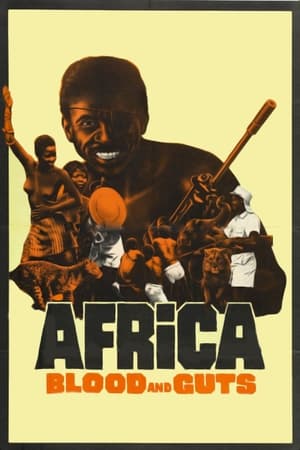
A chronicle of the violence that occurred in much of the African continent throughout the 1960s. As many African countries were transitioning from colonial rule to other forms of government, violent political upheavals were frequent. Revolutions in Zanzibar and Kenya in which thousands were killed are shown, the violence not only political; there is also extensive footage of hunters and poachers slaughtering different types of wild animals.
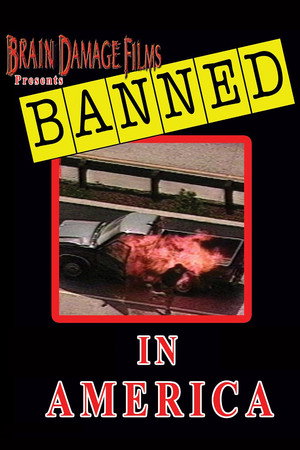
"Banned In America" shows video clips of the darkest elements of human nature, society, and life; the very things that bring fear and disgust into our collective existences. Whether it be live executions, live suicides, or miscellaneous forms of evil, "America" shows us that a sinister world of death lies right outside our door, just waiting for our number to be called.
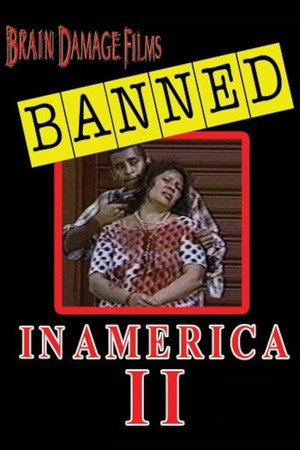
This shocking, graphic release from the Banned in America franchise offers a disturbing collection of footage that is most definitely not appropriate for kids. The real, unedited scenes captured for the release include fatal car crashes, brutal acts of extreme, bloody violence, grotesque stunts, and more.
This shocking, graphic release from the Banned in America franchise offers a disturbing collection of footage that is most definitely not appropriate for kids. The real, unedited scenes captured for the release include fatal car crashes, brutal acts of extreme, bloody violence, grotesque stunts, and more.
BANNED IN AMERICA IV gives you 4 times the action, 4 times the gore of any other shockumentary. We dare to show you the most brutal accidents, the most disturbing crime scenes, the most terrifying footage of ma, animal and machine gone wild. Do you have what it takes to watch?
Exercise your First Amendment right to see this video! These are the shocking images the censors don't want you to see - and this time, we've saved the worst for last!
Banned VI is the newest installment in the best-selling shock series in history! Too soon? Some are still squeamish about showing footage of the tragic events of 9/11/2001, but not us! This sixth and FINAL installment contains exclusive, never-before-seen footage from that day, plus a lot more from the gory decade of 2000! THE DAY THE WORLD CAME DOWN!
Anton LaVey introduces and narrates Nick Bougas's documentary drawn from the crime-scene scrapbook of Los Angeles homicide detective Jack Huddleston. The photographs, largely from the 1930s and 1940s, depict suicides, murder-suicides, homicides and deaths associated with Hollywood. The original VHS concludes with World War II newsreel footage and LaVey's closing remarks on death.
Narrated by Harold Wells, the second Death Scenes video gathers footage of the Manson murders, war and other violent incidents. It includes the 1982 accident on the set of Twilight Zone: The Movie, the Zapruder film of President John F. Kennedy's assassination, and the televised suicide of Pennsylvania politician R. Budd Dwyer. News and documentary recordings replace much of the still-photograph format of the 1989 film.
Nick Bougas's third documentary presents recordings of political violence, crime and publicized deaths. Its material includes footage associated with the war in Bosnia-Herzegovina, the executions of Nicolae and Elena Ceaușescu, and the 1993 killing of Maritza Martín Muñoz, filmed during an interview for Ocurrió Así, a Spanish-language news program on the United States television network Telemundo.
A fictional pathologist introduces a series of disturbing images presented as a survey of mortality. Medical procedures, accidents, animal deaths and apparent executions appear alongside episodes staged with performers and practical effects. The film does not clearly tell viewers which sequences are documentary records and which were manufactured, allowing its narration to suggest that all of the material belongs to the same investigation. The resulting uncertainty became central to the film's reputation and to the later series.
Filmmaker John Alan Schwartz revisits the methods behind the Faces of Death series in a retrospective devoted to its claims of authenticity. Identified through his directing pseudonym Conan Le Cilaire, Schwartz discusses the use of archival recordings, performers and staged effects that helped make the earlier films controversial. Interviews and explanations reconsider incidents that audiences had treated as factual documents. The program turns the uncertainty promoted by the original releases into the subject of an examination of how the footage was constructed and marketed.
The second film returns to the format of narrated death-related footage, bringing together material associated with accidents, medical work, conflict and other fatal events. Its apparent documentary records come from differing sources, and the presentation does not consistently identify the difference between authentic imagery and constructed scenes. The returning fictional host provides continuity with the first installment, while the selection of new episodes extends the series' unsettling mixture of observation, sensationalism and doubt about the images on screen.
Presented in its familiar home-video version by the fictional Dr. Francis B. Gross, the third installment arranges disturbing documentary-style material around episodes involving fear, criminal violence and apparent investigative evidence. Several incidents are dramatizations rather than records of actual crimes, including an extended courtroom sequence featuring filmmaker John Alan Schwartz as an accused killer. The release was reworked from an earlier project titled Fear, so its narration and selection of footage reflect a later effort to place that material within the established series.
Dr. Louis Flellis returns to guide viewers through another anthology of violent deaths, alleged catastrophes and other alarming incidents. The fourth installment combines material presented as documentary evidence with sequences shaped by performance and sensational narration. Unlike the later numbered video compilations, it was produced as a new entry in the original series. Its episodes are grouped by the host's commentary, while the film continues to leave the origins and authenticity of individual images unclear.
A later video compilation assembles sequences already seen in earlier Faces of Death installments. The release revisits the series' familiar combination of documentary images and performed incidents without presenting a comparably extensive new production. Reused extracts appear under another numbered title, and their earlier introductions and contexts are not always preserved. The result reflects the franchise's shift from creating new collections toward rearranging its existing library of disturbing footage.
The sixth numbered release draws primarily on footage previously circulated within the Faces of Death series, including material associated with the original film and the fourth installment. It presents another edited selection of alarming images, some derived from real documentary sources and others from staged productions. As a direct-to-video compilation, its identity comes chiefly from its arrangement of earlier material, not from a new set of investigations or filmed incidents.
Circulated under a seventh Faces of Death title in Germany, this shock compilation draws substantially on material associated with Nick Bougas's earlier Death Scenes. Historical crime photographs, images of public figures and other archival records are presented as a collection of disturbing evidence. The edition was not a newly filmed seventh installment by John Alan Schwartz, and its precise selection and editing differ in ways that are not fully documented. Its relationship to the main series lies chiefly in the title and regional repackaging of existing footage.
A documentary consisting of a series of travelogue vignettes providing glimpses into cultural practices throughout the world intended to shock or surprise, including an insect banquet and a memorable look at a practicing South Pacific cargo cult.
The official sequel to the original shockumentary presents a series of bizarre, shocking and grotesque cultural rituals, practices and events from around the world. Featured segments include the burning monks of Saigon in Vietnam, slave markets in Sudan, religious hysteria, mortician schools, and unusual global subcultures.
In 1996, Tsurisaki Kiyotaka, one of Japan’s most infamous death photographers, ventured into the center of Hell itself - the Rue Morgue neighborhood of Bogota, Colombia. With death and murder rampant, the corpses eventually find their way to embalmer Froilan Orozco, who has been tending the dead for over 50 years. We watch as bodies are brought in to his shop and he prepares them for their funerals.
A new age Mondo film that explores the realm of urban decay and various oddities of the modern world, ranging from underground club scenes to sex change operations.
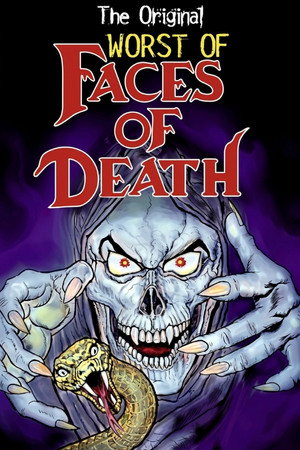
This compilation selects disturbing sequences from the first three Faces of Death films and presents them in a shorter retrospective program. Dr. Louis Flellis, portrayed by James B. Schwartz, introduces the material as another survey of violent and unusual deaths. Because much of the footage originated in earlier productions, the collection mixes previously staged incidents and documentary images without resolving their different origins. Its principal new element is the way familiar episodes are edited and reframed for another home-video audience.
The fifth installment of the self-proclaimed "first true shockumentary" series, dealing mostly with backyard wrestling and occasional instances of graphic violence and sexual assault.