
IHORRORDB · HORROR FILM HISTORY
The history of Italian horror cinema cannot be reduced to a sequence of celebrated directors or notorious films. Its most productive decades grew out of a particular film industry: one that combined skilled technicians, small and medium-sized production companies, international co-productions, advance distribution agreements and an extraordinary capacity to adapt to changes in commercial demand. Between the late 1950s and the early 1980s, this system generated Gothic fantasies, murder mysteries, occult films, zombie horrors and increasingly graphic exploitation productions. Although the films often borrowed recognizable models from abroad, the methods used to make and sell them helped create an unusually distinctive national tradition.
Italian horror also developed through changing relationships between sound and image. Black-and-white Gothic photography gave way to the saturated colours of the giallo and supernatural thriller; elaborate studio effects coexisted with location shooting; artificial bodies and wounds became central to the spectacle; and composers supplied musical identities that could survive independently of the films. A history concerned only with narrative themes would miss the contributions of cinematographers, production designers, writers, makeup artists, editors, producers and distributors whose work made these images possible. Just as importantly, the genre’s later decline followed transformations in the Italian film economy, even as creative talent remained active.
This account examines Italian horror as a changing network of films, people and production practices, beginning with the uncertain precedents of the silent era and extending to twenty-first-century features. It distinguishes supernatural horror from adjacent traditions such as the giallo and crime thriller, considers films made primarily for export, and treats censorship, international circulation and restoration as parts of the same history. The result is a broader view of a cinema whose influence has long exceeded the industrial conditions in which it was created.
Selected milestones
PART ONE · 1911–1969
Origins and the Gothic Cycle
Before the Horror Cycle: Italian Silent Cinema and the Fantastic (1911–1955)

Italian cinema explored frightening imagery decades before horror became a regular commercial genre. Early filmmakers drew on Dante, religious iconography, theatrical illusion and the spectacular possibilities of silent film. Dante’s Inferno (1911; original title L’Inferno), directed by Francesco Bertolini, Adolfo Padovan and Giuseppe de Liguoro, is an important example of this history. Its elaborate visions of the underworld, indebted in part to the pictorial tradition surrounding the Divine Comedy, demonstrate how Italian filmmakers could construct disturbing supernatural environments for the screen. Yet its primary identity belongs to literary spectacle and the adaptation of Dante, rather than to a self-conscious industrial cycle of horror features.
Other silent productions complicate any attempt to identify a single starting point. Nino Oxilia‘s Satan’s Rhapsody (Rapsodia satanica) and Guido Brignone‘s Maciste in Hell (original title Maciste all’inferno; completed in 1925; approved for Italian release in 1926) used infernal or demonic material for very different dramatic purposes. The former belongs to a symbolist and fantastic tradition; the latter takes a familiar adventure hero into a world of monstrous imagery and physical spectacle. They supplied elements that later horror films would use, but contemporaries did not necessarily understand them within the stable genre categories employed by modern historians. Identifying a precedent therefore requires more than finding a devil, spectre or corpse in an early film.
The most contested example is Eugenio Testa‘s Il mostro di Frankenstein, generally placed in the early 1920s. It has repeatedly been described as the first Italian horror film, but the work is lost and surviving information is fragmentary. Sources differ even on whether its date should be given as 1920 or 1921. Film scholar Russ Hunter has studied the surviving traces of this production and the problems involved in reconstructing its status from publicity, documentation and retrospective classifications. Because the film cannot be examined as a complete surviving work, detailed accounts of its supposed visual style or narrative should be treated with caution. Its historical importance rests partly on the questions it raises about what has been lost from Italian silent cinema.
The relative scarcity of sustained horror production during the Fascist period cannot be attributed exclusively to a single censorship ban. Restrictions on disturbing content and the political supervision of filmmaking mattered, but so did domestic audience expectations, the priorities of producers and the cultural prestige afforded to different types of fiction. Supernatural and macabre motifs continued to appear within comedies, melodramas and mysteries. These productions were not necessarily intended to cultivate an audience for horror as a distinct category. Similarly, the popularity of imported Gothic literature or the presence of supernatural beliefs in Italian folklore did not automatically create a commercially viable horror industry.
After the Second World War, Italian filmmaking became closely associated internationally with neorealism. Yet the national industry was much larger and more varied than its prestigious realist strand. Adventure pictures, comedies, melodramas and historical spectacles employed the same studios, craftspeople and distribution networks that would later support horror. In the early 1950s, ghosts and demonic imagery still more often appeared in comic or fantastic contexts than in sustained films of terror. The eventual development of the genre would depend on the convergence of technical expertise, financing arrangements and evidence that frightening films could attract paying audiences.
Riccardo Freda, Mario Bava and the Production of I vampiri (1957)

I vampiri occupies a central place in histories of Italian horror because it is widely recognized as the first Italian horror feature of the sound era. Directed principally by Riccardo Freda and completed with substantial work by cinematographer Mario Bava, the film combines Gothic imagery, criminal investigation and a fantastic medical explanation for apparent vampirism. Its Paris setting is significant: the production used a foreign urban location as part of its identity while relying on the practical resources of Italian studios. The film’s hybrid structure also reveals a genre still being negotiated, without a settled local template for vampire horror.
Freda subsequently told a memorable story about proposing the film as a wager: he had supposedly challenged producers to let him make a horror picture in an exceptionally short time. The anecdote was repeated frequently, helping establish a mythology of inspired craftsmen overcoming the indifference of the film establishment. However, Michael Guarneri’s examination of surviving production and distribution records at Rome’s Archivio Centrale dello Stato places that story in a far more specific industrial setting. The surviving paperwork records an original shooting schedule of twenty days, a final budget of 142 million lire, and a financial arrangement involving Athena Cinematografica, Titanus and state credit. A film remembered as a spontaneous artistic gamble was also a planned and financed commercial production.
The significance of this distinction extends beyond a correction to one filmmaker’s recollections. Italian film legislation introduced in 1949 encouraged national production through quotas, loans and economic incentives, while distributors could provide advance guarantees that helped producers secure financing. The arrangements surrounding I vampiri exemplified a system in which a company could test a new type of film without assuming all the financial risk itself. The producers Ermanno Donati and Luigi Carpentieri and Titanus executive Goffredo Lombardo therefore belong in the film’s history alongside Freda, Bava and its principal performer Gianna Maria Canale. Understanding those relationships explains why an unfamiliar genre was attempted at all.
The film’s visual conception was another early point of departure. Bava brought extensive experience in photography and effects work; production designer Beni Montresor helped provide an environment of aristocratic decay, laboratories and threatening interiors. Within a tight schedule, photographic illusion and set design could achieve a scale that would have been prohibitively expensive if constructed entirely as physical locations. The aging and rejuvenation effects associated with Canale’s character anticipate Italian horror’s growing interest in the body as something both spectacular and unstable. Technical problem-solving directly shaped the images audiences saw under those production constraints.
I vampiri was not a domestic box-office breakthrough. Guarneri records Italian receipts of approximately 125 million lire over its extended theatrical circulation, well below the grosses achieved by the period’s major hits. Its release in April 1957 did not immediately produce a continuous cycle of similar features. This matters because the film’s historical priority and its direct commercial influence are different questions. Freda and Bava demonstrated that an Italian horror production was possible; a sustainable wave of such productions depended on the changing international market and, in particular, renewed commercial demand for Gothic monsters.
The Gothic Revival and the First Production Wave (1959–1963)

The conditions for an Italian horror cycle changed after the international success of Hammer’s Dracula (1958), directed by Terence Fisher. Released in Italy near the end of that year, it demonstrated that Gothic horror could command substantial domestic interest despite the disappointing performance of I vampiri. The wider success of British colour horror also suggested export opportunities for producers able to supply inexpensive genre pictures. Italian companies responded not through one centrally planned movement, but through a cluster of individual projects drawing on vampires, medical experiments, witches and threatening aristocratic families. Film historian Michael Guarneri therefore distinguishes the chronological priority of I vampiri from the commercial origins of an enduring Italian Gothic cycle: he argues that Fisher’s Dracula was the more decisive “originary film” in industrial terms, because its international success preceded the sustained Italian production wave that began in 1959.
The films released around 1960 show the variety of approaches already available. Giorgio Ferroni‘s The Mill of the Stone Women combined a period setting with strange medical experiments and stylized colour photography. Renato Polselli‘s The Vampire and the Ballerina and Piero Regnoli‘s The Playgirls and the Vampire introduced different mixtures of Gothic settings, sexuality and exploitation. Roger Vadim‘s Blood and Roses, an Italian-French co-production, provided a more literary variation on vampirism. These productions should not be treated as interchangeable imitations of Hammer: their tone, intended audiences and forms of collaboration varied, even as distributors could market them under the general promise of Gothic terror.
Mario Bava’s Black Sunday (La maschera del demonio, 1960) was the decisive artistic and international turning point. Drawing loosely on Nikolai Gogol‘s Viy, it places Barbara Steele in a dual role involving a condemned witch and her descendant. Bava’s black-and-white photography transforms fog, ruined architecture, crucifixes, crypts and human faces into an integrated visual world. Carefully controlled light separates characters from surrounding darkness, while camera movement gives depth and instability to apparently static spaces. Violence and supernatural menace are inseparable from that formal design. The film’s export reputation helped make Italian Gothic production more visible abroad and gave Steele a lasting association with the genre.
Bava’s directorial success was grounded in expertise developed long before he received prominent directing credit. Working as a cinematographer and effects specialist, he had become adept at integrating miniatures, lighting, painted elements and economical camera techniques. His father, Eugenio Bava, had worked in cinematography and visual effects, linking Mario to an established tradition of filmmaking crafts and technical experimentation. On Black Sunday, technique enabled images that appear grander and more elaborate than the material resources behind them. Later accounts of the film rightly emphasize the director’s vision, but that vision was inseparable from learned practical methods.
The early cycle also included Riccardo Freda’s The Horrible Dr. Hichcock (1962), written by Ernesto Gastaldi, with its disturbing conjunction of medical practice, sexuality and death. The film illustrates how Italian Gothic horror could develop troubling adult themes within a recognizable costume-film environment. Antonio Margheriti‘s early productions likewise demonstrated the versatility of the form, drawing on spectacular architecture, threatened families and supernatural uncertainty. As new companies and international partners entered the market, Gothic horror grew less dependent on a single director or a single kind of monster. Its identity emerged from recurring production practices as much as recurring fictional situations.
Italian Gothic Horror at Its Height (1963–1969)

By the middle of the 1960s, Italian Gothic horror had developed a recognizable range of settings, visual conventions and performers. The ruined castle remained useful, but directors were equally interested in decaying houses, isolated villages, laboratories and spaces in which family history seemed physically embedded. Films repeatedly confronted characters with inherited guilt, suppressed sexual desires, premature burial and the return of the dead. Their Gothic worlds often appeared to exist outside contemporary Italy, a choice that both facilitated international circulation and allowed filmmakers to stage taboo material at a distance from familiar domestic realities.
Antonio Margheriti, frequently credited internationally as Anthony Dawson, directed Castle of Blood (1964), a haunted-house feature associated with a literary frame involving Edgar Allan Poe, and The Long Hair of Death (1964), which features Barbara Steele in a story of persecution and supernatural vengeance. Camillo Mastrocinque directed Crypt of the Vampire (1964), while Mario Caiano‘s Nightmare Castle (1965) provided another example of the genre’s interest in domestic cruelty and returning identities. These films vary in ambition and achievement, but taken together they demonstrate the breadth of a production network sustained by reusable craft skills, performers and distribution contacts.
Mario Bava continued to revise the Gothic framework after Black Sunday. Black Sabbath (1963) used the anthology format to connect three different kinds of fear, ranging from psychological menace to folktale vampirism. Its Italian and American versions differ materially, an early reminder that international distribution could alter a film’s structure as well as its language. The Whip and the Body (1963) pushed the intersection of ghostly return and erotic fixation, while Kill, Baby… Kill! (1966) offered an exceptionally controlled use of spaces, colour, movement and a child’s apparition. The latter film’s sense of a town trapped by an old injustice illustrates how location and supernatural violence could support one another without an elaborate monster mythology.
Barbara Steele was particularly important to the genre’s international identity. Her features and performances allowed filmmakers to create characters whose apparent innocence and threatening power could be difficult to separate. In several productions, the contrast between a woman’s vulnerable social position and her connection to the supernatural became a principal dramatic mechanism. The significance of Steele and performers such as Gianna Maria Canale should not be reduced to the later promotional label of ‘scream queen’. Their screen presence helped define how desire, illness, power and revenge were represented within the Italian Gothic imagination.
The cycle was never stylistically uniform. Some films emphasized black-and-white chiaroscuro; others embraced colour, theatrical spectacle or conspicuous sensuality. A number of productions relied heavily on international casting and anglicized credits, making their Italian origins less obvious to audiences abroad. The availability of competent cinematographers, editors, costume departments and post-production facilities in Rome also enabled smaller producers to mount features with relatively sophisticated visual presentation. The Gothic boom therefore offers an early example of the industrial adaptability that would later allow Italian companies to move toward gialli, occult thrillers and zombie films.
PART TWO · 1963–1981
Genre Diversification
From Gothic Mystery to Giallo: The Transformation of Screen Violence (1963–1975)

The giallo developed alongside Gothic cinema, with both traditions remaining active in Italian production. The word originally referred to Italian crime and mystery publishing, but in cinema it came to designate an unstable set of conventions associated with murder, investigation, unreliable perception and stylized suspense. Its boundaries remain contested: many gialli are fundamentally crime thrillers, while others approach horror through violence, spectacle or extreme psychological disturbance. A history of Italian horror must therefore explain the giallo’s relationship to horror without treating every Italian murder mystery as a horror film.
Mario Bava’s The Girl Who Knew Too Much (1963) is commonly identified as a formative cinematic giallo. It uses the experiences of a visitor in Rome to connect tourist space, crime-fiction expectations and uncertain eyewitness testimony. Blood and Black Lace (1964) then established a more ruthless visual pattern involving a masked killer, fashion-industry setting and murders staged through vivid colour and aggressive composition. The latter film’s importance lies not simply in the appearance of familiar iconography, including gloves and concealed identity, but in the way individual killing sequences become self-contained demonstrations of cinematic suspense and violence.
Dario Argento’s The Bird with the Crystal Plumage (1970) transformed the commercial prospects of the form. Its success encouraged numerous productions that combined murder investigations with deliberately unsettling imagery. Argento’s central mechanism is the witness who has seen something important but interpreted it incorrectly. The camera makes perception a problem shared by the investigator and the audience. His subsequent The Cat o’ Nine Tails (1971), Four Flies on Grey Velvet (1971) and Deep Red (1975) developed related concerns through increasingly elaborate arrangements of editing, camera movement, architecture and music. Their popularity created opportunities for other directors, but those directors did not all reproduce Argento’s approach.
Sergio Martino‘s The Strange Vice of Mrs Wardh (1971) and All the Colors of the Dark (1972) brought psychological instability and sexual threat into the foreground. Aldo Lado‘s Short Night of Glass Dolls (1971) and Who Saw Her Die? (1972) connected suspense with institutional secrecy and bleak urban environments. Massimo Dallamano‘s What Have You Done to Solange? (1972) represented another strand of the genre, in which the treatment of young female victims and sexual violence became especially troubling. Lucio Fulci’s A Lizard in a Woman’s Skin (1971) moved through dreams and uncertain memory, while Don’t Torture a Duckling (1972) relocated violent investigation to a Southern Italian village. The range of these films resists any definition of the giallo based on costume or weapon alone.
The proximity of the giallo to horror is particularly clear in its formal treatment of death. Point-of-view shots, extended pursuit, sharp editing and the staging of vulnerable bodies became central to the audience’s experience. At the same time, these films differed from supernatural Gothic horror because their mysteries often depended on uncovering human motives. The giallo substantially shaped subsequent slasher cinema, but claims of direct borrowing require evidence identifying specific connections to Bava or Argento. In Italy, the genre’s real historical significance is that it provided a successful commercial and aesthetic bridge from the Gothic cycle to the more graphic horrors of the 1970s and 1980s.
Rural Horror, Folklore and the Violence of Communities

A significant development within 1970s Italian horror was the movement away from the remote Gothic castle toward recognizably Italian landscapes. Small towns, rural roads, decaying churches and provincial houses made it possible to locate terror within familiar social institutions and everyday life. These locations did not necessarily introduce literal supernatural forces. Often the source of violence was a community’s determination to preserve a secret, punish outsiders or interpret events through religion and superstition. The distinction between folk horror, rural giallo and psychological mystery therefore remains important, even when the films share images of religious ritual and collective fear.
Lucio Fulci’s Don’t Torture a Duckling (1972) is an essential turning point. Its investigation into the murders of children takes place in a Southern Italian community where suspicion quickly falls on people considered socially marginal. The film connects the mechanics of the thriller with a hostile environment governed by prejudice and religious authority. Its violence is disturbing not only because of the deaths themselves but because villagers are prepared to turn their certainty into collective punishment. Fulci’s treatment of the landscape also differs markedly from the fashionable interiors and metropolitan spaces found in many contemporary gialli: roads, hills and village streets create physical and moral isolation.
Francesco Barilli‘s The Perfume of the Lady in Black (1974) approaches dread through memory, domestic relationships and psychological disintegration. It demonstrates how the Italian Gothic inheritance could survive inside a modern setting without obvious castles or supernatural monsters. The House with Laughing Windows (1976), directed by Pupi Avati, provides a still more decisive example of rural horror. Its story of an art restorer investigating a damaged church fresco becomes an inquiry into a village’s concealed history. Religious painting, architecture, local testimony and the surrounding countryside contribute to an atmosphere in which investigation threatens an entire social arrangement.
Avati’s importance lies partly in his preference for landscapes connected with Emilia-Romagna and for systems of belief rooted in places that appear historically specific. In Zeder (1983), scientific investigation and the possibility of returning from death intersect in a manner that connects horror to speculative fiction. The later Arcane Sorcerer (1996; original title L’arcano incantatore) again draws on period settings, religious practices and beliefs in forbidden knowledge. His films do not represent a single uninterrupted folk-horror series; rather, they repeatedly examine how old practices, local memory and the pursuit of knowledge can generate contemporary danger.
Italian rural horror is sometimes compared with the British folk-horror tradition, but the comparison should not erase local differences. In Italy, organized religion, provincial family structures, the cultural divide between city and countryside, and the persistence of inherited social hierarchies gave these films a particular context. A haunted village could function as a Gothic space even when no ghost appeared on screen. The most important change was geographical and social: horror no longer required an imaginary foreign castle, because the landscape and institutions of modern Italy could themselves become the source of terror.
Religious Fear, Possession and the Occult Boom
The success of William Friedkin‘s The Exorcist (1973) produced a powerful international incentive to make films dealing with possession, Satanism and religious terror. Italian producers entered this market from several directions. Some productions emphasized priests, medical diagnosis and demonic transformation; others used religious imagery as an opportunity for violent spectacle or sexual provocation. These films participated in a broad transnational cycle, but they also intersected with existing traditions of Gothic obsession, family secrets and bodily disturbance.
Alberto De Martino‘s The Antichrist (1974) and Beyond the Door (1974), directed by Ovidio G. Assonitis and Roberto D’Ettorre Piazzoli (credited as Robert Barrett), exemplify commercially oriented responses to the occult-horror boom. Their position within international distribution is crucial to understanding them. A producer targeting several territories could combine actors, settings and narrative conventions that were immediately legible to audiences familiar with American hits. Italian horror had already developed this export strategy in the Gothic period; possession cinema supplied a new set of recognizable themes and marketing possibilities.
The cycle also revealed the influence of distributors over the form in which audiences encountered films. Mario Bava’s Lisa and the Devil was transformed into The House of Exorcism through additional footage and re-editing after the original version encountered commercial difficulties. The two forms should not be treated as interchangeable: one is an enigmatic Gothic fantasy, the other a recut shaped partly by the perceived market for demonic-possession films. Such cases illustrate why reliable film histories must distinguish original productions, later versions and alternative titles to understand changes across releases.
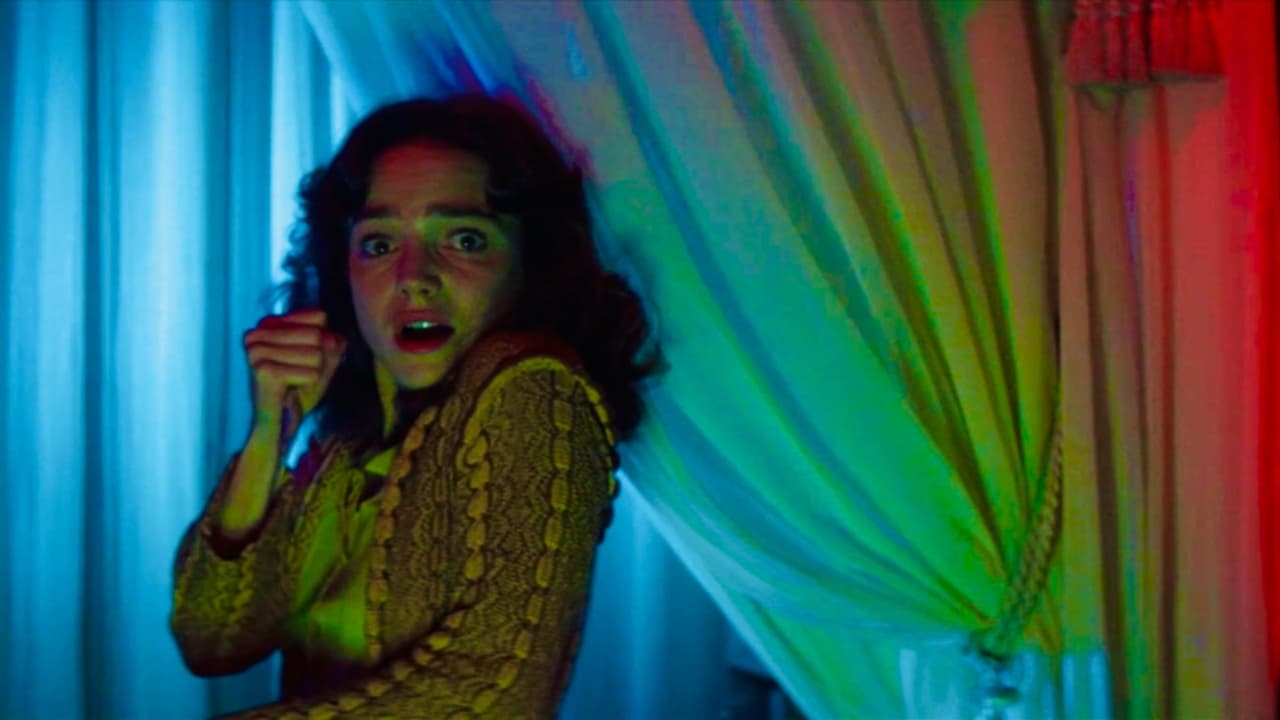
Dario Argento’s Suspiria (1977) introduced a different conception of occult horror. Its witches operate within a dance academy, but the threat is communicated less through conventional possession scenes than through architectural space, extreme colour, coordinated camera movement and music. Argento and cinematographer Luciano Tovoli created highly controlled chromatic environments in which red, blue and green appear to possess a logic independent of realistic illumination. The score by Goblin reinforces the feeling that evil extends beyond the visible actions of any single character. The film represents a departure from Argento’s murder mysteries, although its elaborate murders preserve elements of his earlier stylistic concerns.
The distinction between possession-cycle cinema and the supernatural work of Argento is instructive. Both address fears associated with forbidden forces, but their mechanisms differ: the former often presents a struggle over a particular body, whereas Suspiria transforms an entire institution into the instrument of an occult system. Its follow-up Inferno (1980) would make buildings and hidden urban geography still more central to the mythology. Italian occult cinema thus encompassed both rapid responses to international commercial success and sustained experiments with a distinctive cinematic language.
Cannibal Cinema and the International Exploitation Market (1972–1981)
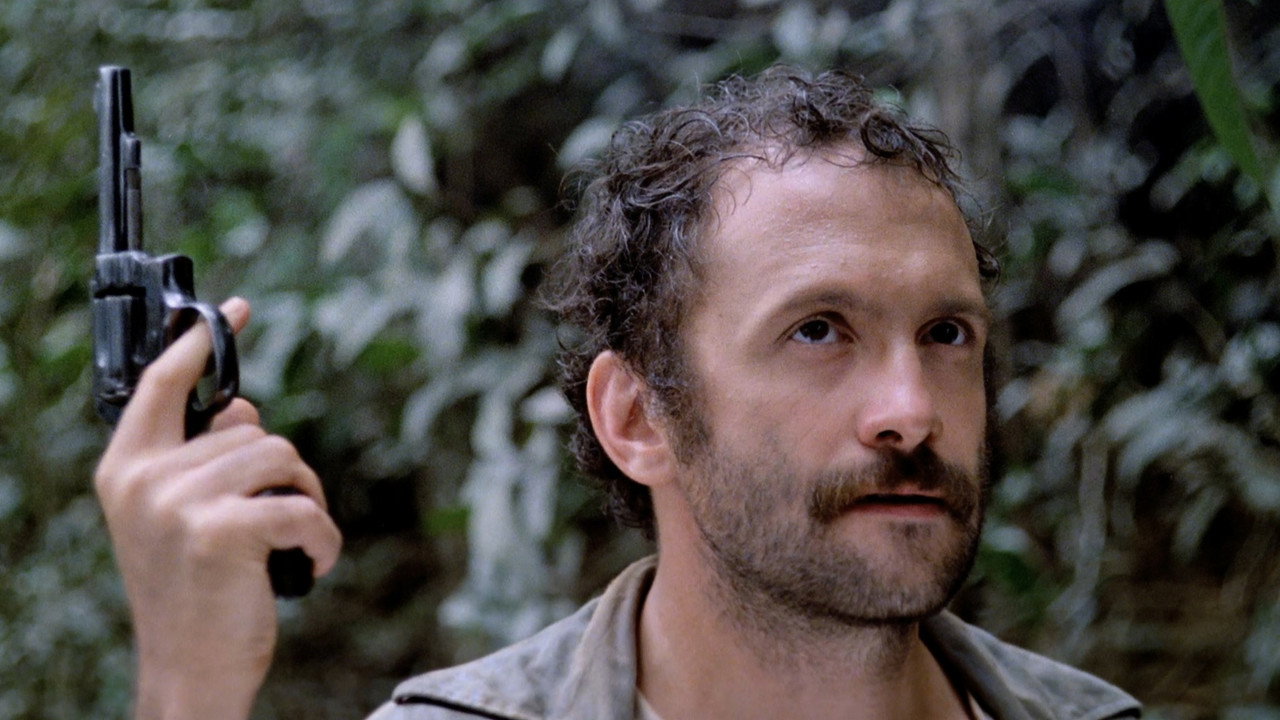
The Italian cannibal cycle emerged at the intersection of adventure cinema, exploitation marketing and anxieties about representing distant cultures. Umberto Lenzi‘s Man from Deep River (1972) is generally regarded as an important early model, although it draws as much on adventure and captivity narratives as on later graphic horror. Its exotic setting and confrontation between outsiders and an Indigenous community established commercial possibilities that subsequent productions would pursue much more aggressively. The subgenre also drew on older colonial imagery and sensational travel narratives, elements that require critical examination because they are not reliable ethnographic descriptions.
Ruggero Deodato‘s Last Cannibal World (Ultimo mondo cannibale, 1977; also released as Jungle Holocaust), Sergio Martino’s The Mountain of the Cannibal God (1978) and other productions expanded the repertoire of jungle survival, bodily violation and staged cultural confrontation. Their international appeal depended partly on the promise of material beyond the limits of mainstream filmmaking. Producers and distributors could emphasize forbidden imagery, dangerous locations and the supposed authenticity of what was shown. Yet many of these films were studio-managed or carefully staged commercial productions whose advertising relied on obscuring that process.
Cannibal Holocaust (1980) is the defining case because its presentation of recovered footage turned the construction of authenticity into part of the film’s subject. Deodato used the disappearance of a documentary crew and the later screening of its material to examine the relationship between filming, violence and exploitation. The film’s formal importance to subsequent found-footage horror should be recognized without romanticizing its production. Some animal deaths depicted on screen were real, and the film’s history includes substantial legal and censorship controversy. Both facts are essential to any accurate account of its reception and cannot be dismissed as incidental scandals.
Lenzi’s Cannibal Ferox (1981) represents another extreme expression of the cycle, intensifying graphic violence and punitive spectacle. These productions repeatedly presented Indigenous peoples through offensive stereotypes, even when their narratives appeared to criticize Western intruders. A historical assessment must address this contradiction and the power relations built into their imagery. The films can be studied as developments in exploitation marketing and horror technique without endorsing their representations of the communities depicted.
The cannibal cycle was relatively brief, but its afterlife was unusually long. Video distribution, censorship campaigns, specialist publications and later reissues sustained interest after the original production boom ended. Its stylistic legacy includes the use of ostensibly documentary material and the deliberate blurring of fabricated and actual violence. Its industrial legacy is equally revealing: filmmakers worked within an export-driven economy in which controversy could become a selling point, while the same controversy complicated classification, distribution and subsequent preservation. For an expanded treatment of this tradition and its later underground developments, see iHorrorDB’s history of extreme horror.
PART THREE · 1978–1994
Gore, Zombies and New Generations
The Zombie Boom: Romero, Fulci and the Italian Undead
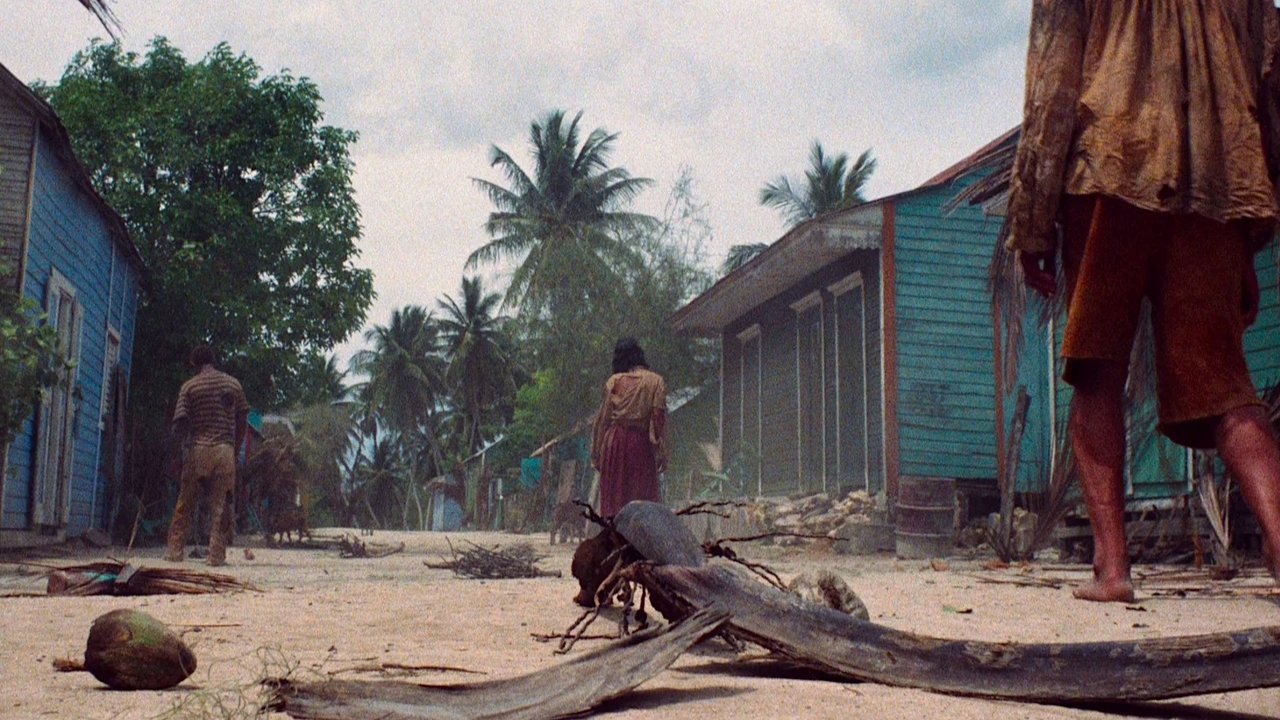
The modern Italian zombie cycle developed in direct relation to international commercial events. George A. Romero‘s Dawn of the Dead (1978) reached Italian audiences as Zombi, with Dario Argento closely involved in the European version and Goblin contributing music. This release provided both a successful model and a recognizable title around which distributors could construct a market. Lucio Fulci’s Zombie (1979; released in Italy as Zombi 2) was positioned in the commercial wake of Romero’s film, despite operating as a separate story without conventional narrative continuity. Its Italian title illustrates the difference between a marketing connection and a continuous fictional franchise.
Zombie established a distinctive Italian approach to the living dead. The decomposing bodies are given material weight through makeup, textures and deliberately prolonged views of injury. Sergio Salvati‘s cinematography and Giannetto De Rossi‘s effects work shaped this visual identity by emphasizing the monsters’ physical decay. The film’s island setting allows graveyards, vegetation and decayed architecture to reinforce the impression that death is re-emerging from the ground itself. Fulci also orchestrates graphic set pieces in which bodily destruction becomes a principal source of suspense, as in the celebrated eye injury sequence.
The response to Zombie was a proliferation of productions with very different aesthetic and commercial aims. Marino Girolami‘s Zombie Holocaust (1980) combined zombie and cannibal motifs, revealing the degree to which producers saw such categories as interchangeable sources of exploitable imagery. Bruno Mattei‘s Hell of the Living Dead (1980) drew on the international zombie vocabulary while adopting a distinctly opportunistic production strategy. Andrea Bianchi‘s Burial Ground (1981) reduced the formula to an enclosed survival situation and repeated bodily assault. The variations are important because Italian zombie cinema was an industrial cycle, not a coherent group of films sharing the same mythology.
Fulci’s subsequent work also complicated the definition of a zombie film. City of the Living Dead (1980) and The Beyond (1981) feature the returning dead, but they are fundamentally concerned with supernatural ruptures rather than disease or social collapse. Their undead function as manifestations of a larger infernal disturbance. The House by the Cemetery (1981) concentrates bodily horror inside a domestic setting with a particular monstrous figure. Treating all three as straightforward imitations of Romero would miss the transition from the commercial zombie picture to Fulci’s less stable worlds of space, death and impossible causality.
The Italian cycle acquired a reputation for extreme gore, but its impact cannot be explained by prosthetic effects alone. Soundtracks, editing rhythms, locations, international casts and alternate versions all helped give individual films identities beyond their original marketing. The cycle also demonstrates the increasingly rapid circulation of genre formulas: American success encouraged Italian production, Italian products entered foreign markets, and differences between the films became obscured under similarly worded promotional titles. What appeared to audiences as a single zombie wave was a series of overlapping business decisions and creative responses.
Lucio Fulci and the Development of Supernatural Gore

Lucio Fulci entered horror after a long career that included comedy, westerns, thrillers and other commercial genres. This background matters because his major horror works did not emerge from a filmmaker concerned exclusively with the macabre. In A Lizard in a Woman’s Skin, Don’t Torture a Duckling and The Psychic (1977), he had already explored the instability of perception, violence and the destruction of apparently secure environments. When the international success of Zombie opened opportunities for further horror production, he brought those concerns into films that increasingly abandoned reassuring narrative explanation.
City of the Living Dead (1980) starts from an apocalyptic disturbance and creates a world where familiar geography no longer guarantees safety. The Beyond (1981) places a hotel above a gateway to Hell, yet its most memorable quality is not the premise but the gradual breakdown of normal space and cause. The film combines abandoned rooms, unexplained apparitions, bodily destruction and abrupt shifts in location. This approach makes conventional questions about what characters know less important than the experience of entering a world whose rules cannot be trusted. The imagery of damage belongs to a wider conception of corrupted reality.
The effectiveness of these works depended on a closely connected group of craftspeople. Cinematographer Sergio Salvati, editor Vincenzo Tomassi, composer Fabio Frizzi, makeup-effects artist Giannetto De Rossi and writer Dardano Sacchetti were important contributors to different films in Fulci’s key period. Their distinct roles deserve individual recognition beyond general accounts of the director’s genius. Lighting and lens choices determine how long the viewer must confront a grotesque image; editing makes an impact either abrupt or inescapably prolonged; effects work gives the violence its physical plausibility; and music establishes continuity across otherwise fragmented events.
The House by the Cemetery (1981) is often grouped with City of the Living Dead and The Beyond in an unofficial trilogy. The designation is useful only if understood as retrospective and thematic: these are not three instalments following a unified narrative. Each concerns a different breach in the boundary between life and death, and each turns a familiar environment into a dangerous space. The recurring suggestion is that monstrous events are not isolated interruptions of normality but signs that the ordinary world has already become untrustworthy.
Fulci also worked in more explicitly confrontational territory. The New York Ripper (1982), an urban giallo rather than supernatural horror, made extreme violence against women central to its presentation and became one of his most controversial releases. Its existence prevents any easy division between Fulci as an artist of atmospheric supernatural terror and Fulci as a director of graphic exploitation. Both tendencies were present within a career shaped by production opportunities and shifting audience expectations. His major importance to Italian horror lies in the combination of those tendencies: a cinema in which the material destruction of bodies can coexist with a sustained feeling that reality itself is becoming unstable.
Splatter, Body Horror and the Expansion of Exploitation Cinema
By the early 1980s, the commercial boundaries between horror, science fiction, thrillers and exploitation cinema were increasingly porous. Italian producers could respond to a recognizable international success with a picture whose title, advertising or central imagery suggested an association, even when the narrative was entirely independent. This practice had deep roots in Italian popular cinema, but horror made it especially visible because effects-driven spectacle could be promoted through still photographs and brief descriptions. The resulting films reveal how quickly technical and thematic fashions moved through the international market.
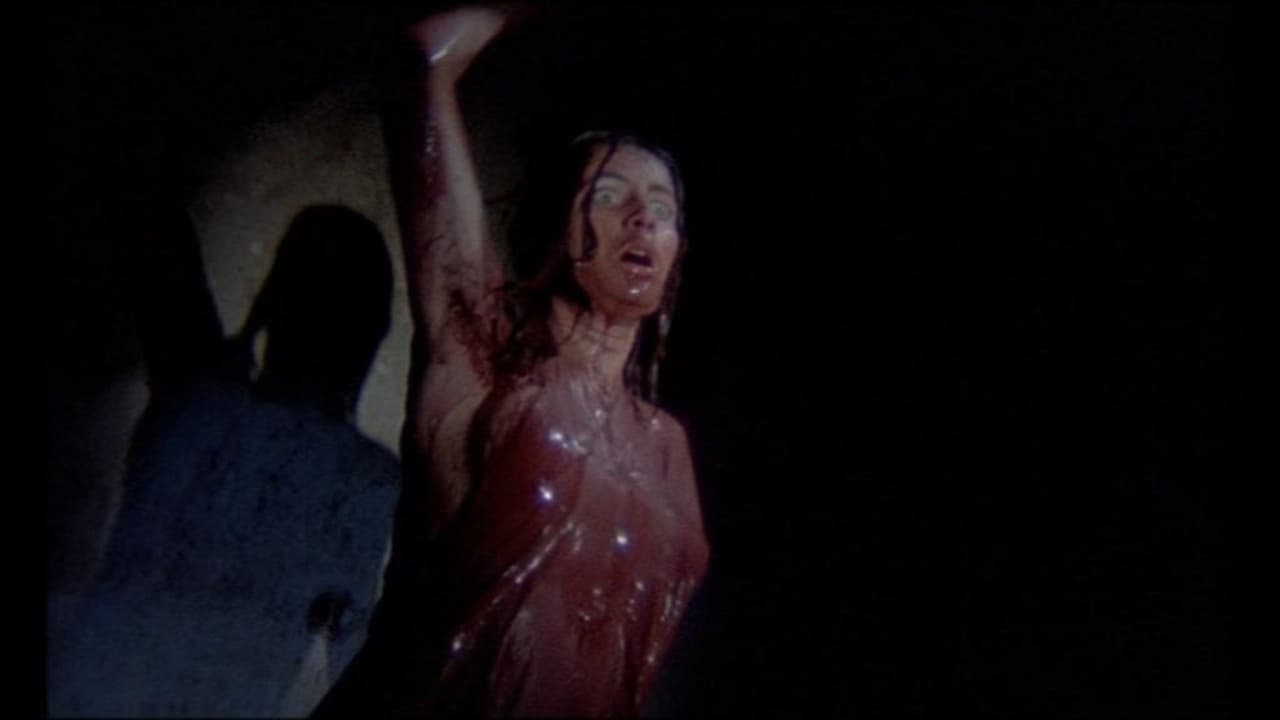
Joe D’Amato, the professional name most closely associated with Aristide Massaccesi, exemplifies the complexity of this environment. He worked as a cinematographer, director and producer across several forms of commercial cinema, including erotic films, adventure and horror. Beyond the Darkness (1979) joins psychological obsession with graphic physical material, while Anthropophagous (1980) makes bodily assault and cannibalistic violence central to its exploitation appeal. Absurd (1981) shifts toward the unstoppable-killer structure, incorporating a figure whose extraordinary capacity for survival brings it close to supernatural slasher territory. These films are not interchangeable stylistically, but they share an economic environment that rewarded striking, easily marketable concepts.
Bruno Mattei pursued another branch of imitation-driven production through projects that borrowed from contemporary zombie, animal-attack and post-apocalyptic cycles. Luigi Cozzi‘s Contamination (1980) used extraterrestrial infection and explosive bodily effects to connect body horror with science-fiction spectacle. Ciro Ippolito‘s Alien 2: On Earth (1980) similarly demonstrates how the popularity of a title could encourage loosely associated marketing. Such works need to be discussed on their own production terms, without treating marketing connections as evidence of authorized franchise installments. Their very titles can document the business pressures under which filmmakers worked.
A more formally ambitious precedent for screen violence was Mario Bava’s A Bay of Blood (1971). Its succession of murders helped establish a structure in which the staging of death could become an organizing principle, with later slasher films adopting similar approaches. Yet the directness of the violence should not obscure the film’s investigation of greed and contested property. In Italian horror, gore was rarely an entirely separate genre. It appeared inside murder mysteries, Gothic supernatural films, zombie productions and cannibal exploitation, each of which assigned violence a different narrative function.
Graphic effects also changed the relationship between the film and its advertising. The artwork on posters and video sleeves could foreground wounds, monsters and shocked faces at the expense of the film’s wider story. For lower-budget producers, this offered a way to distinguish a feature in crowded export markets. It also meant that surviving promotional identities could misrepresent individual films by making them appear more violent, more supernatural or more closely connected to successful franchises than they actually were. The historian’s task is to separate production, film text and marketing from one another while showing how all three interacted.
Lamberto Bava, Michele Soavi and a New Generation (1980–1994)

The filmmakers who rose to prominence in the 1980s entered an Italian horror industry already shaped by a substantial body of technical knowledge and commercial precedent. Lamberto Bava, Mario Bava’s son, began directing features at a time when the market was shifting away from the traditional Gothic cycle. Macabre (1980) and A Blade in the Dark (1983) demonstrate an interest in psychological disturbance and violent thriller structures. They also show why inherited craft traditions did not automatically produce identical styles: Lamberto worked within a faster, more contemporary industrial environment, incorporating new audience expectations and settings.
Demons (1985), directed by Lamberto Bava and produced by Dario Argento, brought together a particularly revealing network of horror specialists. Its cinema setting becomes the site of a contagious supernatural outbreak, allowing the film to transform spectators into victims of the very spectacle they have come to watch. Sergio Stivaletti‘s makeup effects give the transformations a physical presence, while rapid editing, music and the confined setting sustain an increasingly aggressive pace. Demons 2 (1986) relocates the outbreak to a residential environment, adapting the premise to a different form of collective enclosure. These films belong to the international 1980s appetite for energetic monster horror, but their presentation depends on specifically Italian production relationships.
Michele Soavi developed as a filmmaker through work with several established figures, including Fulci, Lamberto Bava and Argento. His own directing career emerged from this apprenticeship. Stage Fright (1987) transforms a rehearsal space into the setting for a series of murders, using theatrical movement and stage architecture to organize violence. The killer’s visual identity is memorable, but the film’s more important achievement is the choreography of bodies within a restricted performance environment. Soavi had observed how Italian horror crews coordinated cameras, stunts and effects, and his direction uses those elements as part of a sustained formal design.
The Church (1989) expands from slasher territory into monumental Gothic horror, making a cathedral and its buried history central to the action. The film originated within a production context associated with the Demons cycle but developed a distinct identity through religious architecture and supernatural imagery. The Sect (1991) adopts another form of occult conspiracy, while Cemetery Man (1994), released in Italy as Dellamorte Dellamore, combines the return of the dead with romantic fixation, black humour and questions of identity. Based on material associated with Tiziano Sclavi, it demonstrates how the Italian zombie image could be adapted into a different, more self-conscious type of cinema.
These films occupy a paradoxical position. They emerged from a generation that had learned within the established genre industry, yet they appeared when the commercial mechanisms sustaining that industry were contracting. Their technical assurance and recognizable authorship did not reverse broader changes in theatrical distribution. Nevertheless, the work of Bava, Soavi and their collaborators shows that the decline in production volume did not automatically entail a collapse in formal invention. The late period of Italian commercial horror included some of its most visually distinctive films.
Dario Argento in the 1980s: From the Three Mothers to Modern Nightmares
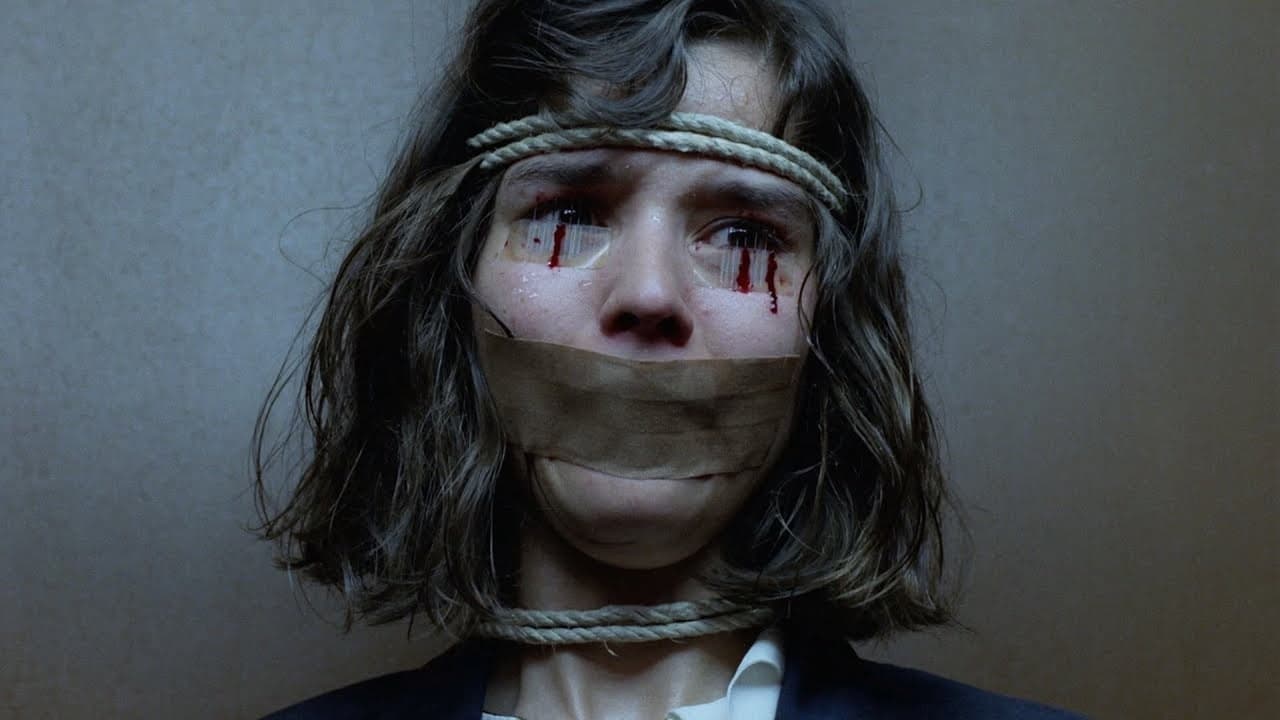
Dario Argento’s development after Suspiria illustrates how difficult it is to divide Italian horror into neatly successive subgenres. Inferno (1980) continues the supernatural mythology introduced by Suspiria while relocating much of the action to an apartment building in New York. Its occult forces are closely associated with architecture: hidden passages, underwater spaces, cellars and connected rooms create an environment that refuses normal geography. The film is linked to the earlier work through the Three Mothers mythology, while developing a distinctive organization of colour, sound and spatial disorientation.
Tenebrae (1982) marked a return to the modern murder thriller, but the distinction between that film and Argento’s supernatural work is more than a matter of plot. Its bright apartments and comparatively clean architectural surfaces contrast with the saturated, ornate spaces of Suspiria and Inferno. In the film, modern visibility offers no protection from violence; carefully composed images and striking camera movement turn ostensibly rational spaces into locations of uncertainty. This shift makes clear that Argento’s cinema was not dependent on a permanent visual signature of dark corridors and coloured lighting. Formal control could produce terror through its apparent opposite: exposed, highly legible surroundings.
Phenomena (1985) combines elements of the giallo, supernatural horror and fantasy. Its young protagonist’s unusual connection with insects makes the natural environment part of the film’s system of knowledge and danger. Opera (1987) returns to the organization of performance space, murder and spectatorship. Its treatment of compelled looking develops a concern already present in Argento’s early mysteries: the victim and audience are forced to confront images whose implications they cannot easily escape. Stage, camera and soundtrack become parts of the same mechanism of menace.
Argento’s work in these years depended on changing collaborators and technologies. Goblin and former members of the group remained associated with important musical contributions, while individual cinematographers and technical teams shaped the different visual identities of his productions. His involvement as a producer also mattered, particularly in relation to Lamberto Bava and Soavi. A history organized solely around the films he directed would miss his role in sustaining an interdependent production community at a time when the Italian horror market was becoming more difficult.
The later continuation of the Three Mothers mythology in The Mother of Tears (2007) illustrates the long afterlife of the supernatural cycle. It was made under industrial and stylistic conditions markedly different from those of the 1970s. That gap is itself historically revealing: the original commercial environment could no longer be reconstructed simply by returning to the same fictional universe. Argento’s influence persisted through reputation, restoration and renewed interest in his earlier films, even as the industry around him changed.
PART FOUR · 1988–2026
Industry Contraction and Reinvention
The Contraction of the Italian Horror Industry (Late 1980s–1990s)
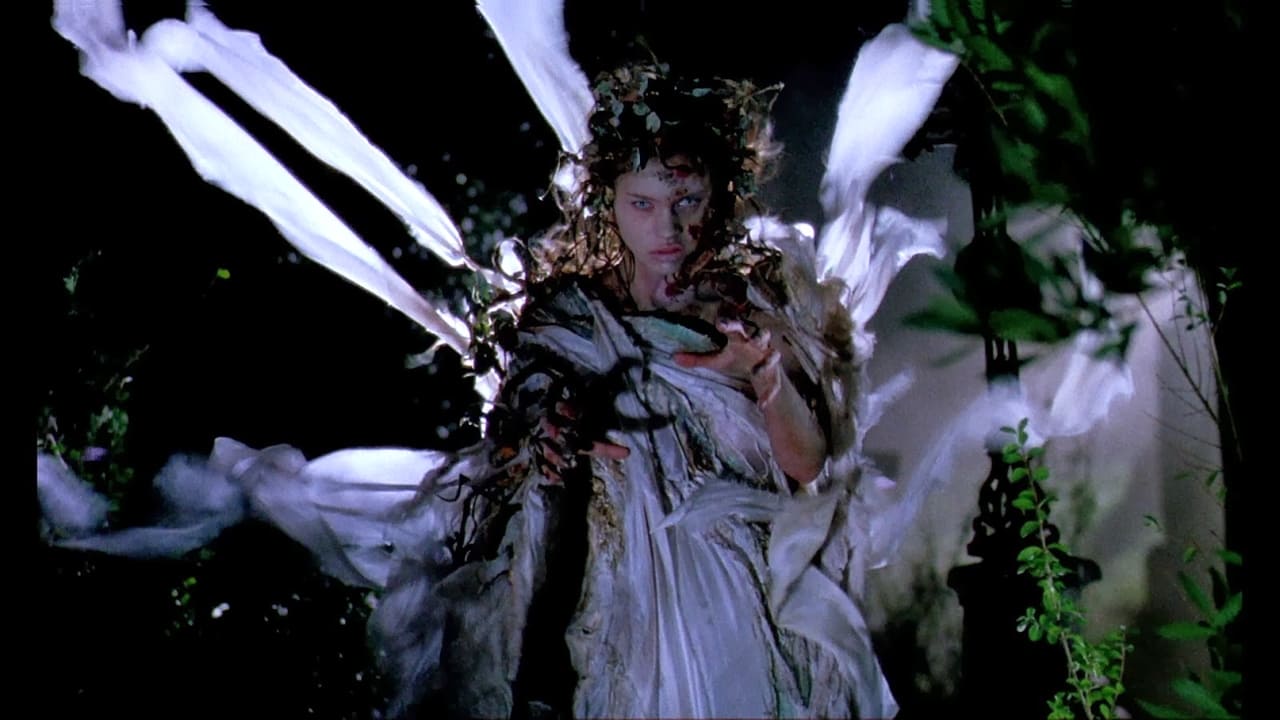
The decline of Italian horror production is often described in artistic terms, as though filmmakers suddenly lost the ability to create effective genre cinema. Such explanations overlook changes affecting the Italian film industry as a whole. The expansion of private television, alterations in theatrical attendance, international competition and transformations in financing and distribution weakened the economic arrangements that had supported relatively inexpensive genre features. As the number of viable theatrical outlets and export opportunities changed, producers became less willing or less able to finance the continuous output associated with the earlier decades.
Home video opened new channels for horror alongside the existing theatrical system. Video distributors could recirculate existing catalogues, exploit alternative titles and commission new productions, yet the economics of those activities differed from national theatrical distribution. Some late-1980s features were designed with television or video circulation in mind, and formats could impose different limits on length, violence and visual presentation. Italian horror therefore did not disappear overnight. It fragmented into smaller production arrangements, reduced budgets, occasional television projects and a market in which older films often had greater international recognition than new releases.
State-financed horror: Article 28 and the crisis of distribution. As the commercial foundations of Italian horror cinema weakened during the 1980s, some independent productions obtained financial support through Article 28 of Law No. 1213 of 1965, a programme intended to assist films considered culturally significant. Among its documented beneficiaries were Beppe Cino‘s The House of the Blue Shadows (La casa del buon ritorno, 1986), Marco Antonio Andolfi‘s Cross of the Seven Jewels (La croce dalle 7 pietre, 1987) and Andrea Marfori‘s Evil Clutch (Il bosco 1, 1988). Other documented Article 28 productions included Notturno con grida (1982) and Il gioco delle ombre (1991). The three better-traced home-video cases illustrate the difficulties faced by filmmakers operating outside established commercial networks, while their subsequent distribution histories reveal the limitations of public assistance in securing lasting access to completed works.
The modern home-video rediscovery of these films took place decades after their original production. In 2019, TetroVideo announced the first worldwide DVD edition of The House of the Blue Shadows, followed in 2022 by the first Blu-ray release of Cross of the Seven Jewels, prepared from a 4K scan of the original 35mm negative in collaboration with Luce Cinecittà. Evil Clutch, which had previously circulated on VHS in Italy and the United States, later received an edition from Oblivion Film, distributed through Home Movies, restored in 4K from 35mm film elements. These cases illustrate the considerable interval that sometimes separated the production of independent Italian horror films from their restoration and renewed availability in contemporary formats. They also expose a significant distinction within the industry’s decline: public funding could help individual productions reach completion, but did not necessarily provide the distribution infrastructure or long-term preservation needed to sustain their circulation.
Commercial television and the late horror cycles. The expansion of private broadcasting did more than reduce the theatrical market for Italian genre films: it also created commissions for directors and technicians who had worked within that market. Reteitalia, part of the Fininvest group, collaborated with Dania Film on Brivido giallo, a cycle of four television films directed by Lamberto Bava. Its episodes—Graveyard Disturbance (Una notte al cimitero), Until Death (Per sempre), The Ogre (La casa dell’orco) and Dinner with a Vampire (A cena col vampiro)—were broadcast on Italian commercial television in 1988. They retained recognisable aspects of the domestic horror industry, including genre screenwriting, practical effects and supernatural premises, while adapting production and circulation to television. Overseas video marketing sometimes presented the individual works under alternative titles, complicating their identification as parts of the same cycle.
A more revealing case was Le case maledette (the “Cursed Houses” cycle), developed for Reteitalia and Dania Film at the end of the decade. Six television films were initially envisaged, but four were completed: Lucio Fulci directed The House of Clocks (La casa nel tempo) and The Sweet House of Horrors (La dolce casa degli orrori), while Umberto Lenzi directed The House of Witchcraft (La casa dei sortilegi) and The House of Lost Souls (La casa delle anime erranti). Despite being commissioned for the broadcaster’s own outlets, the four productions were not shown on Fininvest’s networks; the films were frequently said to have been withheld because of their graphic violence, although contemporary scholarship cautions that this popular explanation is not conclusively supported by surviving evidence. Broadcasters’ scheduling priorities and the uncertain place of horror within advertiser-supported commercial television also shaped their prospects. They subsequently reached audiences through home-video releases and, in 2006, broadcasts on the satellite channel Zone Fantasy. The films therefore provide a particularly clear example of the gap between financing a production and securing its intended distribution.
The related Alta tensione cycle, directed by Lamberto Bava for Reteitalia without Dania Film, followed another delayed path. Its films, including The Prince of Terror (Il maestro del terrore), School of Fear (Il gioko) and Eyewitness (Testimone oculare), were produced in 1989 but only reached Fininvest broadcasts in 1999, with the remaining instalment shown later on satellite television. These three production histories complicate any simple claim that television either rescued or destroyed Italian horror. Private broadcasters briefly supplied work and capital, yet commissioning, broadcast suitability, domestic exhibition and international video sales followed different and sometimes incompatible logics. This fragmentation was one of the defining features of the industry’s transition away from its earlier theatrical production model.
The international circulation of Italian horror also became increasingly retrospective. Video labels, fan magazines and specialist screenings helped preserve interest in films that had disappeared from regular theatrical exhibition. Directors previously associated with disposable exploitation began to acquire reputations as distinctive stylists, while performers and effects artists became recognizable names within international horror communities. This emerging cult market could sustain reissues and festivals, but it did not necessarily generate the financing required for a new high-volume production cycle.
Soavi’s Cemetery Man (1994) is an especially revealing late example. It reflects a sophisticated understanding of the zombie film and the Italian Gothic inheritance, yet its existence should not be mistaken for evidence that the old industrial system remained healthy. Likewise, Avati’s Arcane Sorcerer (1996) demonstrates that supernatural storytelling continued outside the dominant trends of commercial cinema. The distinction between the persistence of artistic practice and the contraction of production infrastructure is central to understanding the 1990s. Italy retained horror filmmakers, craftspeople and audiences; what it lacked was the earlier combination of regular production, export financing and broad distribution.
Italian Horror in the Twenty-First Century (2000–2026)

Italian horror in the twenty-first century developed without the industrial continuity that characterized its mid-century boom. Individual productions emerged through independent companies, new partnerships, festivals and changing relationships with international distribution. Some filmmakers consciously revisited the giallo or supernatural traditions; others worked with contemporary psychological horror, rural settings and forms shaped by the global market. The category ‘Italian horror’ therefore requires more care than a list of nationality labels. Films may be made by Italian directors for international companies, produced in Italy with foreign financing or distributed primarily through platforms whose audiences extend far beyond domestic theatres.
Dario Argento continued directing during the 2000s, including Sleepless (2001), The Card Player (2004) and the later completion of the Three Mothers cycle. These films kept his name in circulation but did not recreate the industrial circumstances in which his earlier work had emerged. Meanwhile, filmmakers associated with independent production explored more economical approaches to genre cinema. Gabriele Albanesi‘s The Last House in the Woods (2006) and Federico Zampaglione‘s Shadow (2009) belong to a period in which familiar horror structures could be adapted to smaller production contexts, with international recognition often developing through festival exposure and specialist distribution.
A new group of films in the following decade showed the range of available directions. Roberto De Feo‘s The Nest (Il nido, 2019) used a secluded household, controlled access to information and oppressive family relationships to develop supernatural and psychological unease. Pupi Avati’s Mr. Devil (2019; original title Il signor Diavolo) returned to rural religious fear, linking contemporary production to themes that had appeared in his work decades earlier. These films demonstrate two different forms of continuity: younger directors reinterpret inherited conventions, while established filmmakers return to subjects they have previously investigated under changed industrial conditions.
Luca Guadagnino’s Suspiria (2018) provides a distinct example of the international reconfiguration of this tradition. An Italian-American co-production involving Frenesy Film Company, Videa, First Sun, MeMo Films and the US company Mythology Entertainment, it reinterpreted Dario Argento’s Suspiria (1977) through a markedly different visual and historical framework. Where Argento’s film used saturated colour and architectural disorientation, Guadagnino’s version placed a dance company amid the political tensions of 1977 Berlin, emphasizing institutional power, collective guilt and ritual. David Kajganich wrote the screenplay, Sayombhu Mukdeeprom photographed the film and Thom Yorke composed its score, a major departure from the original’s association with Goblin. Its significance to Italian horror history extends beyond the reuse of a famous title: it demonstrates how Italian filmmakers could revisit a nationally influential work through transnational financing, international performers and worldwide distribution, long after the earlier domestic system of continuous genre production had contracted.
The streaming era introduced additional possibilities. A Classic Horror Story (2021), directed by Roberto De Feo and Paolo Strippoli, examined a contemporary repertoire of recognizable horror devices while occupying a distribution environment markedly different from the export-driven theatrical system of the 1970s. Federico Zampaglione’s The Well and other recent independent productions have also kept effects-driven horror within the national filmmaking landscape. These projects should be assessed through their actual financing, circulation and reception, not treated as automatic evidence of a permanent nationwide horror renaissance.
Paolo Strippoli’s The Holy Boy (2025; original title La valle dei sorrisi), presented out of competition at the Venice Film Festival, supplies a particularly useful contemporary case. Official festival documentation identifies it as an Italian-Slovenian production and describes a remote community organized around a disturbing ritual linked to the absorption of suffering. The film brings together communal belief, the body and social control, showing how contemporary Italian horror can revisit concerns associated with rural Gothic traditions without reproducing their period settings or production methods. Its presence at a major international festival is significant, but a single high-profile presentation cannot by itself measure the strength of an entire national industry.
The most useful way to describe contemporary Italian horror is therefore as a dispersed field of activity. Some productions address international genre audiences directly; others remain closely connected to Italian landscapes, religious histories or social institutions. Digital tools can reduce certain production costs while creating new challenges in financing and visibility. Film festivals and streaming platforms can widen access, but neither guarantees sustained industrial production. The historical continuity lies less in a single unbroken sequence of commercial successes than in the recurring adaptation of an established cinematic vocabulary to new economic conditions.
PART FIVE · Craft & legacy
Craft, Industry and Legacy
Cinematography, Makeup, Practical Effects and the Construction of Horror

The technical history of Italian horror is inseparable from the history of its images. In an industry frequently required to work within tight schedules and limited budgets, cinematographers and effects specialists developed methods that could turn relatively economical productions into visually ambitious films. The distinction between a directorial idea and its physical execution is especially important in a genre that depends on controlling what the viewer can see, when the viewer sees it, and how convincingly impossible events appear on screen.
Mario Bava’s movement from cinematography and special-effects work to directing is a central example. His manipulation of lighting and practical illusion made compact sets appear extensive and contributed to the visual identity of Italian Gothic horror. His films integrated miniature work, optical devices and controlled colour into atmospheric constructions, using each technique to shape the image. In Black Sunday, the careful separation of light and shadow helps create a coherent supernatural environment. In Kill, Baby… Kill!, camera movement and colour make ordinary architectural relationships seem unstable. The techniques were economical and yielded expressive results.
Carlo Rambaldi is a major figure in the transition from traditional stage illusion to mechanical screen effects. Before his internationally celebrated work in Hollywood, he contributed to several Italian horror and giallo productions: the artificial animals in A Lizard in a Woman’s Skin (1971), physical murder effects in A Bay of Blood (1971) and mechanized figures and artificial bodies in Deep Red (1975). The latter film’s sinister mechanical doll is a particularly clear example of a fabricated object becoming an active presence within a suspense sequence. Rambaldi’s work demonstrates early technical foundations for animatronics within Italian genre production.
As horror production became more violent, makeup and mechanical effects assumed greater prominence. Giannetto De Rossi‘s work contributed to the decomposing bodies and injuries associated with Fulci’s horror cycle, particularly Zombie and The Beyond. Practical gore effects depended on collaboration among makeup departments, prop makers, camera crews, performers and editors. A convincing wound might require sculpted material, liquid effects, concealed mechanisms and precisely selected camera angles; the finished sequence also depended on how long the editor permitted the image to remain visible. Calling these effects ‘realistic’ without studying their construction overlooks the considerable artificiality and craftsmanship involved.
The changing profession also depended on workshop experience passed between specialists. Stivaletti has described his early collaboration with effects artist Angelo Mattei, before later becoming associated with elaborate on-camera transformations. His work did not erase the different methods employed by Giannetto De Rossi, whose prosthetic decomposition and wounds were integral to Fulci’s zombie and supernatural films. Their careers help distinguish between makeup that changes the apparent surface of a performer, constructed body parts intended to be photographed as real and mechanical devices that have to perform a repeatable action during a take. The credits of such productions should be read as records of collective fabrication and execution, even when a senior effects designer became internationally identified with the result.
Sergio Stivaletti became a crucial participant in the later effects-driven cycle, notably through his work with Lamberto Bava, Argento and Soavi. The transforming creatures in Demons provide a clear example of effects functioning as narrative events with consequences for characters and spectators. The spectator witnesses the body losing its familiar identity, while other characters respond to the visible transformation as evidence that ordinary containment has failed. Horror becomes a process taking place before the camera. Such sequences depend on material preparation and controlled execution in ways that differ from later digital methods, although contemporary productions can also combine both approaches.
Technical contribution extends beyond makeup. Production designers created the laboratories, fashion houses, haunted villas and religious interiors that structured entire films. Costume departments supplied visual distinctions between victims, killers, authority figures and supernatural beings. Cinematographers such as Luciano Tovoli and Sergio Salvati gave very different films recognizable approaches to colour, shadow and physical space. A history of Italian horror should therefore examine the craft networks sustaining individual directors and the images they produced. It was the interaction of those professions that allowed a geographically small production industry to develop an internationally recognizable screen language. The methods discussed here—from prosthetic appliances and miniature work to animatronics—are examined technically in the companion study The History of Practical Effects in Horror Cinema.
Horror Soundtracks, Composers and the Uses of Sound

Italian horror’s international identity owes much to its music. During the 1960s, composers working across commercial cinema could move between historical adventure, thrillers and Gothic productions. Their scores helped define emotional direction in films that often contained foreign-language performers and relied on post-synchronized dialogue. Music also gave coherence to sequences built around architecture, camera movement and relatively sparse exposition. Sound was not added only to support an already complete visual experience: it actively structured suspense and established expectations about the space beyond the frame.
The musical foundations of Italian horror were laid before the success of progressive rock. Roberto Nicolosi composed the original Italian score for Black Sunday (1960), a film that also illustrates how soundtracks could change for international distribution: the American version used different music by Les Baxter. Carlo Rustichelli, one of Italian cinema’s most prolific composers, brought a distinct orchestral language to Mario Bava’s The Whip and the Body (1963), Blood and Black Lace (1964) and Kill, Baby… Kill! (1966). Stelvio Cipriani represents another important strand, including his score for Bava’s A Bay of Blood (1971). These works are essential to understanding the transition from orchestral Gothic and suspense music to the more conspicuous electronic and rock-based sound of the following decade.
Ennio Morricone‘s contributions to the early Argento gialli demonstrate the freedom of this approach. The music in The Bird with the Crystal Plumage, The Cat o’ Nine Tails and Four Flies on Grey Velvet draws on unusual vocal textures and experimental arrangement, complicating the apparent rationality of the crime thriller. The soundtracks do not function as conventional background accompaniment. They can create psychological uncertainty, redirect the audience’s attention and establish an emotional identity that exceeds the immediate action on screen. Bruno Nicolai and Pino Donaggio also contributed to the broader musical culture of Italian suspense and horror, although their individual styles and projects should not be treated as interchangeable.
Bruno Nicolai merits attention as an independent composer whose career extended beyond his association with Morricone. His scores for Sergio Martino’s The Case of the Scorpion’s Tail (1971), All the Colors of the Dark (1972) and Your Vice Is a Locked Room and Only I Have the Key (1972) helped give the giallo a recognizable combination of melodic themes, unsettling textures and rhythmic suspense. The breadth of this repertory makes the musical history of Italian horror larger than a single director-composer partnership. Its composers often worked simultaneously in westerns, comedies, melodramas and thrillers, bringing established musical techniques into productions that were frequently made for international markets.
The collaboration between Argento and Goblin introduced another highly recognizable form of horror sound. The group’s contribution to Deep Red (1975) connected progressive-rock instrumentation with obsessive rhythm and repetition. Suspiria (1977) expanded this approach through voices, percussive textures and unsettling musical motifs closely associated with the film’s occult setting. The music is unusually present in the audience’s awareness, sometimes seeming to express a force that the camera has not yet revealed. This prominence helped distinguish the film from possession pictures whose scores primarily underlined individual moments of shock.
The creation of Deep Red also needs to be understood as a collaboration: Giorgio Gaslini had begun composing the score before Goblin became involved, and elements of his work remained alongside the group’s recordings. Claudio Simonetti was central to the band’s distinctive keyboard sound, but Massimo Morante, Fabio Pignatelli and the group’s drummers were essential to the arrangements and performances. The subsequent careers of Simonetti and Goblin were not identical, even when later releases and concert performances presented overlapping repertories. A related shift appears in Pino Donaggio’s orchestral score for Argento’s Trauma (1993), demonstrating the continued importance of symphonic suspense after the synthesizer-driven successes of the preceding decades.
Fabio Frizzi‘s collaborations with Fulci are equally important, but they operate through a different balance of atmosphere and melody. The music associated with Zombie, City of the Living Dead and The Beyond can make abandoned or decaying environments feel strangely continuous even when the narratives become fragmented. Giorgio Gaslini, Riz Ortolani and other composers further demonstrate the diversity of approaches available within Italian genre cinema. Ortolani’s music for Cannibal Holocaust, in particular, is notable for its contrast between lyrical passages and the disturbing imagery that accompanies them. Such contrasts deserve analytical attention without being reduced to the claim that every Italian horror soundtrack uses a single ironic strategy.
Sound design was another essential component. Footsteps, whispered voices, mechanical noises, screams and abrupt silences establish the scale and vulnerability of spaces that may be only partially visible. Because Italian productions frequently used post-synchronized dialogue, the sound environment could be constructed extensively after shooting. International versions might also differ in dialogue, effects or musical arrangement. To study a soundtrack responsibly therefore means considering the particular version of a film being examined. The music’s subsequent life on records, concert stages and specialist releases has helped preserve the genre’s reputation, but its first historical role was as an integral part of the films’ dramatic construction.
The Production Network: Writers, Producers, Performers and International Co-productions
The familiar history of Italian horror tends to group films under directors’ names, yet the industry’s speed and flexibility depended on personnel who regularly moved across projects and genres. Screenwriters such as Ernesto Gastaldi and Dardano Sacchetti contributed to different phases of Italian horror, working within an environment where concepts were often developed in relation to available financing or distributor interest. Their work linked individual films to a broader pool of shared technical and narrative knowledge. The degree of responsibility for a particular project must always be established from reliable production records, especially where pseudonyms or disputed credits are involved.
Producers and distributors were equally influential. The early example of Athena Cinematografica and Titanus demonstrates how financing and market guarantees shaped production before filming began. Later figures and companies operated within different arrangements, but the underlying importance of foreign sales, co-productions and anticipated audience demand remained substantial. Filmmakers were sometimes commissioned to work within recognizable commercial cycles, and changes in those cycles could rapidly alter what projects were possible. The resulting films belong to industrial history as well as to the history of style.
International casting helped make Italian productions legible in multiple markets. Barbara Steele, Christopher Lee, Catriona MacColl, David Warbeck and numerous other performers moved through a filmmaking environment that routinely crossed national boundaries. Italian actors such as Gianna Maria Canale, Florinda Bolkan, Edwige Fenech and Giovanni Lombardo Radice also became significant figures within different horror or thriller traditions. These performers did more than provide faces for advertising. Their casting affected the visual and emotional associations of films, while the movement between languages and markets made dubbing and alternative versions routine components of production.
Women working in Italian horror should not be represented only through the generic category of victims or screen icons. Daria Nicolodi‘s contributions to the creative development of Suspiria, as well as her acting work in other Argento productions, show how collaborations could extend into story conception and recurring thematic concerns. Performers such as Florinda Bolkan and Barbara Steele brought distinct approaches to characters under pressure or associated with threatening power. Women also worked across screenwriting, editing, costumes, makeup and production, although their contributions require credit-by-credit verification and careful treatment of incomplete filmographies. A serious history must be attentive both to documented participation and to the limits of surviving records.
The export economy also created lasting problems for film identification. An Italian production might have a different English title in Britain and the United States, a foreign distributor’s cut, altered music or dialogue, or a director credited under an English-language pseudonym. Co-produced films could legitimately belong to more than one national cinema. These conditions make it misleading to draw the boundaries of Italian horror exclusively from present-day database country fields. Production companies, financing, personnel, shooting locations and initial distribution provide a stronger basis for assessing individual cases. The transnational character of Italian horror emerged through production and distribution long before its later cult reception.
Censorship, Marketing, Home Video and the Creation of Cult Status
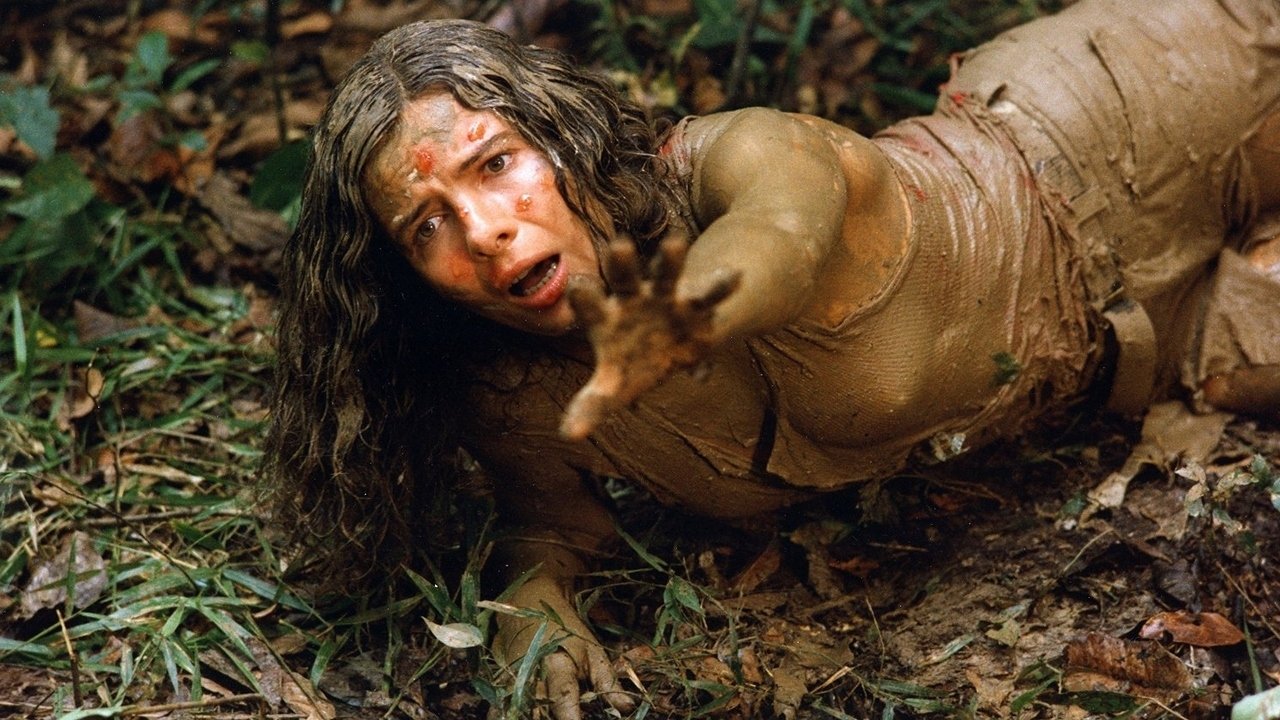
Censorship was part of Italian horror’s history from the beginning, but its operation changed across periods and territories. Italian film producers worked within legal and administrative systems that could regulate scripts, public exhibition and age classifications. The policies of the Fascist period differed from those of the postwar republic, and neither can be summarized accurately by the claim that horror was universally prohibited. The case of I vampiri demonstrates this complexity: it was approved and commercially distributed within a system that also provided economic support for national cinema. Institutional scrutiny and industrial incentives could exist at the same time.
The international distribution of horror introduced additional layers of regulation. A film circulating in several countries might acquire different cuts, titles or promotional images in response to local classification systems and commercial expectations. Black Sabbath and Lisa and the Devil are useful examples because their altered versions change how the works themselves can be interpreted. The distinction between an original Italian edit, an overseas theatrical version and a later home-video release matters for anyone comparing reviews or describing the film’s content. The same title may not always identify the same sequence of images and sounds.
The British Video Nasties controversy of the early 1980s gave several Italian productions a notoriety beyond their original markets. Titles associated with cannibal cinema, zombie films and extreme gore circulated within debates over obscenity, home-video regulation and the accessibility of violent material. However, the different legal lists and enforcement categories should not be conflated. Inclusion on a list, seizure of a tape, prosecution of a distributor and a later refusal of classification are distinct events requiring separate evidence. The political history of censorship is not accurately reconstructed by describing every controversial film as simply ‘banned’. A separate iHorrorDB study documents the 82-title Section 3 list, whose seizure history must not be conflated with the 72-title DPP archive.
Home video changed the audience for Italian horror and the status of its directors. Films originally made for short commercial circulation could be replayed, compared and studied across generations. Specialist labels and film societies helped transform former exploitation products into objects of cinephile interest, while magazines, conventions and festival retrospectives provided forums for interviews with filmmakers and technicians. The movement from inexpensive entertainment to collectible cultural object affected the reputation of particular films, sometimes encouraging serious reappraisal and sometimes rewarding only the most sensational elements of their marketing.
The relationship between censorship and cult status is therefore reciprocal but not automatic. Restrictions sometimes increased a film’s notoriety, yet they could also limit access and obstruct preservation. Similarly, later uncensored releases are not necessarily complete restorations if footage, sound elements or reliable documentation remain unavailable. The most useful history connects legal decisions to specific national markets and editions, while keeping the original film production separate from the stories created around its circulation.
Film Restoration, Preservation and the International Legacy of Italian Horror
The survival of Italian horror cinema has depended on more than the continued popularity of famous titles. Films made under complex financing and distribution arrangements can leave complicated rights histories, multiple negatives, altered soundtracks and incomplete archival records. Some productions were repeatedly recut for international markets; others survived principally through prints or video transfers of uneven quality. Restoring a film therefore requires more than increasing its image resolution. Archivists and restoration teams must establish which version is being presented, which elements survive and where later changes entered the chain of distribution.
The technical ambitions of Italian horror make preservation especially significant. In films whose effects depend on sharply controlled colour, contrast or optical illusion, an inaccurate transfer can alter the work’s visual logic. The reds and blues associated with Argento’s supernatural films, the black-and-white photography of Black Sunday and the complex textures of Fulci’s effects-driven horror all require attention to how images were originally created and exhibited. Digital restorations can recover detail and stabilize damaged material, but they should not imply a single unquestionable original appearance where prints and production evidence differ.
Archives, cinematheques, specialist festivals and scholarly research have played important roles in maintaining access to this cinema. Archival screenings can reveal neglected films that have been absent from commercial circulation, while interviews and surviving production documents help correct myths repeated in promotional accounts. Research into lost silent works such as Il mostro di Frankenstein shows that preservation is also a problem of historical evidence: when a film is missing, the responsible approach is to examine the traces that survive and state clearly what cannot be established. The same discipline applies to disputed credits, release dates and alternative versions throughout the later history of the genre.
Italian horror’s influence abroad is visible in the continued circulation of its techniques and forms. The giallo helped establish visual and narrative conventions that became important to modern screen thrillers and slashers; the Italian zombie cycle contributed a particular vocabulary of decomposition and bodily injury; occult films such as Suspiria offered a model of horror built through colour, music and architecture; and cannibal exploitation provided a controversial precedent for fictional material framed as documentary evidence. These connections should be documented through particular films, production histories and filmmakers’ statements wherever possible. Stylistic similarity alone is insufficient proof of direct borrowing.
The lasting history of Italian horror is consequently not one of uninterrupted commercial dominance. It is the history of an adaptable filmmaking culture whose productive conditions changed radically, leaving behind works that continue to be restored, reassessed and disputed. The films’ importance becomes clearer when they are studied together with the labour, financing, censorship and distribution systems that made them possible. A history of Italian horror that preserves those distinctions can explain both why its great cycles emerged and why their images remain influential long after the industry that created them had changed.
RESEARCH & DOCUMENTATION
Selected References
View the 16 research sources
- Humanities and Social Sciences Communications – Michael Guarneri, “The Gothic Bet: Riccardo Freda’s I vampiri (1957) and the Birth of Italian Horror Cinema from an Industrial Perspective” (2017). Archival study of production, finance, legislation and the genre’s first sound-era feature.
- The Italianist – “Between Two Worlds: Disjointed Trajectories in the Local and Global Circulation of Italian Made-for-Television Horror Series” (2025). Scholarly study of Reteitalia’s Brivido giallo, Le case maledette and Alta tensione, their commissioning, delayed television circulation, distribution decisions and overseas video markets.
- Northumbria University – Russ Hunter, “‘I Have a Picture of the Monster!’: Il mostro di Frankenstein and the Search for Italian Horror Cinema” (2017). Research on the disputed origins of Italian horror and the limitations of evidence surrounding the lost silent film.
- JSTOR – Stefano Baschiera and Russ Hunter (eds.), Italian Horror Cinema (Edinburgh University Press, 2016). Academic collection addressing the historical, industrial and transnational development of the genre.
- British Film Institute – Chris Gallant, “Where to Begin with Giallo” (2017). Analysis of the giallo’s disputed boundaries, formative films and major conventions.
- La Biennale di Venezia – La valle dei sorrisi, Venice Film Festival 2025 official programme. Primary record of the contemporary film, its production and its thematic context.
- La Biennale di Venezia – Suspiria (2018), Venice Film Festival official programme. Primary credits and production-company information for Guadagnino’s Italian-American co-production.
- WorldCat – Roberto Curti, Italian Gothic Horror Films, 1980–1989 (2019). Detailed production histories and documentary evidence for horror features financed through Article 28, including Notturno con grida, La casa del buon ritorno and La croce dalle 7 pietre.
- Licosia Edizioni – Francesco Ventura and Luigi Sardiello, Dieci meno. Un’avventura cinematografica (2017). Retrospective testimony by a former senior official of the Directorate-General for Cinema, including a list of films financed under Article 28.
- DarkVeins – La casa del buon ritorno: a dicembre per la prima volta in DVD con TetroVideo – 2019 announcement of the first DVD edition worldwide, distinguishing this release from older theatrical and VHS circulation.
- Nerdly – Cross of the Seven Jewels Coming to Blu-ray via TetroVideo – Contemporary coverage of the first Blu-ray and the 4K negative scan in collaboration with Luce Cinecittà.
- Il Gabinetto del Dott. Trash – “Fabio Salerno: Il restauro delle sue opere a cura di Oblivion Film” – Interview discussing Oblivion Film’s restoration of Evil Clutch from the original 35mm material using a 4K scan and the label’s relationship with Home Movies.
- Treccani – “Carlo Rambaldi” (Dizionario Biografico degli Italiani). Documentation of Rambaldi’s Italian genre effects, including A Lizard in a Woman’s Skin, A Bay of Blood and Deep Red.
- Treccani – “Carlo Rustichelli” (Enciclopedia del Cinema). Historical account of his work for Mario Bava, including the Gothic and giallo scores of 1963–1966.
- Rai Teche – “I Goblin e le colonne sonore dei film di Dario Argento” (2025). Archival interviews and recordings documenting Goblin’s membership and work on Deep Red.
- Nocturno – “Intervista a Sergio Stivaletti.” Firsthand comments on early workshop work with Angelo Mattei and the development of practical transformation effects.
Leave a Reply