
iHorrorDB | Horror History & Censorship
The 72 Video Nasties: the complete DPP archive, the films, the prosecutions and the long aftermath of Britain’s VHS censorship crisis.
The British video nasties controversy was never simply a story about seventy-two horror films that were banned. It was a collision between a new technology, a poorly regulated distribution market, obscenity prosecutions, sensational journalism and a fast-changing idea of what could be seen inside the home. The notorious total of 72 refers to distinct titles that appeared at different moments on the Director of Public Prosecutions’ changing list. Thirty-nine were successfully prosecuted under obscenity law; another thirty-three appeared but were withdrawn, not pursued successfully or did not lead to a successful prosecution. Those outcomes are not the same as a permanent nationwide prohibition, and they are not the same as the later decisions of the British Board of Film Classification.
This dossier reconstructs the historical context and documents every title, retaining the names under which many films became known to British viewers. The archive separates the two DPP groups and distinguishes their early legal status from later home-video classification. It includes films that are central to horror history alongside obscure crime thrillers, art cinema, documentary-style shock productions and sexual-exploitation features. Their shared label was a product of British distribution and prosecution history, not a coherent genre created by their filmmakers.

Before the panic: how VHS altered British film distribution
When domestic video recorders became commercially available in Britain in the late 1970s, the rules governing cinema exhibition were not automatically applied to recordings sold or rented for home viewing. Film prints shown publicly generally passed through the British Board of Film Censors, working within a framework that also involved local licensing authorities. The emerging cassette trade occupied a different regulatory space. Until the new video regime took hold, a work could circulate on tape without being submitted for the classification ordinarily sought for cinema, and a version sold on video might contain footage removed from a theatrical print.
The new market initially drew cautious interest from established film companies. Smaller distributors moved quickly, acquiring inexpensive rights to international and independent productions that did not require a costly advertising campaign to find an audience. Horror, martial-arts pictures, erotic thrillers and other exploitation films offered recognisable selling points in a crowded rental shop: a striking illustration on a large cassette sleeve, a provocative title, a promise of intensity. Overseas works arrived under new English-language names, sometimes with variant edits and packaging designed for entirely different territories.
To viewers, the format brought an undeniable expansion of access. Films previously limited to late-night screenings, specialised cinemas or import circuits could be watched at home, rewound and shared. To campaigners, the same technology appeared to remove familiar controls. Children might theoretically encounter films intended for adults without a cinema box office standing between them and the image. The most politically effective argument was therefore not that all adult horror had to disappear, but that unrestricted home circulation made it impossible to protect vulnerable viewers. The BBFC’s retrospective history identifies precisely this gap between cinema regulation and the early video trade.
The distinction between the film and the videotape is essential. A cinema version might have been shortened for release and a cassette might present more explicit material; another video might be a shortened export print mistakenly assumed to be complete. Different titles and rights holders could make the situation still more confusing. An encyclopedia should therefore avoid treating a film’s theatrical certificate, its DPP-list status and the condition of a particular VHS as interchangeable facts.
Moral panic, press campaigns and the DPP list
Concern became a national political subject during 1982. Advertising and cassette artwork offered images that were difficult for critics to ignore. The Driller Killer in particular acquired symbolic importance through its aggressively violent promotional imagery, while films associated with cannibal exploitation and Nazi-themed sensationalism became recurring examples in public debate. The National Viewers’ and Listeners’ Association, associated with campaigner Mary Whitehouse, helped make the issue a broader argument over media access and public morality. Newspapers accelerated that process by presenting controversial video covers and selected violent scenes as evidence of a growing emergency.
There was a contradiction built into the campaign. Reports warning of obscure, allegedly dangerous tapes often constituted free national publicity for films that had previously received little attention. Distributors sometimes exploited outrage directly; some publicity strategies were designed to generate complaint. Meanwhile, the popular phrase video nasty compressed works of different origin and ambition into a single category. A lurid cannibal movie, a conventional Canadian murder drama and an artistically ambitious film about a broken marriage could be mentioned in the same debate without serious attention to what distinguished them.
Police raids and local obscenity actions created uncertainty for video shops. The Video Retailers Association sought clearer guidance on what could be stocked. The Director of Public Prosecutions responded with an evolving list of titles linked to cases already successful or considered suitable for proceedings under the Obscene Publications Act 1959. A version of that list became public in 1983, and it changed over time. Films entered, left or moved in significance as prosecutions succeeded, failed or ceased to be pursued. The familiar 72 is therefore a retrospective cumulative count, not the number of films simultaneously banned by a single order on one day.
The history is also a history of identification failure. Different video releases had alternative English names; distributors could supply altered prints, and films might be confused with unrelated titles. The BFI notes the difficulty of distinguishing Hooper’s Death Trap from other similarly named works on a shop shelf. Lists of titles were a blunt instrument for a trade in which identifying a particular film sometimes required considerably more than a title printed on paper.
What the law actually did: prosecution, forfeiture and classification
The principal immediate legal instrument was the Obscene Publications Act 1959, whose test concerned whether material tended to deprave and corrupt those likely to encounter it. This was not equivalent to a BBFC age rating. Obscenity prosecutions involved courts and the circumstances of publication; distributors and retailers could face direct legal jeopardy. A successful prosecution of a work did not mechanically prohibit all circulation of every print everywhere in Britain. The BBFC itself explains that outcomes could vary between courts, and that an obscenity conviction did not create the same universal national mechanism later used for age certification.
Historical accounts distinguish the 39 titles associated with successful proceedings from the 33 that fell out of that category or were not successfully prosecuted. That is a useful archival separation, but should not be read as a claim that the latter group had never been seized. Section 3 forfeiture procedures could affect material even without a successful prosecution of a retailer under section 2. A separate supplementary group commonly called the Section 3 list also circulated; it is not the same as the 33 films in the cumulative DPP roster. Confusing these categories produces inflated counts and false claims that every seized film was among the 72.
A second distinction concerns the term ban. It may refer in casual writing to a local seizure, a successful obscenity proceeding, a refusal of cinema classification, a refusal of video classification, an edited release or a distributor deciding not to submit a work at all. Each describes a different state of affairs. A film absent from the modern UK market is not automatically the subject of a currently enforceable prohibition. Conversely, a film once counted among the DPP’s dropped 33 could later be refused a BBFC certificate for reasons unrelated to its original group placement.
This separation of legal mechanisms helps explain why the list looks inconsistent today. The Evil Dead and Possession belong among the 33, while far less internationally influential films survived in the final 39. Those classifications record the history of particular prosecutions, not a timeless hierarchy of violence, artistic seriousness or public harm.
There was no single video-nasty genre
The DPP roster contains several overlapping but distinct traditions. Italian cannibal cinema is represented by works from Ruggero Deodato, Umberto Lenzi, Sergio Martino and others. These films sometimes borrowed the visual language of documentary, claimed anthropological interest and relied on sensational images of jungle encounters. Several also included real animal killing, an issue categorically different from the simulated bodily injury created by makeup-effects artists. Their production ethics are part of the historical record and cannot be settled merely by condemning or defending censorship.
The American slasher supplied another large strand. The Burning, The Toolbox Murders, Unhinged and Pranks exploit confined or isolated settings, stalking and serial murder. Yet even within this category their industrial contexts vary, from comparatively professional releases to regional productions that scarcely reached cinemas. The Evil Dead made the transition from a resourceful independent venture to one of horror’s defining works; its appearance among the 33 does not diminish the degree of attention it received during the panic.
British and European thrillers broaden the boundaries still further. Exposé is a domestic psychological thriller; The Cannibal Man uses Spanish social realism and the psychology of guilt; Possession belongs as much to difficult European art cinema as to creature horror. The Canadian I Miss You, Hugs and Kisses, an unusual entry in the roster, concerns a murder investigation and court proceedings. Its inclusion demonstrates that suspicion could be attached to a video because of its title, a complaint or its moment of commercial circulation, regardless of genre.
Nazi-exploitation films such as SS Experiment Camp and Gestapo’s Last Orgy present a more complicated problem. They trade on historical persecution and use sexualised coercion in ways that can be critiqued independently of state censorship. A history of video nasties must be able to describe these films accurately without celebrating their notoriety as though any attempt to restrict them were necessarily absurd. The same principle applies to films built around sexual assault: context, presentation and the distinction between representing violence and eroticising it remain meaningful questions.
Five cases that explain the evolution of British censorship
The Evil Dead (1981). Sam Raimi’s feature is one of the best-known symbols of the era, yet it belongs to the DPP’s withdrawn or unsuccessful group. That difference matters because popular memory often converts being described as a nasty into a successful criminal prosecution. The British video was subsequently classified in shortened form and later uncut. Its inventive camera movements, theatrical demon effects and major influence on modern horror continued to shape its reputation independently of the regulatory history.
Cannibal Holocaust (1980). The BBFC’s detailed case study provides a rare, authoritative record of why the film’s treatment changed. Its 2001 classification was heavily cut, reflecting both depictions of sexual violence and animal treatment. In 2011 the BBFC reassessed the material and required a specific cut to a scene involving cruelty to an animal rather than repeating all earlier removals. The authority’s record shows a comparable compulsory intervention in 2022. These dates are not proof that the film is entirely uncut in Britain, nor that every scene of actual animal death necessarily falls under the same rule. The legal distinction depends on cruelty and the manner of killing.
I Spit on Your Grave (1978). The BBFC has published a substantive account of its concerns about the prolonged and sexualised staging of assault. The case cannot responsibly be reduced to a debate about the amount of blood, since it concerns whether a film’s treatment of rape might invite an eroticised reading. Across multiple submissions, the BBFC requested different edits. Its continued availability in edited versions demonstrates why ‘eventually released’ and ‘available completely uncut’ are not synonyms.
Nightmares in a Damaged Brain (1981). This case reveals the personal consequences of prosecution for the British video trade. BBFC archival discussion records that the film’s UK distributor was convicted at the Old Bailey in early 1984 and imprisoned for distributing obscene material. The episode influenced the Board’s concerns when considering other violent films. It stands as evidence that the period involved criminal enforcement alongside newspaper controversy and the temporary disappearance of films from rental shelves.
Gestapo’s Last Orgy (1977). The BBFC refused classification in 2021, finding that sustained sadistic and sexualised violence within an antisemitic framework could not be adequately addressed by selective cuts. A refusal decades after the DPP prosecutions is a contemporary BBFC decision with its own reasoning, not a surviving piece of the original list’s legal authority. The case cautions against the oversimplified claim that every formerly prosecuted film is now permitted uncut.
The Video Recordings Act and the long return of the films
The political response was the Video Recordings Act 1984, which established a compulsory system for classifying most commercial recordings distributed for home viewing. The relevant requirements came into operation in 1985; older recordings were progressively brought into the system, with the transition completed by September 1988. The BBFC, previously associated above all with cinema classification, became the designated body for video ratings. Retailers could no longer rely on the absence of formal video classification, and the trade adapted through new packaging, revised catalogues and more standardised distribution.
Mandatory certification did not immediately mean a more permissive market. For a period, different assumptions about home viewing could make the treatment of videos more restrictive than theatrical exhibition. The regulator considered the likelihood of repeated access and exposure in domestic settings, and distributors sometimes prepared prints with pre-existing edits before formal submission. Later changes in standards and the wider home-entertainment economy allowed many once-contested works to reappear in progressively longer editions, eventually including restored DVDs, Blu-rays and 4K releases.
The legislative story did not conclude in 1984. A notification problem with the original statute led to its repeal and simultaneous re-enactment through the Video Recordings Act 2010, without substantive alteration of the scheme. The BBFC’s legal history also records later adjustments to exemptions and classification duties. This is a substantial but often omitted part of the chronology: the afterlife of the nasties concerns the continuing machinery of classification as much as changes in public taste.
The film lists below document the historical DPP outcome without claiming to establish a permanently current national status for all 72 works. Specific BBFC changes are mentioned where reasonably established. Film titles, production years and release names can vary by territory; where an original title or an especially important British video alias is known it is supplied to improve identification.
The final 39: films associated with successful obscenity prosecutions
UK classification research (20 October 2026): 49 film entries link to identified BBFC records. The remaining 23 now include film-specific UK release history drawn from published censorship histories, but not an independently located BBFC film record; these are clearly marked as secondary-source accounts. Dates refer to specific cinema or home-video submissions, sometimes under alternate titles. Approval of one edit does not prove every cut is unaltered, and an old refusal or absent later submission is not automatically a current ban. Classification histories should be updated when an official BBFC record or newer submission becomes available.
This is the historically successful-prosecution group, not a list of films necessarily banned or unclassified in the United Kingdom today. All film profiles are expanded by default. Use the minus sign to collapse a profile and the plus sign to reopen it.
01. Absurd1981

Directed by Joe D’Amato | Also known as: Rosso sangue
George Eastman plays a nearly indestructible murderer pursued by a priest who understands the medical experiment behind his condition. Its mixture of suburban home invasion, relentless pursuit and elaborate effects places it near the Italian imitation of the American slasher. British video controversy concentrated on its sustained, graphic assaults; the film places less emphasis on supernatural mythology. Often marketed as a successor to Anthropophagous, it is more accurately a related production whose UK reputation developed independently. The film later returned to the British market with an uncut classification.
UK / BBFC: 30 Aug 2016 — classified for home video; no cuts noted for this submission. Official BBFC record ↗
02. Anthropophagous: The Beast1980
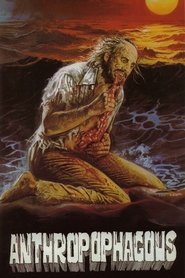
Directed by Joe D’Amato | Also known as: Anthropophagous / The Grim Reaper
A party visiting a remote Greek island discovers that its inhabitants have been destroyed by a cannibalistic killer. D’Amato and performer George Eastman turn an island-survival premise into a succession of increasingly extreme bodily violations. The film became notorious particularly for effects-driven imagery that appears far more realistic in lurid publicity descriptions than in the finished staging. British editions circulated under several titles, complicating comparisons between old VHS copies and subsequent home-video submissions. Its complete version eventually received a UK classification without cuts.
UK / BBFC: 10 Jun 2015 — classified as The Savage Island; no cuts noted for this submission. Official BBFC record ↗
03. Axe1974
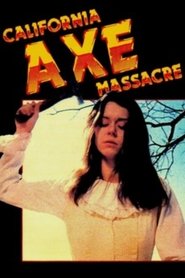
Directed by Frederick R. Friedel | Also known as: Lisa, Lisa / California Axe Massacre
Friedel’s stripped-down American independent feature follows three criminals who invade a rural household and encounter resistance from a young woman. The contrast between its short running time and its aggressive advertising helped transform a relatively small regional production into an object of British concern. Its presence on the DPP list demonstrates that the panic was not limited to elaborate prosthetic gore: threatened sexual violence, atmosphere and the perceived cruelty of a narrative could be just as decisive. UK classifications subsequently changed, and the film received an uncut release.
UK / BBFC: 5 Dec 2005 — classified; earlier BBFC cuts waived. Official BBFC record ↗
04. A Bay of Blood1971

Directed by Mario Bava | Also known as: Blood Bath / Reazione a catena
Bava’s Italian thriller maps an escalating series of murders around a disputed lakeside inheritance. The victims, methods and rapid succession of killings anticipated key mechanics of the later American body-count film, while the motive remains rooted in greed rather than a masked killer’s mythology. Circulating in Britain as Blood Bath, it became one of the strongest examples of how alternate distribution titles shaped the nasty identity. Its original cinema difficulties and later video classification are separate episodes, a distinction frequently lost in retrospective accounts of the blacklist.
UK / BBFC: 31 Aug 2010 — classified; previous cuts waived. Official BBFC record ↗
05. The Beast in Heat1977

Directed by Luigi Batzella | Also known as: La bestia in calore / SS Hell Camp
A low-budget Italian Nazi-exploitation production constructed around imprisonment, sexual coercion and grotesque medical experimentation. The film’s use of concentration-camp imagery as a pretext for sensational spectacle makes its place in the controversy qualitatively different from that of conventional slashers. It demonstrates the breadth, and the limits, of describing every DPP title as horror cinema. The notoriety of its British VHS packaging became central to its reputation, while the absence of a later mainstream UK classification complicates claims that every video nasty has been rehabilitated.
UK / BBFC: Documented UK classification history (secondary film-censorship records): No later UK BBFC-classified release established in the available records. A lack of resubmission is not, by itself, a new BBFC refusal.
06. Blood Feast1963
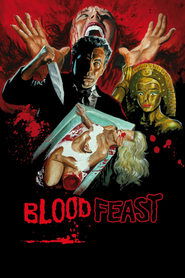
Directed by Herschell Gordon Lewis
Lewis’s Florida-produced independent horror feature made staged bodily mutilation an explicit selling point at a moment when mainstream American cinema rarely showed such material. The story of a caterer committing ritual murders is rudimentary, but the film’s deliberate emphasis on visible wounds helped establish commercial gore as an identifiable exploitation strategy. Its appearance in an early-1980s British controversy is historically revealing: a film nearly two decades old could acquire a new life as an allegedly dangerous videotape. Later UK releases were classified in increasingly complete versions.
UK / BBFC: 5 Apr 2005 — classified; previous cuts waived. Official BBFC record ↗
07. Blood Rites1968

Directed by Andy Milligan | Also known as: The Ghastly Ones
Milligan’s period-set American shocker uses a contested inheritance and a gathering of relatives as the framework for bloody killings. Cheap sets, handmade effects and an unusually abrasive tone locate it in a distinctly underground wing of 1960s exploitation cinema. Its presence among better-known 1970s and 1980s titles exposes the uneven standards of production and artistic intent represented on the DPP list. It was part of the roster of successfully prosecuted videos, but should not be confused with other similarly titled films or described as receiving a modern BBFC clearance without a verified submission.
UK / BBFC: Documented UK classification history (secondary film-censorship records): Also known as The Ghastly Ones. No later UK video re-release or BBFC classification established in the available records.
08. Bloody Moon1981
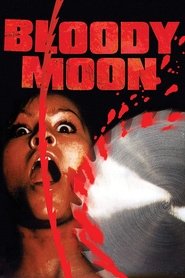
Directed by Jesús Franco | Also known as: Die Säge des Todes
Franco’s Spanish-West German slasher is situated around a language school and a family enterprise, combining suspect identities, sexual threat and spectacular murder set pieces. Its overt use of the emerging slasher formula makes it different from Franco’s more free-form erotic horror, although it retains his interest in unstable perspective and sensational plotting. Versions shown theatrically and distributed on home video could differ, as with several DPP selections. Following its British prosecution history, a substantially later video submission received an uncut classification.
UK / BBFC: Documented UK classification history (secondary film-censorship records): UK theatrical version was previously cut; a 1993 video edition lost approximately 1m 20s. An uncut British release is documented in November 2008.
09. The Burning1981
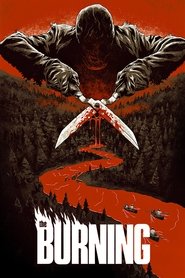
Directed by Tony Maylam
Campfire lore about a disfigured caretaker becomes the basis for a summer-camp slasher whose effects were created by Tom Savini. The notorious raft attack gives the film its most recognisable sequence and helps explain why authorities focused on the intensity of individual scenes. The British dispute was especially revealing because video versions and already-edited theatrical material did not always follow the same approval path. More broadly, the case illustrates the vulnerability of even widely distributed, commercially conventional slashers to the inconsistent application of obscenity law before mandatory video classification.
UK / BBFC: 6 Jun 2008 — classified; no cuts noted for that submission. Official BBFC record ↗
10. Cannibal Apocalypse1980
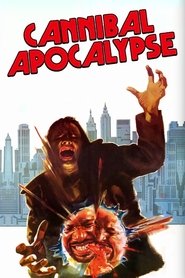
Directed by Antonio Margheriti | Also known as: Apocalypse domani / Invasion of the Flesh Hunters
Margheriti grafts the late-1970s cannibal cycle onto an urban American story about Vietnam veterans who develop a contagious appetite for human flesh. The film mixes trauma, contagion, crime thriller and body horror, bringing these themes into an urban American setting. Its inclusion on the DPP roster shows how a marketable subgenre word could draw official attention to otherwise quite different films. Subsequent British classification retained a small intervention for animal treatment, underscoring the distinction between manufactured gore and actual harm during production.
UK / BBFC: 15 Mar 2010 — classified with a compulsory animal-cruelty cut. Official BBFC record ↗
11. Cannibal Ferox1981
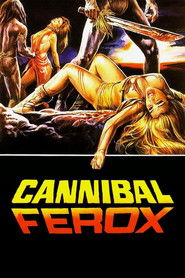
Directed by Umberto Lenzi | Also known as: Make Them Die Slowly
Lenzi stages the ordeal of outsiders and local inhabitants in a South American jungle, following the exploitative pattern of his earlier work while escalating practical gore and cruelty. Debates around the film cannot be restricted to censorship or makeup effects, since scenes involving real animals present ethical questions that remain relevant to present-day classification. Its British distribution history includes different shortened versions and later BBFC-directed cuts. The DPP status helped create a durable cult identity, but its historical importance also rests on the transnational economics of the Italian exploitation cycle.
UK / BBFC: Documented UK classification history (secondary film-censorship records): A 2018 British submission still required approximately 1m 55s of cuts for real animal cruelty. Earlier UK editions had undergone substantially heavier editing; do not label the 2018 release uncut.
12. Cannibal Holocaust1980
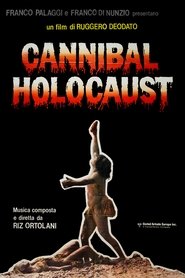
Directed by Ruggero Deodato
Presented through recovered footage shot by a missing documentary crew, Deodato’s film questions the authority of sensationalist media even while exploiting the same appetite for shocking images. Its simulated human violence was sufficiently persuasive to fuel notoriety, but actual animal killing poses a separate ethical and legal issue. For the 2011 UK classification, the BBFC required a specific cut involving animal cruelty; the same requirement persisted in a 2022 submission. The case is indispensable to any serious history of the nasties because it documents the changing criteria used to distinguish offensive fictional violence from material produced through real suffering.
UK / BBFC: 1 Jun 2022 — classified only after a compulsory animal-cruelty cut (15 seconds); not fully uncut. Official BBFC record ↗
13. The Cannibal Man1972
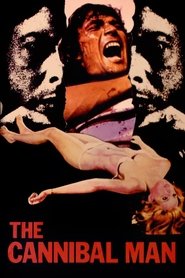
Directed by Eloy de la Iglesia | Also known as: La semana del asesino
Despite the English-language title, de la Iglesia’s Spanish film is not a tribal-cannibal adventure. It follows a slaughterhouse worker whose attempt to conceal an accidental killing leads to further murders and intensifying isolation. The film’s harsh social environment, class concerns and sexual subtext distinguish it from the Italian cycle with which the British distributor’s title invited comparison. Its DPP inclusion is consequently a useful warning against studying these films only by their box art. A much later British submission was passed uncut at a lower age category than many other nasties.
UK / BBFC: 6 Jan 2025 — classified as La Semana del Asesino; no cuts noted. Official BBFC record ↗
14. Devil Hunter1980

Directed by Jesús Franco | Also known as: El caníbal / Sexo caníbal
Franco’s jungle-set exploitation film connects a search for an abducted woman with a fictional cannibal community, mixing adventure mechanics, nudity and sensational violence. Its storytelling is less important historically than its circulation through the international trade in inexpensive genre films. British distributors and authorities encountered it within a market saturated with cannibal-related titles, where the English-language name could matter as much as the film’s actual content. Its presence on the final DPP list illustrates how controversial subgenres were prosecuted as commercial categories; it eventually obtained an uncut UK classification.
UK / BBFC: Documented UK classification history (secondary film-censorship records): Also released as El Caníbal / The Man Hunter. A UK version was passed uncut in November 2008.
15. Don’t Go in the Woods1981
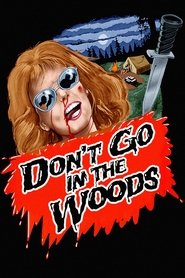
Directed by James Bryan | Also known as: Don’t Go in the Woods… Alone!
A group of hikers becomes the target of a murderous recluse in this extremely low-budget American wilderness slasher. Rough production values, an unusually high body count and direct-to-video visibility made it typical of the independent titles suddenly available to British renters. Its obscenity history is notable because it was ultimately classified uncut at a 15, ending its earlier exclusion. That outcome highlights how the social interpretation of a film can change dramatically without any change to the source work, particularly when advertising played a decisive role in amplifying the film’s original notoriety.
UK / BBFC: 7 Feb 2007 — classified for video; no cuts noted. Official BBFC record ↗
16. The Driller Killer1979

Directed by Abel Ferrara
Ferrara’s New York feature follows a painter whose mental deterioration accompanies a series of killings committed with a portable power drill. Its scrappy locations, punk-music environment and unstable point of view place it within the city’s independent filmmaking culture alongside the broader slasher cycle. The drill-image VHS campaign became one of the best-known visual symbols of the British controversy, sometimes more influential than the film itself. A crucial distinction is between advertising that prompted alarm, seizure of tapes and eventual classification: these were related but not identical regulatory events.
UK / BBFC: 3 Nov 2016 — classified for video; no cuts noted. Official BBFC record ↗
17. Evilspeak1981
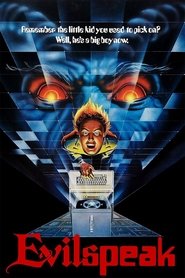
Directed by Eric Weston
A bullied military-school cadet attempts to retaliate against his tormentors through a computer-assisted occult ritual. The picture reflects a particular early-1980s moment when anxieties about computing, Satanism and adolescent aggression could merge into an exploitation-horror premise. Its fantasy gore attracted the attention of British prosecutors, even though its revenge structure belongs to a familiar school-set melodrama. The movie resurfaced through cut classifications before later receiving an uncut UK release, an instructive reversal for a film whose most alarming elements were obviously invented special effects.
UK / BBFC: 20 Jul 2004 — classified; earlier cuts waived. Official BBFC record ↗
18. Exposé1976
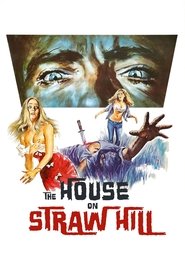
Directed by James Kenelm Clarke | Also known as: House on Straw Hill
A blocked novelist seeks isolation at a country house, where sexual manipulation and murder progressively erode his sense of control. The British production occupies a borderland between psychological thriller, erotic exploitation and horror, with much of its commercial identity shaped by alternative titles and publicity. Its presence on the DPP roster is especially significant because the controversy also reached British-made material, extending well beyond imported Italian gore, and an earlier theatrical classification could not be treated as blanket permission for subsequent home-video circulation.
UK / BBFC: Documented UK classification history (secondary film-censorship records): Also known as The House on Straw Hill. A UK video edition was passed in 1997 with approximately 51 seconds of cuts. The BFI Player currently lists a restoration as not BBFC-rated; this does not establish an uncut BBFC video certificate.
19. Faces of Death1978
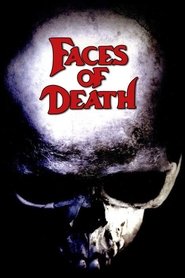
Directed by John Alan Schwartz
This pseudo-documentary presents a compilation of staged deaths, archival material and footage promoted as an investigation into mortality. The combination is the film’s defining problem: audience members were encouraged to experience fabricated scenes and genuine suffering through an apparently uniform documentary frame. Its role in the video-nasty debate differs from narrative slashers because the factual status of individual images matters. Later British video submissions involved cuts for animal cruelty. The film also influenced a long tradition of shock compilations in which marketing deliberately obscures the boundary between reconstruction and record.
UK / BBFC: 22 Aug 2003 — classified subject to compulsory animal-cruelty cuts. Official BBFC record ↗
20. Fight for Your Life1977

Directed by Robert A. Endelson
Three escaped prisoners terrorise a Black family in an American home-invasion thriller built around racism, intimidation and retaliatory violence. Its exploitation methods force a distinction between depicting racist hatred and using racist spectacle to sell a film; criticism has often argued over precisely that issue. British censors had already rejected a theatrical submission before the video-nasty era gave the title new visibility. It remains an example of a DPP film whose legal and reputational history cannot be reduced to the number of violent scenes. It is not known for a later mainstream UK video classification.
UK / BBFC: 9 Oct 1981 — cinema classification refused. No later classification verified here; this is not evidence of a fresh ban. Official BBFC record ↗
21. Flesh for Frankenstein1973
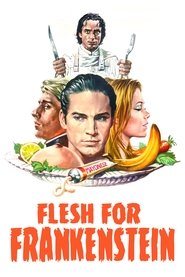
Directed by Paul Morrissey | Also known as: Andy Warhol’s Frankenstein
Morrissey’s transgressive reworking of the Frankenstein myth turns surgical experimentation, aristocratic decadence and sexual obsession into extravagant satire. Associated with the Warhol production circle, it has a very different aesthetic and cultural history from the direct-to-video slashers with which it shared the DPP roster. The elaborate effects and heightened performances made the film a provocative exploitation attraction, but also a subject of discussion in art-cinema contexts. The British history of cuts and later uncut classification demonstrates that the nasty designation encompassed visually ambitious work as well as cheaply assembled shock films.
UK / BBFC: 29 Aug 2023 — classified for video; no cuts noted. Official BBFC record ↗
22. Forest of Fear1980
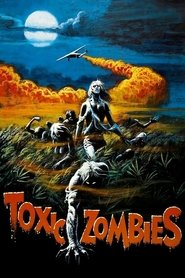
Directed by Charles McCrann | Also known as: Toxic Zombies / Bloodeaters
A government operation to destroy an illicit crop instead transforms people into homicidal creatures. The premise joins ecological catastrophe and zombie horror to the regional American exploitation tradition, where local producers could construct ambitious genre stories on very limited resources. Released under various names, the picture illustrates how films were rebranded as they moved between markets. Its inclusion in the final DPP group says little about the likely effect on viewers and much about the difficult legal environment facing video dealers. Do not confuse it with later productions sharing the name.
UK / BBFC: Documented UK classification history (secondary film-censorship records): Also known as Toxic Zombies / Bloodeaters. No later UK BBFC-classified video re-release established in available records.
23. Gestapo’s Last Orgy1977

Directed by Cesare Canevari | Also known as: L’ultima orgia del III Reich
Canevari’s Nazi-exploitation film uses imprisonment and antisemitic abuse as the background for prolonged sexualised violence. Its case remains unusually concrete in modern BBFC history: in May 2021 the authority refused classification, reasoning that the central material was too pervasive to be resolved by editing isolated scenes. That ruling is not the same event as its original inclusion on the DPP list, but it shows why some historical titles cannot be described as having passed into general, uncut circulation. Its exploitation of Holocaust imagery requires assessment in ethical as well as cinematic terms.
UK / BBFC: 28 May 2021 — classification refused for physical media/VOD; no later BBFC approval verified. Official BBFC record ↗
24. The House by the Cemetery1981
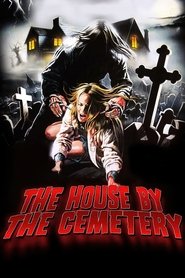
Directed by Lucio Fulci | Also known as: Quella villa accanto al cimitero
A family moves into a New England house linked to a sinister medical past, while their child receives warnings that the adults struggle to interpret. Fulci constructs an atmosphere from decaying spaces, abrupt spatial transitions and confrontations with bodily decay. In Britain, earlier cinema and video versions were affected by different cuts, before the film later received an uncut classification. Its DPP history is particularly useful in tracing the differing treatment of Italian supernatural horror: narrative coherence mattered less to British prosecutors than the graphic impact of selected images.
UK / BBFC: Documented UK classification history (secondary film-censorship records): The original UK cinema and early VHS editions were cut; the film was later approved uncut for UK release in 2009. A UK Arrow Video 4K edition followed in 2023.
25. The House on the Edge of the Park1980
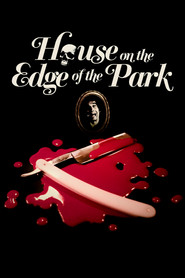
Directed by Ruggero Deodato | Also known as: La casa sperduta nel parco
Deodato confines a violent confrontation between two intruders and affluent partygoers to an upscale house, developing themes of coercion, class resentment and revenge. The film’s extended sexualised violence became central to British classification decisions long after the original prosecutions. Different home-video submissions received sharply different cuts, until a 2022 decision allowed an uncut version. The history therefore provides an unusually clear timeline of regulatory change without requiring us to claim that the work itself became morally neutral or that the earlier theatrical and video decisions were equivalent.
UK / BBFC: 29 Apr 2022 — classified; no cuts noted for this submission. Official BBFC record ↗
26. I Spit on Your Grave1978

Directed by Meir Zarchi | Also known as: Day of the Woman
Zarchi’s rape-revenge film follows a writer who survives repeated sexual assaults before killing the men responsible. Arguments over the film concern the prolonged presentation of sexual assault as well as the quantity of violence and the relationship between revenge and apparent exploitation. In a detailed published case study, the BBFC explains why successive British submissions required different alterations. The film remains essential to understanding how classification approaches the context and presentation of sexual violence with case-specific scrutiny. Its historical reputation must not be mistaken for a single permanent legal ban.
UK / BBFC: 17 Jun 2022 — classified after advised cuts to sexual-violence scenes were made before formal submission; not the original uncut version. Official BBFC record ↗
27. Island of Death1976

Directed by Nico Mastorakis | Also known as: Ta paidia tou Diavolou / Devils in Mykonos
A couple on a Greek island subject strangers and acquaintances to escalating acts of brutality in Mastorakis’s transgressive exploitation thriller. The attractive holiday setting contrasts sharply with murder, sexual exploitation and a grimly punitive narrative design. Its British certification history includes a later refusal under an alternative title and subsequent decisions allowing increasingly complete versions. Those changes illustrate why a definitive encyclopedia must identify the exact work and version involved when describing a censorship decision. The English title and the film’s many aliases can otherwise make the chronology look more straightforward than it was.
UK / BBFC: 23 Sep 2010 — classified; no cuts noted for this submission. Official BBFC record ↗
28. The Last House on the Left1972

Directed by Wes Craven
Craven transforms the familiar rape-revenge narrative into a harsh American exploitation film whose violence is placed alongside tonal interruptions and an insistently contemporary social setting. Rejected for British cinema distribution in the 1970s, it became available on early video before the DPP campaign escalated. Its subsequent BBFC refusals and eventual uncut release show how several decades of regulation can affect one film differently. The work also links the nasties debate to the growth of independent American horror long before the VHS boom, complicating any chronology that begins with 1980s Italian imports.
UK / BBFC: Documented UK classification history (secondary film-censorship records): Wes Craven’s 1972 film, not the 2009 remake. Previously refused UK classification and later released with cuts, it received an uncut UK video classification on 17 March 2008.
29. Love Camp 71969
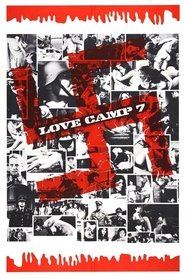
Directed by Lee Frost
One of the earliest Nazi-themed sexploitation films, Lee Frost’s production presents wartime captivity and sexual violence as elements of a lurid genre spectacle. Unlike an invented monster film, its use of historical atrocities raises questions about the exploitation of real political and human suffering. Its relevance to the nasties archive persists because later British submissions have been refused classification, including a streaming-related submission in 2020. The case is a reminder that the disappearance of the original DPP list did not eliminate the BBFC’s authority to reject works under contemporary criteria.
UK / BBFC: 13 Mar 2020 — classification refused for VOD; no later BBFC approval verified. Official BBFC record ↗
30. Madhouse1981

Directed by Ovidio G. Assonitis | Also known as: There Was a Little Girl
A schoolteacher is menaced by her estranged twin sister in an Italian-American slasher whose family melodrama and domestic interiors contrast with explicit acts of revenge. The score by Riz Ortolani and the film’s production style distinguish it from much smaller American independent nasties. Its inclusion on the final roster shows how a recognisable, commercially packaged early-1980s horror thriller could be prosecuted alongside more notorious exploitation material. Subsequent UK releases helped reframe it as a collectible slasher whose reputation extended beyond seizure and prosecution.
UK / BBFC: 27 Apr 2004 — classified for video; no cuts noted. Official BBFC record ↗
31. Mardi Gras Massacre1978

Directed by Jack Weis
Weis’s New Orleans-set exploitation film follows a murderer who selects women for ritual killings during the Mardi Gras season. Strip-club settings, a serial-offender investigation and gruesome staged ceremonies make it a useful example of the overlapping markets for erotic thrillers and slasher horror. Its British notoriety grew disproportionately to its original production scale. Later UK classification did eventually allow an uncut edition, an important counterpoint to blanket claims that lesser-known DPP titles all remain prohibited. The case also demonstrates how location and local colour were incorporated into American regional shock cinema.
UK / BBFC: 31 Mar 2022 — classified for video; no cuts noted. Official BBFC record ↗
32. Nightmares in a Damaged Brain1981

Directed by Romano Scavolini | Also known as: Nightmare
The story of a disturbed man returning to violence after psychiatric treatment became one of the most consequential prosecution cases associated with the panic. The 1984 conviction of a British distributor, noted in BBFC archival material, demonstrates that the legal threat to the home-video trade was far more than symbolic. Scavolini’s film draws on psychotherapy, trauma and the American serial-killer thriller, but its reputation was also shaped by disputed claims about the involvement of effects specialists. Its later British classification history should be separated from the specific acts and defendants involved in early proceedings.
UK / BBFC: 18 Dec 2015 — classified; no cuts noted. Official BBFC record ↗
33. Night of the Bloody Apes1969

Directed by René Cardona | Also known as: La horripilante bestia humana
Mexican horror producer-director René Cardona combines mad-scientist surgery, lucha-libre spectacle and a rampaging ape-man in a hybrid that predates the British video panic by more than a decade. Later exploitation releases foregrounded disturbing material and graphic inserts, giving the work a second commercial identity. As with Blood Feast, its DPP status illustrates how older productions were pulled into a controversy created by a new distribution technology. It is particularly important to distinguish the original film, its export presentation and any edited British edition when examining the images that attracted attention.
UK / BBFC: 15 Mar 2012 — classified; no cuts noted. Official BBFC record ↗
34. Night of the Demon1980

Directed by James C. Wasson
An expedition investigates a series of killings attributed to a Bigfoot-like creature in this independent American monster feature. Its reputation rests largely on extreme, episodic murder effects, while the investigation provides relatively little sustained suspense. The case shows how graphic details could make a minor monster movie especially vulnerable to prosecution once VHS made material available beyond the settings in which it had originally circulated. Modern uncut classification did not erase its historical status on the final DPP list; the two describe events separated by decades.
UK / BBFC: 3 Dec 2021 — classified; no cuts noted. Official BBFC record ↗
35. Snuff1976
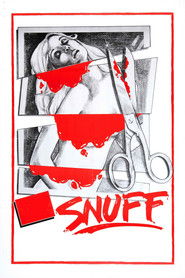
Directed by Michael Findlay and Horacio Fredriksson
Originating as an earlier exploitation feature, the film was repackaged with additional footage and misleading publicity implying that its final killing was genuine. Its international notoriety came from a manufactured authenticity claim, making it a vital precursor to later shock-video marketing. The original false premise must be stated clearly: the production was not documentary evidence of a filmed murder. Although the film appears among the successfully prosecuted DPP titles, a later BBFC classification was granted. That classification history is separate from the more complicated question of whether a particular edition received substantial UK commercial distribution.
UK / BBFC: 22 May 2003 — classified for home video; no cuts noted. Official BBFC record ↗
36. SS Experiment Camp1976
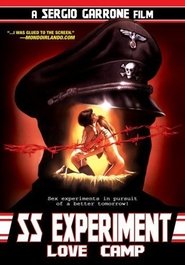
Directed by Sergio Garrone | Also known as: Lager SSadis Kastrat Kommandantur
A notorious example of Italian Nazi exploitation, Garrone’s film combines imprisonment, medical experimentation and sexual abuse with advertising intended to provoke. Its graphic packaging became a staple of British tabloid discussion, often divorced from any measured comparison with the film itself. That does not remove the problem of using historical suffering as erotic spectacle; rather, it makes it necessary to distinguish ethical criticism from claims about the effects of watching fictional material. It was eventually issued with UK classification, demonstrating that the original prosecution status did not function as a permanent, unreviewable judgment.
UK / BBFC: Documented UK classification history (secondary film-censorship records): Also released as SS Experiment Love Camp. An uncut home-video edition was BBFC-classified on 26 August 2005. Official BBFC decision ↗
37. Tenebrae1982

Directed by Dario Argento | Also known as: Tenebre / Unsane
An American novelist visiting Rome becomes entangled in a series of murders that appear to imitate his work. Argento uses geometric architecture, elaborate camera movements and the conventions of the giallo to examine the circulation of violent fiction and the identity of its audience. The film was especially vulnerable to moral-panic readings because the narrative itself foregrounds accusations directed at a maker of violent entertainment. A previously cut British cinema version could still become entangled in the video-nasty process. Later full classification shows the instability of treating the 1980s list as a timeless measure of acceptable content.
UK / BBFC: 18 Jul 2022 — video submission marked “cuts”, but only a misleading non-BBFC rating symbol was removed; no violent footage was cut on that occasion. A cinema edition was classified on 12 May 2022. Official BBFC record ↗
38. The Werewolf and the Yeti1975

Directed by Miguel Iglesias | Also known as: La maldición de la bestia / Night of the Howling Beast
Paul Naschy returns as Waldemar Daninsky in a Spanish monster adventure combining lycanthropy, a Himalayan expedition and fantastical menace. Its placement on the final list is unusually revealing because much of its appeal lies in traditional fantasy-horror conventions rather than the contemporary serial-killer or cannibal cycles. Alternate release titles, uncertain distribution histories and its comparatively limited modern UK availability make careless claims about its present censorship status risky. The film belongs in the 39 because of its documented historical DPP classification, not because every modern viewer would consider it exceptionally graphic.
UK / BBFC: Documented UK classification history (secondary film-censorship records): Also known as The Curse of the Beast / La Maldición de la Bestia. No later UK BBFC-classified re-release established in the available records.
39. Zombie Flesh Eaters1979

Directed by Lucio Fulci | Also known as: Zombi 2 / Zombie
A New York mystery leads to a Caribbean island where the dead have begun to rise. Fulci’s film became internationally famous for practical effects, the underwater encounter with a shark and a highly graphic eye injury. The British cinema version and subsequent video editions had different cut histories, making it a useful example of the distinctions that fueled the DPP controversy. Later uncut classification and high-resolution restoration have made the once-prosecuted film widely accessible. Its commercial connection to the success of Dawn of the Dead should not be mistaken for a straightforward narrative sequel.
UK / BBFC: 25 Oct 2012 — classified as Zombi 2; no cuts noted for this submission. Official BBFC record ↗
Continue to the remaining 33 films ↓ · Back to top ↑
The remaining 33: withdrawn, unsuccessful or not successfully prosecuted
These films appeared on the evolving DPP roster but did not end among the final 39 successful-prosecution cases. The category does not imply that no copies were ever seized. All film profiles are expanded by default. Use the minus sign to collapse a profile and the plus sign to reopen it.
01. The Beyond1981
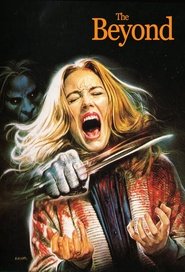
Directed by Lucio Fulci | Also known as: …E tu vivrai nel terrore! L’aldilà
A Louisiana hotel is revealed to stand above a gateway to Hell, and the resulting deaths obey the logic of a nightmare more than a conventional investigative plot. Fulci’s elaborate makeup effects and progressively disintegrating geography gave the film enduring cult significance. Its position among the 33 withdrawn or unsuccessful DPP cases is important: the title was caught in the controversy without belonging to the final set of successful prosecutions. Later British classifications moved from shortened versions to an uncut release, allowing its reception to shift from scandal toward sustained discussion of style and supernatural horror.
UK / BBFC: Documented UK classification history (secondary film-censorship records): Lucio Fulci’s 1981 film (also titled Seven Doors of Death). After earlier cut versions, a UK uncut video release is documented in 2001.
02. The Boogey Man1980

Directed by Ulli Lommel | Also known as: The Boogeyman
Lommel links a childhood killing to a malevolent force transmitted through mirror fragments. The supernatural device connects family trauma, possession and slasher imagery within a recognisable early-1980s commercial formula. The film’s presence on the DPP list, despite earlier British cinema approval, illustrates one of the controversy’s recurring contradictions: a version considered acceptable for theatrical audiences did not necessarily escape new scrutiny in video shops. Its later uncut UK classification makes the film a particularly concise illustration of changing enforcement and the eventual normalisation of previously contested genre material.
UK / BBFC: 7 May 2004 — classified; no cuts noted. Official BBFC record ↗
03. Cannibal Terror1980
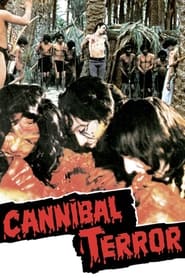
Directed by Alain Deruelle | Also known as: Terreur cannibale
A Franco-Spanish exploitation production in which criminals carrying a kidnapping victim flee into a jungle community. Its production combines elements of the European adventure picture and the cannibal-film boom, with versions and credits complicated by collaborative filmmaking and international distribution. The DPP included it during an era when the word ‘cannibal’ on packaging could itself attract attention, regardless of differences in craft or content. Unlike the most prominent films in the final 39, Cannibal Terror falls within the removed/unsuccessful group and later received an uncut British classification.
UK / BBFC: 11 Mar 2003 — classified; no cuts noted. Official BBFC record ↗
04. Contamination1980

Directed by Luigi Cozzi | Also known as: Alien Contamination
Cozzi’s Italian science-fiction horror employs alien eggs that cause explosive human deaths, combining espionage and creature spectacle with obvious commercial reference to Alien. Although its most memorable imagery is elaborate fictional makeup, it entered the video-nasty controversy through the graphic intensity of those effects. A later UK classification at 15 is one of the clearest reminders that historical inclusion on the DPP list was not a reliable prediction of the age rating a film would receive under subsequent standards. Its case also broadens the nasties roster beyond slashers, cannibals and straightforward supernatural horror.
UK / BBFC: Documented UK classification history (secondary film-censorship records): Luigi Cozzi’s 1980 film received an uncut UK home-video classification in 2004, rated 15.
05. Dead & Buried1981

Directed by Gary Sherman
Visitors to a coastal town are violently murdered in a mystery that gradually reveals an unsettling relationship between its inhabitants and the dead. The film benefited from prominent practical-effects work by Stan Winston and an unusually carefully constructed atmosphere for a title caught in the VHS panic. Its prior acceptance for cinema and later difficulties as a video release expose tensions between exhibition formats. The film ultimately received an uncut British classification, and its reputation now rests more securely on its place in American small-town horror than on its temporary appearance in the DPP campaign.
UK / BBFC: 15 Jun 2015 — classified for video; no cuts noted. Official BBFC record ↗
06. Death Trap1976

Directed by Tobe Hooper | Also known as: Eaten Alive / Starlight Slaughter
Hooper’s follow-up to The Texas Chain Saw Massacre places a violent motel keeper and a crocodile in a claustrophobic southern Gothic setting. Its combination of absurdity, terror and low-budget performance style made it difficult to categorise as either pure slasher or monster film. In Britain the title Death Trap created practical confusion because other unrelated works had similar names. That mistake, documented in BFI discussion, demonstrates the administrative fragility of policing a rapidly expanding rental market through lists that did not always supply enough identifying information.
UK / BBFC: Documented UK classification history (secondary film-censorship records): Also called Eaten Alive / Starlight Slaughter. An early 1992 British edition was cut by approximately 25 seconds; a UK uncut release followed in 2000.
07. Deep River Savages1972
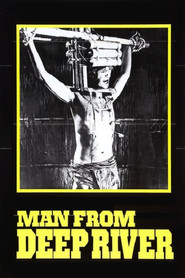
Directed by Umberto Lenzi | Also known as: Man from Deep River / Il paese del sesso selvaggio
Often treated as an early landmark of the Italian cannibal cycle, Lenzi’s film follows a Westerner’s captivity and assimilation into a fictional jungle society. Its adventure narrative incorporates ethnographic pretensions and real animal killing, issues that remain relevant beyond the controversy over simulated human violence. A British cinema refusal predated the video-nasty panic, while subsequent home-video submissions were allowed only after animal-cruelty material was removed. It belongs among the 33 withdrawn/unsuccessful DPP titles, not the final 39, and its release history offers a useful comparison with Lenzi’s later Cannibal Ferox.
UK / BBFC: 7 Apr 2016 — classified subject to cuts for unsimulated animal cruelty. Official BBFC record ↗
08. Delirium1979

Directed by Peter Maris | Also known as: Psycho Puppet
A disturbed Vietnam veteran turns his aggression toward women and other victims in an American exploitation film blending crime drama with stalk-and-kill material. Its title is especially prone to confusion with other European horror films called Delirium, making director, year and alternate name essential identification tools. The British prosecution controversy attached to a particular video work, not every film circulating under that word. As with other dropped DPP cases, later classifications gradually separated its legal history from its perceived place among the most extreme early home-video releases.
UK / BBFC: 26 Nov 2021 — classified as Delirium / Psycho Puppet; no cuts noted. Official BBFC record ↗
09. Don’t Go in the House1979

Directed by Joseph Ellison
A socially isolated man imprisoned by memories of an abusive childhood abducts women and kills them inside a fortified house. Ellison’s film makes its monstrous psychology unusually explicit, combining the slasher tradition with serial-killer study and punitive imagery. Its extended violence drew significant attention in Britain, but it ultimately belongs to the 33 titles outside the final group of 39. British video versions were later cut before an uncut classification became possible. The film demonstrates how a culturally notorious title could have a different prosecution outcome from comparatively obscure works that remained among the successful cases.
UK / BBFC: 7 Feb 2022 — classified; no cuts noted. This is Joseph Ellison’s 1979 film. Official BBFC record ↗
10. Don’t Go Near the Park1981
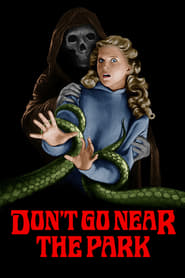
Directed by Lawrence D. Foldes
Foldes blends an ancient curse, Los Angeles locations and a story of ritual predation into an unusually eccentric American independent horror film. Its collision of prehistoric mythology and contemporary urban imagery distinguishes it from the more conventional exploitation titles on the DPP list. Despite entering the controversy, it did not form part of the final 39 and eventually received a British classification without cuts. The example is useful because the mechanics of moral panic could elevate films that had otherwise made little impact, giving their video release a cultural significance far beyond their original theatrical prospects.
UK / BBFC: Documented UK classification history (secondary film-censorship records): A UK home-video release was classified uncut in 2006, after its removal from the DPP list.
11. Don’t Look in the Basement1973

Directed by S. F. Brownrigg | Also known as: The Forgotten
Set inside a psychiatric institution whose routines gradually unravel, Brownrigg’s Texas-made horror film converts confinement and unstable authority into a low-budget suspense mechanism. The work predates the VHS boom, but its availability in the new format brought it into the same prosecutorial category as more recent gore pictures. Its later release at 15 provides further evidence that DPP scrutiny did not amount to a permanent assessment of dangerousness. The institution’s representation of mental illness is also a subject for historical analysis, separate from whether specific violent effects warranted restriction.
UK / BBFC: Documented UK classification history (secondary film-censorship records): Also released as The Forgotten. A UK uncut home-video classification is documented in 2005, rated 15.
12. The Evil Dead1981
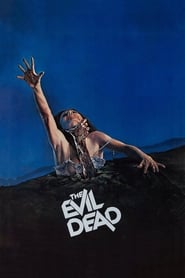
Directed by Sam Raimi
Raimi’s debut feature confines a group of friends in a cabin where demonic forces convert bodies and relationships into grotesque forms. Inventive mobile camerawork, handmade effects and an escalating rhythm made it a defining independent horror film. Despite its central place in British discussions of nasties, it belongs to the DPP’s dropped/unsuccessful group, a distinction regularly obscured by retrospectives. The UK video had been restricted in shortened form before the film received an uncut classification in 2001. Its production history and later influence on horror comedy extend far beyond the censorship episode.
UK / BBFC: 12 Oct 2018 — cinema submission classified without cuts; home-video version also previously cleared. Official BBFC record ↗
13. Frozen Scream1975
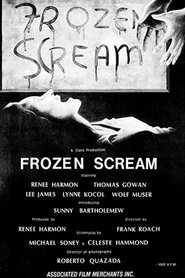
Directed by Frank Roach
An obscure American horror feature links unusual medical experiments to murders and manipulated corpses. Its fractured tone and limited production resources make it typical of titles whose fame later derived disproportionately from inclusion on the DPP list. Because there is no verified broad modern British re-release in the available historical rosters, it would be irresponsible to claim that the film is either newly banned by a present-day decision or definitively cleared. The correct historical statement is that it appeared on the cumulative 72 and belonged to the 33 removed or unsuccessfully prosecuted cases.
UK / BBFC: Documented UK classification history (secondary film-censorship records): No later UK BBFC-classified re-release established in the available records. This should not be described as proof of a recent refusal.
14. The Funhouse1981
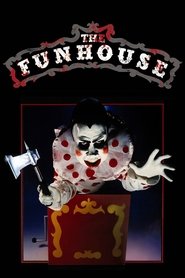
Directed by Tobe Hooper
A group of teenagers becomes trapped inside a carnival attraction, where Hooper develops suspense from cramped spaces, distorted spectacle and a hidden family threat. Its comparatively mainstream studio provenance makes its presence in the panic particularly telling. It had already been accepted for British cinema, yet its video release became entangled in the list. Later uncut classification, eventually at 15, is a powerful indication that notoriety and legal treatment were contingent on period and medium. The film should not be confused with unrelated productions using the same generic title.
UK / BBFC: 20 Sep 2007 — classified for video; no cuts noted. Official BBFC record ↗
15. Human Experiments1979

Directed by Gregory Goodell
A travelling singer is imprisoned and subjected to coercive psychiatric procedures in a thriller drawing on institutional abuse and the horror of medical authority. Its status in the DPP controversy demonstrates how psychological and captivity-themed exploitation could be grouped with monster pictures and graphic gore. The film had already been available theatrically in Britain, but its subsequent video trajectory was less straightforward. It appears in the dropped/unsuccessful group, and the absence of a clearly verified modern UK release must not be converted into a new classification verdict.
UK / BBFC: Documented UK classification history (secondary film-censorship records): Received an uncut BBFC X classification for UK cinema in 1979. No subsequent UK home-video classification established in the available records.
16. I Miss You, Hugs and Kisses1978

Directed by Murray Markowitz | Also known as: Drop Dead, Dearest
This Canadian murder drama follows the repercussions of a woman’s death and the legal questions surrounding her husband, with roots in an actual criminal case. It is one of the clearest examples of the DPP list’s unstable boundaries: a comparatively conventional thriller appears beside Italian cannibal cinema and American gore. The BFI has highlighted the difficulty of explaining why this title attracted official attention at all. In studying the panic, its inclusion is therefore particularly revealing. The film’s changing titles also expose the ease with which information was lost when videotapes were identified through abbreviated lists.
UK / BBFC: Documented UK classification history (secondary film-censorship records): Also circulated as Drop Dead Dearest. A UK video edition was classified in 1986 with approximately 1m 06s of cuts; a subsequent uncut UK classification has not been established.
17. Inferno1980

Directed by Dario Argento
The second instalment of Argento’s Three Mothers cycle situates supernatural threat inside ornate buildings in New York and Rome. The film develops a shifting environment governed by occult logic and intensely designed colour. Its presence among the withdrawn or unsuccessful DPP titles illustrates the inclusion of visually ambitious European fantasy cinema within a campaign frequently framed as a response to crude exploitation. A later British release passed without cuts after earlier editions had been shortened, changing the relationship between the film’s reputation and its actual availability.
UK / BBFC: 8 Jun 2010 — classified for video; no cuts noted. Official BBFC record ↗
18. Killer Nun1979

Directed by Giulio Berruti | Also known as: Suor omicidi
A troubled nun working in a hospital becomes central to a sequence of deaths and accusations, drawing on the Italian nunsploitation tradition and its collision of religious authority, erotic provocation and criminal mystery. The film’s narrative is more closely related to melodrama and giallo than to supernatural possession. Its status among the 33 illustrates the broad definition of threatening material adopted during the panic. Later UK video submissions resulted first in minor cuts and eventually in uncut classification, showing the importance of recording specific release versions and decisions over time.
UK / BBFC: 19 Apr 2006 — classified; previous cuts waived. Official BBFC record ↗
19. Late Night Trains1975

Directed by Aldo Lado | Also known as: Night Train Murders / L’ultimo treno della notte
A railway journey becomes the site of sadistic violence, with Lado placing predatory conduct in a recognisably contemporary European setting. Its relationship to The Last House on the Left is clear in both structure and exploitation tradition, but the use of transport and class encounter gives it a distinct context. A British cinema rejection occurred before the video controversy; the work then entered the DPP’s disputed roster and later received an uncut classification. Its chronology demonstrates that ‘banned in Britain’ can describe very different kinds of decisions separated by decades.
UK / BBFC: 14 Jan 2008 — classified as Night Train Murders; no cuts noted. Official BBFC record ↗
20. The Living Dead at the Manchester Morgue1974
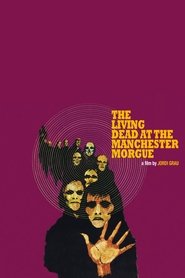
Directed by Jorge Grau | Also known as: Let Sleeping Corpses Lie / Non si deve profanare il sonno dei morti
Grau’s Spanish-Italian zombie picture places the return of the dead within a British rural landscape affected by agricultural technology and official disbelief. It connects ecological unease with the police procedural and graphic corpse horror. Earlier British theatrical and later video editions were shortened, but the film eventually received an uncut classification. Its inclusion on the 33-title group is notable because the setting and production history are deeply connected to Britain itself, undermining any simple story in which the panic was solely a reaction to alien imported culture.
UK / BBFC: 16 Apr 2010 — classified as Let Sleeping Corpses Lie; no cuts noted. Official BBFC record ↗
21. Nightmare Maker1981

Directed by William Asher | Also known as: Butcher, Baker, Nightmare Maker / Night Warning
A young man living with his possessive aunt becomes caught in a violent domestic struggle in a psychological thriller involving manipulation, sexuality and murder. Its unconventional family dynamics and treatment of prejudice give it an identity distinct from formulaic body-count films. The UK history contains an important later complication: it was refused video classification in 1987 under the title The Evil Protege, although it belonged to the earlier dropped/unsuccessful DPP group. It was eventually released uncut in 2024. This demonstrates why DPP outcome and subsequent BBFC decisions must be recorded separately.
UK / BBFC: 26 Mar 2024 — classified under its alternative title; no cuts noted for the new submission. Official BBFC record ↗
22. Possession1981
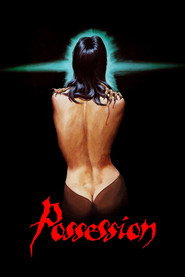
Directed by Andrzej Żuławski
Żuławski’s Berlin-set drama explores the disintegration of a marriage through intense performances, political geography and increasingly impossible bodily transformation. Its inclusion in the DPP controversy is one of the clearest failures of a purely generic approach to the list: the film combines psychological, historical and experimental dimensions that resist exploitation-cinema categories. It had already received British theatrical consideration and was later released uncut for home viewing. The case demonstrates how institutional panic can temporarily strip an ambitious film of artistic context and reframe it as an allegedly dangerous object.
UK / BBFC: 27 Oct 2025 — a 77-minute North American Edit was classified. This does not establish the status of the longer original cut. Official BBFC record ↗
23. Pranks1982

Directed by Stephen Carpenter and Jeffrey Obrow | Also known as: The Dorm That Dripped Blood
Students clearing a deserted dormitory during a holiday become victims of a series of escalating attacks. The production emerged from independent filmmaking networks and adopts the slasher’s contained setting and murder mystery at relatively low cost. Known widely as The Dorm That Dripped Blood, it circulated in Britain under another title, increasing the risk of confusing versions and credits. Its DPP involvement ended outside the successful-prosecution group. Later home-video classifications involved limited cutting, a more precise account than describing the film as universally banned or fully restored without reference to edition.
UK / BBFC: Documented UK classification history (secondary film-censorship records): Also called The Dorm That Dripped Blood / Death Dorm. A UK home-video edition was classified in 1992 with approximately 10 seconds of cuts. No more recent uncut BBFC decision verified here.
24. Prisoner of the Cannibal God1978
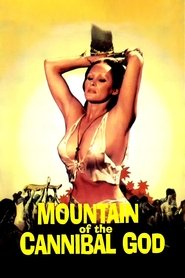
Directed by Sergio Martino | Also known as: The Mountain of the Cannibal God / La montagna del dio cannibale
A woman searching for her missing husband enters a jungle landscape where exploitation adventure, religious ritual and cannibal imagery intersect. Martino’s film draws on the popular cycle of remote-location shock features, but its history must also confront the real treatment of animals during filming. British home-video classification has required removals of animal-cruelty material, showing that later moderation of fictional gore standards did not eliminate all legal and ethical limits. It belongs to the 33 withdrawn/unsuccessful DPP group, despite remaining controversial in discussions of the wider cannibal subgenre.
UK / BBFC: Documented UK classification history (secondary film-censorship records): Also known as Mountain of the Cannibal God. The 2018 UK edition still required approximately two minutes of cuts for actual animal cruelty.
25. Revenge of the Boogey Man1983

Directed by Bruce Pearn | Also known as: Boogeyman II
The follow-up to Lommel’s The Boogey Man reuses substantial material from the first production while introducing further events involving its surviving characters. Its unusual dependence on repeated footage makes it a case study in low-cost sequel construction and the recycling of horror properties for home-video audiences. Circulation under the title Revenge of the Boogey Man brought the film into the British video-nasty debate, even though it belongs in the dropped/unsuccessful category. Credits are particularly easy to misreport because different sources assign uncredited directing contributions alongside Bruce Pearn, also known as Bruce Starr.
UK / BBFC: Documented UK classification history (secondary film-censorship records): Also called Boogeyman II. A UK video edition appeared in a re-edited version in 2003; that approval cannot be treated as certification of the original cut.
26. The Slayer1982

Directed by J. S. Cardone
A woman experiences ominous dreams while visiting an island with family and friends, and the surrounding slasher story begins to blur the distinction between nightmare and waking violence. Cardone’s feature mixes a relatively conventional isolated-location premise with an ambiguous supernatural explanation. Its appearance on the DPP roster did not lead to inclusion among the final 39. In Britain, a cut home-video edition was followed by an uncut classification. The title is an effective illustration of how films of very different narrative sophistication and explicitness acquired the same informal identity when their cassettes entered the early rental market.
UK / BBFC: Documented UK classification history (secondary film-censorship records): An earlier British video edition lost approximately 14 seconds in 1992. Those cuts were waived for a UK release in 2001.
27. Terror Eyes1981
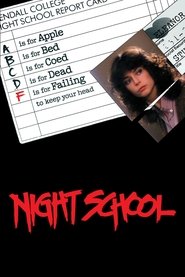
Directed by Ken Hughes | Also known as: Night School
A murderer decapitates women around Boston in a police-oriented slasher that emphasises investigation and the identification of a concealed offender. Widely known as Night School, the film reached Britain under the title Terror Eyes, an alias that must be preserved to understand the DPP paperwork. A later uncut UK classification under Night School illustrates how titles and editions can change while the underlying film remains the same. Unlike the final 39, this was a withdrawn or unsuccessful prosecution case, but its inclusion left a lasting association with the video-nasty phenomenon.
UK / BBFC: 6 Mar 2025 — classified under the title Night School; no cuts noted for the new home-video submission. Official BBFC record ↗
28. The Toolbox Murders1978
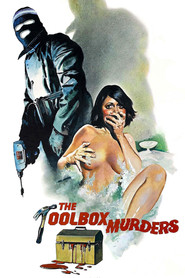
Directed by Dennis Donnelly
A masked killer uses household tools against residents of an apartment building in an American exploitation feature whose violence is concentrated in an opening sequence. Its British theatrical material was edited, and it later entered the DPP dispute through video distribution. Contrary to frequent shorthand, its presence on the 72-film roster does not place it in the final 39. Subsequent British classifications eventually permitted an uncut edition. The difference between early edited prints, original footage and later releases makes it an important case for examining how the word ‘uncut’ depends on the specific version being compared.
UK / BBFC: 1 Sep 2017 — classified for video; no cuts noted. Official BBFC record ↗
29. Unhinged1982

Directed by Don Gronquist
Three young women stranded after a car accident seek shelter in an isolated house, where an increasingly threatening domestic atmosphere gives way to slasher violence. Its production is modest and its suspense depends on familiar Gothic-house situations, yet the film acquired national notoriety in Britain through news coverage of unclassified videos. That visibility was disproportionate to its initial commercial standing. It ultimately falls among the 33 withdrawn or unsuccessful DPP titles and later received an uncut UK classification, demonstrating how press circulation could be as important as prosecutorial success in establishing the nasty label.
UK / BBFC: 11 Jun 2004 — classified; no cuts noted (the 1982 film, not the 2020 thriller). Official BBFC record ↗
30. Visiting Hours1982
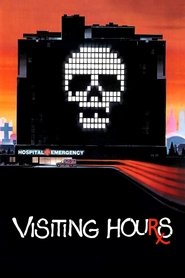
Directed by Jean-Claude Lord
Michael Ironside plays a violent attacker stalking a television journalist in a Canadian thriller that mixes hospital suspense with contemporary debates over violence against women. Unlike several obscure DPP selections, the film featured established performers and conventional commercial distribution. An already edited cinema version did not prevent the home-video release from becoming entangled in the panic. It was not among the 39 successful prosecutions, and later British classification allowed an uncut version. Its trajectory reveals the instability of the boundary between mainstream thriller and supposedly forbidden videotape.
UK / BBFC: Documented UK classification history (secondary film-censorship records): Canadian 1982 hospital slasher. Earlier British cinema/video versions were cut; an uncut UK home-video release is documented in 2017.
31. The Witch Who Came from the Sea1976

Directed by Matt Cimber
A disturbed woman experiences traumatic memories that are inseparable from a series of violent encounters. The film’s fractured character study and exploitation marketing make it difficult to categorise as merely a slasher, despite its appearance in the British scandal. Its disturbing subject matter involves trauma and sexual violence, which require careful, restrained description grounded in context. The film belongs to the 33 withdrawn/unsuccessful DPP titles and eventually received an uncut UK classification. Its later critical recovery demonstrates how an industrial label can obscure the distinctive concerns of an individual work.
UK / BBFC: 25 Jan 2006 — classified for video; no cuts noted. Official BBFC record ↗
32. Women Behind Bars1975

Directed by Jesús Franco | Also known as: Des diamants pour l’enfer
Franco’s women-in-prison exploitation film combines criminal intrigue with captivity, sadistic institutional power and explicit sexual material. It is another reminder that the DPP list was never composed exclusively of conventional horror films. Its distribution history includes alternative titles and national cuts, a recurring obstacle for anyone attempting to identify precisely which copy circulated in British rental shops. It belongs to the dropped/unsuccessful group, outside the final set of successful prosecutions, and a later British submission was classified without cuts. The archival category must be preserved without treating it as a universal judgment of the film’s contents.
UK / BBFC: 16 Aug 2017 — classified for video; no cuts noted. Official BBFC record ↗
33. Zombie Creeping Flesh1980
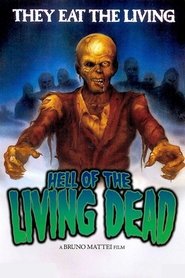
Directed by Bruno Mattei | Also known as: Hell of the Living Dead / Virus
A special-forces mission encounters flesh-eating corpses in a low-budget Italian zombie production heavily indebted to the international success of Romero’s Dawn of the Dead. Mattei combines action scenes, documentary-style insertions and explicit makeup effects, representing the opportunistic production economy that VHS helped circulate across borders. The film’s British history is complicated by the coexistence of edited editions and alternative names. It entered the DPP roster but not the final 39, and a later full-version video submission received uncut classification. Its multiple titles illustrate the need for consistent international film identifiers.
UK / BBFC: 10 Jan 2002 — classified for video; no cuts noted. Official BBFC record ↗
Continue to the legacy and sources ↓ · Back to top ↑
The legacy: a list that changed the films it targeted
The most enduring consequence of the video-nasty campaign may be its unexpected creation of a canon. Films made in different decades, countries and traditions were brought together because the British legal and political system treated their videotapes as a common problem. Collectors began seeking out exactly those works singled out by authorities. Retailers, independent distributors and magazines adapted to a market in which scarcity, cover design and stories of confiscation were themselves forms of publicity. The term that was meant to isolate a dangerous category instead became a lasting identity within horror culture. Its influence also extends to the reception of later extreme horror cinema.
That does not make every claim in the moral panic false or every film immune to ethical criticism. Some works staged extreme sexual violence; others employed genuine animal cruelty; still others appropriated the iconography of historical atrocities. A rigorous account can criticise those decisions while also observing that the legal response was uneven, titles were misidentified, and social respectability was too often substituted for serious examination of individual films. Historical analysis requires both distinctions.
Nor should the final roster be mistaken for the full story of British horror censorship. Important titles such as The Texas Chain Saw Massacre, Maniac and Dawn of the Dead underwent their own classification or seizure histories without belonging to this specific core group of 72. A supplementary list of other films liable to seizure likewise existed. Adding these works to the principal 72 would make the archive less accurate, even if they mattered equally to the wider cultural history.
The films themselves have had uneven afterlives. Some now feature in mainstream horror histories and carefully restored editions; some are principally remembered as small independent productions; others remain obscure, difficult to identify or contentious for reasons unrelated to the original raids. The DPP’s cumulative list tells us what British authorities targeted at one particular moment of media change. It does not tell us which works are artistically valuable, which are still commercially available in complete form or which contemporary audiences would find most disturbing.
Viewed together, the seventy-two titles offer a case study in how a distribution technology can alter the status of images already in existence. Many of these films did not become controversial when they were created. They became controversial when a new medium changed who could encounter them, who could sell them and who could intervene. Their long return through classification, restoration and scholarship therefore belongs to the wider history of cinema and its institutions.
Frequently asked questions about the 72 Video Nasties
How many films were on the original DPP video-nasties list?
The familiar total of 72 counts distinct films that appeared across successive versions of the Director of Public Prosecutions list, not seventy-two convictions or a single fixed list issued at once. Thirty-nine eventually formed the group associated with successful obscenity prosecutions; the other thirty-three were withdrawn, dropped or not successfully prosecuted.
Are all 72 Video Nasties still banned in the United Kingdom?
No. Many entries received later UK classification, sometimes uncut and sometimes after required editing. The BBFC refused Love Camp 7 in 2020 and Gestapo’s Last Orgy in 2021; these are the most recent refusal decisions identified here. Cannibal Holocaust received a 2022 video classification after a compulsory animal-cruelty cut, and Cannibal Ferox remained cut for animal cruelty on its 2018 UK submission. For films without a documented modern BBFC submission, it is more accurate to say no later UK classification has been established than to call them newly or continuously banned.
What is the difference between the DPP 72 and the Section 3 titles?
The 72-film DPP list concerned works targeted for possible prosecution under the Obscene Publications Act. The separate Section 3 material concerns a different route involving seizure and forfeiture of copies; it is not another list of successful prosecutions. Some films moved between administrative categories over time. This article treats the canonical 72 only; the additional Section 3 catalogue requires a separate documented archive.
References
These are selected institutional sources for the history of the controversy and its legal and classification consequences. The full 72-title grouping follows the widely documented cumulative DPP filmography; each group identifies a historical prosecution outcome, not a present-day blanket prohibition. Specific classification rulings should be checked against the relevant submission in the BBFC database before being updated.
- BBFC – The Video Recordings Act – Official account of the unregulated video market, the DPP campaign, mandatory classification and the 2010 legislation.
- BFI / Sight and Sound – Vile VHS: unspooling the history of the ‘video nasty’ controversy – Historical and critical overview by Kim Newman, including the uneven composition of the list.
- BBFC – Cannibal Holocaust (1979) – Detailed case study of animal cruelty, sexual violence and evolving cut requirements.
- BBFC – I Spit on Your Grave (1978) – Case study on sexual violence and the rationale for different video edits.
- BBFC – The Gestapo’s Last Orgy – Official record of the 2021 refusal to classify.
Editorial note. This reference dossier distinguishes the cumulative DPP roster from the separate supplementary Section 3 list. UK production and distribution years may differ; for example, Cannibal Holocaust was released theatrically in Italy in 1980 although the BBFC records a production year of 1979. The list uses familiar international and UK video titles, preserving the names by which British viewers encountered the films.
Leave a Reply