


2025
Lon Chaney Jr.
Horror Actor · Biography · Horror Filmography · Family · Collaborators · Credits
Horror subgenres & themes
Most represented across this person's horror filmography:
MONSTER
• VAMPIRE
• WEREWOLVES
• CANNIBAL
Biography
Lon Chaney Jr. and Universal horror in the 1940s
Lon Chaney Jr. became the principal new horror star developed by Universal during the studio’s second major monster cycle. His performance as Larry Talbot in The Wolf Man in 1941 created a character who remained closely identified with him through four subsequent Universal films. During the same decade he also played Frankenstein’s Monster, the mummy Kharis and Count Dracula, making him the only actor of the classic Universal period to portray all four of those major monster identities on screen.
The breadth of those assignments can obscure the difference between Larry Talbot and Chaney’s other horror roles. Talbot was developed around the actor’s own face, voice and physical manner for substantial portions of each film and gave him a continuing human character rather than only a makeup transformation. The role allowed Chaney to use qualities already visible in his acclaimed performance as Lennie in Of Mice and Men: physical size combined with emotional vulnerability. Universal subsequently relied on that screen personality across horror, mystery and supernatural melodrama throughout the 1940s.
Creighton Chaney and the legacy of Lon Chaney
Lon Chaney Jr. was born Creighton Tull Chaney on February 10, 1906, the son of silent-film star Lon Chaney and singer Cleva Creighton. His father had become one of Hollywood’s most famous character actors through physically demanding performances and elaborate self-designed makeup in films including The Hunchback of Notre Dame and The Phantom of the Opera. Growing up under such a public reputation created an unusual professional inheritance for his son.
The elder Chaney discouraged Creighton from entering acting, and the younger man initially pursued work outside the film industry. He began appearing in films only after his father’s death in 1930 and was originally credited under his birth name. Studios later encouraged him to use the name Lon Chaney Jr., and by the middle of the decade the connection with his father had become an explicit part of his screen identity and marketing.
Early acting and the problem of an inherited name
Chaney spent much of the 1930s in supporting parts and low-budget productions. The famous surname created opportunities while also establishing an expectation that he might eventually reproduce his father’s association with grotesque or transformed characters. His early work, however, was not concentrated primarily in horror. He appeared in westerns, crime films and dramas while developing the screen experience that had been absent from his earlier life.
The professional identity remained complicated because comparison with Lon Chaney Sr. was unavoidable. The father had been celebrated for technical control over makeup and physical transformation during silent cinema, whereas the son entered Hollywood after sound had changed acting and production practices. Chaney Jr. would ultimately establish his own horror identity through a character created for him rather than through direct imitation of his father’s famous roles.
Of Mice and Men and the breakthrough as a dramatic actor
Chaney’s major breakthrough came as Lennie Small in Lewis Milestone’s 1939 film adaptation of John Steinbeck’s Of Mice and Men. Burgess Meredith played George Milton opposite Chaney’s Lennie, a physically powerful man with an intellectual disability whose dependence on George and inability to understand his own strength lead to tragedy. The role gave Chaney dramatic material substantially richer than most of his previous screen work.
The performance established qualities that later became useful in horror. Chaney’s size could make a character physically threatening while his expression and voice created sympathy. That tension became particularly important to Larry Talbot, whose danger results from a condition he fears rather than from deliberate cruelty. Of Mice and Men demonstrated that Chaney could sustain such a contradiction before Universal transformed him into a genre star.
Man Made Monster and the transition into horror
George Waggner directed Chaney in Man Made Monster in 1941, one of the productions that moved him directly toward Universal horror. Chaney plays Dan McCormick, a carnival performer who survives an electrical accident and becomes the subject of experiments conducted by Lionel Atwill’s Dr. Rigas. Repeated electrical treatment gradually turns McCormick into a dangerous figure capable of killing through contact.
The film gave Universal an early opportunity to test Chaney in a sympathetic monster role. McCormick begins as an ordinary man and becomes dangerous through scientific intervention, preserving audience identification with the performer even after physical transformation. Waggner soon directed Chaney again in the film that defined the remainder of his career.
The Wolf Man and the creation of Larry Talbot
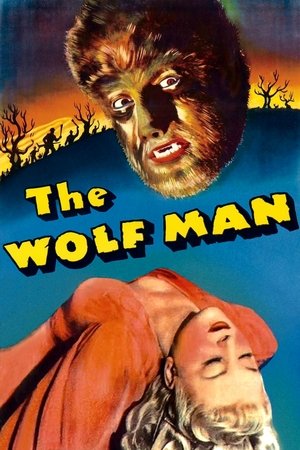
The Wolf Man, released in 1941, stars Chaney as Larry Talbot, an American who returns to his family home in Wales and attempts to rebuild his relationship with his father, Sir John Talbot, played by Claude Rains. Larry is bitten while trying to save a woman from an apparent wolf and gradually learns that he has acquired the same curse as his attacker. Curt Siodmak’s screenplay combined existing werewolf traditions with newly created rules that became highly influential in later popular culture.
The film’s emotional structure depends heavily on Chaney because Larry remains human for much of the running time. He understands that something is happening to him while the people around him interpret his fear through psychology, superstition or suspicion. Maria Ouspenskaya’s Maleva is the one character who understands the curse directly. The resulting conflict gives the film a tragic structure in which Larry seeks help before his transformations make him dangerous to others.
Jack Pierce and the Wolf Man makeup
Jack Pierce designed Chaney’s Wolf Man makeup using individually applied hair, dental pieces and facial materials rather than a simple preformed mask. The process was lengthy and uncomfortable. Chaney later complained particularly about the removal of the makeup after shooting, when adhesive and hair had to be pulled from his face after a full working day.
The design was more extensive than the makeup Henry Hull had worn in Werewolf of London in 1935 and gave Universal a clearly identifiable monster image for publicity and later sequels. Chaney’s human appearance remained equally important, however, because Larry Talbot’s repeated return in later films depended on the audience recognizing the man as well as the creature.
Curt Siodmak and modern werewolf mythology
Screenwriter Curt Siodmak supplied several elements now routinely associated with werewolf cinema. The famous verse concerning wolfsbane was written for the film rather than taken from ancient folklore, and the screenplay gave the curse a coherent set of dramatic rules suitable for repetition across sequels. Silver and the inherited condition became major parts of Universal’s version of lycanthropy.
Chaney’s performance helped make those rules emotionally effective because Larry experiences them as an unwanted medical or supernatural condition. The werewolf becomes frightening during transformation, while the human character spends much of the story anticipating consequences he cannot prevent. Later films repeatedly returned to this structure of the werewolf as a tragic protagonist.
Universal’s second horror cycle
The commercial success of The Wolf Man gave Universal a new monster star at a time when the studio was reviving properties created during the previous decade. Boris Karloff had moved away from playing Frankenstein’s Monster, and Bela Lugosi no longer occupied the position he had held after Dracula. Chaney therefore became an important performer for a production system increasingly built around sequels and combinations of established monsters.
Universal used him aggressively during the following years. He moved between different franchises with little concern for maintaining one consistent screen identity. This policy gave Chaney an unmatched collection of famous monster roles but also limited opportunities to develop each character with the depth available to Larry Talbot.
The Ghost of Frankenstein
Chaney succeeded Karloff as Frankenstein’s Monster in The Ghost of Frankenstein in 1942. Bela Lugosi returned as Ygor and Lionel Atwill played Dr. Bohmer. The film continued directly from Son of Frankenstein while simplifying the Monster’s characterization compared with the performances Karloff had developed under James Whale and Rowland V. Lee.
Chaney worked under Jack Pierce’s established Frankenstein makeup and heavy costume. His size suited the creature physically, but the screenplay gave him less expressive material than Karloff had received in the 1930s. The assignment is historically important because it demonstrates Universal’s changing treatment of its monsters: recognizable appearance and continuity had become increasingly important as performers could be replaced within an established franchise.
The Mummy’s Tomb and the role of Kharis
Chaney next entered Universal’s mummy series as Kharis in The Mummy’s Tomb in 1942. The character had previously been played by Tom Tyler in The Mummy’s Hand and belonged to a separate continuity from Boris Karloff’s Imhotep in the 1932 The Mummy. Kharis functions primarily as a physically persistent instrument of vengeance under the control of human priests.
Chaney returned as Kharis in The Mummy’s Ghost and The Mummy’s Curse. Jack Pierce’s later mummy makeup covered much of Chaney’s face, reducing the amount of conventional acting available to him. The films were produced economically and relied heavily on established monster recognition, making Kharis very different from the more psychologically developed Larry Talbot.
Son of Dracula
Robert Siodmak directed Chaney as Count Alucard in Son of Dracula in 1943. The name is Dracula written backward, and the character is explicitly connected with vampire mythology established by Universal even though the precise identity implied by the title remains ambiguous. The film relocates the story to the American South and builds much of its plot around Louise Allbritton’s Katherine Caldwell.
Chaney’s casting is notable because it places an actor identified with physical, working-class characters into the aristocratic vampire tradition established by Lugosi. His size and vocal manner make Alucard markedly different from the 1931 Dracula. The film is generally more significant for its Southern Gothic setting, Robert Siodmak’s direction and John P. Fulton’s effects than for establishing a lasting new vampire identity for Chaney.
Frankenstein Meets the Wolf Man
Frankenstein Meets the Wolf Man in 1943 brought Chaney back to Larry Talbot and paired the character with Bela Lugosi as Frankenstein’s Monster. The film became one of the first major Universal productions designed around a direct meeting between two established monster properties. Larry is revived, discovers that the werewolf curse remains active and seeks Dr. Frankenstein’s knowledge in the hope of ending his life permanently.
The story demonstrates why Talbot remained Chaney’s strongest horror role. He receives a clear personal objective and substantial dialogue before transforming, while Lugosi’s Monster functions more heavily through physical presence. The film also extends Talbot’s mythology by establishing resurrection as part of the character’s continuing screen history, making later appearances possible despite his apparent death in previous installments.
Inner Sanctum and horror without monster makeup
Universal also used Chaney as the principal star of its Inner Sanctum Mysteries series. The films include Calling Dr. Death, Weird Woman, Dead Man’s Eyes, The Frozen Ghost, Strange Confession and Pillow of Death. Their stories combine crime, psychological disturbance, occult suggestion and mystery rather than relying on the studio’s established monsters.
The cycle gave Chaney leading roles without the extensive prosthetics required by the Wolf Man, Frankenstein or Kharis. It also demonstrated that Universal considered his name commercially useful within dark suspense even when the film contained no conventional monster. The productions were modestly budgeted, but the series constitutes a substantial part of his 1940s genre career.
House of Frankenstein and the monster ensemble
House of Frankenstein in 1944 combines several Universal properties within one narrative. Boris Karloff plays scientist Gustav Niemann, John Carradine appears as Dracula, Glenn Strange becomes Frankenstein’s Monster and Chaney returns as Larry Talbot. The casting reflects a stage in Universal horror when the monsters themselves had become established intellectual properties capable of moving among different performers and stories.
Larry receives another variation on his repeated search for a cure. Chaney’s continuing presence gives the Wolf Man greater performer continuity than Dracula or Frankenstein’s Monster, both of whom had changed actors repeatedly. This continuity helped preserve Talbot as an individual character rather than simply a generic werewolf identity.
House of Dracula
Chaney returned again in House of Dracula in 1945, with John Carradine repeating Dracula and Glenn Strange returning as the Monster. The plot unusually begins with supernatural characters actively seeking medical treatment. Larry asks Dr. Franz Edelmann to cure his lycanthropy, giving the film a quasi-medical framework around conditions previously treated primarily as curses.
The story eventually provides Talbot with a temporary cure, allowing Chaney to spend substantial time as the human character. This emphasis again distinguishes his recurring role from the more interchangeable monster assignments elsewhere in the Universal cycle.
Abbott and Costello Meet Frankenstein
Abbott and Costello Meet Frankenstein in 1948 reunited Chaney’s Wolf Man with Bela Lugosi’s Dracula and Glenn Strange’s Frankenstein Monster. Universal had begun using its classic monsters in comic settings, but the actors playing the creatures were instructed to treat their roles seriously. The comedy comes primarily from Abbott and Costello encountering situations that the monsters themselves do not regard as humorous.
Chaney again plays Larry as a man trying to prevent disaster before his transformation. The film became his final appearance as the Wolf Man and effectively closed the character’s original Universal cycle. Because Chaney had portrayed Talbot in every feature appearance during this period, the actor and human identity remained unusually inseparable compared with the studio’s other major monsters.
Evelyn Ankers and Universal horror
Evelyn Ankers became one of Chaney’s most frequent genre co-stars during the early 1940s. Their collaborations include The Wolf Man, The Ghost of Frankenstein and several other Universal productions. Ankers became closely associated with the studio’s horror and mystery output during the same period that Chaney was becoming its principal monster performer.
Their professional relationship was sometimes difficult, and later accounts describe practical jokes and disagreements during production. These anecdotes have occasionally overshadowed the more relevant fact that Universal repeatedly paired the two because their screen identities were useful within the same cycle of horror and suspense films.
Later horror and independent productions
Chaney’s association with horror continued after Universal’s classic monster cycle ended. He appeared in films including The Black Sleep, which brought together several veterans of earlier horror cinema, and later worked in Roger Corman’s The Haunted Palace. These productions used his established genre identity while allowing him to appear without the heavy monster makeup of his Universal years.
His later roles increasingly became character parts in westerns, television and lower-budget films. Advancing health problems and long-term alcohol abuse affected his professional life, but he continued acting into the final years of his career.
Spider Baby
Jack Hill’s Spider Baby, filmed in the 1960s and released after distribution delays, provided Chaney with one of his most substantial later horror roles. He plays Bruno, the caretaker of the Merrye family, whose children suffer from a hereditary condition associated with violent and regressive behavior. The film combines black comedy with Gothic family horror on a limited budget.
Bruno gave Chaney a sympathetic human role with direct responsibility for the younger characters. The performance recalls some of the emotional qualities that had made Lennie and Larry Talbot effective while avoiding any attempt to reproduce his Universal monster work. The film’s later cult reputation contributed to reassessment of Chaney’s ability outside the famous makeup roles.
The burden of the Chaney name
Chaney’s career remained inseparable from comparison with his father. Universal actively exploited the surname because audiences already associated Lon Chaney with transformation and horror. The comparison was often unfair because the two actors worked in different technological periods and developed different professional skills. Chaney Sr. exercised unusual control over his own makeup, while Chaney Jr. worked within a studio system where specialists such as Jack Pierce designed and applied the transformations.
The younger Chaney’s strongest acting achievements therefore came from qualities distinct from his father’s reputation. His physical presence worked best when combined with vulnerability, as in Of Mice and Men and the Larry Talbot films. Those performances explain his durability more effectively than the fact that Universal placed him successively inside several famous monster properties.
Lon Chaney Jr.’s place in horror history
Chaney occupies a unique position within Universal horror because he connected the studio’s prestige monster tradition of the 1930s with its more serial and franchise-oriented production of the 1940s. He inherited Frankenstein’s Monster and the mummy, briefly became Dracula and repeatedly returned to the Wolf Man while Universal combined its properties into shared narratives.
Larry Talbot remains his major contribution because the character preserved continuity of actor, personality and personal history across five films. Chaney’s portrayal established the werewolf as a sympathetic protagonist whose transformations create danger that the human identity actively fears. That model became fundamental to later werewolf cinema and gave Chaney an independent horror legacy despite the enormous professional shadow cast by his father.
Photos (6)
Images: TMDB
Selected Work
Notable Horror Collaborators
Notable collaborators and creative partners throughout Lon Chaney Jr.'s horror career.
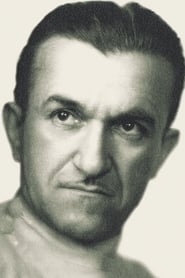 Jack Pierce
Actor / Makeup Artist Collaborator
Pierce transformed Chaney for The Wolf Man and later Universal monster assignments including Frankenstein’s Monster and Kharis. Their repeated work made Chaney one of the performers most extensively subjected to Pierce’s labor-intensive makeup methods during Universal’s 1940s horror cycle.
 Evelyn Ankers
Acting Collaborator
Ankers and Chaney became recurring Universal genre co-stars during the early 1940s, beginning with The Wolf Man and continuing through productions including The Ghost of Frankenstein and other horror or mystery assignments. Their pairing became closely associated with the studio’s second horror cycle.
 Bela Lugosi
Acting Collaborator
Chaney and Lugosi appeared together in The Wolf Man, The Ghost of Frankenstein and Frankenstein Meets the Wolf Man. Their shared films connect Lugosi’s early Universal stardom with Chaney’s position as the principal new monster performer developed by the studio during the 1940s.
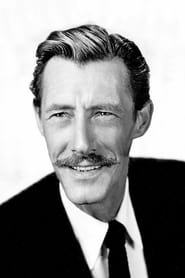 John Carradine
Acting Collaborator
Carradine and Chaney shared House of Frankenstein and House of Dracula and later appeared together again in The Black Sleep. Their work spans the Universal monster ensemble period and the later cycle of independently produced horror built around veteran genre performers.
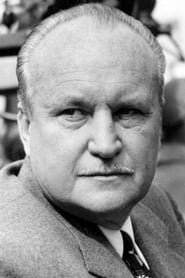 George Waggner
Actor / Director Collaborator
Waggner directed Chaney in Man Made Monster and The Wolf Man, the two films that established his horror career at Universal. Although the relationship falls below the normal three-film threshold, Waggner’s role in creating Chaney’s transition from dramatic actor to horror star makes the collaboration historically essential.
CS
Curt Siodmak
Actor / Writer Collaborator
Siodmak wrote The Wolf Man and Frankenstein Meets the Wolf Man, providing the mythology through which Chaney’s Larry Talbot became one of Universal’s major recurring characters. The collaboration falls below the usual numerical threshold but directly created the role that defines Chaney’s horror legacy.
Lon Chaney Jr. Horror Movies
Acting (48 credits)
2014
2007
2007
2006
2000
2000
1992
1991
1991
1971
1968
1967
1967
1967
1965
1965
1964
1963
1962
1961
1960
1959
1959
1957
1956
1956
1952
1952
1951
1948
1945
1945
1945
1945
1944
1944
1944
1944
1944
1944
1943
1943
1943
1942
1942
1941
1941