



1958
George Waggner
Horror Director · Biography · Horror Filmography · Collaborators · Credits
Horror subgenres & themes
Most represented across this person's horror filmography:
WEREWOLVES
Biography
George Waggner and Universal horror in the 1940s
George Waggner was a director, writer and producer whose most important contribution to horror came during Universal Pictures’ revival of the genre in the early 1940s. He directed Man Made Monster and The Wolf Man, produced The Ghost of Frankenstein and Frankenstein Meets the Wolf Man, and later directed Boris Karloff in The Climax. This sequence placed him at an important transitional point in Universal horror, when the studio moved from the individual Gothic productions of the early 1930s toward recurring monsters, sequels and films that combined established properties.
Waggner’s professional background was broader than horror and broader than directing. He worked as an actor during the silent era and subsequently accumulated credits as screenwriter, producer and director across westerns, adventure pictures and other commercial genres. That versatility was characteristic of studio filmmakers who moved between assignments according to production needs. Within horror, it gave Waggner unusual influence because he could participate in the development of a film before shooting and later supervise related productions as producer.
Early film work and the transition from acting to production
Waggner entered motion pictures during the silent period and appeared as an actor before moving increasingly into writing. During the 1930s he accumulated story, screenplay and dialogue credits across inexpensive commercial productions. The variety of assignments gave him experience with films designed to be completed efficiently and sold through recognizable genres rather than through major stars or prestige literary material.
He eventually moved into directing and production, bringing those earlier writing skills with him. AFI records work under both George Waggner and the pseudonym Joseph West, the latter appearing on writing credits including Man Made Monster. His ability to occupy several production roles became especially useful at Universal, where horror films of the early 1940s were often made on tightly controlled schedules.
Universal and the return of studio horror
Universal had temporarily reduced its horror production during the second half of the 1930s after the first cycle built around Dracula, Frankenstein, The Mummy and their immediate successors. The successful reissue of Dracula and Frankenstein and the strong reception of Son of Frankenstein helped revive the studio’s interest in its monster properties.
Waggner arrived at an important moment in this revival. Universal needed new material as well as ways to continue established characters after actors and creative teams from the original cycle had moved on. His work with Lon Chaney Jr. became central to the development of a new horror star for this second period.
Man Made Monster and the development of Lon Chaney Jr.
Man Made Monster was released in 1941 and gave Lon Chaney Jr. his first starring role in a Universal horror film. Chaney plays Dan McCormick, a carnival performer who survives an electrical accident and becomes the experimental subject of Dr. Paul Rigas, played by Lionel Atwill. Repeated exposure to electricity gradually transforms McCormick into a dangerous figure capable of killing through physical contact.
Waggner directed the picture and received screenplay credit as Joseph West. The underlying story had been acquired by Universal several years earlier and had once been considered as material for Boris Karloff and Bela Lugosi. Waggner’s version shifted dramatic attention toward Chaney’s victimized protagonist. AFI records that the success of the film and Horror Island resulted in Waggner receiving a long-term Universal contract.
Lionel Atwill and scientific horror
Atwill’s Dr. Rigas belongs to a type already familiar from 1930s horror: the scientist who treats another person as experimental material. Waggner uses Chaney’s McCormick as the human consequence of this experimentation rather than presenting him initially as a conventional monster. The structure allowed Chaney to retain audience sympathy after his appearance and behavior begin to change.
The film also brought together several technicians who would remain important to Universal horror. Jack Pierce handled makeup and John P. Fulton contributed special photographic effects. Their presence connected the modest production directly with the technical tradition established during the studio’s earlier monster cycle.
Horror Island
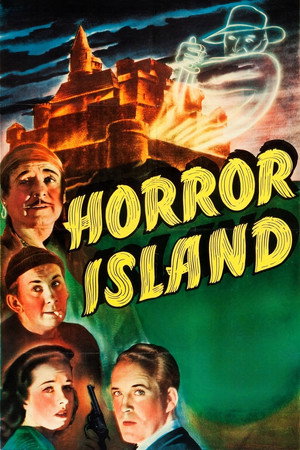
Waggner also directed Horror Island in 1941. The film combines mystery, an isolated setting and apparent supernatural menace around an island attraction. It occupies a lighter area of horror than Man Made Monster and demonstrates the range of material Universal could market under the genre label during the period.
The production used Elwood Bredell as cinematographer and employed several regular Universal technicians. Although it did not create a recurring monster, its commercial performance contributed to the studio’s confidence in Waggner. Together with Man Made Monster, it immediately preceded his most historically important directing assignment.
The Wolf Man
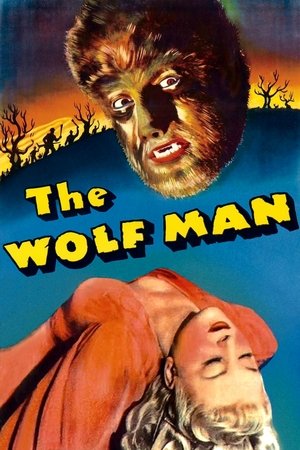
The Wolf Man was released in December 1941 with Waggner serving as both director and producer. Curt Siodmak wrote the screenplay and Lon Chaney Jr. played Larry Talbot, an American returning to his family home in Wales. After being bitten while attempting to rescue a woman from an apparent wolf, Talbot discovers that he has become subject to a werewolf curse.
The production brought together an unusually strong supporting cast for a Universal horror film of its period, including Claude Rains, Evelyn Ankers, Ralph Bellamy, Patric Knowles, Bela Lugosi and Maria Ouspenskaya. Jack Pierce created the Wolf Man makeup, Joseph Valentine photographed the film and Jack Otterson supervised the art direction. AFI confirms Waggner’s combined directing and producing role.
Curt Siodmak and the construction of werewolf mythology
Siodmak’s screenplay created or standardized several ideas that later audiences often assumed were much older elements of werewolf folklore. The famous verse concerning a good man becoming a wolf was written for the film, and the screenplay gave wolfsbane, inherited signs and other details clear dramatic functions. Waggner’s direction presented these elements seriously enough for them to become part of the film’s internal logic.
The relationship between Larry Talbot and his father also gives the film a stronger emotional structure than many later monster sequels. Claude Rains’s Sir John initially responds to Larry’s fears through rational explanation, leaving Maleva as the character who understands the supernatural condition. Waggner keeps Chaney visible for much of the film before the monster makeup takes over, allowing the story to remain centered on Talbot as a person.
Jack Pierce and the visual identity of the Wolf Man
Pierce’s makeup transformed Chaney with applied hair, facial pieces and dental alterations while keeping enough of the actor’s features visible for performance. The process required lengthy daily preparation and removal. Waggner photographed the Wolf Man within foggy woodland and village environments that connected the new character visually with Universal’s established Gothic tradition.
The resulting design became one of the studio’s principal monster images. Waggner’s role was broader than simply recording the makeup because the film had to establish how the creature moved, how much of the transformation would be shown and how the supernatural material would interact with Larry’s human scenes.
The Wolf Man as a new Universal property
The commercial success of the film gave Universal a monster that had been created specifically for its contemporary production cycle. Frankenstein’s Monster, Dracula and the Mummy had all originated in earlier literary works and films. Larry Talbot’s particular biography and the screen rules surrounding him were developed principally through Siodmak’s screenplay and Chaney’s performance under Waggner’s production.
Universal quickly incorporated the character into sequels and crossover films. Waggner did not direct those later appearances, but he remained involved as a producer during the period in which the studio began combining its major monsters.
The Ghost of Frankenstein as producer
Waggner produced The Ghost of Frankenstein, directed by Erle C. Kenton and released in 1942. The film continued the storyline of Son of Frankenstein and marked the first Universal feature in which Boris Karloff no longer played Frankenstein’s Monster. Lon Chaney Jr. inherited the makeup, while Bela Lugosi returned as Ygor.
The casting illustrates the studio’s changing approach to monster continuity. Characters could now survive changes in performers while makeup and narrative history preserved recognition. Waggner’s move from director to producer placed him in a position to supervise that transition without being responsible for the daily direction of the production.
Frankenstein Meets the Wolf Man and the creation of the crossover model
Waggner produced Frankenstein Meets the Wolf Man in 1943, directed by Roy William Neill from another screenplay by Curt Siodmak. The film revived Larry Talbot and eventually brought him into direct conflict with Frankenstein’s Monster, played by Bela Lugosi. AFI identifies it as the first Universal feature built explicitly around combining two of the studio’s established monster properties in one story.
This development became fundamental to the remaining years of Universal’s classic horror cycle. House of Frankenstein and House of Dracula later expanded the idea by including several monsters in the same production. Waggner’s position as producer of the first direct crossover therefore gives him importance beyond his directing credit on The Wolf Man.
Bela Lugosi as Frankenstein’s Monster
Frankenstein Meets the Wolf Man also brought Bela Lugosi to the role he had been associated with during the abandoned early development of the 1931 Frankenstein. The version filmed in 1942 incorporated continuity from The Ghost of Frankenstein, in which Ygor’s brain had been transferred into the Monster’s body and blindness resulted from the operation.
Substantial dialogue and references to the Monster’s blindness were removed during editing. The cuts left parts of Lugosi’s physical performance without their intended narrative explanation. The episode provides an example of how post-production decisions could alter characterization in Universal’s increasingly franchise-driven horror films.
Phantom of the Opera and production work beyond the Wolf Man cycle
Waggner produced Universal’s 1943 version of Phantom of the Opera, directed by Arthur Lubin and starring Claude Rains, Susanna Foster and Nelson Eddy. The film was made in Technicolor and represented a more expensive form of Gothic production than many of the studio’s contemporary monster sequels.
Universal initially considered developing The Climax as a follow-up involving several members of the same production team. Scheduling and casting changes eventually transformed the project substantially, and Waggner assumed the directing duties himself when Lubin became unavailable.
The Climax and Boris Karloff
The Climax was released in 1944 with Boris Karloff as Dr. Friedrich Hohner, a physician obsessed with a singer he murdered years earlier. Susanna Foster plays a young vocalist whose voice reminds him of the dead woman. Waggner served as producer and director and also contributed to the musical material used in the production.
The film occupies a position between Gothic horror, melodrama and musical spectacle. Its elaborate Technicolor interiors received an Academy Award nomination for art direction and interior decoration. Jack Pierce again handled makeup, while Curt Siodmak contributed to the screenplay and adaptation. These repeated collaborators connect The Climax directly with Waggner’s earlier Universal horror work even though the film differs considerably from The Wolf Man.
Waggner as writer, producer and director
The concentration on The Wolf Man can give a misleading picture of Waggner as a director who happened to make one famous horror film. His Universal period shows a broader role. He rewrote material, supervised sequels as producer and returned to direction when production circumstances required it. This combination was typical of experienced studio filmmakers whose responsibilities were determined pragmatically rather than through a modern auteur model.
His credits also demonstrate how closely Universal horror depended on recurring technical personnel. Curt Siodmak, Jack Pierce, John P. Fulton and actors such as Chaney, Lugosi and Atwill moved through several Waggner projects in different combinations. The films were products of an established studio production network rather than isolated directorial ventures.
Career after the principal Universal horror period
Waggner continued directing films after leaving the central Universal horror cycle, including westerns and action pictures. He wrote and directed The Fighting Kentuckian for John Wayne’s production company and later moved extensively into television. Like many studio directors of his generation, television provided a substantial second career as feature production changed during the 1950s.
His later work included episodes across multiple television genres and demonstrates the professional flexibility already visible in his 1930s writing career. Horror remained concentrated primarily in the relatively short Universal period that produced his most durable work.
George Waggner’s place in horror history
Waggner’s importance to horror rests on his position at the beginning of Universal’s 1940s monster cycle. Man Made Monster helped establish Lon Chaney Jr. as a viable horror lead. The Wolf Man gave Chaney the character that defined his career and created a werewolf mythology that influenced later cinema. Waggner then remained involved as Universal developed Frankenstein sequels and the first direct monster crossover.
That production history makes him an important connecting figure between the studio’s original 1930s Gothic cycle and the franchise structure of the following decade. His horror filmography is smaller than those of several specialist directors, but the projects he directed and produced occupy key points in the development of Universal’s monster properties.
Selected Work
Notable Horror Collaborators
Notable collaborators and creative partners throughout George Waggner's horror career.
 Lon Chaney Jr.
Director-Producer / Actor Collaborator
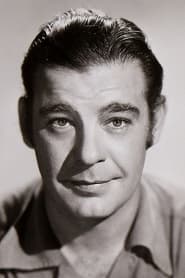
Waggner directed Chaney in Man Made Monster and The Wolf Man and later produced The Ghost of Frankenstein and Frankenstein Meets the Wolf Man. Their collaboration established Chaney as Universal’s principal new horror star and then carried him into the studio’s expanding monster cycle.
 Jack Pierce
Director-Producer / Makeup Artist Collaborator
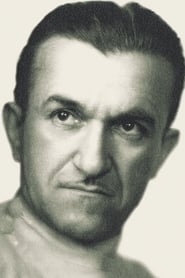
Pierce worked on several horror films directed or produced by Waggner, including Man Made Monster, The Wolf Man, The Ghost of Frankenstein and Frankenstein Meets the Wolf Man, and later handled makeup on The Climax. Their shared work covers much of Waggner’s principal Universal horror period.
CS
Curt Siodmak
Director-Producer / Writer Collaborator
Siodmak wrote The Wolf Man and Frankenstein Meets the Wolf Man and later contributed to The Climax. The collaboration created Larry Talbot’s defining mythology and continued as Waggner moved from directing the original film into producing the first Universal monster crossover.
 Lionel Atwill
Director-Producer / Actor Collaborator
Atwill appeared in Man Made Monster, The Ghost of Frankenstein and Frankenstein Meets the Wolf Man under Waggner’s direction or production supervision. Their recurring work connects the scientific horror of the early revival with Universal’s subsequent Frankenstein cycle.
 Bela Lugosi
Director-Producer / Actor Collaborator
Lugosi appeared in The Wolf Man, The Ghost of Frankenstein and Frankenstein Meets the Wolf Man during Waggner’s principal horror period. Across those films he moved from supporting werewolf mythology to Ygor and finally Frankenstein’s Monster.
JF
John P. Fulton
Director-Producer / Special Effects Collaborator
Fulton contributed special photographic effects to multiple Waggner horror productions, including Man Made Monster and Frankenstein Meets the Wolf Man, with additional effects work associated with The Climax. His technical work supported the electrical and supernatural material central to these films.
George Waggner Horror Movies
Directing (7 credits)
1958
1958
1944
1941
1941
1941
Production (6 credits)
1944
1943
1943
1942
1942
1941
Writing (1 credits)
1941