




2012
Tom Savini
Horror Special Effects · Biography · Horror Filmography · Collaborators · Credits
Horror subgenres & themes
Most represented across this person's horror filmography:
ZOMBIE
• SLASHER
• NECROPHILIA
• TRUE CRIME
Biography
Tom Savini and the Physical Reality of Horror
Tom Savini changed horror cinema by making violence feel as though it had physical weight. Before computer-generated imagery could create almost anything, Savini built wounds, corpses, severed limbs, exploded heads and decaying bodies from latex, mechanical devices, artificial blood and whatever materials could survive long enough in front of a camera. His effects were spectacular, but their power came from an obsession with how bodies actually behave when damaged. Horror became more difficult to dismiss as theatrical suggestion because Savini wanted viewers to believe, for a fraction of a second, that the impossible image in front of them had genuinely happened.
His most important work emerged during a crucial period between the late 1970s and mid-1980s, when American horror was becoming more explicit and filmmakers increasingly relied on practical makeup effects to show what previous generations had hidden. Dawn of the Dead, Friday the 13th, Maniac, The Burning, The Prowler, Creepshow, Friday the 13th: The Final Chapter and Day of the Dead turned Savini into one of the defining craftsmen of that transformation.
Yet describing him only as a makeup-effects artist ignores the unusual breadth of his career. Savini performed stunts, acted in films, directed television, created characters and eventually directed the 1990 remake of Night of the Living Dead. His work repeatedly moved between the person creating the illusion and the performer physically entering it, making him one of the rare horror figures whose face became almost as recognizable as the monsters and injuries he constructed.
Pittsburgh and the Fascination With Transformation
Thomas Vincent Savini was born in Pittsburgh, Pennsylvania, on November 3, 1946. He developed an early fascination with makeup and physical transformation, particularly through the work associated with Lon Chaney and the idea that an actor could change appearance radically through technique rather than simply costume. Savini began experimenting on himself and people around him long before he had access to professional materials or a film set.
The attraction was partly technical and partly theatrical. Makeup allowed an ordinary face to become something else, while photography allowed the transformation to be controlled through angle, lighting and timing. These interests eventually merged with Savini's enthusiasm for acting, stunt work, fencing, gymnastics and other physically demanding forms of performance.
This combination would become fundamental to his effects career. Savini did not think only like a sculptor building an object to be photographed later. He understood the body performing beneath the appliance, the camera recording it and the movement required to sell the illusion. An effect succeeded only when all of those elements worked together.
Vietnam and the Difference Between Real Violence and Movie Violence
Savini served in the United States Army during the Vietnam War as a photographer. His work exposed him to real casualties and the physical consequences of violence under circumstances completely removed from entertainment. He later discussed how those experiences affected his understanding of what injuries actually look like and how different reality could be from the conventions used in movies.
The connection between Vietnam and his later effects work should not be reduced to the idea that Savini simply copied traumatic images. What mattered was observation. He had seen details that films often represented incorrectly, including the position of bodies, the appearance of wounds and the absence of the dramatic physical behavior normally associated with cinematic death.
When he later created gore for horror films, that memory of physical reality became one reference point among many. Savini could exaggerate wildly when a production required spectacle, but even his most theatrical effects often begin with enough anatomical credibility to make the exaggeration disturbing.
The Romero Connection That Almost Began With Night of the Living Dead
Savini's relationship with George A. Romero became the defining collaboration of his effects career. Their connection nearly began with the original Night of the Living Dead in 1968, when Savini was considered for makeup work but was unable to participate because of his military service. The collaboration would therefore have to wait until after Romero had already changed horror cinema without him.
When Savini eventually became part of Romero's filmmaking circle, he entered a Pittsburgh-based independent environment where people frequently performed several jobs on the same production. This suited him perfectly. Makeup, stunt work, acting and technical problem-solving could overlap because small crews had little interest in maintaining rigid professional boundaries when something needed to be accomplished.
The partnership eventually produced some of the most important practical-effects work in zombie cinema. Romero supplied stories in which the human body was constantly threatened, consumed and transformed, while Savini developed increasingly sophisticated ways to place those transformations directly on screen.
Martin and the Beginning of the Romero Collaboration
Martin provided one of Savini's early credited collaborations with Romero. The film follows a young man who believes himself to be a vampire but lacks the traditional supernatural powers associated with the mythology. Instead of fangs and aristocratic castles, Martin uses blades, drugs and physical force, making violence immediate and uncomfortable.
Savini contributed effects and also appeared in the film, establishing the dual role he would repeatedly occupy in later Romero productions. His presence in front of the camera was not simply novelty casting. He had acting experience and physical confidence that made him useful when Romero needed performers capable of handling unusual material or stunt-heavy sequences.
Martin also foreshadowed the kind of horror Savini would soon help make famous. Blood was not an abstract Gothic symbol. It was a substance with texture, volume and physical consequences. The supernatural might remain uncertain, but bodily damage did not.
Dawn of the Dead and the Explosion of Practical Gore
Dawn of the Dead (1978) transformed Savini's career. Romero's sequel to Night of the Living Dead moved the zombie apocalypse into a shopping mall, creating a much larger canvas for makeup effects, mass violence and physical spectacle. Savini handled makeup and cosmetic effects while also performing stunts and appearing as the biker commonly known as Blades.
The production demanded enormous numbers of zombies, each requiring some visible degree of decay or injury. Limited time and money meant not every undead extra could receive elaborate prosthetics, so Savini developed a hierarchy of effects. Background zombies could be established through color and simple wounds, while foreground characters received increasingly detailed appliances and mechanical effects.
This approach allowed the film to suggest an entire population decomposing simultaneously without spending the same amount of time on every face. The audience sees enough highly detailed injuries to believe in the broader environment. Once Savini establishes the physical rules of this world, even simpler background makeup becomes part of the illusion.
Zombie Bites and the Illusion of Flesh
Several of Dawn of the Dead's most effective moments involve zombies biting into human bodies. These sequences became important because they moved beyond showing artificial blood placed on the surface of an actor. Savini created the impression that teeth were entering flesh, removing pieces and exposing damage beneath the skin.
The basic principle is deceptively simple. A prosthetic area replaces the section of body being attacked, while camera placement and editing prevent the viewer from studying the mechanism long enough to identify the substitution. The performer, makeup appliance, artificial blood and attacking actor must all move together at exactly the right moment.
This is why Savini frequently compared effects work with stage magic. The object itself is only part of the trick. The audience must be looking at the correct place at the correct time, and the filmmaker must reveal enough information to convince without leaving the mechanism visible long enough to destroy the illusion.
The Helicopter Zombie and Effects Built Around Timing
One of Dawn of the Dead's most famous zombies wanders into the path of a helicopter rotor and loses the upper portion of his skull. The effect lasts only moments, yet it became one of the signature images of the film because it combines grotesque damage with almost absurd timing.
The sequence demonstrates Savini's understanding that gore can function like a visual punchline. The audience recognizes the danger before the character does, anticipates impact and then receives a graphic payoff more extreme than an ordinary death scene would require.
This combination of horror and dark humor became particularly important in Romero's later work with Savini. Violence could remain revolting while simultaneously becoming so elaborate that viewers responded with laughter, applause or disbelief. The effect did not stop being horrifying simply because it also became entertainment.
Blades and Tom Savini as Performer
Savini's appearance as Blades, one of the bikers who invade the shopping mall during the final act of Dawn of the Dead, created another branch of his career. With a distinctive physical appearance, aggressive movements and the weapons associated with the character, Savini became visually memorable even among a large group of performers.
The role suited his background in stunts and physical performance. Blades enters the film as part of a chaotic assault in which motorcycles, gunfire, zombies and human violence collide. Savini could contribute both as the person creating many of the injuries and as one of the bodies moving through the action.
Decades later, the character remained recognizable enough for Savini to return to variations of the biker persona in later zombie-related appearances. The makeup artist had effectively become part of horror iconography himself.
Friday the 13th and the Birth of Jason Voorhees
Friday the 13th (1980) became another decisive film in Savini's career. Although Jason Voorhees would later become the face of the franchise, the original film centers on Pamela Voorhees and the murders committed in revenge for the death of her son. Savini was responsible for many of the film's practical effects and helped create the physical form of young Jason seen during the final shock.
The film's structure depends heavily upon individualized death scenes. Characters are isolated, attacked and given memorable injuries that distinguish one murder from another. Savini's effects therefore became part of the film's commercial identity rather than simply technical support.
The arrow pushed through Kevin Bacon's character from beneath a bed became one of the film's most famous killings. The effect works because the actor appears physically trapped against the mattress while the prosthetic mechanism, blood and sudden emergence of the arrow create the impression that the weapon has passed directly through the neck.
Jason's Final Appearance and the Power of a Last Image
The ending of Friday the 13th gives Savini one of the most important individual effects in slasher history. After the apparent resolution of the murders, the surviving Alice rests in a canoe on the lake. The decomposed child Jason suddenly emerges from the water and pulls her beneath the surface.
The moment was designed as a final shock rather than the beginning of an elaborate franchise mythology. Yet the visual image of the drowned boy became so powerful that Jason gradually moved from dead child to central monster of the sequels.
Savini therefore contributed directly to a horror icon before the character possessed the hockey mask, adult body or supernatural durability that would later define him. The Jason of 1980 is a brief nightmare image, but that image gave the franchise a figure capable of surviving beyond the original killer.
Maniac and the Violence That Feels Too Close
William Lustig's Maniac (1980) gave Savini an even harsher environment for practical gore. Joe Spinell plays Frank Zito, a serial killer whose attacks are presented with an unpleasant intimacy that separates the film from more playful slasher productions. Savini handled effects and also appears briefly as one of Zito's victims.
The famous shotgun sequence involves a model of Savini's own head being destroyed inside a car. The effect combines a life cast, artificial materials and a real shotgun discharge arranged to produce an explosive moment of physical destruction. Savini himself participated directly in staging the shot.
The sequence became controversial precisely because it looks brutally immediate. There is little supernatural distance between the viewer and the victim. The effect appears to interrupt an ordinary urban environment with a sudden level of bodily destruction that feels closer to documentary violence than Gothic fantasy.
The Burning and the Slasher Effects Boom
By the early 1980s, the commercial success of Friday the 13th had accelerated the slasher boom, and Savini became one of the specialists filmmakers wanted when a production needed deaths capable of distinguishing themselves from competitors. The Burning (1981) offered an ideal showcase through the killer Cropsy, a horribly burned man who attacks young people at a summer camp.
Savini designed the burned appearance and contributed to the film's graphic murder sequences. The raft attack became particularly famous because several characters are assaulted rapidly within one concentrated set piece, forcing practical effects to function in quick succession.
The sequence illustrates an industrial change that Savini himself helped create. Once audiences had seen convincing graphic effects in films such as Dawn of the Dead and Friday the 13th, simply cutting away from violence was no longer always enough. Effects artists became part of the marketing competition between horror films.
The Prowler and Precision Gore
The Prowler (1981) became another important showcase for Savini's technique. The film follows a masked killer whose military appearance connects contemporary murders with violence originating decades earlier. Its reputation within horror rests heavily upon the elaborate practical deaths Savini created.
The effects emphasize penetration, crushing and the interaction between weapons and bodies. Rather than hiding the moment of impact through rapid editing, several killings allow the viewer enough time to see the mechanism of injury apparently occurring in front of the camera.
Savini later expressed particular pride in the effects work on The Prowler. The film demonstrates his increasing control over appliances, mechanical rigs and the choreography required to place effects at the center of a scene without revealing how they operate.
Creepshow and the Comic-Book Corpse
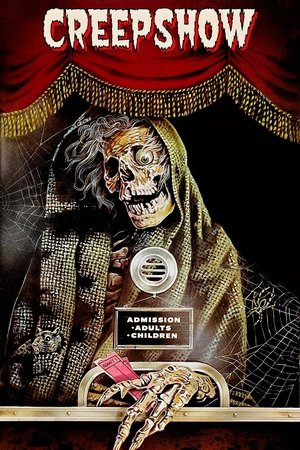
Creepshow (1982) reunited Savini with George A. Romero on a project written by Stephen King and designed as a tribute to EC horror comics. The anthology format allowed Savini to create multiple forms of horror within one film, including corpses, monsters, decay, wounds and increasingly grotesque transformations.
The comic-book inspiration gave him permission to move away from strict realism. Colors could become stronger, injuries more theatrical and corpses more visually designed. Instead of asking every effect to resemble an autopsy photograph, Creepshow allowed practical makeup to reproduce the exaggerated energy of illustrated horror.
The character of Nathan Grantham in "Father's Day" became particularly memorable as a decayed corpse returning from the grave with a demand for cake. Savini's makeup gives the character enough decomposition to appear physically disgusting while retaining an expressive face capable of participating in the film's black comedy.
Fluffy and the Expansion Into Creature Effects
The "Crate" segment of Creepshow required something different from human wounds. Its creature, often called Fluffy, needed to function as an entire monster capable of attacking people physically. Savini's work therefore expanded from altered human anatomy into creature construction.
The design retains enough mammalian features to make the creature readable while exaggerating teeth, hair and facial structure until it belongs to no ordinary species. The monster's effectiveness depends partly upon concealment. The crate creates anticipation long before the audience receives a complete view.
This illustrates how Savini understood that effects work begins before the effect itself appears. Suspense prepares the audience, lighting hides imperfect details and editing determines how much information can be absorbed. The creature is only one component of the scare.
Friday the 13th: The Final Chapter and the Destruction of Jason
Savini returned to the Friday the 13th series for Friday the 13th: The Final Chapter (1984). By this point Jason had transformed into the adult masked killer who would define the franchise, and the film was promoted as his apparent death. Savini's involvement created a deliberate connection with the artist who had helped visualize the character's original appearance.
The film required Savini to construct injuries for both Jason's victims and Jason himself. The climax gives the killer one of the franchise's most memorable physical defeats as a machete enters his head and his body continues moving against the embedded blade.
The effect depends upon combining prosthetic sculpture with carefully controlled movement. Jason's mask can hide some of the mechanism, but the exposed injury still needs to withstand enough screen time for the audience to understand exactly what has happened.
Although the title's promise that the chapter would be final quickly became obsolete, the sequence remains significant because it allowed Savini to participate in both the visual birth and one of the most famous apparent deaths of Jason Voorhees.
Day of the Dead and the Peak of the Romero Effects Collaboration
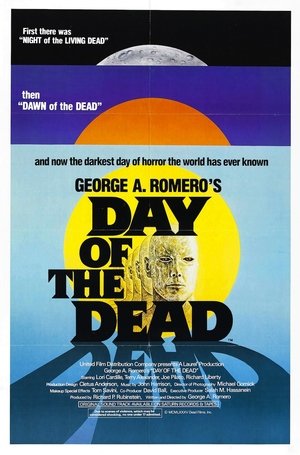
Day of the Dead (1985) became one of Savini's greatest achievements. Romero's third major zombie film places scientists and soldiers inside an underground installation while civilization appears to be disappearing above them. The confined environment allows psychological conflict to build until the final collapse produces an extraordinary concentration of practical gore.
Savini headed a larger and more experienced effects operation than he had possessed during Dawn of the Dead. The work includes decomposing zombies, exposed anatomy, amputations, bites, torn bodies and elaborate death sequences designed to withstand close examination.
Romero himself later described Savini as having fully reached his stride on the film. The effects demonstrate how much the craft had developed in only a few years. Compared with the blue-gray zombie makeup frequently used in Dawn of the Dead, the undead in Day of the Dead display much more individualized decomposition and anatomical detail.
Bub and the Human Face of the Dead
The zombie Bub, played by Sherman Howard, presented a different challenge. The character needed enough decay to belong among the undead while retaining sufficient facial mobility for audiences to recognize intelligence, memory and emotional reaction.
Bub's makeup therefore could not simply bury the actor beneath elaborate prosthetics. Savini's team needed to create decomposition that supported performance rather than replacing it. The result helped make Bub one of Romero's most memorable zombies.
This is an important part of Savini's craft that can be overlooked when discussion concentrates only on gore. Makeup effects are not always about making the most extreme image possible. Sometimes success requires knowing exactly how much of the actor must remain visible.
Rhodes and the Anatomy of Dismemberment
The death of Captain Rhodes became one of the defining gore sequences of Day of the Dead. Zombies seize the character and pull his body apart while he remains conscious, transforming the human torso into a practical-effects centerpiece.
The sequence required more than one appliance because the body changes progressively as the attack continues. Artificial organs, blood systems, prosthetic sections and performer positioning need to align while multiple zombie actors physically interact with the effect.
The horror comes partly from duration. Romero and Savini do not simply show a quick injury and cut away. The body continues separating long enough for the audience to understand the scale of the destruction. The effect becomes an event rather than a single visual trick.
Greg Nicotero and the Next Generation
Day of the Dead was also important because younger effects artists working around Savini were absorbing methods that would shape later horror. Greg Nicotero became one of the most prominent examples, eventually co-founding KNB EFX Group and supervising makeup effects across an enormous range of film and television productions.
Nicotero has repeatedly acknowledged Savini's influence, particularly the impact of seeing his effects during the formative period when practical gore was evolving rapidly. This generational connection extended Savini's influence far beyond the films carrying his own effects credit.
The techniques could be taught, adapted and improved by artists working with new materials and larger crews. Savini therefore became important not only because of the illusions he personally created but because he helped establish a practical language inherited by later effects departments.
The Texas Chainsaw Massacre 2 and Grotesque Exaggeration
Tobe Hooper's The Texas Chainsaw Massacre 2 (1986) gave Savini material deliberately different from the grim restraint of the 1974 original. The sequel embraces black comedy, grotesque family spectacle and explicit gore, creating an ideal environment for more elaborate makeup effects.
Leatherface and the Sawyer family no longer exist primarily through suggestion. Faces, wounds and mutilation become visible parts of the production design. Savini's work helps turn the family into a gallery of damaged bodies whose physical appearance reflects the film's manic tone.
The collaboration with Hooper demonstrates Savini's ability to adjust realism according to the needs of the director. The objective was not always to reproduce forensic truth. Sometimes horror demanded grotesque caricature, and the effects needed to participate in the same exaggerated world as the performances.
Monkey Shines and Effects Beyond Splatter
Savini worked again with Romero on Monkey Shines (1988), a film whose horror depends upon an unusually intelligent capuchin monkey connected psychologically with a quadriplegic man. The production required practical solutions different from the large-scale gore associated with their zombie collaborations.
Savini created an animatronic double capable of performing actions that could not safely or predictably be obtained from the real animal. The challenge demonstrates the broader range of special makeup and creature effects. A successful artificial animal does not need to attract attention to its construction. It needs to disappear into scenes containing the real performer.
The work reinforced Savini's understanding that practical effects are fundamentally about substitution. Whether replacing a human head before a shotgun blast or replacing a living animal for a specific shot, the objective is to convince the audience that the substitution never occurred.
Tales from the Darkside and the Move Into Directing
Savini's ambitions increasingly moved beyond effects. He directed three episodes of Tales from the Darkside, the anthology series created by Romero, gaining experience with story construction rather than simply individual effects sequences. The format was particularly suitable because each episode required a complete genre narrative within a compact running time.
Directing allowed Savini to use skills he had already developed from effects work. An effects artist needs to understand lenses, framing, editing and performance because these elements determine whether an illusion succeeds. Moving into the director's chair expanded responsibility for the entire scene rather than introducing completely unfamiliar concerns.
Romero saw Savini's television directing and eventually entrusted him with a project carrying enormous significance for both men's careers: a new version of Night of the Living Dead.
Night of the Living Dead and the Circle Back to 1968
Night of the Living Dead (1990) created an extraordinary circle in Savini's career. He had nearly worked on Romero's original before Vietnam intervened, then became one of the principal architects of the effects in Romero's later zombie films. More than twenty years after the original, Romero asked Savini to direct its remake.
Savini initially expected that the project might require him to create another group of zombies. Instead he was given responsibility for the entire film. He prepared hundreds of storyboards and planned a substantially more elaborate visual approach than the final production schedule allowed him to execute.
The experience became difficult. Savini later described conflicts over time, production decisions and post-production, while personal problems occurring during filming made the process even more stressful. He has repeatedly said that only part of what he originally intended survived into the finished film.
Barbara Becomes a Survivor
One of the remake's most important changes concerns Barbara. In Romero's 1968 film she becomes increasingly traumatized and passive before eventually being overwhelmed. Savini wanted the new Barbara to become much more active, influenced by the changing representation of women in genre films and by characters such as Ripley in Alien.
Patricia Tallman's Barbara gradually moves from shock toward competence. She learns how the zombies behave, becomes increasingly capable with weapons and eventually emerges as one of the clearest observers of the human conflict destroying the survivors inside the farmhouse.
Romero rewrote the character to support this approach, giving the remake a reason to exist beyond updated makeup and color photography. Savini's most important contribution as director was therefore not a gore effect but a change in perspective.
Tony Todd as Ben
Tony Todd's performance as Ben became another defining element of the remake. Savini later recalled being immediately impressed during Todd's audition, recognizing a performer capable of carrying authority, fear and emotional intensity simultaneously.
Ben remains the practical center of the farmhouse, attempting to organize survival while conflicts with Harry Cooper become increasingly destructive. Todd gives the character physical strength without making him invulnerable, preserving the desperation fundamental to Romero's original concept.
The casting became historically significant because Todd would soon develop into one of horror's major actors through Candyman. Savini's remake therefore connected the Romero tradition not only with a new version of zombie cinema but with one of the next decade's most recognizable genre performers.
Restrained Gore in a Tom Savini Film
Audiences familiar with Savini's effects reputation might have expected the 1990 Night of the Living Dead to become an enormous splatter showcase. Instead, the finished film is comparatively restrained. Several violent ideas were reduced or removed during production and post-production, including material affected by concerns surrounding ratings.
This produced an unusual result. The director most strongly associated with graphic practical gore made a zombie film whose atmosphere, performances and social tension often matter more than explicit bodily destruction.
The experience also reveals the limits of auteur control. Savini could design effects and storyboard sequences, but directing a feature placed him inside financial and corporate structures capable of overruling individual creative decisions. The person who had previously controlled the illusion suddenly needed to negotiate the entire machine surrounding it.
Two Evil Eyes and Returning to Romero's Effects World
Savini contributed makeup and special effects to Two Evil Eyes (1990), the anthology pairing George A. Romero and Dario Argento through adaptations inspired by Edgar Allan Poe. The production connected Savini with another major tradition of graphic horror while allowing him to return to effects work around the same period as his directorial experience.
Romero's segment and Argento's segment required different tones, but both benefited from practical violence and macabre physical imagery. Savini's involvement therefore places him at an unusual intersection between American independent horror and the Italian tradition represented by Argento.
The film also demonstrates how difficult it is to reduce Savini's career to one professional category. During the same broad period he could direct a feature, create effects, perform stunts and continue appearing on screen.
From Dusk Till Dawn and the Reinvention of Savini as Cult Actor
Robert Rodriguez's From Dusk Till Dawn (1996) gave Savini one of his most famous acting roles as Sex Machine, a biker equipped with a whip and an elaborate concealed firearm. The character immediately uses Savini's existing horror persona. Audiences familiar with his career recognize that the man entering the vampire battle already carries decades of genre history with him.
The role also allows Savini to display the physical skills that had existed alongside his effects career from the beginning. Whips, weapons and stunt-oriented movement fit naturally into the character, while the film's mixture of crime, vampires, gore and black comedy resembles the kind of tonal collision in which Savini had always worked comfortably.
Sex Machine eventually becomes a monster himself, giving Savini the opportunity to move from horror craftsman to horror creature within the same film. The transformation feels appropriate for an artist whose career had always involved crossing the boundary between person and effect.
Robert Rodriguez and Later Screen Appearances
Savini's relationship with Robert Rodriguez continued beyond From Dusk Till Dawn. He appeared in projects including Planet Terror and Machete, often cast in roles that exploit his instantly recognizable appearance and connection with exploitation cinema.
These performances helped introduce Savini to audiences who may never have studied the credits of Dawn of the Dead or Day of the Dead. By this stage his visual identity had become part of genre culture independently from his effects work.
The transition is unusual because most makeup-effects artists remain invisible to general audiences. Savini became recognizable enough that filmmakers could cast him specifically because seeing Tom Savini on screen carried meaning.
Dawn of the Dead Revisited
Zack Snyder's 2004 remake of Dawn of the Dead included Savini in a cameo as a television personality discussing the zombie outbreak. The appearance functions as more than ordinary stunt casting because Savini had been so important to the physical identity of Romero's original film.
Placing him inside the remake acknowledges the practical-effects tradition from which the new production emerged even though the filmmaking style, zombie behavior and technical environment had changed considerably. Savini becomes a living connection between two generations of the same title.
His continued presence around zombie cinema also demonstrates how completely the genre had become part of his public identity. Even when he was no longer responsible for constructing the undead army, filmmakers could use his face to invoke its history.
The School and Passing Practical Knowledge Forward
Savini eventually attached his name and experience to a special makeup effects training program in Pennsylvania. The curriculum encompasses sculpture, prosthetics, creature design, life casting, molding, animatronics, painting, character makeup and other disciplines required to transform an idea into a physical object capable of surviving production.
The educational work is important because practical effects are fundamentally craft traditions. Knowledge about molding, materials, anatomy and mechanical construction cannot be preserved solely through watching finished movies. Students need to understand why an appliance tears, how lighting alters paint, how an actor must move beneath prosthetics and how an effect can be repeated across several takes.
Through education, Savini's influence extends beyond assistants who happened to work directly on his film sets. The techniques associated with his generation can continue evolving even as digital tools increasingly become part of the same effects pipeline.
Practical Effects and Digital Effects
Savini's career is often used symbolically in arguments that place practical effects against CGI, but his own position has generally been more pragmatic. Digital effects and physical effects solve different problems, and the strongest image can combine both. The objective remains convincing the audience rather than proving loyalty to one technology.
Practical effects have specific advantages because they occupy real space. Actors can touch them, lighting falls naturally across their surfaces and camera operators can see what the effect is doing during the take. Digital methods provide another range of possibilities, particularly for removing mechanisms, extending movement or creating images impossible to perform safely.
The principle Savini learned from physical effects remains relevant to either method. Technique should disappear behind the illusion. The audience may admire the craft afterward, but during the scene the first responsibility is to make the impossible event feel temporarily real.
The Effects Artist as Magician
Savini has repeatedly compared special effects to magic because both depend upon misdirection. A convincing illusion does not require every component to withstand unlimited inspection. It requires the audience to receive exactly the information necessary to construct the impossible event in their own mind.
A prosthetic head can look completely artificial from the wrong side and still create a devastating effect when photographed from the correct angle. A retracting blade does not need to resemble a real weapon when examined between takes. It needs to behave convincingly during the fraction of a second the camera records its impact.
This understanding explains why Savini frequently wanted influence over how his effects were photographed. Creating the appliance was only half the work. Lens choice, angle, duration, editing and performance completed the trick.
Realism, Exaggeration and the Savini Style
Savini's reputation for realism can be misleading if interpreted too literally. Some of his most famous effects are intentionally exaggerated. Zombies lose enormous quantities of blood, bodies separate in spectacular ways and wounds are designed to communicate instantly even when medical reality might be more complicated.
The more accurate description is that Savini understands enough about real anatomy to decide what should be exaggerated. The audience needs recognizable physical logic before the filmmaker can violate it effectively. A wound becomes disturbing because viewers understand where flesh, bone and blood are supposed to be.
This relationship between credibility and spectacle is the foundation of his style. Savini rarely asks the audience to admire a clean, invisible effect. He wants the effect to become an unforgettable event while still containing enough physical truth to make the image uncomfortable.
Actors Inside the Effect
Because Savini is also an actor and stunt performer, his effects often reveal unusual attention to the person inside the illusion. A prosthetic can look magnificent on a workbench and fail completely once an actor needs to speak, breathe, fall or interact with another performer.
The effects in his strongest films are therefore choreographed around human movement. Zombies need to bite appliances at exactly the right location. Victims must position their bodies so that hidden mechanisms remain invisible. Blood needs to activate when the actor's movement creates the strongest apparent impact.
This is another reason Savini's career is difficult to separate into neat professional categories. His knowledge of acting improves his makeup effects, his stunt experience improves his understanding of violence and his effects experience shapes the way he directs scenes.
George A. Romero and the Defining Partnership
No collaborator is more important to Savini's horror career than George A. Romero. Martin, Dawn of the Dead, Knightriders, Creepshow, Day of the Dead, Monkey Shines and other shared projects gave Savini opportunities to work as effects artist, actor and stunt performer across very different kinds of material.
Romero's horror also offered ideal conditions for Savini's development because bodies matter enormously in his stories. Zombies eat people, families decay physically and psychologically, monsters emerge from comic-book nightmares and ordinary human violence can become as grotesque as anything supernatural.
The partnership eventually culminated symbolically when Romero trusted Savini to direct Night of the Living Dead. The effects artist who had missed the original film because of military service returned decades later as the director responsible for reinterpreting it.
Friday the 13th and the Slasher Legacy
Savini's relationship with Friday the 13th is almost as important to his popular identity as his Romero work. The original film helped establish the expectation that a slasher's murders could become individual practical-effects showcases, while The Final Chapter allowed him to participate in the mature version of the Jason mythology.
His contribution demonstrates how effects artists helped shape the genre rather than merely servicing scripts. A written description such as "the victim is killed" contains almost none of the information that makes a famous slasher death memorable. The effects artist must determine how the weapon enters, where the camera can be placed, what can be built and how long the audience can see the injury.
In that sense Savini became one of the authors of the slasher's physical language. The killers may receive narrative credit, but their reputations depend heavily upon the craftsmen who made their violence visually distinctive.
Day of the Dead and the Culmination of an Era
By the time of Day of the Dead, Savini had spent years refining methods across zombie films and slashers. The film arrived near the end of a remarkable period in which practical gore had become one of horror cinema's major attractions, and it gave him an opportunity to demonstrate almost the full range of that development.
The zombies are more detailed, the death effects more mechanically sophisticated and the interaction between performers and prosthetics more controlled than in many earlier productions. Yet the effects retain the handmade quality that allows viewers to imagine how they might have been constructed.
This combination of craftsmanship and visible invention became central to Savini's lasting appeal. Fans do not merely remember that Rhodes dies. They remember how the body was built, how it separated and how astonishing it was that the filmmakers managed to perform the illusion physically.
Tom Savini's Place in Horror Culture
Savini became one of the rare behind-the-scenes artists whose name could become a marketing element. Horror magazines, conventions, documentaries and home-video supplements taught audiences to recognize the people constructing the monsters, and Savini's personality made him especially suited to that culture.
He could explain effects enthusiastically, demonstrate techniques, perform characters and discuss the practical problems behind famous scenes. This made the craft accessible to viewers who might otherwise have understood movie makeup only as mysterious studio work.
His books and instructional work further strengthened that connection. Effects could be broken down into materials, molds, appliances and camera tricks, encouraging young fans to believe they might create monsters themselves rather than merely consume them.
The Influence on Modern Effects Artists
The generation that followed Savini inherited a horror industry transformed by the practical-effects boom of the 1980s. Artists such as Greg Nicotero developed careers that combined sophisticated prosthetics with larger teams, newer materials and increasingly complex integration with digital tools.
Savini's influence appears not only in particular techniques but in an attitude toward the effect as performance. A successful gore gag needs narrative timing, actor participation and an understanding of what the audience expects to see. The technical mechanism exists to create an emotional reaction rather than simply demonstrate craftsmanship.
Modern horror may possess tools unavailable during Savini's peak effects period, but the underlying challenge remains identical. An impossible image must convince long enough to produce fear, disgust, surprise or exhilaration.
Tom Savini's Horror Legacy
Tom Savini belongs among the people who fundamentally changed what horror cinema was allowed to show. His work arrived when filmmakers were moving away from suggestion toward direct physical spectacle, and he became one of the artists capable of making that transition convincing. The wounds, zombies and dismemberments associated with his career helped establish practical gore as a creative discipline rather than a collection of crude tricks.
His collaborations with George A. Romero alone would provide an extraordinary legacy. Dawn of the Dead helped define the physical appearance of large-scale zombie horror, while Day of the Dead demonstrated how sophisticated the craft could become within less than a decade. Creepshow allowed him to move between corpses, monsters and comic-book exaggeration, and the 1990 Night of the Living Dead placed him behind the camera as director of a film whose history reached back to the beginning of his relationship with Romero.
His slasher work expanded that influence further. Friday the 13th, Maniac, The Burning, The Prowler and Friday the 13th: The Final Chapter helped establish the expectation that murder scenes themselves could become technical set pieces. The makeup artist became part engineer, part sculptor, part anatomist, part magician and part filmmaker.
Savini also ensured that the artist behind the effects would not remain invisible. His appearances in Dawn of the Dead, From Dusk Till Dawn, Planet Terror and numerous other genre productions transformed him into a recognizable screen personality, while his educational work gave later artists access to the craft that had defined his career. He moved continuously between creating horror, performing within it and teaching others how its illusions are constructed.
The lasting importance of his work is therefore larger than any individual exploding head or severed limb. Savini helped establish a way of thinking about horror effects in which physical credibility, theatrical exaggeration and cinematic misdirection operate together. His greatest illusions work because the audience understands that what it is seeing cannot be real while some instinctive part of the mind reacts as though it might be. That brief conflict between knowledge and perception is the space in which Tom Savini built much of his horror career.
Known Among Horror Fans For
Notable Horror Collaborators
Notable collaborators and creative partners throughout Tom Savini's horror career.
 George A. Romero
Defining Director Collaborator
Romero was the defining filmmaker of Savini's horror career. Their collaborations included Martin, Dawn of the Dead, Creepshow, Day of the Dead and Monkey Shines, while Romero later wrote the 1990 Night of the Living Dead remake directed by Savini.
MG
Michael Gornick
Cinematography and Directing Collaborator
Gornick photographed several major Savini horror projects including Martin, Dawn of the Dead, Creepshow and Day of the Dead, then directed Savini as the Creep in Creepshow 2.
RR
Richard P. Rubinstein
Producing Collaborator
Rubinstein was a central producer behind Savini's Romero-era horror work, producing Martin, Dawn of the Dead, Creepshow and Day of the Dead and later serving as executive producer on Creepshow 2.
 Taso N. Stavrakis
Effects and Stunt Collaborator
Stavrakis was one of Savini's recurring practical collaborators, working with him across Dawn of the Dead, Friday the 13th and Day of the Dead through acting, stunts and special makeup effects work.
JH
John Harrison
Creative Collaborator
Harrison shared several key Pittsburgh horror productions with Savini, including Dawn of the Dead, Effects, Creepshow and Day of the Dead, working across acting, producing, assistant direction and music.
 Pasquale Buba
Editing and Producing Collaborator
Buba worked alongside Savini on multiple horror productions including Effects, Creepshow, Day of the Dead and Two Evil Eyes, contributing principally as editor and producer within the Pittsburgh filmmaking circle.
Tom Savini Horror Movies
Special FX / Practical FX (32 credits)
2012
2002
1999
1997
1995
1995
1993
1993
1991
1990
1989
1988
1987
1986
1985
1984
1982
1982
1982
1982
1981
1981
1981
1981
1980
1980
1980
1978
1977
1974
1974
Acting (72 credits)
2026
2025
2025
2023
2023
2022
2022
2021
2020
2020
2020
2020
2019
2018
2018
2015
2015
2014
2014
2013
2013
2013
2012
2012
2012
2011
2010
2008
2008
2008
2007
2007
2007
2007
2006
2006
2005
2005
2004
2004
2004
2004
2003
2003
2002
2001
2001
2000
2000
1999
1997
1997
1997
1996
1995
1995
1992
1990
1990
1989
1989
1987
1985
1985
1985
1984
1982
1980
1980
1980
1978
1977
Directing (6 credits)
2019
2011
2009
1995
1990
1984
Stunts (5 credits)
2001
1990
1980
1980
1978
Production (2 credits)
2023
2015