

2020
Richard P. Rubinstein
Horror Producer · Biography · Horror Filmography · Collaborators · Credits
Horror subgenres & themes
Most represented across this person's horror filmography:
ZOMBIE
• HORROR ANTHOLOGY
• SPLATTER
• ANIMAL
Biography
Richard P. Rubinstein and the business infrastructure of American horror
Richard P. Rubinstein became one of the most important American horror producers of the late twentieth century by building production structures around filmmakers and writers whose work did not always fit comfortably inside conventional studio development. His career is closely associated with George A. Romero, Stephen King, Dawn of the Dead, Creepshow, Day of the Dead, Pet Sematary, Tales from the Darkside, Monsters and several major television adaptations of King. His contribution to horror was not based on directing or screenwriting but on financing, rights management, company building, television syndication and the long-term development of properties that could move between independent film, network television and major studio distribution.
Rubinstein’s career is especially significant because he combined formal business education with an interest in independent production. He repeatedly tried to create corporate structures capable of protecting development and increasing the producer’s participation in projects rather than surrendering control at the earliest financing stage. Laurel Entertainment, which he built with Romero, became the central institution of his early career. Its evolution from a relatively small production operation into a publicly traded company demonstrates how Rubinstein attempted to reconcile filmmaker autonomy with the financial requirements of commercial film and television.
Brooklyn, business education and an unusual route into producing
Richard P. Rubinstein was born in Brooklyn, New York, on June 15, 1947. His path into film differed substantially from that of many producers who began through acting, writing or studio creative departments. He completed a Bachelor of Science degree at American University in Washington, D.C., and later earned an MBA from Columbia University in New York. The combination gave him a formal grounding in business before he became established in entertainment production.
This education became directly relevant to the kind of producer he would become. Rubinstein was not simply responsible for supervising individual shoots. He became concerned with capitalization, ownership, distribution relationships and the economic structure surrounding development. His later decision to take Laurel Entertainment public was consistent with a career in which the company itself was treated as a tool for protecting projects rather than merely as a temporary production label.
Commercial production and learning the mechanics of television
Rubinstein began professionally as a production assistant working in television commercials. Commercial production exposed him to an environment where schedules, client requirements and budgets were tightly controlled. His first associate-producer credit came on a television special featuring actor Nicol Williamson and produced by veteran producer and writer Dore Schary.
During the early 1970s Rubinstein also worked on documentary-style television, including The Winners, a series of profiles devoted to American athletes. These projects were far removed from horror, but they established practical experience in financing, production organization and television delivery before he began the partnerships that would define his genre career.
Meeting George A. Romero and forming a production partnership
Rubinstein’s professional relationship with George A. Romero became the foundation of his place in horror history. Romero had already made Night of the Living Dead and several subsequent independent films but remained based in Pittsburgh rather than within the conventional Hollywood production system. Rubinstein brought a complementary skill set centered on financing, business organization and the development of a sustainable production company.
The partnership eventually operated through the Laurel name and created a division of responsibilities that allowed Romero to concentrate heavily on writing and directing while Rubinstein dealt with the economic structure surrounding the work. The relationship was not without disagreement. Producer and director could differ over format, financing and commercial strategy, but the tension was part of a partnership attempting to preserve independent filmmaking while operating inside a market that still required substantial investment and distribution.
Laurel as more than a production label
Laurel developed into a company rather than simply a banner attached to individual Romero films. In addition to producing features, the organization acquired literary rights, developed material, worked in television and participated in distribution arrangements. This broader activity was important to Rubinstein because it reduced dependence on one filmmaker or one production cycle.
The model also gave the company assets beyond completed films. Rights to stories, relationships with writers and development material could remain valuable even when a project required years before reaching production. This method became particularly important once Laurel developed a sustained relationship with Stephen King.
Martin and the economics of independent horror
Martin was one of the early films through which the Rubinstein-Romero partnership became established. The production was privately financed in Pennsylvania and made for well under the budgets associated with major studio features. Rubinstein served as producer while Romero wrote, directed and edited.
The film demonstrates the basic problem Laurel was attempting to solve. Romero could make highly individual horror outside Hollywood, but each production still required investors, legal organization, distribution strategy and a system capable of converting a finished independent film into something economically sustainable. Rubinstein’s work increasingly concentrated on building that system around Romero rather than treating every film as an isolated financing exercise.
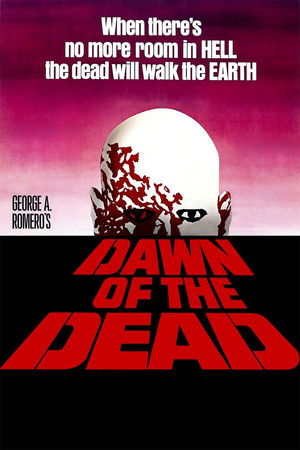
Financing Dawn of the Dead
Dawn of the Dead represented a major increase in scale. Romero’s continuation of his zombie concept required considerably more money than his earlier productions, and the financing developed through both American and European sources. Dario Argento became an important international participant, while Rubinstein assembled a substantial portion of the American financing needed to complete the budget.
Romero later recalled that Rubinstein found approximately seven hundred thousand dollars from United States sources, helping match the money entering through the European side of the production. This is a particularly clear example of Rubinstein’s importance. The creative idea, screenplay and direction belonged to Romero, but the film could not exist at the intended scale without a producer capable of assembling financing from different sources while protecting enough independence for Romero to make the version he wanted.
Independent production without complete isolation from commerce
Rubinstein and Romero did not define independence as the absence of distributors, investors or commercial calculation. Their films needed all three. The distinction lay in attempting to negotiate those relationships without transferring complete control before production had begun.
This balance became a recurring Rubinstein concern. He sought financing structures that allowed projects to retain distinctive creative identities while still satisfying companies responsible for distributing and monetizing them. The approach was particularly well suited to horror, where strong concepts and clearly defined audiences could make independently generated material attractive to larger distributors after production or late in development.
Taking Laurel Entertainment public
In 1979 Rubinstein took Laurel Entertainment public. The decision was unusually ambitious for a company associated with independent genre production. Rubinstein’s stated objective was to raise enough capital for Laurel to finance development internally, allowing the company to retain a greater degree of creative control and financial participation in the projects it originated.
The distinction between financing development and financing an entire production was important. A company able to pay for rights, writers and early development could approach distributors or larger investors with a more mature project and negotiate from a stronger position. Rubinstein was therefore attempting to institutionalize the independence that Romero’s earlier films had achieved through more improvised arrangements.
Producer and filmmaker as different professional roles
The Rubinstein-Romero partnership illustrates the difference between creative authorship and producing. Romero remained the writer-director responsible for the films’ themes, performances and visual construction. Rubinstein’s role involved making sure a viable financial and corporate structure existed around those decisions.
The producer’s work could also require limits. Money available for one version of a film might depend on rating, distribution expectations or contractual conditions. Rubinstein therefore occupied the position between a filmmaker seeking maximum freedom and financial partners attempting to reduce risk. Much of his importance lies in the fact that the negotiation itself became part of the history of several important horror films.
Creepshow and the beginning of the Stephen King relationship
Laurel’s collaboration with Stephen King became one of the other defining relationships of Rubinstein’s career. Creepshow brought together King and Romero within an anthology inspired by the horror comics both admired. Rubinstein produced the film and helped manage a production whose structure created unusual casting and commercial problems because individual stories had comparatively little time to establish characters.
Rubinstein explained during production that recognizable actors could establish personality quickly inside short anthology segments while also improving the film’s later television value. The reasoning provides a useful example of his producer perspective. Casting was simultaneously a creative tool and an element in the longer commercial life of the project.
Stephen King as a long-term development relationship
The relationship with King extended far beyond one successful feature. Laurel developed multiple King properties across film and television, sometimes carrying projects for many years before an appropriate production structure emerged. Rubinstein became one of the producers most consistently associated with King adaptations during the 1980s and 1990s.
This continuity required more than purchasing individual stories. King’s involvement could vary from source author to active screenwriter and executive producer. Rubinstein had to work within a relationship in which the author possessed substantial commercial leverage and strong opinions about adaptation, while television networks and film distributors imposed their own requirements.
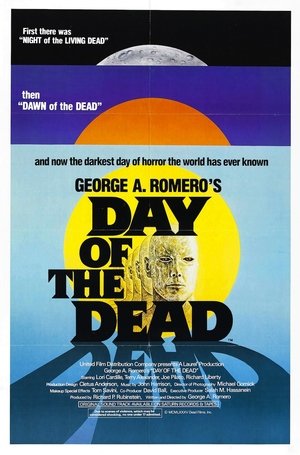
Day of the Dead and the limits of independent scale
Day of the Dead illustrates the difficulty of preserving creative freedom as budgets increased. Laurel had negotiated a broader relationship with United Film Distribution that included financing for another Romero zombie film and provisions protecting significant creative rights. Romero initially conceived the project on a considerably larger scale than the version eventually produced.
Financing became tied to questions of budget and rating. Romero was unwilling to design the film around a restrictive rating requirement that he believed would undermine the material, while available unrestricted financing was lower. The project was therefore rewritten at a substantially smaller scale. Rubinstein’s position as producer placed him directly inside the negotiation between Romero’s desired film and the money that could actually be raised without surrendering the approach the director considered essential.
Protecting a filmmaker sometimes meant reducing the production
The history of Day of the Dead demonstrates an important aspect of Rubinstein’s producing method. Creative protection does not always mean finding unlimited money. Sometimes it means accepting a smaller film in order to preserve the director’s right to make it without conditions that would alter its basic character.
The finished production therefore emerged from compromise without becoming a conventional studio-controlled project. That distinction was central to the Laurel model. Rubinstein could not eliminate economic limits, but he could help determine which limits were preferable to surrendering more fundamental control.
Romero’s departure from active Laurel management
By the middle of the 1980s Romero moved away from active responsibility within Laurel in order to concentrate more fully on his creative work. The development reflected a structural tension that had existed from the moment the company expanded. Running a publicly traded entertainment business demanded responsibilities very different from writing and directing films.
Rubinstein remained the executive figure responsible for the company and continued working with Romero after their corporate roles changed. Their professional relationship therefore did not end simply because Romero stepped away from company management. Projects including Creepshow 2 continued to connect their work.
Building a development organization after Romero
As Laurel changed, Rubinstein needed executives capable of replacing functions Romero and other departing personnel had performed within development and production. Mitchell Galin became particularly important. Galin joined Laurel during the mid-1980s and eventually assumed substantial responsibility across development and production.
The relationship became one of Rubinstein’s longest professional partnerships. Galin worked on horror projects ranging from Creepshow 2 and Pet Sematary through Tales from the Darkside, Monsters, The Stand, The Langoliers, Thinner and The Night Flier. Their collaboration demonstrates how Laurel evolved from a company built around Rubinstein and Romero into a broader production organization.
Tales from the Darkside and horror designed for syndication
Tales from the Darkside became one of Rubinstein’s most important television achievements. The anthology extended a production logic already demonstrated by Creepshow: horror could be organized around independent stories, changing casts and different writers or directors while retaining a recognizable overall identity.
The crucial industrial difference was syndication. Instead of depending on a major broadcast network to establish the program as part of a conventional schedule, the series could be distributed directly to local stations. This gave Laurel a route into television that fit a relatively inexpensive anthology format and allowed the company to produce horror continuously across several seasons.
Low budgets as a production system
The limited budgets of Tales from the Darkside required episodes to be built around manageable casts, contained locations and concepts that could be communicated efficiently. For Rubinstein, this was not simply a creative restriction. It was the economic foundation that allowed the anthology to remain viable in syndication.
The format also created opportunities for writers, directors and technicians who could assume substantial responsibility within individual episodes. The series became a training environment for filmmakers including John Harrison, whose relationship with Rubinstein expanded from work in the Romero production circle into writing, directing and eventually feature direction.
John Harrison and developing talent inside the Laurel system
John Harrison had worked with Romero on Creepshow and Day of the Dead as assistant director and composer before becoming heavily involved in Tales from the Darkside. He wrote, directed and scored episodes of the anthology, using the small productions to expand his professional range.
Rubinstein later selected Harrison to direct Tales from the Darkside: The Movie, giving him his first feature directing assignment. Harrison has recalled that Rubinstein raised the film independently and sold it to Paramount after completion, allowing production to proceed without conventional studio interference. The episode is an especially clear example of Rubinstein’s preference for increasing negotiating leverage by controlling a project before presenting it to a major distributor.
Monsters and the continuation of syndicated horror
After Tales from the Darkside, Rubinstein and Mitchell Galin developed Monsters, another syndicated anthology. The new series required a creature in each story and therefore pushed practical makeup and effects more strongly into the recurring production formula.
The existence of a second multi-season anthology demonstrated that Laurel’s television strategy was not dependent on one title. Rubinstein had helped build an operational model capable of generating large numbers of self-contained horror stories for television at controlled cost, an important contribution to genre production during a period when network horror series often struggled for long-term stability.
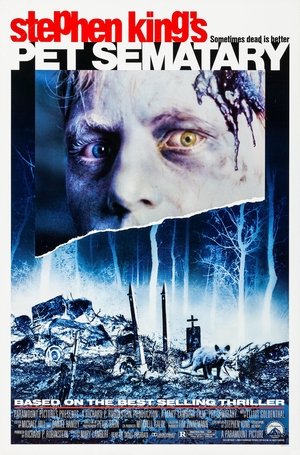
Pet Sematary and the maturation of the Stephen King relationship
Pet Sematary represented another stage in Rubinstein’s relationship with Stephen King. King supplied the screenplay from his own novel, while Rubinstein produced and Mitchell Galin co-produced. Mary Lambert directed. The project demonstrates Rubinstein’s willingness to place a major literary horror property with a filmmaker who had not yet accumulated a long feature-film résumé.
The production also reinforced a pattern that continued through later King projects. Rubinstein could provide continuity at the producer level while directors changed according to the material. His relationship was increasingly with the author and the property rather than with one permanent filmmaking team.
From feature production to long-form Stephen King television
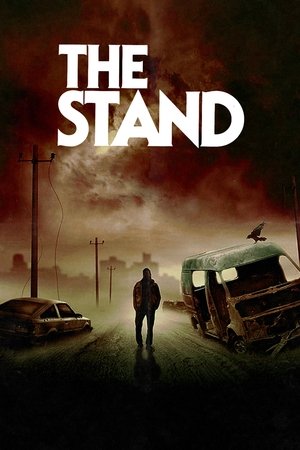
Some King novels were too large to fit comfortably within conventional theatrical running times. Television miniseries offered Rubinstein another development route. The Stand became the most significant example, reaching ABC in 1994 after years of attempts to develop the novel in other forms.
The long-form structure allowed a large ensemble and apocalyptic narrative to occupy several nights of television. Stephen King wrote the teleplay, Mick Garris directed and Rubinstein served as executive producer with Mitchell Galin producing. The arrangement reflects Rubinstein’s ability to connect author, director, network and production company around material that had proved difficult to reduce to a conventional feature.
The Stand and the value of long development
The Stand is important to Rubinstein’s career because it demonstrates that development can remain valuable even when a project does not reach production quickly. Laurel had been associated with attempts to adapt the novel for years before the television version finally became practical.
A producer therefore needed to maintain rights, relationships and confidence through changing market conditions. The eventual miniseries became one of the major horror television events of the 1990s and strengthened Rubinstein’s position as a producer capable of handling King material on a scale beyond theatrical features.
The Langoliers, Thinner and The Night Flier
Rubinstein continued producing King adaptations through the middle and late 1990s. The Langoliers used the television miniseries format, while Thinner and The Night Flier returned to theatrical or feature-length horror. Mitchell Galin remained an important partner across these projects.
The continuity demonstrates Rubinstein’s preference for relationships that could generate multiple productions rather than one-off acquisitions. King material moved among networks, studios and independent production structures while Rubinstein remained one of the recurring figures responsible for turning rights into completed screen projects.
Laurel, Aaron Spelling and corporate expansion
In 1988 Rubinstein and Aaron Spelling agreed to combine Laurel and Spelling’s television interests within a new publicly traded Spelling Entertainment Group. Rubinstein continued running Laurel, which functioned as the New York-based East Coast development and production operation inside the larger organization.
The merger represented a substantial change from the smaller company created around independent production. Laurel now existed within a much larger corporate structure with access to broader distribution and financing resources. Rubinstein nevertheless retained responsibility for the division and continued developing the kinds of film and television projects with which Laurel had become associated.
Blockbuster, Viacom and the decision to become independent again
Further corporate consolidation followed. Spelling and its subsidiaries became associated with Blockbuster Entertainment, and Viacom subsequently acquired Blockbuster. Laurel therefore moved progressively farther from the relatively compact company Rubinstein had built during the 1970s.
In 1995 Rubinstein left and founded New Amsterdam Entertainment. His stated desire was to return to the environment of a smaller company. The decision reveals a recurring preference throughout his career: growth was useful when it increased development power, but a production organization could become less attractive when layers of corporate ownership reduced the agility that had originally made the company effective.
New Amsterdam Entertainment and the continuation of horror production
New Amsterdam allowed Rubinstein to continue producing independently while maintaining relationships established during the Laurel years. The Night Flier, adapted from Stephen King, became one of the company’s horror productions. The film again involved Mitchell Galin and demonstrated that the professional network built at Laurel could survive outside the original corporation.
The new company also expanded into large-scale science fiction and other forms of television. Rubinstein’s later career therefore became less concentrated exclusively on horror even though rights and relationships developed during his earlier genre work remained important assets.
Returning to Dawn of the Dead in 2004
Rubinstein returned to one of the most important properties of his early career as a producer of the 2004 Dawn of the Dead. The new production did not attempt to place George Romero back in the director’s chair. Zack Snyder made his feature directing debut, and James Gunn wrote the screenplay.
Rubinstein’s role illustrates another dimension of producing: stewardship of intellectual property across generations. The remake could use the title and central premise of the earlier film while allowing a younger director and writer to create a substantially different version for a new commercial environment.
Supporting first-time and early-career filmmakers
Several Rubinstein productions gave filmmakers major opportunities comparatively early in their careers. John Harrison received his first feature directing assignment with Tales from the Darkside: The Movie. Zack Snyder made his feature debut on the Dawn of the Dead remake. Mary Lambert was still early in her feature career when she directed Pet Sematary.
This pattern is consistent with Rubinstein’s business approach. A producer seeking distinctive work does not necessarily benefit from hiring only established directors with expensive market reputations. Pairing strong material with filmmakers capable of proving themselves could preserve both individuality and budget discipline.
Rights ownership as a long-term producing strategy
Rubinstein’s career repeatedly demonstrates that producing continues long after principal photography. Literary rights, remake rights and relationships with authors can remain valuable for decades. The ability to control or participate in those rights determines whether a producer can return when technology, audience taste or financing conditions change.
This principle connects his early horror work with his later career. Properties developed during Laurel’s independent years continued generating new productions long after the original company structure had changed. Rubinstein’s importance therefore cannot be measured simply by the number of days he spent physically supervising film sets.
The continued relationship with Stephen King
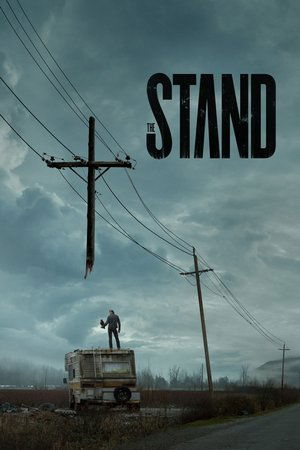
Rubinstein remained connected with King adaptations well beyond the 1990s. He returned as an executive producer on the 2020 limited-series adaptation of The Stand, decades after executive-producing the 1994 version. The new production was created for a streaming environment rather than traditional network event television.
The return illustrates the extraordinary longevity of the relationship. Rubinstein’s King work spans anthology cinema, syndicated television, theatrical features, broadcast miniseries and streaming television. Few producer-author relationships in modern horror have crossed so many changes in distribution technology and industry structure.
A broader career beyond horror
Although horror forms the central part of Rubinstein’s historical reputation, his producing career has never been confined to it. New Amsterdam became involved in major science-fiction properties including Frank Herbert’s Dune, first through television adaptations and later through Rubinstein’s continuing executive-producer relationship with new screen versions of the property.
This broader activity confirms that Rubinstein’s professional specialty is production architecture rather than one genre. Horror happened to provide some of the clearest demonstrations of his method because independent filmmakers, cult writers and unconventional properties often required precisely the combination of rights management, creative protection and financing strategy that he had developed.
Michael Gornick and continuity inside the Romero production group
Cinematographer Michael Gornick became one of the recurring technical collaborators across Rubinstein’s Romero productions. Gornick photographed Martin, Dawn of the Dead, Creepshow and Day of the Dead before moving into directing with Creepshow 2, which Rubinstein executive-produced.
The progression resembles Rubinstein’s later relationship with John Harrison. A person who entered the production ecosystem in one technical role could eventually receive responsibility for directing. Laurel therefore functioned not only as a financing company but as a recurring professional network in which crew members could develop across multiple projects.
Mitchell Galin and the management of an expanding horror slate
Mitchell Galin became especially important once Laurel’s volume of television and literary development increased. He worked in production management, development and producing across the company’s horror slate and eventually continued with Rubinstein into New Amsterdam.
Their relationship demonstrates how a producer such as Rubinstein operated at company level. He was not personally executing every daily production function. Building a reliable organization required executives who could develop projects, supervise production and maintain continuity when several films or series were active at different stages simultaneously.
George A. Romero and the defining creative partnership
No collaborator is more important to Rubinstein’s horror career than George A. Romero. Their shared work includes Martin, Dawn of the Dead, Creepshow, Day of the Dead, the television world surrounding Tales from the Darkside and later projects connected with material developed through Laurel. Romero supplied one of the most individual creative voices in modern horror, while Rubinstein supplied an increasingly sophisticated business framework around that voice.
The value of the relationship lies in the difference between them. Rubinstein did not need to become Romero creatively, and Romero did not need to become a corporate executive. Their strongest work emerged when those distinct abilities could coexist productively, even when negotiation or disagreement was necessary.
Richard P. Rubinstein’s contribution to horror
Rubinstein’s place in horror history lies in infrastructure. He helped finance independent films, built a publicly traded production company, maintained long relationships with George Romero and Stephen King, developed syndicated horror television and created production pathways through which writers, directors and technicians could continue working across multiple projects. His career demonstrates that horror history is shaped not only by the people who create monsters and stories but also by the producers who construct the economic systems that allow those stories to reach audiences.
The durability of his work is particularly notable. Projects associated with Rubinstein moved from 1970s independent production to 1980s syndication, 1990s network miniseries, twenty-first-century studio remakes and streaming television. Across those changes, his central professional concern remained recognizable: develop valuable material early, maintain control where possible, build repeat relationships and create enough financial structure around filmmakers for distinctive genre work to survive the demands of commercial production.
Selected Work
Notable Horror Collaborators
Notable collaborators and creative partners throughout Richard P. Rubinstein's horror career.
 George A. Romero
Producer / Writer-Director Collaborator
Romero was the defining creative collaborator of Rubinstein’s early horror career. Their shared work includes Martin, Dawn of the Dead, Creepshow, Day of the Dead and the horror television environment developed through Laurel, with Rubinstein building the financing and production structure around Romero’s writing and directing.
 Stephen King
Producer / Author-Screenwriter Collaborator
Rubinstein maintained one of the longest producer relationships associated with Stephen King adaptations. Their shared horror projects include Creepshow, Creepshow 2, Pet Sematary, The Stand, The Langoliers, Thinner, The Night Flier and the later 2020 adaptation of The Stand, spanning theatrical film, network television and streaming.
MG
Mitchell Galin
Producer Collaborator
Galin became one of Rubinstein’s principal production partners after joining Laurel Entertainment. Their recurring horror work includes Creepshow 2, Pet Sematary, Tales from the Darkside, Monsters, Tales from the Darkside: The Movie, The Stand, The Langoliers, Thinner and The Night Flier.
MG
Michael Gornick
Producer / Cinematographer-Director Collaborator
Gornick photographed Martin, Dawn of the Dead, Creepshow and Day of the Dead within the Rubinstein-Romero production group before directing Creepshow 2 with Rubinstein as executive producer. Their recurring collaboration connects several of Laurel’s most important horror features.
JH
John Harrison
Producer / Writer-Director Collaborator
Harrison worked within Rubinstein productions on Creepshow, Day of the Dead and multiple Tales from the Darkside episodes before Rubinstein selected him to direct Tales from the Darkside: The Movie. Their horror collaboration developed from assistant directing and composing into television writing, directing and feature direction.
Richard P. Rubinstein Horror Movies
Production (17 credits)
2020
2004
1997
1996
1995
1994
1990
1989
1988
1987
1987
1985
1985
1982
1978
1977
1975
Acting (4 credits)
2020
2007
1985
1982
Creator (1 credits)
1988