


2003
Harry Alan Towers
Horror Producer · Biography · Horror Filmography · Family · Collaborators · Credits
Horror subgenres & themes
Most represented across this person's horror filmography:
ANIMAL
• PSYCHOLOGICAL
Biography
Harry Alan Towers and the international production of horror cinema
Harry Alan Towers was a British producer and screenwriter whose career played an important role in connecting European exploitation cinema, Gothic horror, literary adaptations and internationally financed genre filmmaking. His horror productions included collaborations with Jesús Franco and Christopher Lee during the late 1960s and early 1970s, followed by a substantial return to the genre through films involving Robert Englund, Tobe Hooper and other established horror figures during the late 1980s and 1990s. His importance rested primarily on the business of production: acquiring literary properties, assembling international financing, arranging casts, commissioning scripts and making films commercially possible across different national industries.
Towers occupied an unusual position within horror history because he approached the genre as part of a much larger international entertainment business. He had already developed substantial experience in radio and television before entering theatrical film production. The methods that later characterized his horror career, particularly the international sale of recognizable subjects and performers, originated in those earlier enterprises. He frequently supplied screenplay material himself under the pseudonym Peter Welbeck, enabling him to combine the responsibilities of producer and writer while adapting projects to available financing and distribution opportunities.
His productions crossed national boundaries throughout his career. British companies, continental European partners, South African facilities, American distributors and later Canadian business arrangements all formed part of his working environment. Towers became particularly skilled at developing projects around familiar literary names or recognizable actors while keeping costs compatible with the international exploitation market. Horror proved well suited to this method because established monsters, supernatural stories and genre performers could retain commercial recognition across languages and territories.
Early life, broadcasting and the foundations of a producing career
Harry Alan Towers was born in London on October 19, 1920. His father worked in theatrical management, giving him early familiarity with professional entertainment. Towers attended the Italia Conti school and pursued performance and broadcasting while still young. His interests soon moved toward the organization and writing of programs, establishing the professional direction that would define his career.
During the Second World War he worked in broadcasting and served with the Royal Air Force. By 1944 he held a senior position within the RAF radio unit, producing material for service personnel. He also developed scripts for radio drama and comedy. These assignments required an understanding of serial production, deadlines, performers and the relationship between a script and its eventual audience. They supplied experience directly applicable to the low-budget film and television operations he later controlled.
Following the war, Towers and his mother, Margaret Miller Towers, established Towers of London. The company developed and distributed radio programs to stations in Britain and overseas. Its business depended on creating entertainment that could travel beyond the market in which it originated. Towers acquired valuable experience with international sales, sponsorship, recognizable performers and agreements involving multiple broadcasters.
The company worked with major actors and produced programs including The Lives of Harry Lime, featuring Orson Welles, and The Black Museum, a crime anthology narrated by Welles. It also developed Sherlock Holmes radio material with John Gielgud and Ralph Richardson. These productions demonstrate Towers’s early interest in established fictional characters and in stories whose recognition could support distribution. Crime, mystery and macabre entertainment were already present in his work before he became associated with horror cinema.
Broadcasting established a principle that Towers retained for decades: recognizable material could be repackaged for different audiences and commercial circumstances. A well-known character, writer or performer provided an advantage when negotiating with distributors. Towers applied that lesson repeatedly in later horror productions built around Dracula, Edgar Allan Poe, Robert Louis Stevenson and other established literary or cinematic properties.
Early television and the development of a production system
Towers expanded into television during the 1950s, supplying productions to the developing British commercial television industry. He was involved in filmed drama, adaptations and television specials at a time when British broadcasters were still establishing the practical and commercial conventions of the medium. His operations required rapid delivery, recognizable actors and efficient management of limited studio resources.
A particularly relevant production was The Anatomist, a 1956 television adaptation of James Bridie’s play featuring Alastair Sim as Dr. Knox. The material concerned the world of nineteenth-century medical dissection and the criminal acquisition of bodies associated with the Burke and Hare murders. Although the production belonged to television drama rather than the later exploitation market, it demonstrates Towers’s early involvement with macabre historical material.
Towers did not approach television primarily as a place for personal artistic expression. He regarded it as a production and distribution business in which the availability of talent, rights and commercial outlets determined what could be made. This practical outlook later distinguished him from some of the directors he employed, particularly filmmakers with strong individual visual identities such as Jesús Franco.
His television work also accustomed him to dealing with performers whose reputations extended beyond an individual program. This became especially useful in horror, where an actor could function as an immediately recognizable commercial element even when a film was otherwise produced by relatively unfamiliar companies and crews.
Peter Welbeck, literary rights and the producer as screenwriter
Towers used the pseudonym Peter Welbeck throughout substantial portions of his screenwriting career. The name originated in his broadcasting work and continued appearing on theatrical productions for which he supplied stories or screenplays. He frequently combined this writing activity with producing, allowing him to participate directly in the development of a property rather than waiting for a completed screenplay to be offered by another company.
His preference for familiar literature was a central part of that strategy. The work of Edgar Wallace, Sax Rohmer, Agatha Christie, Bram Stoker, Robert Louis Stevenson and Edgar Allan Poe provided subjects that could be presented to international distributors through names already associated with popular fiction. The degree of fidelity varied substantially, and Towers generally approached literary material as something that could be reorganized according to production requirements.
Writing under another name also allowed him to separate his production identity from his screenplay credit. The two activities remained professionally connected. Towers could identify a property with potential commercial value, develop a screen version, arrange financing and supervise the resulting film. This method became particularly important when working with directors whose own interests differed from the requirements of an international production package.
The producer-writer combination gave Towers a degree of influence extending beyond ordinary financial supervision. He could help determine the basic narrative, the actors required to make it attractive to distributors and the locations in which it could be financed. His horror career is best understood through this combination of development and business responsibilities rather than by treating him as a creative author equivalent to the directors he employed.
Christopher Lee and the commercial value of Gothic horror
Towers established an important professional relationship with Christopher Lee during the 1960s. Lee had already become internationally recognizable through his association with Hammer horror and could bring considerable commercial value to productions made outside the Hammer system. Towers understood that Lee’s presence could connect relatively inexpensive international productions with established audiences for Gothic and fantastic cinema.
The five Fu Manchu films produced during the second half of the decade demonstrate Towers’s use of a recognizable fictional property and a bankable genre actor. The series belonged primarily to pulp adventure and crime fantasy, although its threatening imagery and the public identity of its star overlapped with horror marketing. The films also continued racial stereotypes inherited from Sax Rohmer’s fiction, including the casting of a white British actor in the Chinese title role. These conventions form part of their historical production context and should not be mistaken for authentic cultural representation.
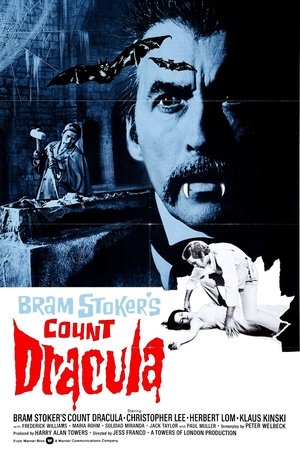
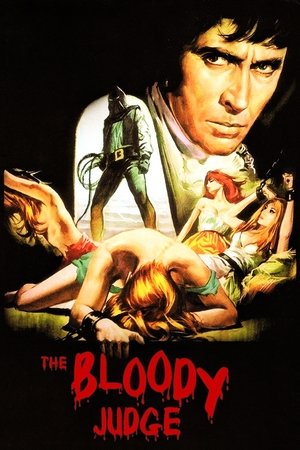
Lee’s horror reputation became more directly important when Towers collaborated with Jesús Franco. The Bloody Judge placed Lee in historical material involving persecution and violence, while Count Dracula allowed him to portray Bram Stoker’s vampire outside the familiar Hammer continuity. The latter production was promoted partly through claims of renewed fidelity to Stoker’s novel, a strategy that used literary authority and Lee’s established screen identity together.
This approach reveals a consistent Towers method. An actor such as Lee represented more than a casting choice. His reputation could support international sales, give an adaptation immediate recognition and distinguish one production from competing versions of the same material. Towers repeatedly assembled films around performers capable of carrying that commercial function.
Jesús Franco and the international exploitation partnership
Towers’s collaboration with Spanish director Jesús Franco became the most concentrated horror and exploitation partnership of his career. Between 1968 and 1970 they worked together on nine films spanning Gothic horror, pulp adventure, psychological fantasy, historical exploitation and erotic material. The association connected Towers’s international financing arrangements with Franco’s ability to direct rapidly and work across different genres.
The collaboration was built on complementary but sometimes competing interests. Towers supplied production structures, literary properties, scripts and commercial planning. Franco brought a distinctive approach to filmmaking and experience working under limited budgets. Their productions frequently involved companies and participants from several European countries, allowing costs and distribution rights to be arranged across multiple markets.
Within horror, the partnership produced Venus in Furs, The Bloody Judge and Count Dracula. Other films, including Marquis de Sade: Justine and Eugenie... The Story of Her Journey into Perversion, occupied the boundary between erotic exploitation, psychological violence and macabre cinema. Towers’s willingness to finance such material reflected contemporary distribution demand rather than an exclusive commitment to one conception of horror.
Franco’s directing methods were particularly compatible with Towers’s business model. Productions could move quickly, familiar casts could be employed across projects and international partners could participate without requiring the financial structure of a major studio. The relationship also demonstrates the potential tension between artistic individuality and commercial packaging. Franco’s cinema developed through personal interests and improvisation, while Towers needed films capable of fulfilling agreements with distributors.
The importance of their collaboration has been recognized in academic research on transnational exploitation cinema. Their films provide evidence of how European genre production operated through multinational companies, changing release titles, territory-specific versions and financing arrangements that were often more complicated than the apparent simplicity of the finished productions suggested.
Towers did not remain permanently attached to Franco, and their partnership ended after a relatively brief but intensive period. Nevertheless, the association became one of the most important components of his horror reputation and illustrates his ability to connect an established genre director with a business system extending across numerous countries.
Maria Rohm and the continuity of Towers’s production circle
Austrian actress Maria Rohm, whom Towers married in 1964, became one of the most important recurring performers associated with his productions. Their professional relationship extended through many genres, but her appearances in Franco-directed material formed a significant part of Towers’s horror and exploitation period. She appeared in productions including Venus in Furs, The Bloody Judge and Count Dracula.
Rohm’s presence also illustrates Towers’s preference for maintaining a recognizable circle of professional relationships across successive productions. Actors and technicians could move among projects developed for different audiences and territories. Familiarity reduced the need to rebuild every working relationship from the beginning and made it easier for Towers to organize multiple international films within comparatively short periods.
Her later involvement extended beyond acting. Rohm also received production-related credits on some Towers projects, including an associate-producer credit on Edge of Sanity. Their partnership therefore belongs to the organizational history of his career as well as his personal biography.
Towers frequently relied on people who understood the demands of his international working methods. Producers operating through changing countries and companies benefited from a dependable professional network, particularly when films had to be assembled around financing and location opportunities rather than developed entirely within one permanent studio.
Transnational financing and the economics of exploitation horror
Towers became known for arranging films through combinations of international investment, territorial distribution agreements and production facilities in different countries. His operations frequently crossed the boundaries between British companies, continental European partners, North American financing and locations selected partly for economic reasons. This system was especially well suited to exploitation genres because recognizable concepts could be sold internationally before a film had been completed.
He made use of pre-sales and arrangements that distributed financial exposure among partners. A film could be planned around a title, established actor or literary property with enough recognition to attract buyers in several markets. The resulting production did not necessarily depend on success in one domestic theatrical release. This approach anticipated practices that later became increasingly common in independent international film financing.
Horror presented advantages within that structure. Dracula, werewolves, haunted houses and familiar stories of murder or supernatural danger could be marketed through concepts that required comparatively little explanation across languages. Well-known performers offered another point of recognition. Towers combined these elements while attempting to keep production costs below the value he expected the international market to provide.
The same methods could create ethical and political questions. Towers repeatedly used South African locations and financing arrangements during the apartheid era, when the country’s government imposed systematic racial segregation and many international cultural relationships were contested. The availability of favorable production conditions existed within that broader political environment. An accurate professional biography must recognize the context without assuming that the completed films themselves provide a complete explanation of Towers’s political views.
His international mobility also developed during a period when he faced serious legal difficulties in the United States. In 1961 Towers was charged in connection with allegations involving prostitution and subsequently left the country after appearing in legal proceedings. The original allegations were later dropped. These events became part of his public history and complicated his relationship with American business operations, although his filmmaking career continued through companies and productions located elsewhere.
Changing markets and the return to horror production
After his intensive Franco period, Towers continued producing international entertainment across adventure, literary adaptations, crime and other commercial genres. His movement away from continuous horror production reflected changing markets and his longstanding willingness to follow subjects with potential international value. He did not attempt to remain permanently associated with the Gothic and erotic cycle of the late 1960s.
During the 1980s, however, new opportunities emerged through the expansion of home video, independent international financing and the production activities associated with Menahem Golan and Yoram Globus. Towers became involved with projects connected to Cannon and later related companies, using methods of financing and packaging that resembled those he had developed earlier in his career.
The commercial environment had changed. Theatrical horror was increasingly influenced by American franchise filmmaking, while video distribution created demand for inexpensive sequels, recognizable monster properties and adaptations of familiar literature. Towers responded by assembling projects around material that distributors could identify immediately and around performers whose names retained genre value.
Howling IV: The Original Nightmare became one example of his work within this market. Towers produced the film, directed by John Hough, as a new adaptation of Gary Brandner’s werewolf material within an established horror franchise. The production demonstrates his ability to return to a recognizable property without depending on the original filmmakers or reproducing the production scale of the first installment.
The project also brought Towers into working relationships with financiers and executives such as Avi Lerner. Their repeated association during this period reflects the importance of international production networks to the low-budget horror market of the late 1980s. The commercial structure surrounding a film could be at least as important to its existence as the individual creative personnel attached to it.
Edgar Allan Poe and the reuse of established horror literature
Towers returned repeatedly to familiar literary horror properties during the late 1980s and early 1990s. Productions included The House of Usher, The Masque of the Red Death and Buried Alive. Their relationships with Edgar Allan Poe varied considerably, and the films were not uniformly faithful adaptations of the original works.
The recurring use of Poe demonstrates Towers’s commercial reasoning. A public-domain literary name could supply a recognizable identity while allowing producers considerable freedom to adapt the narrative according to contemporary genre expectations. Gothic settings and established titles could support marketing even when a screenplay was substantially different from the source.
Director Alan Birkinshaw worked on both The House of Usher and the Towers-produced version of The Masque of the Red Death. The latter must be distinguished from the separate American film of the same title produced by Roger Corman during the same period. Towers’s production belonged to a different financing and production network, illustrating how familiar literary material could circulate independently through competing companies.
These productions also relied on recognizable actors. Oliver Reed and Donald Pleasence appeared in The House of Usher, while other genre veterans participated in related films. Towers continued using casting as a commercial component of literary adaptation, maintaining the strategy that had been central to his earlier work with Christopher Lee.
The productions reveal his preference for exploiting established horror recognition while adapting practical details to different budgets. A literary property supplied the starting point for financing and marketing, but the completed film was shaped by available directors, locations, actors and distribution expectations.
Robert Englund and the commercial importance of horror stars
Robert Englund became one of Towers’s most substantial recurring horror collaborators during the period following the international success of the A Nightmare on Elm Street franchise. Englund possessed a recognizable genre identity that could help support productions unrelated to Freddy Krueger. Towers employed him in several different kinds of horror while preserving the commercial value of his established reputation.
Their shared work included The Phantom of the Opera, Dance Macabre, Night Terrors and The Mangler. These productions differed substantially in setting and narrative, but each benefited from an actor already identified internationally with horror. Englund could headline material whose financing and distribution relied in part on that familiarity.
The Phantom of the Opera, directed by Dwight H. Little, was particularly characteristic of Towers’s methods. Gaston Leroux’s novel supplied an established property, while Englund offered a contemporary horror identity. Towers produced the film within the commercial network associated with Menahem Golan. The decision to emphasize more explicit horror than some previous adaptations reflected a market in which Englund’s established screen persona had become particularly valuable.
Towers’s later work with Englund continued through lower-budget productions rather than a single franchise. The repeated casting demonstrates the distinction between a producer dependent on one character and a producer able to use an actor’s broader reputation across unrelated projects. This was a method Towers had already employed with Christopher Lee decades earlier.
Tobe Hooper and late-career horror collaborations
Towers worked with Tobe Hooper on Night Terrors and The Mangler, two horror productions developed under very different conditions from Hooper’s early independent career. The relationship gave Towers access to a director strongly associated with American horror while Hooper entered production arrangements built around international financing and recognizable performers.
Night Terrors connected Towers’s later horror work with his longstanding interest in the writings and reputation of the Marquis de Sade. Robert Englund played the central antagonistic figure, while Hooper directed within a production structure involving companies and financing outside the conventional major-studio system. The project illustrates the continuity of Towers’s commercial interests across decades: literary notoriety, recognizable horror talent and international production remained useful elements even when the surrounding market had changed.
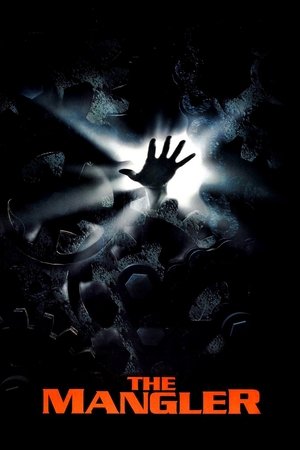
The Mangler represented a further development because it was based on a Stephen King short story. Towers served as executive producer and received screenplay credit under Peter Welbeck alongside Hooper and Stephen David Brooks. The assignment therefore brought together several dimensions of his career: established literary material, a recognized horror director, a recurring genre star and his continuing activity as a screenwriter.
These two projects do not establish an extensive director-producer partnership comparable to Towers’s relationship with Franco. They nevertheless represent a significant late horror association because Towers participated in productions bringing an established American horror filmmaker into the international financing structures that had characterized much of his own career.
Later horror, smaller markets and the continuation of a working method
Other productions from the period further demonstrate the range of horror subjects Towers developed. Edge of Sanity, directed by Gérard Kikoïne, used Anthony Perkins in a combination of Robert Louis Stevenson’s Jekyll and Hyde material with the mythology of Jack the Ripper. The project again joined literary recognition with a performer whose previous horror role remained internationally familiar.
The Mummy Lives, directed by Gerry O’Hara and written by Nelson Gidding, continued Towers’s interest in recognizable Gothic and supernatural subjects. Tony Curtis provided the leading star name. The production reflects the persistence of Towers’s established methods even when the results no longer attracted the attention associated with his earlier work.
His participation in such films should be understood against the changing international industry. The video market supported projects whose financing and distribution were structured differently from theatrical films of the 1960s. Towers adapted by working with production companies and commercial partners operating within those markets rather than abandoning independent production.
Not every later project was successful or critically influential. His importance lies in the consistency of the underlying professional strategy. Familiar subjects, adaptable scripts, marketable performers and production arrangements spread across multiple territories continued supporting films long after the European exploitation system in which he had established himself had changed substantially.
The producer’s influence and the limits of creative authorship
Towers’s career requires a distinction between the responsibilities of the producer and those of the director. Jesús Franco, Tobe Hooper, John Hough and other filmmakers brought their own creative methods to projects Towers financed or organized. The visual language and directorial decisions of those films cannot accurately be attributed to Towers simply because he held a prominent production credit.
His contribution was concentrated elsewhere. He identified material likely to attract financing, acquired or developed rights, assembled international partners and attached performers capable of strengthening a project’s commercial prospects. In some cases he also wrote screenplays, allowing him to influence the underlying narrative. These activities had direct consequences for which horror films could be made, where they could be photographed and how they would reach audiences.
This distinction is particularly important when assessing the Franco productions. Franco’s personal interests and filmmaking techniques remained separate from the international business arrangements Towers created. Their collaboration was productive because the two men supplied different abilities. The films resulted from that combination rather than from either participant working in isolation.
Towers also demonstrates how a producer’s decisions can shape genre history without requiring direct control over every artistic detail. Financial conditions affect schedules, available actors, location choices and the amount of time a director can devote to individual scenes. The producer’s work therefore remains visible in the practical circumstances of the completed film even when the producer is absent from the screen and does not determine the final camera composition.
Final years and the historical position of Harry Alan Towers
Towers continued working into old age, pursuing further international productions and literary adaptations. His later projects increasingly reflected the fragmentation of the independent film market, but he retained the habits developed during his radio and early cinema years: recognized material, commercial partnerships and flexibility concerning production locations.
He remained active in development during his final years and was associated with a planned adaptation of Moll Flanders involving Ken Russell. Towers died on July 31, 2009, at the age of eighty-eight. His career had extended from wartime broadcasting through the growth of British commercial television, European international co-productions, exploitation cinema, home video and late independent production.
His place in horror history rests primarily on industrial influence. Towers helped make a substantial body of Gothic, erotic and extreme genre cinema possible by creating financing and production arrangements that connected filmmakers, performers and distributors across national boundaries. His collaboration with Jesús Franco remains particularly important to the history of European exploitation, while his later work with Christopher Lee, Robert Englund and Tobe Hooper demonstrates the longevity of his commercial methods.
The historical significance of his career also extends beyond individual films. Towers anticipated several practices associated with modern international independent production, including financing through territory-specific agreements, developing recognizable literary properties and organizing multiple projects around established professional relationships. Horror was one of the most durable markets for these strategies. His contribution to the genre is therefore best understood through the production systems and working relationships he established, which allowed filmmakers operating outside the major studios to reach international audiences across several generations.
Selected Work
Notable Horror Collaborators
Notable collaborators and creative partners throughout Harry Alan Towers's horror career.
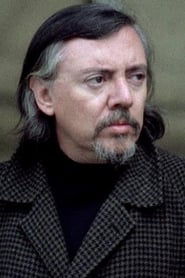 Jesús Franco
Producer-Screenwriter / Director Collaborator
Towers and Franco developed nine productions between 1968 and 1970, including the horror and macabre films Venus in Furs, The Bloody Judge and Count Dracula. Their wider collaboration also included the Fu Manchu cycle and several exploitation productions, forming one of the defining international production partnerships of Franco’s career.
 Maria Rohm
Producer / Actor-Production Collaborator
Rohm was Towers’s wife and one of the most consistent performers in his European productions. Their shared horror and macabre work includes Venus in Furs, The Bloody Judge and Count Dracula, while her wider involvement extended into production-related responsibilities during his later career.
 Christopher Lee
Producer / Actor Collaborator
Lee worked repeatedly with Towers across the five Fu Manchu productions and the Gothic and historical horror films Count Dracula and The Bloody Judge. The relationship connected Towers’s international financing system with Lee’s established commercial reputation as a major horror performer.
 Robert Englund
Producer / Actor Collaborator
Englund appeared in four Towers-associated horror productions: The Phantom of the Opera, Dance Macabre, Night Terrors and The Mangler. Their recurring relationship demonstrates Towers’s later strategy of developing recognizable horror properties around performers with strong international genre reputations.
AL
Avi Lerner
Producer Collaborator
Lerner worked with Towers on horror productions including Howling IV: The Original Nightmare, The House of Usher and The Masque of the Red Death. Their recurring involvement connected Towers’s international production methods with the financing networks supporting low-budget horror during the late 1980s.
 Tobe Hooper
Producer-Screenwriter / Director Collaborator
Towers worked with Hooper on Night Terrors and The Mangler. Although the relationship consists of two direct horror productions, it is significant to Towers’s later career: he produced Night Terrors and subsequently served as executive producer and co-screenwriter under the Peter Welbeck name on The Mangler.
Harry Alan Towers Horror Movies
Production (28 credits)
1995
1993
1993
1992
1992
1990
1989
1989
1989
1989
1988
1981
1976
1976
1974
1974
1970
1970
1970
1970
1969
1969
1969
1969
1968
1966
1956
Writing (12 credits)
1995
1992
1974
1970
1970
1970
1969
1969
1969
1968
1966
1956