

2023
David Gordon Green
Horror Director · Biography · Horror Filmography · Collaborators · Credits
Horror subgenres & themes
Most represented across this person's horror filmography:
HALLOWEEN
• SLASHER
• CANNIBAL
• POSSESSION
Biography
David Gordon Green and the movement from independent cinema into horror
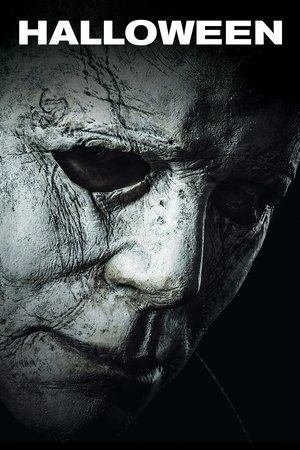
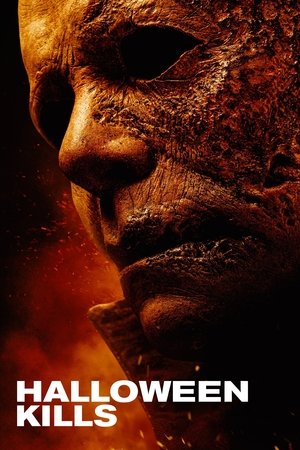
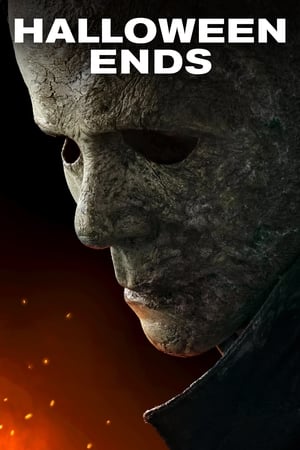
David Gordon Green entered horror after almost two decades spent deliberately moving among independent drama, studio comedy, television and other forms of American filmmaking. His horror period began with Halloween in 2018 and continued through Halloween Kills, Halloween Ends and The Exorcist: Believer. These films placed him in charge of two properties whose original installments occupy central positions in American horror history, requiring him to work with established characters, surviving original collaborators and audiences carrying decades of expectations.
Green’s relevance to horror is closely connected with the professional method he developed before entering the genre. He built long-term relationships with classmates, writers, technicians and producers and repeatedly moved those collaborators into new types of production. He has resisted defining himself through one genre or one consistent directorial brand. His horror films therefore belong to a larger career based on changing subject matter while preserving a comparatively stable creative community and a strong preference for physical locations, performance and practical production.
Richardson, Texas and an early attraction to horror cinema
Green was born in Little Rock, Arkansas, and grew up principally in Richardson, Texas. Although his professional career initially became associated with independent drama rather than horror, he has described horror films as an important part of his adolescence. John Carpenter’s Halloween, Tobe Hooper’s The Texas Chain Saw Massacre and Dario Argento’s Suspiria were among the films he absorbed during the period in which his taste in cinema was developing most intensely.
This background matters because the 2018 Halloween was sometimes presented as an unexpected conversion by a comedy director. Green had already changed genres several times before receiving the project, and horror itself belonged to his early film culture. What was new was the professional responsibility for making it.
UNCSA and the formation of a professional community
Green studied filmmaking at the North Carolina School of the Arts, now the University of North Carolina School of the Arts, and graduated in 1998. The school became one of the most important professional environments of his career because several people he met there remained close collaborators decades later. Danny McBride, Jody Hill, Jeff Fradley and numerous technicians from the same community continued appearing in Green’s film and television work.
Green has said that the basic dynamic among many of these collaborators changed remarkably little after film school. The productions became larger and professional responsibilities increased, but the underlying method remained based on people whose abilities and tastes had developed together. This continuity eventually became crucial when Green moved into horror, where he entered unfamiliar franchise territory while surrounded by collaborators he already knew well.
Independent filmmaking and learning to work within limited means
Green’s first feature, George Washington, was made with limited resources and established him as a distinctive American independent filmmaker. The film and later work such as All the Real Girls emphasized location, performance and communities in the American South. Their production conditions encouraged Green to use available environments rather than designing every element around conventional studio infrastructure.
This early experience remained relevant even after he began directing much larger films. Green and his collaborators repeatedly described a preference for keeping productions manageable and avoiding expenditure for its own sake. Rough House Pictures later preserved part of that philosophy by supporting projects across different scales and genres without attempting to force them into one commercial identity.
Genre mobility as a deliberate professional method
Green’s career changed direction sharply during the 2000s. A filmmaker first identified with lyrical independent drama moved into studio comedy through projects including Pineapple Express, then continued across television, thrillers and other forms. The shifts were sufficiently large that his name ceased to imply one predictable type of film.
Green has treated this unpredictability as intentional. He has expressed little interest in maintaining a recognizable auteur label solely for marketing purposes and has rejected the idea that every production needs to resemble the previous one. Horror therefore became another environment in which to apply an existing working method rather than the beginning of a completely new professional identity.
Rough House Pictures and long-term creative relationships
Green, Danny McBride and Jody Hill developed Rough House Pictures as an extension of relationships formed during their film-school years. The company produced film and television across comedy, drama and eventually horror. Its identity was based more strongly on the filmmakers involved than on a promise that every project would belong to one genre.
The organization allowed Green and McBride to continue developing material together while maintaining a production base outside the conventional expectation that established filmmakers remain permanently in Los Angeles. Charleston, South Carolina became especially important to the company and to several later productions, including the first film of Green’s Halloween trilogy.
Collaboration rather than a fixed auteur identity
Green has repeatedly described filmmaking as collective work and has avoided presenting his name as a guarantee of one recognizable style. This position is especially relevant to his horror films because he entered properties created by other filmmakers and still associated strongly with those creators. The task required interpretation without pretending that the material began with him.
For Halloween, this meant bringing John Carpenter and Jamie Lee Curtis into the production rather than treating their previous participation as historical background. It also meant relying heavily on Danny McBride, Jeff Fradley, cinematographer Michael Simmonds, production designer Richard A. Wright and other collaborators whose contributions affected the finished films substantially.
Approaching an established horror property after years outside the genre
Green and McBride discussed the risks of continuing Halloween before developing their version. The franchise contained multiple continuities and previous attempts to restart or reinterpret Michael Myers. Their solution was to simplify the narrative history drastically, retaining Carpenter’s 1978 film and treating later entries as separate branches rather than required continuity.
The decision allowed the filmmakers to concentrate on Laurie Strode, Michael Myers and the consequences of one event separated from the new story by forty years. It also permitted Jamie Lee Curtis to return at her actual age and gave the passage of time a direct dramatic function instead of concealing it.
Learning horror through John Carpenter’s patience
Green has identified patience as one of the most important lessons he took from studying Carpenter’s original film. Contemporary horror can be edited aggressively, directing viewers continually toward the location of a threat. Carpenter frequently allowed the frame to remain active long enough for audiences to search it themselves.
Green attempted to adopt this principle without mechanically imitating the 1978 film. Suspense could result from allowing a background to remain partly readable or leaving enough time for uncertainty to develop before Michael entered clearly into view. This required greater trust that viewers would continue examining the image without an immediate cut or musical command telling them exactly where to look.
Darkness as visible information
Green and cinematographer Michael Simmonds also treated darkness as an active part of composition. Green has explained that he prefers to leave traces of detail in dark areas rather than turning them into absolute black. The eye then searches those areas because something may be present without becoming completely legible.
The approach works particularly well with Michael Myers because the character can be recognized partially through silhouette and shape. A face does not need to be shown clearly for the audience to understand that he may occupy a particular area of the frame. The technique links lighting directly with suspense rather than using darkness simply to conceal information.
Michael Simmonds and the continuity of Green’s horror photography
Simmonds photographed Green’s complete Halloween trilogy and continued with him on The Exorcist: Believer. The relationship gave Green one cinematographic partner across his entire principal horror period. Simmonds could therefore adapt methods established on one production without having to rebuild the director-cinematographer relationship for each sequel.
The collaboration also reflects Green’s broader reliance on recurring crews. He frequently prefers working with people who already understand how he organizes performance and physical space, particularly when schedules leave limited time for lengthy discussions of basic working preferences.
Performance and the return of Jamie Lee Curtis
Jamie Lee Curtis became the central performer across Green’s Halloween trilogy. Her involvement did more than provide recognizable franchise continuity. Laurie Strode could be developed as a woman whose adult relationships had been shaped by an event experienced as a teenager, giving the new films a character history embodied by the same performer who had played the original role.
Green and Curtis remained in regular discussion about Laurie’s behavior and development. The collaboration became especially important because the trilogy changed Laurie’s dramatic function from film to film. She begins heavily organized around the expectation of Michael’s return and gradually has to confront the possibility of a life that cannot remain permanently structured around him.
Intergenerational characters rather than simple nostalgia
The return of Laurie was accompanied by the creation of a family extending beyond the original film. Her daughter Karen and granddaughter Allyson allow the story to examine how trauma and fear affect people who did not experience the 1978 attack themselves. Andi Matichak’s continuing role as Allyson became particularly important as the trilogy progressed.
This structure helped prevent the films from functioning solely as reunions of legacy characters. Returning performers could coexist with younger characters whose relationships with Haddonfield and Michael were developing for the first time. The strategy also allowed the trilogy to change its narrative emphasis without replacing its entire cast between installments.
Practical filmmaking inside a modern horror franchise
Green entered horror with a strong preference for physical locations, practical effects and environments actors could interact with directly. Makeup-effects artist Christopher Nelson and his team became major contributors to the Halloween trilogy. Michael’s mask, injuries and the physical aftermath of violence needed continuity across films whose narratives were closely connected.
Green later emphasized that practical effects require schedule discipline. Detailed makeup and physical stunts need preparation, application and reset time. Attempting to gain those minutes back through speed on set can damage the very qualities for which practical work was selected. This became one of the lessons Green carried from Halloween into later horror production.
Developing one trilogy through different dramatic structures
Green and his writing collaborators did not structure the three Halloween films as identical variations on the same chase. The 2018 film concentrates strongly on Laurie’s family and Michael’s return. The second expands attention toward Haddonfield and the reaction of a wider community. The third advances several years and gives substantial narrative importance to Corey Cunningham and the continuing social effects of fear and violence.
The changes produced different audience responses, particularly when the final film devoted less time to a conventional Michael-Laurie pursuit than some viewers expected. They nevertheless reflect Green’s established resistance to repeating one formula simply because a previous version succeeded commercially.
Danny McBride as Green’s principal horror writing partner
Danny McBride became the most consistent writer alongside Green during the horror phase of his career. Their relationship had been established through years of comedy and television before either was responsible for a major horror franchise. This existing trust allowed them to move into material with very different tonal demands without rebuilding their collaboration.
McBride co-wrote the three Green Halloween films and participated in the development of The Exorcist: Believer. His involvement also demonstrates how Green’s horror work emerged from the same creative community responsible for projects that outwardly appear completely unrelated to horror.
John Carpenter as collaborator rather than distant predecessor
Green and his partners approached Carpenter directly during development of Halloween and invited him to participate. Carpenter became an executive producer and returned to composing music for the property, working with Cody Carpenter and Daniel Davies. His participation provided the new filmmakers with access to the original director’s judgment throughout the trilogy.
Green did not treat Carpenter’s involvement as an obligation to reproduce every element of the earlier film. The value was having the creator available as a working collaborator who could respond to the new project. This relationship gave the trilogy a different connection with its source than a legacy sequel produced without meaningful involvement from surviving original creators.
Horror directing as management of anticipation
Green’s experience on Halloween led him to discuss horror increasingly in terms of timing and audience expectation. A scare depends partly on the amount of time available before the threat appears and on how much information has already been supplied. The filmmaker therefore manages attention as carefully as violence.
This lesson was distinct from his experience in comedy but not completely unrelated to it. Both forms depend heavily on timing. The emotional result differs, yet a reaction can fail when information arrives too early, too late or with excessive emphasis. Green’s years in comedy consequently gave him useful instincts that had to be recalibrated rather than discarded when he entered horror.
Legacy filmmaking and the responsibility of inherited material
The success of the 2018 Halloween positioned Green as a filmmaker capable of working with established horror properties and surviving original performers. That reputation led directly toward The Exorcist: Believer, another project connected with a film whose cultural status extends far beyond an ordinary franchise.
The circumstances were nevertheless different. The Exorcist was based originally on William Peter Blatty’s novel and screenplay and William Friedkin’s direction, and its history had developed through sequels, prequels and television. Green could apply experience gained from legacy production, but the dramatic and religious material required another approach.
Religious curiosity and the move into possession horror
Green has discussed growing up around Christianity and later maintaining an interest in different forms of spiritual belief without organizing his filmmaking around one fixed theological argument. This background became particularly relevant when developing The Exorcist: Believer.
The film brought together characters with different religious experiences rather than constructing its climax around one simple institutional authority. Green’s interest centered partly on how people decide what they believe when confronted by experiences that ordinary explanations appear unable to resolve. This represented a different type of horror problem from the physical immediacy of Michael Myers.
Learning the limits of transferring one franchise strategy to another
The Exorcist: Believer reunited Green with Blumhouse and several collaborators from his Halloween period, but the result was received much less positively. A larger continuation had initially been planned with Green attached, yet that direction was abandoned after the first film. The episode is important because it prevents his horror career from being reduced to a simple narrative of successful franchise revival.
The subsequent Exorcist production moved to Mike Flanagan as a separate new chapter rather than continuing Green’s proposed storyline. Green returned to other directing work instead of attempting to preserve control over a franchise that had changed direction. The contrast with Halloween illustrates how strongly legacy filmmaking depends on the specific material, collaborators and audience expectations surrounding each property.
Maintaining a career outside horror
Green continued directing and producing projects outside horror before, during and after his work on the two major franchises. This broader activity remains important to understanding his genre period. He did not abandon comedy, drama or television in order to become a permanent horror specialist.
The absence of one fixed identity is consistent with the career he had built since film school. Horror supplied another set of technical and emotional problems to solve, while the professional network and collaborative habits surrounding Green remained substantially continuous.
David Gordon Green’s contribution to contemporary horror
Green’s place in horror rests primarily on the complete Halloween trilogy he directed between 2018 and 2022 and on the working method he brought into that franchise. He entered as an experienced filmmaker from outside horror specialization, worked directly with John Carpenter and Jamie Lee Curtis and kept a group of long-term personal collaborators alongside veterans of the original property.
His horror career also provides a useful case study in legacy filmmaking. Respect for an earlier film did not require reproducing its narrative indefinitely, and success with one inherited property did not guarantee success with another. Green’s strongest contribution came when his existing collaborative culture, Carpenter’s lessons in visual patience and a new generational structure around Laurie Strode could operate together. The result constitutes a distinct modern branch of one of American horror’s longest-running franchises while remaining clearly part of Green’s broader career of moving deliberately between genres.
Selected Work
Notable Horror Collaborators
Notable collaborators and creative partners throughout David Gordon Green's horror career.
 Danny McBride
Director-Writer / Writer-Producer Collaborator
McBride co-wrote Halloween, Halloween Kills and Halloween Ends with Green and participated in the development of The Exorcist: Believer. Their horror work grew from a much longer creative partnership formed through UNCSA, television and Rough House Pictures.
 Jason Blum
Director-Writer / Producer Collaborator
Blum produced Green’s Halloween trilogy and The Exorcist: Believer. Their four shared horror films cover Green’s principal period working directly with major legacy properties and connect his collaborative filmmaking network with the Blumhouse production system.
 Jamie Lee Curtis
Director / Actor Collaborator
Curtis returned as Laurie Strode for Halloween, Halloween Kills and Halloween Ends under Green’s direction. Their three-film collaboration developed Laurie across the complete continuity created by Green and his writers and made her performance the principal human connection with Carpenter’s original film.
 John Carpenter
Director / Executive Producer-Composer Collaborator
Carpenter served as executive producer and composer throughout Green’s Halloween trilogy and remained available to the filmmakers during development and post-production. Their three-film collaboration gave Green direct access to the original film’s director while allowing the new trilogy to develop its own narrative structure.
MS
Michael Simmonds
Director / Cinematographer Collaborator
Simmonds photographed Halloween, Halloween Kills, Halloween Ends and The Exorcist: Believer. Their recurring work provided the principal visual continuity of Green’s horror period and supported his preference for practical locations, readable darkness and physical interaction between performers and sets.
 Andi Matichak
Director / Actor Collaborator
Matichak played Allyson Nelson throughout Green’s three Halloween films. Her continuing role supplied the younger generational perspective of the Strode family and became increasingly important as the trilogy shifted its attention beyond Laurie’s direct experience of 1978.
David Gordon Green Horror Movies
Directing (4 credits)
2022
2021
2018
Writing (4 credits)
2023
2022
2021
2018
Production (2 credits)
2023
2018
Acting (1 credits)
2022