


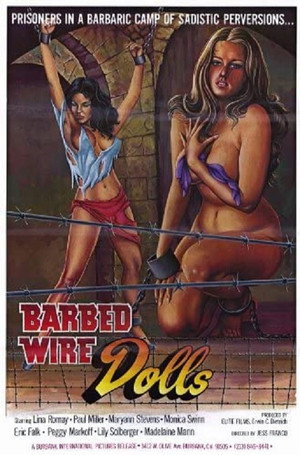


2013
Jesús Franco
Horror Director · Biography · Horror Filmography · Family · Collaborators · Credits
Horror subgenres & themes
Biography
Jesús Franco and the Endless Labyrinth of European Horror
Jesús Franco created one of the largest and most idiosyncratic bodies of work in horror cinema. Working across Spain, France, Germany, Switzerland, Portugal and other parts of Europe, he moved constantly between Gothic horror, vampires, mad scientists, occultism, zombies, erotic horror and exploitation. Budgets could be extremely small and production conditions frequently unstable, yet his strongest films possess an immediately recognizable atmosphere built from obsession, jazz, sexuality, dream logic, drifting camera movement and characters who seem trapped inside worlds governed more by desire than ordinary reality.
Franco was extraordinarily prolific, directing well over a hundred films and working under numerous variations of his own name and a long list of pseudonyms. That productivity makes his filmography difficult to approach as a conventional sequence of isolated movies. Characters return under altered names, stories are reconstructed, footage migrates between projects and the same actors, locations and musical ideas repeatedly reappear. His horror cinema often feels less like a collection of separate films than a single enormous dream being revised for decades.
The central figures of that dream changed over time. Howard Vernon embodied the mad-scientist Gothic of Franco's early horror. Soledad Miranda became the face of his hypnotic vampire period around Vampyros Lesbos. Lina Romay then entered his cinema during the early 1970s and became his most enduring performer, collaborator and partner. Around them moved a repertory of recurring actors and technicians whose presence gave Franco's work continuity even when budgets, producers and countries changed.
The Awful Dr. Orlof and the Birth of Franco Horror
Franco had already directed films before The Awful Dr. Orlof, originally released as Gritos en la noche, but the 1962 production established the horror identity that would define much of his international reputation. Howard Vernon plays Dr. Orlof, a surgeon abducting women in an attempt to restore the damaged face of his daughter.
The story reflects the influence of contemporary European Gothic and surgical horror, particularly the fascination with bodily reconstruction that had entered the genre through films such as Eyes Without a Face. Franco nevertheless began developing characteristics that would become distinctly his own. Nightclubs, sexually charged victims, medical obsession, voyeurism and a villain driven by a private fixation already occupy the same world.
The film also introduced one of Franco's most durable habits: the recycling and mutation of his own mythology. Orlof would return directly or indirectly through later films, while variations on damaged bodies, obsessive surgeons and involuntary transformation continued resurfacing throughout his career.
Rather than treating repetition as something to avoid, Franco often treated his previous films as material available for further experimentation. The Orlof idea could be remade, displaced or reassembled according to new actors, budgets and production circumstances.
Howard Vernon and the First Great Franco Partnership
Howard Vernon became one of the defining faces of Franco's cinema beginning with The Awful Dr. Orlof. His severe features and controlled manner made him ideal for scientists, aristocrats, authority figures and men whose outward composure concealed grotesque obsessions.
The relationship continued across decades and numerous horror films. Vernon appeared in works including The Sadistic Baron Von Klaus, The Diabolical Dr. Z, Succubus, Dracula, Prisoner of Frankenstein, Daughter of Dracula, The Erotic Rites of Frankenstein, A Virgin Among the Living Dead, Lorna, the Exorcist, Revenge in the House of Usher and the later return to Orlof material in The Sinister Doctor Orloff.
Vernon therefore became more than a recurring actor. His presence created continuity between periods of Franco's career that otherwise differed radically in style and production circumstances. A film made years after The Awful Dr. Orlof could immediately reconnect with Franco's earlier Gothic world simply by placing Vernon back inside it.
The Diabolical Dr. Z and the Evolution of the Mad Scientist
The Diabolical Dr. Z, also known as Miss Muerte, developed Franco's fascination with science, control and bodily transformation into a more elaborate form. The film combines surgical experimentation, revenge and a female killer whose body becomes part of another person's plan.
The movie demonstrates how quickly Franco was moving beyond straightforward imitation of classical Gothic horror. Scientific laboratories remain important, but sexuality and visual fetishism become increasingly prominent. Bodies are not simply threatened with death; they are manipulated, redesigned and used as instruments.
The theme would remain central throughout Franco's horror career. Scientists, doctors and occult figures repeatedly attempt to control bodies, while the films themselves become fascinated with the unstable boundary between victim, monster and object of desire.
Succubus and the Dream State
Succubus, also known as Necronomicon, marked an important transformation in Franco's style. Rather than organizing horror entirely around conventional suspense, the film develops through performance, erotic fantasy, memory and uncertainty.
Reality becomes unstable. Characters move through nightclubs, bedrooms and strange encounters without the film always clarifying whether events are occurring objectively, being imagined or remembered. This dreamlike uncertainty would become one of Franco's most distinctive characteristics.
Jack Taylor became an important presence during this period and would return repeatedly in Franco's cinema. His elegant, slightly detached screen personality fitted naturally into a world where apparently sophisticated characters continually discover that ordinary social behavior is only a thin surface covering obsession and violence.
Count Dracula and Christopher Lee
Franco approached Bram Stoker directly with Count Dracula, starring Christopher Lee as the Count. Lee had already become inseparable from Dracula through Hammer, but Franco attempted to restore elements of Stoker that previous adaptations had frequently altered or discarded.
The film assembled an extraordinary European genre cast including Herbert Lom, Klaus Kinski, Soledad Miranda, Jack Taylor and Paul Müller. Franco himself also appears briefly, maintaining his habit of moving freely between directing and acting inside his own productions.
The project represents the more classical Gothic side of Franco's horror. Yet even here, the film belongs unmistakably to his wider universe because several performers would soon reappear in stranger, more erotic and less conventional works.
Soledad Miranda and the Most Concentrated Franco Period
Soledad Miranda became one of the most important performers in Franco's career during an extraordinarily concentrated period around 1970. She appeared as Lucy Westenra in Count Dracula before becoming the central presence in several films Franco developed around her.
Miranda possessed a very different screen quality from the overt theatricality associated with many exploitation performers. Franco frequently photographs her through prolonged looks, slow movements and an almost hypnotic stillness. Her presence encouraged the director to move further from conventional Gothic storytelling toward films built around atmosphere, erotic attraction and trance.
The collaboration was tragically brief. Miranda died in a road accident in 1970, ending a partnership just as Franco was building an increasingly distinctive body of work around her.
The small number of films they completed together nevertheless became central to his reputation, demonstrating again that the importance of a collaboration cannot be measured only through quantity.
Vampyros Lesbos and the Reinvention of the Vampire
Vampyros Lesbos became one of Franco's most famous horror films and one of the clearest examples of his transformation of classical Gothic imagery into something recognizably his own. Soledad Miranda plays Countess Nadine Carody, a vampire whose relationship with another woman develops through attraction, dreams and psychic obsession.
The expected Gothic locations largely give way to modern interiors, coastal landscapes and nightclub imagery. The vampire is no longer defined primarily by castles, darkness and traditional costume. Franco relocates vampirism into a contemporary erotic world.
The soundtrack, surreal visual motifs and repeated images contribute as much to the atmosphere as conventional plot development. Events often seem to recur or echo one another, making the film operate like an erotic nightmare rather than a straightforward vampire narrative.
Paul Müller appears in the film as Dr. Steiner and became another recurring member of Franco's European repertory. His presence across several of the director's horror films helped connect the classical Gothic productions with the more experimental work of the early 1970s.
She Killed in Ecstasy and the Miranda Cycle
She Killed in Ecstasy again places Soledad Miranda at the center of a story combining sexuality, revenge and death. Her character systematically targets the people she holds responsible for destroying her husband, turning erotic encounters into mechanisms of murder.
The film belongs to the same concentrated creative period as Vampyros Lesbos and shares performers and stylistic tendencies with it. Franco repeatedly reorganizes familiar material around Miranda's screen presence, allowing plot to become increasingly subordinate to mood and visual fixation.
The cycle demonstrates how Franco often worked most effectively when a performer inspired an entire cinematic atmosphere. Miranda was not simply cast inside pre-existing concepts. Her appearance and movement influenced the way Franco constructed the films around her.
Lina Romay and a New Franco Cinema
Lina Romay entered Franco's cinema during the early 1970s and became the most important long-term collaborator of his career. Born Rosa María Almirall, she worked with Franco across decades as actress and, at various points, collaborator in editing, writing, production and directing work.
Romay's arrival followed the loss of Soledad Miranda but did not simply replace one muse with another. Her screen personality was very different. Franco frequently used Romay in characters that moved between innocence, eroticism, monstrosity and victimhood without clear boundaries.
Their collaboration extended through horror films including The Sinister Eyes of Dr. Orloff, Female Vampire, The Erotic Rites of Frankenstein, Lorna, the Exorcist, Exorcism, The Sadist of Notre Dame, Bloody Moon, Revenge in the House of Usher, Mansion of the Living Dead and numerous later productions.
Romay eventually became inseparable from Franco's filmmaking process. Their personal and creative relationship continued for decades, turning her into the human constant running through the most prolific phase of his career.
Female Vampire and Erotic Horror Without Boundaries
Female Vampire represents one of the purest expressions of Franco's attempt to dissolve the boundary between erotic cinema and horror. Romay plays Countess Irina Karlstein, a vampire whose method of draining victims transforms sexual contact into death.
Different versions of the film emphasized horror or explicit sexuality to different degrees, illustrating the unstable production environment in which Franco often worked. A single project could exist in multiple forms according to distributor, market and censorship requirements.
This instability became part of Franco's filmography as a whole. Determining a definitive version of many films can be difficult because alternate edits, titles and additional footage changed their identity from country to country.
Rather than destroying Franco's authorship, this fragmentation became one of its strangest characteristics. His cinema seems permanently mutable, just like the bodies and identities appearing inside it.
Daniel White and the Sound of Franco Horror
Composer Daniel White became one of Franco's most extensive creative collaborators. Their association covered a large group of films, including horror titles such as The Secret of Dr. Orloff, The Diabolical Dr. Z, Dracula, Prisoner of Frankenstein, Daughter of Dracula, Female Vampire, Exorcism, Revenge in the House of Usher and Oasis of the Zombies.
Music is particularly important in Franco's cinema because many sequences depend more strongly on rhythm and atmosphere than dialogue. Jazz, lounge music, psychedelic material and recurring themes can give apparently inexpensive locations an emotional identity far beyond their production value.
White also occasionally appeared in Franco's films and participated in production work, another example of the fluid creative relationships that characterized the director's working method.
The collaboration helped create continuity across productions that might otherwise seem disconnected. A familiar musical sensibility could bind together vampires, mad scientists, zombies and erotic nightmares created years apart.
Paul Müller and the European Horror Repertory
Paul Müller repeatedly appeared inside Franco's horror world during the period when the director was moving between international co-productions. His shared films with Franco include Count Dracula, Vampyros Lesbos, She Killed in Ecstasy and A Virgin Among the Living Dead.
Müller represents the repertory quality of Franco's cinema particularly well. The same performer can return in different narrative positions while remaining part of a recognizable creative environment.
This method allowed Franco to work quickly because performers already understood the tone and practical realities of his productions. It also created an accumulating memory for viewers familiar with the films. A face from one nightmare reappears inside another.
Jack Taylor and Gothic Continuity
Jack Taylor became another important recurring presence in Franco's horror cinema. He appears in Succubus, Count Dracula and Female Vampire, among other collaborations, linking distinct periods of Franco's evolution from relatively classical Gothic horror toward increasingly erotic and experimental work.
Taylor's screen presence suited Franco's preferred world of elegant decadence. His characters could appear sophisticated and controlled while existing inside stories where desire gradually destabilizes ordinary behavior.
Like Vernon and Müller, Taylor demonstrates how Franco built continuity through actors rather than only through recurring characters. The films may not belong to one narrative universe, but the recurrence of familiar faces makes them feel as though they occupy adjacent rooms inside the same cinematic labyrinth.
A Virgin Among the Living Dead
A Virgin Among the Living Dead became one of Franco's most purely dreamlike horror films. The story follows a young woman entering an isolated family environment where the distinction between the living and the dead becomes increasingly uncertain.
The film avoids the straightforward attack structure associated with conventional zombie cinema. Its horror develops through disorientation, strange behavior, repetition and the growing suspicion that the protagonist has entered a world governed by rules she cannot understand.
Howard Vernon and Paul Müller are among the familiar Franco performers present, reinforcing the sense that the film exists inside a larger recurring universe of faces and obsessions.
The atmosphere demonstrates Franco's ability to turn limited locations into psychological spaces. Houses, gardens and landscapes become extensions of a dream rather than neutral backgrounds for narrative action.
Lorna, the Exorcist and Demonic Desire
Lorna, the Exorcist combines demonic horror with sexuality and family corruption. Lina Romay appears within a story where an older supernatural agreement returns to claim a younger generation.
The film belongs to the wave of occult and demonic horror intensified internationally during the 1970s, yet Franco approaches possession through his own interests. Desire and supernatural power become almost indistinguishable.
Rather than treating evil as something completely external invading an innocent household, Franco repeatedly suggests that human appetite has already created the conditions through which the supernatural can enter.
The resulting horror is characteristically unstable: erotic attraction, curse, possession and psychological obsession occupy the same space without requiring firm separation.
Frankenstein, Dracula and the Rebuilding of Classical Monsters
Franco repeatedly returned to established horror mythology but rarely treated it as untouchable. Films including Dracula, Prisoner of Frankenstein, Daughter of Dracula and The Erotic Rites of Frankenstein dismantle and recombine familiar Gothic characters according to his own exploitation logic.
Howard Vernon, Daniel White, Lina Romay and other recurring collaborators move through these productions, helping Franco transform literary monsters into inhabitants of his personal universe.
The results are frequently far removed from classical adaptations. Plot becomes secondary to atmosphere, eroticism and the pleasure of allowing recognizable horror symbols to collide.
Franco therefore treated Dracula and Frankenstein in much the same way he treated his own Dr. Orlof. They were not fixed texts but structures capable of endless mutation.
Faceless and the Return to Surgical Horror
Faceless returned Franco to the surgical horror territory that had helped establish his career. The film centers on a clinic where women are abducted and used in attempts to reconstruct another woman's face.
The connection with The Awful Dr. Orlof is unmistakable. Decades after the original breakthrough, Franco revisits the same fundamental obsession with damaged beauty, transplantation and the violent attempt to redesign the human body.
The later production possesses resources and an international cast unavailable to many of his earlier films, yet the thematic continuity is striking. Franco did not abandon his early horror ideas as his career progressed. He continually returned to them from different angles.
This circular structure is one reason his enormous filmography can feel strangely coherent despite its apparent chaos. Old stories never disappear completely. They wait to be filmed again.
The Camera, the Zoom and the Franco Gaze
Franco became famous and sometimes notorious for his use of the zoom lens. In conventional filmmaking, zooming can be treated as a functional substitute for moving the camera. Franco often uses it more aggressively and subjectively.
The image searches. It moves toward faces, bodies and details as though attention itself has become unstable. Focus may shift, compositions may appear provisional and the camera can seem more interested in discovering an image than presenting a perfectly controlled one.
This quality contributes to the voyeurism running throughout his horror. The spectator does not always feel positioned safely outside the action. The camera appears to desire things, become distracted and move according to impulses that are not entirely explained by narrative necessity.
At its strongest, this creates a form of visual trance. Horror emerges not simply from what occurs but from the sensation that the movie itself is looking at the world differently.
Jazz, Repetition and Nightmare Logic
Franco was deeply interested in music, particularly jazz, and that musical sensibility influenced the structure of his films. Themes return with variations. Familiar situations are repeated with changed performers. Stories seem to improvise around established motifs rather than move rigidly from one plot point to another.
This is especially visible across his horror career. Mad doctors, vampires, haunted women, nightclubs, isolated houses and predatory aristocrats recur continually but never in exactly the same configuration.
The effect resembles musical variation. Franco takes an existing idea, changes tempo or emphasis, replaces one performer with another and discovers a different mood inside material he has already explored.
Repetition therefore becomes part of the authorship rather than evidence that individual films lack ideas. The full filmography reveals how obsessively Franco returned to the same concerns.
Low Budgets as an Aesthetic
Franco worked through enormous fluctuations in production resources. Some international co-productions offered recognizable stars and comparatively substantial budgets. Other films were made rapidly with tiny crews and extremely limited equipment.
The unevenness is impossible to separate from his reputation. Some productions appear visibly rushed, technically crude or assembled from materials never intended to coexist. Yet the same conditions gave Franco unusual freedom.
When traditional production infrastructure disappeared, he could reduce filmmaking almost to its essentials: a camera, a small group of collaborators, a location and an idea capable of being transformed while shooting.
His strongest low-budget horror often gains intensity from precisely this lack of conventional polish. The movies feel private, unstable and detached from the rules governing mainstream cinema.
The Late Horror Films
Franco continued working long after the European exploitation industry that had sustained his most prolific decades changed dramatically. Video technology allowed him to keep making films with increasingly small resources.
He also continued returning to familiar horror ideas and characters. The later filmography contains new variations on vampires, monsters and figures inherited from earlier decades, including the punk-inflected horror of Killer Barbys and the later Killer Barbys vs. Dracula.
The technical surface changed enormously, but the working principle did not. Franco remained committed to production itself. A reduced budget was a reason to simplify the process rather than stop filmmaking.
He continued working almost until his death in 2013, only a year after the death of Lina Romay, the collaborator most closely associated with the second half of his career.
Jesús Franco's Horror Legacy
Jesús Franco cannot be understood through one masterpiece, one franchise or even one stable version of his filmography. His horror exists through accumulation. The Awful Dr. Orlof, The Diabolical Dr. Z, Succubus, Count Dracula, Vampyros Lesbos, Female Vampire, A Virgin Among the Living Dead, Lorna, the Exorcist and Faceless represent different points inside a much larger network of recurring images and collaborators.
Howard Vernon gave the early films their defining mad-scientist and Gothic presence. Soledad Miranda became the face of a brief but extraordinary period of psychedelic vampire horror. Lina Romay became Franco's longest and most important creative partner, remaining central as the director moved deeper into erotic horror and increasingly personal filmmaking.
Daniel White supplied musical continuity across a large section of the filmography, while performers such as Paul Müller and Jack Taylor helped form the repertory company through which Franco could construct new horror films rapidly without rebuilding his creative world from nothing.
What emerges from this enormous output is a cinema obsessed with transformation. Bodies transform, genres transform, films transform into alternate versions and old stories transform into new ones. Franco himself continually transformed the conditions of production around him so that filmmaking could continue.
His best horror is therefore recognizable not because it obeys a fixed formula but because it feels as though it belongs to the same unstable dream. The budget, country, cast and decade may change, but the camera keeps searching through darkness, bodies and memory for another variation of the nightmare.
Known Among Horror Fans For
Notable Horror Collaborators
Notable collaborators and creative partners throughout Jesús Franco's horror career.
 Lina Romay
Defining Horror Muse & Collaborator
Romay became Franco's most enduring creative partner and the central performer of decades of his horror cinema, including Female Vampire, Lorna, the Exorcist and numerous later genre films.
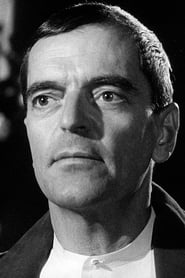 Howard Vernon
Foundational Horror Actor
Vernon starred as Dr. Orlof in Franco's breakthrough horror film and remained one of his defining recurring performers across decades of Gothic, vampire and mad-scientist horror.
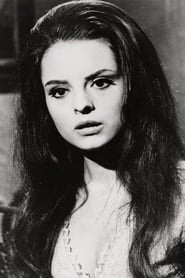 Soledad Miranda
Defining Horror Muse
Miranda became the hypnotic center of Franco's crucial early-1970s horror period through Count Dracula, Vampyros Lesbos and She Killed in Ecstasy before her premature death.
DW
Daniel White
Defining Horror Composer
White scored a large body of Franco's horror work, providing musical continuity across films involving Orlof, Frankenstein, vampires, exorcism and zombies.
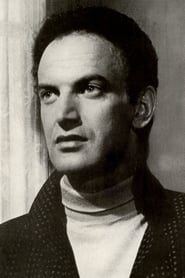 Paul Müller
Recurring Horror Actor
Müller became part of Franco's European horror repertory through films including Count Dracula, Vampyros Lesbos, She Killed in Ecstasy and A Virgin Among the Living Dead.
 Jack Taylor
Recurring Gothic Horror Actor
Taylor linked several major phases of Franco's horror cinema through Succubus, Count Dracula and Female Vampire, moving with the director from Gothic horror toward more experimental erotic forms.
Jesús Franco Horror Movies
Directing (74 credits)
2012
2012
2008
2005
2002
2002
2001
2000
1999
1999
1998
1998
1997
1996
1988
1986
1985
1984
1984
1983
1983
1982
1982
1982
1981
1981
1980
1980
1979
1977
1977
1977
1977
1977
1976
1976
1976
1975
1974
1974
1974
1974
1974
1973
1973
1973
1973
1973
1973
1973
1973
1973
1972
1972
1972
1972
1971
1971
1970
1970
1970
1969
1969
1969
1969
1969
1969
1968
1968
1966
1964
1962
1962
Writing (68 credits)
2013
2012
2012
2008
2008
2005
2002
2002
2001
2000
1999
1999
1998
1998
1997
1996
1988
1986
1984
1984
1983
1983
1982
1982
1982
1981
1981
1980
1980
1980
1979
1977
1977
1976
1976
1976
1975
1974
1974
1974
1974
1974
1973
1973
1973
1973
1973
1973
1973
1973
1973
1972
1972
1972
1971
1971
1970
1970
1969
1969
1969
1969
1968
1968
1966
1964
1962
1962
Acting (40 credits)
2013
2012
2012
2009
2003
1999
1999
1988
1984
1984
1983
1981
1981
1980
1979
1977
1976
1975
1974
1973
1973
1973
1973
1973
1972
1972
1972
1971
1971
1970
1970
1969
1969
1969
1969
1969
1968
1966
1964
1962
Music & Sound (25 credits)
2013
2012
2005
2002
2001
2000
1999
1999
1998
1998
1997
1986
1985
1984
1984
1983
1983
1982
1982
1982
1981
1980
1978
1972
1971
Cinematography (7 credits)
1984
1983
1983
1982
1976
1976
1973
Editing (7 credits)
2013
2012
2012
1982
1982
1981
1973
Production (9 credits)
2013
2012
2012
1998
1998
1997
1983
1982
1976
Special FX / Practical FX (1 credits)
1971
Other Crew (1 credits)
1990