
2025
Gregory Nicotero
Horror Special Effects · Biography · Horror Filmography · Collaborators · Credits
Horror subgenres & themes
Biography
Gregory Nicotero: Practical Horror Effects, KNB EFX and the Modern Zombie
Gregory Nicotero occupies an unusually broad position in modern horror history. He began as a young effects artist working within the Pittsburgh filmmaking culture surrounding George A. Romero and Tom Savini, became one of the founders of KNB EFX Group, contributed creatures, wounds, monsters and practical makeup to several generations of horror films, and eventually developed into a director and executive producer whose work on The Walking Dead helped define the appearance of the television zombie for a global audience. Few horror craftsmen have moved so completely from the workshop to the director's chair while remaining closely identified with the physical construction of monsters.
That continuity is central to Nicotero's importance. His career did not begin after practical effects had become nostalgic. He entered the profession during the period when prosthetic gore, animatronics, creature suits and mechanical effects were among horror cinema's primary attractions. He learned directly from artists who had transformed the visibility of screen violence during the 1970s and early 1980s, then carried those methods into an industry increasingly dominated by larger effects houses and eventually digital tools. Rather than treating practical and digital techniques as opposing traditions, Nicotero repeatedly used physical effects as the foundation around which other methods could be added.
His horror filmography consequently cuts across several major movements in the genre. Romero's zombie cinema, Sam Raimi's demonic slapstick, the late-1980s creature boom, Wes Craven's horror, John Carpenter's cosmic monsters, Robert Rodriguez's vampires, the revival of graphic studio horror in the 2000s and the enormous television production machinery of The Walking Dead all intersect with Nicotero's career. His work offers a history of modern American horror seen from the perspective of the people who have to make its impossible bodies physically exist.
Pittsburgh, George A. Romero and the Path Toward Horror Effects
Nicotero was born in Pittsburgh, Pennsylvania, in 1963, a city that already occupied a unique position in American horror because George A. Romero had created Night of the Living Dead there independently in 1968. For a young horror fan growing up in the region, Romero demonstrated that filmmaking was not an activity confined to distant Hollywood studios. Horror movies could be made by people living and working in Pittsburgh, using local locations, local crews and a community of collaborators that grew from one production to another.
Nicotero initially pursued medical studies, an experience that later proved unexpectedly relevant to effects work. Understanding anatomy, musculature and the physical organization of the body gave him a useful foundation when constructing wounds, corpses and damaged flesh. Horror makeup requires exaggeration, but convincing exaggeration usually depends on understanding the reality being distorted. A prosthetic injury can be spectacular while still reflecting recognizable anatomical structure.
His connection with Romero's circle also exposed him to Tom Savini, whose practical work on Dawn of the Dead, Friday the 13th, Maniac, Creepshow and other productions had made him one of the most visible effects artists in horror. Savini represented an approach in which the person creating a wound understood photography, timing, performance and the physical mechanics required to sell it. Nicotero entered the profession at exactly the right moment to absorb that way of thinking.
Day of the Dead and the Tom Savini Apprenticeship
Day of the Dead in 1985 became the decisive beginning of Nicotero's professional horror career. Romero's third major zombie film brought Savini back to supervise some of the most elaborate undead makeup and gore effects yet attempted in the series. Nicotero joined the effects operation at a moment when practical horror craftsmanship had reached an extraordinary level of sophistication.
The production became a practical education in the construction of screen horror. Zombies needed individual identities rather than generic pale faces. Decomposition had to appear at different stages. Mechanical effects had to function repeatedly under set conditions. Large-scale death sequences involved prosthetics, blood systems, hidden mechanisms, performer choreography and camera placement working simultaneously.
Nicotero also appeared in the film as Johnson, reflecting the informal crossover between effects crews and screen performers that had always characterized Romero's productions. More importantly, he documented the work extensively. Photography and behind-the-scenes footage became part of his professional habit, preserving the processes through which practical effects were built and executed. This instinct to record the craft would become increasingly valuable as the films themselves developed cult and historical importance.
The relationship with Savini became formative. Nicotero learned not simply how to sculpt a prosthetic or mix blood, but how effects function inside filmmaking. A convincing severed head is not an independent sculpture. It must match the performer, accept the required mechanical action, withstand lighting, work within the planned lens and remain usable for enough takes to complete the scene. Horror effects are engineering performed under cinematic conditions.
From Beyond and the Creature-Effects Explosion
The mid-1980s were exceptionally fertile for practical creature effects, and Nicotero rapidly moved into productions beyond Romero's immediate circle. Stuart Gordon's From Beyond in 1986 represented exactly the kind of technically ambitious horror being produced during this period. Inspired by H. P. Lovecraft, the film required bodies to mutate, creatures to appear from another plane of existence and human anatomy to become progressively unstable.
Effects-heavy films such as From Beyond offered young artists an environment in which nearly every sequence could become a technical experiment. Foam latex, mechanical rigs, puppetry, bodily prosthetics and fluids were combined to create images that could not simply be purchased from a standardized effects catalogue. Every monster created a new practical problem.
This culture shaped Nicotero permanently. The monster was not conceived as something completed entirely before photography. Design continued through fabrication, testing, performance and camera work. A creature that appeared impressive while standing still might fail the moment it needed to move, while a simpler design could become convincing through lighting, framing and mechanical performance.
Evil Dead II and Sam Raimi's Physical Horror Comedy
Nicotero's work on Evil Dead II in 1987 connected him with Sam Raimi at another crucial point in modern horror. Raimi's film demands effects capable of functioning simultaneously as grotesque horror and manic physical comedy. Possessed bodies distort, severed limbs continue moving, corpses transform and demonic faces operate according to a visual logic in which excess is part of the entertainment.
This required a different sensibility from Romero's zombies. Day of the Dead often asks effects to appear anatomically horrible. Evil Dead II can deliberately push bodies beyond realistic anatomy into cartoon violence without losing their physical impact. Puppets, appliances and mechanical devices become performers in their own right.
Nicotero later remembered the production as part of an especially exciting period when young effects artists were building careers around the possibilities opened by films such as An American Werewolf in London and The Thing. The ambition was not merely to apply conventional makeup. It was to make monsters, transformations and impossible bodies capable of competing for the audience's attention with the actors themselves.
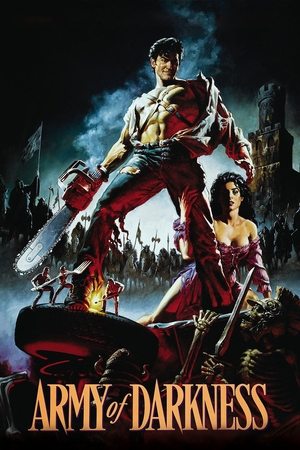
His relationship with Raimi continued over decades. The effects culture of Evil Dead II resurfaced in Army of Darkness, where horror imagery merges even more openly with fantasy and physical comedy, and later in Drag Me to Hell, a return to grotesque supernatural horror in which Raimi again embraced puppets, prosthetics, corpses and bodily fluids with deliberate theatrical excess.
Creepshow 2 and the Romero Horror Family
Creepshow 2 in 1987 provided another connection to the Romero tradition. The anthology format, inherited from the original Creepshow, allows horror effects to change completely from story to story. A creature, corpse or bodily transformation does not have to support a two-hour feature. It can dominate a short segment and then disappear when the next story begins.
Anthology horror would later become particularly important to Nicotero. The format suited an effects artist's imagination because each story can establish new visual rules, new monsters and new technical challenges. Decades later he would return directly to the Creepshow legacy not simply as an effects technician but as one of the central creative forces behind the television revival.
KNB EFX Group: Kurtzman, Nicotero and Berger
In 1988 Nicotero co-founded KNB EFX Group with Robert Kurtzman and Howard Berger. The company's initials derived from the surnames Kurtzman, Nicotero and Berger, and the partnership developed into one of the most prolific makeup and creature-effects operations in American filmmaking.
The importance of KNB to horror extends far beyond the number of films in its catalogue. The company emerged when practical effects were becoming increasingly complex and productions needed teams capable of handling design, sculpture, mold making, prosthetics, animatronics, creature suits, artificial bodies and on-set execution under one organizational structure. Effects had evolved from the work of isolated makeup artists into a specialized production industry.
Nicotero, Berger and Kurtzman brought complementary abilities to that environment. Their shop could develop a creature from concept art through fabrication and finally send artists to the set who understood how the finished object had been built. The company became a recurring destination for filmmakers who needed monsters and gore but also wanted collaborators capable of participating creatively in the design process.
Horror remained essential to KNB's identity even as the company expanded into other genres. The studio's work became associated with filmmakers including Wes Craven, John Carpenter, Robert Rodriguez and Sam Raimi, while Nicotero's own visibility increased because he was able to explain the craft publicly and maintain personal relationships with directors across multiple projects.
The People Under the Stairs and Wes Craven
Wes Craven's The People Under the Stairs in 1991 brought Nicotero and KNB into one of the director's strangest combinations of grotesque horror, social satire and dark fairy tale. The film requires physical character work rather than a single dominant monster. The inhabitants hidden beneath the house are human beings whose bodies bear evidence of mutilation and prolonged abuse, while the central villains move between domestic caricature and extreme violence.
The project illustrates KNB's ability to support a film in which horror makeup does not necessarily announce itself as a showcase. Prosthetics help construct the world and its inhabitants, allowing deformity and bodily damage to become narrative evidence. Effects are part of characterization.
Working repeatedly with filmmakers such as Craven also gave Nicotero access to directors who understood the value of practical collaboration. Experienced horror directors knew that an effects sequence often had to be redesigned after tests revealed what a mechanism could actually accomplish. The effects team was therefore not simply fulfilling orders but helping determine the final form of the scene.
Army of Darkness and the Expansion of the Evil Dead World
Army of Darkness in 1992 expanded Sam Raimi's Evil Dead mythology into medieval fantasy horror, requiring a much larger range of creatures and physical illusions than the isolated cabin of the earlier films. Skeleton armies, possessed bodies, miniature versions of Ash and elaborate monster designs transform the film into a catalogue of effects traditions.
Nicotero's participation connects the film directly with the practical experimentation of Evil Dead II. The tone had become even more overtly comic, but the effects still needed tactile presence. Rubber, mechanical elements, puppetry and performer makeup make the supernatural world physically interact with Bruce Campbell rather than existing only as visual abstraction.
This mixture of horror and technical play became one of Nicotero's enduring interests. An effect can disturb an audience while simultaneously inviting viewers to wonder how it was achieved. Horror fans often enjoy both reactions at once. The illusion works emotionally, but the craftsmanship remains visible enough to inspire curiosity.
Body Bags and John Carpenter
Nicotero's work intersected with John Carpenter on projects including Body Bags, In the Mouth of Madness and later Ghosts of Mars. Carpenter's horror offered another distinct environment for practical effects, moving between anthology grotesquerie, Lovecraftian mutation and violent science-fiction horror.
Body Bags uses an anthology structure that permits abrupt changes in tone and effects style. The format places practical horror within short, concentrated narratives, something Nicotero already understood through his involvement in the Creepshow tradition.
The more ambitious collaboration came with In the Mouth of Madness. Carpenter's film revolves around a reality collapsing under the influence of cosmic horror, requiring creatures that suggest forms fundamentally incompatible with ordinary human anatomy. KNB created an extensive collection of practical monsters and transformations for the production.
In the Mouth of Madness and the Wall of Monsters
In the Mouth of Madness in 1994 became one of the clearest demonstrations of KNB's ability to build large-scale creature horror. Human beings mutate, faces distort, bodies acquire impossible structures and the film culminates in a mass of monsters emerging behind John Trent.
Nicotero later described the enormous practical creature assembly built for the pursuit as a construction roughly eighteen feet across, containing bodies, jaws, tentacles and moving sections designed to advance like a physical wave of monsters. The image could have been approached as an optical abstraction, but Carpenter wanted the creatures to occupy real space.
The result captures a central quality of practical horror. Even when the monster is intentionally impossible, gravity still acts upon it. Light reflects from its surfaces, shadows fall onto nearby walls and actors can physically react to something occupying the set. These accidental properties of real objects often contribute as much credibility as the sculptural design itself.
The film also reunited the three KNB founders within a horror project whose effects demands matched the company's strengths. Robert Kurtzman, Gregory Nicotero and Howard Berger helped translate Carpenter's cosmic nightmare into rubber, mechanics and performers, giving form to creatures that the story repeatedly suggests should resist ordinary representation.
From Dusk Till Dawn and Robert Rodriguez
Robert Rodriguez's From Dusk Till Dawn in 1996 offered another major KNB showcase. The film famously changes genre midway through its story, abandoning crime thriller expectations when the Titty Twister bar is revealed to be inhabited by vampires. That transformation depends on effects. Familiar human characters become creatures, bodies deform, limbs are destroyed and an apparently realistic environment turns into a supernatural slaughterhouse.
KNB had substantial preparation time to develop the vampire designs, with individual creatures often tailored to recognizable performers. Rather than establish a single standardized vampire face, the effects emphasize variety. Some creatures retain recognizable human features while others move much further toward reptilian or monstrous anatomy.
Nicotero also appeared briefly in the film, another example of the way his identity increasingly crossed between effects work and screen presence. Tom Savini's major acting role as Sex Machine further connected the production to the practical-effects culture from which Nicotero had emerged.
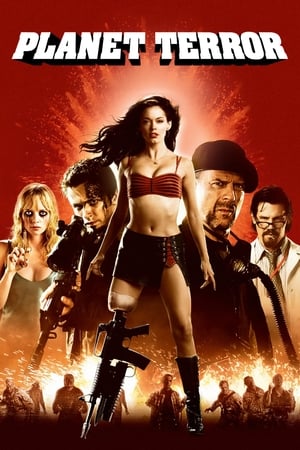
The relationship with Rodriguez continued through projects including The Faculty, Planet Terror and the later From Dusk Till Dawn television production. Rodriguez's enthusiasm for exploitation imagery and exaggerated physical violence made him a natural collaborator for KNB.
Wishmaster and the Creature Tradition of the 1990s
Wishmaster in 1997 stands at an interesting point in late-1990s horror because it foregrounds practical creature effects at a time when the genre was increasingly moving toward self-aware slashers and cleaner studio aesthetics. Robert Kurtzman directed the film, while KNB's effects culture remained central to its identity.
The Djinn's powers allow the film to stage a succession of elaborate bodily punishments. Wishes are interpreted literally and maliciously, producing transformations and injuries that function almost like an anthology of effects demonstrations inside a single narrative.
For Nicotero, the project reflected the creative environment generated by KNB itself. The company was no longer merely serving outside directors. One of its founders could direct a horror feature built around the type of practical work the group had developed over the previous decade.
Thir13en Ghosts and the Design of Individual Monsters
Thir13en Ghosts in 2001 required an unusually systematic form of creature design. Rather than a single supernatural antagonist, the film presents a collection of ghosts whose histories and visual identities are distinct. Each spirit needed to communicate character immediately through body shape, wounds, clothing and makeup.
This kind of design emphasizes one of practical makeup's strongest qualities. A monster can carry narrative information before it performs any action. Scars, missing tissue, restraints and damaged anatomy suggest how a person died or what type of threat the spirit represents. Makeup becomes compressed biography.
For Nicotero and KNB, the film belongs to a period when large studio horror still frequently relied on extensive practical fabrication even as digital effects became increasingly common. The two methods were not mutually exclusive. Digital work could remove supports or expand environments while physical makeup preserved the immediate interaction between monster and performer.
Land of the Dead and the Return to George Romero
Land of the Dead in 2005 represented an especially meaningful return. Twenty years after Nicotero entered professional filmmaking through Day of the Dead, Romero returned to his zombie universe and Nicotero was now an established effects supervisor capable of leading the creation of its undead population.
The change in professional position was enormous. On Day of the Dead, Nicotero had been learning inside Savini's department. By Land of the Dead, he had decades of experience and a major effects company behind him. The student had become the person responsible for extending the physical tradition in which he had been trained.
Romero's zombies had also evolved conceptually. Land of the Dead introduces undead characters who appear capable of learning, organizing and remembering fragments of previous behavior. Their makeup therefore needed enough decomposition to identify them immediately as corpses while preserving recognizable individuality and expression.
Nicotero's work on the film demonstrates the continuity of Romero's influence. The visual language of the modern zombie had changed through countless imitations, but Land of the Dead returned the effects artist to the filmmaker whose work had originally convinced him that horror production was possible in Pittsburgh.
Masters of Horror and a Community of Genre Filmmakers
The Masters of Horror anthology brought Nicotero and KNB into a concentrated gathering of established genre directors. Episodes directed by filmmakers such as John Carpenter, Dario Argento, Tobe Hooper and others demanded radically different monsters, wounds and effects within the production framework of the same series.
Nicotero's credits across episodes including Jenifer, Dreams in the Witch House, Deer Woman, Pick Me Up and The V Word illustrate how naturally his career fits anthology horror. Every installment begins again. A new filmmaker arrives with a new visual problem, and the effects department has to establish an entire physical language within a limited running time.
The series also reunited generations of filmmakers whose careers had overlapped with KNB. By this stage Nicotero was no longer simply a young technician moving between established directors. He had become part of the same professional horror community.
The Hills Have Eyes, Mirrors and the Return of Graphic Studio Horror
The 2000s brought renewed commercial appetite for explicit horror, including remakes of influential titles from the 1970s and 1980s. KNB and Nicotero participated in several productions where practical effects again became central to the films' marketing and impact.
Alexandre Aja's The Hills Have Eyes in 2006 required mutant characters, damaged bodies and aggressive gore that connected contemporary studio filmmaking with the physical extremity of older exploitation horror. Nicotero even appeared as Cyst, one of the mutants, while KNB's practical work helped make the irradiated inhabitants physically distinct.
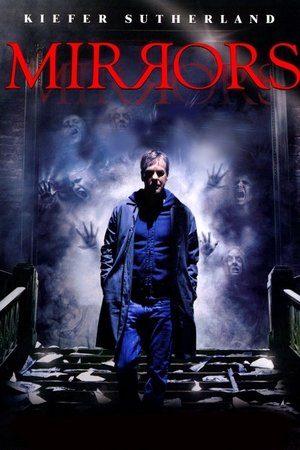
Aja's Mirrors in 2008 moved into supernatural horror but still required explicit bodily effects. The threat may originate in reflections, yet its consequences are violently material. Nicotero's special makeup work ensured that supernatural control produced tangible damage rather than remaining an invisible digital phenomenon.
These projects demonstrate why filmmakers continued returning to KNB after computer-generated effects had become commonplace. Practical makeup did not need to compete with digital imagery by pretending it could accomplish everything. Its value came from the things it could do exceptionally well: faces, wounds, skin, corpses, tactile surfaces and physical interaction.
The Mist and Moving Toward Direction
Frank Darabont's The Mist in 2007 became important not only for effects but for Nicotero's expanding responsibilities behind the camera. In addition to makeup effects work, he served as a second-unit director. The role provided direct experience in staging material rather than simply preparing elements to be photographed by someone else.
Second-unit direction was a natural extension of effects supervision. Complex horror sequences frequently depend on inserts, creature shots, stunts, detailed gore and specialized material that may be separated from principal dramatic photography. An effects supervisor already understands how those images need to connect with the surrounding scene.
The transition also reveals how Nicotero's career had begun moving beyond technical specialization. Decades spent analyzing lenses, coverage, actor positions and editing requirements from an effects perspective had accumulated into a practical education in directing.
Drag Me to Hell and Reuniting with Sam Raimi
Drag Me to Hell in 2009 reunited Nicotero with Sam Raimi more than two decades after Evil Dead II. The film deliberately returns to a form of horror built around curses, possession, corpses, grotesque fluids and physical gags staged with the energy of a haunted amusement ride.
Raimi remained enthusiastic about puppetry and prosthetic effects even though digital techniques were fully available. KNB designed demonic makeup, decaying bodies, artificial heads and other practical elements that allowed performers to interact with the horror directly.
The collaboration illustrates a principle running through Nicotero's career: newer technology does not automatically make older techniques irrelevant. A filmmaker chooses tools according to the desired image. A puppet may have limitations, but those limitations can produce spontaneous reactions from actors and encourage inventive camera work.
For Nicotero the production also represented a return to one of the filmmakers who had shaped his early professional life. The young artist documenting Evil Dead II had become the head of a major effects operation returning to help Raimi recreate the anarchic physical energy of his horror origins.
The Walking Dead and the Reinvention of the Television Zombie
The Walking Dead transformed Nicotero's public profile more radically than any previous project. When the AMC series began in 2010, he brought decades of zombie-effects knowledge directly descended from Romero and Savini into a television production required to create large numbers of undead characters continuously across seasons.
The challenge differed fundamentally from a feature film. A movie might require a limited population of hero zombies whose prosthetics can consume hours of preparation. A long-running series needs background walkers, featured walkers, damaged bodies, stunt performers and recurring large-scale attacks week after week. The system must produce quantity without allowing the creatures to become visually repetitive.
Nicotero and KNB developed a hierarchy of makeup approaches. Background walkers could use faster techniques and carefully selected facial structures, while featured zombies received elaborate prosthetic appliances, missing anatomy, exposed tissue or highly specific decomposition. Camera position determined how much detail was necessary.
Variation became crucial. After years of episodes, simply applying gray skin and wounds would no longer be enough. Walkers appeared burned, waterlogged, buried, trapped, mutilated, partially consumed or altered by environmental conditions. Each design suggested a small history of what had happened to the body since death.
From Makeup Effects to Producing Director
Nicotero's role on The Walking Dead expanded far beyond creature design. He became a producer and eventually one of the series' most prolific directors, directing dozens of episodes while continuing to oversee the visual language of the walkers.
This combination is unusual. A director emerging from effects work approaches horror scenes with knowledge of exactly what can be achieved practically. Nicotero can design coverage around a mechanical effect, understand which angle exposes a prosthetic edge and determine when an insert shot will make an injury more convincing. Effects are considered during staging rather than added as an isolated department at the end of planning.
His episodes frequently contain ambitious walker set pieces, but the directing work also required performance, suspense and large ensemble storytelling. The transition therefore cannot be understood merely as an effects artist being allowed to photograph monsters. Nicotero developed into a television director responsible for some of the series' largest dramatic turning points.
By the later seasons he had directed more episodes of The Walking Dead than any other filmmaker associated with the program. His position linked the show's practical horror identity to its overall production structure.
The Walker as Character Design
Nicotero's contribution to The Walking Dead is particularly important because the series changed how zombies could function over extended television storytelling. Feature-film zombies often need to create an immediate impression. A series must keep them visually interesting after audiences have already seen hundreds.
The solution was to treat individual walkers as miniature character designs. Clothing, decomposition, environmental damage and the circumstances of death combine to produce recognizable figures. A walker found underwater should not resemble one preserved in a dry interior. A body trapped beneath machinery creates different damage from one exposed outdoors for months.
This approach continues lessons inherited from Romero. Zombies are corpses before they are generic monsters. Their horror partly comes from traces of previous humanity. Clothing, jewelry, occupation and bodily condition suggest lives interrupted by catastrophe.
At the same time, the television schedule forced innovations in speed. Effects processes had to become repeatable enough for an industrial production without losing the hand-crafted irregularity that prevents a crowd of walkers from resembling identical masks.
Gregory Nicotero and George Romero's Continuing Influence
Romero remained a central reference point throughout Nicotero's career. Their connection was personal as well as professional. Nicotero had entered filmmaking through Romero's Pittsburgh community, returned for Monkey Shines, later supervised zombies for Land of the Dead and appeared in Diary of the Dead.
On The Walking Dead, Romero's influence became unavoidable because every modern zombie production exists within a language his films helped establish. Yet Nicotero did not simply reproduce Dawn of the Dead or Day of the Dead. Television required different rhythms, different population scales and different levels of decomposition.
The connection therefore operates more like lineage than imitation. Romero demonstrated that zombies could carry social, emotional and political meaning. Savini showed how their bodies could be rendered through practical effects. Nicotero absorbed both traditions and adapted them to a format capable of producing undead imagery for more than a decade.
Creepshow and Returning to the Beginning
The television revival of Creepshow brought another major part of Nicotero's history full circle. The original 1982 film directed by George Romero and written by Stephen King had been one of the formative productions in the Pittsburgh horror culture that fascinated him as a young man. Decades later he became a central creative figure in bringing the property back as a series.
Nicotero served as executive producer, directed episodes and specials, wrote material and supervised an approach deliberately connected to the visual language of horror comics. The anthology format allowed practical creatures, corpses and monsters to dominate individual stories without requiring a single mythology to connect them.
The series also allowed Nicotero to preserve a type of horror entertainment that had influenced him before his professional career began. Creepshow can be grotesque without requiring absolute realism, frightening without abandoning humor and visually artificial without losing its effectiveness. That flexibility resembles the practical-effects culture in which he developed.
Episodes could involve werewolves, aliens, animated corpses, parasites, supernatural objects and traditional monsters. Each story becomes another workshop problem, making the format especially compatible with Nicotero's background.
Practical Effects in a Digital Horror Industry
Nicotero's career is often discussed in terms of practical effects versus computer-generated imagery, but his work demonstrates why that opposition can be misleading. Digital tools are extraordinarily useful for removing rigs, extending environments, altering eyes, multiplying crowds or completing effects that cannot safely be executed physically. Practical work is valuable because actors can touch it, lighting interacts naturally with it and the camera records an actual surface.
The most effective modern horror frequently combines both. A prosthetic wound establishes texture and physical contact while digital work can erase seams or extend damage beyond what the appliance can achieve. A creature suit provides weight and performance while visual effects can alter movement or anatomy.
Nicotero's generation is particularly well positioned to understand this hybrid approach because it began before digital effects became widely accessible. The fundamentals had to work physically. When new tools arrived, they expanded an existing vocabulary rather than replacing the need to understand bodies, materials and cinematography.
Anatomy, Medical Knowledge and Convincing Damage
Nicotero has repeatedly connected his early medical interests with his later effects work. Horror injuries become more convincing when the artist understands what structures lie beneath the skin. Muscles have direction. Bones determine silhouette. Fat, blood and connective tissue behave differently.
This does not mean horror effects must be medically literal. Some of the genre's most memorable deaths are deliberately excessive. The important distinction is that exaggeration becomes more effective when built upon recognizable physical logic.
A damaged head may contain impossible amounts of blood, but the placement of exposed bone or tissue can still make intuitive anatomical sense. A decomposed face can become grotesquely theatrical while preserving enough underlying structure for the audience to recognize a former human being.
This mixture of observation and exaggeration links Nicotero directly to Savini's practical philosophy. The audience should know intellectually that the effect is artificial while reacting physically for the brief moment in which the illusion appears real.
Howard Berger, Robert Kurtzman and the KNB Workshop Culture
Although Nicotero became the most publicly visible KNB founder through The Walking Dead, the company's history depends on collaboration. Howard Berger and Robert Kurtzman were fundamental partners in building an effects house capable of surviving across decades of changing production conditions.
Effects shops operate through specialization. Sculptors, painters, mechanics, mold makers, hair technicians, performers and application artists may all contribute to a single finished creature. The supervisor must understand enough of each process to coordinate the result without pretending the work is produced individually.
KNB's longevity therefore matters as much as any individual monster. Film production changes rapidly, and effects companies can disappear when trends, budgets or technology shift. KNB remained active through transitions from the practical-effects boom to digital filmmaking and then into an era in which practical creature work became valued again partly because audiences had learned to recognize its tactile qualities.
Tom Savini and the Transmission of Horror Craft
Tom Savini's role in Nicotero's development represents one of the clearest examples of generational transmission within horror effects. Savini had himself built upon earlier traditions of makeup, stage illusion, stunt work and anatomical observation. Nicotero learned from him while practical gore was still developing technically at remarkable speed.
The relationship later reversed in an important cultural sense. Nicotero became one of the artists responsible for keeping that practical tradition visible to younger audiences. The Walking Dead introduced millions of viewers to complex prosthetic zombies at a scale unimaginable during Day of the Dead.
Savini publicly recognized Nicotero's achievements, particularly the variety and production volume of the walkers created for television. That acknowledgement captures the continuity between two periods of the genre without reducing the later work to imitation.
Directing Horror After a Career Making Monsters
Nicotero's development as a director demonstrates how technical specialization can become a form of filmmaking education. Effects supervisors spend years studying exactly where the camera will be, how long a shot must last and how an audience will interpret incomplete visual information.
A prosthetic only needs to be perfect from the angle being photographed. A mechanical effect may depend on cutting away at the correct moment. A monster reveal succeeds because previous shots withheld specific information. These are directorial decisions even when an effects artist is not formally directing the sequence.
By the time Nicotero began directing extensively, he had already spent decades solving those problems. The new challenge was integrating them with dialogue, actor performance, dramatic rhythm and long-form storytelling.
His progression from The Mist second unit into The Walking Dead, the Creepshow series and its specials therefore appears less like a career change than the expansion of responsibilities that had always existed around his effects work.
Creepshow Specials and Horror Experimentation
Nicotero's work on A Creepshow Animated Special and A Creepshow Holiday Special demonstrates his willingness to move beyond one visual method even while remaining identified with practical effects. Animation, unusual television formats and creature-driven seasonal storytelling become extensions of the anthology principle rather than departures from it.
The important continuity is not the material used to build the monster but the structure of the horror experience. A Creepshow story establishes a premise quickly, creates a strong visual hook and reaches an ending with the compressed force of a comic-book tale. Nicotero's effects background helps that structure because practical artists are accustomed to identifying the image an audience will remember after the story is over.
The Walking Dead Universe Beyond the Original Series
Nicotero's involvement with the broader Walking Dead franchise extended beyond the original series. He served in producing capacities on Fear the Walking Dead, The Walking Dead: World Beyond and later The Walking Dead: The Ones Who Live, while KNB's approach to undead design continued influencing the visual continuity of the franchise.
Maintaining that continuity across productions is not merely a question of repeating the same makeup. Different geographic locations, timelines and story circumstances require walkers to evolve while remaining recognizable as inhabitants of the same fictional world.
The franchise therefore turned zombie design into something closer to production design. Decay, clothing, environment and injury form part of the setting itself. The undead population communicates how much time has passed and what has happened to the world around the living characters.
Nicotero's Place in Modern Horror History
Gregory Nicotero's importance to horror comes from the unusual number of roles through which he has influenced the genre. As an effects artist he helped construct creatures and gore for dozens of films. As a co-founder of KNB EFX Group he helped build an institution capable of supporting several generations of filmmakers. As a director he translated his understanding of physical horror into camera placement and dramatic staging. As a producer he became involved in the organization of long-running horror television on a scale far beyond the independent productions where his career began.
The timeline itself is remarkable. Day of the Dead connects him directly to Romero and Savini in 1985. Evil Dead II connects him to Raimi during one of the defining practical-effects films of the decade. KNB placed him inside the creature industry of the 1990s through films associated with Carpenter, Craven and Rodriguez. The 2000s brought renewed gore and remakes before The Walking Dead transformed his role from specialist to one of the most recognizable creative figures working in television horror.
Across these periods, his work preserves an understanding of horror as something constructed collaboratively. Monsters are designed, sculpted, molded, painted, mechanically engineered, performed, lit, photographed and edited. The final image may last seconds, but it can represent weeks of labor by a large technical team.
Nicotero's career makes that hidden structure unusually visible. His importance is therefore not limited to individual effects or even to the enormous cultural reach of The Walking Dead. He represents continuity between the handcrafted American horror culture of Romero and Savini, the professional effects-house system represented by KNB, and the contemporary production environment in which practical and digital methods coexist. That continuity explains why his work remains relevant across films and television productions separated by more than four decades.
Photos (1)
Images: TMDB
Selected Work
Notable Horror Collaborators
Notable collaborators and creative partners throughout Gregory Nicotero's horror career.
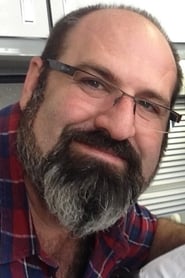 Howard Berger
KNB EFX PARTNER
Co-founded KNB EFX Group with Nicotero and Robert Kurtzman in 1988, beginning a decades-long partnership responsible for practical creatures, prosthetics and makeup effects across a vast body of horror cinema.
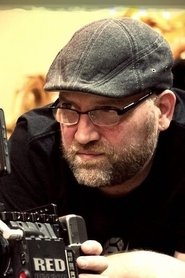 Robert Kurtzman
FOUNDING EFFECTS PARTNER
The third original founder of KNB EFX Group, Kurtzman worked beside Nicotero across numerous horror productions and helped establish the workshop that became one of the genre's most important practical-effects houses.
 Tom Savini
HORROR EFFECTS MENTOR
Savini brought Nicotero into the effects team on Day of the Dead and became his formative mentor, with their shared horror history continuing through projects including Creepshow 2, Monkey Shines and From Dusk Till Dawn.
 George A. Romero
DEFINING ZOMBIE FILMMAKER
Romero gave Nicotero his crucial entry into professional horror on Day of the Dead and later reunited with him on Monkey Shines, Land of the Dead and Diary of the Dead, forming the foundation of his zombie career.
 Sam Raimi
HORROR DIRECTOR
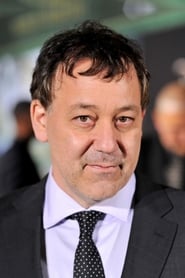
Their horror partnership stretches from Evil Dead II through Army of Darkness to Drag Me to Hell, repeatedly combining Nicotero's practical creatures and prosthetics with Raimi's highly physical approach to supernatural horror.
 John Carpenter
HORROR DIRECTOR
Worked with Nicotero and KNB across Body Bags, In the Mouth of Madness and Ghosts of Mars, including some of the most elaborate practical creature work of Carpenter's later horror career.
Gregory Nicotero Horror Movies
Special FX / Practical FX (62 credits)
2024
2022
2017
2014
2013
2012
2010
2009
2009
2009
2008
2007
2007
2007
2007
2007
2006
2006
2006
2006
2006
2006
2006
2006
2006
2005
2005
2005
2005
2004
2001
2001
2000
1999
1997
1997
1995
1995
1995
1995
1993
1993
1993
1993
1992
1992
1992
1991
1991
1991
1990
1990
1990
1989
1989
1989
1989
1988
1987
1987
1986
Acting (27 credits)
2026
2026
2020
2019
2018
2015
2014
2010
2010
2008
2008
2008
2006
2006
2006
2005
2005
2005
1999
1996
1995
1993
1989
1989
1987
1986
1985
Directing (6 credits)
2020
2020
2019
2010
2010
2007
Production (8 credits)
2026
2024
2023
2020
2019
2015
2010
2010
Writing (4 credits)
2020
2020
2019
2010
Visual Effects (2 credits)
2000
1989
Creator (1 credits)
2019
Stunts (1 credits)
1996