


2022
Lon Chaney
Horror Actor · Biography · Horror Filmography · Family · Collaborators · Credits
Biography
Lon Chaney and the Foundations of American Horror Cinema
Lon Chaney (1 April 1883 - 26 August 1930) was an American actor and makeup artist whose performances became fundamental to the development of horror cinema during the silent era. Known professionally as the Man of a Thousand Faces, he specialized in characters marked by physical transformation, social exclusion, psychological disturbance and extreme emotional conflict. His portrayal of Quasimodo in The Hunchback of Notre Dame (1923) and Erik in The Phantom of the Opera (1925) helped establish the commercial and visual foundations of the American Gothic horror film. His work also extended into psychological thrillers, crime melodramas and films involving scientific experimentation, abnormal psychology and bodily mutilation.
Chaney developed an approach to screen acting in which makeup, facial control and physical performance operated together. He designed and applied many of his own transformations, using materials available to theatrical performers and adapting them to the demands of motion-picture photography. His characters could appear physically unrecognizable while retaining carefully controlled expressions and movements. This combination made him particularly effective in roles involving disfigurement, concealment and concealed identity. His work established important precedents for later horror performers and makeup specialists, although his actual filmography extended considerably beyond the genre.
His relationship with horror developed before the genre had acquired the stable industrial identity associated with the Universal monster films of the 1930s. Contemporary productions were frequently marketed as melodramas, mysteries or thrillers, even when their imagery included grotesque bodies, threatening environments and apparently supernatural figures. The Phantom of the Opera became the most influential example of this transitional period, while The Unknown (1927) and London After Midnight (1927), both directed by Tod Browning, demonstrated other possibilities for combining psychological horror with physical transformation and deception. Chaney died shortly before the arrival of the sound-era monster cycle, but his earlier success had already demonstrated the appeal of major productions built around frightening and physically extraordinary central characters.
Early Life, Deaf Parents and the Development of Physical Acting
Leonidas Frank Chaney was born in Colorado Springs, Colorado, to Frank and Emma Chaney, both of whom were deaf. His childhood required frequent communication through signing, gesture and facial expression. This background became an important part of subsequent accounts of his acting method. Chaney learned to communicate meaning through movements and expressions whose significance did not depend upon spoken dialogue. Although his later professional abilities also resulted from years of theatrical experience, his family environment provided an early familiarity with the expressive possibilities of the human face and body.
Chaney began working in travelling theatrical productions around the beginning of the twentieth century. His early professional responsibilities extended beyond acting to theatrical management and practical stage work. Touring companies required performers to adapt to different venues, available equipment and rapidly changing circumstances. This experience exposed him to costume construction, lighting, staging and the practical mechanics of performance. The knowledge became especially valuable when he entered filmmaking, where his ability to construct a complete physical characterization distinguished him from performers who depended primarily upon conventional makeup and costume departments.
After years in touring entertainment, Chaney established himself in California. Difficulties in his first marriage to Frances Cleveland Creighton, known as Cleva, contributed to a period of personal and professional disruption. Their son, Creighton Tull Chaney, later became the horror actor professionally known as Lon Chaney Jr. The elder Chaney entered the motion-picture industry during the 1910s, when studios needed performers capable of moving between different character types in a rapidly expanding production system. His familiarity with disguise, physical exaggeration and theatrical technique made him particularly suited to character acting.
At Universal, Chaney appeared in numerous productions and worked with directors including Joseph De Grasse and Ida May Park. His early roles covered villains, supporting characters and men whose social circumstances or physical appearance shaped their behavior. These performances developed the versatility for which he later became famous. By the end of the decade, he had acquired substantial screen experience and the ability to construct memorable characterizations within relatively limited screen time. His emergence as a major star would depend on finding leading roles that allowed those abilities to become the central attraction of a film.
Lon Chaney's Makeup Techniques and Physical Transformation
Chaney approached makeup as a component of performance that had to function under the particular conditions of motion-picture photography. The theatrical techniques available during his career included greasepaint, spirit gum, putty, false hair, dental appliances, cotton, collodion and various mechanical supports. The precise combination depended upon the character, the requirements of the camera and the practical limitations of the scene. Strong studio lighting, monochrome photography and the sensitivity of contemporary film stock affected how a face appeared on screen. Chaney understood that successful makeup required control over shading and contours as well as changes in physical shape.
His method placed particular importance on the relationship between constructed features and underlying facial movement. Makeup could enlarge a forehead, alter the apparent depth of the eyes, change the contours of a nose or make the mouth appear permanently distorted. Yet the performer still needed enough mobility to communicate recognizable emotions. Chaney frequently developed appearances in cooperation with cameramen who understood how photographic lighting could emphasize the intended effect. Virgil Miller, who worked with him during his career, later recalled the importance Chaney placed on making a frightening or repulsive character emotionally comprehensible to an audience.
The surviving record also requires caution regarding stories about the physical suffering involved in his transformations. Publicity surrounding Chaney encouraged accounts of elaborate restraints, dangerous appliances and extreme personal endurance. Some techniques were genuinely uncomfortable, particularly when they required sustained changes in posture or applied pressure to the face. However, specific claims about the weight of costumes, permanent bodily injuries and the duration for which particular devices could be worn have often circulated without adequate supporting evidence. Historical analysis must distinguish documented production practices from publicity mythology and later exaggeration.
Chaney contributed to the professional discussion of screen makeup through an article on the subject published in the Encyclopaedia Britannica in 1929. His writing emphasized the manipulation of facial contours through color, lighting and carefully placed materials. He understood the difference between constructing a physical alteration and producing the photographic impression of one. His importance to horror makeup consequently extends beyond individual elaborate designs. He demonstrated that an actor could coordinate cosmetic effects with the demands of cinematography and use the resulting appearance as an essential part of characterization.
His methods belonged to the technological conditions of the silent era. They preceded the later widespread development of specialized foam-latex appliances, increasingly sophisticated prosthetic fabrication and modern creature-effects departments. Chaney was an important predecessor of professional screen makeup artists such as Jack Pierce, whose work on Universal horror productions became central to the following decade. The historical continuity concerns the growing recognition of makeup as a designed cinematic effect, with its own relationship to photographic technique, performer movement and the construction of monstrous characters.
The Miracle Man (1919) and The Penalty (1920): Early Grotesque Performances
Chaney achieved a significant professional breakthrough with The Miracle Man (1919), directed by George Loane Tucker. He portrayed the Frog, a criminal who pretends to have a severe physical disability as part of a fraudulent healing scheme. The character required a conspicuous transformation in posture and movement, allowing Chaney to demonstrate how bodily distortion could form the basis of an entire performance. The film became an important success and established him as a character actor capable of attracting attention through physical technique. Most of the original feature is lost, although a surviving excerpt preserves evidence of his performance.
The Miracle Man belongs primarily to crime melodrama rather than horror, but it is important in tracing the development of the physical acting later associated with his monstrous roles. Chaney used bodily movement to create an altered appearance without depending exclusively upon facial cosmetics. This approach would recur in characters who concealed their identities, simulated disabilities or adopted extraordinary physical postures. It also established a recurring relationship between deceptive appearances and audience expectations, a significant element of his later work with Tod Browning.
In The Penalty (1920), directed by Wallace Worsley, Chaney played Blizzard, a criminal leader whose legs had been amputated following a childhood medical error. The film incorporated violence, psychological disturbance and a revenge narrative organized around bodily mutilation. Chaney represented the character through demanding physical movement and a specially constructed arrangement that concealed his legs, allowing him to appear to move on the remaining portions of his limbs. The transformation became one of the earliest major demonstrations of his capacity to sustain an abnormal physical characterization throughout a feature film.
The Penalty also introduced themes that later became prominent in his horror-related performances. The character combines physical suffering with criminal behavior, obsessive resentment and the desire to reverse an irreversible bodily alteration. The screenplay includes an extreme medical premise involving the proposed transplantation of another mans legs. Such material connects the film with early cinematic anxieties about surgery, physical integrity and the limits of medical intervention. The film is best classified as a psychological crime thriller with macabre elements, but its treatment of mutilation and bodily transformation is directly relevant to the development of Chaney as a performer associated with horror.
A Blind Bargain (1922): Mad Science and the Lost Horror Film
A Blind Bargain (1922), directed by Wallace Worsley, occupies a particularly important position in Chaney's filmography because it was an early production constructed around recognizably horrific scientific experimentation. Adapted from material by Barry Pain, the film centered on Dr. Lamb, a scientist conducting disturbing experiments involving human beings. Chaney performed more than one characterization, including the scientist and a physically deformed figure associated with his experiments. The production combined laboratory horror, abnormal anatomy and the threat of human transformation at a time when these subjects had not yet become established features of the American studio horror film.
Contemporary descriptions identify an environment containing imprisoned experimental subjects and creatures exhibiting abnormal physical characteristics. The laboratory setting and the activities of the scientist belong to the same broad tradition of fantastic medical horror later developed in films about artificial life, dangerous experimentation and scientific transgression. Chaney's participation was central because his ability to assume markedly different physical appearances allowed the production to represent characters whose bodies had been transformed by unnatural processes.
The distinction between A Blind Bargain and Chaney's earlier crime melodramas is important. Here, the macabre qualities derive directly from the scientific premise and the physical consequences of experimentation. The threatening figures are connected to a system of medical manipulation, rather than serving exclusively as expressions of criminality or personal suffering. The film therefore provides an early example of Chaney appearing within a recognizably horror-oriented narrative involving a sinister scientist and physically altered human beings.
No complete surviving print is currently known. Historical understanding depends upon production documentation, contemporary reviews, publicity materials and surviving still photographs. These sources establish the broad nature of the film and its place in Chaney's career, but they cannot support detailed claims about the visual effectiveness of individual sequences in the way that an extant print could. Its loss is particularly significant because it deprives historians of direct access to one of his clearest early contributions to the cinematic mad-scientist tradition.
The Hunchback of Notre Dame (1923): Quasimodo and Gothic Horror
The Hunchback of Notre Dame (1923), directed by Wallace Worsley for Universal, transformed Chaney into an internationally recognized star and established a major precedent for studio productions combining Gothic literature, elaborate physical characterization and large-scale spectacle. Adapted from the novel by Victor Hugo, the film featured Chaney as Quasimodo, the bellringer of Notre Dame cathedral. The production required extensive architectural sets, a substantial supporting cast and a central performance dependent upon an extraordinary transformation of the human body. Its success demonstrated that a physically grotesque protagonist could sustain a major commercial feature.
Chaney's designed a makeup and costume arrangement that altered the apparent proportions of his body, producing the distinctive hump, distorted facial features and asymmetrical posture associated with Quasimodo. The characterization depended on coordinated movement rather than a static cosmetic design. He adjusted the way the character walked, turned, carried his weight and responded to other performers. The resulting appearance was intended to be convincing during both intimate dramatic scenes and large-scale action sequences. Accounts of the makeup have sometimes exaggerated the weight and severity of the apparatus, making contemporary testimony especially important when reconstructing the actual methods.
The film approached Quasimodo through the contrast between his public reputation as a frightening figure and the emotional responses gradually revealed by the narrative. Chaney's performance made the bellringer capable of communicating attachment, fear, humiliation and physical suffering. His scenes with Patsy Ruth Miller as Esmeralda were particularly important to this characterization. The actor could retain the outward appearance of a threatening Gothic figure while making the character emotionally understandable. This combination would become a defining feature of later monster-centered horror films, especially those in which the apparently monstrous protagonist occupies a position of exclusion within society.
The Hunchback of Notre Dame remains fundamentally a historical melodrama, and its relationship with horror should be described accurately. The film does not depend upon supernatural events. Its horror associations emerge from Gothic architecture, violent persecution, threatening imagery and the presentation of a physically extraordinary central character. Its importance to the genre is historical and industrial, particularly through the development of an audience for major productions centered on figures that could be promoted through their disturbing physical appearance.
Universal devoted exceptional resources to recreating the cathedral and medieval Paris. The production established a model of prestigious literary adaptation combined with sensational visual attractions, a formula the studio would return to with The Phantom of the Opera. Chaney's contribution was central to the project, but its technical achievement also depended upon production design, costume, photography and the coordination of large action sequences. The surviving film has circulated in versions derived from incomplete materials, making preservation history an important consideration when evaluating its original scale and construction.
He Who Gets Slapped (1924) and The Monster (1925)
He Who Gets Slapped (1924), directed by Victor Sjöström, provided Chaney with another substantial role built around humiliation, psychological suffering and the theatrical expression of emotional disturbance. He portrayed a scientist who becomes a circus clown after suffering personal and professional betrayal. The film employed stylized imagery associated with recurring humiliation and spectacle, including scenes in which the central character is repeatedly struck before an audience. Its presentation of the clown as a psychologically damaged figure has made it important to later discussions of the disturbing or tragic clown in cinema.
The film was produced during the formation of Metro-Goldwyn-Mayer and demonstrated that Chaney could sustain a demanding central role without depending upon the elaborate facial disfigurements of Quasimodo or the Phantom. The clown persona operated as a form of psychological disguise. His public performance concealed extreme emotional pain, while the repetitive theatrical routine reinforced the relationship between humiliation and identity. The film belongs to tragic melodrama, but its grotesque theatrical imagery connects it with themes later explored in psychological horror.
The Monster (1925), directed by Roland West, returned Chaney to more explicitly horror-related material. He played Dr. Ziska, an inmate who has taken control of a private sanitarium and established a threatening environment involving secret confinement and dangerous experiments. The film incorporated Gothic interiors, a remote institutional setting, concealed identities and a laboratory associated with medical experimentation. These elements place it among the early American productions developing conventions later recognized in mad-scientist and old-dark-house horror.
West combined frightening imagery with substantial comic material, giving The Monster a different tone from the sustained Gothic melodrama of The Phantom of the Opera. Chaney's characterization relied heavily upon the sinister authority and theatrical appearance of Dr. Ziska. The film also illustrates the overlap between early horror and comedy, particularly in stories involving isolated buildings, strange inhabitants and protagonists investigating apparently inexplicable events. Its laboratory setting provides a useful comparison with A Blind Bargain, although the two productions should be understood as distinct treatments of scientific menace.
These films demonstrate the range of Chaney developing screen identity during the middle of the decade. He could play a tragic performer whose appearance was comparatively ordinary or a threatening figure whose costume and behavior were deliberately grotesque. The connection between the two approaches lay in his control of characterization. His reputation increasingly depended upon the expectation that each new production would reveal another distinctive physical or psychological transformation.
The Phantom of the Opera (1925): Production and the Birth of a Horror Icon
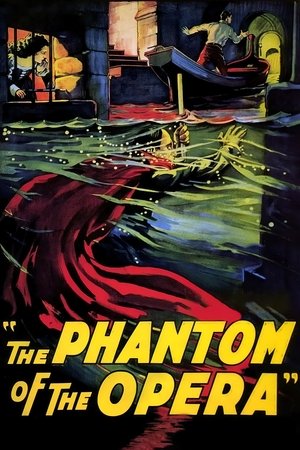
The Phantom of the Opera (1925), directed principally by Rupert Julian and produced by Universal, became the most influential horror-related film of Chaney's career. Based on the novel by Gaston Leroux, the production cast him as Erik, the disfigured figure who inhabits the concealed passages beneath the Paris Opera House. The studio intended the film to follow the commercial success of The Hunchback of Notre Dame and again placed a physically extraordinary protagonist at the center of a large-scale literary adaptation. The project combined expensive architectural sets, elaborate costumes and the special-effects makeup that would become its most recognizable feature.
Production began during 1924 and experienced substantial difficulties involving direction, screenplay development and the balance between romance and Gothic spectacle. Rupert Julian worked within a demanding production environment in which Chaney had significant influence as the star. The elaborate reconstruction of the Paris Opera required extensive studio resources, while the narrative presented challenges because of its mixture of melodrama, mystery, romance and horror. Contemporary documentation records dissatisfaction with early previews and a succession of changes made before the completed film reached general audiences.
Mary Philbin played Christine Daaé, the singer pursued by Erik, while Norman Kerry appeared as Raoul. Chaney's portrayal established the Phantom as both a dangerous antagonist and an isolated figure whose disfigurement shaped his relationship with the world above his underground refuge. The character commits acts of coercion and violence, and his obsessive attachment to Christine creates much of the film's tension. At the same time, Chaney's performance gives him recognizable emotional vulnerability. This combination became important to the development of the tragic monster within subsequent American horror cinema.
The film also established a particularly effective relationship between concealed appearance and delayed revelation. For substantial portions of the narrative, Erik wears a mask that prevents other characters and the audience from seeing his disfigured face. His threatening identity is therefore maintained through costume, gesture, physical presence and the reactions of other performers. The eventual removal of the mask reveals a face deliberately designed to produce a sudden reaction. The sequence remains an important early example of a horror effect constructed around the controlled revelation of a concealed monstrous appearance.
The Phantom Makeup, Unmasking Scene and Cinematic Horror
Chaney personally developed the famous skeletal appearance used for Erik. The design altered the visible shape of his forehead, cheekbones, eyes, mouth and nose, creating an impression of a face approaching the structure of a skull. The effect depended upon cosmetic shading, constructed additions and mechanical manipulation of facial features. Accounts from the production describe the use of dental appliances, cotton or similar material to alter facial contours, an enlarged forehead and carefully placed paint to deepen apparent cavities around the eyes. The overall design took advantage of the photographic characteristics of contemporary black-and-white cinematography.
The transformation was designed to remain effective in close view. Unlike some theatrical masks, the makeup allowed Chaney to continue using his facial muscles and body movement to communicate emotional changes. The face could appear threatening in one moment and distressed in another. His expression following the removal of the mask is important because the scene relies on the simultaneous visibility of deformity, anger and personal humiliation. The horror effect emerges from the appearance itself, but the dramatic significance depends upon the actor's ability to make the revelation meaningful within the relationship between Erik and Christine.
The precise details of every appliance remain a subject requiring care. Cinematographer testimony and specialist production histories describe methods used to raise the nostrils and reshape the upper face, while later popular accounts sometimes introduced contradictory or exaggerated explanations. Chaney's own statements emphasized the importance of makeup color and lighting rather than a secret mechanical process. His achievement can be established without assuming that every widely repeated story about painful devices is accurate. The surviving footage demonstrates the effectiveness of a transformation carefully coordinated with the camera and the performance.
The unmasking scene became one of the most influential visual moments of silent-era horror. Its construction depends upon anticipation, the visible action of Christine removing the covering and the sudden exposure of the altered face. The spectator is directed toward a specific visual event whose impact depends upon information previously withheld. The scene helped establish the dramatic potential of monster revelation, a technique that later horror films would develop through editing, lighting, sound and special effects. Chaney's design remains particularly significant because the transformation was created directly on the actor rather than supplied through an independent creature or mechanical figure.
Erik also provided a lasting example of the relationship between bodily appearance and social exclusion in horror. His physical condition contributes to his isolation, while his possessiveness and violent behavior prevent a simple interpretation of the character as an innocent victim. Chaney's portrayal keeps these elements in tension. The film makes the Phantom frightening through his actions and makeup, yet it also develops the emotional consequences of his estrangement from ordinary society. Later monster films would repeatedly return to this combination, particularly in stories involving visibly abnormal characters whose actions invite both fear and sympathy.
The Phantom of the Opera: Versions, Color and Film Preservation
The production history of The Phantom of the Opera is unusually complex. After unfavorable preview responses, Universal revised the film through additional photography and changes in narrative emphasis. Edward Sedgwick directed material associated with the revised production, including the more action-oriented conclusion. These changes mean that the film commonly viewed today cannot be treated without qualification as an exact representation of its earliest preview form. The historical record documents a process in which the studio attempted to balance disturbing material with the commercial expectations of a prestige entertainment.
Color also played a role in the original presentation. Selected sequences were photographed using early color processes, including the two-color Technicolor sequence associated with the masked ball and the Phantom's appearance as the Red Death. The contrast between the largely monochrome production and these color passages heightened the spectacular qualities of the film. Although the color scenes were not solely horror effects, they contributed to the visual construction of an extraordinary environment and demonstrated the studio willingness to combine different photographic technologies in a major Gothic production.
The subsequent reissue history further complicates the surviving text. A 1929 version was prepared with synchronized sound elements and revised material, and different prints have preserved different combinations of footage. Some reissue material involved performances and scenes not photographed as part of the original production, while Chaney did not return to film new material for that version. As a result, the 1925 release and later reissues should be distinguished rather than treated as separate original Chaney's performances. Restoration work has attempted to reconstruct the surviving evidence, but differences between available versions remain important to historical interpretation.
The Phantom of the Opera was selected for the United States National Film Registry in 1998. Its preservation recognizes a work of major historical significance whose influence includes the development of Universal horror, the history of screen makeup and the transition between silent Gothic melodrama and the sound-era monster film. Its imagery continued to shape theatrical revivals, subsequent adaptations and the public understanding of the Phantom character, even as later productions transformed the narrative and appearance of Erik.
Lon Chaney and Tod Browning: Grotesque Melodrama and Psychological Horror
Chaney's long professional association with director Tod Browning became central to the darker side of his career. Browning had experience with theatrical entertainment and developed a recurring interest in circuses, sideshows, criminal deception, unusual physical conditions and characters living outside accepted social structures. Chaney possessed the technical and dramatic resources required by these subjects. Together, they created films in which abnormal physical appearance, obsessive behavior and concealed identity became fundamental elements of the action.
The Unholy Three (1925) marked an important stage in the partnership. Chaney played Echo, a ventriloquist who participates in a criminal scheme and adopts the disguise of an elderly woman. The film developed the relationship between theatrical performance and criminal impersonation, requiring Chaney to represent sharply different identities within the same narrative. Although primarily a crime thriller, it belongs to the broader macabre tradition associated with Browning. Its unusual characters and fascination with disguise helped define a collaboration that would move toward more overtly disturbing material.
Subsequent projects included The Blackbird (1926), The Road to Mandalay (1926), The Unknown (1927), London After Midnight (1927) and West of Zanzibar (1928). Their settings and narrative premises differed substantially, but they returned to themes of deception, revenge, social marginalization and the relationship between bodily appearance and psychological disturbance. Browning frequently placed Chaney within environments connected to performance, criminal subcultures or exoticized spectacle. These films demonstrate a sustained interest in characters whose visible bodies or assumed identities were essential to their actions.
The Unknown and London After Midnight are the most directly important collaborations for horror history. The former develops a disturbing narrative around voluntary mutilation and destructive obsession. The latter uses the visual language of vampire horror within a mystery involving staged supernatural appearances. In both cases, Browning constructed situations that depended upon Chaney's ability to control the appearance and behavior of an extraordinary character. Their combined work contributed substantially to the cinematic treatment of grotesque bodies and psychologically unstable protagonists during the final years of silent cinema.
The Unknown (1927): Body Horror, Mutilation and Obsession
The Unknown (1927), directed by Tod Browning, is among the most disturbing and historically significant films of Chaney's career. He played Alonzo, a circus performer who presents himself as a man without arms while secretly concealing them beneath his clothing. The deception allows him to evade identification as a criminal and forms the basis of his professional knife-throwing act. Joan Crawford played Nanon, the young performer whose fear of physical contact becomes central to Alonzo increasingly destructive attachment. The narrative develops toward genuine bodily mutilation and a violent conclusion involving the consequences of his deception.
Chaney's portrayal required complex physical performance. The character uses his feet to manipulate objects and perform apparently impossible tasks while maintaining the illusion of being armless. Some actions were performed by Chaney, while more specialized shots used the assistance of an armless performer, Paul Desmuke, whose feet could substitute for those of the character. This practical coordination between actor, double, framing and editing demonstrates the sophistication of silent-era techniques for representing bodily conditions that differed from those of the performer.
The film is especially relevant to horror because bodily transformation becomes an expression of psychological obsession. Alonzo deliberately subjects himself to irreversible physical alteration in pursuit of a desired relationship. The mutilation is therefore integral to the dramatic conflict and its consequences. Browning develops the material through concealment, mistaken expectations and the character increasing loss of control. The resulting horror depends upon the consequences of human decisions and obsessive behavior, rather than upon supernatural intervention.
Chaney's performance combines physical restriction with intense emotional communication. The concealed arms require him to concentrate expression through the face, shoulders and posture, while the character increasingly disturbed mental state is conveyed through changes in his reactions to Nanon and the surrounding circus environment. The technical premise creates opportunities for unusual acting choices, but the emotional development gives those choices dramatic significance. The film is a major example of early psychological body horror because it connects the alteration of the human body directly to compulsion, desire and self-destruction.
The Unknown also occupies an important position in the history of horror performance because its central character is neither a supernatural creature nor a conventional Gothic monster. The source of disturbance lies in a recognizably human personality whose actions become progressively extreme. Chaney demonstrates that a frightening character can be constructed through behavior and psychology while still relying upon sophisticated physical illusion. His collaboration with Browning on the film remains one of the strongest examples of how silent cinema could represent the relationship between mental instability and bodily transformation.
London After Midnight (1927): Vampire Imagery and a Lost Horror Landmark
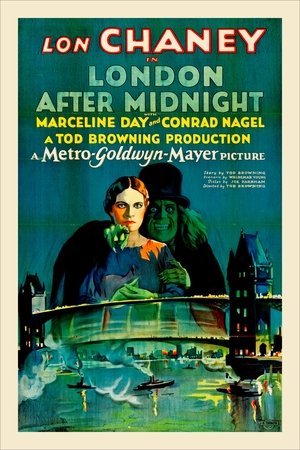
London After Midnight (1927), directed by Tod Browning, became one of the most widely discussed lost films associated with early horror cinema. Chaney performed as Inspector Burke and appeared in the disturbing disguise of a vampire-like figure whose appearance was central to the film visual identity. Surviving photographs show an exaggerated face with prominent teeth, striking eyes and a tall hat, creating one of the most recognizable images of silent-era Gothic horror. The design remains historically important despite the absence of a surviving complete motion-picture print.
The film combined detective fiction with apparently supernatural incidents. Its story involved a murder investigation in which vampire-like appearances contributed to an elaborate deception. The distinction matters because the narrative did not establish the existence of an actual supernatural vampire. Browning employed Gothic imagery within a mystery structure that ultimately depended upon human manipulation and concealment. Chaney's transformation served the investigation and created a frightening appearance whose purpose was connected to the mechanics of the crime.
The character's appearance demonstrates another aspect of Chaney's makeup technique. Whereas the Phantom was designed around the impression of a skeletal and disfigured human face, the vampire disguise of London After Midnight used more conspicuously artificial and theatrical features. The exaggerated teeth and fixed expression created a recognizable visual identity suitable for publicity photography and brief dramatic appearances. The design helped establish an early screen vocabulary for the uncanny vampire figure, although it differed substantially from the aristocratic image later associated with Bela Lugosi in Dracula (1931).
The loss of the original feature places clear limits on critical interpretation. Surviving stills, production records, scripts and contemporary reviews provide substantial evidence about the film, but they cannot reproduce the complete experience of its editing, movement and performance. A later reconstruction assembled from production photographs should not be confused with recovered original footage. Historical claims about pacing, screen presence and individual effects must therefore be qualified by the absence of an extant complete print. The preservation history also demonstrates how heavily the reputation of a lost horror film can depend upon its surviving photographic imagery.
London After Midnight is particularly significant within Chaney's career because it allowed him to play both a comparatively conventional investigator and a character whose appearance depended upon grotesque transformation. This contrast drew upon his established command of disguise and his association with macabre roles. The production also helped develop Browning interest in vampire imagery before his direction of Dracula in 1931. The later film established a different conception of the vampire, but the earlier collaboration remains an important stage in the development of American screen horror.
West of Zanzibar (1928), The Unholy Three (1930) and the Final Years
West of Zanzibar (1928) continued the partnership between Chaney and Browning through a revenge narrative centered on Phroso, a former stage magician who becomes physically disabled and develops an elaborate plan to punish a rival. The production combined bodily suffering, theatrical deception and macabre imagery within a melodramatic setting. Chaney represented the character through restricted lower-body movement, returning to physical methods associated with earlier roles. The film is chiefly a revenge melodrama, although its violent subject matter and grotesque presentation connect it with the darker traditions of his career.
The film also illustrates limitations within the period treatment of non-Western cultures. Its African setting relies on exoticized and stereotyped representations that belong to the conventions of contemporary Hollywood adventure and exploitation cinema. These elements should be distinguished from documentary representations of the cultures depicted. For Chaney's career, the film remains significant because the narrative again links bodily disability, theatrical manipulation and destructive obsession. Its final developments also return to the possibility of emotional recognition within a character defined by years of cruelty and revenge.
Chaney continued appearing in productions outside horror, including dramas that demonstrated his ability to perform without extreme makeup. Tell It to the Marines (1926) had already shown a different side of his screen identity, while later films continued to employ both conventional and highly stylized characterizations. His screen career was not limited to physically grotesque figures, even though publicity and later film history placed increasing emphasis on those performances. The distinction is essential to understanding his professional range and avoiding a retrospective filmography in which every role is classified as horror.
His final completed feature was The Unholy Three (1930), a sound remake of the earlier Browning film directed by Jack Conway. Chaney returned to the role of Echo, demonstrating his ability to create different vocal identities alongside his established command of visual disguise. The production allowed audiences to hear the performer who had become famous during the silent era. His vocal work included the various voices associated with his character and the ventriloquist act. The film showed that his technical approach to characterization could extend into the sound medium.
Chaney died in Los Angeles on 26 August 1930, aged forty-seven, following illness associated with lung cancer. His death occurred during the early transition to sound horror, before Universal released Dracula and Frankenstein in 1931. Popular accounts have sometimes suggested that he was definitively scheduled to play Count Dracula in the later production, but the development history requires greater caution. His professional association with Tod Browning and his established reputation for Gothic and macabre characterization made him a plausible figure in discussions surrounding such projects. Claims about final casting decisions must nevertheless be supported by production documentation rather than assumptions based on his previous roles.
Lon Chaney, Jack Pierce and the Development of Universal Horror
Chaney's influence on Universal horror developed through both commercial precedent and professional technique. The Hunchback of Notre Dame and The Phantom of the Opera established the effectiveness of expensive productions organized around visually striking characters adapted from established literary works. Both relied upon elaborate studio environments and central performances that made extraordinary physical appearance a major attraction. Their success helped create an industrial context in which Universal could subsequently develop a series of horror films built around recognizable monsters.
The transition from Chaney to the sound-era monster cycle involved important technical and institutional changes. Jack Pierce developed specialized makeup designs for Universal productions, most famously the Frankenstein creature portrayed by Boris Karloff. Pierce's work belonged to a more formalized system of studio makeup practice, but it addressed some of the same cinematic problems Chaney had explored independently: altering the human face, retaining expressive movement and ensuring that the design remained effective under photographic lighting. Contemporary accounts also connect the physical workspace used by Chaney at Universal with the later development of studio monster makeup.
Chaney's contribution must be separated from unsupported claims of direct instruction or unbroken personal apprenticeship. The development of horror makeup involved numerous performers, photographers, theatrical artists and technicians. Chaney had an exceptionally prominent role because he combined the creation of makeup with the performance of characters whose identities depended upon it. His work demonstrated how the design of a monstrous face could become inseparable from the dramatic construction of a film.
The relationship between Chaney and later performers is particularly visible in the treatment of sympathetic monsters. Boris Karloff's interpretation of the Frankenstein creature and subsequent Universal productions continued exploring figures whose appearance generated immediate fear while their circumstances invited emotional response. Chaney's Quasimodo and Erik provided earlier commercially successful examples of this dramatic structure. His films also demonstrated that apparent monstrosity could result from human cruelty, social exclusion or psychological disturbance rather than supernatural origins alone.
Film Preservation, Historical Reception and Horror Legacy
The survival of Chaney's films is uneven, creating substantial difficulties for comprehensive analysis of his career. Important works such as A Blind Bargain and London After Midnight are not currently available in complete original prints, while other productions survive only through fragments or materials associated with later distribution. The Phantom of the Opera exists in different historical versions, and The Hunchback of Notre Dame survives through materials that do not fully reproduce the original release. These conditions require distinctions between surviving evidence, contemporary testimony and interpretations developed through later publicity or historical reconstruction.
Preservation institutions have recognized the cultural significance of his work. The Phantom of the Opera entered the National Film Registry in 1998, while He Who Gets Slapped received the same recognition in 2017. Such selections establish the importance of Chaney beyond horror alone, encompassing major developments in performance, studio production and the artistic possibilities of silent cinema. Restoration and archival scholarship have also allowed more detailed study of The Unknown, whose surviving materials have been reconstructed and presented to modern audiences.
His reputation as the Man of a Thousand Faces originated in the extraordinary variety of appearances he created, but that description captures only part of his achievement. His strongest performances depended on the relationship between external transformation and the behavior of the character. In The Hunchback of Notre Dame, grotesque appearance supported a performance centered on suffering and attachment. In The Phantom of the Opera, makeup intensified the conflict between violent obsession and emotional isolation. In The Unknown, bodily concealment and irreversible transformation became elements of a psychologically destructive narrative. These examples show different ways in which physical acting could contribute to the construction of cinematic horror.
Chaney also occupies an important position in the history of film makeup as a craft. His experiments with contour, photographic shading, constructed appliances and performer mobility established practical methods that could be understood and developed by later generations of makeup artists. His contribution was especially visible because the resulting designs became central to the identities of the films themselves. The skeletal Phantom and the distorted figure of Quasimodo remain among the most extensively reproduced images of American silent cinema.
His place in horror history is therefore supported by identifiable films, documented production methods and the industrial consequences of his success. The Phantom of the Opera helped establish a major model for the American Gothic horror feature, The Unknown developed an unusually disturbing relationship between bodily alteration and psychological compulsion, and London After Midnight contributed an enduring example of vampire imagery within silent mystery cinema. Together with his earlier roles and technical innovations, these works explain his historical importance to horror filmmaking during the period immediately preceding the emergence of the sound-era monster cycle.
Photos (6)
Images: TMDB
Selected Work
Notable Horror Collaborators
Notable collaborators and creative partners throughout Lon Chaney's horror career.
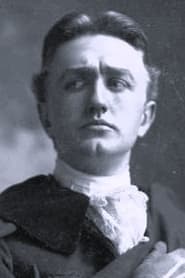
 Tod Browning
Horror Director / Principal Creative Collaborator
Browning and Chaney developed one of the most important creative partnerships in early American horror cinema. Their collaborations included The Unknown (1927) and London After Midnight (1927), which explored bodily mutilation, pathological obsession and vampire imagery. Their wider work, including The Unholy Three and West of Zanzibar, developed the grotesque character types and psychological themes central to their contribution to macabre cinema.
 Wallace Worsley
Gothic and Horror Film Director
Worsley directed Chaney in The Penalty (1920), A Blind Bargain (1922) and The Hunchback of Notre Dame (1923). These productions established major elements of the Chaney screen persona, including extreme physical transformation, grotesque characterization and Gothic spectacle. A Blind Bargain explored sinister scientific experimentation, while The Hunchback of Notre Dame became a landmark in the development of the sympathetic cinematic monster.
 Norman Kerry
Recurring Gothic Horror Co-Star
Kerry appeared alongside Chaney in The Hunchback of Notre Dame (1923), The Phantom of the Opera (1925) and The Unknown (1927). Their characters frequently occupied opposing positions within narratives built around deformity, obsession and romantic conflict. Kerry played Phoebus in The Hunchback of Notre Dame, Raoul in The Phantom of the Opera and Malabar in The Unknown, making him one of the most significant recurring actors in the major Gothic and psychological horror productions of Chaney.
 Waldemar Young
Macabre Screenwriter Collaborator
Young contributed screenplays to major Chaney productions directed by Tod Browning, including The Unholy Three (1925), The Unknown (1927), London After Midnight (1927) and West of Zanzibar (1928). His work helped develop narratives involving criminal impersonation, bodily mutilation, psychological obsession and simulated supernatural phenomena. The Unknown and London After Midnight are particularly important to the development of psychological and Gothic horror during the silent period.
 Cedric Gibbons
Gothic Production Design Collaborator
Gibbons received production design credits on several MGM films starring Chaney, including The Unholy Three (1925), The Unknown (1927), London After Midnight (1927) and West of Zanzibar (1928). The Unknown and London After Midnight are especially relevant to horror history through their circus environments, macabre settings and Gothic visual arrangements. His credited collaborations with other designers contributed to the environments in which Chaney developed his most disturbing late-silent performances.
MG
Merritt B. Gerstad
Horror Cinematography Collaborator
Gerstad photographed Chaney in The Unknown (1927) and London After Midnight (1927), both directed by Tod Browning. These films form an important part of the development of psychological and Gothic horror during the silent era. Their cinematography supported the representation of concealed bodily identity, threatening environments and grotesque character appearances. London After Midnight is particularly significant because its surviving production photographs document Chaney vampire disguise in the absence of a complete surviving film.
Lon Chaney Horror Movies
Acting (14 credits)
2014
2007
2002
2000
1929
1927
1927
1925
1925
1923
1923
1922
1920
Special FX / Practical FX (2 credits)
1925
1923
Directing (1 credits)
1923