

2026
Lin Shaye
Horror Actor · Biography · Horror Filmography · Family · Collaborators · Credits
Horror subgenres & themes
Most represented across this person's horror filmography:
HAUNTED HOUSES
• SLASHER
• CANNIBAL
• CHRISTMAS
Biography
Lin Shaye and a career across several generations of horror
Lin Shaye developed one of the longest sustained acting careers associated with American horror, moving from supporting roles in the early New Line Cinema period to the central recurring character of the Insidious franchise. Her genre work includes Alone in the Dark, A Nightmare on Elm Street, the first two Critters films, The Hidden, Dead End, 2001 Maniacs, Dead Silence, Ouija, Ouija: Origin of Evil, The Grudge, The Call and the continuing Insidious series. The range of these productions places her within several distinct periods of American genre filmmaking rather than within one specific horror cycle.
Shaye’s later identification with horror can obscure the theatrical training that shaped her acting. She spent years working in theatre before becoming a regular screen performer and has consistently described character construction as a process involving specific physical, emotional and biographical choices. That preparation remained visible when increasingly large horror roles arrived late in her career. Elise Rainier became particularly significant because the character developed from a supporting psychic investigator into the dramatic center of films built around her history and professional life.
Theatre training and the beginning of a professional acting career
Shaye was born in Detroit, Michigan, and pursued acting professionally in New York. She studied in Columbia University’s theatre program and trained with major American acting teachers including Uta Hagen, Stella Adler and Lee Strasberg. She later became a lifetime member of the Actors Studio. Her professional stage work preceded her screen career by several years and included Broadway, Off-Broadway and smaller theatrical productions.
Shaye has recalled receiving her Actors’ Equity card in 1971 through Jean Genet’s The Screens. She was understudying one of the leading roles and was given a small speaking part in the production. The experience belongs to a period when she expected theatre to remain her principal professional environment. Film acting developed gradually rather than from an early plan to move directly to Hollywood.
Character preparation and Shaye’s acting method
Shaye has continued to describe her approach in terms derived directly from her theatre training. She develops details that may never be explained explicitly to the audience, including a character’s possessions, clothing, personal secrets and behavior outside the written scene. These choices give her a practical internal history from which to perform rather than restricting the work to dialogue and immediate plot information.
This method became particularly useful in horror, where supporting characters can otherwise exist principally to deliver exposition or react to a threat. Shaye frequently adds physical habits, vocal rhythms and small behavioral details that make such figures appear to have lives beyond their narrative function. Elise Rainier eventually provided enough screen time for this process to become part of the franchise’s actual storytelling.
Moving from New York theatre toward film
Shaye’s transition into screen work occurred gradually during the 1970s. An early experience on a feature film came through Jack Nicholson’s Goin’ South, where she worked in a small role and observed professional film production closely. She later described the production as an important practical education in the differences between stage acting and acting for a camera.
The move west did not end her involvement with theatre. Shaye continued stage work in Los Angeles and participated in a theatre company for years while taking increasingly frequent film and television roles. This combination allowed her to maintain an acting practice even when individual screen parts were brief.
Robert Shaye, New Line Cinema and early genre work
Lin Shaye’s older brother Robert Shaye founded New Line Cinema in 1967 and developed the company from a small distributor into one of the most important independent film companies in the United States. Lin witnessed part of the company’s earliest development while living with her brother in New York, when New Line still operated from modest offices and concentrated substantially on distribution.
The family connection brought Lin into the orbit of several New Line productions, but her career cannot be reduced to employment supplied by her brother. She auditioned and worked for other filmmakers independently and later recalled Robert Shaye refusing to take credit when she assumed a particular casting opportunity had come through him. New Line nevertheless became important to her horror history because the company helped develop several of the genre properties in which she appeared.
Alone in the Dark and the early New Line horror environment
Shaye appeared in Jack Sholder’s Alone in the Dark in 1982, a New Line production starring Jack Palance, Donald Pleasence and Martin Landau. The film concerns psychiatric patients escaping during a power failure and attacking the home of a doctor they believe has replaced their previous physician. Shaye’s role is small, but the production placed her inside New Line’s early attempts to establish itself as a producer and distributor of original horror.
The film also predates the success that transformed New Line two years later. At this stage the company had not yet become strongly associated with one major horror franchise, and productions such as Alone in the Dark were made on comparatively limited resources. Shaye’s involvement consequently connects her career with New Line horror before Freddy Krueger became central to the company’s identity.
A Nightmare on Elm Street
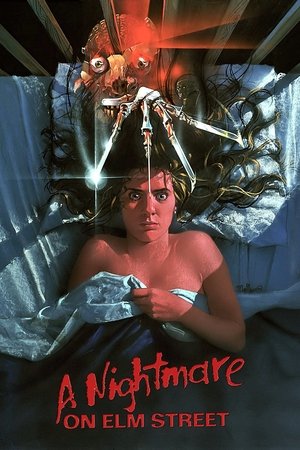
Shaye appears briefly as a teacher in Wes Craven’s A Nightmare on Elm Street in 1984. Robert Shaye had agreed to produce and distribute Craven’s project after the screenplay had encountered repeated rejection elsewhere. The finished film introduced Freddy Krueger, launched a major franchise and transformed New Line’s financial position.
Lin Shaye’s role is too small to make her a major creative participant in the film, but the production remains historically relevant within her career. She was present at the beginning of the franchise that established New Line as an important horror company and worked directly under Craven during one of the defining productions of 1980s American horror.
Critters and the role of Sal
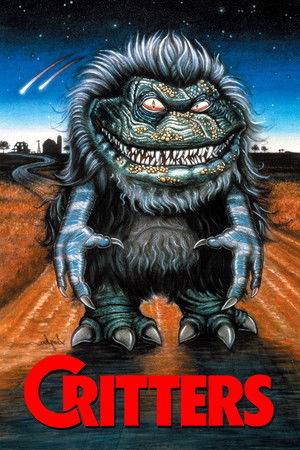
Shaye received a more substantial genre character in Critters in 1986. She plays Sal, an employee associated with the small-town environment invaded by the alien creatures. Stephen Herek directed the film, which combines creature horror, science fiction and comedy around a Kansas farming family attempting to survive the arrival of the destructive Crites.
Shaye returned as Sal in Critters 2: The Main Course, directed by Mick Garris in 1988. The recurrence gave her one of the first continuing characters of her screen career and introduced a professional relationship with Garris that later extended into additional genre work. The two Critters films also strengthened Shaye’s association with New Line horror outside the Nightmare on Elm Street series.
The Hidden and genre supporting roles
Jack Sholder’s The Hidden in 1987 placed Shaye in another New Line genre production. The film combines police investigation, science fiction and body-horror elements around an extraterrestrial organism capable of transferring itself between human hosts. Its mixture of crime-film structure and violent speculative material differed considerably from both A Nightmare on Elm Street and Critters.
Shaye spent much of this period moving among horror, comedy and conventional character parts. The accumulation of small roles gave her extensive experience working with directors whose production styles varied considerably, a background that later allowed her to move easily between broad comic performances and serious horror.
Comedy and expansion beyond genre typecasting
During the 1990s Shaye became widely recognizable through comedy, particularly her collaborations with Peter and Bobby Farrelly. She appeared in Dumb and Dumber, Kingpin and There’s Something About Mary, creating highly specific supporting characters whose physical presentation and behavior could change radically from film to film.
These parts are important to understanding her later horror work because they prevented Shaye from becoming professionally restricted to one genre identity. She entered the 2000s as an established character actress rather than as a performer remembered only for 1980s horror. Her increasing prominence within the genre came after decades of varied acting experience.
Dead End and a major adult horror role
Dead End in 2003 gave Shaye one of her strongest horror roles before Insidious. She plays Laura Harrington opposite Ray Wise as Frank, part of a family whose Christmas Eve road trip enters an increasingly impossible series of events after Frank takes an unfamiliar route. Much of the film depends on the deterioration of family relationships inside a confined car and along an apparently endless road.
Shaye’s role allows her to move through irritation, fear, emotional disclosure and psychological breakdown rather than functioning simply as a supporting victim. The film became an important cult title and provided evidence that she could carry substantial dramatic horror material long before Elise Rainier made her a franchise lead.
2001 Maniacs and exploitation horror
Shaye appeared as Granny Boone in Tim Sullivan’s 2001 Maniacs, a reinterpretation of Herschell Gordon Lewis’s Two Thousand Maniacs!. Robert Englund plays Mayor Buckman, and the film deliberately adopts the exaggerated gore and grotesque humor associated with splatter and exploitation cinema.
The performance required a markedly different tone from Dead End. Shaye’s ability to move between restrained psychological material and deliberately excessive genre acting became characteristic of her horror career. She could adapt to the internal rules of a production rather than maintaining one screen persona across unrelated films.
Dead Silence and the meeting with James Wan and Leigh Whannell
James Wan directed Shaye in Dead Silence in 2007 from a screenplay by Leigh Whannell. She plays Ella Ashen, an eccentric resident who provides information about ventriloquist Mary Shaw and the history underlying the film’s supernatural events. Although the part is limited, the production established Shaye’s relationship with the two filmmakers who would later create Insidious.
Shaye recalled that Wan subsequently sent her the Insidious screenplay and asked whether she would consider Elise Rainier. She found Whannell’s script genuinely frightening and accepted once the principal cast was assembling. The casting therefore emerged from an existing professional relationship rather than from an attempt to recruit a performer already identified specifically as a horror star.
Insidious and the introduction of Elise Rainier
Insidious was produced on a restricted budget with James Wan directing and Leigh Whannell writing. Patrick Wilson and Rose Byrne play Josh and Renai Lambert, whose son Dalton enters an unexplained coma before the family becomes subject to increasingly disturbing supernatural events. Elise Rainier enters later in the film as a psychic medium called by Lorraine Lambert to investigate.
Elise initially has an expository function because she explains astral projection and introduces the concept of the Further. Shaye gives the material authority without playing the character as an infallible occult figure. Elise listens carefully, recognizes danger and treats frightened family members with professional calm. Her assistants Specs and Tucker, played by Whannell and Angus Sampson, provide a less formal counterpoint to her methods.
Building Elise as a professional medium
One of the useful characteristics of Elise is that paranormal investigation is presented as her profession rather than as an ability discovered for the purposes of one story. She arrives with equipment, assistants and previous experience. This gives the supernatural mythology an institutional structure and allows later films to explore cases that occurred before the Lambert investigation.
Shaye’s performance emphasizes observation and empathy more than theatrical mysticism. She frequently listens before explaining what she believes is happening and communicates directly with frightened children and adults. This behavioral consistency made the character suitable for expansion once the first film became commercially successful.
Insidious: Chapter 2 and Elise after death
The first Insidious ends with Elise’s death, a decision made before the filmmakers knew how extensively the series would continue. Insidious: Chapter 2 nevertheless brought Shaye back through flashbacks and scenes within the Further. The sequel also develops Elise’s earlier involvement with Josh Lambert and the history of the spirit pursuing him.
This solution allowed the character to remain part of the franchise without reversing the events of the first film. It also established the Further as a space in which dead characters could continue to interact with the living and expanded Elise’s personal history beyond the immediate investigation that had introduced her.
Insidious: Chapter 3 and the transition to protagonist
Leigh Whannell’s Insidious: Chapter 3 moved backward chronologically and gave Elise a much larger dramatic role. She is grieving the death of her husband Jack and has withdrawn from paranormal investigation because encounters inside the Further have made her fearful for her own safety. The case of teenager Quinn Brenner gradually brings her back into active work.
The change is important in Shaye’s career because Elise is no longer principally the knowledgeable specialist who enters another family’s story. Her reluctance, grief and decision to resume helping people form one of the film’s principal character arcs. The ending also establishes the working partnership among Elise, Specs and Tucker that audiences had encountered in the first film.
Insidious: The Last Key and Elise’s family history
Insidious: The Last Key, directed by Adam Robitel and again written by Leigh Whannell, placed Elise at the center of a story involving her childhood home. The film explores her early psychic experiences, her relationship with an abusive father and the family members she left behind. Shaye consequently carries much of the narrative in a way unusual for a long-running horror franchise built originally around another family.
The expansion gave Elise a complete personal history rather than treating her supernatural ability as an unexplained genre convention. Her work as a medium becomes connected with experiences from childhood and with decisions made during adulthood. The film also preserved Specs and Tucker as her professional partners, keeping the investigative group intact while shifting attention toward Elise’s biography.
An older woman as the center of a horror franchise
Elise’s increasing importance had an unusual industrial consequence. Shaye became the principal dramatic lead of major theatrical horror productions at an age when actresses are frequently offered fewer starring roles. The character was not rewritten as younger or replaced when the series moved into prequels. Instead, the filmmakers developed new stories around Shaye herself.
This was possible partly because audiences had responded to Elise as a character rather than simply to the supernatural mythology. Her authority depended on experience, making age useful to the role. The franchise therefore provided Shaye with increasingly substantial material at precisely the stage of a conventional Hollywood career when leading opportunities often contract.
Ouija and Mike Flanagan’s Origin of Evil
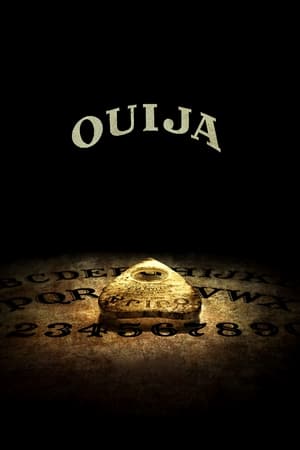
Shaye also became connected with another Blumhouse supernatural property through Ouija, playing the older Paulina Zander. Mike Flanagan later directed the prequel Ouija: Origin of Evil, which developed the history surrounding the Zander family and substantially changed the tone from the original film.
These projects placed Shaye within another modern supernatural franchise while her identification with Elise was already becoming established. They also continued the pattern of filmmakers using her ability to communicate complex supernatural information without reducing the performance to exposition alone.
Room for Rent and psychologically grounded horror
Room for Rent gave Shaye a very different leading role as Joyce, a lonely widow who begins renting a room in her home and develops an increasingly disturbing attachment to a younger tenant. The film depends principally on character behavior rather than elaborate supernatural mythology.
Shaye regarded the part as one of the strongest opportunities she had received because Joyce could be developed through loneliness, self-presentation and emotional need before her behavior became threatening. The role demonstrates that the late-career opportunities generated by Insidious also allowed Shaye to obtain substantial horror and thriller characters unrelated to Elise.
The Grudge, The Call and later genre work
Shaye continued appearing regularly in horror during the late 2010s and 2020s. Nicolas Pesce’s The Grudge placed her within another established supernatural property, while The Call paired her with Tobin Bell, whose own long association with Saw made the casting particularly recognizable to genre audiences.
These films belong to a stage of Shaye’s career in which horror producers could market her name directly. This represents a substantial change from her 1980s genre appearances, when she was primarily a supporting character actress within films sold through monsters, concepts or other stars.
Insidious: The Red Door
Patrick Wilson made his feature directing debut with Insidious: The Red Door in 2023, returning to the Lambert family many years after the second film. Shaye appears briefly as Elise, maintaining the character’s connection with the family despite the story’s emphasis on Josh and the adult Dalton.
The cameo reflects Elise’s unusual status within the franchise. The character can function as protagonist, investigator or supernatural guide depending on the period of the chronology, allowing Shaye to remain connected even when the immediate story does not center on her.
Insidious: Out of the Further
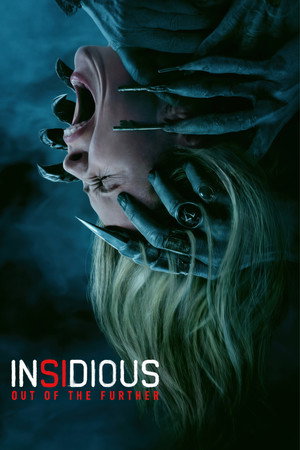
Shaye returned again as Elise Rainier in Insidious: Out of the Further in 2026. Directed by Jacob Chase, the film introduces a new family and develops another variation on access to the Further. Amelia Eve plays Gemma, a mother who discovers an unusual ability to enter the supernatural realm and bring entities back into the physical world.
The production extends Elise beyond the Lambert storyline and the prequel investigations built around her earlier life. By this stage Shaye had become the principal continuing human link among different phases of the series, while the character could be used to connect newly introduced protagonists with supernatural rules established in earlier films.
James Wan and Leigh Whannell
Wan and Whannell are the two filmmakers most important to the later phase of Shaye’s horror career. Dead Silence established the relationship, while Insidious gave her the character that transformed her professional position. Whannell continued writing Elise through several installments and directed Shaye in Insidious: Chapter 3. Wan directed the first two films and remained an important producer as the franchise expanded.
Shaye has spoken warmly about both filmmakers while distinguishing their working styles. Their continuing involvement gave the character unusual consistency despite changes in directors and chronology. Elise developed through an extended collaboration rather than through a series of unrelated reinterpretations.
Lin Shaye’s place in horror history
Shaye’s horror career documents significant changes in American genre production over more than four decades. She appeared in independently financed New Line films before the company became a major studio presence, worked with Wes Craven during the emergence of Freddy Krueger and participated in the creature-feature cycle of the 1980s. Later films placed her within the revival of low-budget supernatural horror associated with Blumhouse and its production partners.
Her most distinctive historical contribution is the development of Elise Rainier across adulthood and later life without replacing the performer or substantially changing the character’s age. The role gave a long-established character actress sustained dramatic authority inside a commercially successful horror franchise and turned experience accumulated across theatre, comedy and decades of supporting film work into the defining performance of her screen career.
Photos (1)
Images: TMDB
Selected Work
Notable Horror Collaborators
Notable collaborators and creative partners throughout Lin Shaye's horror career.
 James Wan
Director-Producer / Actor Collaborator
Wan first directed Shaye in Dead Silence and then cast her as Elise Rainier in Insidious. He directed her again in Insidious: Chapter 2 and remained a producer throughout later installments, making their relationship one of the principal creative continuities of Shaye’s modern horror career.
 Leigh Whannell
Writer-Director / Actor Collaborator
Whannell wrote Shaye’s role in Dead Silence and created Elise Rainier for Insidious. He continued developing the character across the franchise and directed Shaye in Insidious: Chapter 3, where Elise moved decisively from supporting investigator toward protagonist.
 Angus Sampson
Acting Collaborator
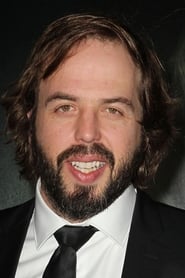
Sampson’s Tucker became one of Elise Rainier’s two recurring investigative partners. Shaye and Sampson worked together across multiple Insidious films as the Elise, Specs and Tucker team developed from supporting paranormal investigators into one of the franchise’s principal continuing groups.
 Jason Blum
Actor / Producer Collaborator
Blum produced the Insidious films across the period in which Elise Rainier developed from a supporting role into a franchise lead and later continuing figure. Their shared work spans the principal stages of Shaye’s most important modern horror character.
 Patrick Wilson
Acting-Director Collaborator
Shaye and Wilson shared Insidious and Insidious: Chapter 2 as Elise and Josh Lambert. Wilson later directed Insidious: The Red Door, in which Shaye returned as Elise, extending their professional connection from co-stars to an actor-director relationship.
 Joseph Bishara
Actor / Composer-Performer Collaborator
Bishara composed music for several Insidious films and also performed major supernatural entities within the series while Shaye played Elise Rainier. Their repeated credits connect Shaye’s central human character with one of the franchise’s principal musical and creature contributors.
Lin Shaye Horror Movies
Acting (65 credits)
2025
2025
2024
2023
2022
2022
2022
2022
2020
2020
2020
2020
2020
2020
2019
2019
2019
2019
2018
2018
2018
2017
2016
2016
2016
2016
2016
2015
2015
2015
2014
2014
2014
2013
2011
2011
2011
2011
2010
2010
2009
2008
2008
2006
2006
2006
2005
2004
2003
1997
1994
1993
1993
1991
1988
1988
1987
1987
1987
1986
1985
1984
1982
1982
Production (3 credits)
2025
2020
2019