


2016
Kate Beckinsale
Horror Actor · Biography · Horror Filmography · Family · Collaborators · Credits
Horror subgenres & themes
Most represented across this person's horror filmography:
HAUNTED HOUSES
• HOME INVASION
• VAMPIRE
Biography
Kate Beckinsale and the Evolution of the Vampire Action Heroine
Kate Beckinsale became one of the most recognizable female figures in twenty-first-century horror through Selene, the vampire Death Dealer at the center of the Underworld series. The role placed her inside a mythology of vampires, werewolves, ancient bloodlines and secret wars while giving the traditional Gothic vampire a distinctly modern physical identity. Selene is not introduced as a mysterious aristocrat or seductive supernatural outsider. She enters the first film as a professional hunter dressed for combat, carrying firearms and moving through a nocturnal urban world where immortality has been organized into military factions. Beckinsale's performance had to make that combination believable: the character needed the authority of an experienced killer while still allowing the discovery of corruption inside her own society to change the direction of the story.
The success of Underworld gave Beckinsale an unusually long relationship with one horror character. She returned as Selene across sequels separated by more than a decade, allowing the audience to watch the character move from loyal soldier to fugitive, mother, political outsider and increasingly powerful figure within the vampire world. Around that franchise, Beckinsale also entered supernatural Gothic horror with Haunted, classical monster cinema with Van Helsing and stripped-down survival horror with Vacancy. These films reveal a genre career broader than Selene alone, but the vampire warrior remains the role through which Beckinsale permanently entered modern horror iconography.
Haunted and an Early Encounter with the Supernatural
Before Underworld, Beckinsale appeared in Haunted (1995), a supernatural mystery adapted from James Herbert's novel. She plays Christina Mariell, a young woman living at the isolated Edbrook estate, where paranormal investigator David Ash arrives intending to expose what he assumes will be another case of superstition and fraudulent spiritualism. The film belongs to a much more traditional strain of British ghost-story horror than the action-driven work that would later define Beckinsale's genre reputation, using an old house, family secrets, apparitions and uncertainty over whether perception can be trusted.
The role is important in retrospect because it places Beckinsale inside supernatural cinema years before Selene. Christina is not constructed around physical combat or aggressive survival. Her presence instead depends upon ambiguity, intimacy and the gradual revelation that the relationships inside Edbrook cannot be understood according to ordinary assumptions. The film therefore demonstrates how different Beckinsale's early horror performance was from the controlled physicality she would later develop in Underworld.
Underworld and the Arrival of Selene
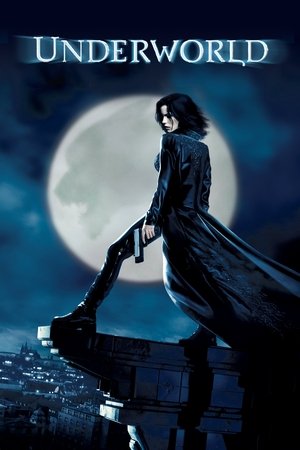
Underworld (2003) transformed Beckinsale's relationship with horror. Directed by Len Wiseman from a story developed by Wiseman, Kevin Grevioux and Danny McBride, the film imagines vampires and Lycans as rival clandestine societies engaged in a war extending across centuries. Beckinsale plays Selene, a Death Dealer whose identity has been built almost entirely around killing Lycans and remaining loyal to the vampire hierarchy that raised her. The discovery that the history she has been taught is incomplete gradually turns the professional hunter into an enemy of her own institution.
Selene immediately differs from many earlier screen vampires because the character's supernatural nature is expressed through action rather than seduction or aristocratic ritual. Beckinsale performs extensive gunplay, falls, chases and close physical confrontations while maintaining the emotional reserve of someone trained to treat violence as routine work. The black costume, controlled movement and almost monochromatic environment give Selene an instantly identifiable silhouette, but the performance becomes more interesting as certainty begins to break down. She starts the film believing she understands exactly who the enemy is and ends it having discovered that the conflict defining her existence was shaped by political manipulation and personal betrayal.
Len Wiseman and the Creation of Selene
Len Wiseman is the defining filmmaker in Beckinsale's horror career because he directed both Underworld and Underworld: Evolution while remaining creatively connected to later installments through producing, story and character credits. His first film builds the visual system in which Selene becomes recognizable: rain-soaked streets, blue-black interiors, underground laboratories, Gothic architecture and modern weapons all coexist inside a world where ancient supernatural species have adapted to contemporary warfare. Beckinsale's physical performance is inseparable from that design because Selene moves through it as though she has spent decades learning its rules.
Their second film expands that relationship rather than merely repeating the original. Underworld: Evolution places Selene outside the vampire institution that once defined her and forces her to investigate the origins of the conflict directly. Wiseman therefore directs Beckinsale through two substantially different stages of the same character: first as the soldier beginning to question authority, then as the fugitive who must reconstruct the history upon which that authority was based. His continuing involvement with the franchise helped preserve Selene as its central figure even after other directors took over.
Scott Speedman and the Selene-Michael Alliance
Scott Speedman's Michael Corvin provides the central human relationship around Beckinsale in the first two Underworld films. Michael begins as an ordinary medical student targeted by Lycans for reasons he does not understand, forcing Selene to protect someone she has initially been trained to regard as part of an enemy plot. His eventual transformation into a vampire-Lycan hybrid destabilizes the boundaries that both supernatural societies insist are fundamental, making the relationship between Michael and Selene a direct challenge to the ideology of the war itself.
In Underworld: Evolution, Beckinsale and Speedman effectively become joint fugitives. Their characters are no longer separated by Selene's loyalty to vampire law, and the film can treat them as partners attempting to survive forces connected with the origins of both species. The relationship gives Beckinsale an emotional counterweight to Selene's military discipline. Her decision to protect Michael is one of the first major acts through which the character begins choosing personal judgment over the rules that created her.
Bill Nighy and Viktor
Bill Nighy's Viktor is one of the most important figures in Selene's mythology. In the original Underworld, Selene awakens Viktor believing that he represents trustworthy authority capable of correcting the corruption she has discovered. The relationship is powerful because she does not initially approach him as an enemy. Viktor belongs to the structure through which Selene understands her own past, and Beckinsale plays the eventual confrontation as the destruction of something much more personal than a military alliance.
The revelation that Viktor is responsible for the murder of Selene's human family changes the meaning of her entire life as a Death Dealer. She has spent generations serving the person whose crime created the trauma that allowed him to shape her loyalty. Beckinsale's performance therefore moves from reverence to recognition and finally to direct rebellion. Nighy's controlled authority provides the ideal opposition because Viktor does not see himself as a simple monster; he behaves as the patriarch of an order he believes has the right to determine truth for everyone beneath him.
Kevin Grevioux and the Architecture of Underworld
Kevin Grevioux occupies a unique position in Beckinsale's horror career because his connection with Underworld exists both inside and outside the fiction. He co-developed the original story with Len Wiseman and Danny McBride and also appears as Raze, one of the Lycans serving alongside Lucian. His creative contribution therefore belongs to the construction of the vampire-Lycan mythology itself rather than only to one supporting performance.
Grevioux remained connected to later installments through character and production credits, helping provide continuity as the franchise expanded beyond the original film. For Beckinsale, this makes him one of the people most directly tied to the world in which Selene exists. The conflict, terminology and social structure surrounding the character all originate from the mythology developed for that first film, and Grevioux's continuing association helped turn what began as one supernatural action-horror story into a sustained franchise.
Van Helsing and Anna Valerious
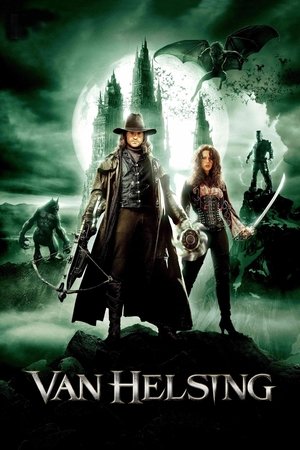
Only a year after the first Underworld, Beckinsale entered a very different form of monster cinema with Stephen Sommers's Van Helsing. She plays Anna Valerious, the last member of a Transylvanian family whose salvation depends upon defeating Count Dracula. The film brings Dracula, Frankenstein's Monster, werewolves and Van Helsing into the same large-scale Gothic adventure, drawing openly from Universal monster traditions while translating them into the effects-heavy blockbuster language of the early 2000s.
Anna gives Beckinsale another physically active horror role, but the character differs significantly from Selene. She is human, her conflict is tied directly to family obligation and mortality remains an immediate possibility throughout the story. Beckinsale therefore plays the supernatural world from the position of someone born inside its consequences without possessing the immortality of the creatures surrounding her. The role helped establish her screen association with Gothic action-horror independently of the Underworld franchise.
Stephen Sommers and Classical Monsters at Blockbuster Scale
Stephen Sommers wrote and directed Van Helsing after already reworking classical monster material through The Mummy. His film gives Beckinsale access to a different horror tradition from the modern vampire warfare of Underworld. Castles, laboratories, werewolves, Dracula's brides and Frankenstein imagery dominate the production, but the story moves with the rhythm of an action adventure rather than a traditional Gothic melodrama.
Sommers also makes Anna an active participant in the monster hunt rather than a passive figure waiting to be rescued. Beckinsale fights, travels, investigates and repeatedly enters physical danger alongside Hugh Jackman's Van Helsing. Although the film remained a single collaboration, it is one of the most important horror projects outside Selene in her filmography because it allowed Beckinsale to become part of the classical monster tradition without simply reproducing the vampire warrior identity that had made her famous the previous year.
Vacancy and Horror Without Supernatural Protection
Vacancy (2007) removes Beckinsale from supernatural mythology almost completely. She plays Amy Fox opposite Luke Wilson as David, an estranged married couple whose car trouble forces them to stop at an isolated motel. They gradually discover videotapes showing murders committed inside the same room in which they are staying and realize that the motel itself has been organized as a location for recording real killings. The film reduces the horror to architecture, surveillance and immediate physical vulnerability.
The role demonstrates a different aspect of Beckinsale's genre ability because Amy has none of Selene's weapons, enhanced strength or centuries of combat experience. Survival depends upon understanding the layout of the motel, identifying where the killers are watching and finding a route out of a system designed specifically to prevent escape. The tension comes from confinement rather than mythology, giving Beckinsale one of her clearest performances as an ordinary person trapped inside a deliberately constructed human nightmare.
Underworld: Awakening and a Changed World
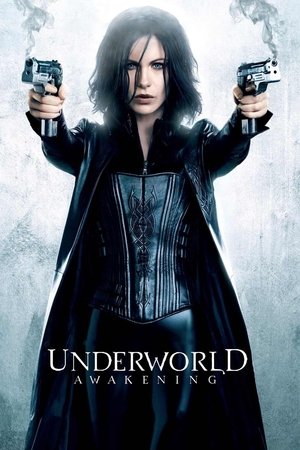
Beckinsale returned as Selene in Underworld: Awakening after sitting out the main narrative of the prequel Rise of the Lycans. The new film changes the conditions of the franchise by revealing that humans have discovered both vampires and Lycans and begun systematically hunting them. Selene awakens after years of captivity to find that the hidden war defining the earlier films has become part of a broader struggle for survival.
The story also introduces Eve, the daughter connected to Selene and Michael, forcing Beckinsale to add a maternal dimension to a character previously defined primarily through combat, loyalty and romantic partnership. Selene still operates through violence, but protection now has a different emotional source. The film thereby moves the franchise away from the political hierarchy of the original vampire coven and toward the question of what remains of Selene's identity when almost every institution and relationship she previously knew has disappeared.
Theo James and the Later Underworld Era
Theo James enters the franchise in Underworld: Awakening as David, a younger vampire who becomes one of Selene's principal allies. Their relationship becomes more important in Underworld: Blood Wars, where David operates beside Selene as the internal politics of the vampire world again turn against her. James therefore becomes the major recurring co-star linking Beckinsale's final two leading appearances in the series.
The partnership is structurally different from Selene's relationship with Michael. David is not an outsider whose existence challenges the biological division between vampires and Lycans; he belongs to the vampire world itself and increasingly assists Selene in navigating its changing power structures. For Beckinsale, this creates a later-stage version of the character who no longer needs another protagonist to introduce her to the mythology. Selene has become the veteran around whom younger figures orient themselves.
Underworld: Blood Wars and the Veteran Selene
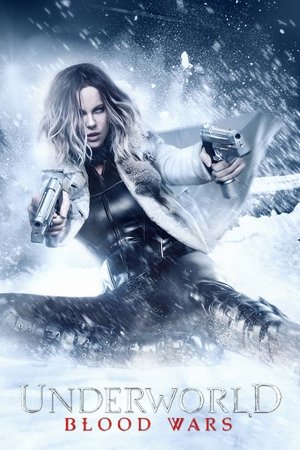
Underworld: Blood Wars places Beckinsale in a version of the franchise where Selene has become both legendary and politically dangerous. Various factions want access to her blood because of what it represents within the evolving mythology, while vampire leadership continues to fracture internally. The story sends Selene through another cycle of betrayal, apparent death and transformation, but the emotional position has changed considerably from the first film. She is no longer the loyal soldier discovering that authority has lied to her; she is the experienced survivor whom authorities fear because she has already outlived their attempts to control her.
That progression gives Beckinsale's five-film association with Selene a genuine arc despite the franchise's increasingly complicated mythology. The character begins inside a rigid hierarchy and gradually loses nearly every structure that once defined her. By the later films, Selene's identity depends less upon belonging to a vampire order than upon the choices and relationships she has constructed herself. The continuity of Beckinsale's performance allows that development to remain recognizable even as directors and supporting casts change around her.
Physical Performance and the Selene Silhouette
Much of Selene's cultural identity comes from design, but Beckinsale's physical performance is what turns that design into a character. The long coat, black costume and paired firearms create an immediately recognizable silhouette, yet the role also depends upon the way she walks into a room, raises a weapon and remains controlled during situations in which other characters panic. Selene's supernatural abilities make spectacular action possible, but Beckinsale generally performs the character as someone for whom violence is professional rather than exciting.
This restraint distinguishes Selene from many action-horror protagonists built around aggressive dialogue or overt bravado. She rarely needs to announce competence because the films establish it through movement. When emotional disruption does arrive, it becomes more visible precisely because the baseline is so controlled. Betrayal by Viktor, concern for Michael and protection of Eve work dramatically because they force cracks into a persona originally constructed to suppress vulnerability.
Kate Beckinsale's Horror Legacy
Kate Beckinsale's horror career is dominated by Underworld, but that dominance reflects the unusual scale of her contribution rather than a lack of range. Len Wiseman created the cinematic environment in which Selene emerged and directed Beckinsale through the two films that established the character's central mythology. Scott Speedman provided the relationship through which Selene first crossed the boundary between vampire and Lycan society, Bill Nighy embodied the authority whose betrayal destroyed her understanding of her own past, Kevin Grevioux helped build the mythology surrounding the entire war and Theo James became the principal recurring ally of the franchise's later phase.
Stephen Sommers gave Beckinsale her other major encounter with classical horror mythology through Anna Valerious in Van Helsing, while Haunted and Vacancy demonstrate that she could operate inside supernatural mystery and realistic survival horror without relying upon Selene's abilities. These films create a genre trajectory stretching from the restrained ghost story of the mid-1990s through the large-scale monster cinema of the 2000s and into one of modern horror's longest-running vampire franchises.
Selene remains the defining image because Beckinsale helped change what a mainstream screen vampire could look like at the beginning of the twenty-first century. The character preserved the immortality, blood politics and ancient rivalries of Gothic horror while expressing them through firearms, tactical movement and contemporary urban warfare. Across multiple films, Beckinsale gave that hybrid form a consistent human center. The franchise changed directors, enemies and historical explanations, but whenever Selene returned, the world of Underworld immediately had its point of reference again.
Photos (21)
Images: TMDB
Selected Work
Notable Horror Collaborators
Notable collaborators and creative partners throughout Kate Beckinsale's horror career.
LW
Len Wiseman
Defining Horror Director & Franchise Creator
Wiseman directed Beckinsale as Selene in Underworld and Underworld: Evolution and remained a producer and creative force throughout the later franchise.
 Scott Speedman
Defining Horror Co-Star
Speedman played Michael Corvin opposite Beckinsale in Underworld and Underworld: Evolution, creating the central relationship through which Selene first breaks with vampire authority.
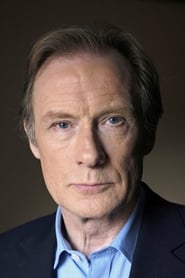 Bill Nighy
Defining Underworld Co-Star
Nighy's Viktor is the vampire elder whose authority and betrayal define Selene's transformation in the original Underworld mythology and continue into its sequel history.
 Theo James
Recurring Underworld Co-Star
James became Beckinsale's principal recurring ally in the later franchise as David in Underworld: Awakening and Underworld: Blood Wars.
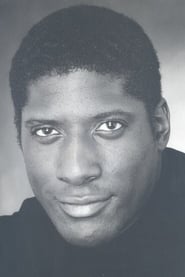 Kevin Grevioux
Defining Underworld Creator & Co-Star
Grevioux co-developed the original Underworld story and played Raze, remaining connected to the characters and mythology that defined Beckinsale's central horror role.
SS
Stephen Sommers
Defining Monster Horror Director
Sommers directed Beckinsale as Anna Valerious in Van Helsing, her major horror role outside Underworld and a direct encounter with Dracula, werewolves and Frankenstein mythology.
Scott Speedman
Defining Horror Co-Star
Speedman played Michael Corvin opposite Beckinsale in Underworld and Underworld: Evolution, creating the central relationship through which Selene first breaks with vampire authority.
Bill Nighy
Defining Underworld Co-Star
Nighy's Viktor is the vampire elder whose authority and betrayal define Selene's transformation in the original Underworld mythology and continue into its sequel history.
Theo James
Recurring Underworld Co-Star
James became Beckinsale's principal recurring ally in the later franchise as David in Underworld: Awakening and Underworld: Blood Wars.
Kevin Grevioux
Defining Underworld Creator & Co-Star
Grevioux co-developed the original Underworld story and played Raze, remaining connected to the characters and mythology that defined Beckinsale's central horror role.
SS
Stephen Sommers
Defining Monster Horror Director
Sommers directed Beckinsale as Anna Valerious in Van Helsing, her major horror role outside Underworld and a direct encounter with Dracula, werewolves and Frankenstein mythology.
Kate Beckinsale Horror Movies
Acting (10 credits)
2016
2014
2012
2009
2007
2006
2004
2003
1995