



2026
Olaf Ittenbach
Horror Director · Biography · Horror Filmography · Collaborators · Credits
Horror subgenres & themes
Most represented across this person's horror filmography:
EXTREME
• SPLATTER
• HORROR ANTHOLOGY
• HAUNTED HOUSES
Biography
Olaf Ittenbach and the development of German underground horror
Olaf Ittenbach is a German horror filmmaker, screenwriter, producer and special makeup effects artist whose career developed within the independent splatter movement that emerged in Germany during the late 1980s. Beginning with films made using private resources and amateur collaborators, he established a reputation for elaborate practical gore effects before moving into internationally distributed productions and professional effects assignments. His significance within horror rests on his ability to combine filmmaking and effects fabrication at a time when Germany offered few conventional production opportunities for extremely violent independent genre cinema.
Ittenbach developed his career through an unusually direct relationship between creative ambition and technical execution. He wrote and directed projects while frequently participating in their financing, casting, production management, acting and effects work. The practical effects were especially important because they allowed filmmakers working outside established studios to create images that would otherwise have required access to specialized commercial workshops. His development from Black Past and The Burning Moon to Premutos: The Fallen Angel, Legion of the Dead and later productions documents the growth of a filmmaker who began with personal experimentation and gradually assumed responsibility for more complicated international projects.
His work also belongs to the history of German film censorship, independent video distribution and the circulation of extreme horror through specialist audiences. Several productions encountered restrictions because of their violent content, while international collectors and horror festivals provided opportunities for distribution beyond the conventional German market. Ittenbach subsequently worked on effects for productions directed by other filmmakers, demonstrating that the technical abilities developed in the underground could be employed within considerably larger professional environments.
Early life and training in special makeup effects
Ittenbach was born in 1969 and grew up in Fürstenfeldbruck, near Munich, in Bavaria. He became interested in makeup and special effects at approximately thirteen years of age. His earliest professional development was largely autodidactic, based on experimenting with materials and attempting to reproduce the kinds of physical illusions he encountered in horror cinema. At that time, specialist makeup effects were not a conventional route into the German film industry, particularly for someone outside its established production centers.
Learning to create prosthetics and artificial injuries required practical knowledge of casting, sculpting, painting, adhesives and the behavior of different materials under photographic conditions. An effect could succeed as an object in a workshop while failing when exposed to movement, lighting or close camera observation. Ittenbach gradually developed his craft through repeated experimentation, a process that gave him direct control over one of the most expensive and specialized elements of horror filmmaking.
His interest in effects influenced the kinds of stories he wanted to tell. Rather than first establishing himself as a screenwriter and subsequently commissioning a makeup department, Ittenbach developed technical capabilities alongside narrative ideas. The filmmaker and effects artist therefore evolved together. This relationship would remain central to his career even after he began employing larger casts, professional performers and separate production departments.
Independent filmmaking and the creation of IMAS
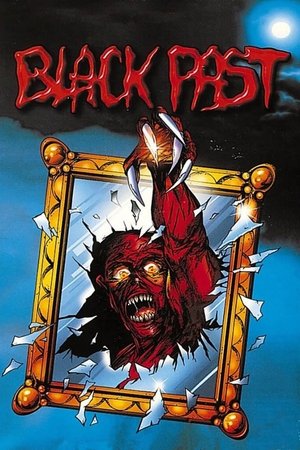
Ittenbach began work on his first feature, Black Past, during his spare time and completed the production in 1989. He used a small group of friends and collaborators, performed in the film himself and assumed several responsibilities normally divided among different departments. The project initially belonged to the amateur filmmaking environment rather than to conventional theatrical production.
Interest from the German horror community, including coverage in specialist publications such as Splatting Image, helped the film reach an audience beyond the people directly involved in making it. Ittenbach and associates subsequently established IMAS, providing an organizational structure for further productions and distribution activity. The development was important because it transformed personal experimentation into a continuing filmmaking operation.
Independent video circulation was particularly valuable to filmmakers working with material unlikely to receive conventional theatrical distribution in Germany. A small audience could support new productions through direct purchases, specialist retailers, mail-order services and film gatherings. This system allowed Ittenbach to continue working without first securing the approval of television broadcasters or established film financiers.
The early films also established a collaborative pattern that continued for years. Friends and recurring crew members could contribute acting, technical work, locations or other resources, while Ittenbach remained responsible for coordinating the production. Such arrangements reduced expenses but also made shooting schedules dependent on the availability of people whose participation was often organized around other employment.
Practical effects as the foundation of his filmmaking
Ittenbach became especially associated with explicit physical effects because he could design and execute work that exceeded the technical expectations normally associated with amateur productions. Artificial wounds, severed body parts, mechanical injuries and large quantities of simulated blood became recurring elements of his films. These effects required substantial preparation because they had to function during photography and could not always be repeated easily after a failed take.
His work reflects the practical-effects tradition in which an illusion is created primarily through objects, makeup and mechanisms placed in front of the camera. The artist must consider how the effect will be photographed before constructing it. Camera distance, the direction of movement, the position of performers and the duration of the shot determine how much of a mechanism can be exposed without compromising the illusion.
This method gave Ittenbach considerable control over production. A director who designs his own effects can adapt an action sequence according to the materials available and can decide during preparation which visual information the audience needs to see. At the same time, it creates substantial additional work because the director remains responsible for elements that would normally be assigned to a dedicated effects supervisor.
The extreme nature of his practical imagery helped establish his international reputation, but the technical achievement should be understood separately from assumptions about the dramatic effectiveness of every film. His ability to manufacture convincing gore became widely recognized even among viewers and commentators who questioned the writing, dialogue or performances surrounding particular sequences. The distinction is important to assessing Ittenbach as both filmmaker and craftsman.
The Burning Moon and the consequences of German censorship
The financial and audience response to Black Past helped Ittenbach undertake The Burning Moon in 1992 with greater resources. The new production expanded the scale of his makeup work and demonstrated a willingness to construct increasingly elaborate violent sequences. It also brought him into direct conflict with German restrictions governing representations of extreme violence.
The Burning Moon was subjected to judicial seizure under German law, and the controversy extended to legal proceedings involving Ittenbach himself. The case became a significant event in his professional life because it affected the distribution of a film created outside the established industry and placed its maker under legal scrutiny. The conflict also contributed to the notoriety of the production within international underground horror circles.
German censorship during this period created unusual circumstances for filmmakers working in extreme horror. Films could be restricted through youth-protection measures or become the subject of judicial action under provisions concerning representations of violence. These different legal processes affected advertising, retail circulation and the availability of particular editions. Independent filmmakers therefore had to consider distribution law alongside ordinary production costs.
For Ittenbach, controversy created both practical obstacles and visibility within a specialized audience. Restrictions could make domestic circulation difficult while simultaneously increasing interest among collectors seeking complete versions. His career illustrates how underground horror filmmakers sometimes depended on international markets and specialist distribution precisely because their material occupied an uncertain position within conventional national release structures.
Professional development and the significance of Premutos
Ittenbach spent several years developing Premutos: The Fallen Angel, which emerged in 1997 as the production most strongly associated with his breakthrough beyond the earliest amateur phase. The film required an unusually large amount of makeup and effects work for its production circumstances and involved a more extensive cast and crew than his previous features. Ittenbach again combined writing, directing, acting and effects responsibilities.
The extended production period demonstrates the difficulties of creating ambitious independent horror without permanent studio resources. Elaborate scenes require advance preparation, technical equipment, numerous participants and enough time to complete effects that may be usable only for a limited number of takes. When the production is financed incrementally and organized around collaborators with other professional commitments, such requirements can stretch filmmaking across several years.
Premutos consolidated Ittenbach’s position within the German splatter scene and became one of his most internationally circulated early works. Its significance to his biography lies in the change of professional scale. The project showed that Ittenbach could organize a feature with a much larger technical workload than Black Past while continuing to operate principally through independent production resources.
Following this period, filmmaking and effects work became increasingly central to his professional occupation. His earlier employment as a dental technician gave way to sustained involvement in film production. The transition marks an important change from making horror alongside another profession to attempting to maintain an ongoing career within the genre.
From amateur production to international filmmaking
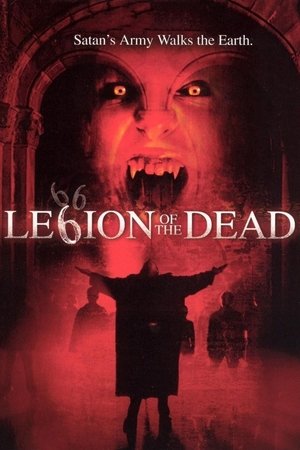
Around the turn of the millennium Ittenbach began working on films that involved larger production partnerships, professional casts and more deliberate international distribution strategies. Riverplay represented an attempt to work with psychological suspense in a relatively contained dramatic environment. Legion of the Dead then placed him within a more substantial English-language production involving performers associated with international genre cinema.
The shift required changes in his working method. A production organized through personal friends can tolerate informal arrangements that become difficult when professional performers, financiers and distributors are involved. Contracts, shooting schedules, production management and the division of departmental responsibilities become more important as budgets and expectations increase.
Ittenbach nevertheless continued to participate directly in practical effects. This continuity distinguishes his development from filmmakers who abandon their technical background after gaining access to larger productions. His professional identity remained closely connected with the ability to create physical horror effects even when the broader production structure became more conventional.
International filmmaking also encouraged the use of English-language dialogue and casts selected partly for their potential recognition outside Germany. This was consistent with the economics of European independent horror, where audiences distributed across several countries could be more important than the domestic theatrical market alone.
Recurring creative partnerships and production organization
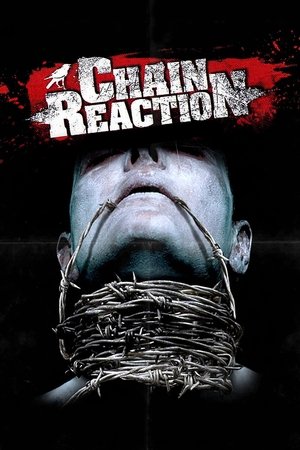
Several collaborators became important to Ittenbach’s development across multiple productions. Thomas Reitmair worked in writing, assistant direction, performance and other capacities, becoming one of the clearest examples of a collaborator whose responsibilities expanded across different stages of the filmmaking process. Their shared projects include Riverplay, Beyond the Limits, Garden of Love and Chain Reaction, alongside other production work.
Producer Yazid Benfeghoul helped connect Ittenbach’s filmmaking with the infrastructure of German horror fandom, specialist publishing and independent financing. Benfeghoul worked on productions including Riverplay, Beyond the Limits and Garden of Love, later remaining involved in the wider network of independent German genre production. His relationship with Ittenbach demonstrates how filmmakers and horror publishers could develop overlapping professional activities within a relatively small market.
Actor Martina Ittenbach became another recurring participant during the 2000s and early 2010s. She appeared in productions including Garden of Love, Chain Reaction, Dard Divorce, No Reason and Legend of Hell. Her continuing involvement gave Ittenbach an experienced collaborator who was familiar with the demands of independent shoots, English-language performance and the physical conditions created by elaborate makeup effects.
These relationships reveal an important characteristic of Ittenbach’s working environment. Production continuity did not depend on permanent access to a large studio workforce. It came from maintaining a network of people prepared to assume different responsibilities as projects changed. The model allowed comparatively ambitious horror productions to emerge from companies operating with restricted resources.
Writing horror around available production resources
Ittenbach has written or co-written much of his directing work. His screenwriting is closely connected with the practical conditions of production because he often knows in advance which kinds of effects he can create, which locations are available and how many performers can participate. The ability to write for existing resources is important in independent cinema, where a screenplay that requires unaffordable elements may remain permanently unproduced.
His films use several different narrative frameworks, including supernatural possession, historical occult material, psychological persecution, criminal violence and survival situations. The variety demonstrates that gore is a recurring production and visual element rather than one complete narrative formula. The stories provide different circumstances through which violent physical effects can be incorporated into the action.
Black comedy and deliberate exaggeration also occur within his work, particularly when the violence exceeds ordinary physical plausibility. Other productions approach brutality more seriously. Ittenbach therefore operates across a range of tones within extreme horror, although the presence of explicit practical effects remains the most recognizable continuity between different phases of his career.
His filmmaking has also attracted criticism for uneven performance, dialogue and dramatic construction. Such criticism forms part of the reception history of a director whose technical ambitions frequently exceeded the resources available for other departments. The disparity between effects work and surrounding dramatic material became especially visible as international audiences began encountering his productions outside the original German fan community.
Special-effects assignments beyond his own films
Ittenbach’s technical reputation led to effects assignments for other filmmakers. This parallel career became important because it allowed him to work professionally without always needing to finance and direct a complete feature himself. Productions requiring explicit physical violence could employ him for specialized makeup and injury effects while retaining separate directors and production organizations.
His work for Uwe Boll included effects assignments connected with BloodRayne, Seed and 1968 Tunnel Rats. Boll publicly acknowledged Ittenbach’s practical skills, particularly his ability to execute graphic blood effects rapidly under demanding production schedules. These projects placed Ittenbach in production environments larger than many of his self-directed films.
The relationship illustrates the transfer of expertise from German underground horror into internationally financed genre cinema. Techniques originally developed because equipment and specialist services were difficult to afford became commercially valuable once producers required an artist capable of creating complex injuries efficiently.
Ittenbach also provided effects work for smaller independent productions outside his directorial filmography. These assignments broadened his professional connections with German genre filmmakers and technicians. His reputation within that community consequently rests on both the horror features he directed and the physical effects he contributed to projects created by others.
Independent financing and the economics of extreme horror
Financing remained a central problem throughout Ittenbach’s career. Extreme horror occupies a specialized market, and films containing extensive graphic violence can face additional restrictions that affect distribution and recoupment. Independent producers therefore have to balance the interests of a committed audience with limited access to conventional financiers.
Beyond the Limits is a particularly useful example of the methods employed to assemble resources. Producer Yazid Benfeghoul and other participants developed financing arrangements that included direct support from interested viewers. The production also combined shooting locations selected for their visual value with material designed around historical and supernatural horror, demonstrating the ambition to increase apparent production scale without possessing a major studio budget.
Later projects also used crowdfunding and direct audience participation. Such financing is especially compatible with filmmakers who already possess an identifiable specialist following. Supporters are often familiar with the director’s earlier work and understand that the production may not follow conventional commercial expectations.
These methods allowed Ittenbach to retain substantial creative control but also exposed productions to financial uncertainty and extended schedules. His career demonstrates both the opportunities and the limitations of relying on a dedicated niche audience rather than a stable industrial funding system.
Changing technology and the independent horror market
The shift from analogue film and videotape distribution toward digital filmmaking and online communication altered the environment surrounding Ittenbach. Equipment became more accessible, while digital post-production offered new possibilities for combining practical work with additional visual manipulation. The market for physical video editions also changed as DVD, Blu-ray and later streaming replaced earlier forms of circulation.
For a filmmaker whose reputation was grounded in physical effects, these changes created both opportunities and competition. Lower equipment costs made independent production easier for more people, but also increased the number of projects seeking attention from the same specialist audience. Practical effects remained a way of distinguishing his work because the fabrication and execution of complicated prosthetics still required skills not supplied automatically by consumer recording technology.
Ittenbach continued to direct during this transitional period, with projects including Chain Reaction, Dard Divorce, No Reason, Legend of Hell and Savage Love. His writing and effects work remained closely connected while production strategies changed according to financing, casting and distribution opportunities.
Late-career experimentation and continuing practical-effects work
The period following his early international breakthrough did not produce a simple movement toward progressively larger budgets. Ittenbach alternated between more ambitious projects and productions made under substantial restrictions. This pattern is characteristic of independent horror careers in which the availability of finance rarely follows a predictable upward trajectory.
No Reason and subsequent work maintained his association with explicit makeup effects, while Legend of Hell involved extended development and independent financing. Savage Love and 5 Seasons continued his involvement with supernatural and violent genre material. These productions demonstrate that Ittenbach remained professionally active as both writer-director and technical artist after the German splatter movement had passed its initial period of growth.
His career also became increasingly connected with filmmakers and performers from later generations of independent horror. Smaller productions offered opportunities for collaborators to gain practical experience in effects, acting and production work. Ittenbach’s position within this network was therefore different from that of a filmmaker known only through films completed decades earlier.
Levizia and the return to ambitious feature production
After an extended interval between major directing projects, Ittenbach developed Levizia, a large independent horror production involving a lengthy filming process and significant practical-effects work. Much of the production took place between 2021 and 2023, and the film premiered at the Fright Nights festival in Austria in October 2024.
The project demonstrated his continuing determination to make effects-intensive horror despite the difficulty of sustaining such productions independently. It also showed the persistence of the distribution environment that had supported his career for decades: specialist screenings, dedicated horror audiences and direct relationships between filmmakers and collectors remained important.
The subsequent project Start Young received a public screening in Nuremberg in March 2026. Its appearance confirmed that Levizia had not represented an isolated return to directing. Ittenbach continued developing new material while remaining associated with the practical-effects tradition through which he had first entered filmmaking.
Preservation and reassessment of the German splatter movement
Several of Ittenbach’s earlier films have been revisited through restored or remastered home-video releases. These editions have allowed audiences to examine productions originally distributed under far more restricted technical and commercial circumstances. Specialist distributors have also included interviews, production material and documentation intended to preserve the history of independent German horror.
This retrospective interest is significant because the underground splatter movement was poorly represented within conventional film institutions during its early years. Productions circulated through fan networks, small labels and restricted editions, making the survival of original masters and contemporary documentation particularly important.
Ittenbach now occupies a historical position alongside other filmmakers associated with German underground horror, including Jörg Buttgereit and Andreas Schnaas, although their individual approaches and artistic objectives differ substantially. His specific contribution lies in combining a sustained directing career with practical makeup expertise and in demonstrating that unusually elaborate effects could be produced outside the conventional studio system.
Olaf Ittenbach’s contribution to horror cinema
Ittenbach’s importance to horror is rooted in independent production and practical craft. Beginning with limited equipment and personal collaborators, he developed the ability to manufacture effects demanding considerable technical knowledge and used that expertise to sustain a career as writer, director, producer and special makeup artist. His films document the movement from amateur horror created for a local audience toward productions designed for international specialist distribution.
His professional history also reveals how underground filmmakers adapted to censorship, unstable financing and changes in recording technology. The international recognition of Premutos: The Fallen Angel and subsequent effects assignments established a reputation that extended beyond the German market, while his later work maintained connections with the scene in which he began.
Within the history of European extreme horror, Ittenbach represents a distinctive model of hands-on filmmaking in which technical fabrication and production organization developed together. His influence is particularly relevant to artists interested in constructing practical gore effects under limited resources. His career demonstrates how specialized technical knowledge can become the basis for creative independence even when the surrounding industry provides relatively little institutional support.
Selected Work
Notable Horror Collaborators
Notable collaborators and creative partners throughout Olaf Ittenbach's horror career.
TR
Thomas Reitmair
Director / Writer-Assistant Director Collaborator
Reitmair was one of Ittenbach’s most substantial long-term collaborators. Their shared horror productions include Riverplay, Legion of the Dead, Beyond the Limits, Garden of Love and Chain Reaction, with Reitmair contributing through screenwriting, assistant direction, acting and other production responsibilities.
MI
Martina Ittenbach
Director / Actor Collaborator
Martina Ittenbach worked repeatedly with Olaf Ittenbach during his 2000s and early-2010s horror period. Their shared productions include Garden of Love, Chain Reaction, Dard Divorce, No Reason and Legend of Hell. Her leading performances in Chain Reaction and Dard Divorce established her as a significant recurring actor in his independent filmmaking.
YB
Yazid Benfeghoul
Director / Producer Collaborator
Benfeghoul became an important production partner through Riverplay, Beyond the Limits and Garden of Love and remained involved in Legend of Hell. Their collaboration connected Ittenbach’s independent filmmaking with specialist horror publishing, audience-supported financing and international genre distribution.
ME
Michael Effenberger
Director / Production Collaborator
Effenberger worked with Ittenbach on No Reason, Legend of Hell and Savage Love, contributing to casting, production activities and occasional on-screen performances. Their relationship reflects the continuing network of German independent horror filmmakers supporting one another across several productions.
 Christopher Kriesa
Director / Actor Collaborator
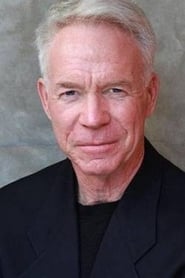
Kriesa appeared in Beyond the Limits, Chain Reaction and Dard Divorce under Ittenbach’s direction. His recurring work connects several of the director’s English-language horror productions during the period when Ittenbach was expanding beyond his earliest underground filmmaking environment.
Christopher Kriesa
Director / Actor Collaborator
Kriesa appeared in Beyond the Limits, Chain Reaction and Dard Divorce under Ittenbach’s direction. His recurring work connects several of the director’s English-language horror productions during the period when Ittenbach was expanding beyond his earliest underground filmmaking environment.
Olaf Ittenbach Horror Movies
Directing (16 credits)
2023
2015
2013
2012
2010
2009
2007
2006
2006
2003
2003
2001
1997
1992
1989
Special FX / Practical FX (22 credits)
2015
2014
2013
2013
2012
2011
2010
2010
2009
2007
2007
2007
2006
2003
2003
2003
2003
2003
2001
2001
1997
1989
Writing (16 credits)
2026
2023
2016
2015
2013
2012
2010
2009
2007
2006
2006
2003
2003
2001
1997
1992
Acting (13 credits)
2022
2014
2009
2007
2007
2006
2006
2003
2003
2001
1997
1992
1989
Production (11 credits)
2026
2013
2012
2010
2009
2007
2006
2006
1997
1992
1989
Visual Effects (2 credits)
2015
1989
Cinematography (1 credits)
1992
Music & Sound (1 credits)
2007
Editing (1 credits)
1997
Stunts (1 credits)
1992
Other Crew (1 credits)
2010