


1959
Willis H. O'Brien
Horror Special Effects · Biography · Horror Filmography · Collaborators · Credits
Horror subgenres & themes
Most represented across this person's horror filmography:
ANIMAL
Biography
Willis H. O’Brien and the Foundations of Monster Cinema
Willis Harold O’Brien (2 March 1886 - 8 November 1962) was an American stop-motion animator, special-effects supervisor, model designer and filmmaker whose work established essential methods for depicting gigantic monsters and prehistoric creatures in live-action cinema. His principal achievements include The Lost World (1925), King Kong (1933), The Son of Kong (1933), Mighty Joe Young (1949), The Black Scorpion (1957) and The Giant Behemoth (1959). Across these productions, he helped develop the techniques through which miniature creatures could move within photographed environments, interact with human performers and become central dramatic characters. His work is particularly important to the history of horror and science-fiction cinema because it provided practical solutions for representing threats that could not be photographed in the physical world.
O’Brien became internationally recognized through King Kong, whose giant ape, prehistoric predators and elaborate sequences of destruction established a major model for the American monster film. The production combined articulated models, miniature scenery, rear projection, matte photography and optical compositing. Under O’Brien, a team of animators, sculptors, technicians and cinematographers developed the effects needed to sustain an elaborate narrative involving enormous creatures and human characters. The resulting film expanded the commercial possibilities of effects-driven horror and demonstrated that a wholly animated monster could carry a major feature as a central figure.
His career also documents the development of stop-motion animation from short prehistoric novelties to technically complex feature films. The Lost World established dinosaurs as credible cinematic attractions several years before King Kong. The Black Scorpion and The Giant Behemoth later applied related methods to the atomic-age tradition of giant-creature horror. Although his work frequently crossed into adventure, fantasy and science fiction, his most significant contribution to horror involved the physical design, photographed movement and dramatic behavior of threatening creatures. His technical methods helped shape a tradition subsequently developed by Ray Harryhausen and other special-effects artists working in monster cinema.
Early Career and the Development of Stop-Motion Animation
O’Brien was born in Oakland, California, and pursued several forms of artistic and practical work before entering filmmaking. His early experience included drawing, sculpture and occupations requiring manual skill. He developed an interest in prehistoric animals and the possibility of representing them through constructed models. The combination of visual art and mechanical experimentation became central to his eventual career. At a time when motion-picture animation was still developing, he began experimenting with the photographic recording of small figures moved incrementally between exposures.
Stop-motion animation operates by photographing an object, adjusting its position and exposing another frame. When the successive photographs are projected at normal speed, the object appears to move independently. The fundamental process had been explored by earlier filmmakers, and O’Brien was not its inventor. His contribution lay in its development for realistic animal movement and its eventual integration into live-action feature films. The technique required careful attention to continuity, balance, joint movement, photographic exposure and the timing of physical actions.
During the middle of the 1910s, O’Brien began producing short films involving prehistoric subjects. The Dinosaur and the Missing Link: A Prehistoric Tragedy, developed during this period and distributed through the Edison organization, featured animated prehistoric characters and demonstrated his growing command of model photography. Other shorts, including R.F.D., 10,000 B.C. (1917) and Prehistoric Poultry (1916), continued the exploration of animated animals and prehistoric comedy. These productions remained relatively simple compared with his later feature work, but they allowed him to refine techniques for photographing figures that had to retain consistent appearance and movement across hundreds of individual exposures.
The early films were primarily comic and fantastic. Their importance to horror history comes from the technical possibilities they established for prehistoric and monstrous subjects. Realistic movement could make a constructed creature appear alive, while changes in framing and scale could increase its apparent size. The same principles would eventually support depictions of giant predators confronting human beings. O’Brien gradually shifted from presenting animation as an independent novelty toward using it to create creatures within dramatic narratives.
The Ghost of Slumber Mountain (1918): Prehistoric Creatures in Live-Action Cinema
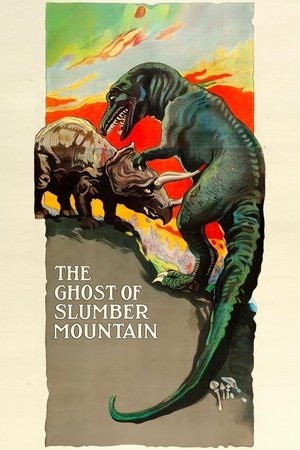
The Ghost of Slumber Mountain (1918) represented a significant advance in O’Brien early work. The film combined photographed performers with animated prehistoric creatures within a fantasy narrative involving a mysterious figure and visions of the distant past. Produced in association with Herbert M. Dawley, it developed the relationship between live-action photography and model animation that would become fundamental to O’Brien later productions. The surviving version preserves only part of the original film, and the incomplete material limits detailed reconstruction of its initial presentation.
The production placed animated animals within a broader dramatic context instead of presenting them exclusively as isolated comic figures. Dinosaurs and other prehistoric creatures were incorporated into scenes intended to suggest a world outside ordinary human experience. Their movement required changes of position across successive frames, while their surroundings had to remain visually consistent. The film demonstrated how animation could provide the central spectacle of a narrative involving photographed actors and an imagined environment.
Its historical importance is connected to the early development of creature cinema. Prehistoric animals could function as sources of danger, extraordinary discoveries or manifestations of an inaccessible world. The apparent realism of their movement was essential to the effect. By allowing constructed creatures to appear within a photographed narrative, O’Brien helped establish techniques that could later support monster attacks, confrontations between animals and scenes involving human characters threatened by impossible beings.
The relationship between O’Brien and Dawley has also generated historical discussion concerning creative responsibility and the origins of particular techniques. Their respective contributions should be evaluated through surviving production evidence rather than simplified accounts assigning the entire achievement to either participant. The Ghost of Slumber Mountain remains an important stage in O’Brien development because it shows his animation methods advancing toward the larger narrative and technical ambitions realized in The Lost World.
The Lost World (1925): Establishing the Cinematic Dinosaur
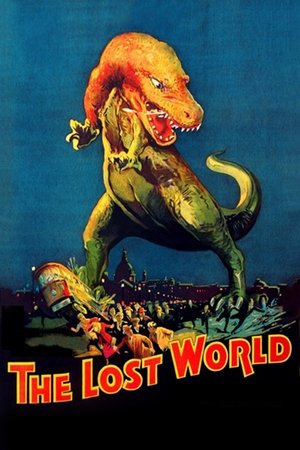
The Lost World (1925), directed by Harry O. Hoyt and adapted from Arthur Conan Doyle, became the first major feature-length demonstration of O’Brien prehistoric animation techniques. The story follows an expedition to an isolated South American plateau where surviving dinosaurs and other prehistoric animals are discovered. O’Brien supervised the creation and animation of the creatures, working with technicians and model makers including Marcel Delgado. The production required the integration of animated animals with live-action characters and elaborate miniature environments over a scale substantially greater than his earlier shorts.
The film represented a major development in the physical construction of screen creatures. Models needed articulated internal structures capable of retaining successive positions during animation. Their external surfaces had to suggest skin, muscle and anatomical volume while allowing the underlying framework to move. The designs were influenced by contemporary reconstructions of prehistoric animals, including the visual tradition associated with paleoartist Charles R. Knight. Their scientific accuracy was necessarily limited by the knowledge and artistic conventions of the period, but their construction represented a significant step toward creatures that appeared to possess independent weight and physical behavior.
O’Brien and his collaborators developed movement patterns that distinguished individual species and suggested differences in mass, balance and aggression. The film includes encounters between large prehistoric animals, sequences showing predatory behavior and scenes in which dinosaurs interact with their environment. The confrontation between a large carnivorous dinosaur and a sauropod became especially important to the developing spectacle of creature combat. Such scenes required the animators to coordinate two separate models in a single continuous action, controlling the position of bodies, limbs and surrounding scenery from frame to frame.
The film also established a narrative structure that later became fundamental to giant-monster cinema. Human explorers enter an isolated region containing animals thought to be extinct, encounter creatures beyond ordinary experience and eventually bring evidence of that world into modern civilization. A sauropod is transported to London, where its escape creates scenes of urban disruption. This development connected prehistoric spectacle with the destruction of familiar human environments. King Kong would expand the premise through a more frightening creature and a larger confrontation with the modern city.
The Lost World belongs principally to adventure and science-fiction cinema, although its threatening creatures, isolated environment and sequences of human vulnerability are important to the development of monster horror. The film demonstrates how danger can be generated through the size and physical behavior of an animated animal. Unlike earlier cinematic spectacles that relied upon exaggerated costumes or conventional stage machinery, its principal creatures were independent miniature constructions photographed to appear alive. Their movement established a model of screen monstrosity based upon animation and photographic integration.
The production also occupies an important position in film preservation history. Its original release version was subsequently withdrawn from circulation, and surviving prints were incomplete or substantially shortened. Reconstruction projects undertaken by archives and restoration specialists have recovered considerable portions of the film and clarified aspects of its original structure. These restorations provide access to material essential for studying the development of early stop-motion animation, while also demonstrating the difficulties involved in evaluating effects work when original release prints have not survived intact.
Creature Construction, Armatures and Stop-Motion Techniques
O’Brien work depended upon a combination of sculpture, mechanical construction, animation and cinematography. The internal armature was particularly important. These frameworks allowed an animal model to be adjusted gradually while preserving the position of individual joints between exposures. The structures needed sufficient resistance to remain stable during photography, but enough flexibility to create changes in posture. The physical design of an armature affected the possible range of movement, the speed at which an animator could work and the consistency of the creature across successive frames.
Exterior construction was equally important. Sculpted surfaces and flexible coverings supplied the apparent anatomy of the animal, concealing its mechanical interior. Materials changed during O’Brien career as technicians developed more effective combinations of metal frameworks, rubber compounds, fabric and artificial fur. The resulting models had to accommodate repeated manipulation without losing their recognizable form. On King Kong, variations in surface texture and movement became part of the photographed appearance of the giant ape. These practical problems were central to creature effects because animation exposed the model to handling far more frequently than ordinary film props.
O’Brien also understood that physical movement alone could not establish convincing scale. A miniature creature required an environment containing objects and visual references that suggested its intended size. Rocks, vegetation, buildings and other elements were constructed at compatible scales. Camera position, photographic perspective and lighting then helped establish the illusion that these models represented enormous animals. The animator had to consider the apparent weight of each creature, including the timing of steps, head movements and reactions to other objects. Movements executed too rapidly could make a large animal appear small and weightless.
The production of convincing monster sequences required coordination with photographic specialists. Live-action footage and stop-motion images could be combined through rear projection, miniature projection, matte techniques and multiple photographic passes. These processes allowed human actors to appear near animated animals or to occupy the same screen space despite being photographed separately. The development of such methods was collaborative, involving specialists in camera equipment, laboratory processes, optical printing and miniature construction. O’Brien importance lies in his supervision and practical integration of these techniques into creature-centered filmmaking.
For horror cinema, this work established a flexible method of producing monsters without requiring full-scale mechanical figures or performers in costumes. An animated creature could possess anatomy, proportions and movements impossible for a human actor to reproduce. It could attack, fall, climb, fight and interact with miniature environments while retaining consistent visual identity. These possibilities became especially important to productions involving extinct animals, giant insects and other creatures whose appearance could not be achieved through conventional performance alone.
Creation: The Unfinished Project That Led to King Kong
After The Lost World, O’Brien pursued increasingly ambitious plans for productions centered on prehistoric environments. One of the most important was Creation, an unfinished project developed at RKO during the early 1930s. The production involved an expedition encountering prehistoric animals and required extensive planning for models, scenery and animated sequences. O’Brien and his collaborators developed creature designs and test material intended to demonstrate the possibilities of an effects-driven adventure on a scale beyond his earlier work.
The project attracted the attention of Merian C. Cooper, who was developing the concept of a film involving an enormous gorilla. Cooper recognized that O’Brien animation methods could provide the necessary means of depicting the creature. Although Creation was abandoned, its technical development became important to the production that followed. Models, production experience and the demonstrated ability to combine animated animals with photographed performers helped establish the practical feasibility of King Kong.
The transition from Creation to King Kong also illustrates the industrial conditions surrounding complex special effects. Stop-motion productions required extensive preparation, substantial workshop resources and long shooting schedules. Their costs could become difficult to justify unless the central spectacle was supported by a commercially attractive narrative. Cooper proposed a story organized around a single extraordinary creature whose discovery, capture and eventual destruction could sustain a major feature. This approach provided O’Brien technical methods with a more concentrated dramatic purpose.
Surviving material associated with Creation offers valuable evidence of work that never reached theatrical completion. It also establishes that King Kong emerged from a process of experimentation rather than appearing as an isolated technological breakthrough. The development of articulated creature models, miniature environments and composite photography had already occupied O’Brien for years. King Kong provided the financial and organizational framework through which those methods could be applied to an exceptionally ambitious monster film.
King Kong (1933): Designing a Cinematic Monster
King Kong (1933), directed by Merian C. Cooper and Ernest B. Schoedsack, became the defining production of O’Brien career and a foundational work in the history of monster horror. The film combined the lost-world adventure premise with a creature whose capture and transportation to New York created a large-scale urban catastrophe. O’Brien served as chief technician, coordinating an effects operation involving model construction, animation, miniature sets and photographic integration. The finished film required a sustained relationship between human performers and animated creatures, extending well beyond the brief attractions characteristic of earlier stop-motion productions.
The construction of Kong involved the transformation of a mechanical model into a recognizable dramatic character. Marcel Delgado was particularly important in building the articulated figures used for animation. The principal models contained metal armatures beneath flexible exterior materials and artificial fur. These constructions allowed changes in the position of the arms, legs, torso, head and facial features. Larger mechanical elements were created for close-up interactions requiring a scale beyond the miniature puppets. The combination allowed the film to move between long shots of an animated creature and scenes involving full-scale hands, feet or facial components.
The design demanded a balance between animal anatomy and expressive characterization. Kong needed to behave as an enormous and dangerous ape while communicating responses recognizable to the audience. His relationship with Ann Darrow required moments of hesitation, curiosity and attention alongside acts of aggression. The character also had to remain visibly powerful during physical confrontations with dinosaurs and human attackers. Animation therefore became a form of performance. Changes in posture, head position and movement allowed the model to communicate intentions without dialogue or conventional facial acting.
The completed creature was not represented through one uniform physical object. Different models and full-scale constructions were used according to the needs of particular shots. Variations in apparent size and appearance can be identified across the film. These differences reflected the practical requirements of effects photography rather than a fully standardized anatomical design. The production prioritized the visual effectiveness of individual sequences, using the combination of scale, composition and movement necessary to create the impression of a gigantic animal.
King Kong also depended upon a division of creative labor. Cooper provided the central concept and supervised major aspects of production, while Schoedsack directed much of the live-action material. O’Brien and the effects team developed the creatures and their animated behavior, working with technical specialists responsible for photographic composites. The resulting film demonstrates the importance of effects supervision as a coordinated production activity. Its major monster sequences could only function because sculpture, animation, photography, staging and editing were developed in relation to one another.
King Kong and the Development of Giant-Monster Horror
The horror significance of King Kong is most apparent in its depiction of overwhelming physical danger. Skull Island contains a succession of prehistoric predators and hostile environments in which human characters have limited control over their surroundings. The film makes creature size central to the experience of threat. Human beings are placed near animals capable of crushing, seizing or consuming them, and familiar physical relationships become unstable. The resulting spectacle combines the conventions of adventure fiction with imagery that would become central to giant-monster horror.
The confrontation between Kong and a large carnivorous dinosaur established an enduring model for cinematic monster combat. The sequence required the coordinated animation of separate creature models, with attention to the apparent weight, momentum and physical resistance of their movements. The animals struggle, seize and react to one another within a constructed environment. Their actions carry narrative significance because the encounter directly concerns the survival of Ann Darrow. The technique therefore creates more than a display of animated movement: it allows impossible creatures to participate in the dramatic conflict.
Other Skull Island sequences intensify the relationship between monstrous anatomy and human vulnerability. Predatory creatures attack expedition members, and the enormous scale of the animals places conventional weapons and human movement at a disadvantage. The log sequence, in which Kong causes men to fall into a deep ravine, is particularly important to the film history of creature-related violence. An additional sequence involving enormous creatures at the bottom of the ravine was developed but removed from the original release. Surviving production evidence documents its conception, while the absence of the completed scene from the surviving film prevents direct evaluation of its original visual effect.
The New York sequences shift the threat from an isolated prehistoric environment into modern civilization. Kong escapes captivity and moves through streets and buildings whose familiar proportions emphasize his size. The destruction is generated by the movements of a creature unable to exist within the physical and social structures of the city. The Empire State Building finale transforms a recognizable architectural landmark into the setting for the destruction of the monster. This combination of urban space, military response and enormous creature became an important precedent for later monster films involving attacks on populated areas.
The film also contributed to the development of the monster as a character whose behavior could invite conflicting responses. Kong is capable of extreme violence, but his reactions to Ann and his eventual destruction give him a dramatic presence beyond that of an anonymous animal threat. O’Brien animation was essential to this characterization because the creature had to express recognizable behavior through a miniature puppet. The film demonstrates that a manufactured monster could carry emotional and narrative meaning while remaining physically frightening.
King Kong occupies a position between several genres, including adventure, fantasy, science fiction and horror. Its importance to horror history does not depend upon classifying every scene as frightening. The decisive development was the demonstration that an animated monster could become the principal attraction of a commercially successful feature and support complex sequences of terror, violence and destruction. Its production methods and narrative conventions became reference points for subsequent American and international creature films.
King Kong Special Effects: Rear Projection, Miniatures and Optical Compositing
The technical achievement of King Kong involved the coordination of multiple photographic processes. Stop-motion models provided the creatures, while rear projection and matte photography allowed their images to be combined with live-action performances. Miniature sets supplied environments in which Kong and the dinosaurs could move, and painted backgrounds extended the apparent dimensions of those spaces. Different effects techniques were selected according to the composition and requirements of each shot.
Rear projection allowed previously photographed material to appear behind actors performing in front of a translucent screen. This process made it possible to record human reactions to animated creatures filmed separately. A related technique, miniature rear projection, allowed photographed performers to appear within small-scale sets containing animated models. The technical problem was especially demanding because the projection, model animation and photographic exposure needed to be coordinated carefully. In these scenes, the spectator could observe human figures and an animated creature occupying a shared visual environment.
Matte photography and optical compositing provided additional methods of combining images photographed at different times. Their use required the expertise of technicians familiar with photographic registration and laboratory procedures. The effects team included specialists whose work was essential to establishing convincing boundaries between live-action and animated elements. O’Brien directed the creature-animation component within this larger operation, ensuring that movement and staging supported the requirements of the composite image.
Miniature environments demanded careful construction because small changes between exposures could produce visible disturbances when the film was projected. Models, vegetation and scenery had to remain stable during lengthy animation sessions. Lighting consistency was equally important. Stop-motion required many exposures over extended periods, and fluctuations in illumination could cause unwanted changes in the final image. The production therefore depended upon an unusually controlled photographic environment.
The results established a practical system for depicting creatures much larger than the models used to represent them. Their apparent size depended upon the relationship between animation, perspective, miniature construction and photographic combination. This system became fundamental to effects-driven monster cinema. Later productions would adopt different technologies, but the basic requirement remained the same: the creature had to appear physically present within the world inhabited by the actors, and its actions had to affect that world convincingly.
The Son of Kong (1933): A Rapidly Produced Monster Sequel
The commercial success of King Kong led RKO to produce The Son of Kong, released in December 1933 and directed by Ernest B. Schoedsack. O’Brien again received the chief technician credit, although the production operated under significantly different circumstances. The sequel was developed on a much shorter schedule and with fewer resources than its predecessor. It returned to Skull Island and introduced a smaller, lighter-colored ape alongside additional prehistoric creatures.
The production reused and adapted elements associated with the original film, including miniature resources and established animation techniques. Buzz Gibson assumed substantial responsibility for the animation, while O’Brien involvement was more limited than his position on King Kong might suggest. Accounts from people associated with the production indicate that he was dissatisfied with the sequel and its approach. This distinction is important when evaluating the film as part of his career: the chief technician credit does not establish that he personally animated every scene.
The Son of Kong places greater emphasis on comedy and sentimental adventure than the original film, although it retains prehistoric animals, creature confrontations and a dangerous isolated environment. Its animated effects developed within the visual and technical conventions established by King Kong. The differences in scale and production resources also demonstrate how demanding stop-motion animation could be when a studio attempted to reproduce the attractions of a major effects production under severe scheduling pressure.
During this period, O’Brien experienced a devastating personal tragedy. His estranged first wife, Hazel, killed their two sons in 1933. The event has been documented in accounts of his life and has particular biographical relevance because it occurred during the production period of The Son of Kong. Its significance should be recognized without treating it as an explanation for every subsequent professional difficulty. O’Brien continued working in the film industry, although major opportunities to supervise ambitious animated features became relatively infrequent during the following years.
Unrealized Monster Films and the Difficulties of Large-Scale Effects Production
The years following King Kong included several ambitious projects that failed to reach completion. O’Brien continued developing concepts involving prehistoric creatures, unusual environments and spectacular confrontations. Among the most significant was War Eagles, a proposed adventure involving enormous birds and other extraordinary animals. The project underwent development with Merian C. Cooper but was not completed. Its abandonment reflected the financial and organizational difficulties of producing effects-heavy films, particularly as Hollywood production conditions changed during the years surrounding the Second World War.
O’Brien also developed the concept of Gwangi, involving a prehistoric creature encountered in a setting connected to the American West. The combination of dinosaurs and Western adventure offered opportunities for animation centered on encounters between riders, livestock and enormous animals. Development materials and models were prepared, but the project could not obtain the necessary production support during his lifetime. The idea remained important because related material was eventually developed into The Valley of Gwangi (1969), with creature effects created by Ray Harryhausen after O’Brien death.
These unfinished productions should be distinguished from completed films in which O’Brien personally supervised the effects. Their importance lies in the designs, concepts and production proposals he developed rather than in screen sequences that were never photographed. They also reveal the extent to which his creative interests remained focused on physically realized creatures, especially prehistoric predators whose scale and behavior could generate dramatic confrontation with human characters.
His attempts to secure additional work demonstrate a recurring difficulty within the history of practical special effects. A proposed monster film required financing not only for ordinary production but also for model construction, animation facilities and extensive photographic work. Unlike conventional scenes that could be filmed comparatively quickly, stop-motion sequences demanded substantial planning and labor. The failure of several O’Brien projects consequently reflects industrial circumstances as well as the particular commercial decisions of studios and producers.
Mighty Joe Young (1949): The Return of the Animated Giant Ape
Mighty Joe Young (1949), directed by Ernest B. Schoedsack and produced through a company associated with Merian C. Cooper and John Ford, reunited several principal figures from the original King Kong production. O’Brien received the technical creator credit and supervised the overall approach to the animated title character. The production also involved Marcel Delgado, Ray Harryhausen and Pete Peterson. Harryhausen performed a major portion of the animation, making the film an important example of the transition between O’Brien pioneering work and a younger generation of stop-motion specialists.
The central creature, Joe, required a different form of characterization from Kong. Although capable of causing extensive destruction, he was presented through a more sympathetic relationship with his human companion. The animation needed to communicate emotional responses, changes in attention and reactions to the surrounding environment. These requirements placed particular emphasis on the performance qualities of stop-motion models, including gestures that suggested uncertainty, distress or determination.
The nightclub sequences allowed the effects team to develop complex interactions between the animated animal and a constructed human environment. Joe damages the surroundings and moves among objects intended to establish his scale. The destruction required careful coordination between the model and miniature scenery, allowing physical consequences to appear directly connected to his movements. The film climax, involving a fire and endangered children, presented a different challenge because the creature needed to participate in a rescue rather than function primarily as a threat.
The combination of sophisticated model animation and photographic effects demonstrated advances achieved since King Kong. The movement of Joe could be integrated with live-action material and developed into more detailed dramatic behavior. The film also made clear that successful creature animation was a collaborative achievement. O’Brien supplied technical leadership and accumulated experience, while younger animators contributed substantial practical work. Attributing every animated movement to O’Brien would misrepresent the documented division of labor.
Mighty Joe Young received the Academy Award for Special Effects at the 1950 ceremony, a major professional recognition of the production. The achievement confirmed the continuing importance of stop-motion animation as a cinematic method for representing giant creatures. Although the film is more closely associated with adventure and fantasy than sustained horror, its technical development remains relevant to monster cinema. It showed that an animated animal could support complex interactions, emotional characterization and large-scale spectacle within a live-action feature.
Ray Harryhausen, The Animal World and the Transfer of Stop-Motion Expertise
O’Brien professional relationship with Ray Harryhausen became one of the most important connections in the history of creature animation. Harryhausen had been strongly influenced by King Kong and began developing his own stop-motion techniques before working professionally with O’Brien. Mighty Joe Young provided an opportunity to apply those skills within a major feature production, where technical decisions and animation methods could be developed through direct collaboration with an experienced supervisor.
The association continued with The Animal World (1956), a documentary production directed by Irwin Allen that included an extended prehistoric sequence using animated dinosaurs. O’Brien and Harryhausen worked on the dinosaur material, which required model animation and photographic integration for scenes of prehistoric animal behavior. The film was a documentary rather than a horror feature, but its animated creatures belonged to the same technical tradition used for monster cinema. The production demonstrated the continued viability of stop-motion for depicting extinct animals in photographed environments.
Harryhausen subsequently became a major creator of cinematic monsters, including the giant creature in The Beast from 20,000 Fathoms (1953) and the enormous octopus in It Came from Beneath the Sea (1955). These films developed techniques and themes associated with O’Brien earlier work while responding to the science-fiction and horror conventions of the 1950s. Their production histories should not be confused with direct O’Brien credits: his significance lies in the technical tradition he established and the professional guidance associated with his collaboration with Harryhausen.
The relationship also demonstrates how the craft of creature animation developed through practical experience. The animator had to understand mechanical models, staged movement, photographic continuity and the relationship between creature behavior and dramatic editing. These abilities could not be reduced to an individual mechanical invention. O’Brien career provided a body of working methods that later artists could study, modify and apply to different budgets, creature designs and production technologies.
The Beast of Hollow Mountain (1956): From an O’Brien Concept to Dinosaur Horror
The Beast of Hollow Mountain (1956), directed by Edward Nassour and Ismael Rodríguez, developed from an original idea by O’Brien involving a prehistoric creature encountered in a Western environment. The production combined elements of ranching melodrama with the threat of a large predatory dinosaur. Its appearance in his filmography requires an important distinction: O’Brien received an original-story credit, but the completed creature animation was produced by other technicians.
The film used a concept closely associated with O’Brien long-standing interest in bringing dinosaurs into environments occupied by humans. A prehistoric animal becomes responsible for disappearances and attacks, eventually emerging as the central threat. The creature is presented through special-effects methods intended to integrate it with photographed actors and locations. The production also employed promotional claims surrounding the Regiscope process, a system associated with producer Edward Nassour.
From the perspective of horror history, the film belongs to the 1950s cycle of creature features in which enormous animals threaten isolated communities. The Western setting creates a variation on the more familiar urban or scientific environments of contemporary monster films. The material demonstrates the commercial adaptability of a concept O’Brien had pursued for years, while the absence of his direct animation work prevents the effects from being treated as a personal technical achievement.
The distinction between story development and visual-effects execution is especially important in assessing O’Brien later career. A credited original idea documents participation in the creation of a project, but it does not establish responsibility for the finished creature models, animation or photographic effects. His contribution to The Beast of Hollow Mountain is historically relevant because of its relationship to his prehistoric Western concepts, not because he supervised its completed dinosaur sequences.
The Black Scorpion (1957): Giant-Insect Horror and Stop-Motion Creatures
The Black Scorpion (1957), directed by Edward Ludwig, returned O’Brien to a production centered directly on threatening animated monsters. The film concerns enormous prehistoric scorpions released by volcanic activity in Mexico, where they attack people and animals before threatening a populated urban environment. O’Brien served as special-effects supervisor, working with animator Pete Peterson. The production belongs to the giant-creature cycle of the 1950s, when scientific speculation, natural disasters and public fears surrounding extraordinary animals provided material for science-fiction horror.
The scorpions required an animation approach different from that used for dinosaurs or giant apes. Their bodies were organized around multiple articulated legs, segmented appendages, claws and threatening tail movements. These features created demanding technical problems because several parts of each model had to be repositioned consistently across successive frames. The animation needed to suggest the movement of arthropods while exaggerating their physical size and capacity for destruction.
The film includes sequences involving attacks in rural environments, underground spaces and populated areas. A particularly important section takes place within the subterranean lair of the creatures, where the characters encounter enormous scorpions and other threatening forms. The use of an underground setting allows the film to create a confined environment dominated by animated monsters. The visual effect depends upon the contrast between vulnerable human figures and creatures whose anatomy makes conventional physical resistance difficult.
The production also demonstrates the continued use of miniature photography for destructive monster action. Animated scorpions interact with constructed scenery and appear in scenes involving vehicles, buildings and other objects that establish their scale. Pete Peterson performed substantial hands-on animation work, while O’Brien contributed supervisory experience. Their collaboration was important because the production operated with financial limitations considerably different from those of King Kong.
The Black Scorpion developed some of the established conventions of giant-insect horror through its combination of scientific investigation, public danger and escalating monster attacks. Its creatures are primarily destructive biological threats, and the narrative increasingly concerns efforts to eliminate them. The resulting film is more closely aligned with direct monster horror than several earlier O’Brien productions. Its effects represent a late-career application of techniques he had helped establish decades earlier.
The use of stop-motion also gave the scorpions a distinctive appearance within a decade when monster films employed a variety of methods, including enlarged photographic images of real animals, mechanical models and performers in creature suits. O’Brien and Peterson could construct impossible animal scale while retaining independently articulated movement. The film therefore occupies an important position in the history of practical effects used for giant arthropods and other invertebrate monsters.
The Giant Behemoth (1959): Radioactive Monster Horror
The Giant Behemoth (1959), directed by Eugène Lourié, was another important late production involving O’Brien and Pete Peterson. The film presents an enormous prehistoric marine creature affected by radioactivity and threatening coastal communities before advancing toward London. Its premise connects the lost-world and prehistoric-animal traditions associated with O’Brien earlier films to the atomic-age monster cycle of the 1950s. The creature possesses both overwhelming physical size and the capacity to expose human beings to dangerous radiation.
The production combined live-action material with animated creature sequences created under severe budgetary restrictions. O’Brien and Peterson contributed stop-motion work alongside other special-effects personnel responsible for the production. The limitations affected the scale and complexity of the effects, requiring technical decisions intended to make the best use of available resources. As in The Black Scorpion, Peterson undertook substantial animation responsibilities, making the partnership central to the completed creature sequences.
The film is significant because it extends the concept of the destructive giant animal beyond simple physical attack. Radioactivity becomes part of the creature threat, reflecting contemporary anxieties surrounding nuclear technology and environmental contamination. Its approach is related to other atomic-age monster productions, including the Japanese kaiju tradition and American films involving prehistoric animals awakened or transformed by scientific activity. The horror derives from both the presence of an enormous predator and the danger associated with its contaminated body.
The London setting also recalls an important development in The Lost World. A prehistoric animal enters a modern urban environment, where its movements create danger and require an organized human response. The contrast between contemporary city architecture and an enormous surviving creature remains central to the spectacle. The Giant Behemoth revisits this premise within the visual and narrative conditions of late-1950s science-fiction horror.
The film represents one of O’Brien final substantial contributions to completed monster effects. Its significance lies partly in the continuity of the technique, which had developed from the prehistoric shorts of the 1910s through increasingly sophisticated feature productions. Despite changes in equipment, budgets and cinematic expectations, articulated miniature models remained capable of representing creatures that could not otherwise be filmed. The work also illustrates the contribution of Peterson, whose practical animation was essential to these later productions.
Willis H. O’Brien, Monster Cinema and the History of Practical Effects
O’Brien died in Los Angeles on 8 November 1962. His professional career had extended across major changes in film production, from silent short subjects to sound features and the widescreen monster films of the 1950s. During that period, creature effects developed from relatively simple animated figures into complex visual sequences requiring cooperation between several technical departments. O’Brien played an important role in that development by treating the animated creature as an integral part of filmed dramatic action.
His influence can be identified most directly through the development of stop-motion techniques and through the filmmakers who subsequently applied them. Ray Harryhausen acknowledged the importance of King Kong to his decision to pursue animation and later developed a substantial body of creature-effects work. Other special-effects artists studied the methods used to create Kong and the dinosaurs of The Lost World. This technical continuity contributed to the establishment of creature animation as a specialized area of film production, with its own requirements for model design, photography and dramatic staging.
The relationship between O’Brien and later monster cinema also involves changes in the cultural meaning of the gigantic creature. The Lost World emphasized the discovery of prehistoric life, while King Kong combined adventure with threatening spectacle and an emotionally characterized monster. The Black Scorpion presented giant animals as direct threats to human populations, and The Giant Behemoth placed a prehistoric creature within the anxieties of the nuclear era. These developments reveal the flexibility of stop-motion animation as a means of representing different forms of monstrous danger.
His work established precedents for creature-centered filmmaking in which the monster becomes more than an occasional visual attraction. King Kong demonstrated that an animated figure could sustain emotional characterization across a major feature. The Lost World and later productions showed how the behavior of animals could organize extended action sequences. His technical achievements therefore contributed to narrative possibilities as well as to photographic effects, allowing characters and situations to be constructed around creatures whose existence depended entirely upon animation.
The distinction between O’Brien personal work and the contributions of his collaborators remains essential to historical understanding. Marcel Delgado developed important creature models, photographic technicians created complex composites, Ray Harryhausen became a major animator on Mighty Joe Young, and Pete Peterson performed much of the animation on later productions. O’Brien was central to the development and supervision of the overall methods, but the finished films were collective technical achievements. Recognition of this collaborative process provides a more accurate account of the development of cinematic monsters than attributing every model or animated scene to a single individual.
His surviving films and production records also provide essential evidence for the history of practical effects. Archives have preserved and reconstructed works including The Lost World, while contemporary documentation records the development of King Kong and other productions. Unfinished projects reveal additional concepts that never reached the screen, illustrating the difference between technical experimentation and completed theatrical filmmaking. These materials remain important for understanding the evolution of stop-motion and the industrial circumstances in which elaborate creature effects were produced.
O’Brien historical position rests on the practical transformation of constructed miniature animals into convincing screen creatures. His work helped establish techniques for representing prehistoric predators, gigantic apes and other impossible beings within photographed worlds. The methods developed through The Lost World and King Kong became central to early monster horror, while his later productions demonstrated their continued application during the atomic-age creature cycle. His career consequently forms an important part of the technical and industrial history of horror cinema, particularly in the development of the animated monster as a central element of feature-film storytelling.
Selected Work
Notable Horror Collaborators
Notable collaborators and creative partners throughout Willis H. O'Brien's horror career.
 Merian C. Cooper
Monster Cinema Producer / Creative Collaborator
Cooper and O’Brien collaborated on King Kong (1933), The Son of Kong (1933) and Mighty Joe Young (1949). Cooper developed and produced the giant-creature productions, while O’Brien provided the technical expertise necessary to realize their animated monsters. Their partnership established major precedents for effects-driven horror and adventure cinema, particularly through the creation of King Kong and its prehistoric environments.
 Ernest B. Schoedsack
Monster Film Director Collaborator
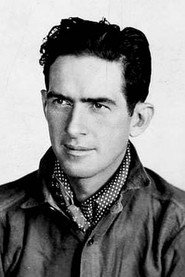
Schoedsack directed or co-directed King Kong (1933), The Son of Kong (1933) and Mighty Joe Young (1949), with O’Brien supervising or creating the principal stop-motion effects. Their productions required the coordination of live-action performances with animated giant creatures. King Kong remains their most important horror contribution, establishing a major model for the American monster feature.
MD
Marcel Delgado
Creature Model Designer / Stop-Motion Collaborator
Delgado worked with O’Brien on The Lost World (1925), King Kong (1933), The Son of Kong (1933) and Mighty Joe Young (1949). He constructed articulated creature models that made O’Brien stop-motion animation possible, including important dinosaur figures and the original Kong puppets. Their collaboration was fundamental to the physical development of cinematic monsters and prehistoric creature effects.
PP
Pete Peterson
Creature Animator / Special Effects Collaborator
Peterson worked with O’Brien on Mighty Joe Young (1949), The Black Scorpion (1957) and The Giant Behemoth (1959). He contributed substantial hands-on stop-motion animation, particularly in the later giant-monster productions. Their collaboration produced animated scorpions and a radioactive prehistoric creature, extending O’Brien established techniques into the atomic-age horror cycle.
 Ruth Rose
Monster Film Screenwriter Collaborator
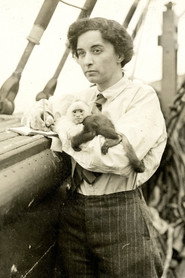
Rose wrote the screenplays for King Kong (1933), The Son of Kong (1933) and Mighty Joe Young (1949), all major giant-creature productions involving O’Brien. Her scripts provided the dramatic structure surrounding the animated animals, including the escalating danger and human encounters central to King Kong. Their shared films helped establish the narrative possibilities of effects-driven monster cinema.
BW
Bert Willis
Monster Effects Cinematography Collaborator
Willis contributed camera and photographic effects work to King Kong (1933), The Son of Kong (1933) and Mighty Joe Young (1949), productions whose animated creatures were developed under O’Brien technical supervision. His work formed part of the photographic collaboration required to integrate miniature monsters with live-action material. Mighty Joe Young credited him specifically for photographic effects.
Willis H. O'Brien Horror Movies
Special FX / Practical FX (4 credits)
1957
1925
1918
Visual Effects (4 credits)
1959
1933
1933
1925
Writing (2 credits)
1956
1918
Directing (1 credits)
1918
Acting (1 credits)
1918
Other Crew (1 credits)
1918