



2001
Stan Winston
Horror Special Effects · Biography · Horror Filmography · Collaborators · Credits
Horror subgenres & themes
Most represented across this person's horror filmography:
BODY HORROR
• MONSTER
• ANIMAL
• HALLOWEEN
Biography
Stan Winston: Creature Effects, Practical Horror and the Art of the Screen Monster
Stan Winston (April 7, 1946 – June 15, 2008) was an American special makeup effects artist, creature designer, animatronics supervisor, and filmmaker whose work substantially influenced horror and science-fiction cinema from the 1970s through the early twenty-first century. He founded Stan Winston Studio, an effects company responsible for developing numerous creatures and mechanical characters, including the Terminator endoskeleton, the Alien Queen, and the Predator. His involvement in horror ranged from the physical transformation and destruction of human bodies to elaborate monsters constructed through sculpture, mechanical engineering, prosthetic makeup, and puppetry.
Winston contributed to several major developments in modern screen horror. His early makeup work included Gargoyles (1972), Dead & Buried (1981), and The Entity (1982). He provided assistance to the effects production of The Thing (1982), created the mechanical assassin effects for The Terminator (1984), and supervised the creatures in Aliens (1986), Predator (1987), and The Monster Squad (1987). His directorial debut, Pumpkinhead (1988), demonstrated his interest in developing a sustained horror narrative around a creature whose appearance and behavior were essential to the story. Later productions involving his studio included Leviathan (1989), Predator 2 (1990), The Relic (1997), and Darkness Falls (2003).
Much of his career also extended into fantasy and science-fiction adventure, including Jurassic Park (1993), for which his studio developed full-scale dinosaurs and animatronic effects. These productions helped establish increasingly sophisticated techniques for creating large physical creatures, but Winston retained a particularly strong association with monsters designed to threaten, pursue, or physically transform human characters. His work contributed to the movement from conventional prosthetic makeup toward complex mechanical characters that could be photographed directly alongside performers.
Winston became an important figure in the industrial organization of creature effects. His studio employed sculptors, designers, mechanical specialists, fabricators, makeup artists, and performers who worked under his creative supervision. Major projects frequently involved substantial contributions from artists including Shane Mahan, John Rosengrant, Alec Gillis, and Tom Woodruff Jr. The resulting effects should therefore be understood as collaborative productions, with Winston responsible for guiding the design and development of characters that required several distinct technical disciplines.
Early Life, Disney Training and the Foundations of Creature Makeup
Winston was born in Richmond, Virginia, and studied art at the University of Virginia before moving to California in 1969 with the intention of pursuing an acting career. While searching for acting opportunities, he began an apprenticeship in the makeup department at Walt Disney Studios under Robert J. Schiffer. The position introduced him to professional makeup techniques and provided an opportunity to develop his existing interests in masks, puppetry, and sculptural construction. His subsequent career emerged from this combination of artistic training and practical workshop experience.
The professional makeup environment required a detailed understanding of facial anatomy, materials, and the relationship between an artificial surface and the movement of the performer beneath it. Prosthetic appliances had to remain convincing under photographic lighting and withstand the demands of extended filming. Winston became increasingly interested in effects that went beyond ordinary cosmetic transformation, particularly the creation of unusual characters through artificial facial structures and body surfaces.
One of his earliest important horror assignments was the television film Gargoyles (1972), directed by Bill L. Norton. The production concerns a family of ancient humanoid creatures emerging in the American Southwest. Its monsters required extensive makeup and costume work to create a recognizable nonhuman species within the constraints of television production. Winston developed creature makeup for the film, and the work brought him an Emmy Award. The production established his early association with fantastic character creation and demonstrated the potential of prosthetic effects to support a story centered on living monsters.
His subsequent television work included the elaborate aging makeup for The Autobiography of Miss Jane Pittman (1974), starring Cicely Tyson. Although the film was unrelated to horror, the assignment strengthened his reputation for transforming an actor through physical makeup. Aging effects and monster makeup share practical concerns involving the simulation of unfamiliar anatomy and the preservation of facial expression. Winston developed these techniques in parallel, gaining experience with materials and applications that could later be adapted to injured bodies, altered organisms, and supernatural beings.
His early feature assignments included The Bat People (1974), Dr. Black, Mr. Hyde (1976), and Mansion of the Doomed (1976). These productions gave Winston opportunities to work with transformations and disturbing physical appearances. Dr. Black, Mr. Hyde offered a contemporary reinterpretation of the Stevenson dual-identity narrative, while Mansion of the Doomed centered on a surgeon whose experiments involve the removal and transplantation of human eyes. Such material placed makeup effects directly within stories about bodily violation and medical experimentation.
During the late 1970s, Winston expanded his independent workshop activity and established the professional operation that became Stan Winston Studio. His work on productions outside horror, including The Wiz (1978) and the science-fiction comedy Heartbeeps (1981), contributed to his development of mechanical and artificial characters. Heartbeeps received an Academy Award nomination for makeup, and its robot effects became important to the subsequent evolution of his studio. The combination of character makeup and mechanical construction would prove particularly valuable when filmmakers began requesting creatures that could move independently of a performer.
Dead & Buried: Corpse Effects, Physical Destruction and Reanimation
Dead & Buried (1981), directed by Gary Sherman, was a significant stage in the development of Winston as a horror effects artist. The film takes place in a coastal community where visitors are subjected to violent attacks, while the investigation of the killings reveals connections between the local mortician and an unnatural process of reanimation. Its horror depends on the contrast between apparently ordinary townspeople and scenes of extreme bodily injury, mutilation, and the reconstruction of dead flesh.
Winston was responsible for the special makeup effects, which included elaborate representations of injured and disfigured victims. One of the most recognizable scenes involves an immobilized man subjected to a needle entering his eye. The effect required a controlled illusion of contact between the weapon and a vulnerable part of the human body. Its impact depended on close photographic presentation, the credibility of the artificial anatomy, and the timing of the movement. The film also includes burning and other destructive injuries that required fabricated body elements and specialized makeup.
The production was particularly demanding because its screenplay required victims to appear in different physical conditions. Bodies that had suffered extreme injuries could subsequently return with restored appearances, creating a practical connection between elaborate injury makeup and ordinary character presentation. Winston contributed to the development of these transformations through a combination of prosthetics, fabricated figures, and puppetry.
Dead & Buried established an important distinction between effects designed to display injury and effects intended to suggest the continuing existence of a character after death. Its reanimated bodies retain human appearances and behavior, allowing the film to connect spectacular makeup effects with the uncertainty surrounding the identity of the inhabitants. The work provided Winston with experience in making artificial human figures appear sufficiently credible for close examination by the camera.
The production also demonstrated how elaborate horror effects could be developed under limited financial conditions. Winston had to coordinate the construction and application of effects with the available shooting schedule, concentrating technical resources on scenes in which the artificial bodies would receive particular visual attention. These constraints encouraged methods that combined full makeup applications with independent replicas of human anatomy, an approach that remained important in his subsequent work on more sophisticated mechanical effects.
The Thing, The Entity and the Development of Animatronic Human Replicas
Winston made a specialized contribution to The Thing (1982), directed by John Carpenter. The film was principally associated with the elaborate creature effects designed and supervised by Rob Bottin, whose work established its extraordinary images of biological transformation. Winston and members of his studio assisted with the production of the Dog-Thing, the creature revealed when an infected dog undergoes a violent transformation inside the Antarctic research station.
The Dog-Thing presented an unusual practical challenge because the creature needed to progress from recognizable animal anatomy into an unstable collection of transformed organic structures. The sequence involves erupting tissue, extended appendages, and a monstrous body that no longer follows the normal proportions of the original animal. The effects required constructed puppets and mechanically manipulated components capable of supporting the movement of an organism undergoing visible physical disintegration.
Winston contributed this work without seeking to displace Bottin as the principal artist responsible for the film. The distinction matters because The Thing is sometimes included among his major credits without an explanation of the limited nature of his involvement. Bottin directed the overwhelming majority of the creature effects, while Winston supplied assistance on a particularly difficult component of the production. Nevertheless, the assignment became relevant to the later development of his studio because it expanded its experience with elaborate creature puppetry and multiple forms of mechanical movement.
Another important production was The Entity, directed by Sidney J. Furie and released in the United States in 1983. The film concerns a woman subjected to attacks by an invisible supernatural presence. Its effects presented problems fundamentally different from those encountered in conventional monster cinema. The threatening figure could not be represented through a visible costume or sculpted creature, yet the physical consequences of its contact with the protagonist needed to appear on screen.
Winston developed mechanical effects and specialized body replicas that allowed the film to simulate contact with an unseen force. The work involved the controlled deformation of artificial human anatomy and the coordination of practical mechanisms with photographed performances. The effects were unsettling because they represented physical violence without supplying a corresponding visible attacker. The production required precise control over the apparent movement of the body rather than the movement of an external monster.
These assignments contributed to the studio expertise that later informed The Terminator. The development of mechanical replicas and specialized puppets established methods for giving artificial human figures controlled movement, particularly in circumstances where an actor could not perform the required action. Winston increasingly treated prosthetic makeup and puppetry as complementary techniques within the same character.
The Terminator (1984): The Mechanical Body as a Horror Creature
The Terminator (1984), directed by James Cameron, became a turning point in the career of Winston and in the development of mechanical character effects. The film presents a cybernetic assassin sent from the future to murder Sarah Connor. Initially concealed beneath human tissue, the machine progressively reveals its artificial construction as it suffers physical damage. The narrative combines science fiction with the structure of a relentless pursuit thriller, and its central antagonist functions in many respects as an unstoppable horror creature.
Cameron required effects capable of depicting a character whose human appearance deteriorated to expose a metallic skeleton. Winston approached this problem through a series of prosthetic applications, articulated replicas, and mechanical puppets. The effects needed to preserve recognizable continuity between Arnold Schwarzenegger and the damaged artificial versions of the Terminator. The exposed machinery was therefore developed in relation to the proportions and facial characteristics of the performer.
The makeup effects depicting damage to the Terminator include artificial areas of exposed metal, a visible mechanical eye, and deteriorating human tissue. They provide increasingly direct evidence of the difference between the character and an ordinary human being. The effects also support the film narrative by allowing the audience to follow the physical destruction of the machine while understanding that its ability to continue functioning has not been eliminated.
The full endoskeleton represented a more complex technical undertaking. Winston and his team constructed life-size mechanical puppets based on Cameron's designs. Their development involved lightweight structural elements, articulated joints, rods, and mechanical controls. The intention was to obtain usable full-scale images of a walking or moving robotic character rather than relying entirely on miniature animation. This approach required the operators to coordinate separate parts of the machine while maintaining an impression of integrated bodily movement.
The climax, in which the Terminator continues pursuing its victims after the destruction of its external flesh, demonstrates the effectiveness of this approach. The skeletal machine appears as a separate physical character whose exposed construction no longer resembles the human performer. Winston supervised the relevant mechanical effects and served as second-unit director for the endoskeleton material, giving him direct responsibility for photographing portions of the creature action.
The transition from human assassin to visible machine is fundamental to the horror structure of the film. Earlier scenes depend on the Terminator passing as a human being and appearing capable of recovering from injuries that should incapacitate a person. The later effects reveal the durable machinery responsible for that behavior. Winston created the physical material through which the narrative changes from the threat of an apparently human murderer to the confrontation with a visibly inhuman mechanism.
The Terminator established a lasting collaboration between Winston and Cameron. It also demonstrated the potential of full-scale animatronic figures to perform complex actions within photographed environments. The mechanical methods developed for the film influenced subsequent creature projects at Stan Winston Studio and provided experience that became essential during the production of Aliens.
Aliens (1986): The Xenomorphs and the Construction of the Alien Queen
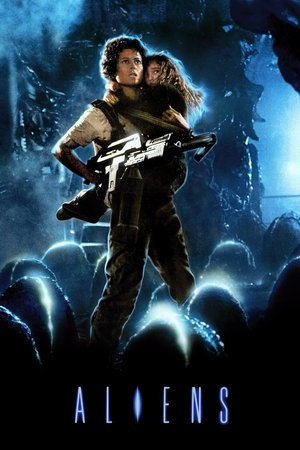
Aliens (1986), directed by James Cameron, represented a major expansion of the creature effects developed in Ridley Scott's film Alien (1979). The sequel required a substantial population of extraterrestrial organisms, including adult warriors, facehuggers, chestbursters, and an enormous reproductive Queen. Winston was responsible for supervising the creature effects, working with a team that included Shane Mahan, John Rosengrant, Alec Gillis, and Tom Woodruff Jr.
The original xenomorph design by H. R. Giger remained the visual foundation of the adult creatures. Winston and his collaborators adapted that established anatomy for the practical demands of a film involving several aliens in rapid movement and combat. The suits needed to accommodate stunt performers while preserving a convincing nonhuman silhouette. Changes in the surface treatment and construction helped the creatures withstand the demanding physical activity required by the sequel.
The film made extensive use of practical effects and selective camera placement to suggest a much larger population of creatures than could be physically built. Individual suit performers, articulated components, and independently operated puppets provided different types of movement. Close photography emphasized the anatomy and predatory behavior of the aliens, while wider compositions used their movement through industrial environments to communicate the scale of the infestation.
The Alien Queen was the central technical achievement of the production. Cameron developed the concept of an enormous reproductive creature that would serve as the dominant organism within the colony. Winston and his studio translated the design into a complex full-scale puppet incorporating human operators and mechanical controls. The figure was considerably larger than the adult warriors and required coordinated operation of its head, limbs, jaws, and other anatomical elements.
The full-size Queen was suspended and supported by an elaborate rig. Two performers occupied its central structure, while additional puppeteers controlled different parts of the creature. The arrangement allowed the model to produce varied movements during direct interaction with the actors and the miniature or full-scale environments. The artificial body was designed to conceal the physical limitations of the operators while maintaining a coherent impression of an enormous living organism.
Other versions of the Queen were built for sequences that could not be achieved using the full-scale figure. A smaller puppet allowed more complex movement and greater control over the creature in selected compositions. The production therefore combined different physical representations of the same organism according to the action required. This method became an important model for later creature films in which no single construction could perform every necessary movement.
The final confrontation between Ellen Ripley and the Queen demonstrates the dramatic possibilities of this approach. The sequence required the creature to interact convincingly with the power loader operated by Ripley. Winston supervised the physical effects that made the contest between the mechanical equipment and the extraterrestrial organism possible. The effectiveness of the scene depends on recognizable physical contact between two large structures whose movements are sufficiently coordinated to suggest weight and resistance.
Aliens earned Winston an Academy Award for Visual Effects alongside Robert Skotak, John Richardson, and Suzanne Benson. The film established the Alien Queen as one of the major creature designs of contemporary horror cinema. It also demonstrated how a practical effects department could construct a creature of considerable size and complexity while preserving the capacity for performance within a dramatic scene.
Invaders from Mars and The Monster Squad: Creating New Forms of Horror Creatures
Winston continued exploring the relationship between creature design and performer anatomy in Invaders from Mars (1986), directed by Tobe Hooper. The film reinterprets the 1953 science-fiction invasion story and features grotesque extraterrestrial organisms. The effects department was required to create invaders whose appearance would differ substantially from familiar humanoid monsters. Their construction presented an opportunity to conceal the ordinary shape of a performer inside a creature suit.
Winston developed an unusual approach for the alien drone creatures involving performers positioned in an unconventional relationship to one another. The concept used the movement of a larger performer walking backward, with a smaller performer controlling additional anatomical elements. This arrangement was intended to produce a silhouette with reversed leg articulation and movements that could not easily be explained by the presence of a conventional person inside the costume.
The construction was undertaken by artists including Shane Mahan, John Rosengrant, and Alec Gillis. Their work combined sculptural design with the practical limitations of a wearable creature. The resulting organisms possessed unusual body proportions and mechanical facial movement. The effects contributed to the atmosphere of biological threat in a narrative involving the replacement or control of human beings by extraterrestrial forces.
The Monster Squad (1987), directed by Fred Dekker, presented a different design challenge. The film assembled several monsters derived from the classic Universal horror tradition, including Dracula, the Frankenstein Monster, the Wolfman, the Mummy, and a Gill-man. Winston supervised the creature effects, which required recognizable relationships to established screen monsters while giving the characters' appearances suited to a contemporary production.
Each creature presented distinct makeup and costume requirements. The Frankenstein Monster depended on the modification of human proportions and facial anatomy, while the Wolfman required extensive hair work and prosthetic construction. The Gill-man involved a full creature suit with a detailed amphibious appearance. Steve Wang contributed to the painting and surface treatment of the Gill-man, while Tom Woodruff Jr. performed the creature, demonstrating the close relationship between specialized construction and physical characterization.
The Monster Squad also illustrates the different demands of horror comedy and serious creature horror. The monsters needed to remain threatening within action scenes, but their recognizable personalities and visual distinctions were equally important. Winston supervised a collection of character effects in which sculptural identity was central to the audience's understanding of each figure. The production drew on familiar monster iconography while demonstrating the advanced practical techniques available during the late 1980s.
Predator (1987): Designing a New Extraterrestrial Monster
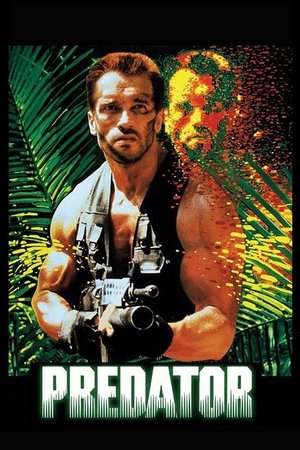
Predator (1987), directed by John McTiernan, became one of the most important creature-design assignments of Winston's career. The film concerns a heavily armed military group hunted in a Central American jungle by an extraterrestrial organism possessing advanced weapons and camouflage technology. The narrative combines military action with the structure of a survival horror film, gradually revealing the physical appearance of an antagonist whose presence is initially suggested through attacks and unusual visual phenomena.
The production encountered difficulties with an earlier creature design developed before Winston became involved. The original costume had been constructed under different artistic supervision and proved unsuitable for the intended dramatic and photographic requirements. Winston and his team were subsequently engaged to create a replacement. The redesigned Predator needed to appear physically powerful, capable of close combat, and recognizably extraterrestrial while accommodating a human performer.
The new creature incorporated a distinctive head with movable mandibles, deep-set facial structures, and elongated appendages resembling dreadlocks. Its body combined organic anatomy with technological equipment and armor. The arrangement allowed the creature to remain identifiable both when fully equipped and when its facial structure was revealed. Winston supervised the design process and the construction of the practical costume and mechanical head.
Kevin Peter Hall portrayed the Predator, and his height and physical performance contributed substantially to the final impression of the creature. The costume had to support movement through difficult environments and sustained interaction with actors. Mechanical facial elements were employed when the creature removed its mask, allowing the audience to see mandibular movements and other details that reinforced its apparent biological existence.
The final design helped establish the Predator as a recurring horror and science-fiction character. Its effectiveness resulted partly from the contrast between the technological sophistication of the hunter and the disturbing organic appearance of its exposed face. The practical effects provided a visible form for an adversary whose destructive capabilities had already been demonstrated throughout the narrative.
Predator received an Academy Award nomination for Visual Effects, with Winston included among the nominees. The character subsequently became central to an extended film franchise and influenced numerous designs of humanoid extraterrestrial predators. Winston's involvement established the creature as a recognizable combination of physical performance, sculptural anatomy, and mechanical facial articulation.
Pumpkinhead (1988): Stan Winston as a Horror Film Director
Pumpkinhead (1988) was Winston's feature directorial debut and his most significant achievement as a director of horror cinema. The film stars Lance Henriksen as Ed Harley, a grieving father who seeks revenge after the accidental death of his young son. He turns to a witch who summons a demonic creature to punish those responsible. The resulting story combines supernatural revenge with a tragic narrative about grief, responsibility, and the consequences of violence.
Winston was closely involved in the development of the creature and the visual approach of the film. Pumpkinhead needed to function as a physical antagonist whose appearance reflected the supernatural nature of its creation. Its anatomy combined elongated human proportions with reptilian and skeletal characteristics. The design allowed the monster to move with apparent agility while maintaining a substantial physical presence in scenes involving human performers.
The creature was constructed at Stan Winston Studio by a team that included artists experienced in prosthetics and elaborate creature suits. Tom Woodruff Jr. performed Pumpkinhead, allowing the monster to interact physically with the environment and the human cast. The costume required a carefully coordinated combination of performer movement and sculptural construction. Its long limbs and distinctive body proportions presented challenges similar to those encountered during the development of the Predator and the alien creatures of the preceding years.
Winston directed the film with particular attention to the relationship between the creature and the atmospheric environment. Many of the attacks occur in rural settings, wooded areas, and poorly illuminated interiors. The use of practical effects allowed the monster to occupy these locations as an apparently tangible organism. Its appearance was often controlled through selective photography, allowing the film to establish physical details gradually as the threat developed.
The central creature also performs a narrative function associated with traditional supernatural horror. It is brought into existence through an act of vengeance and develops a relationship with the person responsible for summoning it. The story connects the actions of the monster to the psychological state and moral decisions of Ed Harley. The creature therefore represents the direct consequences of the human desire for revenge, while its attacks remain the primary source of physical horror.
Lance Henriksen's performance supplies the dramatic foundation for this relationship. His character initially appears as a sympathetic father devastated by the death of his son, but his actions gradually reveal the destructive consequences of his decision. Winston's direction emphasizes this conflict and gives the creature effects a role within the emotional development of the narrative. The film depends on the parallel progression of the supernatural attacks and the growing awareness that the revenge has become uncontrollable.
Pumpkinhead established Winston's ability to direct a complete horror feature rather than contribute a specialized effects sequence to another filmmaker's production. Its creature became one of the recognizable practical monsters of the late 1980s, and the film developed a following that supported subsequent sequels. Winston did not direct those later installments, but the original production remains an important expression of his approach to horror characterization and creature performance.
Leviathan and Predator 2: Underwater Mutation and Creature Redesign
Leviathan (1989), directed by George P. Cosmatos, returned Winston's studio to biological horror. The film follows the crew of an underwater mining installation who discover a contaminated substance associated with a sunken Soviet vessel. Exposure leads to the transformation of human bodies into a dangerous composite organism. The narrative belongs to the underwater creature-horror cycle of the late 1980s and shares concerns with The Thing and the Alien films, particularly the threat of infection, bodily transformation, and confinement within an isolated workplace.
Winston supervised the development of the creature effects, which included elaborate mutated anatomy and large practical constructions. The monster required an appearance suggesting the fusion of multiple biological forms rather than the familiar structure of a conventional predatory animal. Its design incorporated distorted surfaces, unusual appendages, and anatomical combinations intended to communicate the instability of the transformation.
The effects presented significant photographic difficulties because much of the narrative occurs underwater or in flooded environments. Practical suits and puppets were used alongside carefully controlled photography to create the impression of movement through water. Some effects employed dry-for-wet techniques, in which atmospheric conditions and performance were manipulated to suggest immersion without requiring every creature element to operate beneath the water surface.
Members of the Winston's team including Alec Gillis and Tom Woodruff Jr. contributed to the practical creature work. Their experience with full-body suits and mechanical effects proved relevant to a film that required the creature to appear in several different forms. Leviathan demonstrates the continued use of physical monster construction at a time when increasingly elaborate makeup and puppetry allowed filmmakers to depict bodies undergoing extreme biological alteration.
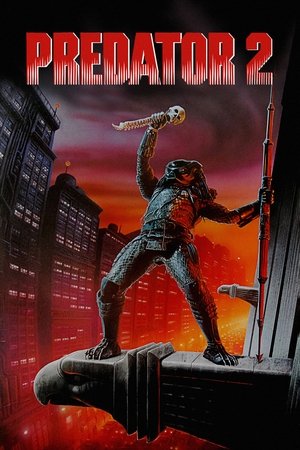
Predator 2 (1990), directed by Stephen Hopkins, presented a different assignment. Winston's studio returned to the extraterrestrial hunter introduced in the 1987 film, adapting its established design to an urban setting. The new production allowed the effects team to refine construction methods and develop a creature with distinctive features, rather than simply reproducing the original costume.
Shane Mahan and John Rosengrant contributed substantially to the redesign. Alterations included changes to the shape of the head, additional mechanical features, and more elaborate weapons. The studio developed improved facial mechanisms and practical versions of the creature suited to different shooting requirements. Kevin Peter Hall returned as the principal performer, providing continuity in the physical portrayal of the species.
The film also introduced an older Predator distinguished through modifications to the established design. The effects department adapted existing sculptural elements to create a character with a visibly different age and appearance. Predator 2 illustrates the process through which a successful horror creature design could be expanded into multiple individuals while retaining consistent anatomical characteristics.
Terminator 2 and Jurassic Park: Mechanical Creatures in the Digital Era
Terminator 2: Judgment Day (1991), directed by James Cameron, marked an important development in the relationship between practical effects and computer-generated imagery. Winston returned to supervise makeup and mechanical effects involving the T-800, while the film introduced the T-1000, a liquid-metal antagonist realized through a combination of physical makeup, mechanical devices, and digital visual effects. Industrial Light & Magic was responsible for the groundbreaking digital work, with Winston's studio contributing the practical components required for the character transformations.
The film presented new forms of physical damage and mechanical exposure. Winston's team created prosthetic applications, artificial heads, and full-scale mechanical elements representing the Terminator after progressive destruction. These effects remained important because the character needed to interact physically with performers and environments, particularly during scenes involving close contact and complex movement.
The T-1000 required a different visual approach. Robert Patrick performed the character in its ordinary human appearance, while the effects combined digitally generated transformations with practical representations of wounds and altered anatomy. The production demonstrated how mechanical and prosthetic effects could function alongside digital imagery without requiring every transformation to be achieved through one method.
Terminator 2 earned Winston Academy Awards for Makeup, shared with Jeff Dawn, and Visual Effects, shared with Dennis Muren, Gene Warren Jr., and Robert Skotak. The awards recognized a production in which several distinct technical disciplines contributed to the depiction of artificial bodies. The film also helped establish the importance of combining practical effects with emerging digital methods according to the demands of individual shots.
Jurassic Park (1993), directed by Steven Spielberg, extended this combination into the representation of prehistoric animals. Winston's studio constructed full-scale dinosaurs and complex animatronic mechanisms, including the Tyrannosaurus rex. The digital dinosaurs were created by Industrial Light & Magic, while the physical figures supplied detailed interaction with actors, vehicles, and surrounding environments. The production earned Winston another Academy Award for Visual Effects alongside Dennis Muren, Phil Tippett, and Michael Lantieri.
Although Jurassic Park belongs primarily to science-fiction adventure, its creature sequences also employ suspense techniques closely associated with horror. The Tyrannosaurus attack, for example, depends on the apparent proximity of a physically convincing predator to vulnerable human beings. The practical dinosaur construction allowed the actors to respond to a substantial object within the scene, while digital methods expanded the range of possible movement. The production demonstrated how the techniques developed for horror creatures could support a different form of large-scale cinematic spectacle.
Vampires, Mutants and Predatory Creatures in the 1990s
Winston continued supervising effects for horror and dark fantasy productions during the 1990s. Interview with the Vampire (1994), directed by Neil Jordan, required makeup effects supporting the physical characteristics of immortal characters and their predatory behavior. Artists at Stan Winston Studio, including Shane Mahan, developed specialized appliances and mechanical effects for scenes involving bodily injury and supernatural feeding. Among the documented techniques was an inflatable prosthetic effect designed to create the appearance of movement beneath human skin.
The Island of Dr. Moreau (1996), directed by John Frankenheimer, presented extensive requirements for hybrid human-animal characters. The film adapts the H. G. Wells story about a scientist who conducts experiments intended to transform animals into humanlike beings. The practical makeup and creature work associated with Winston's studio supported the creation of characters whose anatomy combined human performance with animal features. The production used elaborate facial prosthetics and body modifications to represent the unstable consequences of biological experimentation.
The Relic (1997), directed by Peter Hyams, returned the studio to a large predatory creature. The film concerns a dangerous organism operating within a natural history museum, where investigators encounter evidence of violent attacks and unusual biological transformation. Winston's studio contributed creature design and practical effects for the Kothoga, a large organism with a hybrid anatomical structure and predatory features. The creature had to function within confined interior environments while remaining sufficiently large and distinctive to support the central horror threat.
The design of the Kothoga involved anatomical elements associated with several animal types, giving the creature an unfamiliar silhouette. Practical constructions supported selected close encounters and physical interactions, while additional visual effects expanded its movement. The production illustrates the increasingly common combination of mechanical creatures and digital imaging during the late 1990s. The creature effects remained important because the film depended on close visual evidence of an organism whose existence was initially established through injuries and incomplete observations.
Lake Placid (1999), directed by Steve Miner, involved another large predatory animal, an enormous crocodile inhabiting a lake in Maine. Winston's studio created practical mechanical effects for the creature, allowing close photographic views and physical interactions that could not be achieved with an actual animal. The production combined horror and comedy, using the difference between ordinary expectations of crocodile behavior and the extraordinary size of the animal as a source of both danger and spectacle.
Winston also contributed creature effects to End of Days (1999), directed by Peter Hyams, which required supernatural imagery within a narrative involving demonic possession and apocalyptic threat. These productions demonstrate the breadth of the studio assignments during the decade. Its expertise could be adapted to vampires, transformed humans, biological monsters, enormous animals, and supernatural characters, with different construction methods selected according to the appearance and movement required.
Later Horror Productions, Creature Features and Stan Winston Studio
During the early 2000s, Winston increasingly became involved in the development and production of horror projects beyond the provision of specialized effects. He was associated with the Creature Features television film collection, produced for HBO and Cinemax, which revisited subjects associated with mid-century science-fiction and monster cinema. The productions included She Creature (2001), Earth vs. the Spider (2001), The Day the World Ended (2001), How to Make a Monster (2001), and Teenage Caveman (2002). The series provided opportunities for contemporary filmmakers to reinterpret familiar creature and transformation narratives within the format of television features.
Winston was also a producer of Wrong Turn (2003), directed by Rob Schmidt. The film follows a group of travelers pursued by violent cannibalistic inhabitants of an isolated woodland region. His participation was primarily in a producing capacity, and the film should be distinguished from productions for which he personally supervised the principal creature effects. Wrong Turn nevertheless belongs to his direct involvement in the development of modern horror filmmaking, particularly stories organized around physical danger and monstrous human antagonists.
Stan Winston Studio contributed creature design to Darkness Falls (2003), directed by Jonathan Liebesman. The production centers on a supernatural figure associated with the legend of a murderous Tooth Fairy. Winston's studio became involved after principal photography when the filmmakers sought a replacement for an earlier creature design. The effects team developed a revised physical figure and puppet elements intended to improve the appearance of the supernatural antagonist.
The assignment is representative of the studio's ability to enter a production at a relatively late stage and provide a practical solution to an unsatisfactory creature effect. The revised Tooth Fairy was designed around the needs of existing scenes, requiring the effects department to consider the available photography and the limited possibilities for additional filming. The production demonstrates that physical character creation remained relevant even as computer-generated imagery became increasingly common in commercial horror cinema.
Winston's studio also contributed to What Lies Beneath (2000), directed by Robert Zemeckis, developing practical puppet effects for supernatural imagery involving the character Madison. The production required the presentation of a ghostly human figure within a realistic domestic environment. Physical replicas and puppetry were used to support selected visual effects, extending the earlier studio experience with artificial human figures into a supernatural thriller.
He later produced The Deaths of Ian Stone (2007), directed by Dario Piana. The film follows a man repeatedly killed and returned to a changed version of his life while pursued by supernatural entities. Creature effects developed through Winston's studio contributed to the appearance of the threatening beings and their transformations. The project demonstrates his continuing interest in original horror material involving human vulnerability, altered bodies, and predatory organisms.
Outside conventional film production, Winston directed the 1997 short film Ghosts, featuring Michael Jackson, and contributed to the development of other original creature properties. His interest in character creation extended into designs conceived independently of existing studio franchises. These projects reflected his continuing concern with the development of distinctive artificial characters and the possibility of building narratives around their appearance and behavior.
Influence, Studio Artists and the Development of Modern Horror Effects
The importance of Winston within horror cinema derives from both his individual creative decisions and the workshop structure he developed. Stan Winston Studio became a training and production environment in which specialists could acquire substantial experience with complex character effects. Artists including Shane Mahan, John Rosengrant, Alec Gillis, and Tom Woodruff Jr. contributed to major productions before developing their own professional careers and technical organizations.
Gillis and Woodruff established Amalgamated Dynamics, Inc., which subsequently became an important producer of creature effects for horror and science-fiction cinema. Mahan and Rosengrant remained closely involved in the studio activities over many years and later became founding members of Legacy Effects after Winston's death. Their careers illustrate the transmission of specialized knowledge through professional collaboration and direct participation in demanding effects productions.
Winston was particularly influential in the development of creature effects that treated monsters as characters requiring controlled physical performances. His studio used sculptural anatomy to establish recognizable identities and mechanical systems to support the movements required by a script. The approach was visible in the Terminator endoskeleton, the Alien Queen, and the Predator, each of which depended on a close relationship between design and practical operation.
The transition to digital effects did not eliminate this emphasis on physical construction. Winston collaborated with filmmakers and visual effects companies that combined mechanical characters with computer-generated imagery. This hybrid approach became central to productions such as Terminator 2 and Jurassic Park, where practical effects provided physical interaction and close detail while digital methods expanded the available range of motion.
Winston received four Academy Awards during his career, winning for Aliens, Terminator 2: Judgment Day, and Jurassic Park, with Terminator 2 accounting for separate awards in makeup and visual effects. These achievements reflected the growing importance of practical character creation within major studio productions. His recognition also helped establish the position of creature designers and makeup effects artists as important contributors to the authorship of cinematic imagery.
He died in Malibu, California, on June 15, 2008, at the age of sixty-two. His death followed a career that extended from television prosthetic makeup to some of the largest mechanical and visual effects productions in American filmmaking. Stan Winston School of Character Arts was subsequently established to preserve and transmit professional knowledge associated with practical character effects and the artists who worked within the field.
For horror history, his most substantial contributions remain the development of physically convincing monsters and the technical methods used to integrate them into dramatic action. Dead & Buried demonstrated the possibilities of elaborate injury and corpse effects; The Terminator combined damaged human anatomy with mechanical puppetry; Aliens established a model for large-scale practical creature construction; Predator introduced a visually distinctive extraterrestrial hunter; and Pumpkinhead applied his experience to the direction of a supernatural horror narrative. His later work continued the development of these techniques through changing industrial and technological conditions, leaving an extensive body of practical effects material relevant to the study of modern monster cinema.
Selected Work
Notable Horror Collaborators
Notable collaborators and creative partners throughout Stan Winston's horror career.
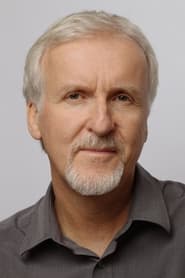 James Cameron
Director / Creature Effects Artist
Cameron and Winston developed the practical characters for The Terminator (1984) and Aliens (1986), followed by the mechanical and makeup effects of Terminator 2: Judgment Day (1991). Their collaboration was fundamental to modern science-fiction horror creature design.
SM
Shane Mahan
Creature Designer / Effects Supervisor
Mahan was a principal artist at Stan Winston Studio, contributing to The Terminator (1984), Aliens (1986), Predator (1987), The Monster Squad (1987), and Predator 2 (1990). His work on mechanical characters, creature sculpture, and practical makeup helped establish the studio technical approach.
 John Rosengrant
Creature Effects Artist / Art Department Supervisor
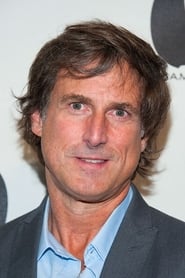
Rosengrant contributed to The Terminator (1984), Aliens (1986), The Monster Squad (1987), Predator (1987), Pumpkinhead (1988), Leviathan (1989), and Predator 2 (1990). He was an important member of the Winston studio creature construction and effects supervision team.
 Tom Woodruff Jr.
Creature Performer / Effects Artist
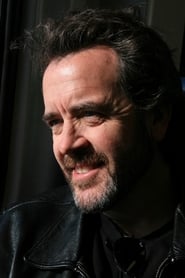
Woodruff worked at Stan Winston Studio on The Terminator (1984), Aliens (1986), and Predator (1987), and performed creatures in The Monster Squad (1987), Pumpkinhead (1988), and Leviathan (1989). His practical creature performances were central to several of the studio horror productions.
 Alec Gillis
Creature Effects Artist / Designer
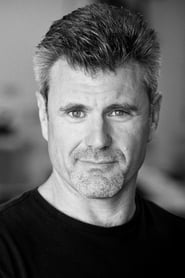
Gillis worked under Winston on Aliens (1986), Invaders from Mars (1986), and Leviathan (1989), contributing to creature design and practical effects. He subsequently established Amalgamated Dynamics with Tom Woodruff Jr., continuing his work in horror creature production.
 Lance Henriksen
Actor / Director
Henriksen appeared in The Terminator (1984) and Aliens (1986), both featuring major creature effects by Winston, and starred in Pumpkinhead (1988), the first horror feature directed by Winston. The three productions connect their work across science-fiction and supernatural horror.
Stan Winston Horror Movies
Special FX / Practical FX (19 credits)
1999
1997
1996
1994
1990
1989
1987
1987
1986
1986
1982
1982
1981
1981
1978
1976
1974
1972
Directing (3 credits)
1997
1988
1986
Production (7 credits)
2007
2005
2003
2002
2001
2001
2001
Writing (3 credits)
1997
1988
1980
Other Crew (2 credits)
2012
1982
Acting (1 credits)
2004