



2019
Bob Weinstein
Horror Producer · Biography · Horror Filmography · Family · Collaborators · Credits
Horror subgenres & themes
Most represented across this person's horror filmography:
SLASHER
• HALLOWEEN
• SPLATTER
• BODY HORROR
Biography
Bob Weinstein and the business of modern American horror
Bob Weinstein is an American film producer and executive whose work as founder and head of Dimension Films had a substantial influence on the commercial development of horror from the early 1990s through the following two decades. His contribution was principally industrial: identifying material, acquiring rights, selecting creative teams, supervising development, organizing distribution and building franchises for theatrical and home-video markets. Through Dimension he became associated with the commercial expansion of Scream, the continuation of the Halloween and Hellraiser properties, supernatural thrillers, horror remakes and films combining horror with comedy or science fiction.
Weinstein was unusually involved in individual projects for an executive responsible for a large production and distribution label. Directors, writers and producers who worked with him described a businessman who read scripts closely, intervened in casting and editing, scrutinized promotional campaigns and maintained strong opinions about the films being made. This involvement sometimes helped commercially uncertain projects reach production. It also created conflicts when filmmakers disagreed with his decisions. Both aspects are essential to understanding his place in horror history.
Queens, family background and the beginnings of Miramax
Robert Weinstein was born on October 18, 1954, in Flushing, Queens, New York. He grew up with his older brother Harvey in a family whose father, Max Weinstein, worked in the diamond business. Their parents encouraged a close relationship between the brothers, and cinema became part of their shared interests. Bob later recalled the importance of his father in developing their enthusiasm for movies and their willingness to pursue an unconventional profession.
Weinstein attended the State University of New York at Fredonia but left before graduating. He joined Harvey in the entertainment business when his brother was promoting concerts in Buffalo. Bob acquired practical experience arranging screenings, booking films and working with the audience expectations of a local theater. The brothers eventually established Miramax Films in 1979, naming the company after their parents, Miriam and Max.
Miramax initially concentrated on acquiring and distributing films that larger American studios were not handling through their conventional release systems. The brothers developed knowledge of international markets, independent production and specialized audiences. Bob generally preferred the operational side of the business, while Harvey became the more publicly visible figure associated with Miramax acquisitions and awards campaigns. Their different professional emphases became more pronounced after Bob developed a separate identity for commercially oriented genre entertainment.
The Burning and Weinstein’s early involvement in slasher cinema
Weinstein participated directly in horror filmmaking before Dimension existed. He and Peter Lawrence received screenplay credit on The Burning, the 1981 slasher directed by Tony Maylam and developed within the early Miramax organization. Harvey Weinstein, Maylam and Brad Grey were associated with the original story. The production emerged during the rapid commercial expansion of American slasher films following the success of Halloween and Friday the 13th.
The Burning gave Bob firsthand experience of developing a low-budget horror feature around a recognizable commercial concept. Its production depended on the relationships among a distributor seeking a viable genre release, screenwriters working within a familiar narrative format and technicians capable of delivering the physical effects audiences expected. Tom Savini provided the special makeup effects, adding an established name from contemporary horror to the production.
Although Weinstein later concentrated on producing and executive work rather than screenwriting, The Burning remains relevant to his professional development. It places him inside horror production at the beginning of the 1980s, well before the commercial success of Scream. His later judgment about genre audiences consequently developed from experience with low-budget horror as well as from film distribution and marketing.
The creation of Dimension Films
By the early 1990s Miramax had developed an established reputation in independent and international cinema. Bob Weinstein recognized an opportunity to build a complementary business around horror, science fiction, action and other commercially accessible films. Dimension Films emerged as a specialized label during this period, releasing titles beginning in 1992 and developing a stronger separate identity after Disney acquired Miramax in 1993.
The label allowed Weinstein to pursue material that did not necessarily fit the prestige-oriented image surrounding much of Miramax. Genre films could be acquired or produced economically, promoted to identifiable audiences and circulated through several markets after their theatrical releases. Horror was especially suitable because established concepts and recognizable characters could attract attention without requiring the budgets associated with major studio spectacles.
Early Dimension releases included Hellraiser III: Hell on Earth and Children of the Corn II: The Final Sacrifice. These were distribution opportunities rather than examples of Weinstein personally creating the underlying properties. That distinction is important throughout his career. Dimension frequently entered projects after their original concepts or production structures had already been established. Weinstein’s contribution could consist of securing distribution, financing a continuation, arranging development or determining how an existing property would be presented to the market.
Dimension grew into an operation in which theatrical distribution, ancillary markets and franchise development reinforced one another. Theatrical success could increase the value of sequels, while less expensive follow-ups could continue generating revenue through home entertainment. Weinstein treated those opportunities as connected parts of a commercial strategy rather than judging each film solely by its opening theatrical performance.
Acquisition, positioning and Weinstein’s approach to genre audiences
Weinstein became particularly interested in identifying material whose commercial potential was not obvious from its production circumstances. The Crow provided an important example. After the death of actor Brandon Lee during production, the film faced serious difficulties and uncertainty surrounding its American release. Dimension acquired distribution involvement, and Weinstein supported marketing that emphasized the story’s romantic element alongside its dark comic-book imagery.
Former Dimension president Cary Granat later identified that positioning as an important reason the release succeeded. The episode illustrates Weinstein’s attention to the distinction between a film’s content and the way it is introduced to audiences. A promotional campaign could emphasize a specific emotional or narrative element without needing to represent every aspect of the finished production equally.
Weinstein also took a strong interest in younger moviegoers and the changing relationship between horror and popular culture. He understood that audiences familiar with decades of slasher conventions could respond to films that acknowledged those conventions while continuing to provide effective suspense. This commercial judgment became decisive when a screenplay originally titled Scary Movie reached Dimension during the middle of the 1990s.
Developing Scream and establishing a new horror franchise
Kevin Williamson’s screenplay attracted considerable industry attention, and Dimension became one of the companies competing for it. Richard Potter, an executive in the label’s story department, played an important role in bringing the script to Bob Weinstein’s attention. Weinstein subsequently pursued Wes Craven to direct, despite Craven’s initial reluctance to return to the type of horror with which he had become so closely identified.
Weinstein considered the screenplay commercially significant because it addressed an audience familiar with earlier horror films while remaining an effective slasher narrative. He wanted an experienced horror director capable of balancing suspense, violence and humor without reducing the material to straightforward parody. Craven eventually accepted, supported by his producing partner Marianne Maddalena and an experienced production team.
The development illustrates the distinction between Weinstein’s contribution and those of the filmmakers. Williamson wrote the screenplay and established its central narrative conception. Craven directed and shaped the performances and visual suspense. Maddalena played an important role in production, including the discovery of the mask that became associated with Ghostface. Weinstein supplied the executive commitment, acquisition strategy and commercial backing that brought the creative participants together under Dimension.
The relationship was difficult from the beginning. Maddalena later recalled Weinstein criticizing early footage and questioning the appearance of the killer’s mask. An edited version of the opening sequence helped resolve some of his concerns. The incident demonstrates both the authority he exercised and the limitations of evaluating a film through unassembled production material.
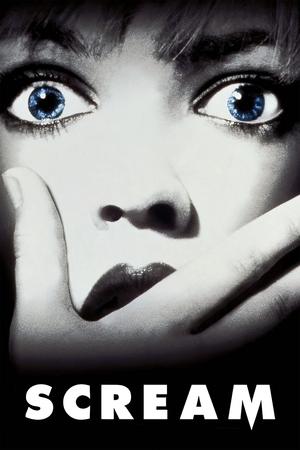
Weinstein supported an unusual December 1996 release for Scream. The opening weekend was modest relative to what the film eventually earned, but attendance remained strong in subsequent weeks. Its commercial success established Dimension as a major participant in American theatrical horror and gave Weinstein a franchise with value extending far beyond one production.
Hands-on supervision and relationships with filmmakers
Weinstein’s professional style became one of the distinguishing characteristics of Dimension. He was known for closely examining scripts, participating in casting decisions, discussing editorial changes and overseeing marketing material personally. The company could function with a comparatively small staff because its leadership concentrated heavily on a limited slate of commercially targeted releases.
This approach was productive when Weinstein and a filmmaker shared an understanding of a project. It could become contentious when the executive attempted to change material the director considered essential. Wes Craven described their relationship as one involving extensive discussion, occasional arguments and negotiated compromises. Craven retained influence over important creative decisions while acknowledging that Weinstein possessed contractual authority over the finished production.
Such testimony helps explain why Weinstein cannot be described accurately either as a passive financier or as the creative author of the films released by his company. His participation occurred within a continuing negotiation among writers, directors, producers and executives. The resulting films reflect decisions made by several parties whose authority and responsibilities were different.
Weinstein’s tendency to intervene remained visible during later Scream productions. Craven recalled disagreements about editing and scene selection on Scream 4, while Williamson discussed substantial creative conflict with Weinstein during the same production. The disagreements did not erase their previous achievements, but they illustrate how the executive control that helped establish a franchise could also complicate its continuation.
Franchise management and the economics of recurring horror properties
Dimension’s growth depended heavily on the commercial possibilities of continuing recognizable properties. Weinstein understood that horror characters and titles could retain audience awareness for years even when individual installments performed differently. A sequel could be financed, promoted and distributed with advantages unavailable to an entirely unfamiliar original screenplay.
The Scream series provided the clearest example. Williamson’s original concept developed into an ongoing property, while Craven remained director of the first four theatrical films. Production budgets and casting opportunities grew after the initial success, allowing the company to present the sequels as substantial releases rather than simply lower-cost extensions of the first film.
The Hellraiser property followed a different industrial pattern. Dimension distributed and later became involved in further installments after the original films had established the characters and mythology. As the series continued, some productions were directed primarily toward home-video circulation. The strategy maintained commercial activity around the title even when the economics no longer supported the same kind of theatrical release.
Dimension also became involved in the Halloween series through an existing rights and production structure associated with Moustapha Akkad and Trancas International Films. Films including Halloween: The Curse of Michael Myers, Halloween H20: 20 Years Later and Halloween: Resurrection required negotiations among established franchise custodians, writers, directors and the distributor. Weinstein’s responsibilities concerned development and commercial positioning, while the producers controlling the underlying property retained significant influence over continuity and future use of Michael Myers.
These different relationships demonstrate that franchise management did not operate according to one fixed ownership model. Dimension could control distribution without owning an entire property, participate in new productions alongside existing rights holders or develop continuations through contracts whose terms changed over time. Weinstein’s career depended heavily on understanding those distinctions.
Recurring talent and the Dimension production network
Weinstein maintained recurring professional relationships across different types of horror production. Wes Craven and Kevin Williamson remained particularly important because their combined work supplied Dimension with its defining theatrical franchise. Marianne Maddalena provided production continuity across Craven’s Scream films, while Patrick Lussier worked repeatedly within Dimension’s horror operations as an editor and later as a director.
Lussier’s career offers a useful example of how the company could extend an existing relationship into another professional role. After editing important Dimension films, including the original Scream trilogy, he was approached about directing a modern Dracula project. Dimension developed Dracula 2000 and its subsequent installments with Lussier and writer Joel Soisson. The arrangement connected an experienced horror editor with the company’s continuing interest in recognizable genre properties.
Robert Rodriguez developed another important relationship with Weinstein and Dimension. Their work included From Dusk Till Dawn, The Faculty and the later Grindhouse project, as well as films outside horror. Rodriguez offered a particularly useful combination of strong genre interests, technical independence and experience working within different budgets. His relationship with Dimension extended beyond one horror cycle and demonstrated Weinstein’s preference for filmmakers capable of addressing multiple commercial audiences.
The development of these relationships required executives and producers below Weinstein to manage individual projects. Richard Potter, Cary Granat, Cathy Konrad, Marianne Maddalena and other personnel performed distinct functions that should not be absorbed into Weinstein’s personal authorship. Dimension’s output resulted from an organization rather than from one executive independently selecting, writing and producing every film.
International horror, remakes and the expansion of the Dimension label
Dimension’s horror business extended beyond American slasher properties. The company became involved in science-fiction horror, literary adaptations, supernatural thrillers and remakes. Projects such as Mimic, The Faculty, Phantoms and The Others demonstrated its willingness to work with different narrative traditions while maintaining an emphasis on commercially identifiable genre material.
The expansion also brought Weinstein into relationships with filmmakers who possessed strong visual or narrative preferences of their own. Guillermo del Toro’s experience on Mimic became a particularly well-known example of difficult studio collaboration. The director later discussed disagreements over the development and production of the film. His experience illustrates the risks faced by filmmakers whose projects depended on a company prepared to exercise extensive editorial and executive authority.
Dimension’s interest in horror remakes and established literary properties increased during the 2000s. The company participated in productions including The Amityville Horror, Black Christmas, Halloween, 1408 and The Mist. These projects involved different producers and creative teams, and Weinstein’s contribution varied according to Dimension’s contractual position. They nevertheless belonged to a strategy of using recognizable concepts and existing intellectual property to maintain a regular genre slate.
Stephen King adaptations were particularly relevant because his name gave horror projects an established audience beyond one cinematic franchise. Dimension’s involvement in 1408 and The Mist demonstrated how literary recognition could complement contemporary theatrical marketing. The company could present these productions through King’s reputation while allowing their directors and producers to determine the individual dramatic treatment.
Horror comedy and diversification beyond the core genre
Dimension’s success was also connected with Weinstein’s willingness to move between horror and adjacent entertainment. Scary Movie converted the commercial recognition of contemporary slasher cinema into a parody franchise, while Spy Kids developed the label’s relationship with Robert Rodriguez into family adventure. The productions addressed different audiences but used similar commercial resources: accessible concepts, recognizable branding, sequels and extensive promotional campaigns.
This diversification mattered because it reduced dependence on one form of horror. A company concentrating exclusively on slasher films could become vulnerable when audience interest changed, while a broader genre label could shift investment among thrillers, comedies, action and family entertainment. Weinstein therefore used Dimension to build a business whose identity was commercial filmmaking for identifiable audiences rather than horror specialization alone.
The strategy was not free from disputes. The development and control of continuing franchises produced disagreements involving writers, directors and performers, while executive decisions could change creative personnel between installments. These conflicts belong to the history of Dimension because they reveal the tension between maintaining a commercially valuable property and preserving the influence of its original creators.
Leaving Disney and establishing The Weinstein Company
In 2005 Bob and Harvey Weinstein left Miramax following prolonged disagreements with Disney over the future operation of the business. They established The Weinstein Company and continued operating Dimension under the new corporate structure. The move allowed Bob to retain a recognizable genre label while developing and distributing films through an independent company rather than within Disney-owned Miramax.
The transition was significant for the horror properties associated with Dimension. The company continued pursuing familiar franchises, remakes and new commercial projects, but the rights to older films and characters did not all transfer under identical terms. Some material remained connected with the pre-2005 Miramax library, while later productions became part of The Weinstein Company’s assets.
Weinstein retained a major executive role in the genre division. Dimension continued producing theatrical horror, although changing market conditions made reliable commercial success more difficult. The company faced competition from other producers pursuing comparatively inexpensive horror, including new firms whose operating models were designed around smaller budgets and high-volume development.
The changing economics of horror after 2005
The later Dimension period illustrates the increasing difficulty of maintaining a broad theatrical genre label. Productions could still benefit from recognizable properties, but costs associated with distribution and promotion had risen, while audiences were becoming accustomed to new horror cycles based on found footage, supernatural phenomena and independently financed releases.
Grindhouse in 2007 demonstrated the risk of supporting an ambitious genre concept whose intended audience did not translate into sufficient theatrical attendance. The project brought Robert Rodriguez and Quentin Tarantino together around an exploitation-cinema presentation, but its commercial performance fell substantially below expectations. For Weinstein, it exposed the limits of assuming that recognizable filmmakers and genre enthusiasm would necessarily produce a profitable wide release.
Dimension also pursued inexpensive releases and home-entertainment opportunities through specialized operations including Dimension Extreme. These allowed the label to handle international and lower-budget genre productions whose commercial potential did not necessarily justify expensive theatrical campaigns. Such distribution activity continued a strategy established during the original Miramax period: acquire material for identifiable audiences and select release methods according to expected demand.
Continuing Scream and losing established franchise rights
Weinstein returned to Scream with the fourth theatrical installment in 2011. Wes Craven resumed directing, and Kevin Williamson returned to develop the screenplay. The project was intended to update the established property for a generation whose relationship with communication technology and horror media had changed substantially since the original trilogy.
The production became another example of Weinstein’s intense creative involvement. Craven later explained that Weinstein retained ultimate authority over the screenplay and final editing decisions, while Williamson acknowledged substantial disagreements about the direction of the material. The participants continued working together, but the difficulties demonstrated how a long professional relationship could become more complicated as a franchise accumulated commercial expectations.
Dimension subsequently developed a television version of Scream with MTV, extending the property beyond theatrical filmmaking. The initiative reflected the continuing value of familiar horror titles across changing distribution platforms. By this period, television and streaming had become increasingly important destinations for genre material that once would have been developed primarily for theatrical or home-video release.
Other franchise plans were less successful. Dimension continued exploring new Halloween productions but lost its involvement with the property in 2015 when the rights became available to other production partners. The change was a reminder that distribution success and years of involvement do not necessarily provide permanent control over an established fictional property.
The Weinstein Company crisis and the end of Dimension’s original structure
The final years of Dimension under Weinstein were inseparable from the collapse of The Weinstein Company. In 2017 extensive allegations of sexual harassment and assault against Harvey Weinstein became public, followed by his removal from company leadership. The revelations generated scrutiny of the business structures and executives surrounding him, including Bob Weinstein, who had been his partner throughout their professional careers.
Bob publicly condemned his brother’s conduct and stated that he had not understood the extent of the abuse. Investigative reporting nevertheless raised questions about what senior executives knew and about earlier confidential settlements involving the company. Bob also faced an allegation of unwanted advances from television producer Amanda Segel, who had worked on The Mist; he denied that allegation. These matters formed part of the wider examination of accountability within the Weinstein companies and should be distinguished from the specific criminal proceedings against Harvey.
The Weinstein Company entered bankruptcy proceedings in 2018. Its assets, including substantial portions of the film and television library, were acquired by Lantern Capital Partners, which established Lantern Entertainment. Dimension’s original position as an active genre operation controlled by Bob Weinstein effectively ended with the collapse and sale of the company.
The consequences extended to the horror business he had developed. Properties, distribution interests and libraries associated with different periods of Miramax and Dimension passed into new corporate arrangements. Later installments of Scream and other established franchises consequently proceeded through production and distribution structures no longer controlled by Weinstein.
Watch This Entertainment and professional activity after Dimension
In 2019 Weinstein announced Watch This Entertainment, a new production and development company intended to operate on a smaller scale than Miramax, Dimension or The Weinstein Company. The proposed business concentrated on family films, comedies and adult thrillers, with development and intellectual-property ownership emphasized over maintaining a large distribution operation.
One of the first projects announced was the animated family production Endangered, developed with Téa Leoni and the French animation collective Illogic. The proposed direction represented a departure from the company identity Weinstein had built through horror franchises, although the continued emphasis on commercially accessible concepts was consistent with his earlier business strategy.
The attempted return attracted criticism because of Weinstein’s long association with his brother and unresolved questions surrounding the conduct of executives within their former businesses. His later professional activity therefore took place under circumstances substantially different from the period when Dimension had been one of the most commercially prominent genre labels in Hollywood.
Bob Weinstein’s contribution to horror production
Weinstein’s historical importance to horror rests primarily on the development of a sustained commercial infrastructure. Dimension helped maintain established properties, supported new theatrical releases and brought horror into the mainstream studio marketplace during the 1990s. Its success with Scream was especially consequential because it demonstrated that contemporary slasher cinema could attract a large theatrical audience through a combination of recognizable genre knowledge, strong creative personnel and coordinated national marketing.
His role also demonstrates the influence of executives whose names do not appear in the principal creative credits of every production. Acquisition, casting, development, editing authority, distribution and franchise management can substantially affect which horror films are made and how they reach audiences. Weinstein exercised unusual personal influence across these stages, sometimes supporting filmmakers decisively and sometimes becoming a source of creative conflict.
The later collapse of The Weinstein Company adds an unavoidable institutional dimension to his career. Dimension’s accomplishments belong to the history of modern horror, while the business environment in which they occurred cannot be separated from the controversies surrounding the Weinstein companies. Bob Weinstein remains an important figure in the commercial history of the genre because he helped shape the production and distribution conditions under which several major horror franchises developed, while his career also demonstrates the risks created when extensive creative and corporate authority is concentrated in a small number of executives.
Selected Work
Notable Horror Collaborators
Notable collaborators and creative partners throughout Bob Weinstein's horror career.
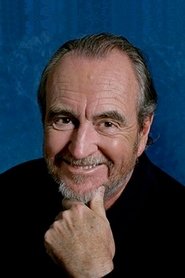 Wes Craven
Studio Executive / Director Collaborator
Weinstein brought Craven into the Dimension production of Scream and maintained an extensive working relationship across Scream, Scream 2, Scream 3, Scream 4 and Cursed. Their collaboration was central to the label’s horror identity and involved continuing negotiations over development, casting, editing and creative authority.
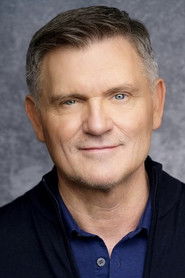 Kevin Williamson
Studio Executive / Screenwriter Collaborator
Williamson’s writing was central to Weinstein’s development of Scream, Scream 2, The Faculty and Scream 4. Their recurring relationship helped establish Dimension’s position in late-1990s horror and also produced documented creative disagreements during the later Scream franchise.
MM
Marianne Maddalena
Studio Executive / Producer Collaborator
Maddalena produced the four Scream films directed by Wes Craven within Dimension’s production and distribution system. Her work with Weinstein connected the director’s established creative partnership with the company’s executive and commercial operations across more than a decade.
 Robert Rodriguez
Studio Executive / Writer-Director Collaborator
Rodriguez maintained an extensive Dimension relationship that included the horror productions From Dusk Till Dawn, The Faculty and Planet Terror, alongside other major films. Their partnership connected Weinstein’s genre business with a filmmaker whose creative work moved repeatedly among horror, science fiction, action and family entertainment.
 Patrick Lussier
Studio Executive / Editor-Director Collaborator
Lussier worked repeatedly within Dimension horror productions, editing the original Scream trilogy and directing Dracula 2000, Dracula II: Ascension and Dracula III: Legacy. Weinstein’s company supported his transition from established horror editor to franchise director, making this a recurring professional relationship across several productions.
 Moustapha Akkad
Studio Executive / Franchise Producer Collaborator
Weinstein and Akkad worked through Dimension and the established Halloween production structure on Halloween: The Curse of Michael Myers, Halloween H20: 20 Years Later and Halloween: Resurrection. Their relationship involved the commercial development of the franchise alongside Akkad’s continuing role as producer and custodian of the property.
Bob Weinstein Horror Movies
Production (58 credits)
2018
2018
2017
2017
2016
2015
2015
2014
2013
2013
2012
2012
2011
2011
2010
2009
2009
2008
2008
2008
2007
2007
2007
2007
2007
2006
2006
2005
2005
2005
2005
2005
2005
2003
2002
2002
2002
2002
2001
2001
2001
2000
2000
2000
2000
2000
1998
1998
1998
1998
1997
1997
1997
1996
1996
1992
1990
Writing (1 credits)
1981
Acting (1 credits)
2011