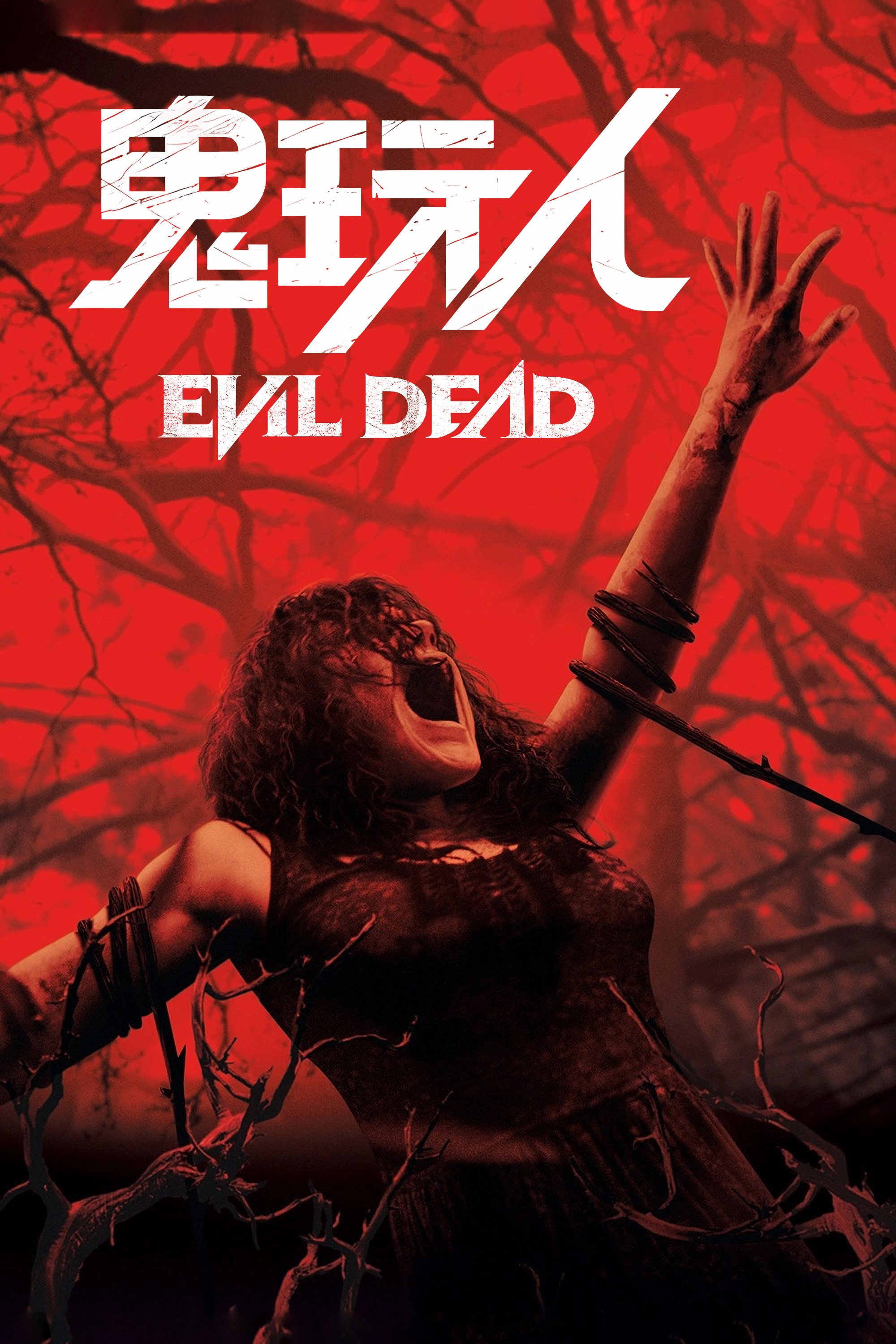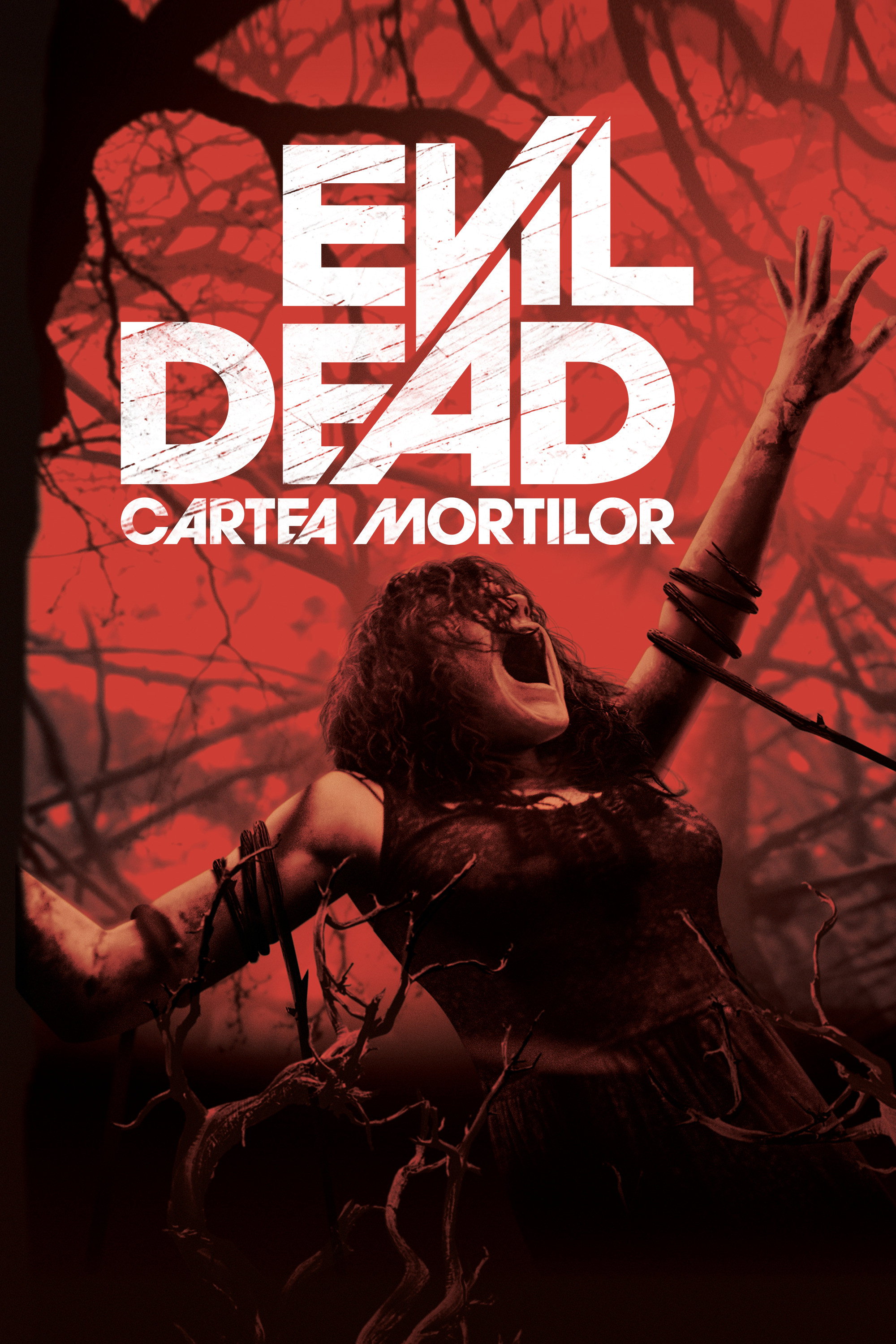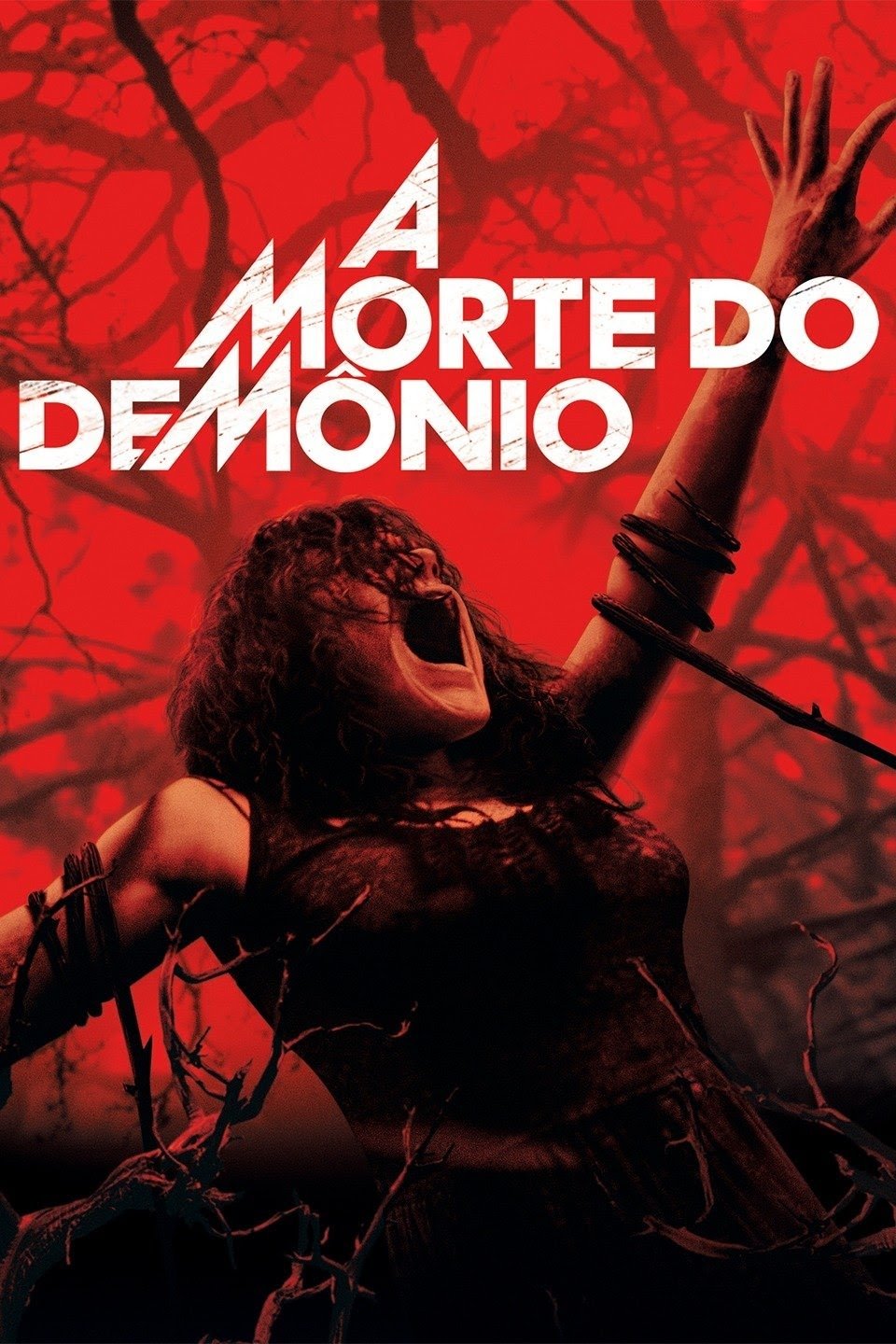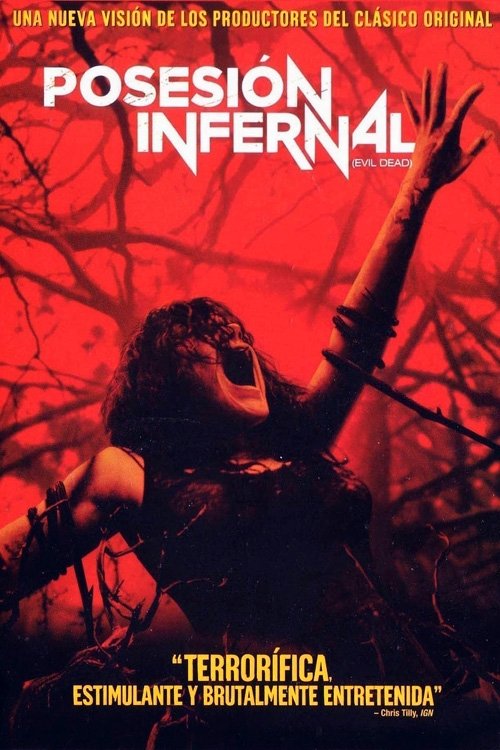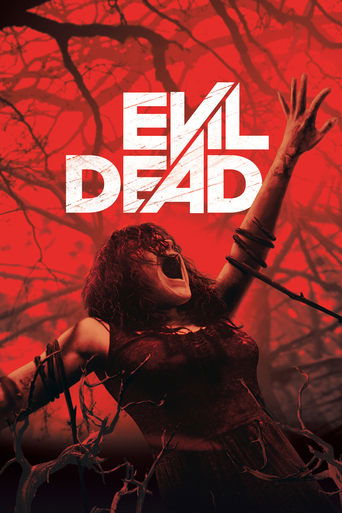
Evil Dead (2013)

US
HORROR FILM
SUBGENRES SPLATTER
7.0/10 7 votes
Runtime
91 min
Release
April 5, 2013
Budget
$17,000,000
Revenue
$99,010,045
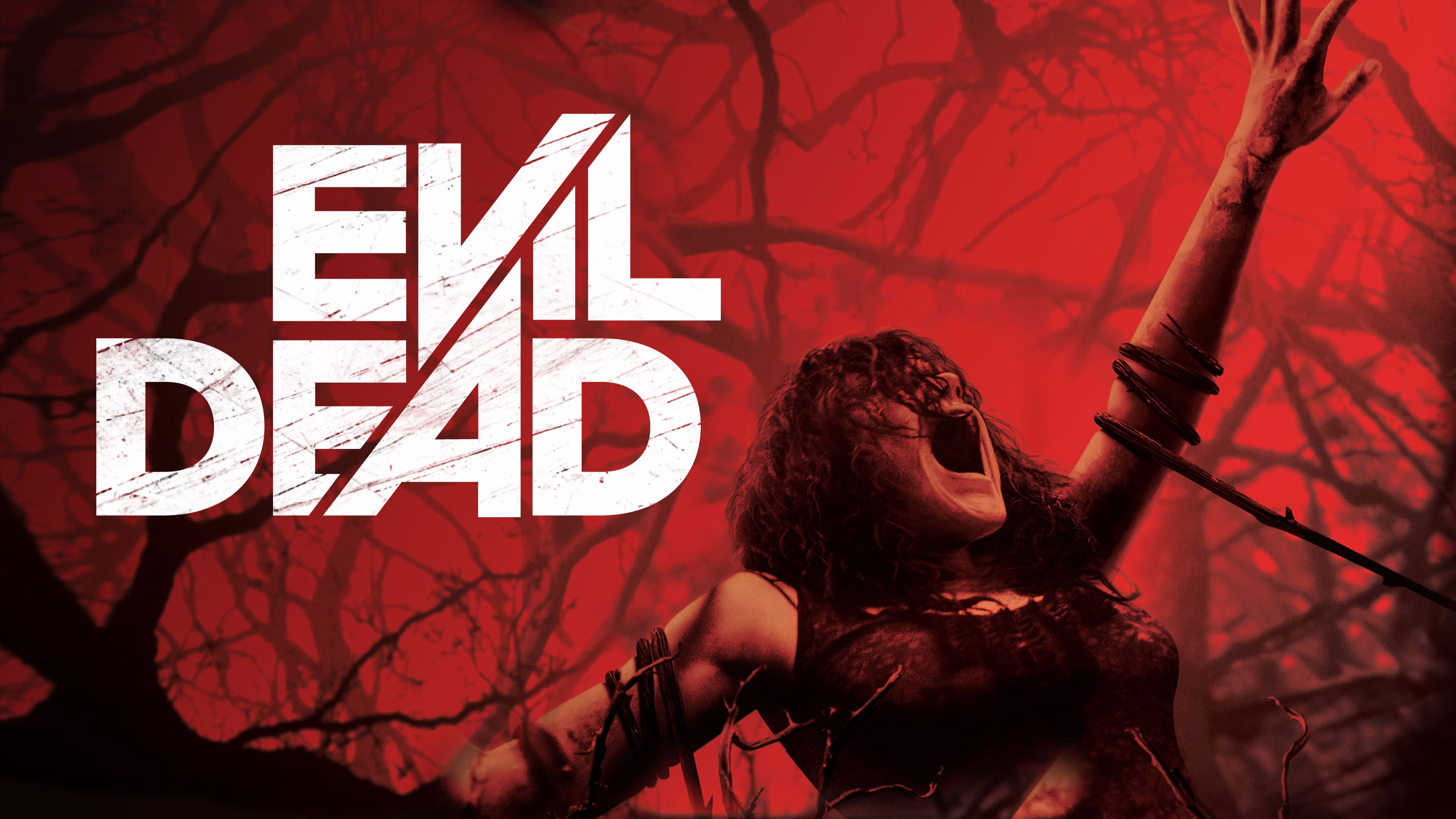
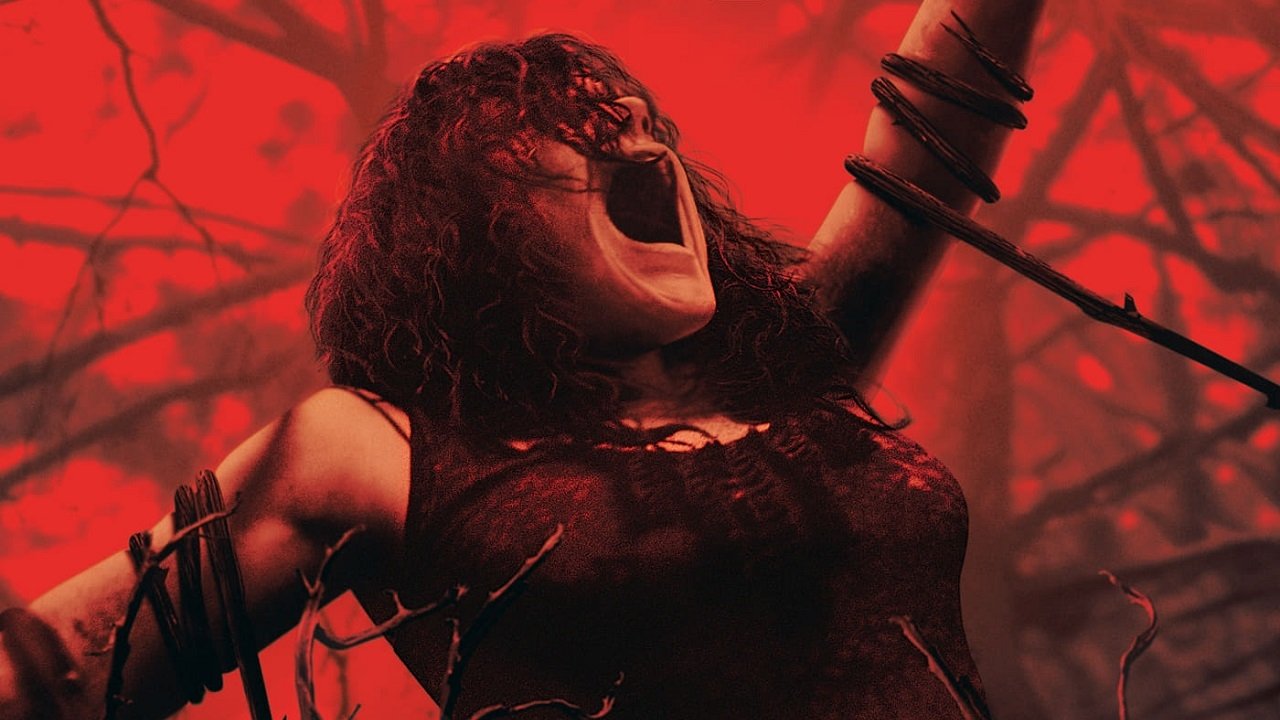
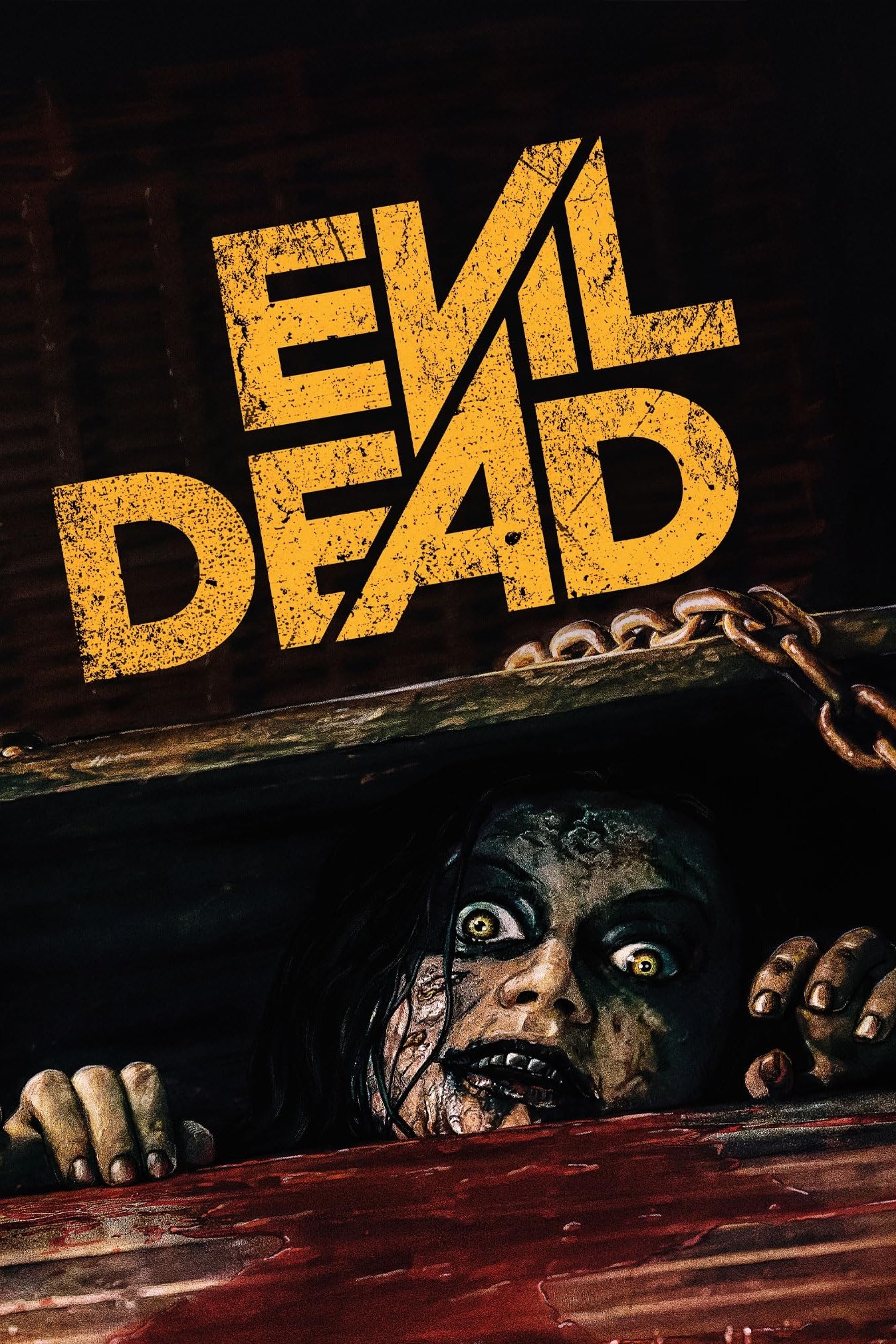
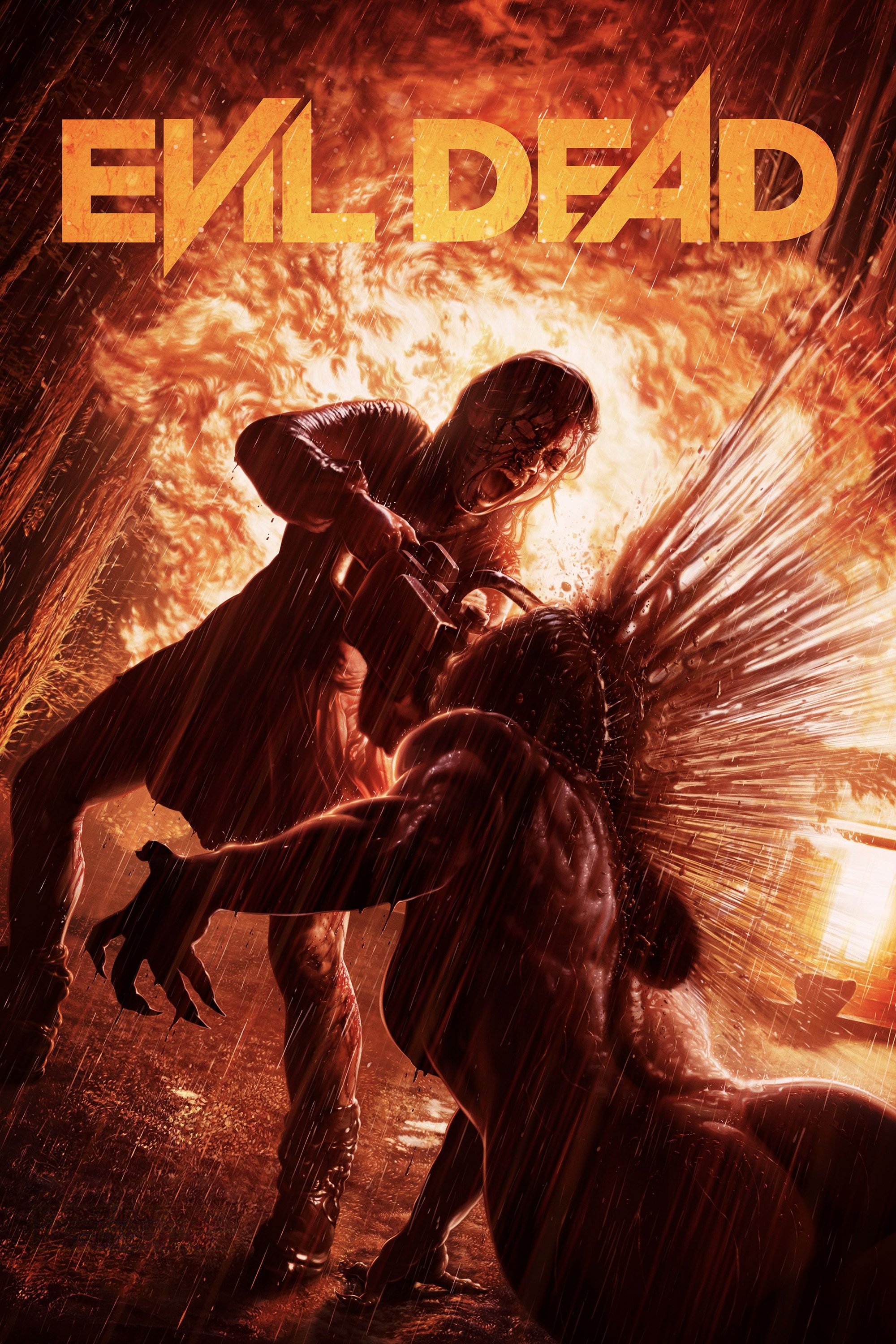
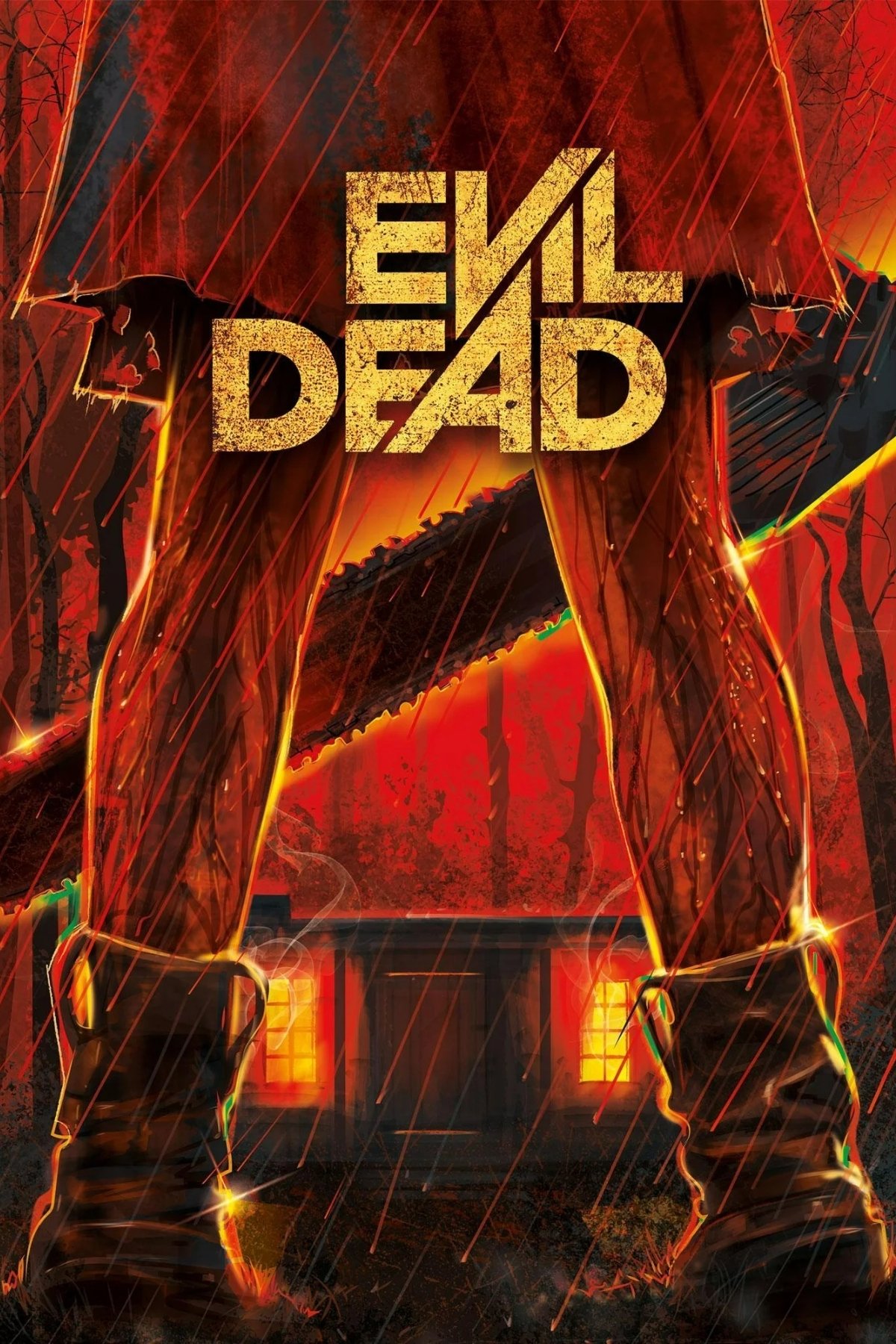
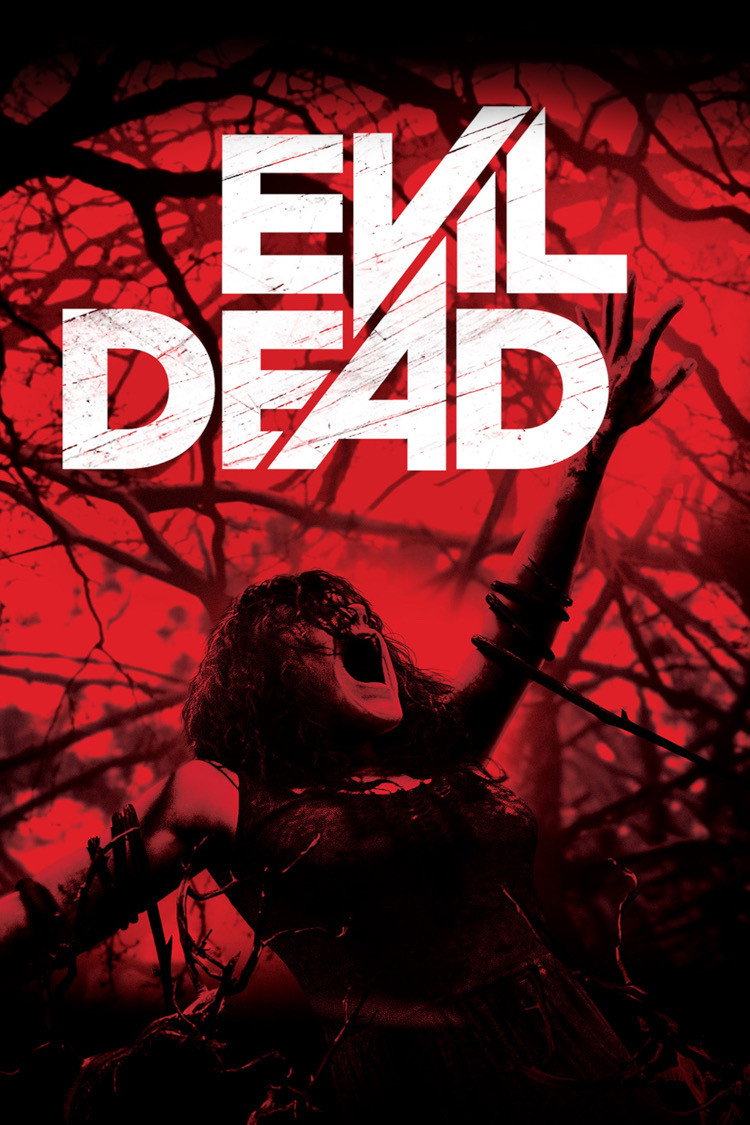
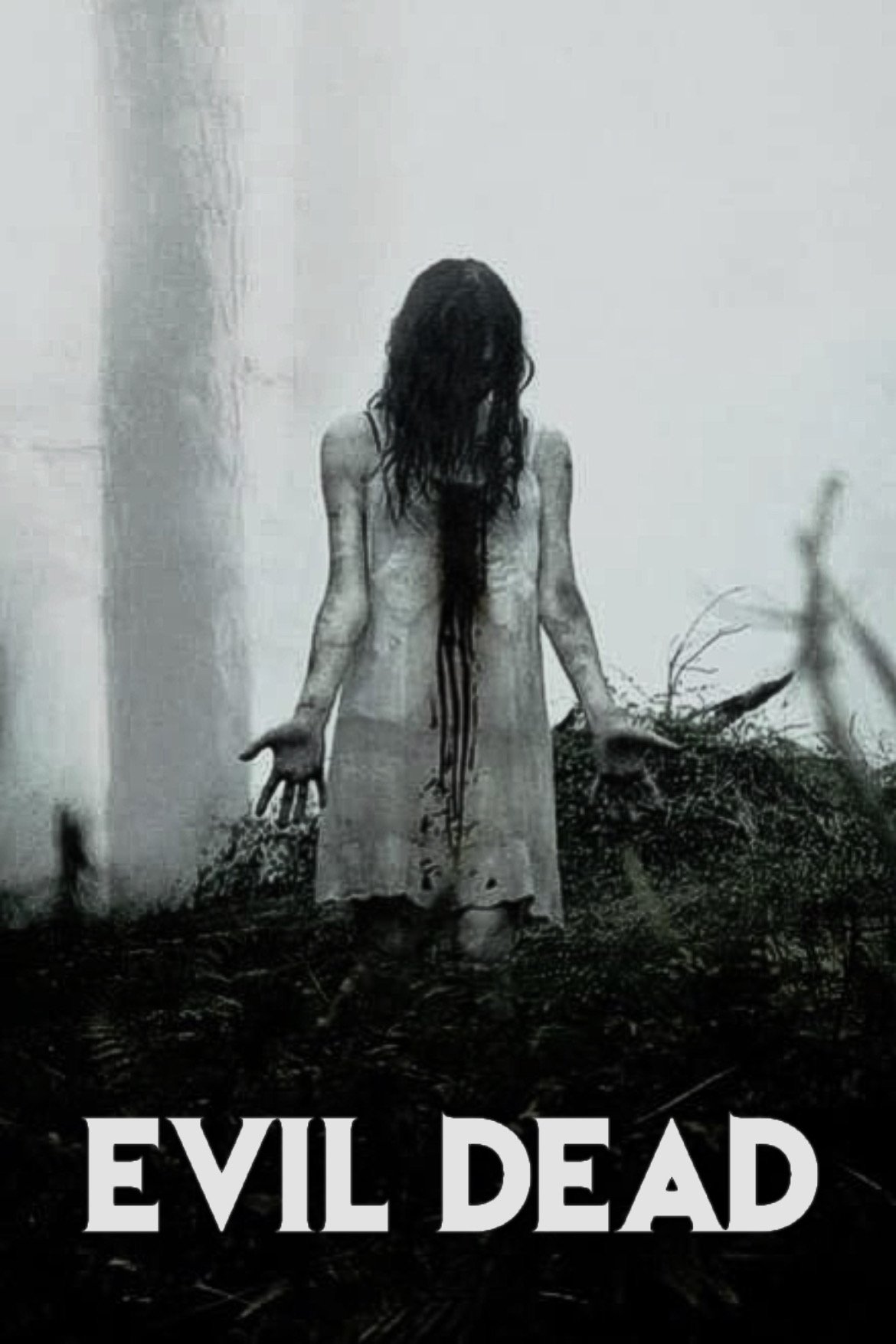
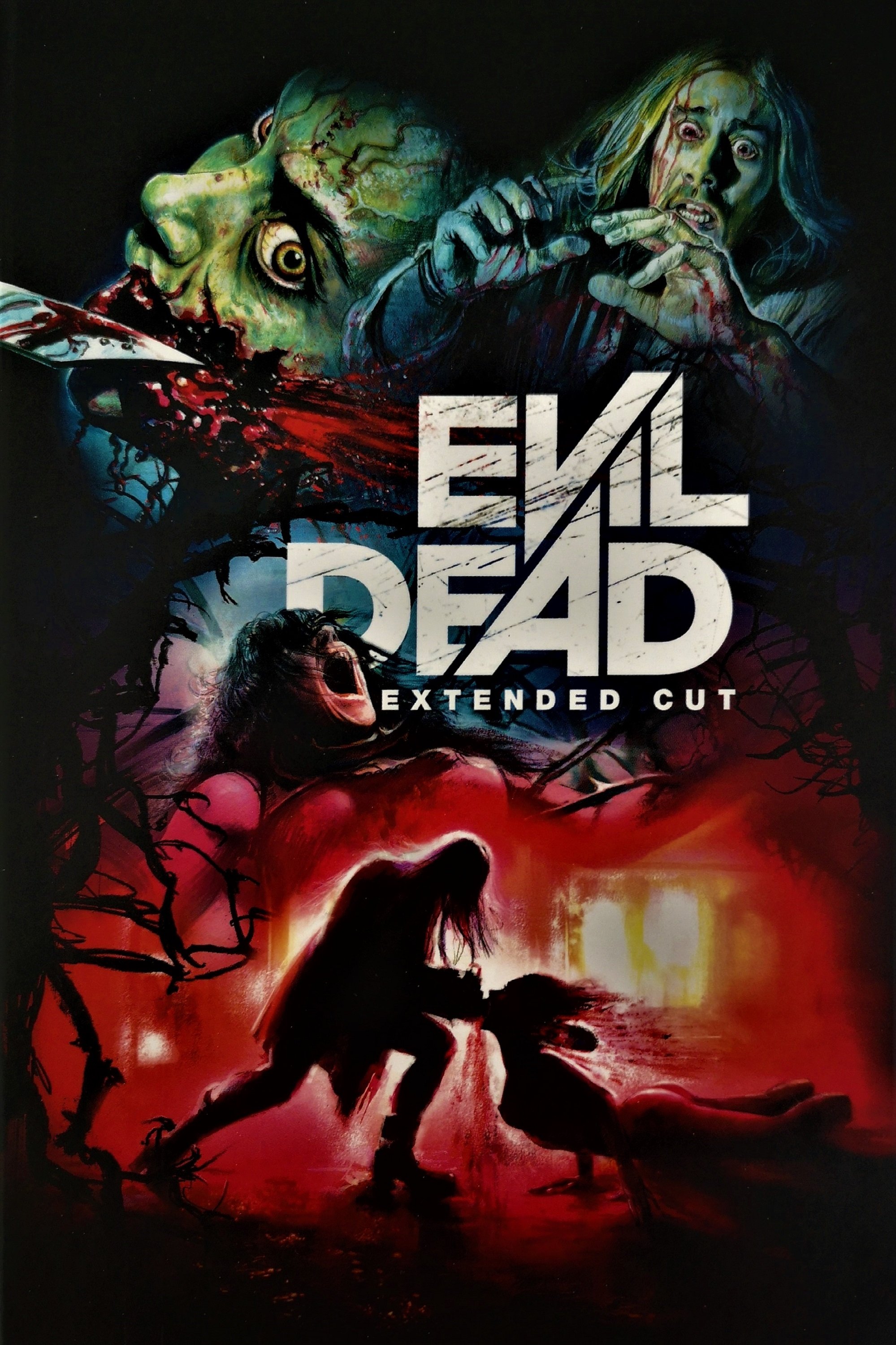
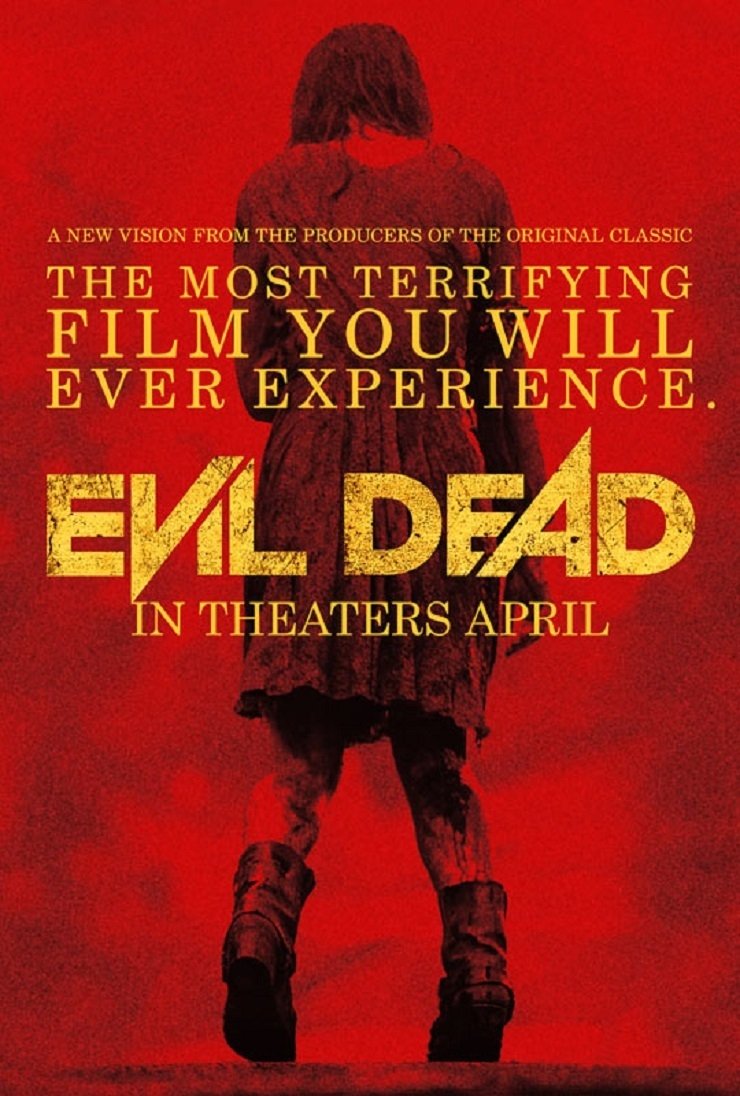
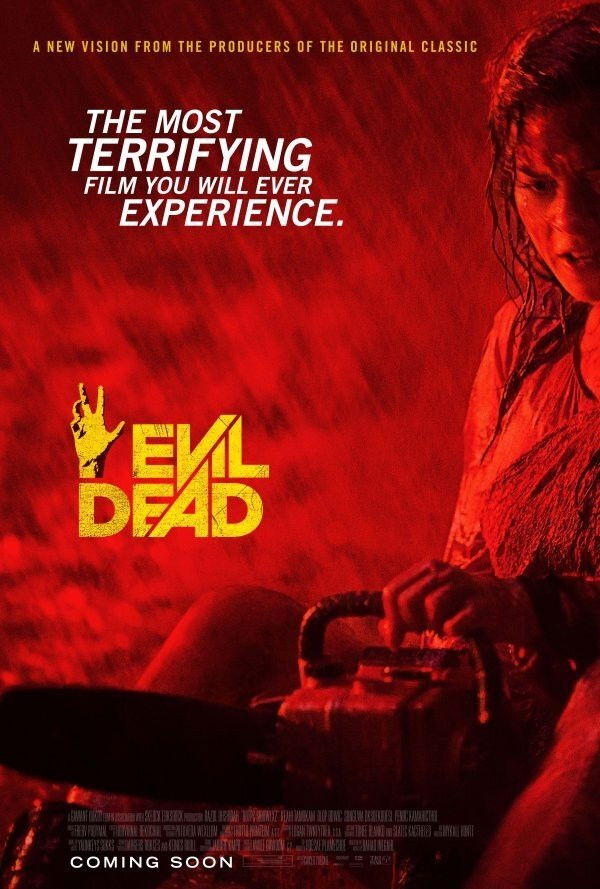
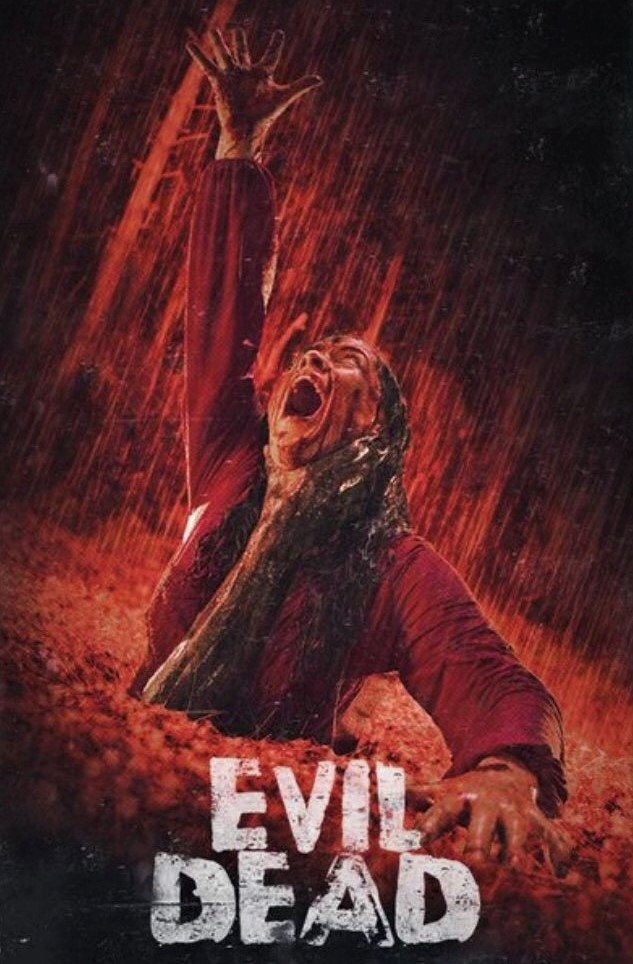
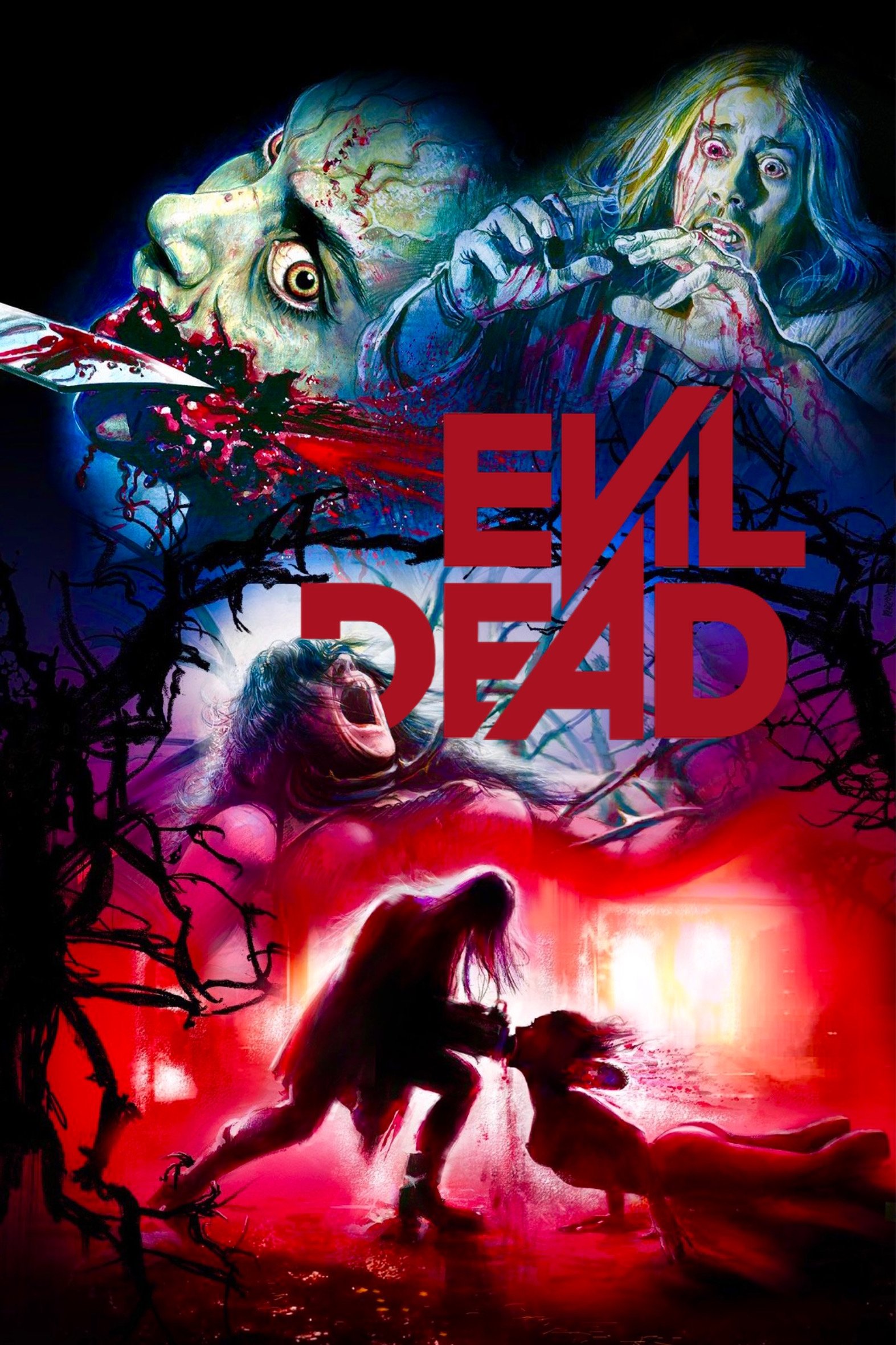
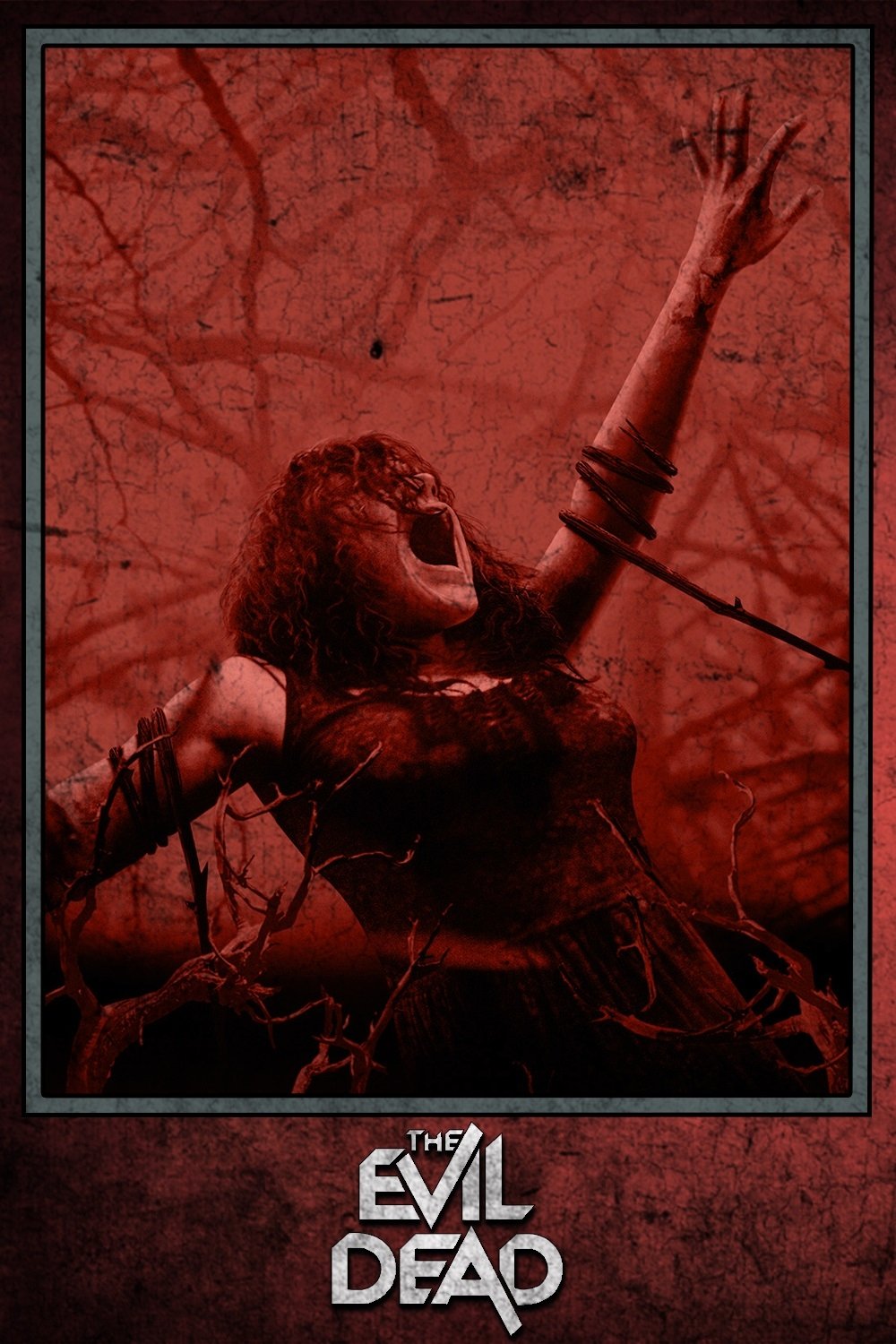
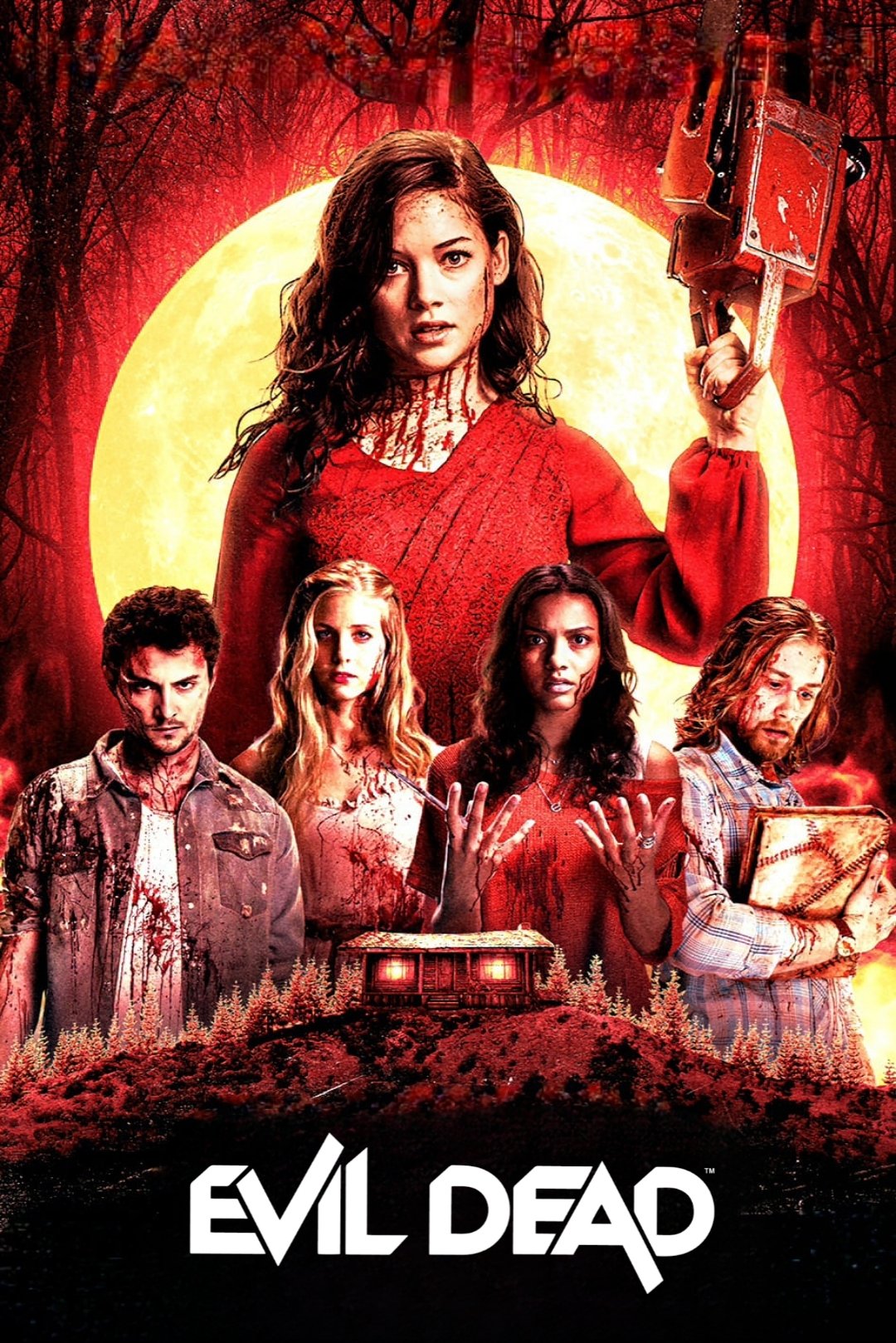
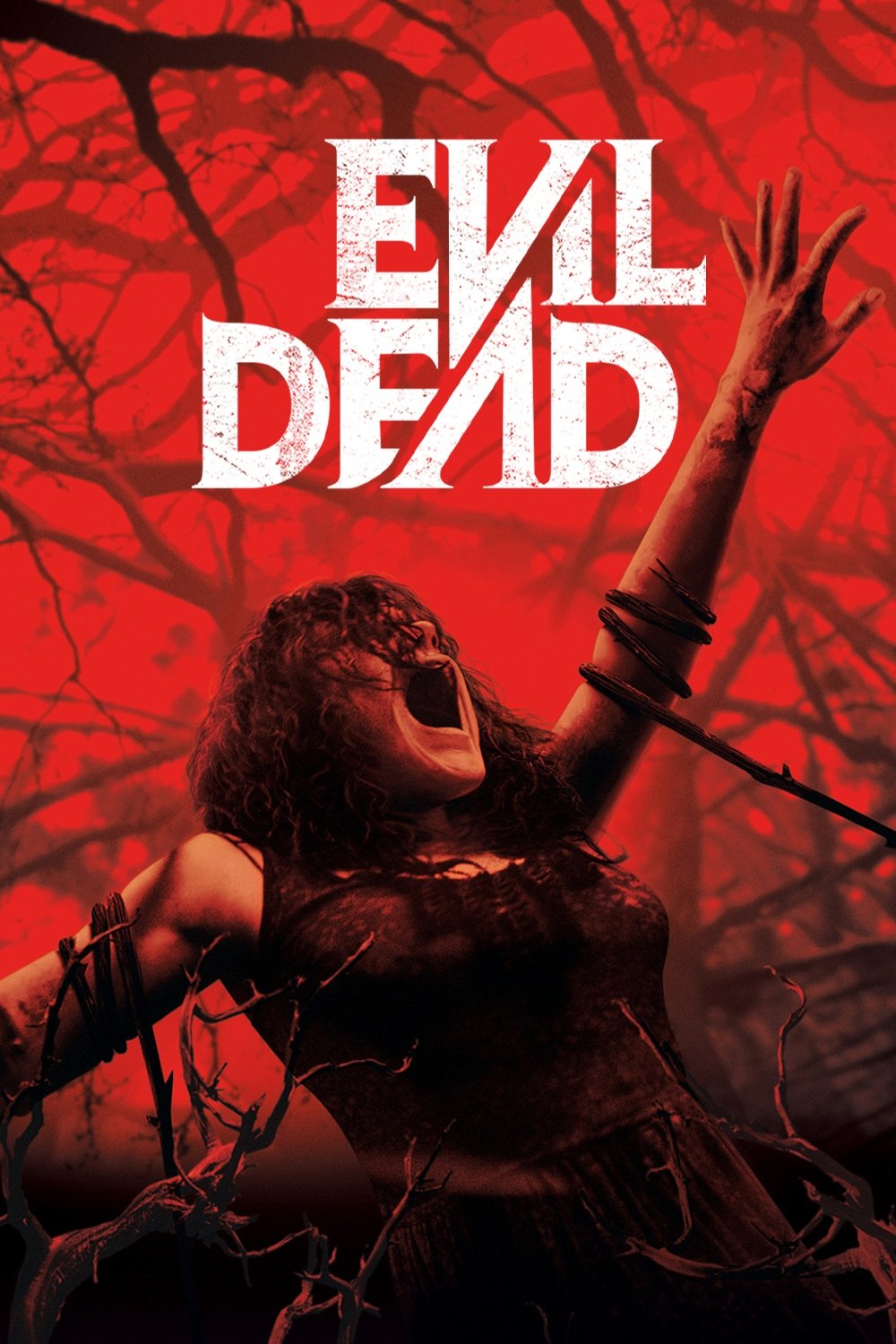
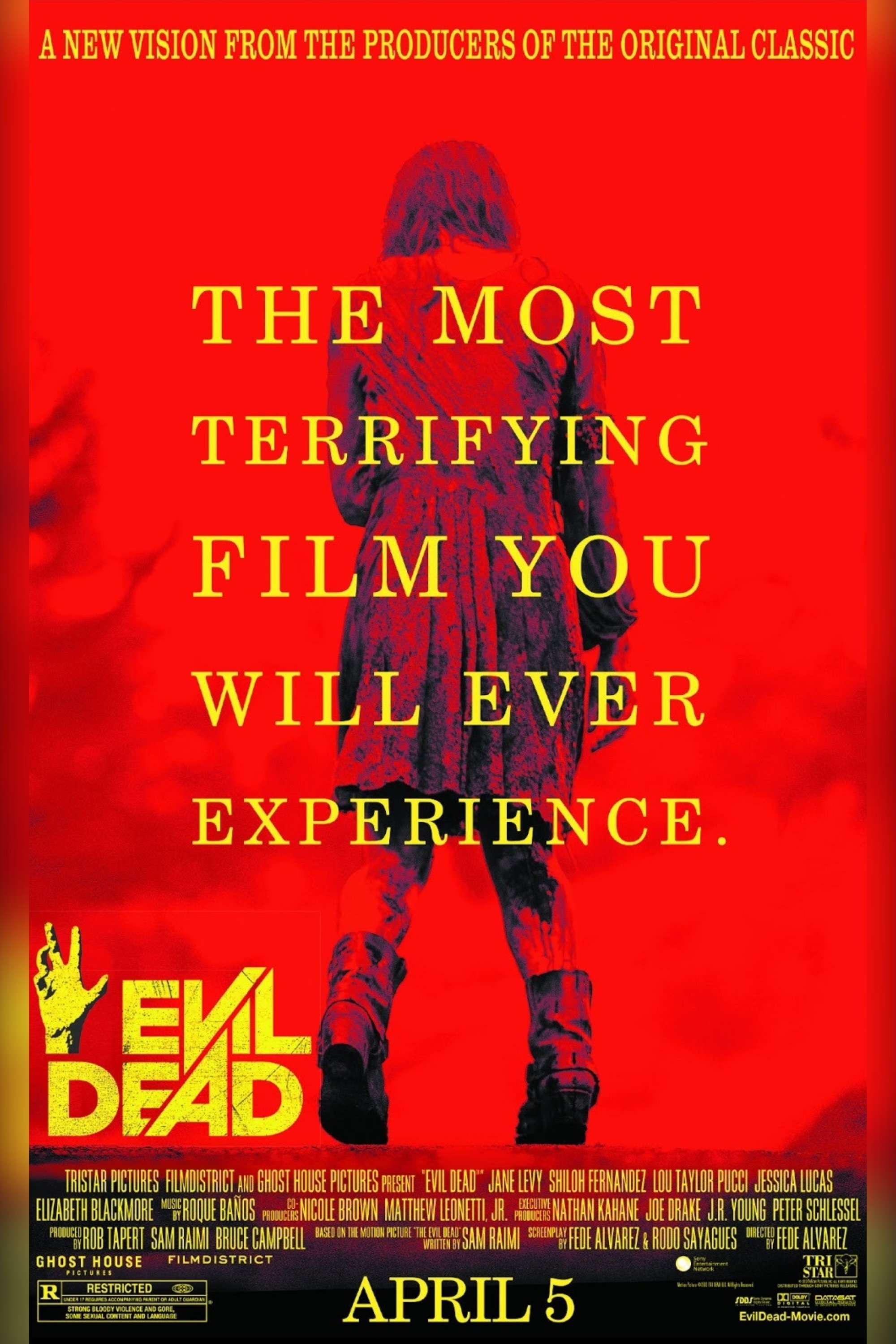
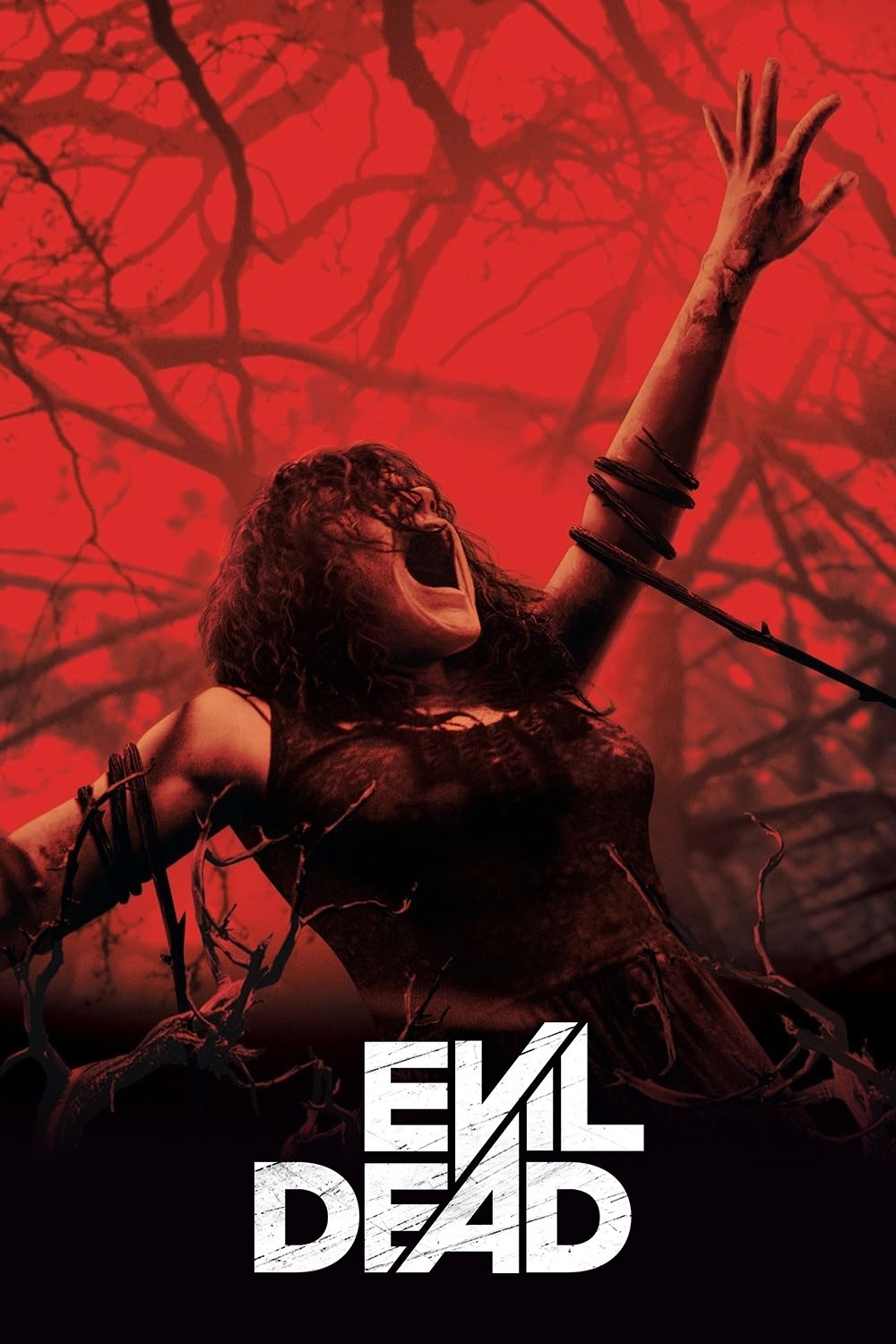
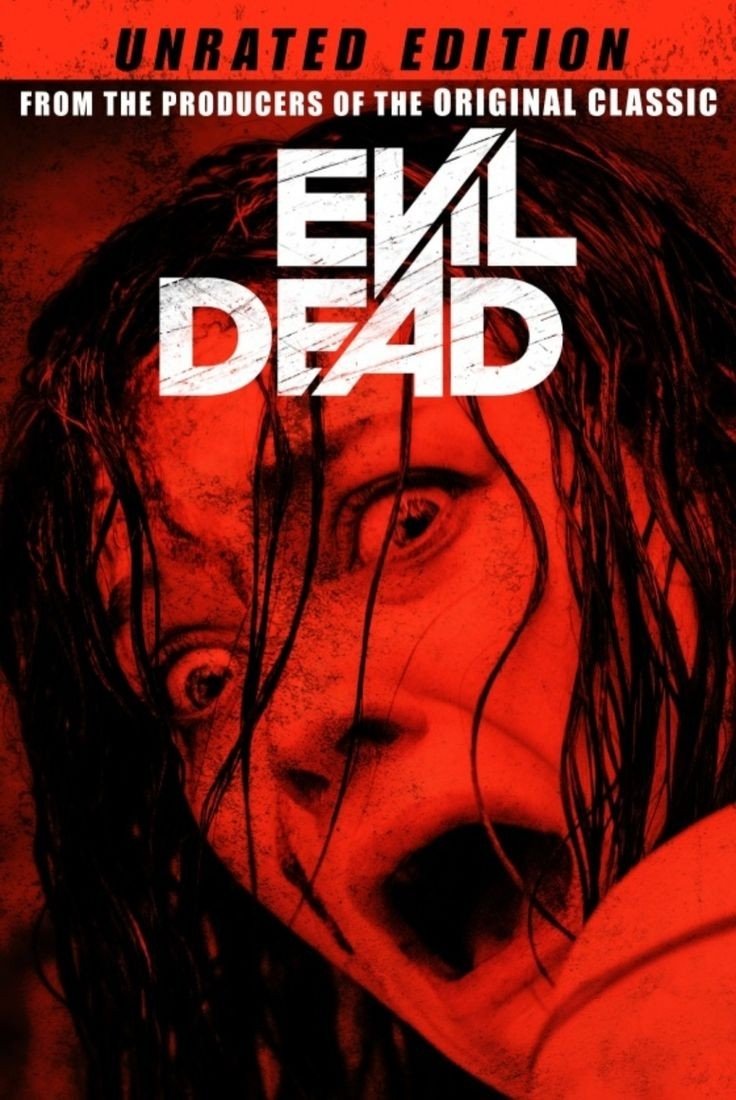
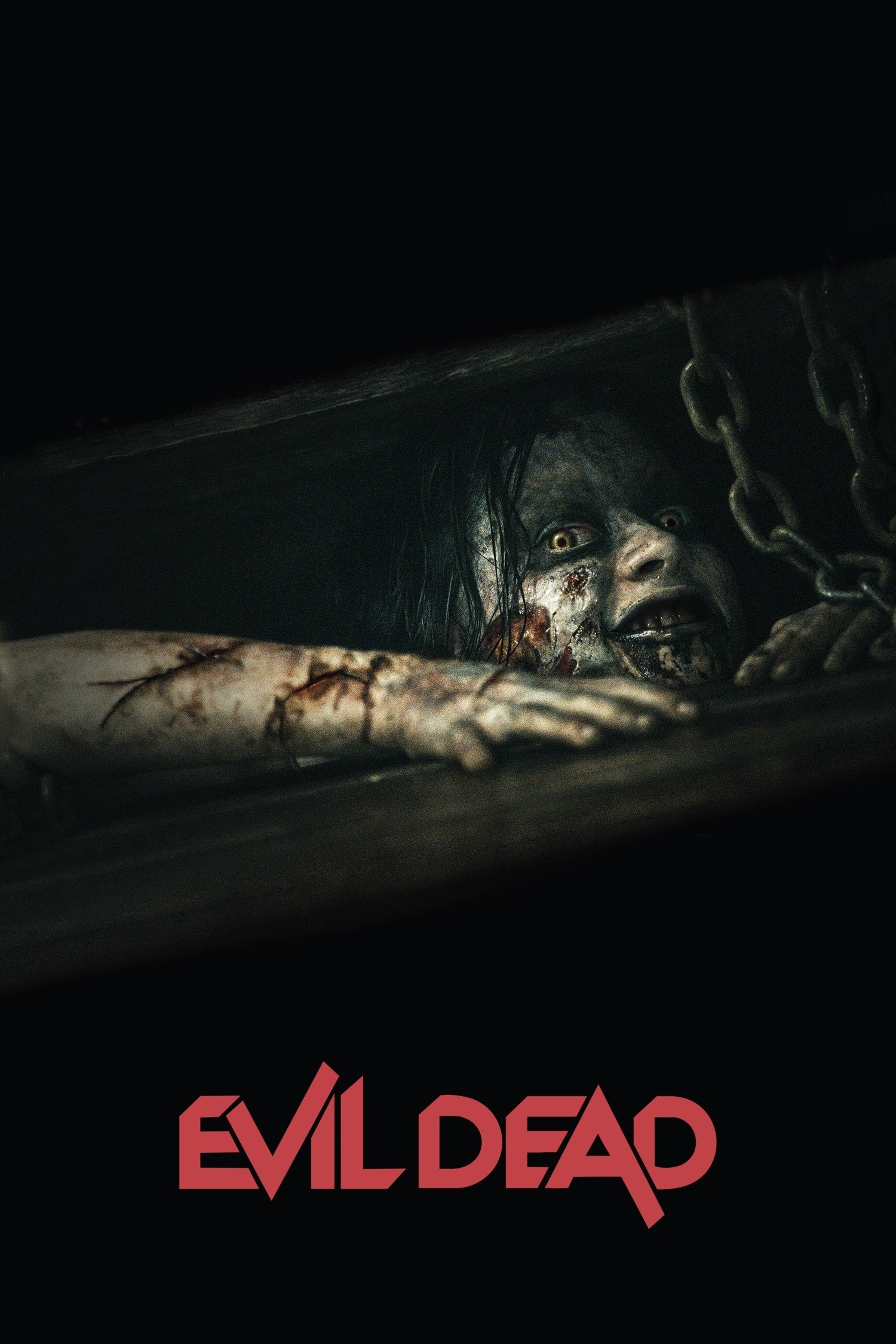
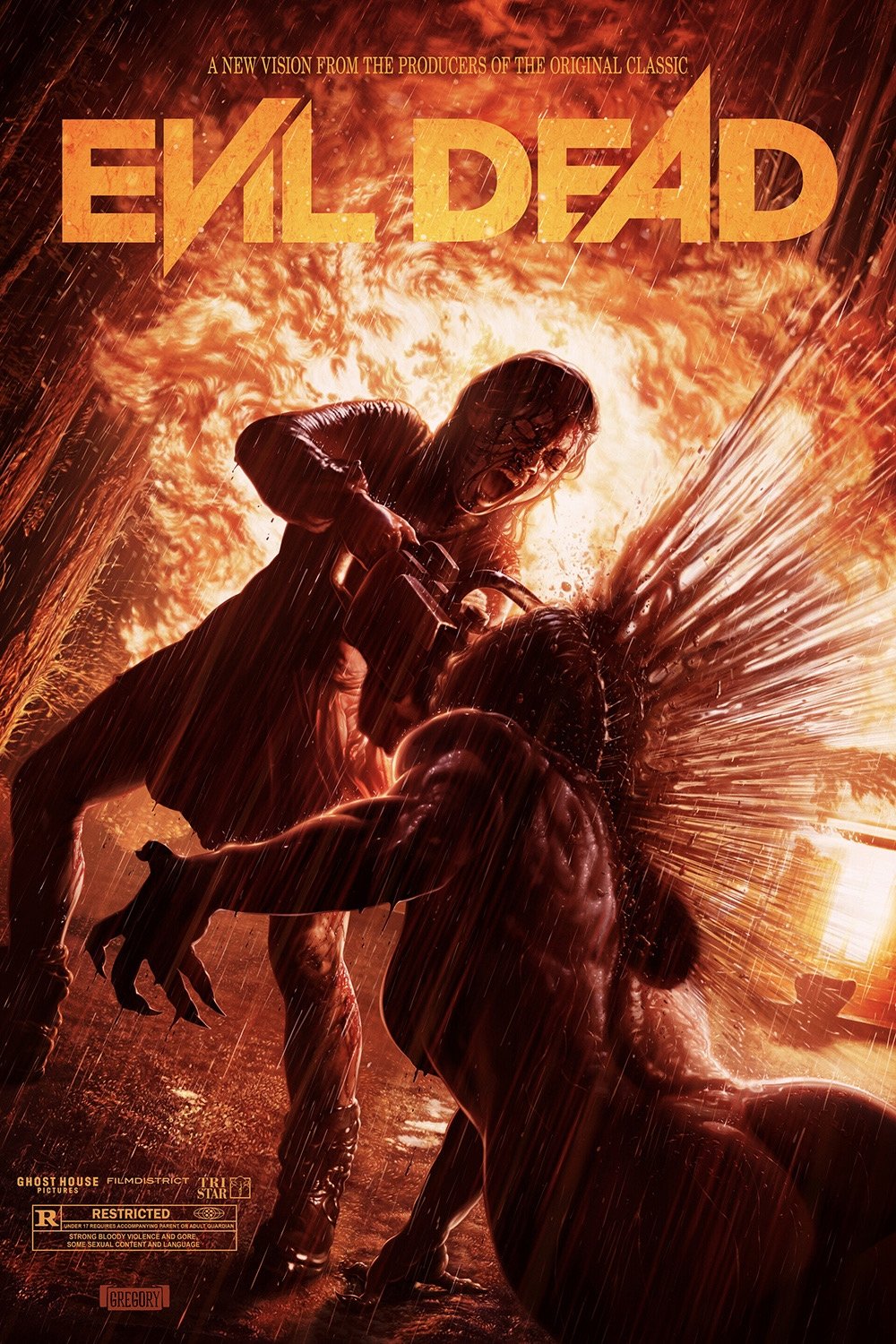
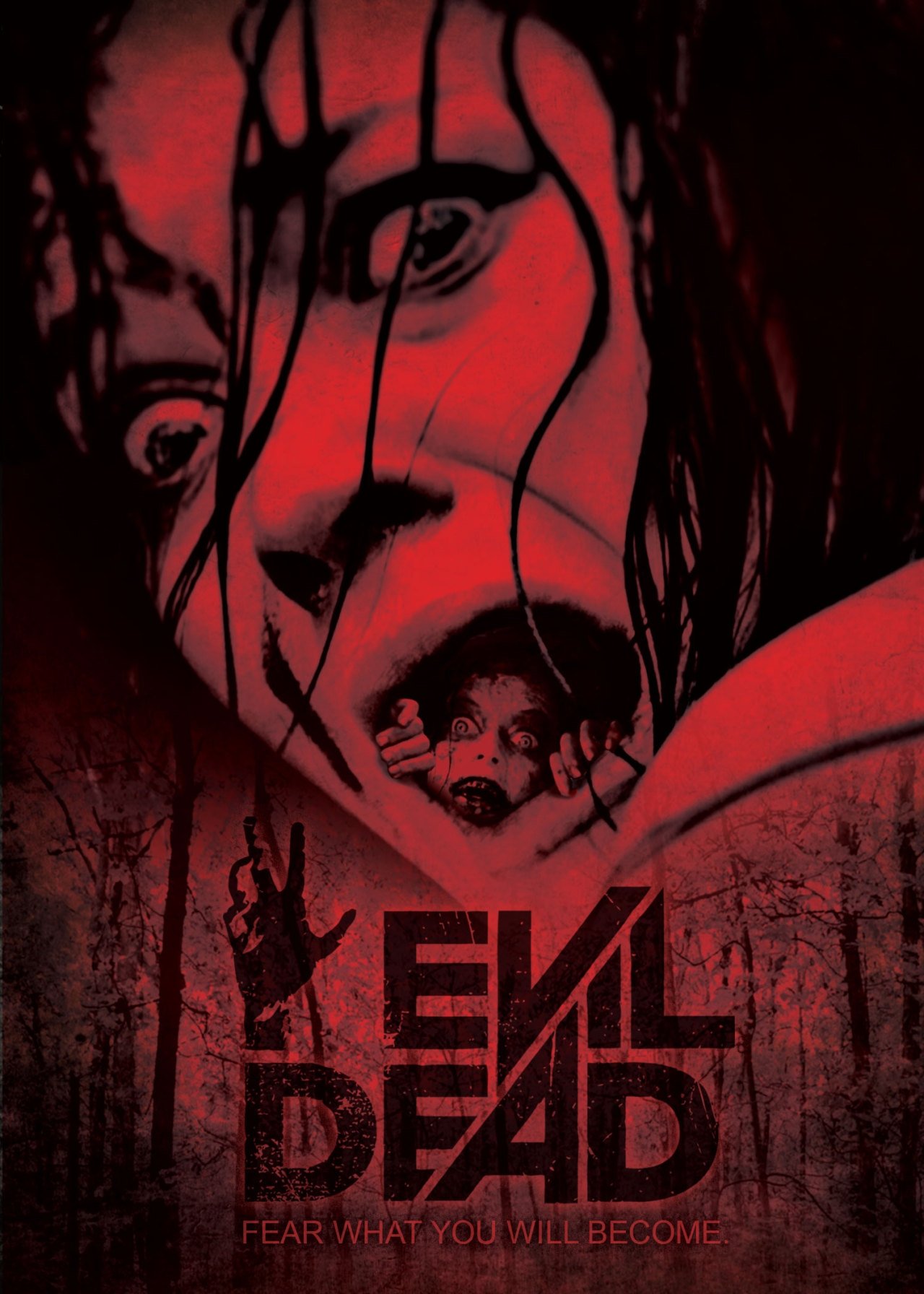
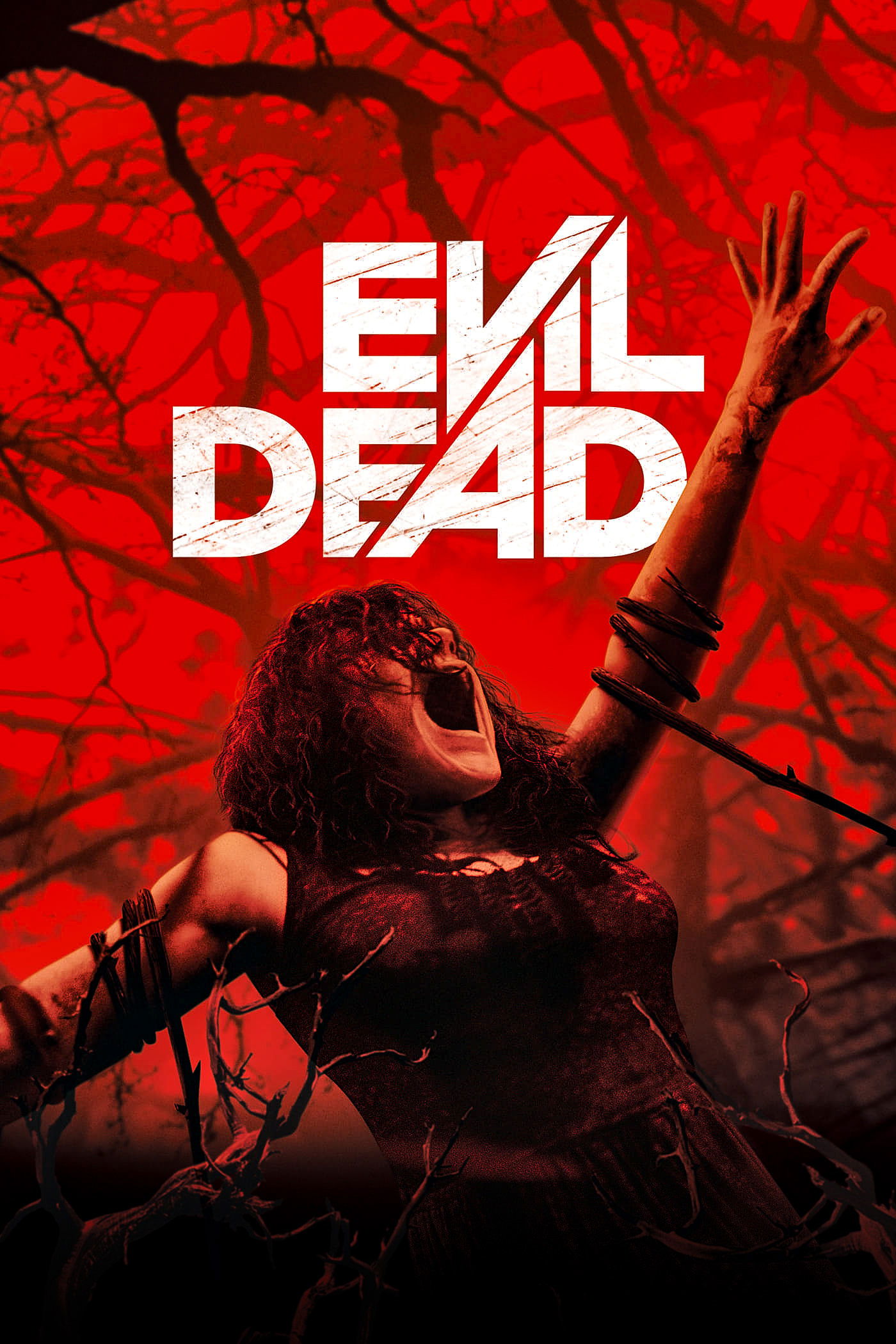
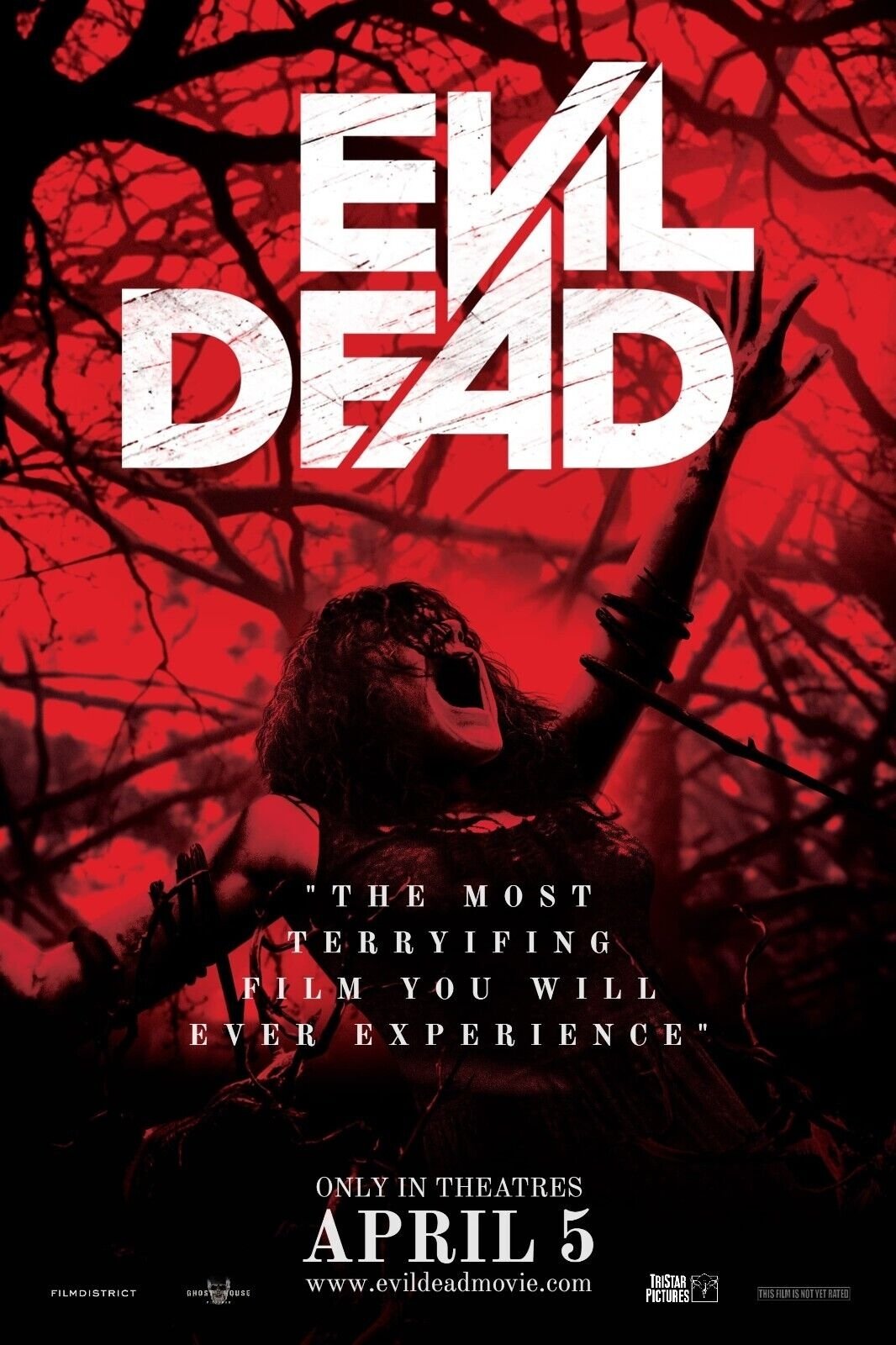
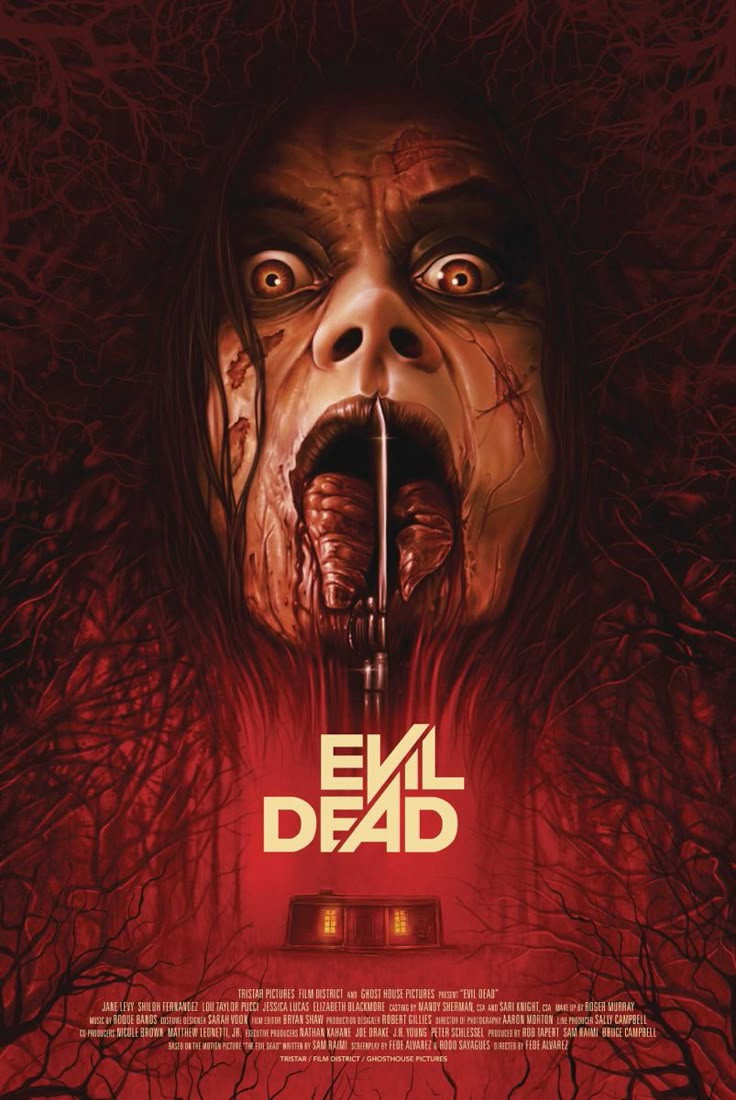
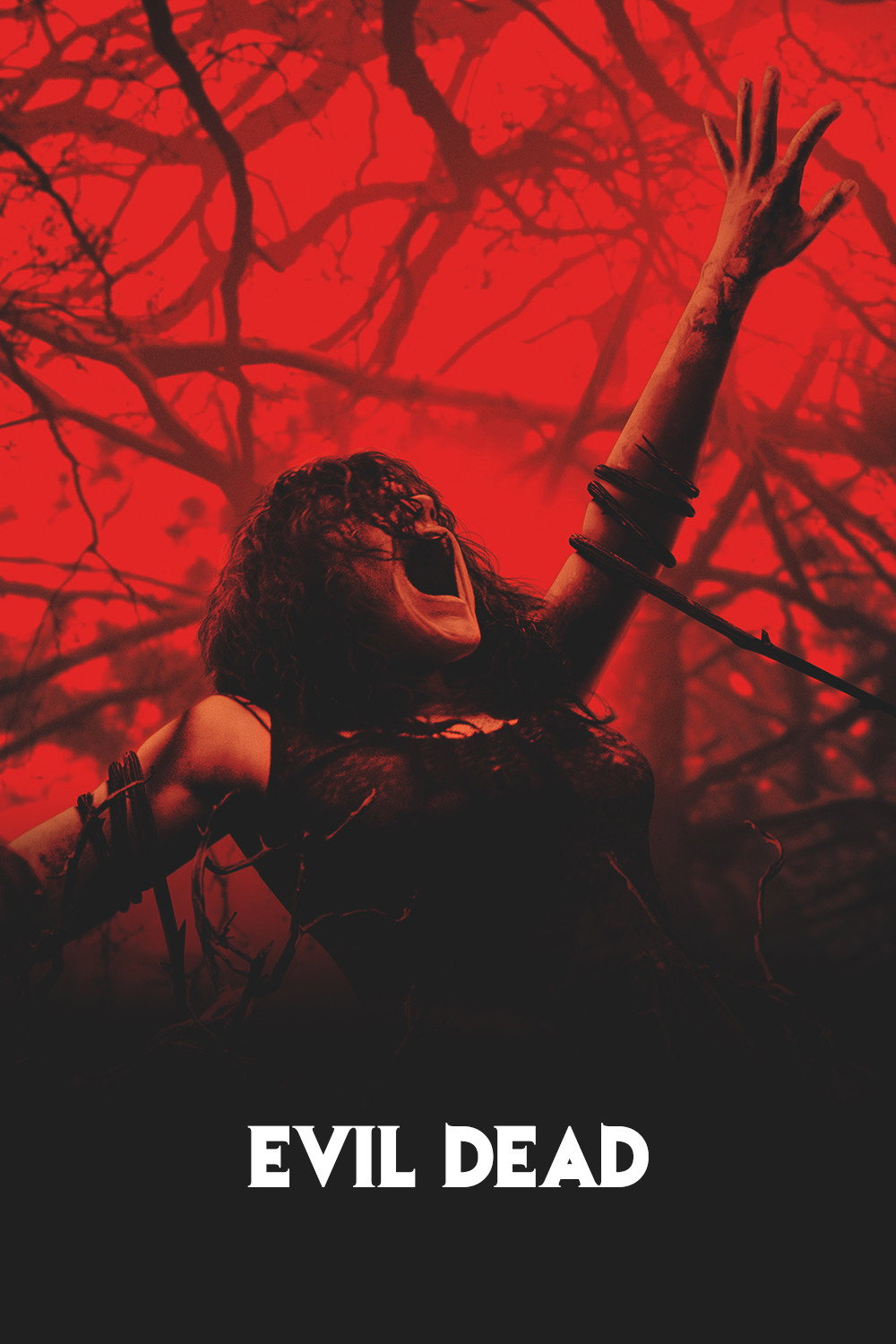
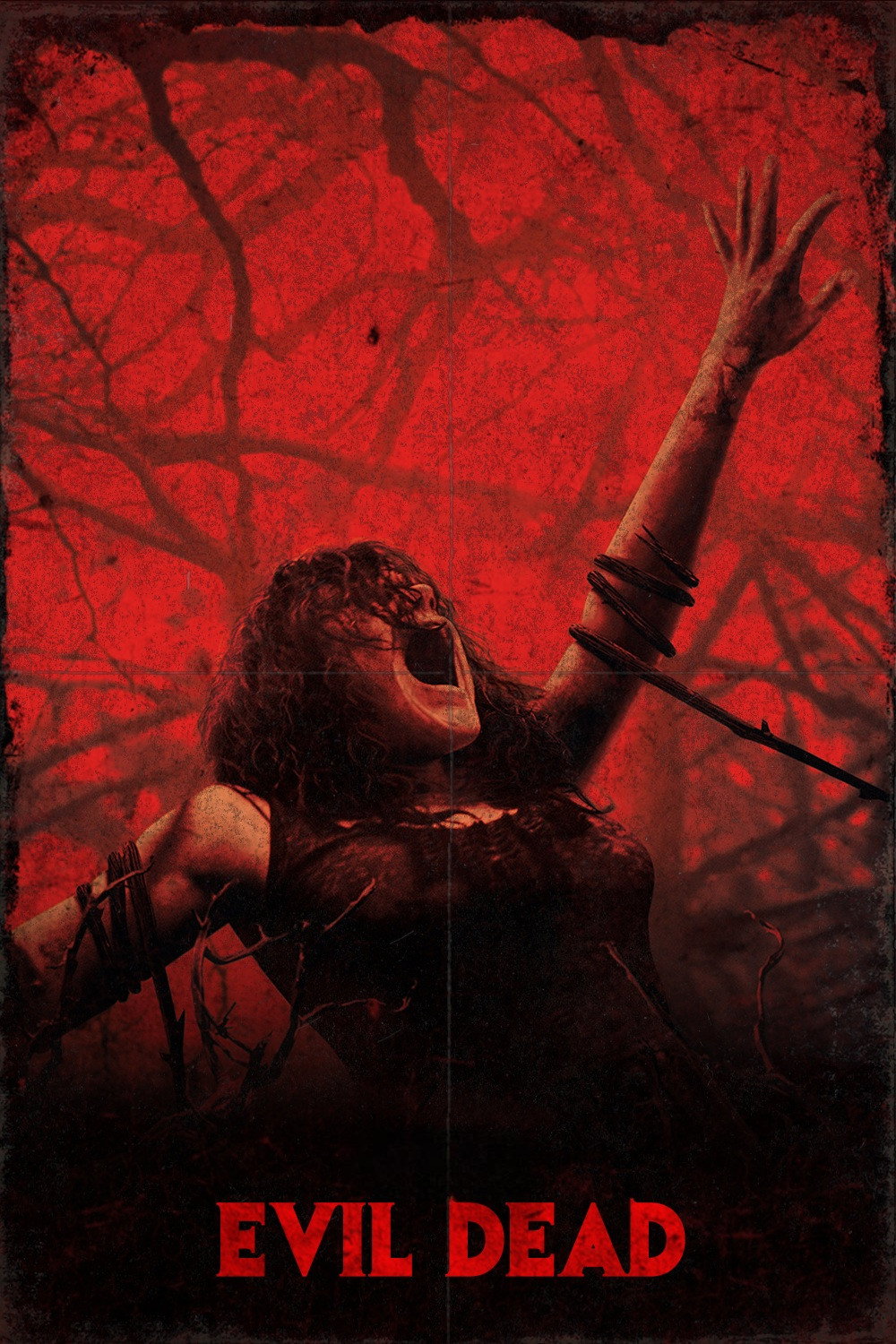
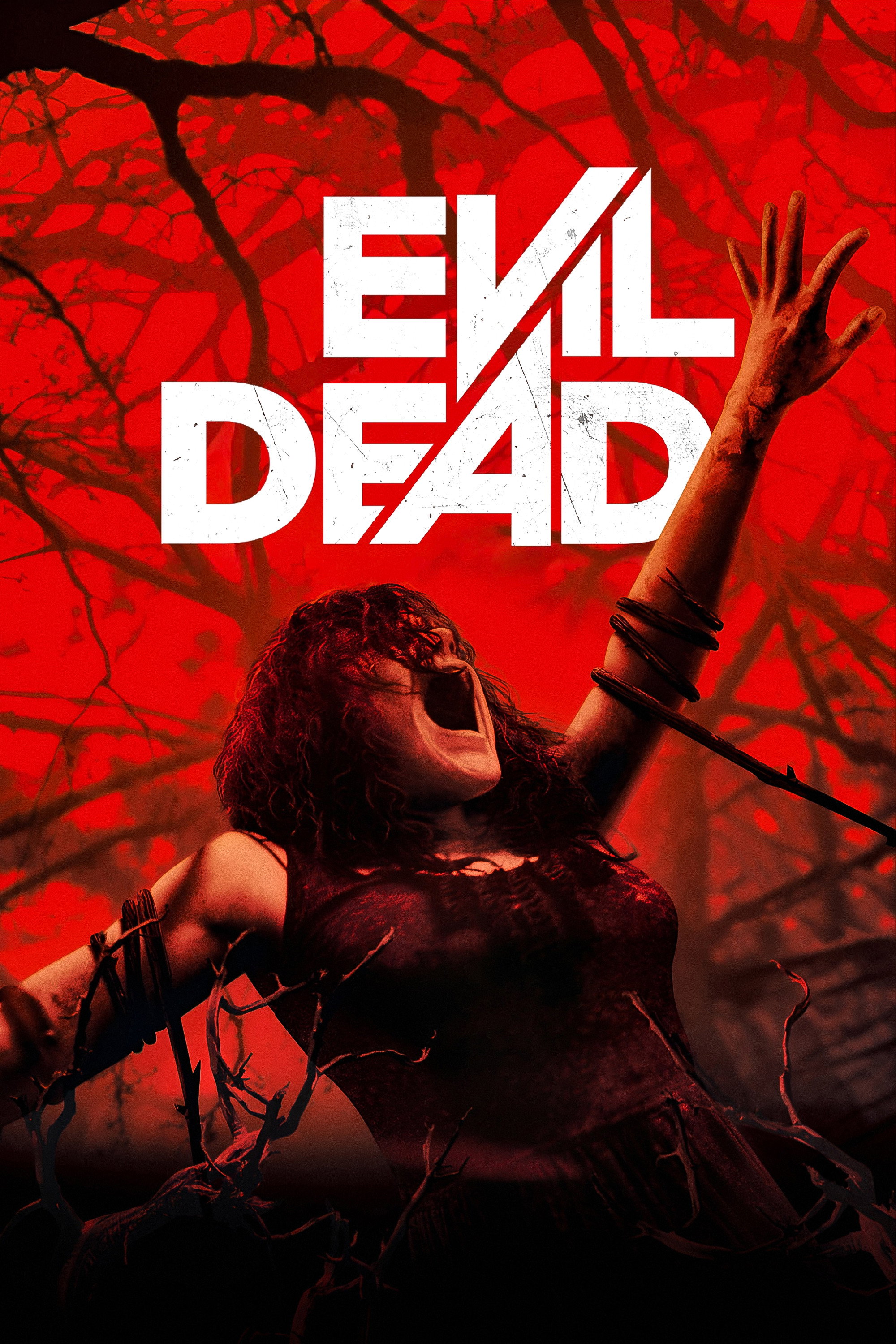
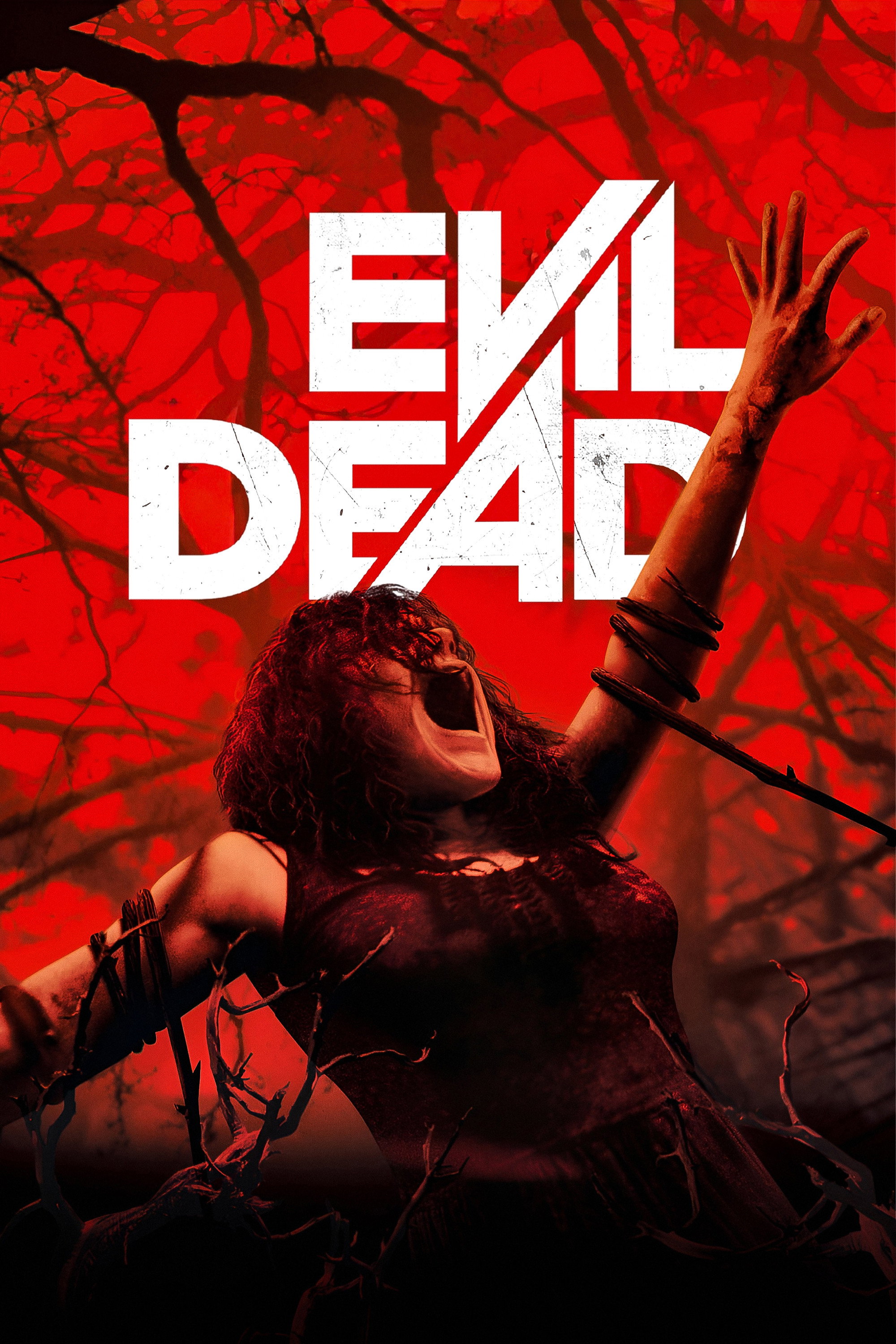
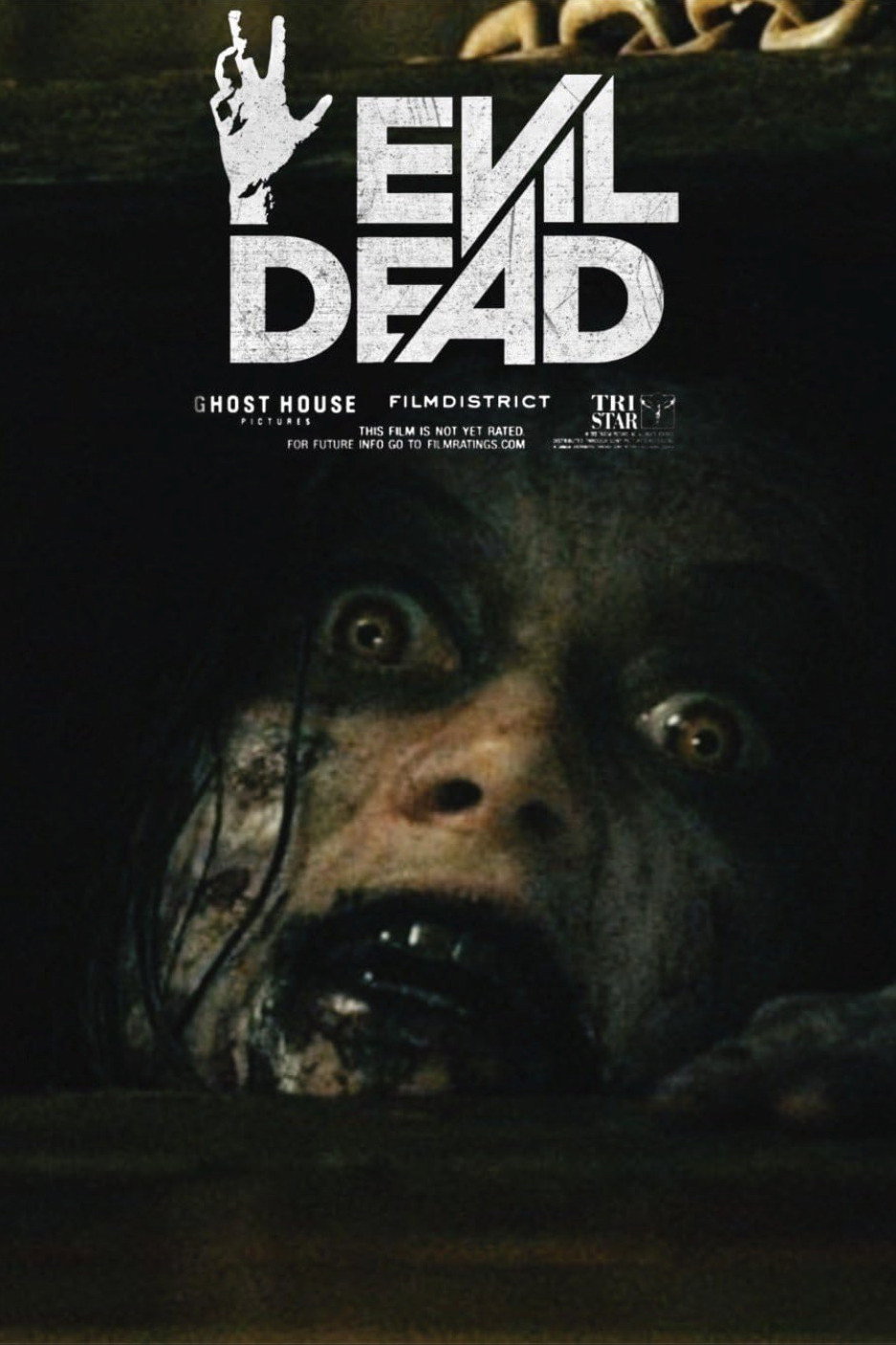
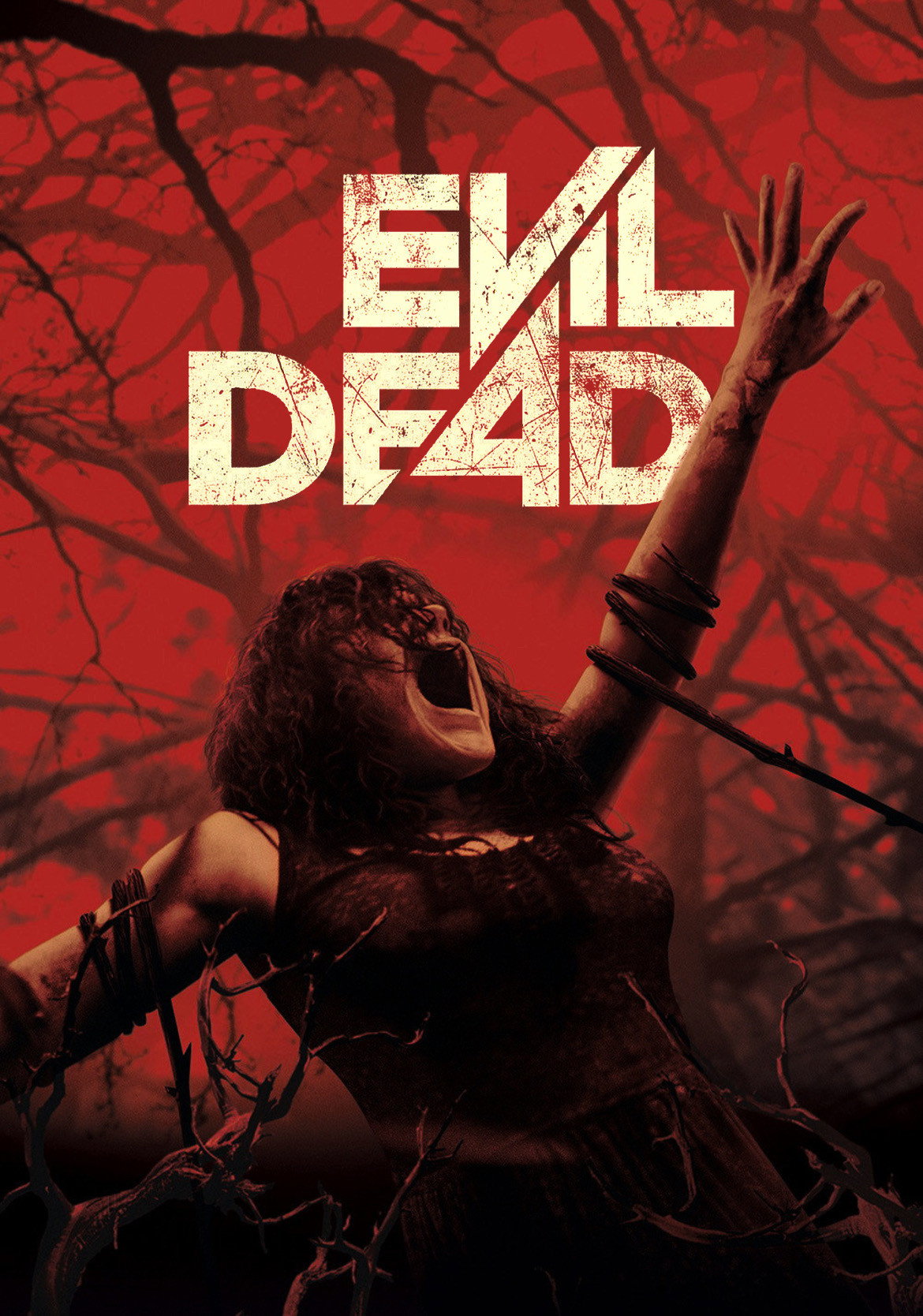
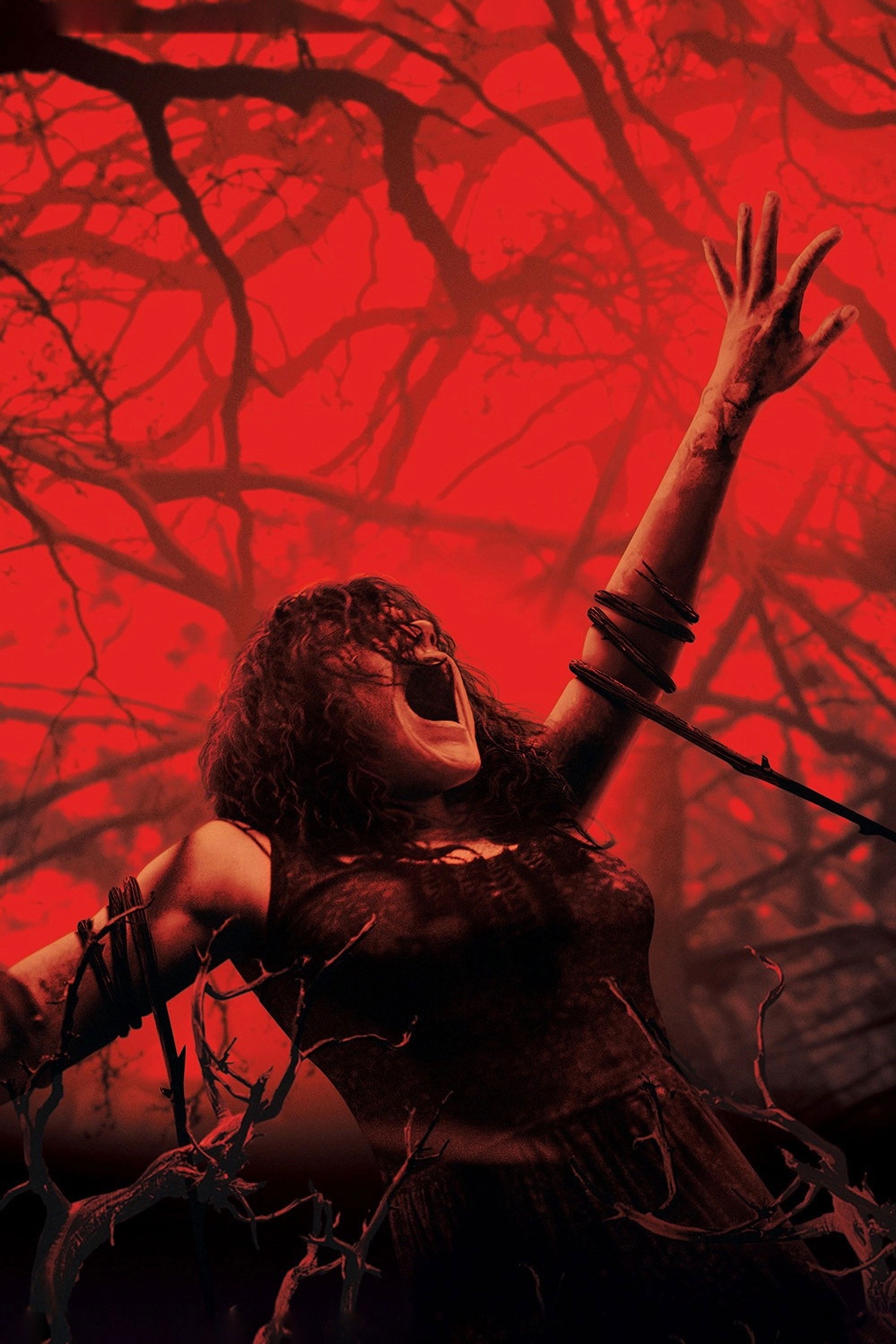
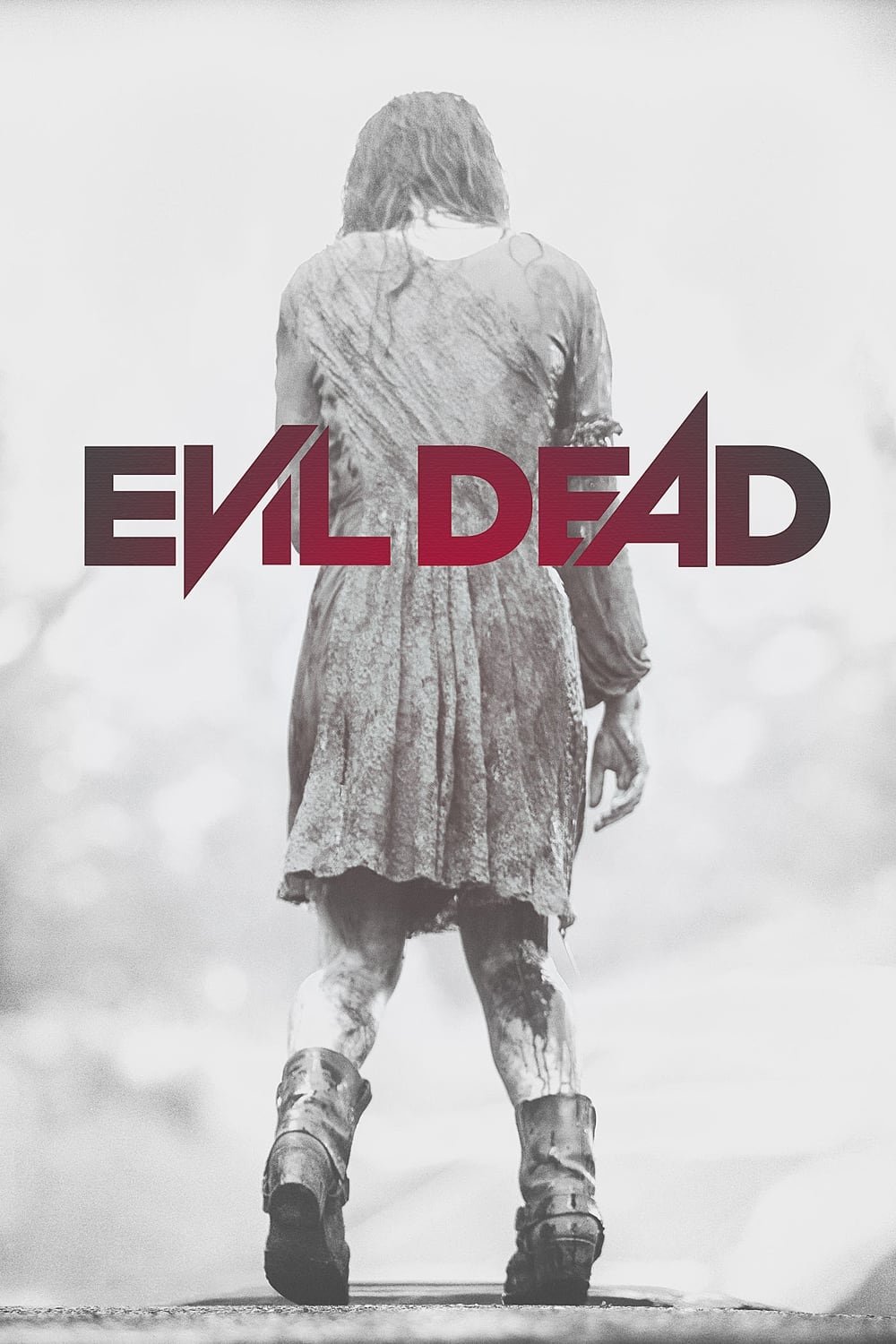
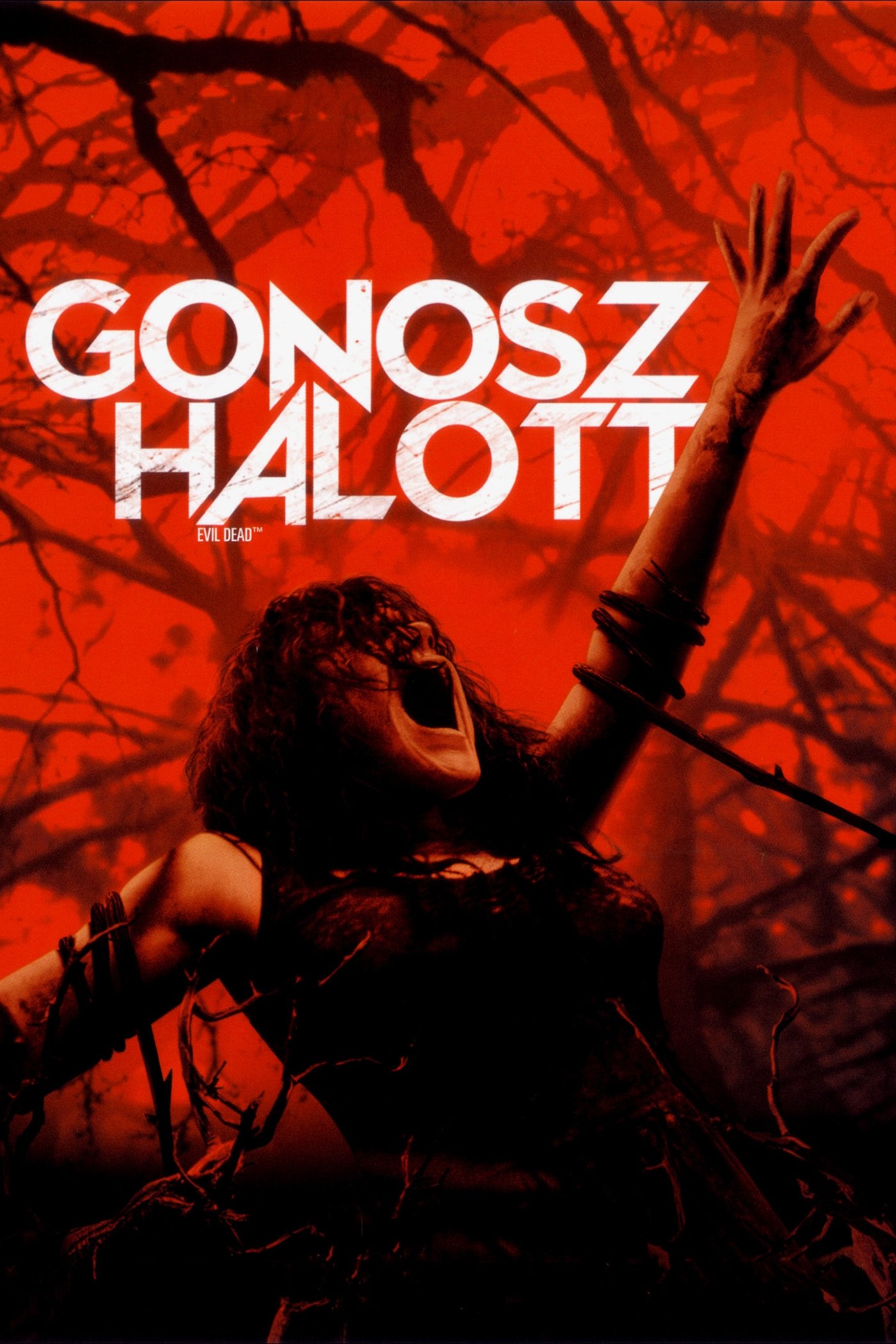
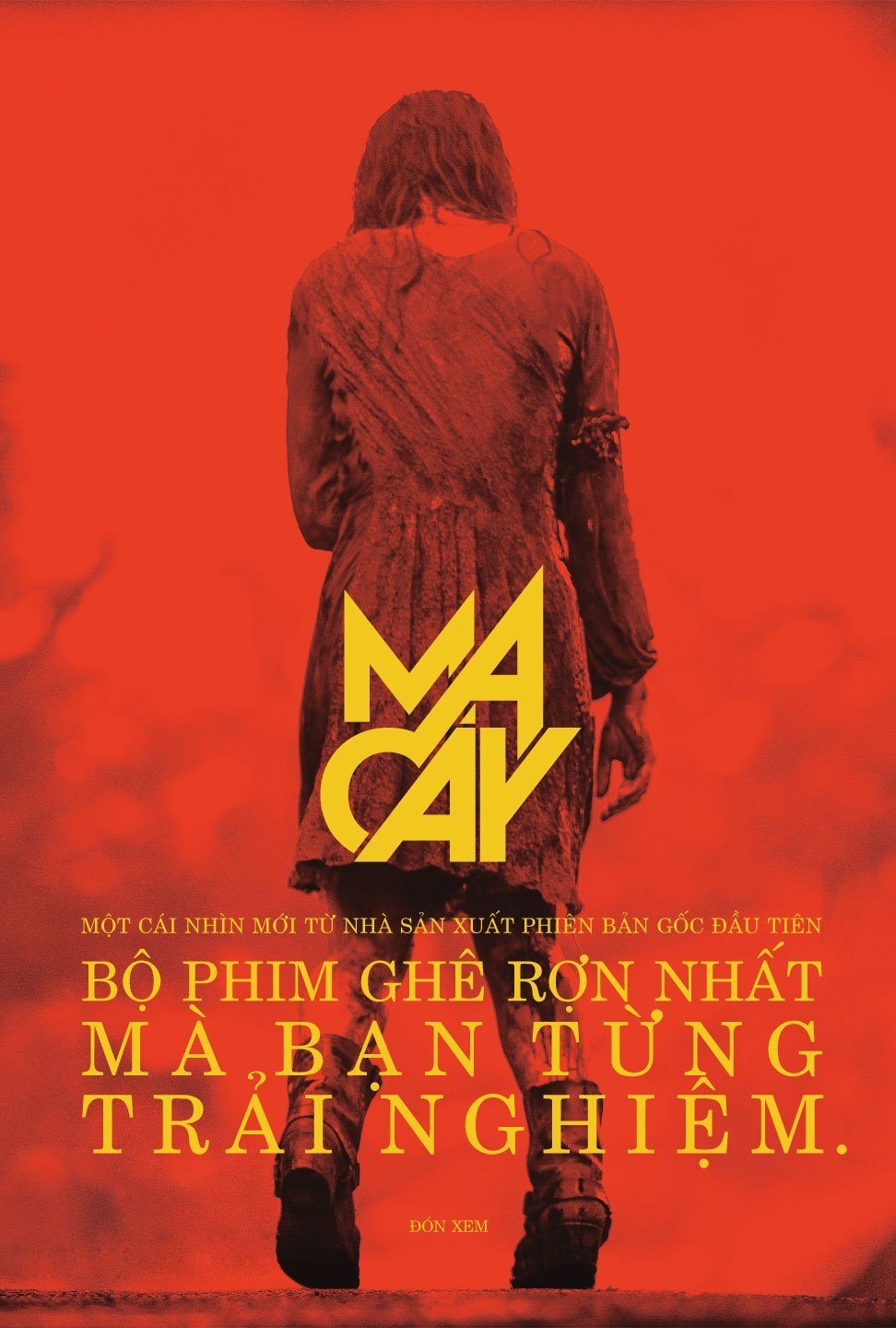
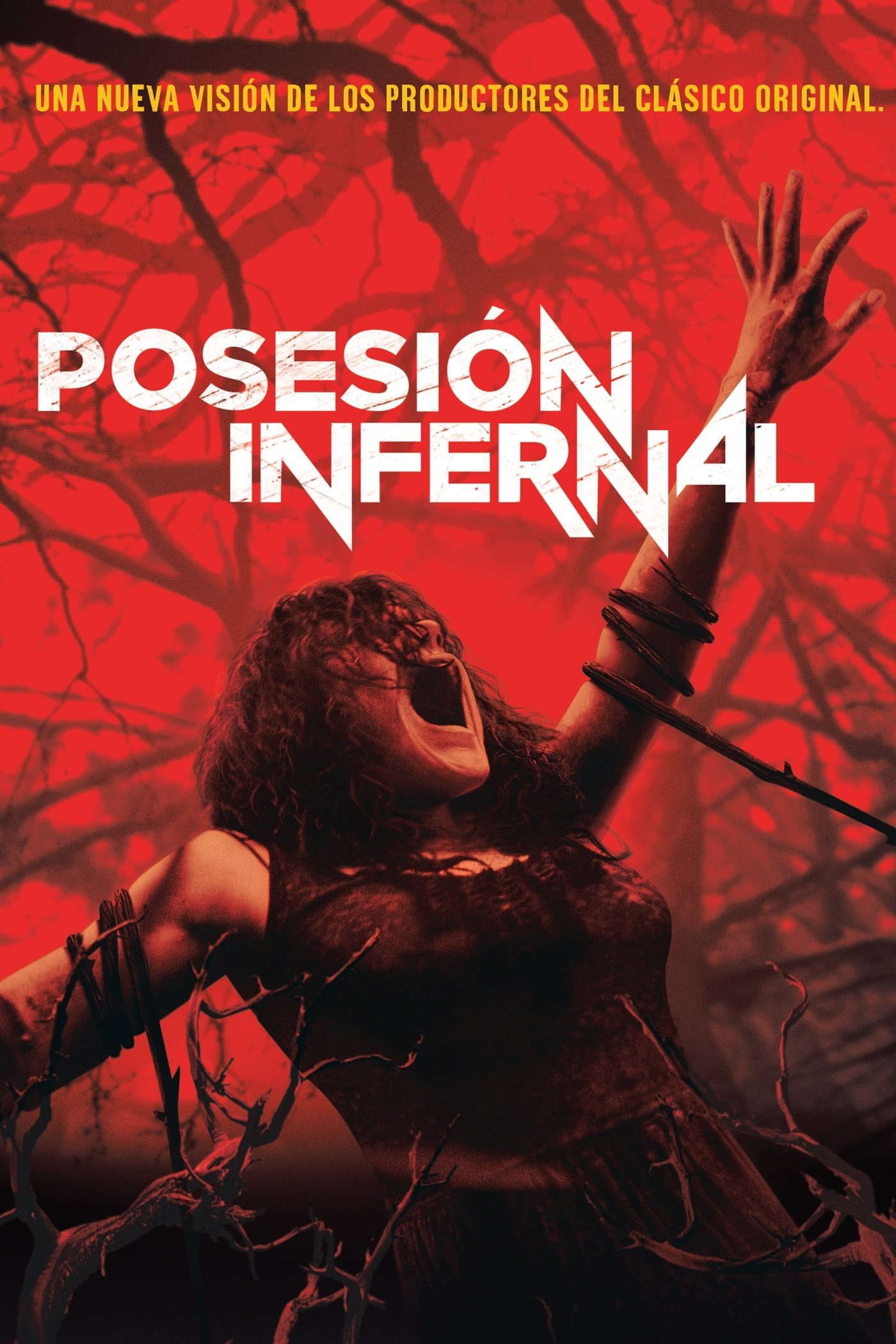
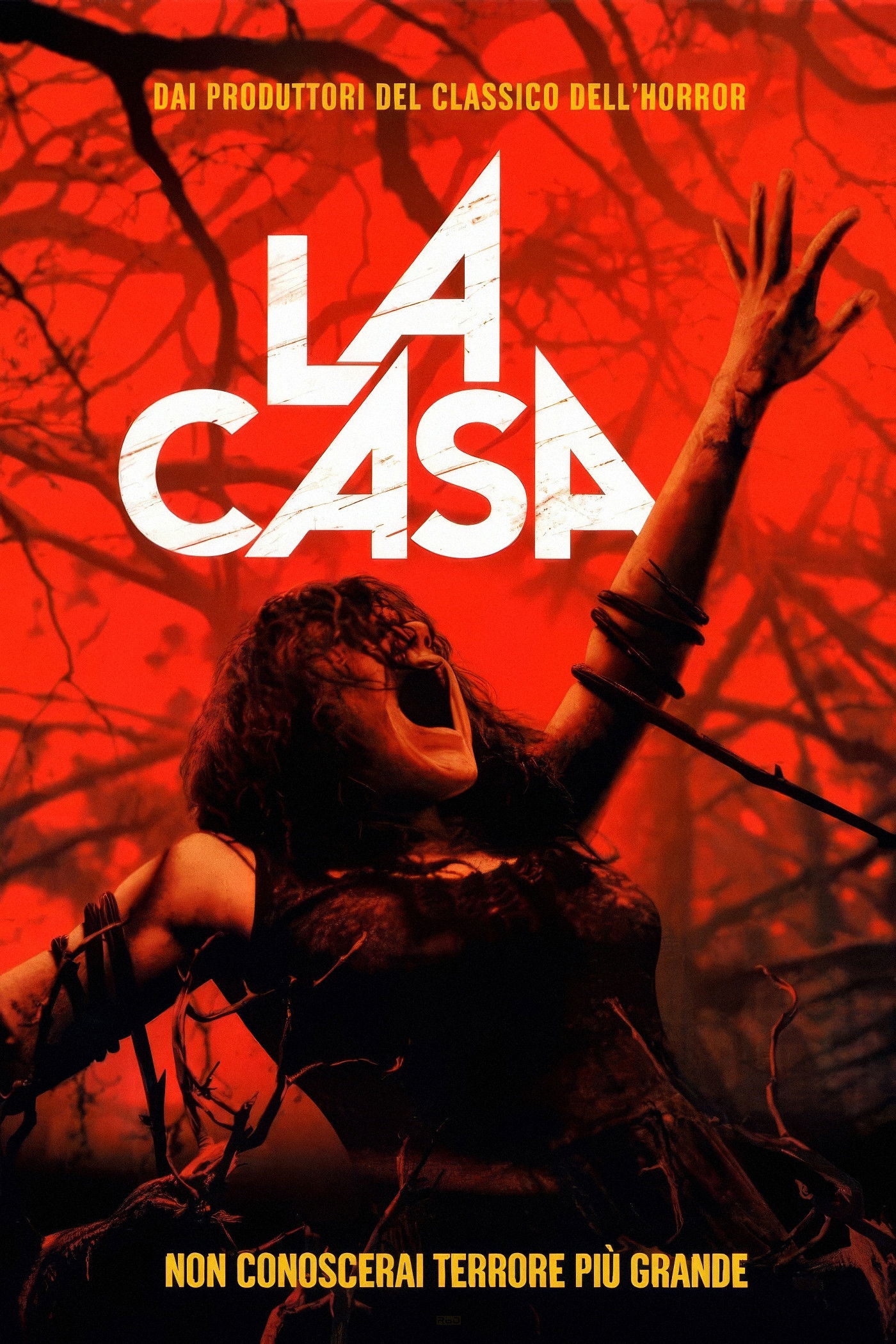
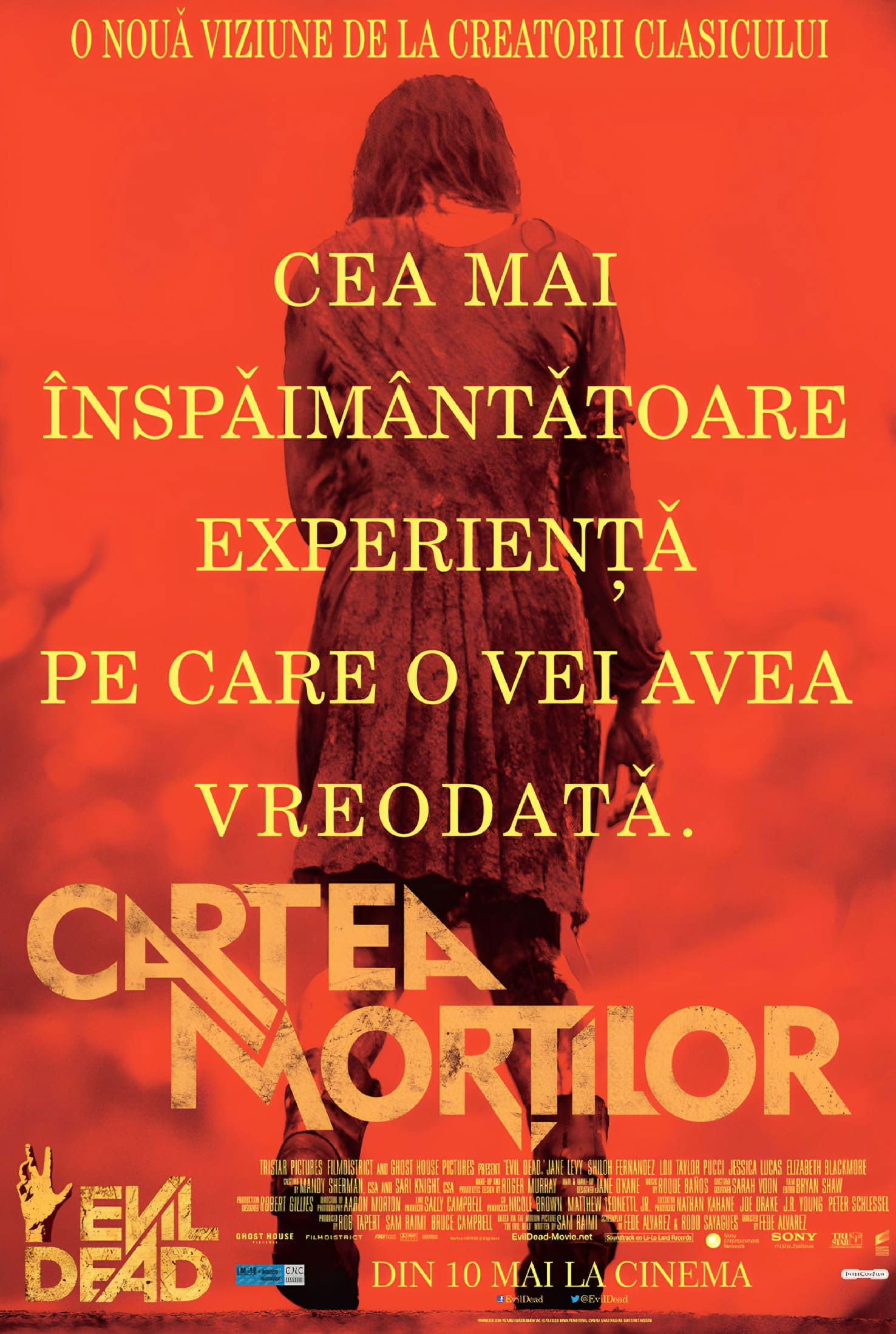
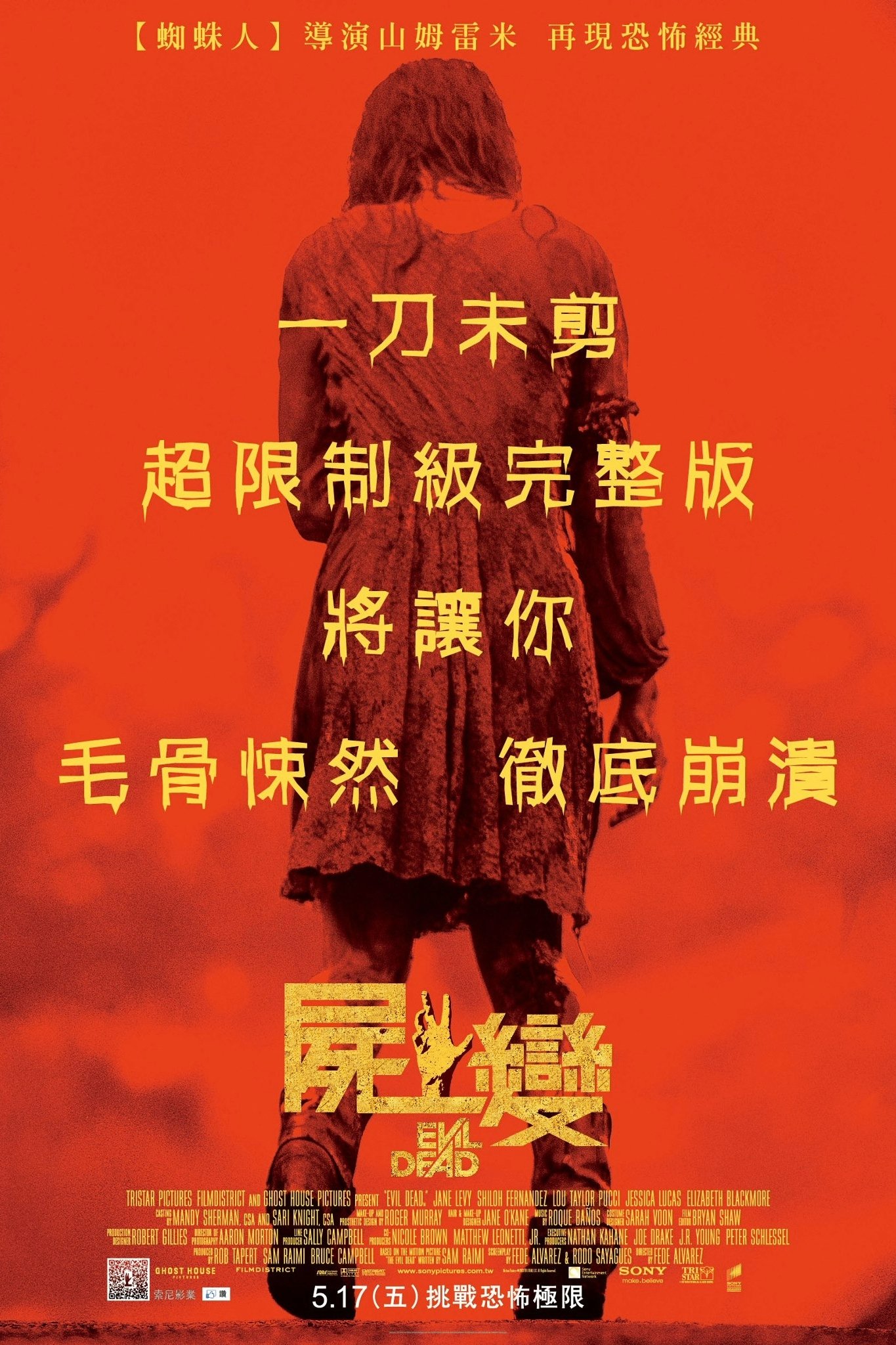
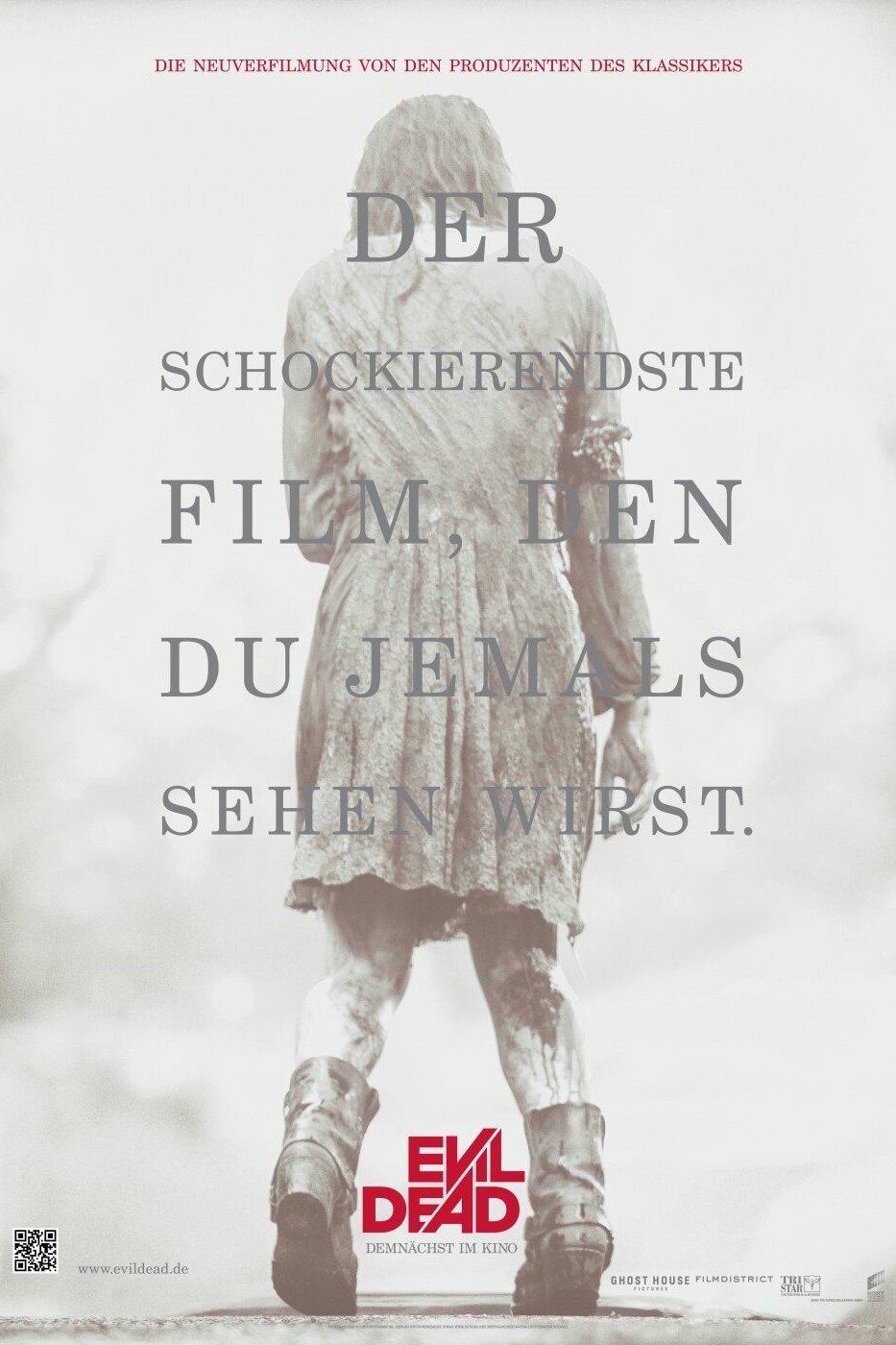
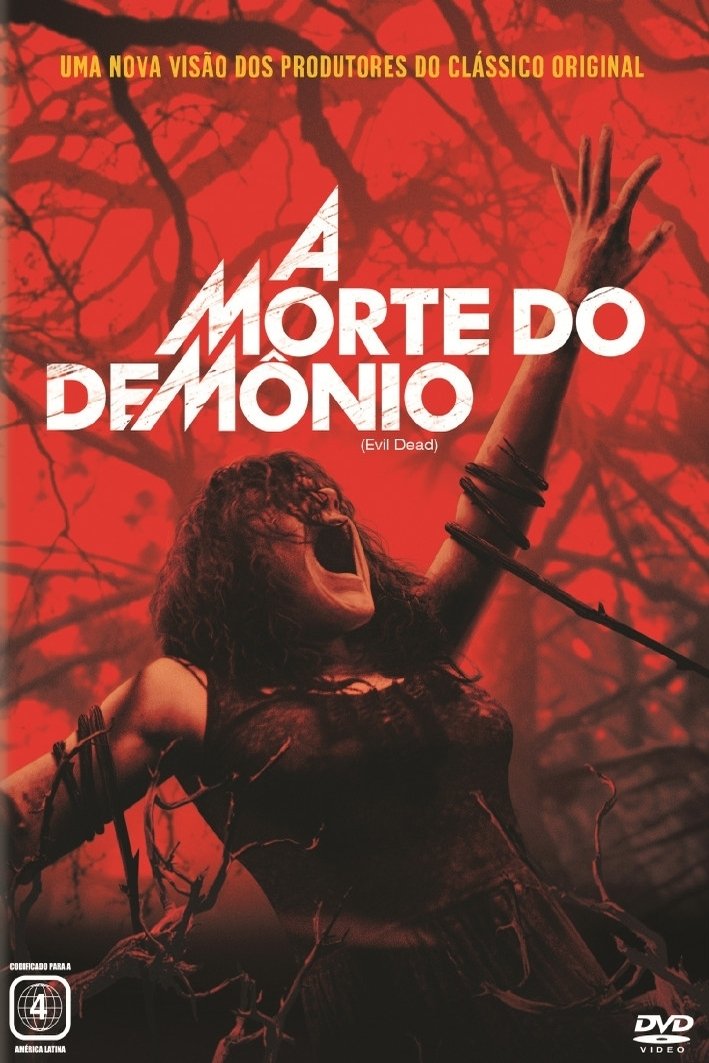
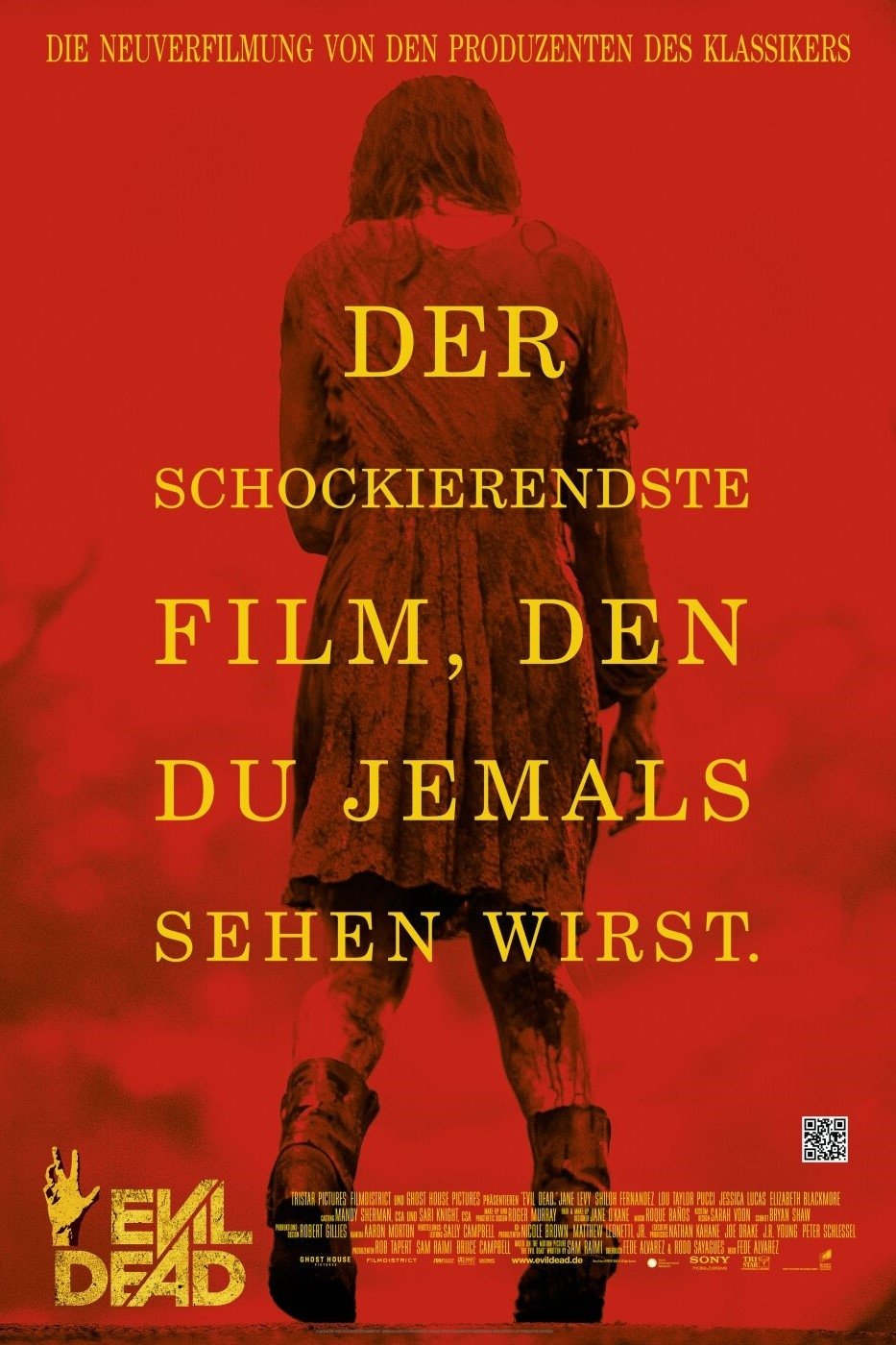
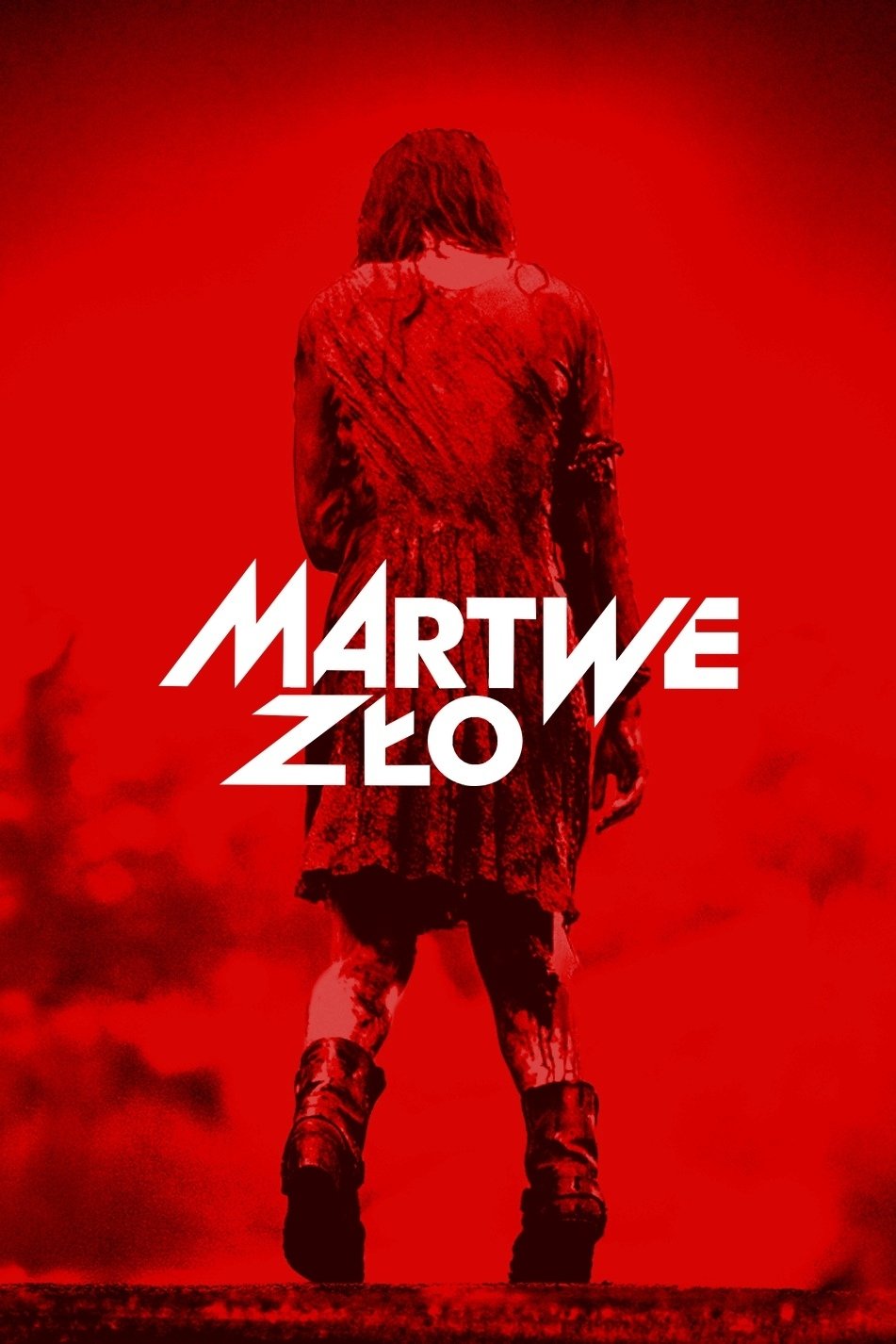
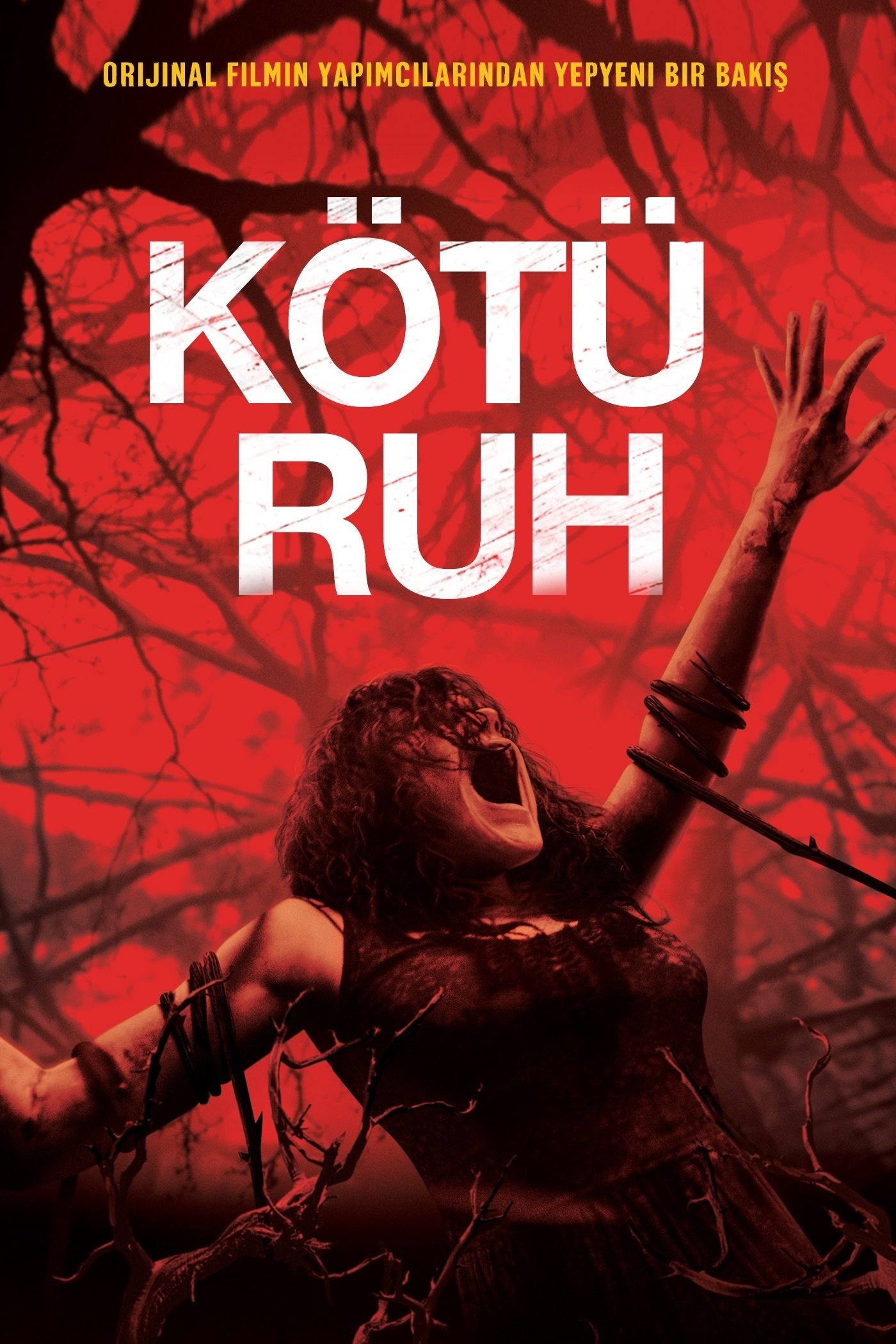
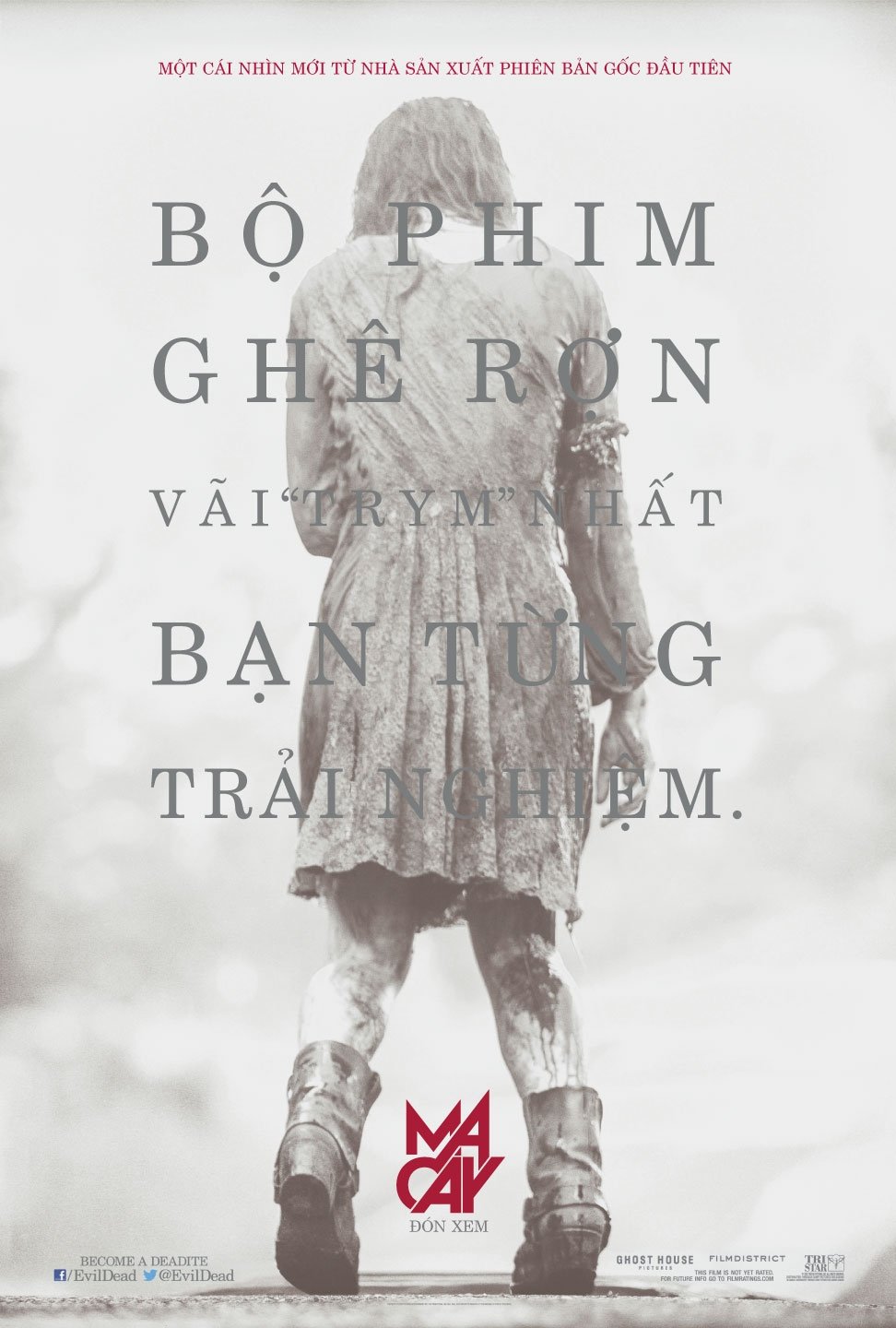
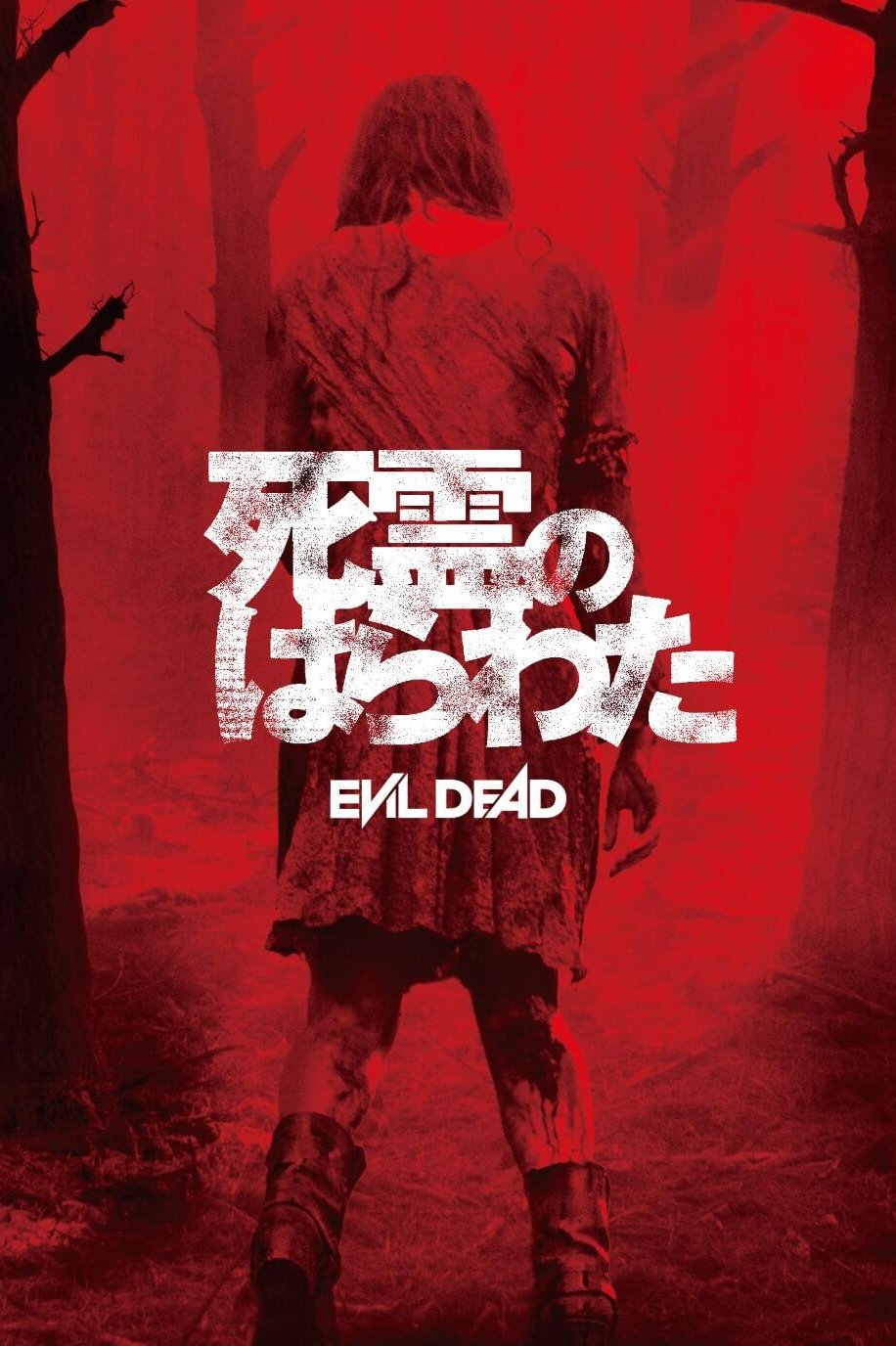
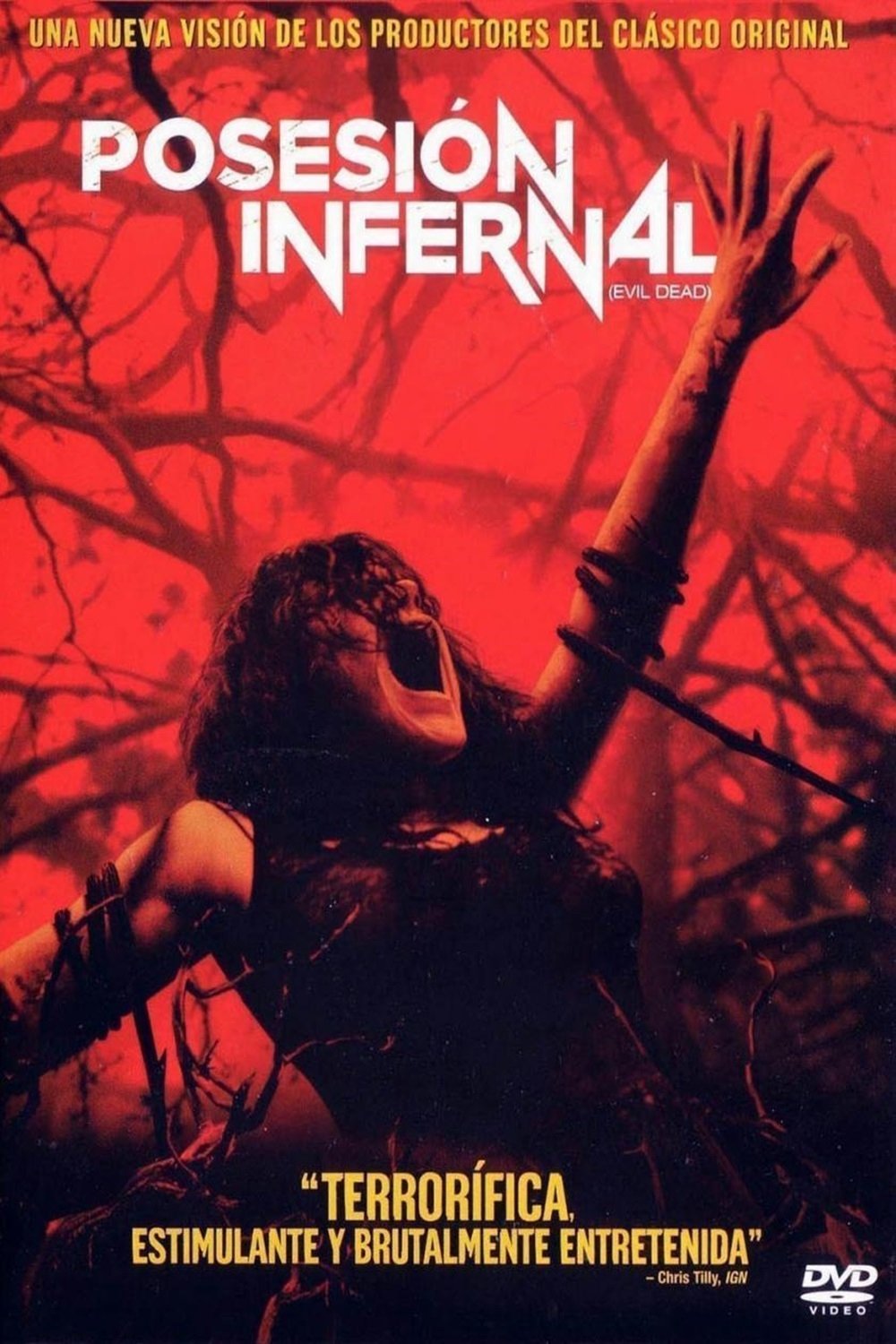
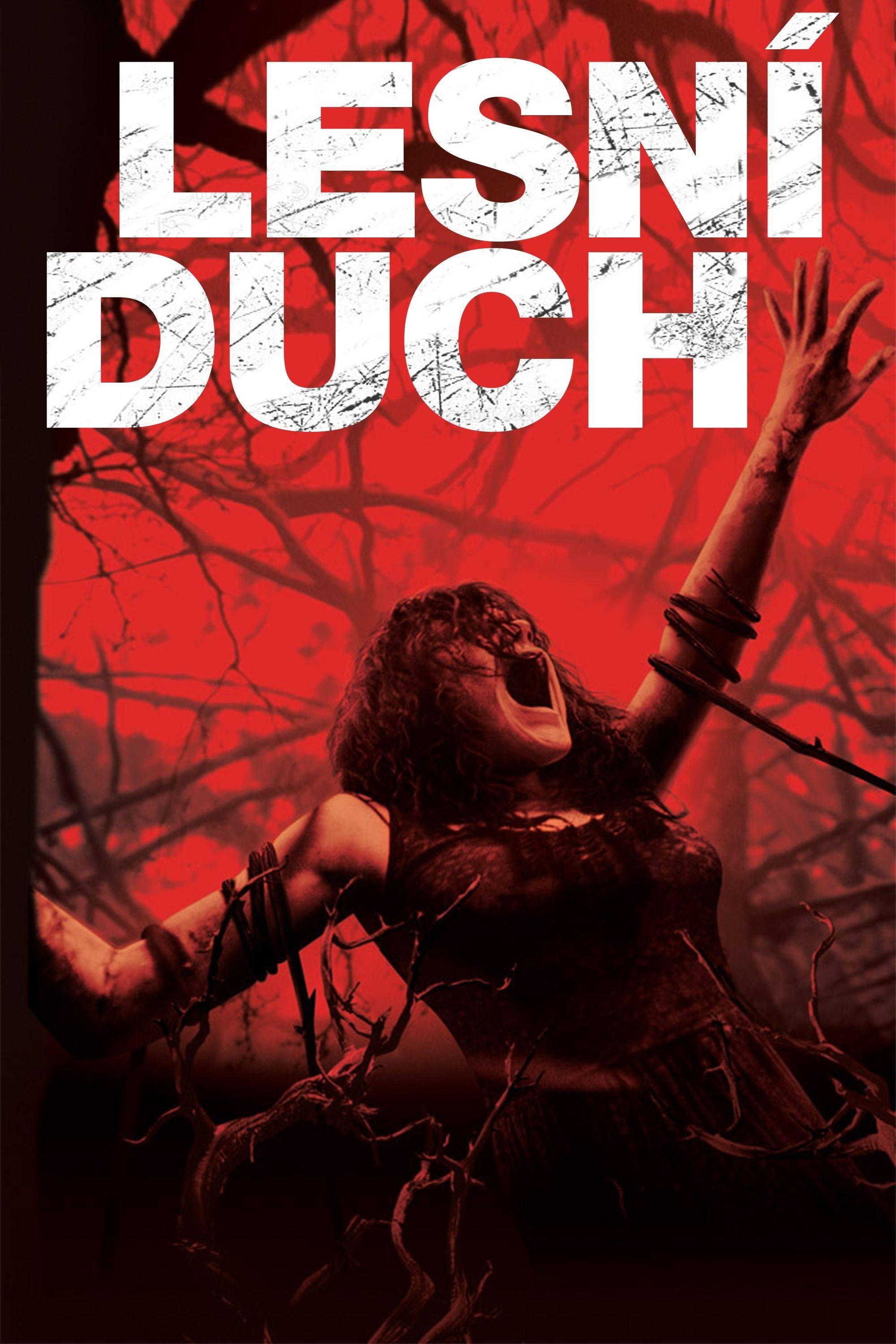
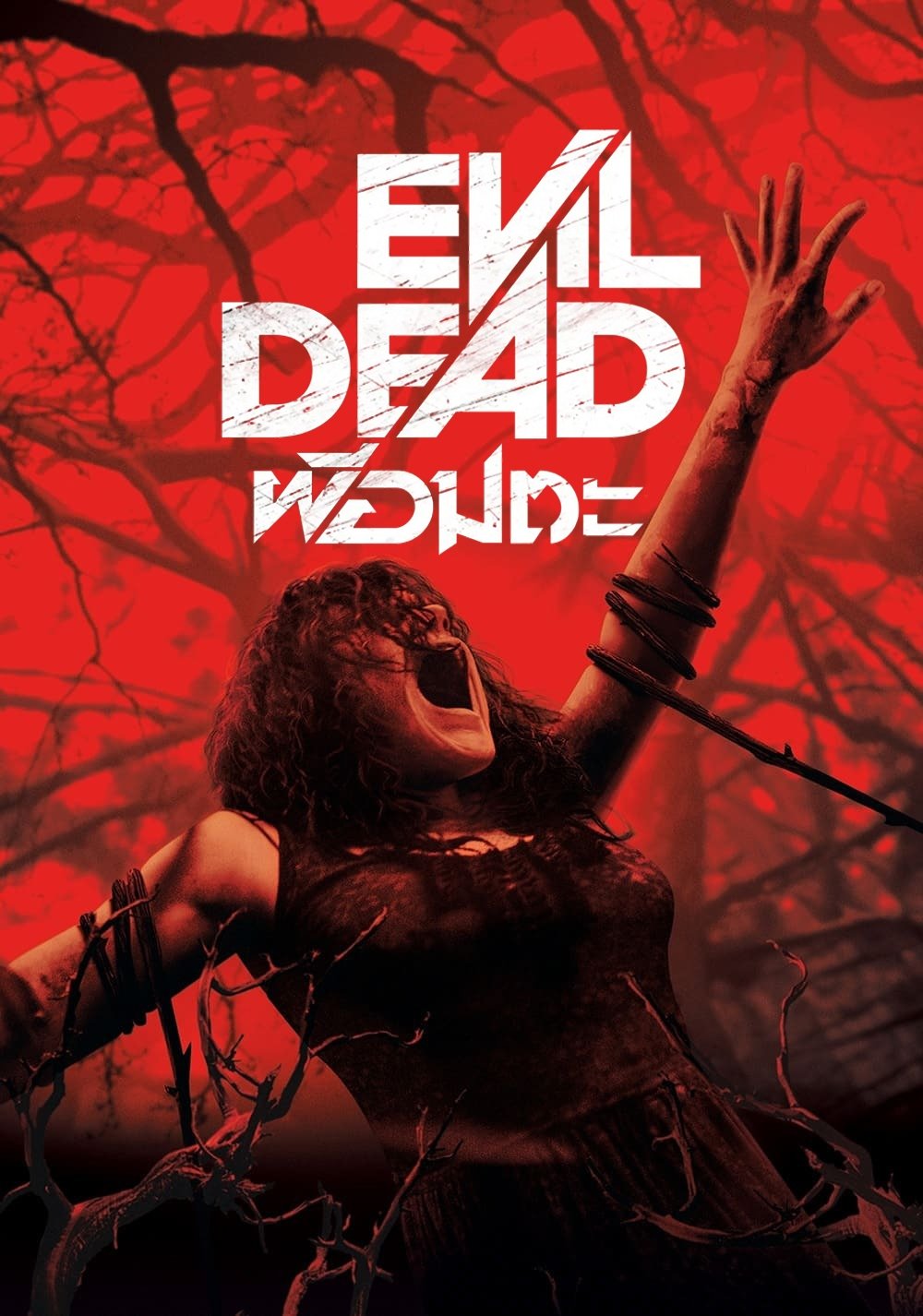
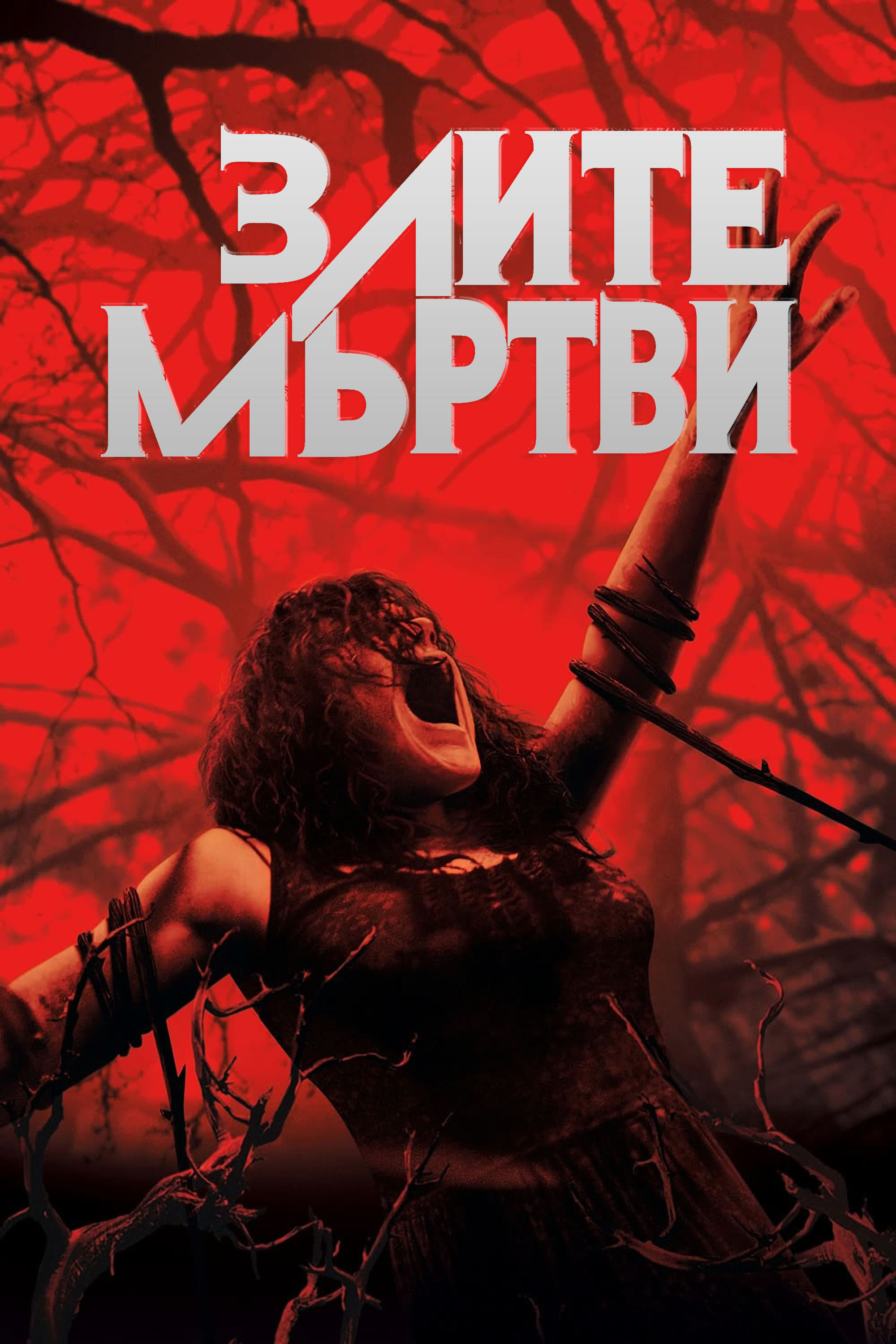
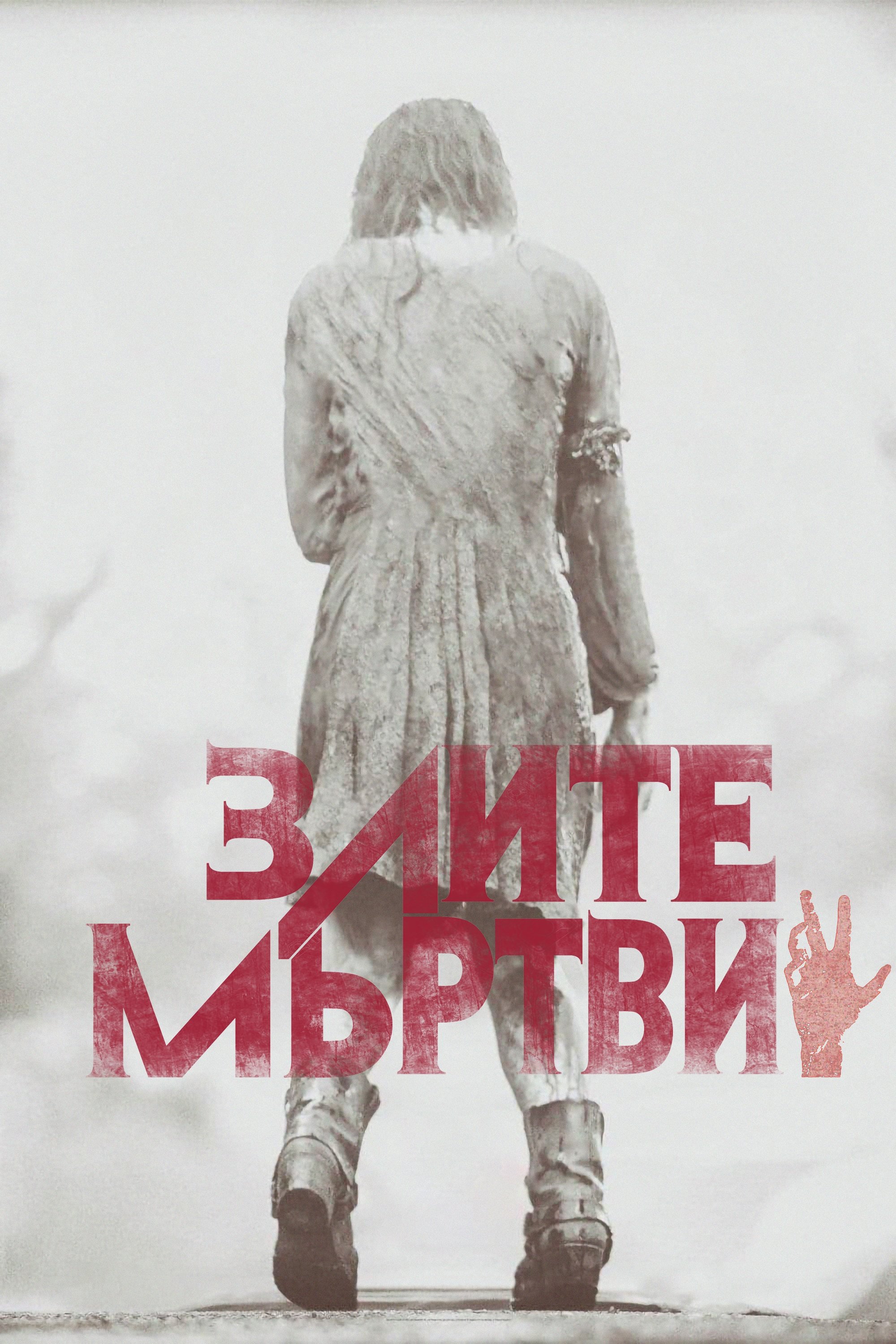
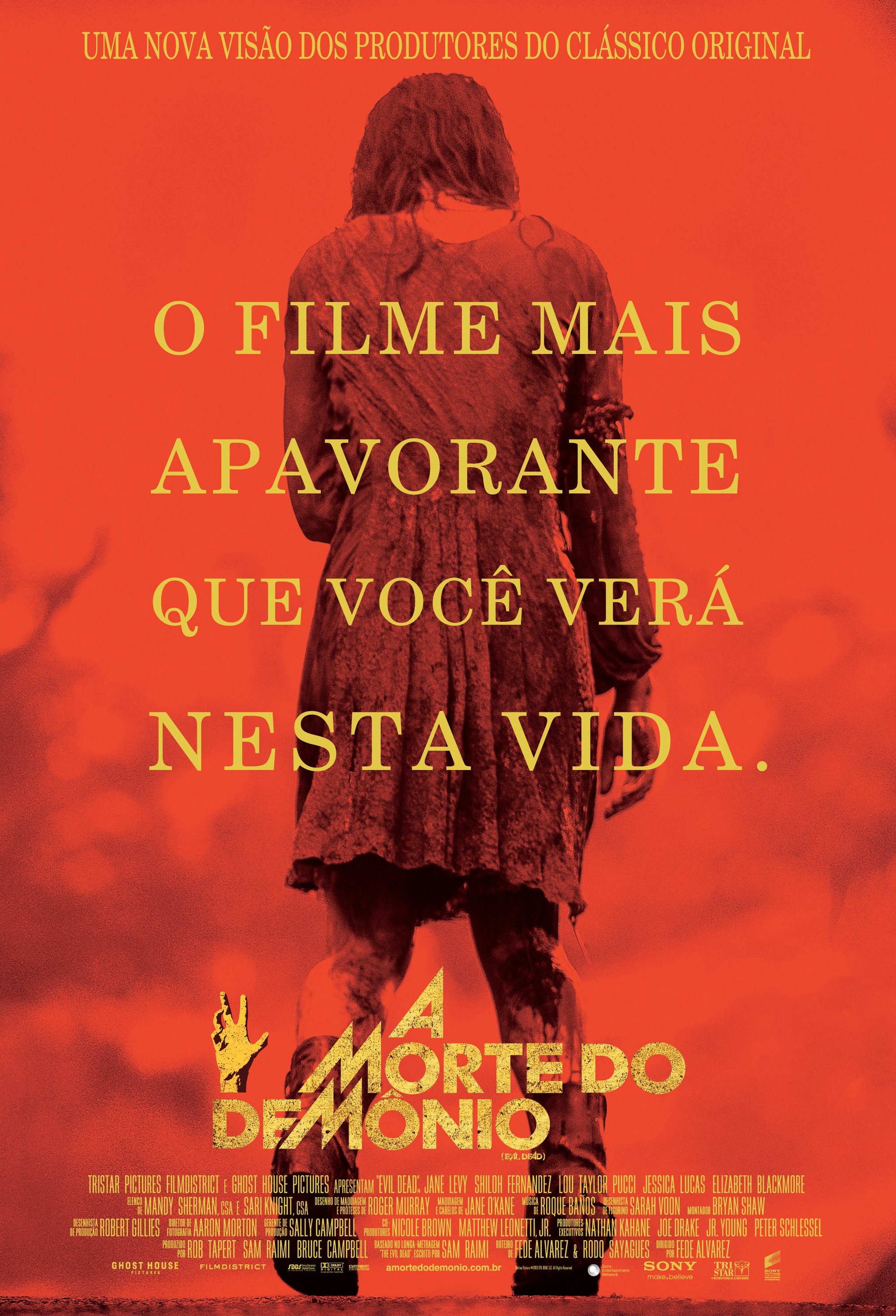
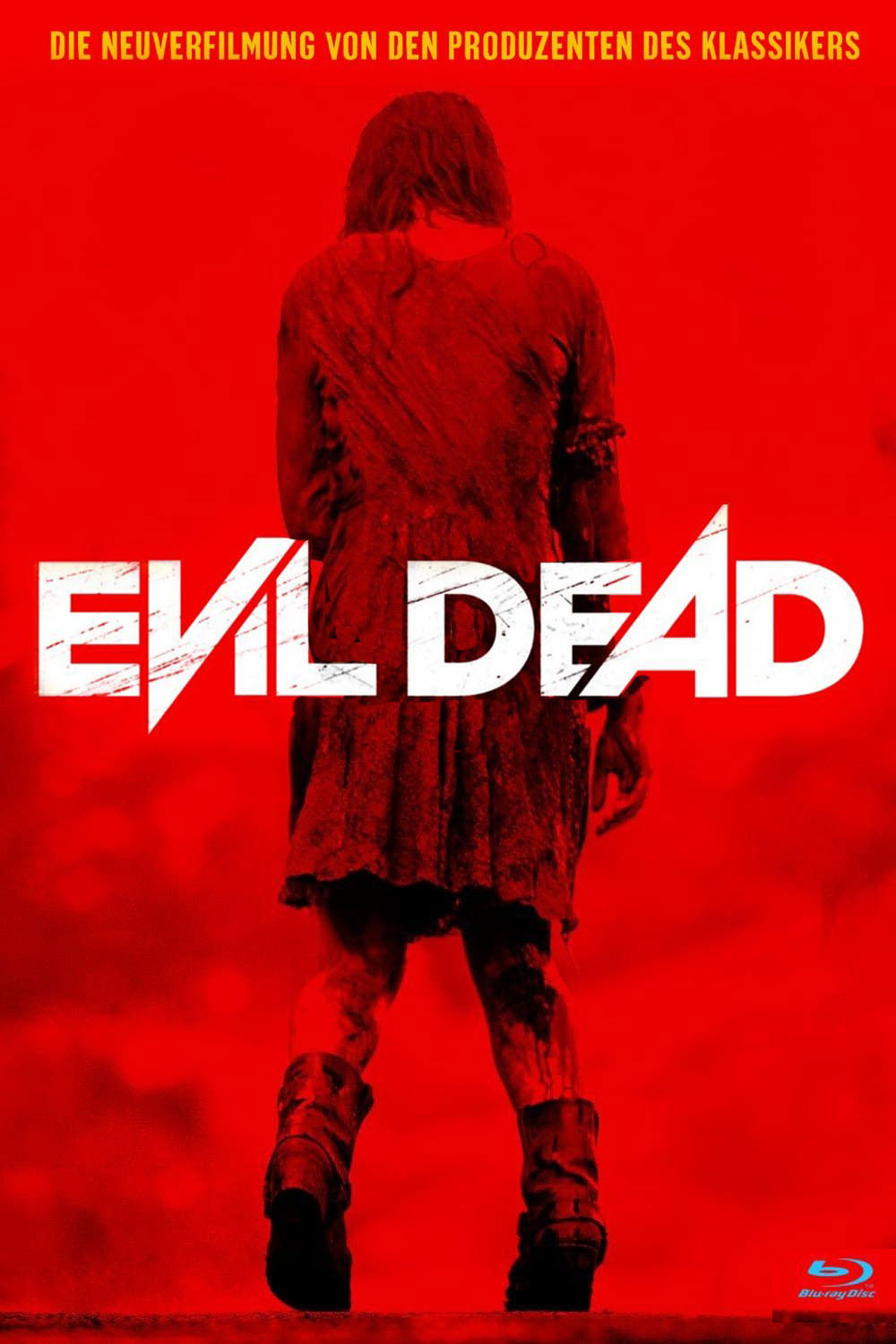
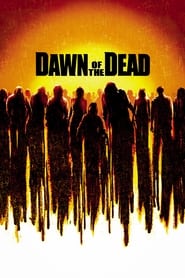
Evil Dead (2013) poster
Director
Production Companies
TriStar Pictures , FilmDistrict , Ghost House Pictures
Plot

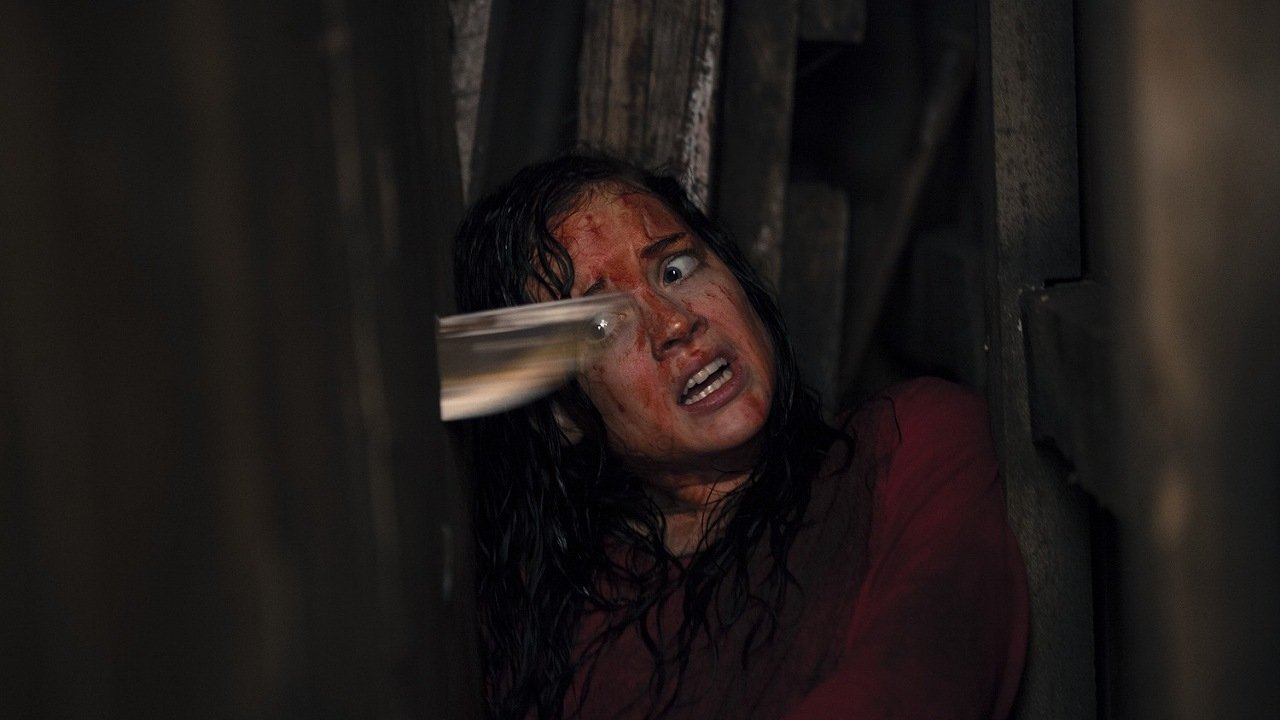
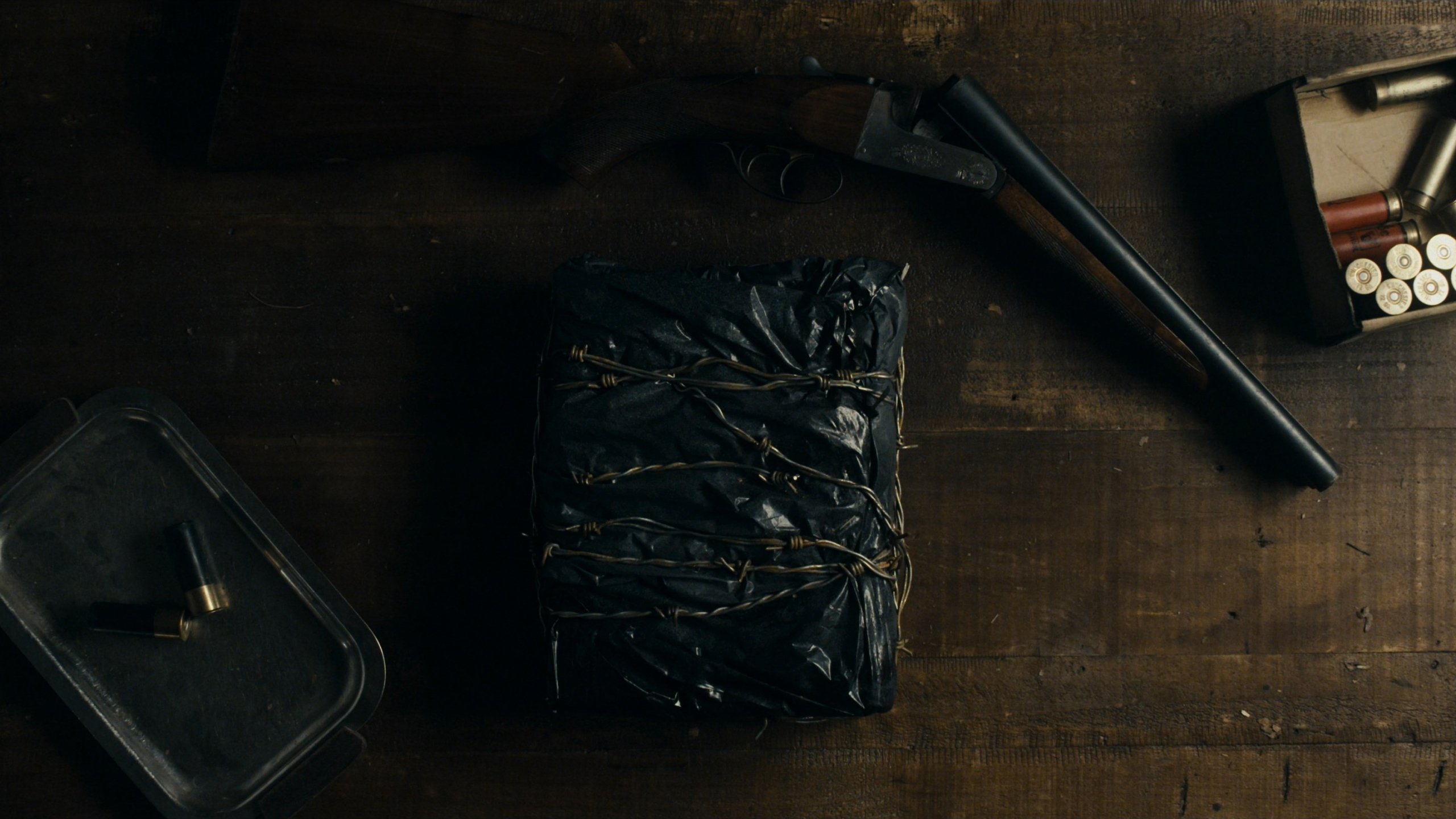
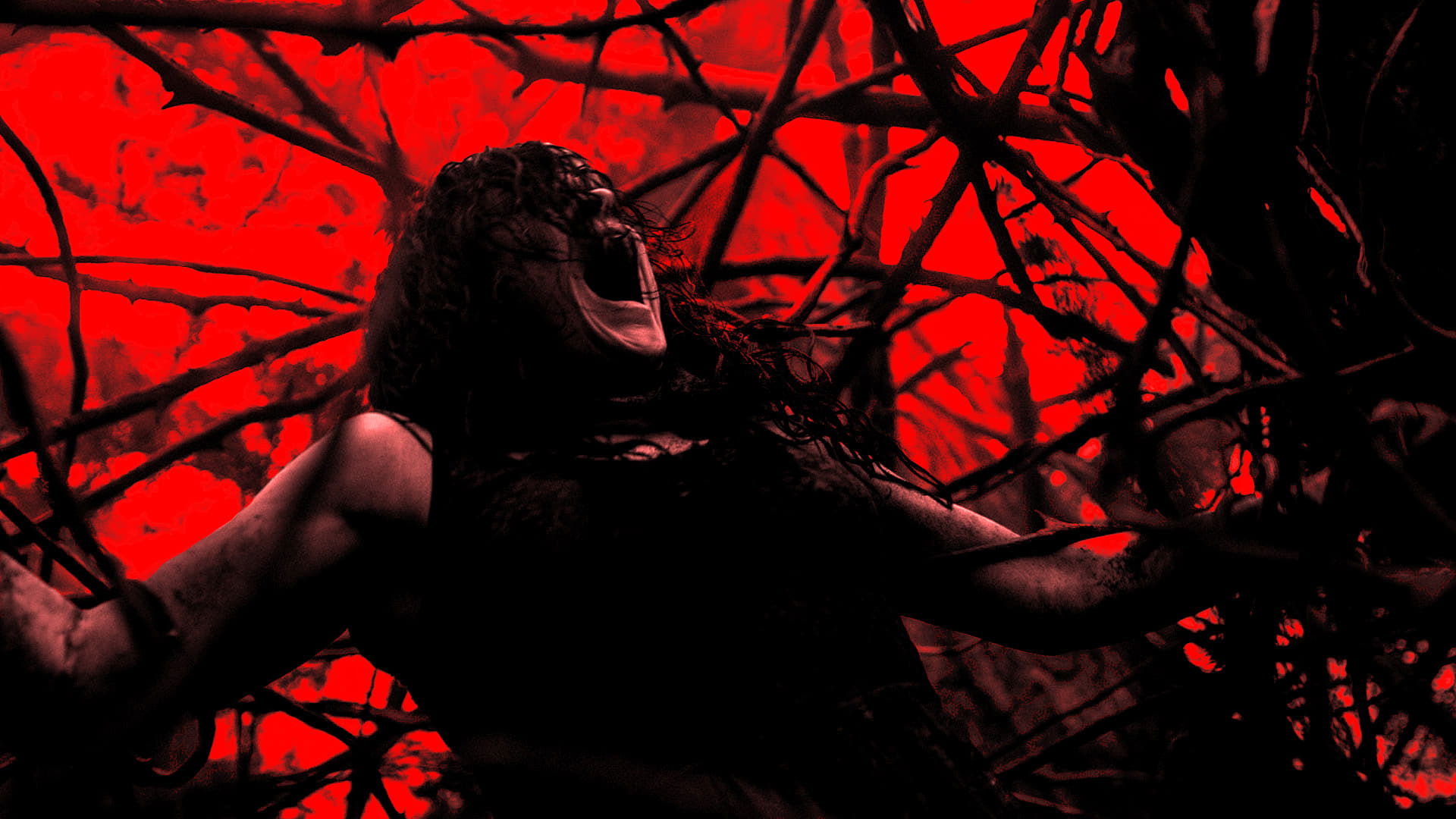
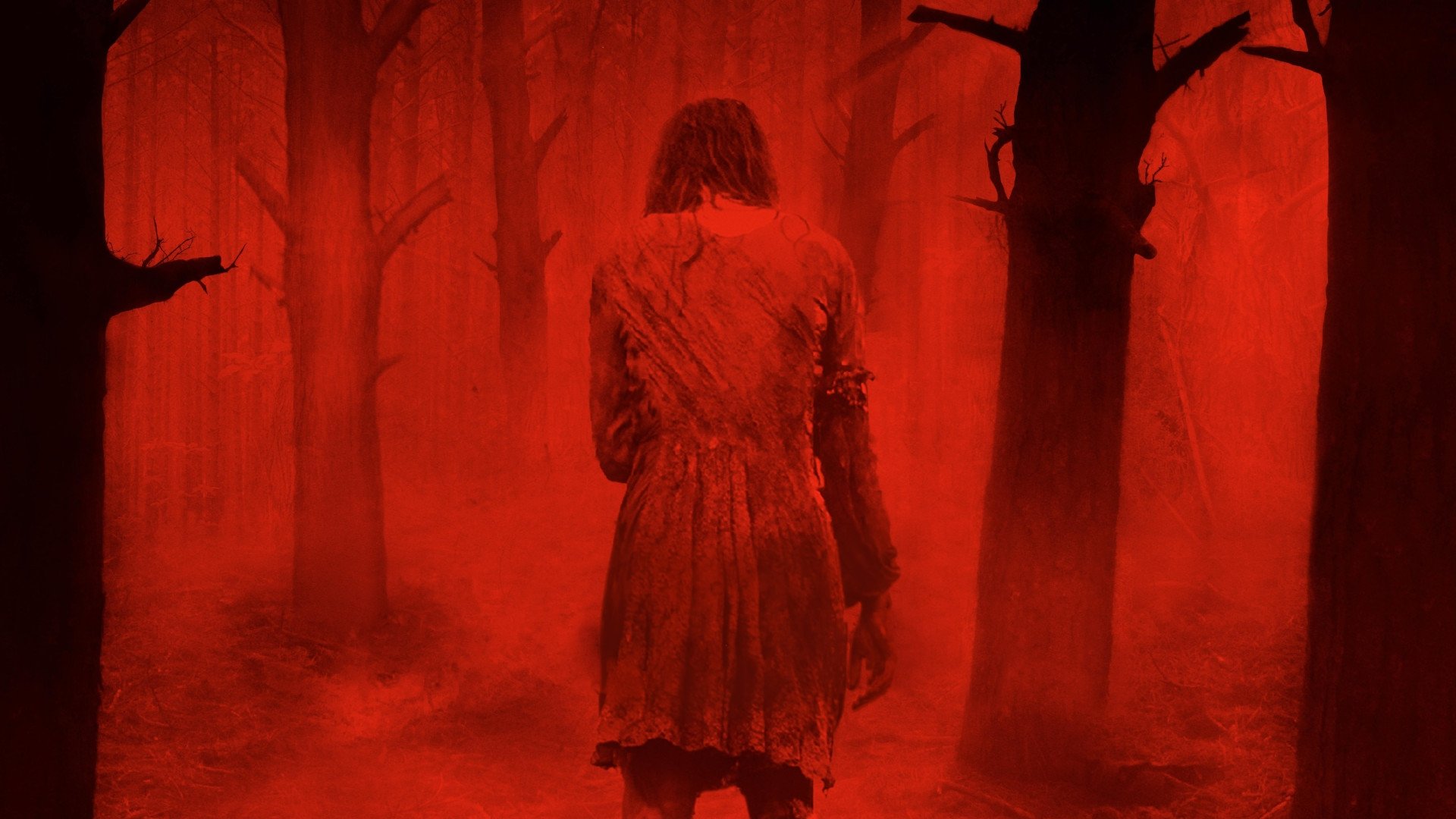
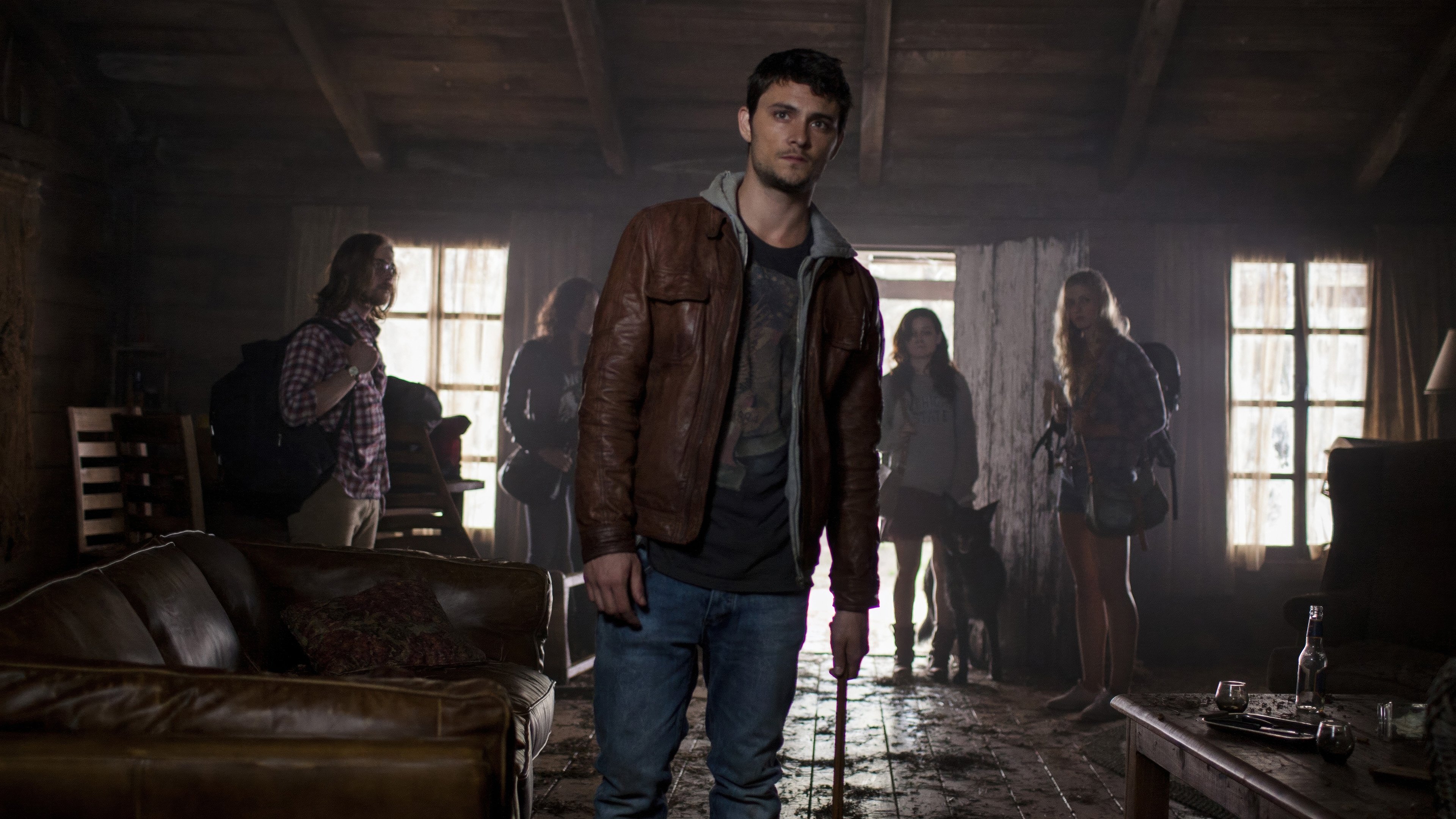
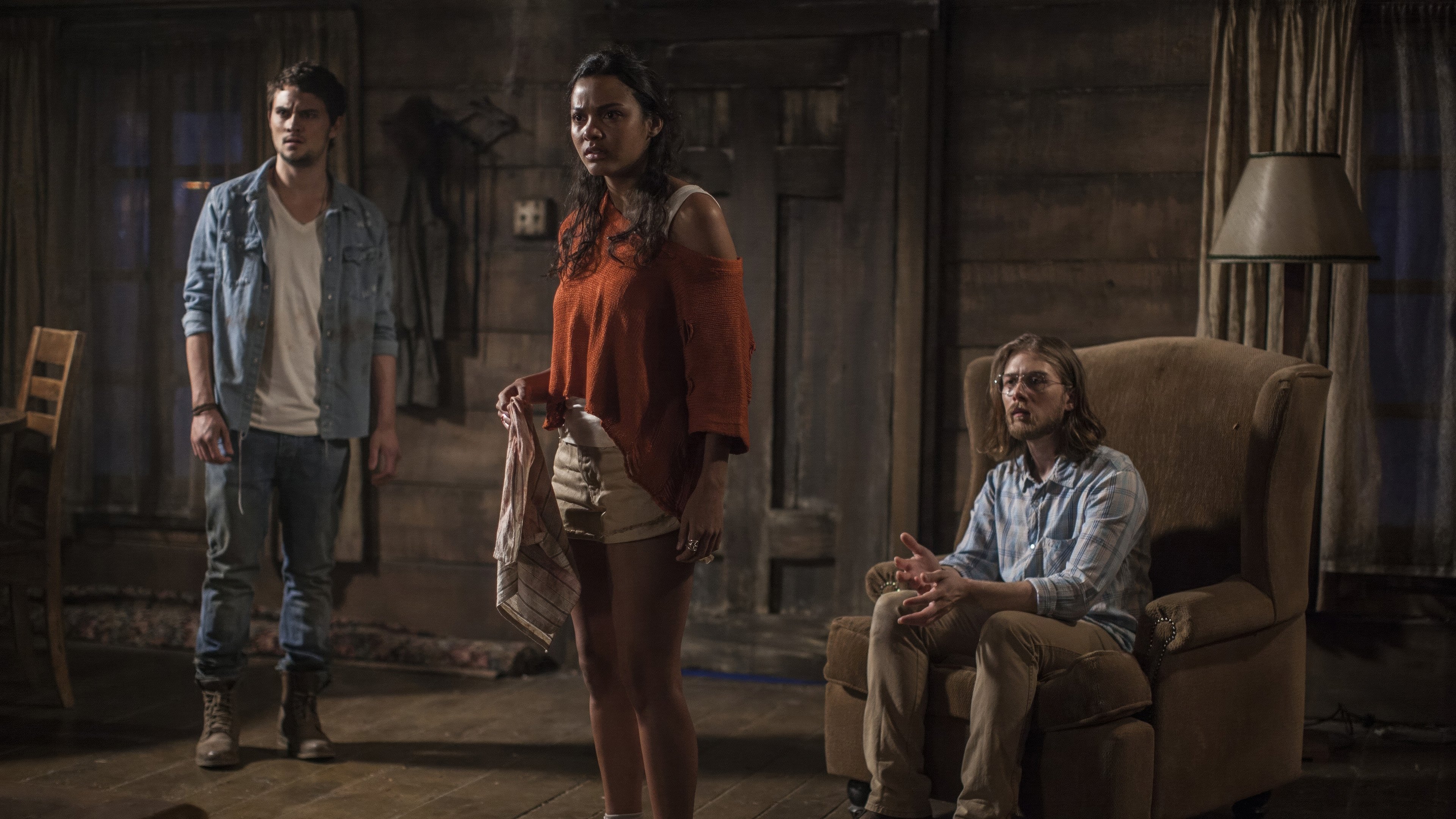
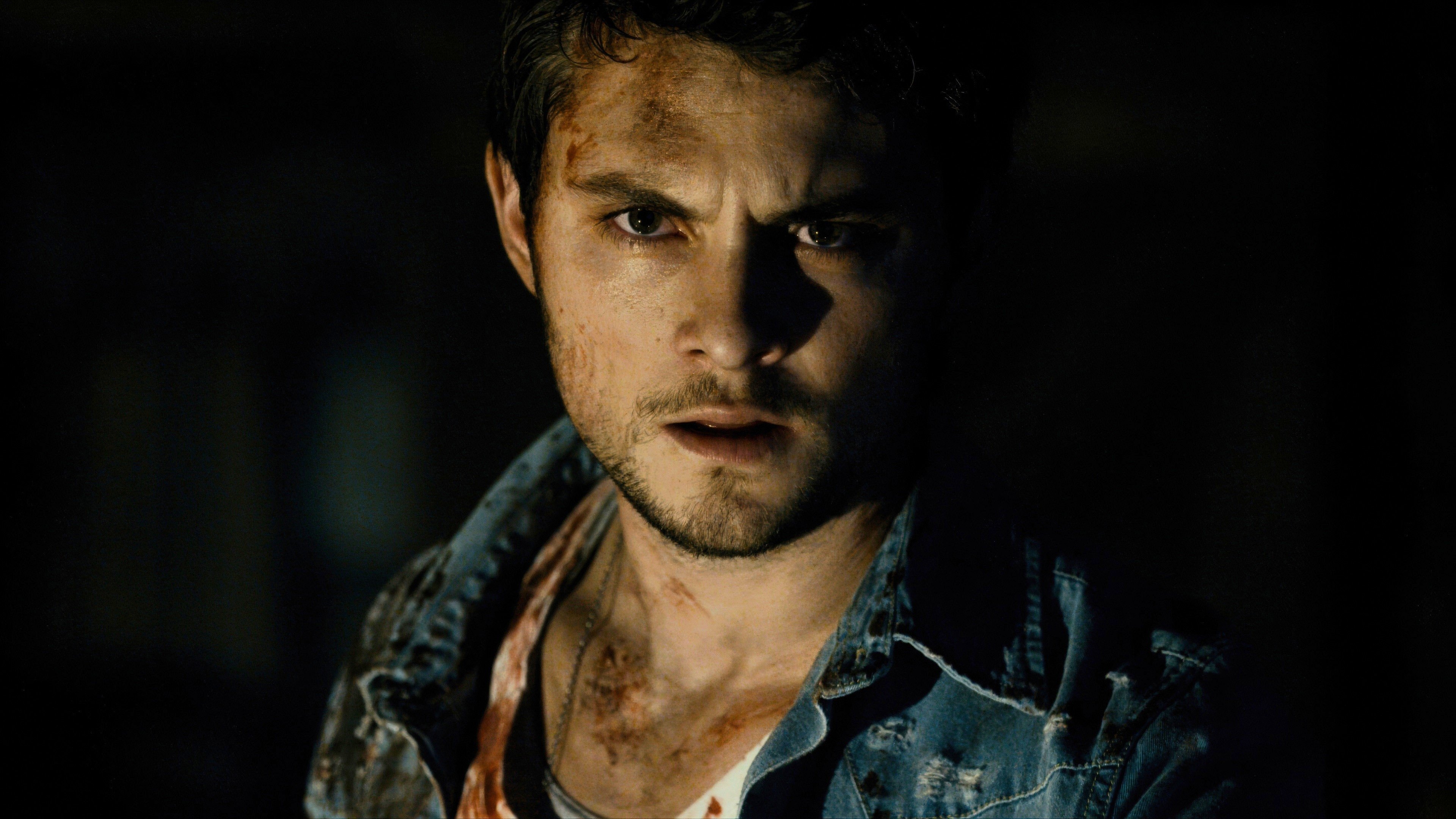
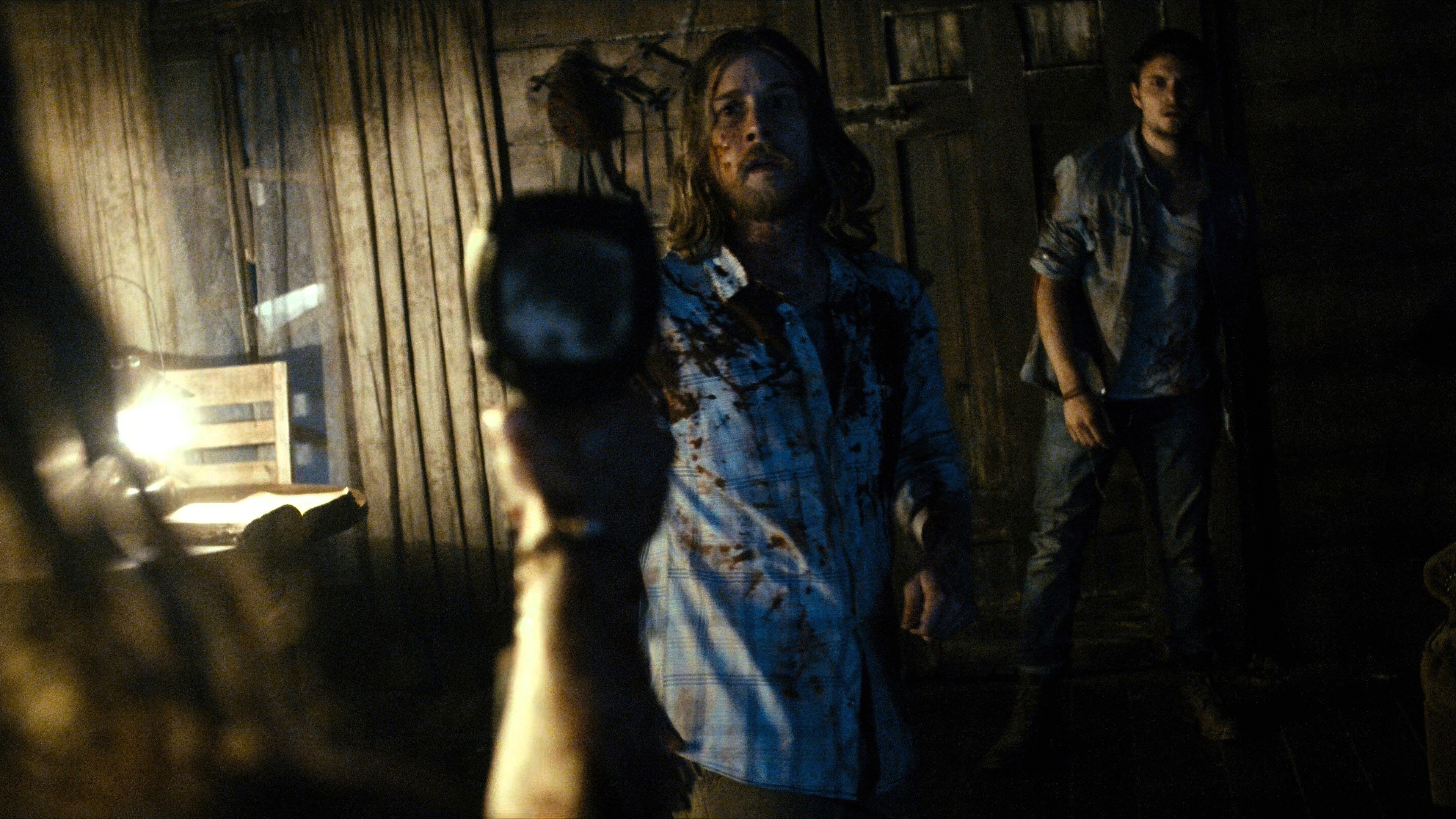
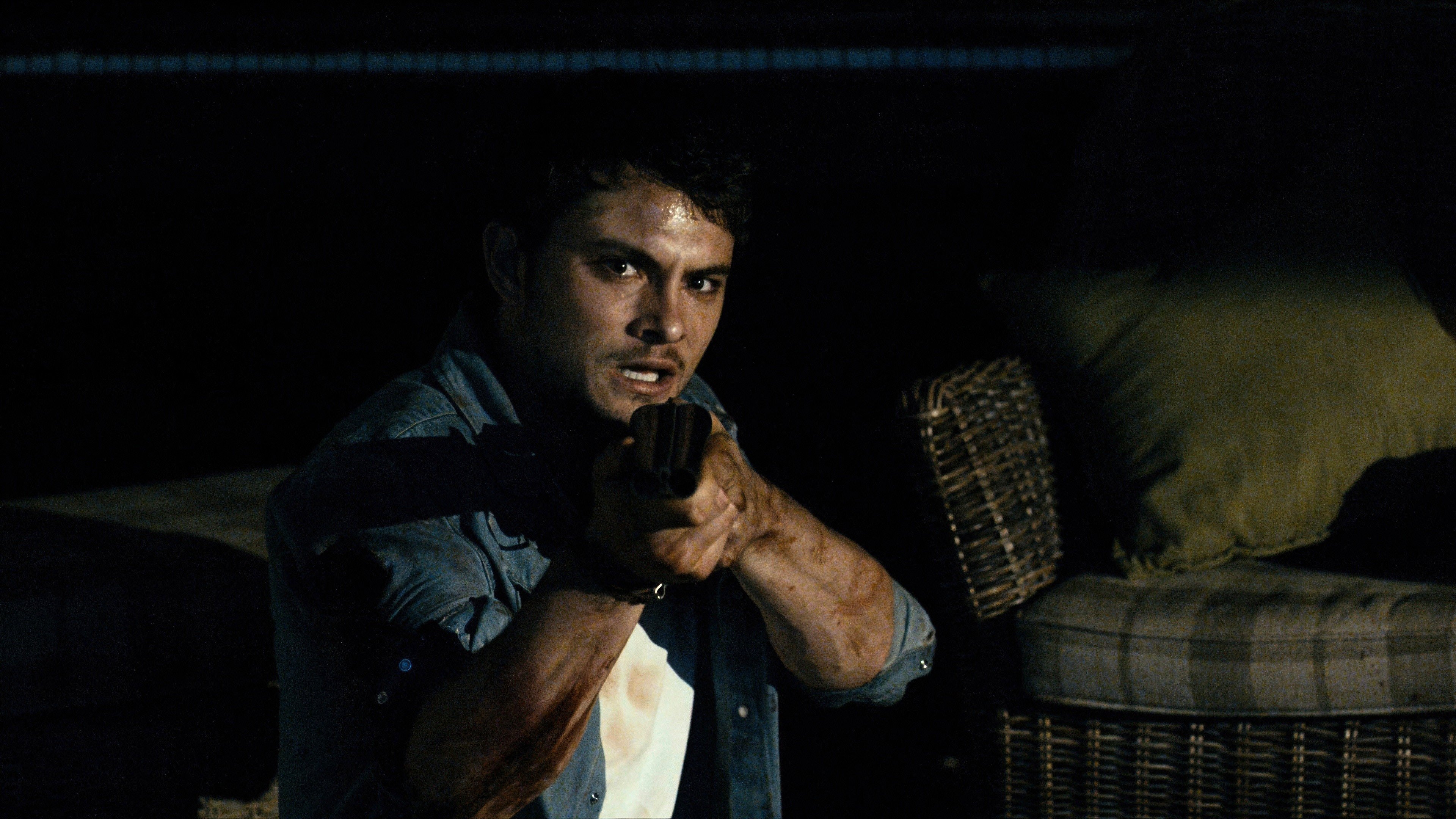
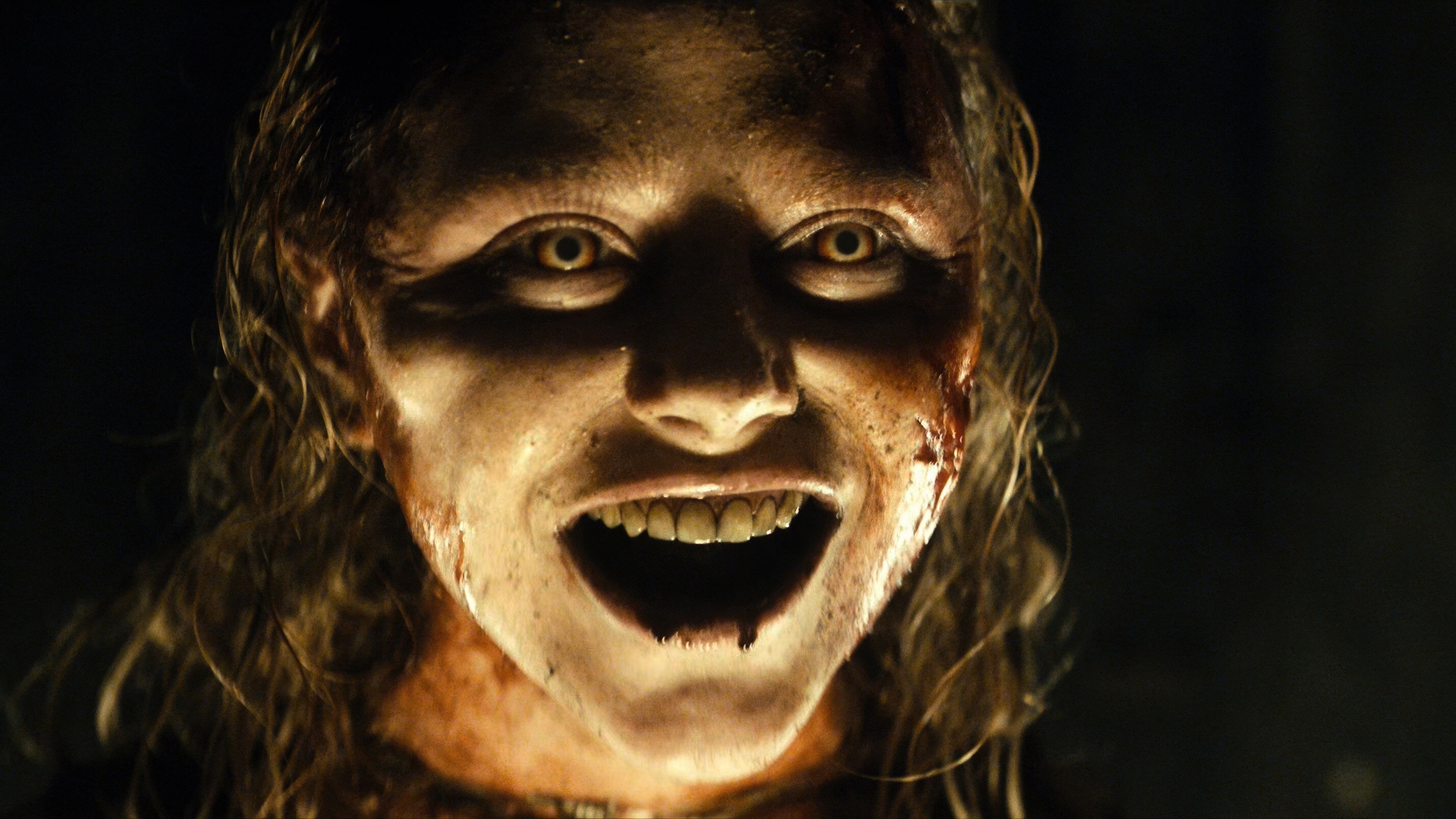
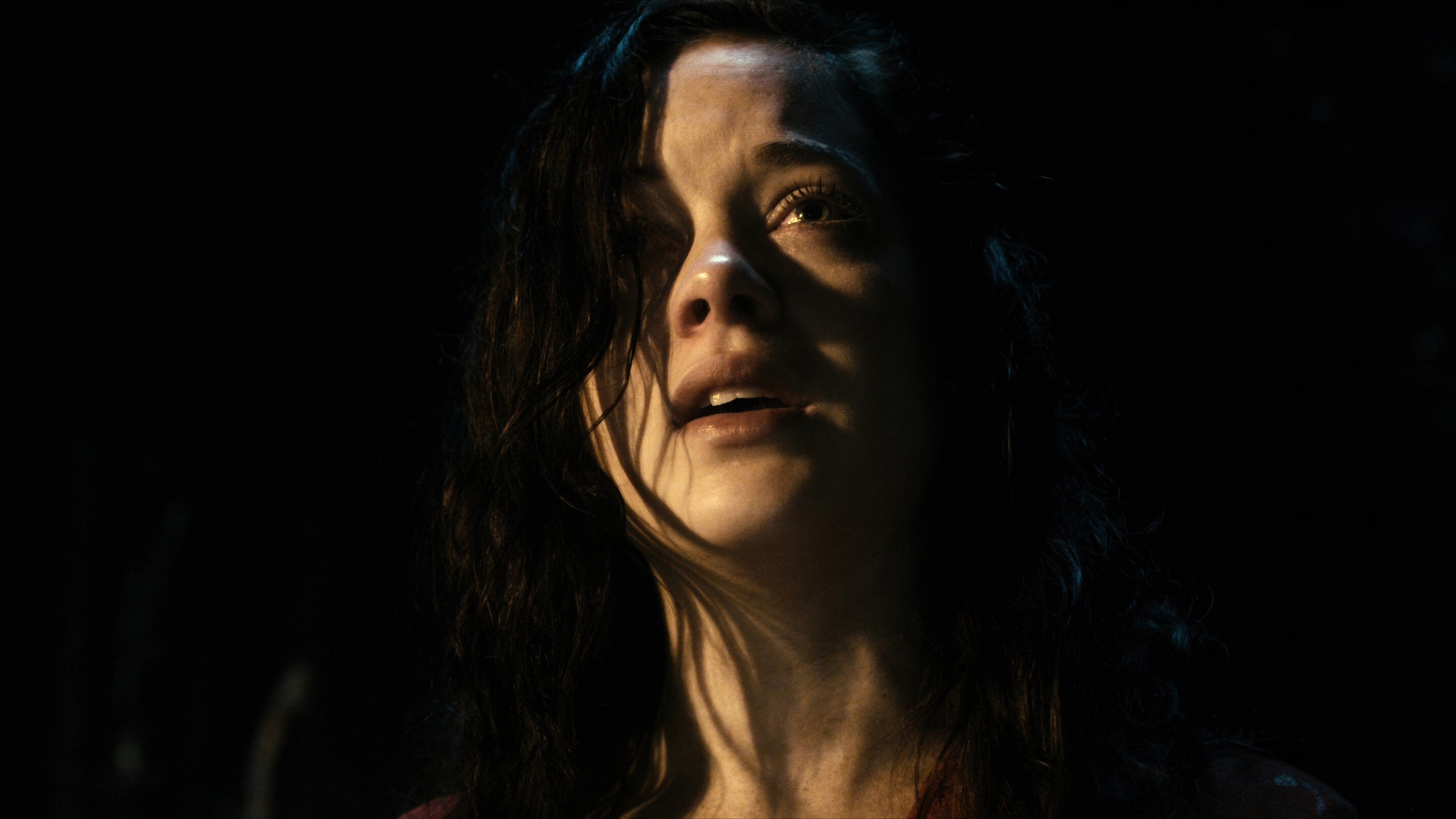
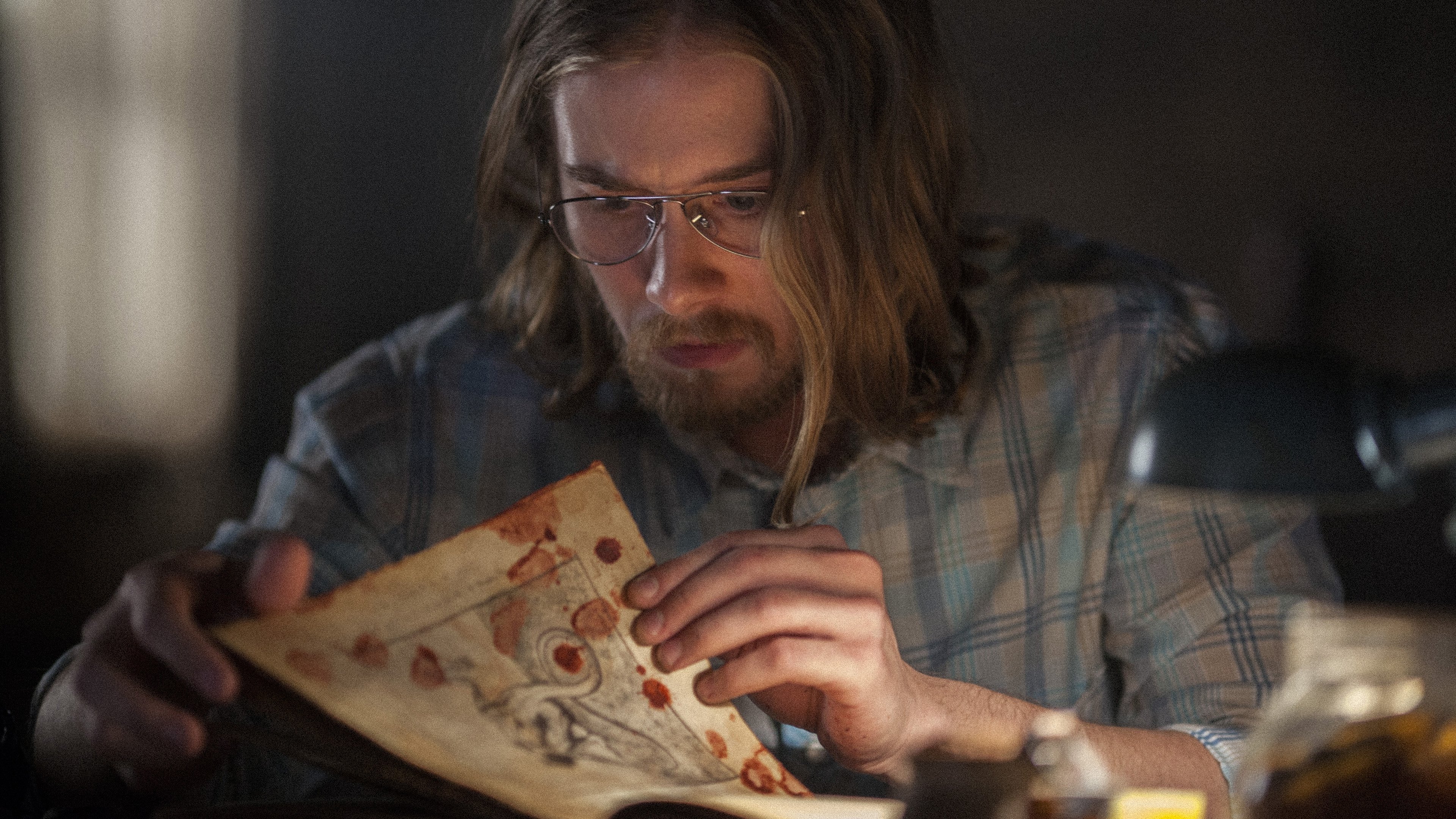
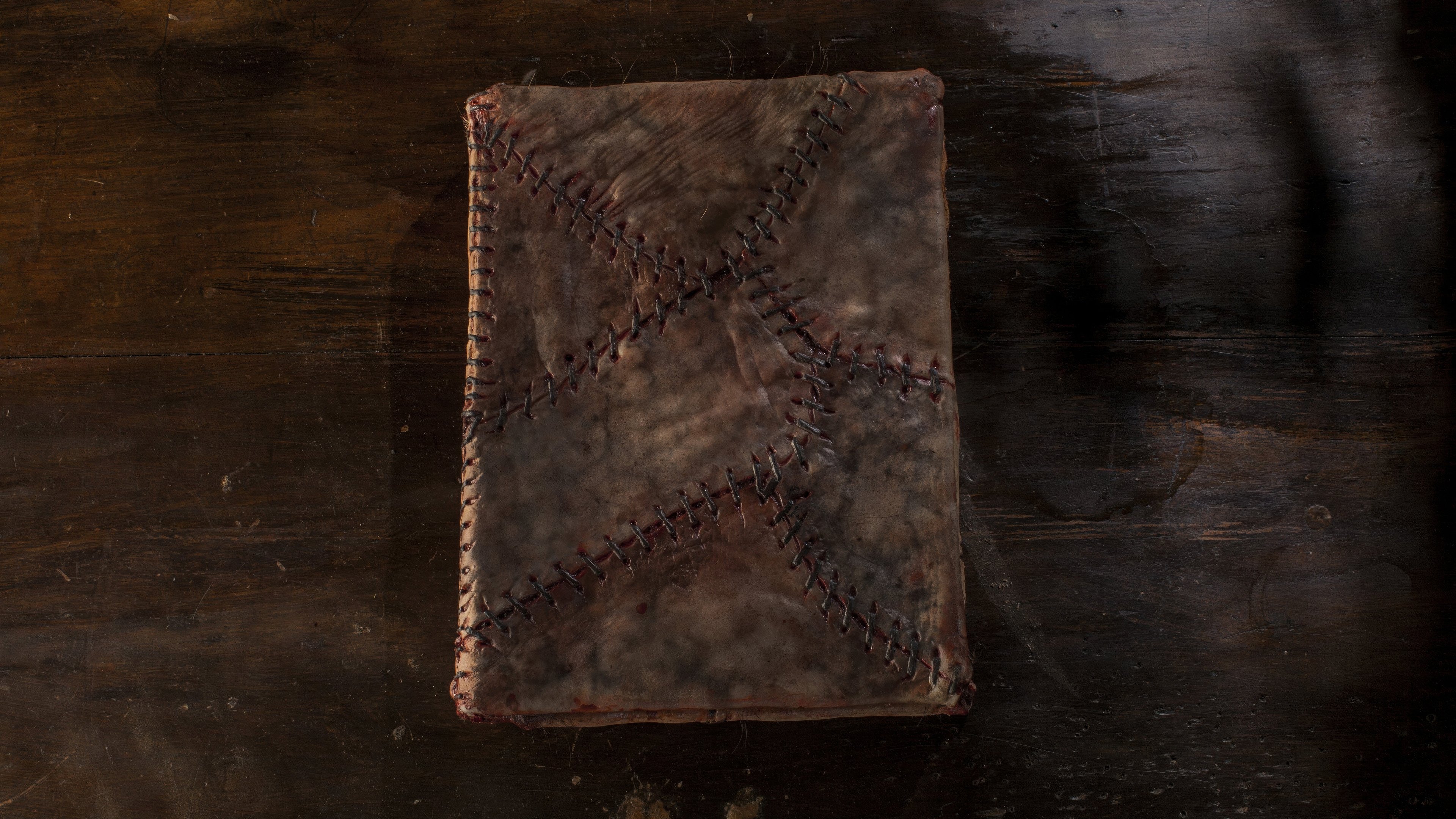
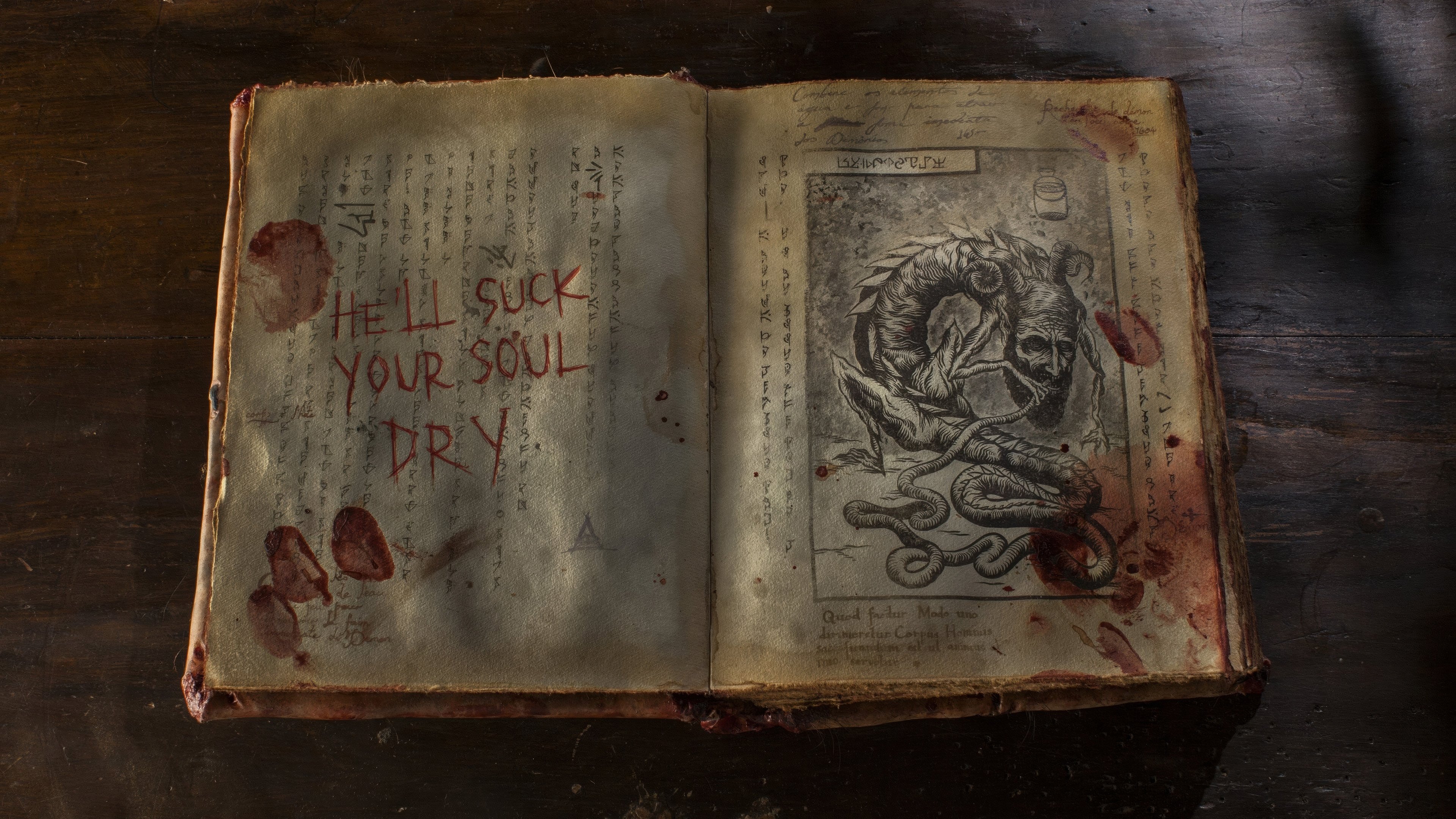
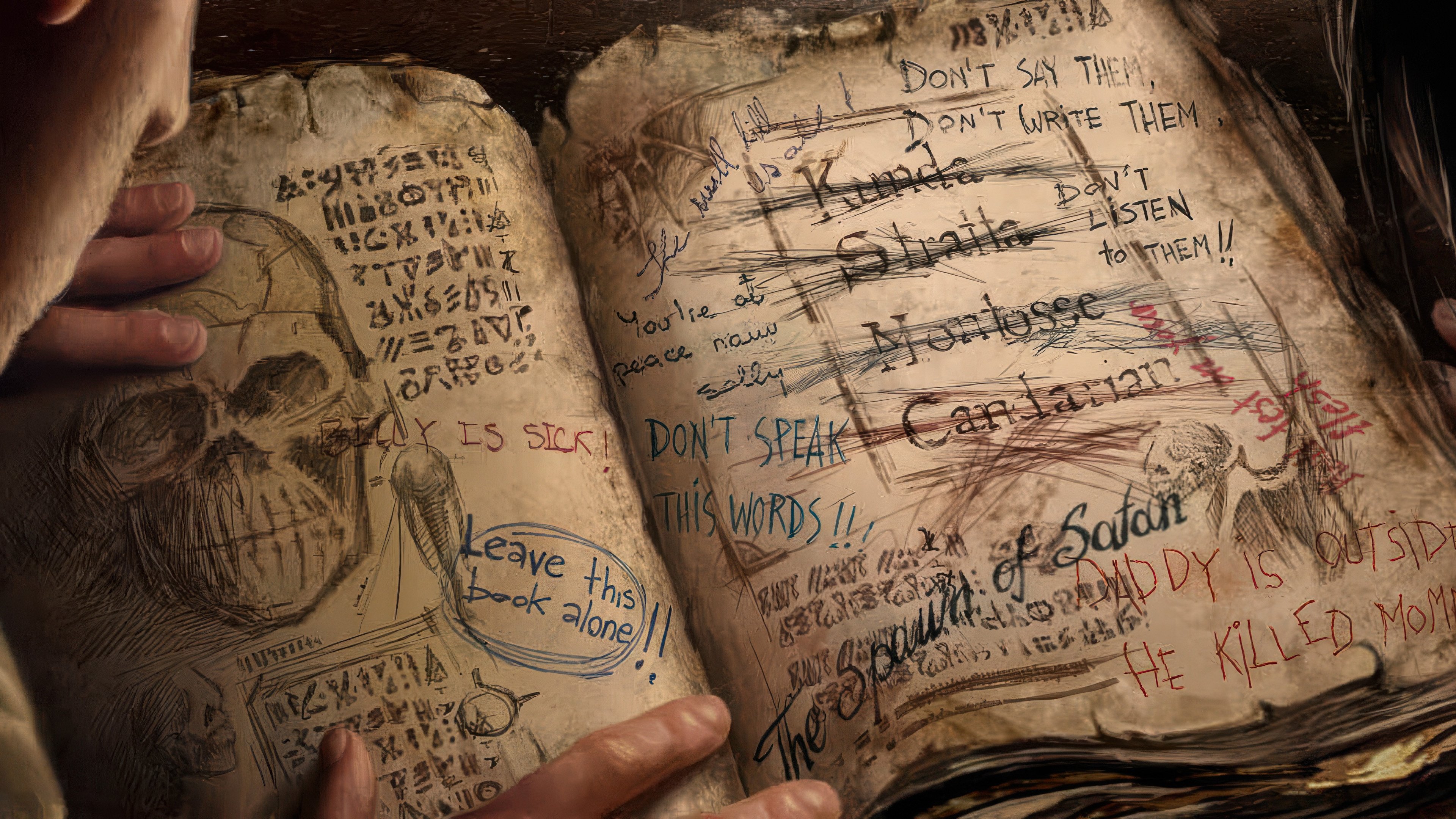
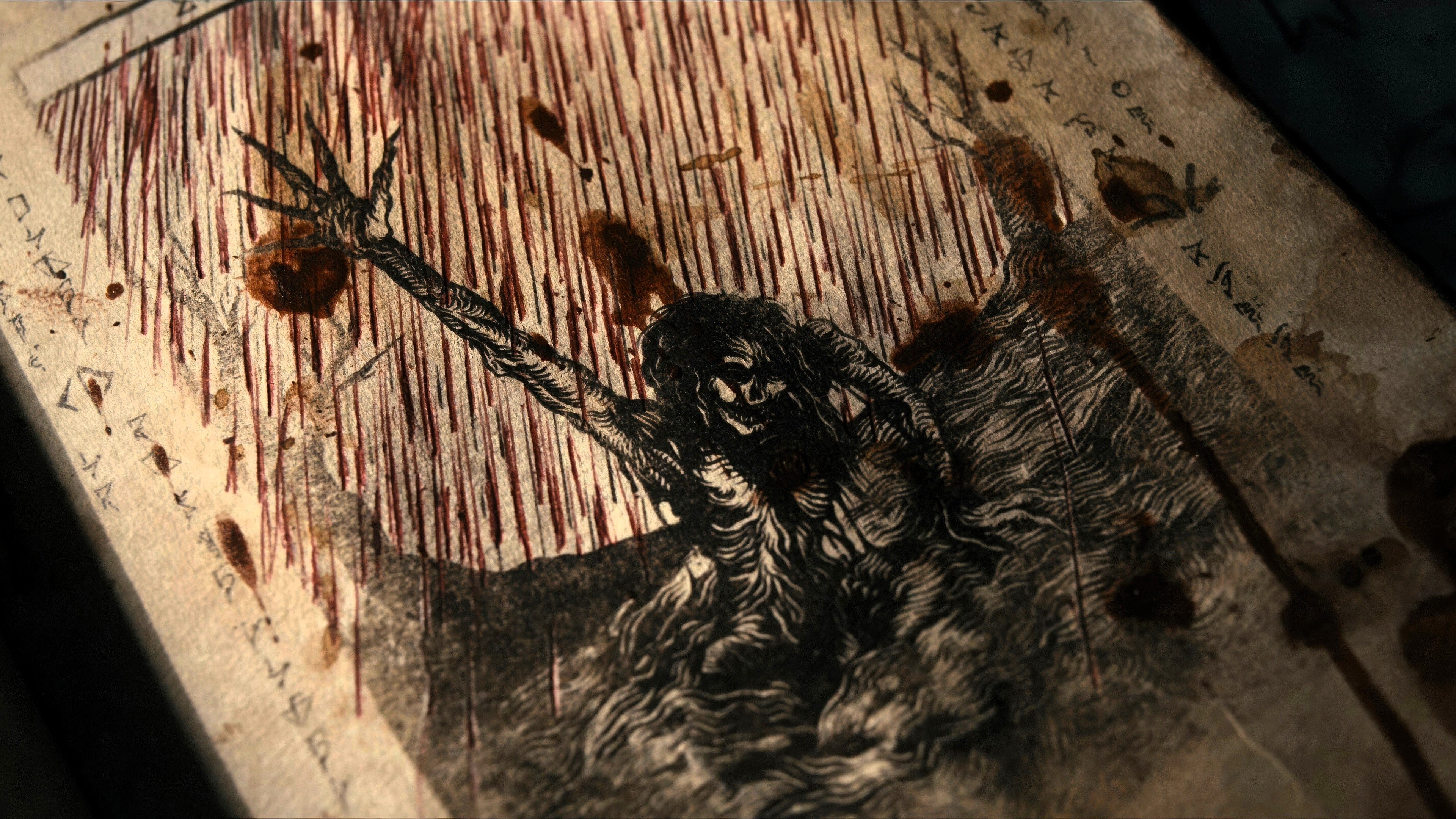
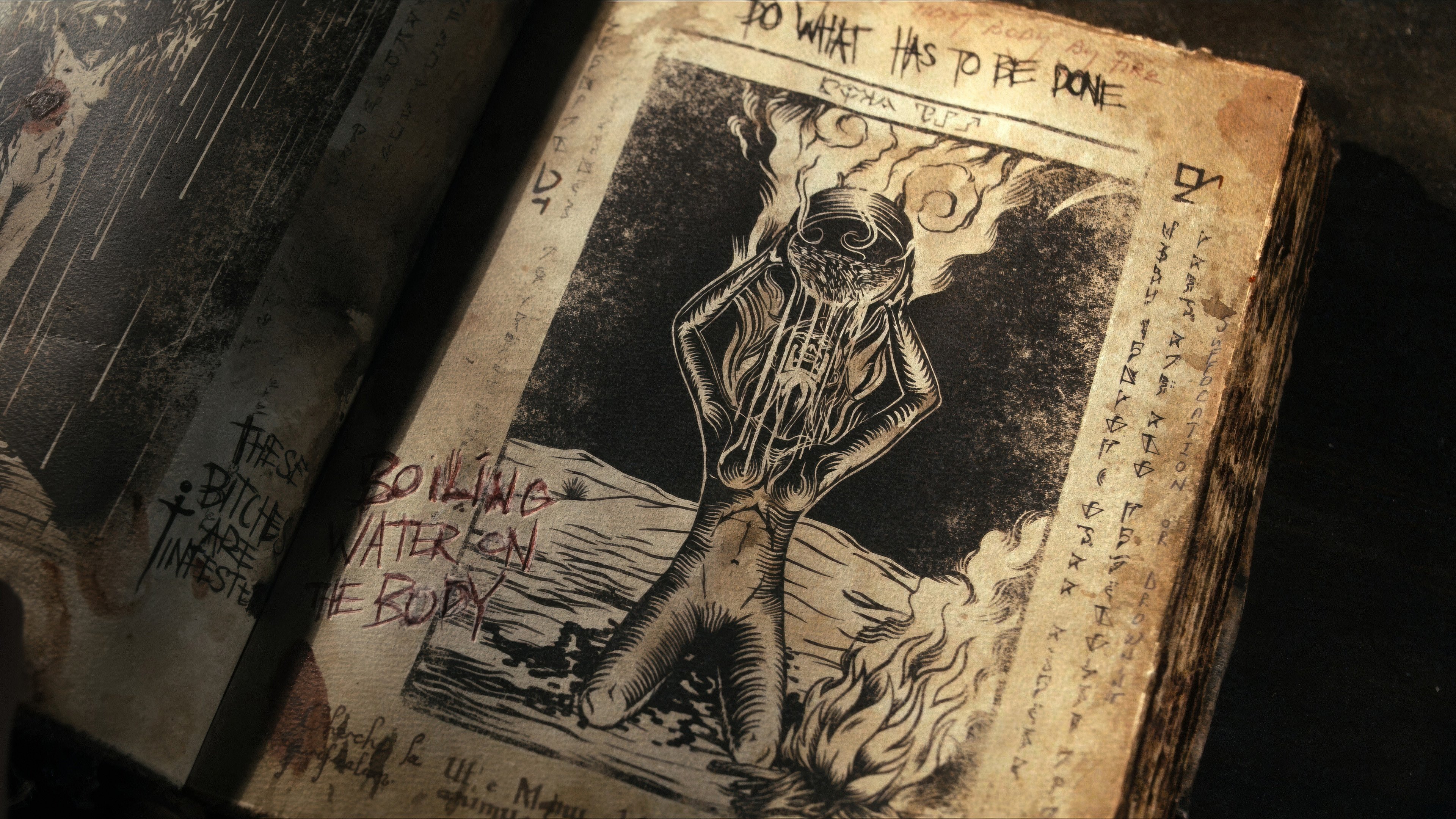
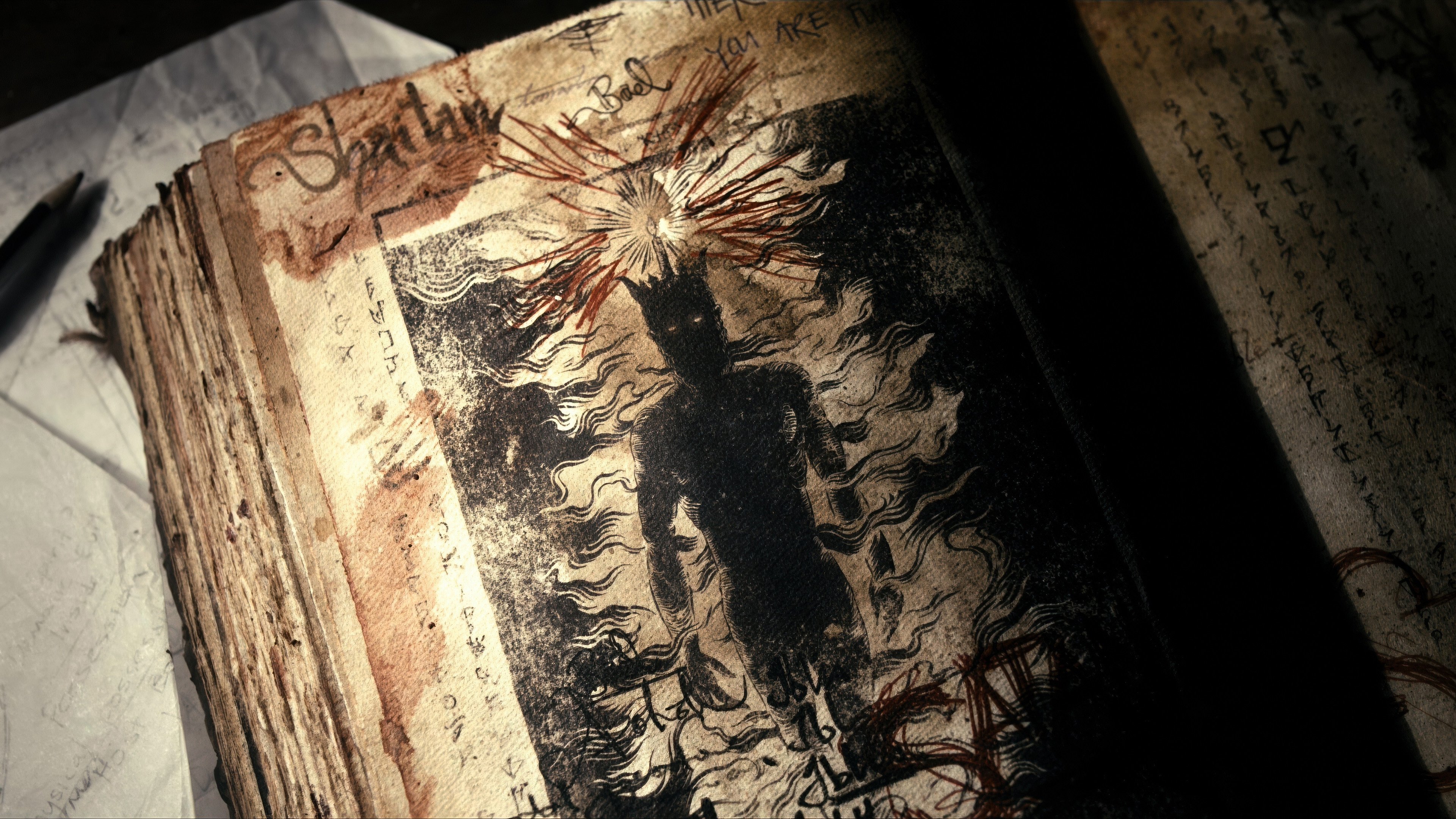
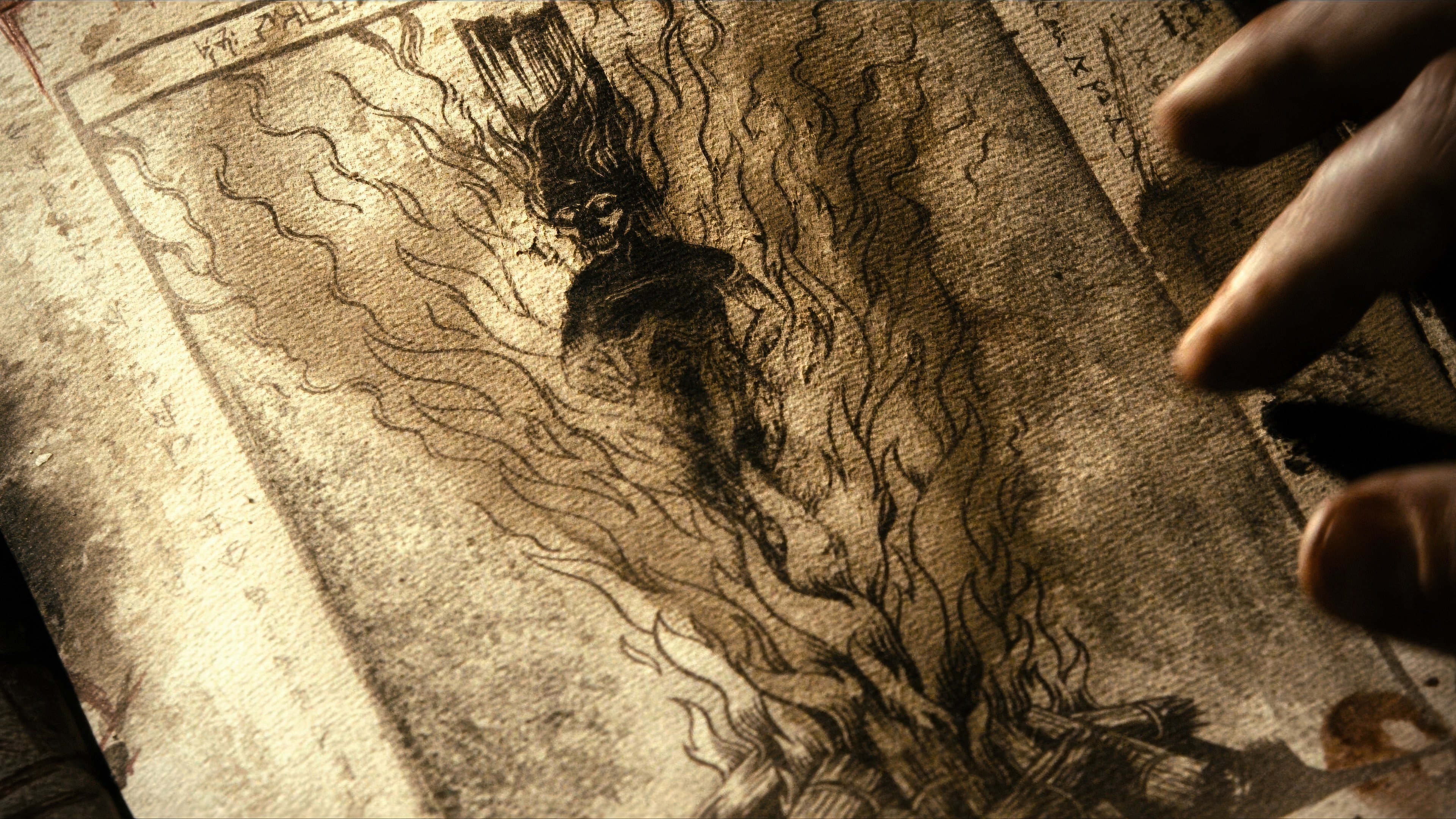
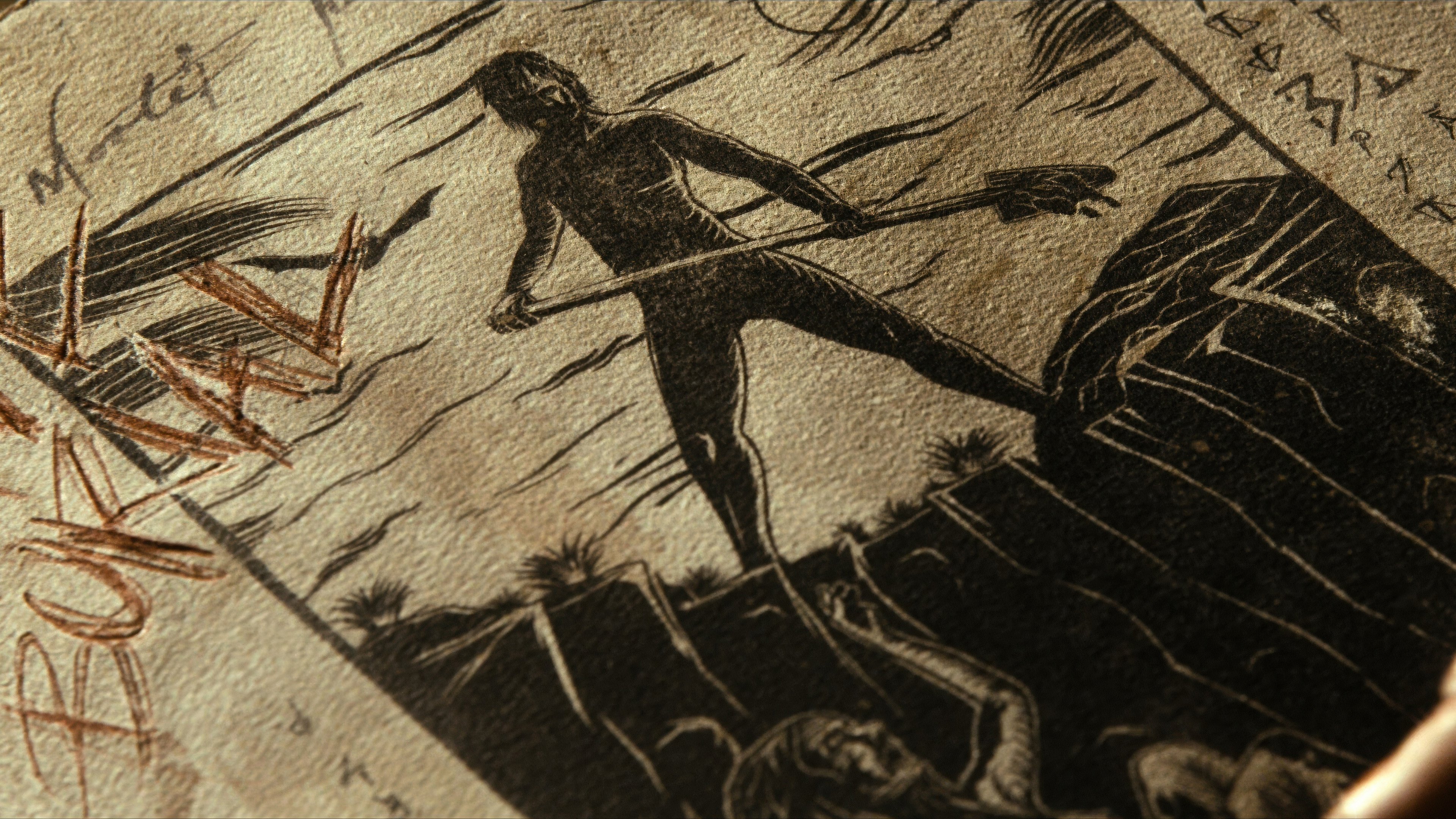
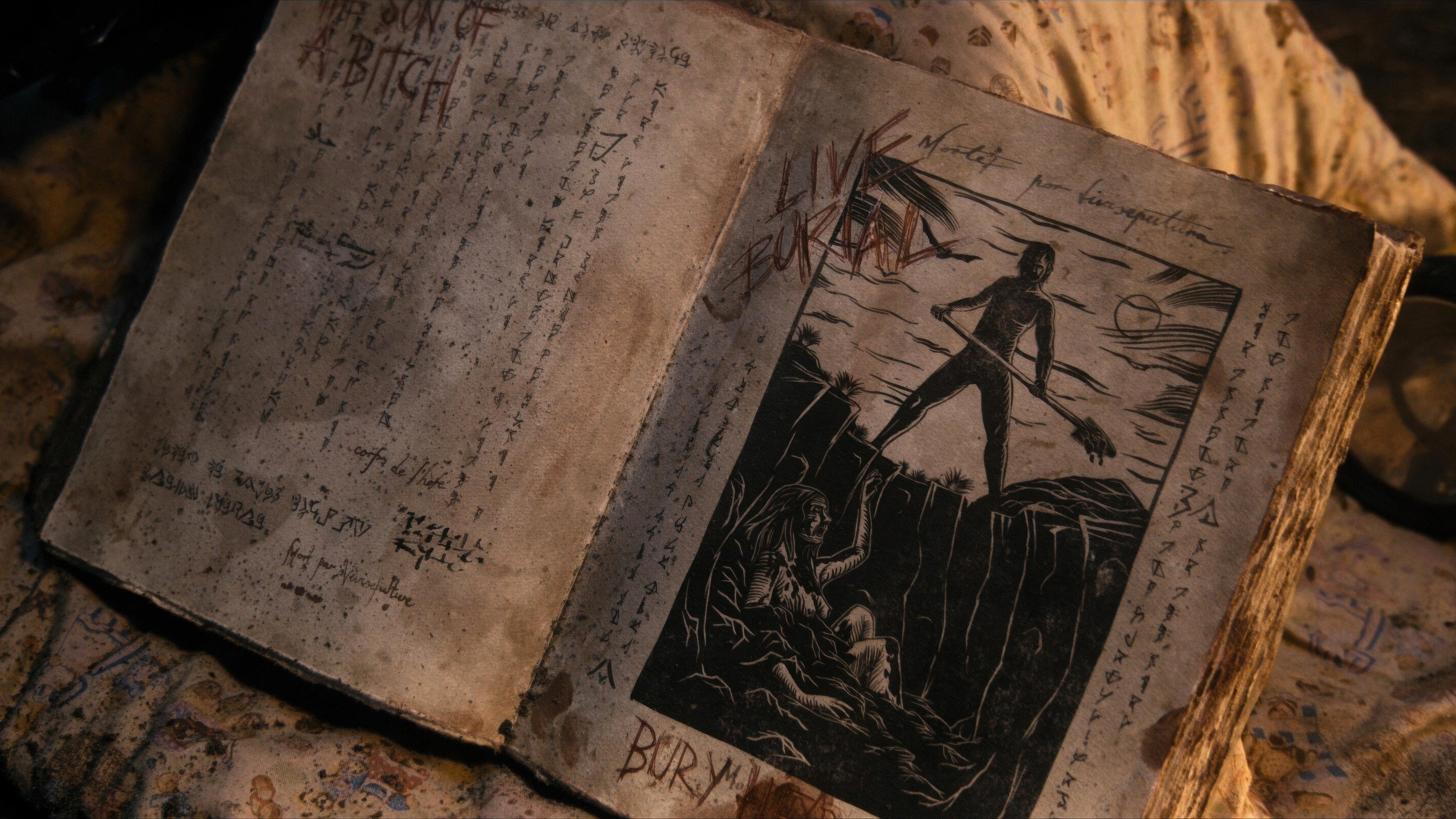
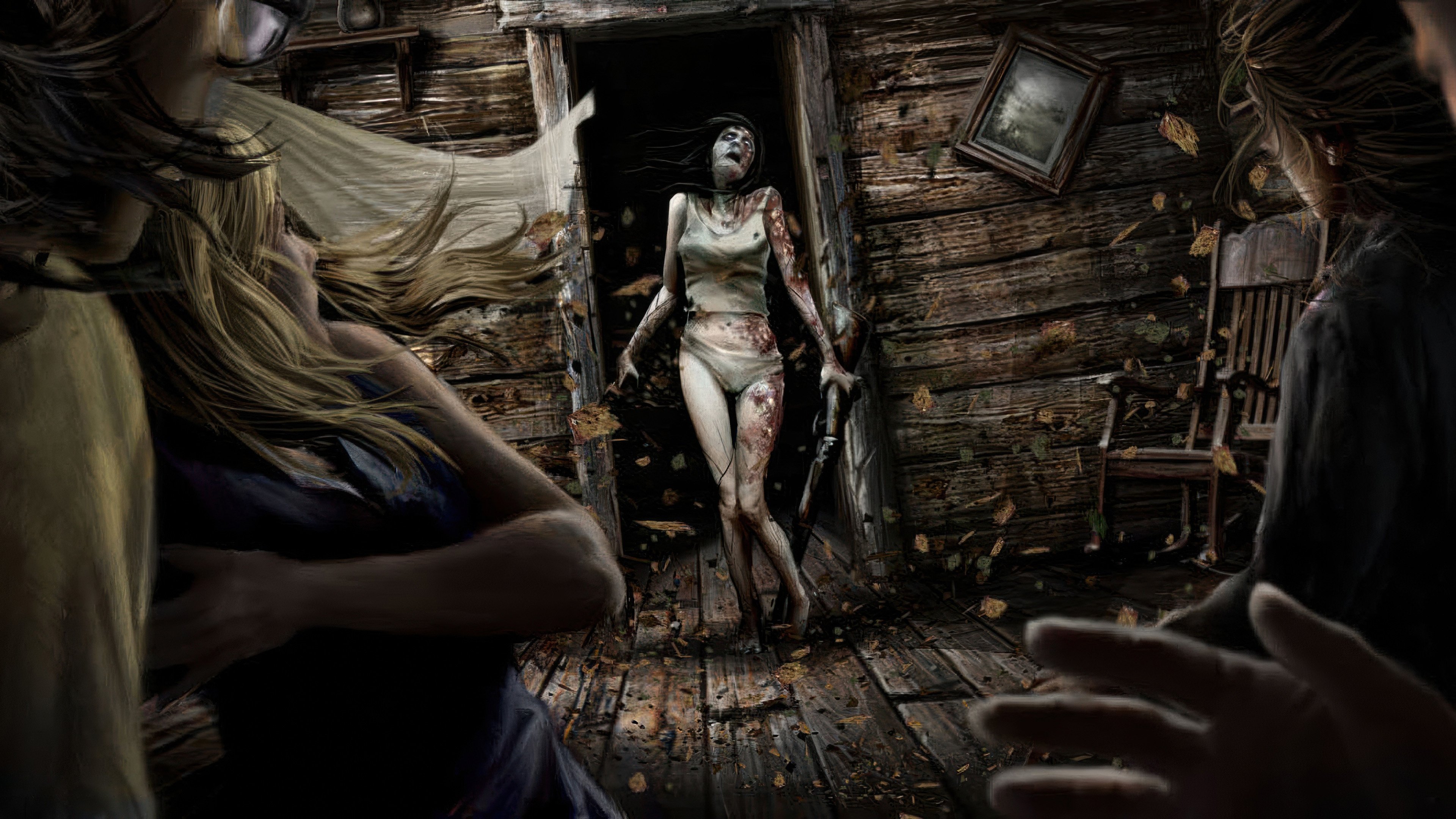
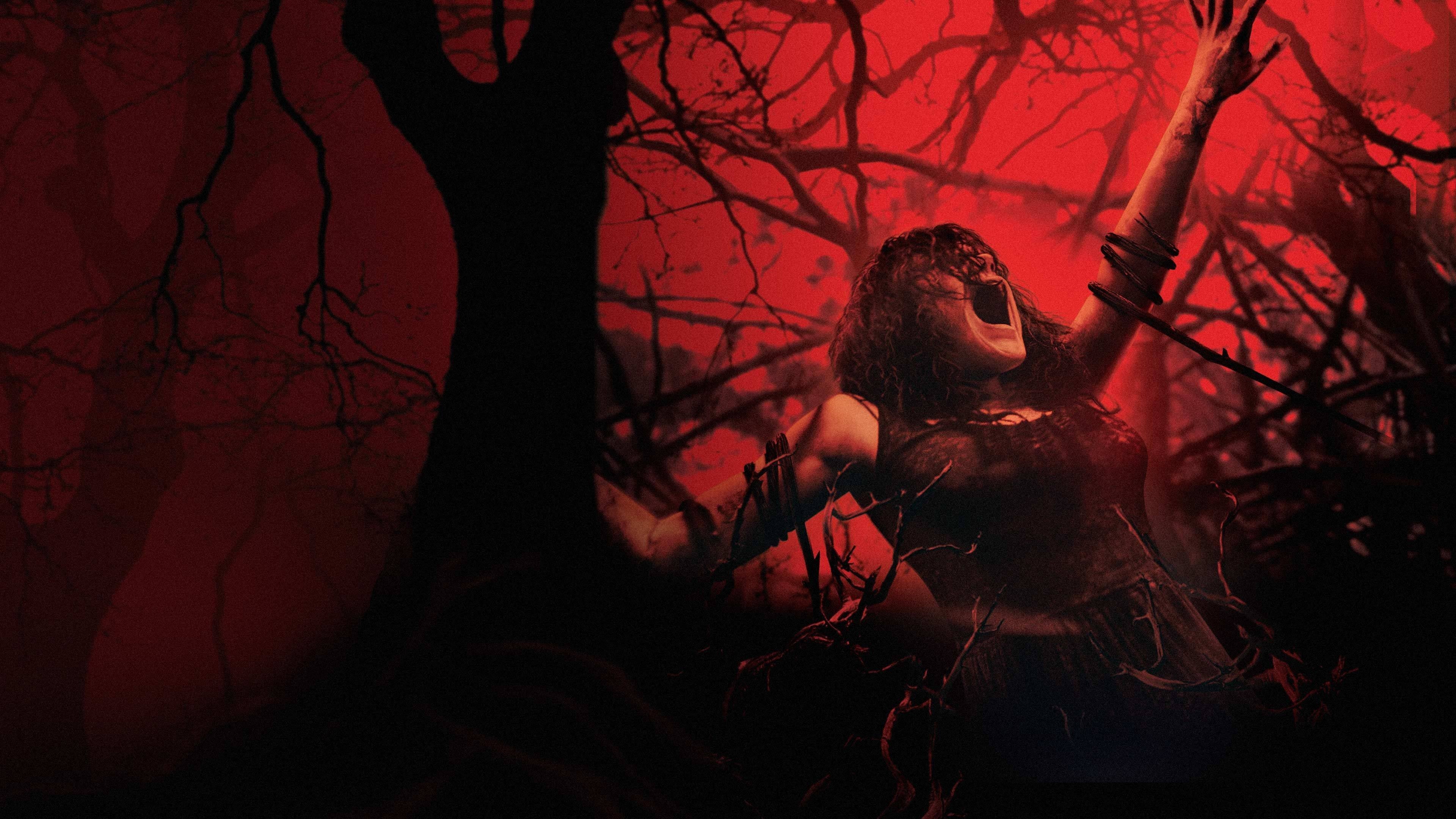
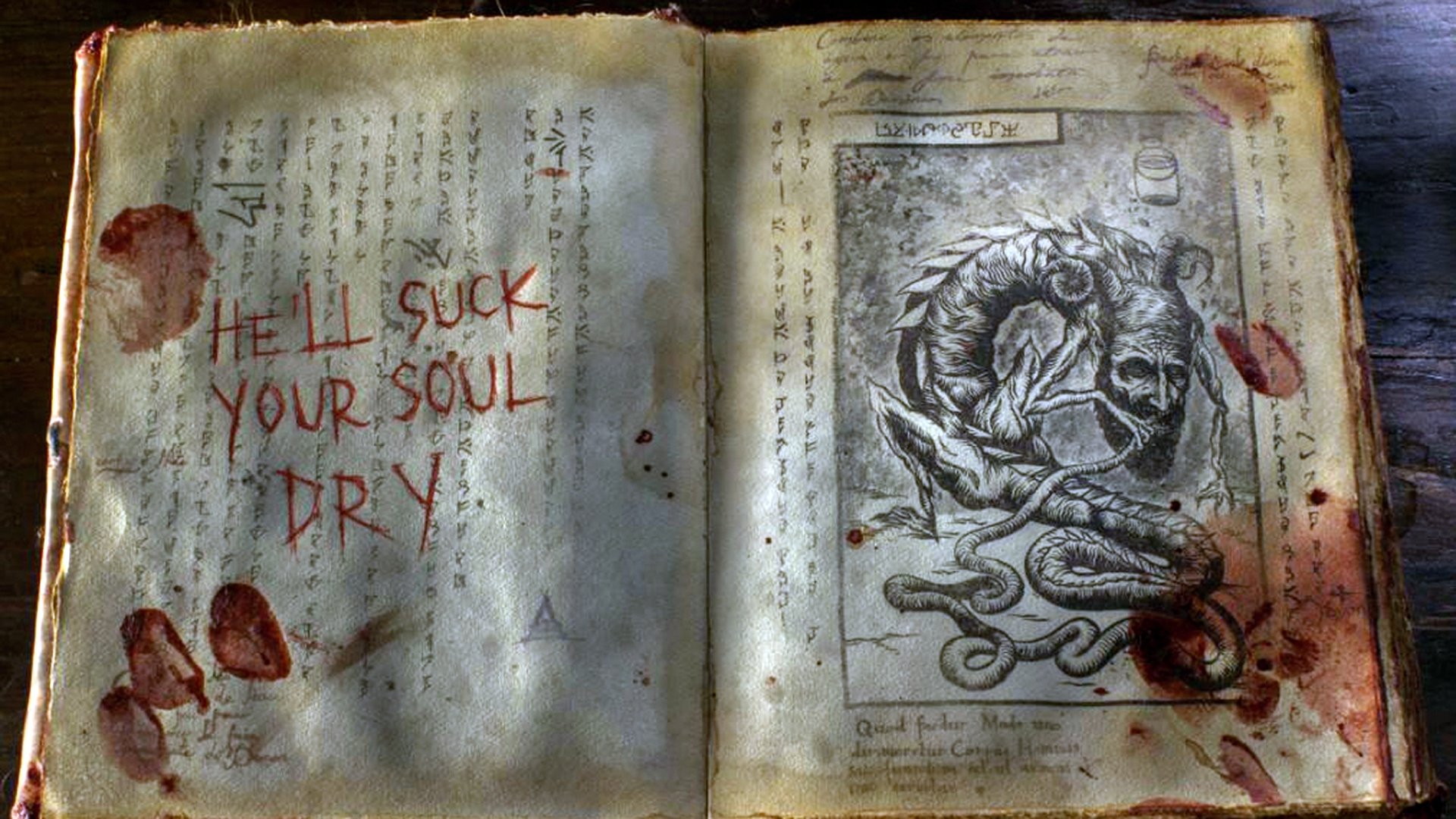
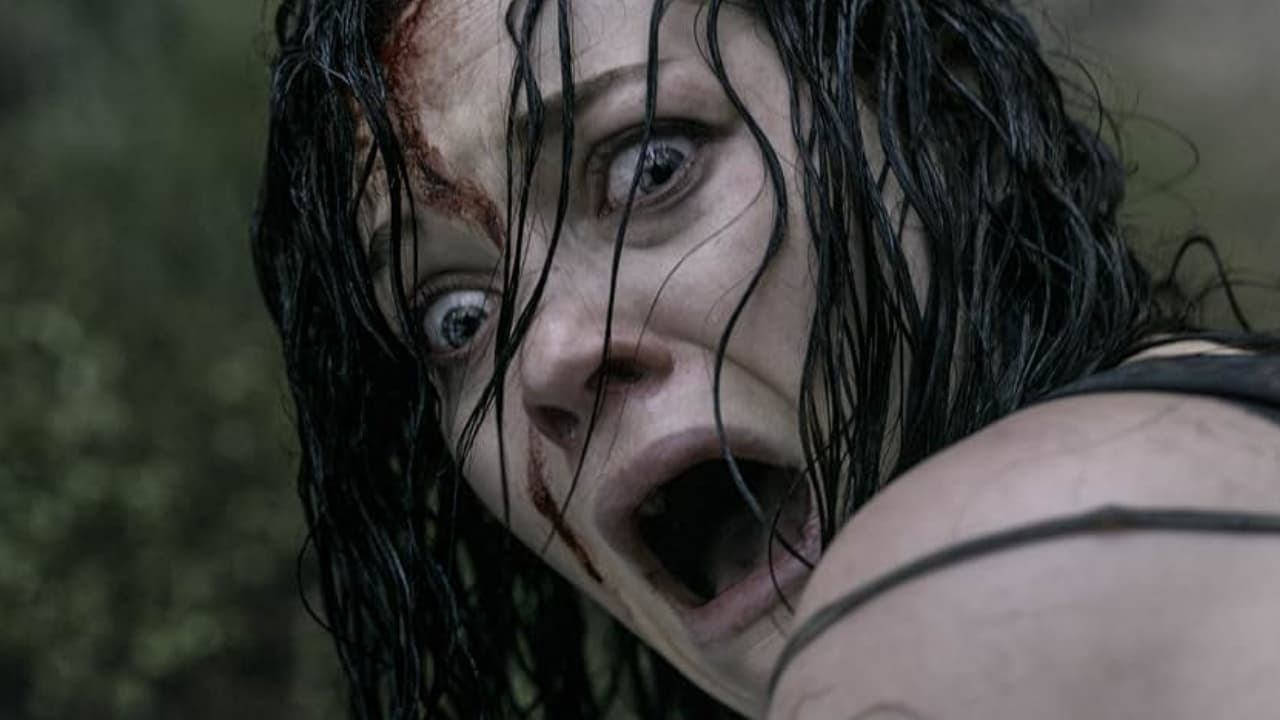
Mia travels to an isolated cabin with her brother David and several friends, hoping to endure withdrawal from drug addiction away from ordinary temptations. When someone discovers a book bound in disturbing material and reads its warnings aloud, the group awakens a violent supernatural presence. Mia's increasingly alarming behavior is initially difficult to separate from the symptoms that brought her there, allowing the danger to grow. As possession spreads and escape becomes uncertain, the friends face brutal attacks that test their loyalty and their ability to recognize who remains themselves.

Alternative Titles
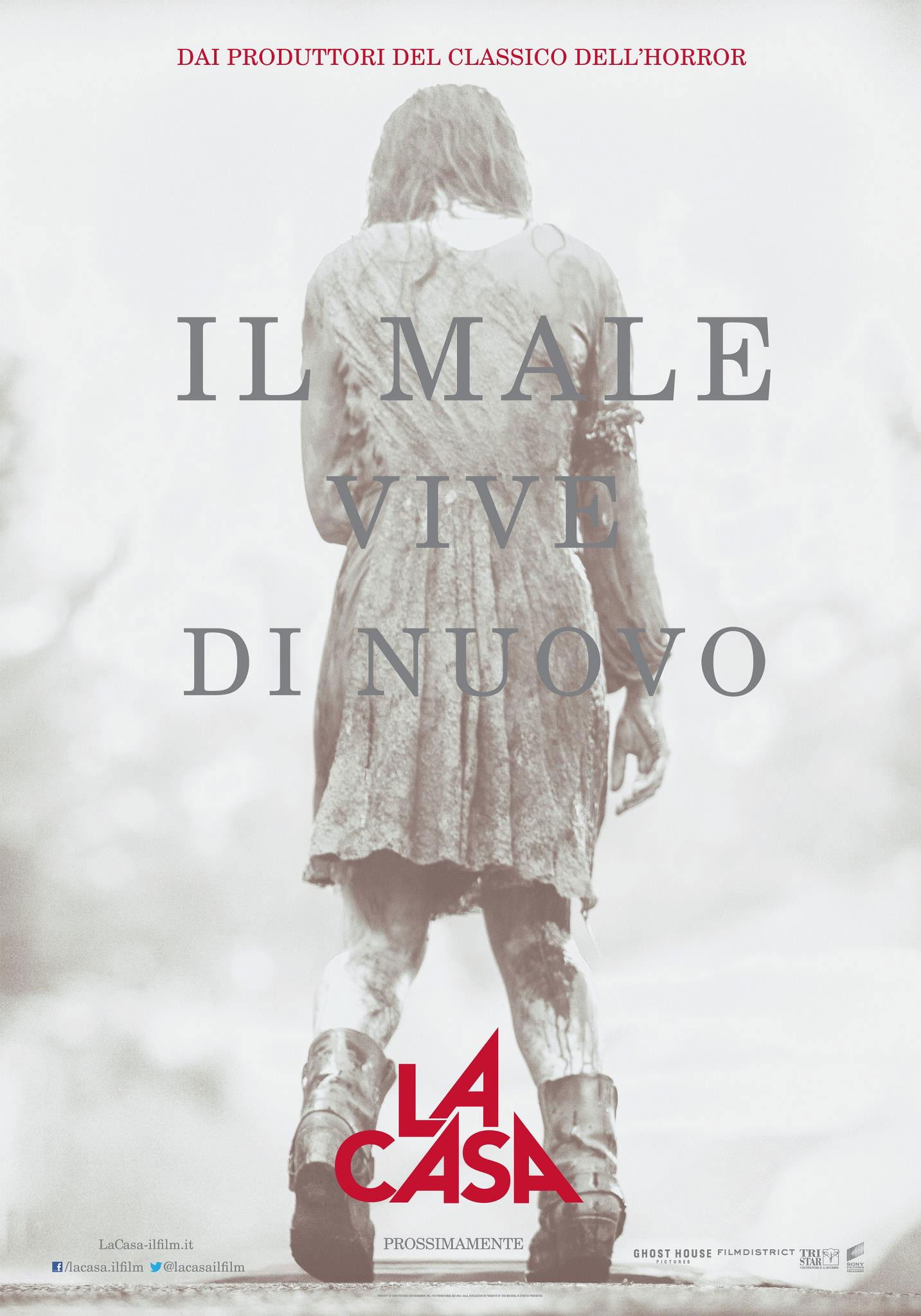
Злите мъртви (Bulgaria) — Bulgarian A Morte do Demônio (Brazil) L'Opéra de la terreur (Canada) — French 尸变 (China) 恶尸之咒 (China) — Netflix 鬼玩人 (China) — Chinese 鬼玩人4 (China) Lesní duch (Czechia) — Czech
Show all 39 alternative titles Posesión Infernal (Spain) Posesión infernal (Evil Dead) (Spain) — Spanish Possessió infernal (Spain) — Catalan L’opéra de la Terreur (Evil Dead) (France) — Prime Video Title Το Πρόσωπο του Κακού (Greece) — Greek 鬼玩人 (Hong Kong SAR China) — Chinese Gonosz halott (Hungary) — Hungarian מוות רצחני (Israel) — Hebrew ईविल डेड: मौत का साया (India) — Hindi La casa (Italy) — Italian 死霊のはらわた (Japan) — Japanese 이블 데드 (South Korea) — Korean 이블 데드 2013 (South Korea) 이블데드2013 (South Korea) Piktieji numireliai (Lithuania) Ļaunie miroņi (Latvia) — Latvian Posesión Infernal (Mexico) — Spanish Martwe zło (Poland) — Polish A Noite dos Mortos-Vivos (Portugal) Cartea mortilor (Romania) — Romanian Зла смрт (Serbia) — Serbian Зловещие мертвецы 4 (Russia) Зловещие мертвецы: Чёрная книга (Russia) — Russian الشر المميت (Saudi Arabia) — Arabic Zlobni mrtveci (Slovenia) Lesný duch (Slovakia) — Slovak ผีอมตะ (Thailand) — Thai Kötü Ruh (Türkiye) — Turkish 屍變 (Taiwan) — Chinese Зловісні мерці (Ukraine) — Ukrainian Ma Cây (Vietnam) — Vietnamese

Trailers & Videos

10 videos

Film Guide & Analysis

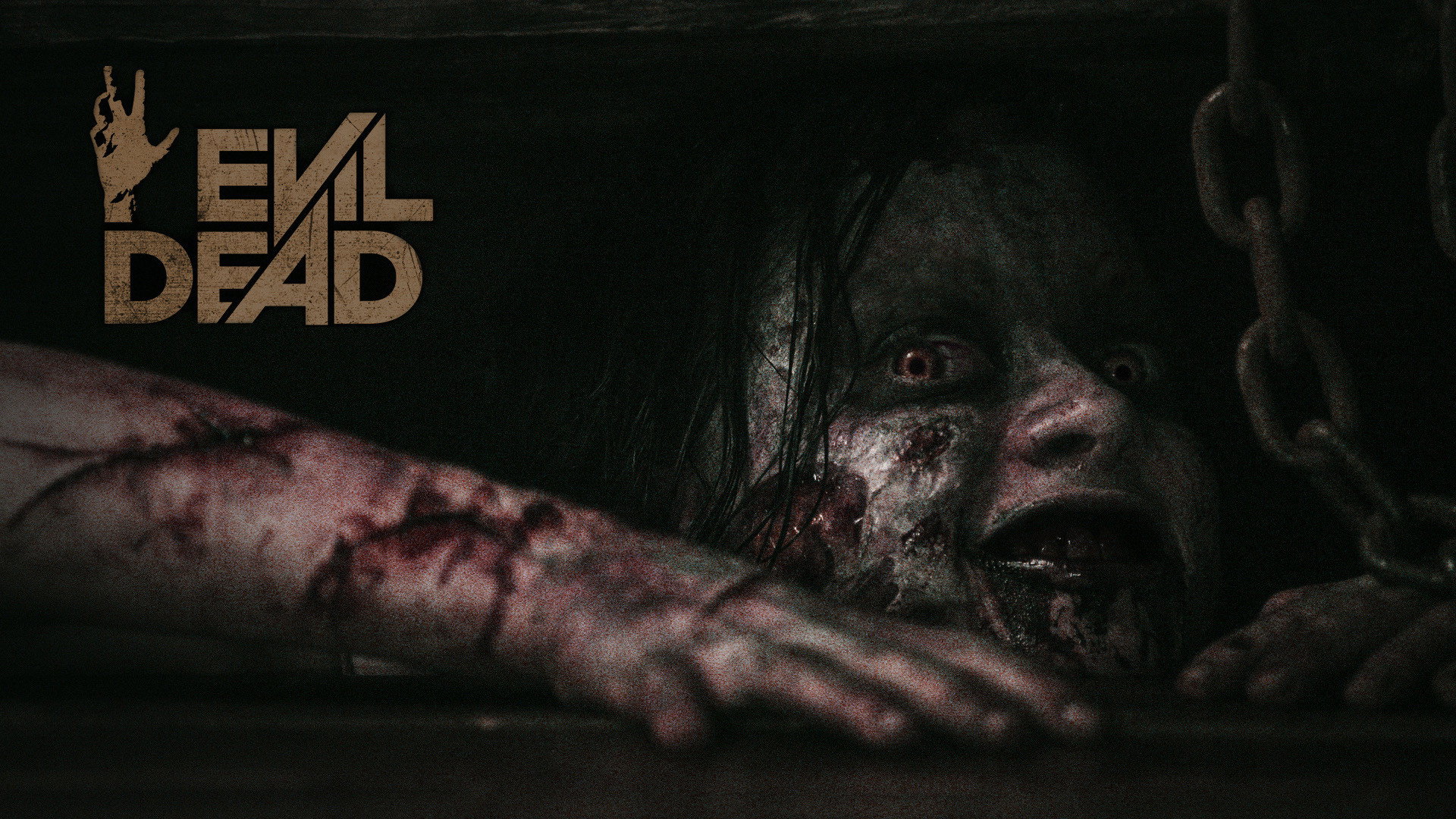
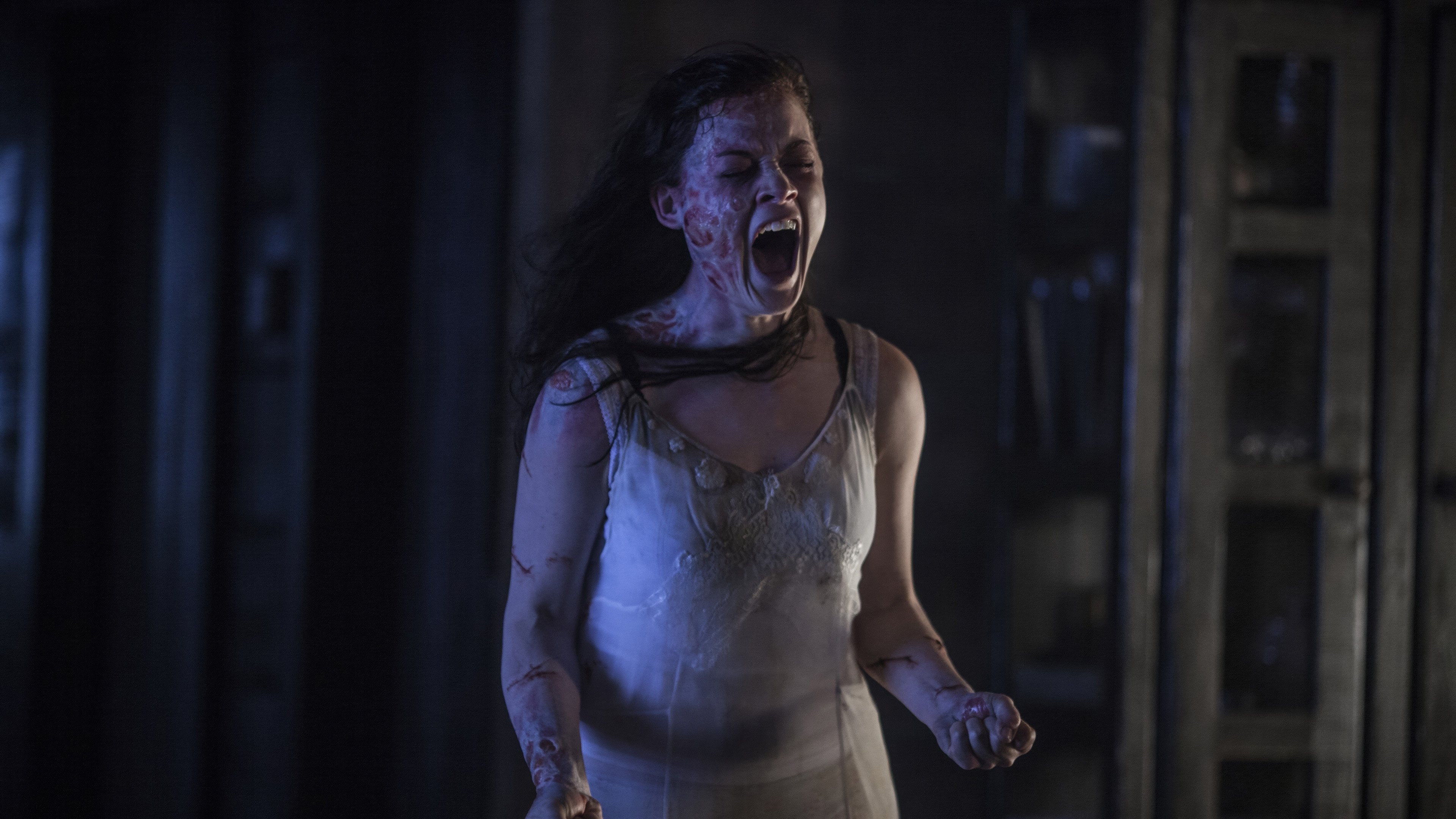
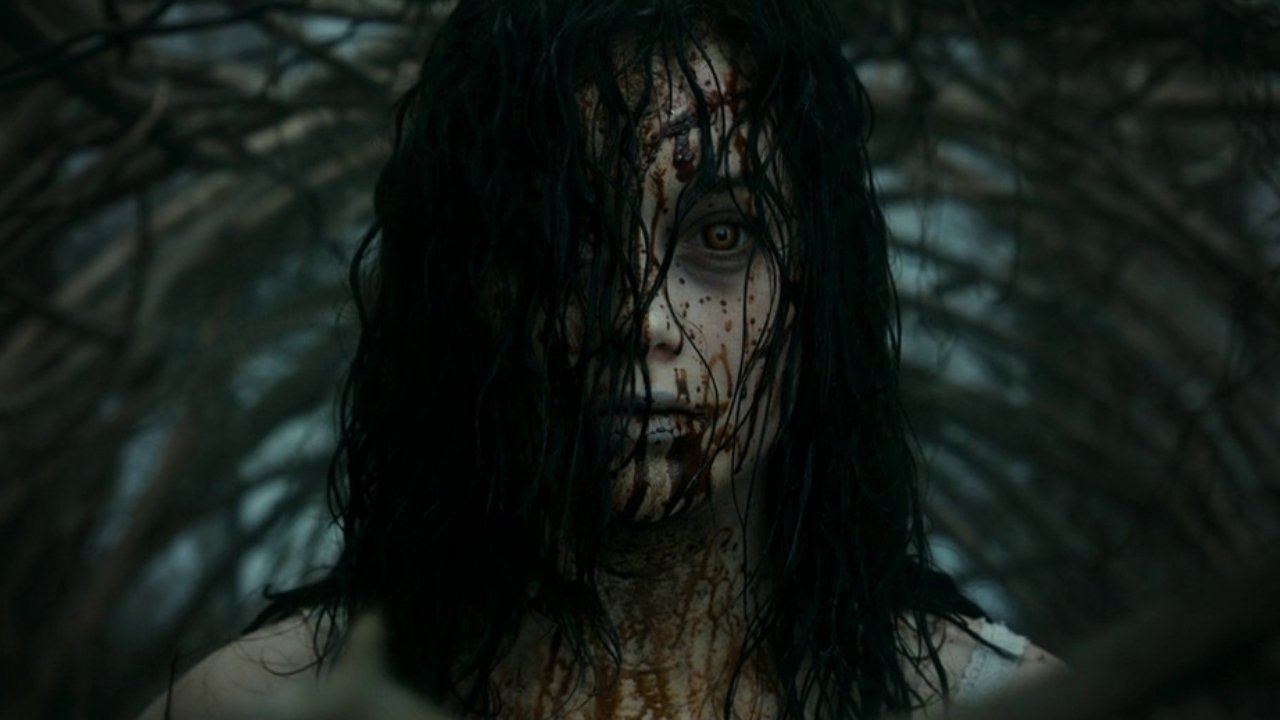
Fede Álvarez rebuilt Evil Dead as an intensely physical modern horror film, combining Sony F65 digital cinematography with movable sets, elaborate prosthetics, mechanical gore and a finale drenched in practical blood rather than treating the franchise as a vehicle for computer-generated spectacle.

Evil Dead arrived in 2013 carrying one of the more difficult assignments in modern horror: return to the cabin, the Book of the Dead and demonic possession without simply reproducing Sam Raimi's 1981 film or replacing Bruce Campbell with another version of Ash Williams. Fede Álvarez and co-writer Rodo Sayagues instead rebuilt the basic situation around Mia, a young woman attempting to overcome drug addiction with the help of her brother and friends. Her withdrawal provides a practical reason for the group to remain at the cabin even after she begins describing impossible experiences, while the absence of Ash allows the narrative to develop toward a different survivor rather than continually competing with one of horror cinema's most recognizable characters.

The production is especially notable for the way contemporary digital cinema technology was combined with an aggressively physical effects philosophy. Álvarez came from a visual-effects background and therefore understood what digital tools could accomplish, yet deliberately resisted using computer-generated imagery as the foundation of the film's wounds, transformations and creature interactions. Aaron Morton photographed the production digitally with Sony F65 cameras, Robert Gillies constructed practical environments capable of physically changing around the camera, and Roger Murray's prosthetics department built bodies, limbs and Deadite transformations that performers could interact with directly. The contradiction is central to the film's technical identity: Evil Dead uses some of the most advanced digital acquisition technology available at the time while trying to preserve the tactile instability and in-camera violence associated with much older horror filmmaking.

Development and Reimagining the Cabin

Álvarez entered the project through an unusual route. His short film Panic Attack!, created in Uruguay and circulated online, attracted international attention and led to meetings in Hollywood, including with Sam Raimi and Rob Tapert. Ghost House initially developed a feature project derived from the short, but when that process stalled Raimi suggested Evil Dead instead. Álvarez and his longtime writing partner Rodo Sayagues prepared a new approach built around the original premise while deliberately eliminating the need to recast Ash. Bruce Campbell, Raimi and Tapert remained producers, but all three described giving the new director considerable freedom once the film entered production.

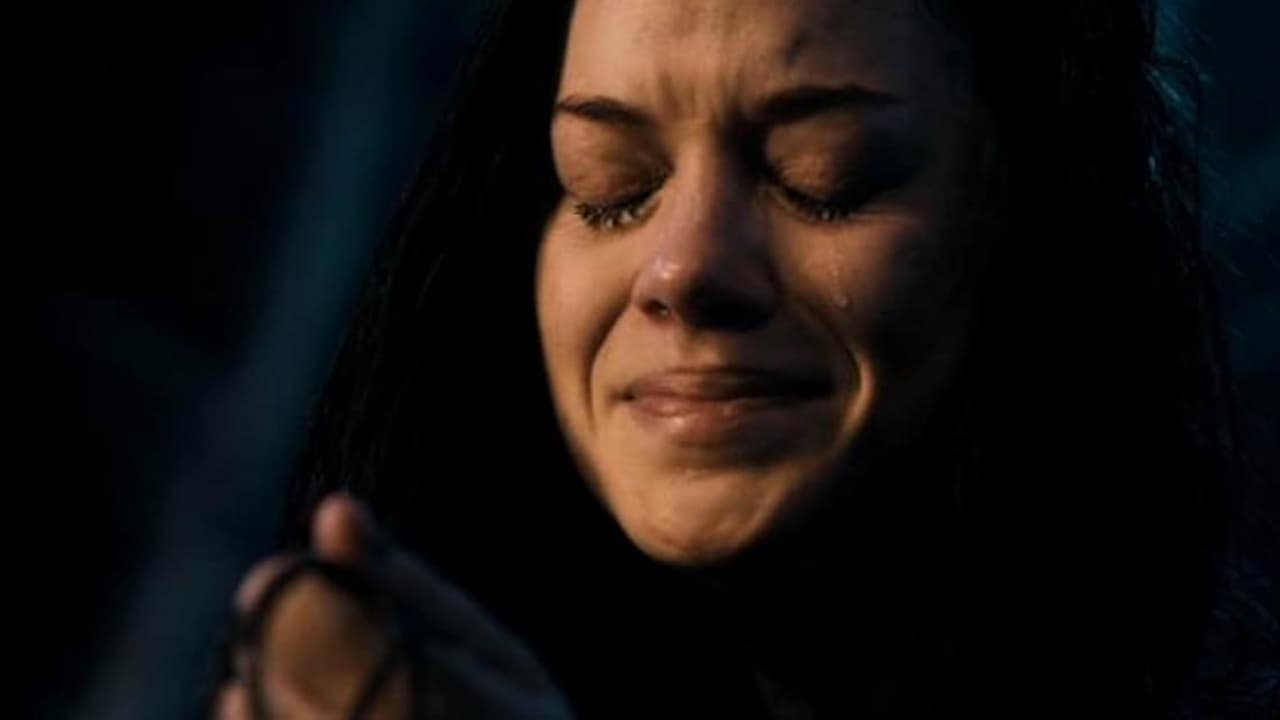
The most important narrative alteration was the reason for going to the cabin. Álvarez considered the original idea of young people simply traveling into the woods to drink and socialize too easy to parody after decades of cabin horror. Mia's attempt to stop using drugs provides the group with a serious purpose and also delays recognition of the supernatural threat. Her friends have already committed themselves to ignoring pleas to leave because withdrawal is expected to make her desperate, frightened and physically ill. The film therefore transforms a familiar horror convention into a dramatic mechanism: the characters initially have a rational explanation for exactly the behavior that should be warning them to escape.

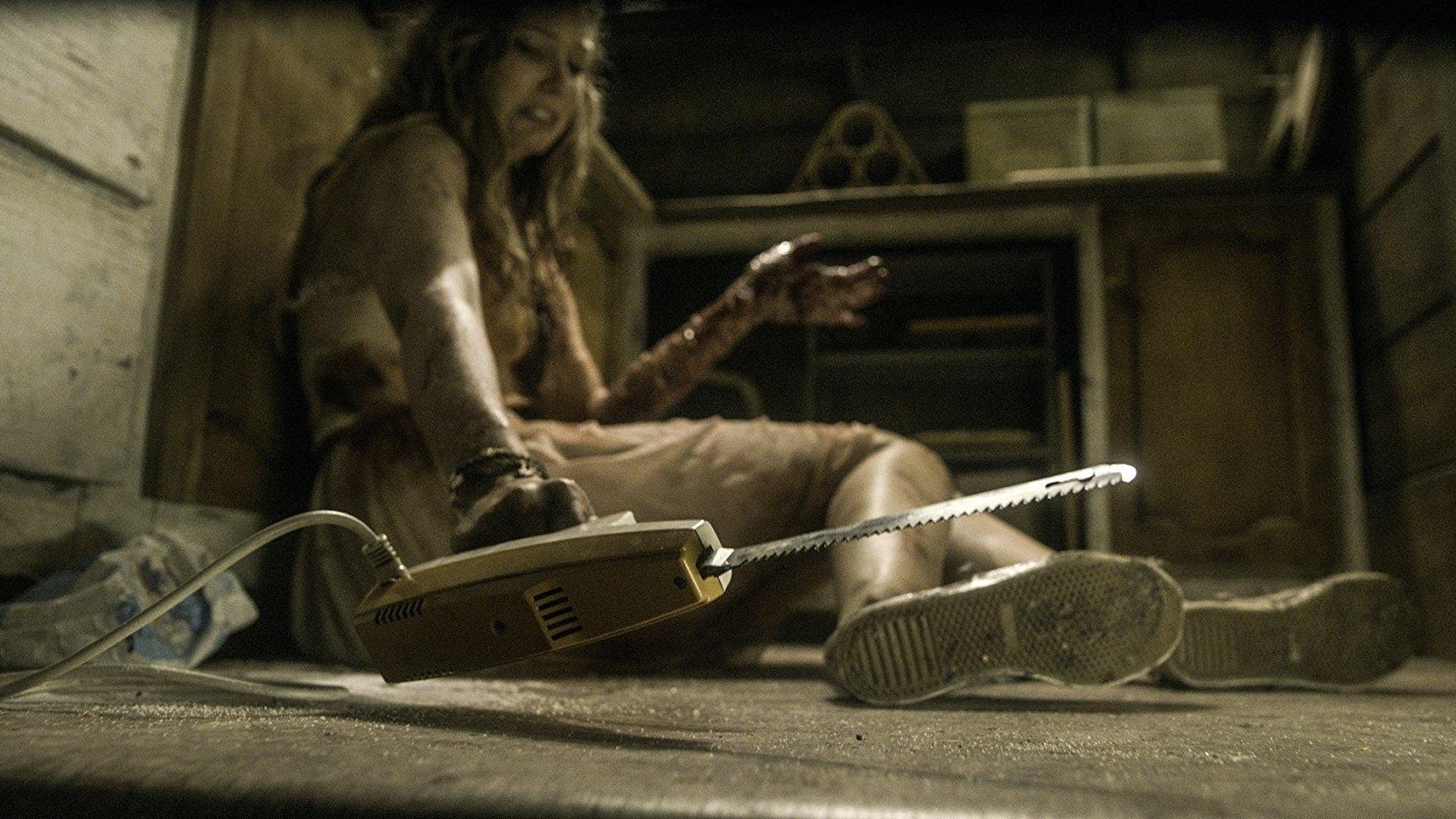
Raimi described the new film as another telling of the same campfire story rather than an attempt to erase the original. That philosophy explains why recognizable objects and visual ideas remain while characters and narrative emphasis change. The cabin, basement, demonic book, possessed friends, forest pursuit and chainsaw all return, but they are rearranged around a different protagonist and a far more solemn tone. Álvarez largely removes the overt slapstick that had become increasingly important in Evil Dead II and Army of Darkness and instead drives the film toward physical ordeal and sustained possession horror.
New Zealand and the Engineered Cabin

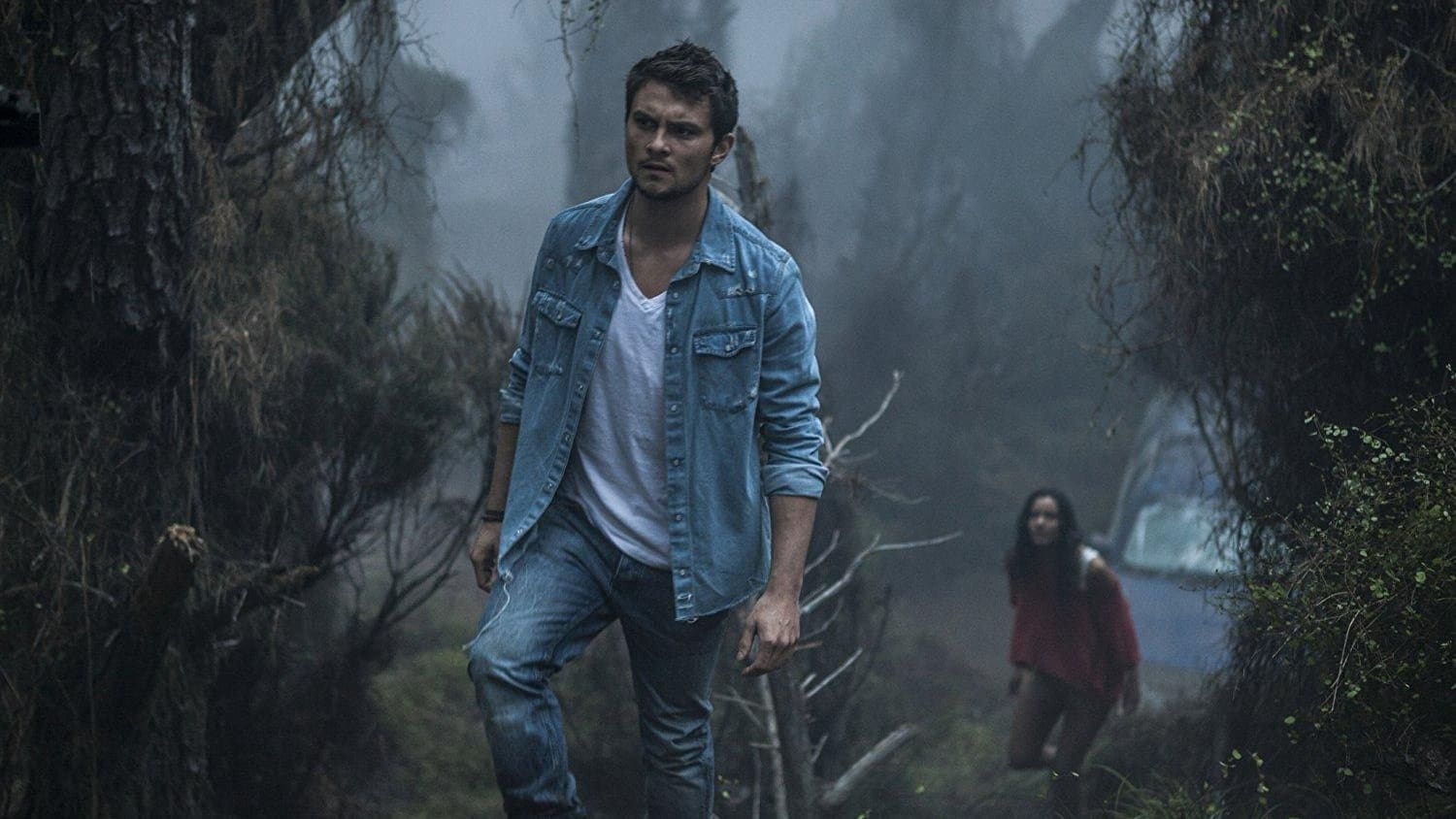
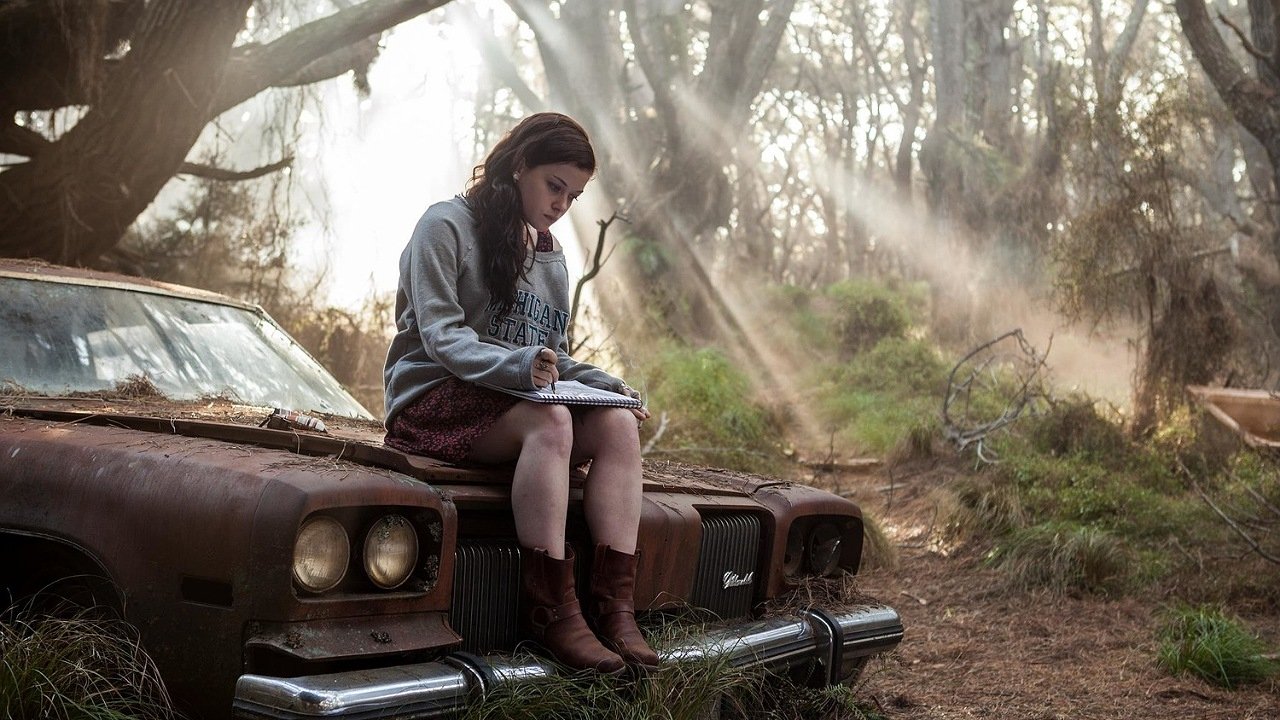
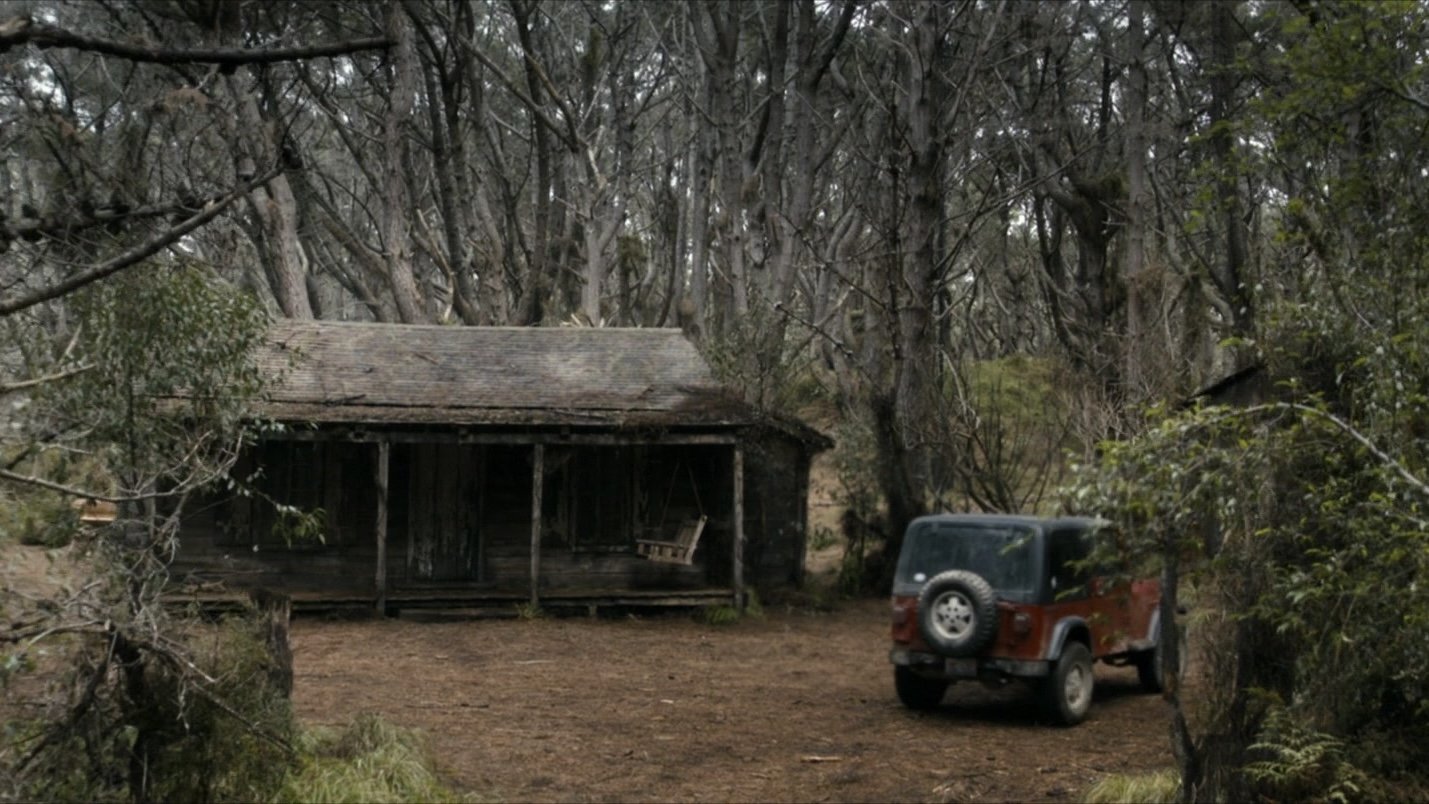
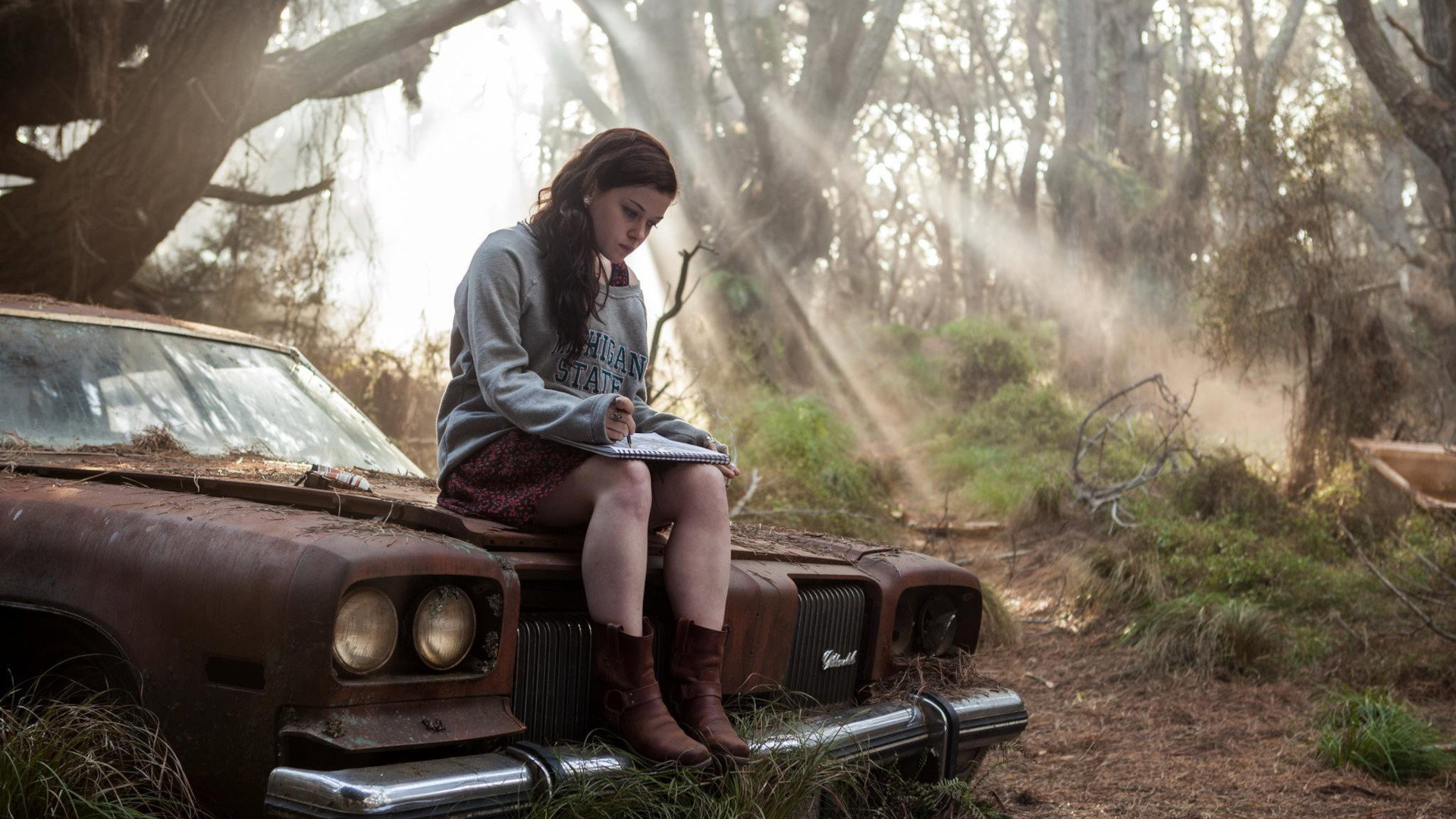
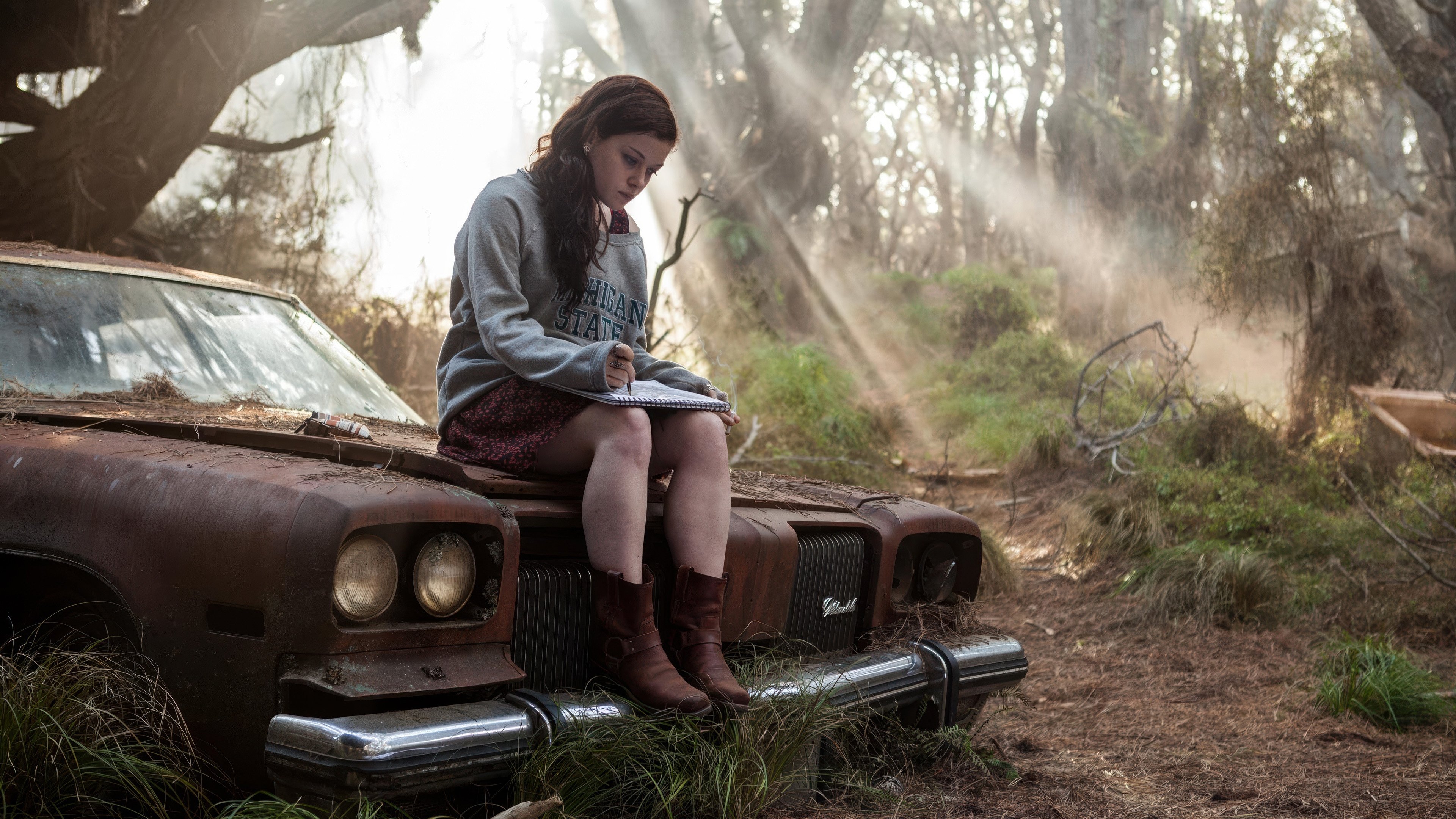
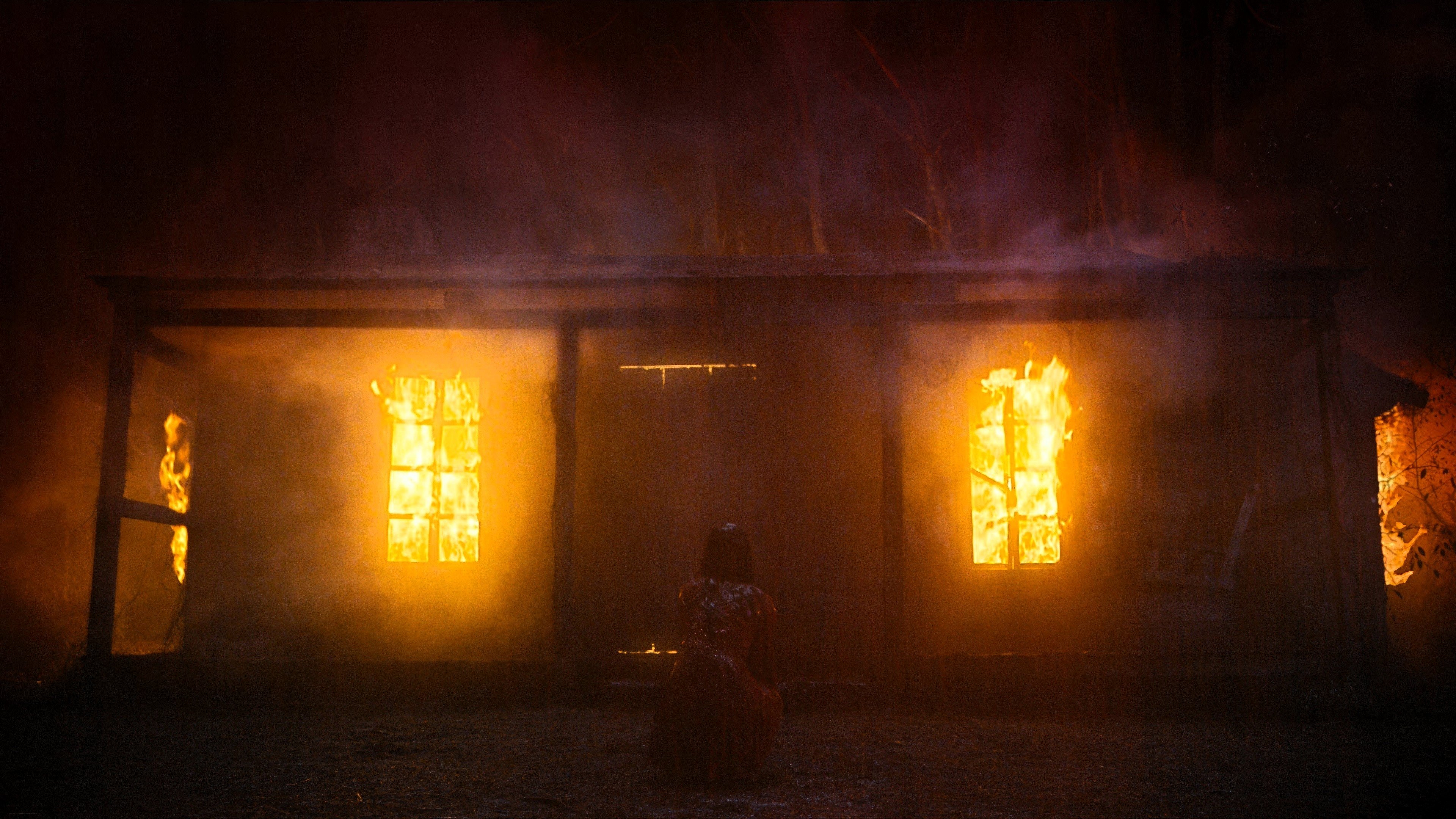
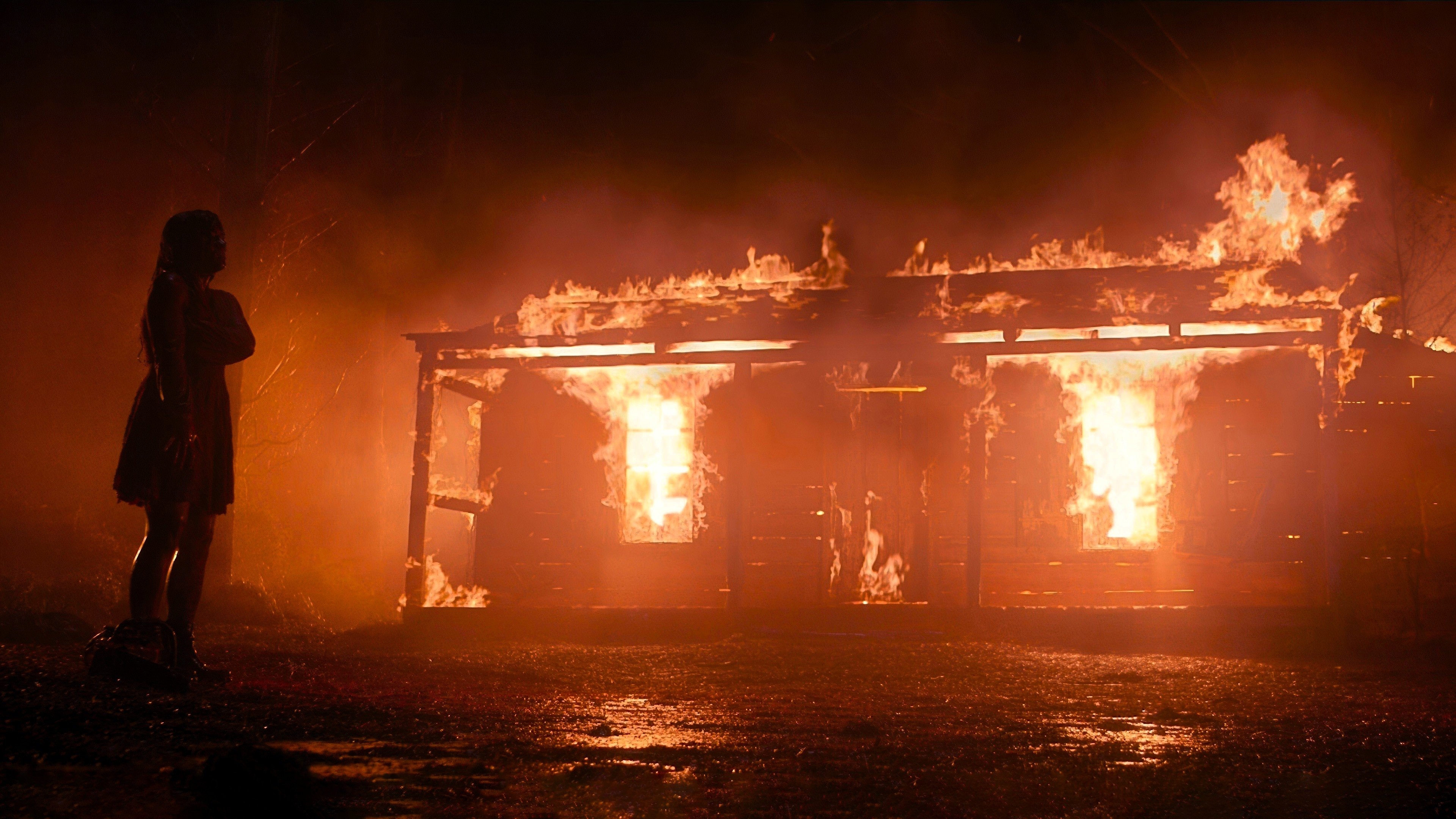
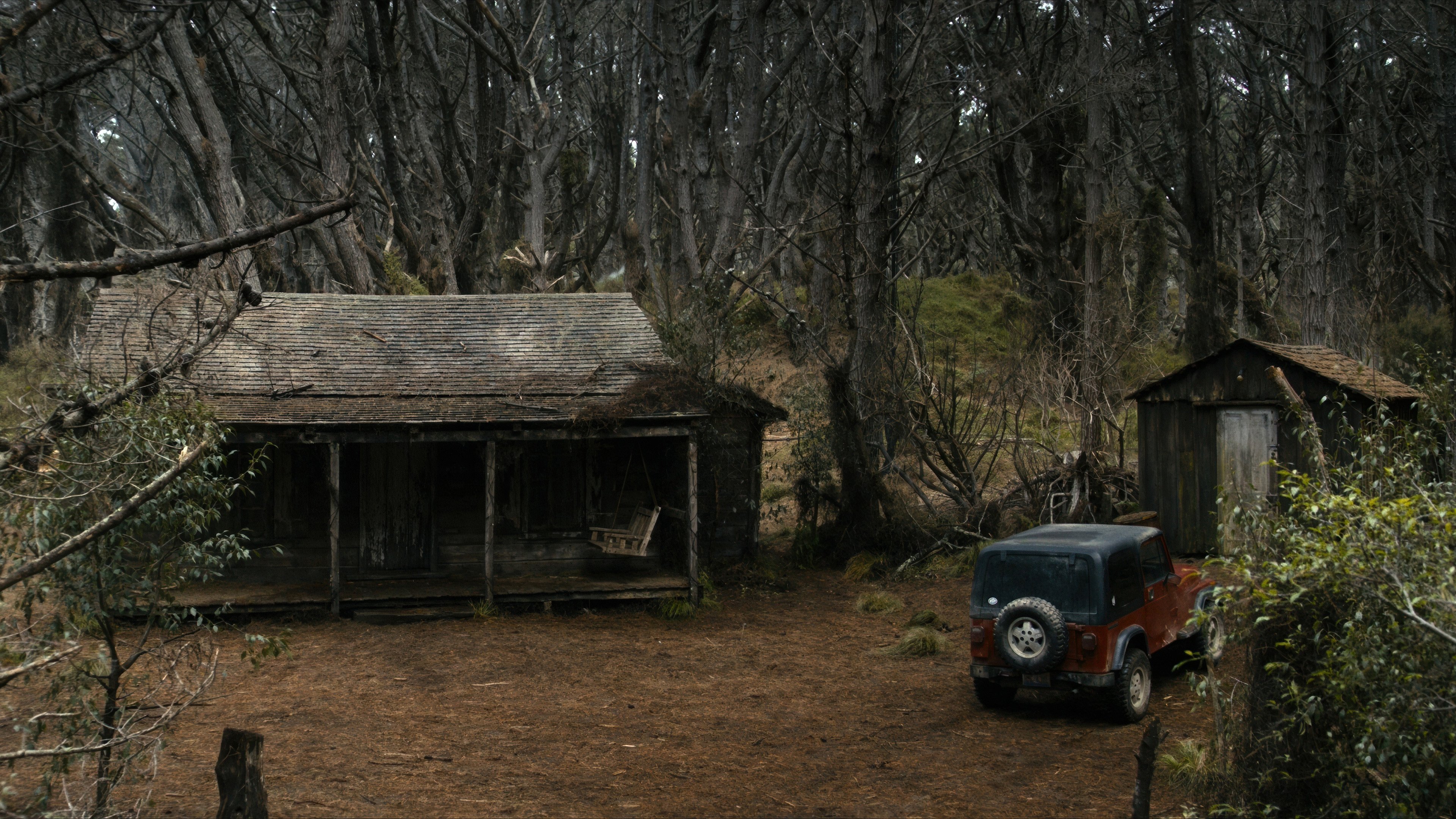
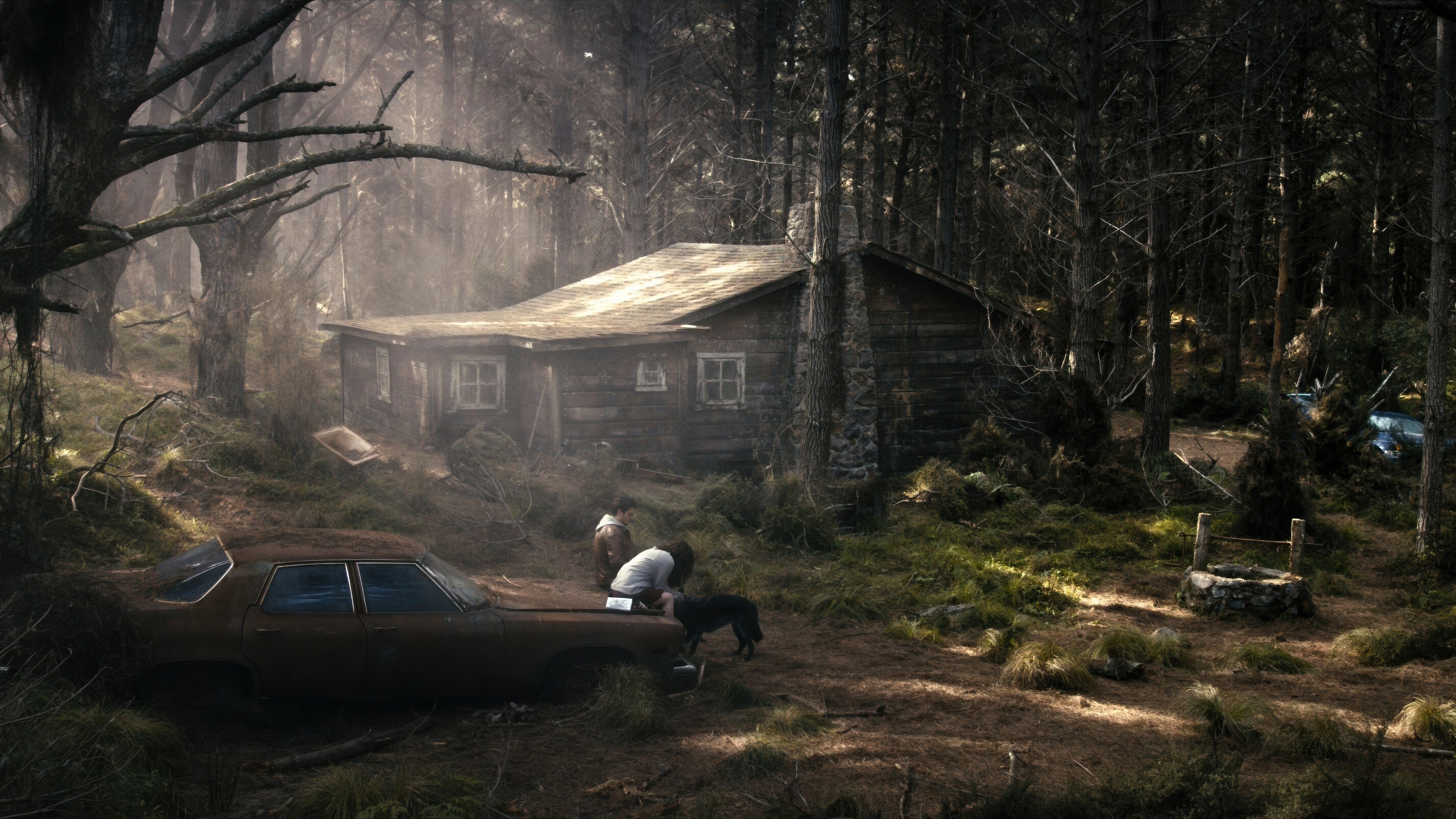
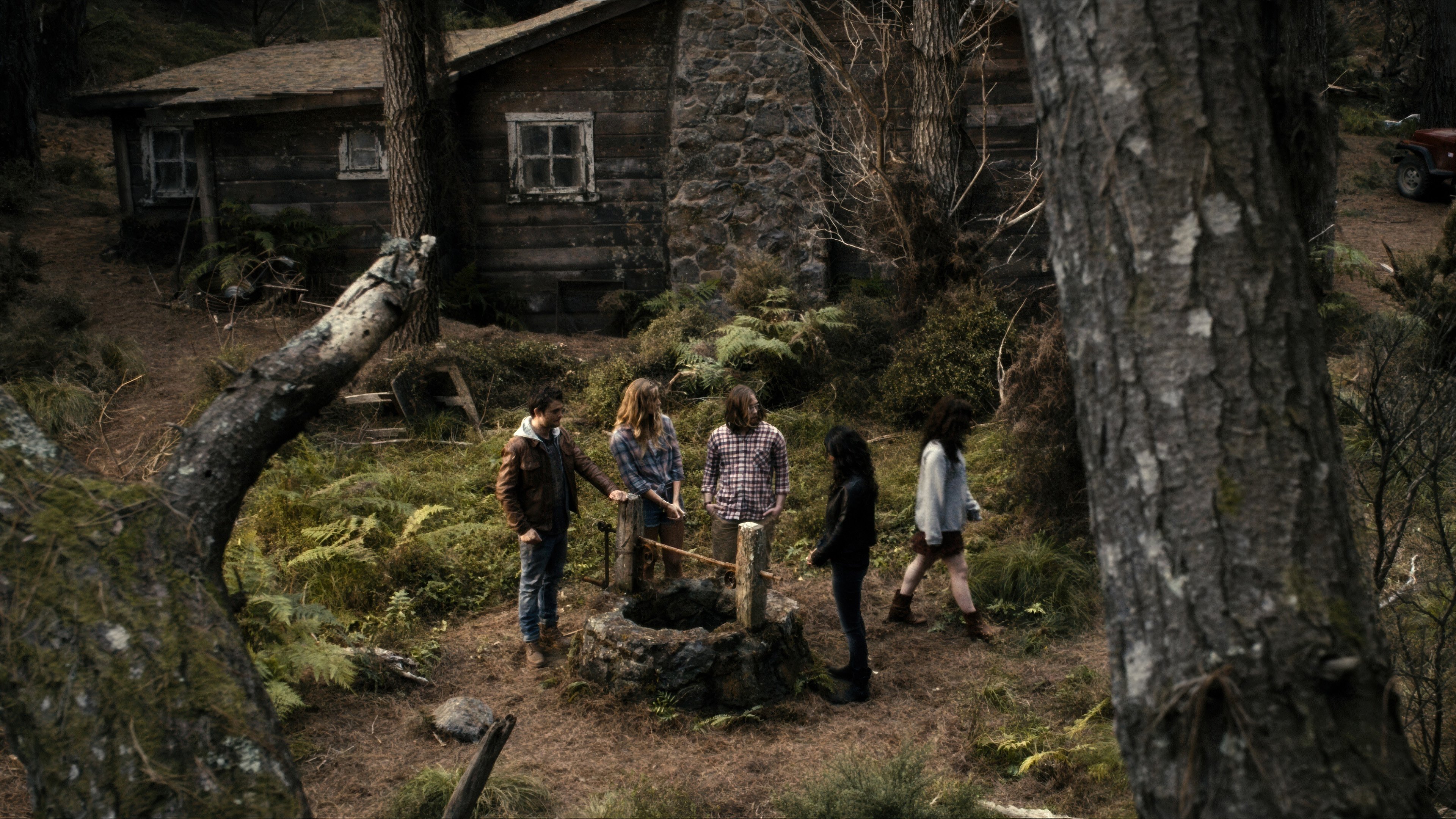
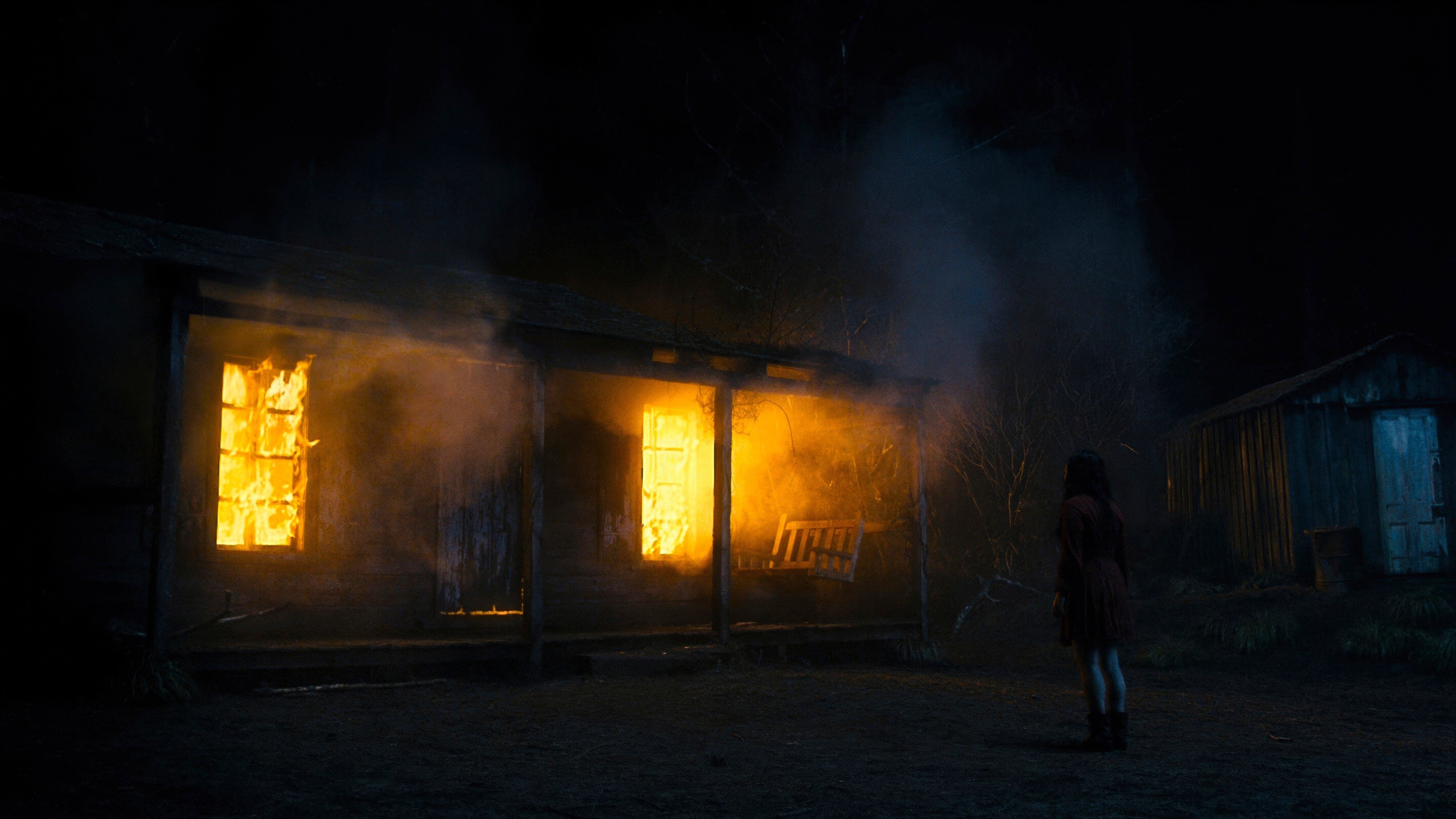
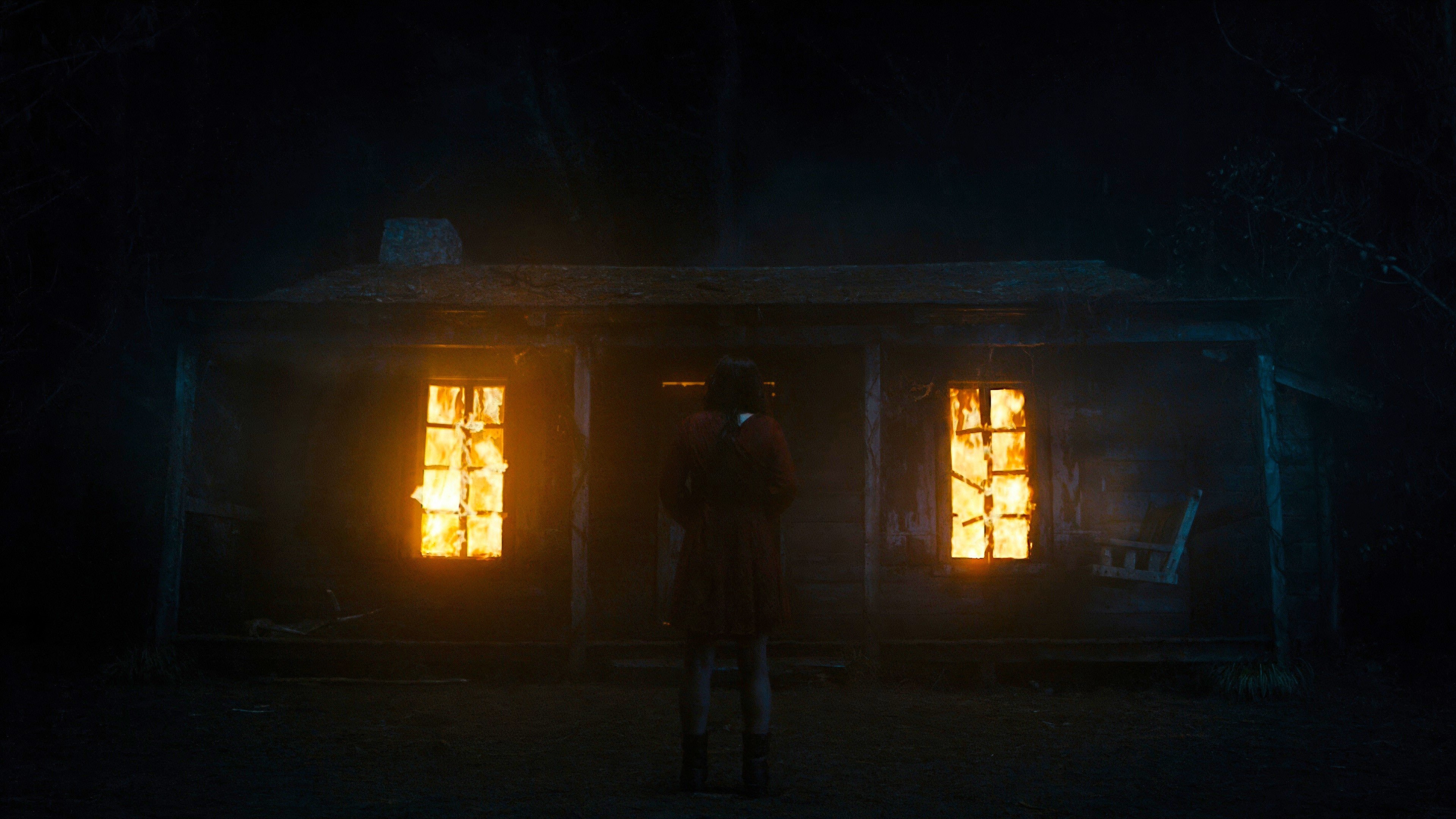
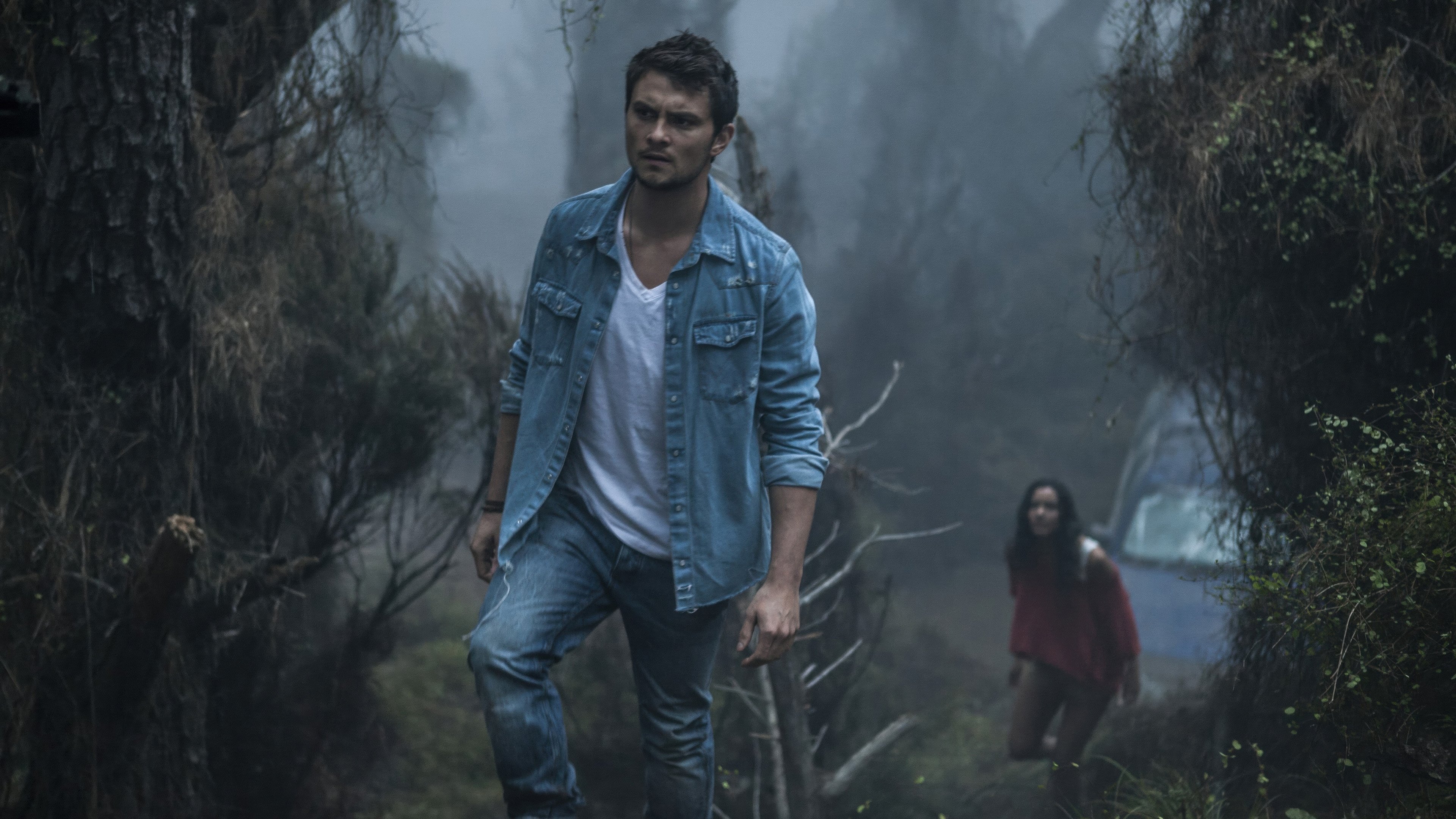
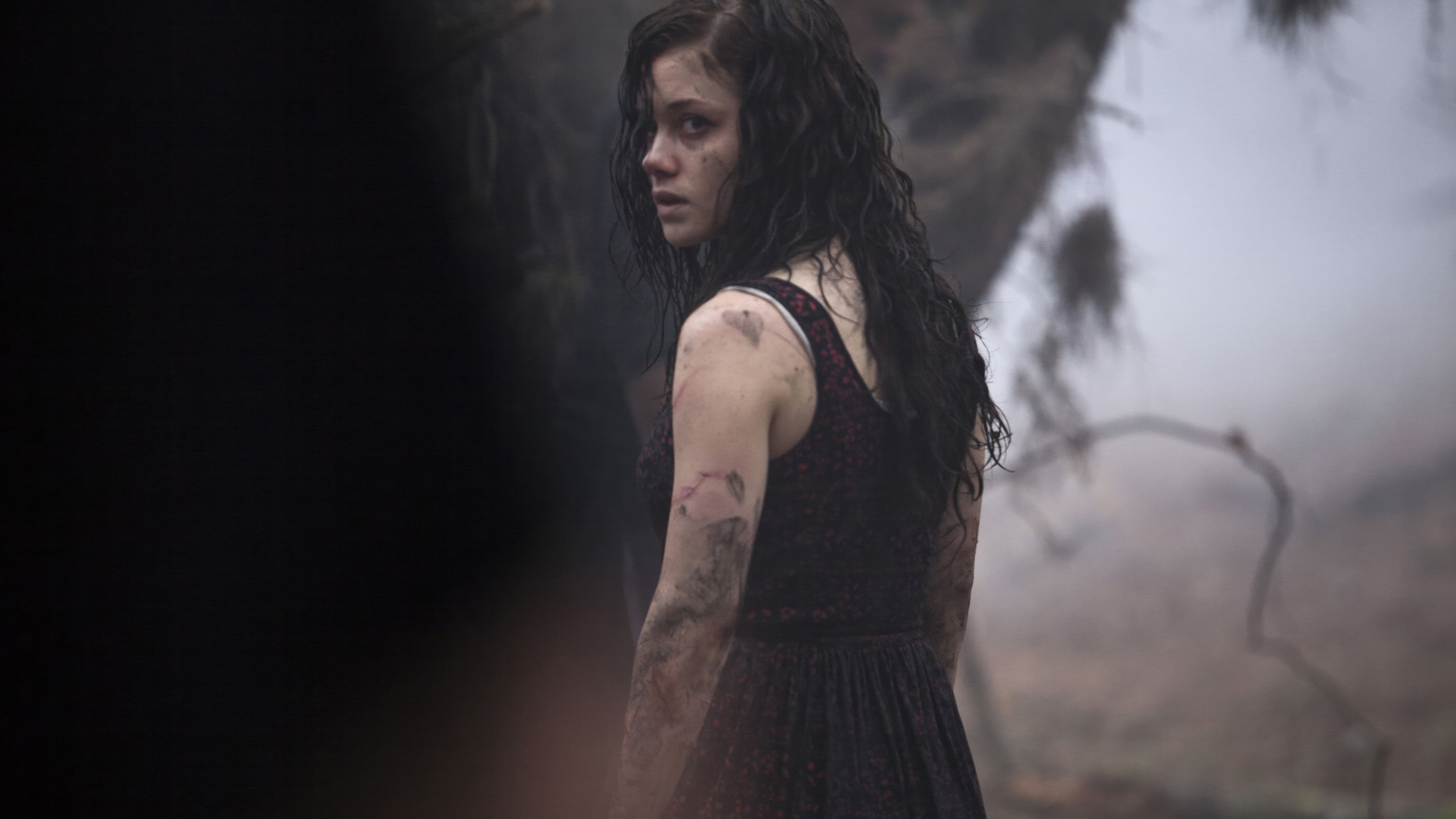
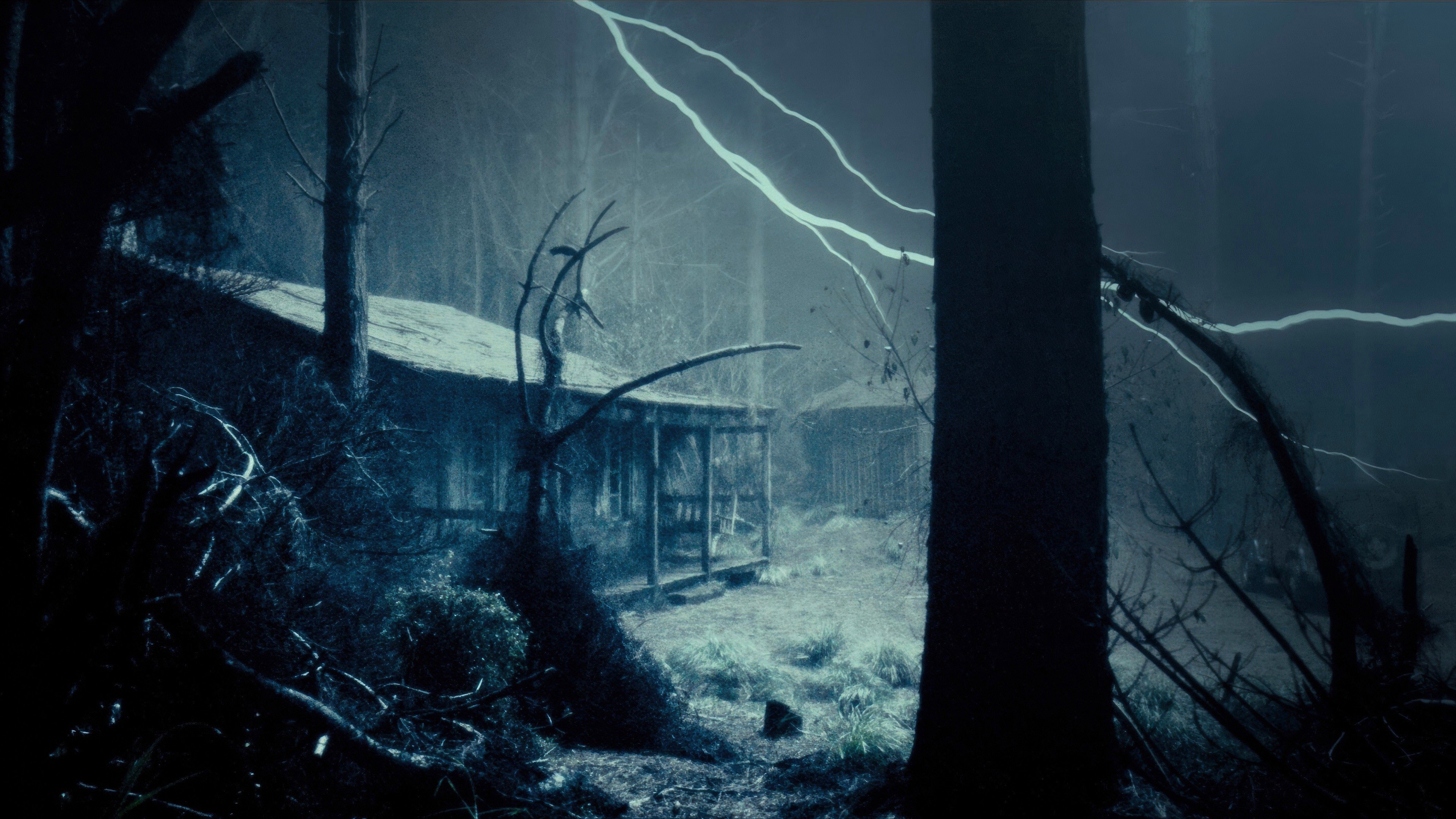
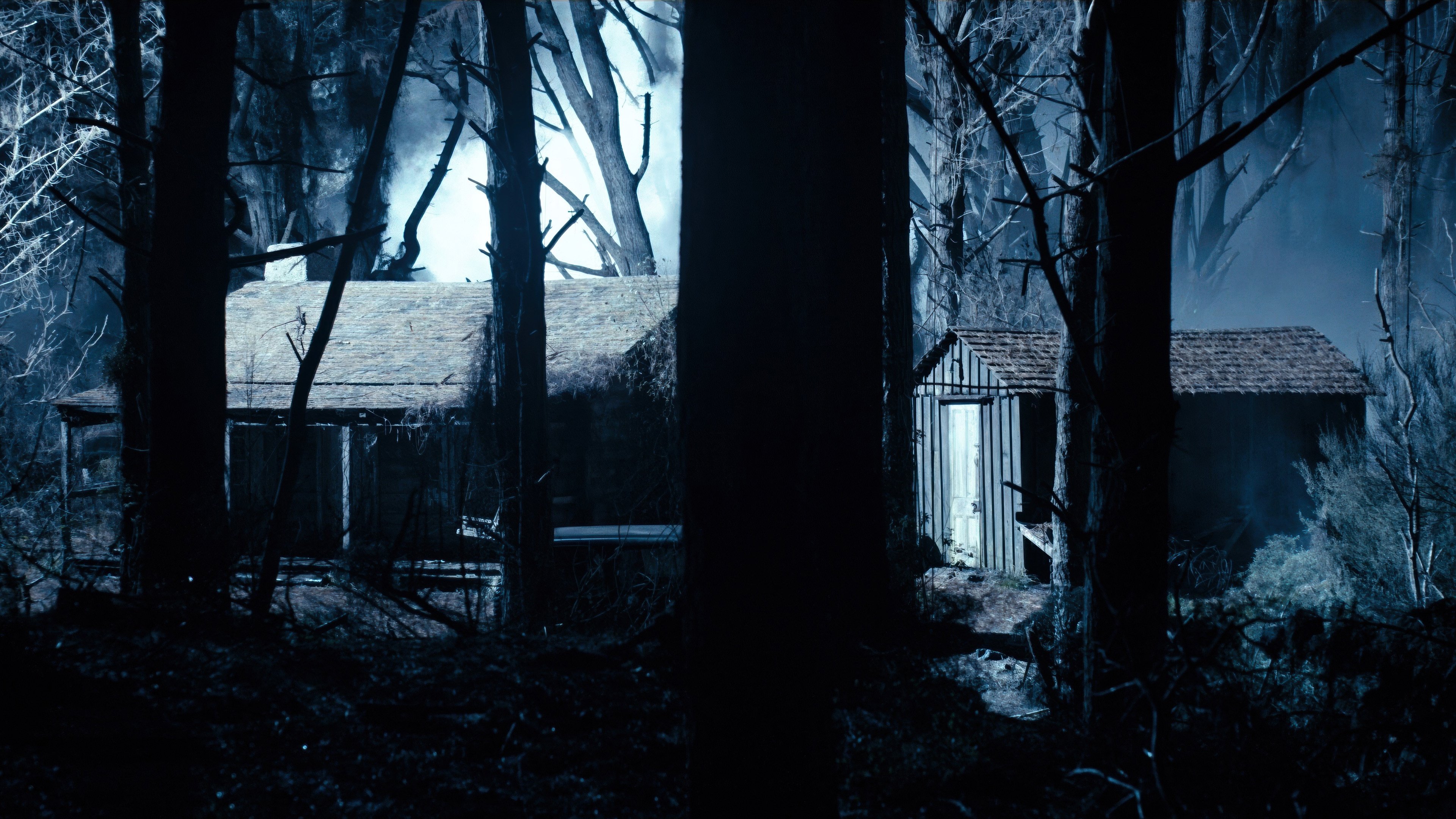
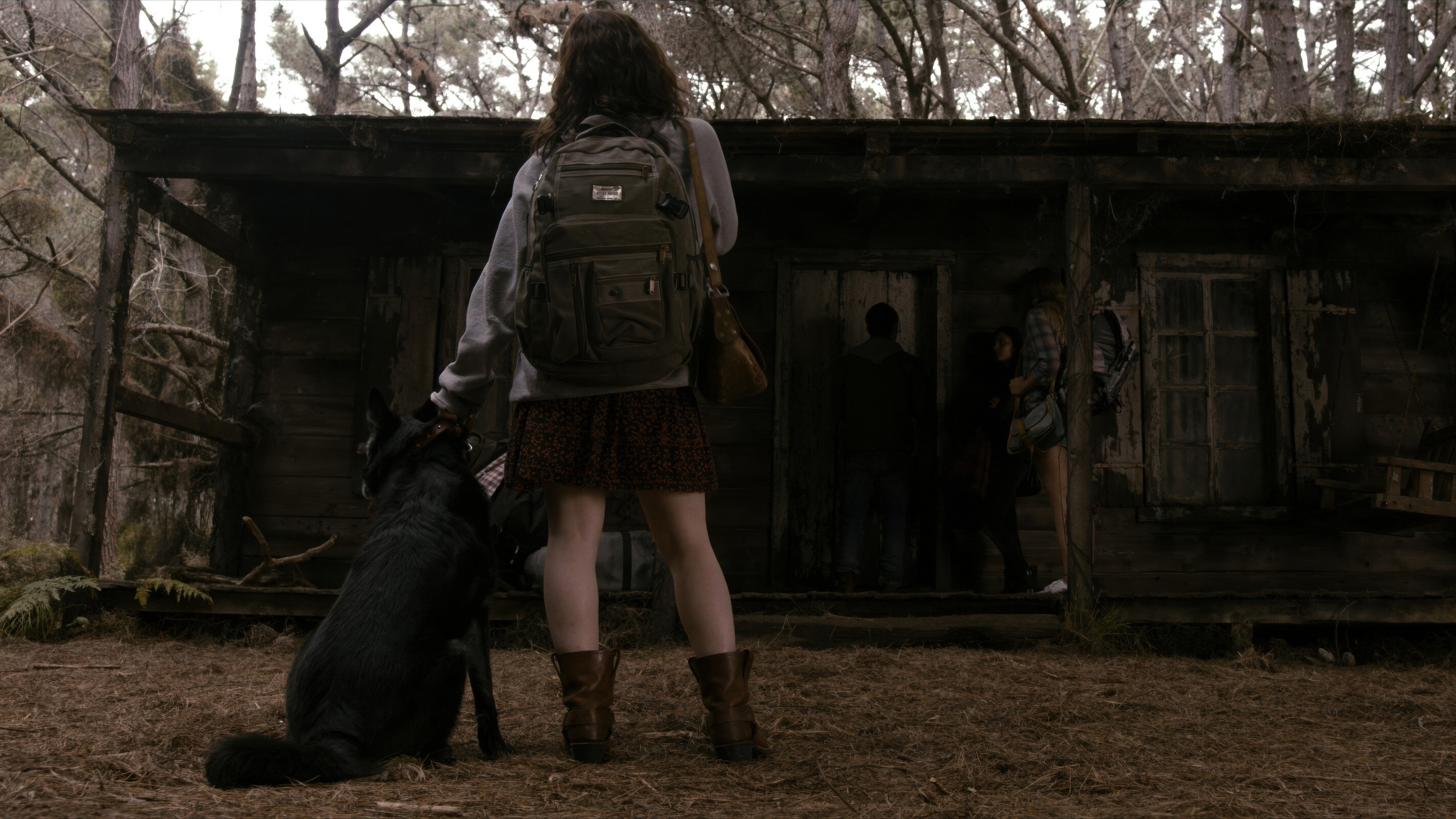
Most of the production was mounted in New Zealand, where producer Rob Tapert already had extensive working relationships through television productions including Hercules, Xena: Warrior Princess and Spartacus. Raimi later explained that Tapert's familiarity with local crews and locations made the country a logical base. Forest areas outside Auckland supplied the exterior environment, and the filmmakers committed to constructing a real cabin in the woods rather than photographing the exterior exclusively on a stage. Jane Levy recalled that the location was roughly an hour outside Auckland, giving the actors an actual forest environment for many exterior sequences.

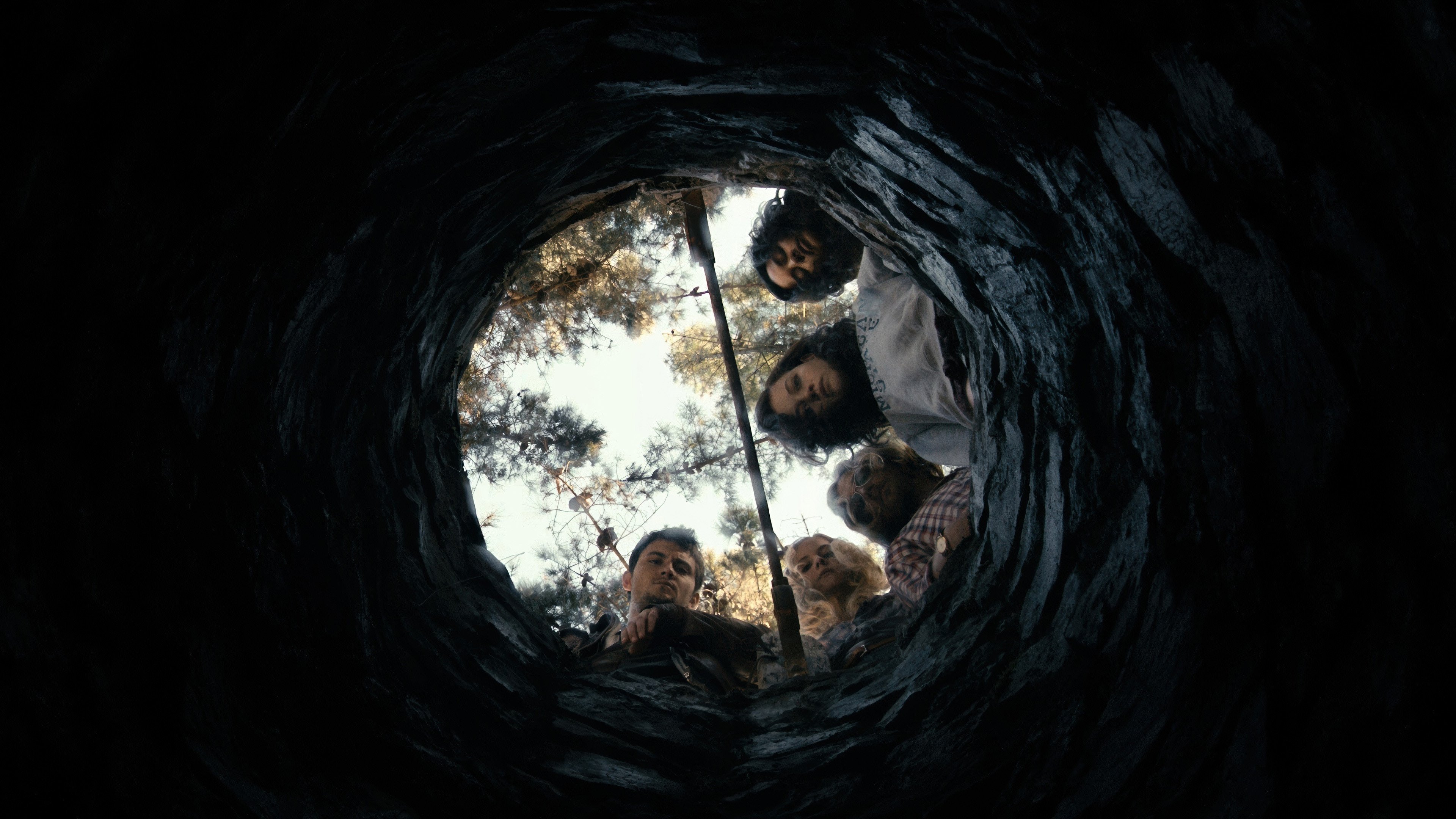
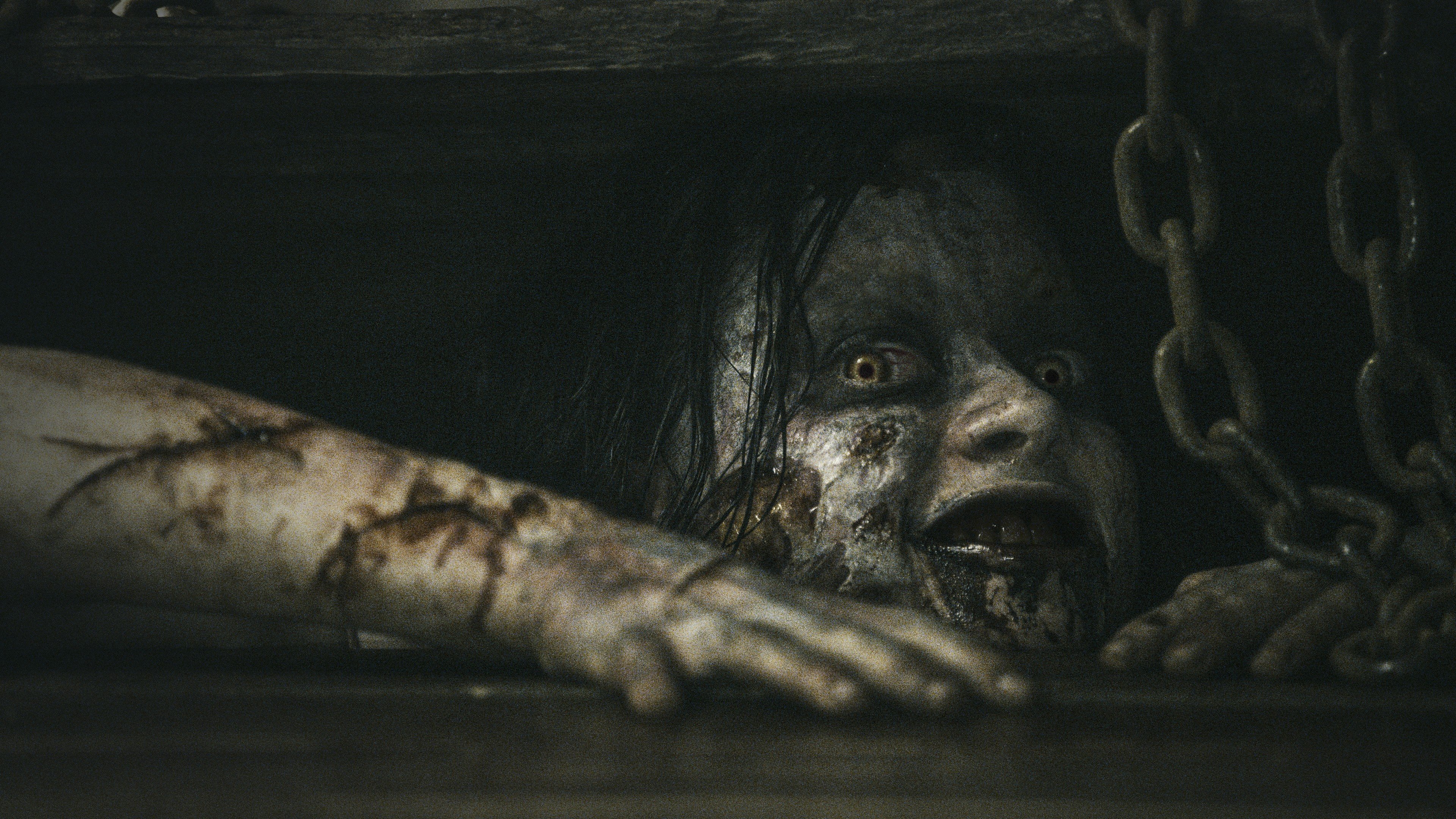
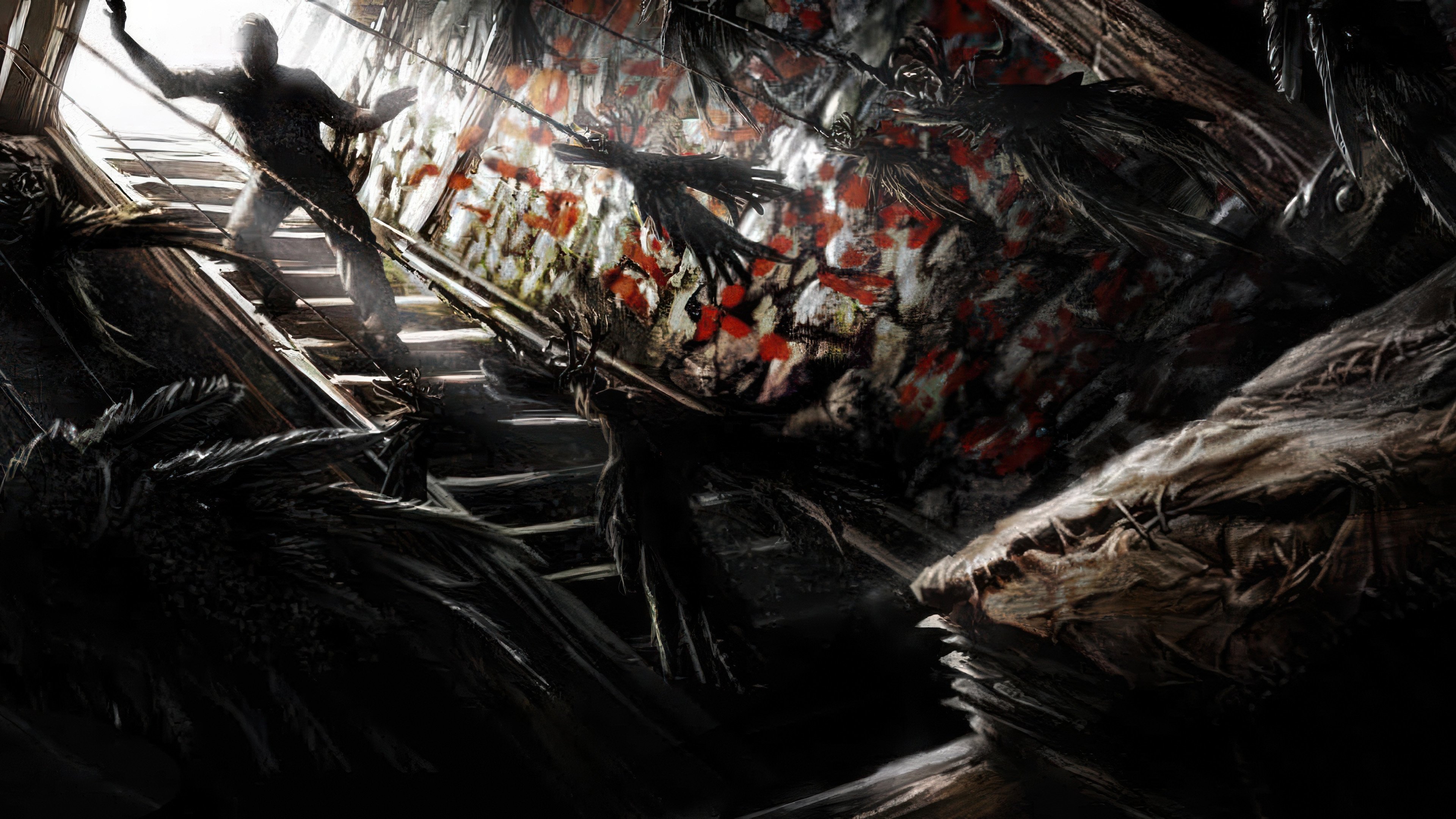
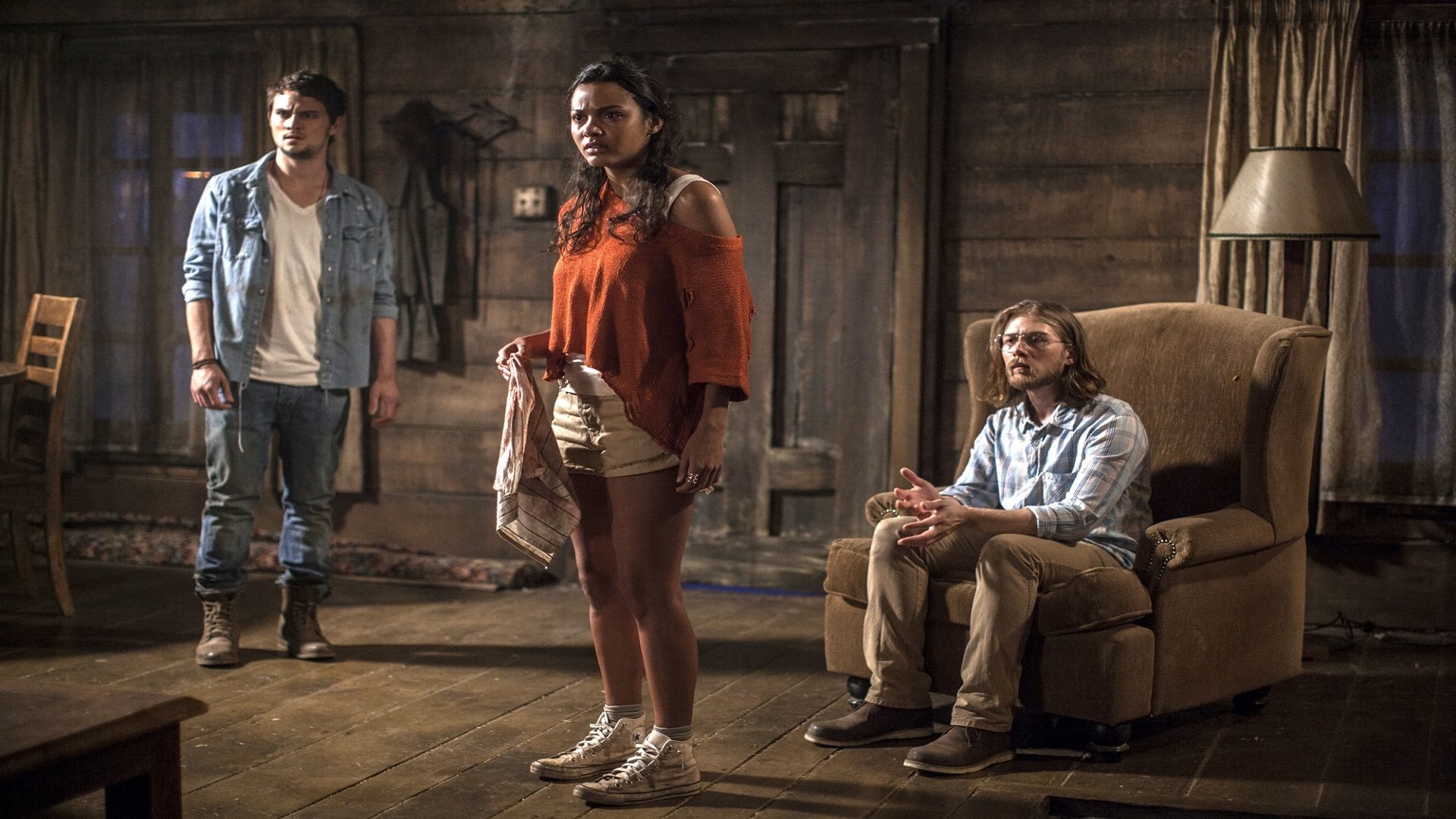
Production designer Robert Gillies simultaneously created a studio version of the cabin capable of doing things the location could not. The interior was divided into modular components with removable walls, while rooms and ceiling sections could move to provide space for camera equipment and effects rigs. Gillies also designed the basement so that its relationship with the main floor could be manipulated physically during shooting. The objective was not simply easier coverage. Álvarez wanted long shots and camera positions that would be extremely difficult inside the dimensions of a permanently enclosed cabin.

This modular architecture effectively turns production design into part of the special-effects department. A wall can disappear to allow a lens into a position that appears physically impossible, then return before the next angle. A ceiling can move without changing its appearance in the finished frame. The basement can function as a complete environment while remaining accessible to crew and prosthetic technicians. The cabin therefore looks cramped to the characters but is technically engineered to remain flexible for the production, an important distinction in a film containing blood rigs, prosthetics, mechanical props and performers who frequently require extensive effects support immediately outside the frame.

Sony F65 Cinematography and Camera Movement

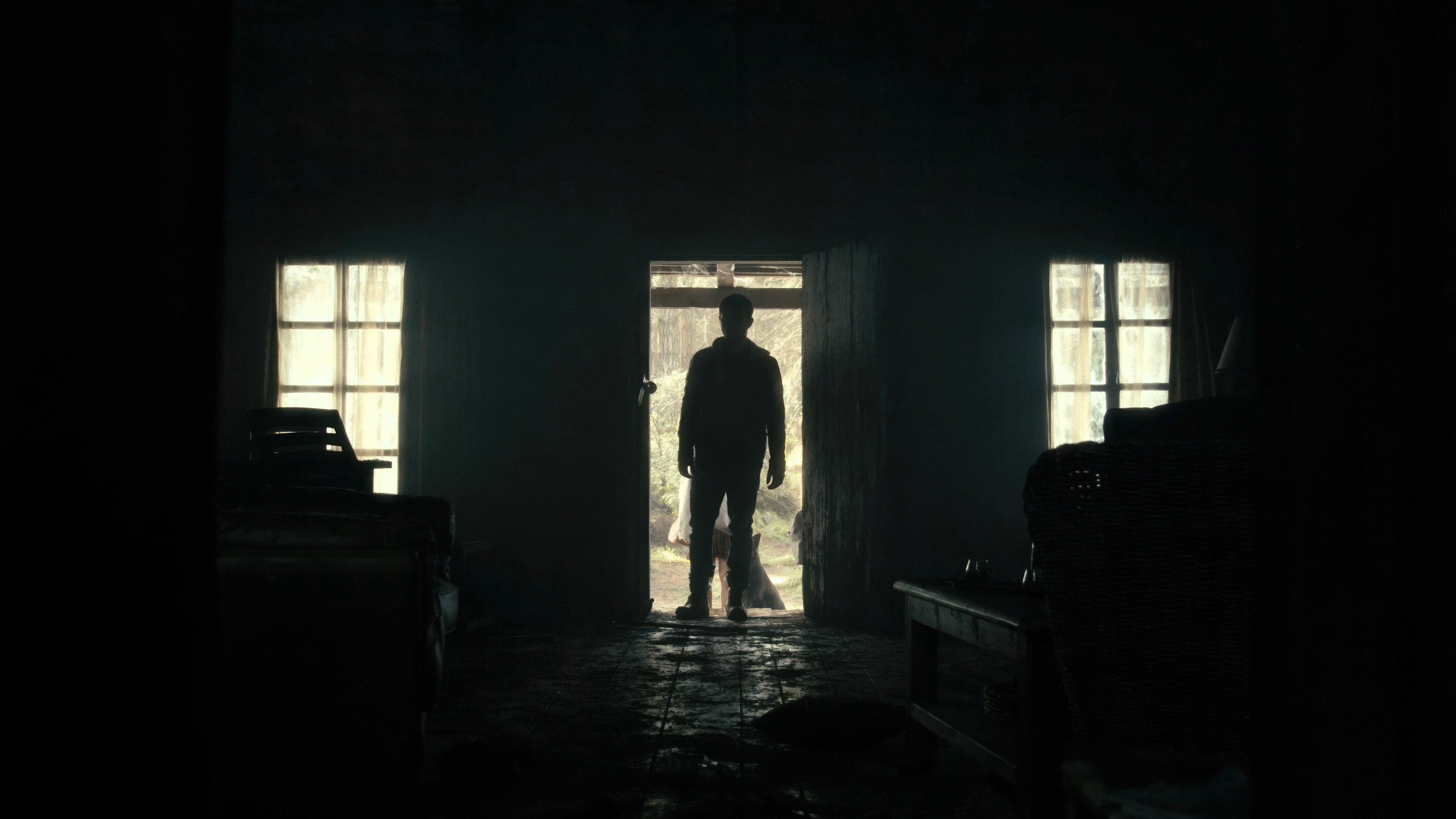
Director of photography Aaron Morton used Sony F65 digital cinema cameras, with contemporary production coverage describing two F65 bodies supported by OConnor heads and paired with high-end cinema lenses including ARRI Master Primes. Morton emphasized the camera's film-like mechanical shutter and the organic image he felt it could produce. This was important to a project attempting to retain the physical quality of the original series without reproducing the rough 16 mm texture of Raimi's first film. Álvarez wanted pristine contemporary photography but did not want the finished images to feel sterile.

Morton also faced unusual environmental demands. Artificial rain, real rain, mud and enormous quantities of stage blood were routine elements rather than occasional complications. Contemporary technical reporting quotes Morton describing a fourteen-week shoot in Auckland and the need for camera support capable of continuing to operate while surrounded by water and sticky blood mixture. Equipment reliability therefore became an effects consideration. A technically complex gore setup could not easily be repeated simply because a camera head failed after being contaminated.

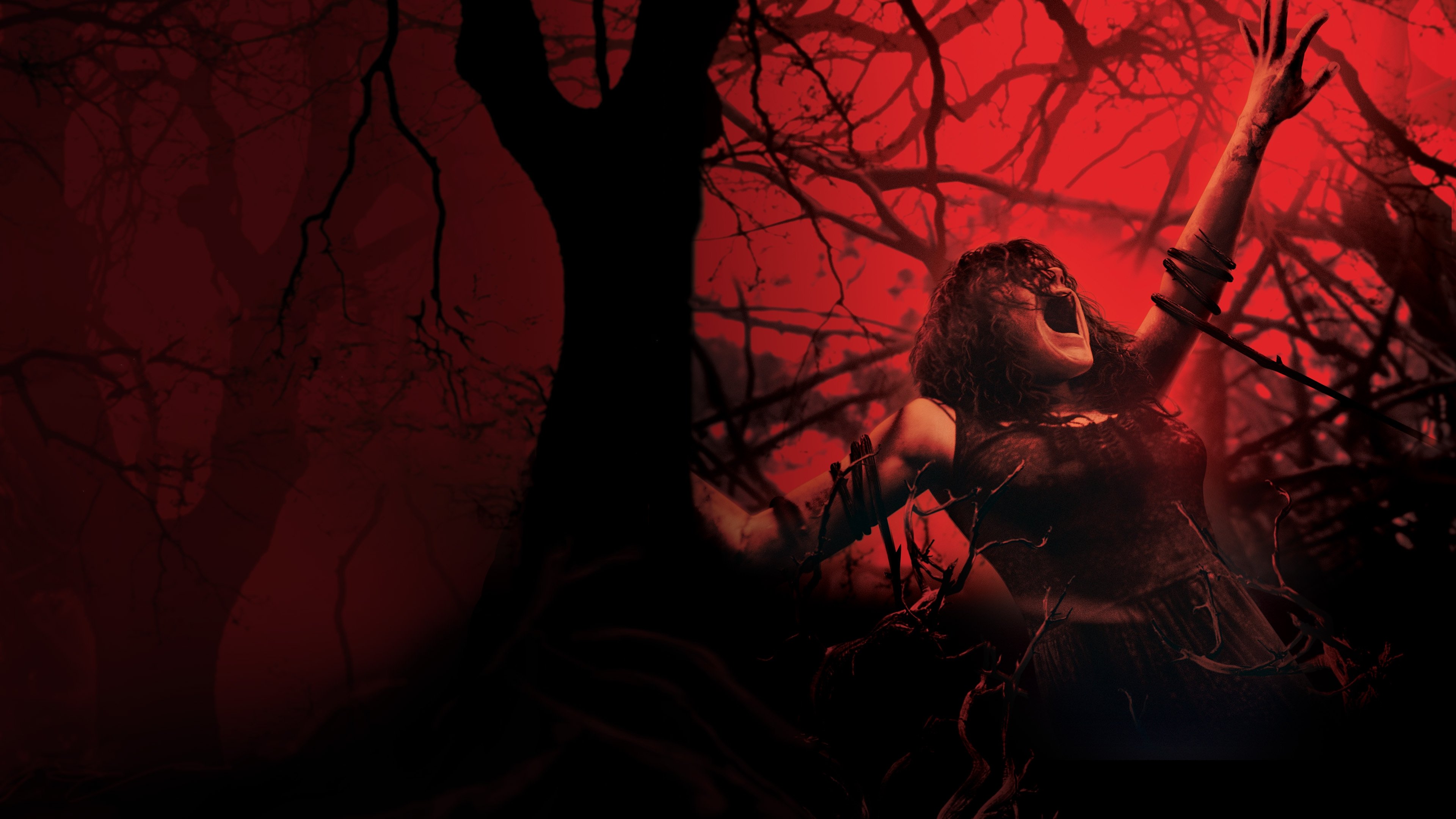
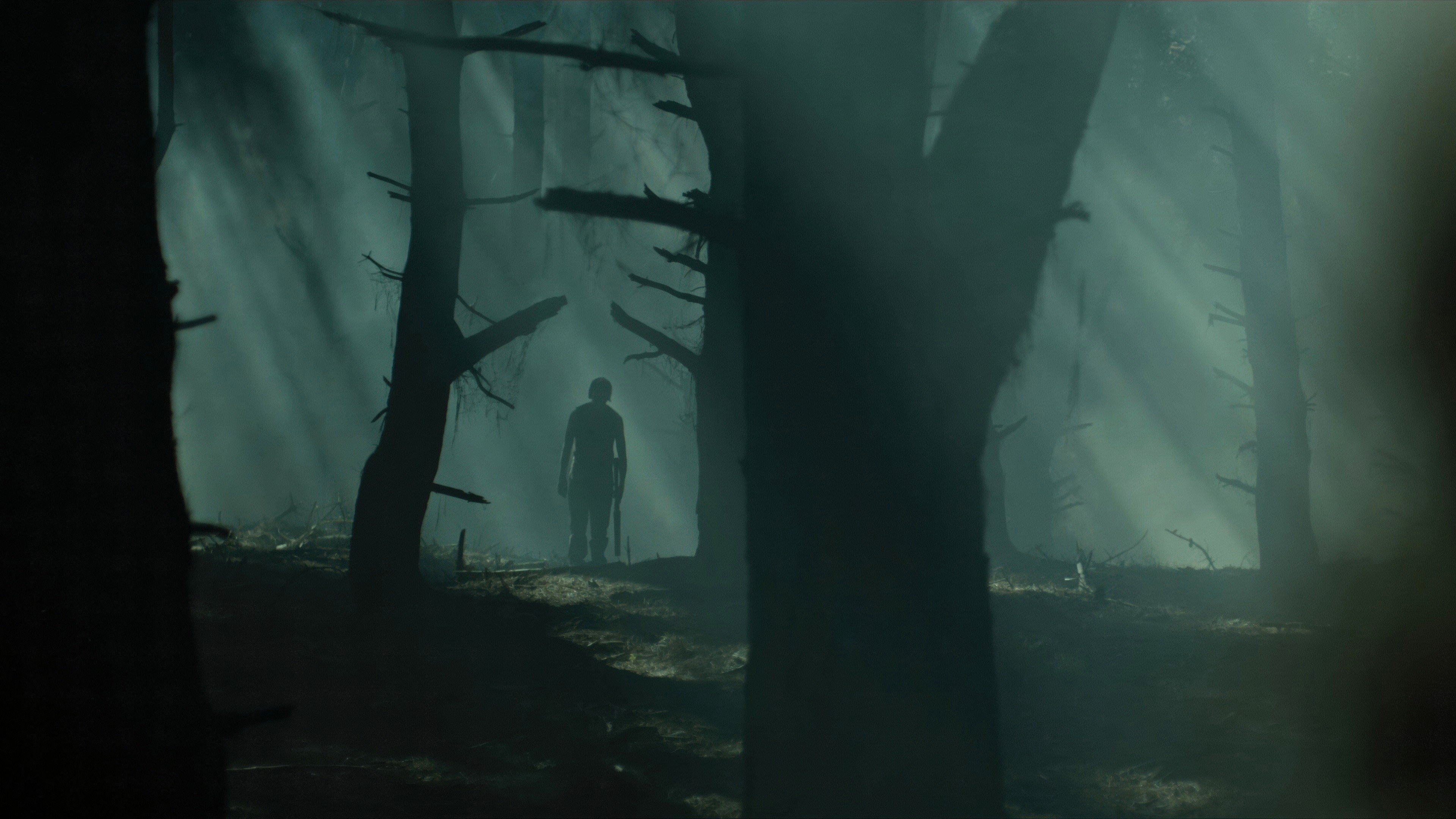
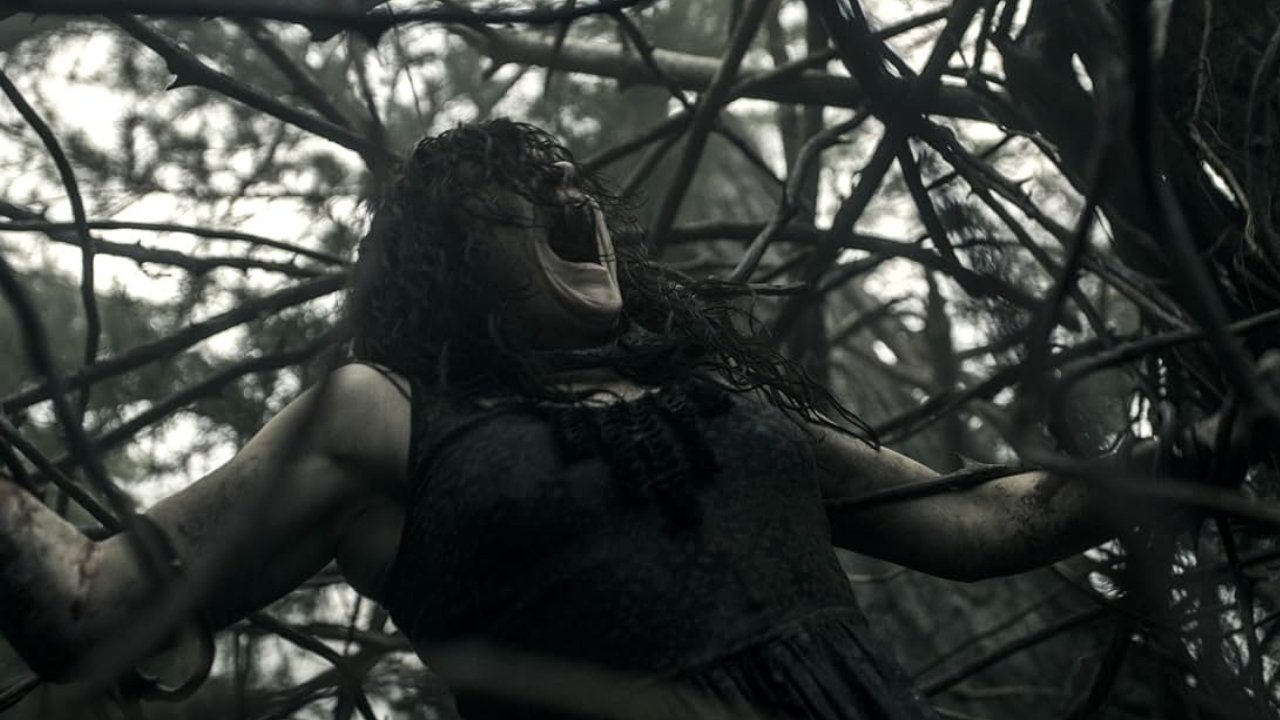
The film pays direct visual tribute to Raimi's celebrated moving point-of-view shots without reproducing their original equipment. For the sequence in which an unseen force races through the forest toward Mia, Morton used a cable or zip-line camera arrangement and physically travelled toward Levy at speed. The original production had achieved comparable movement through extremely improvised rigs, including cameras carried on wooden supports. The 2013 film uses modern engineering to create the same feeling of unstable forward attack while allowing far greater control over speed, framing and image quality.

Prosthetics, Practical Gore and Performance

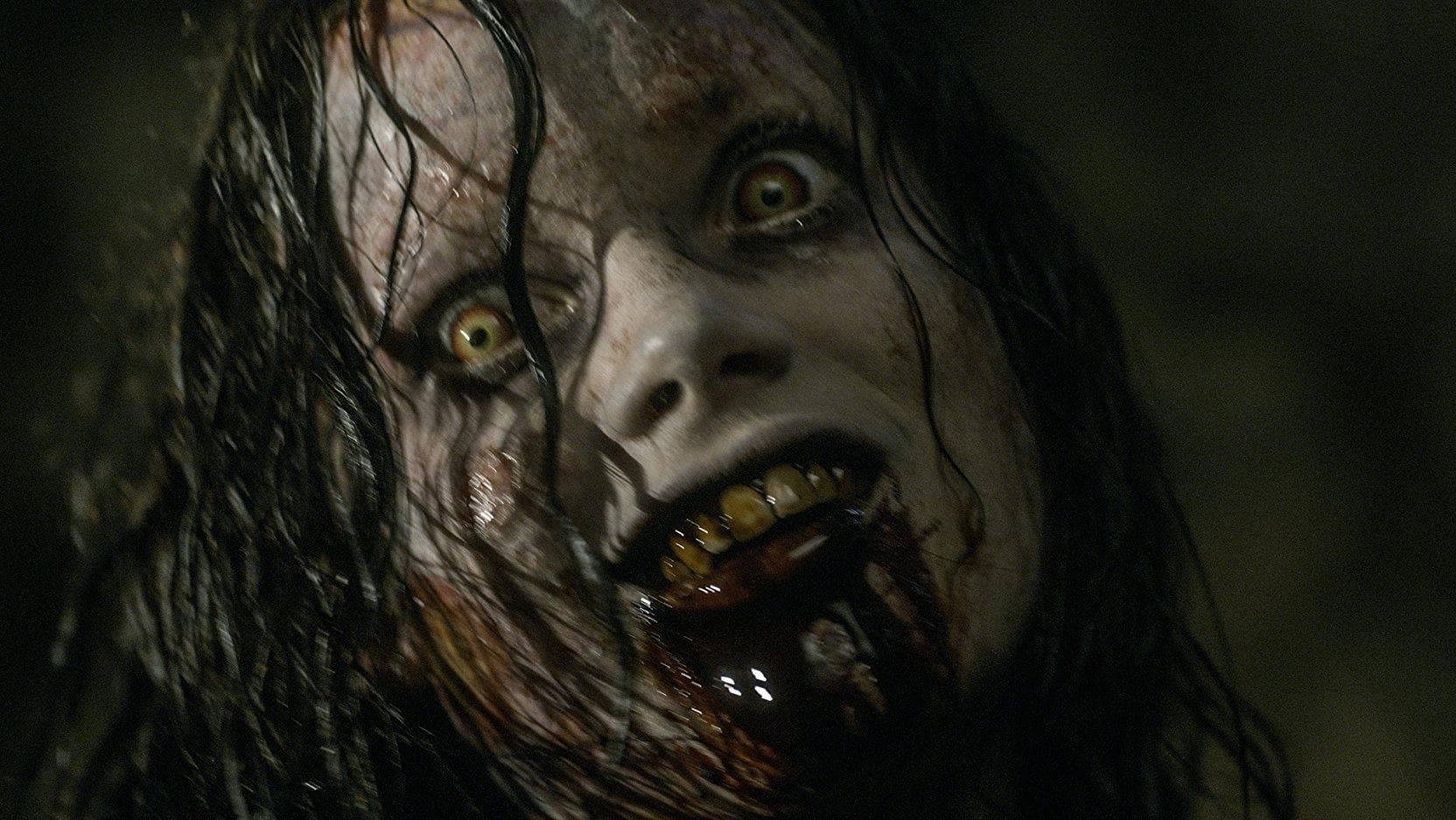
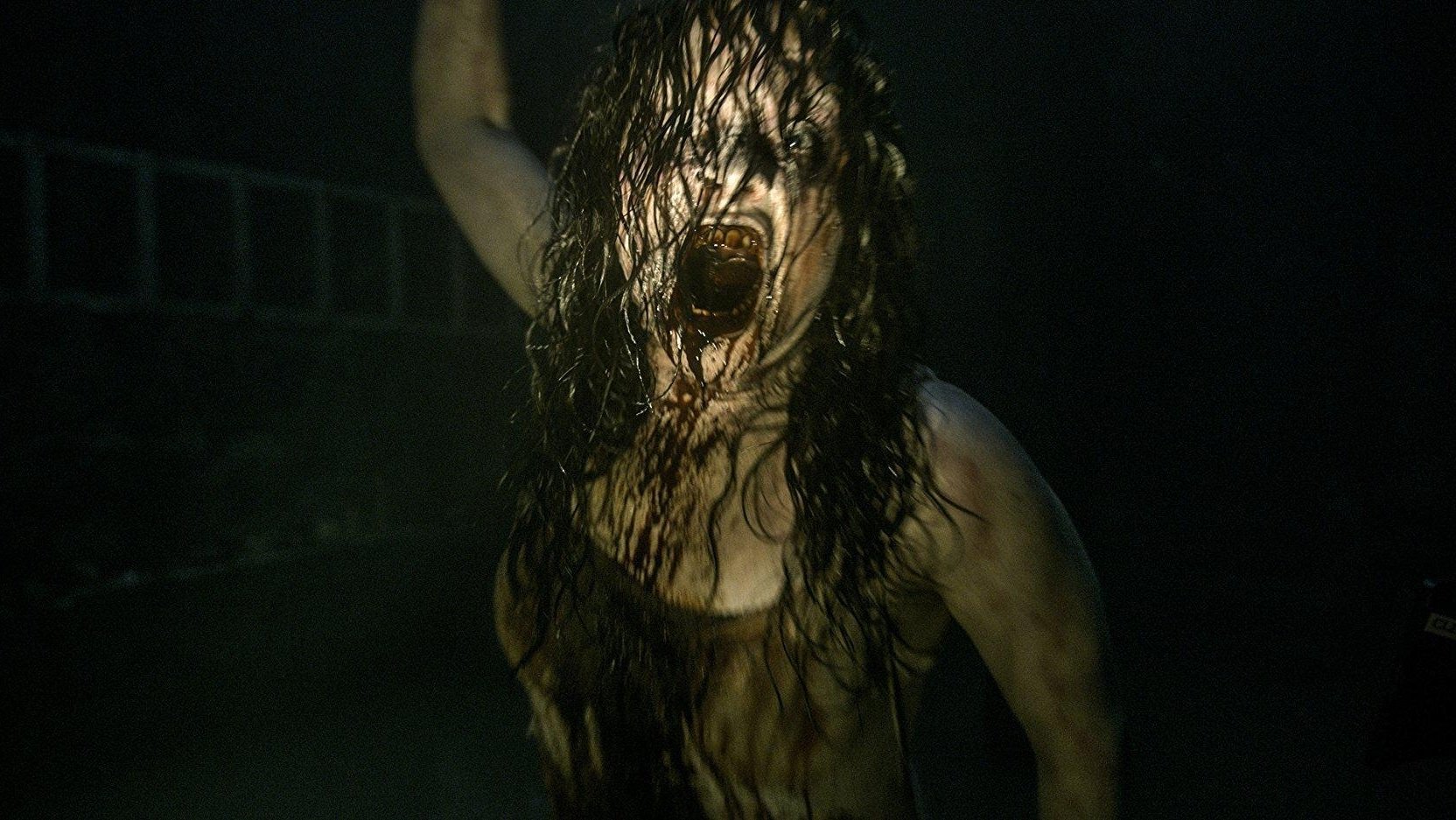
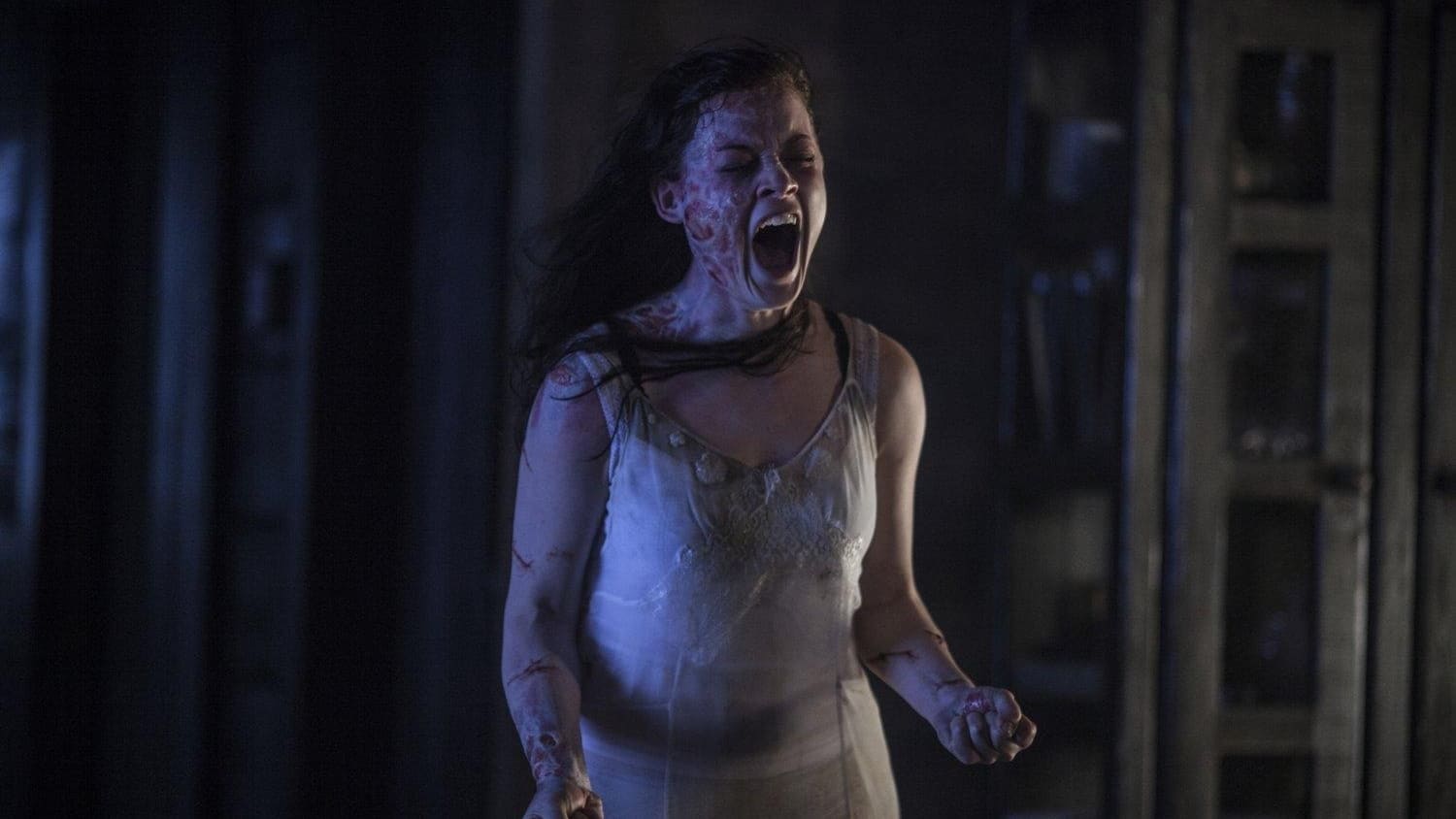
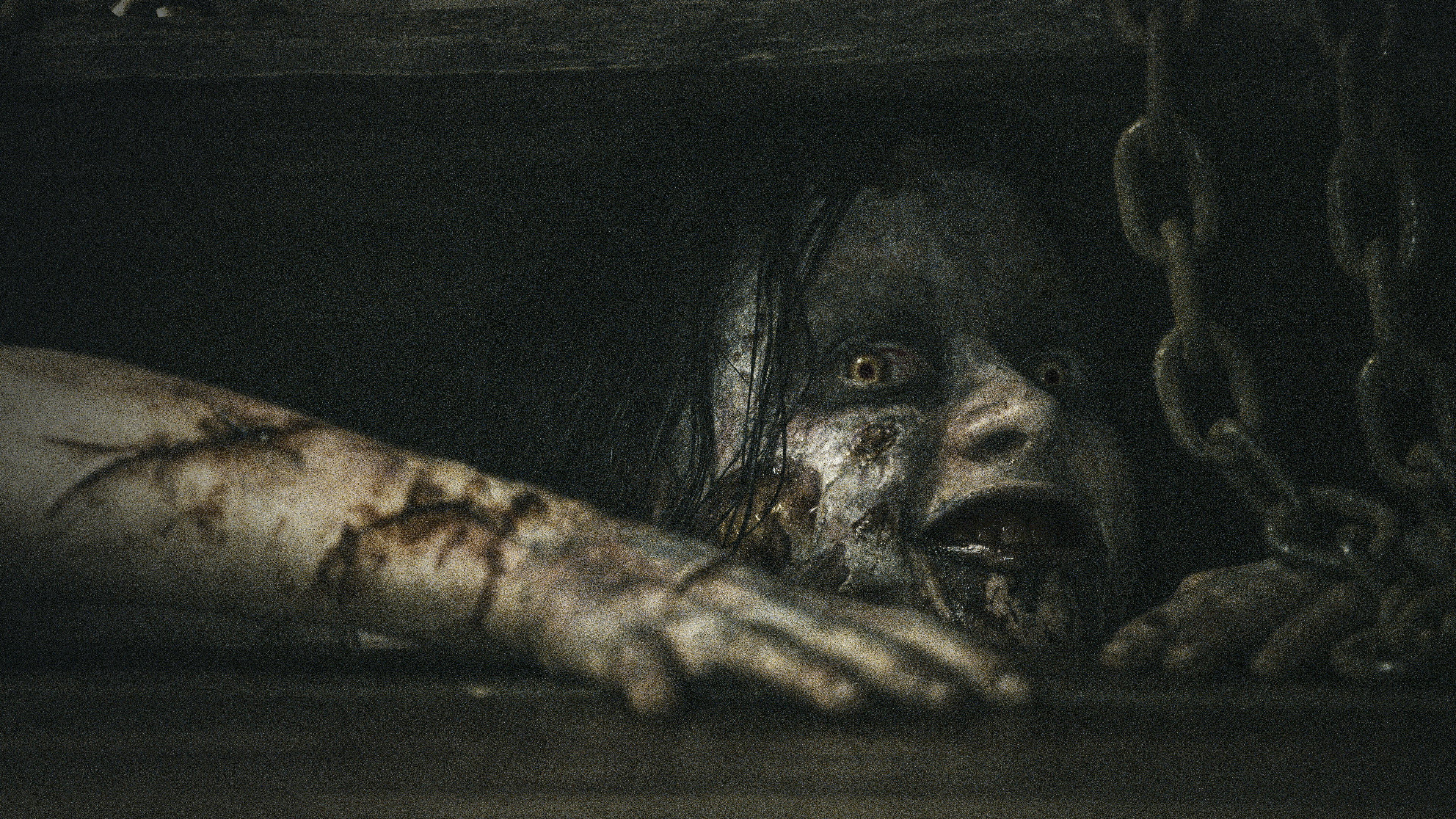
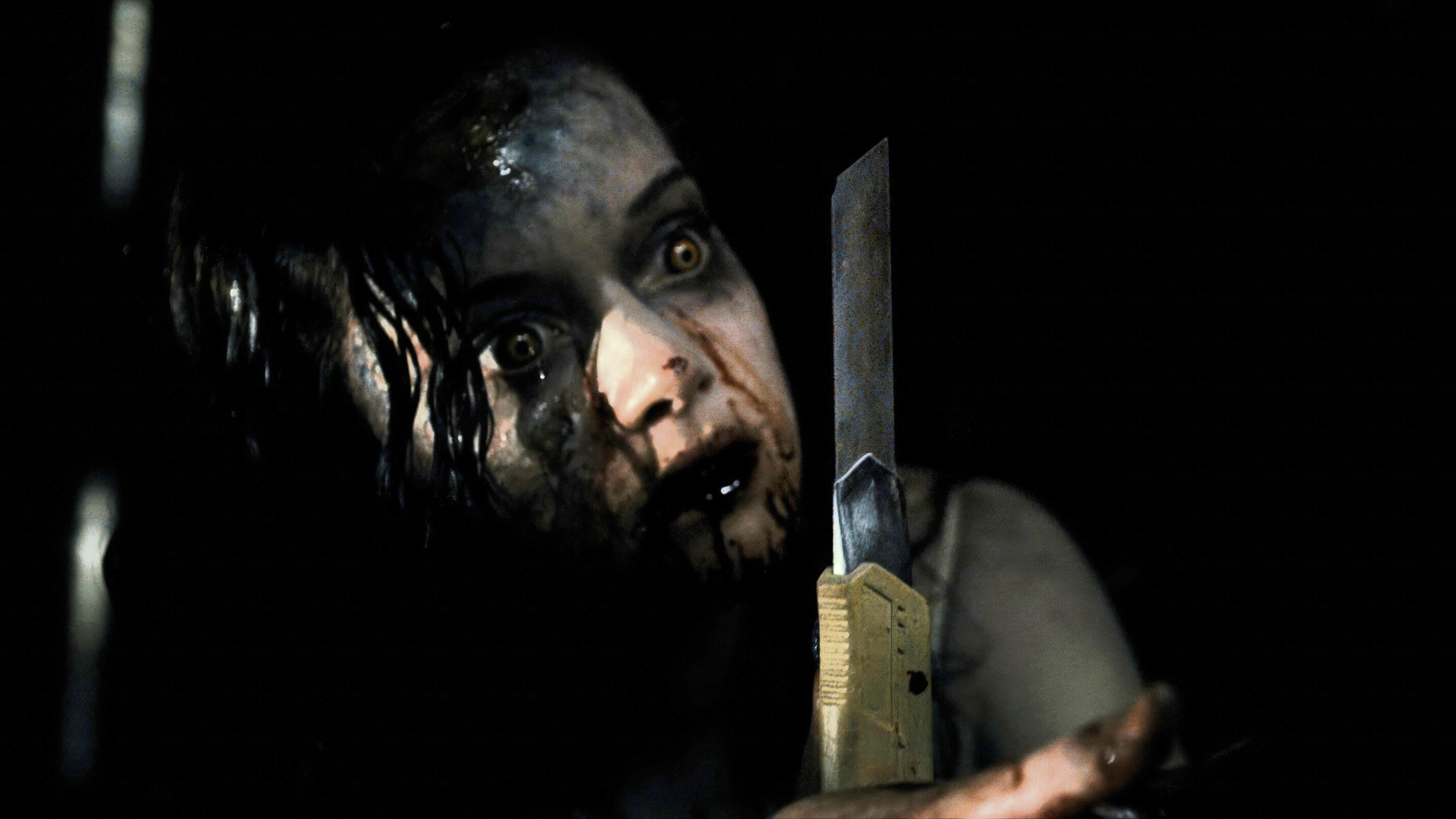
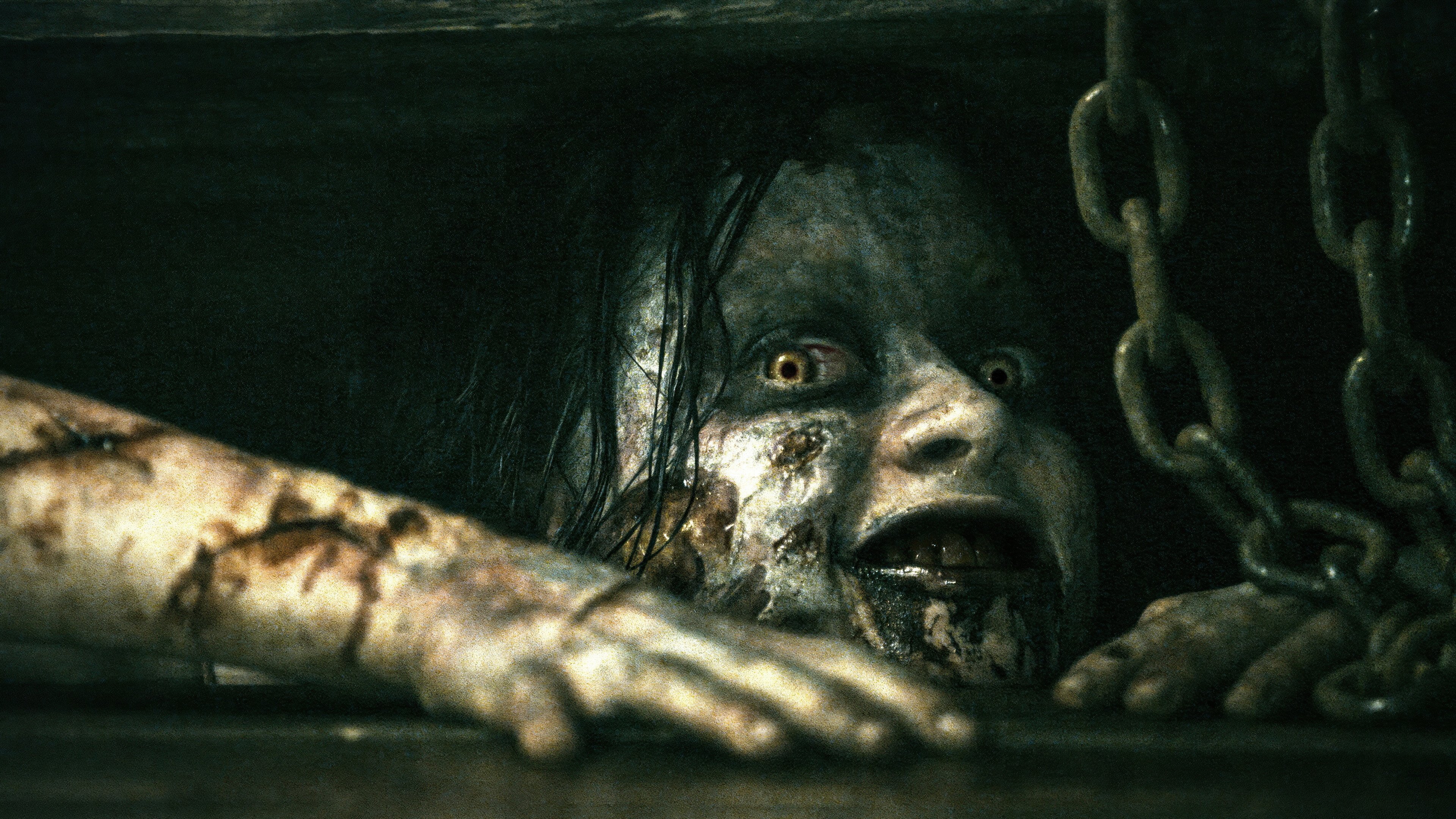
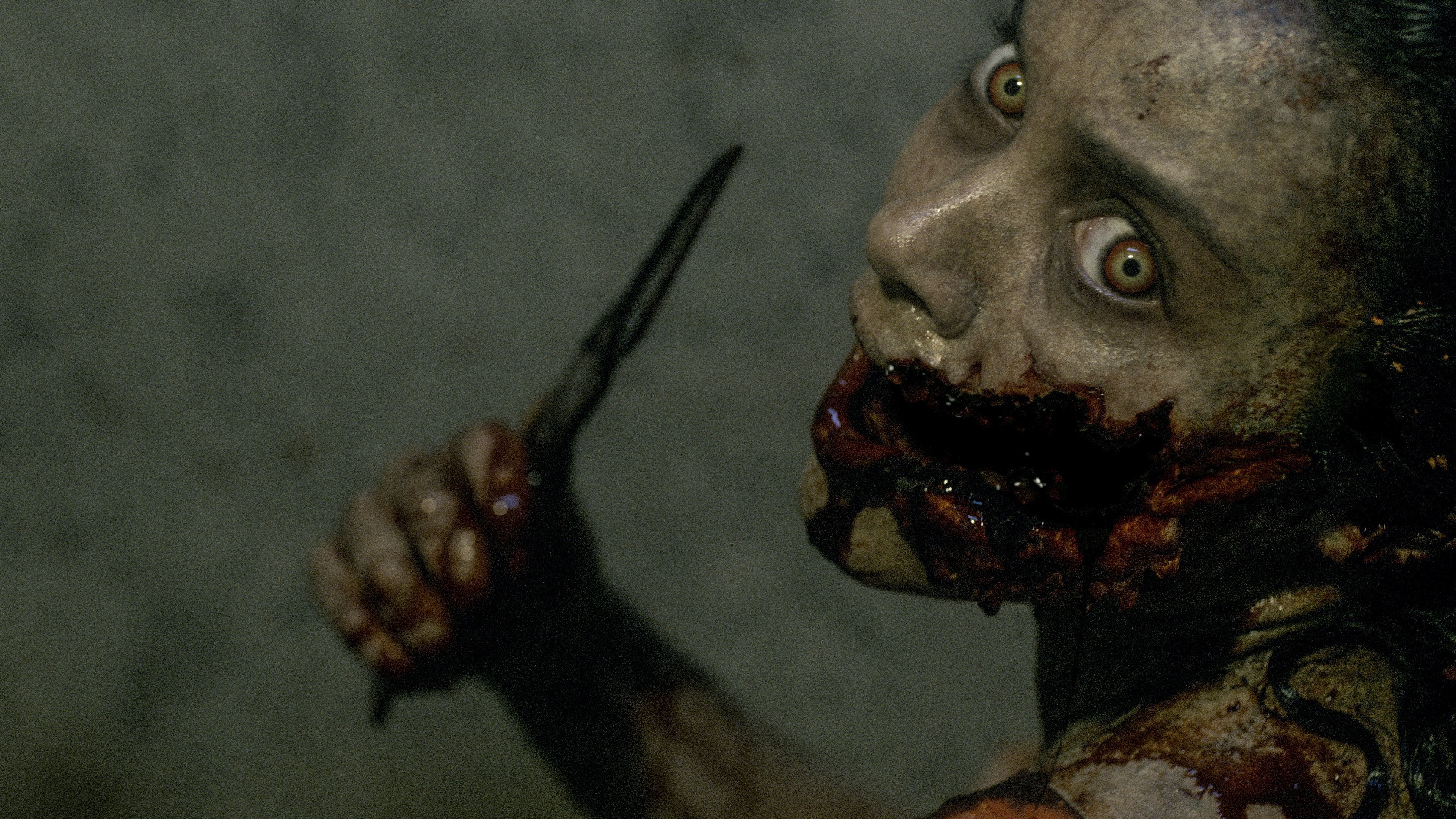
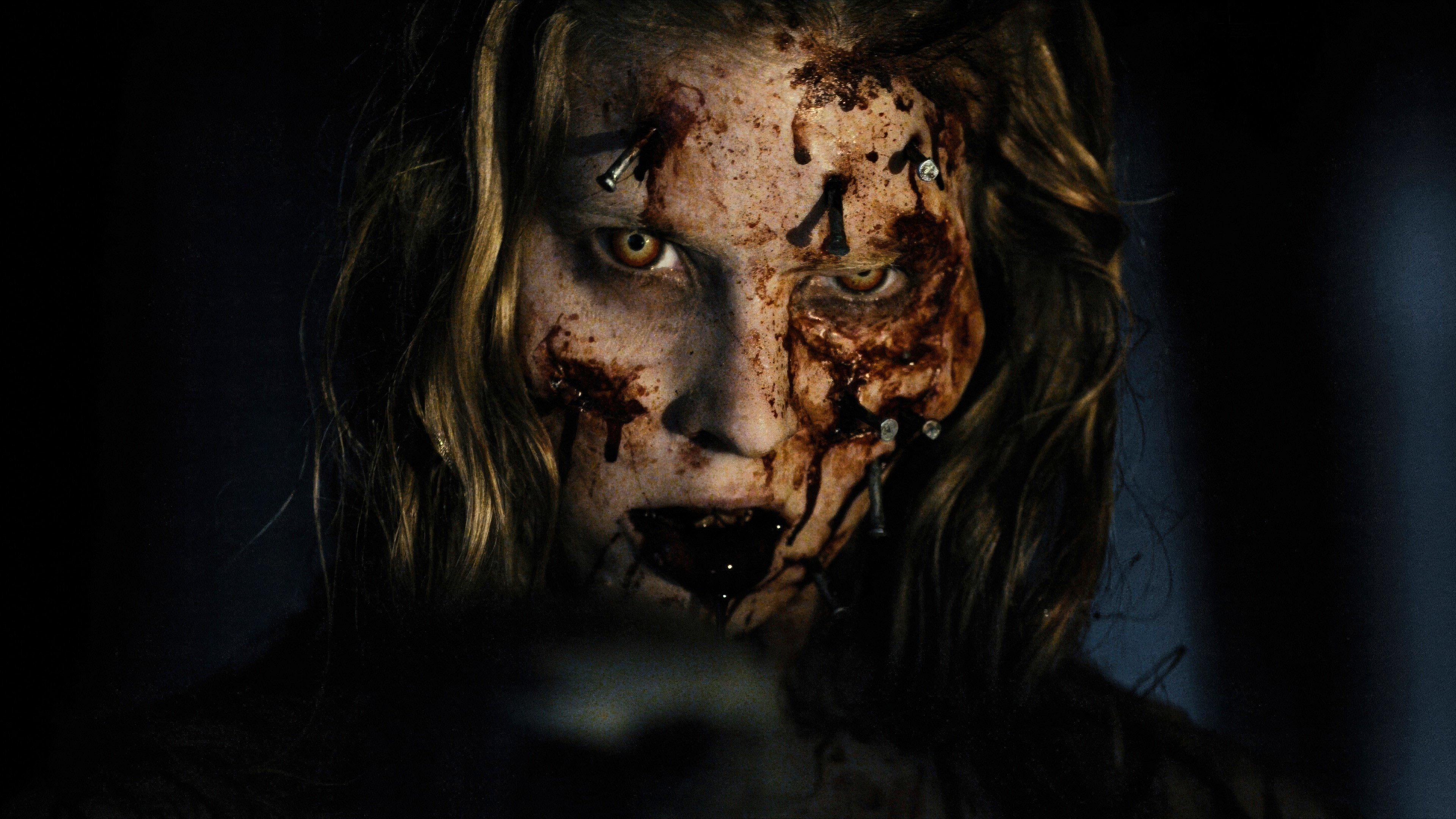
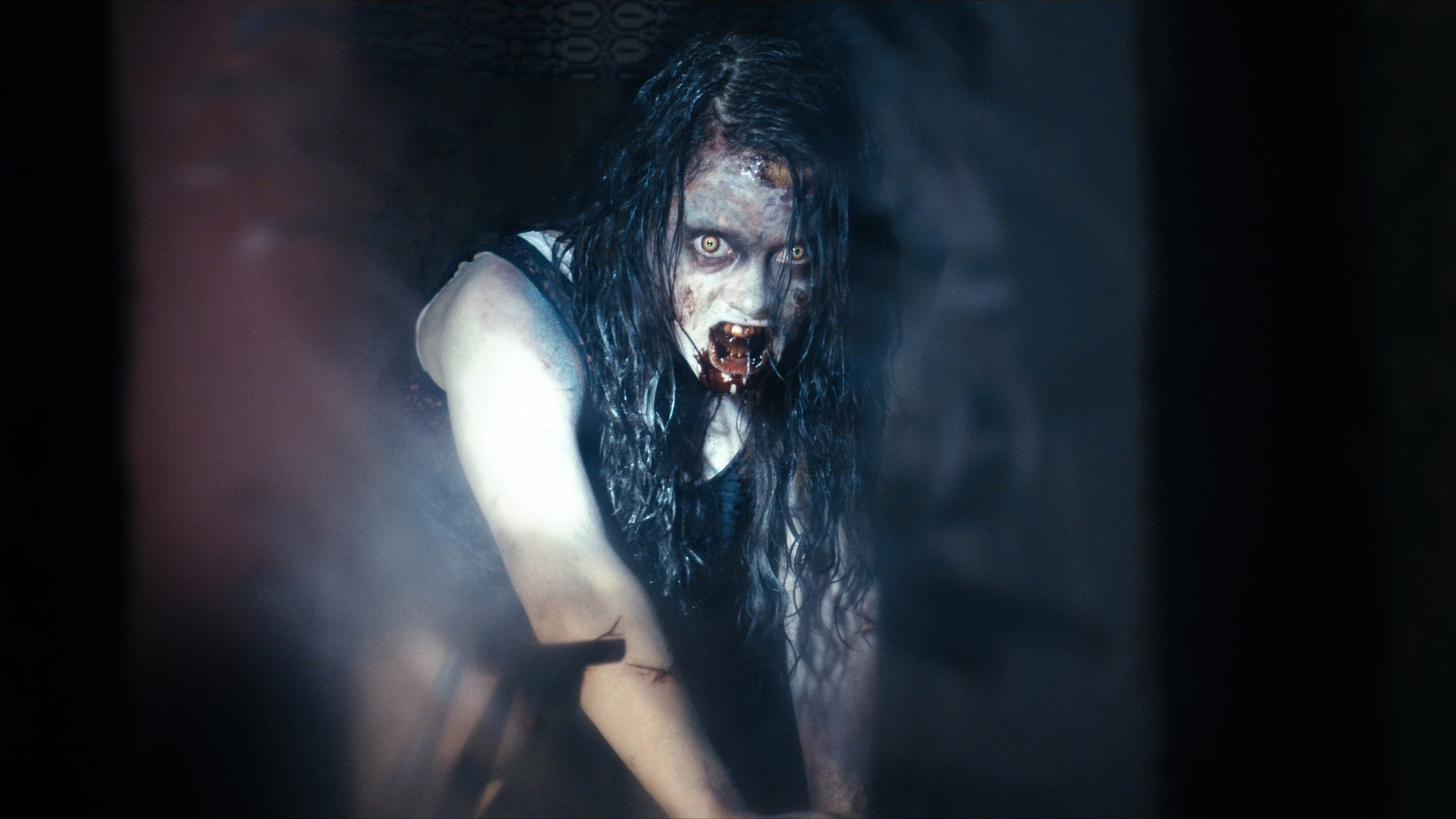
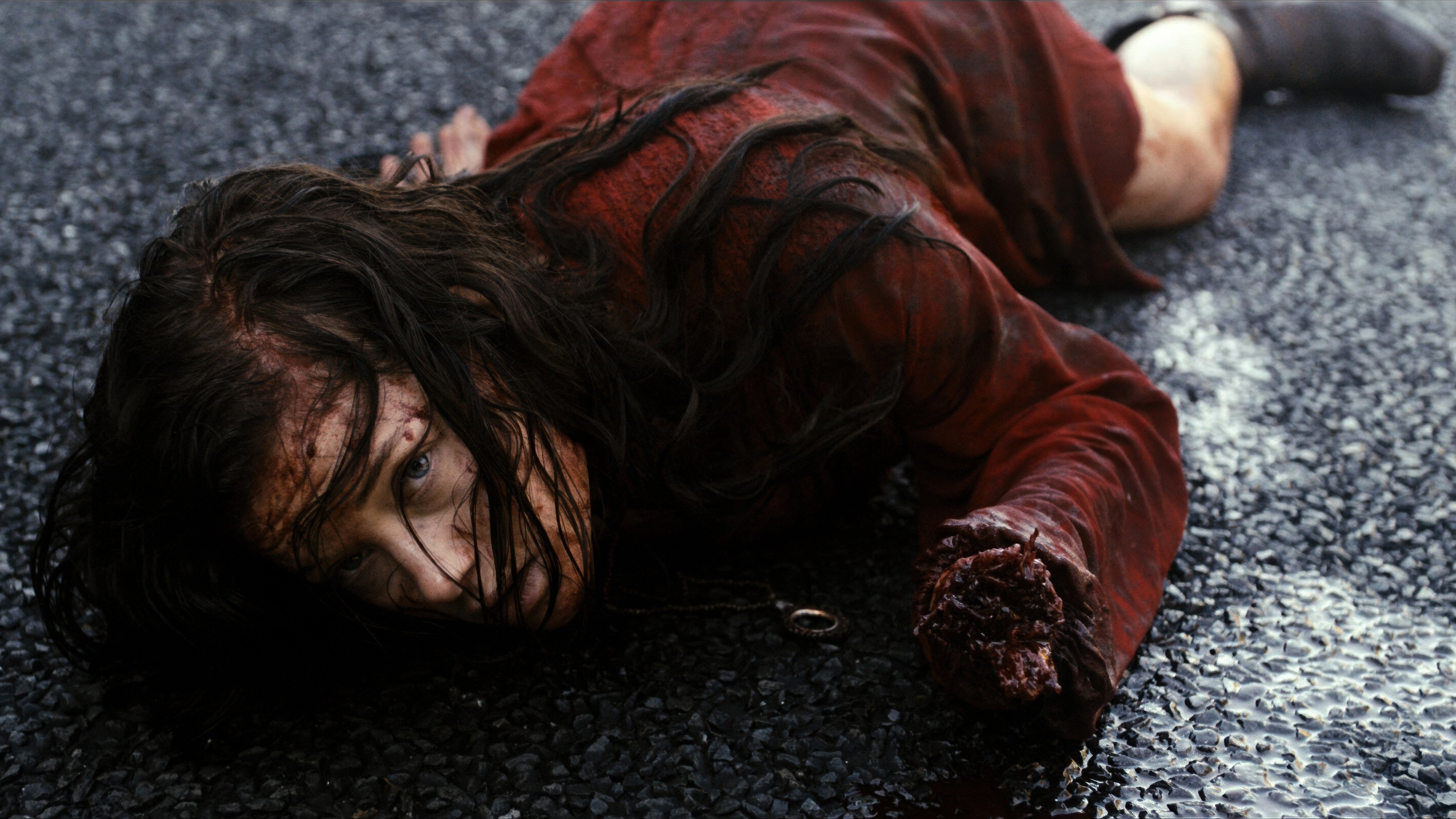
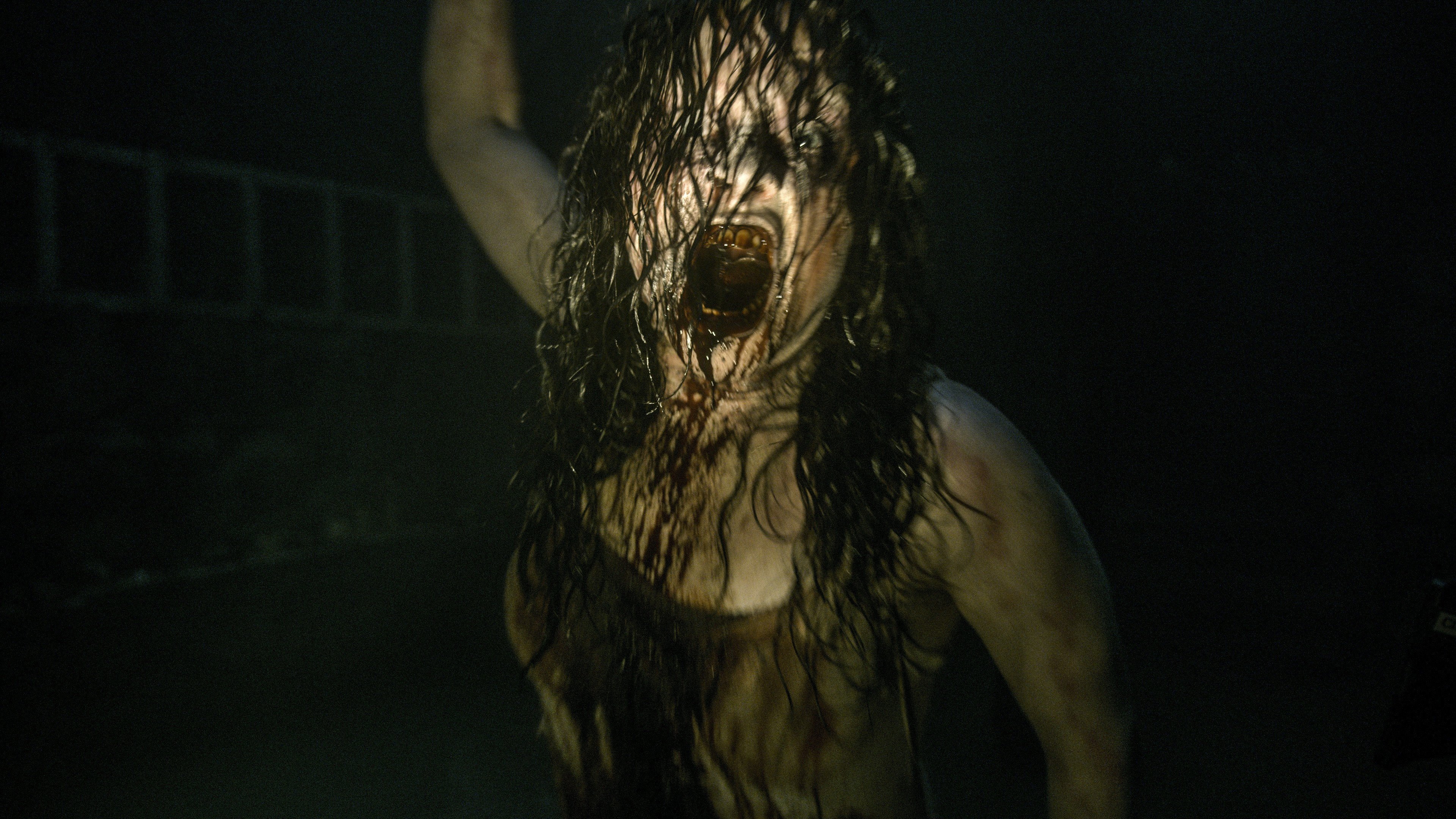
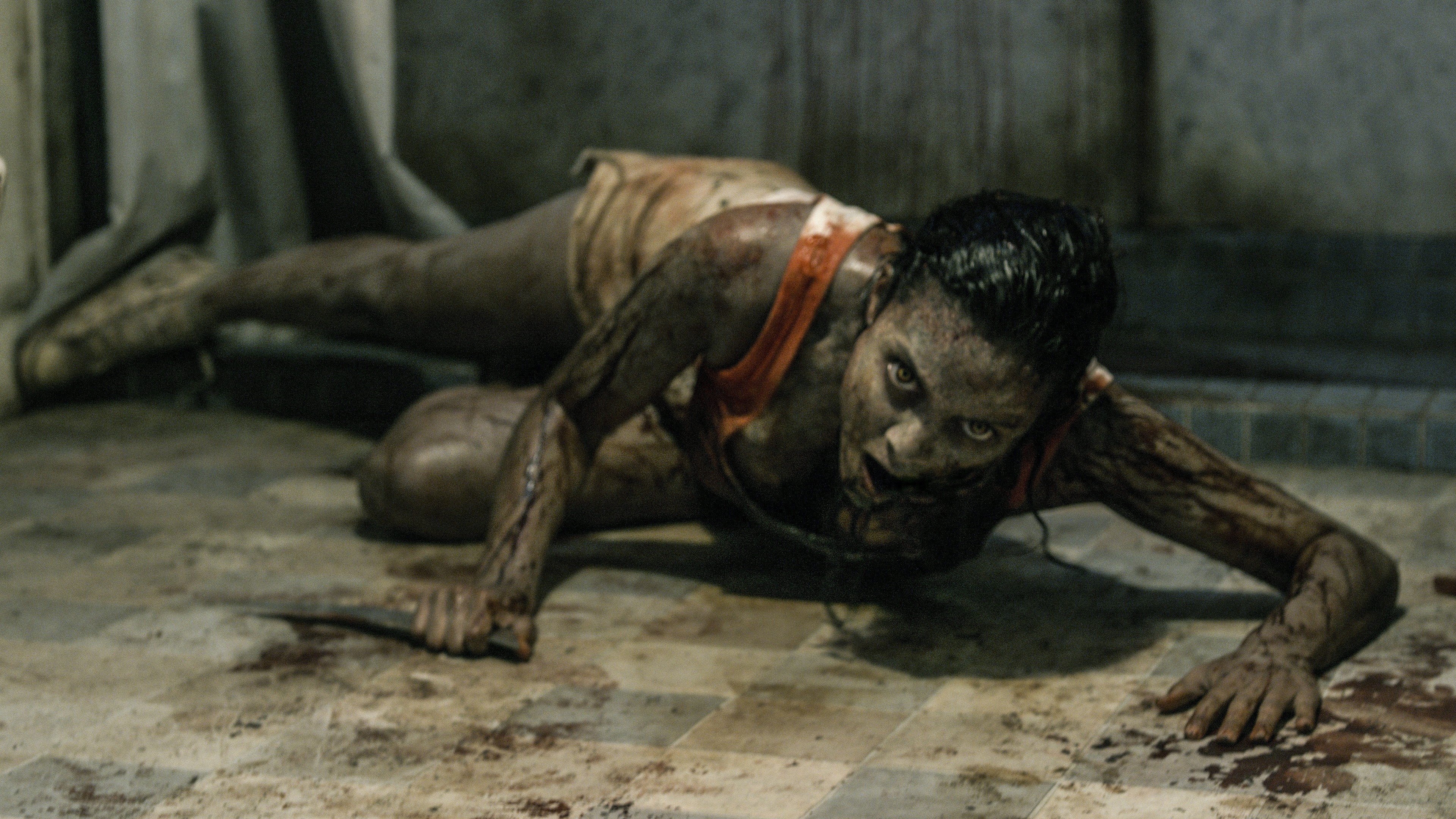
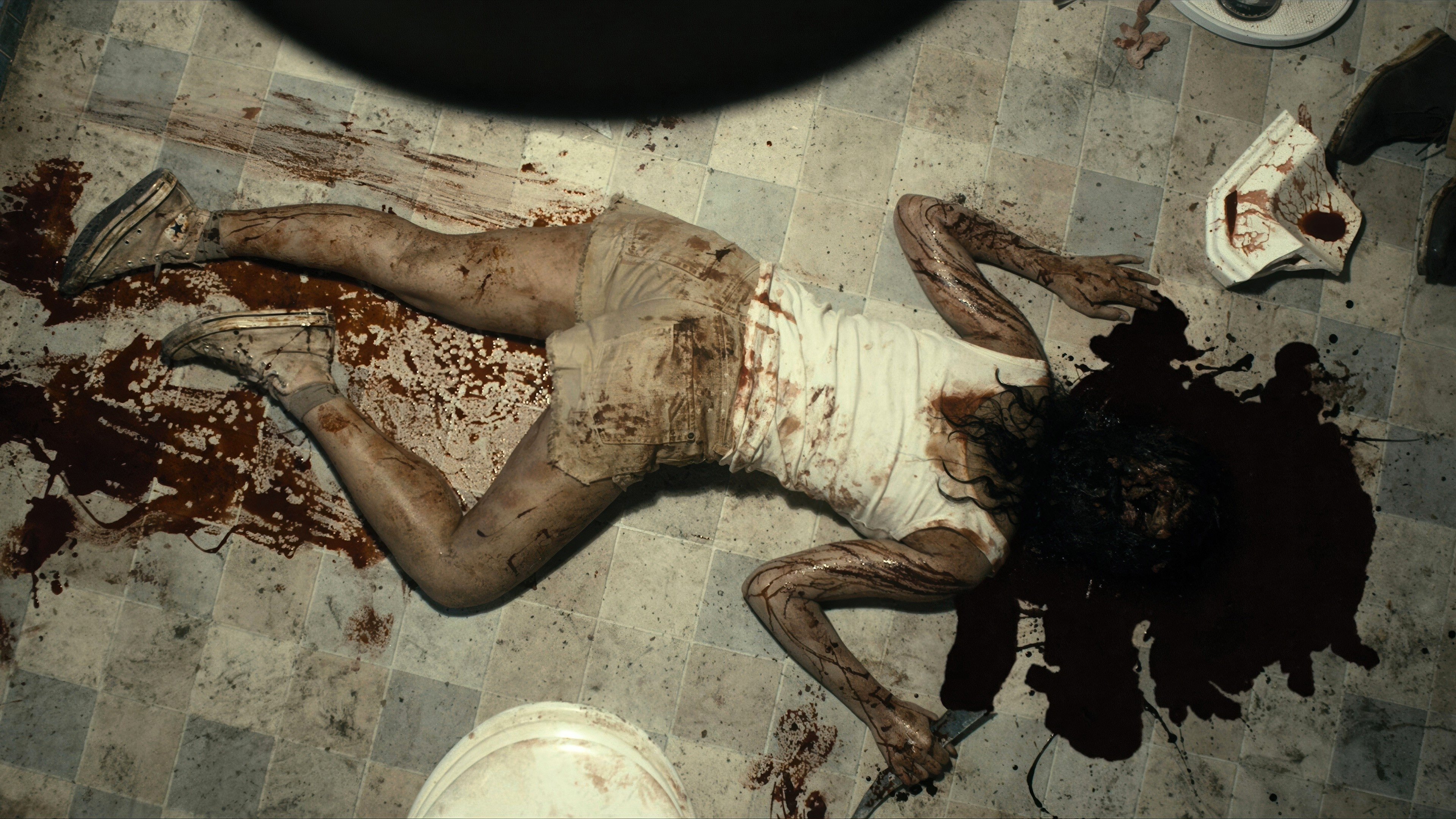
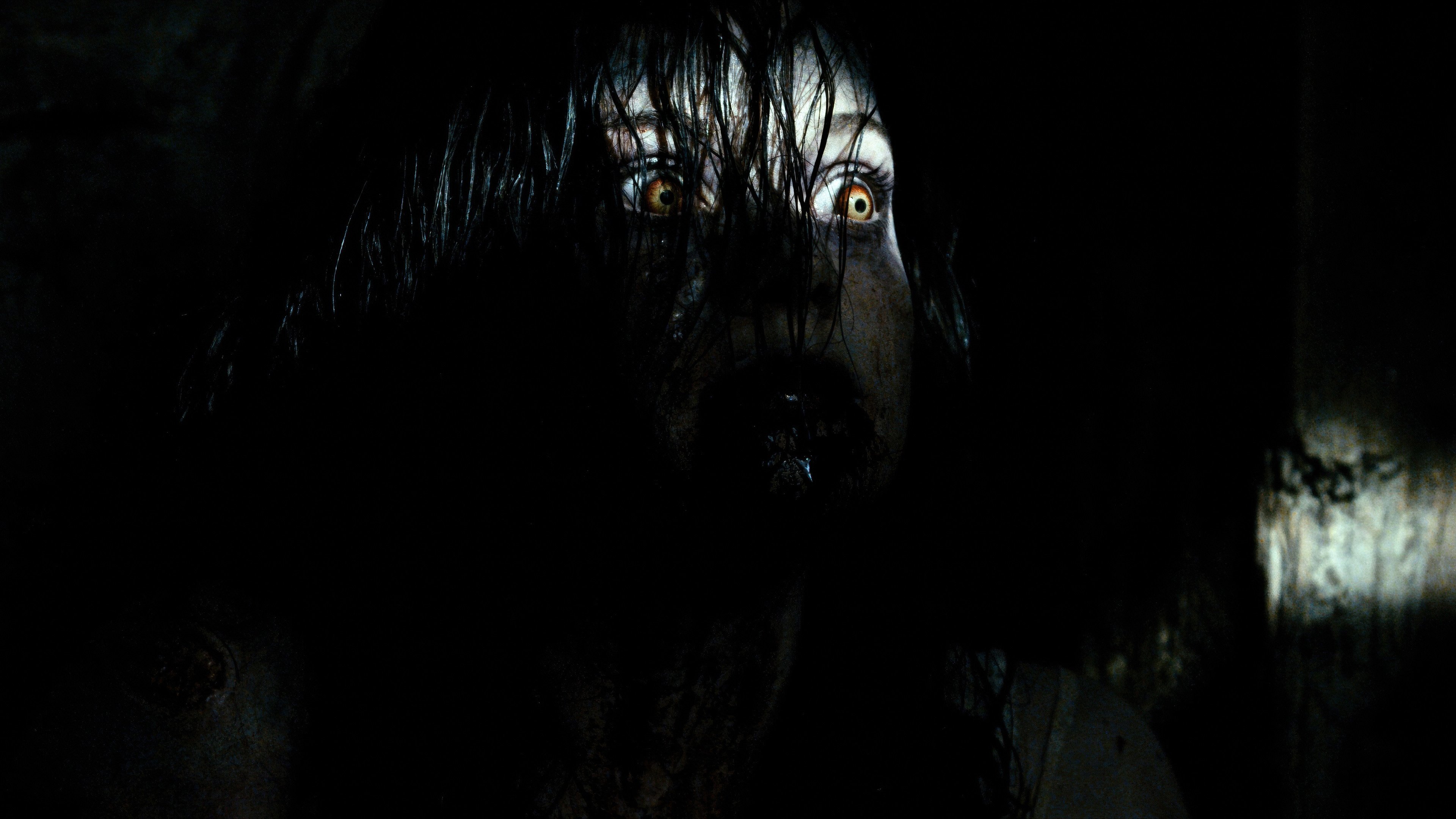
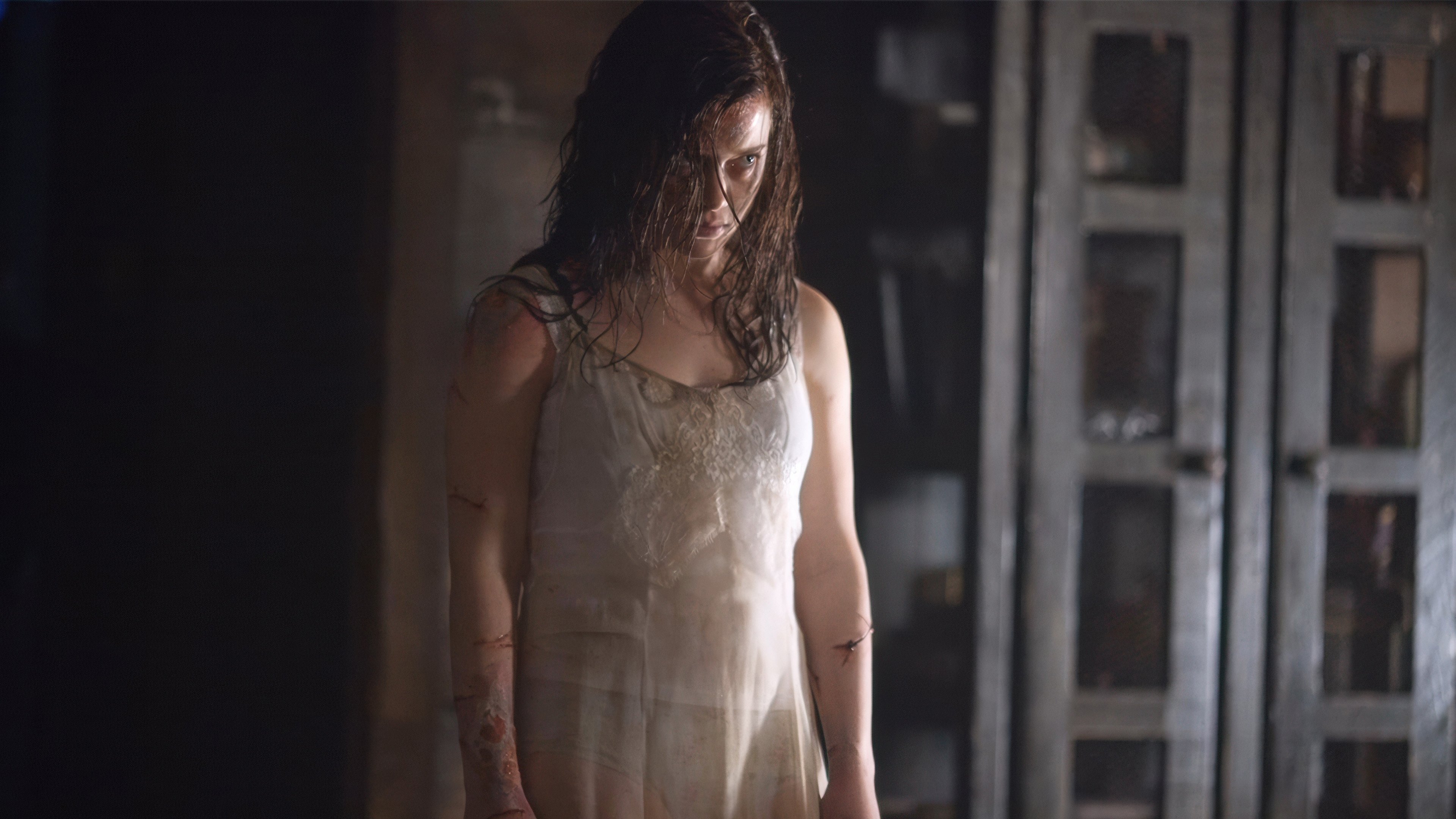
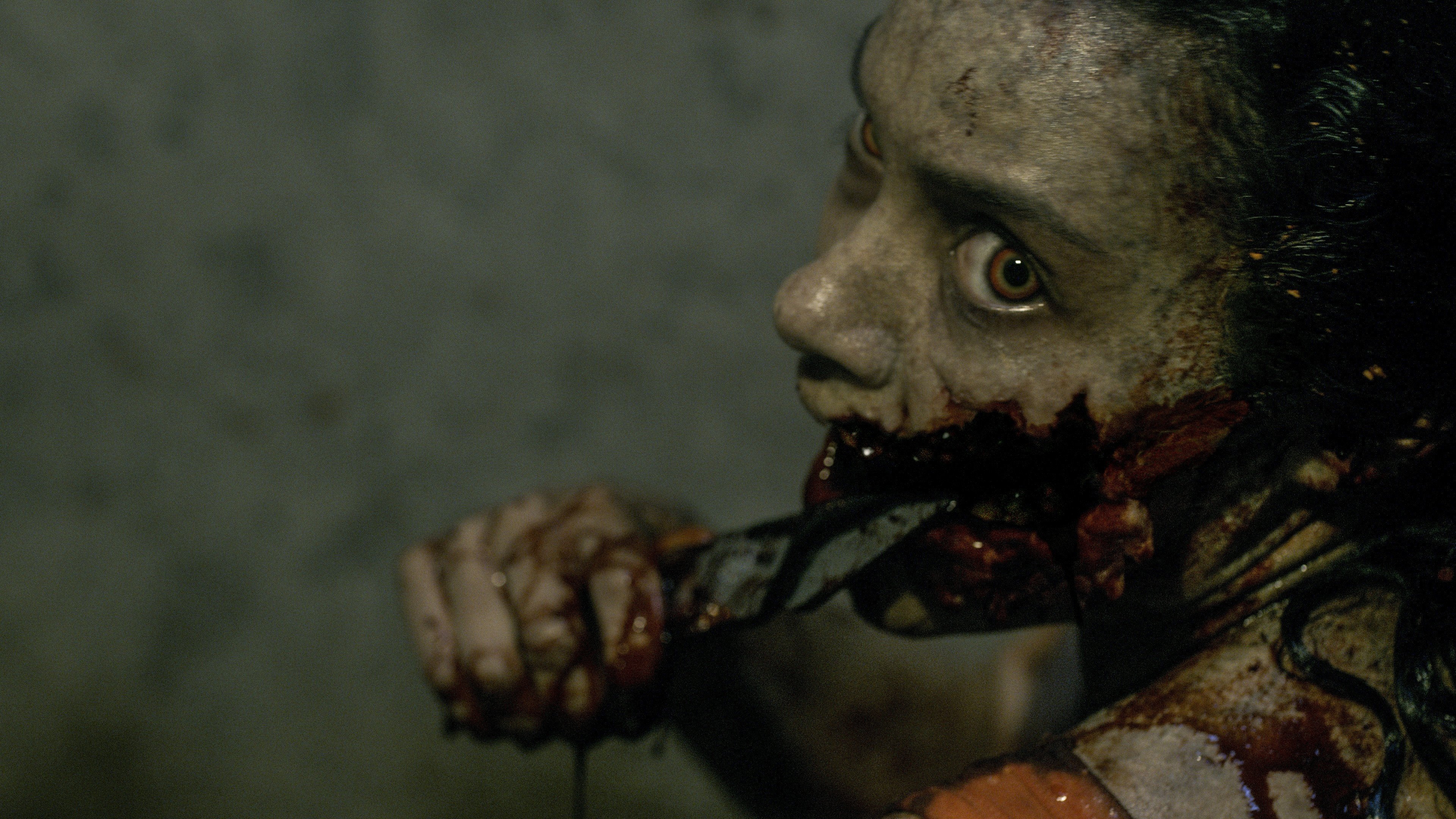
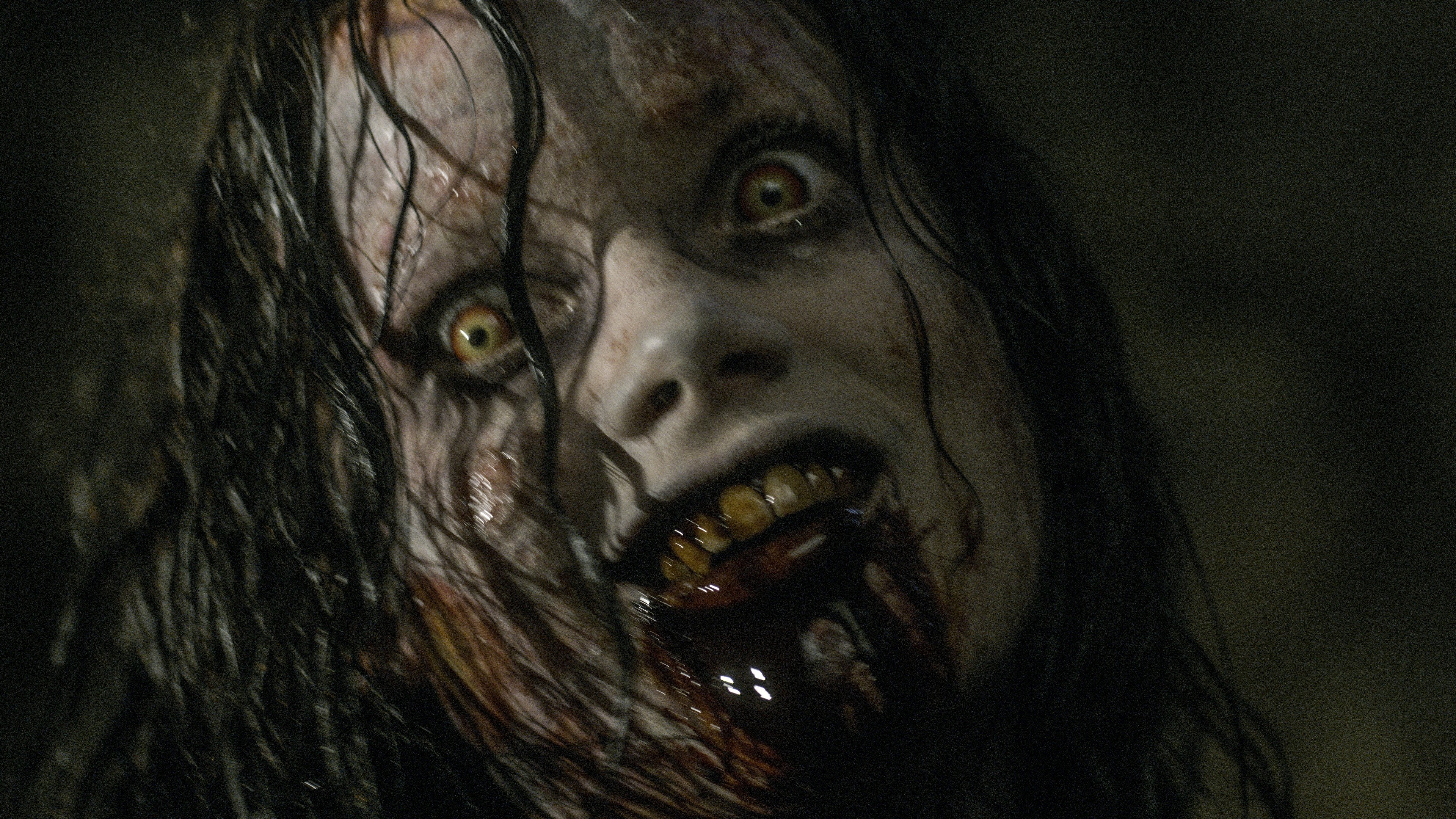
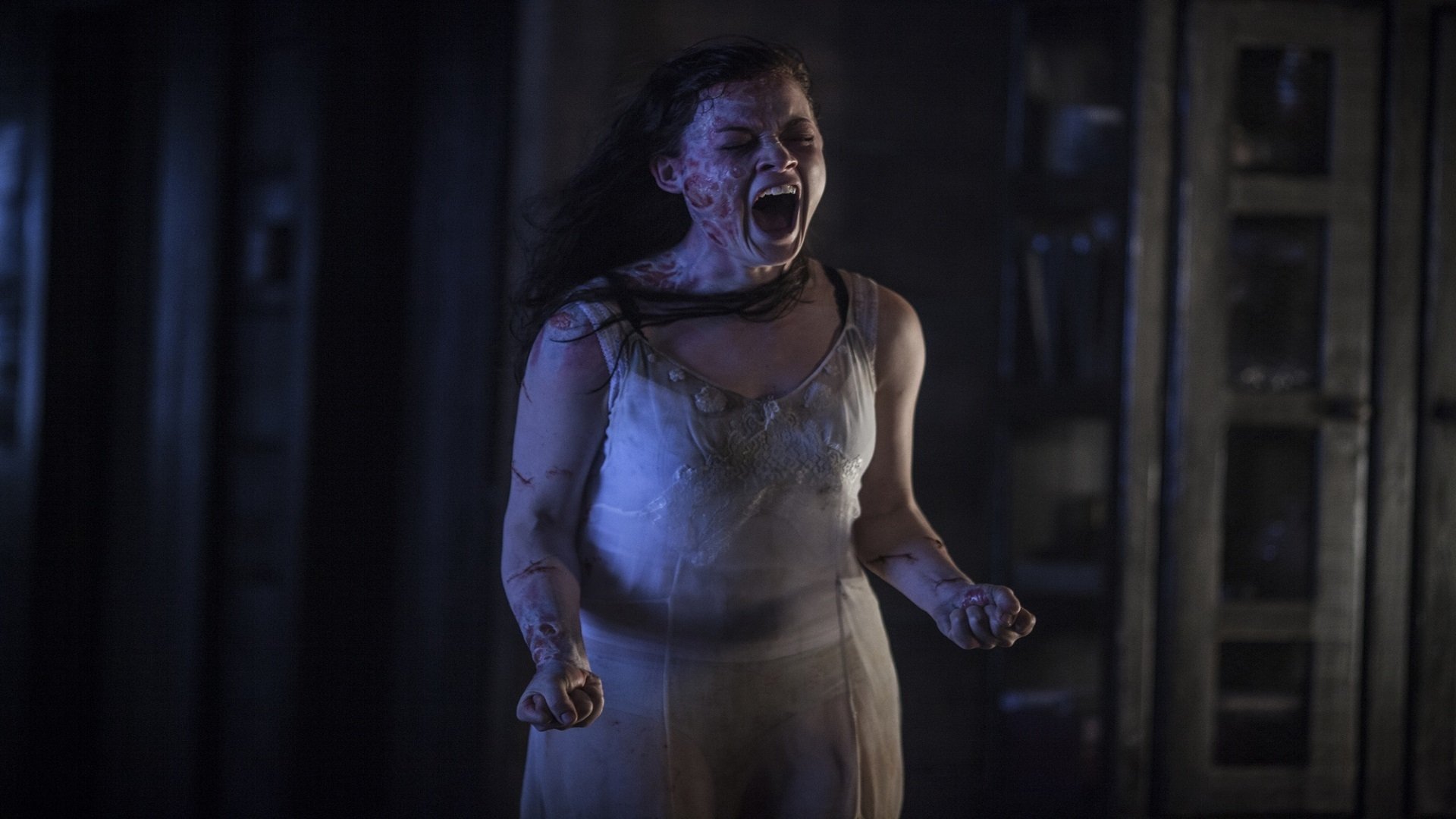
Álvarez repeatedly stated that he wanted the overwhelming majority of the horror effects achieved physically. On-set accounts described the effects workload as approximately ninety-five percent practical, although digital post-production was still used where required. Roger Murray led makeup and prosthetic design, working with artists including Jane O'Kane and a substantial New Zealand effects crew. Main Reactor supplied prosthetics, gore mechanisms, hero props and effects rigs. Instead of treating practical effects as nostalgic decoration, Álvarez connected the choice directly to performance: if an actor could actually see blood, wounds and physical transformations, the reaction required less imaginary substitution.

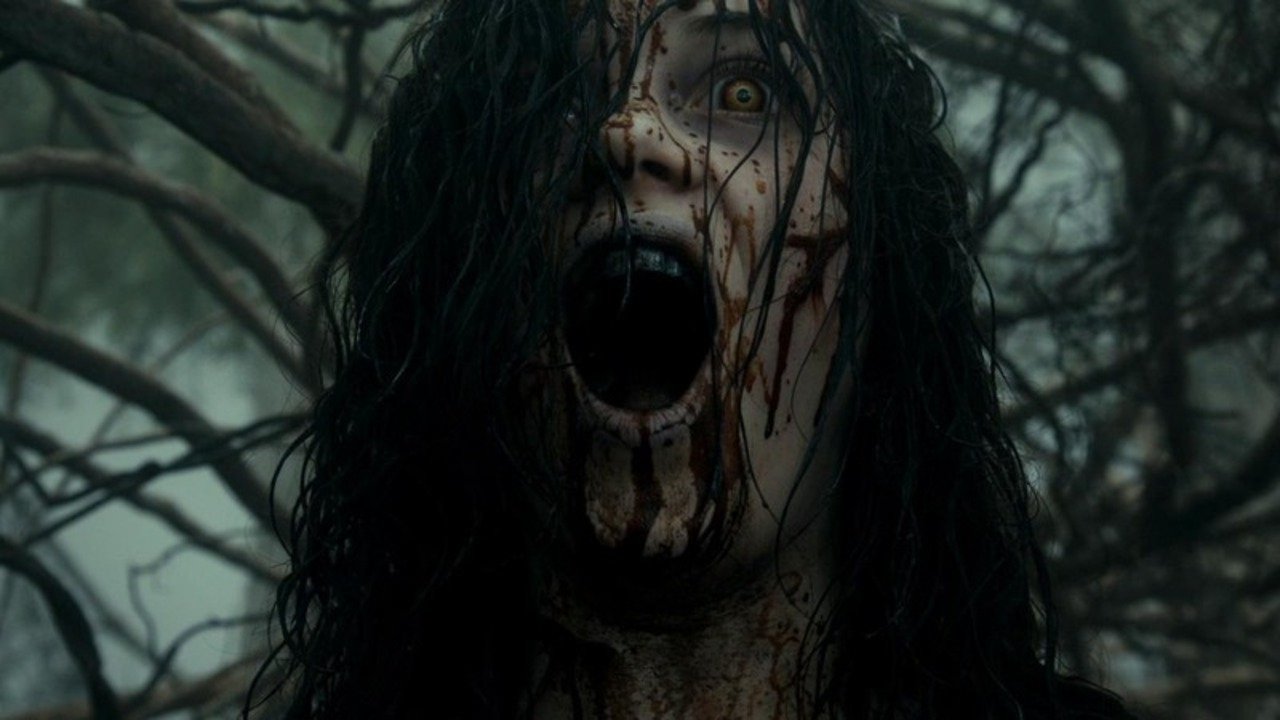
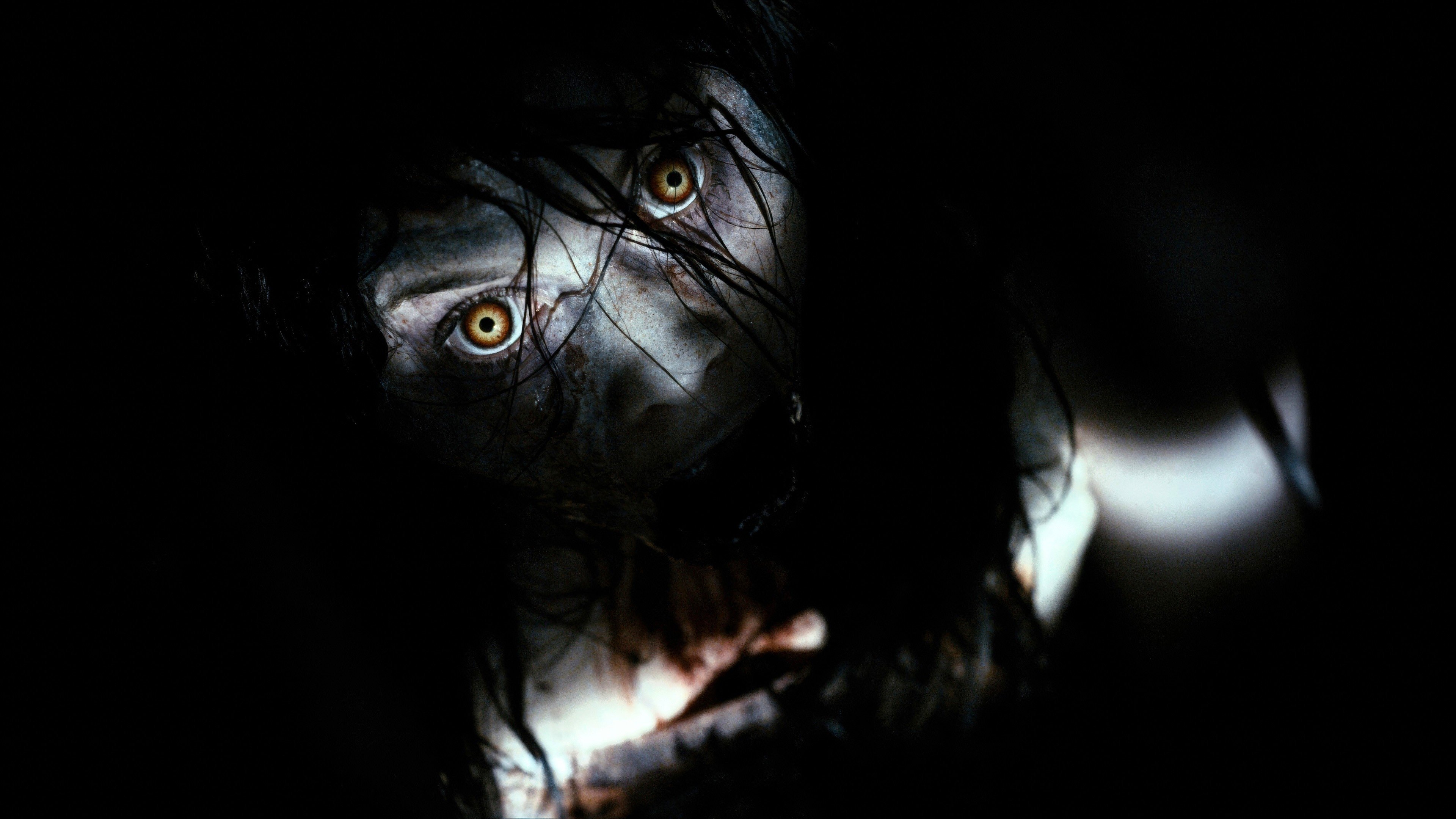
Preparation began with body casting. Elizabeth Blackmore recalled spending a day before principal photography having faces and limbs molded in multiple positions so that the effects department could construct replacement anatomy before the relevant scenes were shot. Makeup sessions could then become extremely long, with performers describing applications lasting several hours. Such preparation was necessary because individual characters progress through multiple stages of infection.

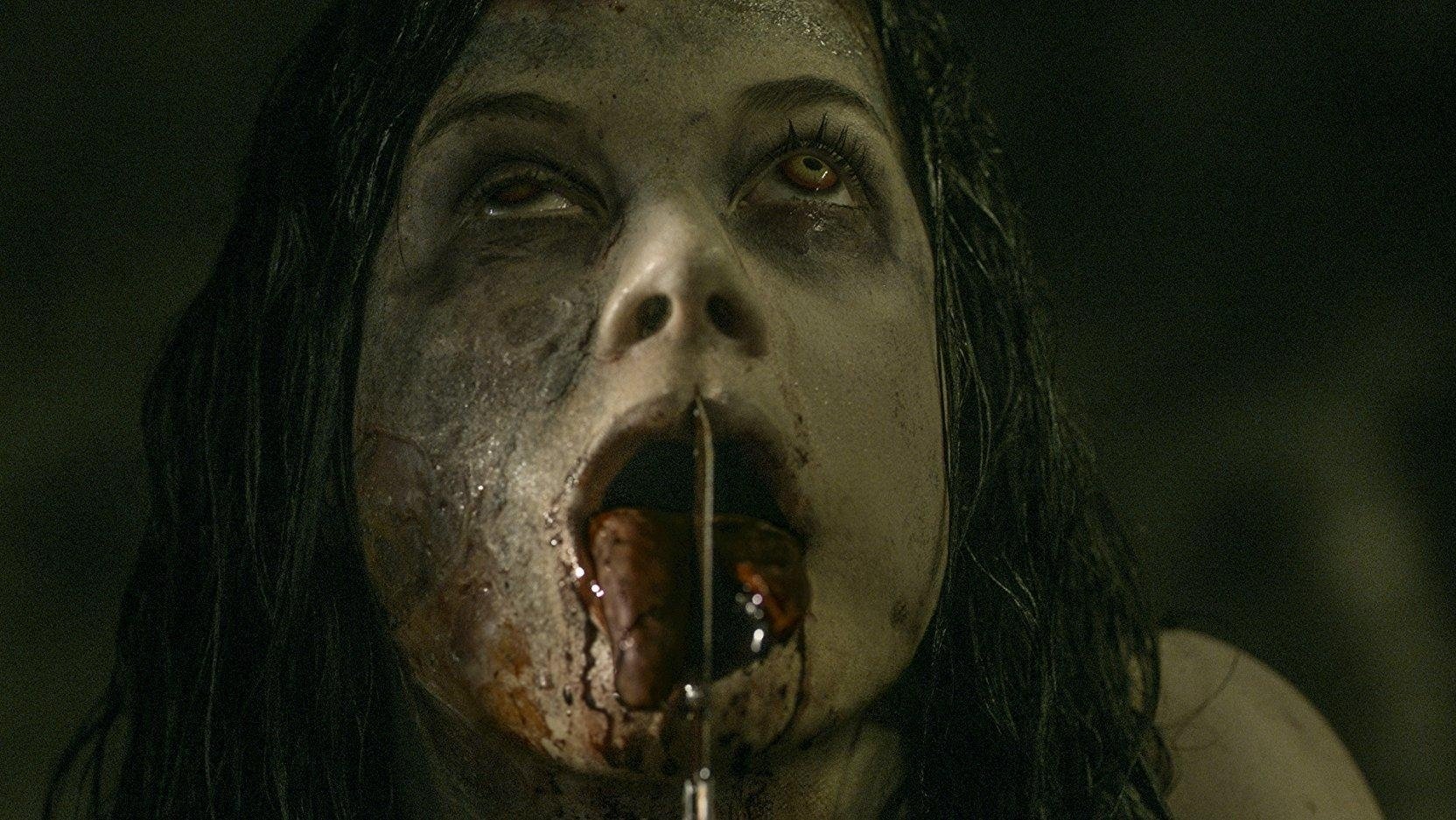
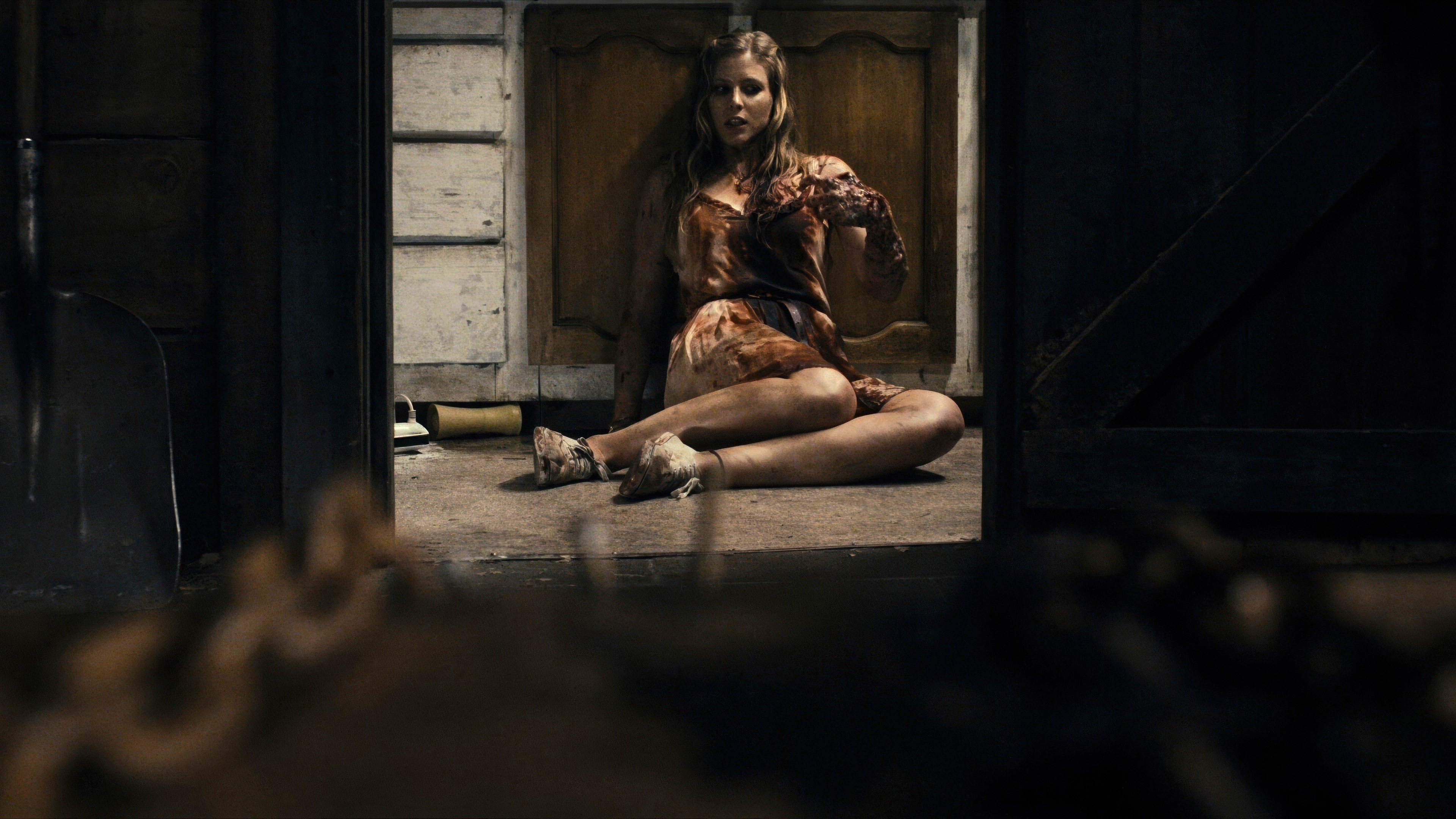
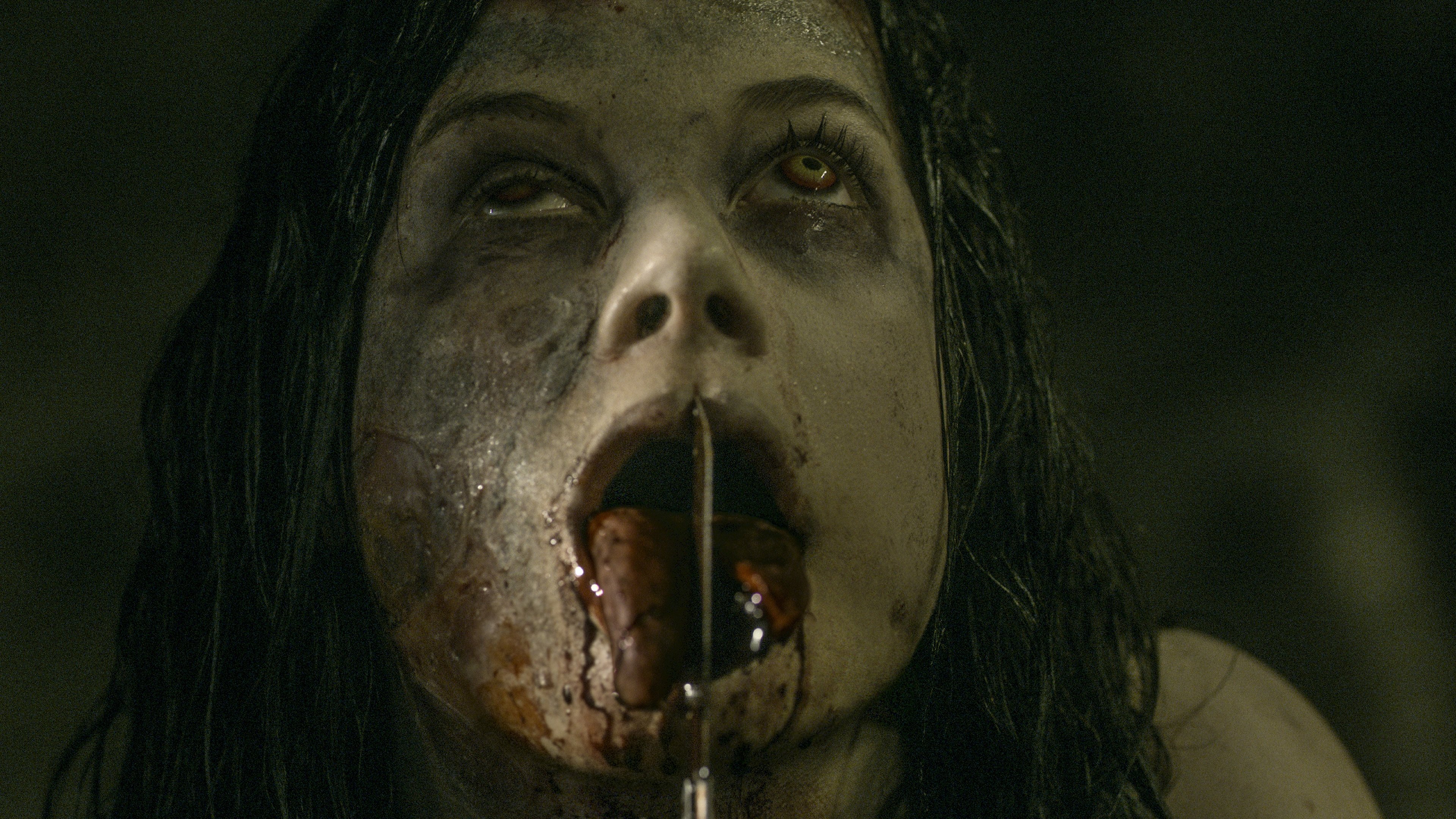
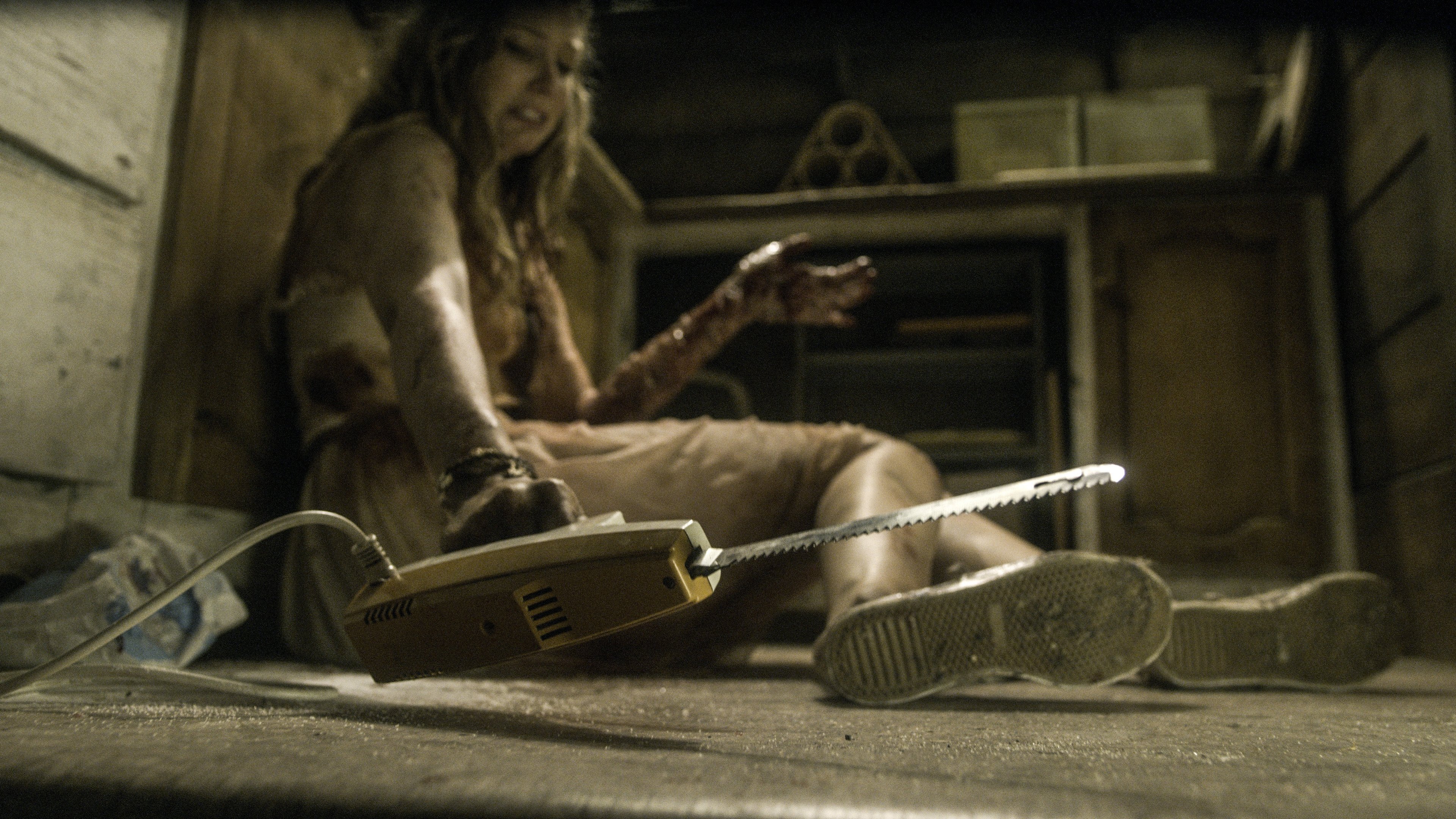
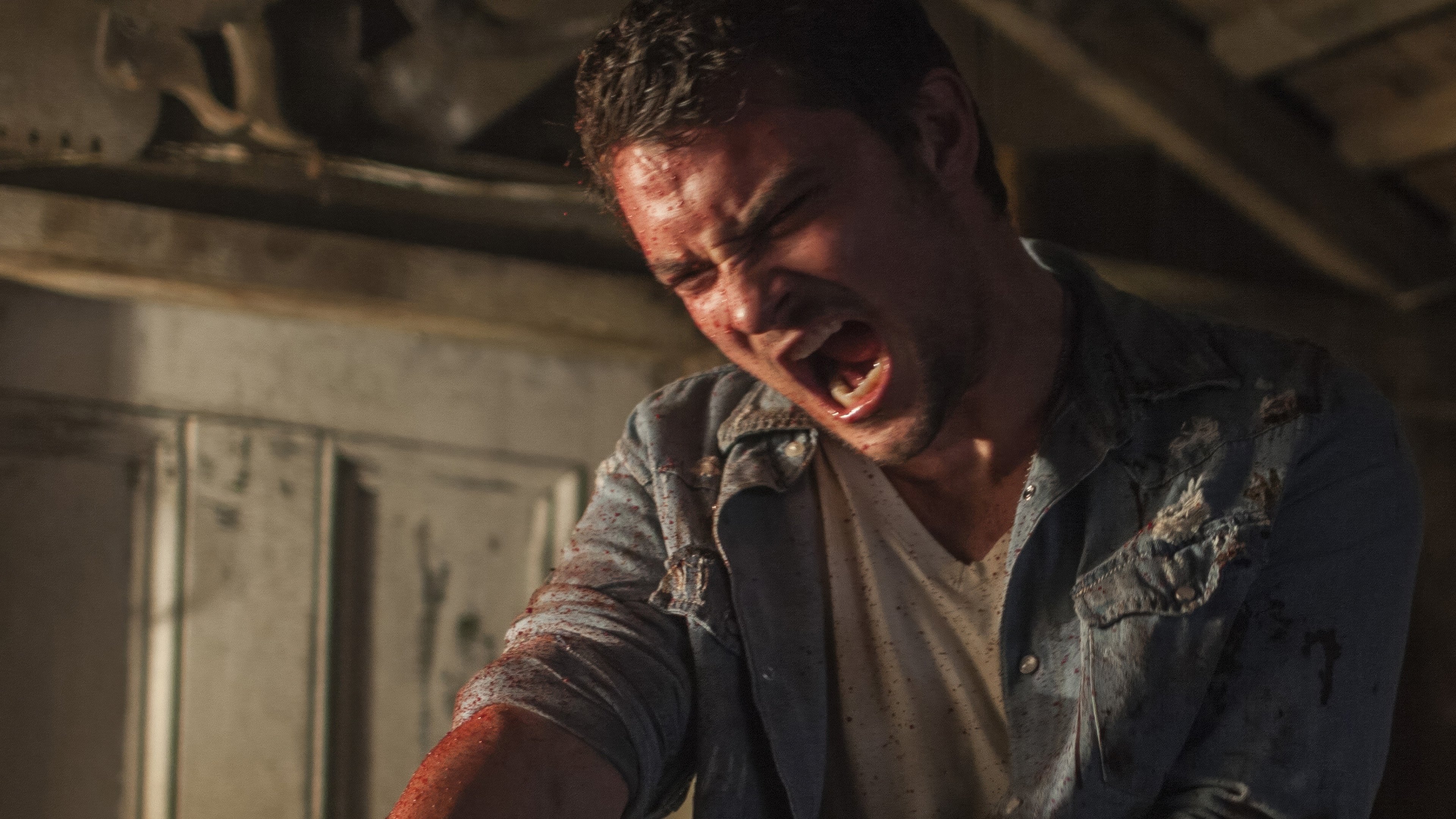
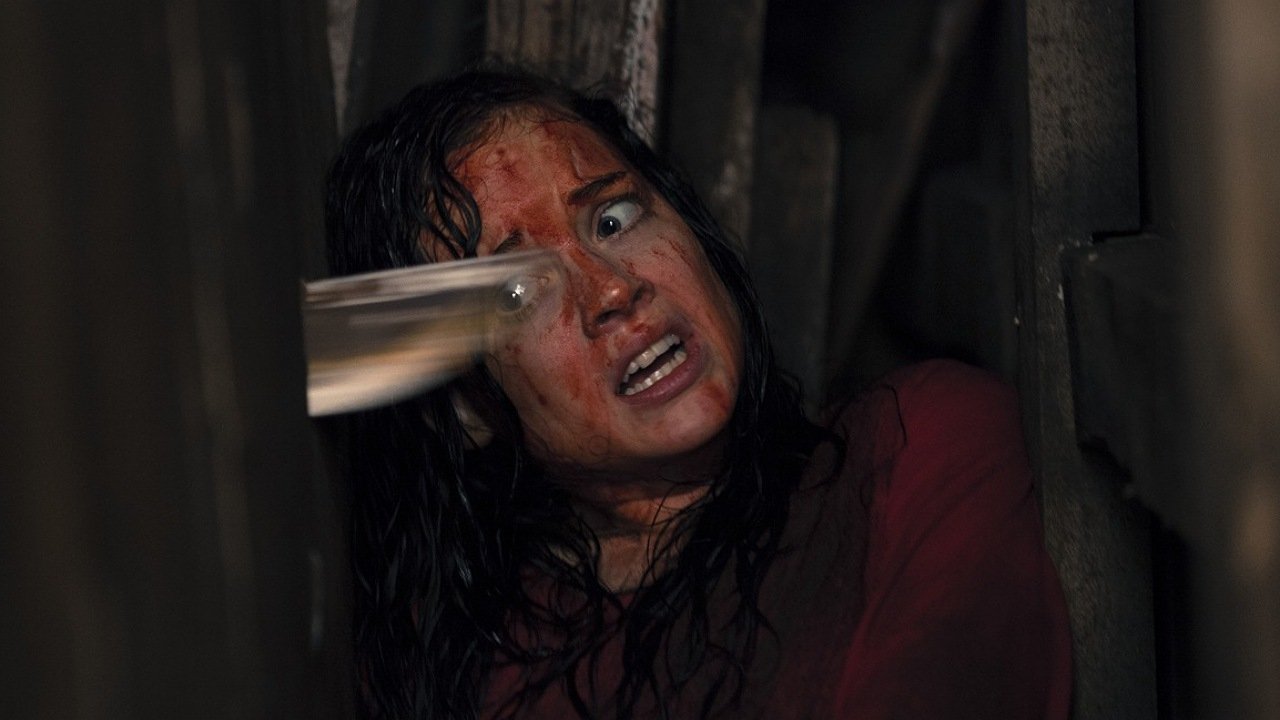
Natalie's arm sequence demonstrates the engineering involved. The effects department fabricated shortened and replacement arm sections capable of containing internal breaks and blood lines while still allowing Blackmore to perform portions of the action physically. Álvarez wanted the audience to see the cutting happen in sustained shots rather than hide the entire event behind reaction close-ups. The infamous tongue-cutting gag created similar problems. Álvarez later admitted that the first practical attempt looked sufficiently unconvincing that members of the production suggested replacing it digitally. He refused and reshot the effect until the physical illusion worked.

The practical-first policy was not an ideological claim that computers could never be used. Álvarez had professional experience with visual effects and understood their advantages. Instead, the principle was that the photographed event should begin with something tangible whenever possible. Digital work could erase supports, modify an interior cavity, combine elements or clean the finished frame, but wounds and bodies were generally expected to exist under the same light as the performers. That hierarchy gives the gore its characteristic weight because actors are responding to physical resistance, liquids and objects rather than to completely absent geometry.

Blood Rain and the Final Effects Marathon

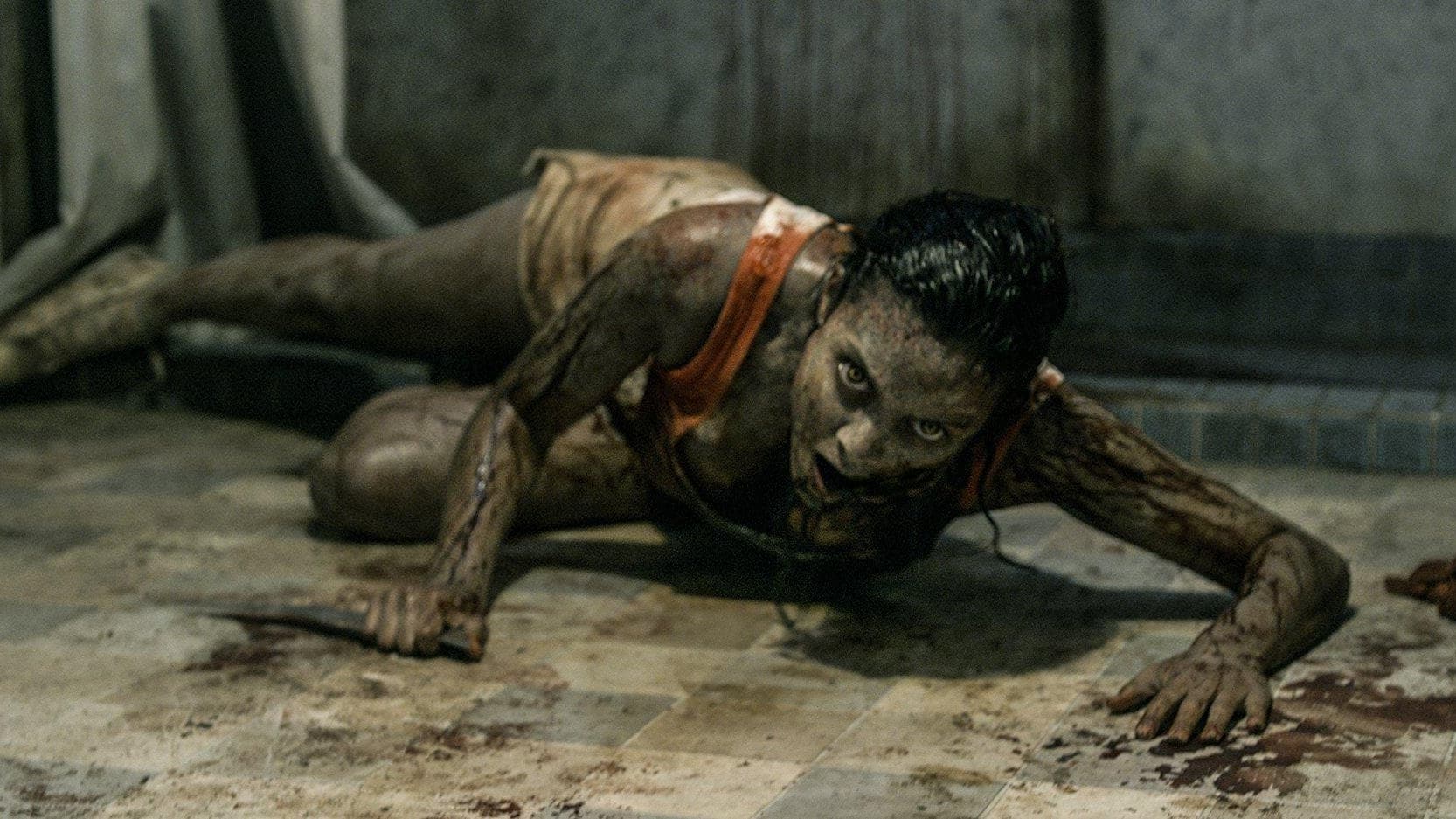
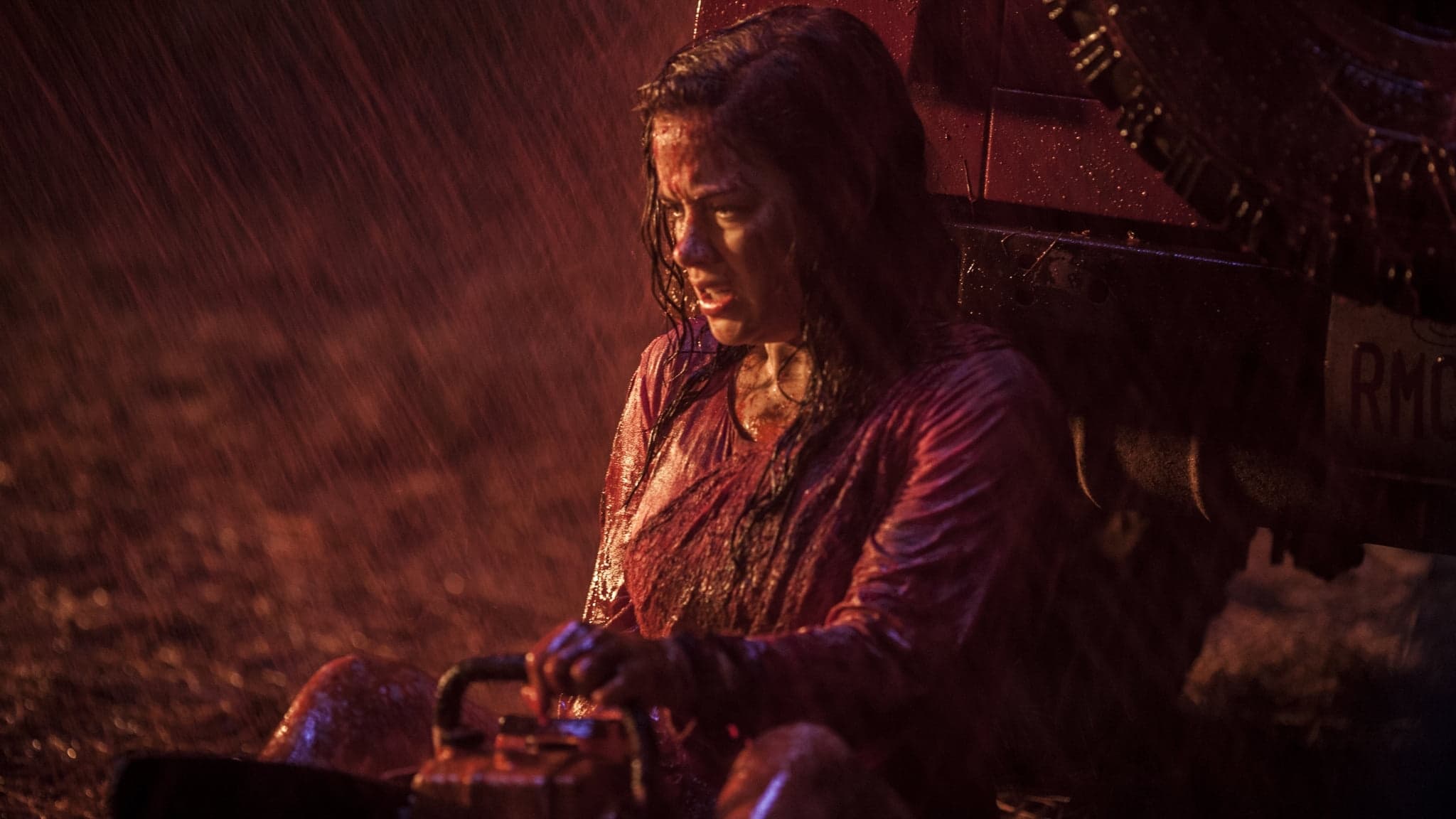
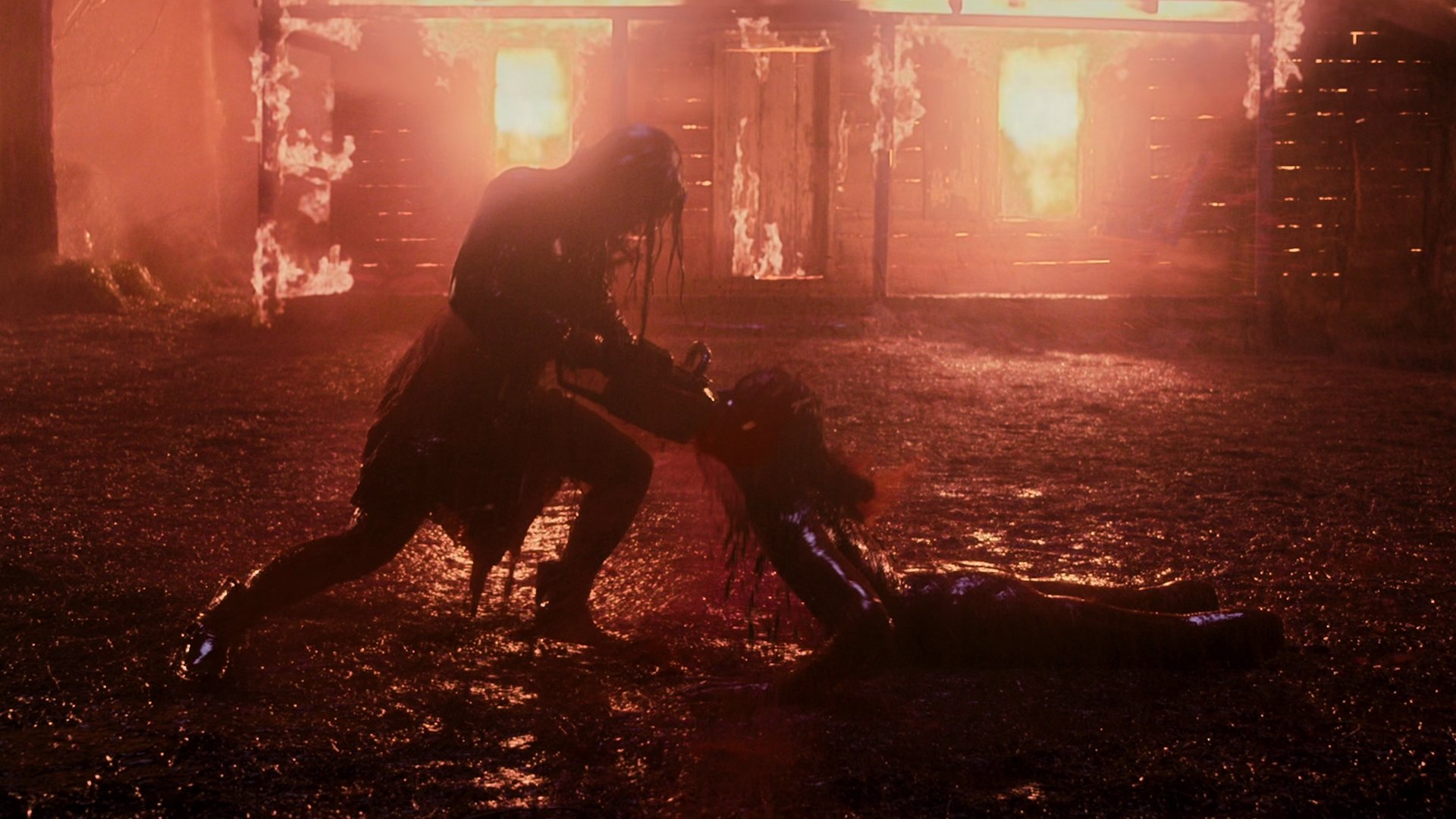
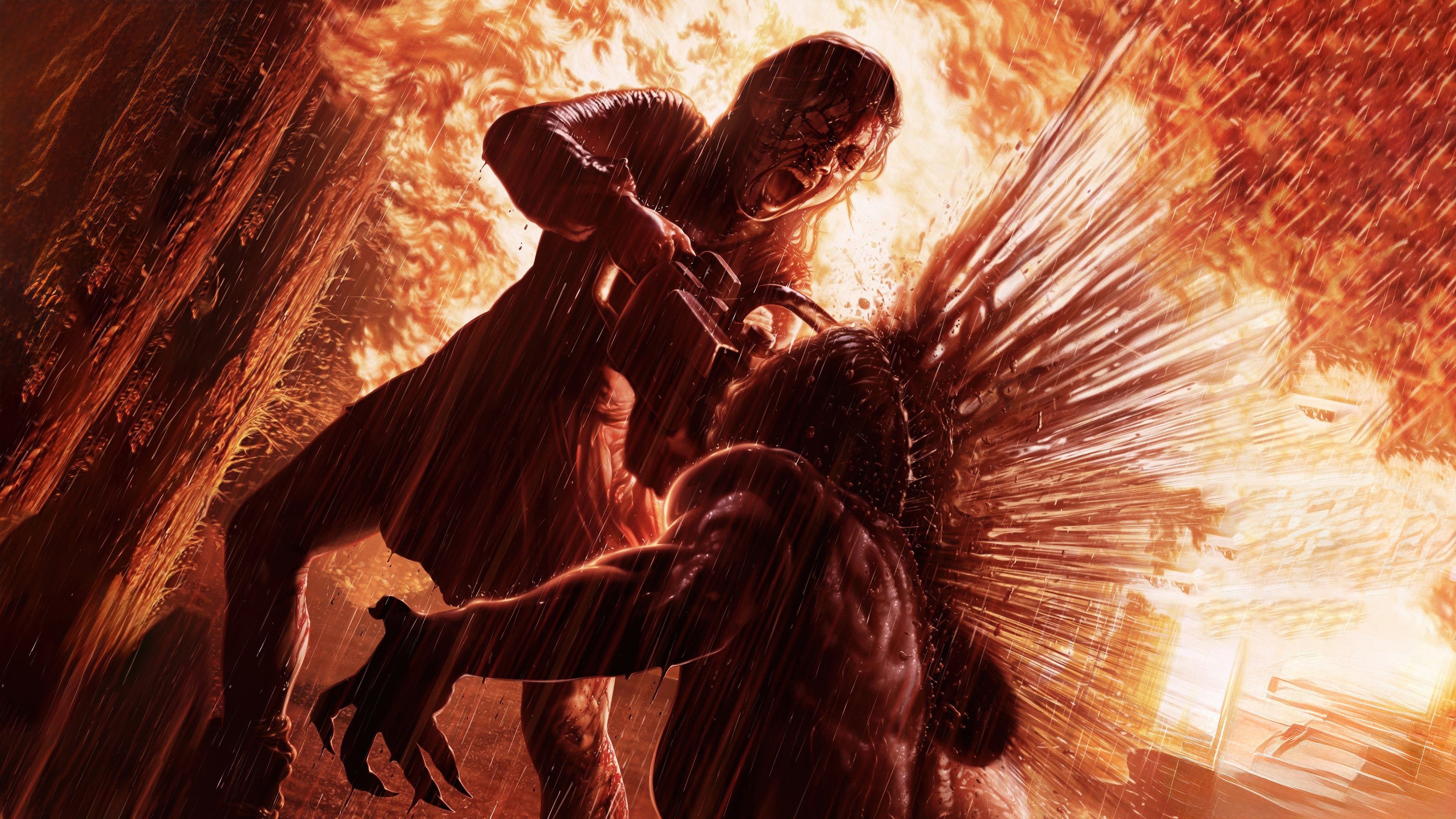
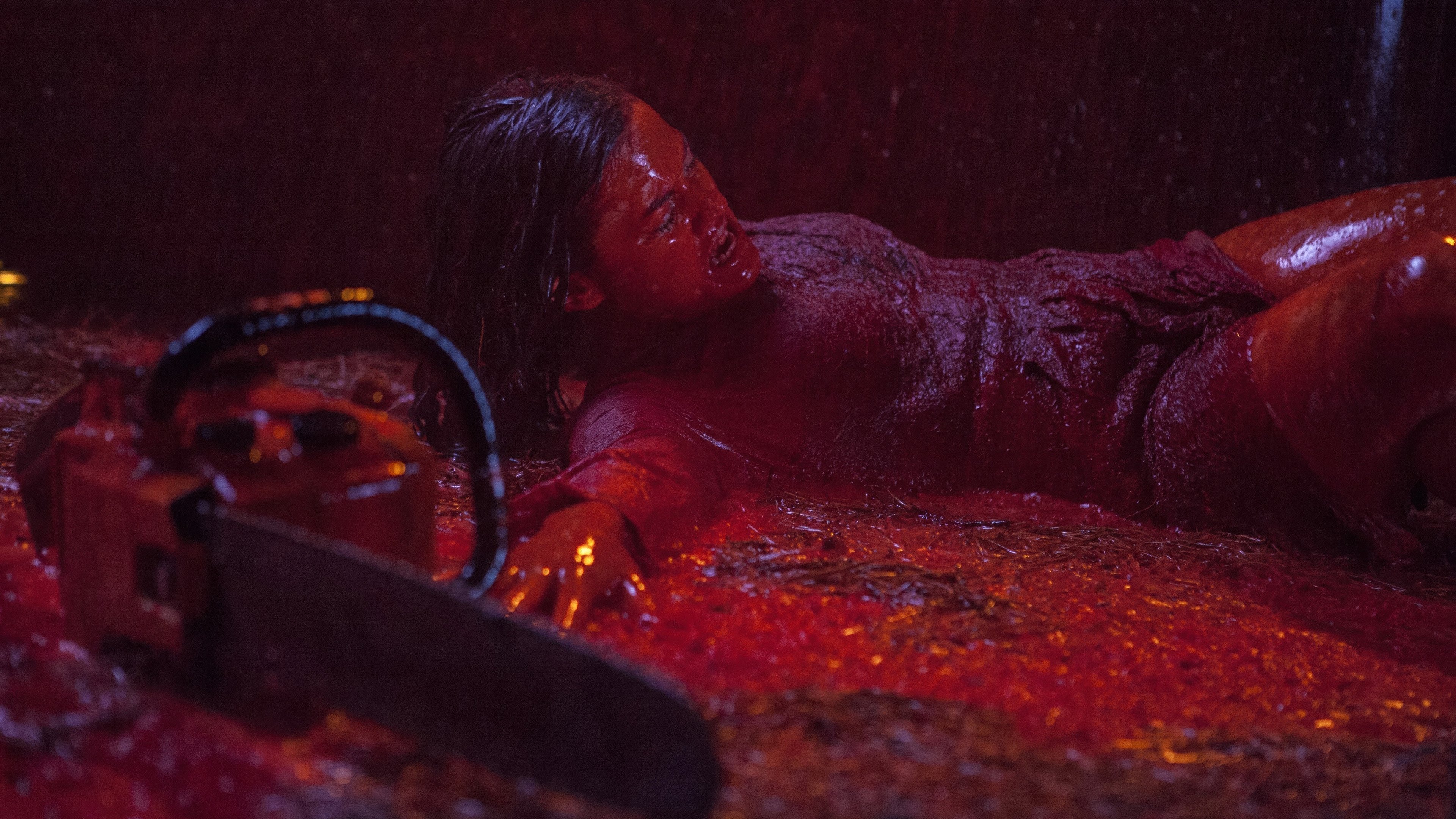
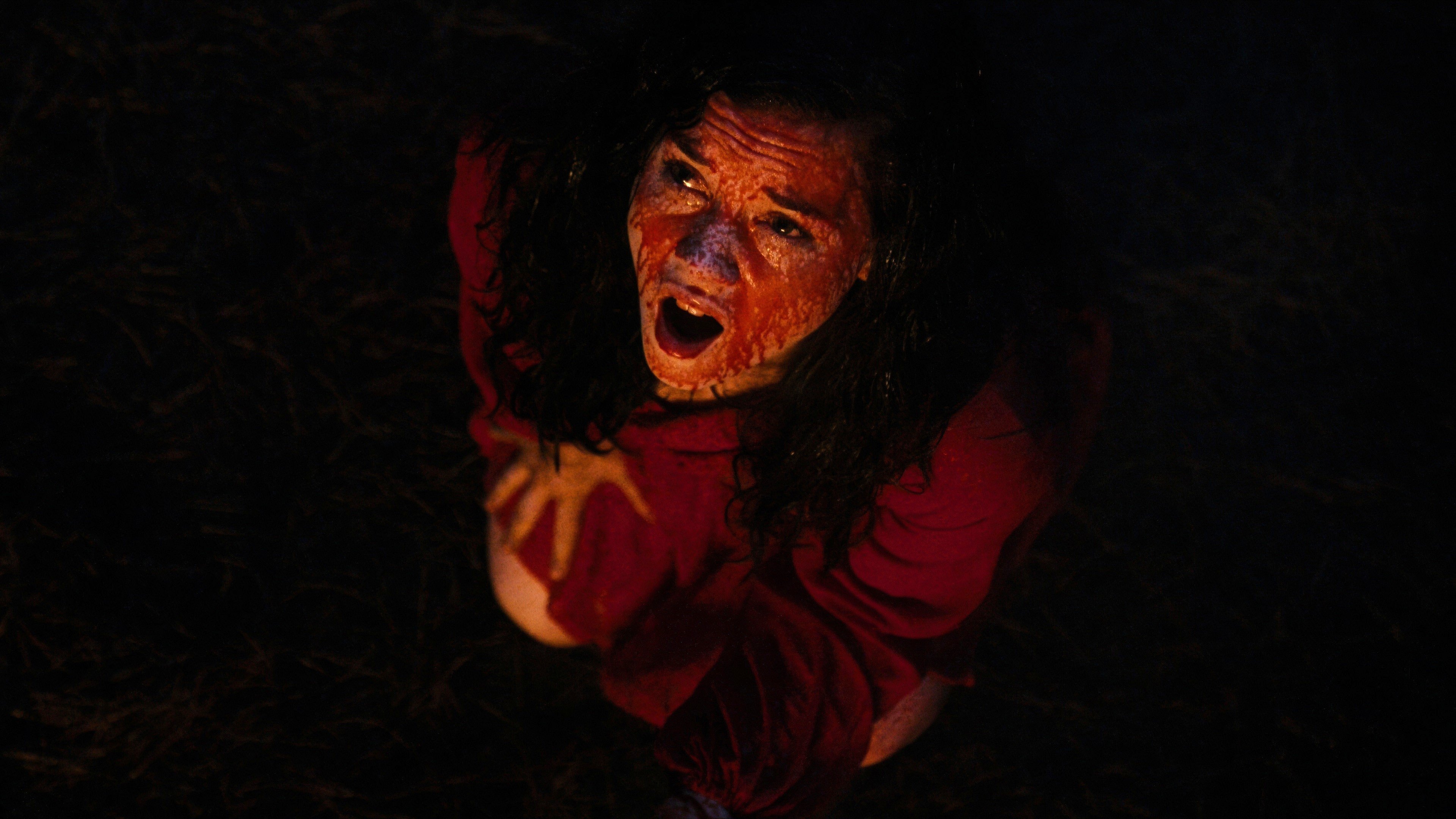
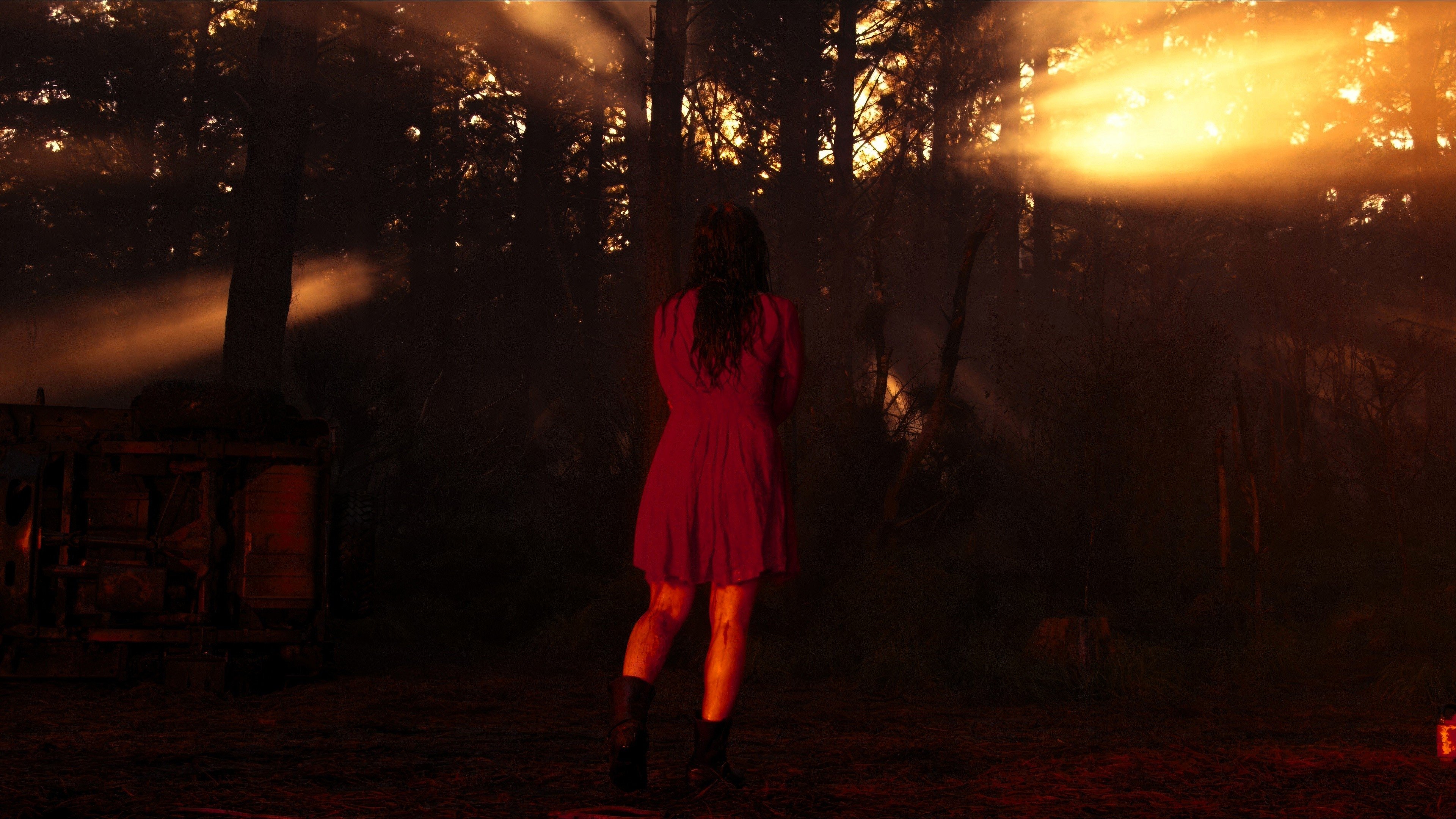
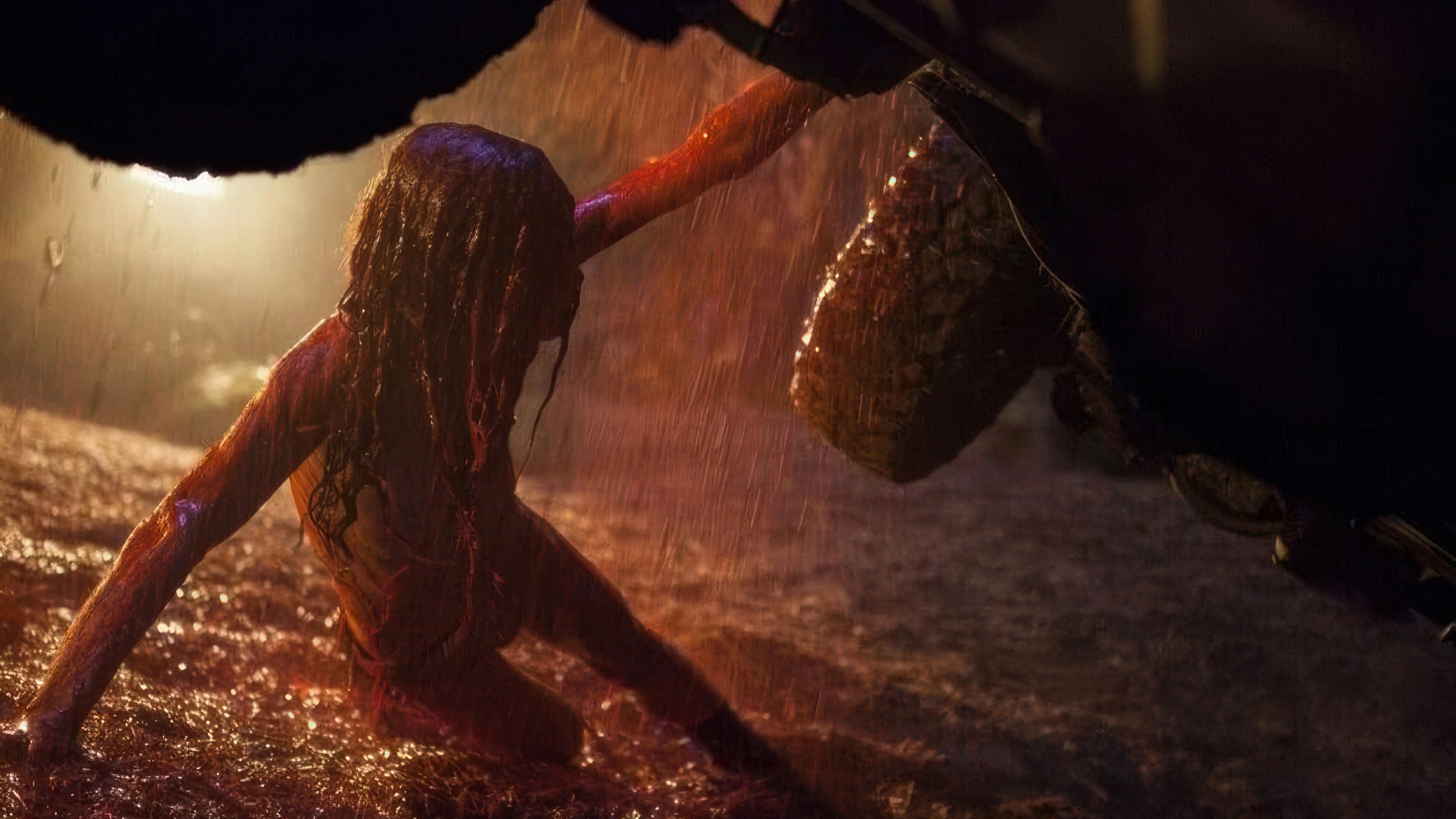
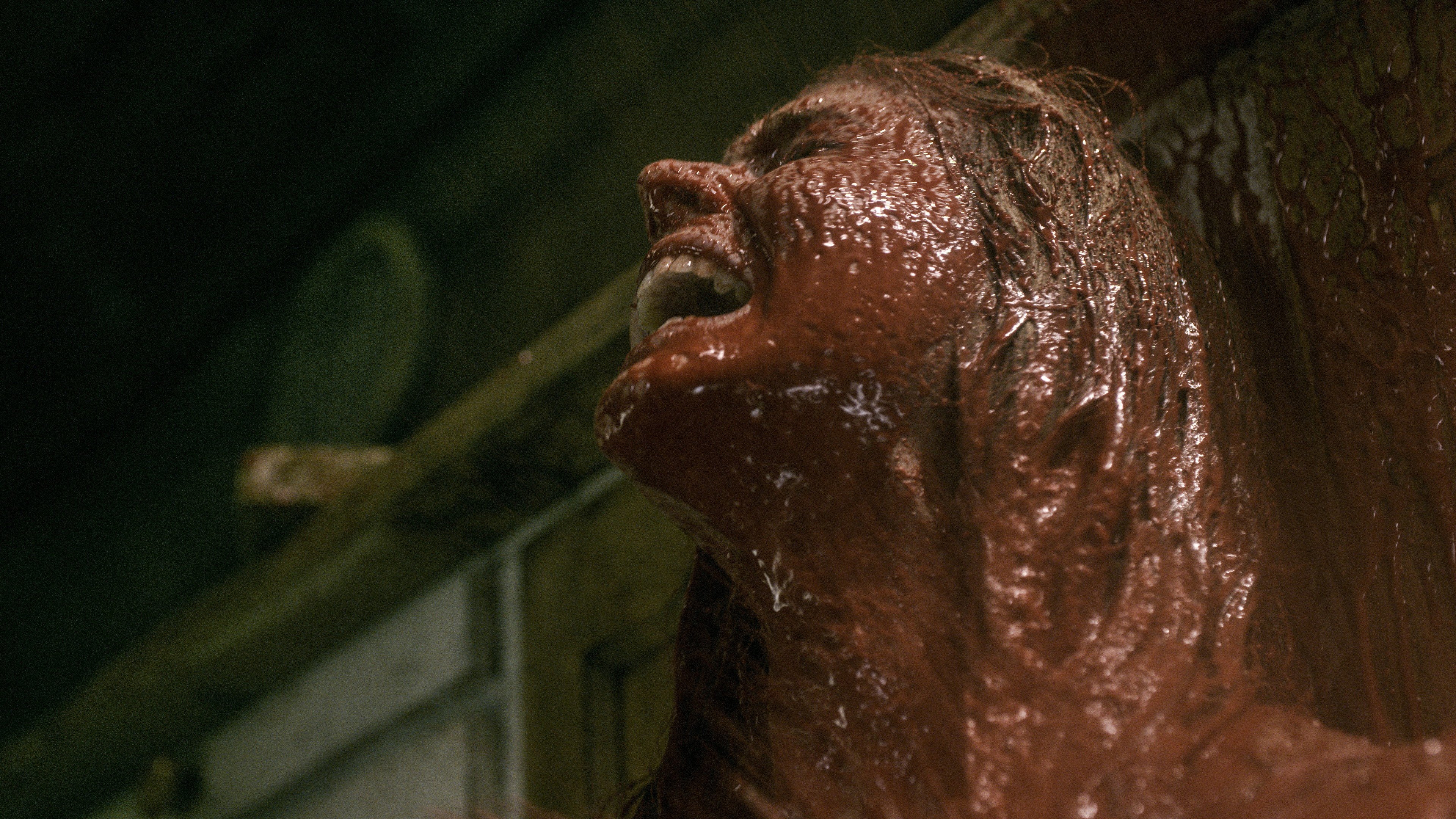
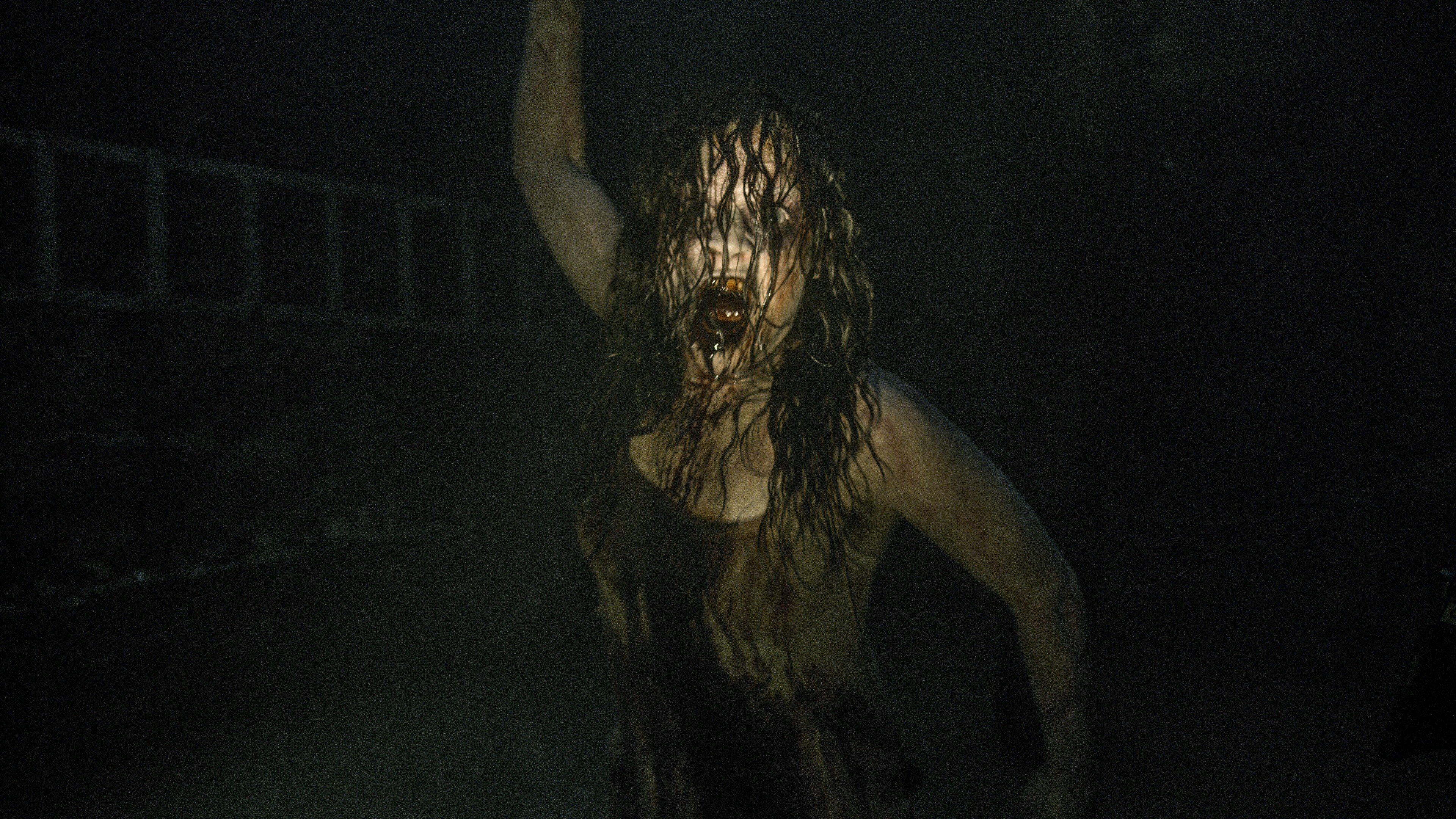
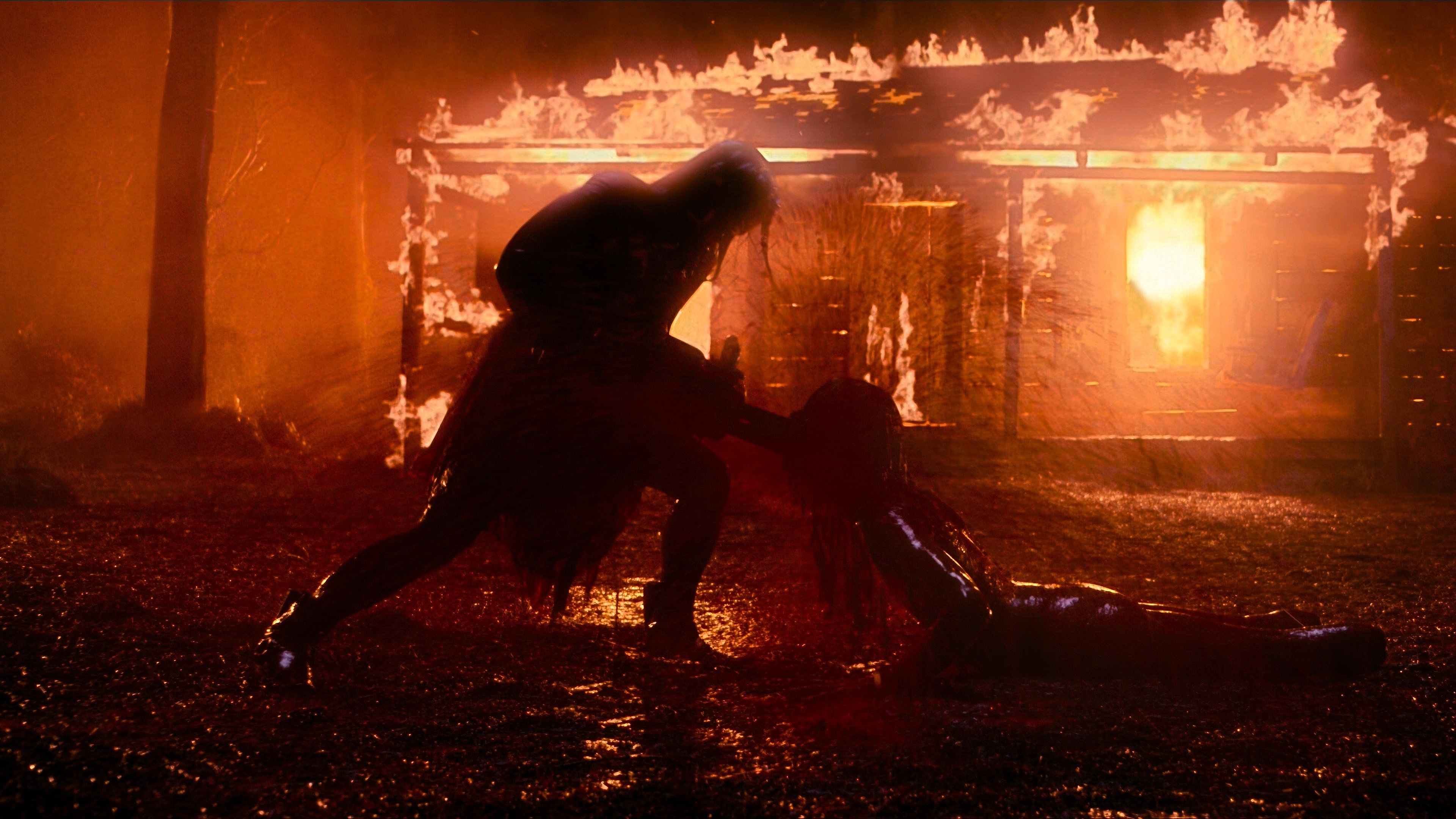
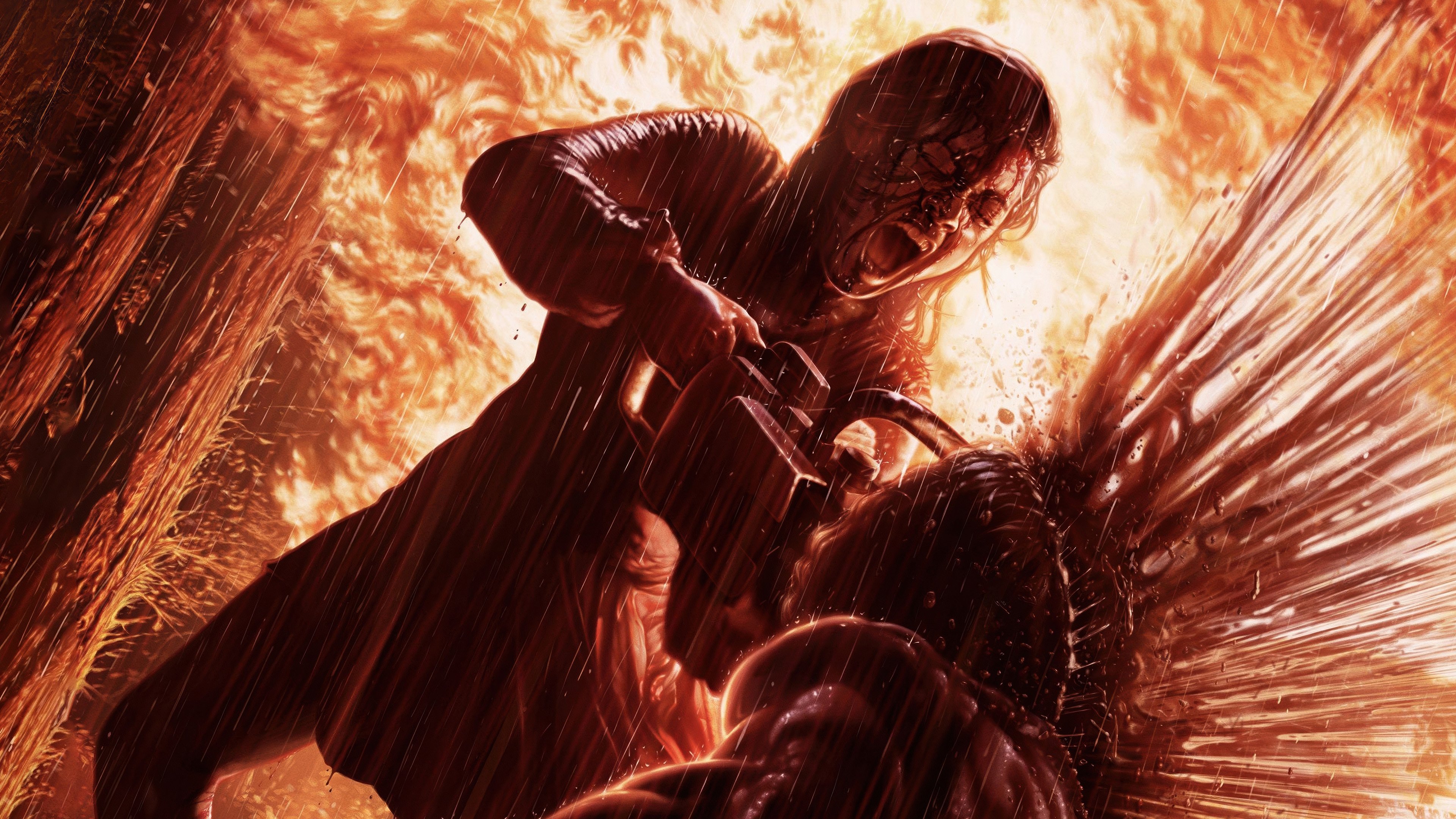
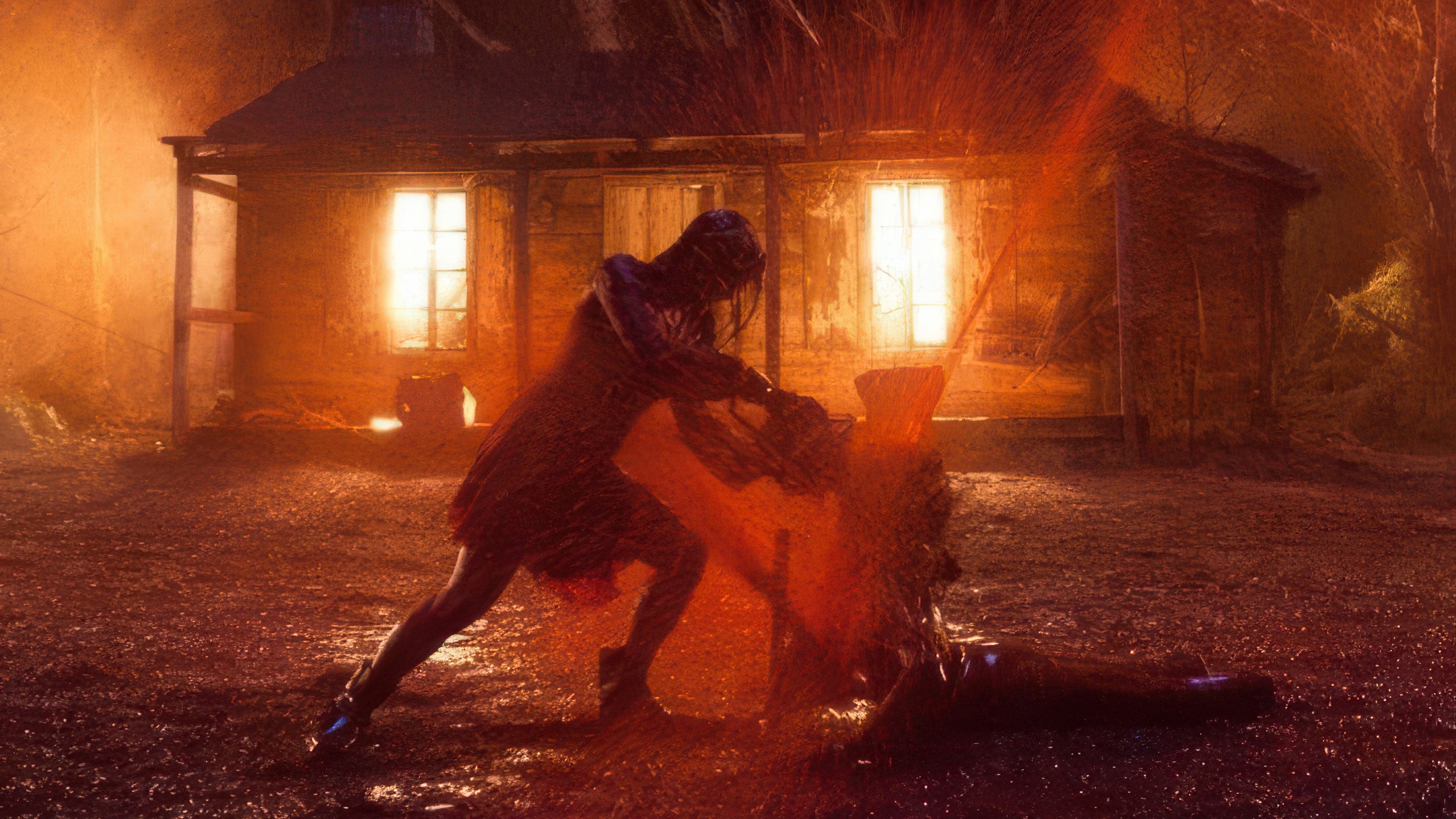
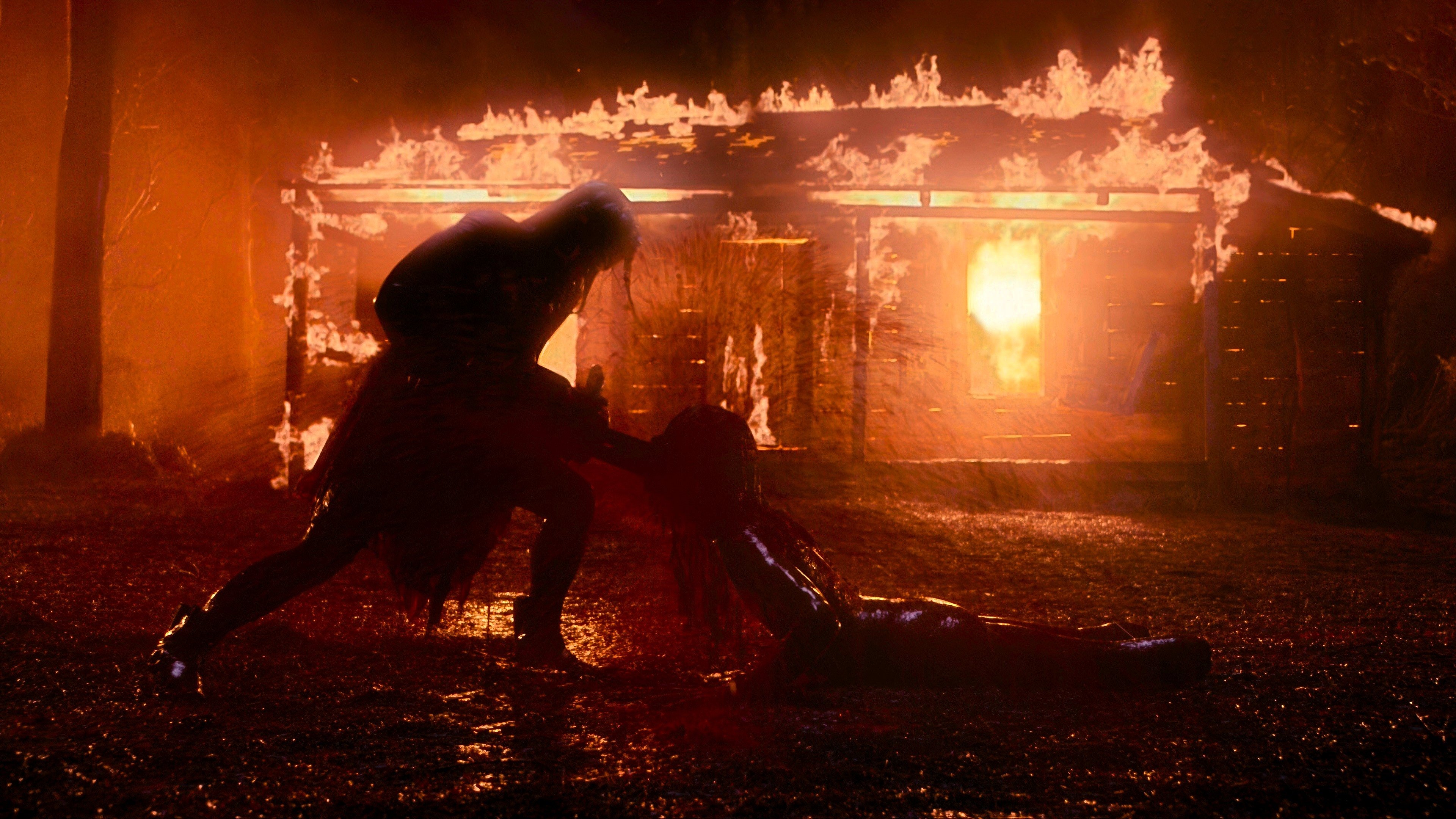
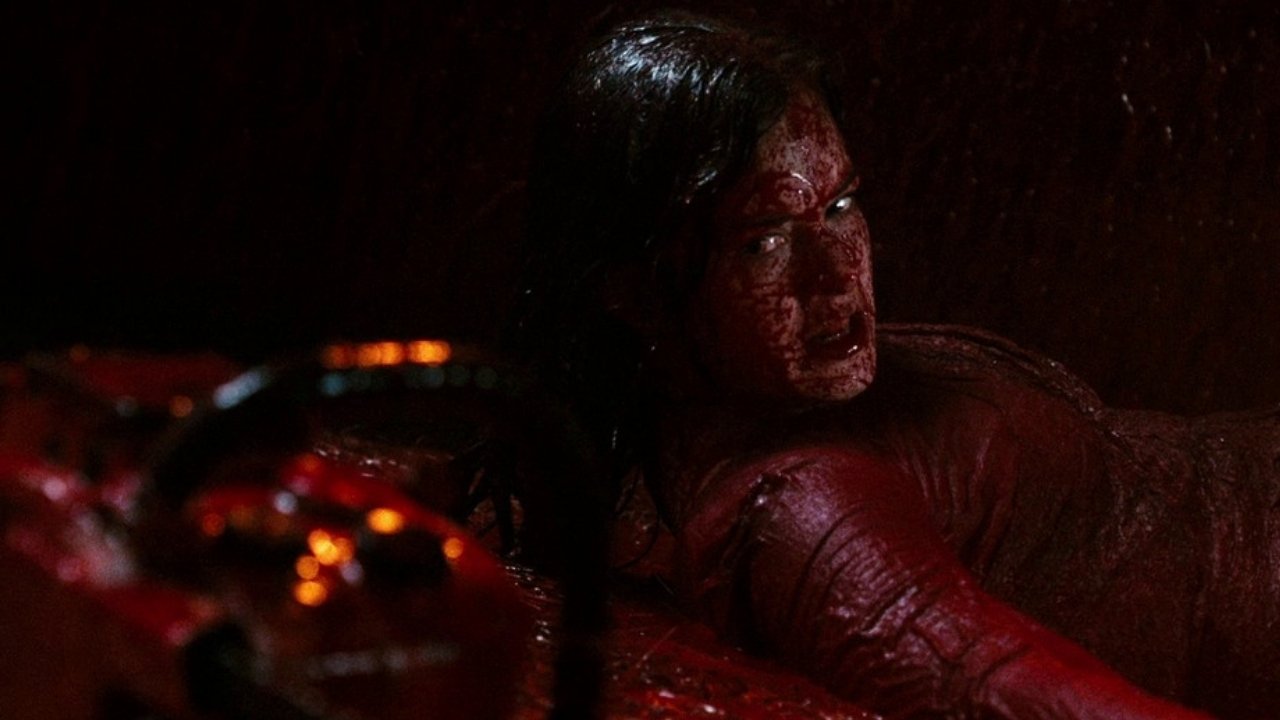
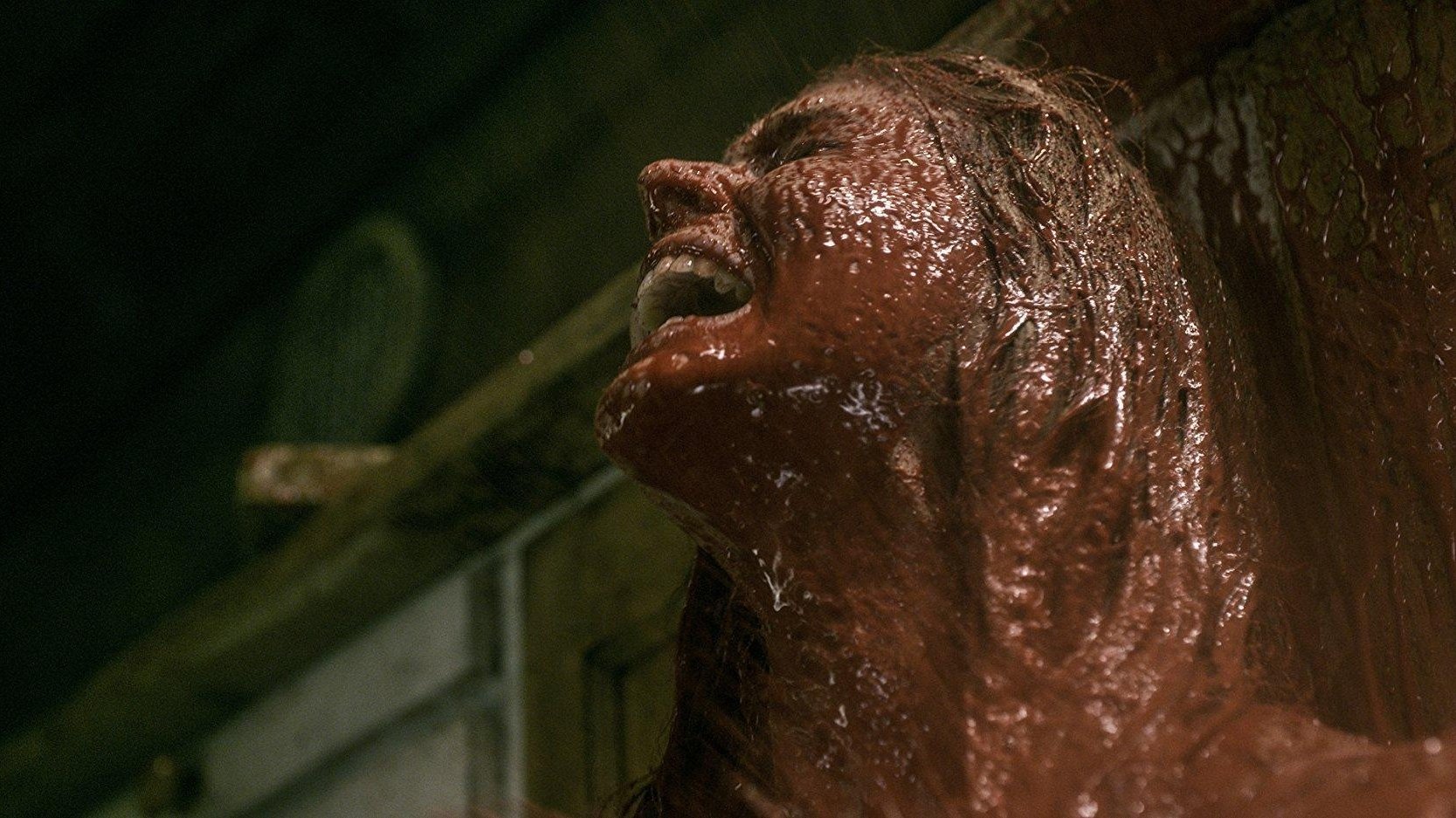
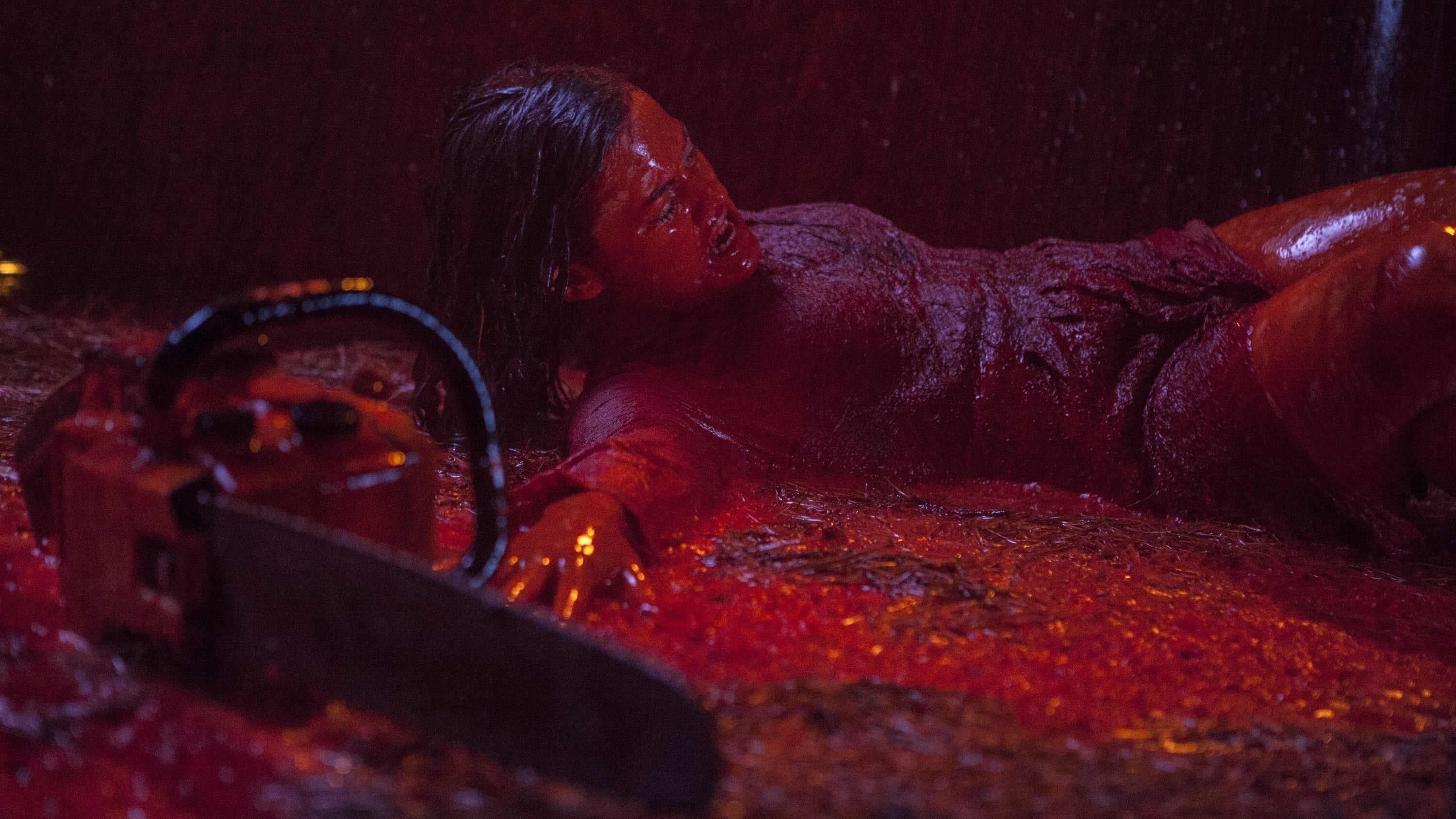
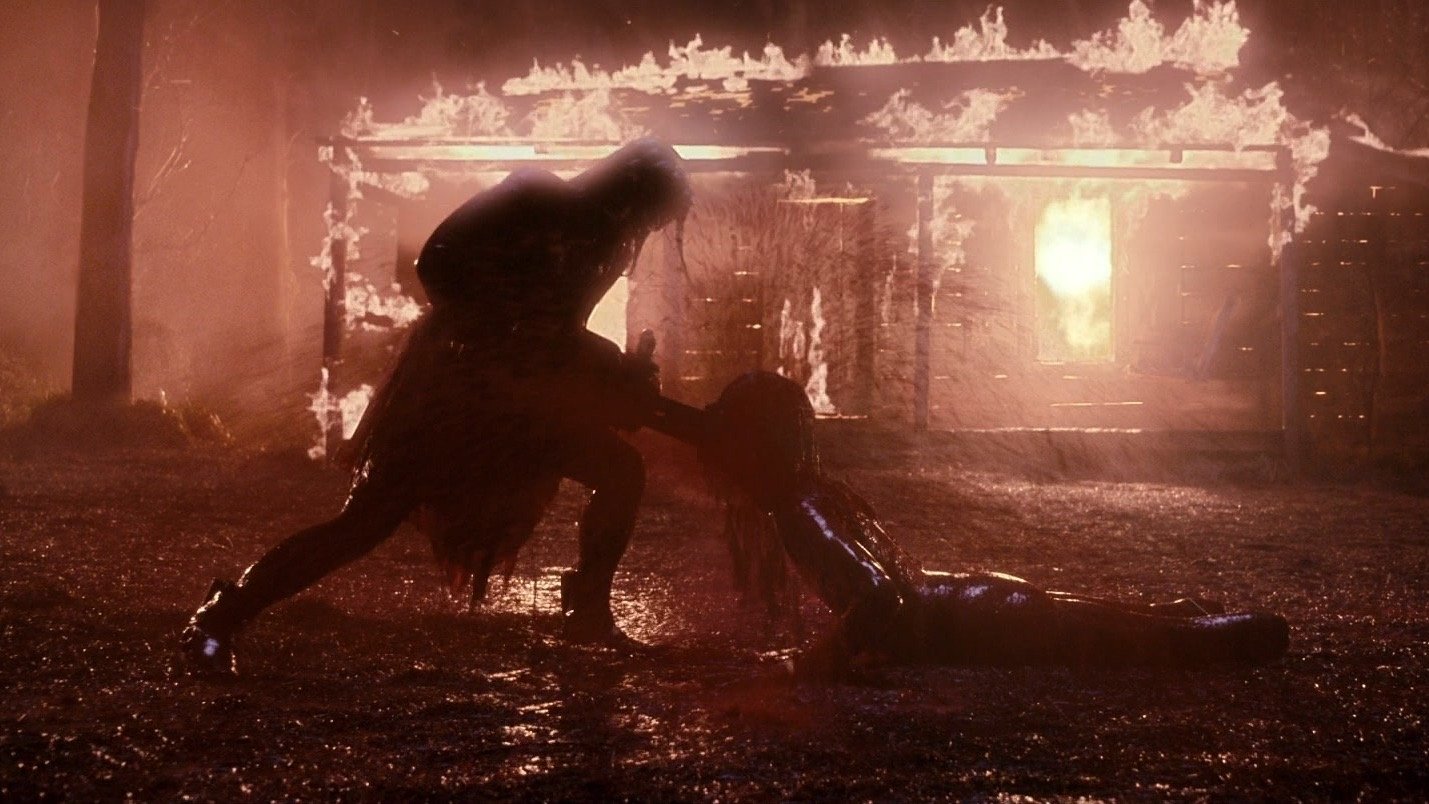
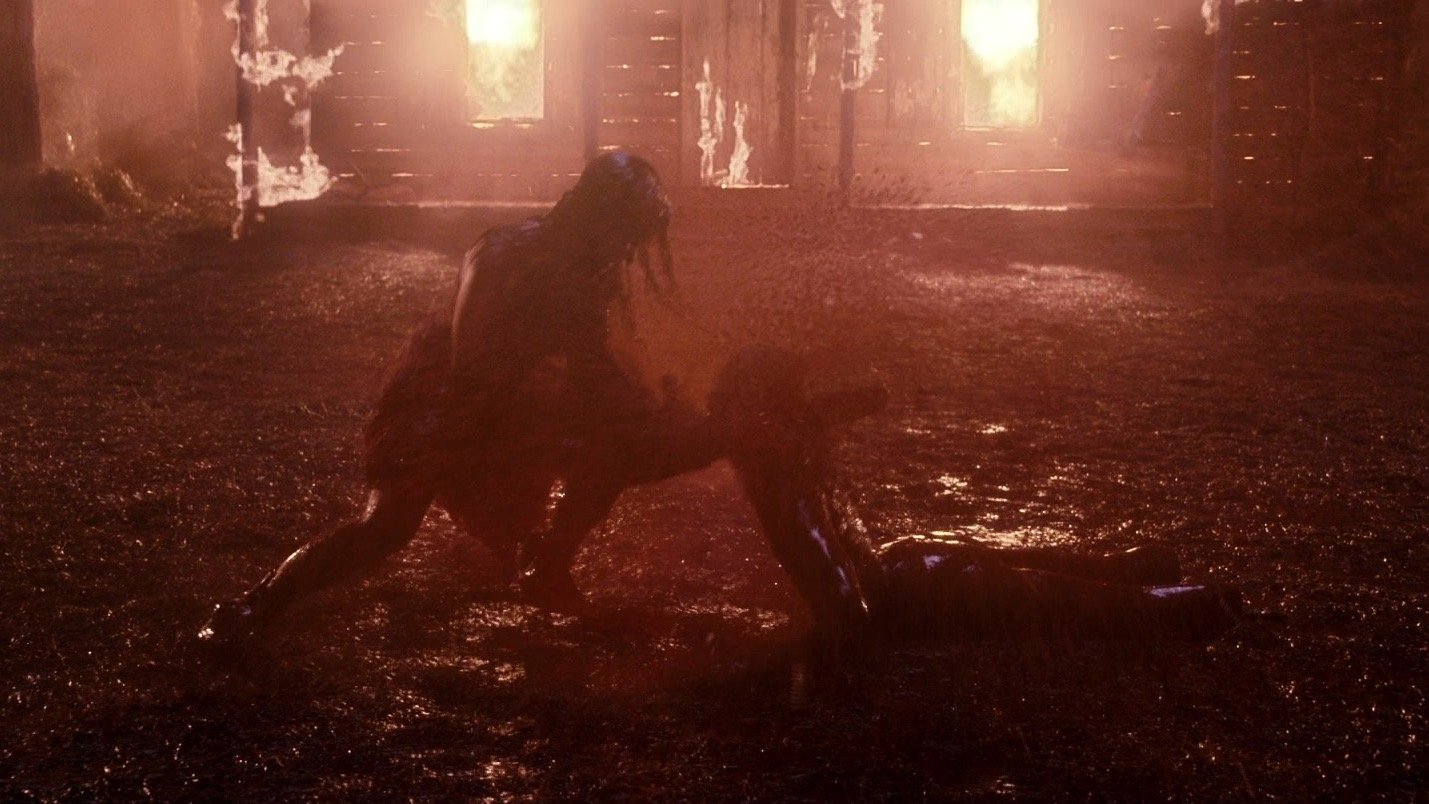
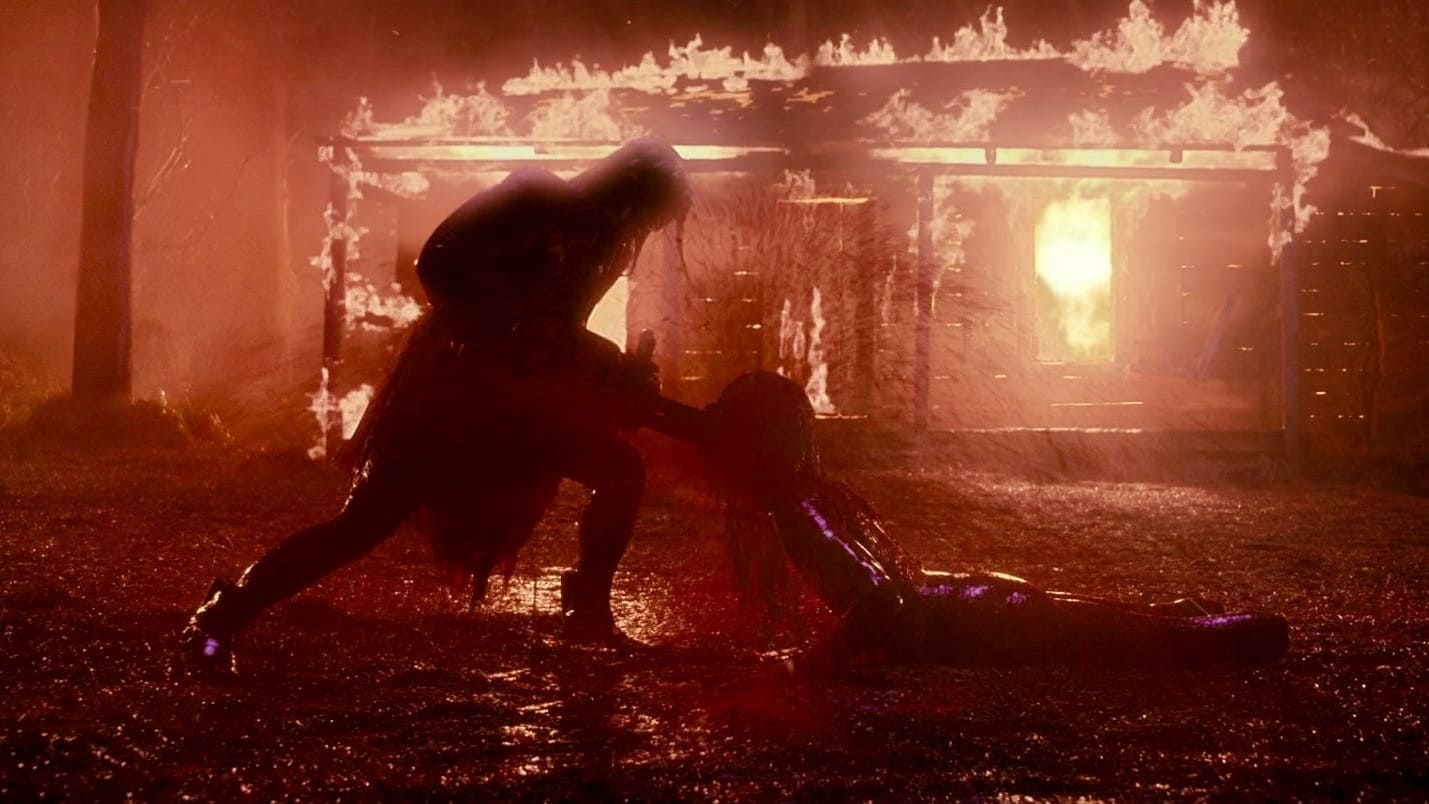
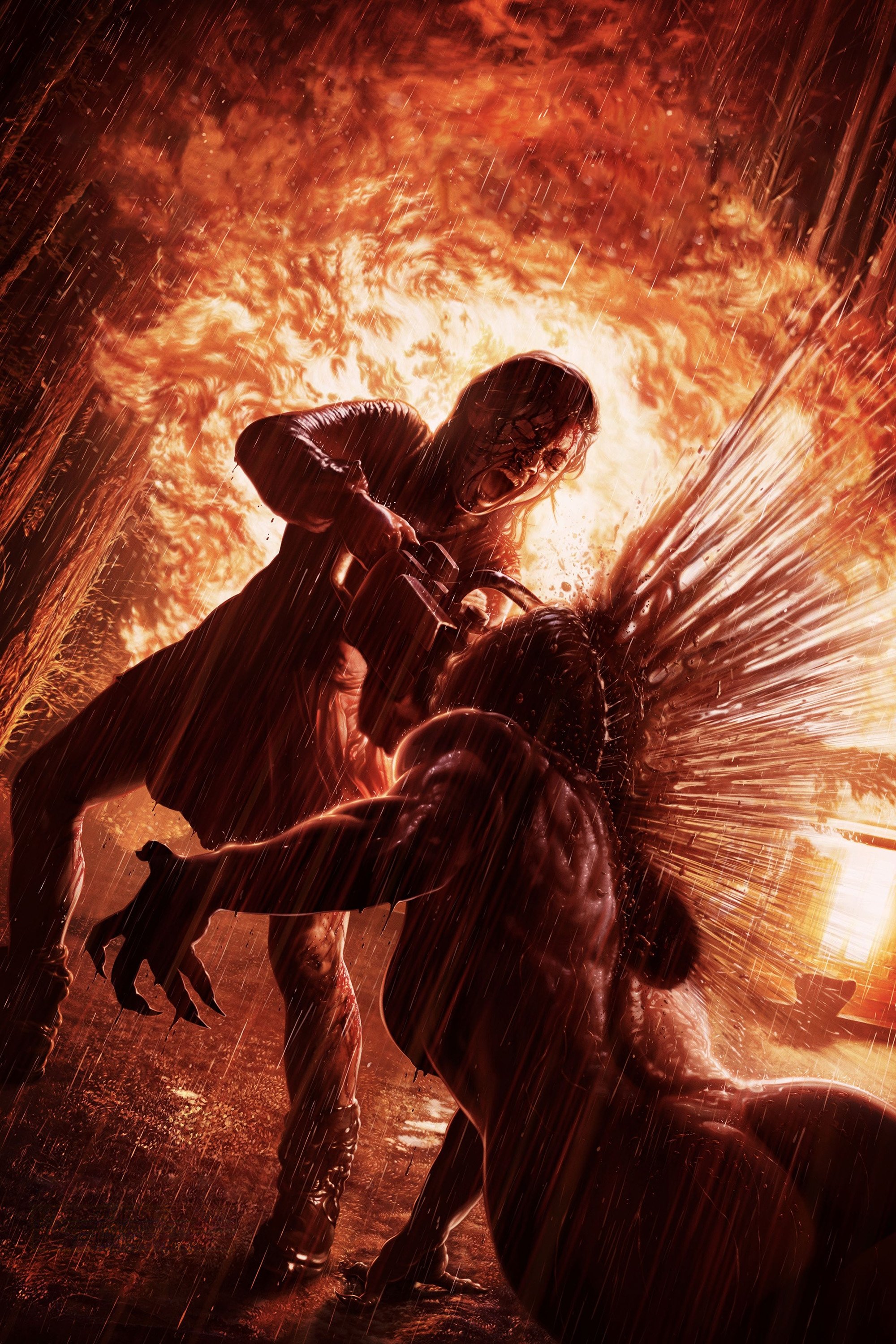
The final act pushes the practical-effects philosophy into deliberate excess. Álvarez and Sayagues had written blood raining from the sky while privately assuming that production realities might eventually force the idea to disappear. Instead, the crew engineered a large-scale pumping system capable of saturating the exterior environment continuously while Mia fights the Abomination. Álvarez repeatedly estimated that approximately fifty thousand gallons of blood mixture were associated with the production setup for the climactic material, describing a tanker that required refilling. The figure should be understood as the director's own production recollection rather than an independently audited total, but the scale visible in the finished sequence makes clear that the effect was physically enormous.
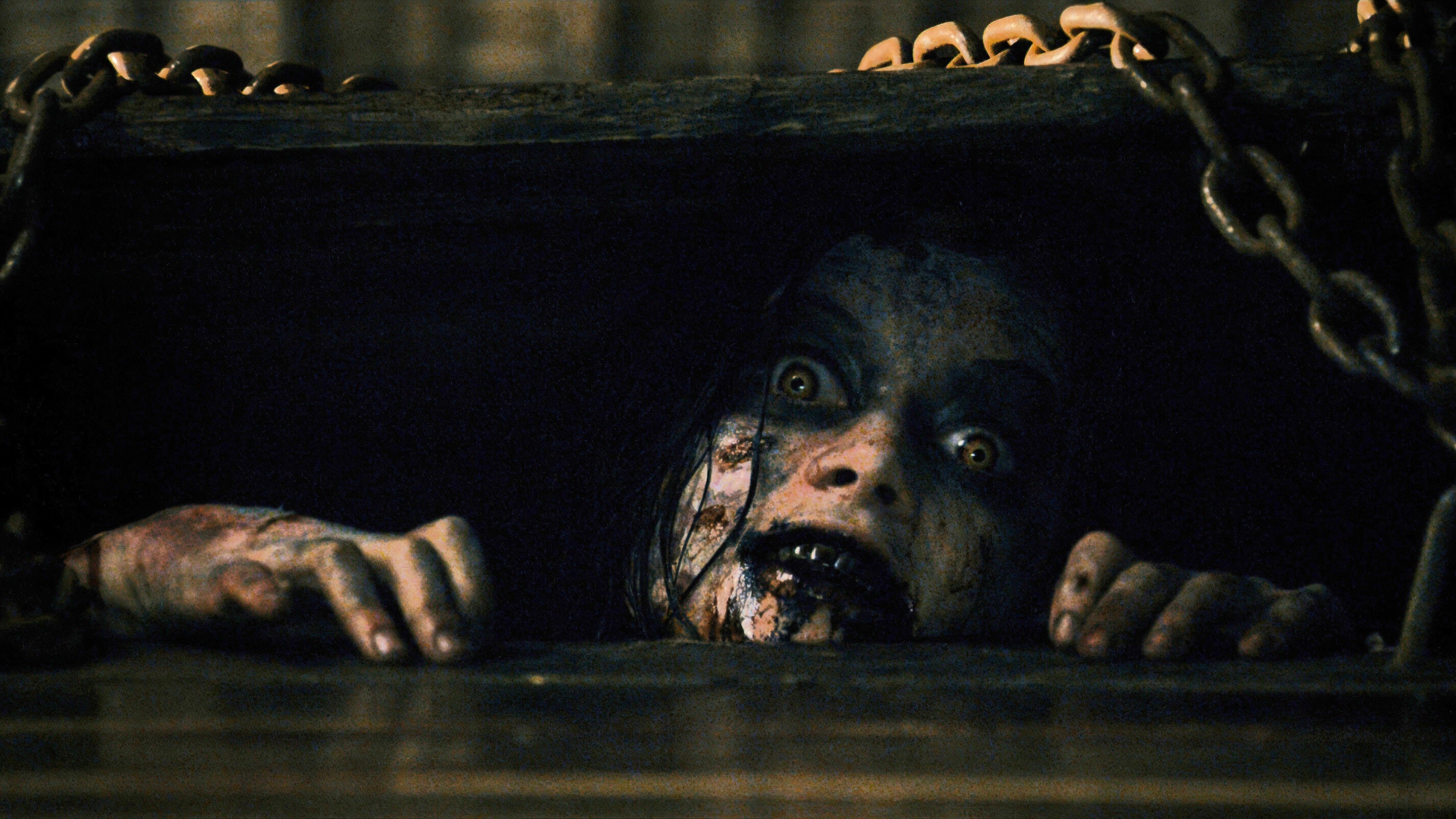
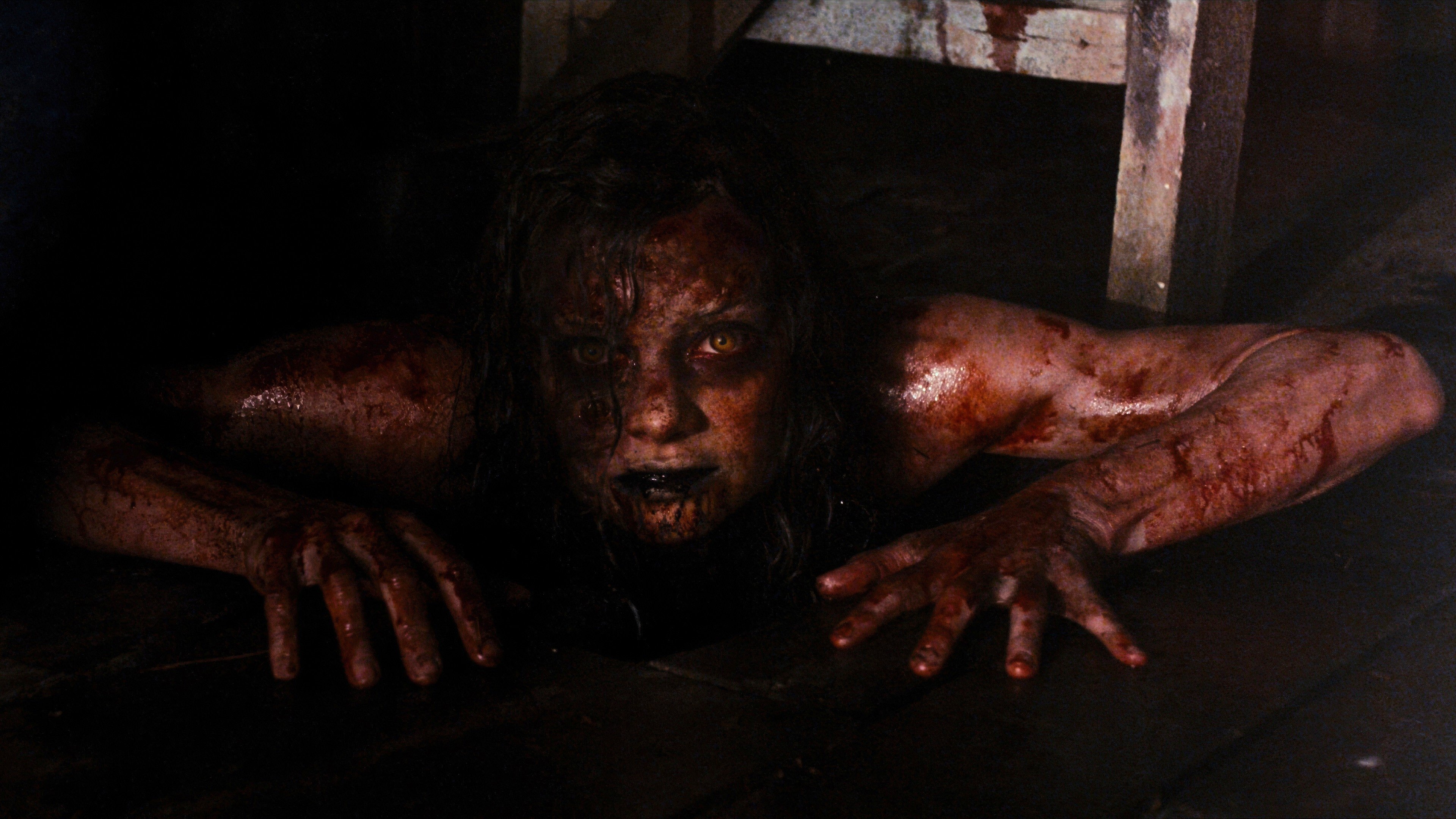
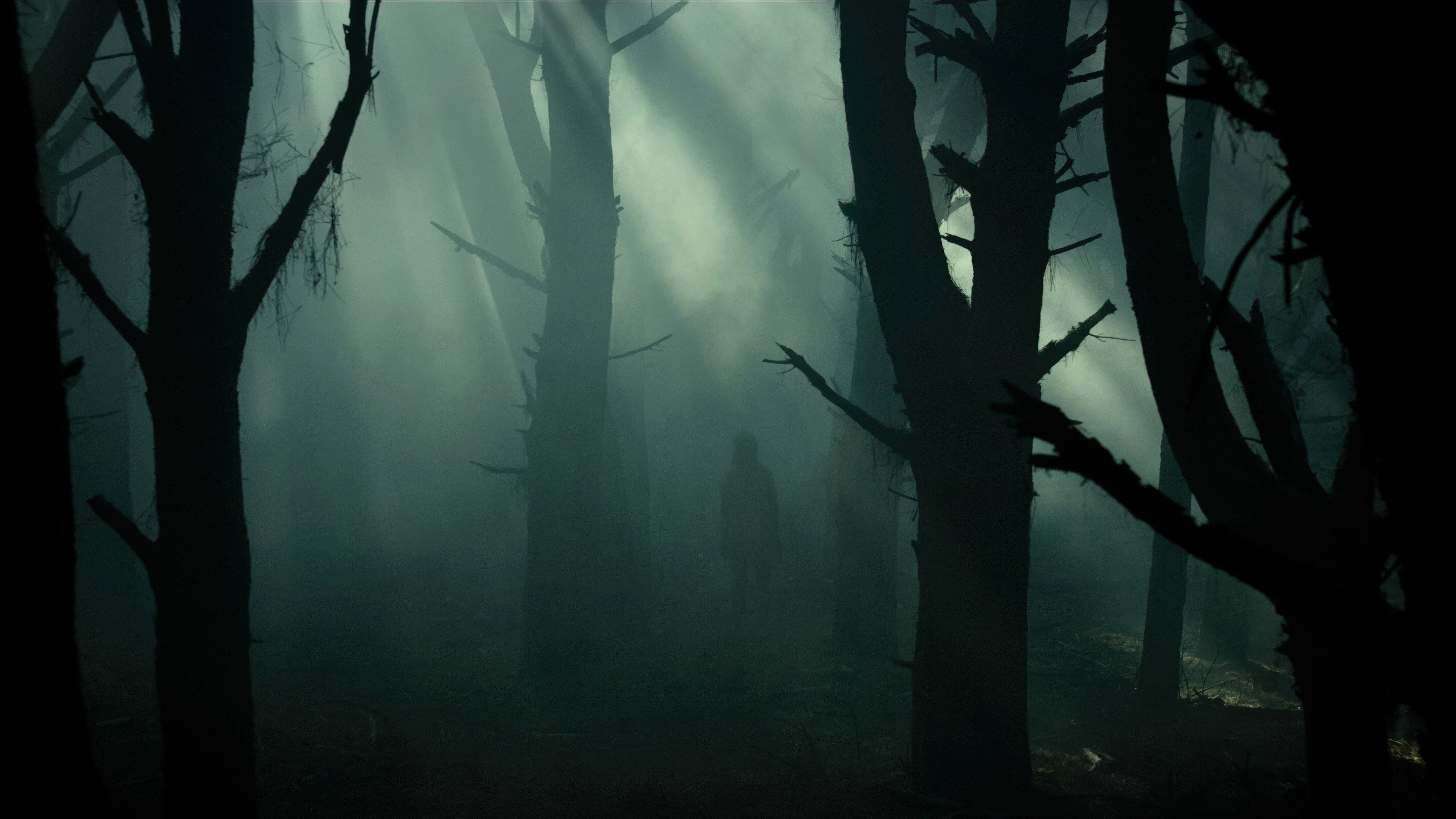
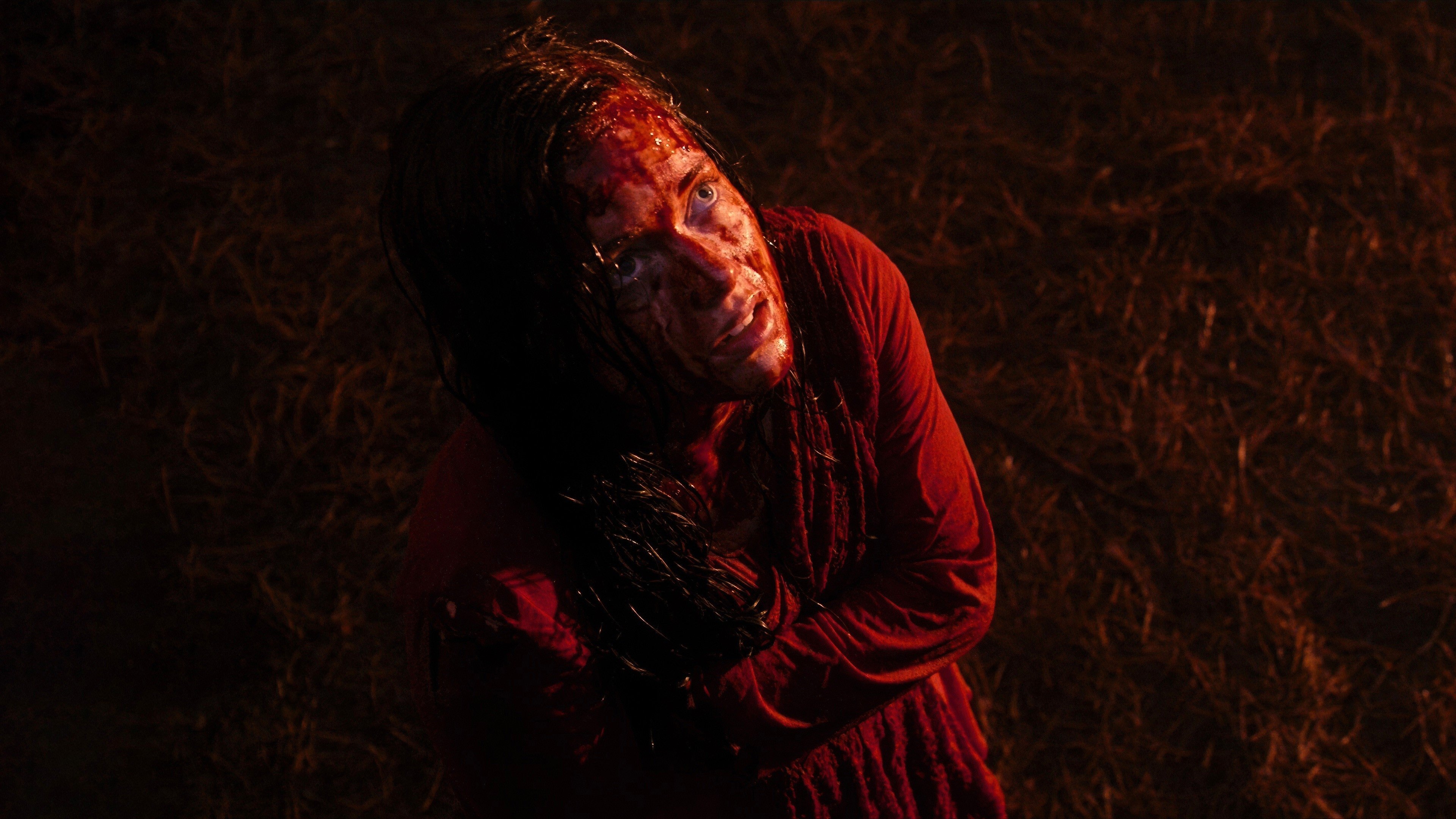
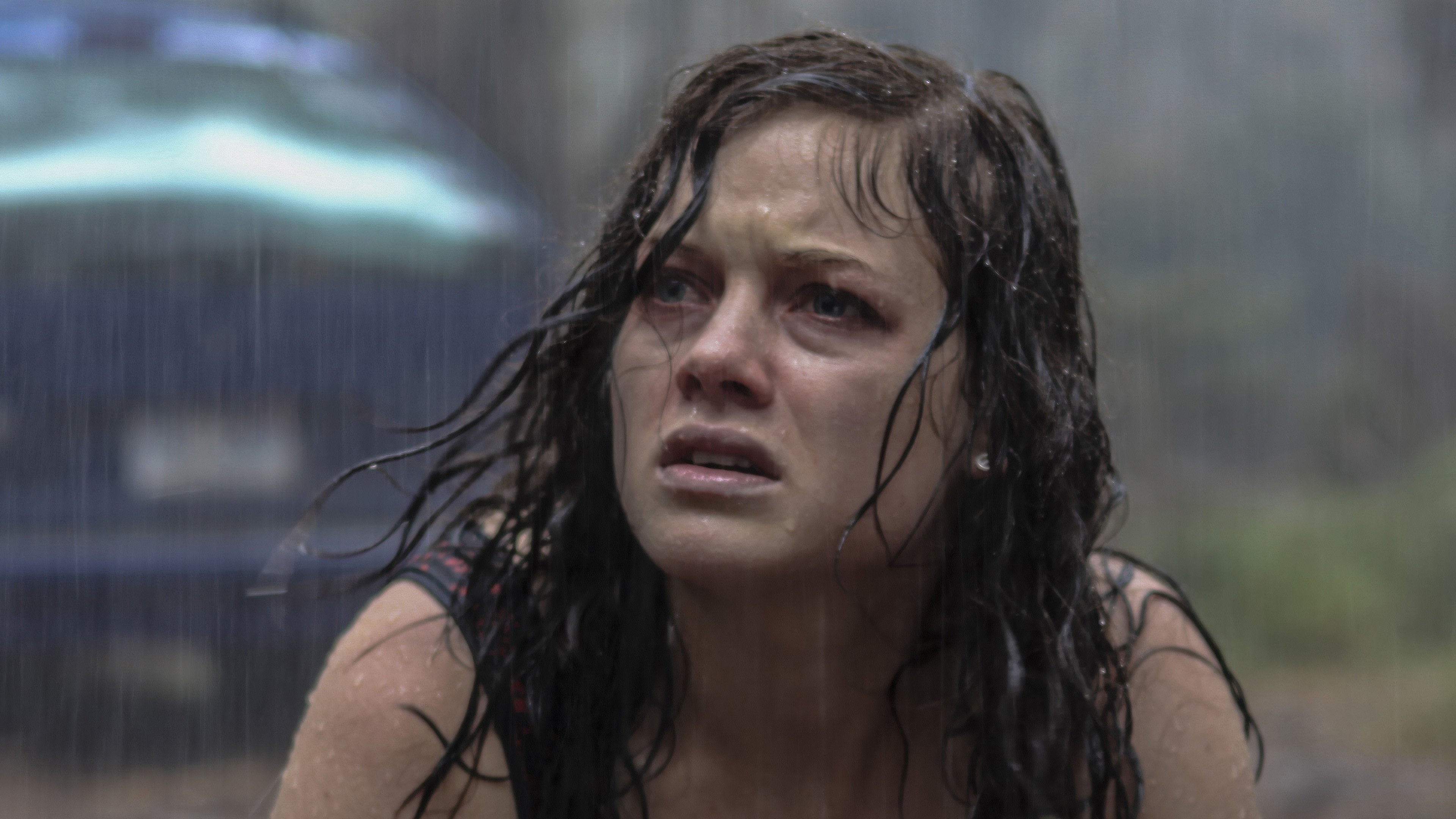
Jane Levy described sprinklers installed through the trees alongside crew members using large hoses to keep her and the environment continuously covered. Álvarez later recalled approximately a week of exterior night work for the bloody finale followed by additional stage days for material around the work shed. The schedule created a severe continuity problem because nearly every surface and performer had to remain at the correct level of saturation while practical effects, stunt actions and mechanical gore mechanisms were reset.

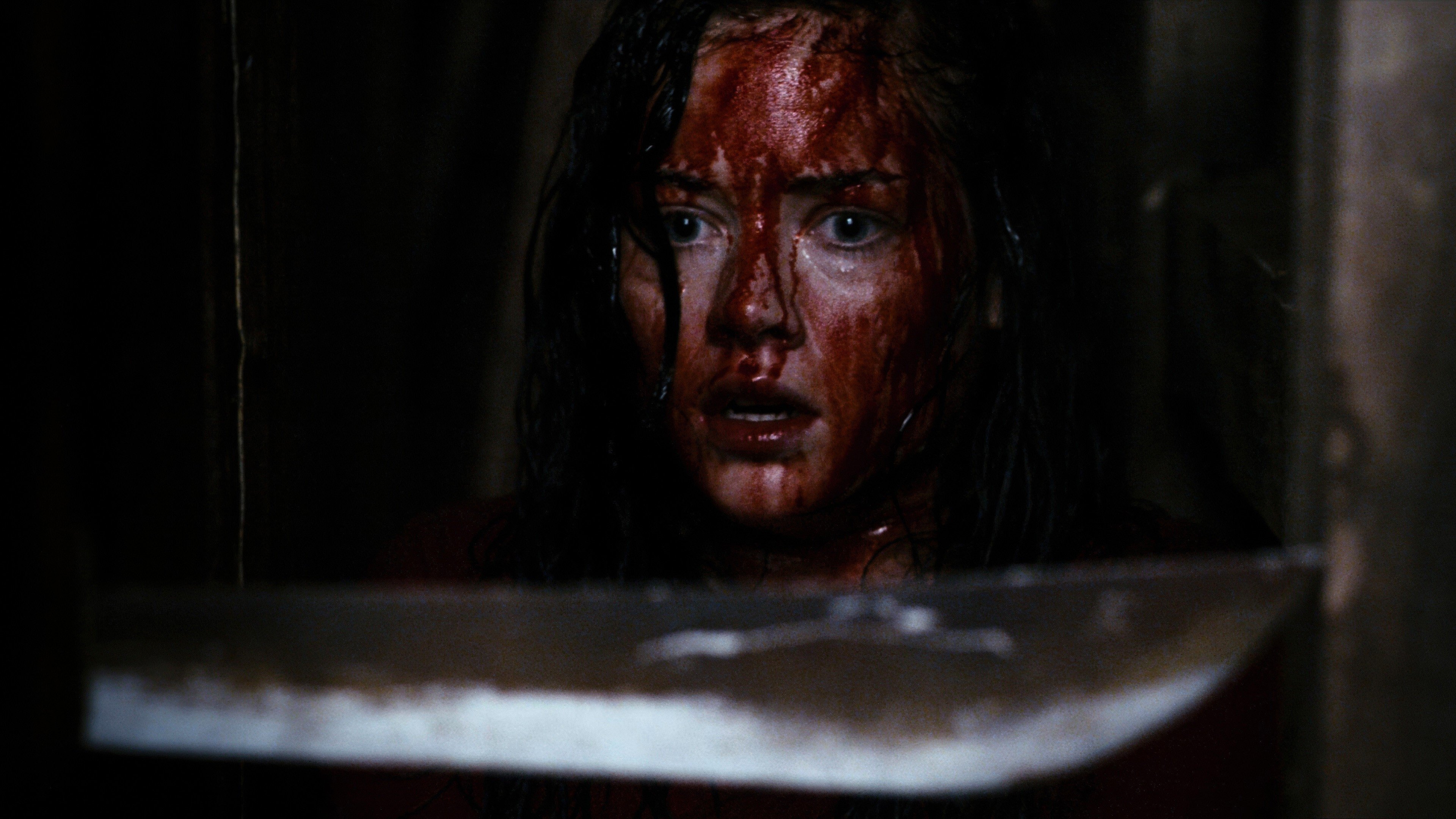
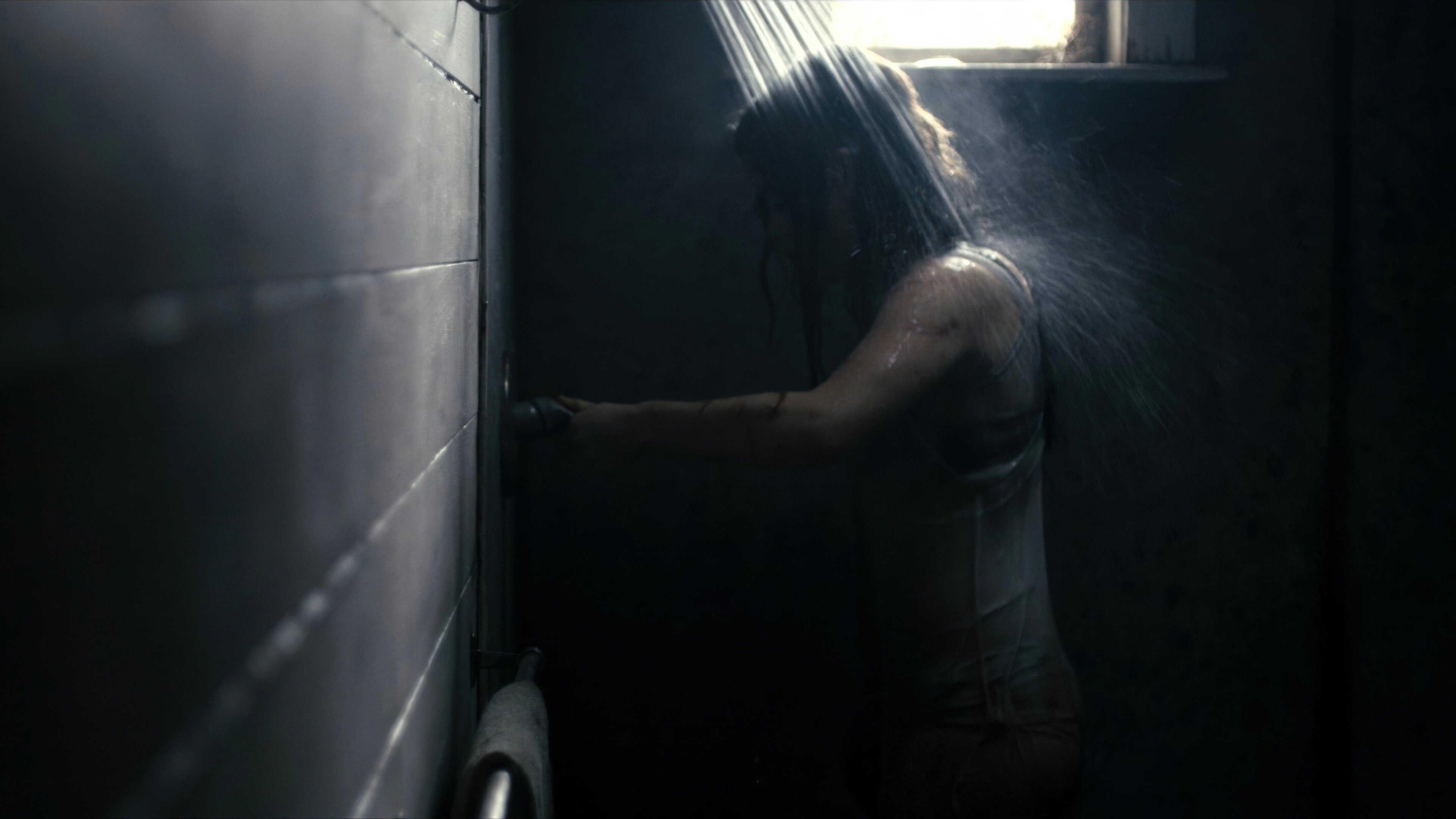
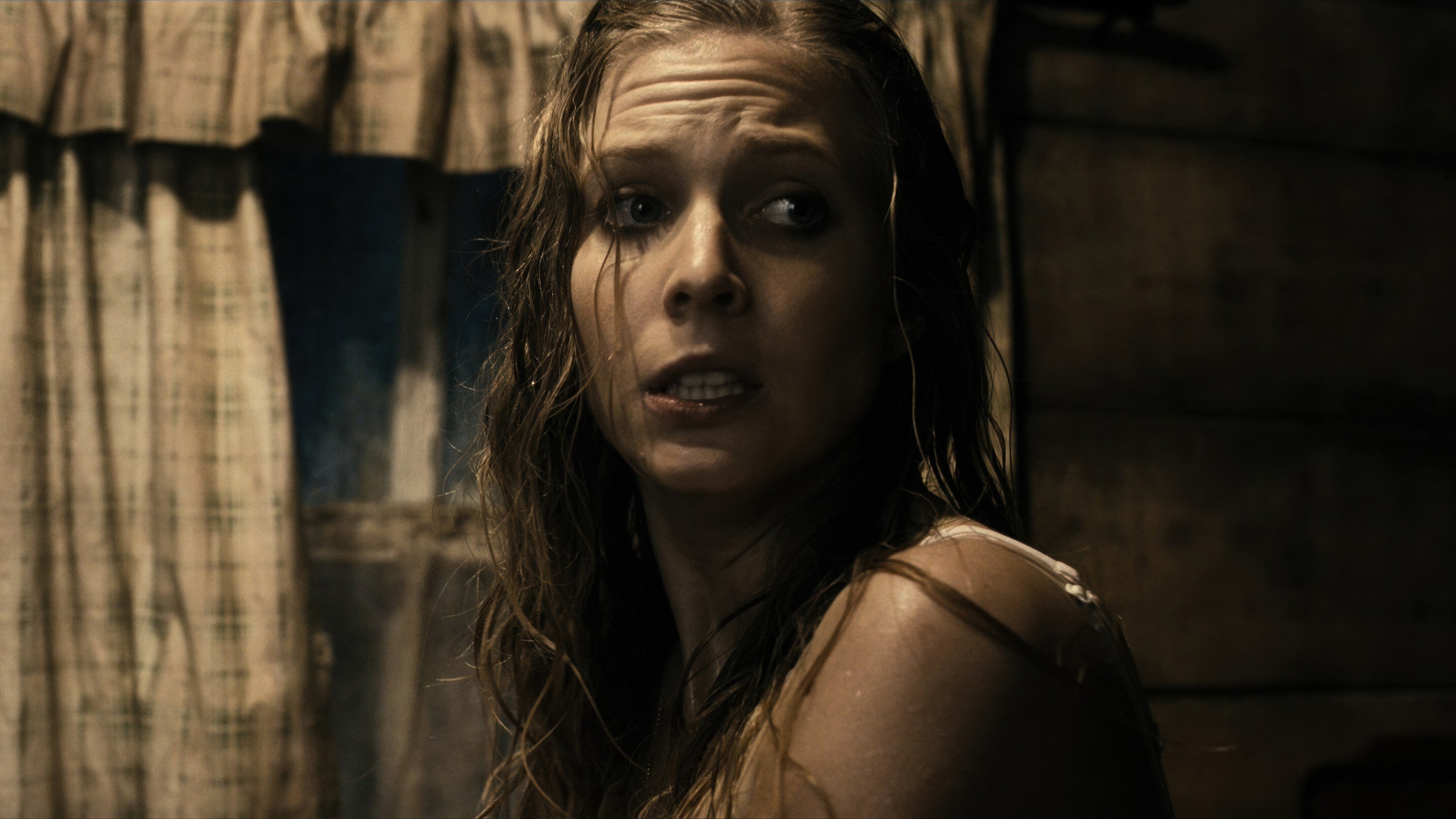
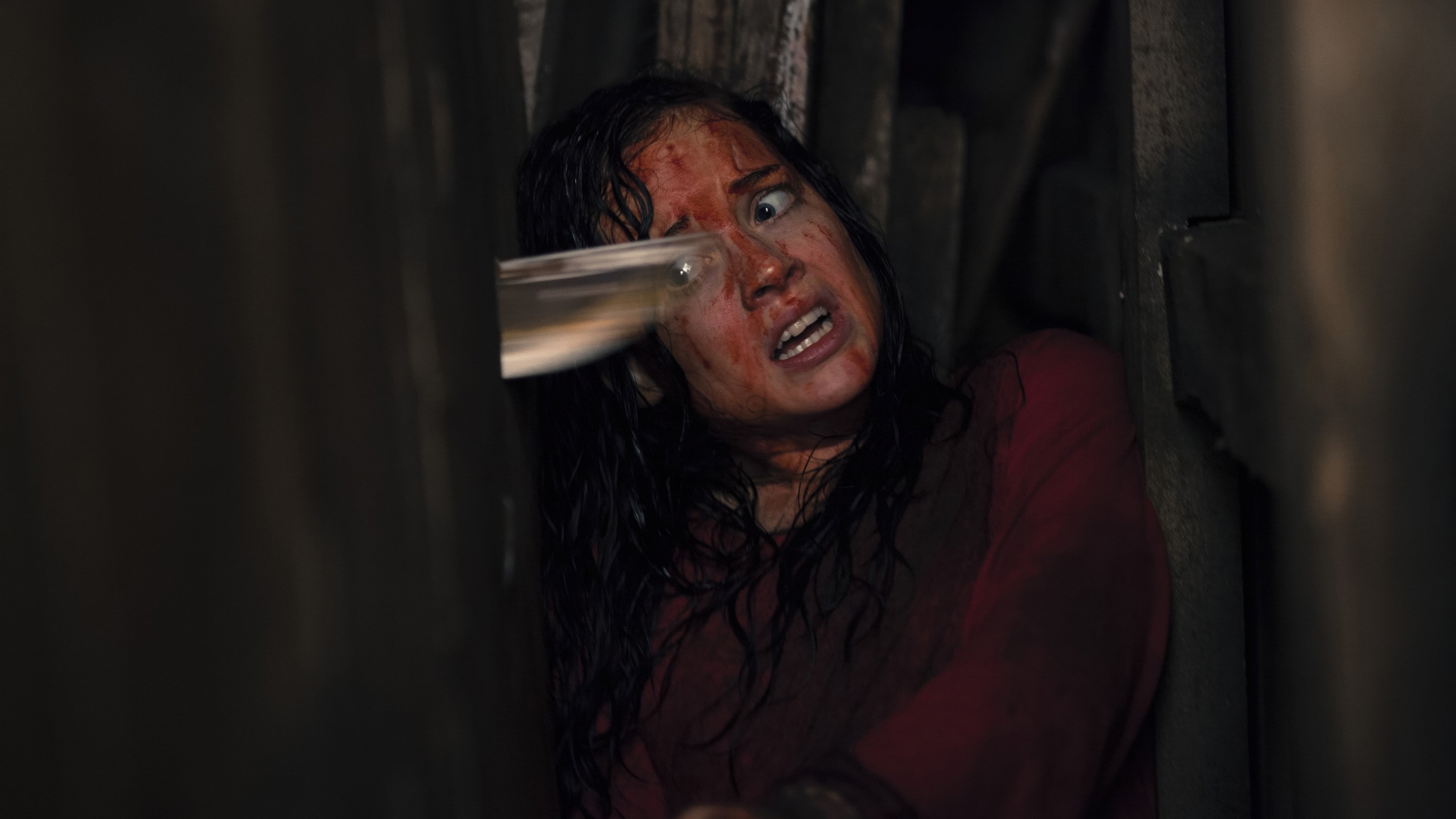
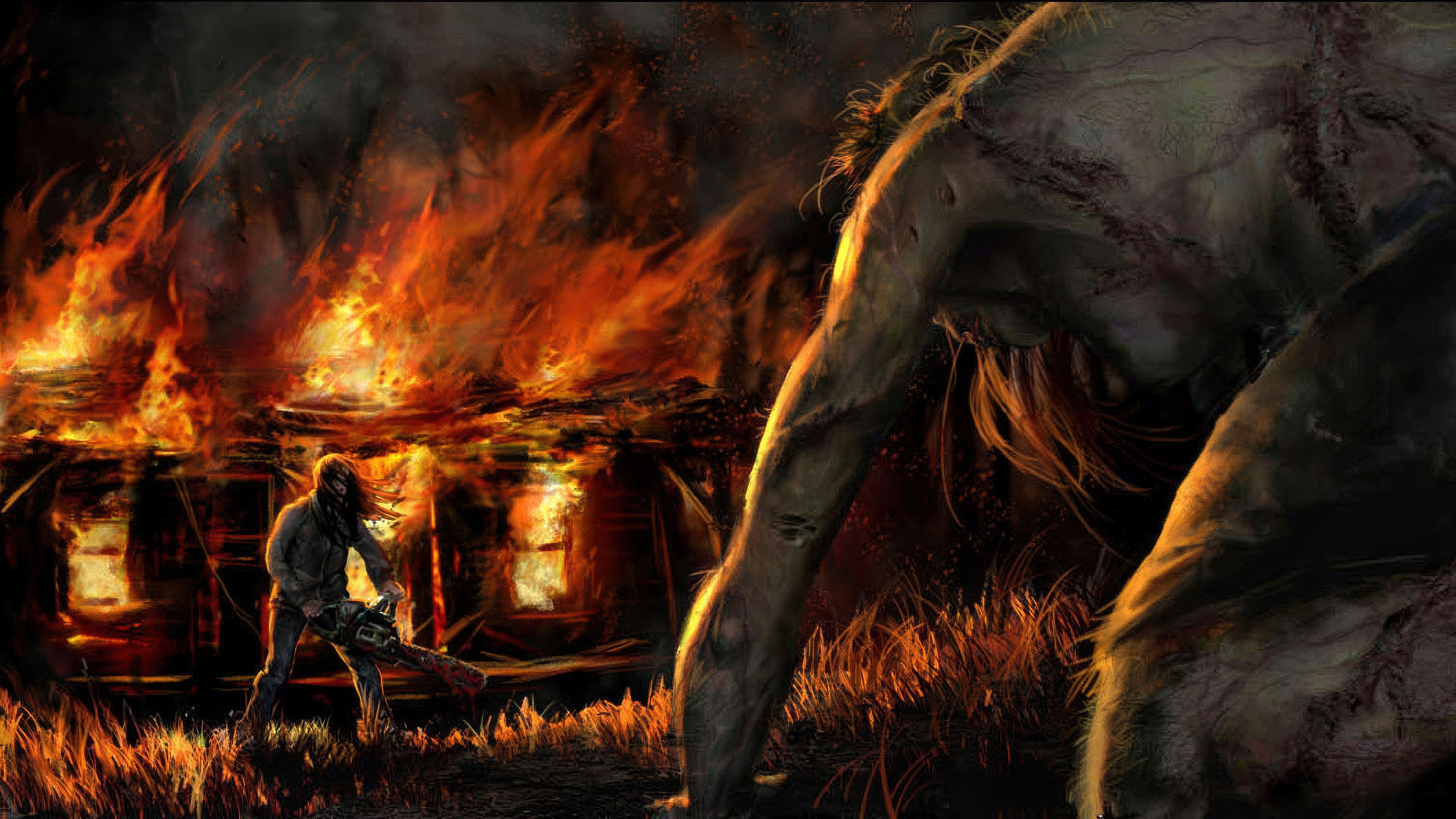
The physical conditions also became part of Levy's performance. She was working outdoors at night during the New Zealand winter while soaked in cold artificial blood, crawling through mud and repeatedly interacting with sharp-looking props and prosthetic appliances. For the machete injury around Mia's knee, Álvarez explained that a prosthetic layer protected the performer while an actual sharpened element was needed to cut through the artificial material convincingly. The chainsaw confrontation with the Abomination similarly required blood to hit Levy while the creature itself produced additional fluid effects.

The sequence is important because spectacle comes from accumulation rather than one isolated effect. Rain systems, prosthetics, mechanical creature material, wardrobe, mud, chainsaw rigs, stunt choreography, artificial blood and camera protection all have to operate simultaneously. Modern horror frequently separates those processes into different digital layers. Evil Dead instead attempts to place as many of them as possible in front of the same lens, accepting a slower and more uncomfortable production process in exchange for physical interaction that remains visible in the final image.

Editing, Score and Sonic Assault

Bryan Shaw edited the film and described an effort to recover some of the punk energy associated with the original Evil Dead without simply mimicking its cutting. He considered Álvarez and Sayagues' screenplay unusually tight, with scares and pauses already designed strongly enough that the editorial task was often about controlling duration rather than discovering an entirely different structure after production. This became particularly important for gore. A practical effect can become unbelievable if held too long, but cutting too early defeats the reason for building it physically. The finished film repeatedly stays on an action just long enough for the viewer to understand exactly what is happening.

Roque Baños approached the score from a similarly maximalist direction. He contacted Álvarez directly, and pre-existing music by Baños was eventually used temporarily during editing before he secured the assignment. Rather than closely imitate Joseph LoDuca's music from the original films, Baños wanted to begin with a new orchestral language. The producers initially considered a smaller musical approach, but the symphonic material used with the work print encouraged them to support a large Gothic orchestral and choral score.

The most distinctive musical element is an acoustic warning siren. Baños developed the idea after repeatedly hearing sirens while struggling to sleep during the scoring process and discovered that its mechanical rise produced exactly the uncontrolled alarm sensation he and Álvarez wanted. Choral passages were built using Latin texts supplied through an academic contact, with Baños deliberately avoiding genuine satanic incantations. The recording took place at AIR Studios in London. Orchestra, choir and siren therefore create a sound world far larger than the physical dimensions of the cabin.

The result complements the practical image strategy. Gore sounds are close, wet and specific, while Baños' score can expand suddenly into something ritualistic and monumental. Evil Dead does not treat sound merely as realistic reinforcement of what the camera shows. It creates an acoustic scale suggesting that the relatively small cabin is the center of a supernatural event far larger than the five people trapped inside it.

Rating, Release and Modern Franchise Position

The film had its world premiere in the Headliners section at South by Southwest in March 2013 before TriStar Pictures opened it in the United States on April 5. Álvarez had deliberately refused to moderate the screenplay around ratings concerns during development. The first version submitted to the MPAA was judged NC-17. Rather than remove entire set pieces, he later explained that the filmmakers principally reduced the duration of several especially graphic images, including material involving the tongue and arm, until the film received an R rating suitable for wide theatrical distribution.

The production budget was reported at approximately seventeen million dollars. The film earned more than fifty-four million dollars in the domestic market and more than ninety-seven million worldwide, with available box-office databases differing slightly on the exact final international total. Commercially, it demonstrated that Evil Dead could support a substantial theatrical release without placing Ash Williams at the center of the story. Its success also introduced Álvarez internationally as a feature director after a career built primarily around shorts and advertising.

Its longer-term reputation rests heavily on the craftsmanship that originally made the production difficult. The Sony F65 photography now looks unmistakably contemporary to the early digital-cinema period, but most of the bodily horror has aged differently because wounds, fluids and transformed faces were physically photographed. Later digital restoration and higher-resolution home formats therefore reveal details that were already present in the prosthetics rather than exposing effects created only for lower-resolution exhibition.

Within the Evil Dead franchise, the 2013 film remains deliberately distinct from both Raimi's increasingly comic sequels and the later apartment-based Evil Dead Rise. Mia never becomes a substitute Ash, and the film does not attempt to reproduce Campbell's comic persona. Its contribution is instead a modern technical interpretation of the original principle: confine a small group in a physical environment, make possession progressively more destructive and force the camera to remain close enough that the audience cannot easily look away from what is being done to the human body. The production had vastly greater resources than the 1981 film, but its most successful choice was to spend many of those resources recreating the sense that the horror was physically happening in front of the lens.

Connections

Cast

View Full Cast & Crew →

Release & Distribution

Production Companies (3)

  • FilmDistrict US
  • Ghost House Pictures US
  • TriStar Pictures US

Distributors (1)

  • InterCom HU

Release History (51)

Release DateTerritoryRelease TypeFormatDistributorCertificationNotes
2013-03-08 United States Premiere — — — South by Southwest Film Festival
2013-04-05 Canada Theatrical — — 18A
2013-04-05 Spain Theatrical — — 18
2013-04-05 Mexico Theatrical — — C
2013-04-05 Poland Digital — — 18
2013-04-05 Romania Theatrical — — 18+
2013-04-05 United States Theatrical — — R
2013-04-11 Slovakia Theatrical — — 18
2013-04-18 United Arab Emirates Theatrical — — —
2013-04-18 United Kingdom Theatrical — — 18
2013-04-18 Ireland Theatrical — — 18
2013-04-19 Brazil Theatrical — — 18
2013-04-19 Lithuania Theatrical — — N-18
2013-04-19 Türkiye Theatrical — — 18+
2013-04-24 Denmark Theatrical — — 15
2013-04-24 Netherlands Theatrical — — 16
2013-04-25 Czechia Digital — — 18+
2013-04-25 Russia Theatrical — — 18+
2013-05-01 Australia Theatrical — — R18+
2013-05-01 France Theatrical — — 16
2013-05-02 Finland Theatrical — — K-16
2013-05-02 Japan Theatrical — — R18+
2013-05-02 Portugal Theatrical — — M/18
2013-05-05 Greece Theatrical — — K-17
2013-05-07 Indonesia Theatrical — — —
2013-05-07 New Zealand Theatrical — — 18
2013-05-08 Belgium Theatrical — — 18
2013-05-08 Italy Theatrical — — VM14
2013-05-08 Singapore Theatrical — — R21
2013-05-09 Hungary Theatrical — — 18
2013-05-09 Sweden Theatrical — — 15
2013-05-09 Thailand Theatrical — — 18
2013-05-16 Austria Theatrical — — —
2013-05-16 Chile Theatrical — — —
2013-05-16 Germany Theatrical — — 18
2013-05-17 Taiwan Theatrical — — —
2013-05-30 Argentina Theatrical — — —
2013-06-20 Hong Kong SAR China Theatrical — — —
2013-06-27 South Korea Digital — — 19
2013-07-18 Greece Physical DVD, Blu-ray — — DVD,Blu-ray
2013-08-12 United Kingdom Physical DVD, Blu-ray — 18 Blu-ray / DVD
2013-09-04 France Digital — — 16 VOD
2013-09-04 France Physical DVD, Blu-ray — 16 DVD & Blu-Ray
2013-09-09 Netherlands Physical DVD, Blu-ray — 16 DVD, Blu ray
2013-10-02 Germany Physical DVD, Blu-ray — 18 DVD / Bluray
2014-04-04 Germany TV — — — Sky Cinema
2017-08-09 Germany Physical DVD, Blu-ray — 18 DVD / Blu-ray - Extended Cut
2018-03-31 Netherlands TV — — 16 RTL 8
2018-10-23 United States Physical Blu-ray — — Blu-ray - Unrated 96-minute cut
2021-10-02 France Digital — — 18 Prime Video
2026-10-19 United Kingdom Physical 4K UHD — 18 4k Ultra HD Blu-ray
The most terrifying film you will ever experience.