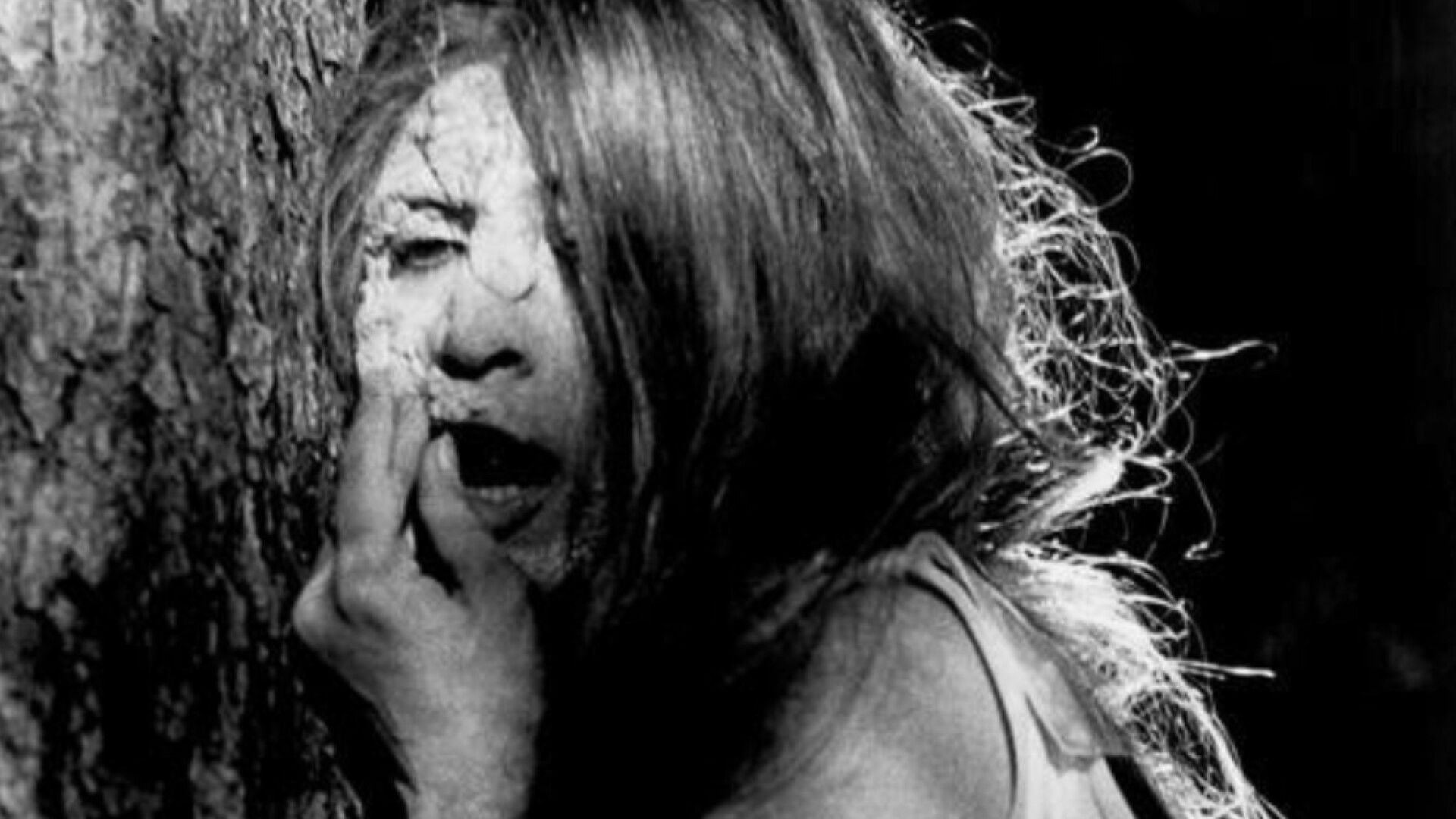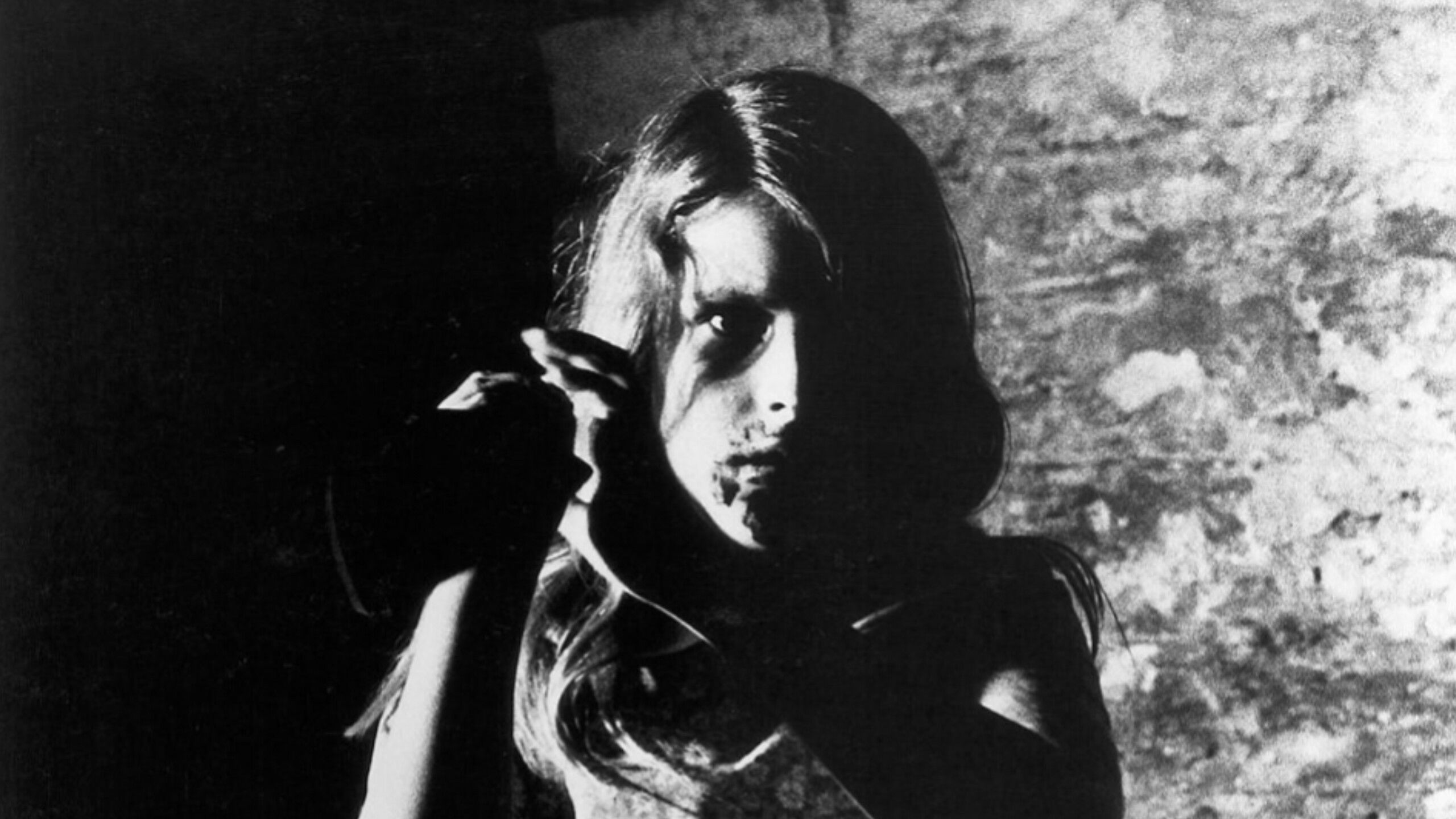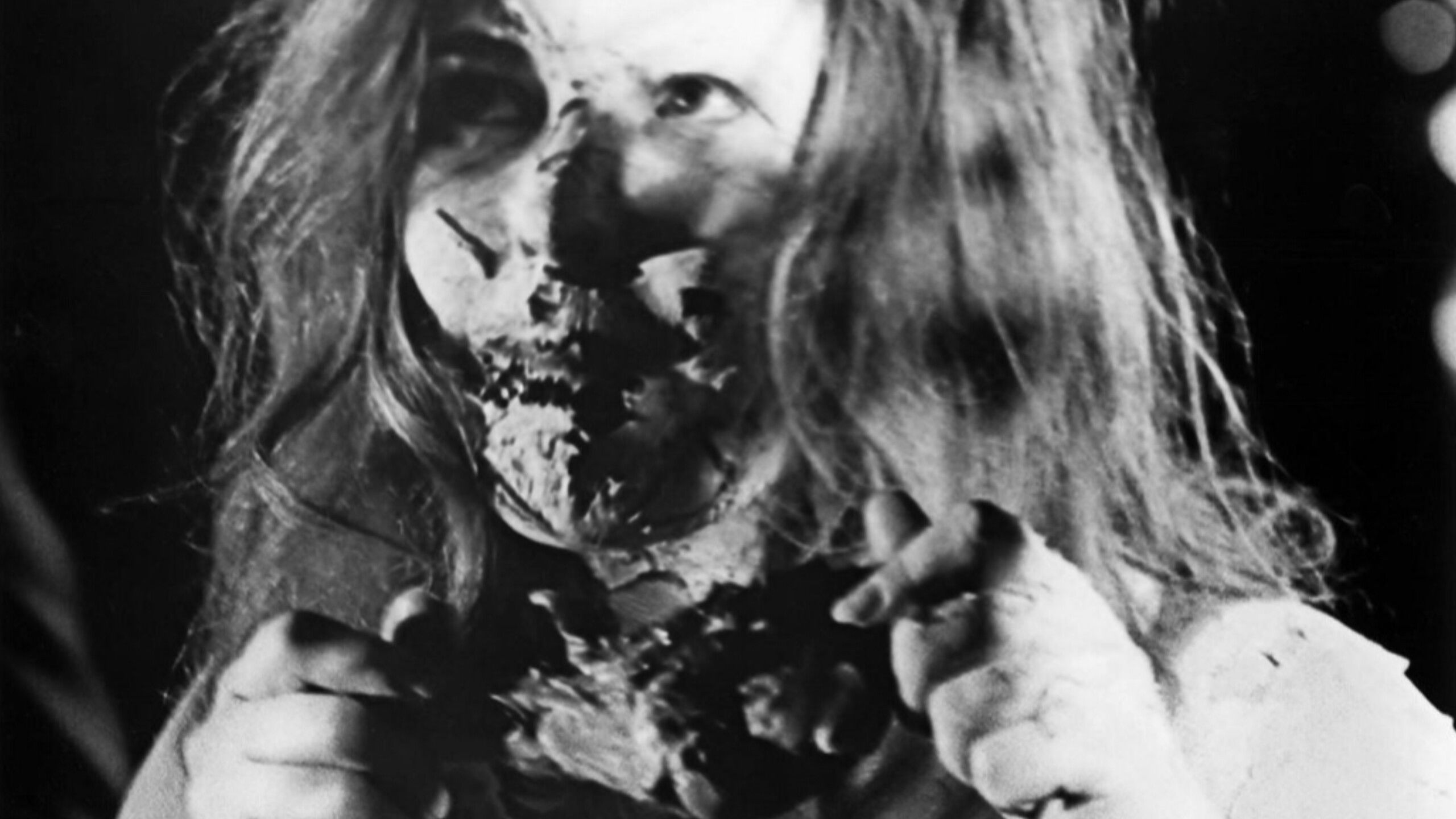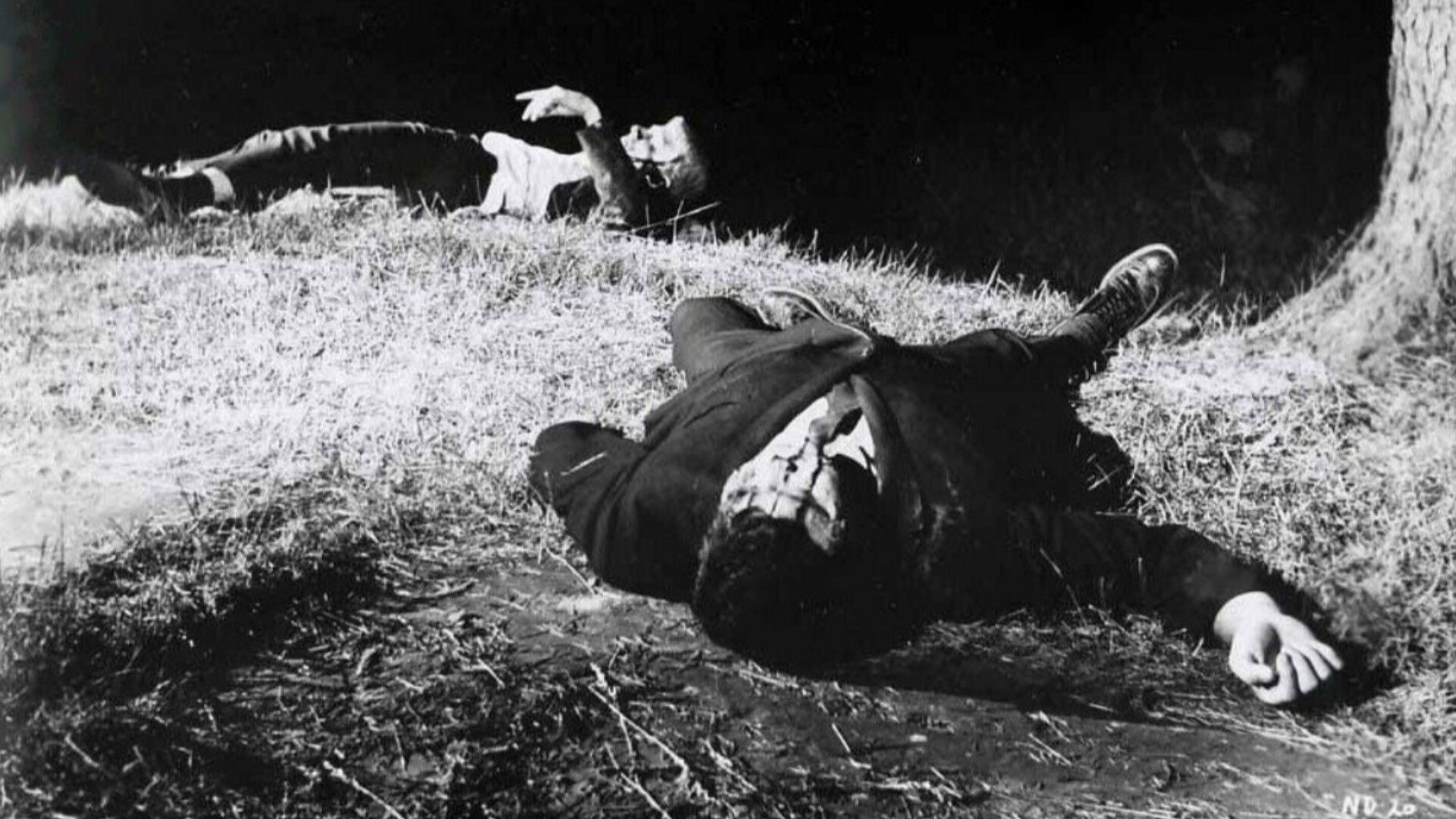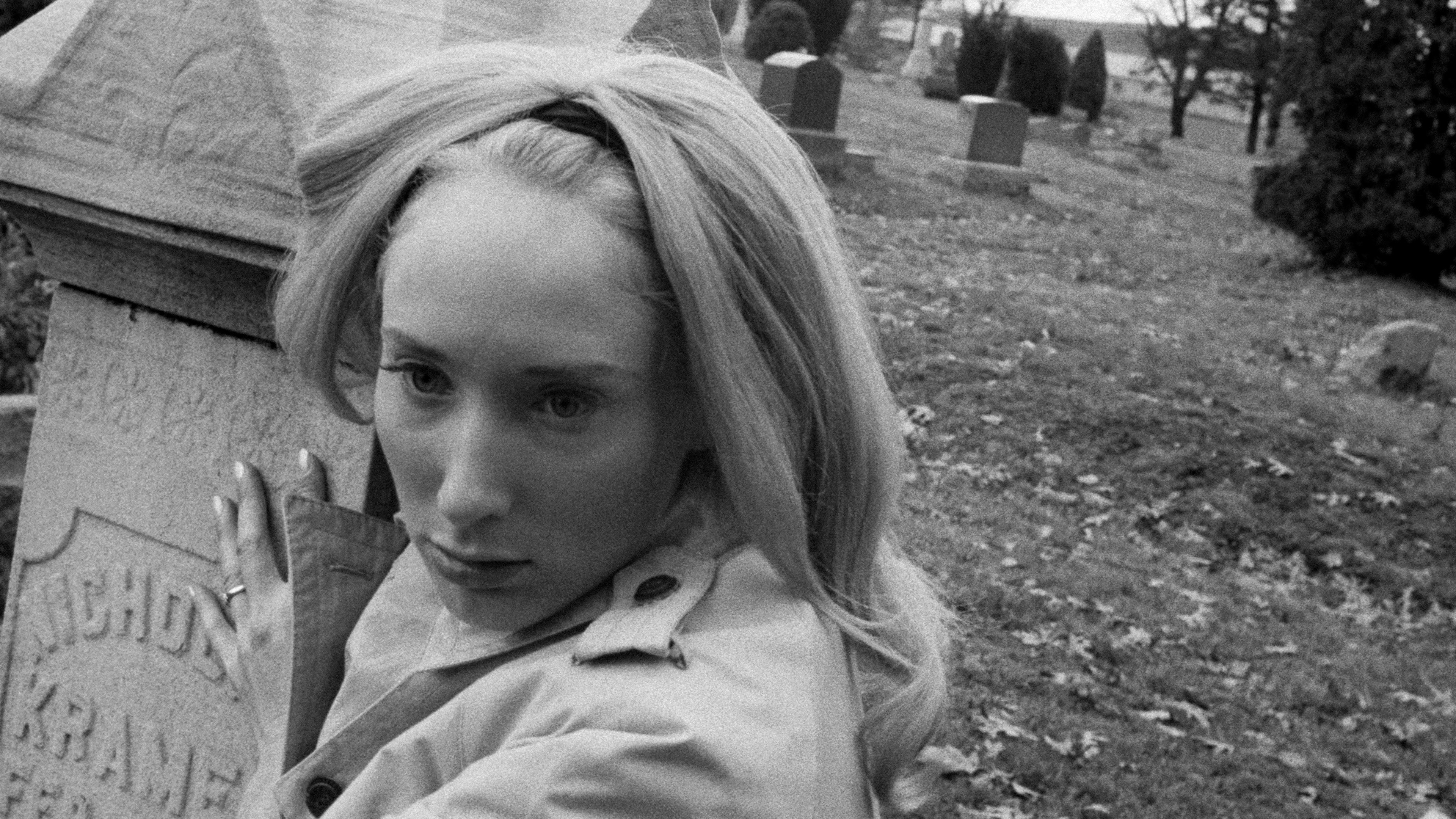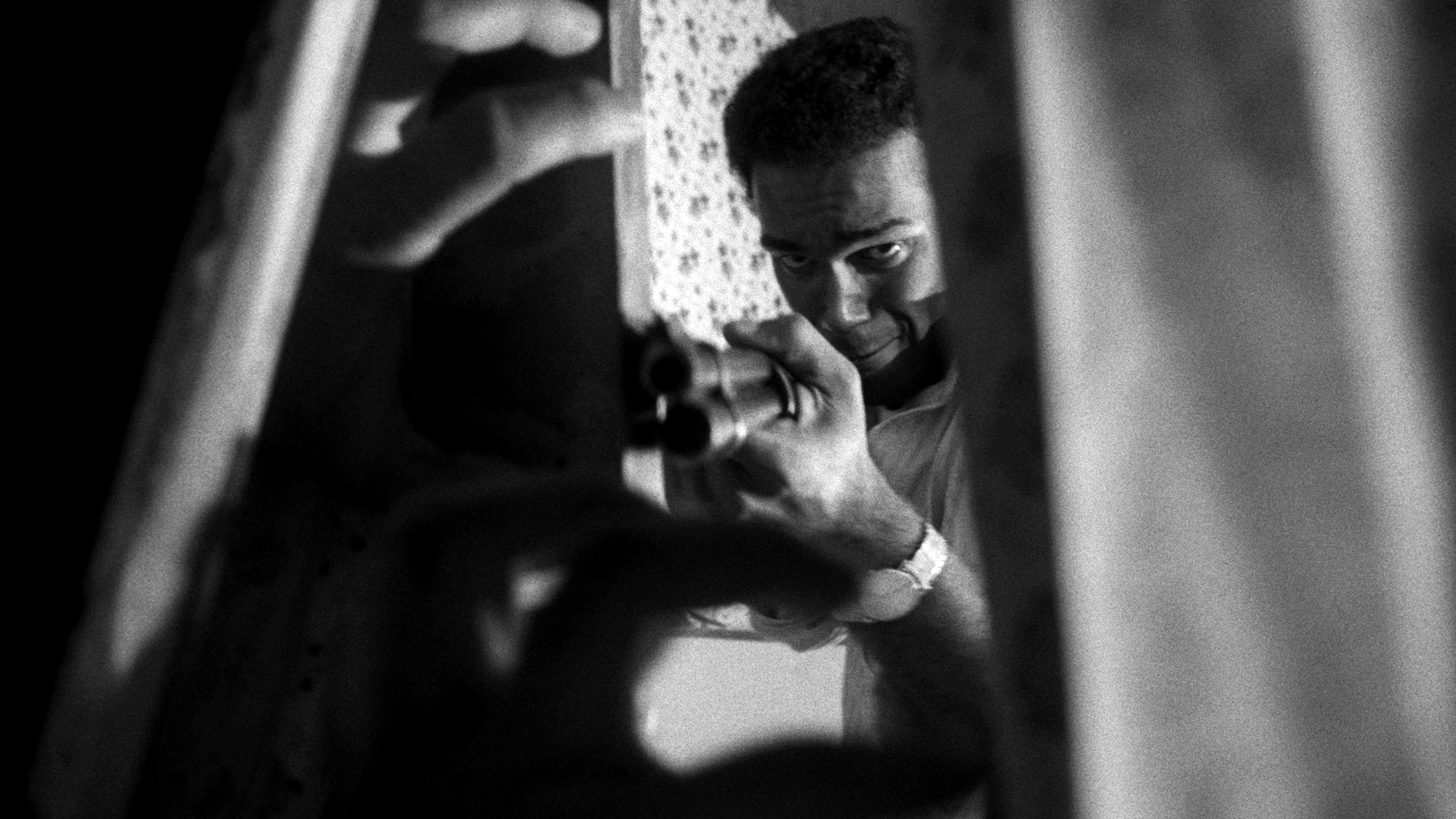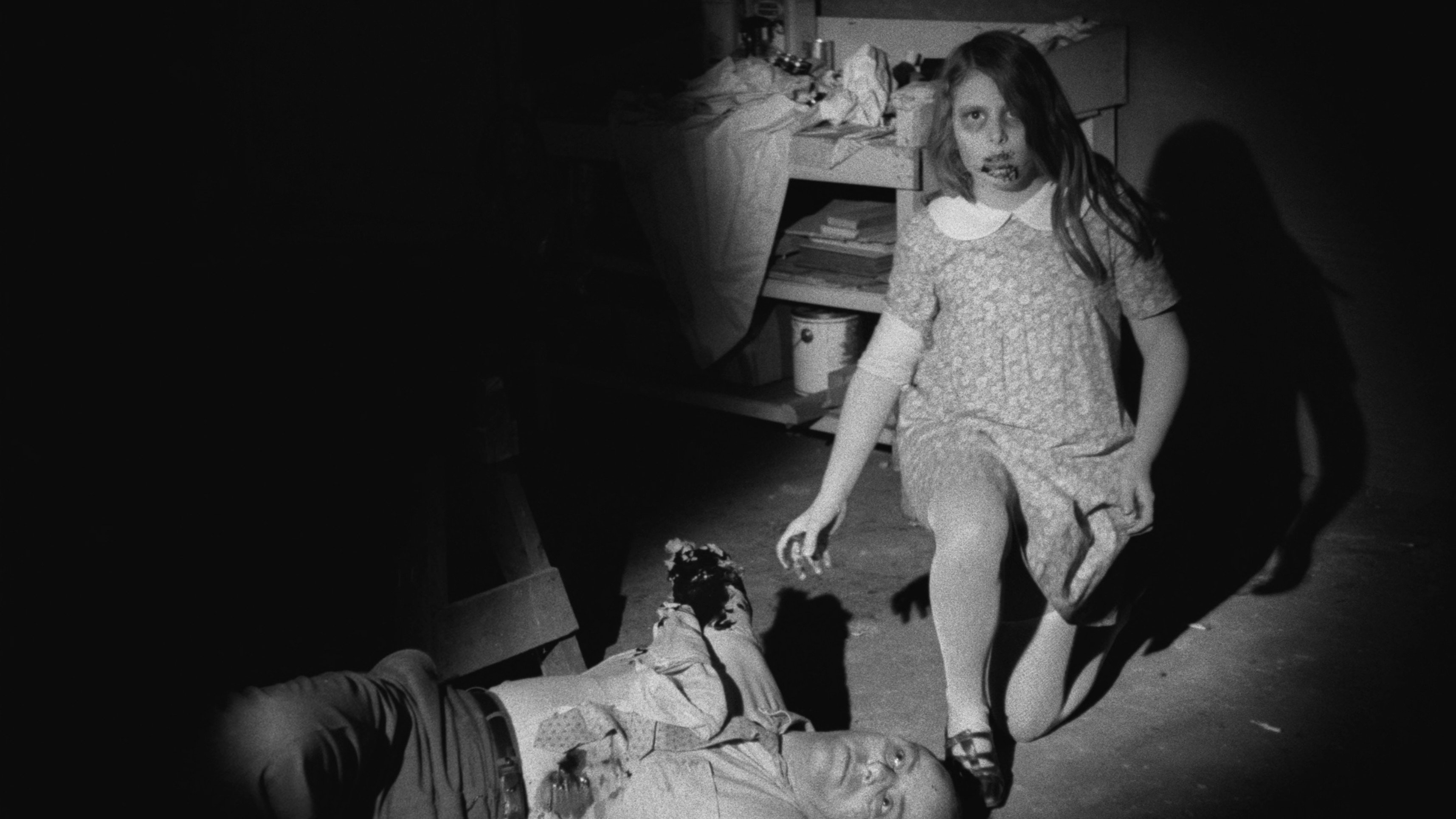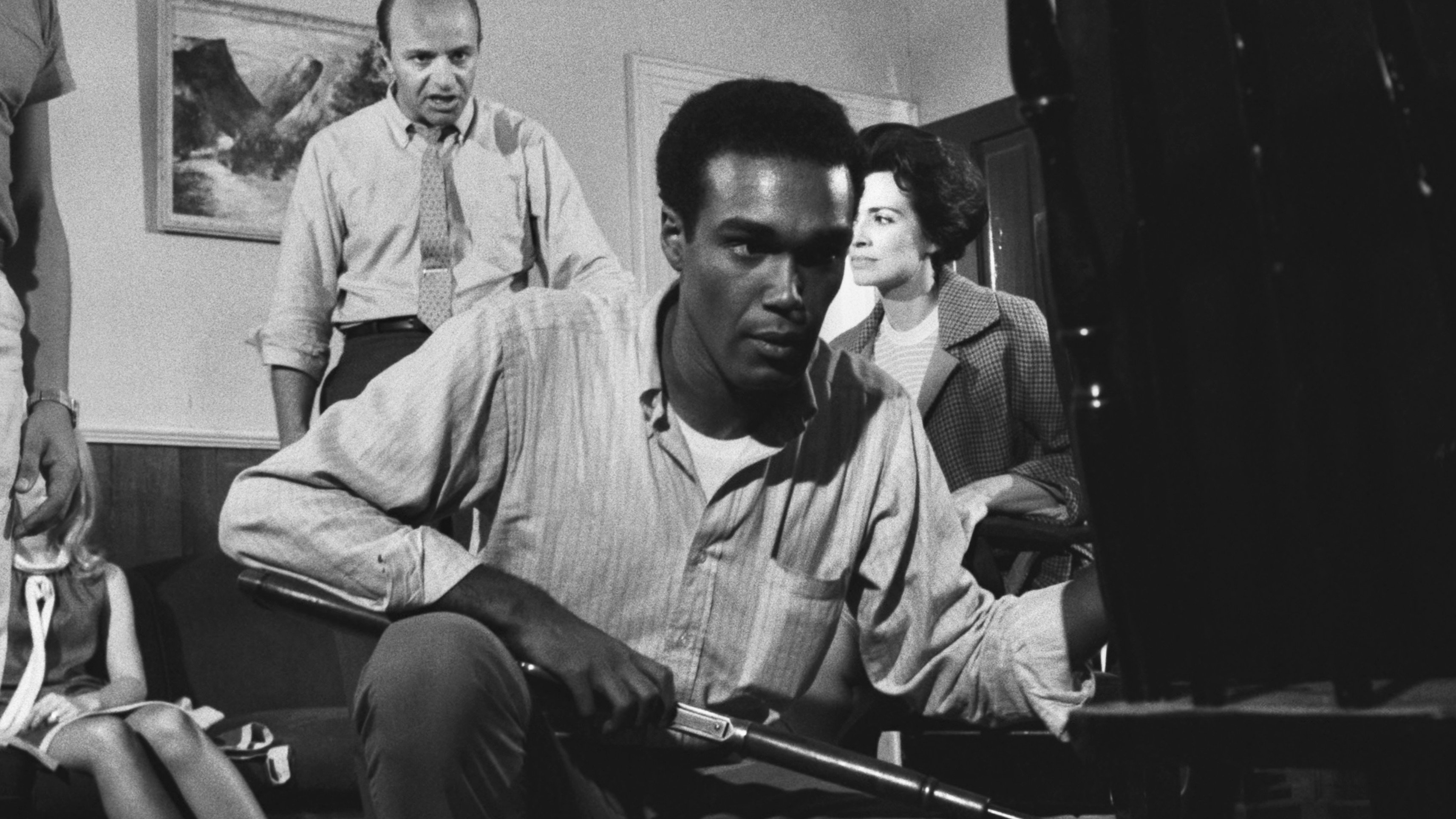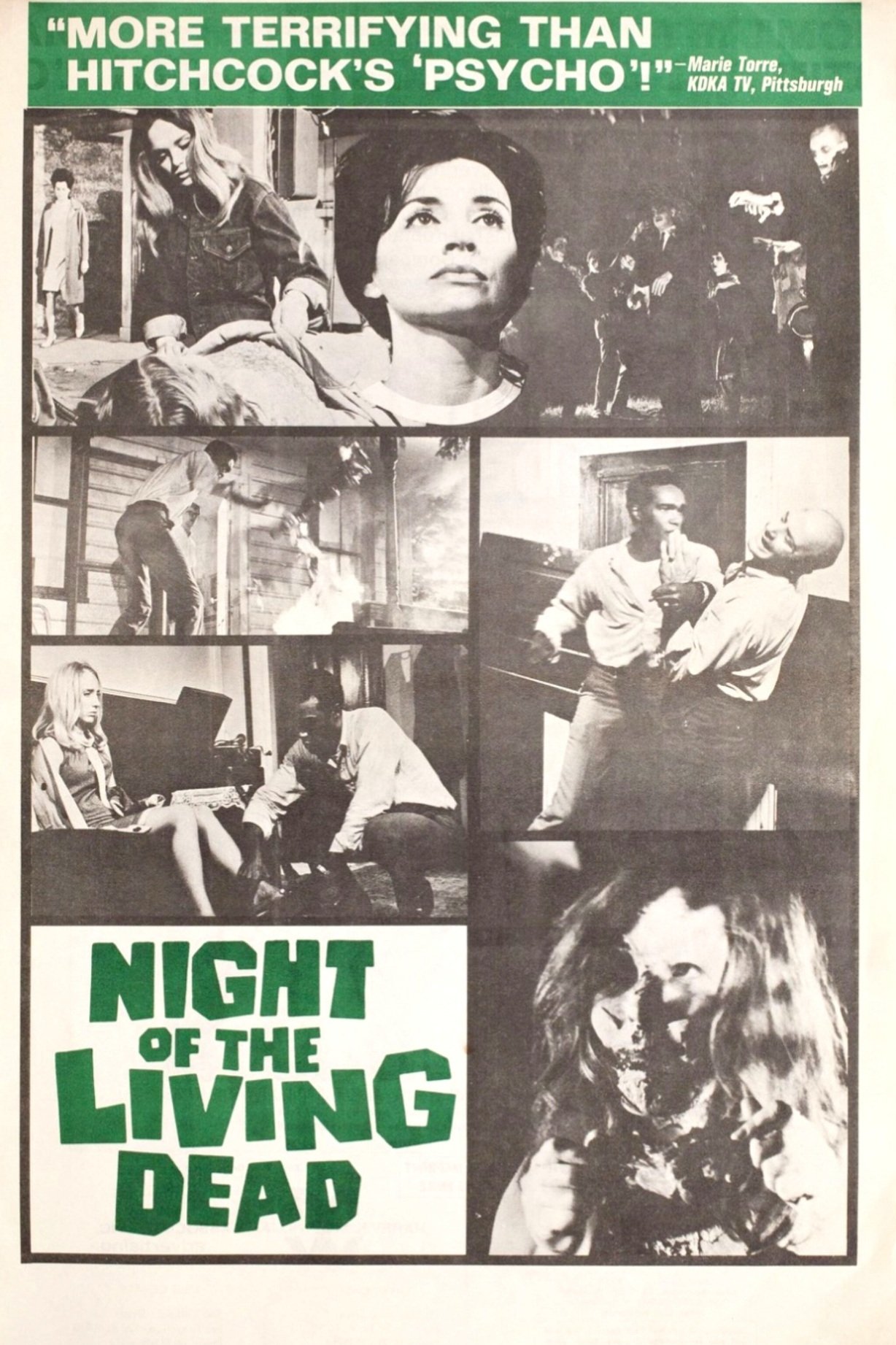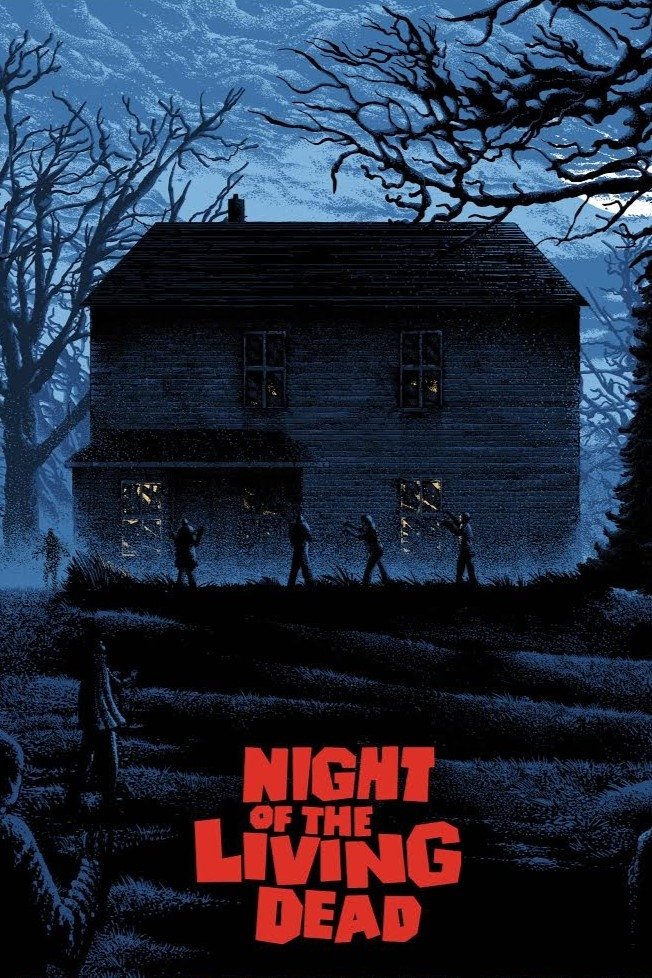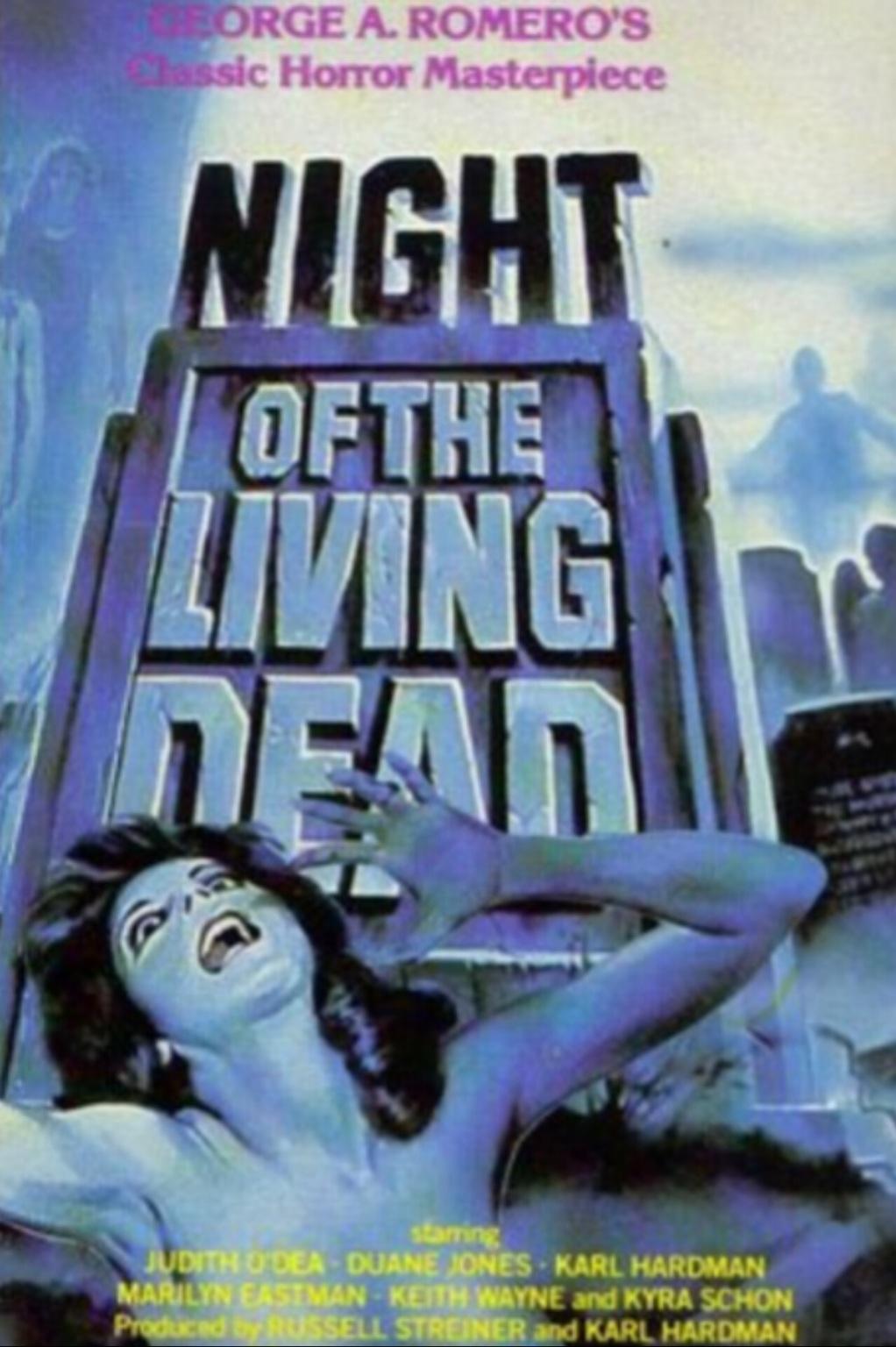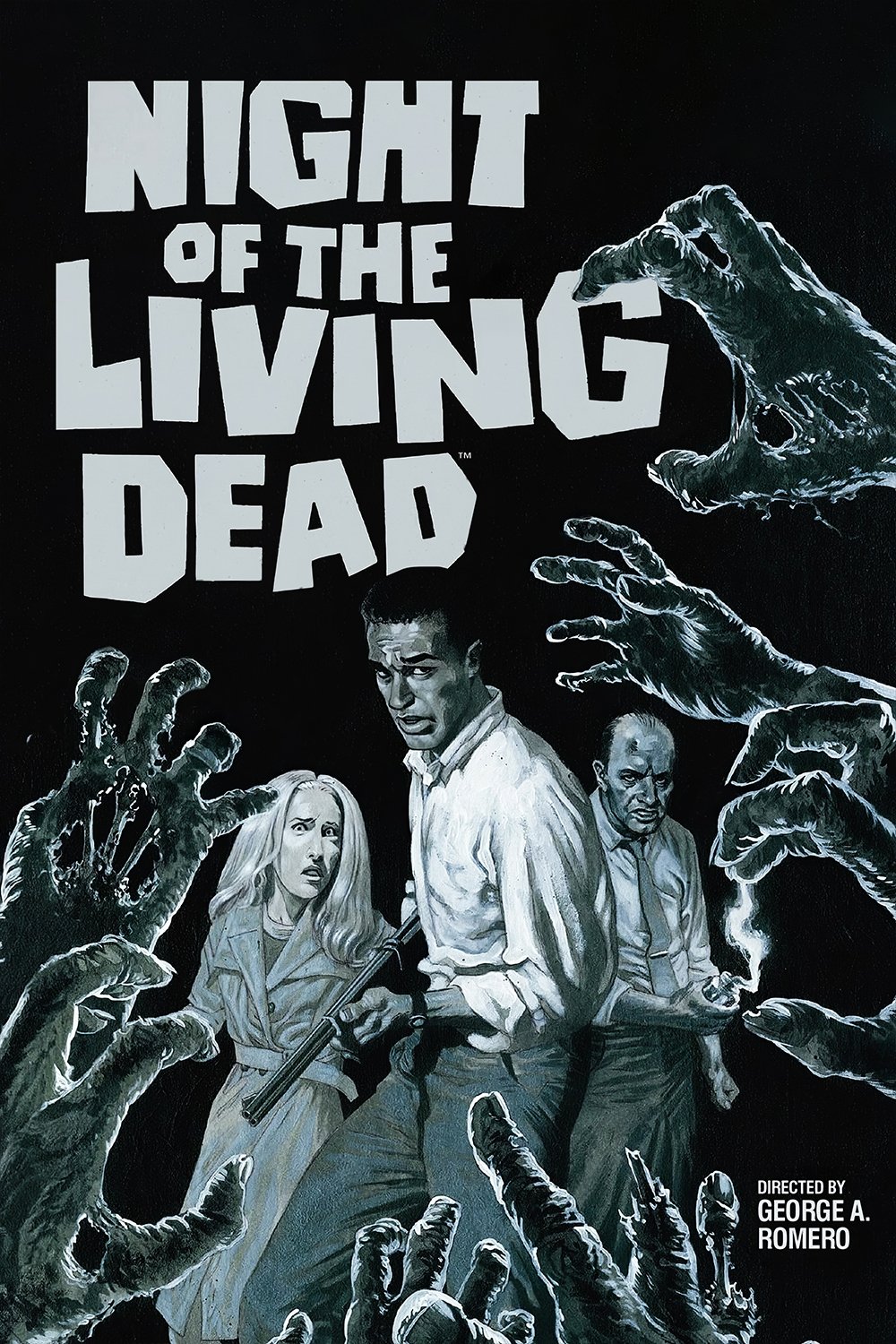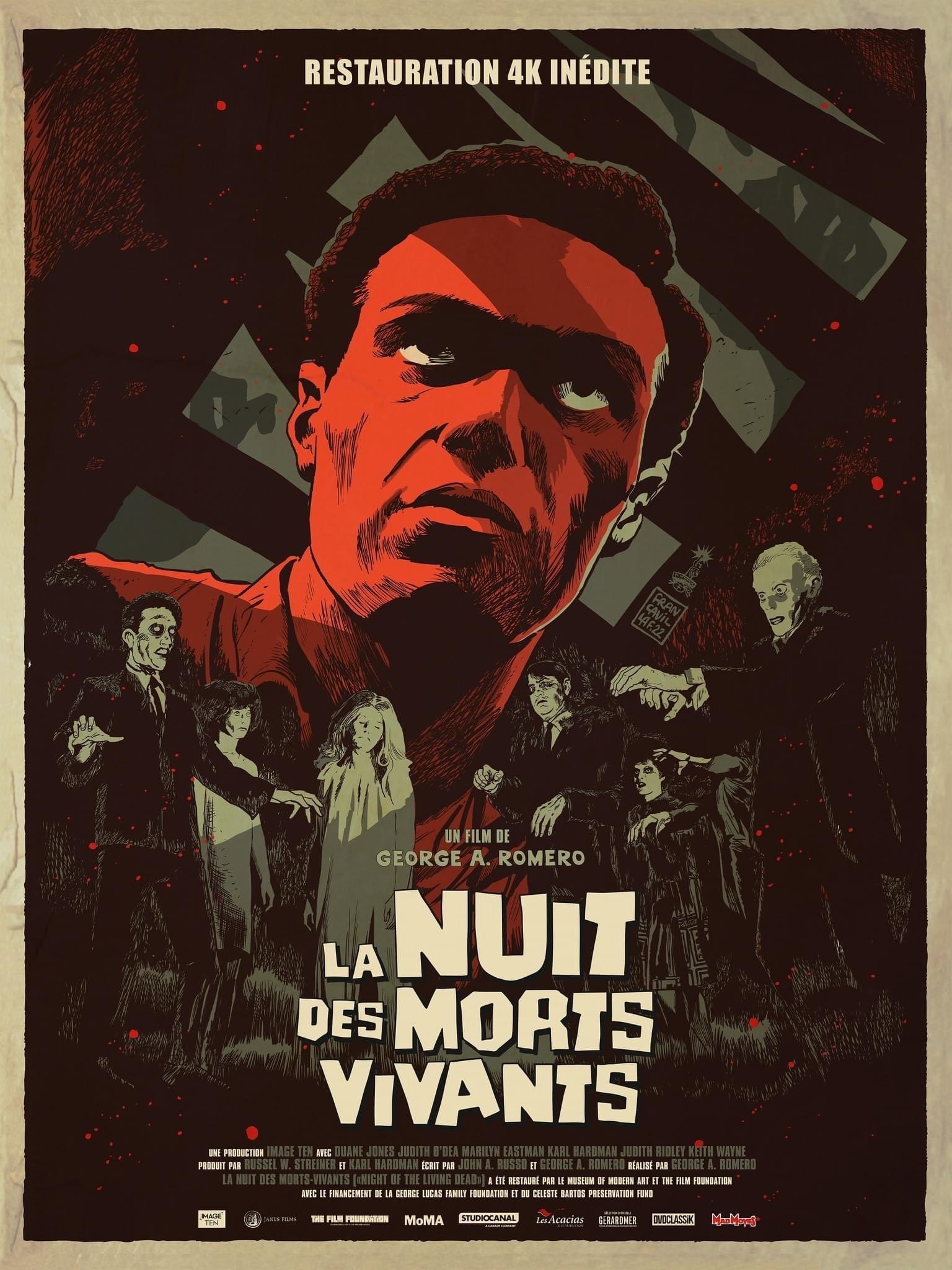


Image Ten, Financing and Independent Production
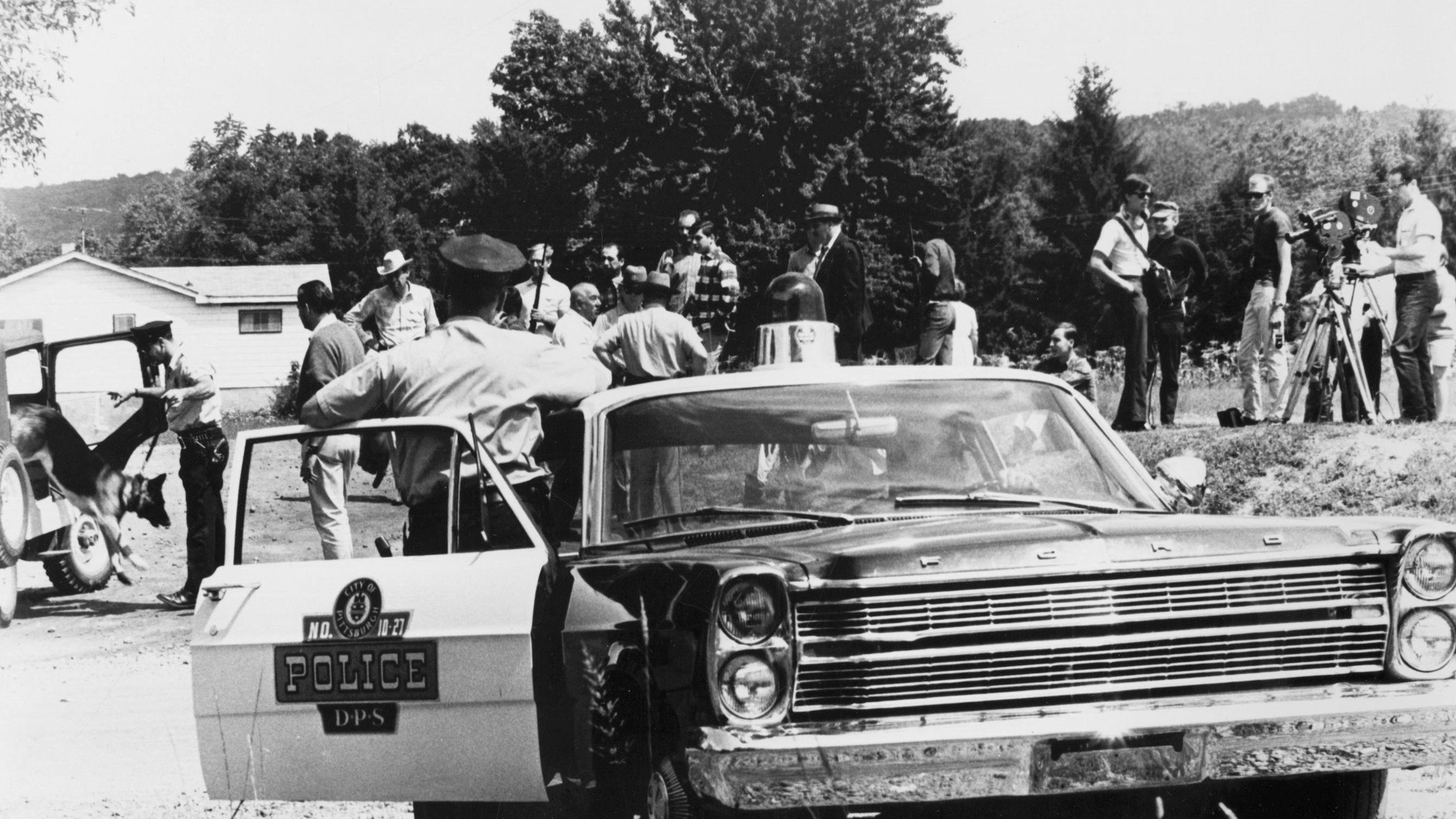
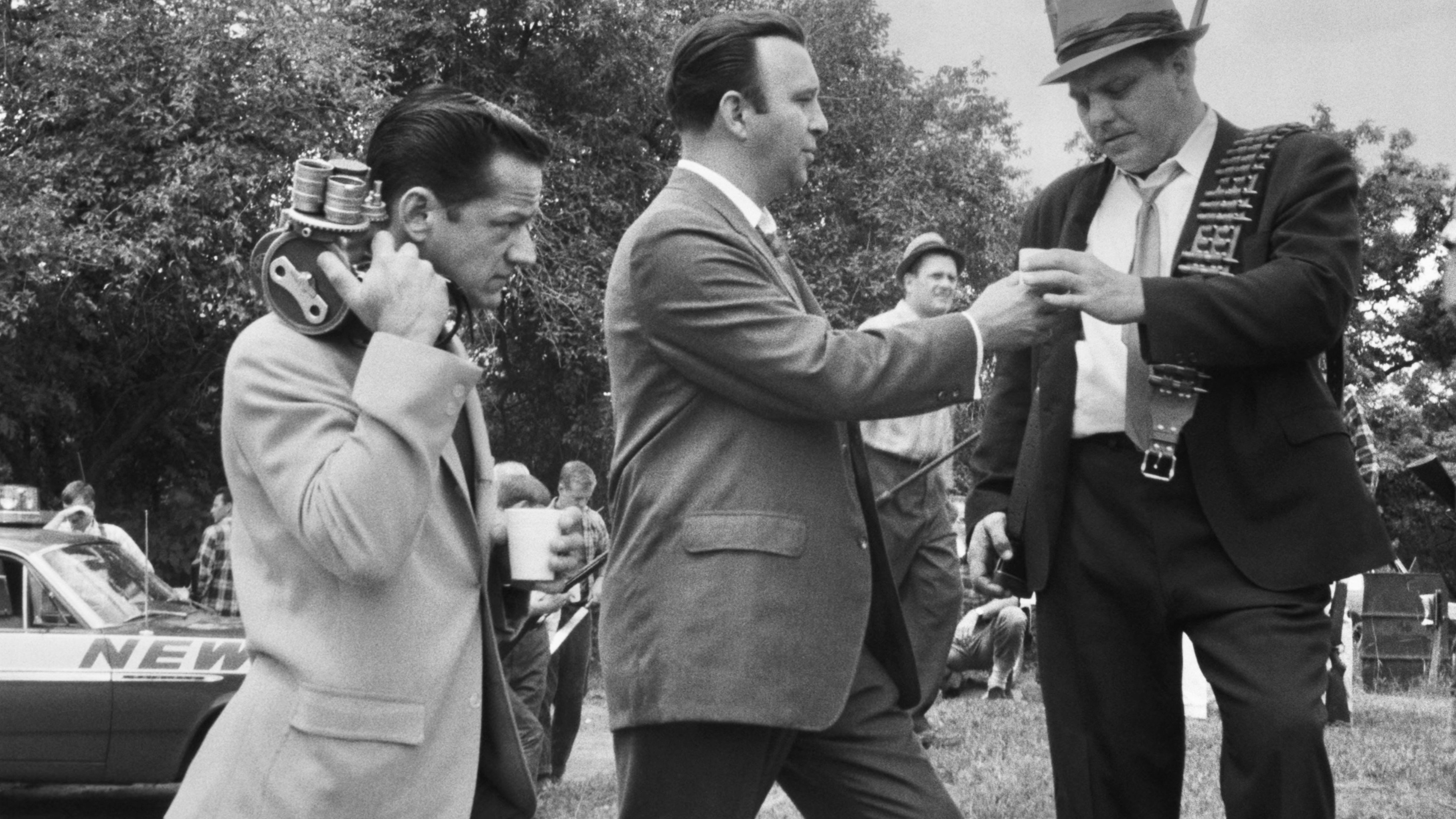
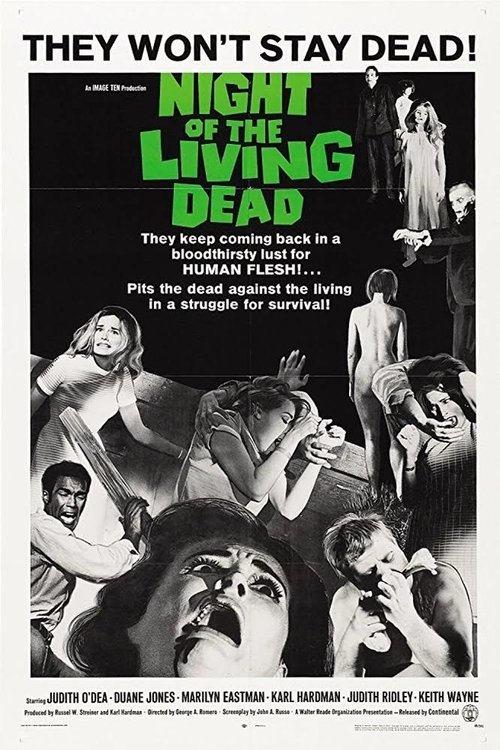
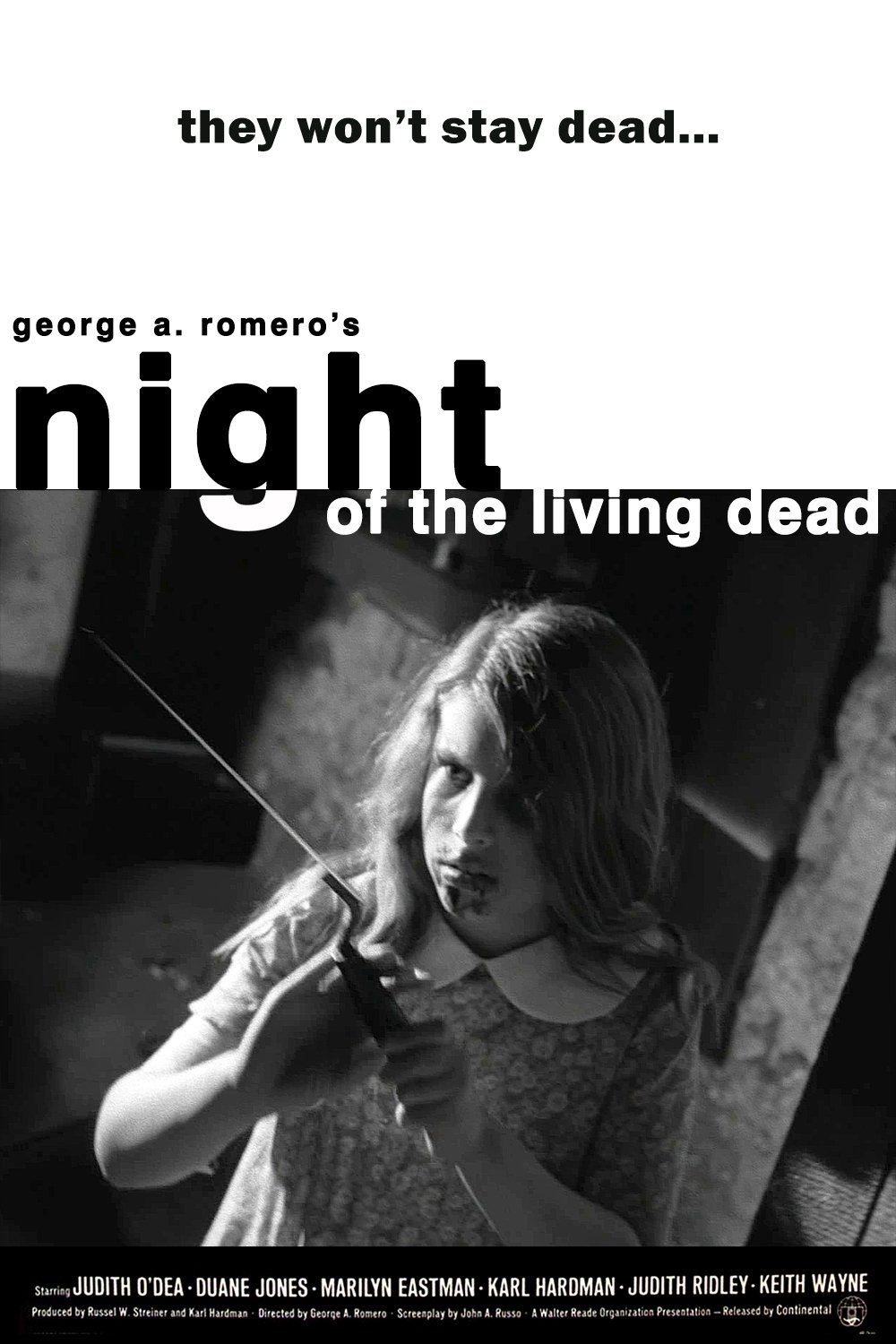
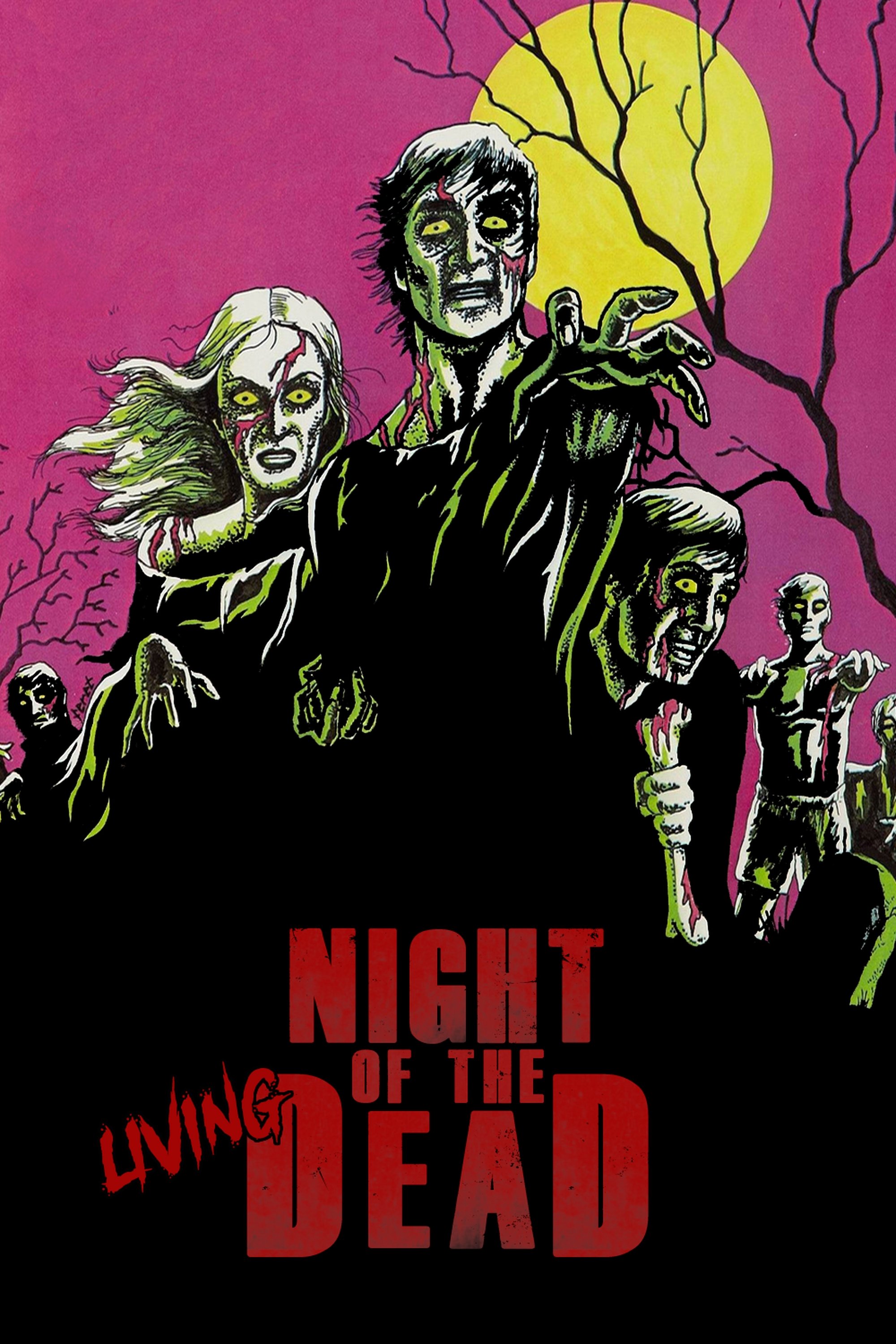
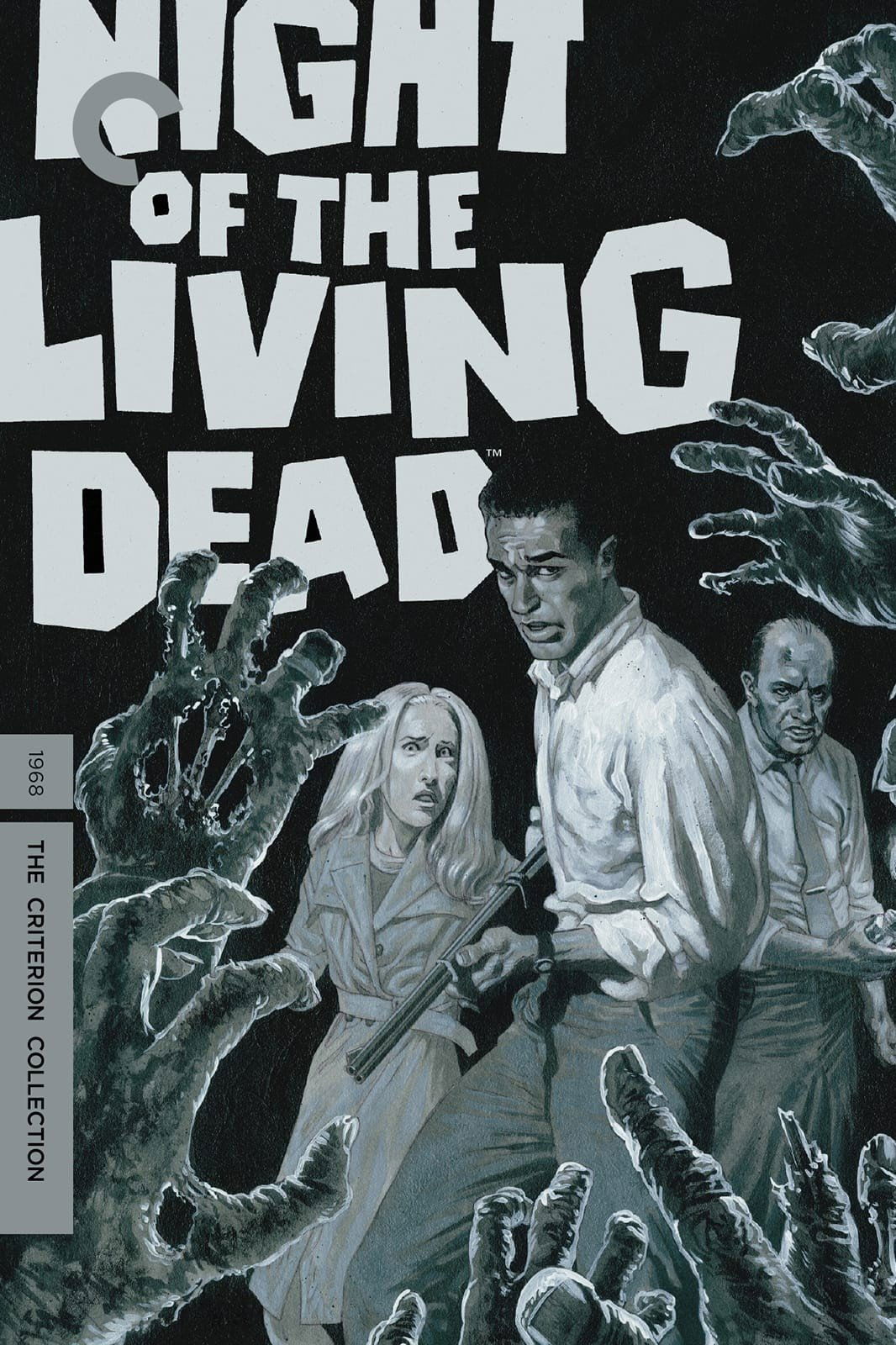
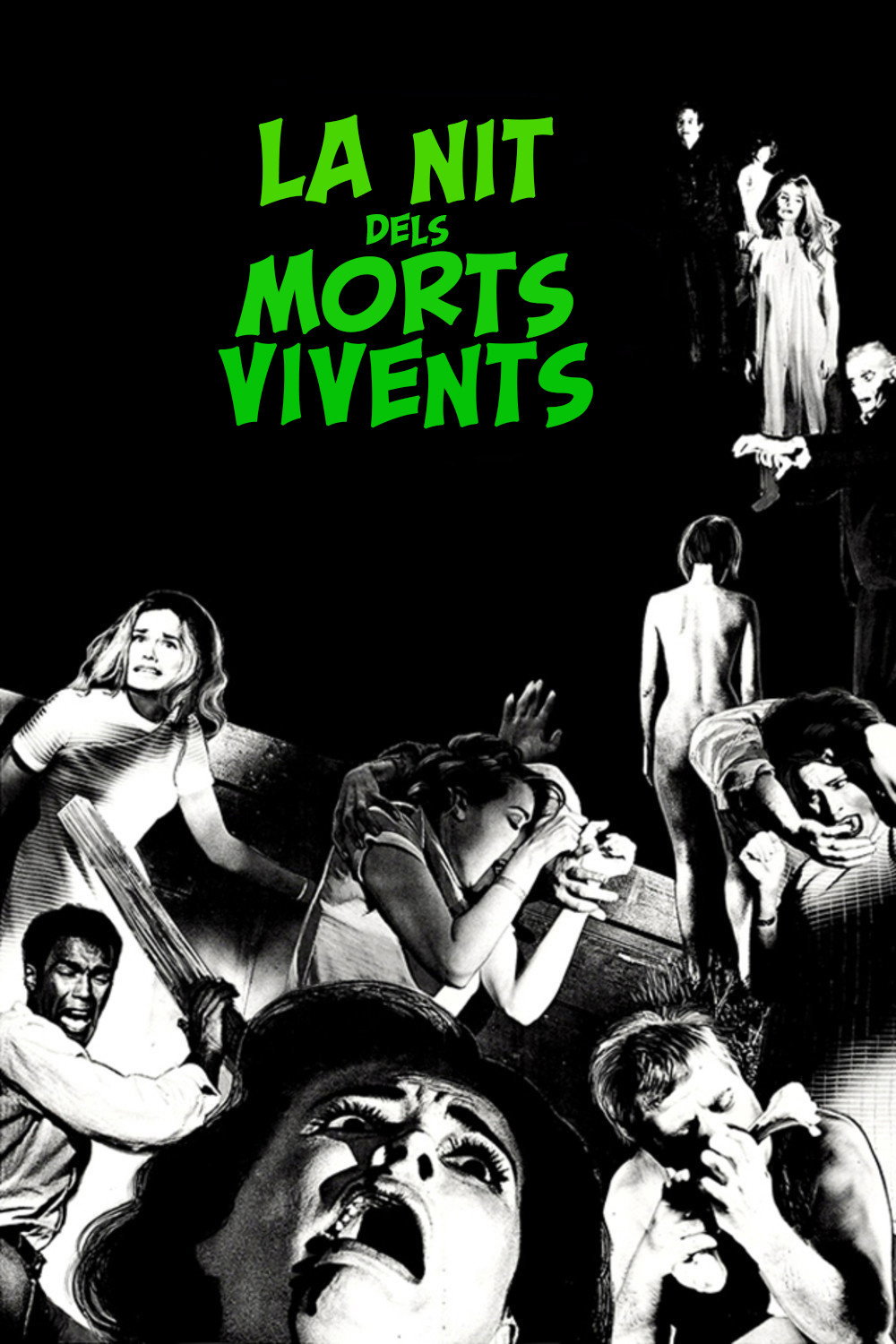
Before directing Night of the Living Dead, Romero had established a commercial filmmaking business in Pittsburgh with collaborators including John Russo and Russell Streiner. The Latent Image produced advertising, industrial films and other commissioned material, giving the group practical experience with cameras, sound recording, editing and client-financed production. The filmmakers wanted to move into feature filmmaking but lacked access to established studio financing. They therefore developed a horror project around the resources they could assemble locally.
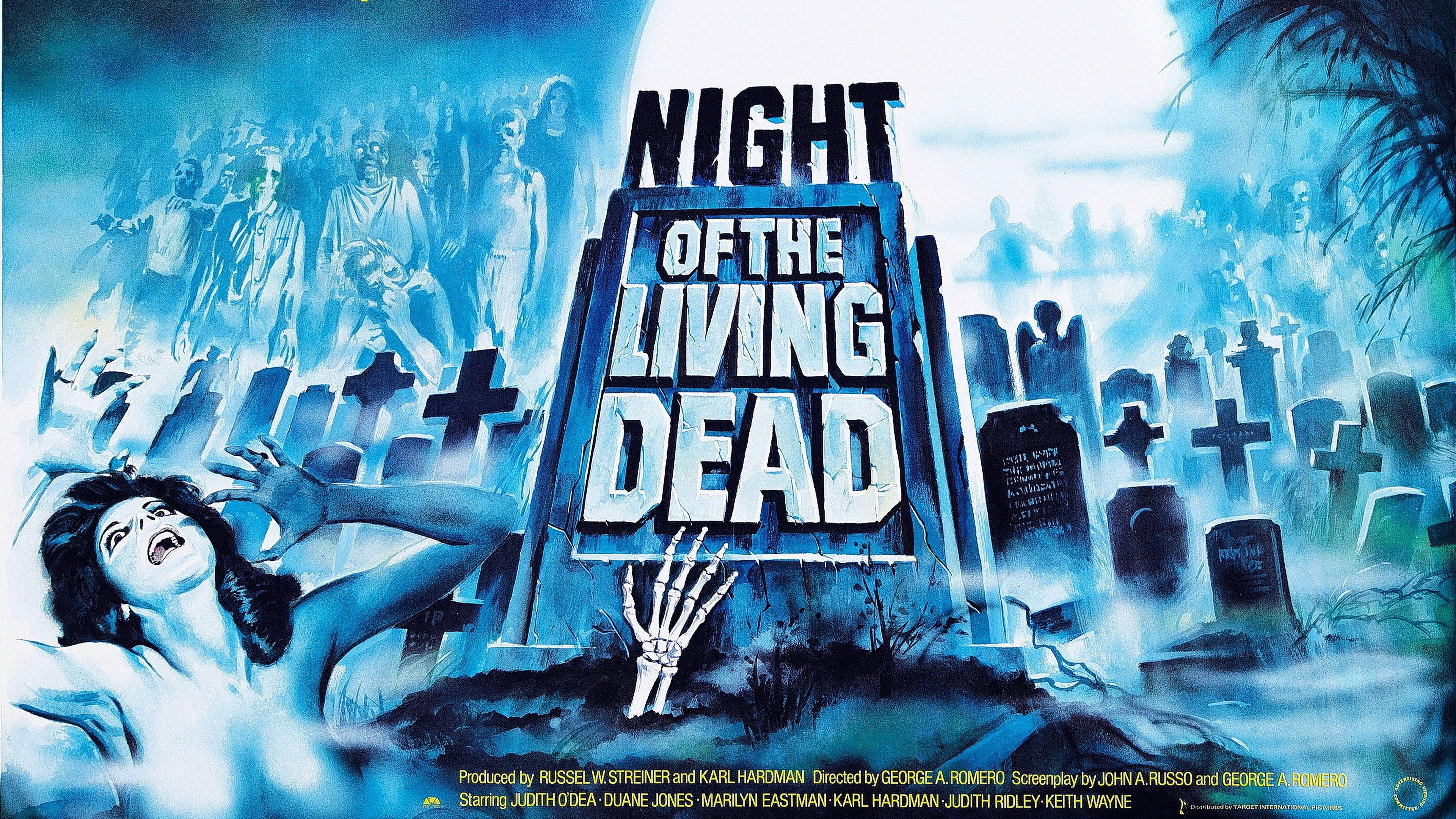
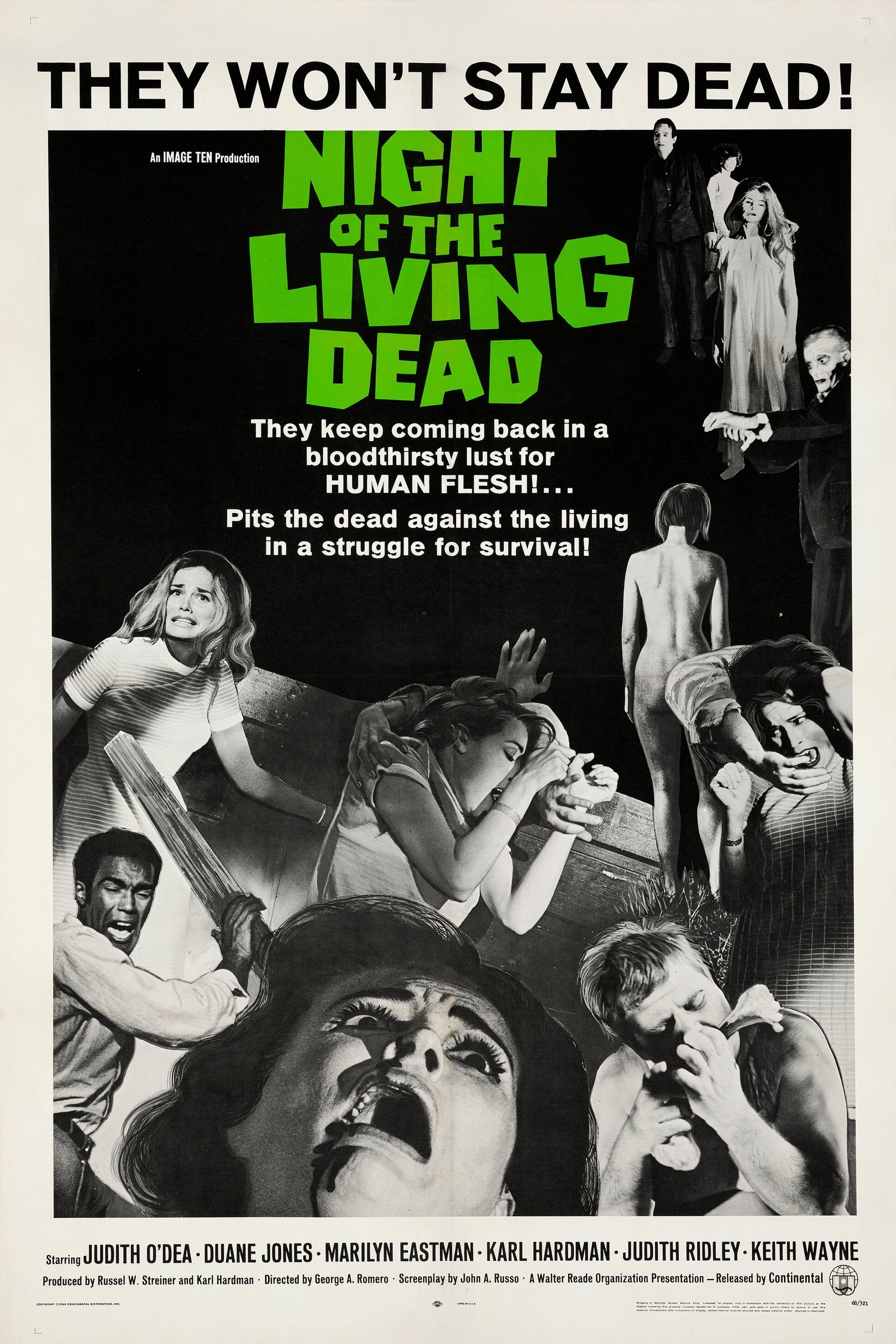
Romero and Russo wrote the screenplay, while Image Ten became the production partnership. Russell Streiner and Karl Hardman served as producers, and the investors included individuals who contributed money, services or access to facilities. Contemporary budget figures are inconsistent. Some reports described the production as costing less than one hundred thousand dollars, while later trade accounts cited by the American Film Institute placed the cost at approximately $125,000. The project was financed through roughly thirty independent investors rather than one conventional studio agreement.
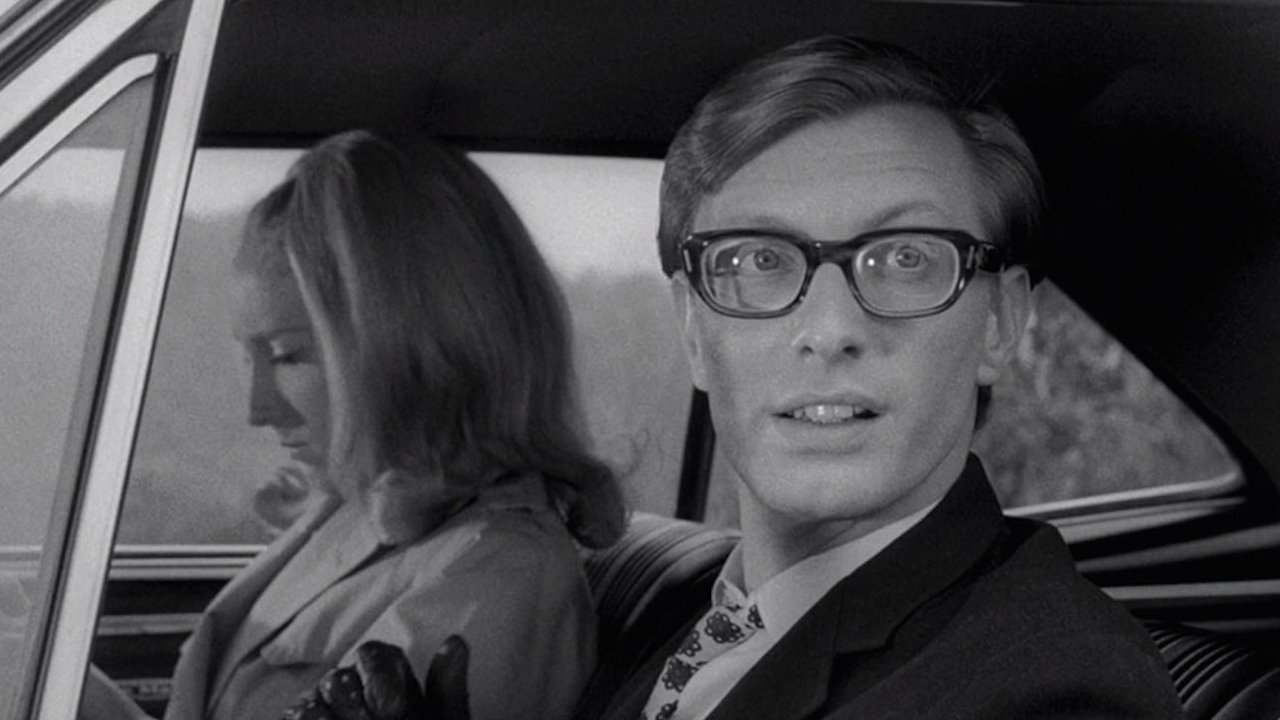
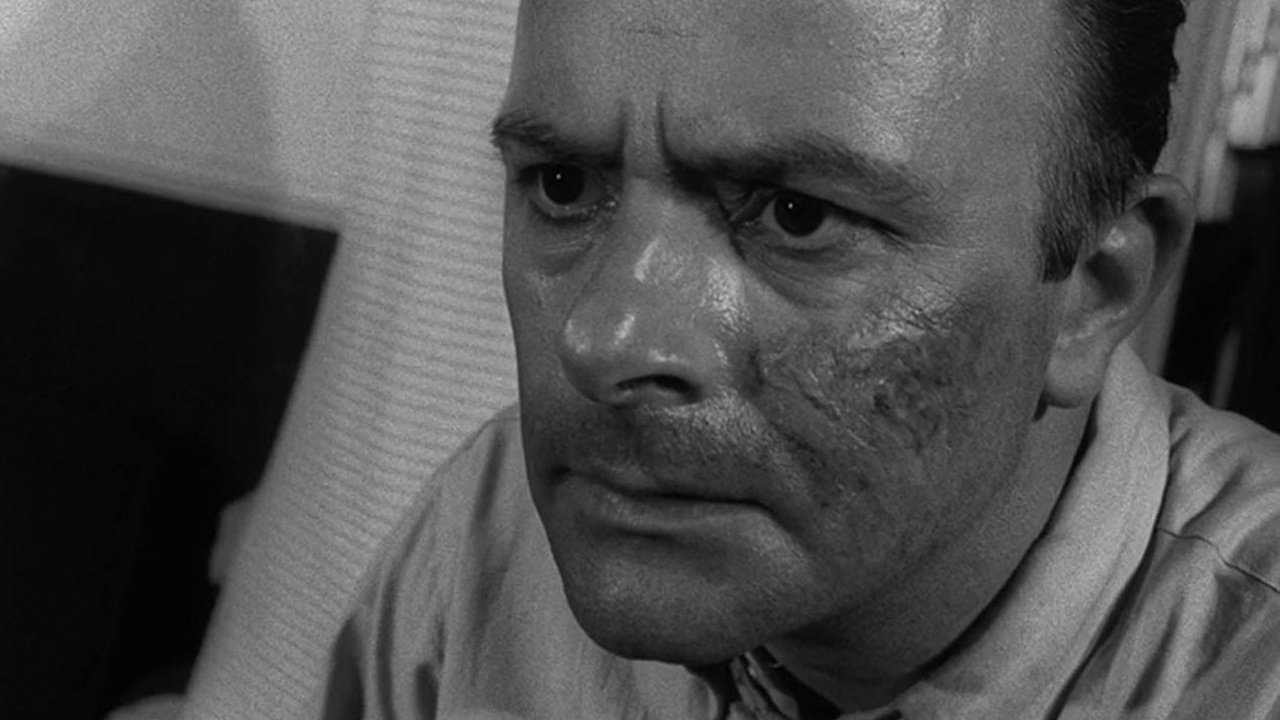
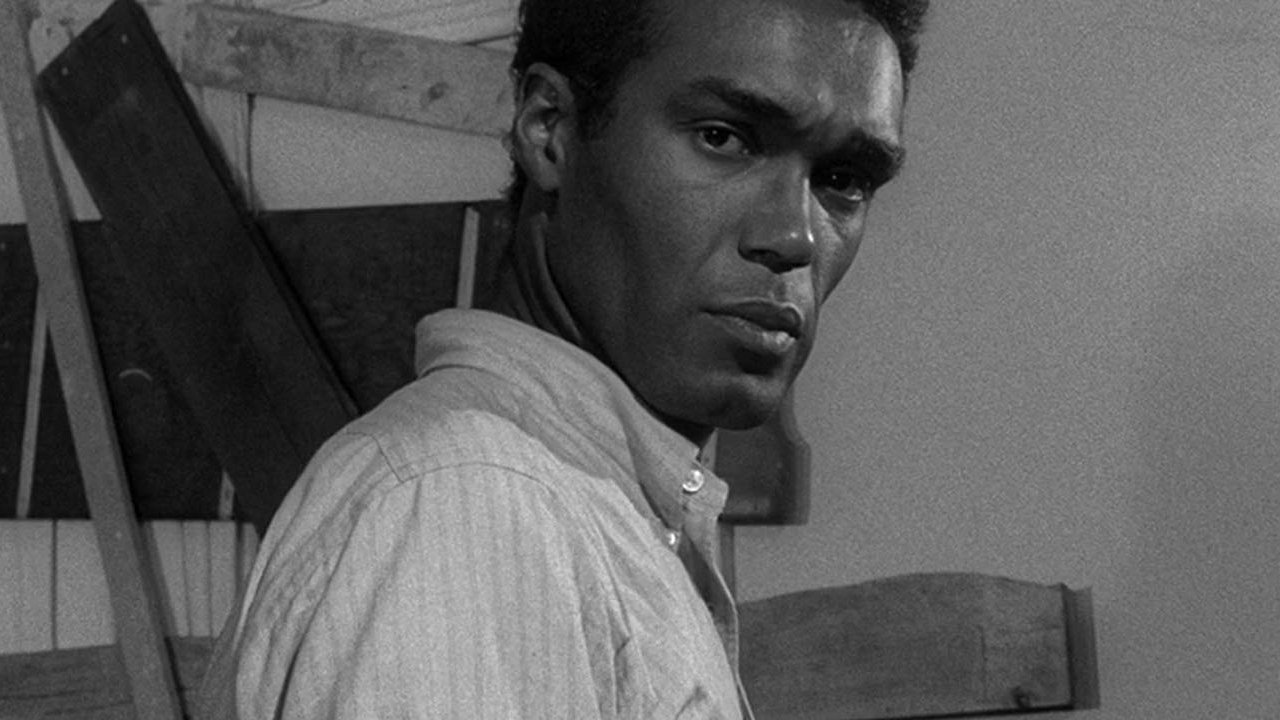
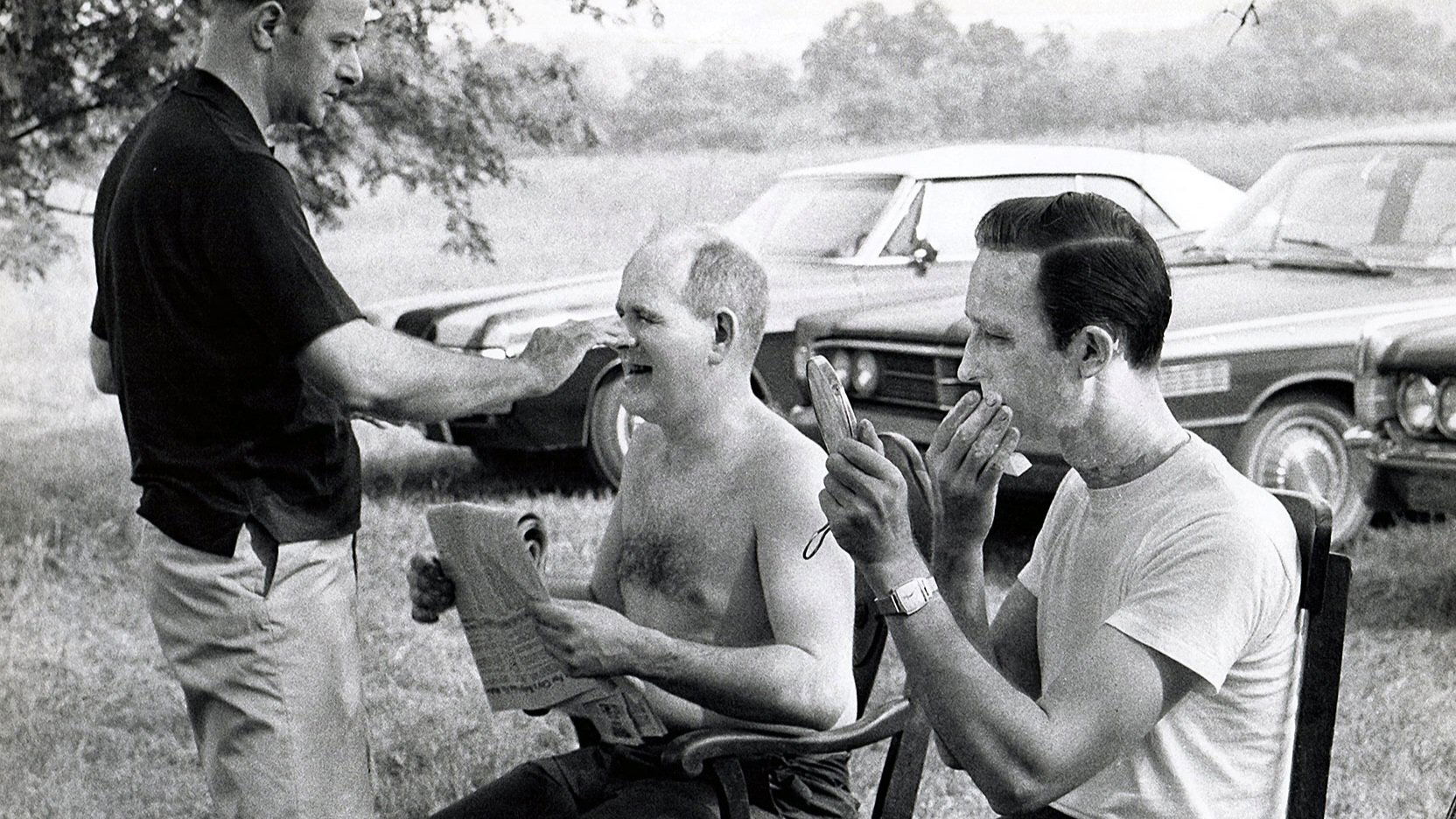
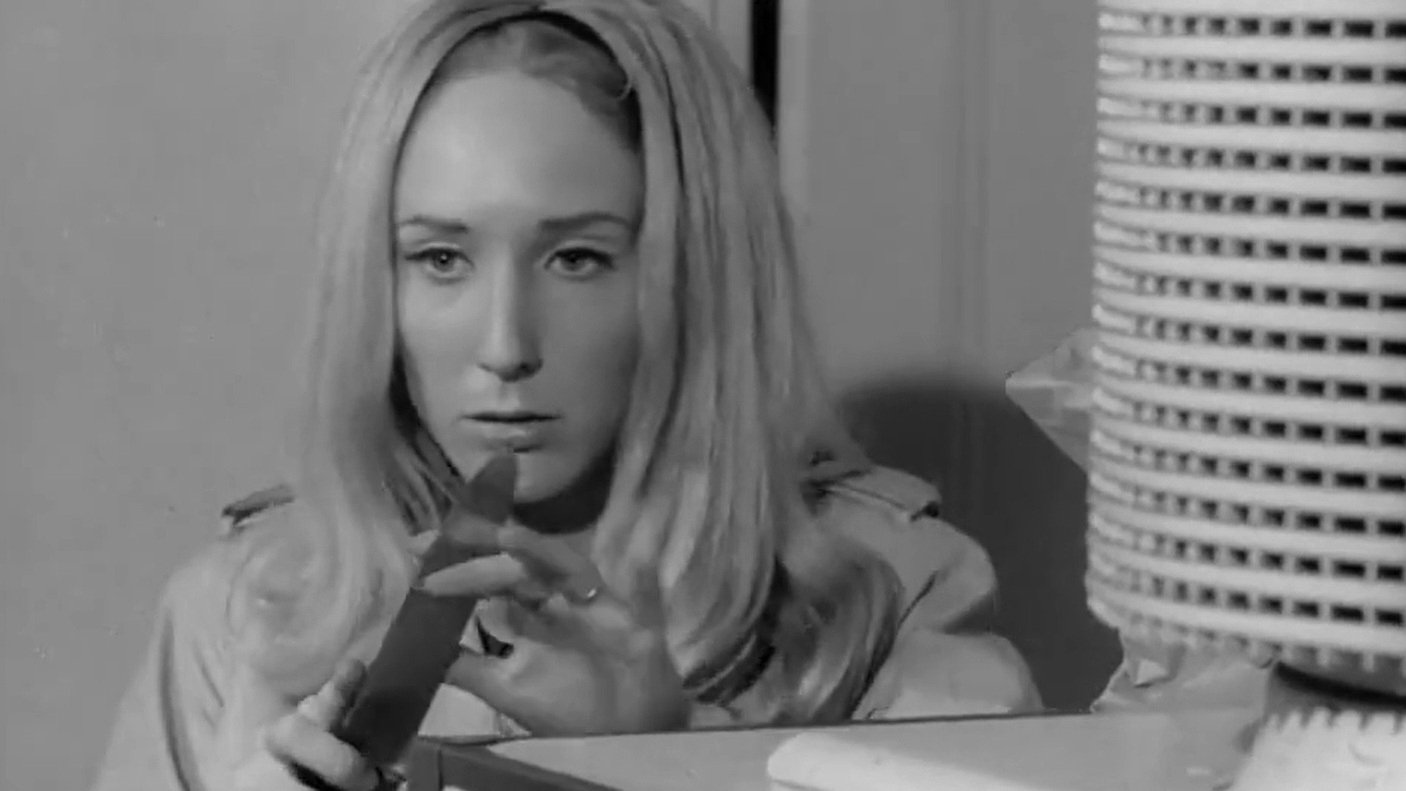
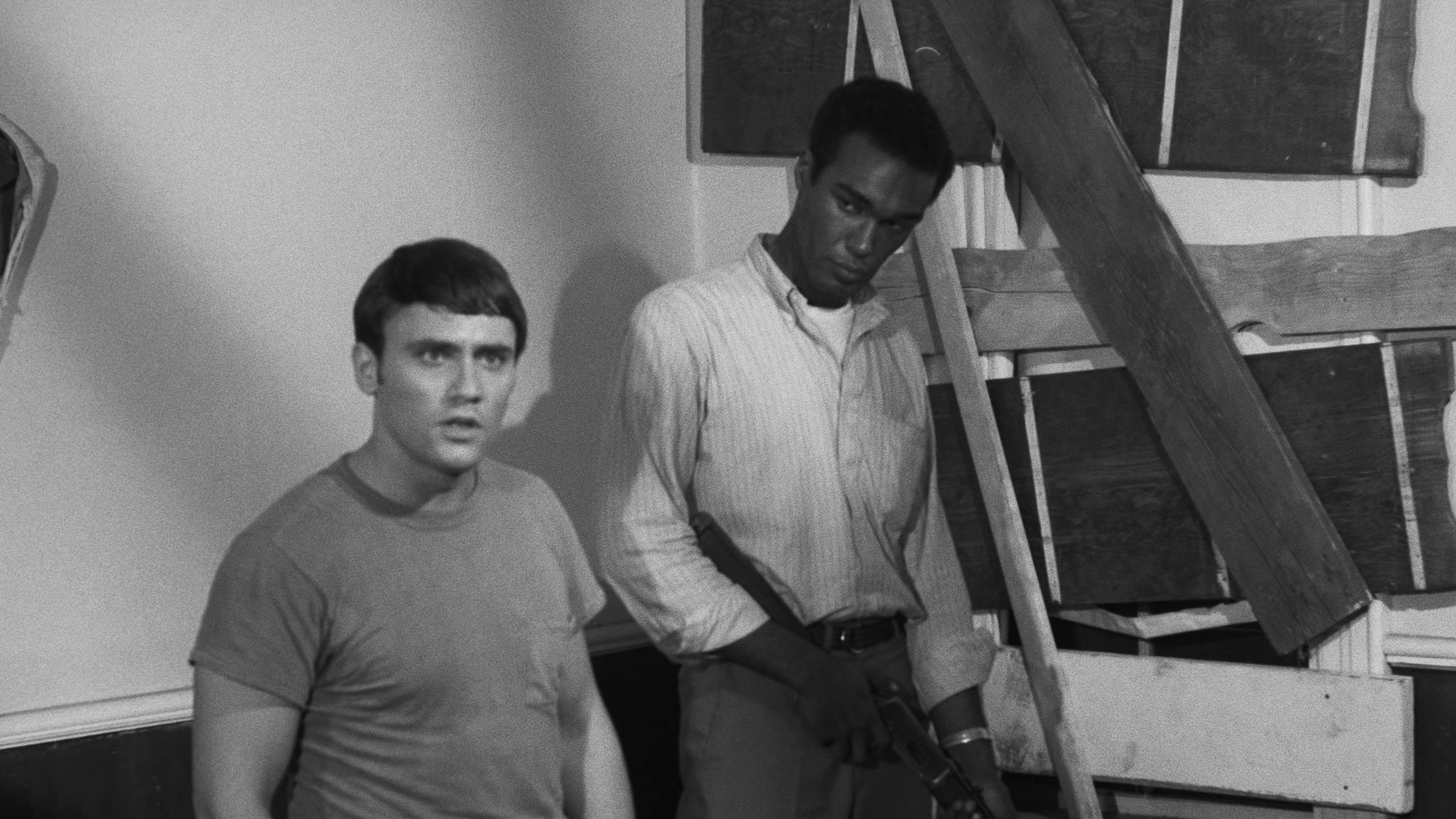
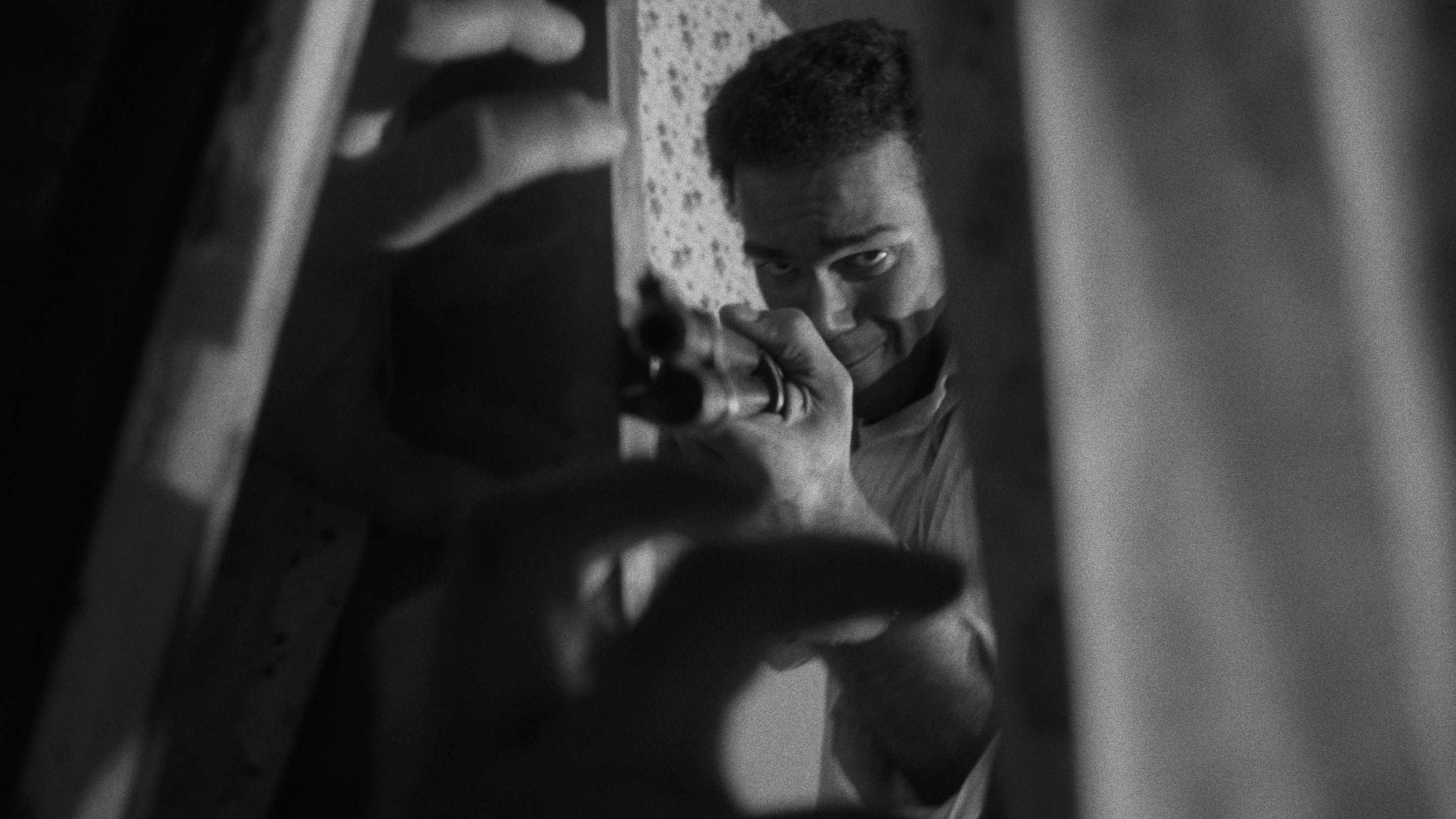
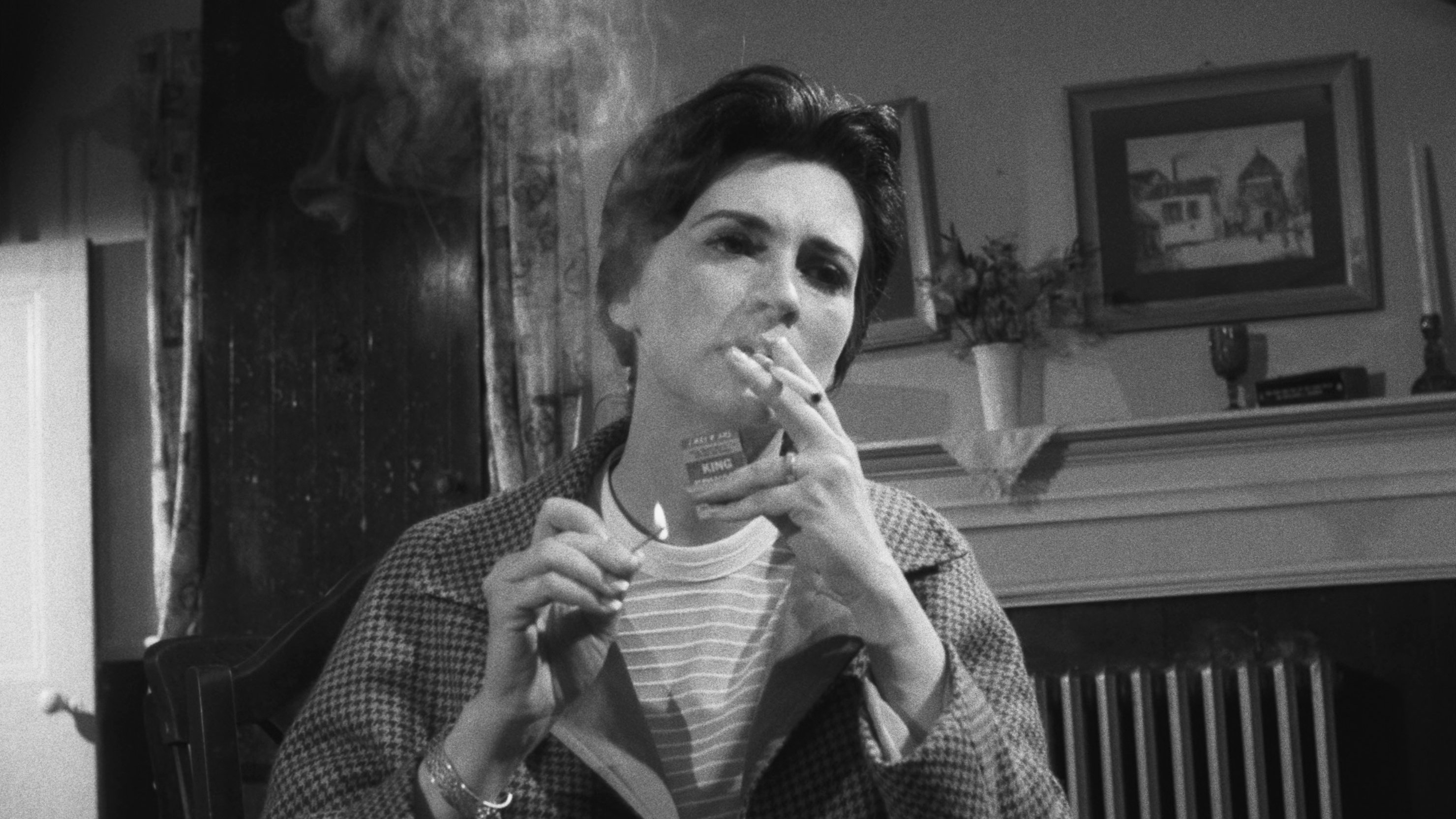
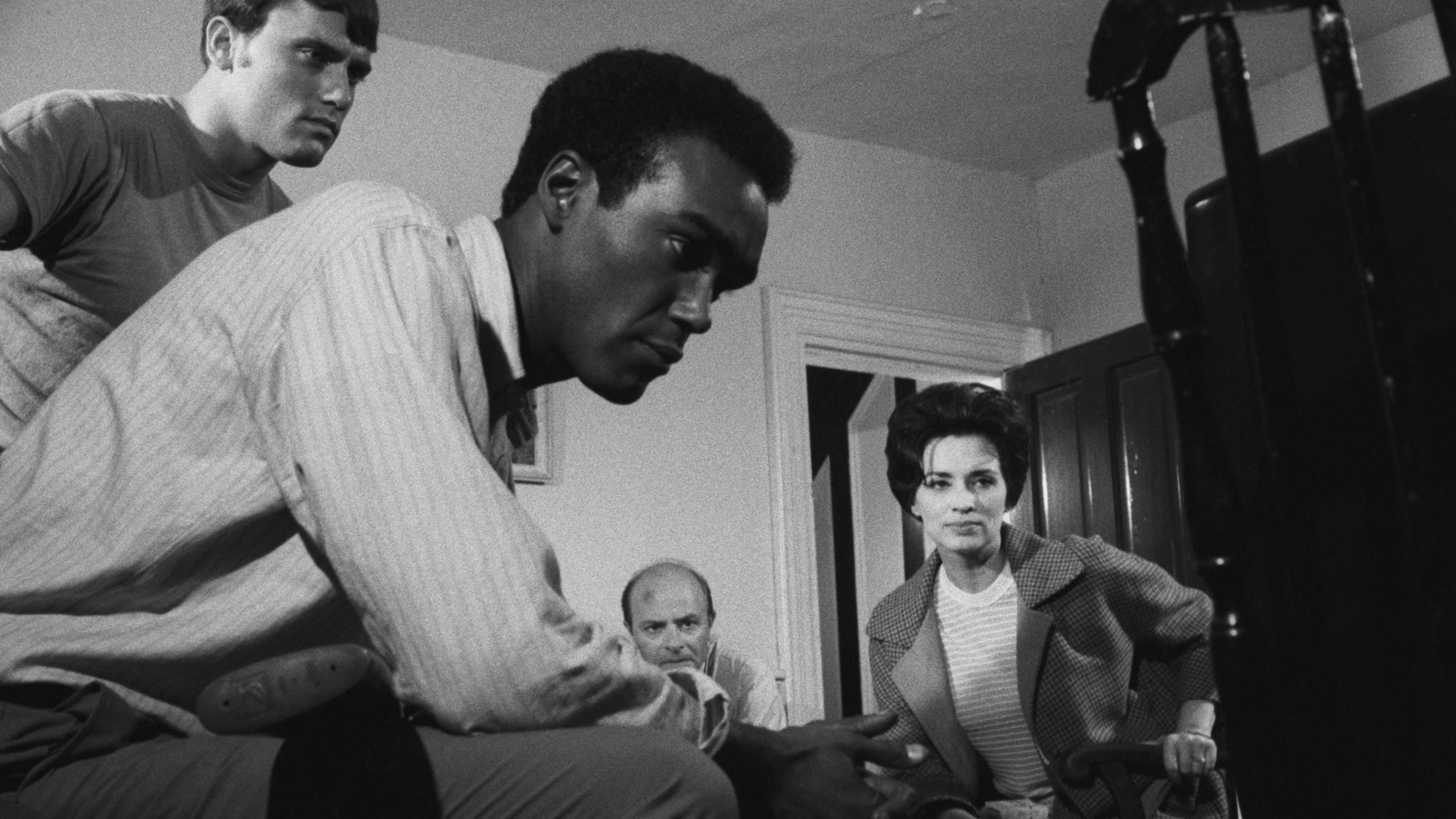
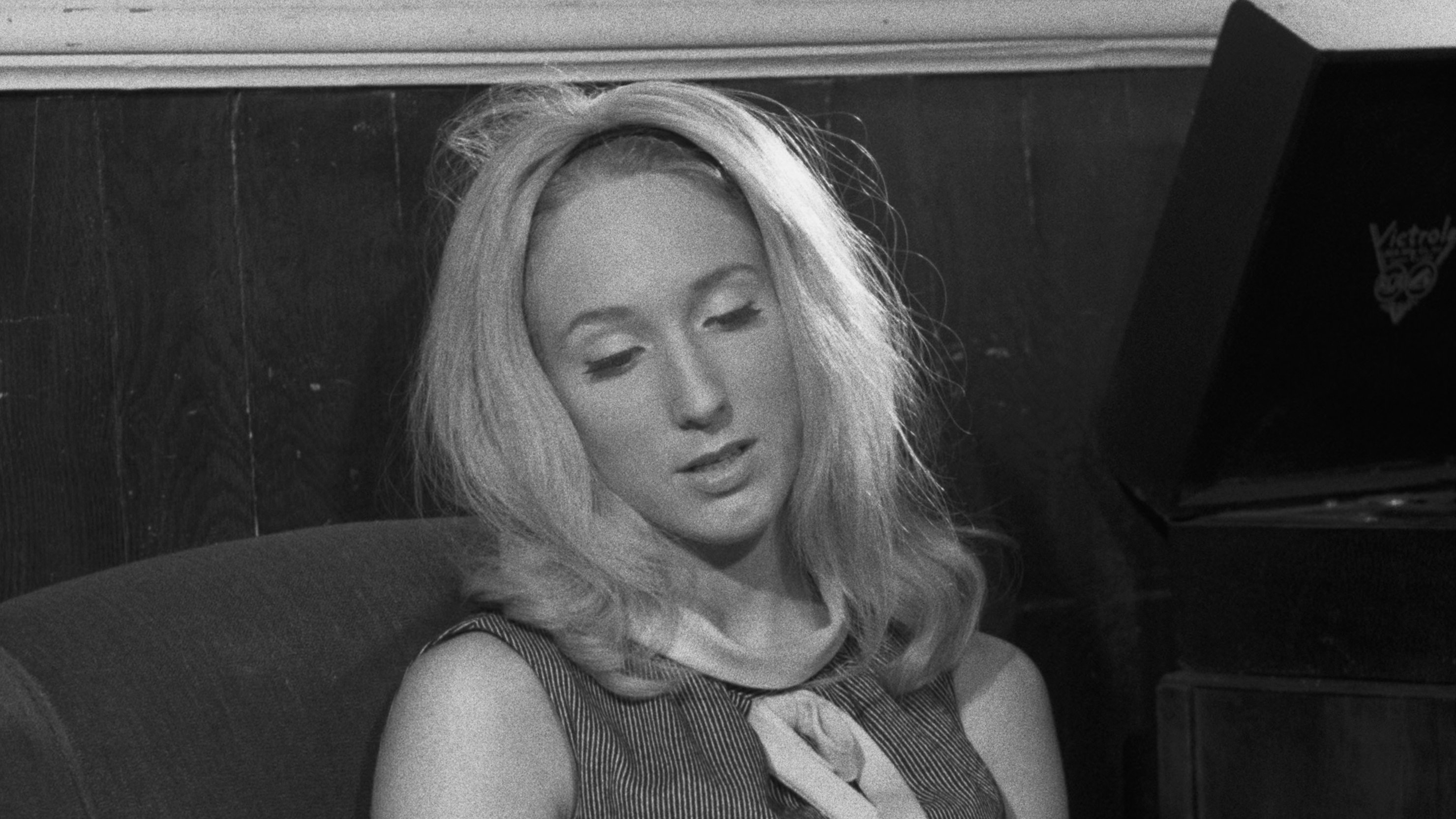
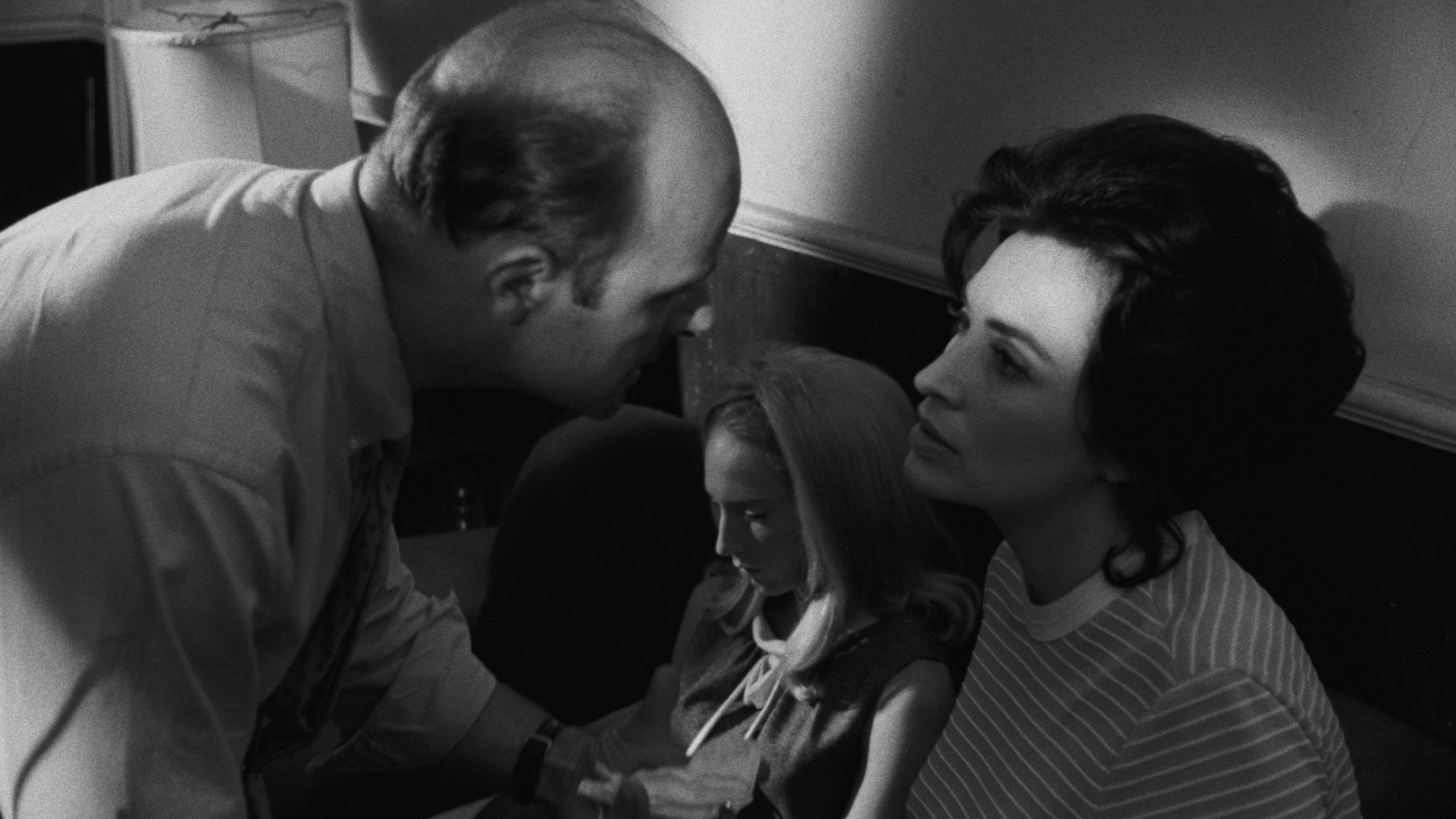
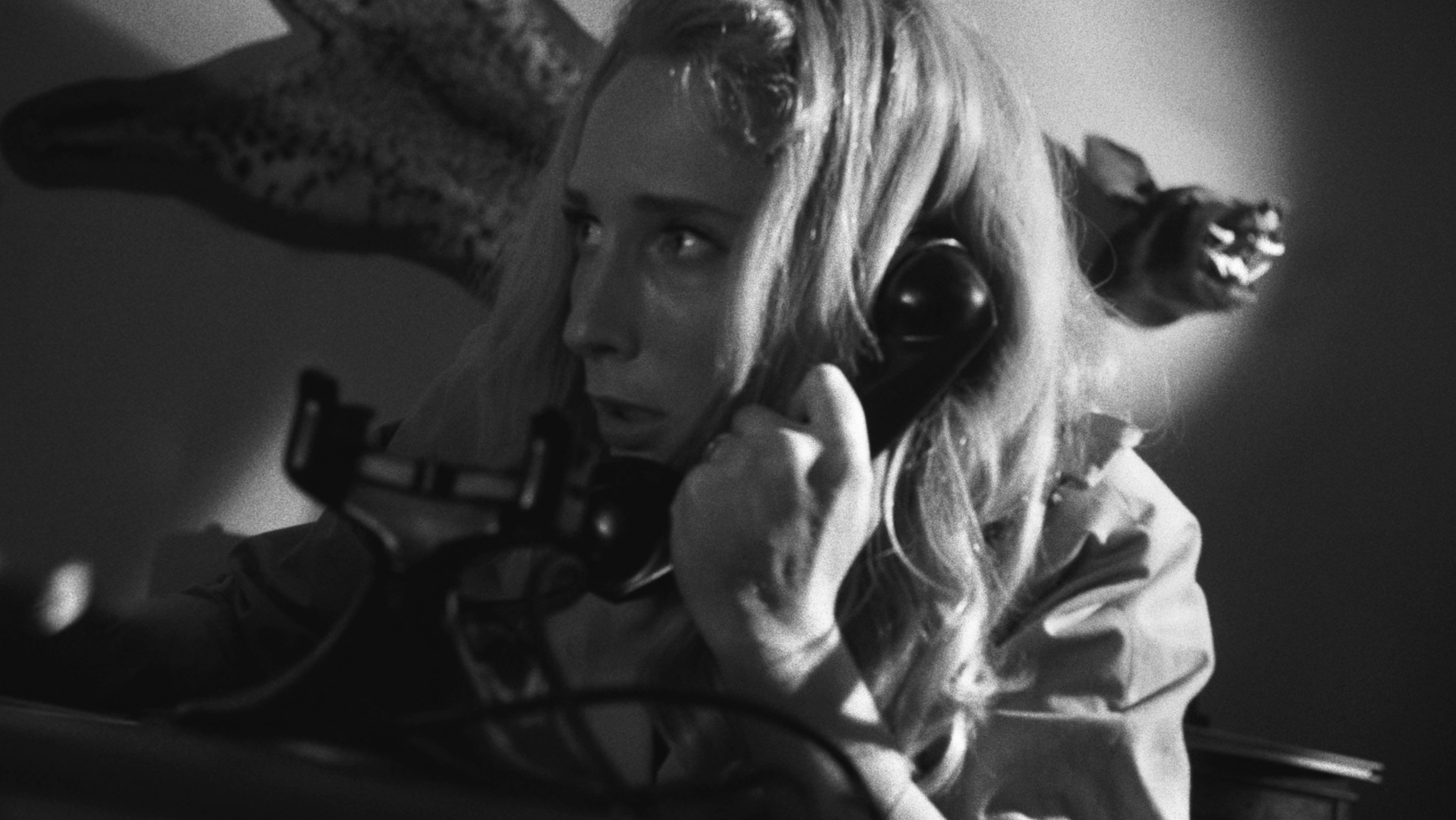
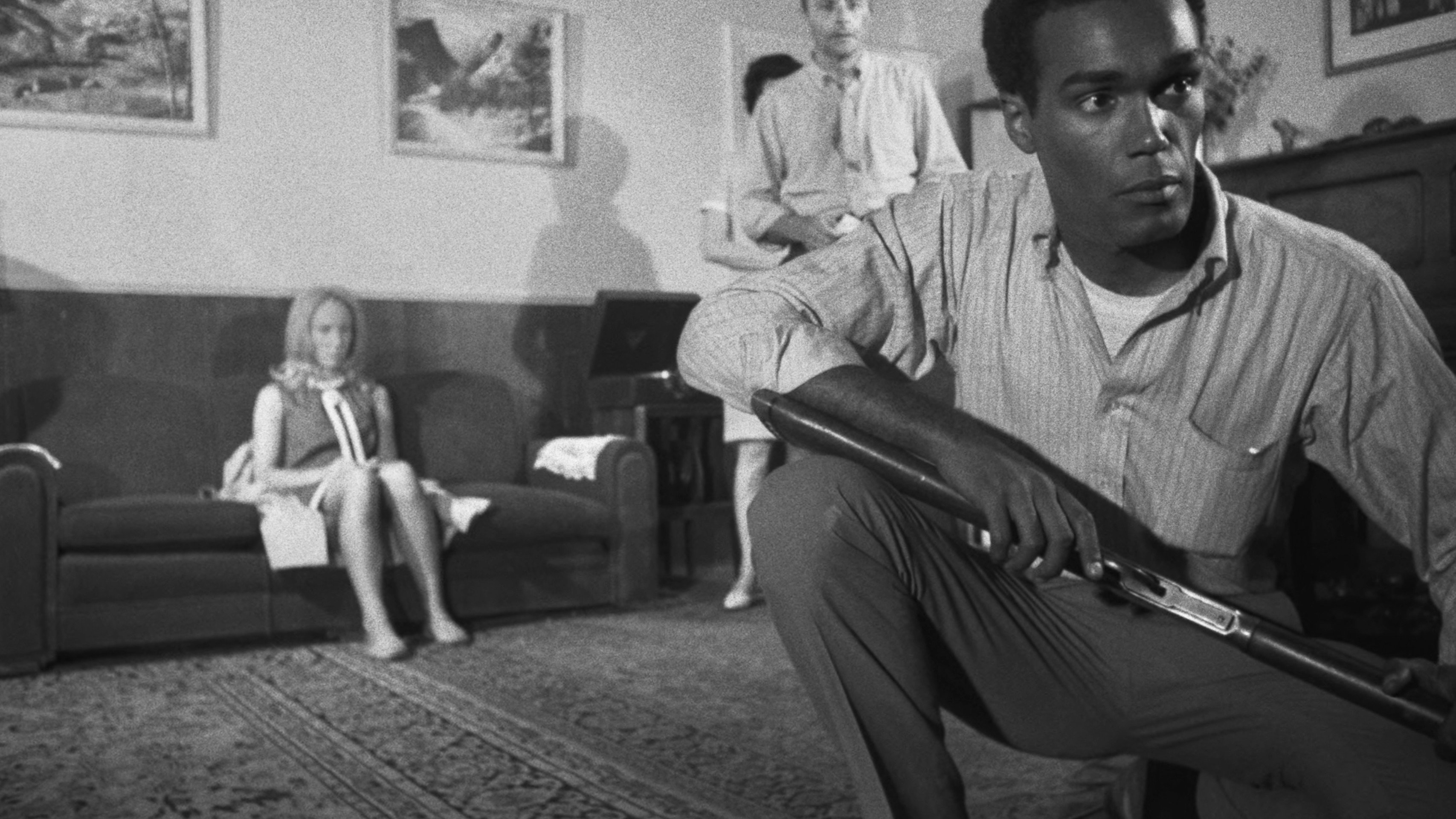
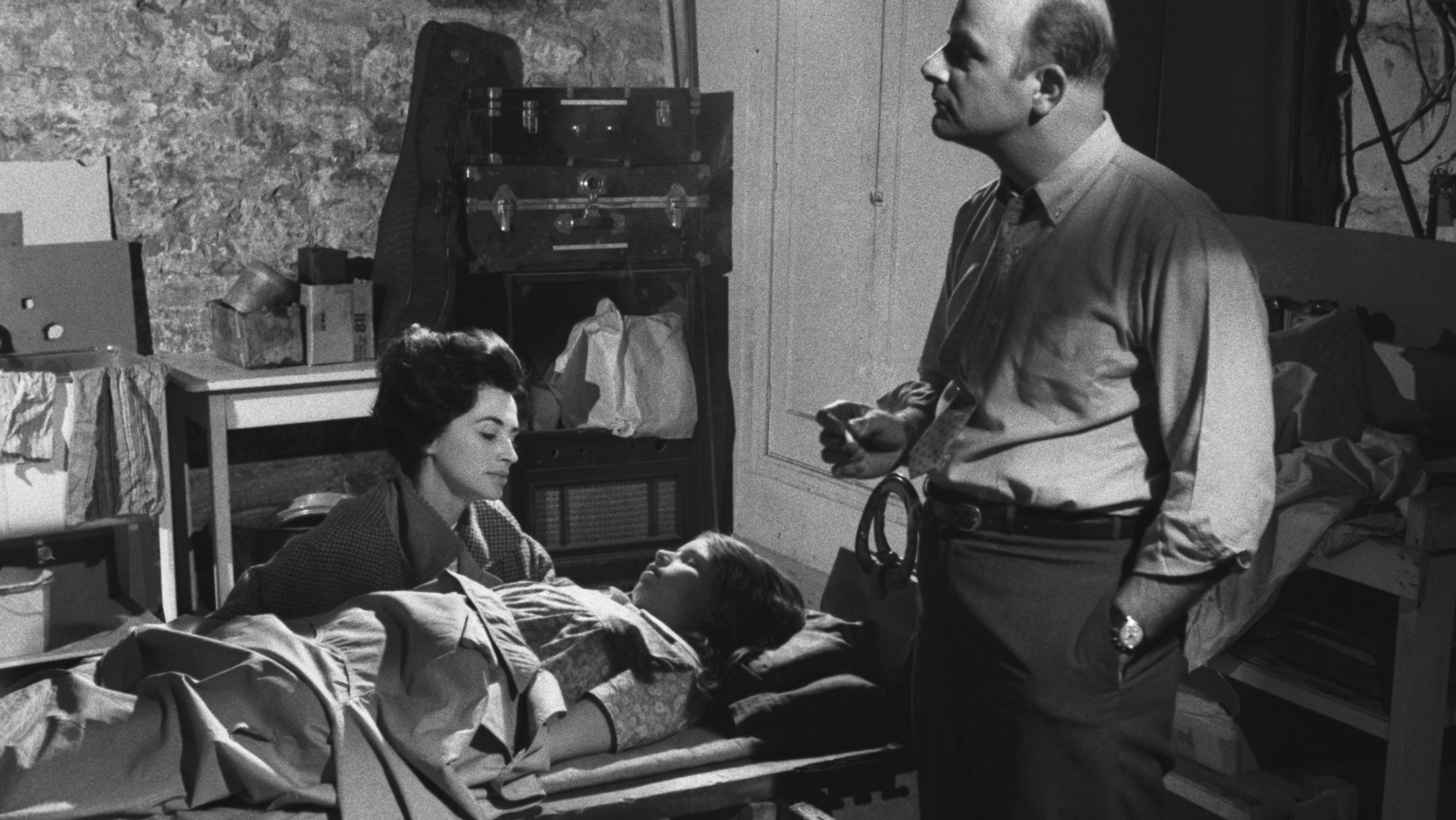
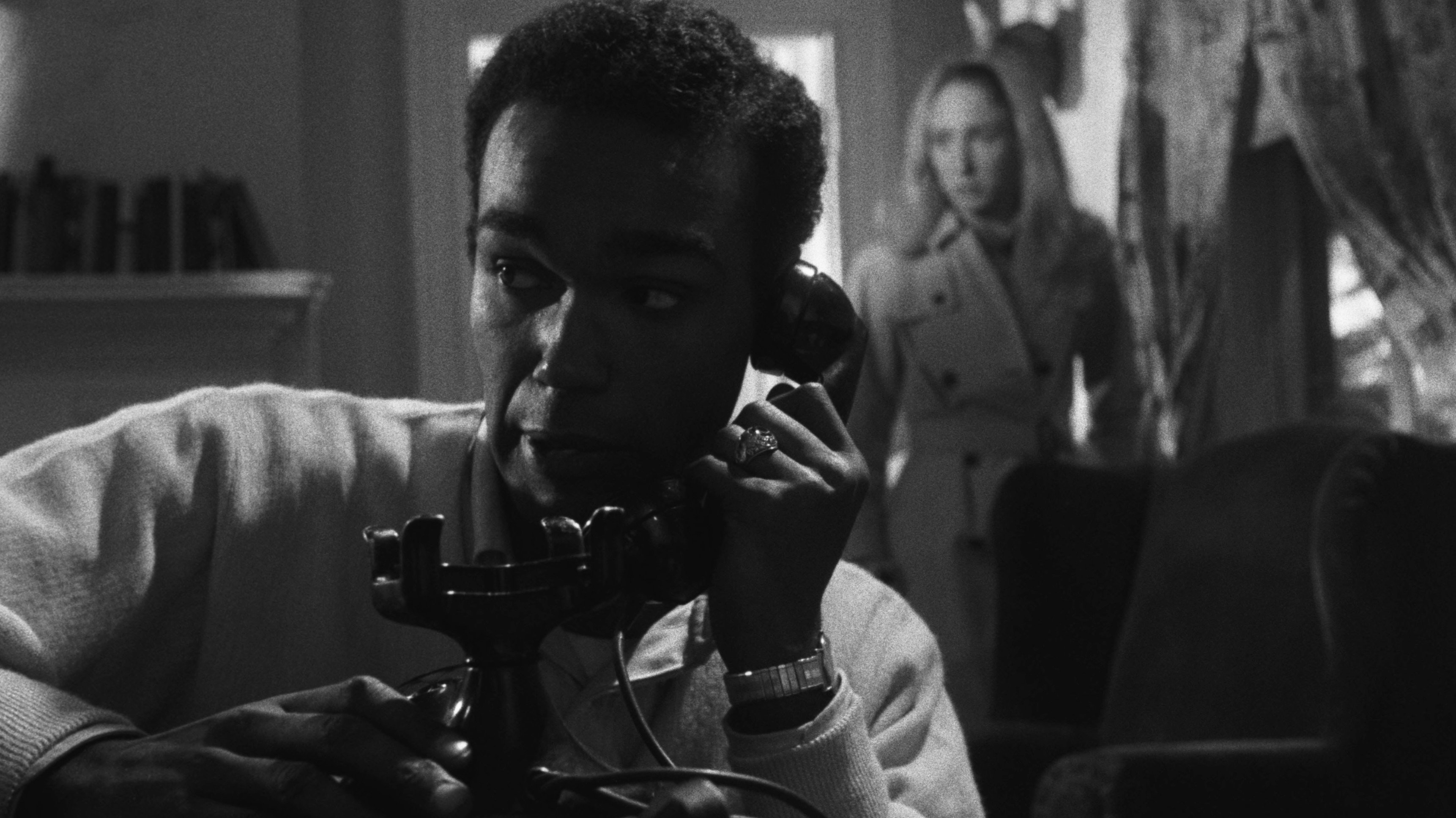
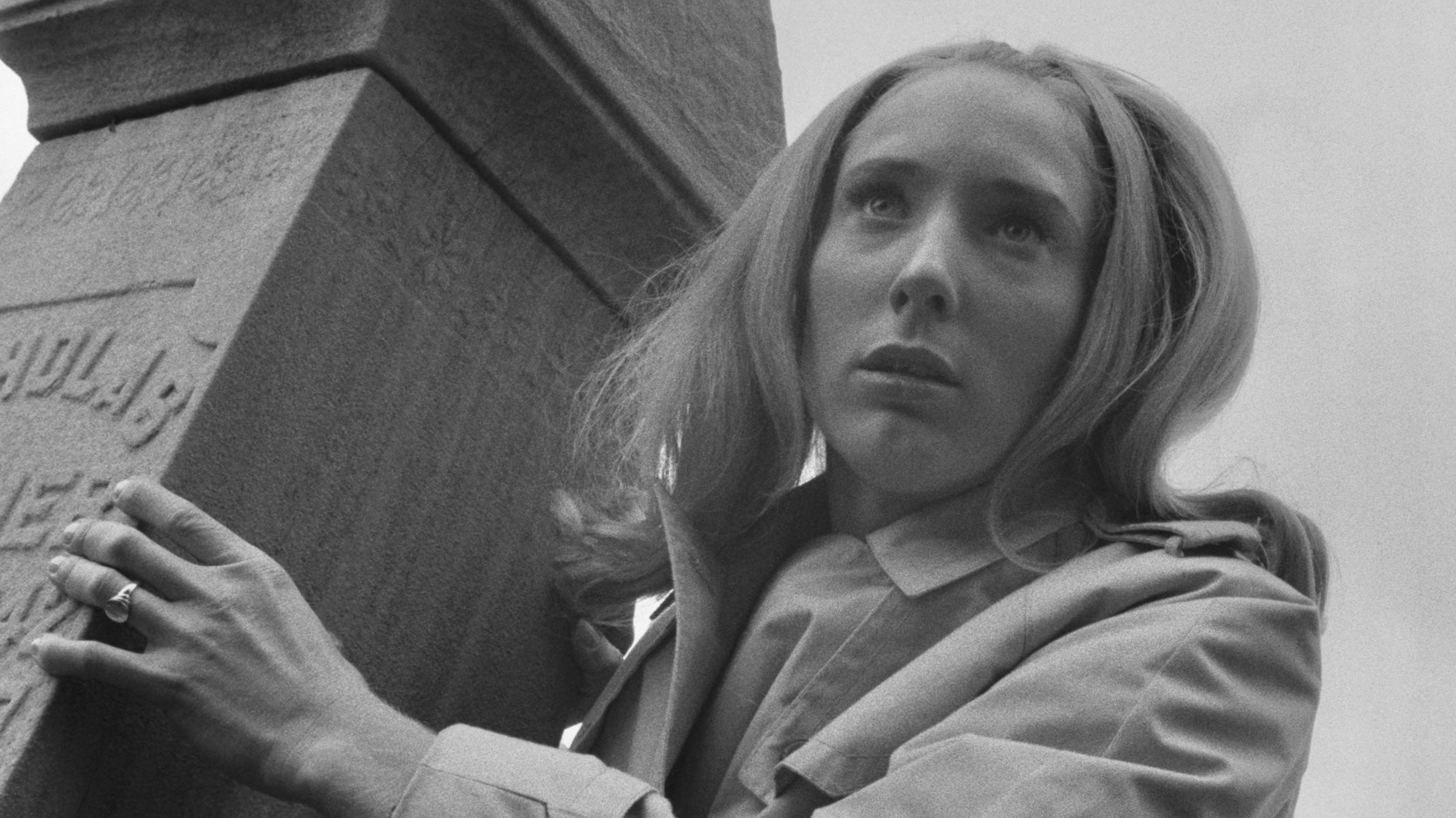
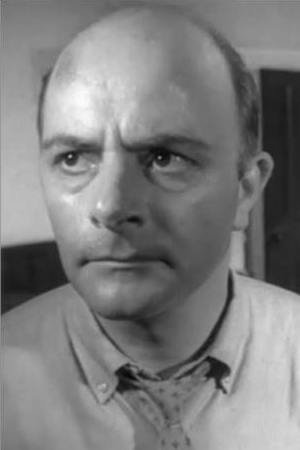
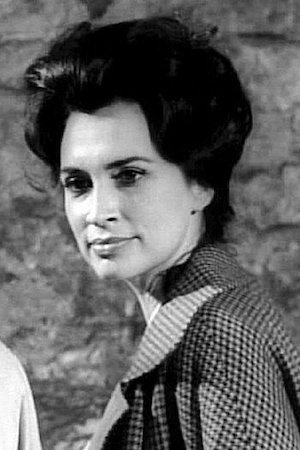
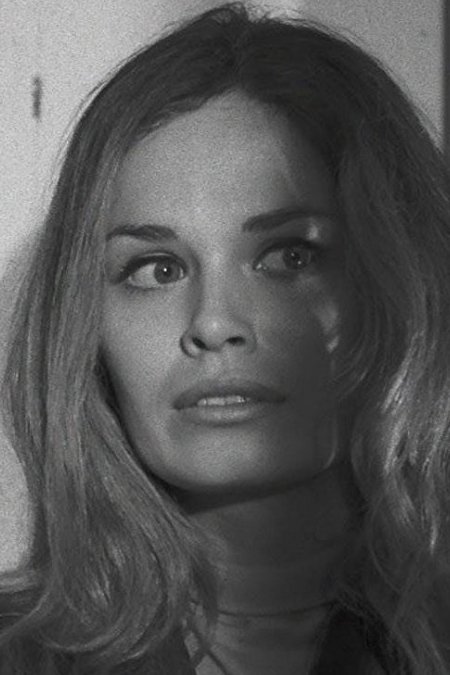
The financing arrangement affected nearly every department. Performers included professional actors, local acquaintances and people already connected with the production companies. Hardman played Harry Cooper, Marilyn Eastman appeared as Helen Cooper, Russell Streiner portrayed Johnny and production manager George Kosana played Sheriff McClelland. Other collaborators moved between technical duties and small screen roles. This overlap reduced payroll requirements while giving the filmmakers access to people already familiar with the practical difficulties of the production.
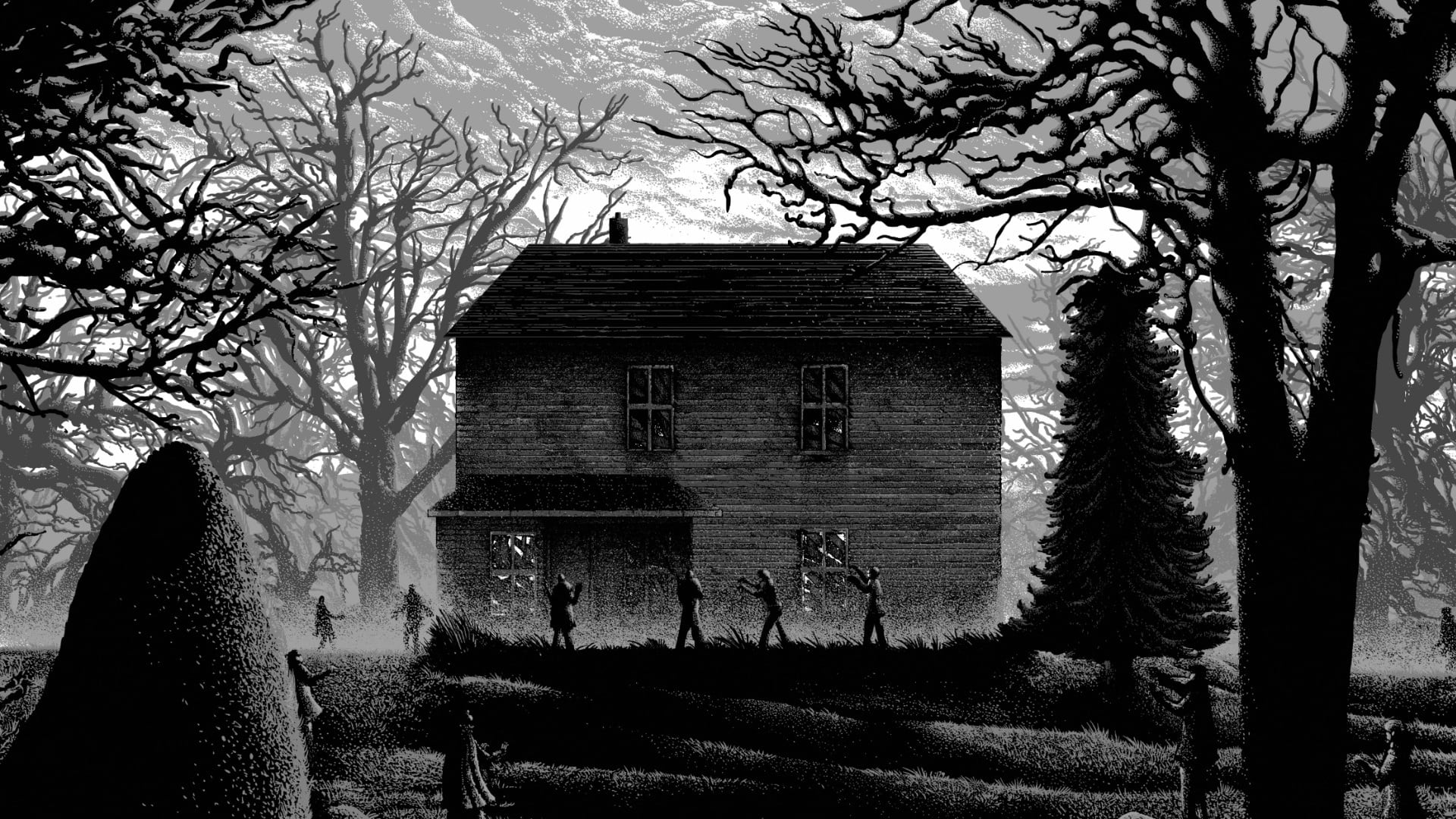
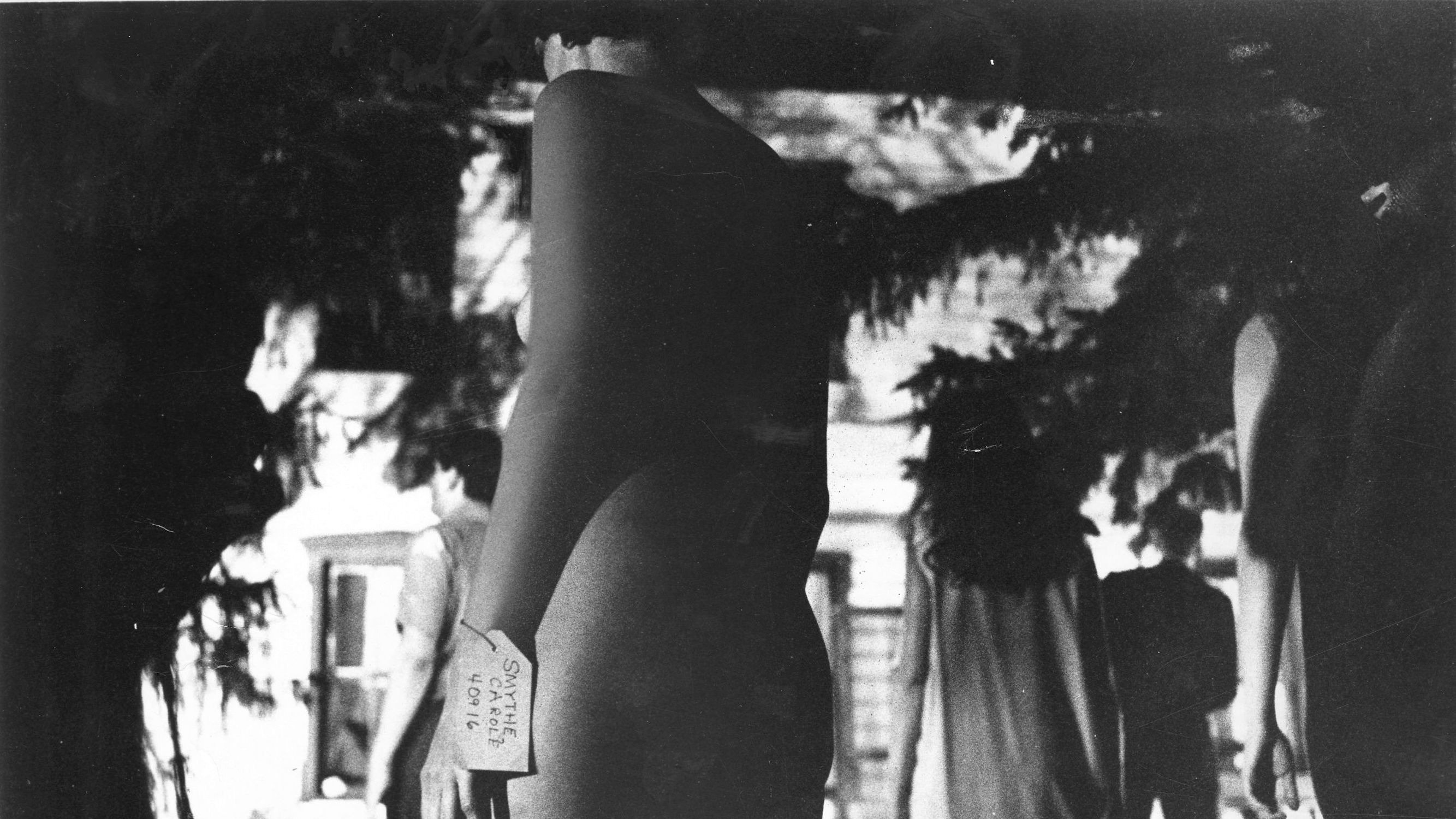
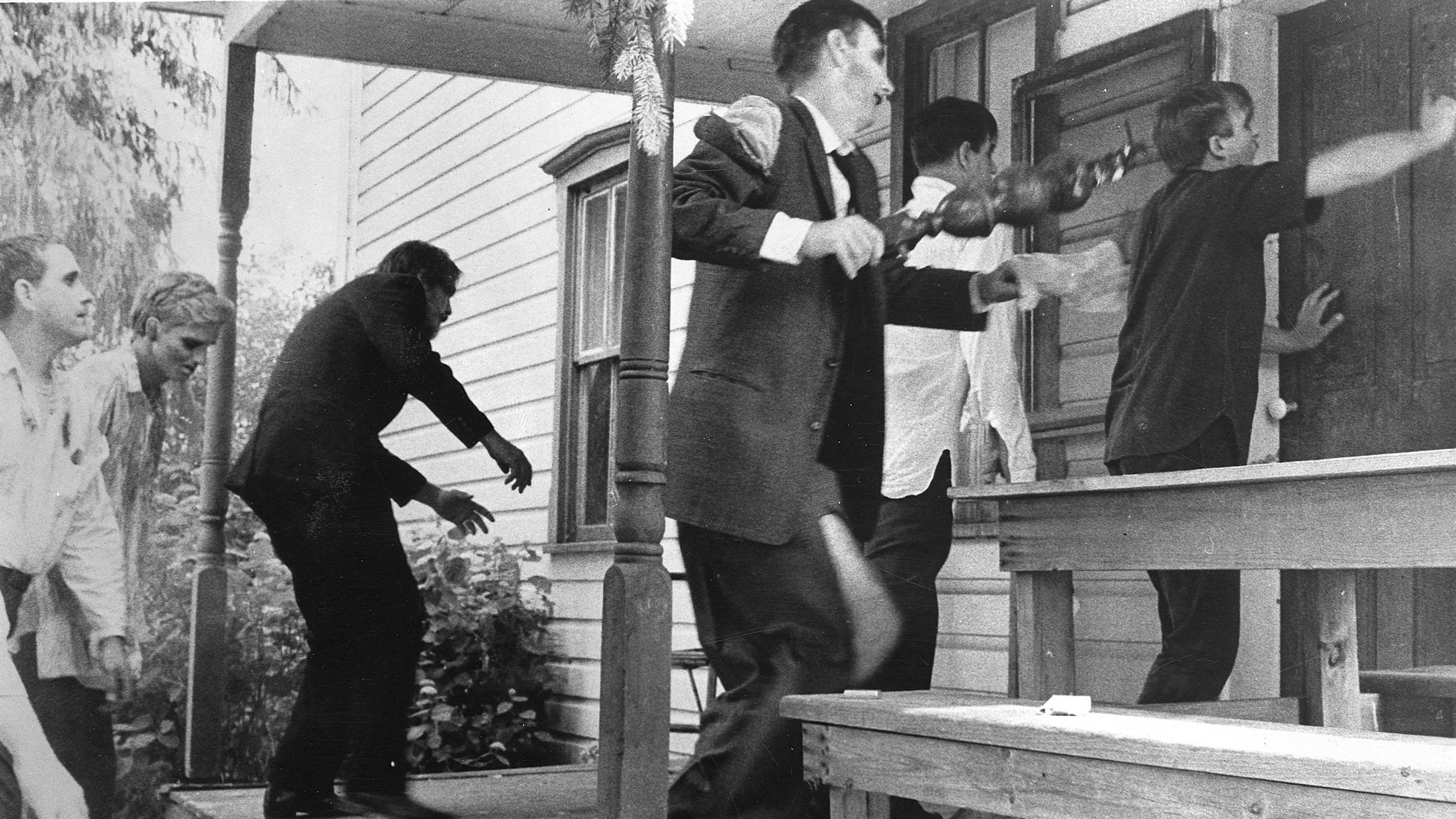
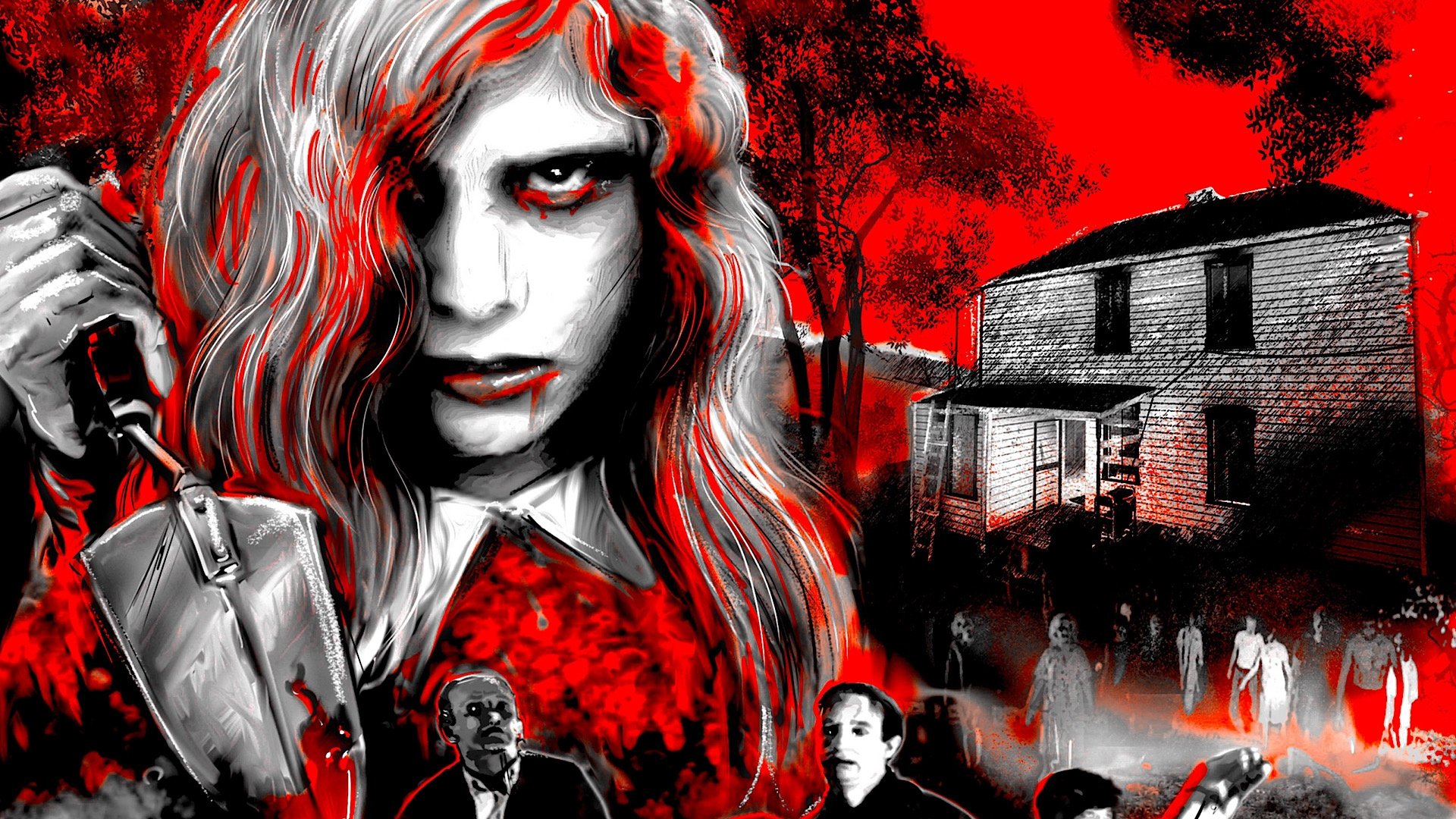
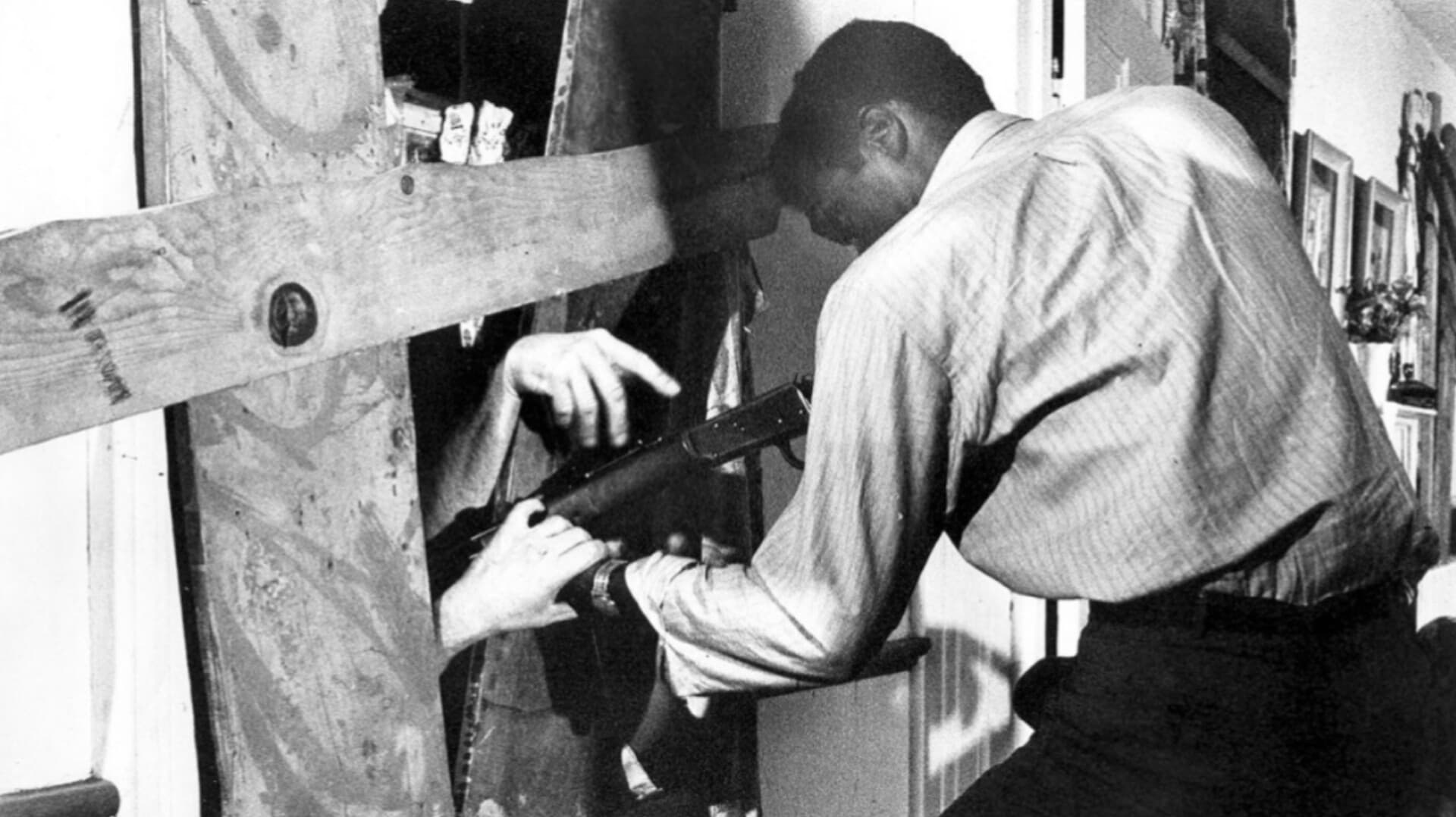
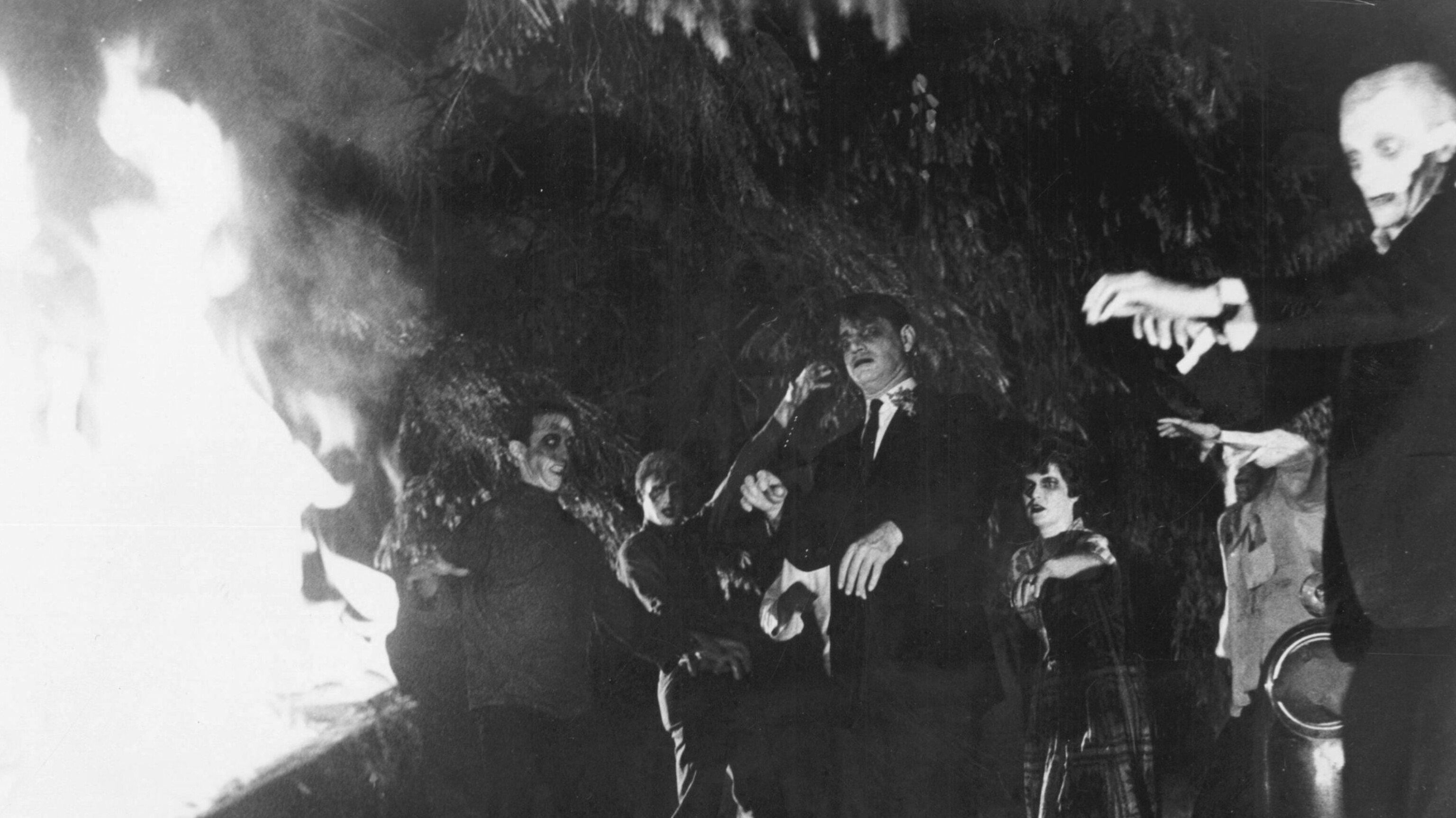
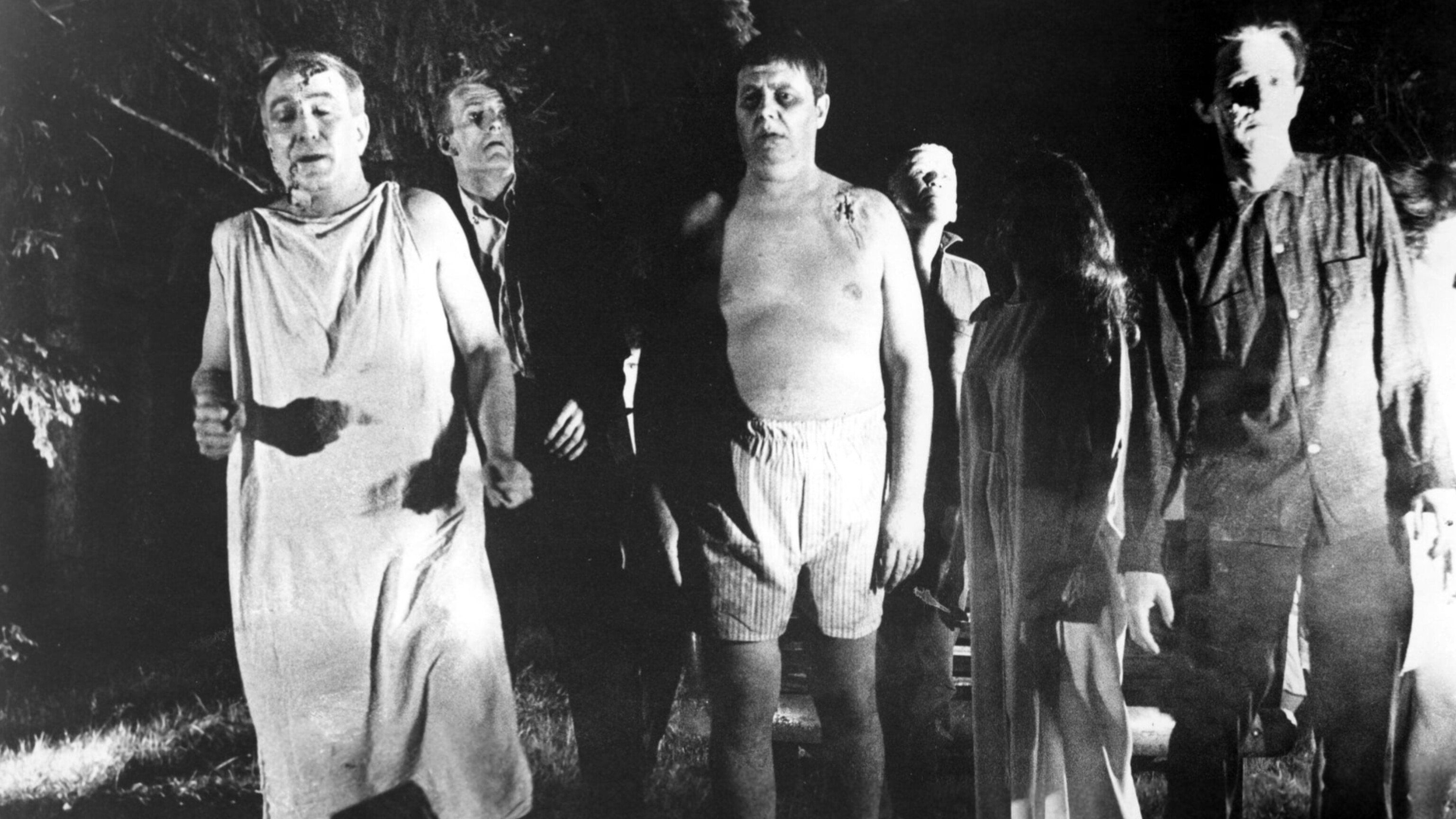
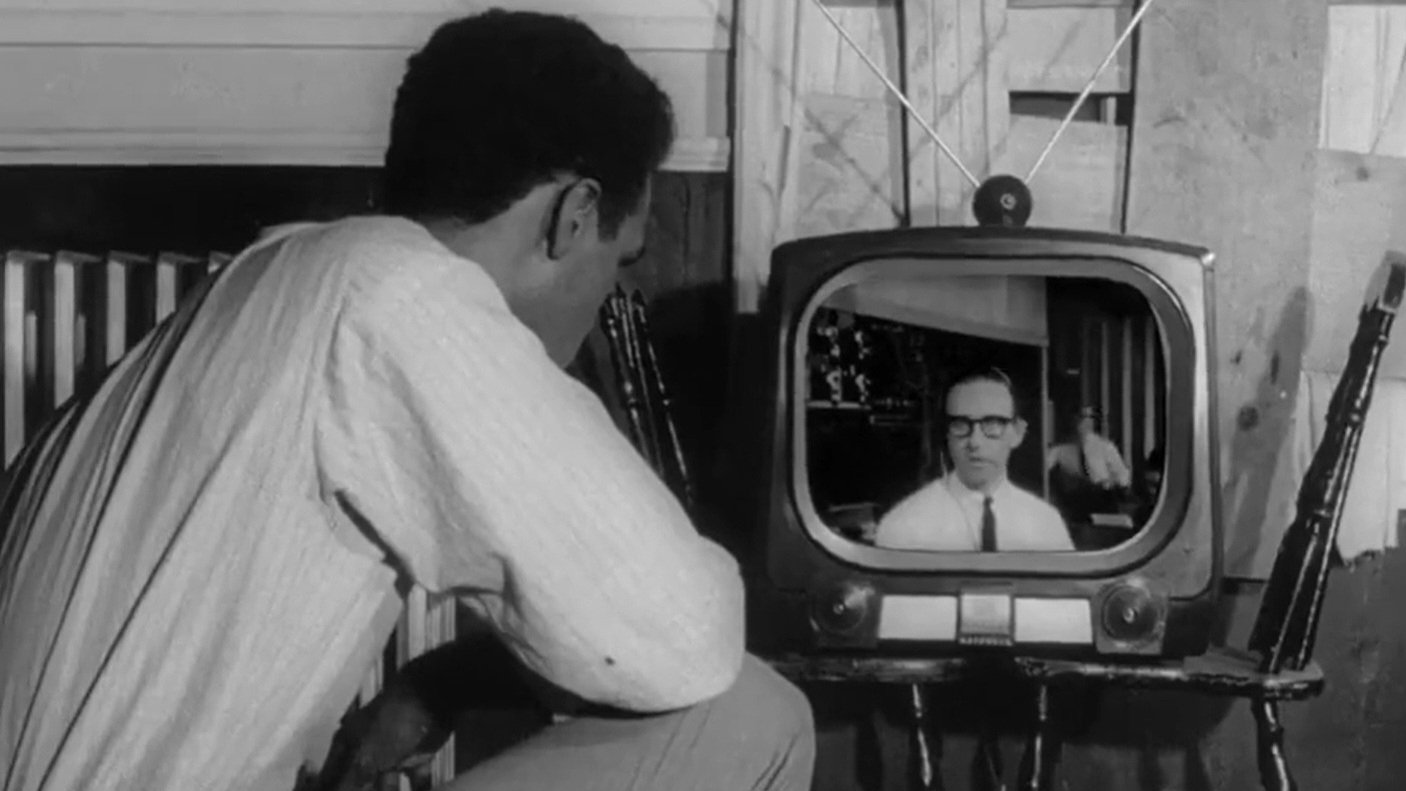
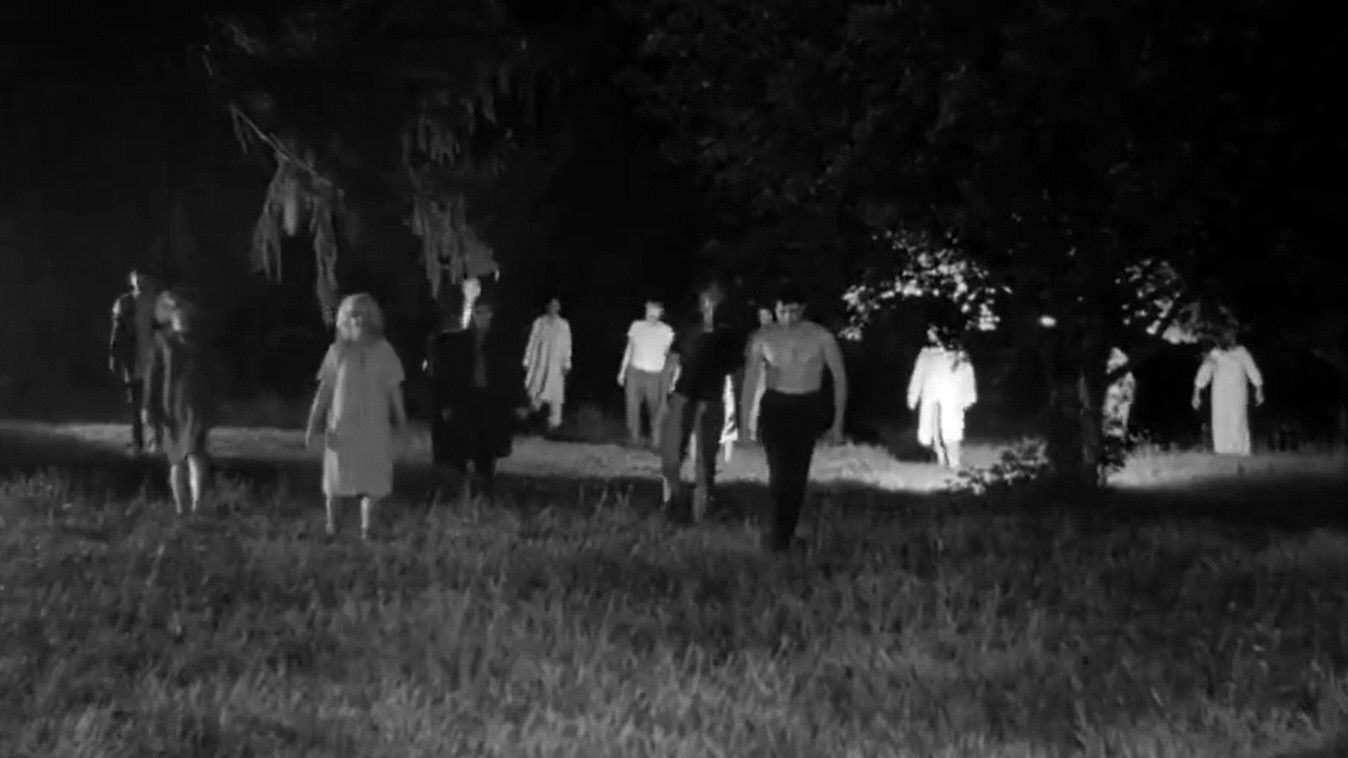
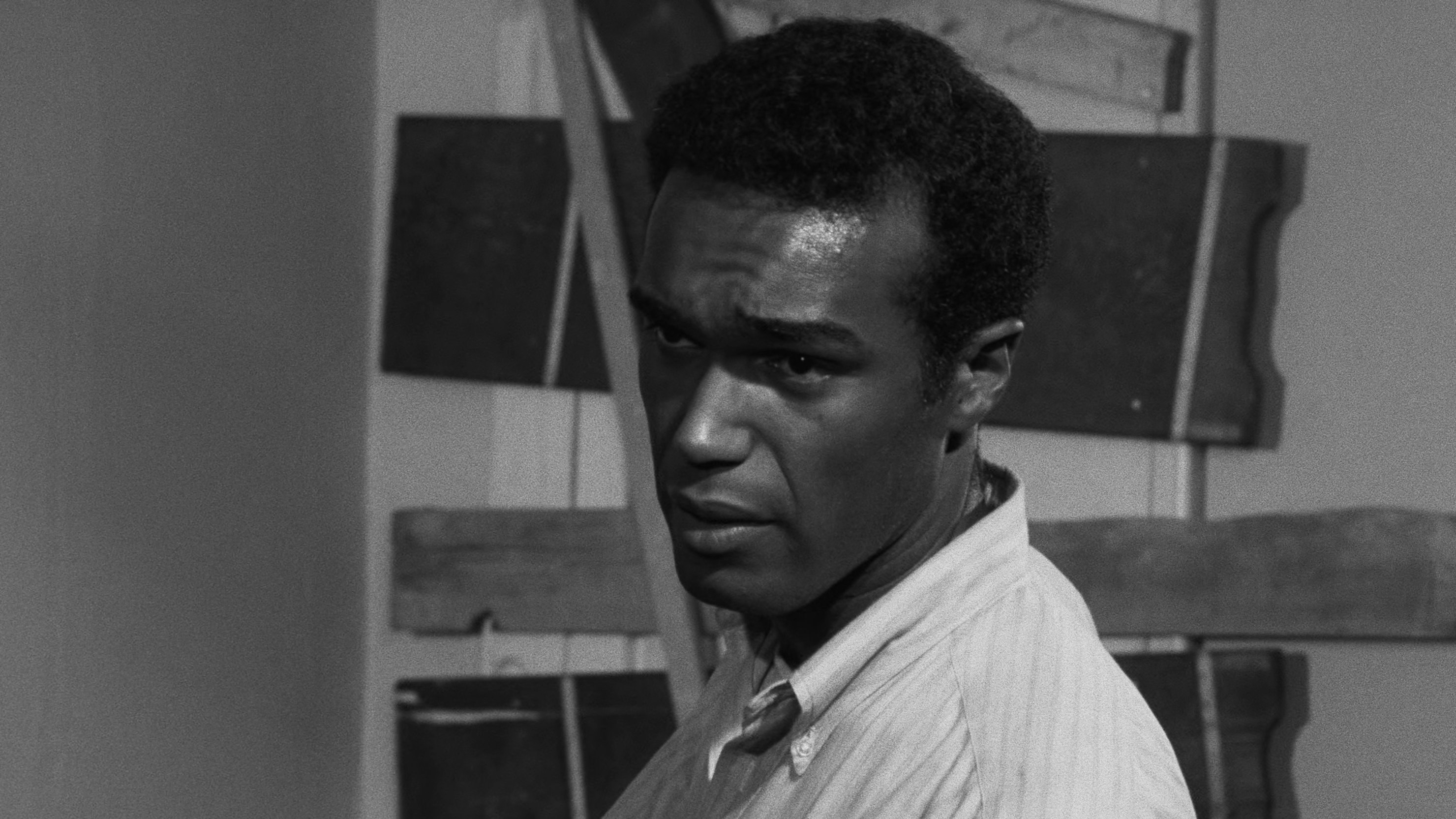
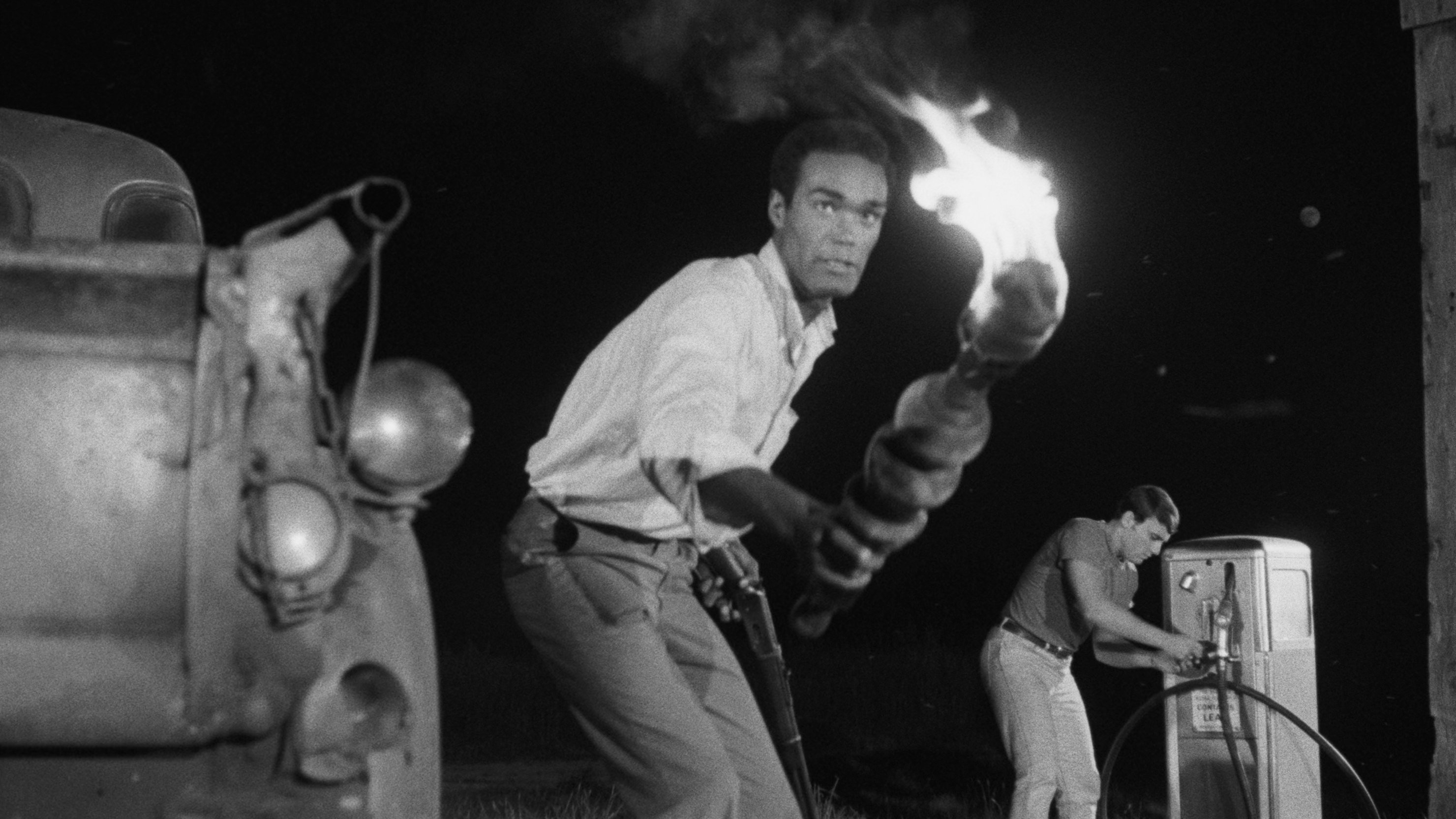
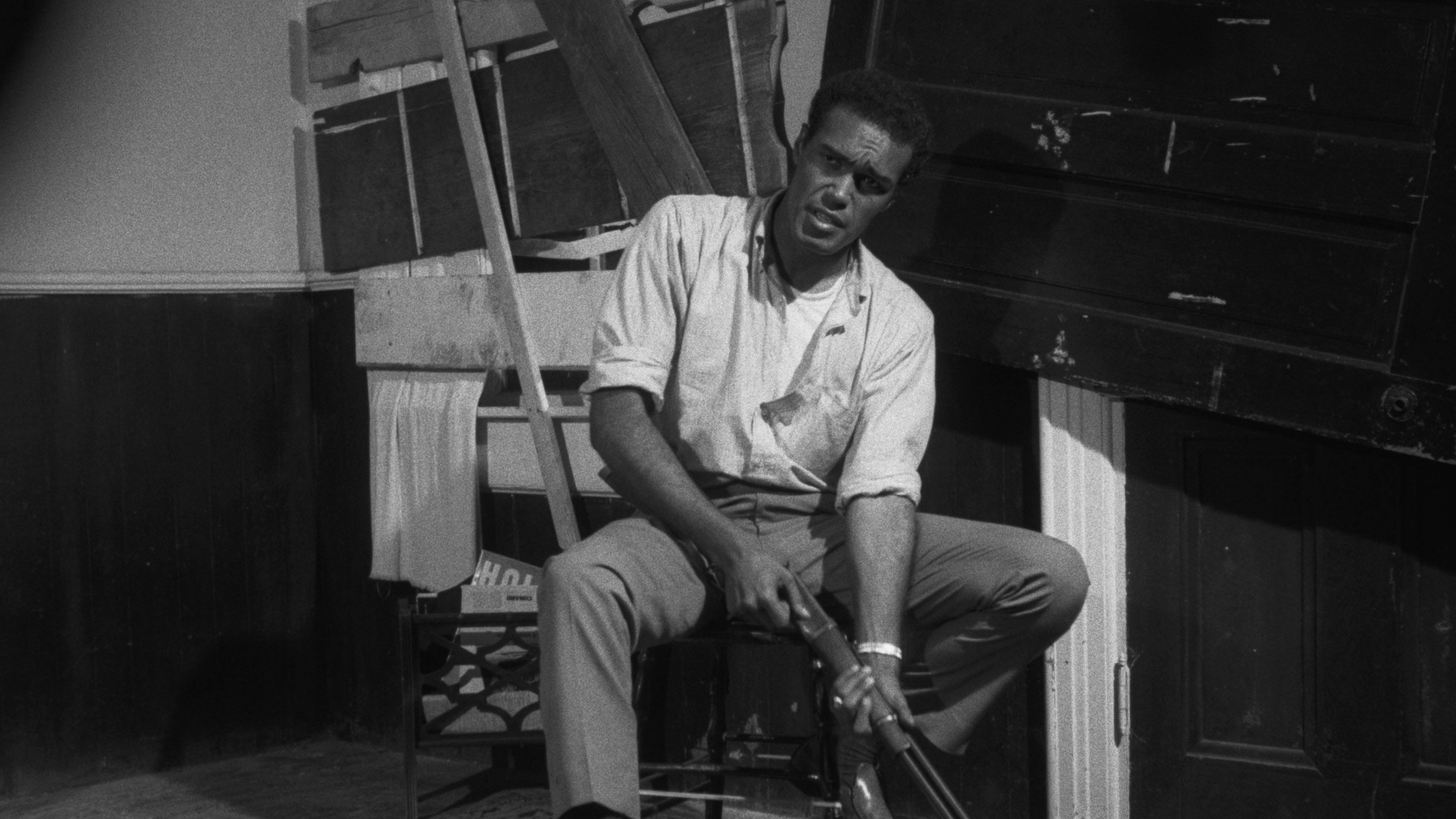
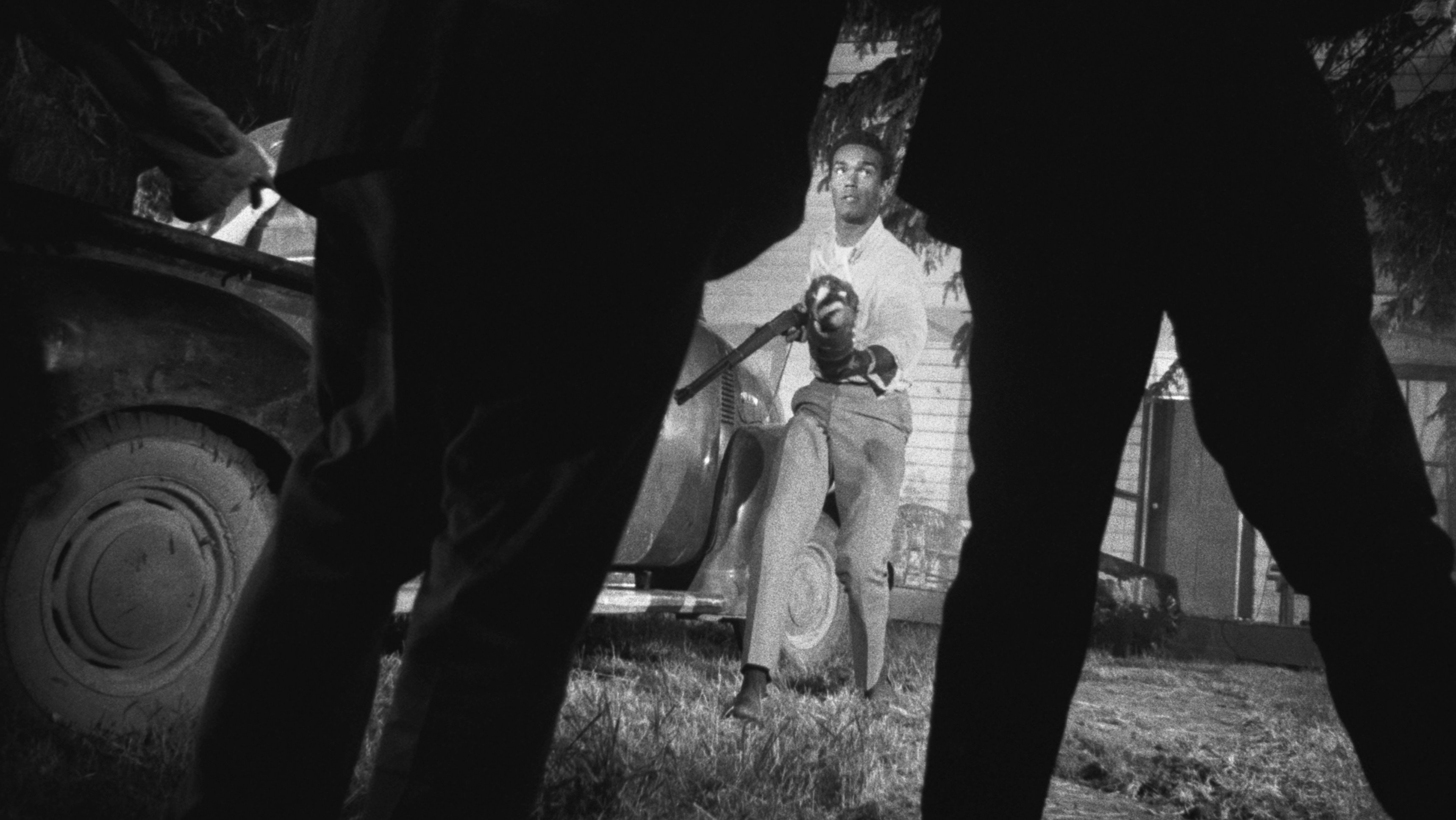
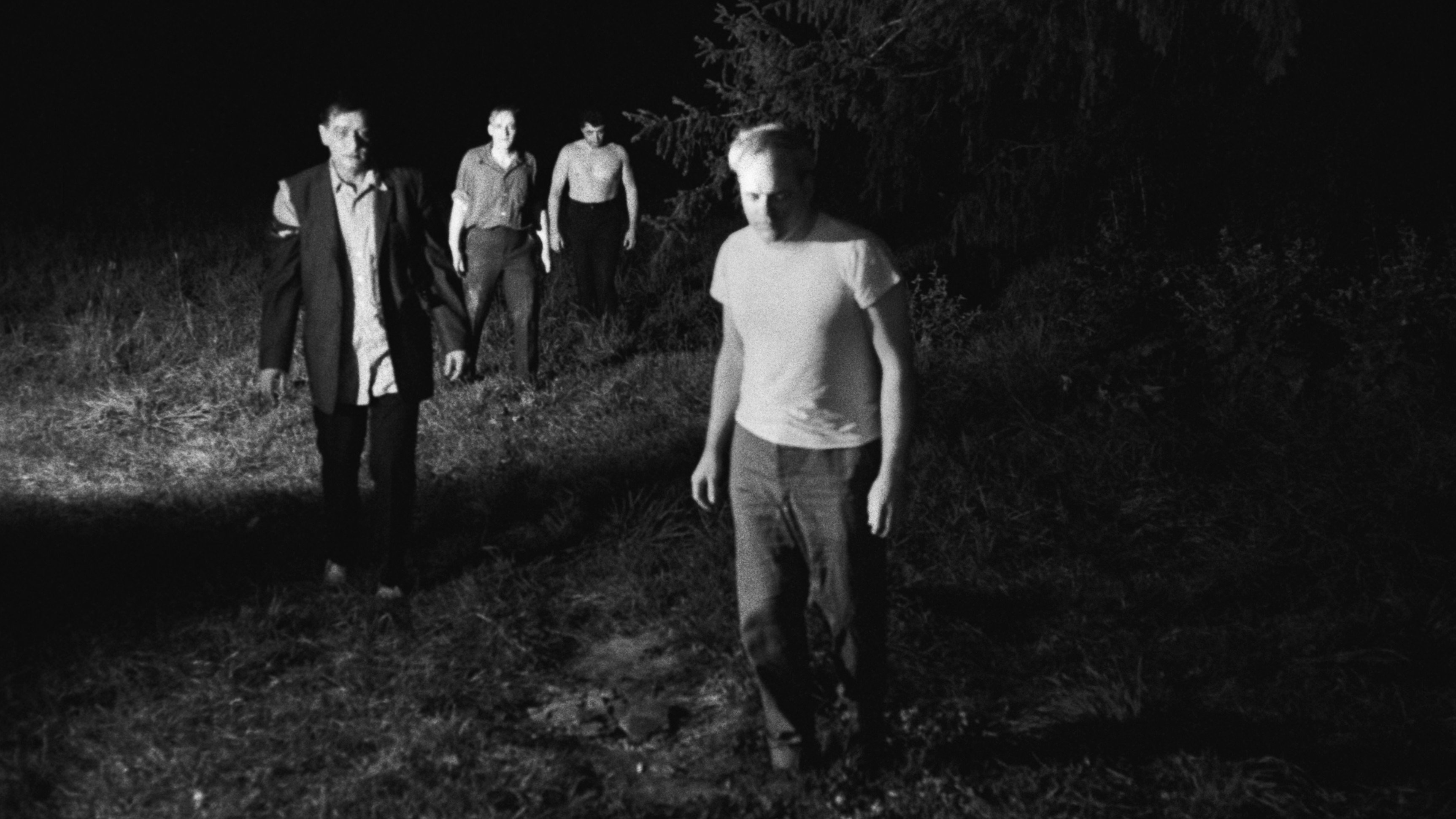
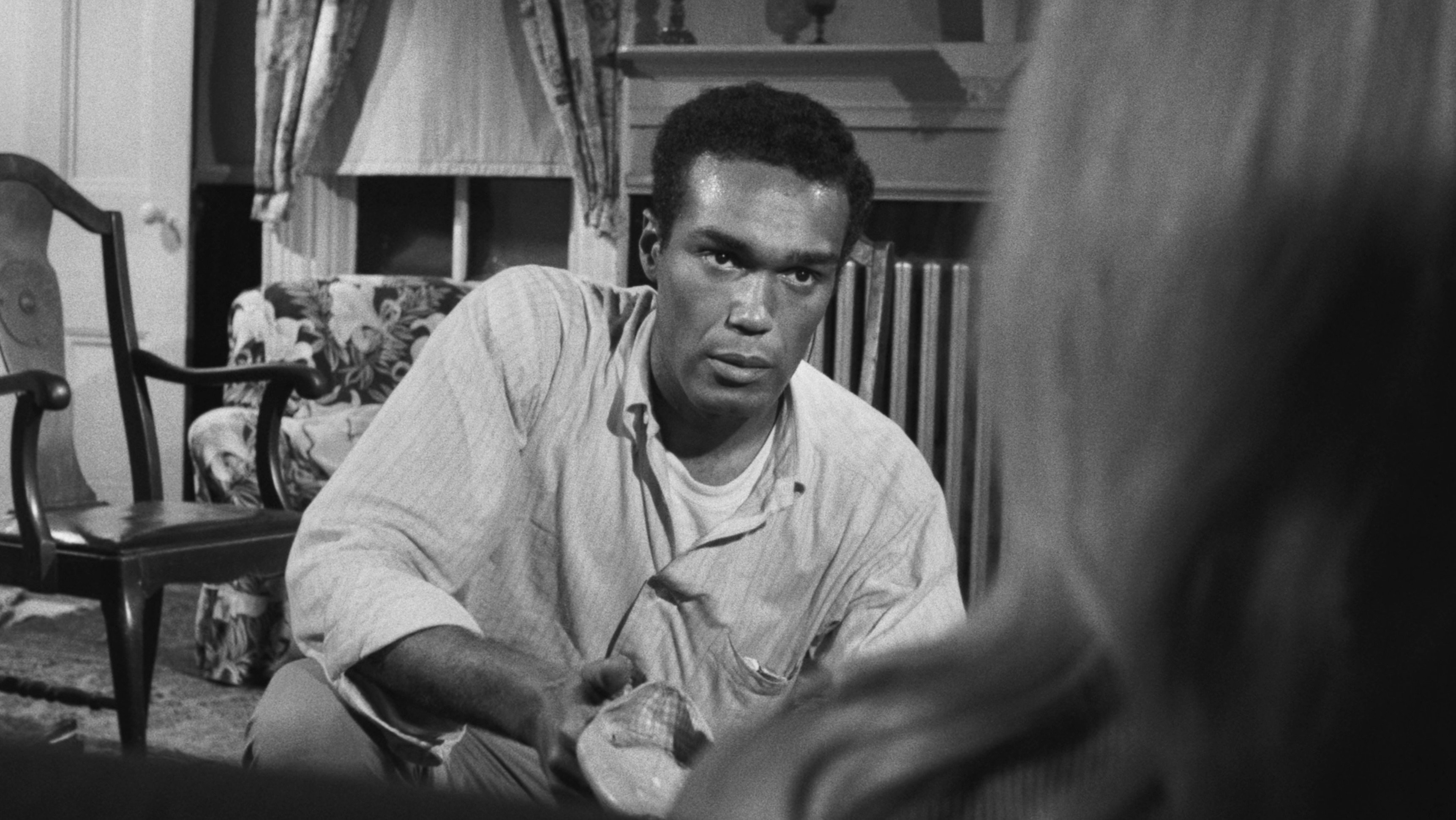
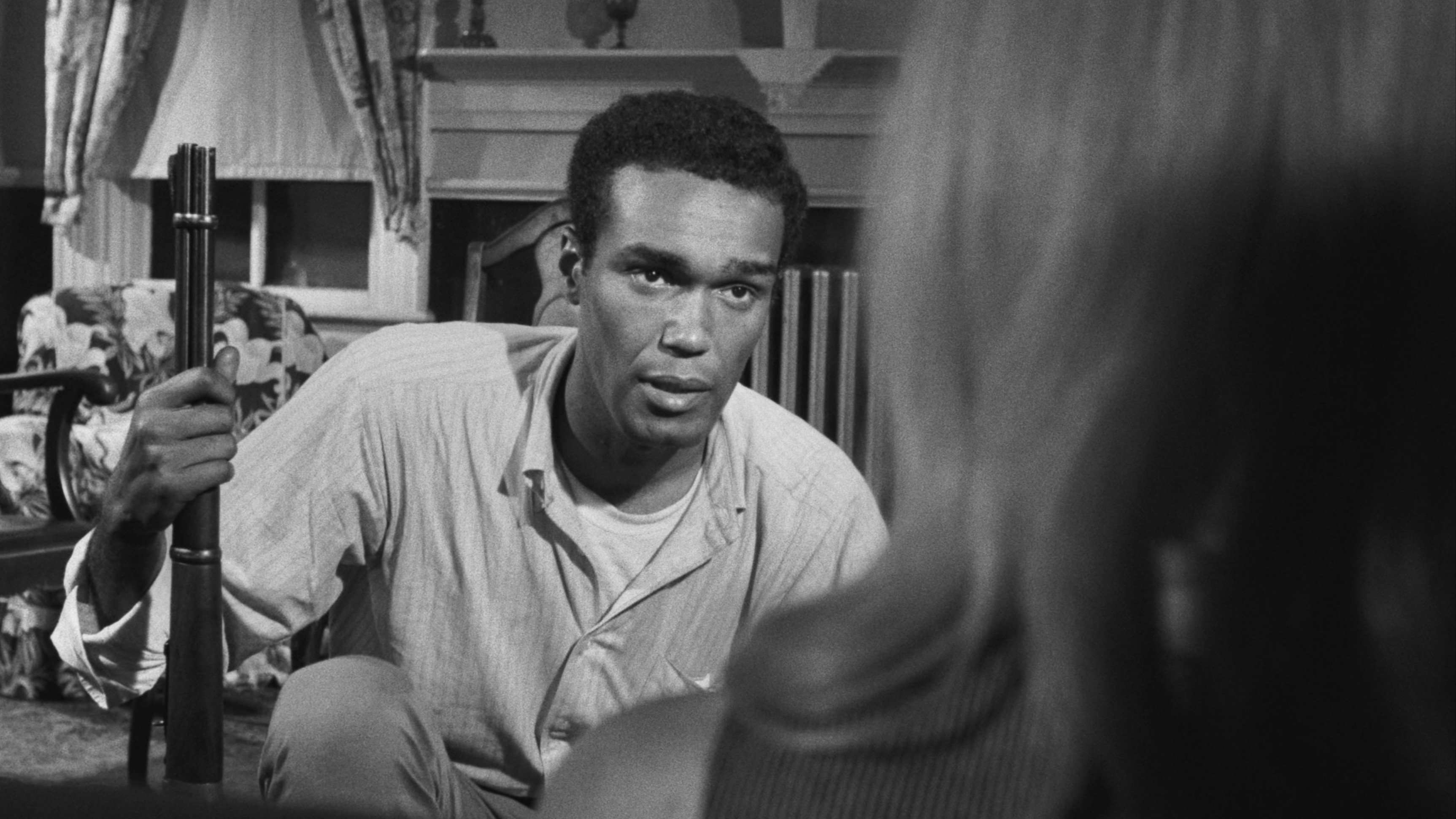
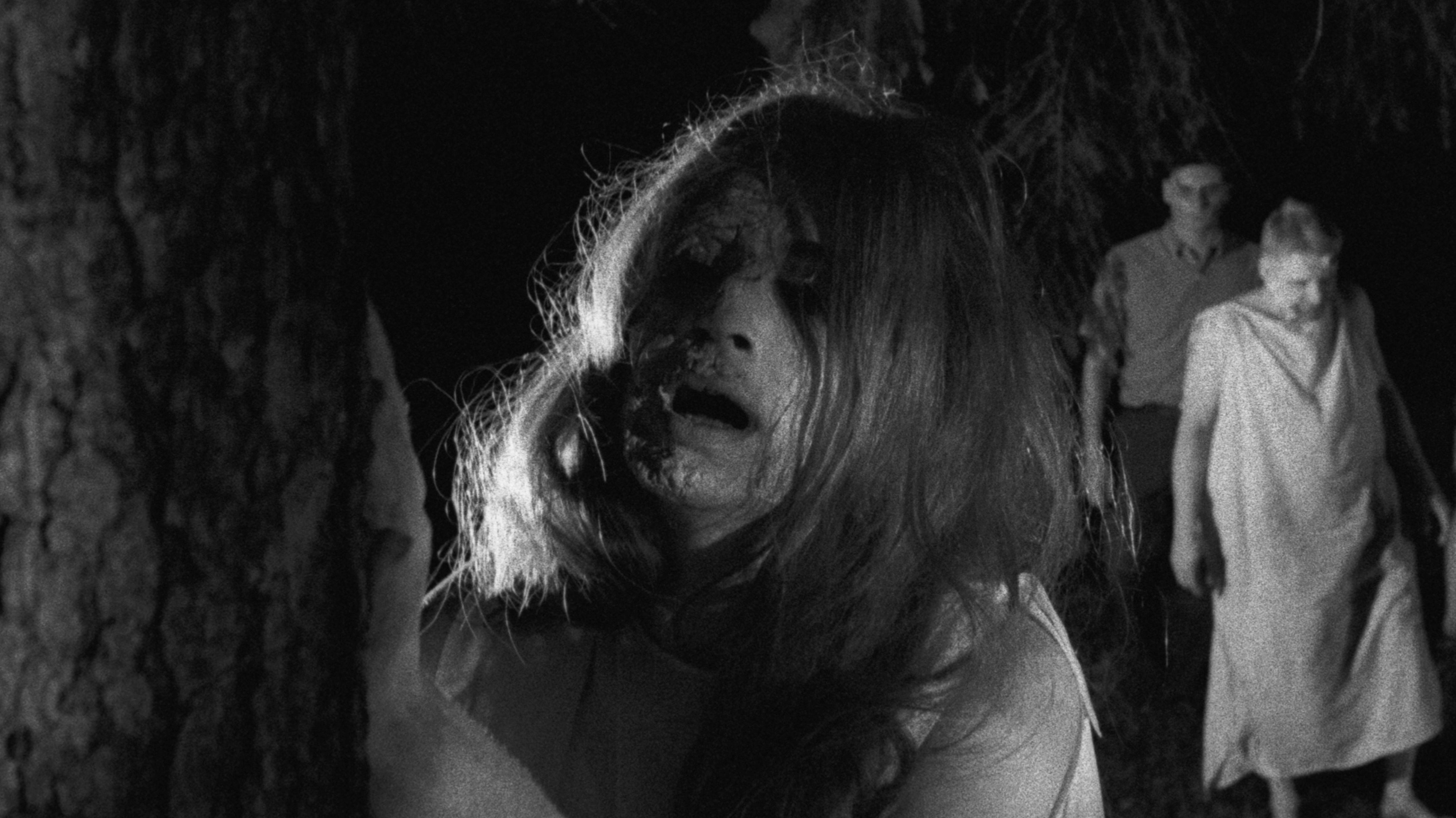
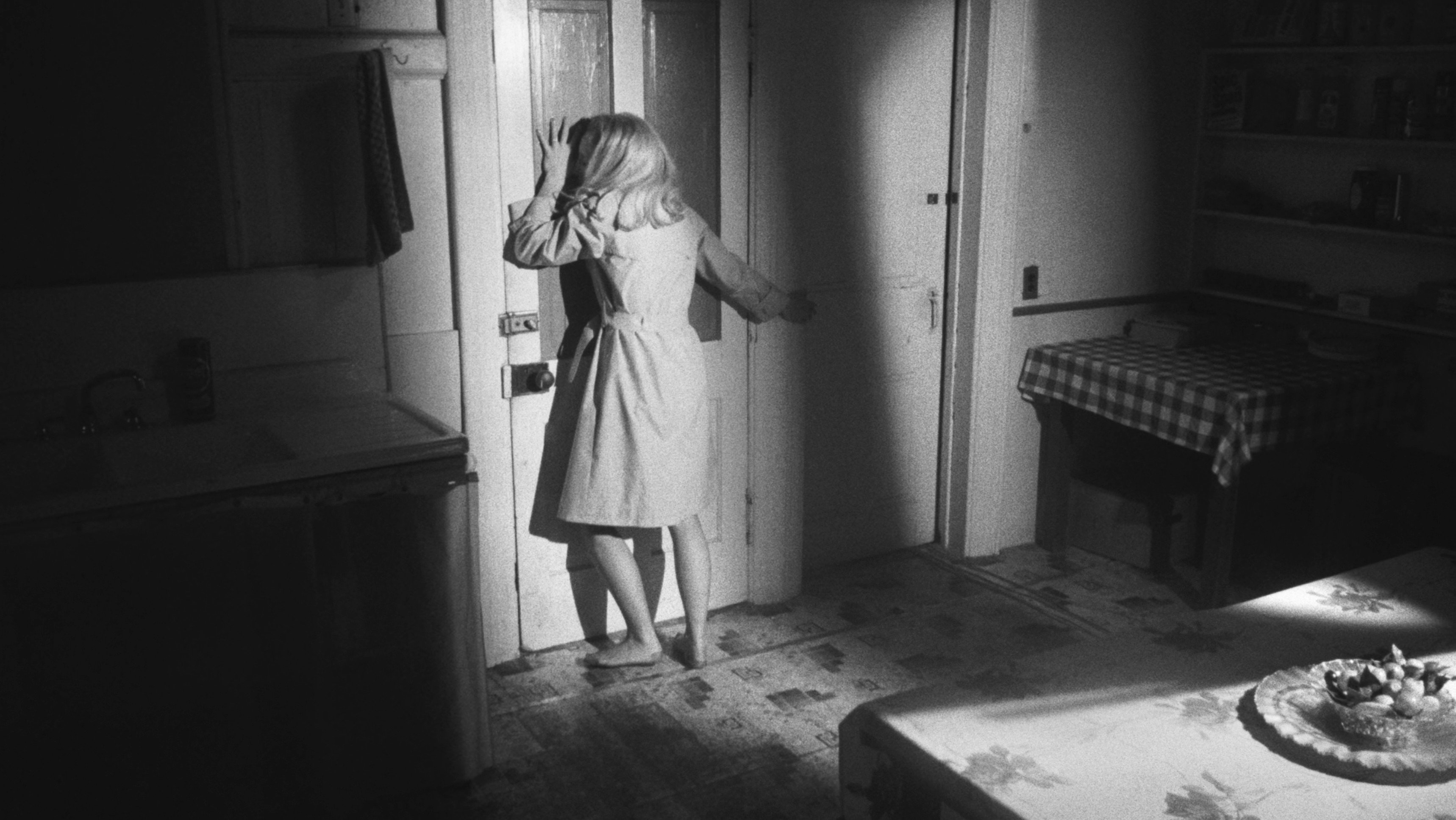
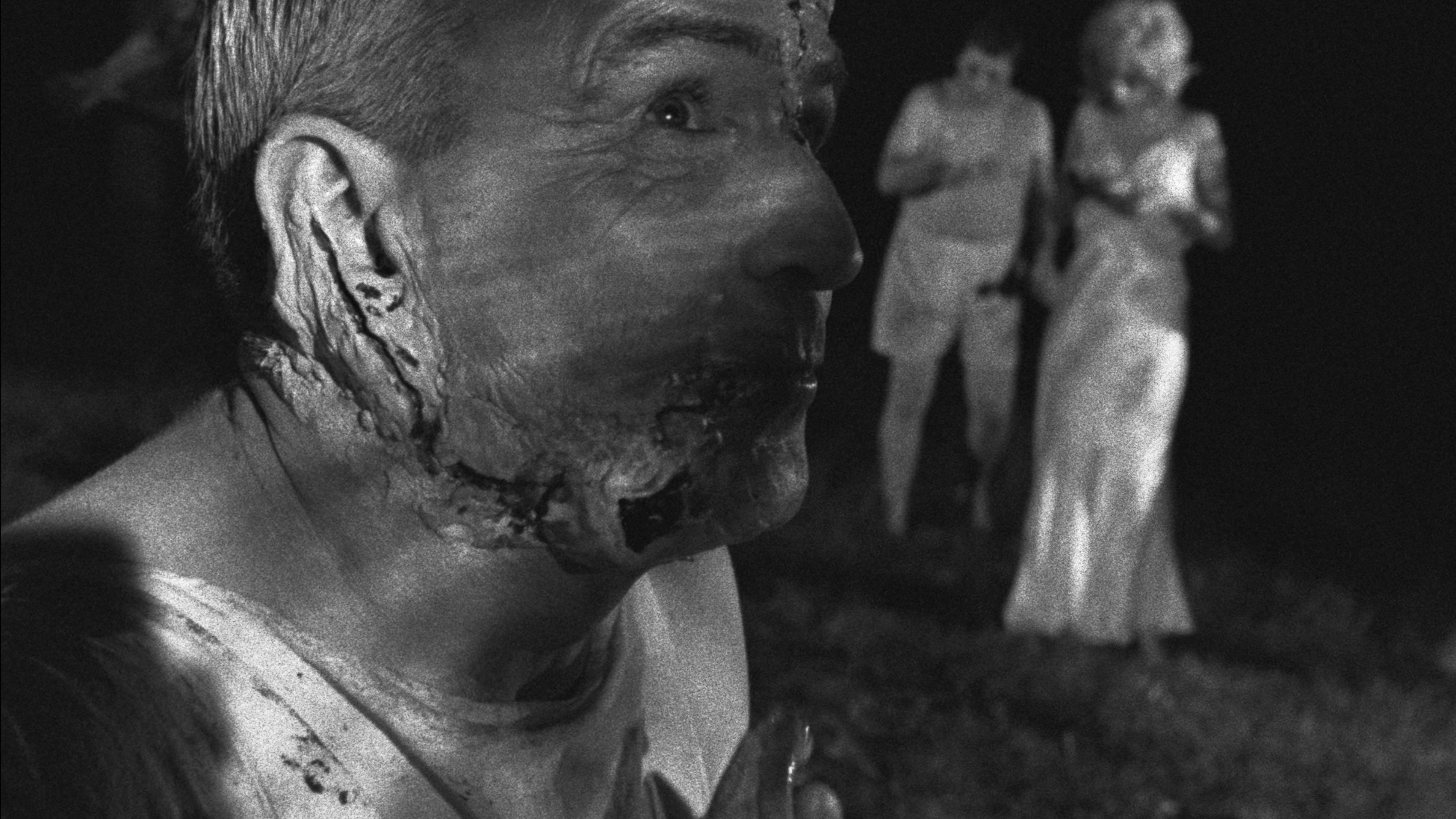
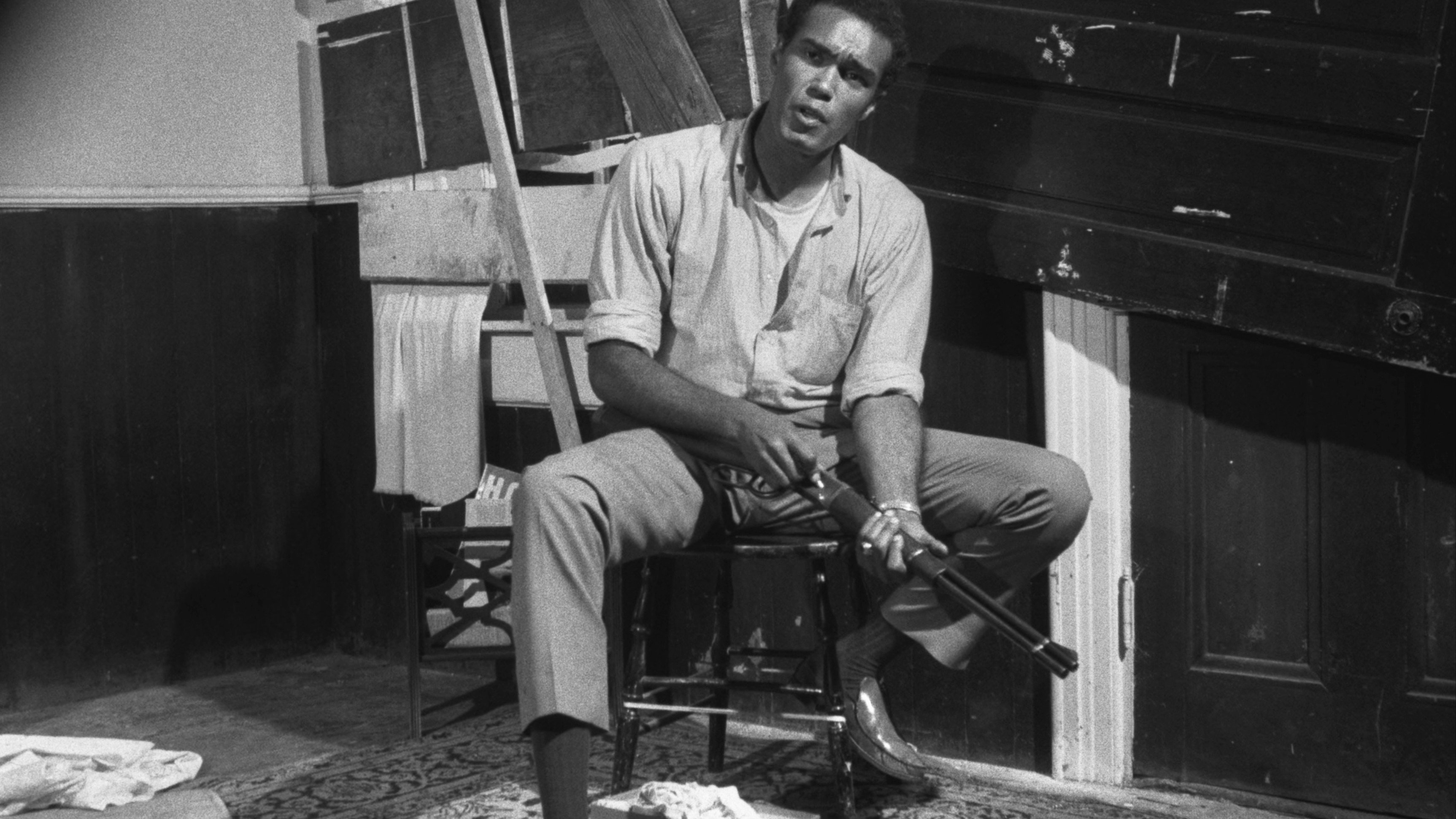
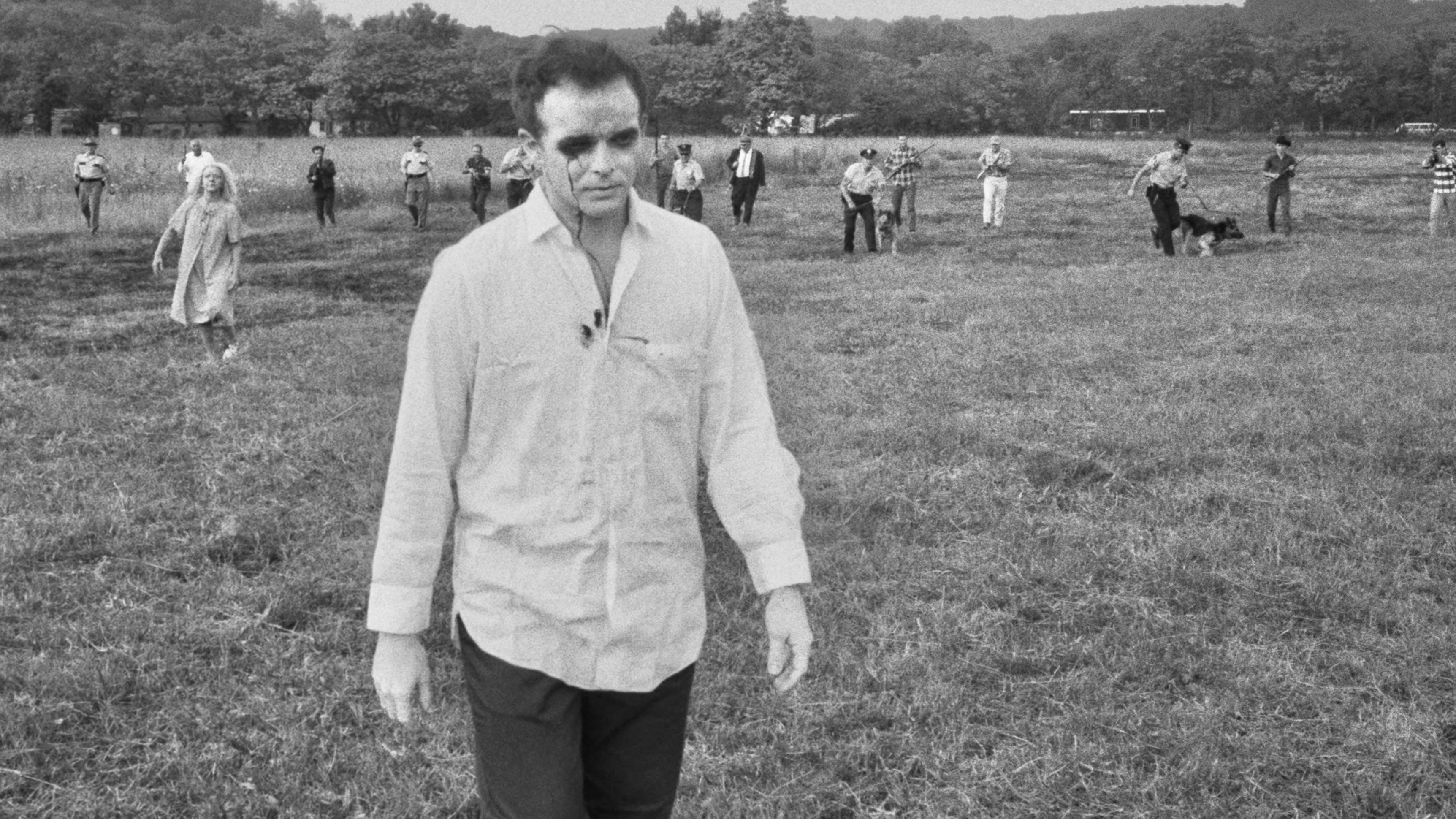
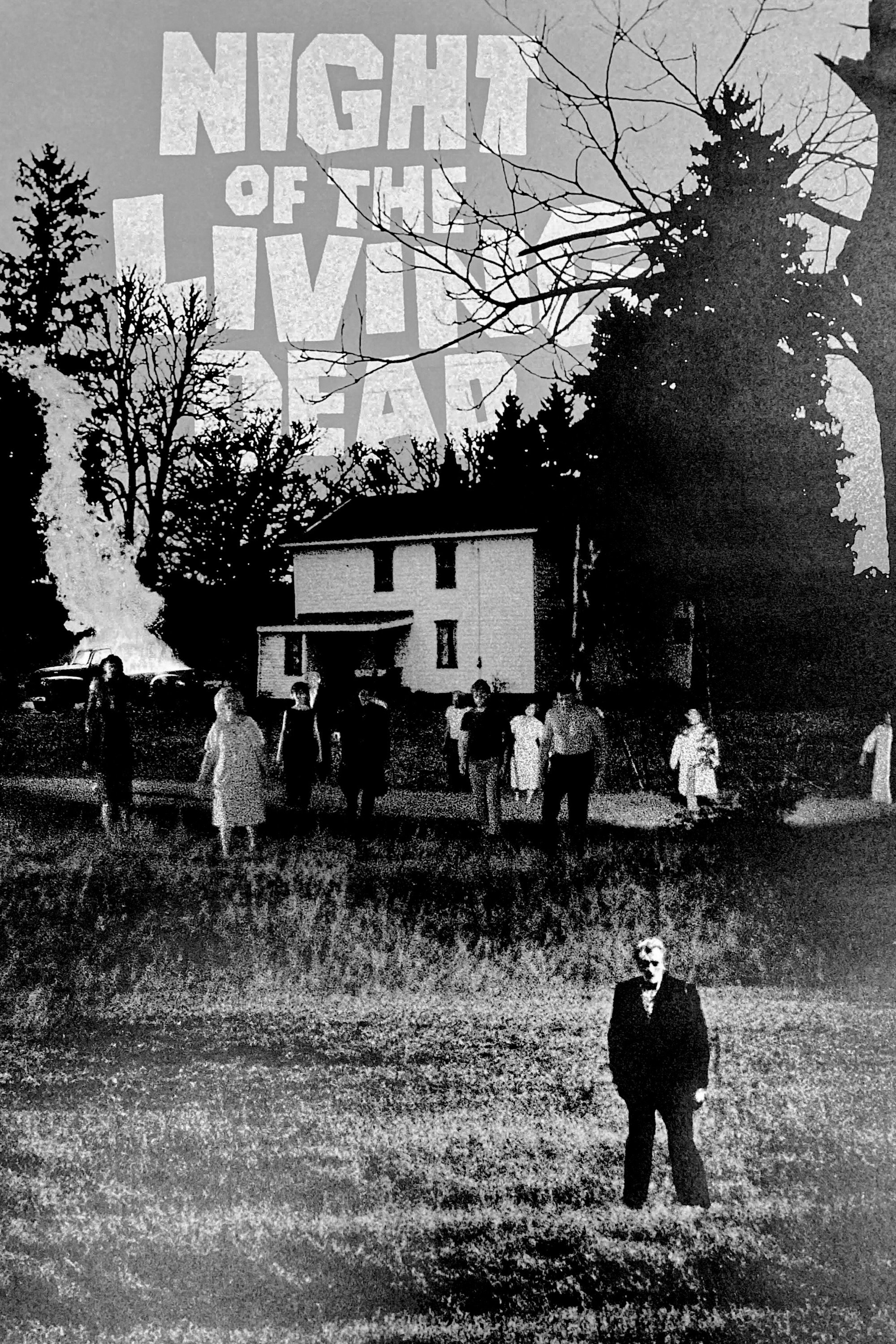
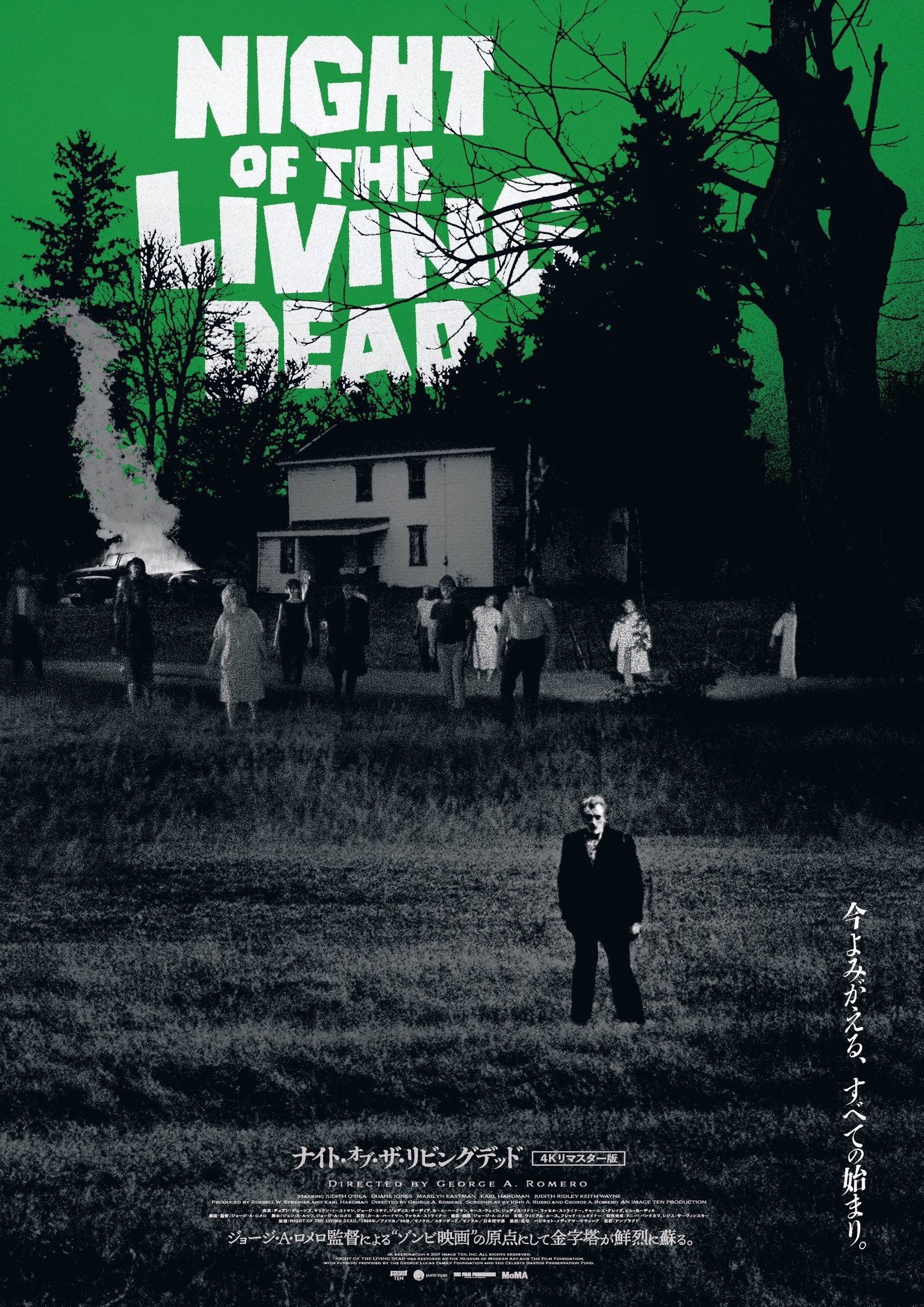
The screenplay also developed around an economically manageable dramatic structure. Most of the action occurs in one farmhouse, with a comparatively small principal cast and a surrounding group of attackers who can be portrayed by local extras. Once the characters enter the building, the film can generate suspense through windows, doors, barricades and disagreements over the basement rather than continuous changes of location. The limited setting therefore supports both the financial model and the central horror situation.