Dawn of the Dead (1978)

US
HORROR FILM
SUBGENRES SPLATTER ZOMBIE
UK censorship history Section 3 · Supplementary list
7.1/10 7 votes
Runtime
127 min
Release
September 2, 1978
Budget
$650,000
Revenue
$55,000,000
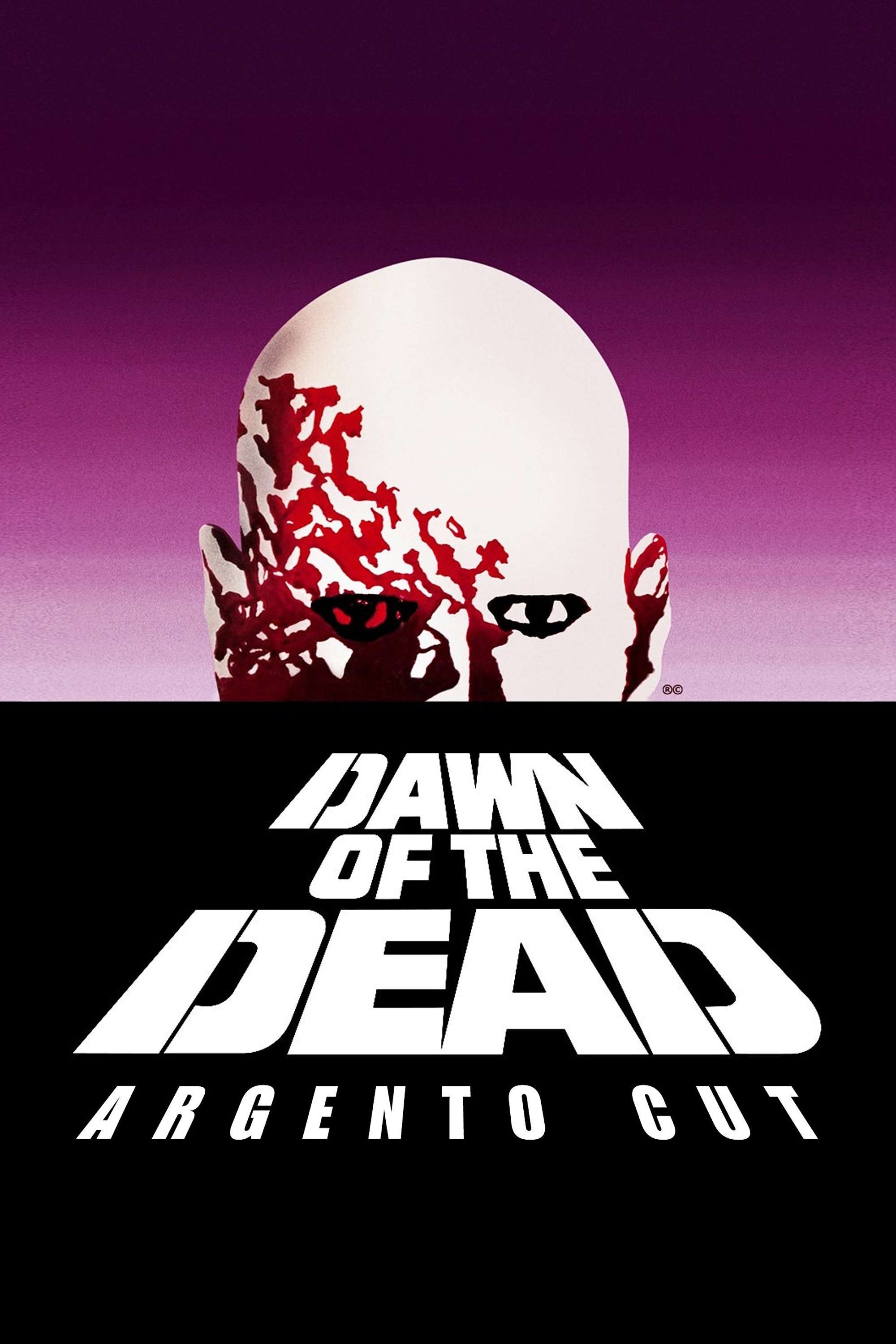
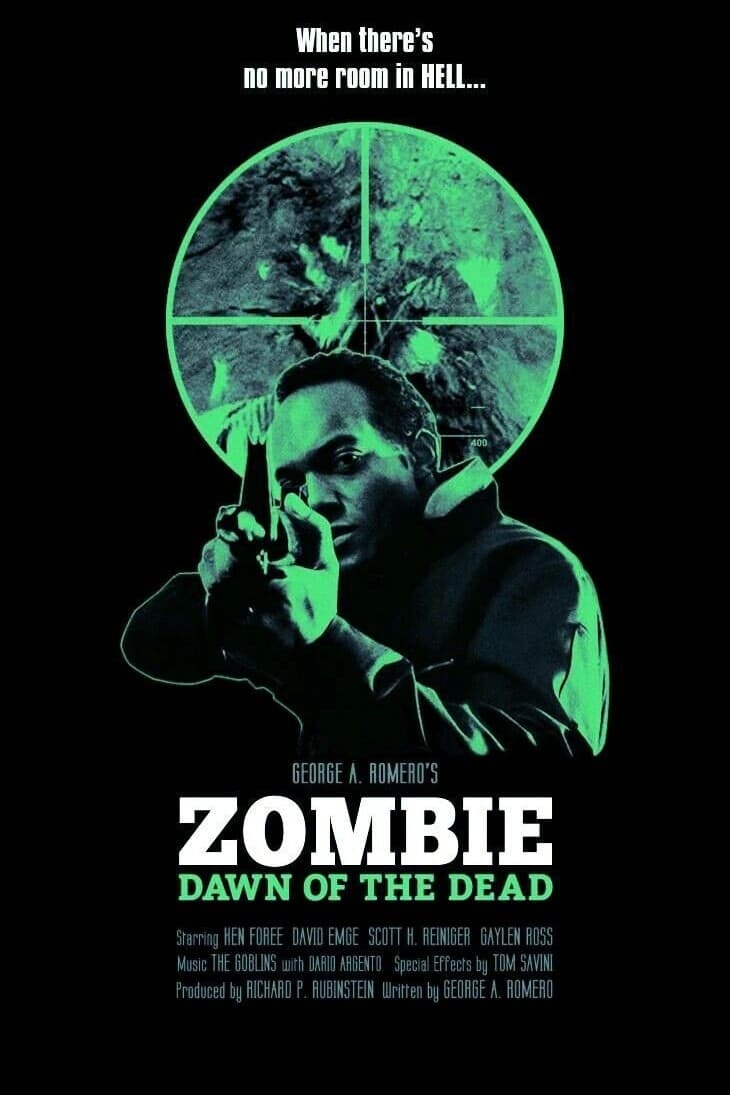
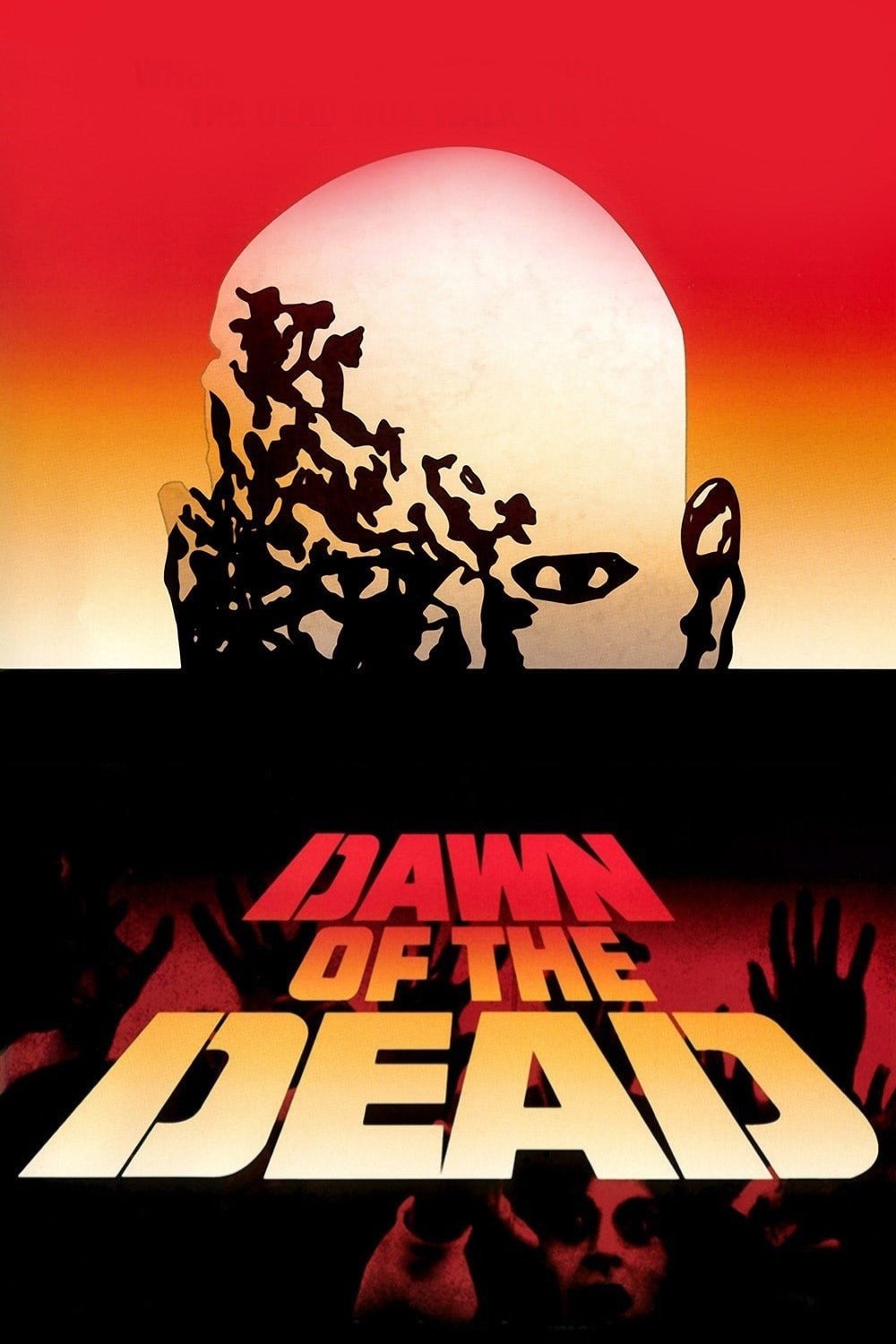
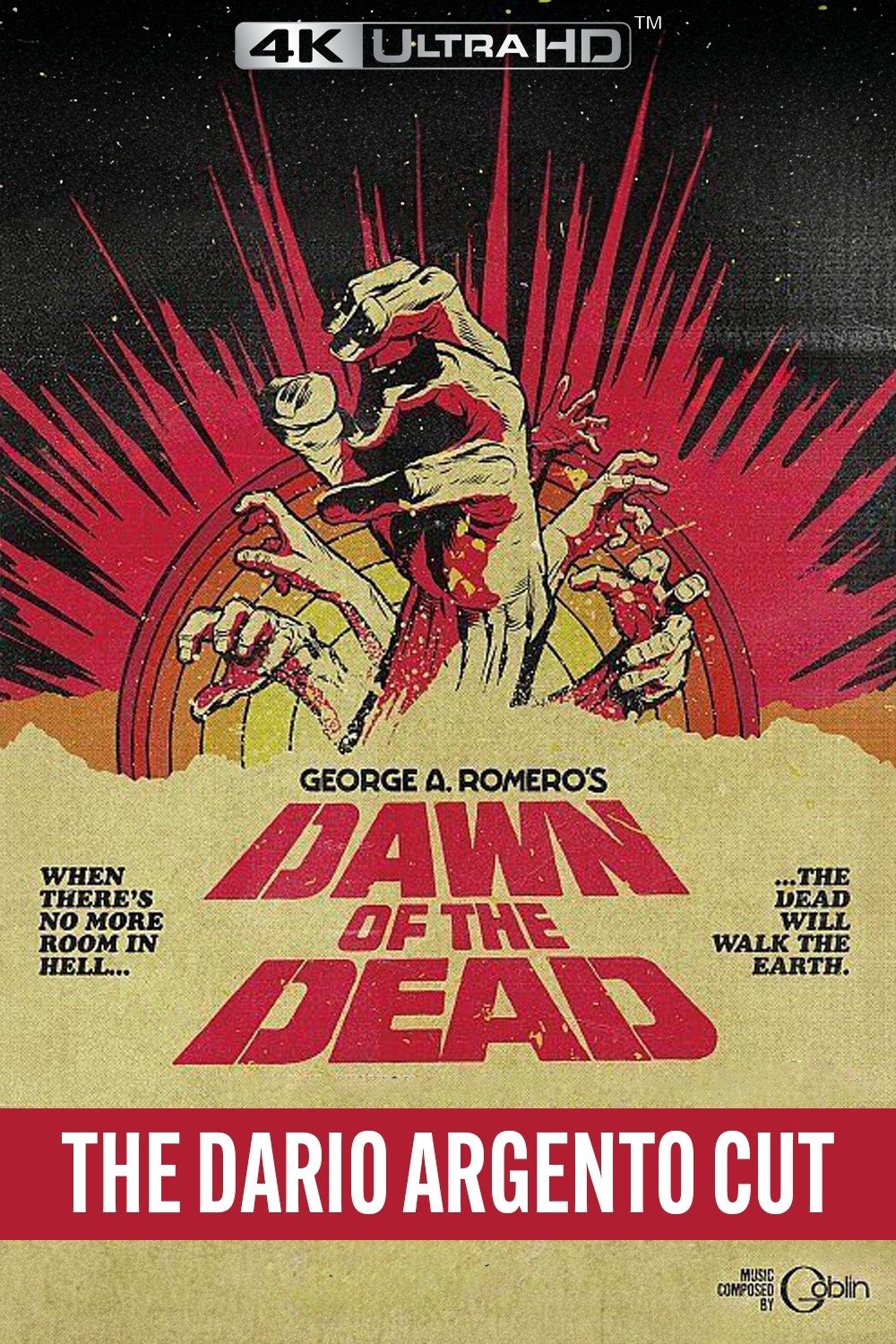
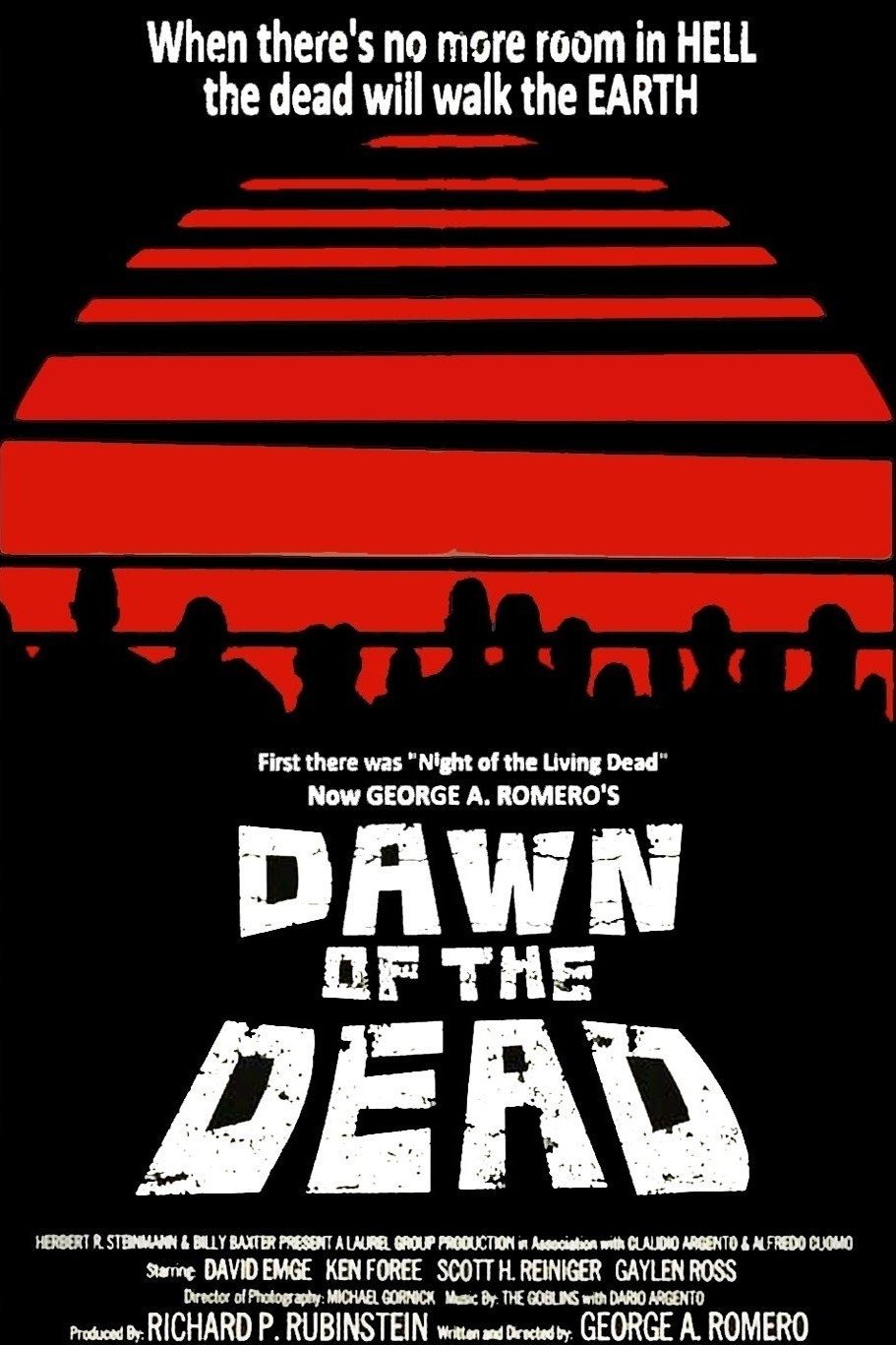
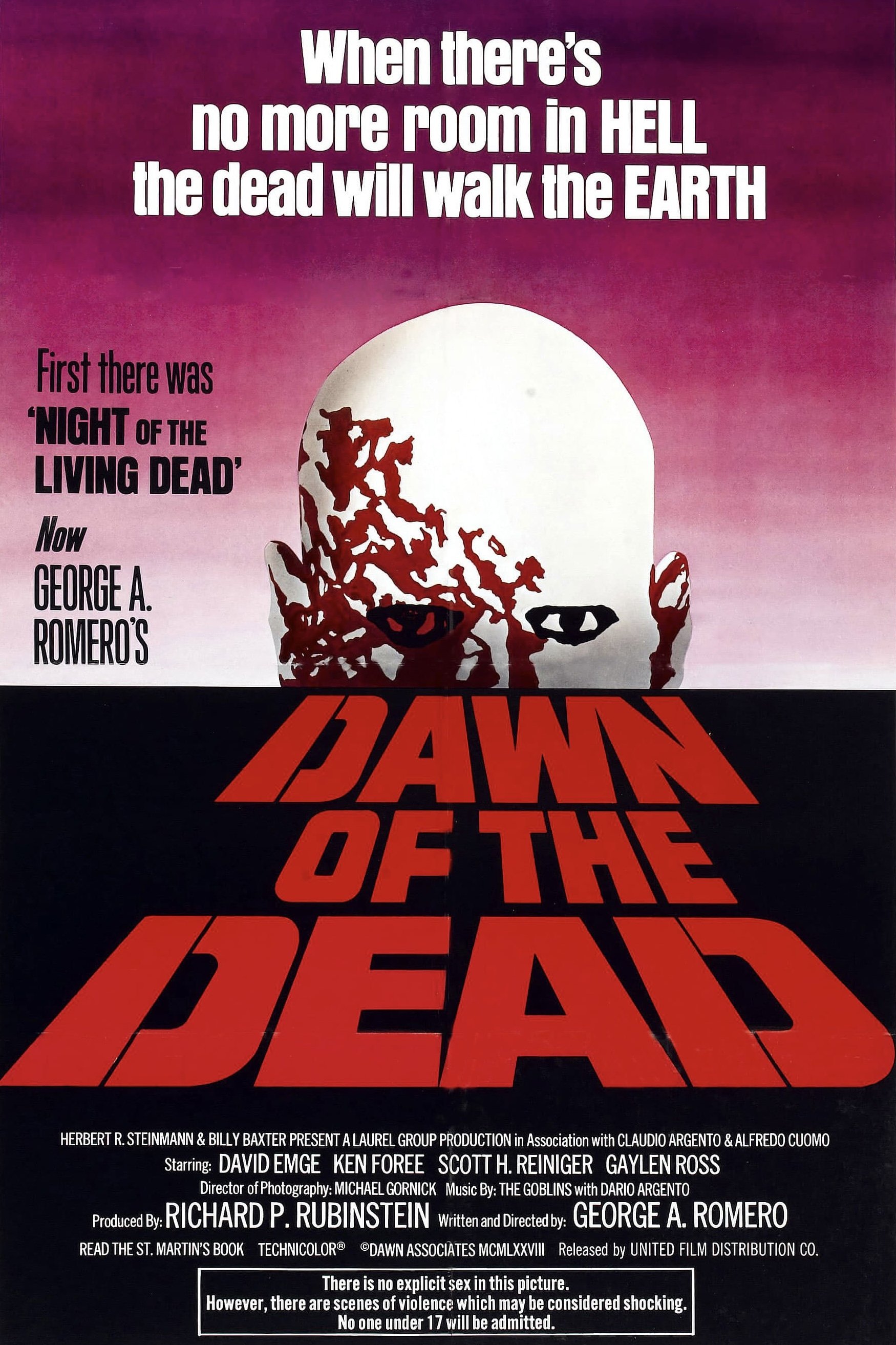
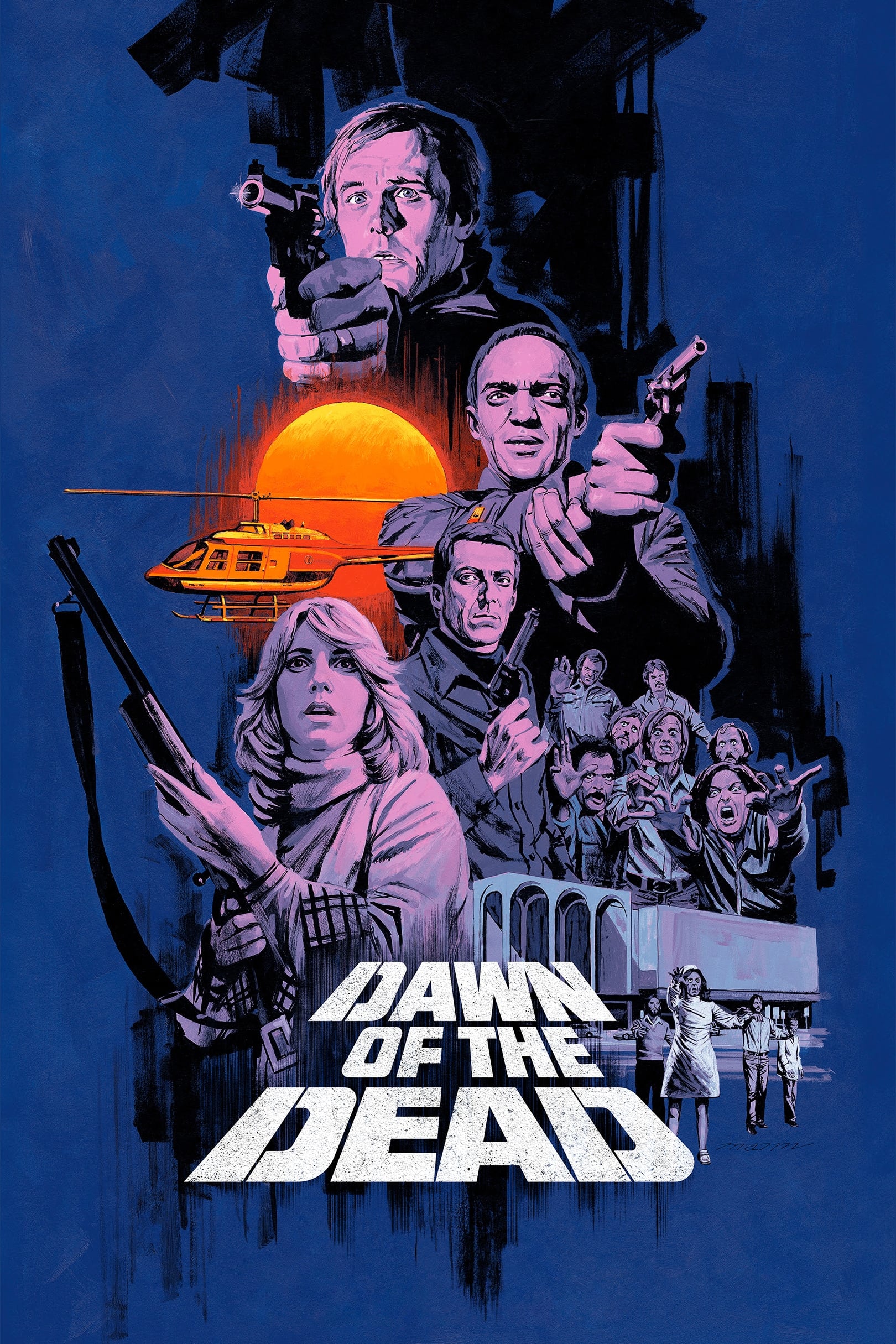
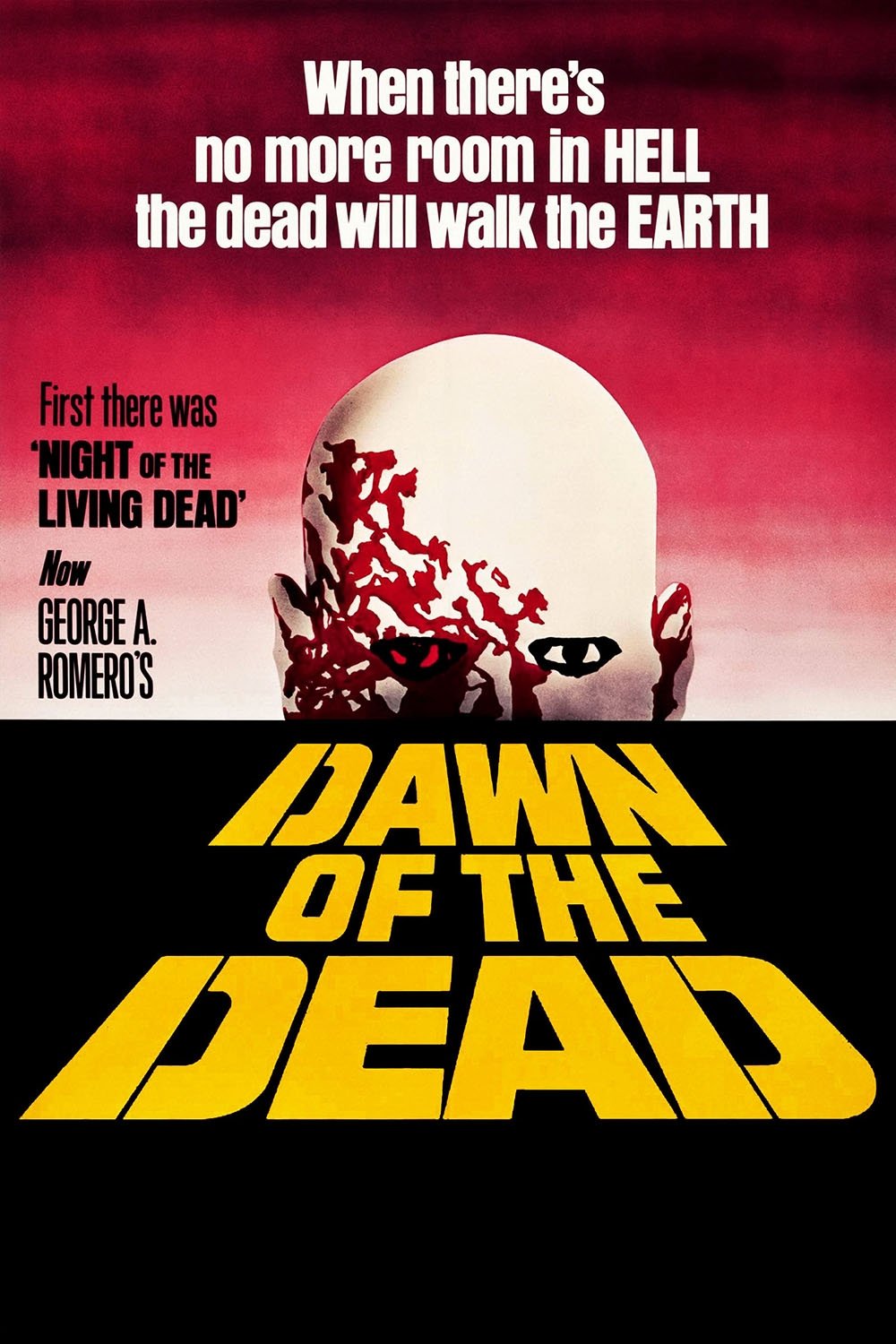
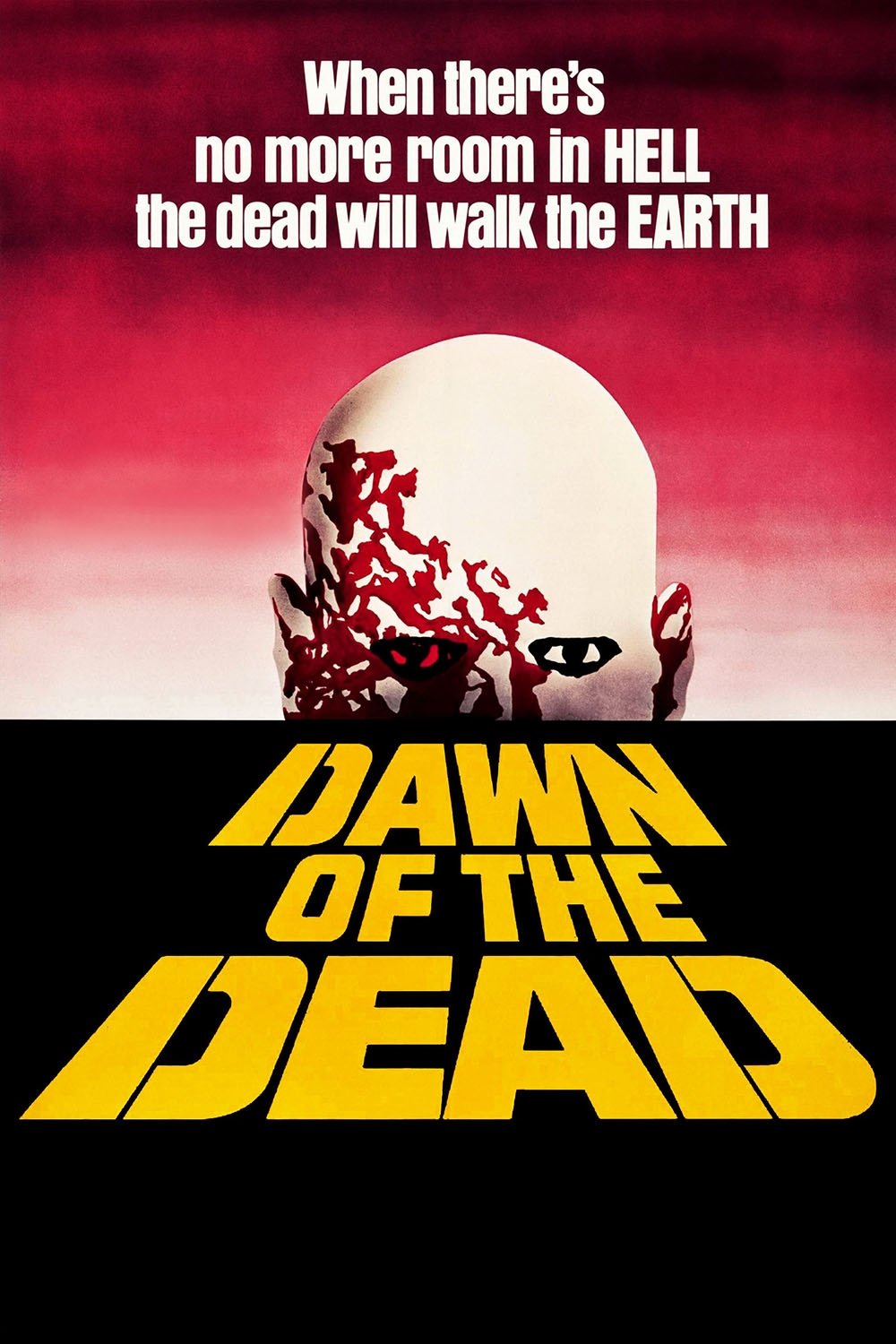
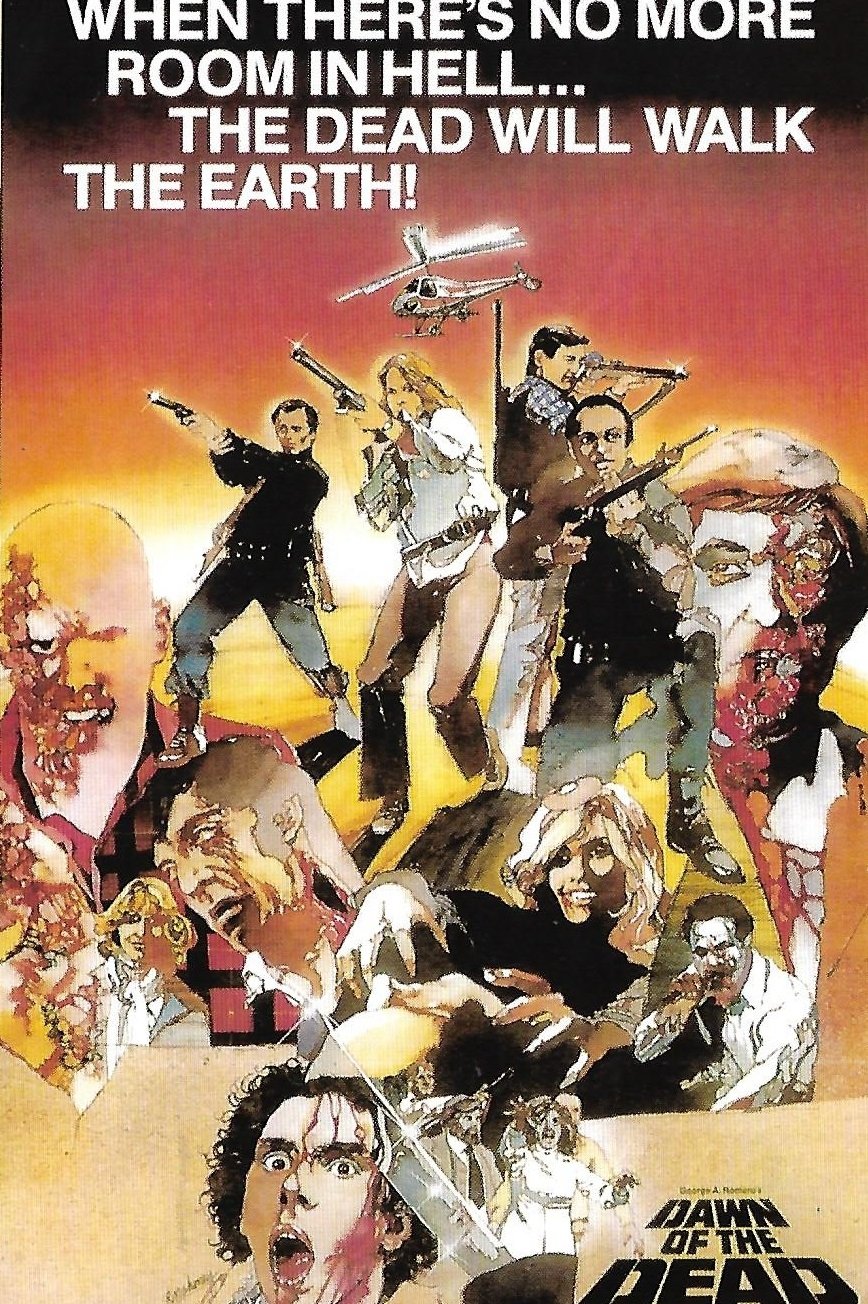
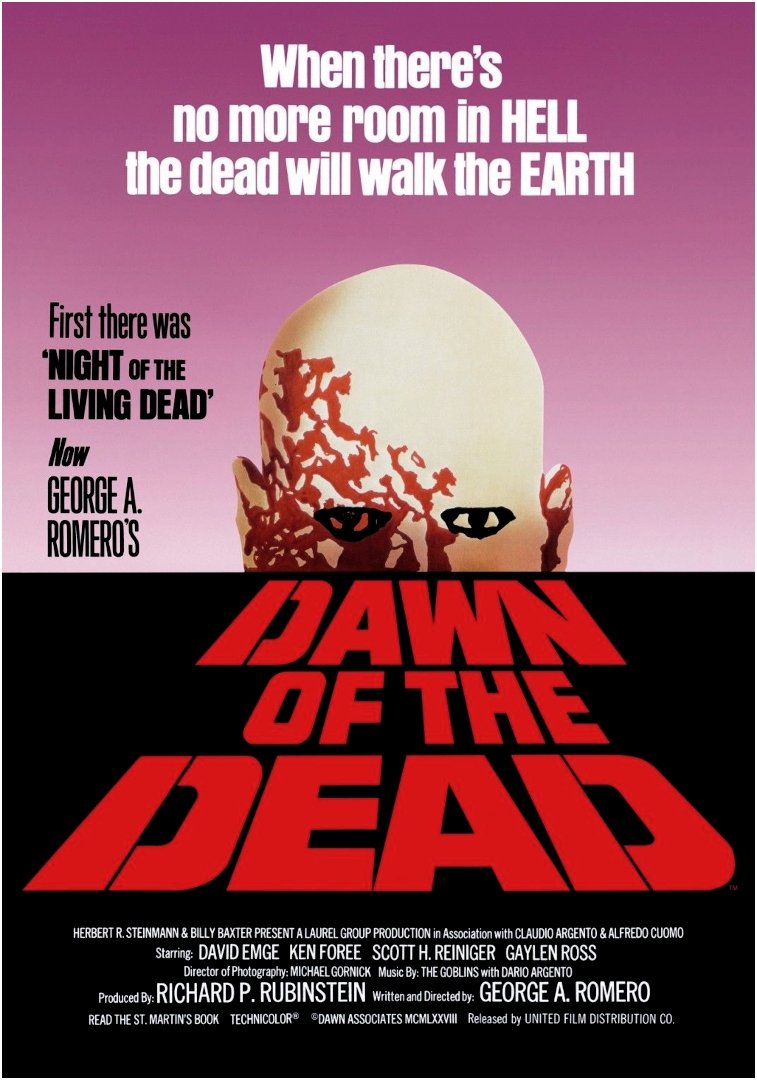
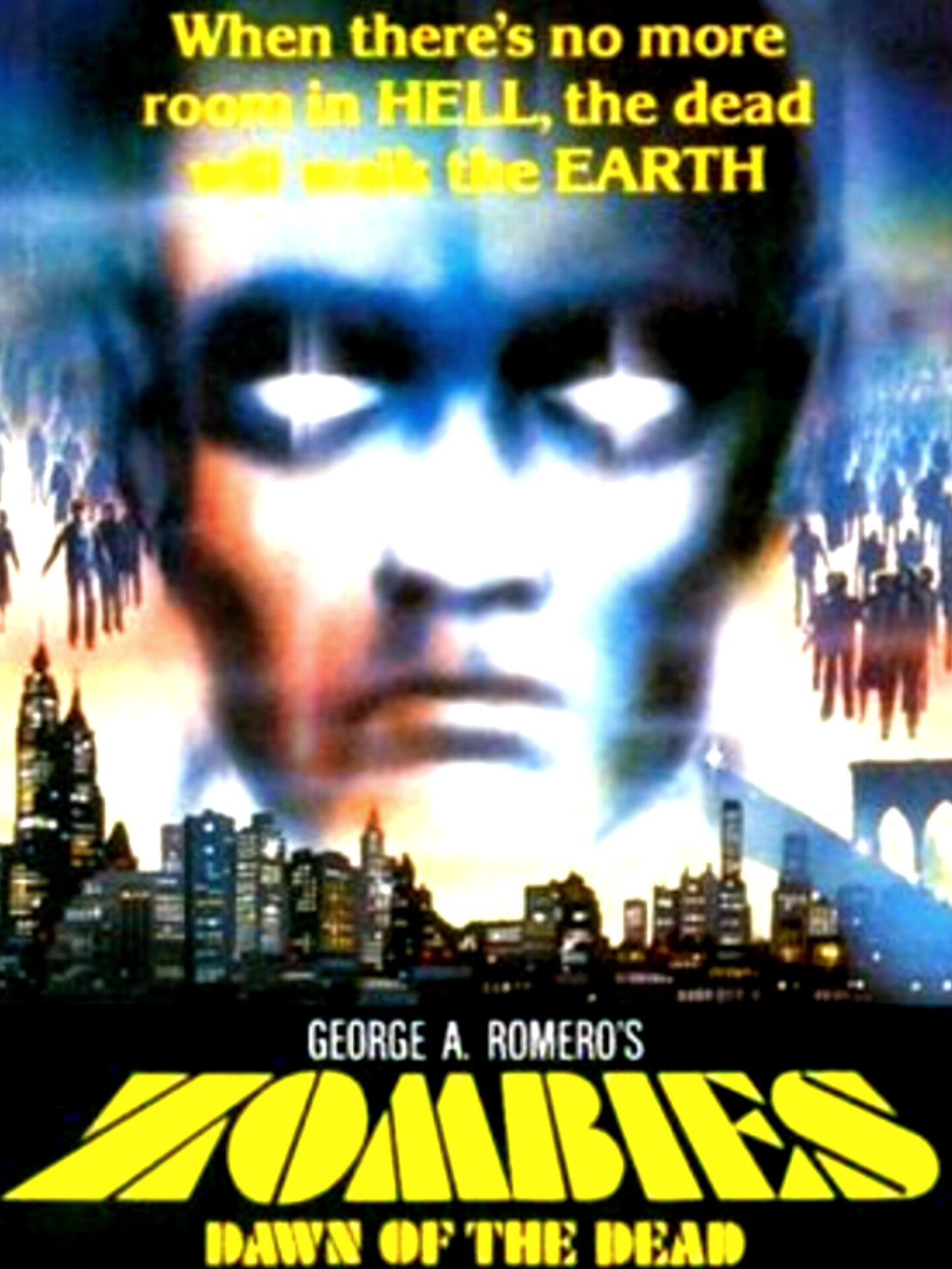
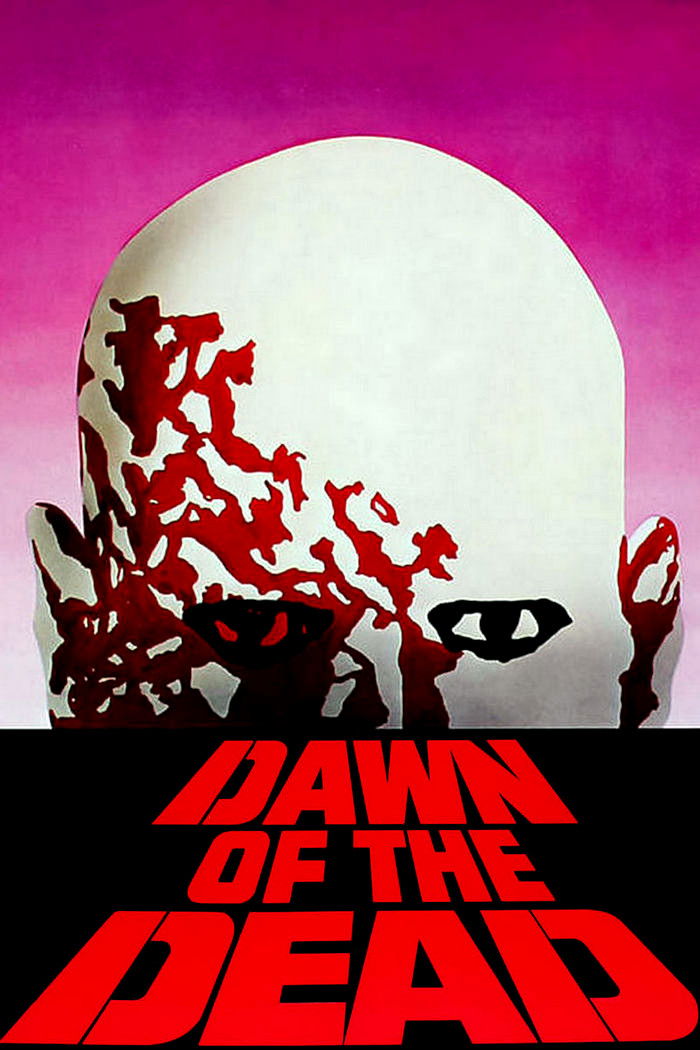
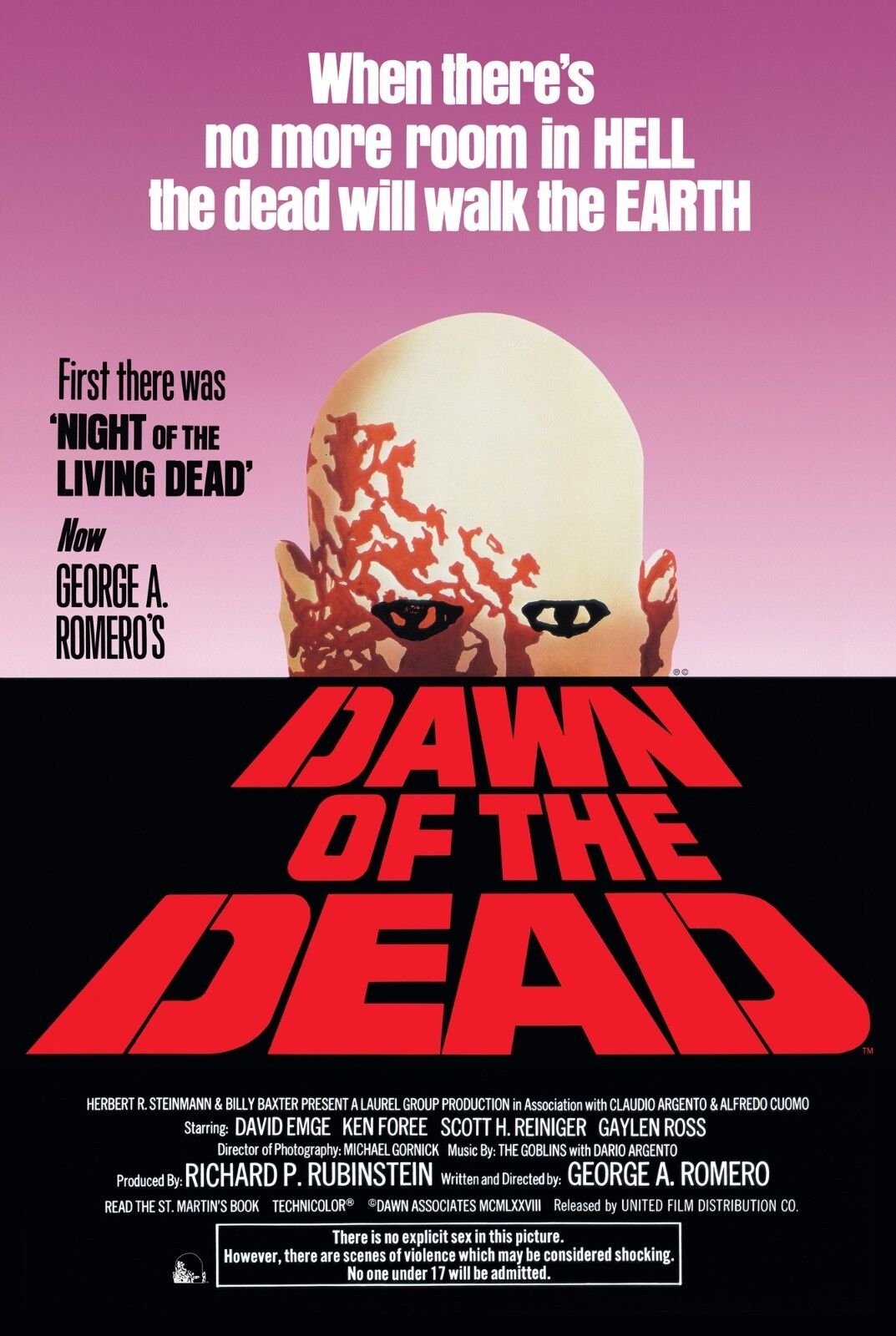
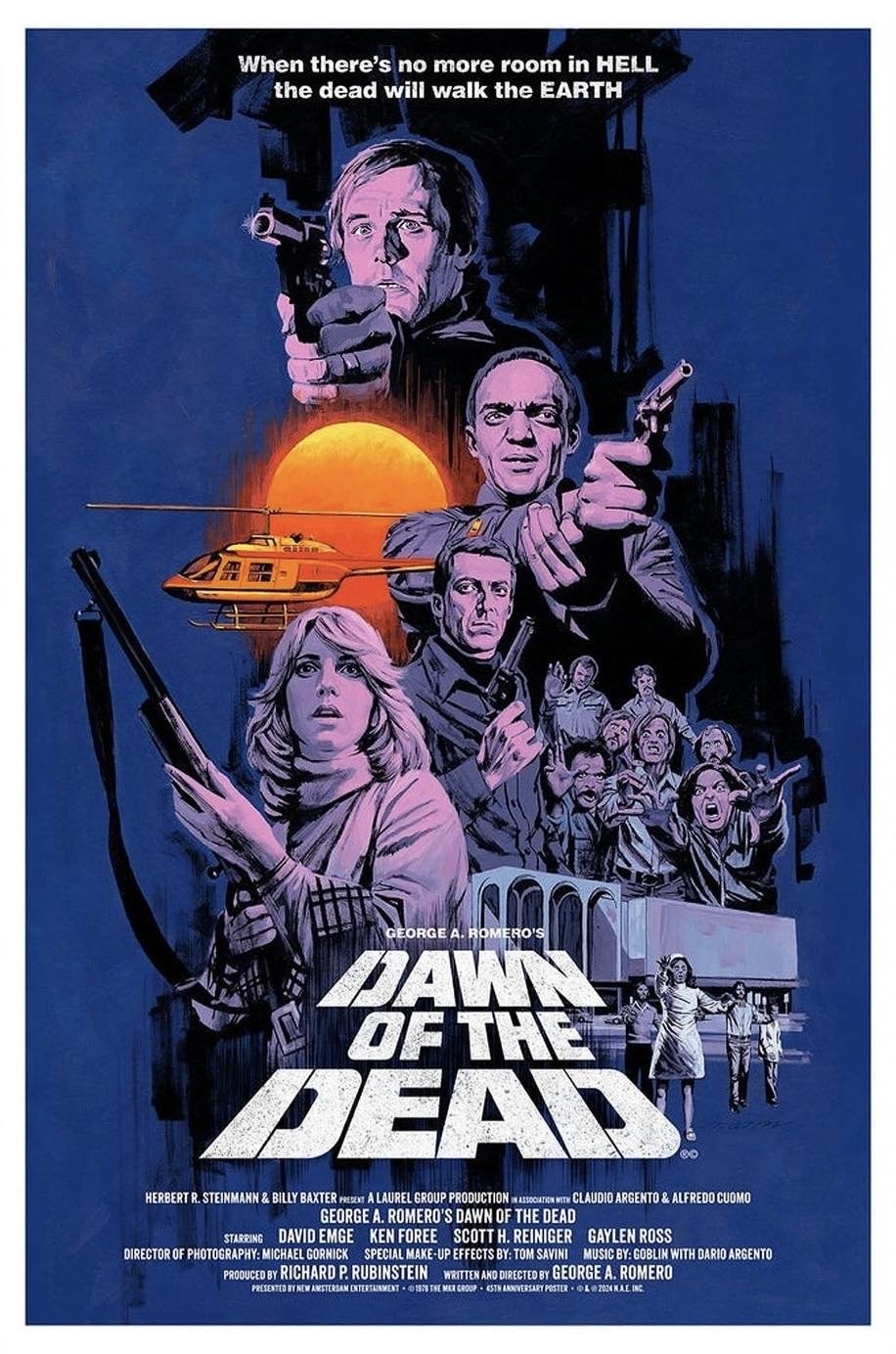
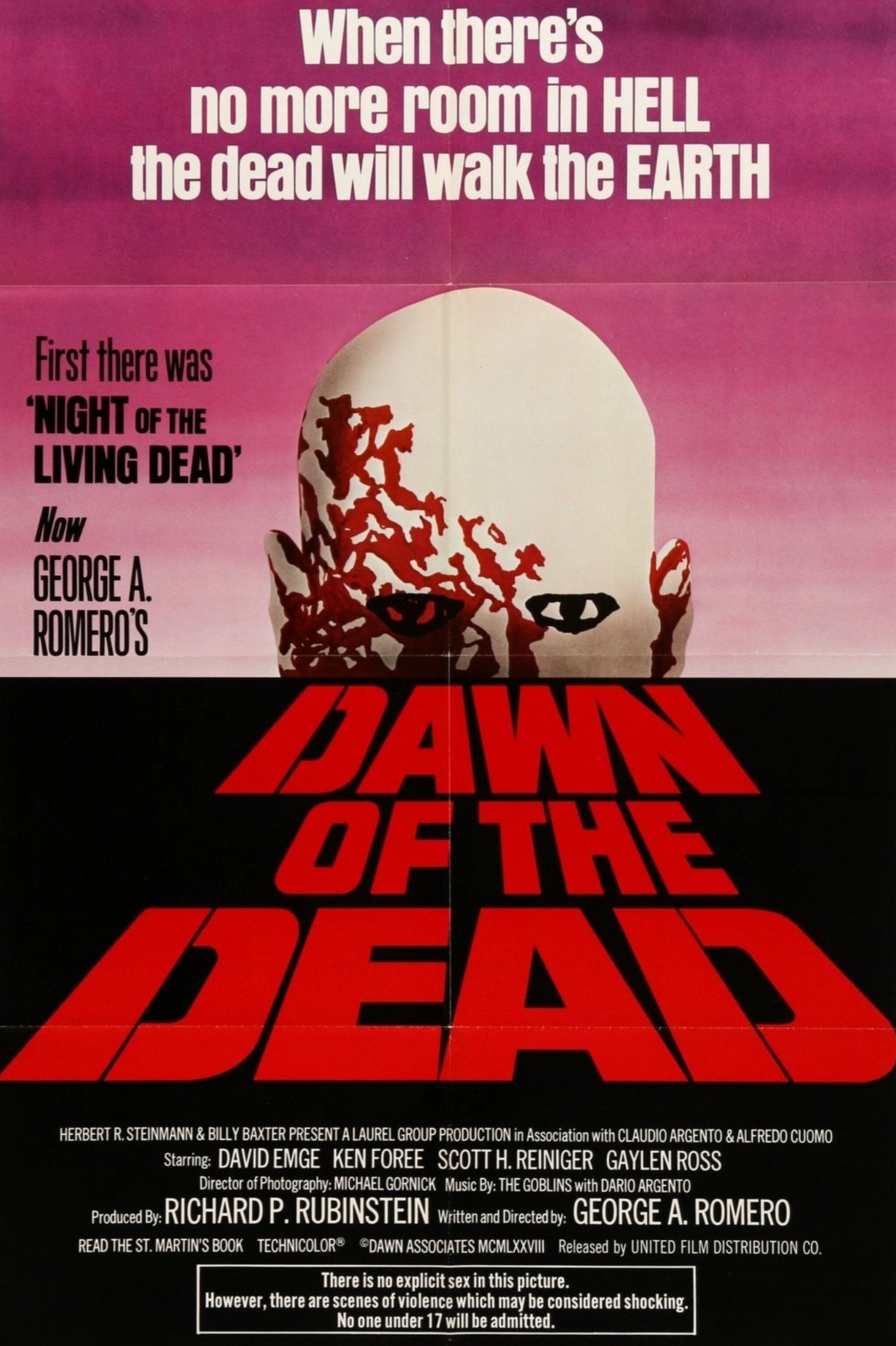
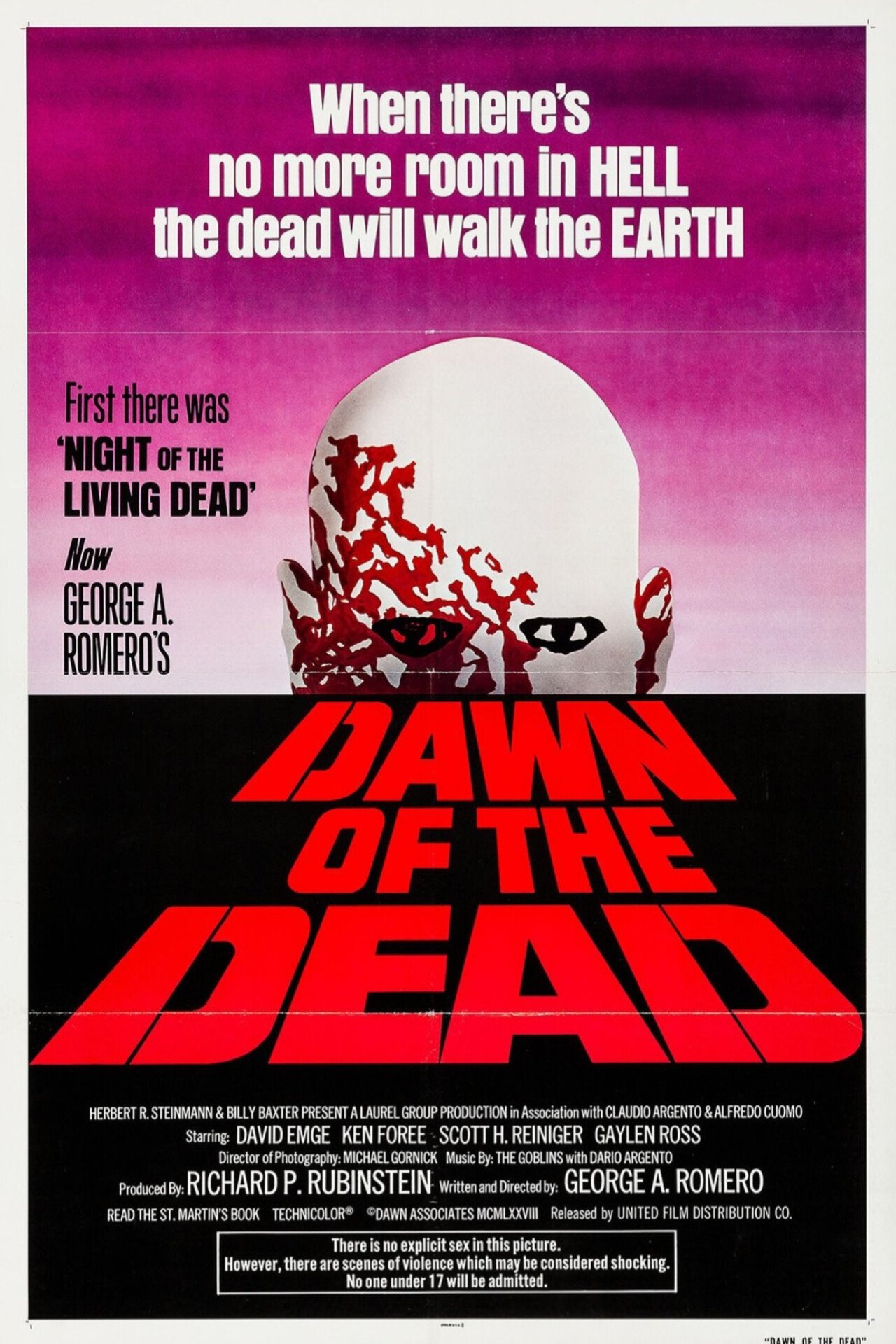
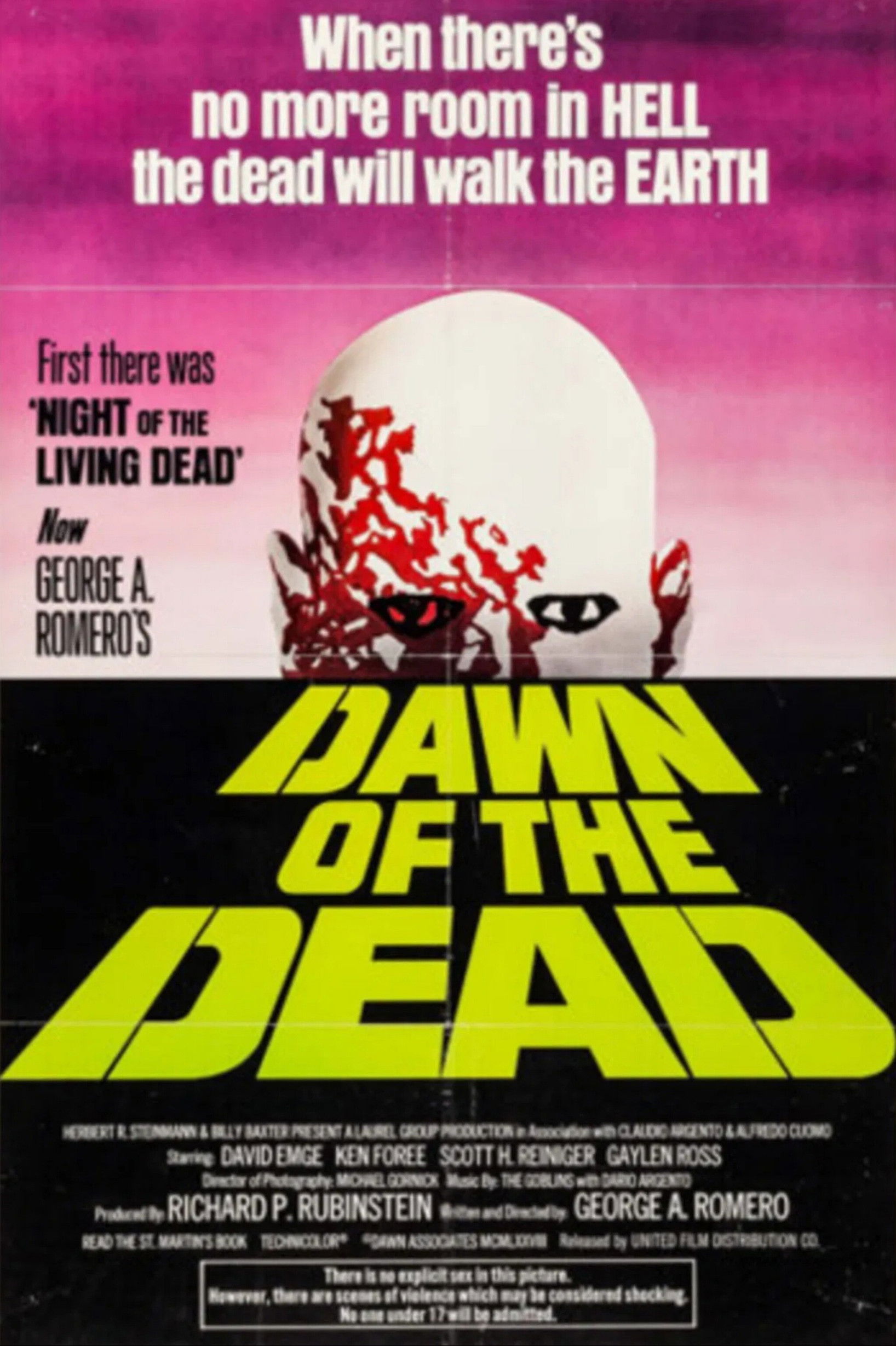
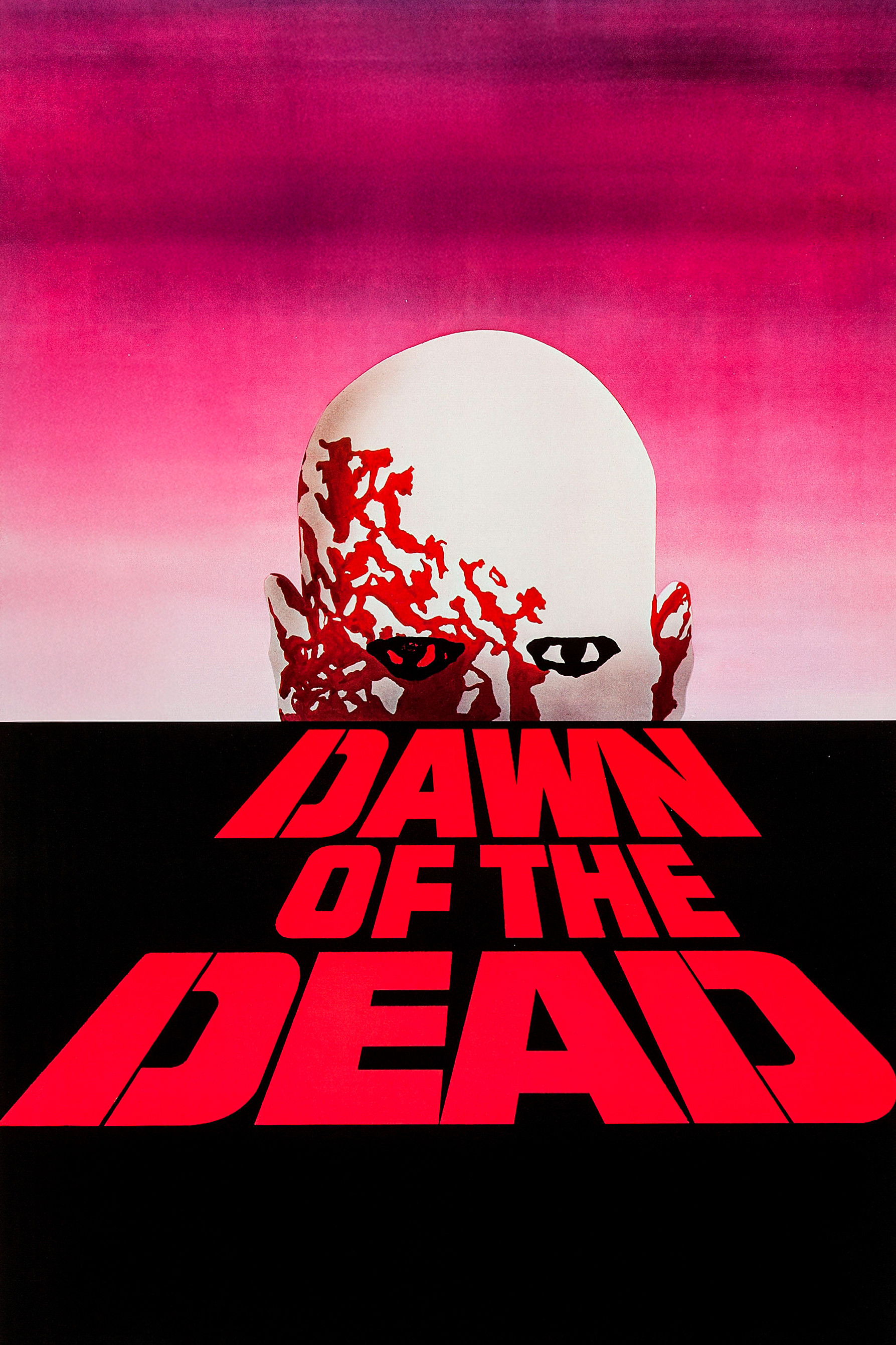
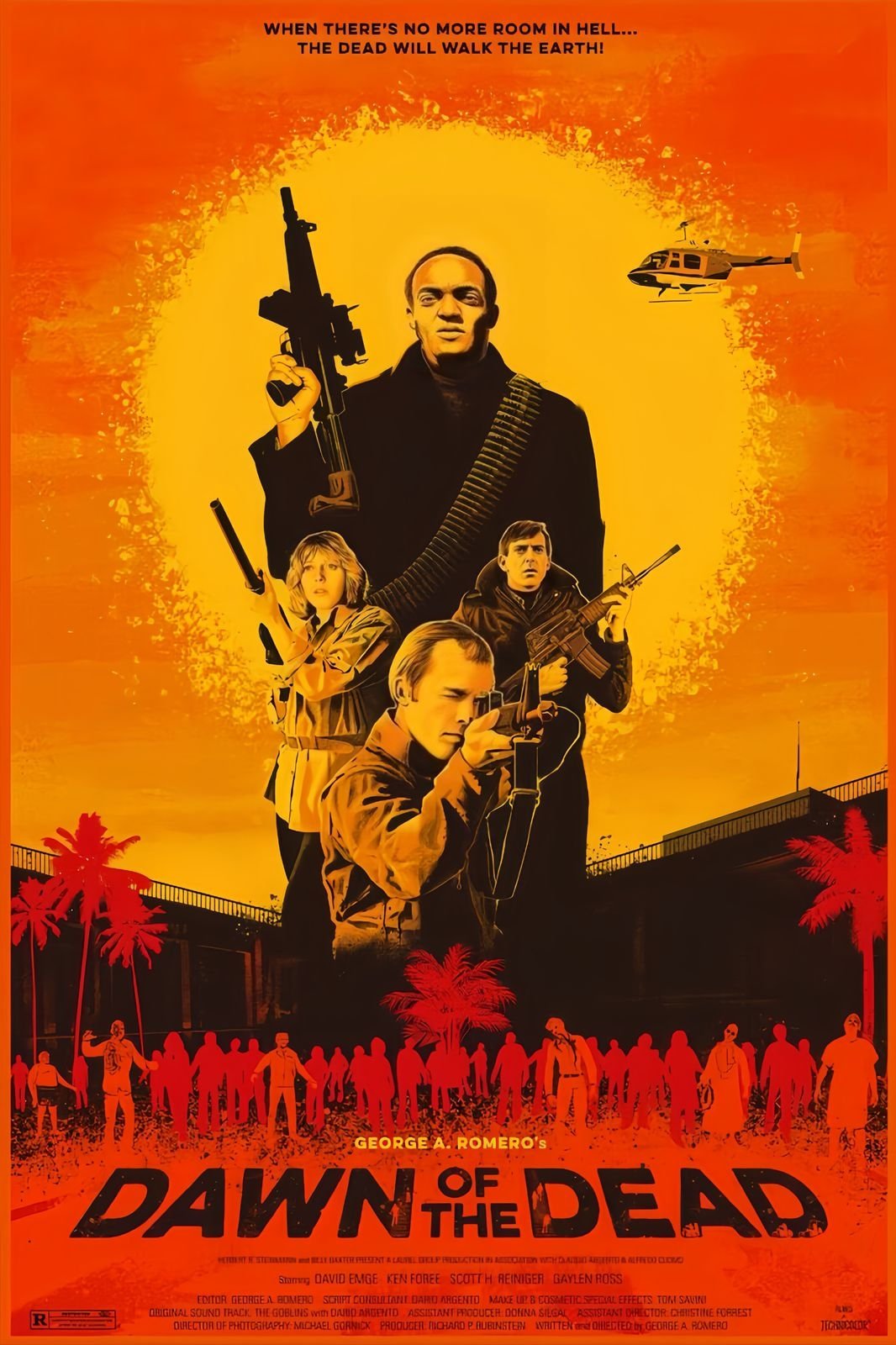
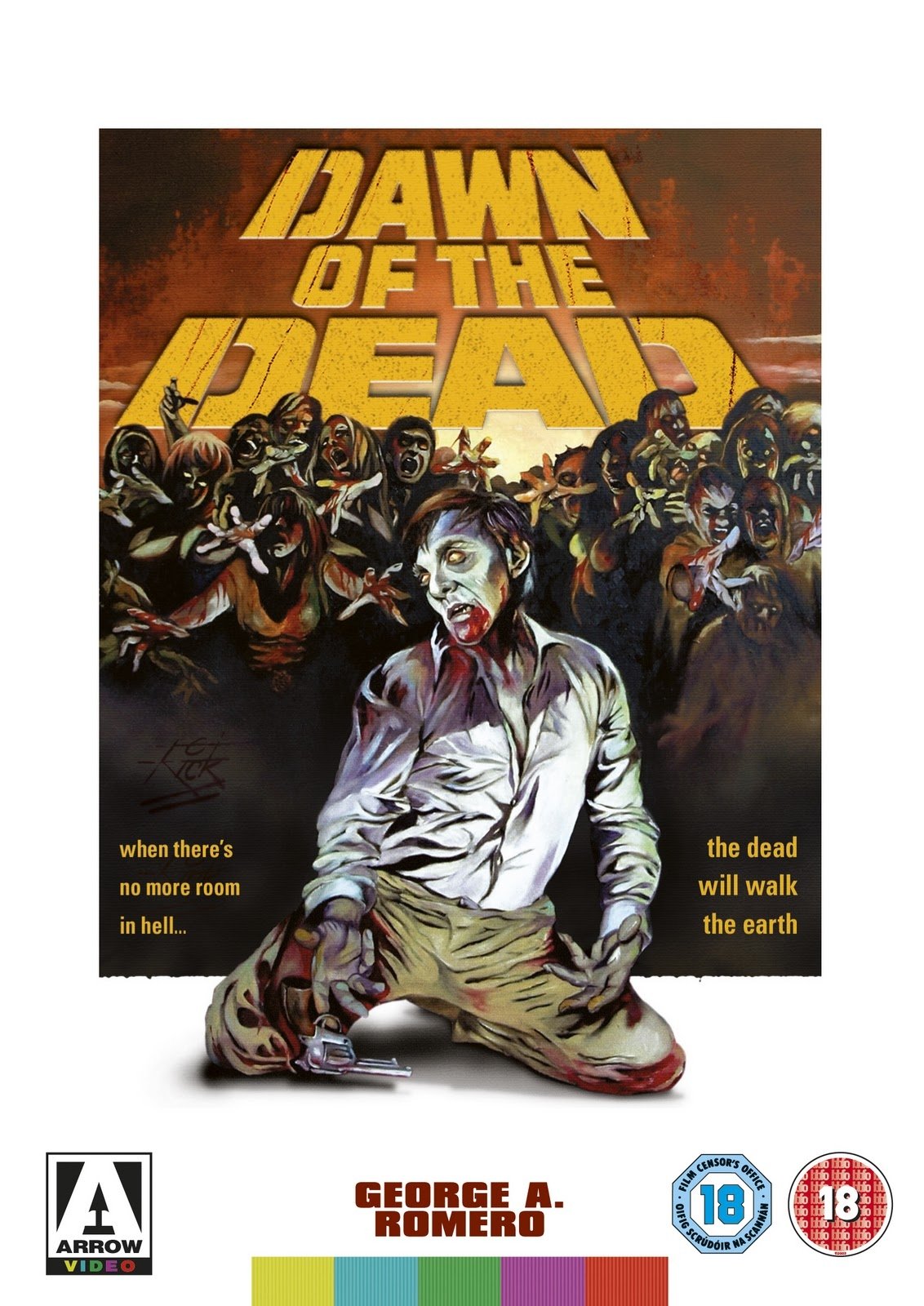
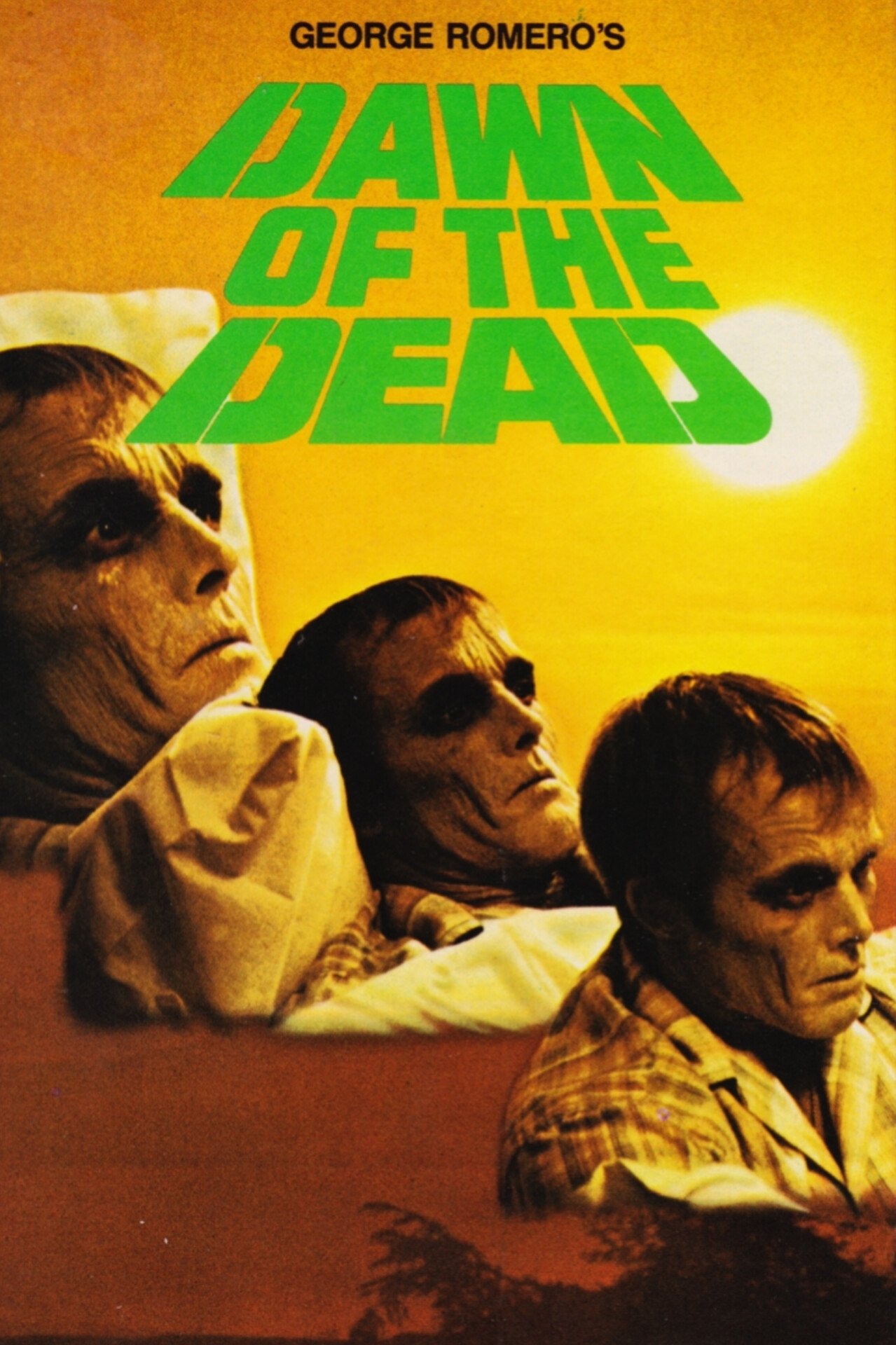
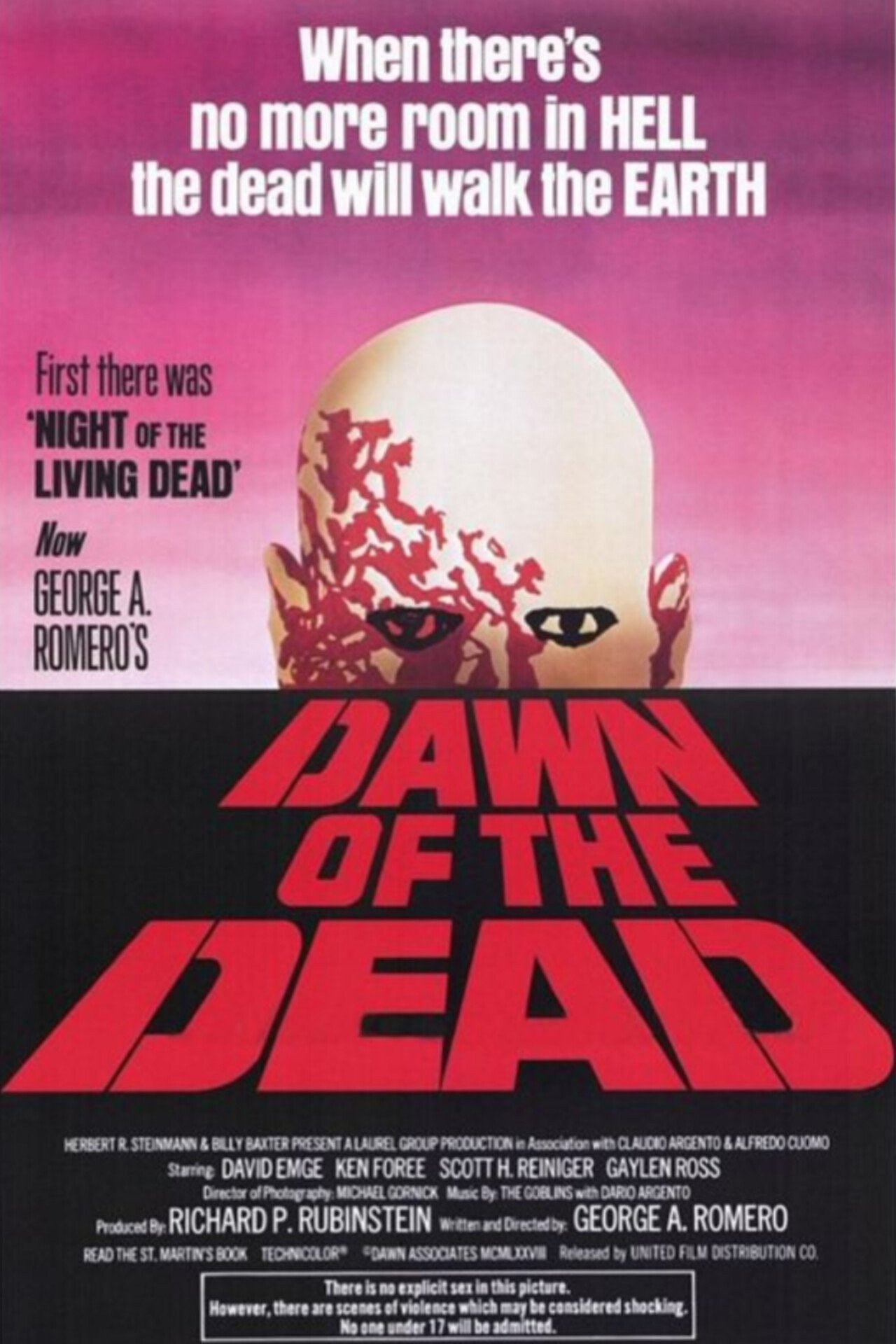
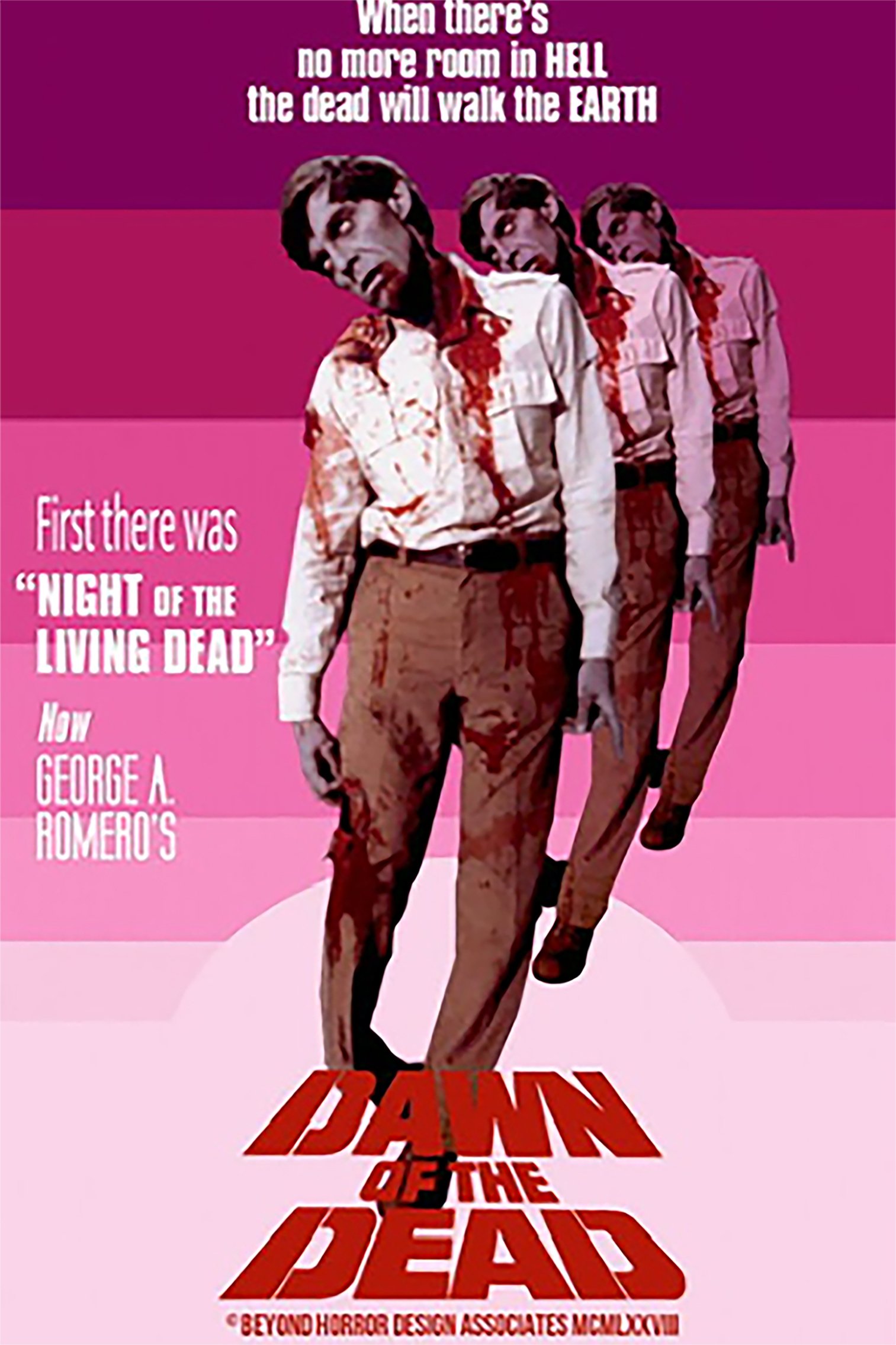
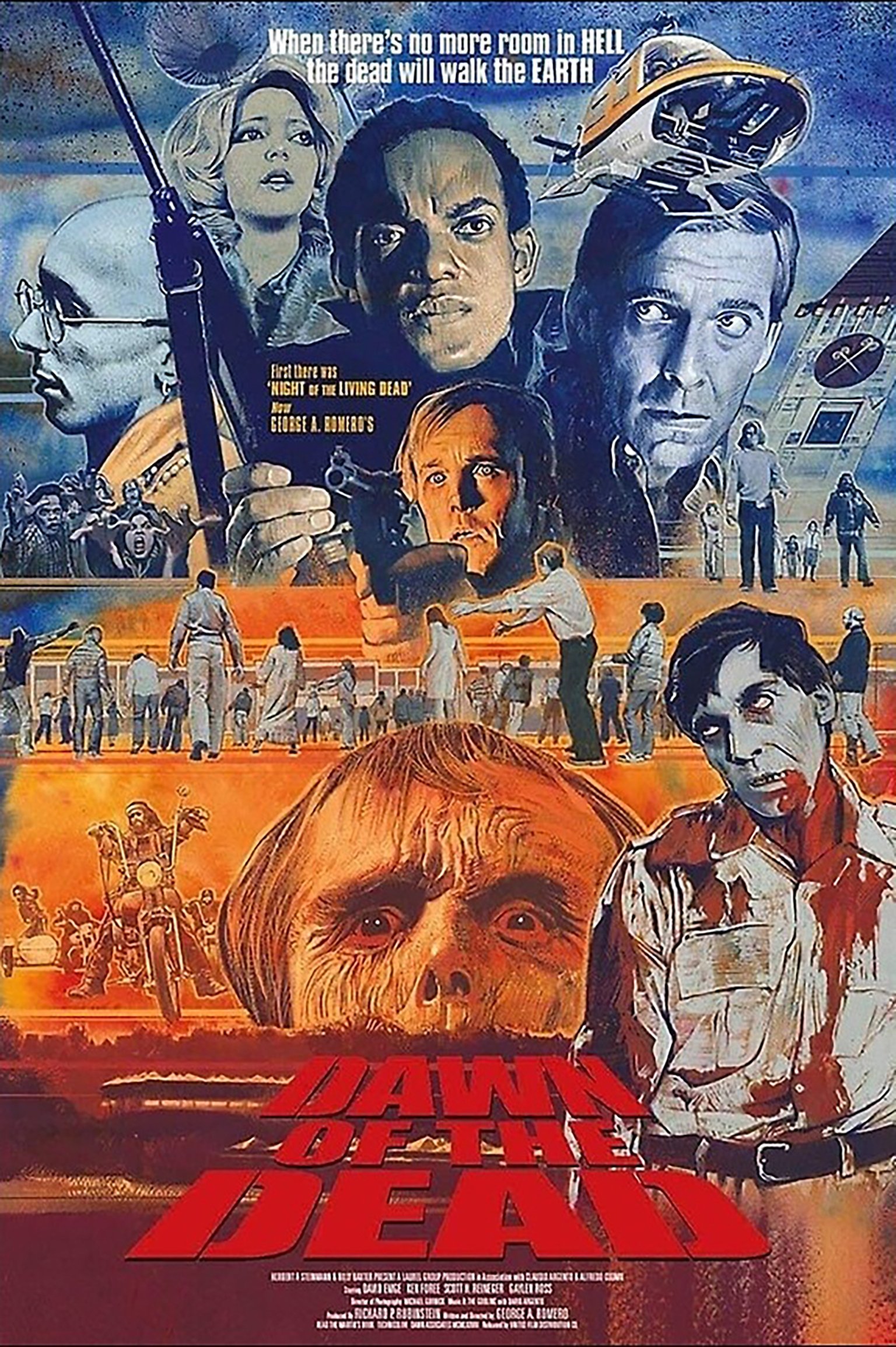
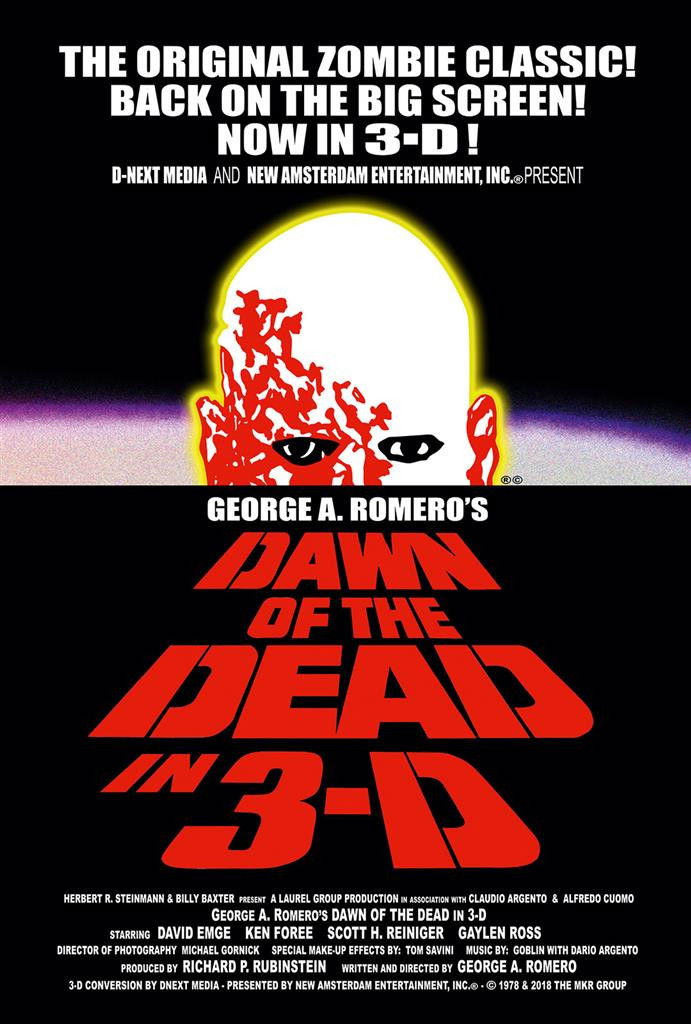
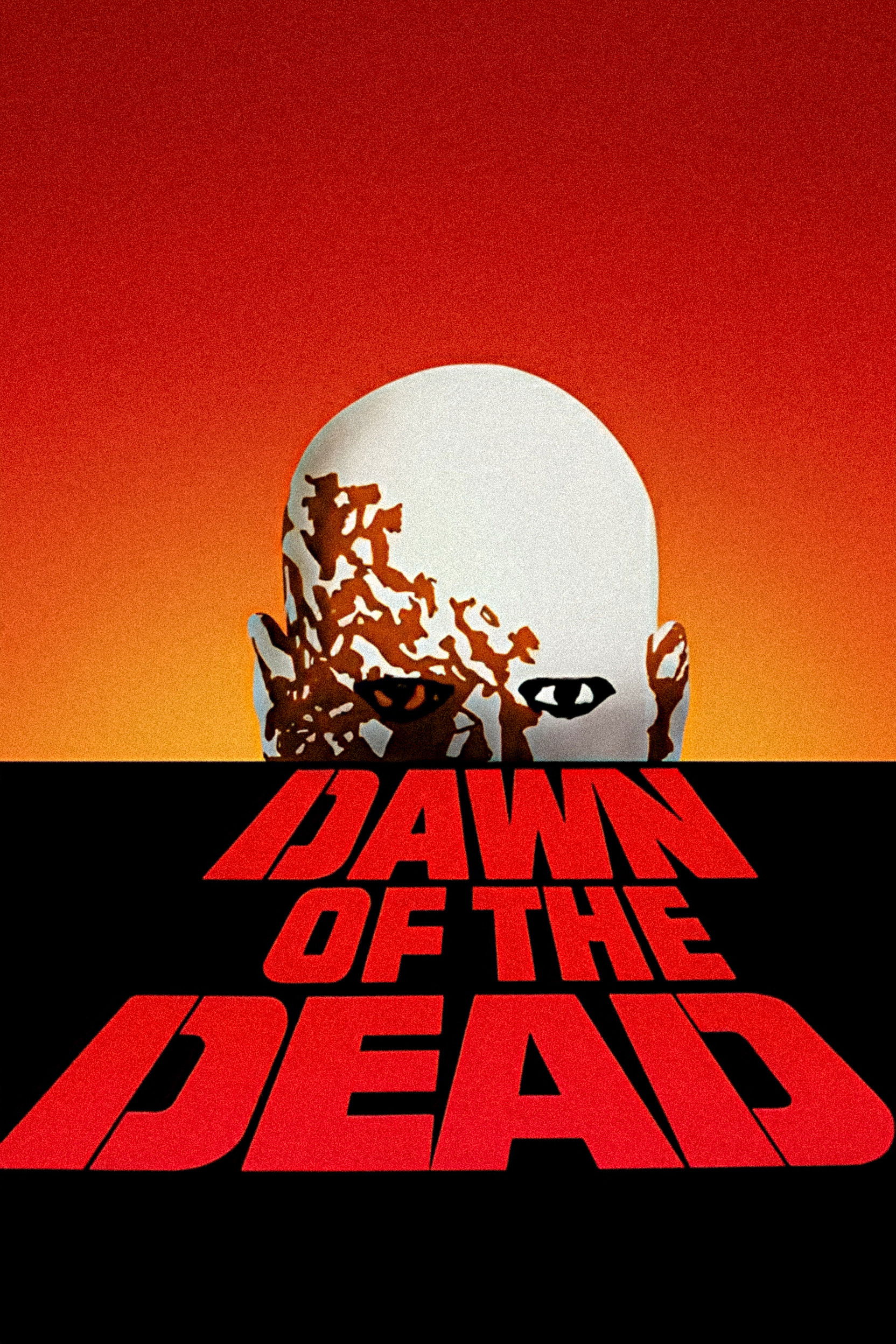
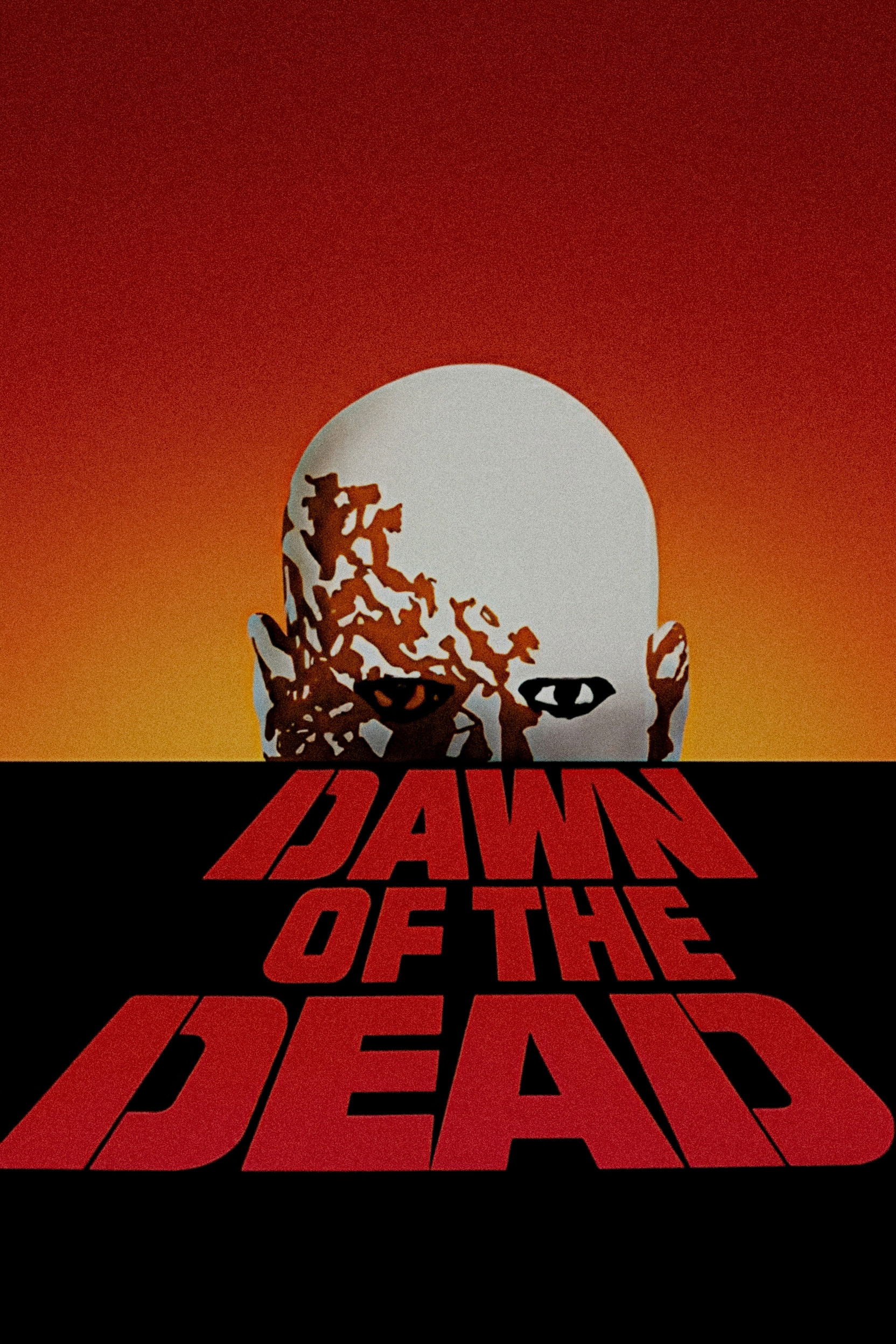
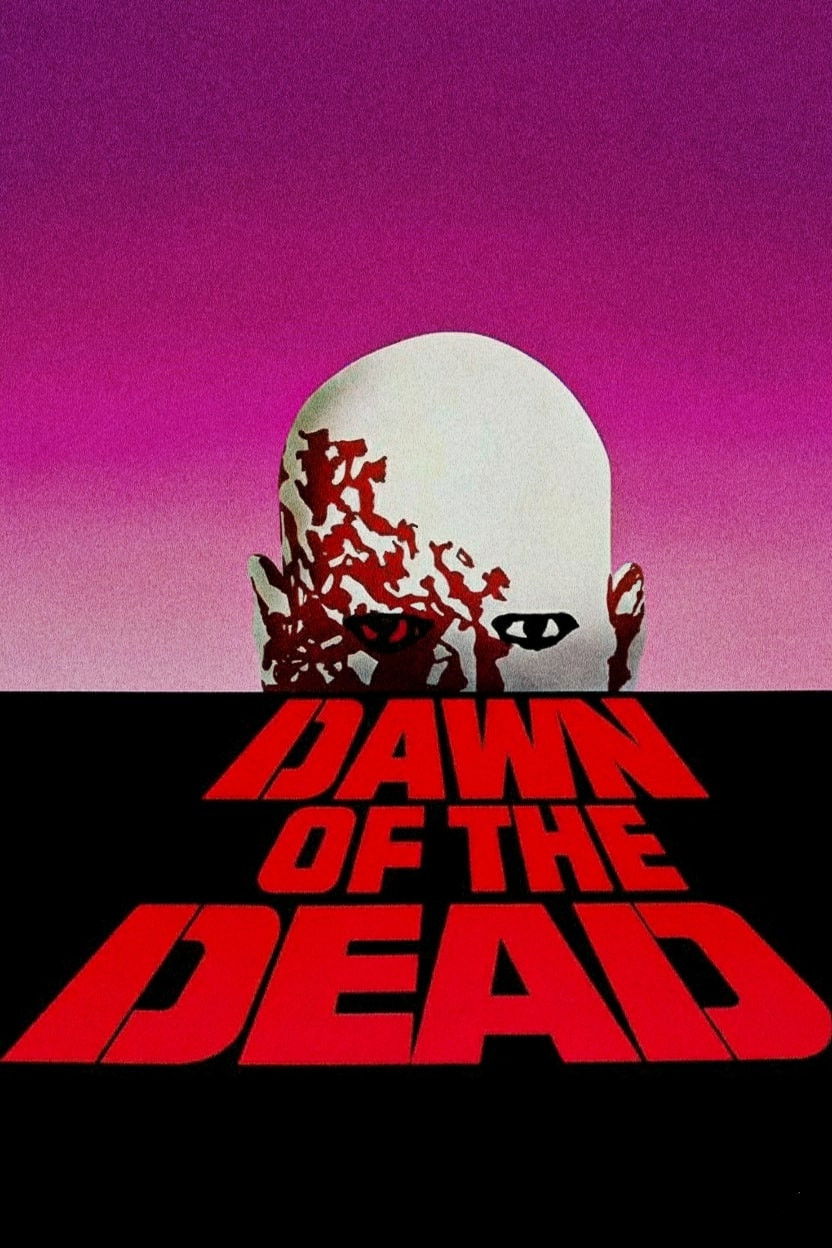
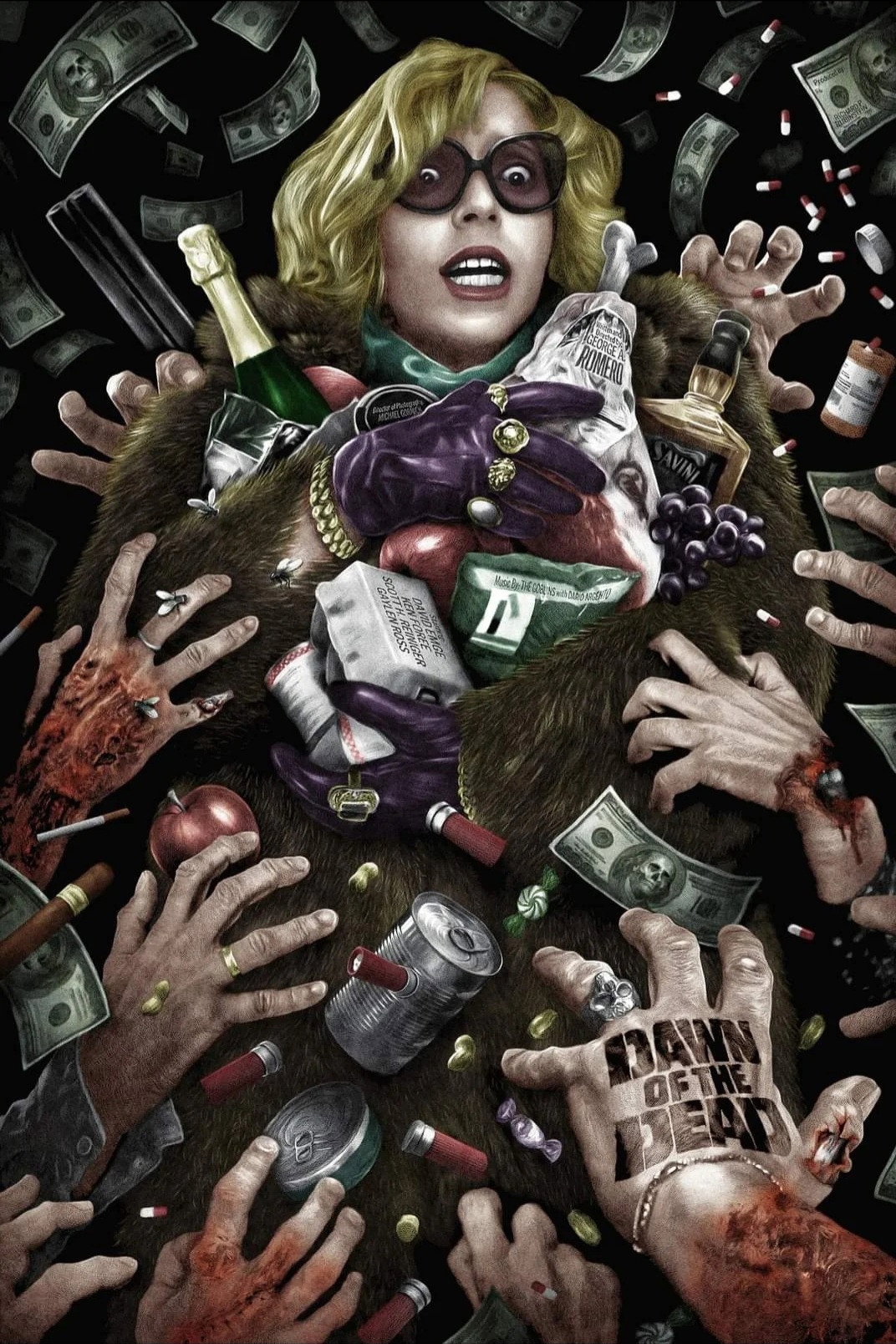
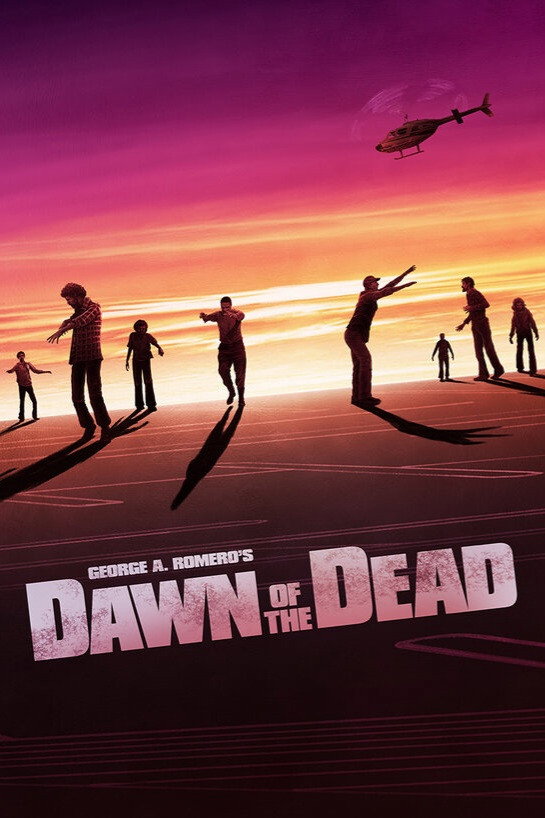
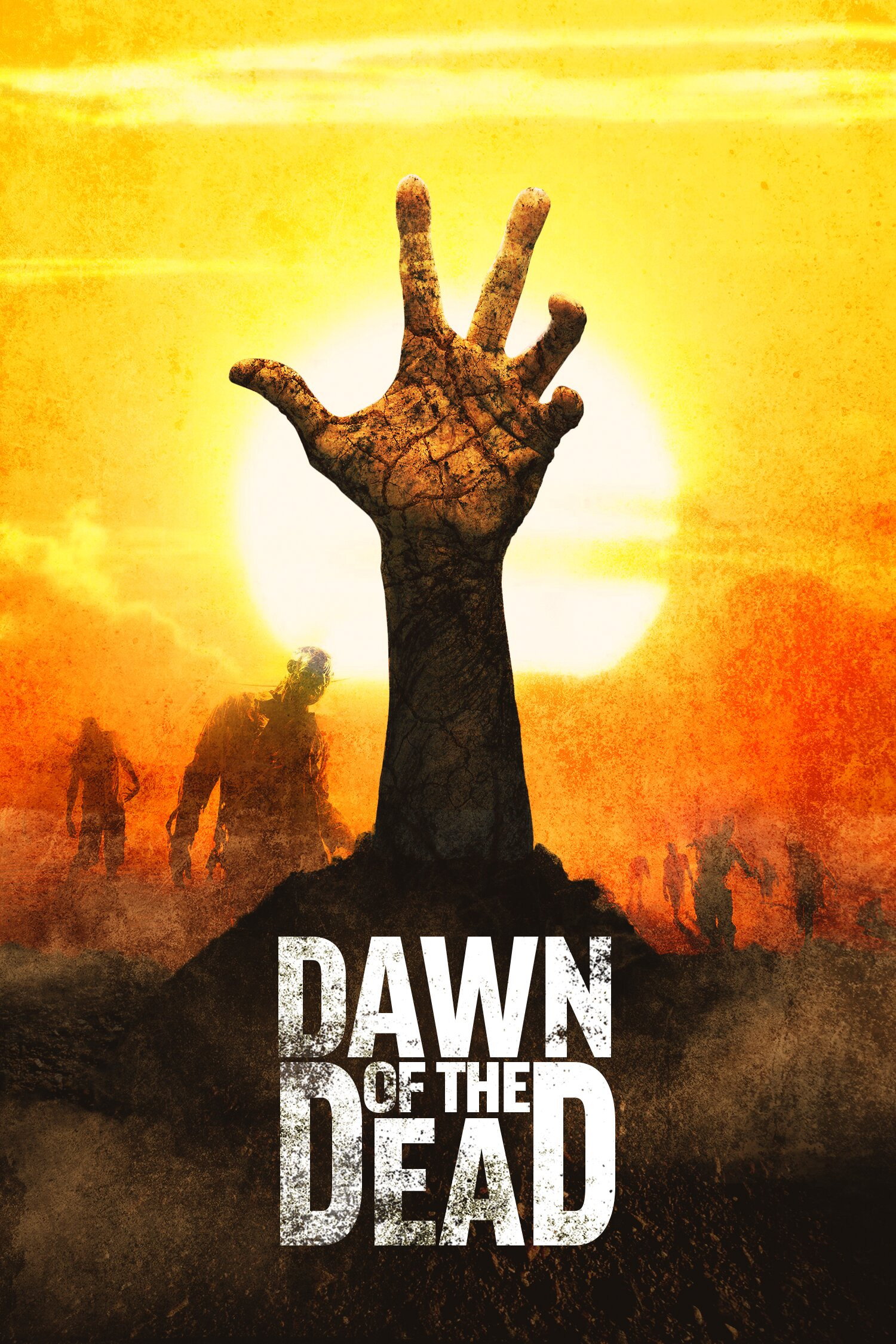
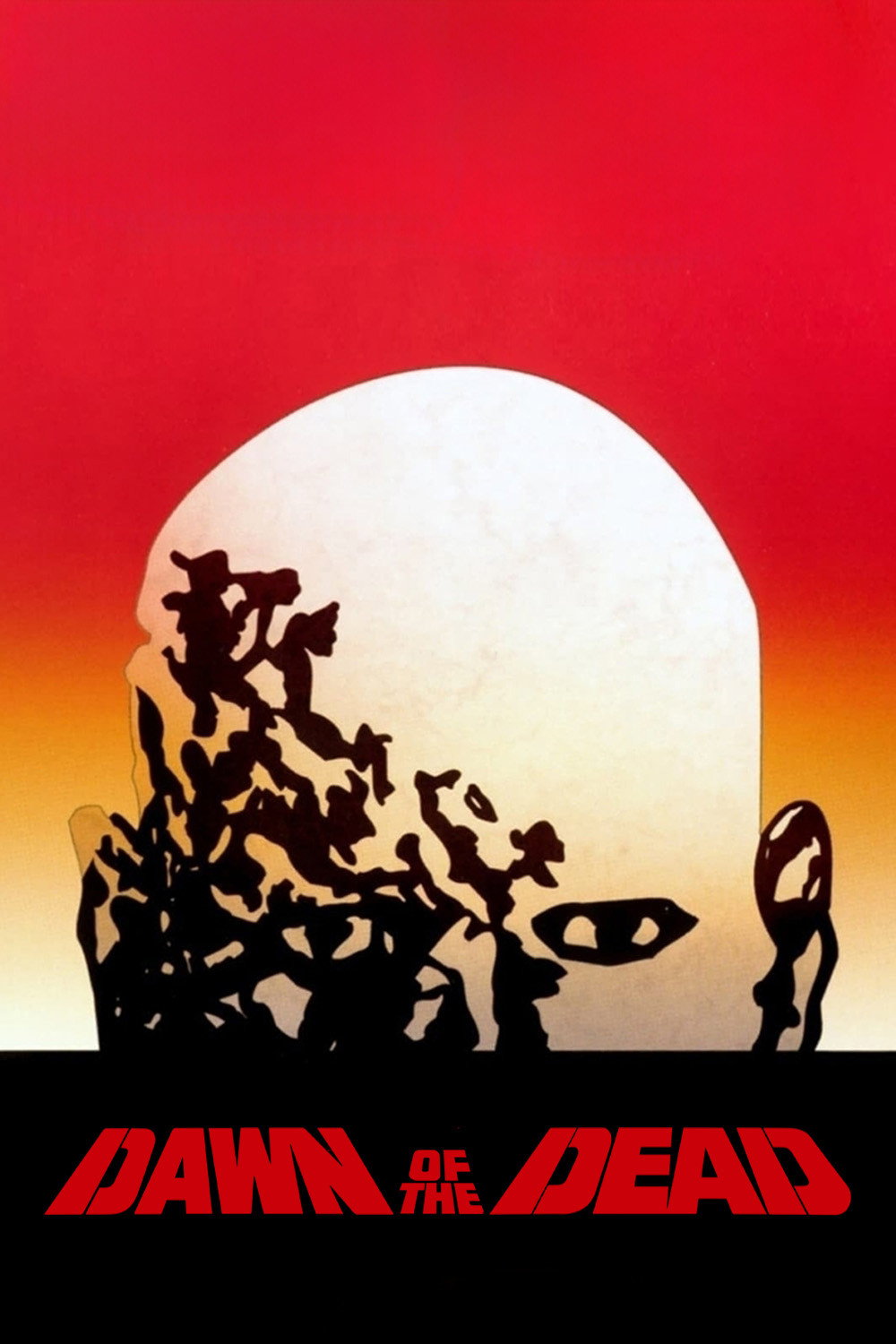
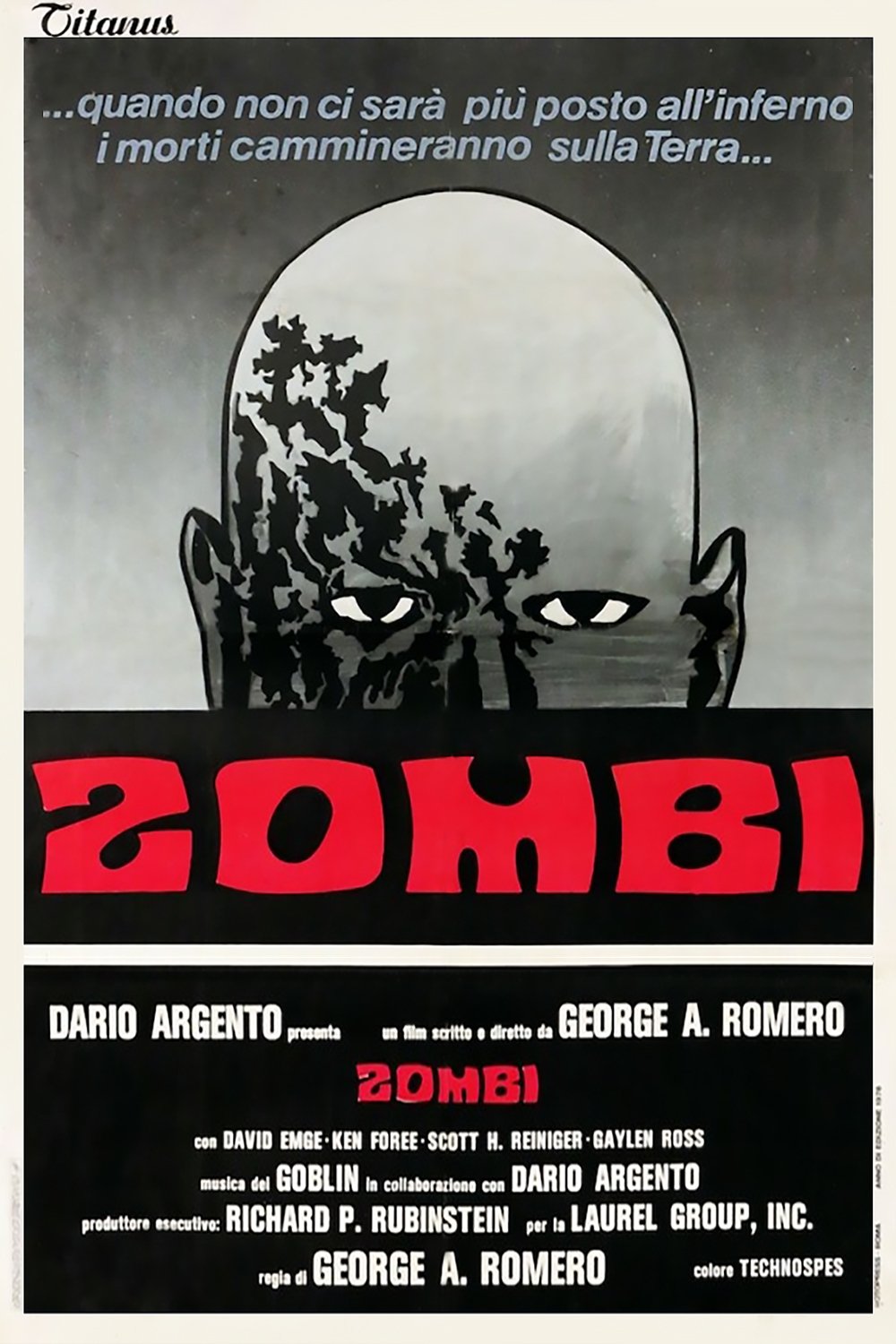
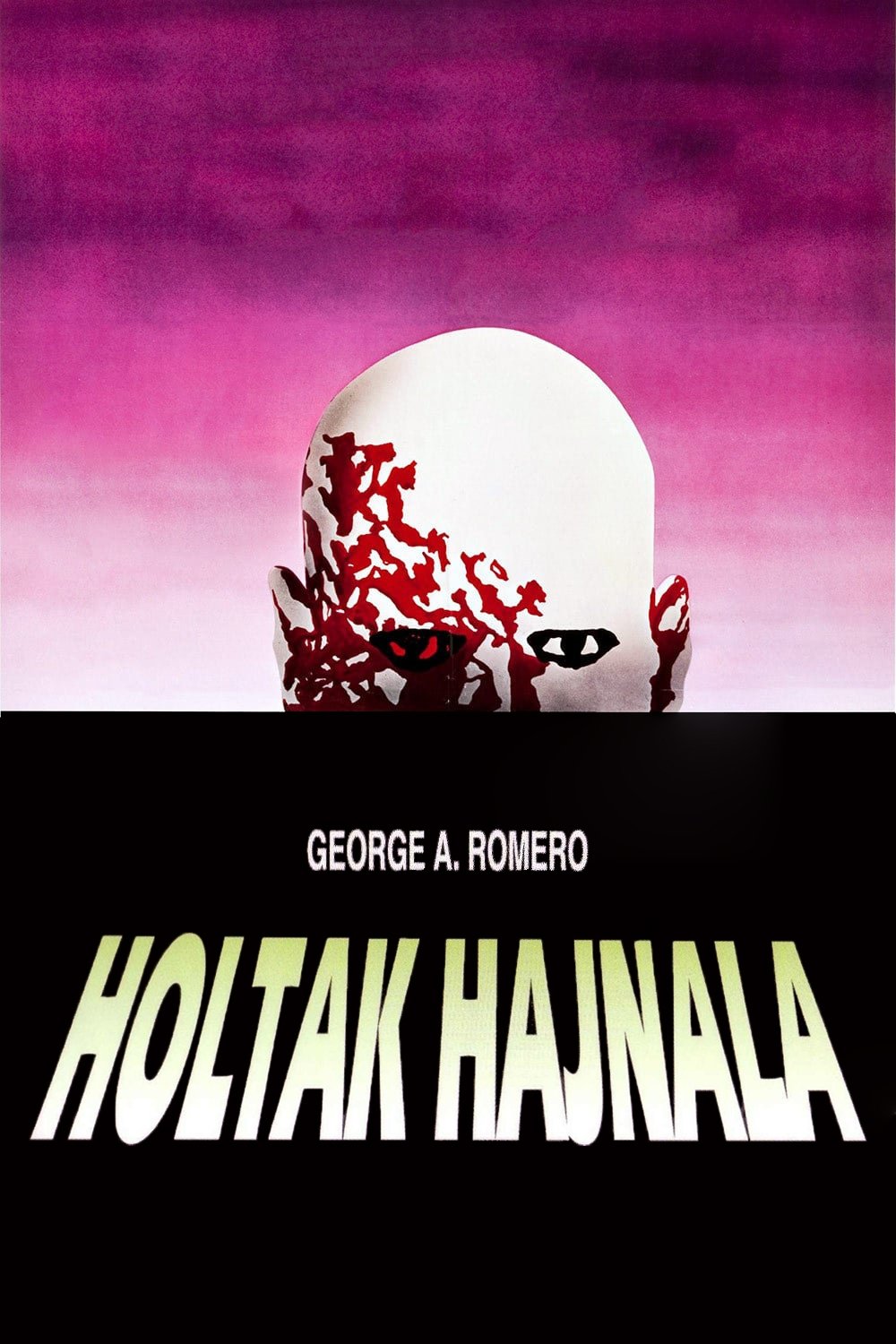
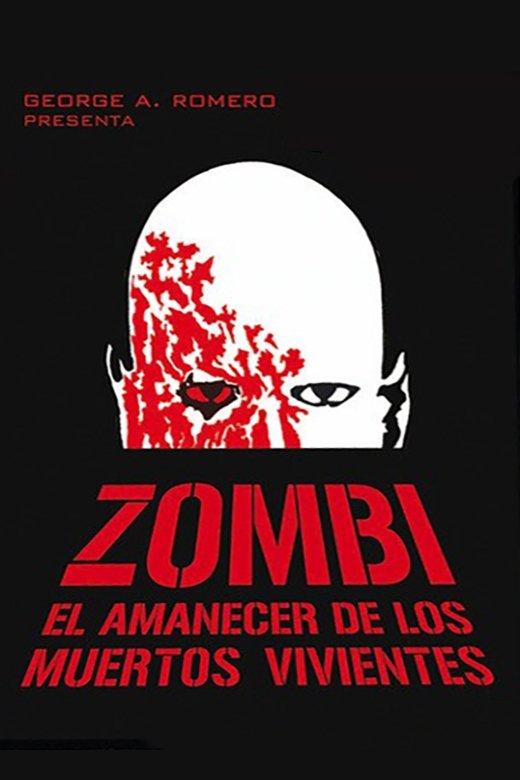
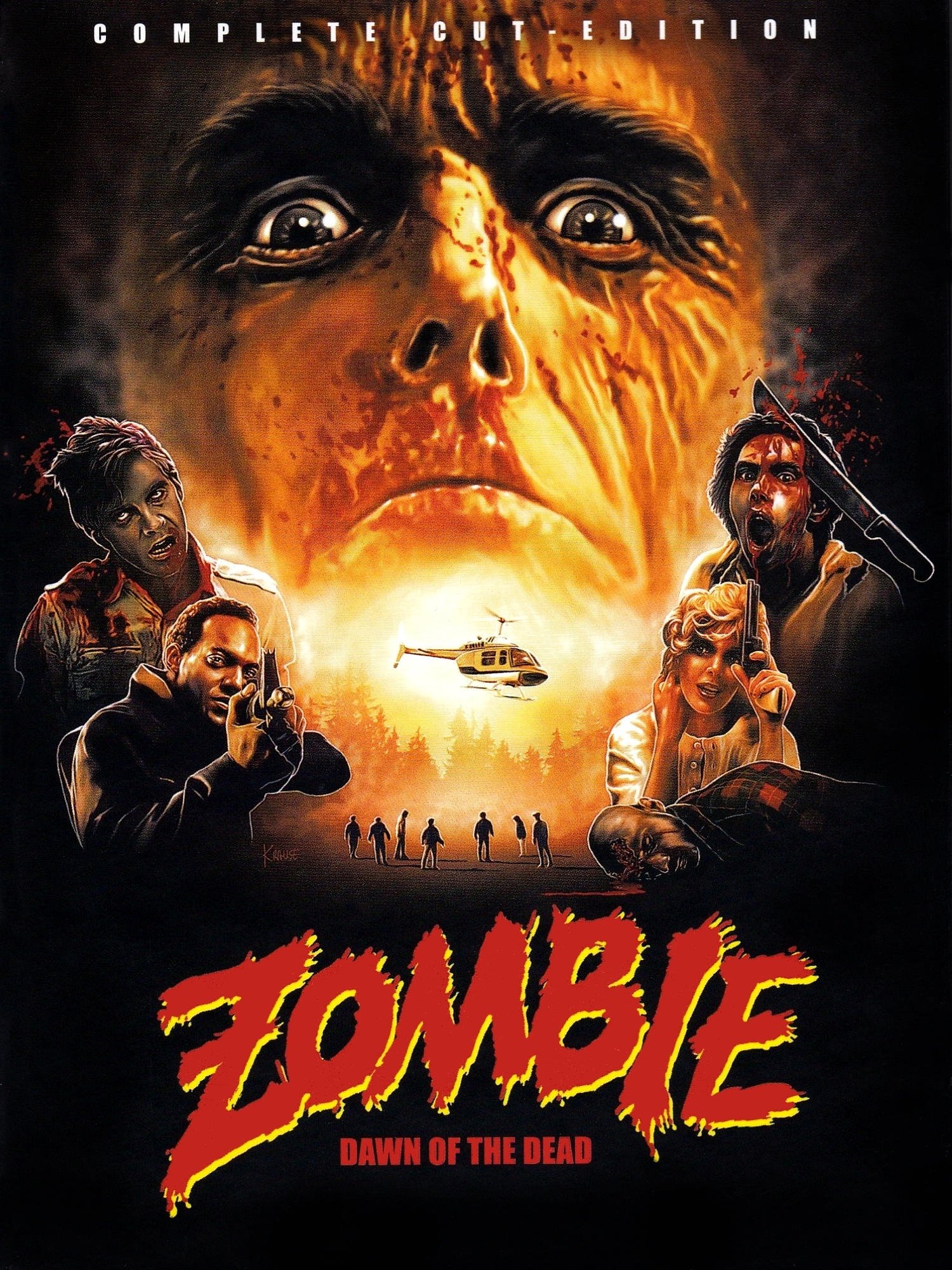
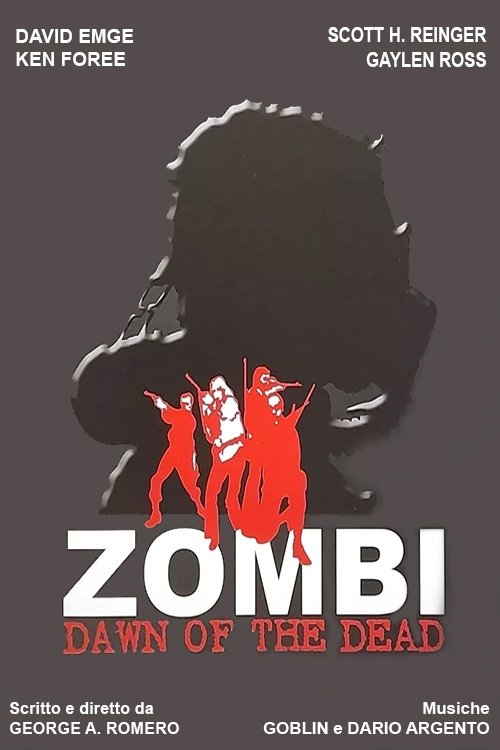
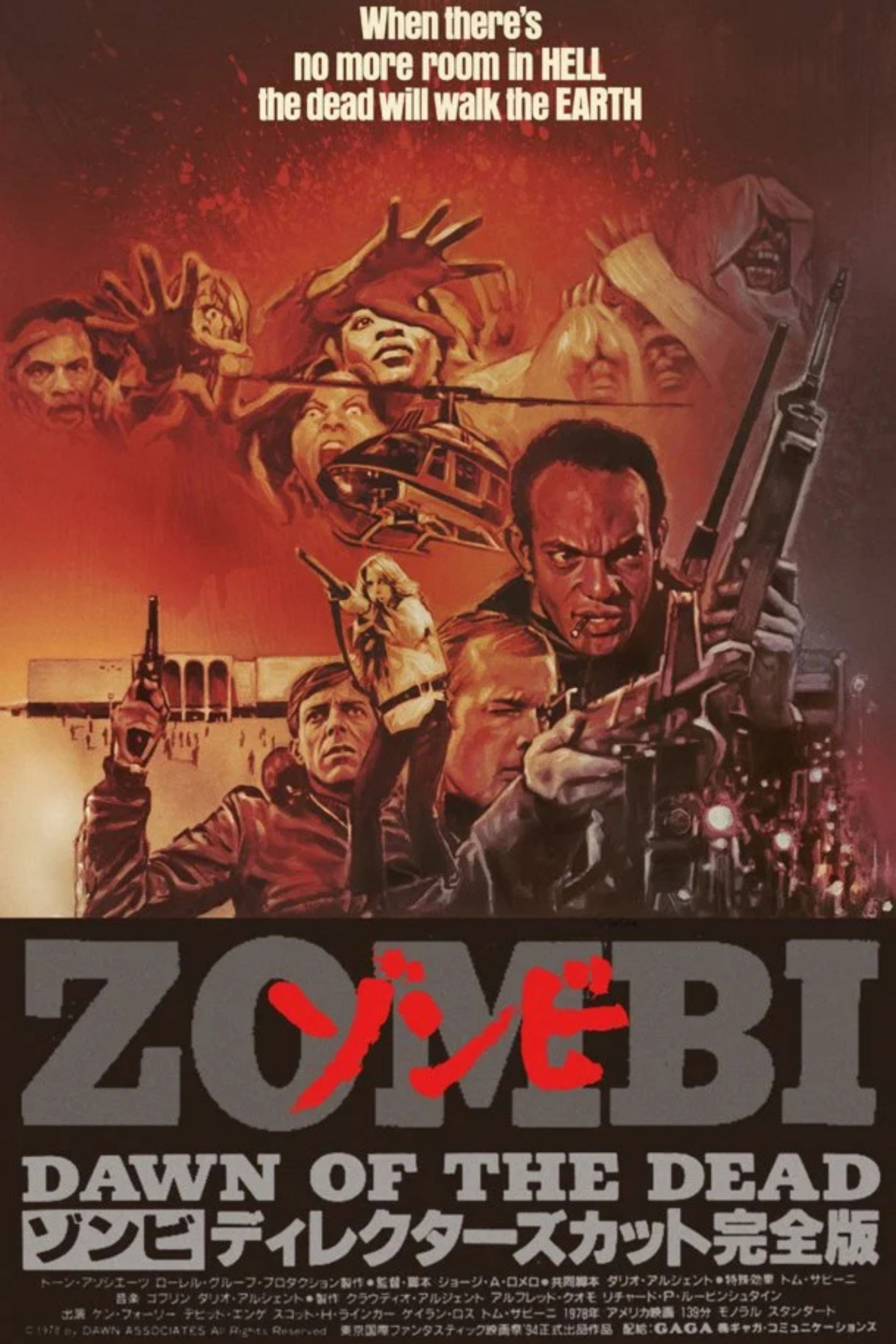
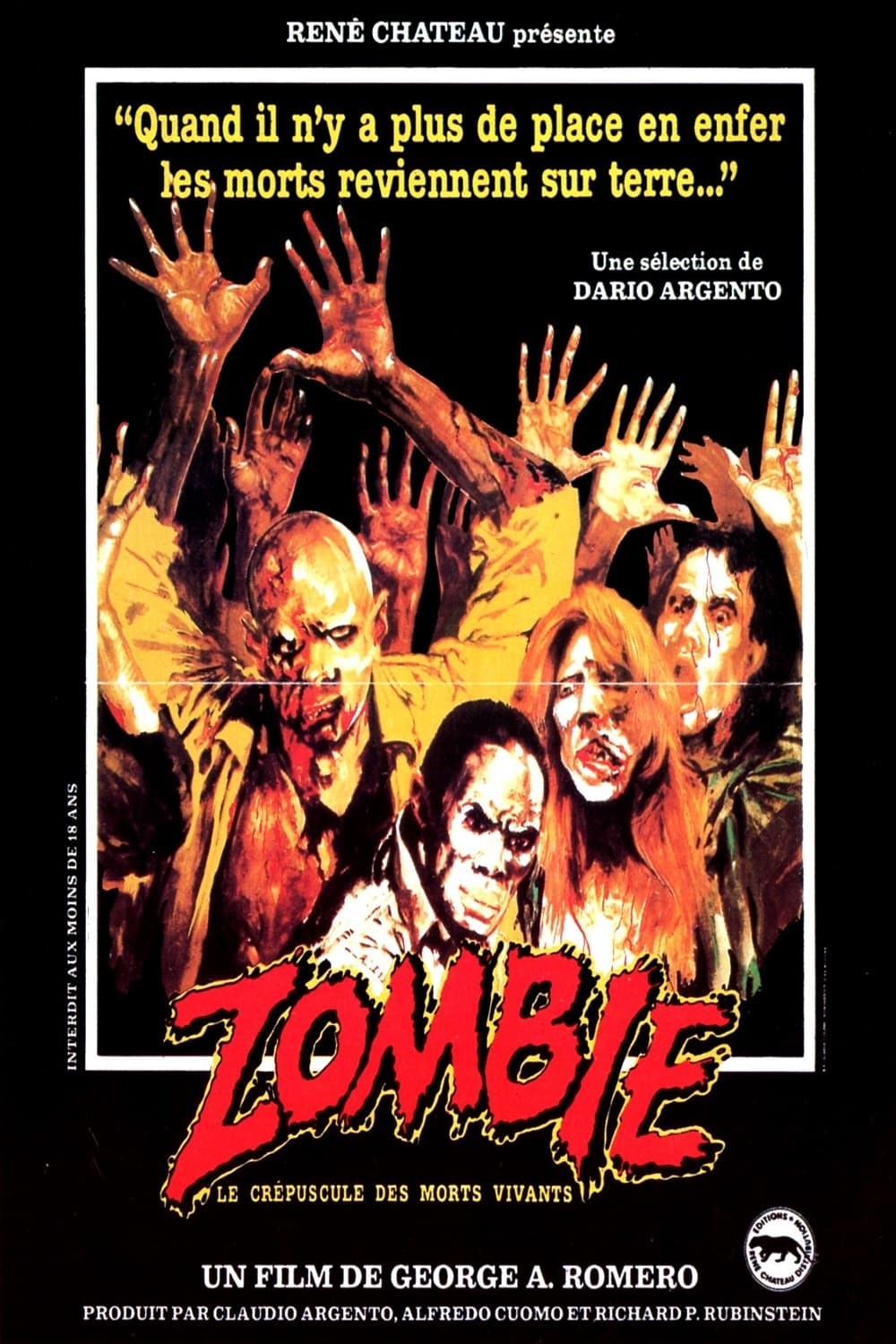
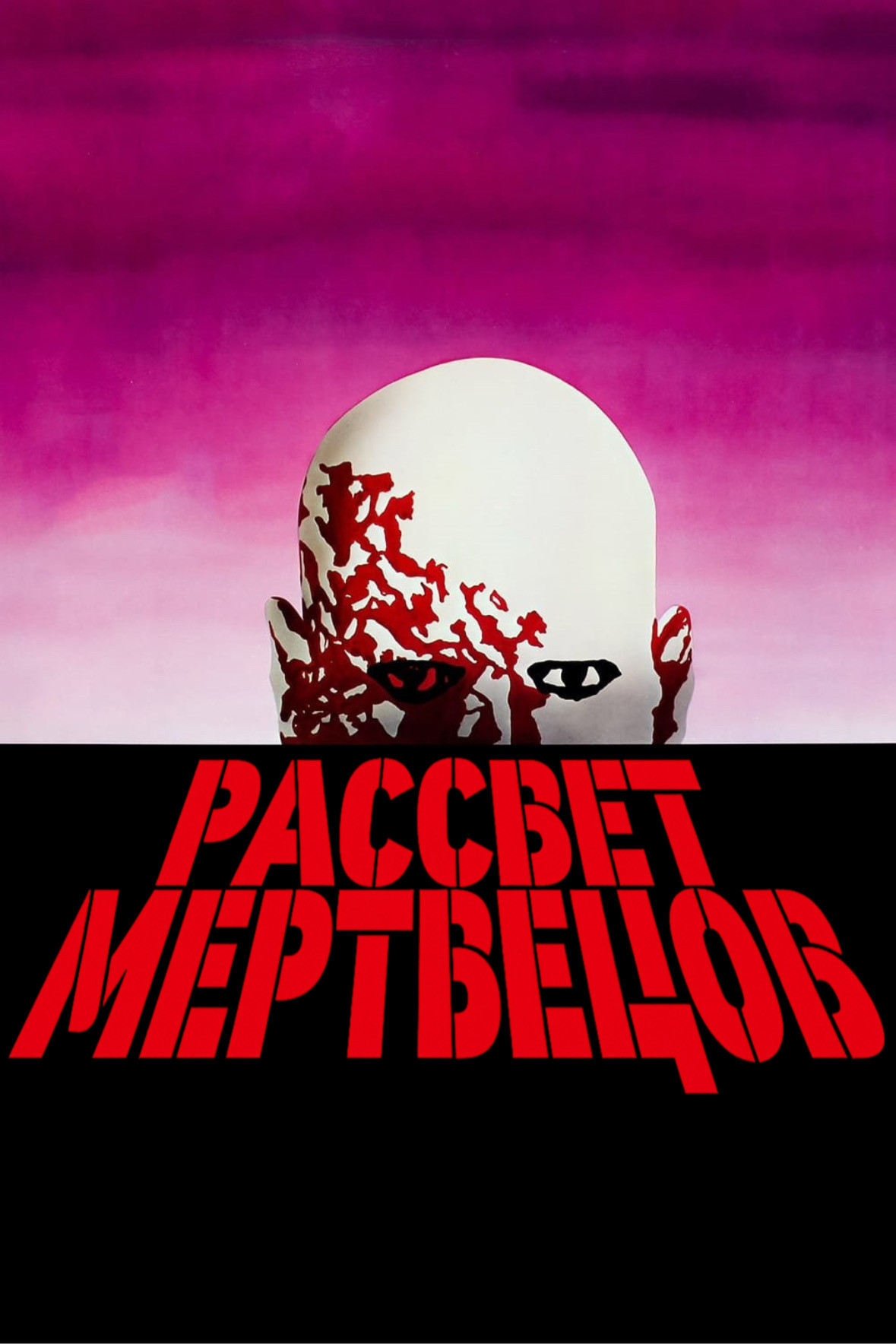
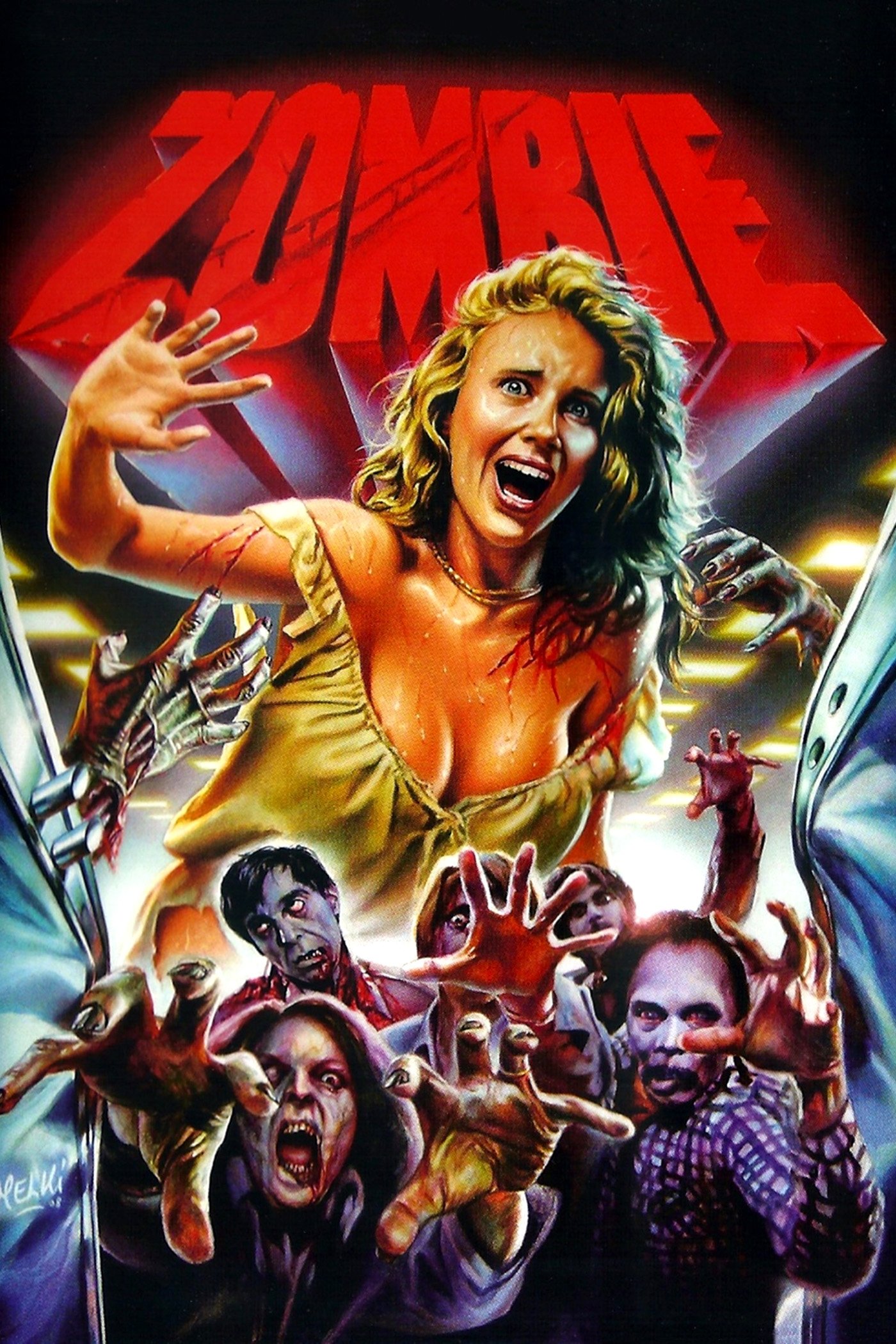
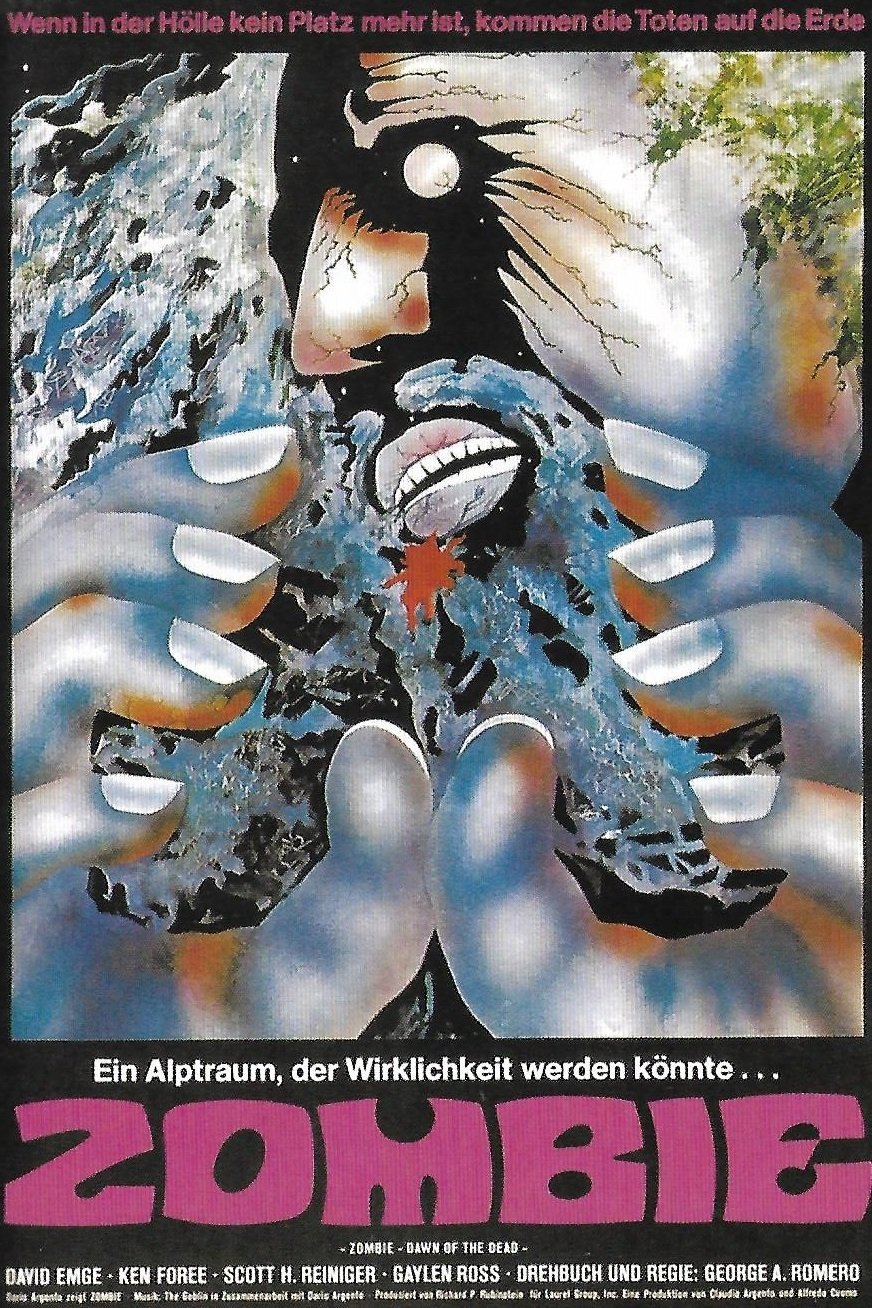
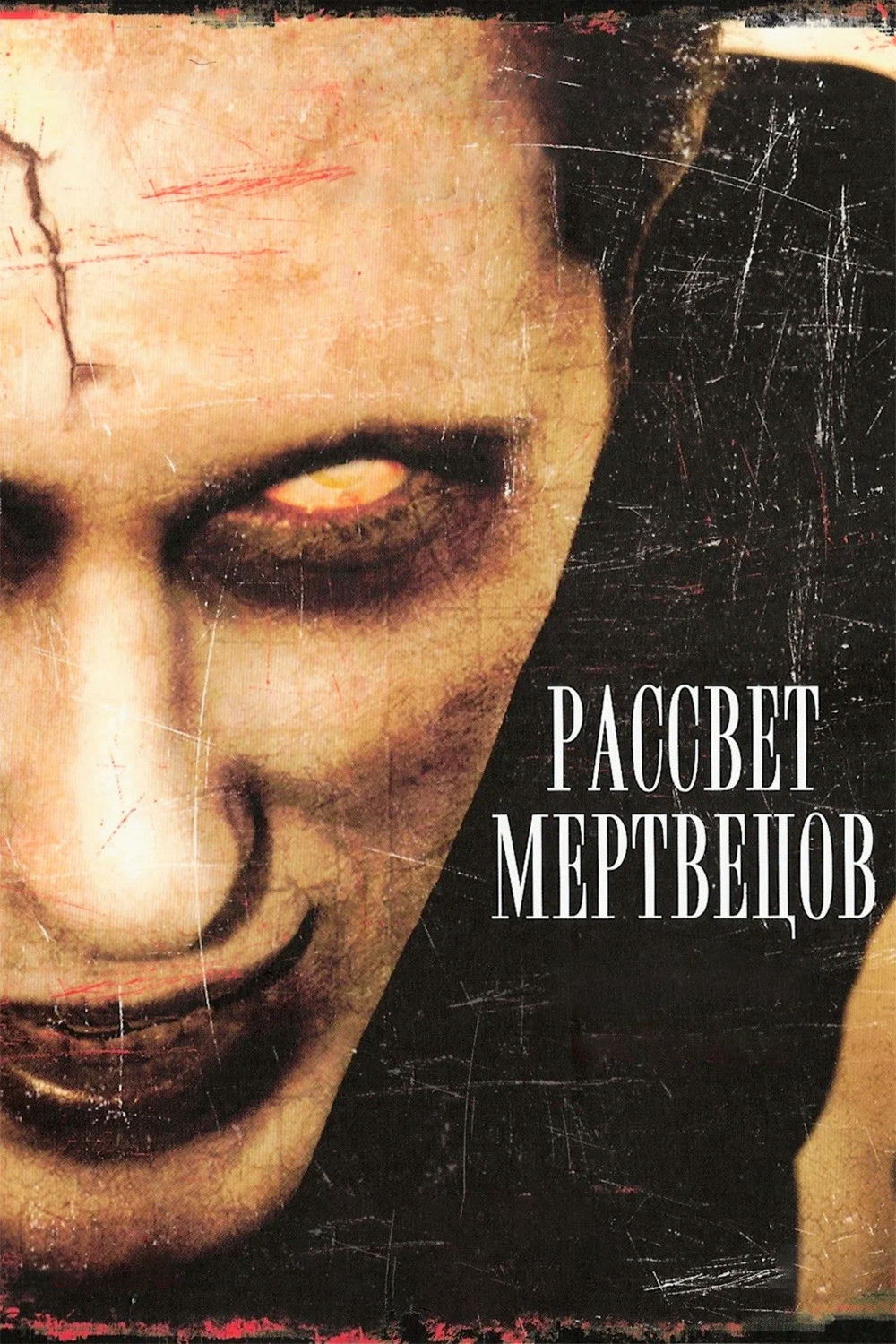
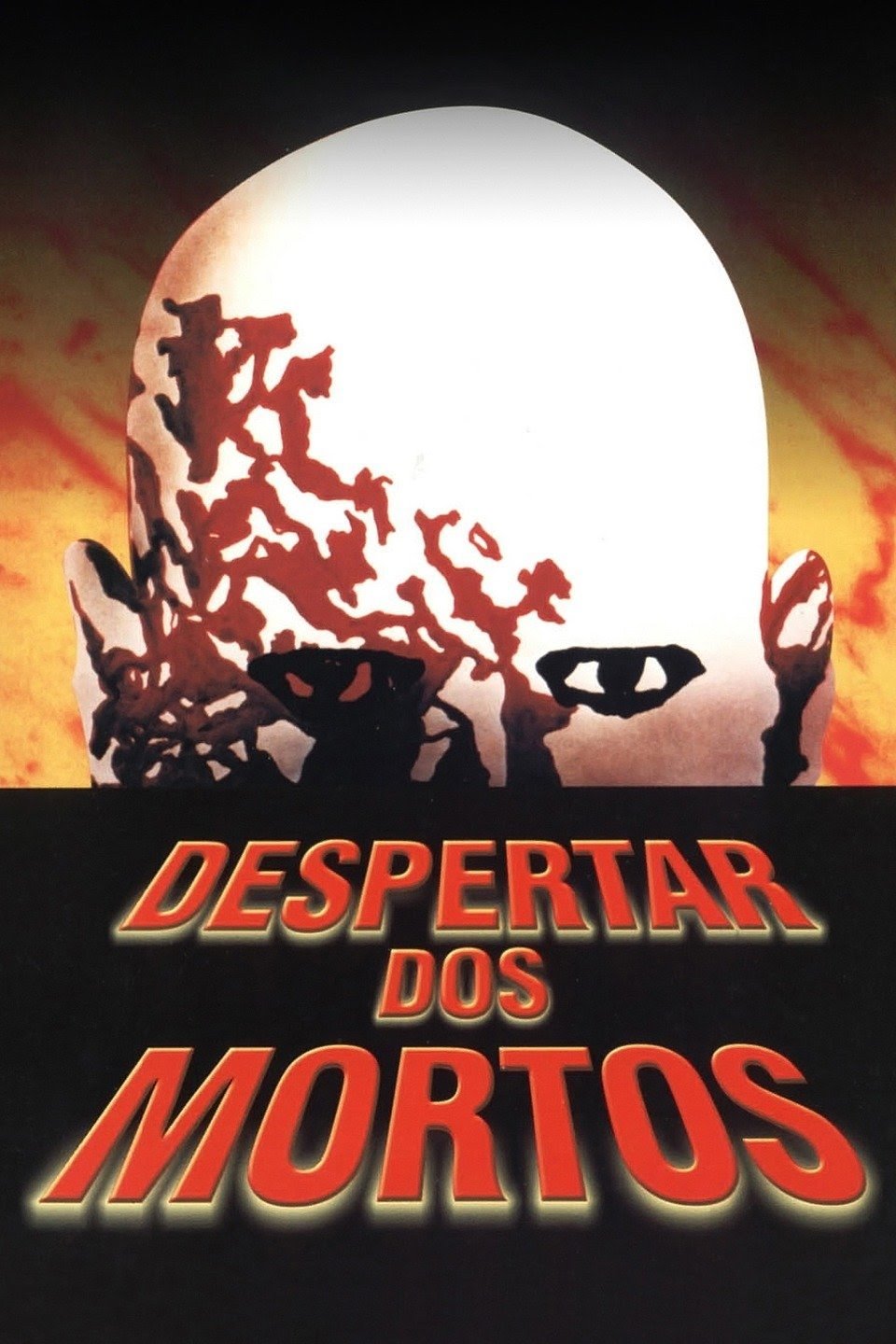
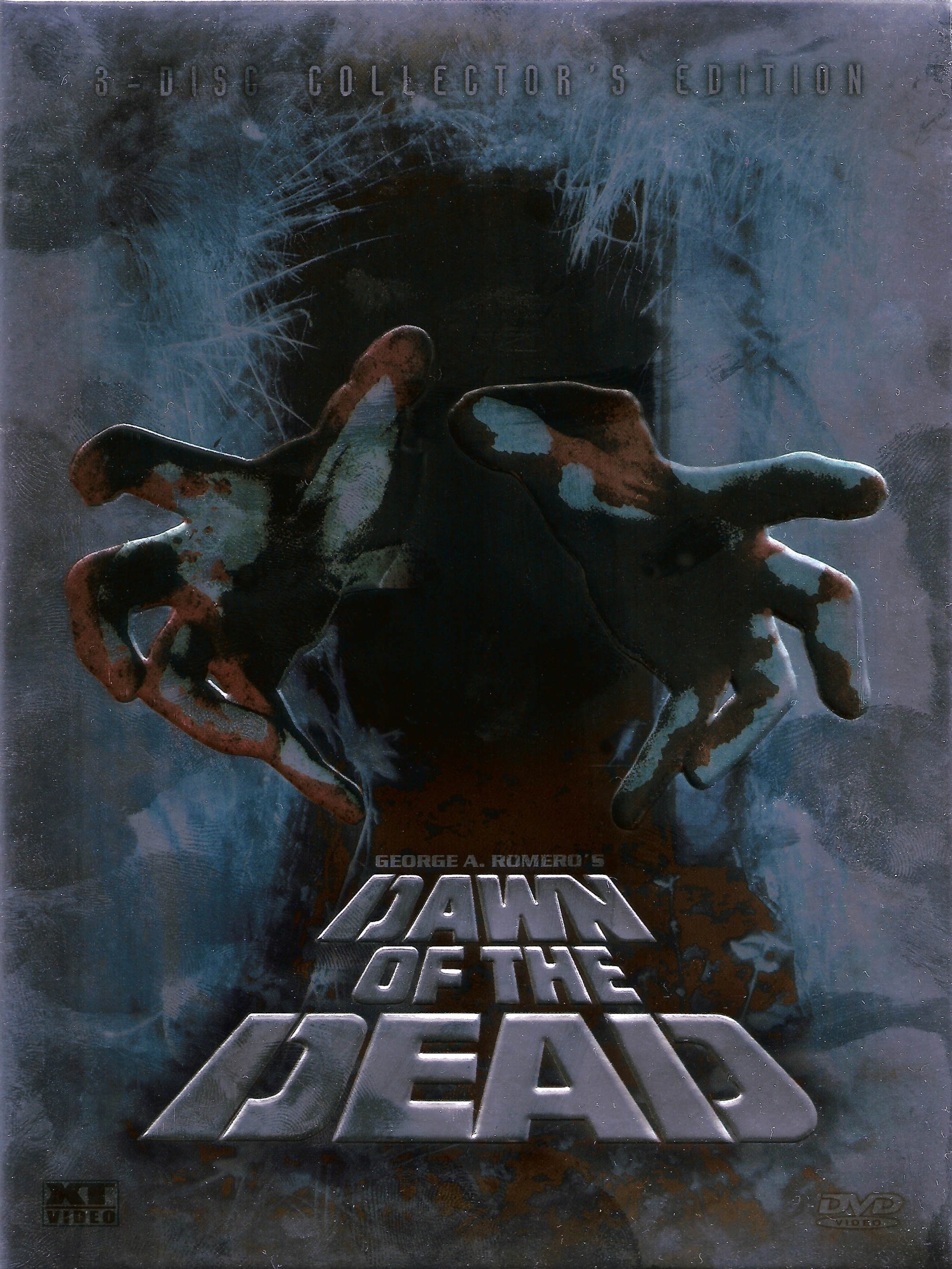
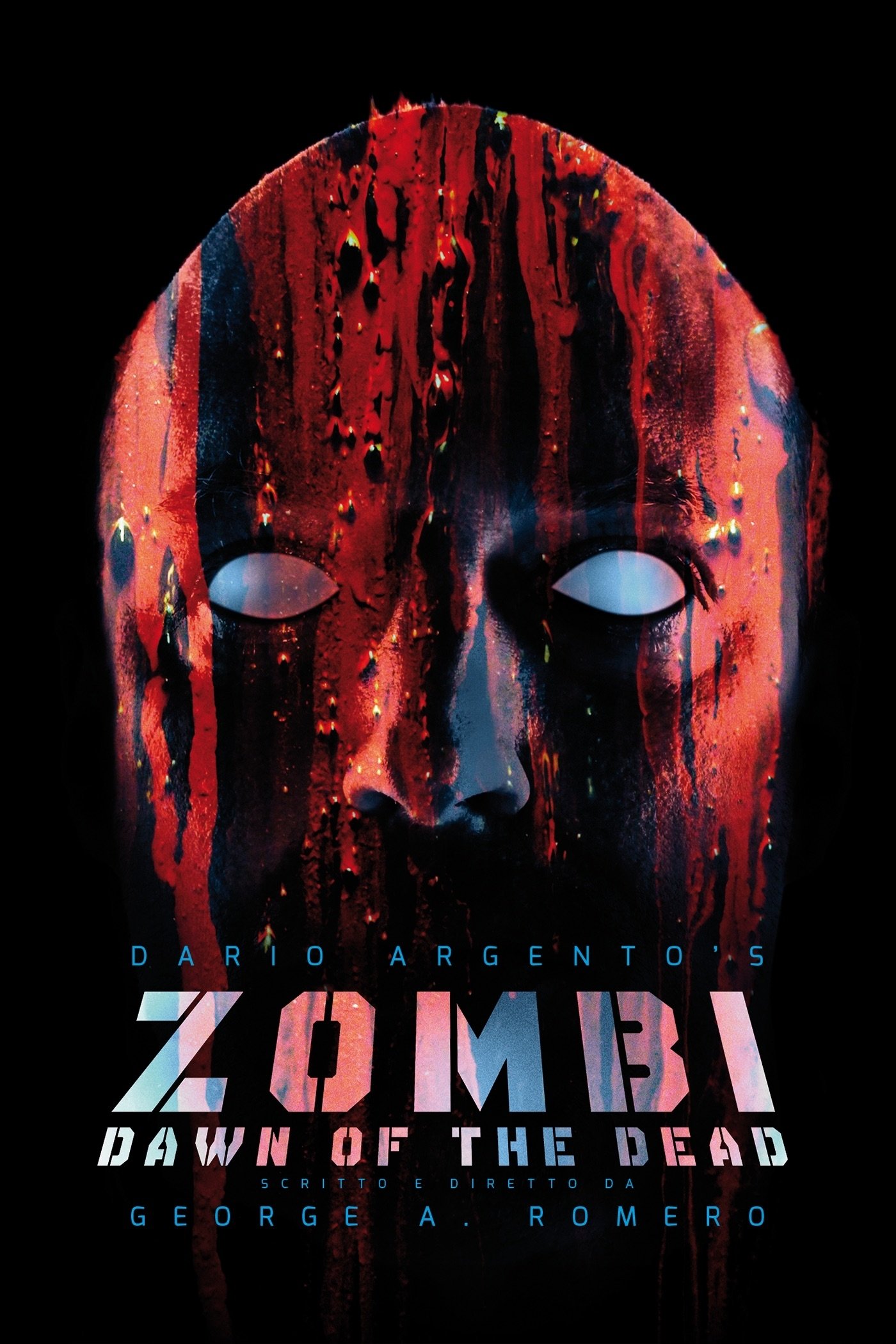
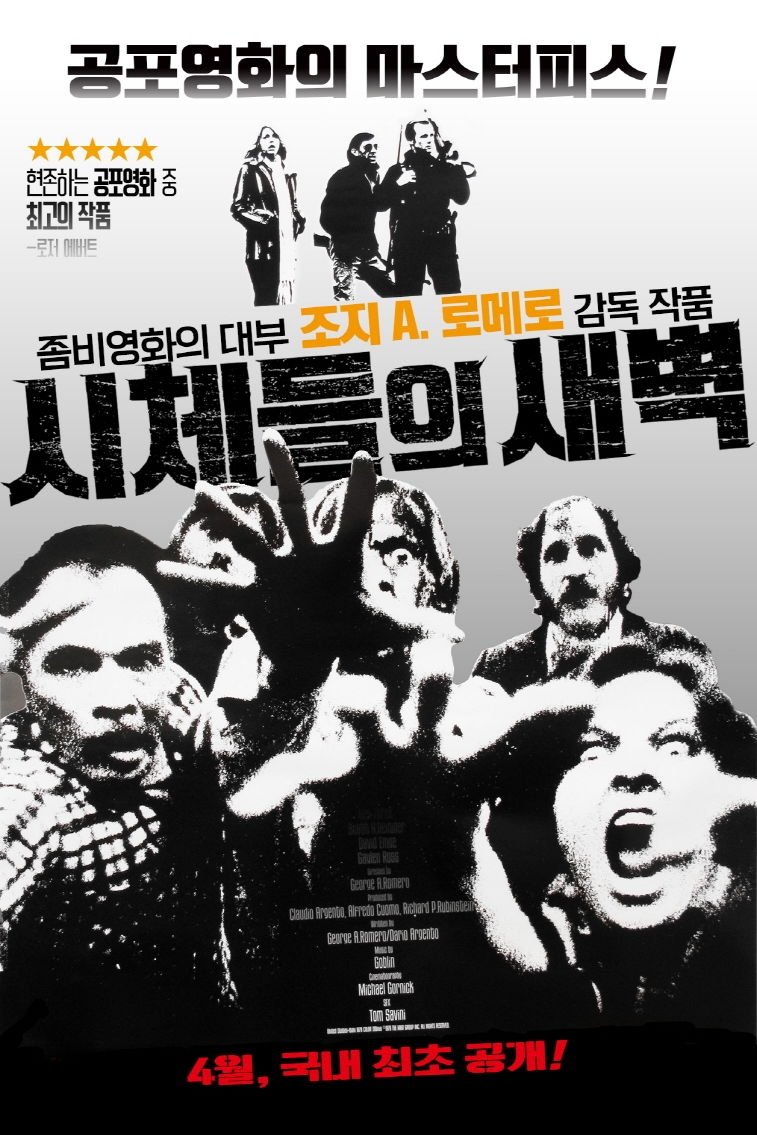
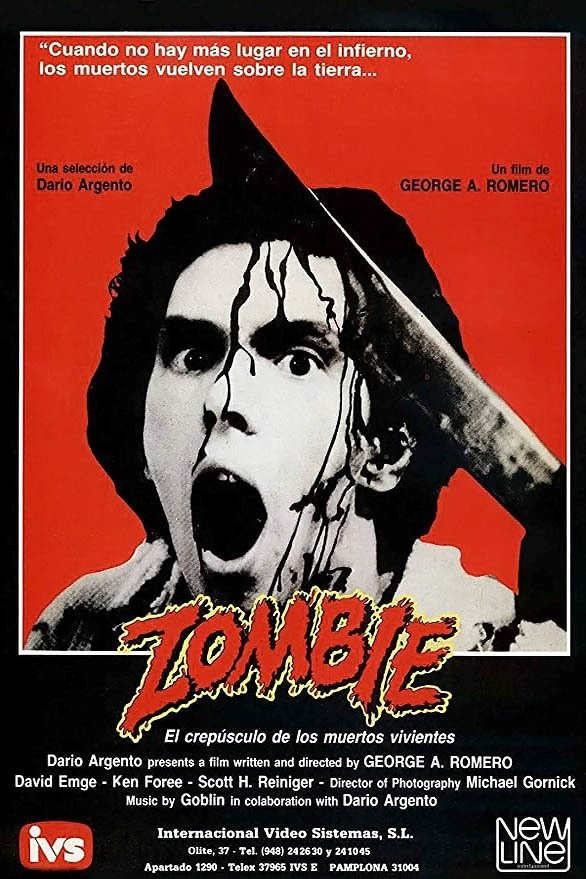
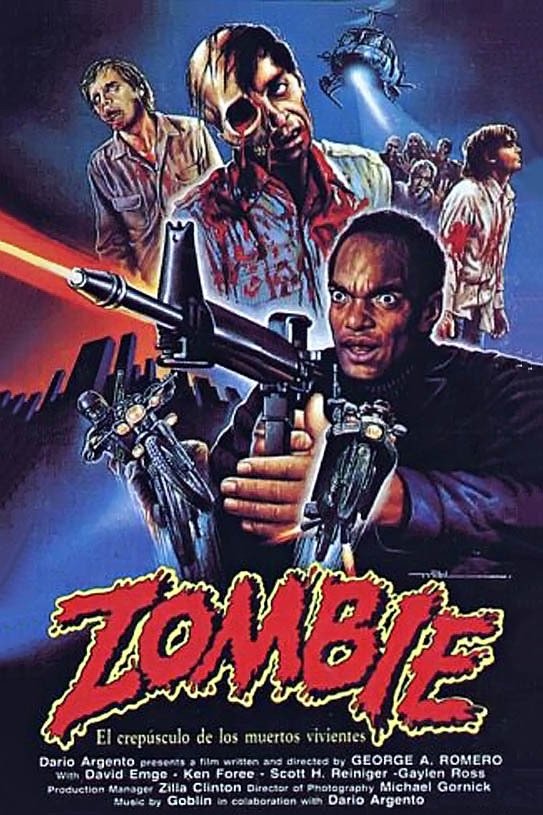
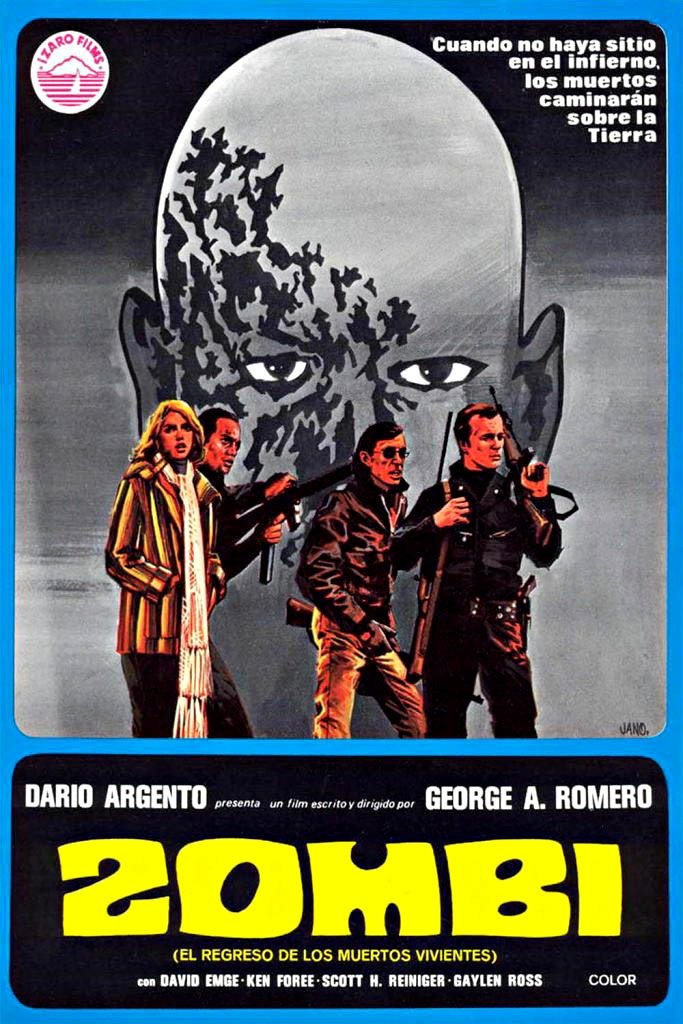
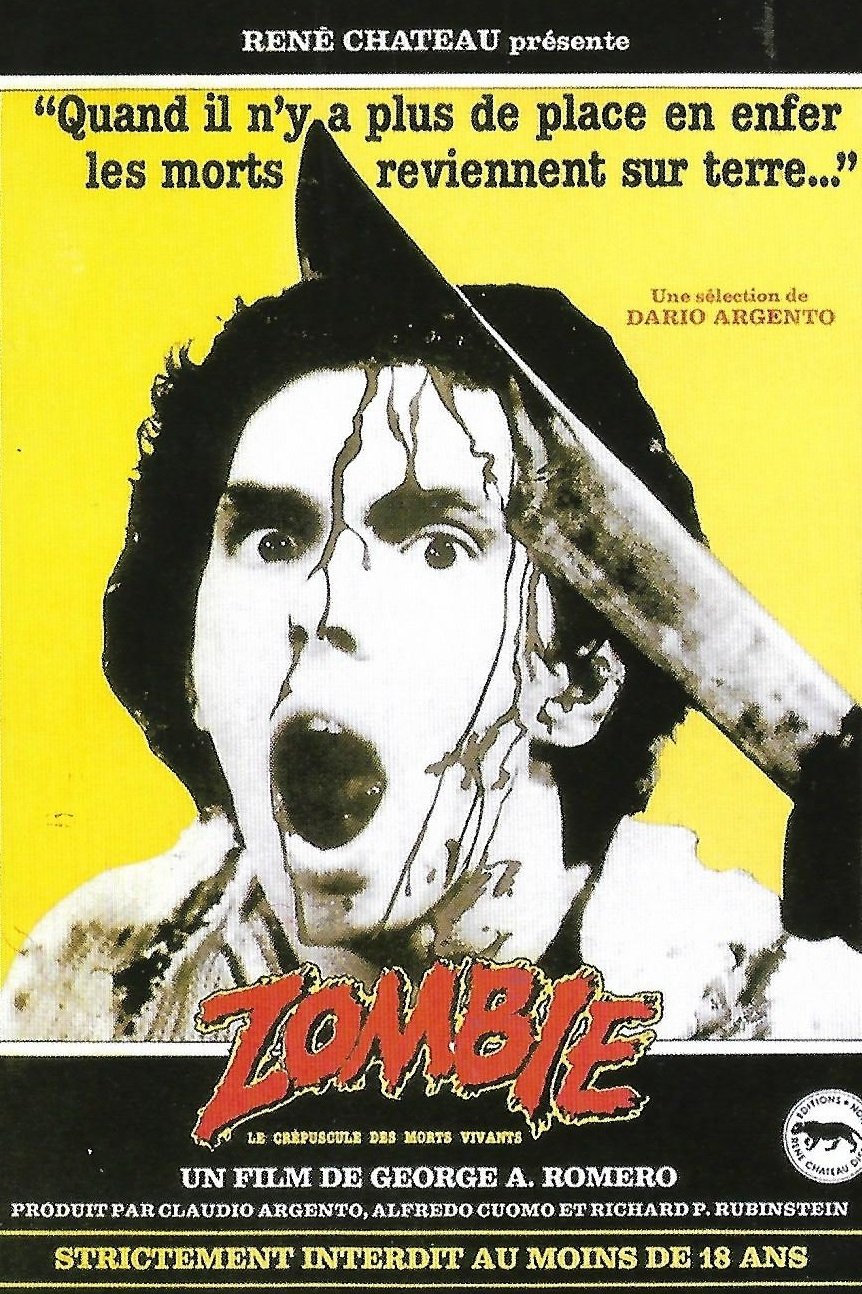
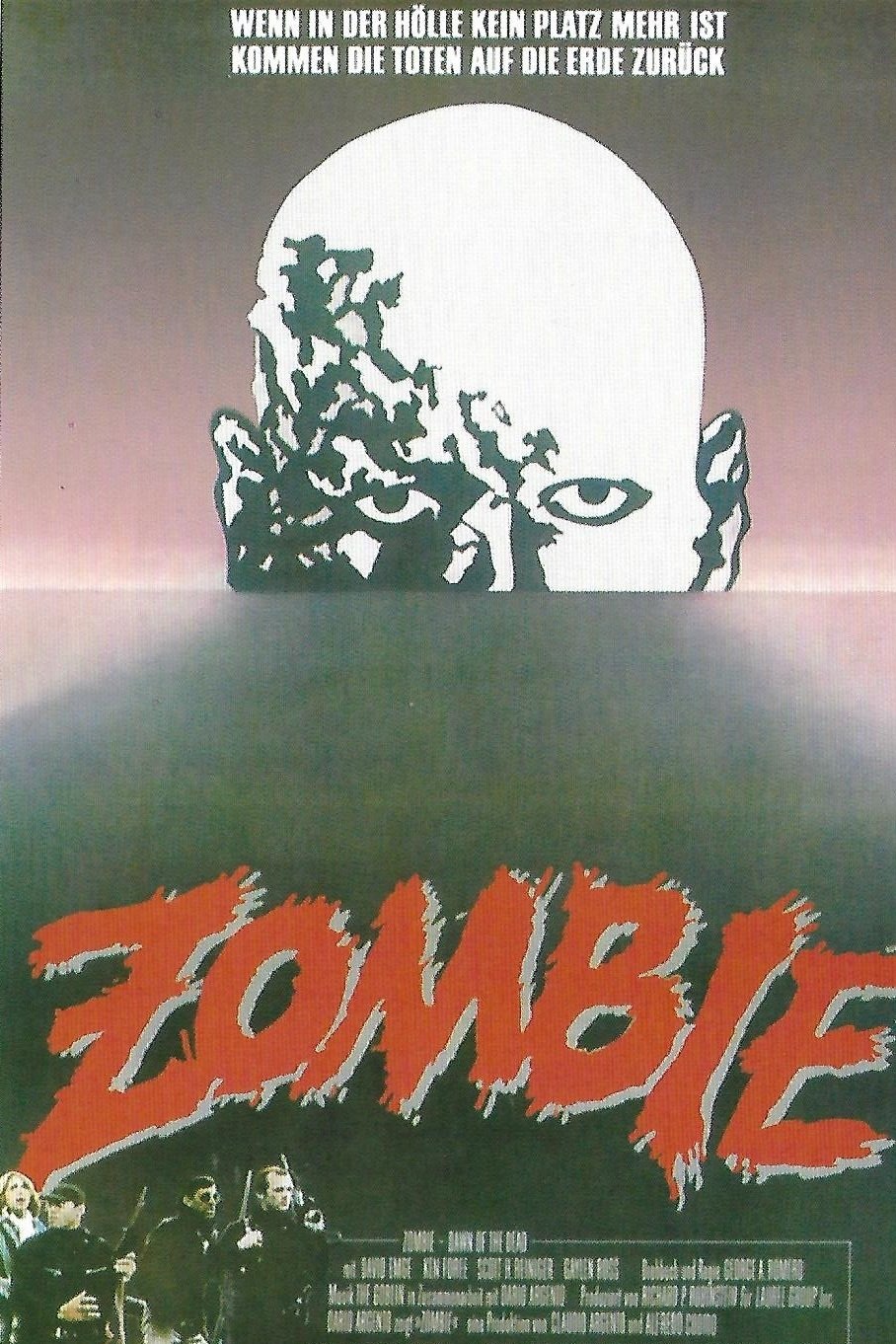
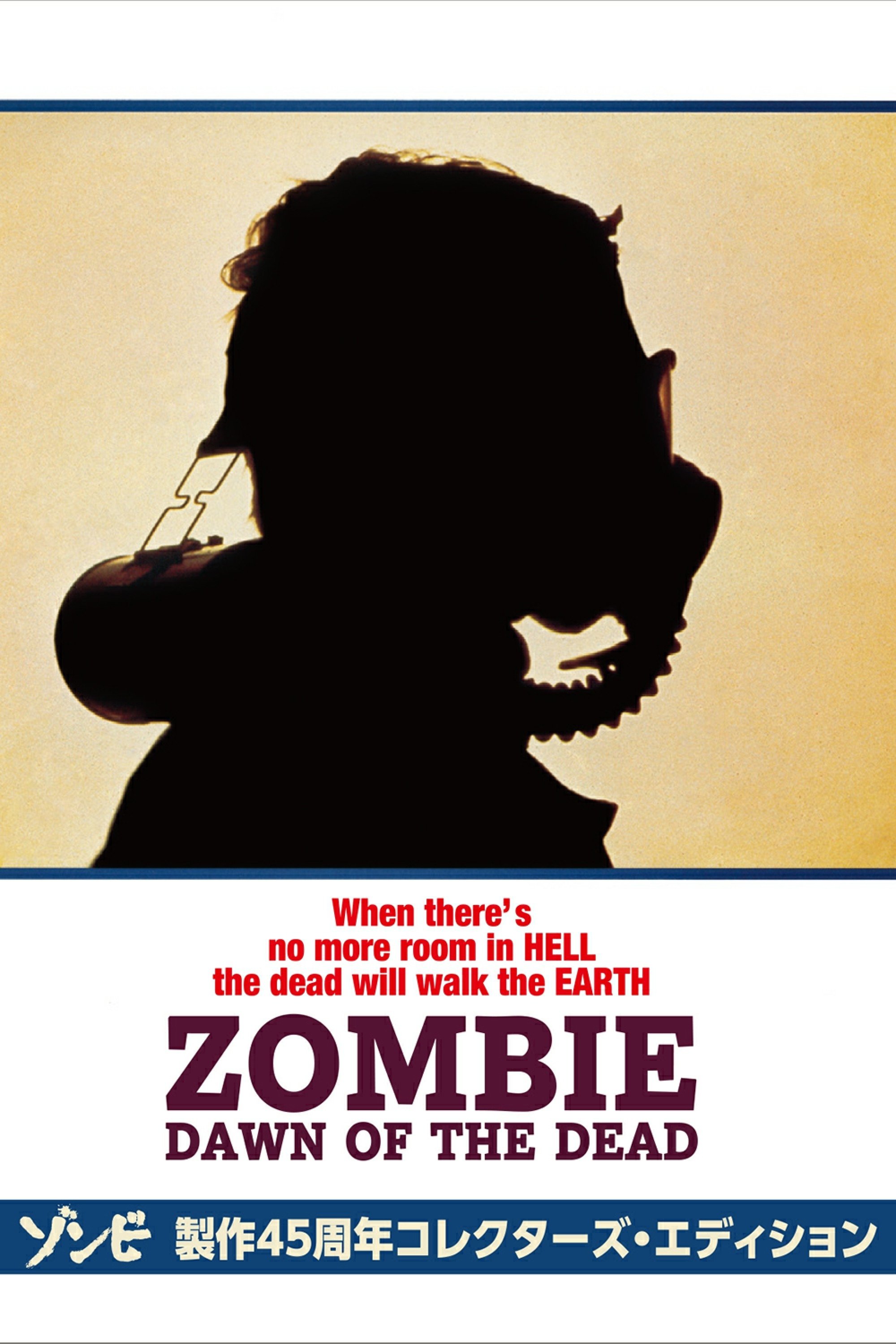
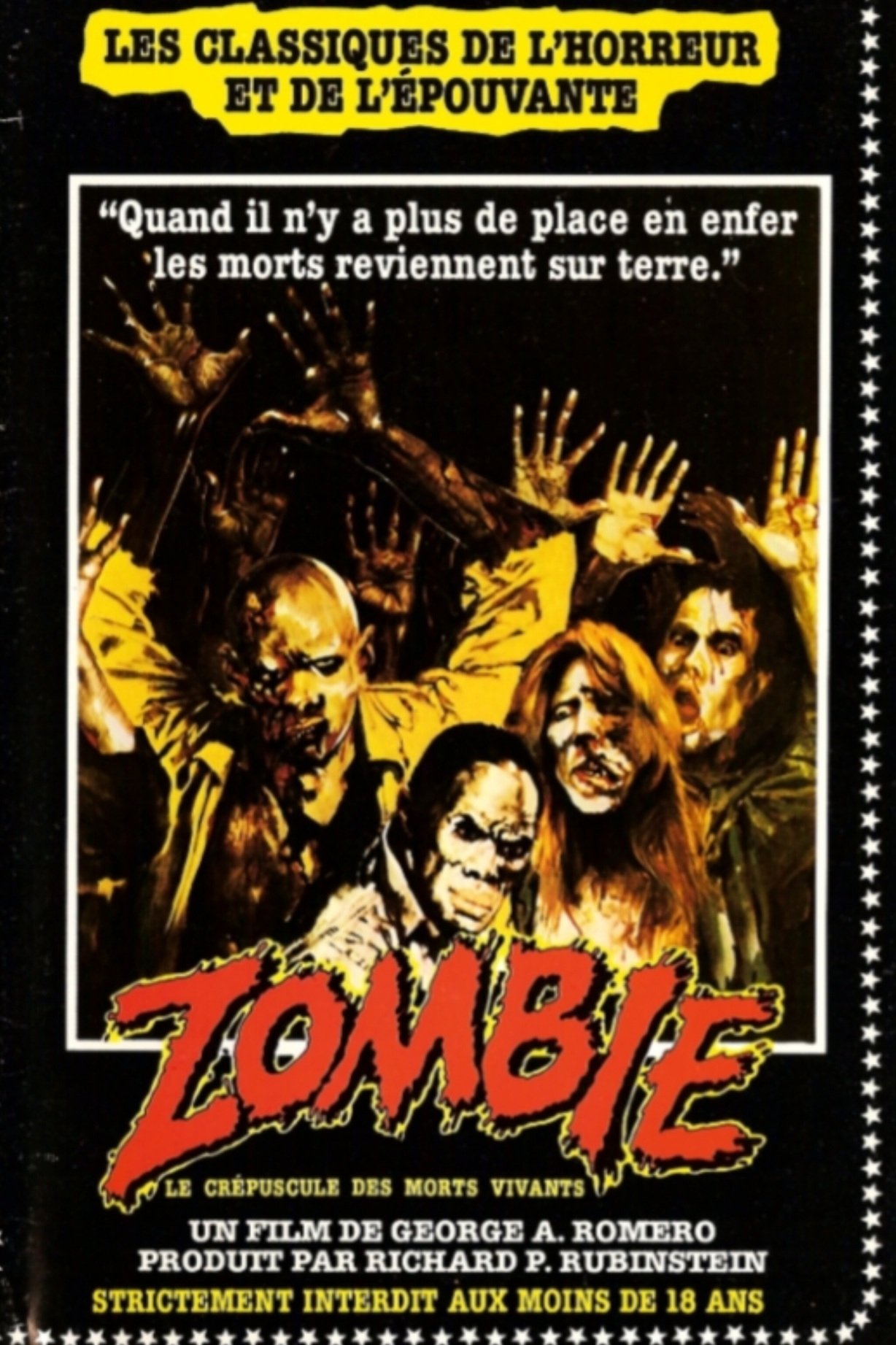
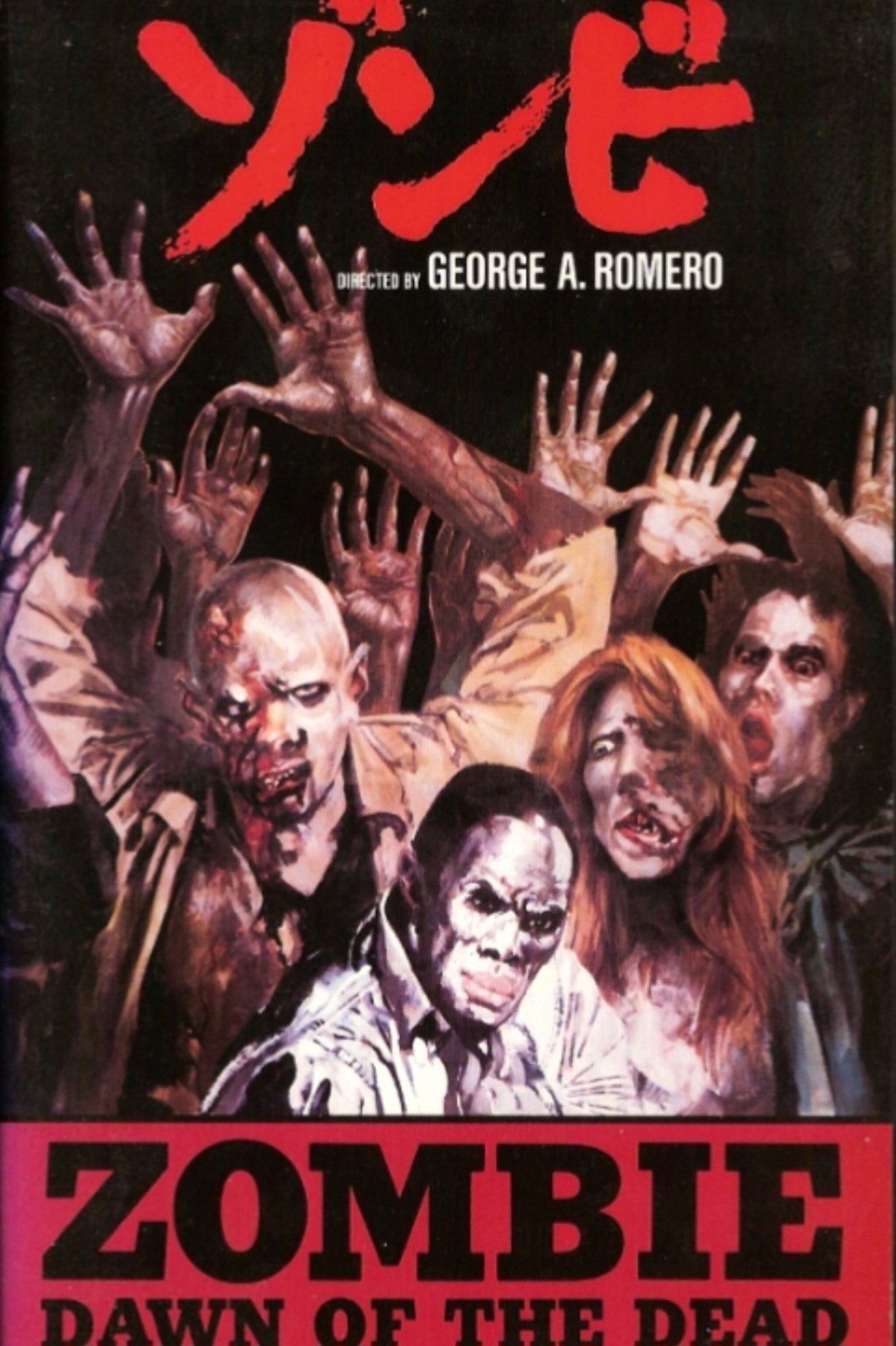
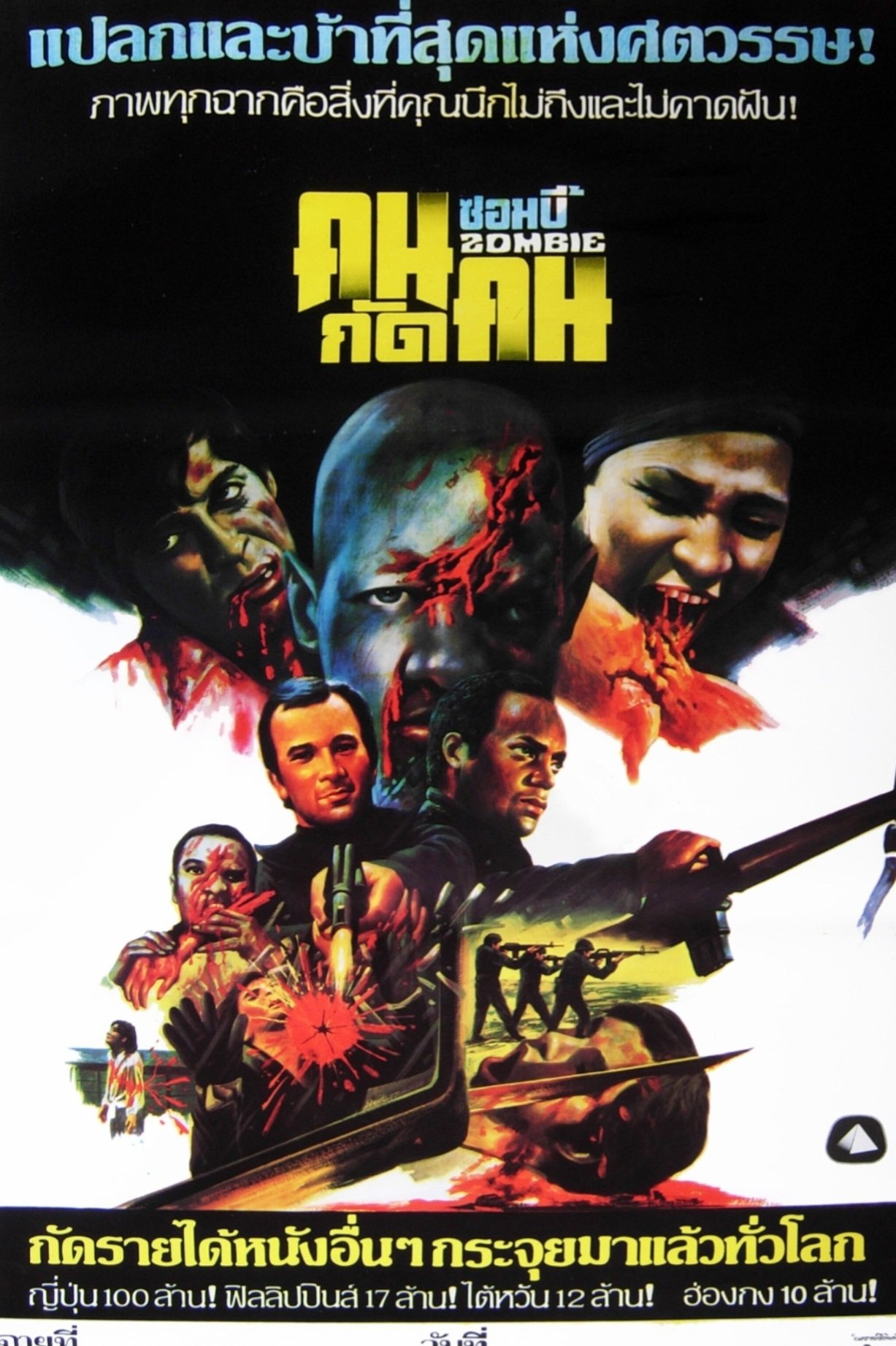
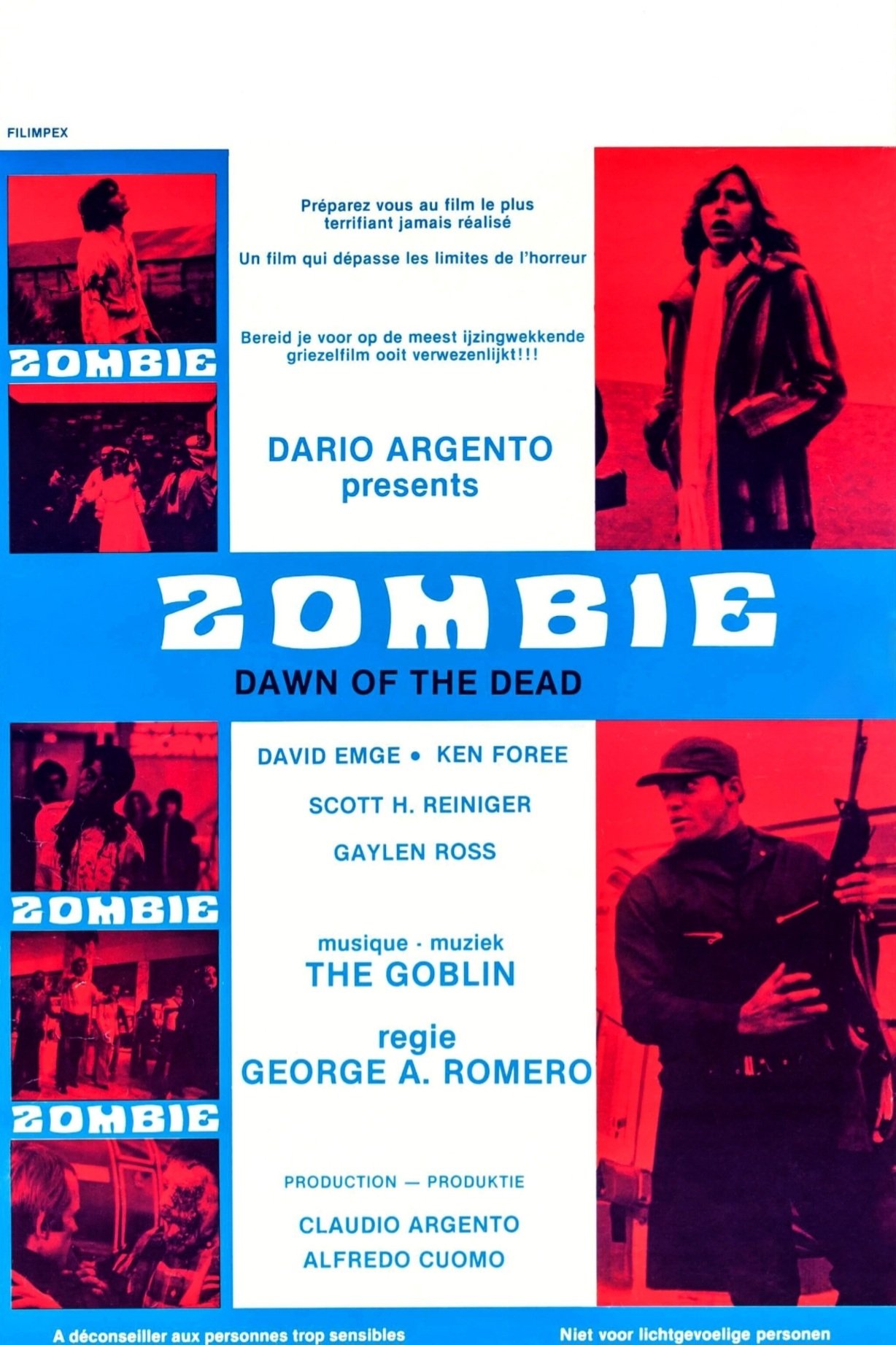
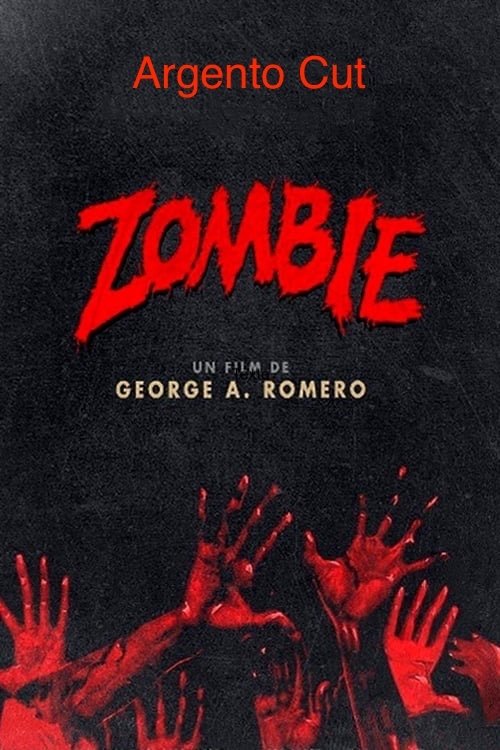
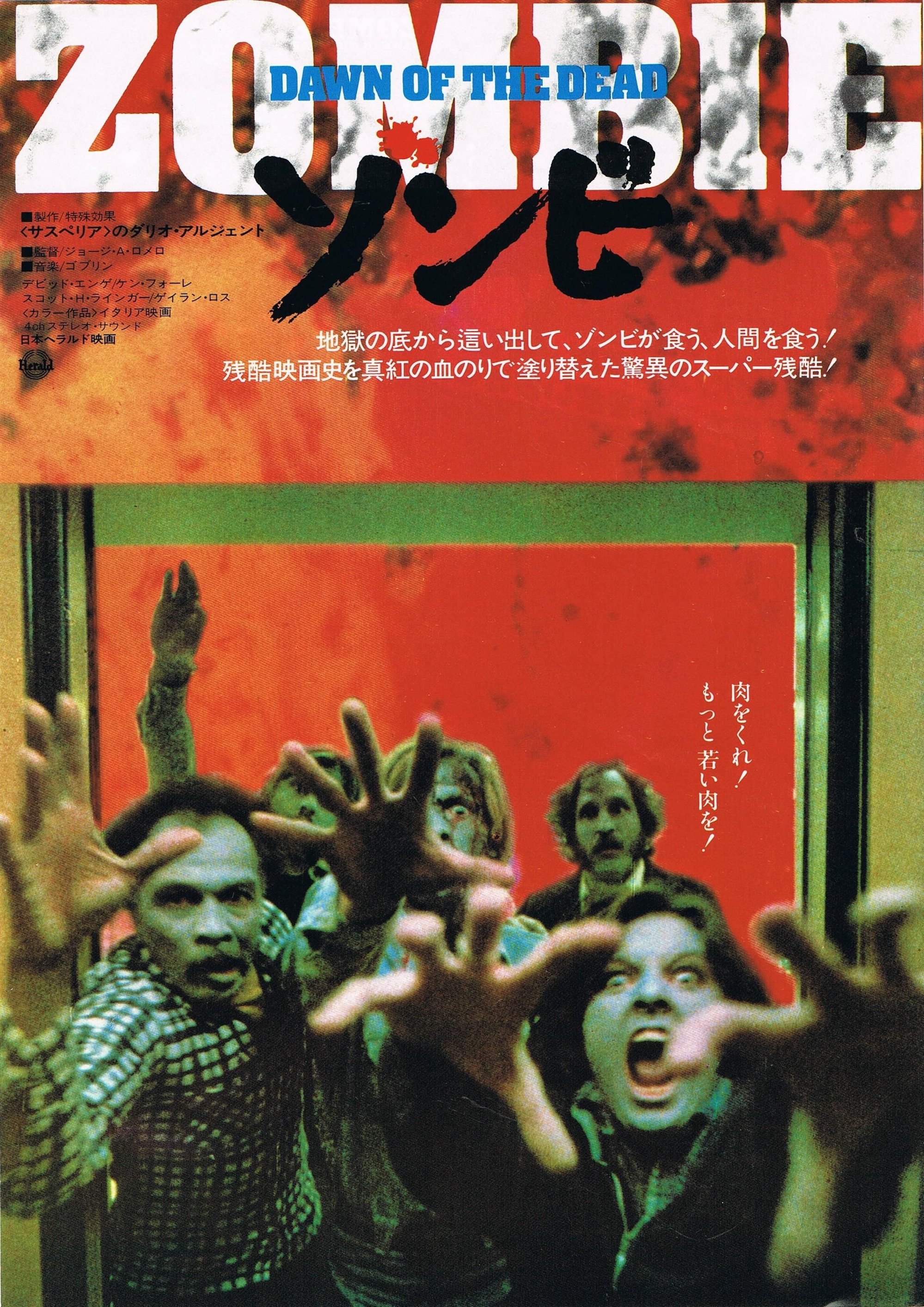
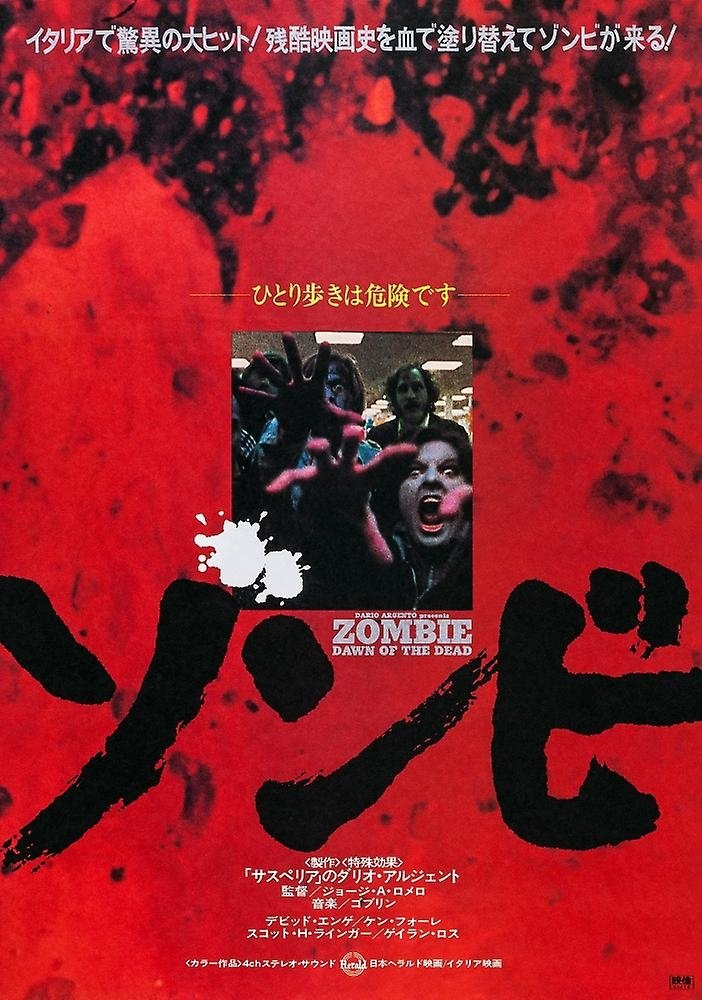
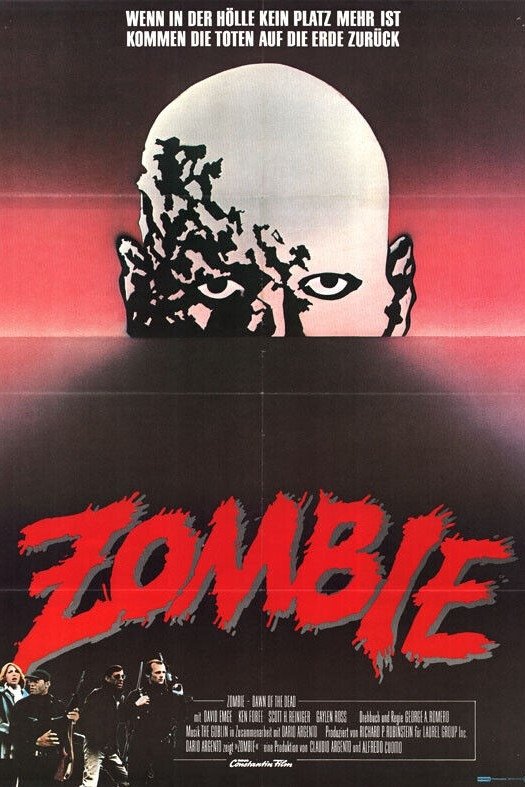
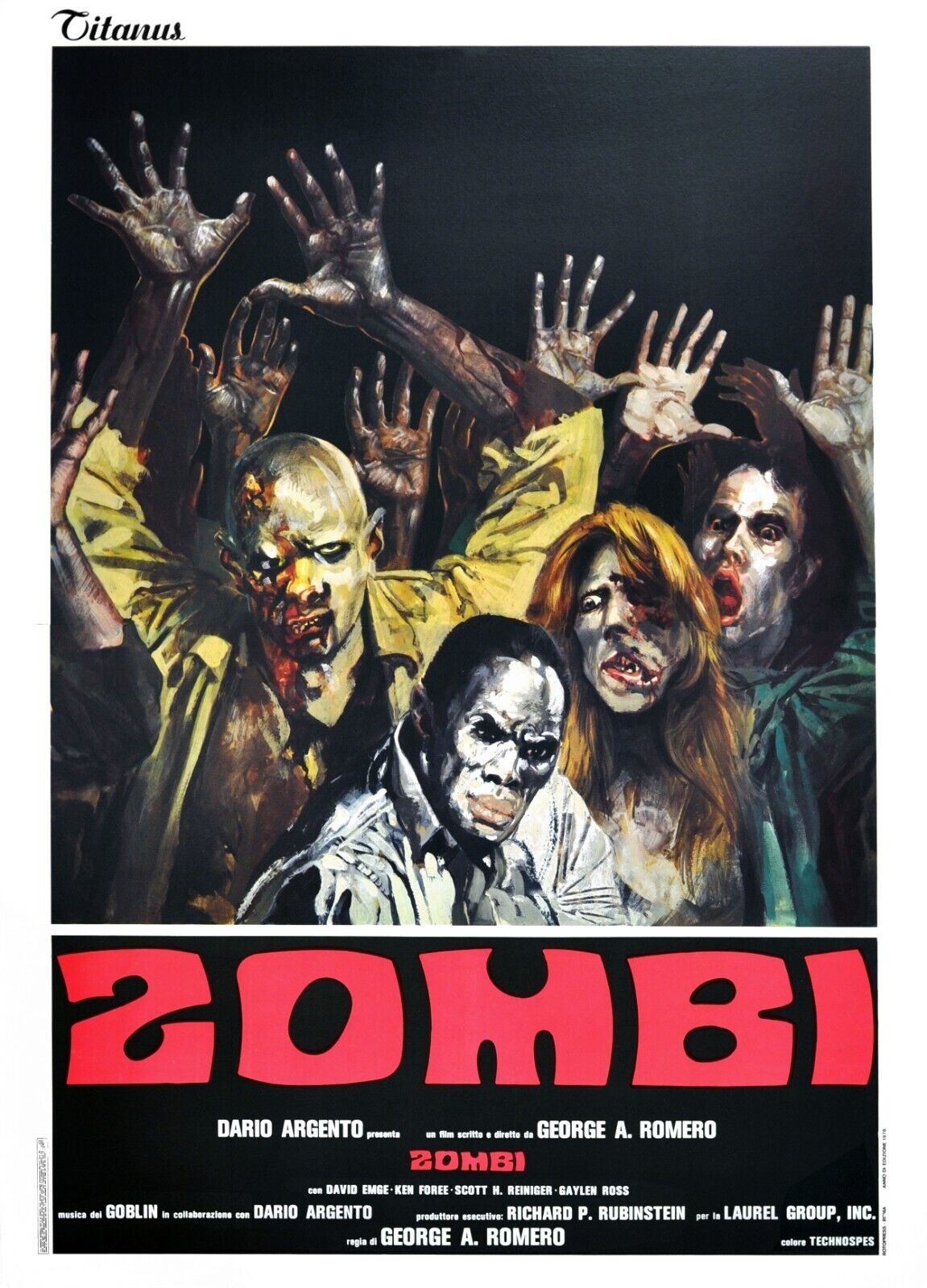
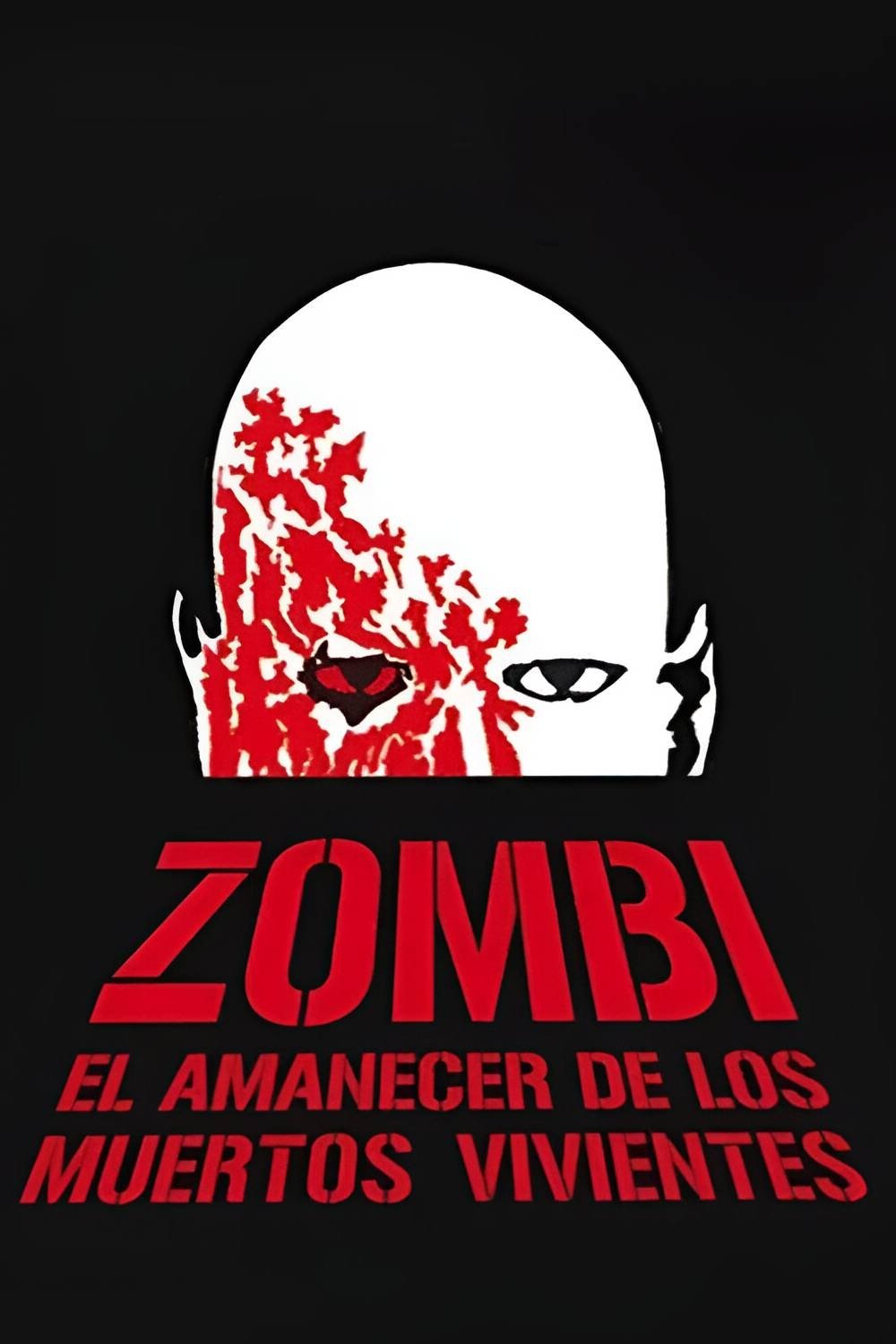
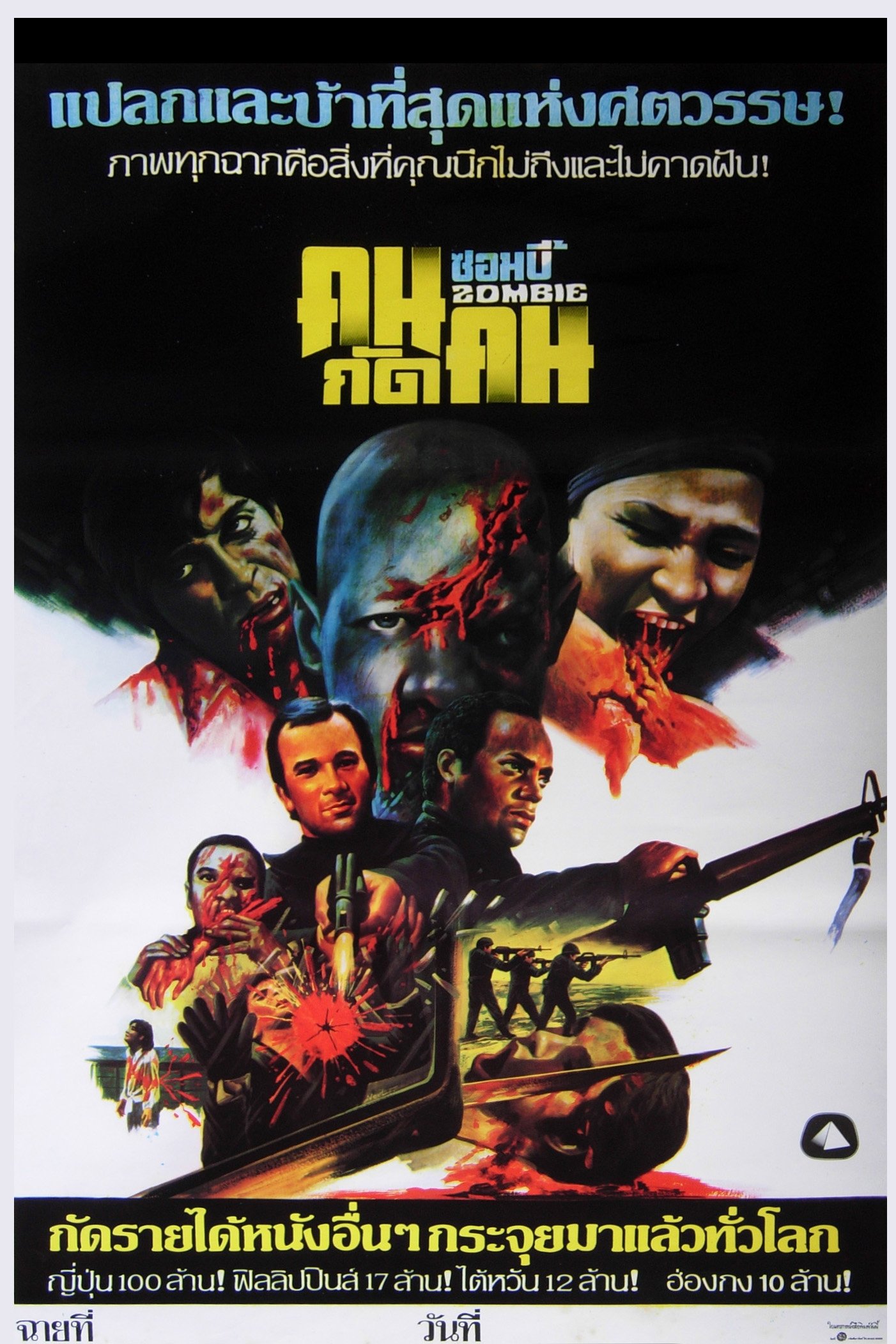
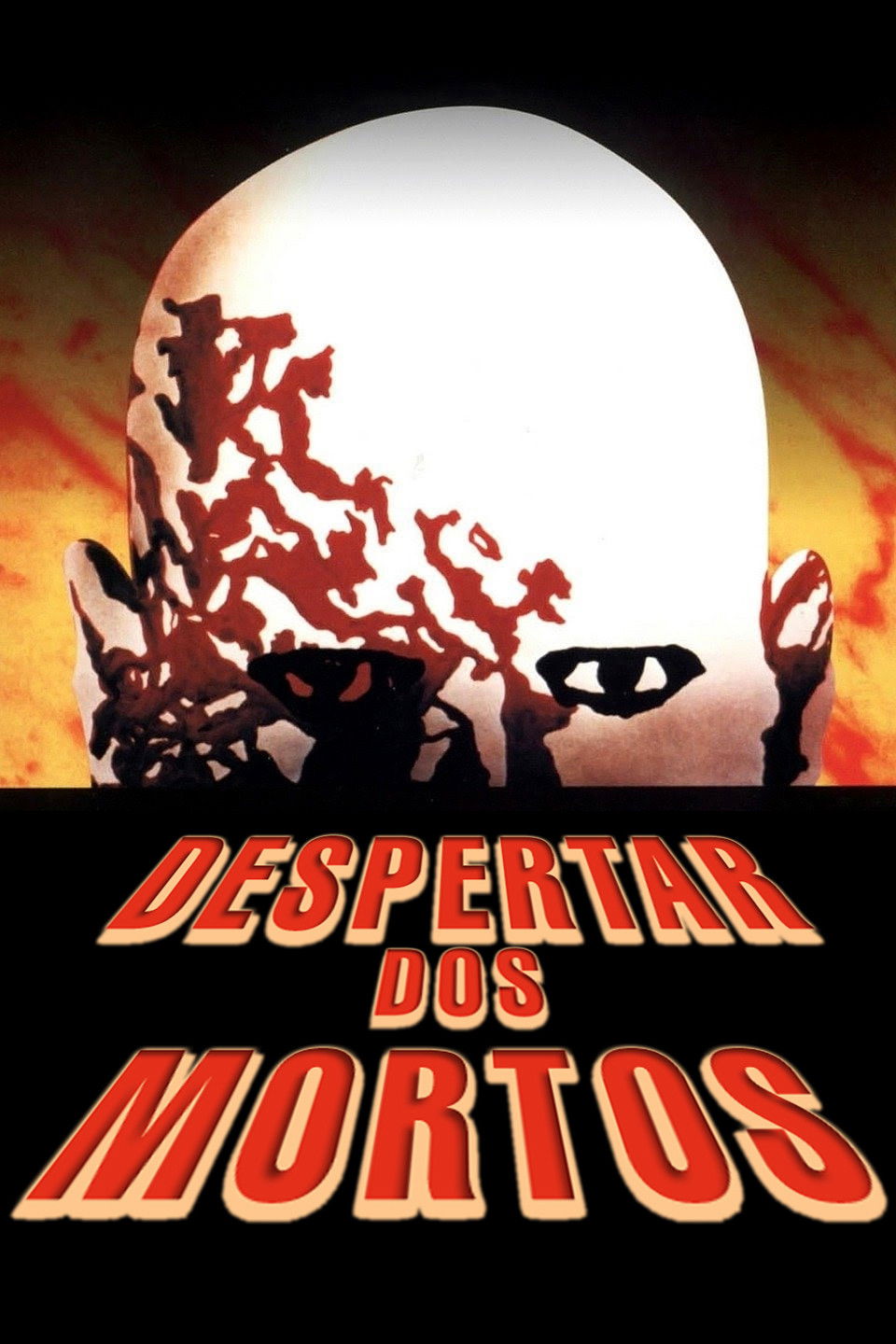
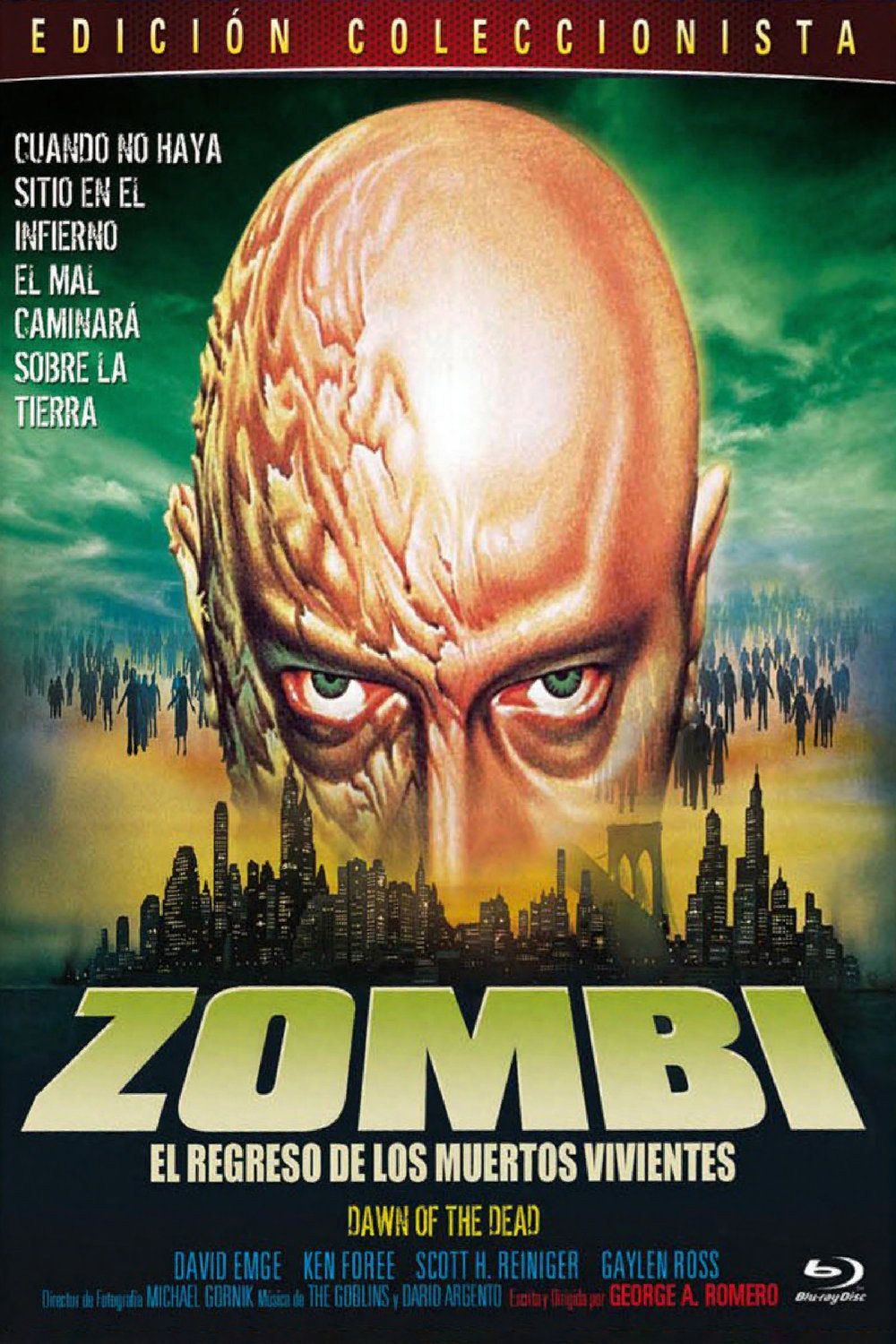
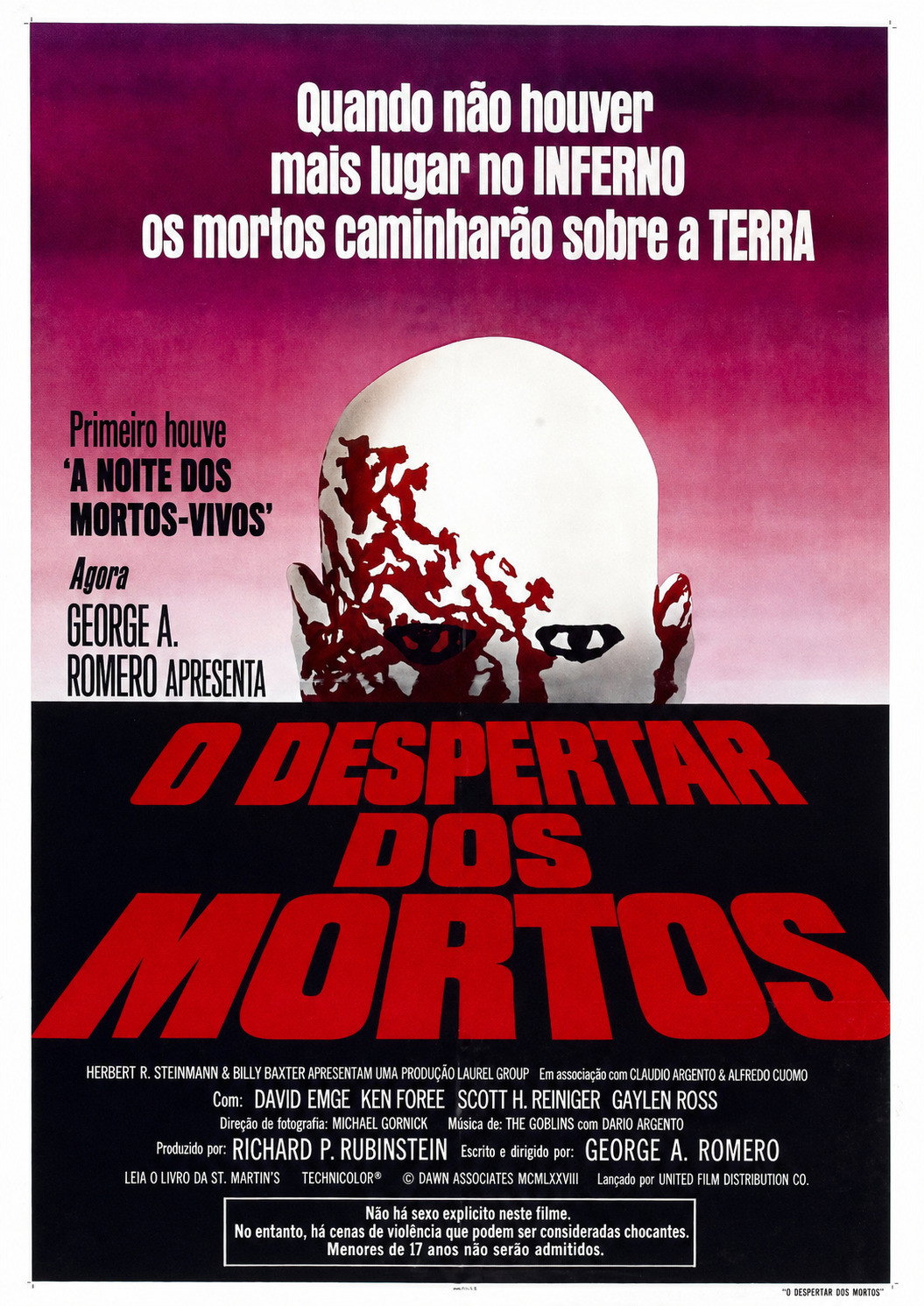
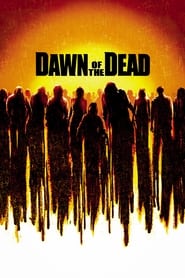
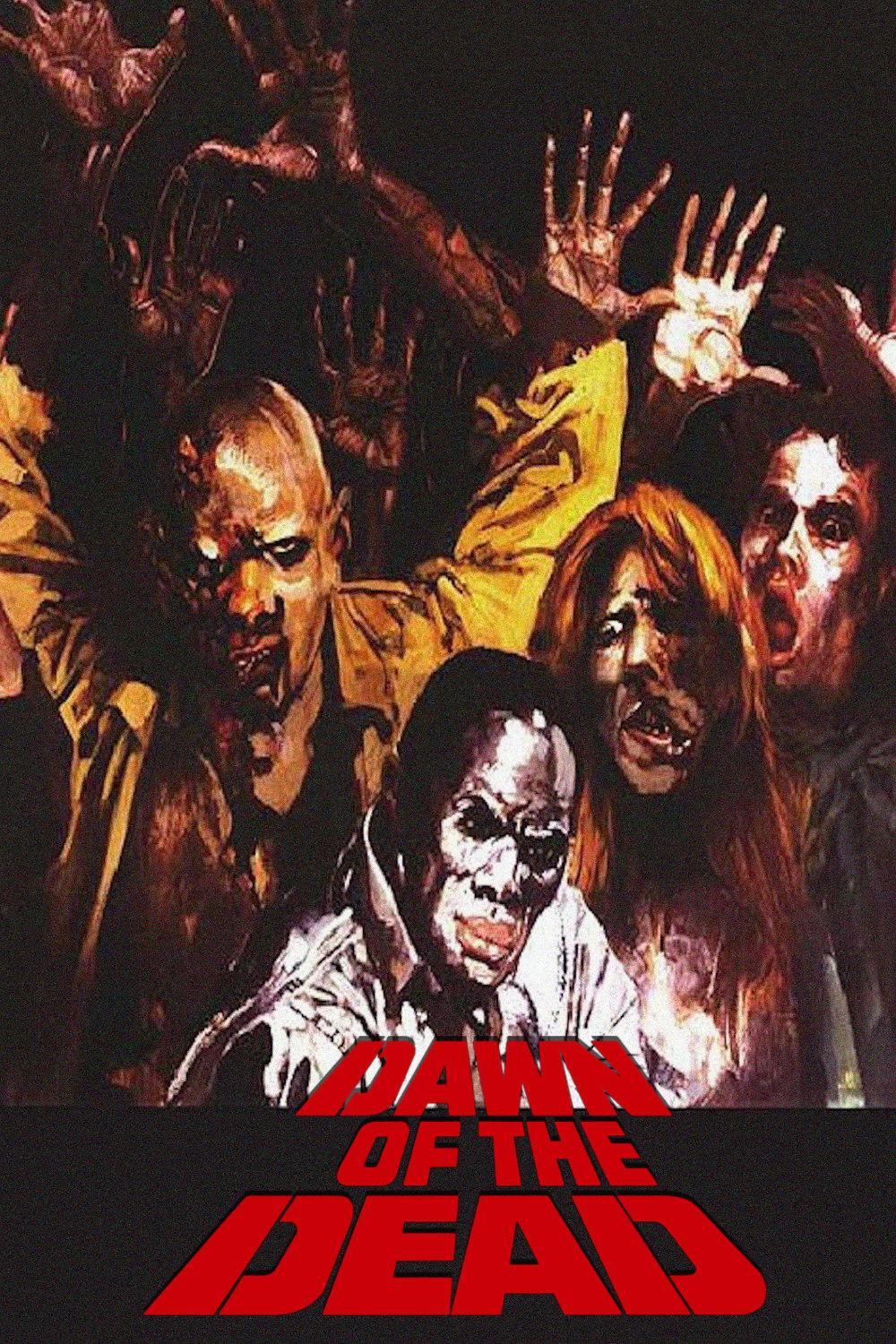
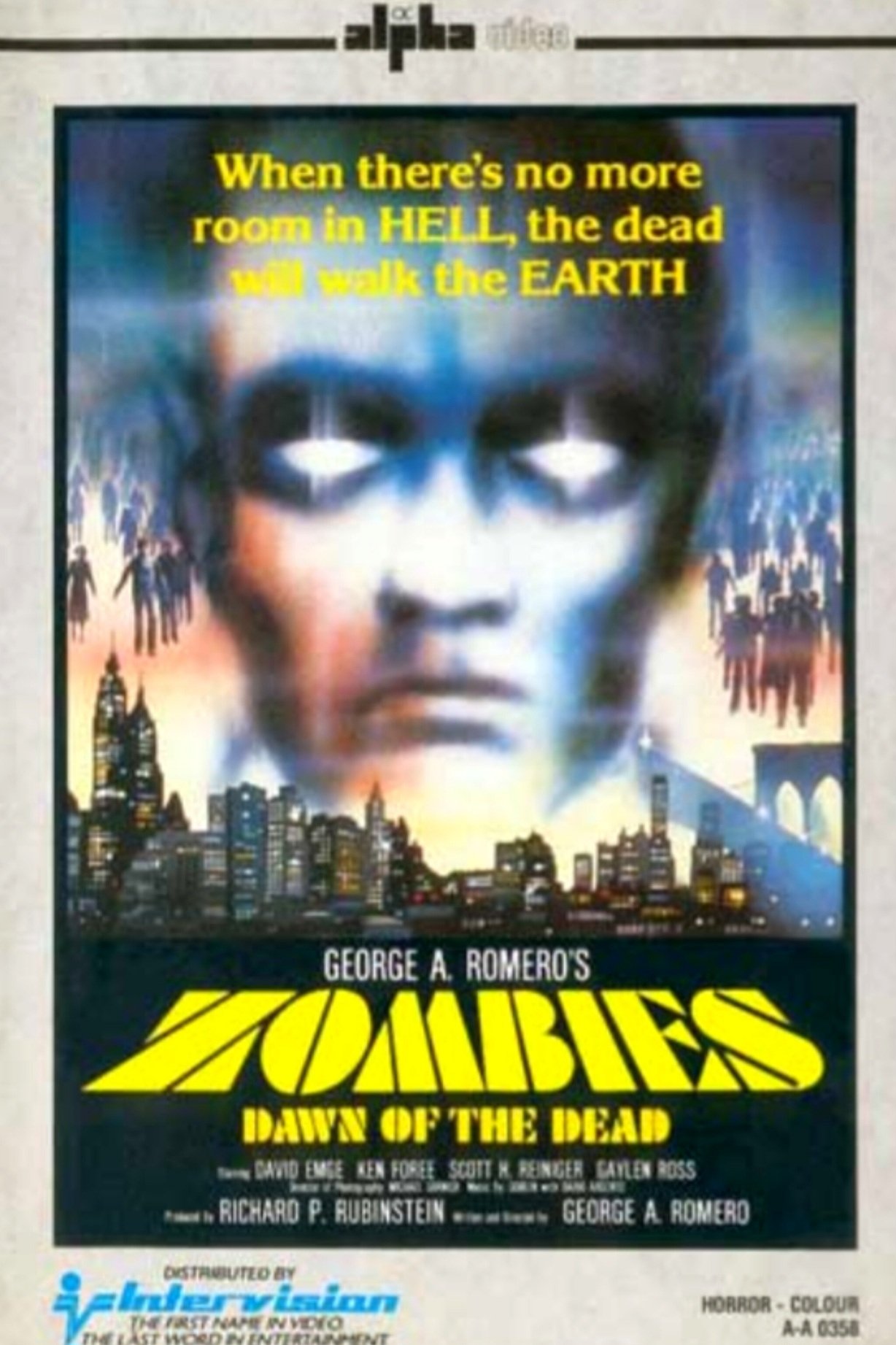
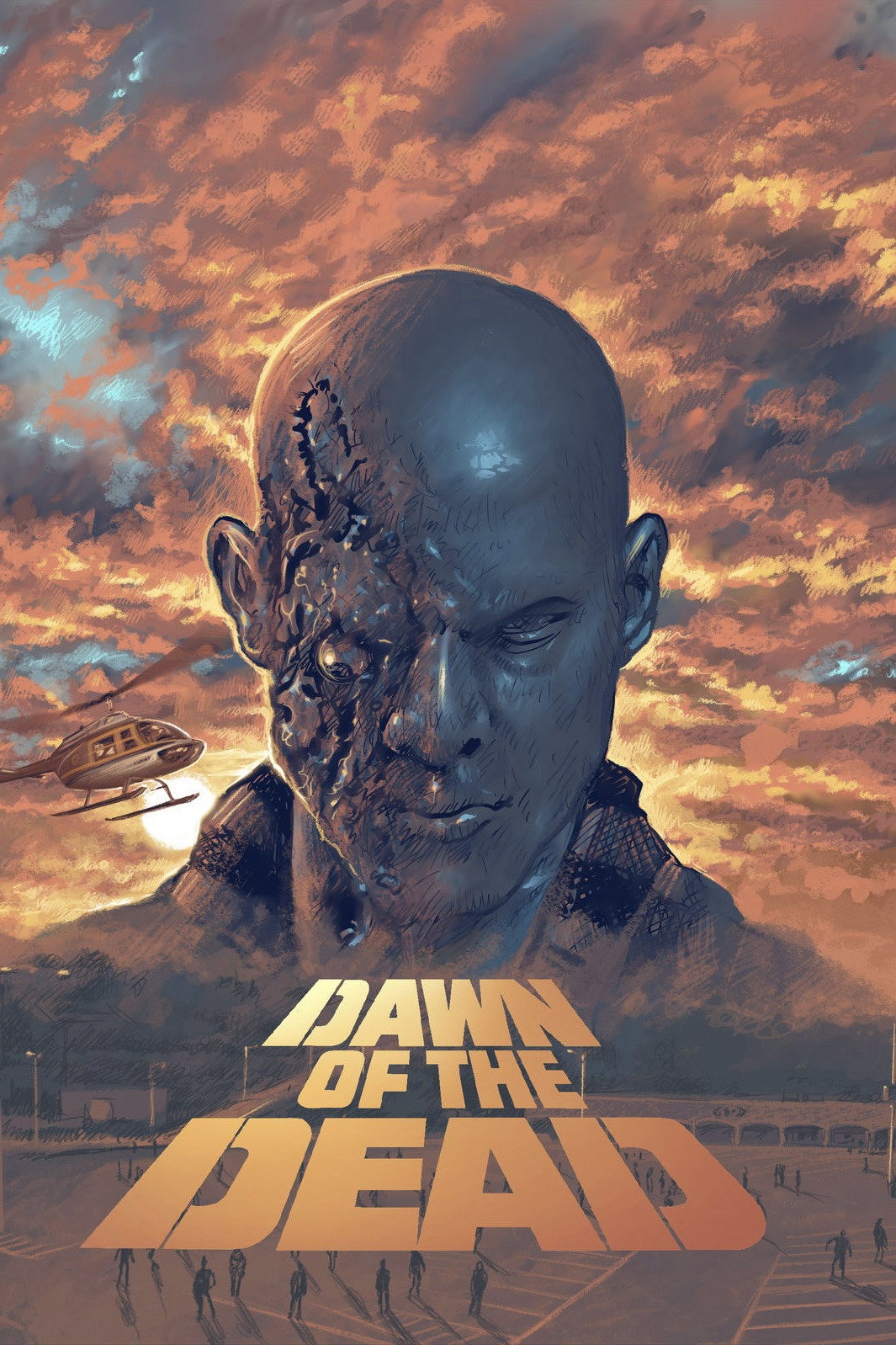
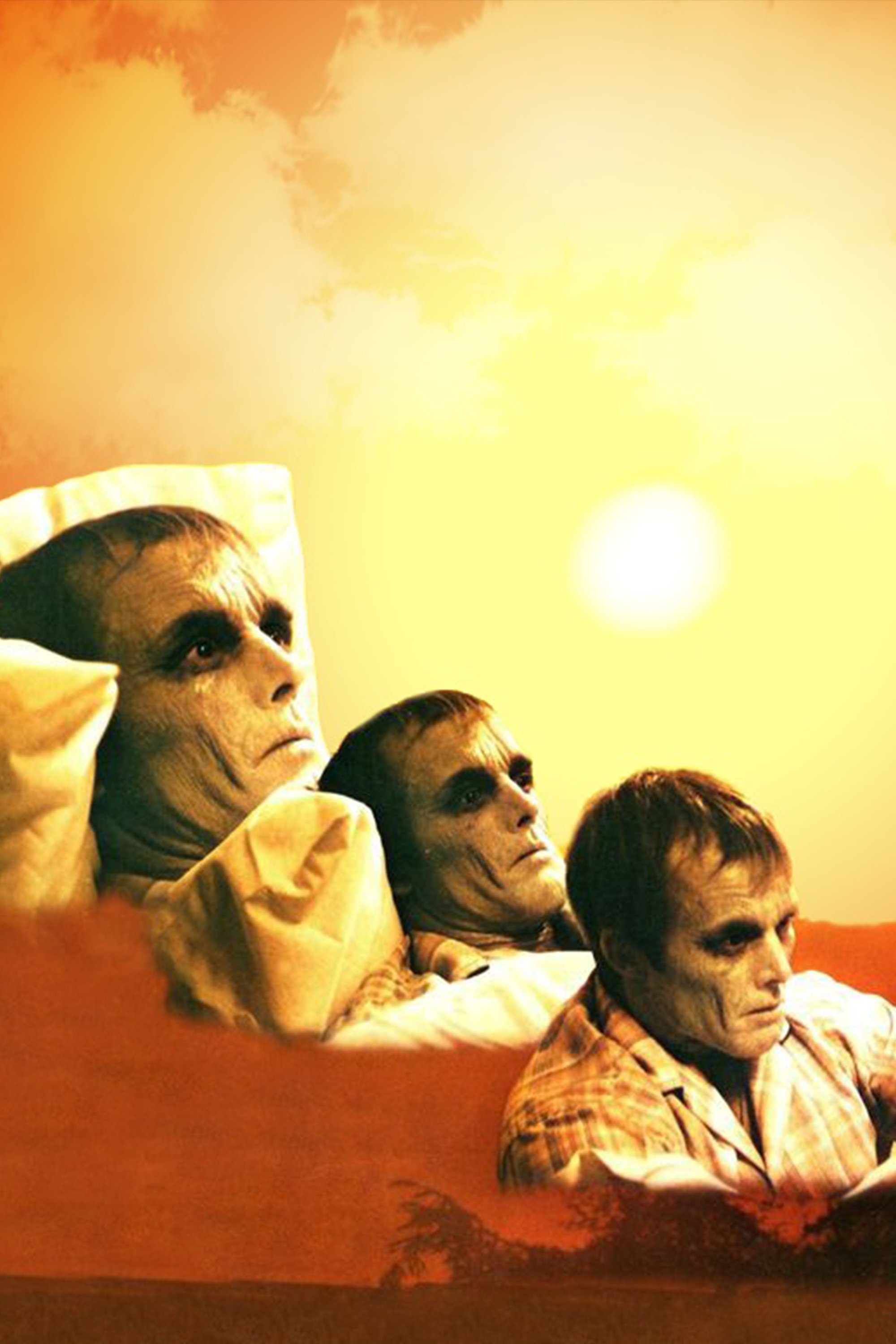
Dawn of the Dead (1978) poster
Plot

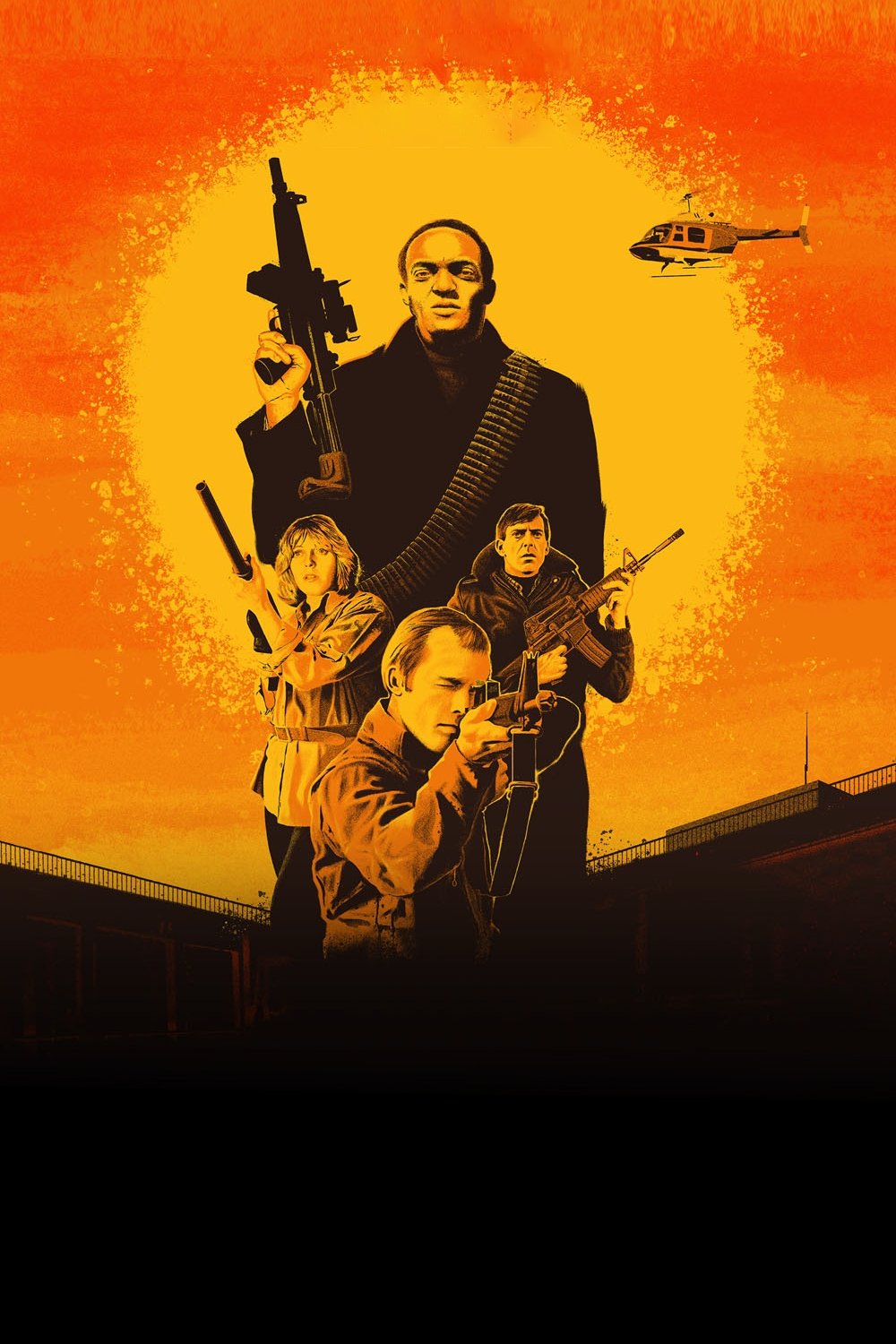
During an ever-growing epidemic of zombies that have risen from the dead, two Philadelphia SWAT team members, a traffic reporter, and his television-executive girlfriend seek refuge in a secluded shopping mall.

Alternative Titles
El amanecer de los muertos (Argentina) Ölülərin Şəfəqi (Azerbaijan) Зората на Мъртвите (Bulgaria) Despertar dos Mortos (Brazil) — Portuguese Madrugada dos Mortos (Brazil) Zombie - O Despertar dos Mortos (Brazil) L'aube des morts (Canada) — French 活死人黎明 (China) — Chinese
Show all 50 alternative titles Úsvit mrtvých (Czechia) — Czech Zombie (Germany) — German Zombie - Dawn of the Dead (Germany) Zombie 1 - Dawn of the Dead (Germany) Zombies im Kaufhaus (Germany) Zombie: Rædslernes morgen (Denmark) — Danish El despertar dels zombis (Spain) — Catalan Zombi (Spain) — Suevia Films & Crest Films - DVD Title Zombi: El amanecer de los muertos vivientes (Spain) — Aurum Producciones - DVD Title Zombi: El regreso de los muertos vivientes (Spain) — DVD title Zombie, el crepúsculo de los muertos vivientes (Spain) — Home Video Title Zombie (France) — French Zombie - Le Crépuscule des morts-vivants (France) Zombie 1 - Le crépuscule des morts-vivants (France) Zombies: Dawn of the Dead (United Kingdom) მკვდრების აისი (Georgia) — Georgian Ζόμπι: Το Ξύπνημα των Νεκρών (Greece) — Greek 生人勿近 (Hong Kong SAR China) — Chinese Holtak hajnala (Hungary) — Hungarian שחר המתים (Israel) — Hebrew Livinga Mrta Ke Dona (India) Zombi (Italy) Zombi: L'alba dei Morti Viventi (Italy) Zombie (Japan) ゾンビ (Japan) 시체들의 새벽 (South Korea) — Korean Zombi One: Dawn of the Dead (Lebanon) Numirėlių aušra (Lithuania) — Lithuanian El amanecer de los muertos vivientes (Mexico) In de Greep van de Zombies (Netherlands) The Zombies (Philippines) Świt żywych trupów (Poland) — Polish O Despertar dos Mortos (Portugal) — Portuguese Зора живих мртваца (Serbia) — Serbian Рассвет мертвецов (Russia) — Russian ซอมบี้ คนกัดคน (Thailand) ต้นฉบับรุ่งอรุณแห่งความตาย (Thailand) — Thai Zombi (Türkiye) — Turkish 生人勿近 (Taiwan) — Chinese Світанок мерців (Ukraine) — Ukrainian Dawn of the Living Dead (United States) — Working Title Bình Minh Chết (Vietnam) — Vietnamese

Trailers & Videos

3 videos

Film Guide & Analysis

George A. Romero expanded modern zombie cinema through 35 mm color photography, the unprecedented use of an operating shopping mall, Tom Savini's practical gore effects, intricate editorial construction and two contrasting musical approaches developed through his collaboration with Dario Argento.

Dawn of the Dead (1978) is an American-Italian independent horror film written and directed by George A. Romero. Following the events established in Night of the Living Dead (1968), the film depicts a society in which the reanimated dead have become sufficiently numerous to threaten organized institutions. Four survivors, television employees Francine and Stephen and police officers Peter and Roger, escape Pittsburgh by helicopter and establish a temporary refuge inside a suburban shopping mall. Their attempts to convert the building into a secure residence reveal the practical difficulties of survival, while the abandoned commercial environment becomes increasingly important to the film's examination of consumer behavior.

The production represented a substantial technical expansion from Romero's 1968 feature. Cinematographer Michael Gornick photographed the film on 35 mm color negative, working extensively inside the operating Monroeville Mall during overnight hours. Tom Savini supervised a large practical makeup and effects operation, developing individualized zombie prosthetics, blood effects, mechanical injuries and stunt gags. Producer Richard P. Rubinstein coordinated an international financing arrangement involving Dario Argento, whose participation ultimately produced a separate European version with different editing and music. Romero edited the American version himself, combining Goblin compositions with pre-existing production-library recordings. The resulting film became a defining work of modern zombie horror, notable for the integration of large-scale location production, physical violence, black comedy and social satire.

Development, Financing and Dario Argento

Romero began considering a continuation of Night of the Living Dead several years before Dawn of the Dead entered production. The first film had established his reputation internationally, but its commercial success did not automatically provide the resources required for a larger sequel. Romero continued directing independent productions in Pittsburgh and became associated with producer Richard P. Rubinstein through the Laurel organization. His eventual concept developed around an enclosed shopping mall, a setting that offered practical opportunities for survival while also providing a basis for examining American consumer culture.

Romero later explained that the idea emerged after visiting Monroeville Mall with people connected to its development. He was shown commercial and service areas, including spaces that could conceivably support people during an emergency. The abundance of food, equipment, clothing and other supplies made the building an attractive fictional refuge. Its defensive possibilities were therefore established before the screenplay developed its broader satire. Romero subsequently incorporated the apparently automatic return of zombies to the mall as an extension of habits acquired during life.

The financing arrangement changed when Dario Argento expressed interest in a new Romero zombie film. Argento brought Romero to Rome, where the director worked on the screenplay, and helped organize European financing in cooperation with Claudio Argento and Alfredo Cuomo. The agreement gave the Italian partners important distribution rights and allowed Argento to prepare his own version for selected international territories. Romero retained control over the American edit, creating an unusual situation in which two major horror filmmakers could present substantially different interpretations of the same photographed material.

The budget was considerably larger than that of Night of the Living Dead, although historical figures conflict. The American Film Institute cites contemporary reports ranging from approximately $700,000 to $1.7 million, while Romero later recalled a figure around $1.5 million. The financing supported professional union performers, a much larger makeup operation, extensive overnight location photography and a more demanding production schedule. It also created considerable pressure to complete the film efficiently because the crew had access to its principal location only during restricted hours.

Monroeville Mall and Overnight Production

Monroeville Mall, located outside Pittsburgh, supplied the film's most important physical environment. The shopping center was a functioning commercial complex rather than a disused building temporarily converted into a film set. Romero and the production therefore had to operate around normal business hours. Contemporary reporting describes the crew entering after stores closed, generally working between approximately ten or eleven at night and seven or eight in the morning. Equipment, cables, lights and makeup materials had to be prepared, used and cleared before ordinary commercial activity resumed.
The restrictions affected both photography and continuity. The production overlapped the Christmas shopping season, when decorations became increasingly prominent throughout the building. Removing and replacing them each night proved impractical, and shooting inside the mall was interrupted during part of December before resuming in January 1978. Romero used the interruption to review and edit material already photographed. The overall production extended across several months, with exterior and additional Pittsburgh-area locations supplementing the central shopping complex.

The mall itself provided enormous production value. Escalators, glass storefronts, restaurants, public corridors, service spaces and department stores supplied a coherent environment that would have been prohibitively expensive to construct. Production design consequently depended heavily on adapting existing commercial architecture. The surviving characters could occupy different parts of the building, move between floors and construct barricades while remaining inside a physically understandable location.

Not every interior was located within the actual shopping center. The survivors' concealed living quarters and certain service areas were created or supplemented elsewhere, including facilities associated with Romero's Pittsburgh production company. These additional sets allowed the filmmakers to photograph material requiring greater control over lighting, camera placement or access than the operating mall could provide.

The location also determined the behavior of the zombies. Romero could position dozens of performers behind glass, on escalators and throughout corridors, allowing the audience to see their relationship with the same consumer environment inhabited by the survivors. Because these spaces already possessed familiar commercial functions, the film could establish its satirical implications through ordinary movement rather than elaborate exposition. The undead continue wandering through the building while the living gradually become occupied with acquiring and protecting its merchandise.

Michael Gornick and 35 mm Color Cinematography

Michael Gornick served as director of photography, marking an important development from the 35 mm black-and-white photography of Night of the Living Dead. Dawn of the Dead was photographed on 35 mm color negative and prepared for conventional widescreen theatrical presentation, with later restorations retaining a 1.85:1 image. Technical documentation associated with the Monroeville production identifies Arriflex 35 mm equipment, including 2C and 35 BL cameras. The larger scale of the production allowed substantially more elaborate coverage than the first film, particularly during action sequences involving multiple performers and extensive background activity.
Color was especially important to the makeup effects. The zombies required artificial skin tones that would remain recognizable under different lighting conditions, while blood and exposed internal organs became prominent visual elements. Gornick's photography records the fluorescent and commercial illumination of the shopping center alongside additional film lighting, giving the mall a bright and frequently ordinary appearance despite the extreme violence taking place within it.

The film repeatedly places grotesque events inside environments that remain visually legible. Daylit storefronts and open corridors allow the audience to examine the numbers and movements of the undead without concealing them in darkness. This differs from horror photography that depends primarily on obscured monsters and restricted visibility. The zombies become frightening partly because they are clearly present, numerous and capable of occupying the familiar spaces of ordinary public life.

Romero's editing preferences strongly influenced the photographic method. In a later interview with Sight and Sound, he explained that he favored extensive coverage because additional angles gave him freedom to reshape dialogue and action during post-production. This approach contributed to the rapid cutting and accumulation of details characteristic of his films during the period. For Dawn of the Dead, the availability of multiple views was particularly useful when combining practical effects, gunfire, motorcycle movement and reactions within the same sequence.

Gornick and Romero also make extensive use of spatial continuity. Wide compositions establish the position of the survivors relative to escalators, doors and storefronts, while closer coverage concentrates attention on immediate danger. During the motorcycle-gang invasion, the camera alternates between relatively expansive views of the raiders entering the mall and graphic inserts of zombie attacks. The resulting movement between scale and detail allows the building to remain comprehensible even as the action becomes increasingly chaotic.

Tom Savini: Zombie Makeup and Prosthetics

Tom Savini supervised the special makeup effects and played a central role in developing the film's physical violence. He had previously collaborated with Romero on Martin and had been interested in working on Night of the Living Dead before military service prevented his participation. Dawn of the Dead provided a substantially larger opportunity to develop his practical-effects methods. Savini also performed stunts and appeared as one of the motorcycle raiders, bringing makeup design, physical action and screen performance into unusually close contact.

The large number of zombie extras required a distinction between background makeup and effects designed for close photography. Most background performers received a relatively simple gray or blue-gray facial treatment. Savini and assistants could apply that basic coloration rapidly to substantial groups arriving for nighttime work. Featured zombies received more elaborate wounds, damaged facial structures and individualized prosthetics. The approach concentrated limited resources on performers who would remain visible long enough for the audience to examine their appearance.

Savini's background as a combat photographer during the Vietnam War influenced his interest in the physical consequences of injury. He later explained that his effects philosophy depended on constructing convincing photographic illusions rather than producing anatomically complete objects. A wound needed to behave plausibly from the angle used in the finished film. The production could therefore combine real performers, partial appliances, hidden tubing and replacement props without manufacturing a complete artificial body for every violent event.

The blood was a particularly difficult material. Savini later criticized its unusually bright appearance on color film, recalling that it photographed with a pink or fluorescent quality that differed from the darker blood he would have preferred. The result became one of the film's most recognizable visual characteristics. Although the color could appear artificial, it also contributed to the heightened visual quality of the violence, especially when placed against the brightly illuminated interiors of the shopping mall.

The makeup effects eventually became more influential than their individual construction methods might suggest. Some of the zombies have relatively minimal prosthetic work, yet their collective appearance establishes a recognizable visual population. Others receive carefully engineered injuries capable of sustaining detailed close-ups. This combination allowed Dawn of the Dead to expand the scale of zombie horror far beyond the smaller groups of ghouls seen in Romero's first film.

Mechanical Gore, Camera Tricks and Stunts

Many of the film's most memorable effects were created through methods Savini described publicly soon after release. In a 1979 television interview produced by Pittsburgh broadcaster WQED, he demonstrated the construction of the screwdriver injury and the machete penetration effect. Both depend on combining separate photographed stages into what appears to be one continuous physical action. The technique is inexpensive in mechanical terms but requires precise control of framing, movement and editorial continuity.

For the screwdriver sequence, Savini prepared multiple versions of the implement with different blade lengths. A shortened section of metal moved into a painted tube that concealed its mechanism, while hidden tubing supplied artificial blood. The film cuts between an approaching weapon, the retracting practical effect and the apparent completed injury. When assembled correctly, the spectator interprets the cuts as separate views of one uninterrupted penetration rather than as independent mechanical operations.

The machete gag uses another form of substitution. Savini had part of the blade removed so that the remaining metal could fit around the performer's head, producing the appearance of a weapon embedded deeply in the skull. The principal penetration movement was photographed in reverse, with the modified blade being withdrawn from the performer. Reversing the footage transformed withdrawal into apparent impact. Additional blood tubing and subsequent shots completed the illusion.

The helicopter-blade effect required a fabricated head and a separate source of blood pressure. In contemporary reporting, Savini described a foam-latex head filled with gore and connected to off-camera pumps adapted from fire-extinguisher equipment. The effect works because the prop occupies the precise position required by the apparent movement of the helicopter blade. A sudden release of blood and the removal of the upper portion create the impression of a violent mechanical collision.

Stunt work was integrated throughout the production rather than confined to a few isolated action scenes. Savini collaborated with performers including Taso Stavrakis and other members of the stunt unit, while the motorcycle invasion required coordinated vehicle movement, falls and physical encounters with zombie performers. Romero could then combine these staged actions with practical makeup injuries and close-up effects. The continuity of motion between the different elements was essential because a complex prosthetic gag could become unconvincing if the surrounding physical action did not establish its cause.
Savini later stated that a substantial portion of the film's effects ideas were developed during production rather than specified completely in the screenplay. The working relationship allowed Romero to approve new gags suggested by the effects team when the schedule and available materials permitted them. Dawn of the Dead consequently became an important demonstration of practical gore as a collaborative filmmaking discipline involving sculpture, makeup, mechanics, camera operation, performance and editing.

Romero, Argento and the Three Principal Cuts

Dawn of the Dead exists in several historically important versions, principally because Romero and Argento had different editorial rights under their production agreement. Romero assembled the American version and retained its combination of horror, character development and humor. Argento was permitted to prepare a separate edition for selected non-English-language markets, emphasizing action and a more consistently serious tone. The differences extend beyond running time because the two versions organize individual sequences and musical material differently.

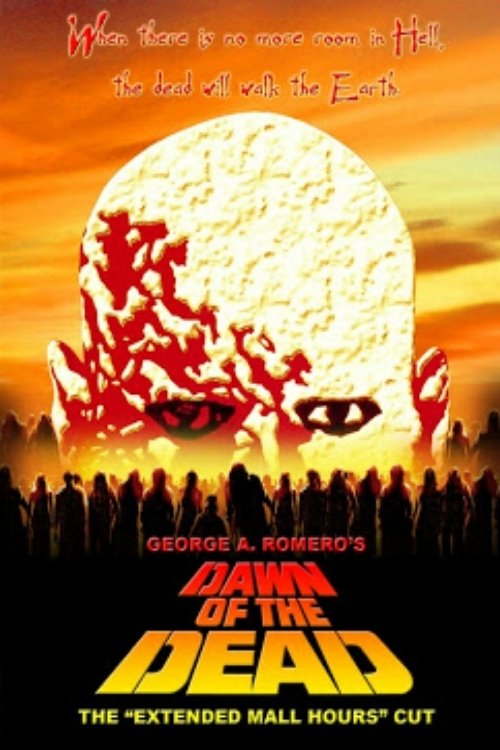
Romero initially prepared a longer assembly associated with the film's 1978 Cannes presentation. That edition, generally known as the extended or Cannes cut, runs approximately 137 to 139 minutes depending on the source and presentation standard. The completed American theatrical version is shorter, approximately 126 to 127 minutes. The extended edition is sometimes marketed as a director's cut, but the label is misleading when used to imply that Romero considered it the definitive presentation. His preferred American release was the more tightly edited theatrical version.

Argento's European version, distributed in Italy under the title Zombi, runs approximately 119 to 120 minutes in modern presentations. It removes or reduces some passages of dialogue, humor and domestic activity while emphasizing confrontation, movement and graphic violence. Argento also makes substantially greater use of music recorded by Goblin. The resulting film develops a different rhythm, with less emphasis on the survivors gradually adapting to comfortable life inside the shopping center.

The versions should not be understood as simple extensions or reductions of one master edit. Some scenes have different internal structures, transitions and sound arrangements, while the extended version also retains material removed from the American theatrical release. Comparing them therefore reveals how strongly editorial decisions influence the meaning of the original photography. Romero treats the mall as a setting in which comic comfort and escalating violence coexist; Argento directs greater attention toward the collapse of social order and the continuing physical threat.

The coexistence of these versions became central to the film's preservation history. Modern editions frequently supply the cuts separately, preserving the relationship between their distinct editorial structures and soundtracks rather than attempting to combine all available footage into a single supposedly complete film.

Goblin, Library Music and Sound

The music of Dawn of the Dead differs significantly between Romero's and Argento's presentations. Dario Argento commissioned Goblin to provide an original progressive-rock soundtrack, continuing his collaboration with the musicians following Deep Red and Suspiria. The recordings combine electronic keyboards, percussion, electric instruments and rhythmic material associated with the Italian horror cinema of the period. Goblin's music became especially prominent in the European version, where its driving patterns accompany extended passages of action and supernatural threat.

Romero's American version uses selected Goblin compositions but also draws extensively on pre-existing recordings from production-music libraries, particularly De Wolfe Music. Romero later confirmed that the mixture was intentional. He preferred the ability to move between serious horror music, lighter material and deliberately incongruous cues, while Argento favored a more continuous atmosphere of aggression and suspense.

One of the most recognizable library cues is Herbert Chappell's The Gonk, used in the mall and during the closing credits. Its jaunty rhythm produces a conspicuous contrast with the surrounding images of consumer products and wandering zombies. The effect depends on the audience recognizing the music as tonally inappropriate to a conventional horror emergency. The cue contributes to Romero's satire because the commercial environment continues to suggest cheerful routine even after its original social purpose has disappeared.

The film also relies on carefully organized environmental sound. Its opening television-station sequence establishes a world overwhelmed by confused instructions, conflicting information and institutional stress. Inside the mall, footsteps, machinery, doors, glass, gunfire and the sounds of zombie movement determine how the survivors understand approaching danger. Sound effects become particularly important during practical gore sequences because impacts, tearing material and blood movement help connect separate photographed elements into apparently continuous physical events.

The original soundtrack was prepared for monaural theatrical presentation, while later editions supplied additional stereo and multichannel options. The difference matters because the original relationship between dialogue, music and effects was constructed within a much more restricted audio field. Preservation of the original mono track allows the balance established for the initial releases to be heard separately from later reinterpretations.

Release, Censorship, Restoration and Horror Legacy

The film reached Italian audiences in 1978 as Zombi, while its United States theatrical release followed in April 1979 through United Film Distribution Company. The American Film Institute records an April 19 opening, while other distribution databases place some commercial engagements on April 20. These dates concern the American release and do not contradict the film's established 1978 production and initial international circulation.

The graphic violence created difficulties with the American classification system. The producers released the film without an official MPAA classification and promoted it as an adult horror feature. AFI documents the resulting disputes over advertisements that incorrectly represented the picture as R-rated. Romero publicly argued that adult films containing graphic violence should not be grouped automatically with sexually explicit material under the same classification.

The British history was similarly complicated. The BBFC records a cut theatrical classification in November 1979, followed by further cut home-video submissions during the late 1980s. Later editions were able to present substantially more complete material. In September 2020 the BBFC classified a 137-minute version at 18 for physical media and streaming, documenting a significant change in institutional treatment of the film's violence.

Commercial performance was substantial. AFI preserves contemporary reports of more than five million dollars in domestic revenue shortly after release, followed by substantially larger reported earnings as the theatrical run expanded. Modern box-office databases provide lifetime estimates that include later distribution and international engagements, but those cumulative figures should not be confused with contemporary receipts from the first American release.

Restoration work has become particularly important because the principal versions require different source elements. Second Sight Films released a major 4K edition in 2020, with restoration supervised and approved by cinematographer Michael Gornick. The American theatrical version was restored from the original 35 mm camera negative at Final Frame in New York and London. Additional footage required for the extended Cannes version was recovered from a color-reversal internegative, while Argento's version was scanned from an interpositive through a separate restoration process.

The release preserved the principal edits alongside their corresponding audio variations, including restored mono sound and selected later stereo and surround presentations. It also included archival production documentaries, commentaries and musical material associated with both Goblin and the De Wolfe library. These supplements allow the original film to be examined as a set of related historical versions rather than one interchangeable feature.

Dawn of the Dead remains one of the foundational works of modern zombie cinema because it expanded the genre in scale, visual detail and thematic ambition. The shopping mall became an influential model for enclosed survival settings, while Savini's effects established expectations for more graphic physical violence in subsequent zombie films. Its international production history also connected American independent horror with the Italian genre industry, contributing to the proliferation of zombie films that followed during the late 1970s and 1980s.

The film's technical importance lies in the coordination of its methods. Gornick's 35 mm color photography gives the commercial environment unusual clarity, Savini's practical effects provide tangible bodily destruction, Romero's editing combines large-scale action with intimate human conflict, and the different musical versions demonstrate how substantially sound can change the tone of identical images. Dawn of the Dead established a durable model in which the spectacle of the undead and the behavior of the living remain equally important to the horror.

References

  1. American Film Institute Dawn of the Dead — AFI Catalog: Production History

    Detailed historical research into filming at Monroeville Mall, Argento’s involvement, American and international versions, ratings and distribution.

  2. British Film Institute George A. Romero: The Sight & Sound Interview

    Extensive original Romero interview on the mall location, consumerism, collaboration with Argento and editorial technique.

Connections

Cast

View Full Cast & Crew →

Release & Distribution

Release History (32)

Release DateTerritoryRelease TypeFormatDistributorCertificationNotes
1978-09-01 Italy Premiere — — 18+ Turin. 119-minute Dario Argento Cut
1978-09-02 Italy Theatrical — — 18+
1979-02-12 Spain Theatrical — — 18 "S"
1979-03-27 Japan Theatrical — — R15+ 119-minute Dario Argento Cut (censored)
1979-04-07 United States Premiere — — — USA Film Festival
1979-04-13 United States Limited Theatrical — — NR Pittsburgh, PA
1979-04-20 United States Limited Theatrical — — NR New York City, NY
1979-05-11 United States Limited Theatrical — — NR Los Angeles, CA
1979-08-02 Germany Theatrical — — 18 censored version
1979-10-01 Australia Theatrical — — RC
1979-12-01 Australia Theatrical — — RC
1980-03-09 United Kingdom Theatrical — — 18
1980-03-09 Ireland Theatrical — — 18
1980-04-03 Australia Theatrical — — R 18+
1980-09-15 Brazil Theatrical — — 18
1980-10-02 Netherlands Theatrical — — 16
1981-07-01 United Kingdom Physical VHS — — VHS
1983-05-11 France Theatrical — — 16
1985-07-08 Hungary Theatrical — — 18
1985-10-01 Australia Physical VHS — — VHS. 139-minute Cannes Cut
1992-01-05 France Physical VHS — — VHS
2000-11-17 Netherlands Physical DVD — 16 DVD
2002-10-24 France Physical DVD — — DVD
2002-11-23 Netherlands TV — — 16 Net 5
2009-11-04 France Physical Blu-ray — — Blu-Ray
2017-07-25 France Digital — — — VOD
2017-08-07 Switzerland Digital — — 18
2019-05-31 France Physical 4K UHD — — 4K UHD
2019-10-23 France Limited Theatrical — — — Re-release
2020-04-15 South Korea Theatrical — — 15세 이상 관람가
2020-12-17 Germany Physical Blu-ray — 18 4K / Blu-ray (re-rating, uncut)
2022-03-02 France Digital — — 18 Prime Video
When there’s no more room in hell, the dead will walk the earth.