Development and the Return to Zombie Cinema
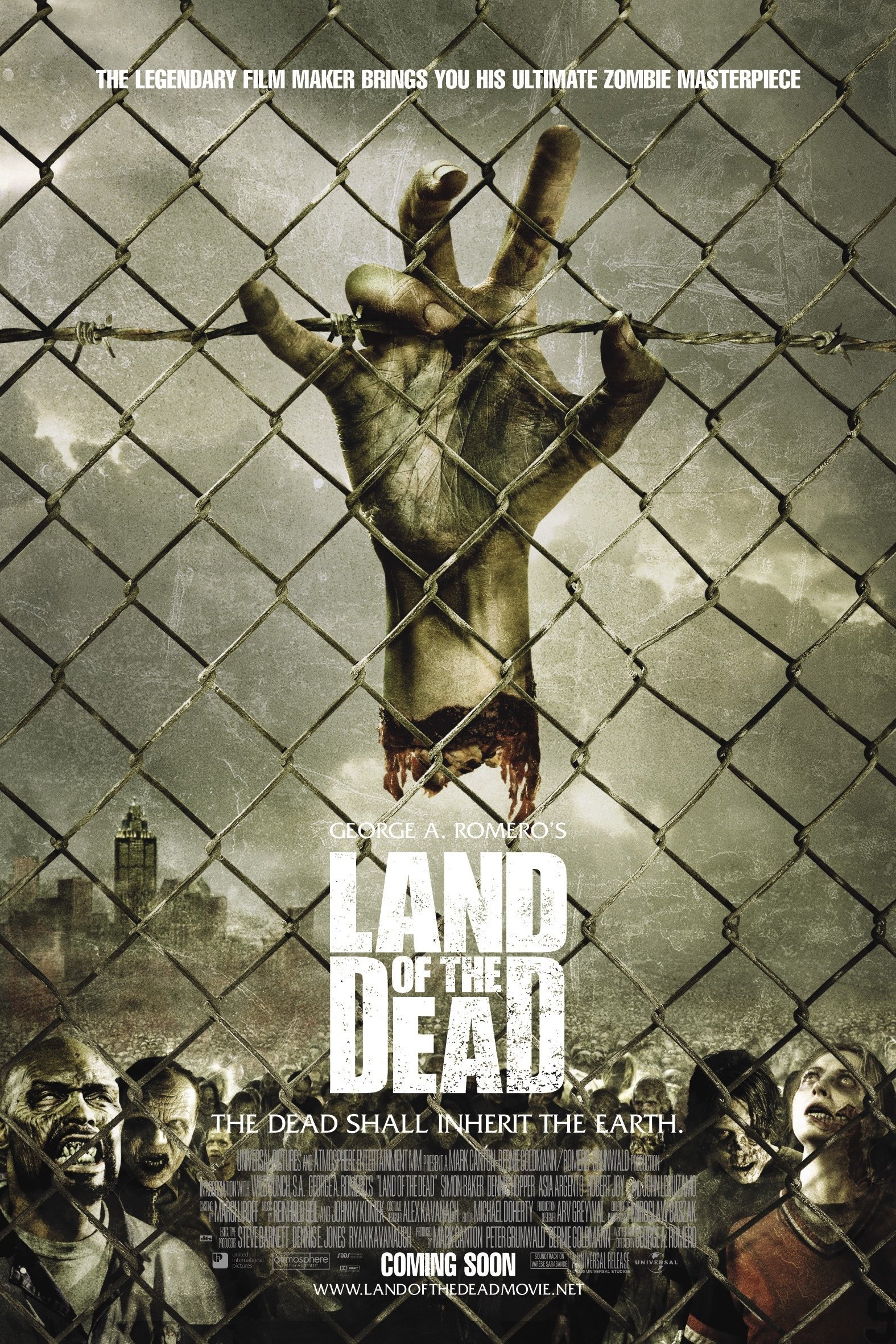
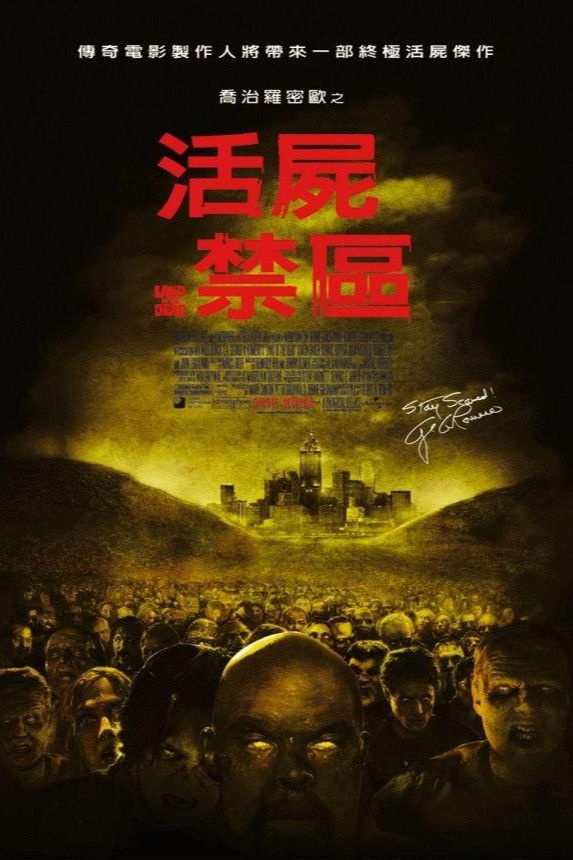
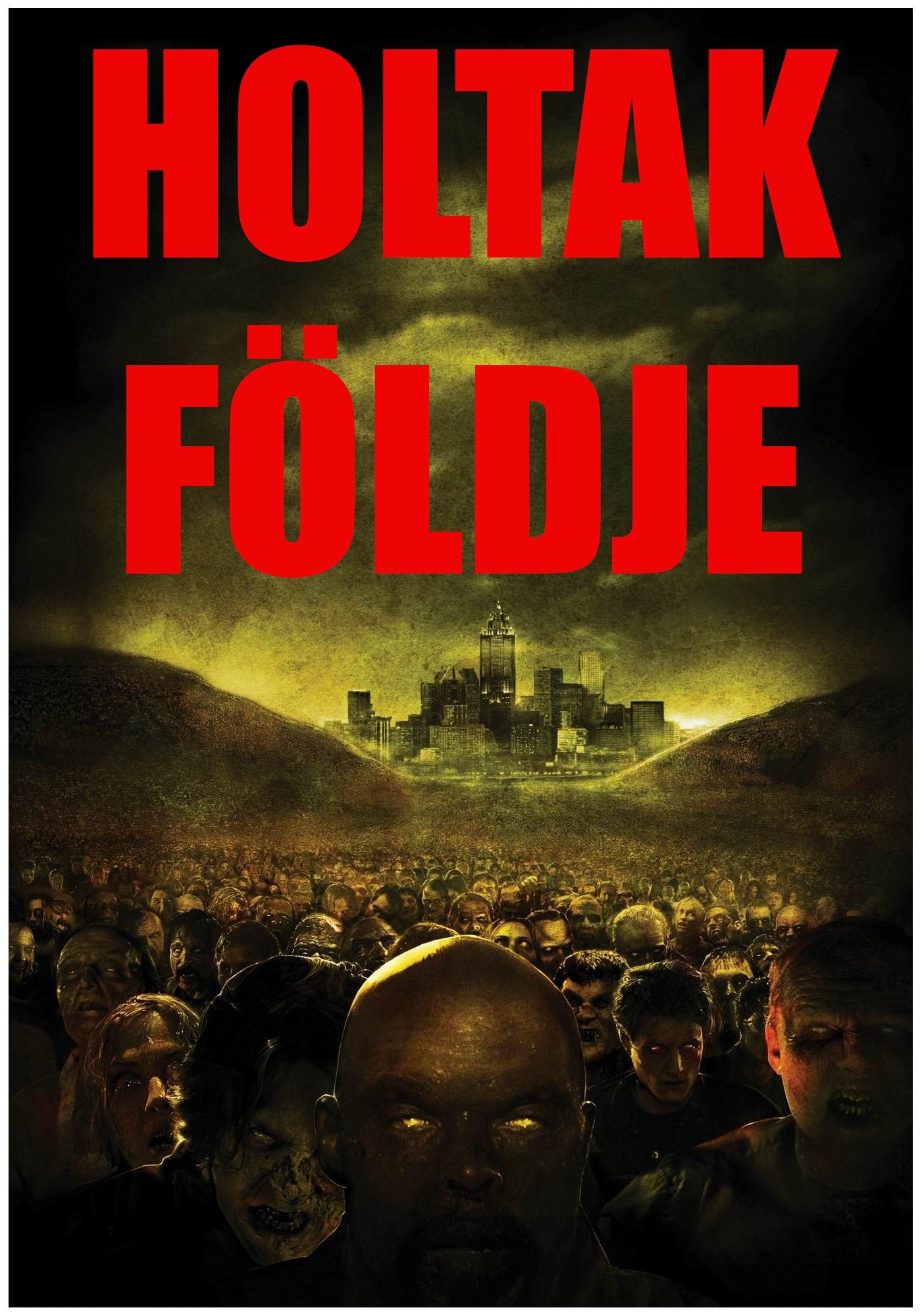
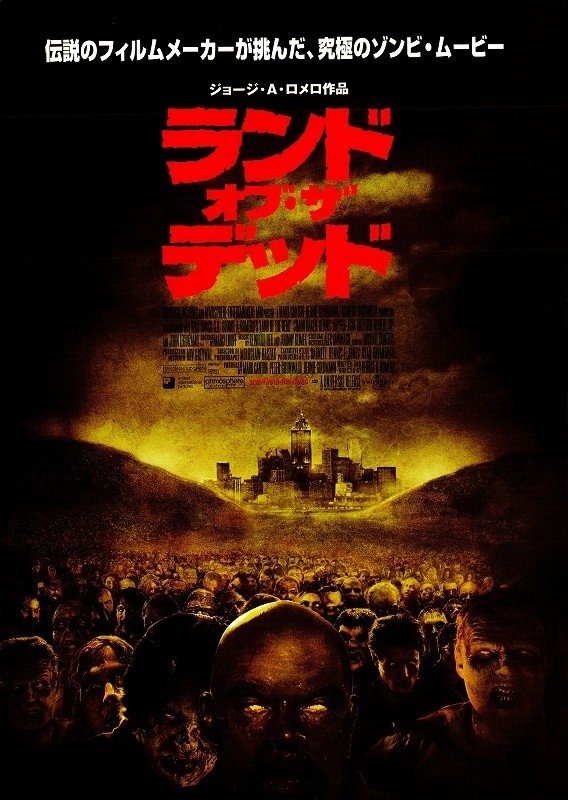
Romero had developed ideas for a fourth Dead film long before production became possible. Earlier versions circulated under titles including Dead Reckoning and were repeatedly considered during periods when financing was uncertain. The renewed commercial interest in zombie cinema during the early 2000s improved the project's prospects, but Romero's screenplay was developed before Universal became its distributor. In a later British Film Institute interview, he emphasized that the original agreement was made with independent producer Mark Canton, who subsequently arranged the Universal deal.
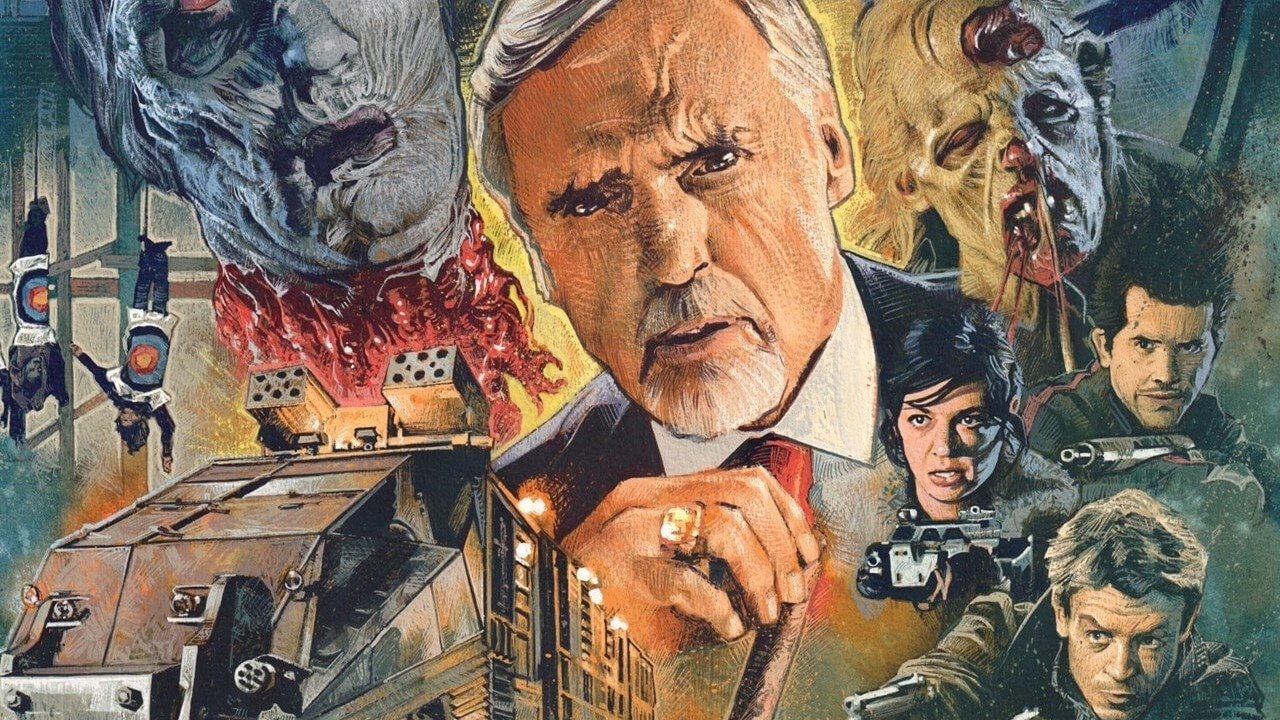
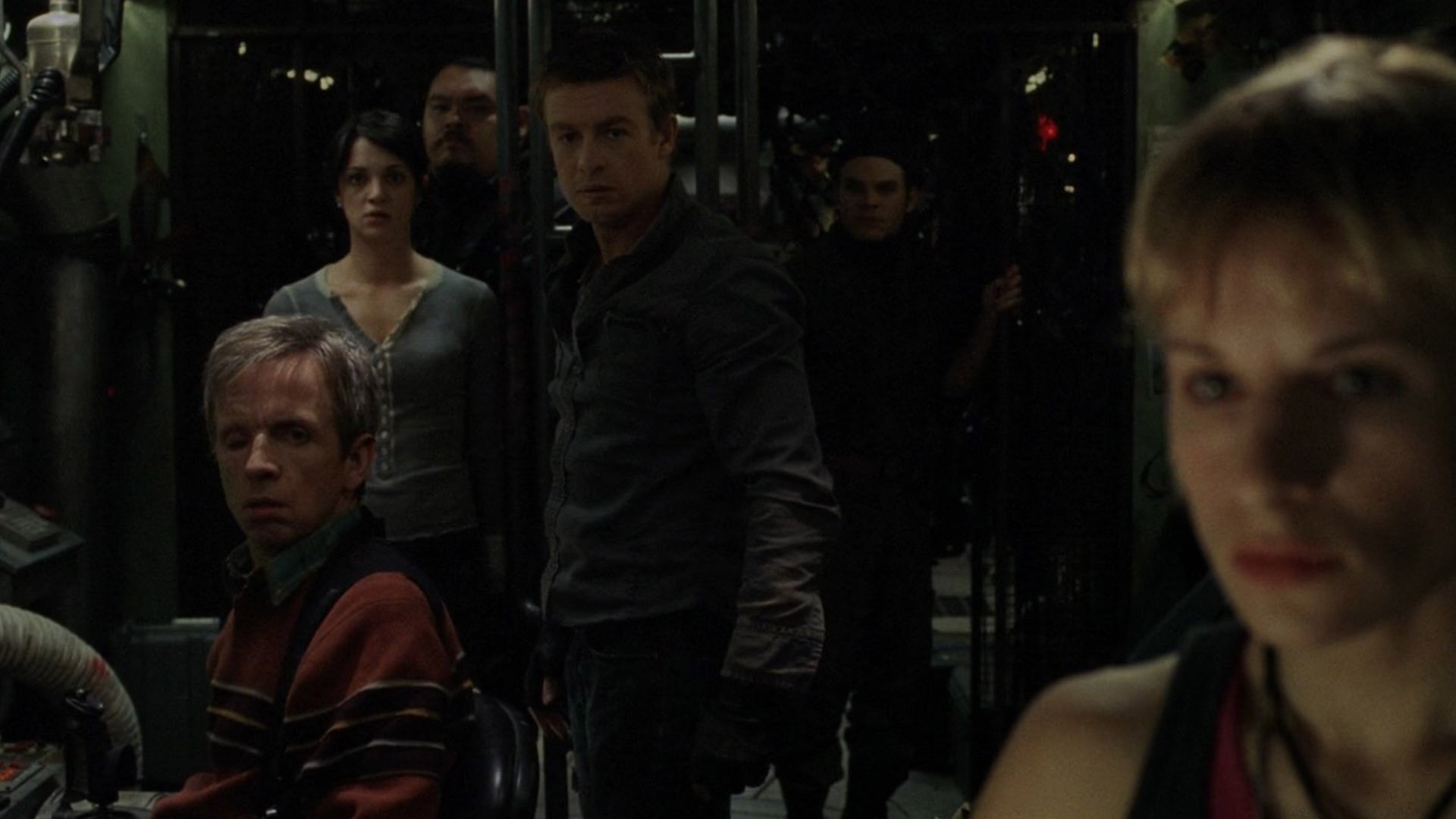
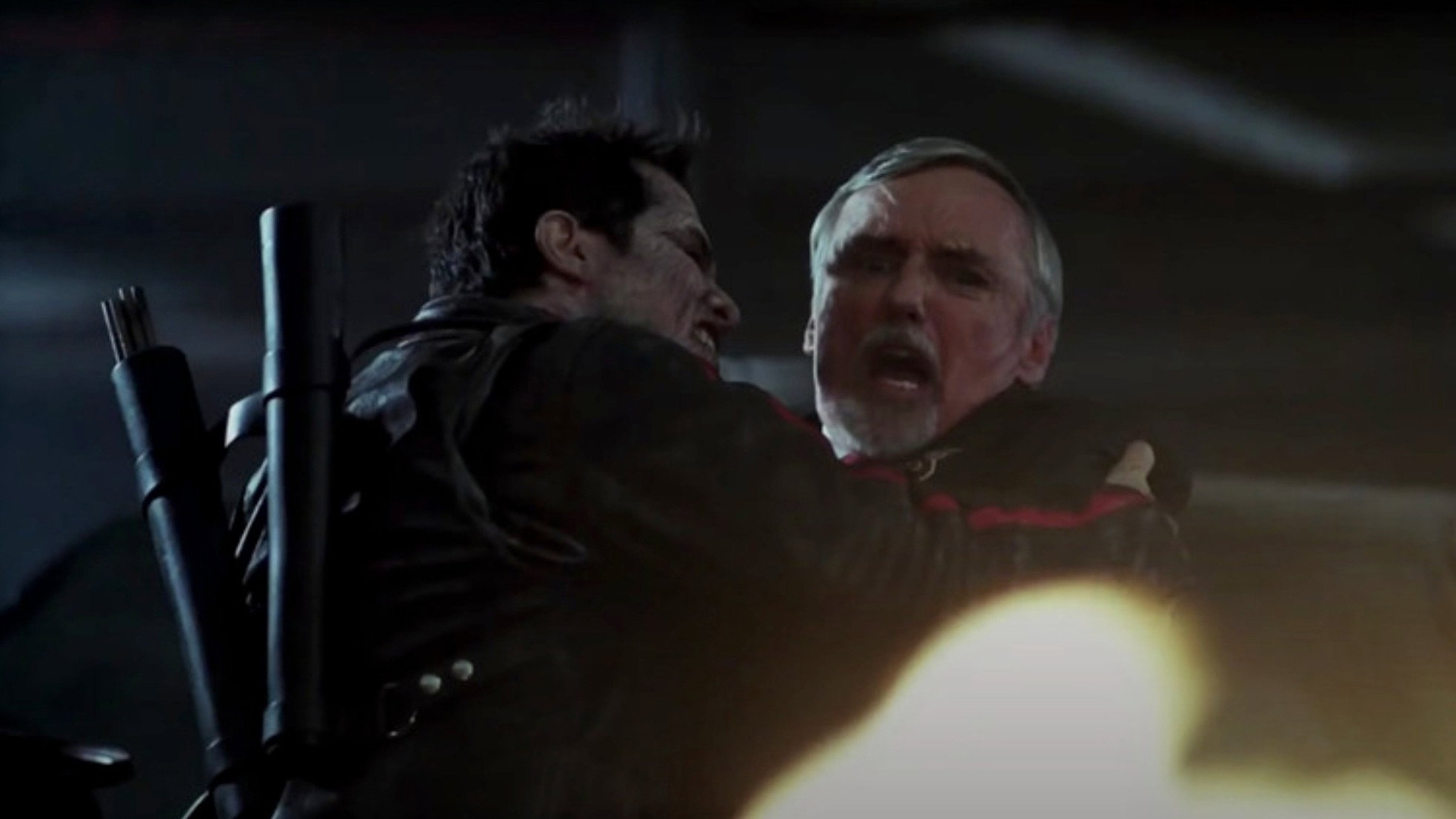
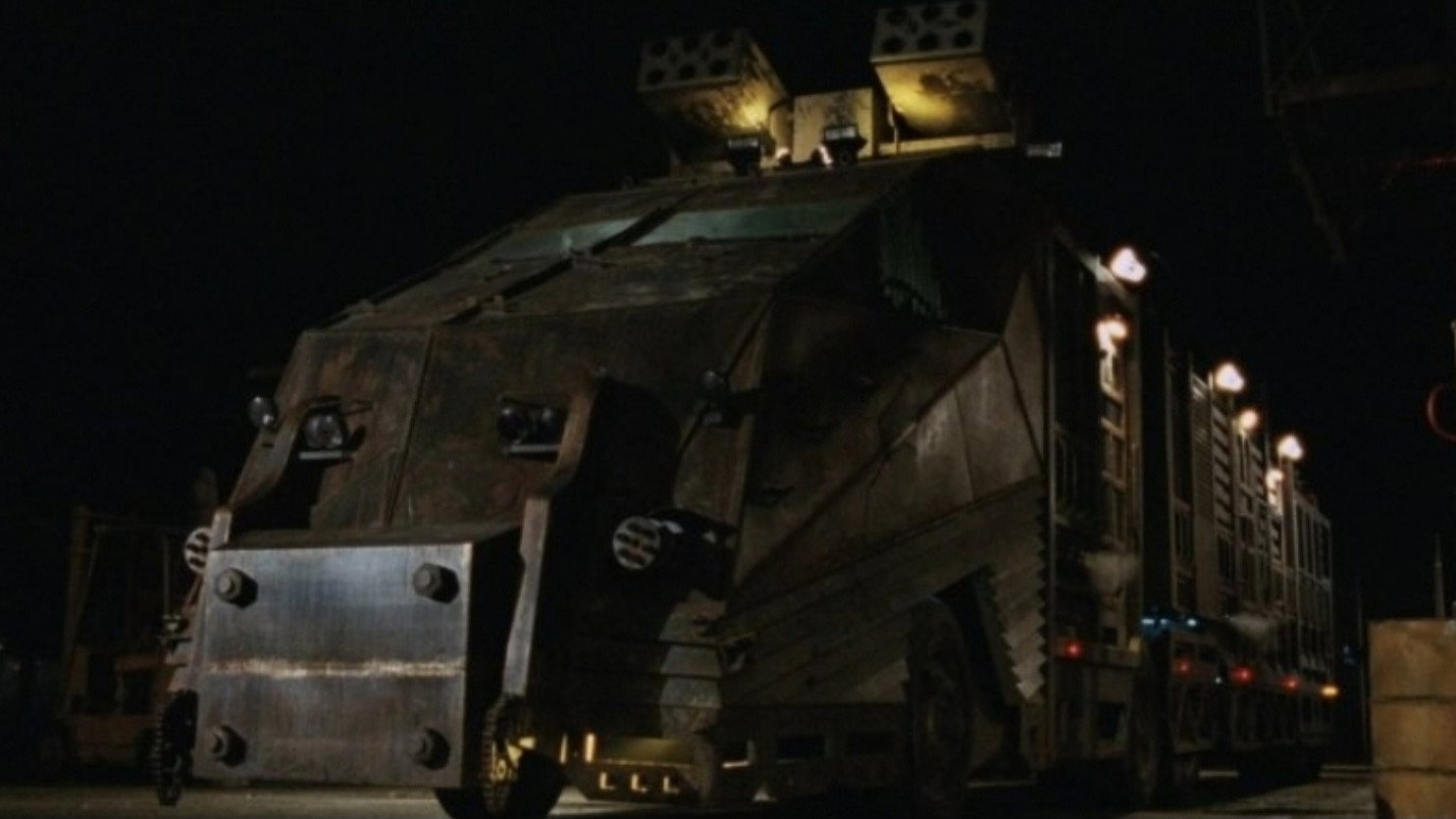
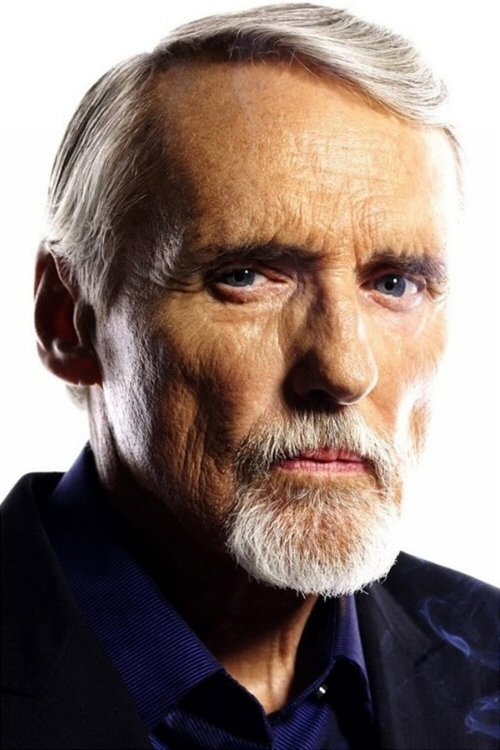
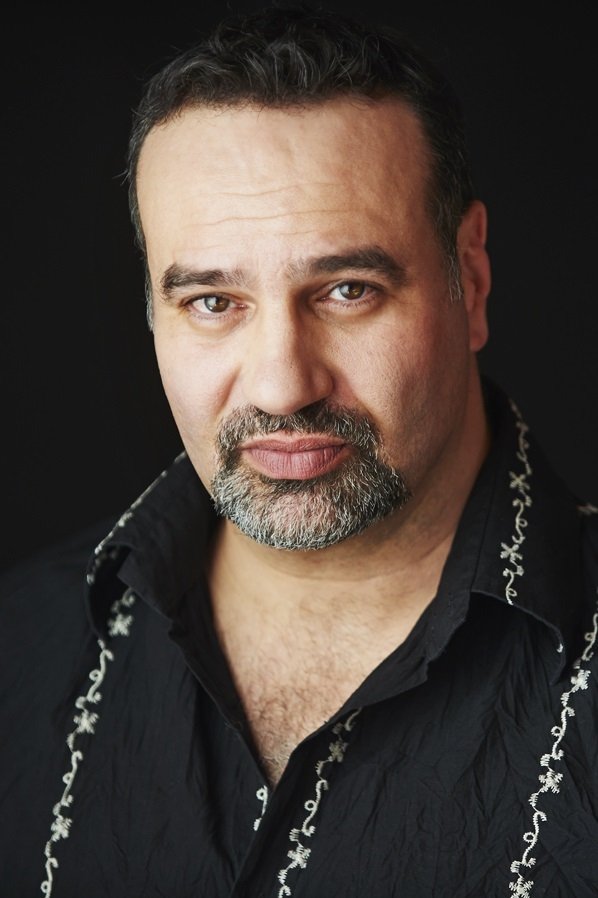
The screenplay extends a theme developed through the earlier trilogy: the zombies change less than the human institutions created in response to them. Fiddler's Green operates through wealth and exclusion, while the surrounding city depends on labor and controlled access to supplies. Romero introduces Dennis Hopper's Paul Kaufman as the administrator of this system and Simon Baker's Riley as the operator of Dead Reckoning, an armored vehicle constructed for expeditions outside the walls. John Leguizamo's Cholo represents another part of the hierarchy, seeking entry into the privileged society that depends on his work.
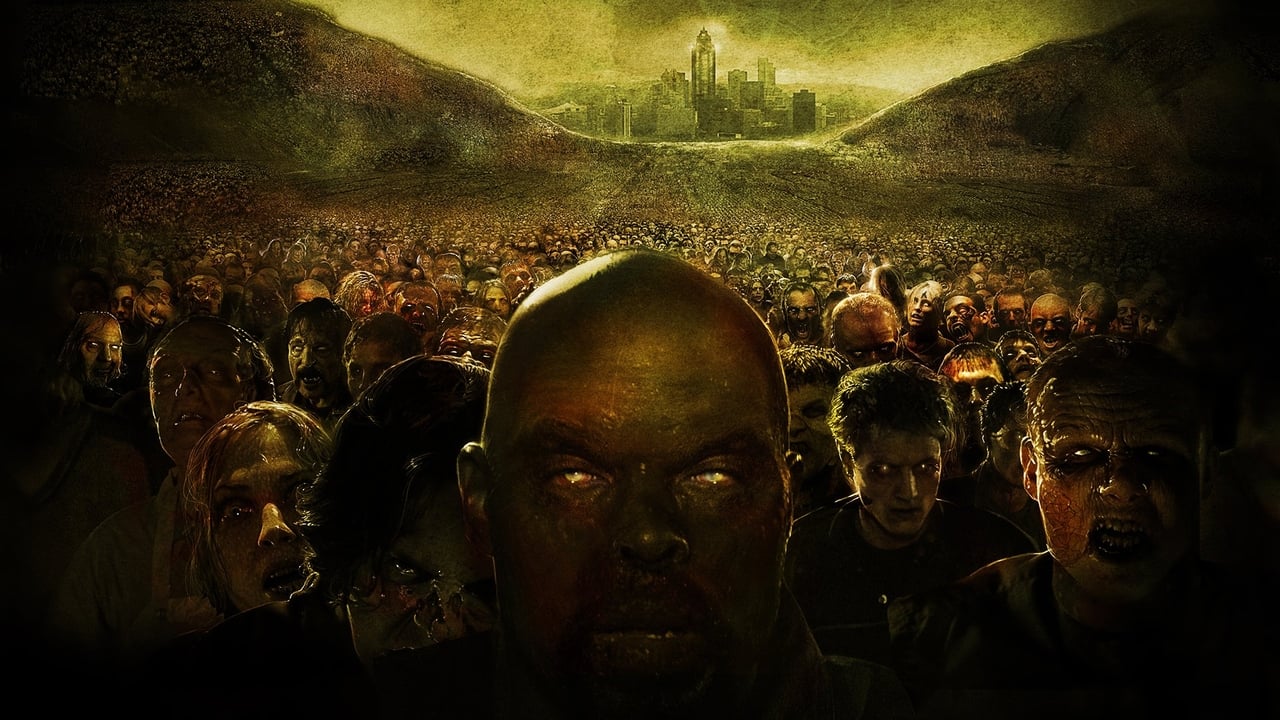
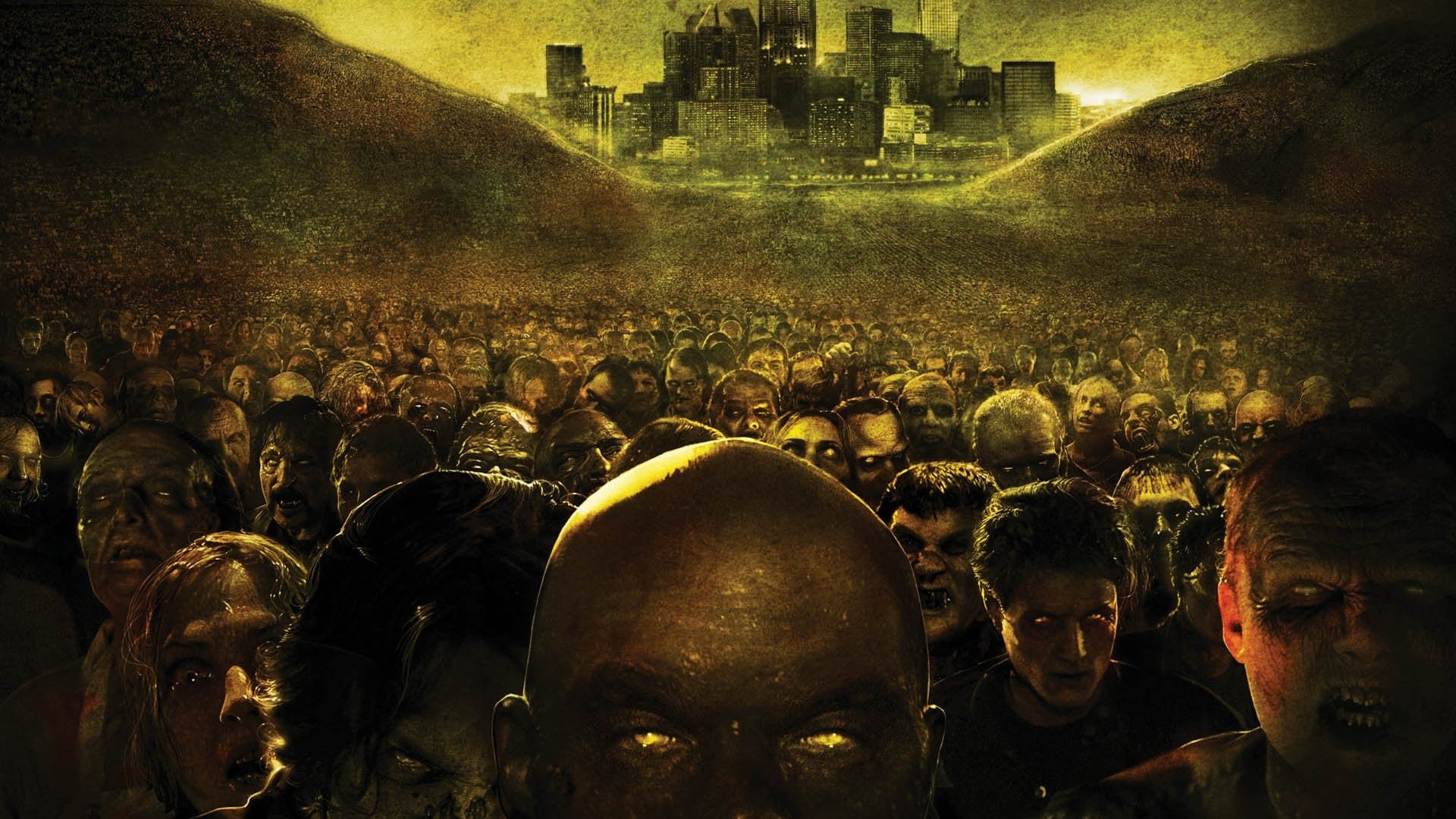
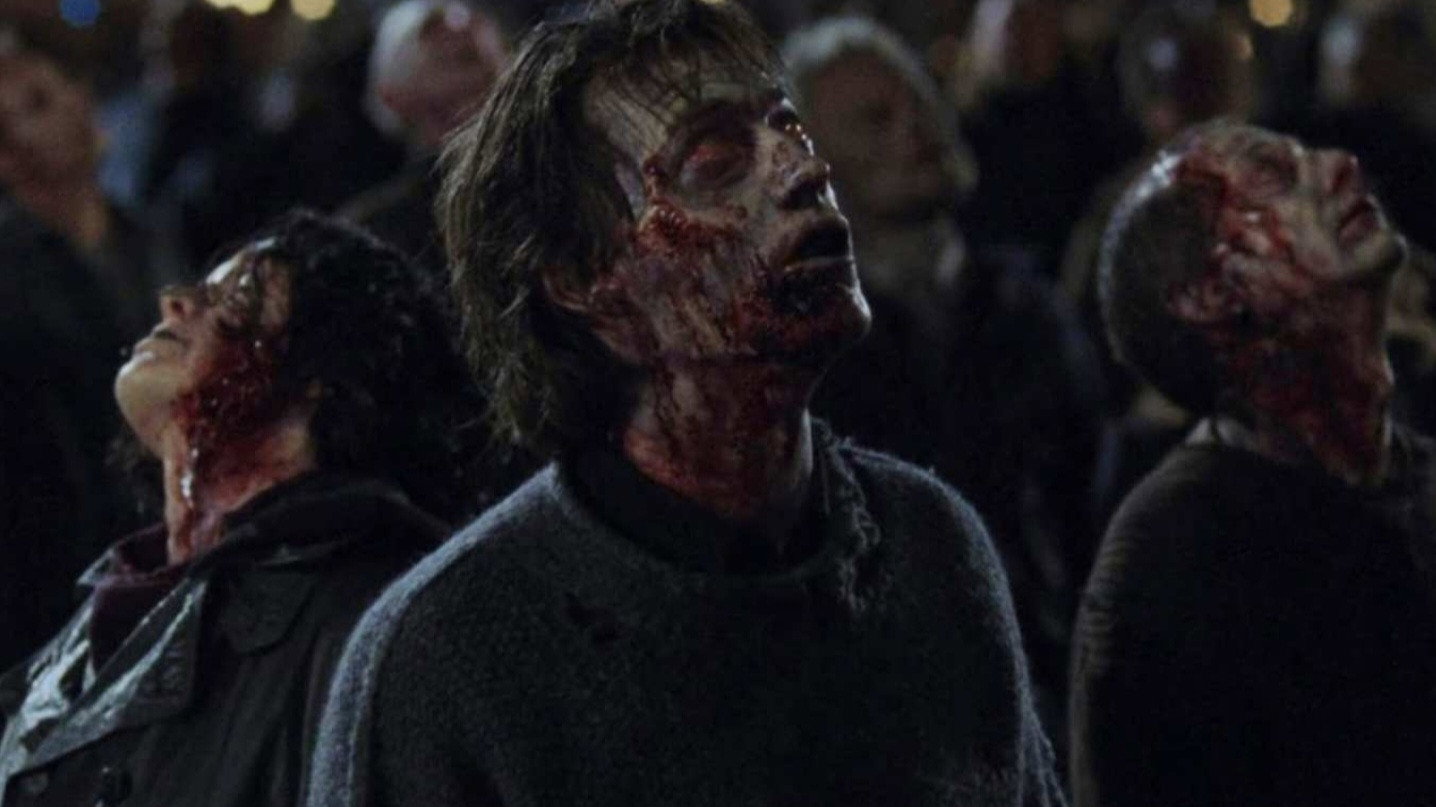
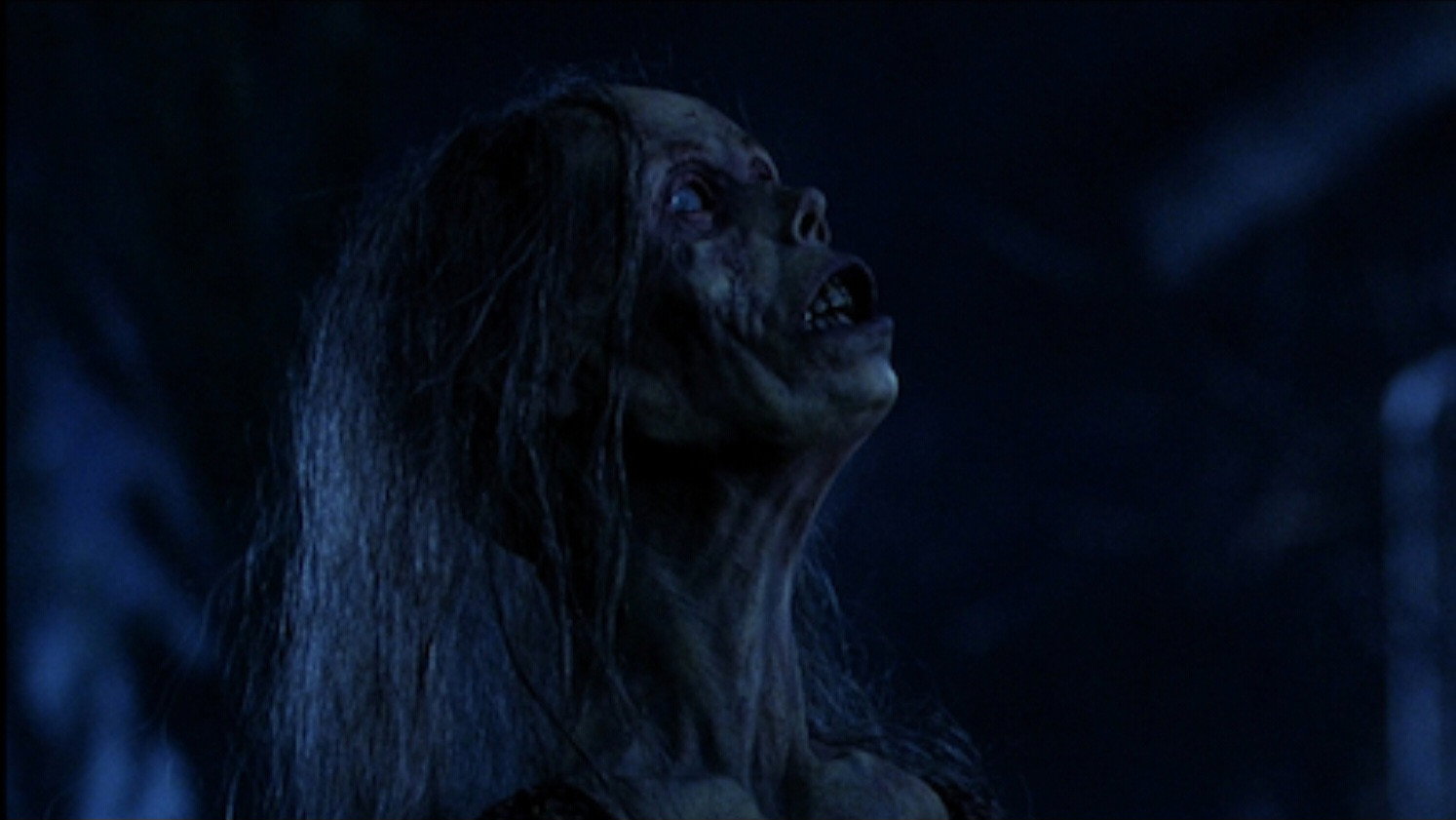
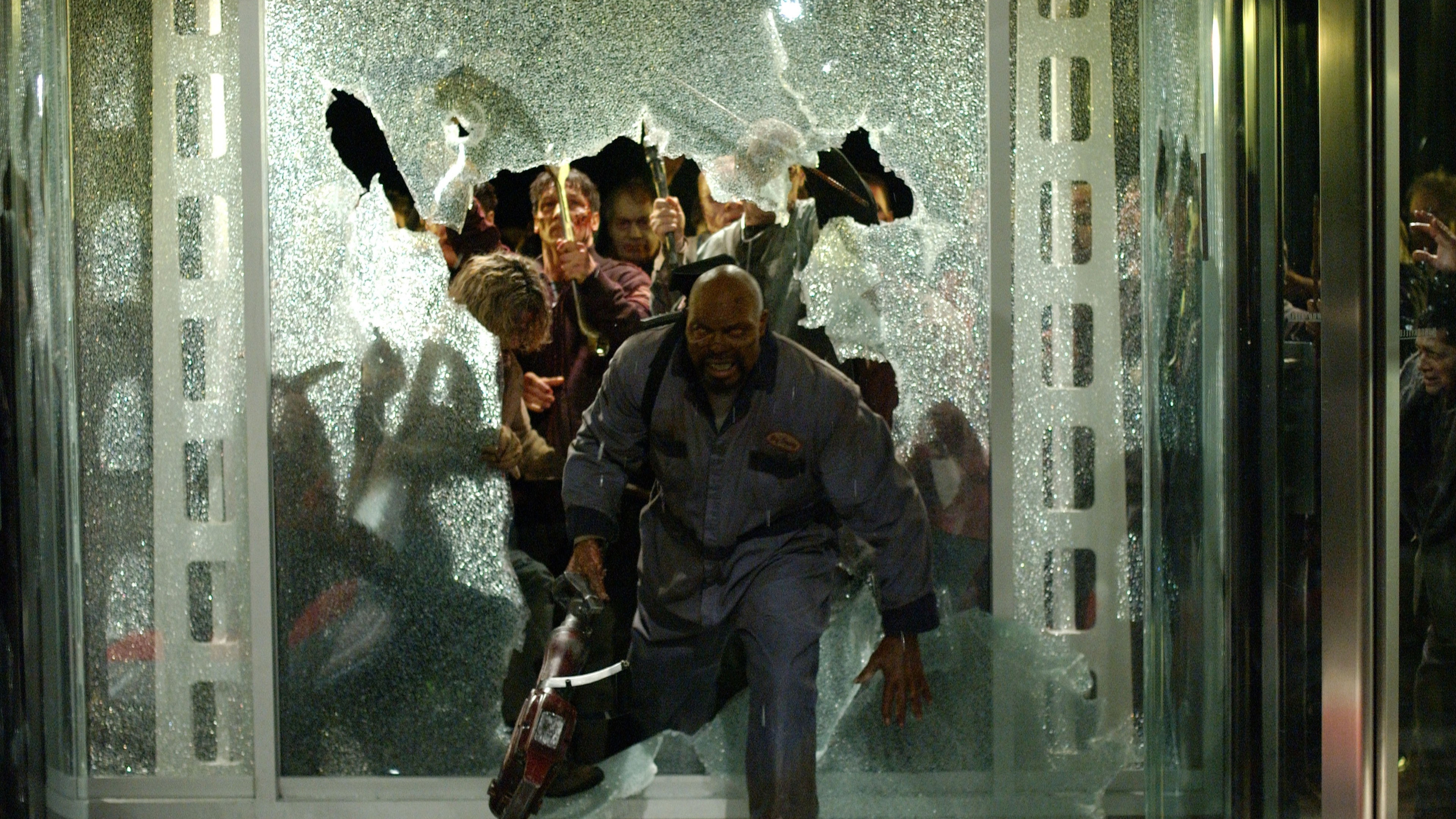
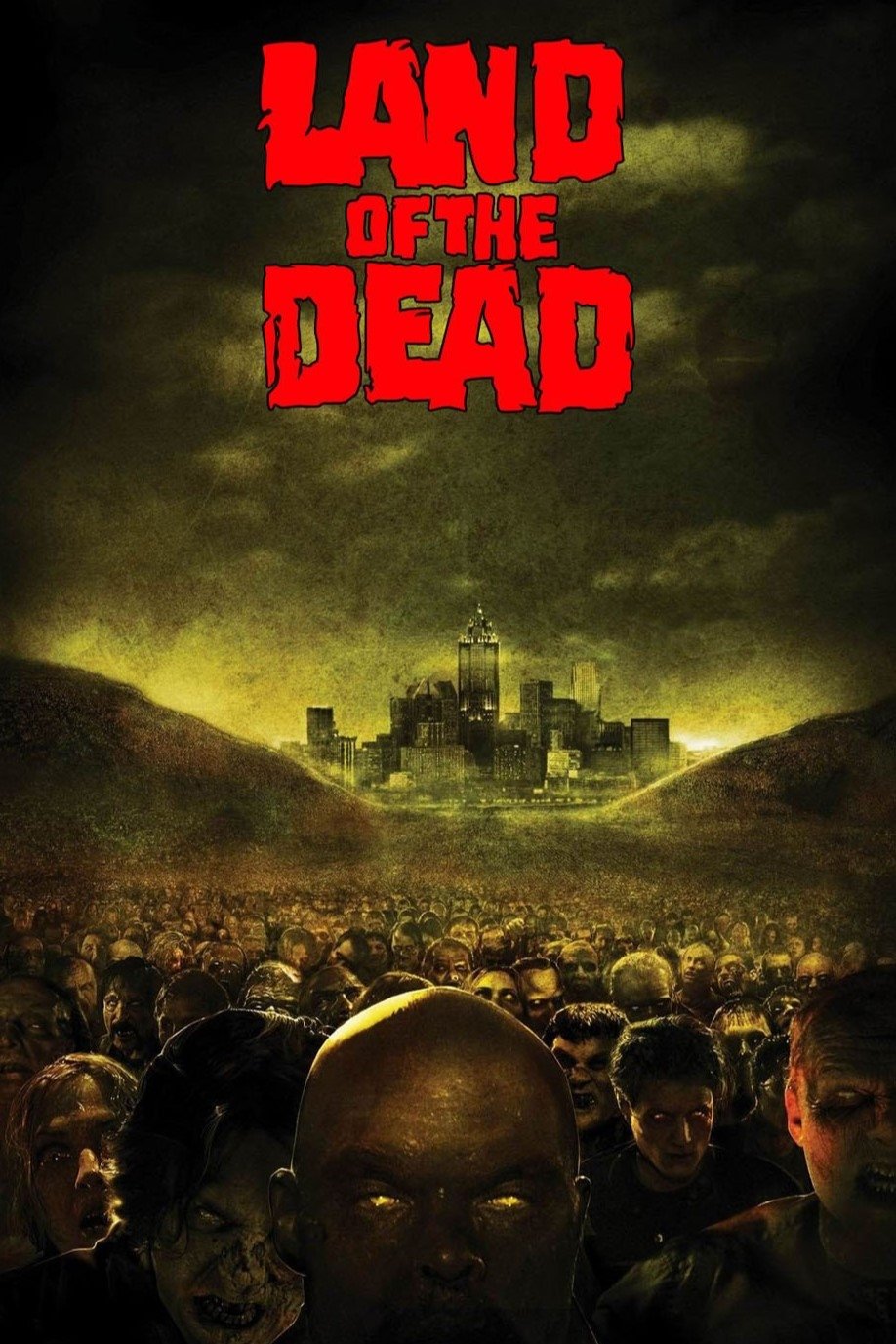
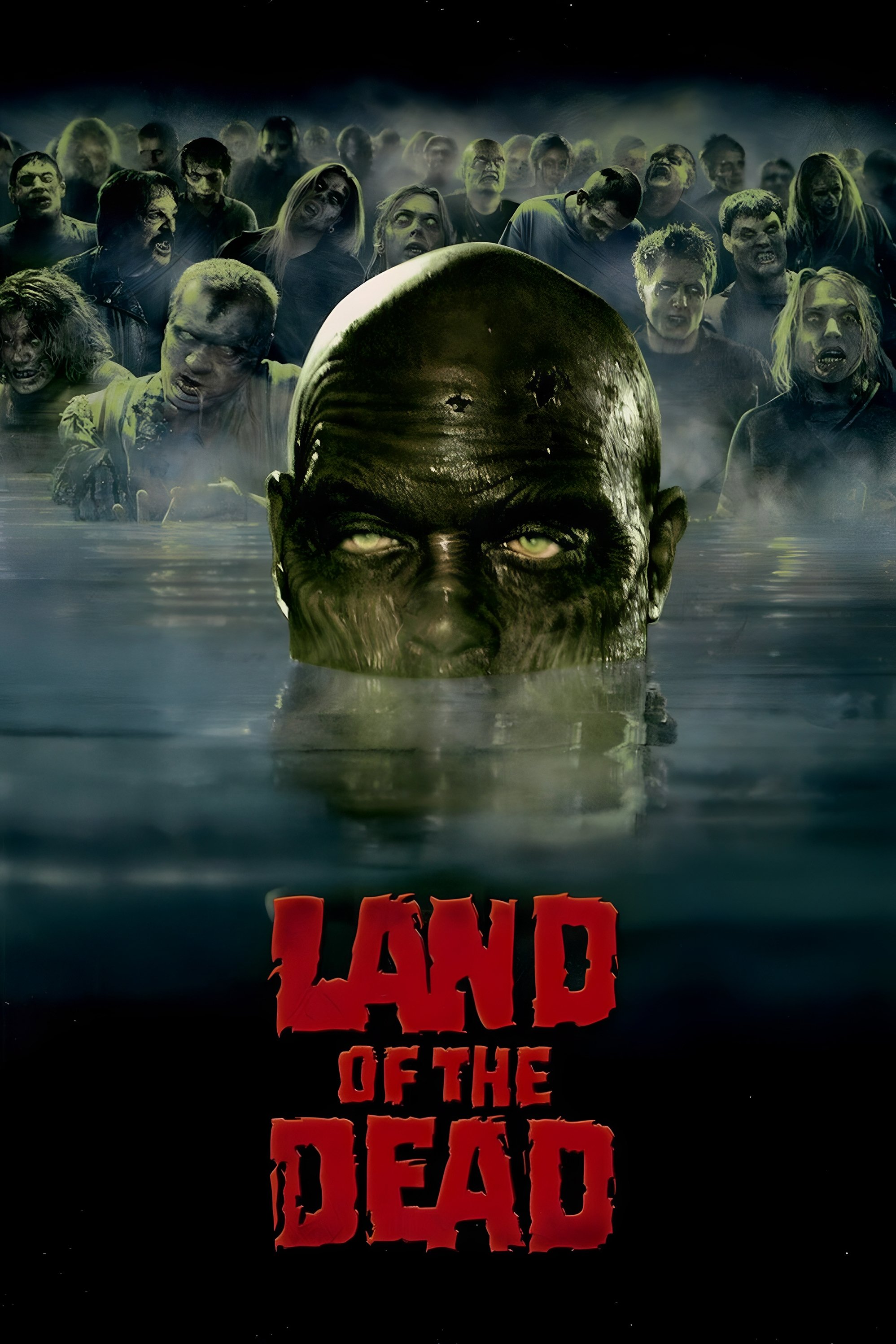
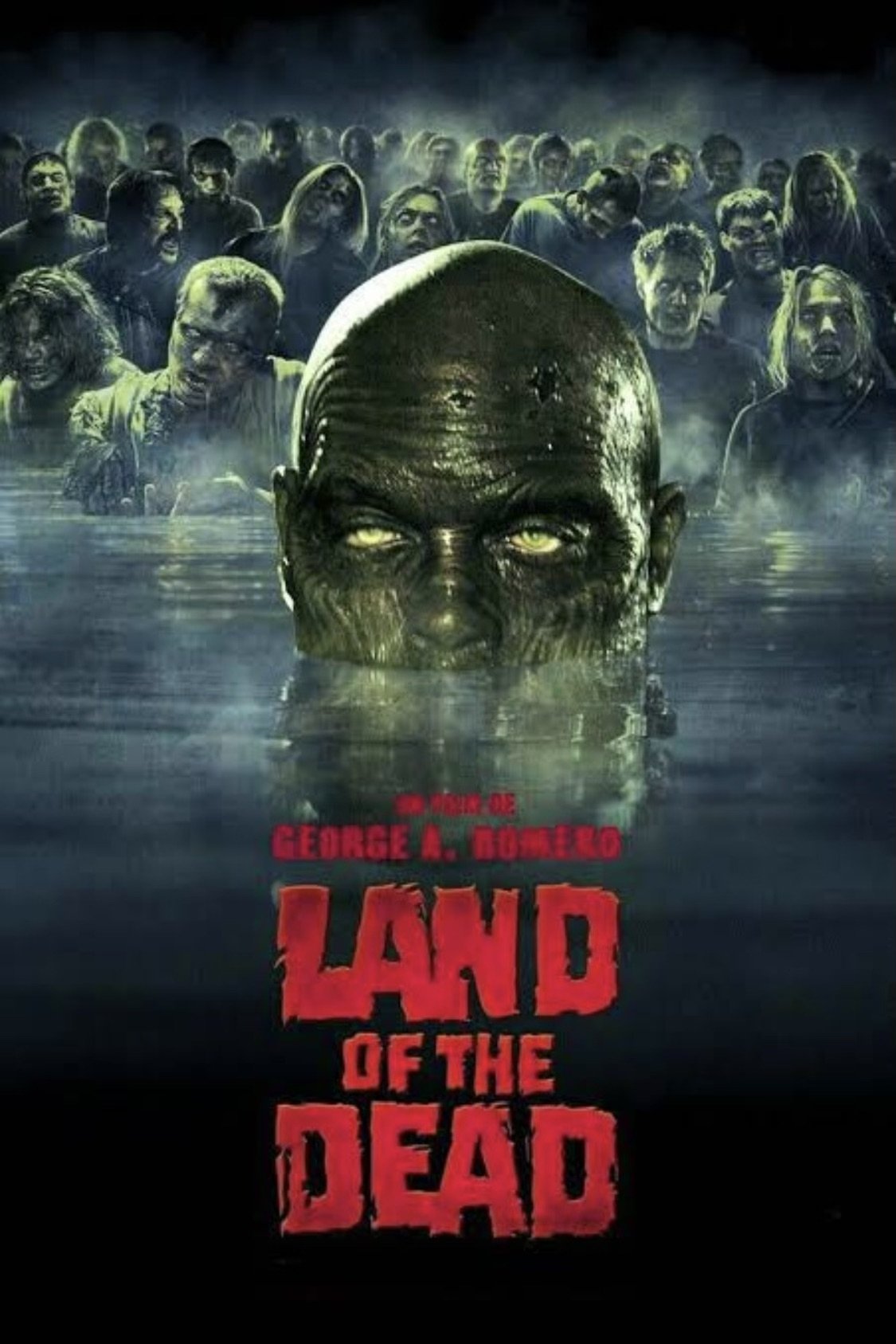
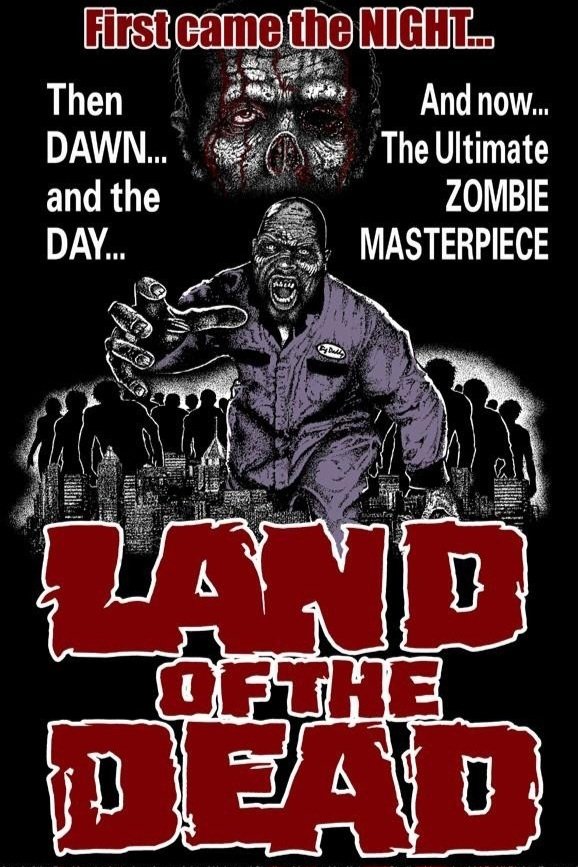
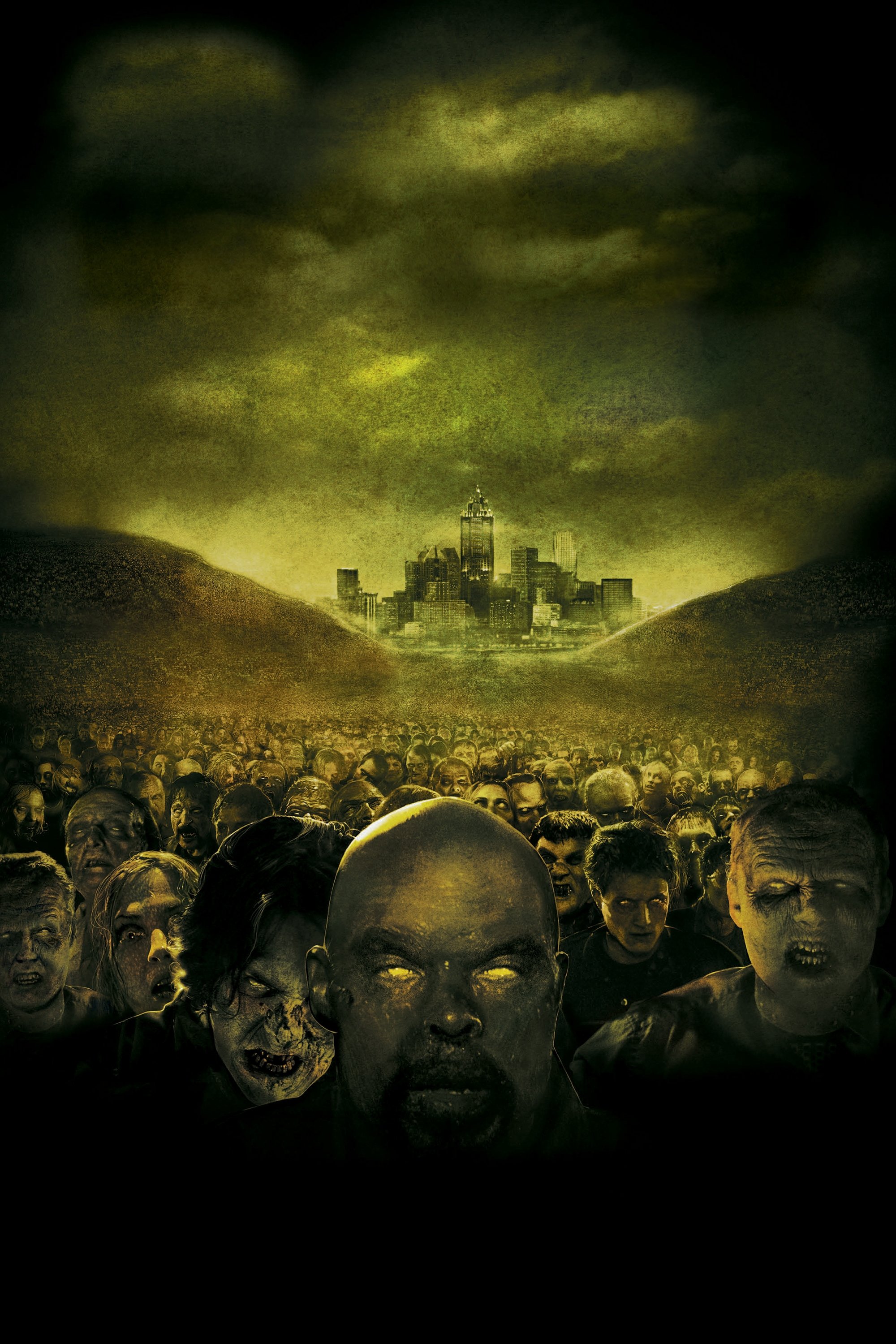
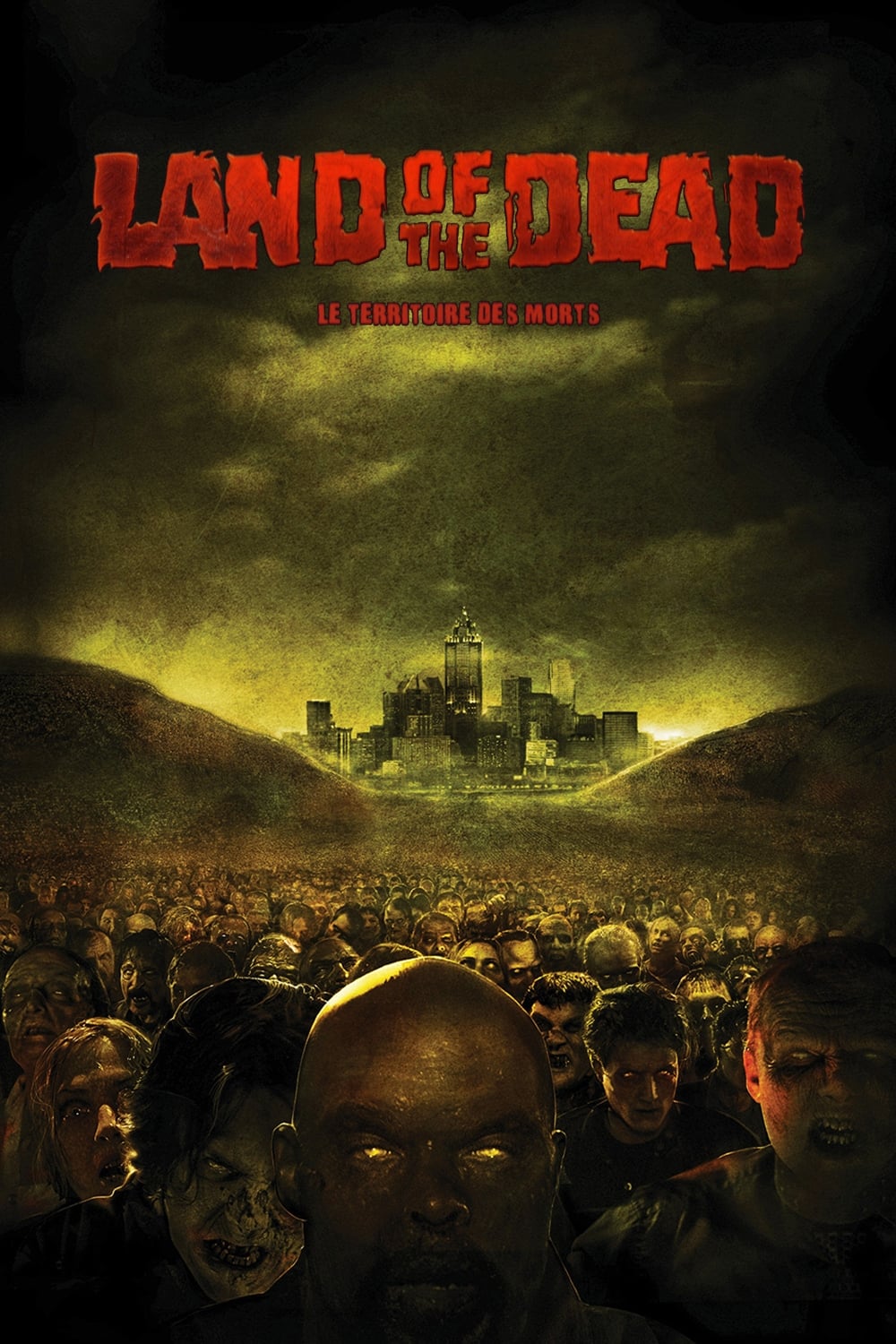
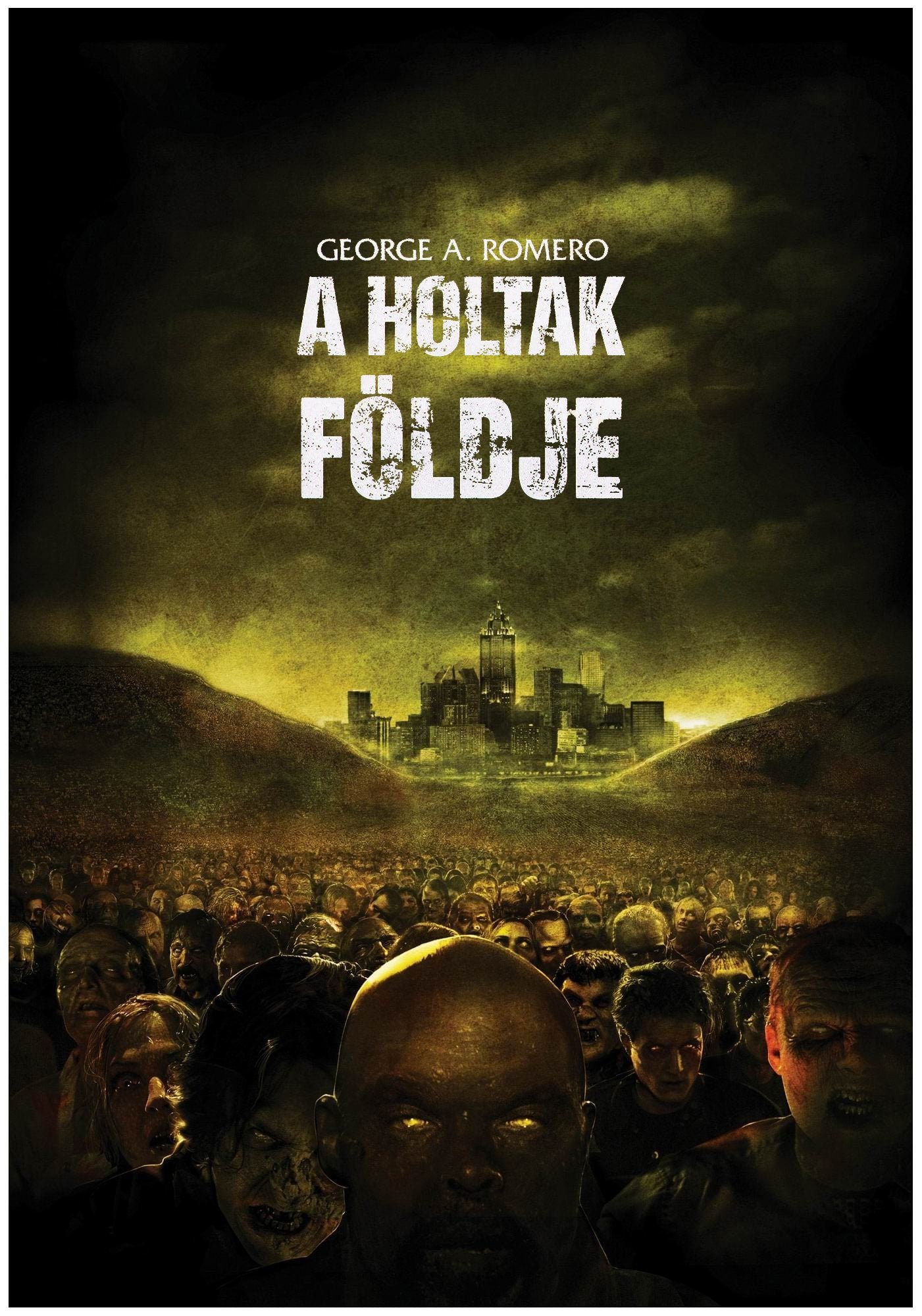
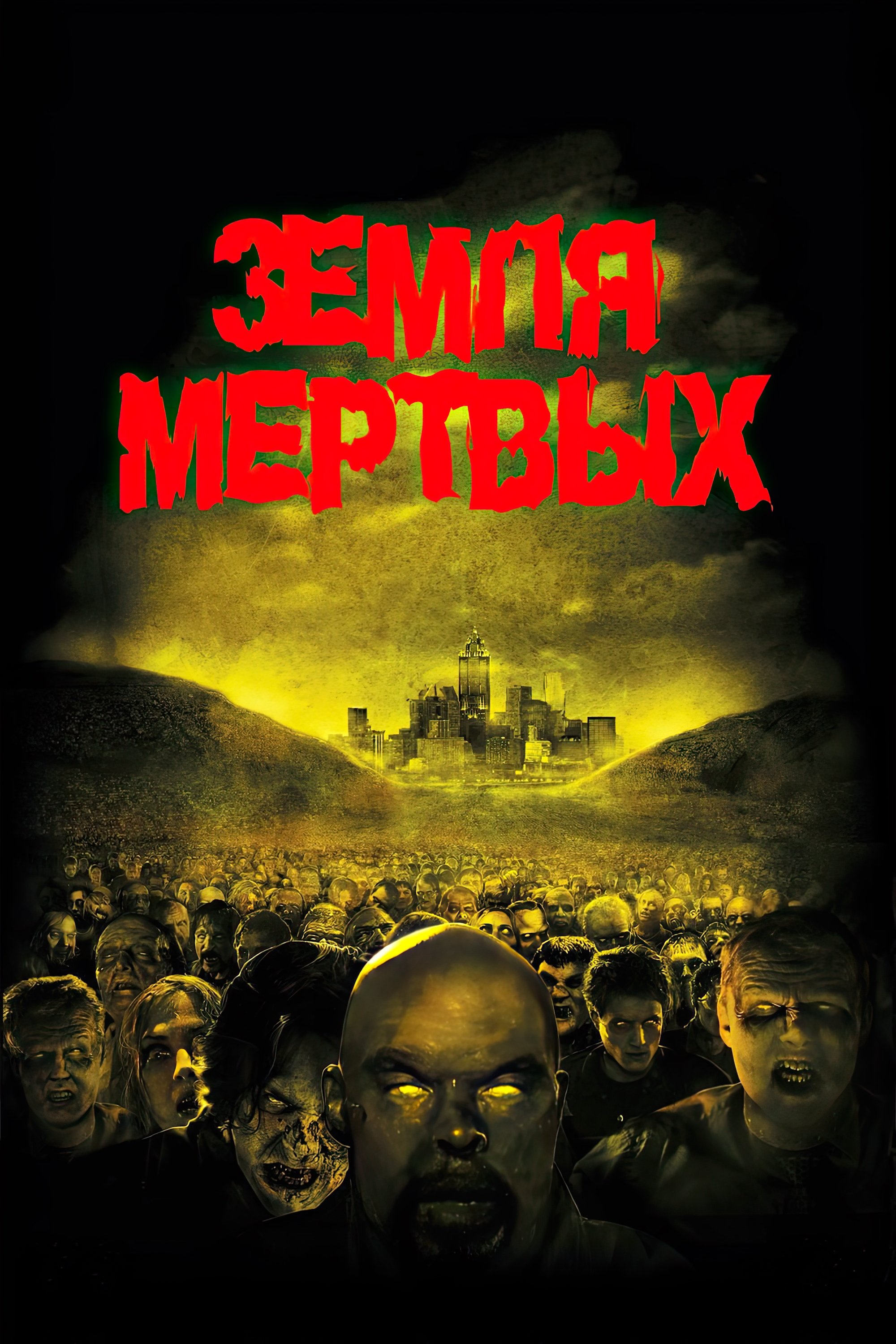
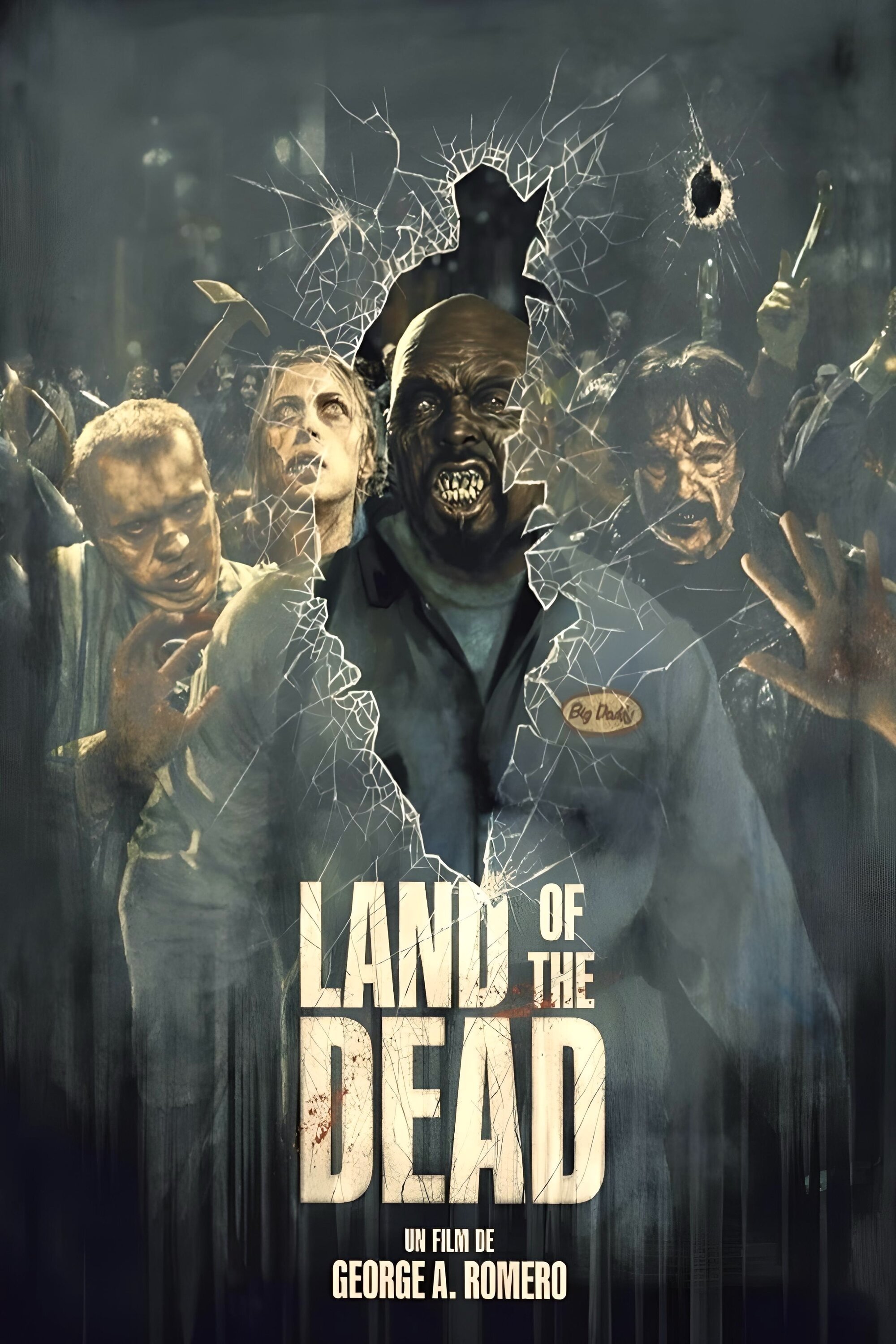
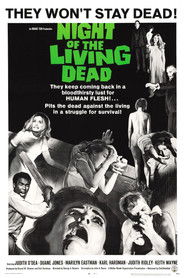
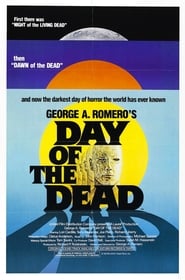
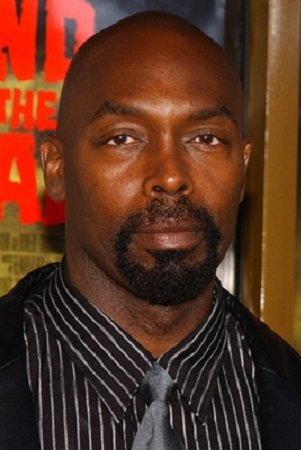
Romero also gave the undead greater narrative agency. Big Daddy, played by Eugene Clark, gradually demonstrates an ability to recognize exploitation and organize other zombies. The concept develops ideas previously explored through Bub in Day of the Dead but relocates learning from a controlled laboratory to the wider undead population. Romero retains the slow-moving zombie familiar from his earlier films, despite the growing popularity of faster infected characters. The danger now emerges through numbers, persistence and increasing collective awareness.