Day of the Dead (1985)

US
HORROR FILM Science Fiction
SUBGENRES SPLATTER ZOMBIE
6.4/10 5 votes
Runtime
101 min
Release
July 19, 1985
Budget
$3,500,000
Revenue
$34,000,000
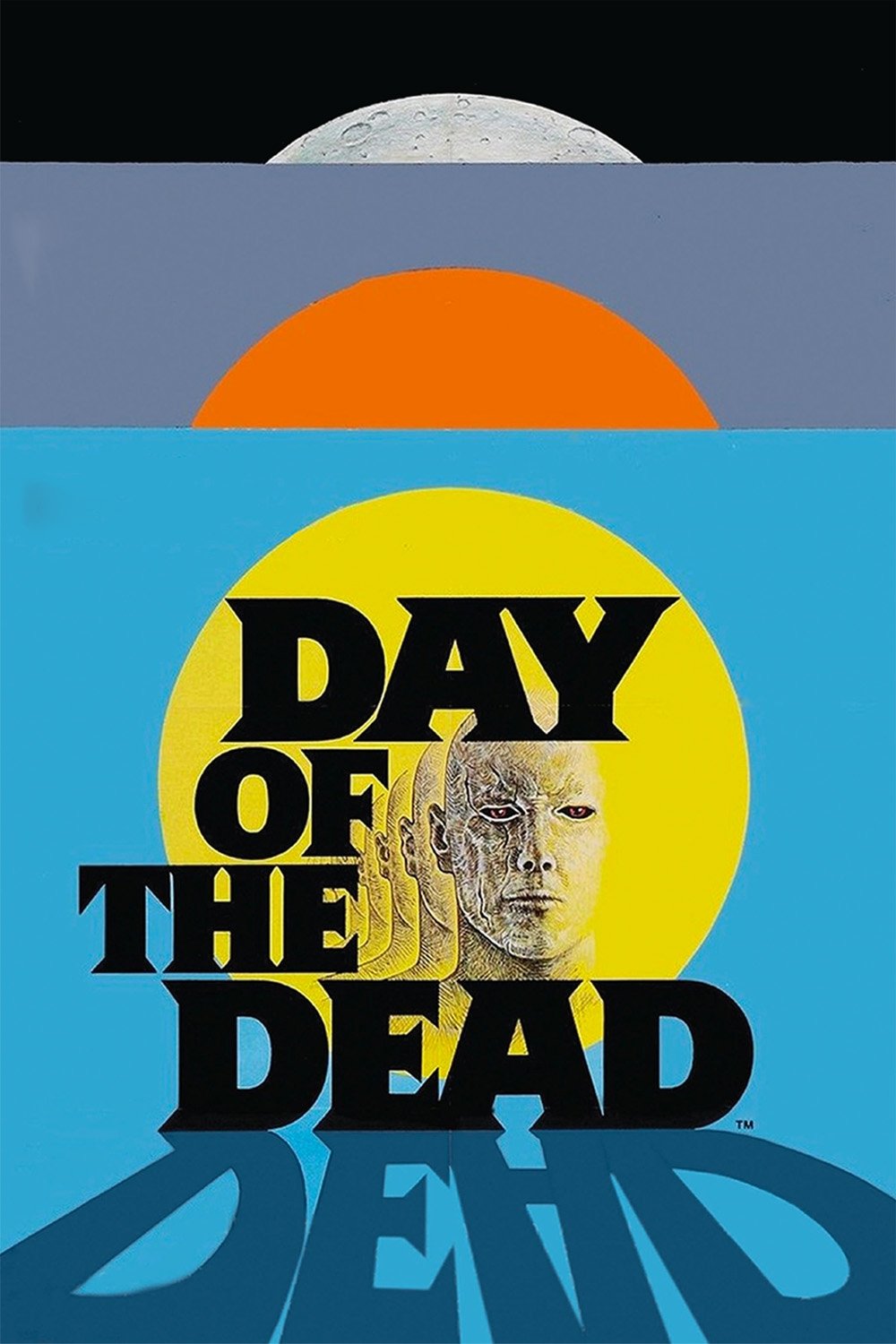
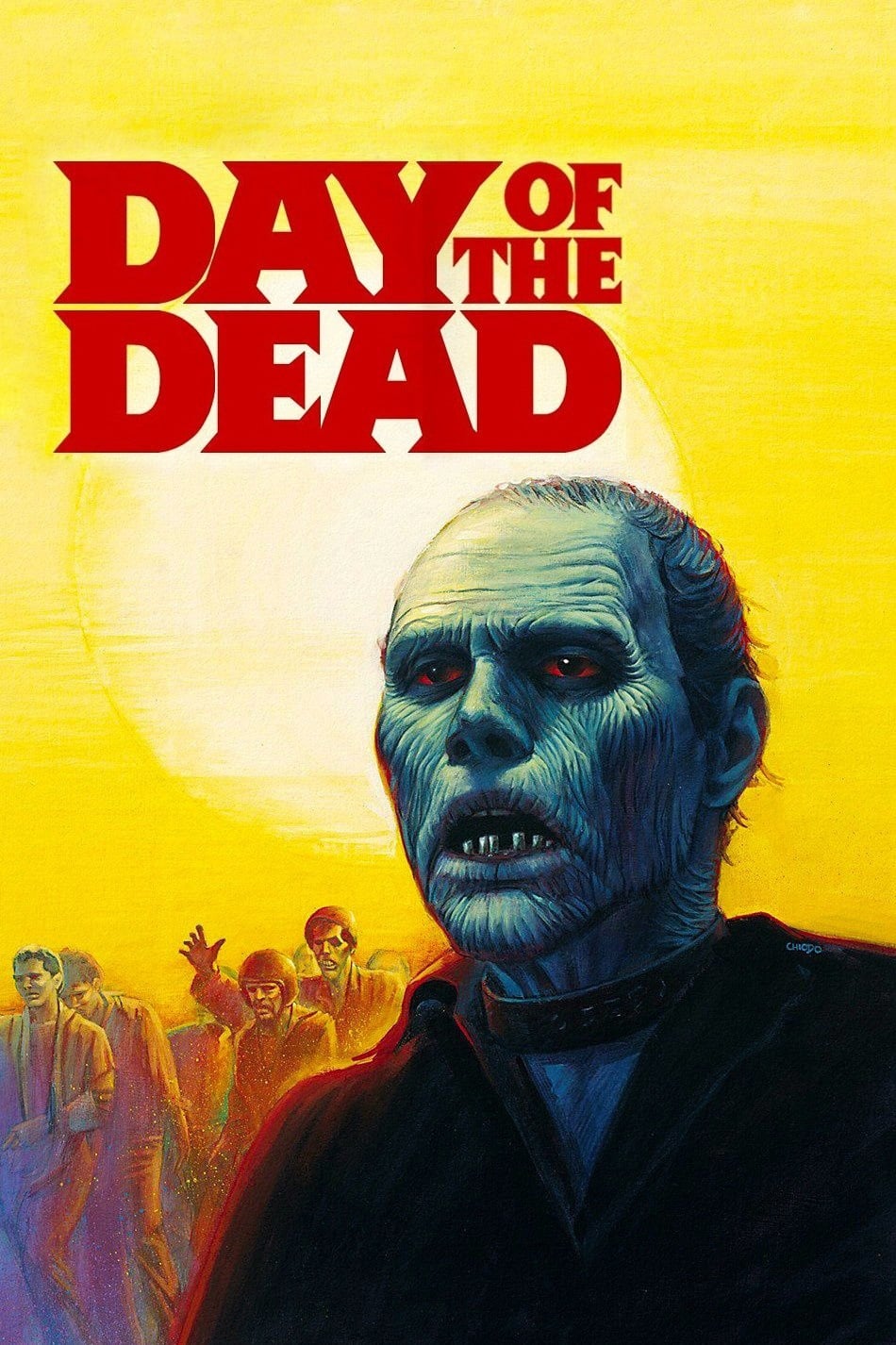
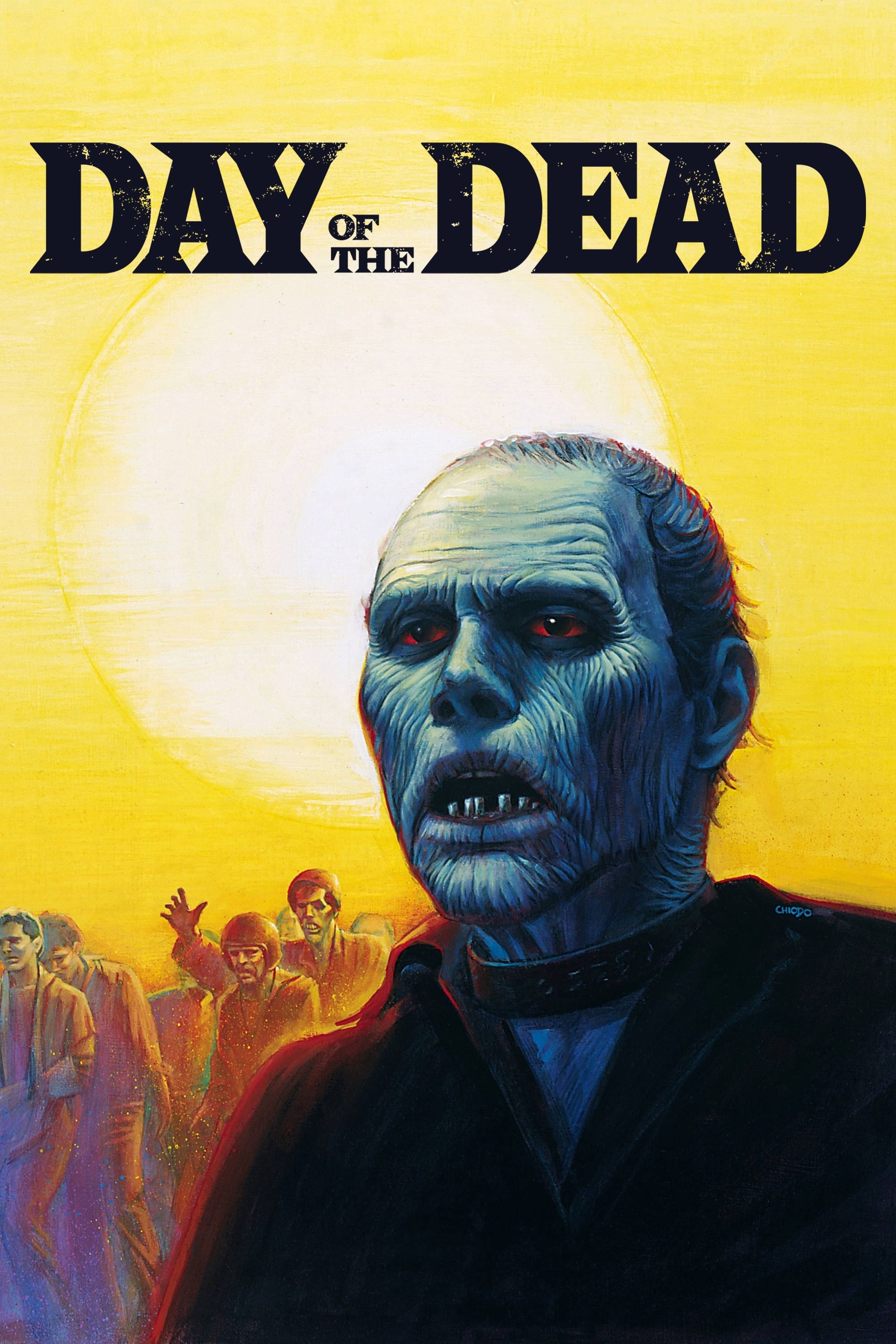
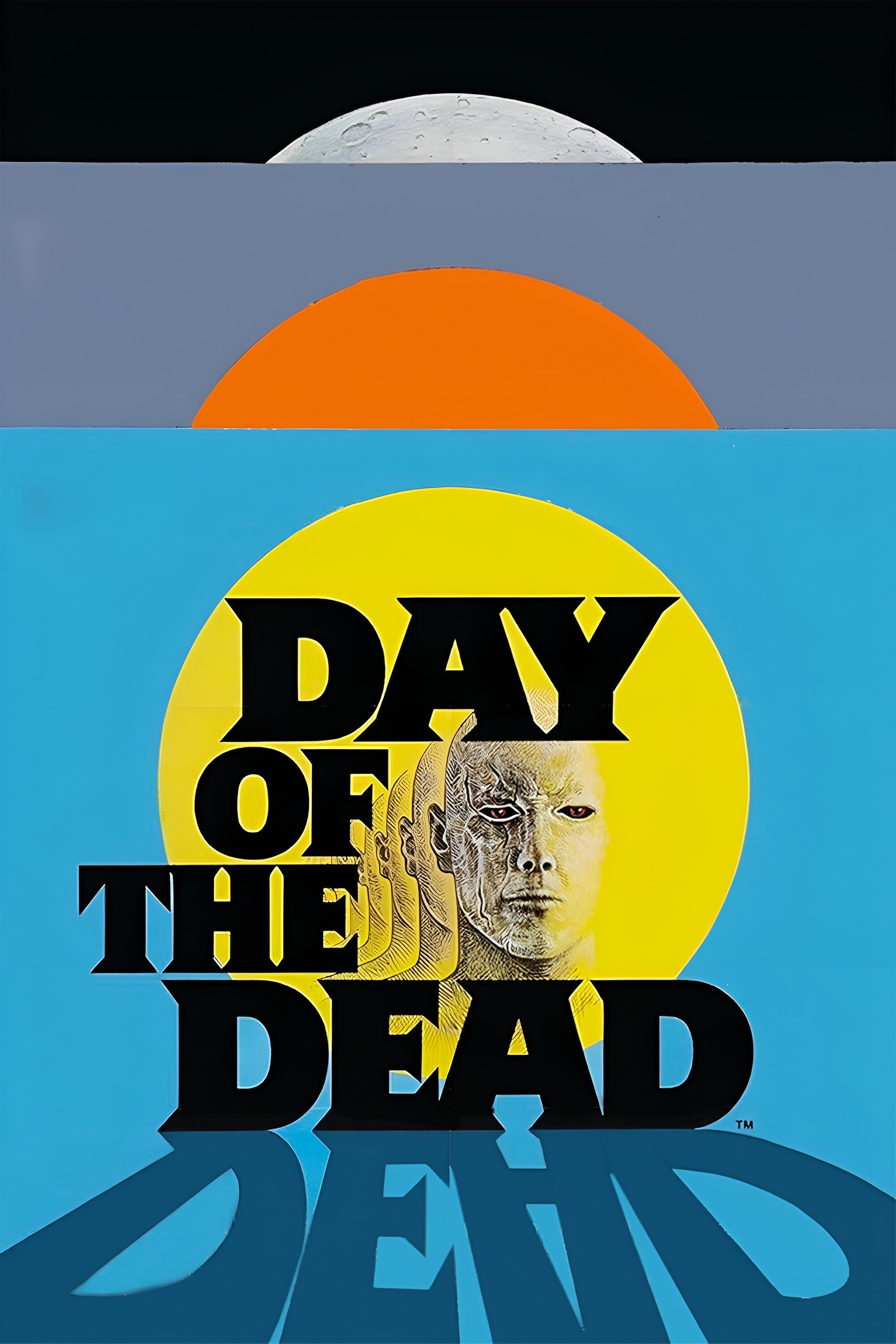
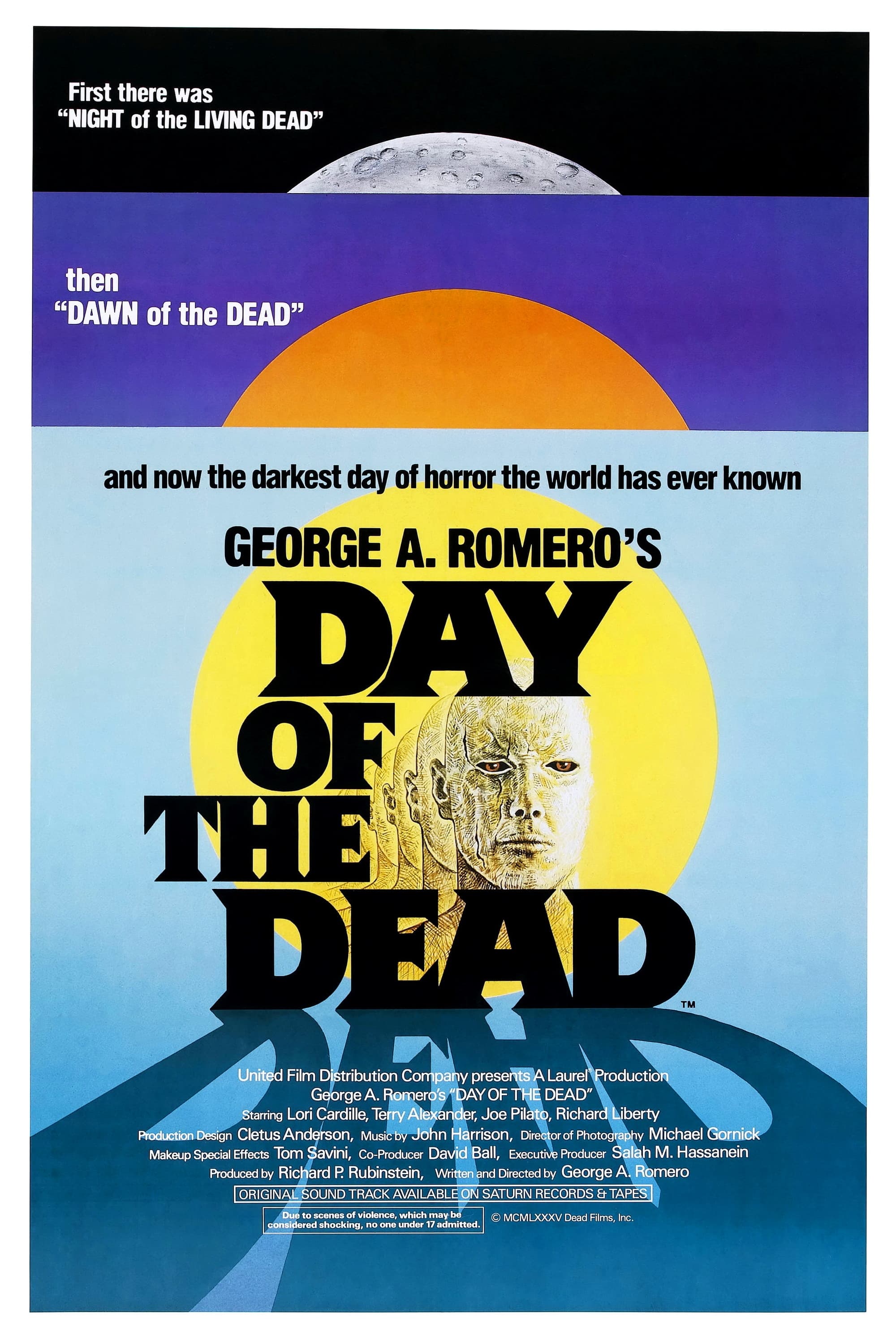
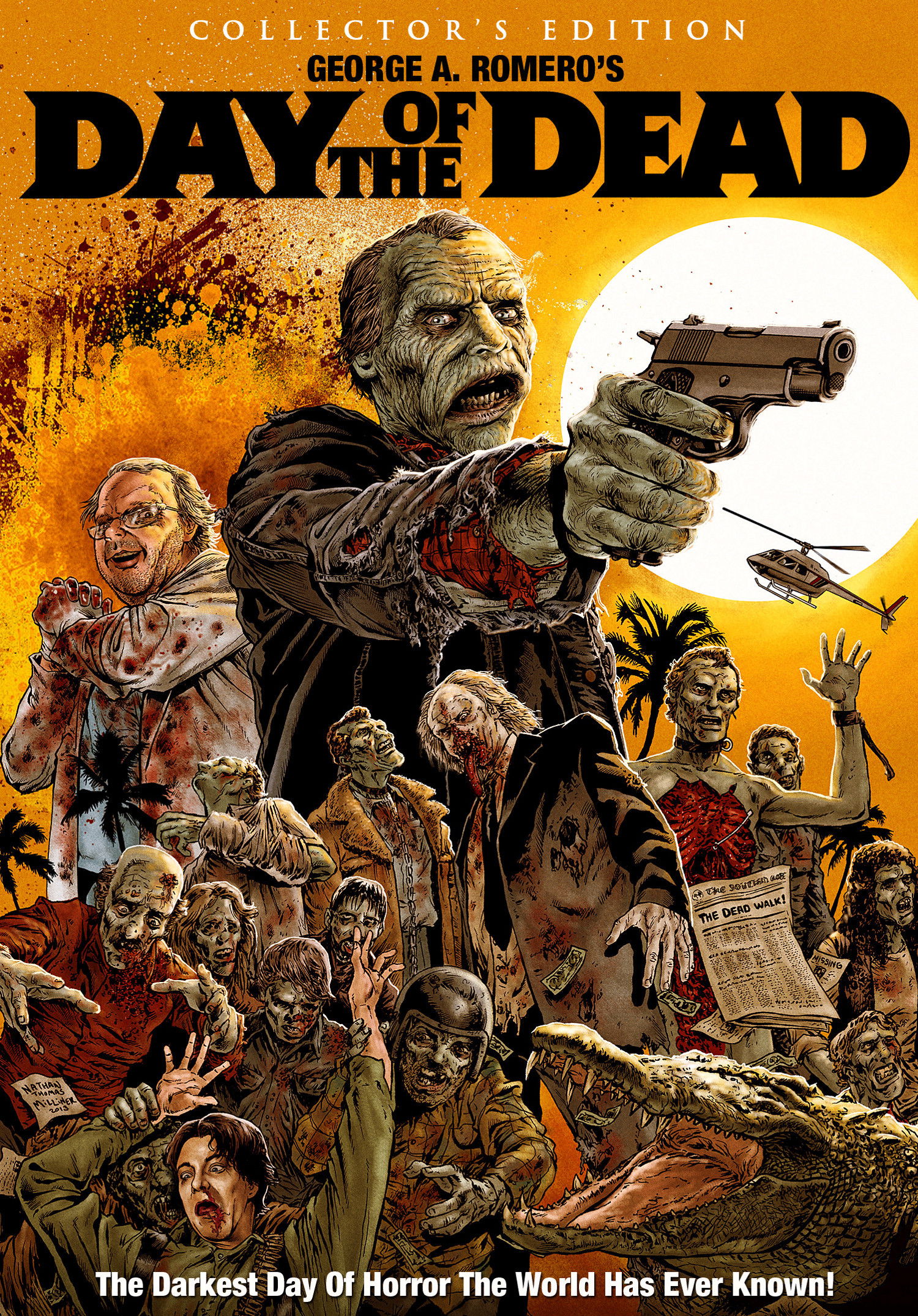
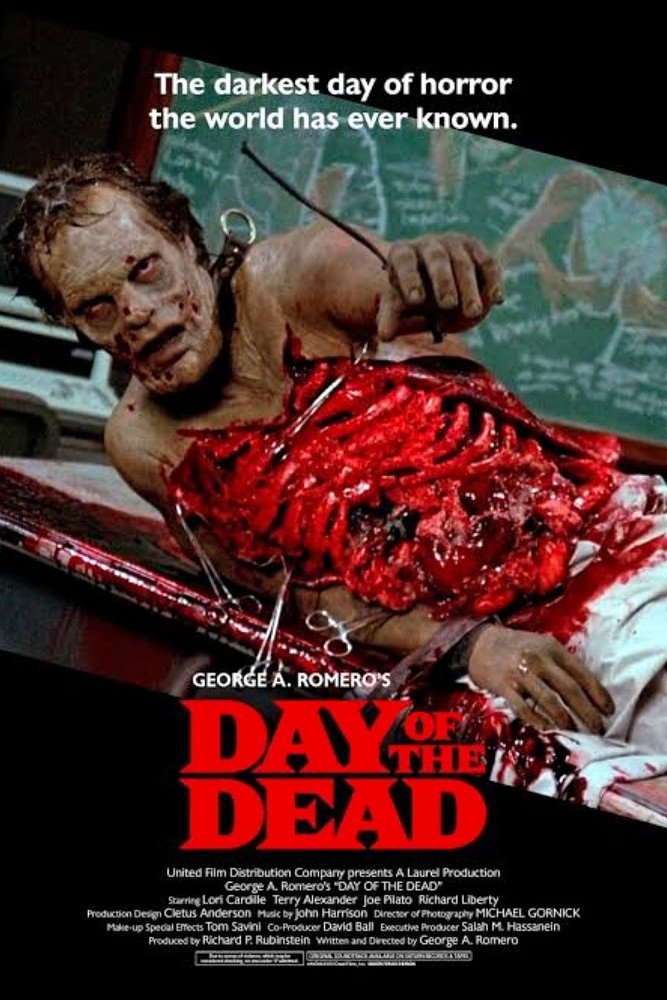
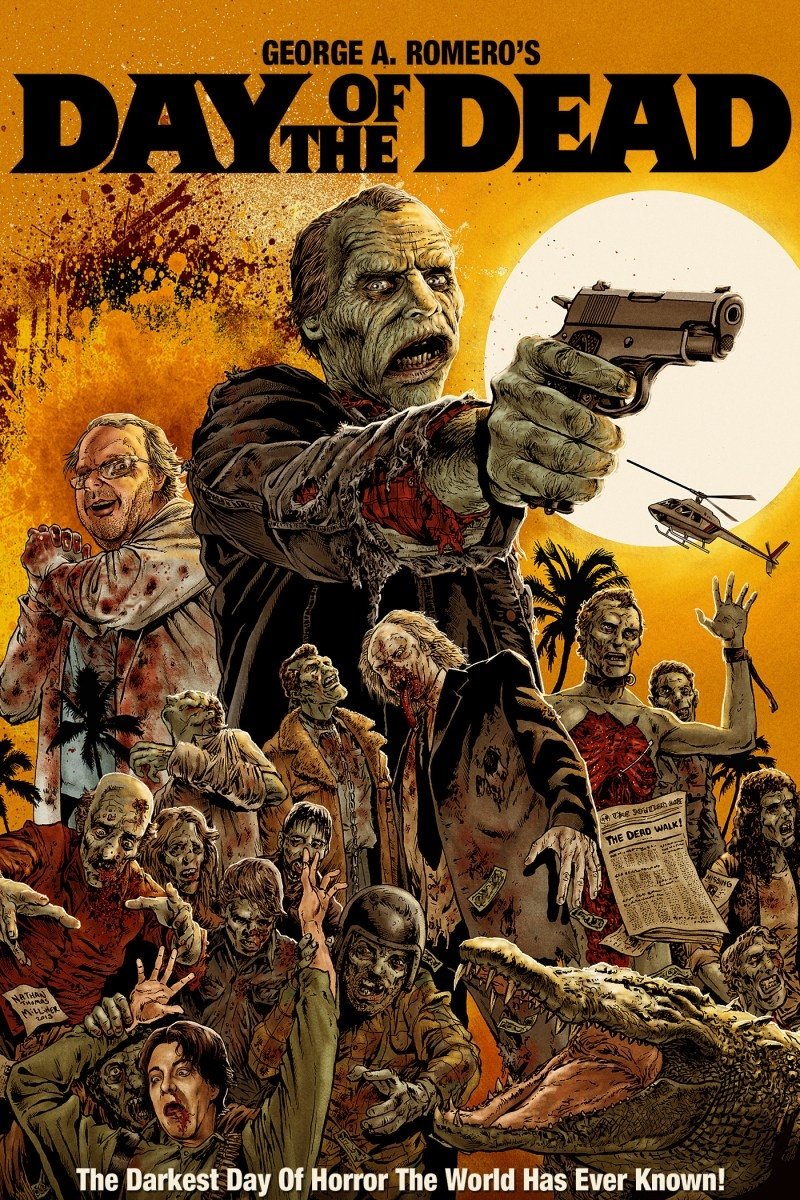
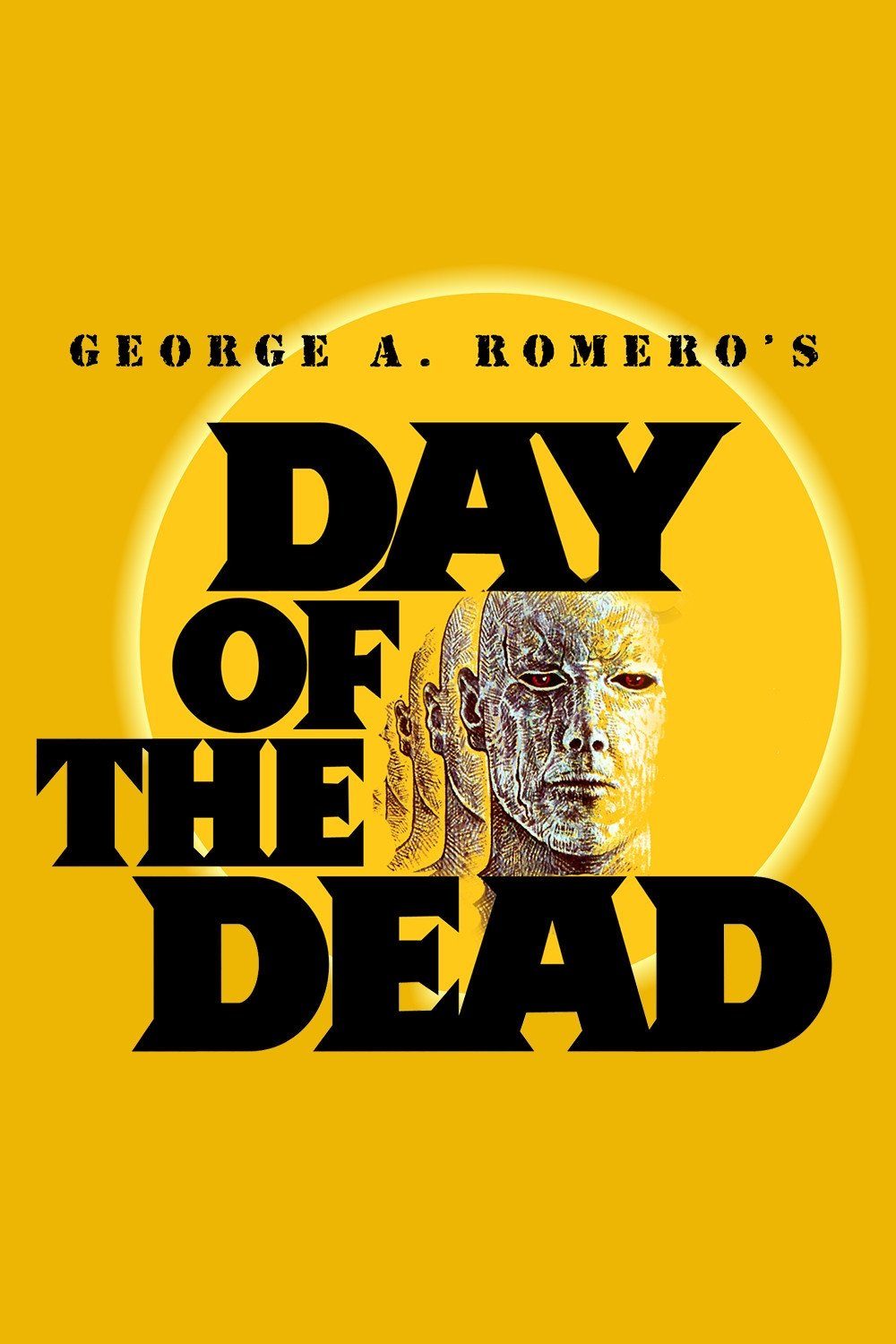
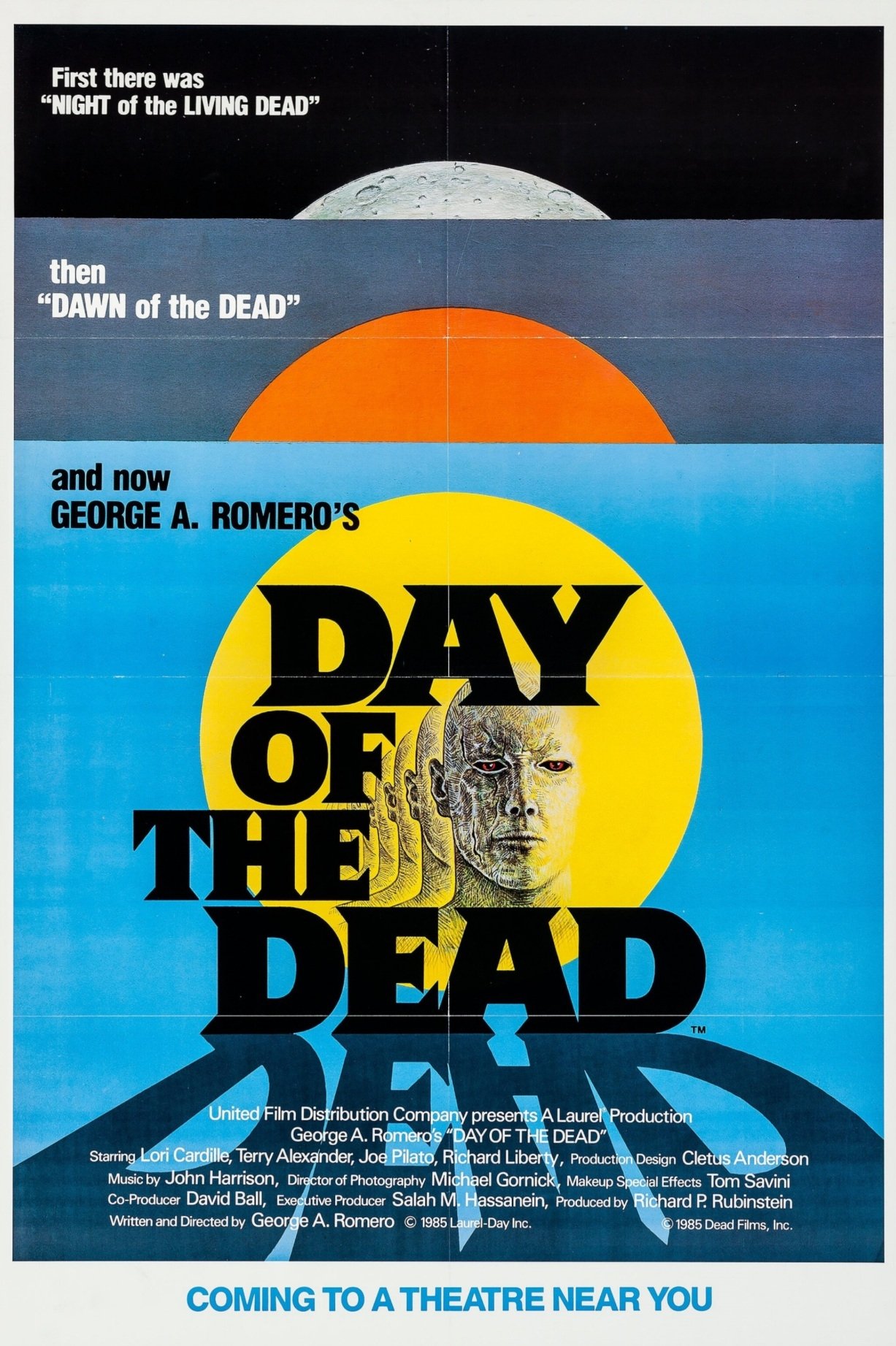
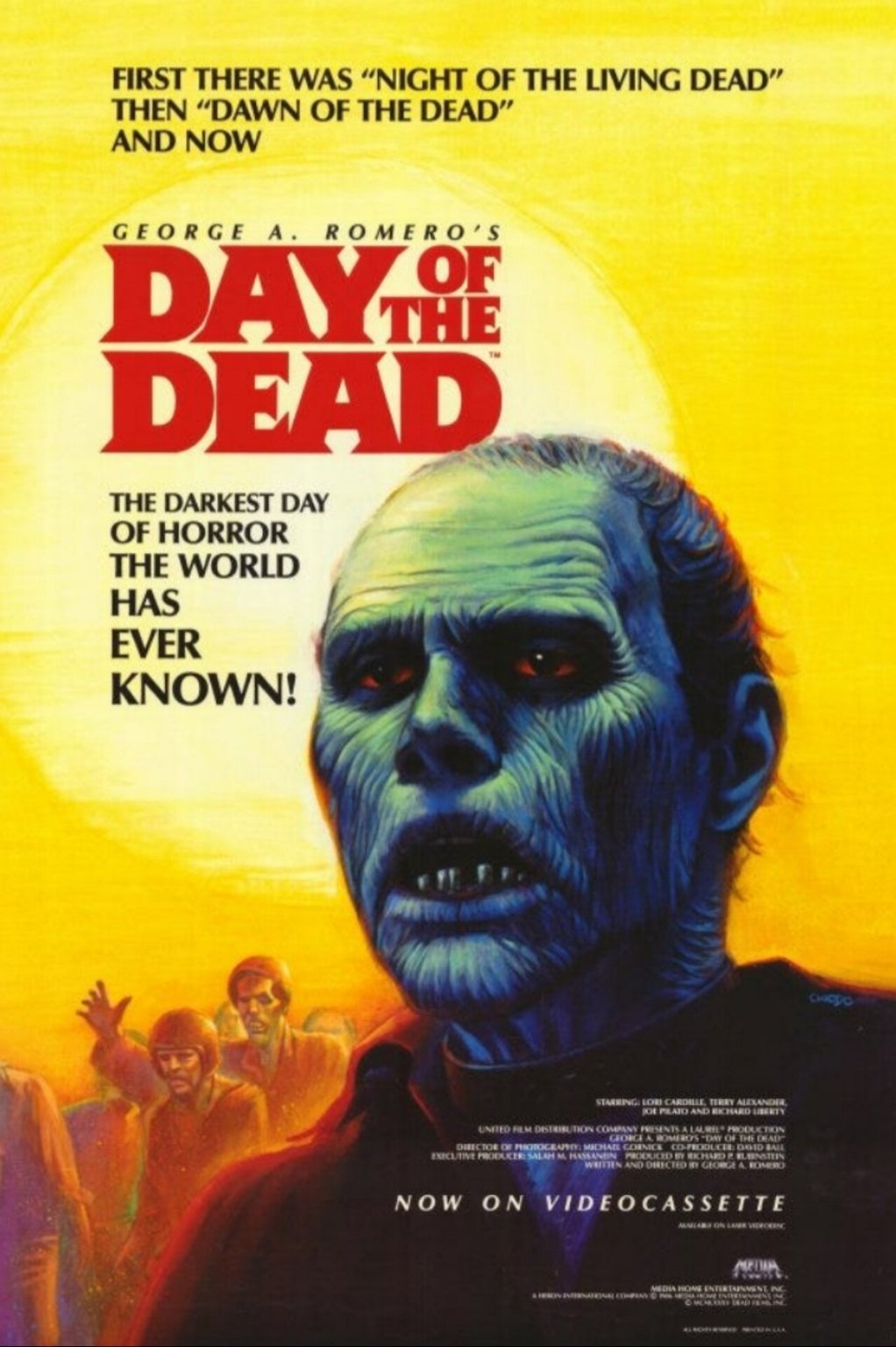
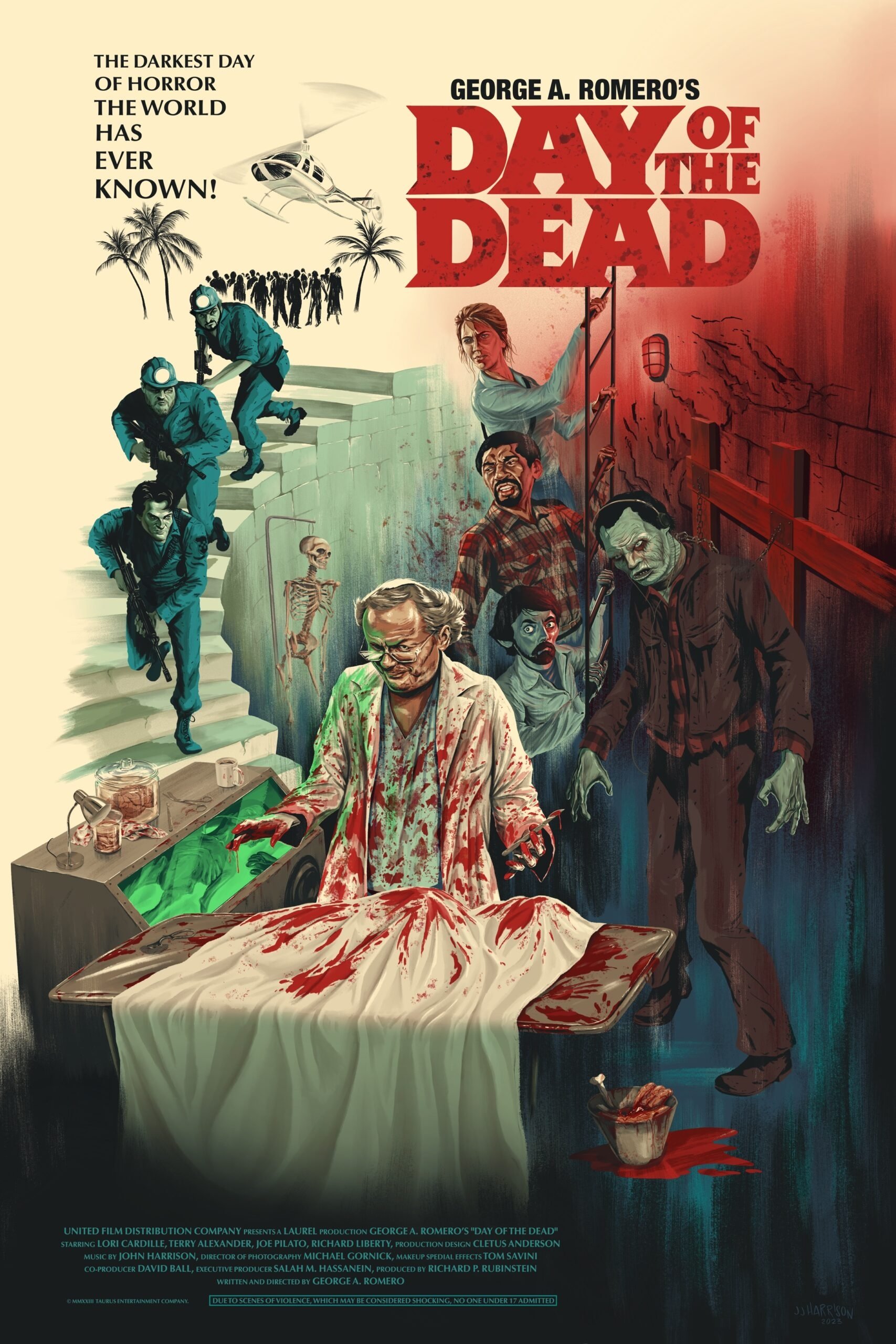
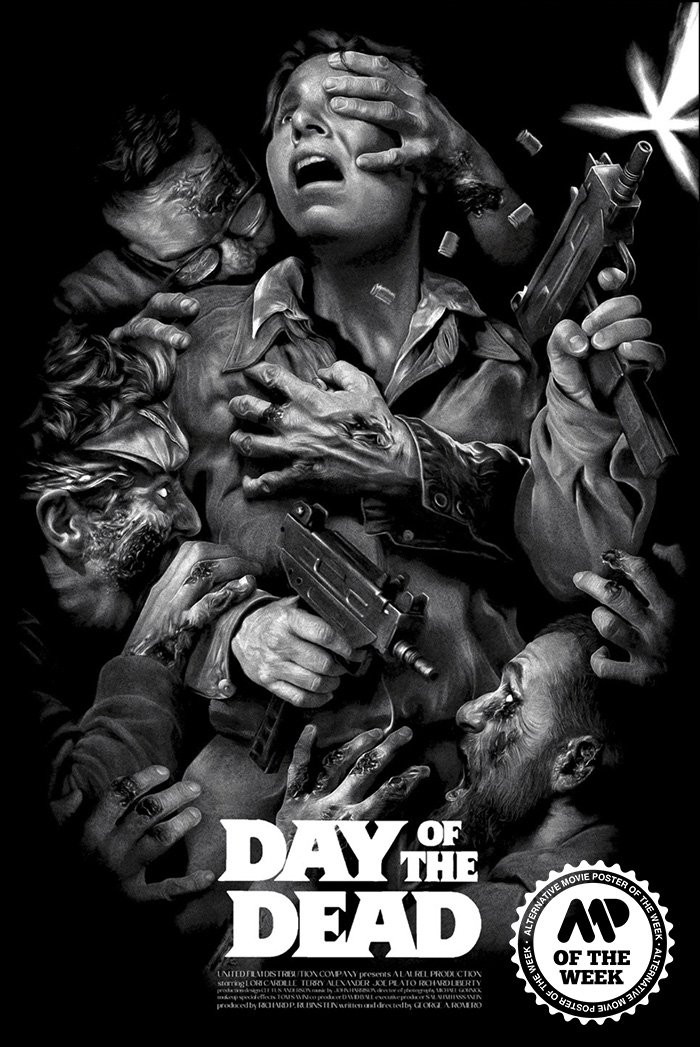
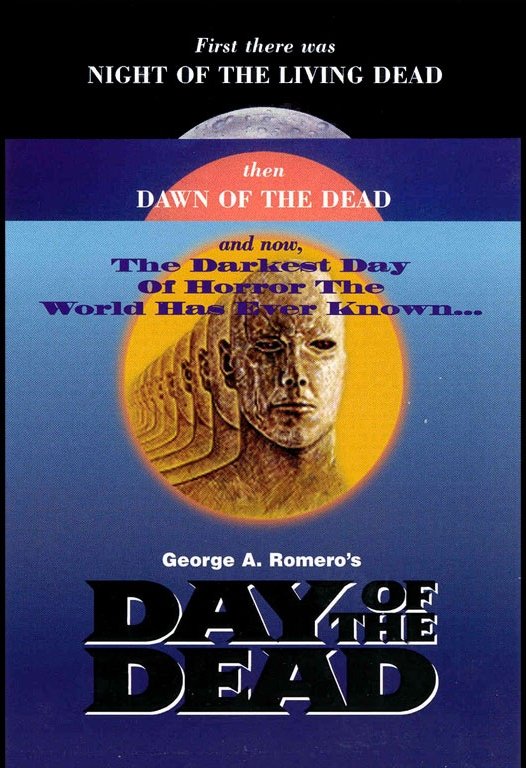
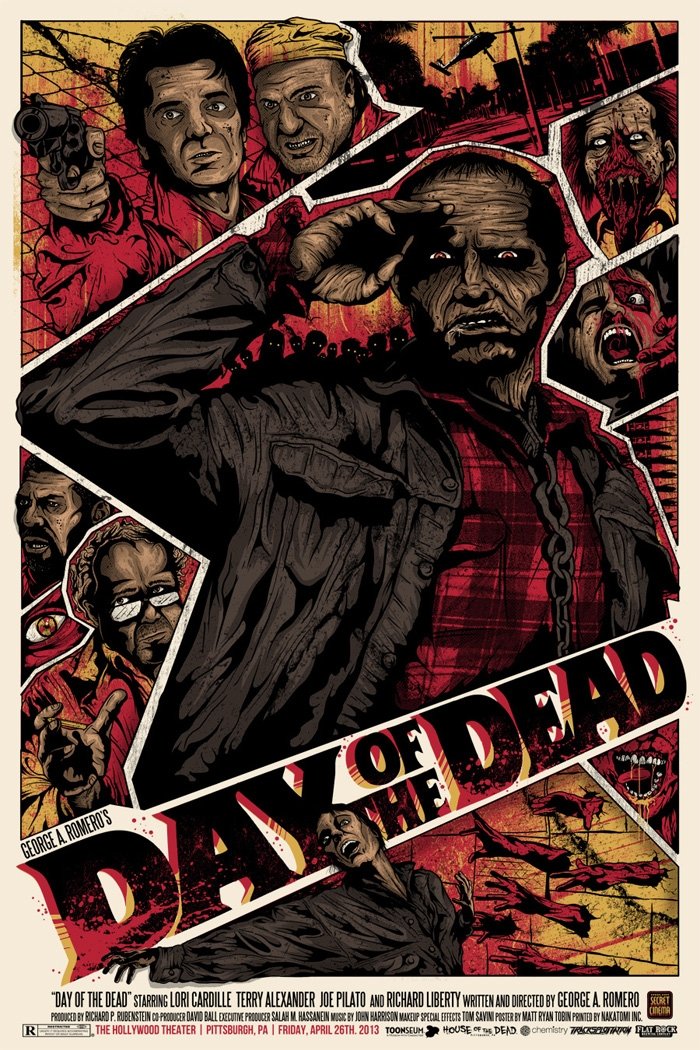
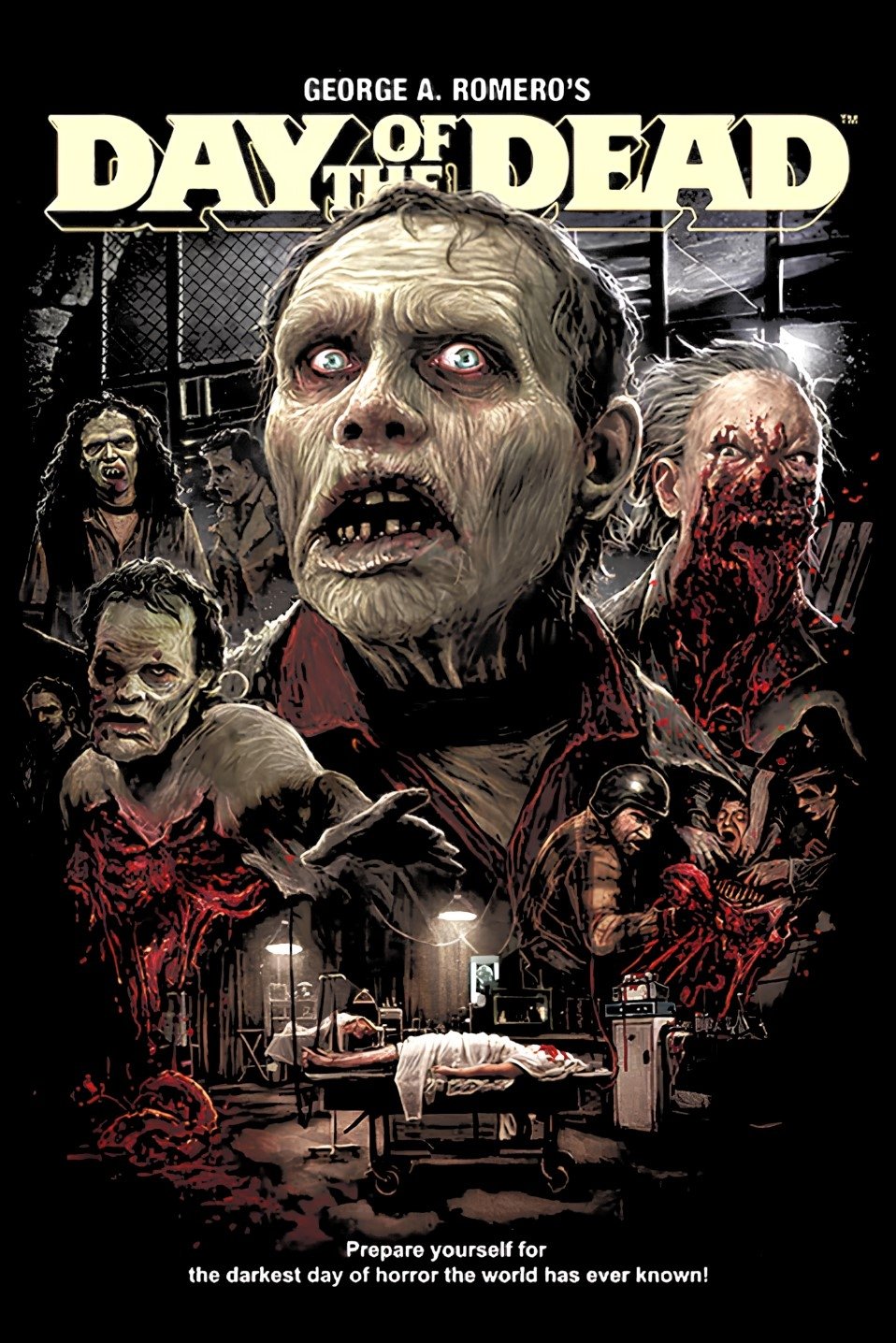
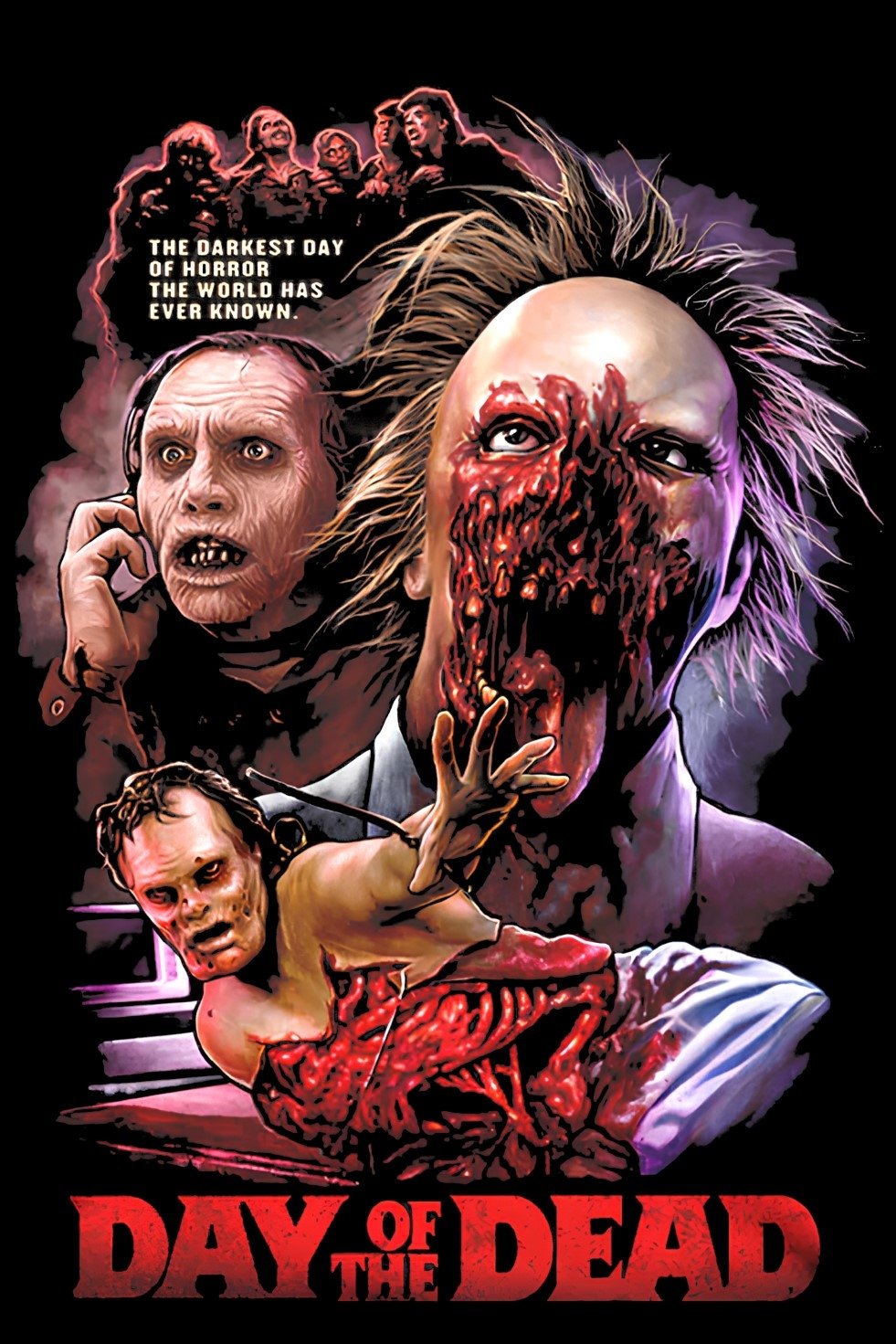
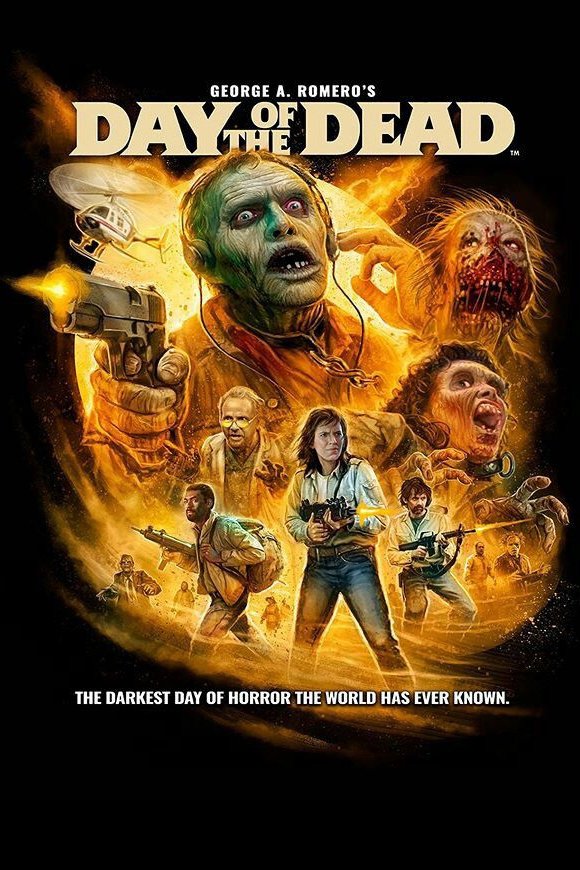
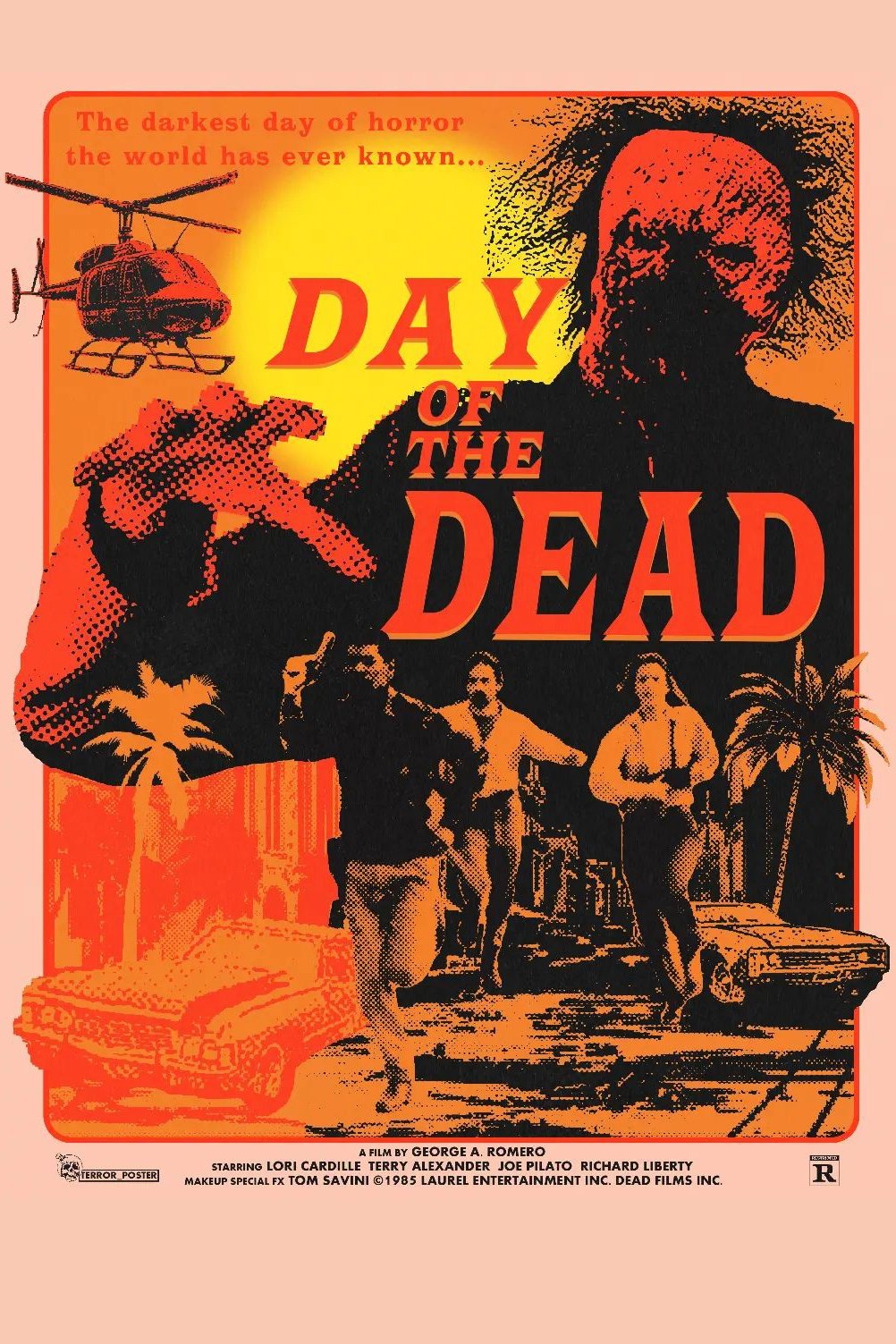
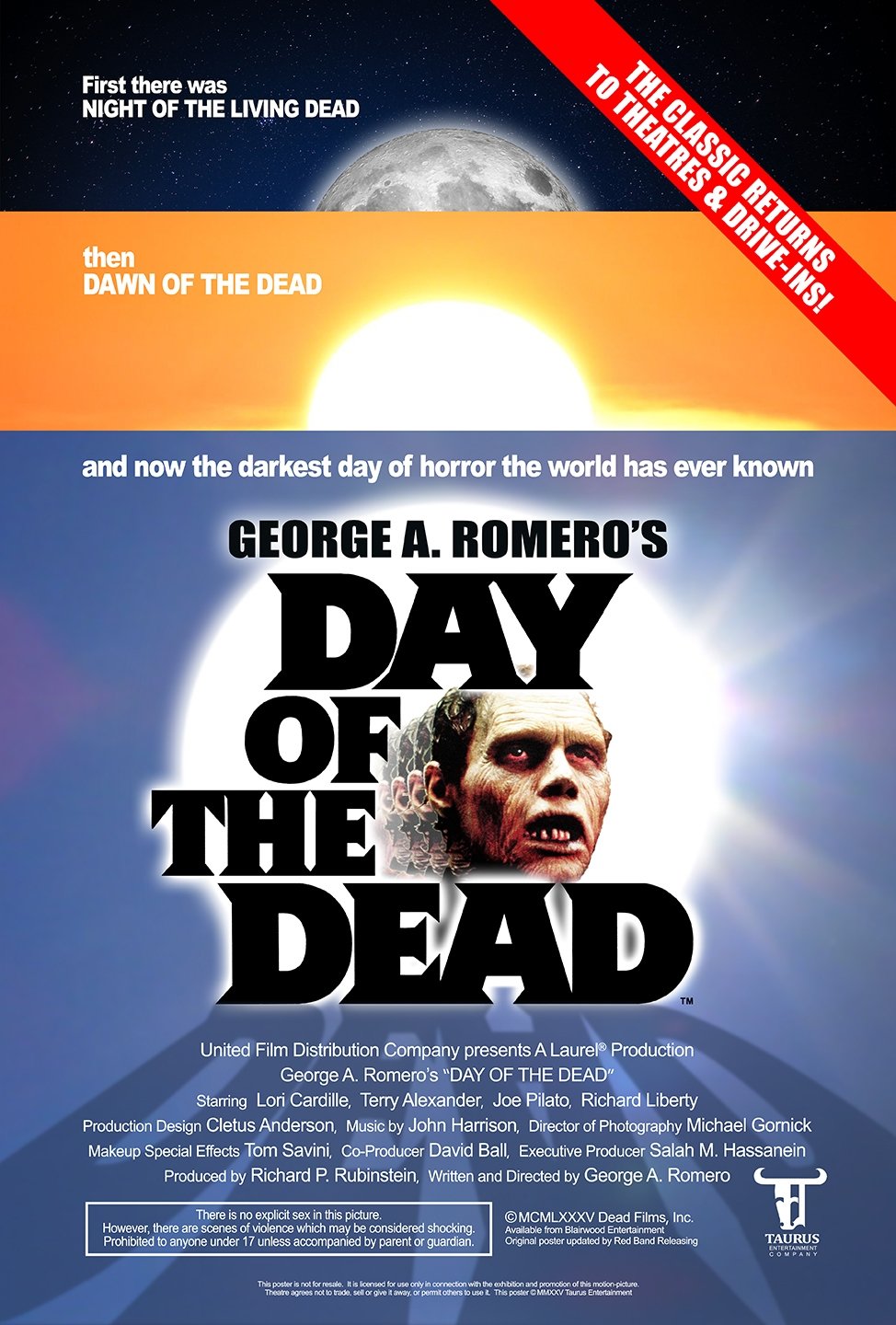
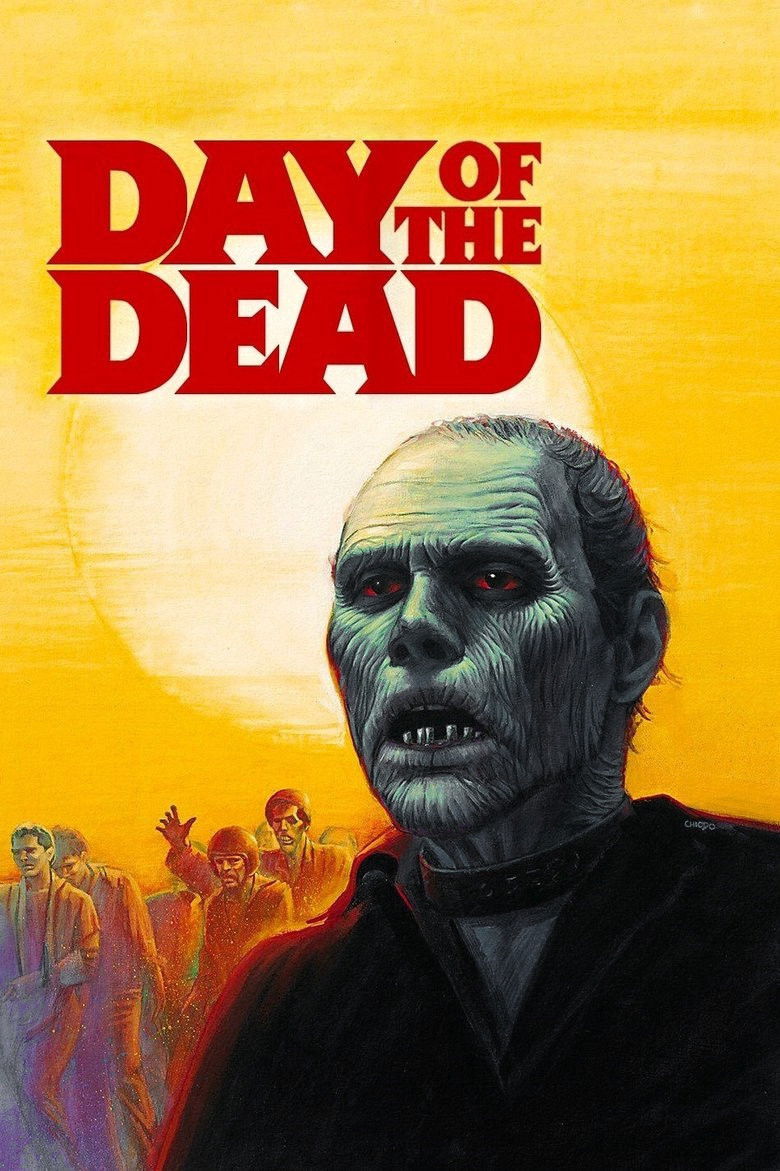
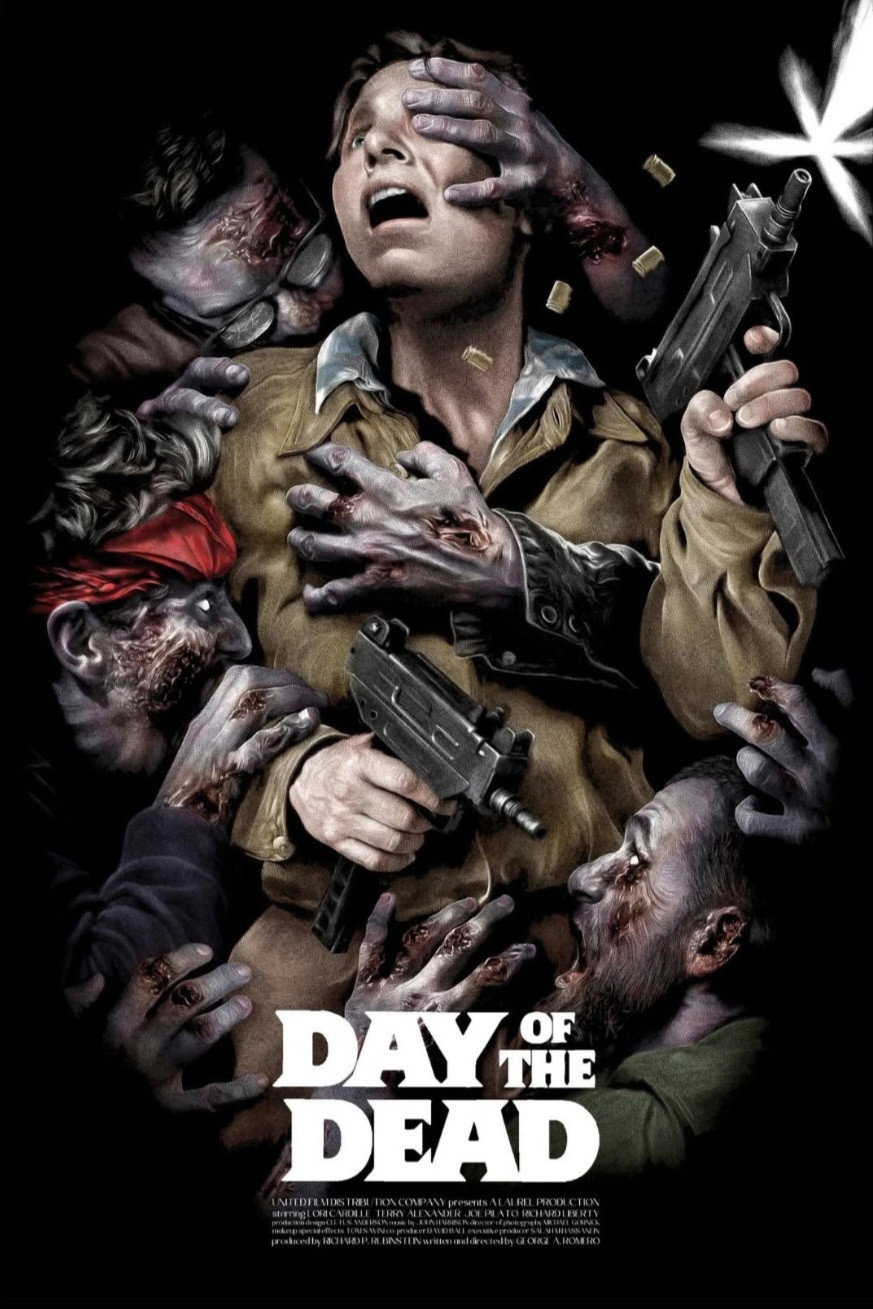
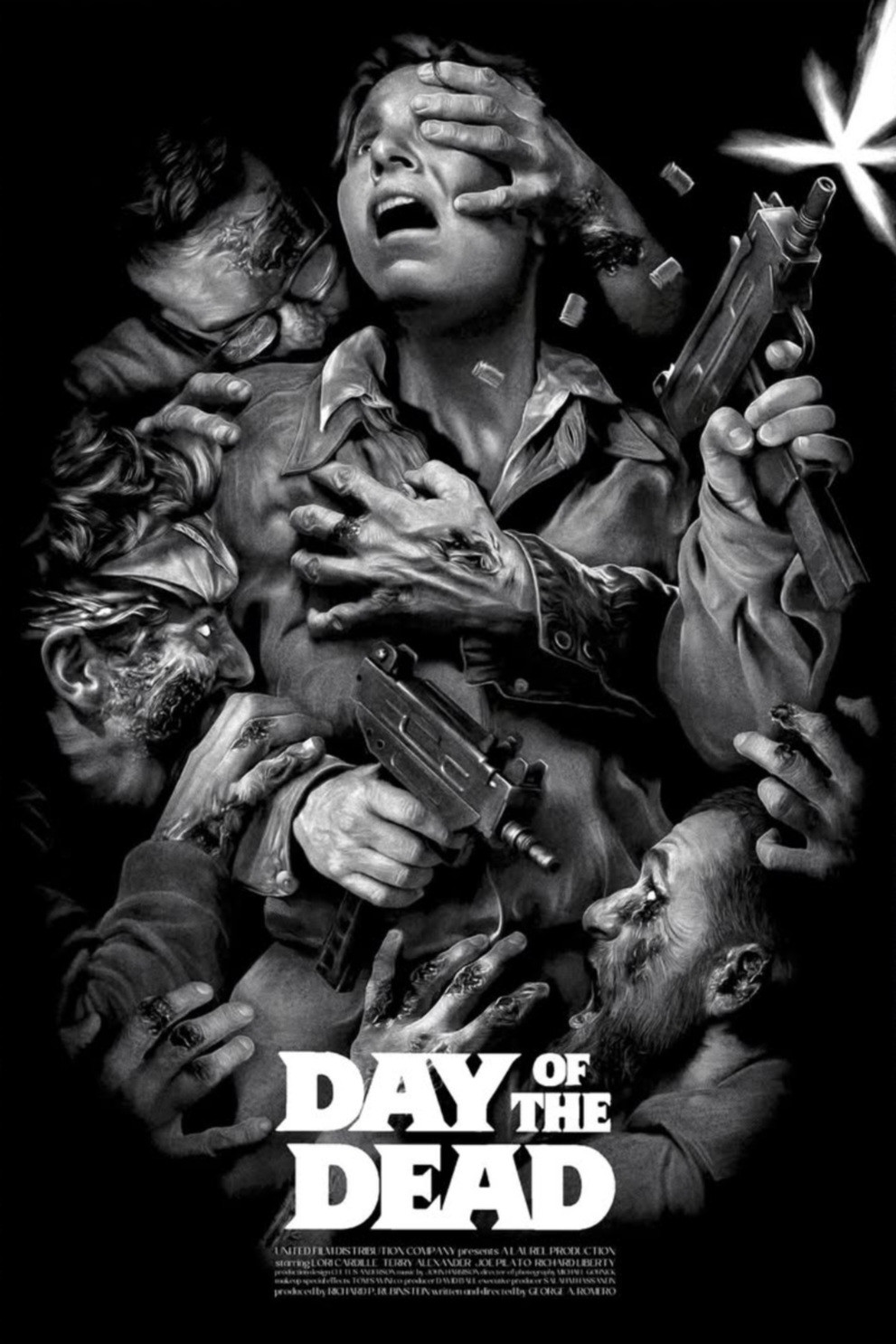
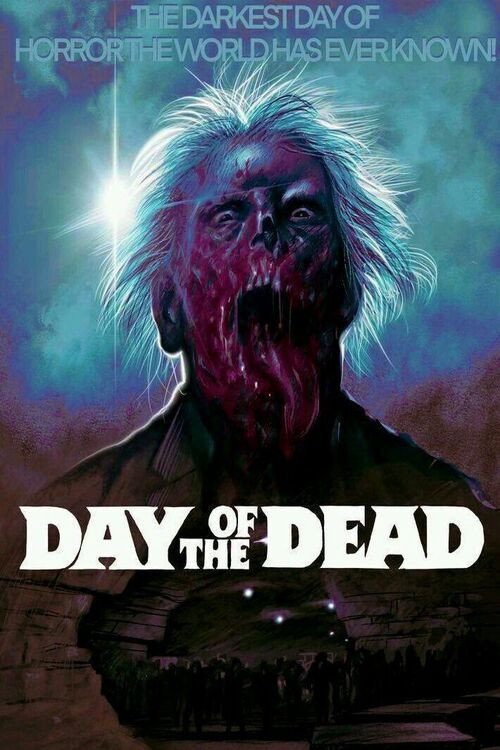
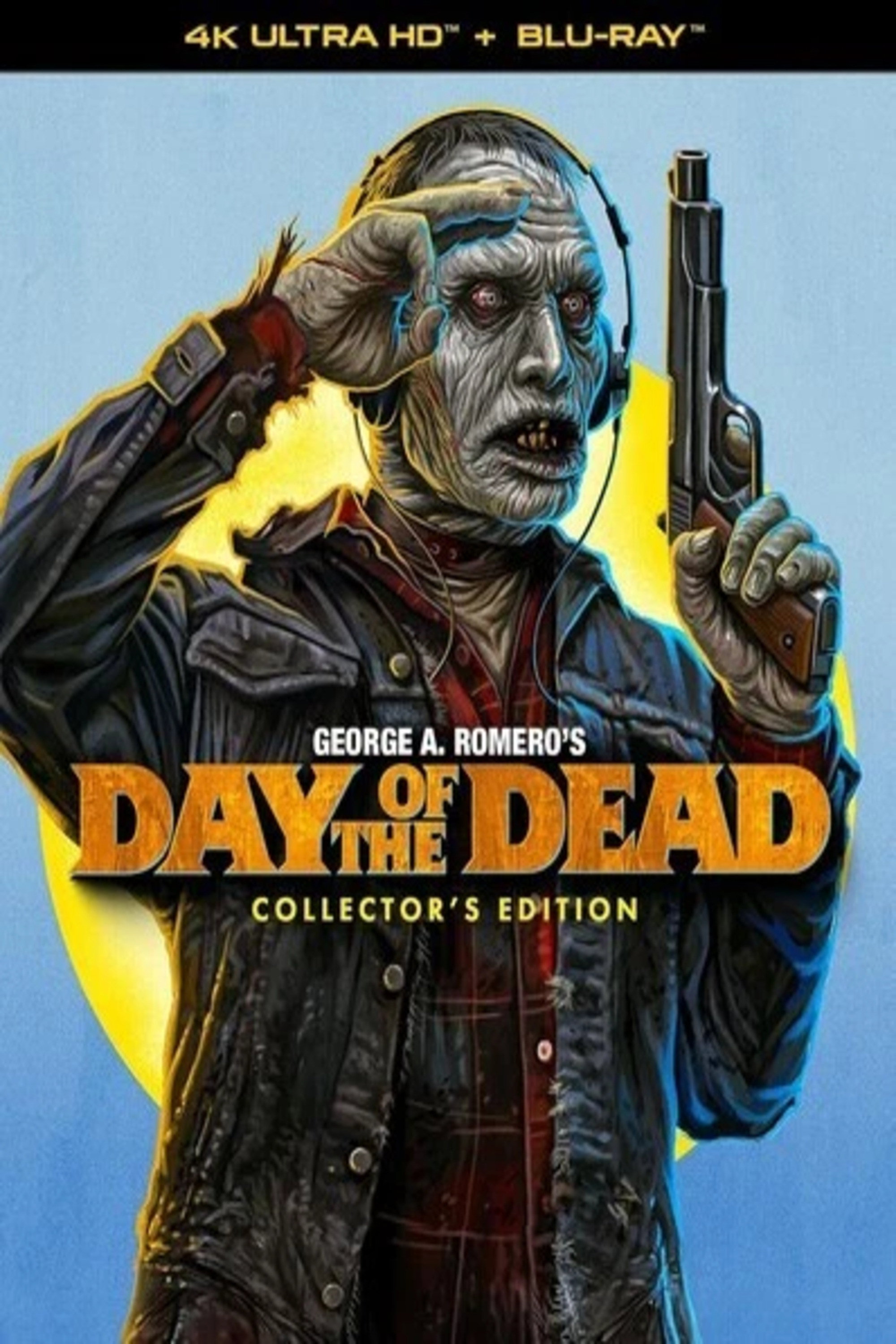
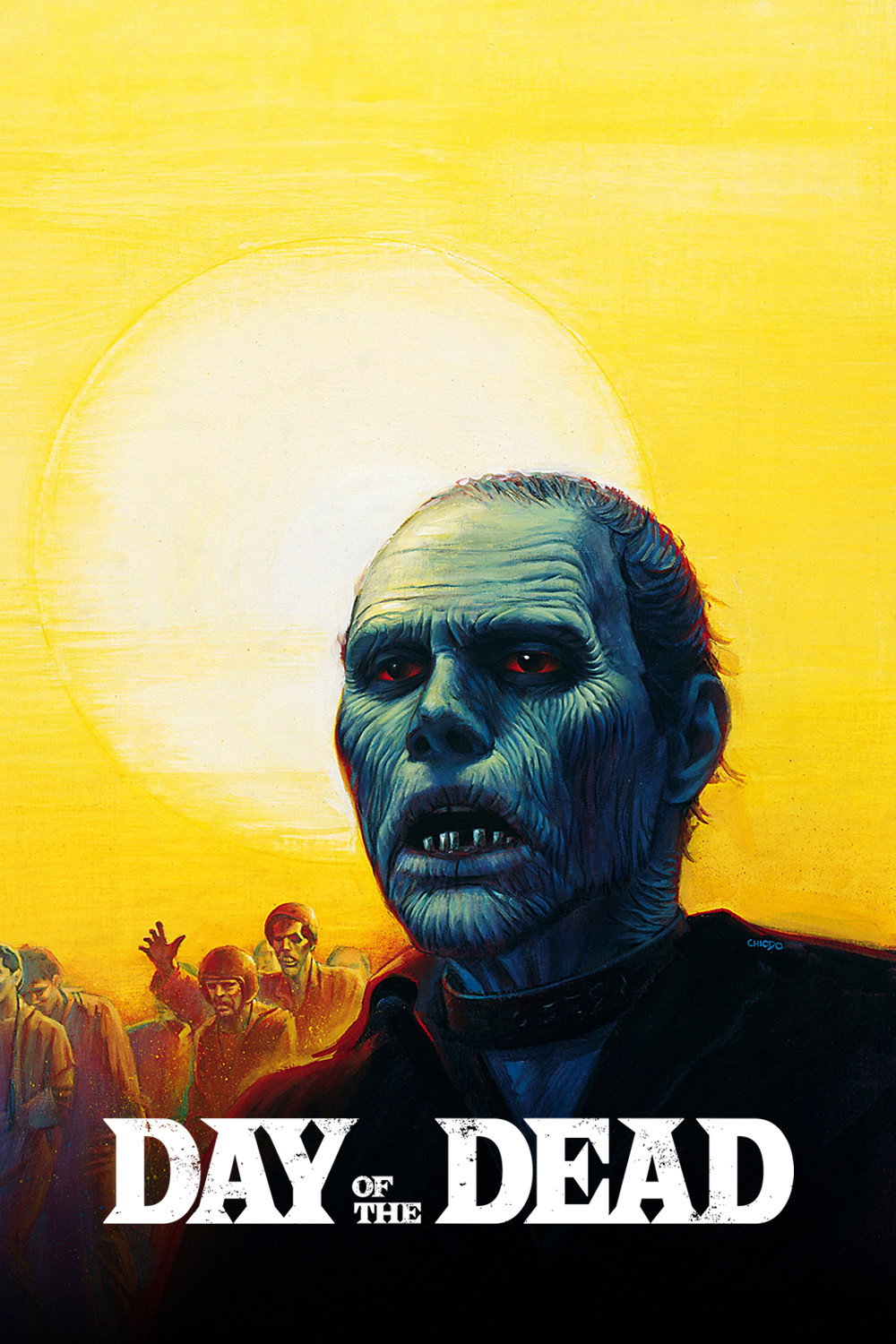
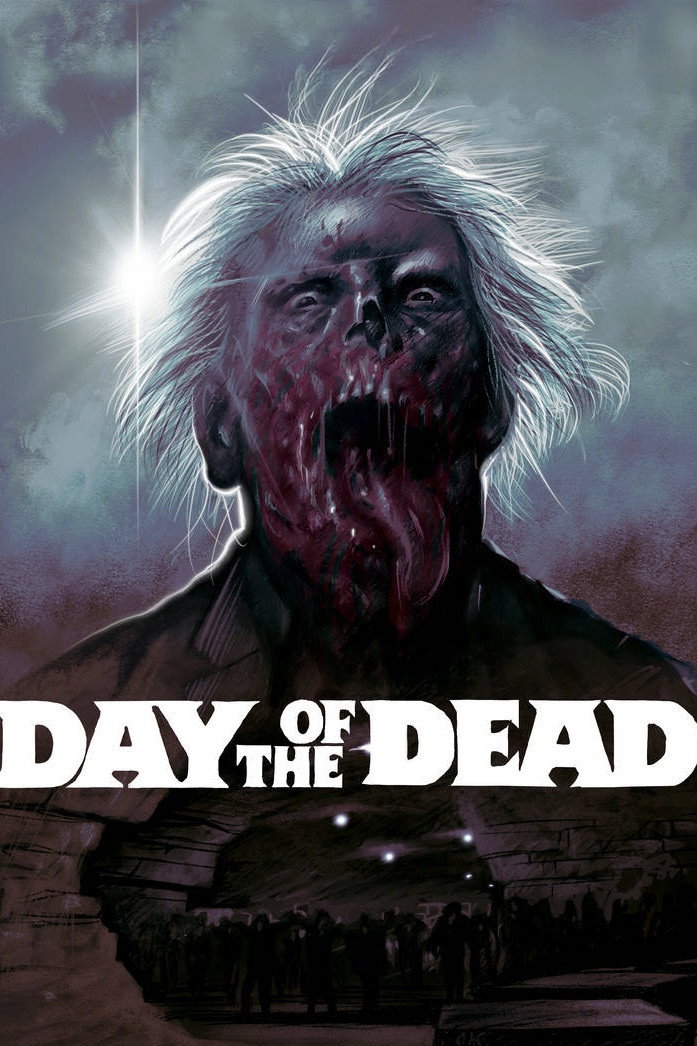
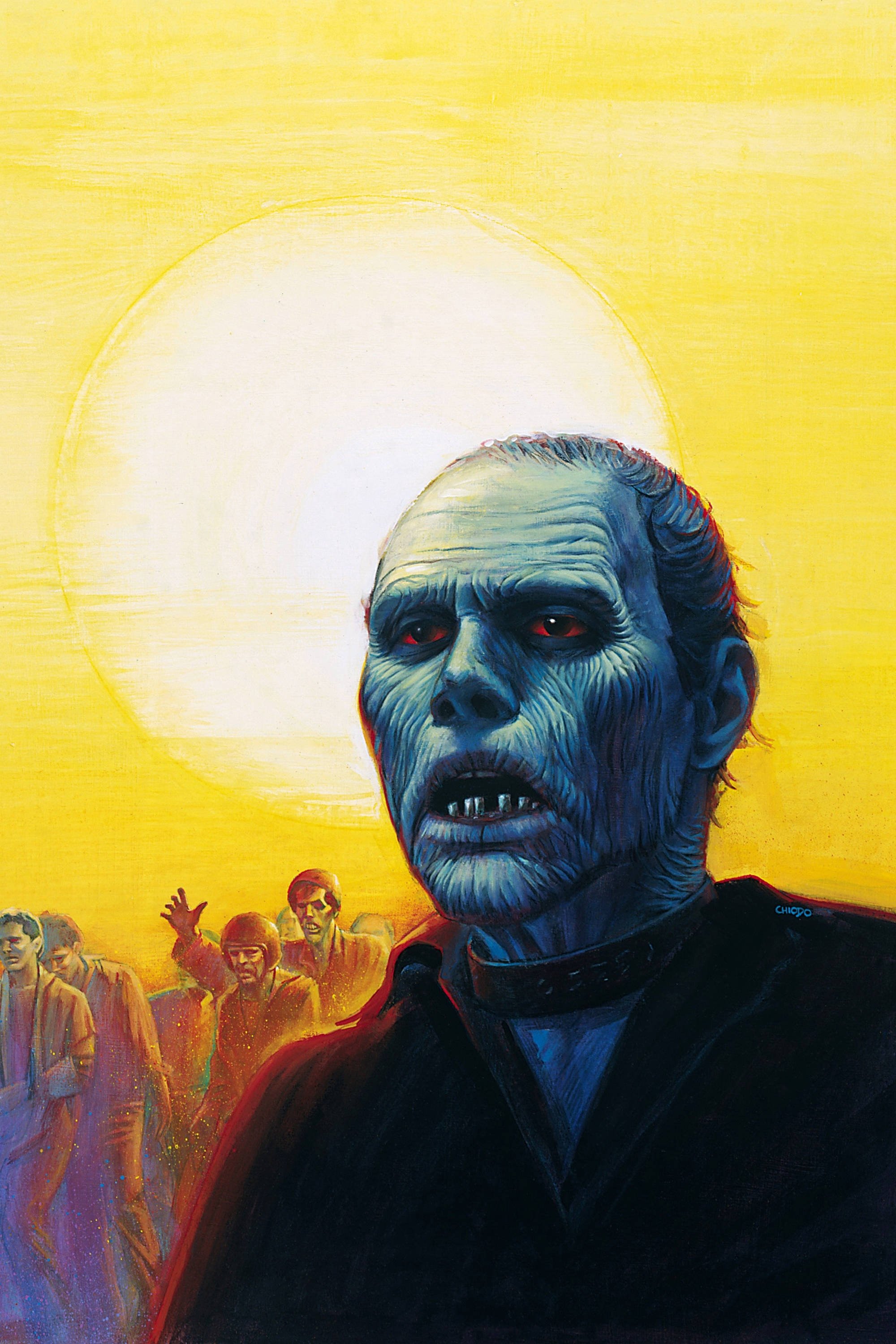
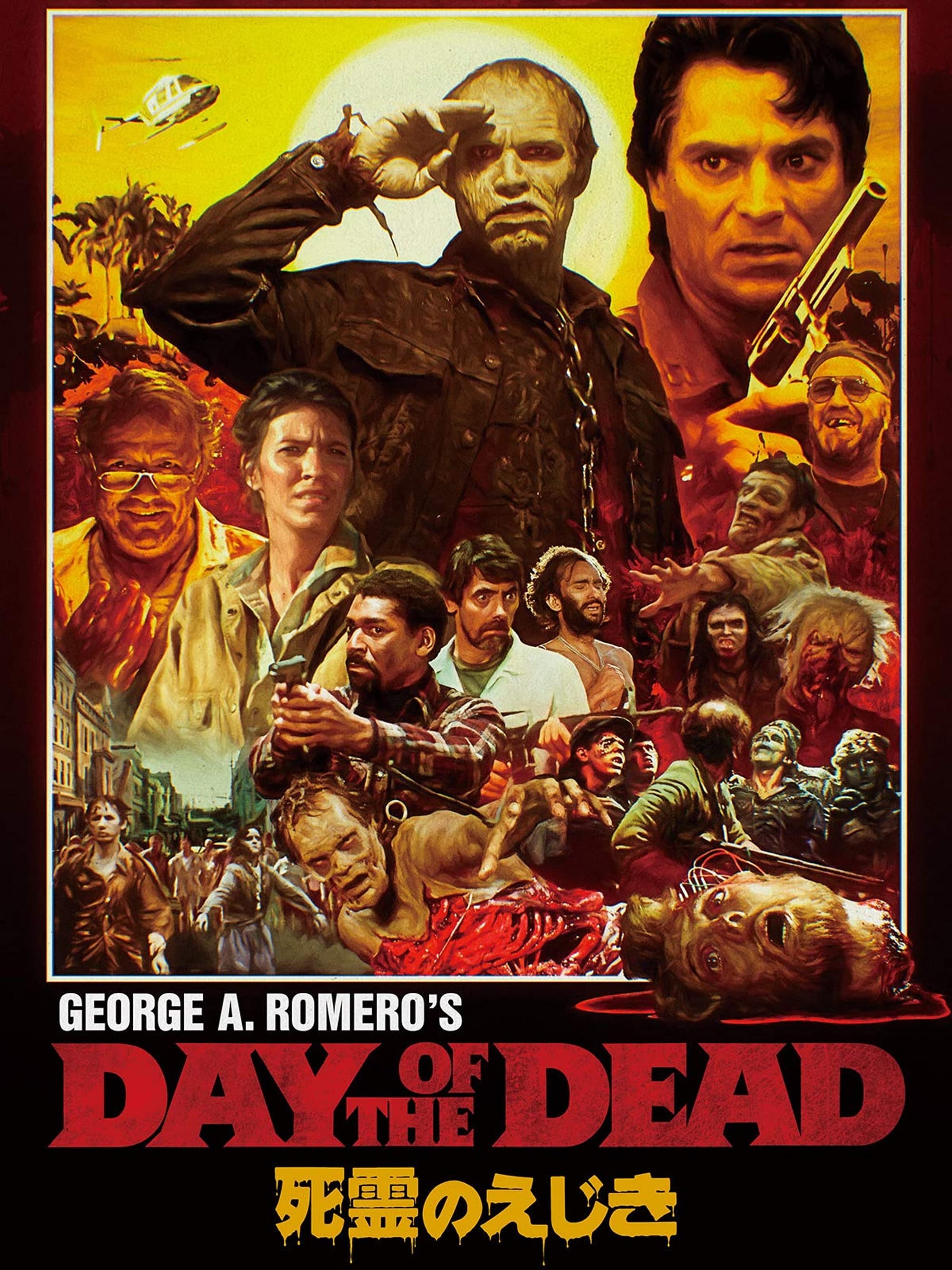
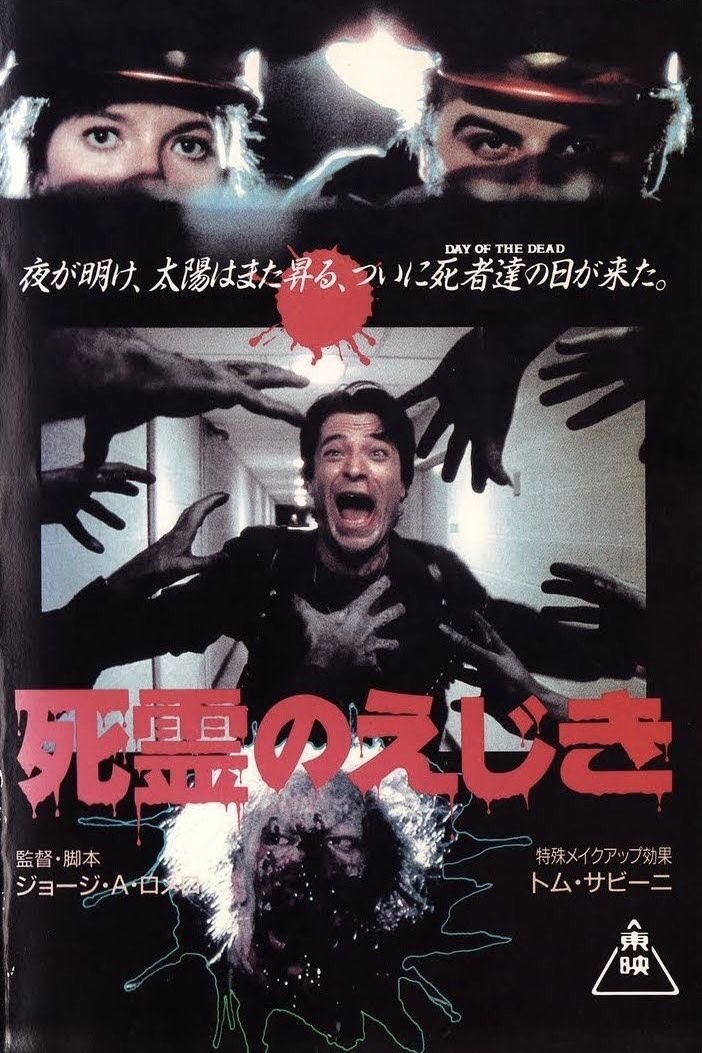
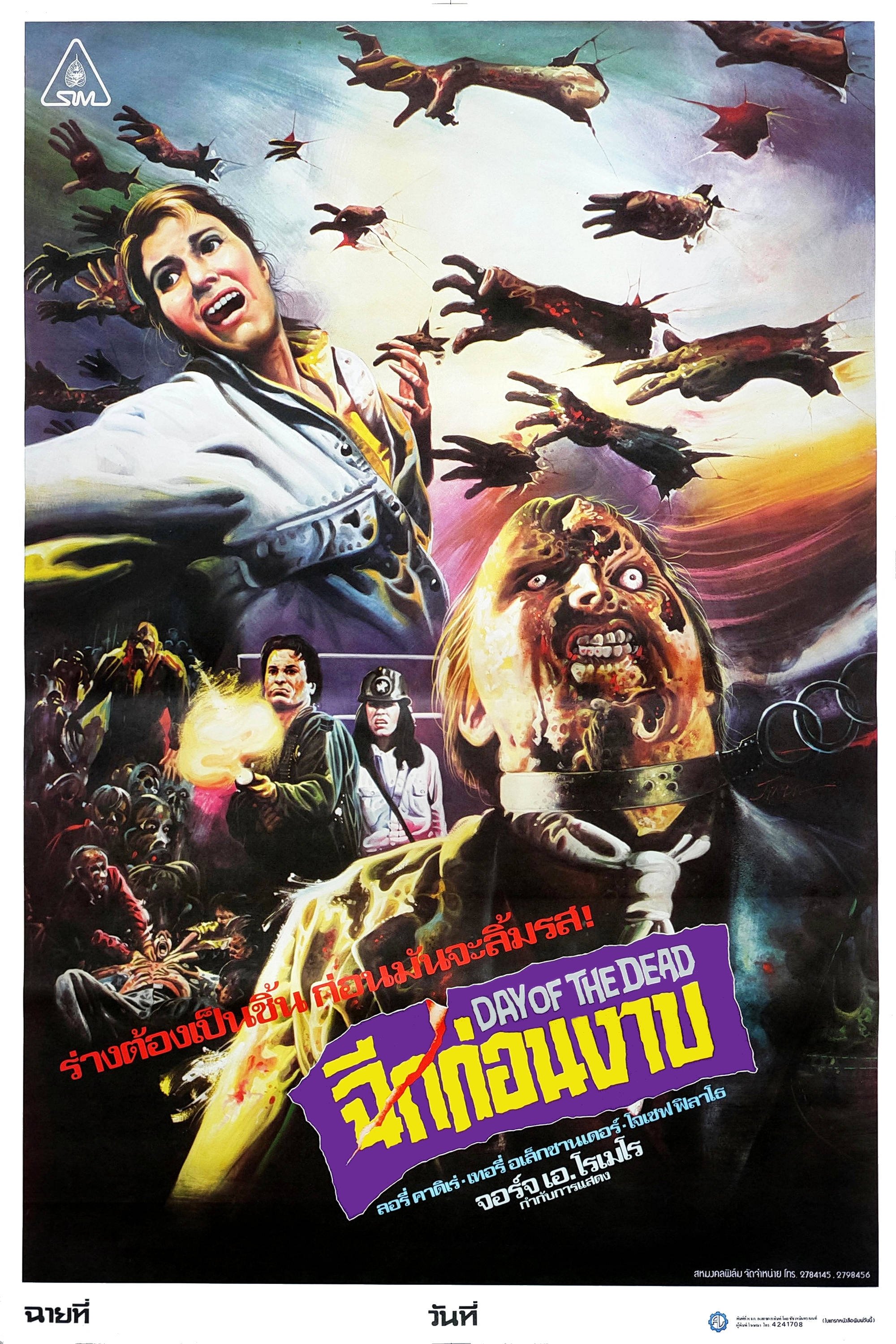
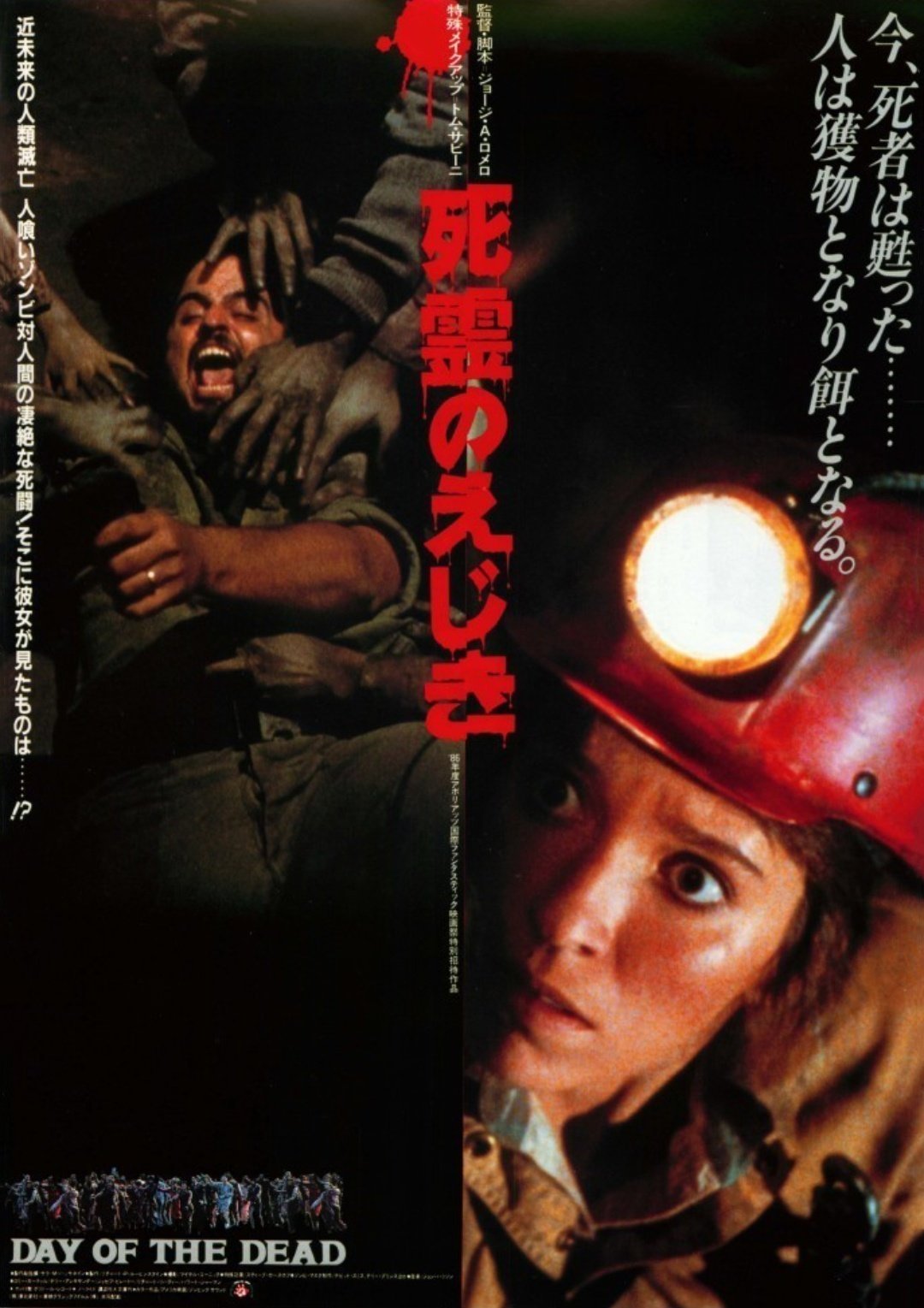
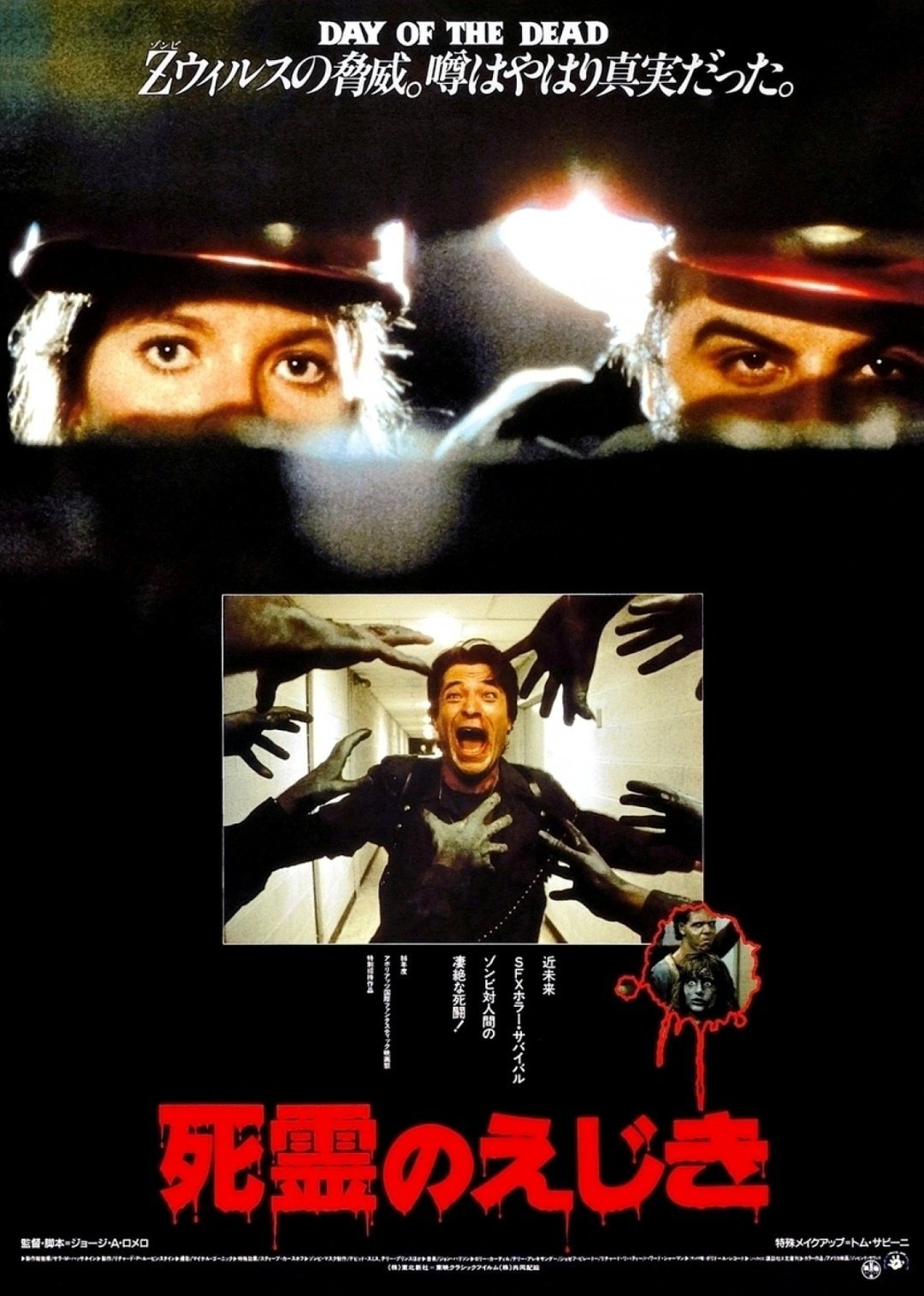
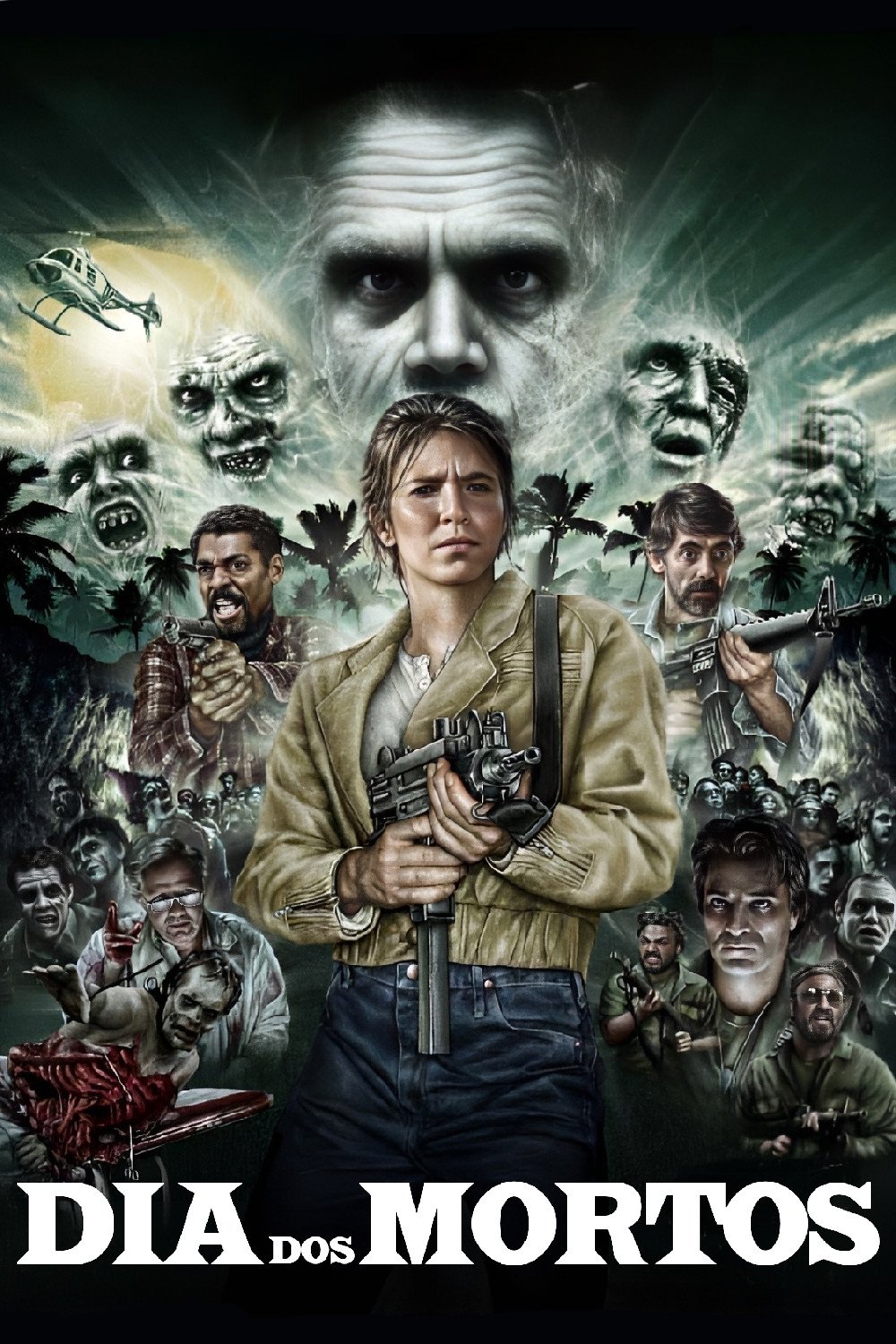
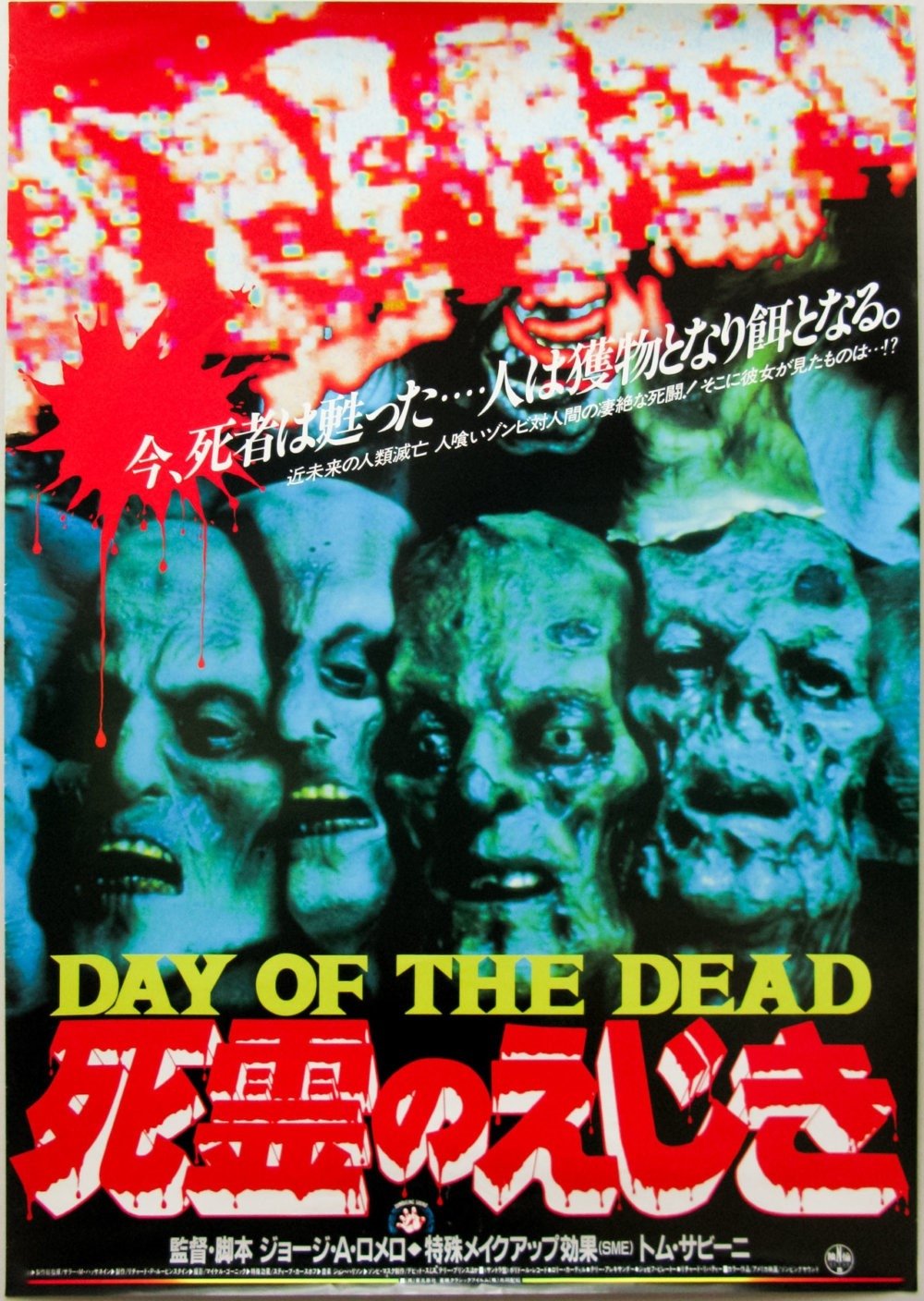
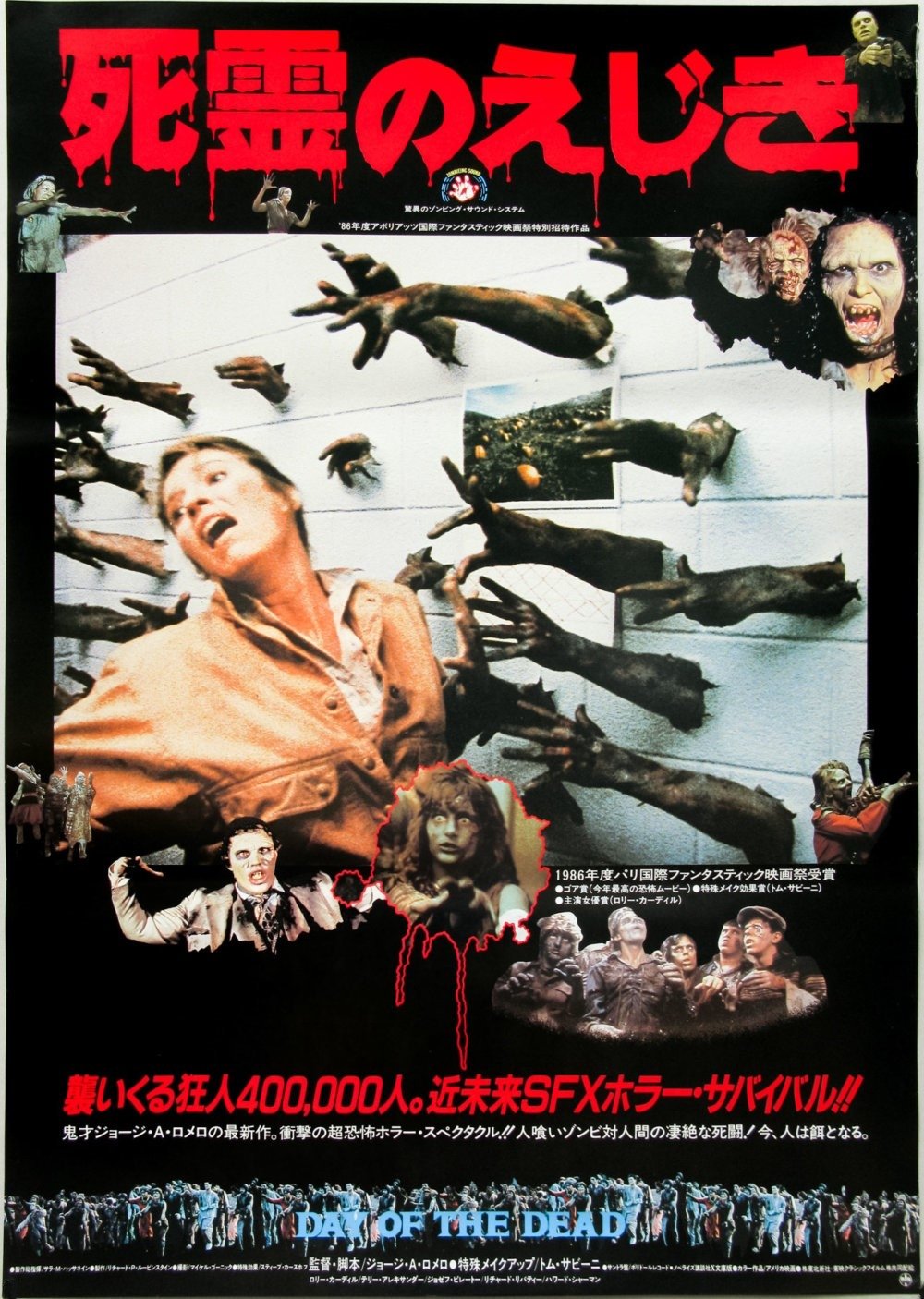
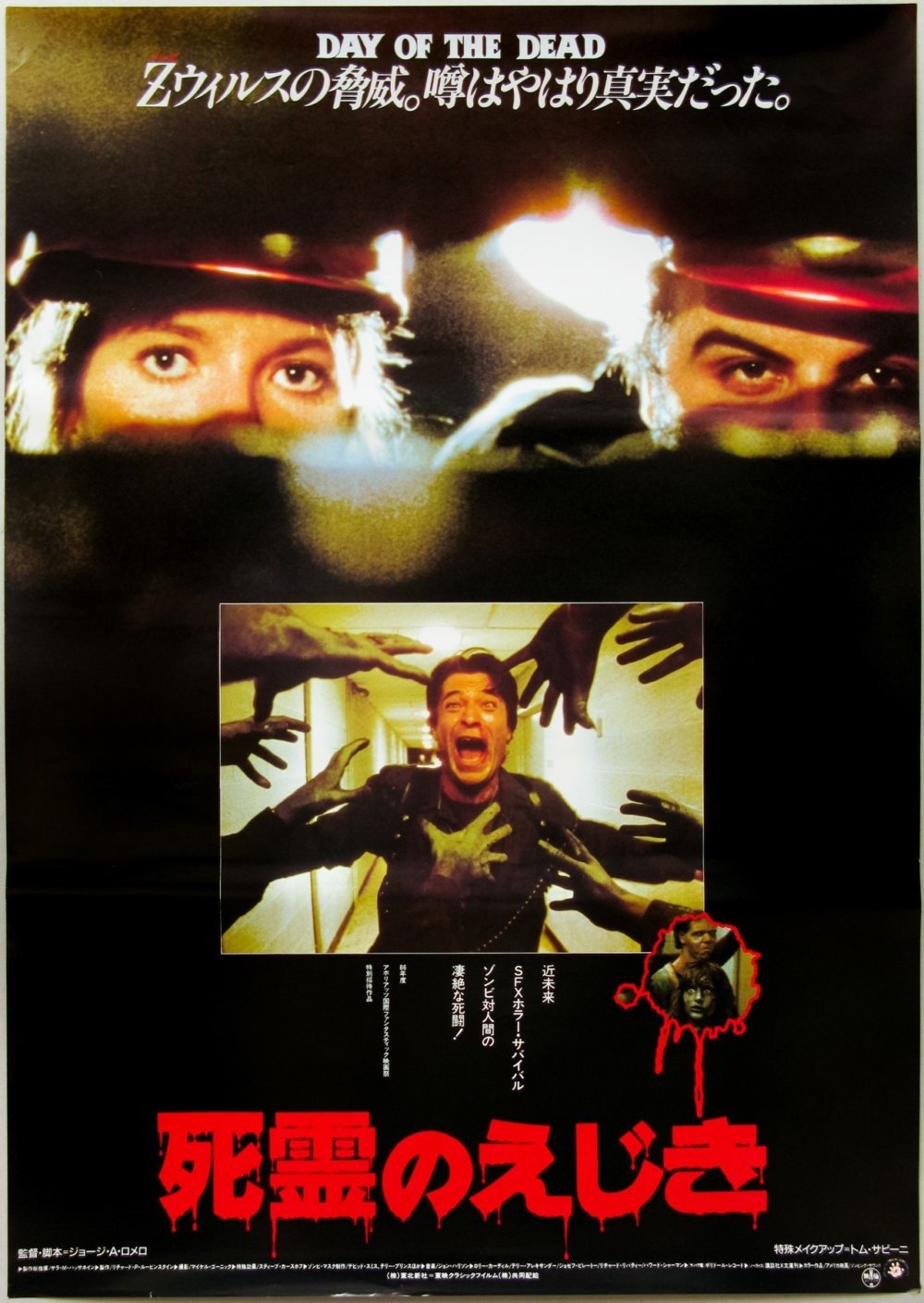
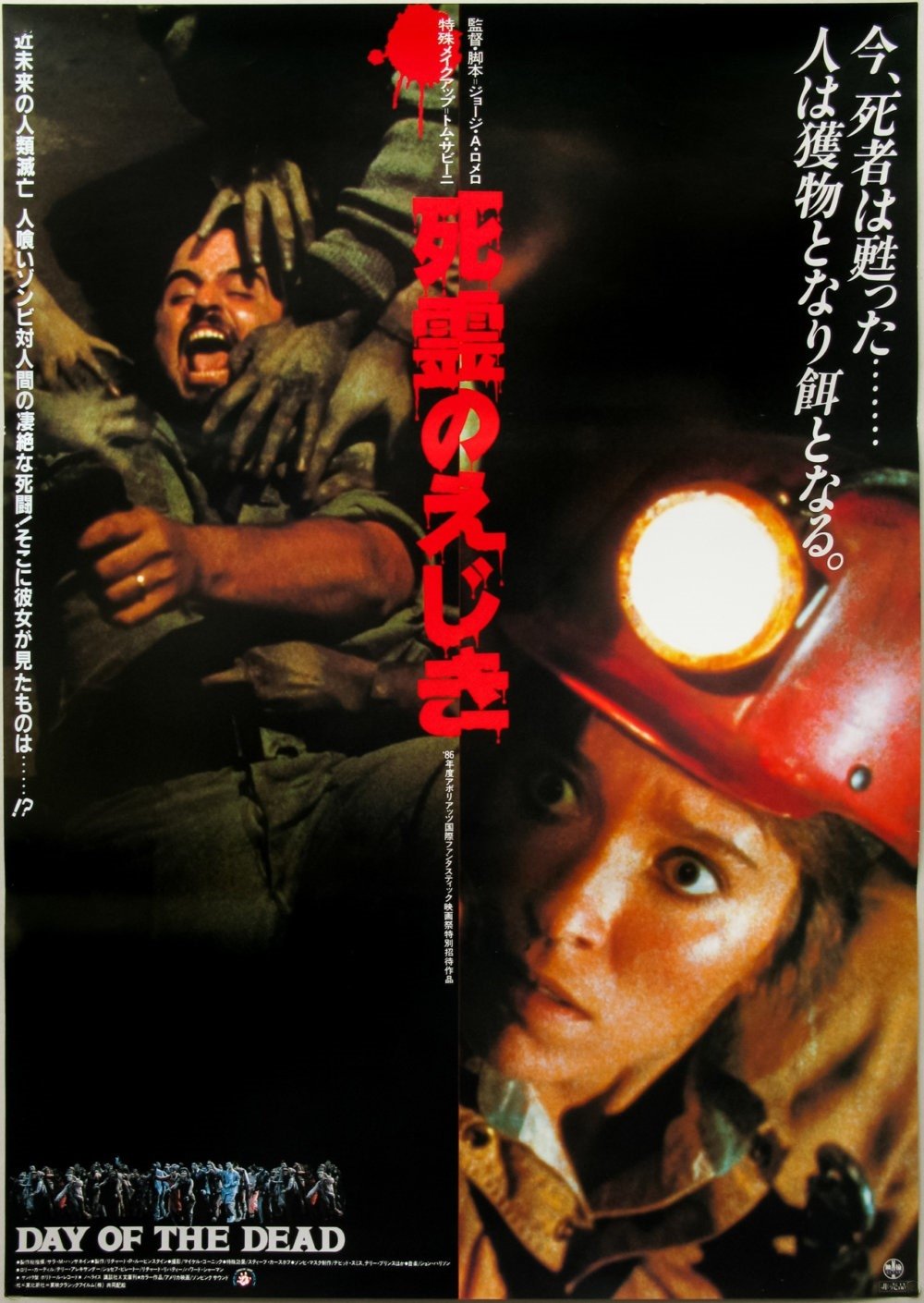
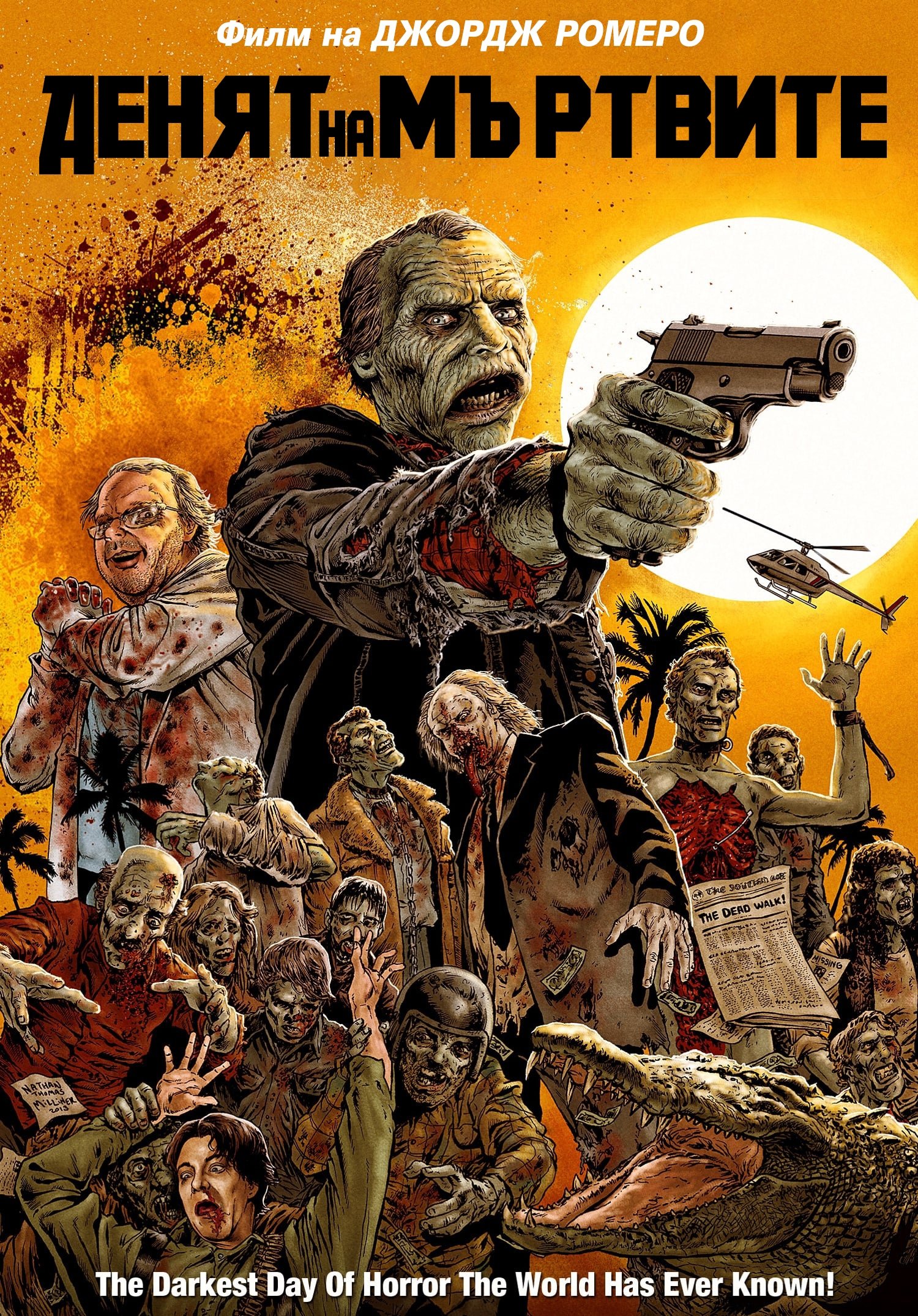
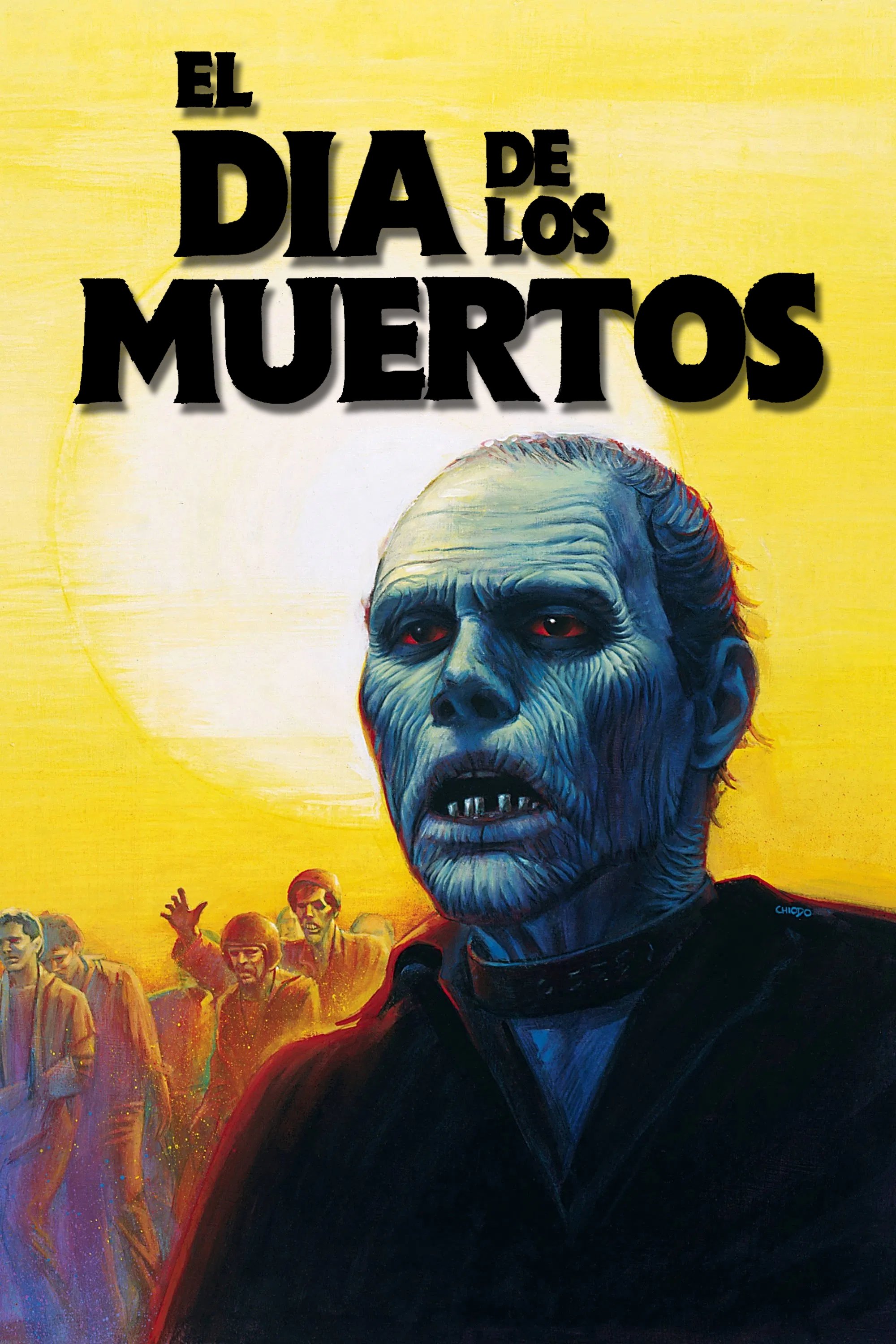
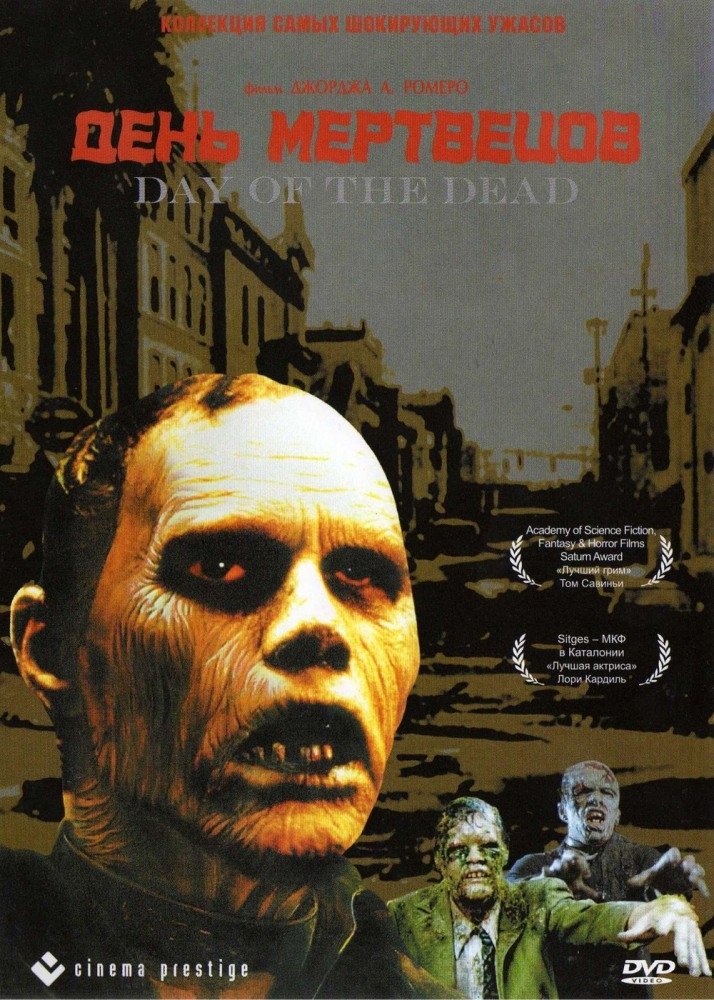
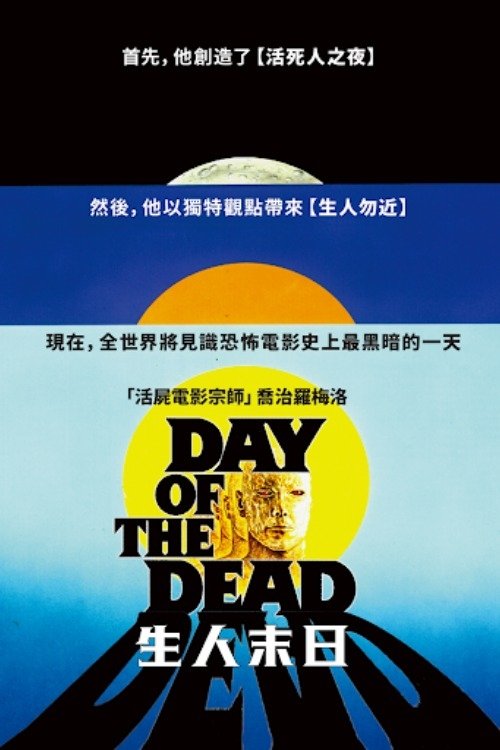
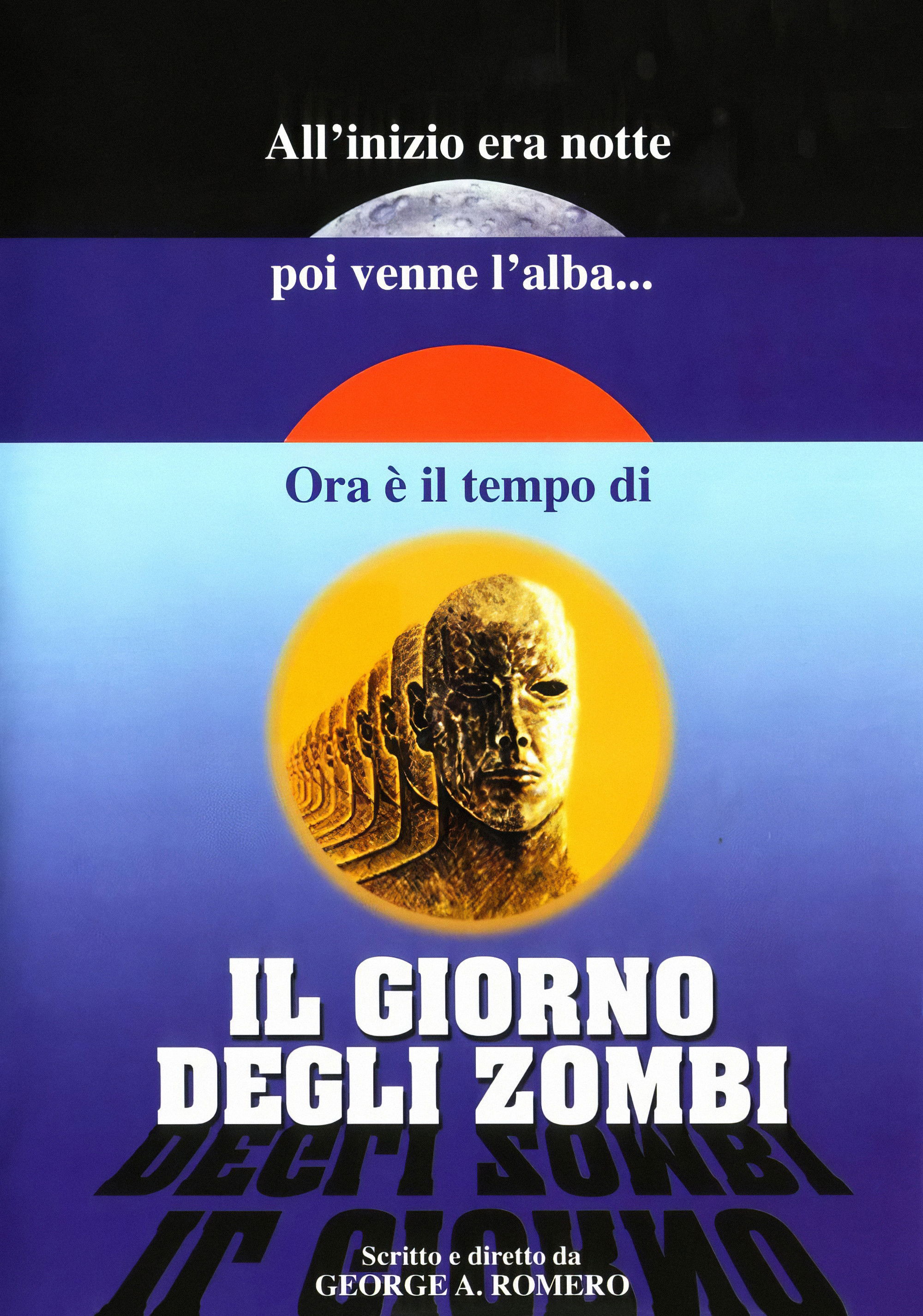
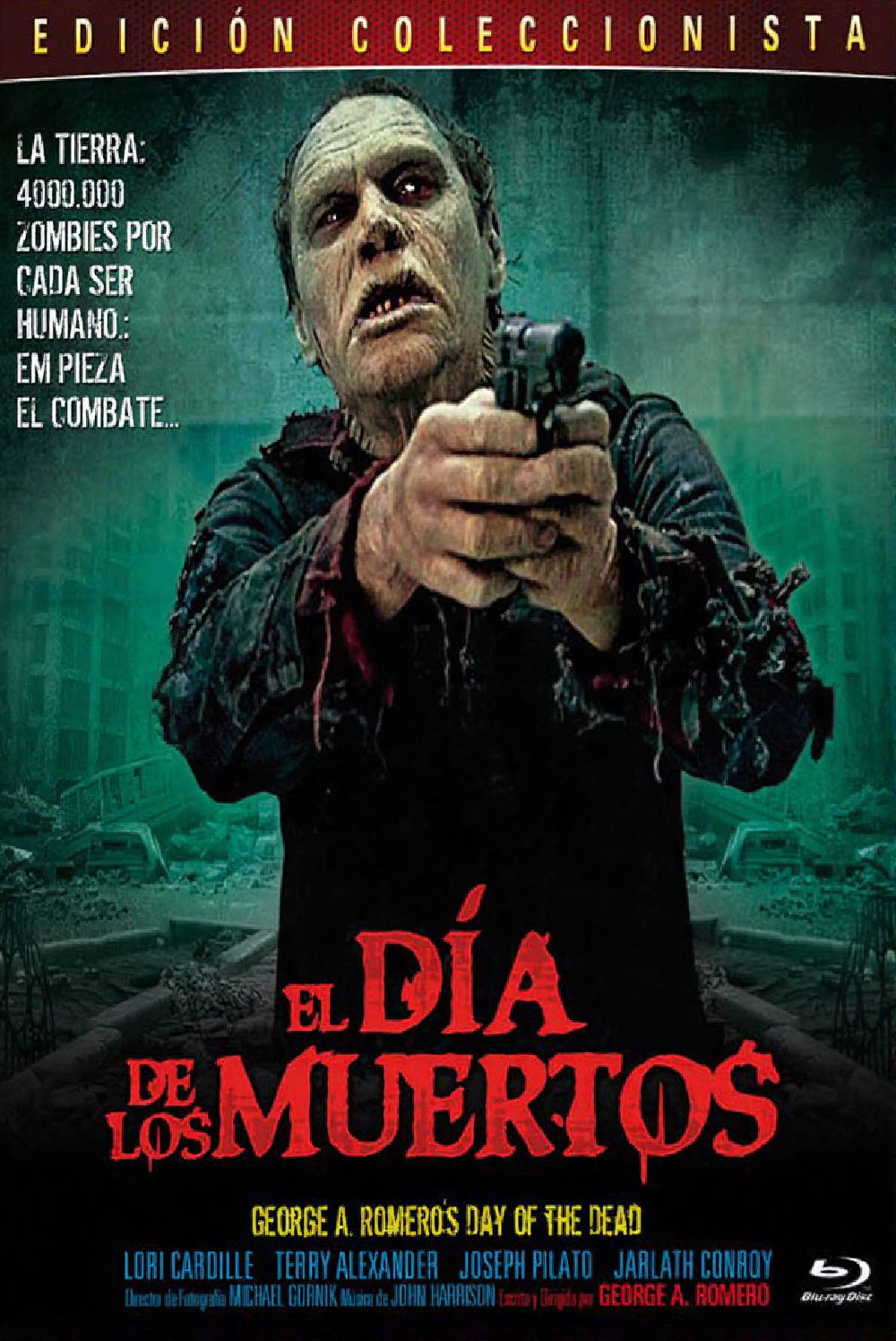
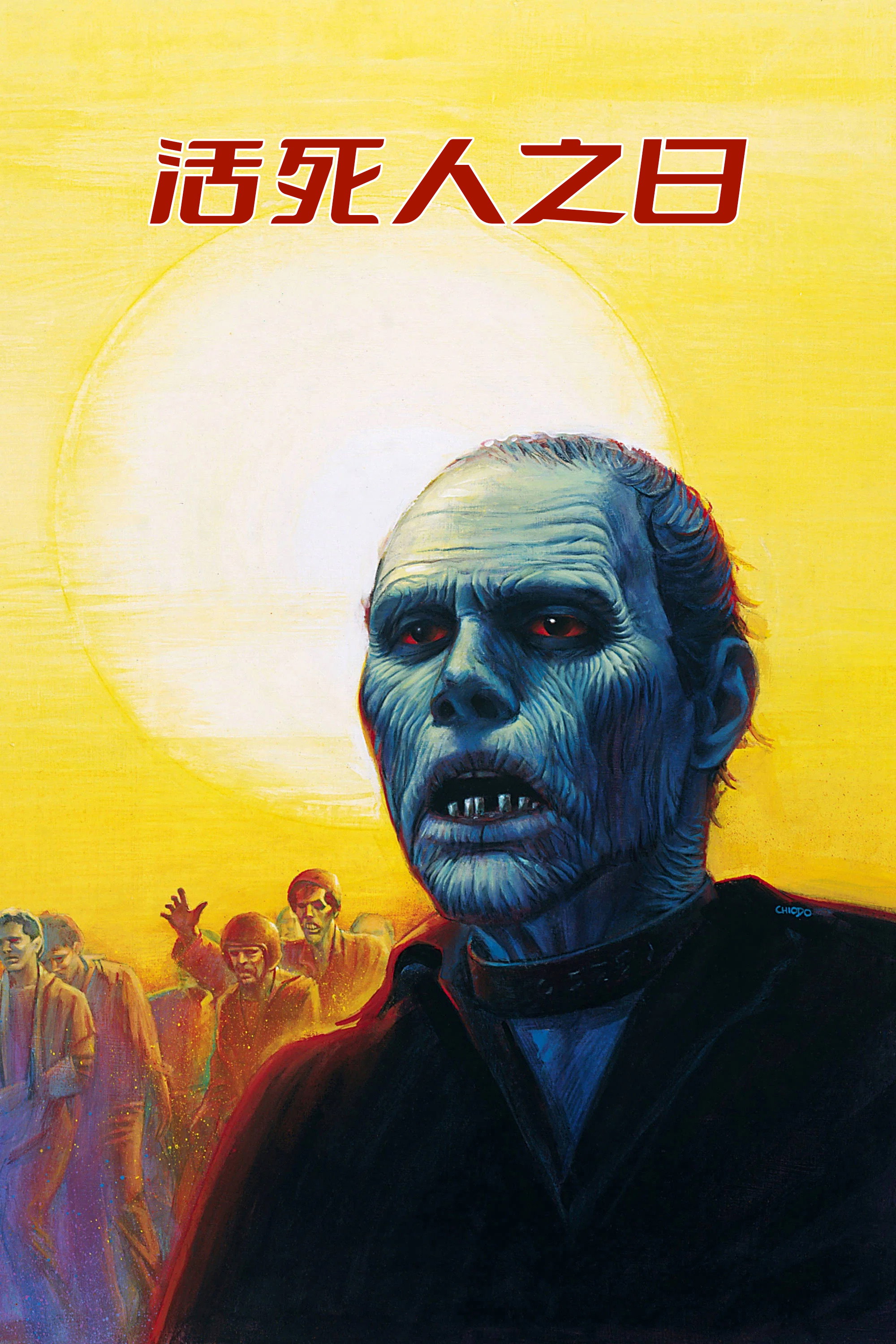
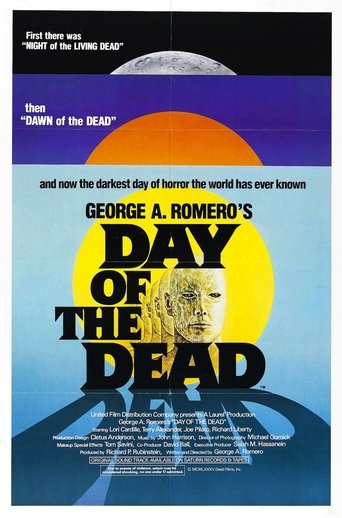
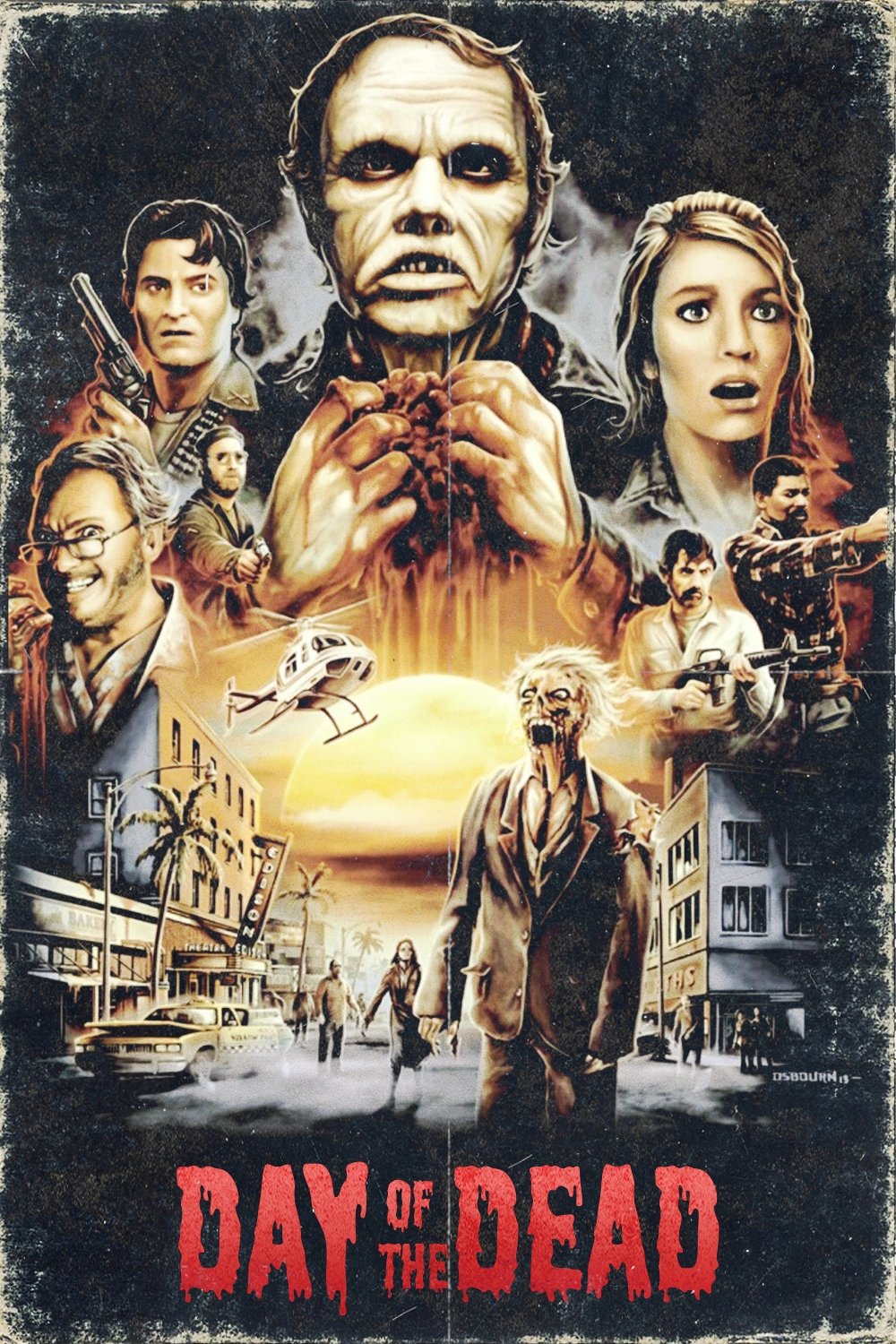
Day of the Dead (1985) poster
Plot

Trapped in a missile silo, a small team of scientists, civilians and trigger-happy soldiers battle desperately to ensure the survival of the human race. However, the tension inside the base is reaching a breaking point, and the zombies are gathering outside.

Alternative Titles
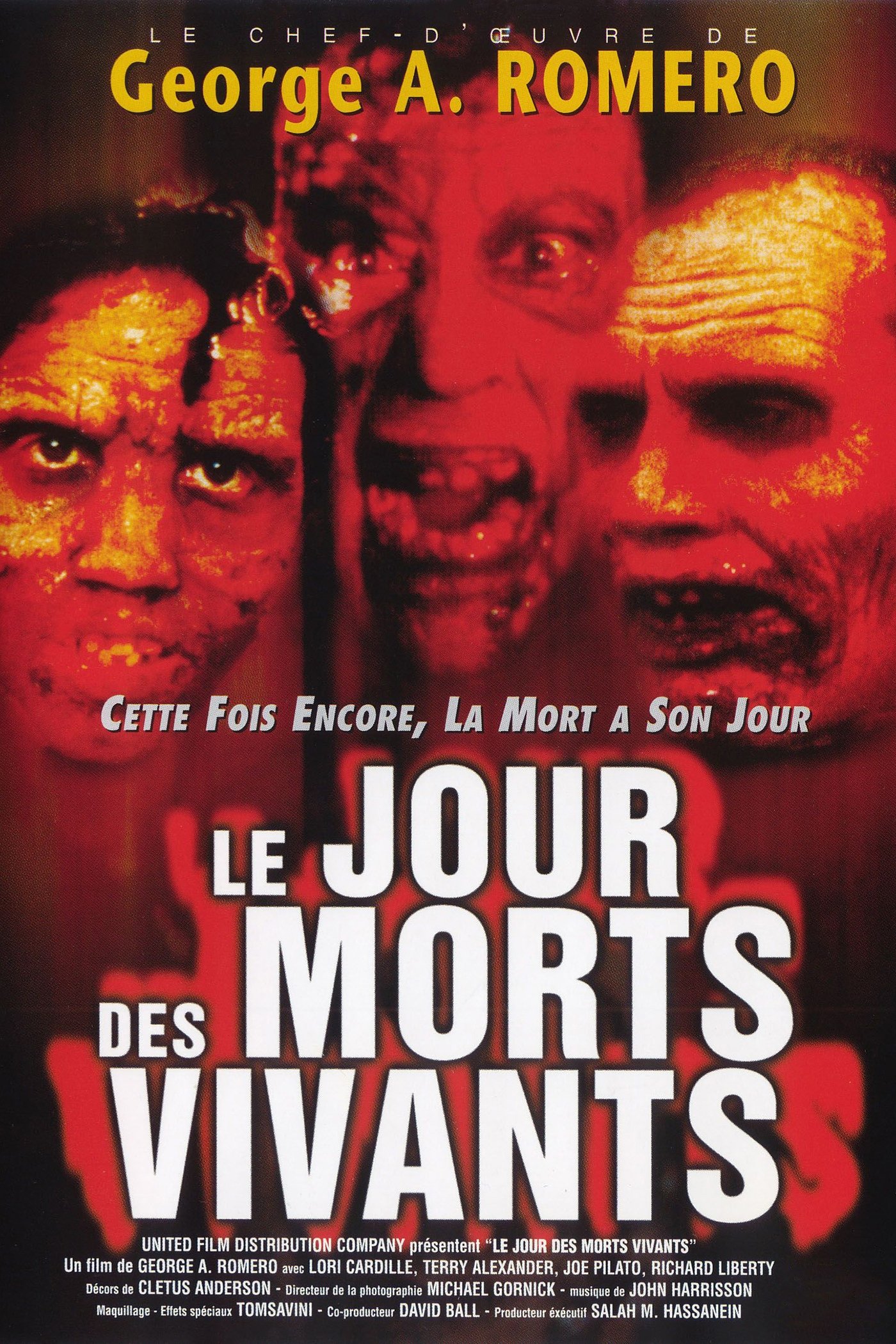
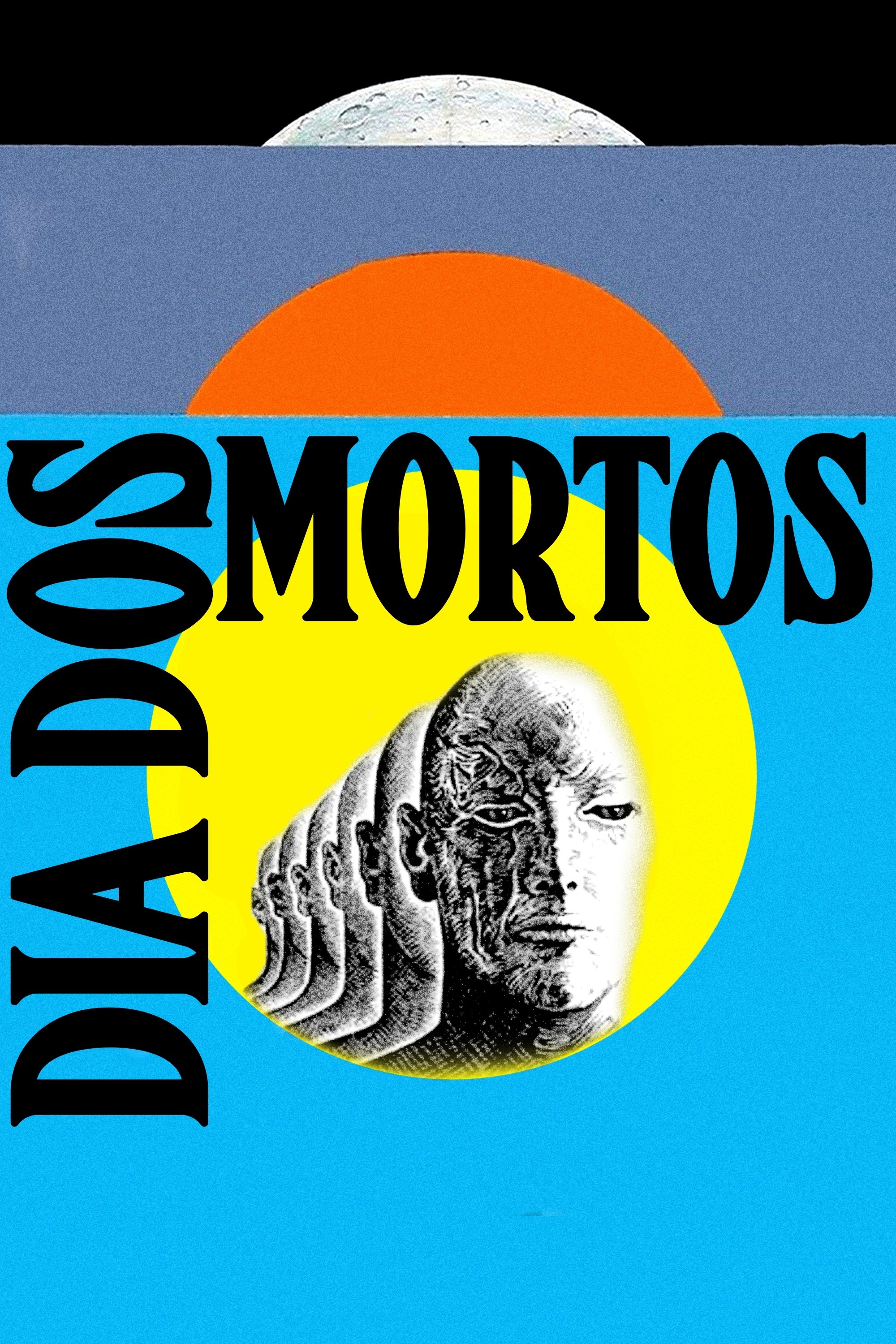
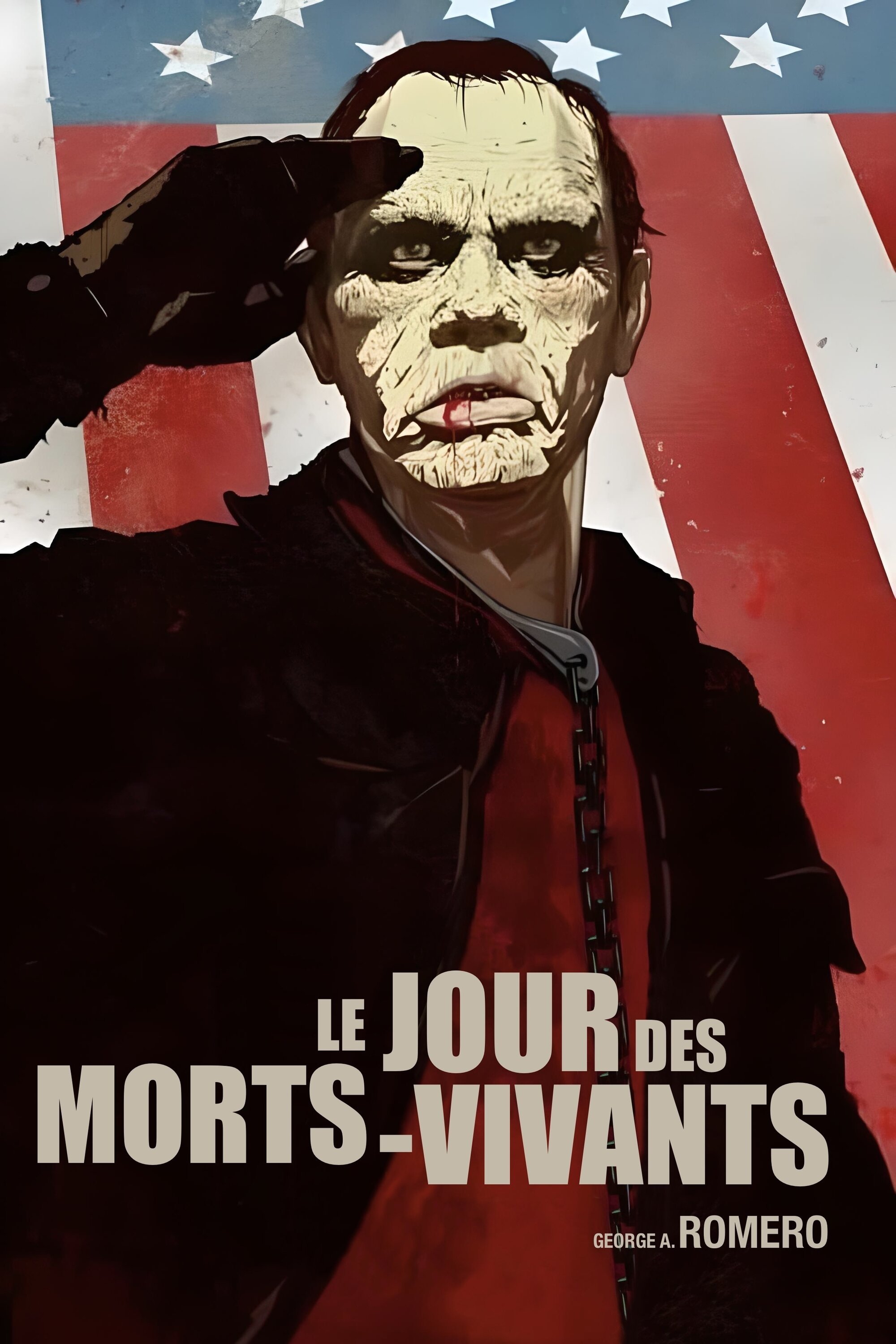
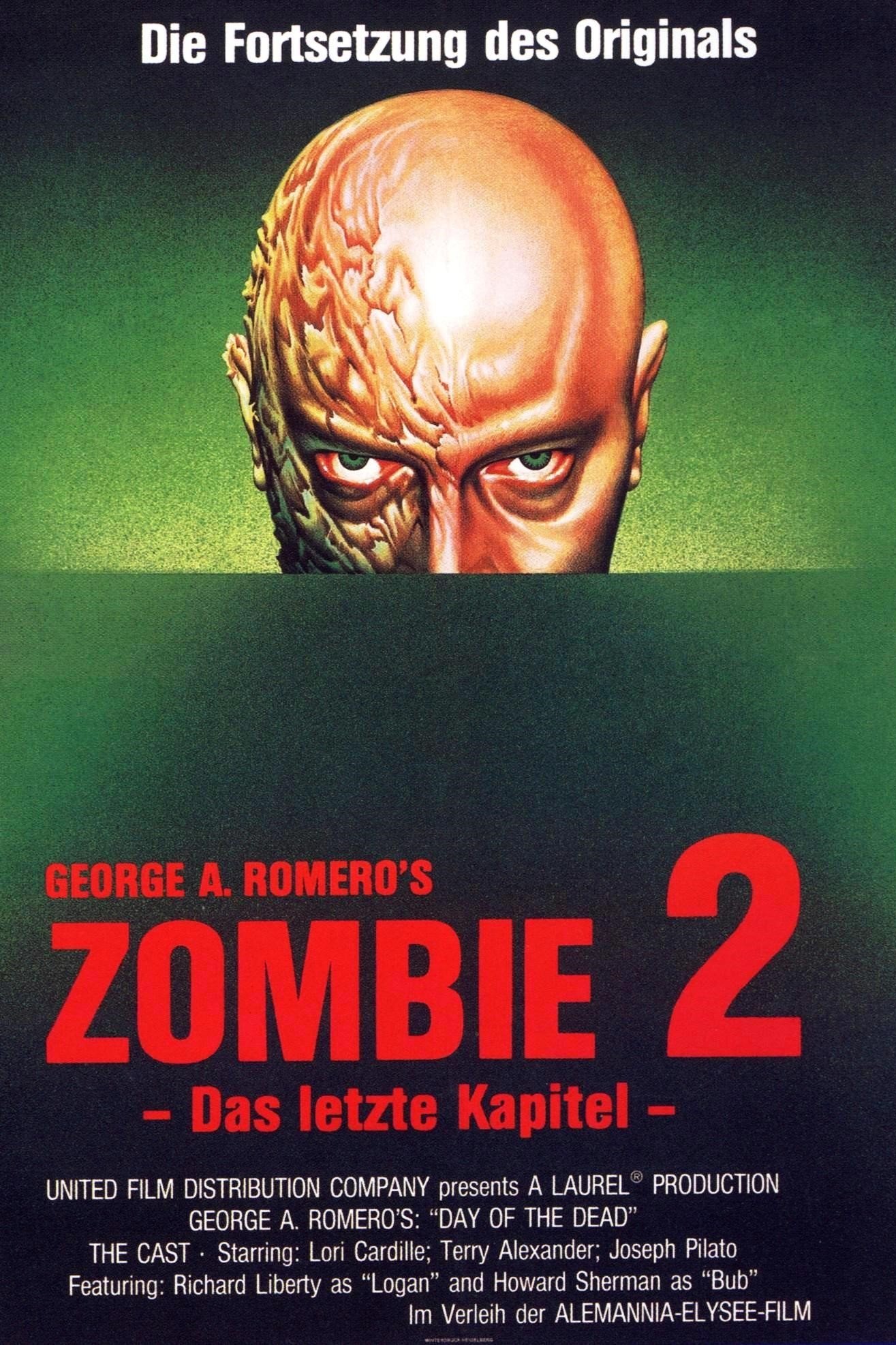
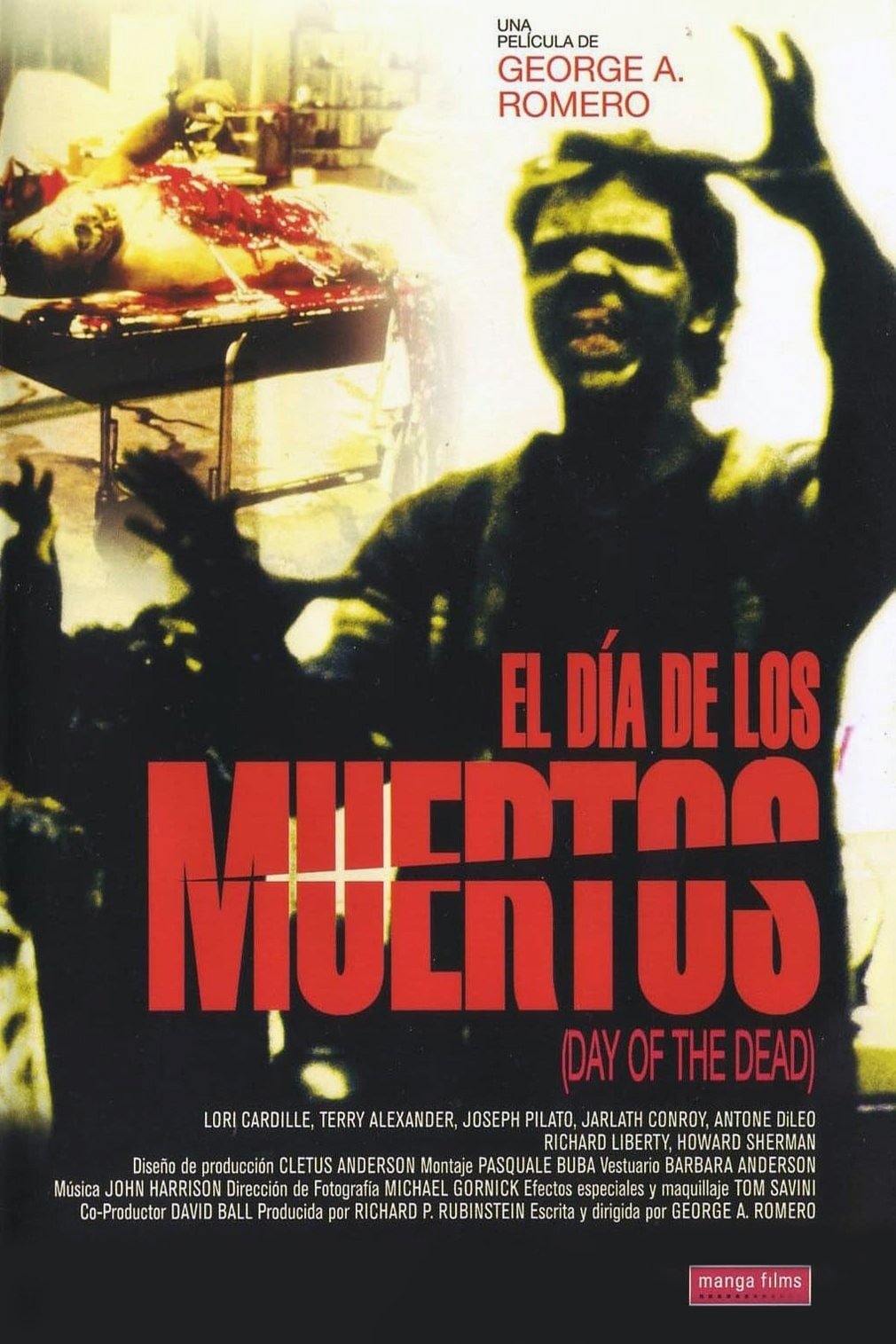
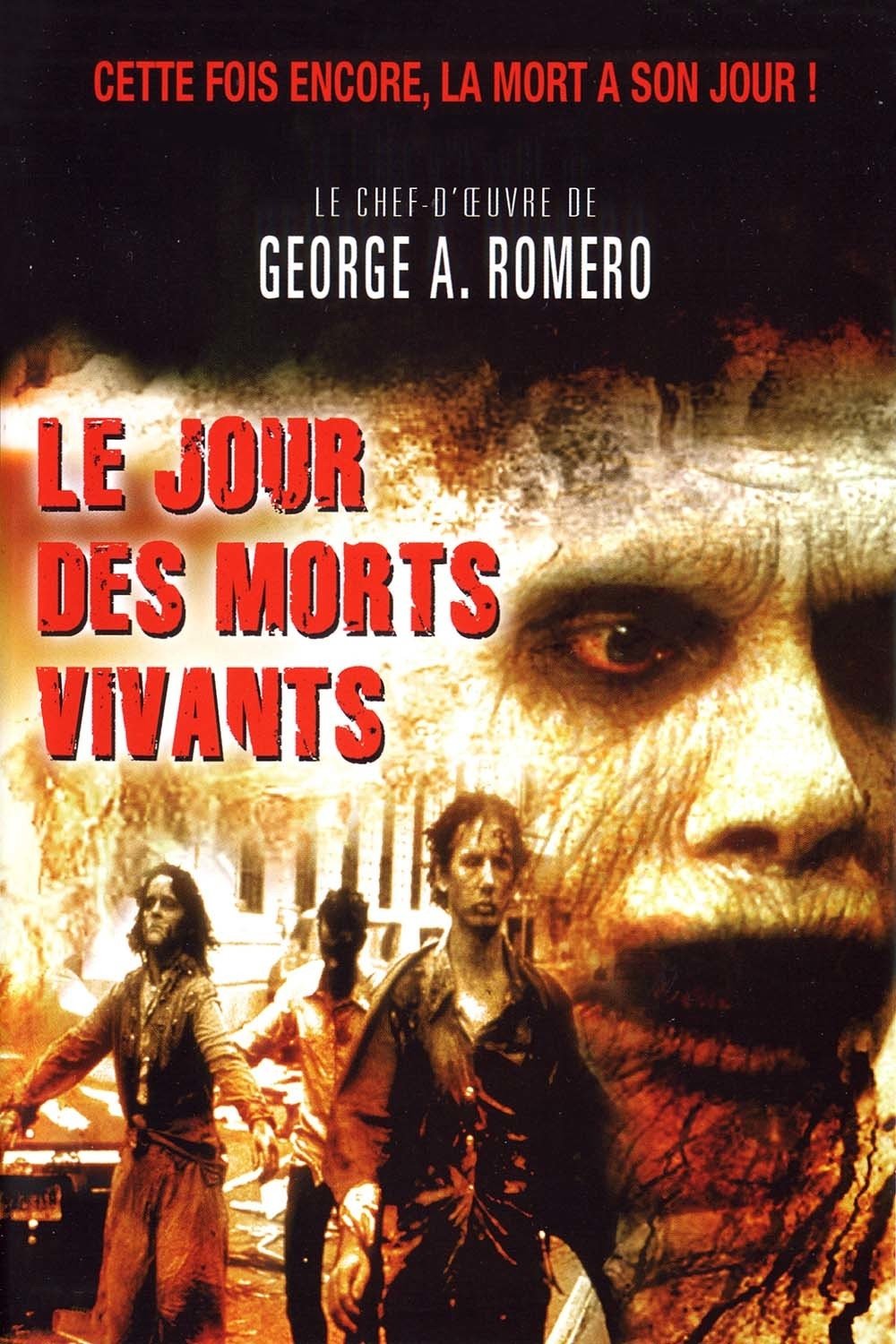
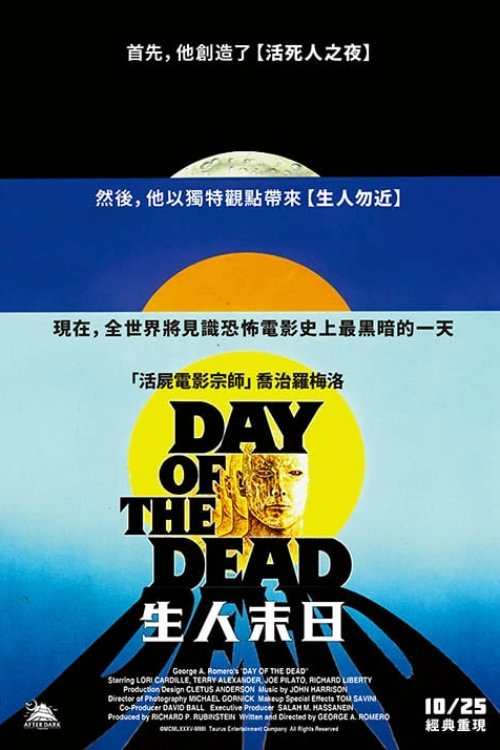
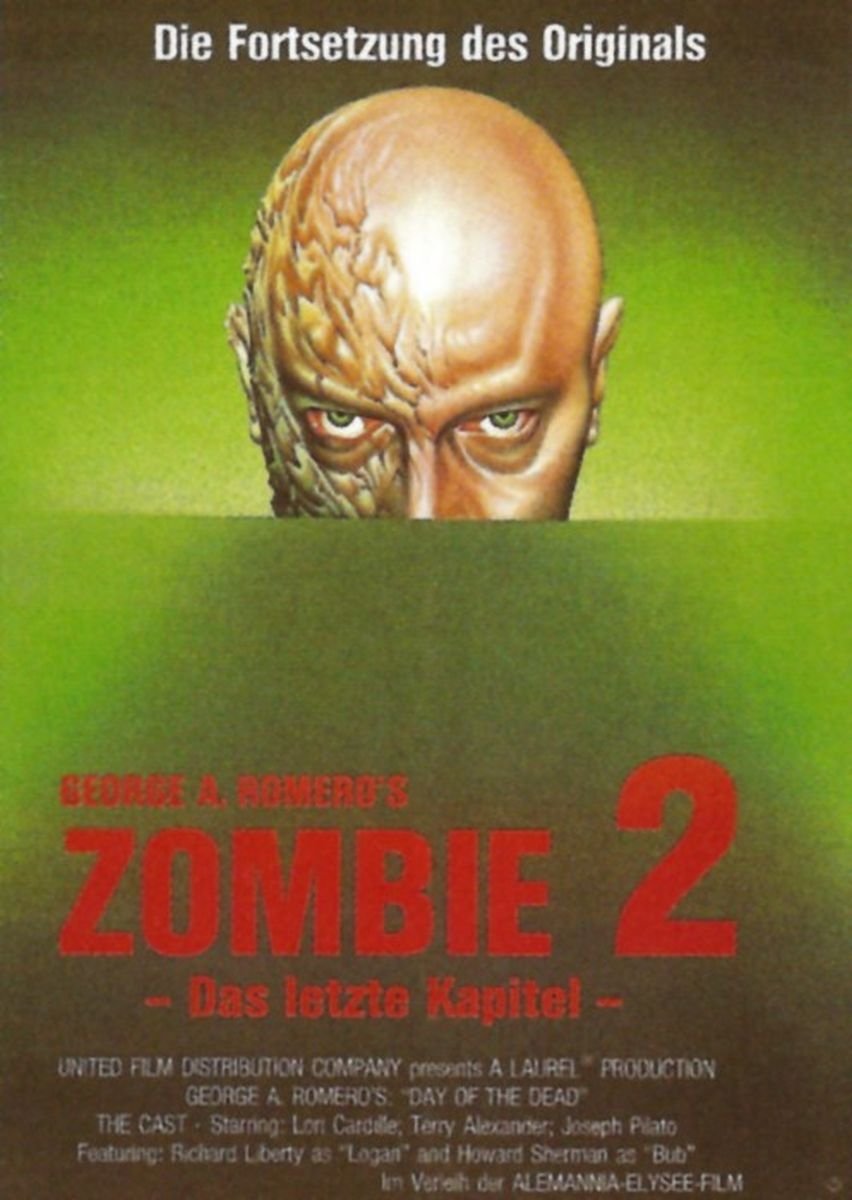
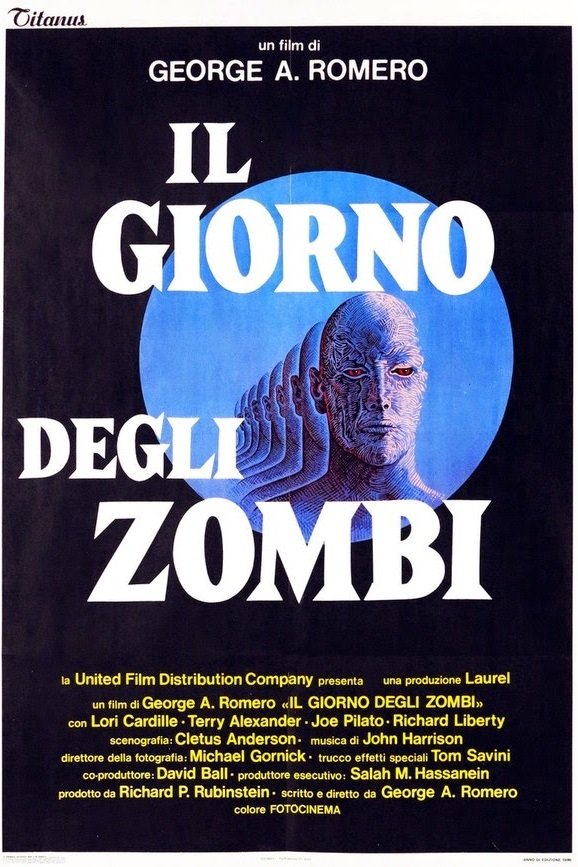
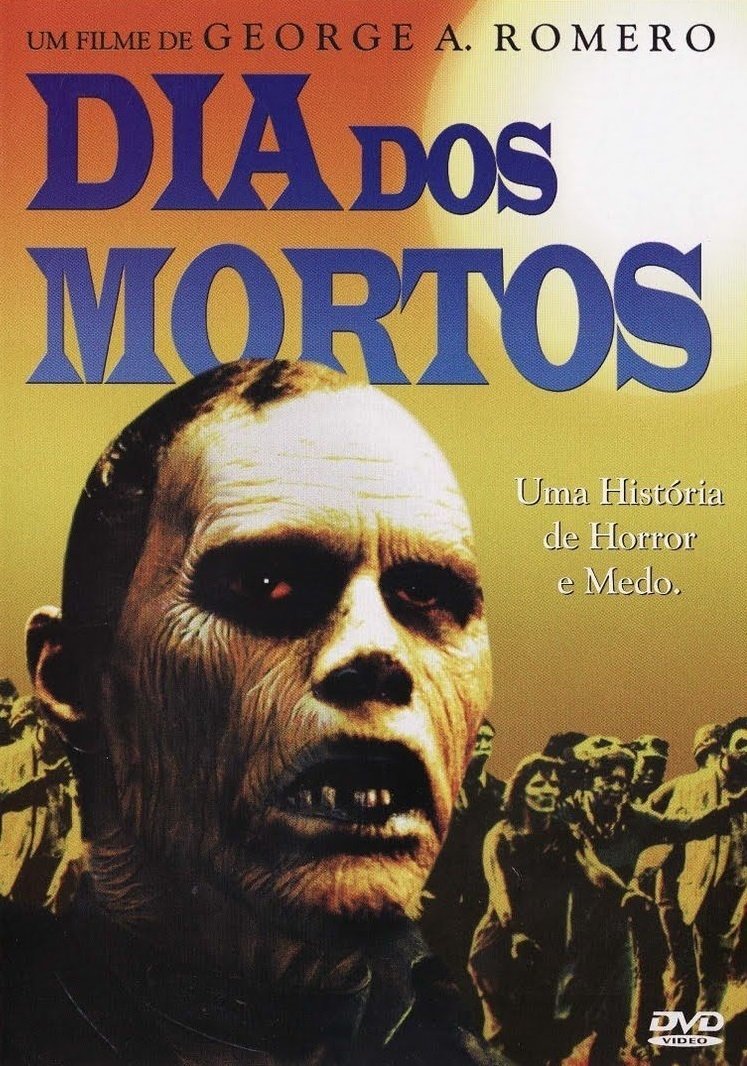
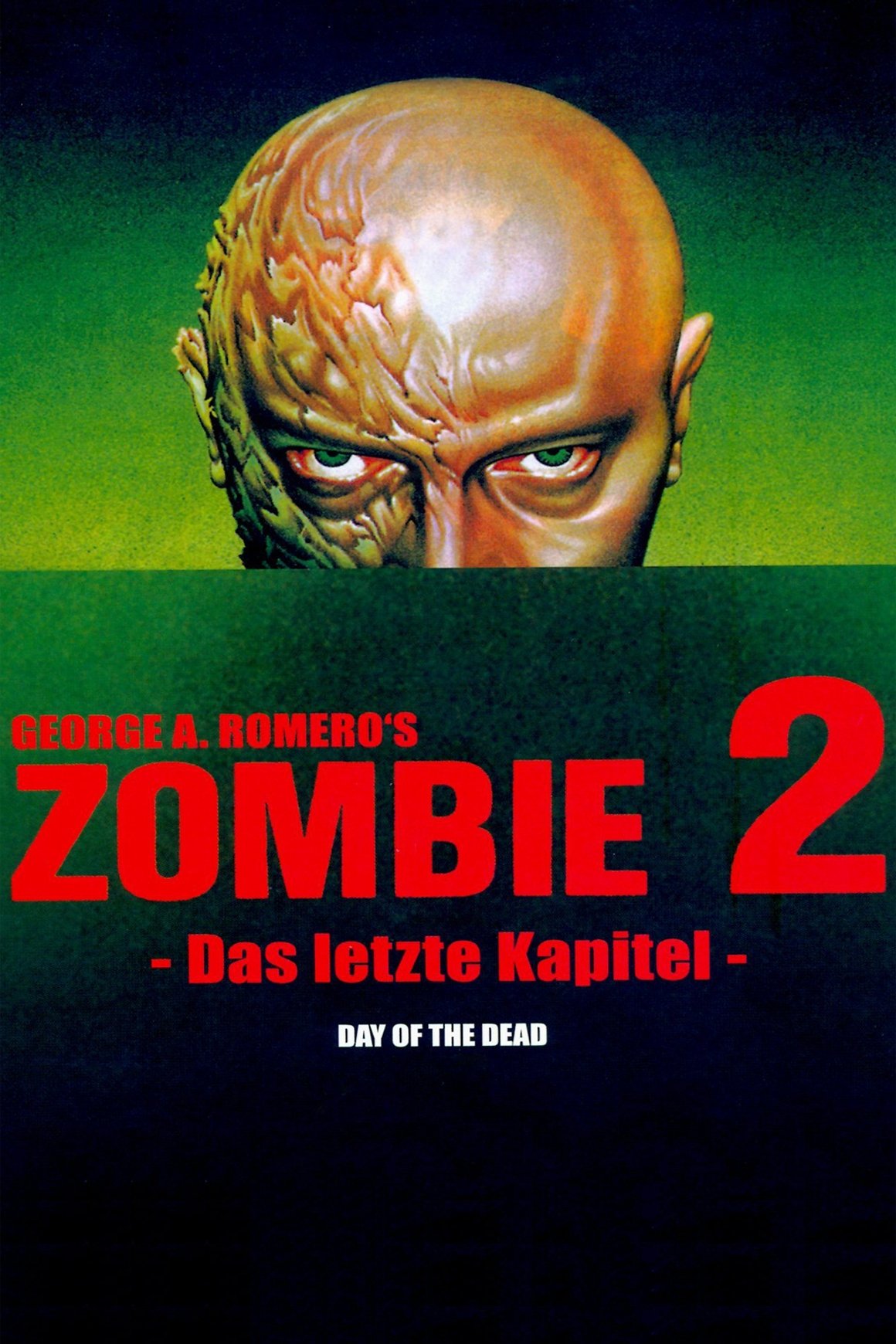
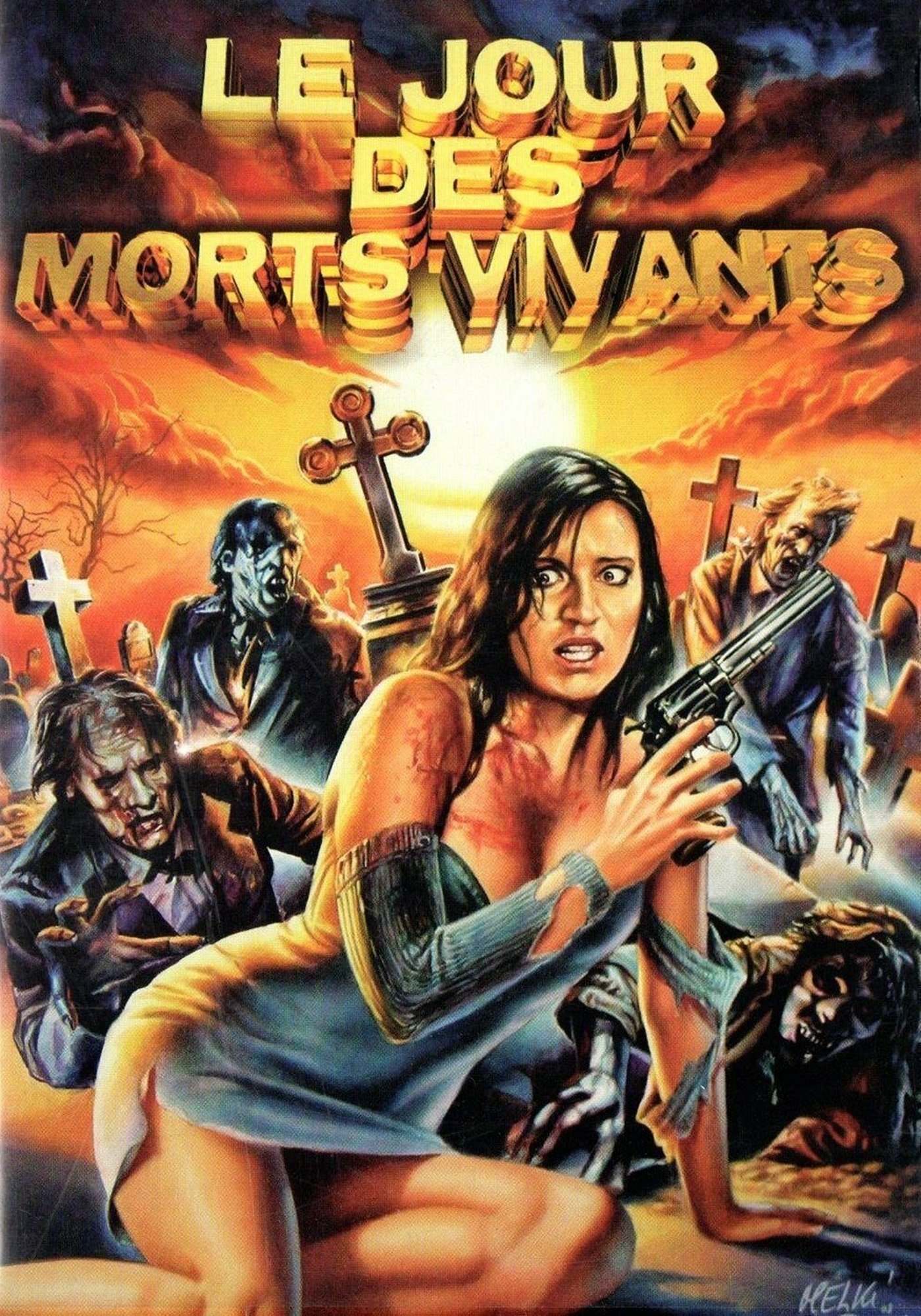
Денят на мъртвите (Bulgaria) — Bulgarian Dia dos Mortos (Brazil) Le Jour des morts-vivants (Canada) — French 丧尸出笼 (China) 活死人之日 (China) — Chinese Den mrtvých (Czechia) — Czech Zombie 2 - Das letzte Kapitel (Germany) — German El día de los muertos (Spain)
Show all 30 alternative titles El dia dels morts (Spain) — Catalan Le Jour des morts-vivants (France) — French Η Μέρα των Ζωντανών Νεκρών (Greece) — Greek 喪屍出籠 (Hong Kong SAR China) — Chinese A holtak napja (Hungary) — Hungarian יום המתים (Israel) Il giorno degli zombi (Italy) — Italian Il giorno dei morti viventi (Italy) — titolo informale letterale 死霊のえじき (Japan) — Japanese 살아있는 시체들의 밤 3: 시체들의 날 (South Korea) — Korean Numirėlių Diena (Lithuania) — Lithuanian El Dia de los Muertos (Mexico) — Spanish Dzień żywych trupów (Poland) — Polish Dia dos Mortos (Portugal) — Portuguese Дан мртвих (Serbia) — Serbian День мертвецов (Russia) — Russian Day of the Dead : ฉีกก่อนงาบ (Thailand) — Thai Zombi - Ölüm Günü (Türkiye) — Turkish 生人末日 (Taiwan) — Chinese День мерців (Ukraine) — Ukrainian El Dia de los Muertos (United States) George A. Romero's Day of the Dead (United States) — Complete Title

Trailers & Videos

5 videos

Film Guide & Analysis

An in-depth look at the reduced original vision, underground production, breakdown of communication, Bub, Tom Savini's practical effects, John Harrison's score, reception and legacy of Day of the Dead (1985).

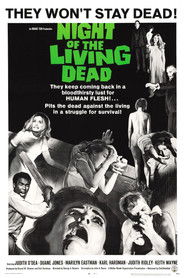
Day of the Dead is the third chapter in George A. Romero's original cycle of zombie films and the point at which his apocalypse becomes almost total. Where Night of the Living Dead trapped a handful of people inside a farmhouse and Dawn of the Dead followed survivors attempting to construct a temporary life inside a shopping mall, Day begins after human civilisation has effectively disappeared. Scientists and soldiers occupy an underground facility while the dead dominate the surface. The central conflict is consequently no longer about preventing collapse. It concerns whether the remaining humans are capable of communicating, cooperating or learning anything before they destroy themselves.

Romero deliberately reduced the scale of the production from a much more ambitious screenplay, but the restriction ultimately intensified the film's character. The underground complex becomes a pressure chamber in which scientific curiosity, military authority, fear and exhaustion continually collide. At the same time, the zombie Bub introduces one of the most important developments in Romero's mythology: evidence that the undead may retain memory, emotion and learned behaviour. Combined with Tom Savini's elaborate practical effects and John Harrison's unusually melodic electronic score, the result is both the bleakest of Romero's first three Dead films and the one most explicitly concerned with the question of what still qualifies someone as human.

Development & the Reduced Original Vision

Plans for a third Dead film existed years before production began. Romero's Laurel Group entered a three-picture agreement with United Film Distribution in 1980 that included financing for another instalment following Night of the Living Dead and Dawn of the Dead. The arrangement also protected significant creative control for Romero, including final-cut and advertising approval. The film nevertheless took several years to reach production while its scope changed substantially.

Romero's earlier conception was much larger than the film eventually made. The original scenario involved a broader post-apocalyptic society, larger military operations and a more extensive conflict between organised groups of living people and the dead. Romero later described versions of the project as far more expansive than the contained film that reached cinemas. The original ending was also more optimistic: surviving characters were to overcome their divisions and begin confronting the crisis collectively.

The decisive limitation was economic. Producers estimated that Romero's larger conception would require roughly six to seven million dollars. More money was available if the violence were reduced sufficiently to pursue an R rating, but Romero refused to soften the gore for that purpose. He instead reworked the story around a budget of approximately $3.5 million and accepted an unrated release. The final screenplay was completed shortly before production and radically compressed the earlier conception.

That compromise changed more than the number of locations or action sequences. Removing much of the external world concentrated almost the entire drama inside one facility. The expansive apocalypse imagined in earlier drafts became a study of a few survivors who cannot agree on what survival should mean. What began as a practical reduction in scale therefore reinforced the central idea of the finished film: humanity has been reduced to a tiny population and still cannot establish a common purpose.
The Underground Mine & the Pressure-Cooker Design

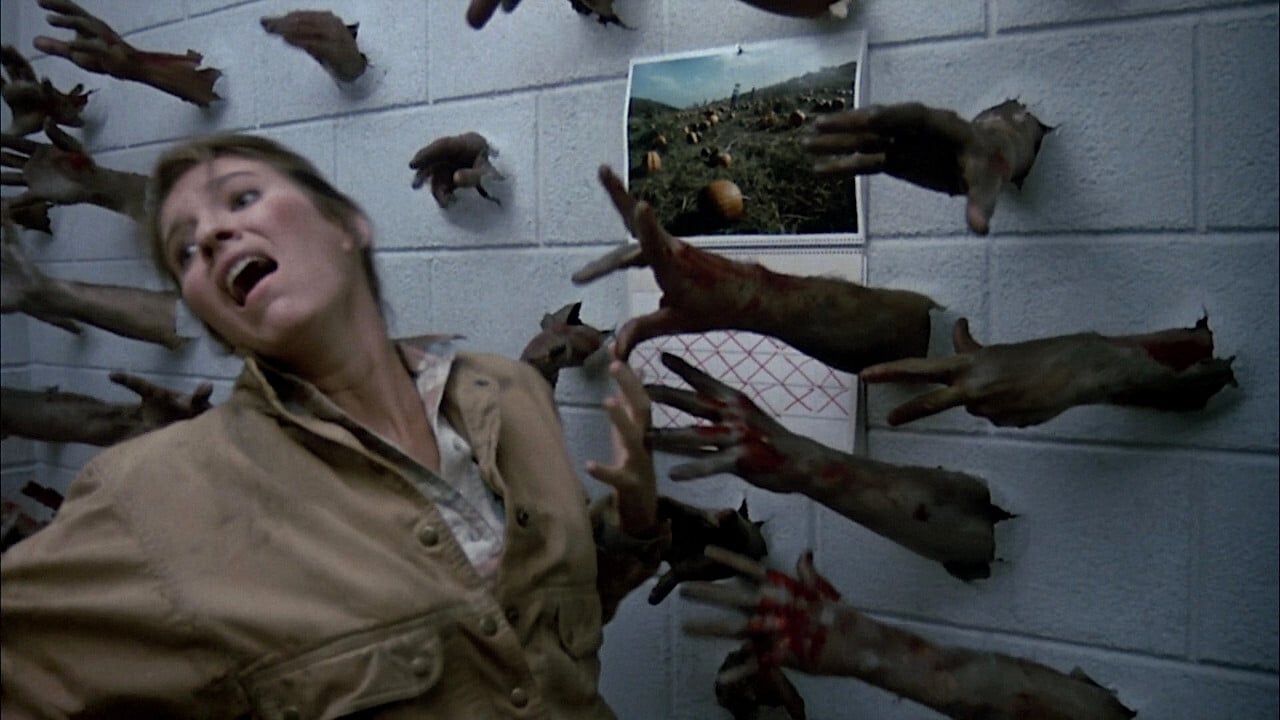
Principal photography began in October 1984 in Pennsylvania and continued with work in Florida. Much of the underground material was filmed inside a vast limestone mine near Wampum, Pennsylvania, a former industrial storage facility extending across approximately 125 acres. The location gave the production enough interior space to construct the laboratories, military areas and living quarters that form the survivors' underground world.

Romero later described the film as a pressure cooker with the lid closed. The physical setting makes that description literal. The characters spend most of their lives beneath the surface in concrete rooms, tunnels and improvised working spaces. There is no normal daylight cycle and little sense of the surrounding world beyond occasional journeys outside. The bunker may protect them from the zombies, but it also forces incompatible personalities into permanent proximity.

Michael Gornick, a longtime Romero collaborator, served as cinematographer. The visual design continually contrasts the dead world above with the artificial life below. The opening search through apparently deserted Florida streets presents daylight, open space and a world now occupied almost entirely by the dead. Underground, illumination comes from practical industrial sources, work lamps and the harsh lighting of laboratories and military spaces. The survivors have escaped the zombie population by entering an environment that increasingly resembles a tomb.

Florida provided the film's most expansive exterior material. Hundreds of local participants appeared as zombies during the exterior production, allowing the opening sequences to suggest a population imbalance far beyond what the underground storyline could show. Once the helicopter returns to the facility, that scale largely disappears from view. The knowledge that the world above belongs to millions of dead people remains present even when only a few zombies are physically seen.

Science, Military Power & the Breakdown of Communication

Romero identified failed communication as the fundamental subject of Day of the Dead. The survivors possess different forms of knowledge and different ideas about what should be done, but they increasingly use those differences to establish power rather than cooperation. The scientists want time to understand the undead. The soldiers have been assigned to protect them but see little evidence that the research can solve their immediate problems. As losses accumulate, military command becomes increasingly authoritarian.

Captain Rhodes embodies the most aggressive response to the crisis. His authority depends upon weapons, discipline and the assumption that force remains useful even after the civilisation that gave military hierarchy its purpose has disappeared. Joseph Pilato plays Rhodes as a man whose anger is intensified by the absence of any larger command structure. He demands results from scientists who cannot provide certainty and treats disagreement as insubordination.

Sarah Bowman occupies a different position. She is committed to research but increasingly sceptical of Dr. Logan's methods, while also understanding that military violence cannot provide a sustainable answer. Her role gives the film a protagonist who is neither aligned completely with scientific experimentation nor with armed authority. Much of her struggle consists of attempting to preserve rational decision-making while both institutions around her deteriorate.

Romero's conflict is therefore not a simple argument in which science represents reason and the military represents ignorance. Logan himself has become unstable and crosses ethical boundaries in pursuit of his work. His experiments produce extraordinary evidence, but his willingness to use human remains to reward his captive zombie reveals another form of dehumanisation. The military and scientific groups both possess useful knowledge and both become dangerous when their methods are detached from any shared ethical framework.

John and McDermott offer the film's alternative. John questions whether the survivors should continue sacrificing themselves to systems that have already collapsed. His proposed escape to an island is not presented as a scientific solution to the zombie phenomenon. It is an attempt to preserve human life by abandoning institutions whose members have forgotten how to coexist.

Bub & the Evolution of Romero's Zombies

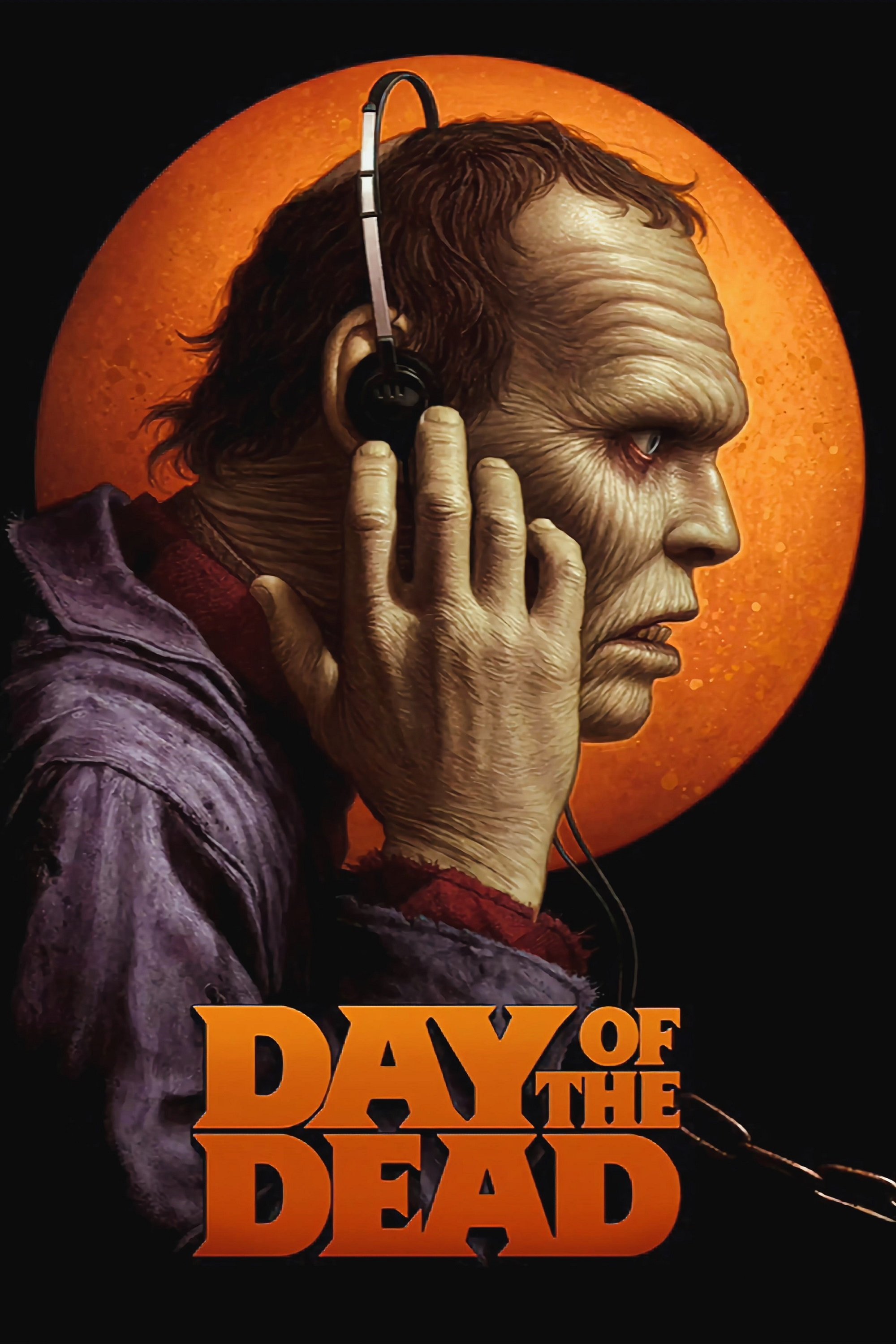
The most significant change to Romero's undead mythology arrives through Bub. Dr. Logan has isolated the zombie and attempted to modify his behaviour through repetition, rewards and exposure to objects associated with his former life. Bub responds to a book, telephone, razor and music, and demonstrates an instinctive familiarity with a firearm. These reactions imply that death has not erased every trace of learned behaviour.

Romero had already suggested in Dawn of the Dead that zombies retained fragments of memory. The dead returned to the shopping mall because the location had been important to them while alive. Bub moves that idea further. His memories do not merely determine where he walks; they influence how he interacts with objects and eventually with other characters.

Sherman Howard's performance was essential to the development of the character. Romero later praised the actor's work highly and remembered Bub as one of the elements he had wanted to preserve from the longer versions of the screenplay. Howard plays him with curiosity rather than conventional monster aggression. Gestures are hesitant, objects have to be rediscovered and emotional responses emerge before language does.

That makes Bub an important counterpoint to the humans around him. Rhodes increasingly reduces other survivors to obstacles or subordinates, while Bub gradually demonstrates recognition, affection, grief and revenge. His relationship with Logan is ethically compromised by the scientist's methods, but Bub's response to Logan's death unmistakably suggests attachment.

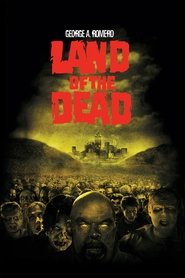
The idea would become increasingly important in Romero's later Dead films. Zombies capable of recognising objects, learning and organising would reappear most clearly in Land of the Dead. Bub therefore represents more than an eccentric experiment within a single movie. He marks the point at which Romero begins moving the undead from purely instinctive mass behaviour toward the possibility of a new form of social consciousness.

Tom Savini & the Practical Effects

Tom Savini returned to Romero's zombie world after creating the extensive makeup and gore effects for Dawn of the Dead. By the time of Day of the Dead, both Romero and Savini regarded the work as a major advance. Romero later said Savini had reached his stride on the film, while Savini himself has described Day as the high point of his own effects work.

One of Savini's goals was to avoid making the zombie population look like a collection of identical corpses. He considered how bodies might decay differently and created characters representing different stages and forms of decomposition. Hero zombies received individual prosthetic designs, while simpler masks and makeup treatments were used for larger background groups. The effects department included artists who would later become major figures in horror themselves, most notably Greg Nicotero.

Romero also gave Savini considerable freedom to invent effects beyond those strictly specified in the screenplay. Savini has recalled that much of their collaboration depended upon improvisation: the effects team would devise a physical illusion, demonstrate the idea and incorporate it when Romero approved. This working method produced violence that feels unusually integrated into the staging.

The film's climactic deaths demonstrate the approach particularly clearly. Prosthetic bodies, mechanical devices, false limbs, appliances and performers are combined so that effects occur within continuous physical space. Savini has repeatedly described effects work as a form of stage magic: the audience must see enough genuine physical information to accept the concealed substitution. Day of the Dead repeatedly allows an effect to remain on screen long enough for the viewer to examine it, making the illusion more demanding.

The violence also has a narrative function. For most of the film, the underground complex contains relatively little large-scale zombie action. The final breach releases everything that has been restrained. Bodies are pulled apart, bitten and consumed as the social order inside the bunker collapses completely. Romero's old metaphor of society consuming itself therefore becomes literal in the finale.

The film subsequently became one of the principal reference points for practical zombie makeup. Savini's work, and the artists who trained or assisted around him, helped create a technical lineage that continued through later American horror. Nicotero in particular would carry practical zombie effects into a new generation of productions, including The Walking Dead.

John Harrison's Music & the Tropical Counterpoint

John Harrison composed and performed the score after previously working with Romero on Creepshow. He was also first assistant director on Day of the Dead, giving him unusually direct familiarity with the production before he began composing. Harrison did not start writing the finished score until principal photography had been completed, although he and Romero had discussed the musical direction earlier.

Those early conversations had been based partly on a more expansive version of the screenplay with a stronger tropical component. When the project was reduced, Harrison and Romero decided to retain some of that character rather than adopt a conventional dark horror score. Harrison described the resulting music as deliberately contemporary, rhythmic and more melodic than audiences might expect from the images.

That decision produces one of the film's most distinctive contrasts. Synthesizer patterns and percussion can feel unexpectedly warm against the underground setting, while melodic passages accompany characters living amid almost complete social extinction. The music varies the emotional register from scene to scene. It creates space between the physical horror and the film's more melancholy view of a world that has already ended.

The contrast becomes especially important in the final movement. After the oppressive interiors and violent collapse of the bunker, the score contributes to the radically different atmosphere of the closing beach sequence. The ending can be read as escape, fantasy or temporary refuge, but its musical tone prevents the film from concluding entirely in despair.

Release, Box Office & Contemporary Reception

Day of the Dead began its American theatrical release in New York on July 3, 1985, with wider domestic play beginning later that month. Its Los Angeles opening was delayed until October because of the expense of competing in the summer theatrical market. The film was distributed by United Film Distribution Company and circulated without the more commercially useful R rating Romero could have obtained by reducing its graphic violence.

The domestic theatrical performance was modest. Box-office records place its North American gross at approximately $5 million. The result was far below the cultural and commercial phenomenon represented by Dawn of the Dead, although the smaller final production cost limited the scale of the financial risk.

Critical response was often severe. Roger Ebert admired the quality of the zombie effects but gave the film a strongly negative review, arguing that the living characters and constant conflict overwhelmed the horror. The Los Angeles Times similarly considered the third instalment a major decline from Romero's earlier work and complained that its gruesomeness dominated its ideas. Other critics were more receptive to its philosophical conflict, but the film did not initially receive the broadly canonical reputation that Night and Dawn had acquired.

The timing complicated its reception further. Dan O'Bannon's The Return of the Living Dead also arrived in 1985 and offered a faster, comic, punk-inflected variation on zombie cinema. Although it was not part of Romero's series, the two films inevitably occupied the same cultural moment. Day of the Dead, with its prolonged arguments, claustrophobia and bleakness, was the less immediately accessible experience.

Reassessment & Legacy

The film's critical standing improved substantially over the following decades. What had initially been attacked as excessive argument and oppressive character conflict became central to later appreciation of the film. Romero himself described the underground group as a deliberate pressure cooker and identified the breakdown of communication as the point of the story. Seen from that perspective, the characters' inability to stop arguing is not simply an obstacle delaying zombie action; it is the mechanism through which the remaining society destroys itself.

Later assessments have described Day of the Dead as the bleakest and, in some respects, most conceptually substantial entry in Romero's original trilogy, while also singling out Savini's makeup effects as some of his finest work. The film's daylight imagery of zombies wandering through an empty civilisation has similarly acquired a melancholy quality distinct from the immediate siege of Night or the consumer satire of Dawn.

Bub has become especially important to the film's legacy. By allowing a zombie to recover fragments of memory and demonstrate emotional attachment, Romero complicated the moral structure of his own series. The living characters can no longer assume that humanity belongs automatically to them simply because they remain biologically alive. That idea would become increasingly explicit when Romero returned to the series two decades later.

The effects legacy is equally substantial. Savini's increasingly individualised corpses and elaborate practical deaths represent a peak of the pre-digital splatter tradition, while artists who worked around the production helped carry those techniques forward. The film became a reference point not merely for the quantity of gore but for the idea that physical effects could give individual histories to the dead.

Most importantly, Day of the Dead transformed the direction of Romero's apocalypse. The first films had demonstrated that human groups repeatedly reproduce the behaviours that destroy them. The third goes further by suggesting that the supposedly mindless dead may be capable of learning while the living become less capable of communication. By the end, the distinction between civilisation and monstrosity has become harder to locate. The zombies have inherited the world, but Romero's bleakest conclusion is that they may not be the species least capable of changing.
Connections

Cast

View Full Cast & Crew →

Release & Distribution

Release History (17)

Release DateTerritoryRelease TypeFormatDistributorCertificationNotes
1985-06-30 United States Premiere — — NR New York City, New York, New York, NY
1985-07-03 Canada Limited Theatrical — — 18A
1985-07-03 Finland Physical — — K-16
1985-07-03 Sweden Physical — — 15
1985-07-03 United States Limited Theatrical — — NR
1985-07-19 United States Theatrical — — NR
1985-09-20 Brazil Physical — — —
1985-10-01 Spain Premiere — — — Sitges
1986-04-10 Italy Theatrical — — VM14
1986-04-12 Japan Theatrical — — —
1986-09-12 United Kingdom Theatrical — — 18
1986-12-10 France Theatrical — — 12
1987-01-23 Ireland Theatrical — — 18
1987-08-20 Germany Theatrical — — 18
1987-08-25 Spain Theatrical — — 18
2002-11-30 Netherlands Theatrical — — 16
2005-10-04 Netherlands Physical DVD — 16 DVD

Awards & Festivals

1 entries
YearFestival / AwardEntrySectionCategoryResultPremiere
1985Sitges Film Festival AwardsawardSitges Film Festival Best Actress awardwon
The darkest day of horror the world has ever known.