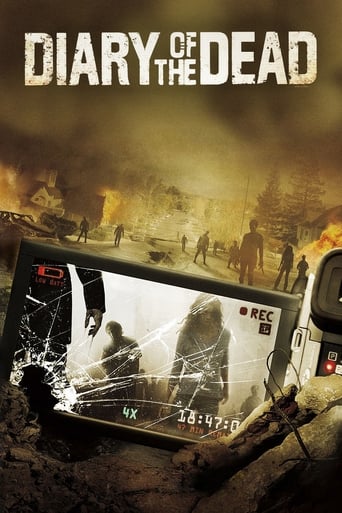
Diary of the Dead (2008)

US
SUBGENRES ZOMBIE
3.0/10 1 votes
Runtime
96 min
Release
February 22, 2008
Budget
$2,000,000
Revenue
$5,540,941
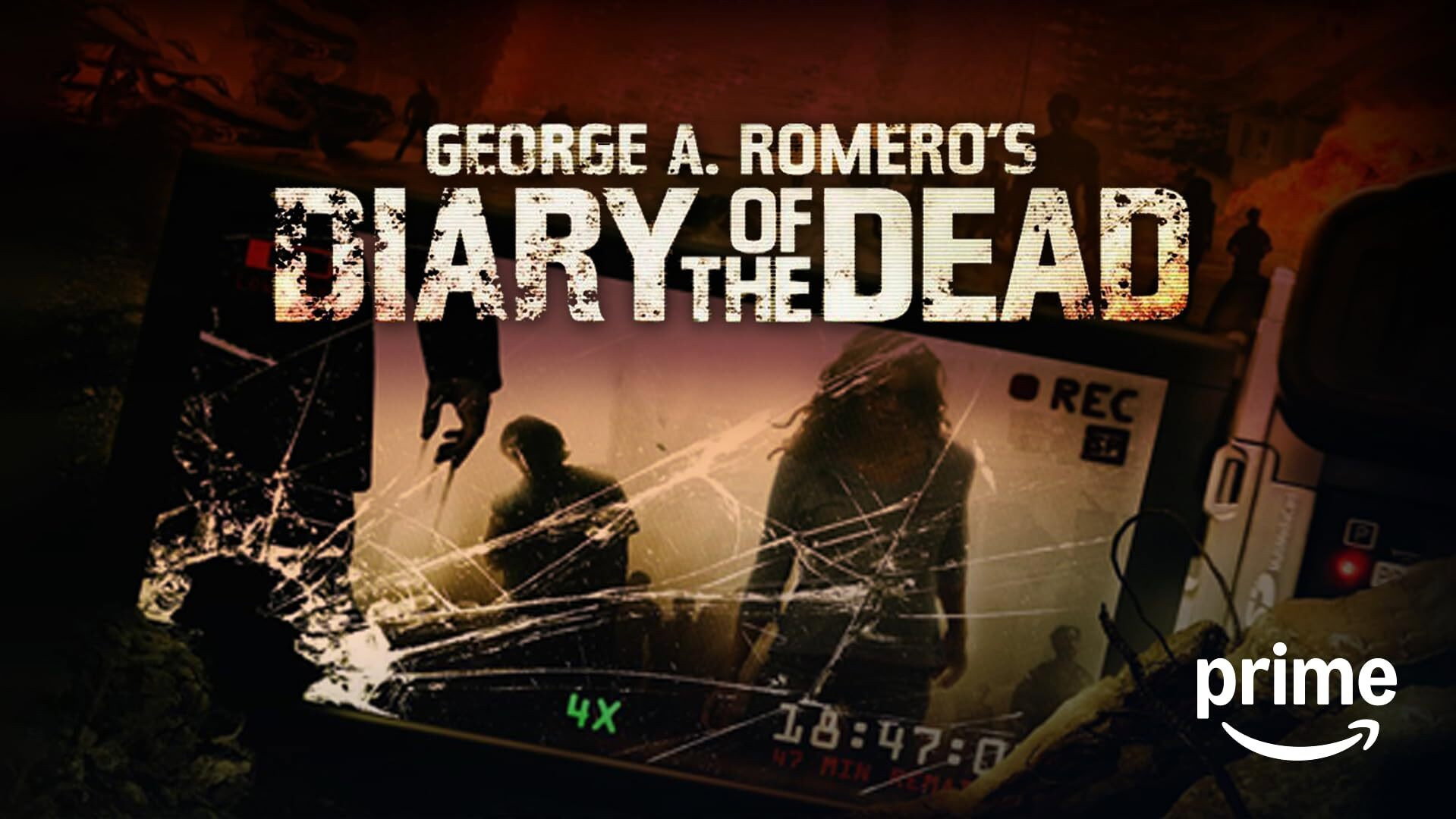
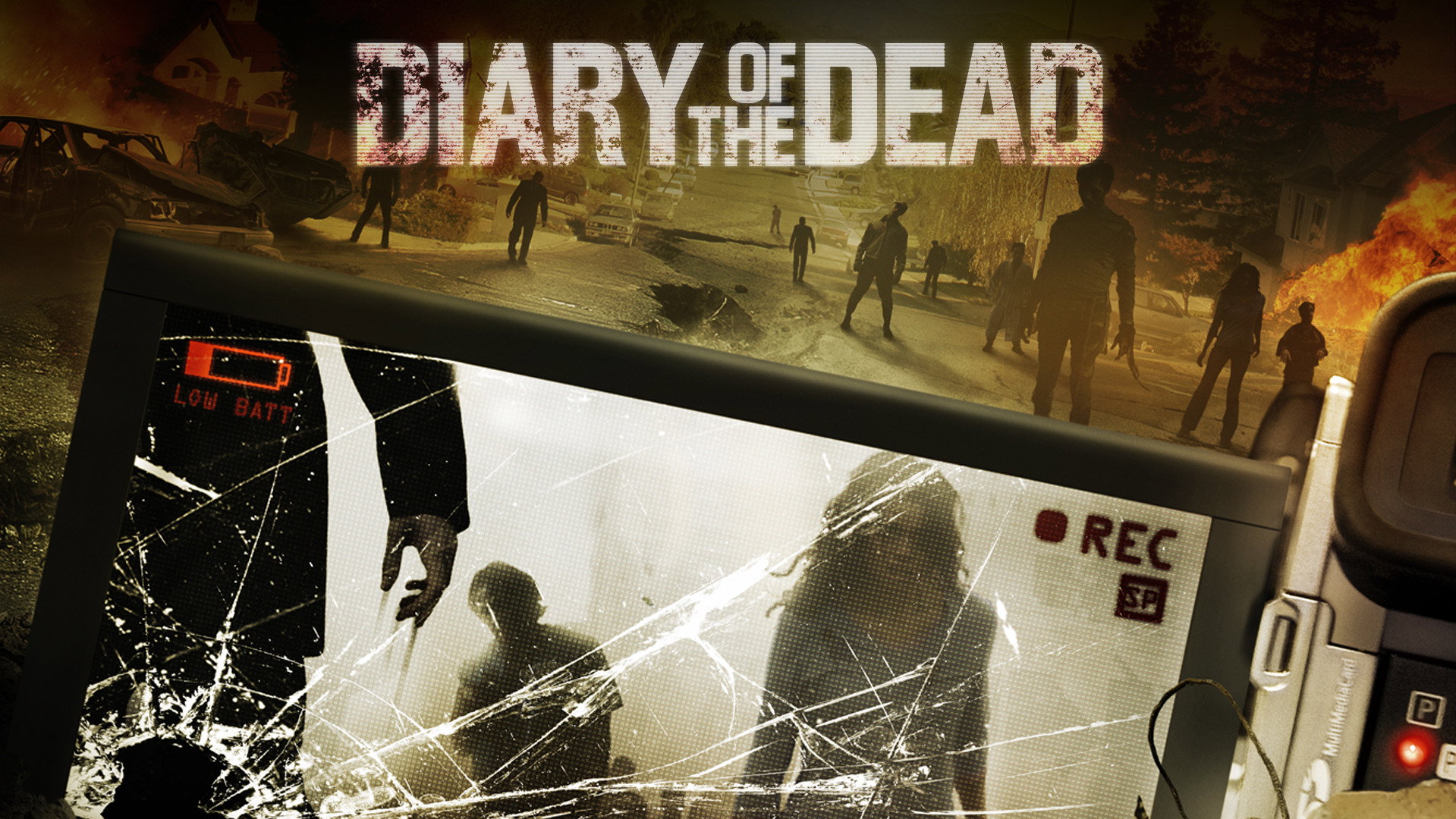
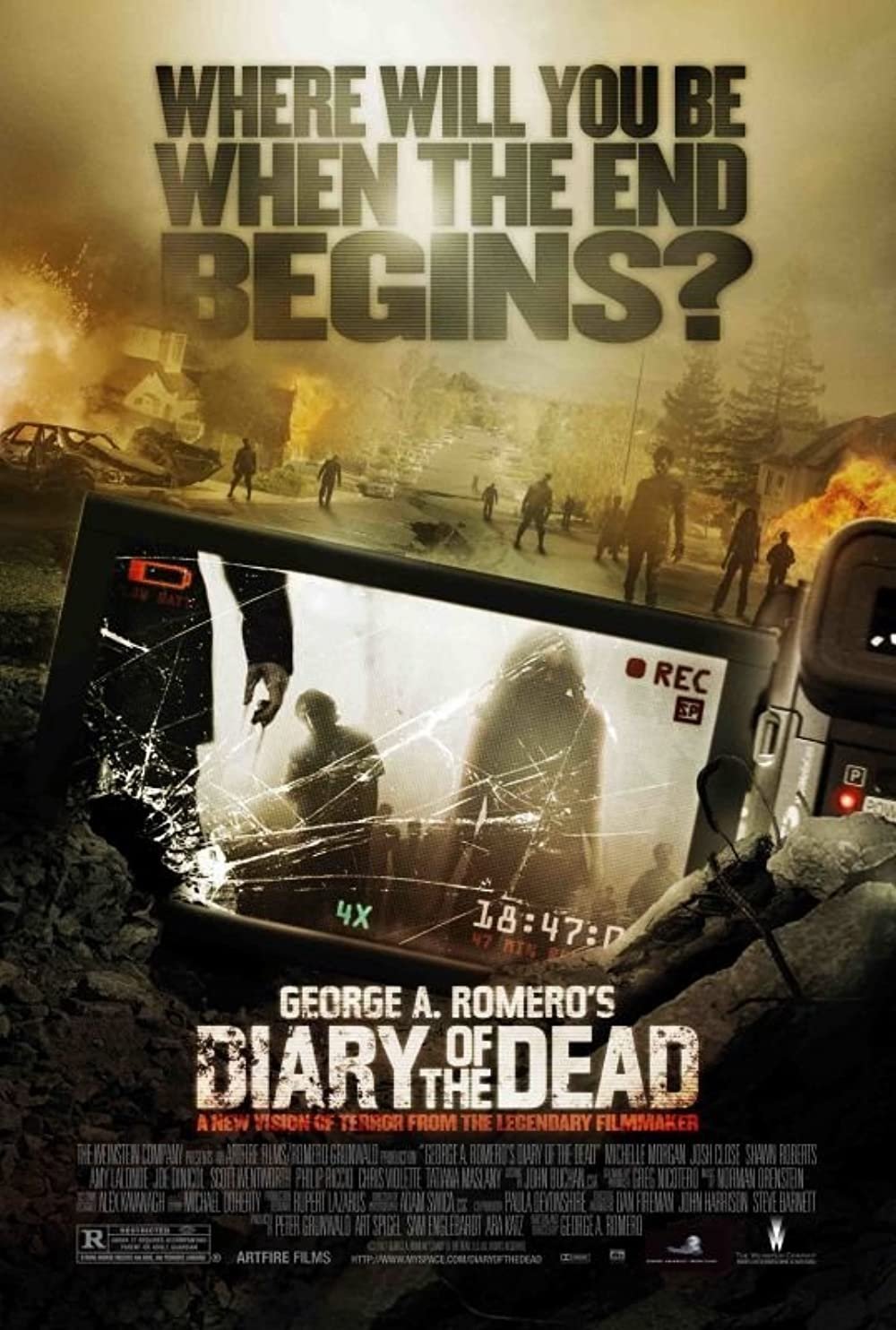
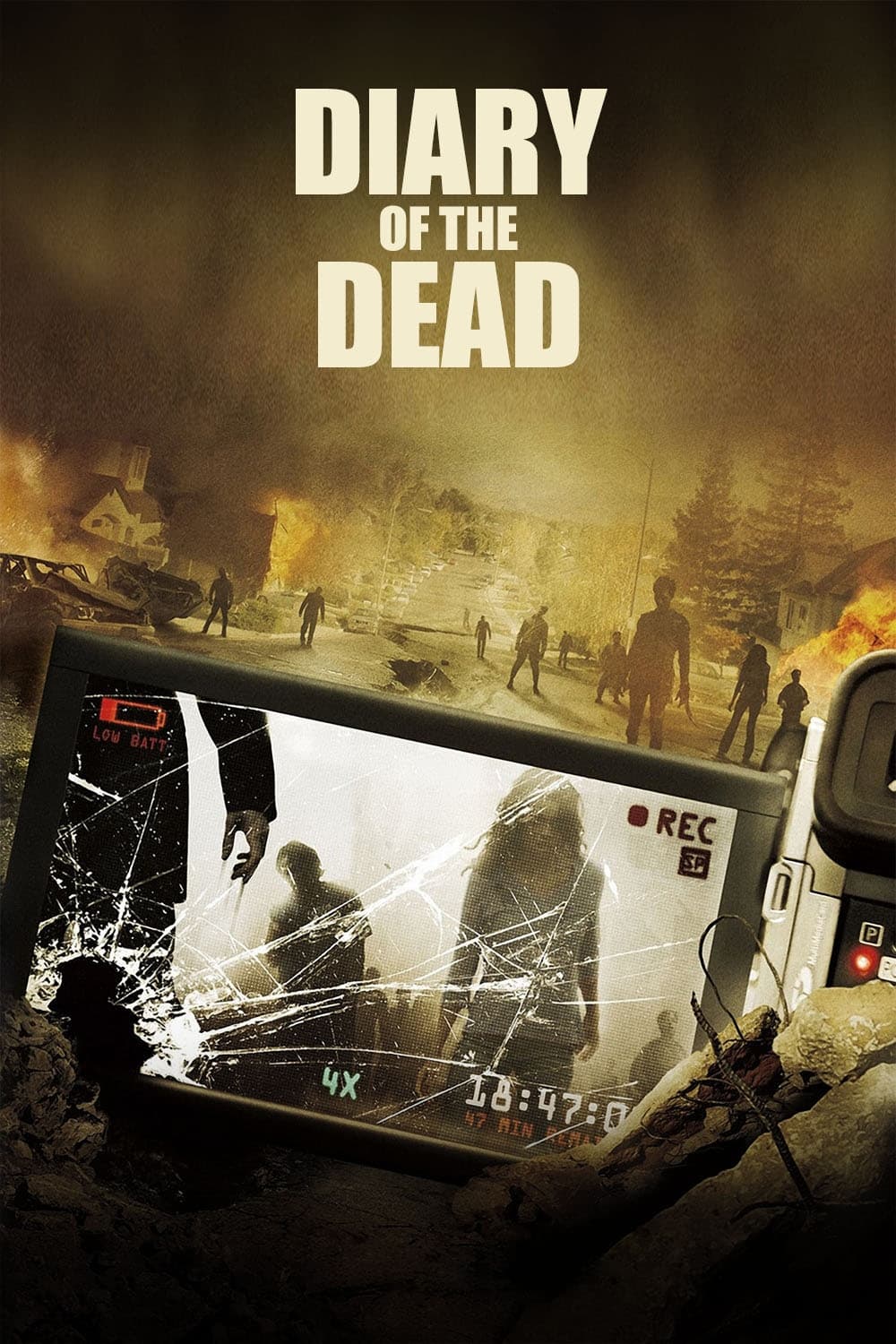
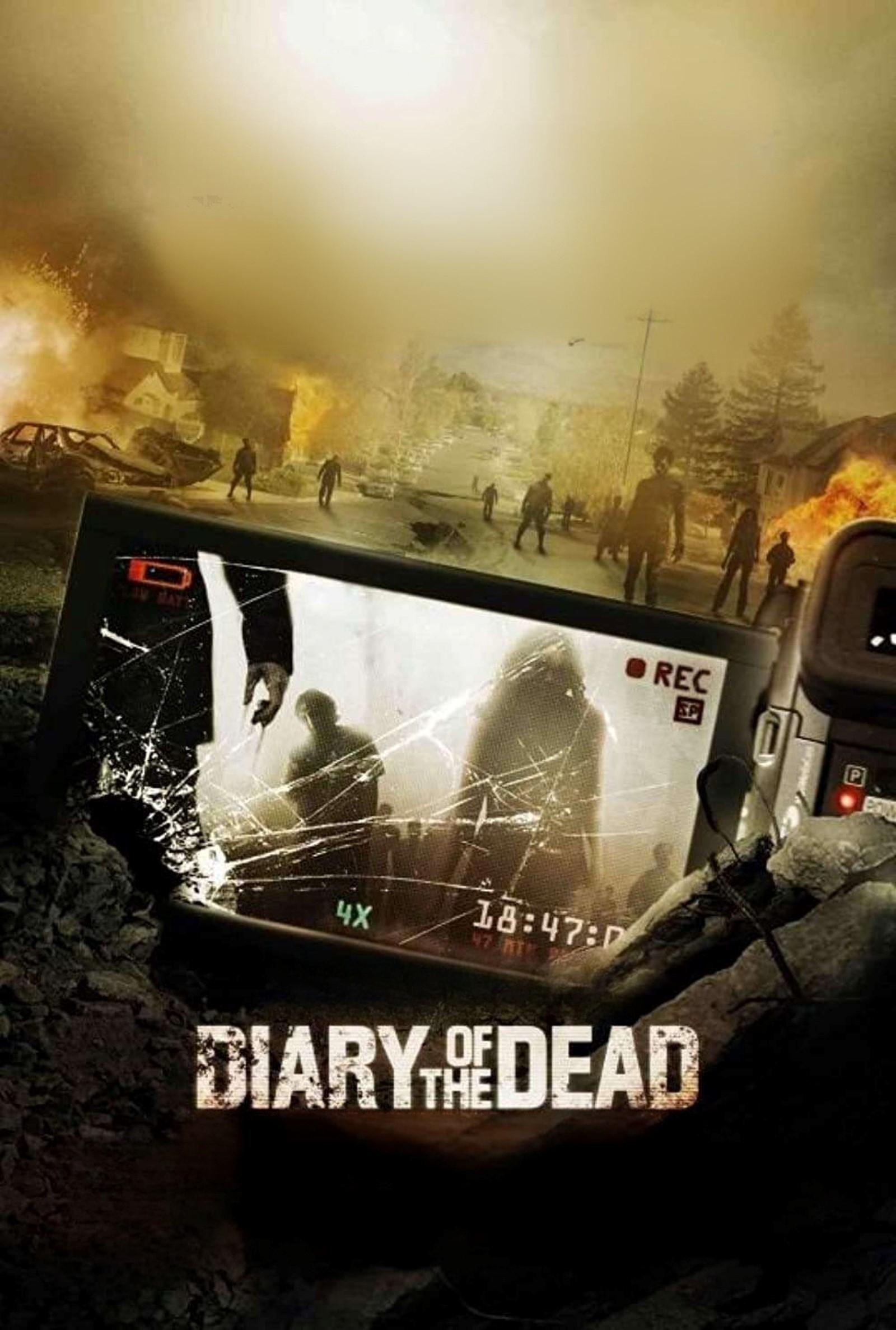
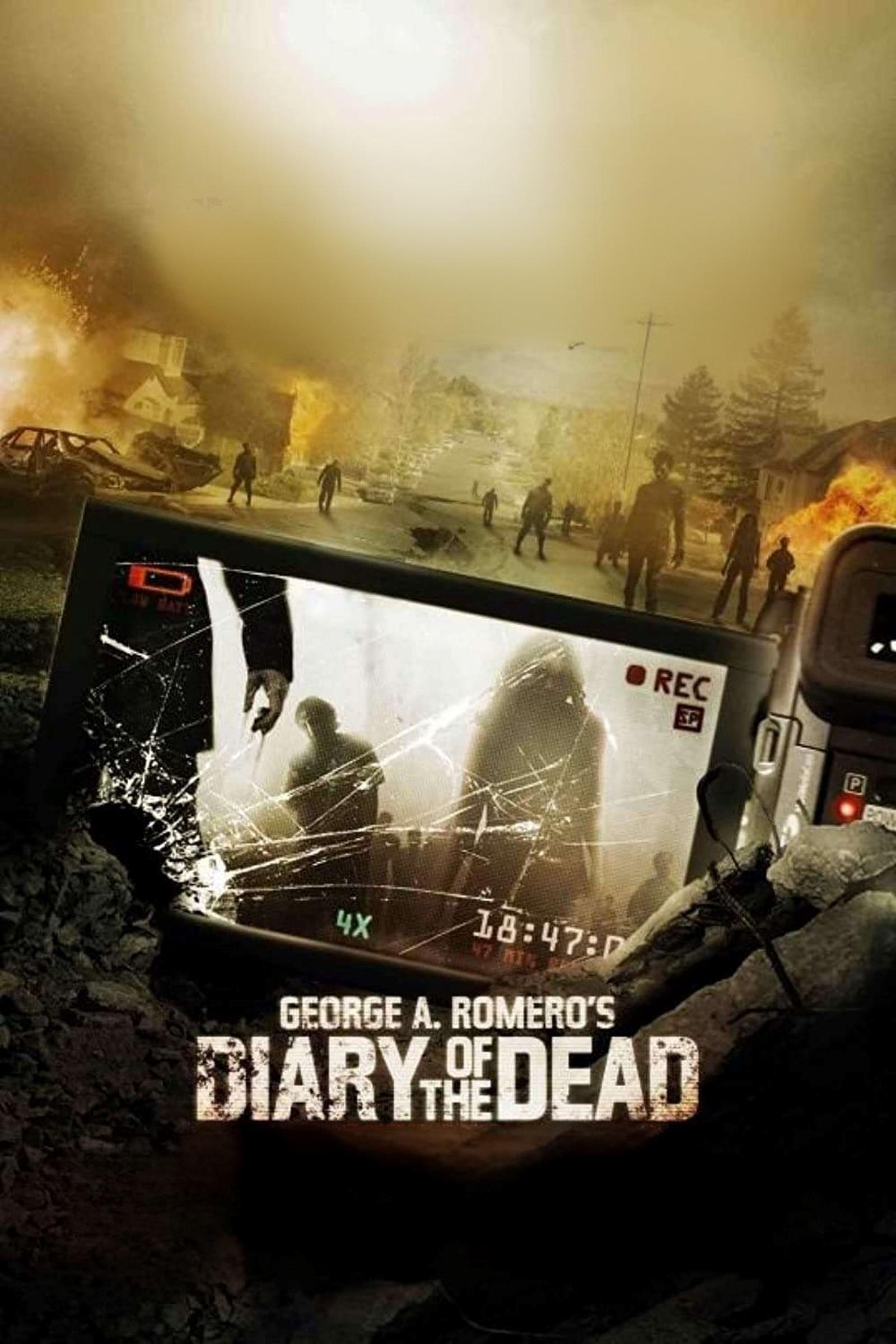
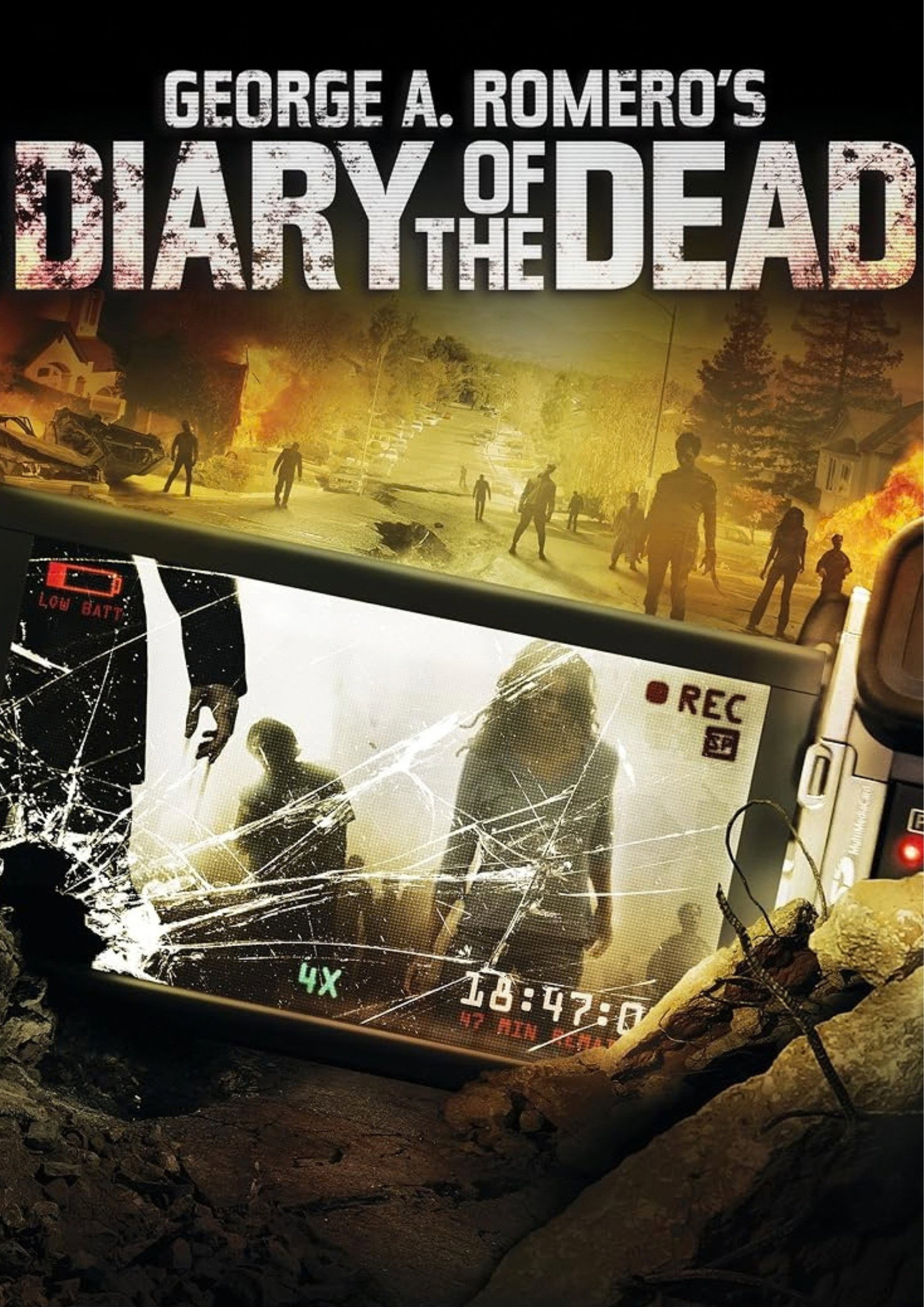
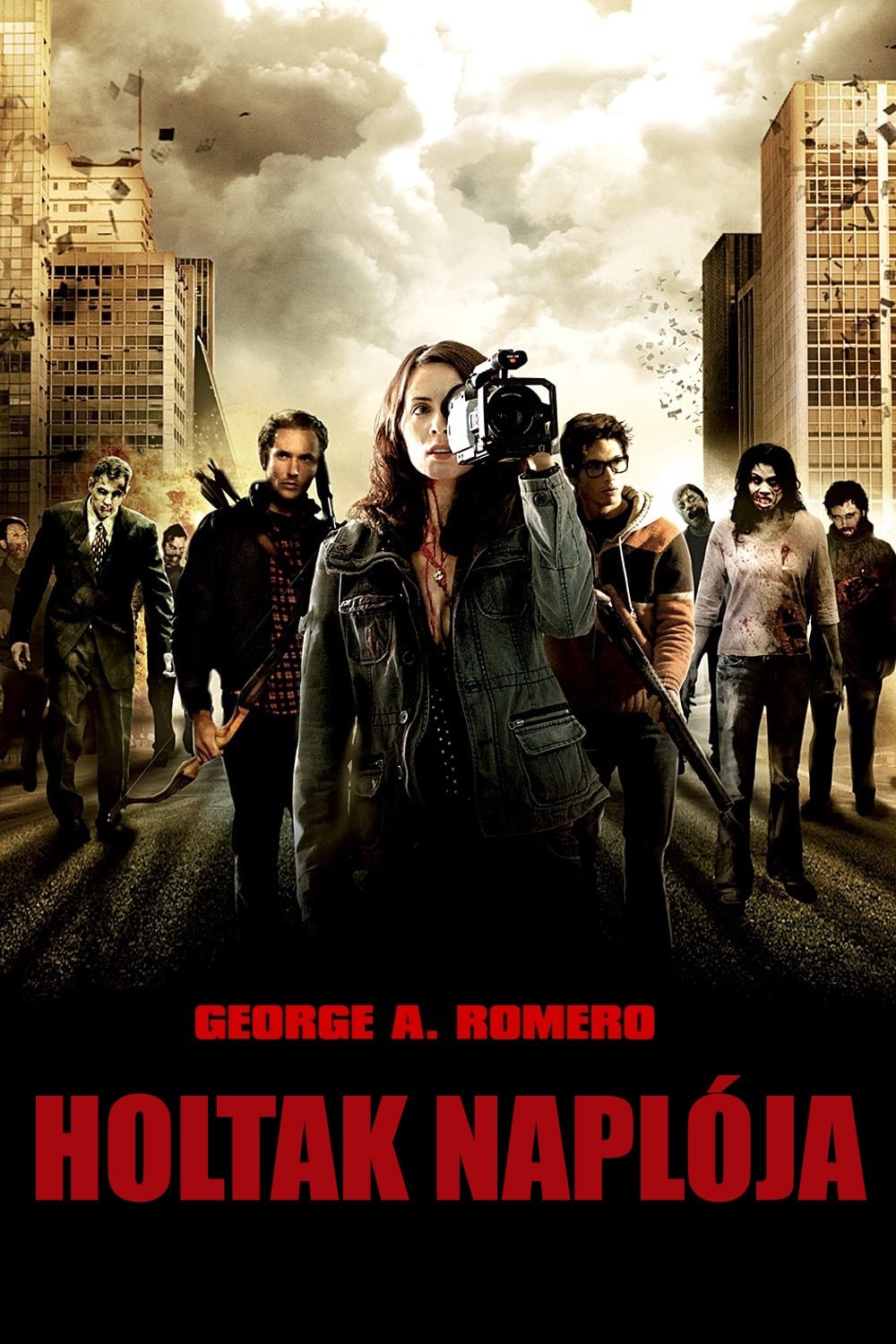
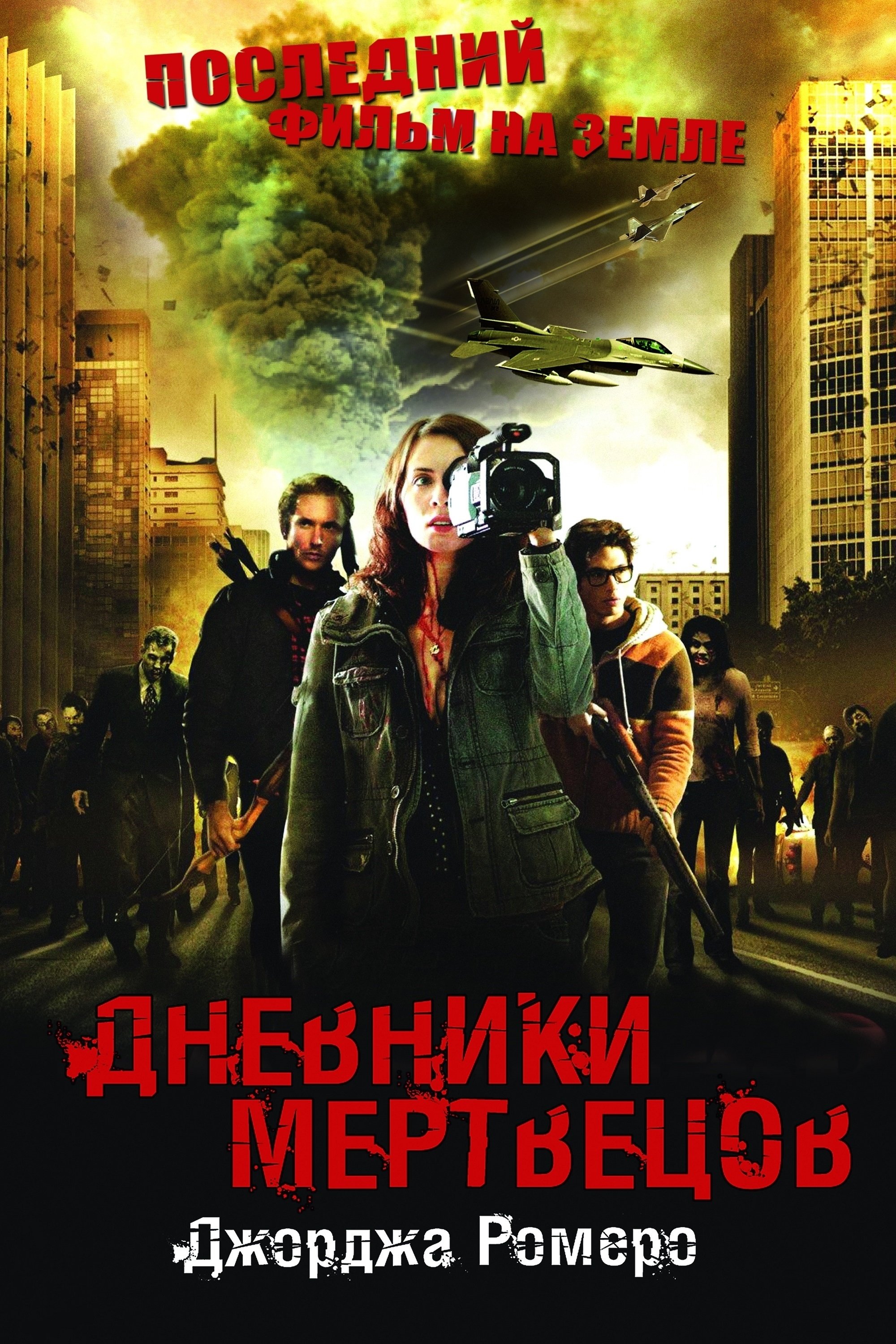
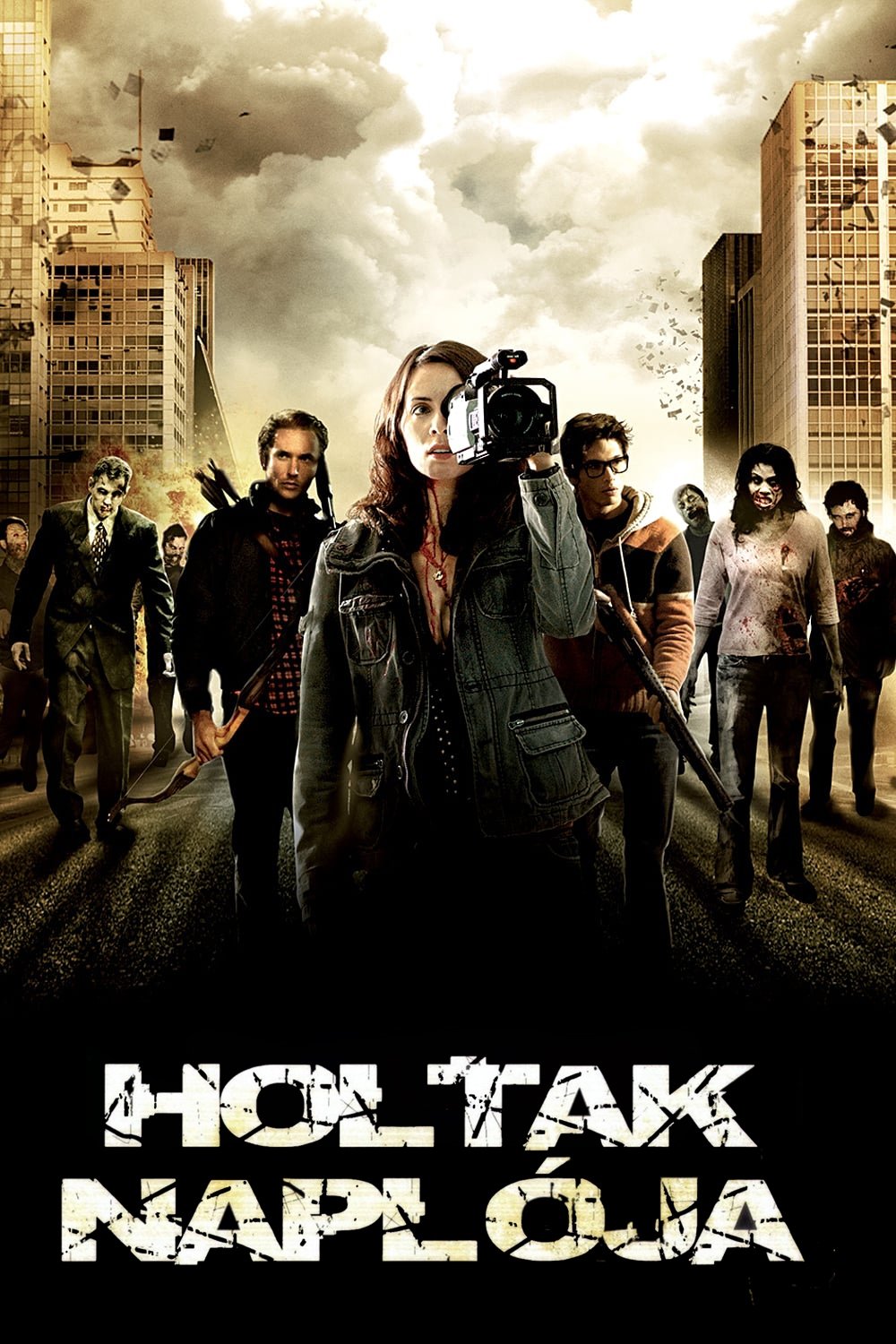
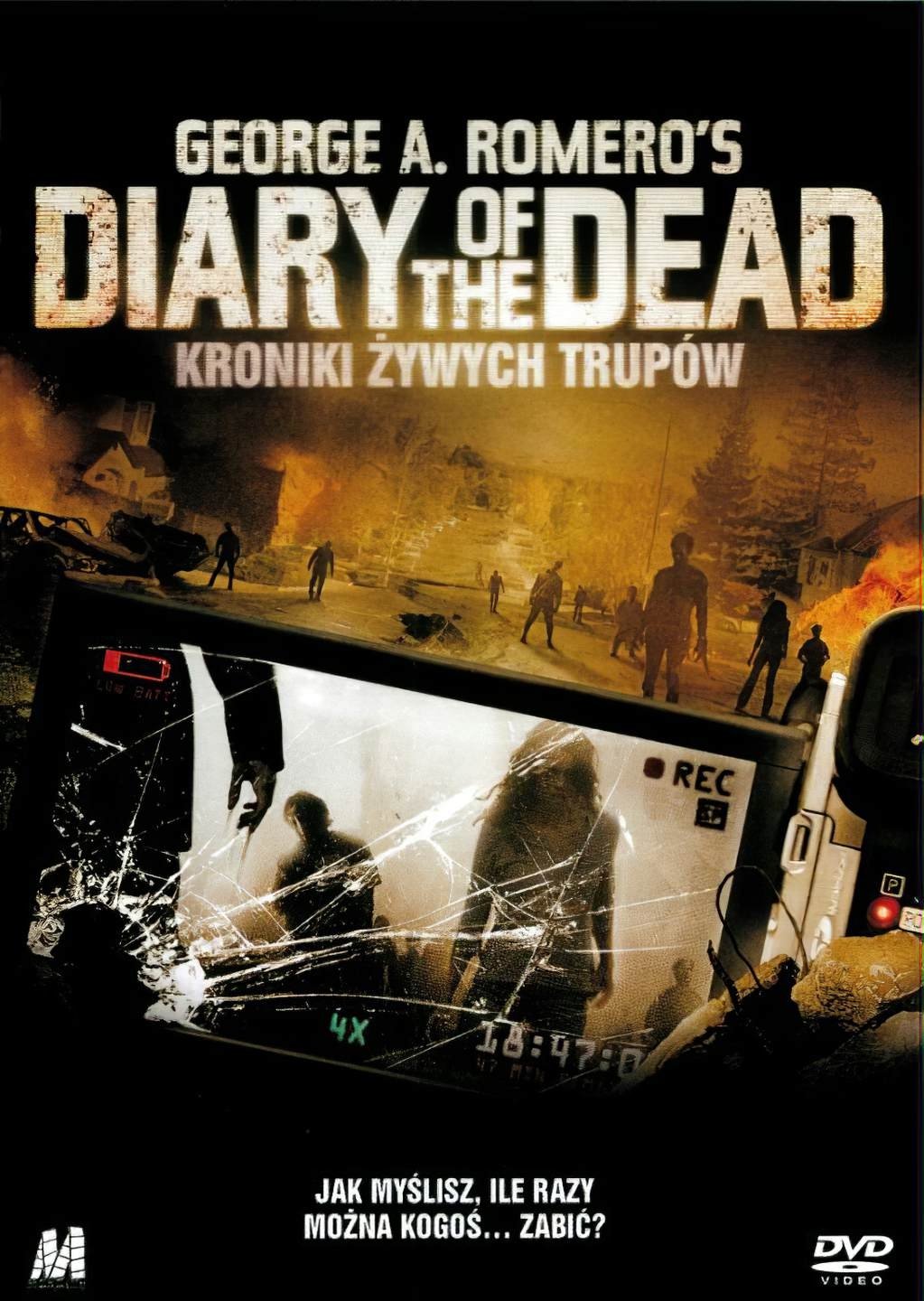
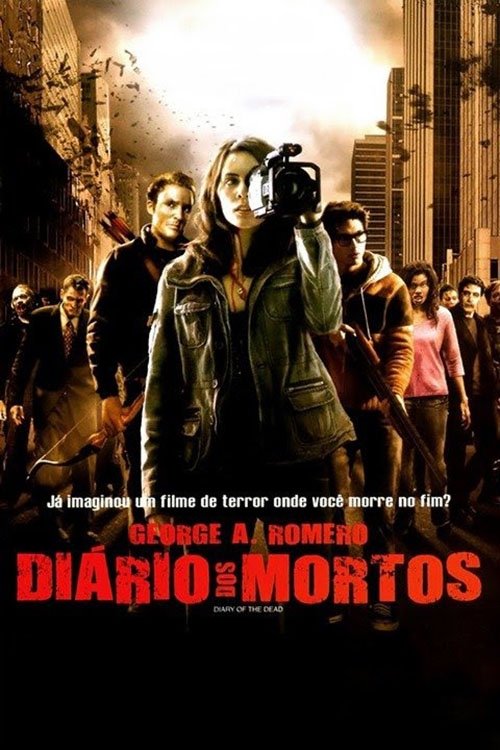
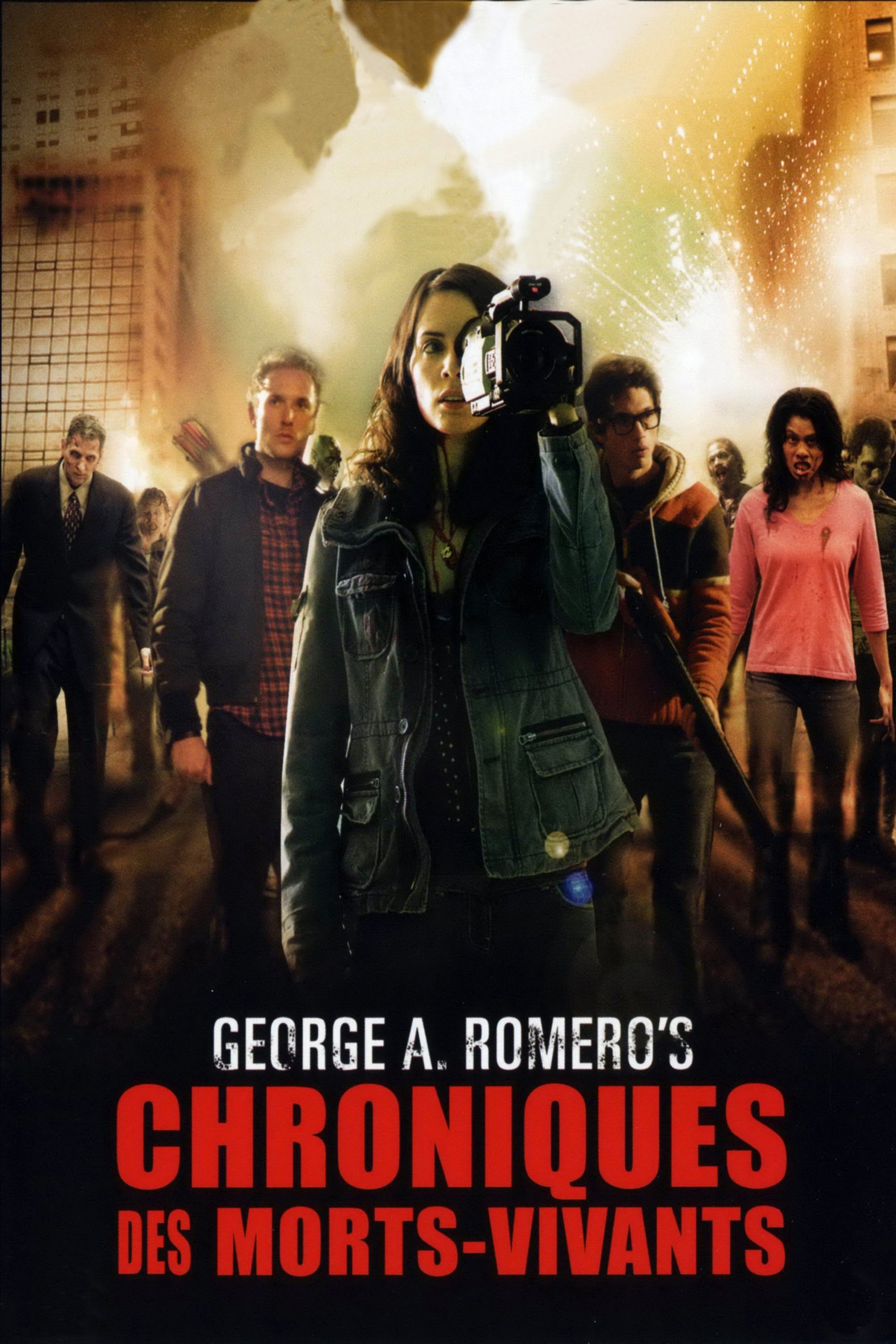
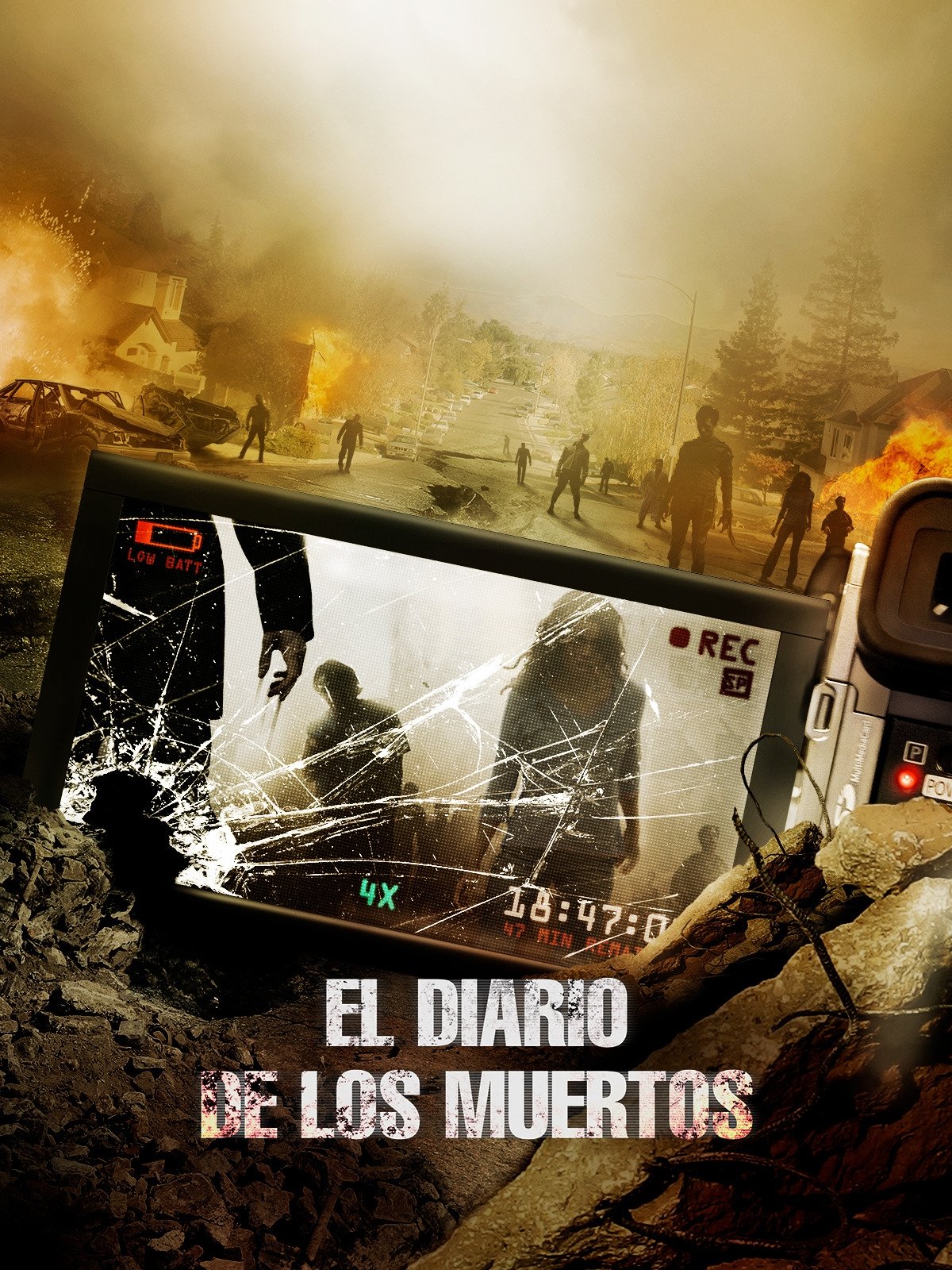
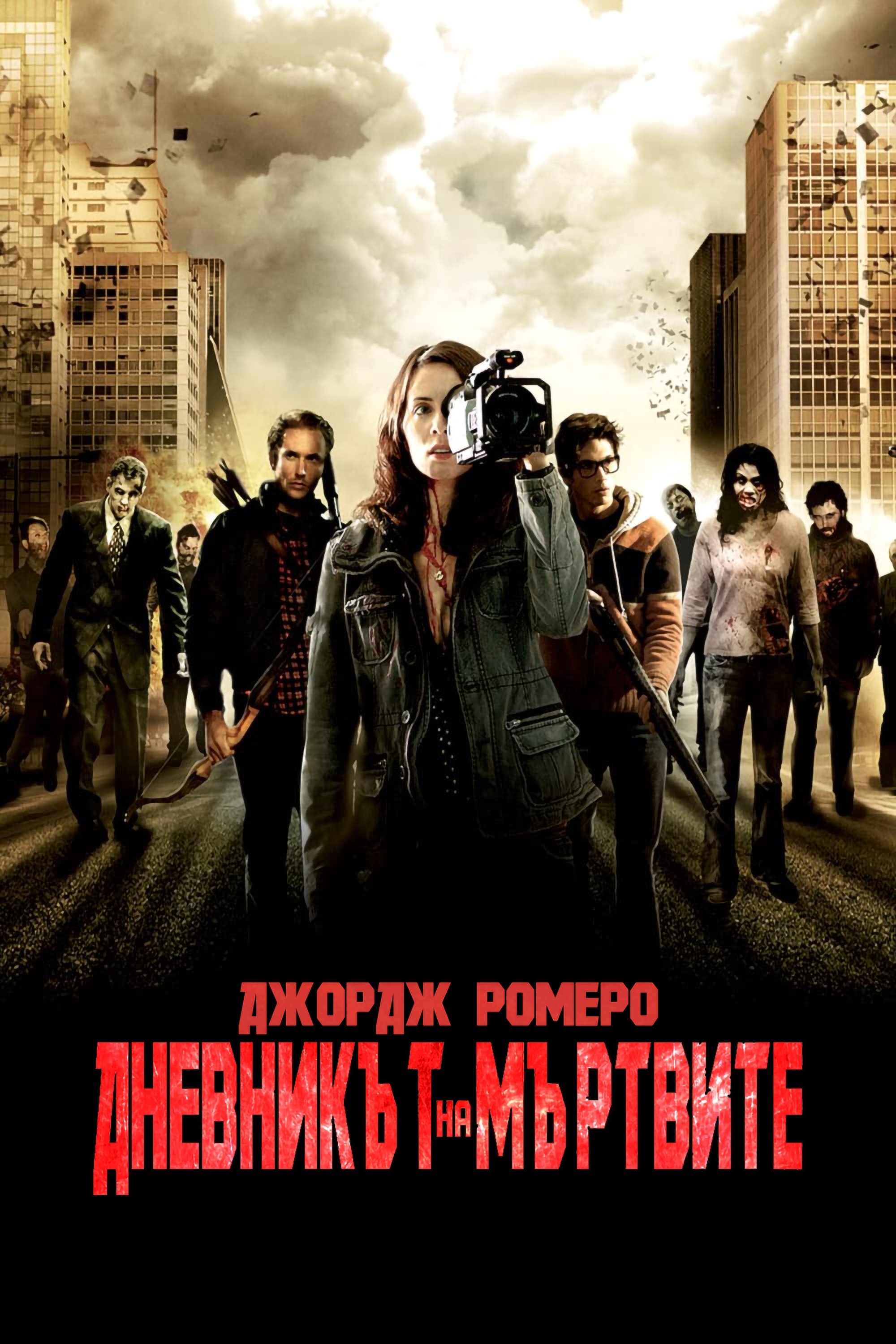
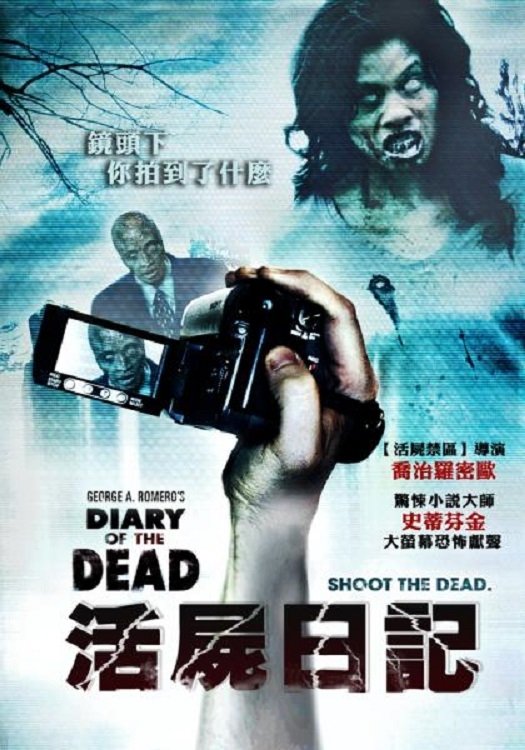
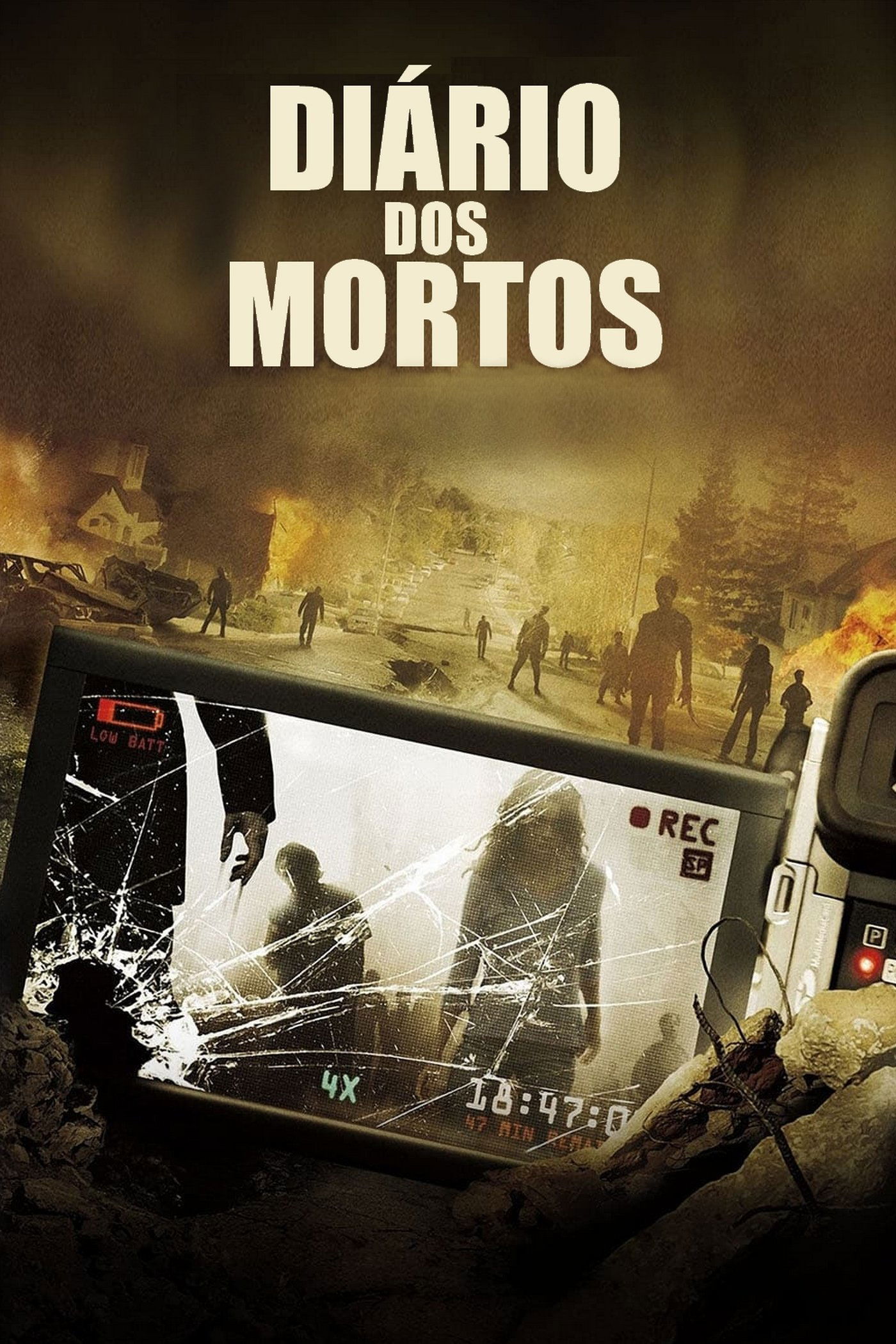
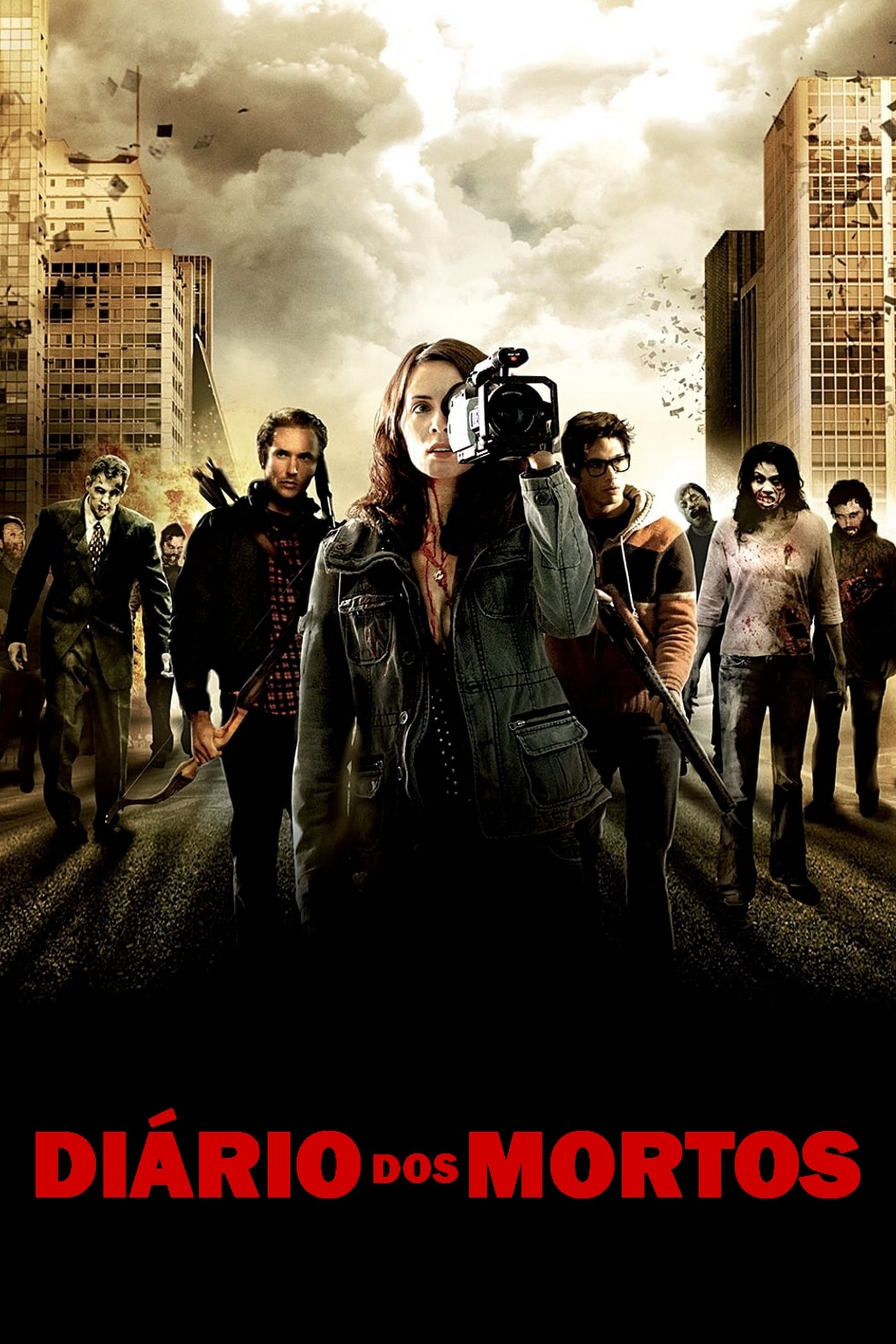
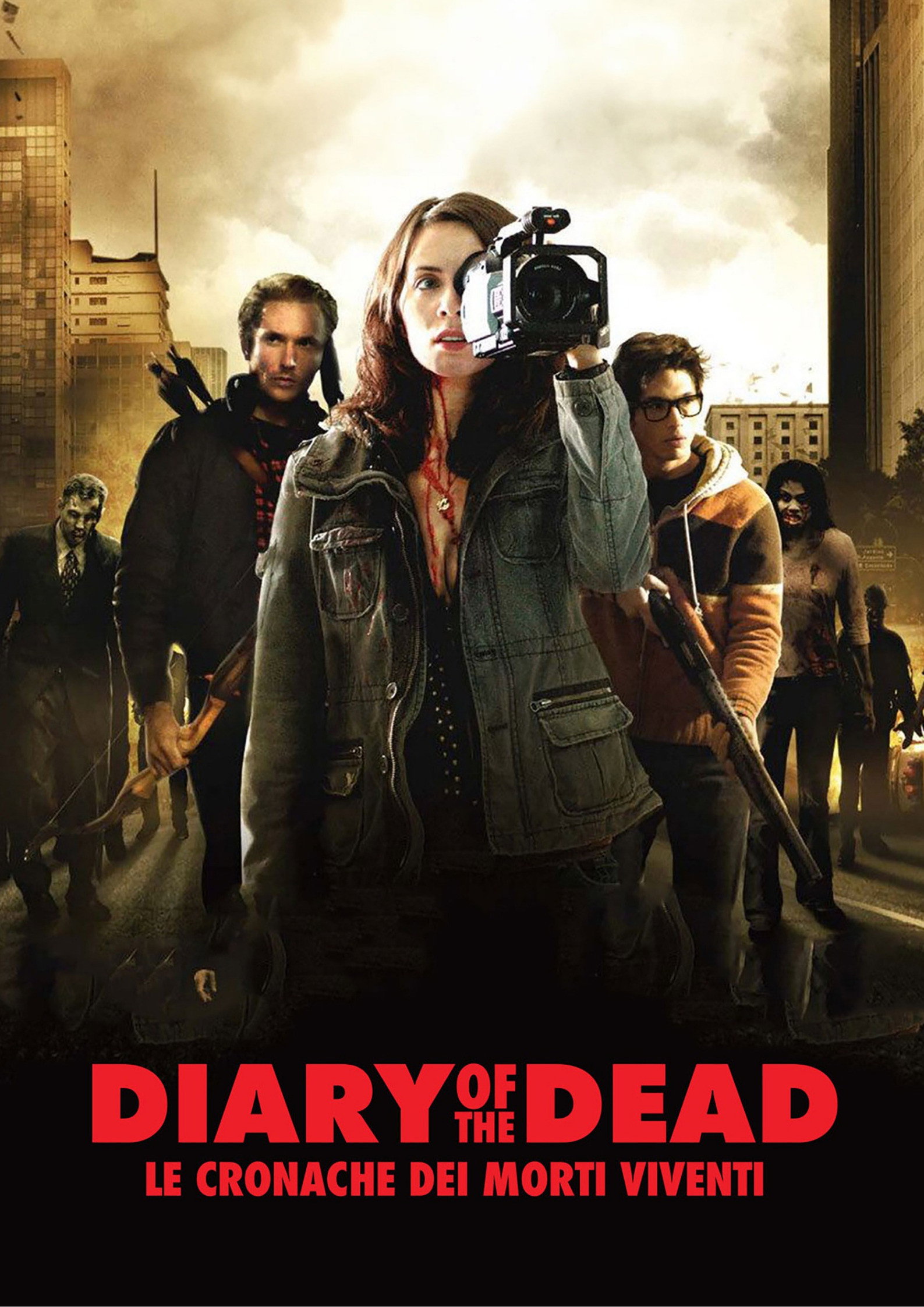
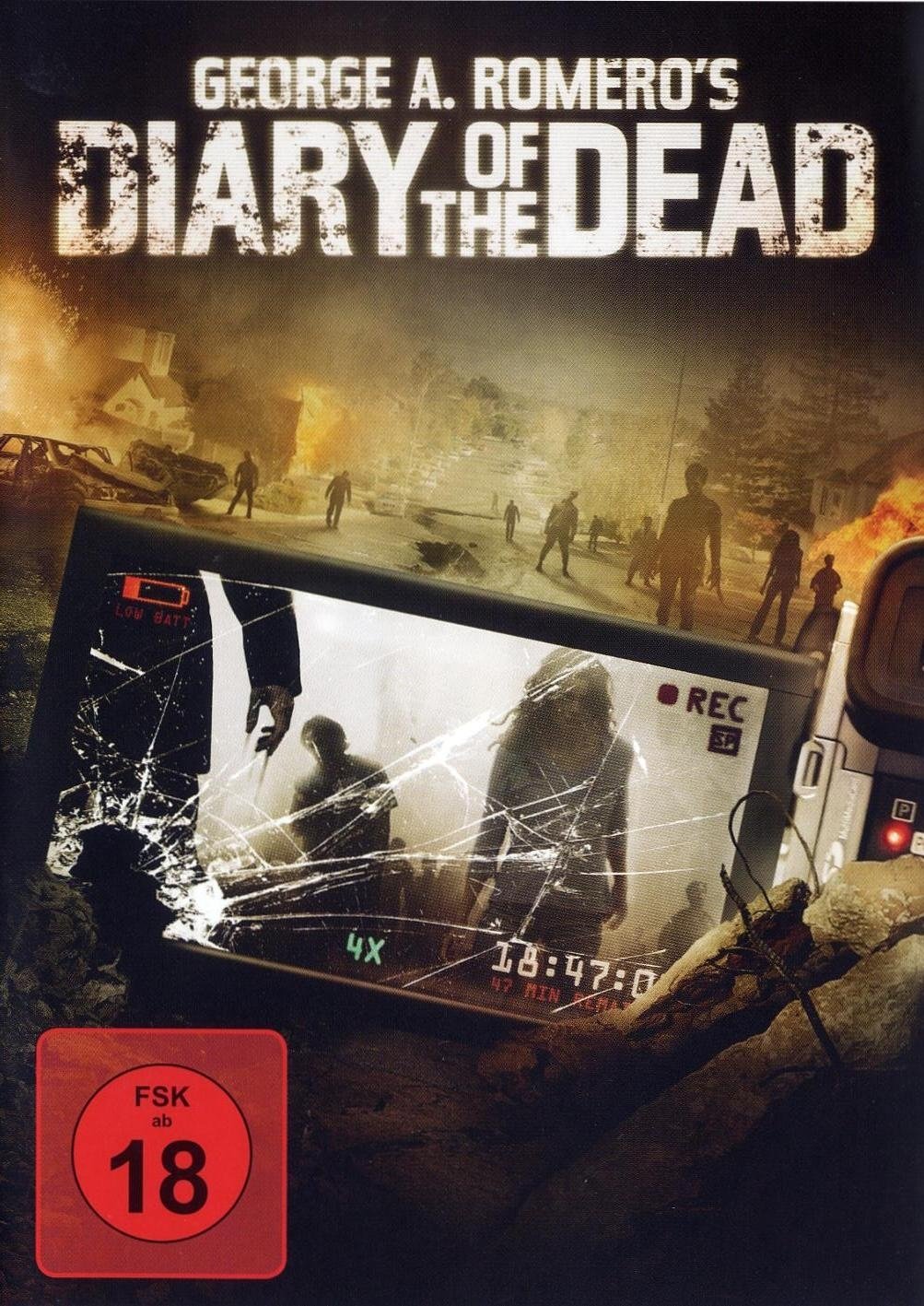
Diary of the Dead (2008) poster
Production Companies
Artfire Films , Romero-Grunwald Productions , Voltage Pictures
Plot

A group of young filmmakers encounter real zombies while filming a horror movie of their own.

Alternative Titles
El diario de los zombies (Argentina) Дневникът на мъртвите (Bulgaria) — Bulgarian Diário dos Mortos (Brazil) 死亡日记 (China) — Chinese Deník mrtvých (Czechia) — Czech El diario de los muertos (Spain) Chroniques des morts-vivants (France) Diary of the Dead : Chronique des morts vivants (France)
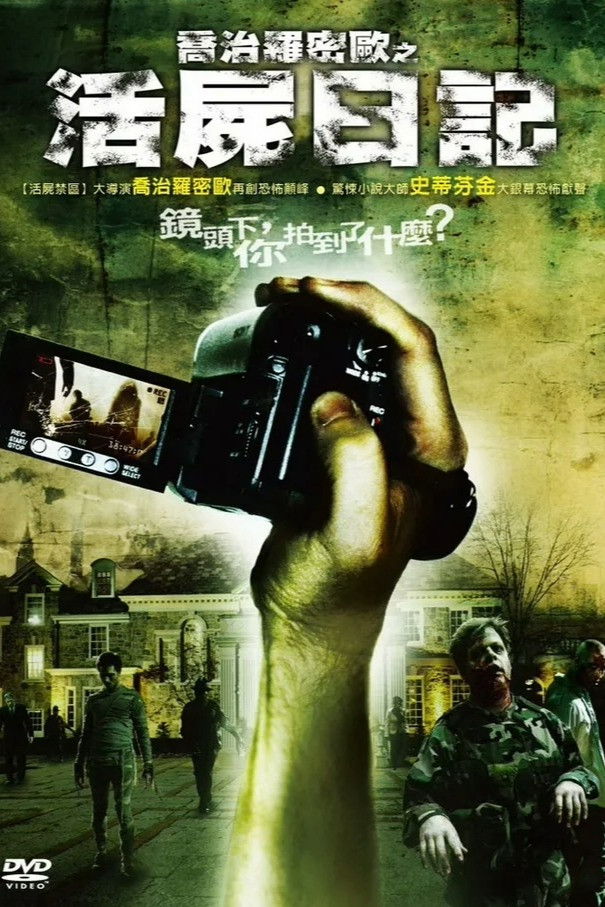
Show all 29 alternative titles Diary of the Dead : Chroniques des morts-vivants (France) — French 活屍日記 (Hong Kong SAR China) — Chinese Dnevnik živih mrtvaca (Croatia) — Croatian Holtak naplója (Hungary) יומן המתים (Israel) — Hebrew Diary of the Dead - Le cronache dei morti viventi (Italy) — Italian Le cronache dei morti viventi (Italy) ダイアリー・オブ・ザ・デッド (Japan) — Japanese 다이어리 오브 데드 (South Korea) 시체들의 일기 (South Korea) — Korean El diario de los muertos (Mexico) — Spanish La invasion de los muertos (Mexico) Kroniki Żywych Trupów (Poland) — Polish Diário dos Mortos (Portugal) — Portuguese Дневники мертвецов (Russia) — Russian El Diario de los Muertos (El Salvador) Diary Of The Dead : ไดอารี่แห่งความตาย (Thailand) — Thai Ölülerin Günlüğü (Türkiye) 活屍日記 (Taiwan) — Chinese Щоденники мертвих (Ukraine) — Ukrainian George A. Romero's Diary of the Dead (United States)

Trailers & Videos

1 video

Film Guide & Analysis

George A. Romero returned to independent digital filmmaking through a first-person zombie film whose apparent documentary spontaneity required elaborate camera choreography, long takes, extensive post-production and digitally completed practical horror effects.

Diary of the Dead premiered in 2007 as the fifth installment in George A. Romero's zombie series, although its narrative returns to the beginning of the outbreak rather than continuing the society depicted in Land of the Dead. The story follows film students who encounter the first reports of the dead returning to life while shooting a low-budget horror production. Jason Creed continues documenting the unfolding emergency, eventually assembling the recorded material into a film that is completed and narrated by Debra Moynihan. Their footage becomes both the audience's principal viewpoint and the central subject of Romero's examination of media responsibility.

The production was deliberately smaller than Land of the Dead. Romero and producing partner Peter Grunwald worked with Artfire Films, using digital acquisition, approximately twenty days of principal photography and a tightly planned visual strategy. Cinematographer Adam Swica photographed material designed to appear as recordings made by characters within the story, while editor Michael Doherty combined the action with additional video, news imagery and narration. Gaslight Studio supplied principal makeup and gore effects under Chris Bridges, with Greg Nicotero involved as a special-effects producer and SPIN contributing digital effects. Composer Norman Orenstein provided original music. The film uses its technical construction to examine a new problem within Romero's established zombie universe: the circulation of images becomes almost as important as the catastrophe they document.

Development, Independent Financing and Digital Media

Romero had begun considering a film about emerging media before completing Land of the Dead. He was interested in the rapid growth of online video, personal recording devices and citizen journalism, particularly the possibility that individuals could document violent events without relying on traditional broadcasters. After the larger production of Land, he wanted to return to the smaller independent methods that had characterized the beginning of his career.

His original plan was considerably less expensive than the completed film. Romero discussed making the project through a film school with student assistance and a budget of only a few hundred thousand dollars. Artfire Films subsequently agreed to finance a professional independent production while allowing him a high degree of creative control. Romero later explained that the requirements of union employment and normal production arrangements increased the budget substantially. Contemporary interviews give varying figures, so an exact final cost should not be treated as certain.

The story returns to the first nights of the zombie outbreak. This decision gives the characters a reason to be attending film school and photographing an ordinary student project when the catastrophe begins. It also permits Romero to revisit ideas from Night of the Living Dead through a different information environment. News bulletins remain important, but the characters can now record events themselves, exchange files and search online for material that contradicts official accounts.

Romero was developing the project independently of other contemporary found-footage productions. He later acknowledged that he had not initially known that Brian De Palma was preparing Redacted or that Cloverfield was in development. The similarity of these projects reflects the contemporary prominence of digital cameras and networked media rather than evidence that Diary was designed to imitate either film.
Digital Photography and the Subjective Camera

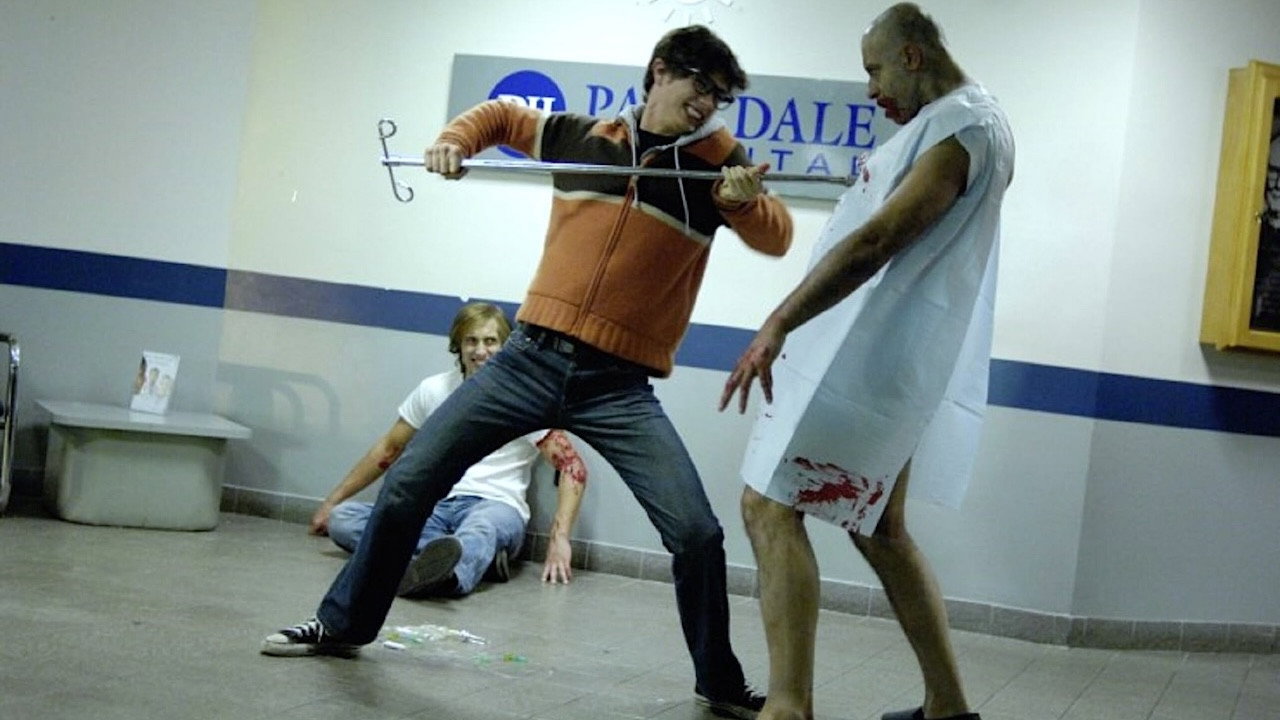
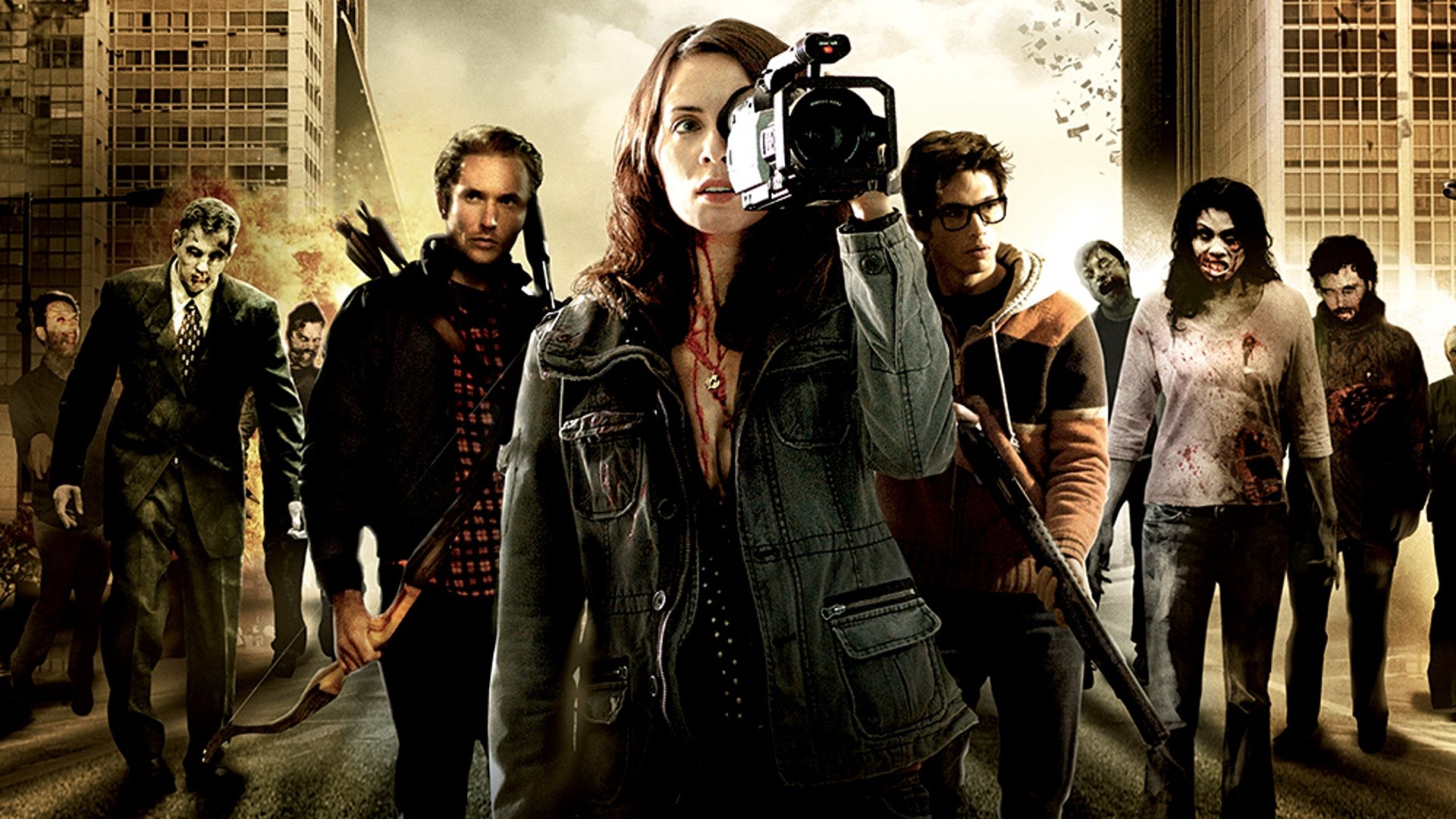
Adam Swica served as cinematographer, but the film's visual rules were fundamentally different from conventional third-person coverage. Almost every principal image needed an explanation within the fictional world: a student was holding a camera, another character was recording from a separate position or Debra had incorporated material from external sources. This required camera placement to remain compatible with the physical presence and knowledge of the fictional operator.

Romero described the process as considerably more disciplined than it appeared. Some takes covered approximately eight pages of screenplay, and the camera could move across almost every direction within a room. Lights, stunt performers and crew members therefore had to disappear from its path as it turned. Romero recalled crew members ducking below the lens or moving away immediately before an approaching camera revealed their positions. The production could spend hours arranging movements that would be photographed in a relatively short period.
This was a substantial change from Romero's established editorial method, which relied on photographing extensive coverage and shaping the sequence afterward. A long subjective shot has fewer opportunities to conceal discontinuity. Actor movement, dialogue, stunt timing and camera choreography must be coordinated before photography because an uncontrolled error near the end can invalidate the entire take.

The fictional filmmakers also provide a justification for a relatively sophisticated visual result. Unlike characters who accidentally find a recording device, Jason and his friends are students with experience operating cameras and editing footage. Romero could therefore use deliberate compositions and controlled movement without automatically contradicting the story's premise. Nevertheless, the finished movie includes multiple recording sources and editorial transitions that exceed the strictest interpretation of uninterrupted personal-camera footage.

Editing and the Film Within the Film

Michael Doherty edited Diary of the Dead, working within a structure that explicitly acknowledges editing as part of the narrative. Debra assembles Jason's material after the events, adds narration and incorporates footage obtained from other sources. Her work provides an explanation for transitions that could not occur in a truly continuous single-camera recording. The completed film is therefore presented as an authored documentary rather than unaltered evidence.

Romero originally hoped to use a purer form of continuous subjective photography. He later acknowledged that this became impractical and that some scenes required two cameras so the cuts could be justified through the recorded material. Introducing Debra as the editor solved a practical problem while also contributing to the central theme. She can select which images to preserve, determine their sequence and add commentary that changes how the viewer interprets Jason's actions.

The editorial framework also permits the addition of television news, online videos and other representations of the outbreak. Some material appears with characteristics associated with lower-quality internet video, allowing the film to distinguish recordings produced by different people and institutions. These variations are not simply decorative effects. They establish the movement of information through a network in which individuals may encounter multiple contradictory versions of the same emergency.

The completed soundtrack includes Debra's voice-over, public commentary and additional sound material that Romero could develop after principal photography. In an interview at the time of release, he explained that this post-production freedom was one of the major advantages of the fictional editing device. It allowed him to test narration and other elements without requiring the principal cast and crew to return to the original locations.

Gaslight Prosthetics and Digital Gore

Chris Bridges and Gaslight Studio handled much of the practical makeup and zombie-effects work, with Greg Nicotero involved in a supervisory production capacity. The design deliberately referenced different periods of Romero's zombie films rather than reproducing the more elaborate appearance of the creatures in Land of the Dead. Because the narrative returns to the beginning of the outbreak, the undead can resemble recently deceased people rather than bodies that have undergone prolonged environmental deterioration.

Romero continued his preference for physical makeup where practical, but he used digital effects more extensively than in his early work. The twenty-day schedule made conventional squibs particularly expensive in terms of time. A practical gunshot could fail to register correctly, require new makeup or leave blood on scenery that had to be cleaned before another take. Romero described the alternative as photographing the actor firing and the zombie falling, then adding the muzzle flash and blood impact digitally.

Some of the film's most distinctive injuries depend heavily on computer-generated alteration. The acid sequence, in which a zombie's head is progressively dissolved, allowed Romero to show anatomical destruction in an extended shot without concealing every stage through cutting. Other effects combine prosthetics, photographed performers and digital removal or replacement. The director described computer effects as enabling images that would have been impractical to construct mechanically within the time available.

The technology was not without difficulties. During one effects-heavy sequence involving a weapon passing through a head, Romero described the need to coordinate green-screen photography with matching focal lengths and physical performance. The practical departments still had to supply correct spatial relationships so the digital element could occupy the photographed environment.

The subjective camera also alters the presentation of violence. Traditional coverage can approach an effect through a carefully framed close-up and remain there while the mechanism operates. In Diary, the fictional camera operator often stands farther away or reacts unpredictably. Graphic events may consequently occupy a relatively small part of the frame or pass quickly. Romero considered this an important reason that individual effects sometimes seemed less elaborate than the comparable gore of his earlier productions.

Music, Sound and Media Authenticity

Norman Orenstein composed the original music. The soundtrack operates within an unusual narrative framework because Debra has constructed the recorded film retrospectively. Unlike a supposedly unedited live transmission, the completed documentary can include music, commentary and transitions added after the events. Romero uses this distinction to create dramatic emphasis while maintaining the premise that the principal footage originated from characters within the story.

The treatment of recorded sound is equally important. Dialogue, camera movement, external news material and environmental effects must appear to belong to different kinds of recording. Sounds associated with a camera operator's immediate surroundings are not necessarily presented in the same way as material incorporated from broadcasts. The final mix can therefore contrast direct experience with media representation without leaving the fictional documentary format.

The film's interest in video authenticity extends beyond image texture. Romero presents the act of continuing to record as a moral decision. Jason repeatedly places the acquisition of footage above immediate practical concerns, while Debra becomes increasingly responsible for determining whether the recorded images deserve public circulation. The filmmaking technology is therefore part of the conflict between the characters.

Festival Release and Place in the Series

Diary of the Dead premiered at the Toronto International Film Festival in September 2007 and subsequently circulated through international festivals before its American theatrical release in February 2008. This distinction explains why some catalogues identify the film with 2007 and others with 2008. Both dates are historically relevant, but they refer to different stages of distribution.

The project represented a deliberate reduction in production scale after Land of the Dead. Romero had been frustrated by the physical demands and commercial expectations surrounding a relatively expensive zombie feature. Diary offered an opportunity to work quickly, maintain greater control and use new recording technology to organize the story around a contemporary form of communication.

Its position in the franchise differs from that of a direct chronological sequel. Diary revisits the beginning of the catastrophe in a narrative environment separate from the fortified society of Land. Survival of the Dead subsequently develops a storyline involving Sarge Crockett, introduced in Diary, and thus establishes a more explicit connection between the two later productions.

The film's historical value lies primarily in its formal experiment. Romero uses the proliferation of personal recording equipment and online video as the basis for a zombie story in which information can circulate rapidly without becoming more reliable. The carefully planned digital production also documents an important change in his working methods. Techniques that would once have required repeated physical effects setups or elaborate optical post-production could now be completed within a comparatively inexpensive digital workflow.

References

  1. British Film Institute George A. Romero: The Sight & Sound Interview

    Original director commentary on Diary of the Dead’s subjective-camera storytelling, editing constraints and inserted news footage.

  2. Dark Horizons George A. Romero on Diary of the Dead

    Extensive direct interview covering the long takes, technical choreography and the return to independent production.

  3. Eye for Film George A. Romero Interview: Diary of the Dead

    Original director interview exploring production choices, effects and long-take cinematography.

Connections

Cast

View Full Cast & Crew →

Release & Distribution

Production Companies (3)

  • Artfire Films
  • Romero-Grunwald Productions
  • Voltage Pictures US

Distributors (1)

  • Moviemax IT

Release History (15)

Release DateTerritoryRelease TypeFormatDistributorCertificationNotes
2007-05-26 Belgium Physical — — 16
2007-05-26 Finland Physical — — K-16
2007-05-26 Italy Theatrical — — VM14
2007-05-26 Sweden Theatrical — — 15
2007-09-08 Canada Premiere — — 18A Toronto International Film Festival
2007-09-20 United States Premiere — — R Austin Fantastic Fest
2007-10-06 Spain Premiere — — 16 Sitges - Catalonian International Film Festival
2007-11-02 United Kingdom Premiere — — 18 London FrightFest Film Festival
2008-02-22 Australia Theatrical — — MA 15+
2008-03-07 Ireland Theatrical — — 16
2008-03-29 Germany Premiere — — 18 Fantasy Filmfest Nights
2008-06-25 France Theatrical — — 12
2008-11-15 Japan Theatrical — — R15+
2008-12-12 Brazil Physical DVD — 18 DVD premiere
2009-04-01 Germany Physical DVD — 18 DvD
Where will you be when the end begins?