
Development After Diary of the Dead
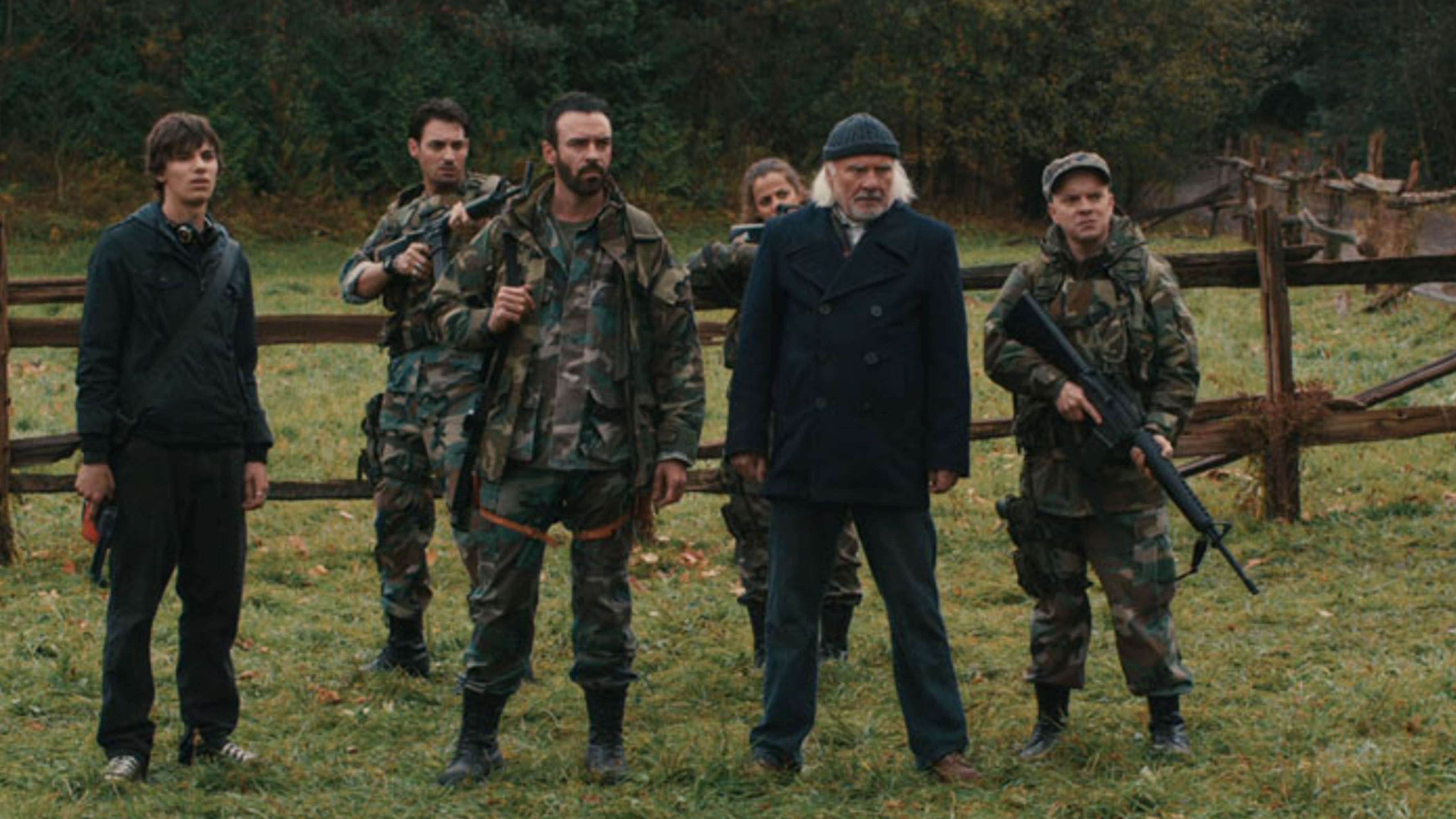
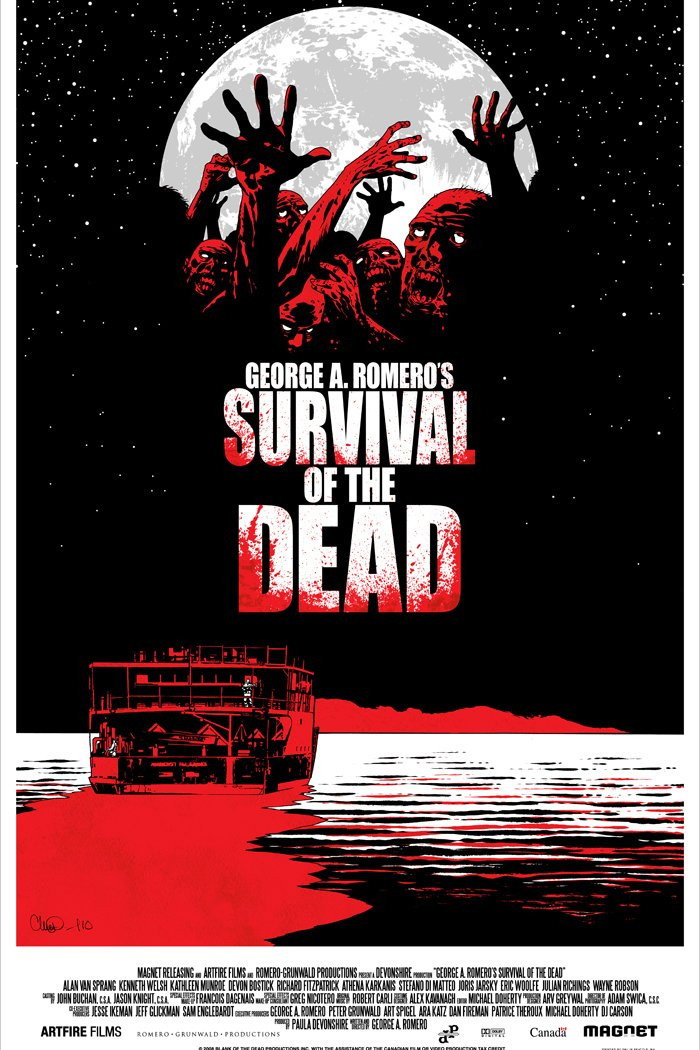
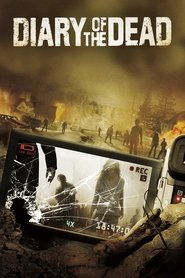
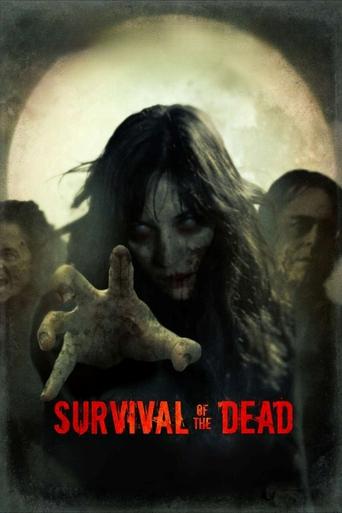
Romero developed Survival of the Dead as part of a proposed series of interconnected stories taking place during different stages of the same zombie outbreak. He returned to the group of National Guard soldiers who had appeared briefly in Diary of the Dead, building a new story around them. Their earlier encounter with the student filmmakers provides a recognizable point of continuity without requiring the audience to follow the narrative of the previous production in detail.
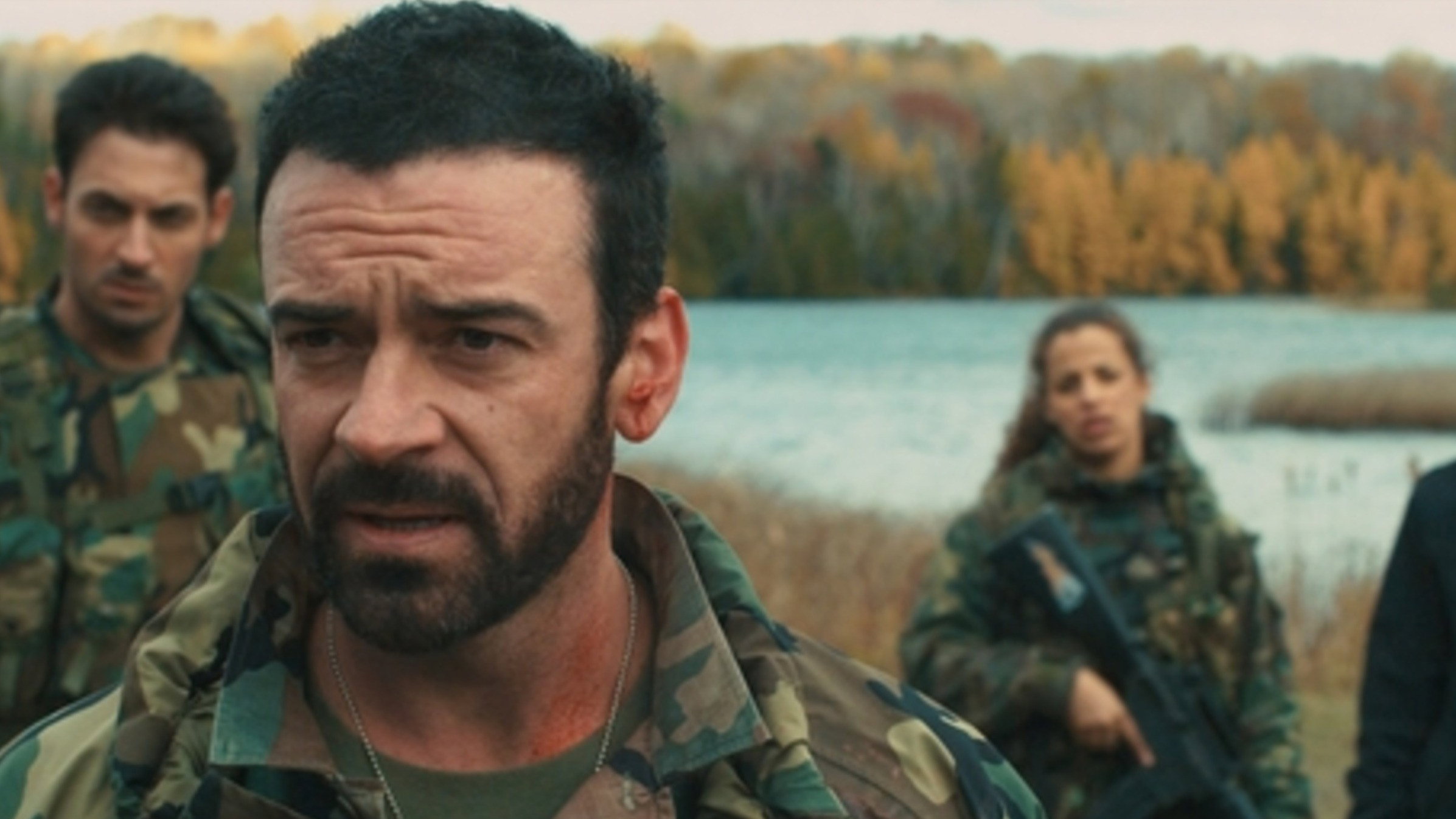
Alan Van Sprang returned as Sergeant Crocket, whose group has deserted military service and become increasingly concerned with obtaining food, transport and personal security. Romero explained in contemporary interviews that the smaller-scale story offered opportunities unavailable in the more expensive Land of the Dead. He preferred working with a cast that was not dominated by internationally recognizable performers, allowing characters to behave unpredictably without the audience assuming that the most famous actor would necessarily survive.
The principal narrative emerged from an interest in conflicts that continue even when their original circumstances have disappeared. Romero identified political disputes, wars and personal rivalries as examples of disagreements that can persist beyond any rational purpose. The feud between the O'Flynn and Muldoon families became a deliberately exaggerated representation of this problem. Even the dead cannot escape a dispute that the living refuse to abandon.
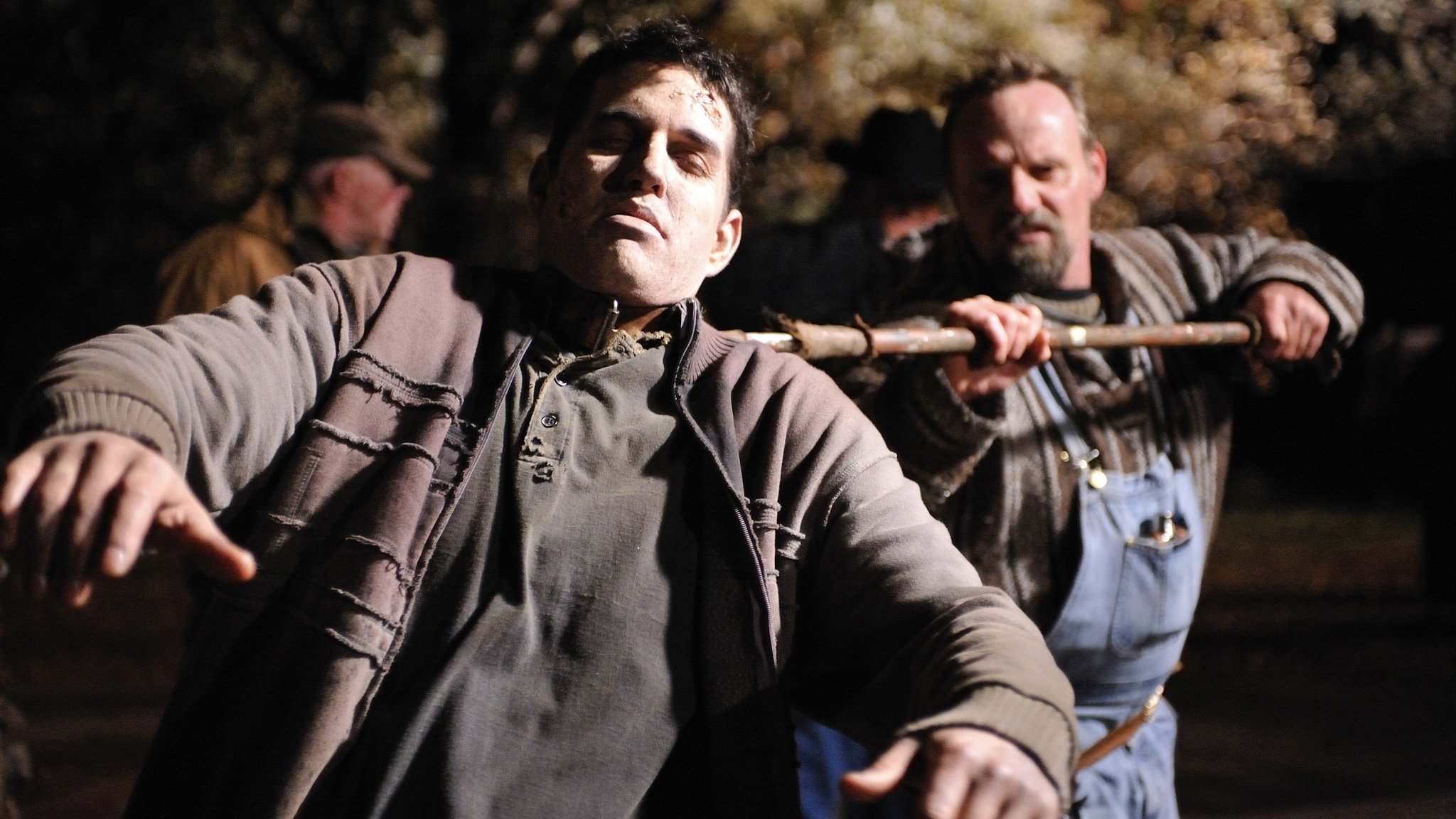
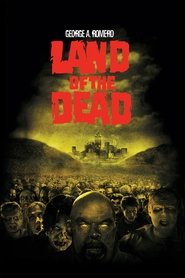
This premise also allows Romero to revisit the question of zombie intelligence introduced in Day of the Dead and developed further in Land of the Dead. The Muldoons believe that reanimated people may eventually be trained to consume animals instead of humans. Their attempts are not presented as established scientific treatments. They are experiments motivated by grief, denial and the refusal to accept that family members have irreversibly changed.
Romero retained full responsibility for the screenplay and described the production as an opportunity to exercise creative control outside the demands of a major studio release. The project was independently financed through Canadian and American production companies, with Paula Devonshire as producer and Peter Grunwald among the executive producers. That arrangement allowed him to design a relatively compact film around a specific visual and thematic concept.