Dardano Sacchetti, Ugo Tucci and the Origins of Zombi 2
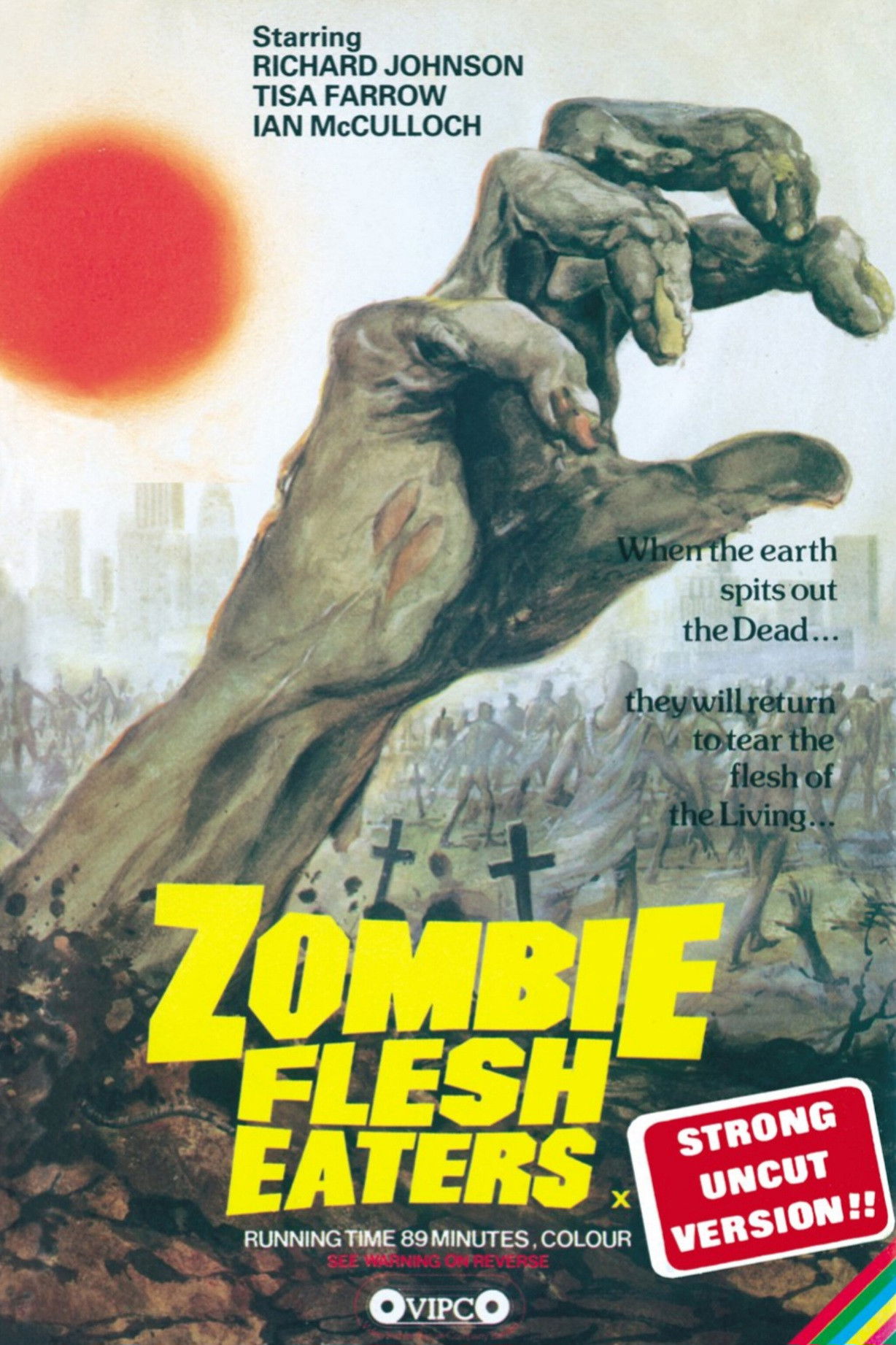
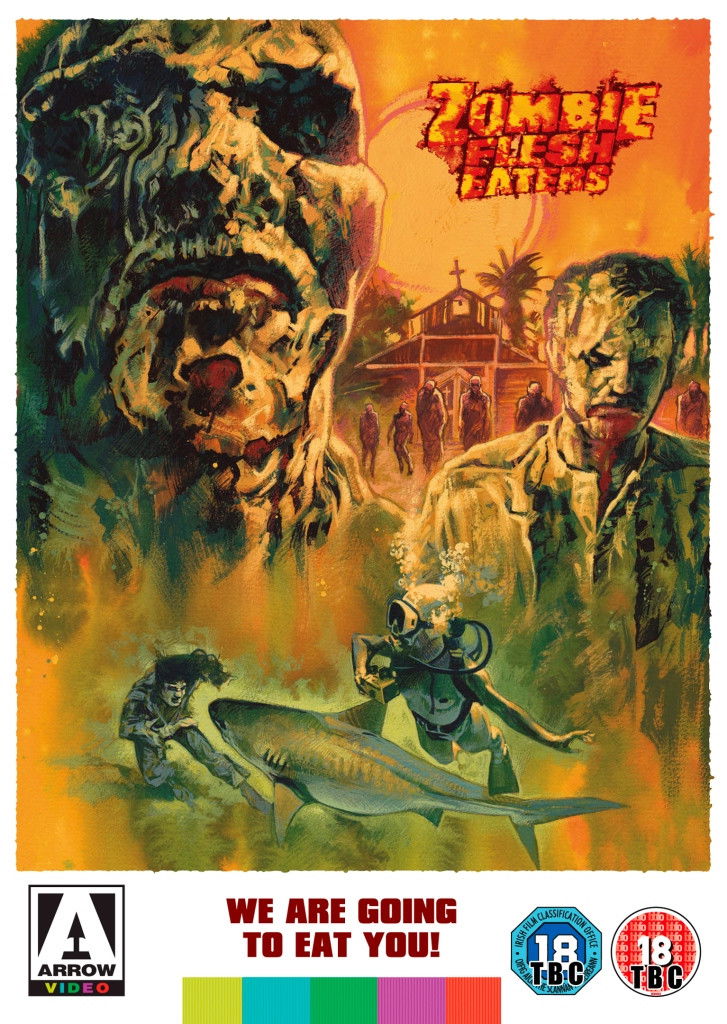
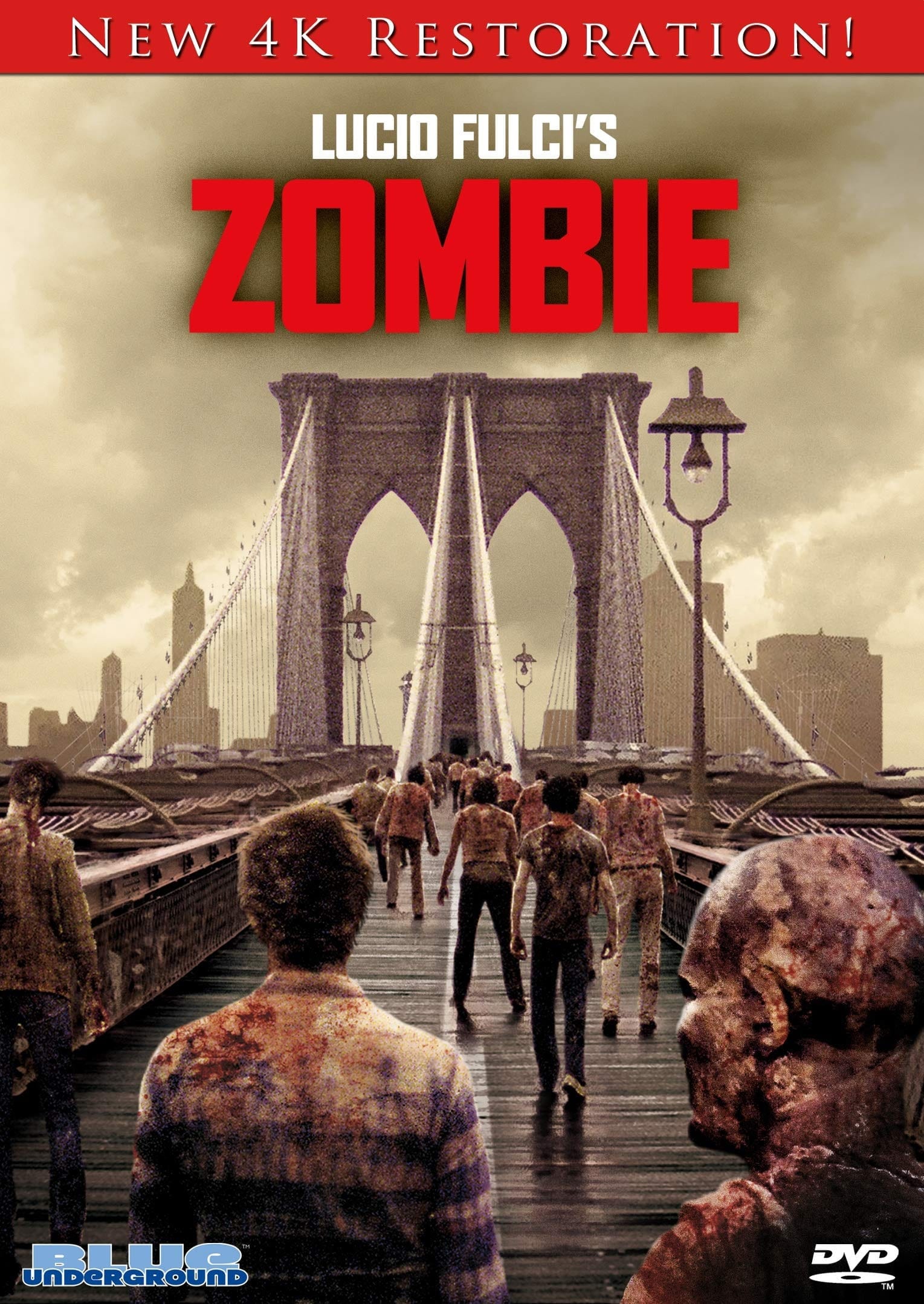
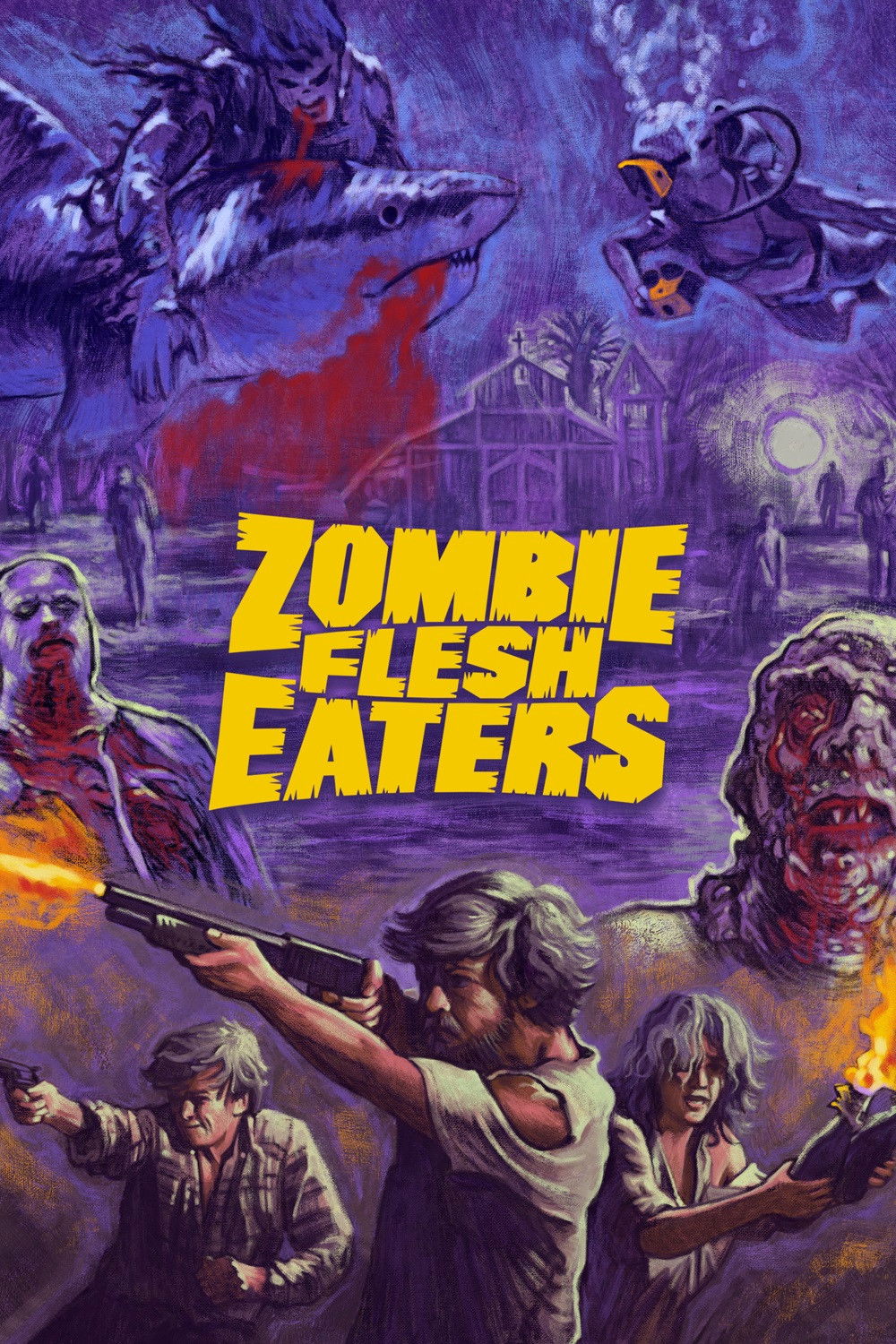
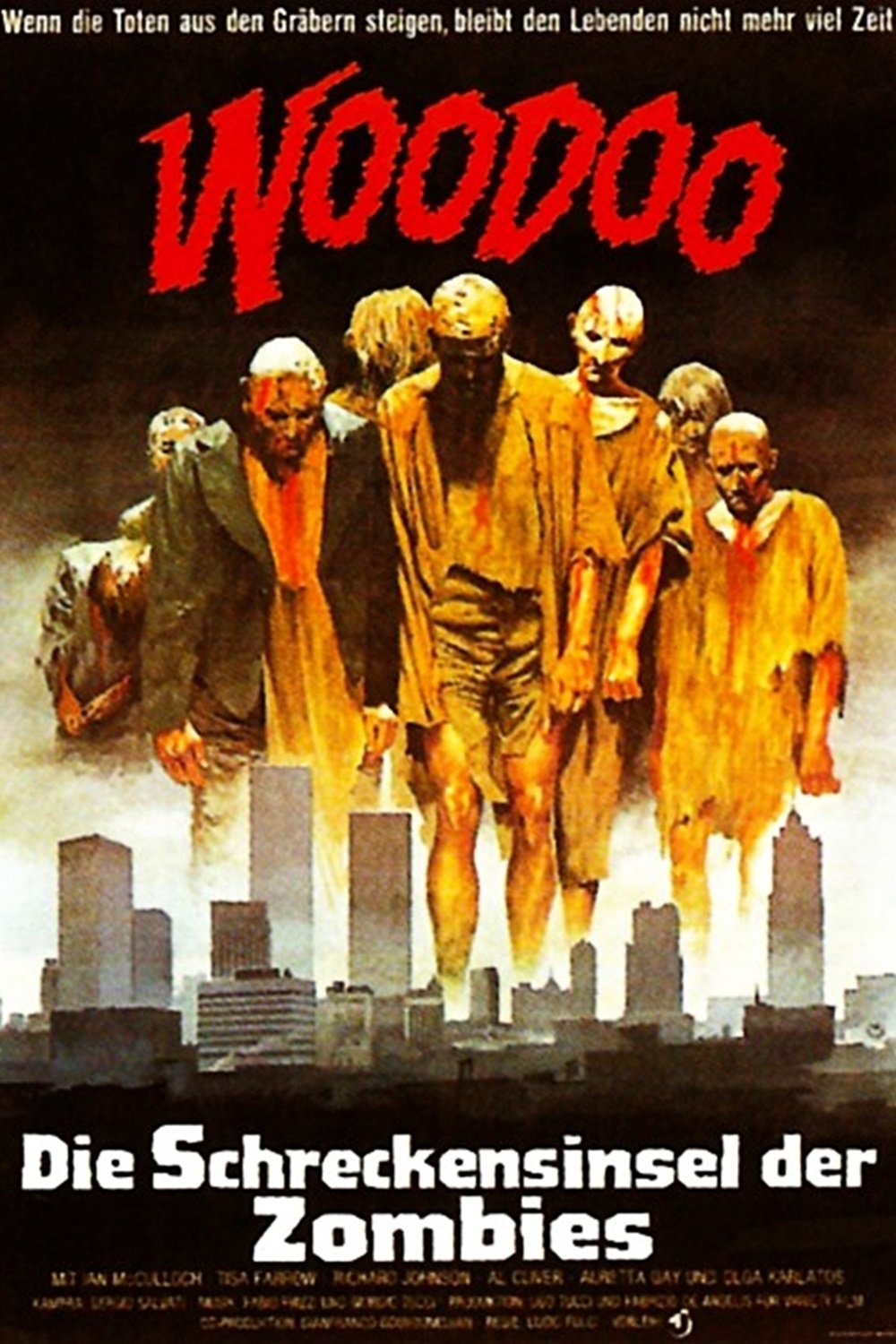
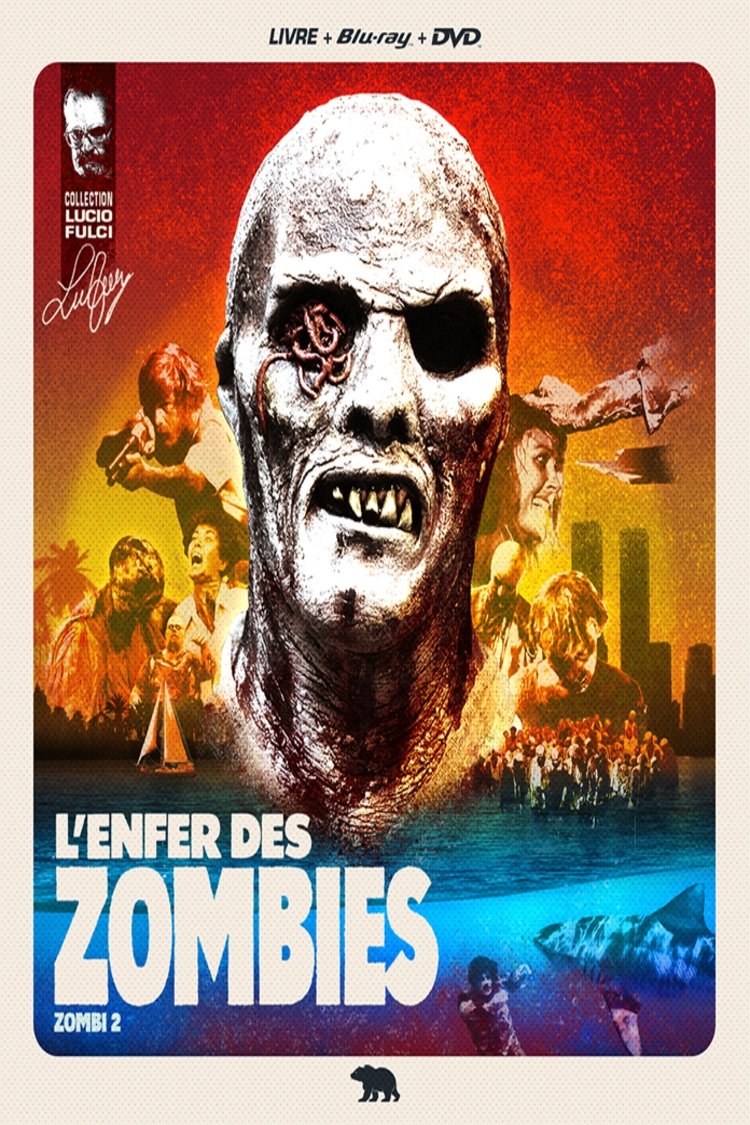
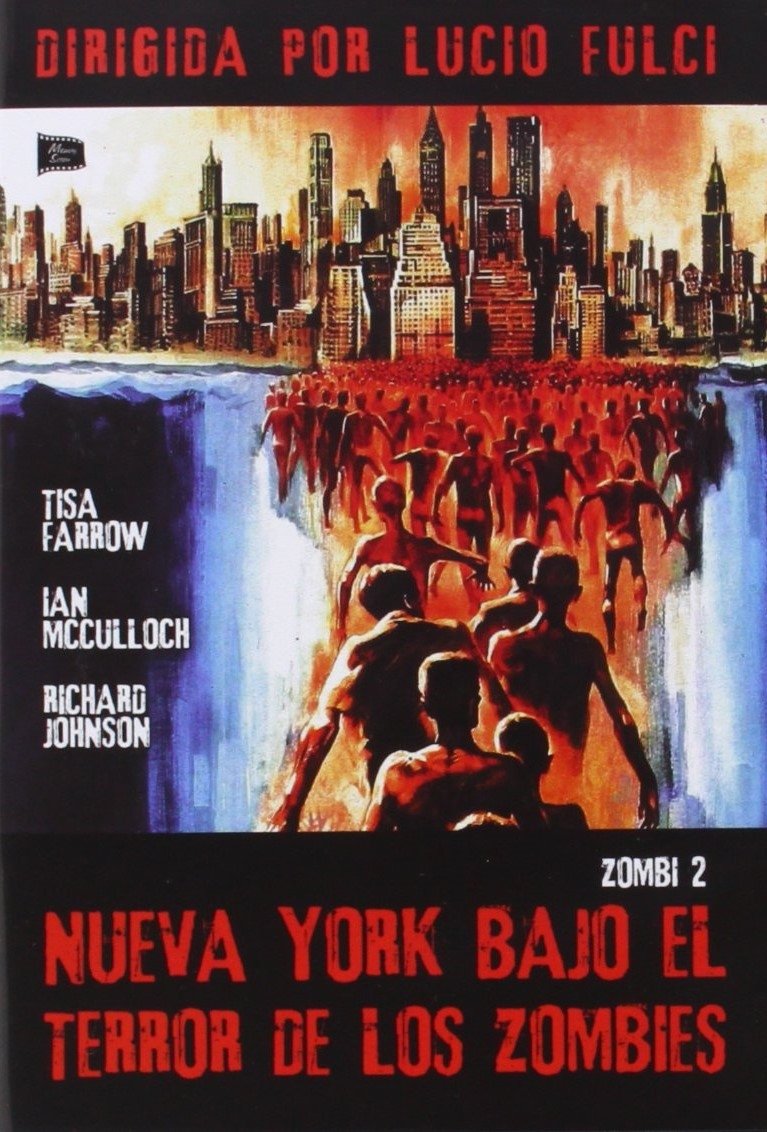
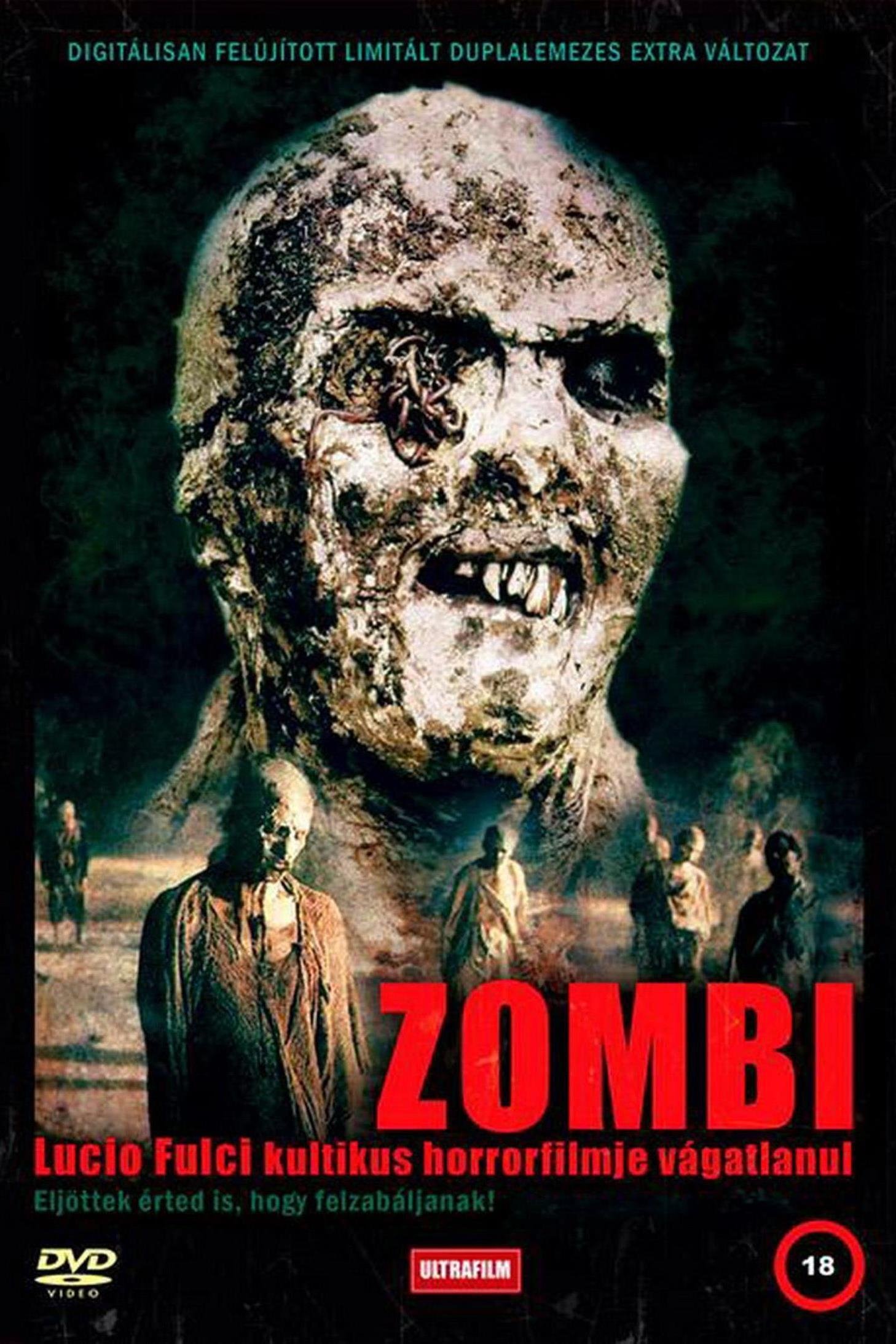
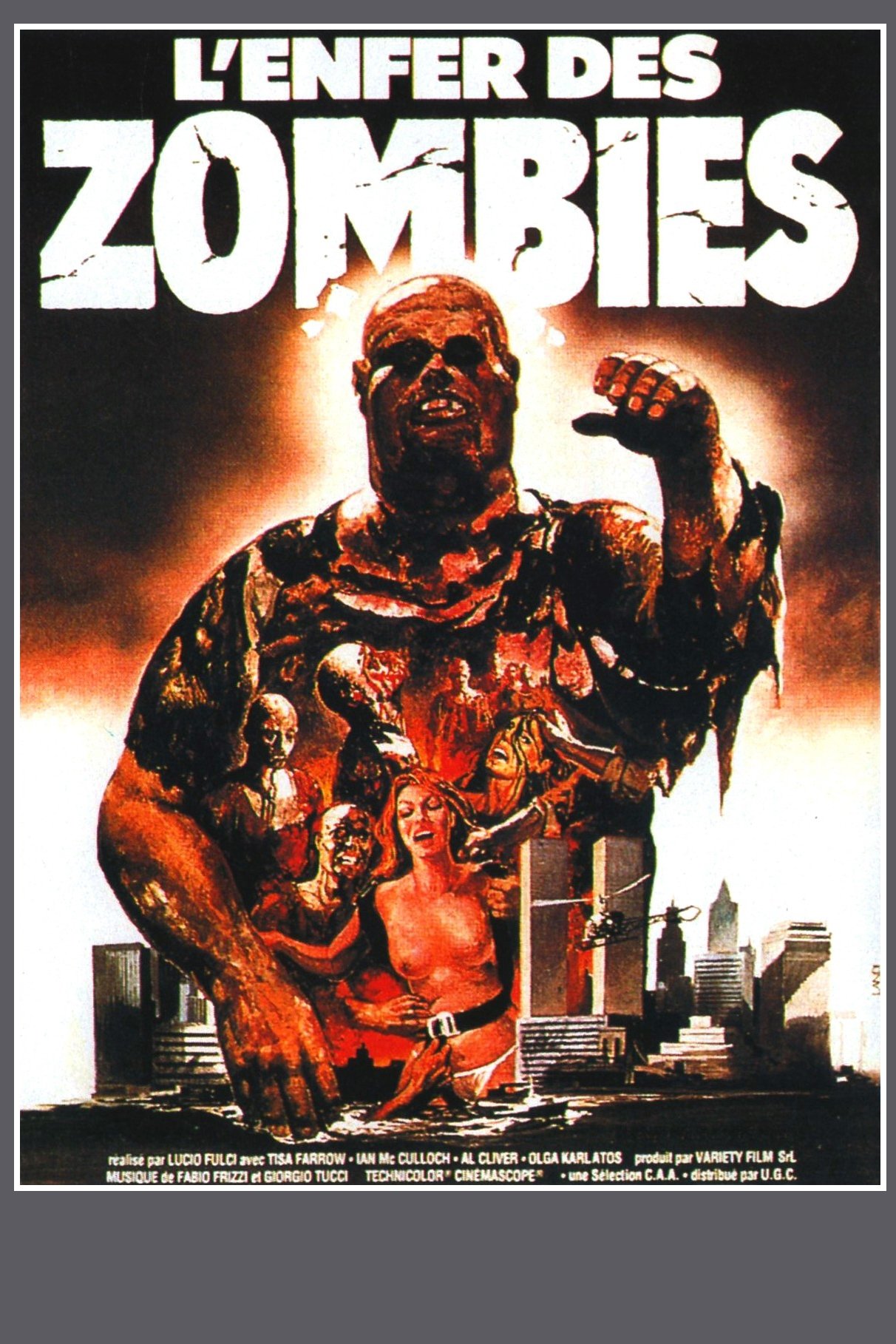
The development of Zombi 2 involved screenwriter Dardano Sacchetti, producers Ugo Tucci and Fabrizio De Angelis, and a screenplay whose origins predated the final commercial title. Sacchetti later recalled that the project had initially been called L'isola degli zombi and remained unproduced for several months. He associated its development with an interest in older zombie traditions, particularly stories involving remote islands, voodoo and the resurrection of buried corpses. The screenplay was officially credited to Elisa Briganti, while Sacchetti subsequently described himself as its principal author. The surviving screen credit and his retrospective account offer different evidence about the production history.
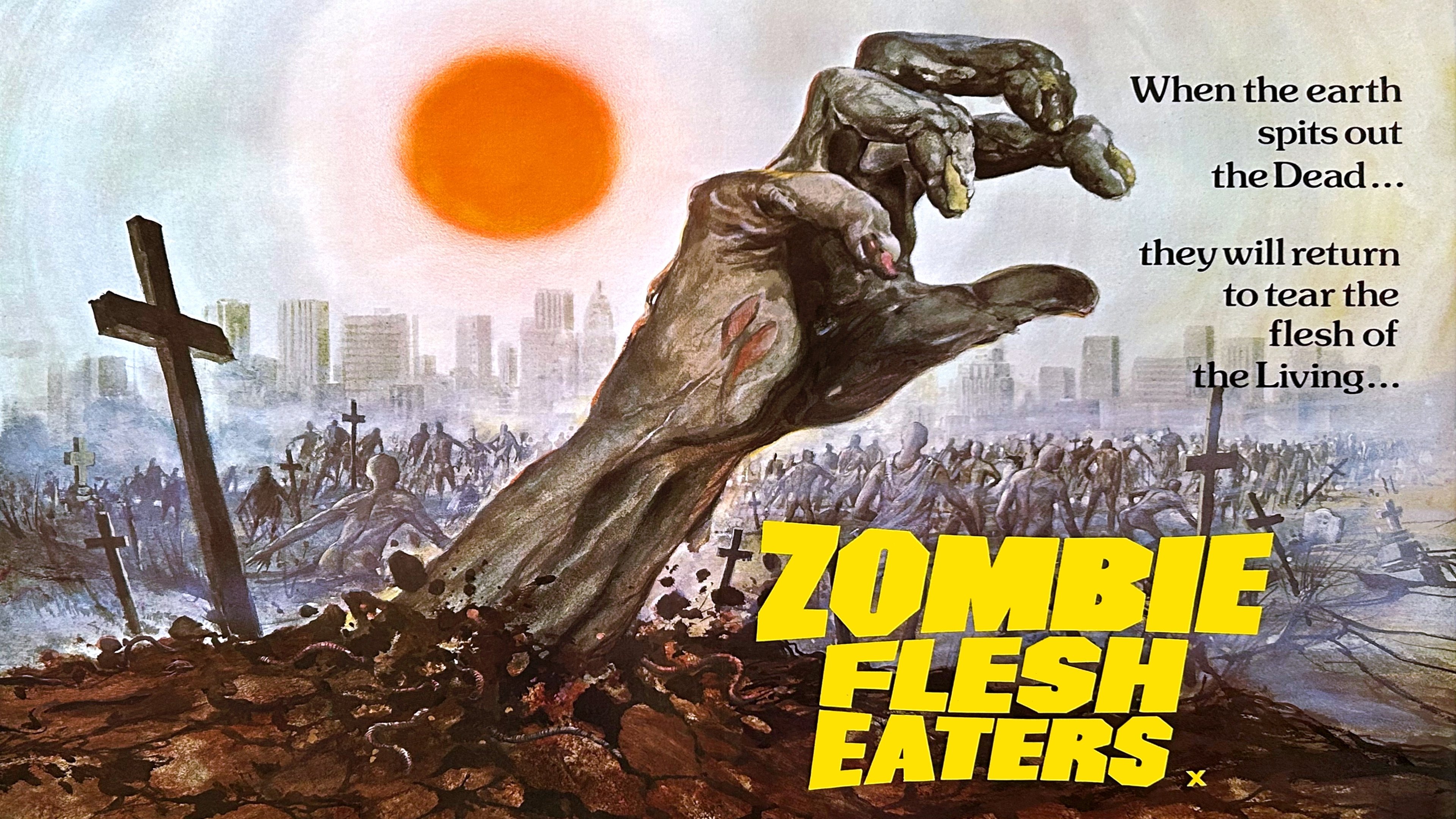
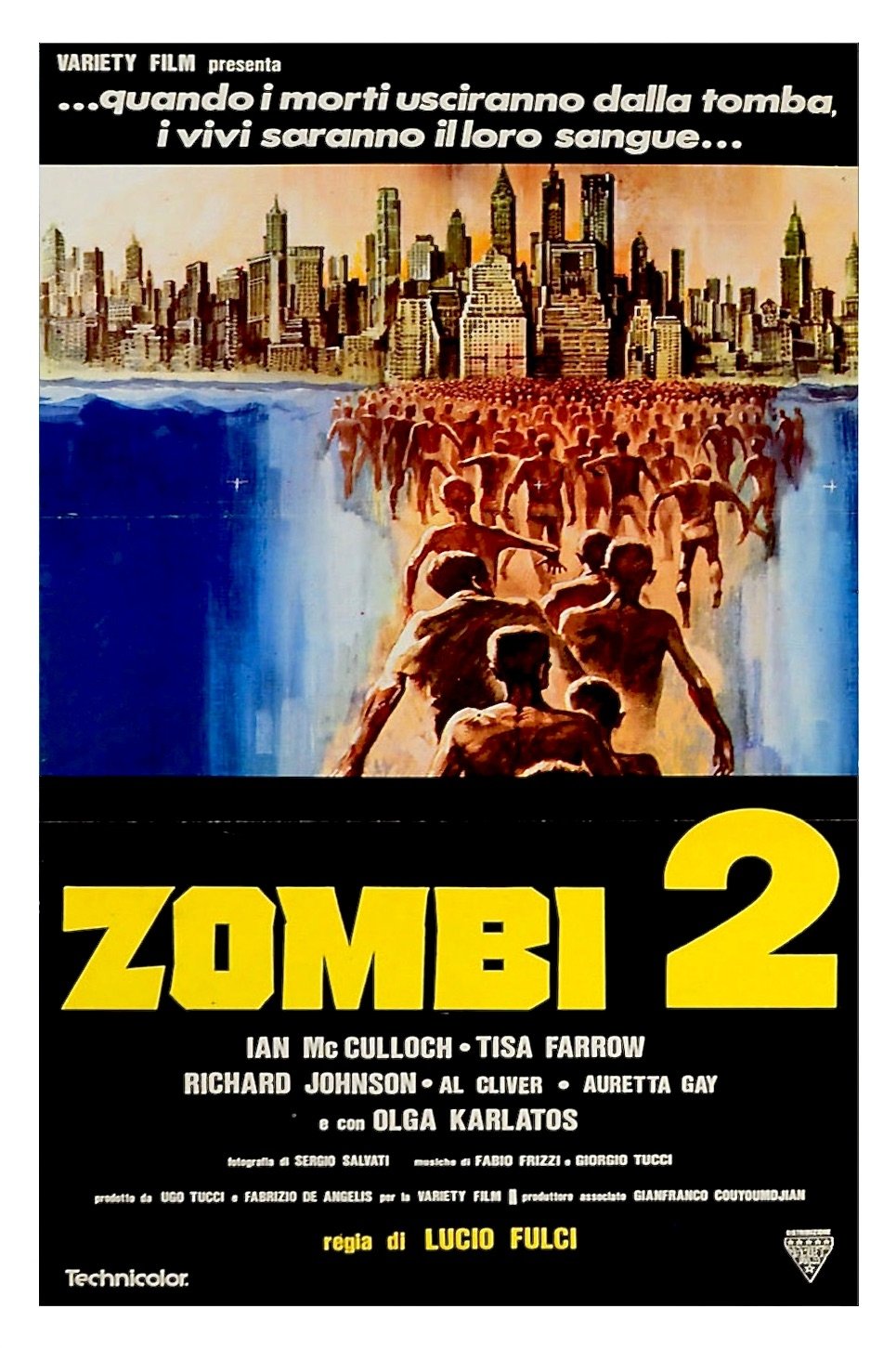
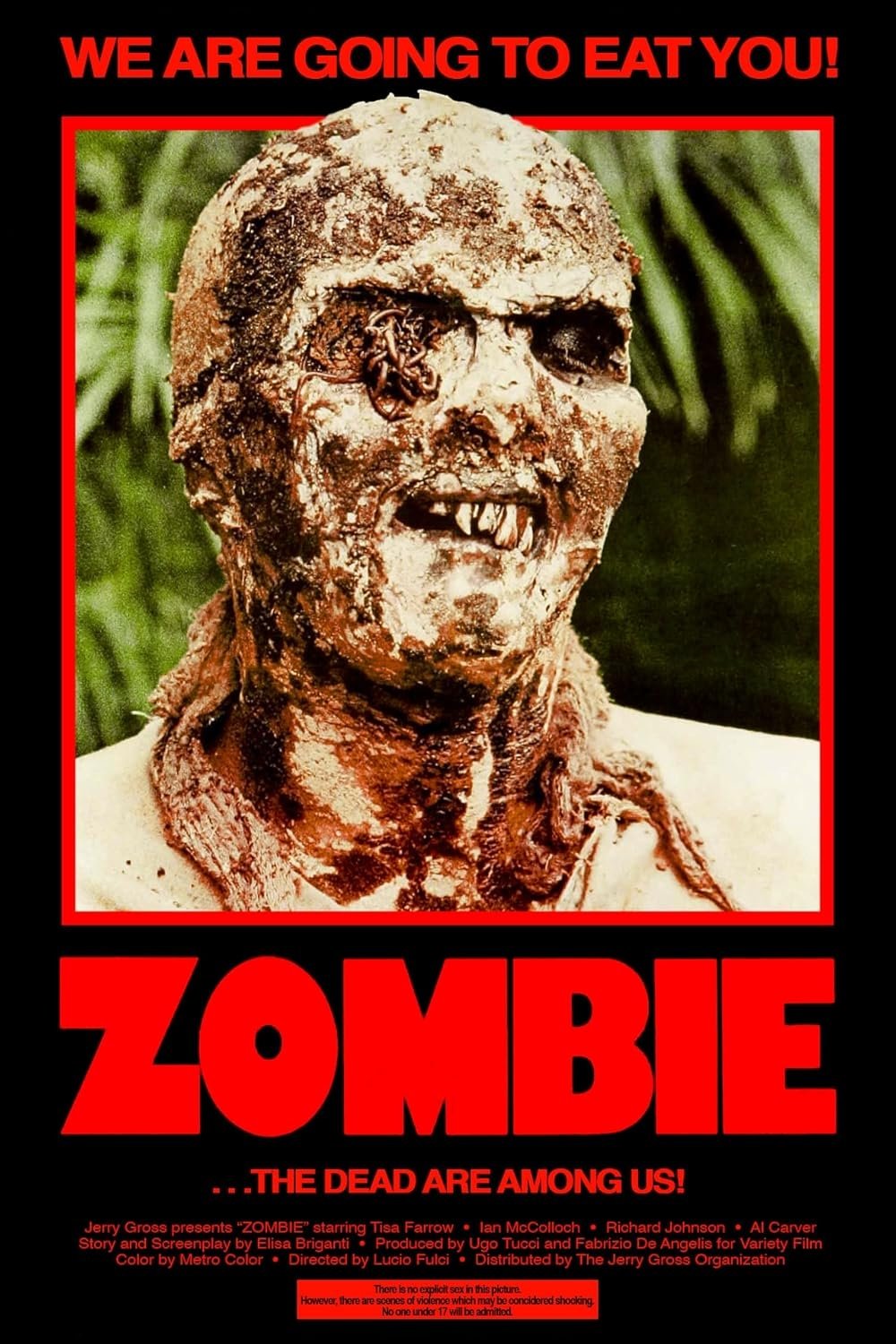
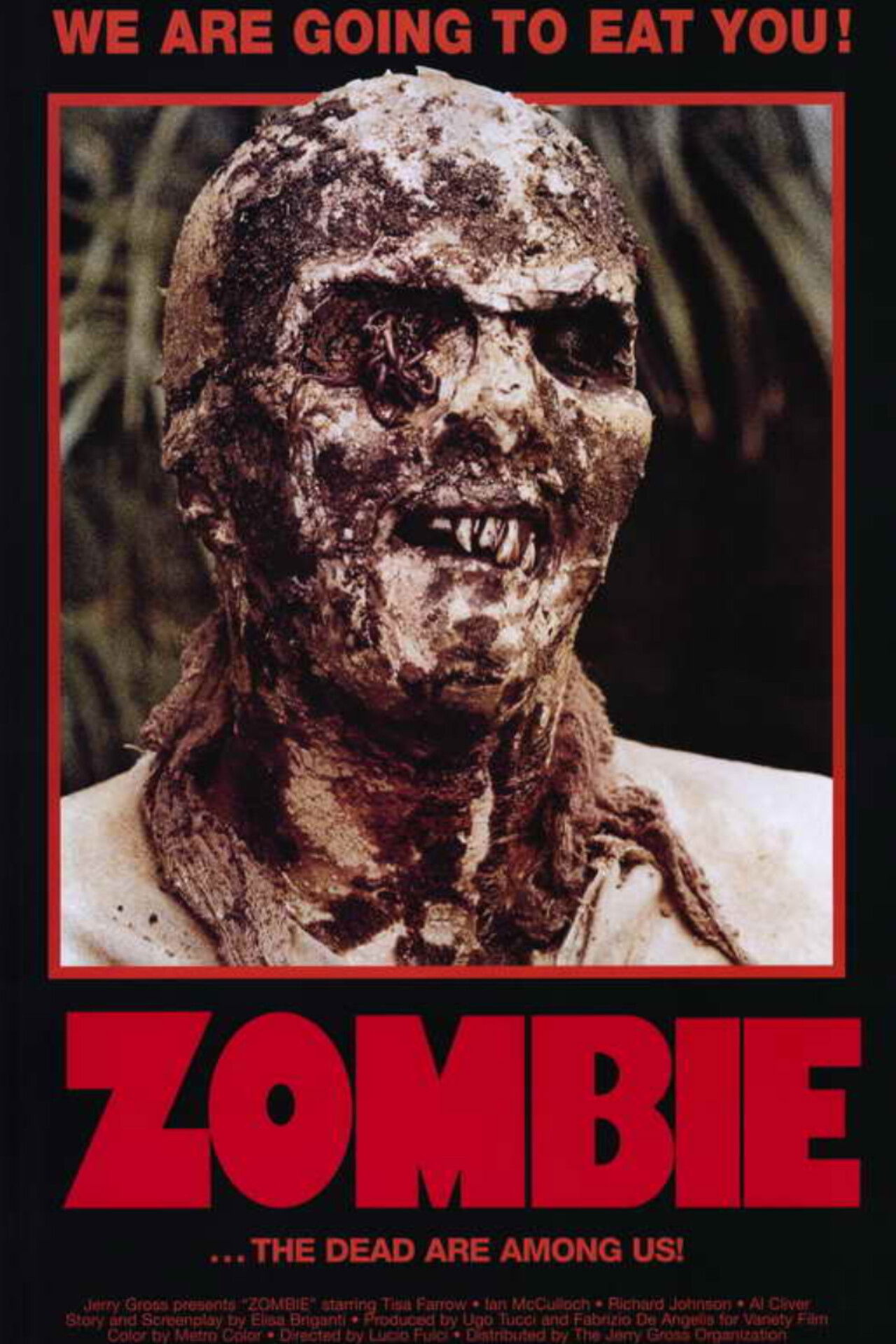
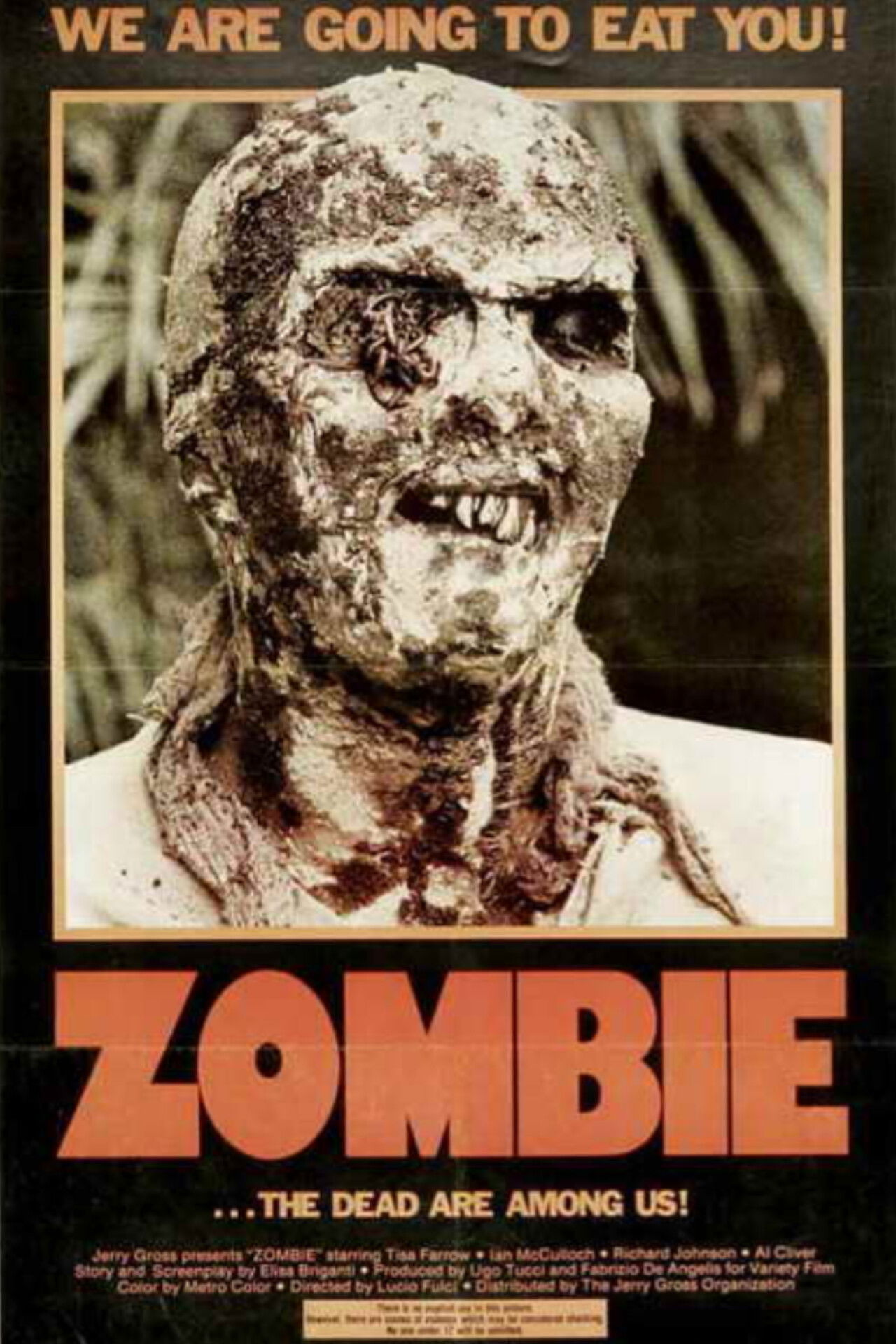
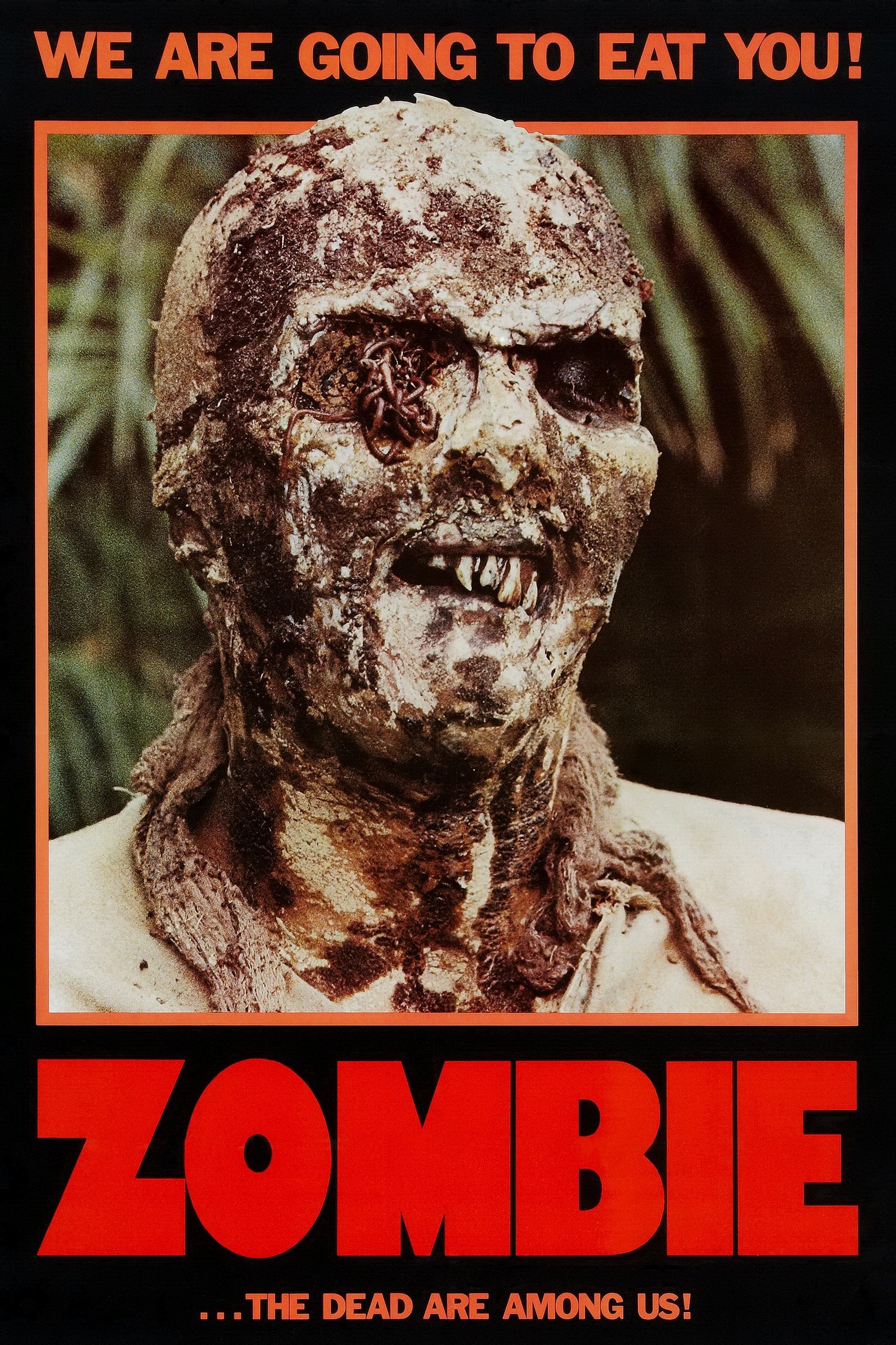
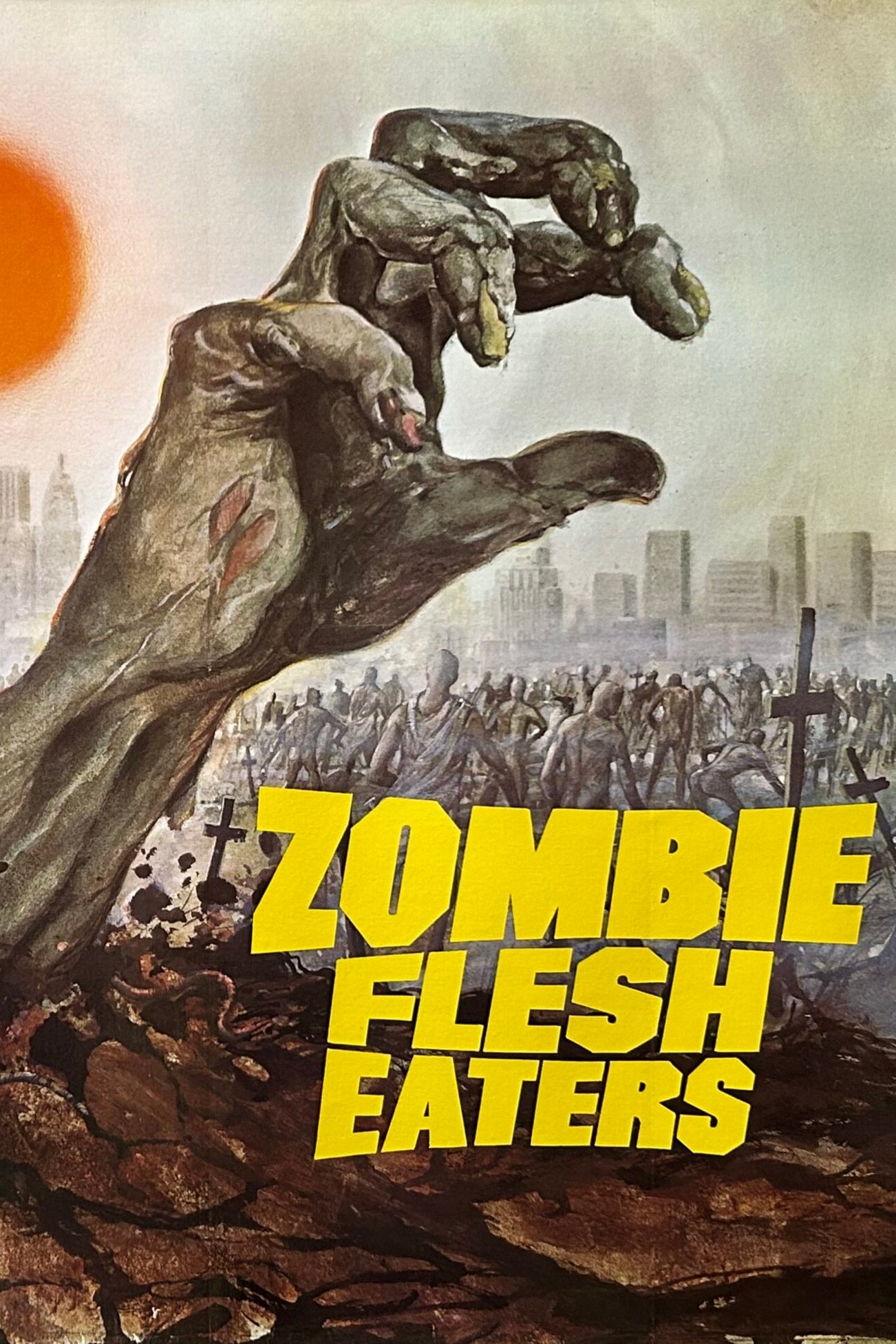
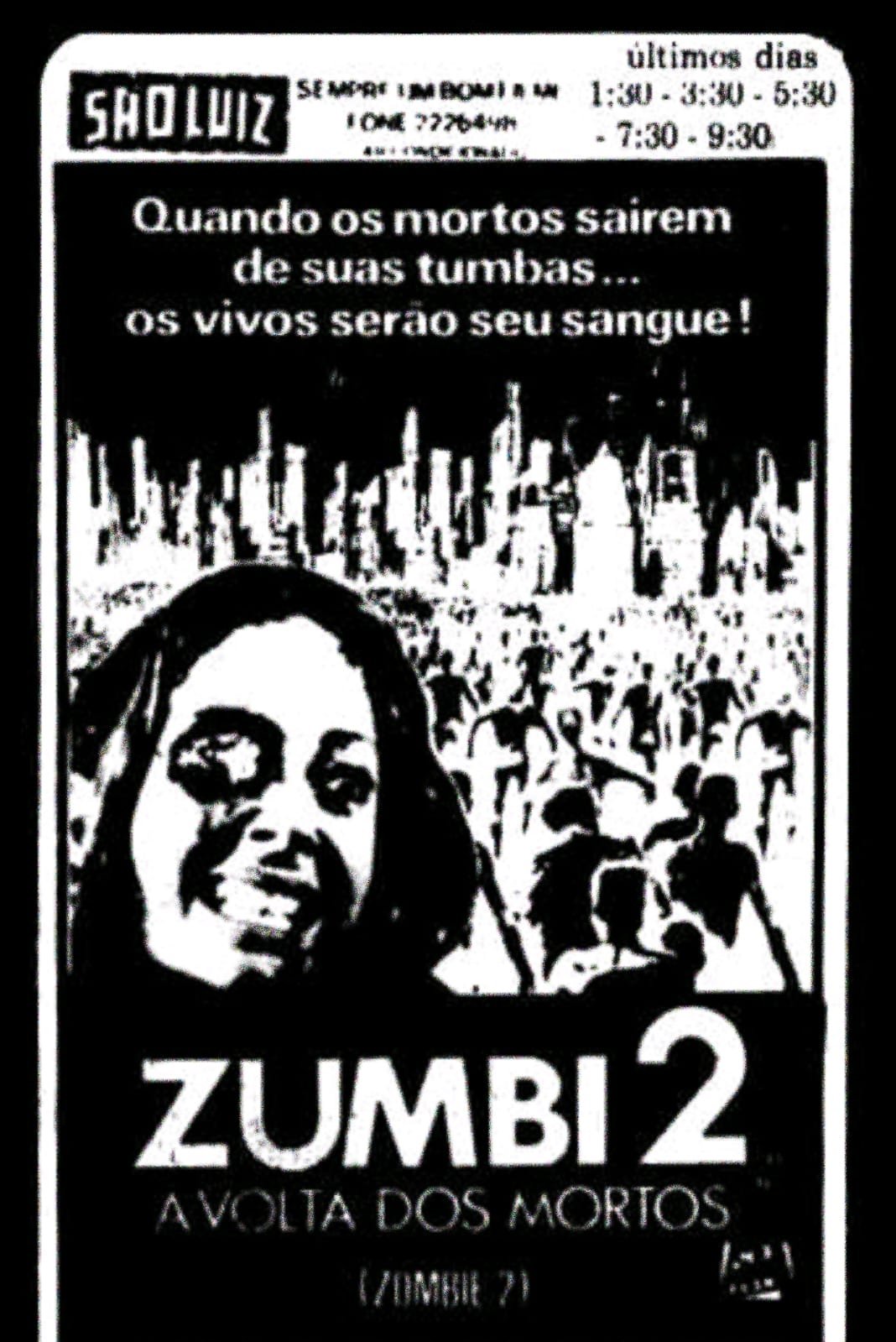
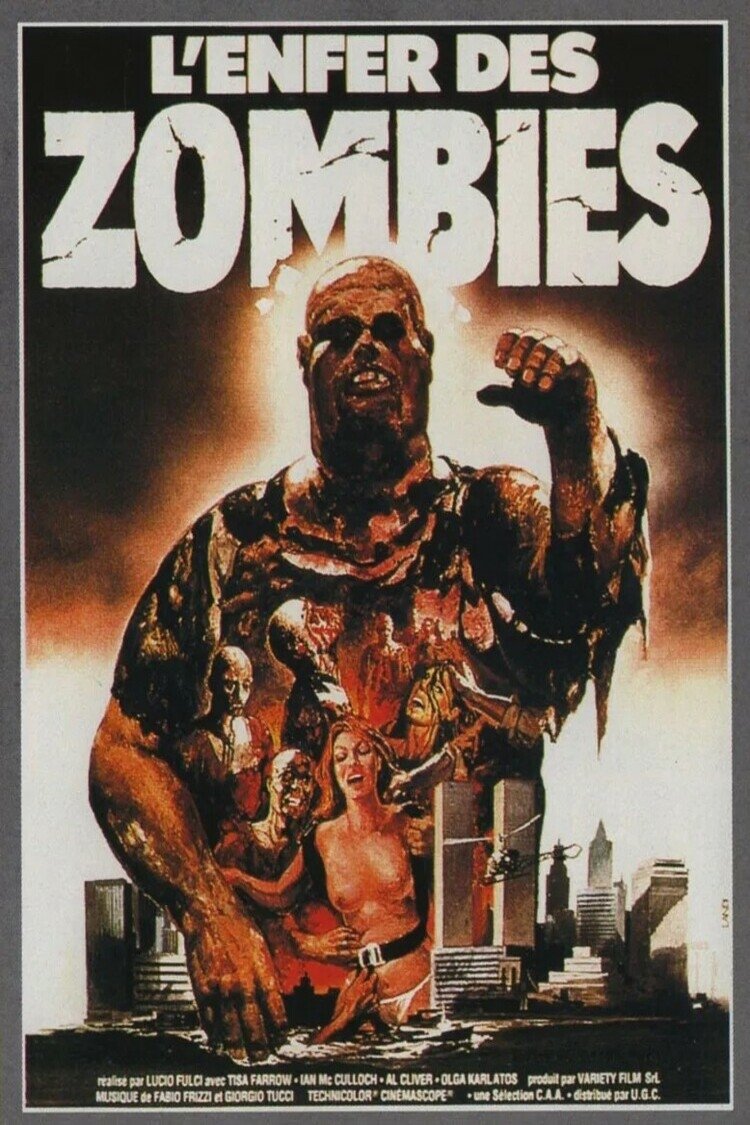
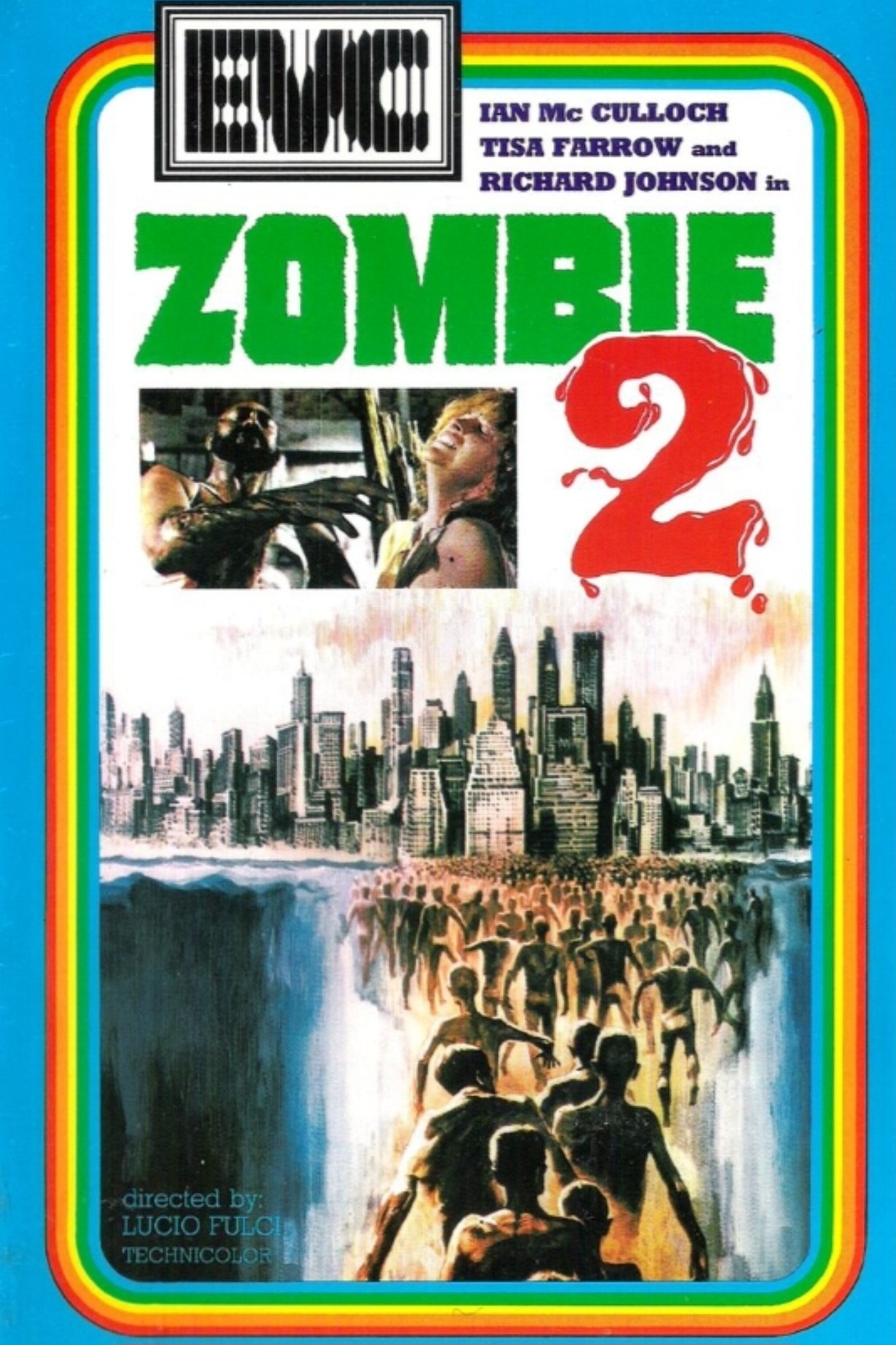
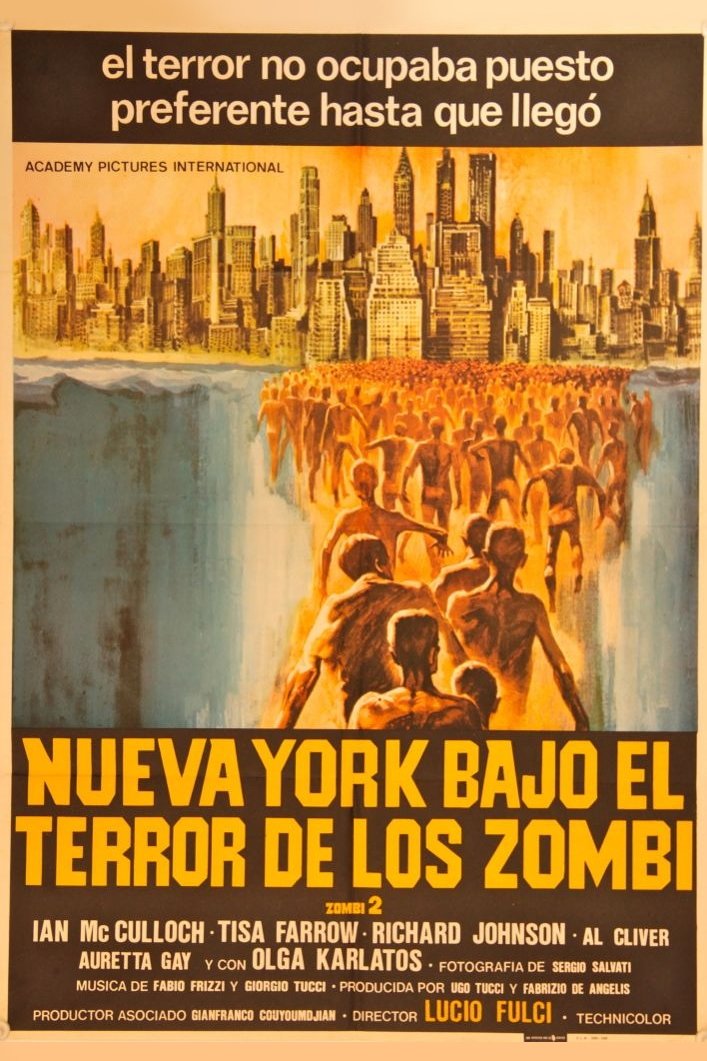
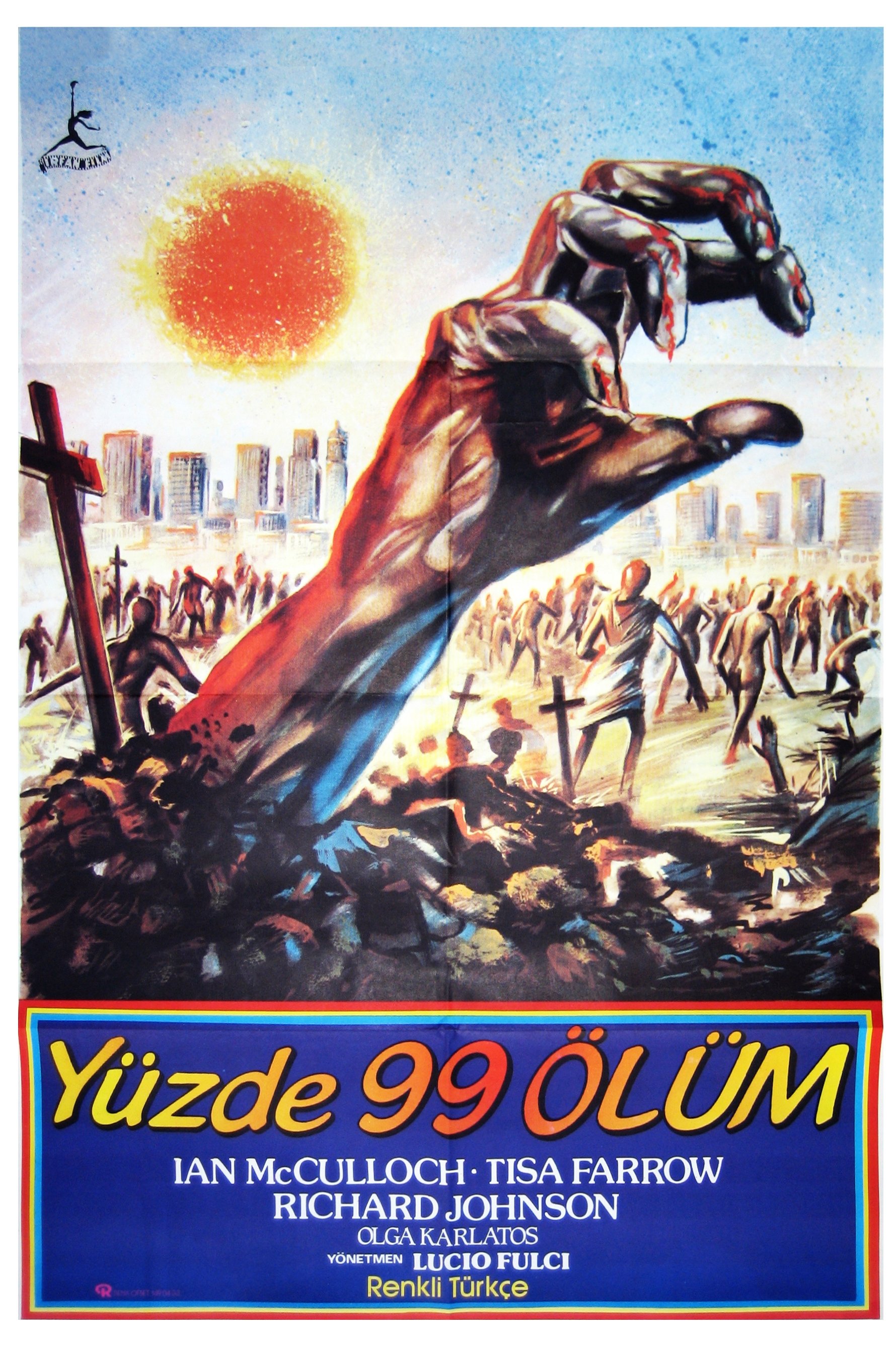
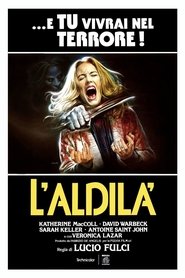
In an extensive interview published by Il Davinotti in 2007, Sacchetti stated that Ugo Tucci eventually moved the project into production. According to the writer, Tucci initially approached Enzo G. Castellari, whose proposed fee exceeded what the producers considered affordable. Lucio Fulci was subsequently hired, bringing experience in thrillers, westerns and the staging of graphic violence. Sacchetti also attributed the decision to use the title Zombi 2 to Tucci, who wanted to associate the new production with the success of Dawn of the Dead. Sacchetti claimed to have opposed the title because the story had been conceived independently. This recollection establishes his position without resolving every financial or contractual decision behind the film.
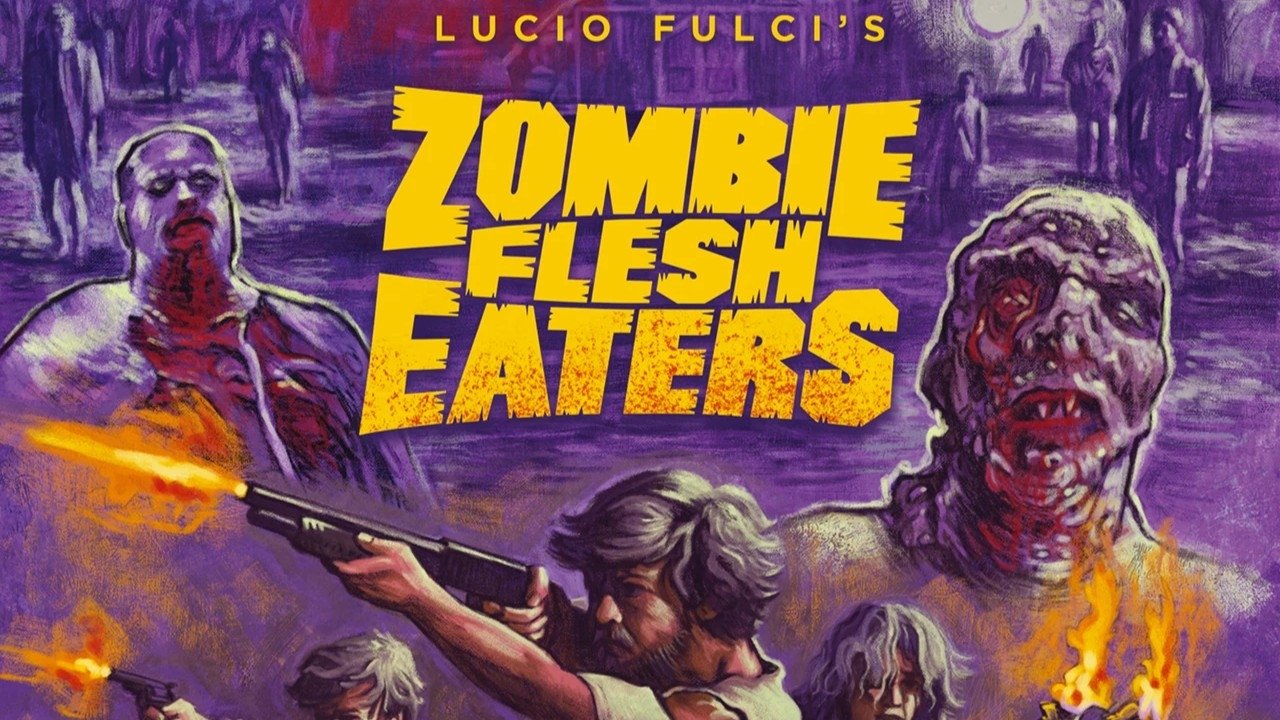
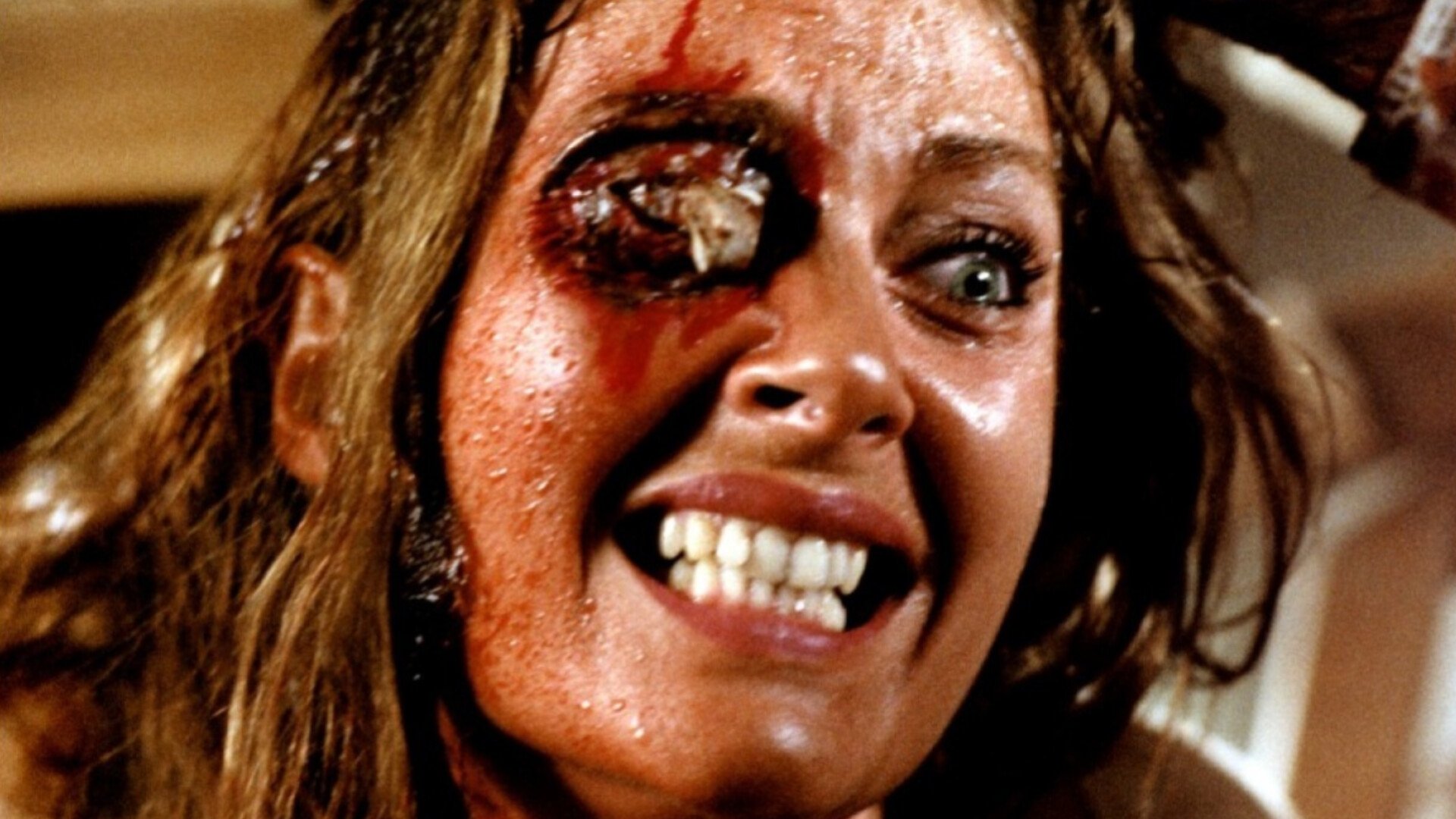
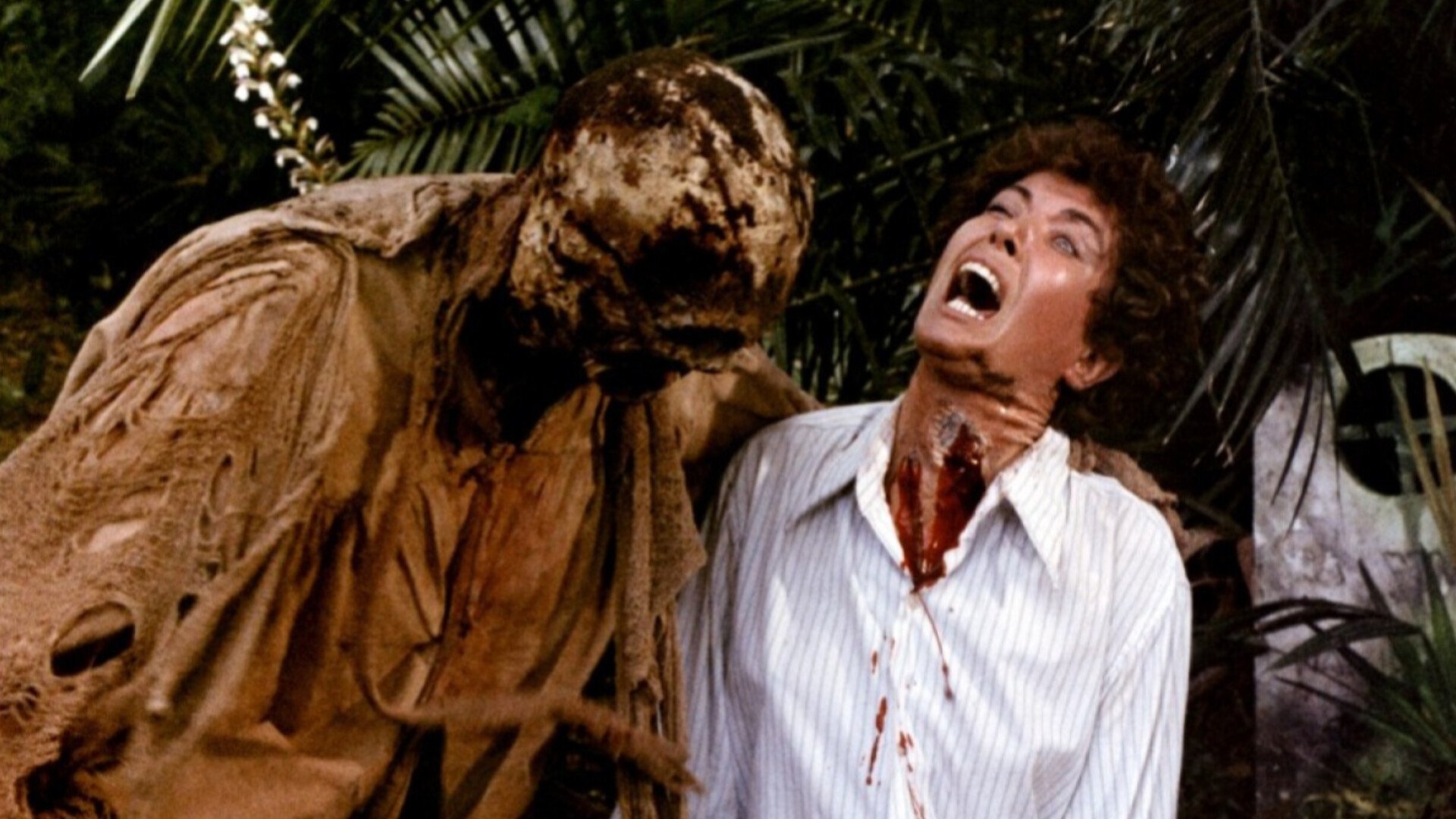
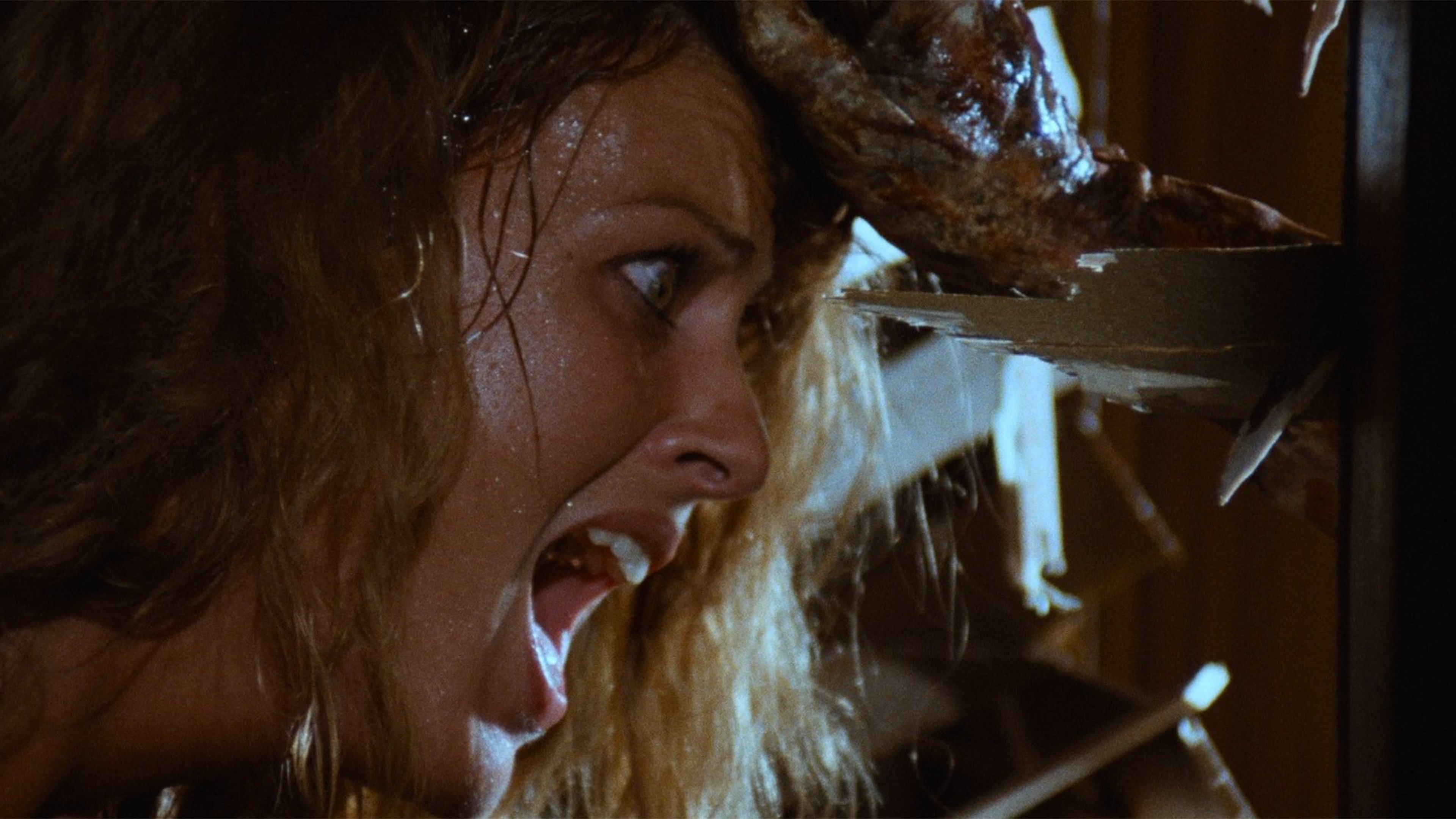
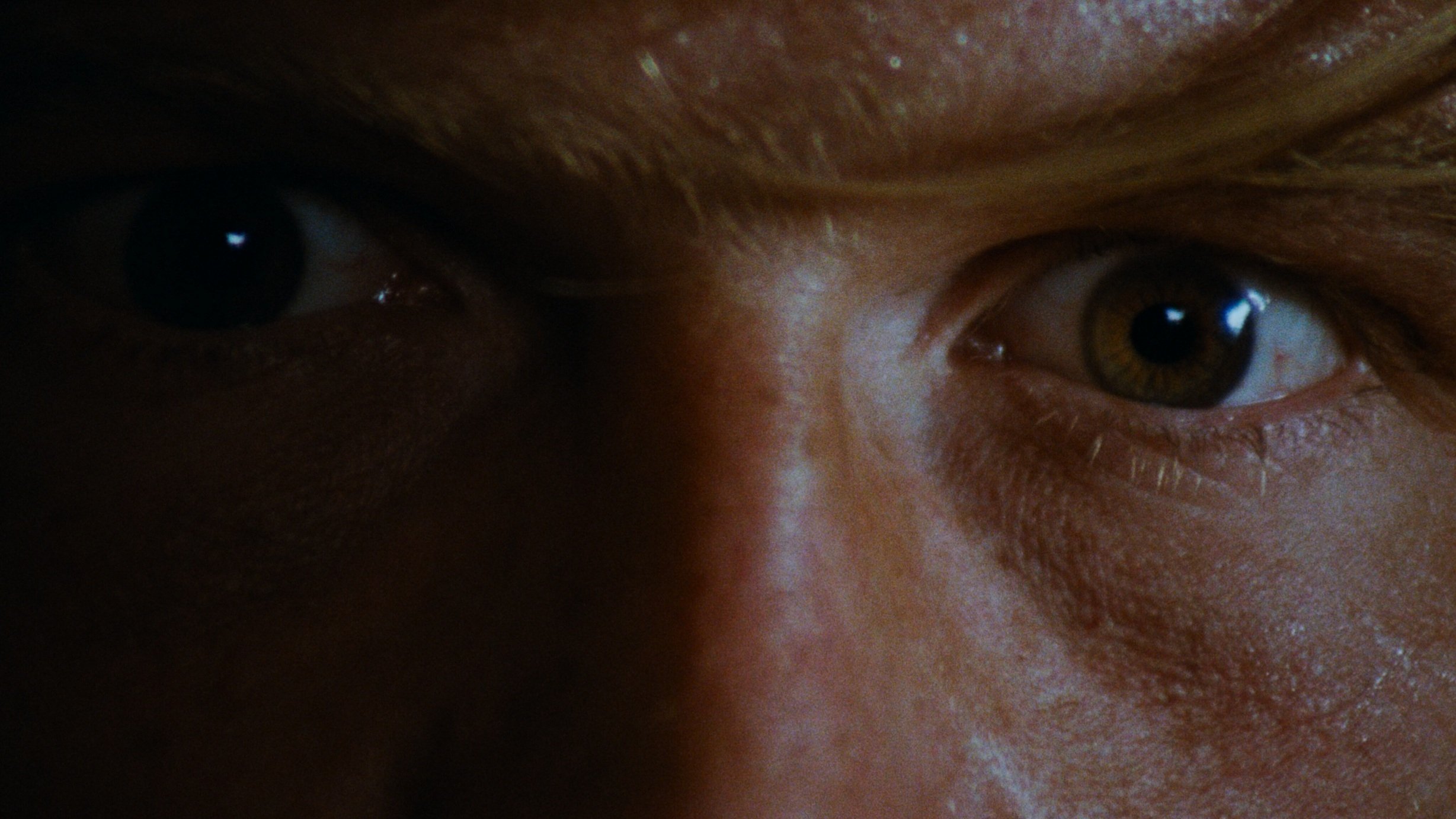
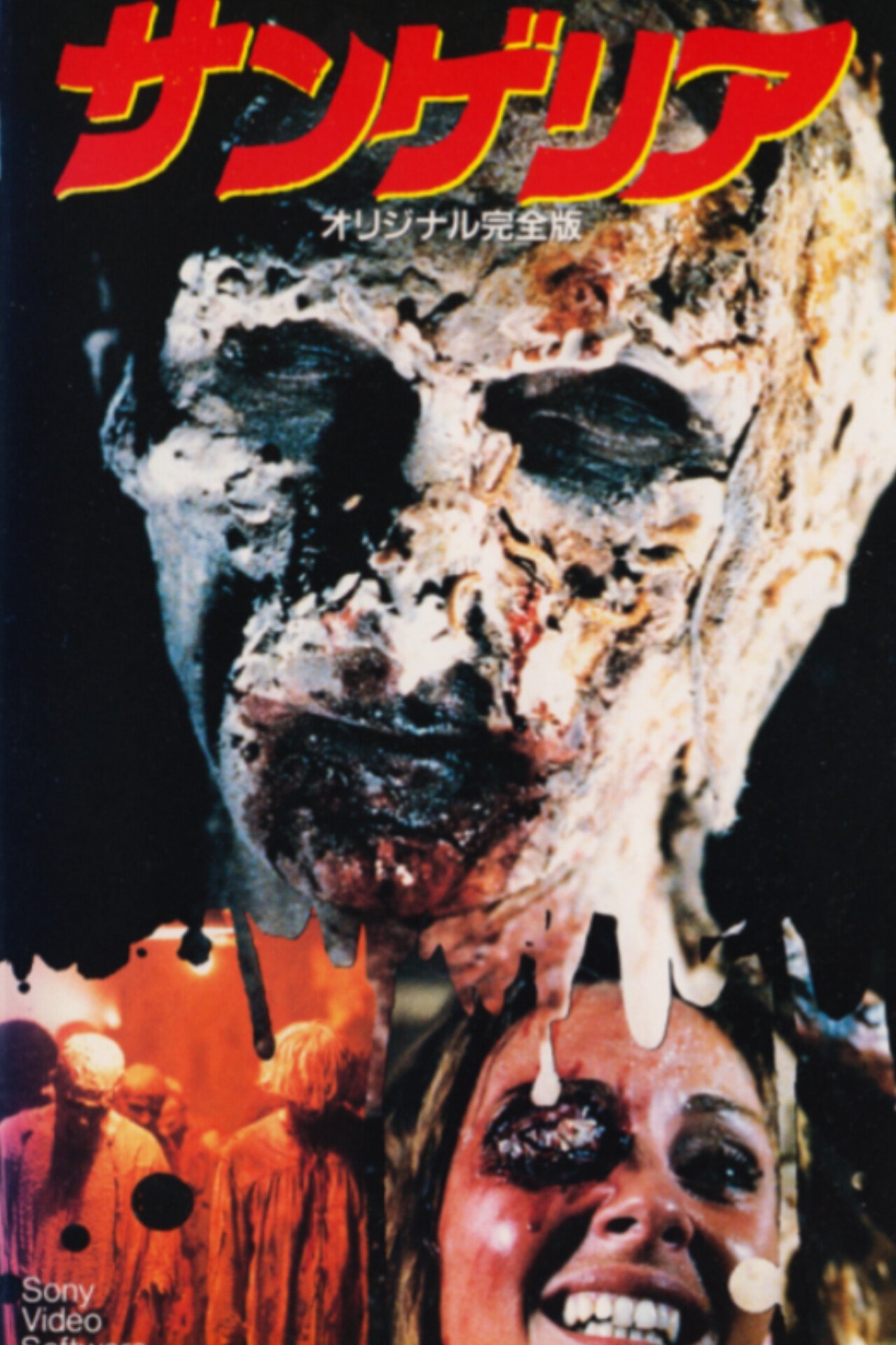
The extent of Fulci's intervention in the screenplay remains disputed. Sacchetti maintained that the director followed his original writing closely and that the celebrated eye injury was already described in detail. Fulci, interviewed by Robert Schlockoff for L'Ecran fantastique and subsequently published in Starburst in 1982, gave a different account. He acknowledged that he had not written the original screenplay but maintained that he altered it substantially to create a freer form of horror based on sensation and visual experience. Giannetto De Rossi offered another perspective, recalling that he developed important details of the eye sequence beyond what he considered a relatively simple written description. These testimonies establish overlapping creative contributions without making it possible to assign every final detail exclusively to one participant.