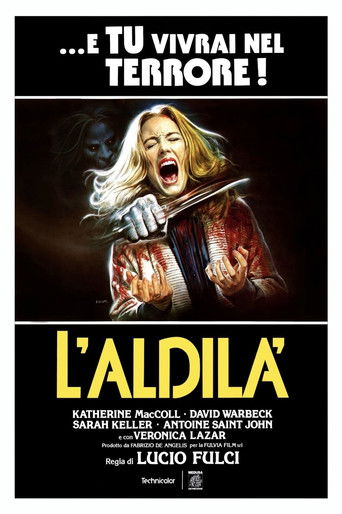


Production & Development
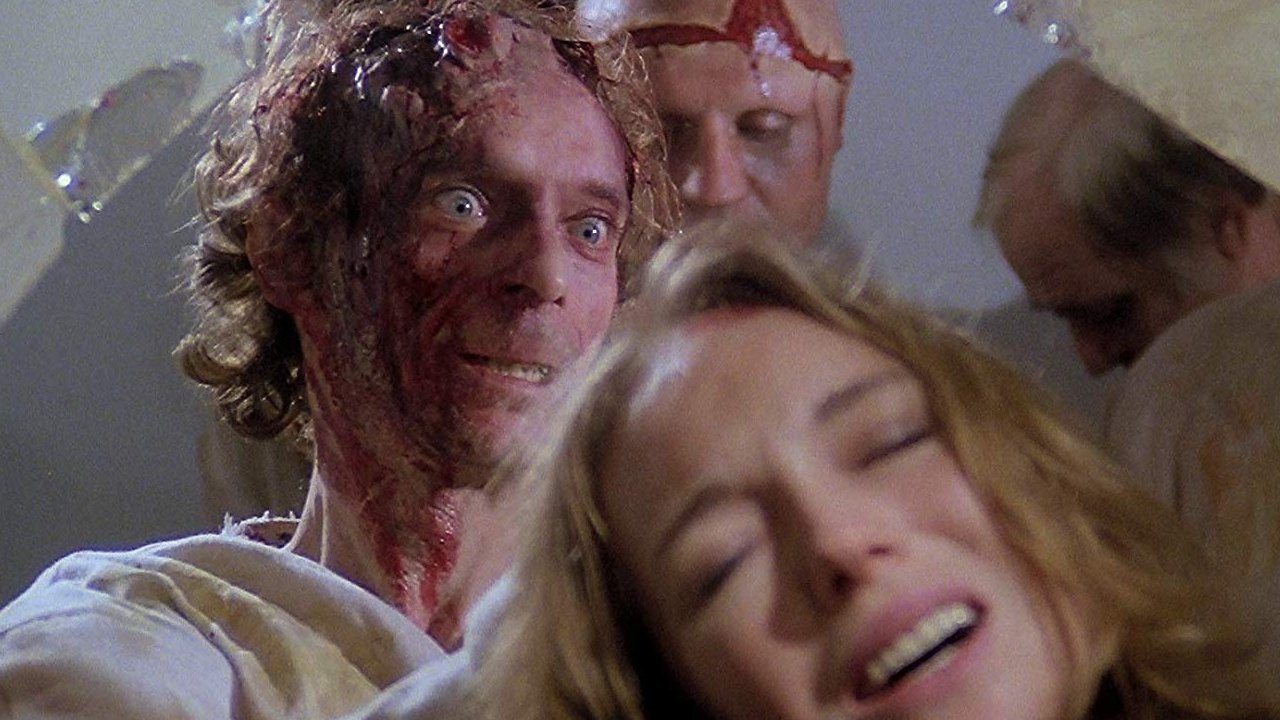
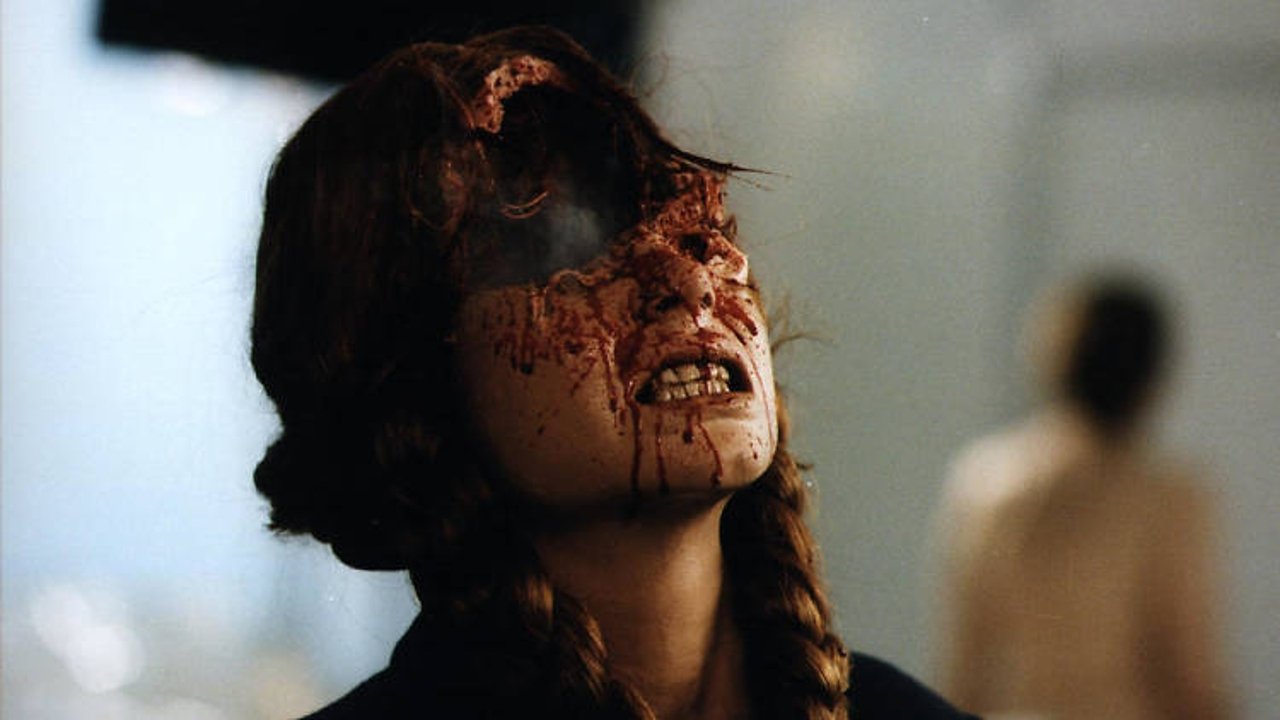
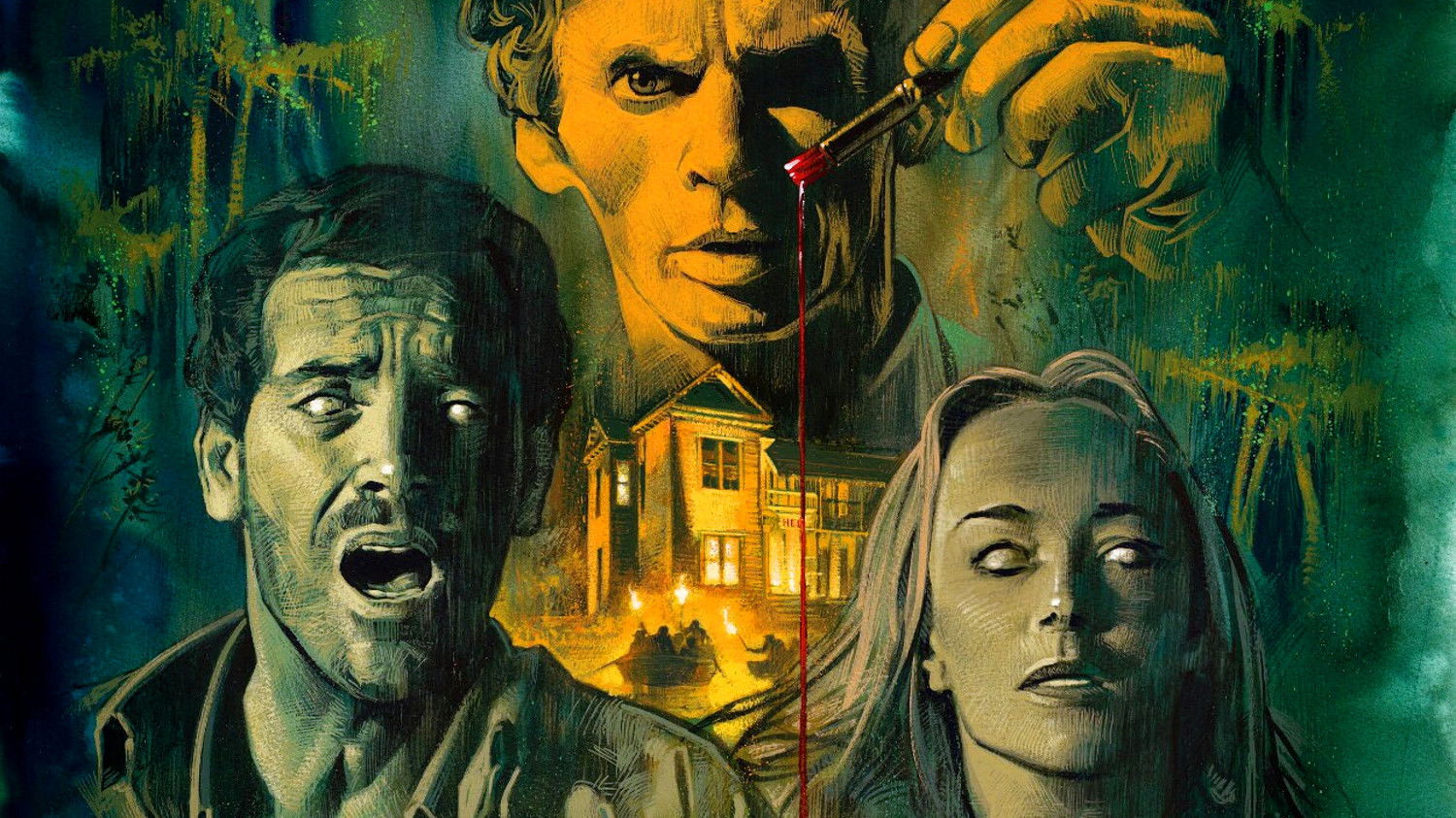
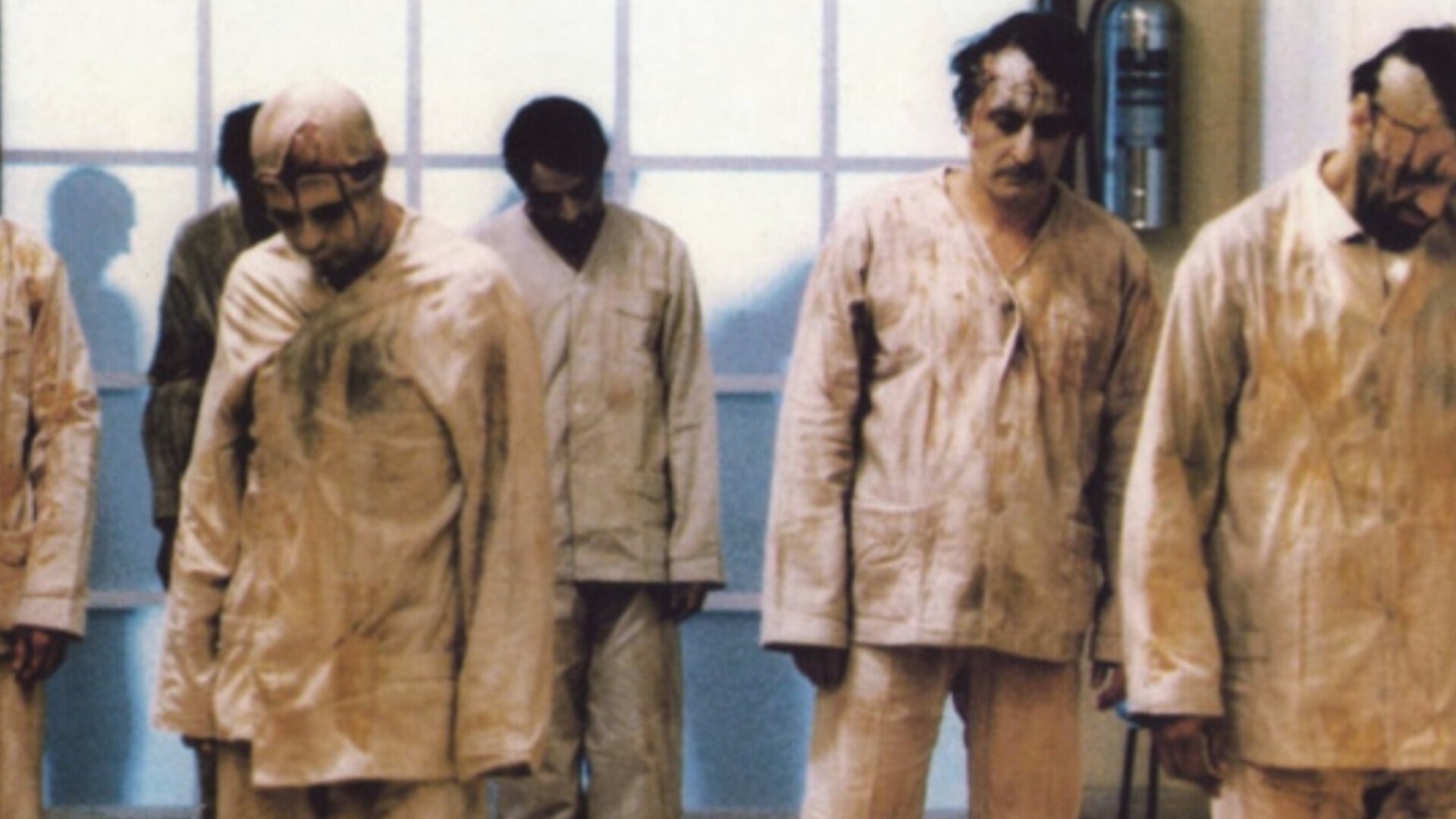
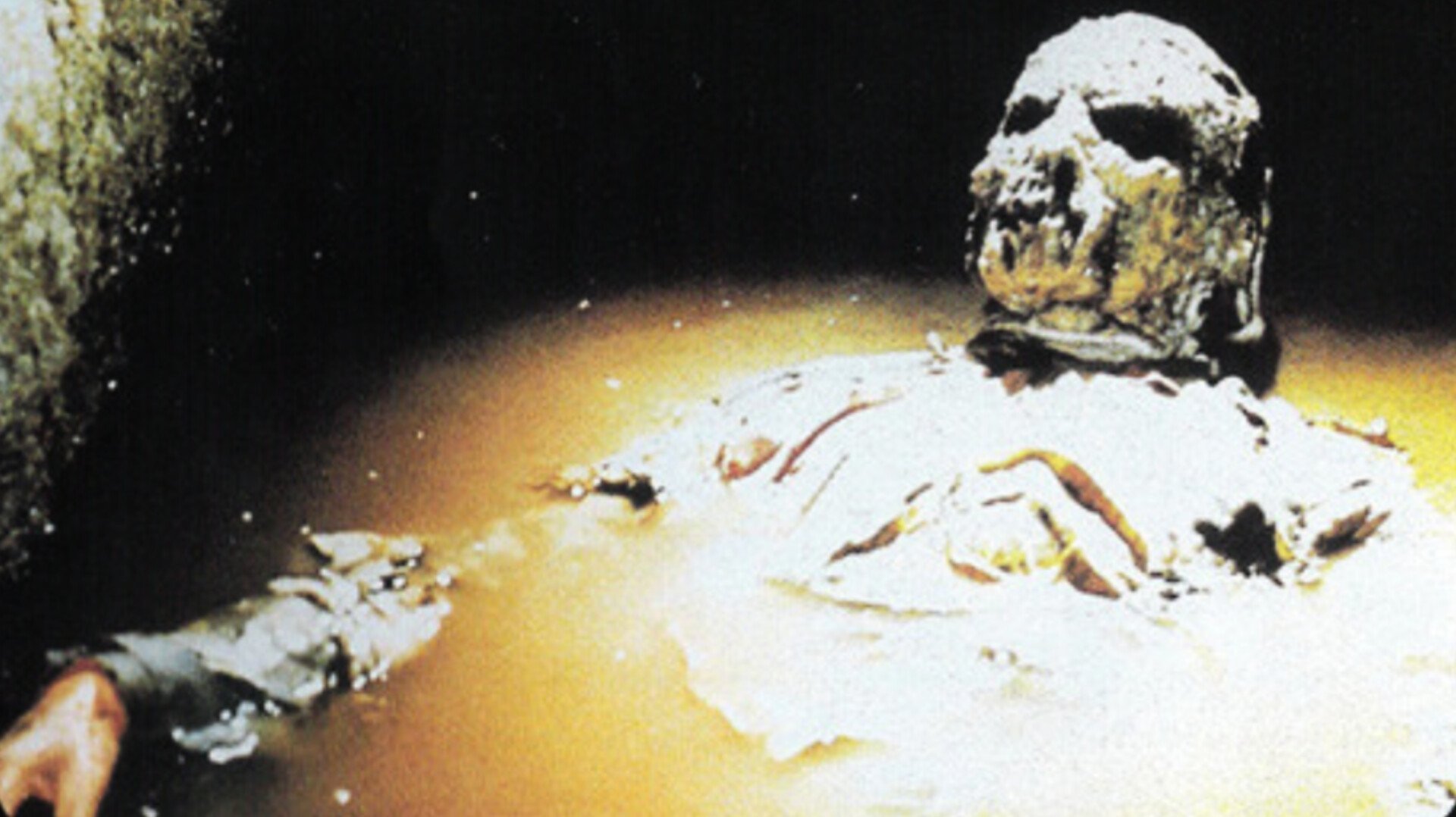
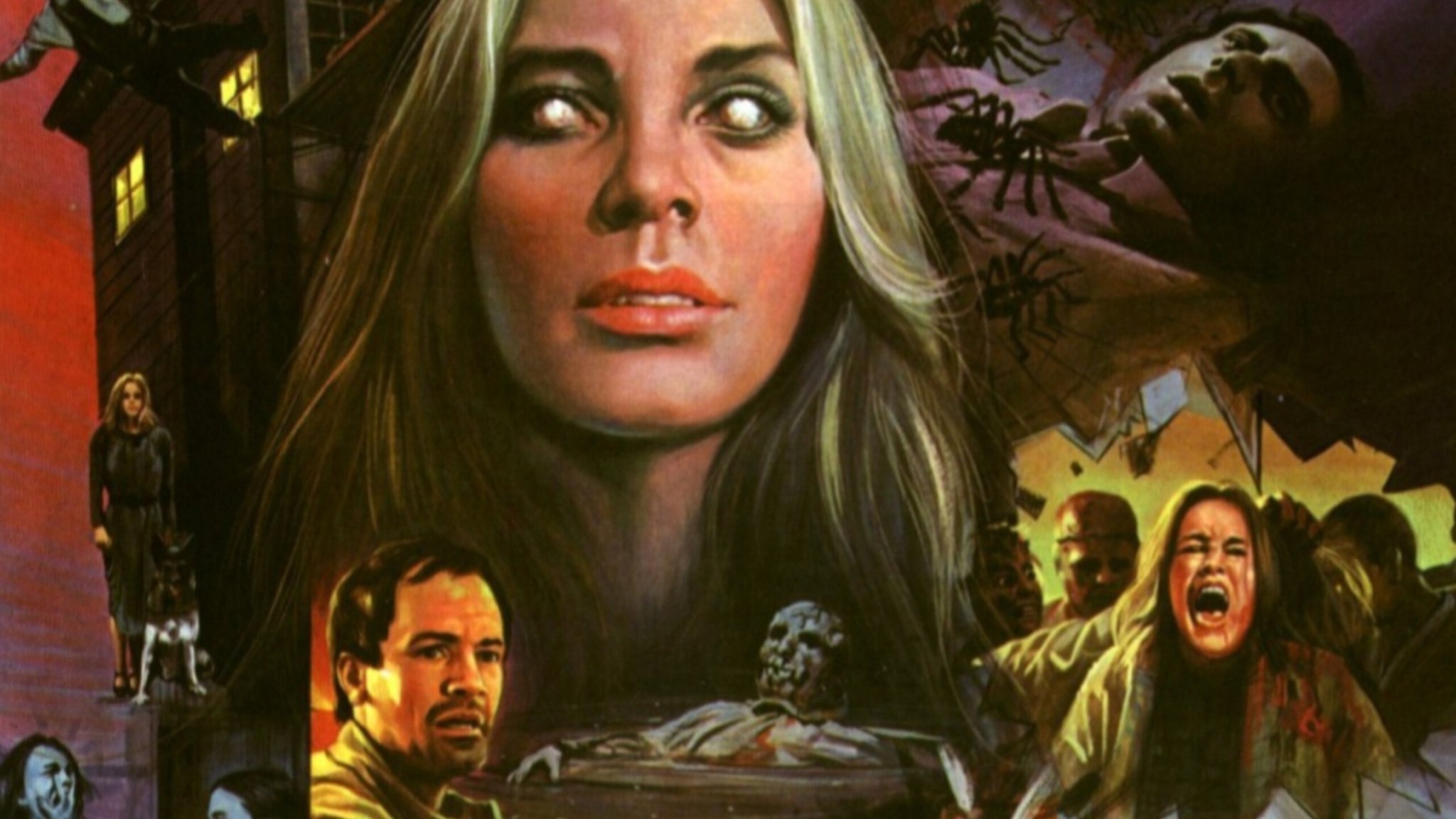
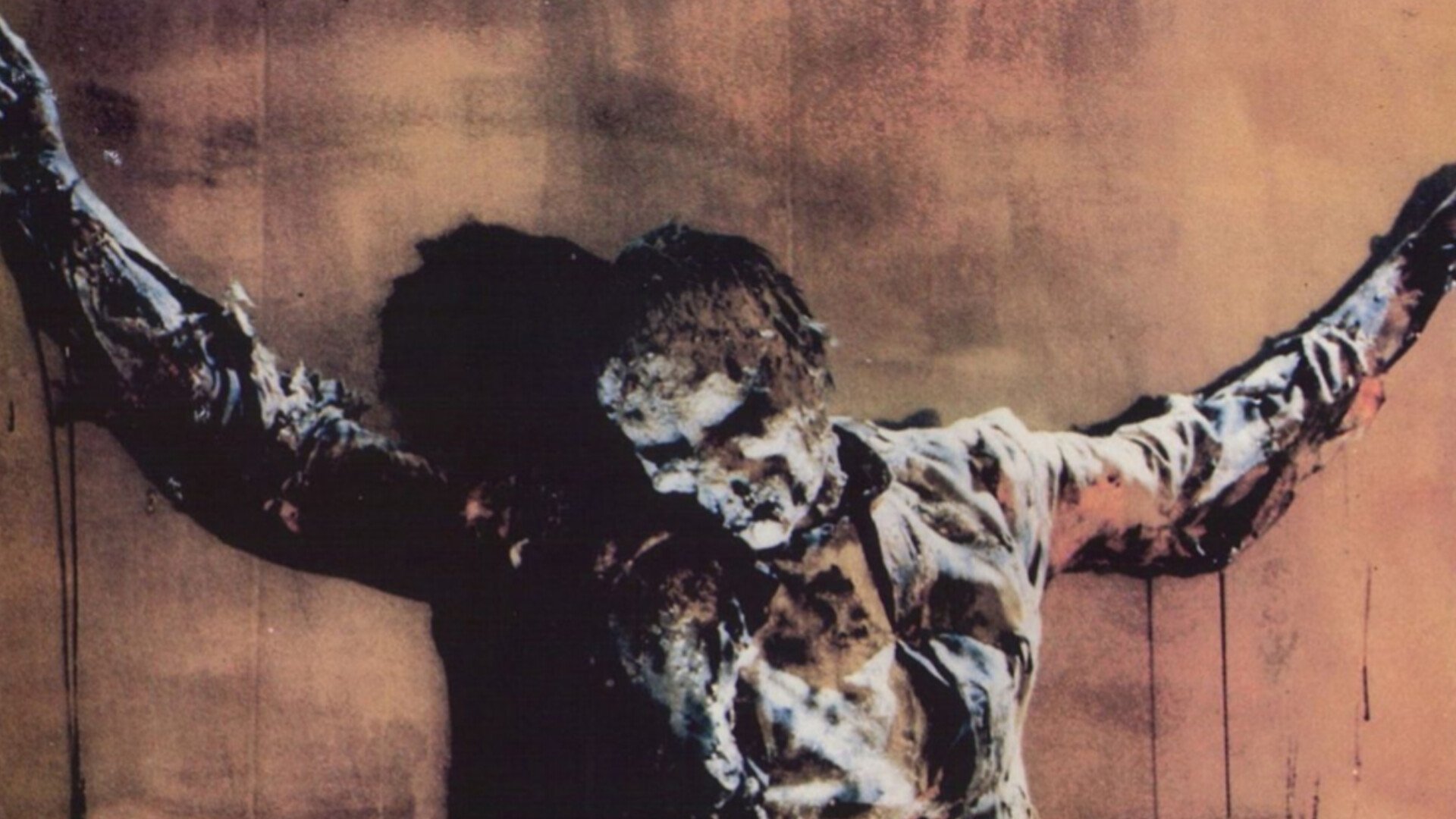
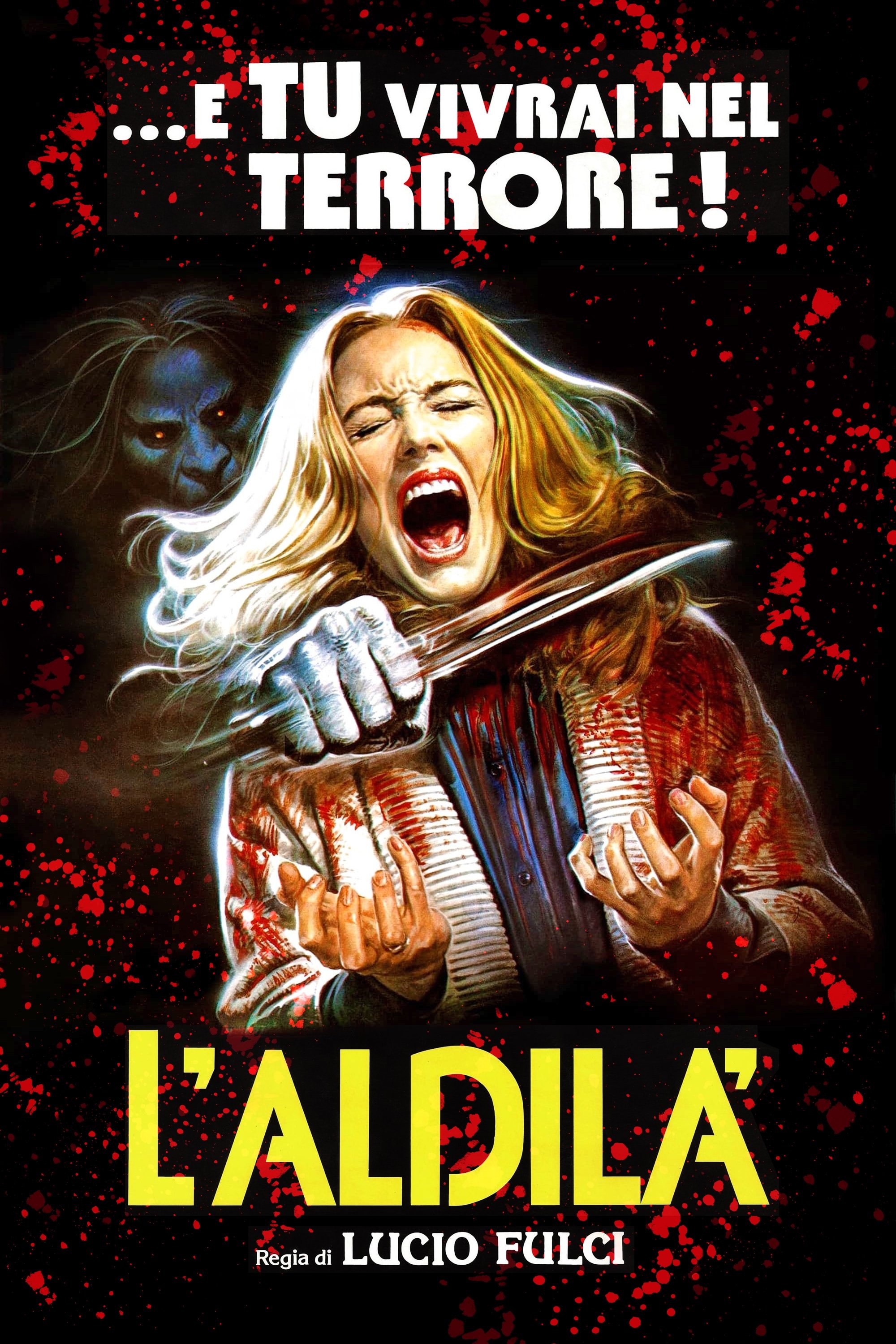
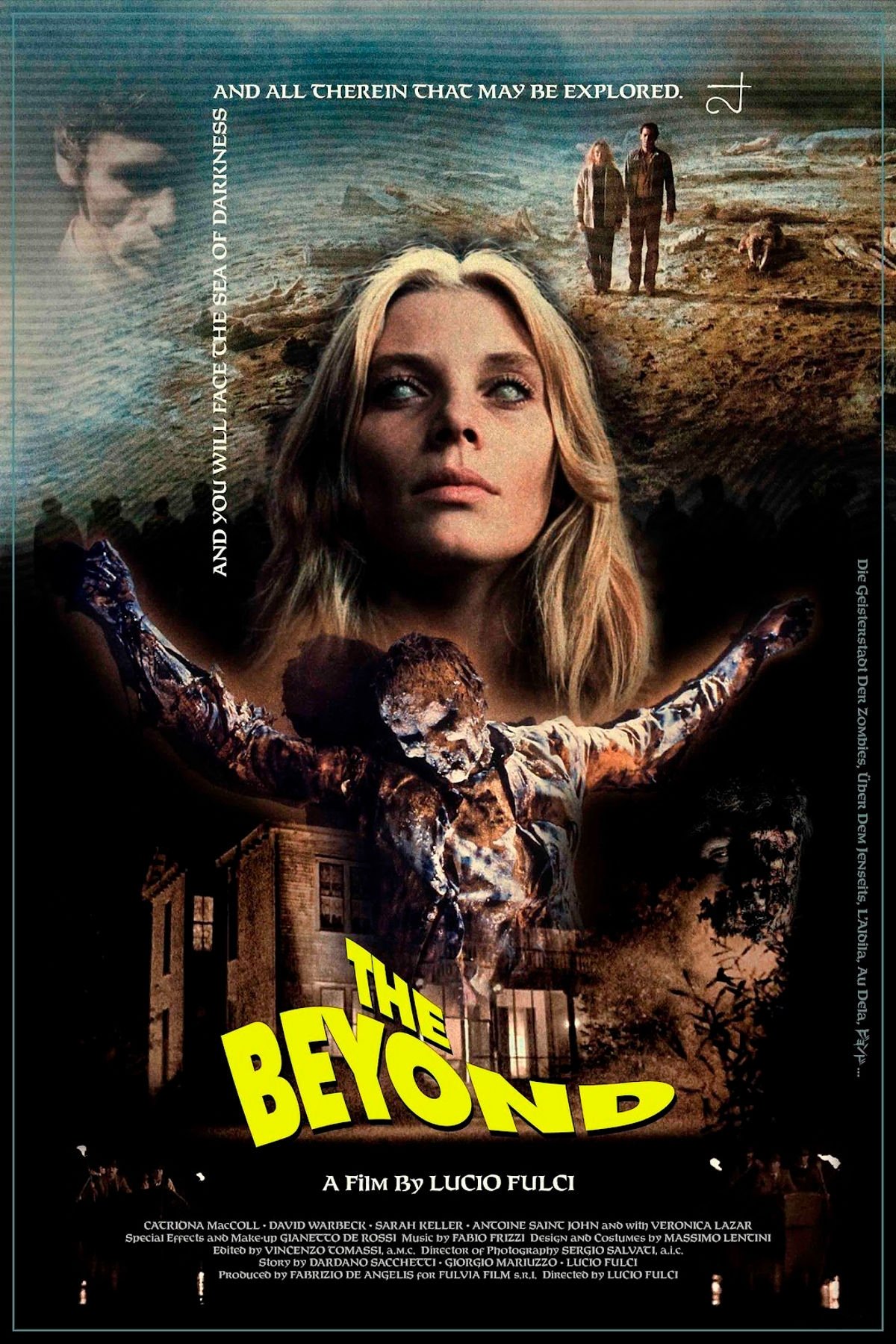
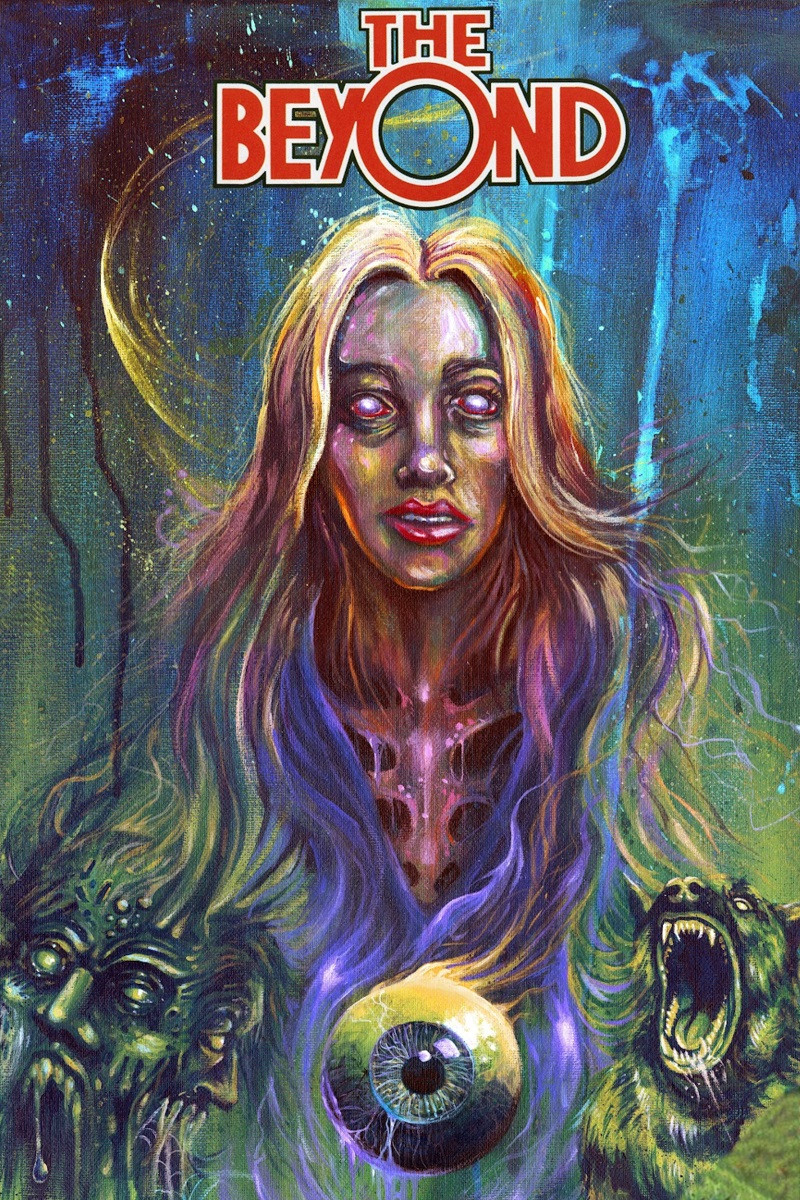
The project developed during the period in which Fulci, screenwriter Dardano Sacchetti and producer Fabrizio De Angelis were consolidating the supernatural-horror direction that had followed the international success of Zombie Flesh Eaters. Sacchetti conceived the original story, while the final screenplay was credited to Sacchetti, Fulci and Giorgio Mariuzzo. The concept was assembled around a hotel standing over an entrance to Hell, a succession of violent images and the idea of an afterlife existing outside ordinary spatial logic. Sacchetti later described his conception of the Beyond as a realm that did not obey Euclidean geometry, a useful key to understanding why the finished film repeatedly refuses normal continuity.
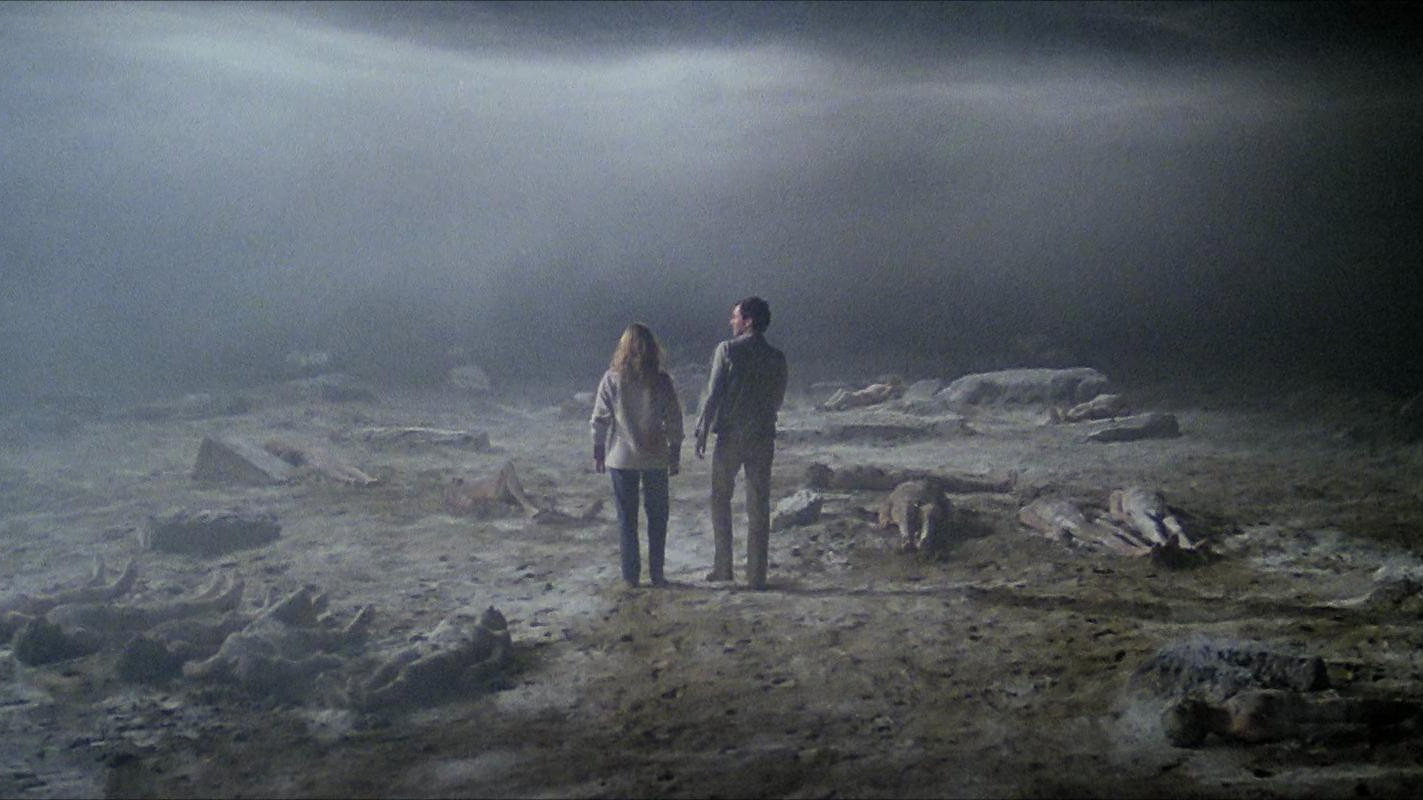
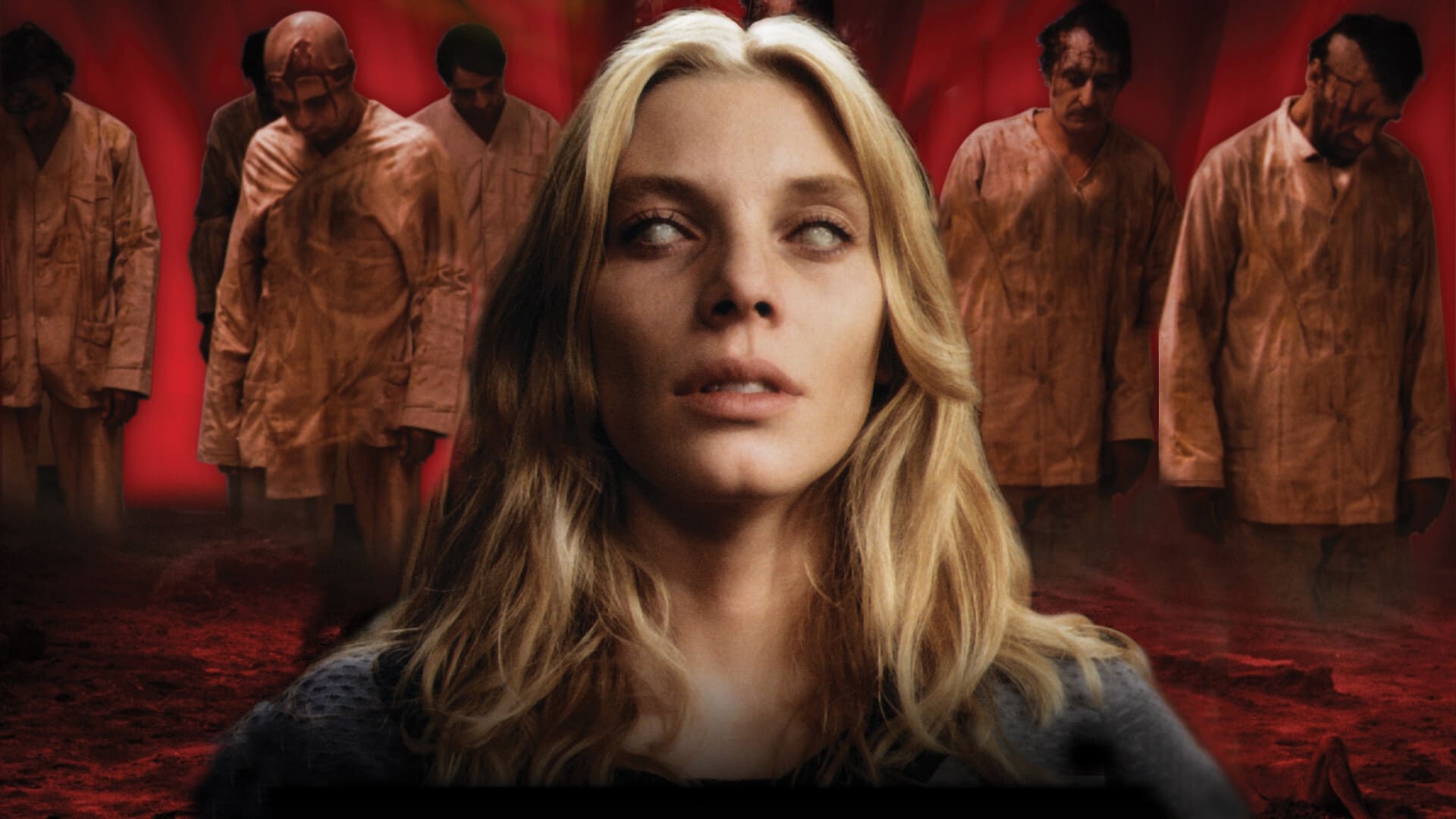
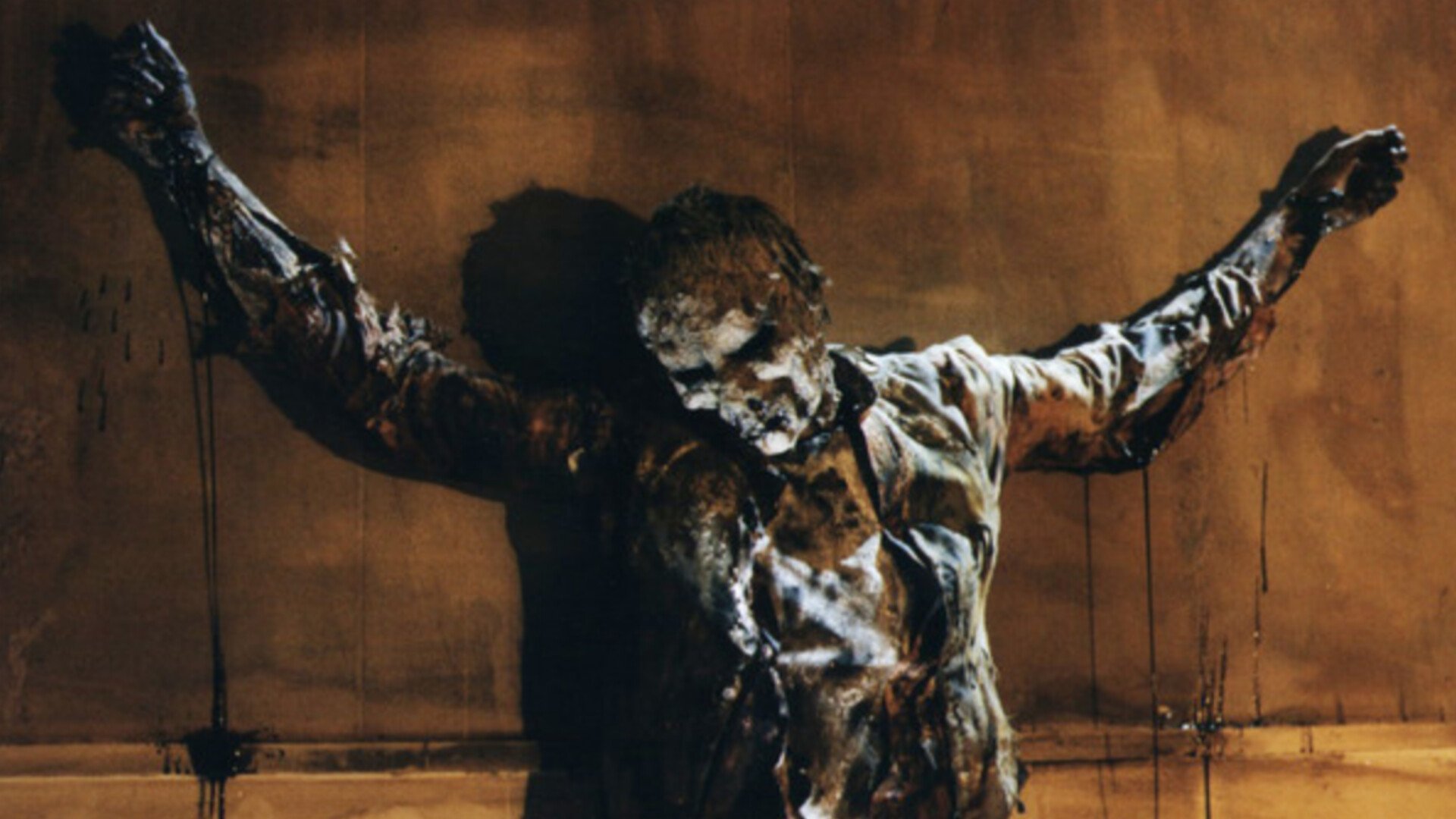
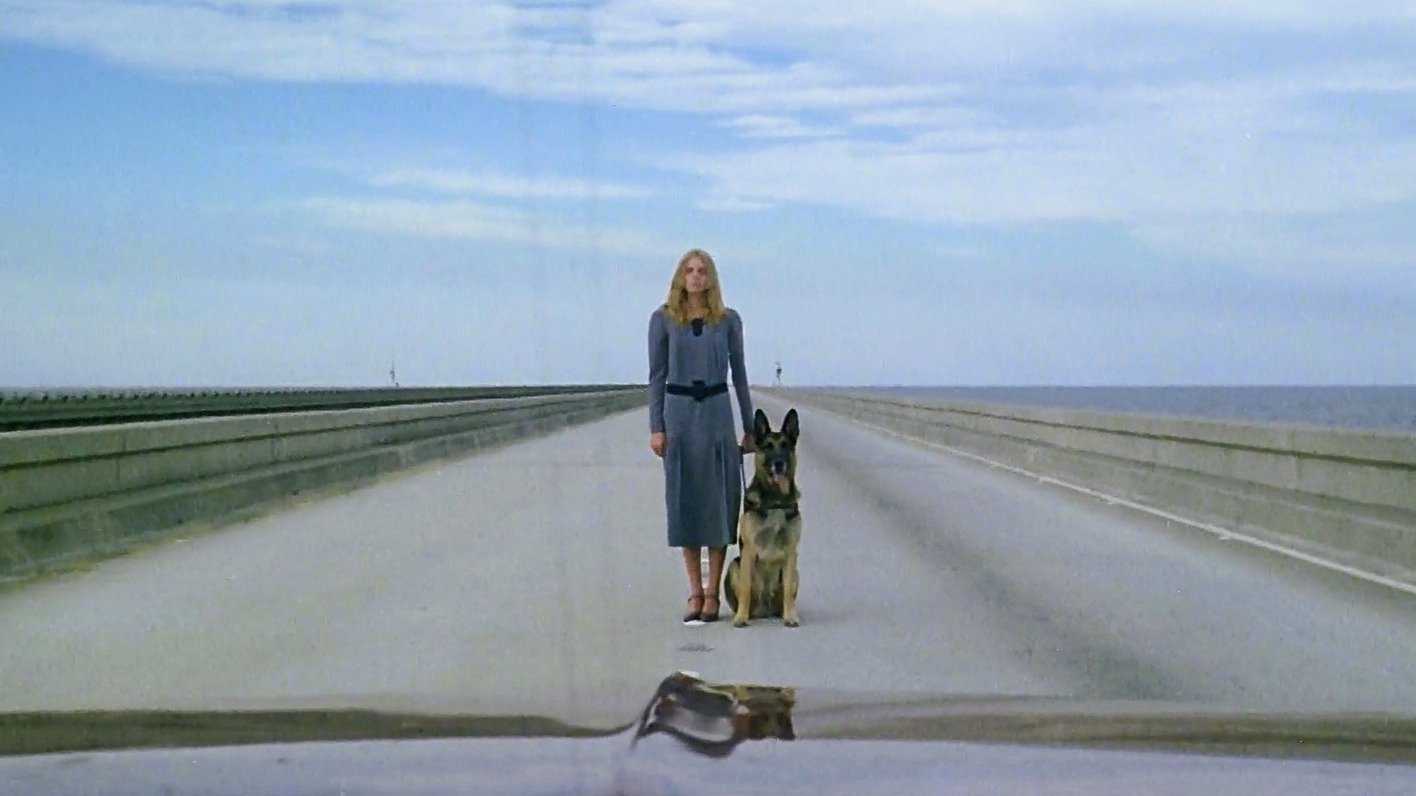
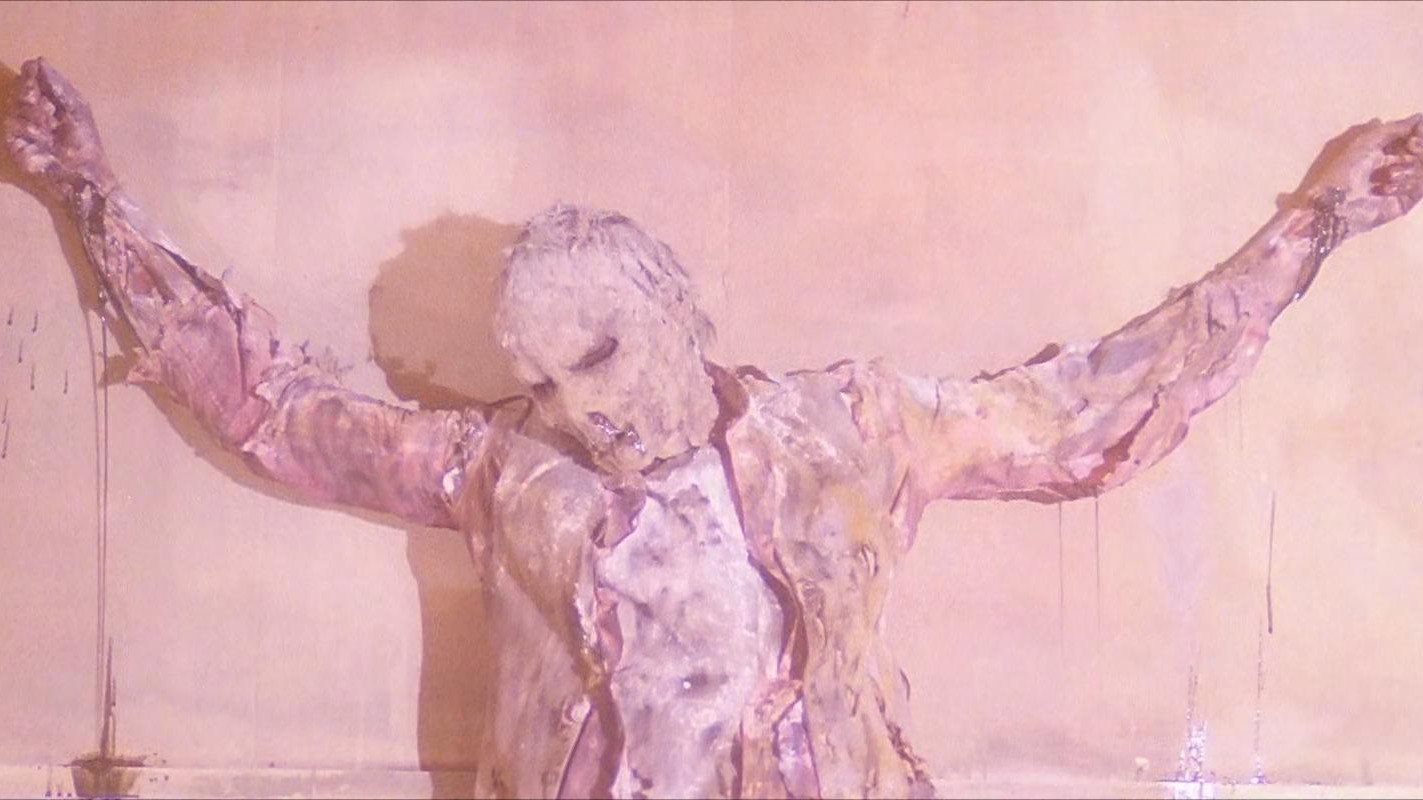
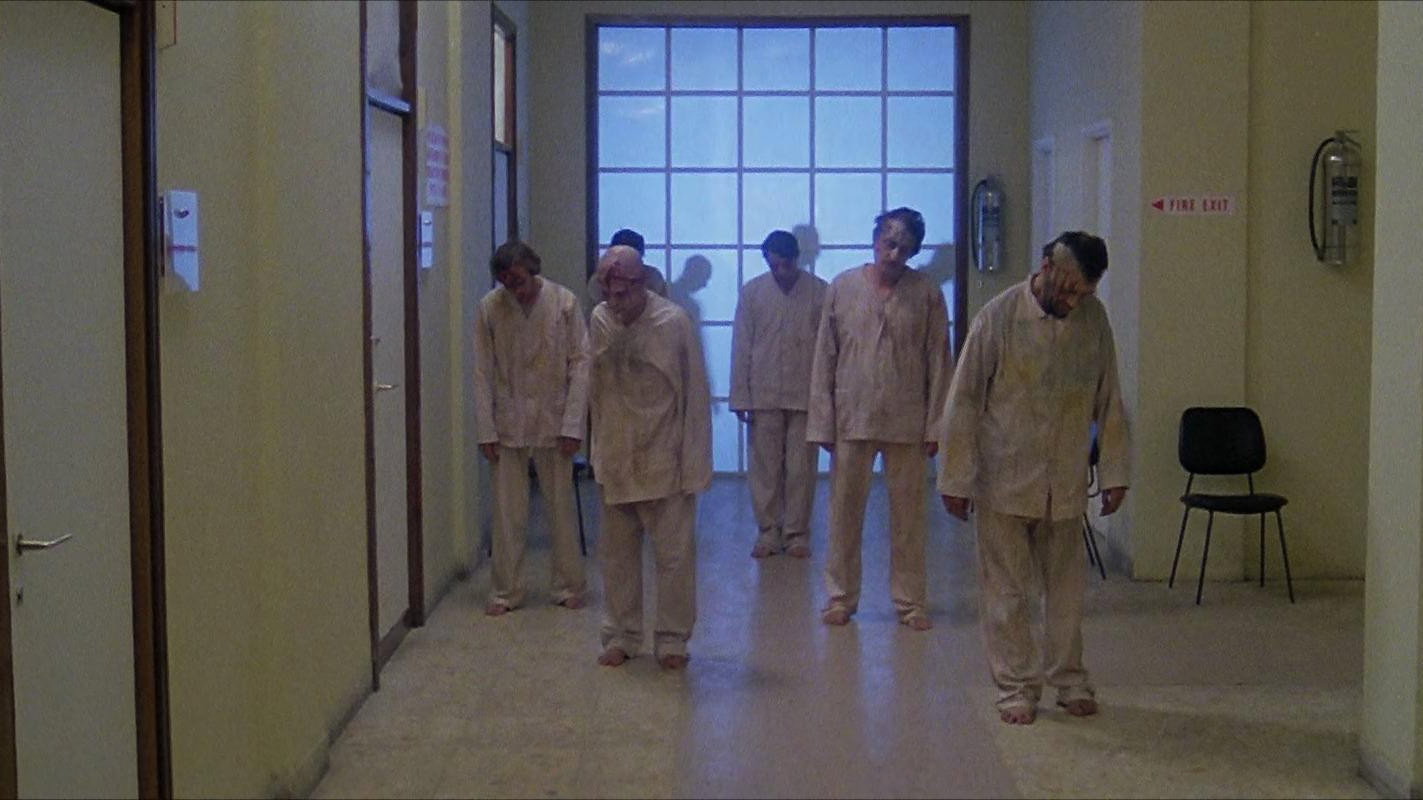
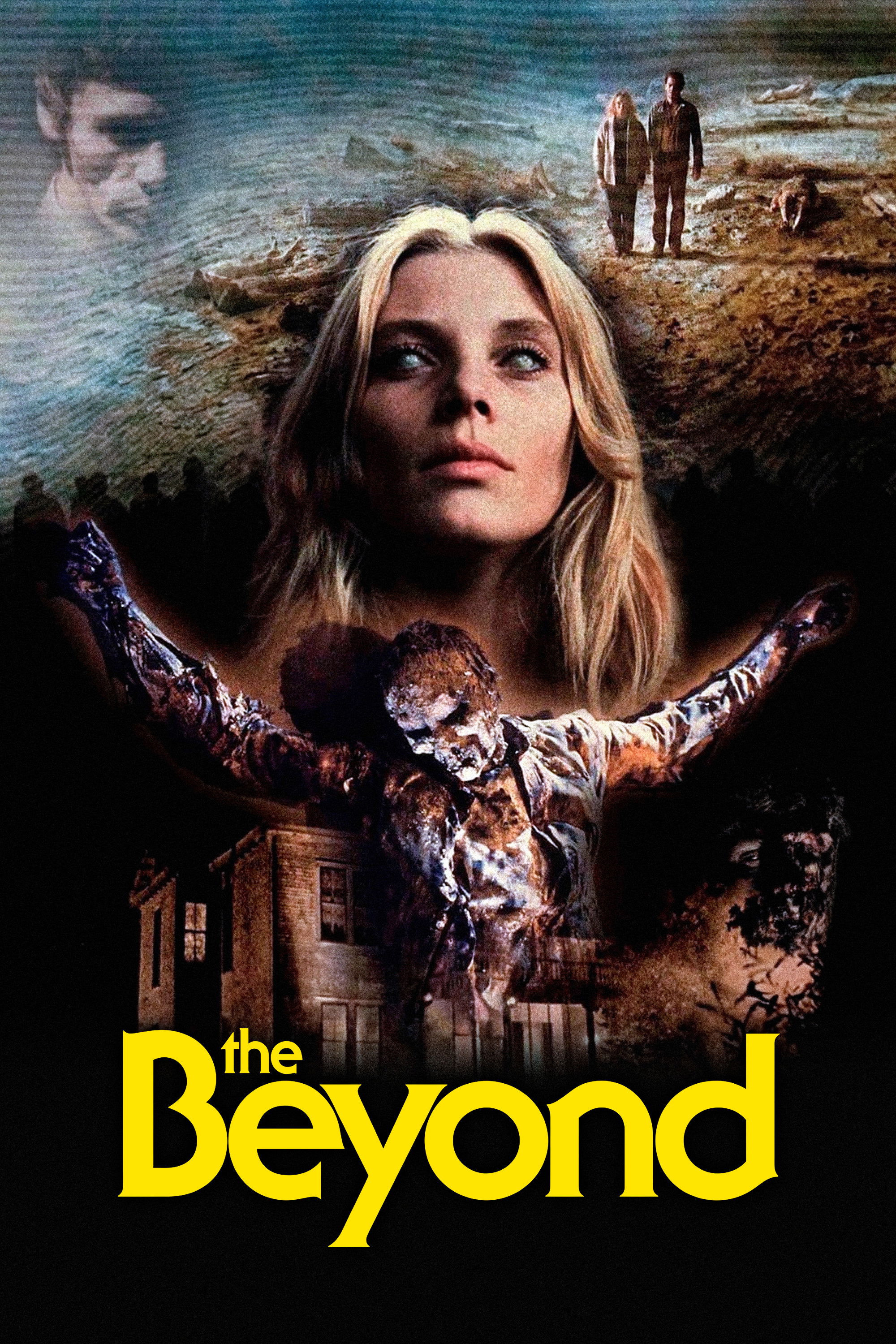
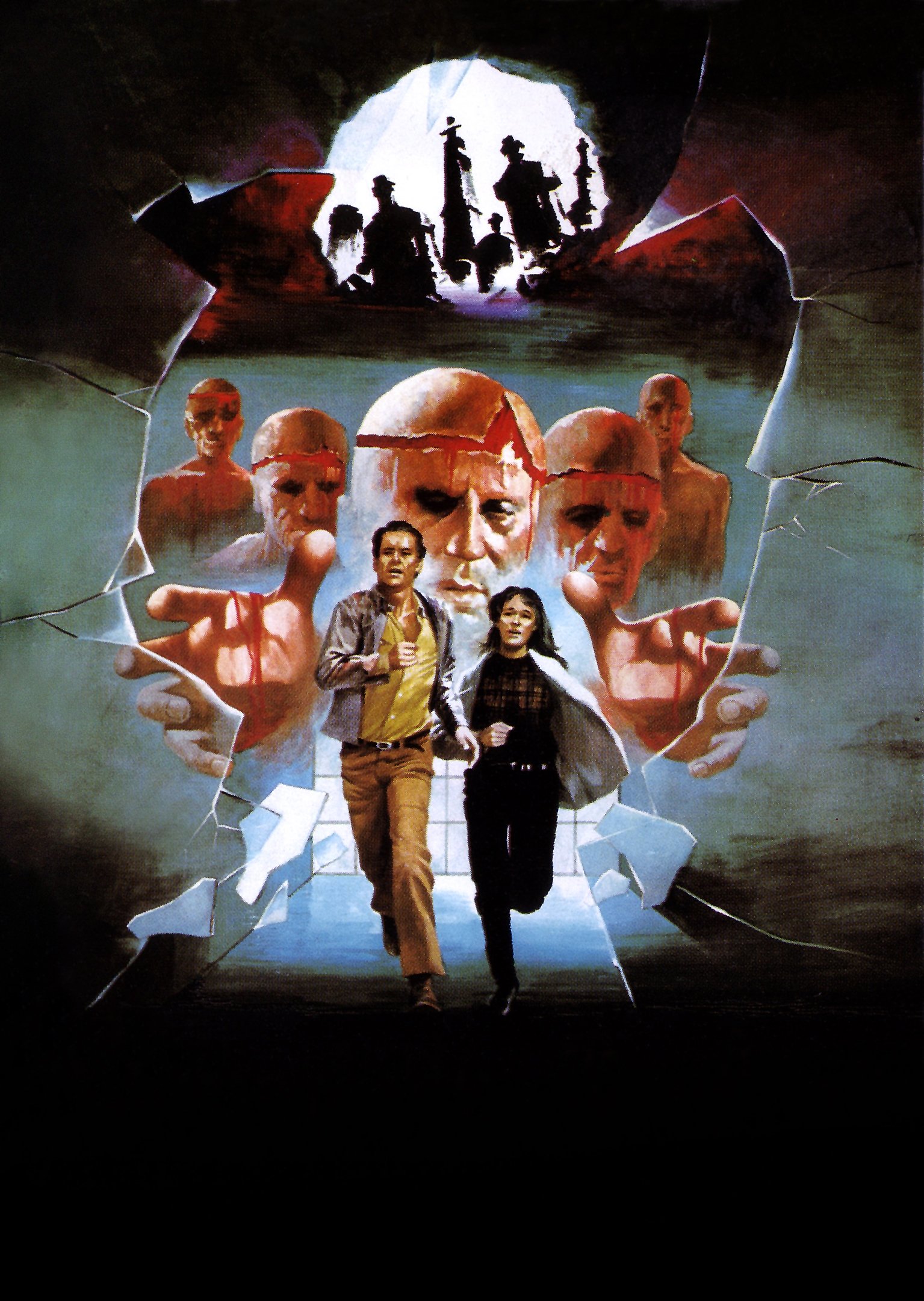
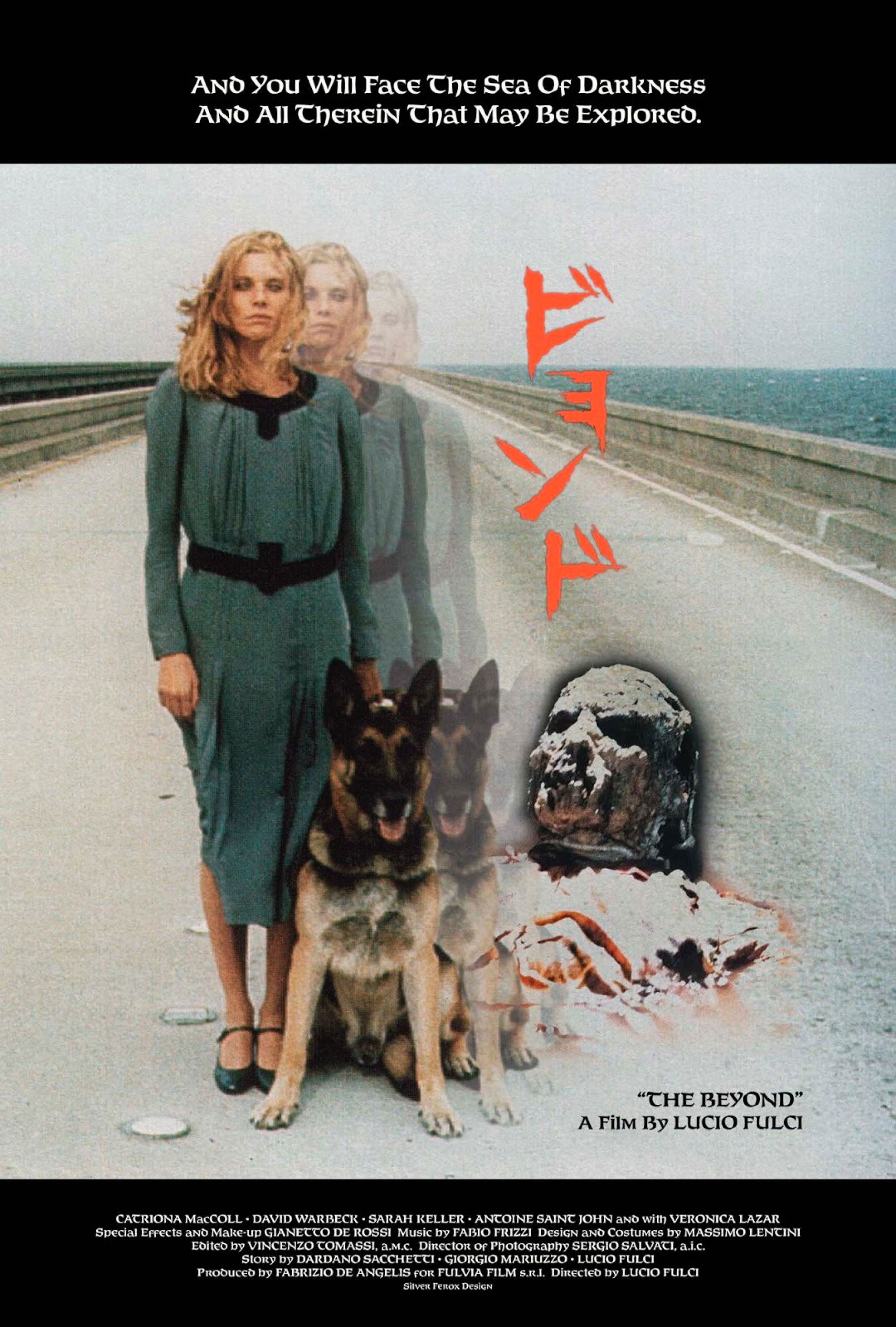
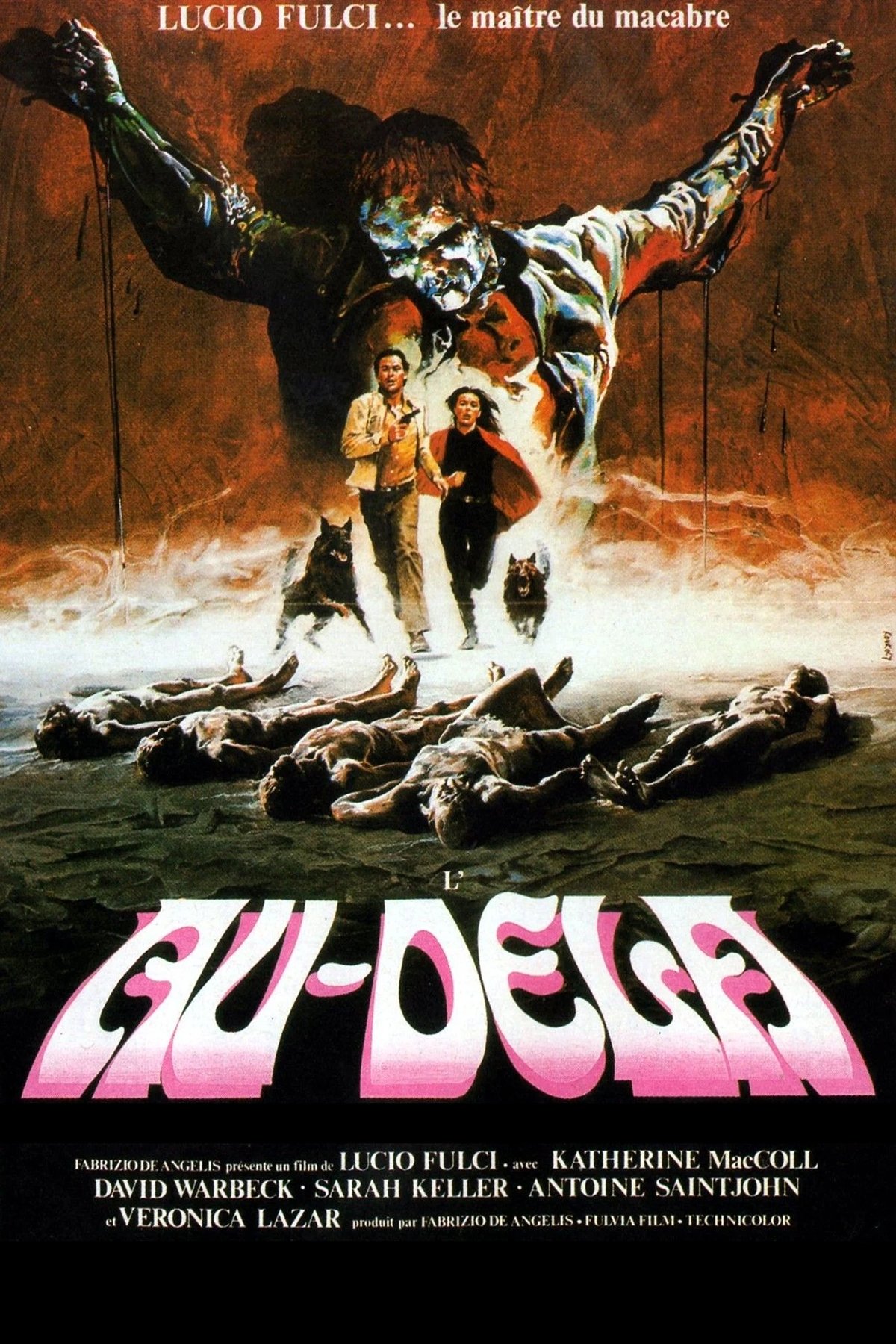
The ending changed significantly during development. Sacchetti recalled that the original conclusion after the hospital sequence was intended to take place in an amusement park, with the protagonists entering a strange realm of the dead that would have required a more elaborate production. According to his account, producer De Angelis concluded that the sequence could not be realized within the available resources. The barren landscape eventually used for the finale was developed as a more achievable alternative, yet it became one of the film's defining images. What originated partly as a financial compromise produced an ending far more austere and disturbing than a conventional infernal spectacle might have been.
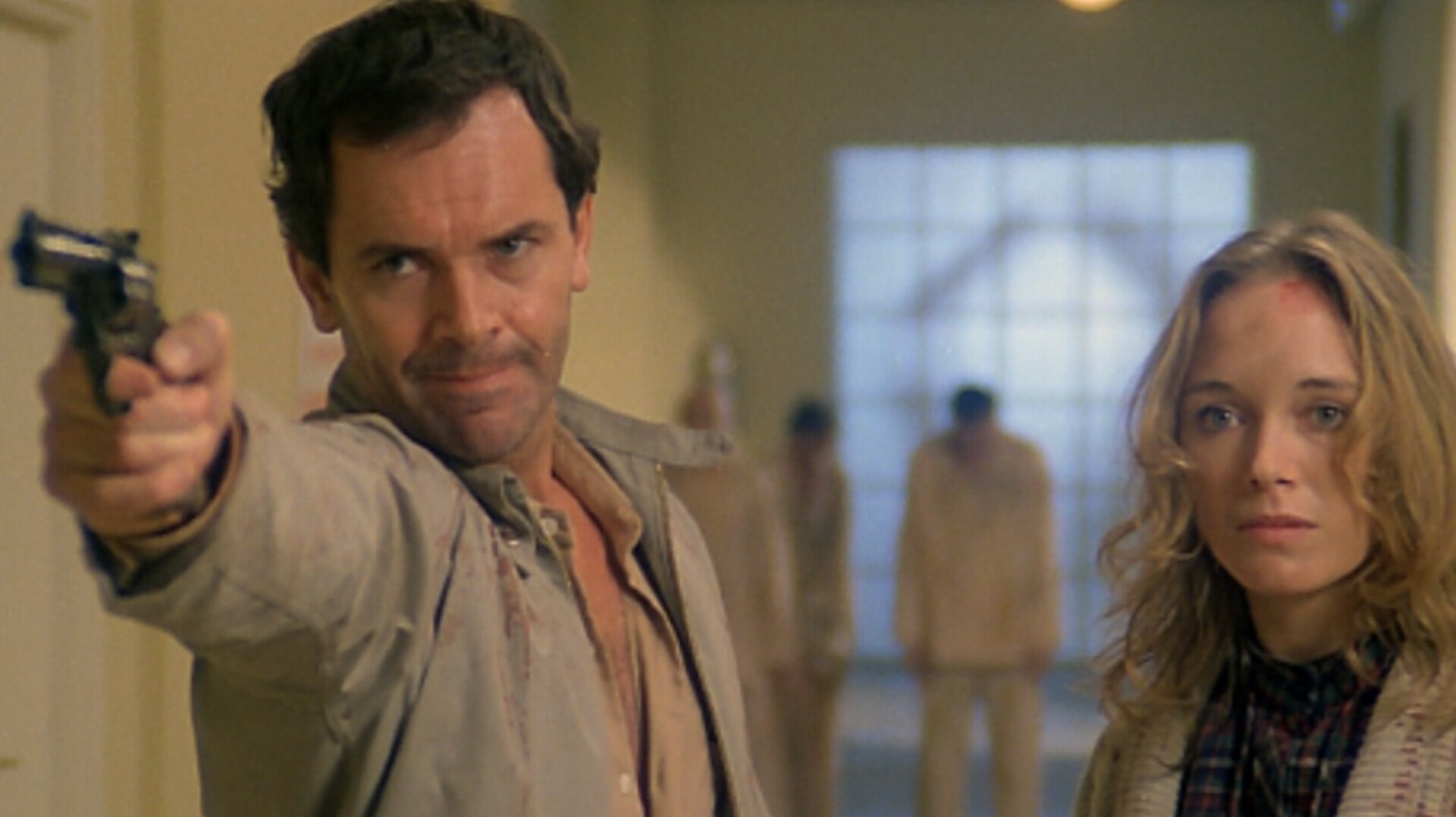
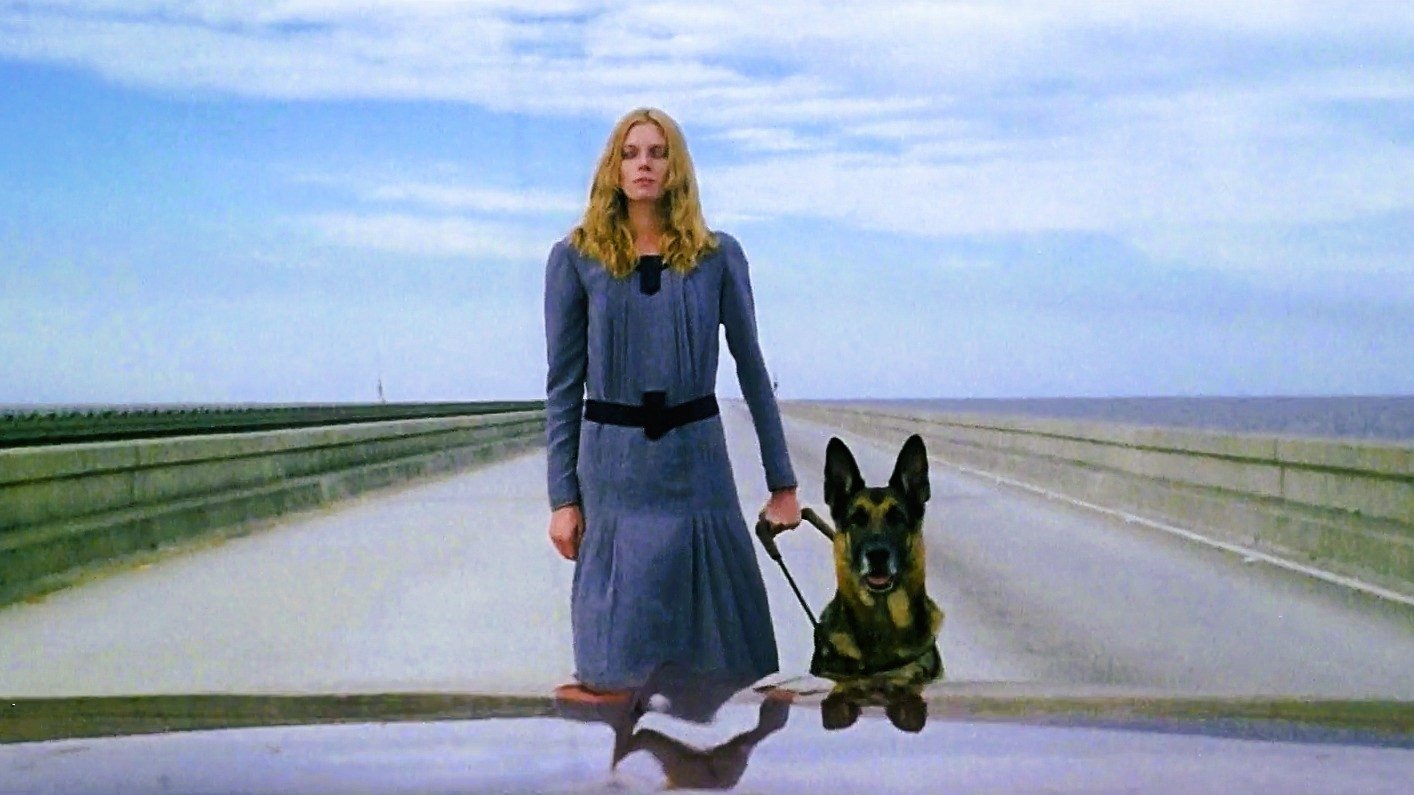
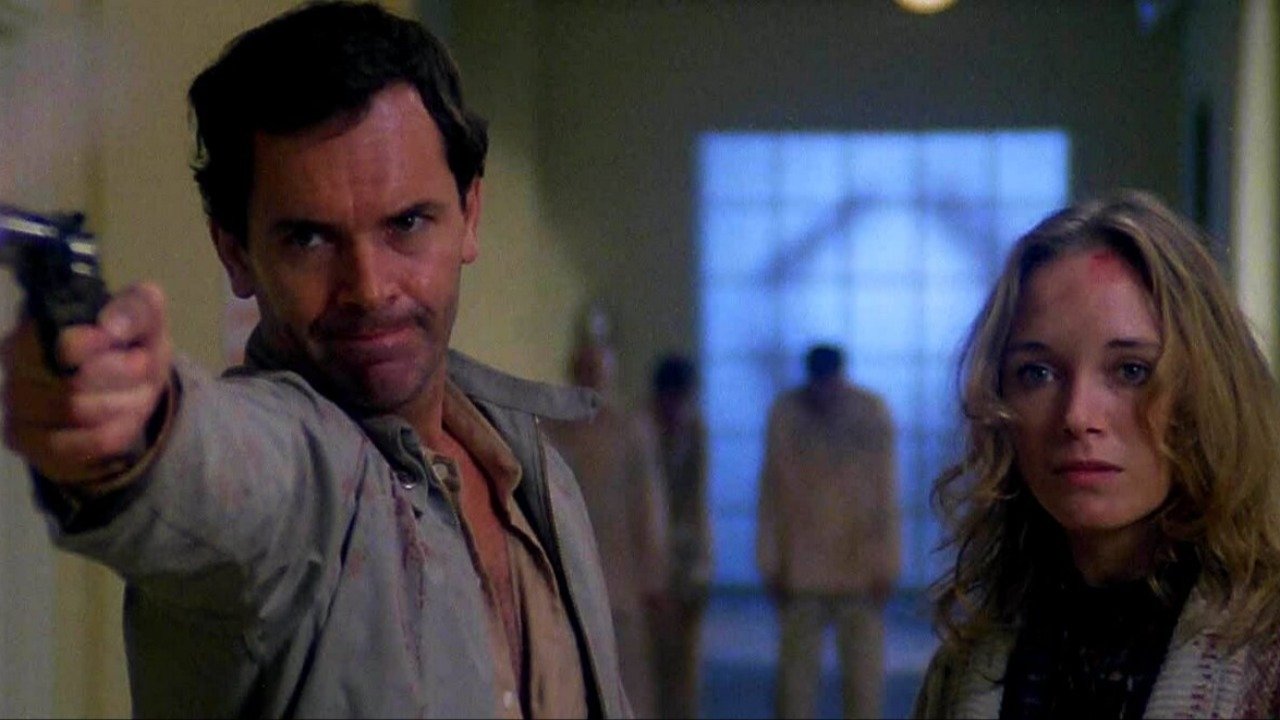
Filming combined Louisiana locations with studio work in Rome. The Louisiana material gives the film a geographical identity unusual within Fulci's horror cycle, while Italian studio production allowed greater control over interiors, effects and the increasingly impossible spaces surrounding the hotel. Assistant producer and actor Larry Ray later recalled a demanding schedule in which Fulci frequently communicated through physical demonstration as much as language, an especially practical method within a multilingual production. The result never attempts to disguise its Italian genre-cinema origins; instead, New Orleans and Roman studio space are fused into a Louisiana that feels progressively detached from realistic geography.