Production & Development
Dardano Sacchetti recalled that the project was conceived soon after the unexpectedly large commercial success of Zombie Flesh Eaters. Fulci believed that the earlier film would immediately produce new opportunities, but according to Sacchetti, the proposed follow-up remained inactive for months despite their having a story ready. Sacchetti's surviving recollection of the original treatment credits the initial subject to himself and Elisa Briganti, while the finished film ultimately credited Fulci and Sacchetti for story and screenplay. The production moved forward only after Fulci persuaded a Medusa partner that another horror film could be commercially viable.
That background is important because City of the Living Dead was not constructed as a direct sequel to Zombie Flesh Eaters. Fulci was interested in moving further into what he called the fantastic. In a contemporary interview he described his horror cinema as driven by sensations, fear and nightmare, often leaving events beyond rational explanation, and he later said that in City of the Living Dead he paid more attention to the story than to the zombies themselves. The living dead emerge as manifestations of a larger supernatural rupture that drives the film.
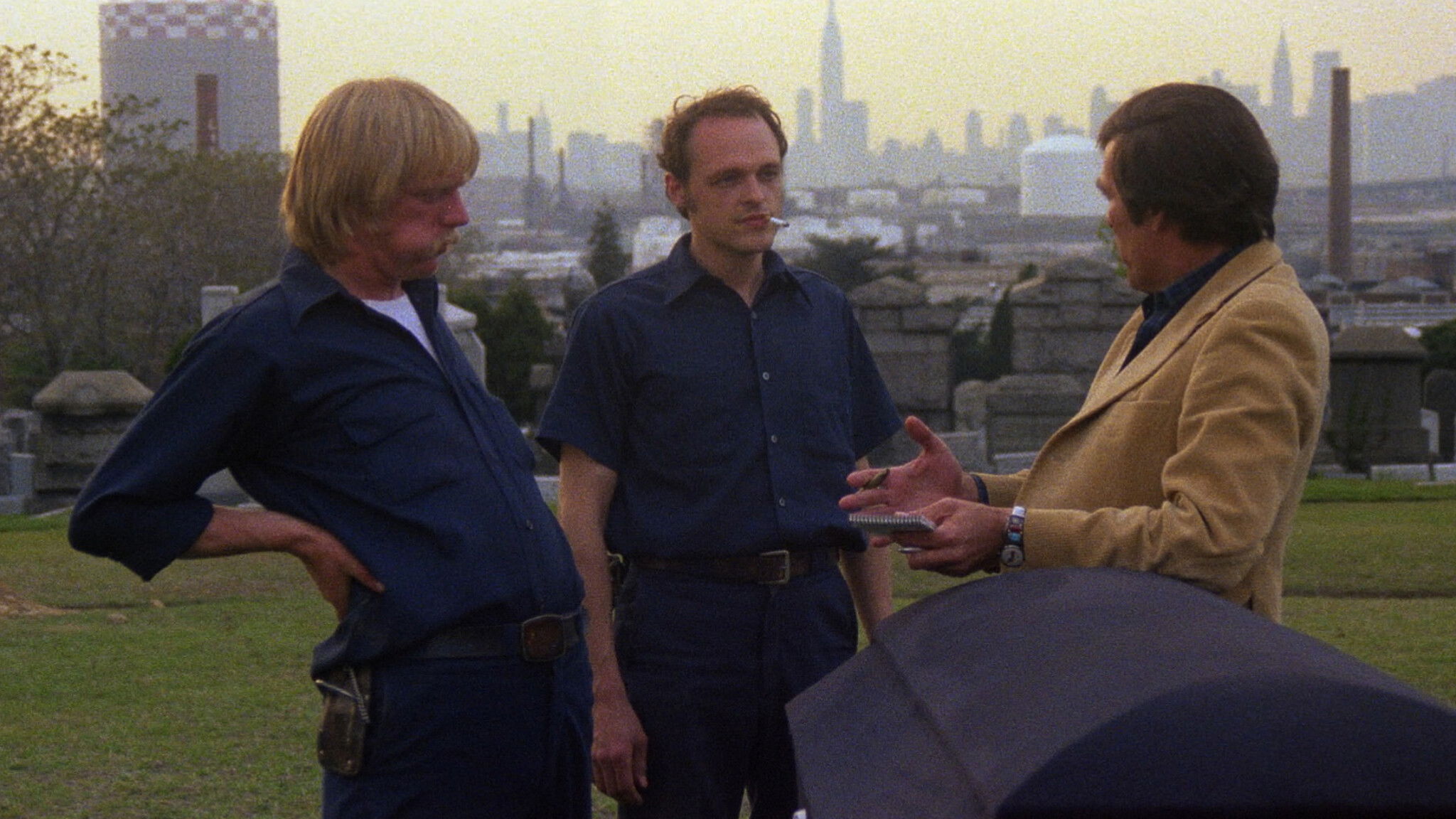
The production was mounted by Dania Film, Medusa Distribuzione and National Cinematografica, with cinematographer Sergio Salvati, editor Vincenzo Tomassi and composer Fabio Frizzi continuing the technical circle that had become closely associated with Fulci. Filming combined American locations with Italian studio work. Fulci remembered shooting the town material around Savannah, Georgia, but deliberately attempting to strip the setting of an easily recognizable identity. Interiors and other sequences were constructed in Rome. The resulting Dunwich is therefore not an accurate representation of one American town but a composite environment designed to feel increasingly disconnected from ordinary geography.
Dunwich, Lovecraft & Supernatural Horror
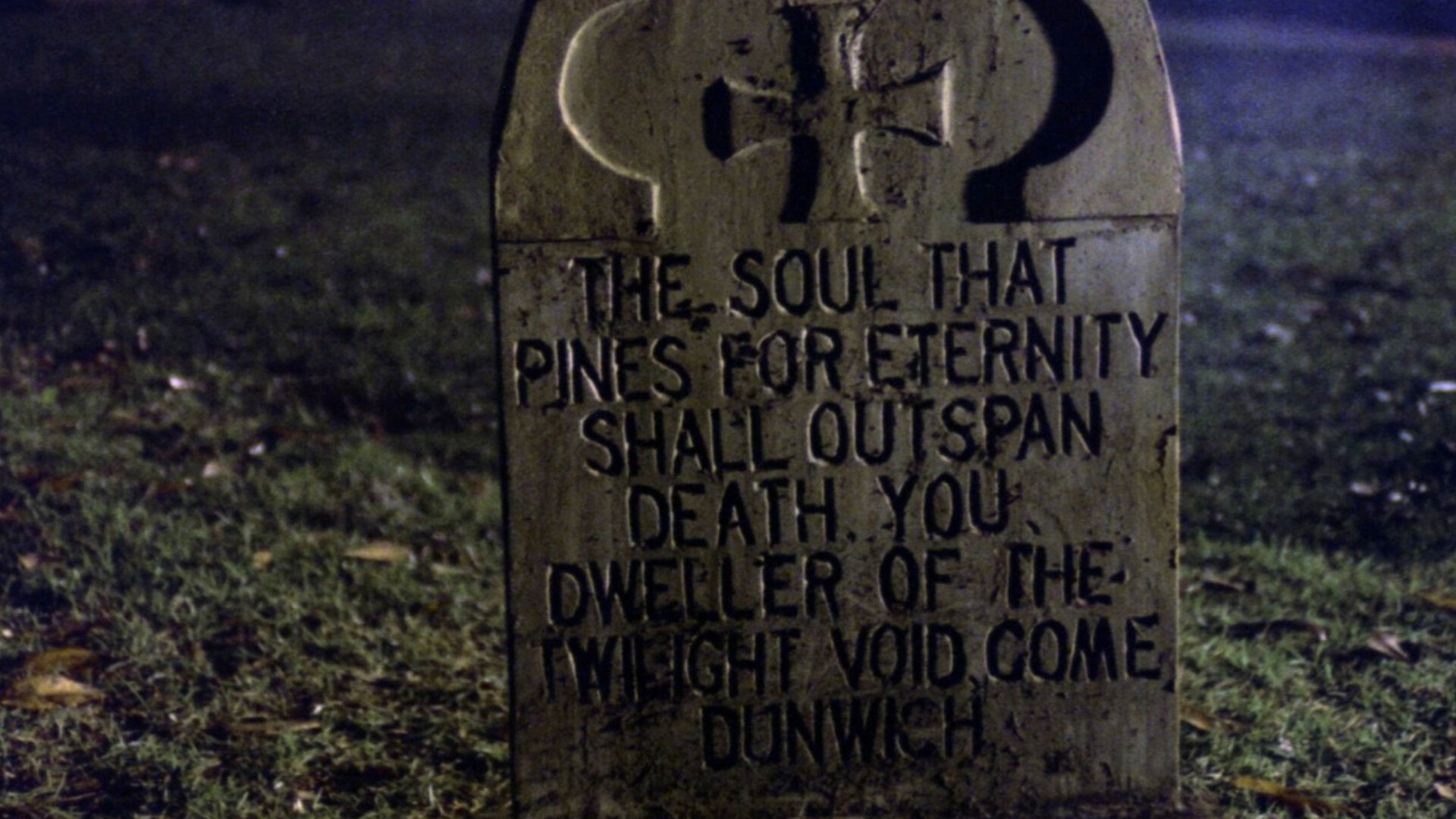
The name Dunwich immediately evokes H. P. Lovecraft's fiction, particularly The Dunwich Horror, but City of the Living Dead is not an adaptation of that story. The connection is better understood as an invocation of Lovecraftian territory: a seemingly ordinary New England community becomes the site where an older and incomprehensible supernatural order intrudes upon modern life. Fulci and Sacchetti borrow the cultural associations of the name without attempting to reproduce Lovecraft's plot or mythology.
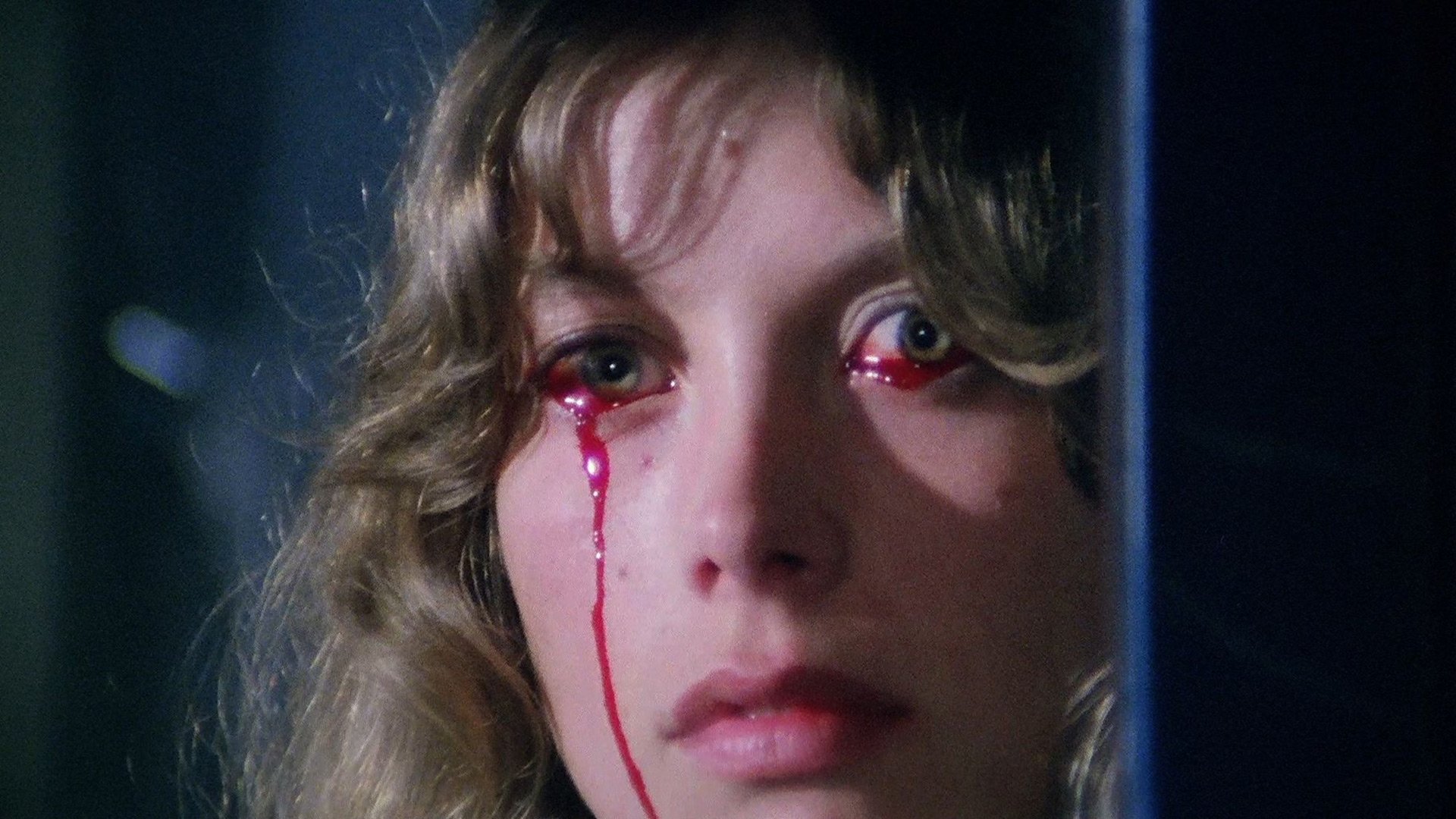
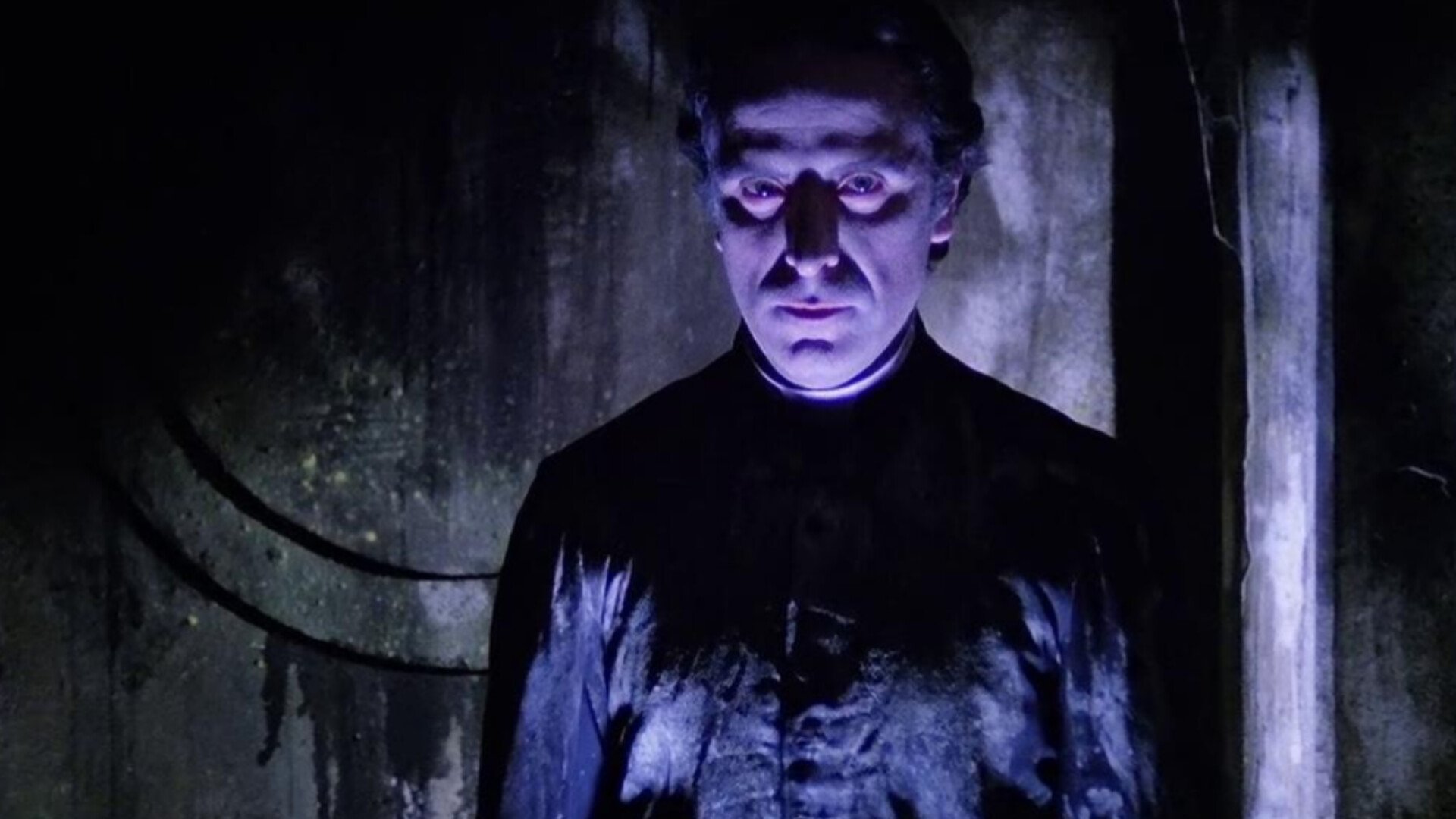
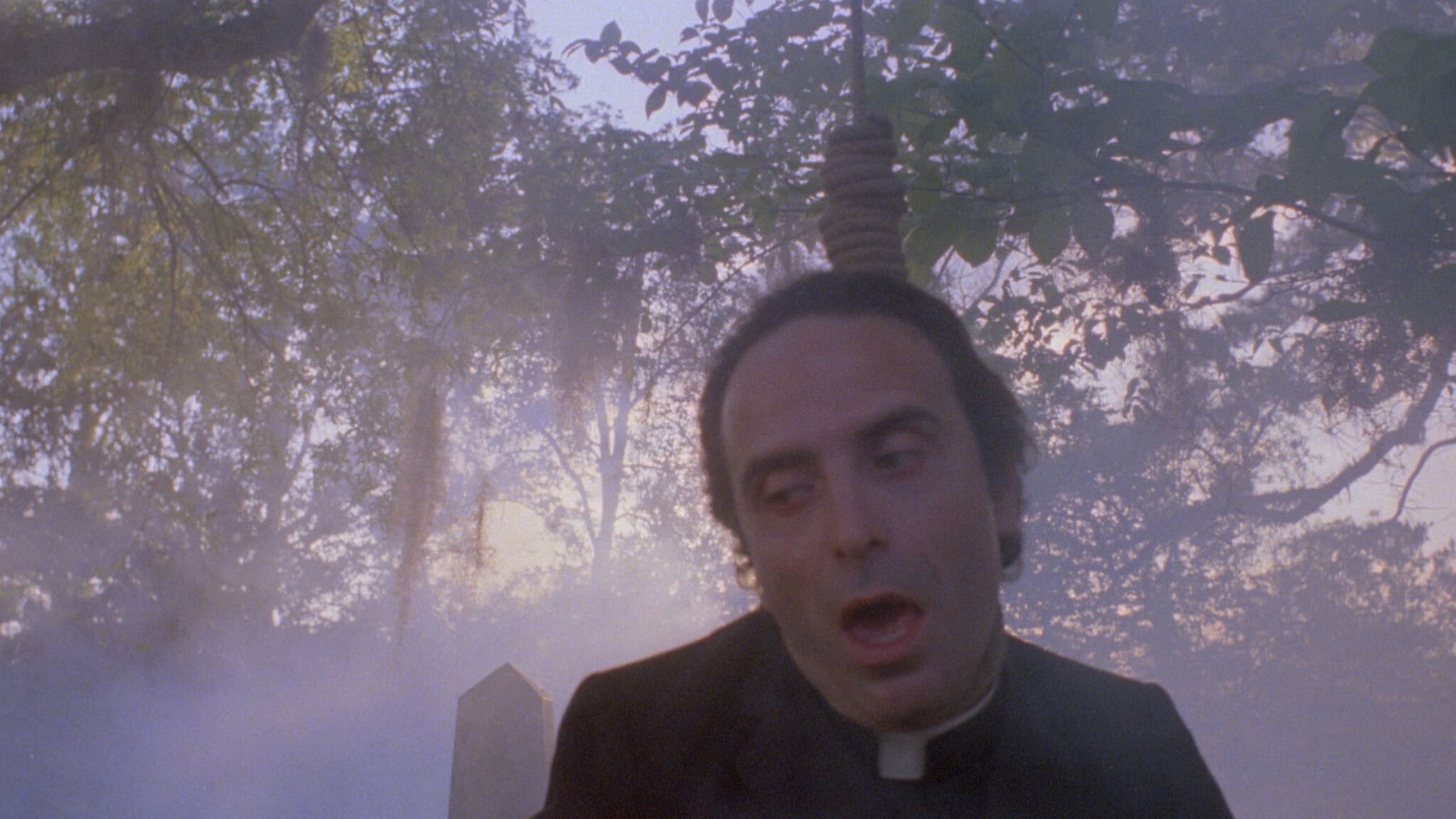
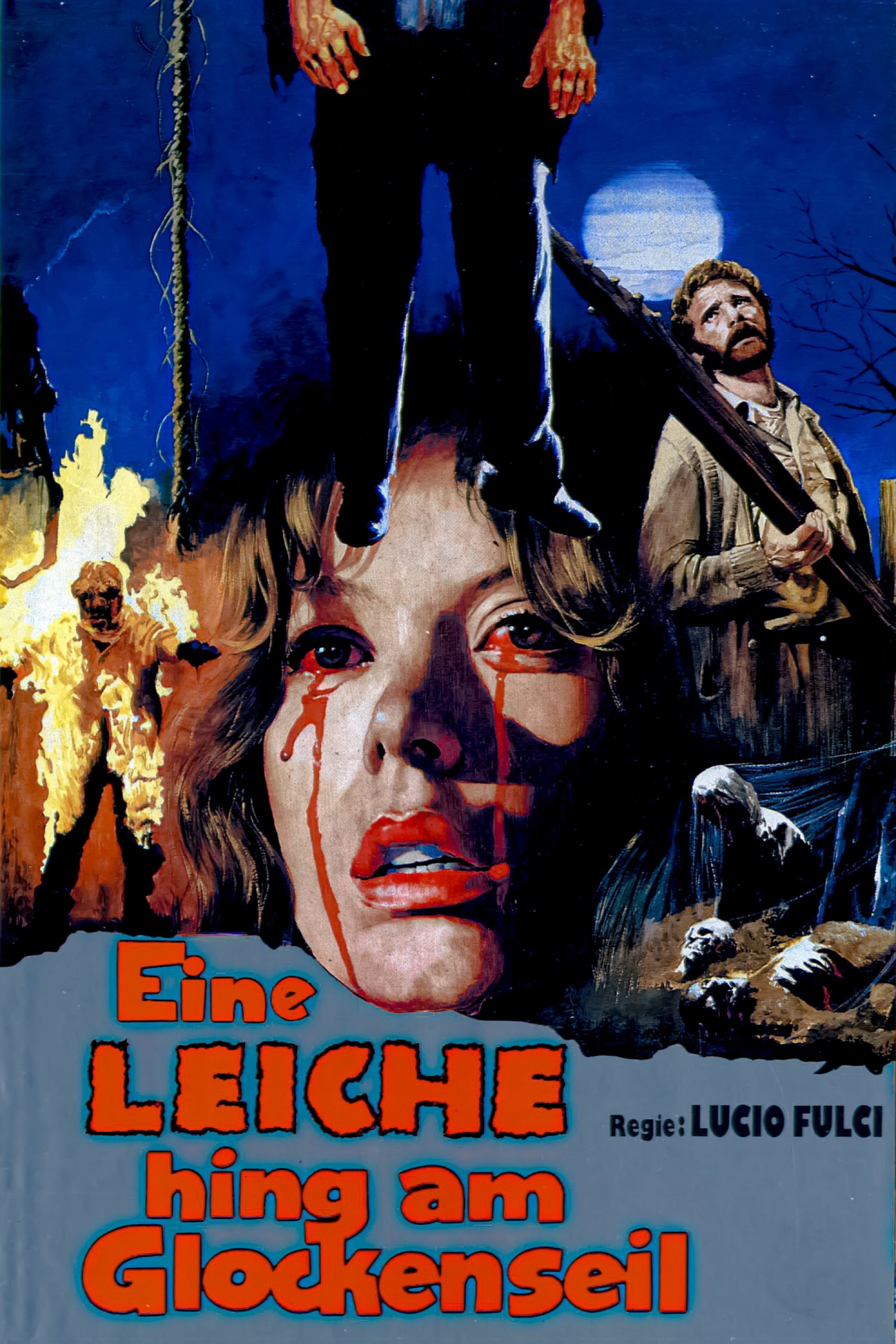
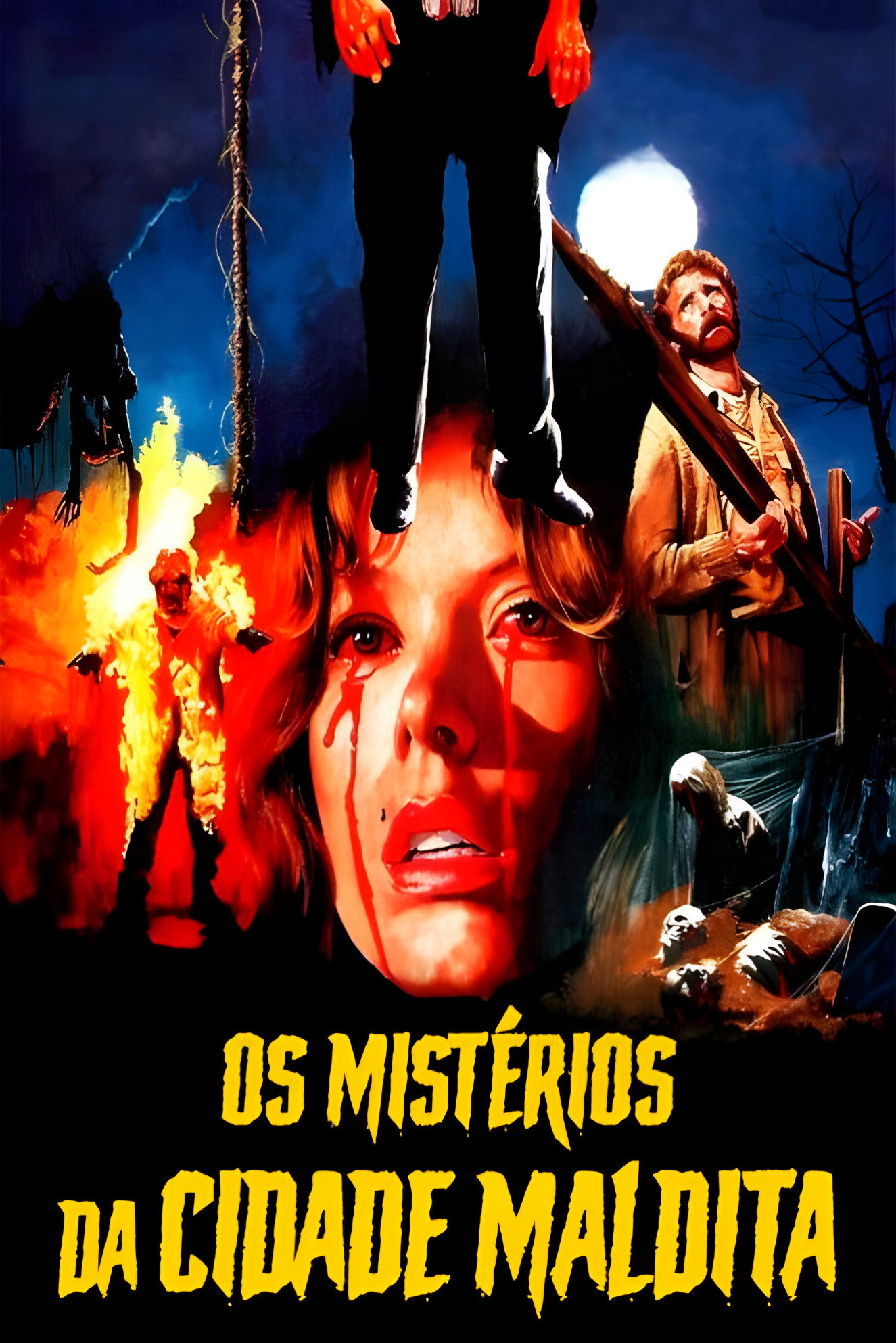
The film's horror also differs from Lovecraft in its extreme emphasis on the body. Cosmic instability is translated into physical experiences that can be photographed in close-up. Eyes bleed, corpses return, walls and floors seem unable to separate one space from another, and the human body can suddenly cease to obey its own anatomy. The supernatural is rarely explained through a coherent occult system. Father Thomas's suicide opens the gateway, but the film is less interested in providing a precise mechanism than in showing the consequences once ordinary boundaries have been broken.
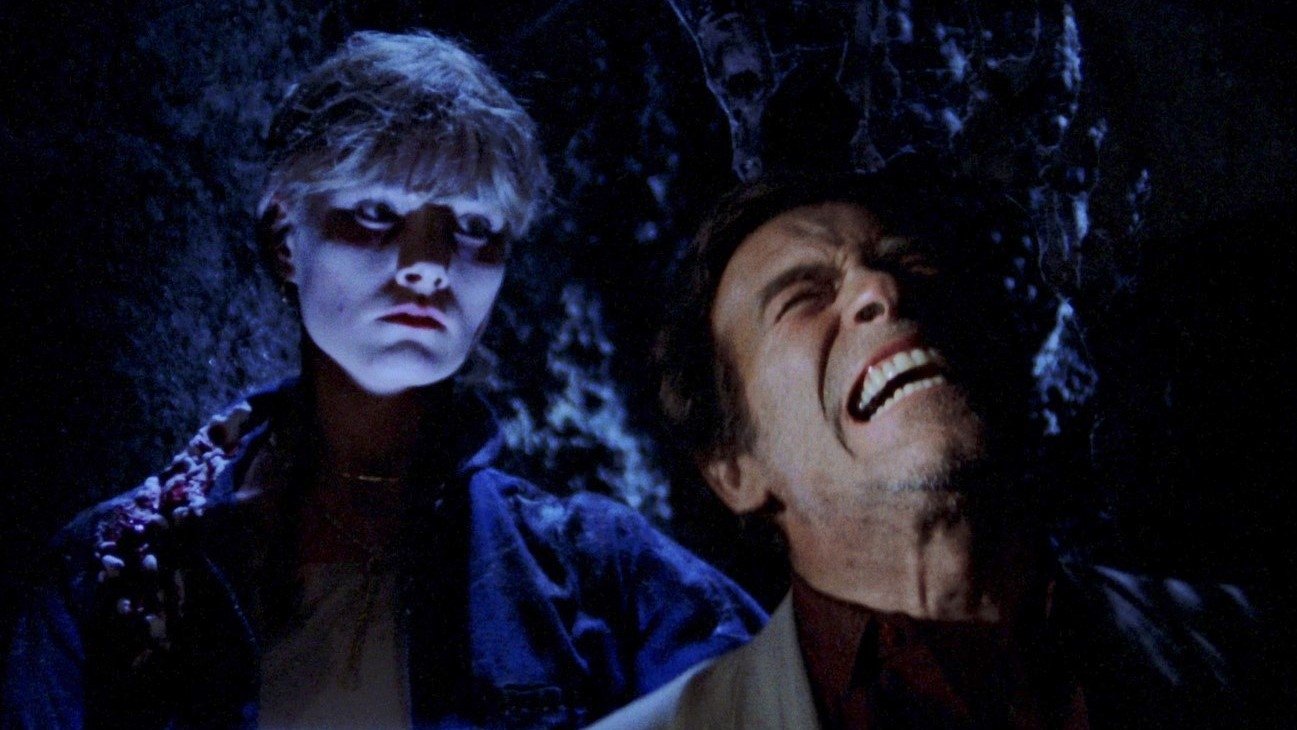
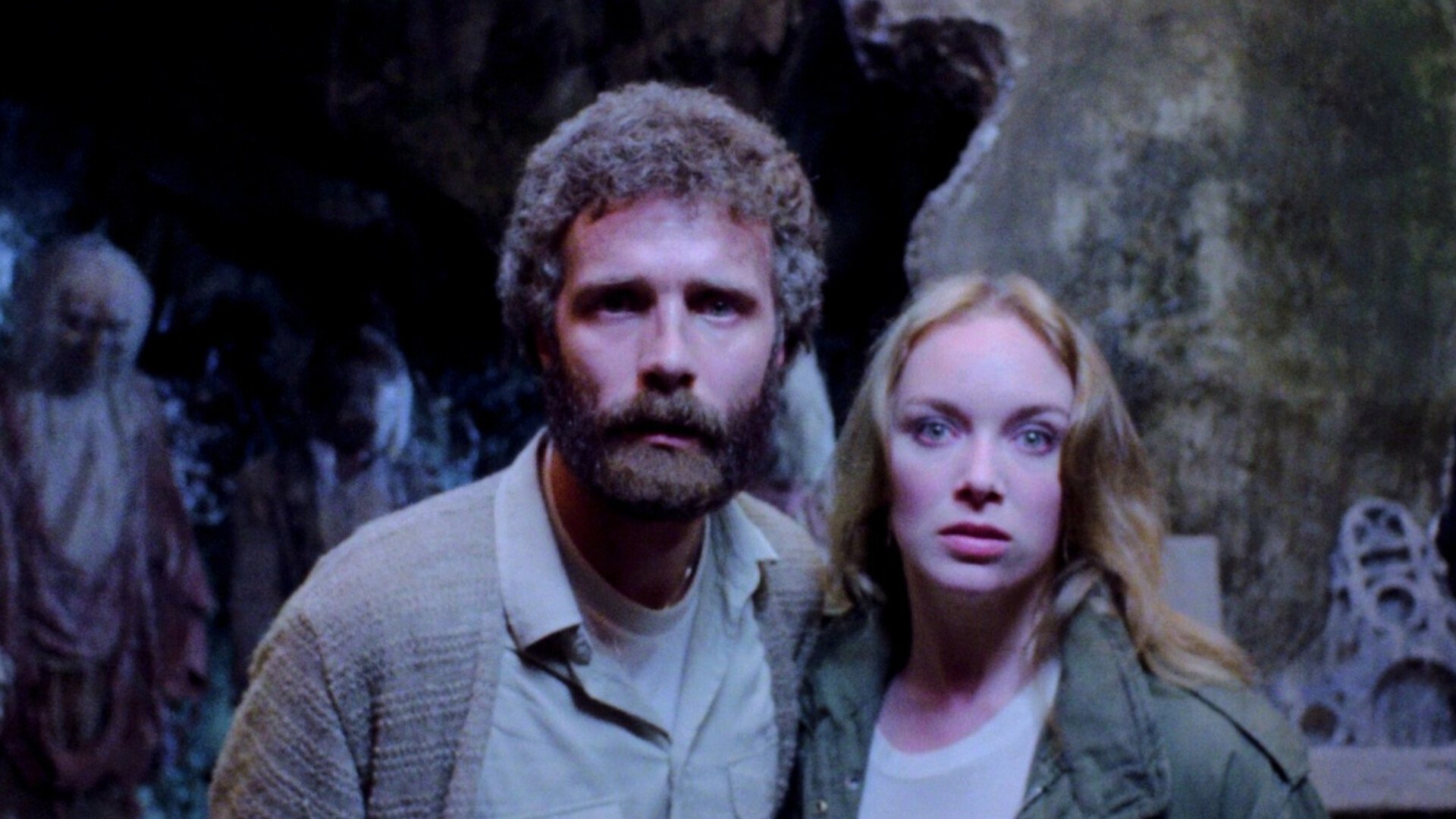
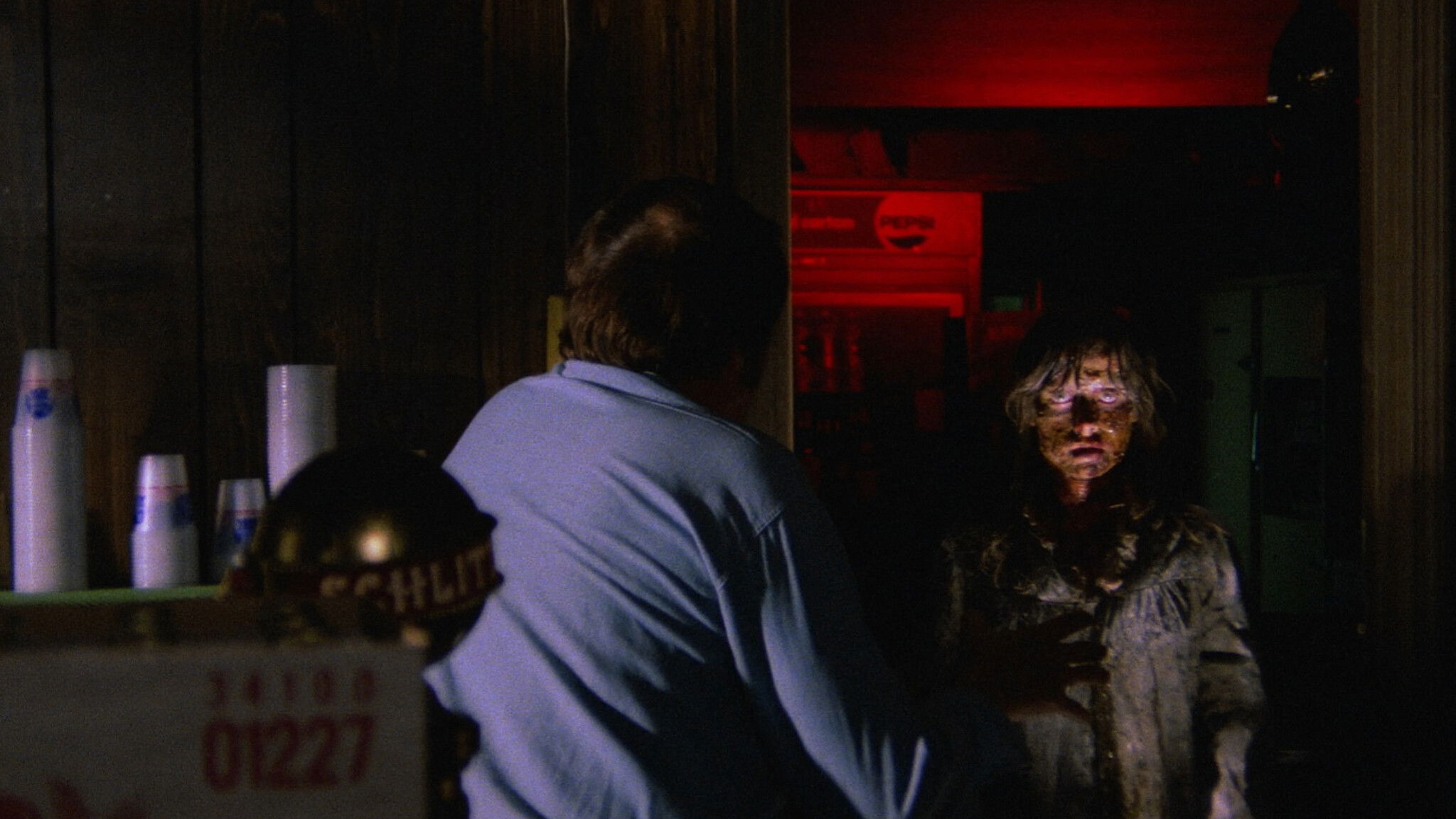
Dunwich gradually becomes a place in which distance and continuity lose meaning. Father Thomas can materialize before victims without crossing the intervening space, the dead emerge in locations where normal physical access is irrelevant, and visions provide Mary with knowledge of a town she has never visited. The characters continue searching for explanations because that is how rational people respond to danger, yet the structure increasingly demonstrates the inadequacy of explanation. What matters is not why every supernatural event occurs, but the growing recognition that the world has entered a state where such events are possible.
This approach makes City of the Living Dead an important bridge between the relatively direct zombie mechanics of Zombie Flesh Eaters and the radical spatial instability of The Beyond. Fulci's zombies remain physically grotesque, but they no longer need a biological or folkloric explanation. They belong to a supernatural catastrophe whose scale is larger than any individual monster.
Cinematography, Space & the Nightmare City
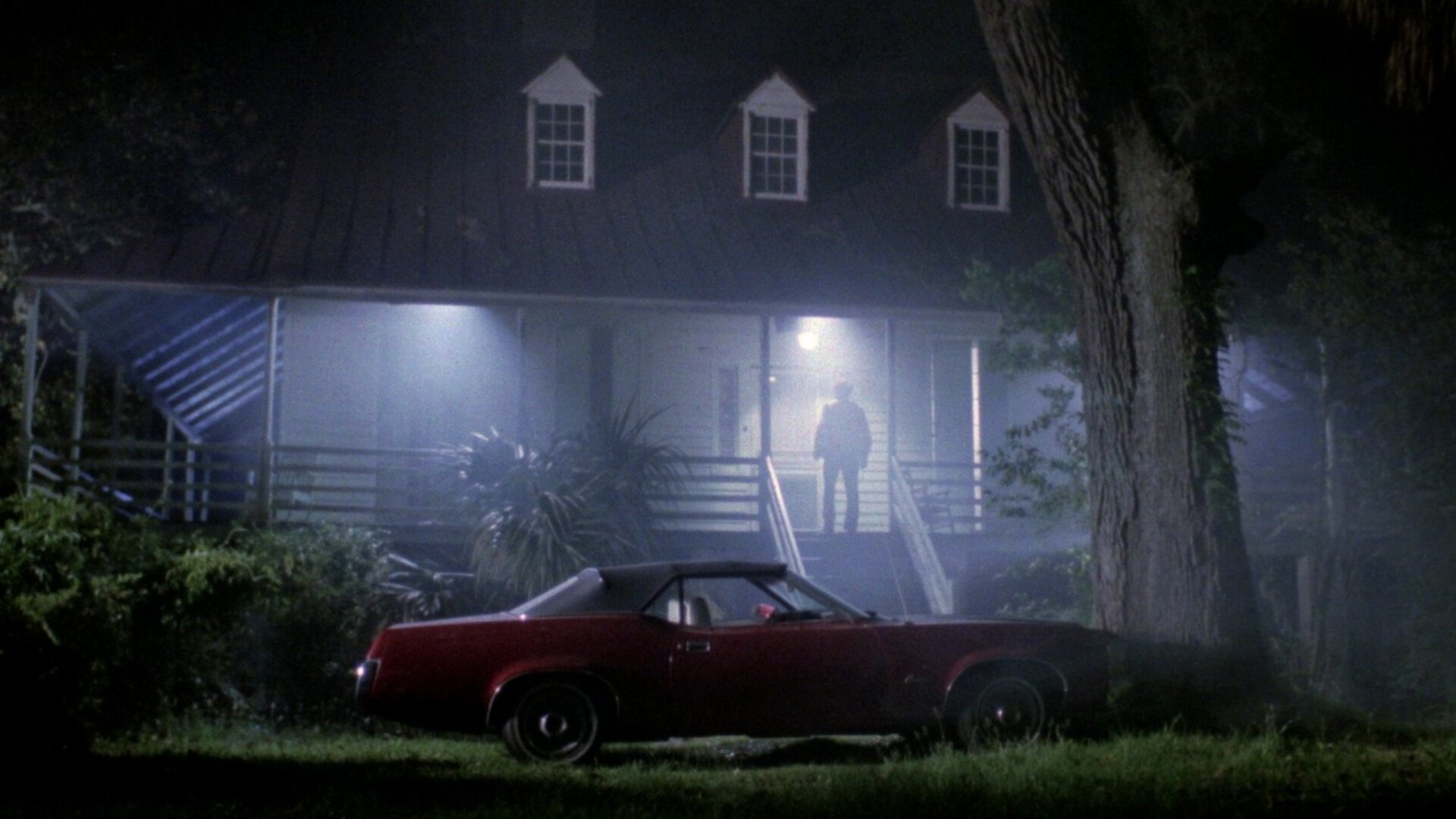
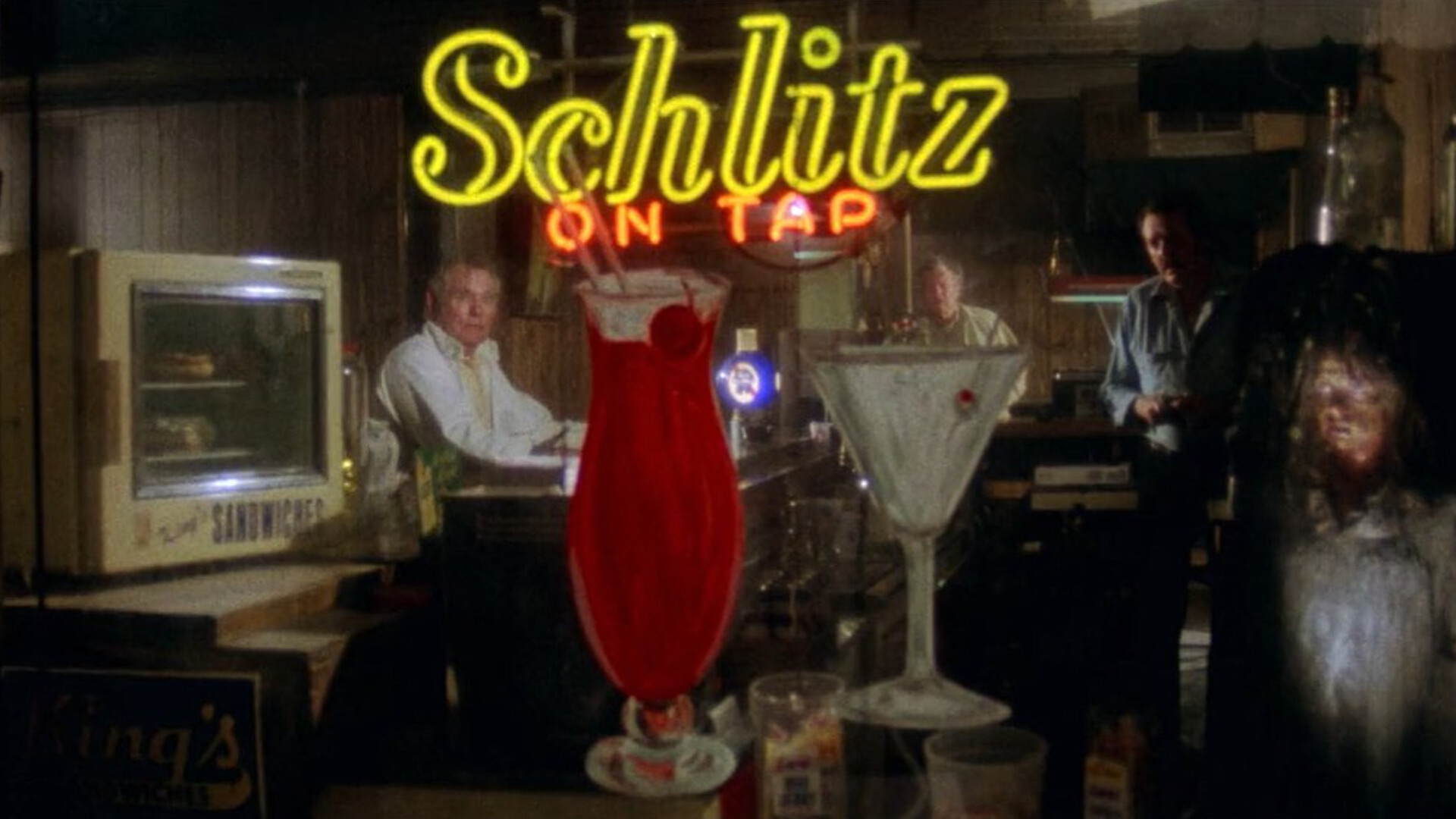
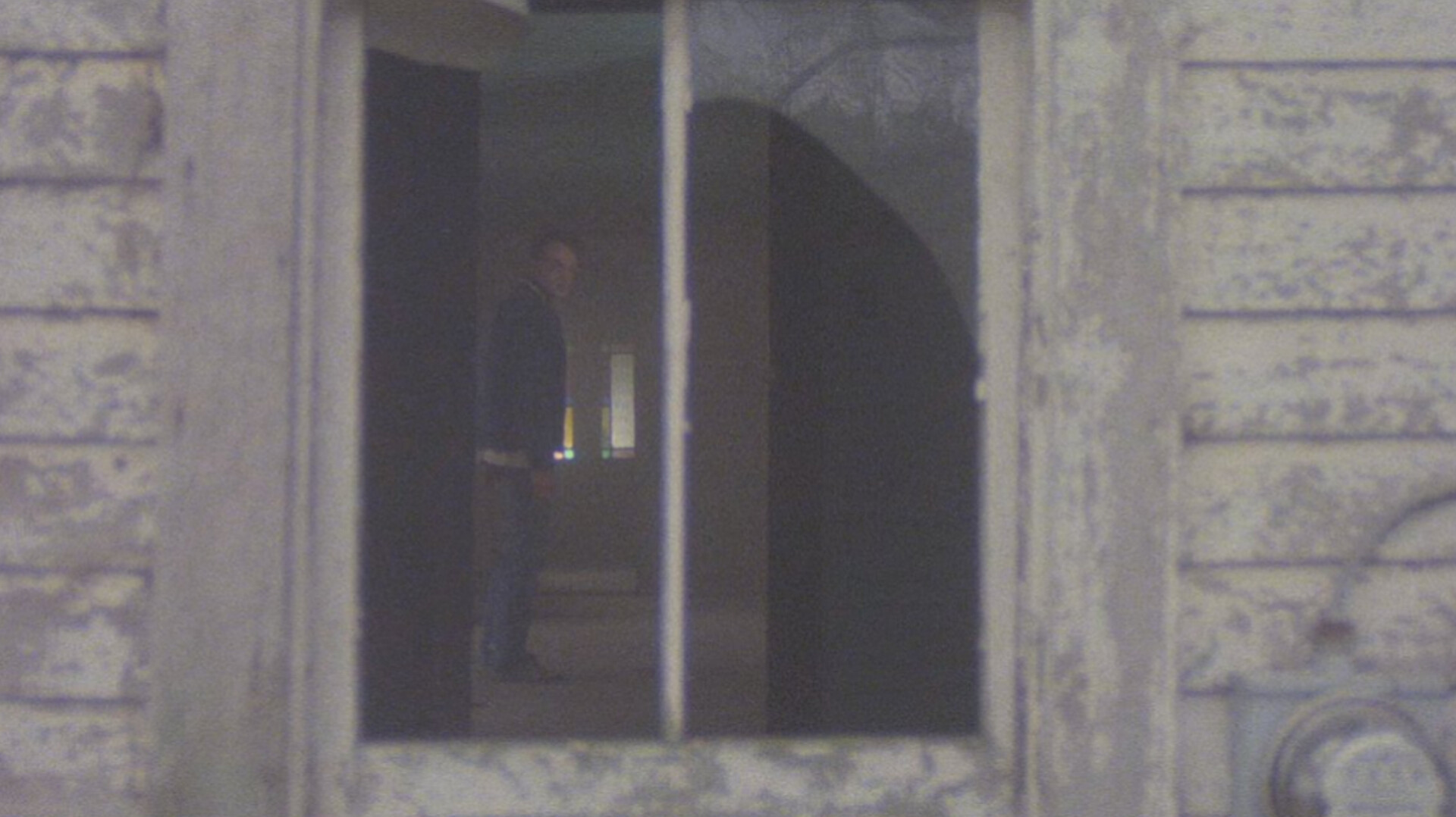
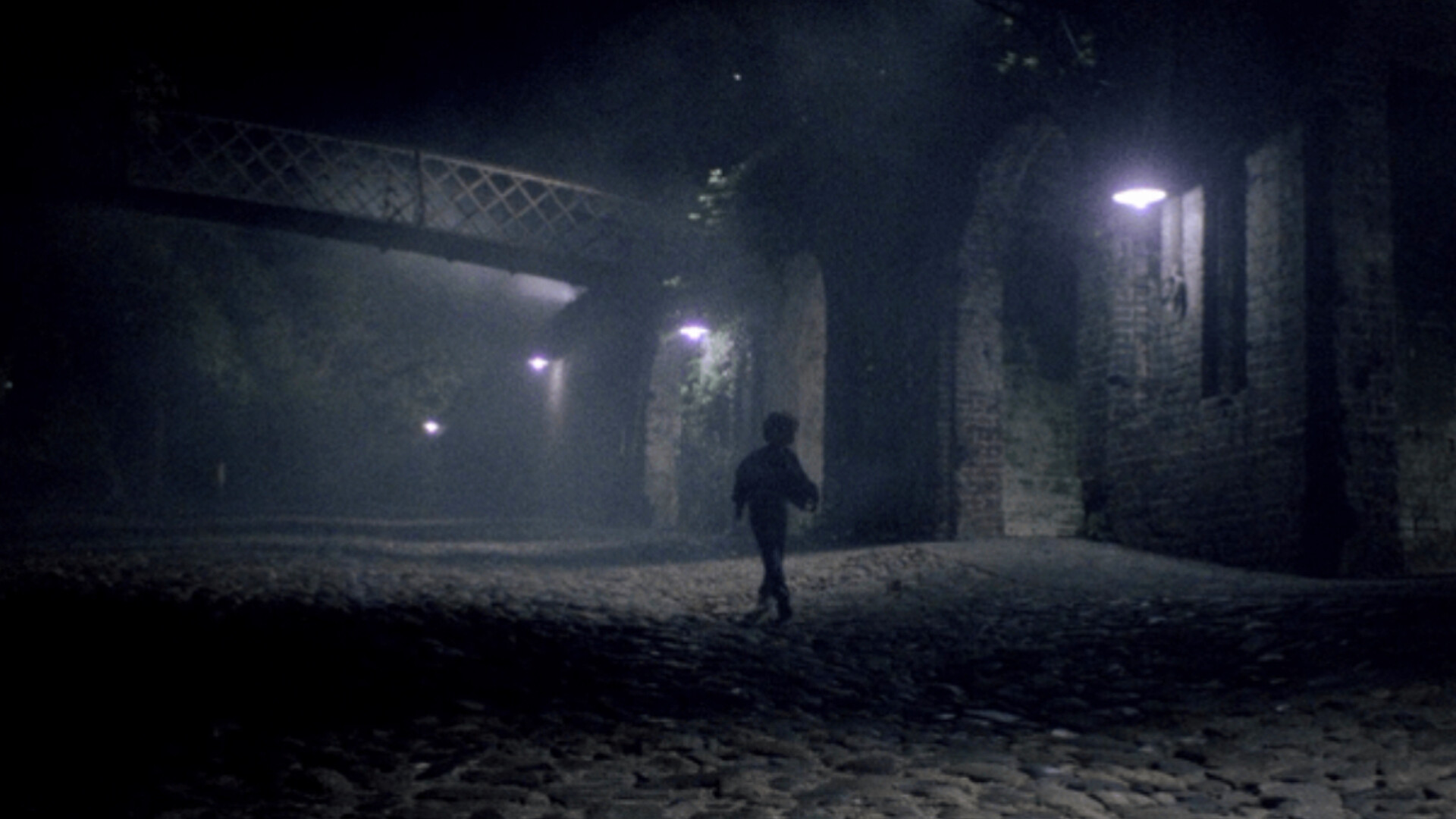
Sergio Salvati's photography gives Dunwich an atmosphere distinct from the tropical decay of Zombie Flesh Eaters and the Louisiana color contrasts of The Beyond. Cemeteries, streets, bars and private houses initially retain recognizable physical organization, but Fulci repeatedly disrupts that stability through sudden close-ups, dense fog, violent changes of perspective and the intrusion of decaying bodies into ordinary spaces. The town gradually stops functioning as a map and begins to function as a collection of nightmare locations.
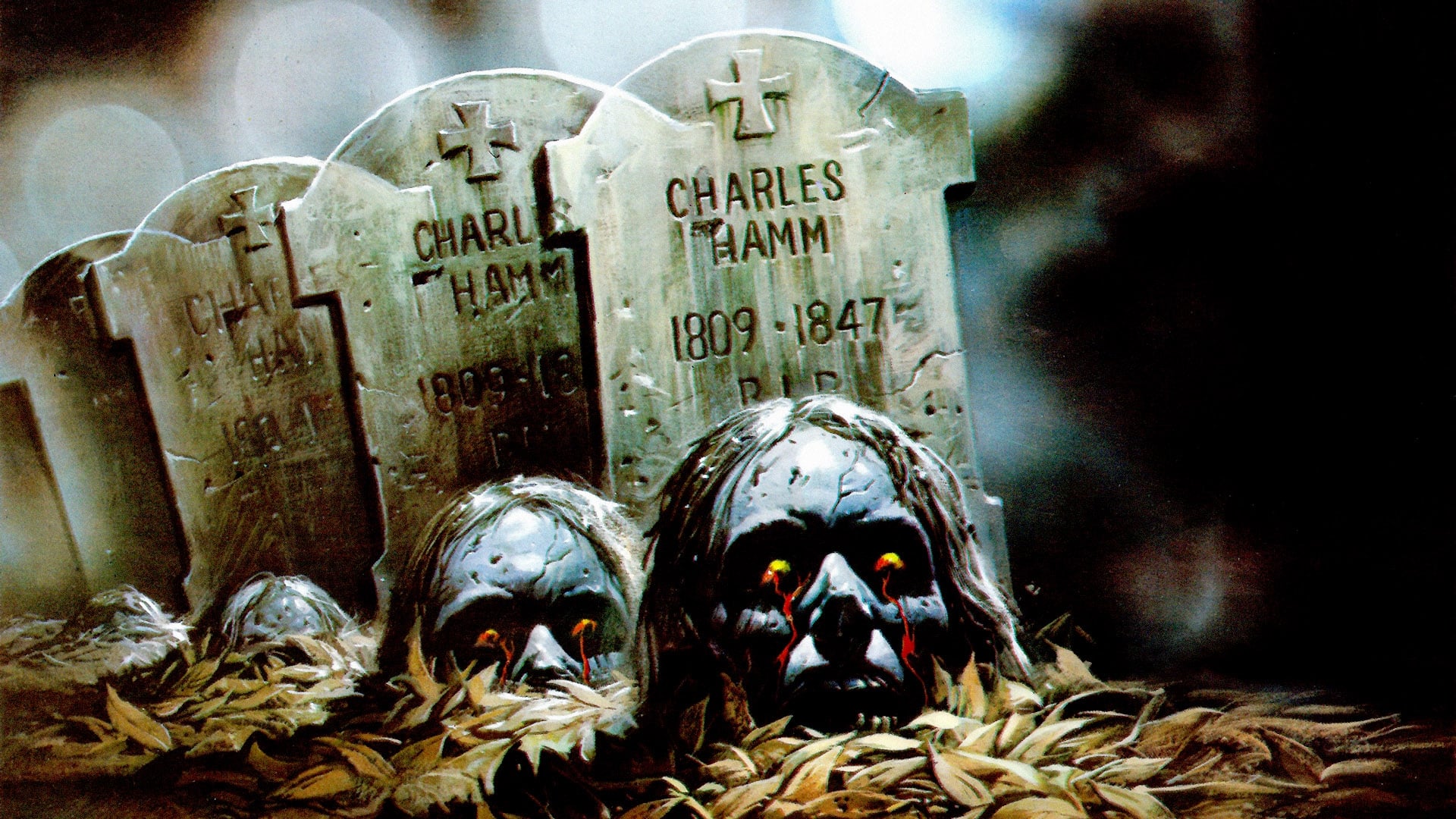
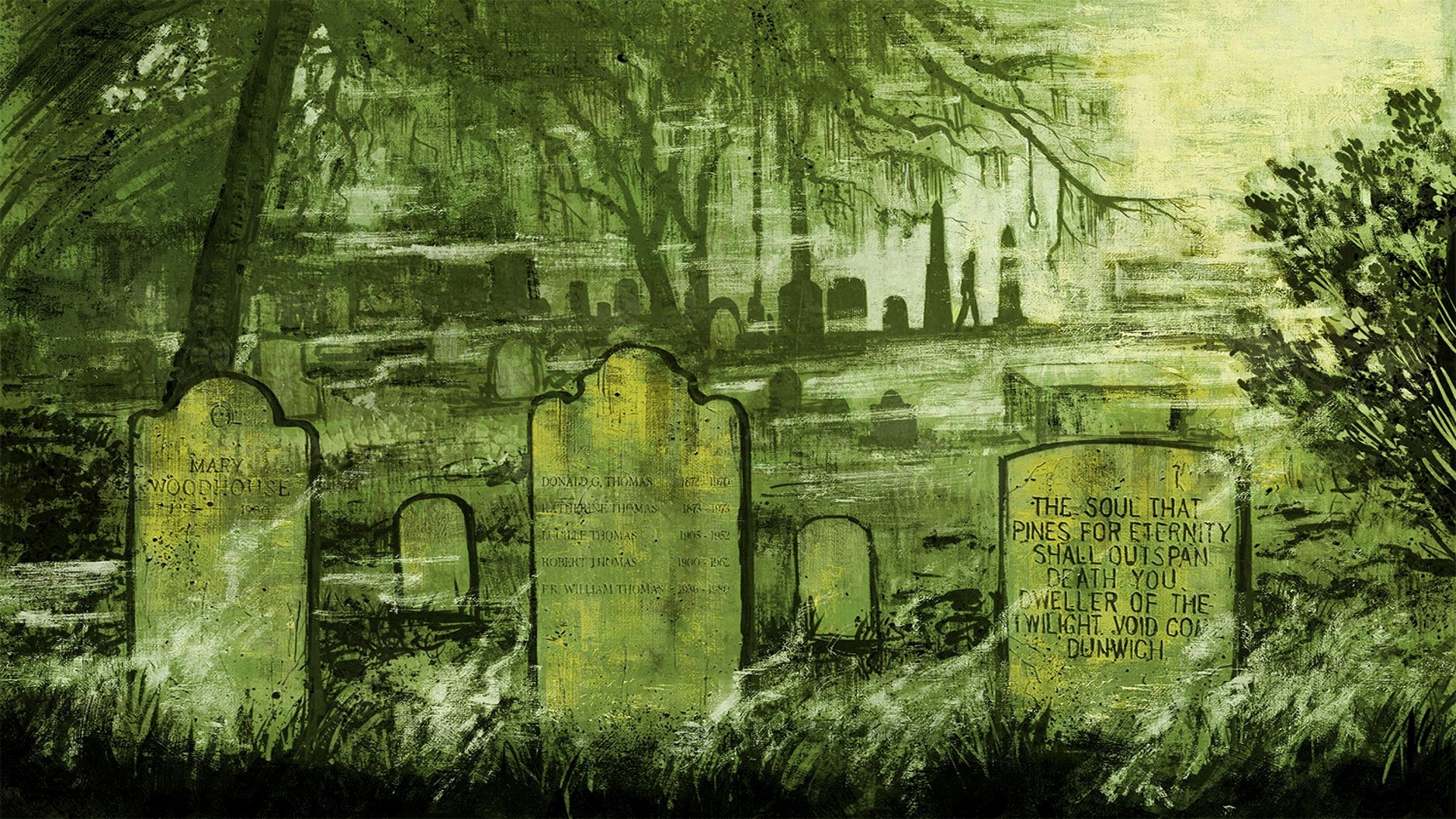
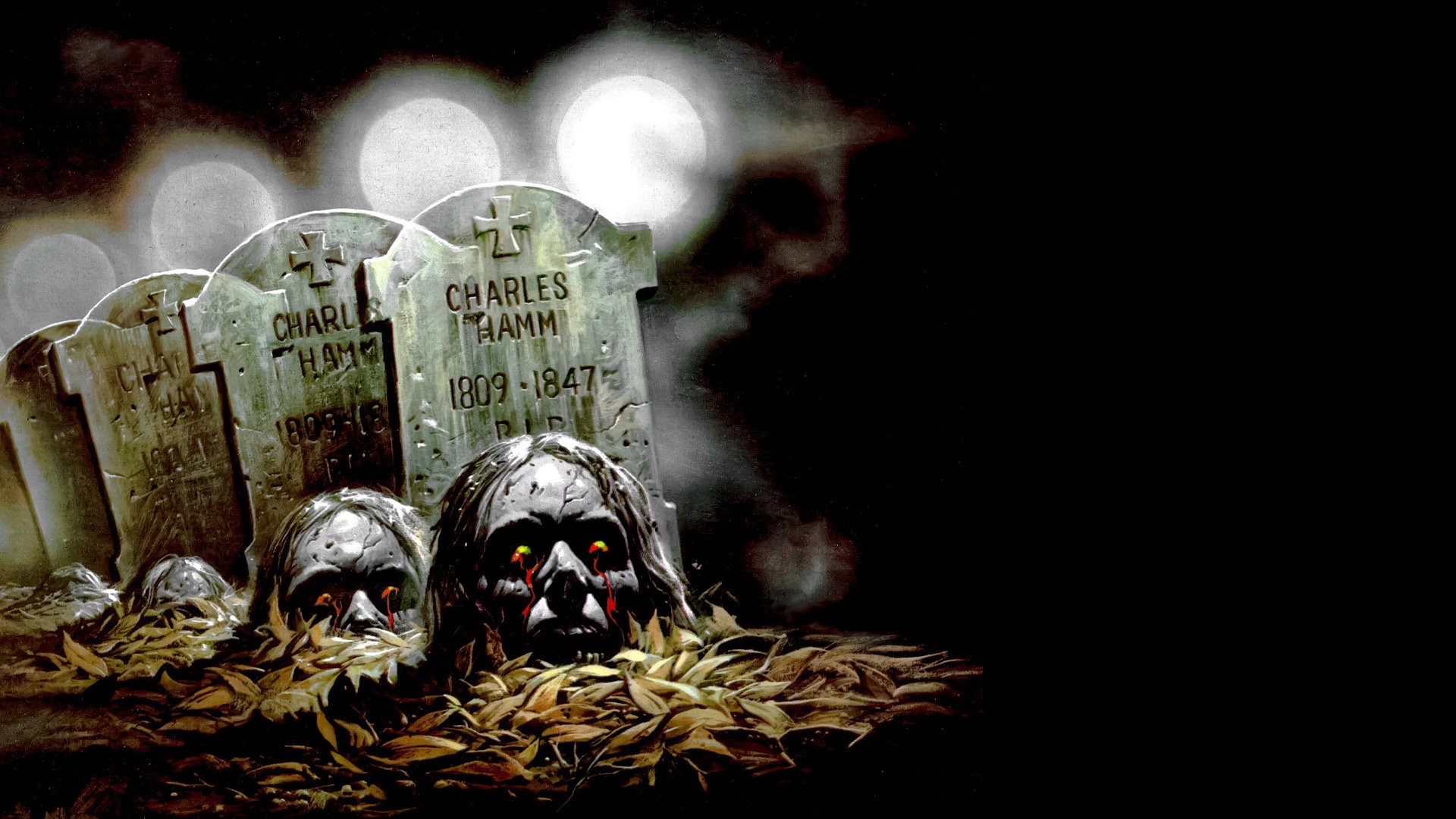
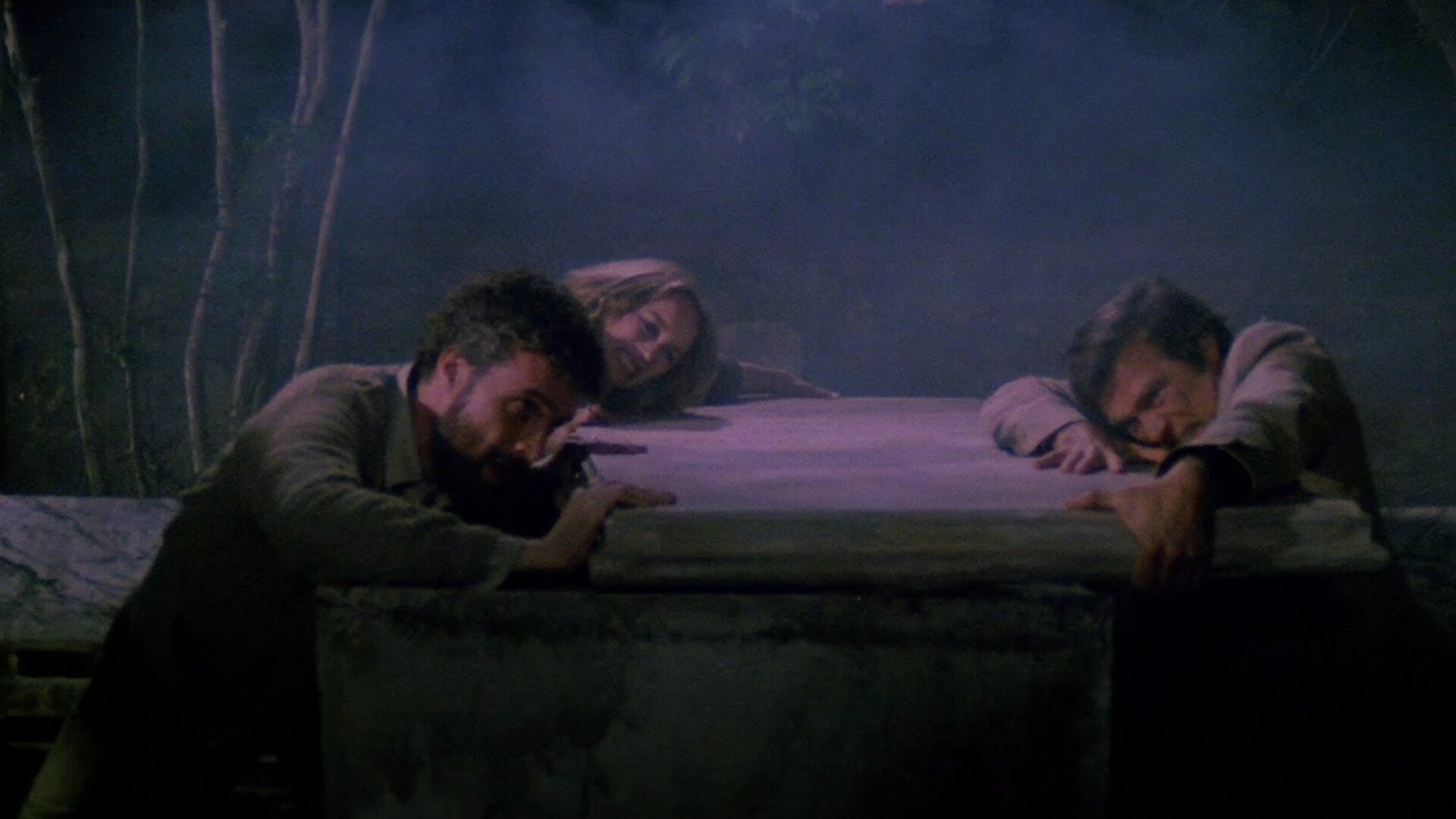
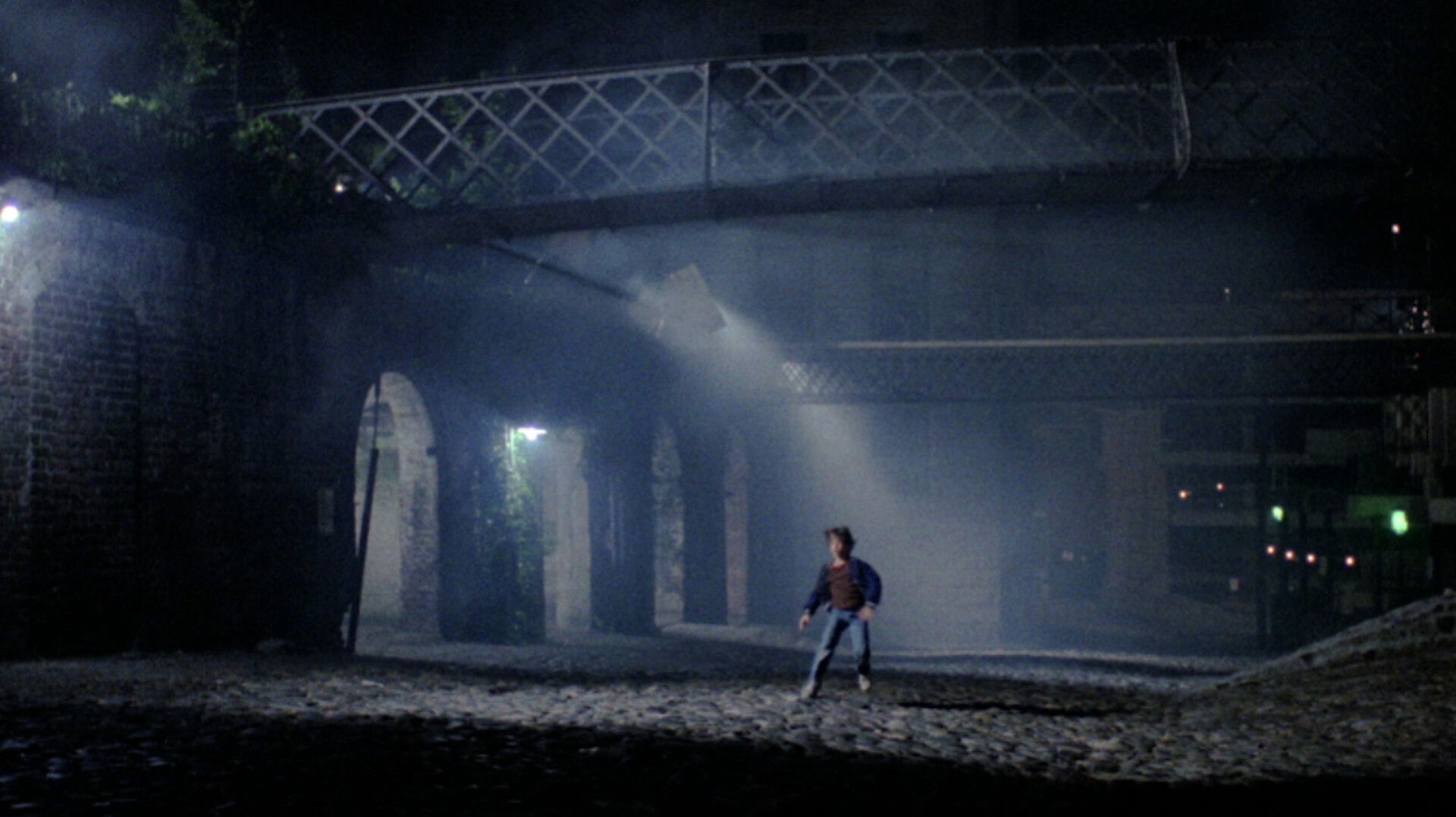
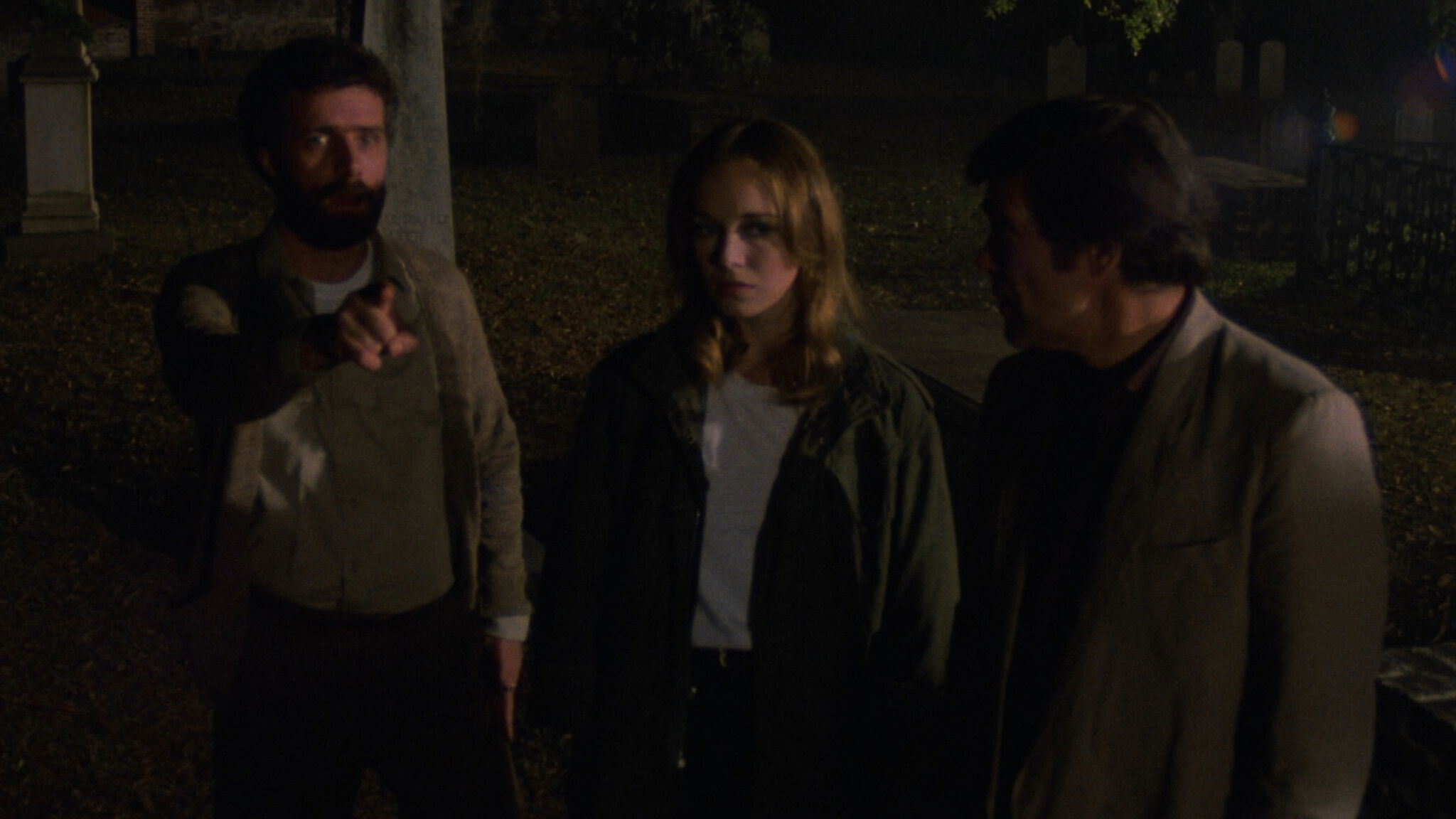
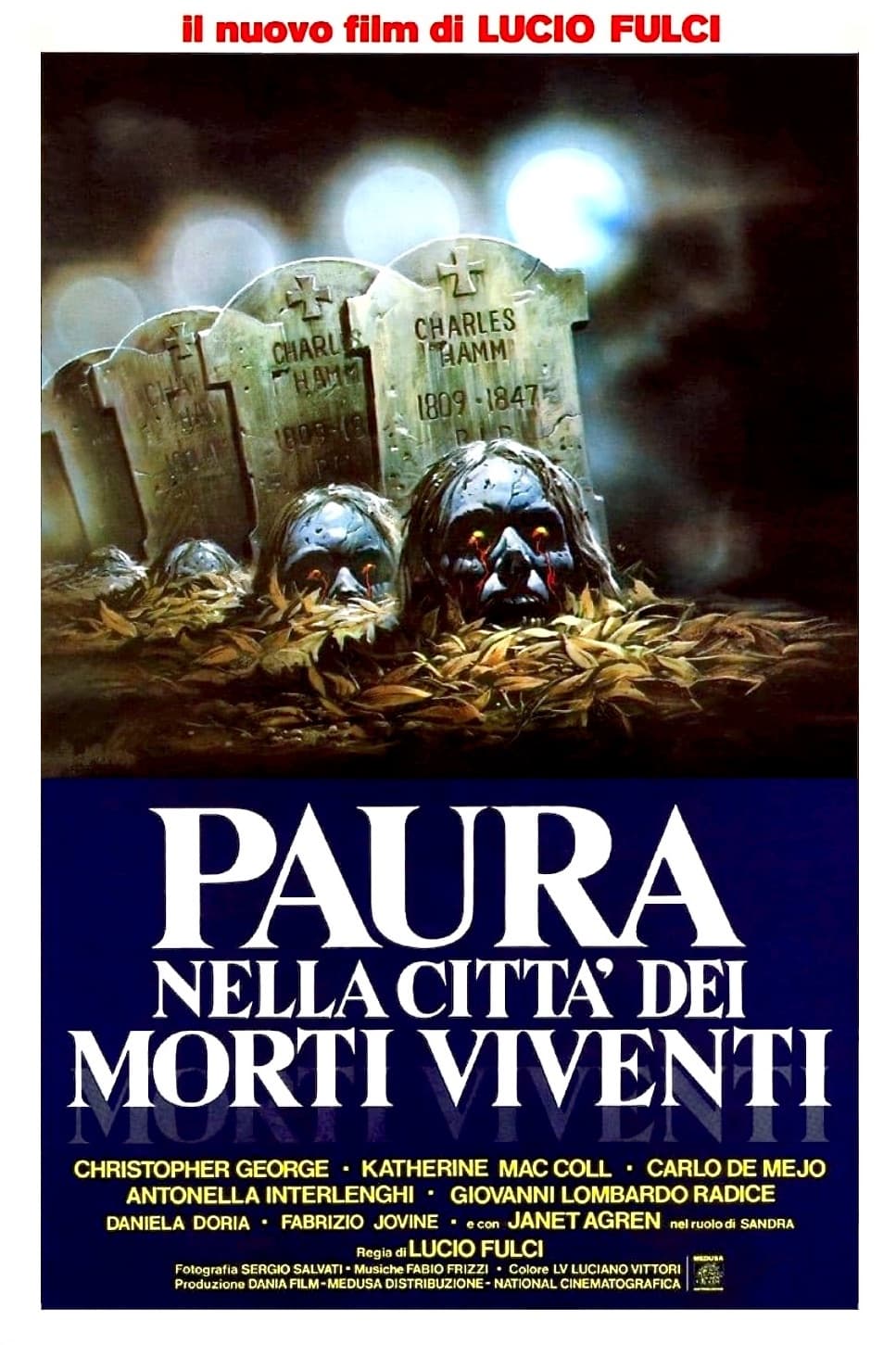
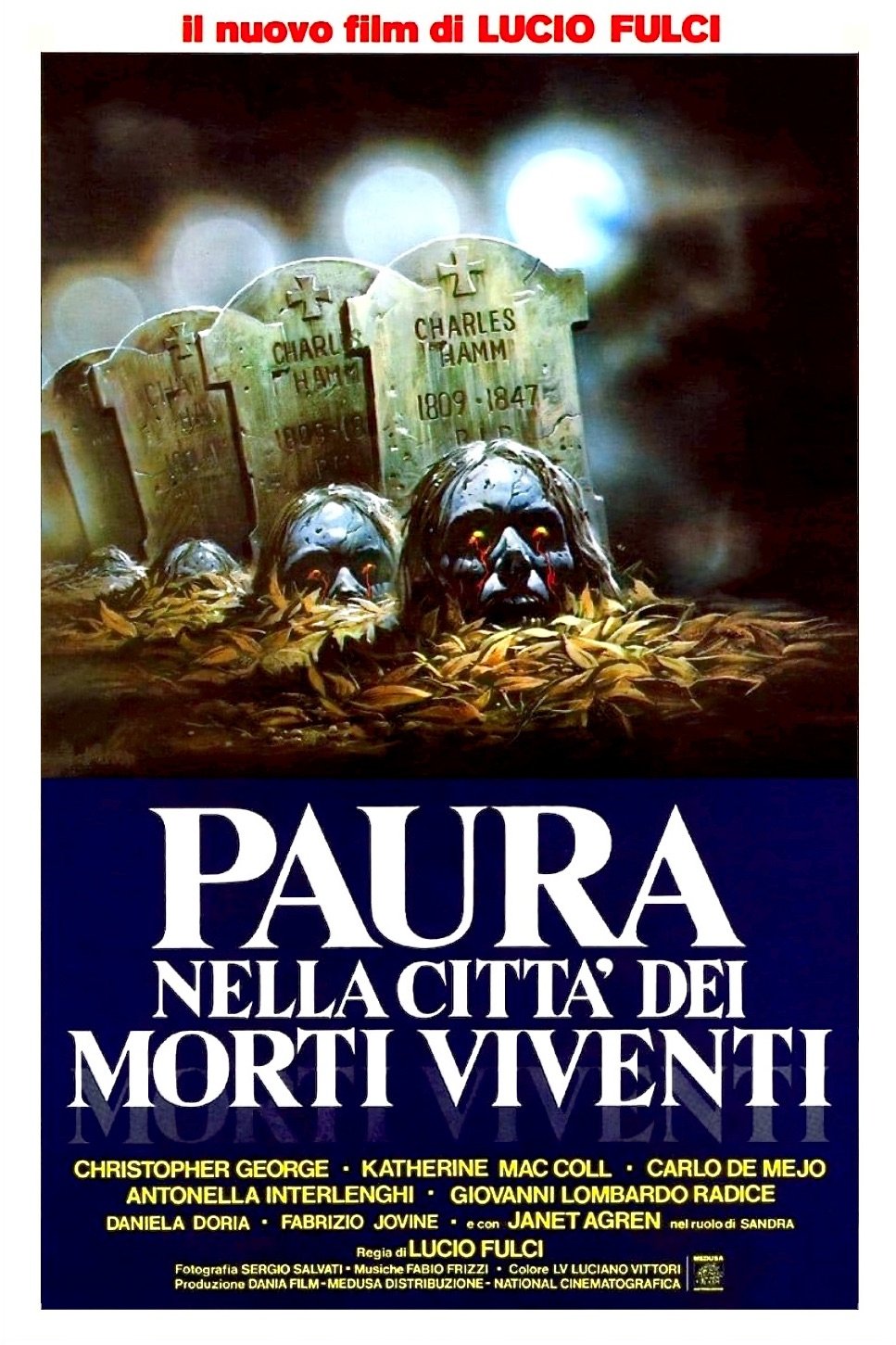
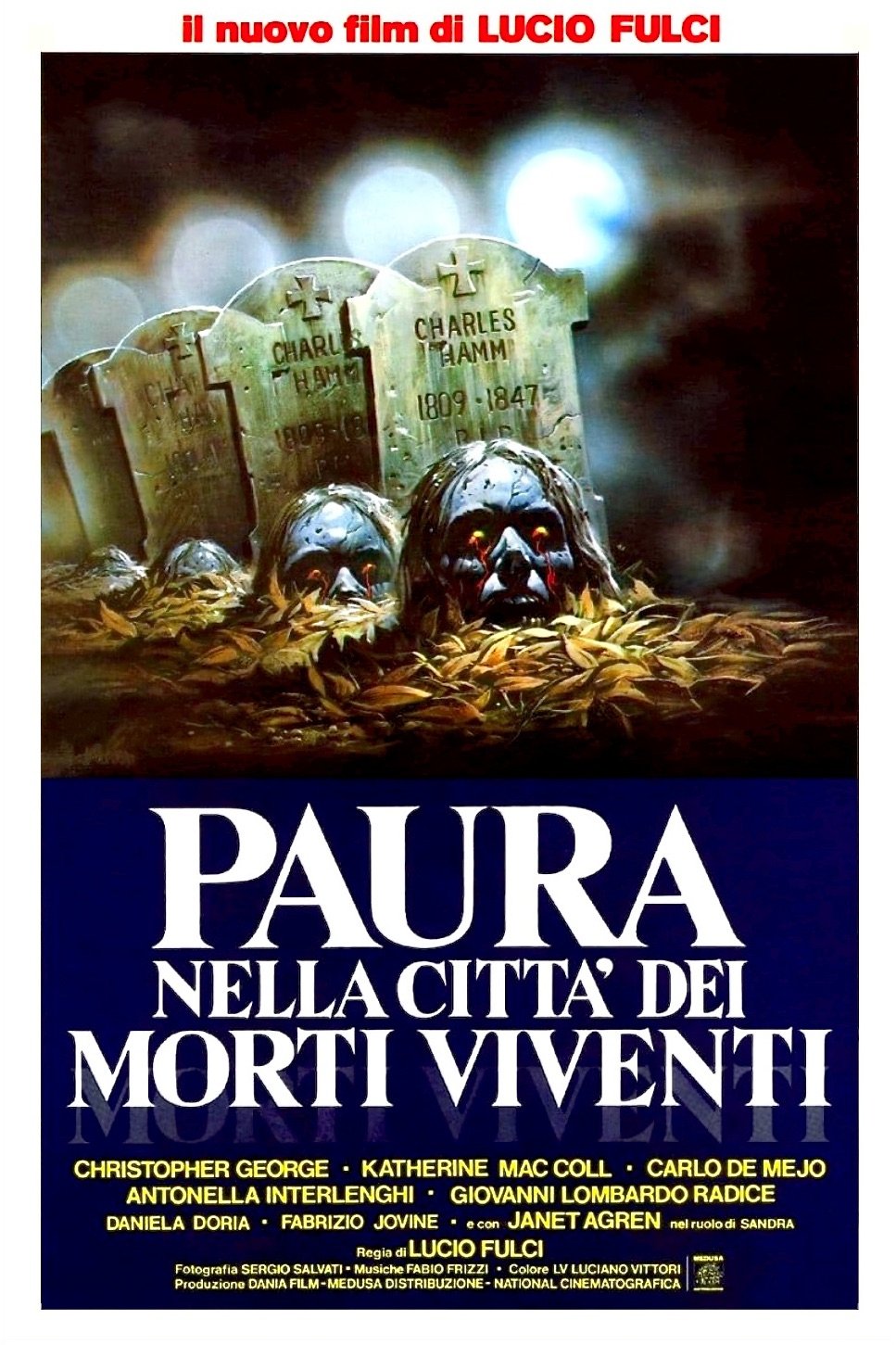
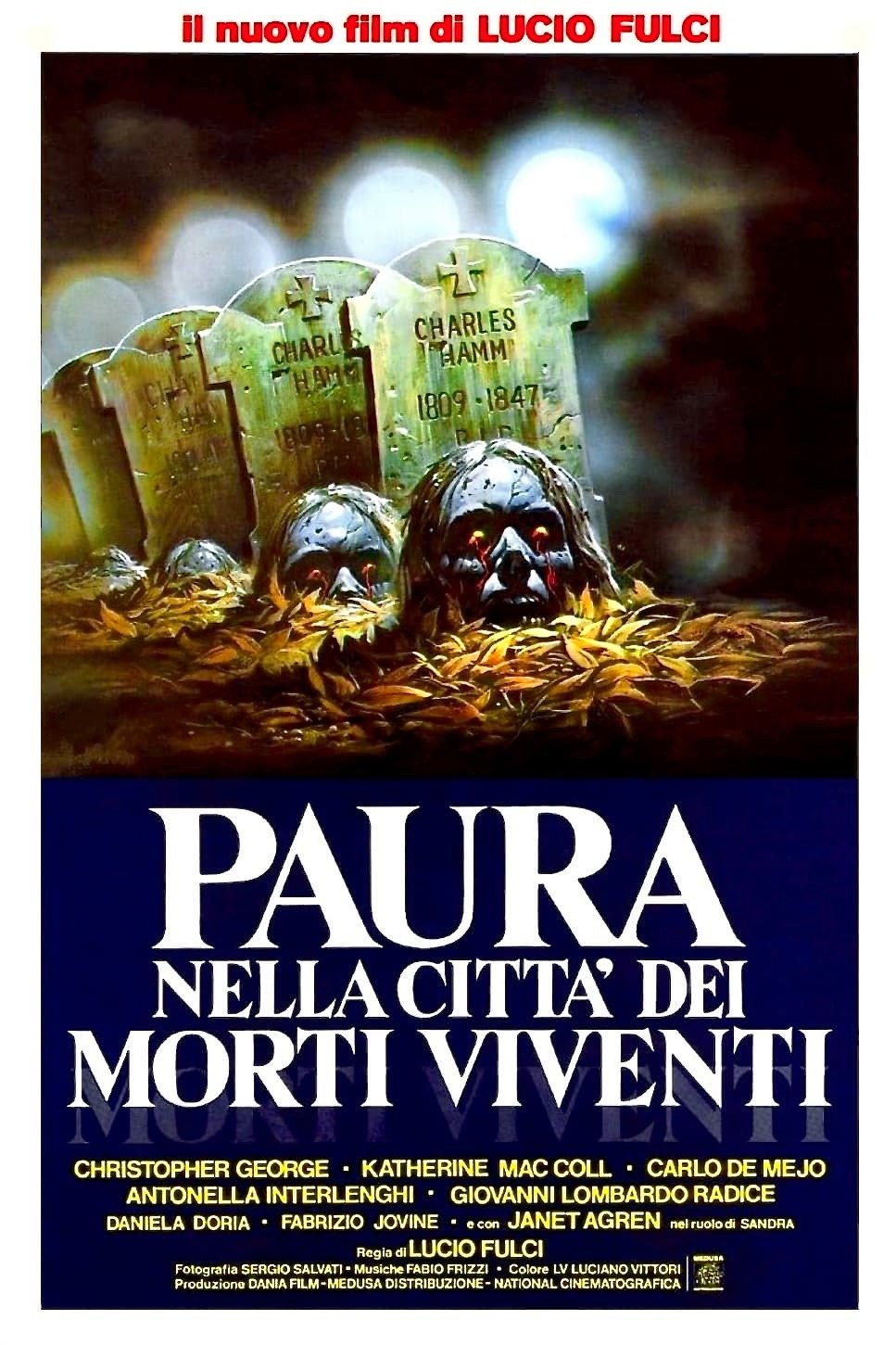
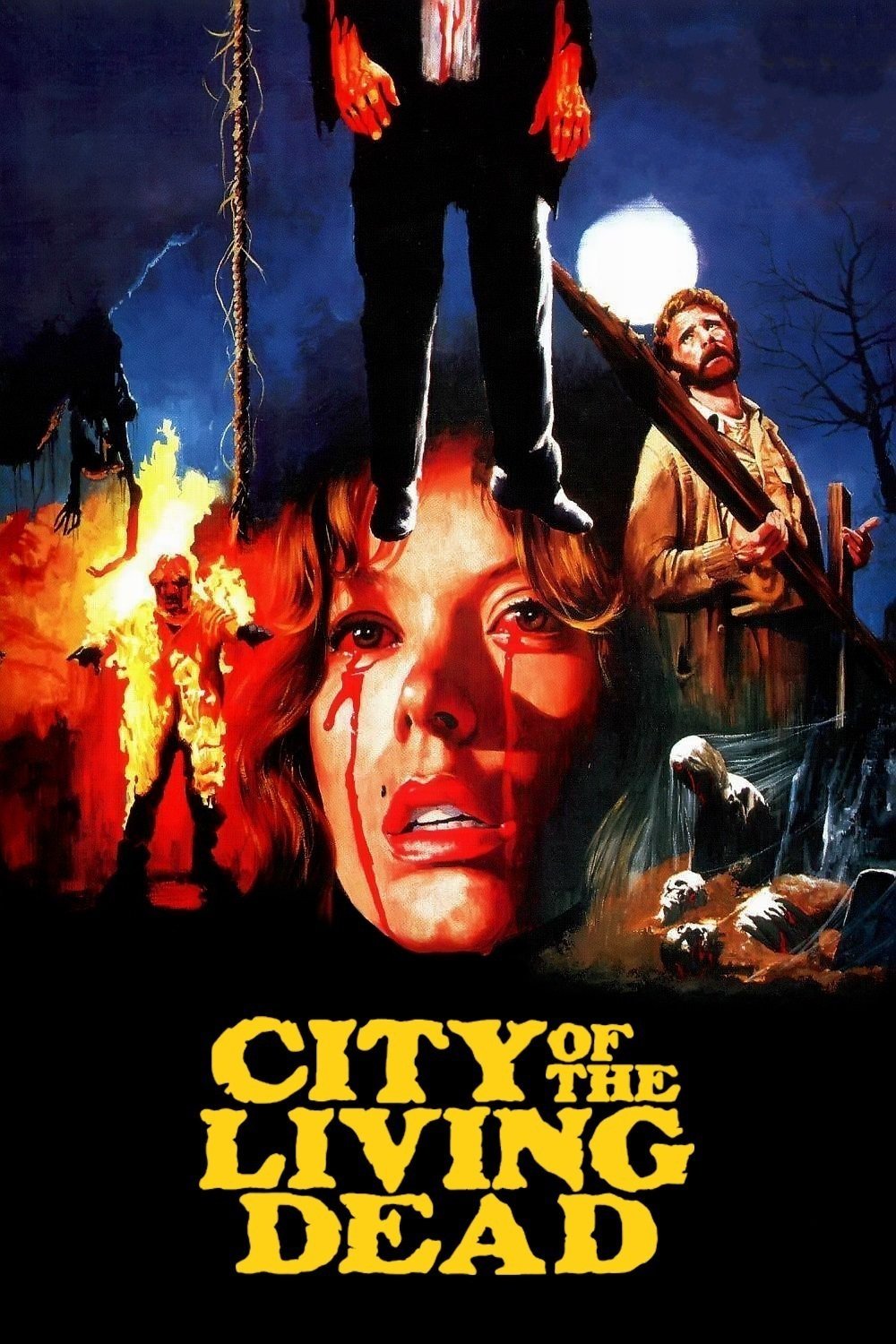
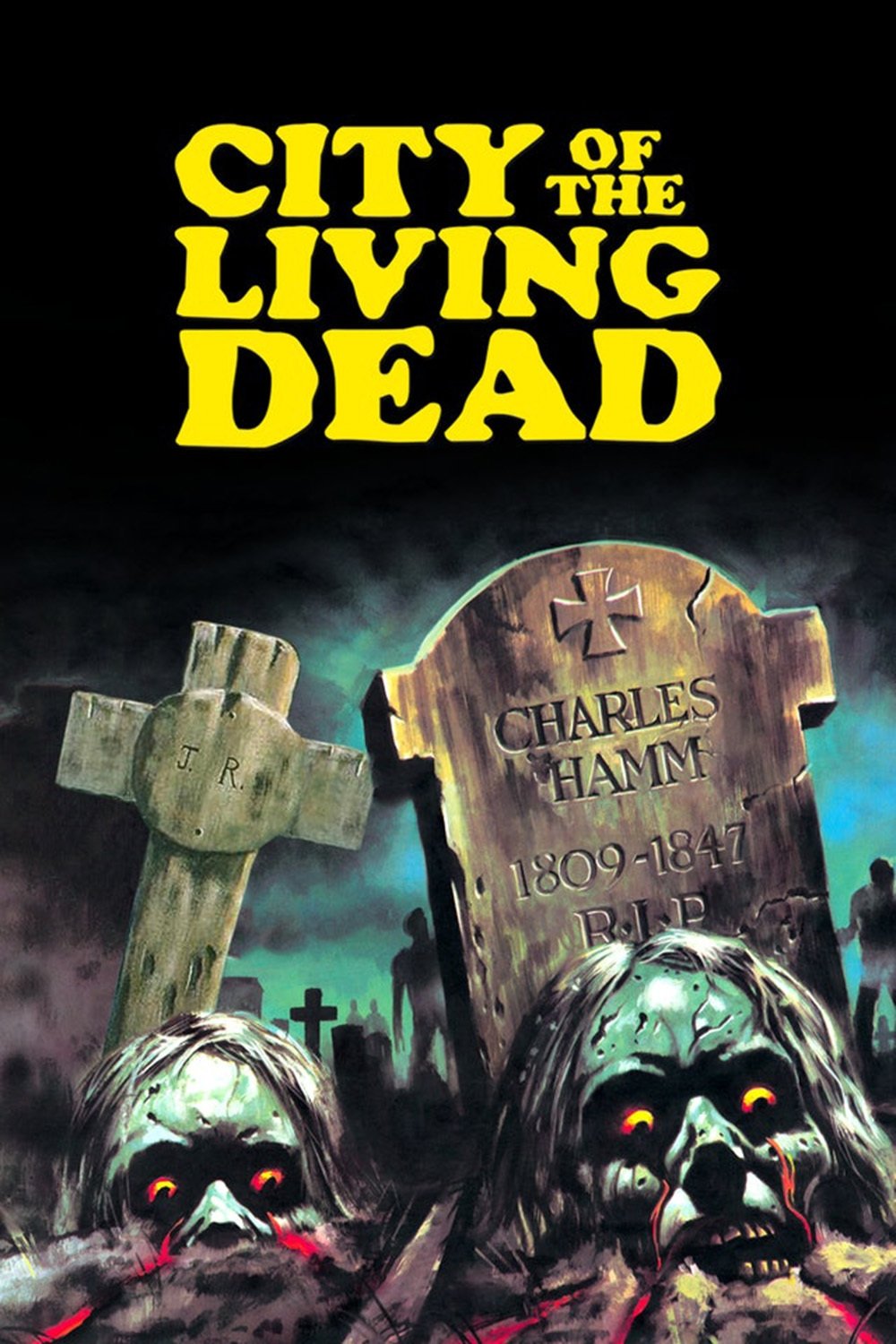
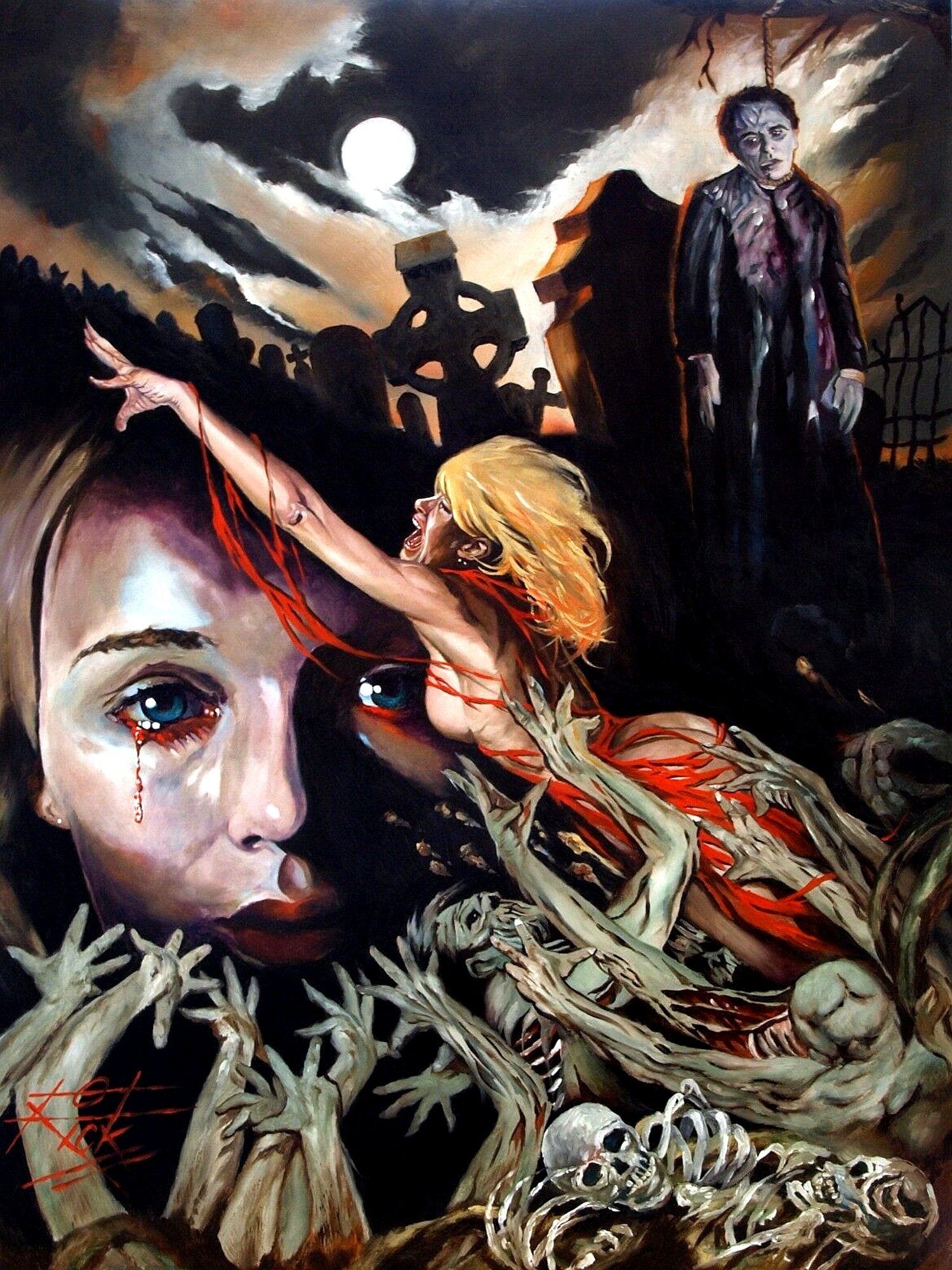
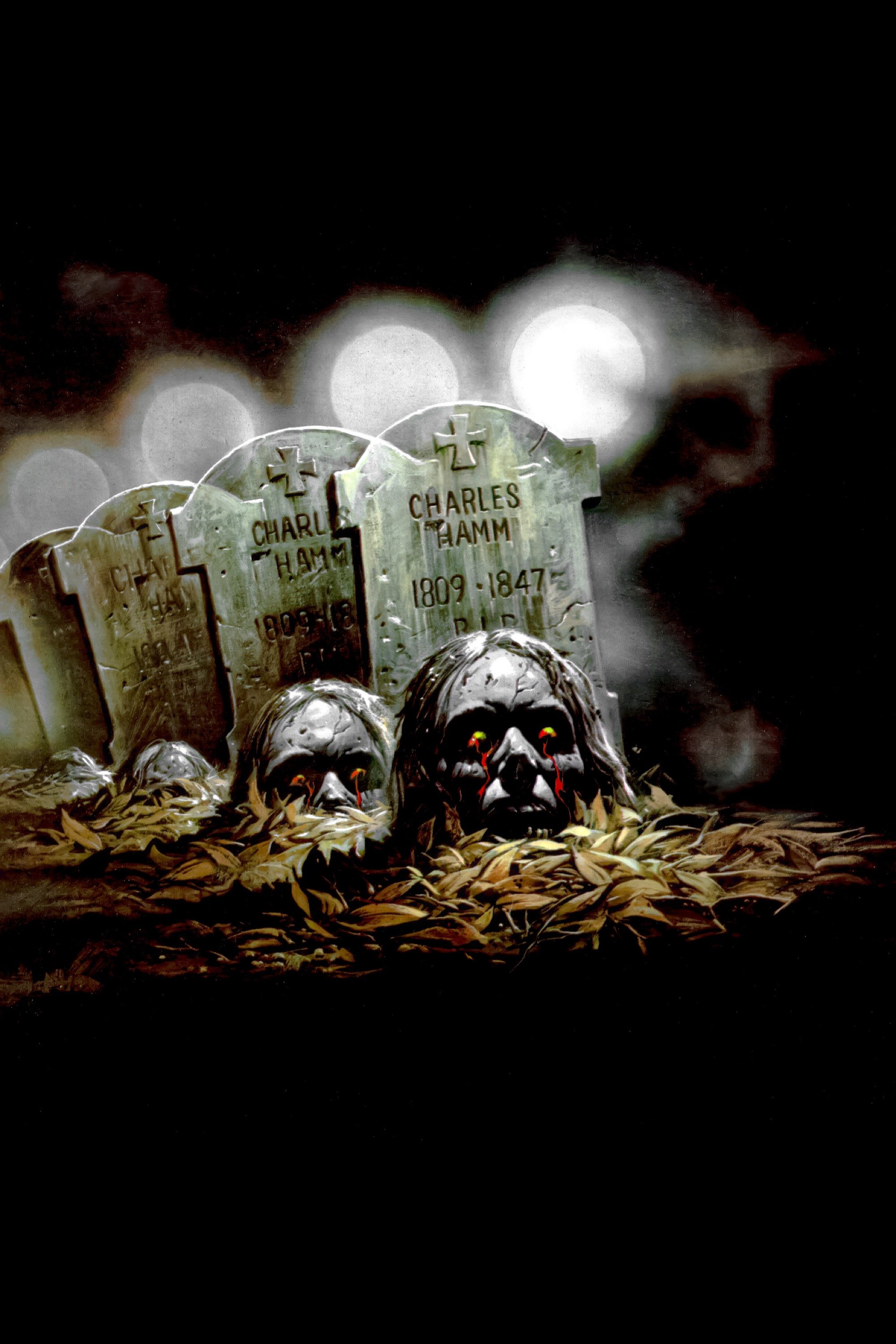
Fulci later explained that he wanted the American town to become unreal enough that the audience could no longer confidently identify it. This approach can be seen in the cemetery sequences, where drifting fog, graves and the recurring image of the hanging priest reduce the landscape to a few ominous elements. The film does not need to establish exactly how the cemetery relates geographically to the houses or streets around it. Atmosphere and recurring images hold Dunwich together, while its geography remains deliberately unstable.
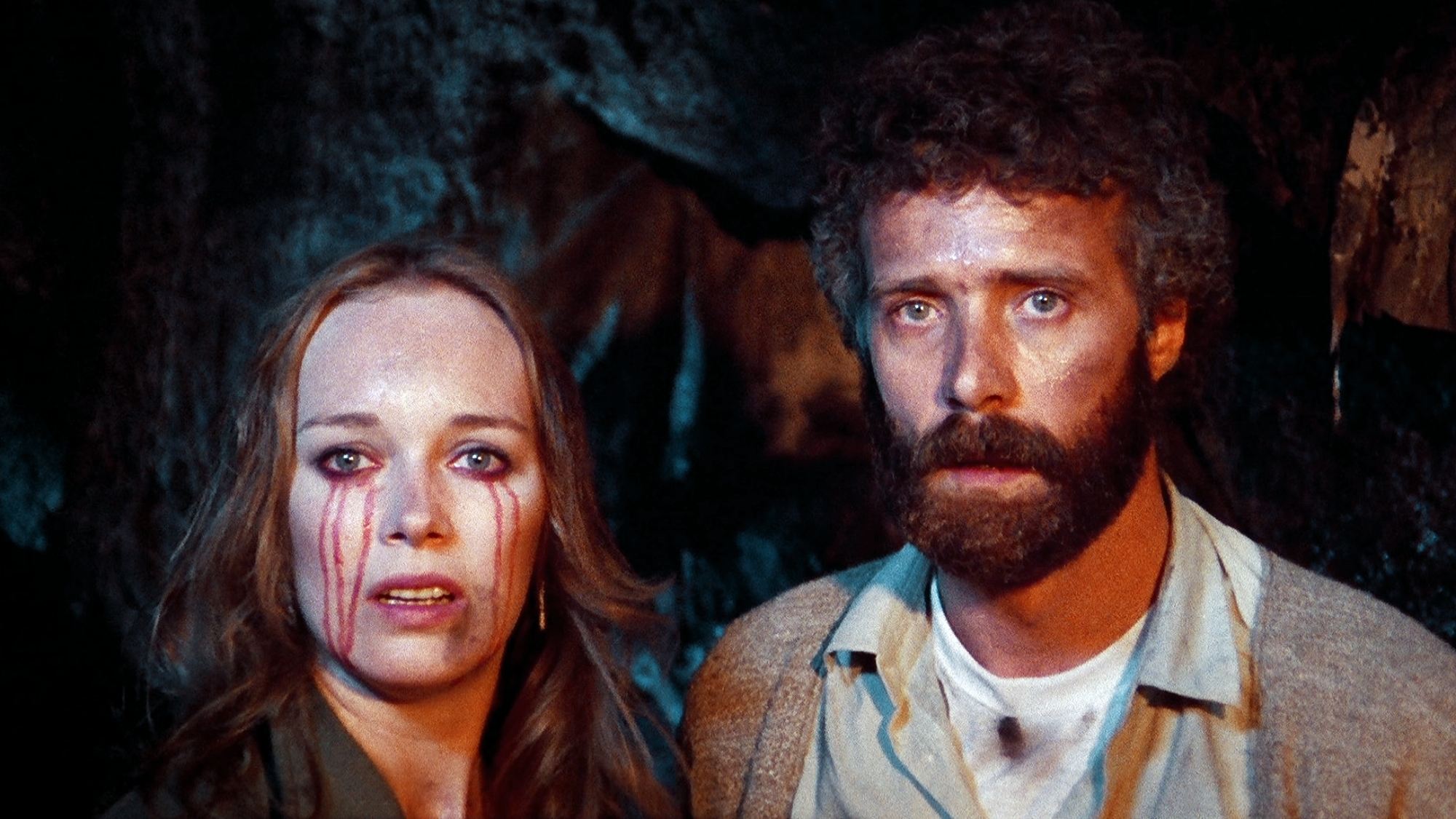
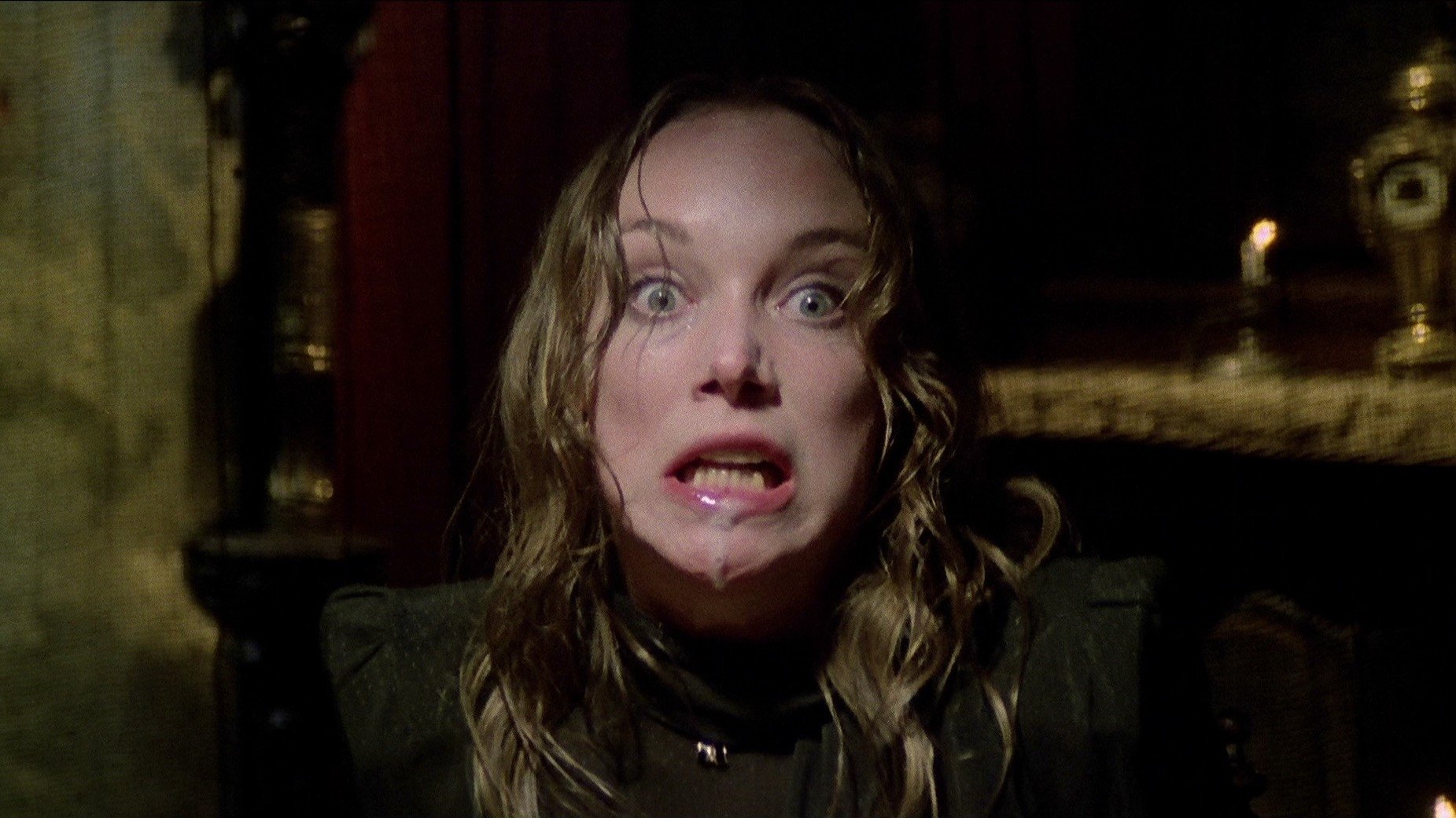
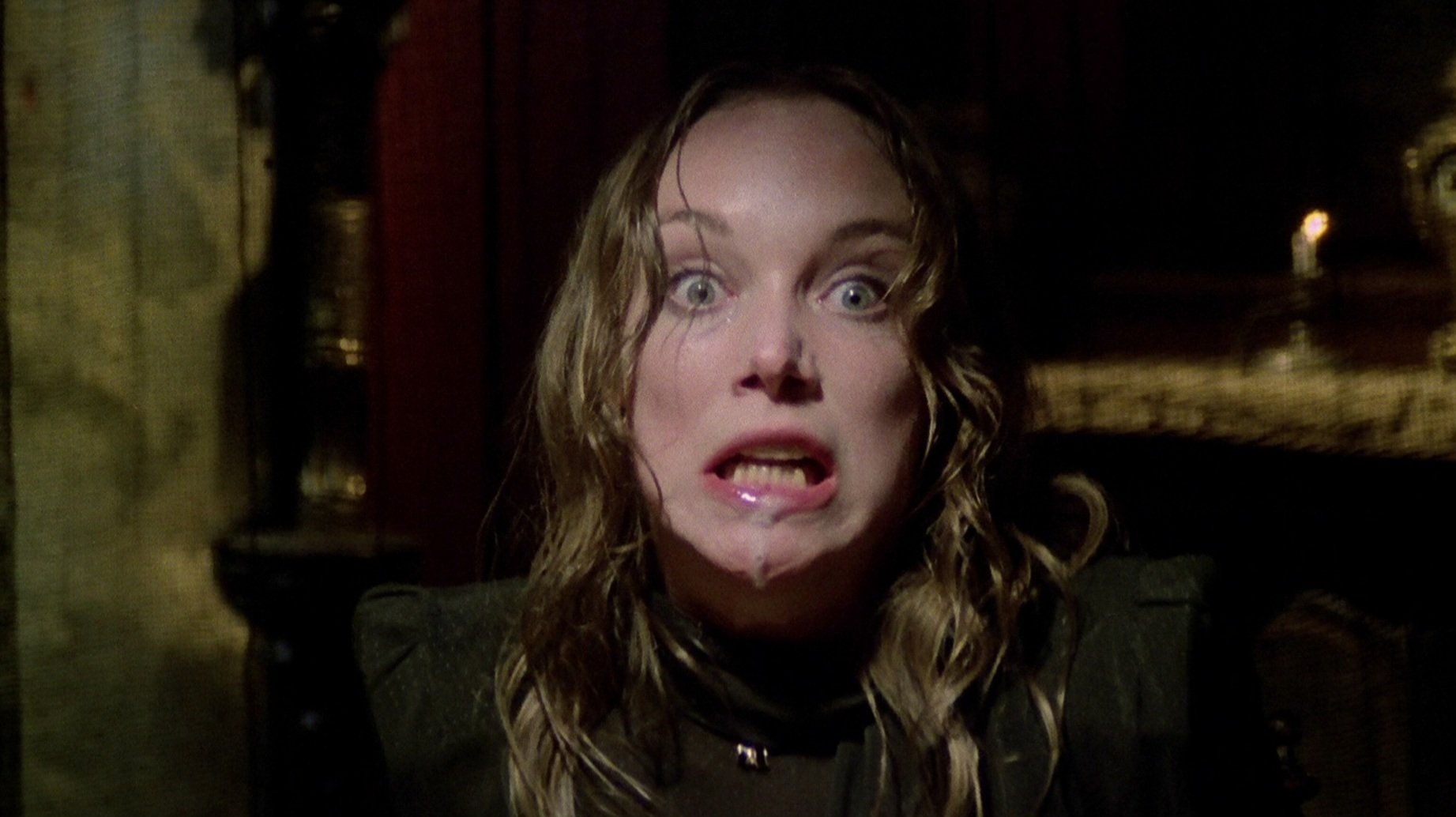
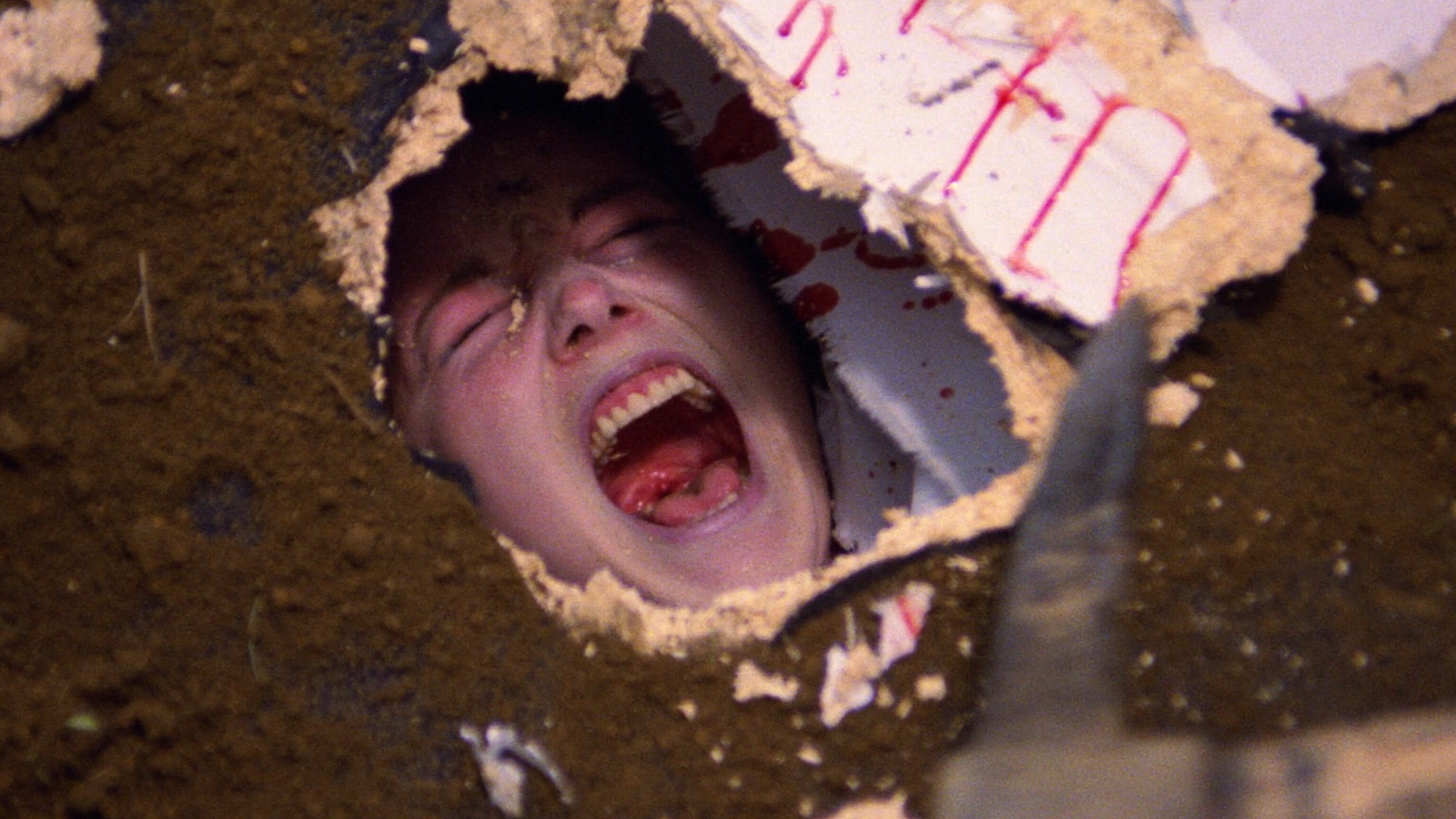
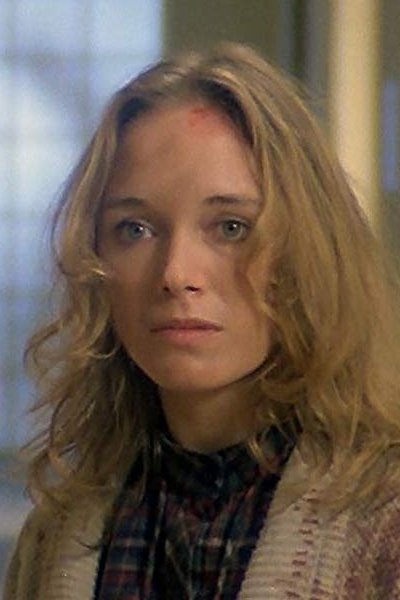
The premature-burial sequence provides a very different kind of visual horror. Mary awakens inside a coffin, and Fulci temporarily abandons supernatural spectacle for an intensely physical fear of confinement. Catriona MacColl later recalled that the exterior material was filmed in New York while the coffin interior was completed in Rome. She repeatedly blinked when Christopher George's pickaxe broke through the lid, prompting an exasperated Fulci to climb into the coffin himself and demonstrate the shot. The anecdote illustrates the director's physical approach to filmmaking, but the finished sequence matters because it proves that he could create sustained suspense without gore.
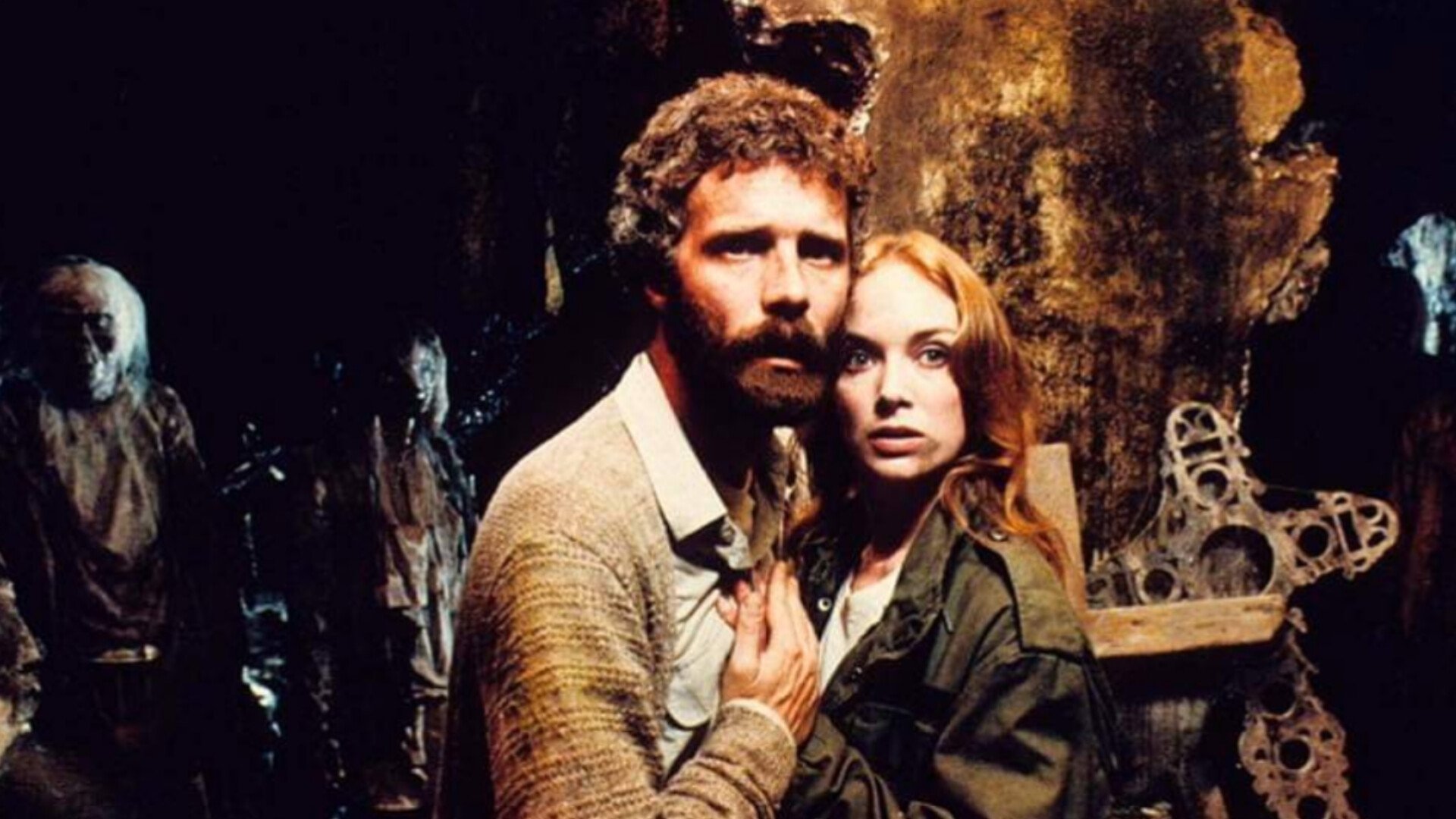
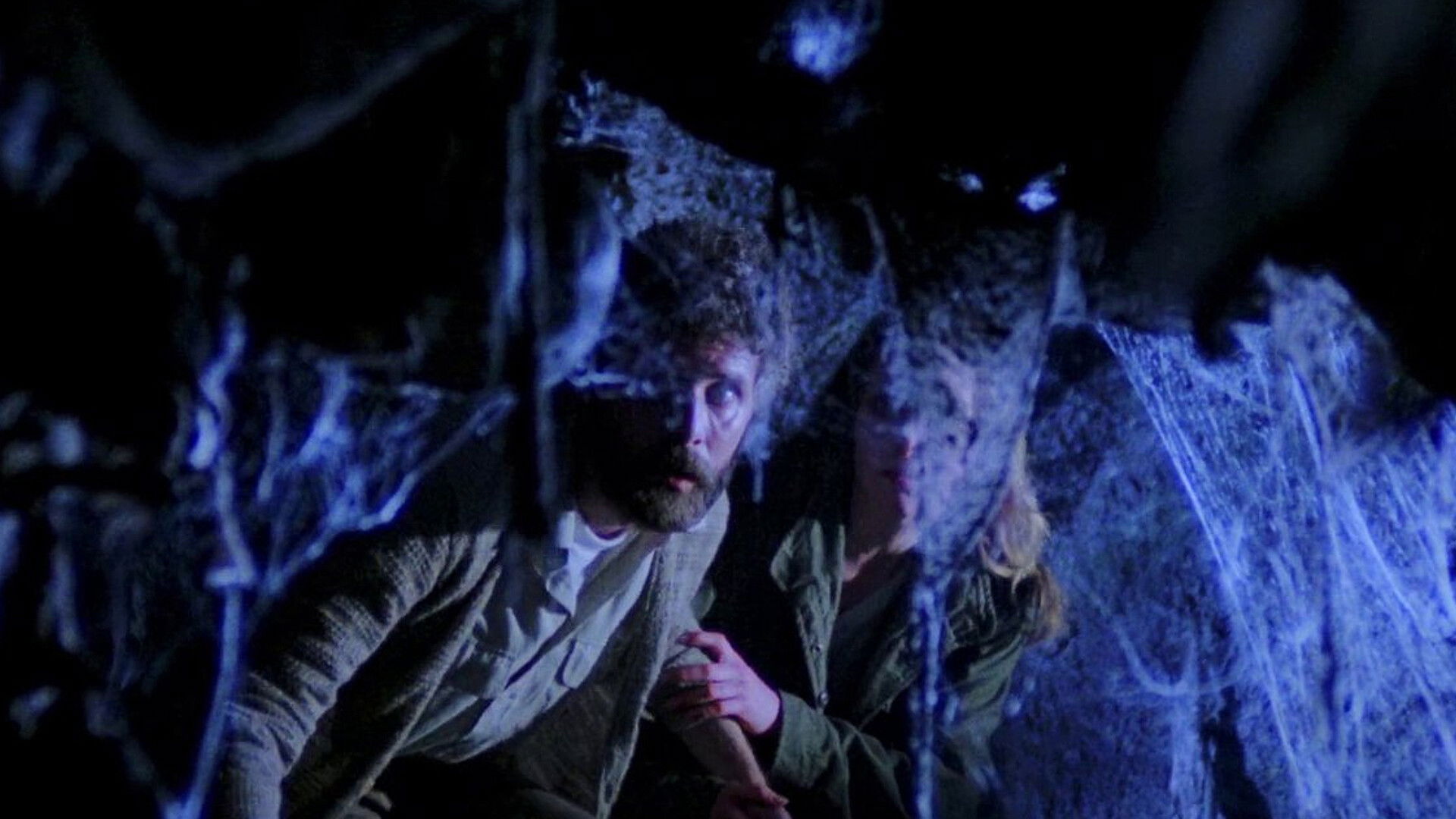
That scene also establishes one of the film's recurring concerns: apparently solid barriers offer no protection. A coffin can trap the living but cannot contain the dead; houses can be invaded without conventional entry; tombs lead toward underground spaces where ordinary geography gives way to the supernatural. Architecture in City of the Living Dead repeatedly promises separation and then fails to provide it.
Practical Effects & the Destruction of the Body
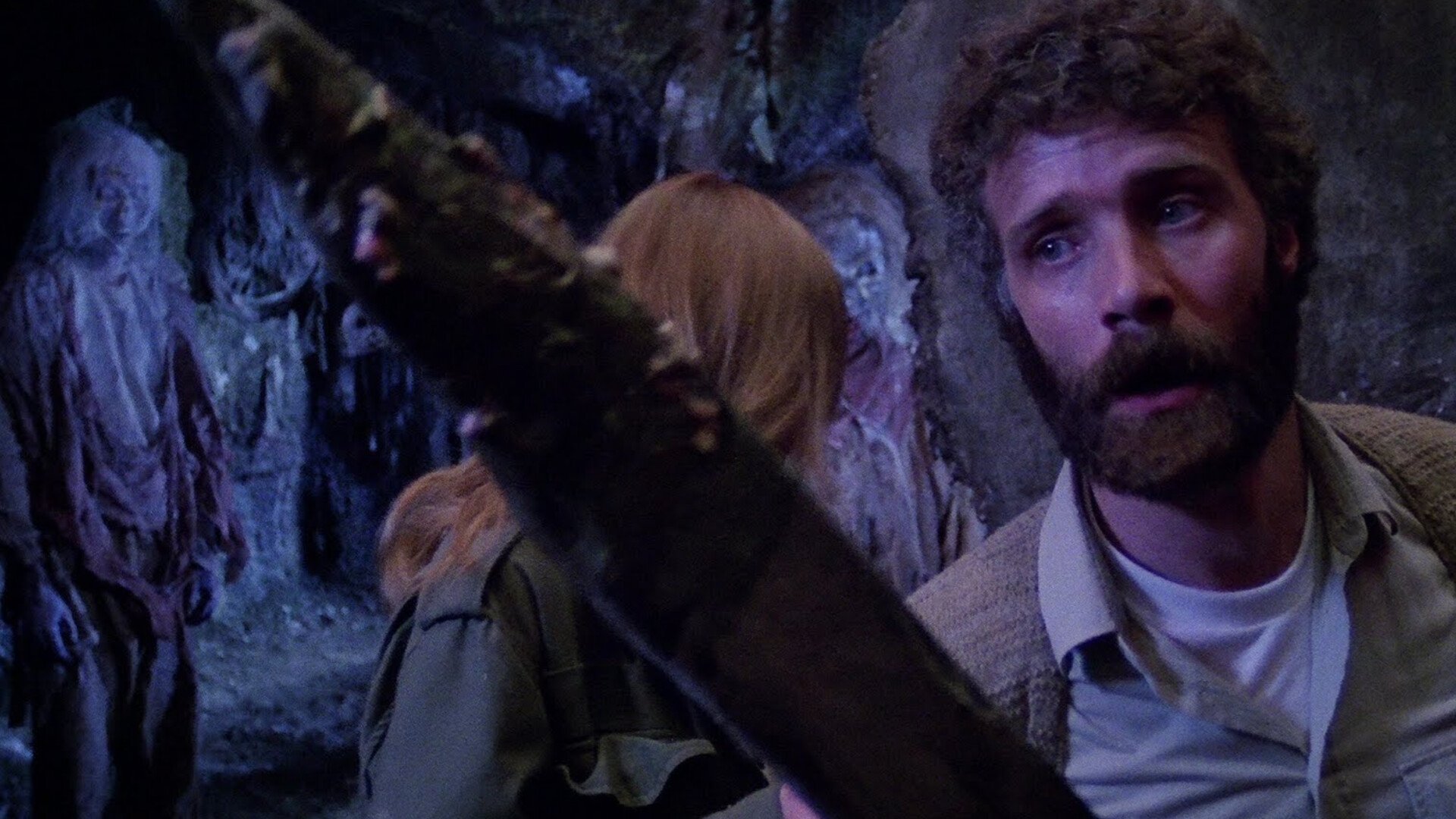
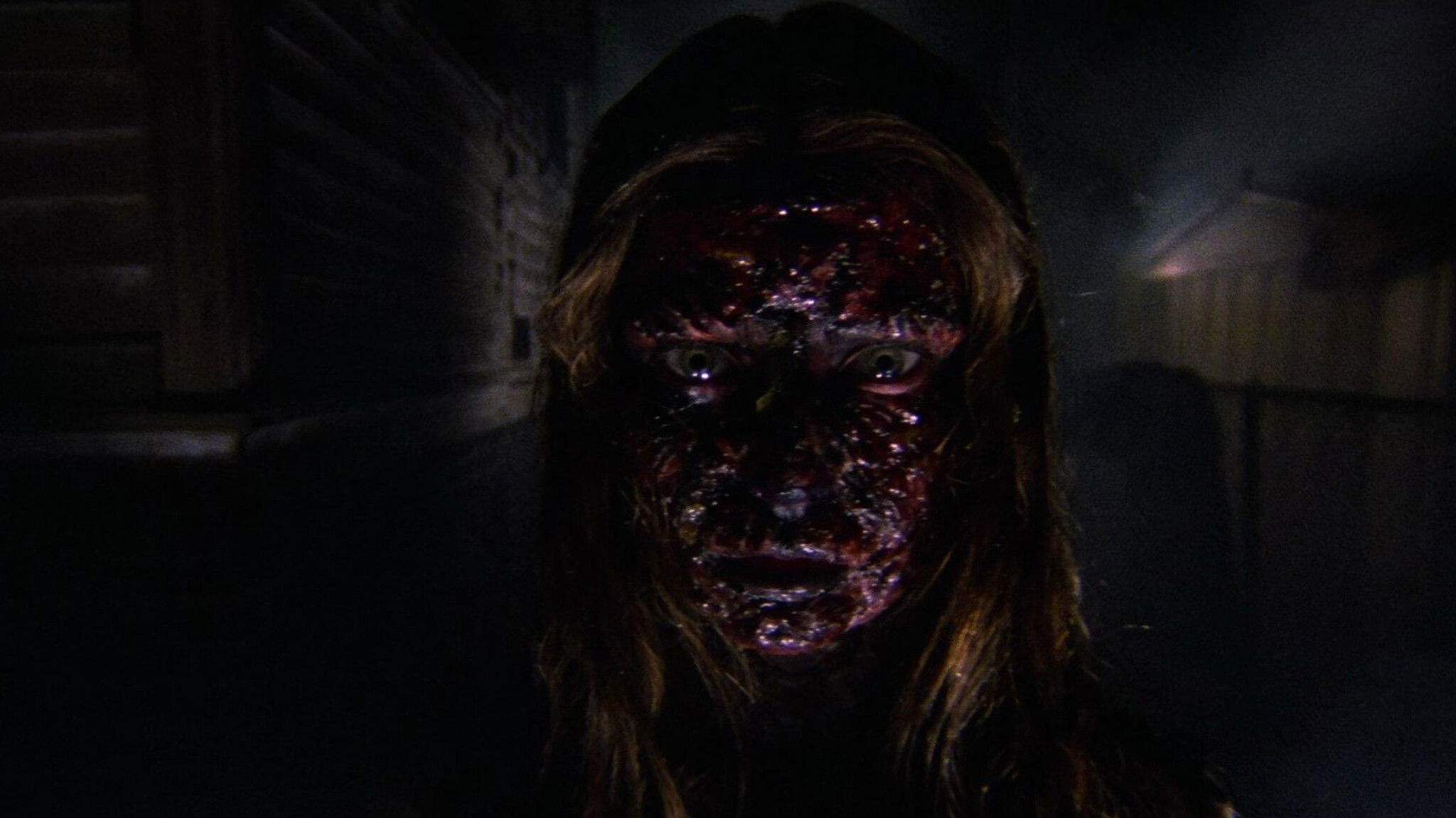
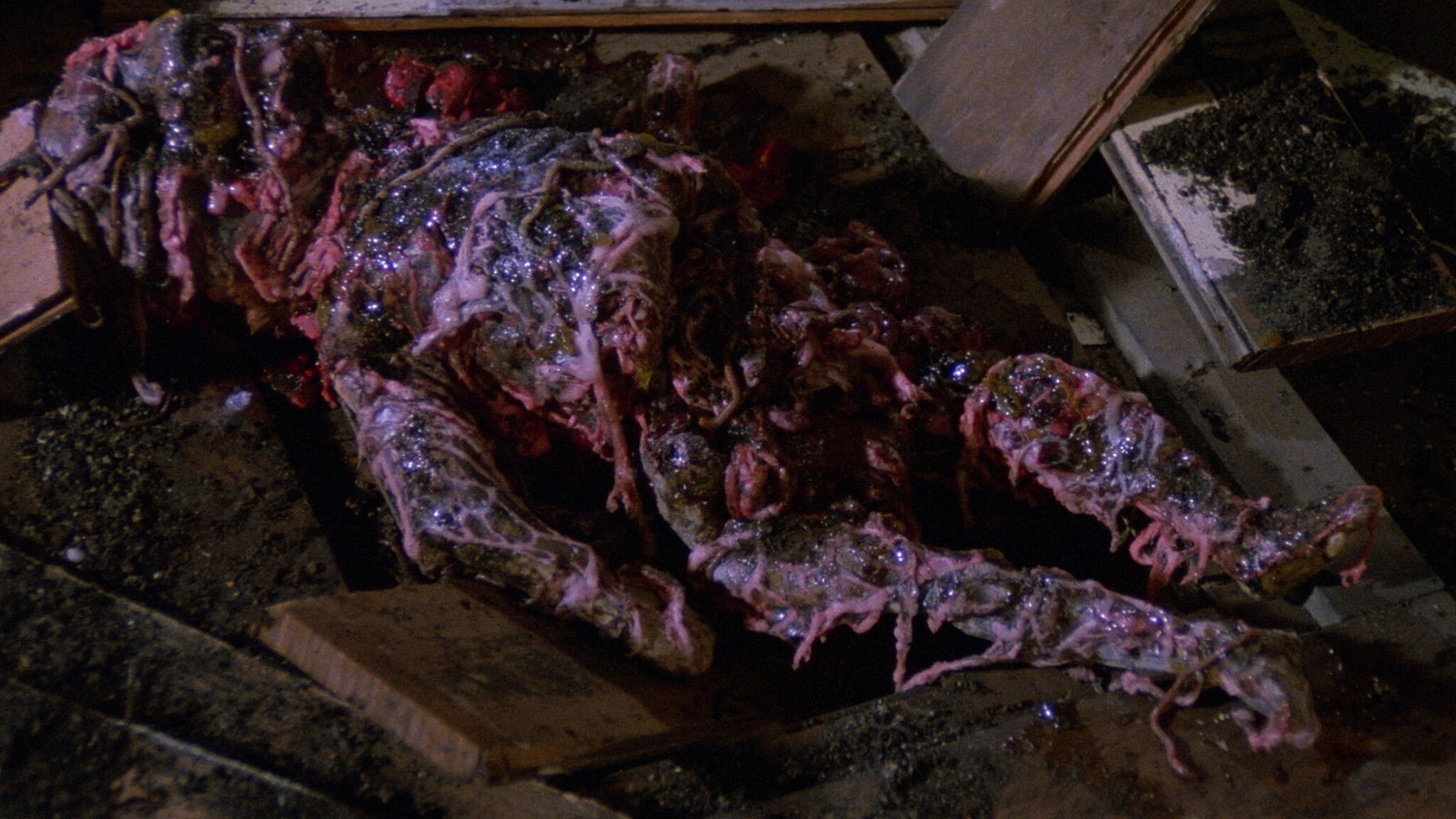
The makeup and effects credits require particular care because City of the Living Dead is sometimes incorrectly associated with Giannetto De Rossi's work on Fulci's surrounding horror films. Fulci himself stated that De Rossi was unavailable for this production and that Franco Rufini took his place. The credited effects and makeup team also included Gino De Rossi and Rosario Prestopino. Their work produced some of the most notorious physical images in Fulci's career, using prosthetics, mechanical effects and real organic material captured directly by the camera.
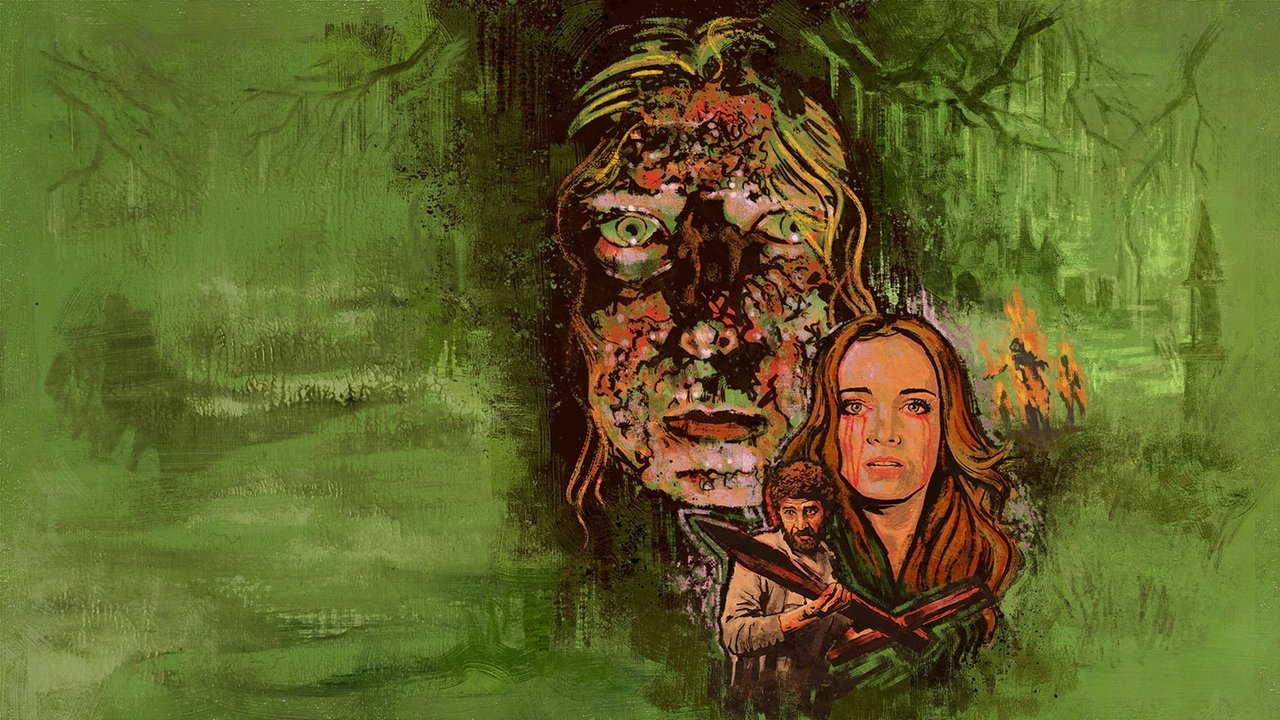
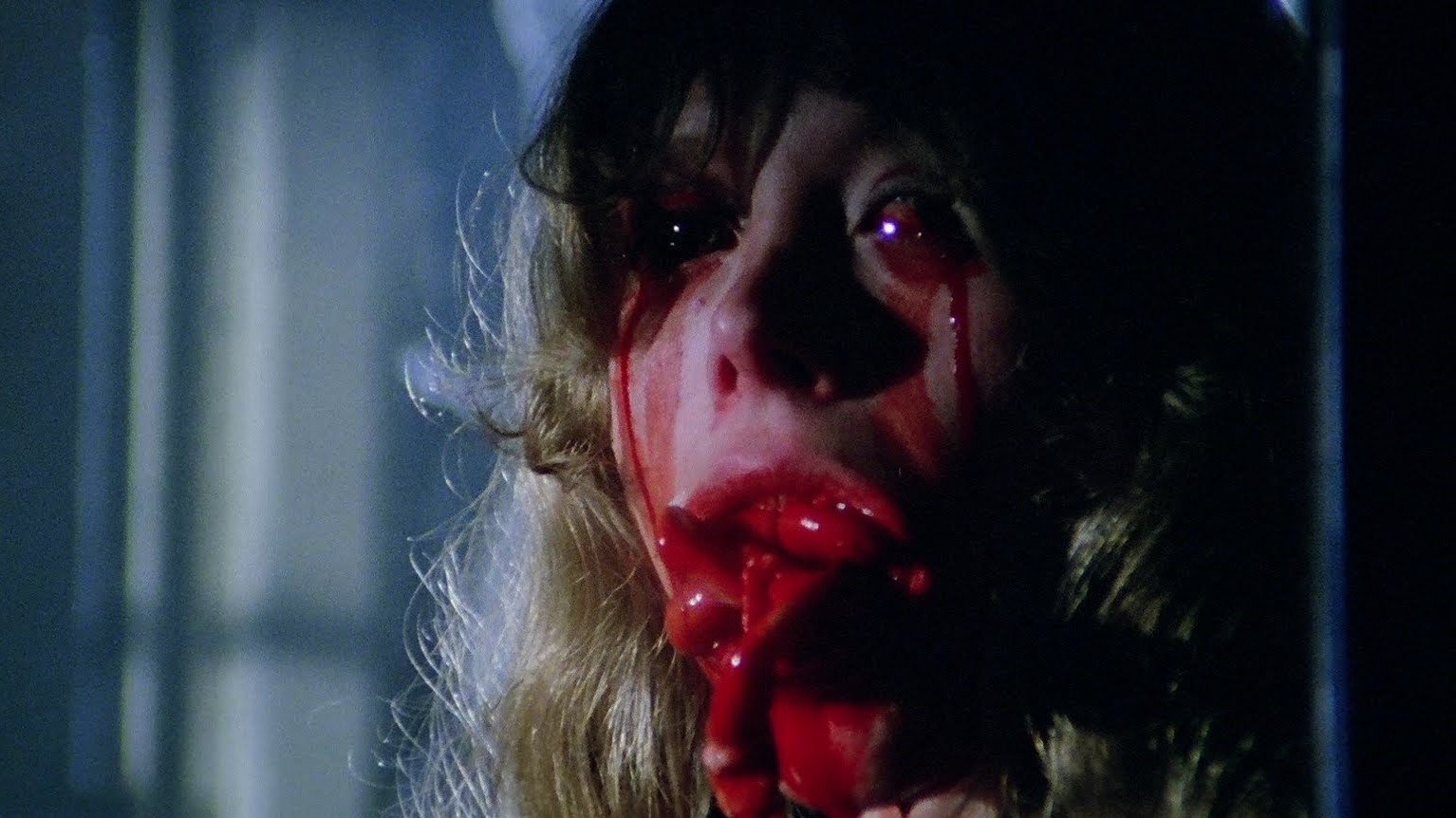
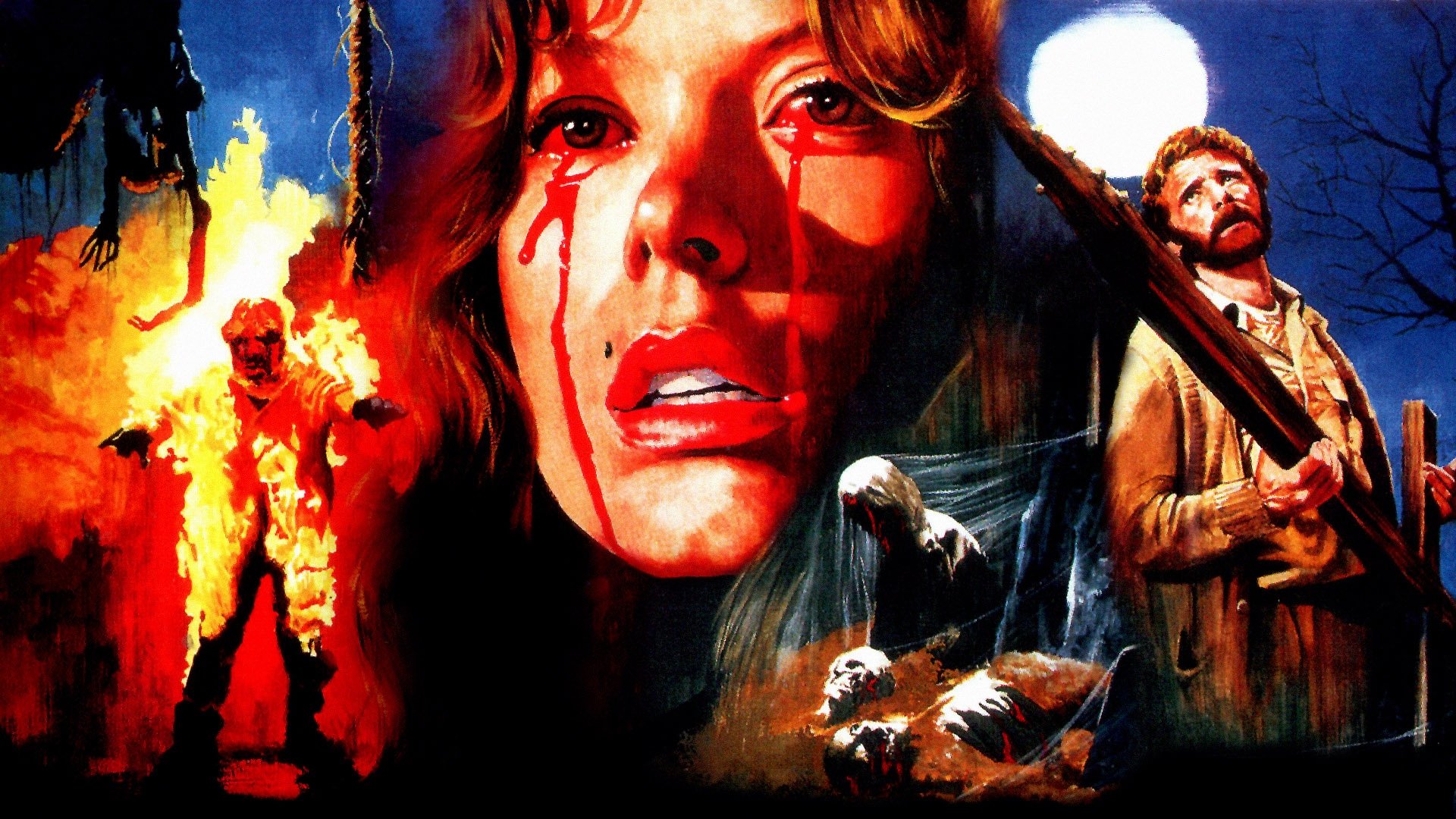
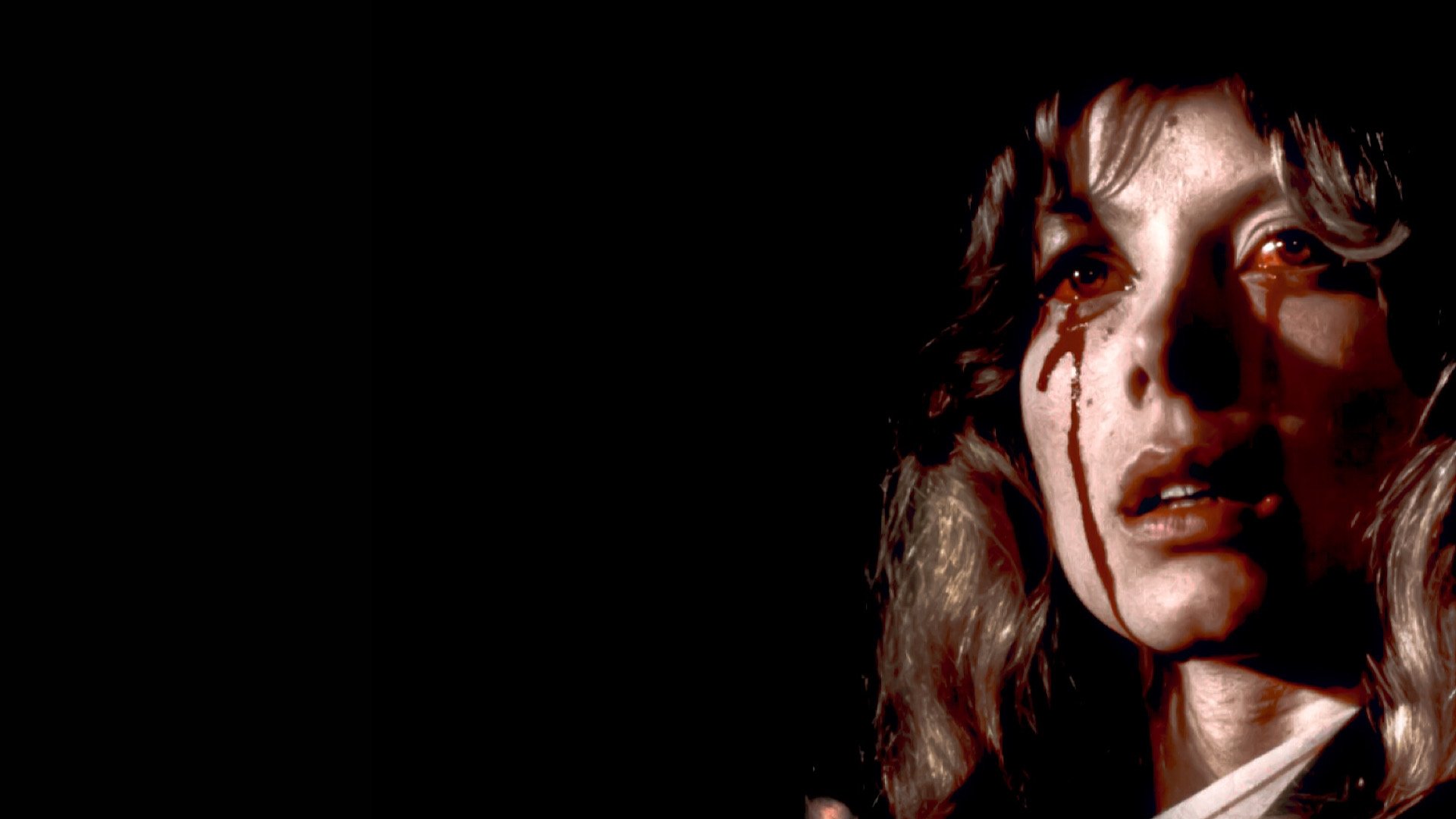
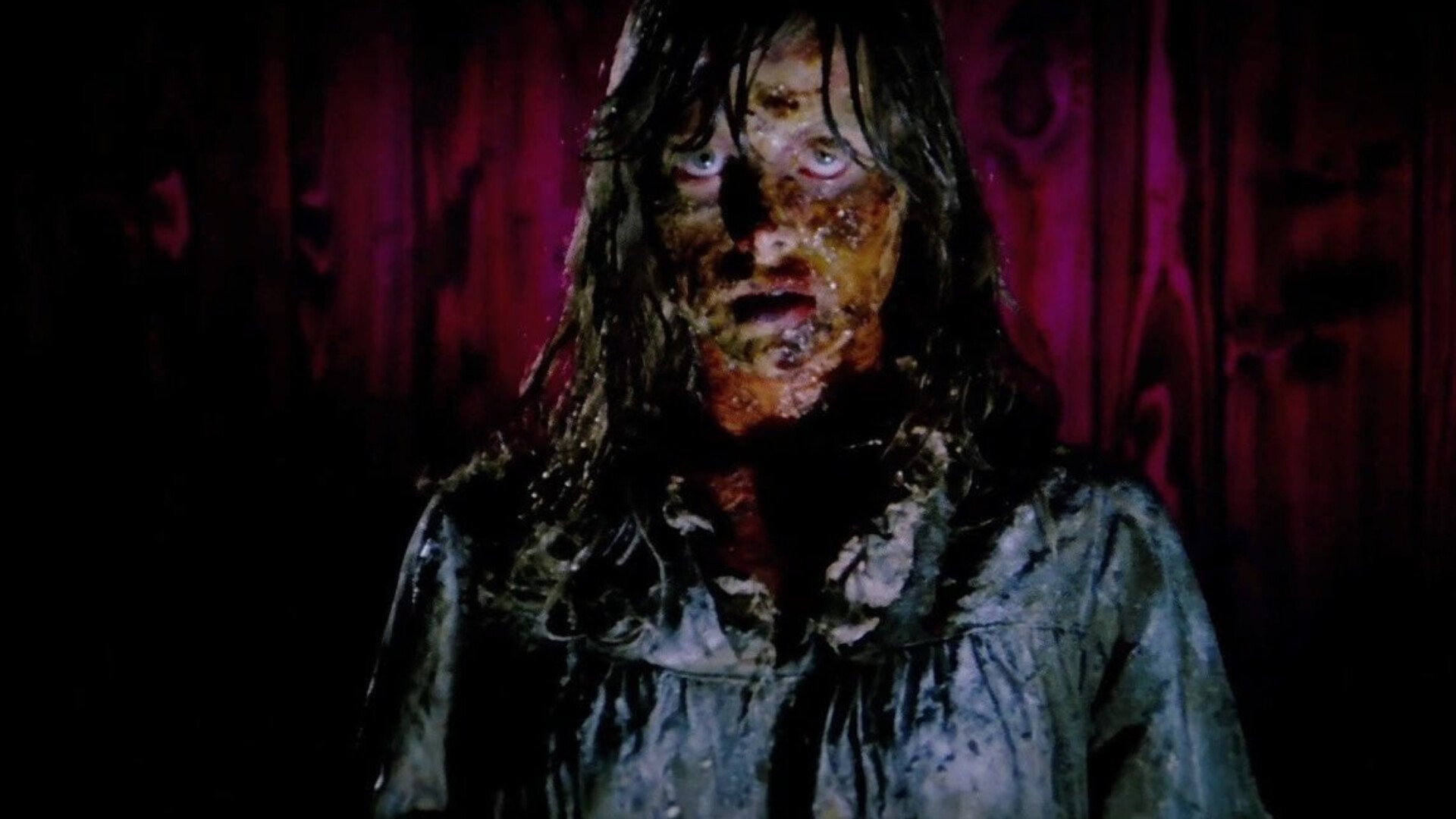
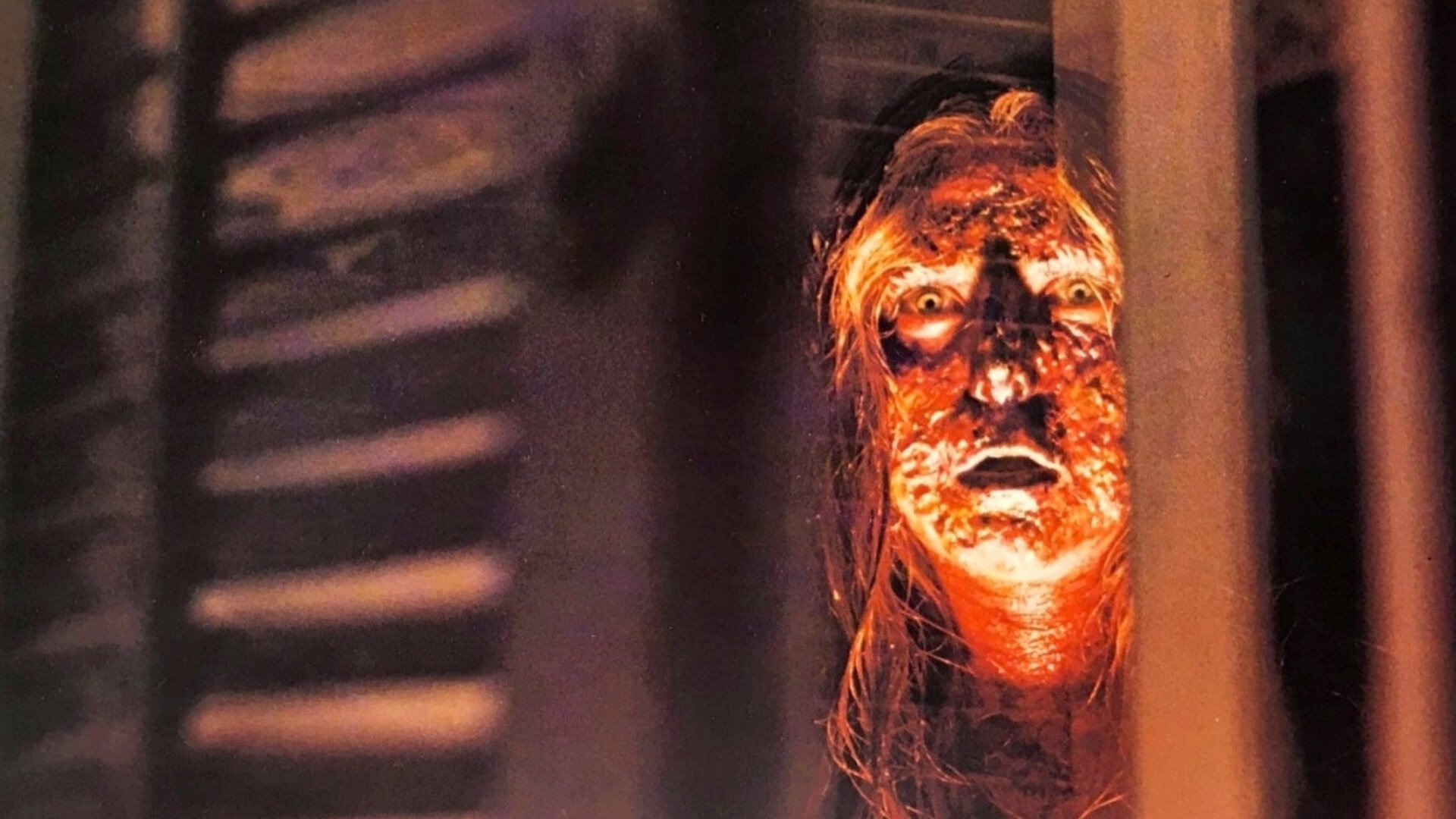
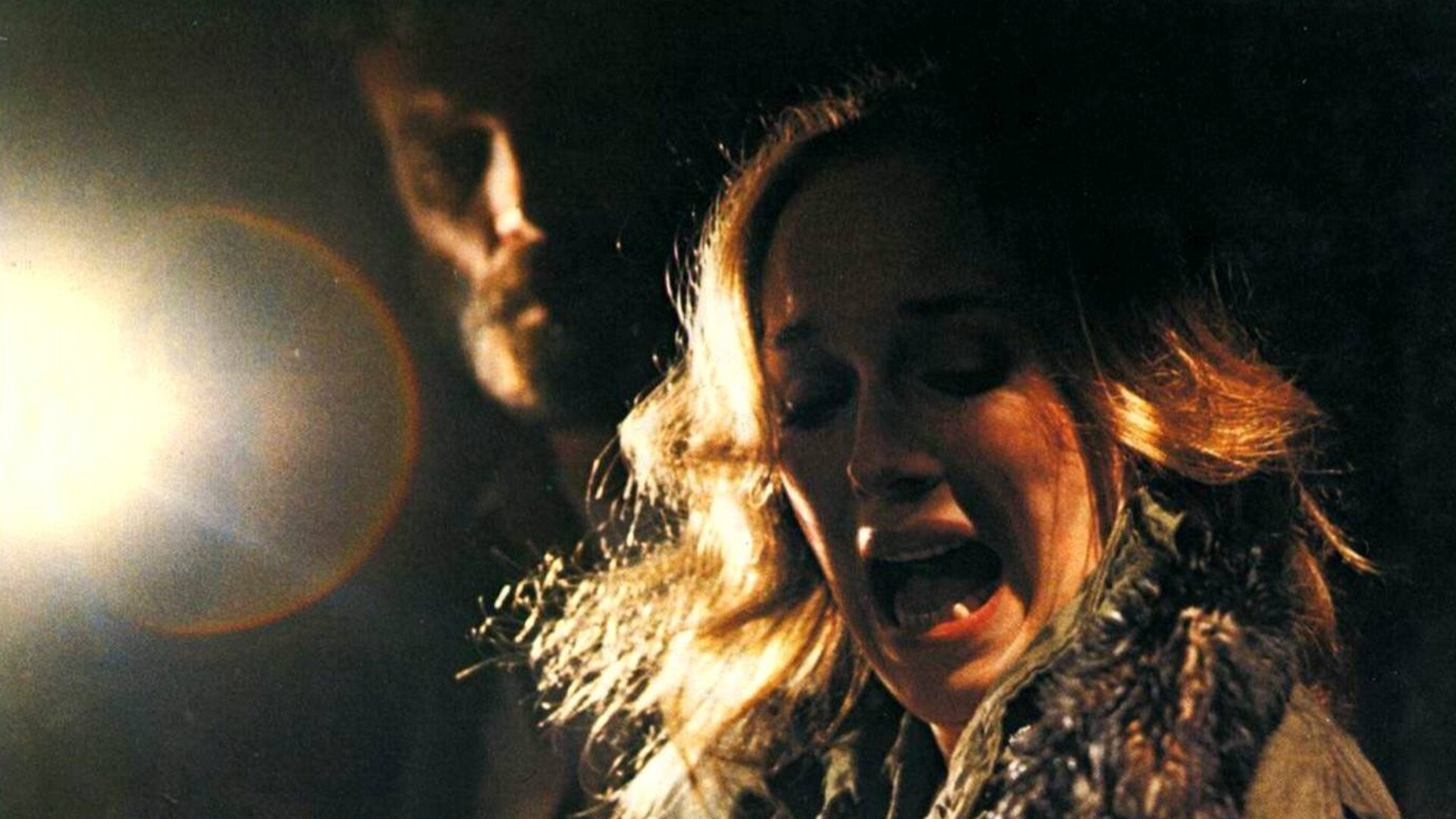
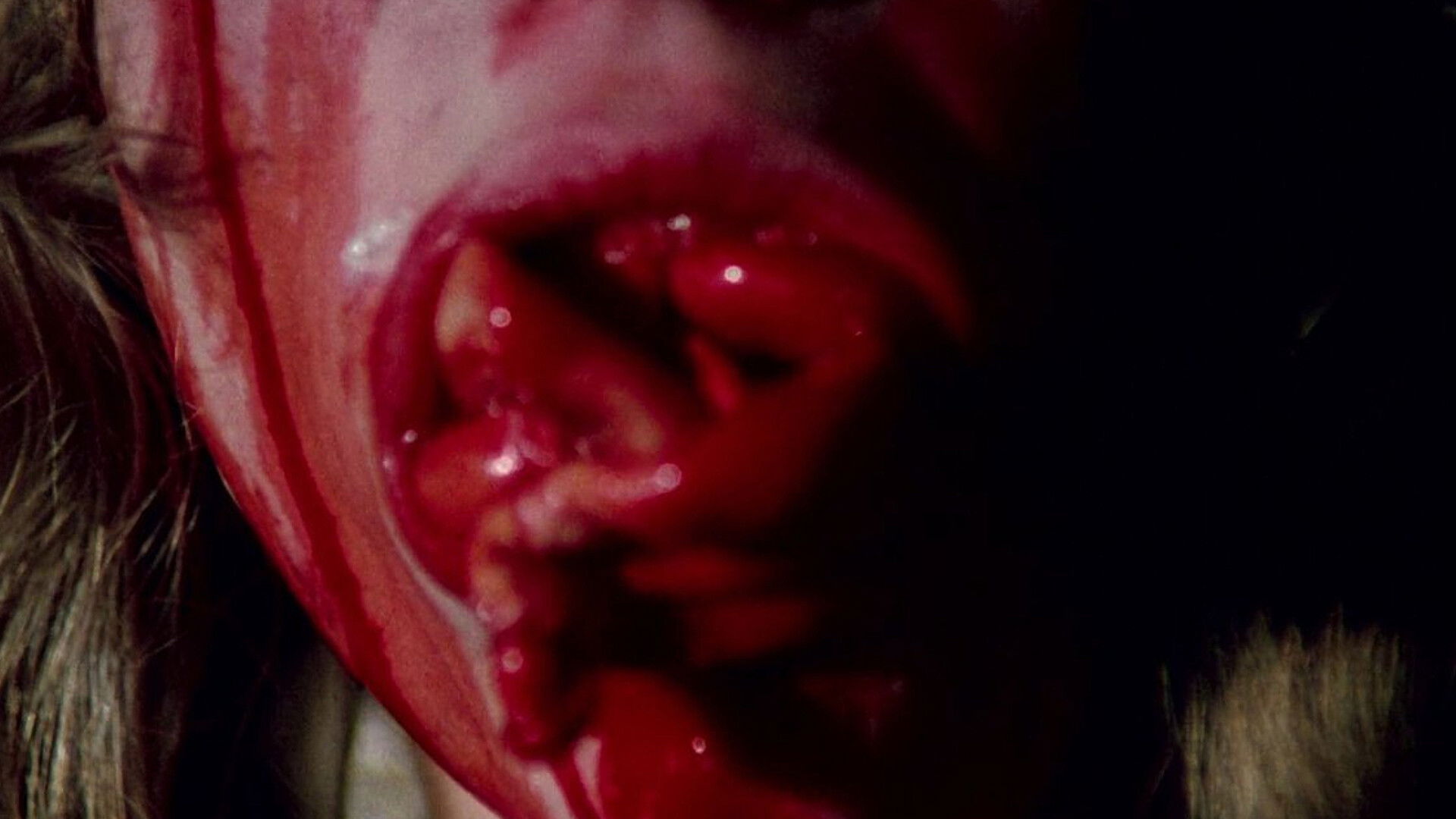
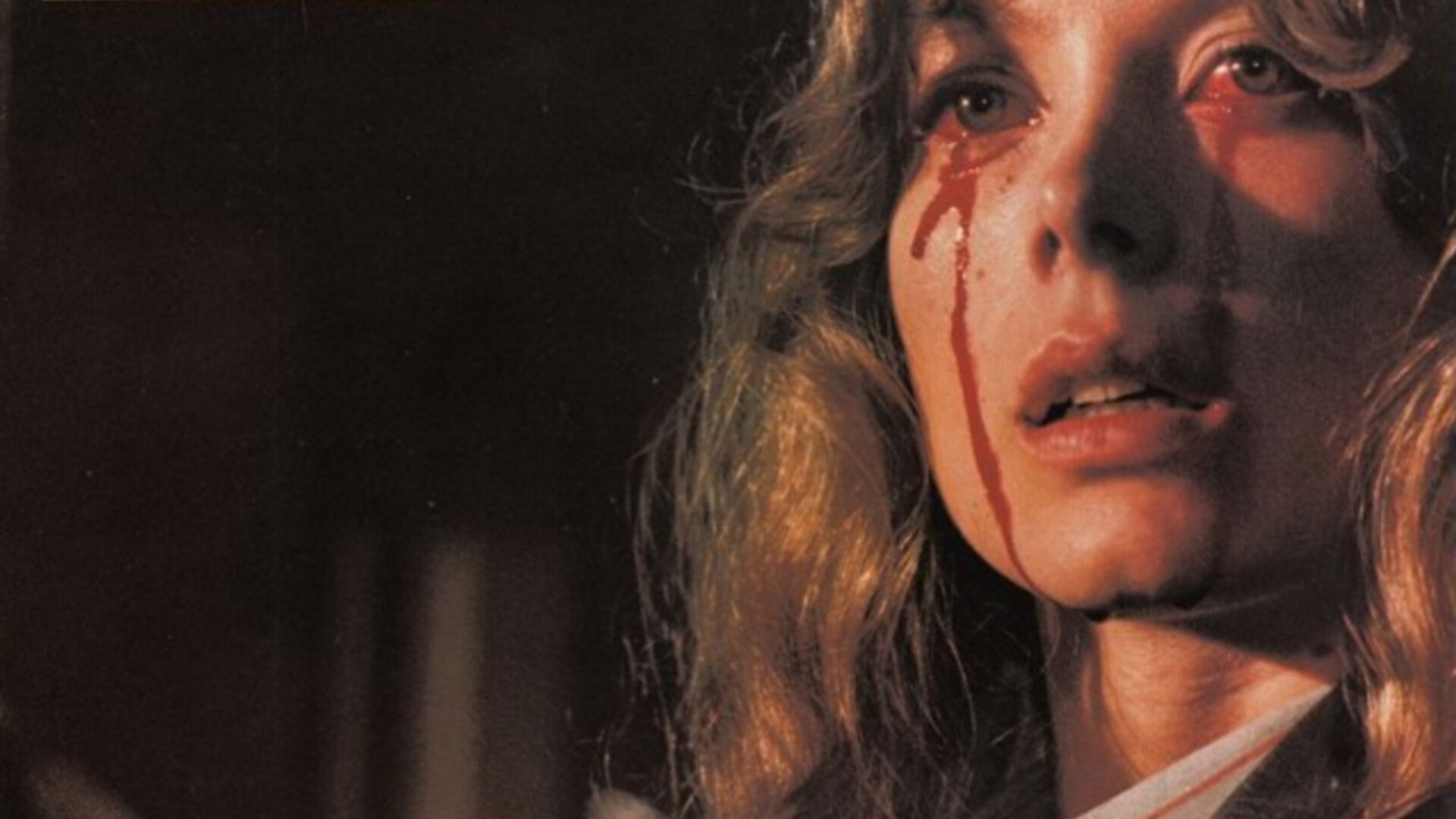
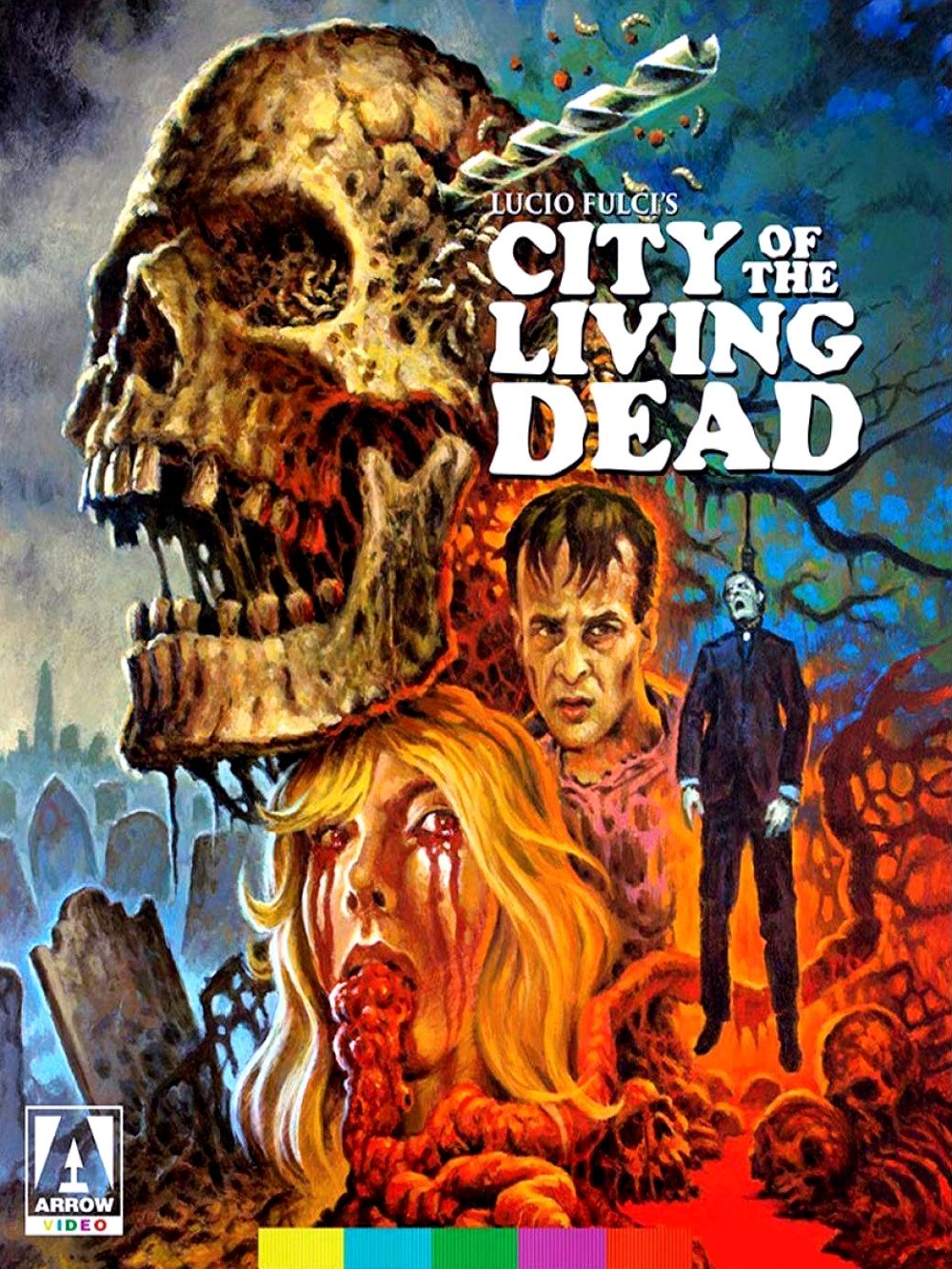
The death of Rosie Kelvin is the clearest example. After encountering Father Thomas, blood begins flowing from her eyes before she slowly vomits her own internal organs. Fulci recalled using fresh animal intestines for the sequence because the material quickly became unusable under the heat of production. Daniela Doria performed part of the effect physically, while a dummy head and pumping mechanism were used for closer views in which the quantity of viscera becomes impossible for a performer to produce safely. The sequence deliberately prolongs bodily impossibility across a sustained sequence.
Bob's death by drill works according to another Fulci principle: the violence is staged slowly enough for anticipation to become as important as impact. Giovanni Lombardo Radice later remembered the physical difficulty of positioning himself correctly against the drill apparatus, something his earlier ballet training helped him accomplish. The scene is especially disturbing because its killer is human. Bob is suspected because he is already treated as a social outsider, and the supernatural panic spreading through Dunwich creates an environment in which ordinary residents can become agents of brutality without needing to be possessed.
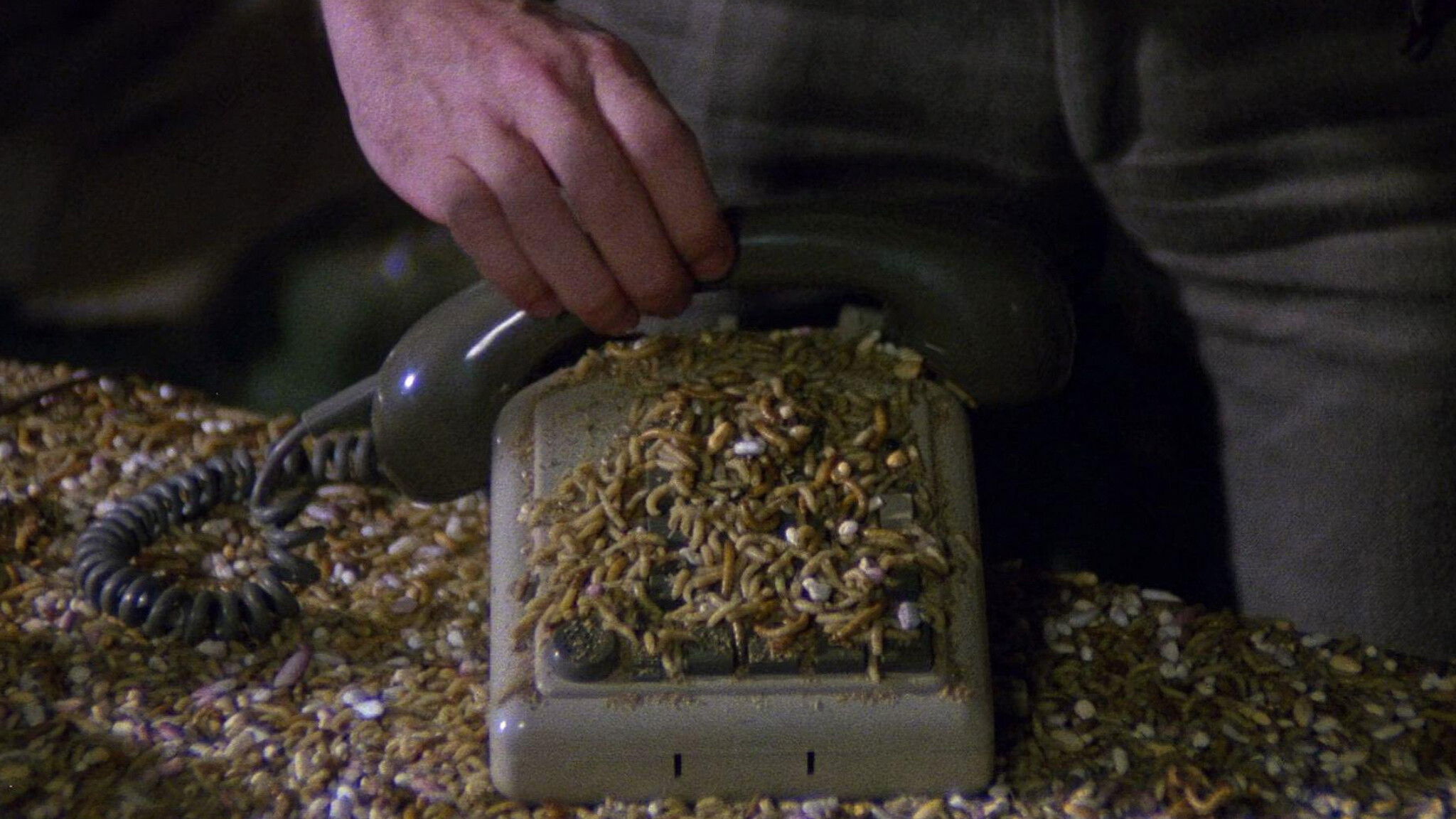
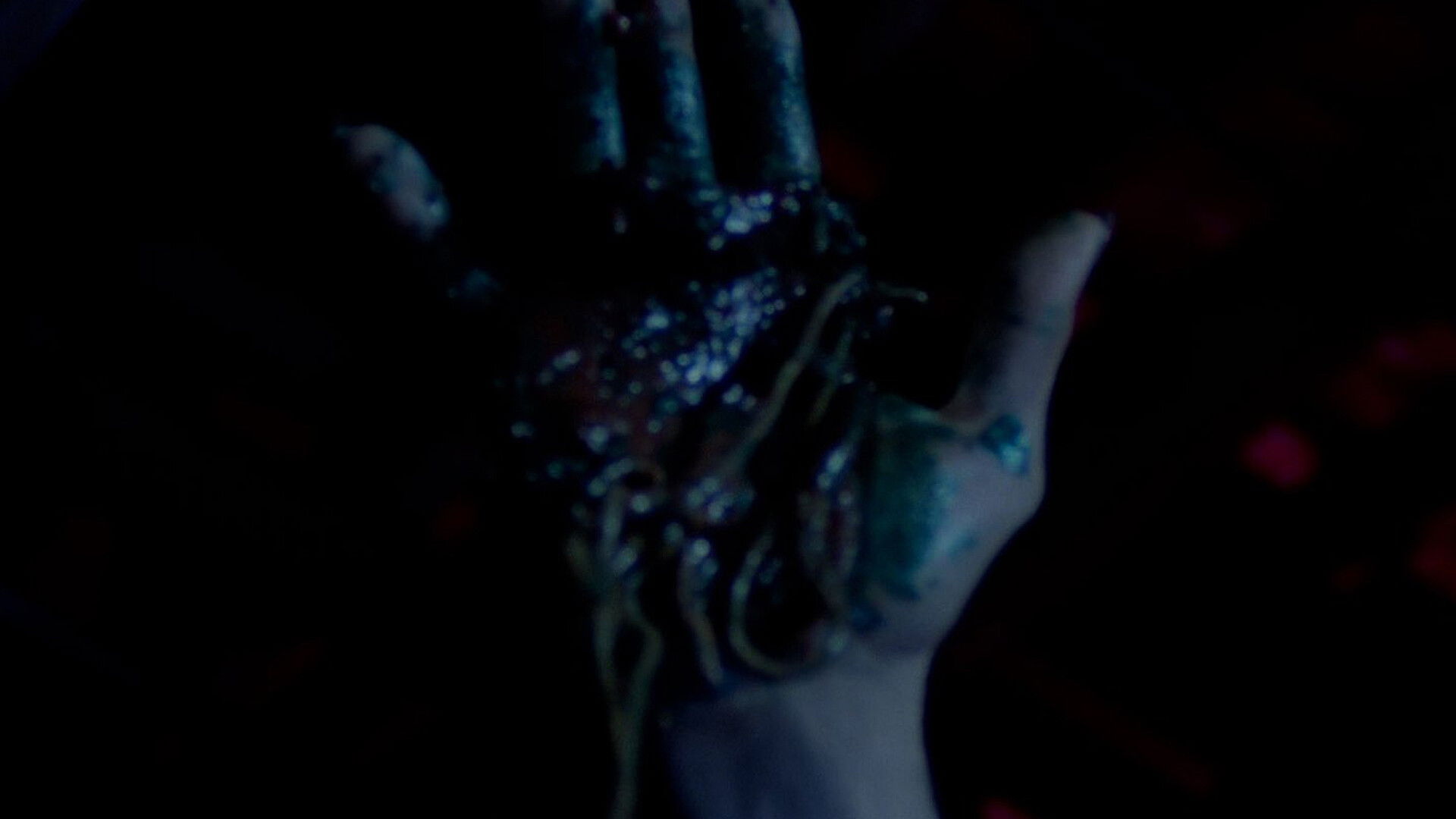
The later storm of maggots pushes practical horror into something almost abstract. Fulci recalled that thousands of real maggots were blown across the actors using powerful wind machines, turning an interior room into a weather system composed of decay. The sequence has almost no conventional narrative logic, which is precisely why it fits the film. Corruption is no longer contained inside corpses. It has become part of the atmosphere itself.
Fabio Frizzi & the Sound of Dread
Fabio Frizzi considered City of the Living Dead and The Beyond closely related musical works, describing them as parts of the same stylistic phase in his collaboration with Fulci. For City, the score combines electronics, orchestral textures, rhythm and repeated thematic figures that give the film continuity even when its narrative moves abruptly between New York, Dunwich, visions and isolated deaths. The music becomes one of the elements capable of holding together a film deliberately built around disruption.
Frizzi's recollection of the mixing process also demonstrates how closely Fulci controlled the emotional interpretation of his films. The composer had written a melancholy and unsettling piece led by strings and flute for the opening movement through the cemetery. When Fulci finally heard the finished cue against the images, he rejected the emotional reading forcefully because it did not correspond to his conception of the opening. Frizzi later described the disagreement as an important lesson in the difference between writing an attractive piece of music and writing music that serves a director's intended relationship between image and story.
The finished soundtrack therefore works less as independent melodic decoration than as an organizing force. Recurrent electronic pulses and threatening harmonic textures establish a sense that the catastrophe has already begun before the characters understand its dimensions. Frizzi does not need to provide a separate sonic identity for every zombie or apparition. His score belongs to the condition affecting Dunwich as a whole.
This quality became central to the Fulci-Frizzi collaboration. The director's horror often removes the stable narrative explanations that would ordinarily tell an audience how separate events are connected; Frizzi's music can create that unity emotionally. City of the Living Dead may fragment into visions, murders and supernatural eruptions, but the soundtrack continually returns the viewer to the same atmosphere of approaching catastrophe.
Release, Censorship & Alternate Titles
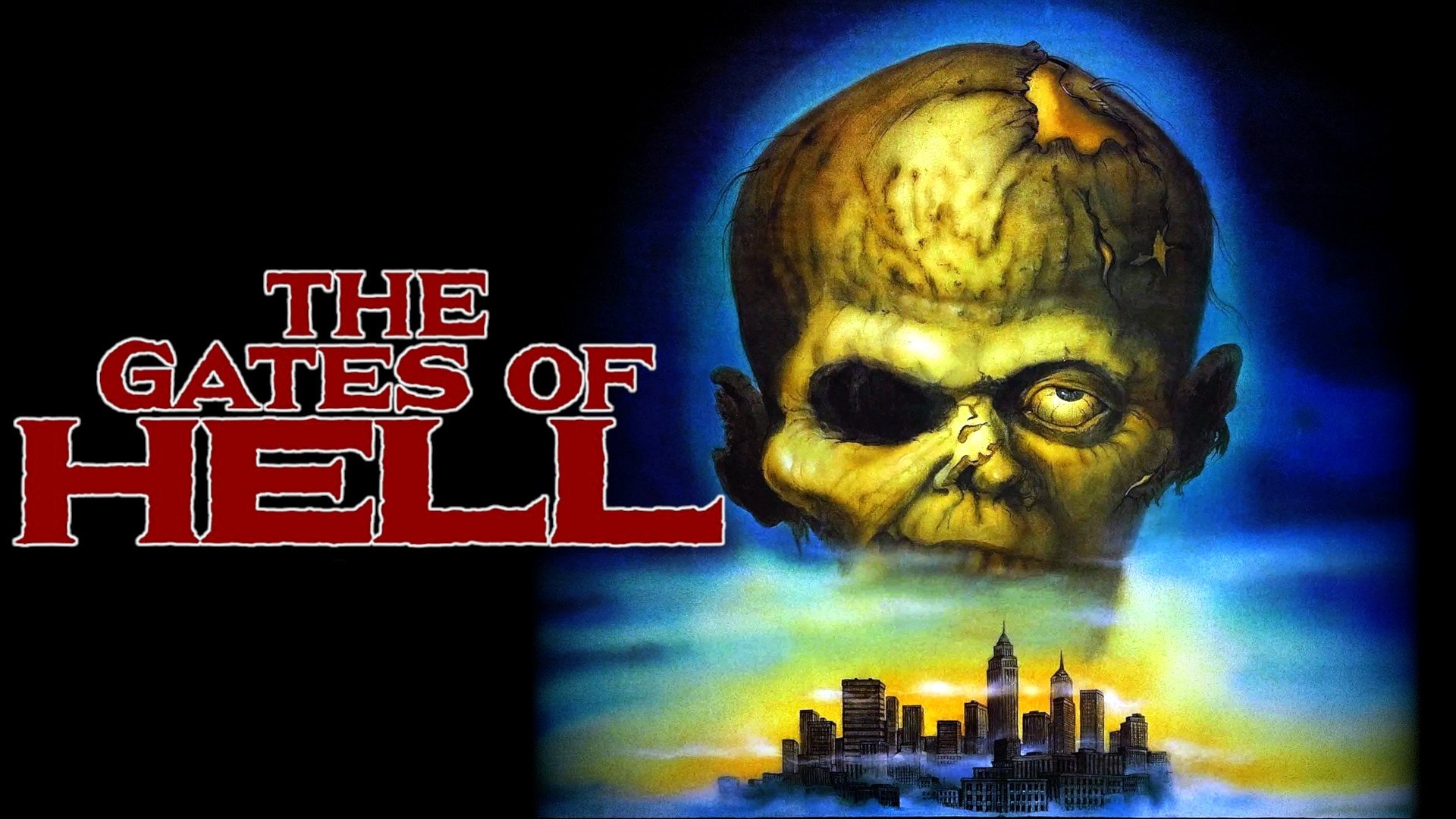
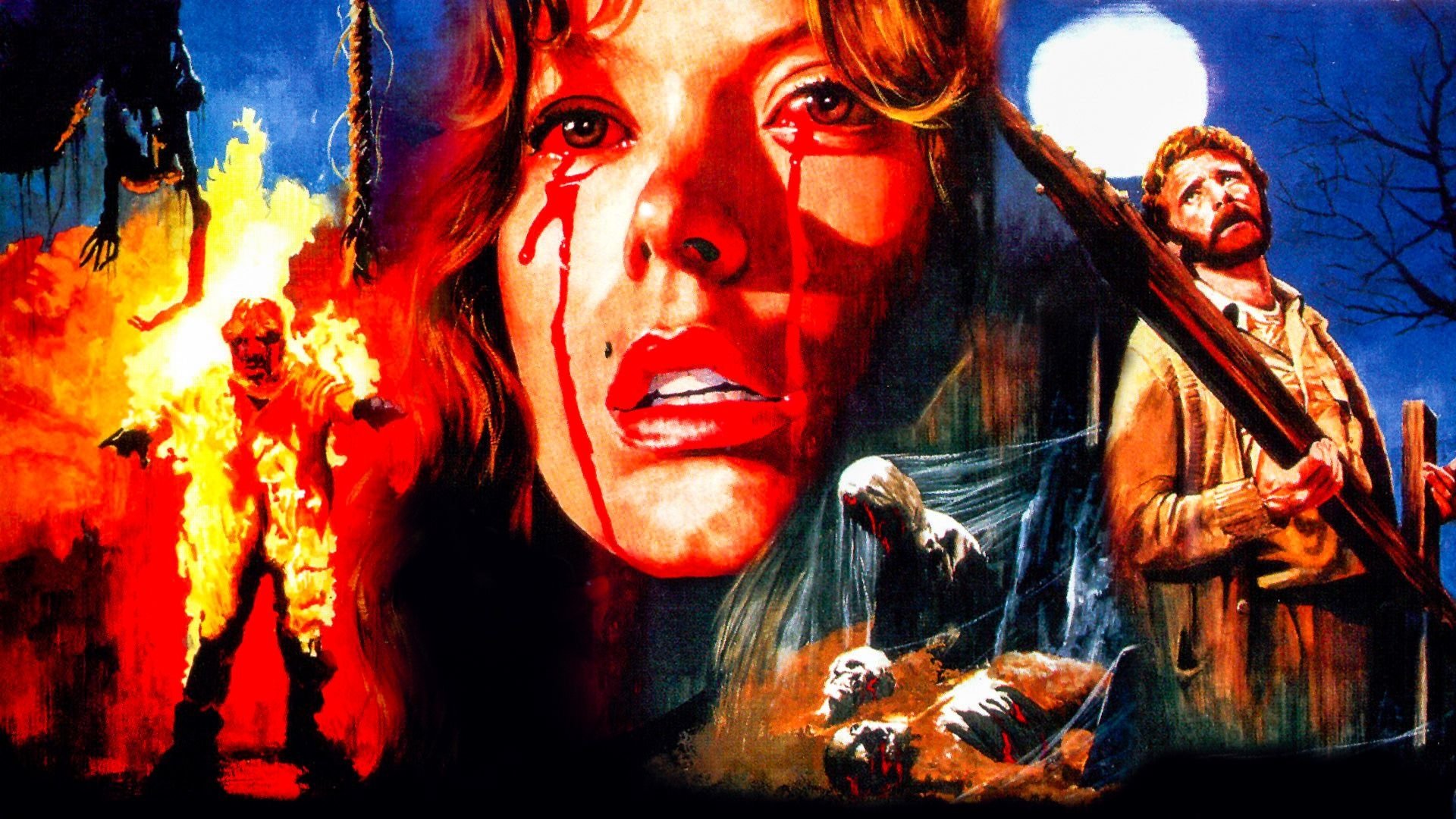
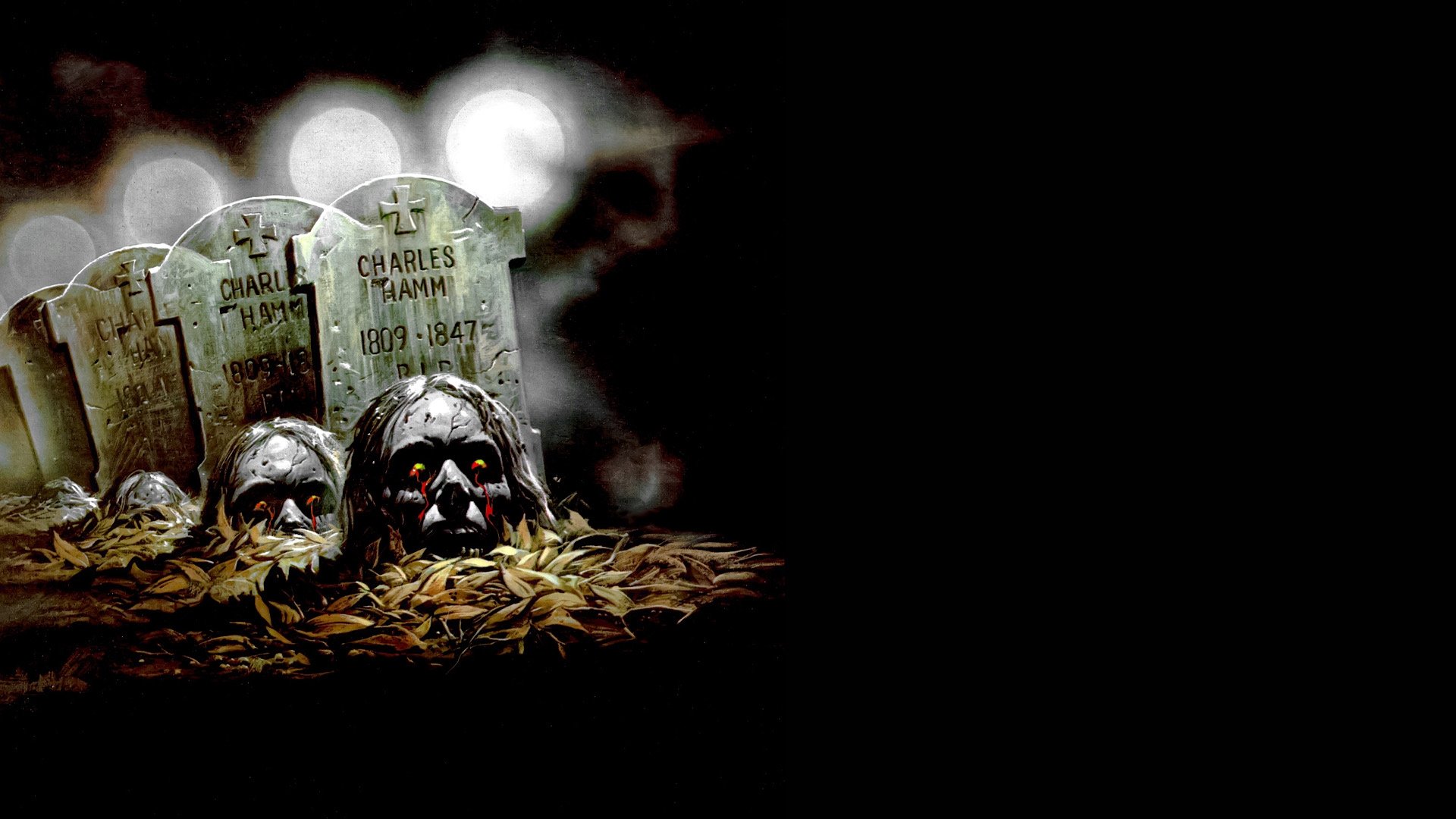
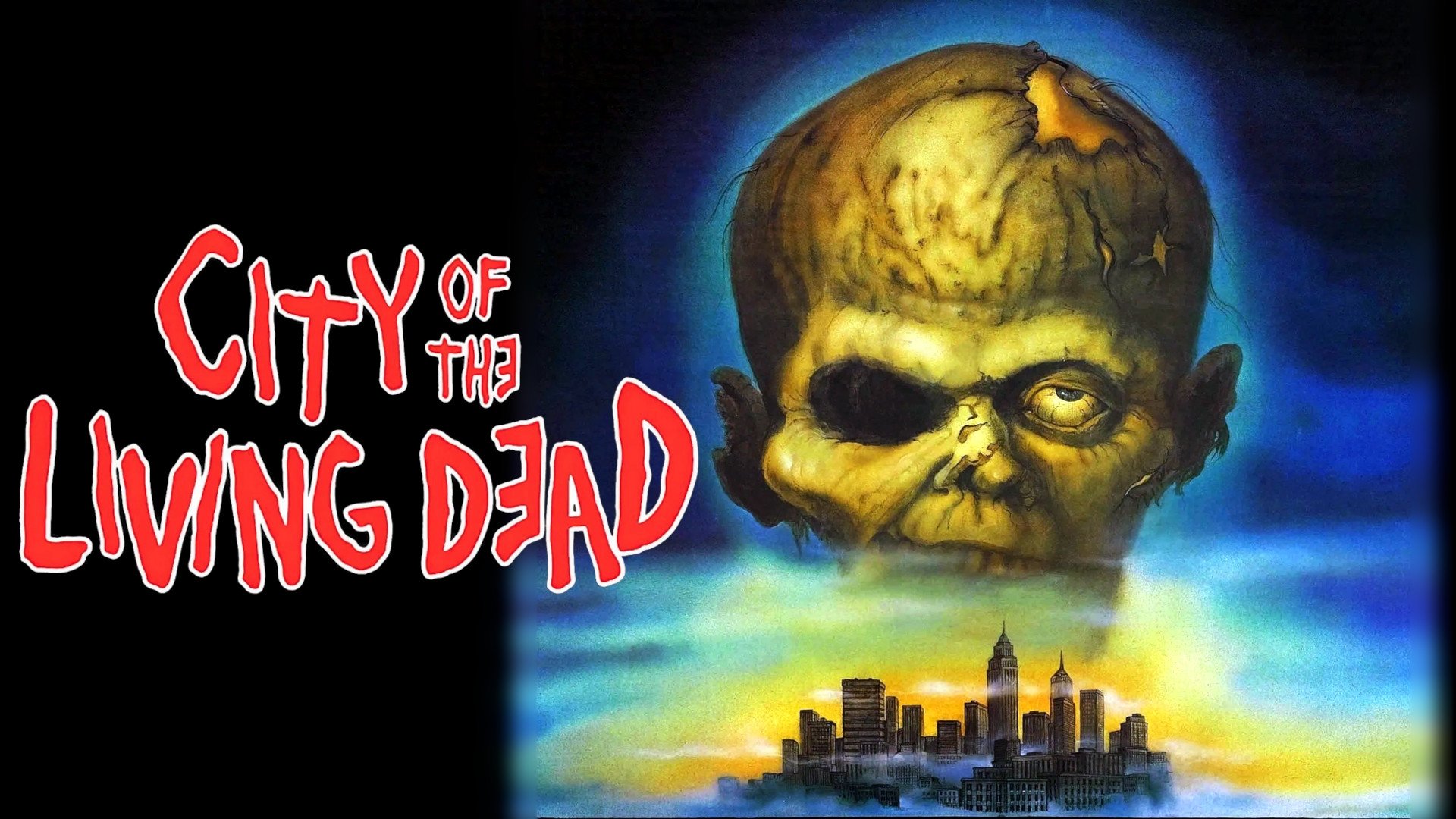
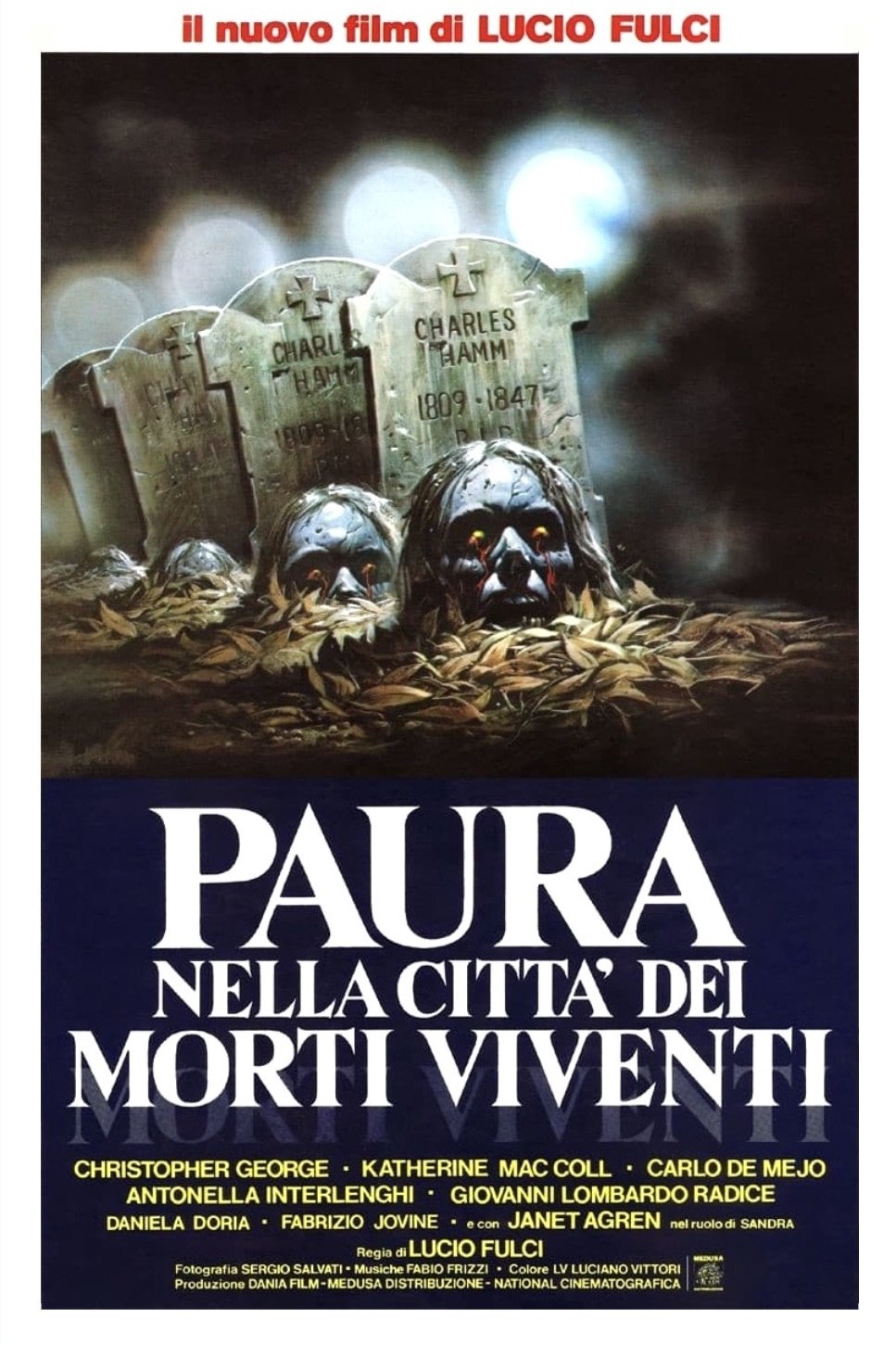
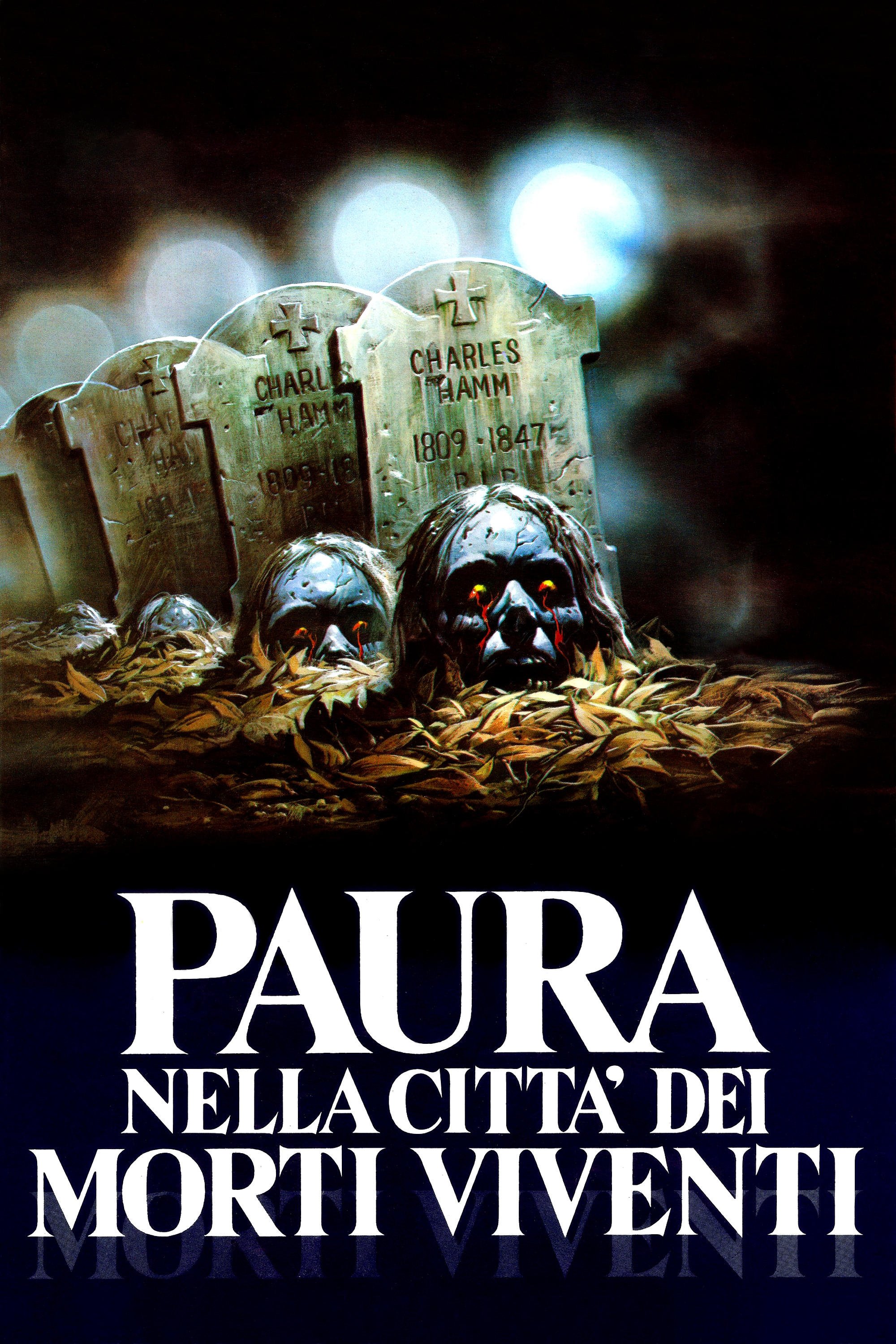
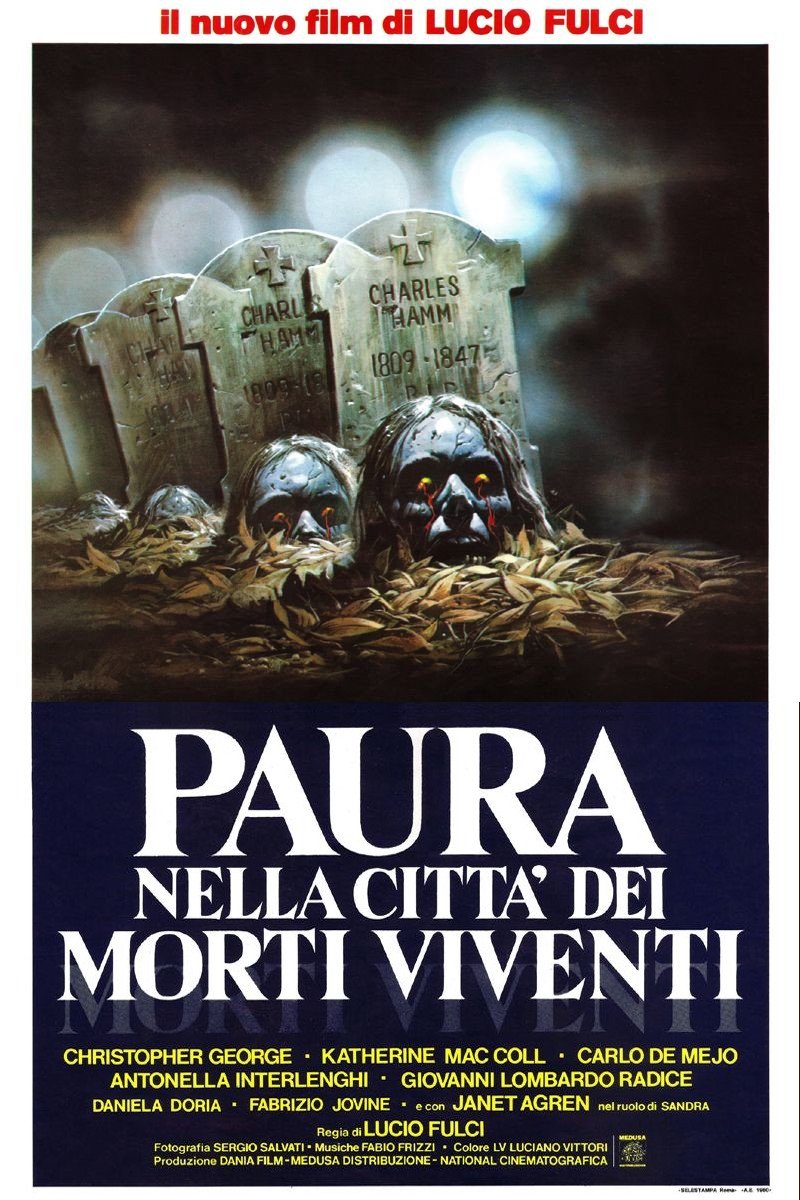
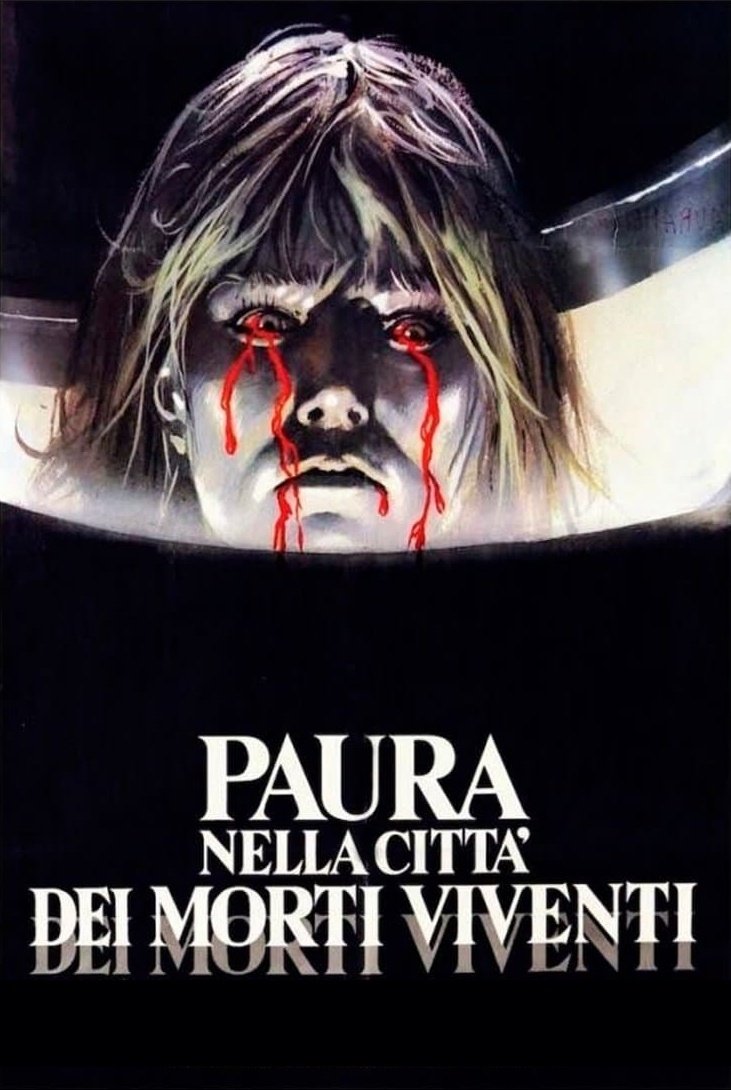
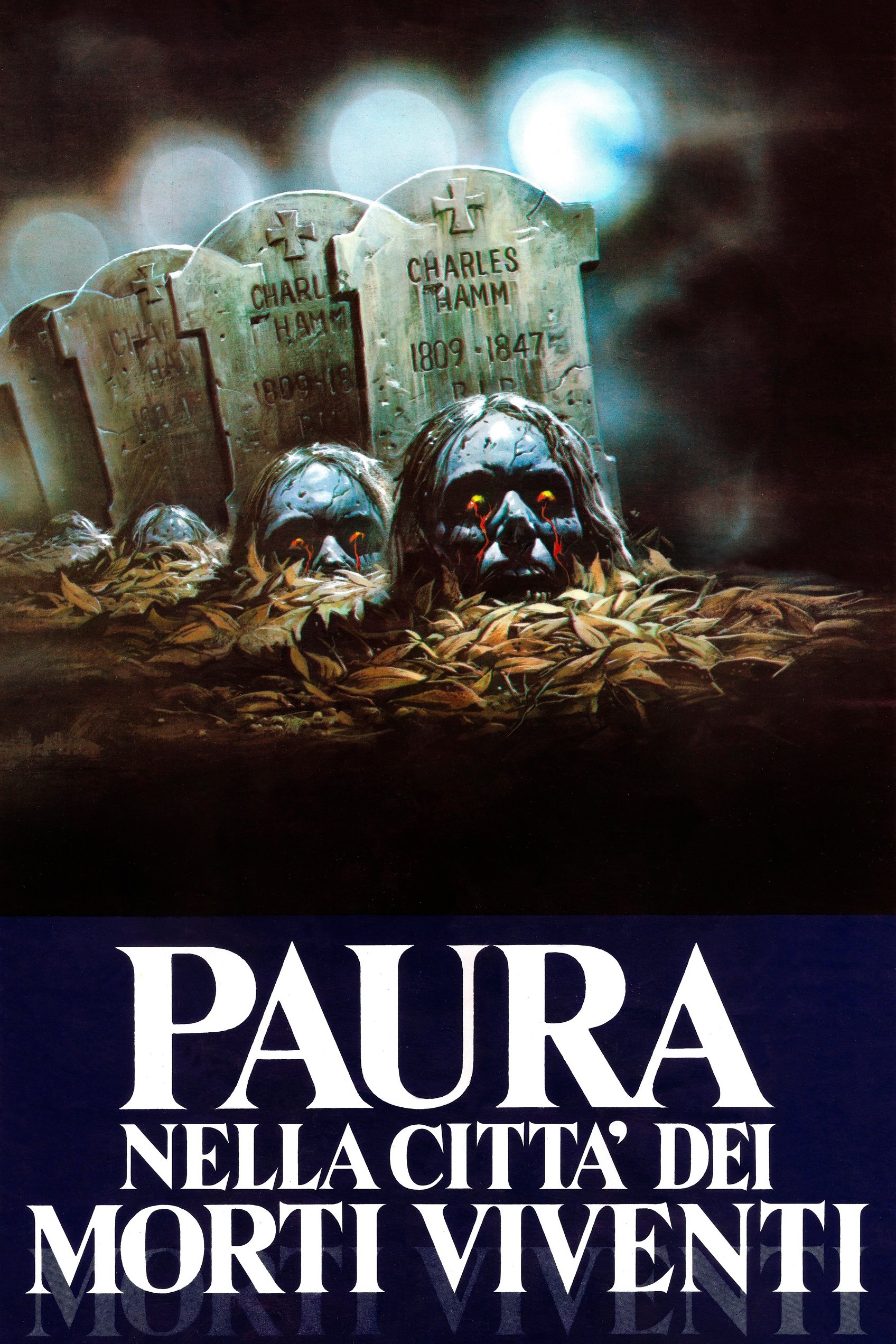
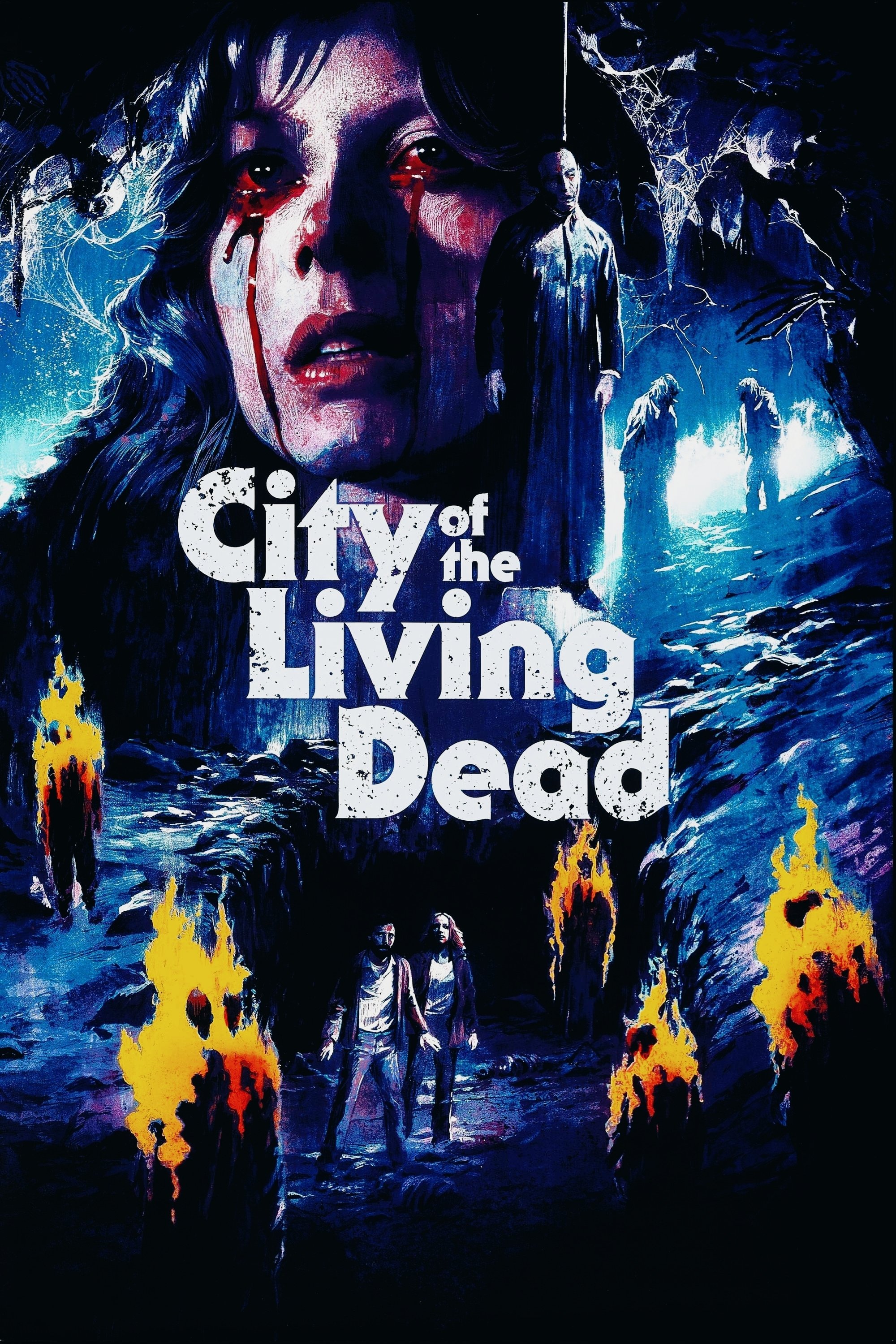
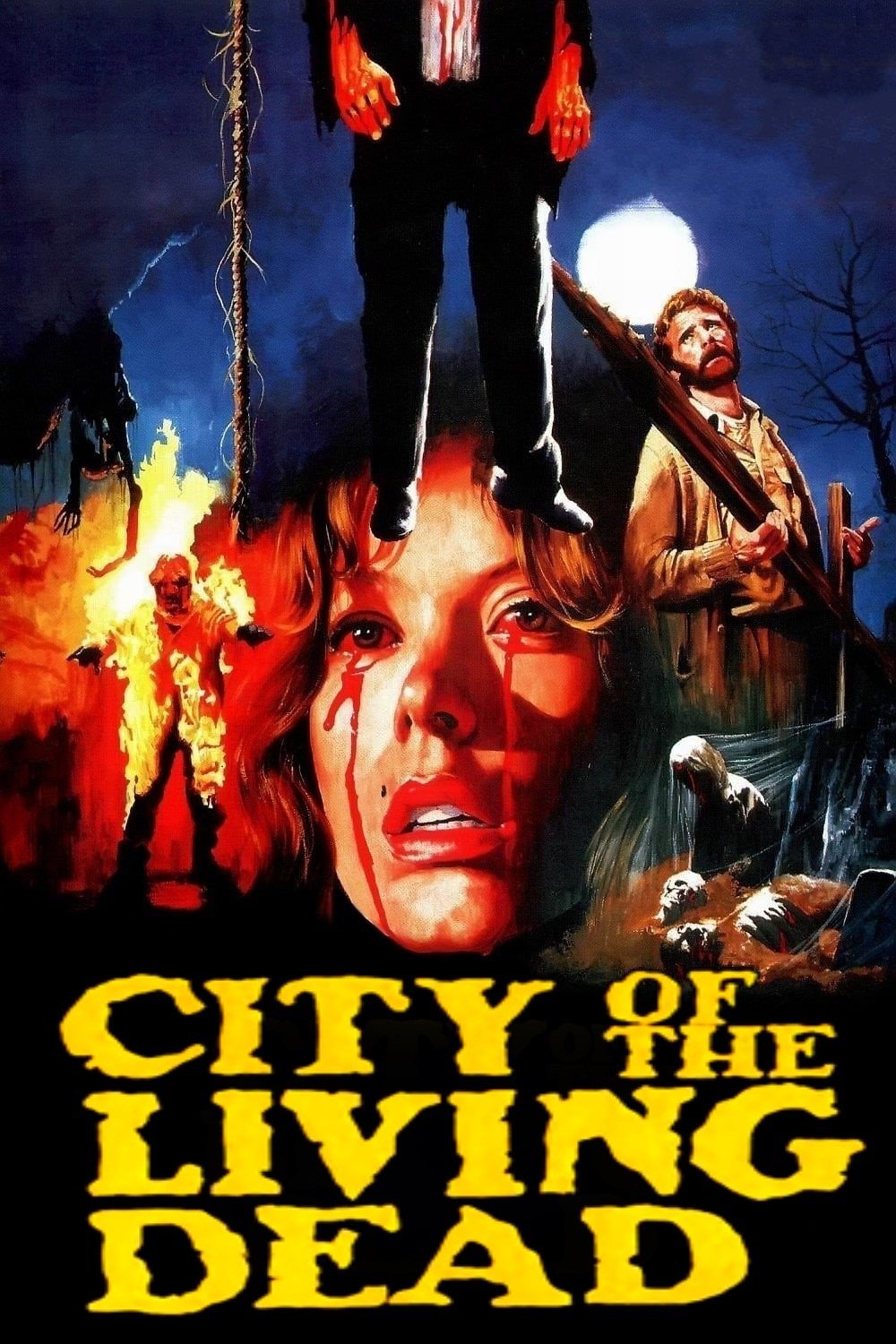
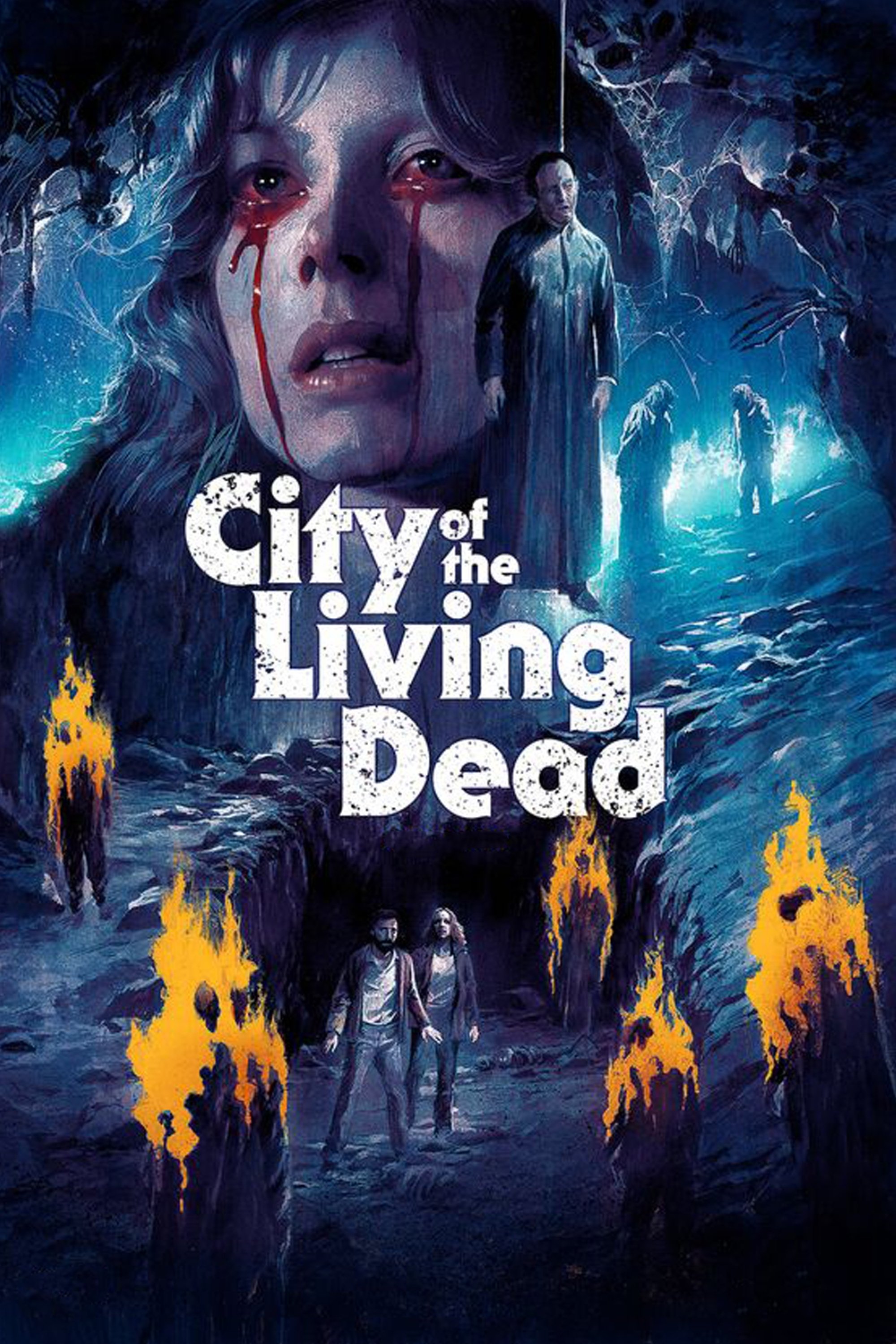
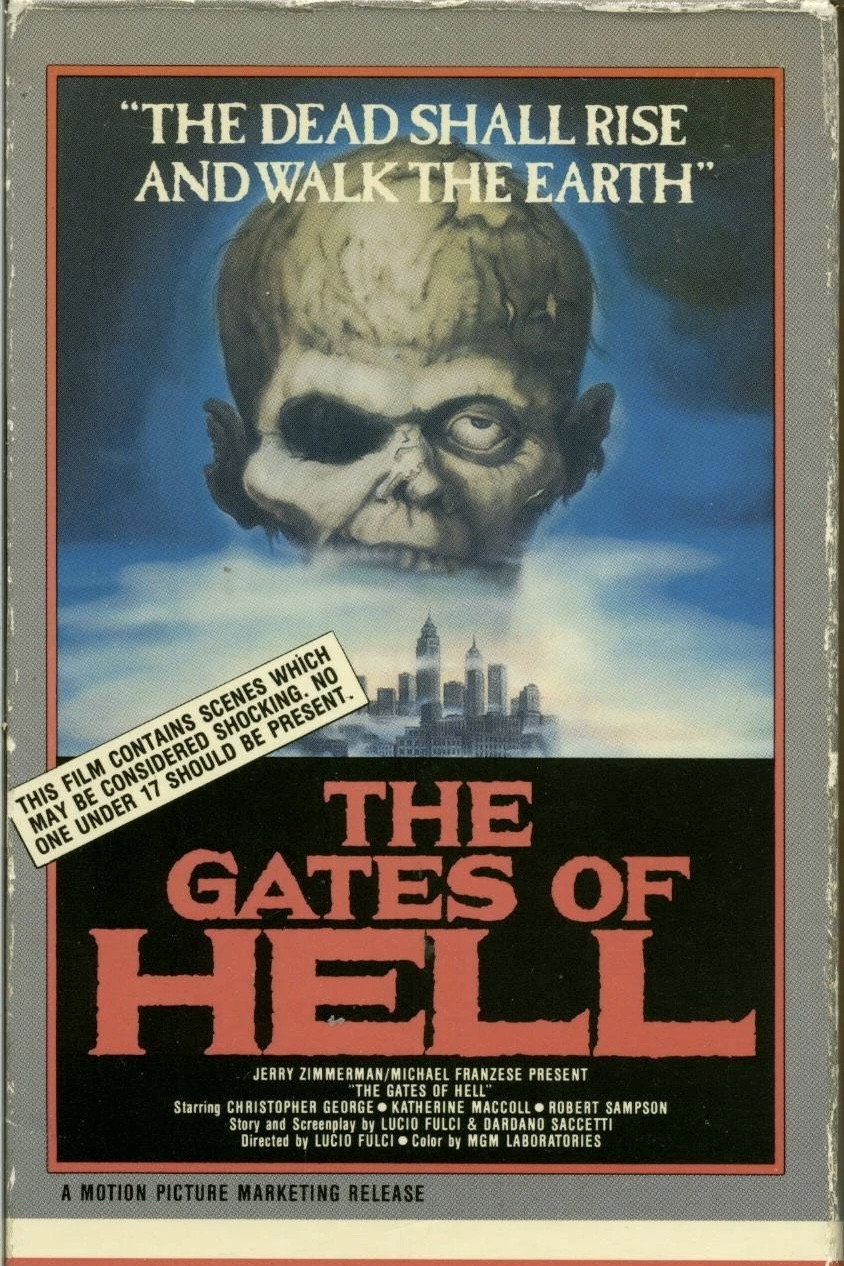
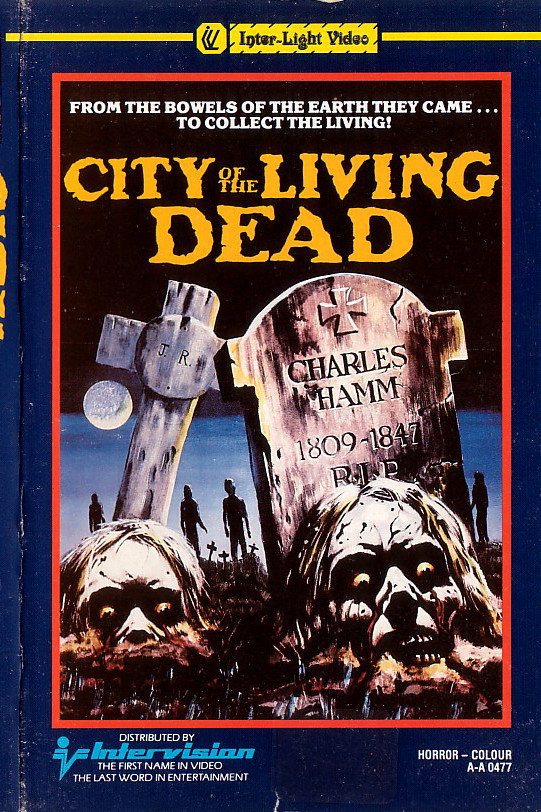
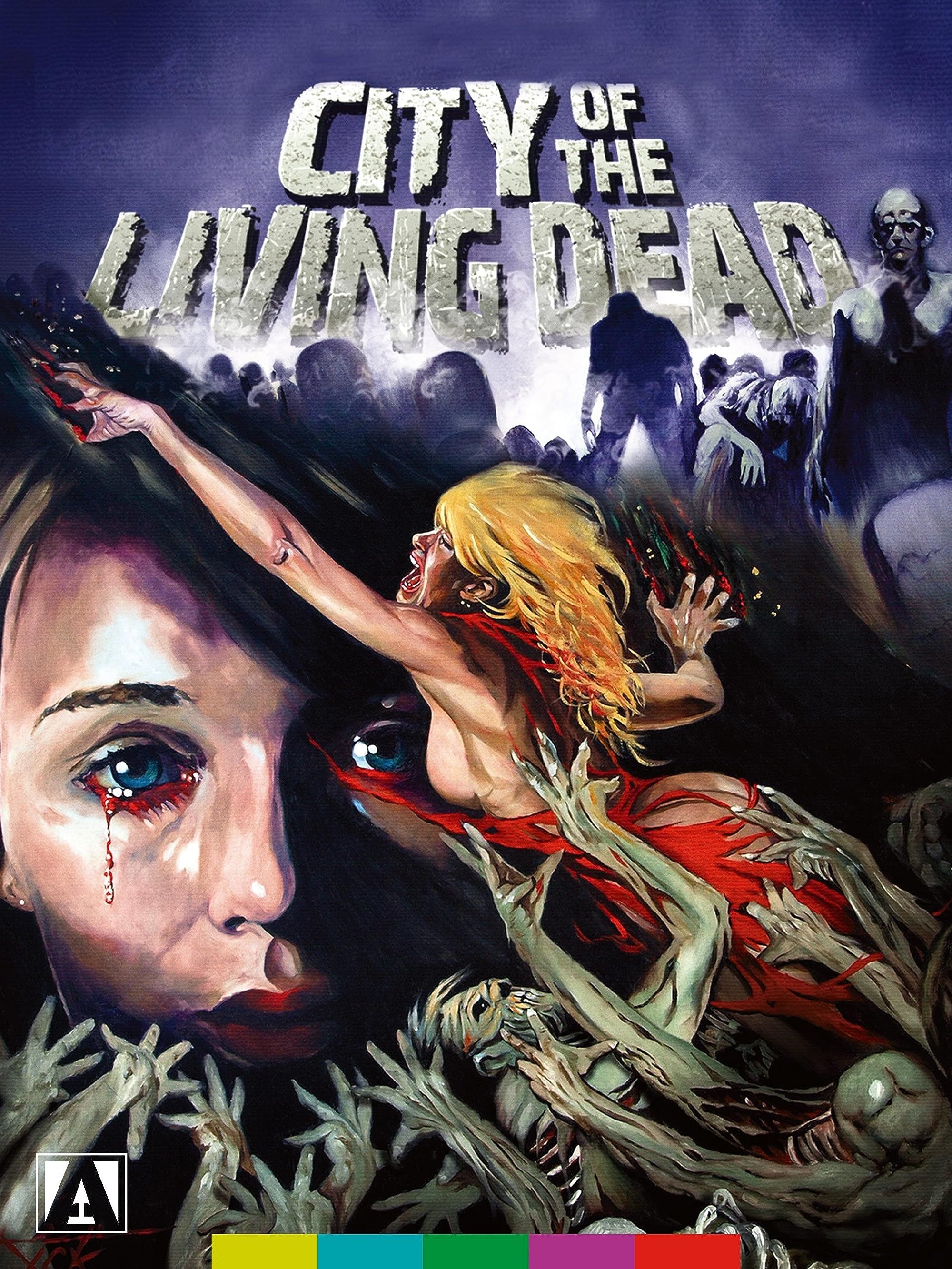
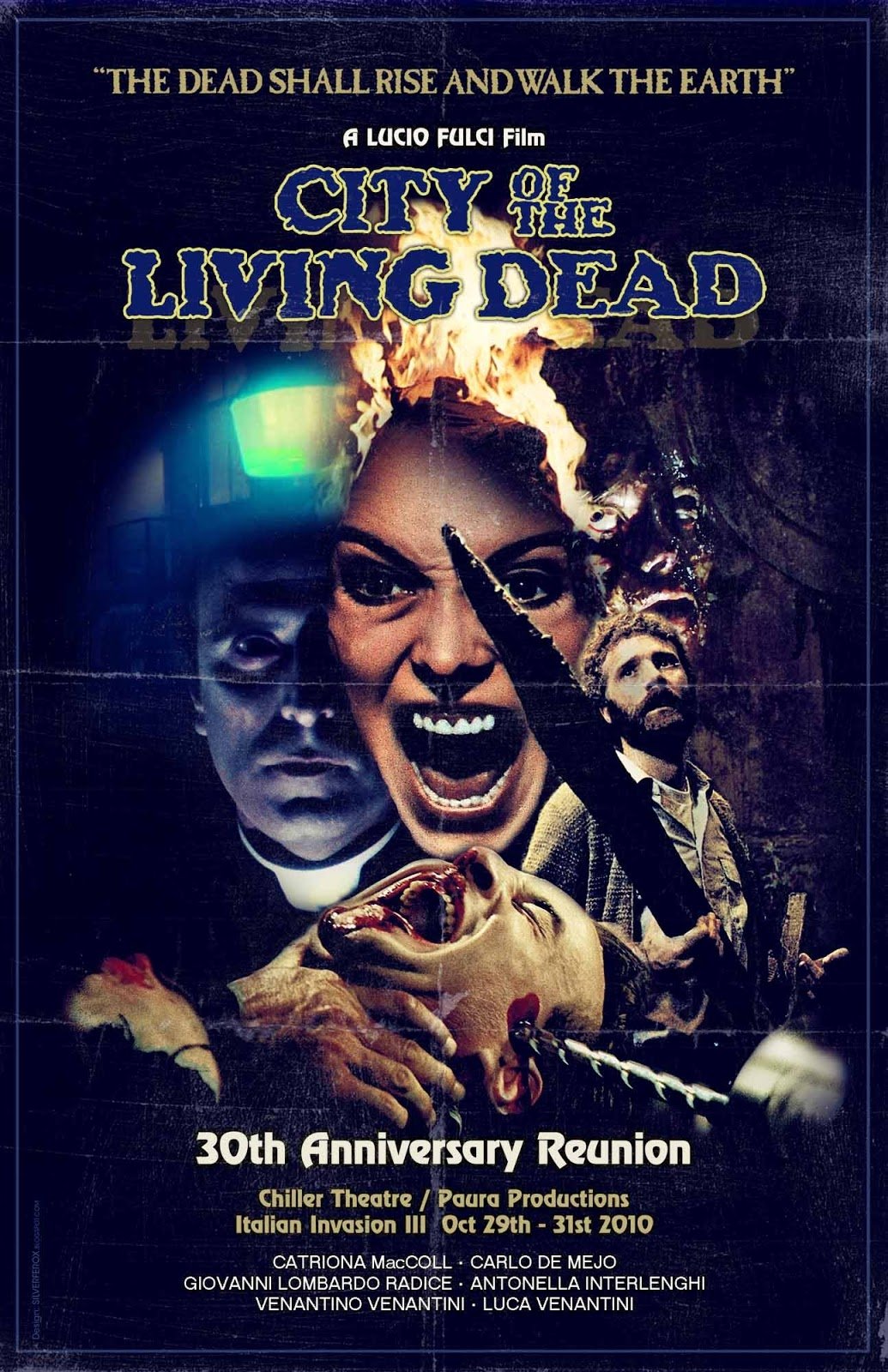
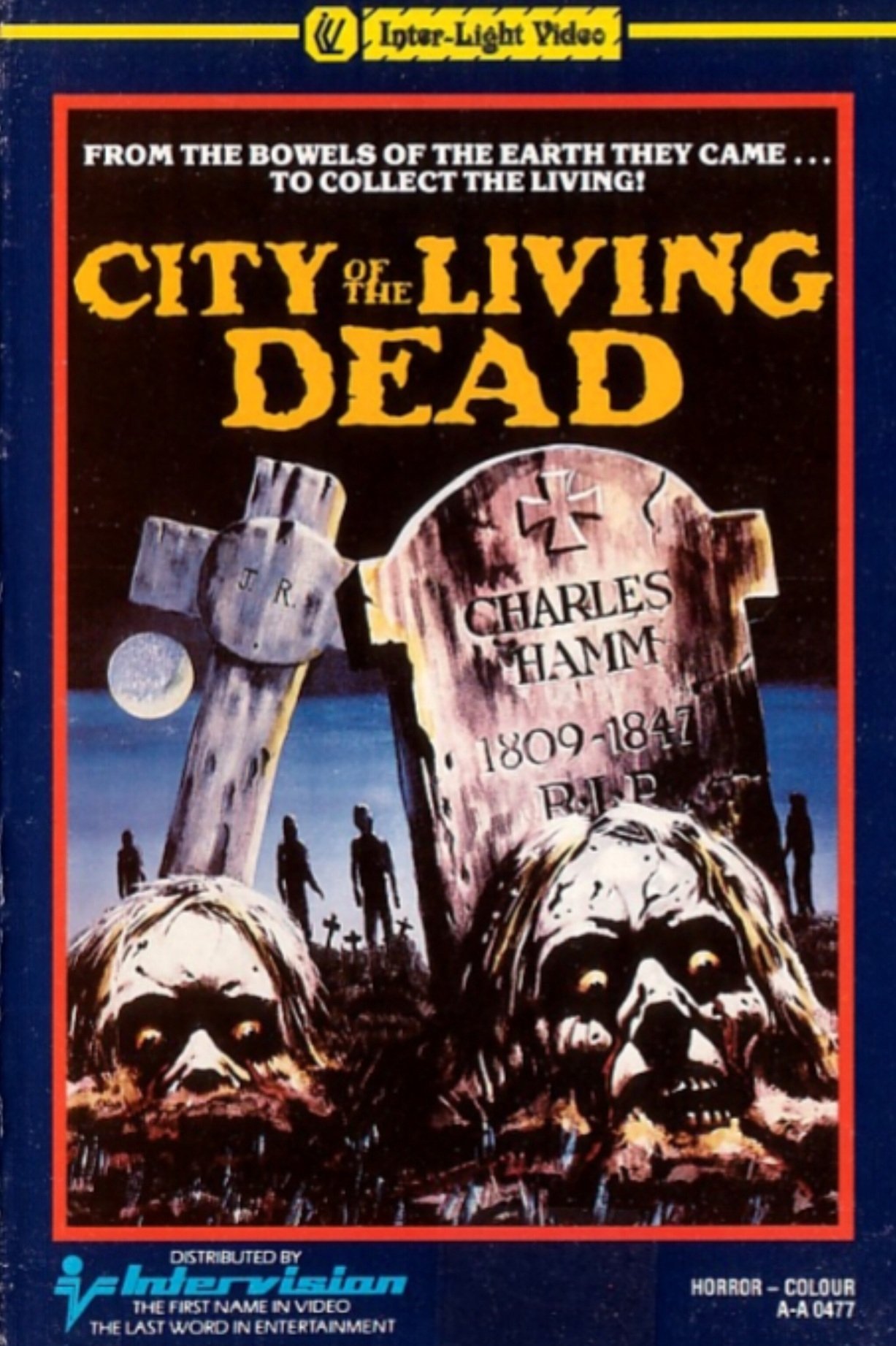
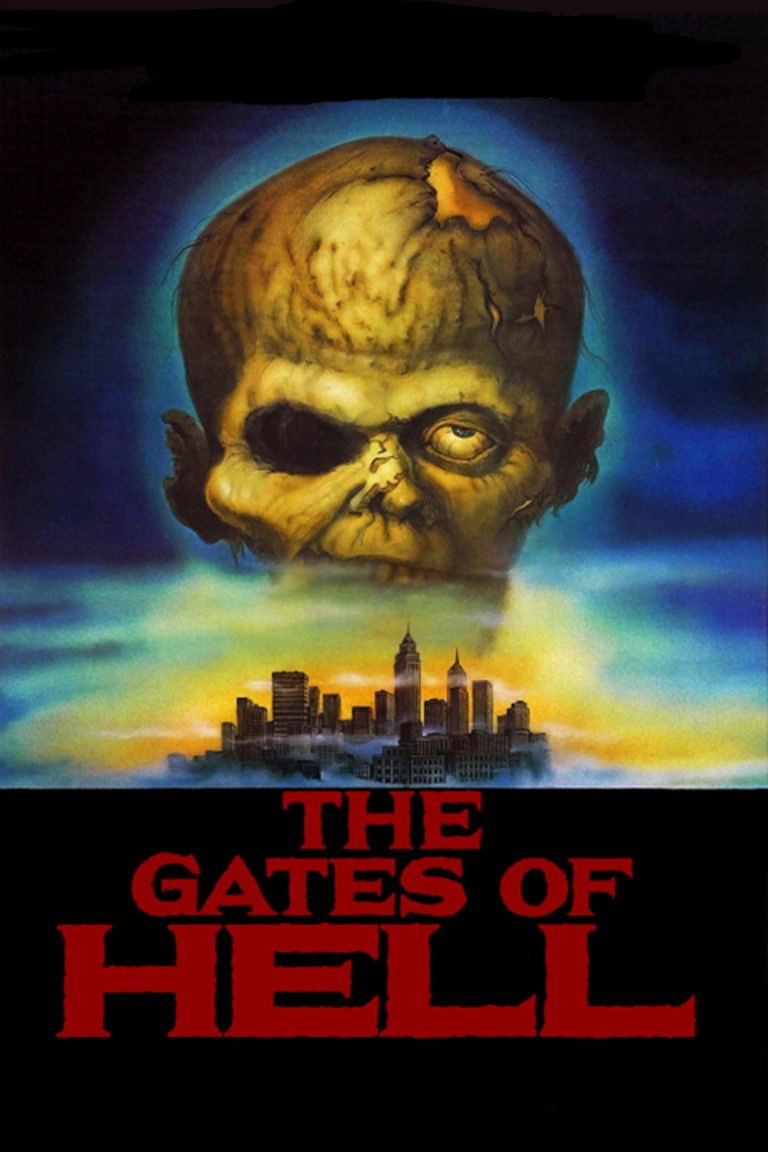
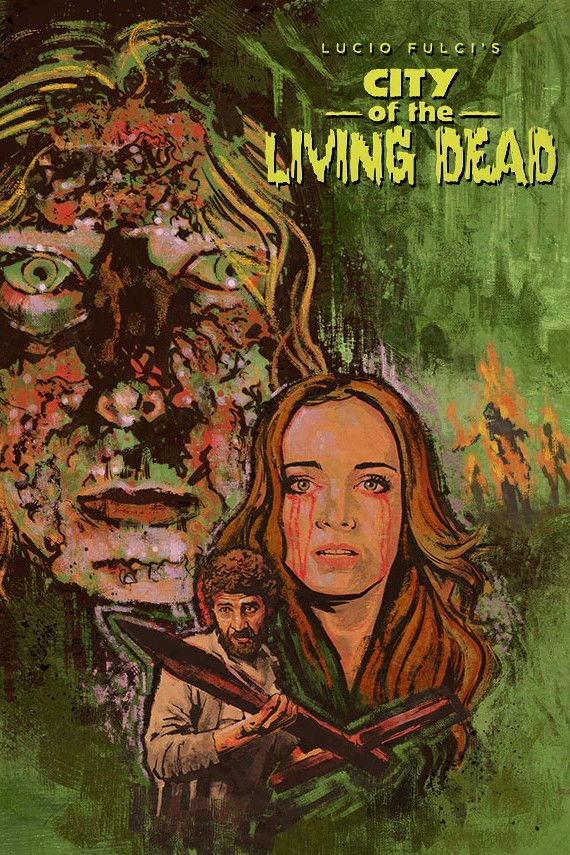
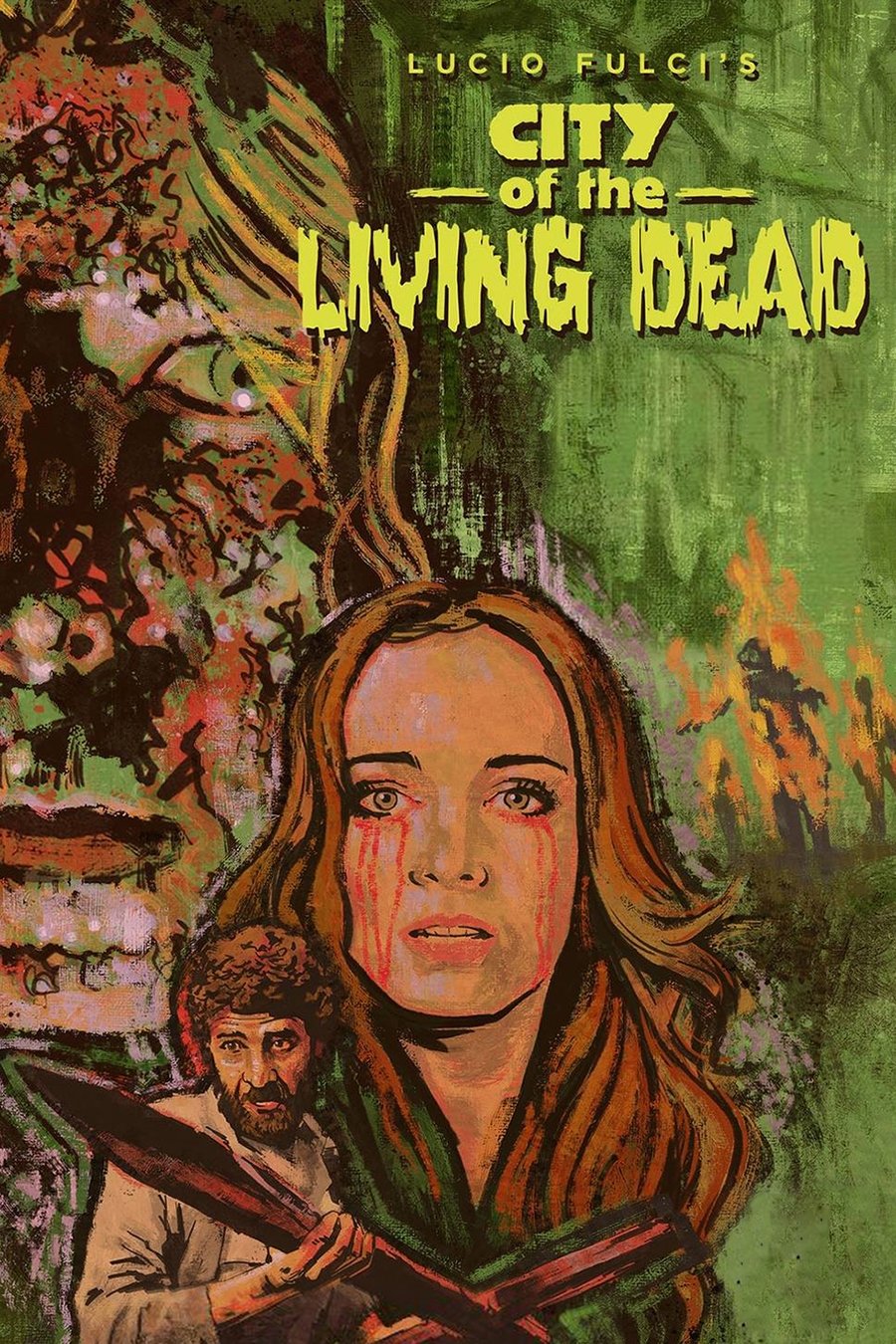
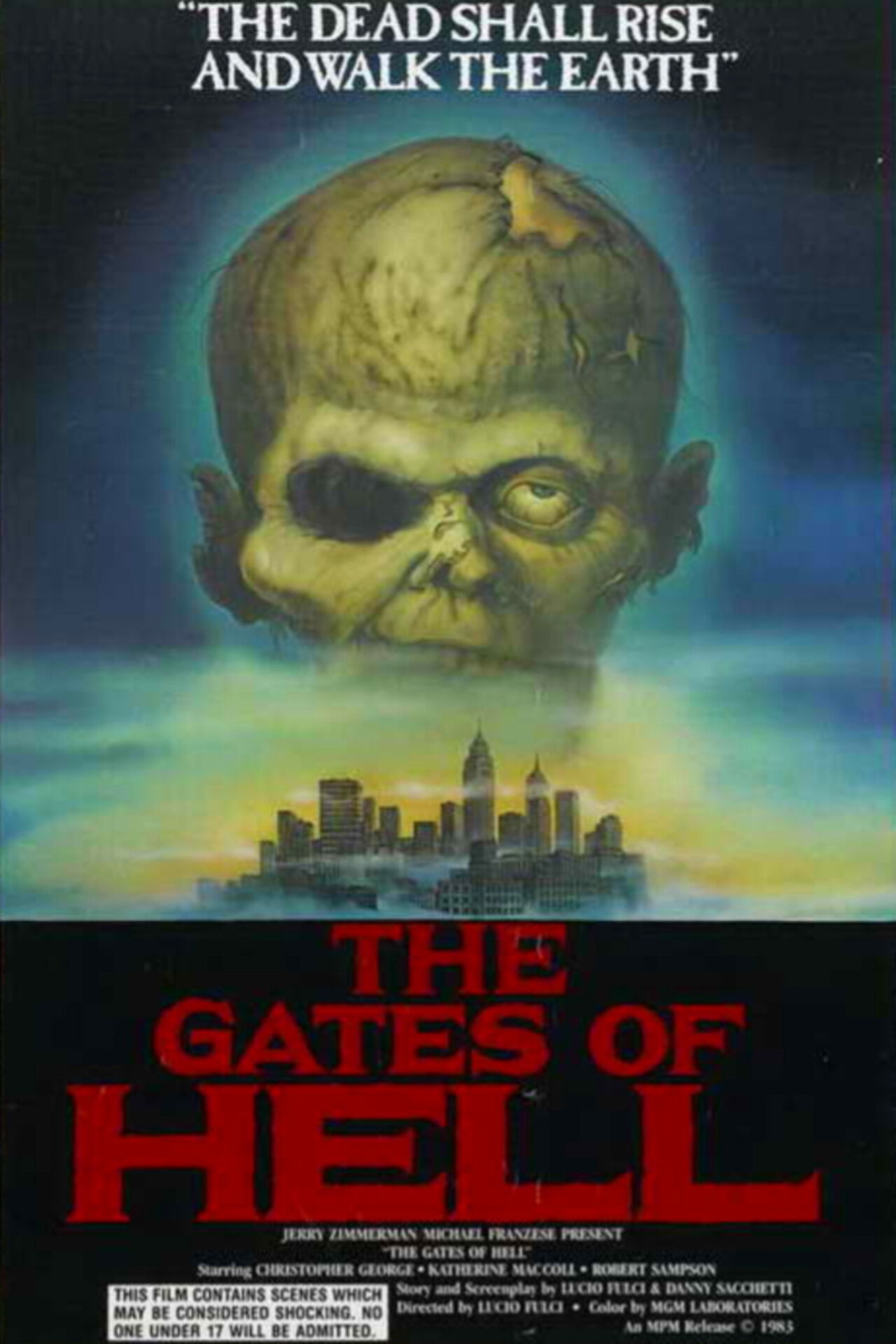
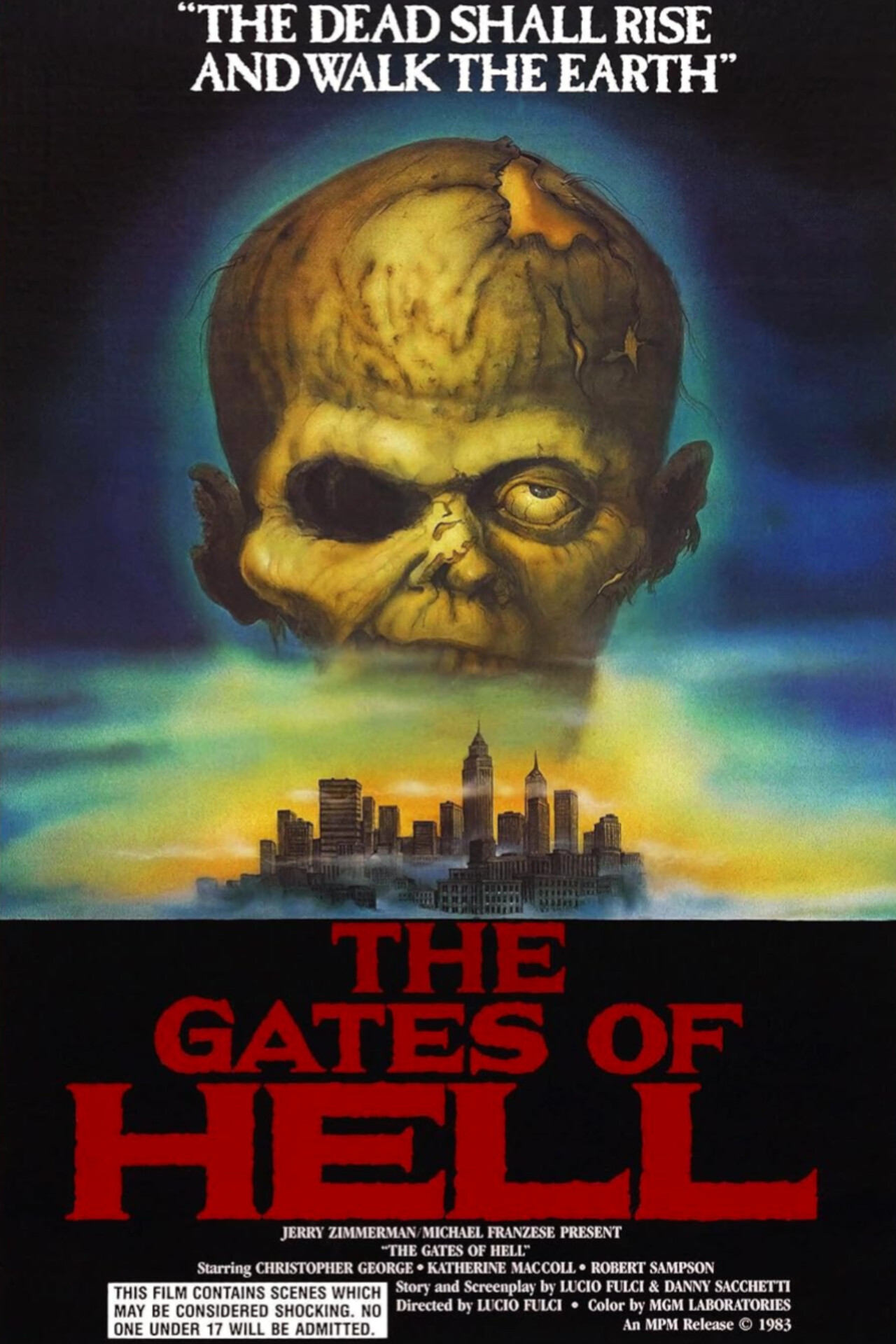
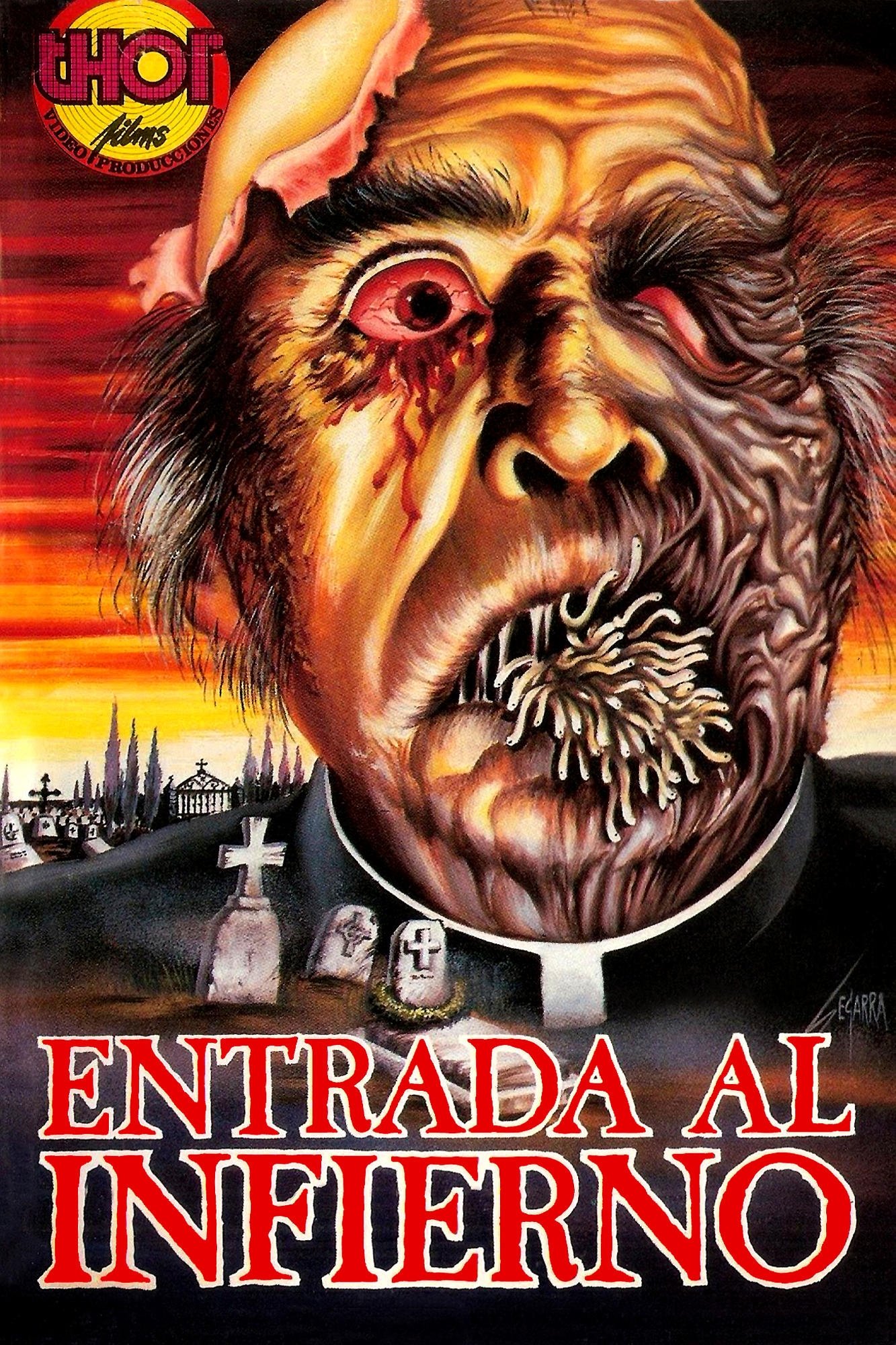
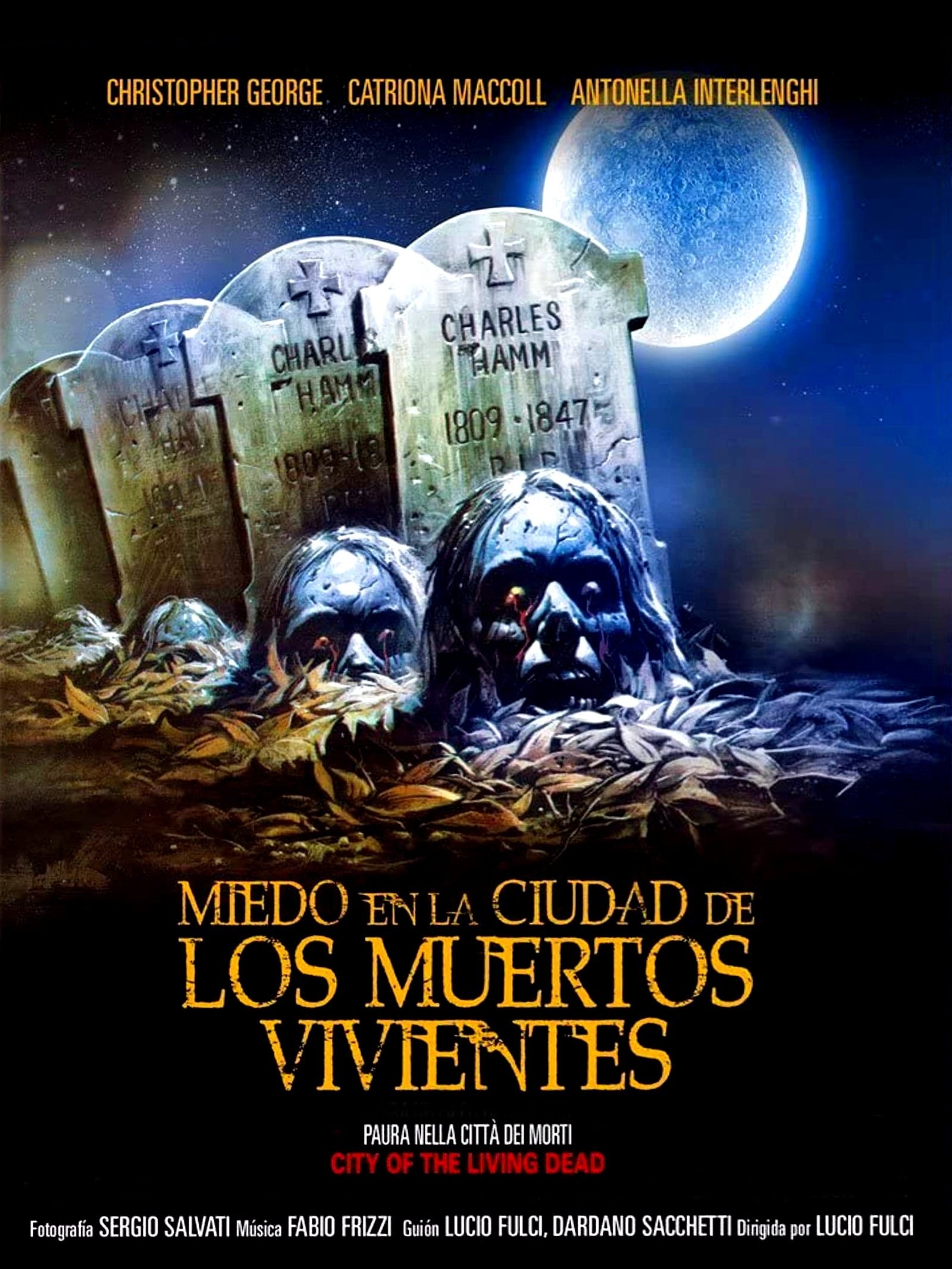
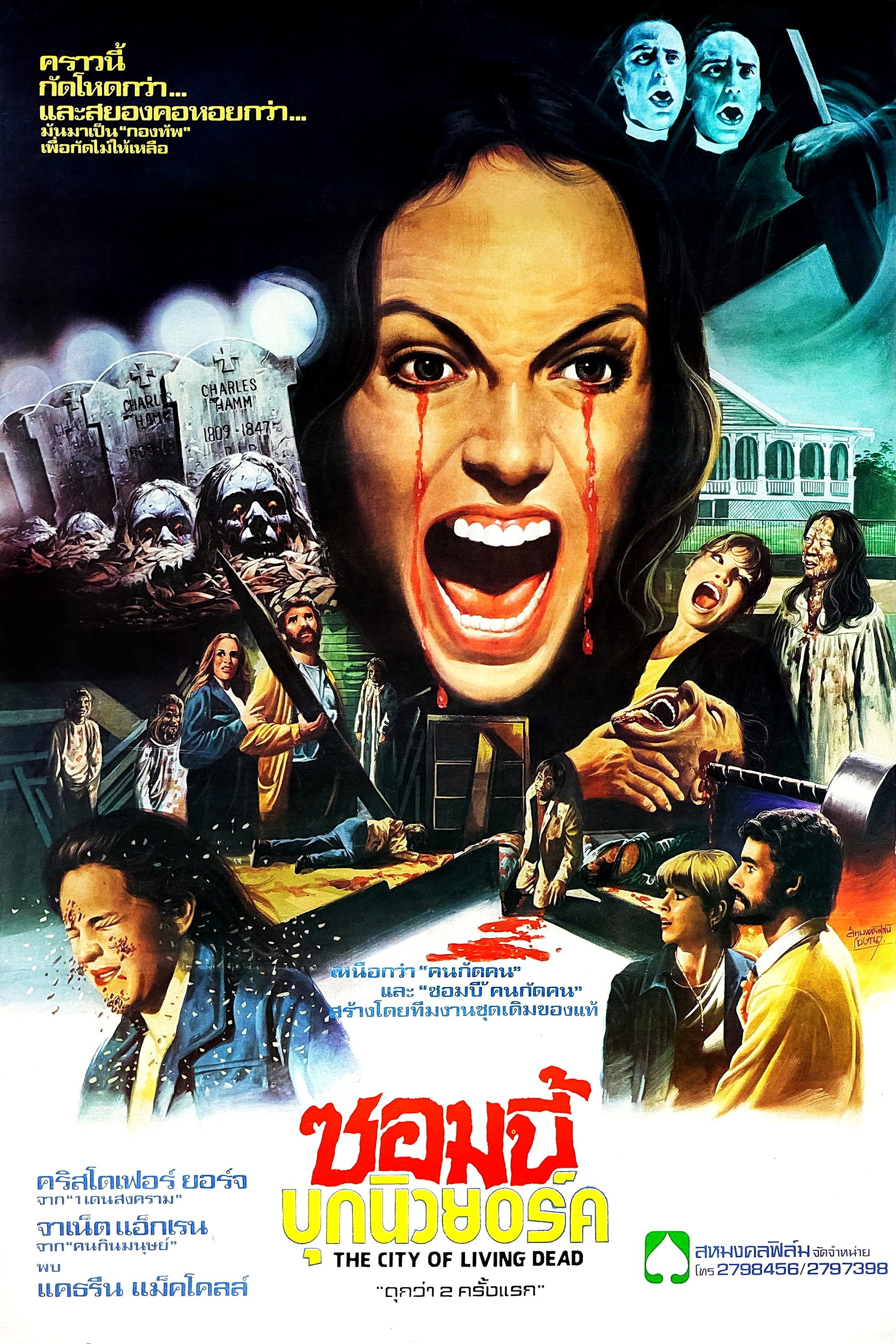
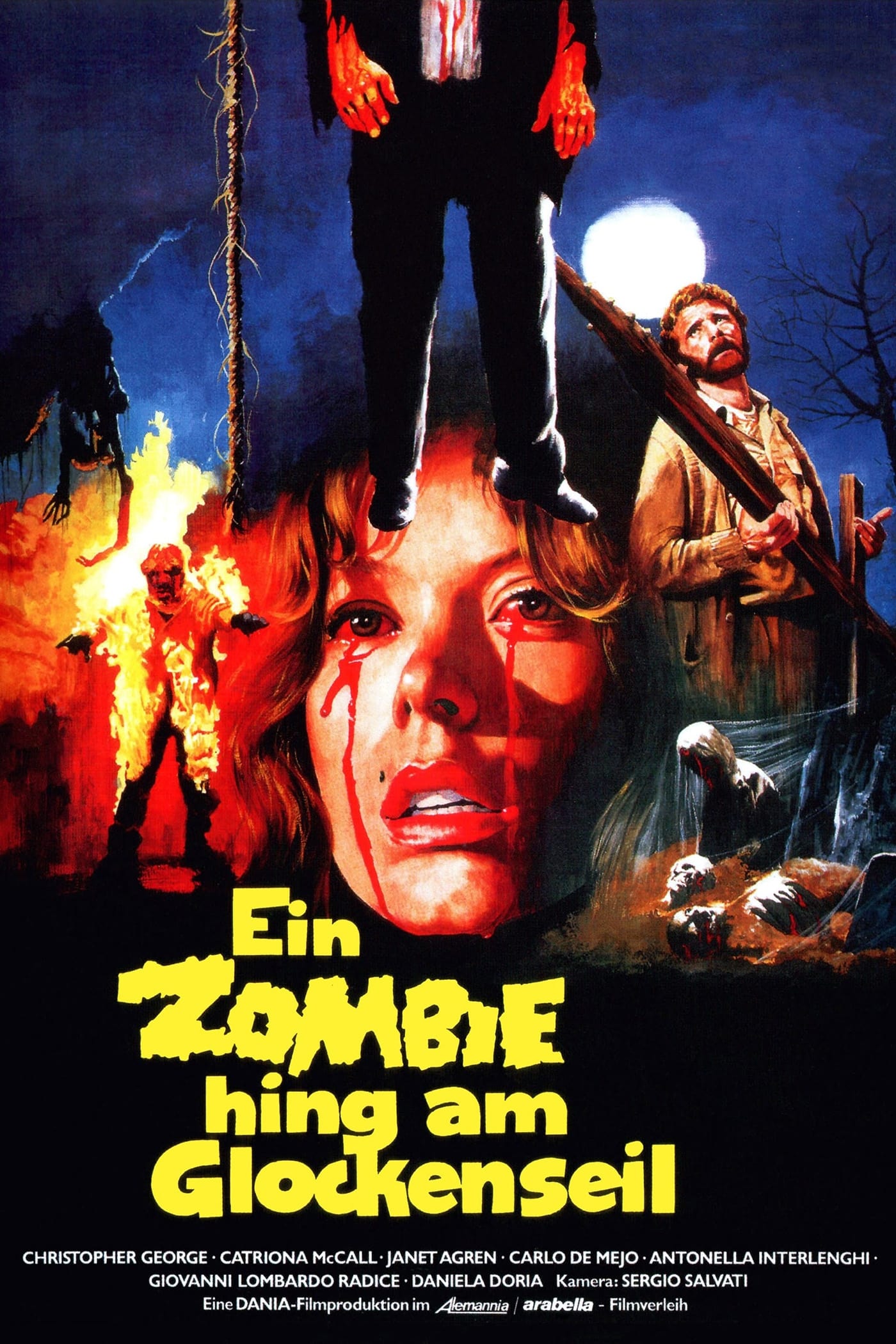
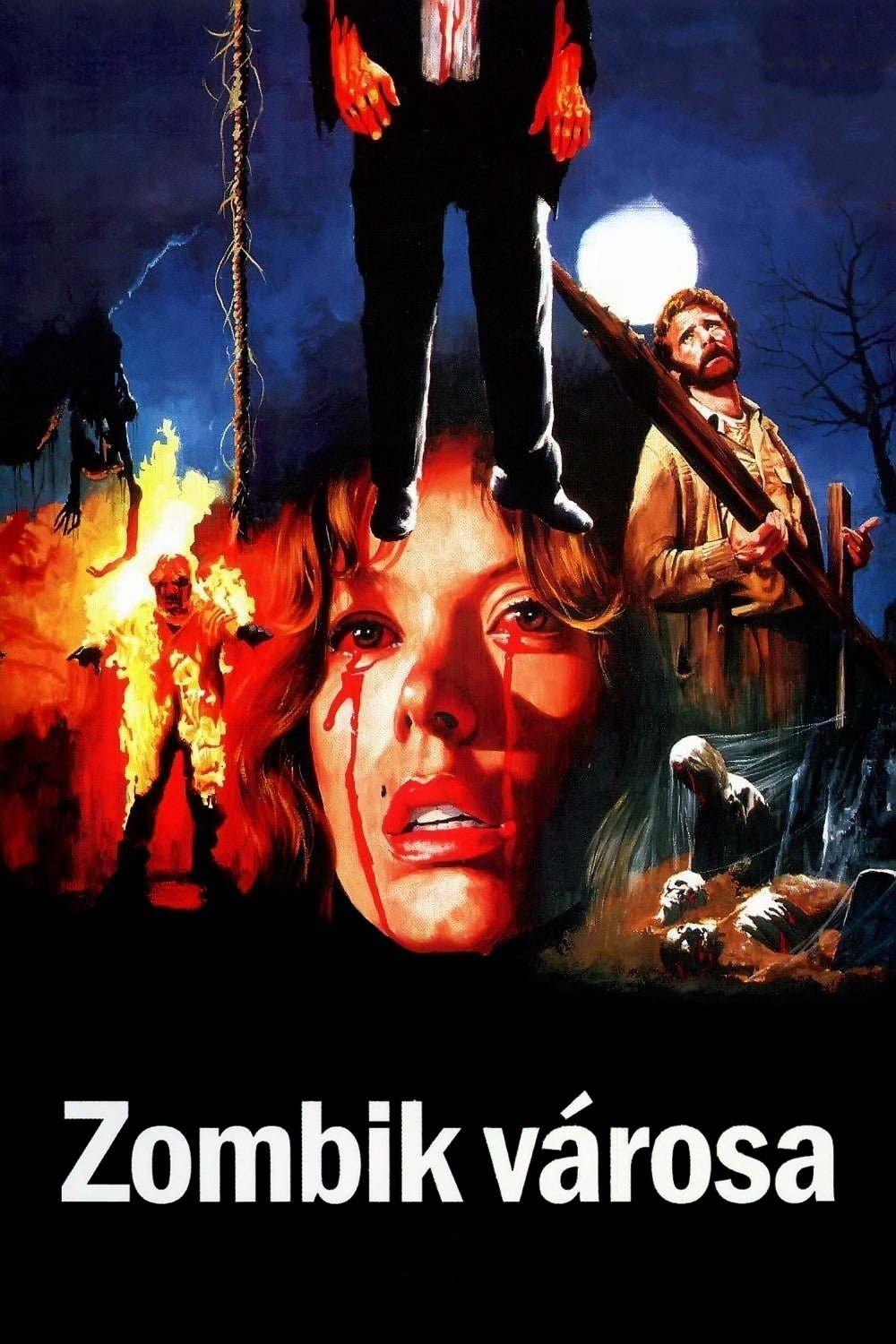
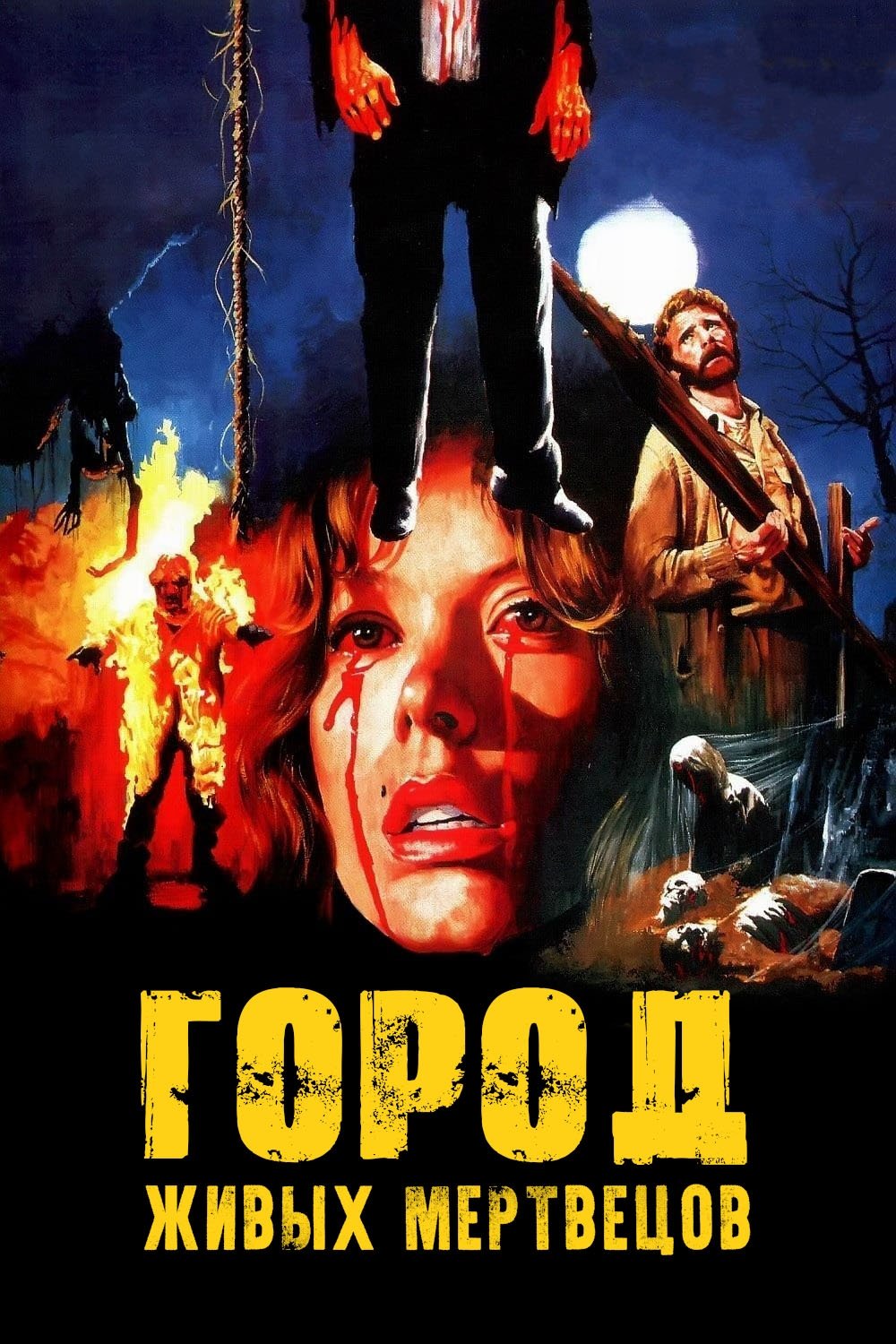
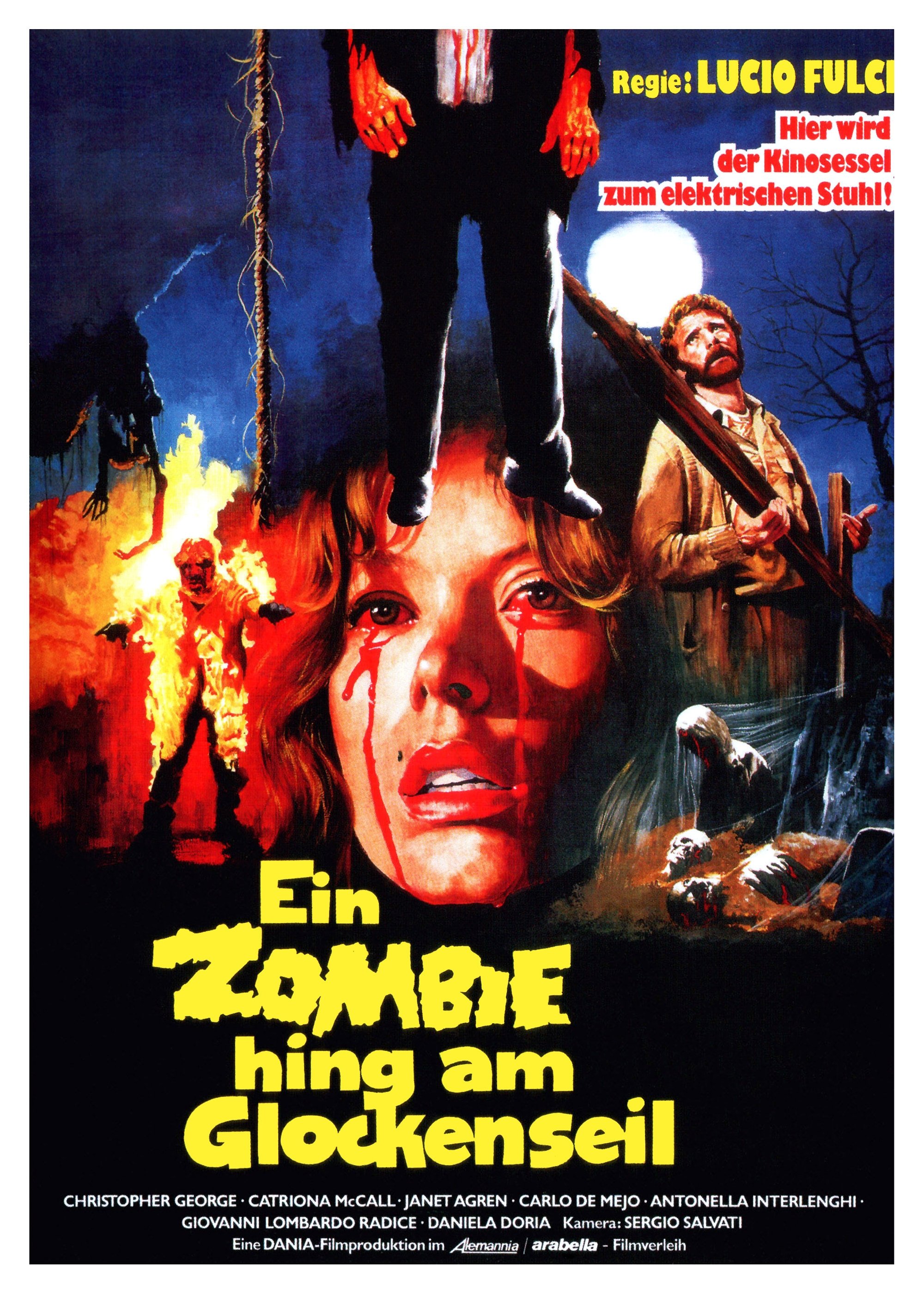
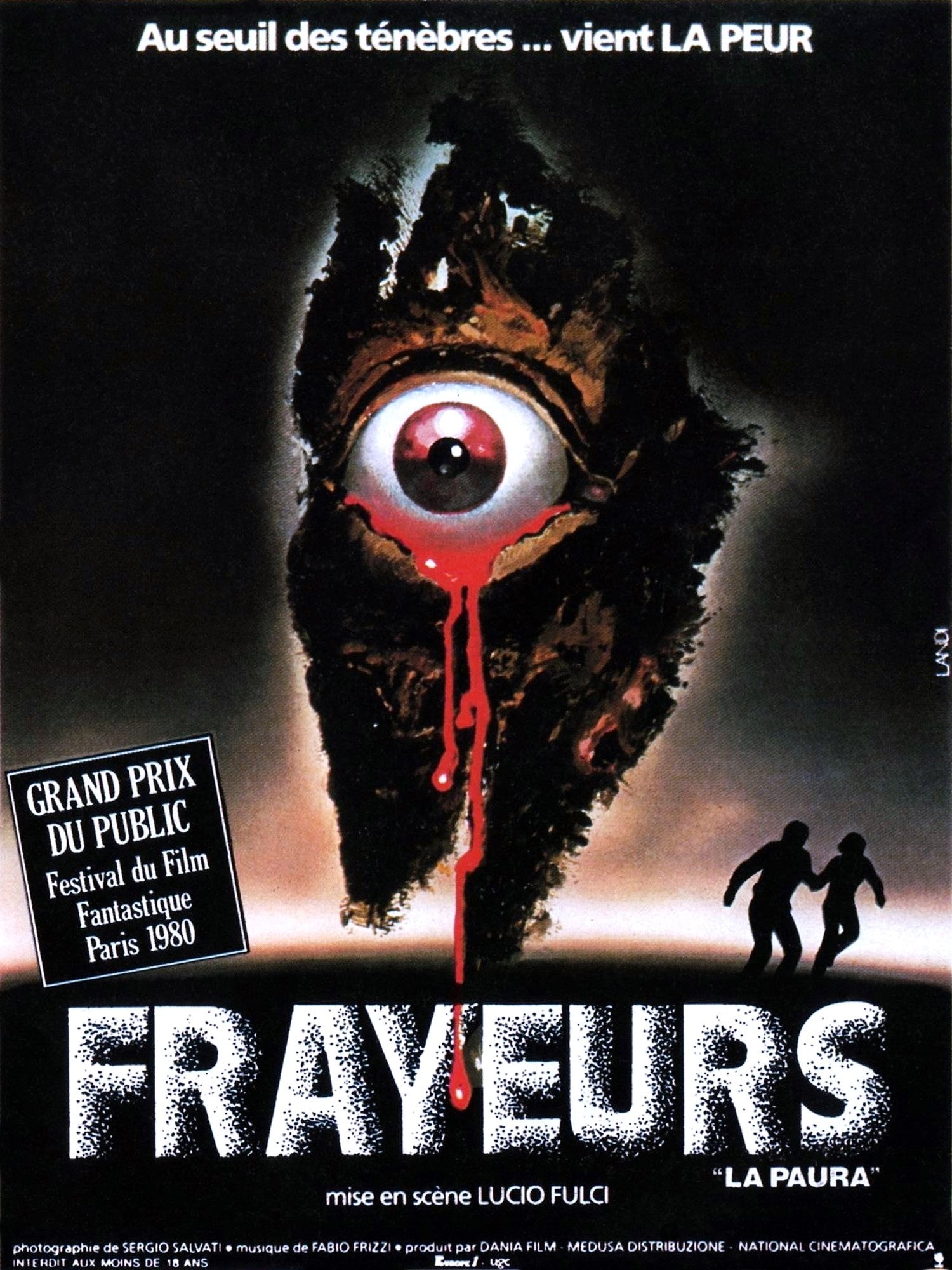
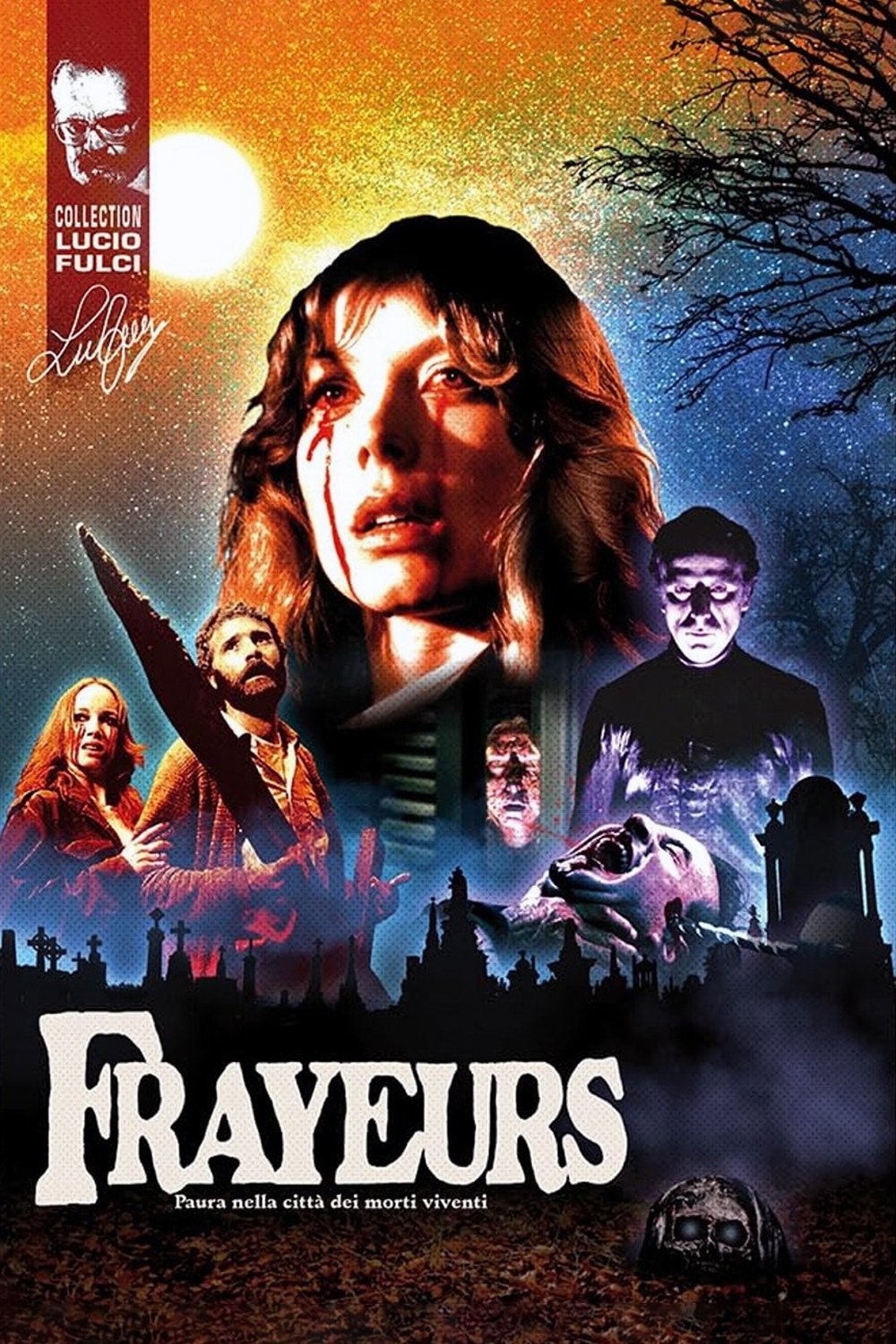
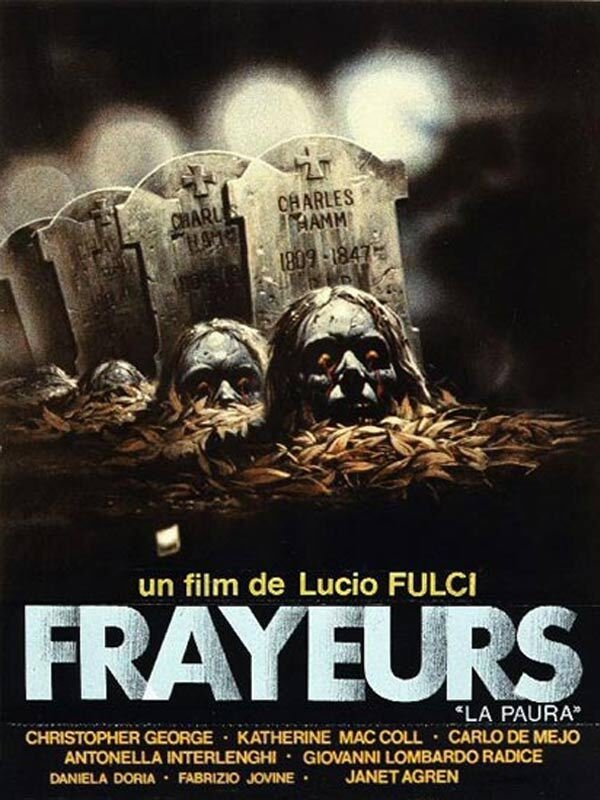
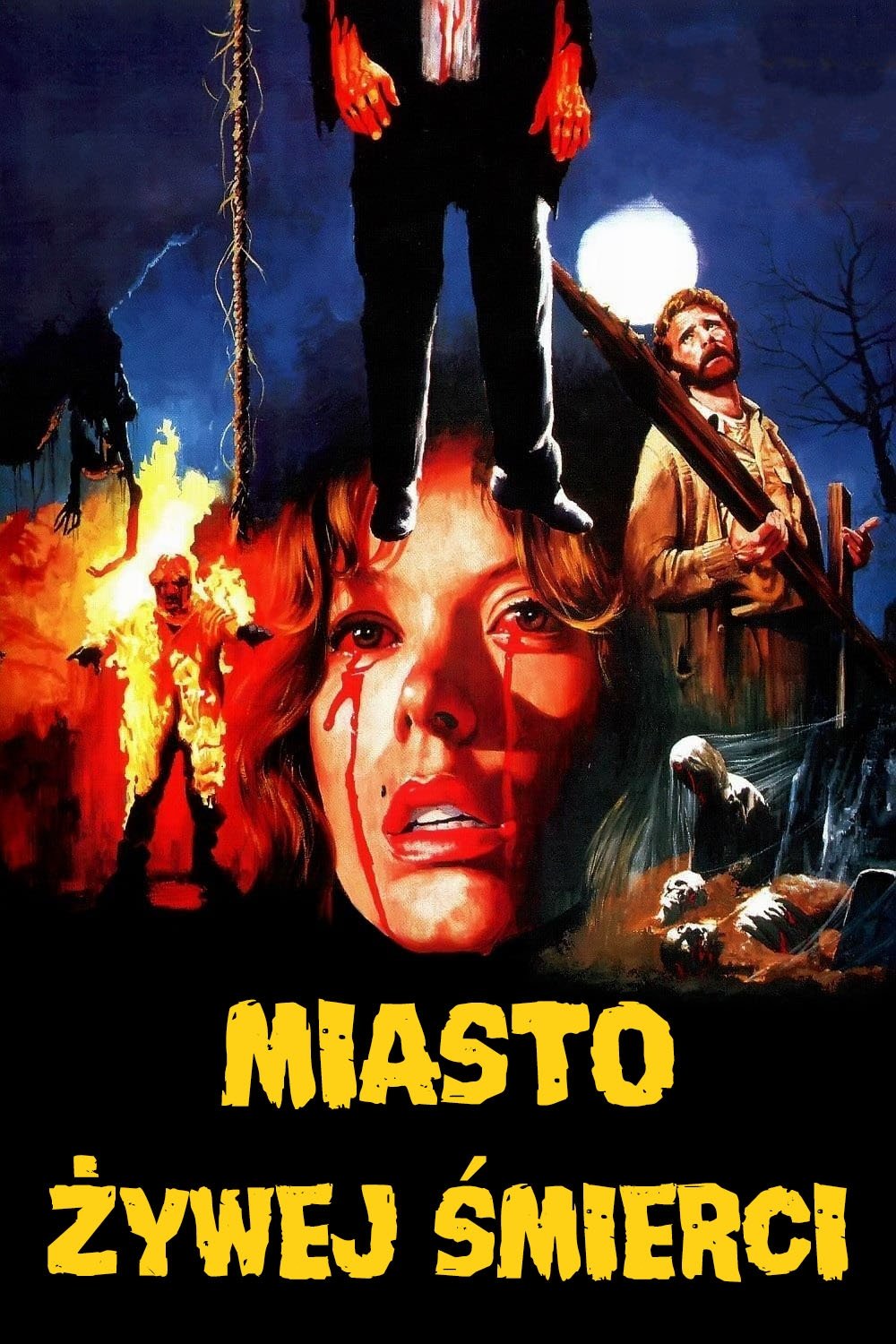
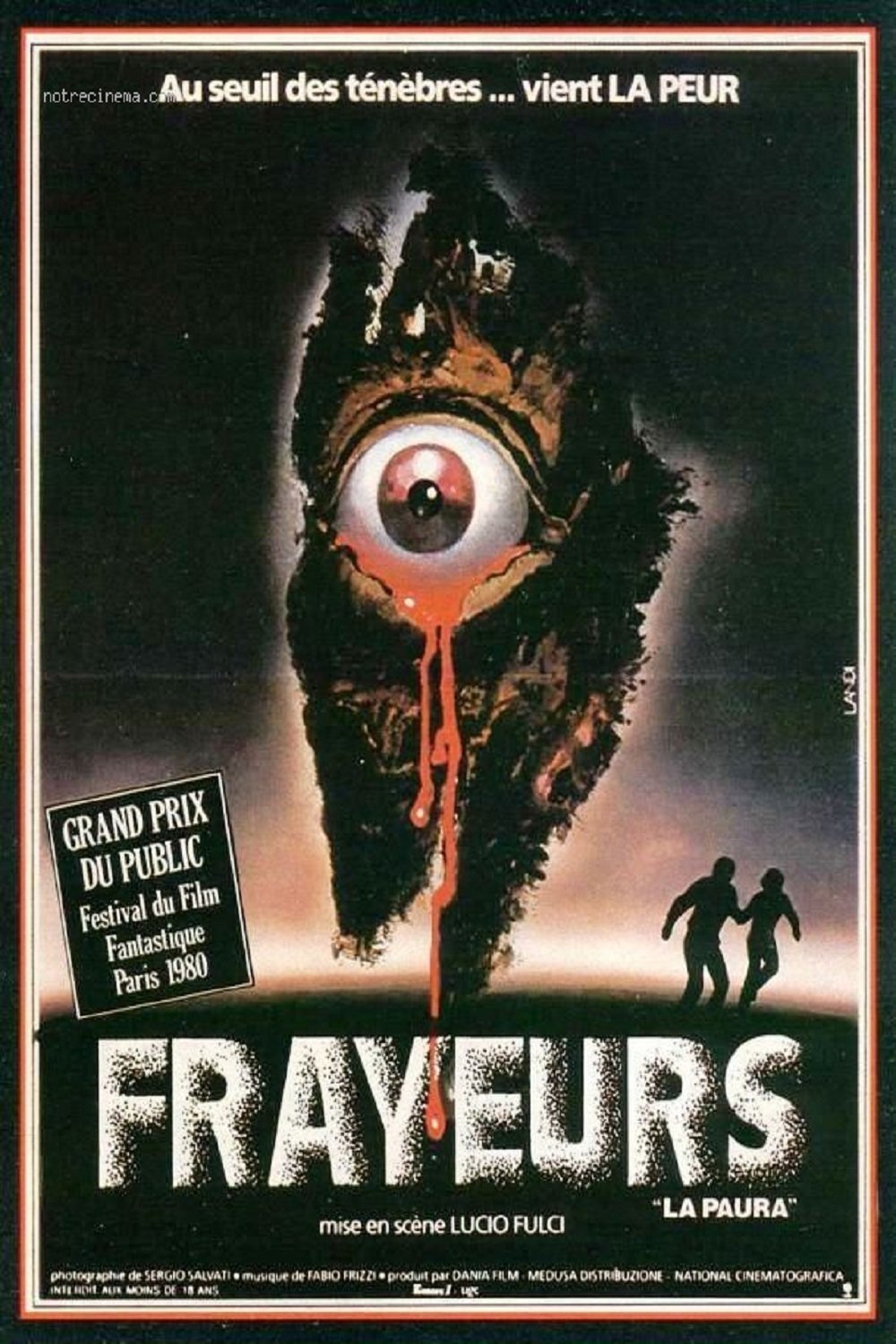
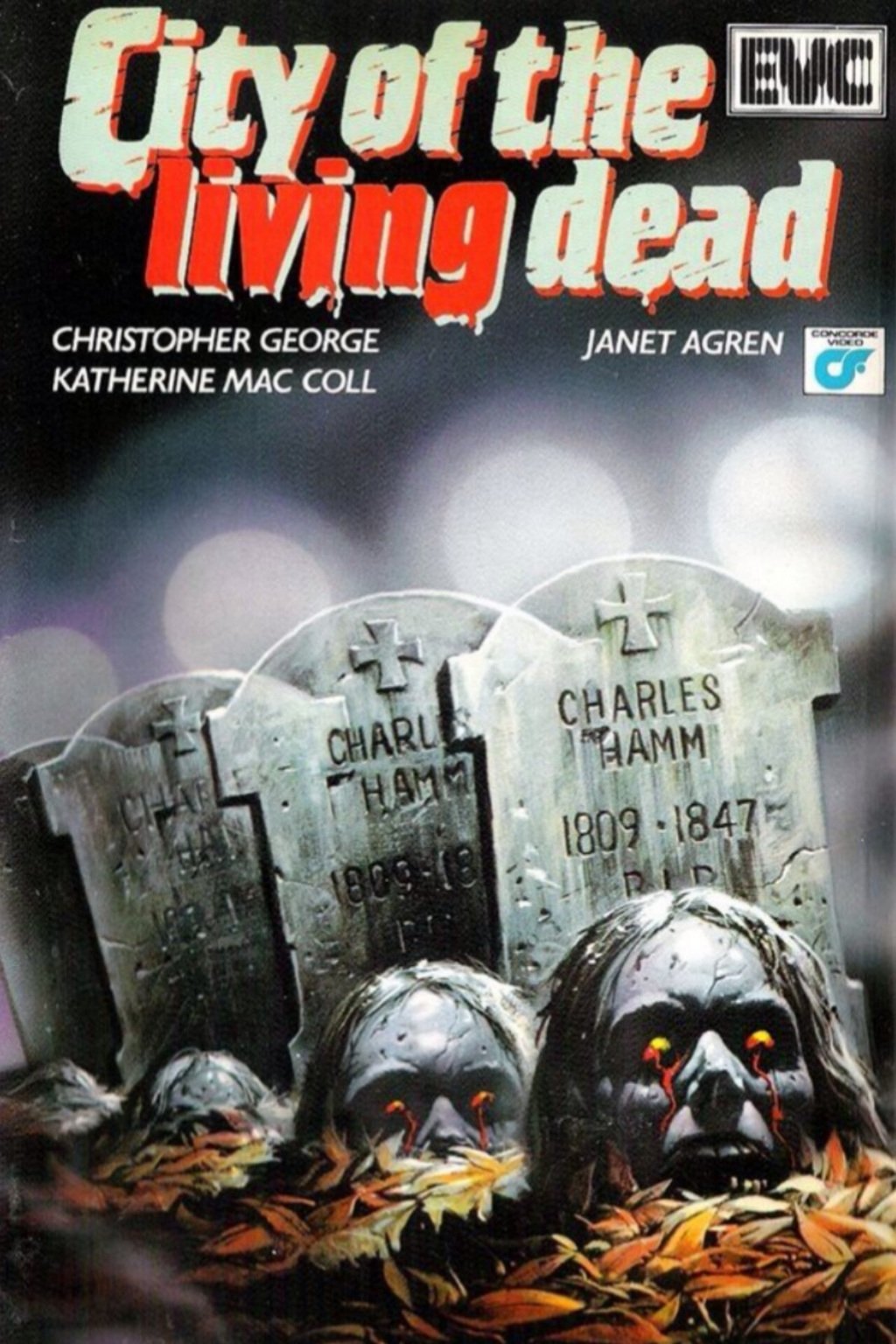
The Italian censorship record is dated August 7, 1980, and Medusa released the film theatrically in Italy on August 11. Official Italian archival records credit a production by Dania Film, Medusa Distribuzione and National Cinematografica, with Sergio Salvati on photography, Vincenzo Tomassi editing and Fabio Frizzi composing the score. Internationally it circulated under several titles, most significantly City of the Living Dead and, in the United States, The Gates of Hell.
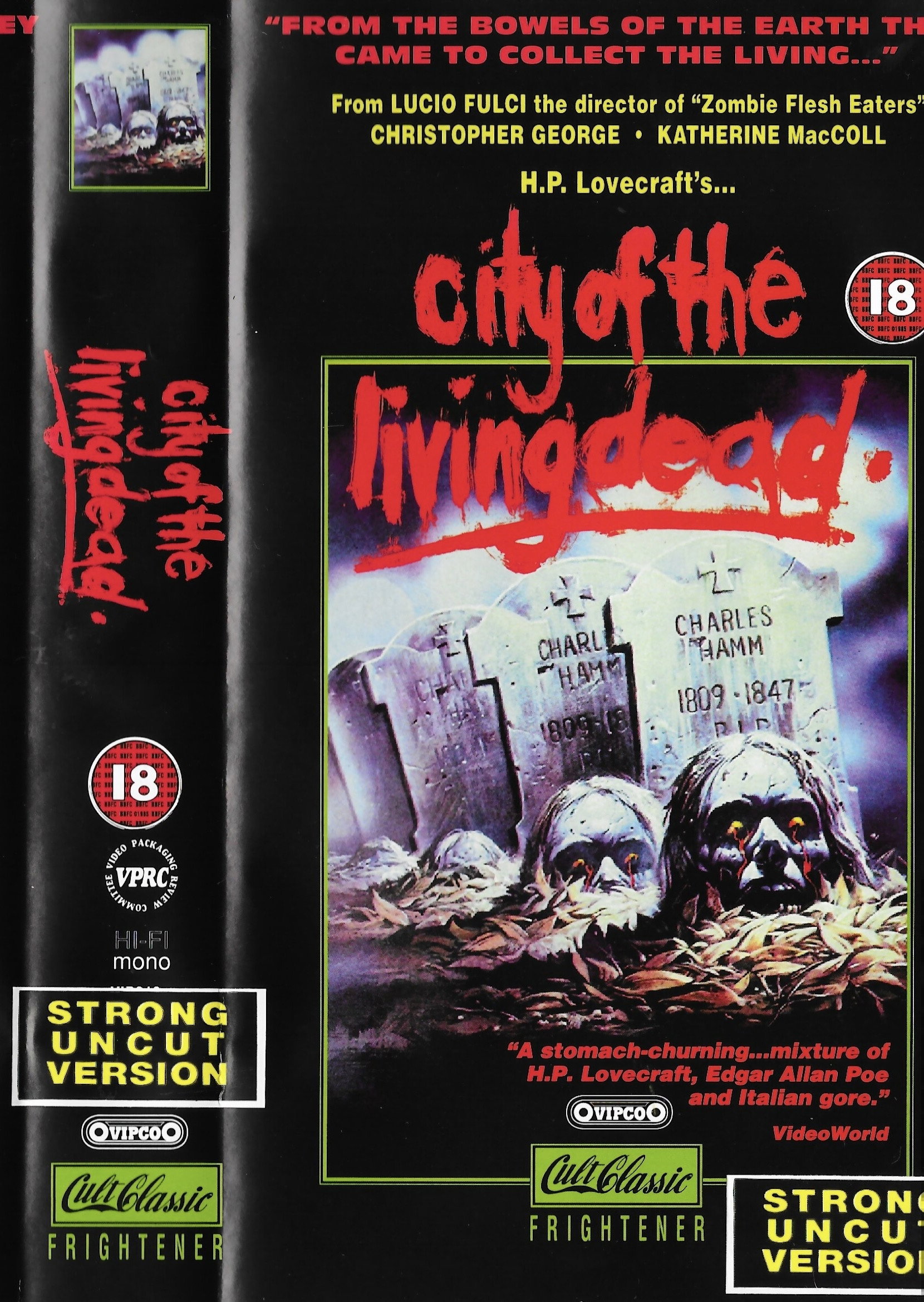
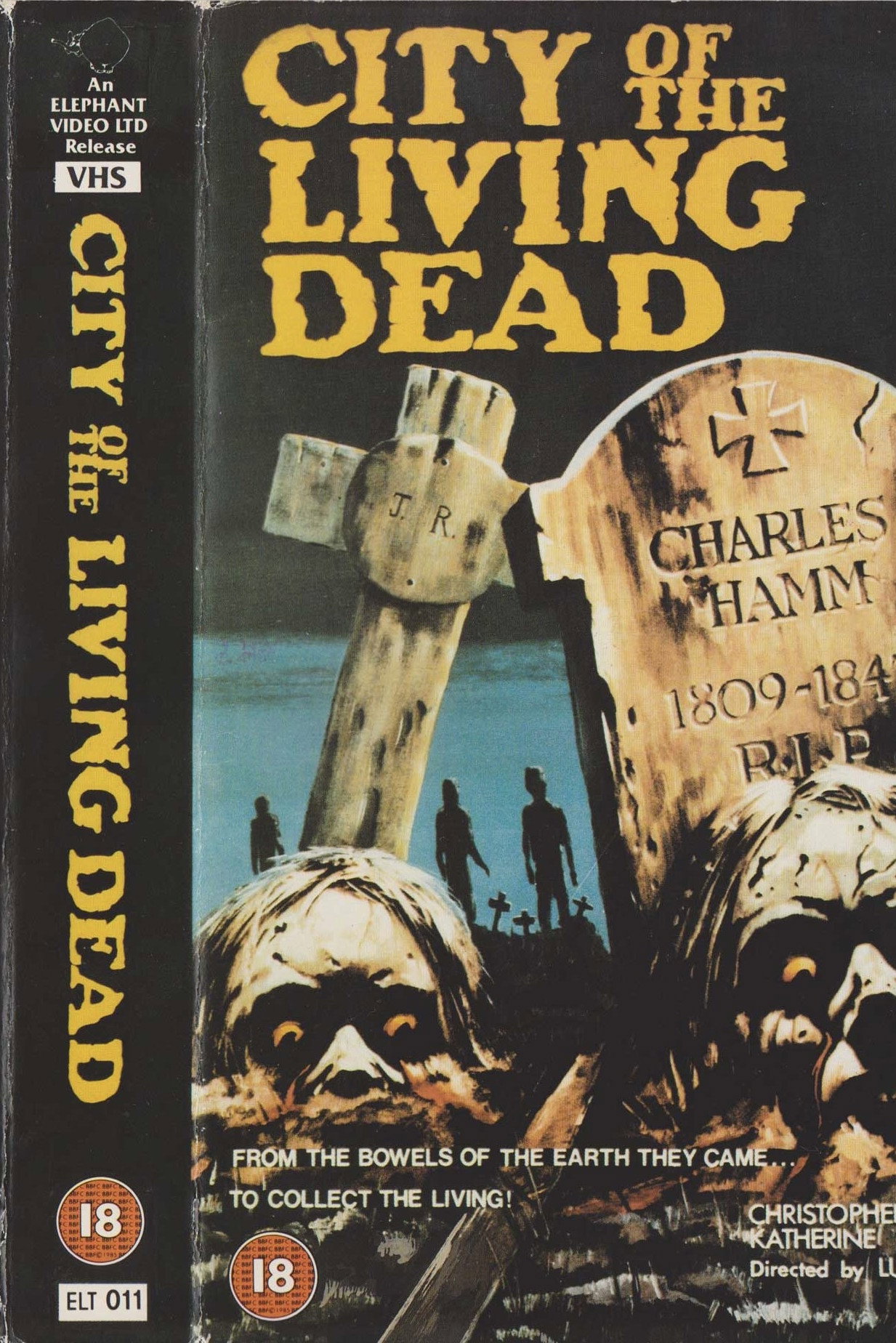
Britain proved particularly difficult because the film's prolonged gore sequences attracted substantial attention from the BBFC. The cinema submission was classified in December 1981 only after cuts, and the British theatrical history became strongly associated with the removal of violent material, especially the drill sequence. Later video editions were subjected to still heavier editing, including reductions to the intestinal-vomiting and head-crushing imagery. The censorship history contributed to the film's reputation during the period when Fulci's work was becoming synonymous in Britain with extreme Italian horror.
The situation changed as classification standards evolved. By 2001 the BBFC was classifying a home-video version without the cuts noted on the original cinema submission, and later classifications have retained an 18 certificate for strong gory violence without requiring the historical reductions. The shift mirrors the broader reassessment of Fulci: imagery once treated principally as a censorship problem is now routinely presented intact in restorations and repertory screenings.
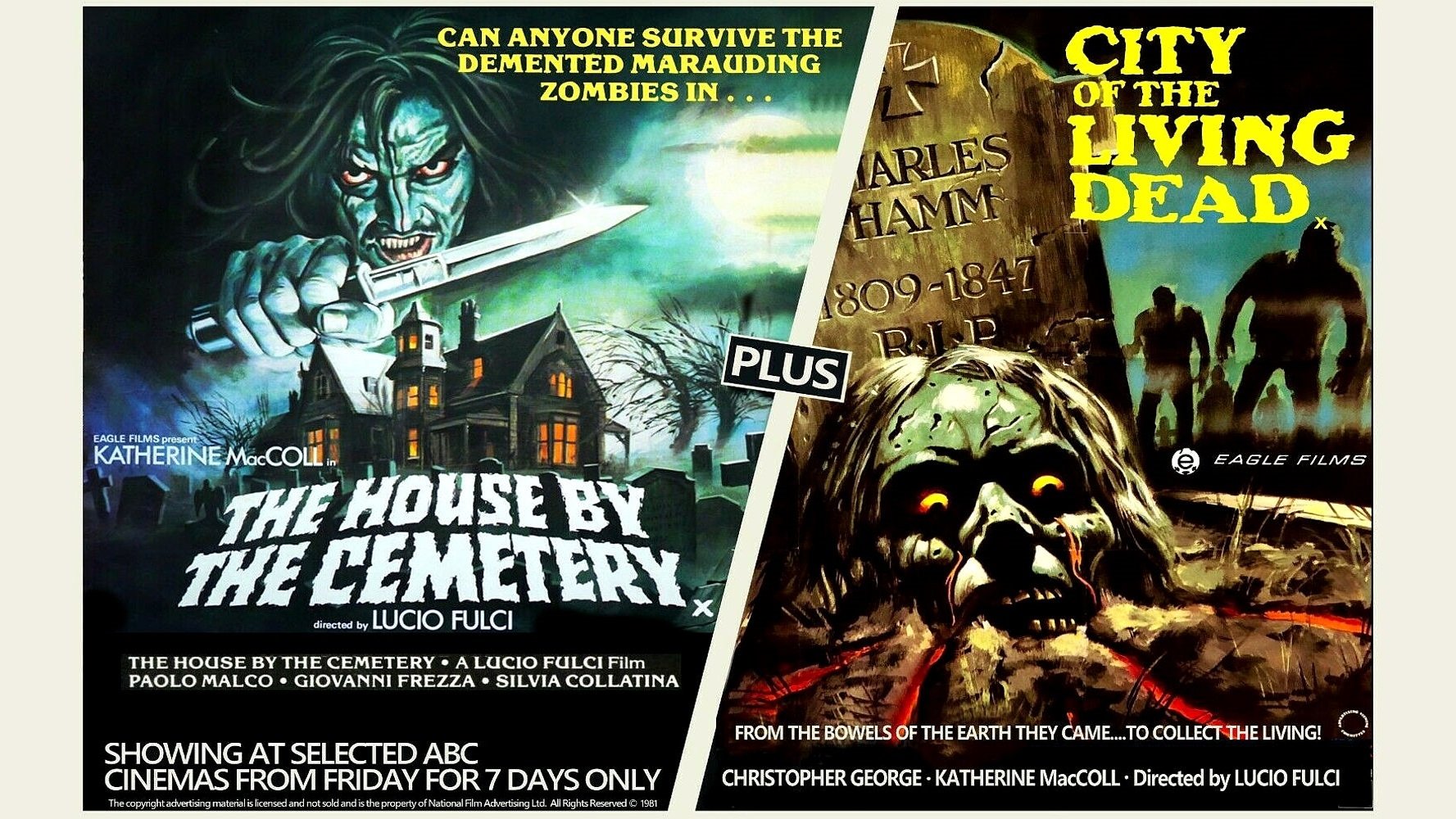
The alternate title The Gates of Hell eventually acquired another significance because the film is now frequently described as the beginning of Fulci's informal Gates of Hell trilogy, followed by The Beyond and The House by the Cemetery. The three films were not conceived as conventional sequels and do not share continuous characters or stories. The grouping is retrospective, based instead on their recurring concern with the dead entering the world through supernatural ruptures.
Reception, Legacy & the Gates of Hell Cycle
City of the Living Dead did not achieve the same Italian commercial result as Zombie Flesh Eaters, but its international circulation helped consolidate Fulci's identity as a horror filmmaker at precisely the moment when his work was becoming particularly successful abroad. Sacchetti later remembered that the film had been surprisingly difficult to finance despite the earlier hit, while Fulci's encounters with enthusiastic foreign audiences helped reinforce his awareness that the supernatural horror films were developing a reputation far beyond their domestic critical reception.
The film's position has strengthened considerably with later reassessment. The BFI now presents City of the Living Dead as the first of the three Fulci films informally known as the Gates of Hell trilogy and emphasizes both its extreme gore and its surreal approach to narrative convention. That combination is crucial. Treating the film simply as a zombie movie understates what distinguishes it from the many Italian productions that followed George A. Romero's international success.
Fulci's living dead do not belong to a world that can be restored by understanding an infection or surviving an outbreak. They are symptoms of something metaphysical. The real catastrophe is that distinctions between life and death, here and elsewhere, vision and physical presence are becoming impossible to maintain. The grotesque set pieces provide the film's most famous images, but their lasting power comes from the supernatural world surrounding them.
City of the Living Dead therefore marks a decisive stage in Fulci's horror cinema. Zombie Flesh Eaters had demonstrated how far he could push physical decomposition; City begins dismantling reality around that decomposing body. The Beyond would take the idea further into complete spatial and narrative disintegration, but the essential mechanism is already established in Dunwich: once the boundary has been opened, horror no longer needs to enter through the door.