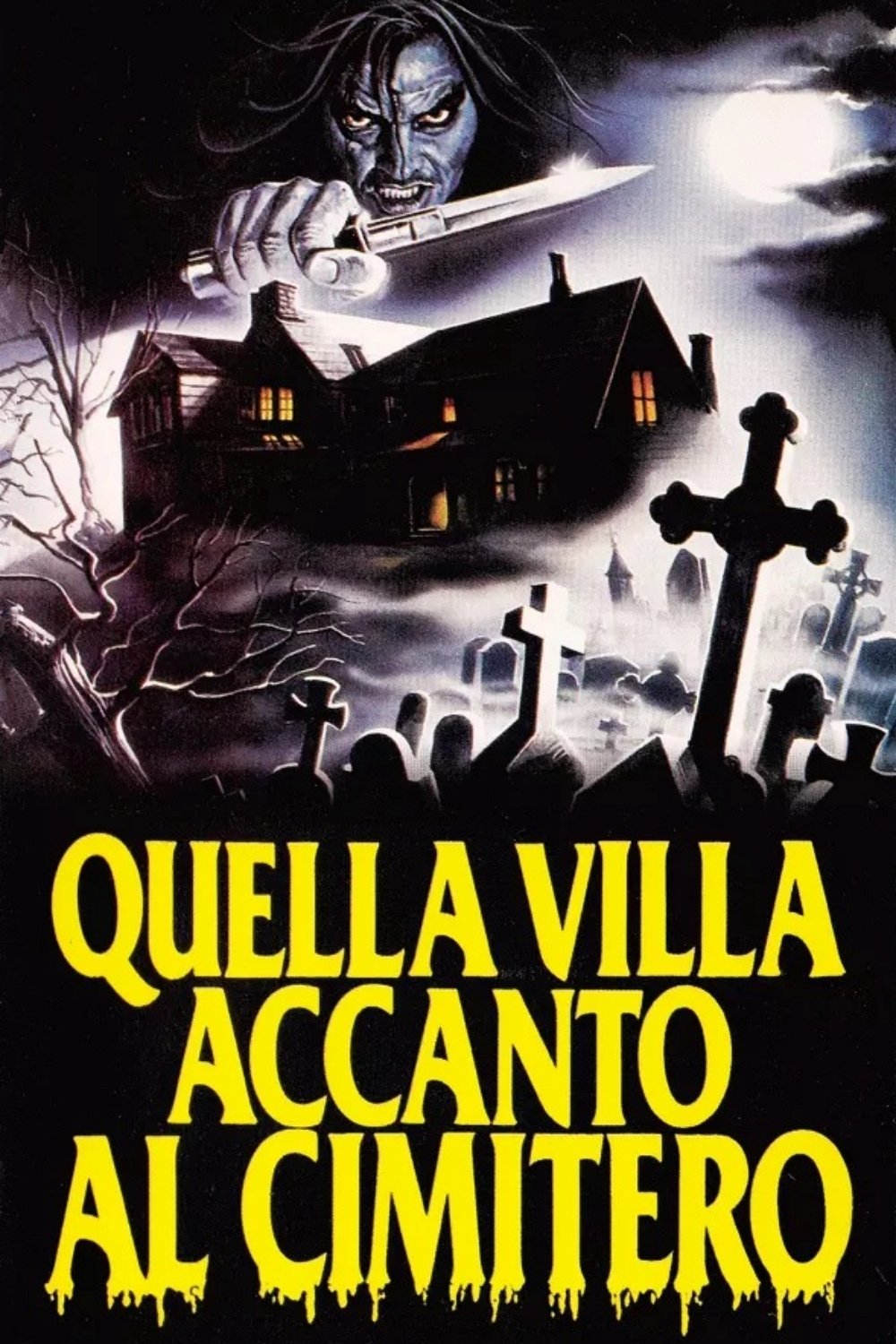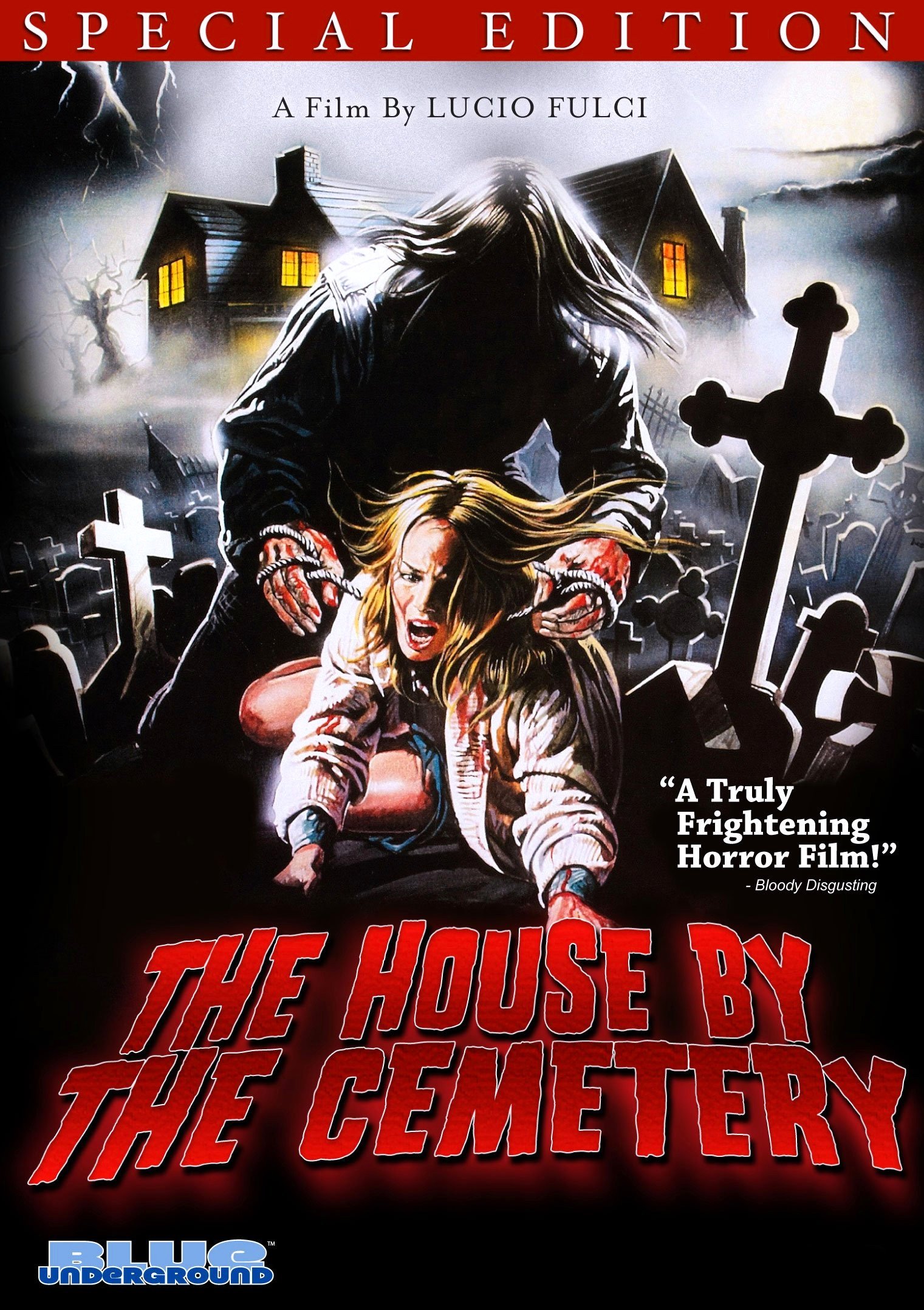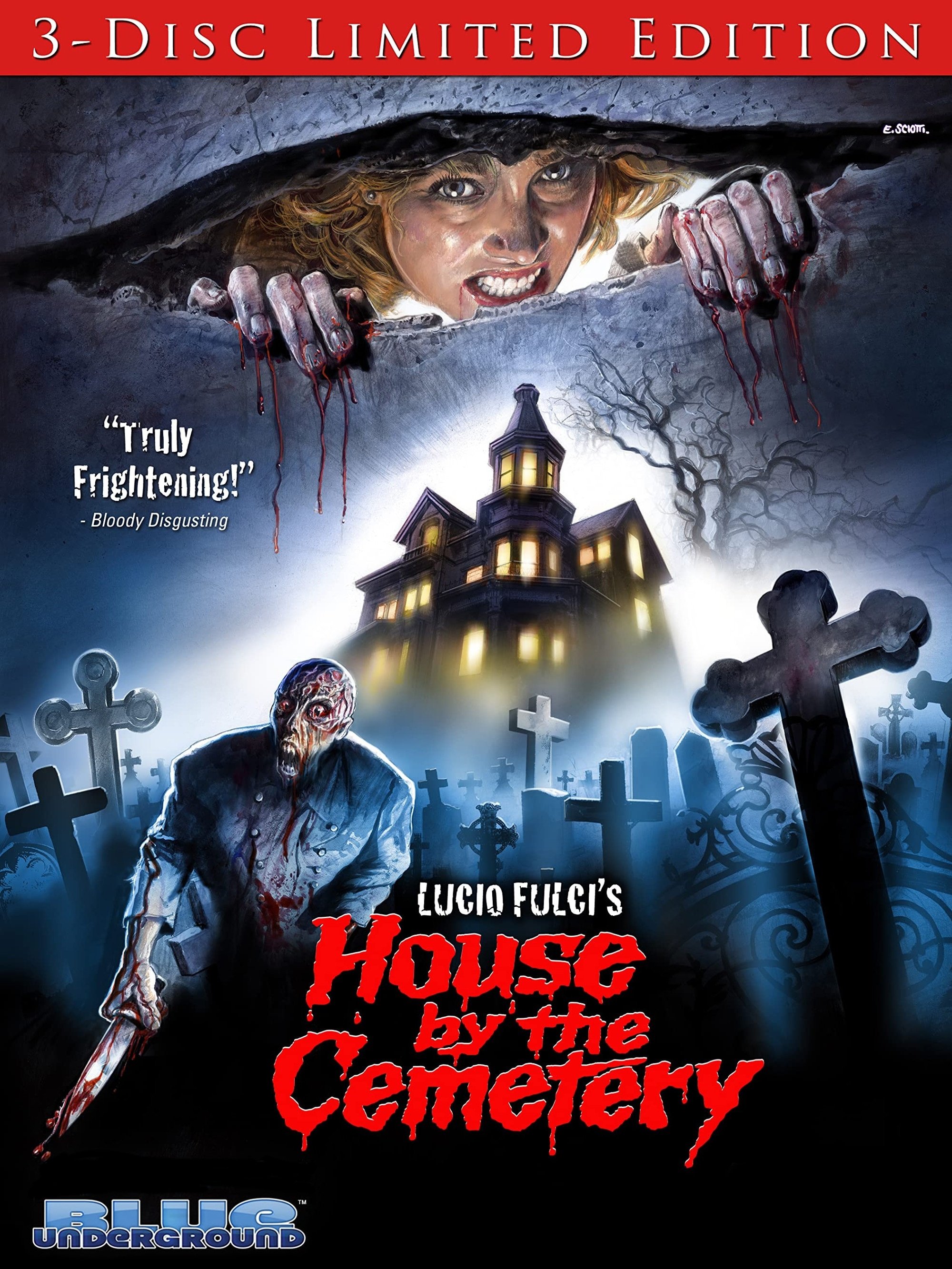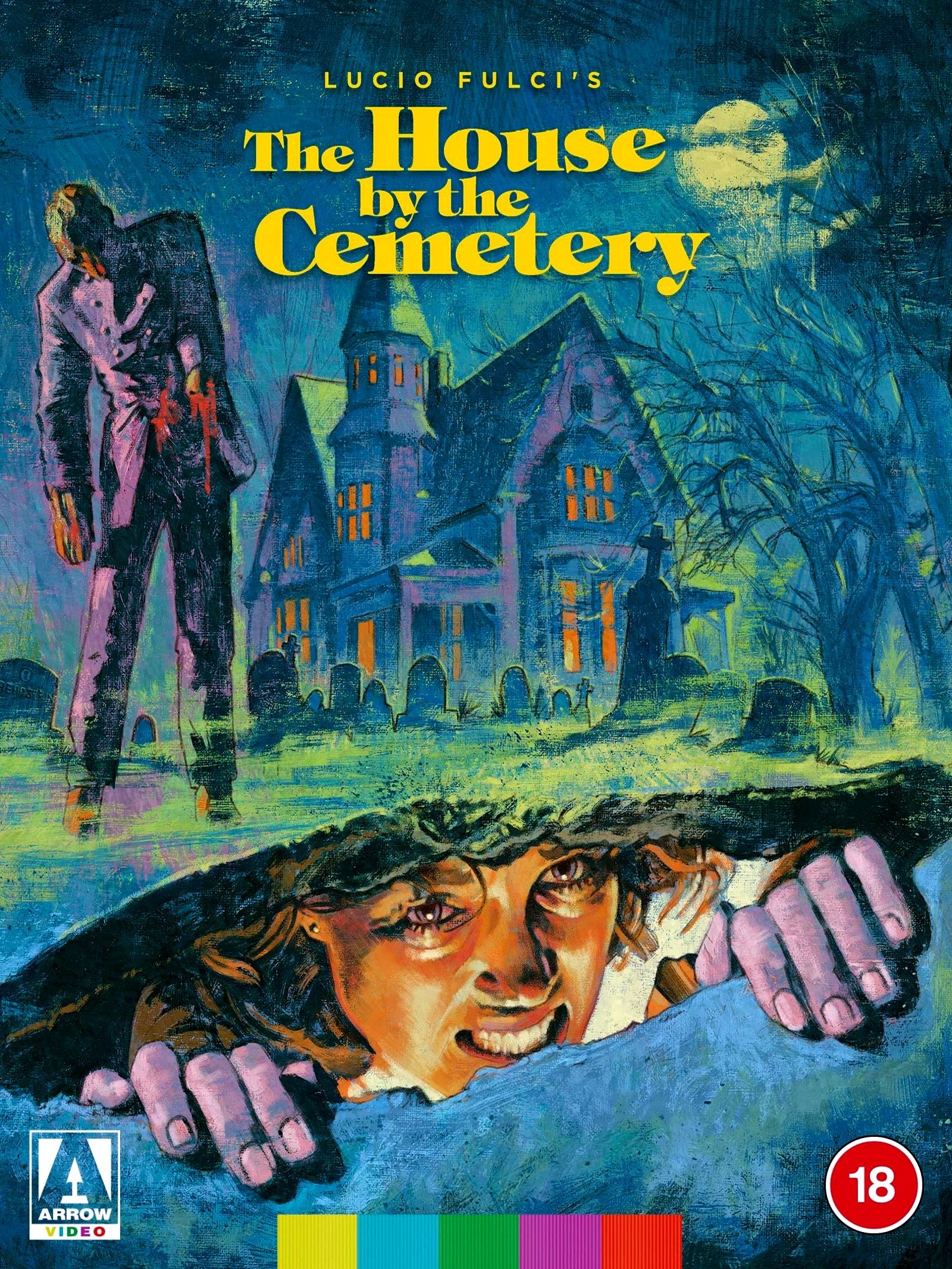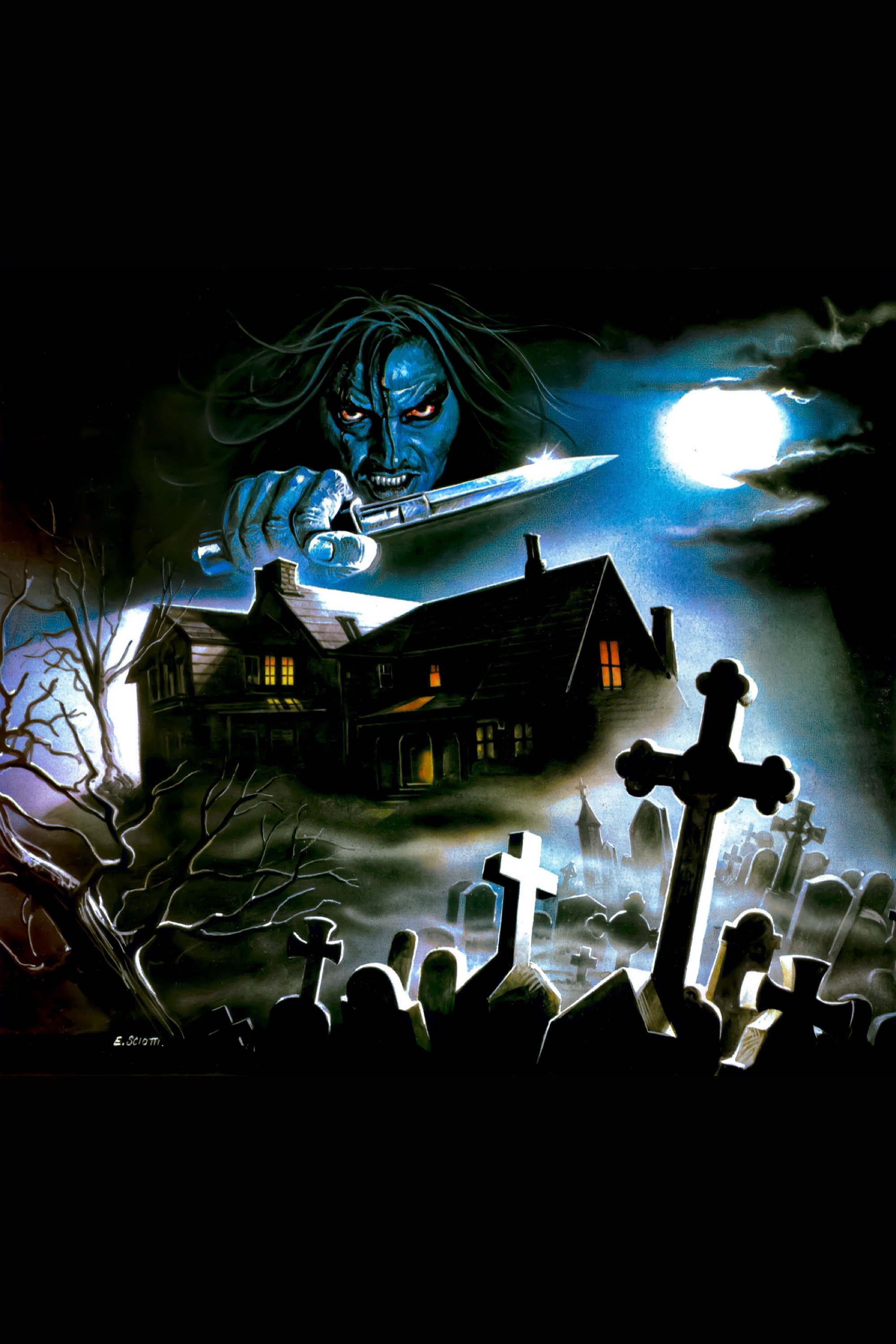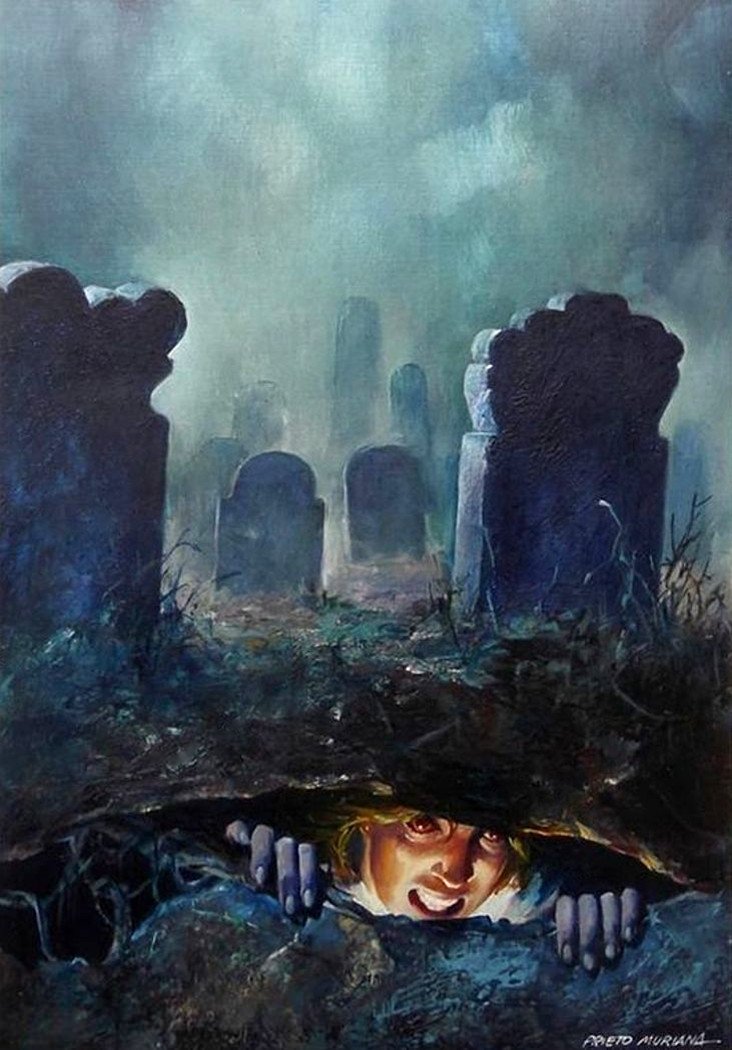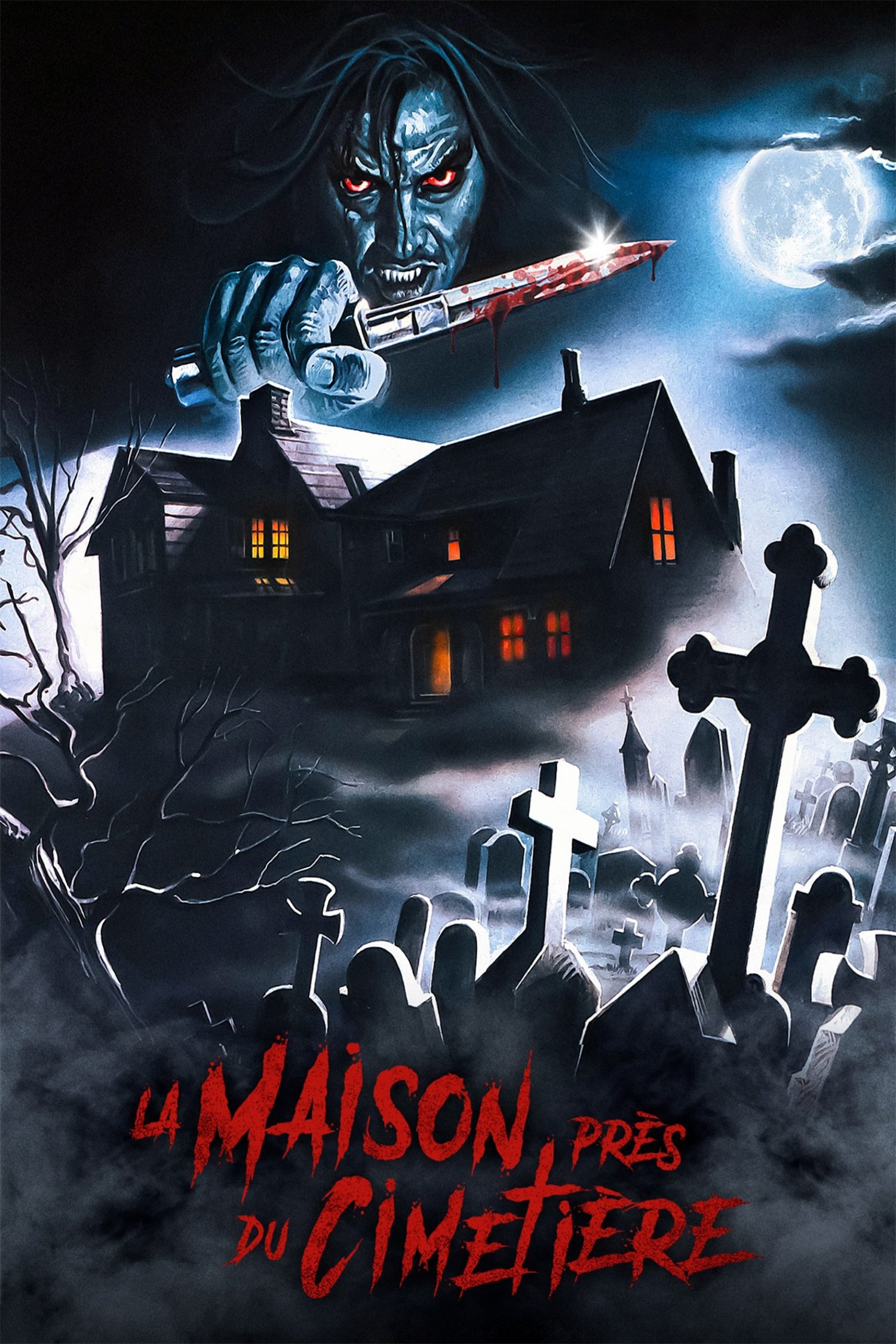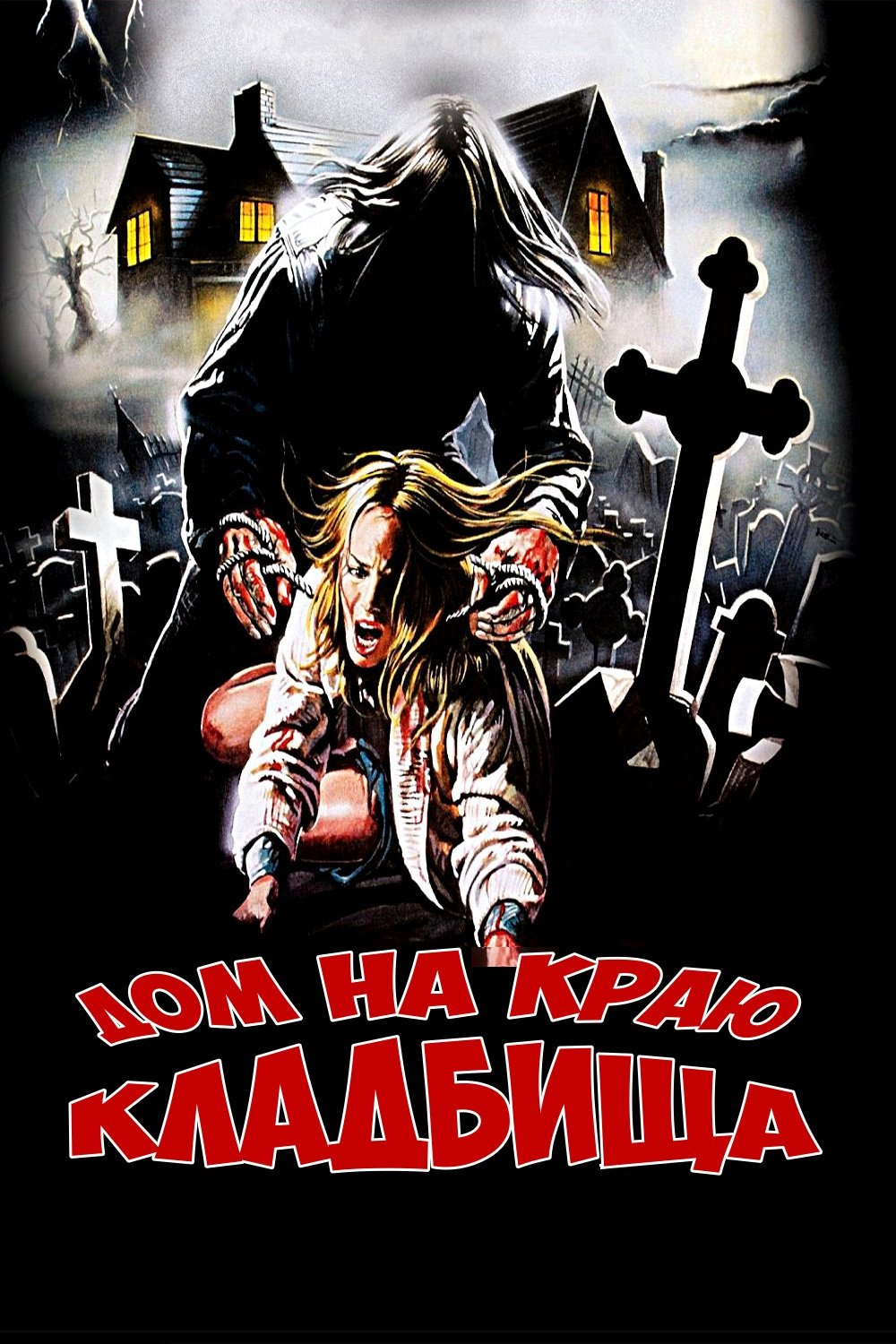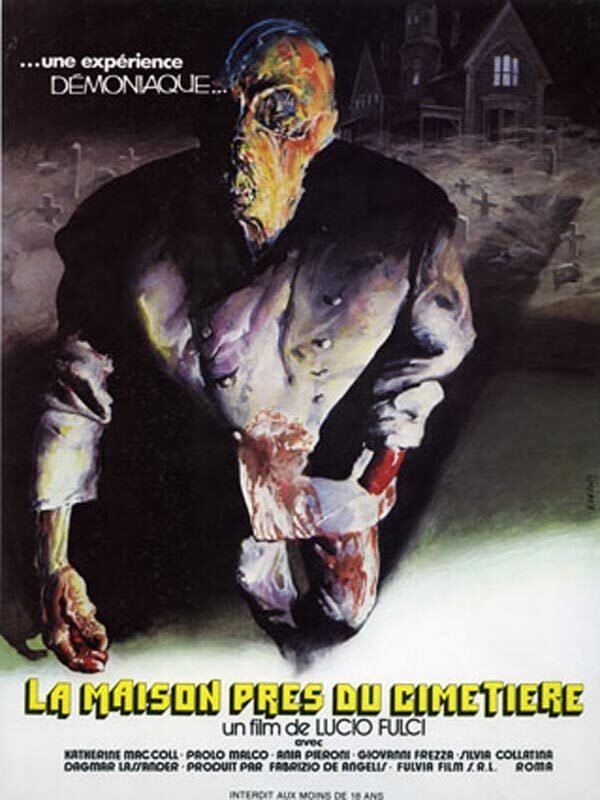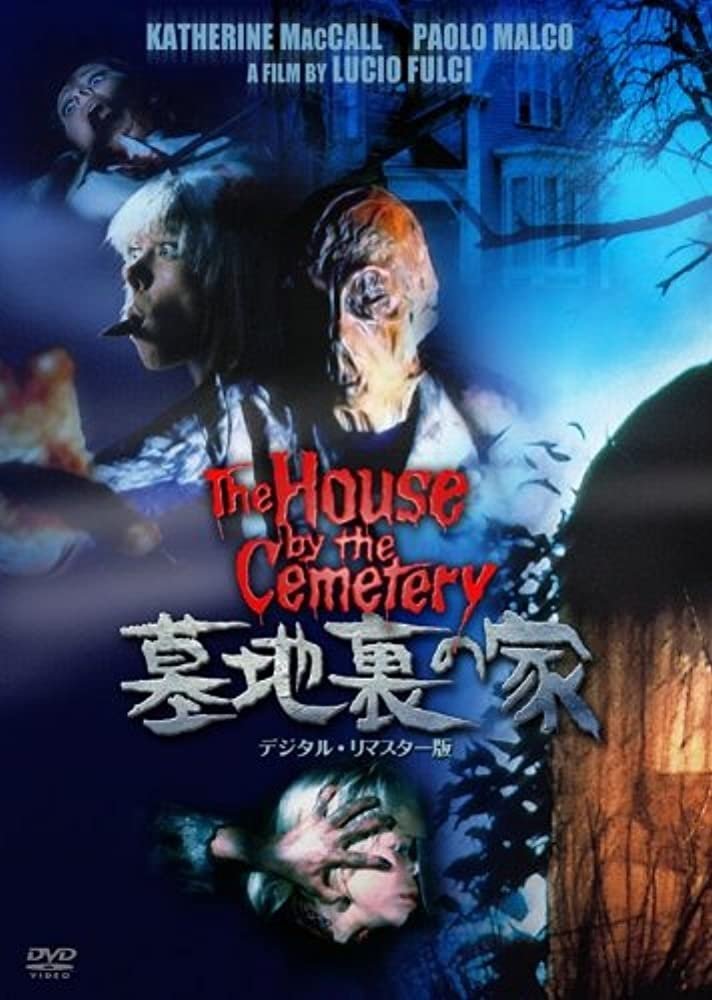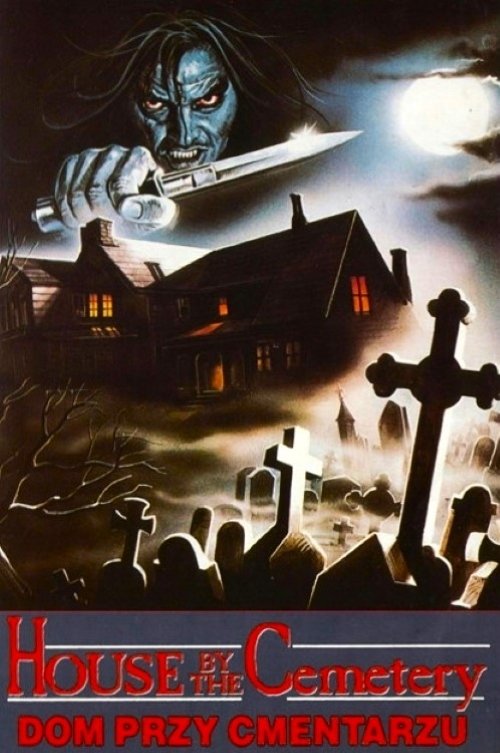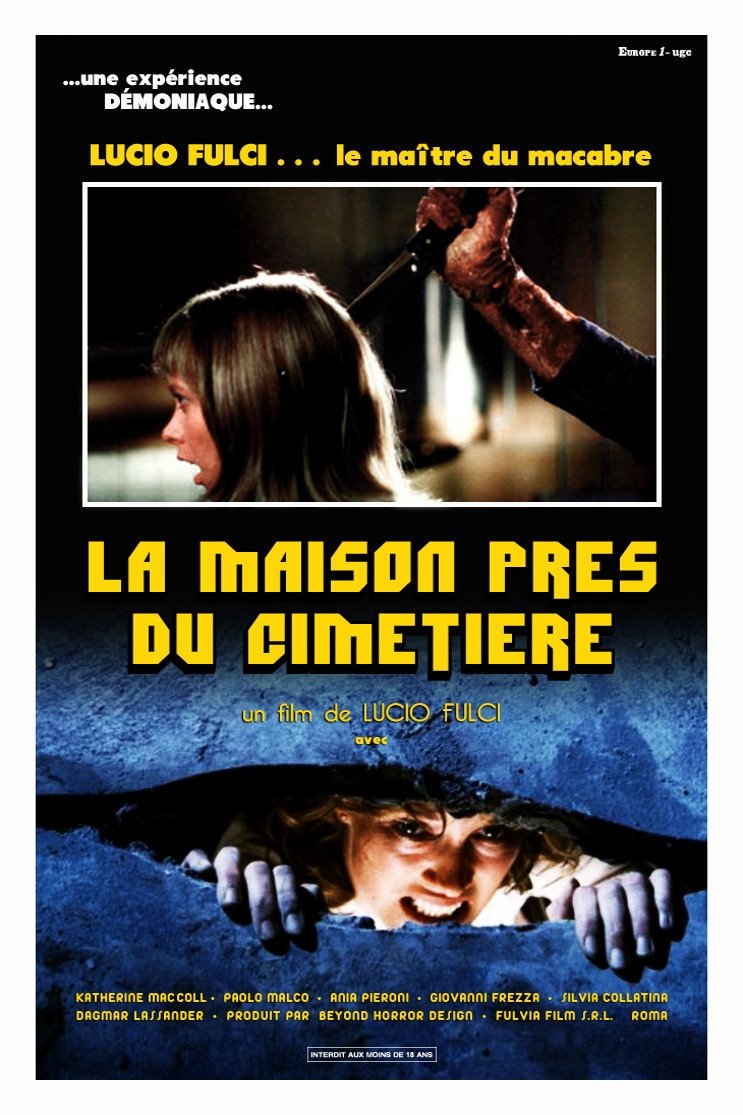
The House by the Cemetery (1981)

IT
HORROR FILM
UK censorship history DPP · Successful prosecutions
5.8/10 4 votes
Runtime
87 min
Release
August 14, 1981
Budget
$785,000
Revenue
$1,845,819
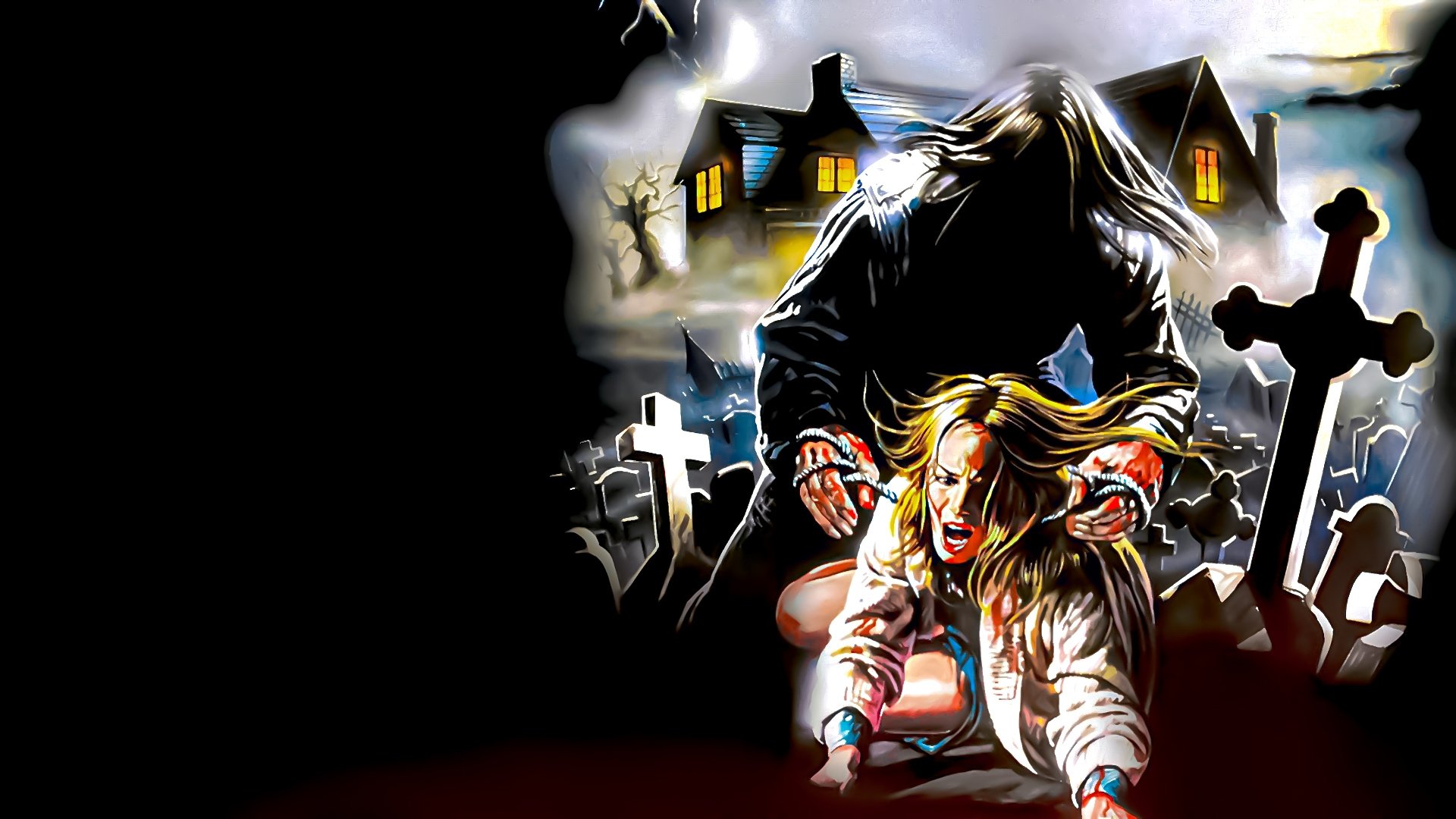
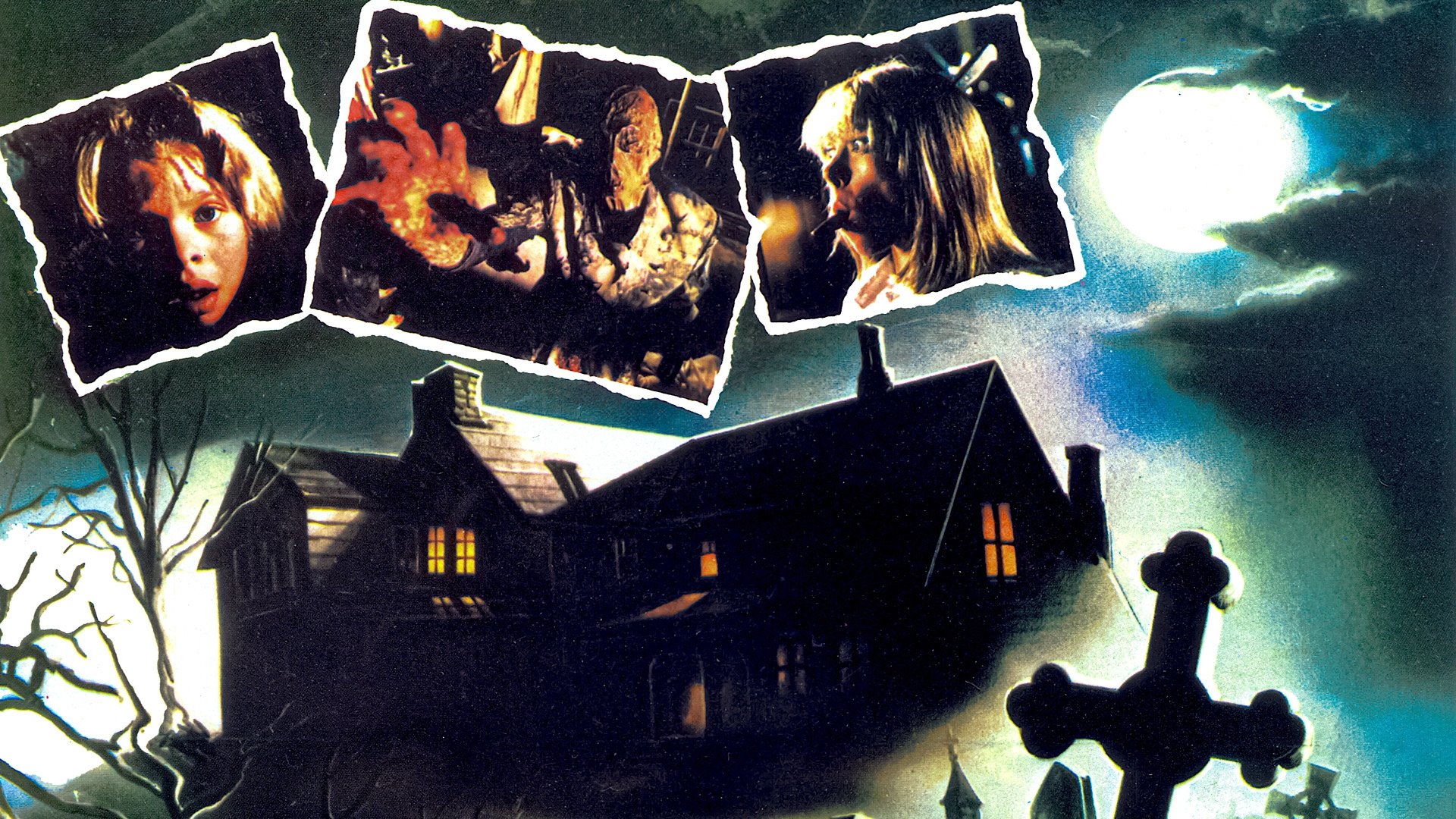
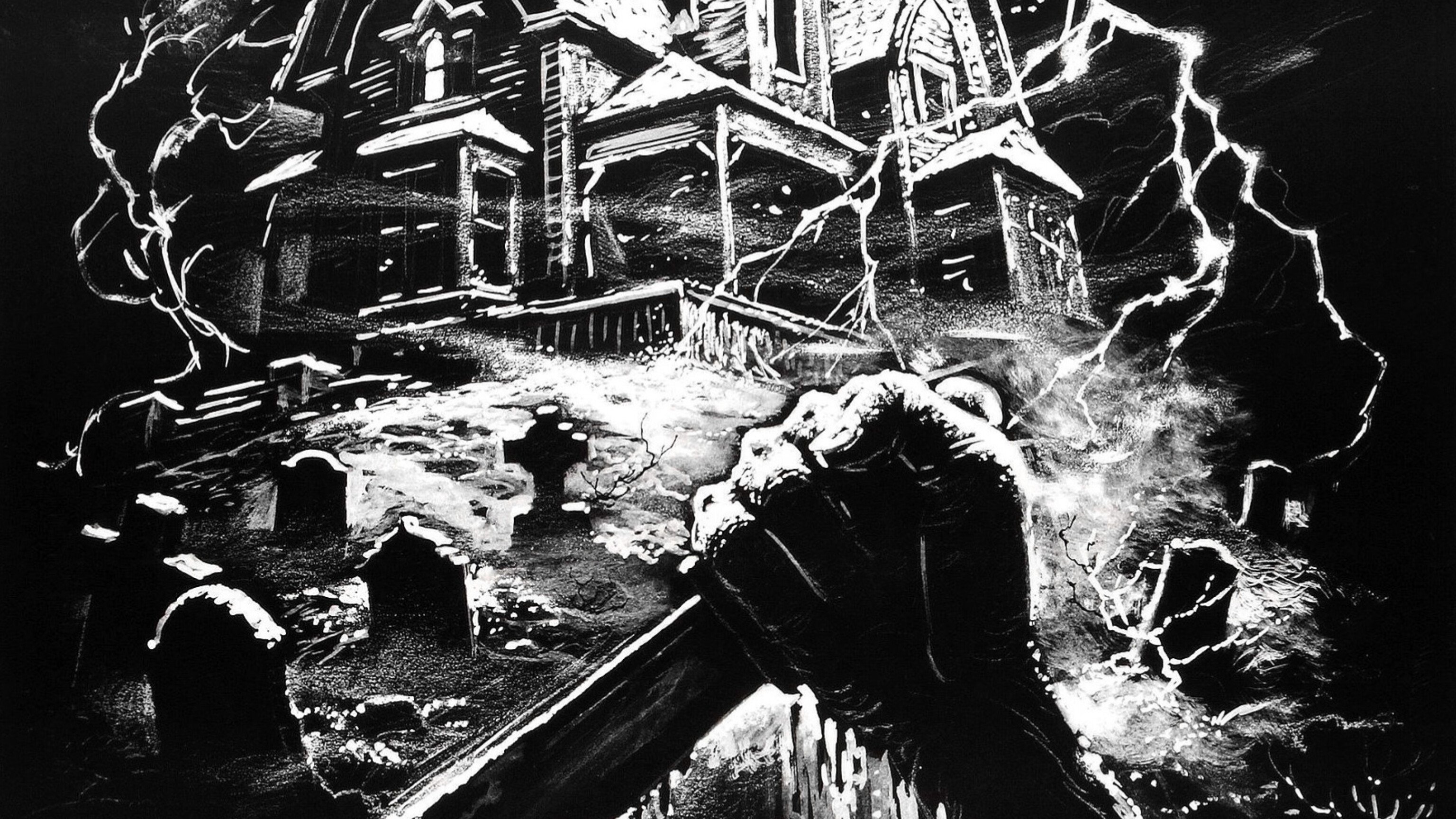
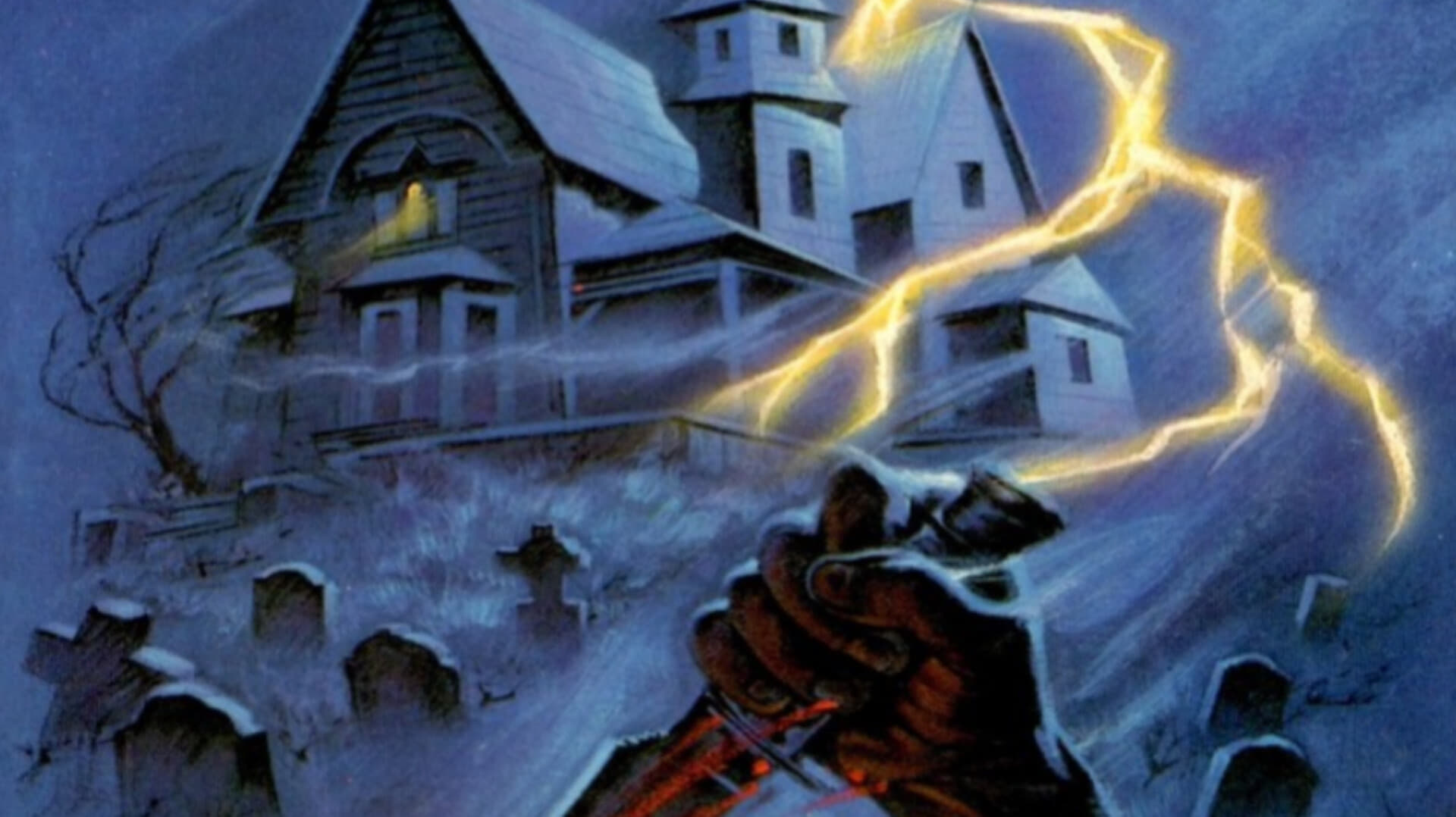
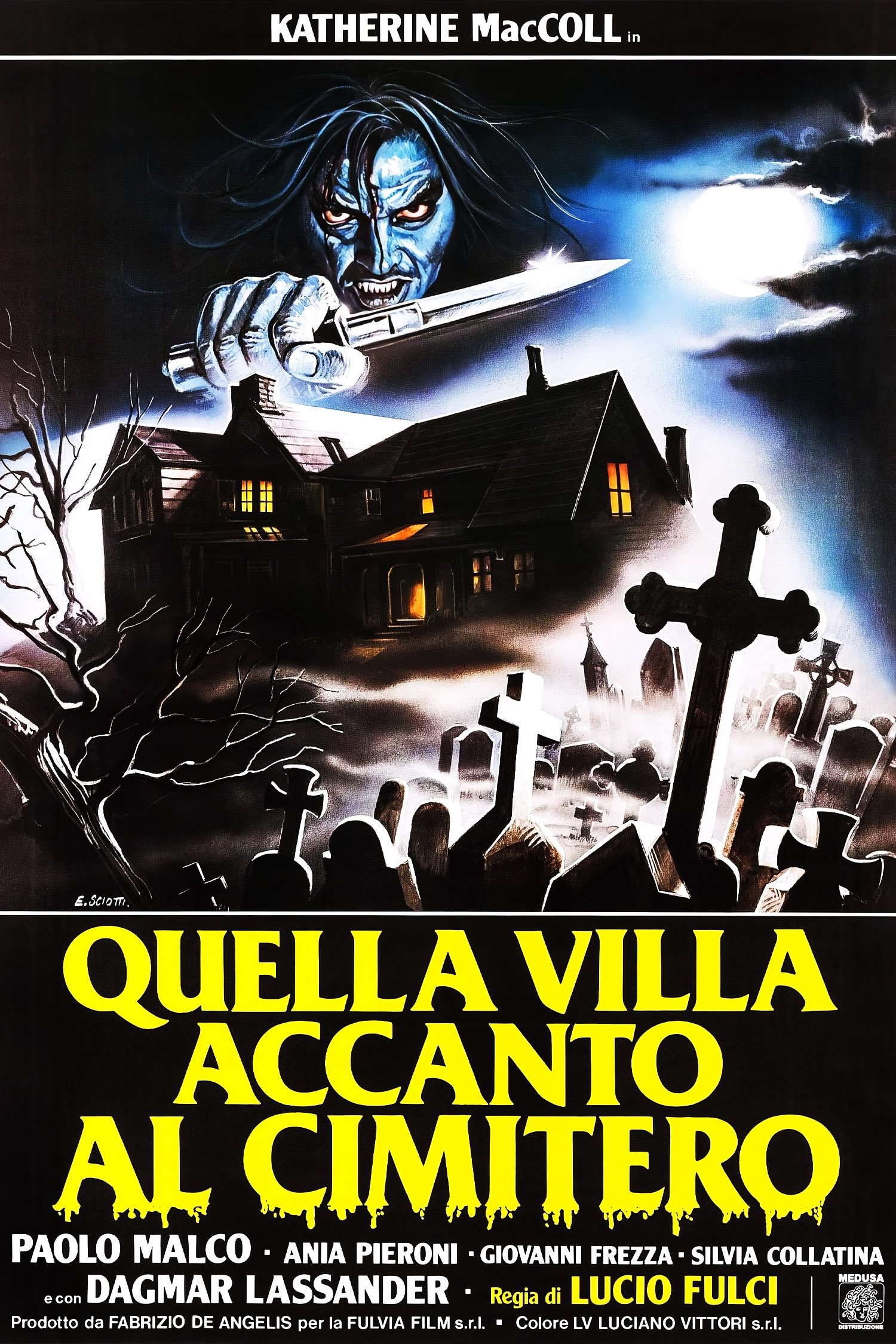
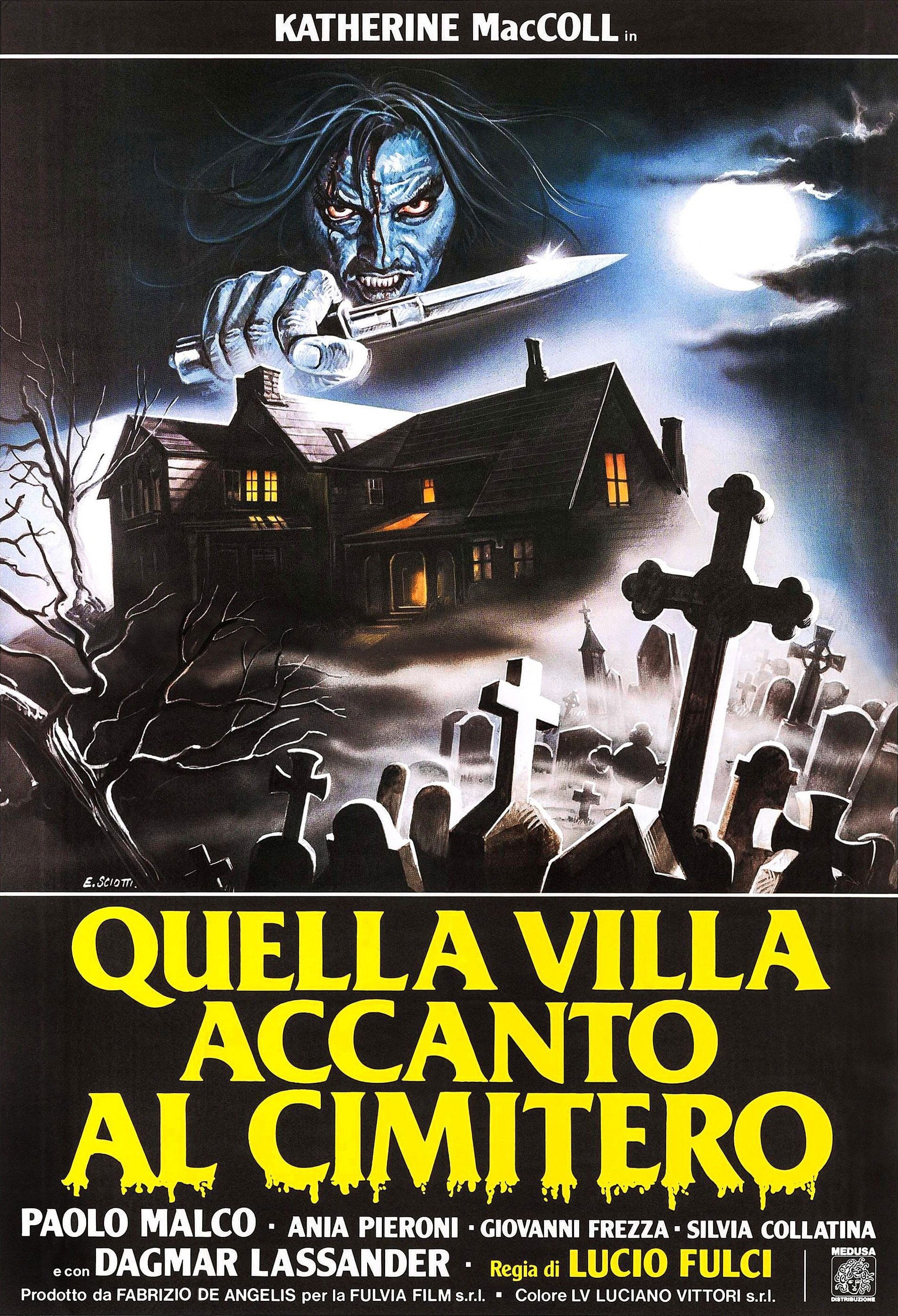
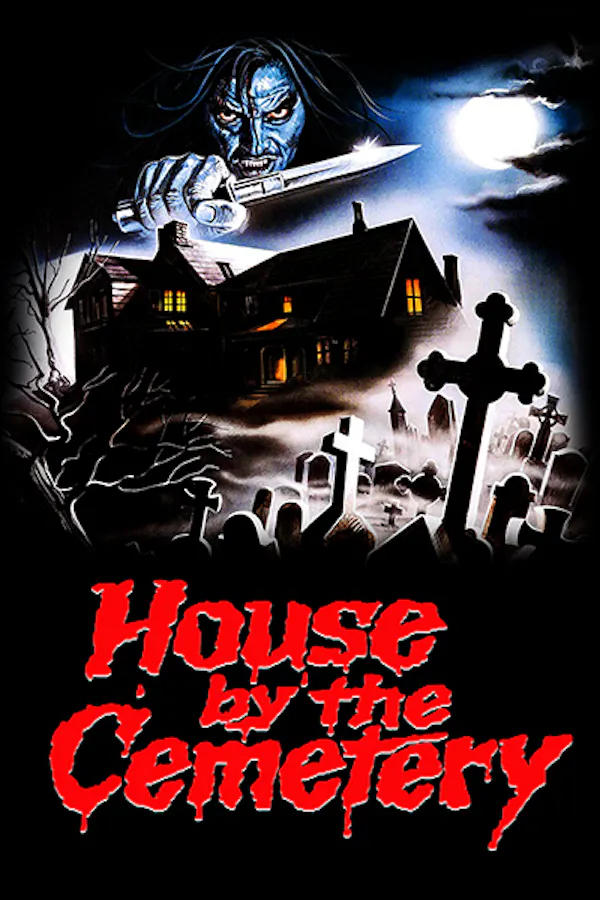
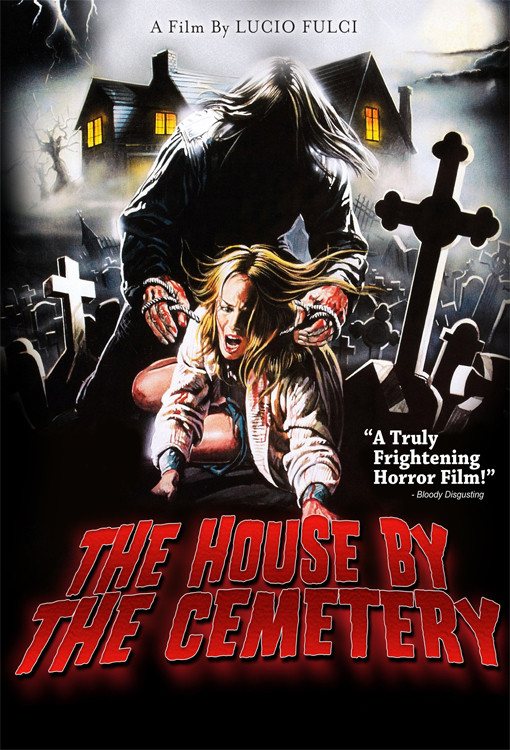
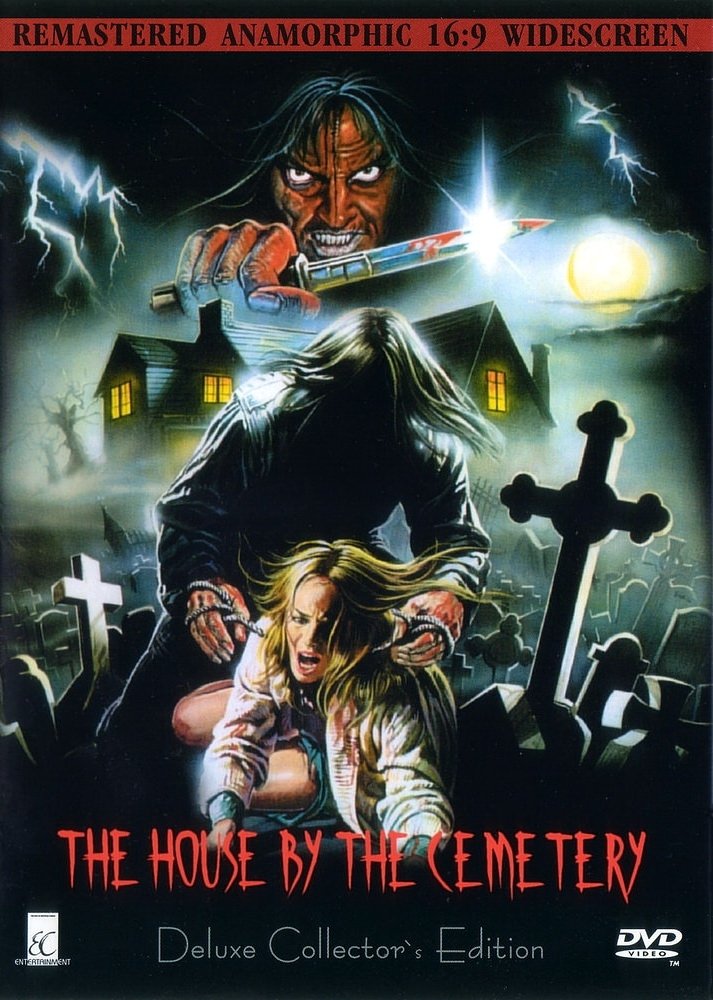
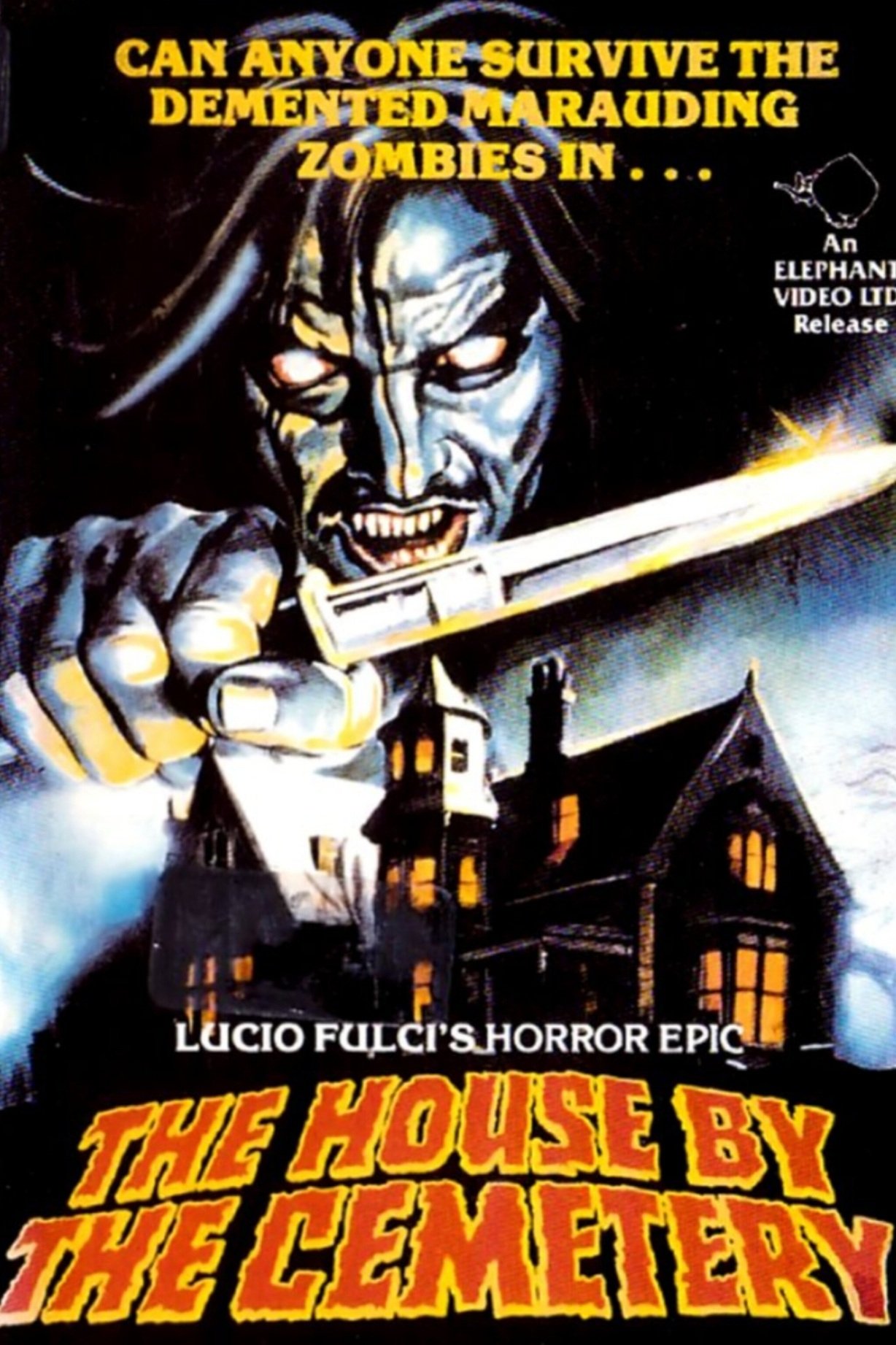
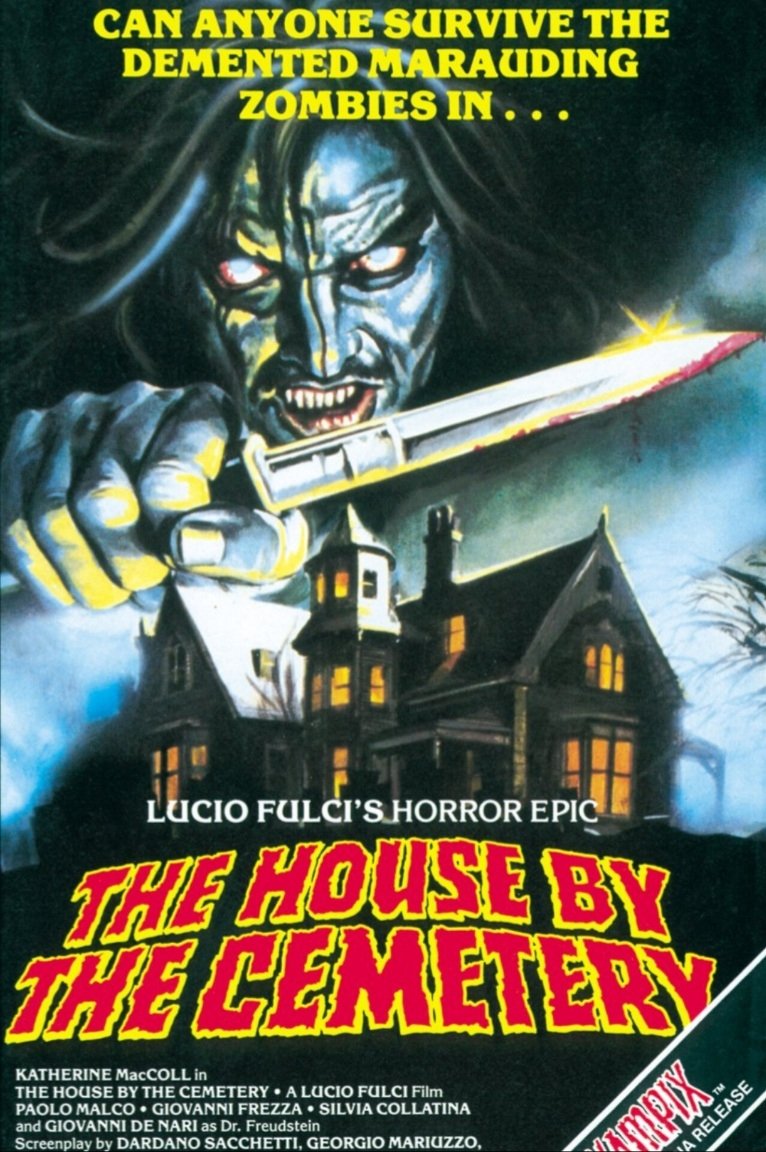
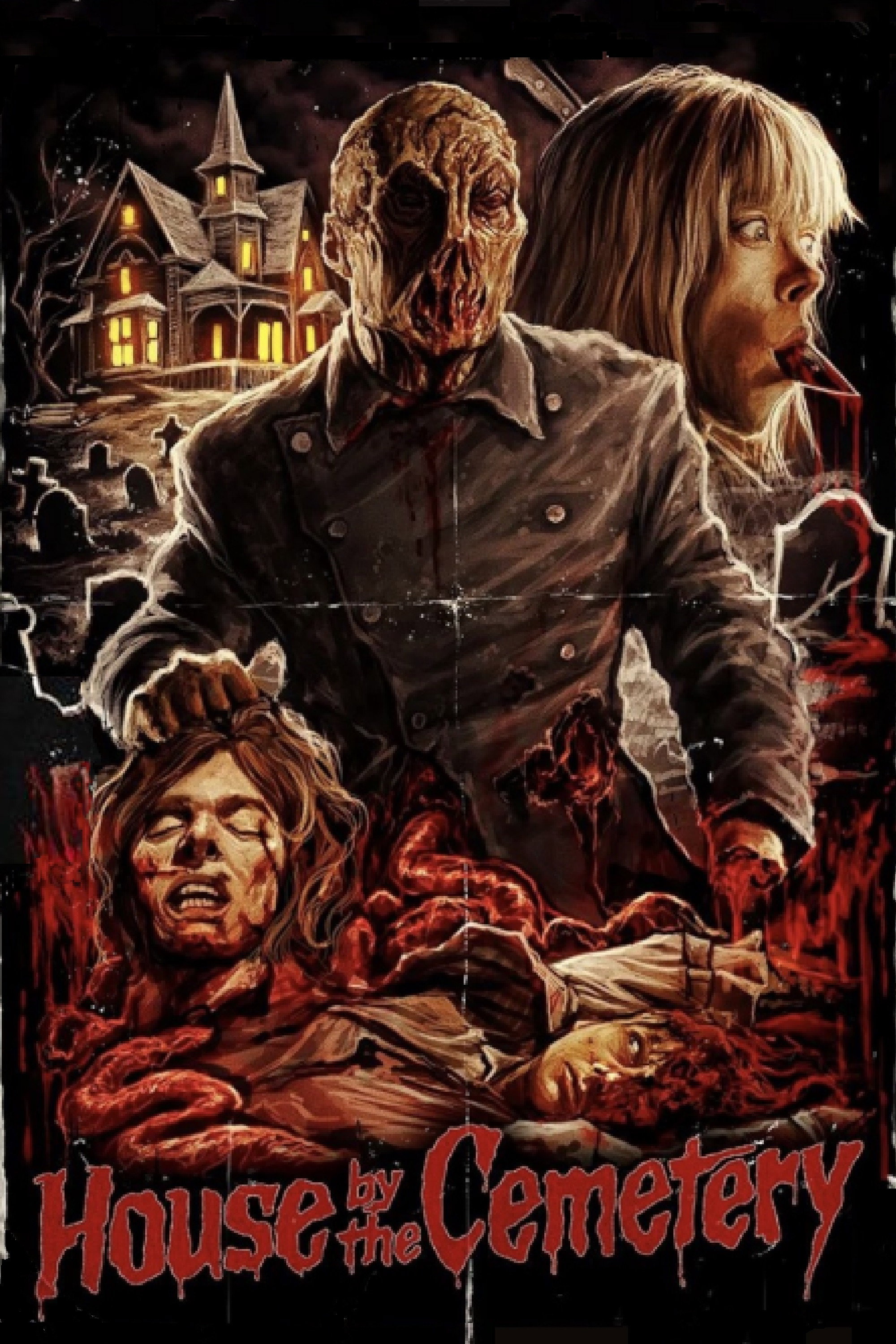
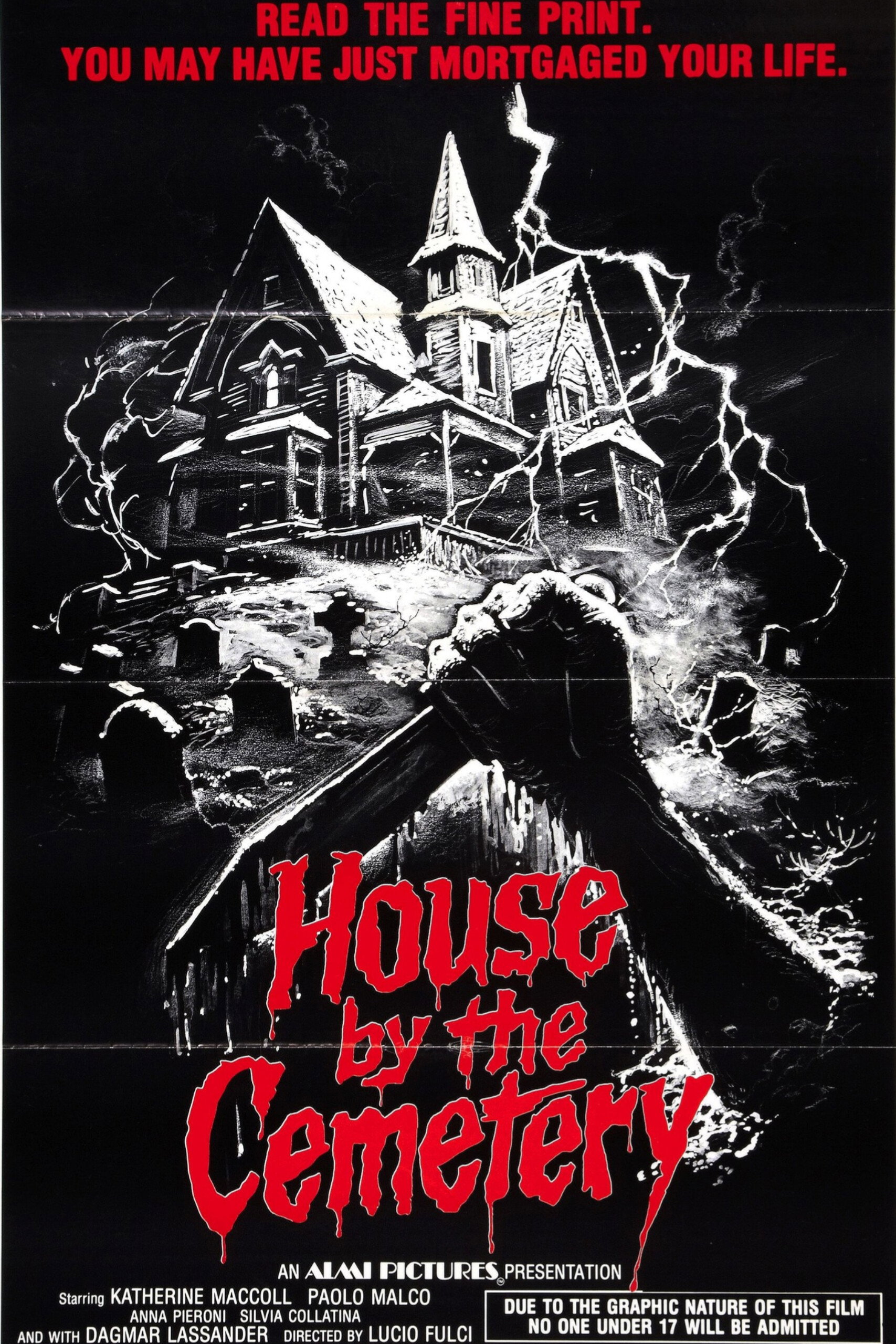
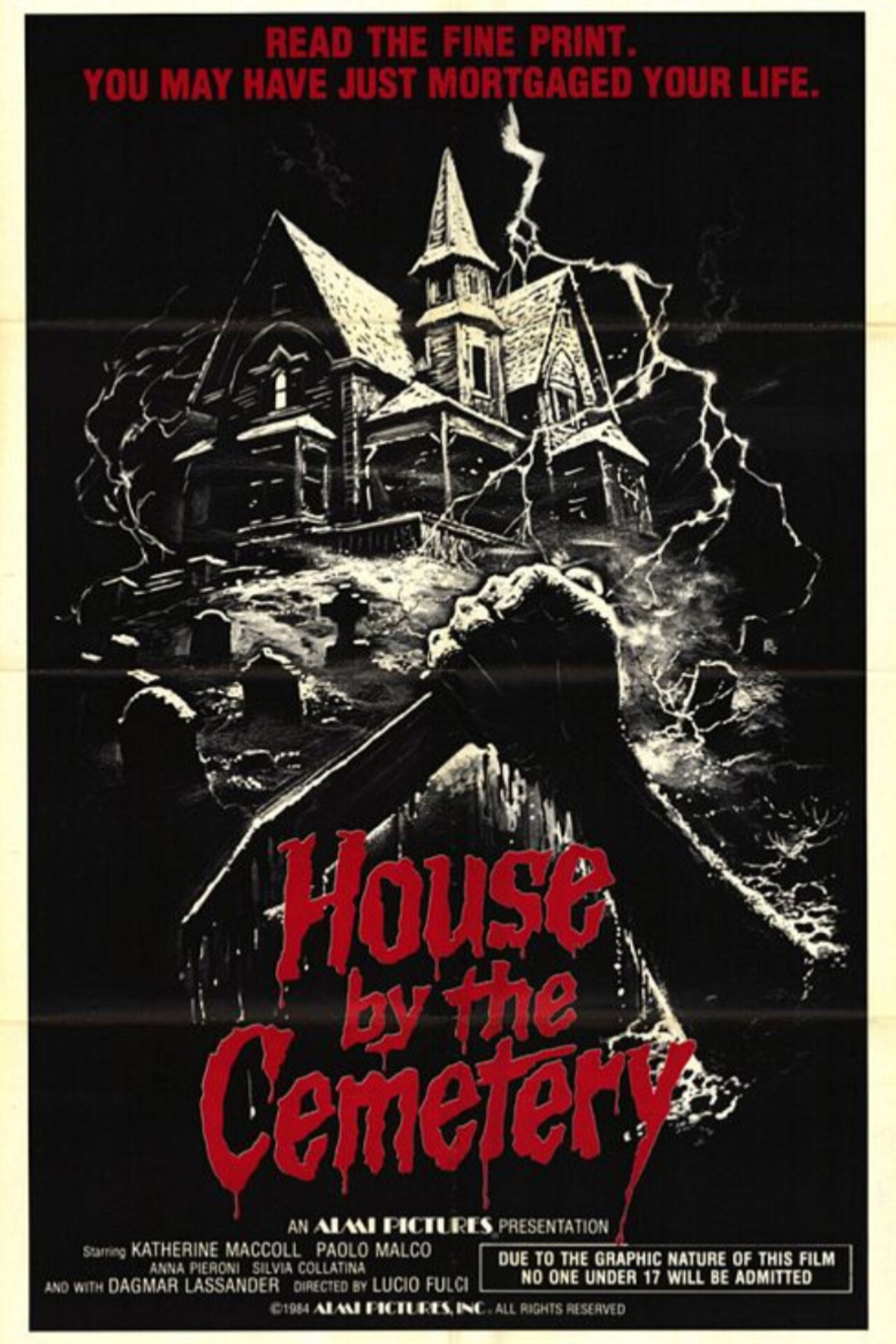
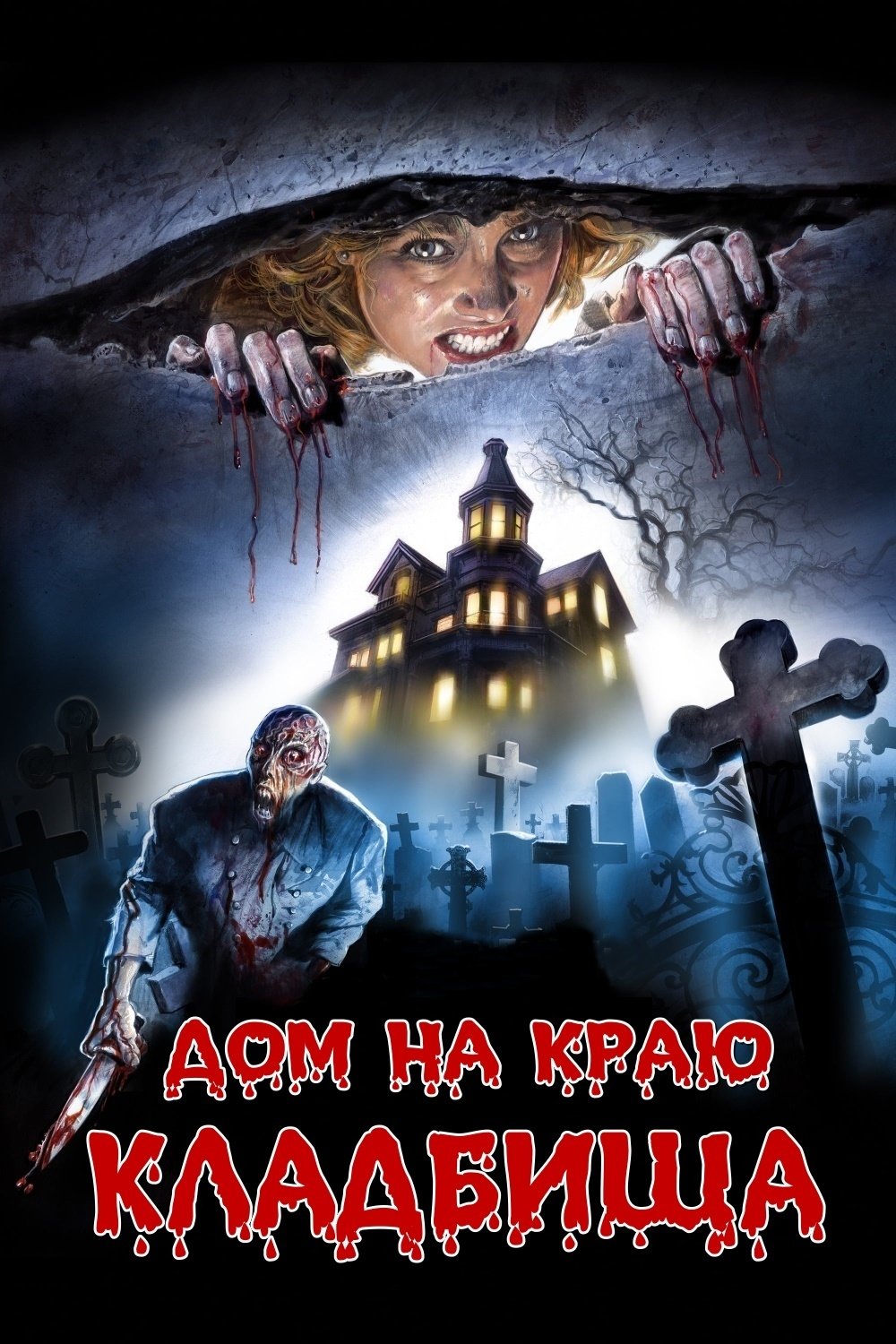
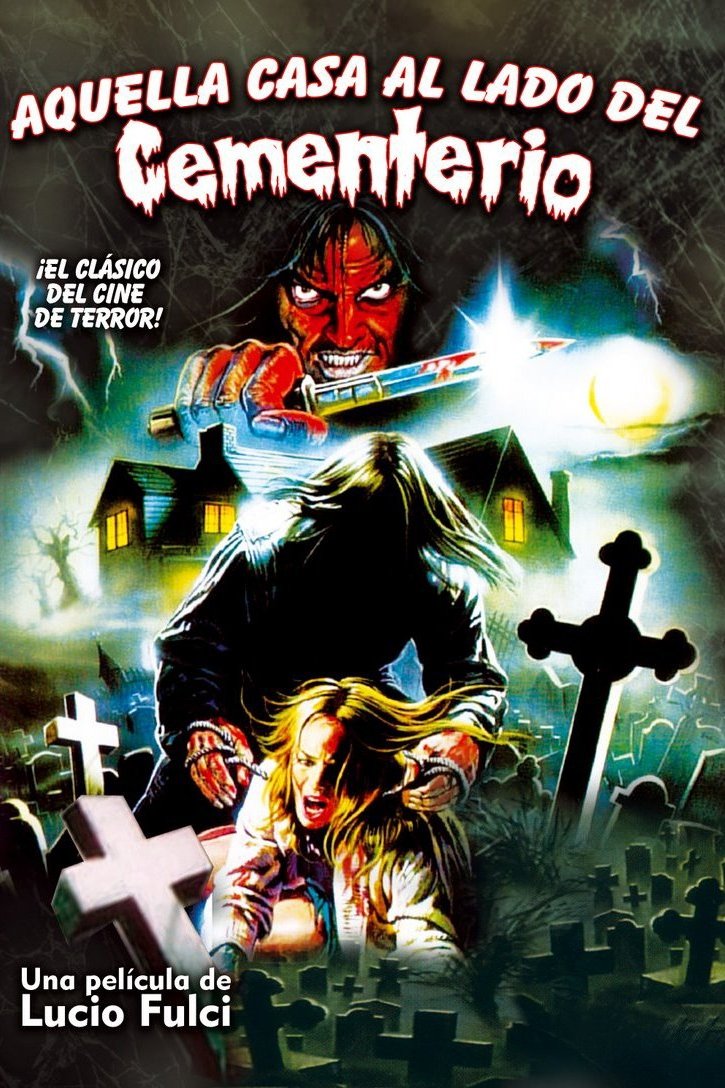
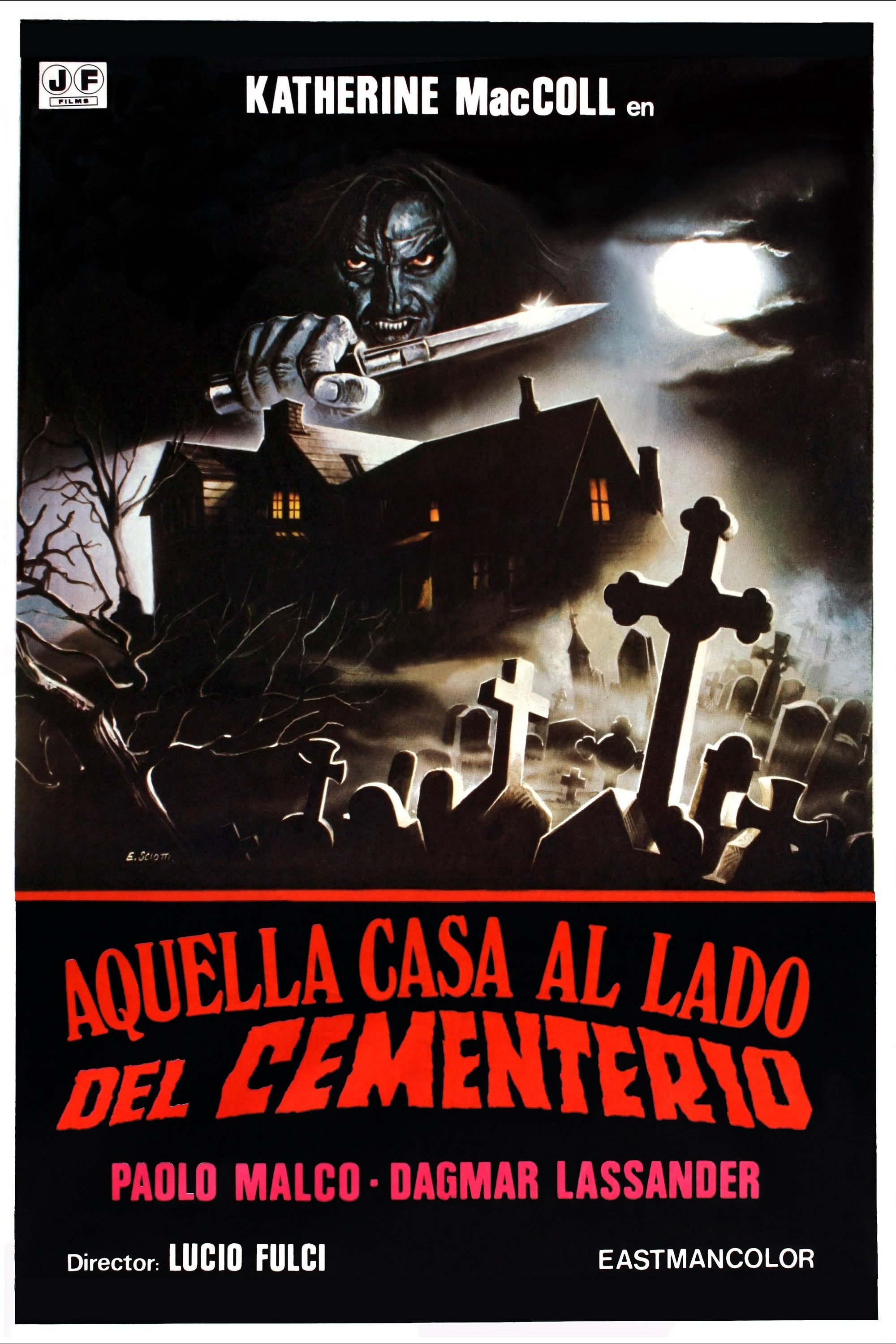
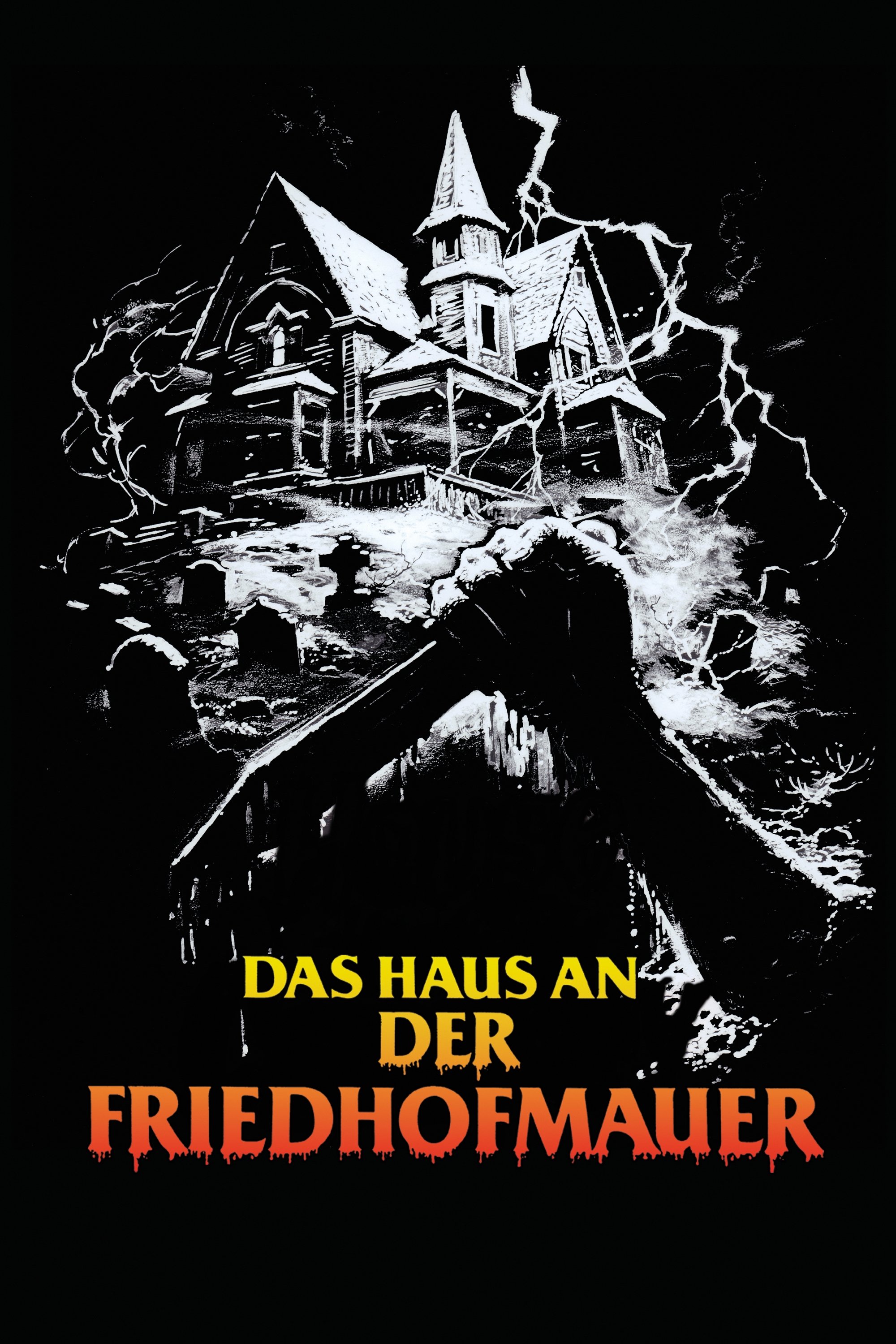
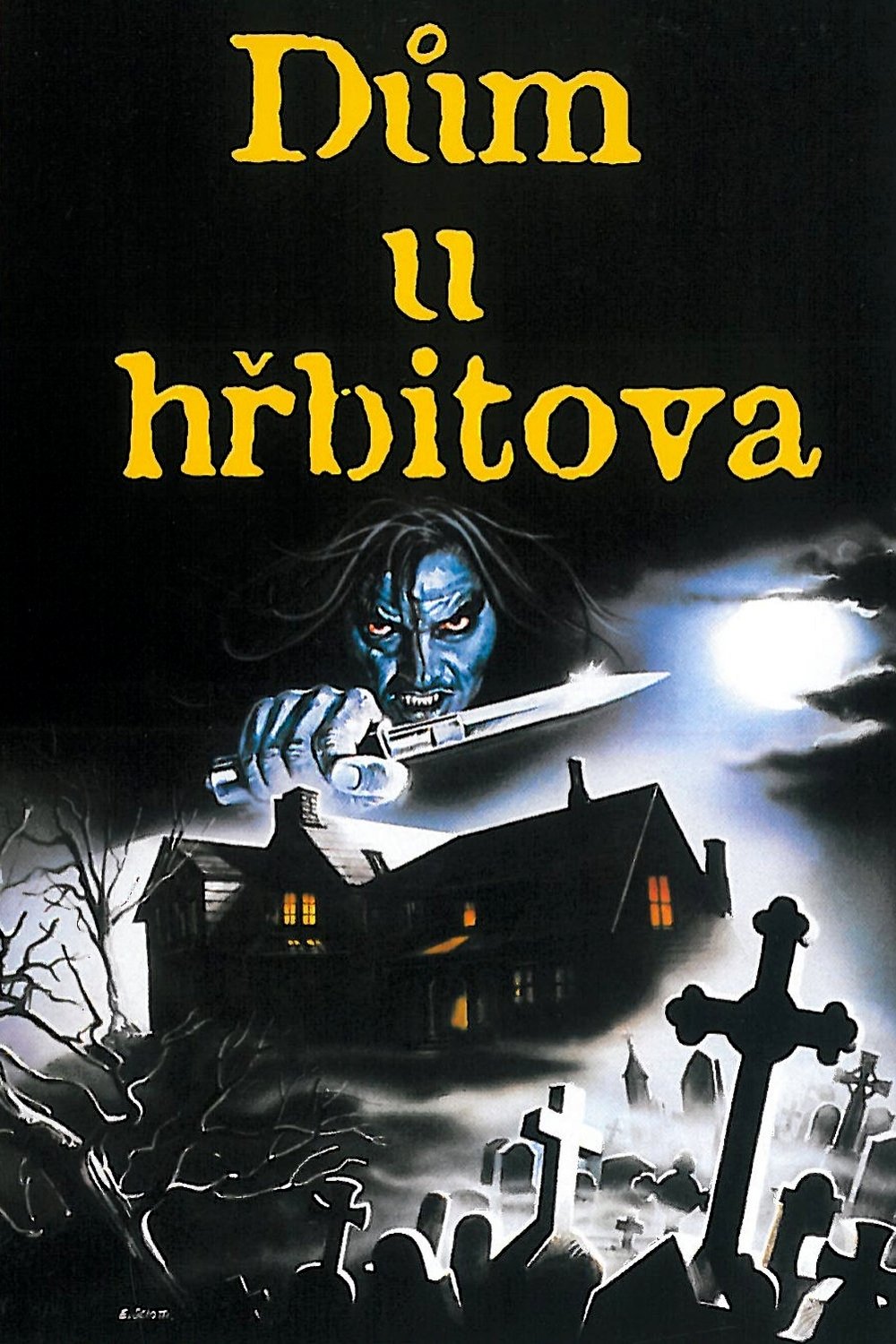
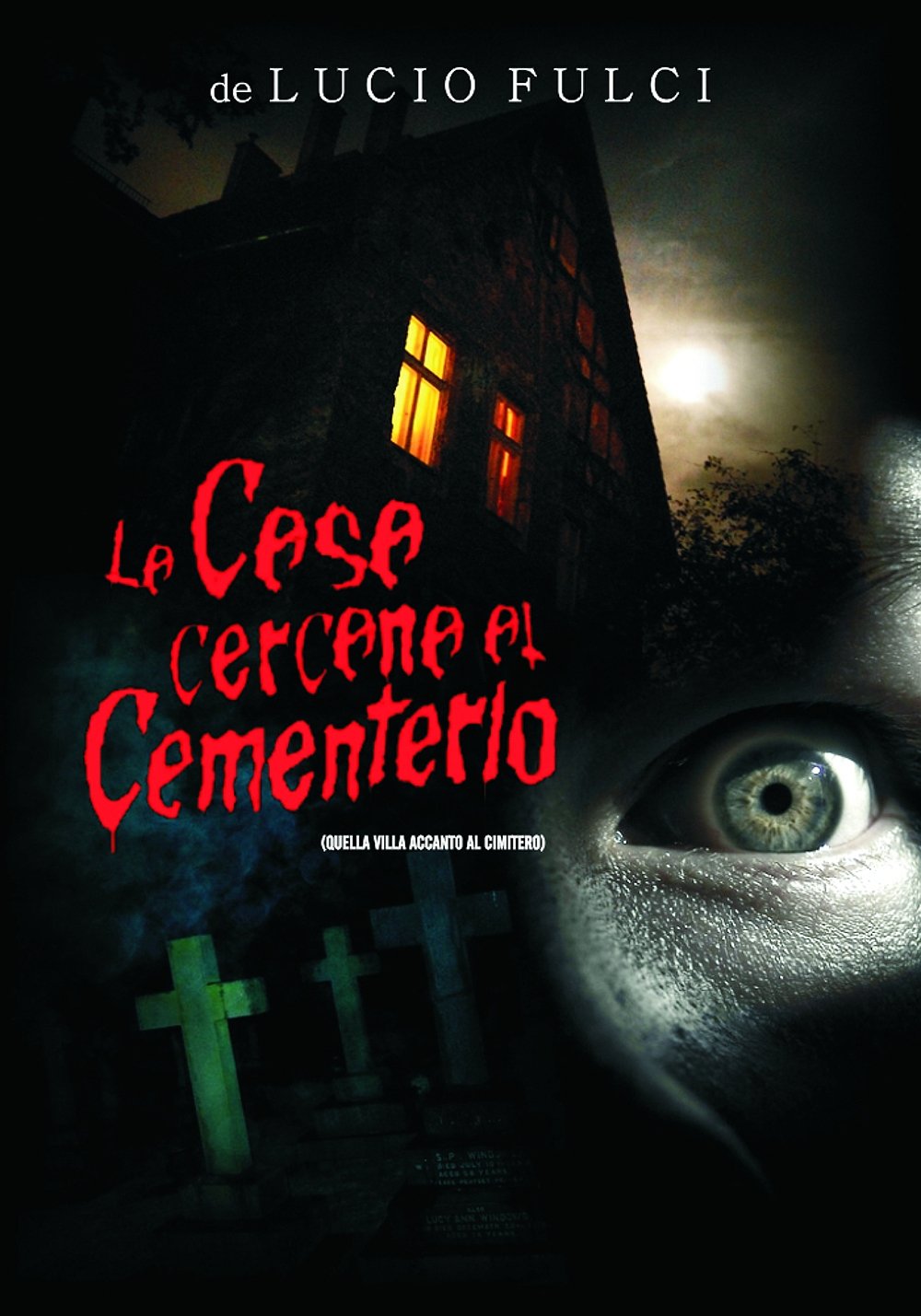
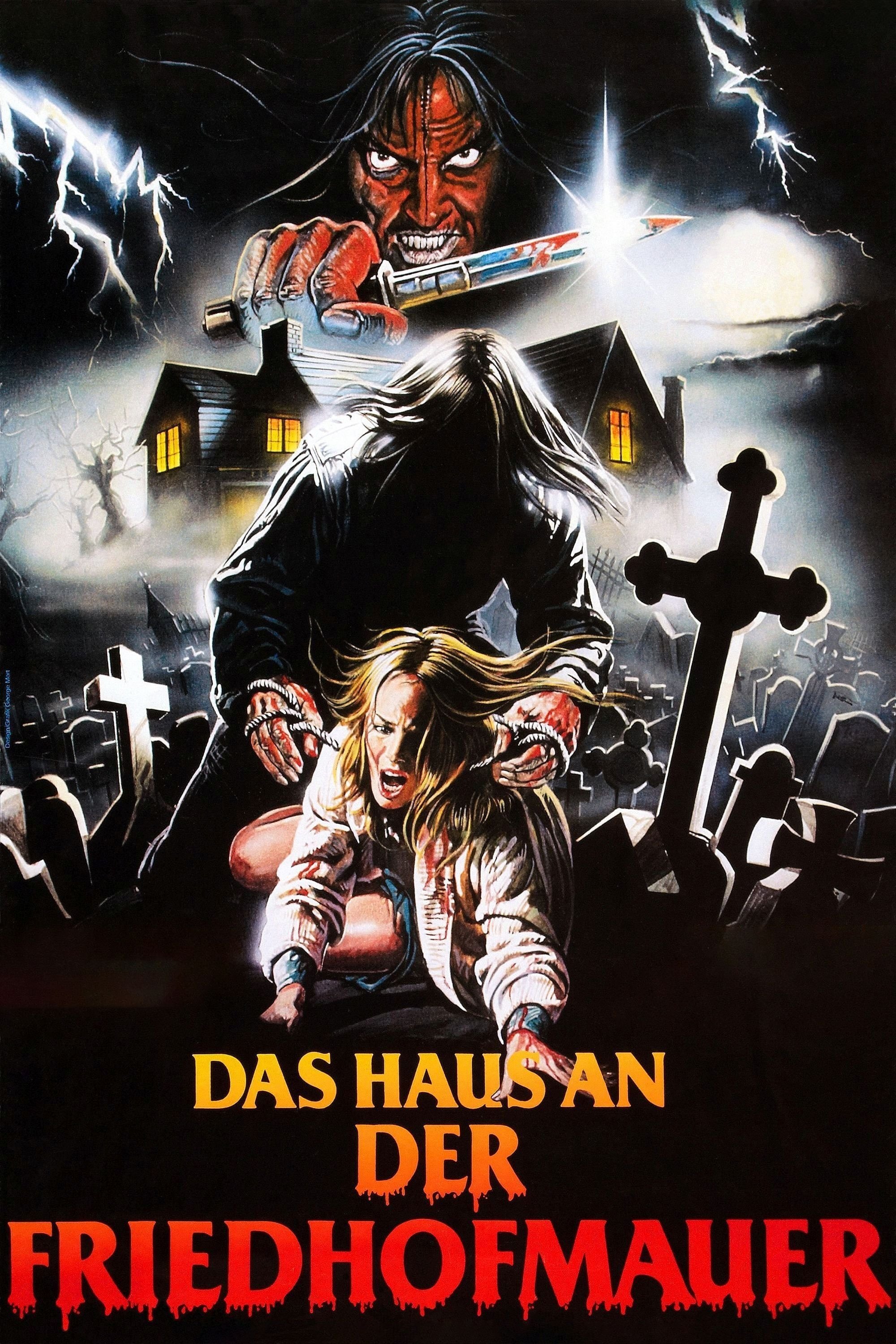
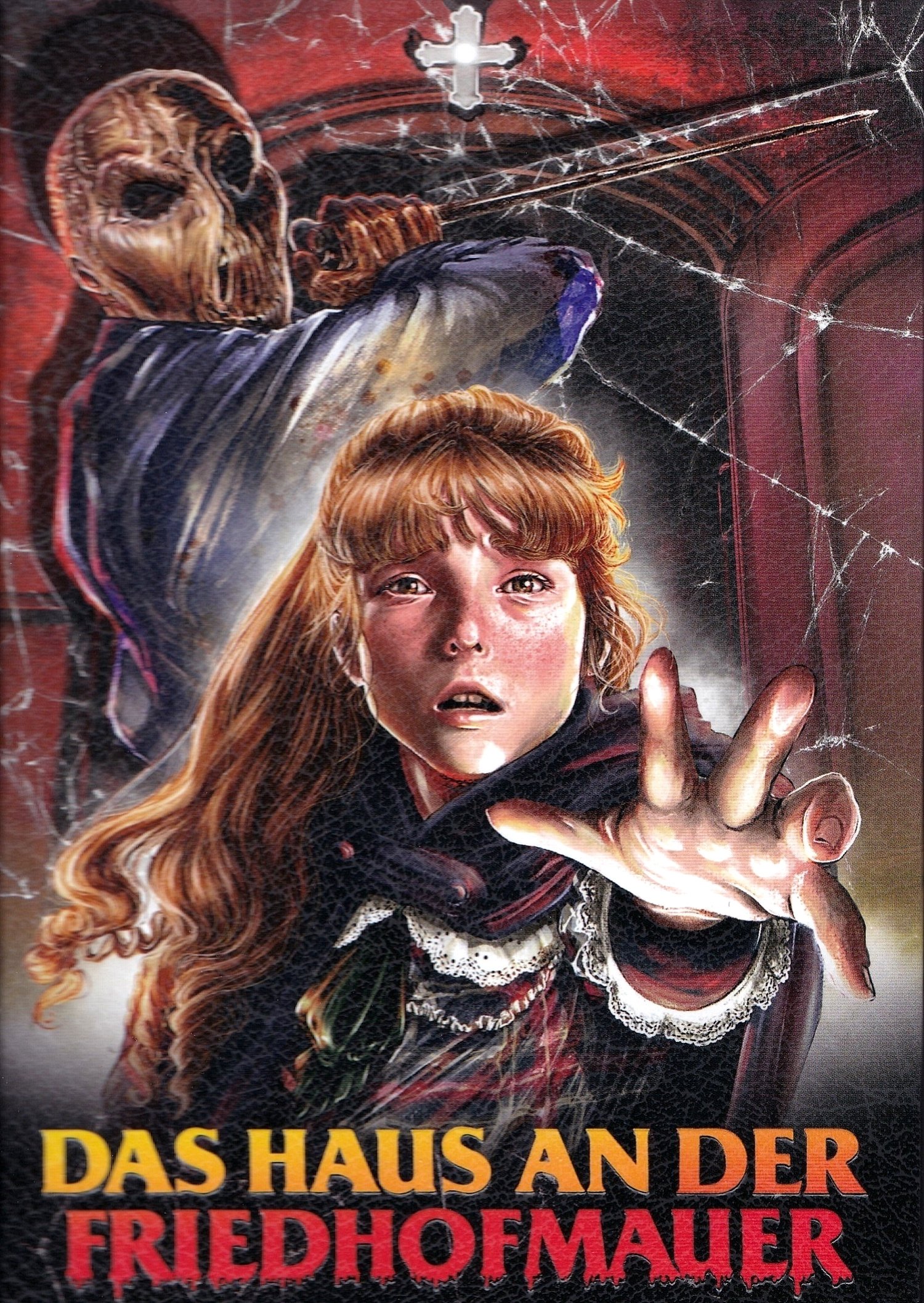
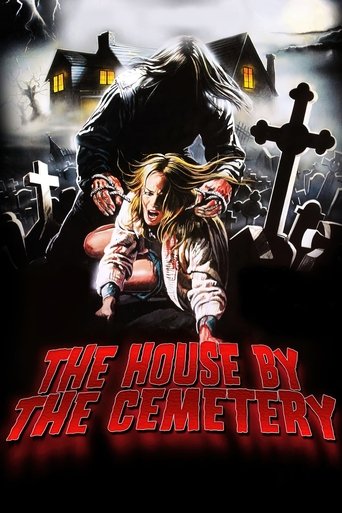
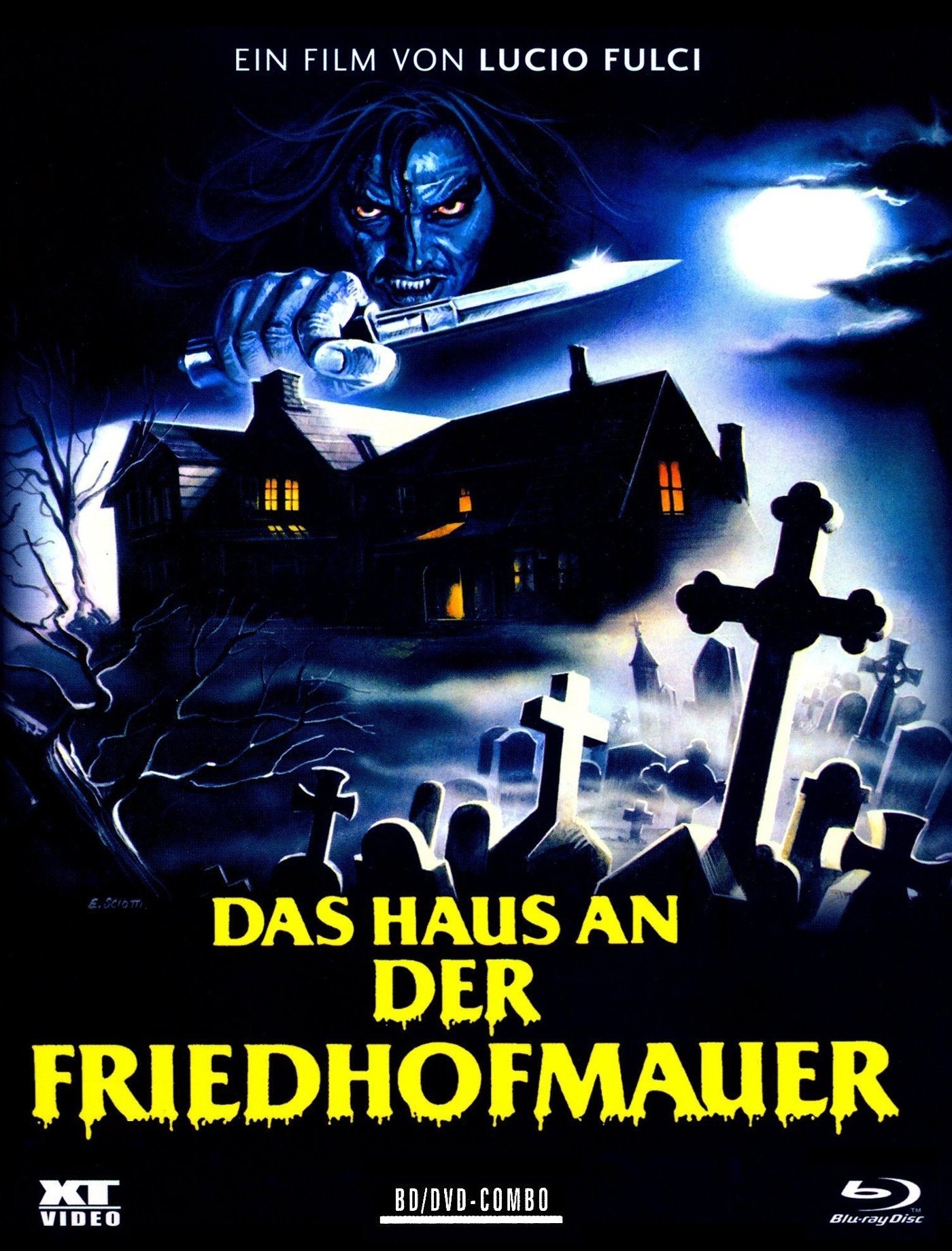
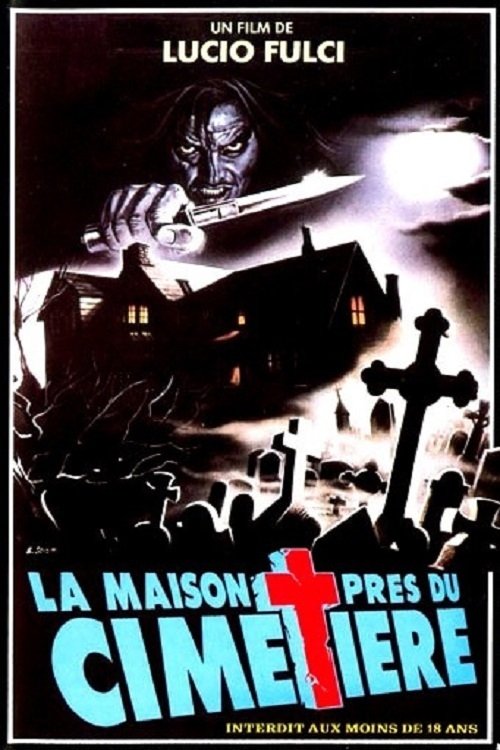
The House by the Cemetery (1981) poster
Director
Production Company
Fulvia Film
Plot

After a doctor kills his mistress and himself while researching the mysterious previous owner of his Boston home, his colleague, Dr. Norman Boyle, takes over his studies and moves his family into the Boston mansion. Soon after, Boyle's young son Bob becomes plagued by visions of a young girl, who warns him of the danger within the house.

Alternative Titles
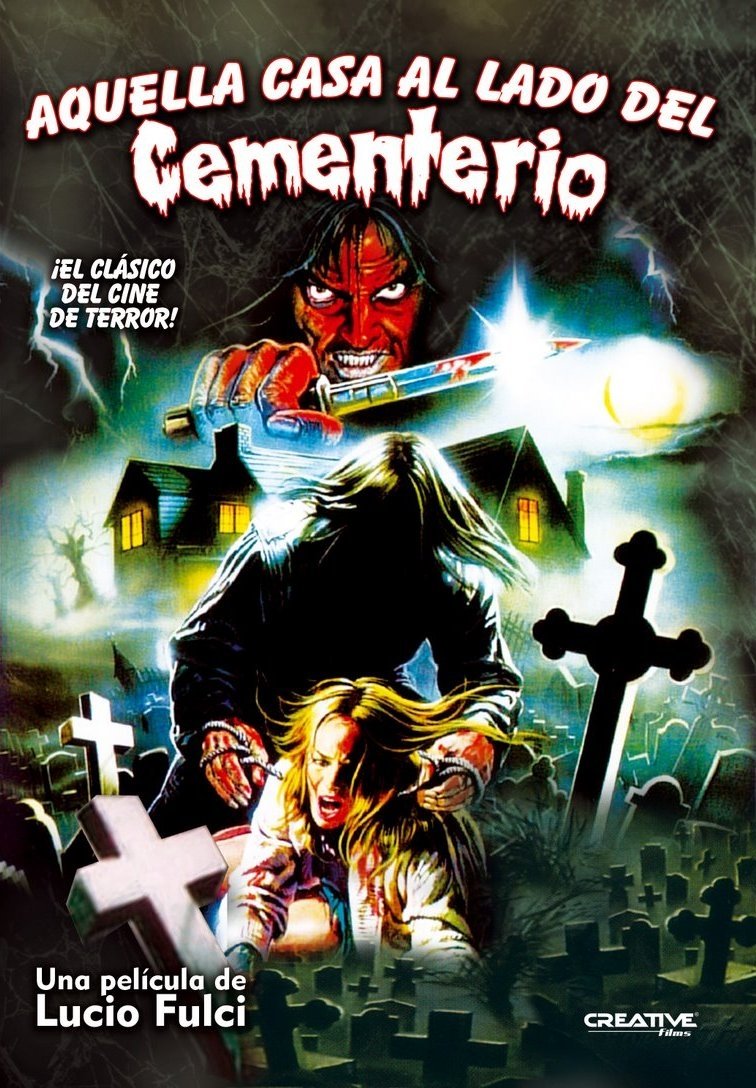
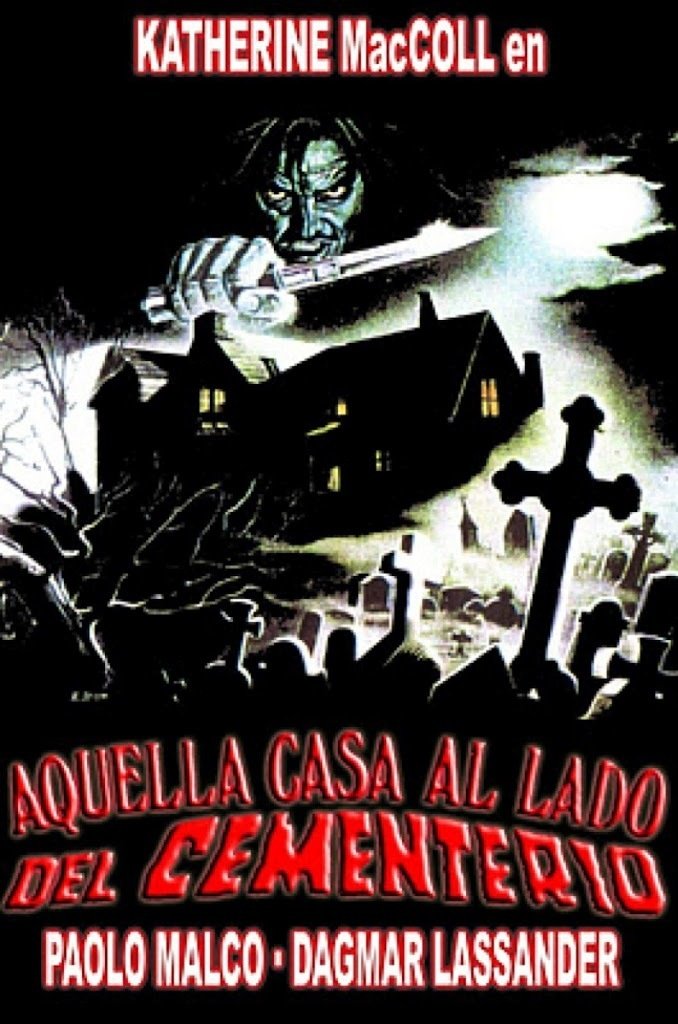
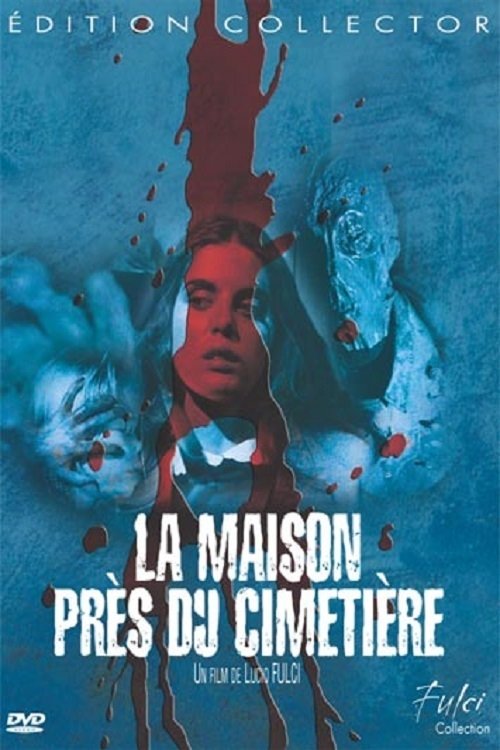
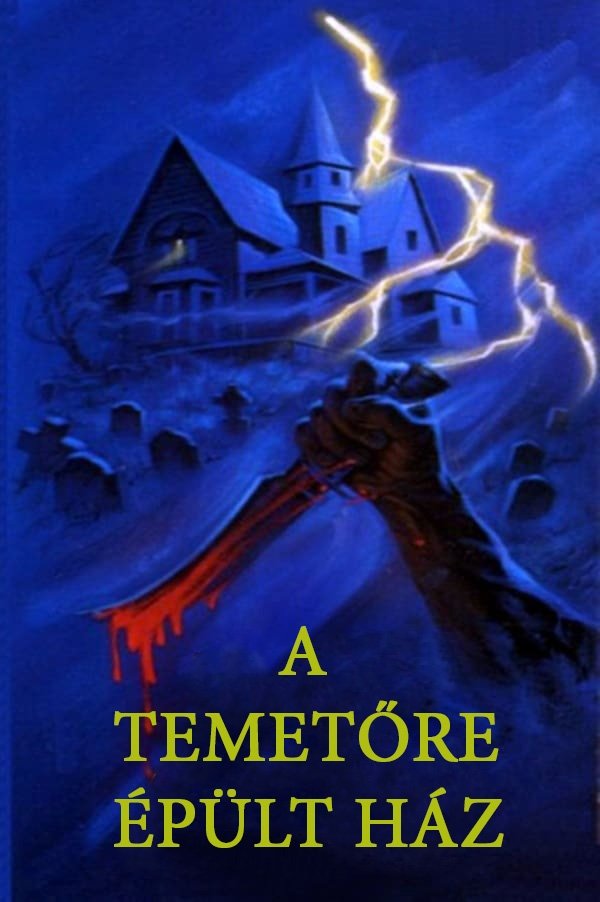
A Casa do Cemitério (Brazil) — Home Video Title A Casa dos Mortos Vivos (Brazil) — Portuguese La maison près du cimetière (Canada) — French Title 守墓屋 (China) — Chinese Dům u hřbitova (Czechia) — Czech Das Haus an der Friedhofmauer (Germany) — DVD Title Das Haus an der Friedhofsmauer (Germany) — West Germany Title Lucio Fulci's: Das Haus an der Friedhofsmauer (Germany) — West Germany (Alternative Title)
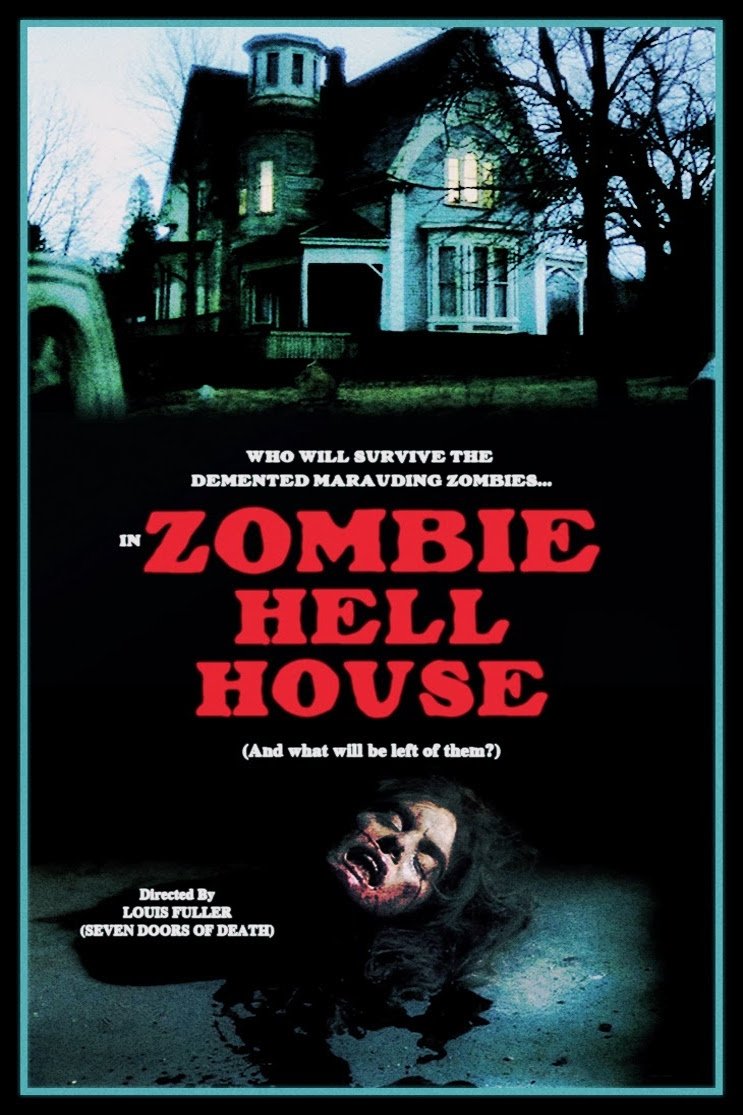
Show all 32 alternative titles Slagtehuset ved Kirkegården (Denmark) — Danish Aquella casa al lado del cementerio (Spain) — Spanish Aquella casa junto al cementerio (Spain) — DVD Title La Maison près du cimetière (France) — French Enoikiazetai Stoiheiomeni Vila Dipla sto Nekrotafeio (Greece) — romanization I Stoiheiomeni Vila (Greece) — Romanized VHS title Ενοικιάζεται Στοιχειωμένη Βίλα Δίπλα στο Νεκροταφείο (Greece) Η Στοιχειωμένη Βίλα (Greece) — VHS title A temetőre épült ház (Hungary) — Hungarian 墓地裏の家 (Japan) 무덤 위에 세운 집 (South Korea) — Korean La casa al lado del cementerio (Mexico) — DVD Box Title Het huis bij het kerkhof (Netherlands) — Informal Literal Title House by the Cemetery (Netherlands) — DVD Box Title Dom przy cmentarzu (Poland) — Polish Дом на краю кладбища (Russia) — Russian Huset på kyrkogården (Sweden) — Home Video Title Дом на краю кладбища (Russia) — Russian Title Будинок біля цвинтаря (Ukraine) — Ukrainian The House Outside the Cemetery (United States) Zombie Hell House (United States) La casa cercana al cementerio (Uruguay) — Video Box Title Ngôi Nhà Cạnh Nghĩa Trang (Vietnam) — Vietnamese Revenge of the New York Ripper (South Africa) — English Title (Video Title)

Trailers & Videos

8 videos

Film Guide & Analysis

Lucio Fulci's 1981 Gothic horror: Dardano Sacchetti's childhood inspirations, Henry James, Massachusetts filming, Sergio Salvati, Maurizio Trani's practical effects, childhood, censorship and critical reassessment.

The House by the Cemetery (1981), originally released in Italy as Quella villa accanto al cimitero, is a supernatural horror film directed by Lucio Fulci during the most concentrated period of his work in the genre. Made immediately after City of the Living Dead (1980) and The Beyond (1981), it completes the group retrospectively known as the Gates of Hell trilogy. The three productions share recurring concerns with decaying bodies, unstable boundaries between life and death, and supernatural spaces that resist rational explanation. The House by the Cemetery develops these concerns within the domestic setting of a New England residence, combining the haunted-house tradition with the unusually graphic physical violence associated with Fulci's cinema.

The film has a particularly well-documented relationship with the work of Henry James, the childhood experiences of screenwriter Dardano Sacchetti and Fulci's own understanding of the supernatural. Its production brought together American locations, Roman studio interiors, cinematographer Sergio Salvati and an effects department whose contributions have sometimes been incorrectly attributed. The result is a work in which architectural confinement and bodily disintegration develop alongside the perception of events by children. Subsequent British censorship, international distribution and renewed critical examination have also shaped its position in the history of Italian horror.

Development, Dardano Sacchetti and the Literary Influences

The screenplay developed from an original story attributed to Elisa Livia Briganti, with Dardano Sacchetti, Lucio Fulci and Giorgio Mariuzzo associated with the final writing credits. The collaboration belonged to a period in which Sacchetti supplied material for several of Fulci's most important horror productions. Their creative interests overlapped in the treatment of supernatural phenomena, although the surviving interviews demonstrate differences in their interpretation of individual projects. Fulci regarded himself as an active participant in screenplay development and maintained a particular interest in cinematic technique and the organization of fantastic imagery. Sacchetti, meanwhile, repeatedly connected his writing to personal memories and recurring narrative motifs.

In an extensive interview published by Il Davinotti in 2007, Sacchetti connected The House by the Cemetery with his childhood experiences in a large country house. He described an unsettling presence associated with a room whose former occupant had died, together with a system of underground spaces extending into darkness. The house contained a staircase descending from one cellar to another, and the lower level had become inaccessible to ordinary observation after its lighting failed. Sacchetti remembered watching his grandmother descend while he remained above with a candle. His testimony offers a concrete source for the screenplay's interest in concealed interiors and childhood apprehension. It remains a retrospective personal account, rather than evidence that the fictional house reproduces a specific real building.

Fulci identified a different literary foundation in an interview conducted by Robert Schlockoff for L'Ecran fantastique in 1982. Rejecting suggestions that he had simply imitated The Amityville Horror, he associated his film with Henry James's The Turn of the Screw and Jack Clayton's adaptation The Innocents (1961). The importance of these works lies in their treatment of children and the uncertain status of supernatural experience. Fulci specifically entertained the possibility that events might be understood through the imagination of the child, while also suggesting a recurring cycle in which the house receives successive occupants. These comments establish his preferred interpretive framework without requiring the film to be treated as a literal adaptation of James.
Filming in Massachusetts and the Italian Production System

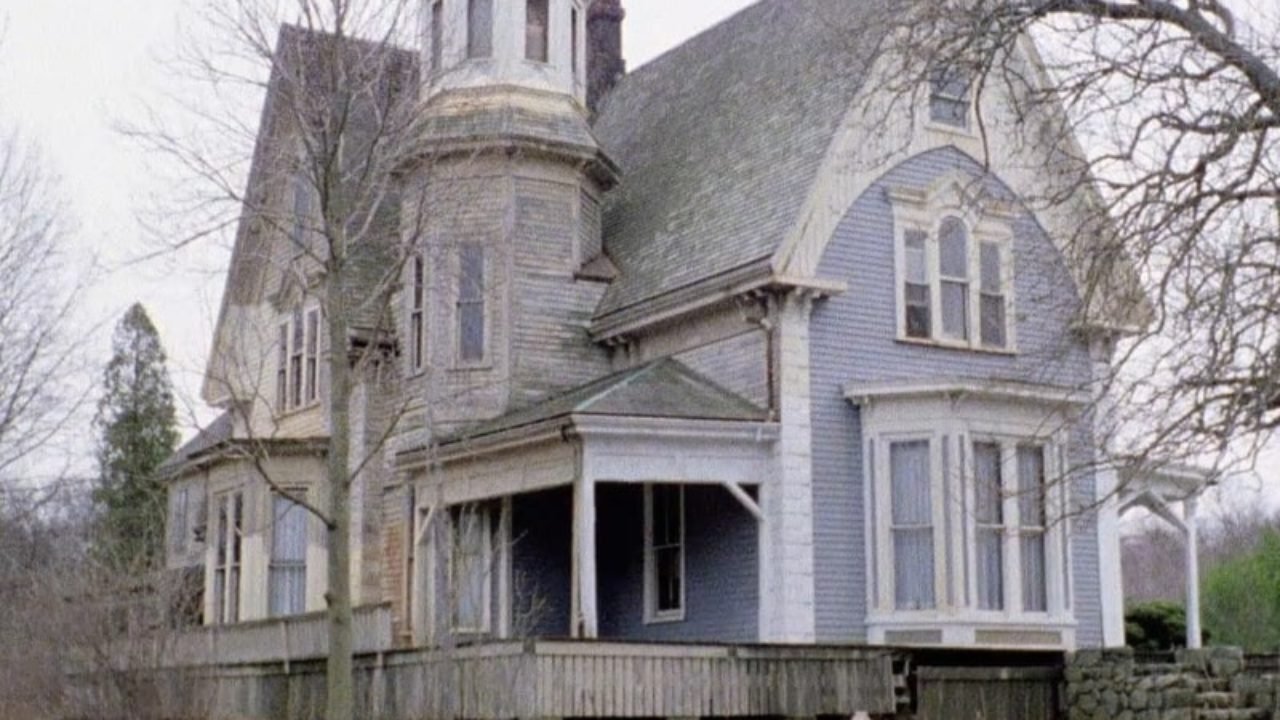
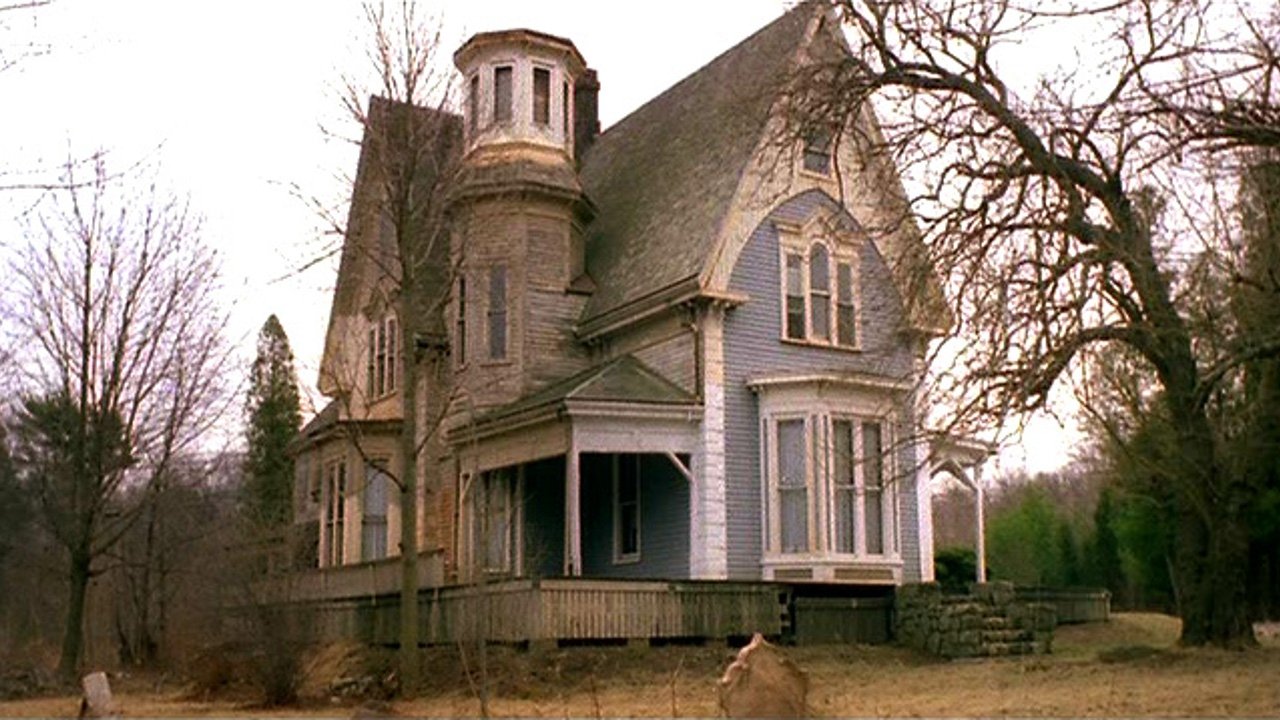
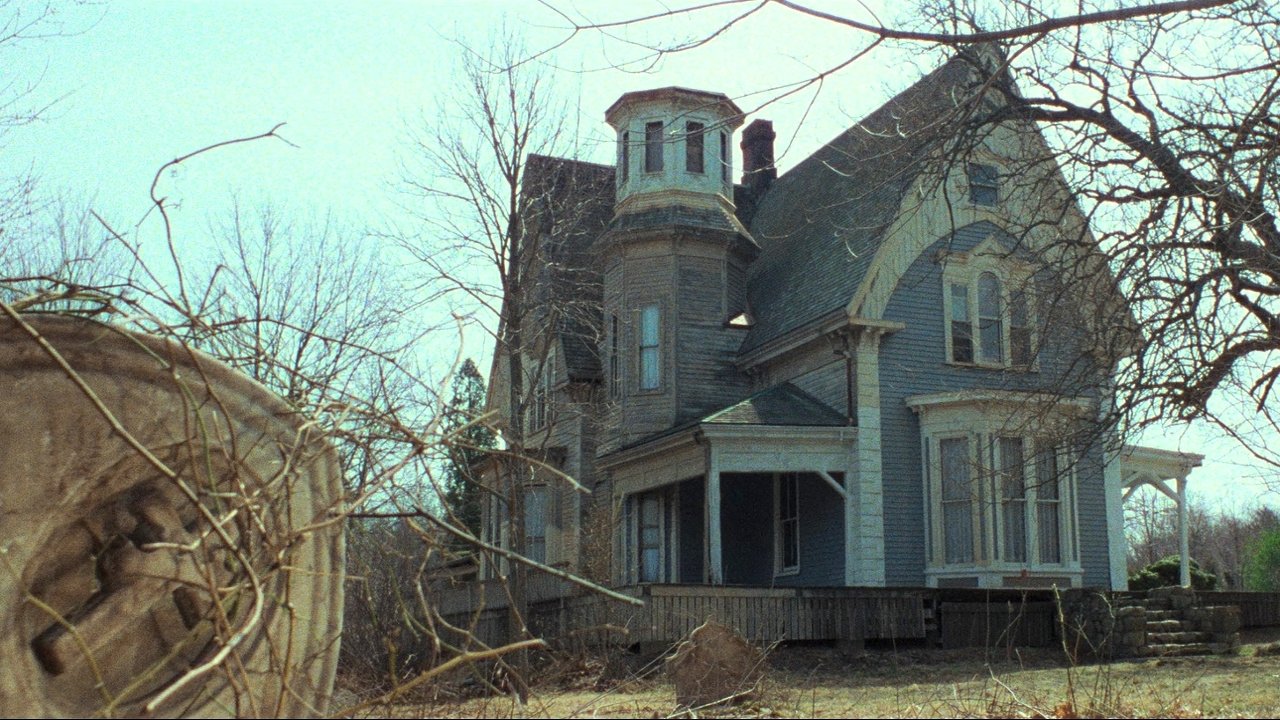
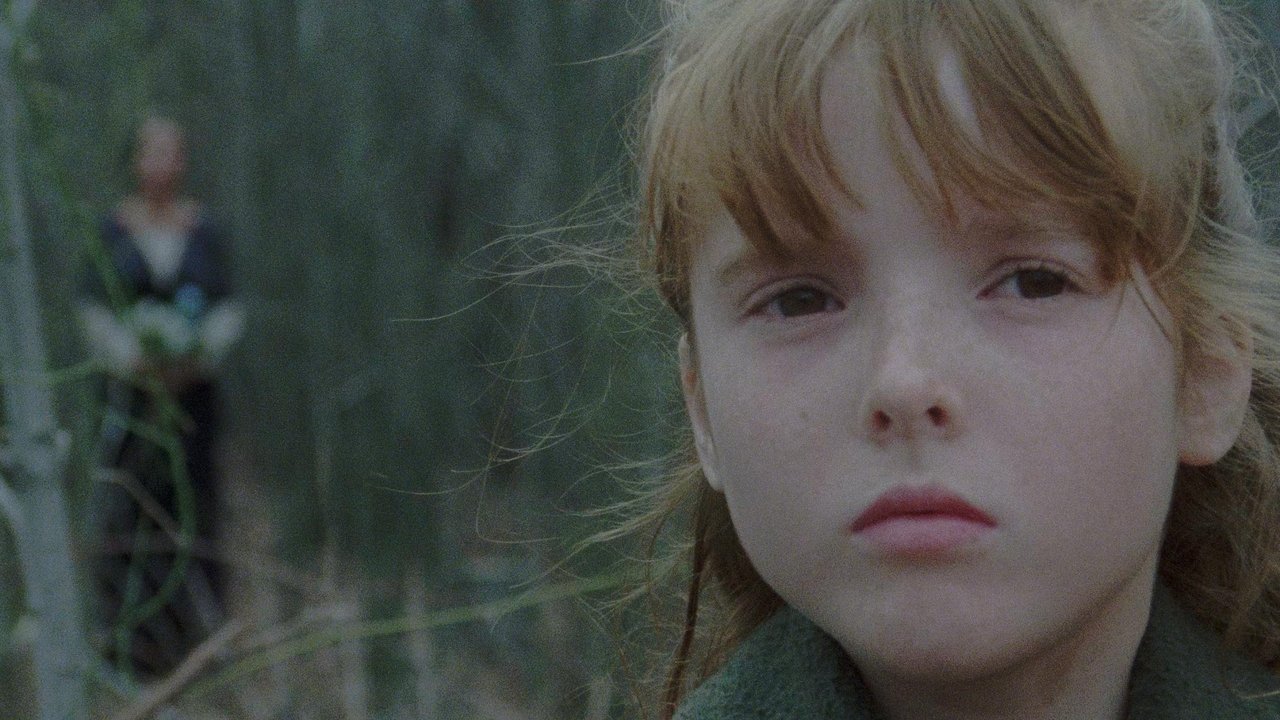
Principal photography took place in the spring of 1981, using locations in Massachusetts and additional filming in New York. The American setting extended a method Fulci had previously employed in City of the Living Dead and The Beyond, combining identifiable United States environments with production resources assembled through the Italian film industry. The exterior of the central house was filmed in the Concord area. Fulci recalled that the building served as an institution for people with physical disabilities, although this description reflects the director's recollection of its contemporary use. The interiors were largely constructed and photographed in Rome, permitting the production to control lighting, access and the requirements of elaborate effects sequences.
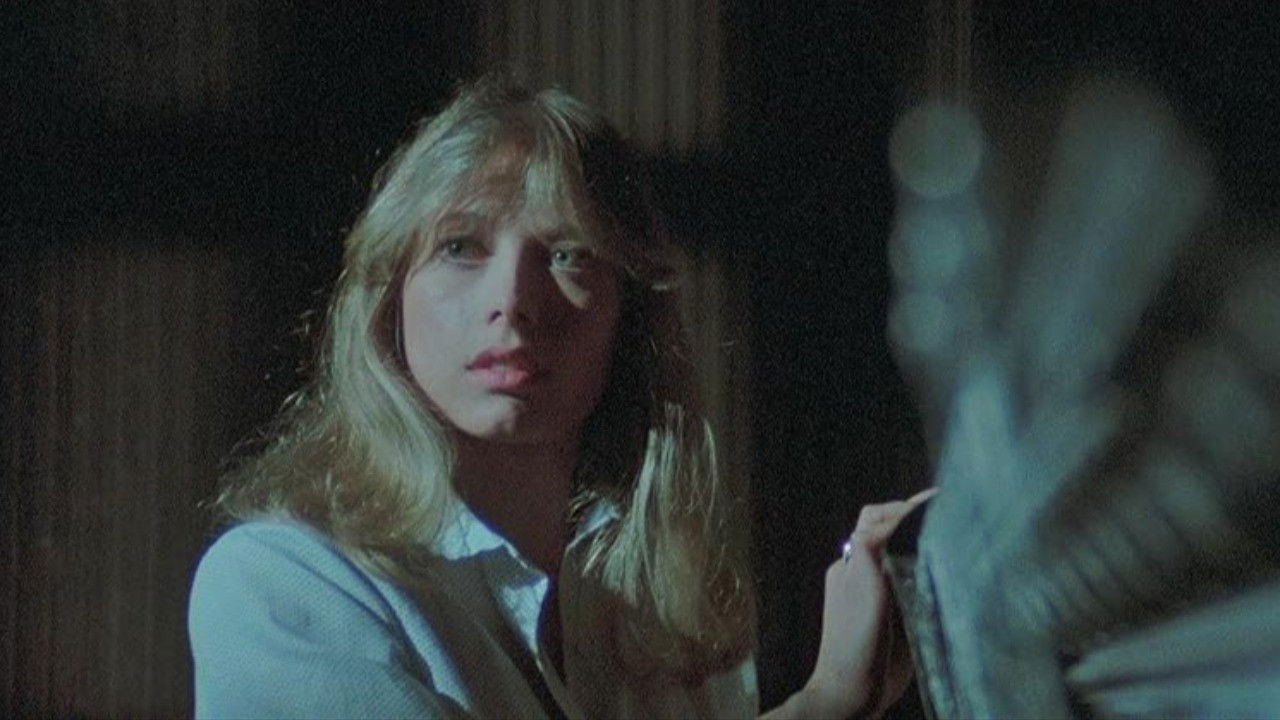
The separation between the American exterior and Italian interiors is confirmed by participants in the production. At the March 2011 HorrorHound reunion, members of the cast recalled that the principal house was used mainly for exterior photography. Silvia Collatina remembered entering the building to perform the moment in which Mae appears at a window. The assembled performers also confirmed that the interior material was filmed in Rome. Their recollections demonstrate how the finished residence depended on the combination of two geographically separate shooting environments. This practice was consistent with the international production arrangements of Italian genre cinema, although the precise appearance of the fictional rooms was determined by the finished sets and cinematography.

Catriona MacColl returned for her third collaboration with Fulci following City of the Living Dead and The Beyond. Her presence provides continuity across films that otherwise employ different fictional characters and settings. The director also worked with performers who had appeared in his recent productions, alongside the younger actors Giovanni Frezza and Silvia Collatina. The participation of children required the construction of scenes involving threatening physical action while maintaining control over the performers' safety. Retrospective accounts reveal substantial preparation behind images that appear abrupt and dangerous on screen. Those accounts are particularly valuable because they distinguish the effects of editing and mechanical devices from the actions actually performed during filming.

Gothic Architecture, Sergio Salvati and the Construction of Dread

The film organizes much of its horror around the architectural relationship between the occupied rooms and the inaccessible basement. The upper floors are recognizable domestic environments containing furniture, windows and ordinary household objects. The cellar belongs to another visual register, characterized by confinement, darkness and the accumulation of decaying human remains. Doors, staircases and openings in the floor establish barriers that repeatedly frustrate movement and observation. These structures create suspense through the physical organization of the setting. Their importance also extends beyond individual scenes because the house contains traces of earlier occupation and functions as a meeting point between the living and the dead.

Sergio Salvati's cinematography employs widescreen compositions, contrasting pools of illumination and close views of faces and objects. The camera frequently examines parts of the house whose significance is not immediately explained. Its attention to architectural details, shadowed spaces and changes in perspective encourages the viewer to regard the domestic environment as potentially threatening. In a later interview with MadMass, Salvati recalled that the American environments encouraged Fulci to request broad compositions, taking advantage of the architectural and landscape features available on location. This testimony helps establish the production reasoning behind some of the exterior photography. The more restricted interior sequences operate through different spatial relationships, bringing characters and threatening objects into close proximity.

The film's use of apparently disconnected information has also contributed to its reputation for narrative uncertainty. Several incidents suggest knowledge of the house's history without providing an immediately accessible explanation, while apparently familiar locations acquire unexpected properties. The effect can be discussed in relation to the Gothic tradition, in which inherited structures preserve disturbing traces of earlier events. Lee Barron's academic study of Fulci's Gates of Hell films examines this relationship through the concepts of haunting and undecidability. In The House by the Cemetery, the same location can function as a physically identifiable building and as a space whose supernatural characteristics resist a stable explanation. This double identity is central to the film's atmosphere.
Maurizio Trani, Practical Gore and the Creation of Freudstein

The practical effects occupy an essential position within the film's horror design. Human tissue, wounds, dismemberment and physical decomposition are presented as tangible features of the environment. The production combined effects make-up with mechanical devices, specially prepared props and editing intended to conceal the differences between performers and artificial materials. The attribution of this work requires particular care. Giannetto De Rossi is frequently associated with the film through published credits and his important collaborations with Fulci, but retrospective testimony distinguishes those credits from the practical work he personally performed. Maurizio Trani was responsible for the principal special make-up effects, while Gino De Rossi was also associated with the physical effects work.

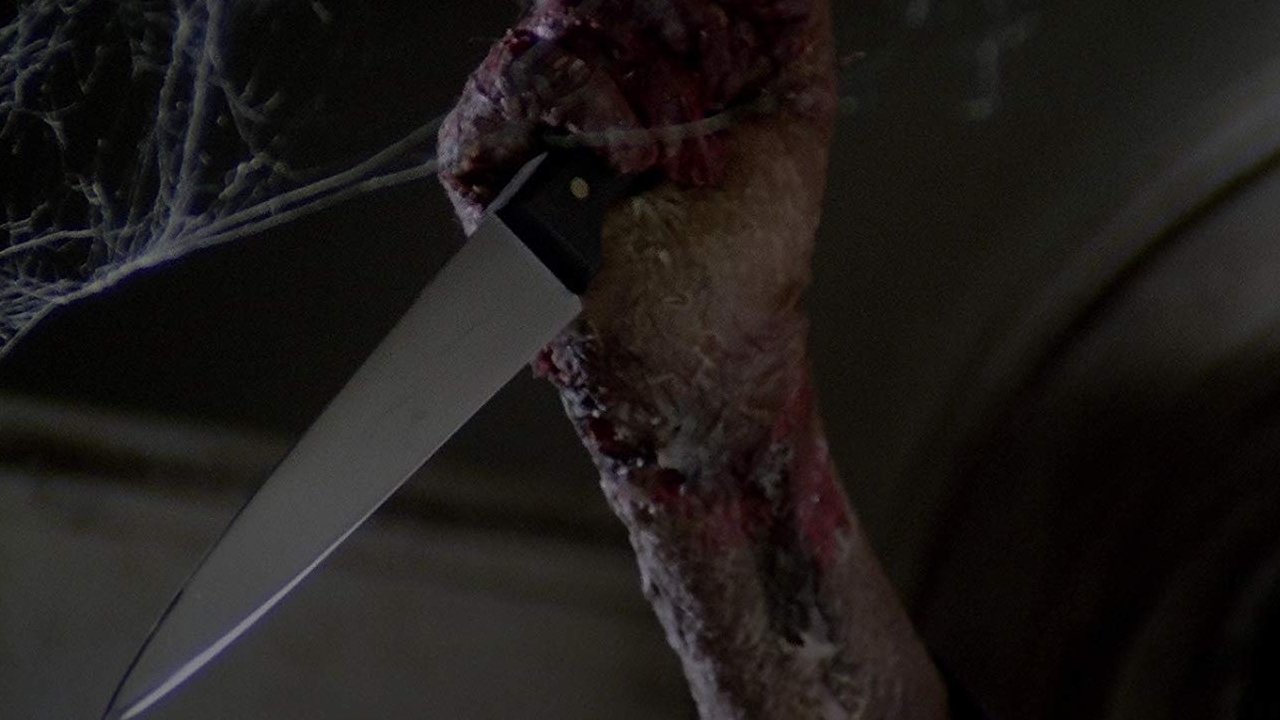
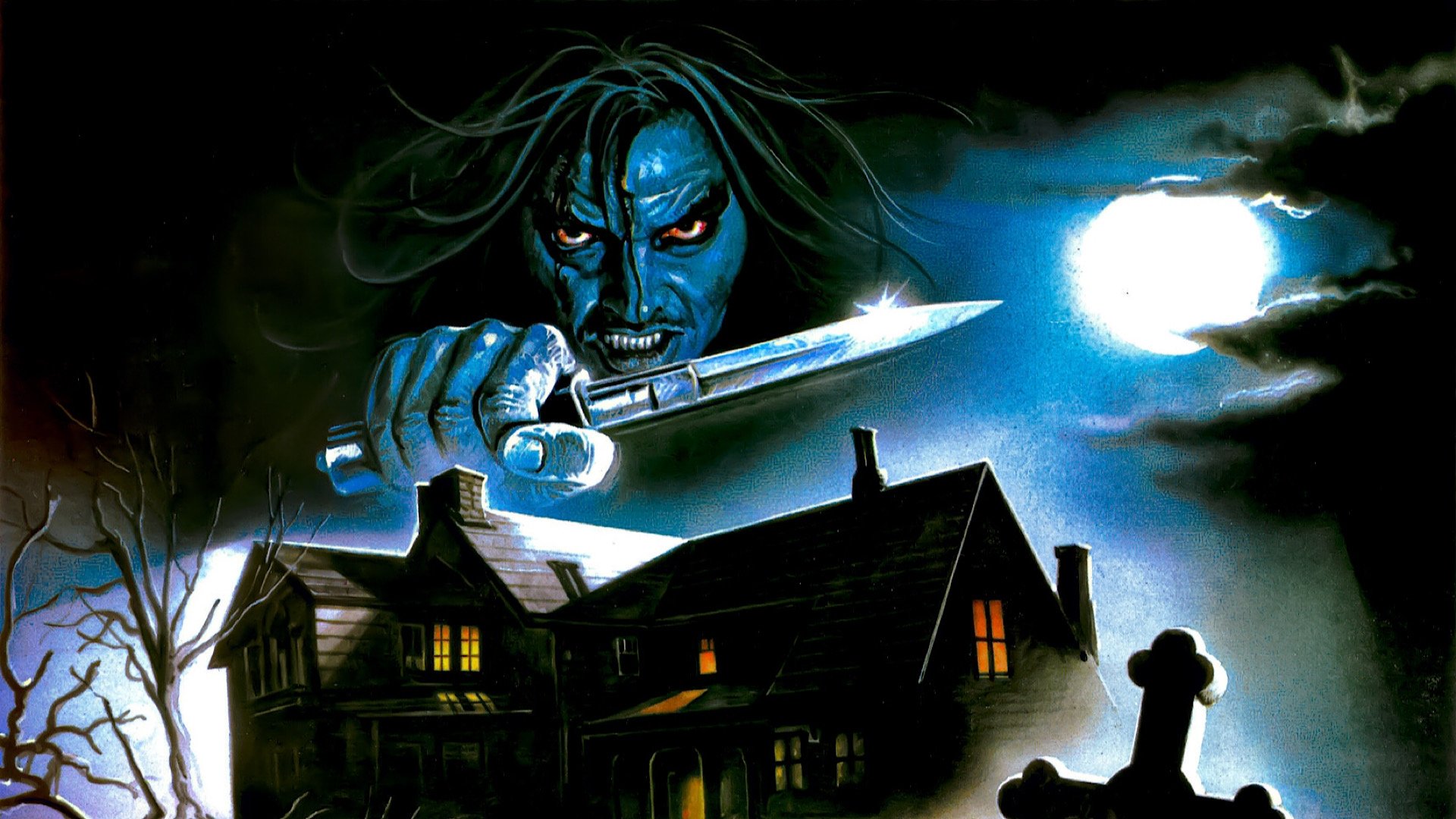
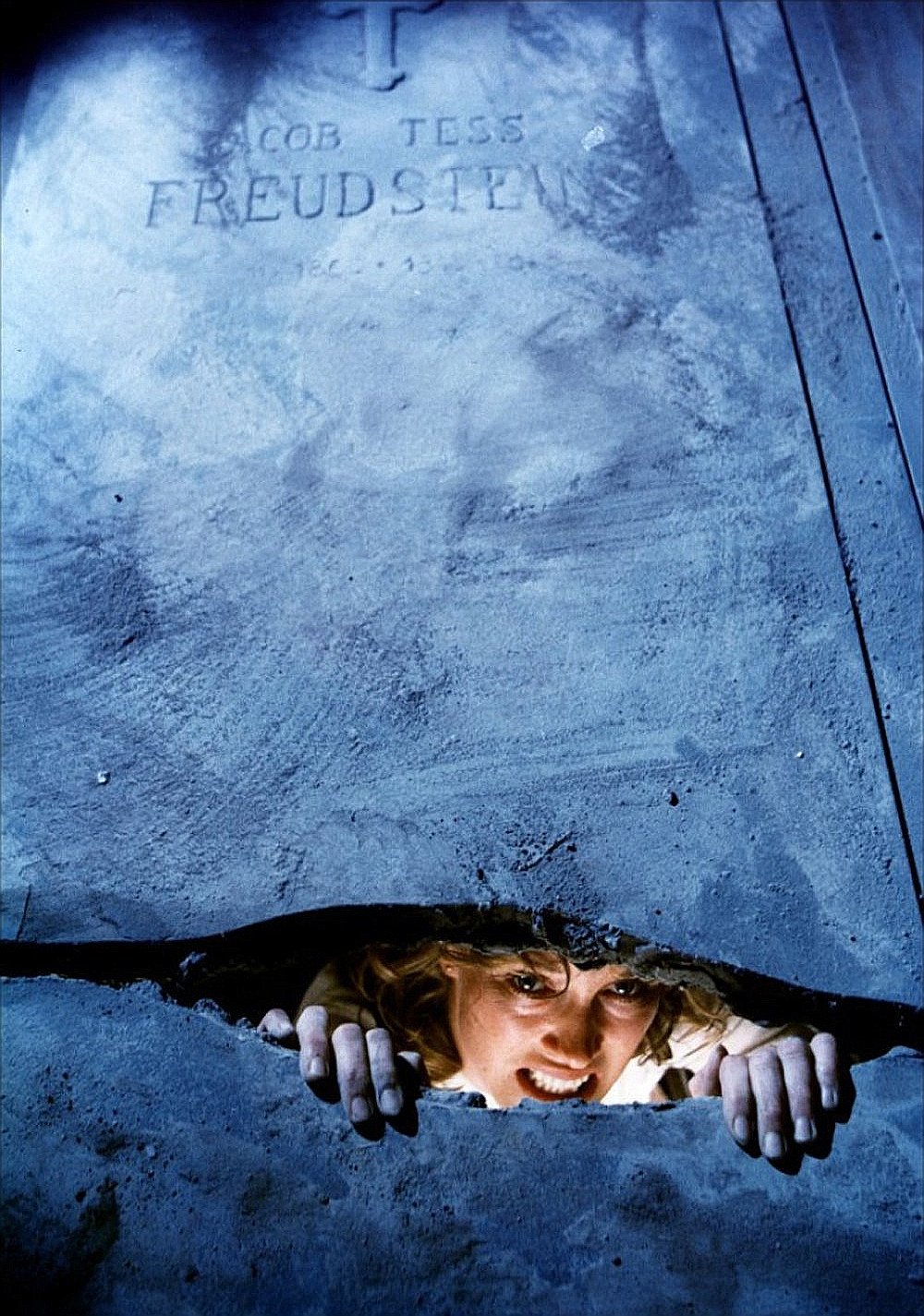
The figure of Dr. Freudstein required extensive artificial deterioration of the human body. The finished make-up presents the creature as an assemblage of diseased and decaying material rather than a conventionally recognizable supernatural apparition. Contemporary images of the monster depend on the combination of performer Giovanni De Nava, prosthetic applications, costume and carefully controlled visibility. Accounts from the production describe the development of the character's appearance through repeated revisions before Fulci accepted the design. The make-up also imposed practical demands on performance, since the facial appliances had to remain attached and properly aligned during filming. These constraints help explain the relatively limited and controlled presentation of the creature in several sequences.

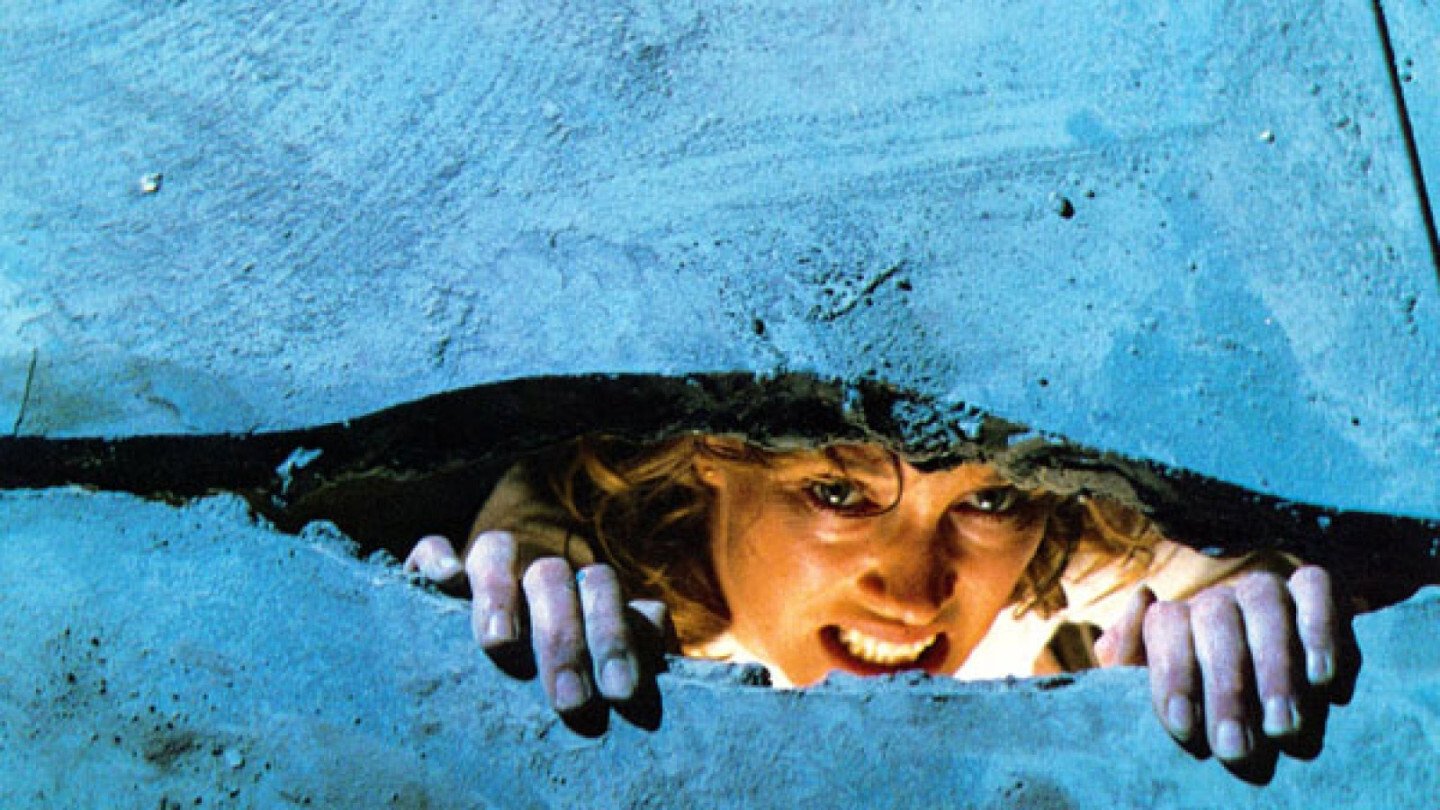
First-hand testimony from the 2011 cast reunion provides unusually precise information about other physical effects. Giovanni Frezza recalled that the axe striking through a door near his character was operated through a spring-loaded mechanism and that the sequence required two takes. MacColl's descent down the cellar stairs was also constructed to appear more dangerous than the physical action: the performers described the use of padded steps and an edit that repeated part of the movement to create the impression of a longer staircase. These details distinguish the visible illusion from its actual construction. The effectiveness of the sequences depends upon practical engineering, camera placement and cutting, rather than the performers being exposed to every apparent danger depicted in the finished image.

Childhood, Henry James and the World Beyond the Living

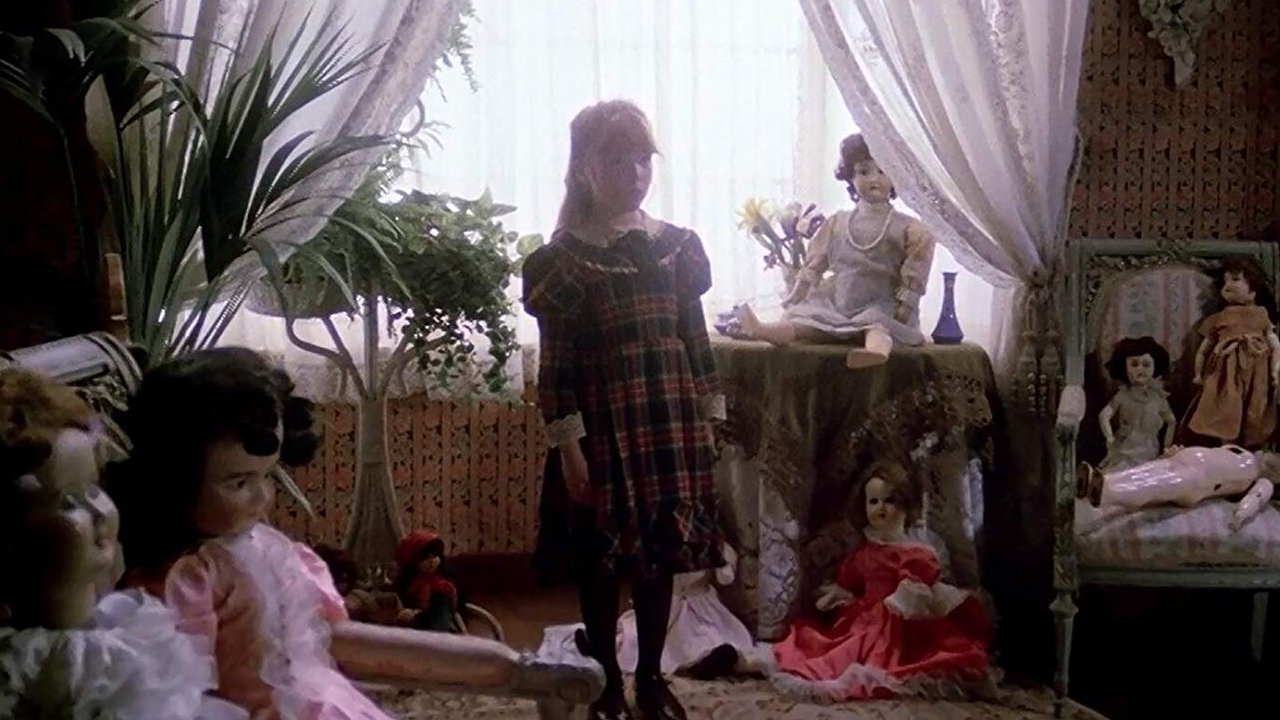
The contrast between adult and childhood perception is among the film's most distinctive thematic elements. Adults approach the unexplained occurrences through practical assumptions, professional authority and the expectation that events can eventually be understood. The children possess access to knowledge and experiences that remain unavailable to the older characters. Sacchetti identified childhood as a recurring concern throughout his work, describing the child as a figure through whom the anxieties of existence can be perceived with unusual immediacy. His recollections of dark rooms and inaccessible spaces provide a personal dimension to that concern, while the film transforms those memories into a supernatural structure.

Fulci gave particular attention to the relationship between children and death in his 1982 interview. He described the final movement of the film as an entry into a different world, where the ordinary authority of adults no longer applies. Rather than presenting this conclusion as a simple restoration of safety, he regarded the supernatural destination as disturbing in its own right. The film closes with a sentence attributed on screen to Henry James concerning children and monsters. That attribution has been questioned by later critics and should not be presented as an authenticated quotation from James's published work. Its importance lies in the interpretation it encourages and its association with the ambiguity of The Turn of the Screw.

Fulci also described the monster's vocal characteristics as important to the film's meaning. He explained that Freudstein's cries were intended to evoke children, an element that some audiences might not recognize clearly in dubbed or differently reproduced soundtracks. The detail connects the creature's physical construction with the film's broader concern for childhood and death. It also demonstrates that the monster was conceived through both make-up and sound. At the 2011 reunion, Collatina offered her own interpretation of Mae's relationship with Bob and the existence of a world in which children remain outside ordinary adult life. Her explanation is useful as a participant's reading, but it should be distinguished from a definitive account of the screenplay's intended metaphysics.

Walter Rizzati, Post-Synchronized Sound and Horror Atmosphere

The soundtrack is an important component of the film's sustained atmosphere. Walter Rizzati's music combines recurring melodic material with electronic textures and abrupt changes of intensity, establishing a contrast between passages of relative calm and the physical violence of the horror sequences. The music often anticipates danger or extends the emotional consequences of events after the immediate action has ended. The soundtrack belongs to the broader tradition of Italian horror scoring in which electronic instruments and strongly defined themes were used to create atmosphere independent of naturalistic environmental sound. Rizzati's contribution gives the film a distinct musical identity within Fulci's early-1980s work.

The film also depends on post-synchronized voices and effects, a common feature of international Italian productions of the period. The English-language voice assigned to Bob became particularly conspicuous in later home-video circulation. At the HorrorHound reunion, Giovanni Frezza publicly acknowledged the dubbing and apologized for the effect it had on audiences, while making clear that he had not personally controlled the recorded performance. This history demonstrates how a film's sound identity can be altered by its language version. The intended vocal quality of Freudstein, discussed by Fulci in his own interview, presents a related issue: some of the horror depends on precise sonic details that may not be equally apparent in every surviving audio presentation.

British Censorship, Distribution and Critical Reassessment

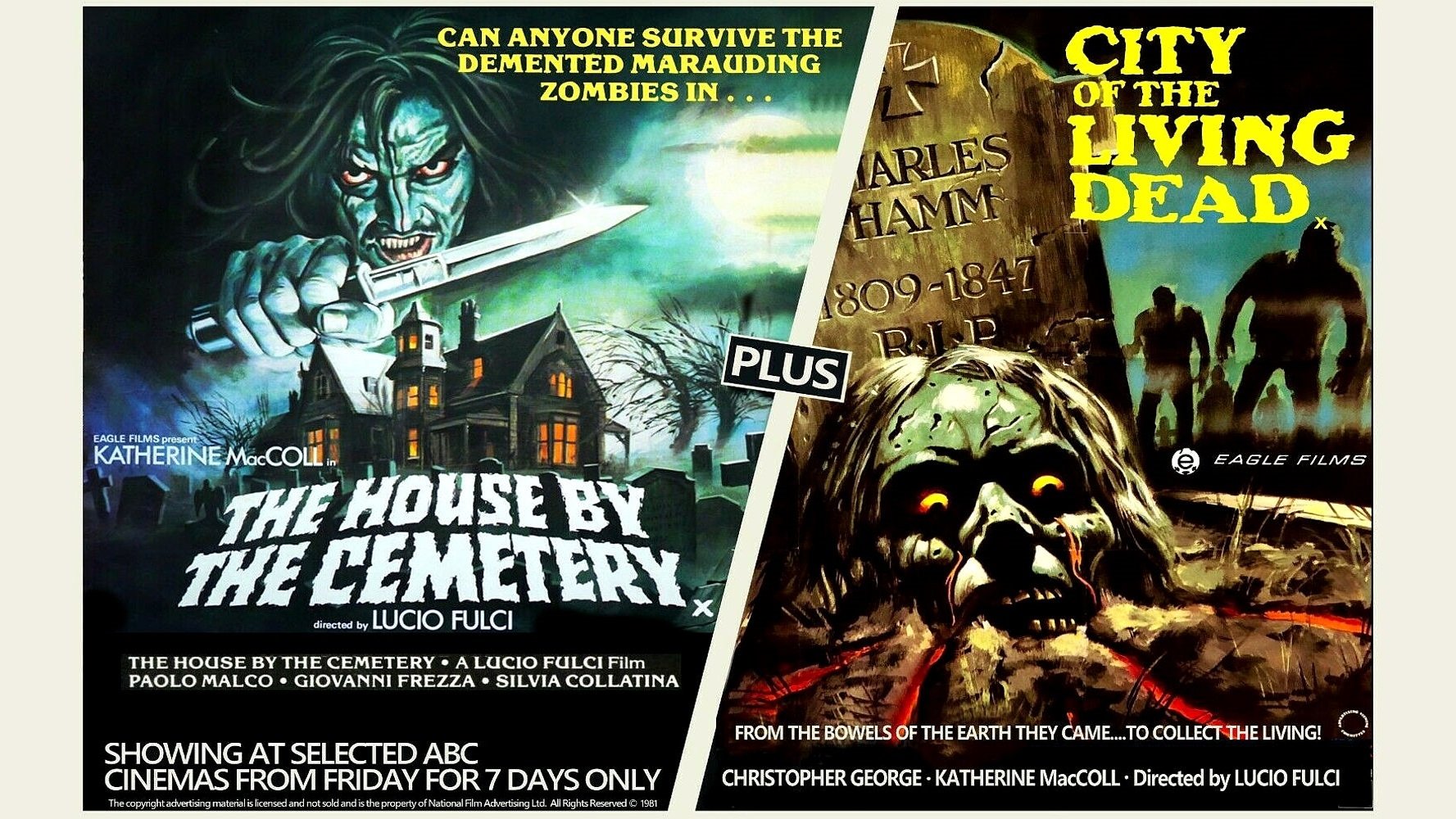
The House by the Cemetery opened in Italy in August 1981 and subsequently circulated internationally under its English title. Its combination of supernatural horror and explicit physical violence created difficulties in territories with restrictive film-classification systems. British theatrical and home-video presentations were subject to different cuts, particularly in scenes involving graphic injury and mutilation. The film also became associated with the Director of Public Prosecutions video nasties campaign. This history should be separated from the film's original Italian release and from later British classification decisions. Differences between theatrical prints, early videocassettes and subsequent editions cannot be treated as evidence of a single universal censorship history.

Later British releases gradually restored material absent from earlier authorized versions, and the film eventually circulated in an uncut classification during the DVD era. Restoration and high-definition presentation also changed the conditions under which its cinematography and practical effects could be examined. Modern editions have made available additional interviews with members of the cast and crew, archival commentaries and previously omitted footage. These materials are useful for reconstructing the production, although the claims made in retrospective interviews must still be weighed against surviving documents and the circumstances in which the participants formed their recollections. The distinction is especially important where individual effects contributions or original editing decisions remain disputed.

The film's critical standing is also connected with the reassessment of Fulci's horror cinema as a formally distinctive body of work. Its relationship with City of the Living Dead and The Beyond has attracted interpretations concerned with Gothic space, material decay and the instability of supernatural experience. In his 2020 study published in Gothic Studies, Lee Barron examines the three films through Jacques Derrida's concepts of haunting and undecidability, treating their disturbing spaces and extreme physical destruction as interconnected features of a neo-Gothic aesthetic. This provides a documented critical framework for understanding The House by the Cemetery beyond its reputation for graphic effects. Its importance within Italian horror can be examined through the relationship between the domestic setting, childhood perception, physical decay and Fulci's conception of a world whose supernatural boundaries remain unresolved.

References

  1. Starburst / L'Ecran fantastique Lucio Fulci Interview — Robert Schlockoff (1982)

    Original interview with Fulci, reproduced from the August 1982 issue of Starburst. The director discusses the meaning of the children and the supernatural ending, his approach to horror, physical effects and the relationship between his films.

  2. Il Davinotti Intervista allo sceneggiatore Dardano Sacchetti

    Extensive original 2007 interview containing Sacchetti's detailed recollections of the country house, underground cellars and childhood experiences that informed his recurring house-and-children horror narratives.

  3. Northumbria University Ultraviolent Gothic Visions: Lucio Fulci's Gates of Hell Trilogy as Derridean Cinematic Haunted Spaces — Lee Barron

    Seventeen-page peer-reviewed academic study published in Gothic Studies in 2020, examining the three Fulci films through Gothic space, haunting, bodily decay and the instability of supernatural explanation.

  4. Gavin Schmitt House by the Cemetery — HorrorHound Cast Reunion

    Original March 2011 report documenting first-hand cast testimony concerning the American and Italian locations, mechanical axe effect, padded staircase, filming with child actors and interpretations of the ending.

Cast

View Full Cast & Crew →

Release & Distribution

Production Companies (1)

  • Fulvia Film IT

Distributors (1)

  • Medusa Film IT

Release History (13)

Release DateTerritoryRelease TypeFormatDistributorCertificationNotes
1981-08-14 Italy Theatrical — — VM18
1982-03-24 France Theatrical — — 16
1982-07-04 United Kingdom Limited Theatrical — — 18
1982-08-06 Spain Theatrical — — 18
1982-08-23 Denmark Theatrical — — —
1982-11-26 Germany Theatrical — — 18 West Germany
1983-01-06 Netherlands Theatrical — — —
1983-04-08 Portugal Theatrical — — —
1984-03-30 United States Limited Theatrical — — NR New York City, New York
1984-06-01 United States Theatrical — — NR
1987-10-17 Mexico Theatrical — — —
2012-05-07 United Kingdom Physical — — 18
2023-10-09 United Kingdom Physical — — 18
You may have just mortgaged your life.