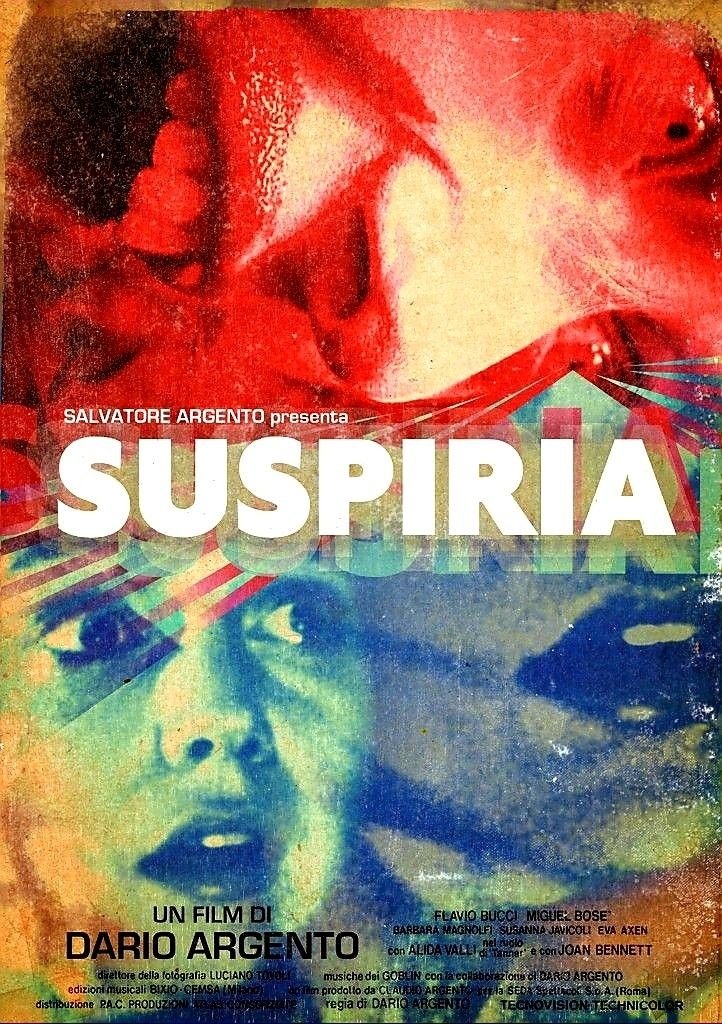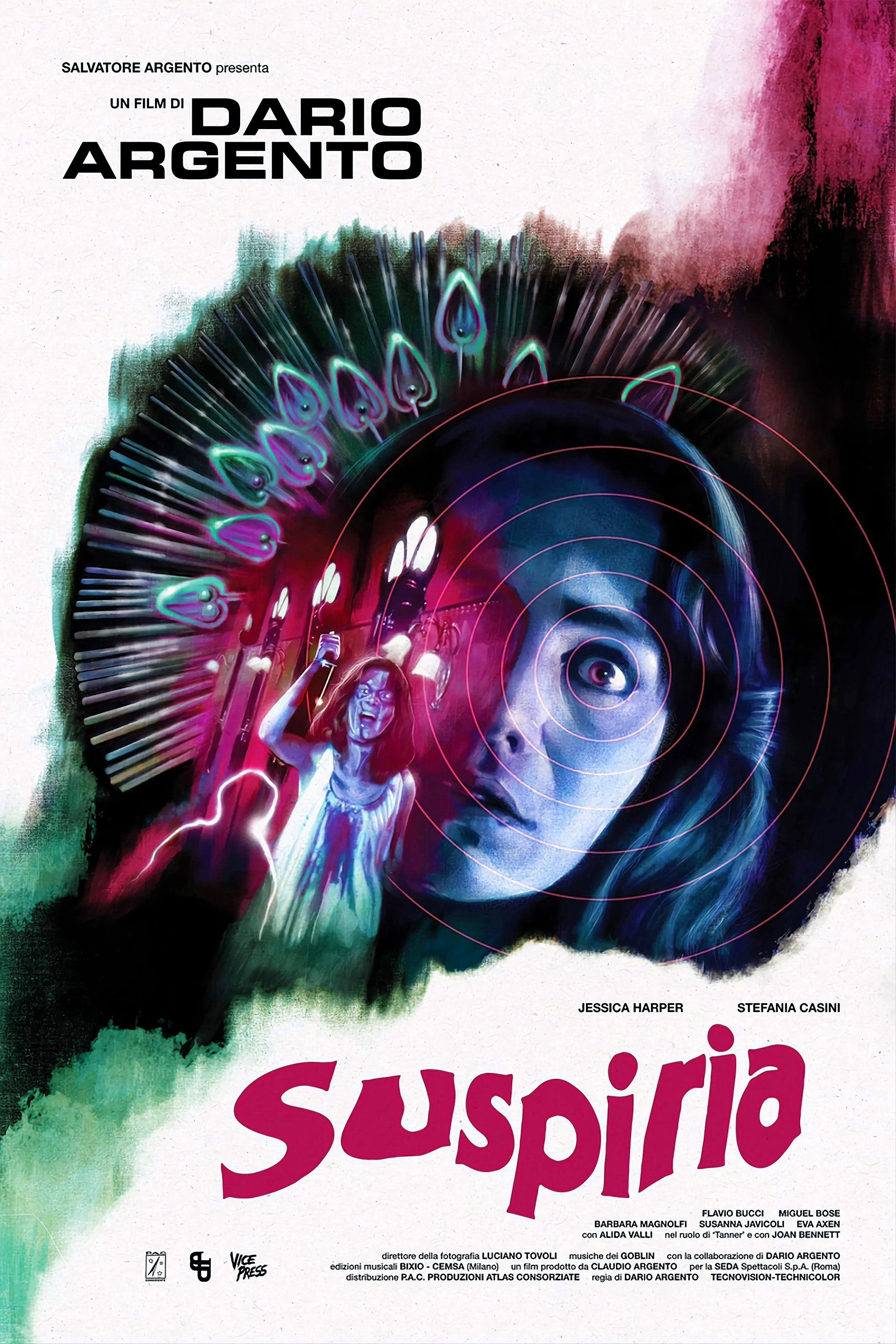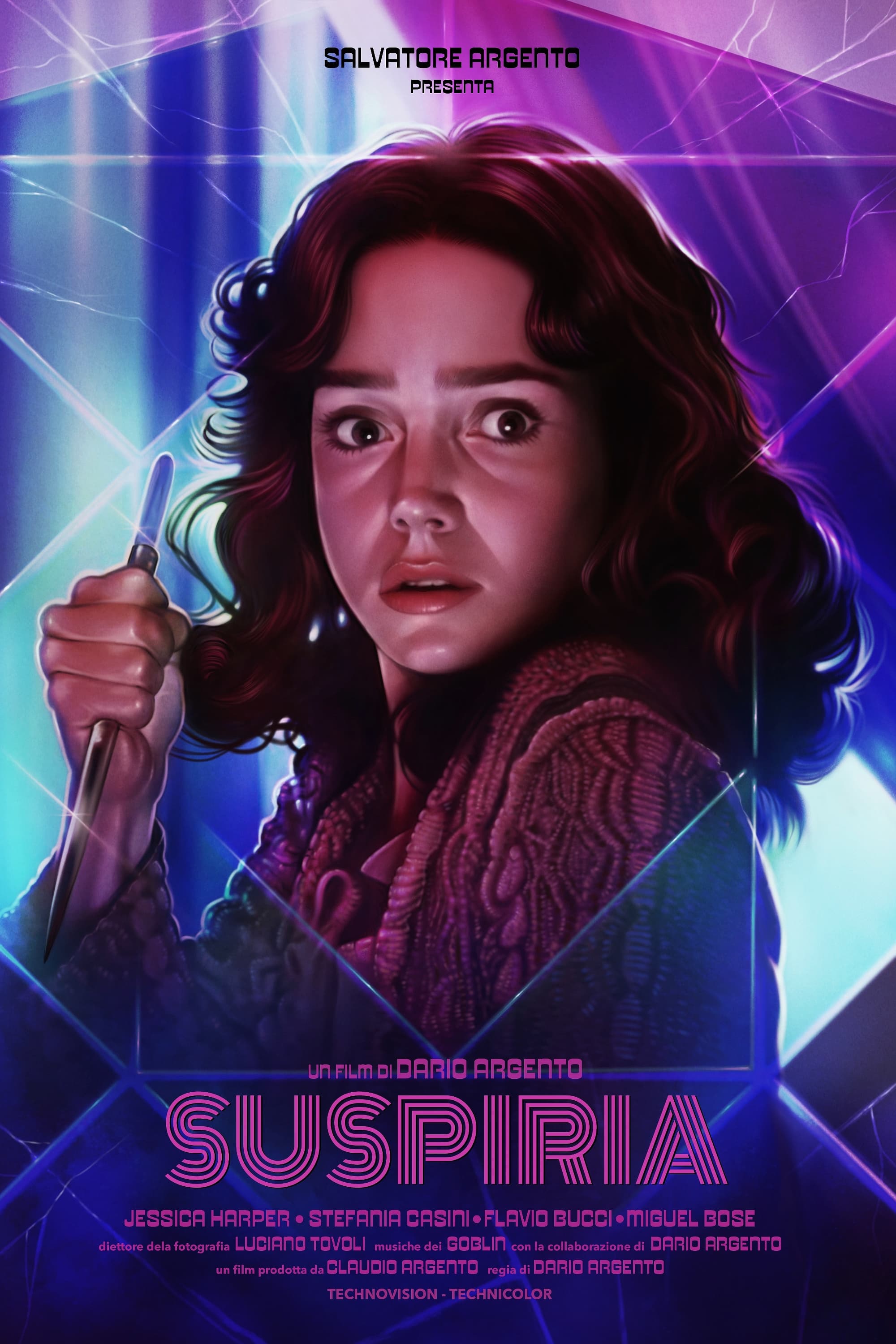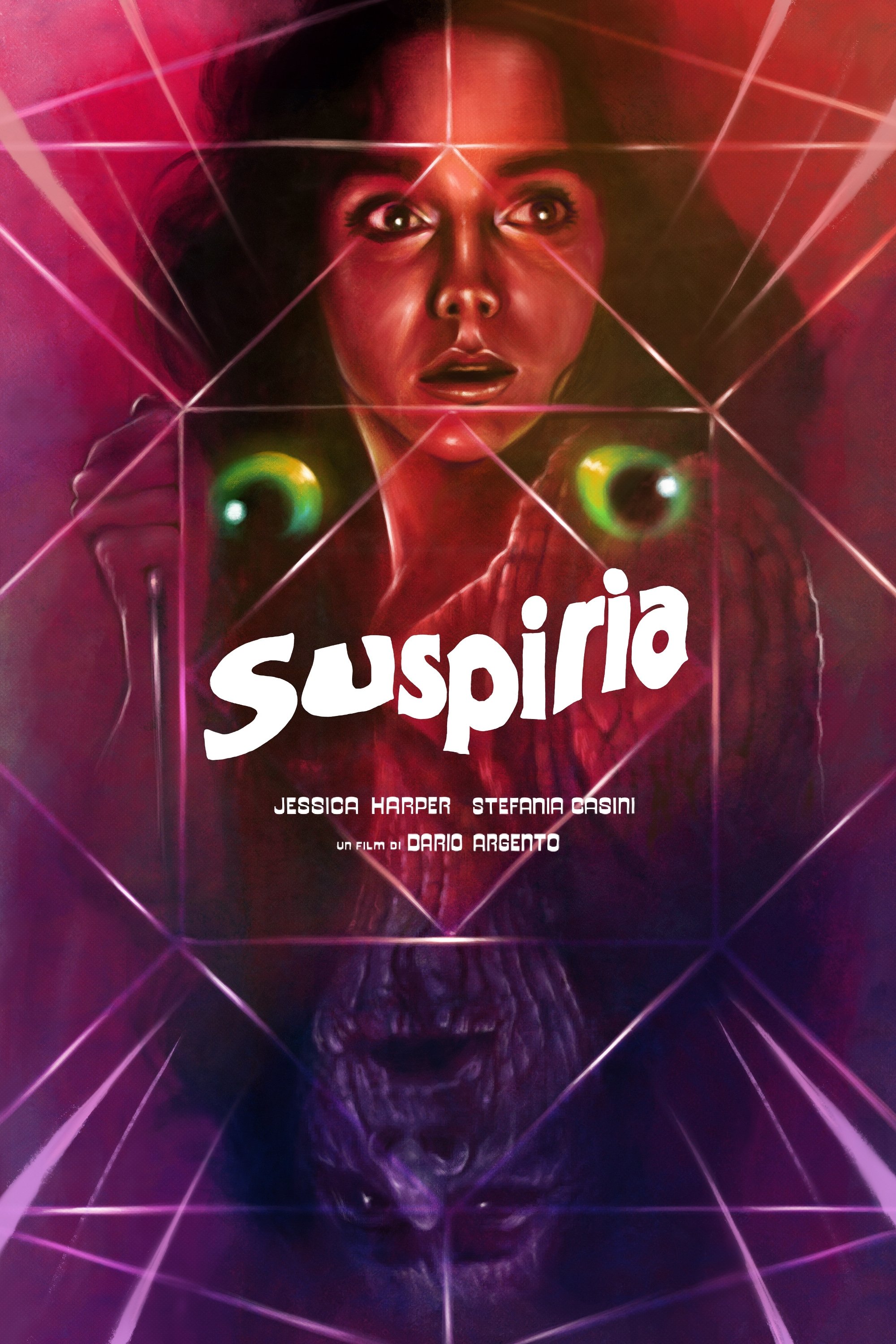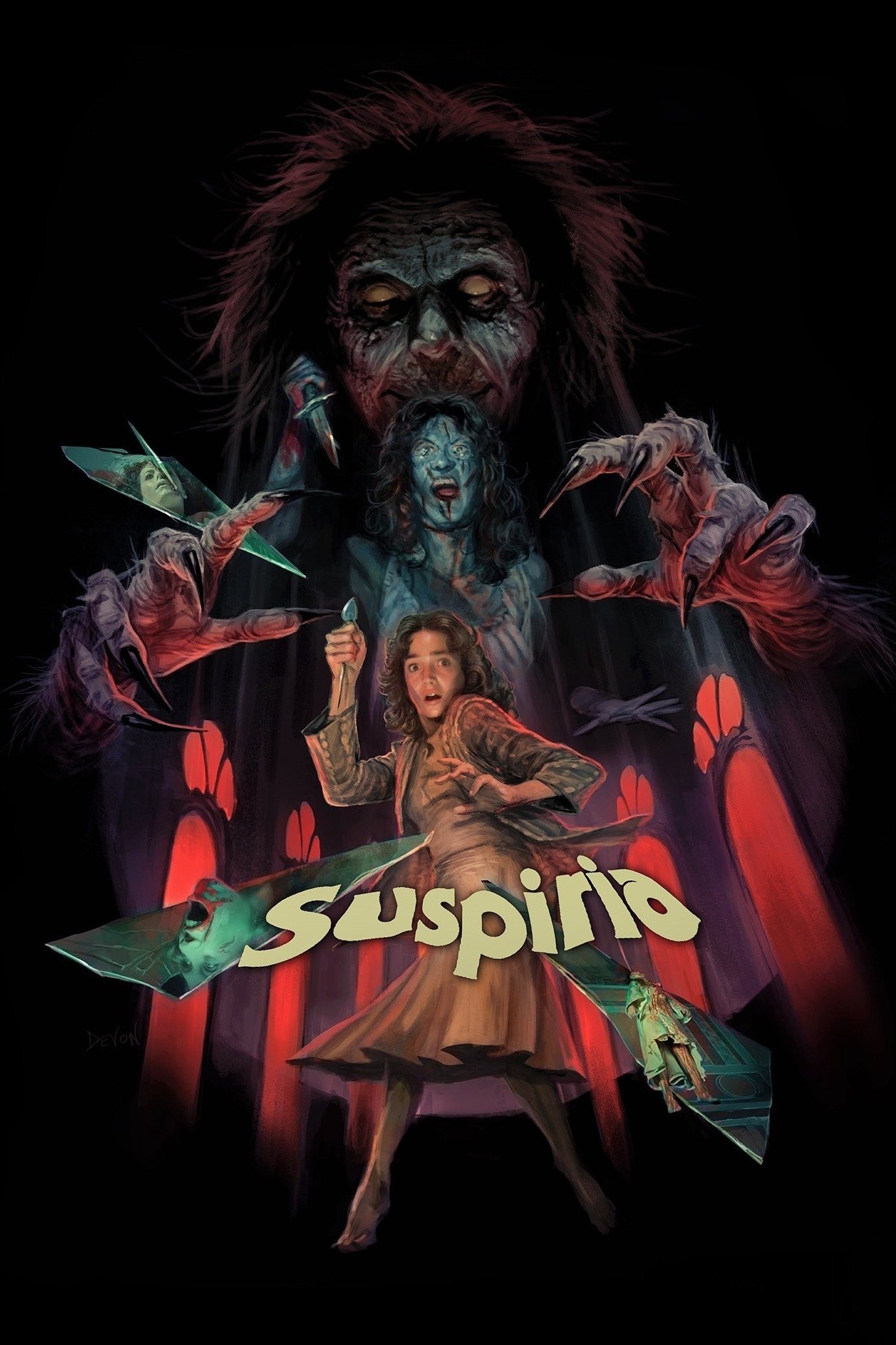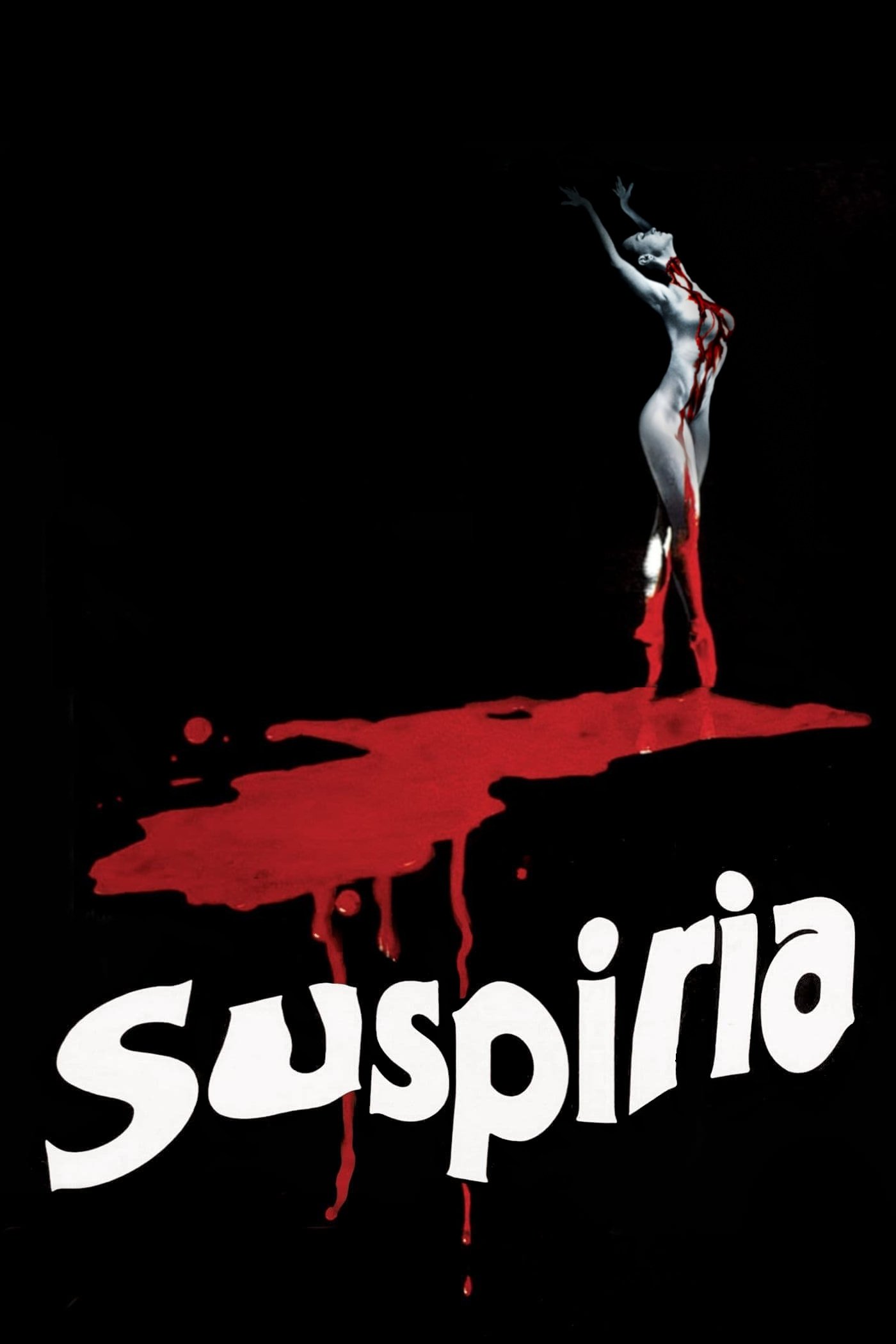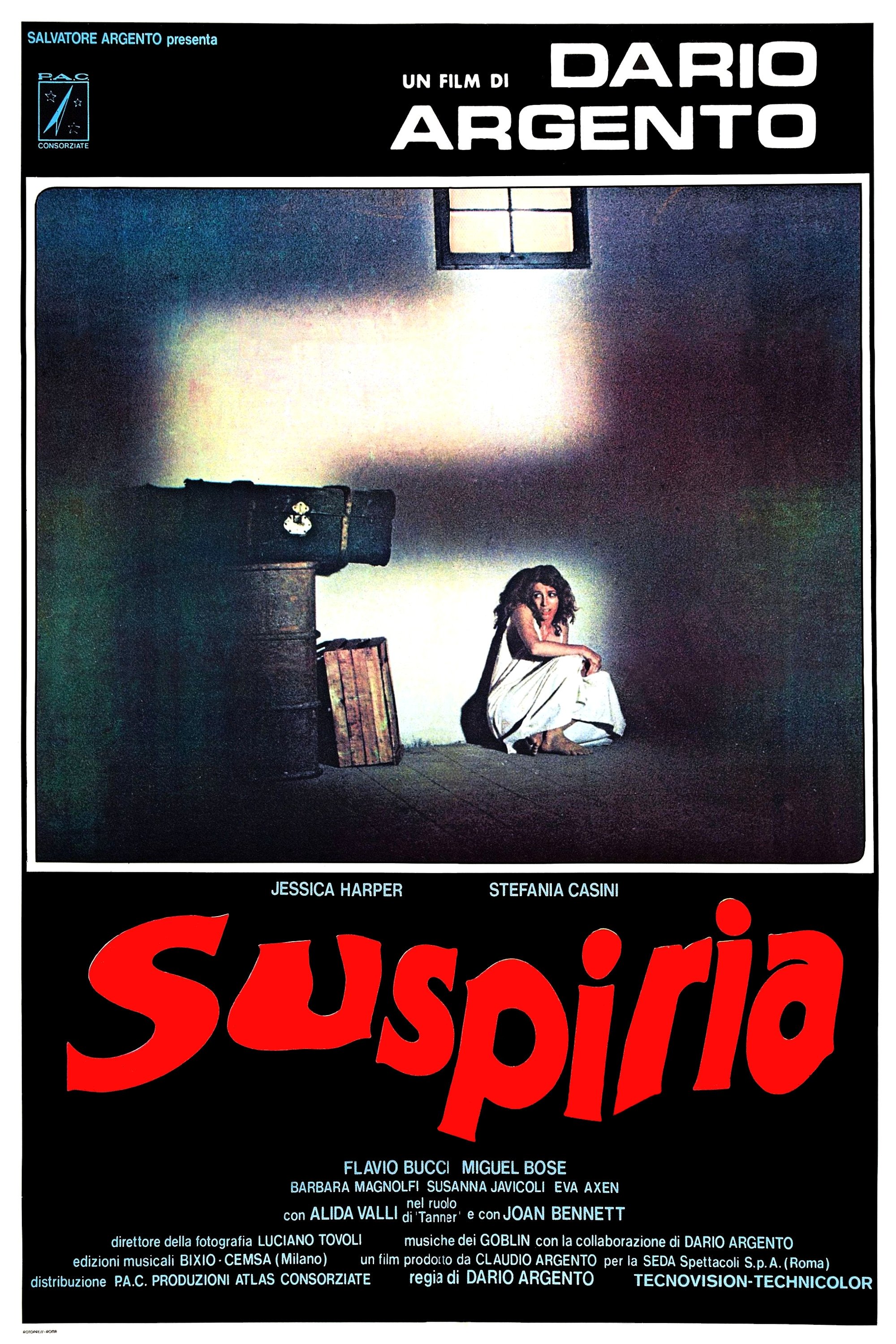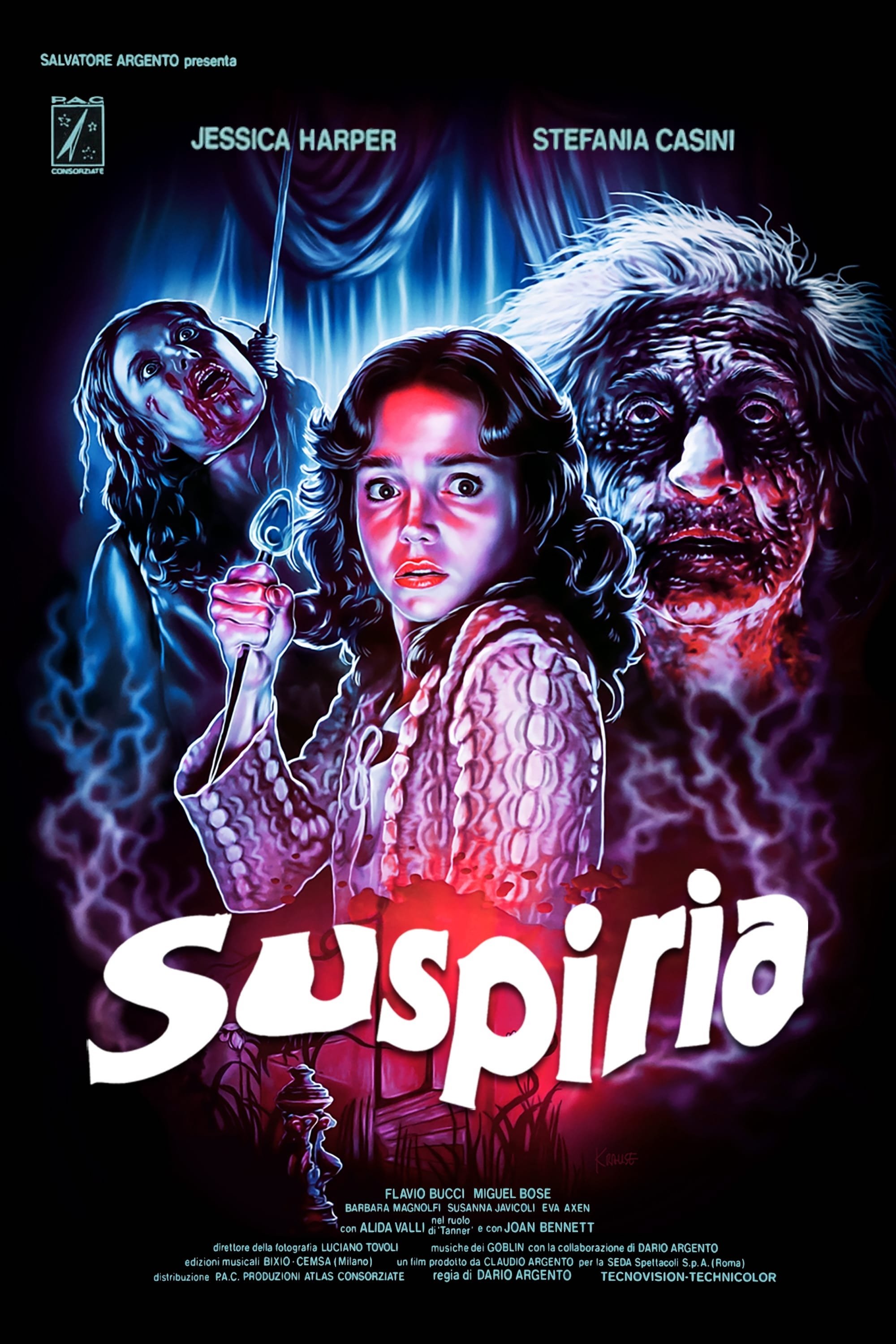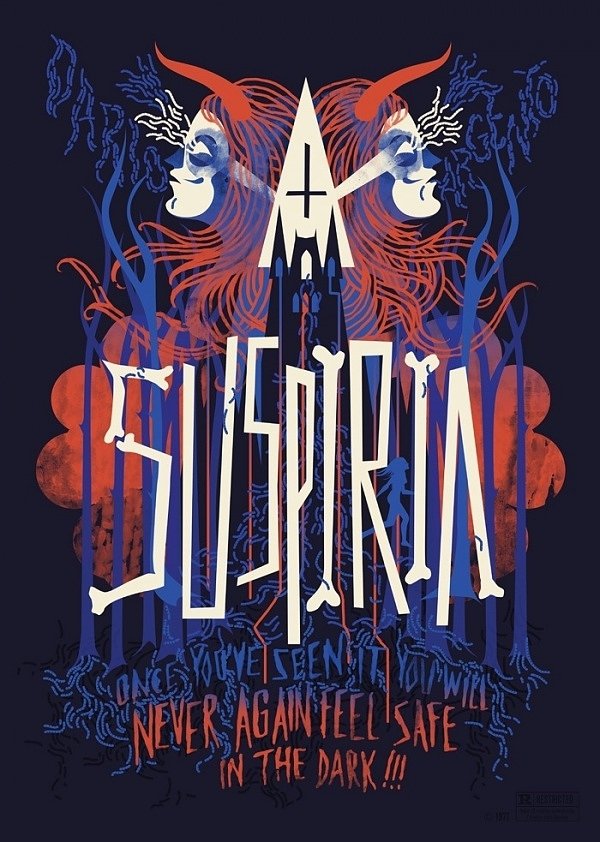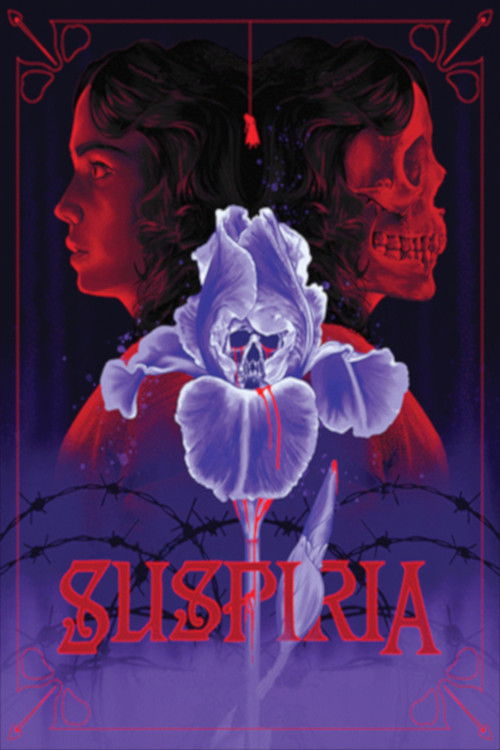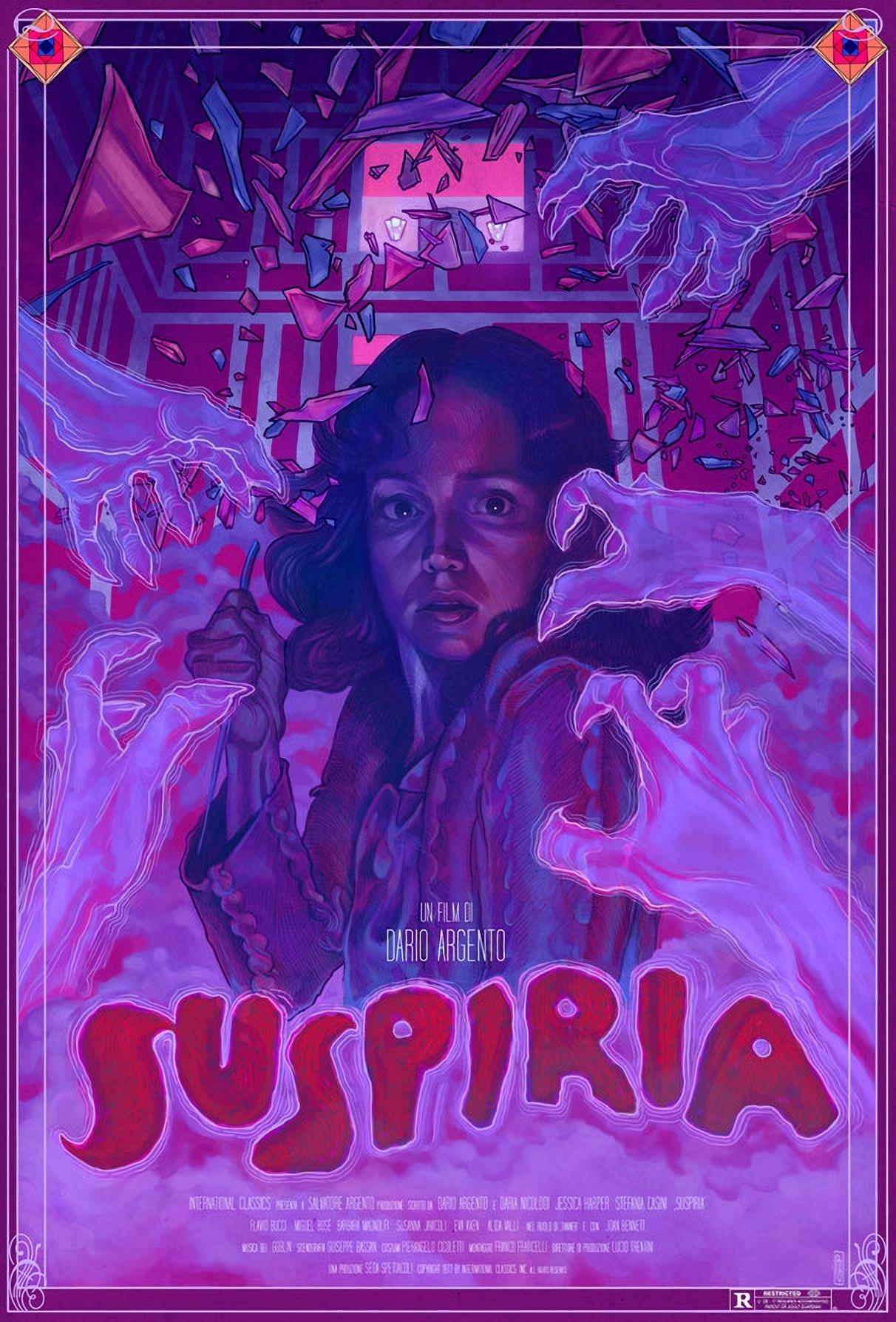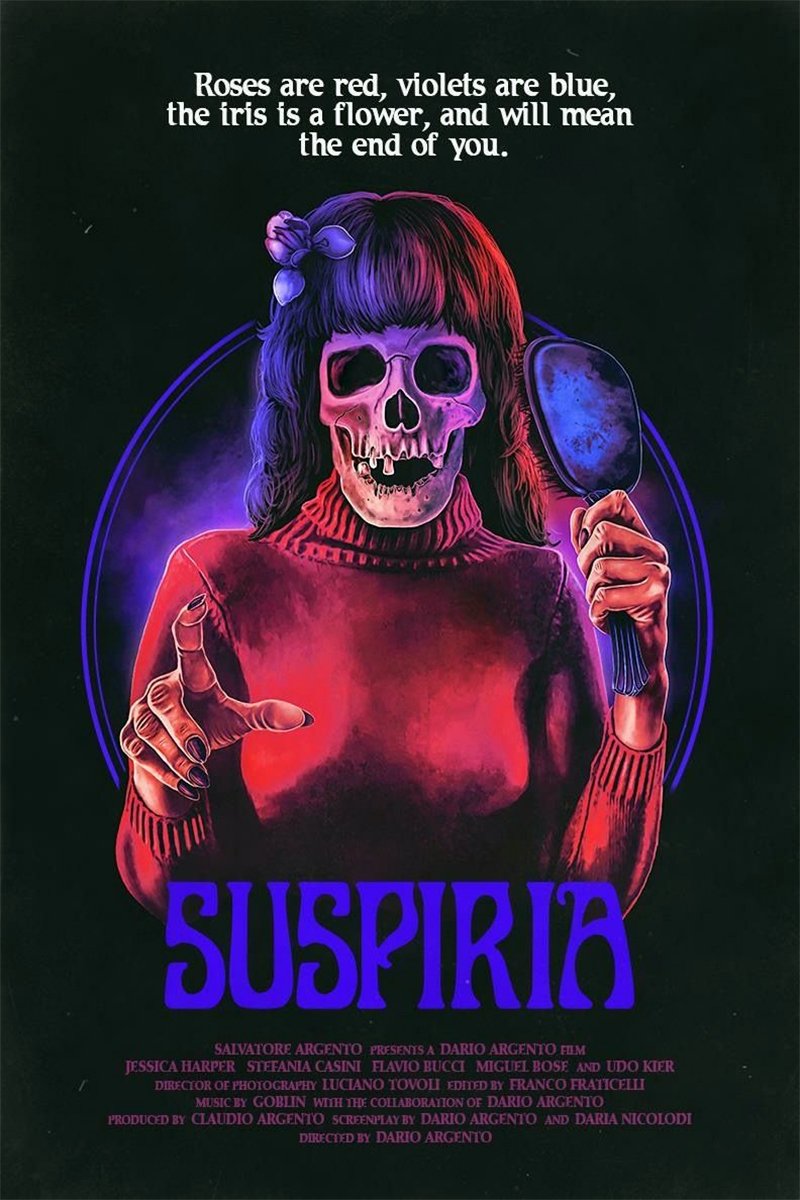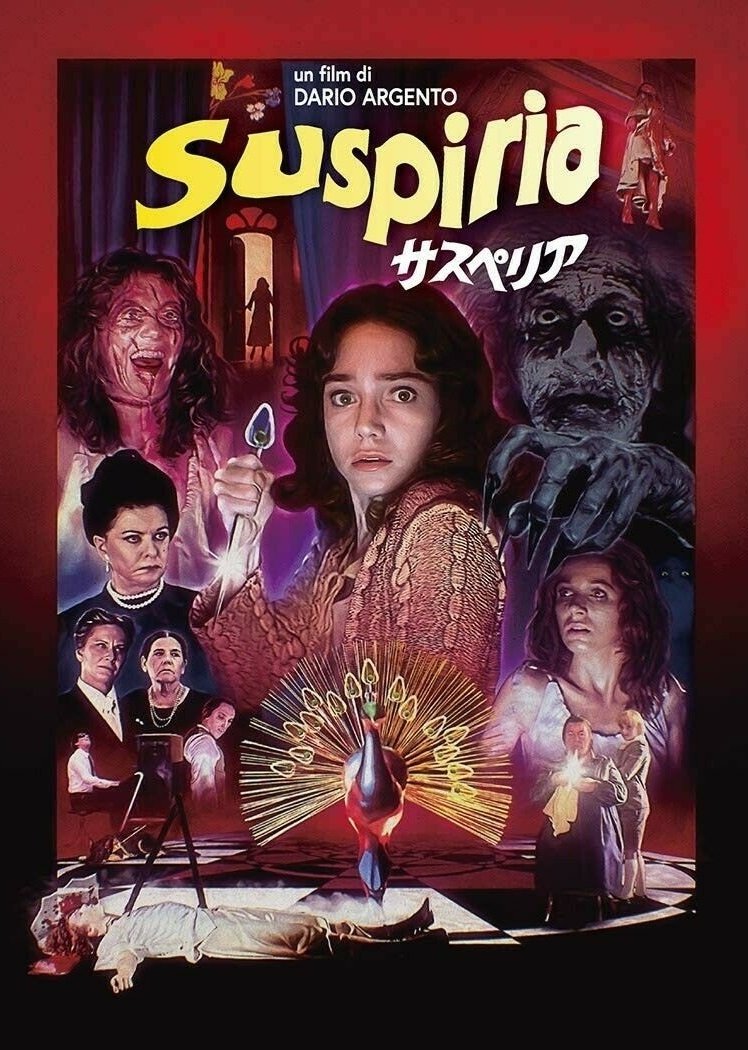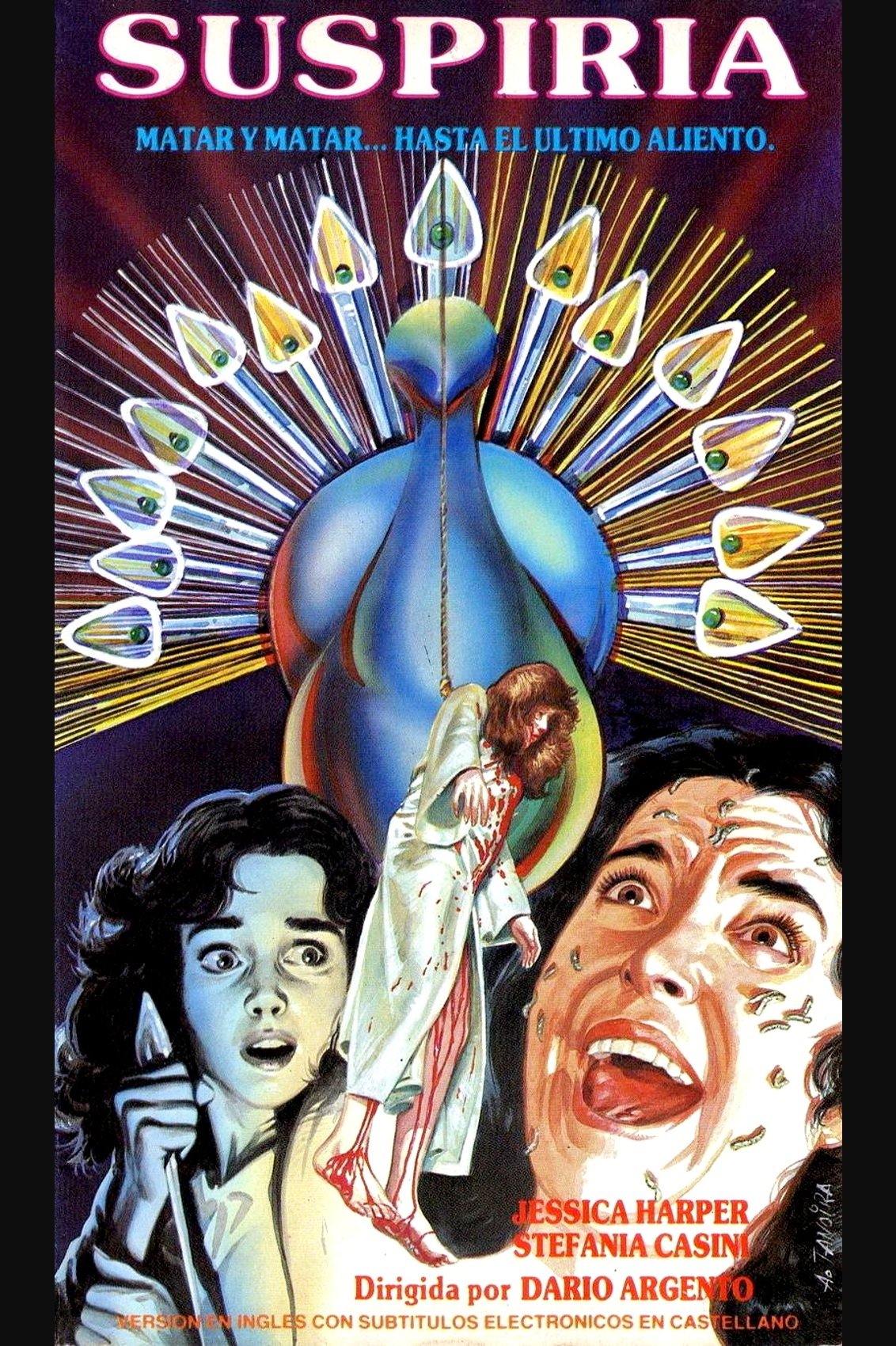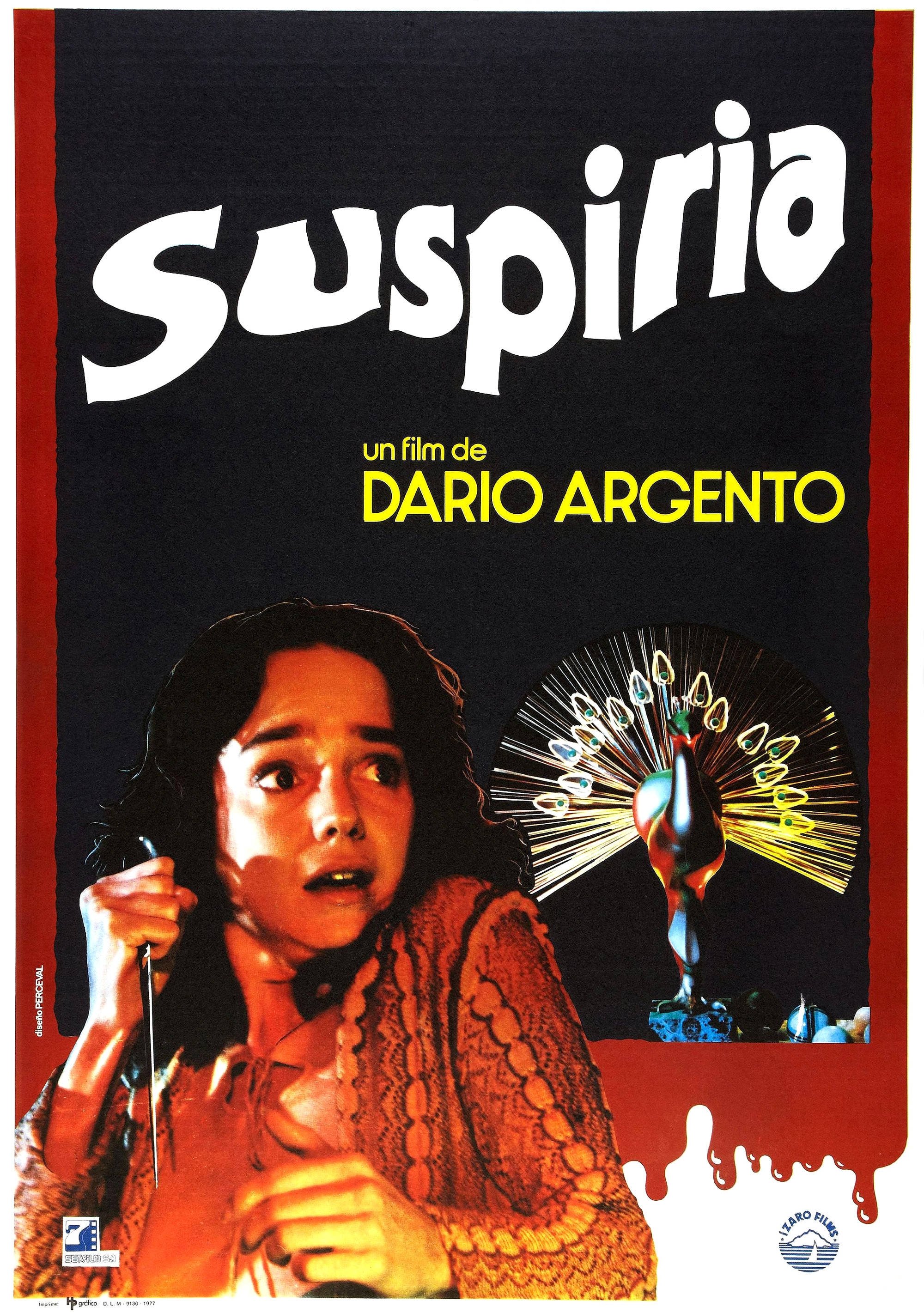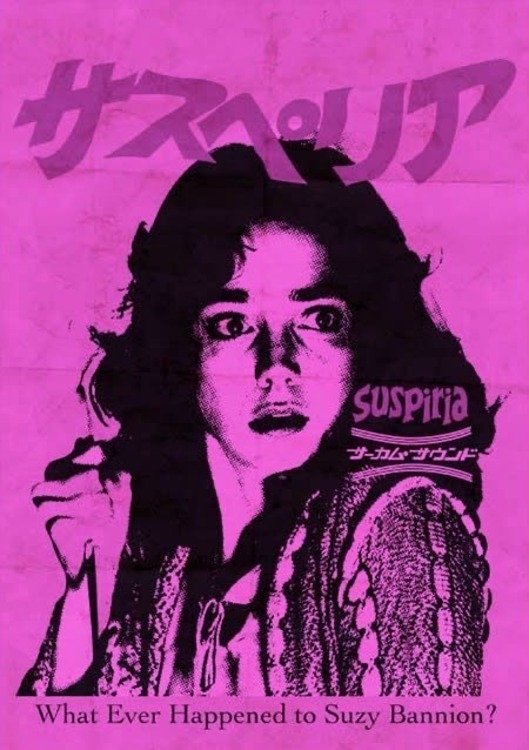
Suspiria (1977)

IT
HORROR FILM
SUBGENRES WITCHCRAFT
UK censorship history Section 3 · Supplementary list
6.0/10 7 votes
Runtime
99 min
Release
February 1, 1977
Revenue
$2,900,000
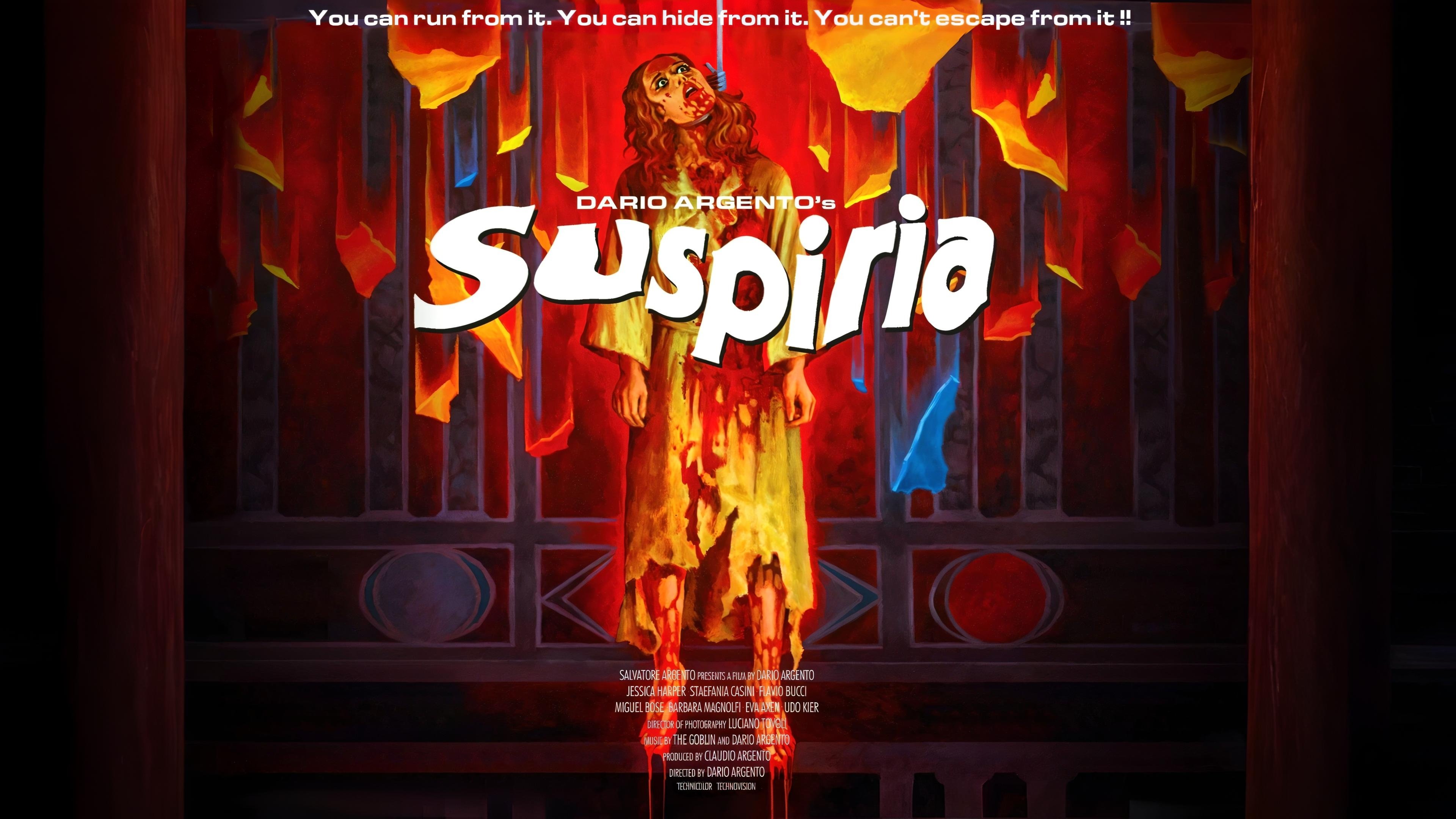
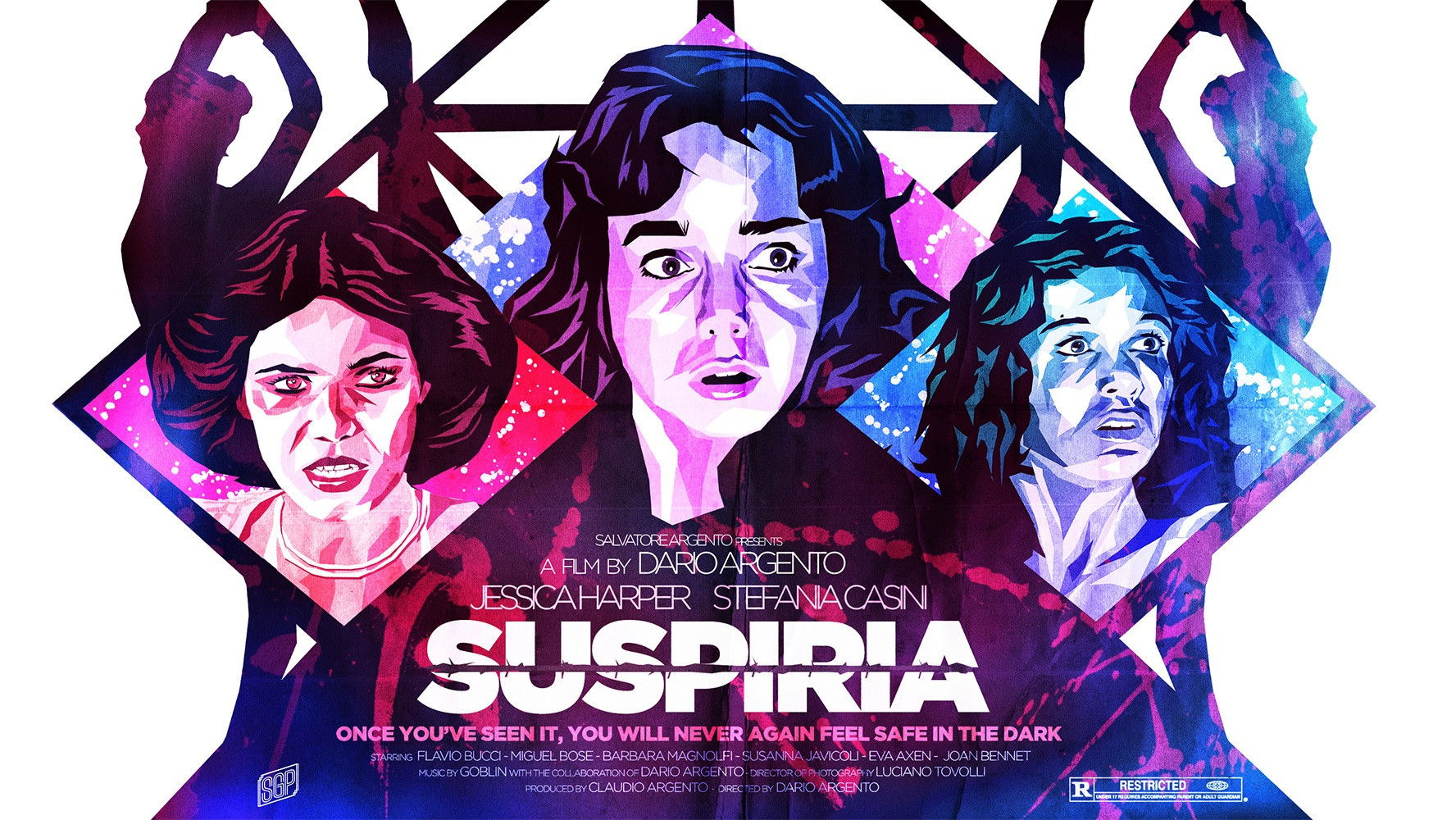
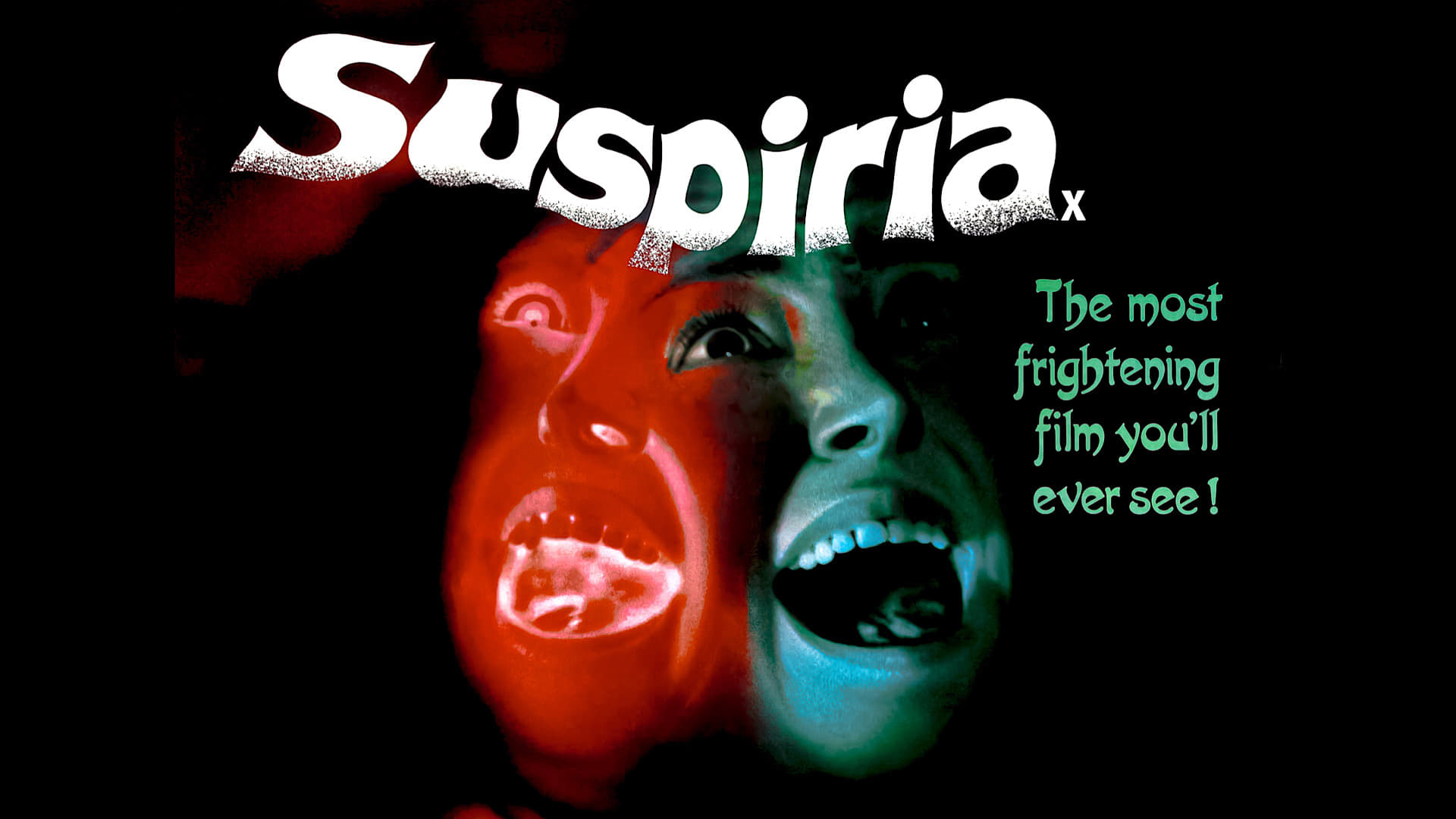
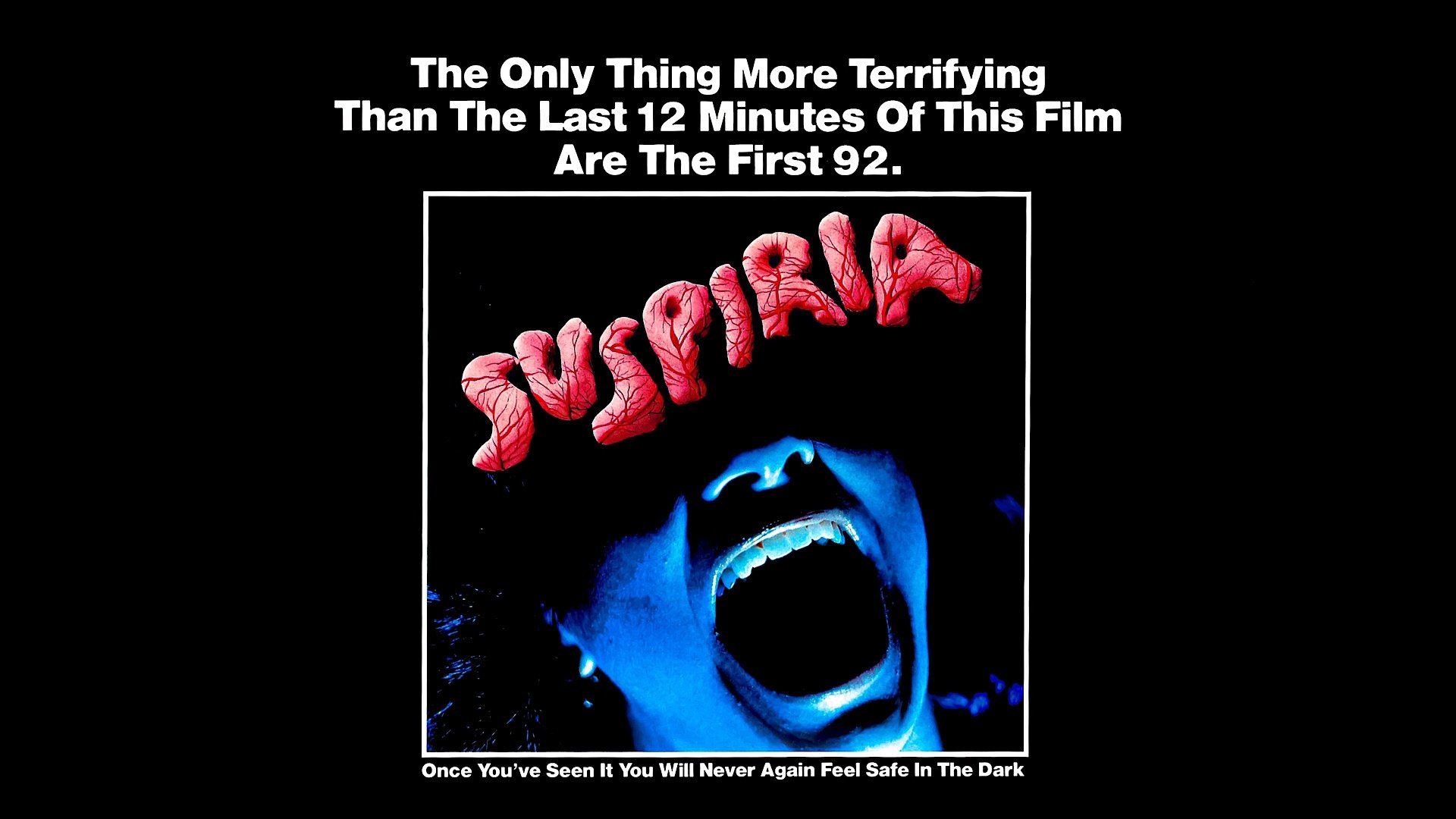
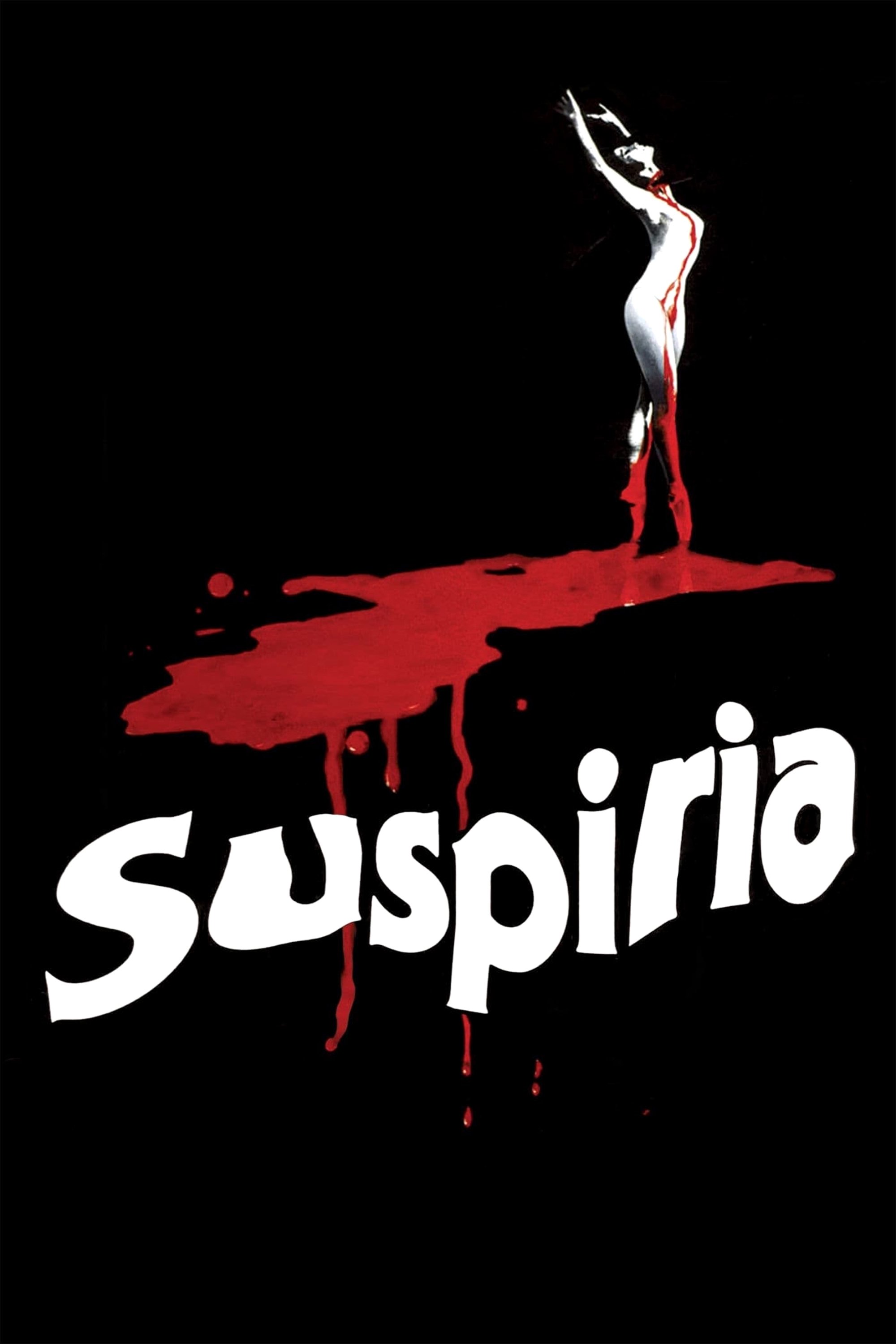
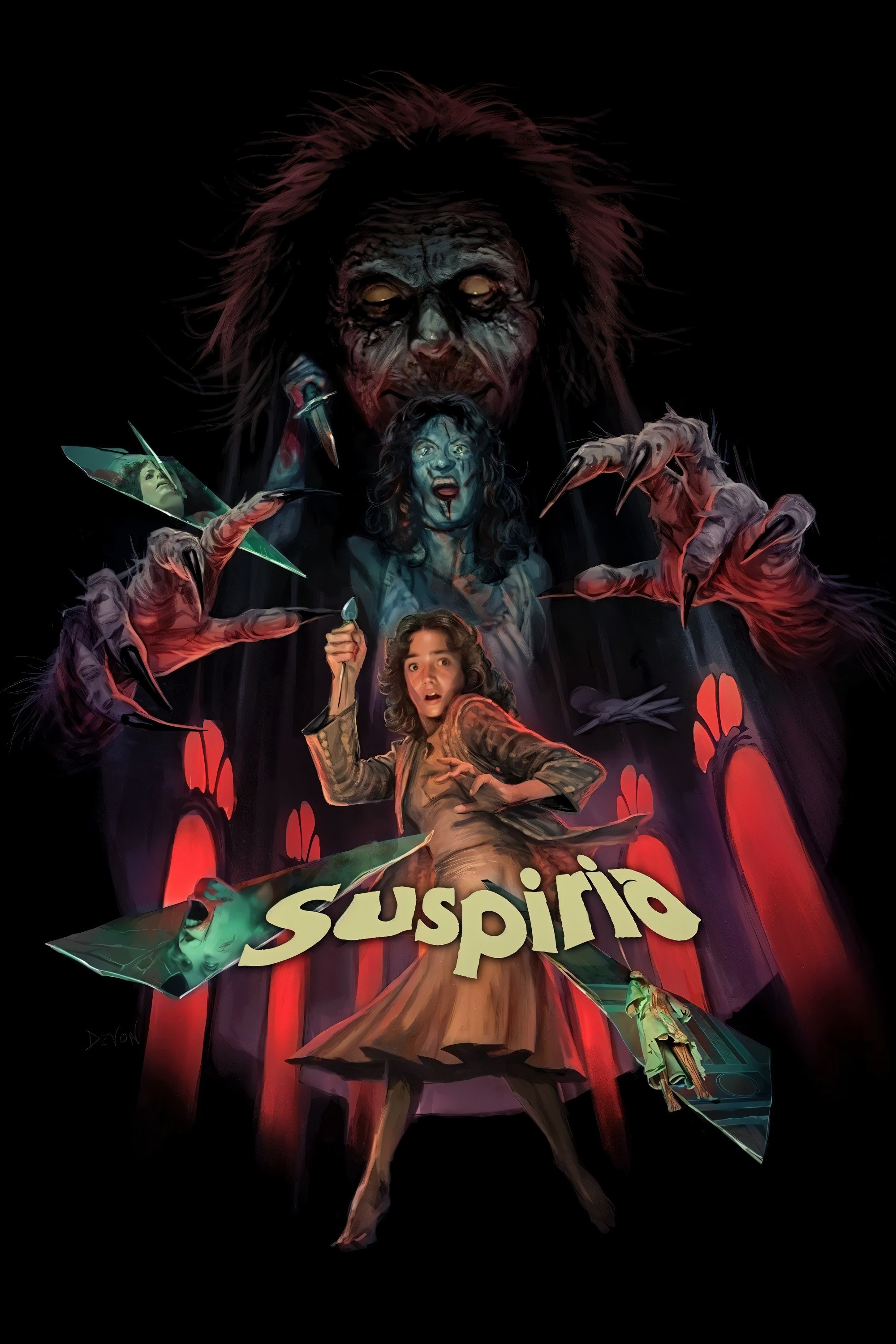
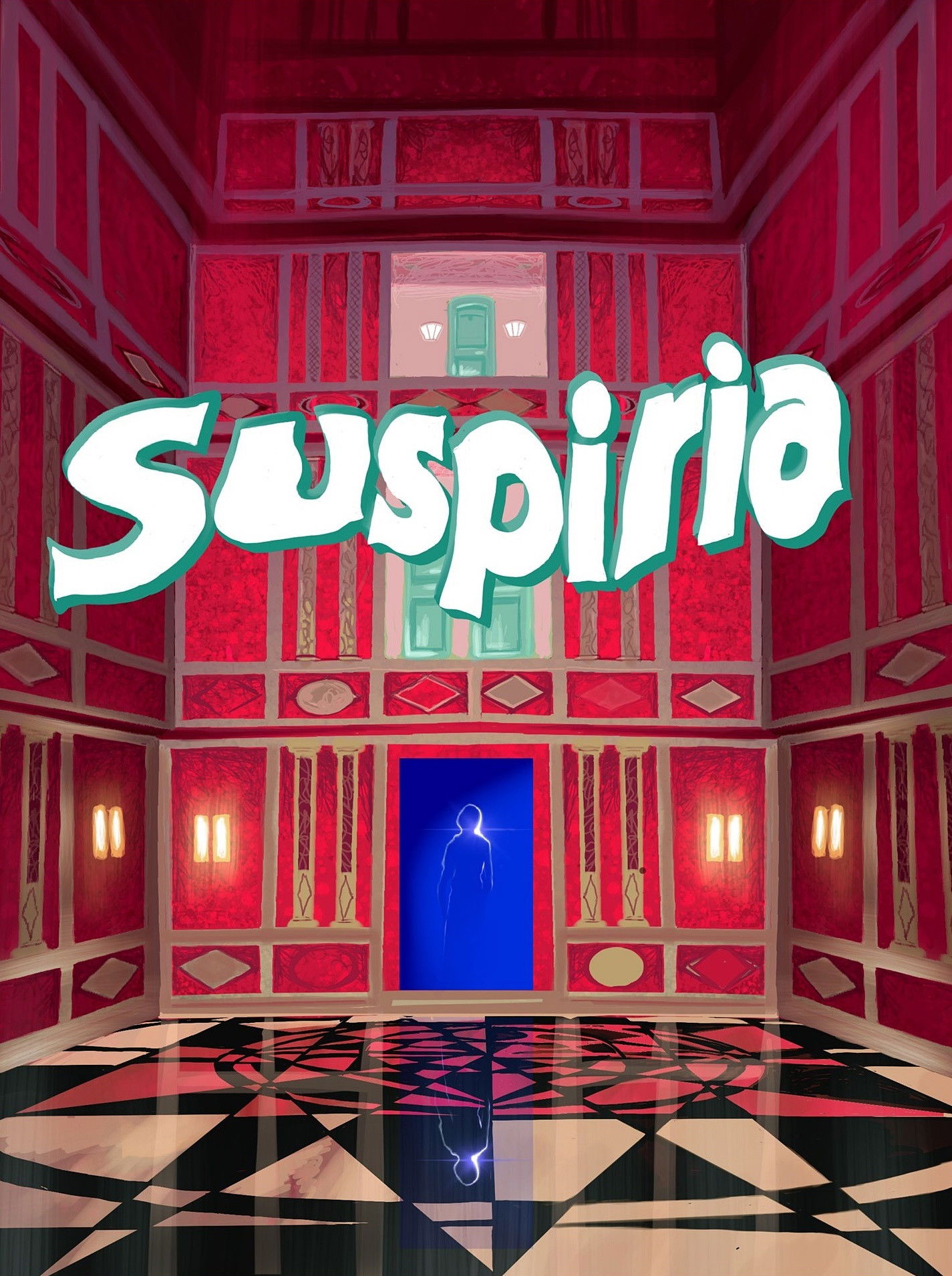
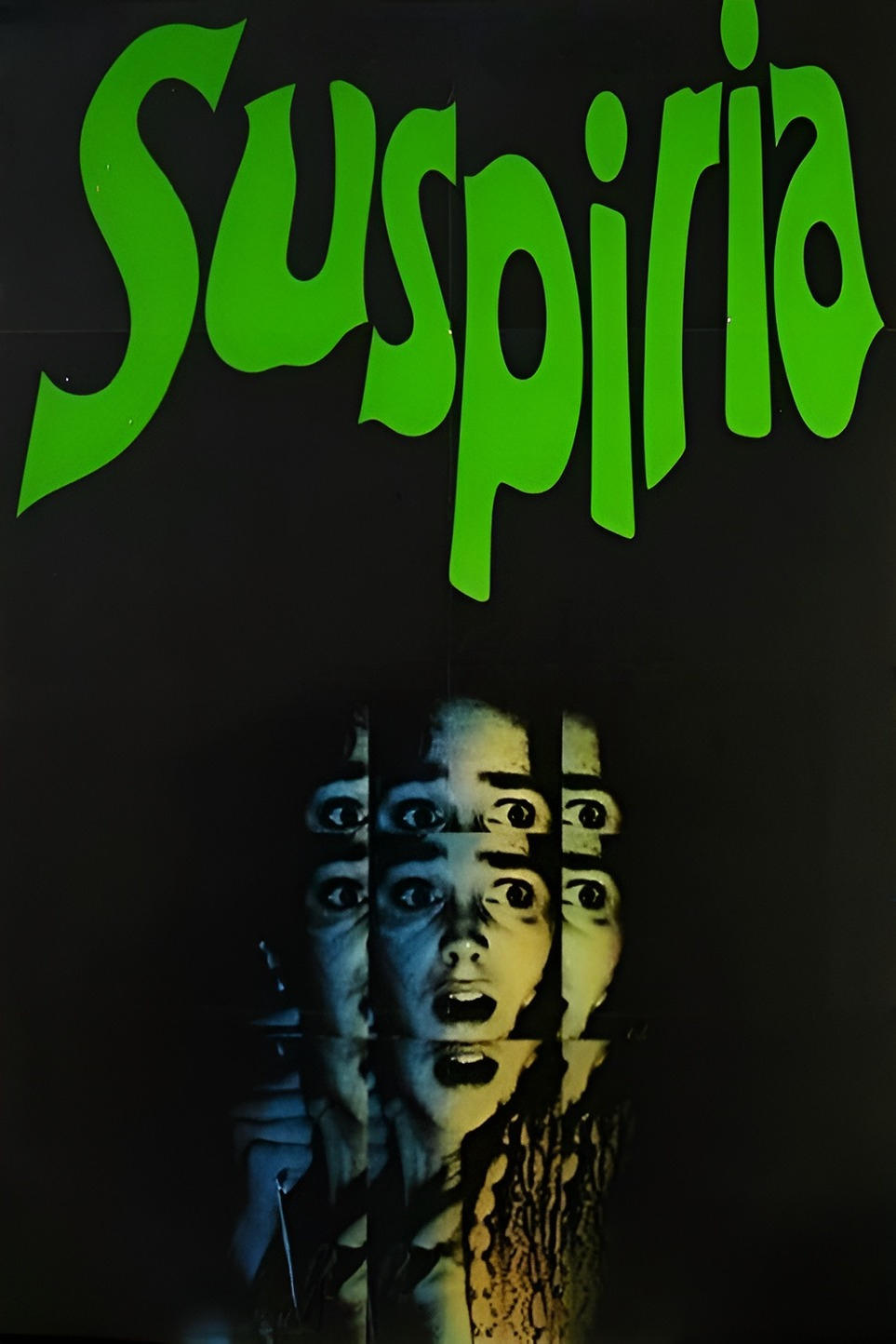
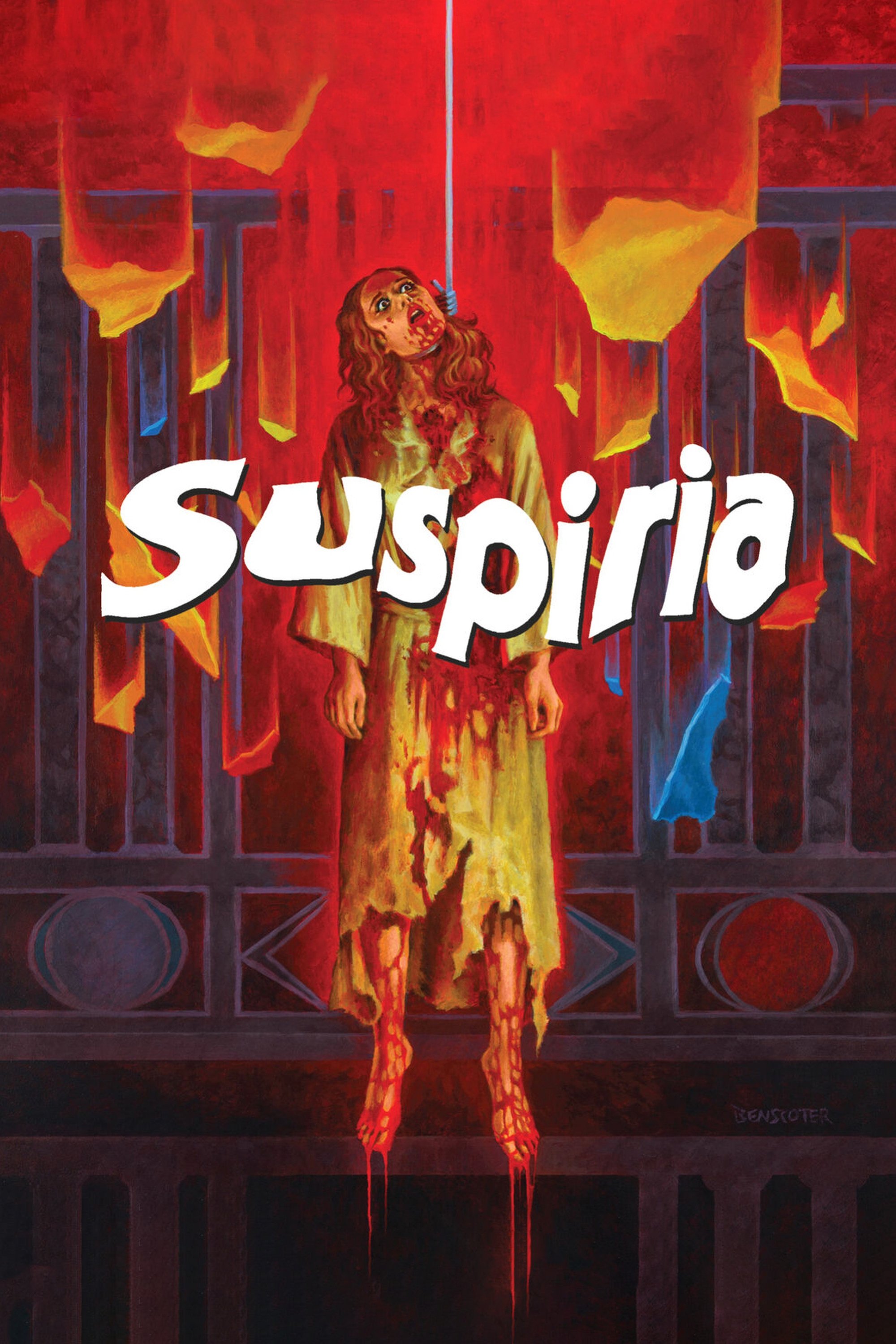
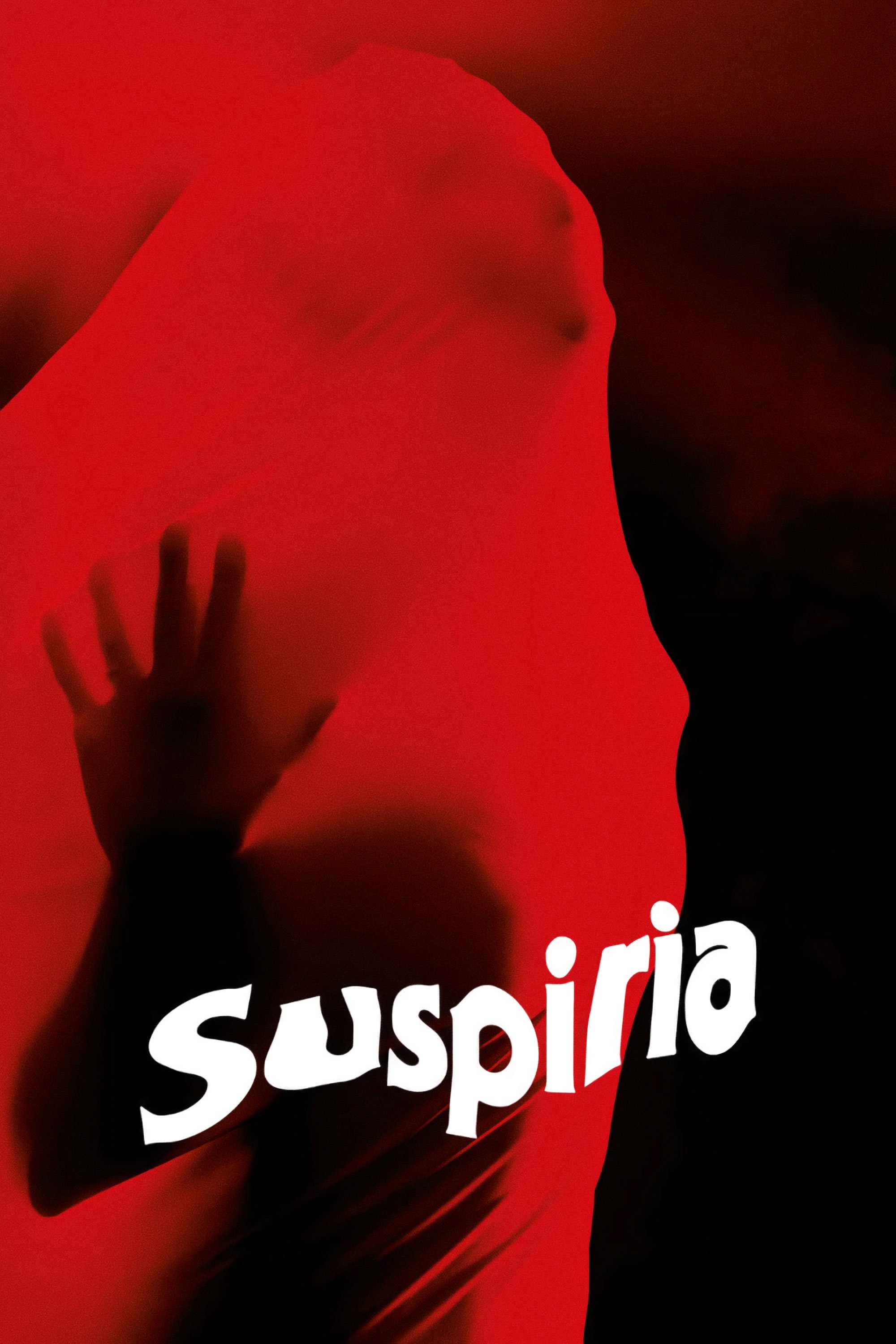
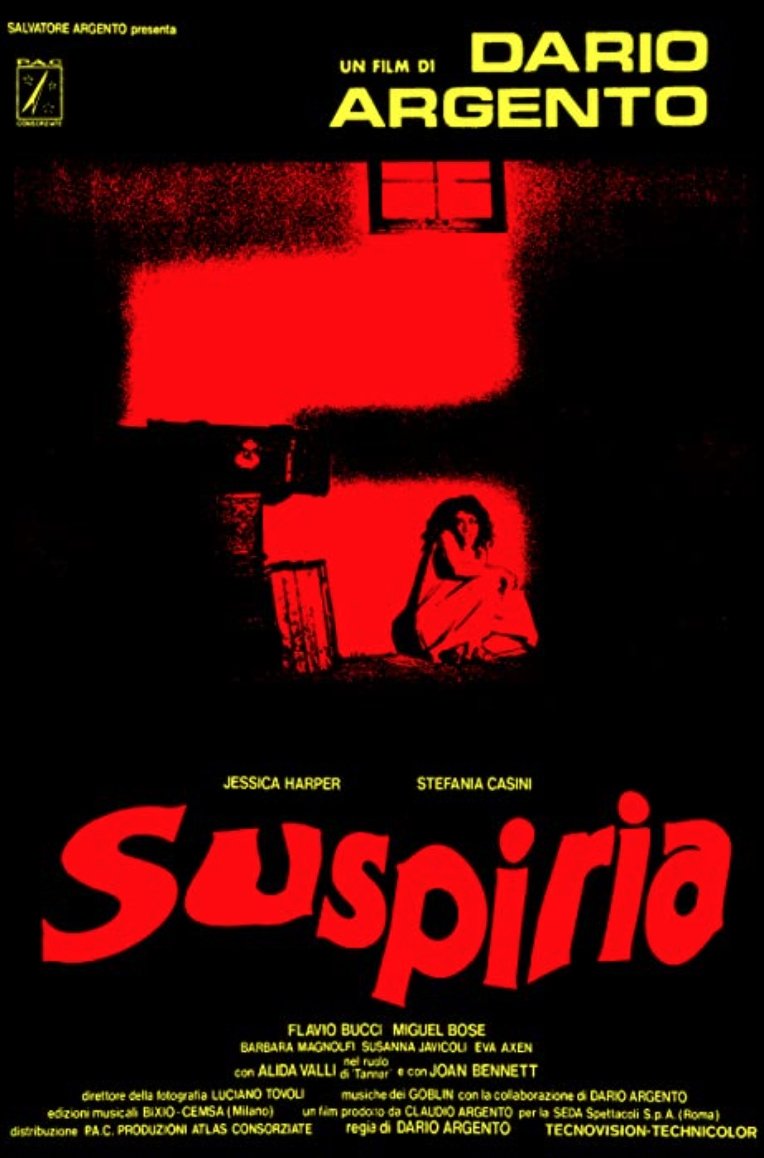
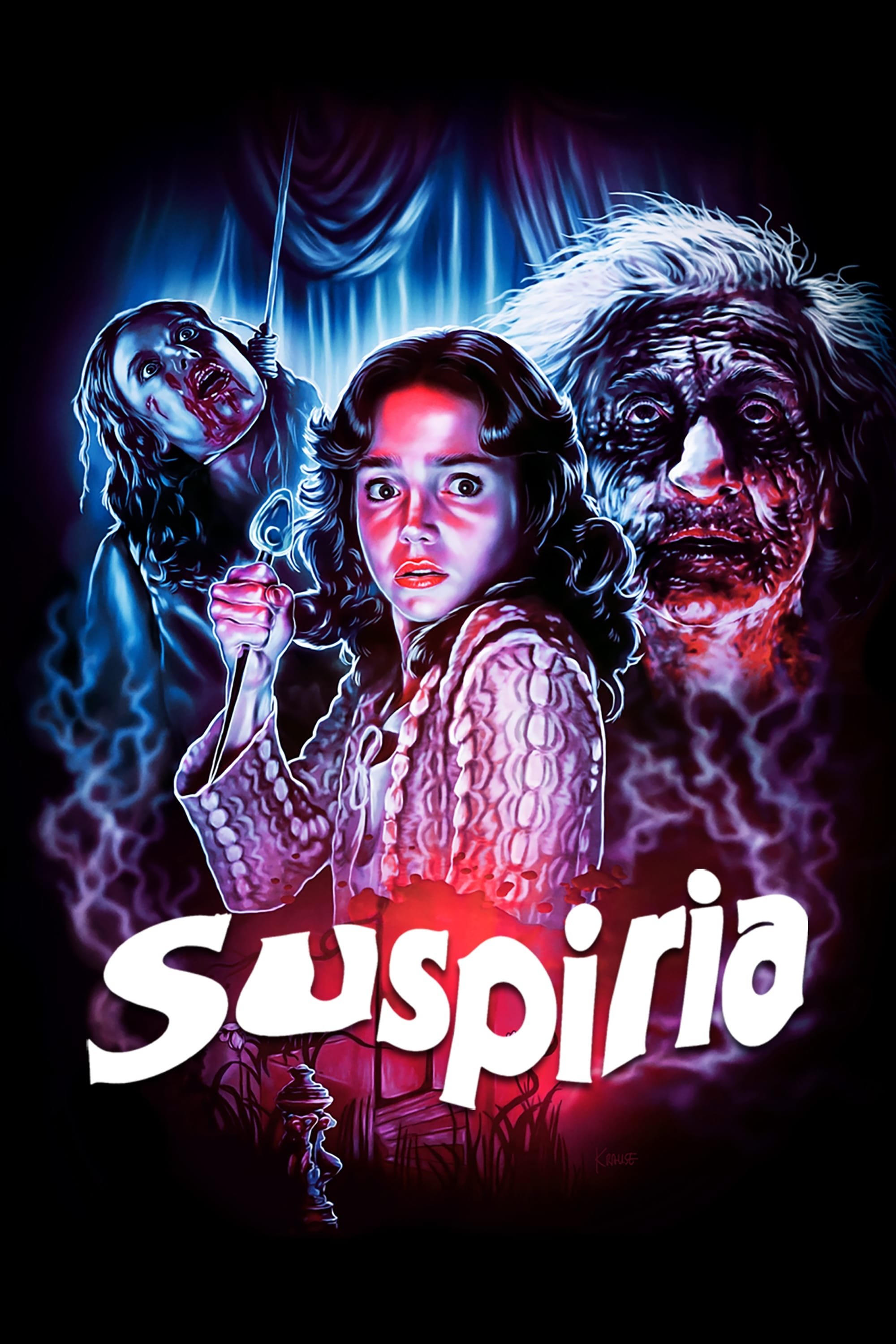
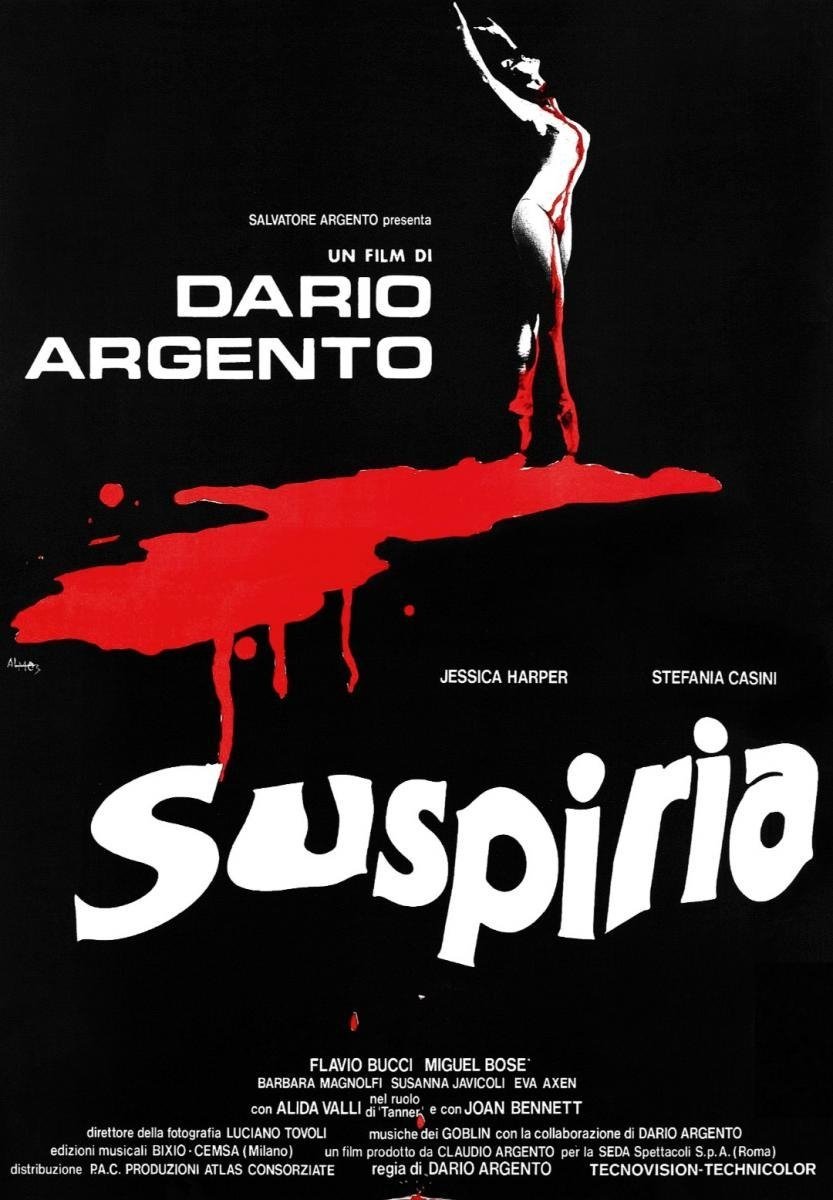
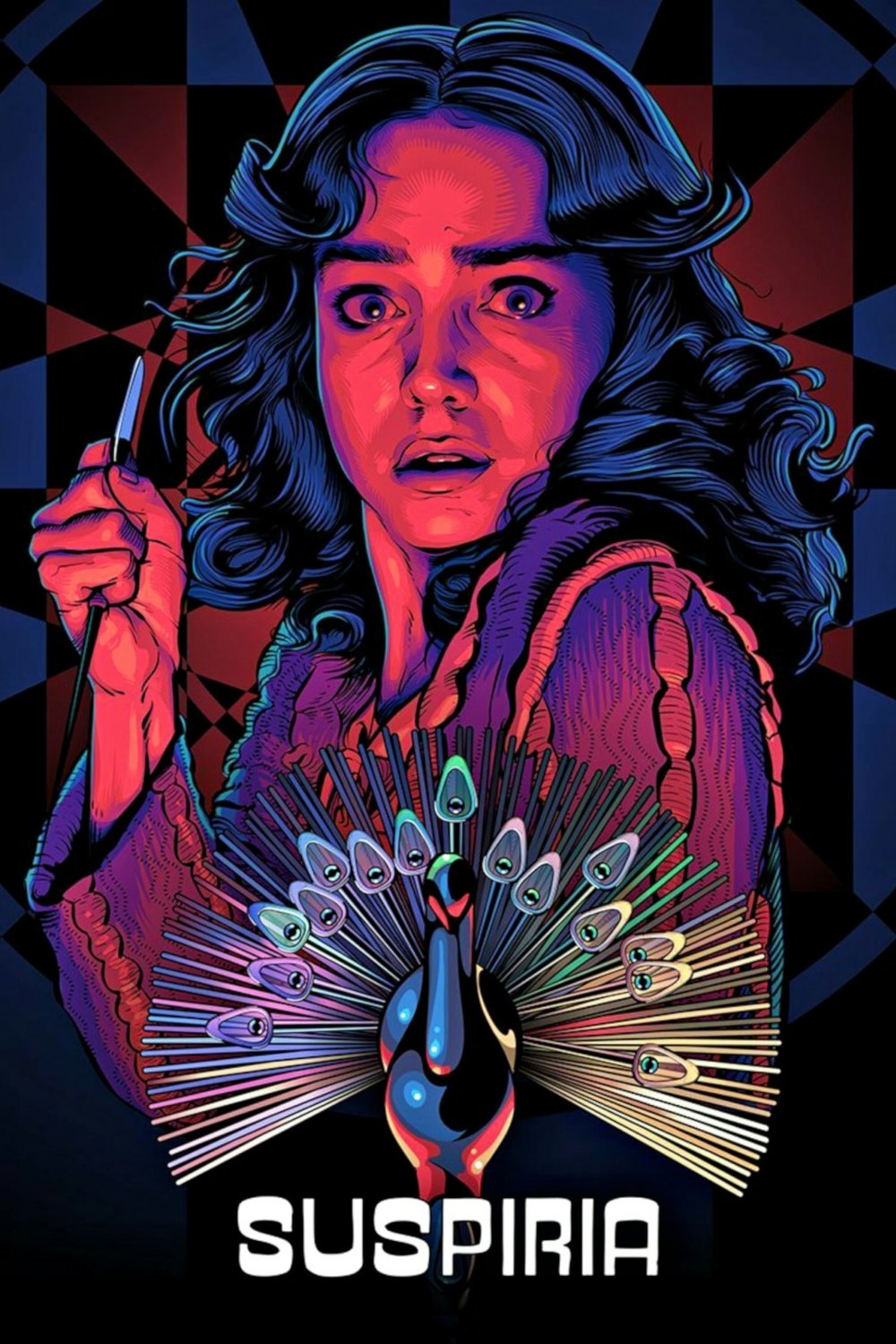
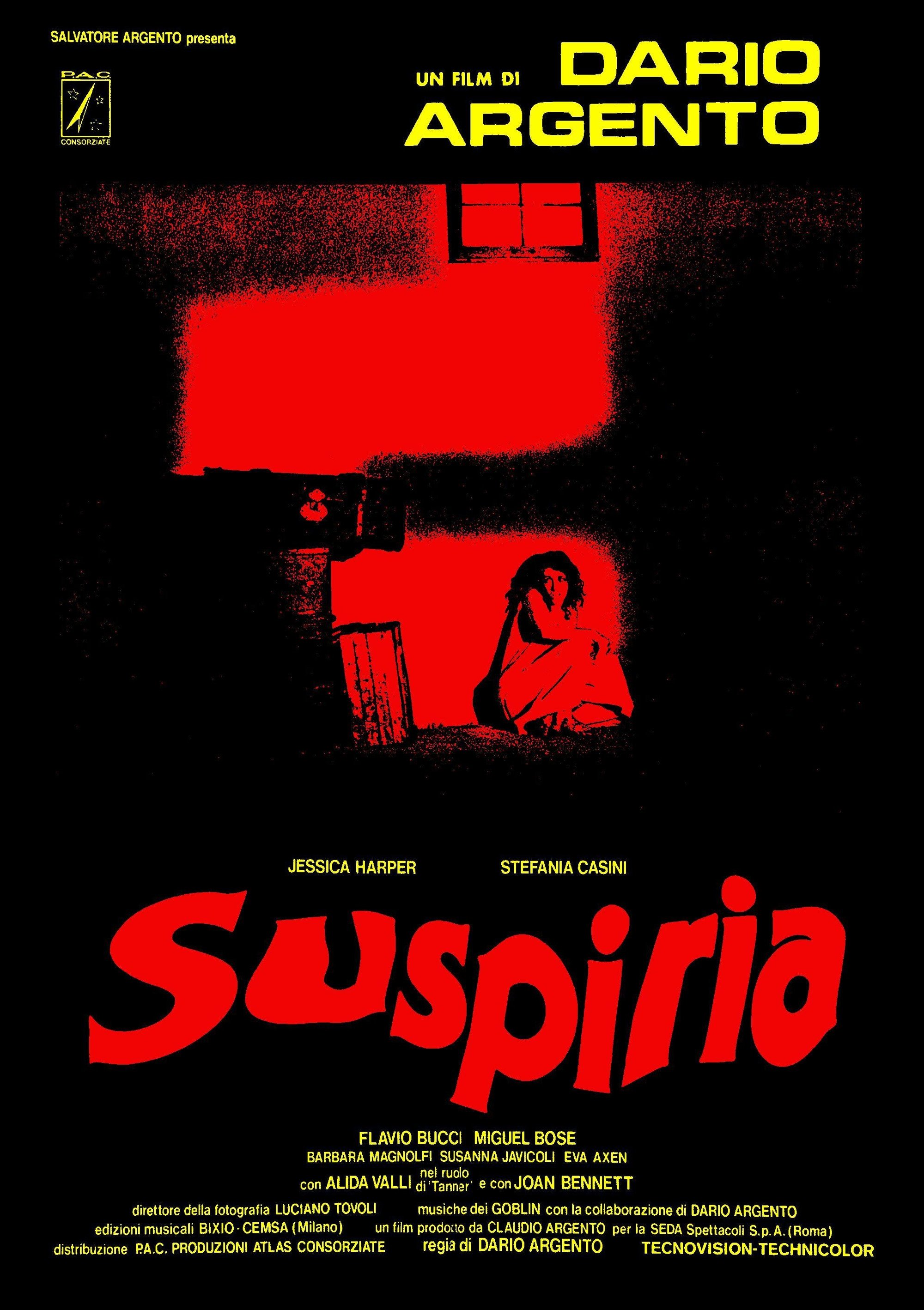
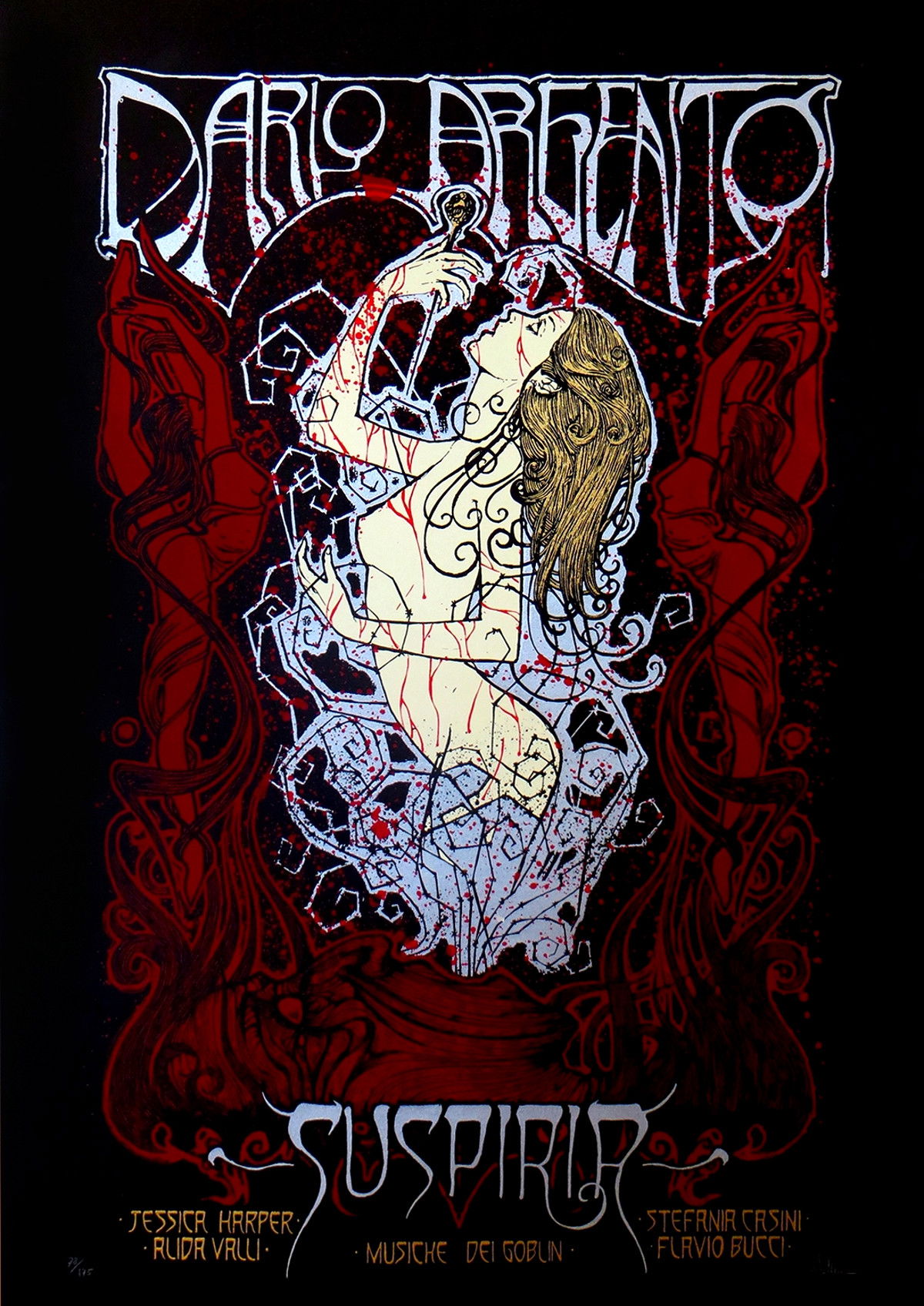
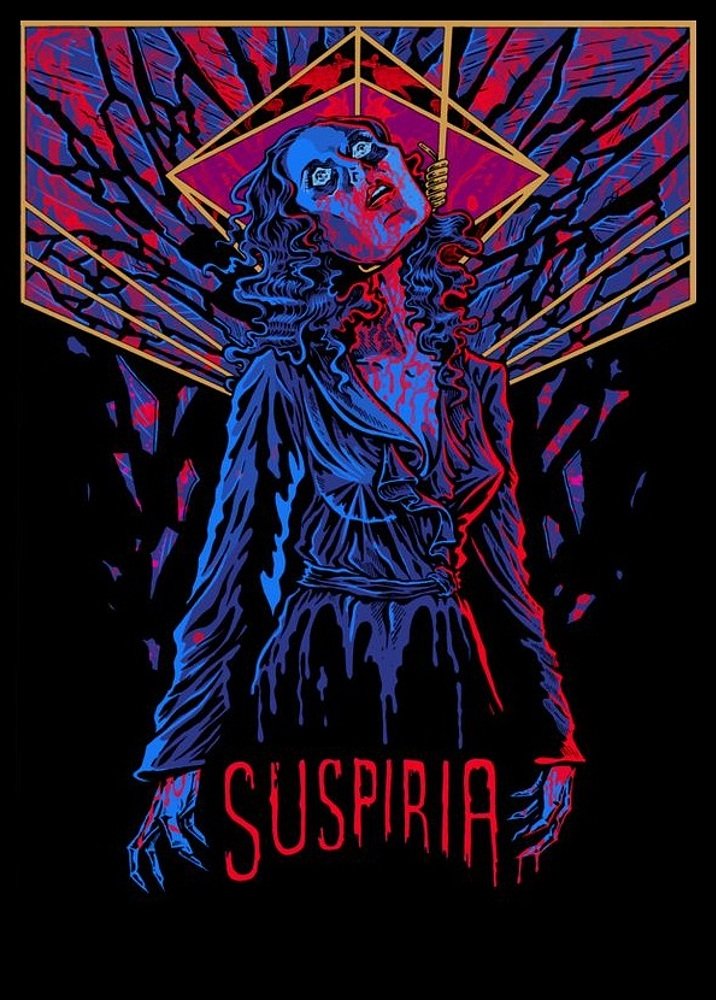
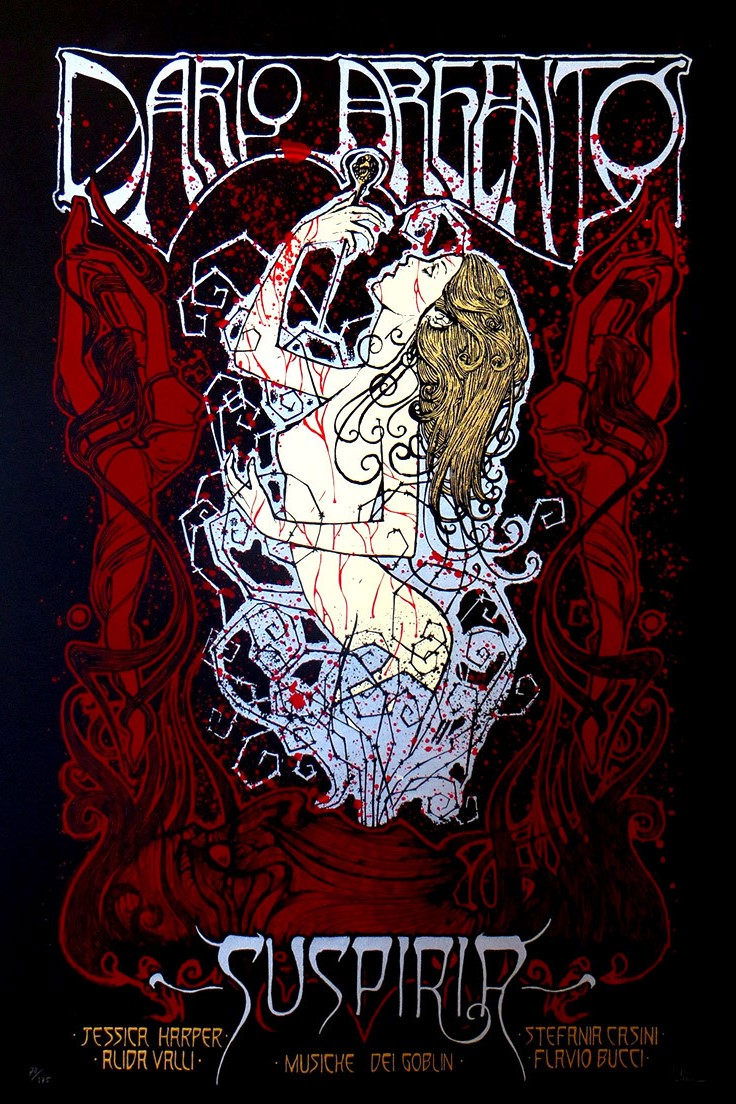
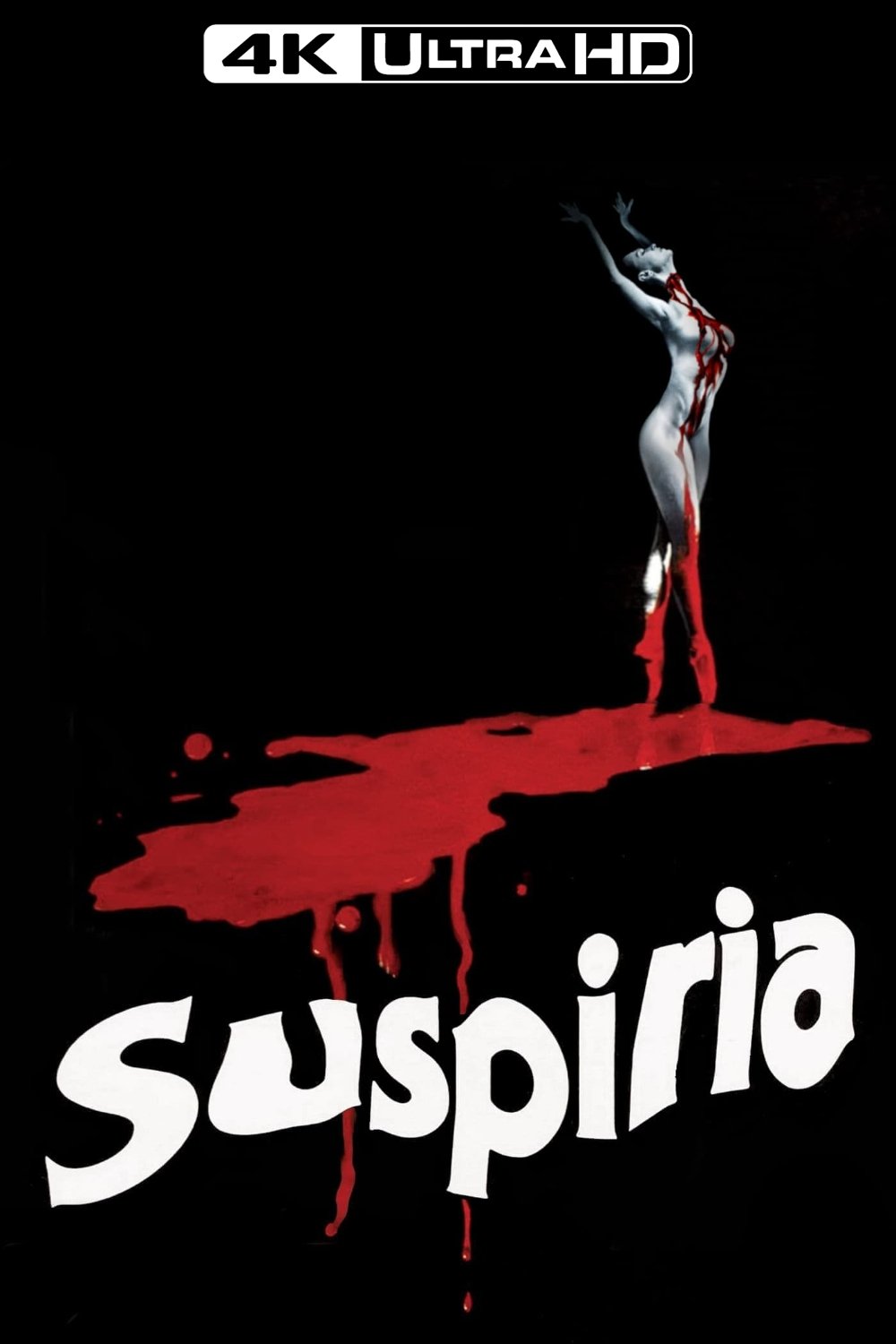
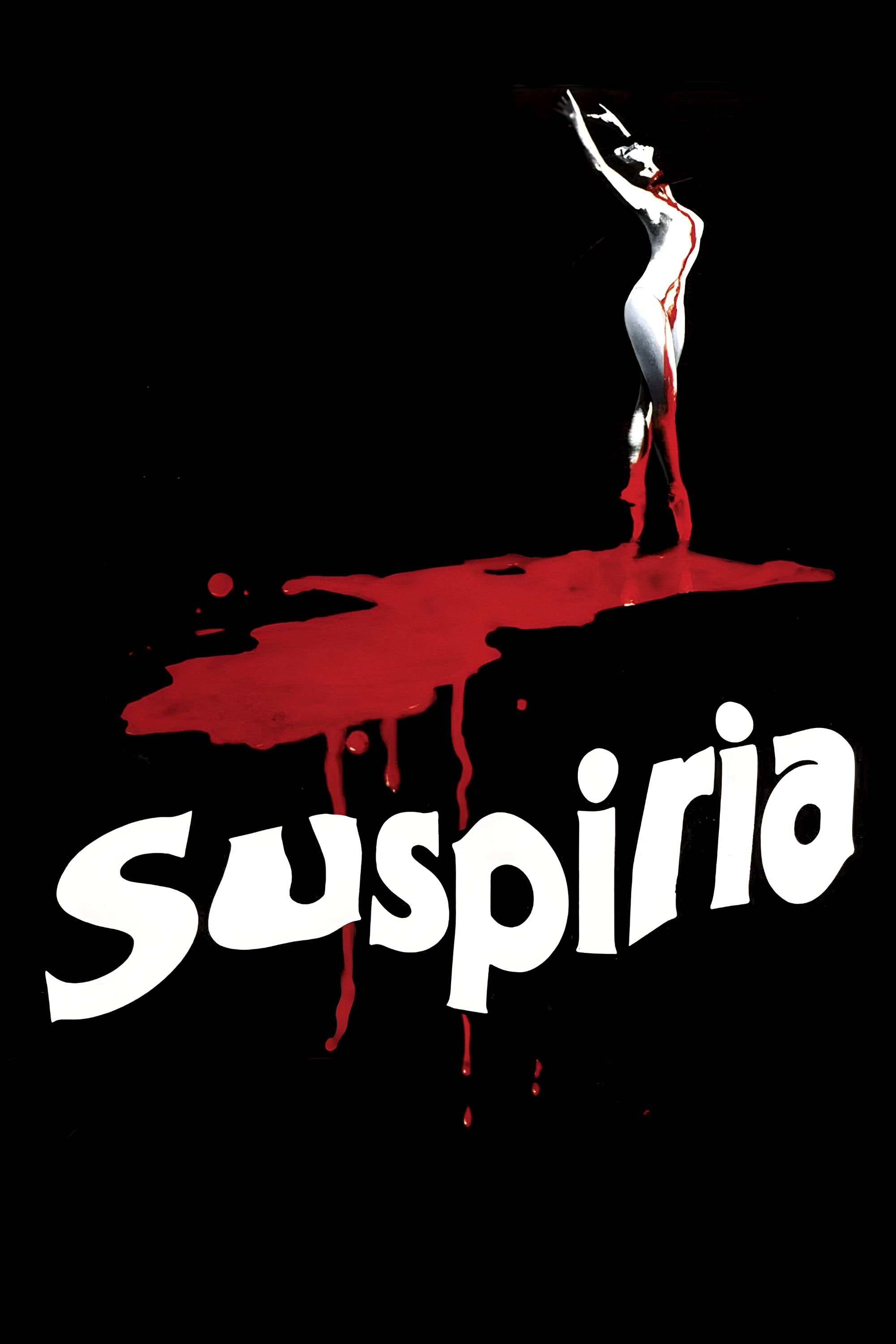
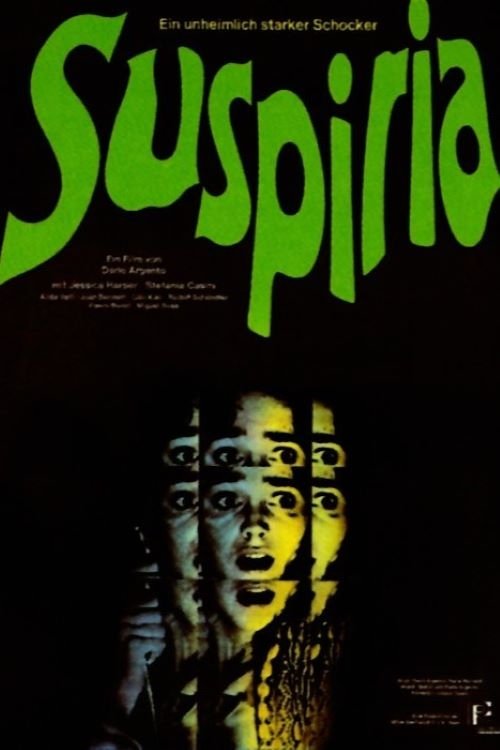
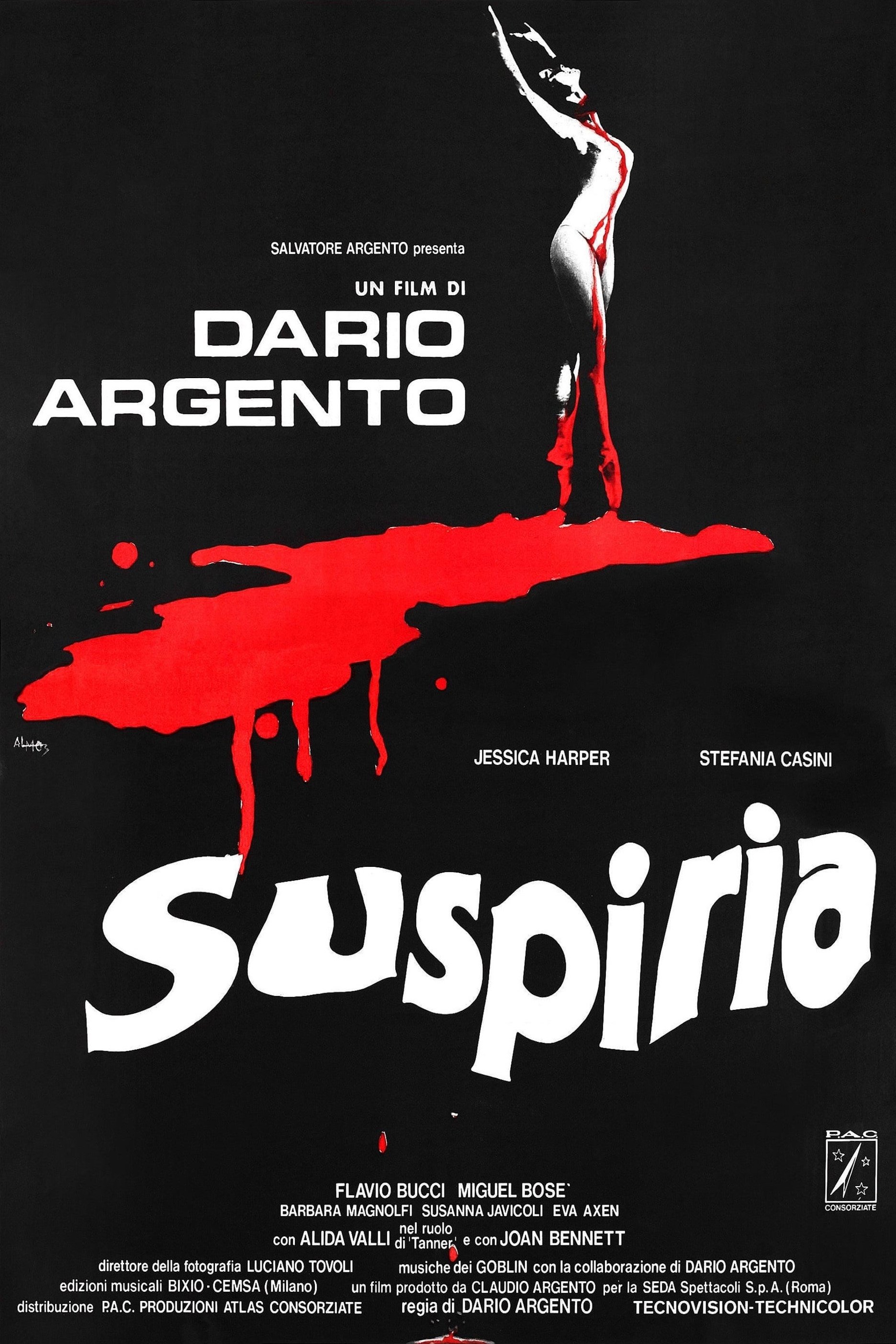
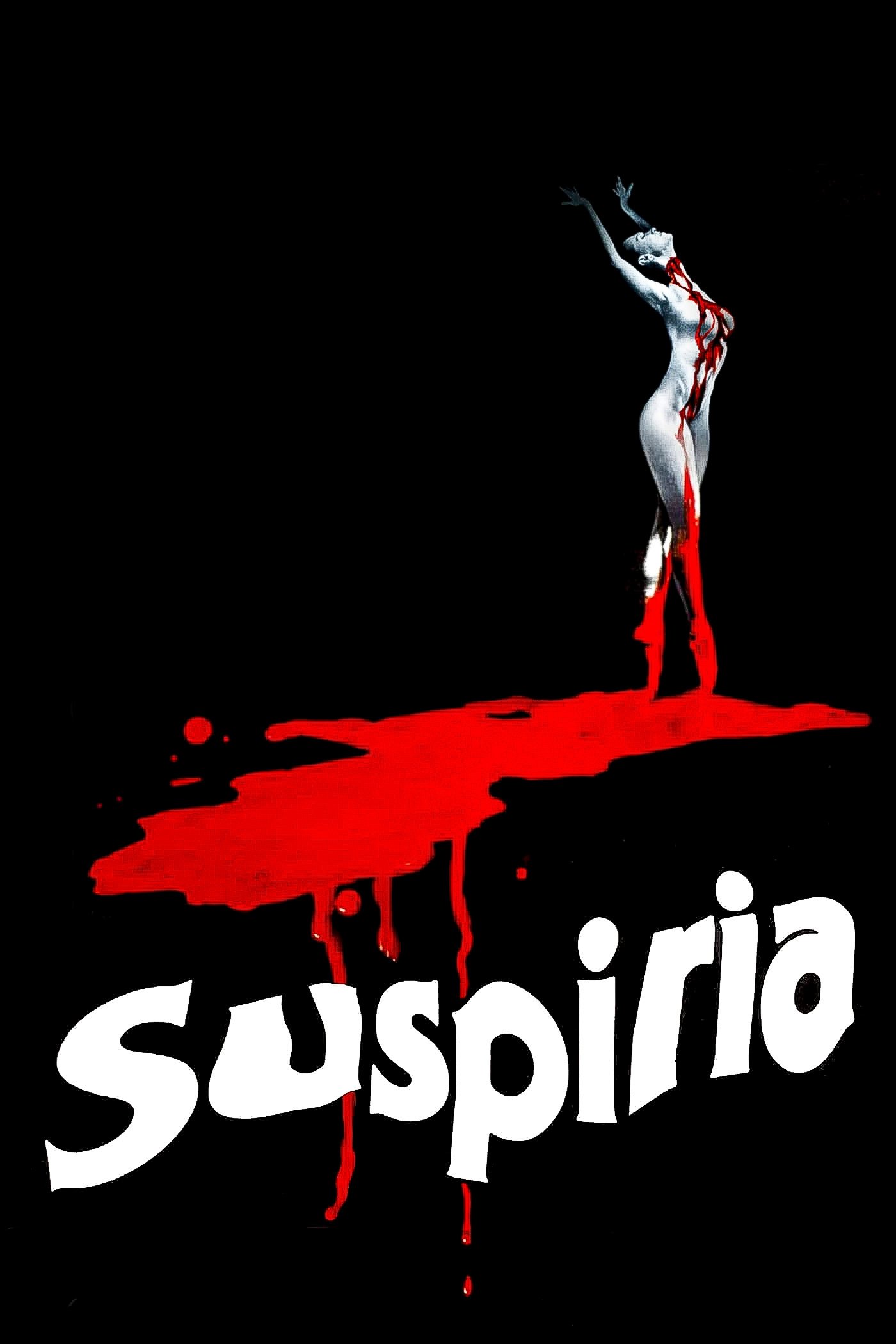
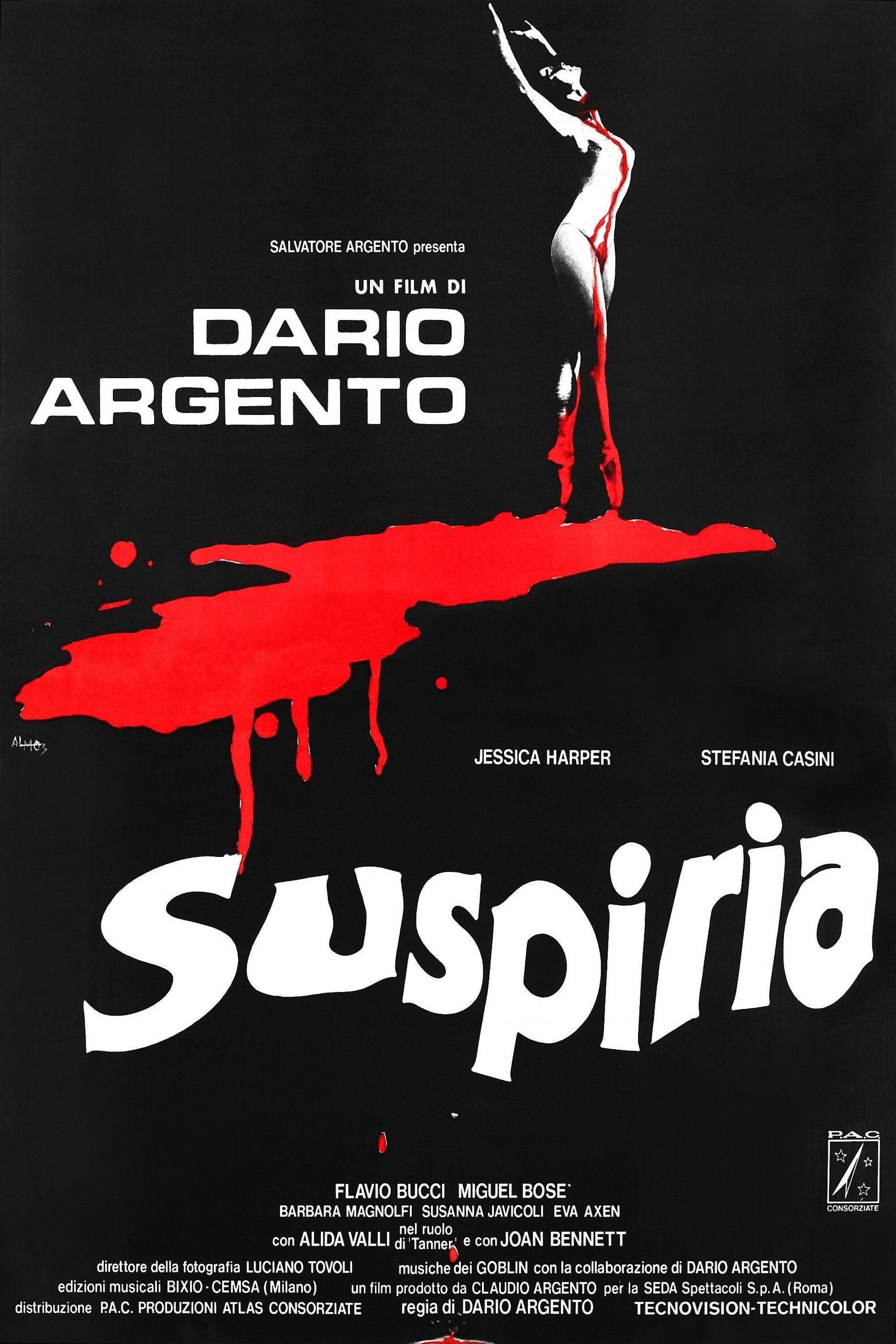
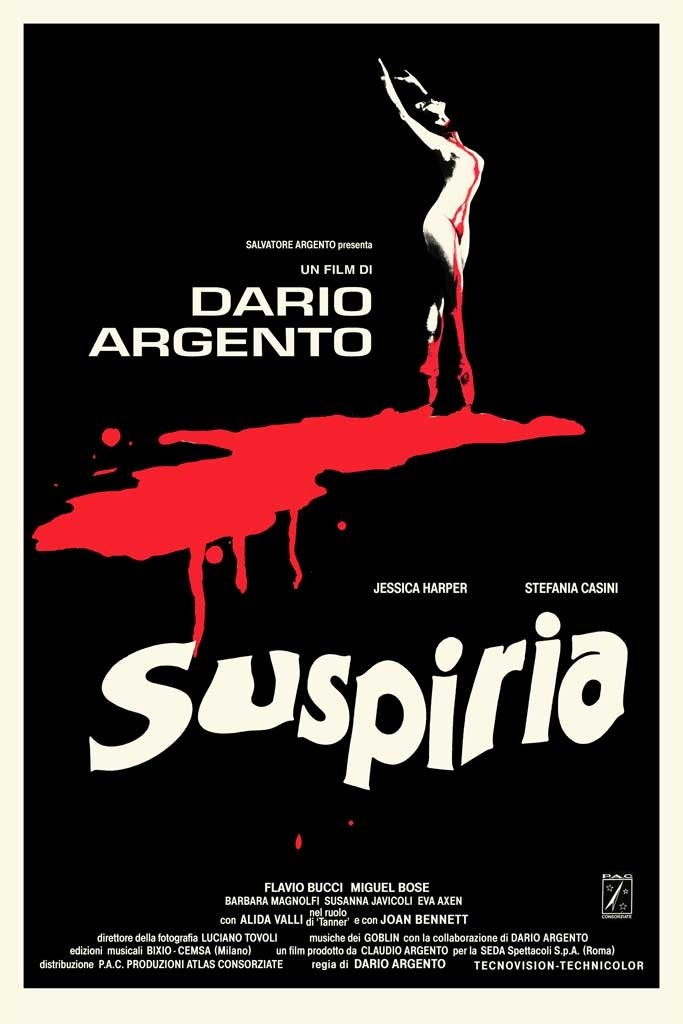
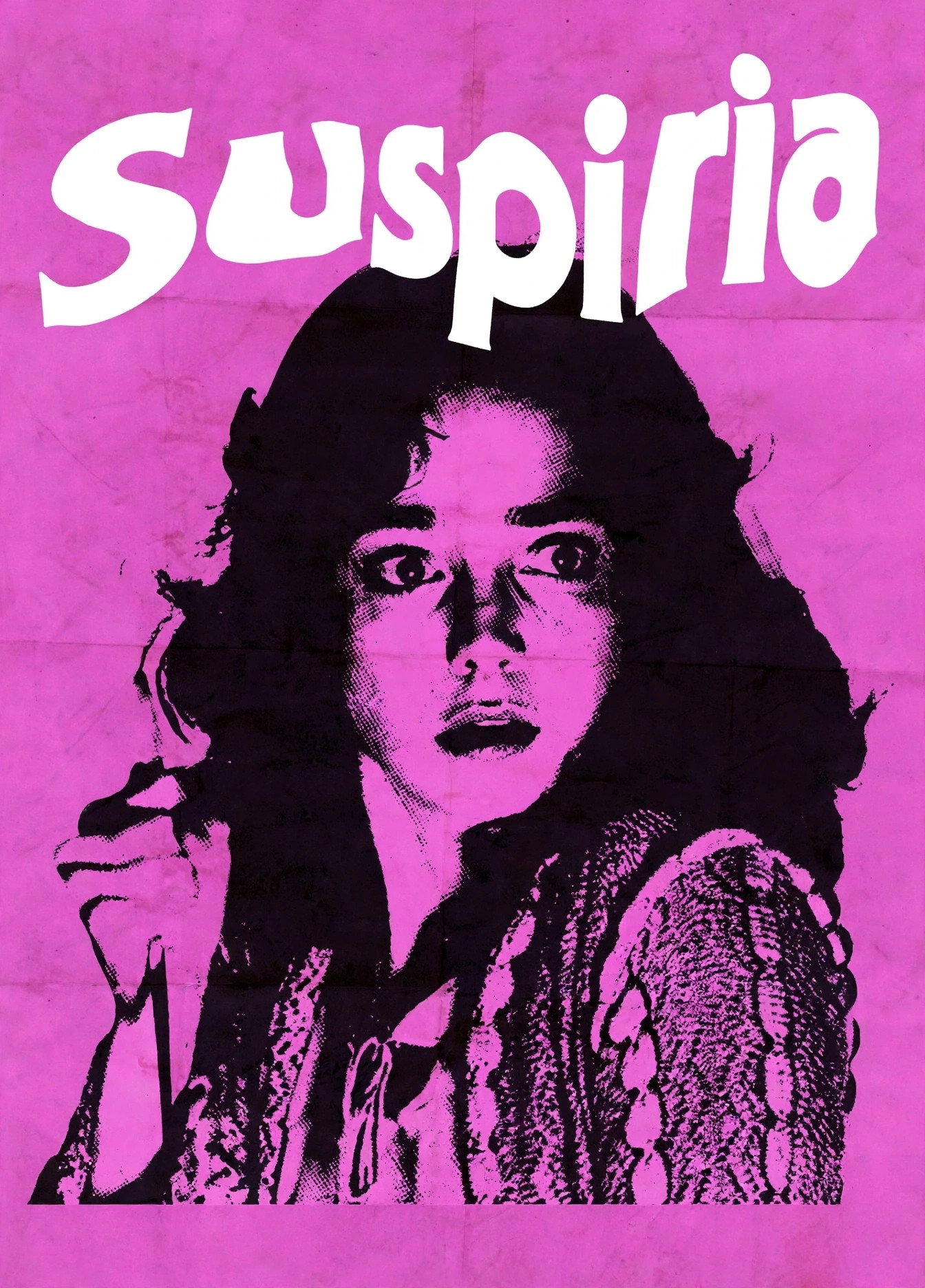
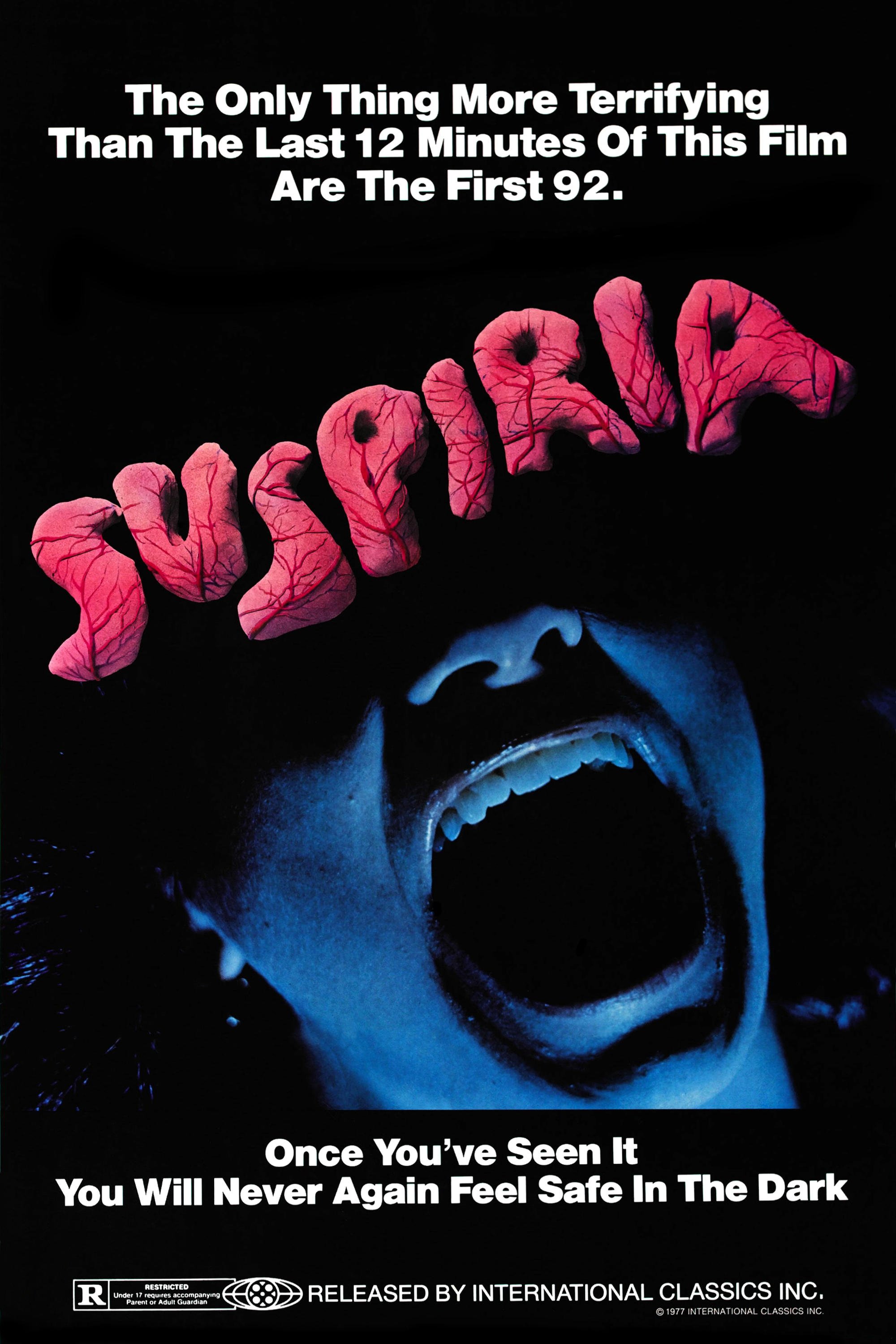
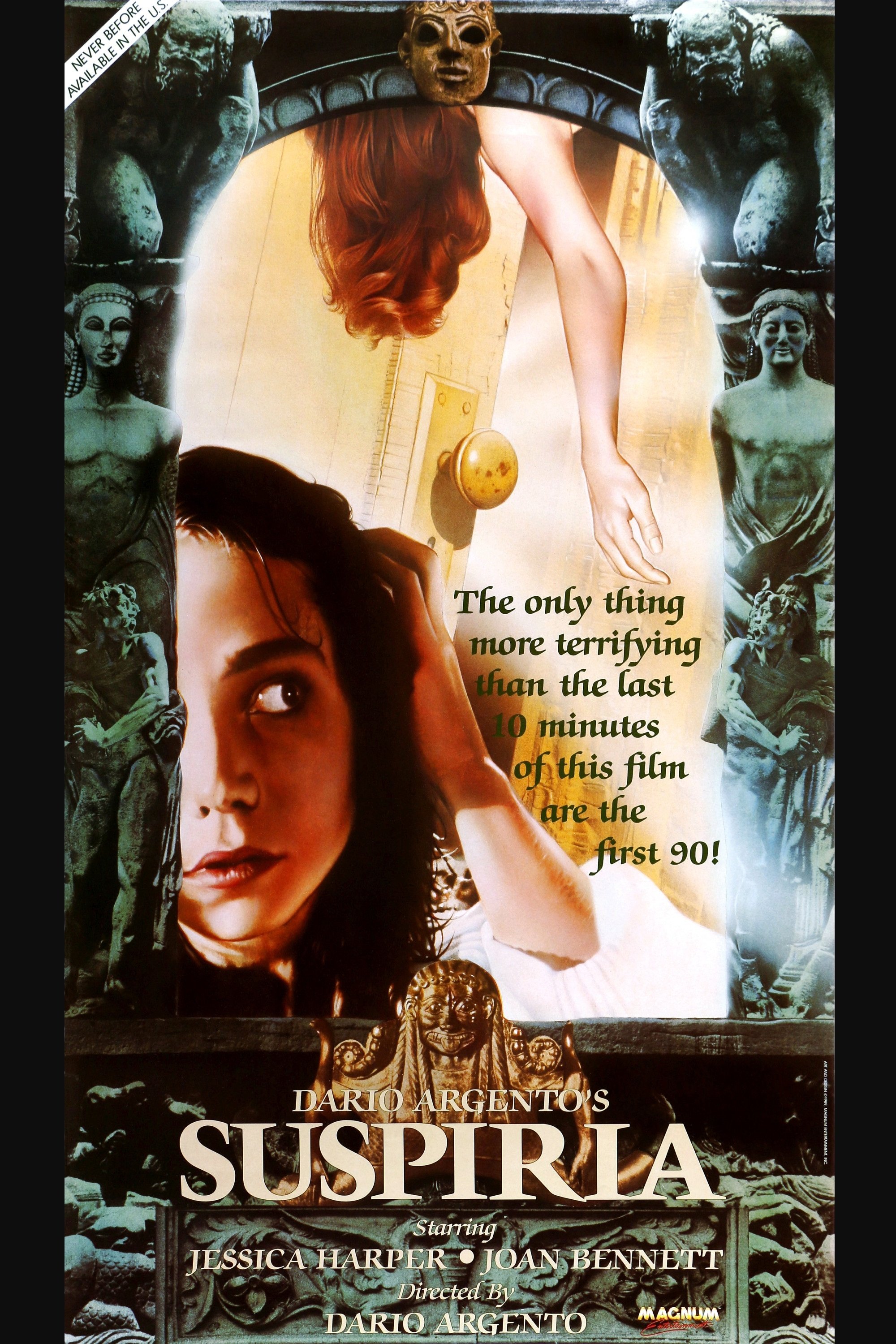
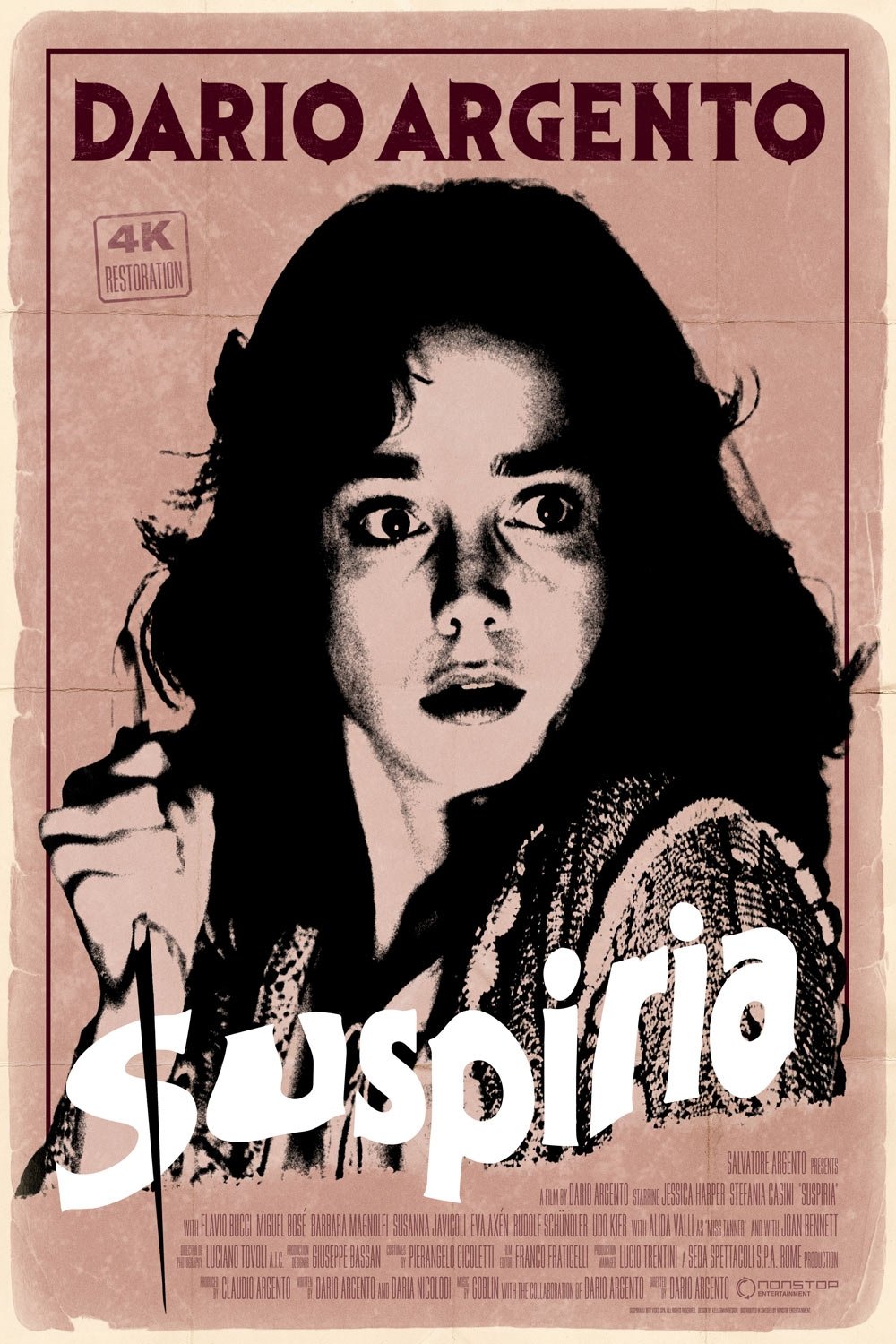
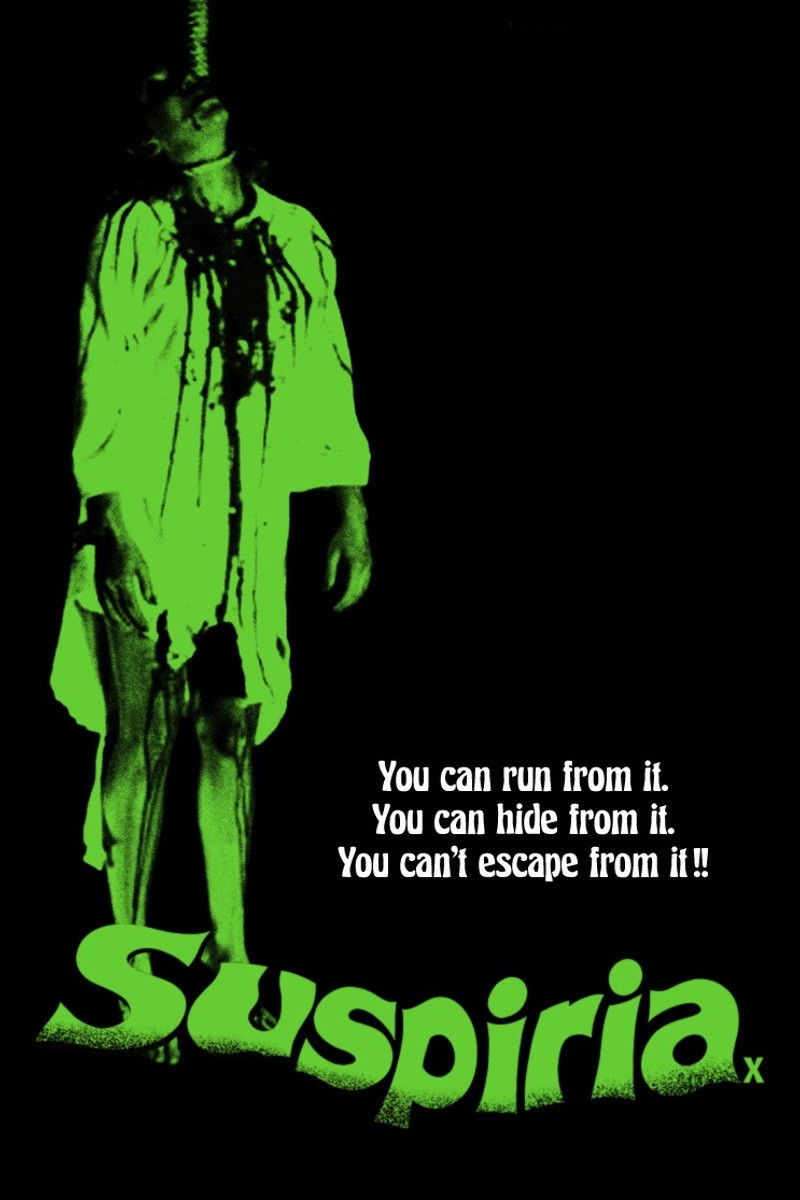
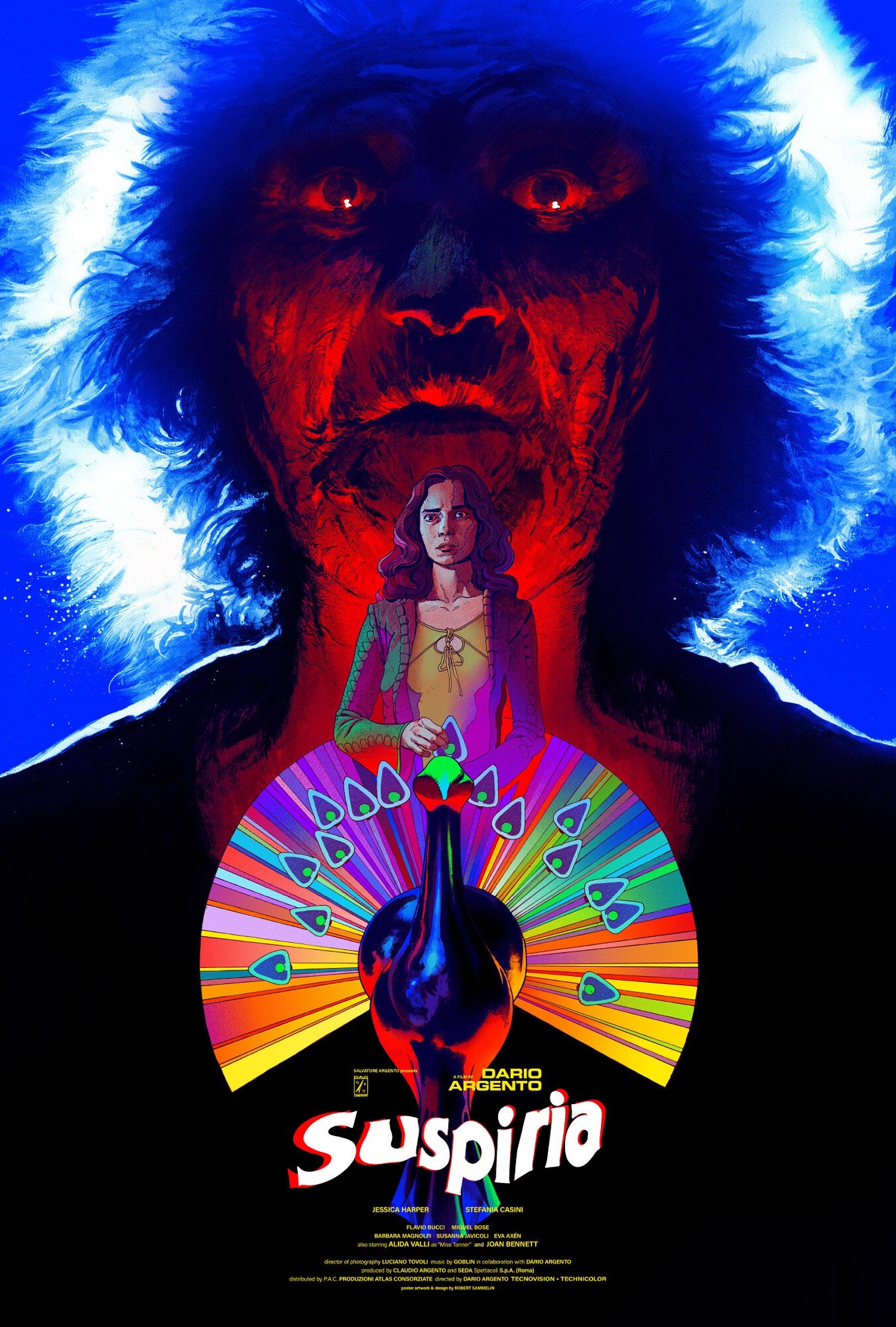
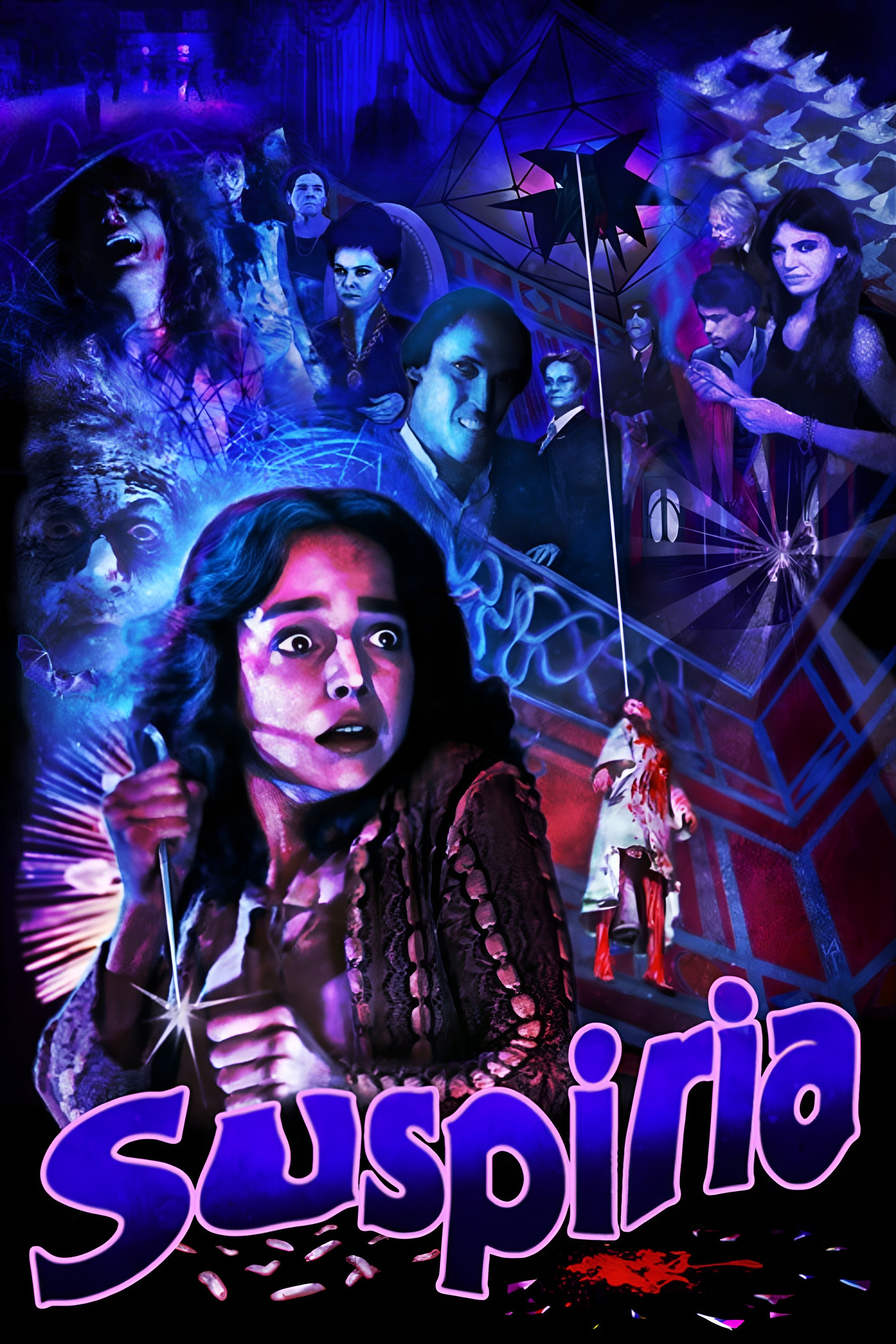
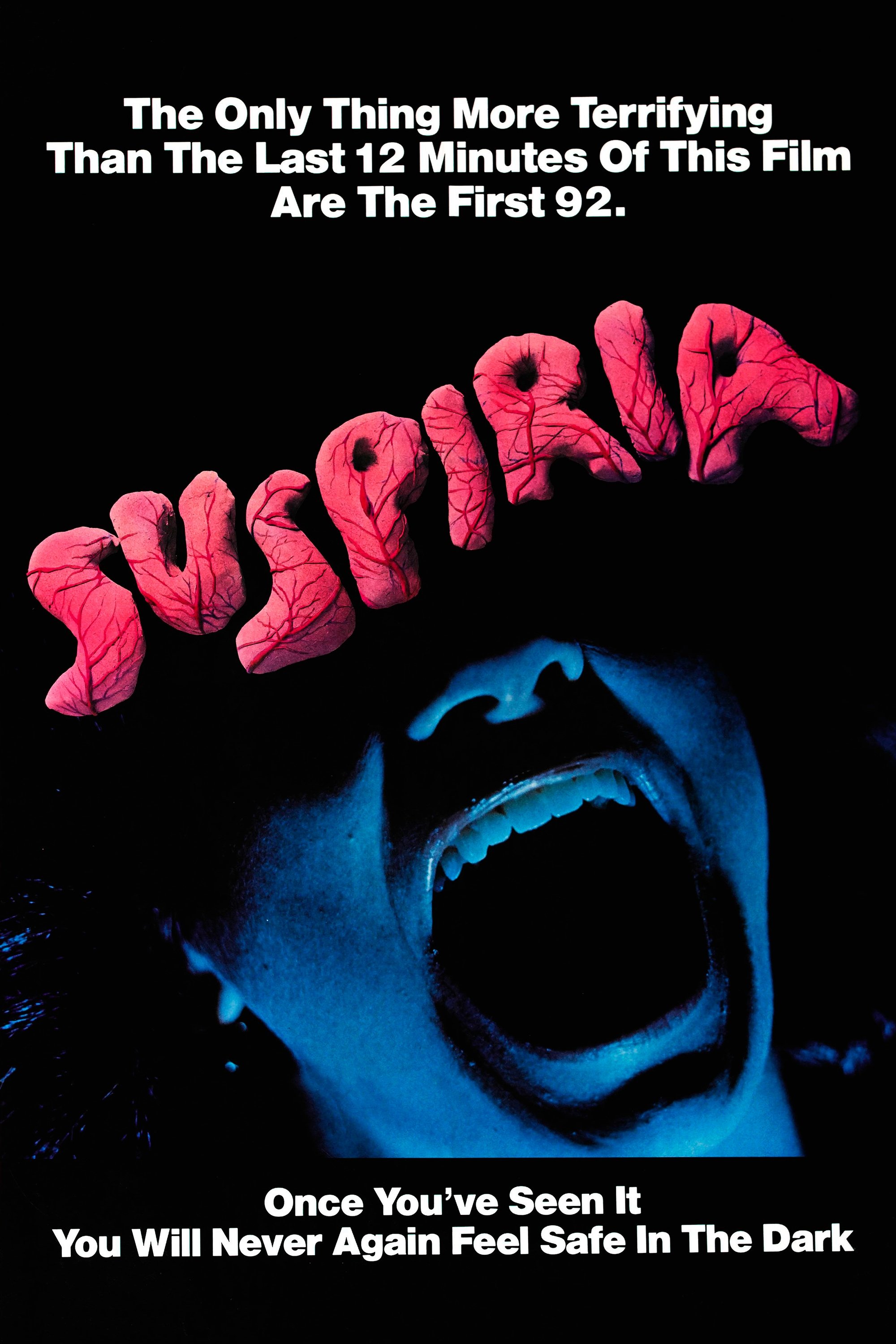
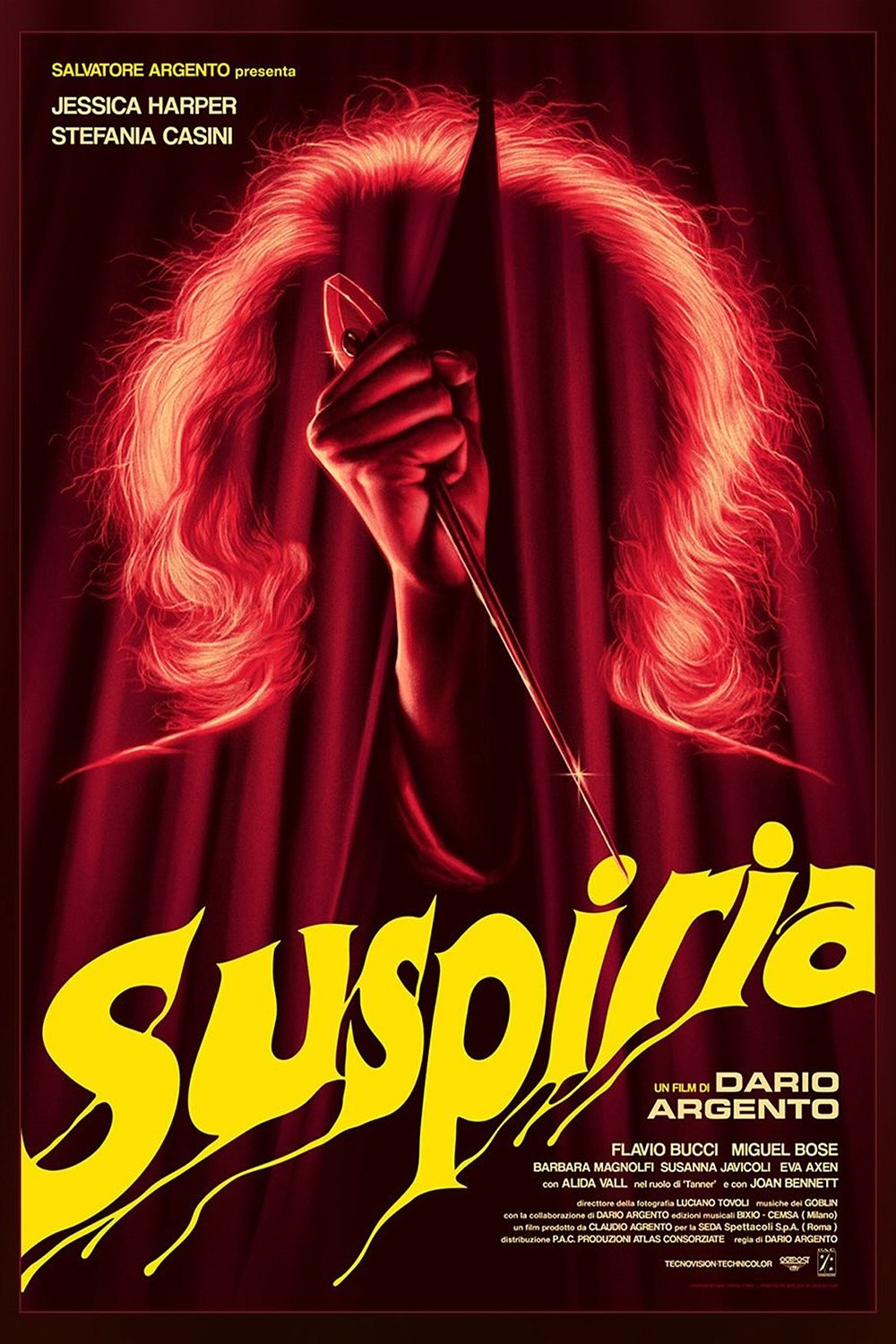
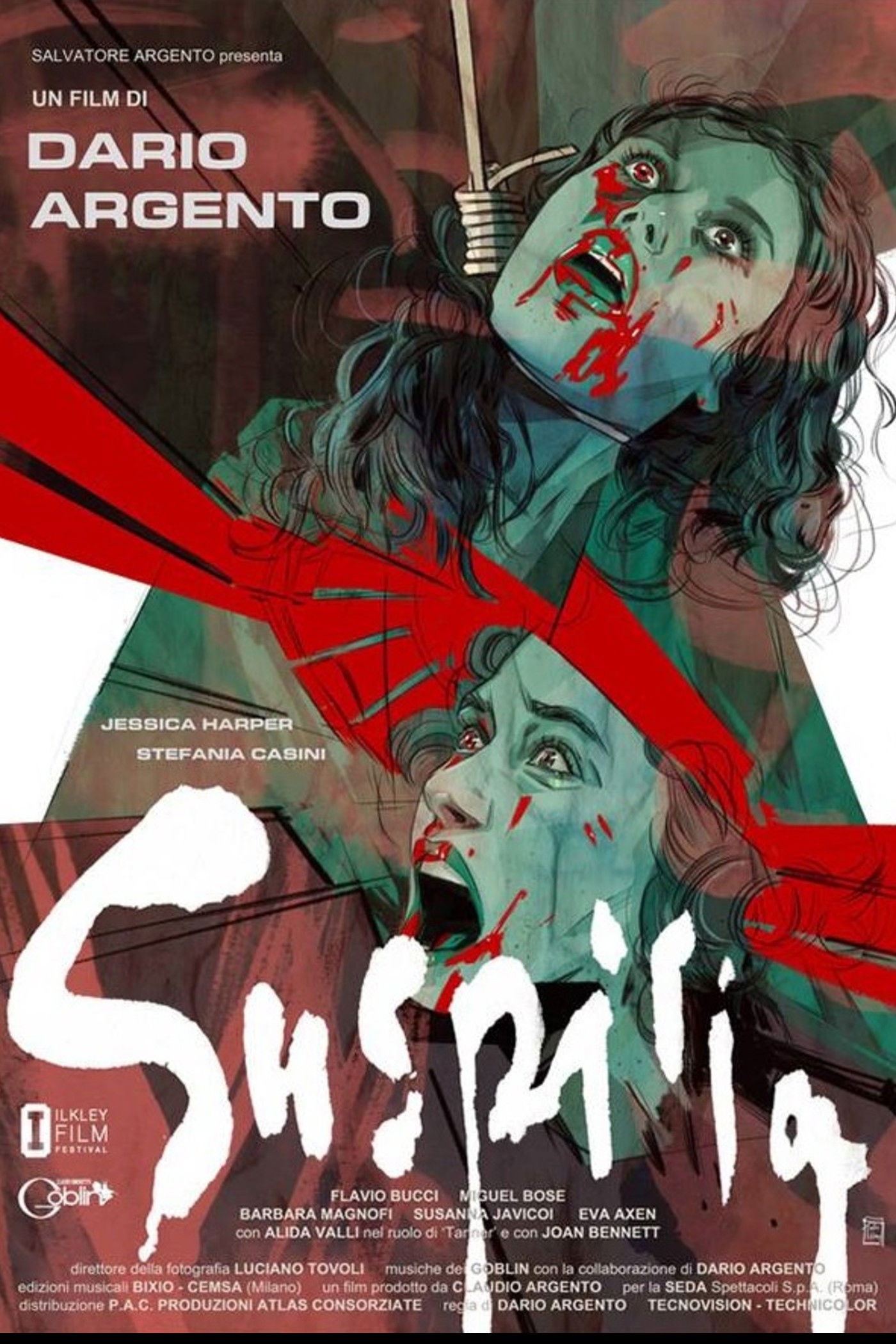
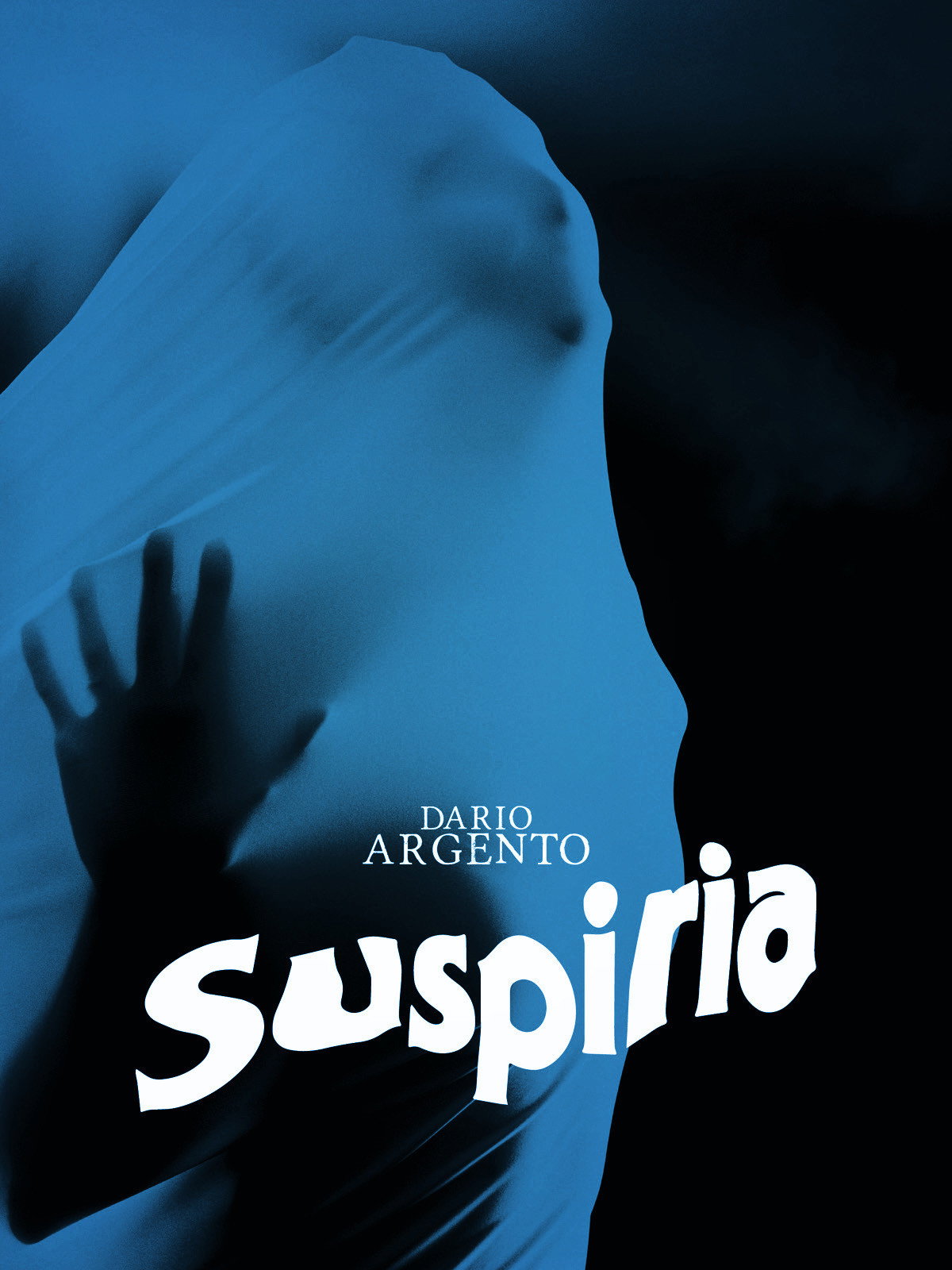
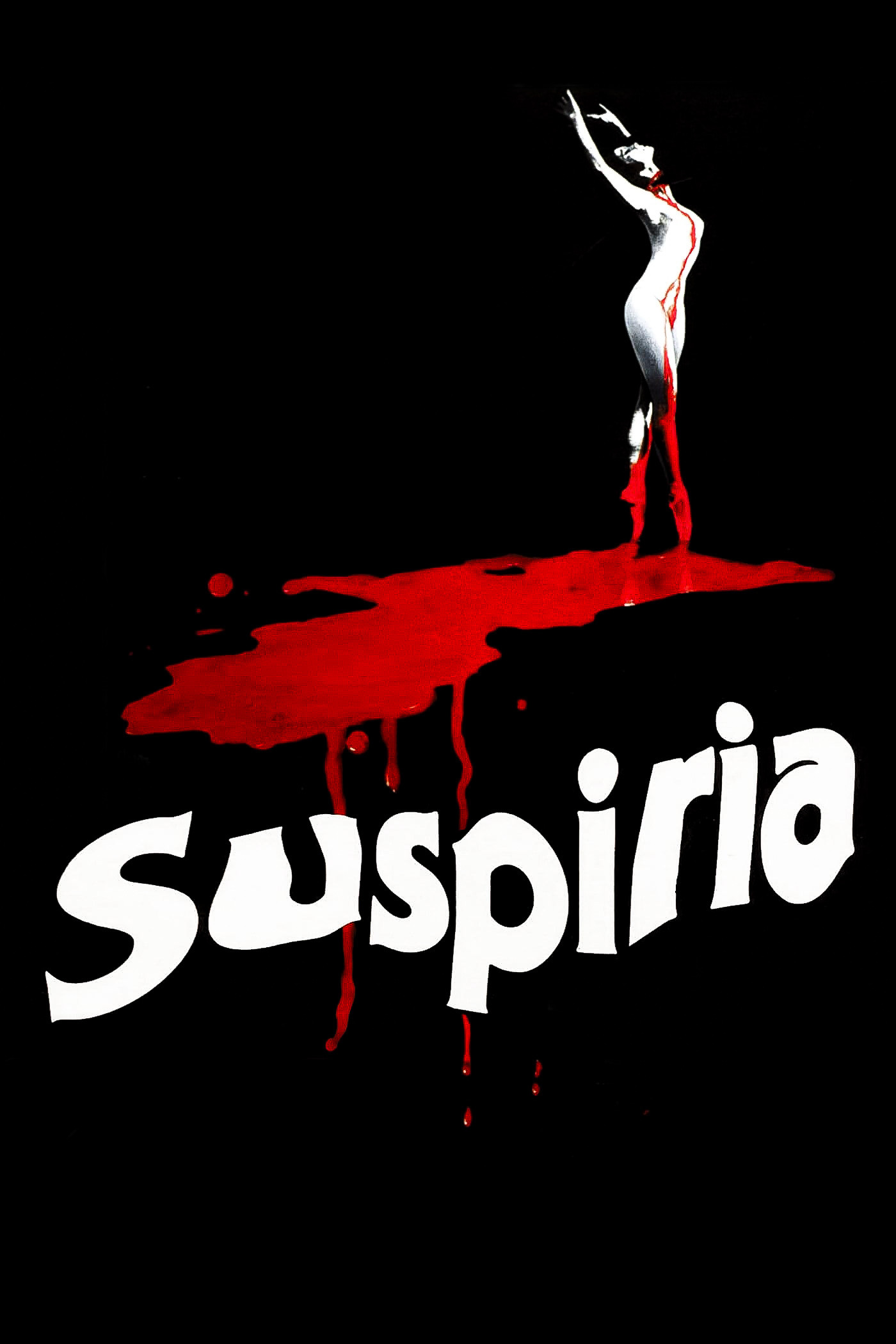
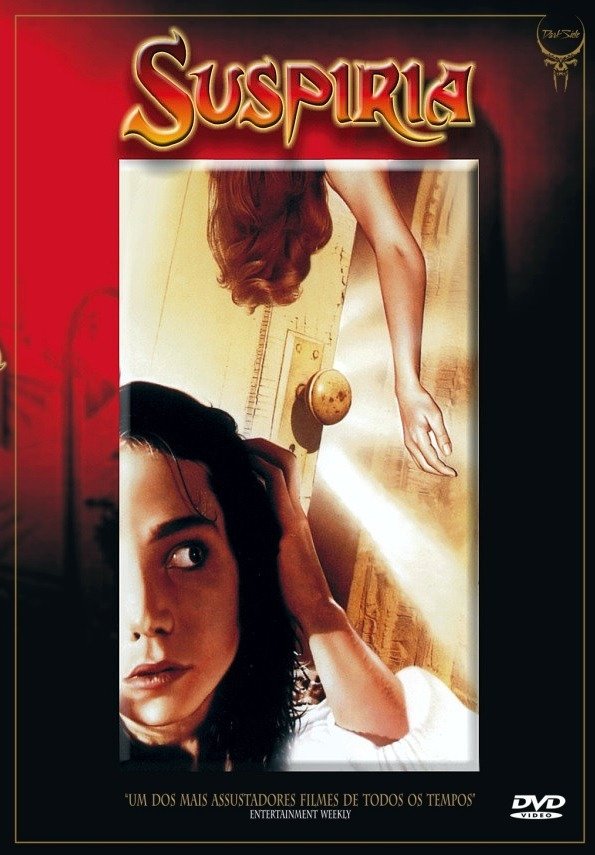
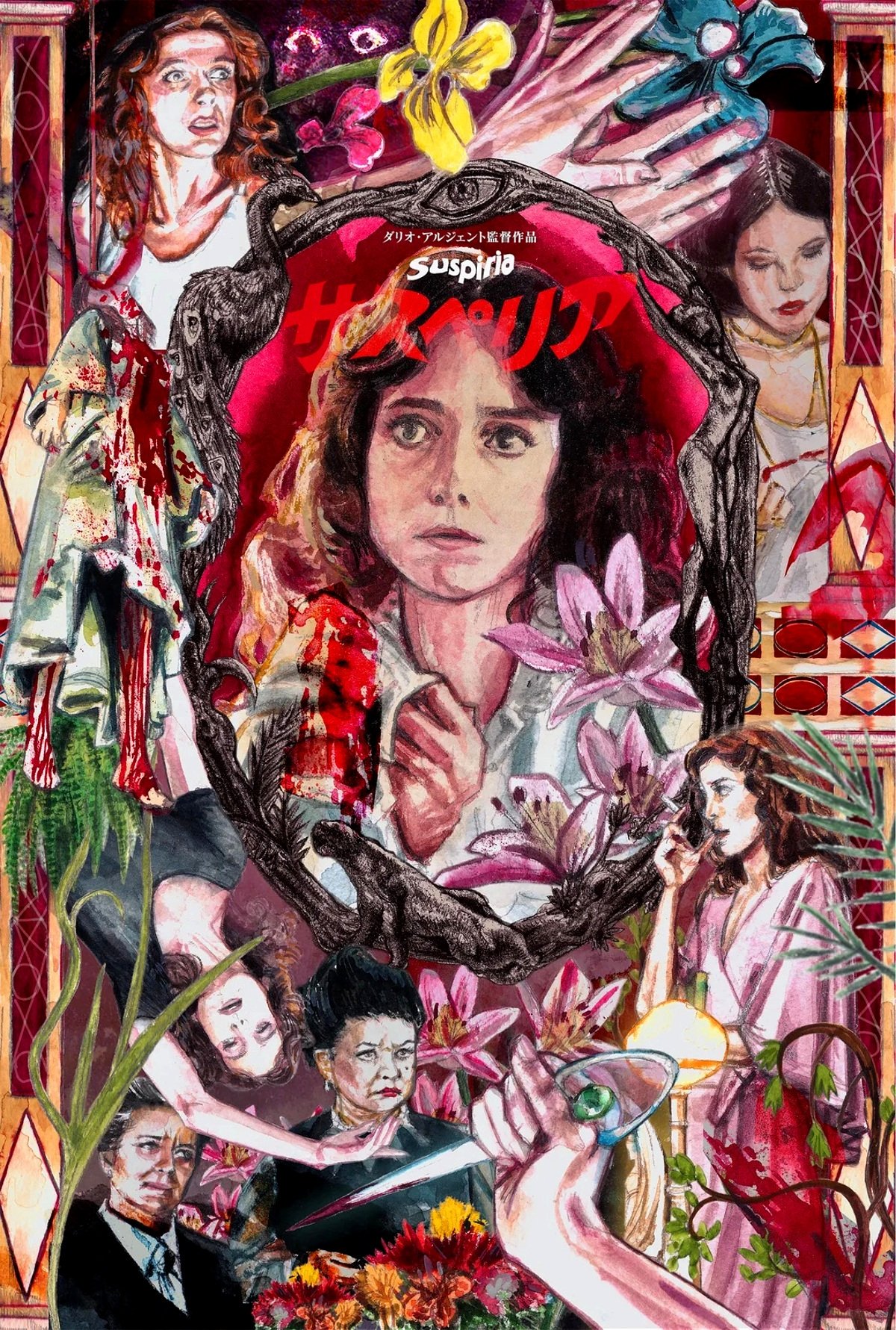
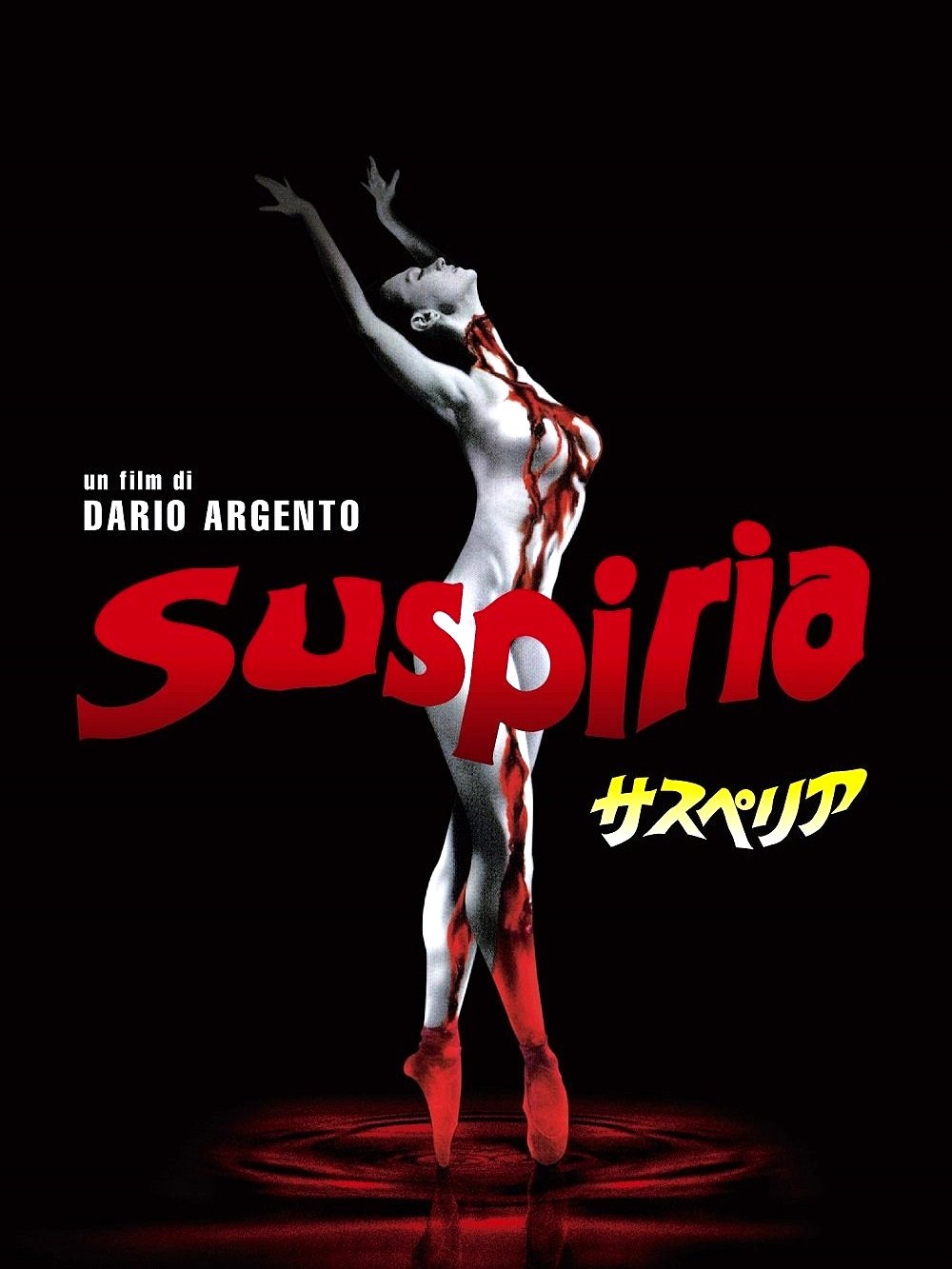
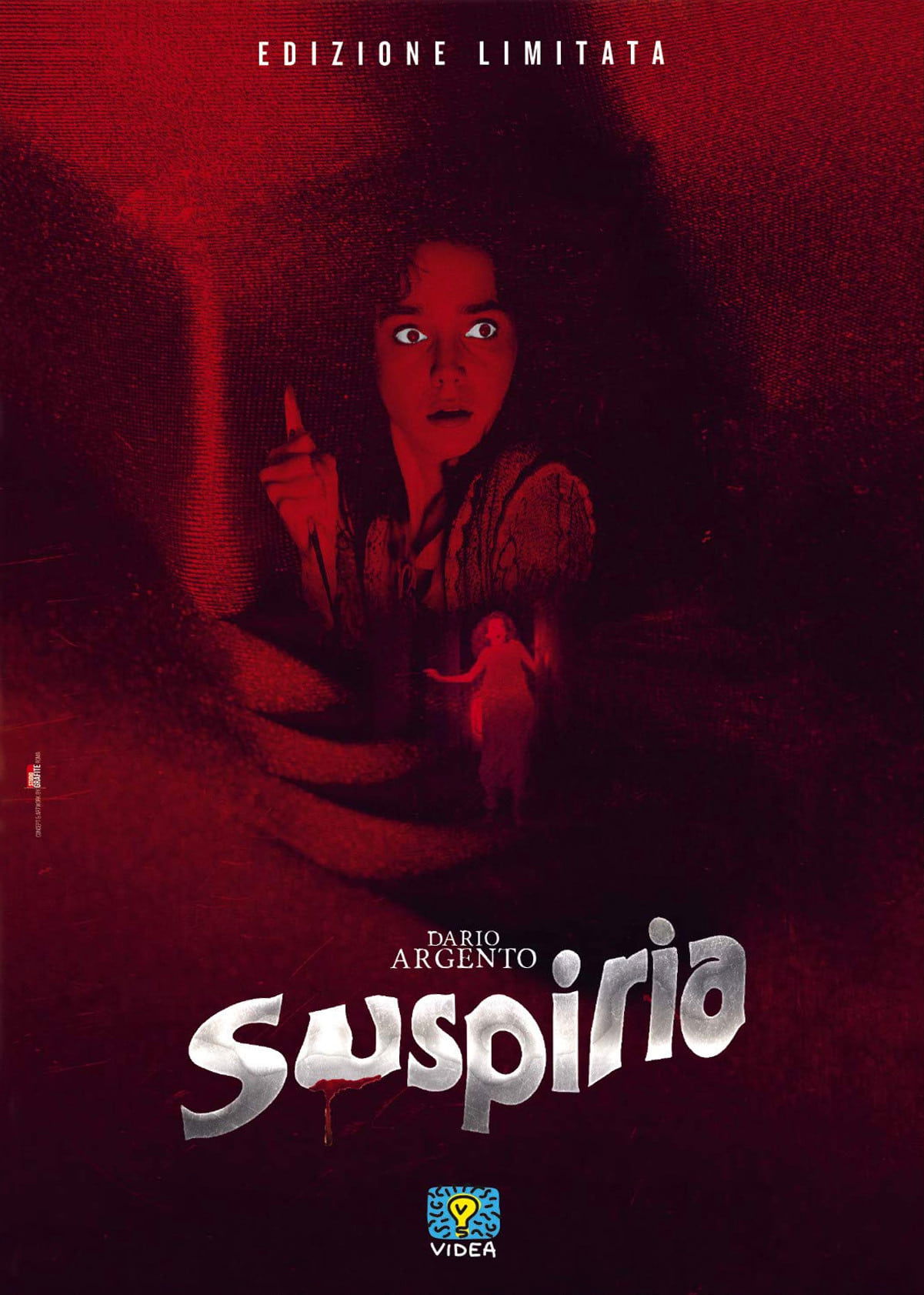
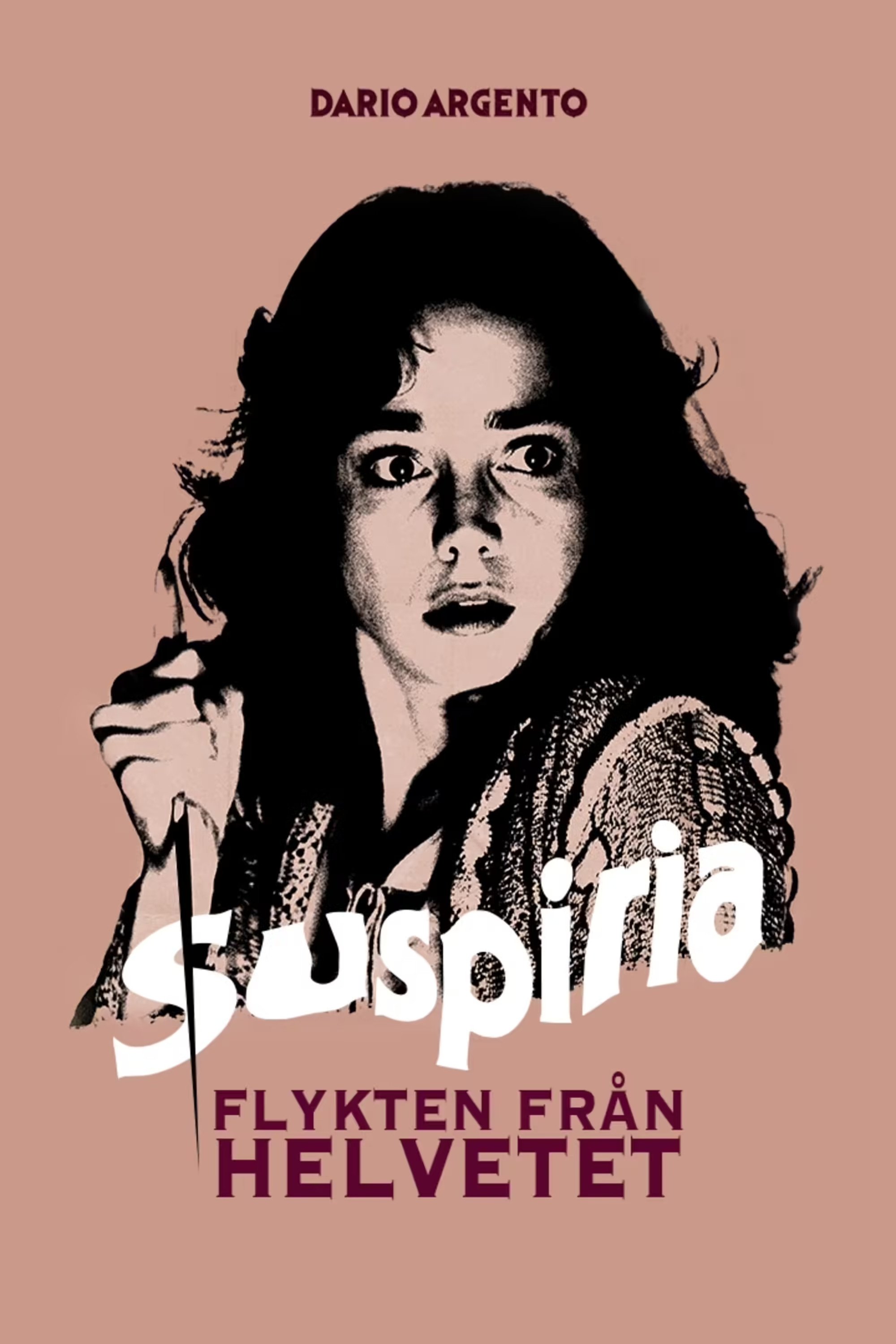
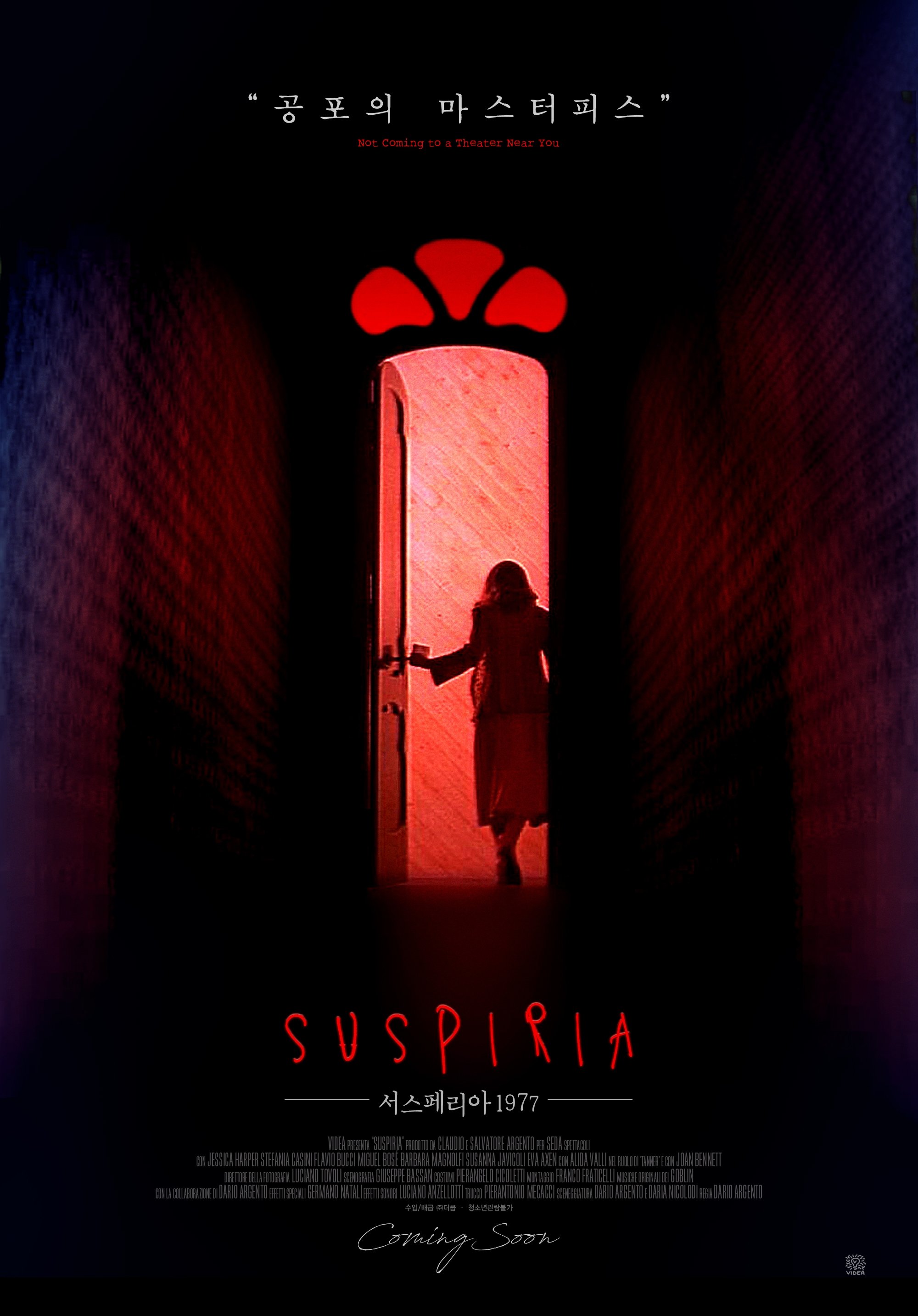
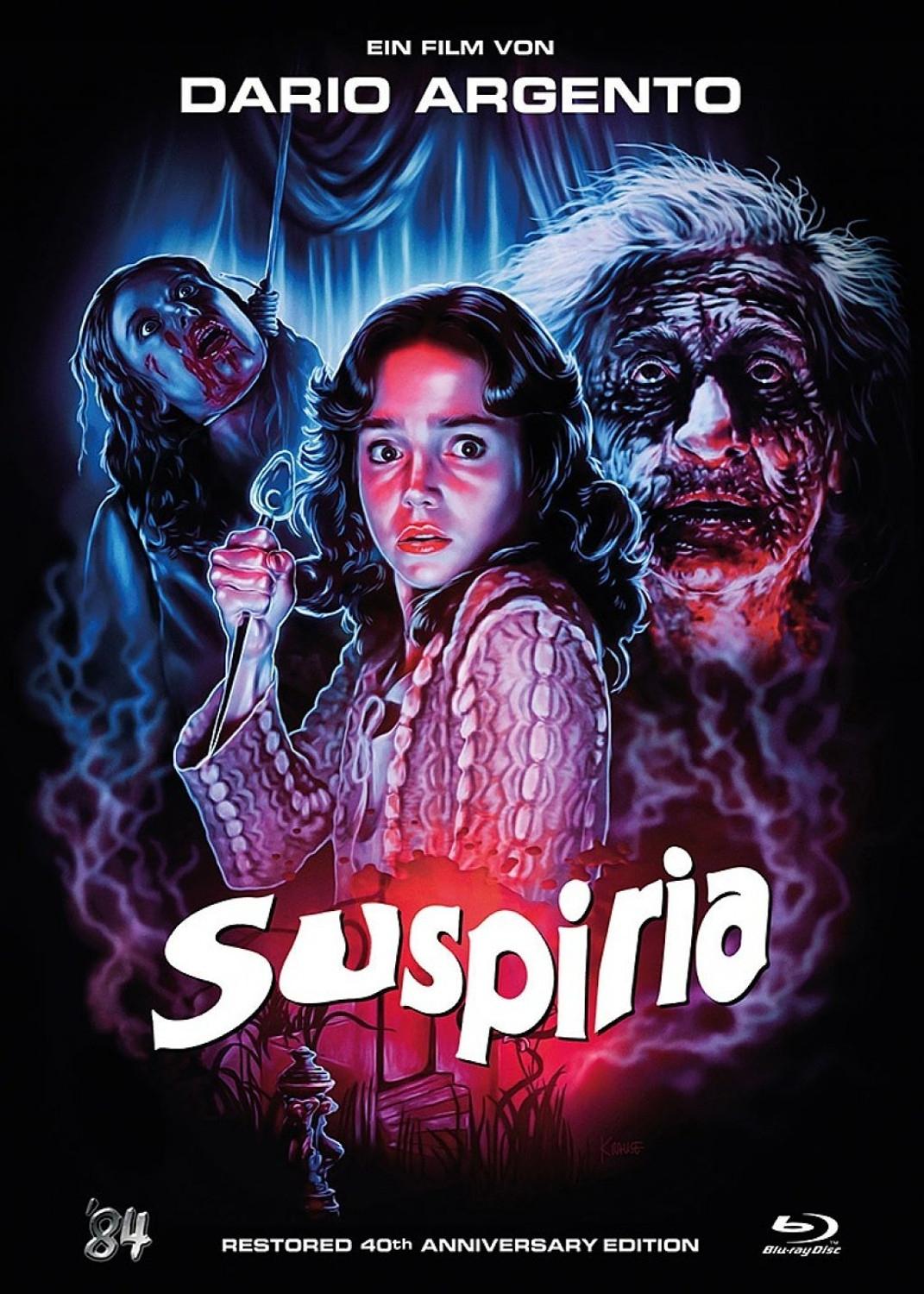
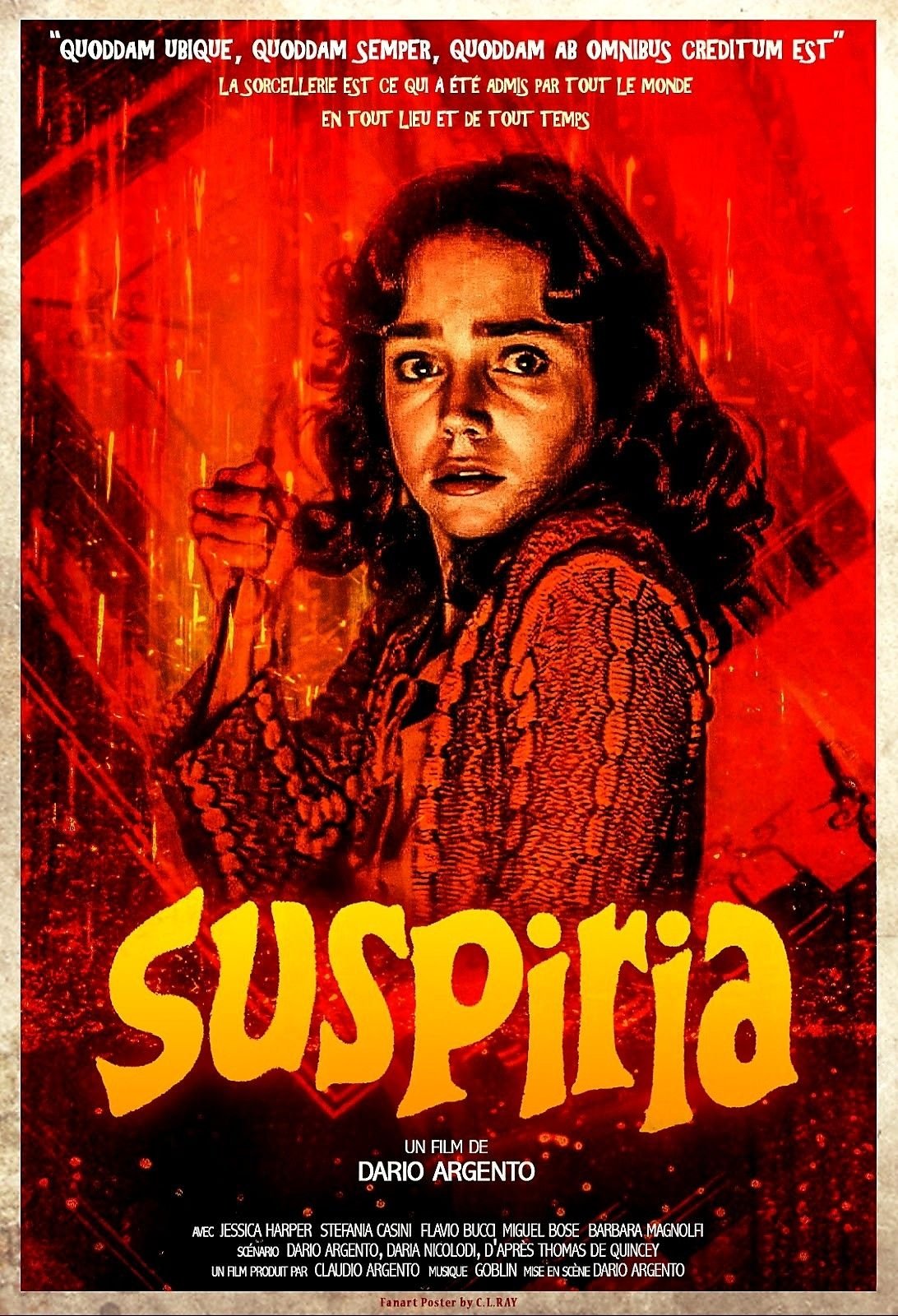
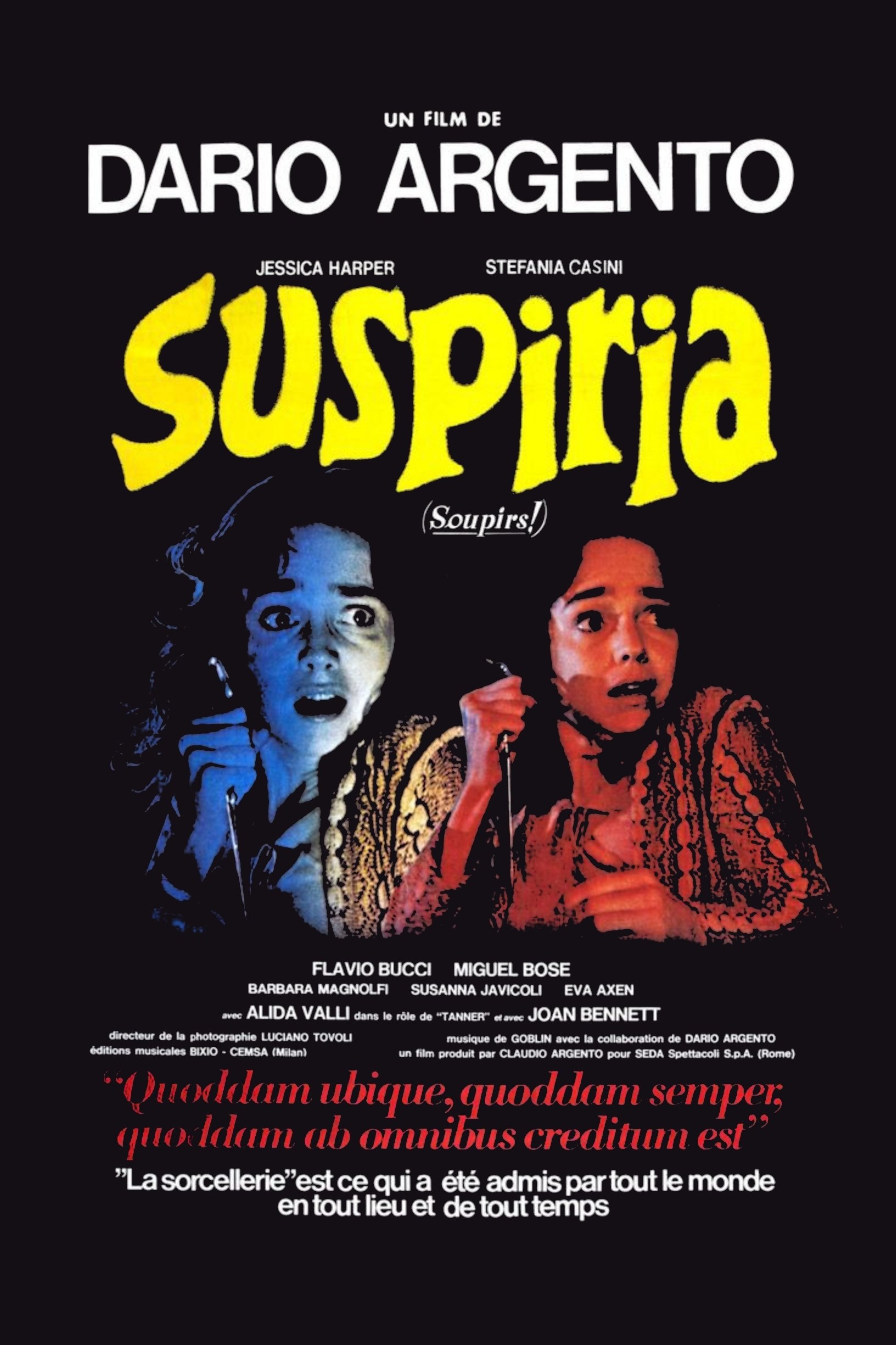
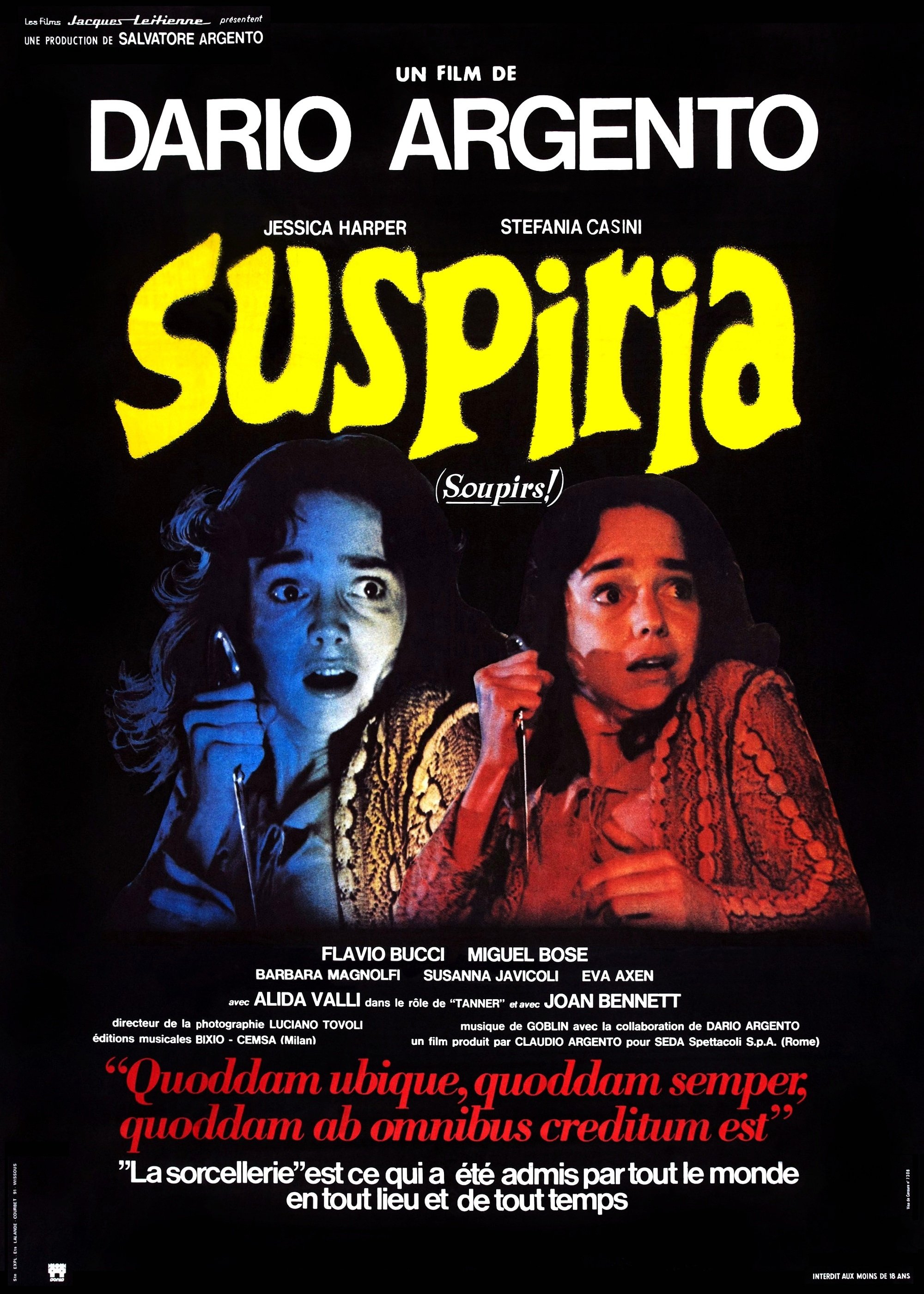
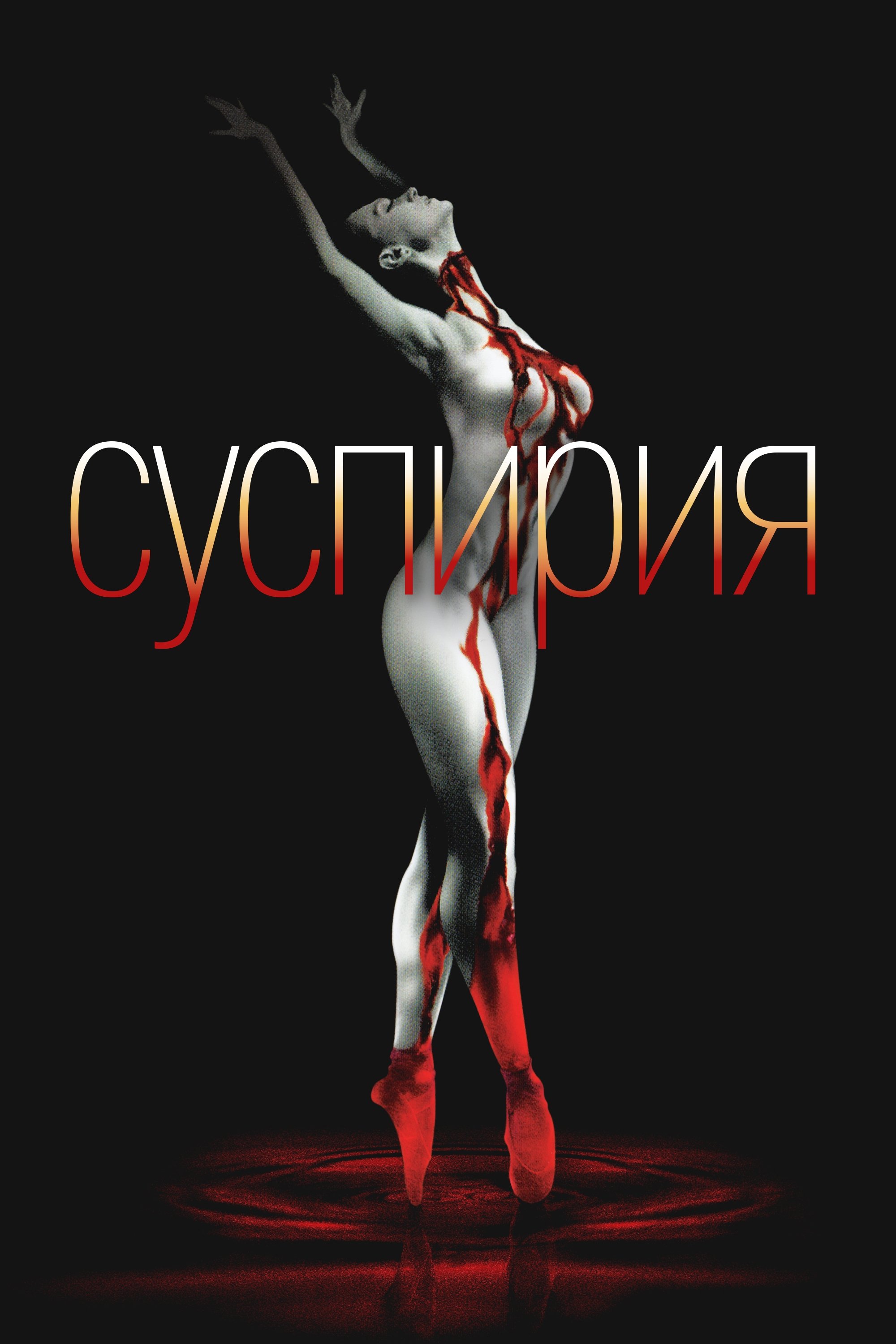
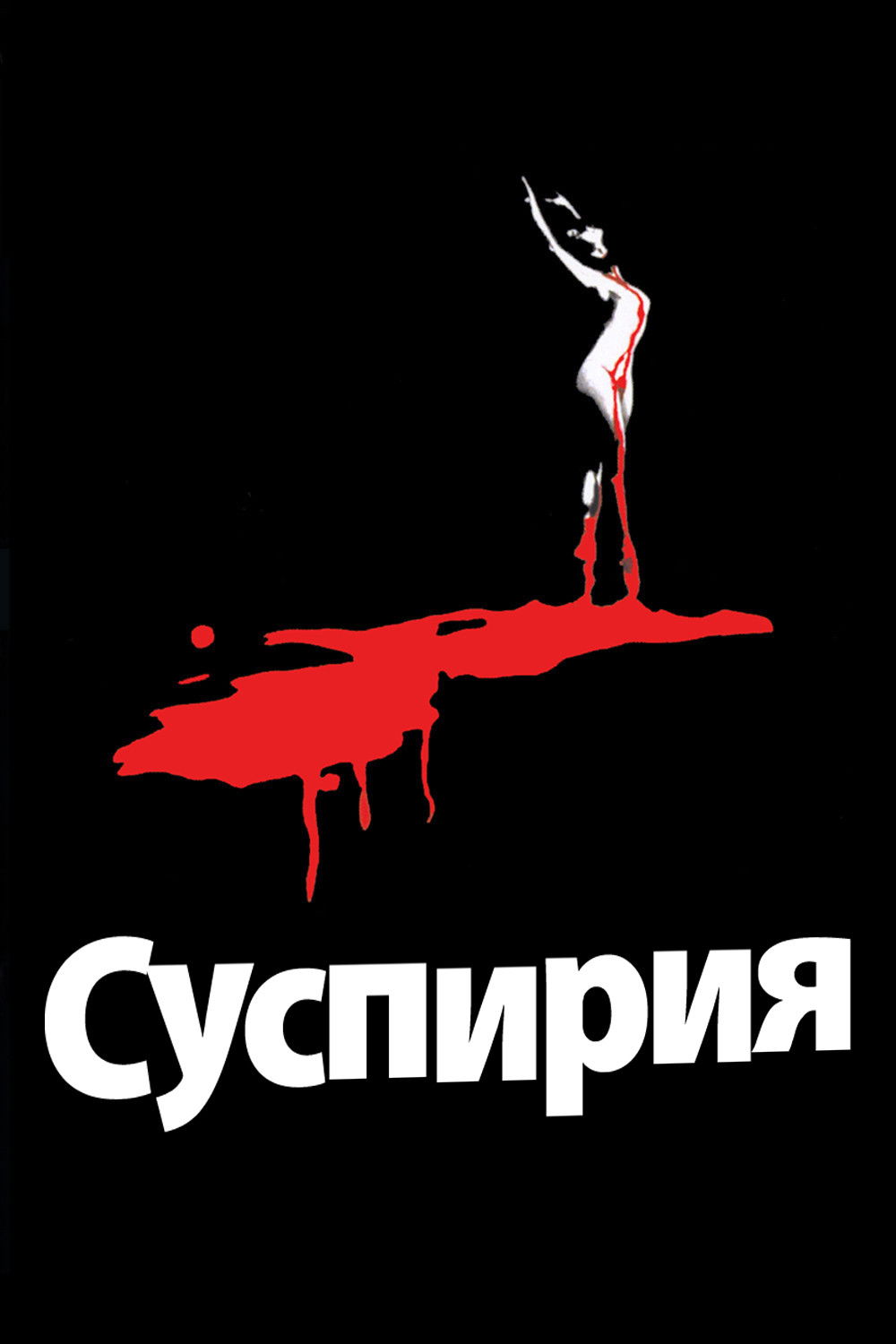
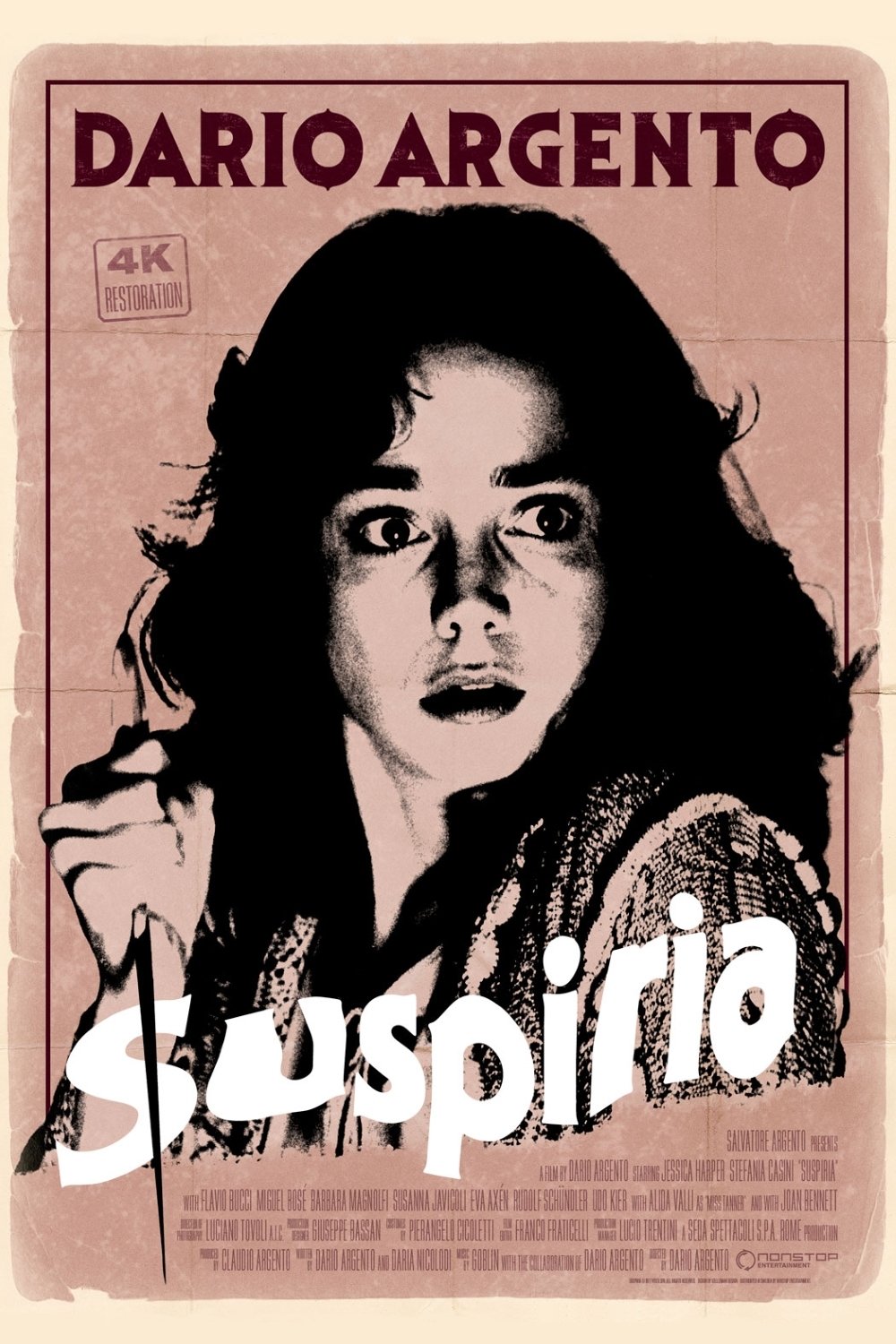
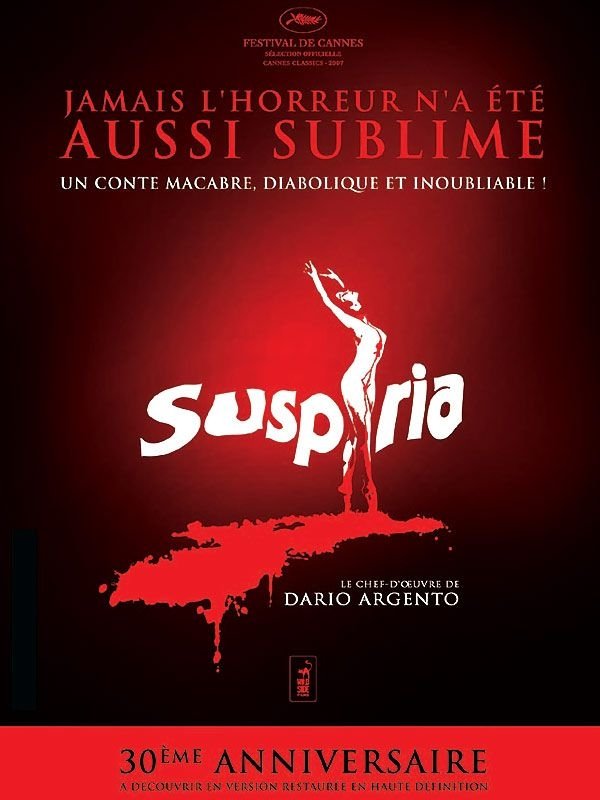
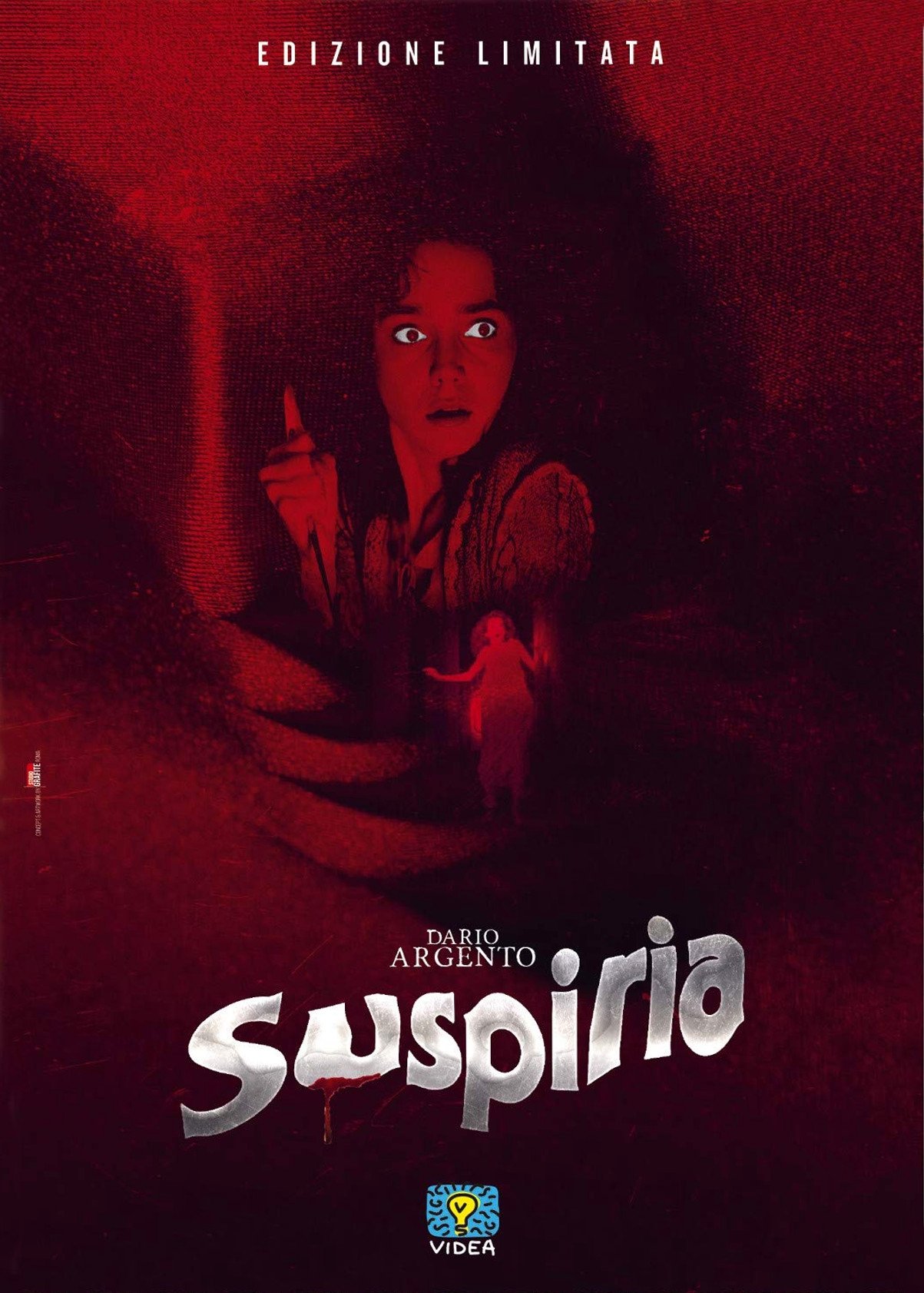
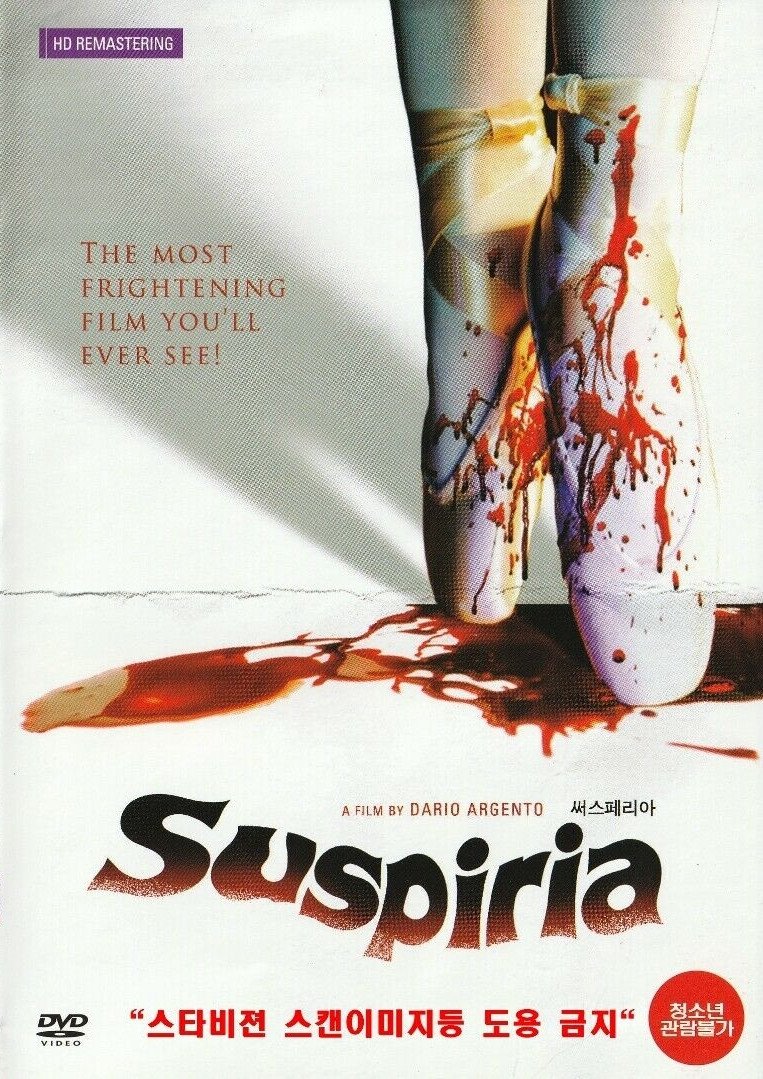
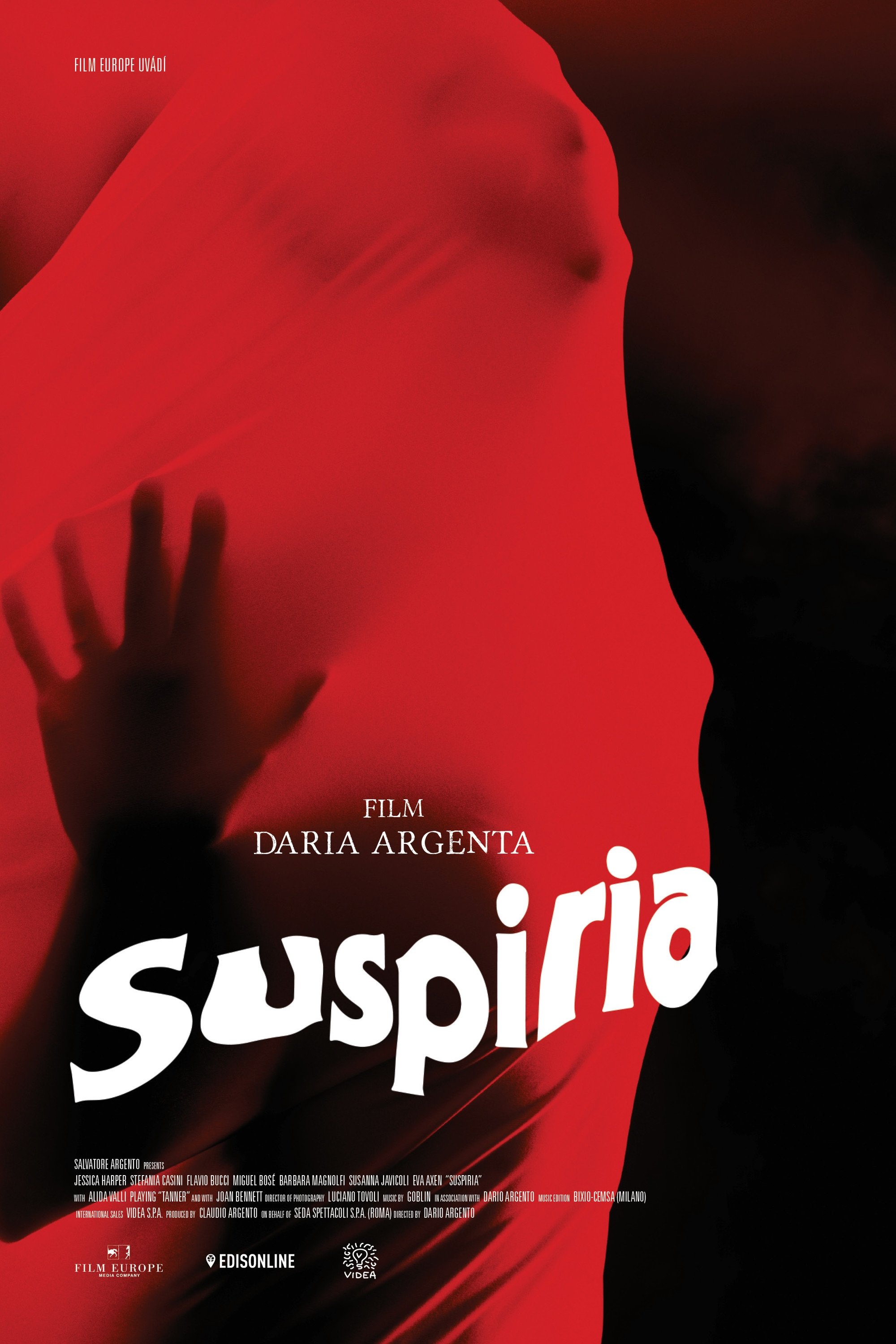
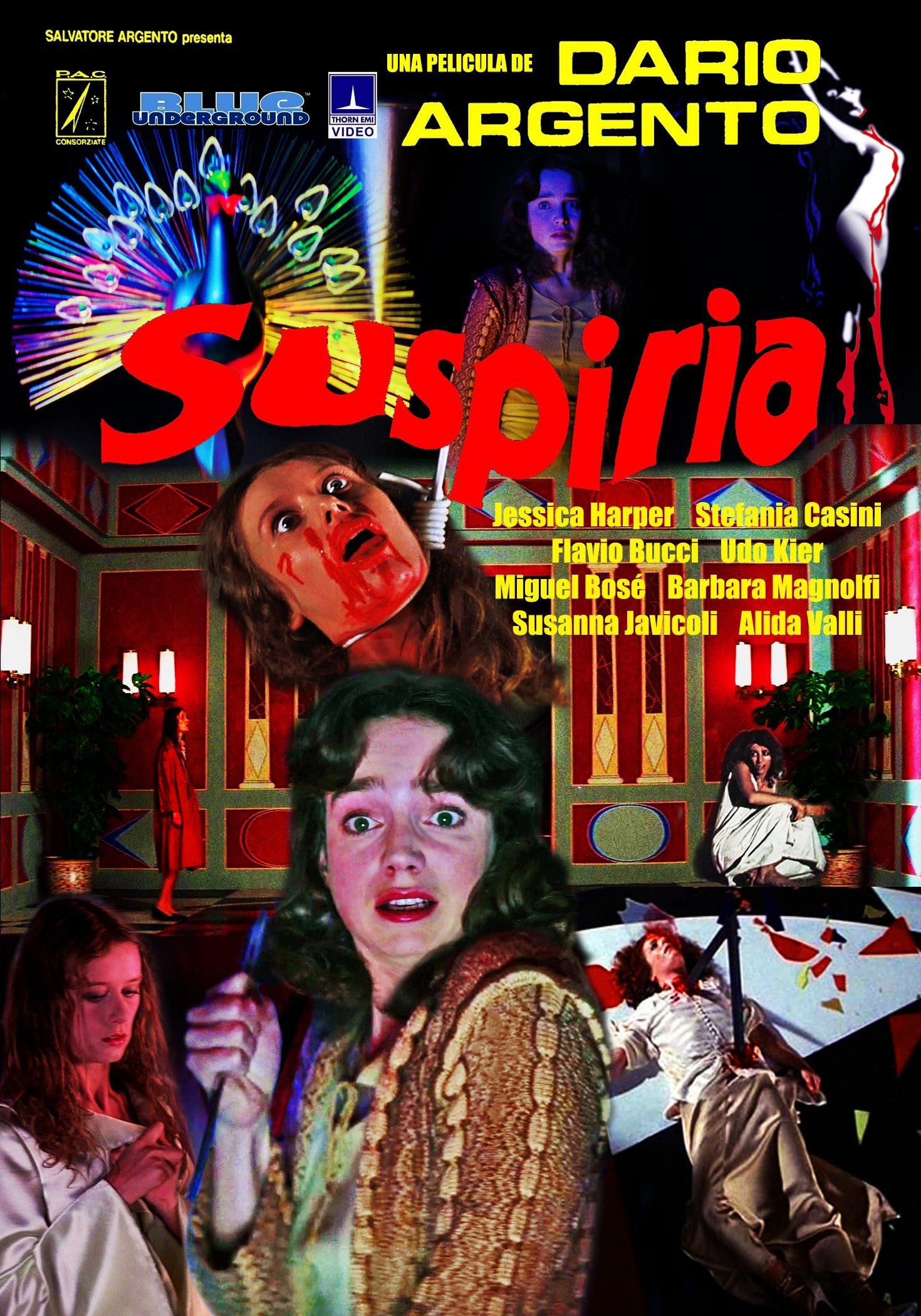
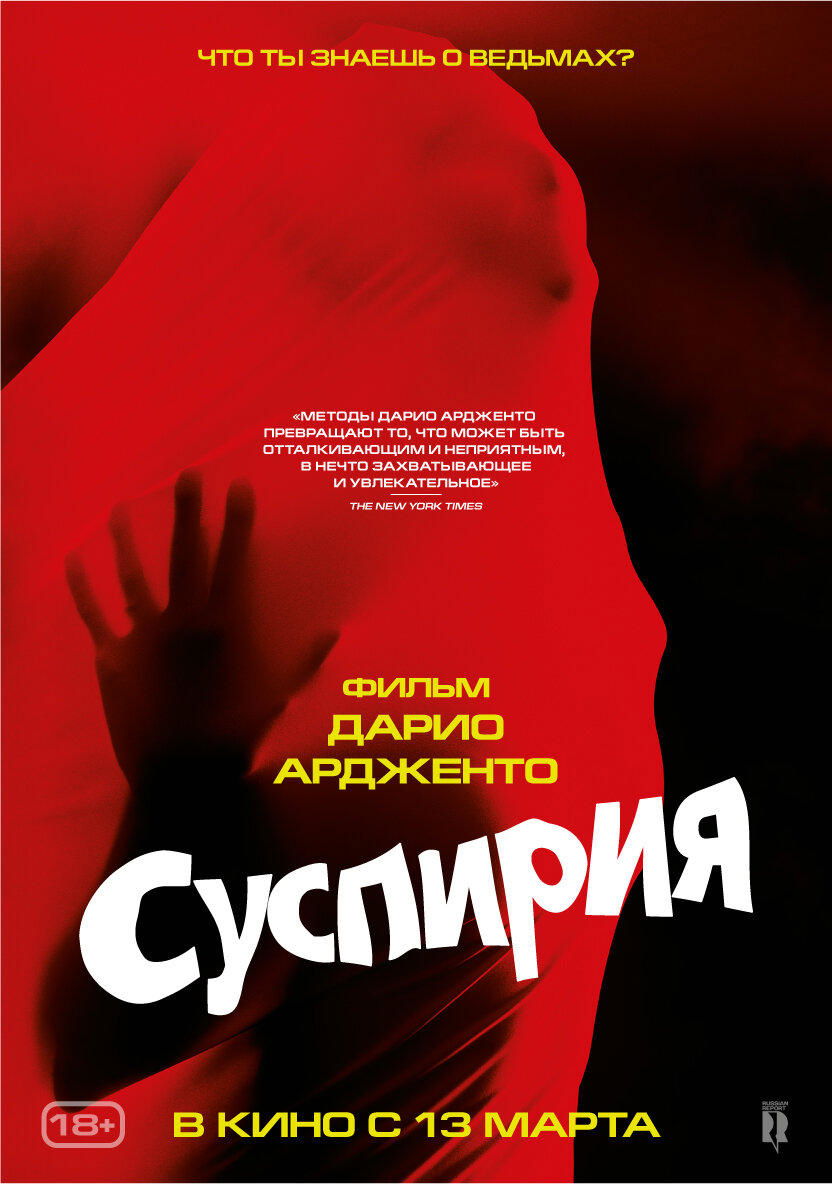
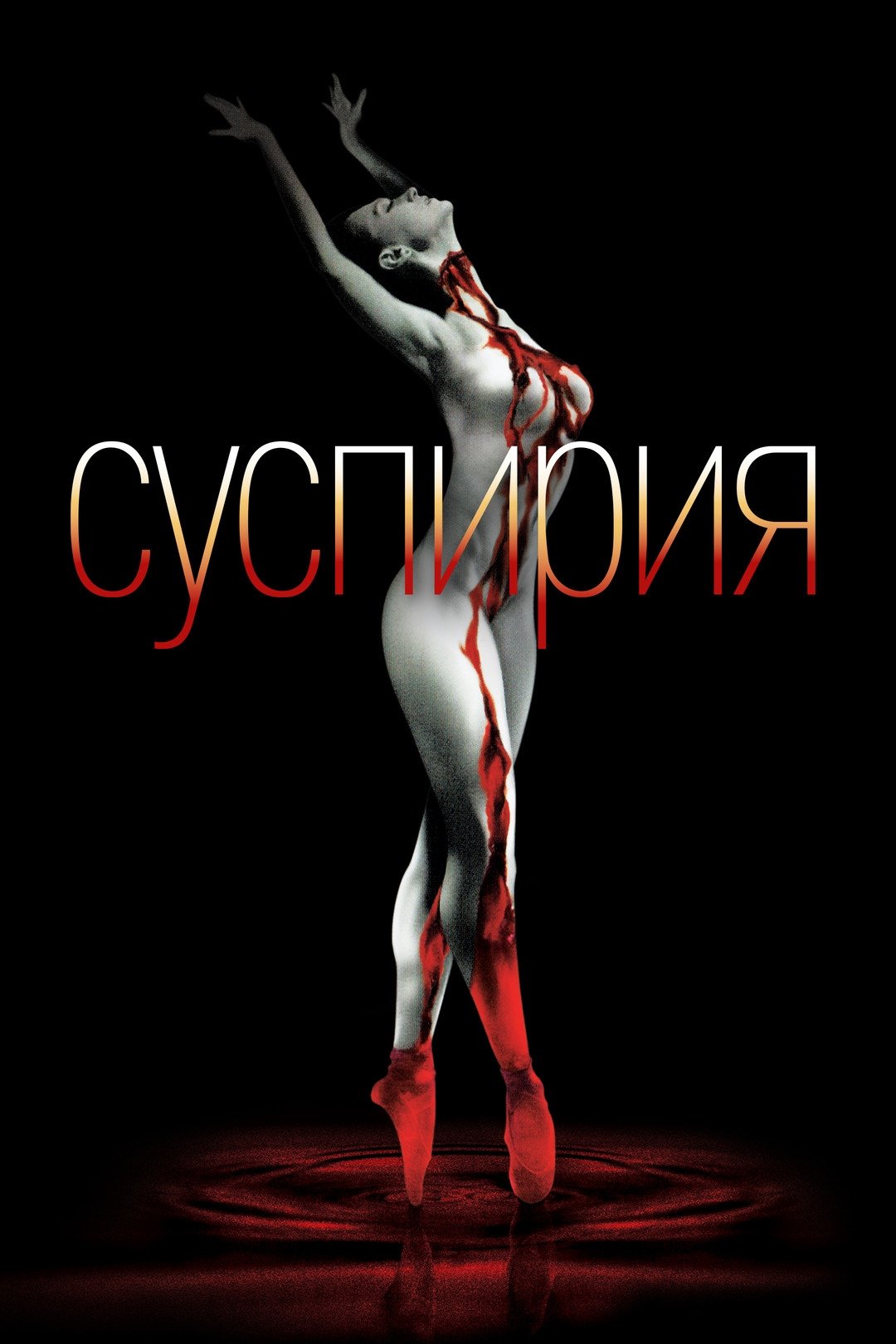
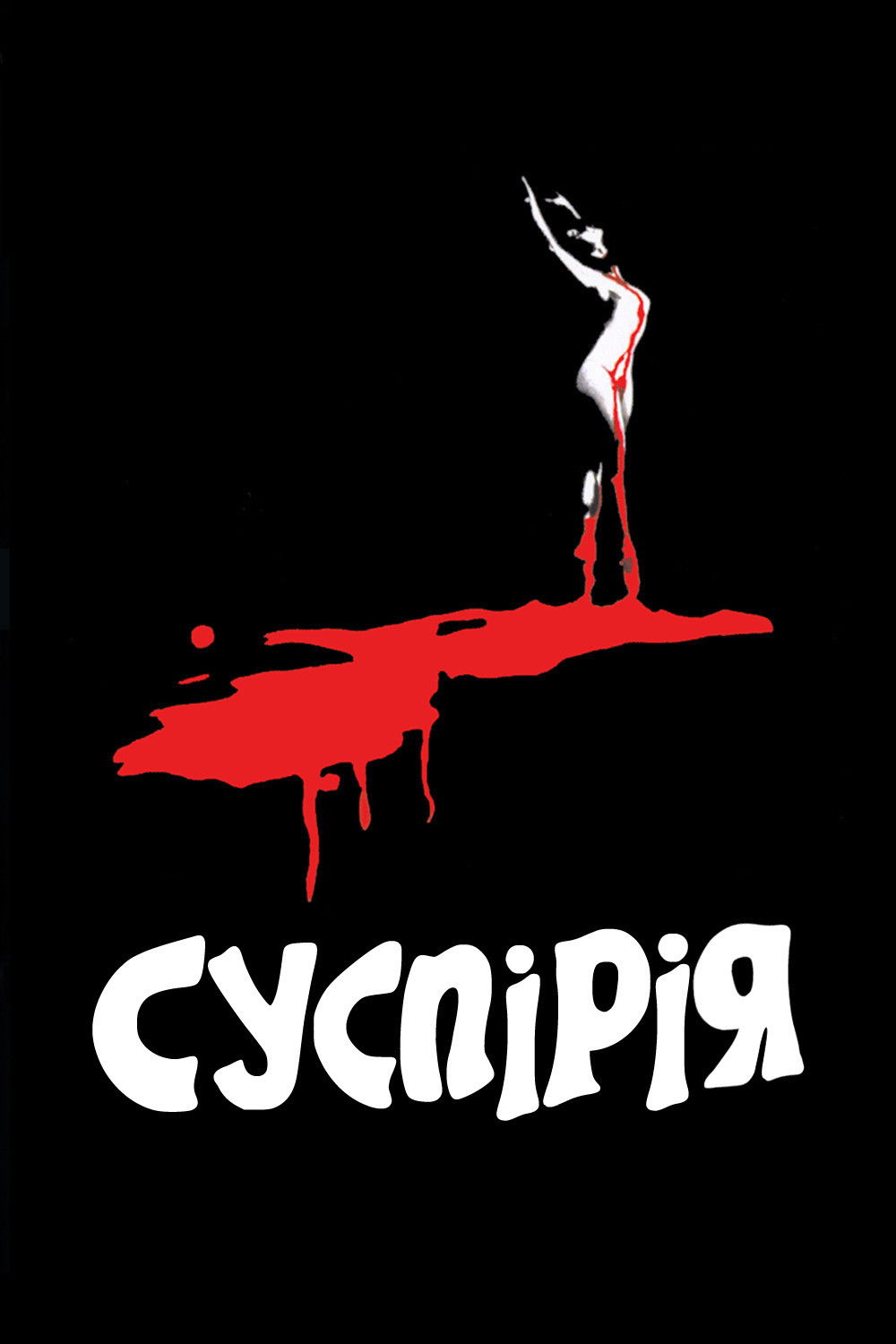
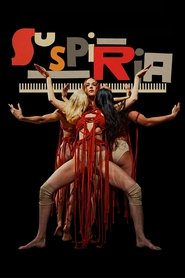
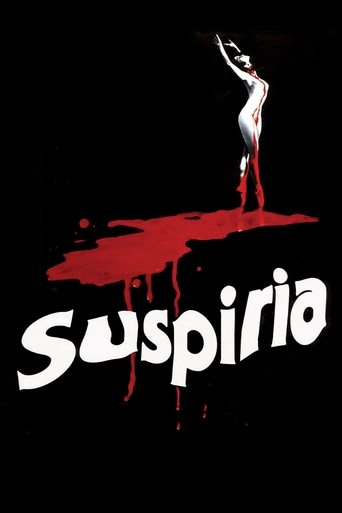
Suspiria (1977) poster
Director
Production Company
Seda Spettacoli
Plot

An American newcomer to a prestigious German ballet academy comes to realize that the school is a front for something sinister amid a series of grisly murders.

Alternative Titles
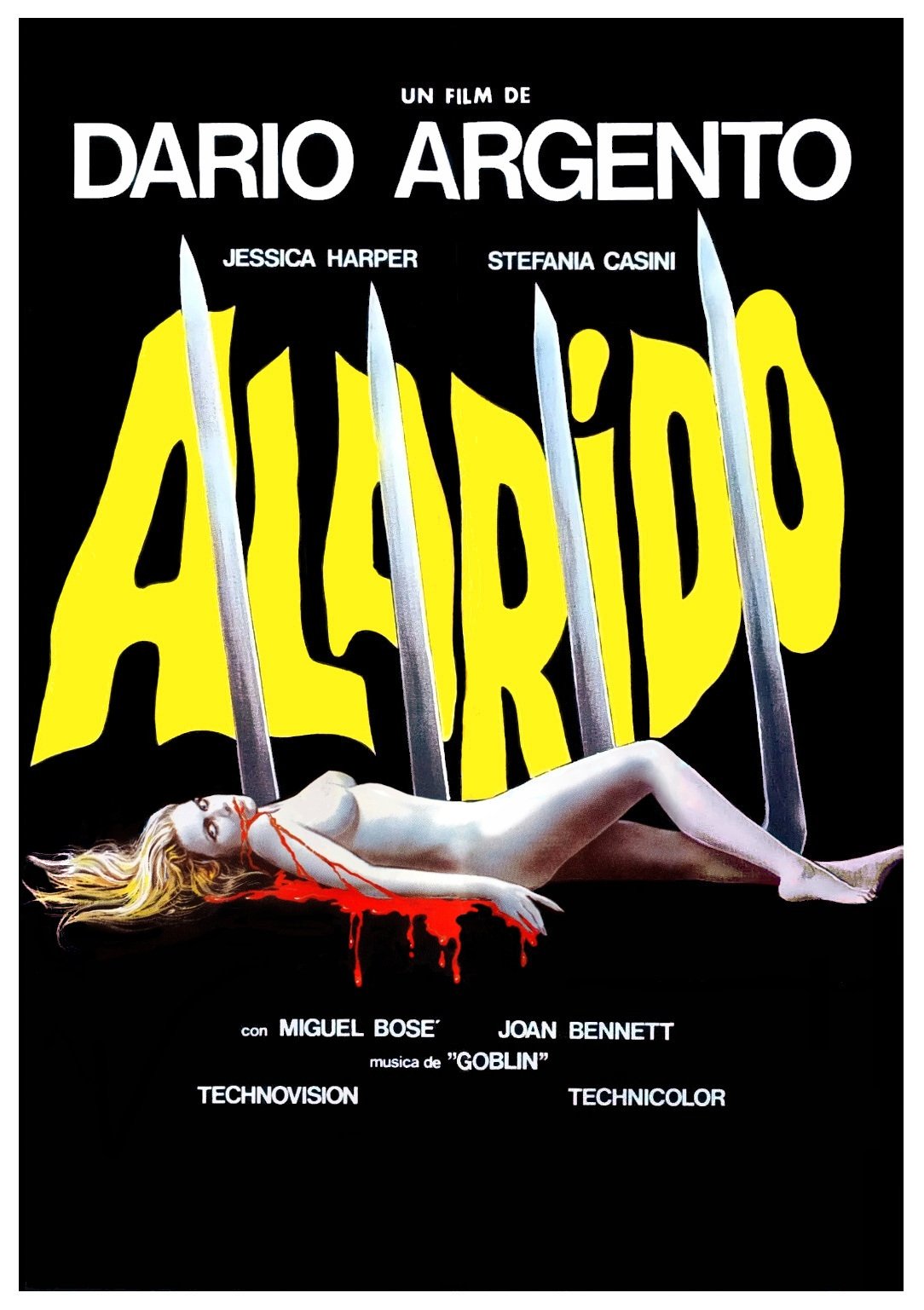
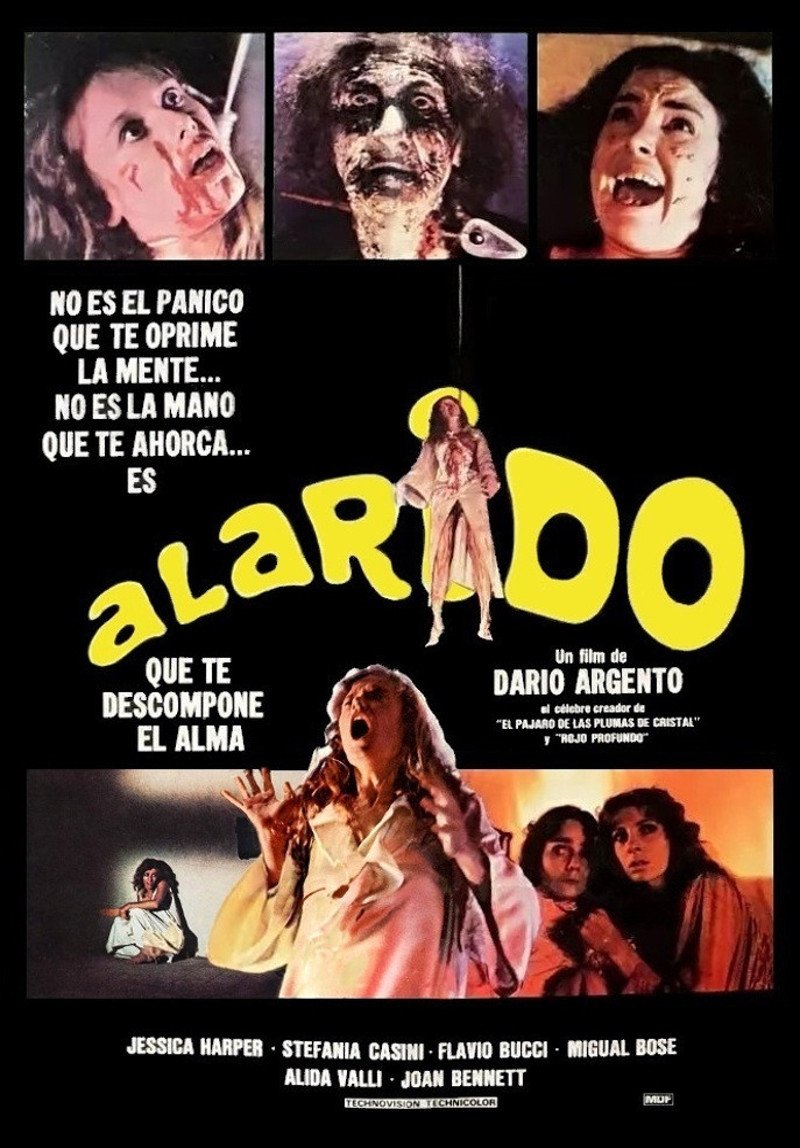
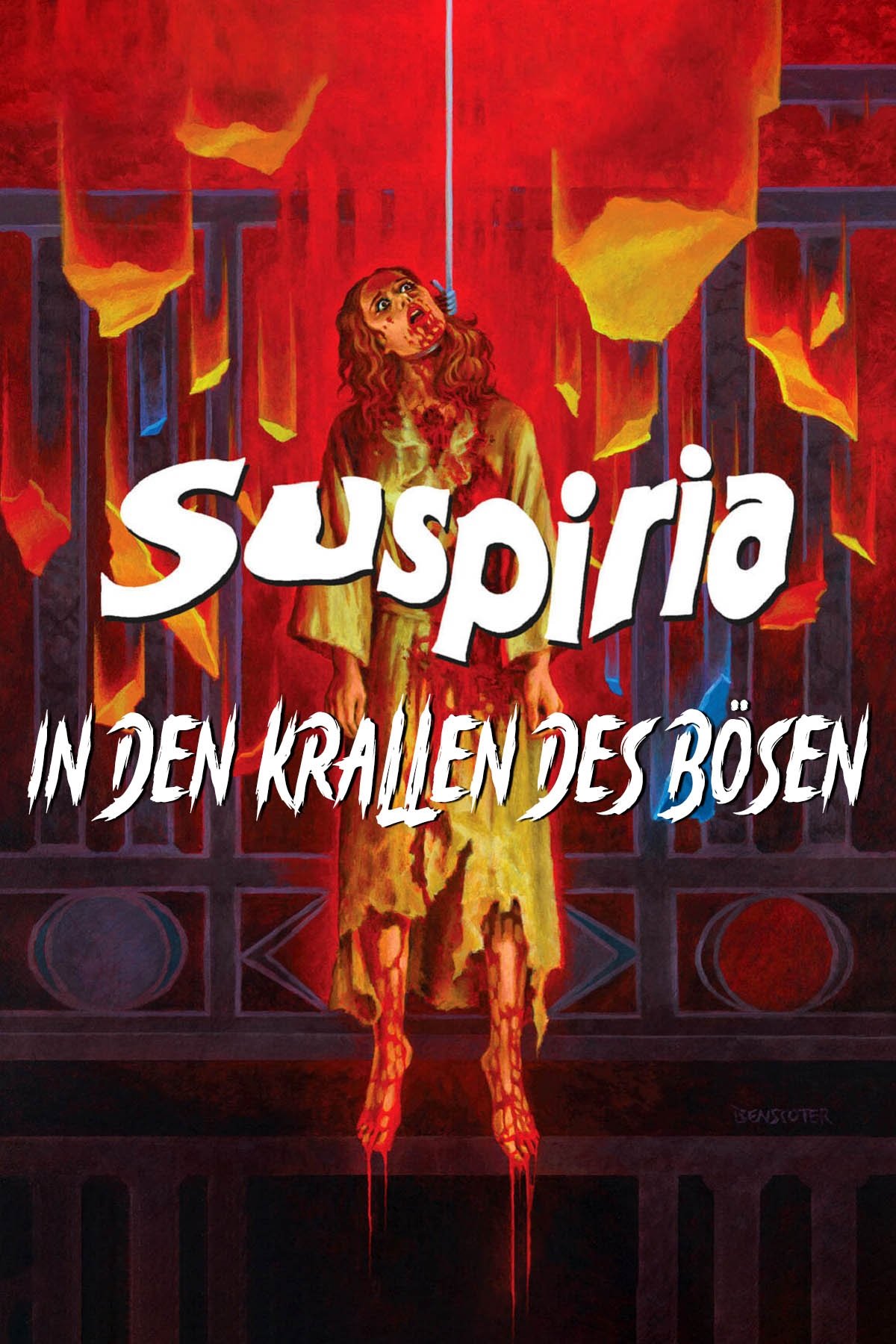
Суспирия (Bulgaria) 阴风阵阵 (China) — Chinese Suspiria - In den Krallen des Bösen (Germany) — German Suspiria: In den Krallen des Bösen (Germany) Chok House (Denmark) Suspiria - tappavat huokaukset (Finland) — Television Title Soupirs (France) — alternative title Σουσπίρια (Greece) — Greek
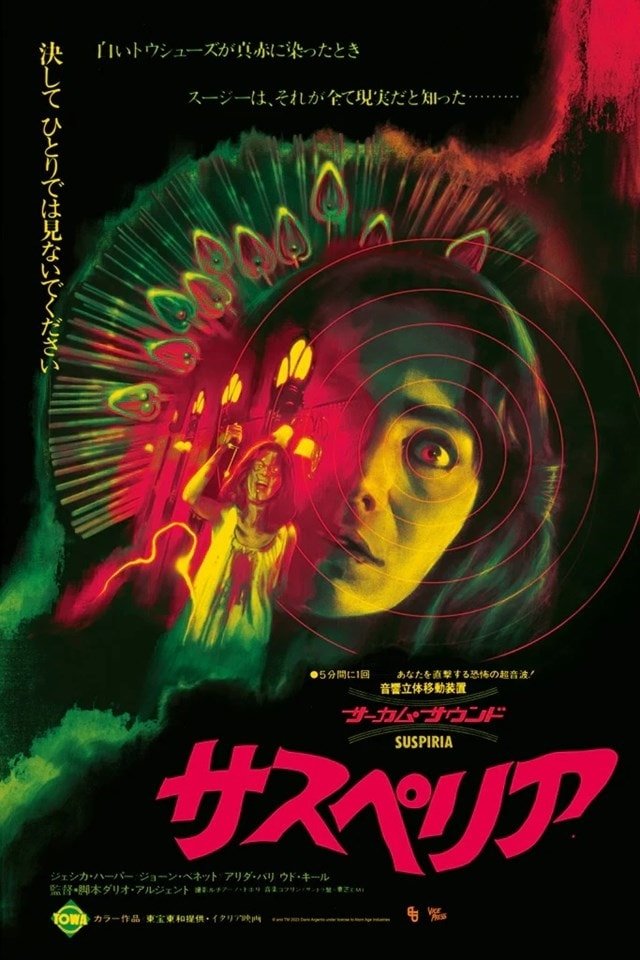
Show all 29 alternative titles 陰風陣陣 (Hong Kong SAR China) — Chinese Sóhajok (Hungary) סוספיריה (Israel) — Hebrew サスペリア (Japan) 서스페리아 (South Korea) — Korean 서스페리아 1977 (South Korea) Suspirija (Lithuania) — Lithuanian Nopūtas (Latvia) — Latvian Alarido (Mexico) Suspiria: Alarido (Mexico) — Spanish Odgłosy (Poland) Suspirija (Serbia) Суспирија (Serbia) — Serbian Суспирия (Russia) — Russian Flykten från helvetet (Sweden) Суспирия (Russia) ดวงอาถรรพณ์ (Thailand) — Thai 坐立不安 (Taiwan) — Chinese Суспірія (Ukraine) Dario Argento's Suspiria (United States) — home video title Vũ Điệu Tử Thần (Vietnam) — Vietnamese

Trailers & Videos

10 videos

Film Guide & Analysis

An in-depth look at the occult origins, fairy-tale design, Technicolor colour, Goblin score, operatic violence, censorship, restoration and legacy of Suspiria (1977).

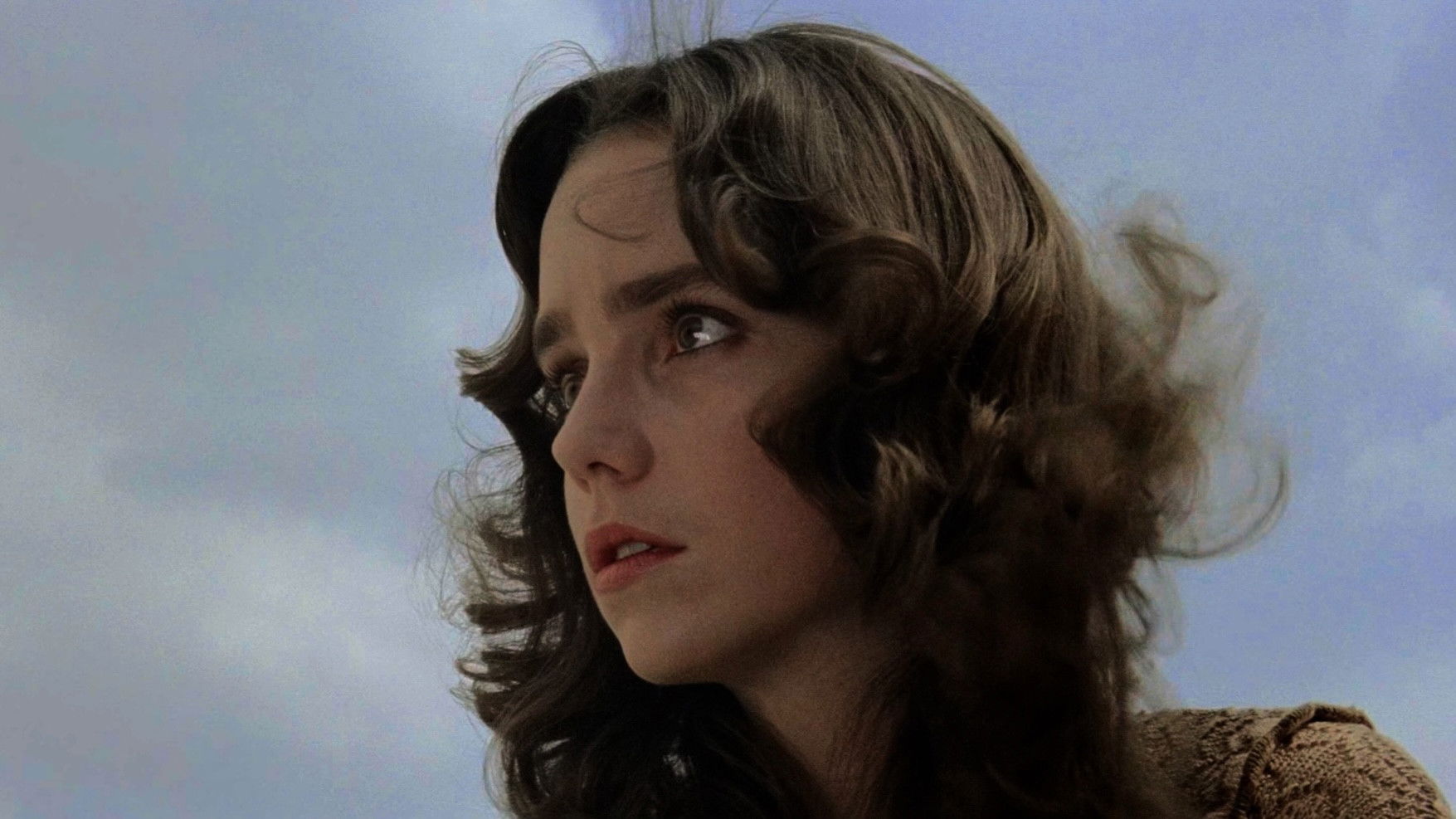
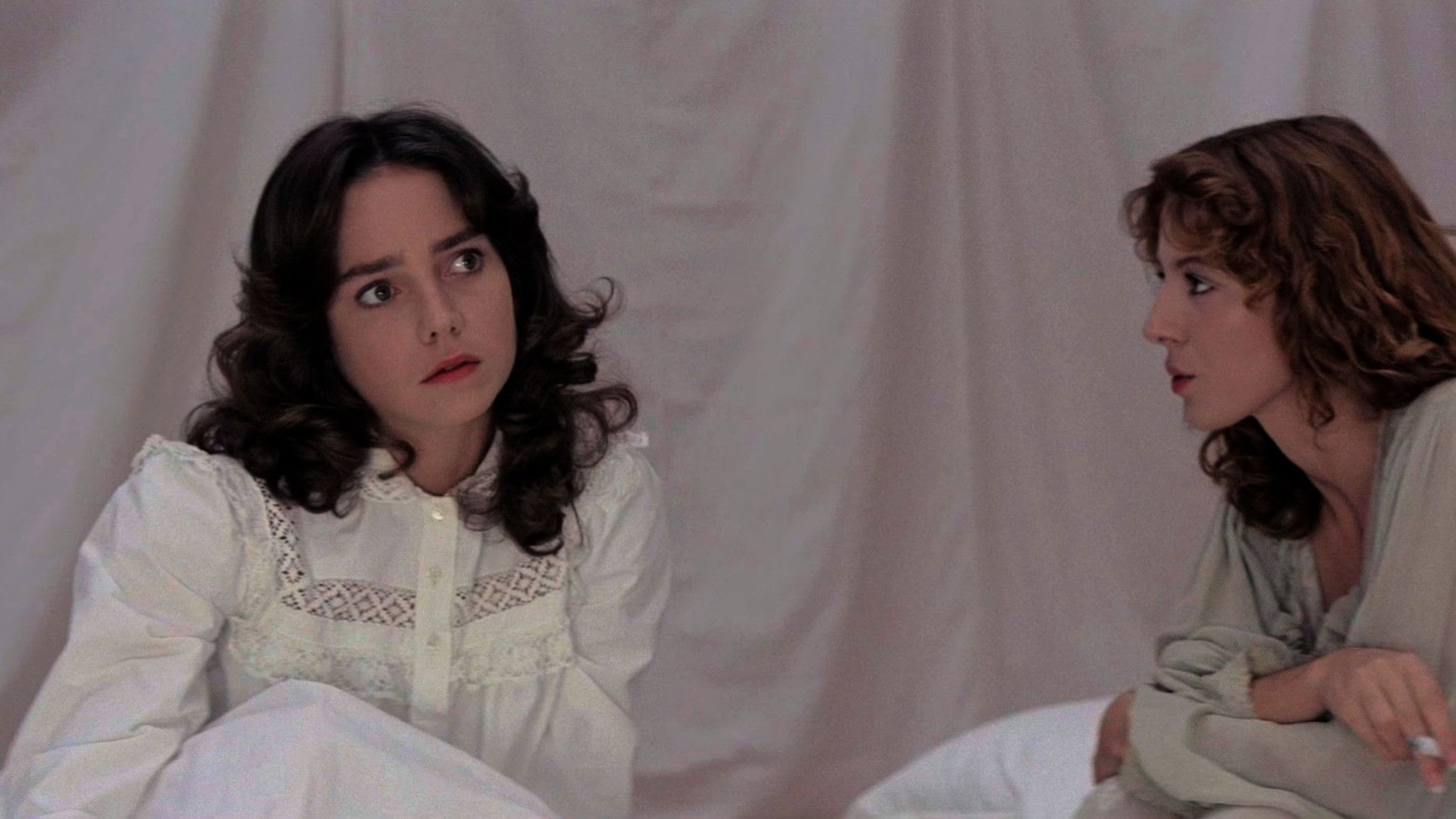
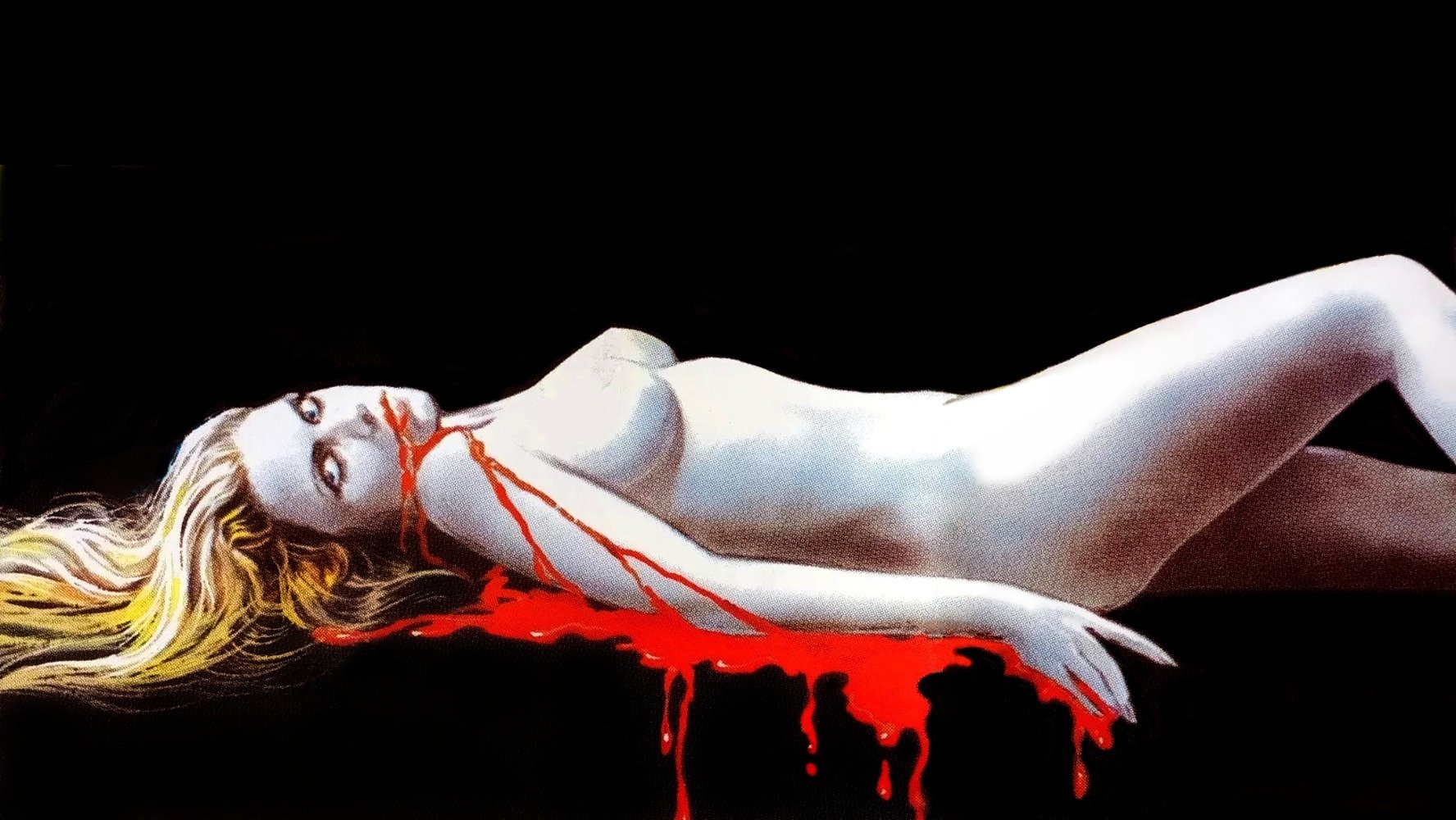
Suspiria is a 1977 supernatural horror film directed by Dario Argento and written by Argento with Daria Nicolodi. Jessica Harper plays Suzy Bannion, a young American who travels to Freiburg, Germany, to study at the prestigious Tanz Akademie. Her arrival coincides with the flight and subsequent murder of another student, and the academy soon reveals itself as a space governed by unexplained illnesses, disappearances, secret nocturnal movements and a history connected to witchcraft. Instead of approaching those mysteries through the investigative mechanisms of Argento's earlier gialli, Suspiria progressively abandons ordinary reality and constructs its own world through colour, architecture, music and violent spectacle.

The film marked a decisive change in Argento's cinema. Murder and investigation remain present, but the human killer of the giallo gives way to supernatural power, while conventional realism becomes increasingly irrelevant. Working with cinematographer Luciano Tovoli, production designer Giuseppe Bassan and Goblin, Argento built a horror film in which virtually every formal element participates in the nightmare. Rooms appear too large, primary colours become physically oppressive, music seems to announce danger before it appears and the academy operates according to the spatial logic of a fairy tale rather than an ordinary institution. The result became one of the defining works of Italian horror and later the first chapter in Argento's Three Mothers cycle.

Development, Daria Nicolodi & the Origins of the Three Mothers

Argento developed Suspiria after the international success of Deep Red, moving deliberately away from the murder mysteries that had established his reputation. He wrote the screenplay with Daria Nicolodi, whose contribution to the film's conception was substantial. Accounts given by the two collaborators differ in emphasis, however, and those differences are important. Nicolodi repeatedly said that a central inspiration came from a story told by her grandmother, pianist Yvonne Loeb, concerning an arts academy where she believed black magic was being practised. Argento later placed greater emphasis on his own interest in occult traditions, European locations and literary sources.

Among the clearest literary influences was Thomas De Quincey's Suspiria de Profundis, particularly the section commonly known as “Levana and Our Ladies of Sorrow.” De Quincey imagines three figures associated with suffering: Mater Lachrymarum, the Mother of Tears; Mater Suspiriorum, the Mother of Sighs; and Mater Tenebrarum, the Mother of Darkness. The name Mater Suspiriorum became central to Argento's film.

The complete Three Mothers mythology was not, however, fully mapped out before Suspiria. Argento later explained that after completing the film he decided to expand the idea into further stories. Inferno in 1980 developed the mythology around the three witches much more explicitly, while The Mother of Tears finally completed the cycle in 2007.

Fairy tales were another fundamental influence. Argento and Tovoli repeatedly identified Walt Disney's Snow White and the Seven Dwarfs as an important visual reference, particularly for the use of pure, heightened colour. The screenplay also adopts the logic of children's stories: Suzy arrives in an unfamiliar place, encounters adults whose rules conceal danger and must penetrate a forbidden interior space to destroy the source of evil.

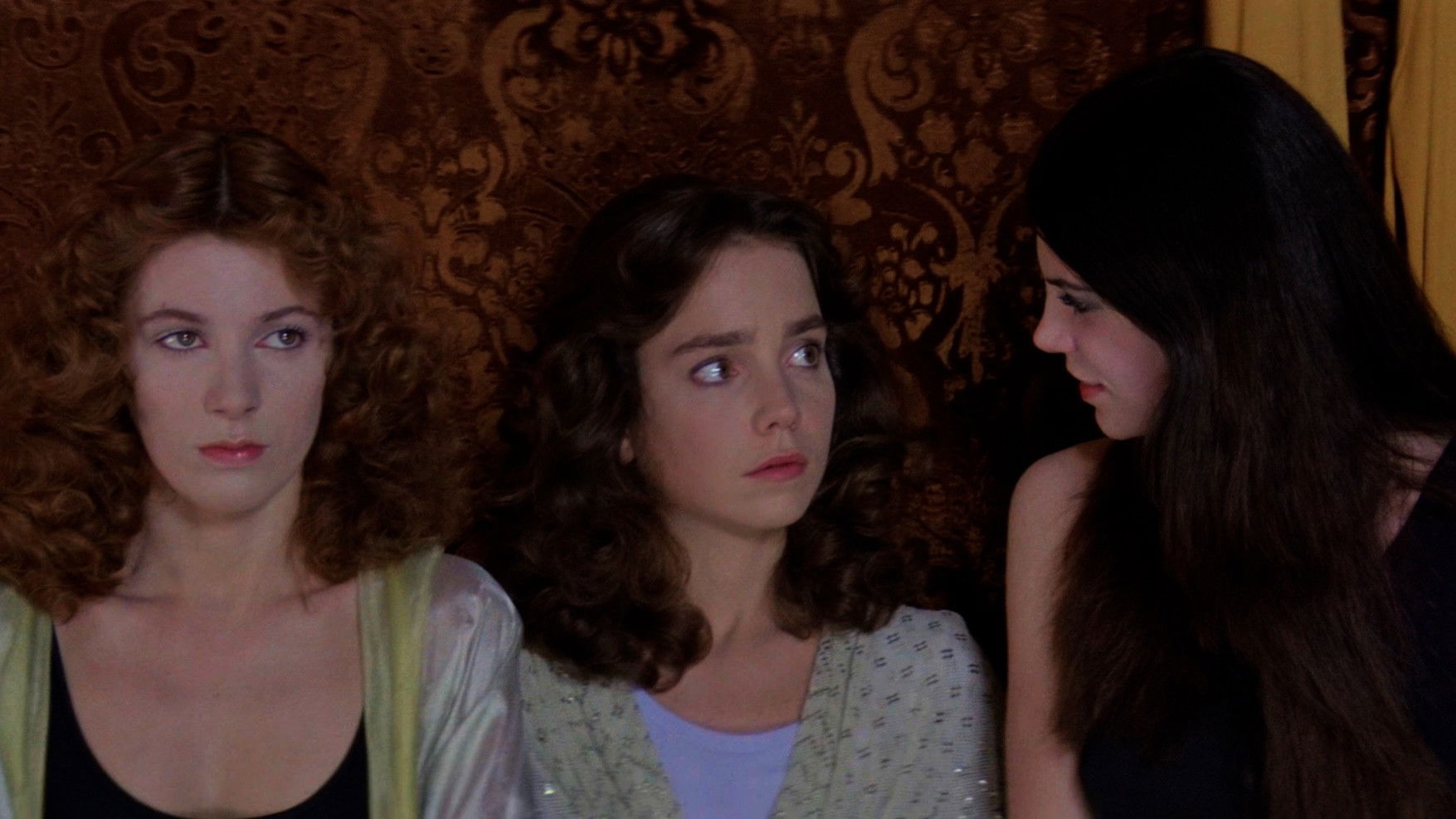
That relationship was strengthened by an early conception in which the academy's students were substantially younger. The characters were eventually rewritten as young adults, but elements of the childlike scale remained in the finished design. Doors, handles and architectural details could appear oversized, while the behaviour of the students sometimes preserves an atmosphere closer to boarding-school rivalry than adult independence.
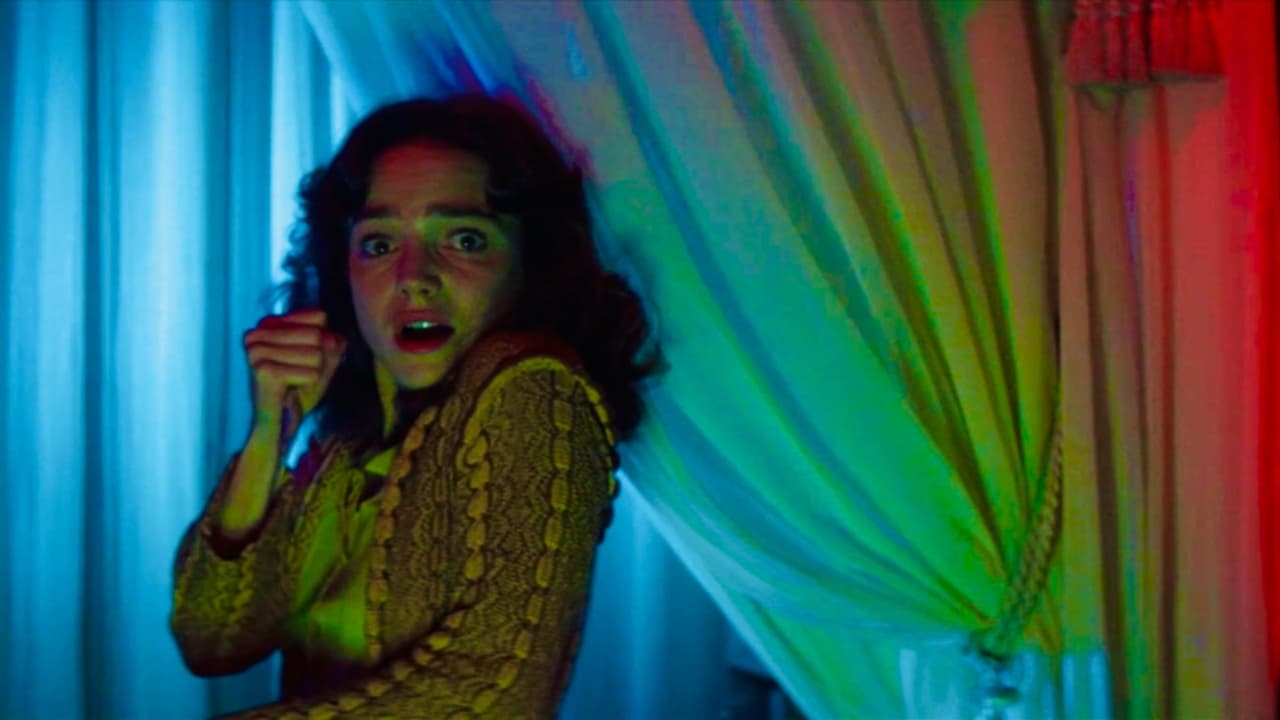
The Tanz Akademie, Germany & Giuseppe Bassan's Design

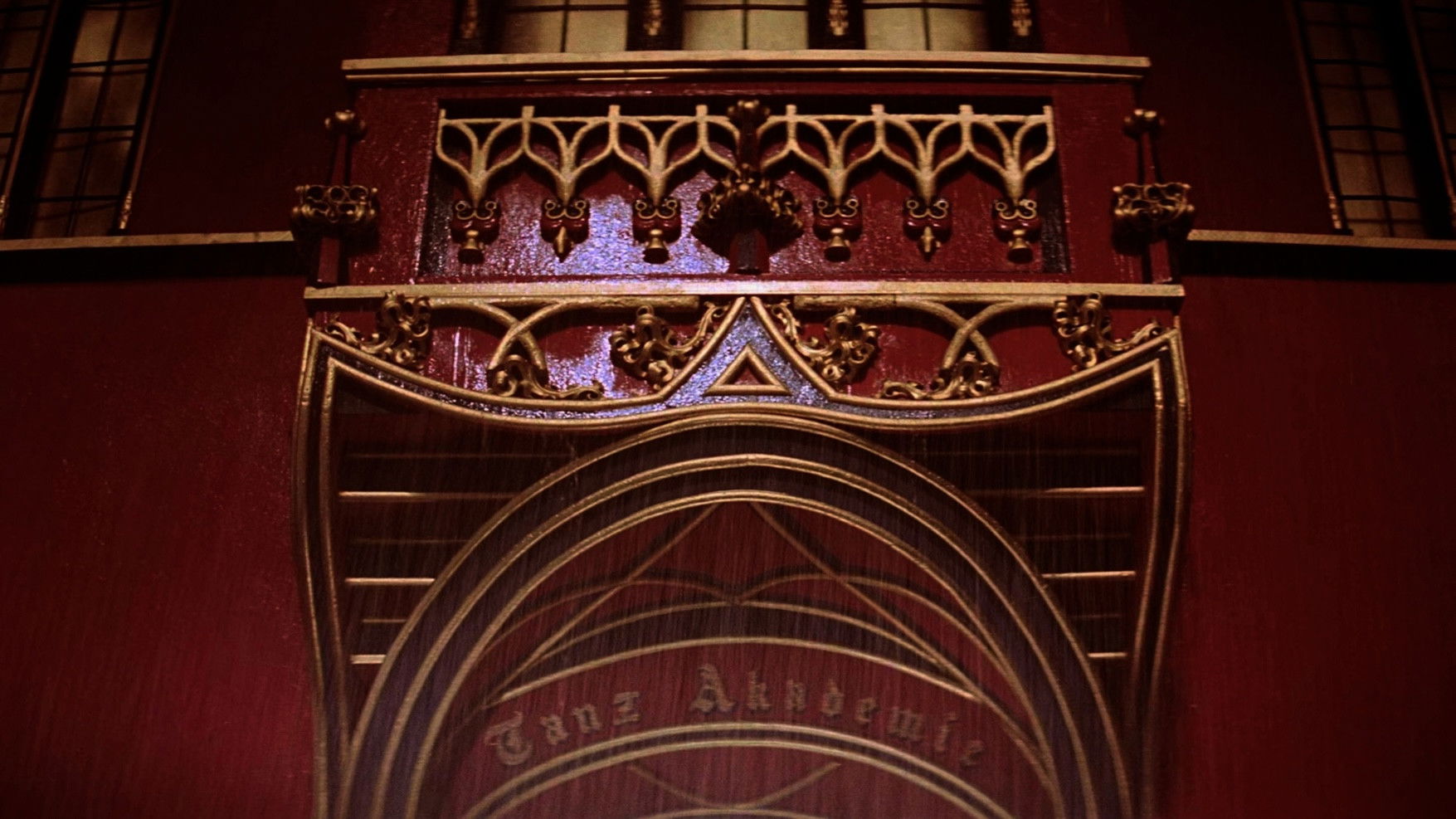
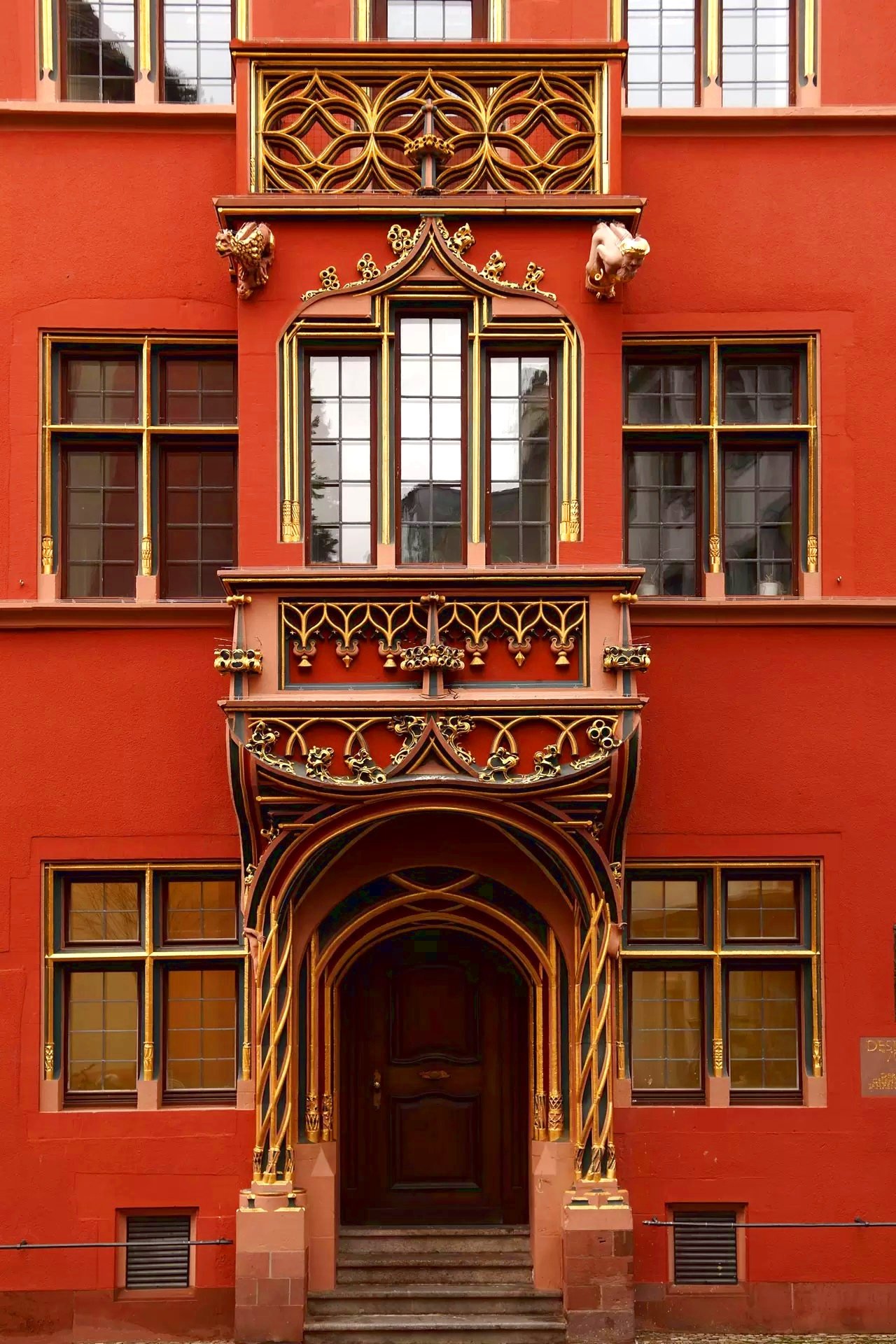
Although the story takes place in Freiburg, much of the academy was constructed in Rome. The real Haus zum Walfisch in Freiburg provided an architectural reference for the Tanz Akademie's distinctive exterior, but major portions of the building were recreated at the De Paolis studios. German locations were nevertheless essential to the film's geography, with additional shooting in Munich and other areas.

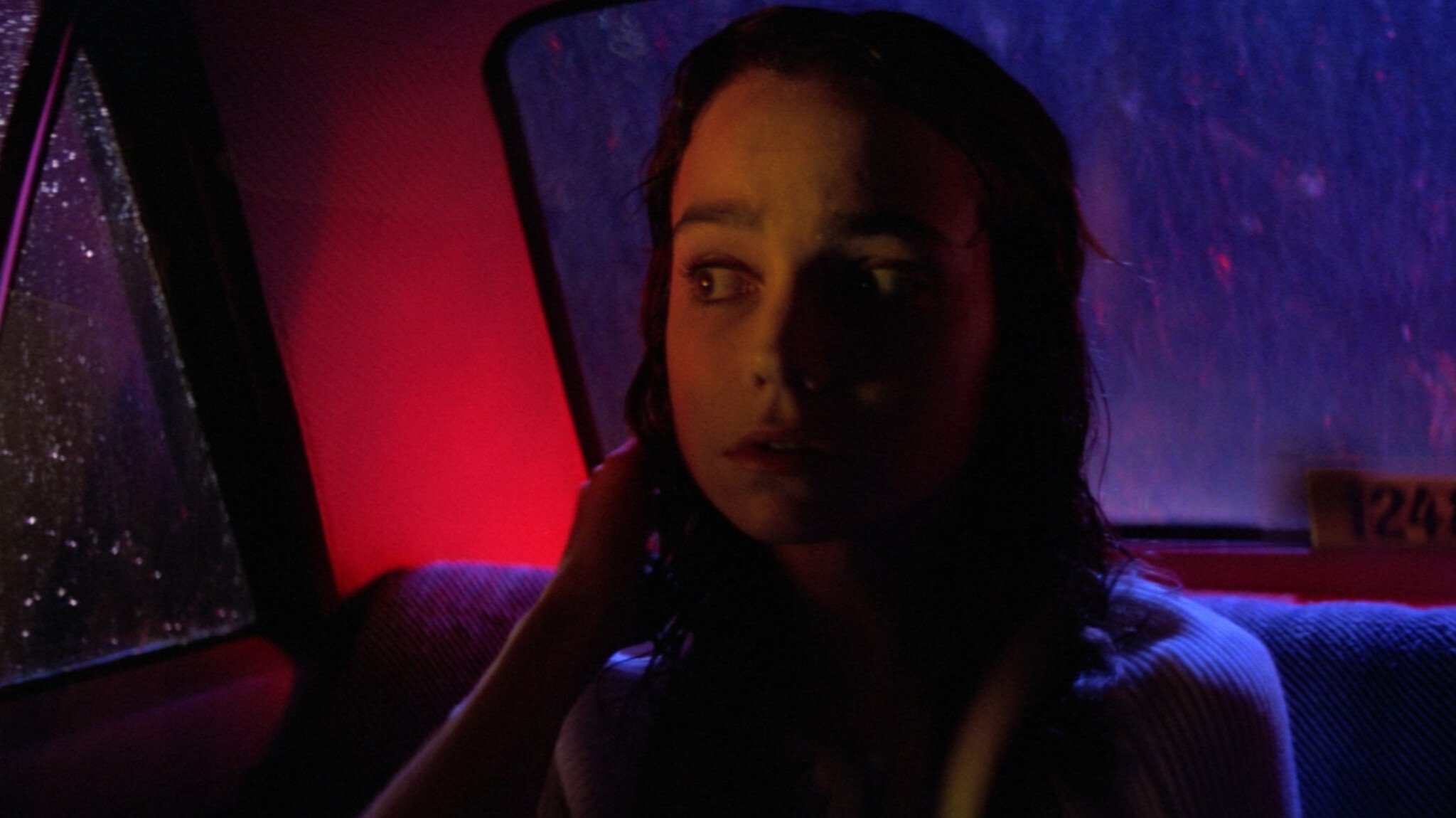
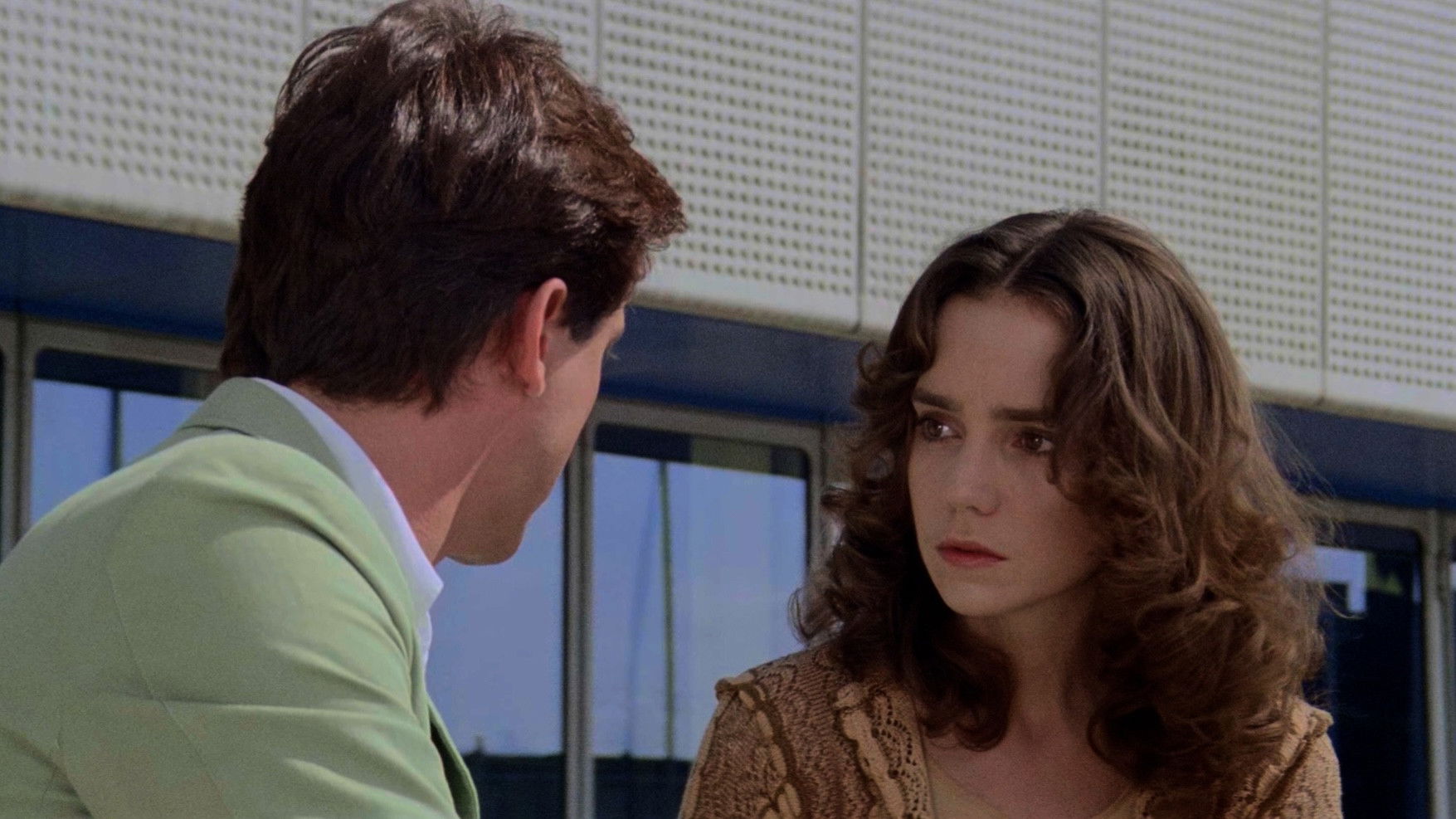
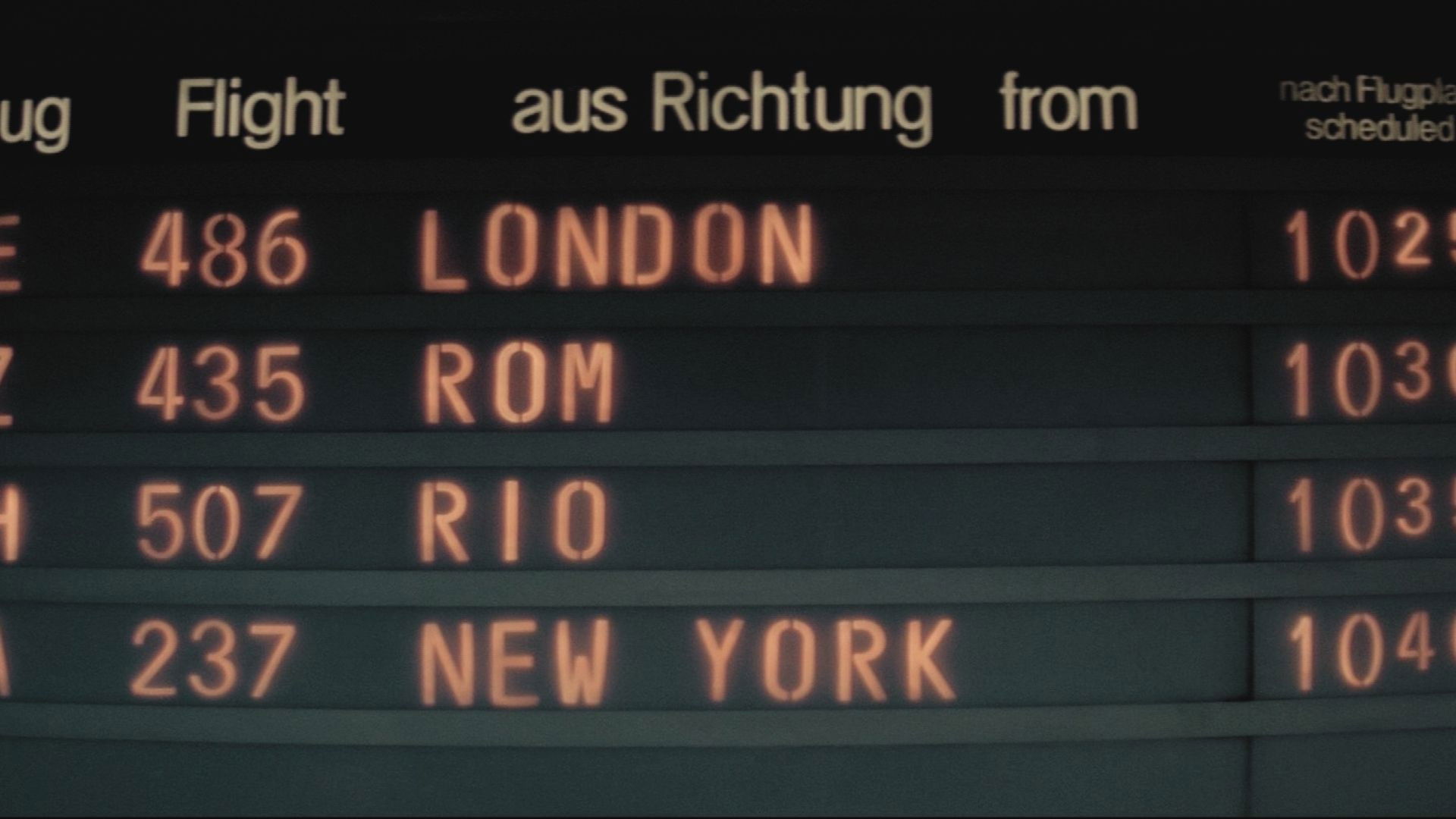
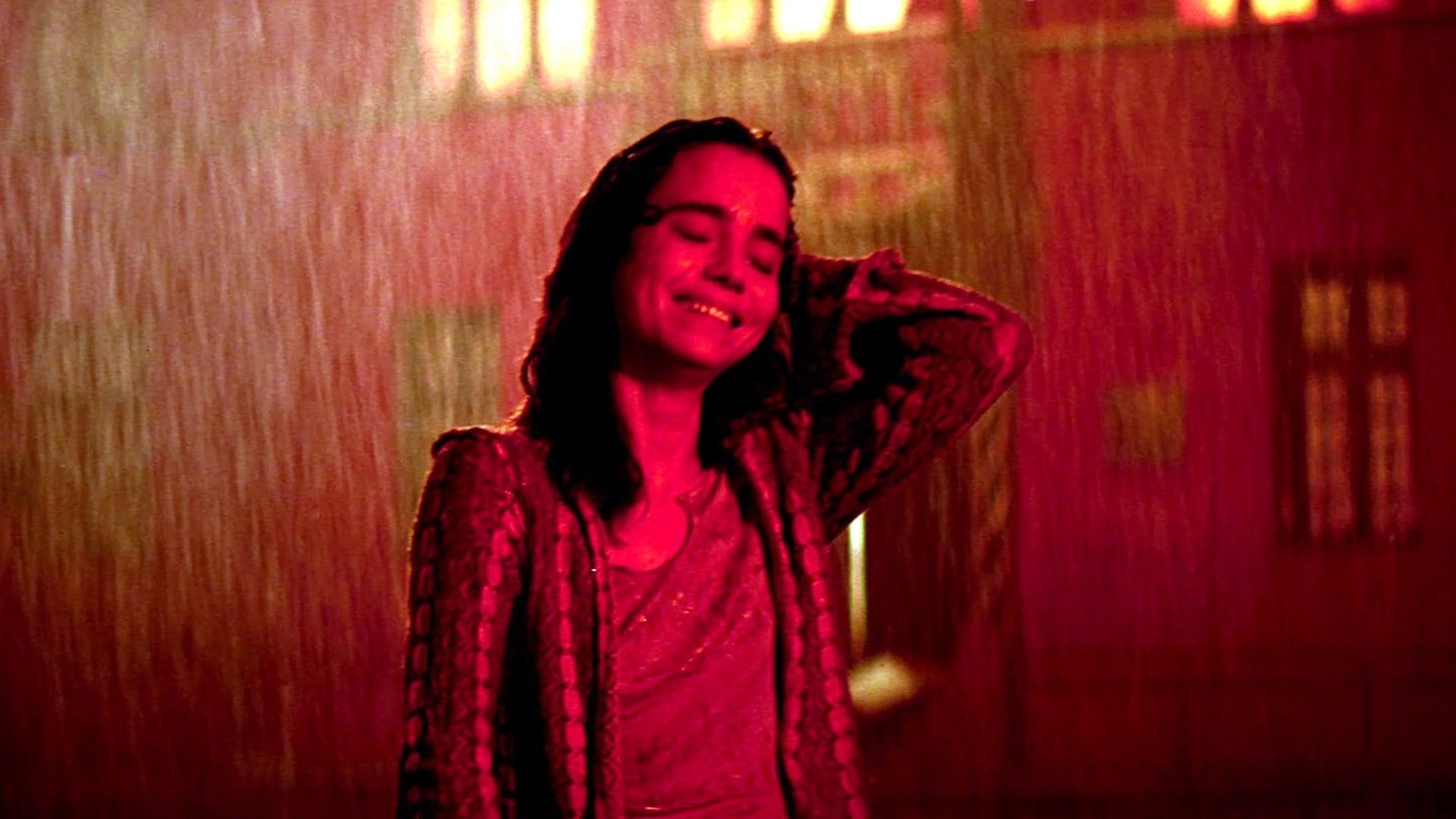
The opening at Munich-Riem Airport immediately establishes that geography as unstable. Suzy lands in a recognisable modern European airport, but the moment she leaves the terminal the film begins separating her from ordinary reality. Rain, darkness, coloured light and the taxi journey gradually transform the trip into a passage toward the academy rather than a simple journey across a city.

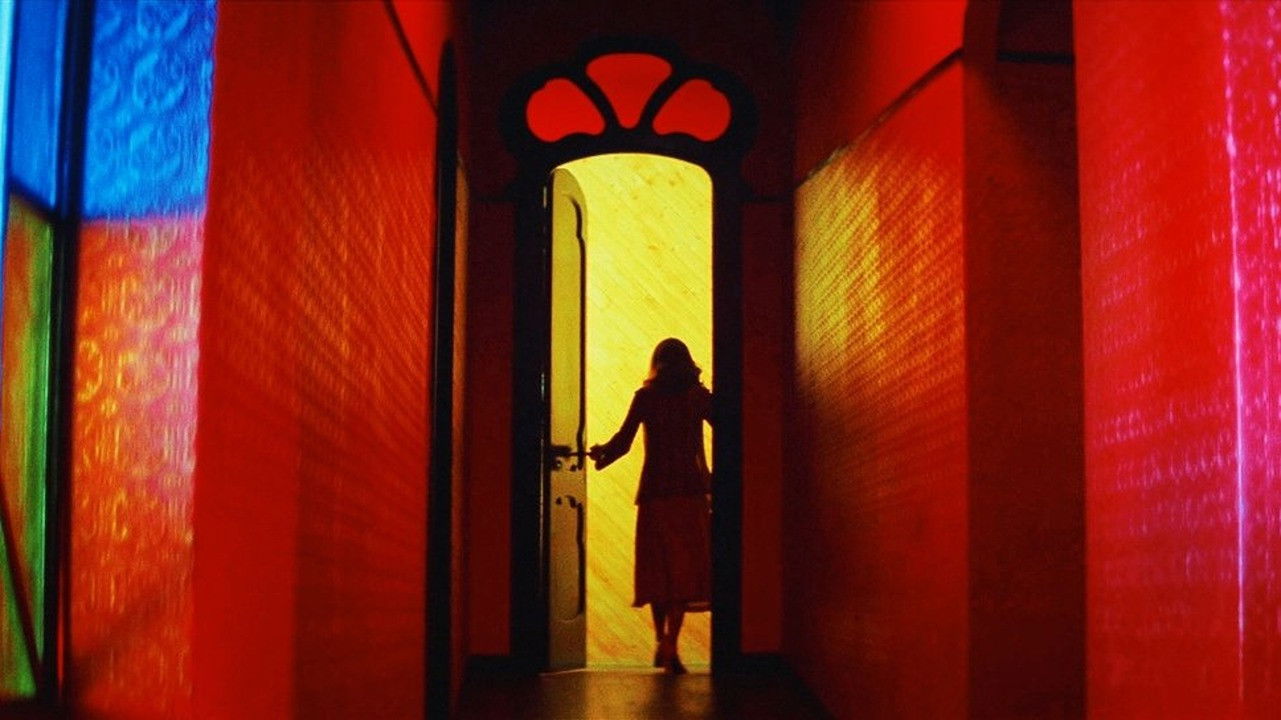
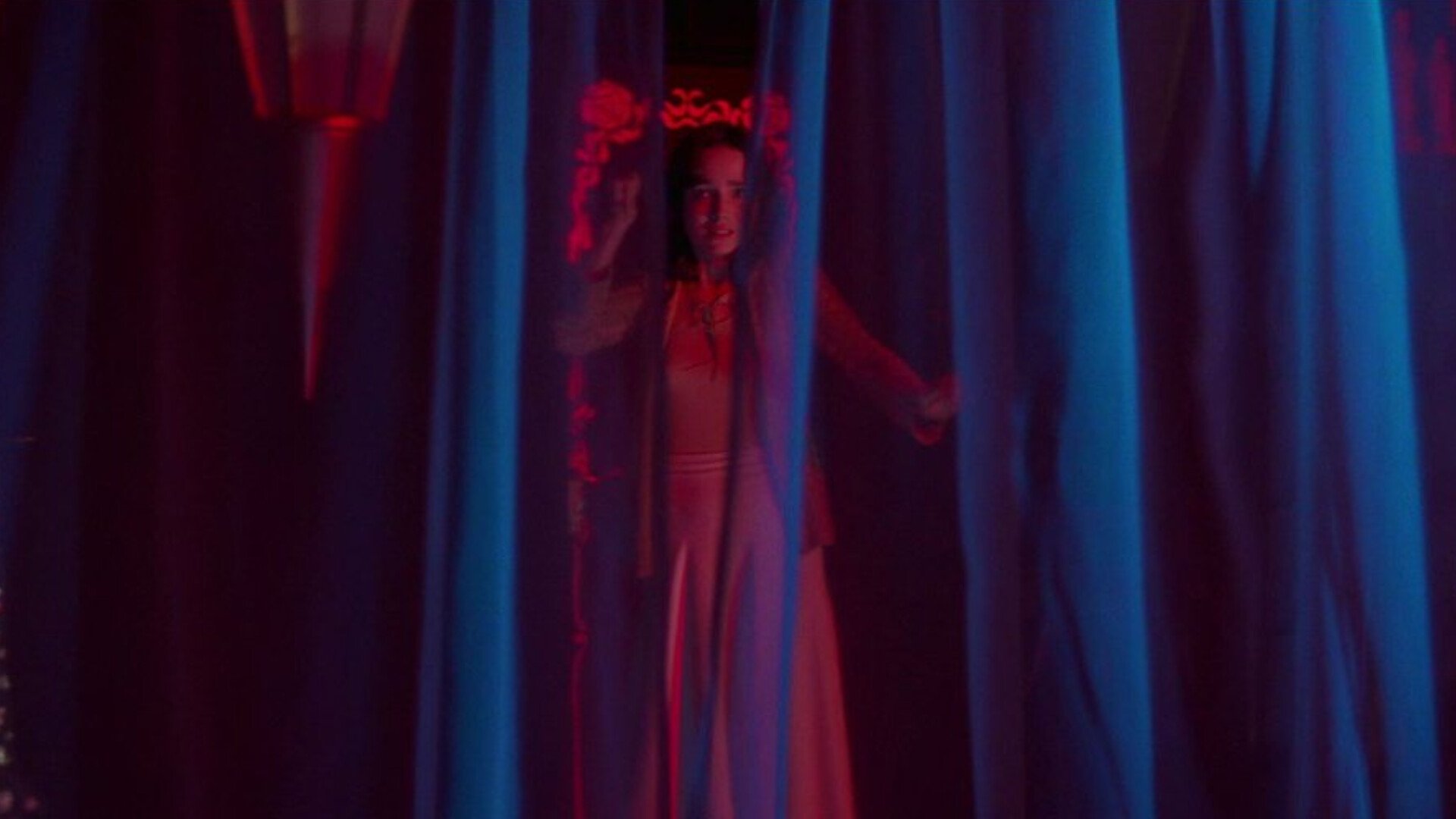
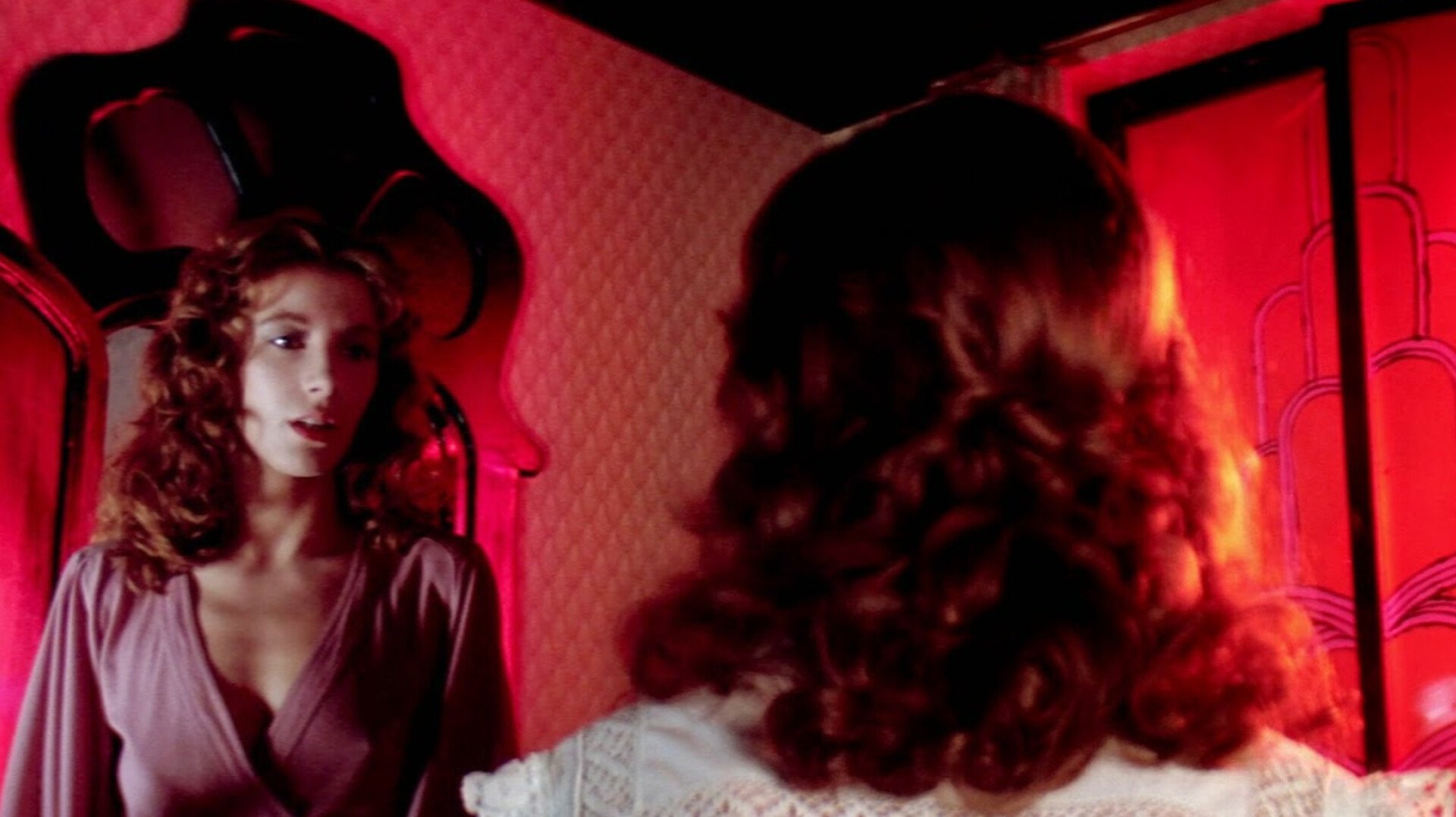
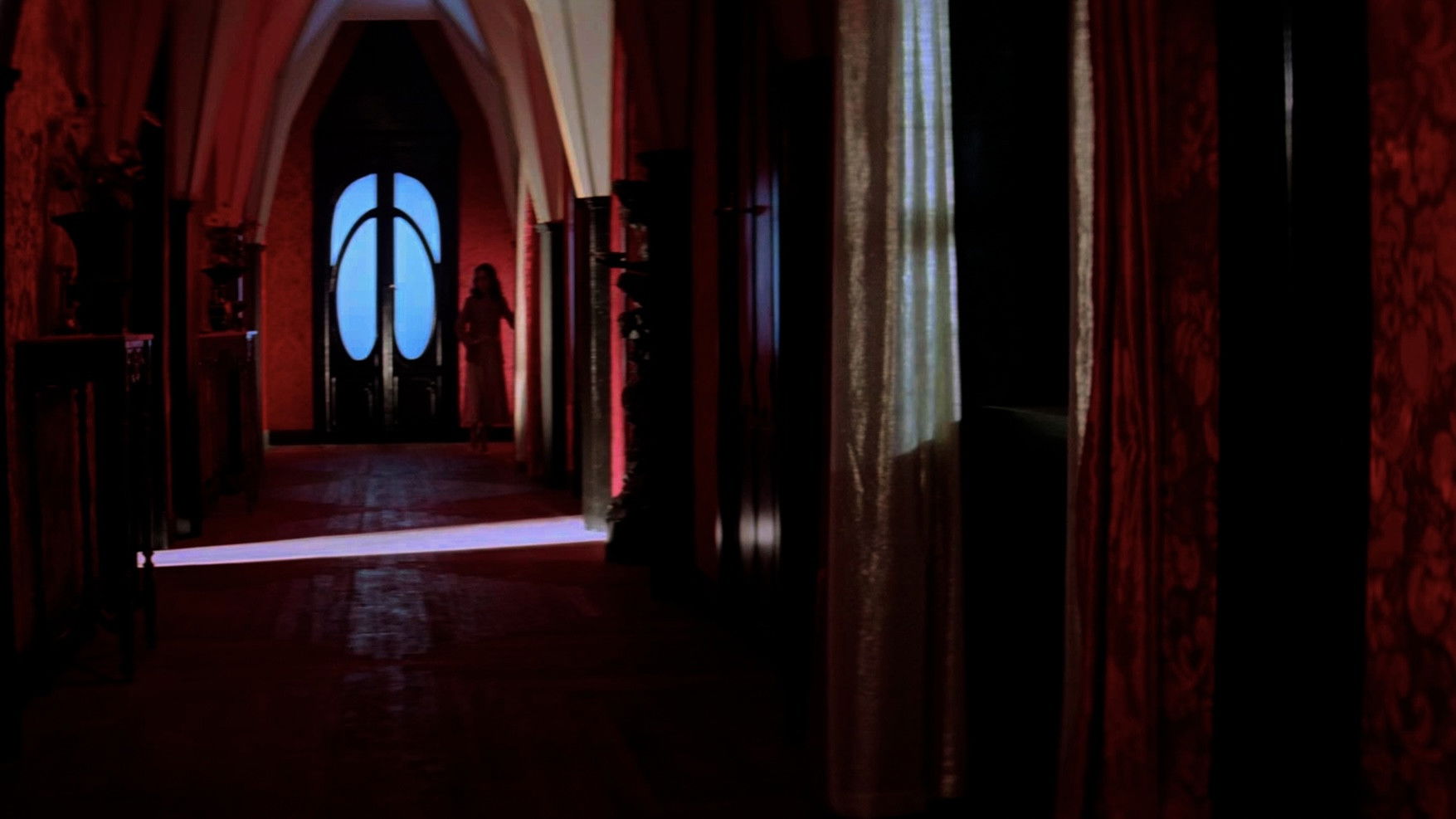
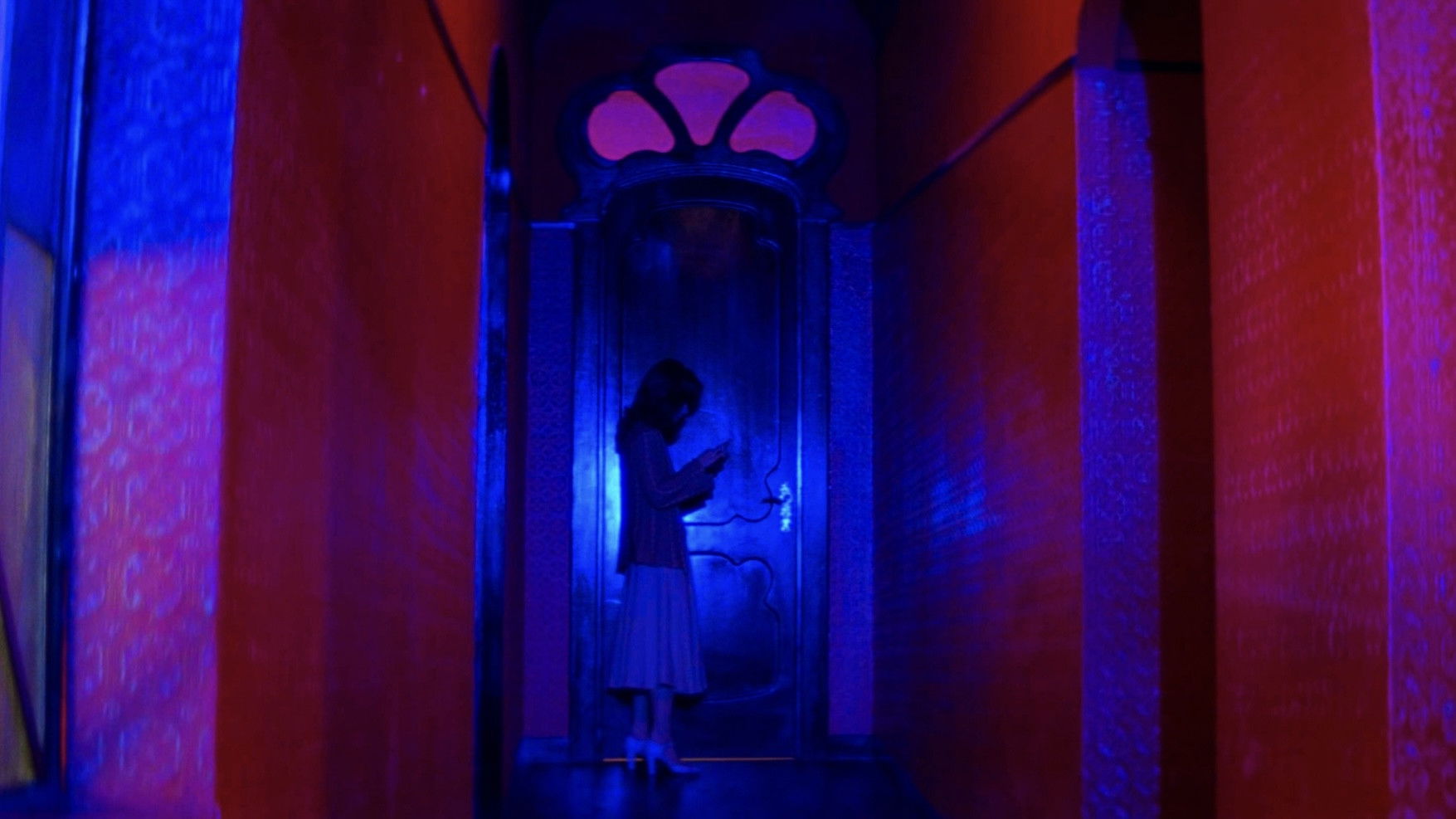
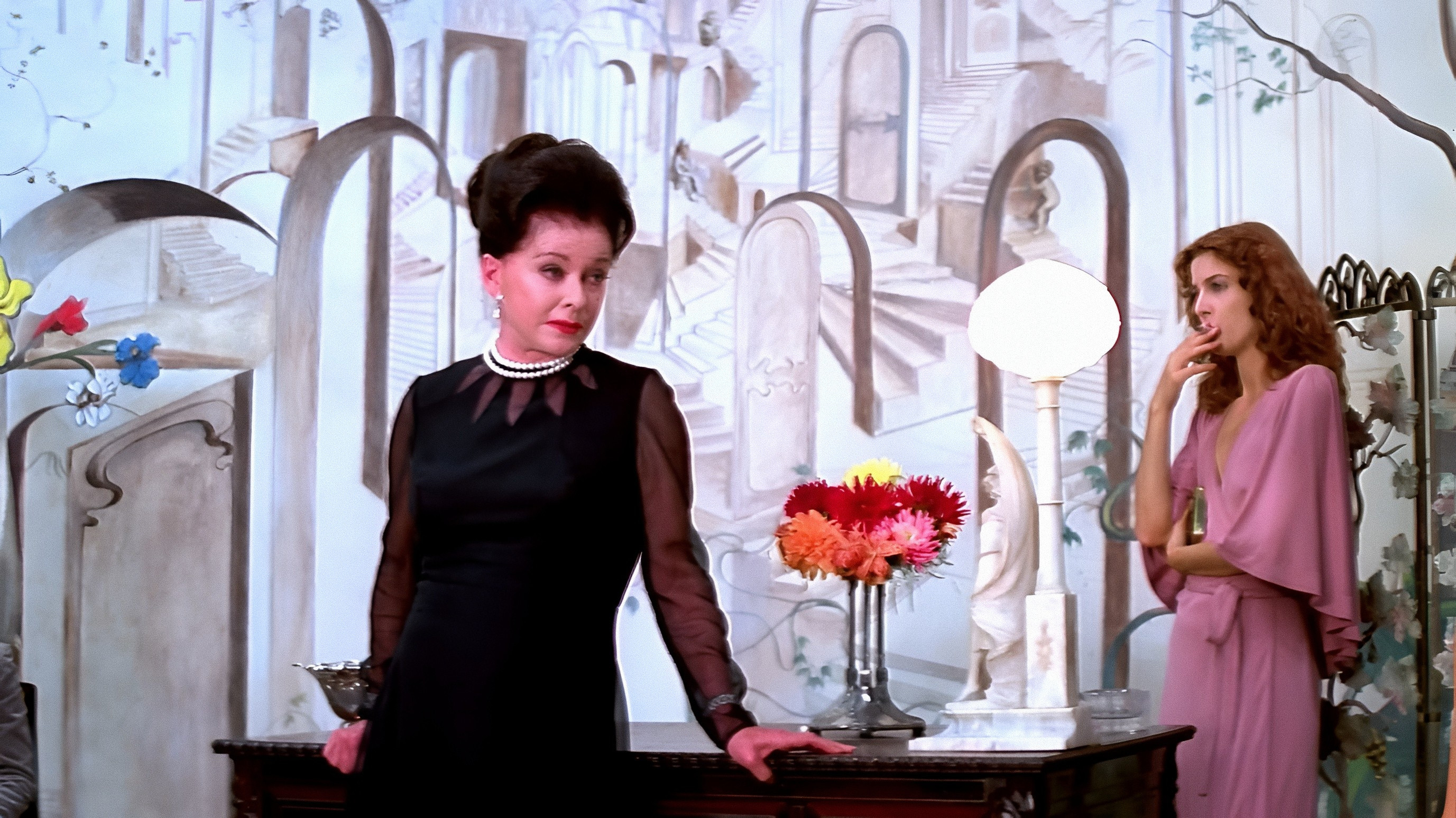
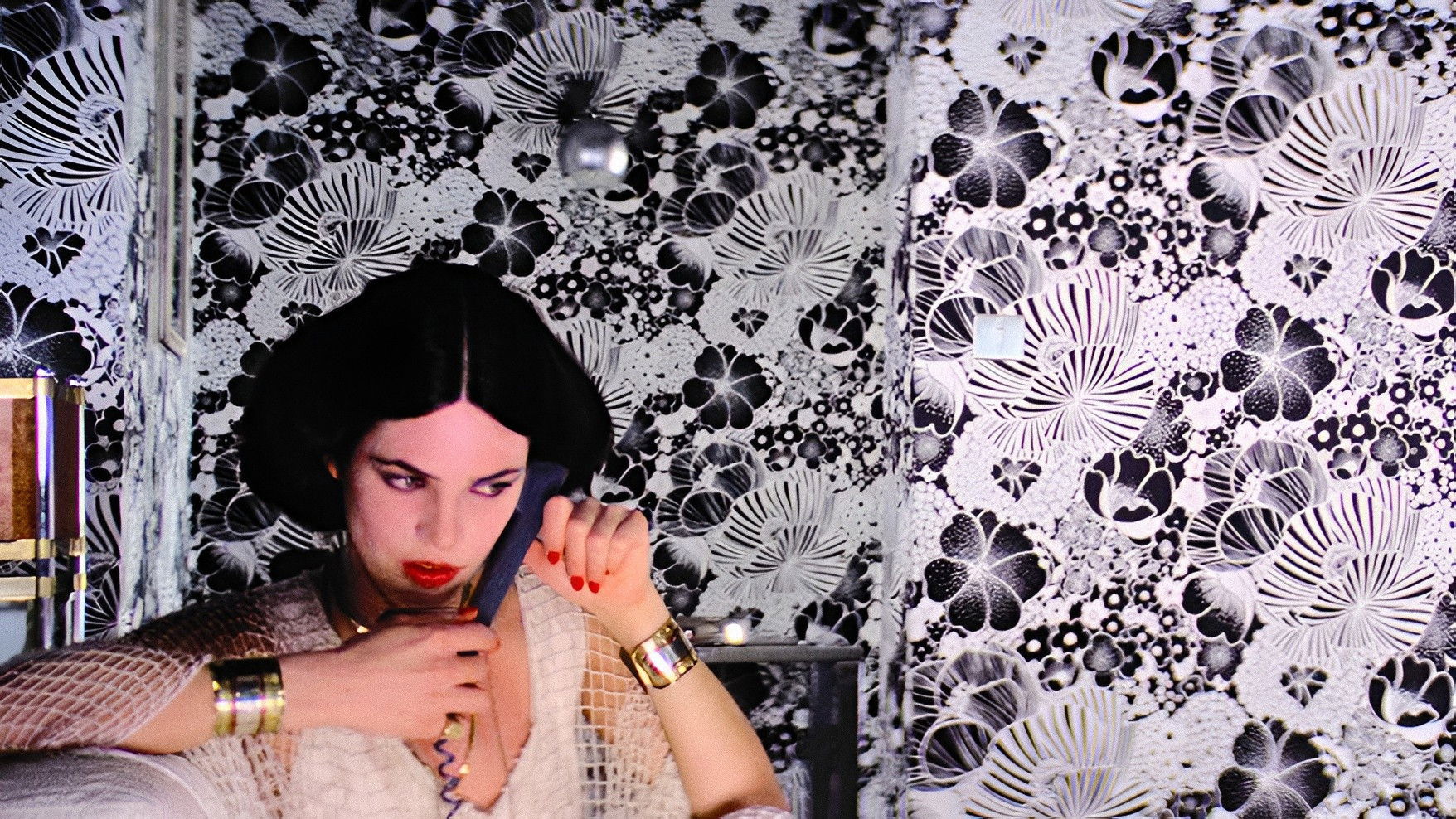
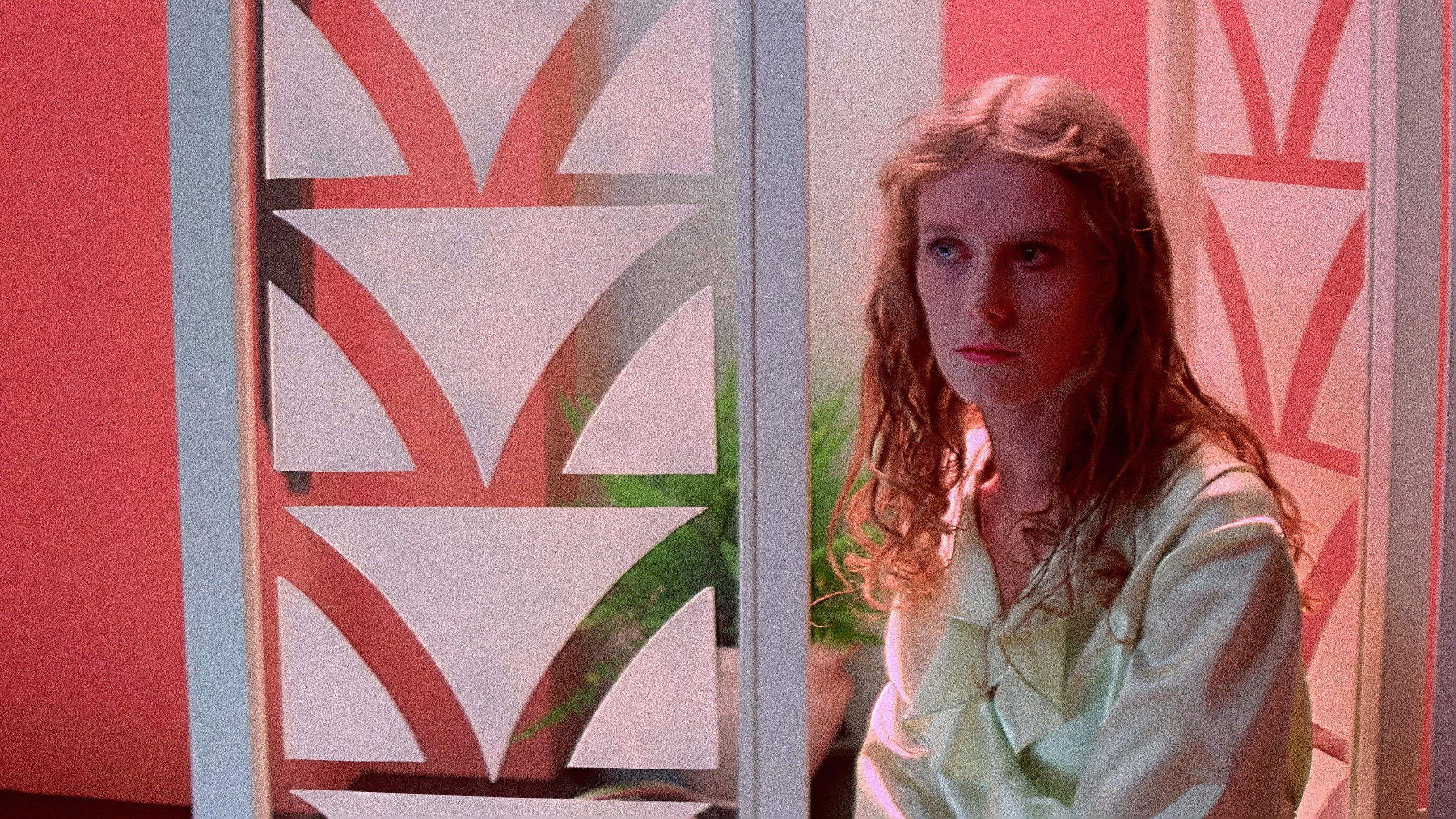
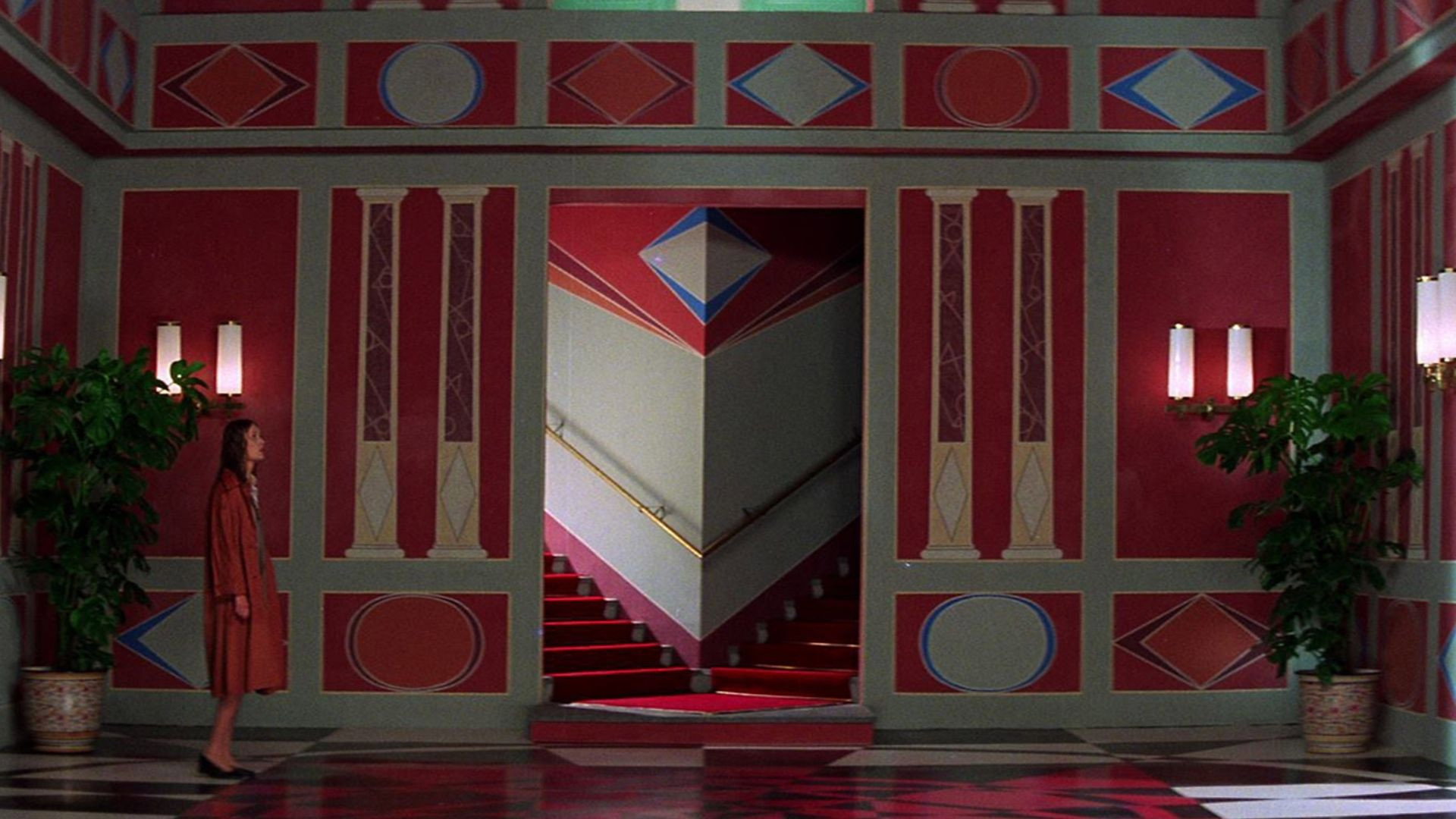
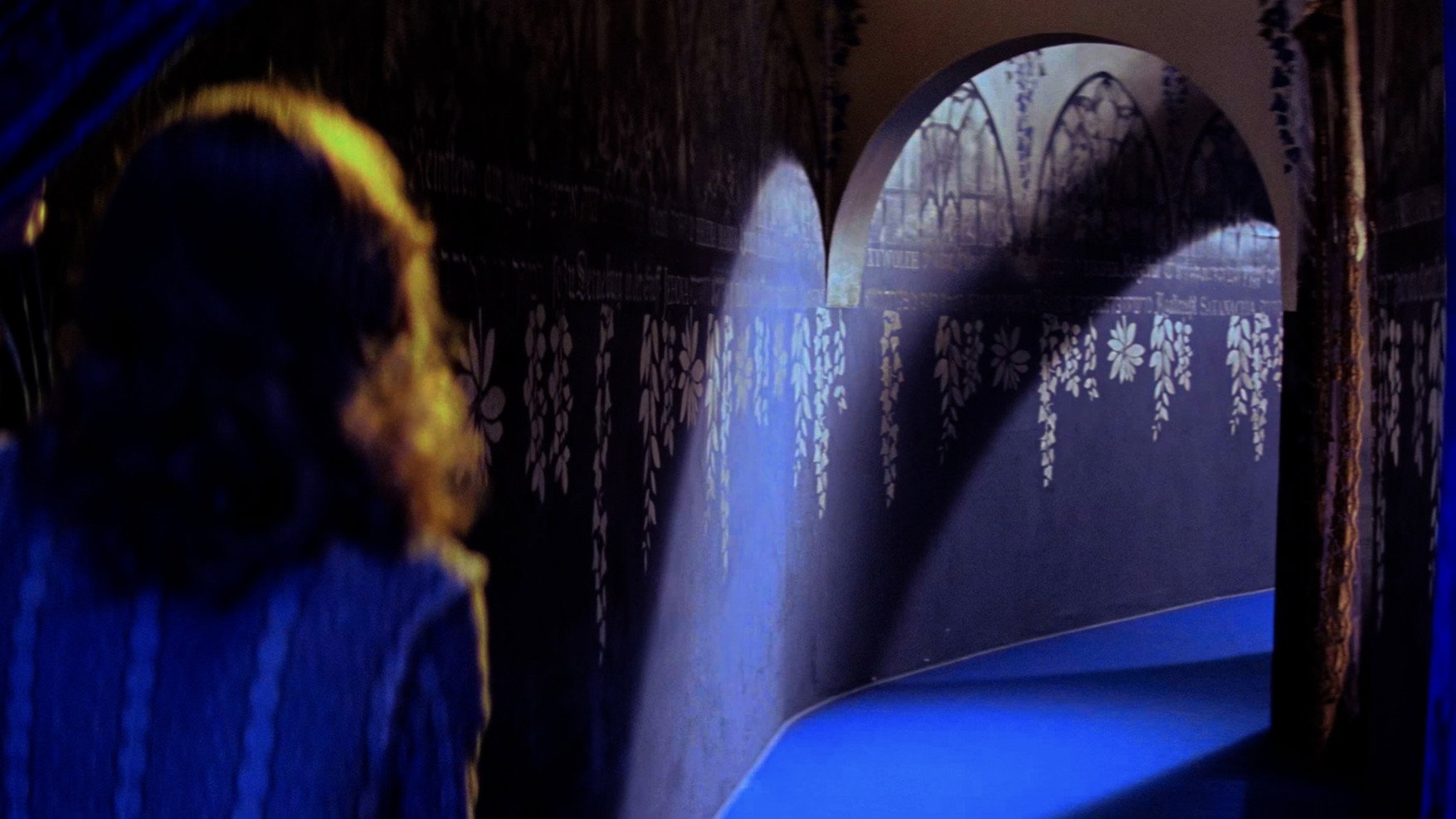
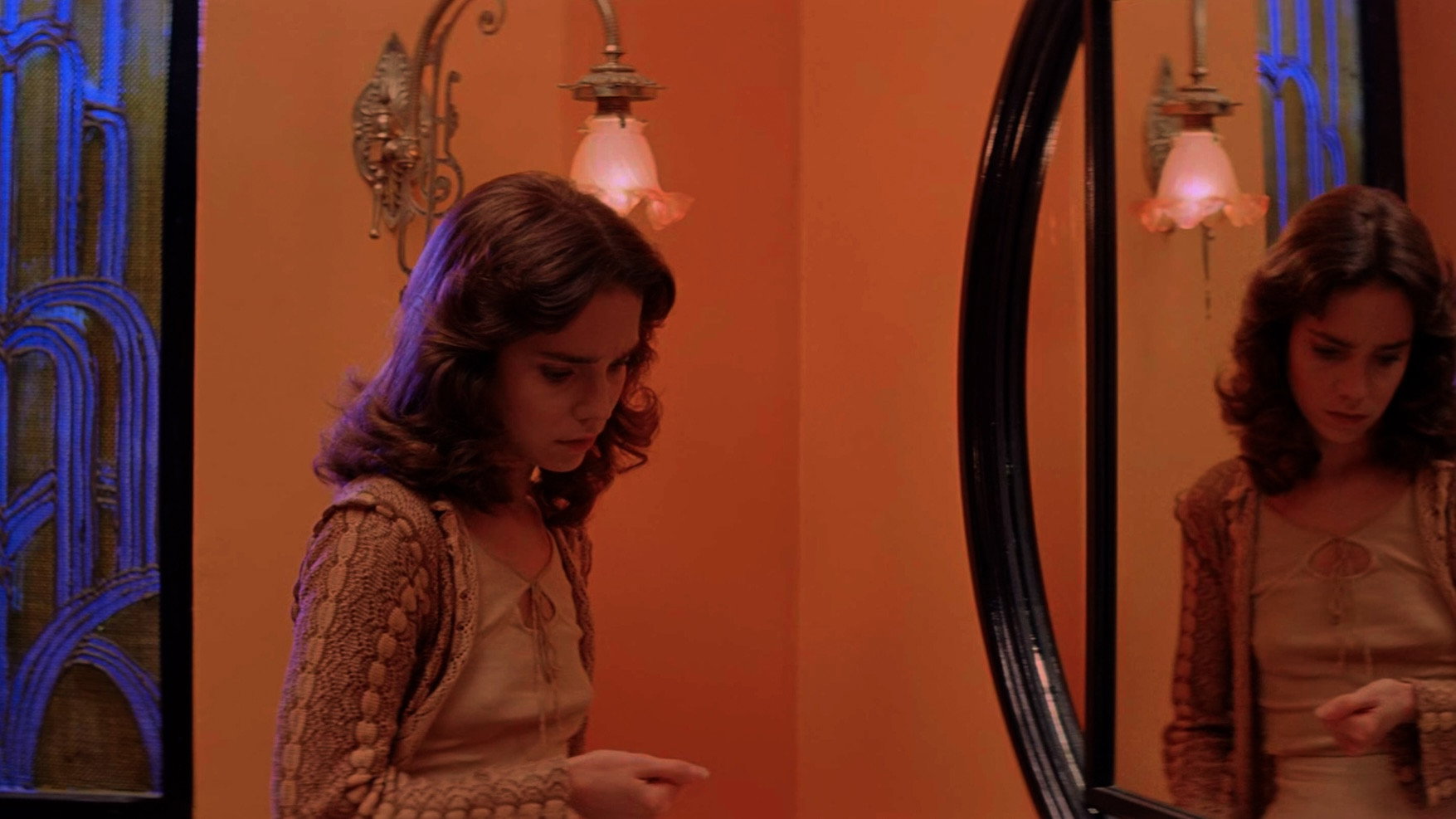
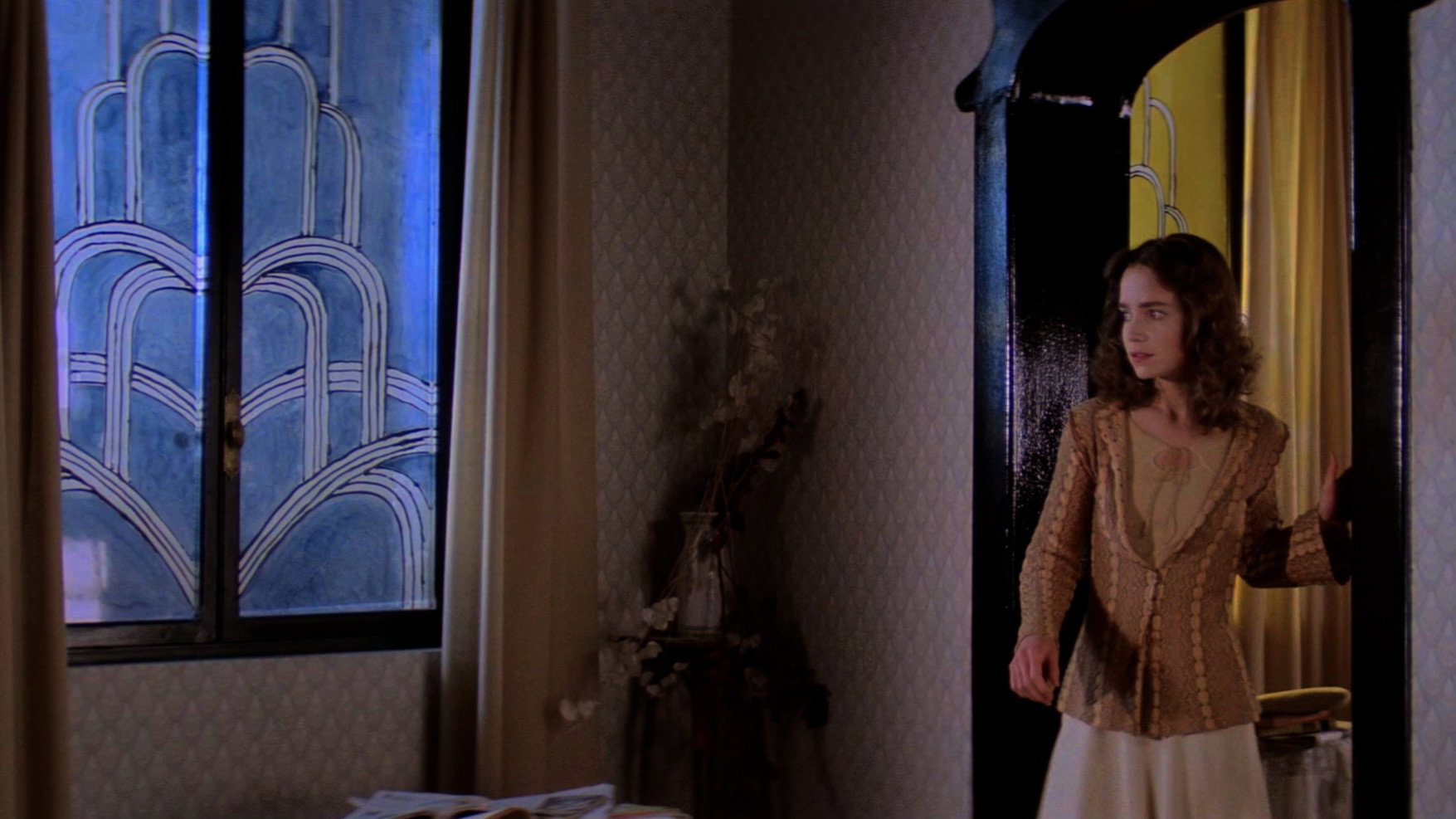
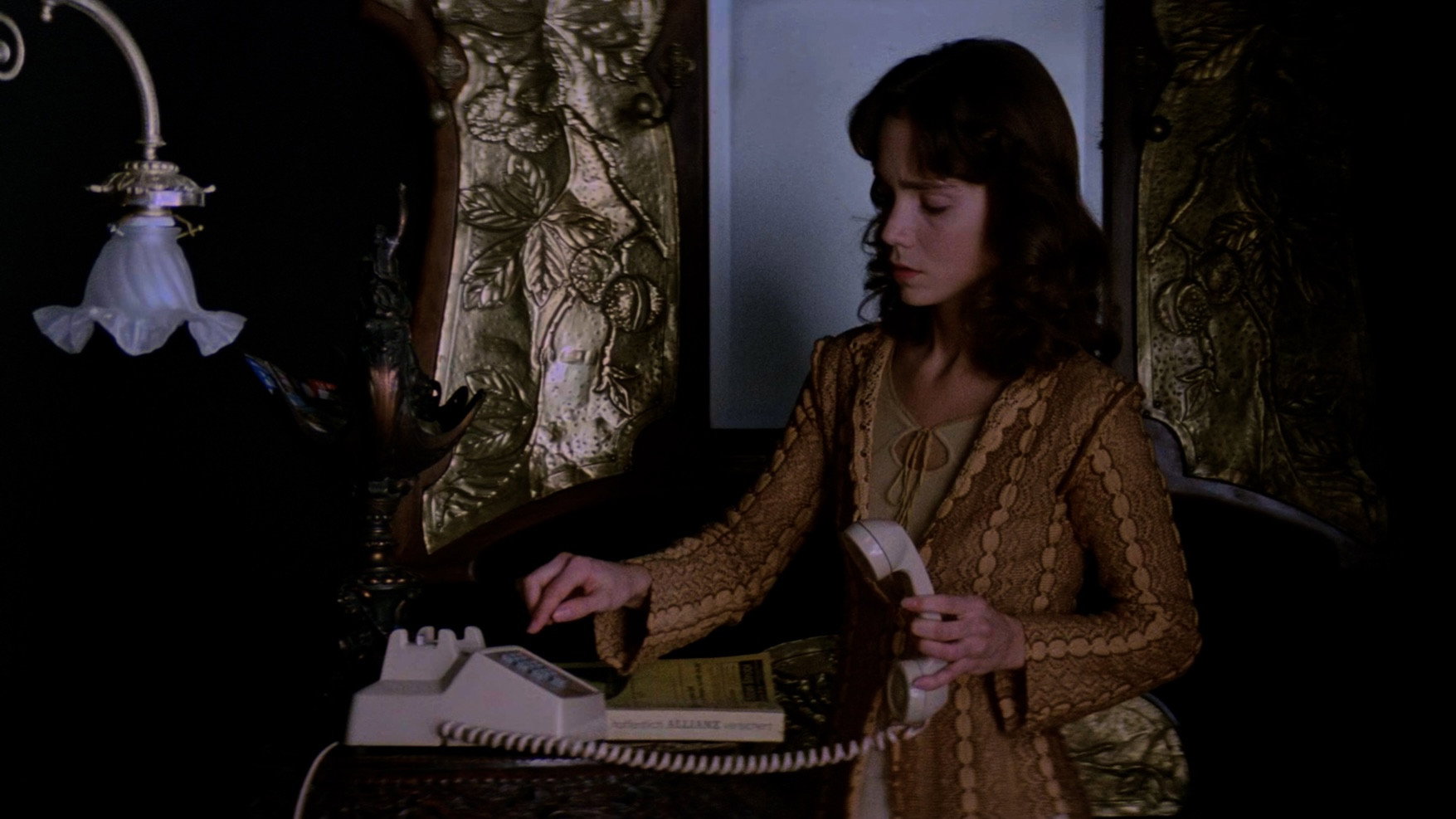
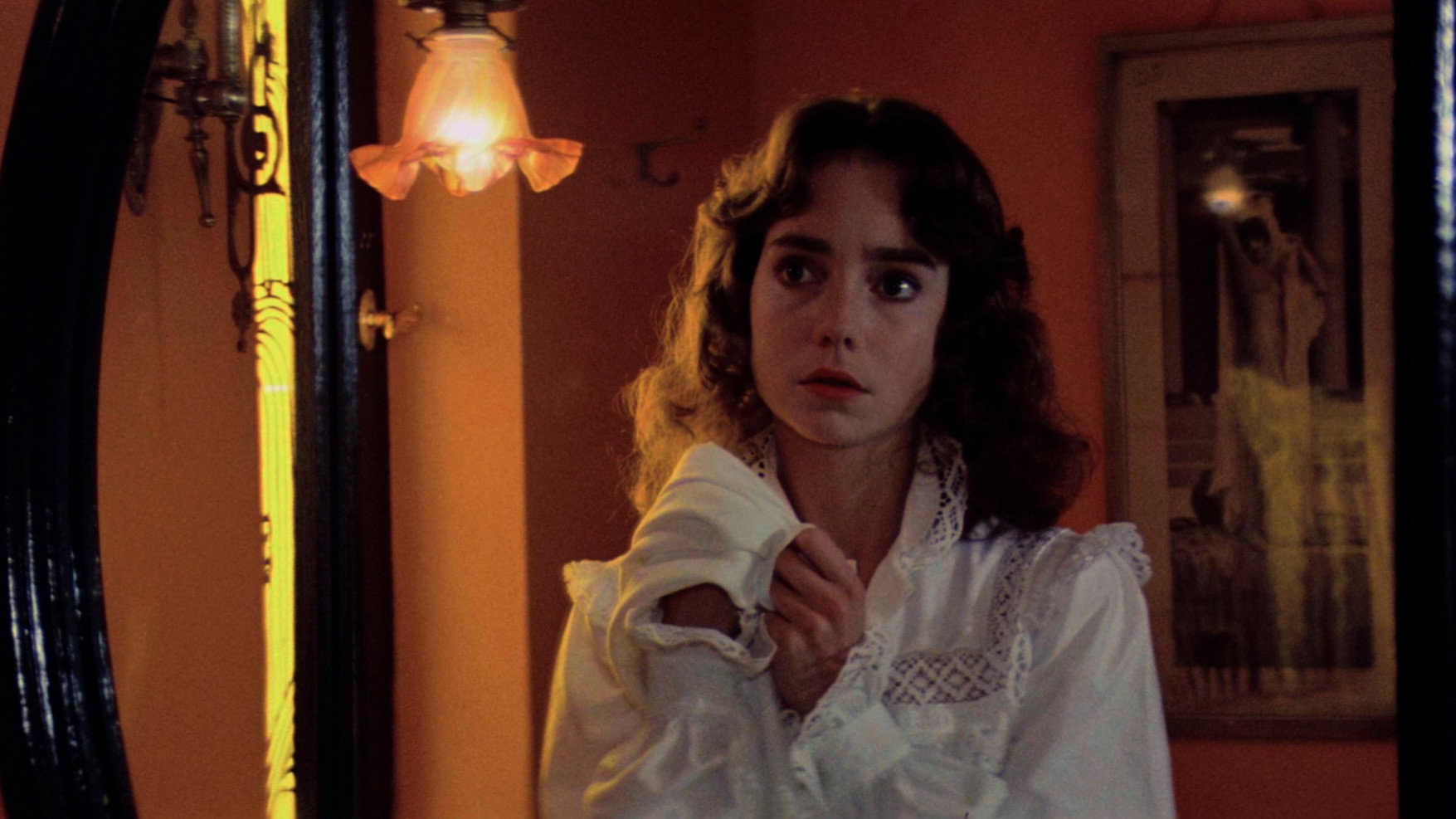
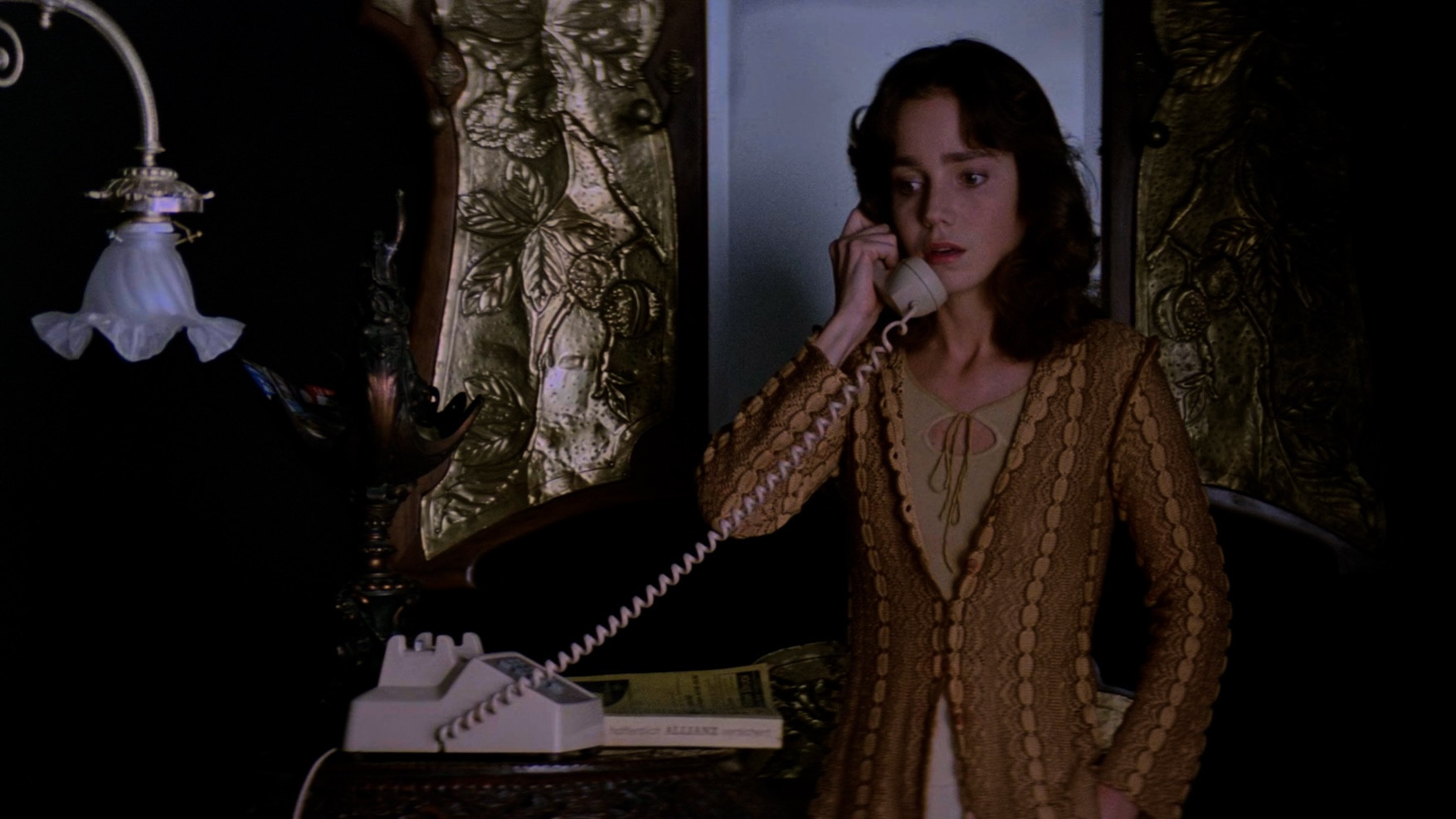
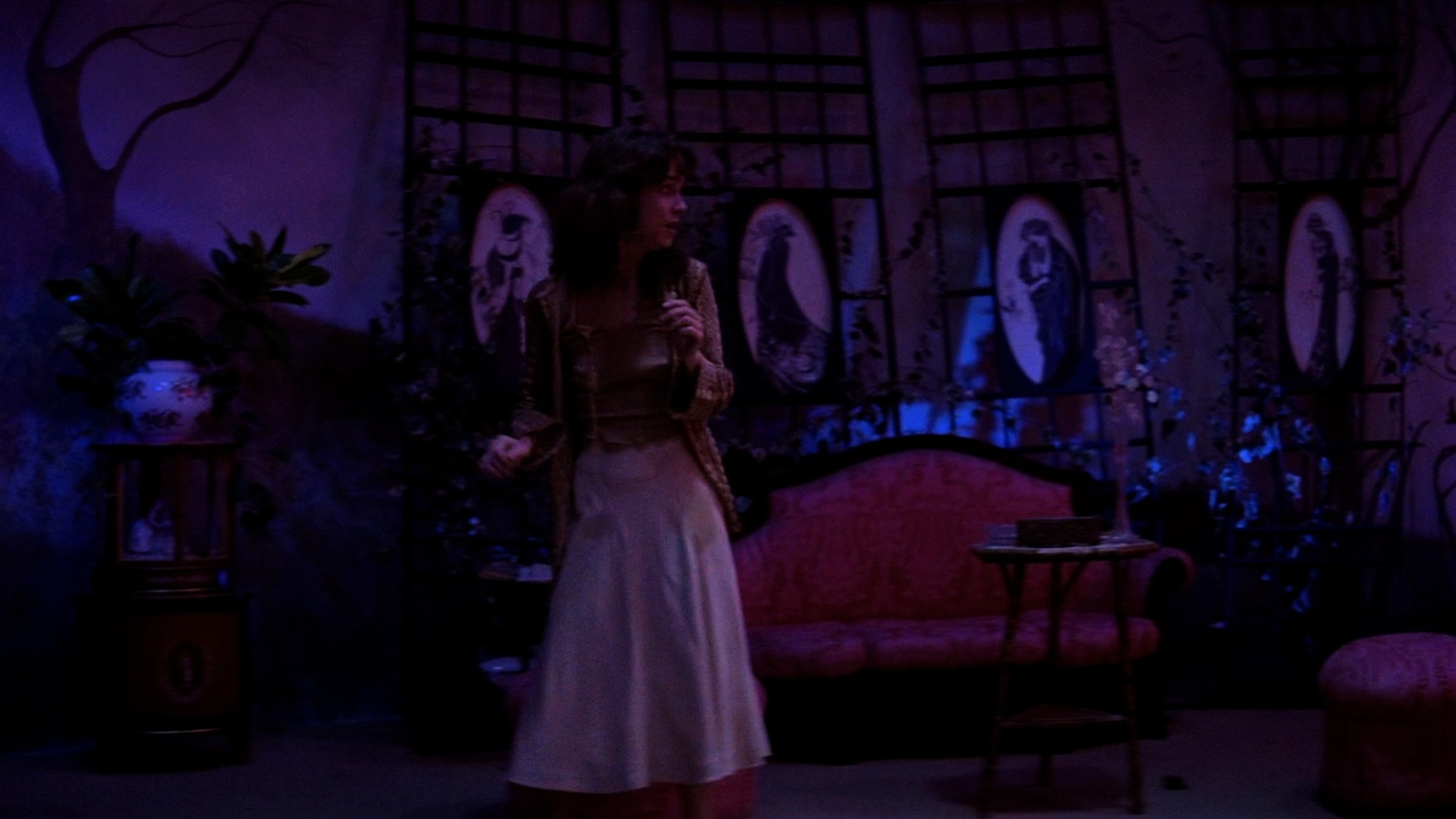
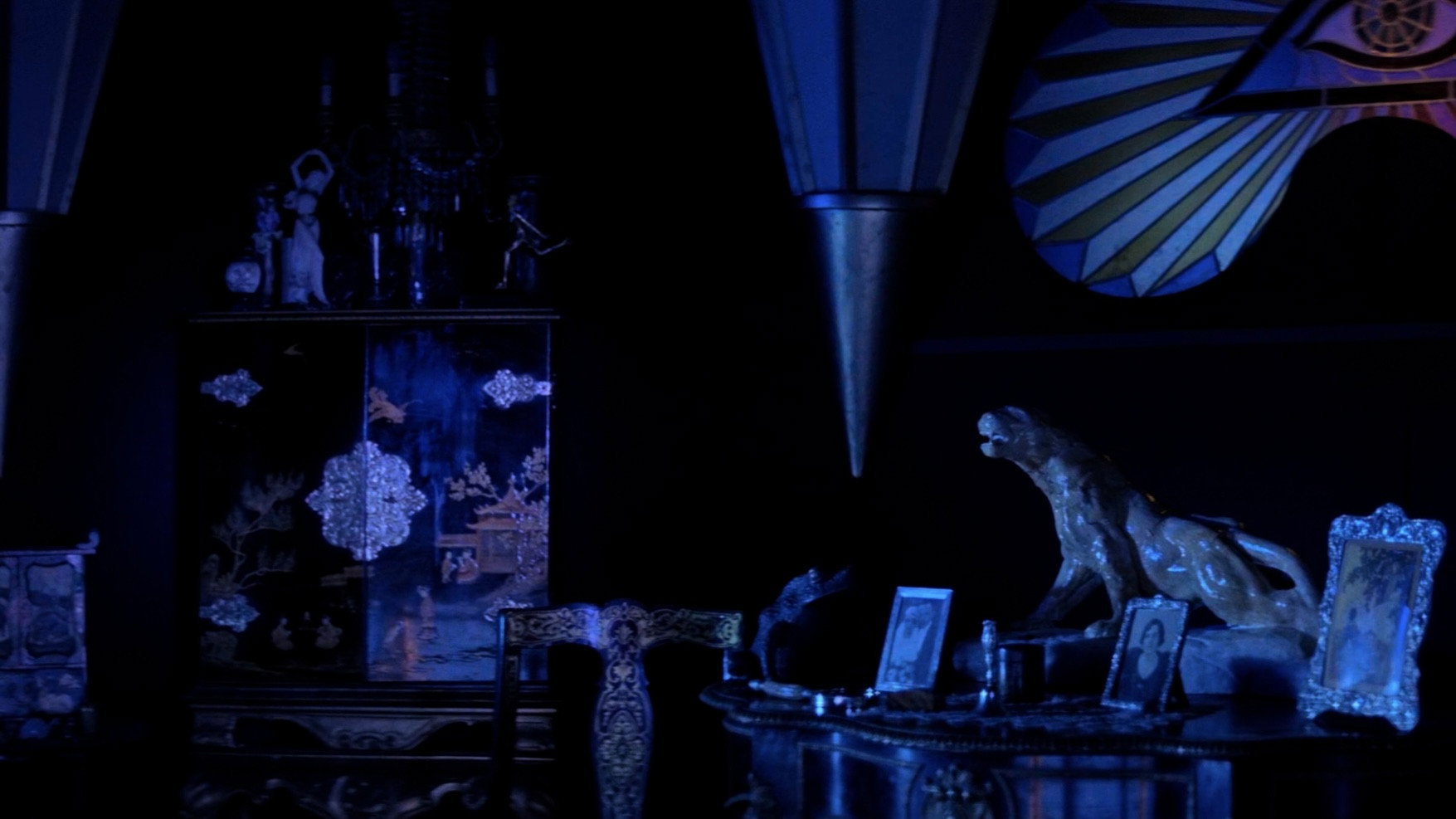
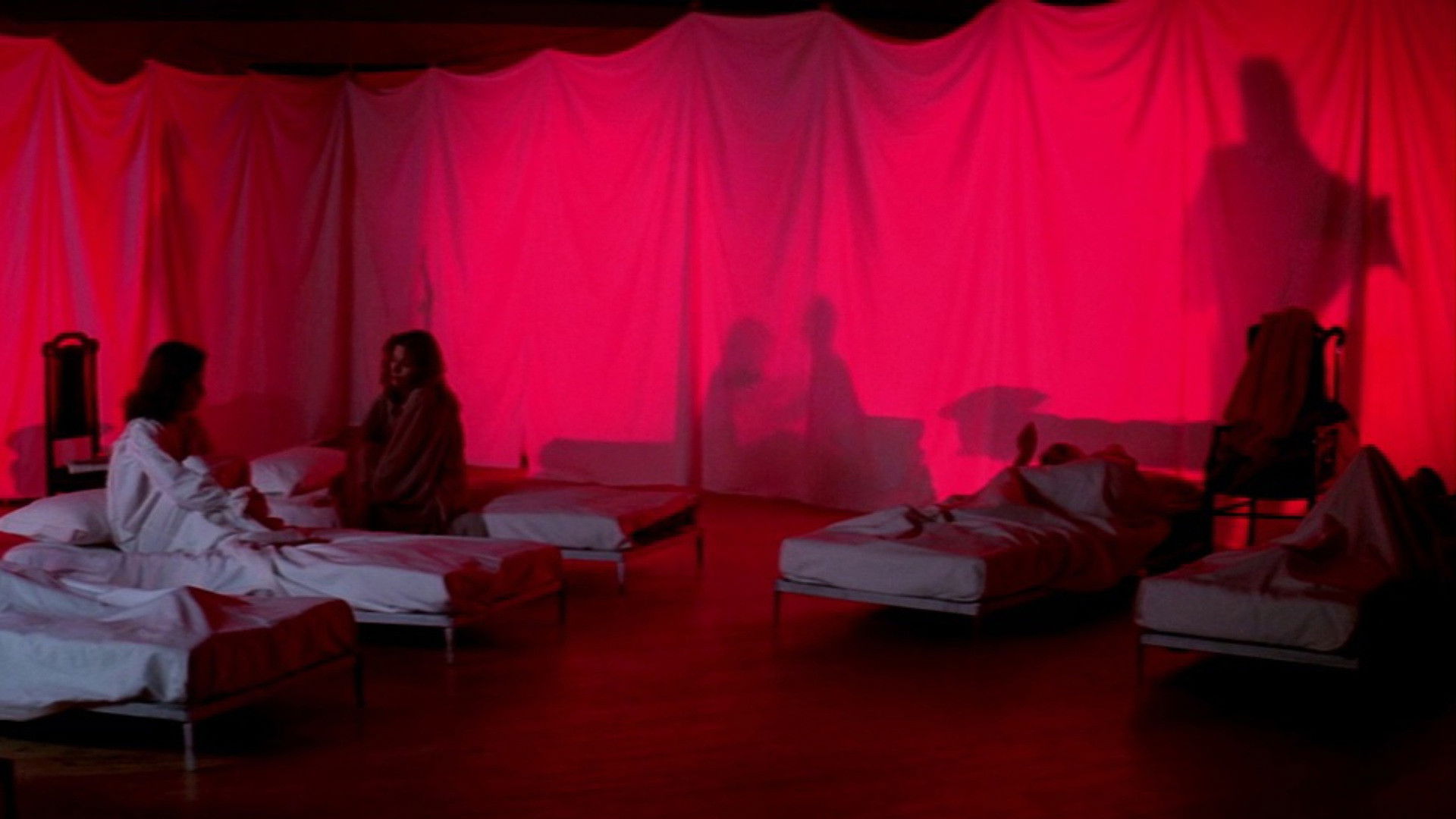
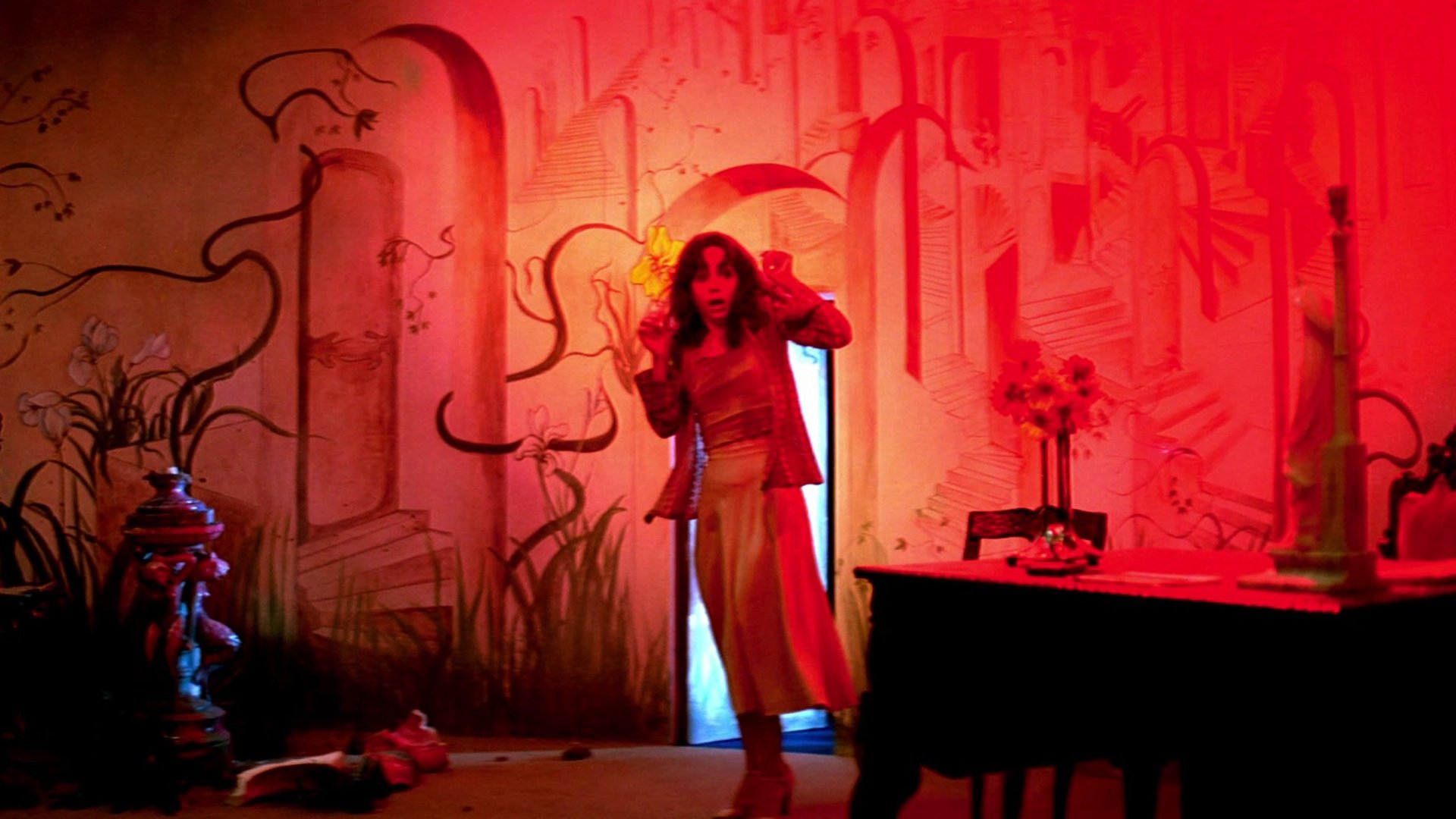
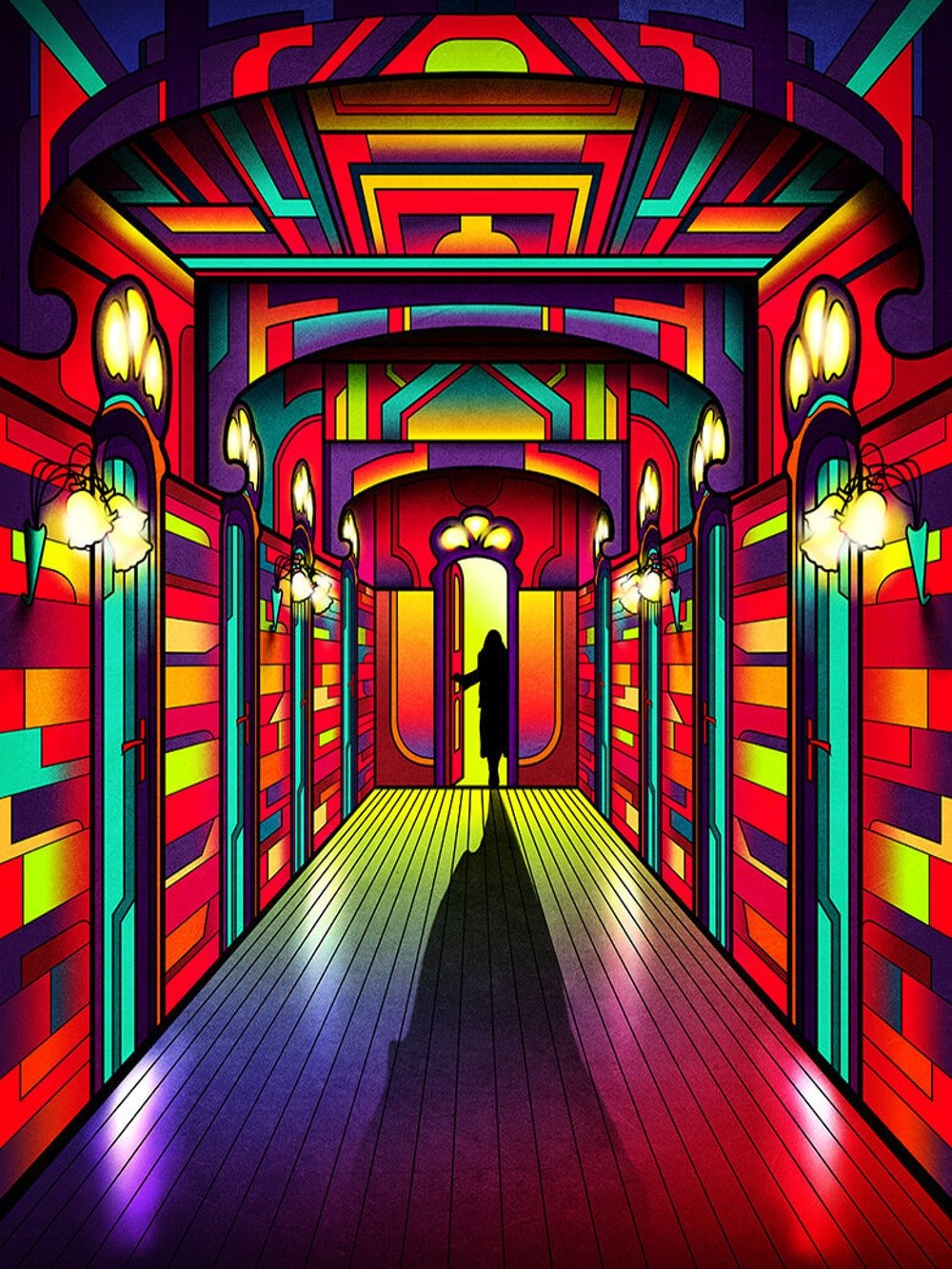
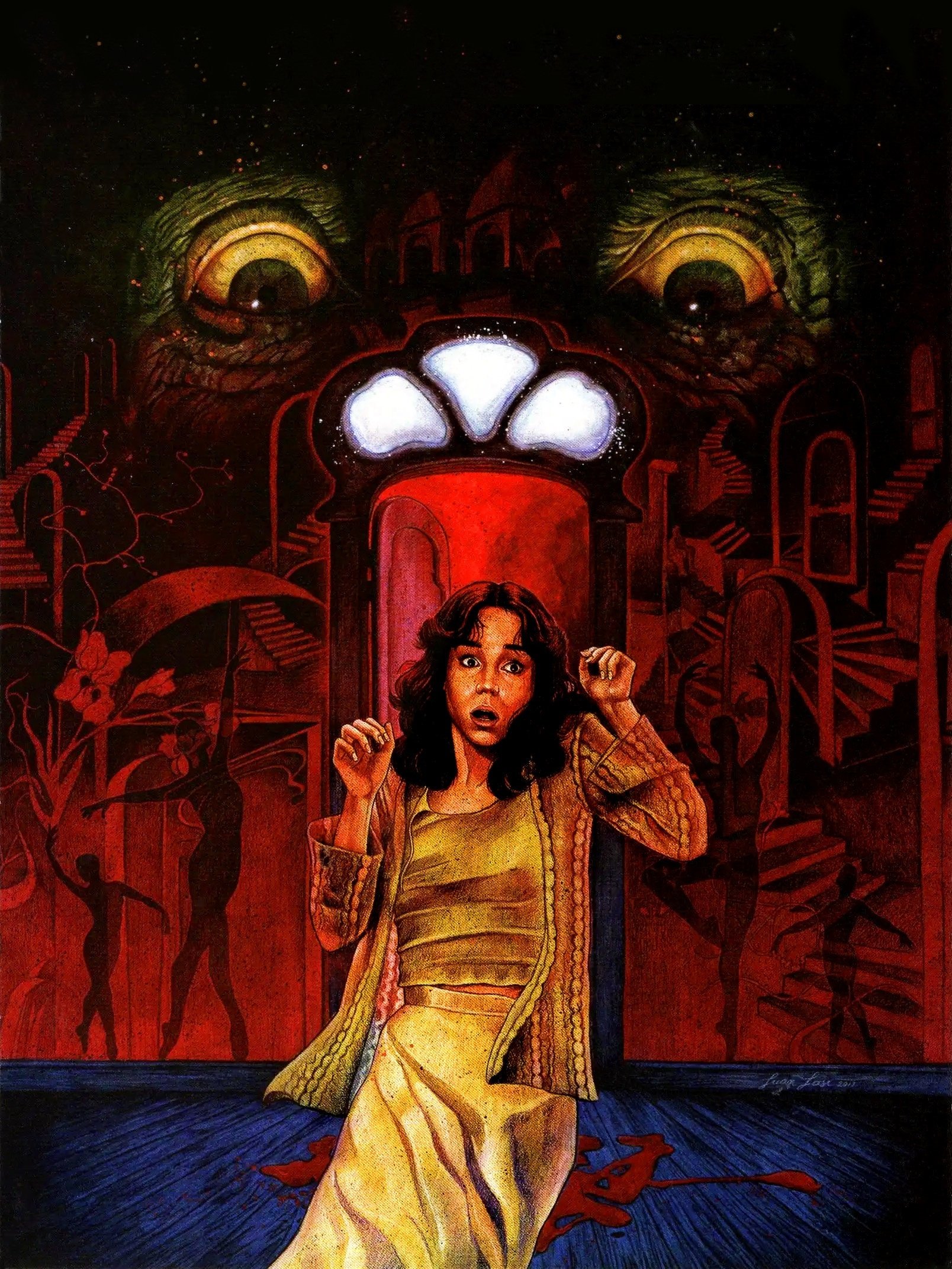
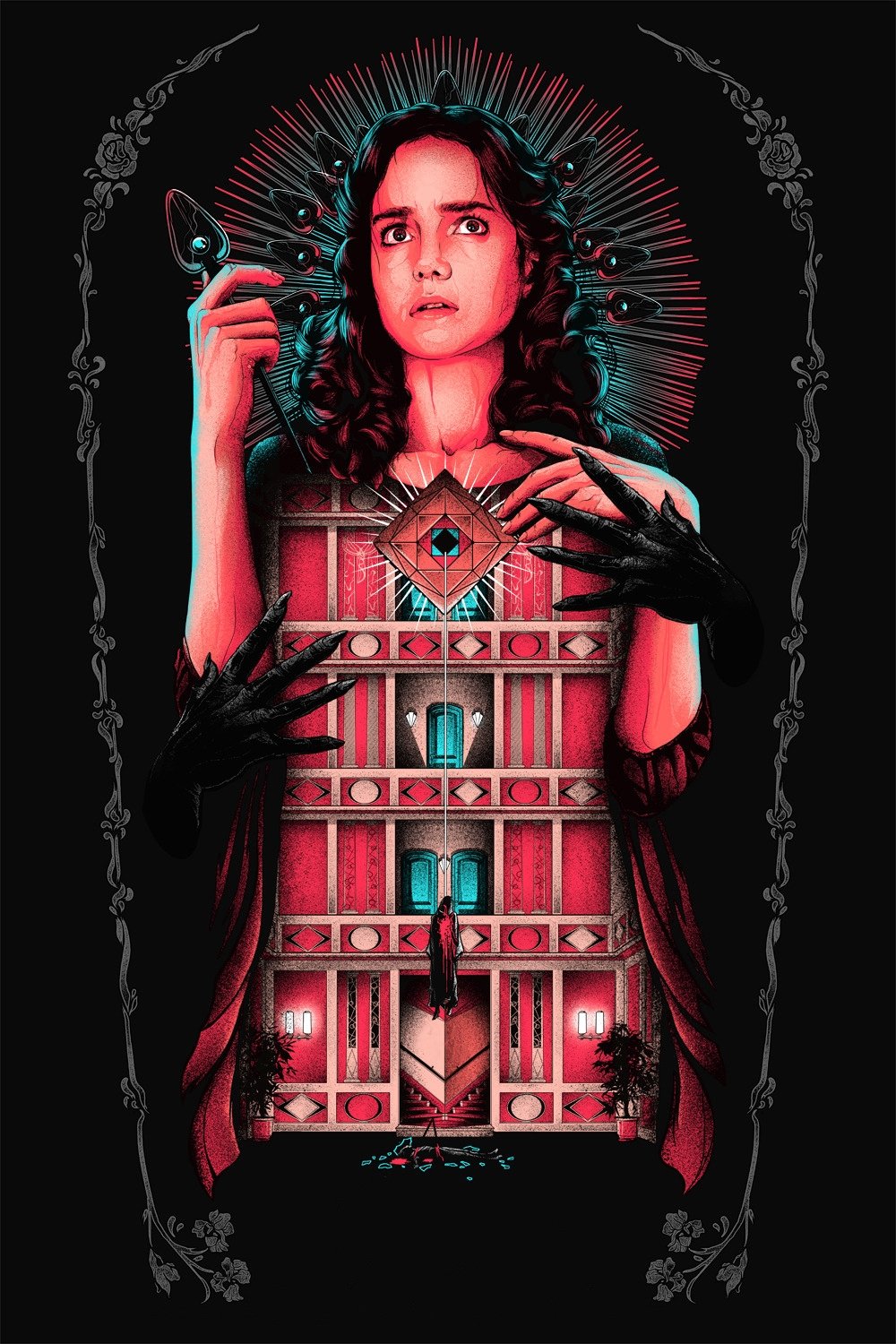
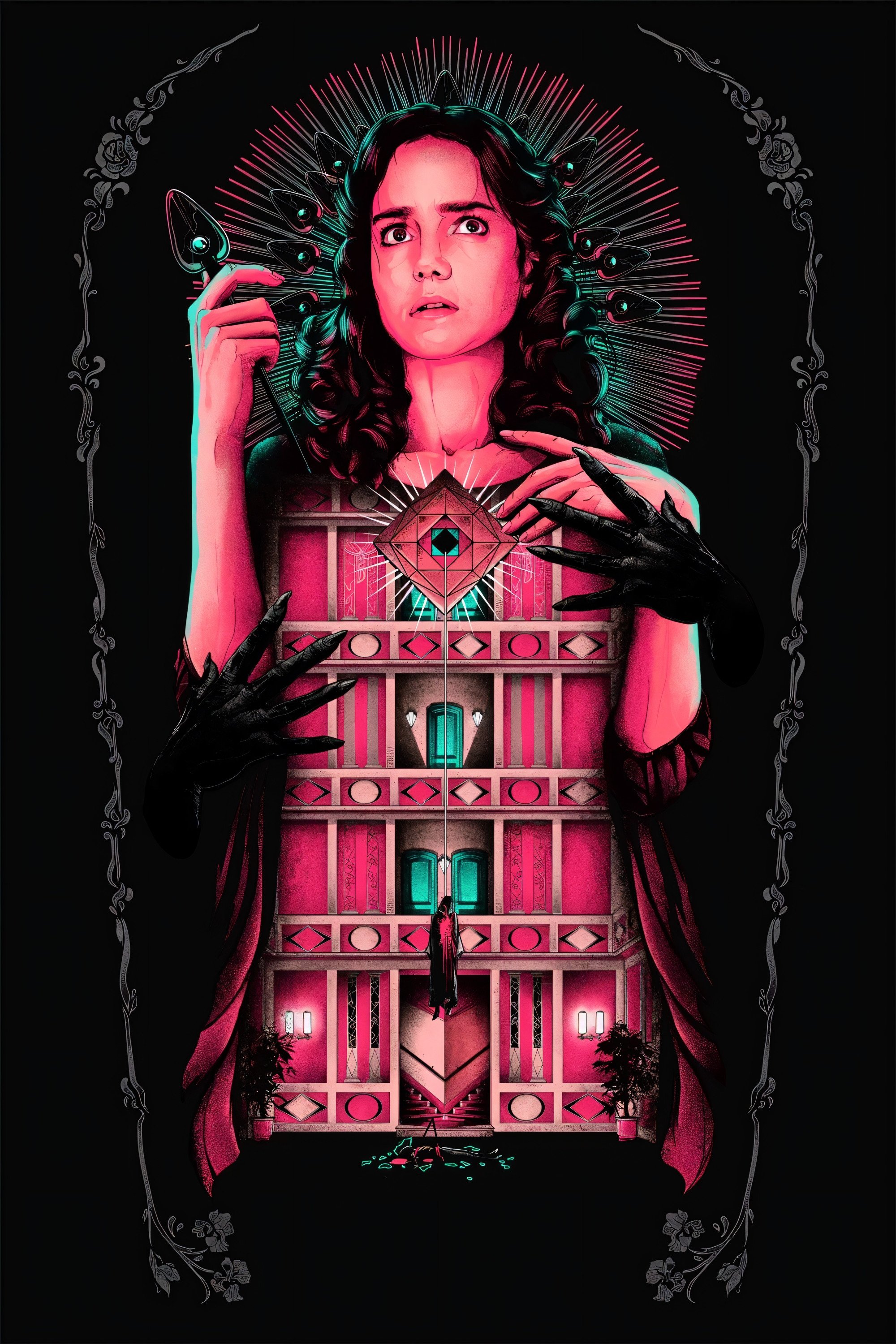
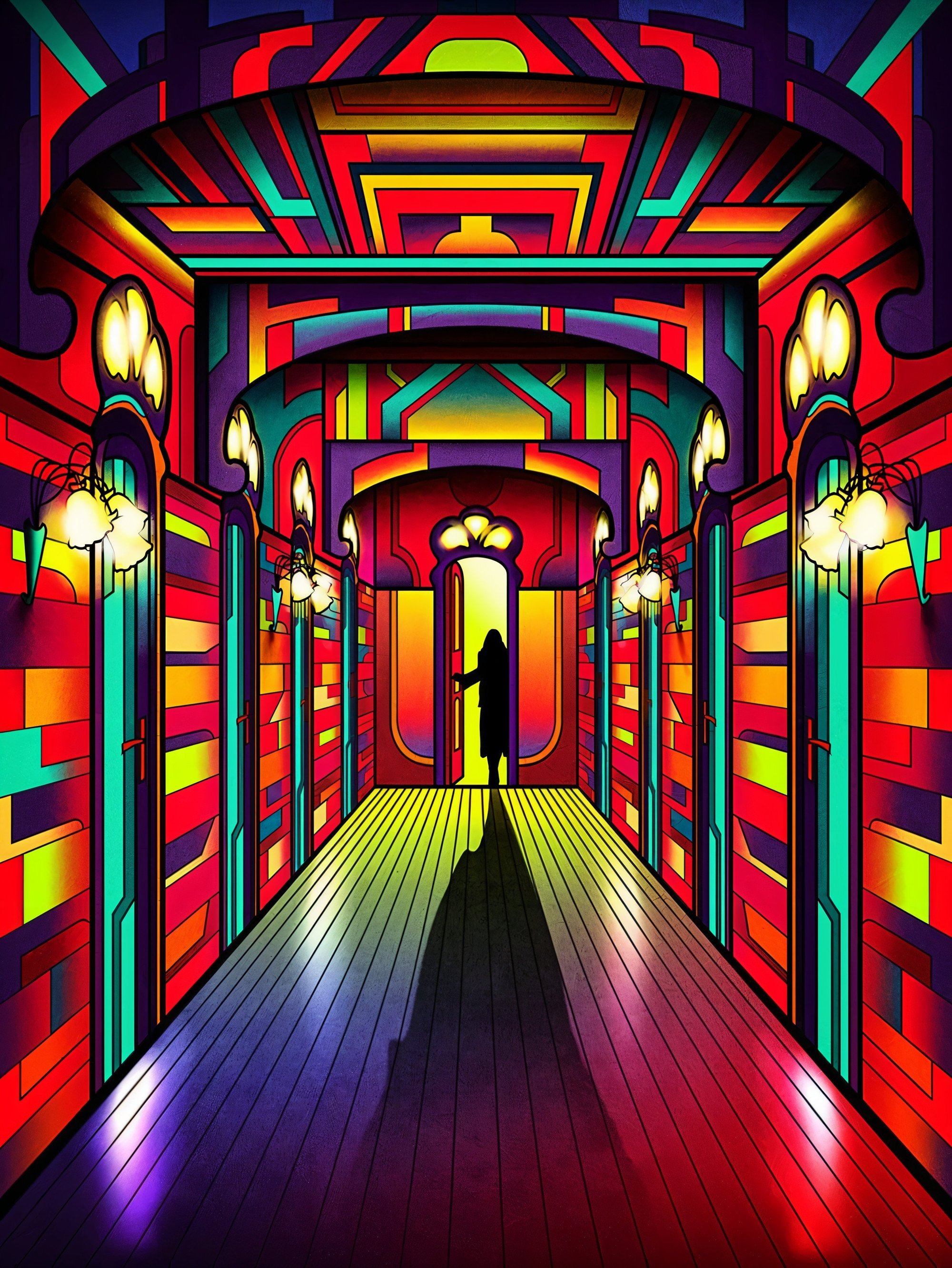
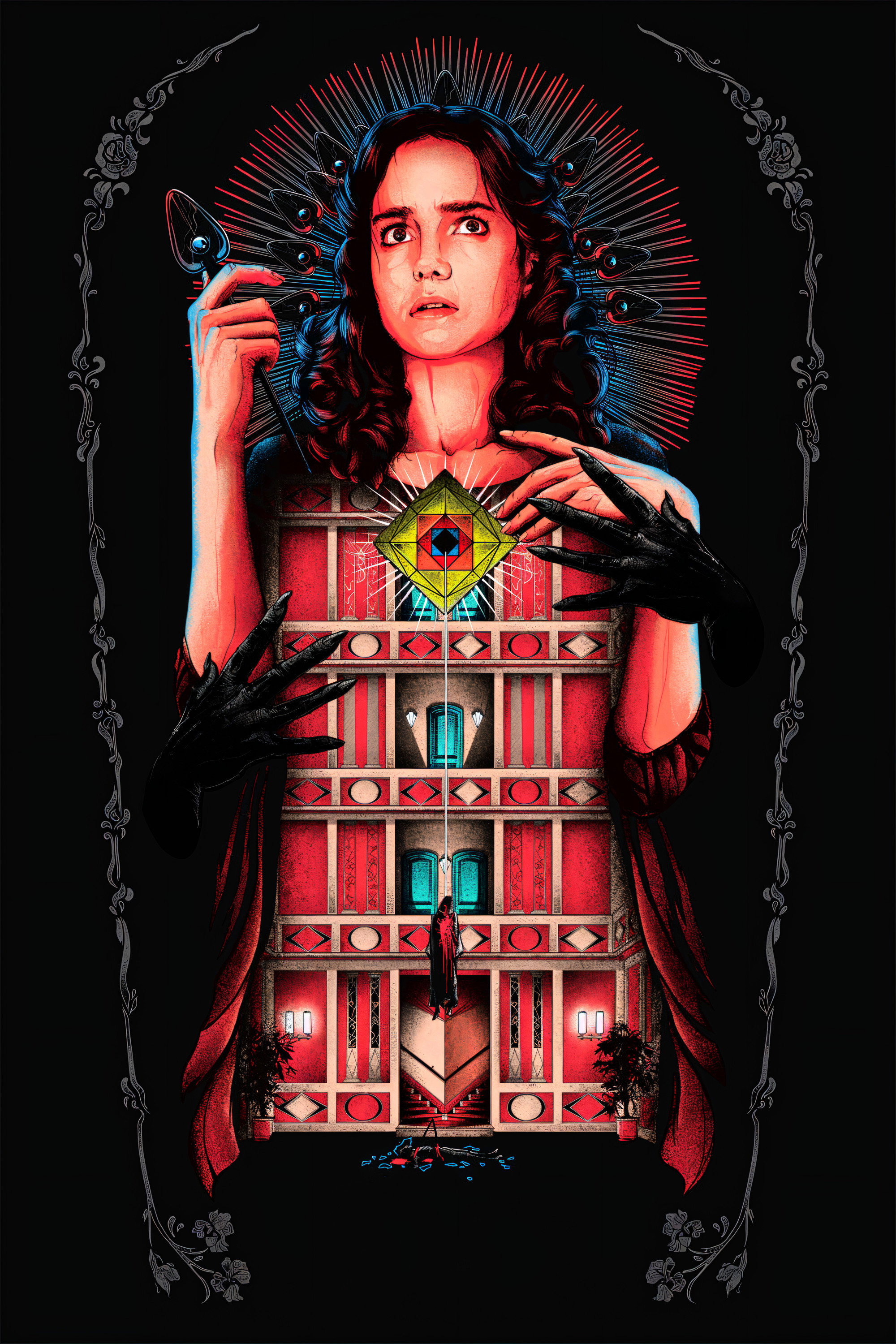
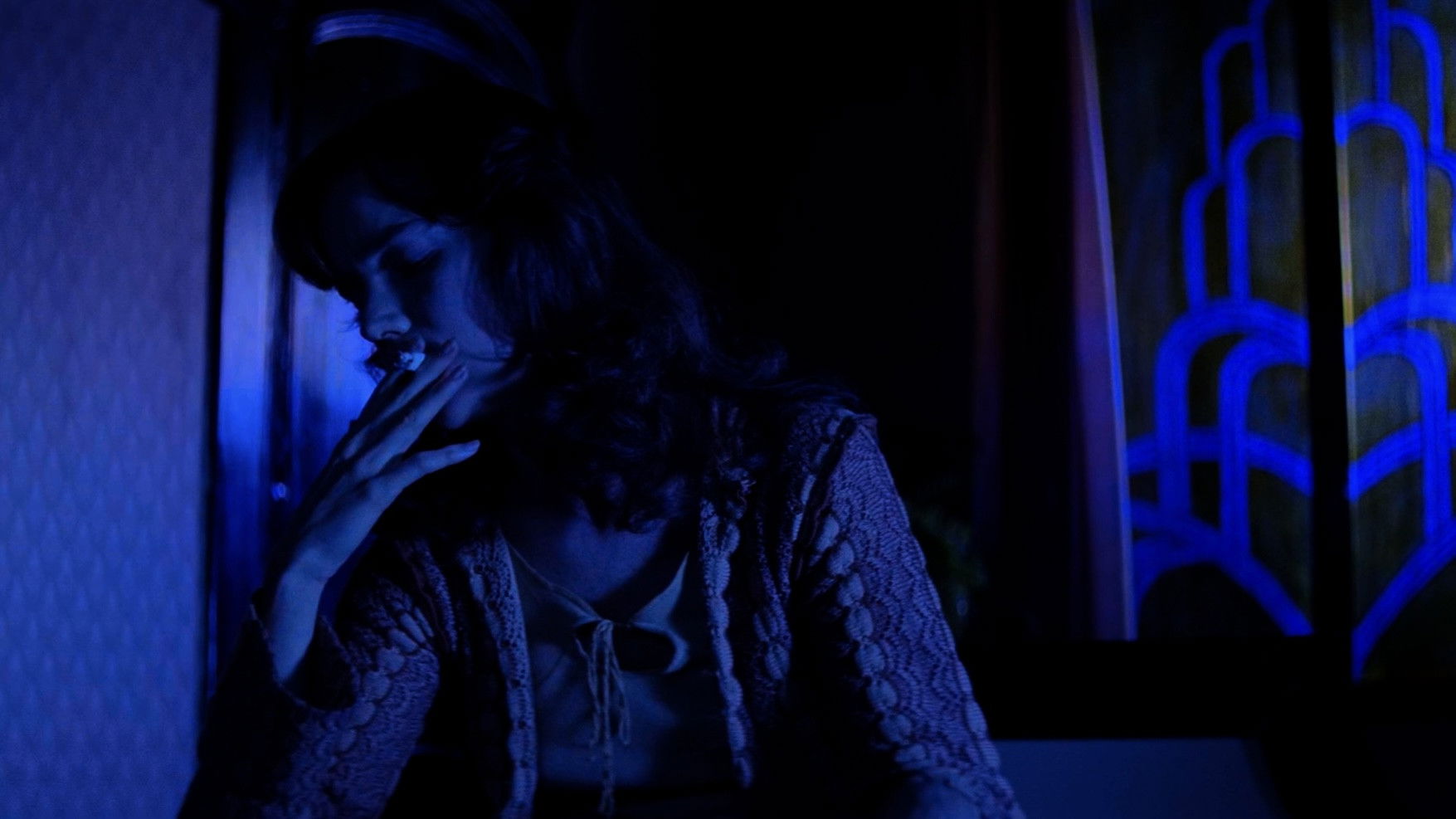
Giuseppe Bassan's production design completes that transformation. The Tanz Akademie is filled with intensely patterned walls, geometric surfaces, stained glass, decorative arches and spaces whose proportions often seem slightly wrong. The architecture shapes the actors’ movements and the film’s threatening spatial relationships. Corridors determine movement, curtains conceal information, doors become barriers and decorative patterns repeatedly compete with the human figures occupying the frame.

The scale of the sets also diminishes the students. Large doors and elevated handles contribute to the sense that Suzy and the other dancers have entered an institution built according to rules established by someone more powerful than themselves. The academy can resemble a school, palace, labyrinth and enchanted house within the same sequence.
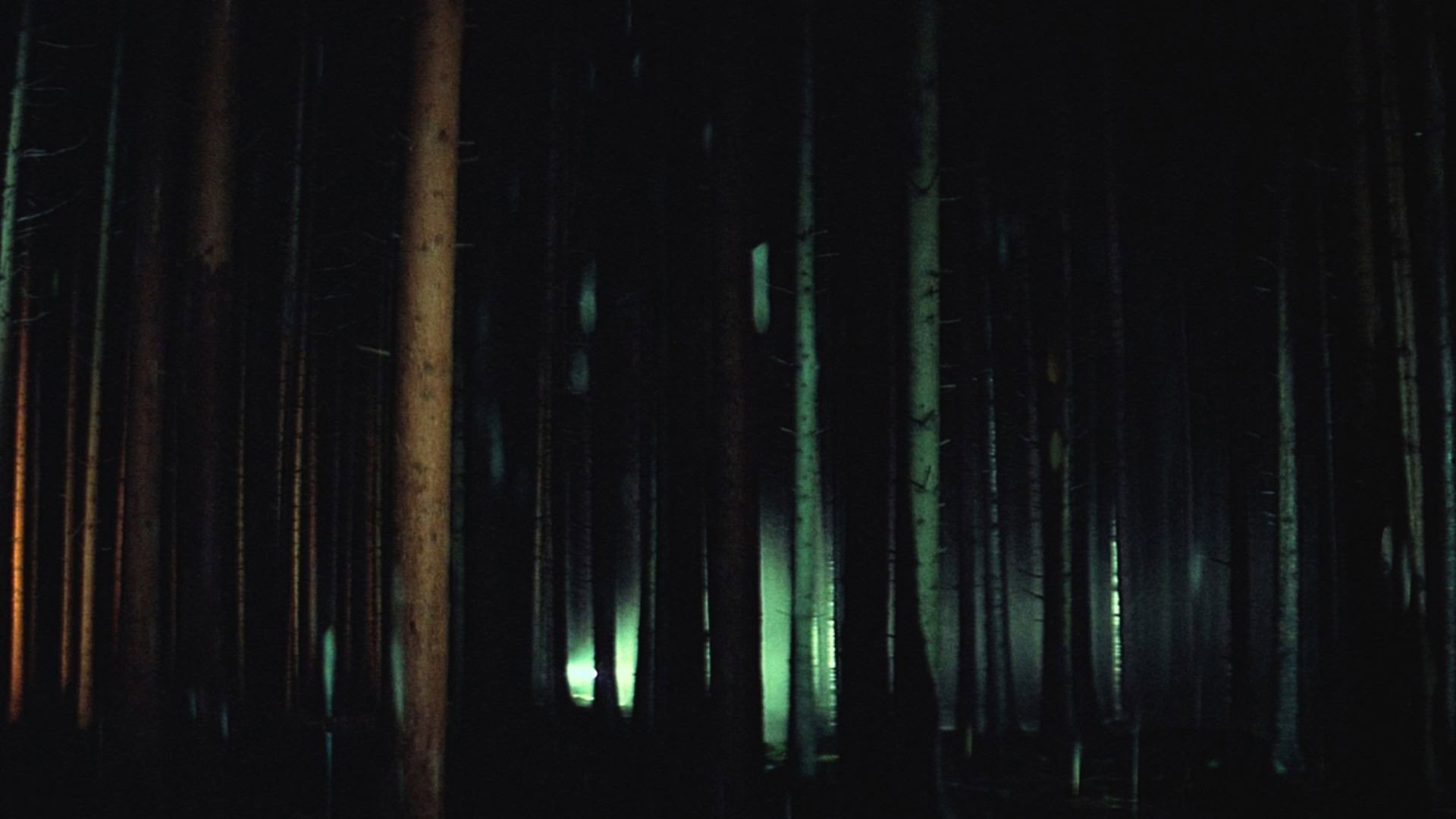
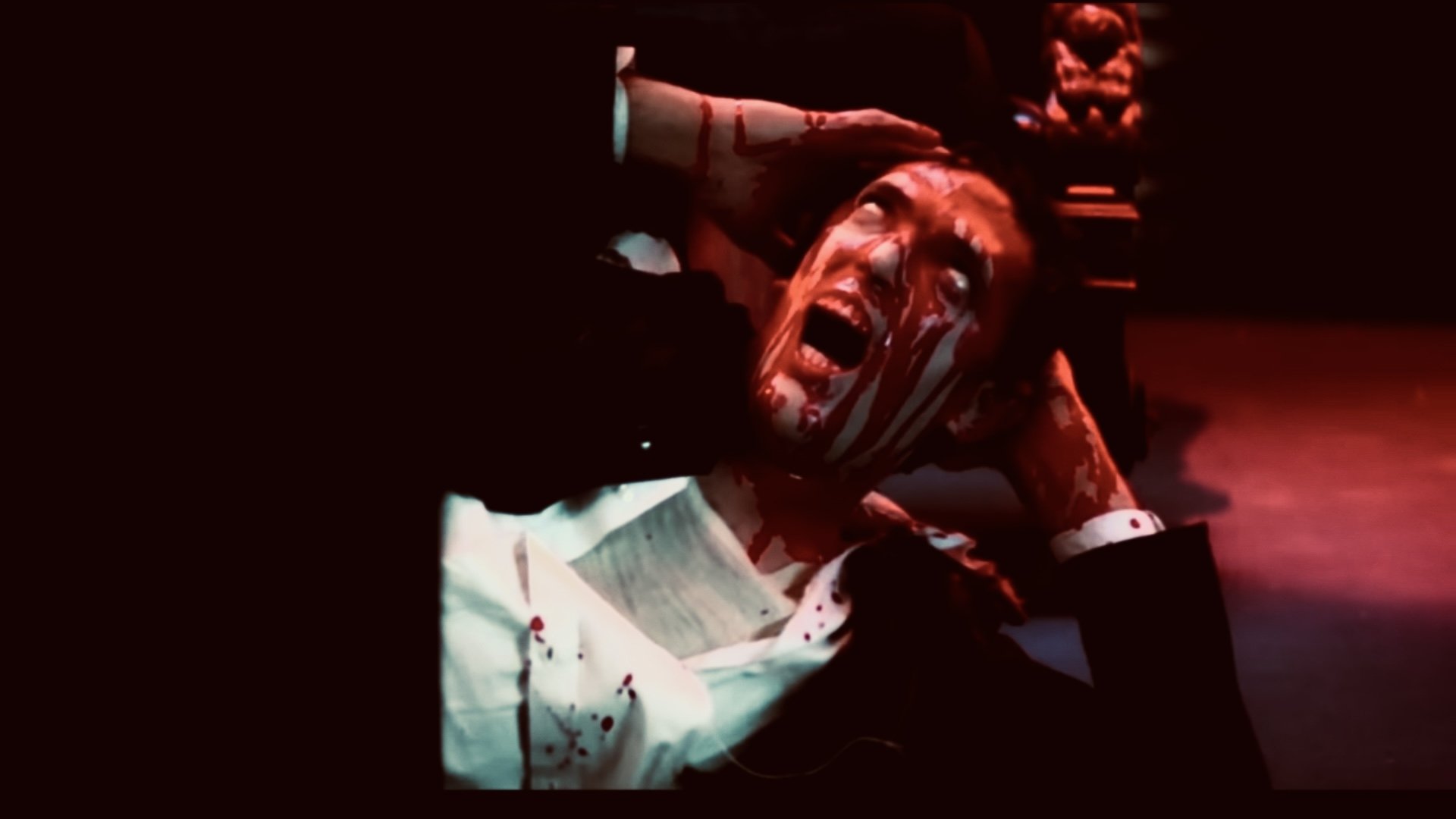
Argento uses real German architecture differently outside the academy. Daniel's nocturnal walk across Munich's Königsplatz removes the aggressive colours that dominate many interiors. The enormous open square isolates him within pale stone and darkness before his death violently reintroduces red. The film therefore does not rely upon one visual strategy throughout; space and colour are changed according to the emotional purpose of individual sequences.

Luciano Tovoli, Colour & Technicolor Dye Transfer

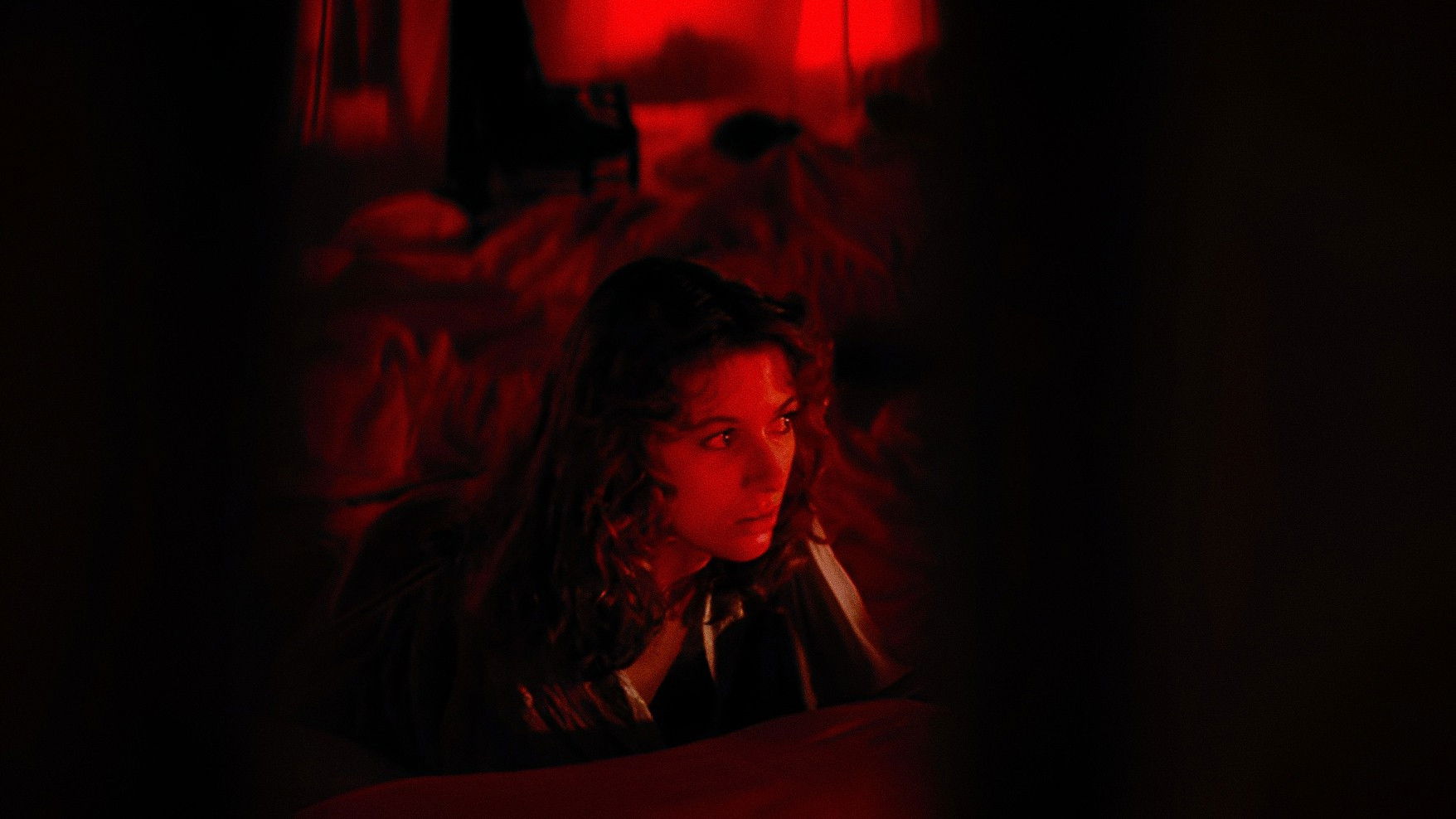
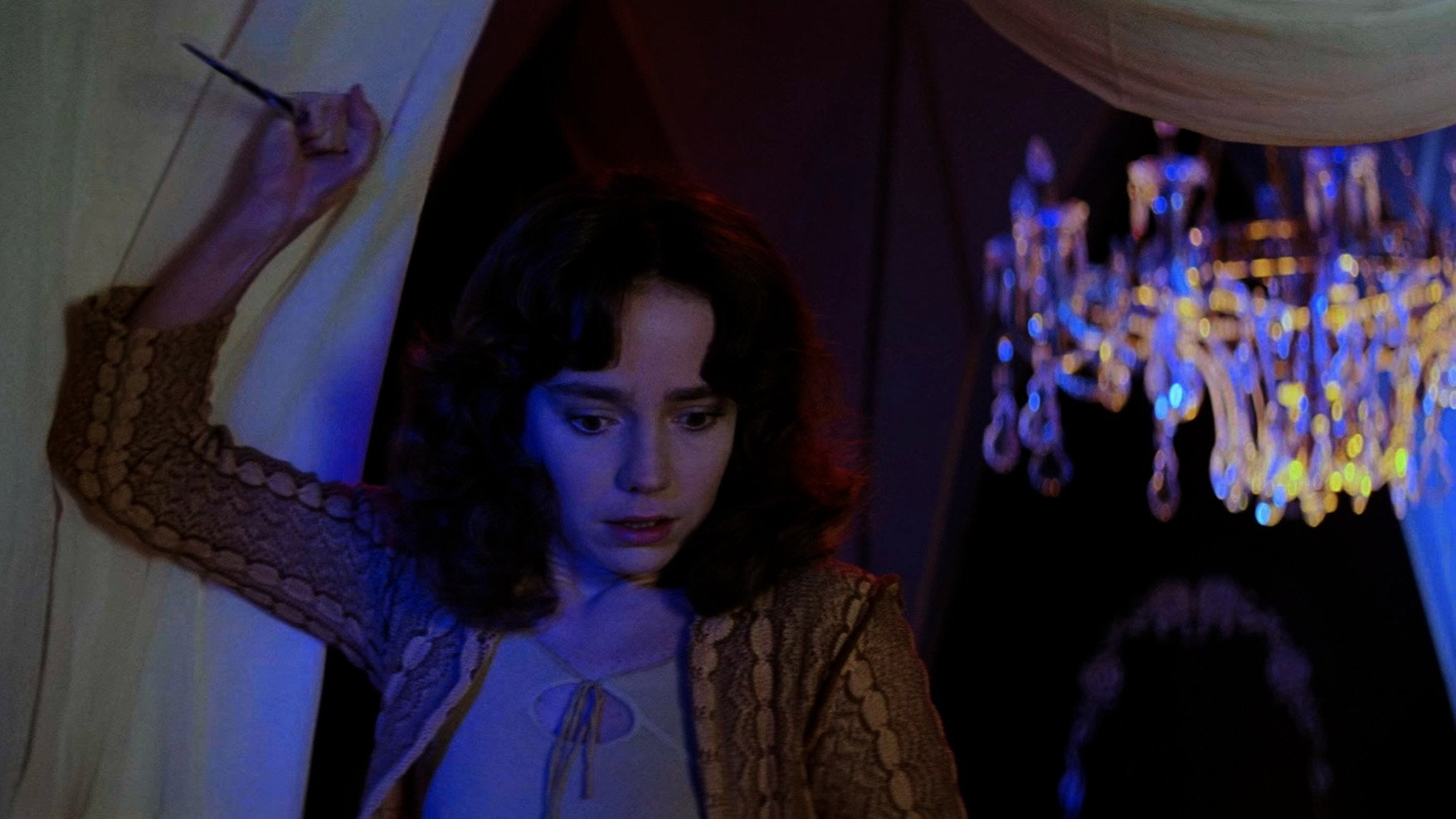
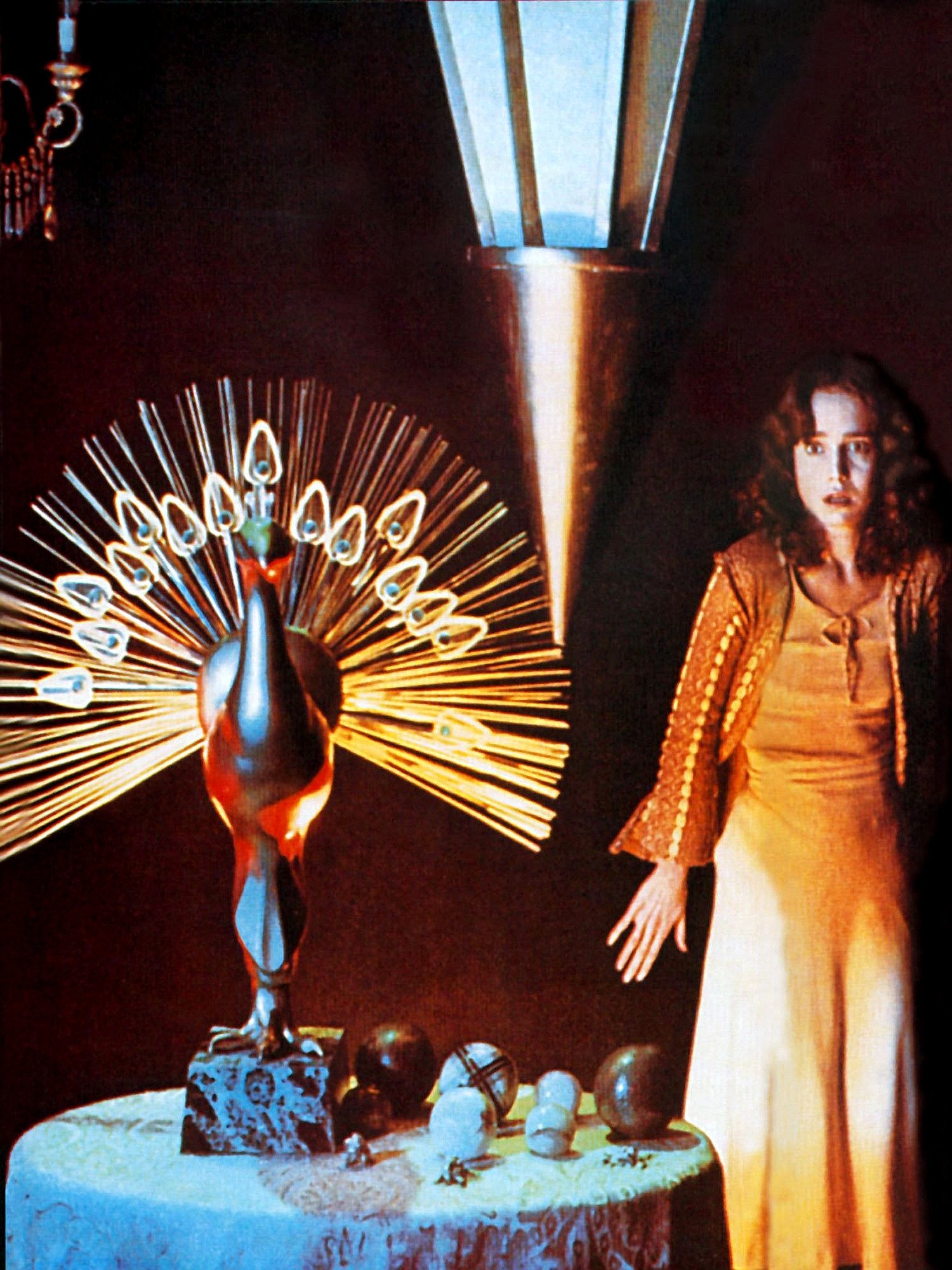
Luciano Tovoli's cinematography is one of the most extensively documented elements of Suspiria. Before the production, Tovoli was associated with comparatively naturalistic photography and had worked with Michelangelo Antonioni on The Passenger. Suspiria required almost the opposite approach. Argento wanted a world detached from everyday reality, and Tovoli decided to make pure colour itself an aggressive visual element.

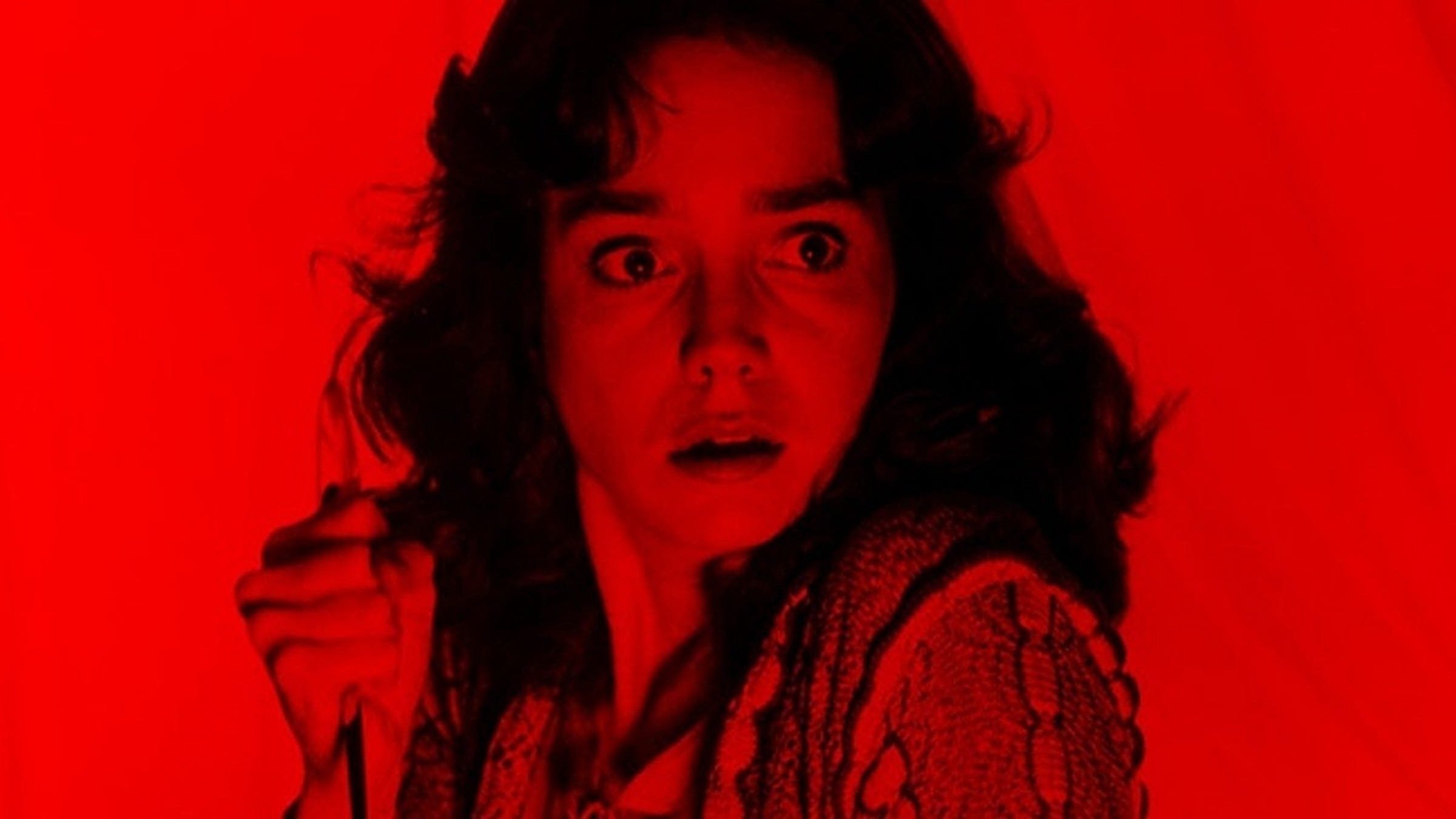
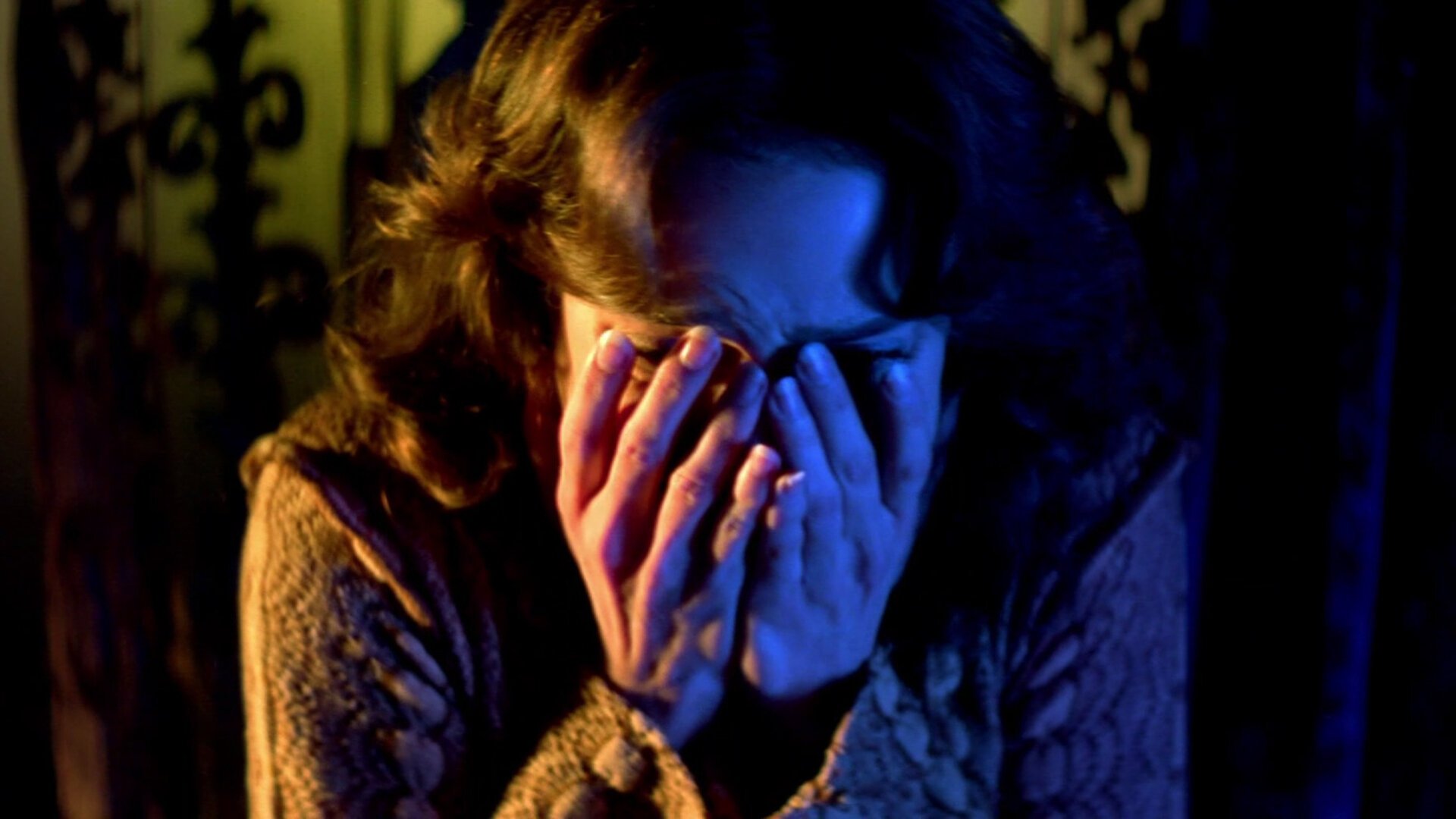
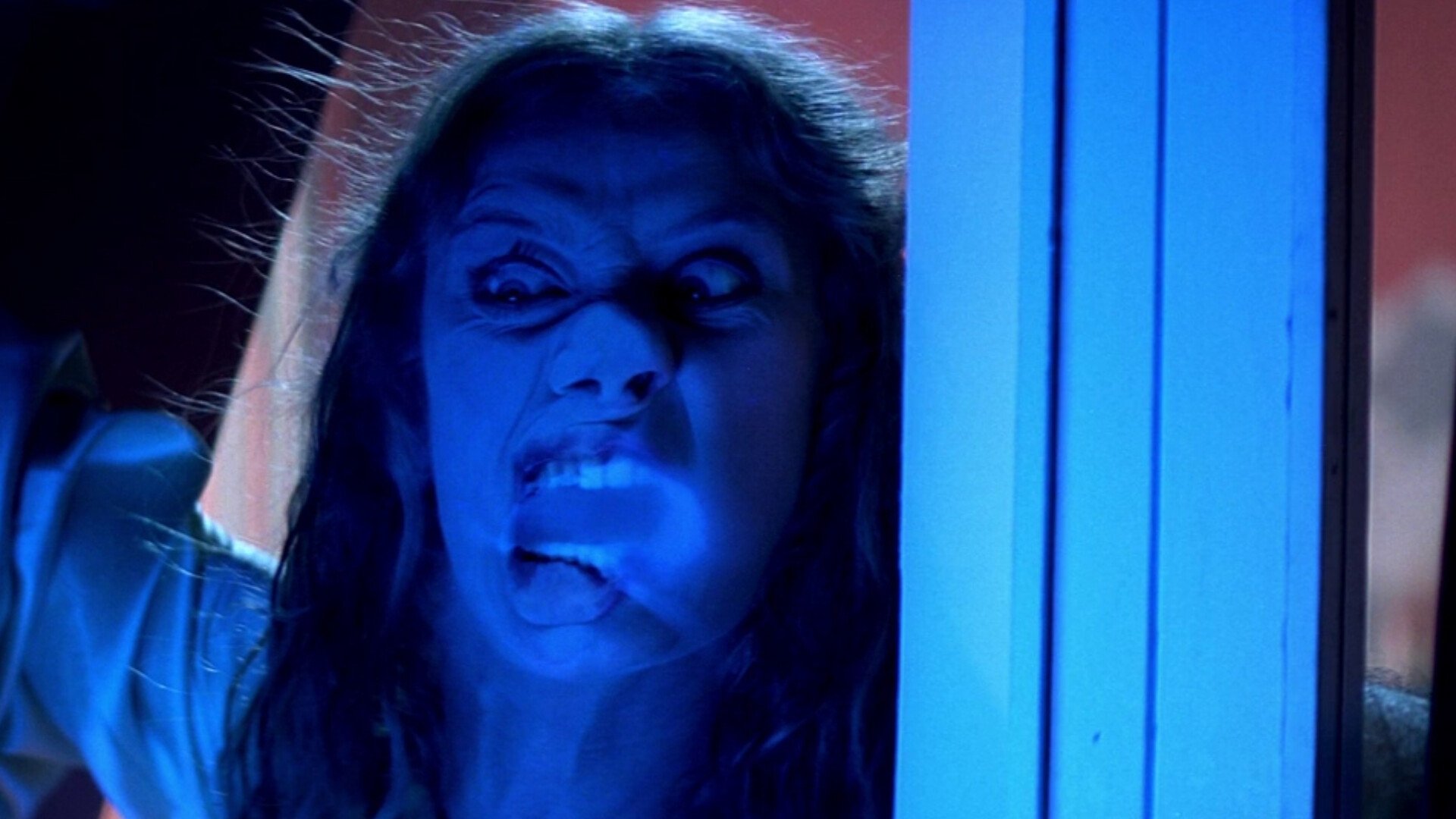
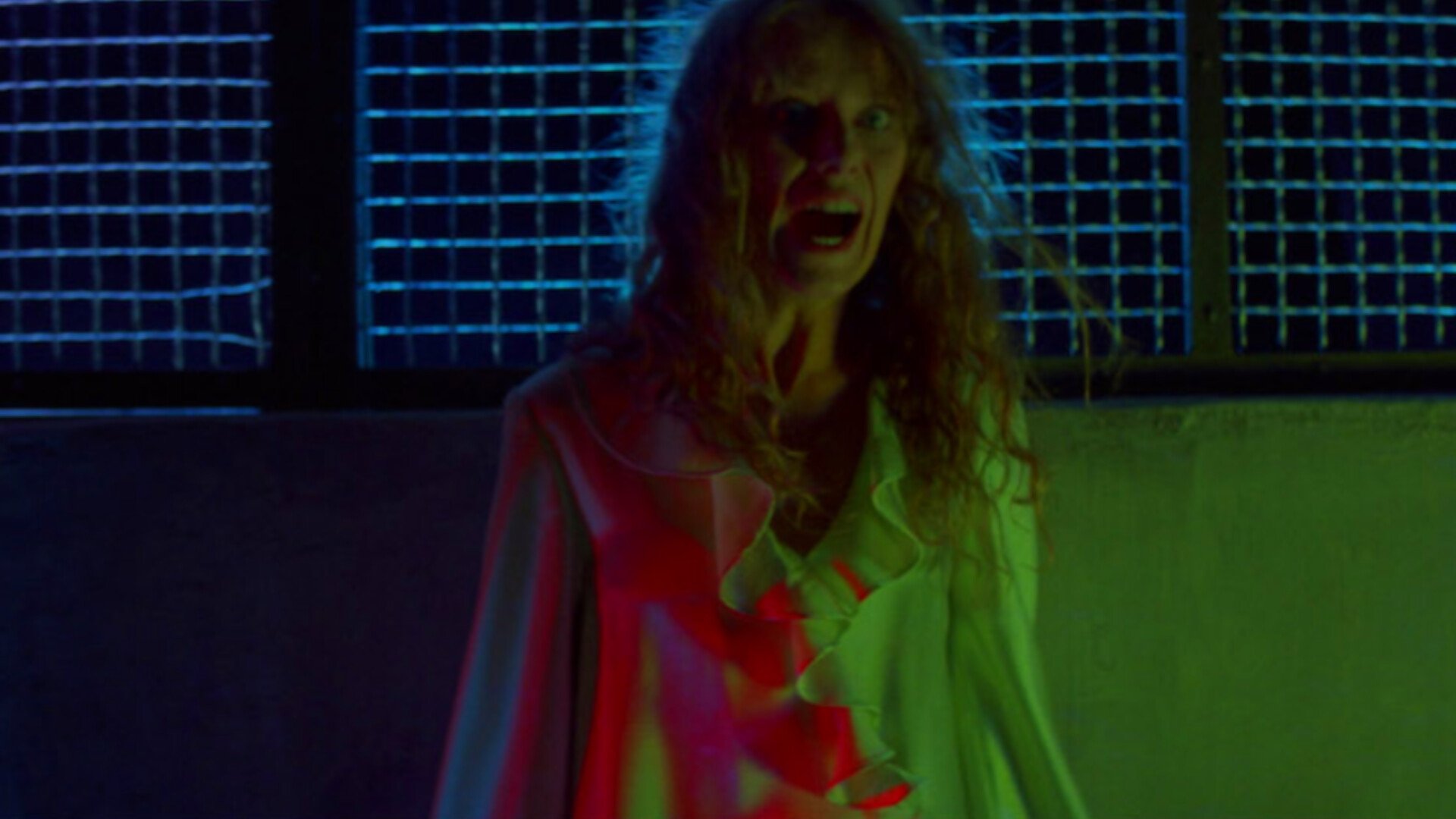
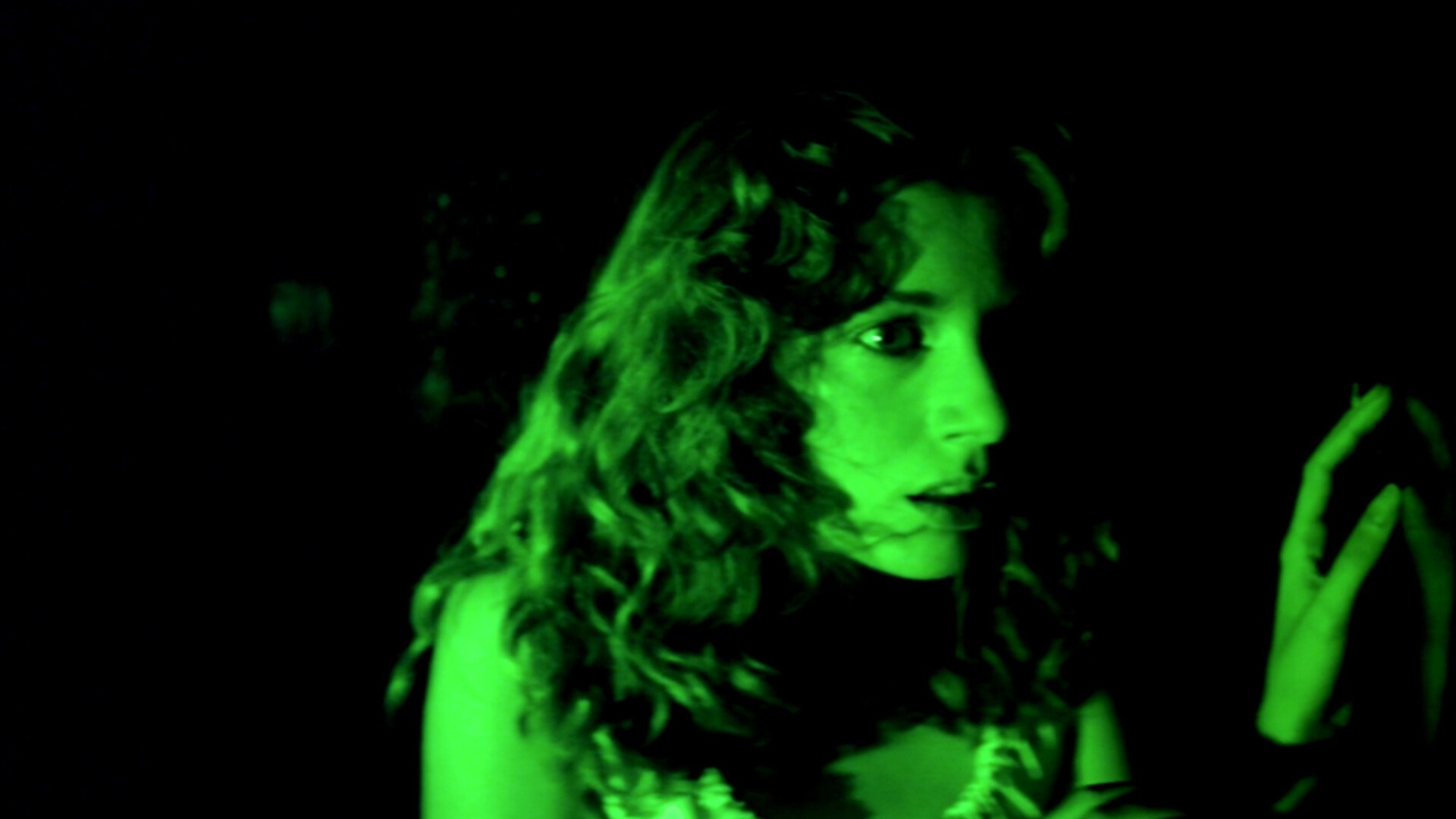
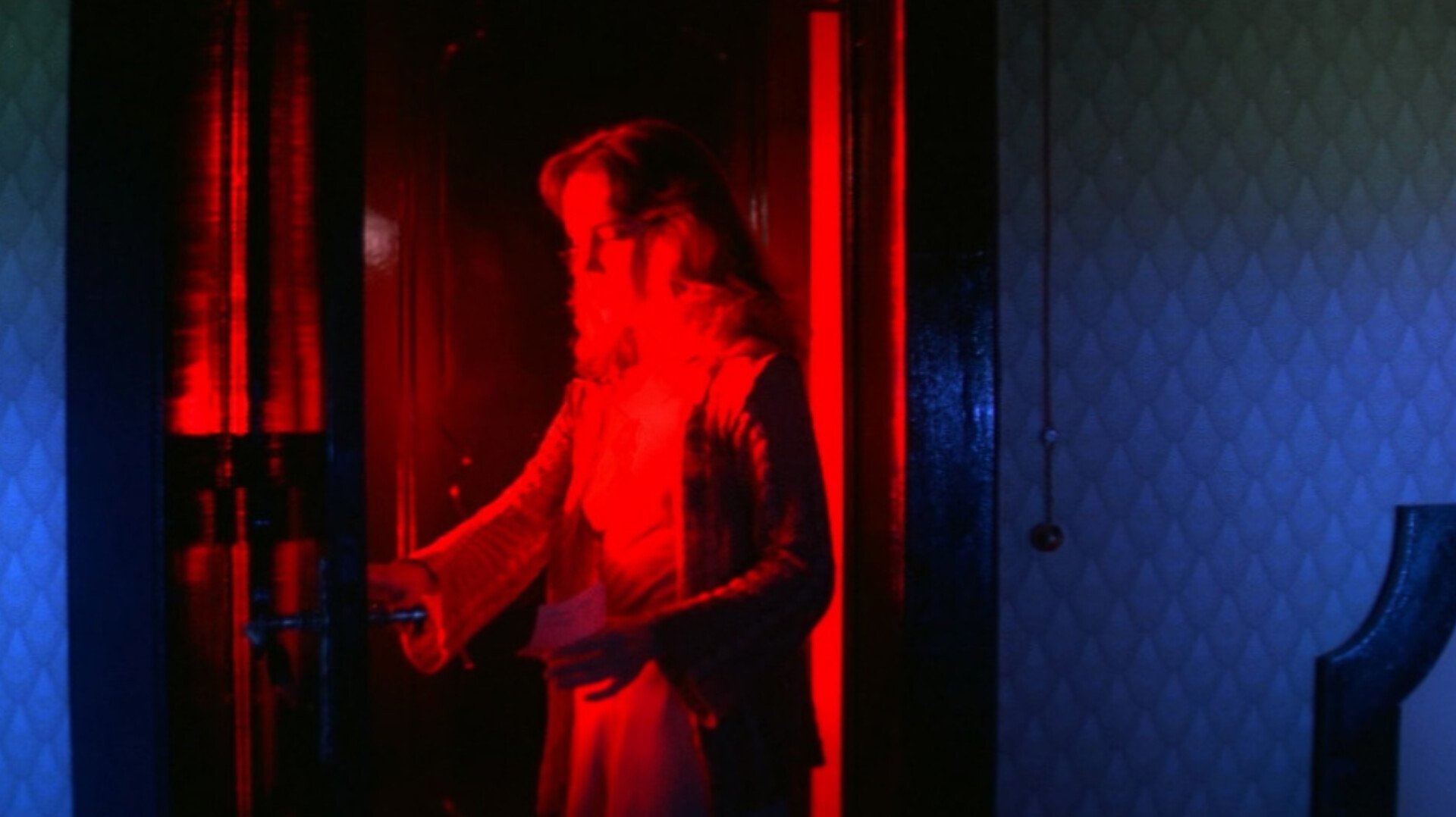
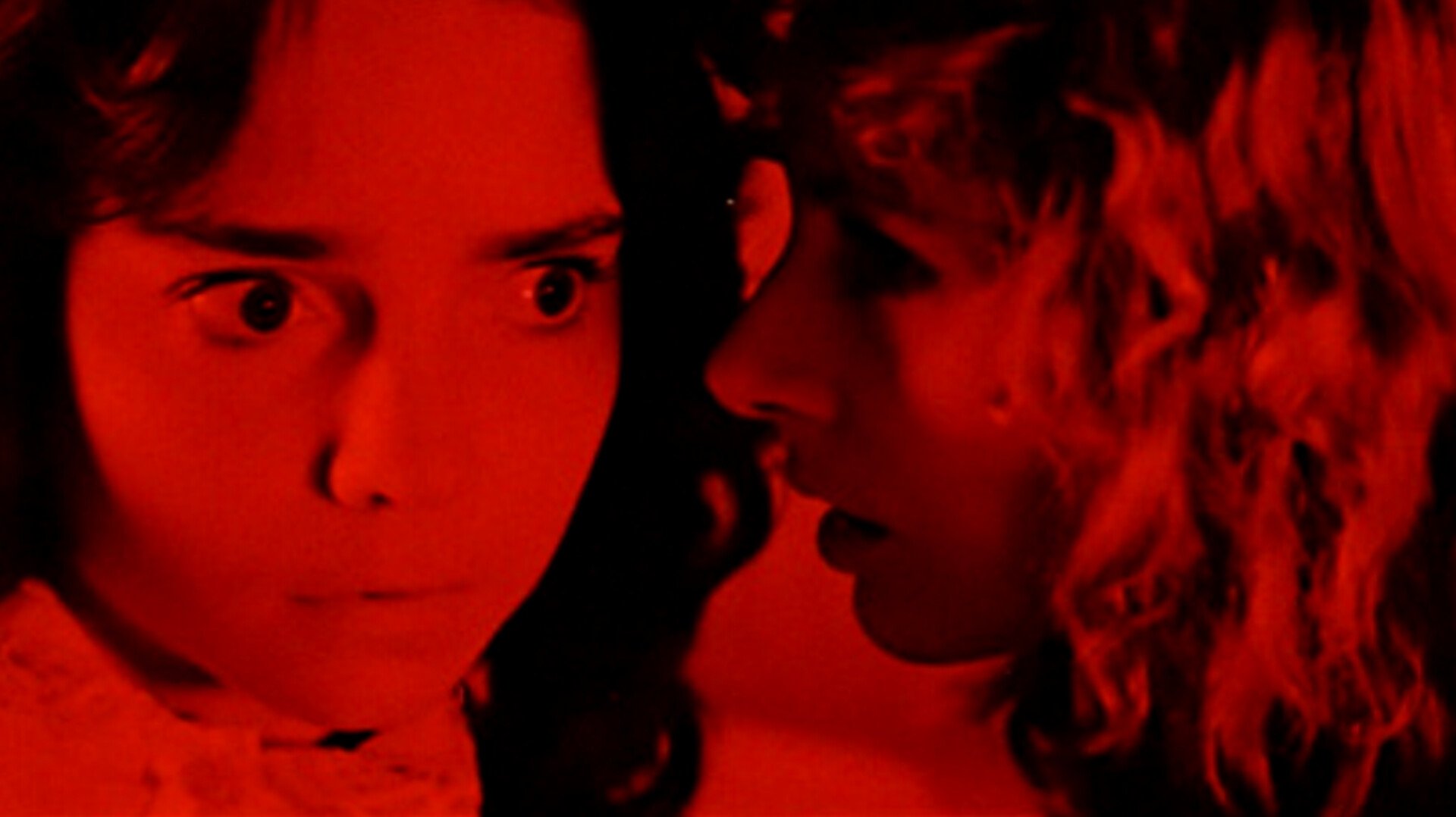
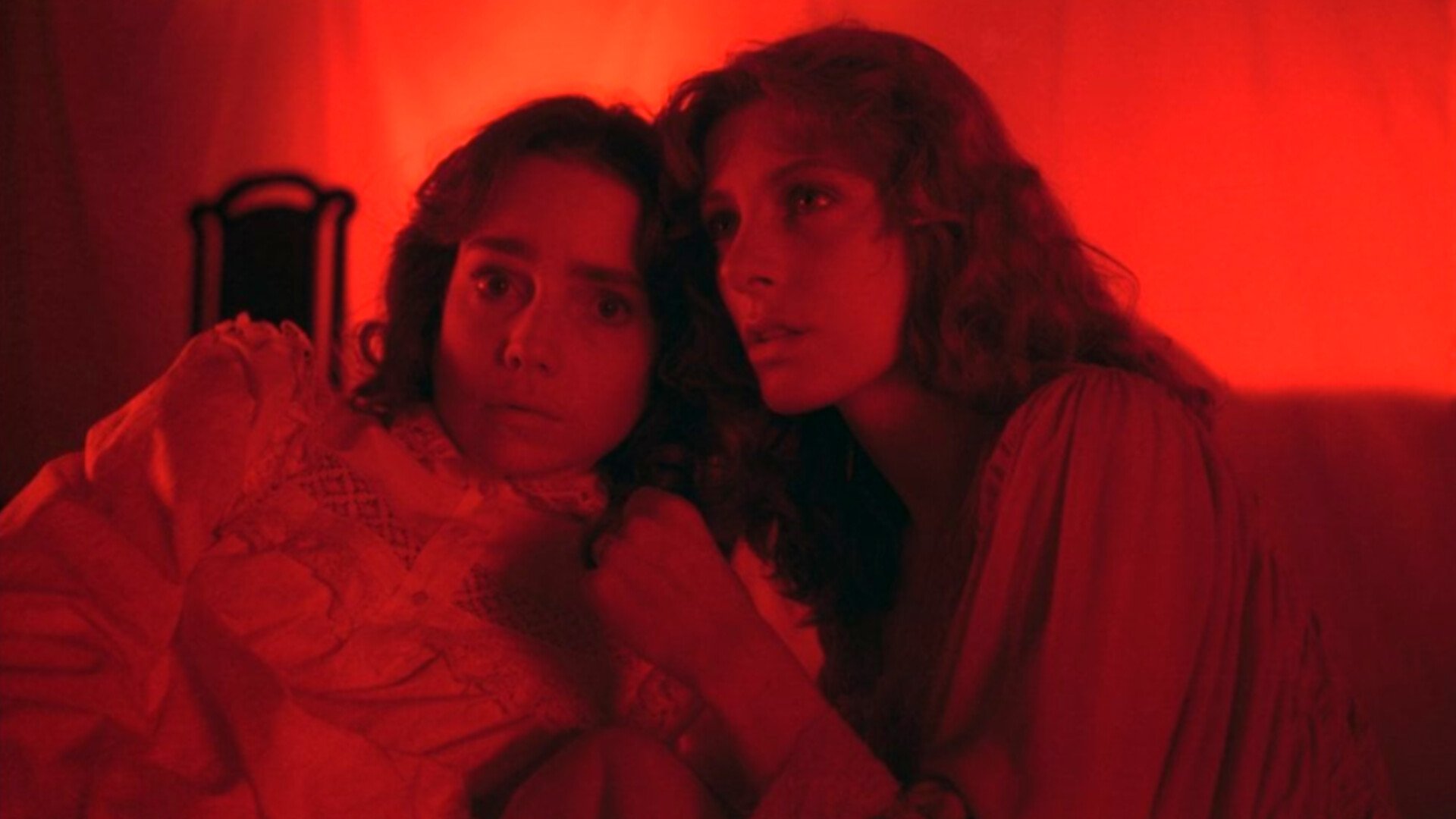
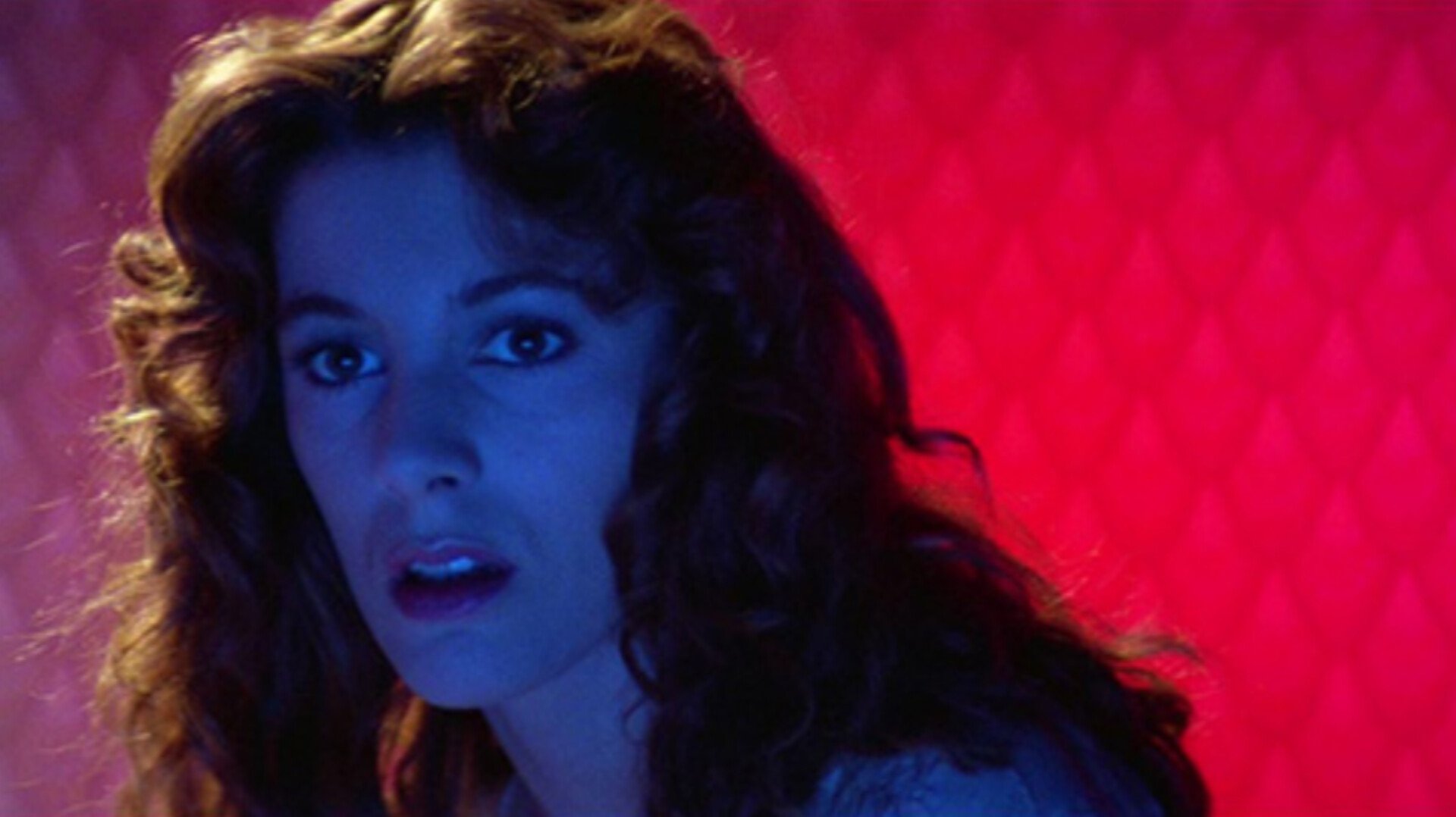
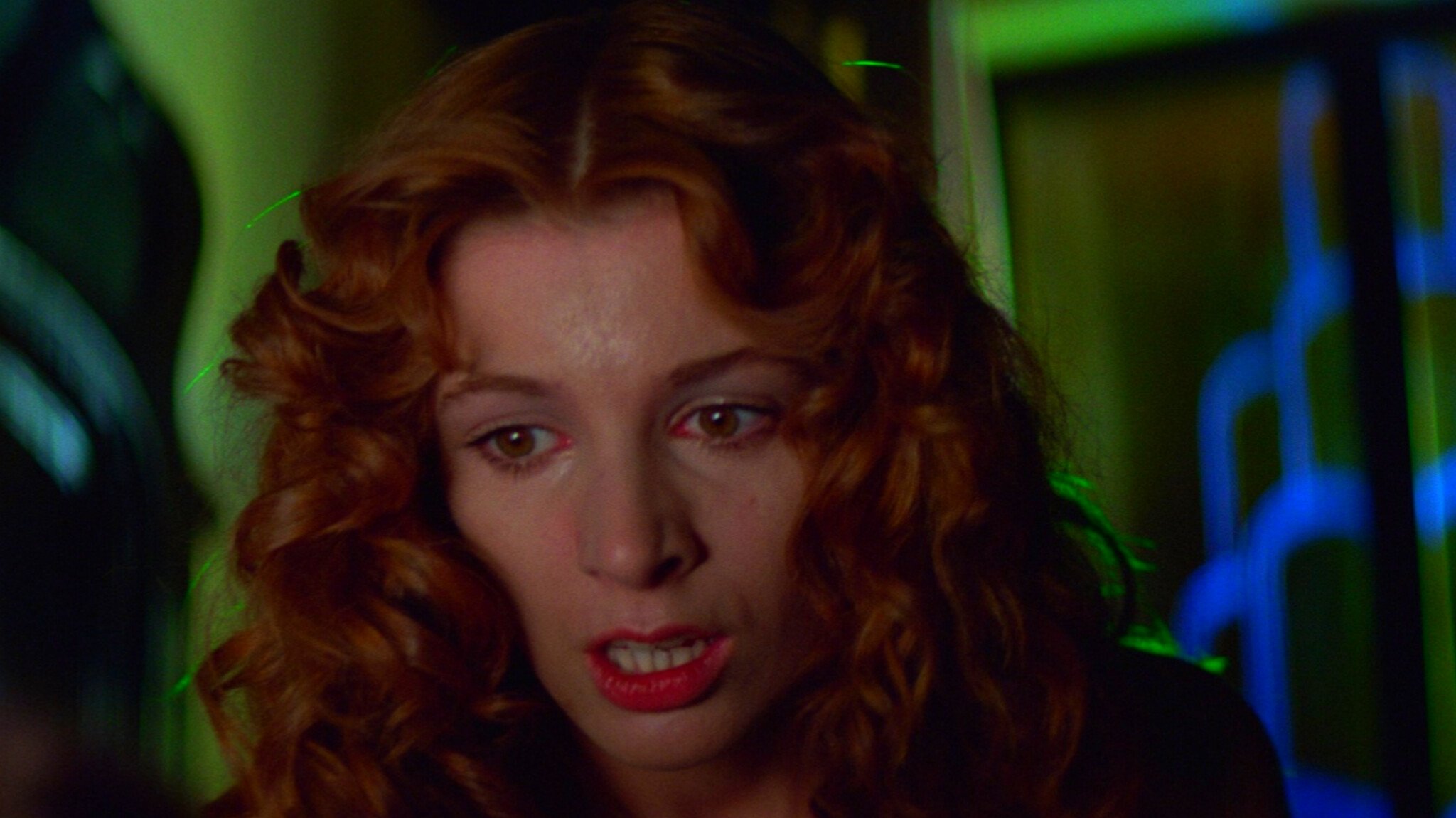
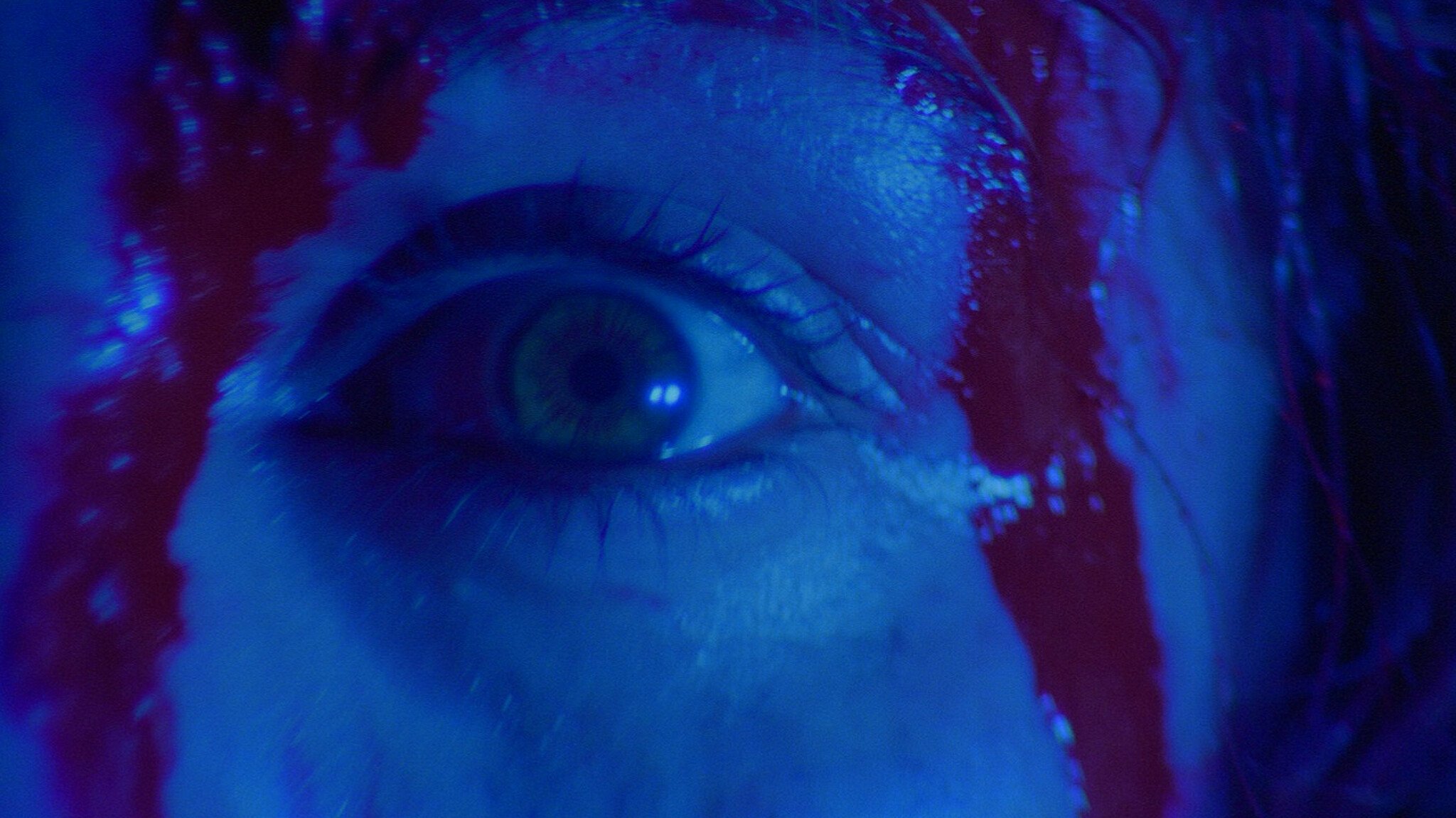
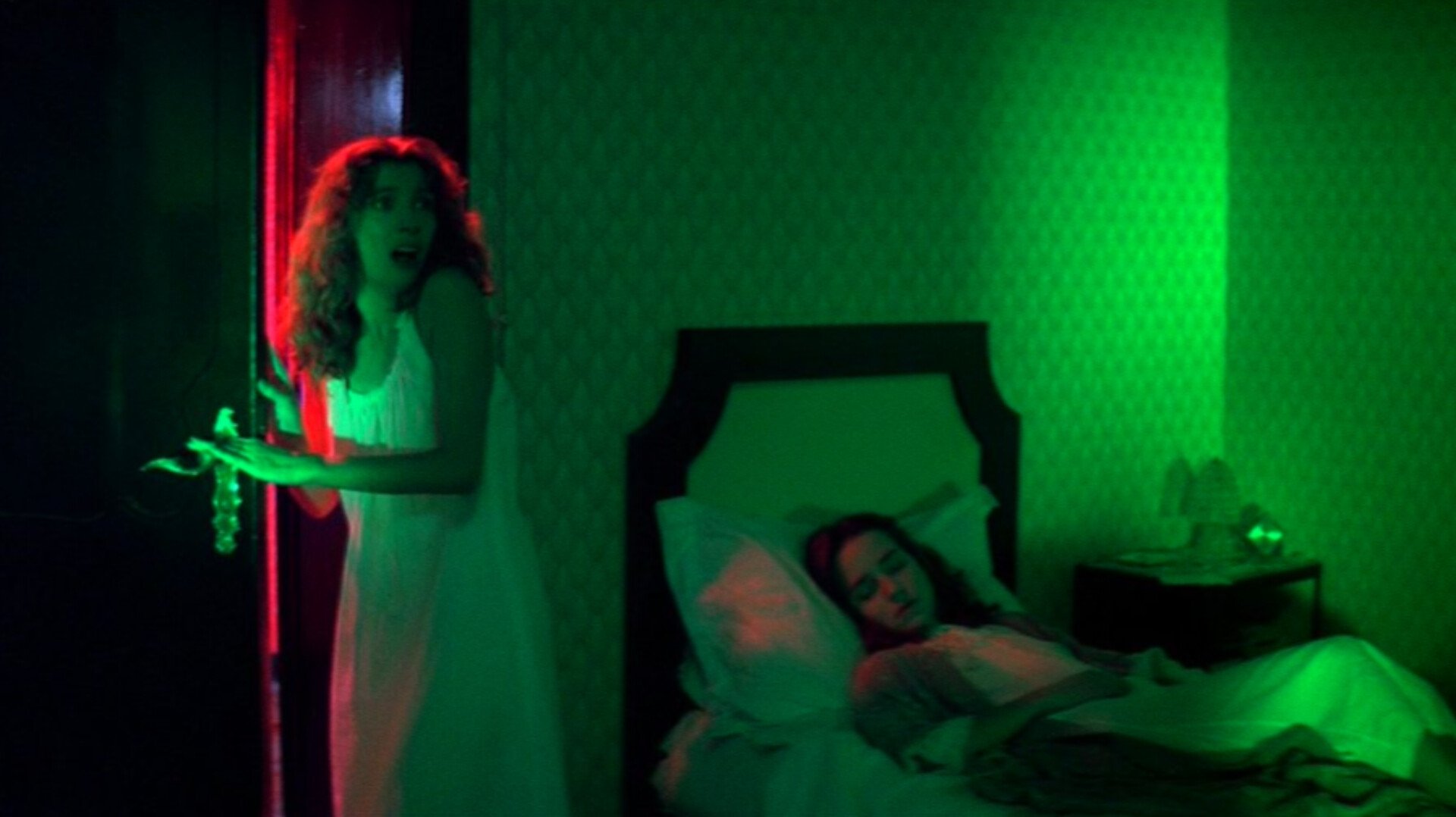
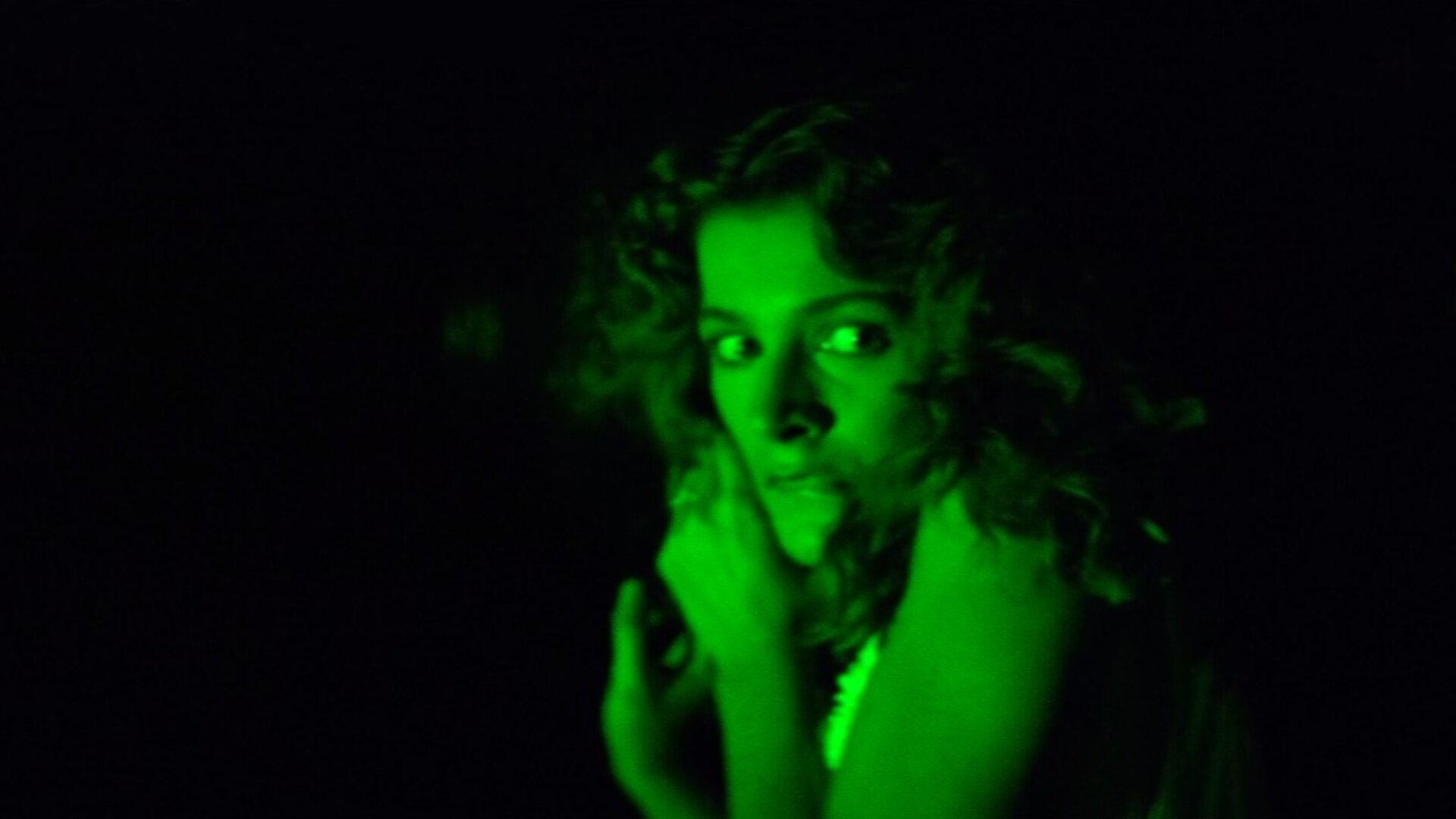
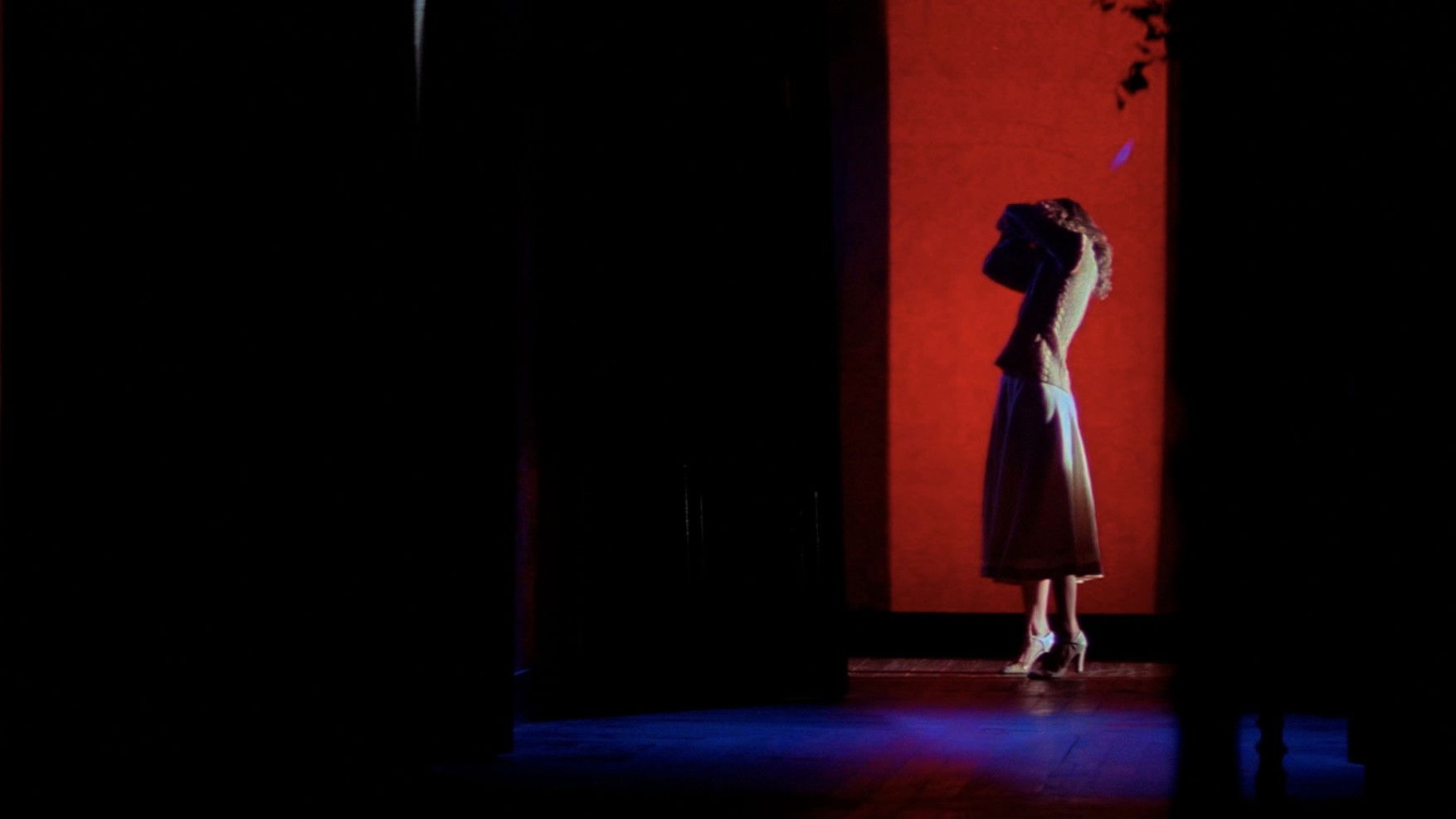
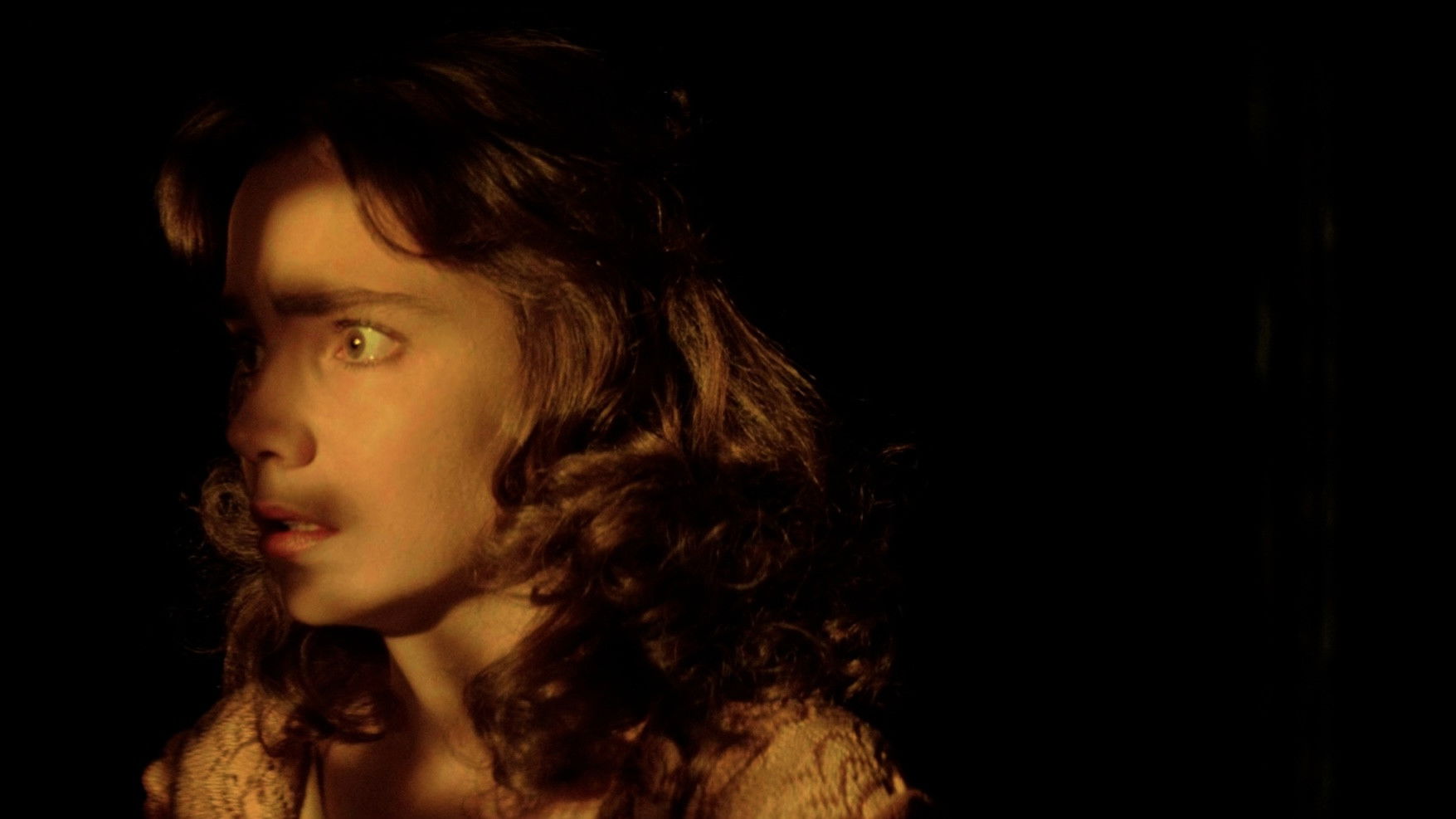
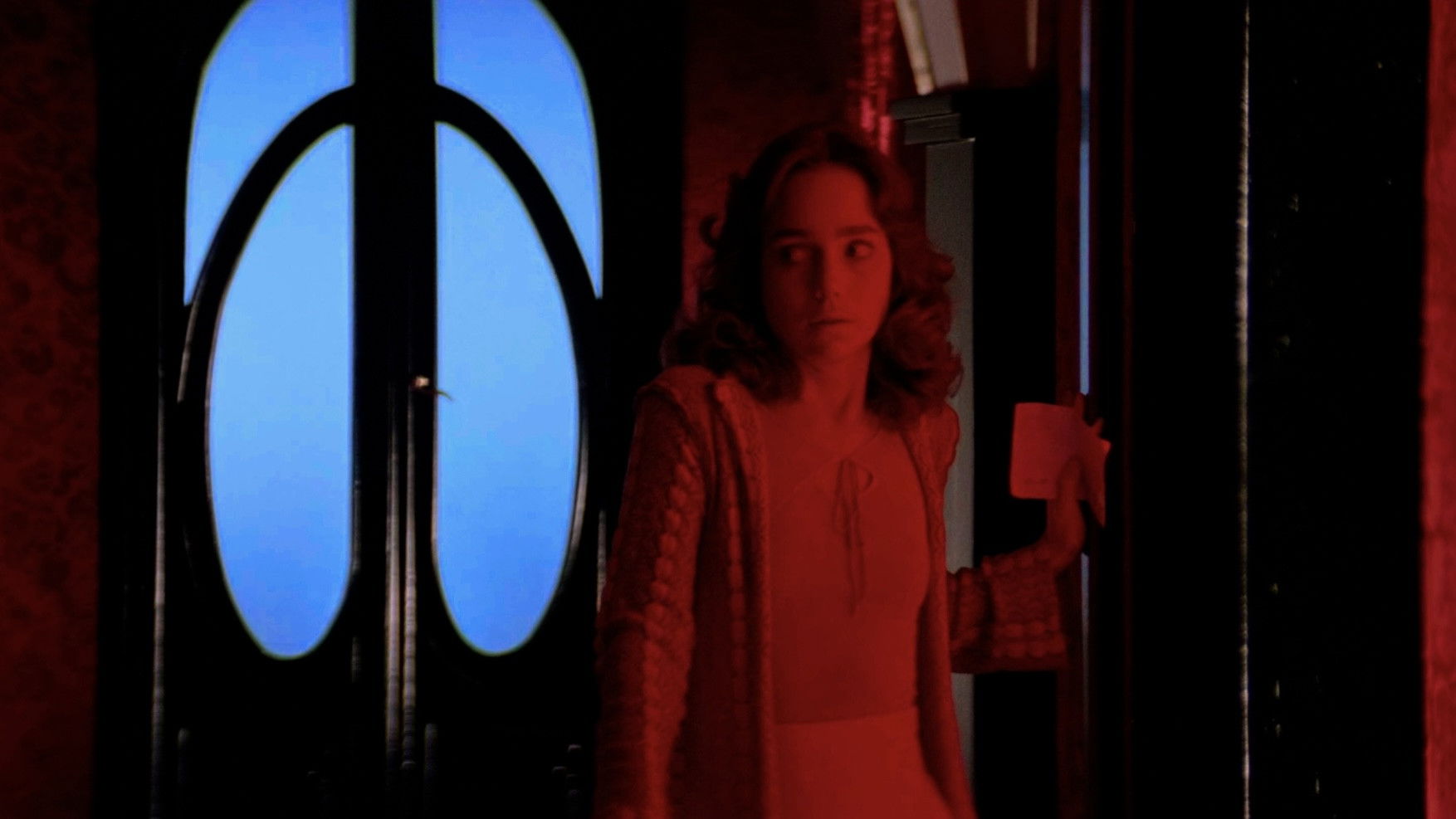
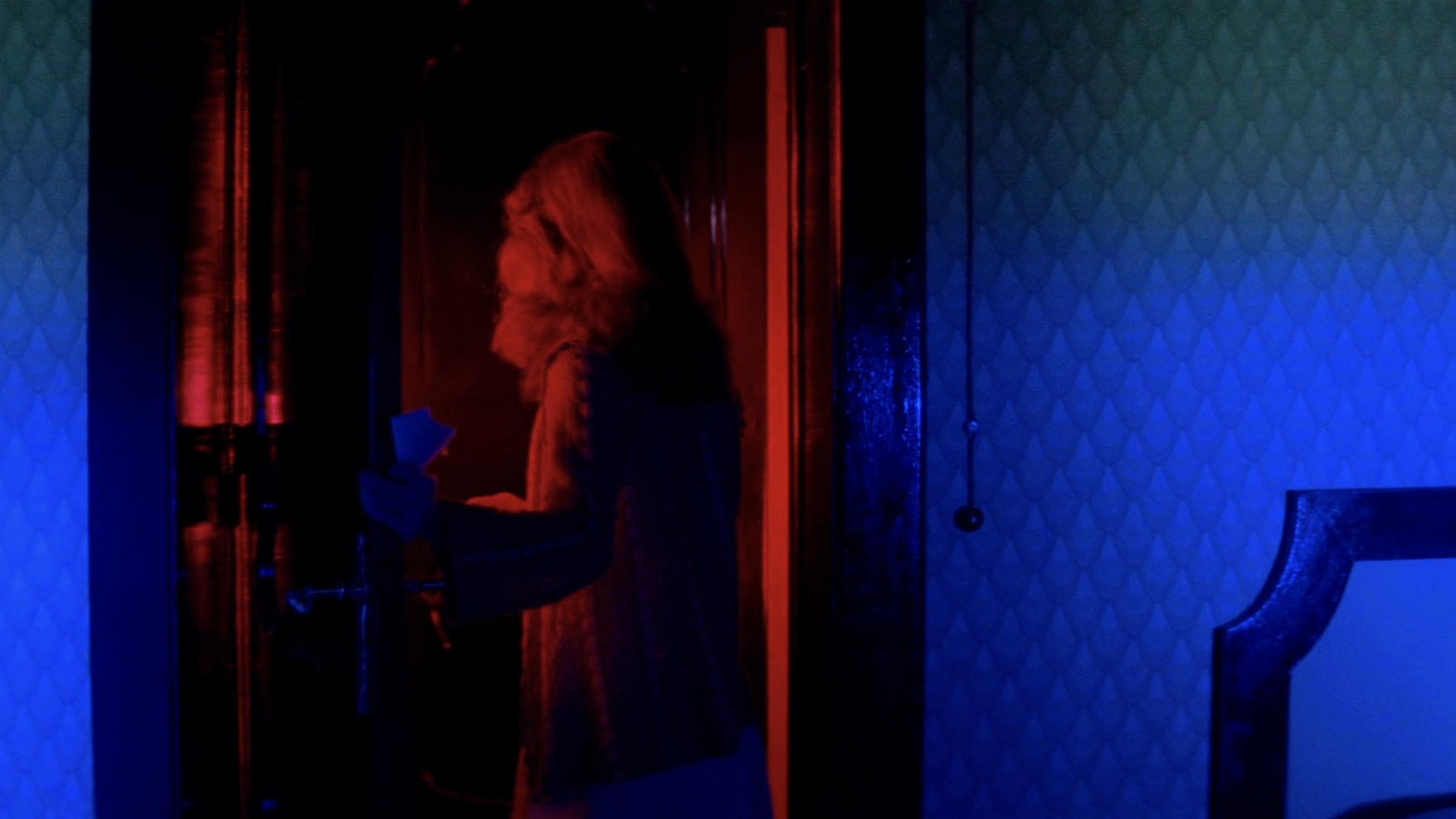
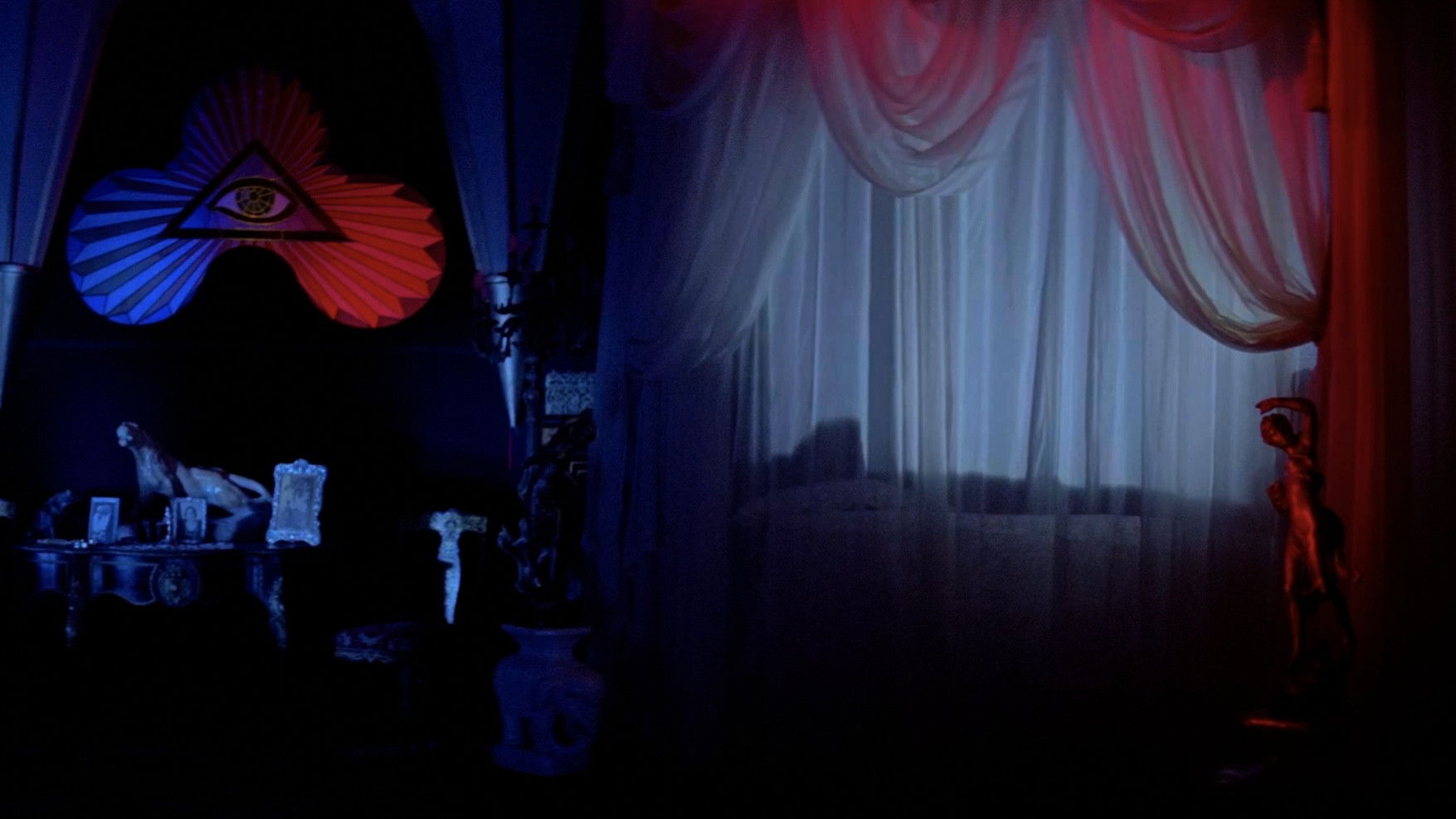
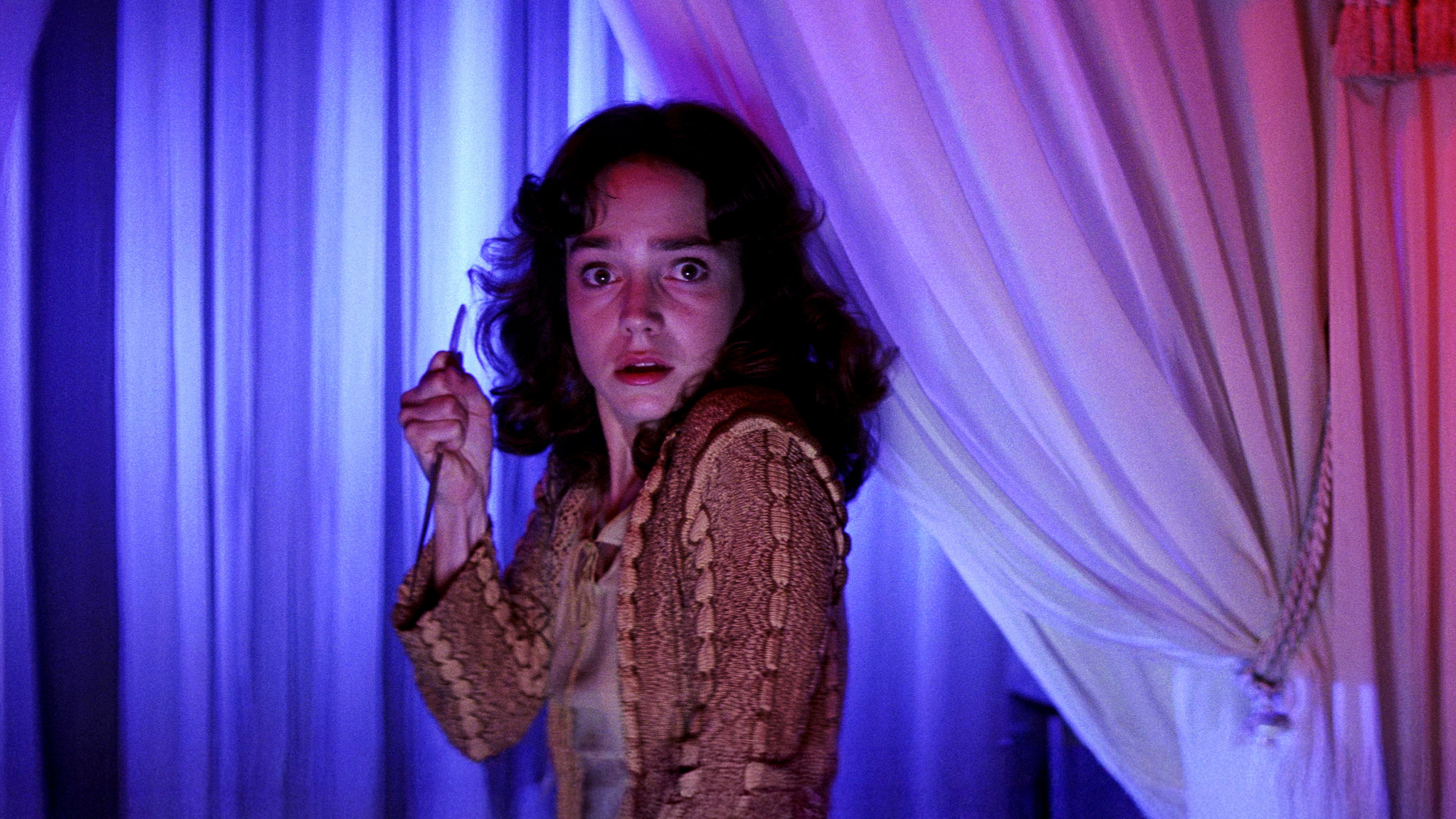
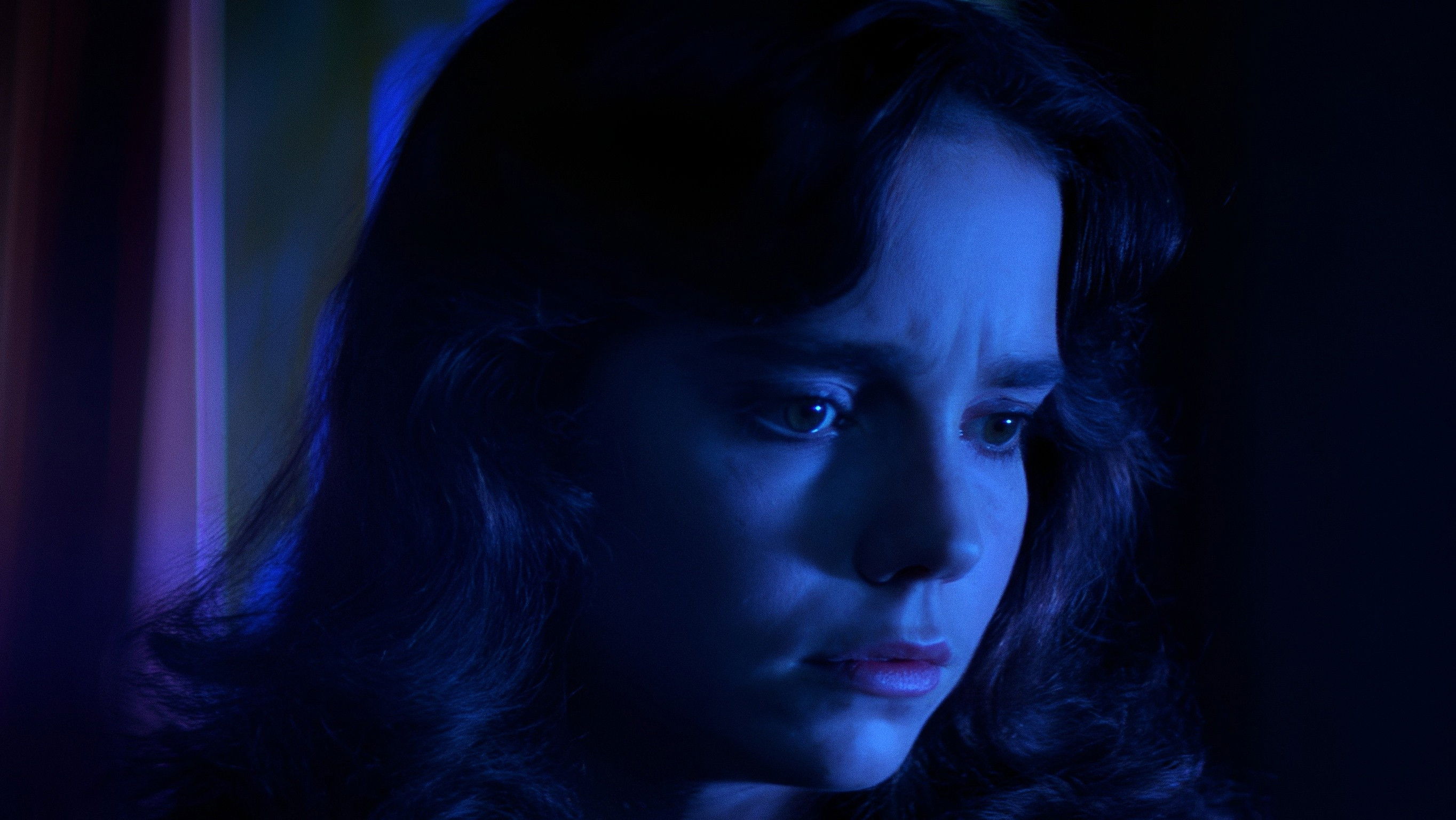
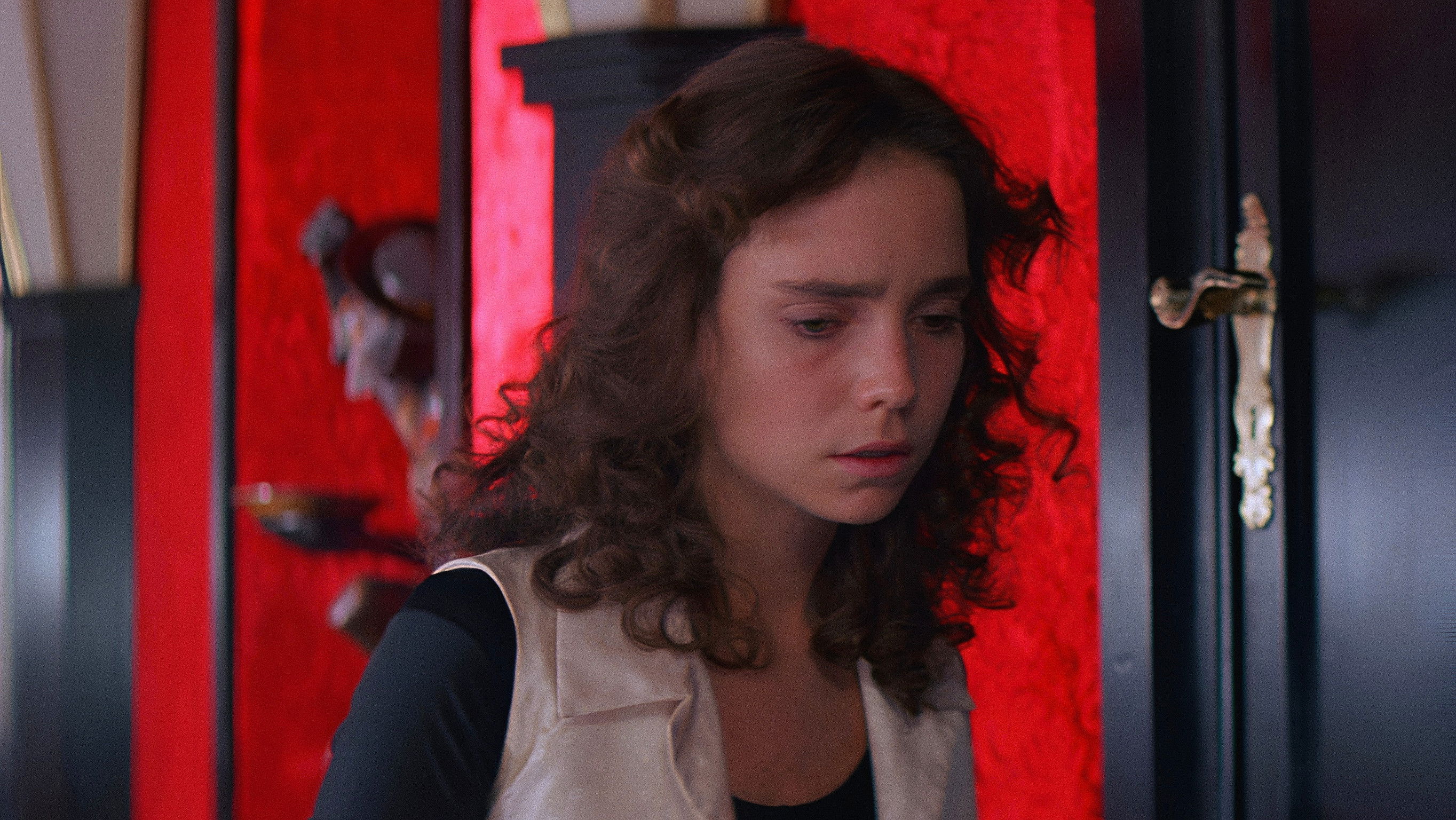
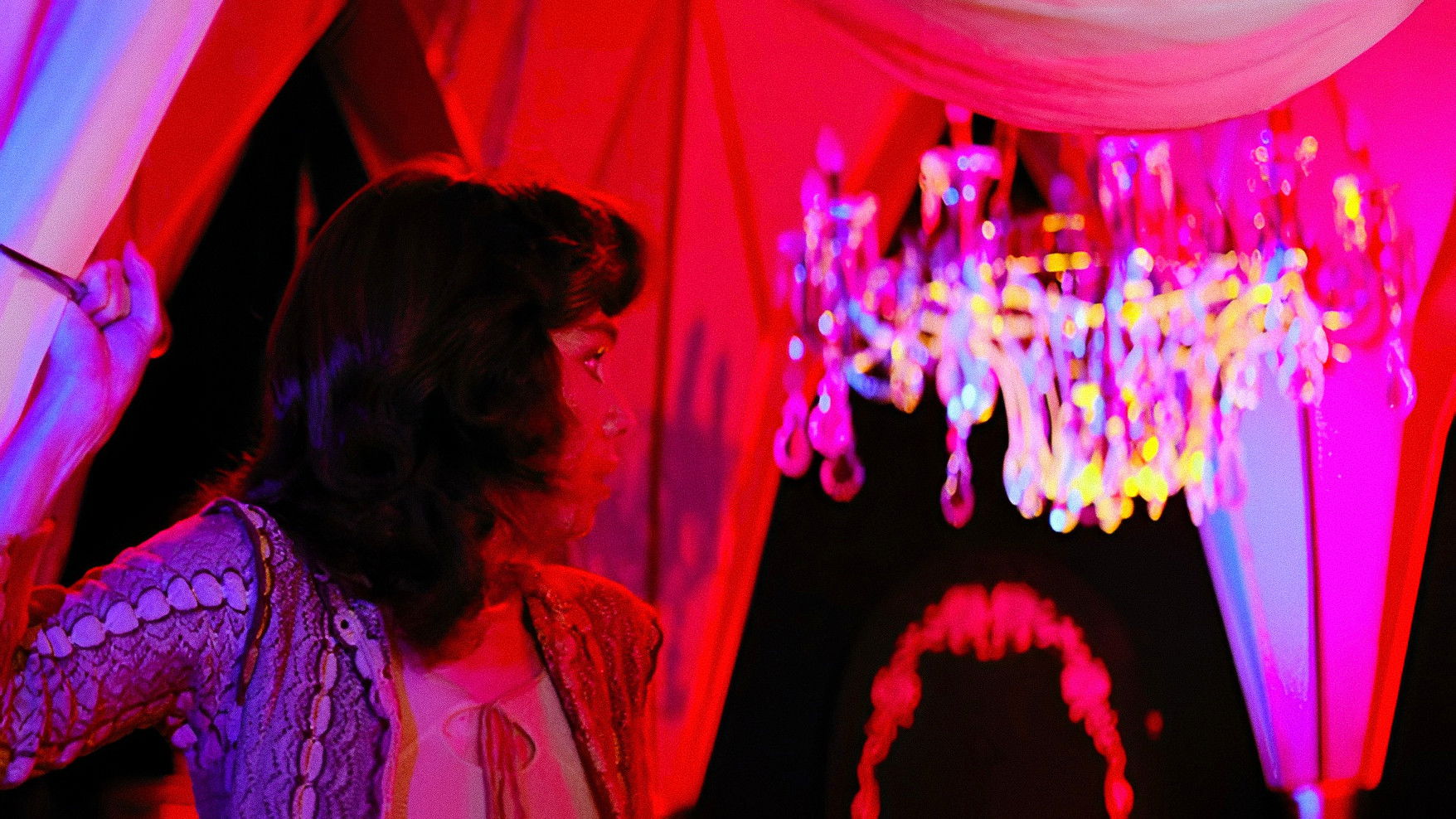
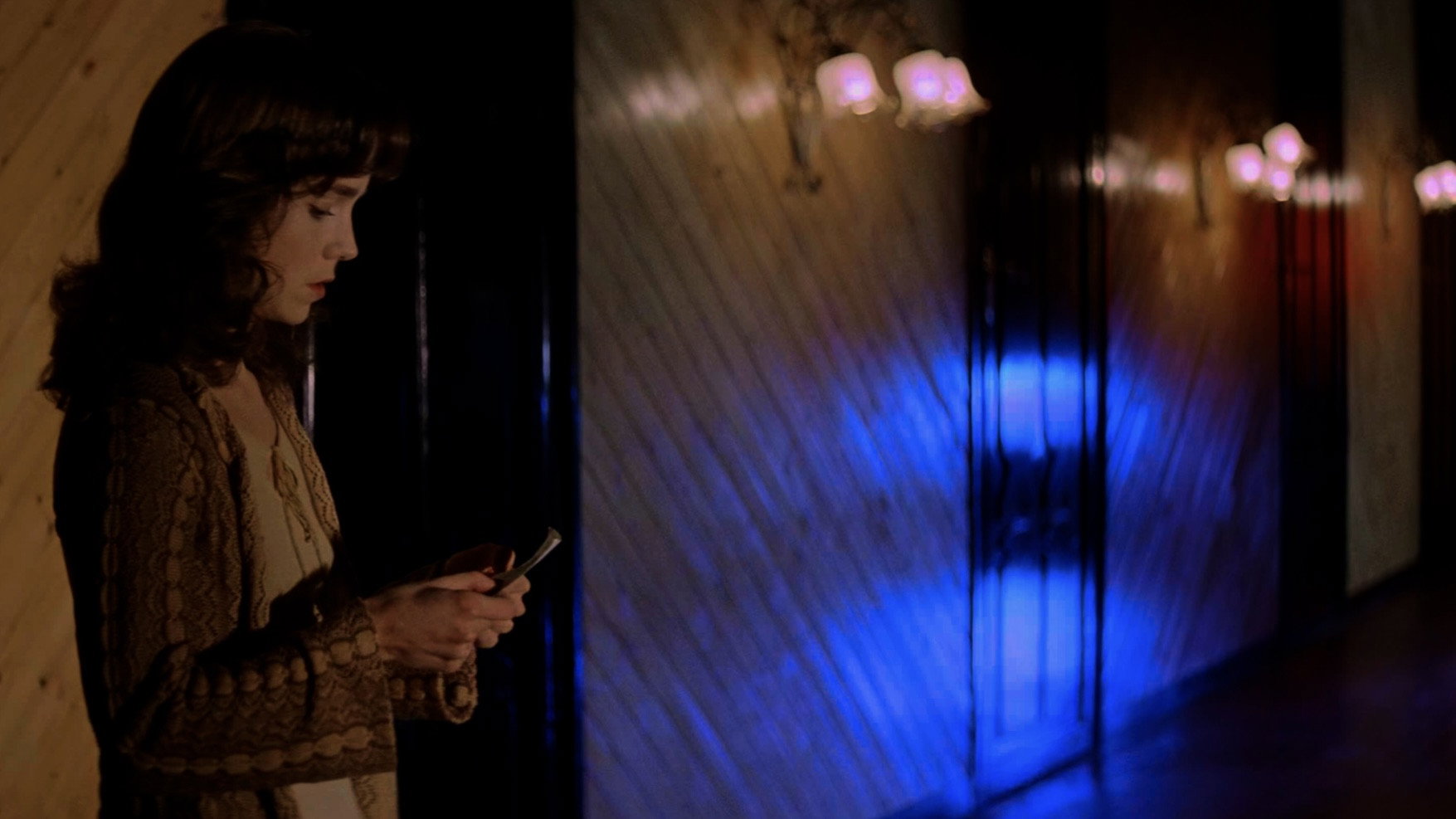
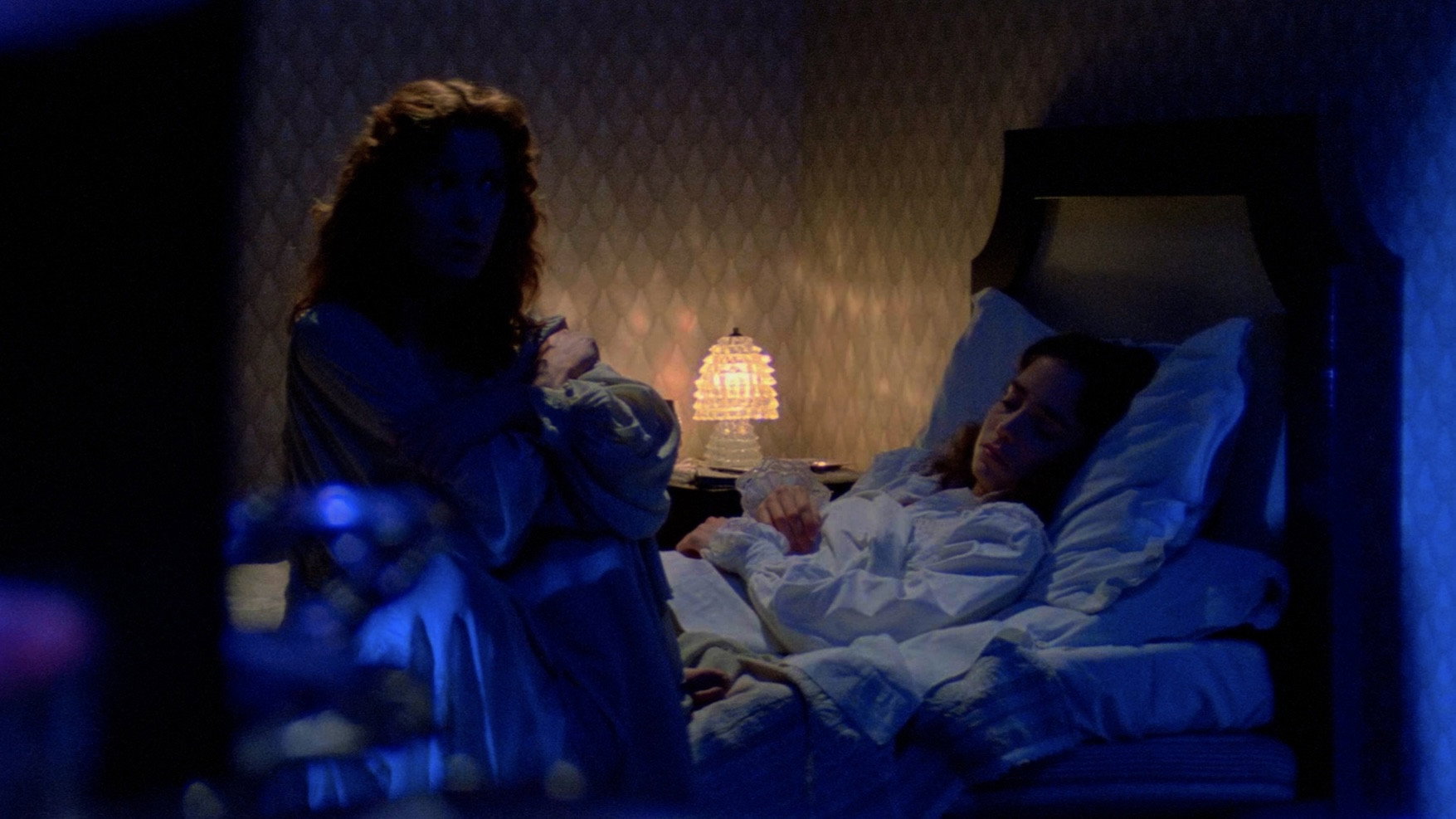
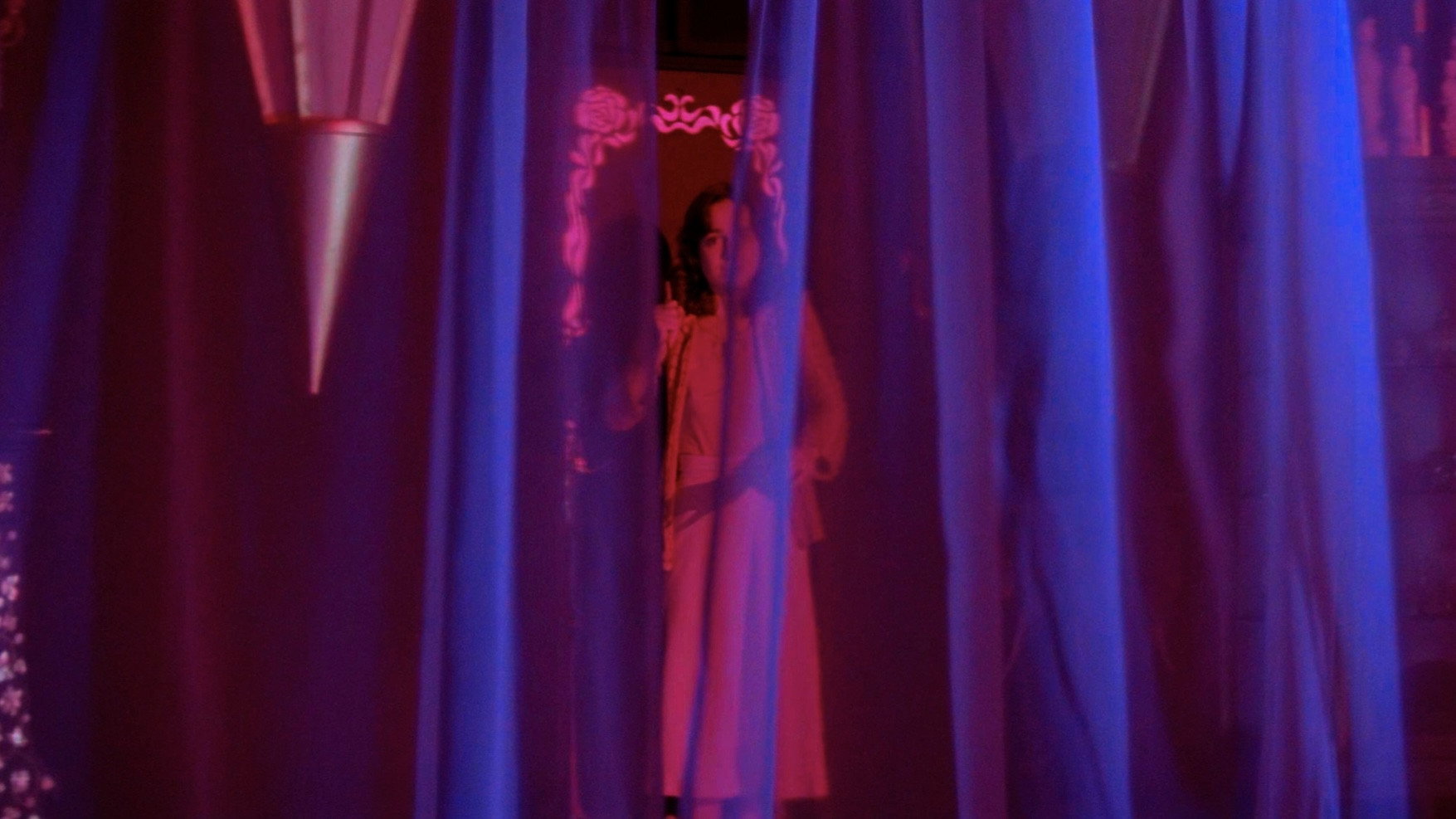
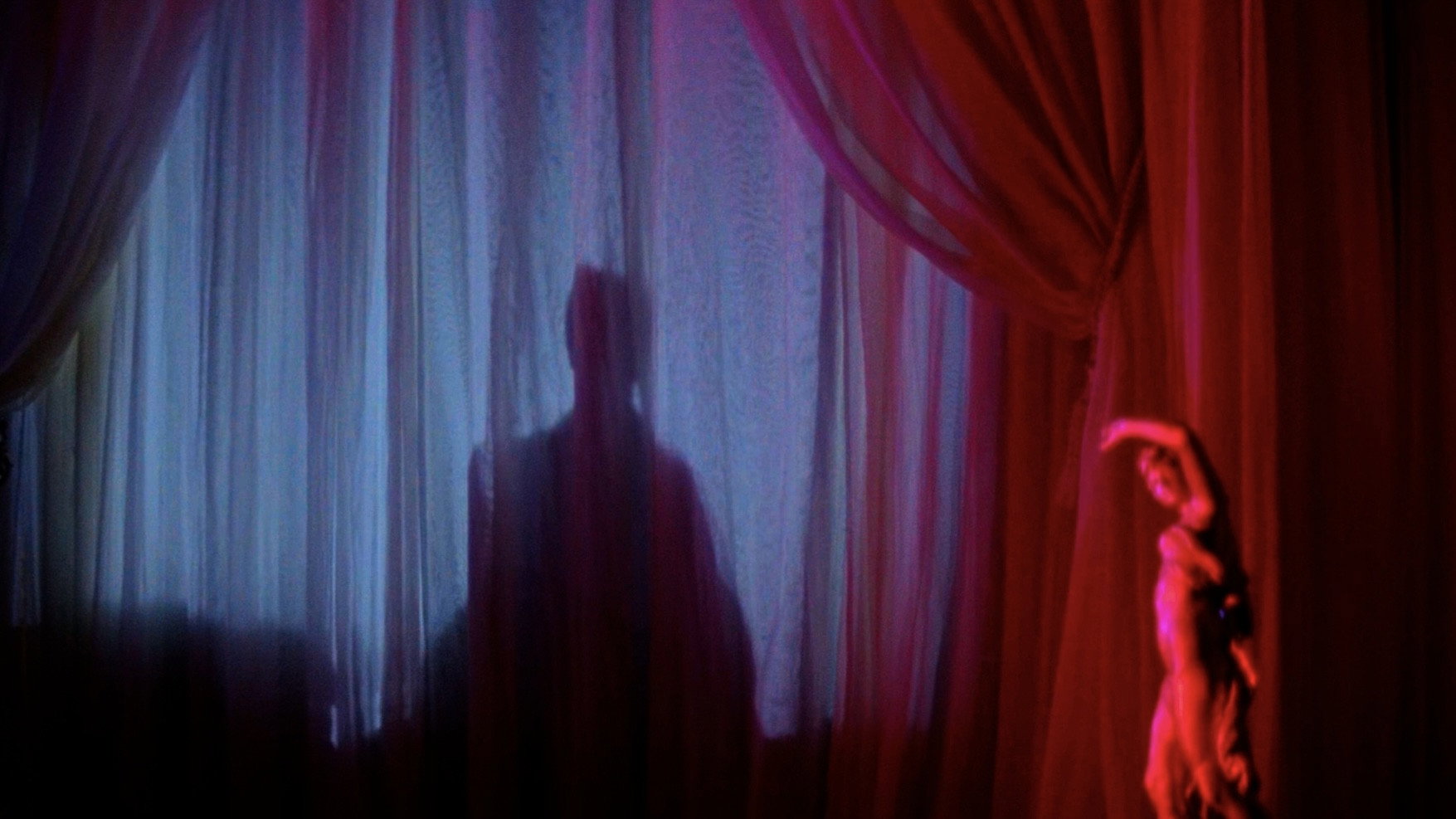
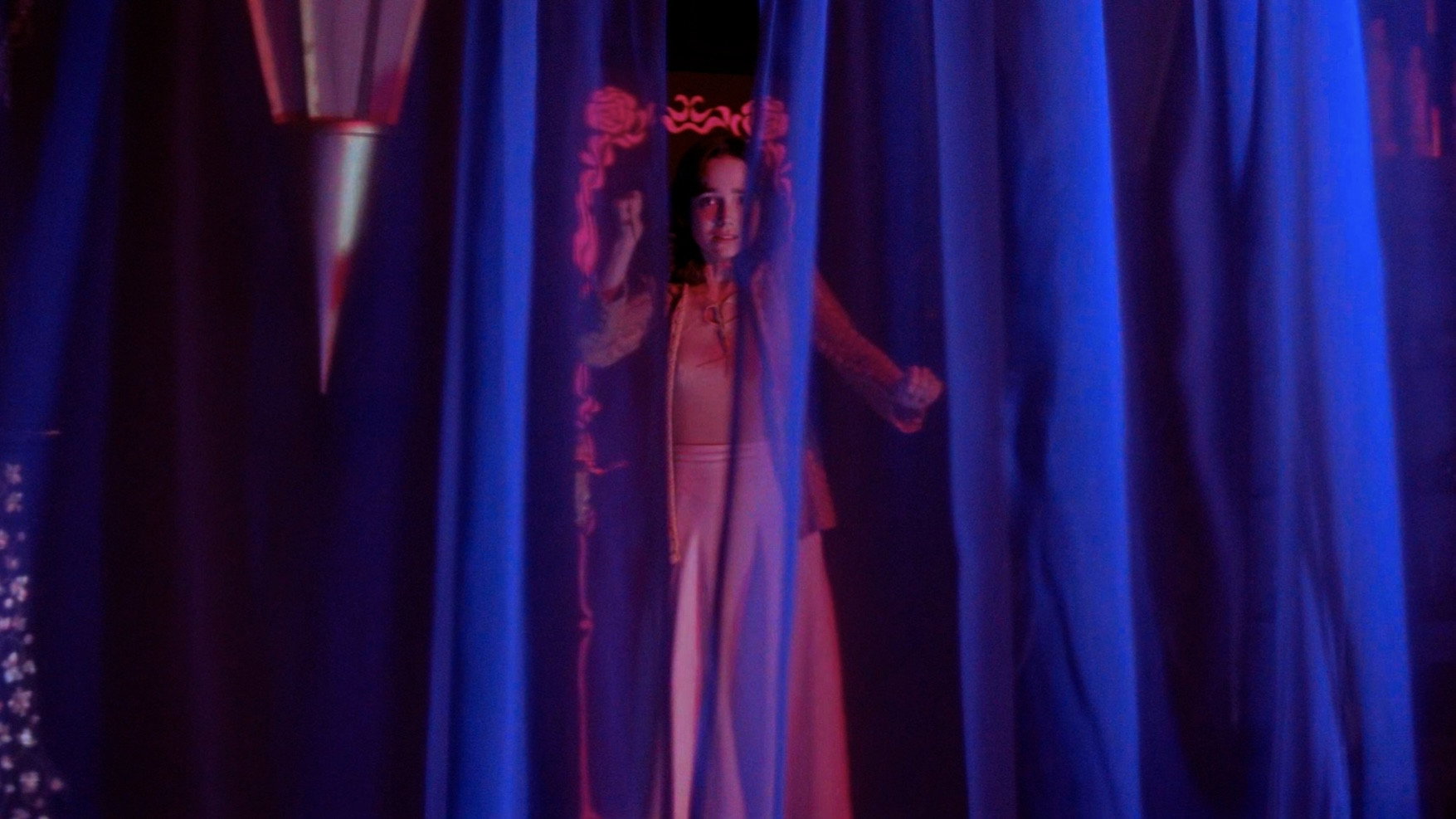
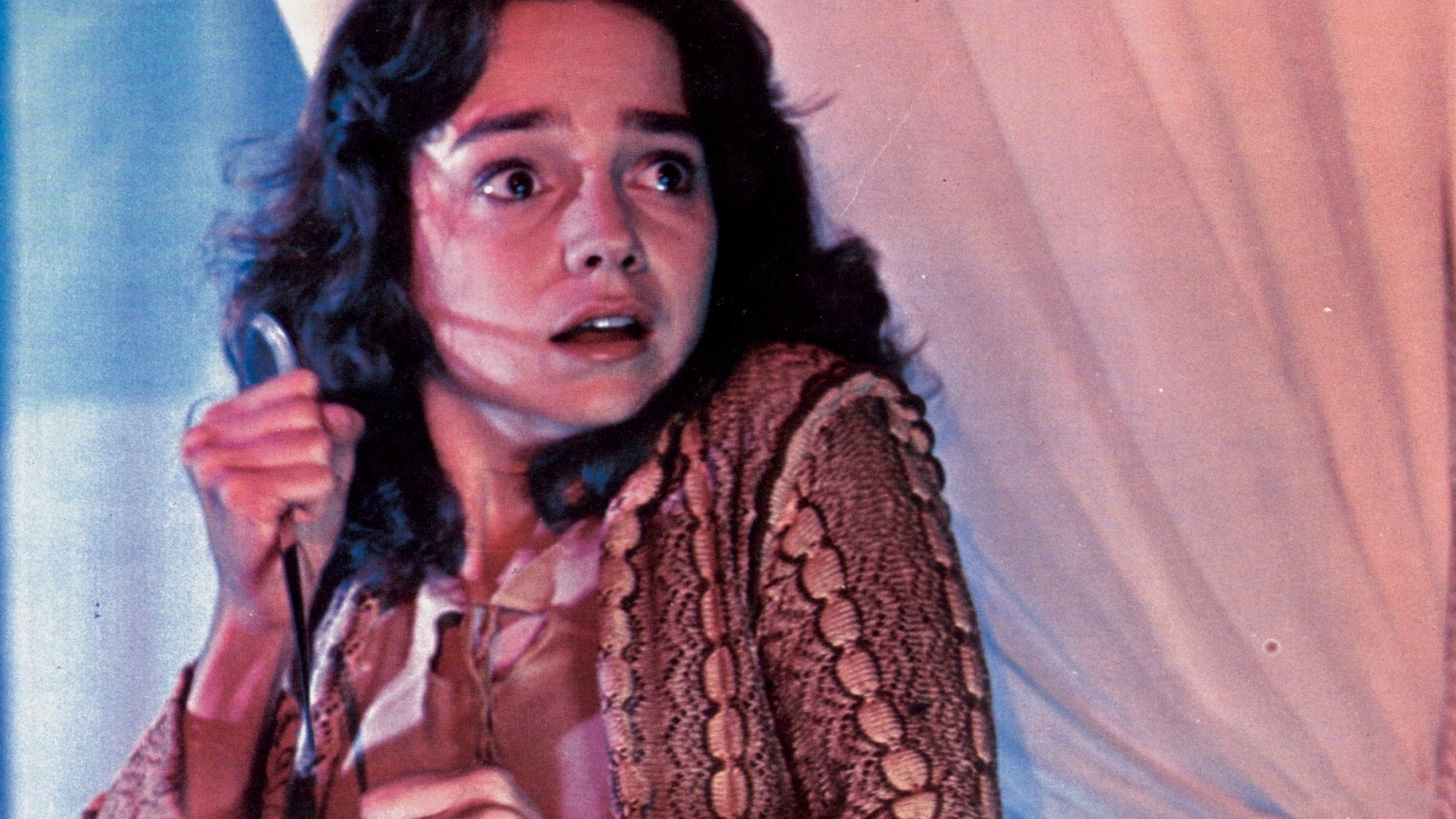
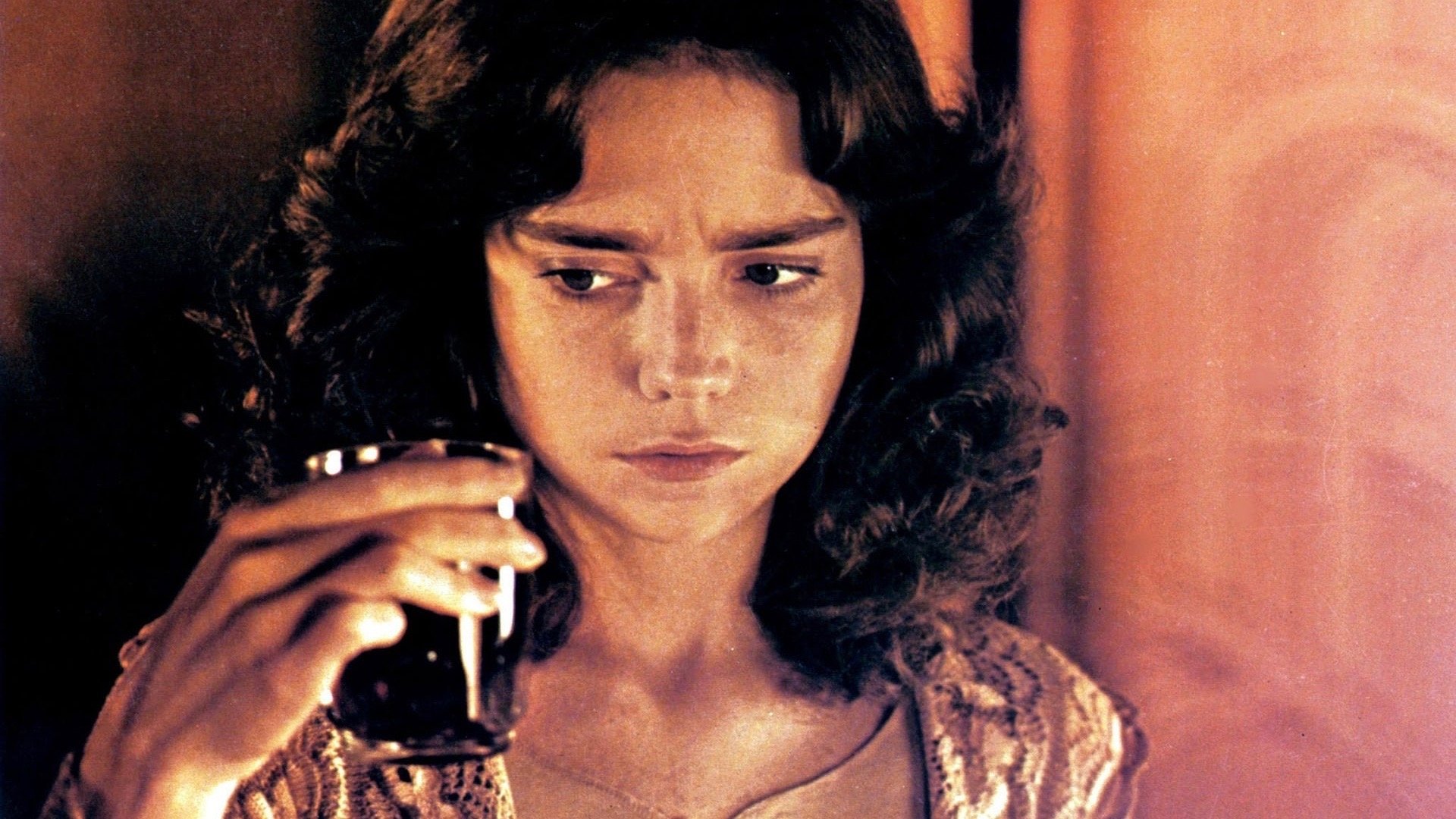
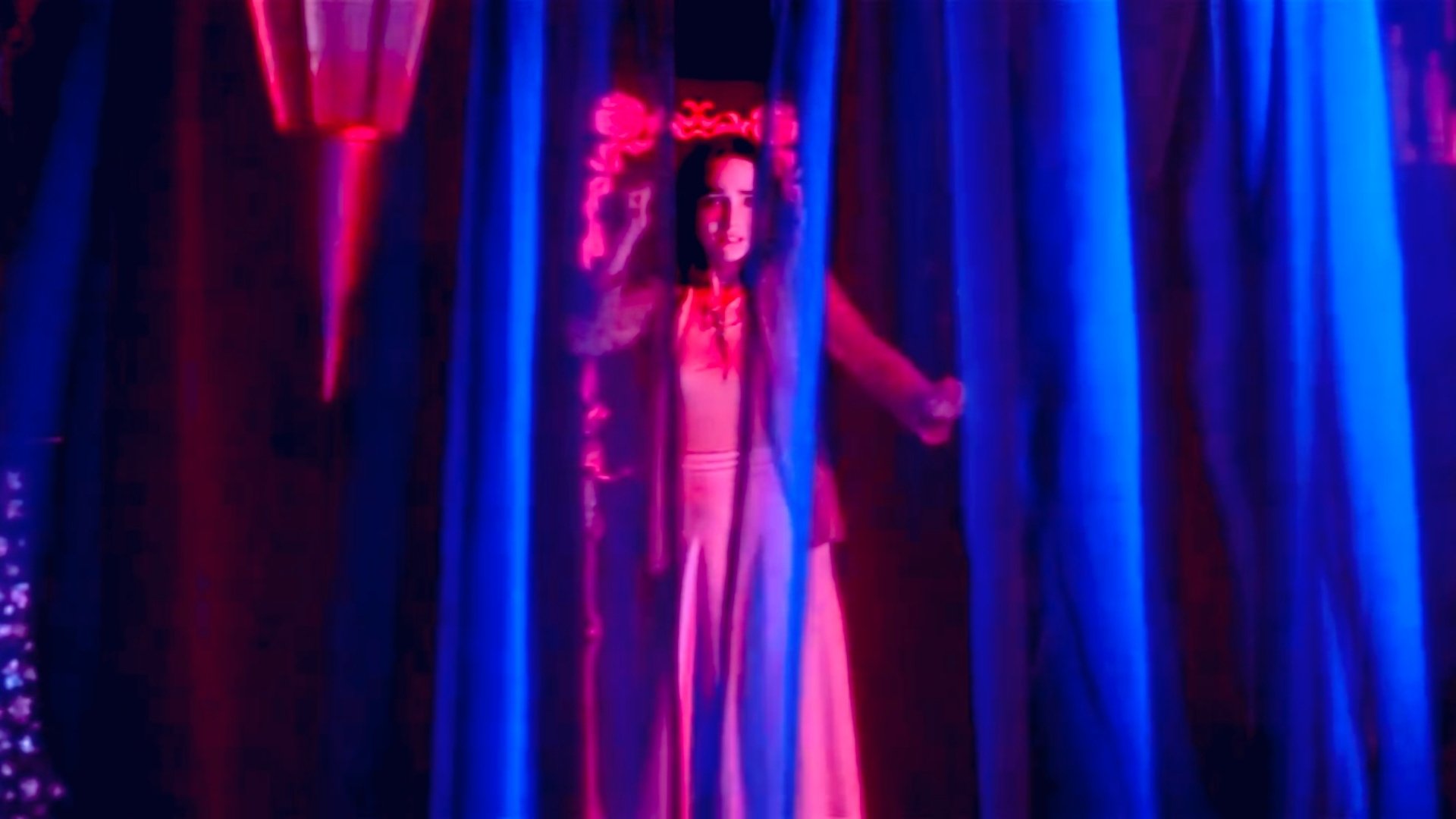
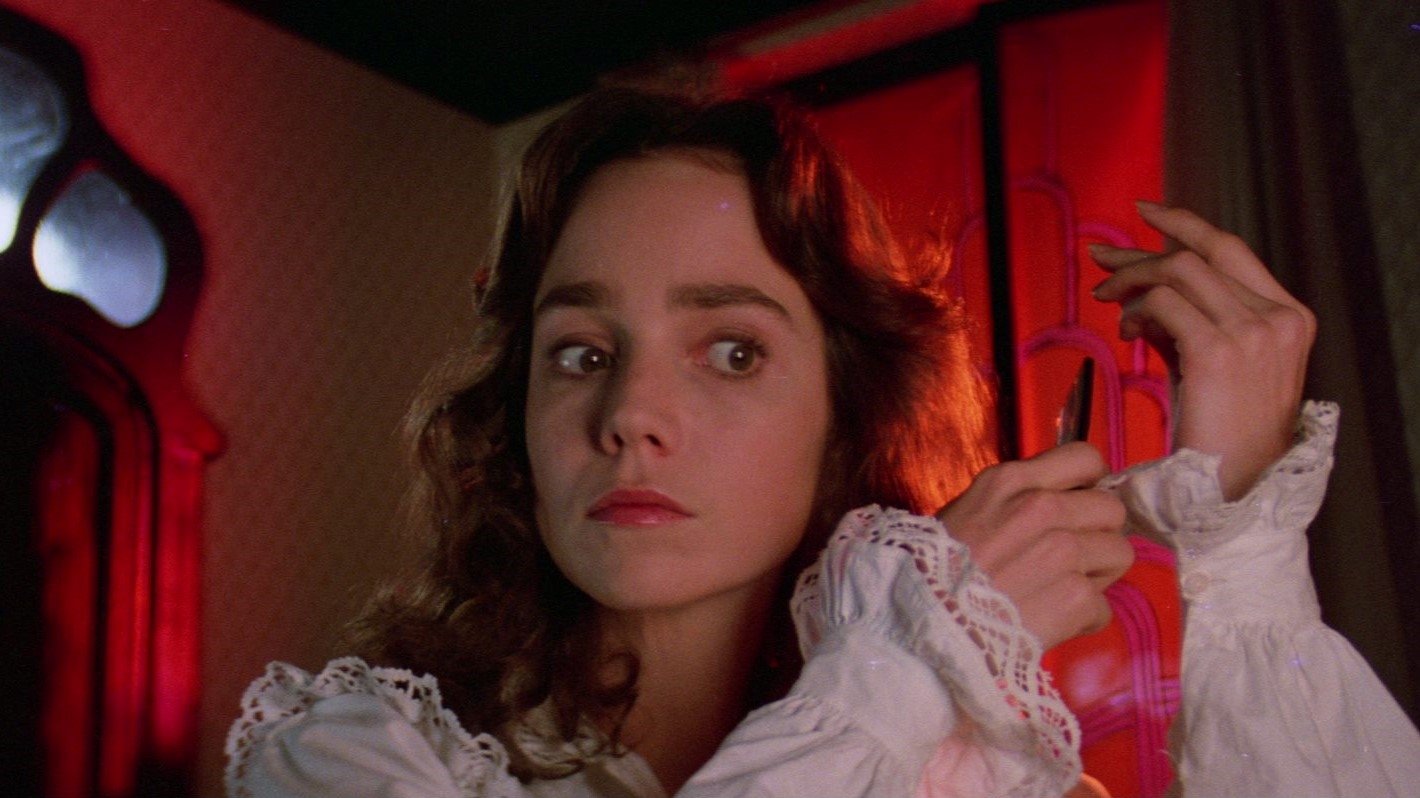
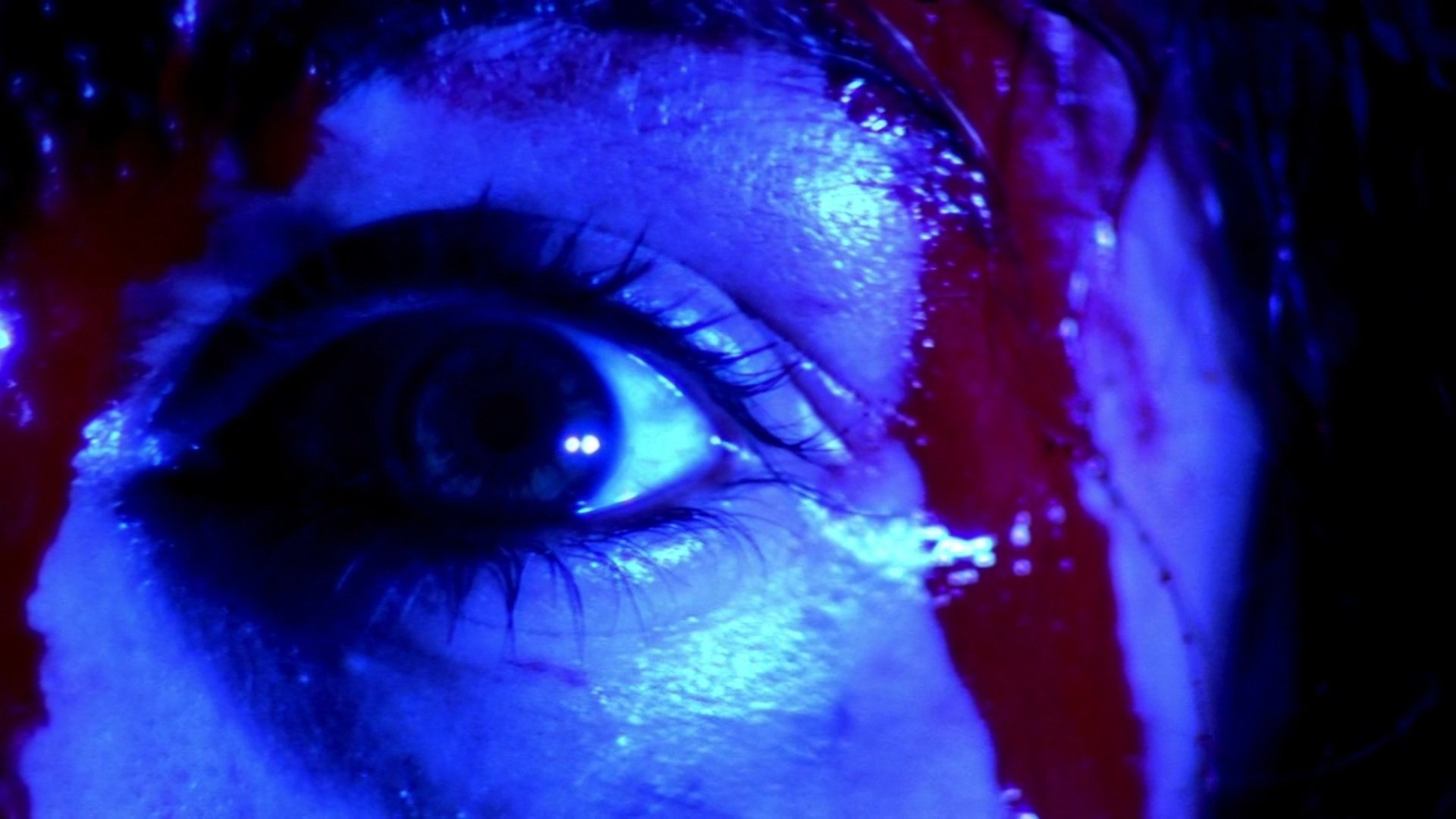
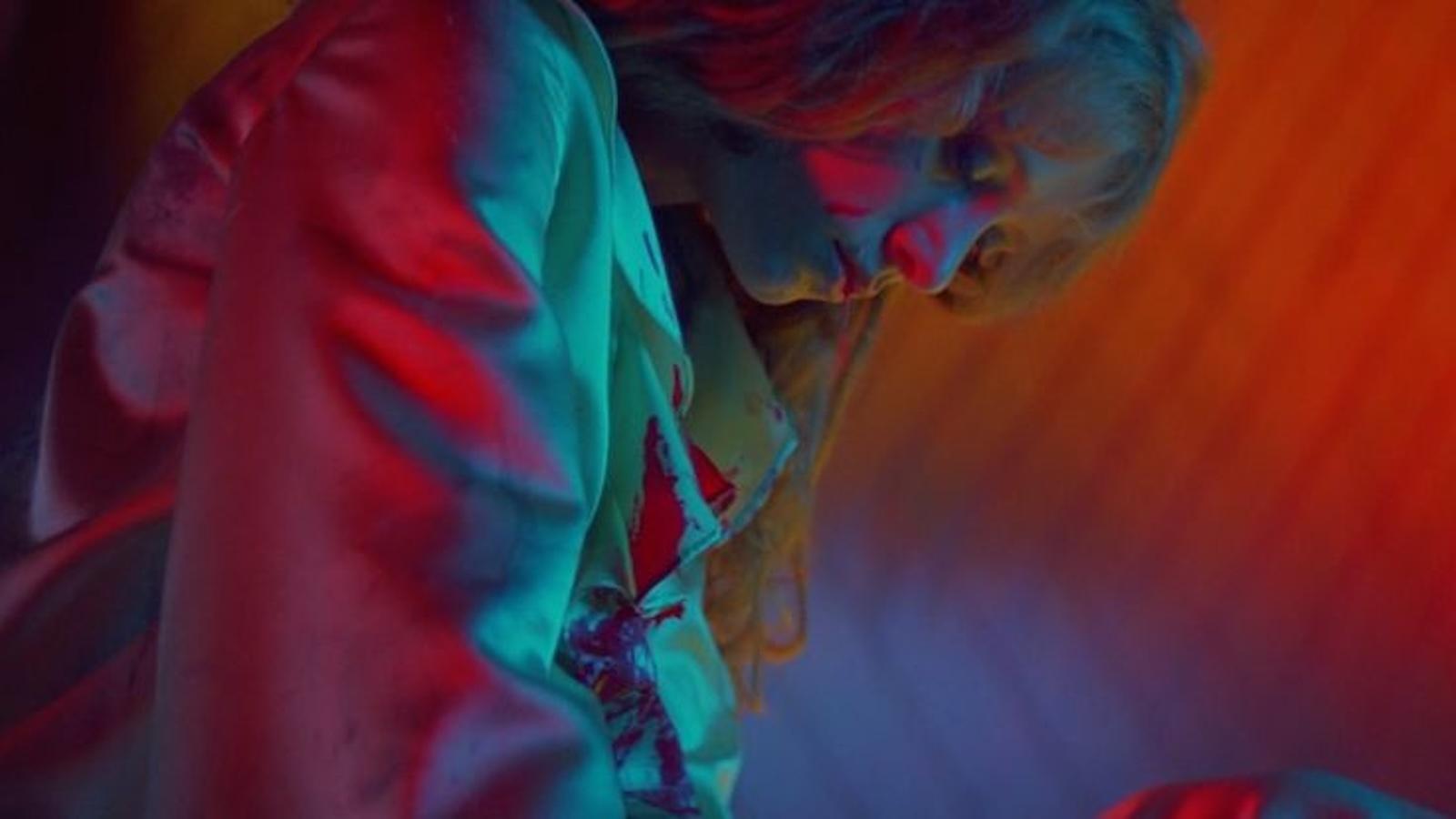
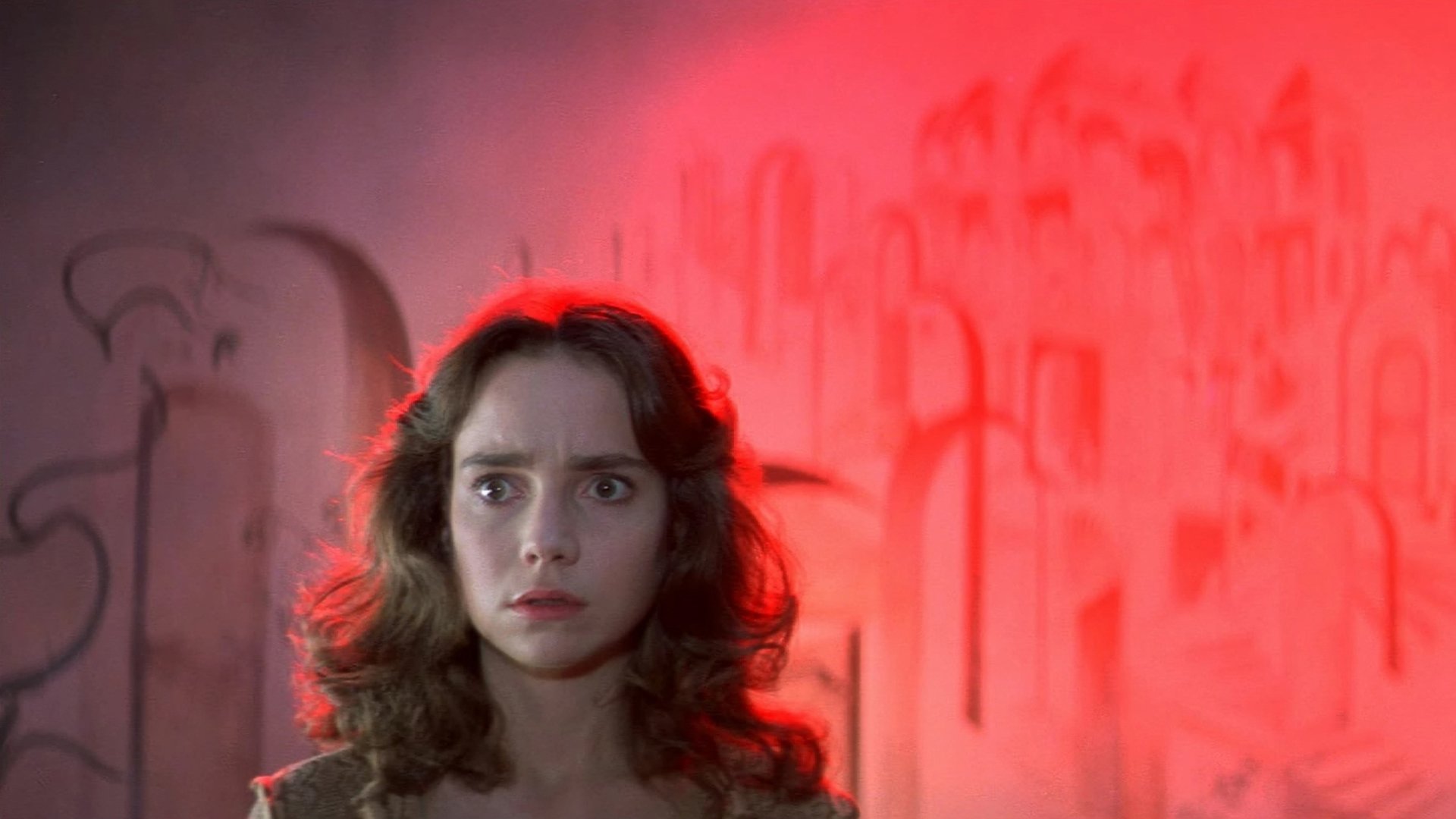
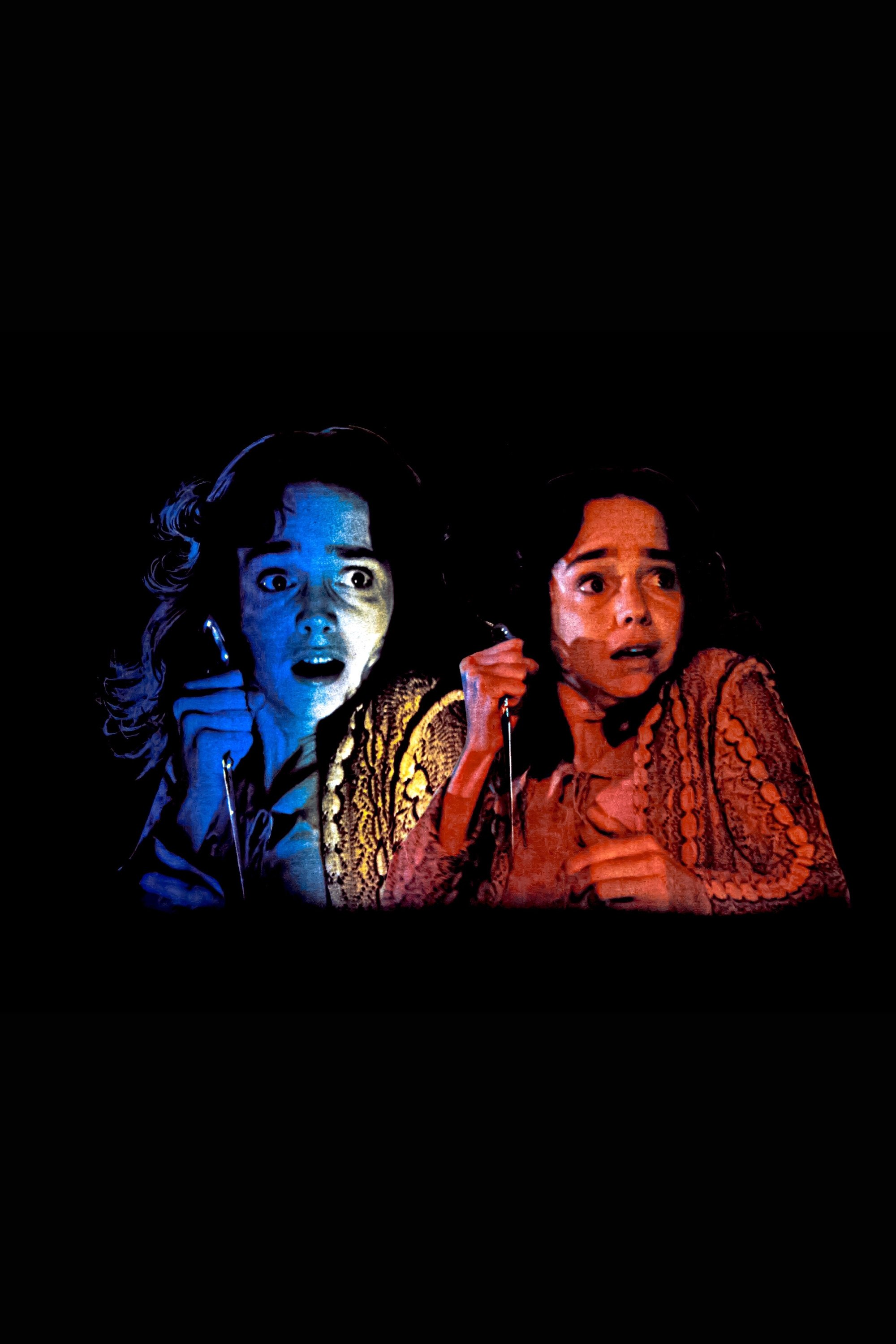
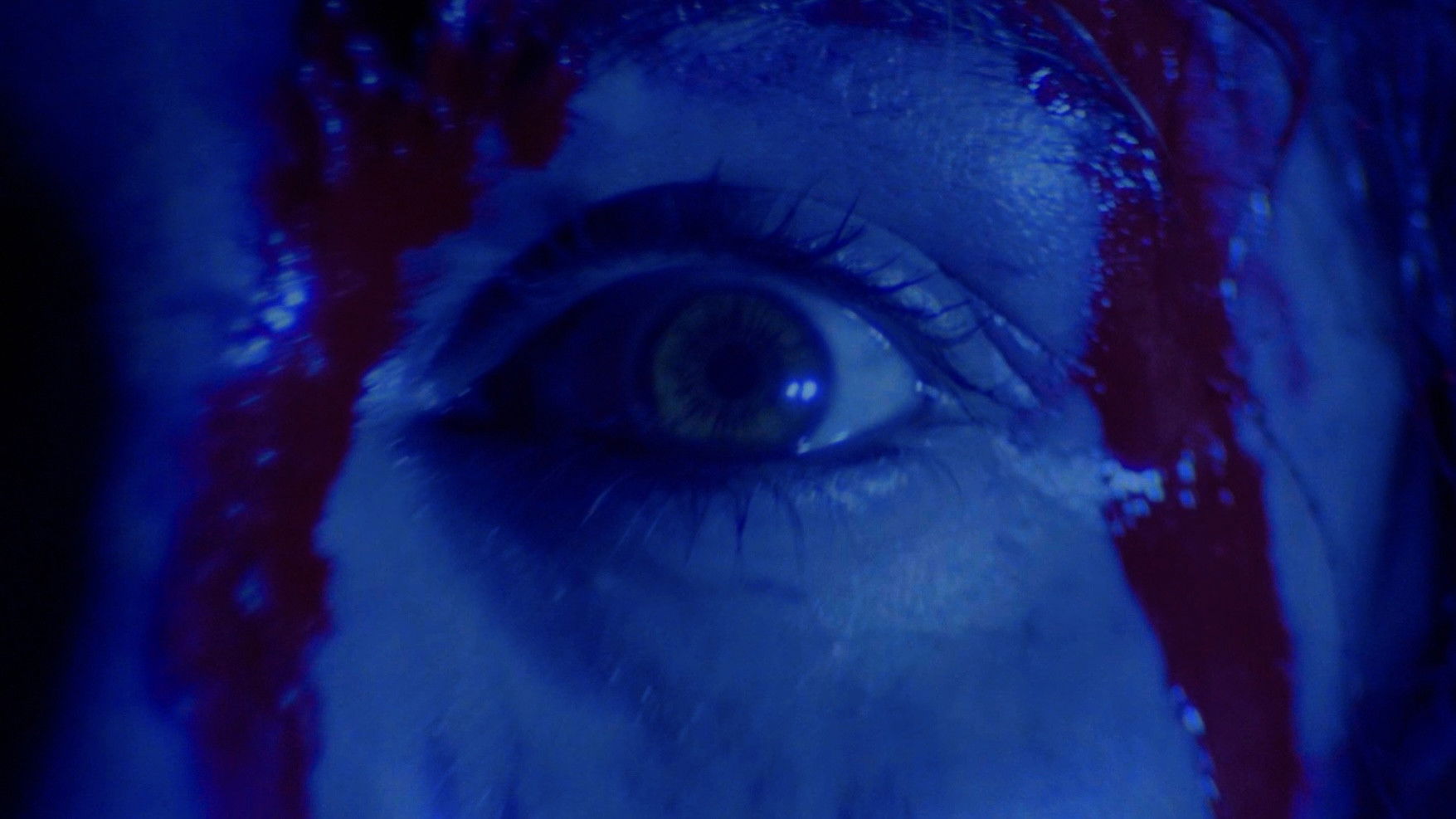
Red, blue and green dominate the palette, frequently contaminated by complementary yellow. Tovoli did not treat colour as a realistic property of a lamp or room. A face could be illuminated by saturated red or blue simply because the emotional rhythm of the scene required it. He later described the objective as making familiar primary colours unusually violent, creating a world that simultaneously attracts and reassures the viewer by clearly announcing its distance from normal experience.
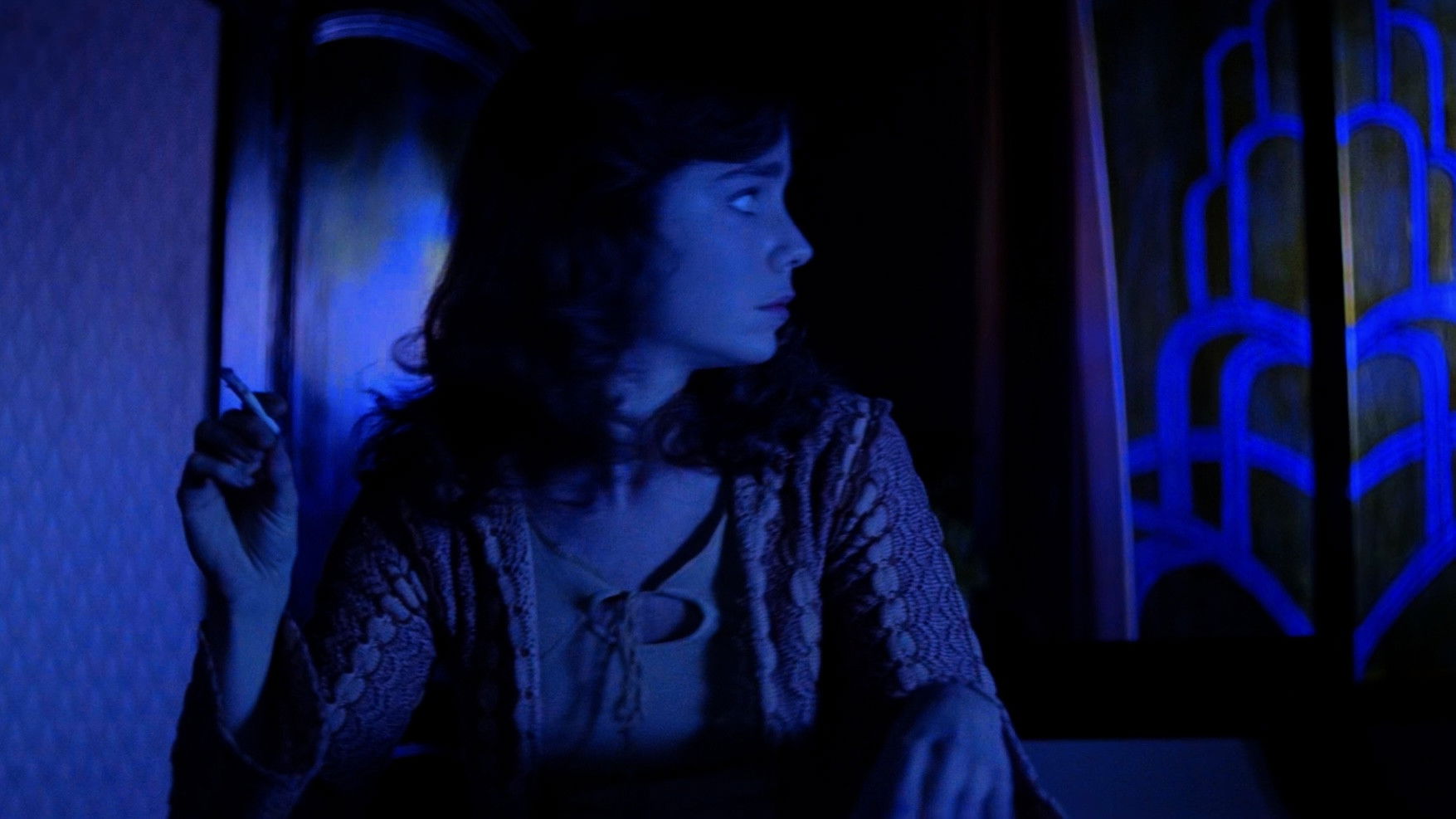
The effect was achieved principally during photography rather than created through modern-style colour grading. Tovoli used powerful lamps placed unusually close to performers, coloured materials in front of light sources and mirrors to redirect illumination. Production design and cinematography were coordinated so that walls, costumes, faces and light could reinforce or clash with one another.

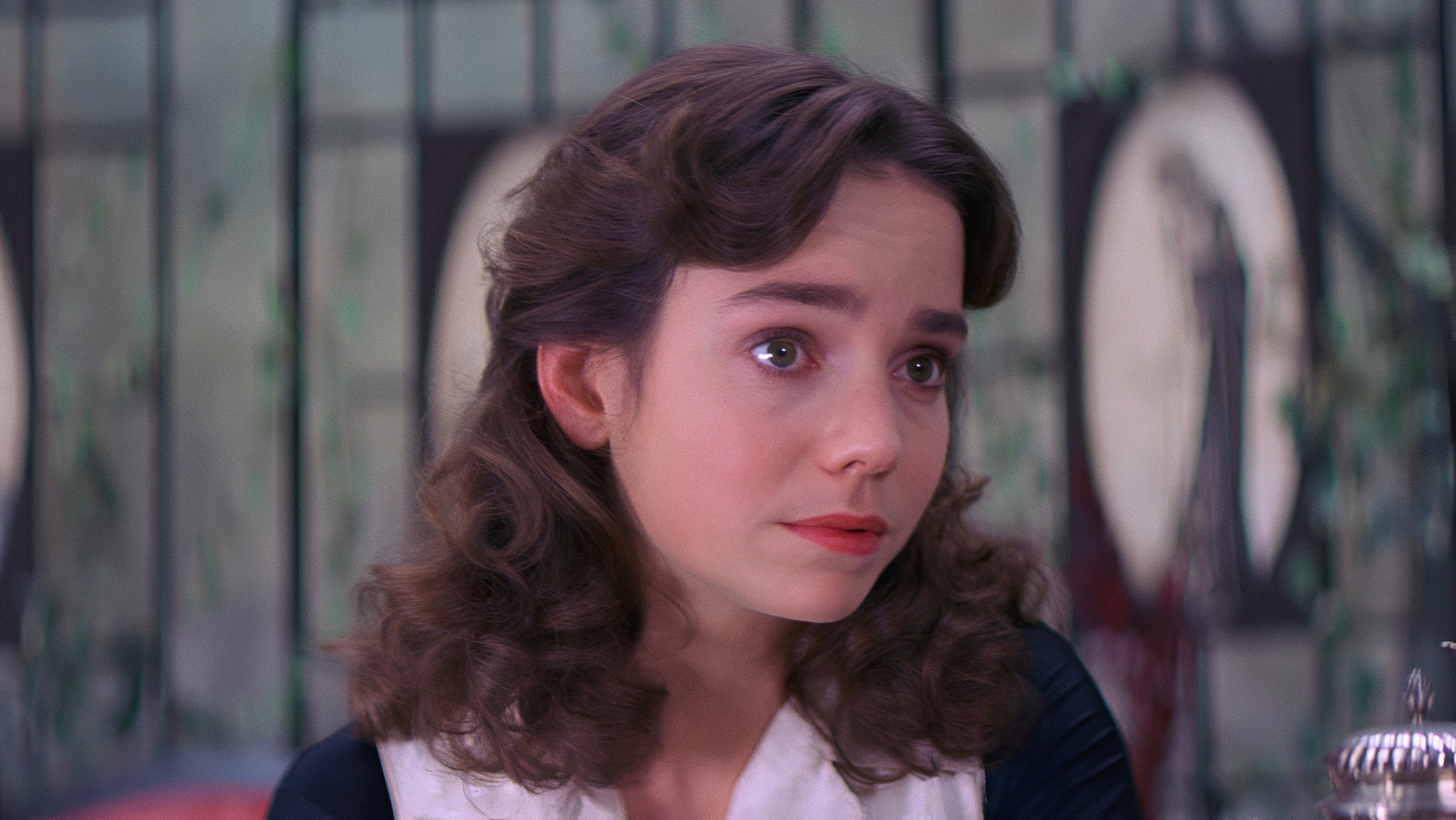
The film was photographed in 2.35:1 anamorphic using Technovision lenses and Eastman colour negative. This point is frequently misunderstood. Suspiria was not photographed with the old three-strip Technicolor camera system. The production shot on chromogenic Eastmancolor negative and planned from the beginning to make release prints through Technicolor's dye-transfer process.

Technicolor Rome created separations from the negative and produced dye-transfer prints whose extremely saturated colour reproduction suited Tovoli and Argento's design. Tovoli worked with the laboratory to increase contrast and colour intensity, including adjustments intended to preserve the film's crucial reds. Technicolor's Rome plant discontinued its dye-transfer printing operation shortly afterward, making Suspiria one of its final major projects using the process.

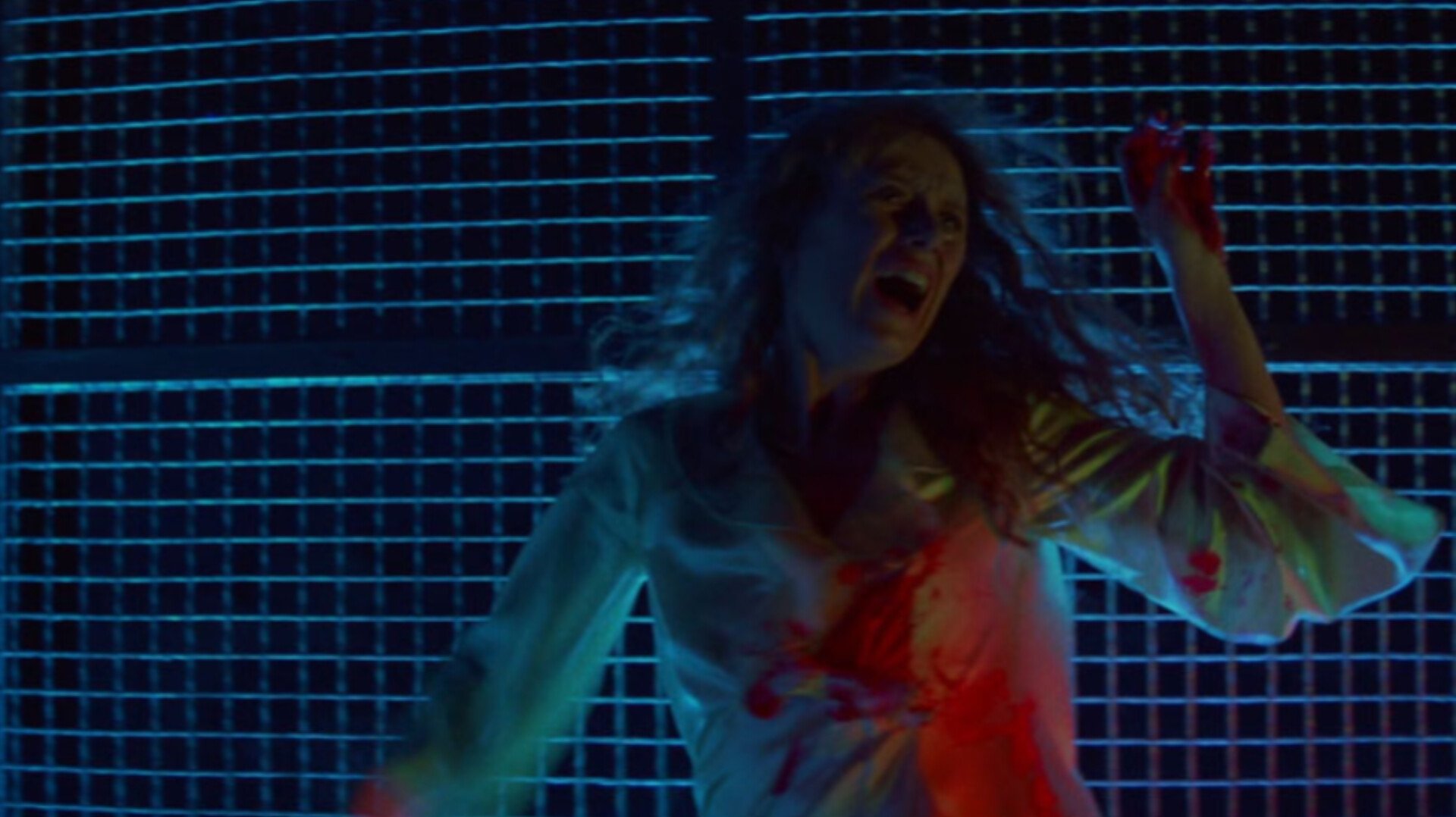
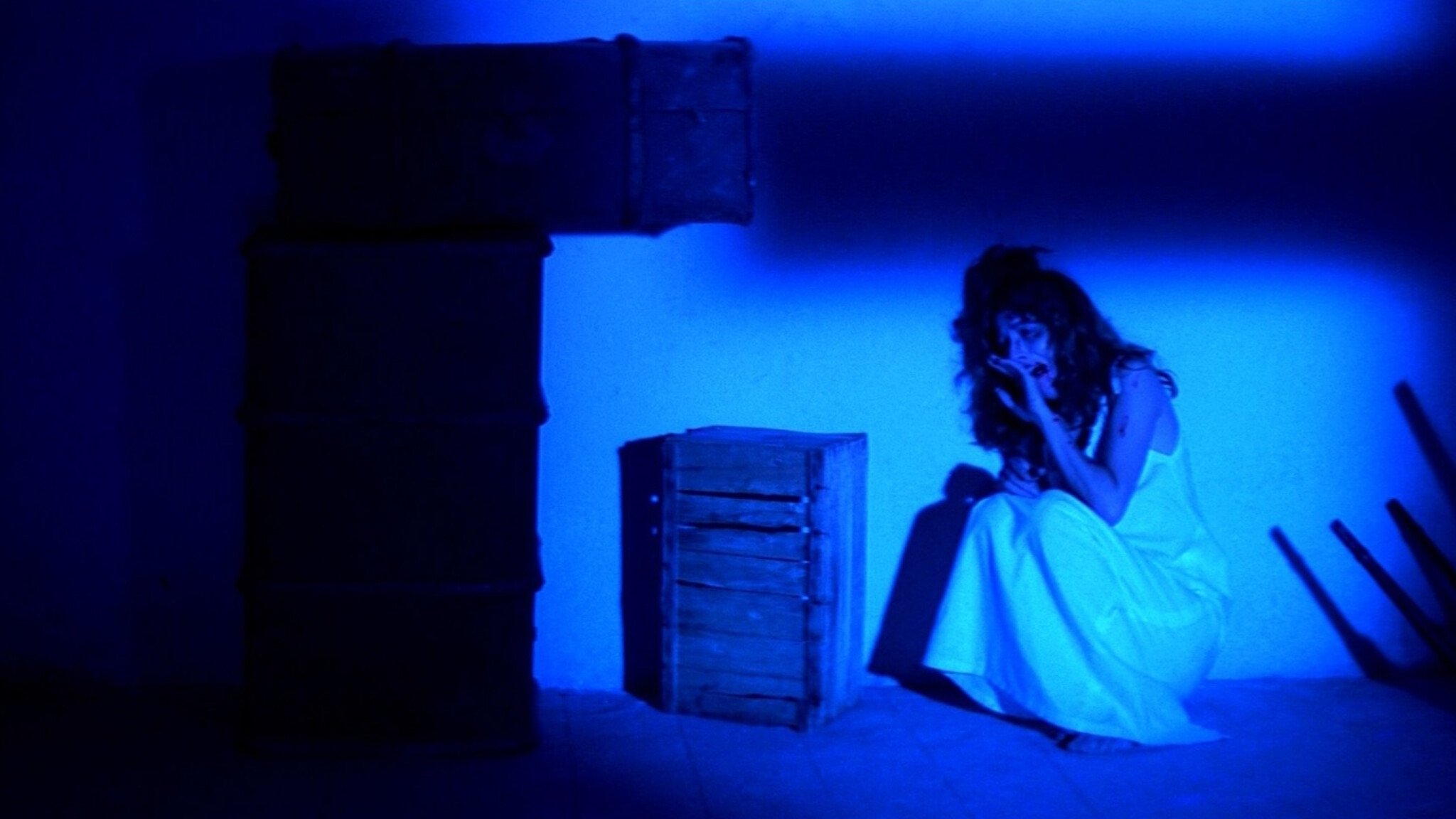
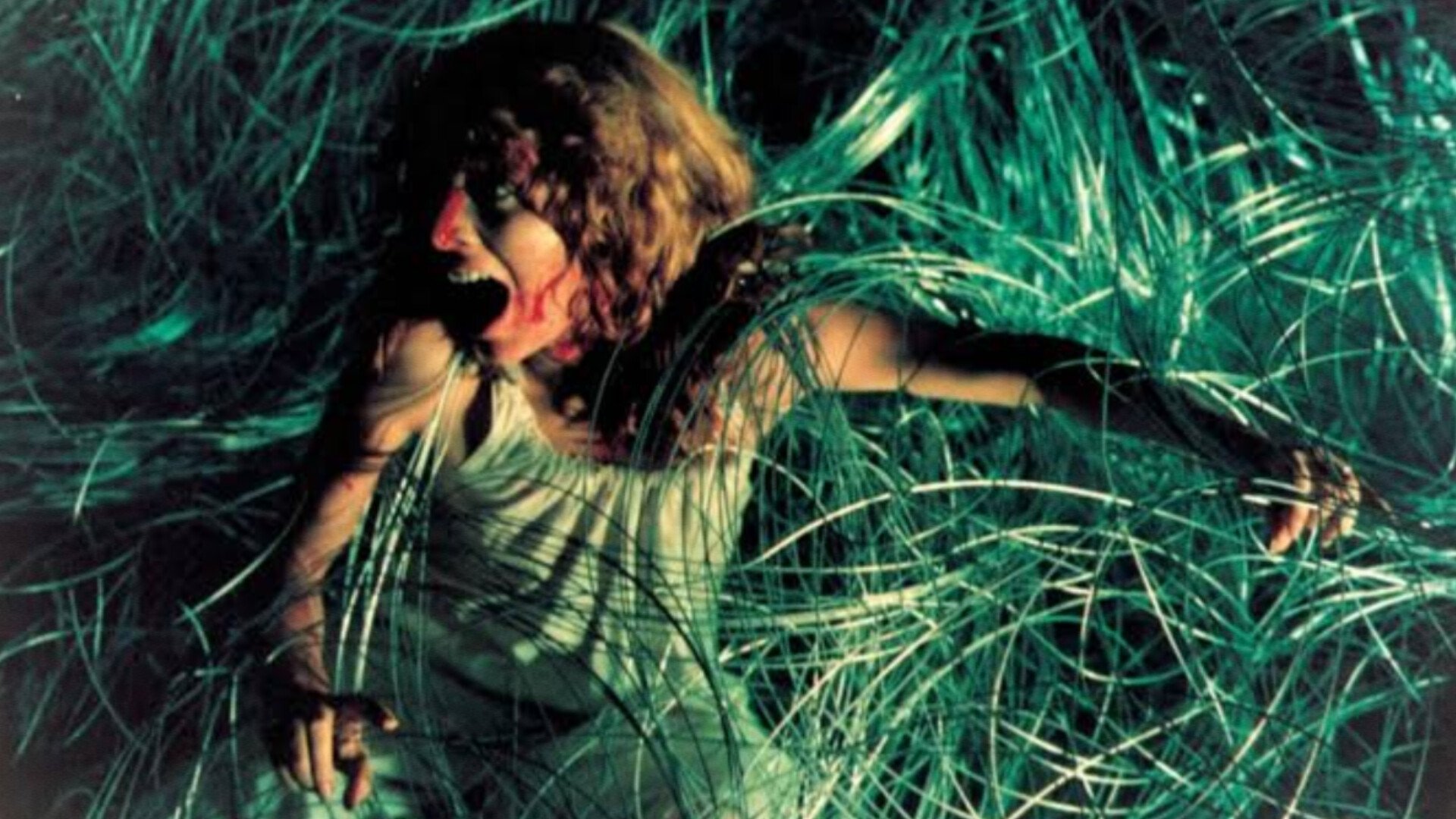
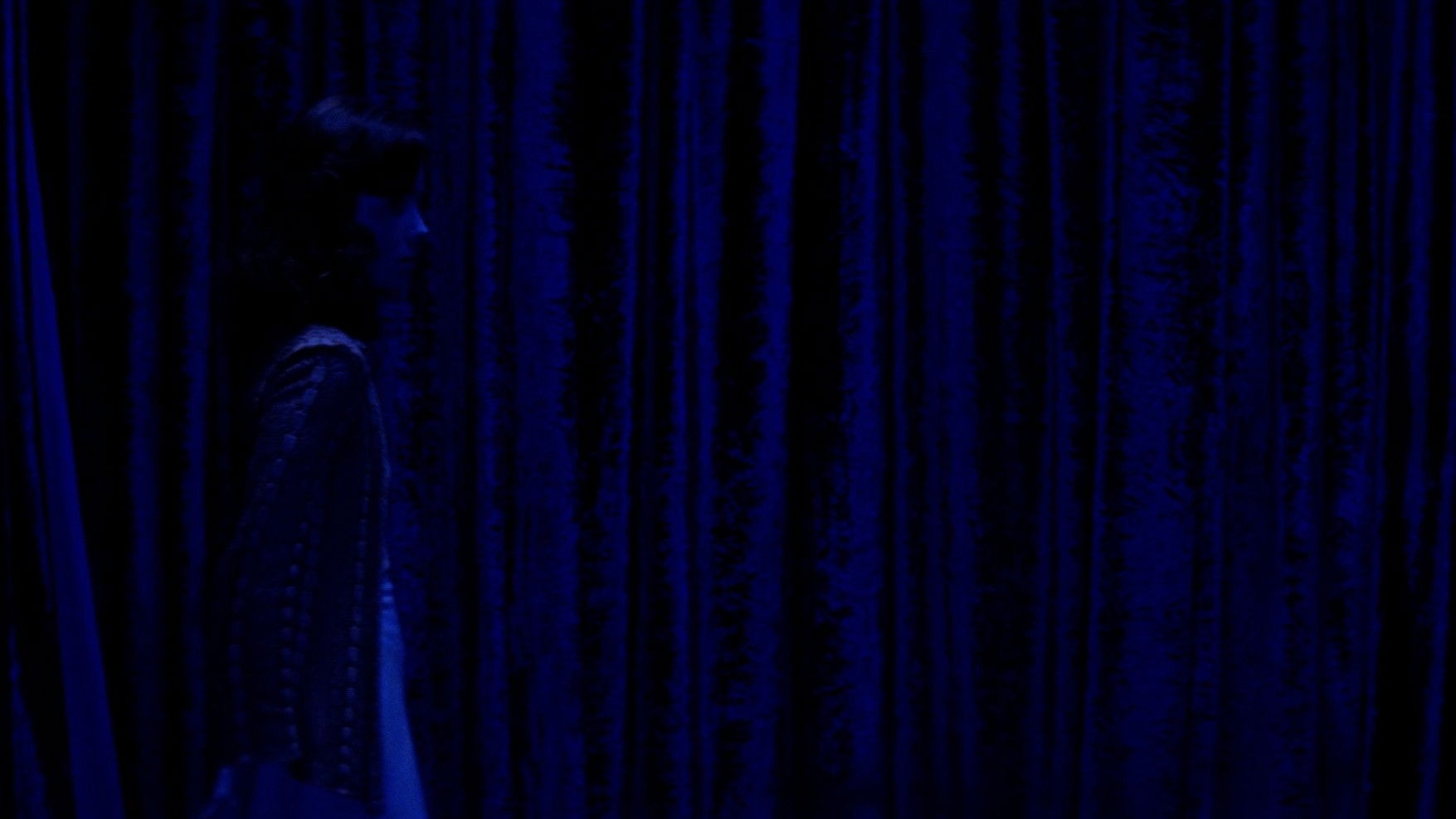
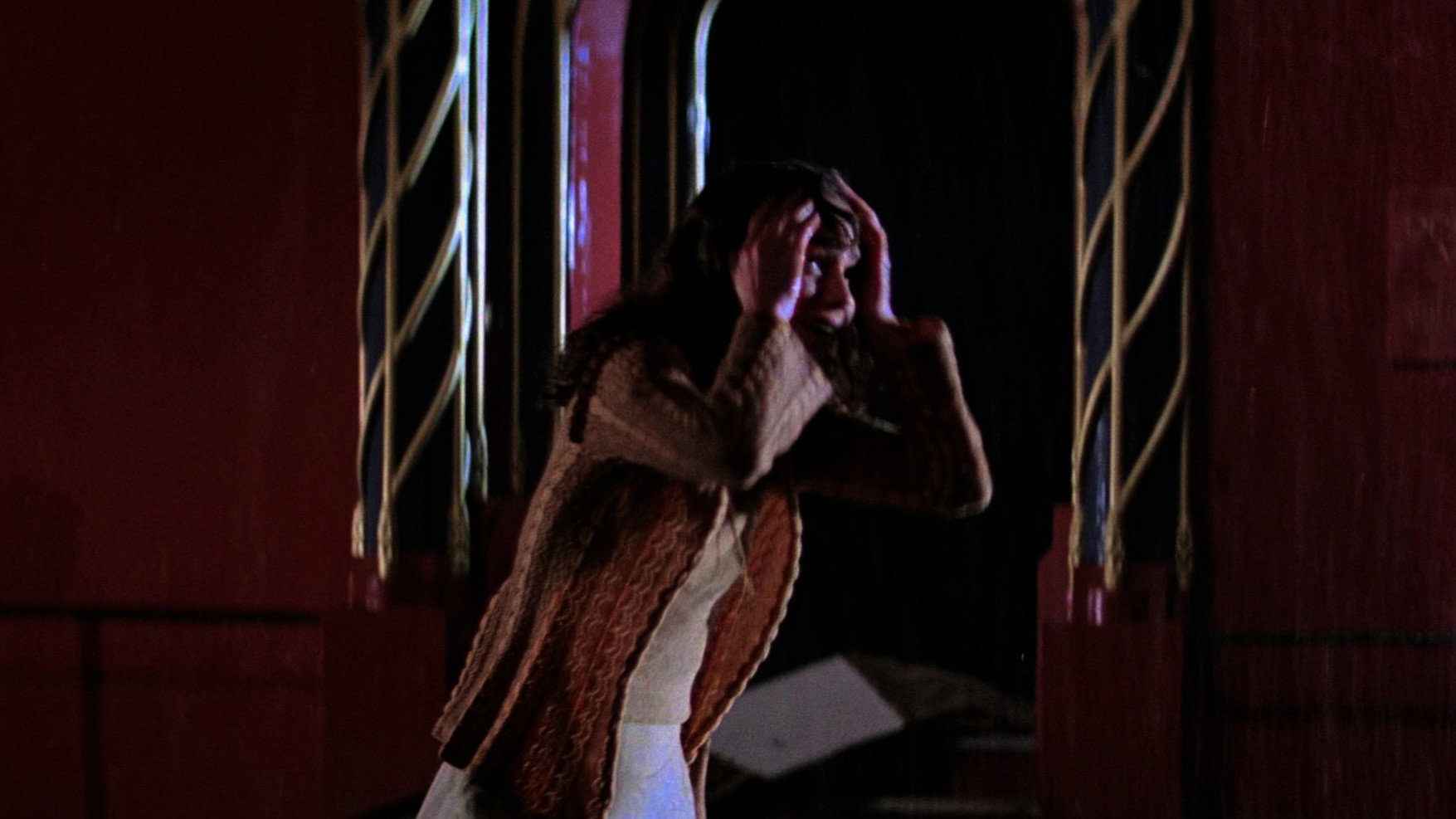
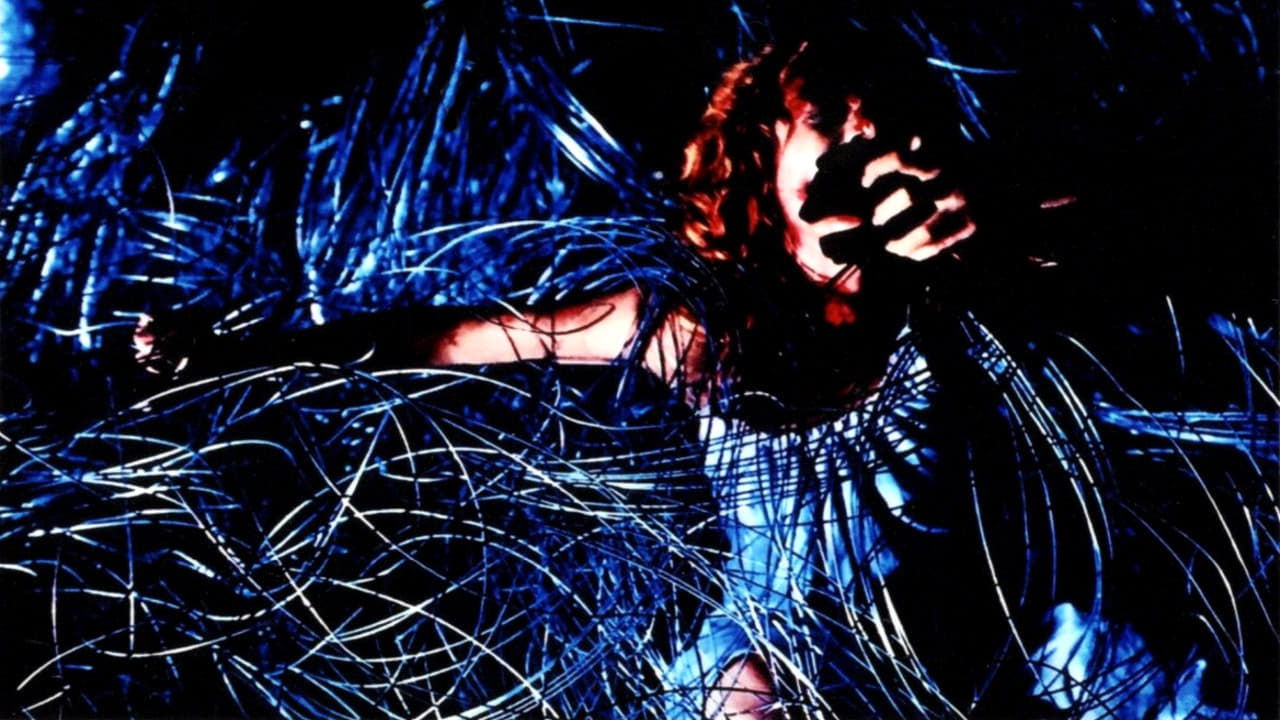
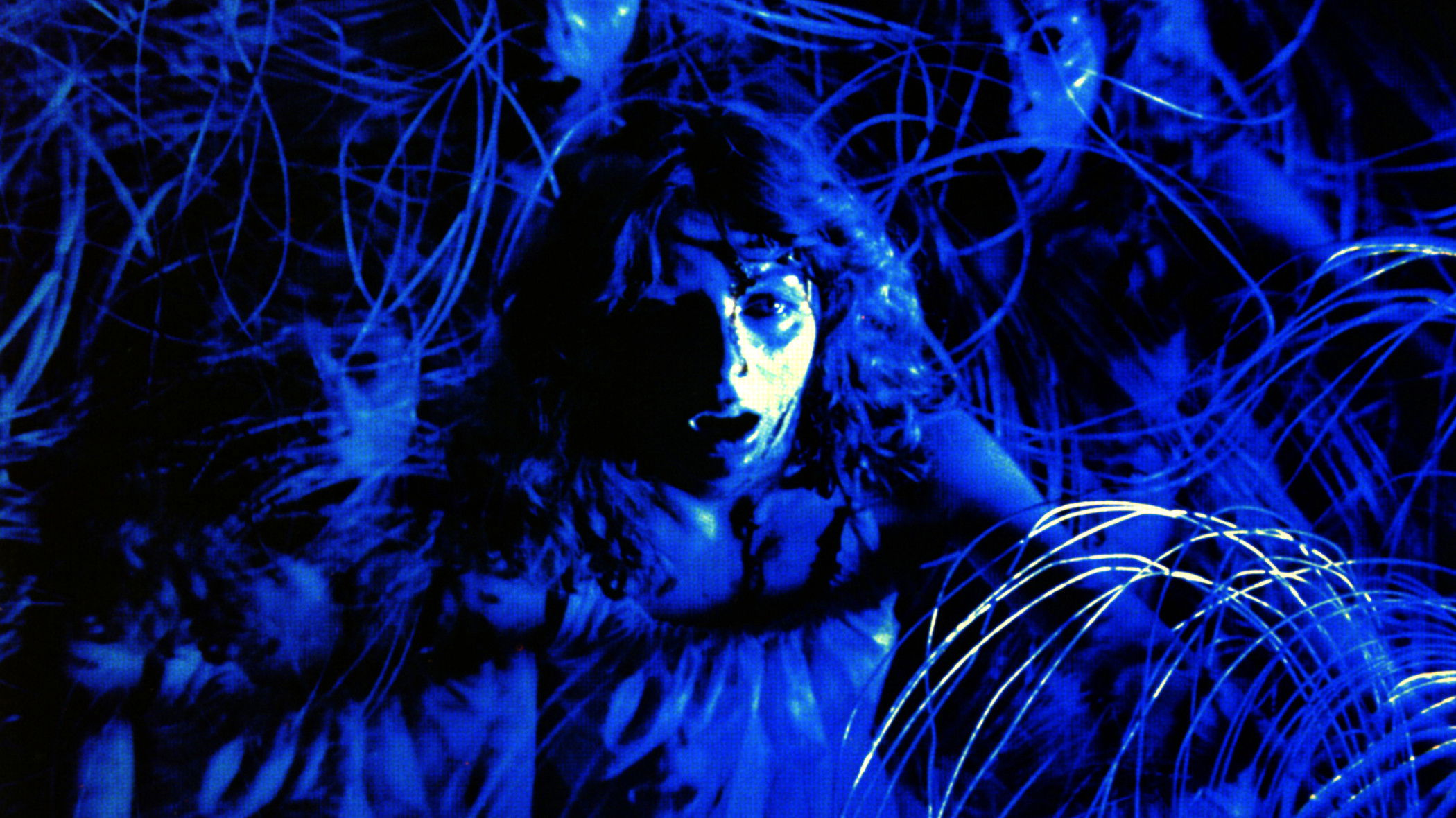
The resulting colour does not simply make the film visually distinctive. It repeatedly substitutes emotional information for realism. Tovoli associated red with aggression and blood, blue with death and other colours with temporary changes in the viewer's sense of safety. Sara's pursuit through the academy demonstrates the system at its most extreme: colour changes from shot to shot as she passes through different stages of danger, eventually leading into the metallic blue trap of the barbed-wire room.

Camera, Architecture & Dream Logic

Argento's camera treats the academy less as a stable building than as an environment continually capable of revealing another layer. Tracking shots follow characters through corridors whose destination is initially unclear. Decorative surfaces fill portions of the frame. Unusual perspectives convert staircases, windows and ceilings into threatening forms even before anything explicitly supernatural occurs.

The widescreen Technovision format gives Bassan's designs room to dominate. Characters can occupy comparatively small areas within elaborate compositions, allowing architecture to appear more permanent and powerful than the people moving through it. The academy seems to know more than Suzy does.

This creates a different form of suspense from the giallo. In Deep Red, visual information can eventually be reorganised into a rational explanation of a murder mystery. Suspiria repeatedly supplies sensory information without promising that every element will become part of a logical solution. The viewer is encouraged to notice footsteps, colours, reflections, architectural details and fragments of speech because the film operates according to association as much as deduction.

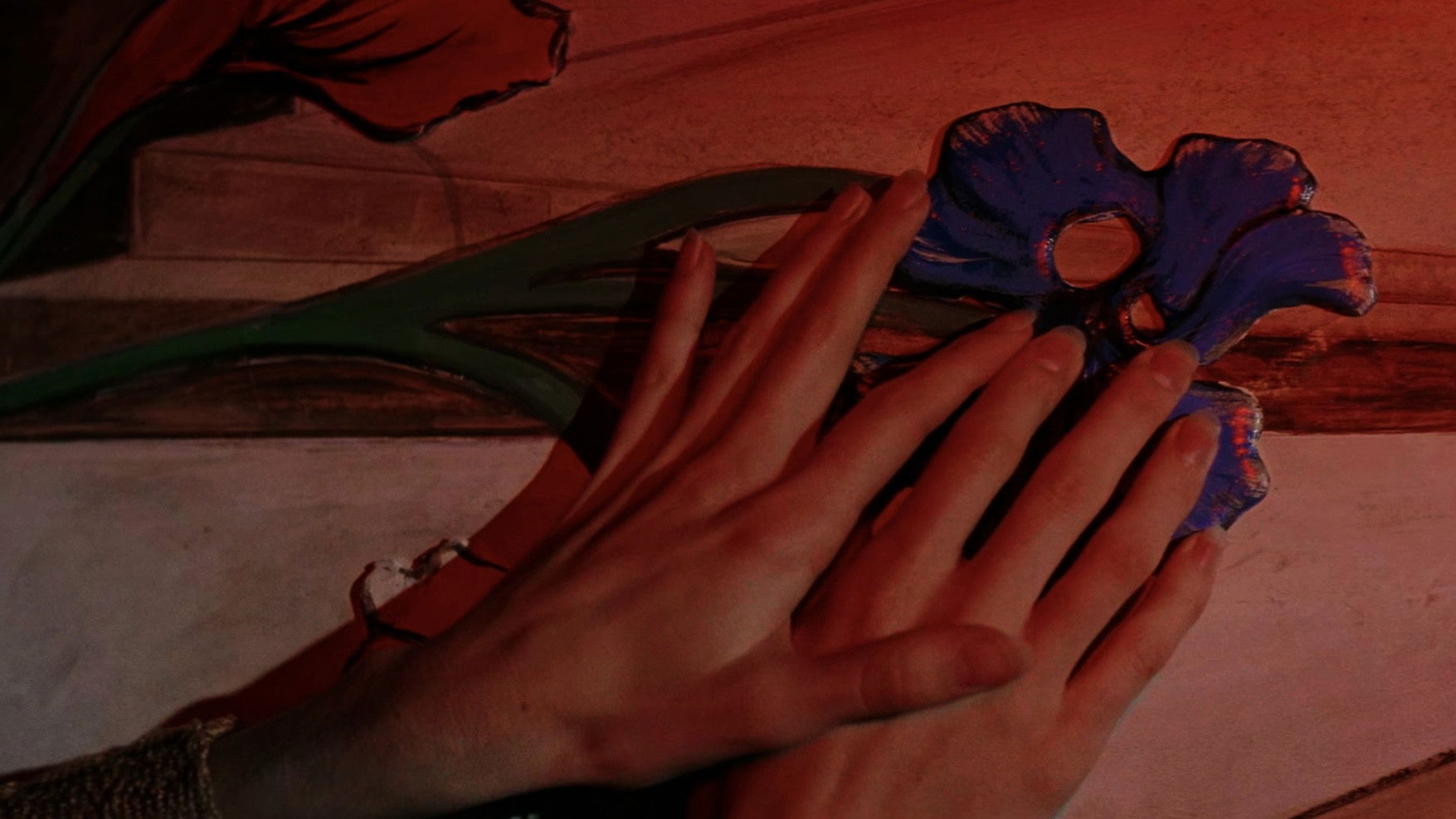
Suzy nevertheless survives by becoming attentive. Sara's remembered description of footsteps eventually gives her a practical method for discovering the witches' hidden rooms. In this respect, the film retains one of Argento's recurring ideas: the protagonist has already encountered important information but has not understood its significance.
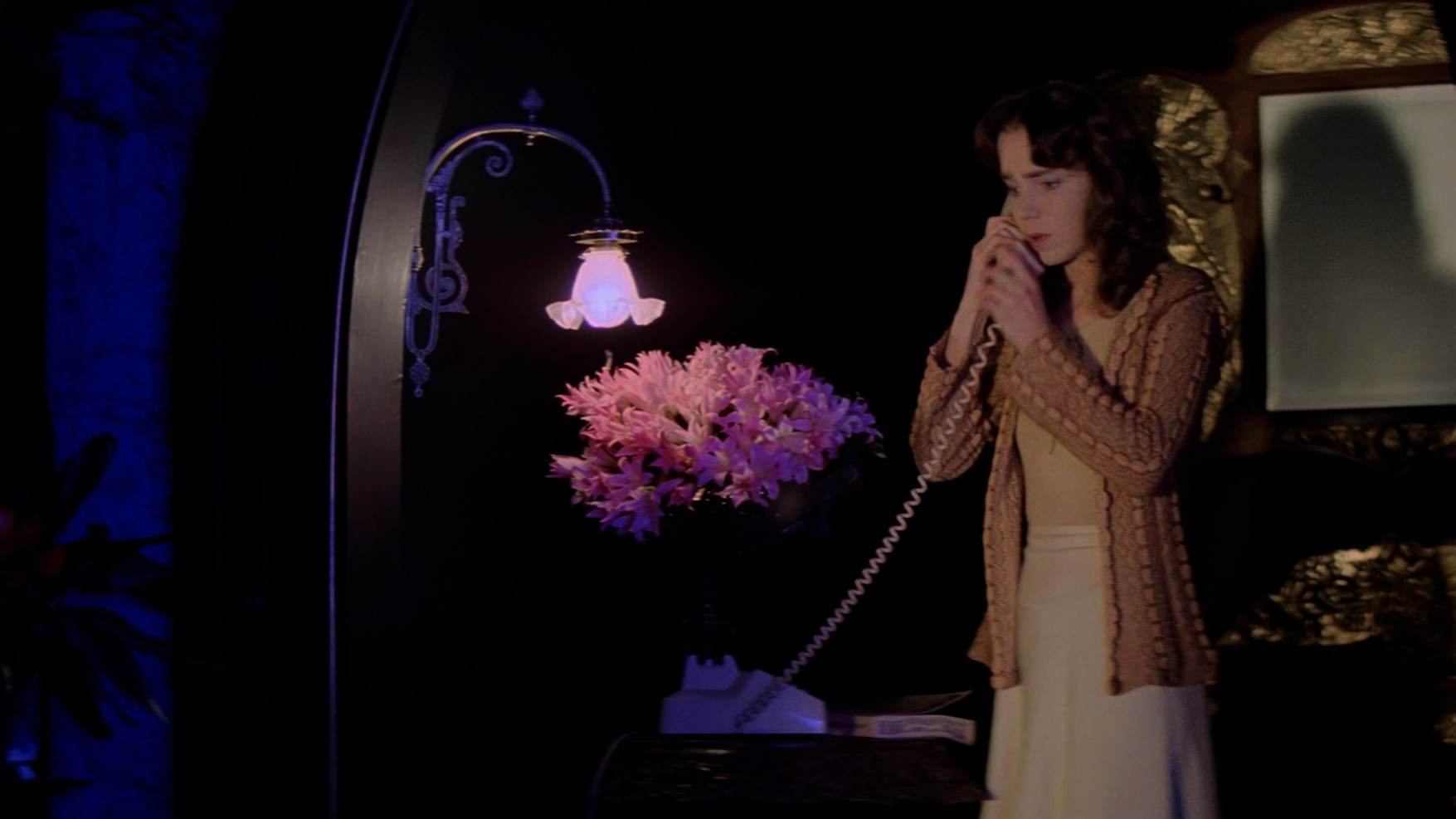
The difference is that the answer leads not to a human criminal but deeper into fairy-tale space. Suzy passes through hidden architecture and confronts Helena Markos, whose invisibility and magical control confirm that the apparent irrationality of the academy was not waiting to be explained away. The supernatural is the explanation.
The final destruction of the academy completes this spatial logic. Once Mater Suspiriorum is killed, the building itself begins to collapse. Fire spreads through the structure as Suzy escapes into the rain. The location and the witch have effectively become parts of the same organism: destroying the head of the coven destroys the world constructed around her.

Goblin, Dario Argento & the Sound of Witchcraft

Music is as important to Suspiria as colour. After the success of their work on Deep Red, Argento brought Goblin into the new project at an earlier stage. Claudio Simonetti later recalled that the group initially developed musical ideas from the screenplay, but those early concepts were largely abandoned once the finished images established a different atmosphere.

The final score emerged from a much longer period of experimentation than Deep Red. Simonetti has described spending roughly two to three months developing the music with the group. Goblin combined progressive rock instrumentation with electronic and acoustic sounds that were unusual even within their own catalogue.

The palette included large Moog synthesizers, Mellotron, keyboards, percussion, Indian tabla and Greek bouzouki. Simonetti later described the soundtrack as Goblin's defining work because those elements created a sound that could not easily be classified simply as progressive rock or electronic scoring.

Argento's instruction was conceptual: the audience should continue to feel the presence of the witches even when no witch was visible. The score fulfils that function by refusing to behave merely as background accompaniment. The main theme uses a fragile, almost childlike melodic figure but surrounds it with whispering voices, percussion and threatening low-frequency textures. Innocence and menace therefore exist in the same musical idea, paralleling the film's combination of fairy-tale imagery and graphic violence.

Voices are particularly important. Whispered and distorted sounds often seem to exist somewhere between music, language and supernatural presence. The score can therefore imply an unseen force without requiring the film to show one.

The original English-language theatrical presentation also used an unusual 4.0 surround mix. Music and sound could occupy the theatre more aggressively than a standard monaural soundtrack, reinforcing the sense that danger was not limited to the visible frame. Later restorations recovered this original multi-channel mix after years in which home-video presentations often failed to reproduce it accurately.

Violence, Set Pieces & the Body

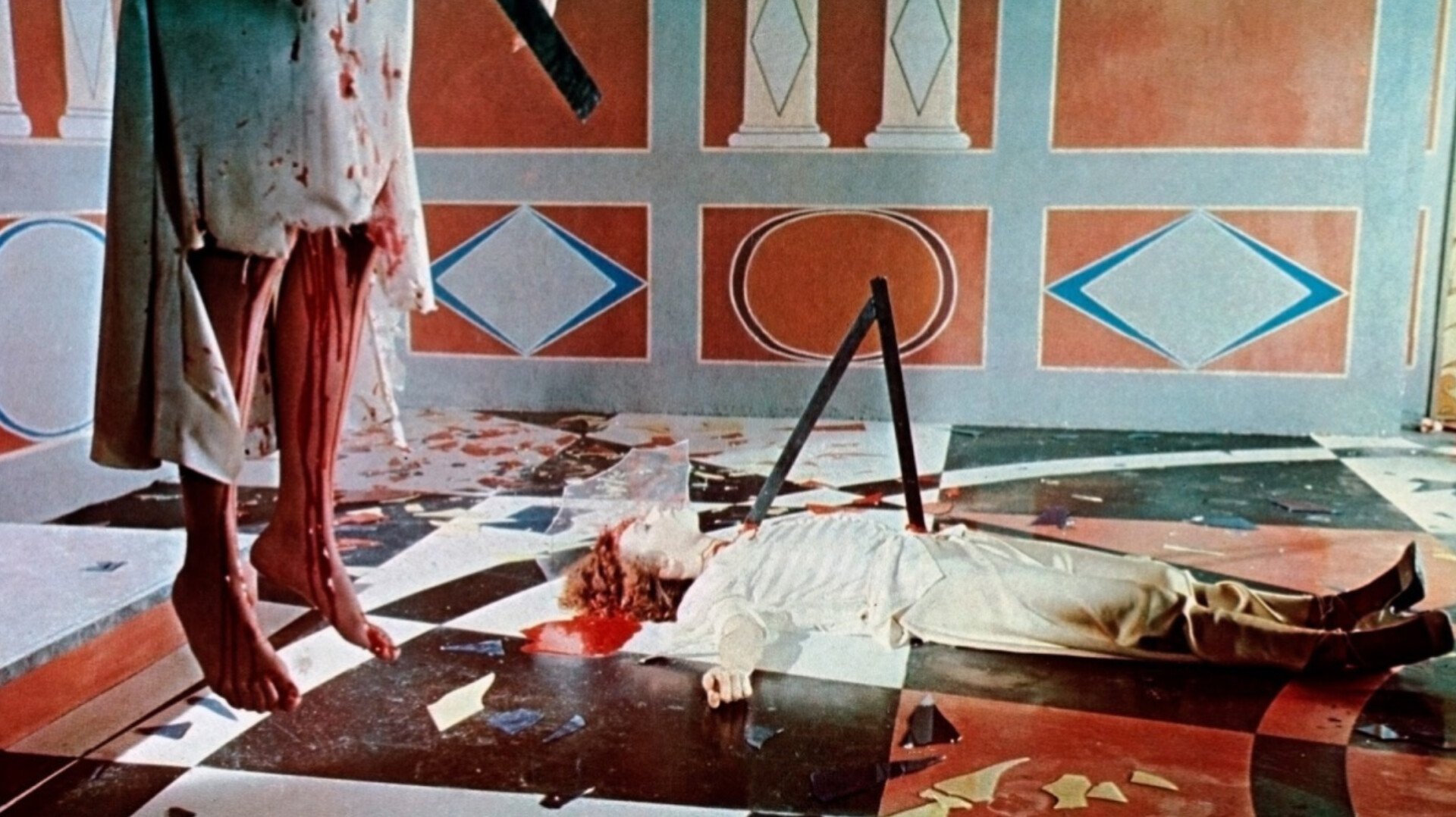
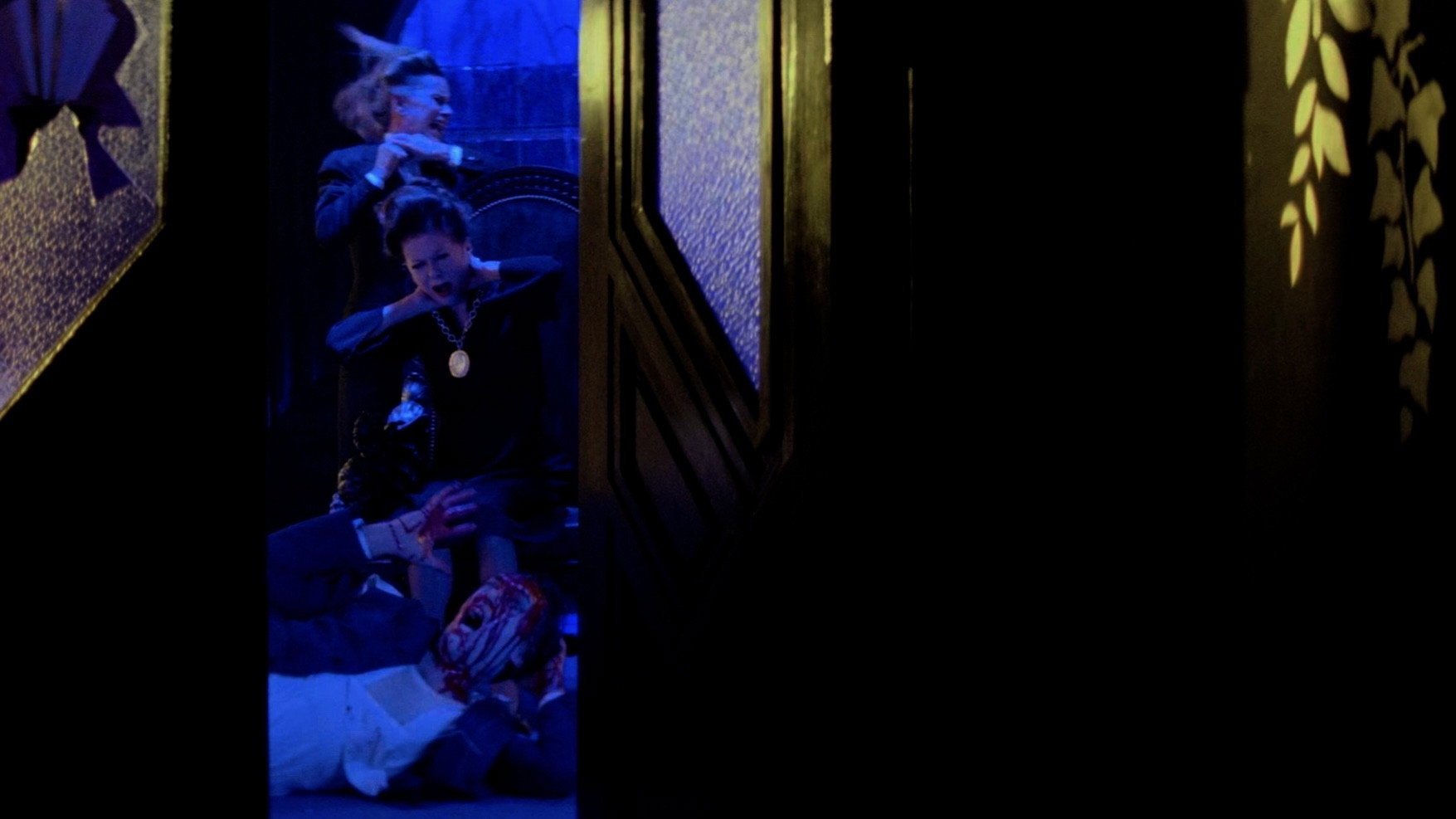
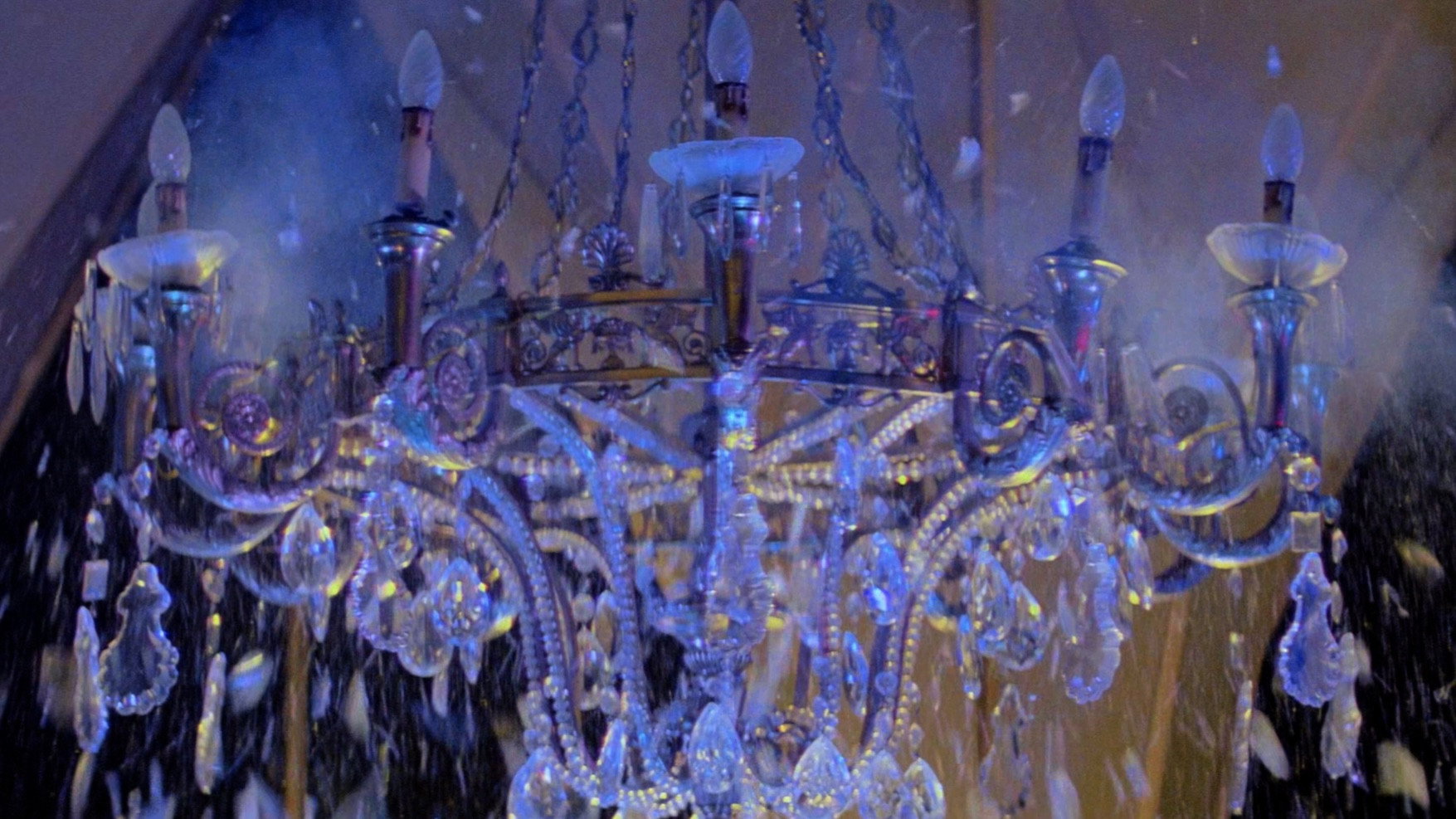
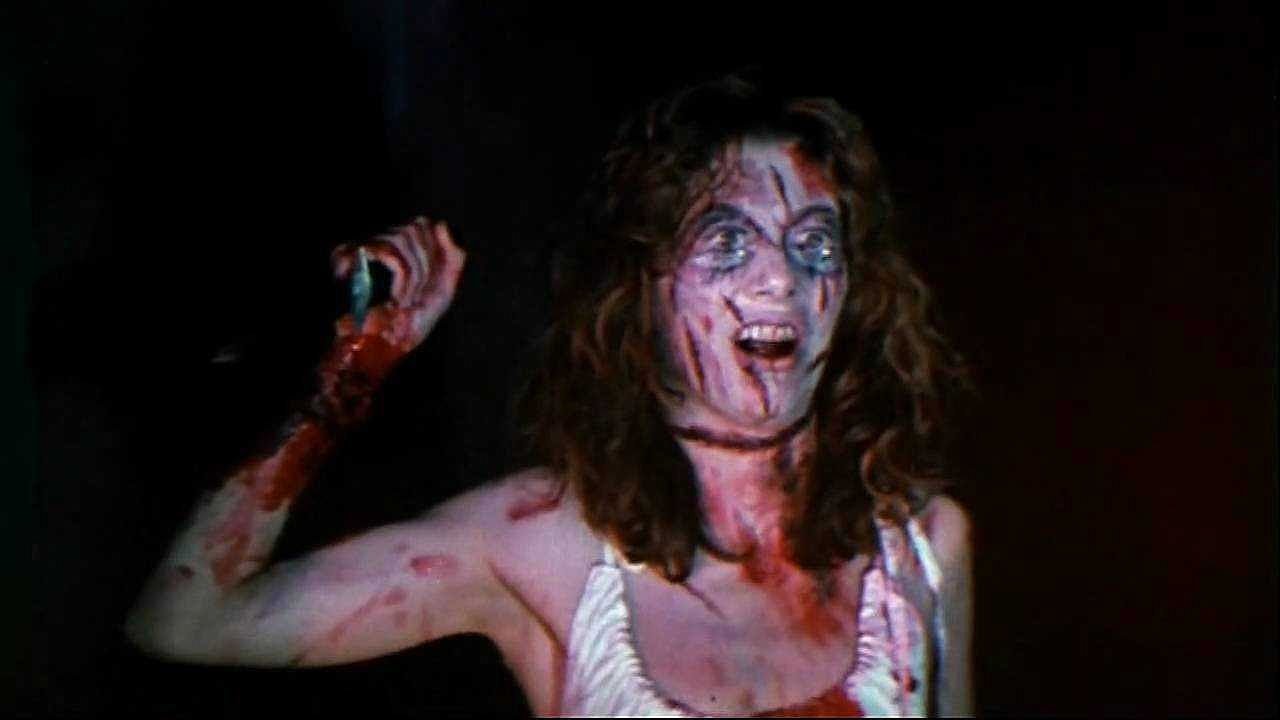
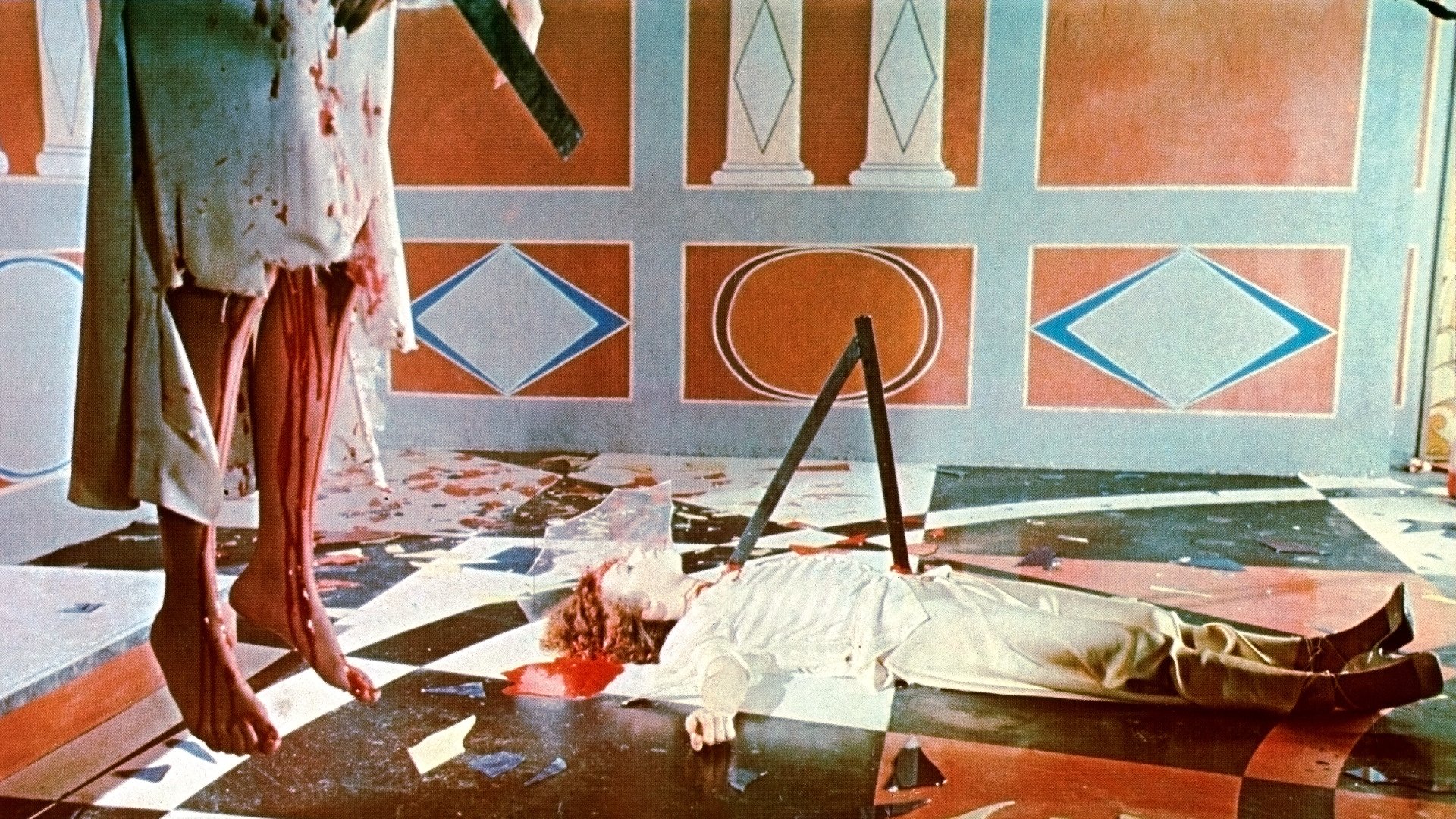
Suspiria opens its violence at a level that most horror films would reserve for a climax. Pat Hingle's murder progresses through pursuit, stabbing, bodily penetration, hanging and architectural destruction. The sequence is excessive by design. Argento does not construct the killing around the minimum action needed to establish death; he extends it into a self-contained audiovisual performance.

That approach separates the film's violence from conventional narrative efficiency. Deaths become set pieces in which location, lighting, music, editing and effects are coordinated around the destruction of a body. Plot temporarily stops while the film concentrates on sensation.

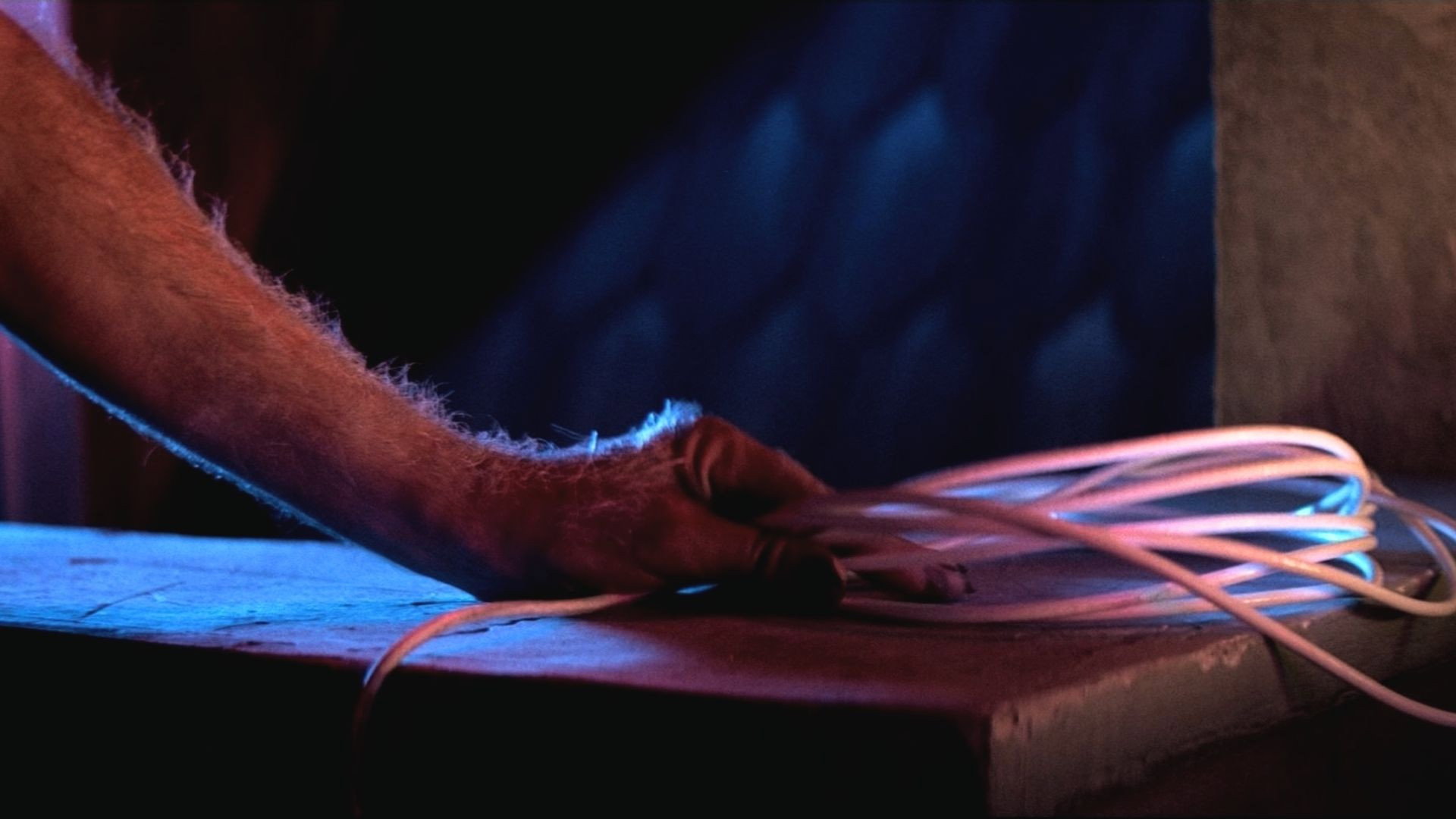
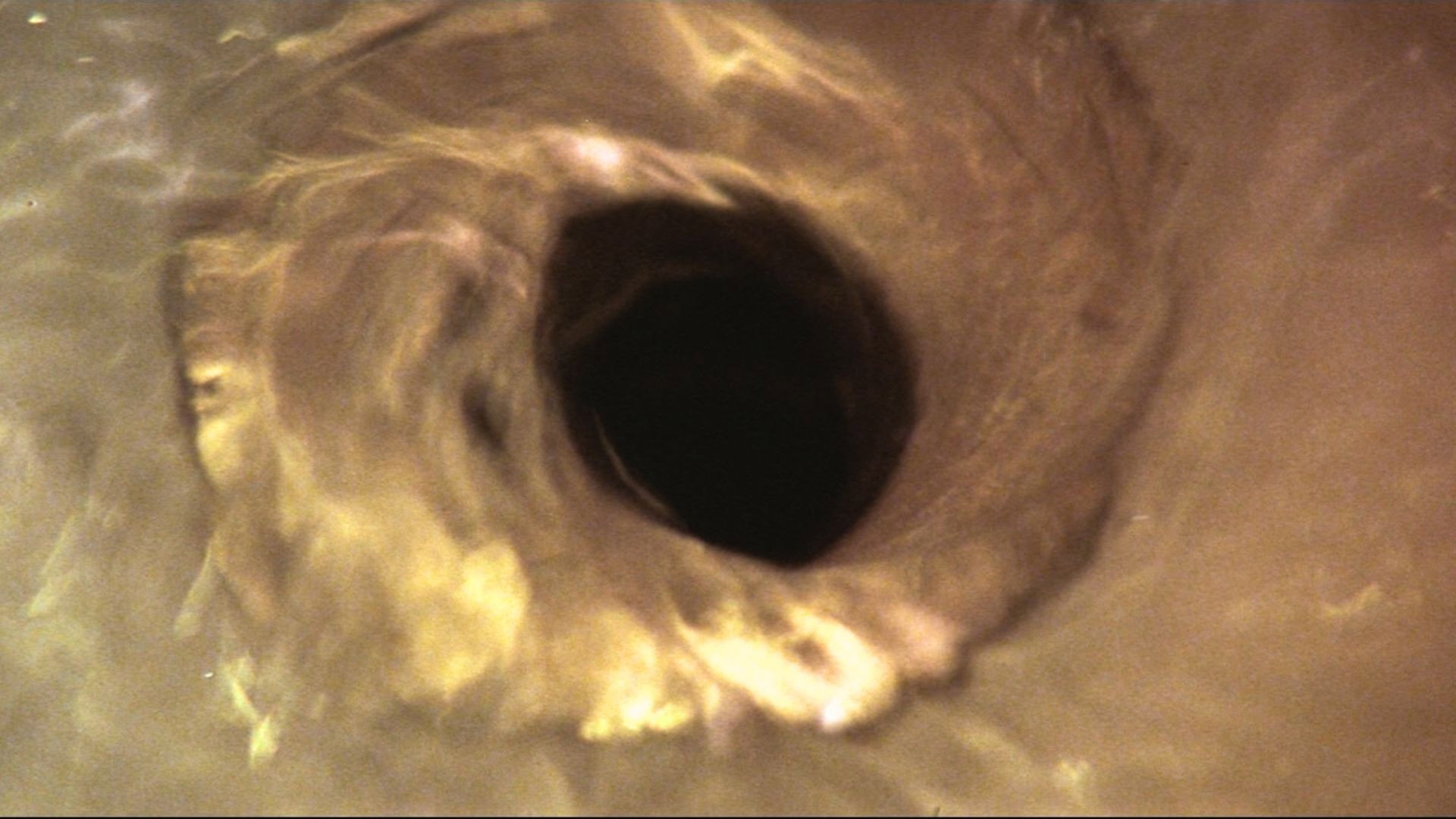
Sara's death uses an entirely different mechanism. Her attempt to escape through a small opening appears to offer relief before she discovers the room filled with coils of barbed wire. The image transforms an ordinary industrial material into something almost organic. Her attempts to escape only entangle her further, extending the horror through physical helplessness rather than a single wound.

Daniel's death in Königsplatz again changes the pattern. The nearly monochromatic square, apparent attack from above and sudden violence of his own guide dog shift attention away from the academy while demonstrating that the coven's power is not confined inside the building.

These sequences are often remembered primarily for gore, but their structure explains why they remain distinctive. Graphic effects occupy only one layer. Argento builds each death around a different relationship between victim and environment. Architecture, animals, colour and objects participate in the violence.

The supernatural context also changes the identity of the killer. The film does not need to preserve a masked murderer's physical continuity. Threat can move through servants, animals, unseen forces or the academy itself. This freedom allows Suspiria to retain the set-piece intensity of Argento's gialli while abandoning their requirement that every murder ultimately belong to one rationally identifiable body.

Release, Censorship & Contemporary Reception

Suspiria opened in Italy on February 1, 1977. It subsequently entered other European markets during the year, including West Germany and the United Kingdom, before becoming one of Argento's most internationally visible films.

The violence immediately complicated distribution. The British cinema version submitted in 1977 received compulsory alterations from the BBFC. Later British home-video editions circulated in different configurations before uncut versions became more readily available.

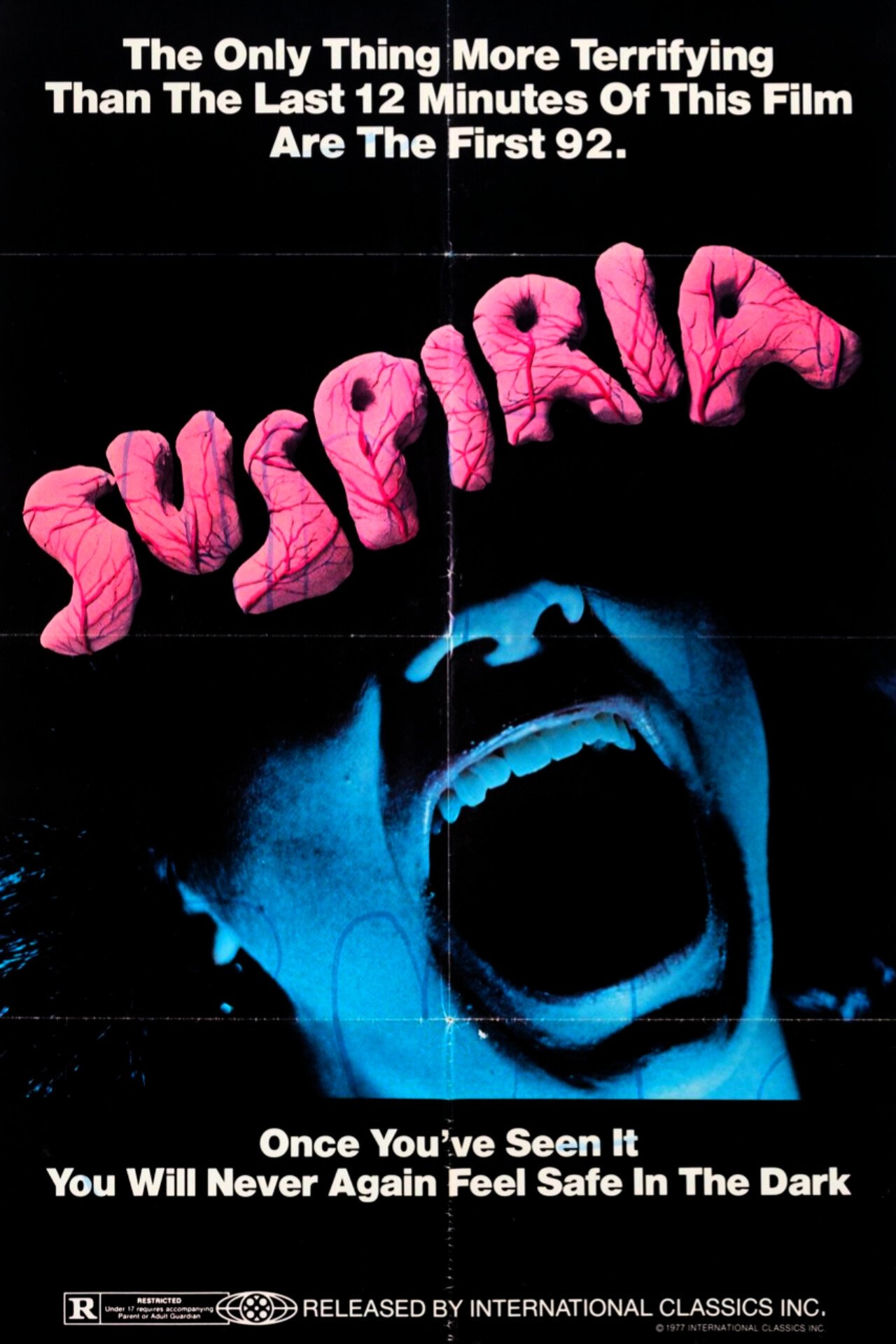
American distribution was handled through International Classics after 20th Century-Fox acquired rights to the film. The American theatrical version was shortened to obtain an R rating, removing some of the material present in the Italian version. Later restorations returned to the complete Italian camera negative rather than treating those shortened prints as definitive.

Contemporary critical response did not immediately resemble the film's later canonical status. Reviewers could admire the technique while dismissing the narrative as thin, excessive or deliberately irrational. Janet Maslin's 1977 New York Times review typified part of that reaction by focusing heavily on the gore and limited narrative substance.

The division is understandable because Suspiria asks to be evaluated according to priorities different from conventional dramatic realism. Character psychology is deliberately simple, investigative logic is incomplete and dialogue often functions less importantly than sound or colour. What later viewers increasingly recognised as the film's organising principle could initially appear to critics as style overwhelming content.

Yet the theatrical success gave Argento substantially greater international recognition. More importantly, the film established a visual and musical identity immediately separable from the giallo cycle that had made him famous. He was no longer simply the director of elaborately staged murder mysteries; Suspiria demonstrated that his formal methods could support an entirely supernatural cinema.

Restoration, Critical Reassessment & Legacy

The long-term reputation of Suspiria grew far beyond its original reception. It has become one of the principal international reference points for Italian horror and one of Argento's most critically recognised films. The film later appeared in the Sight and Sound critics' poll of the greatest films, evidence that its reputation had moved substantially beyond specialist horror audiences.

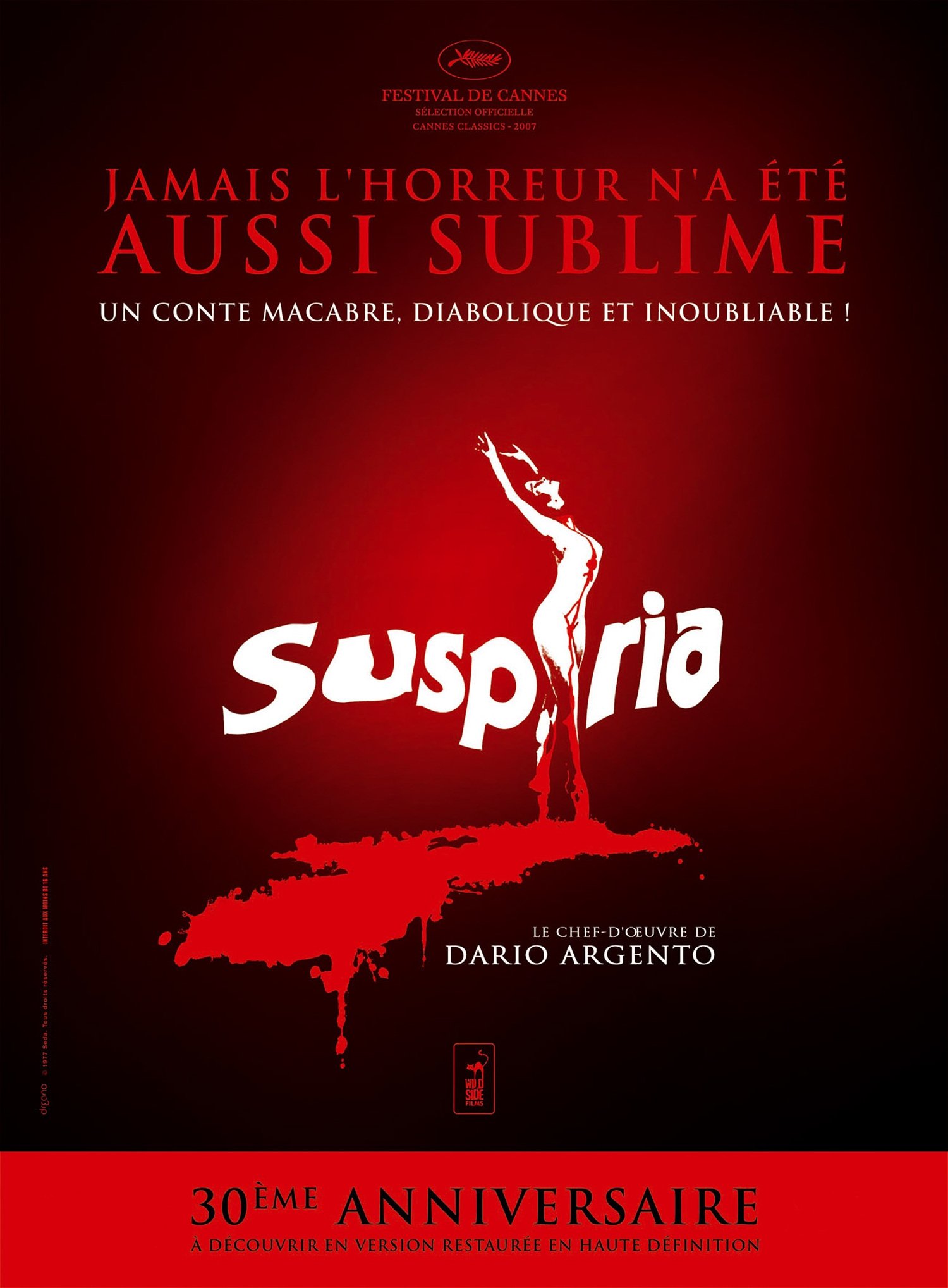
Its preservation history became especially important because reproducing the original colour proved unusually difficult. Transfers derived from ordinary film elements could not automatically recreate the appearance of the original Technicolor dye-transfer prints, and several home-video presentations produced markedly different colour balances.

Synapse Films eventually undertook a new 4K restoration from the complete, uncut Italian 35mm camera negative. Luciano Tovoli directly supervised and approved the colour correction, allowing the restoration to use the cinematographer's own memory and documentation as references rather than attempting to impose a modern naturalistic grade. The original 1977 English 4.0 sound mix was also recovered.

That restoration reinforced how inseparable the film's reputation is from its material construction. Seeing Suspiria with reduced saturation or hearing the score through a flattened soundtrack does not merely change cosmetic details; it weakens two of the systems through which the film communicates.

The film also became the foundation of the Three Mothers mythology. Inferno expanded De Quincey's three figures and relocated the occult architecture to New York and Rome, while The Mother of Tears eventually completed the cycle. The enormous gap between the second and third films demonstrates how much the idea outlived its initial production period.

Luca Guadagnino's 2018 Suspiria offered another measure of that durability. Rather than attempting to reproduce Argento's colour design, it radically reinterpreted the premise through divided Berlin, politics, dance and bodily transformation. The very possibility of such a distant reworking demonstrates how strongly the original concept had entered horror culture.

Yet the 1977 film remains difficult to reproduce because its power does not depend upon premise alone. A young woman discovering witches inside a dance academy describes the plot but not the experience. Suspiria is defined by the way its components reinforce one another: Bassan's oversized architecture, Tovoli's violent primary colours, Technicolor dye-transfer printing, Goblin's electronic and acoustic experimentation, Argento's elongated murders and the fairy-tale simplicity of Suzy's journey.

The film's enduring achievement lies precisely there. Argento constructs a world in which style is the mechanism of horror itself. Colour warns, music stalks, architecture deceives and the building seems to breathe with the coven occupying it. Almost half a century after its release, Suspiria remains distinctive because its nightmare is not simply represented by the cinema: it is manufactured from cinema's fundamental materials.

Connections

Cast

View Full Cast & Crew →

Release & Distribution

Production Companies (1)

  • Seda Spettacoli IT

Release History (38)

Release DateTerritoryRelease TypeFormatDistributorCertificationNotes
1977-02-01 Denmark Limited Theatrical — — 15
1977-02-01 Finland Theatrical — — K-16
1977-02-01 Italy Theatrical — — —
1977-02-01 Mexico Limited Theatrical — — C
1977-05-05 Germany Theatrical — — 18
1977-05-18 France Theatrical — — 12
1977-06-11 Spain Theatrical — — —
1977-06-25 Japan Theatrical — — —
1977-07-28 United Kingdom Theatrical — — —
1977-08-10 United States Theatrical — — R
1977-09-15 South Korea Theatrical — — 18
1977-11-18 Ireland Theatrical — — 16
1977-12-23 Brazil Theatrical — — —
1978-04-06 Portugal Theatrical — — —
1978-07-24 Sweden Theatrical — — 15
1989-10-05 United States Physical VHS — R VHS
1998-10-26 United Kingdom Physical VHS — 18 VHS
2000-01-01 Brazil Physical — — 14
2000-10-25 France Physical DVD — 16 DVD
2001-09-11 United States Physical DVD — R DVD
2002-10-28 United Kingdom Physical DVD — 18 DVD
2005-03-09 Sweden Physical DVD — 15 DVD
2008-07-18 Poland Digital — — 16
2010-01-10 United Kingdom Physical Blu-ray — 18 Blu-ray
2010-01-18 Netherlands Physical DVD — 16 DVD
2010-11-03 France Physical Blu-ray — 16 Blu-ray
2012-01-01 France Physical DVD, Blu-ray — 16 DVD / Blu-ray
2012-10-03 Australia Physical Blu-ray — R 18+ Blu-ray
2017-10-27 Sweden Theatrical — — 15 Re-release (4K restoration)
2018-03-13 United States Physical Blu-ray — R Blu-ray
2019-03-30 Hong Kong SAR China Premiere — — III
2019-04-01 Sweden Physical Blu-ray — 15 Blu-ray
2019-05-30 South Korea Theatrical — — 18 Re-release
2019-06-07 Japan Limited Theatrical — — — Restoration limited rerelease
2019-11-19 United States Physical 4K UHD — R 4K UHD
2024-08-15 Czechia Theatrical — — 18+
2026-03-30 United Kingdom Physical 4K UHD — 18 4k Ultra HD Blu-ray
2026-04-23 Brazil Theatrical — — 16 Relançamento
Do You Know Anything About Witches?