Terrifier (2018)

US
HORROR FILM Thriller
7.1/10 7 votes
Runtime
84 min
Release
January 25, 2018
Budget
$35,000
Revenue
$421,798
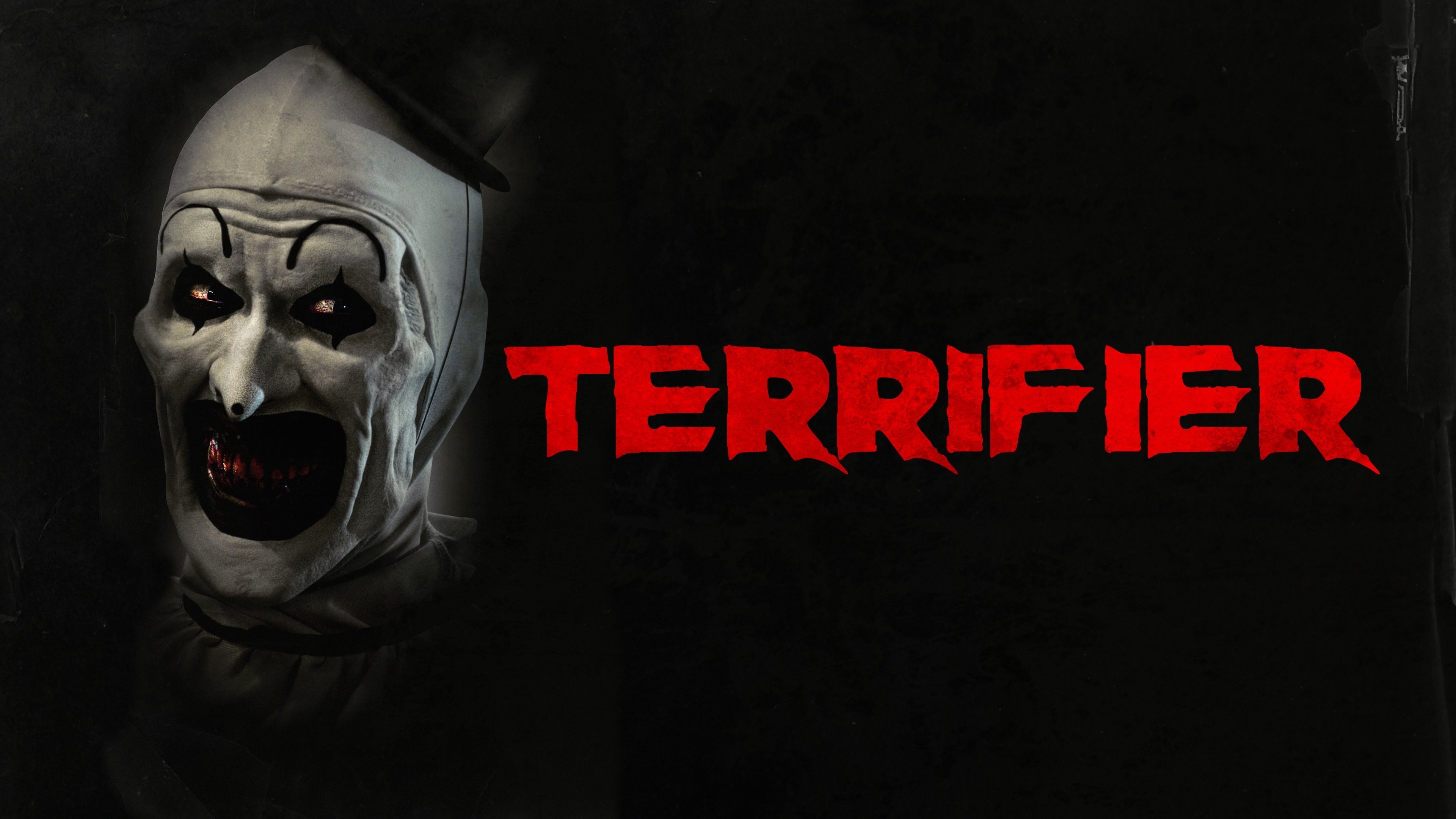
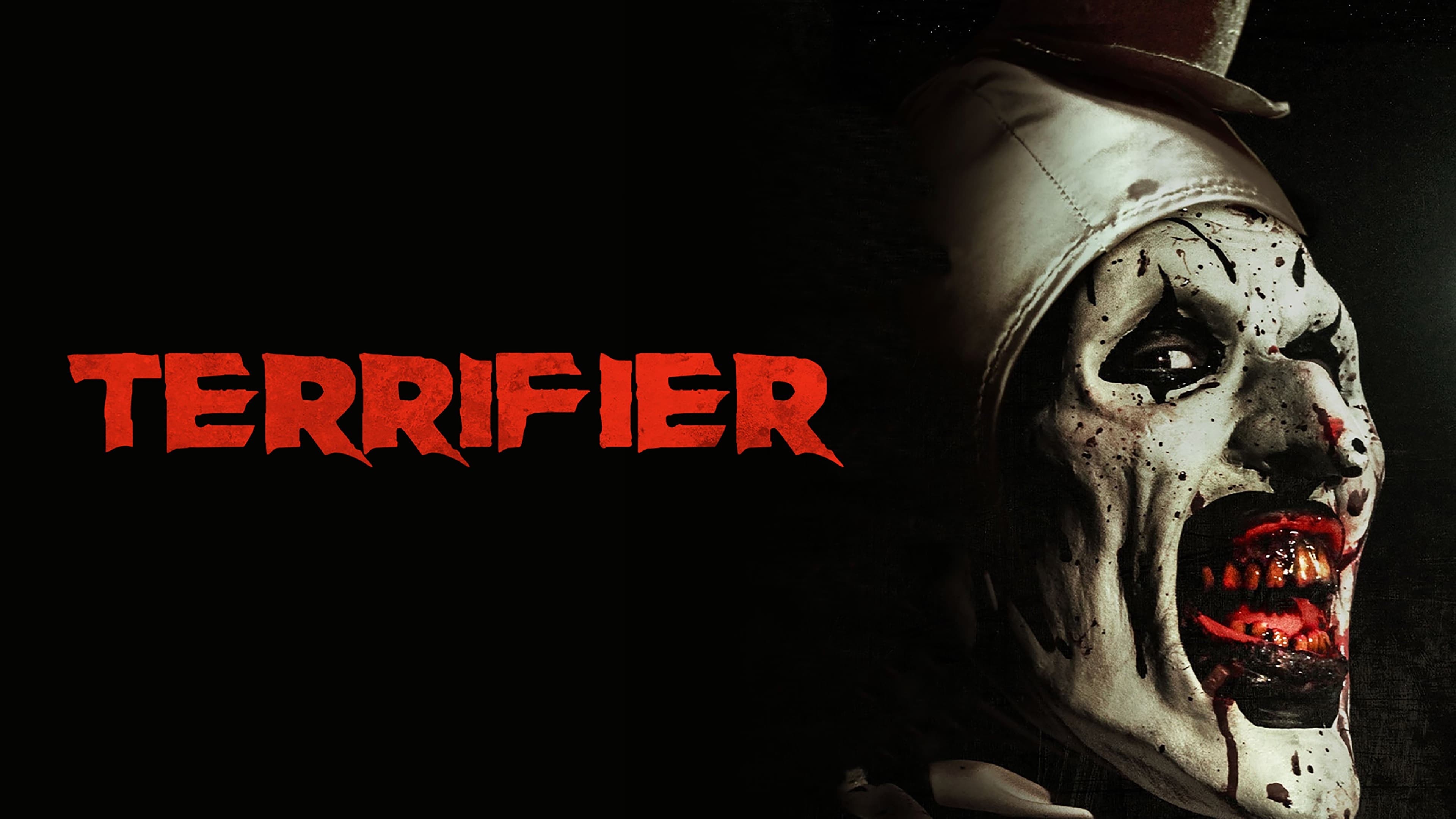
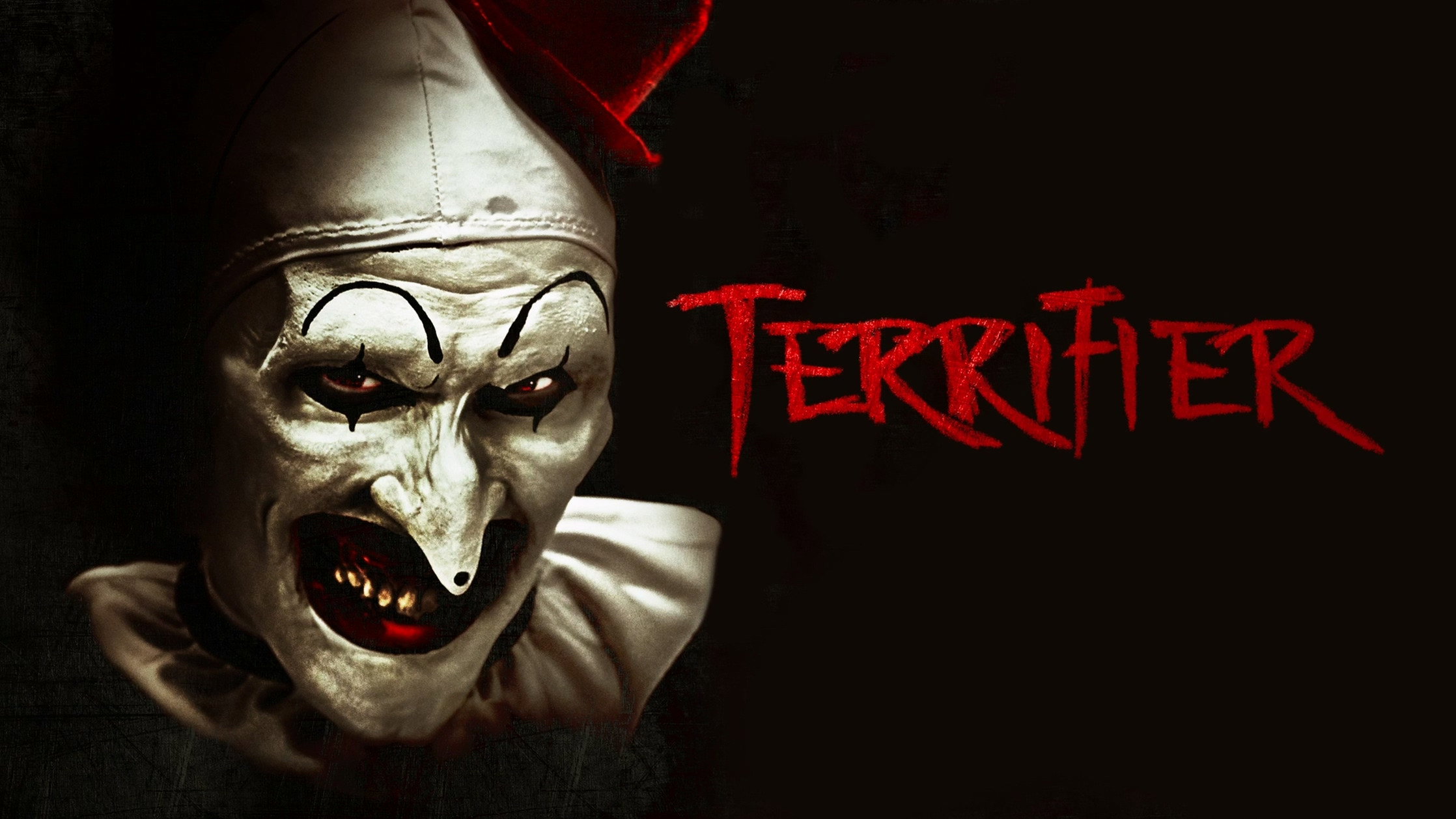
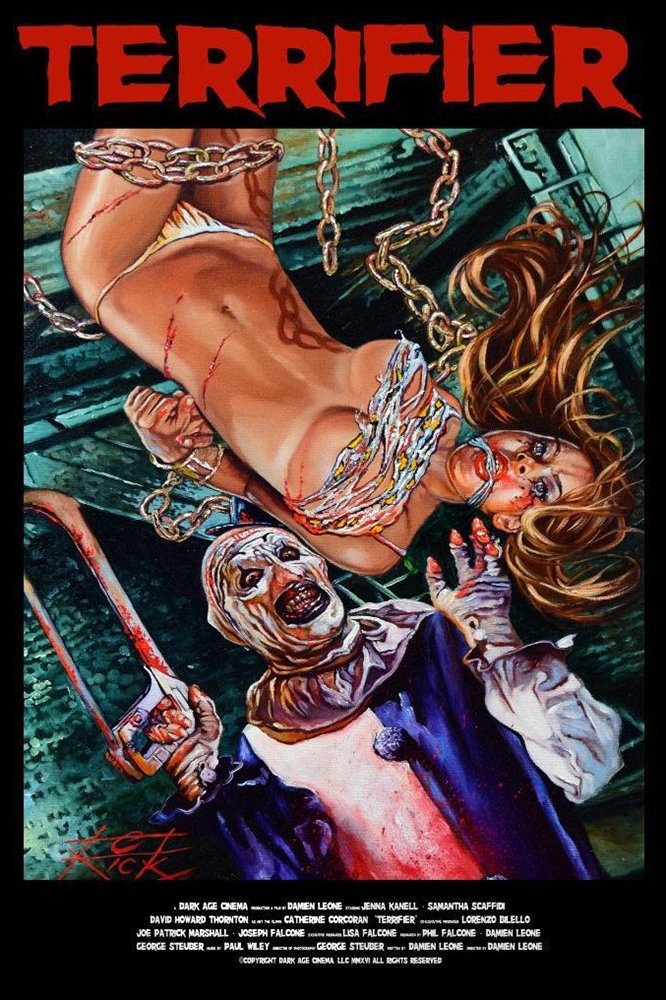
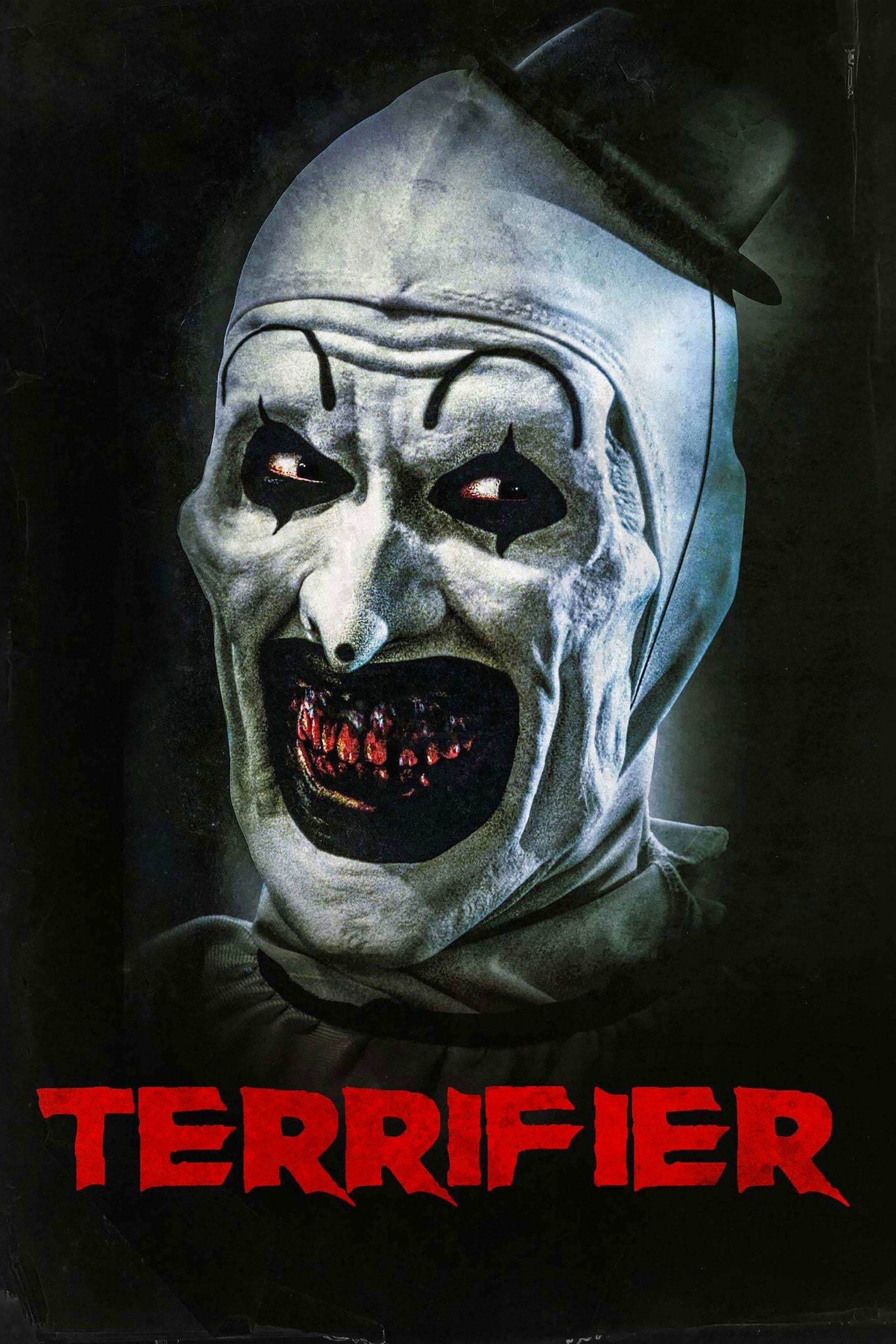
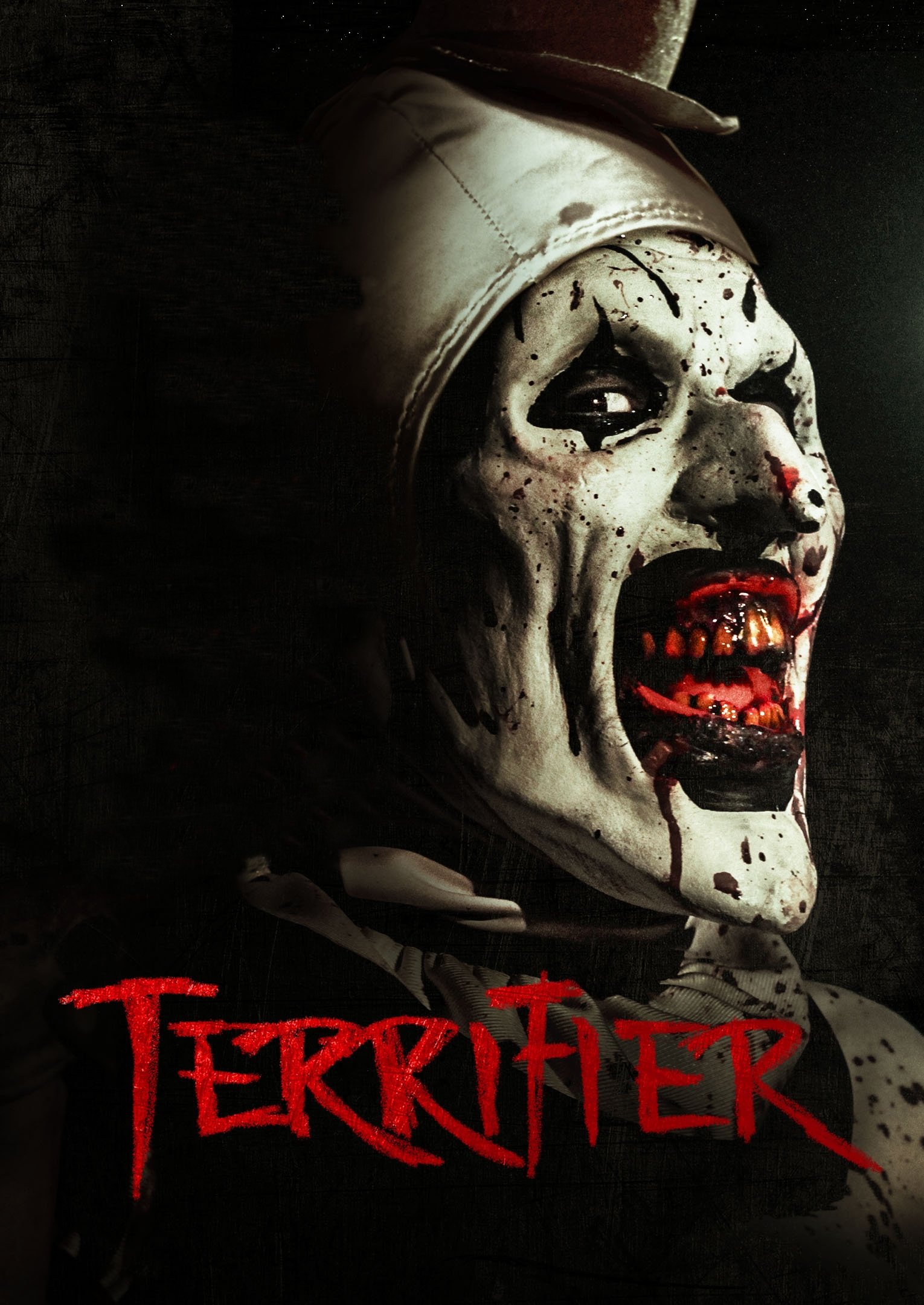
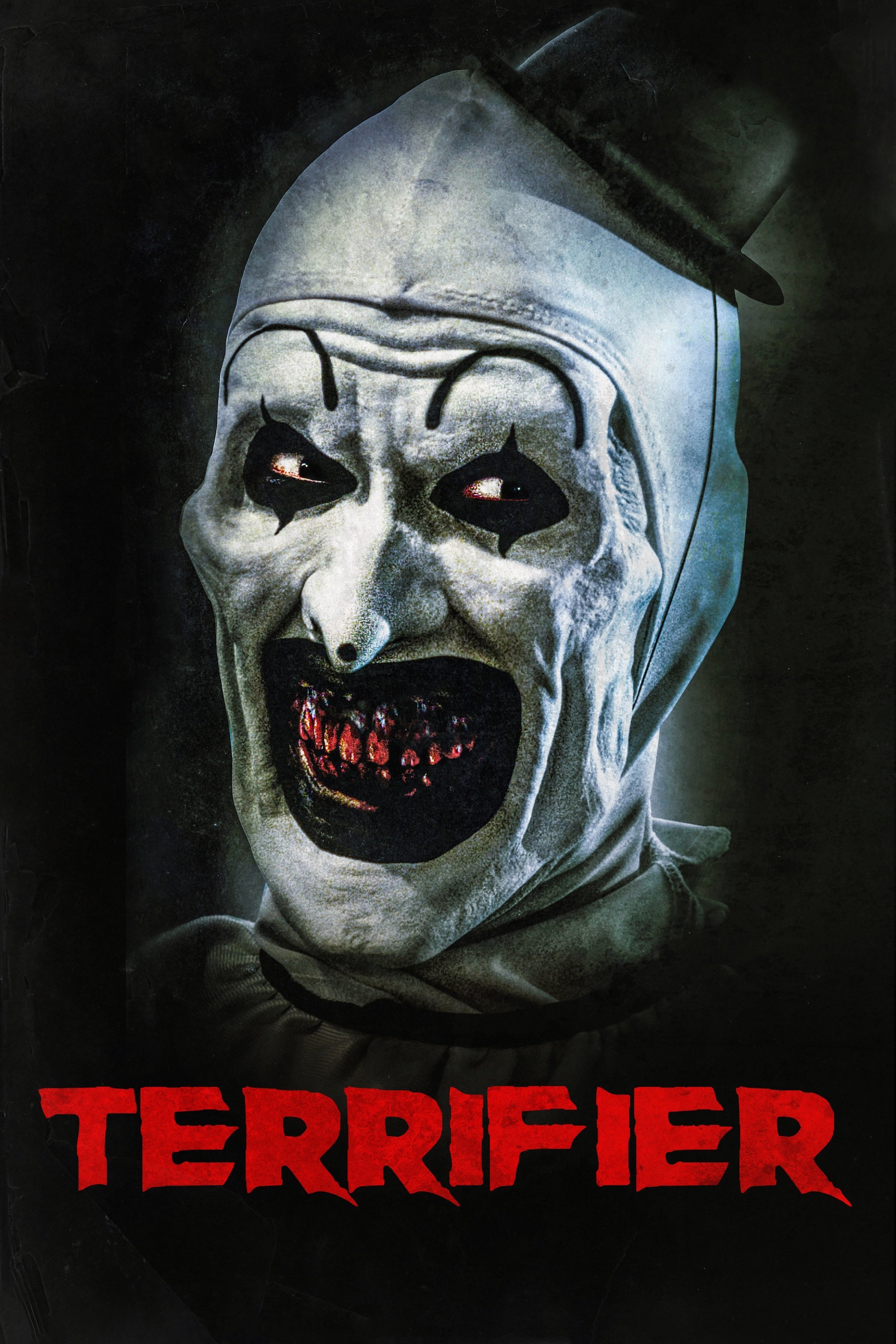
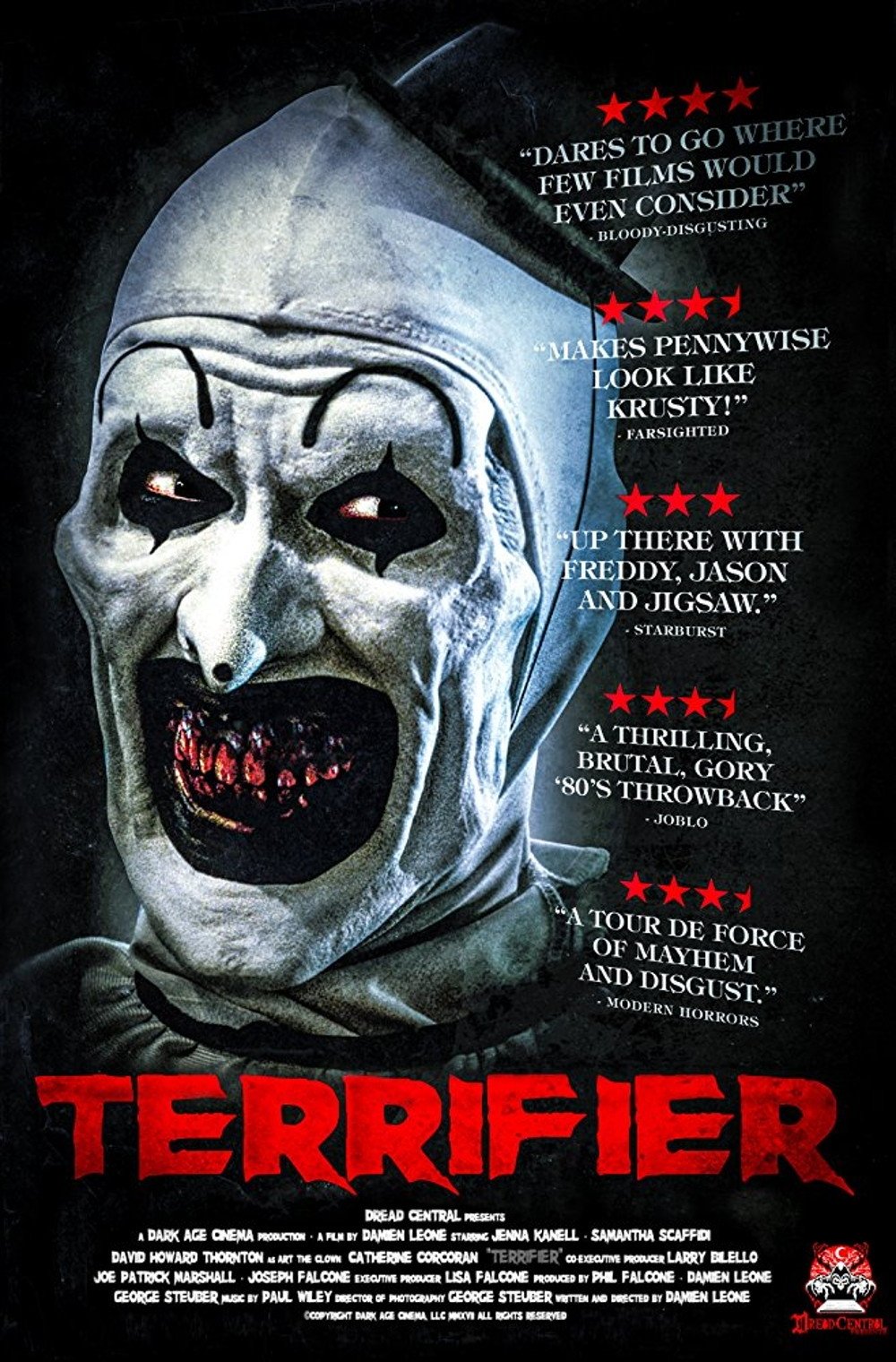
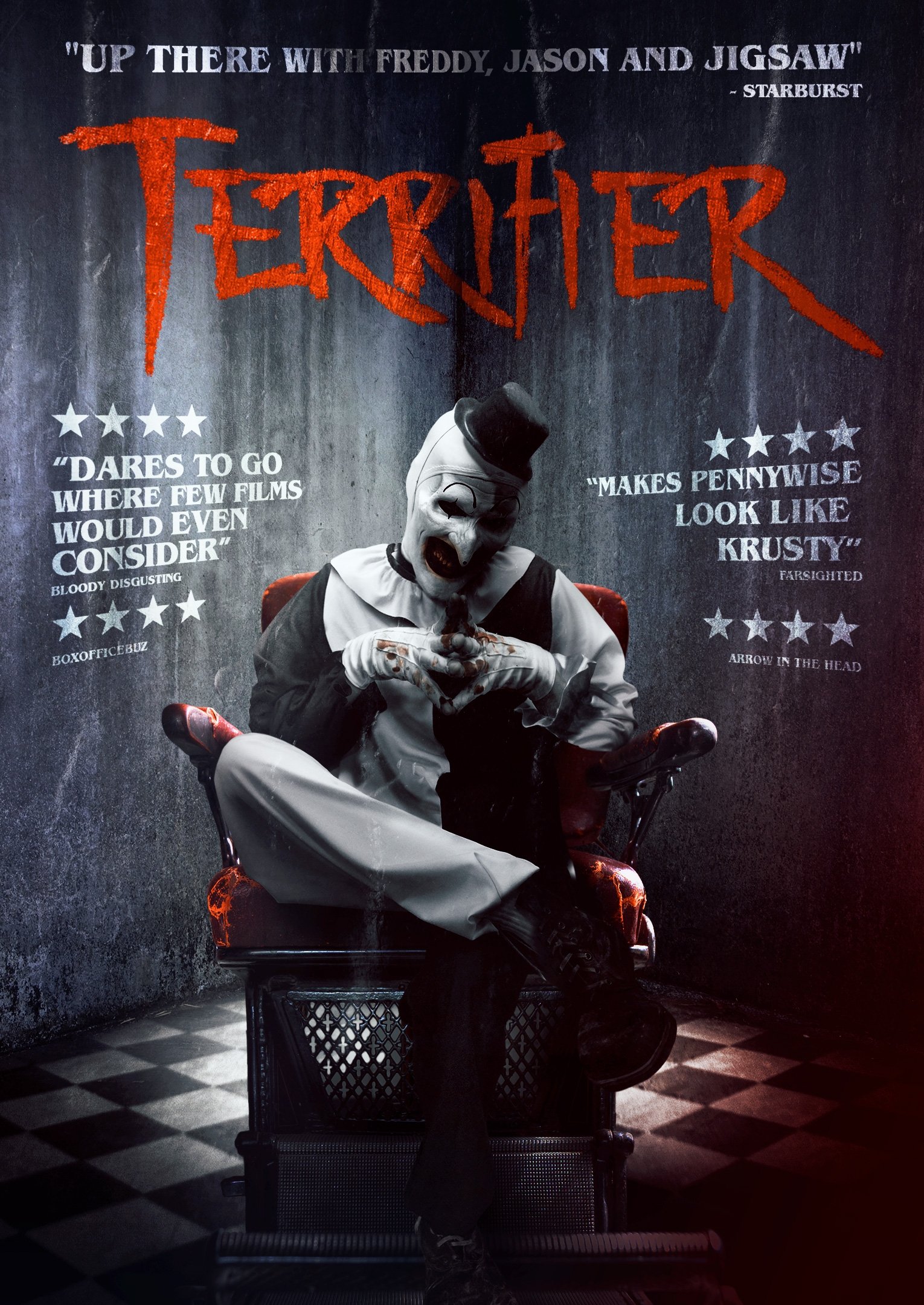
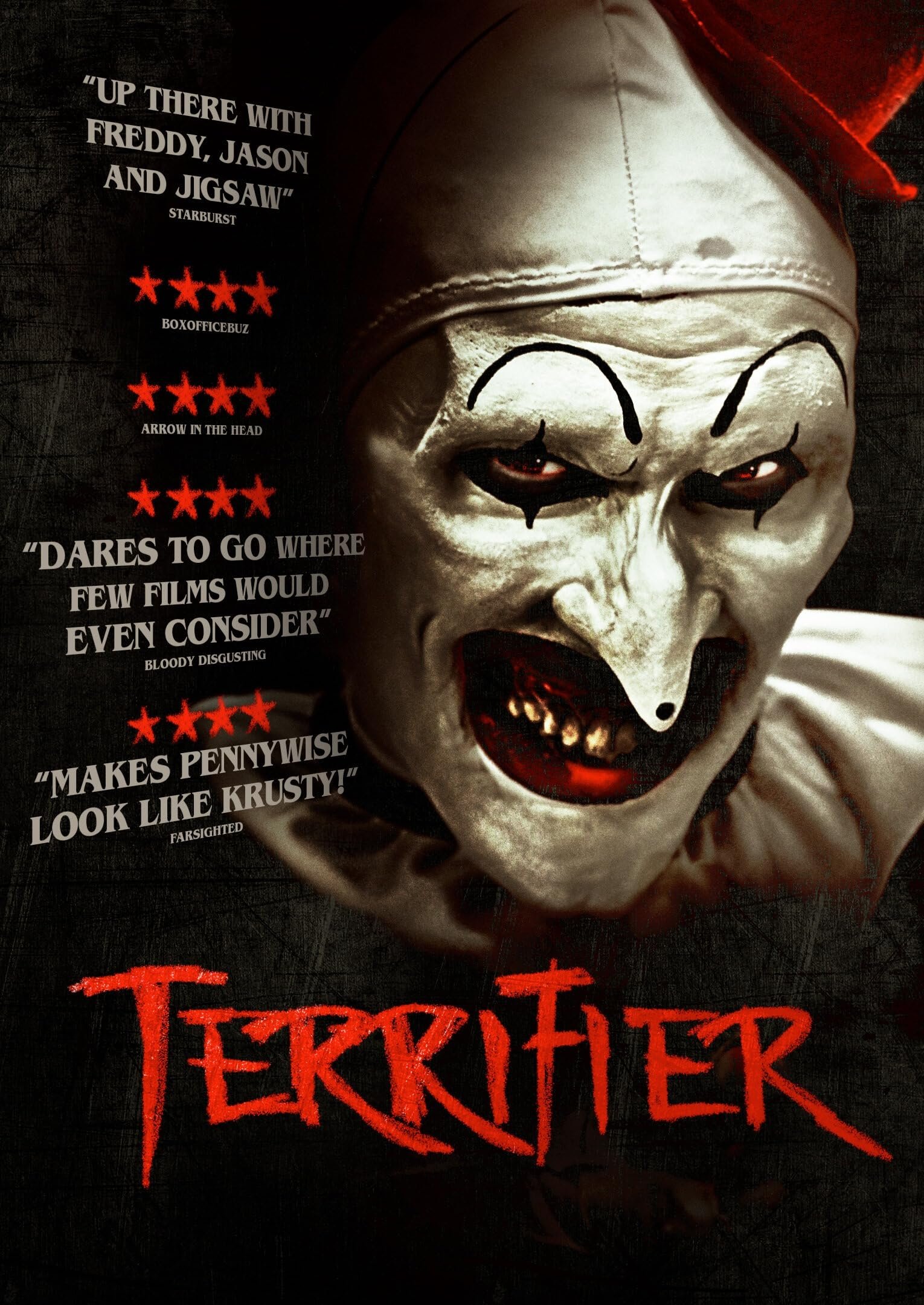
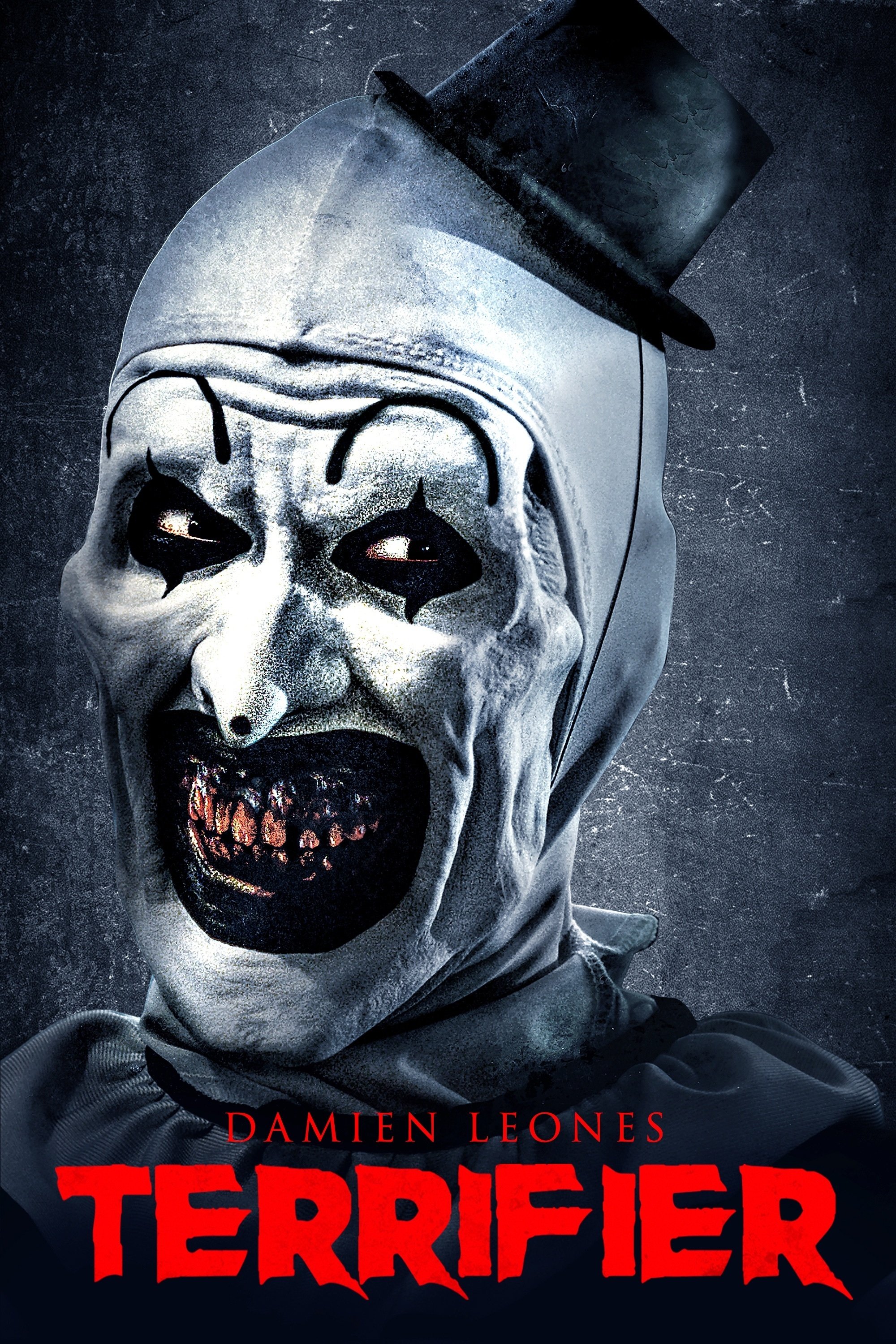
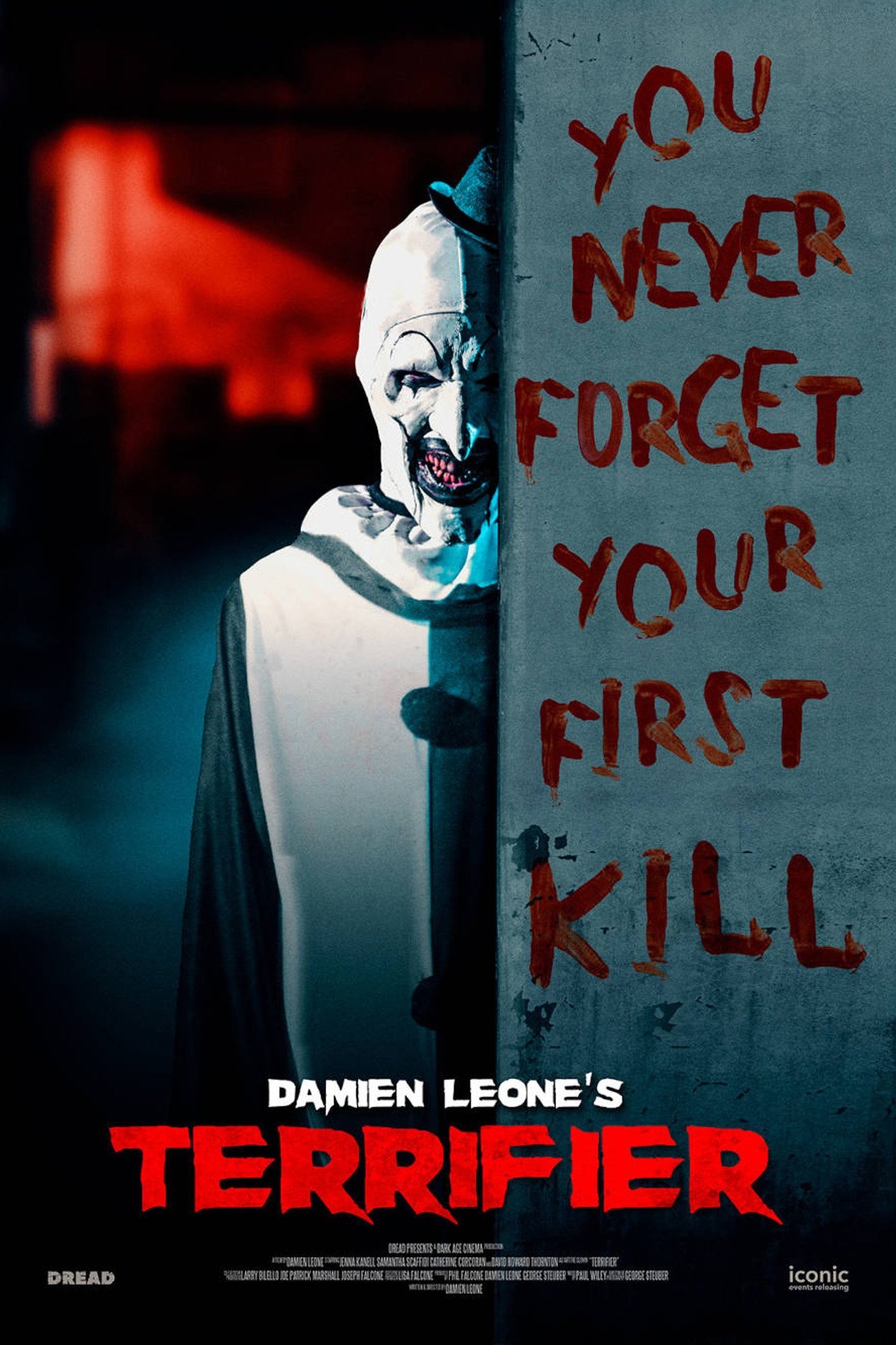
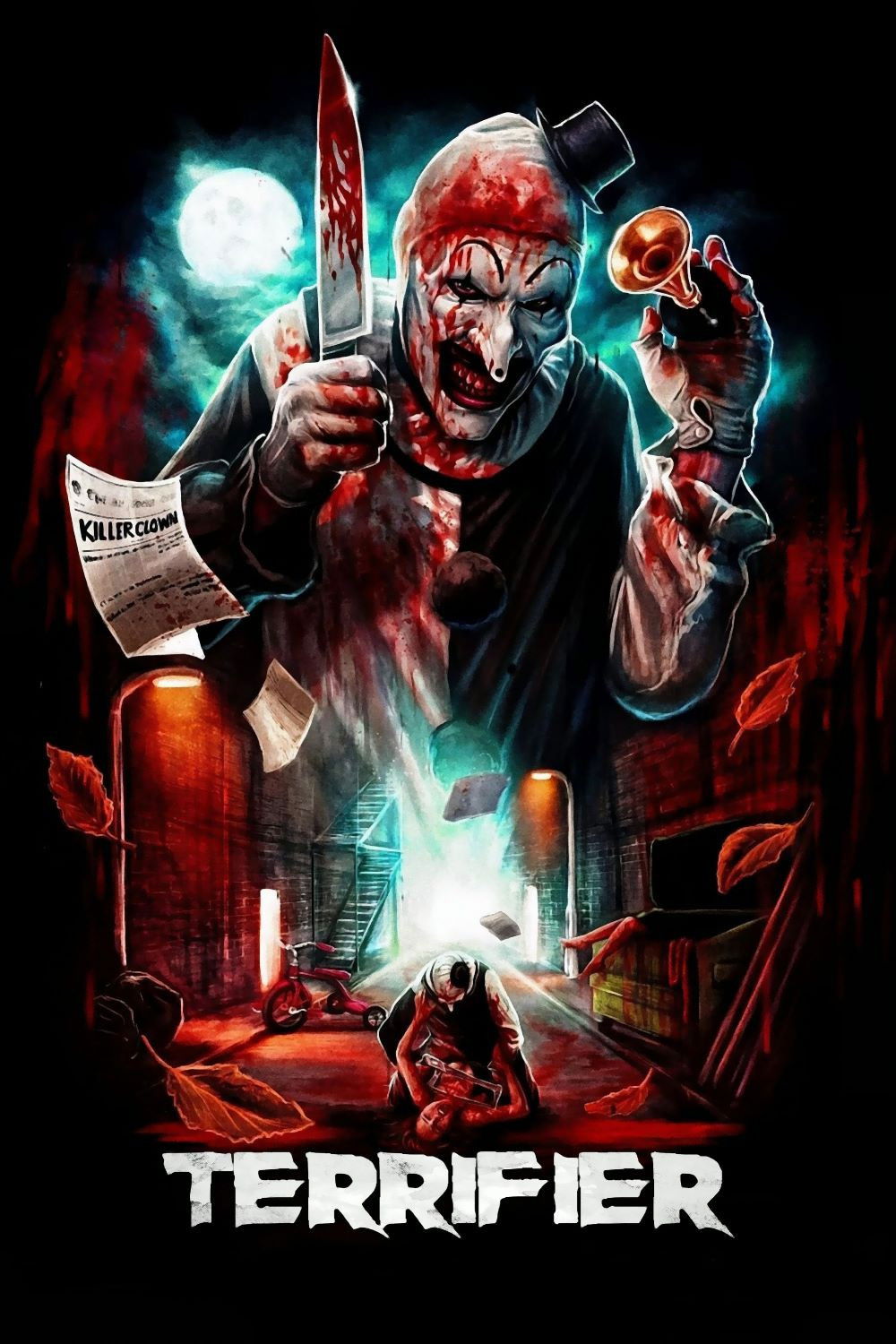
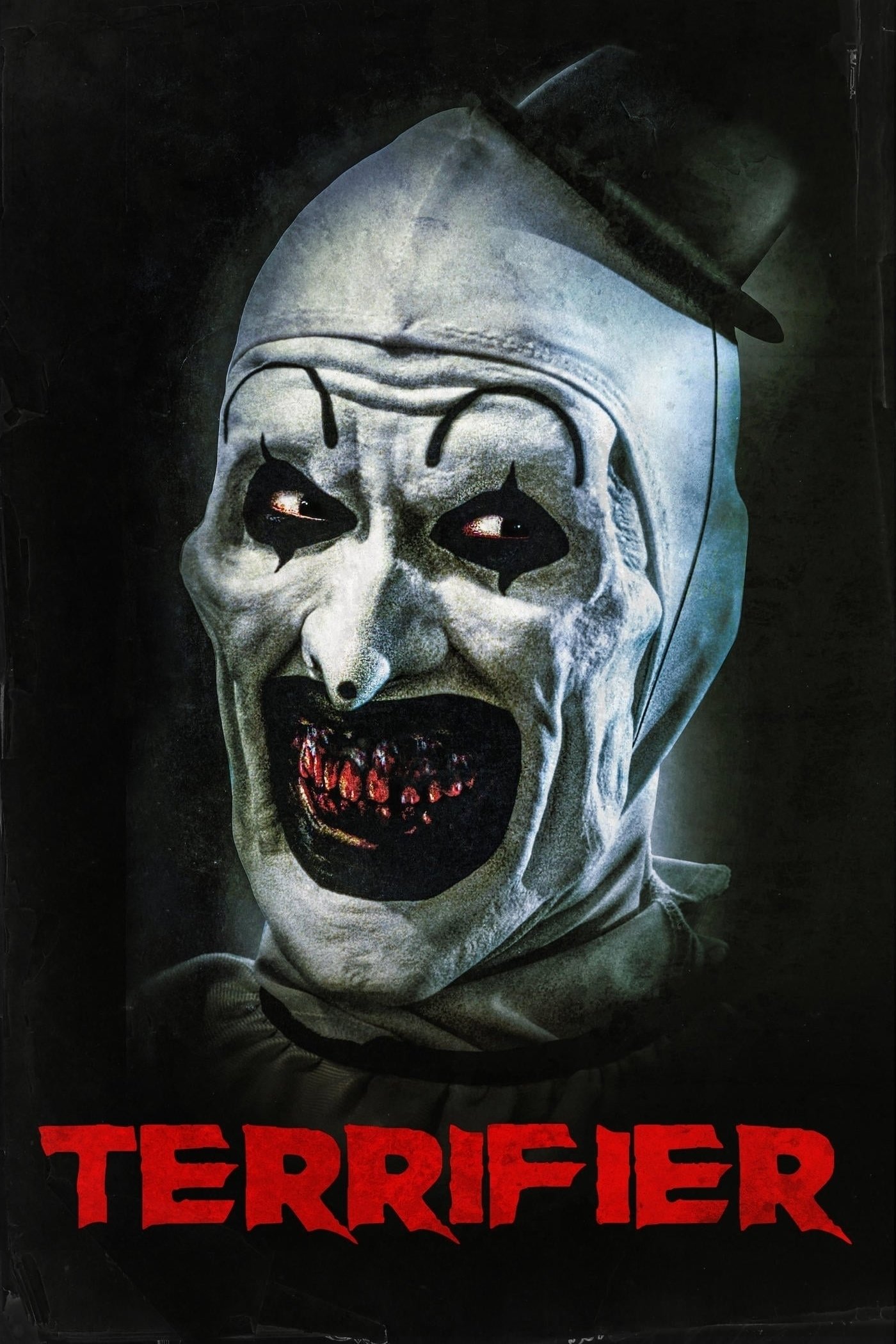
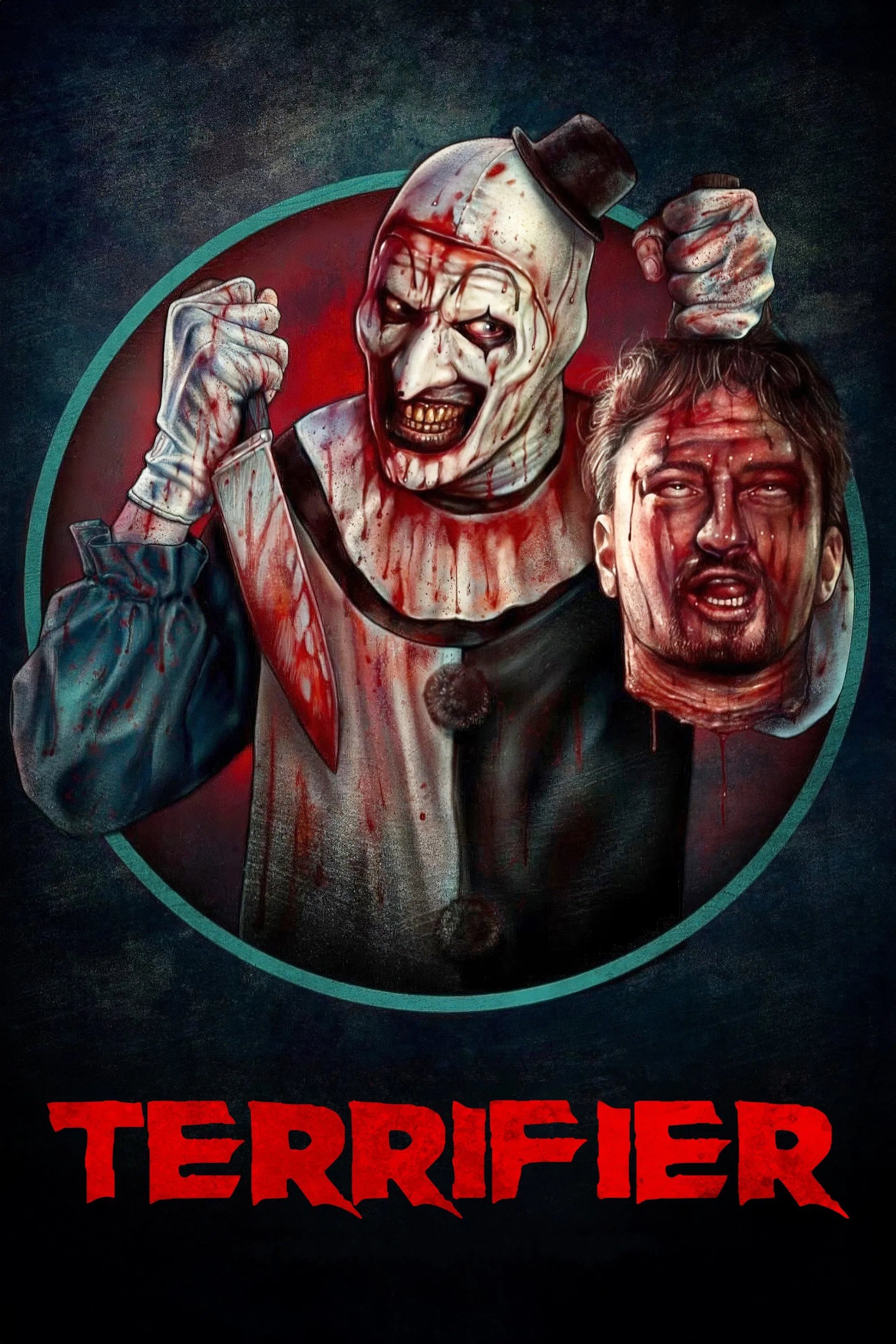
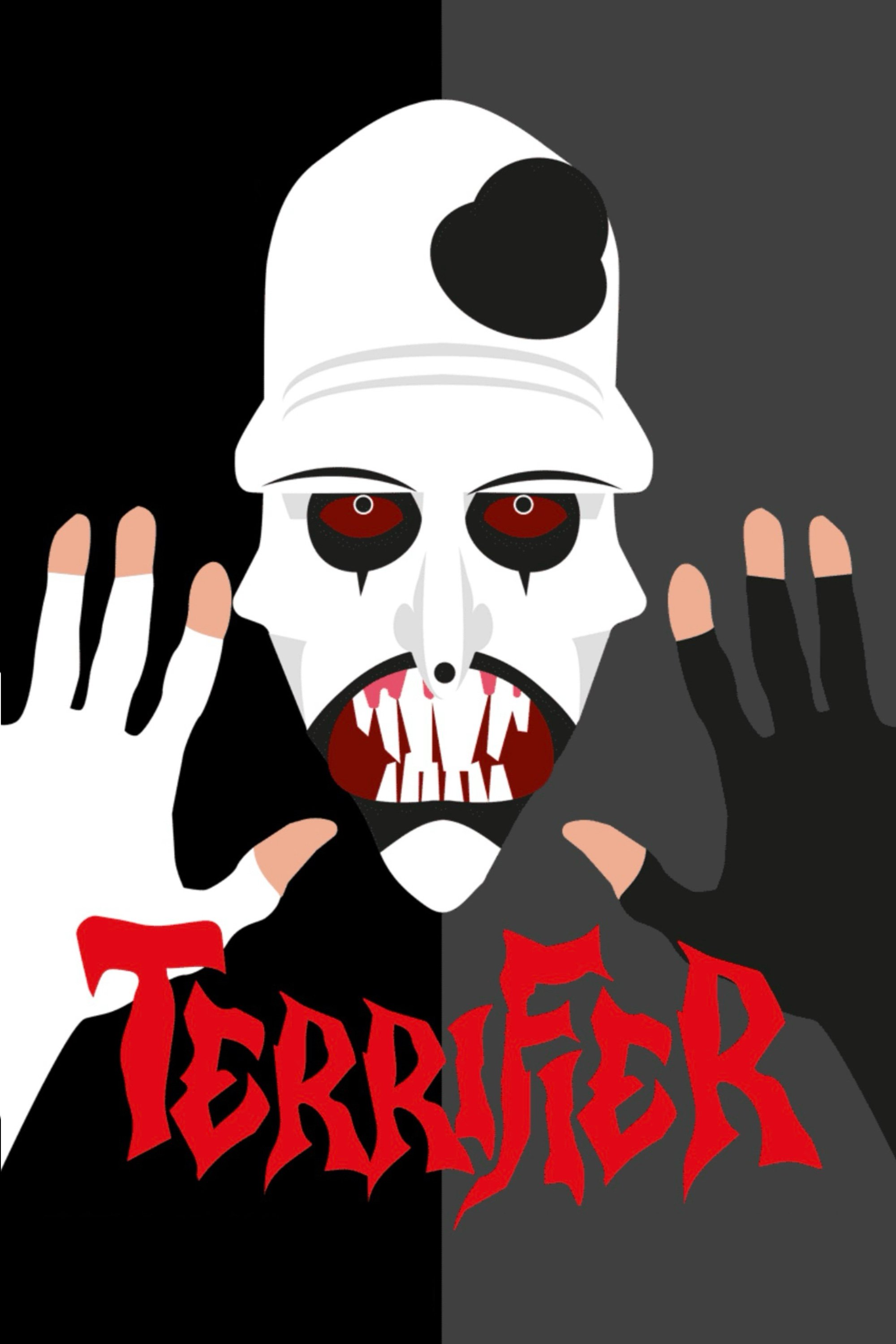
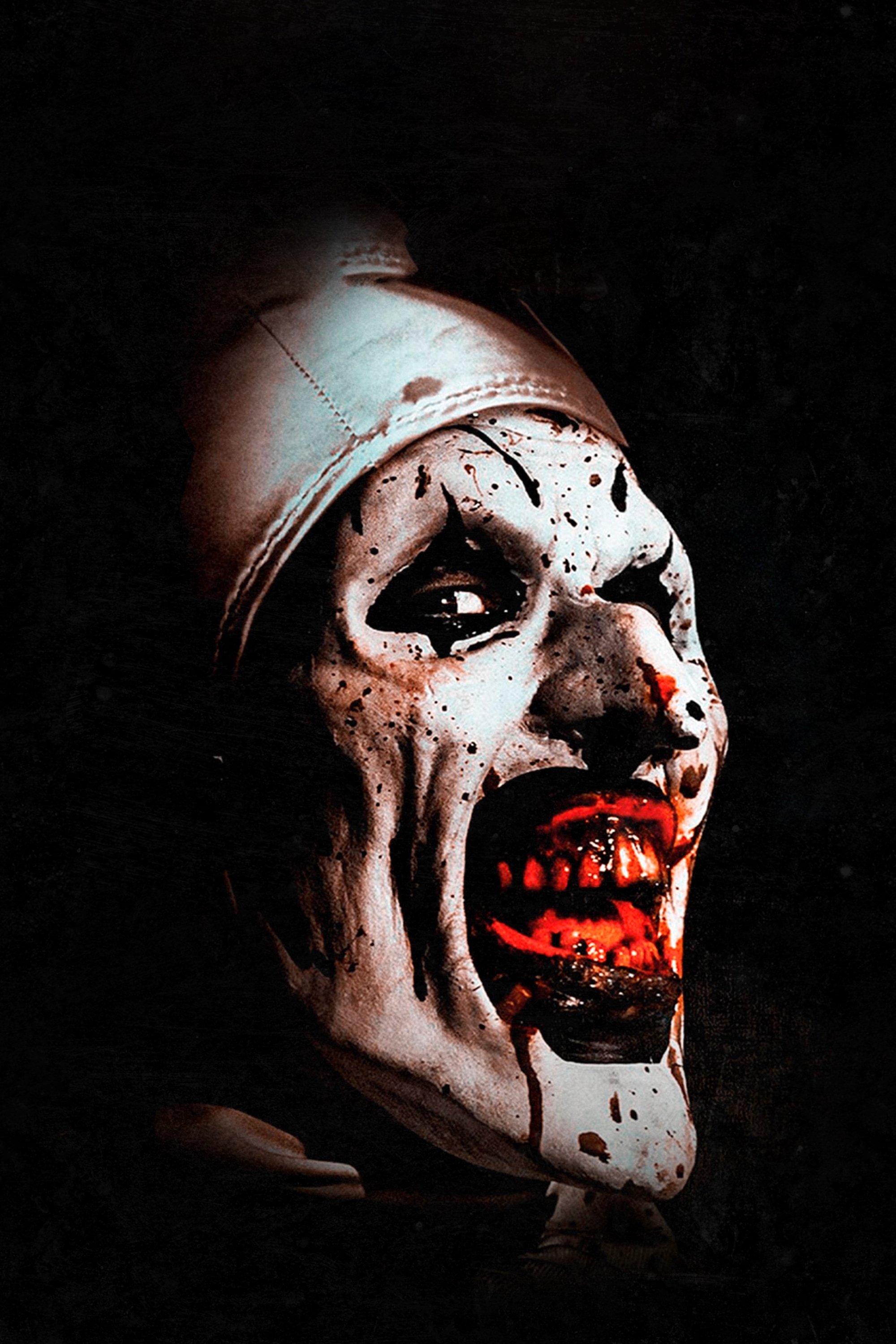
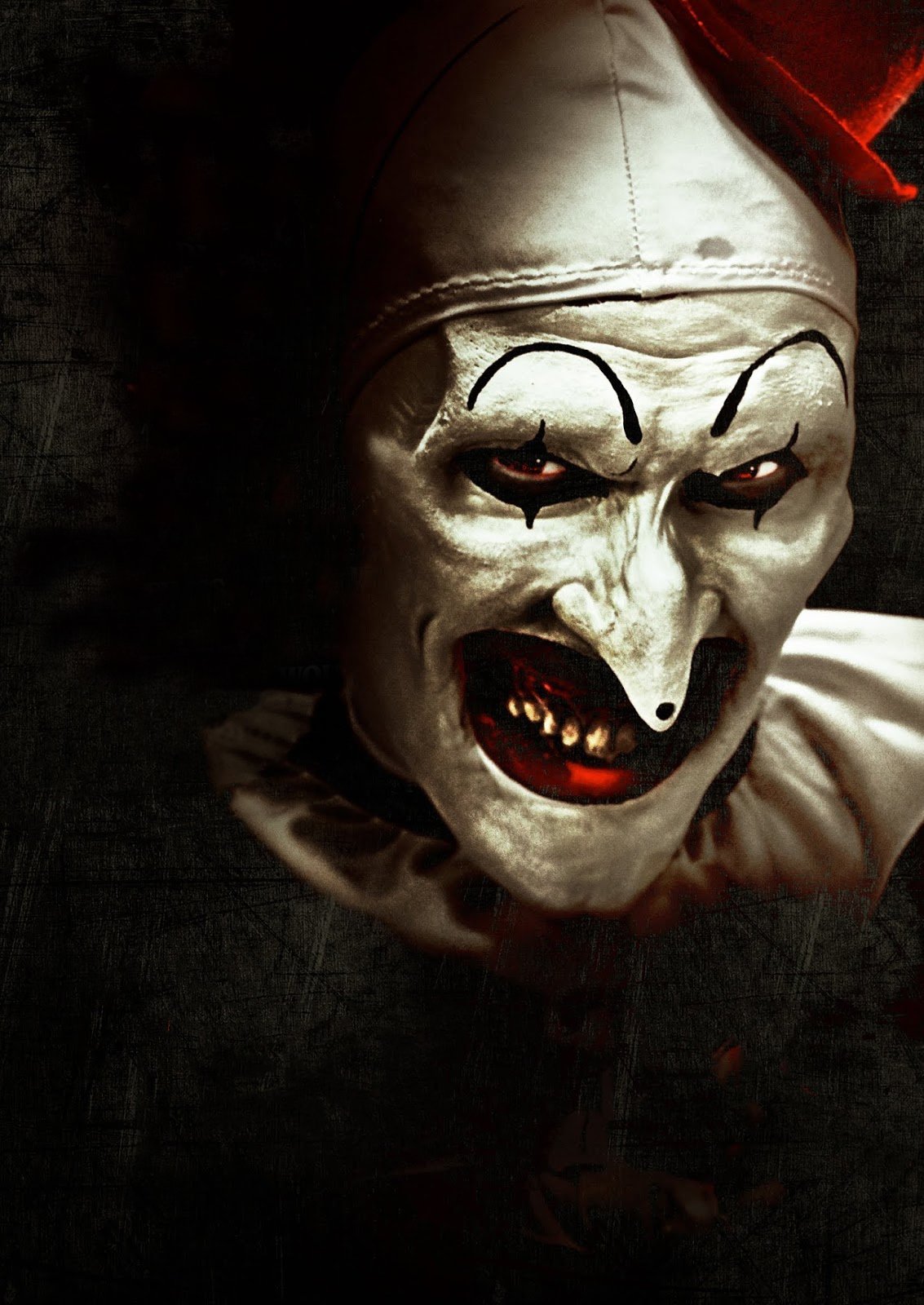
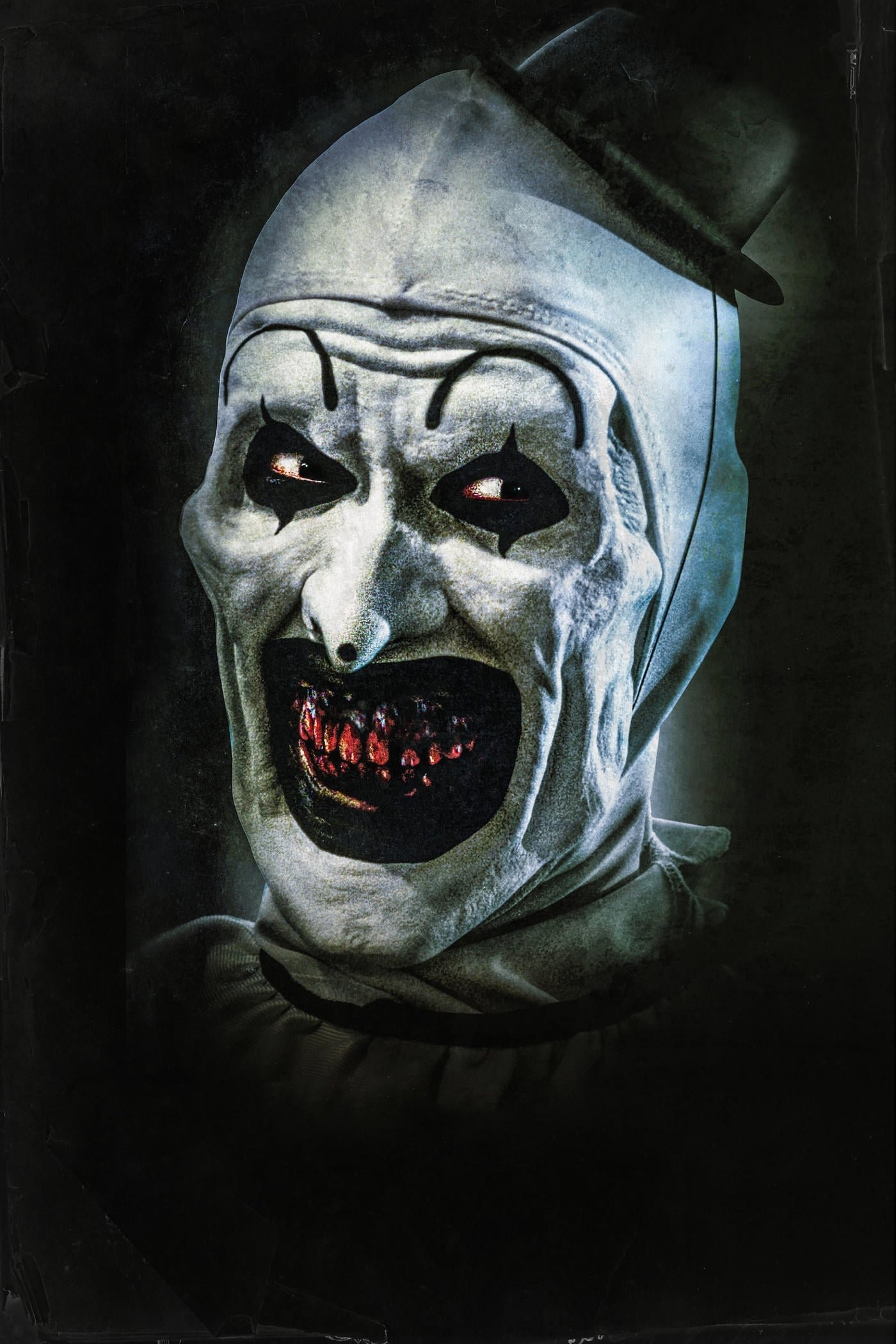
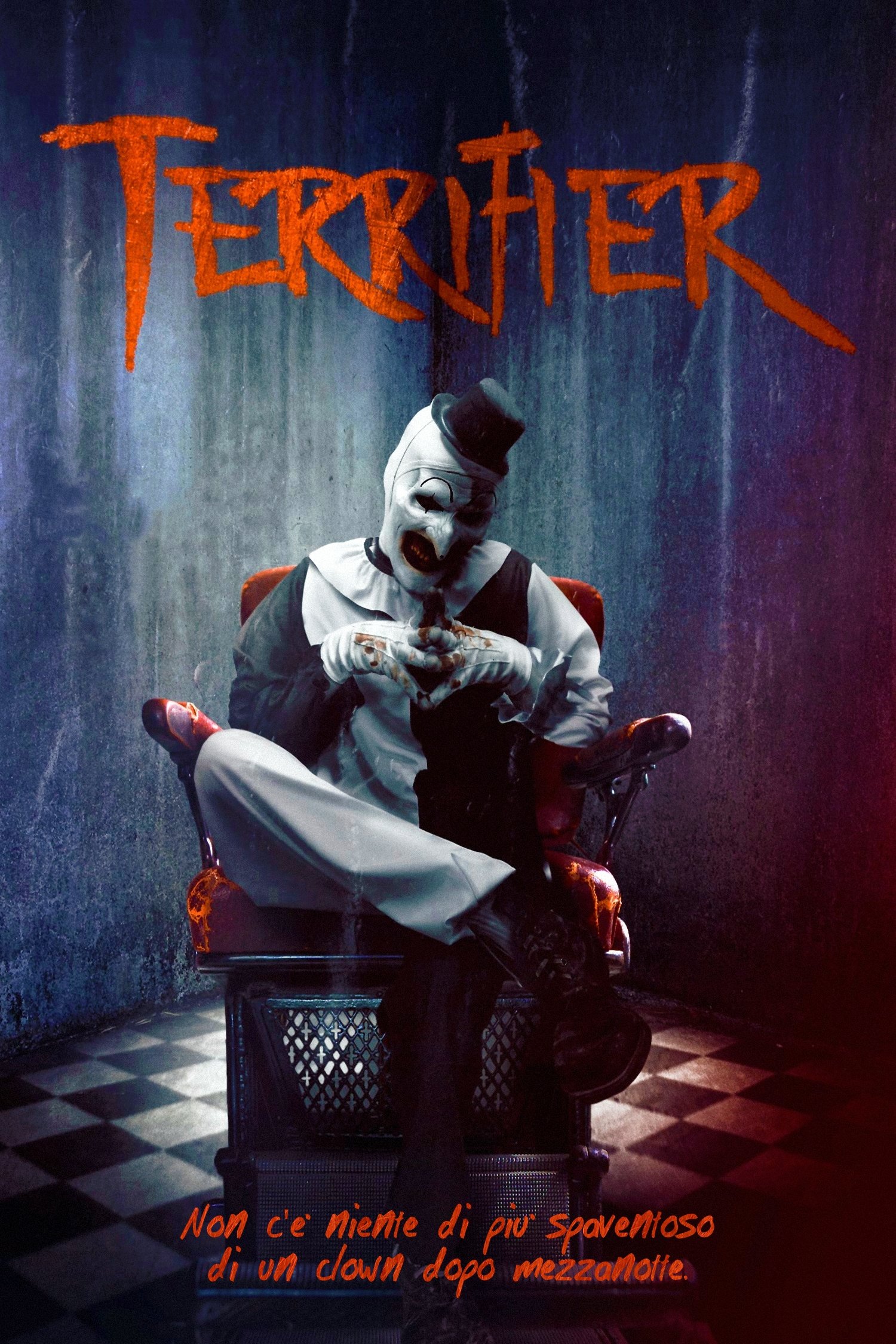
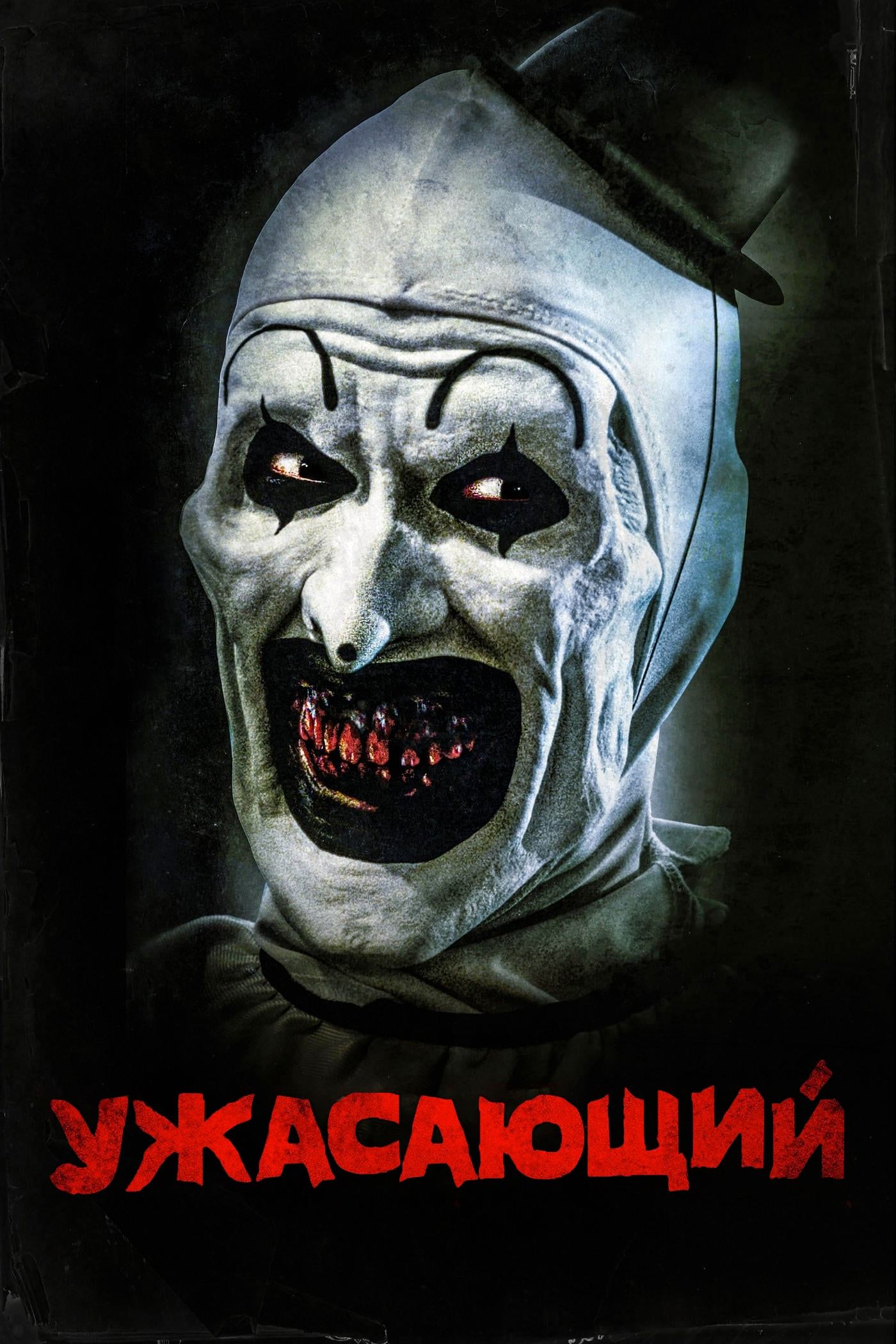
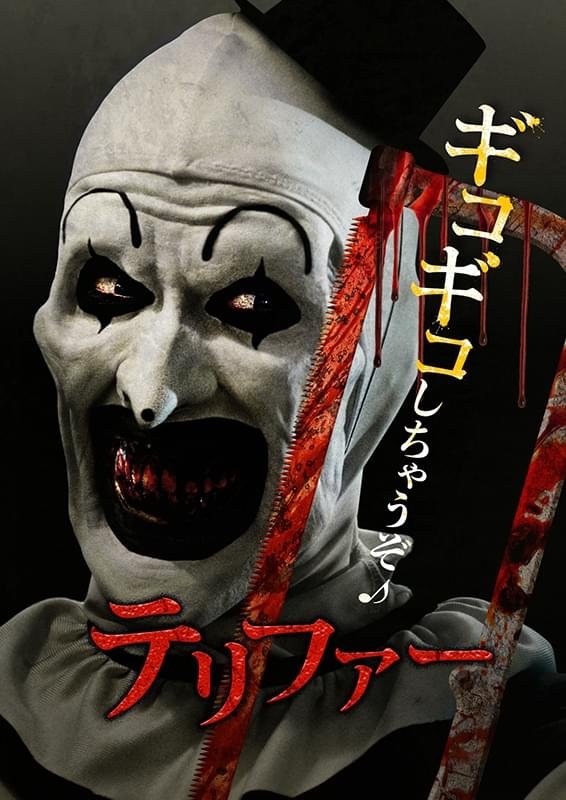
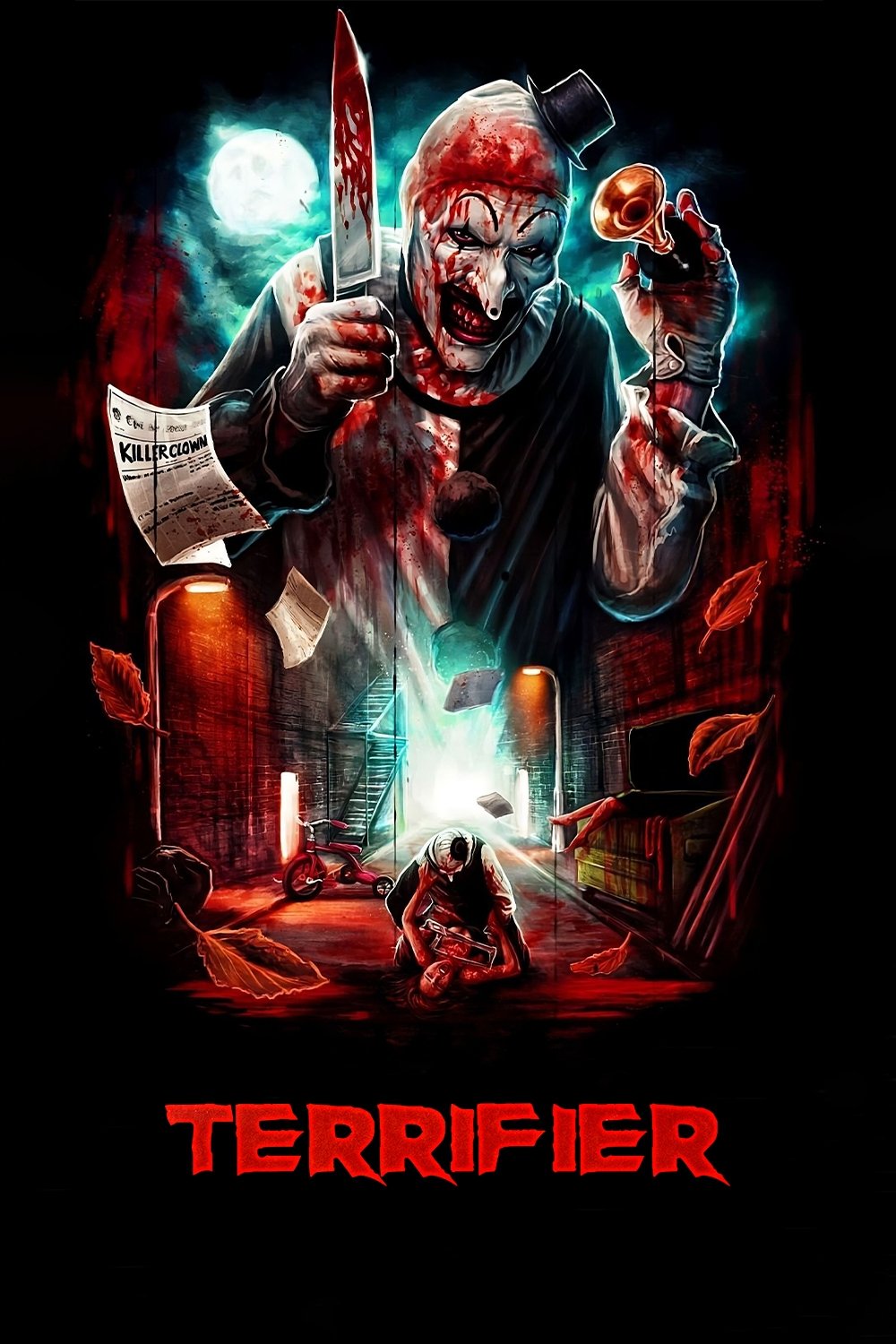
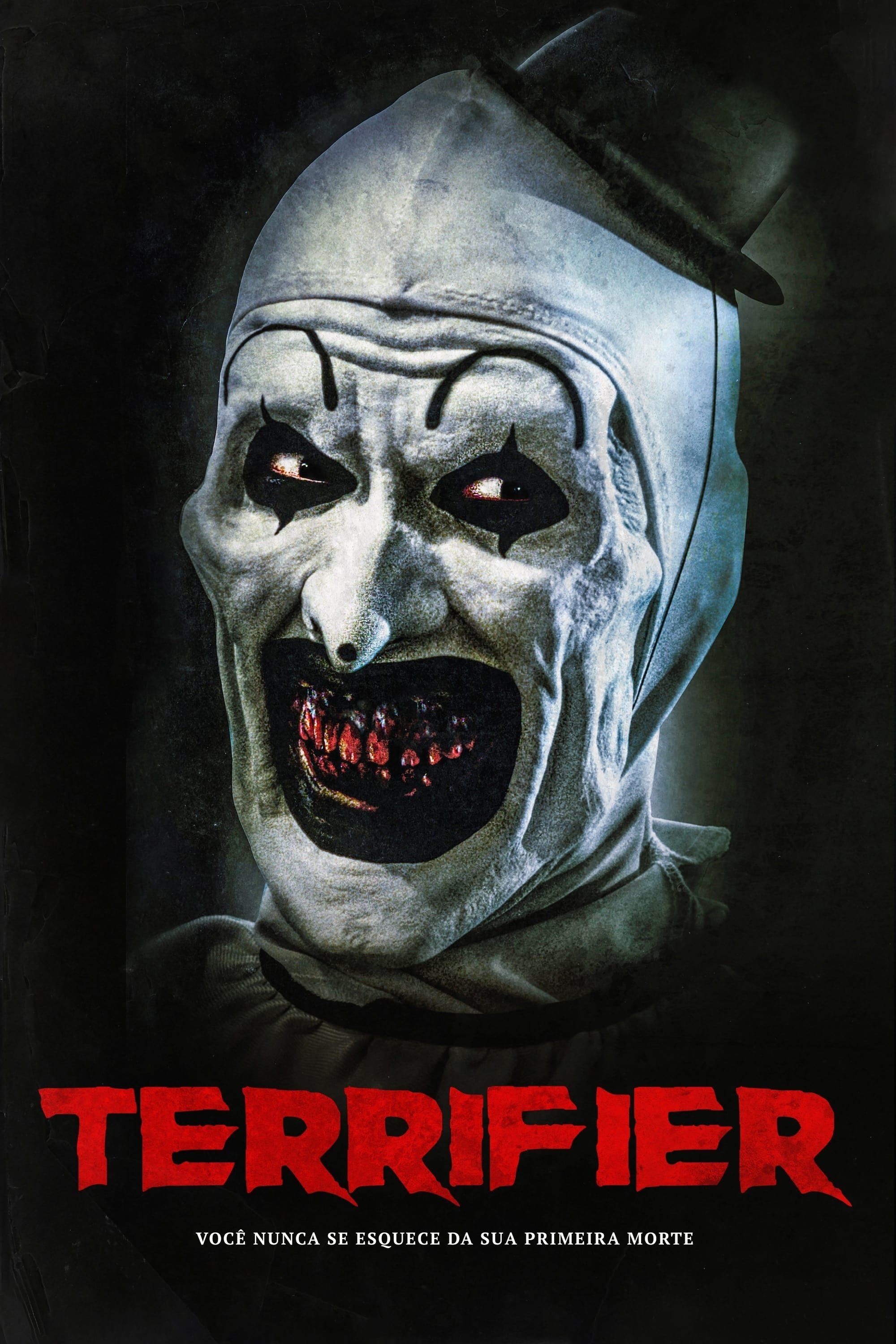
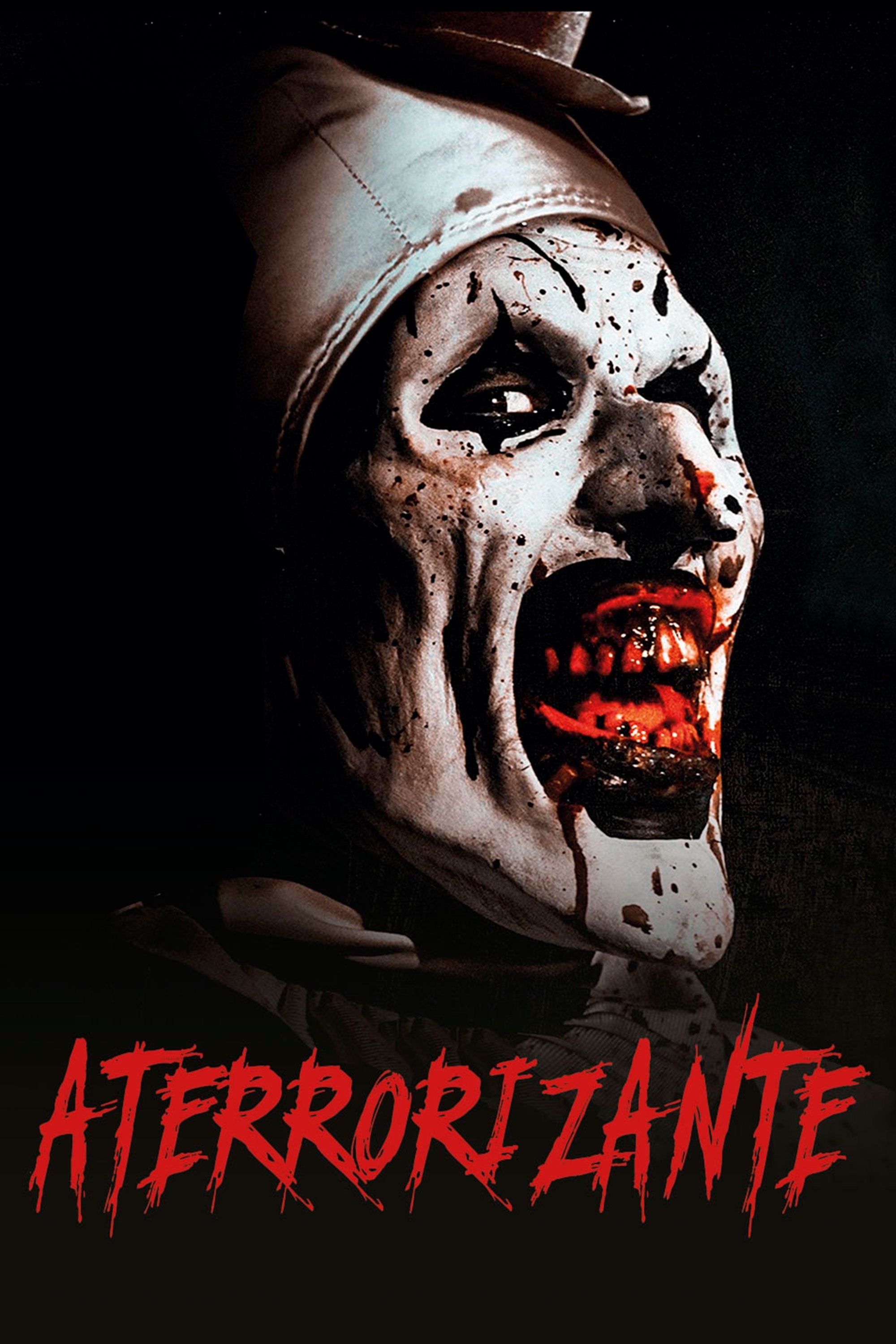
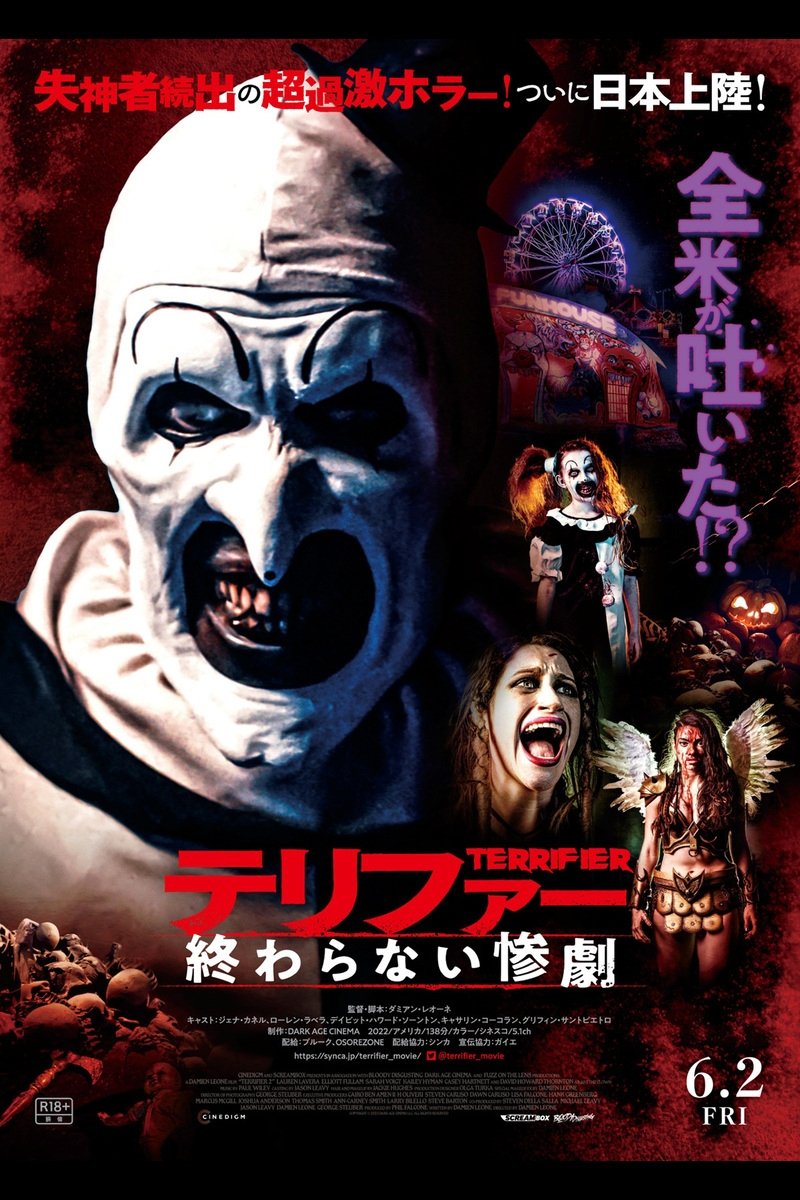
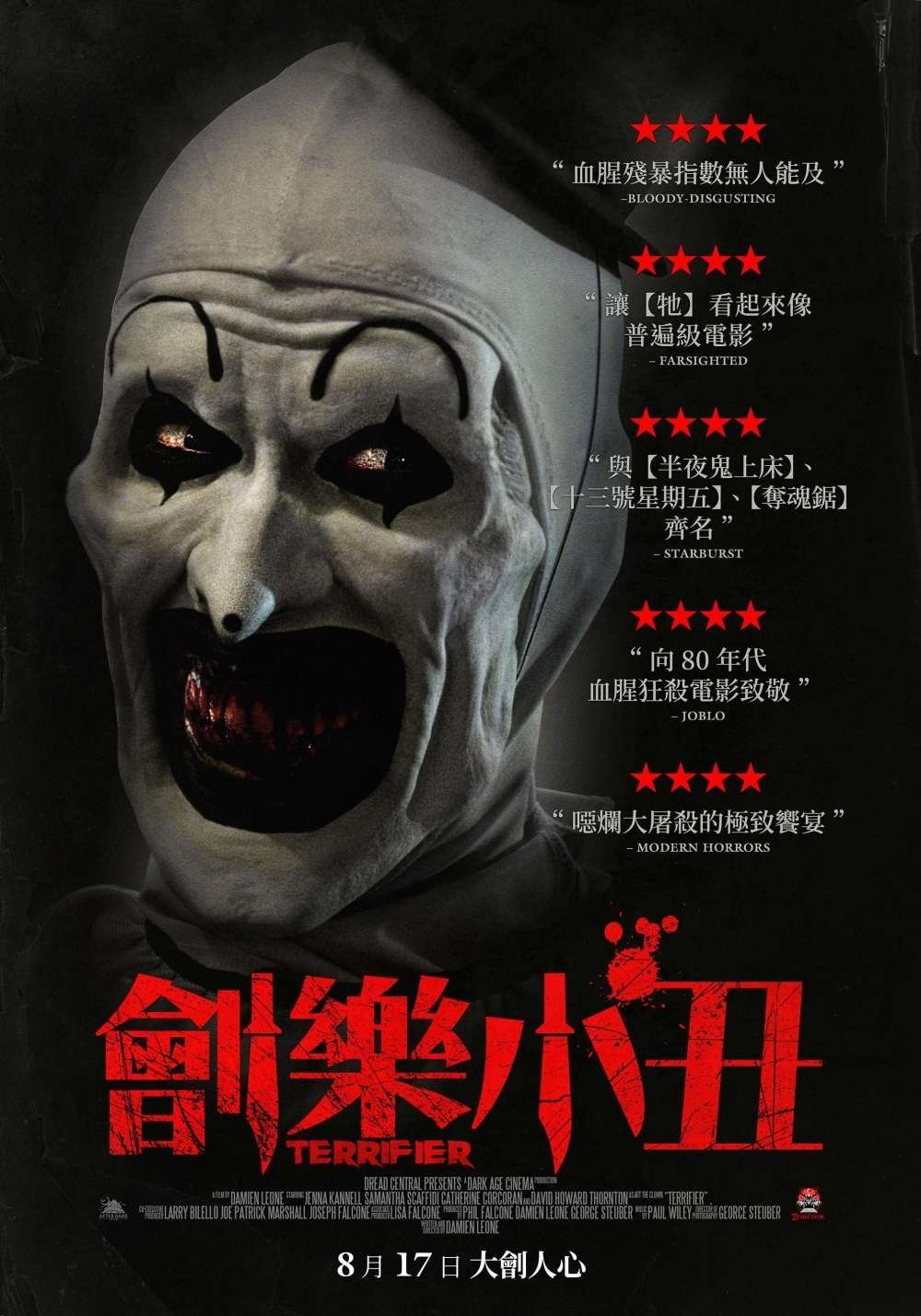
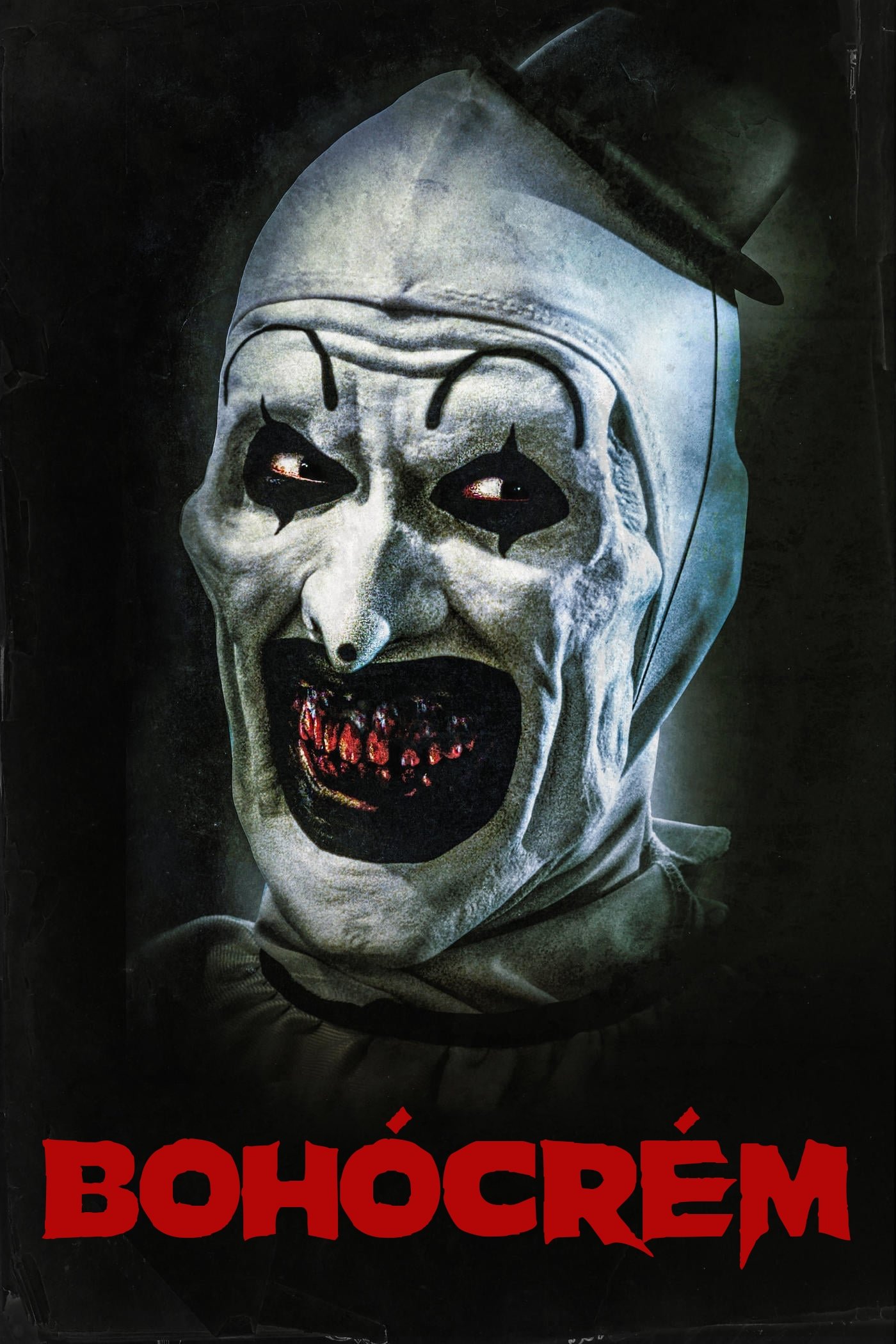
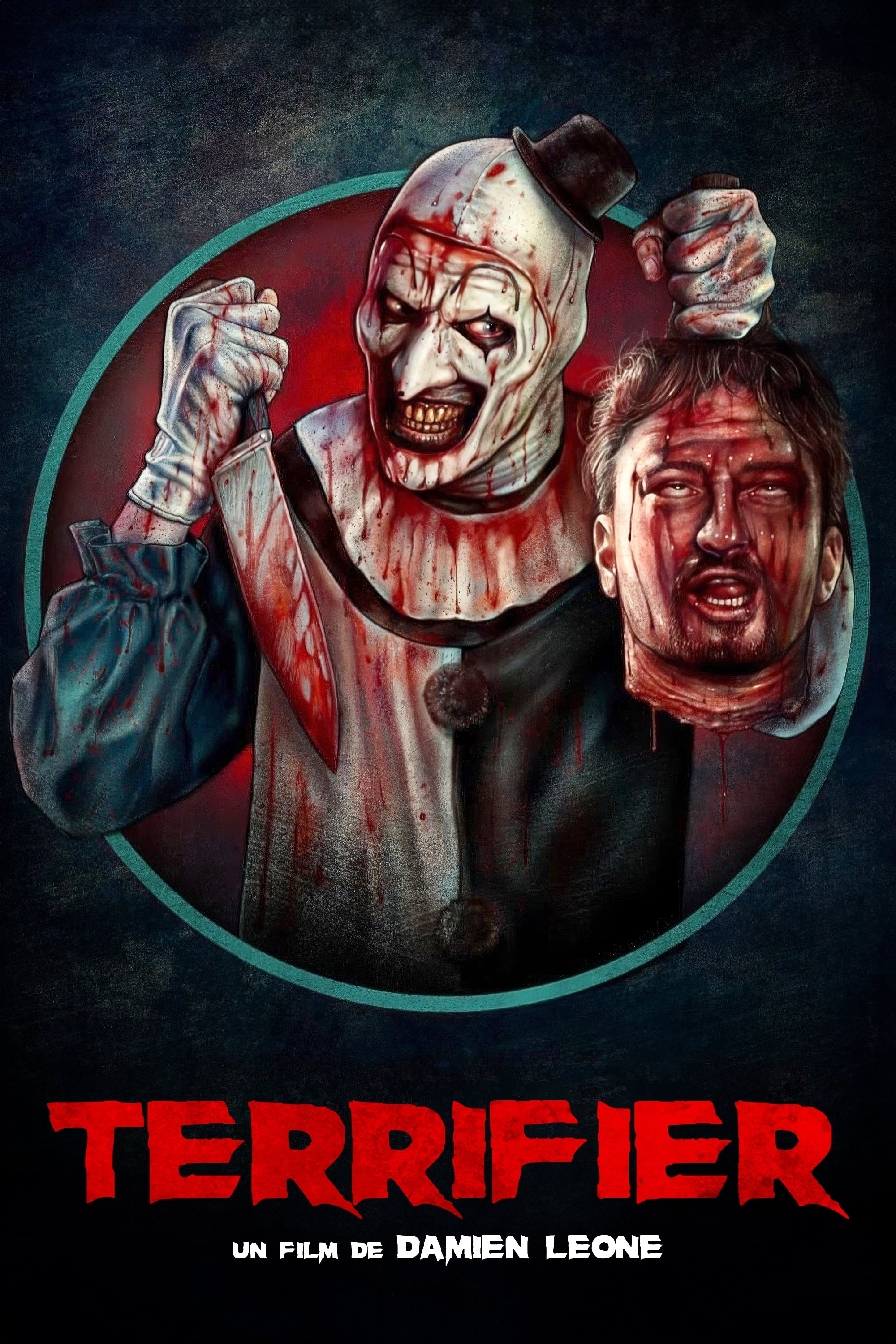
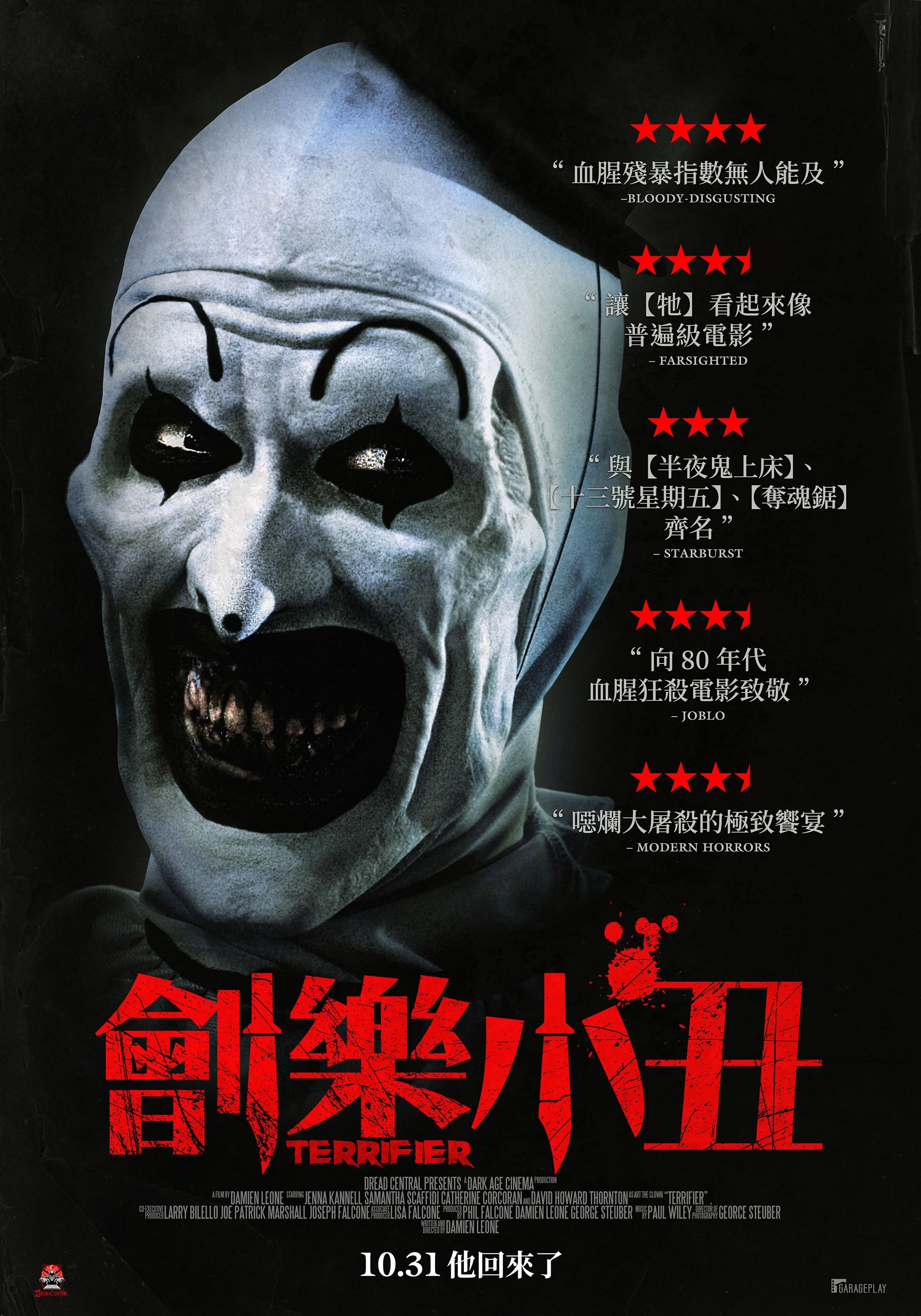
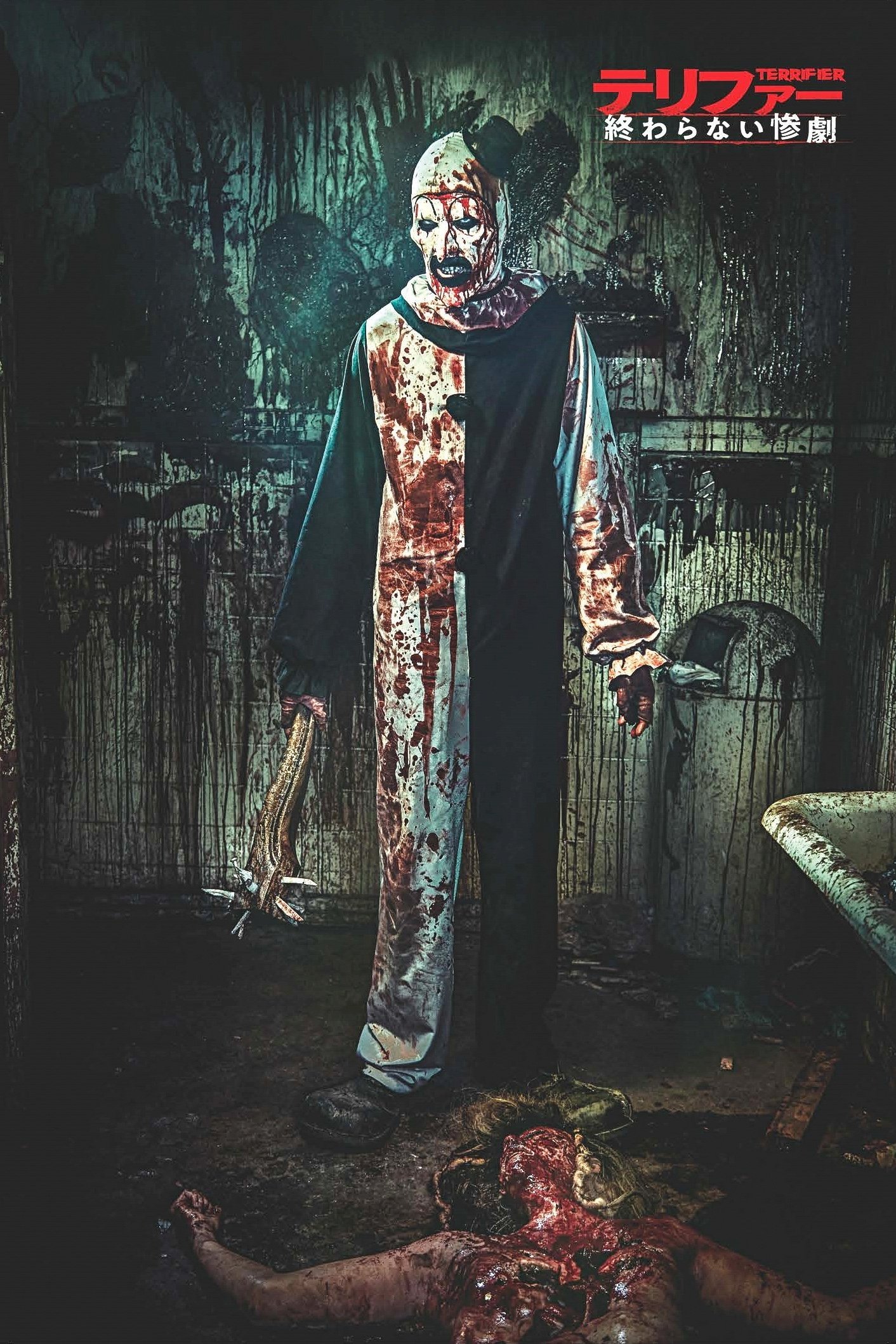
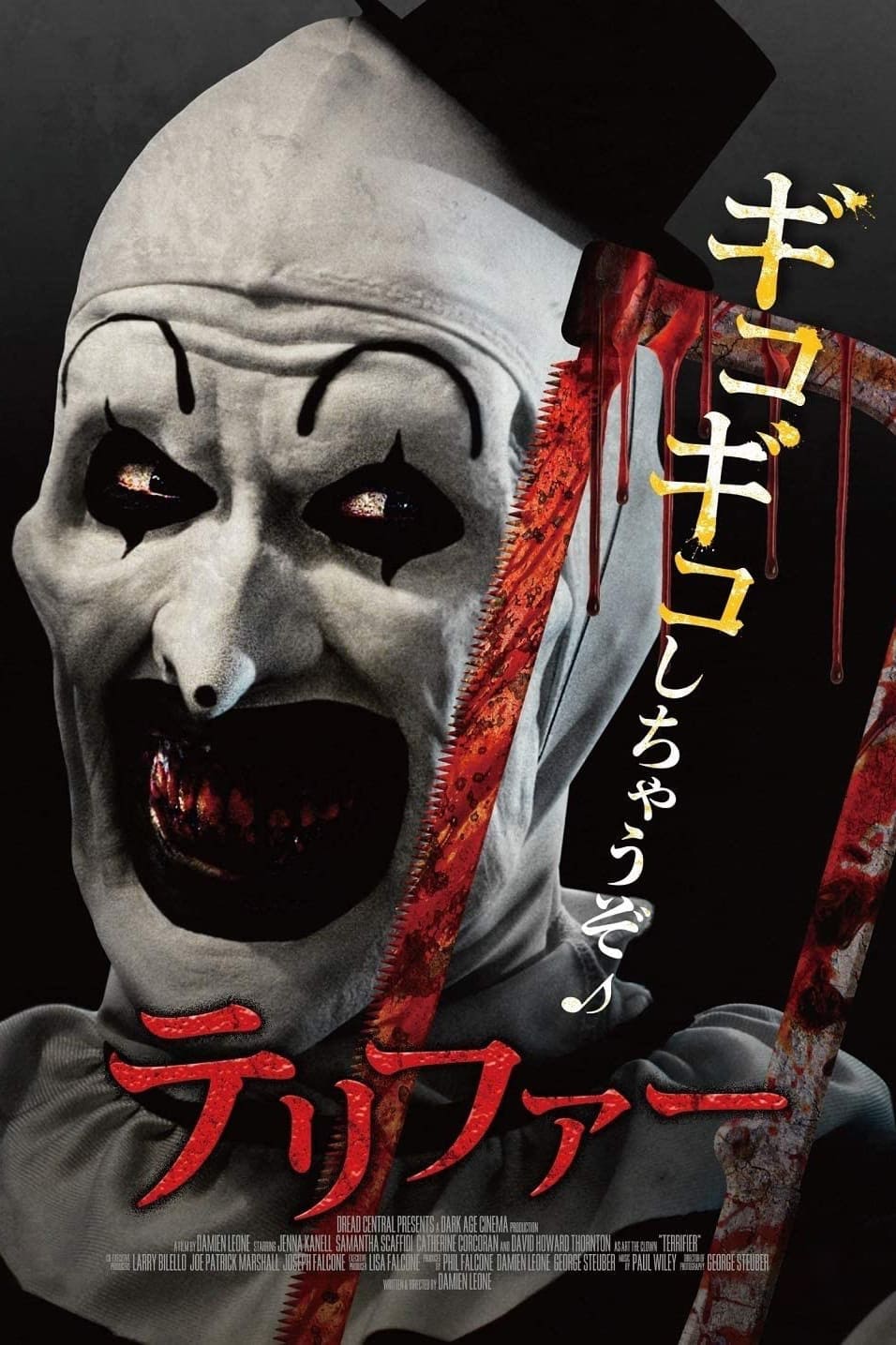
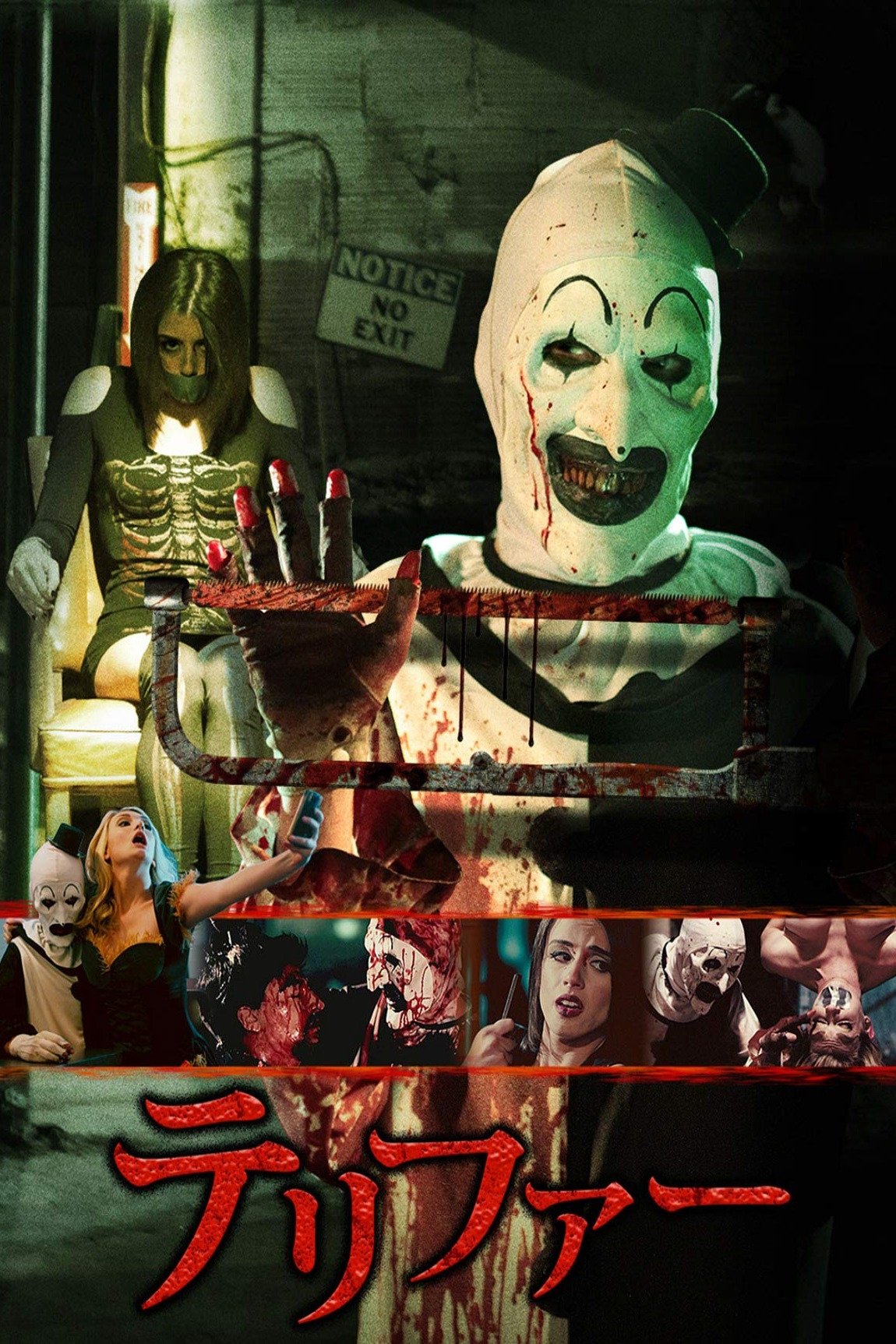
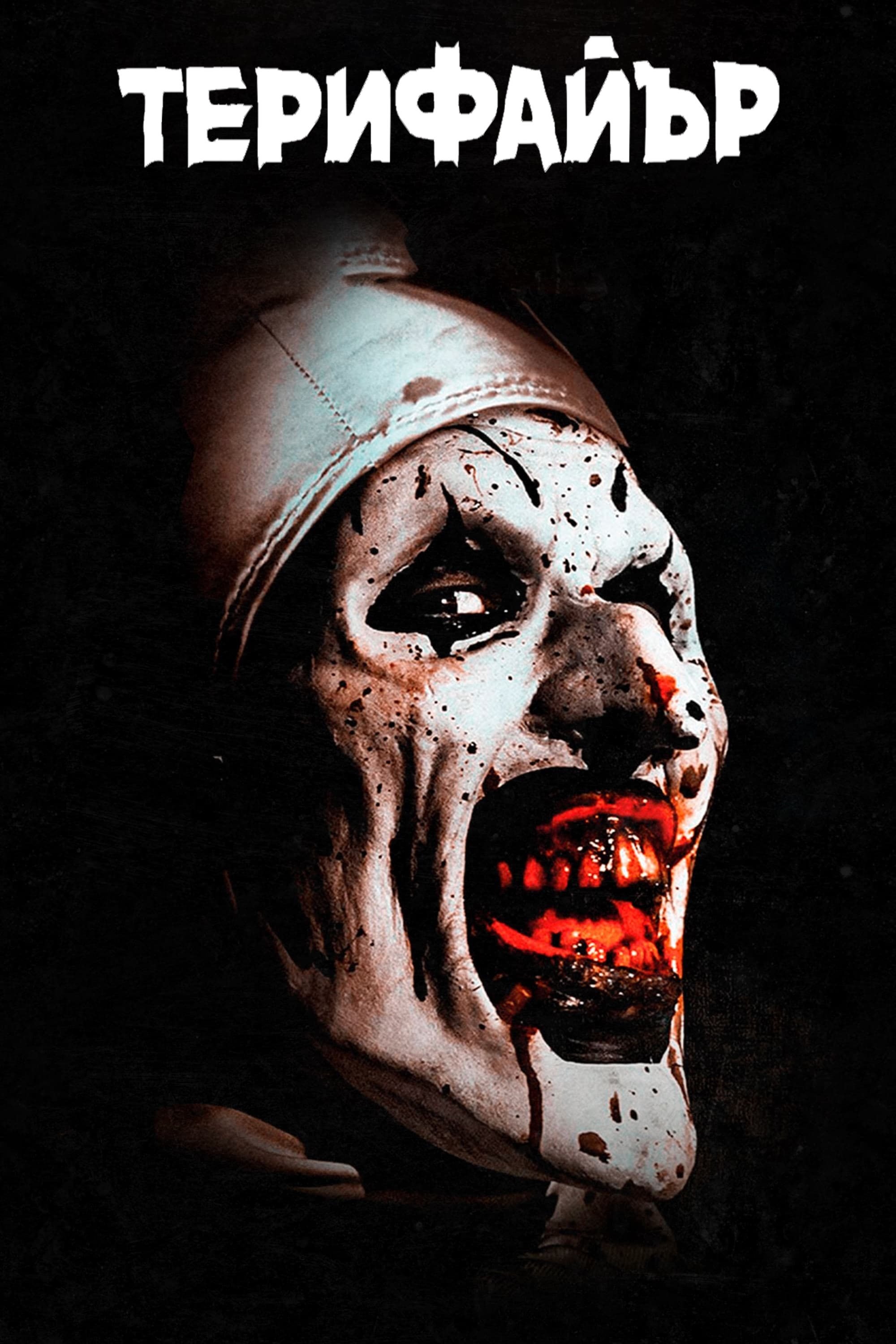
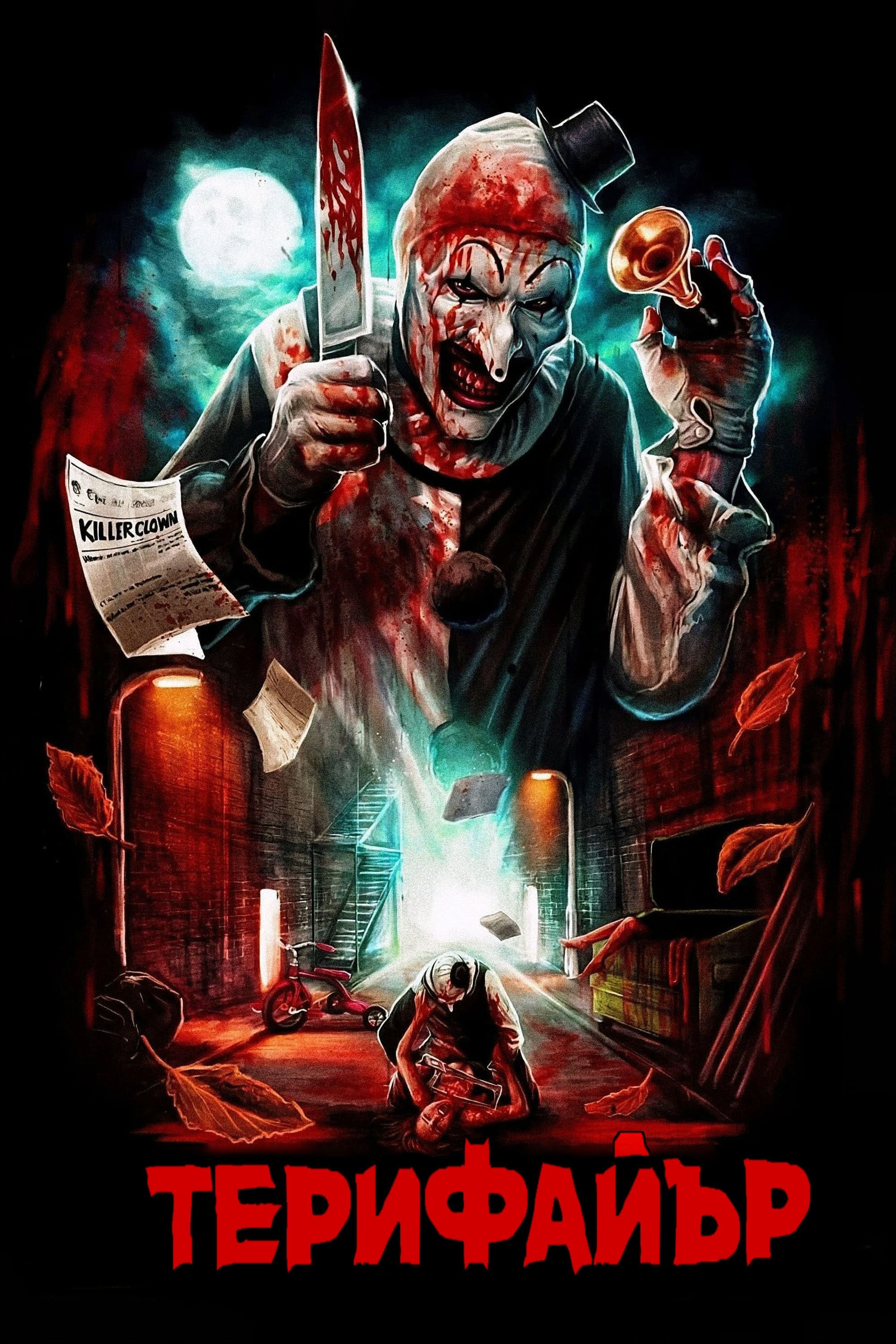
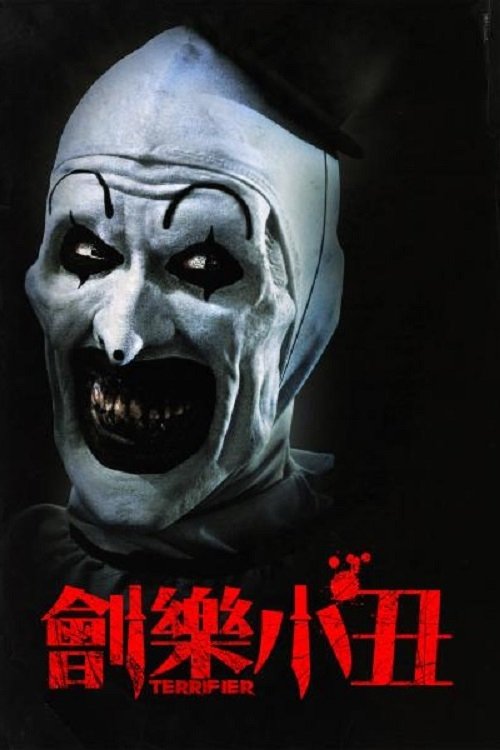
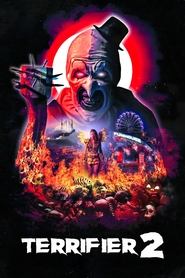
Terrifier (2018) poster
Director
Writer
Production Company
Dark Age Cinema
Plot

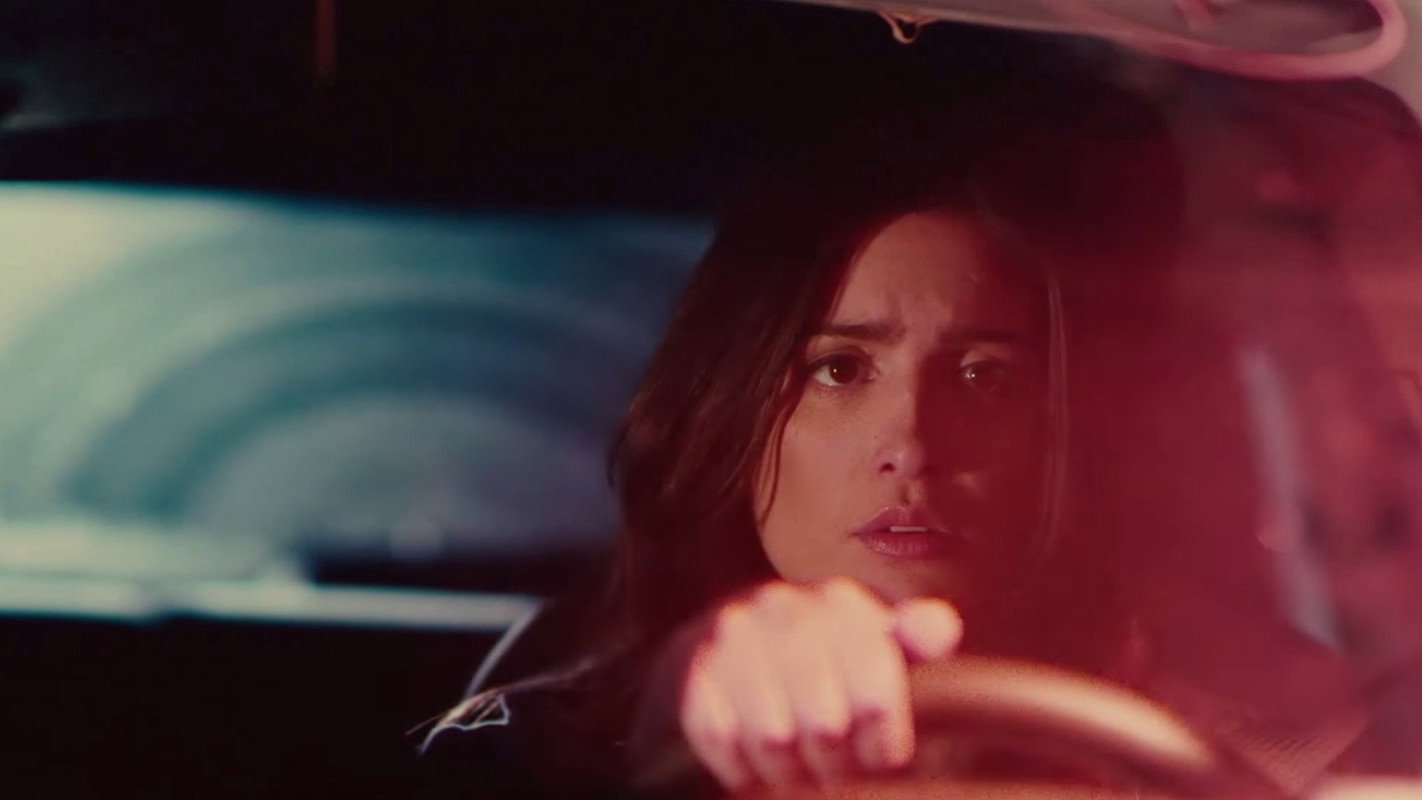
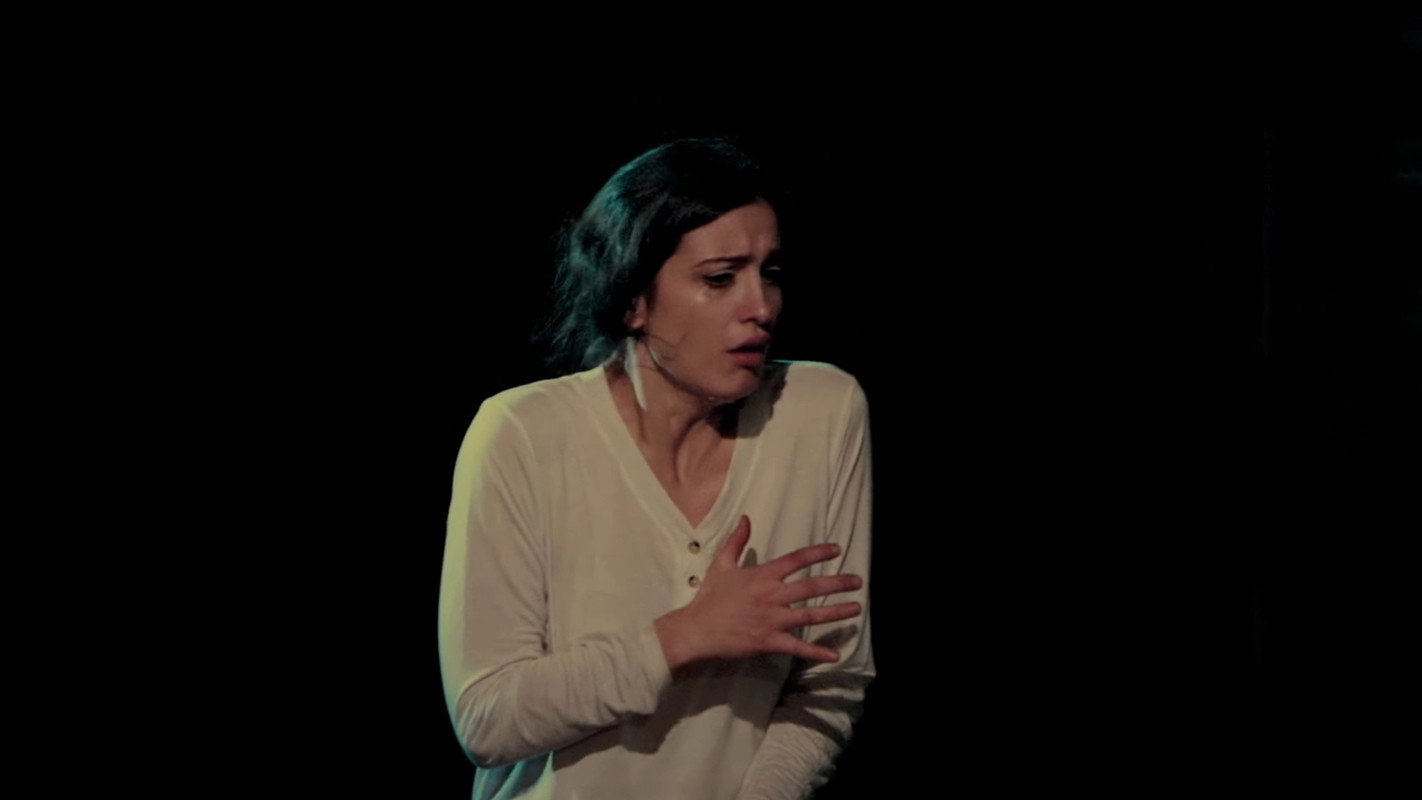
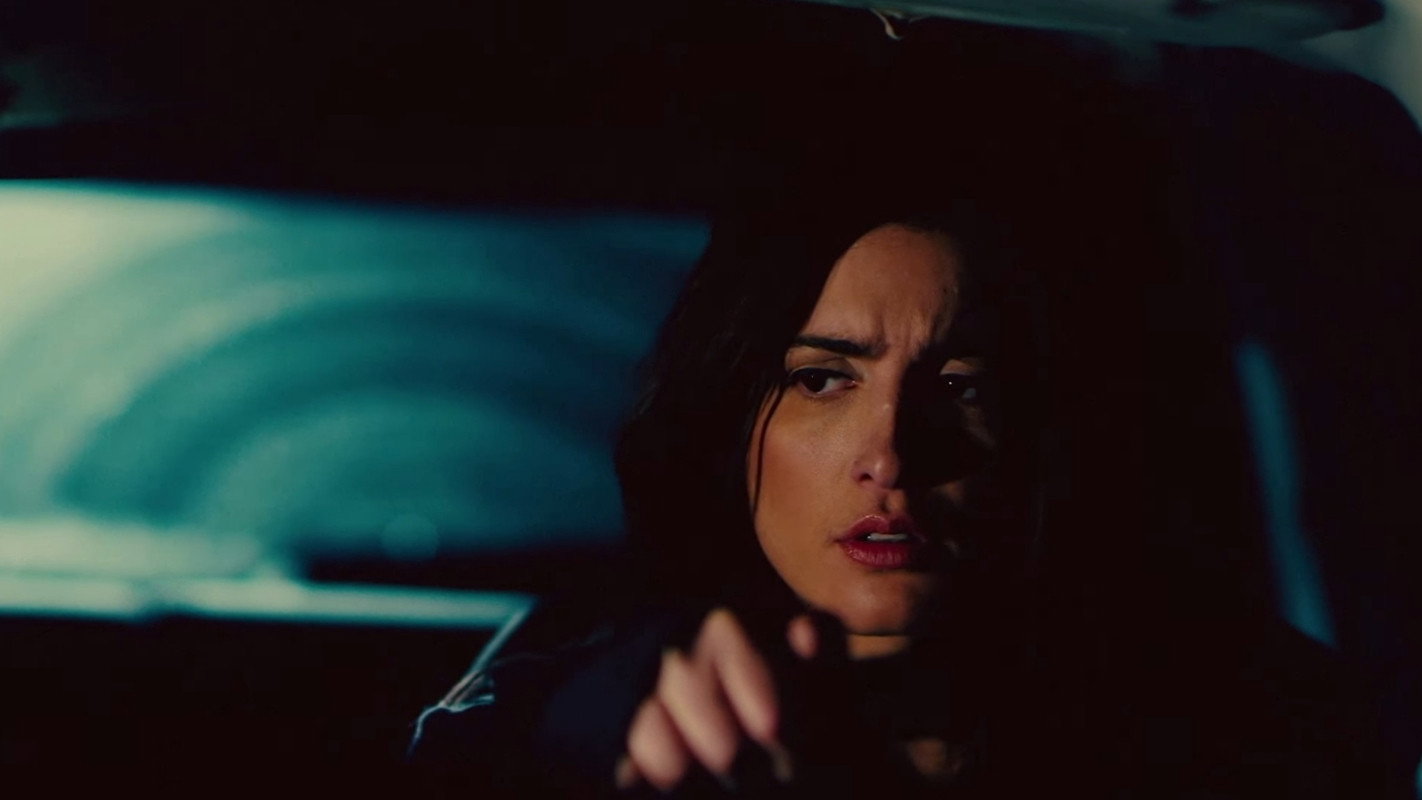
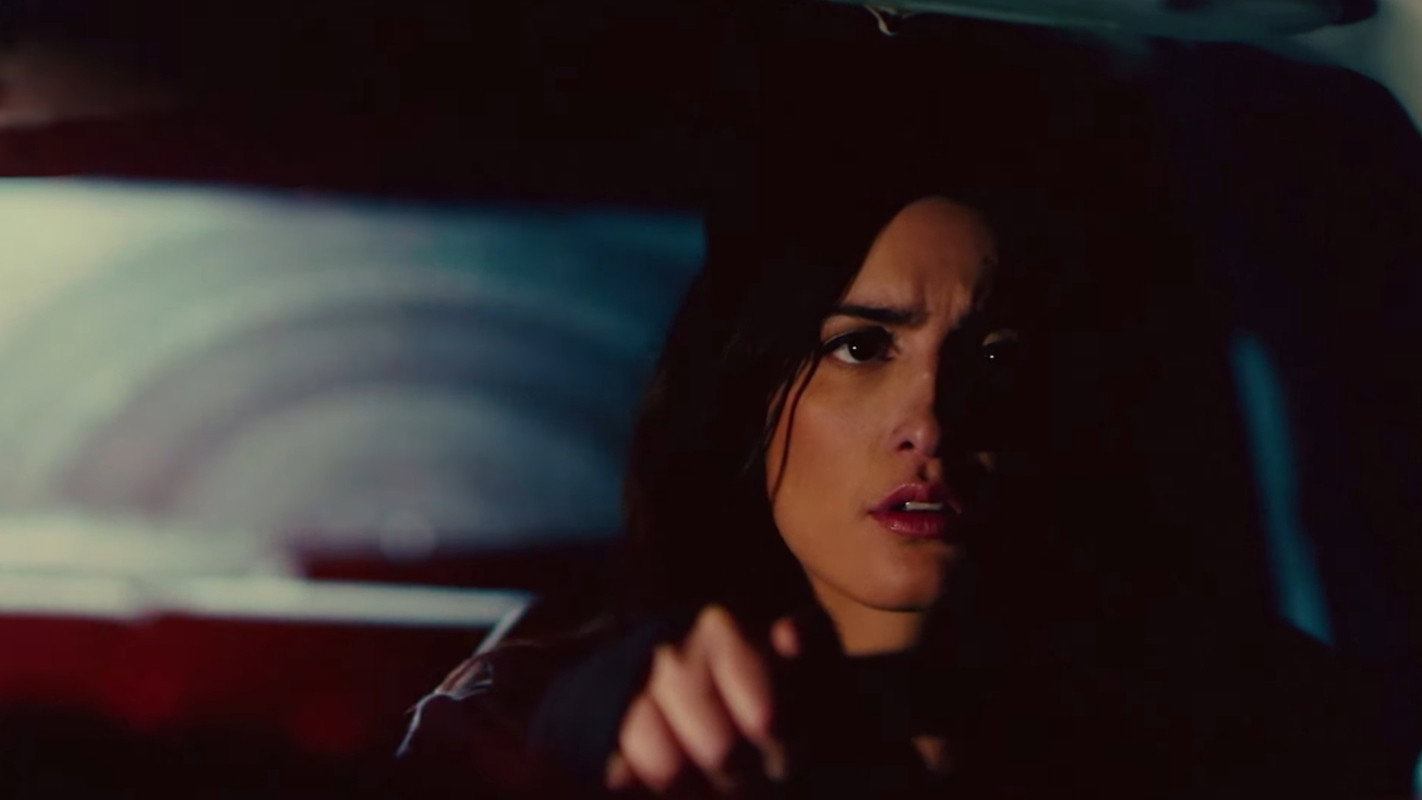
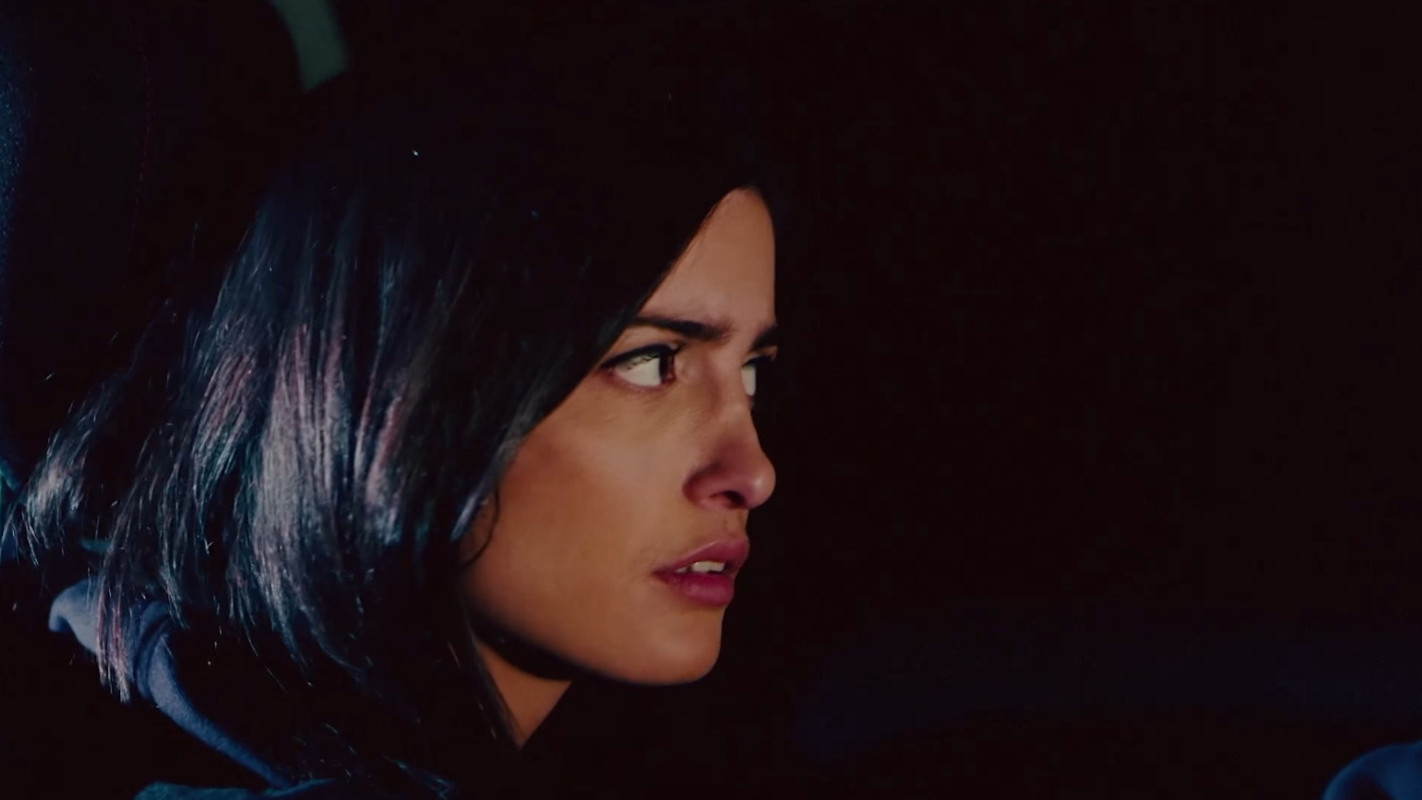
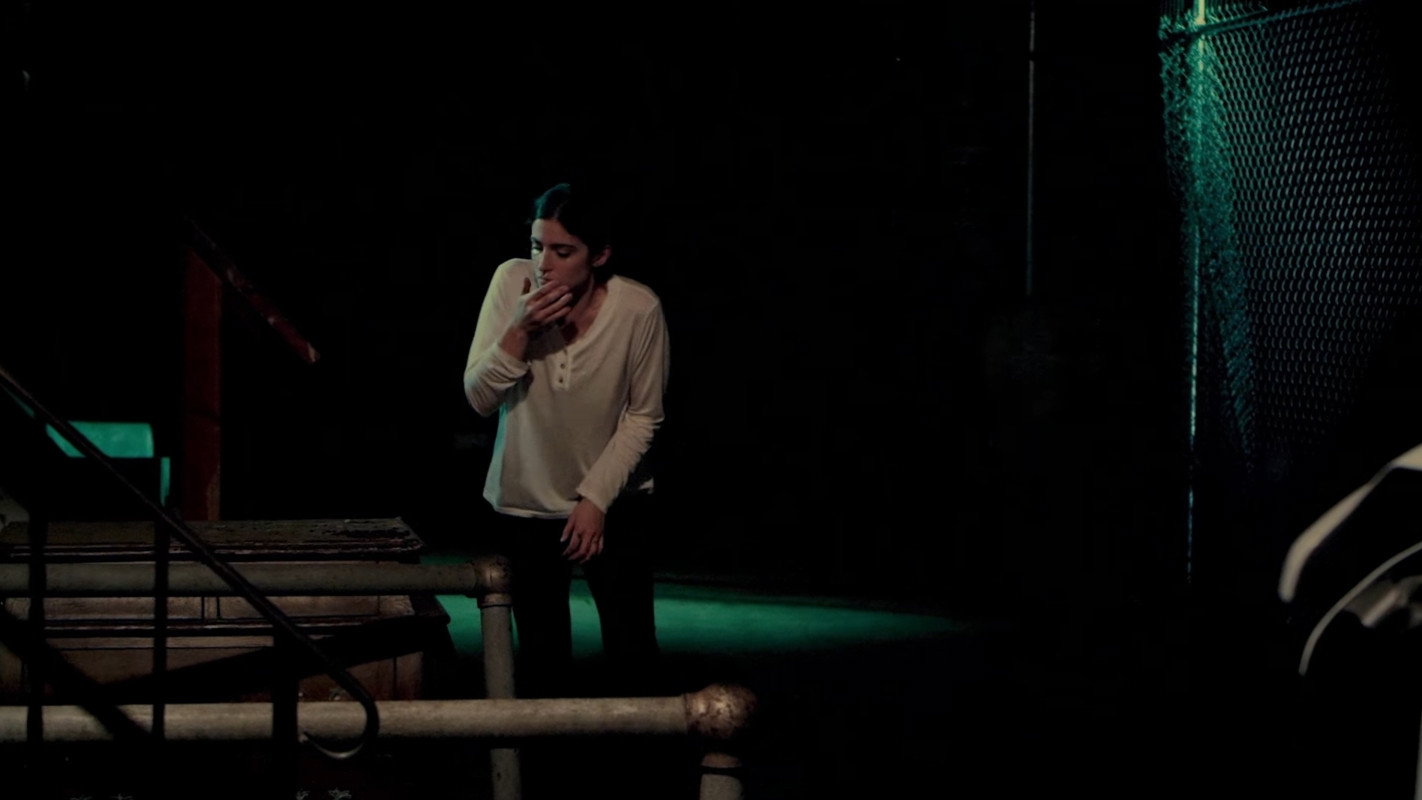
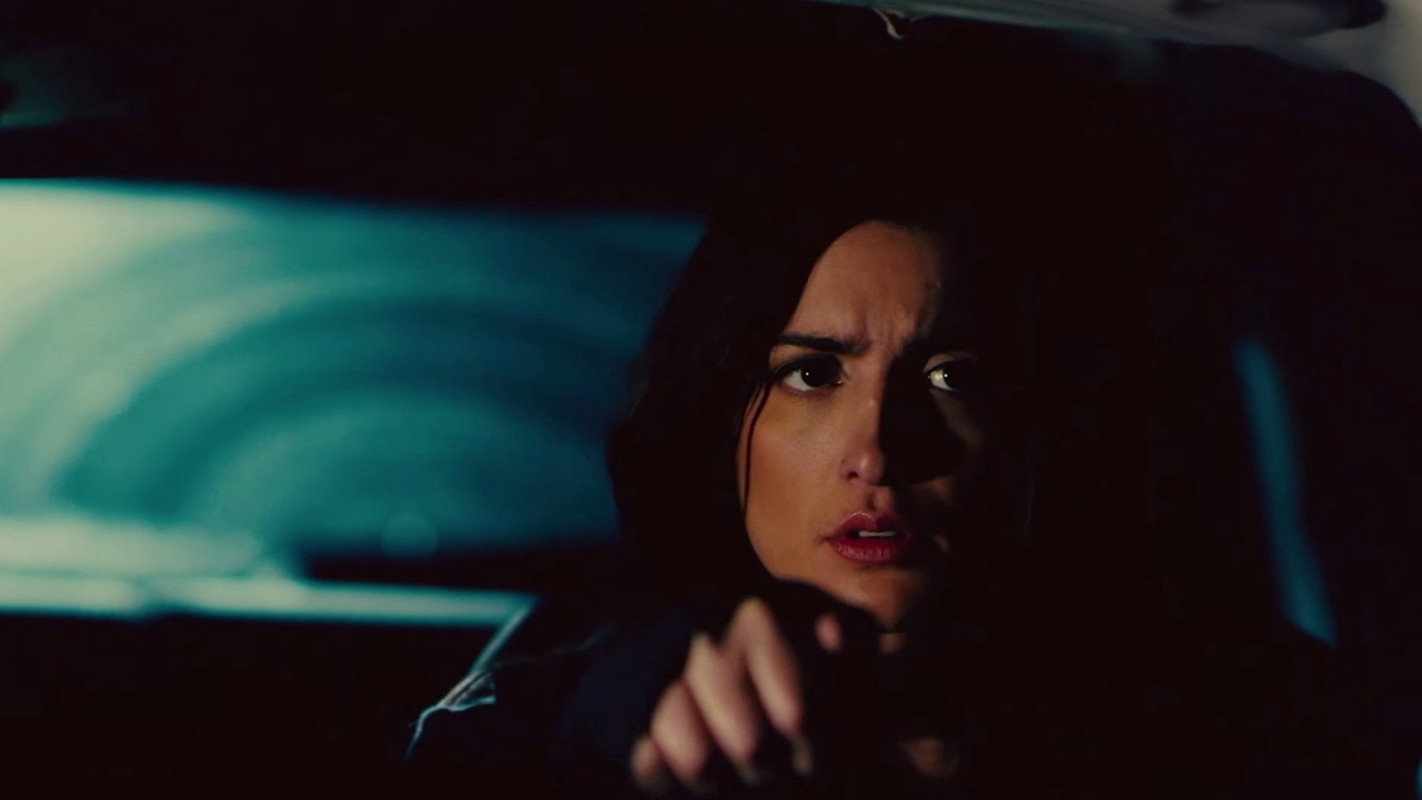
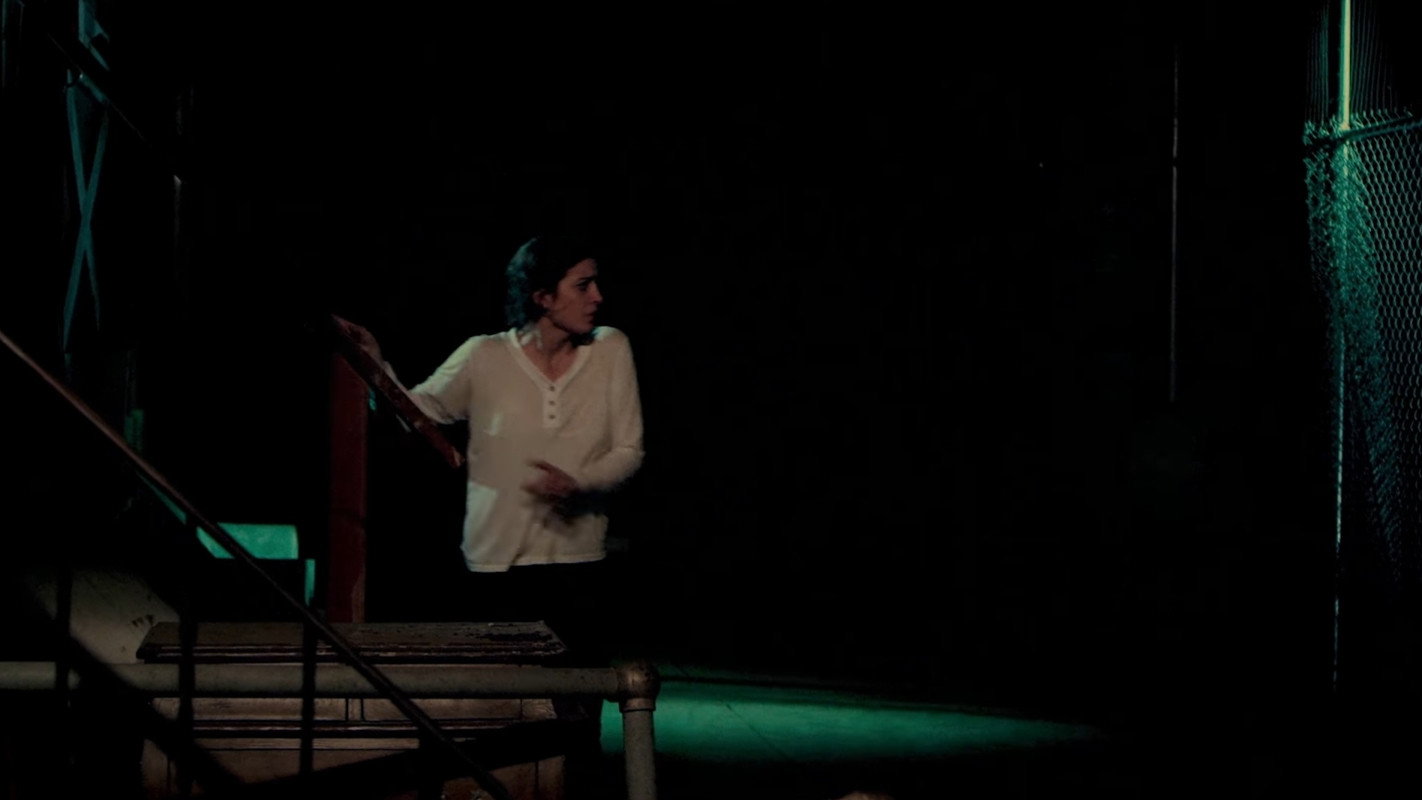
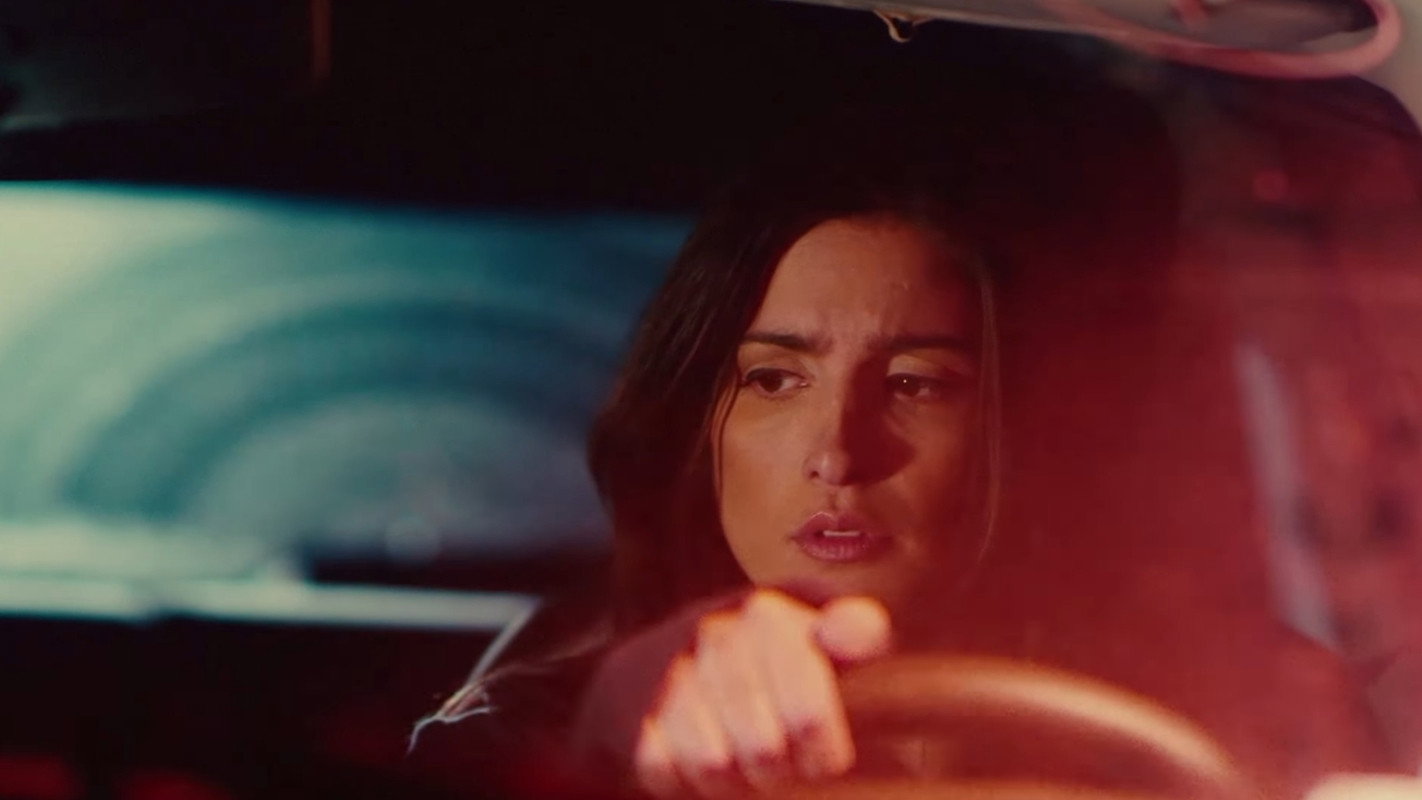
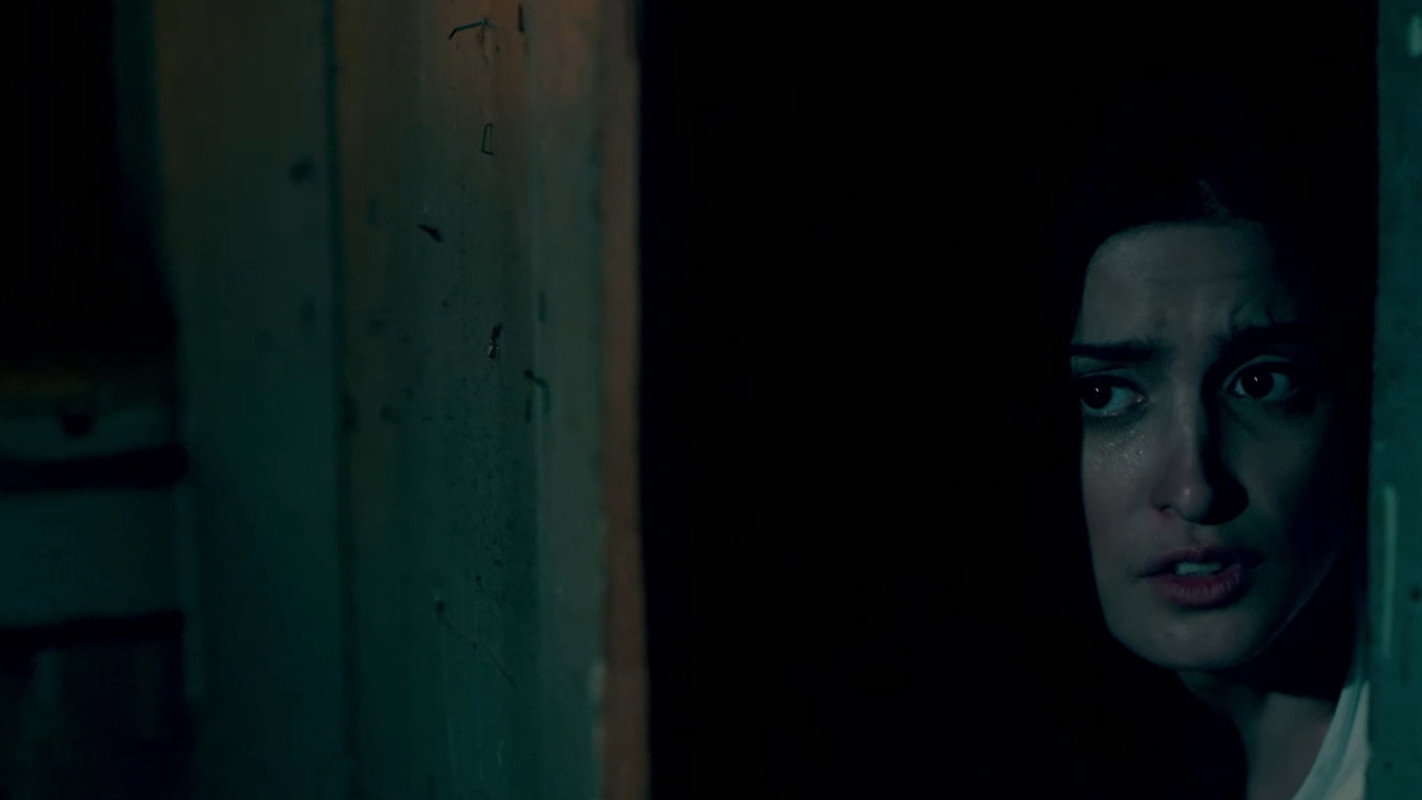
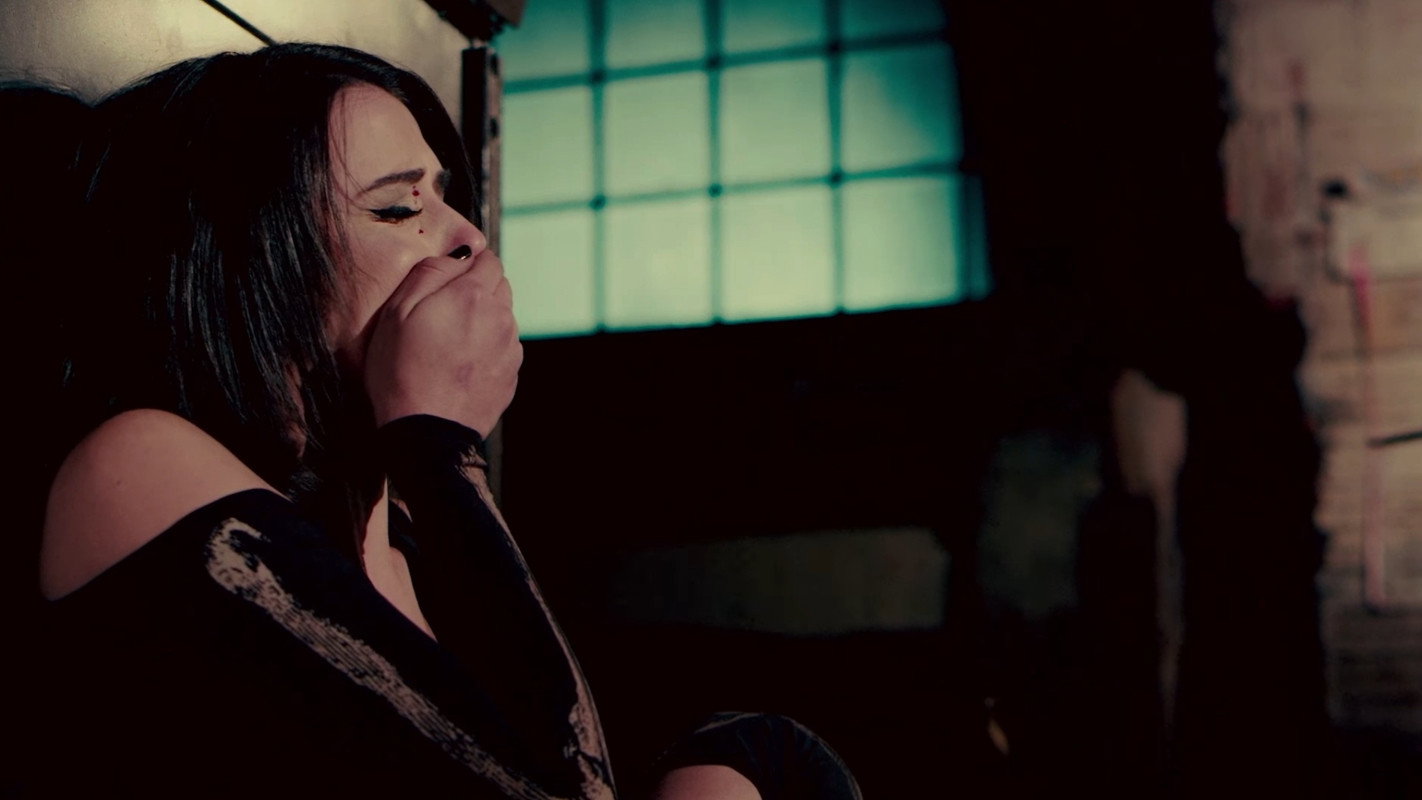
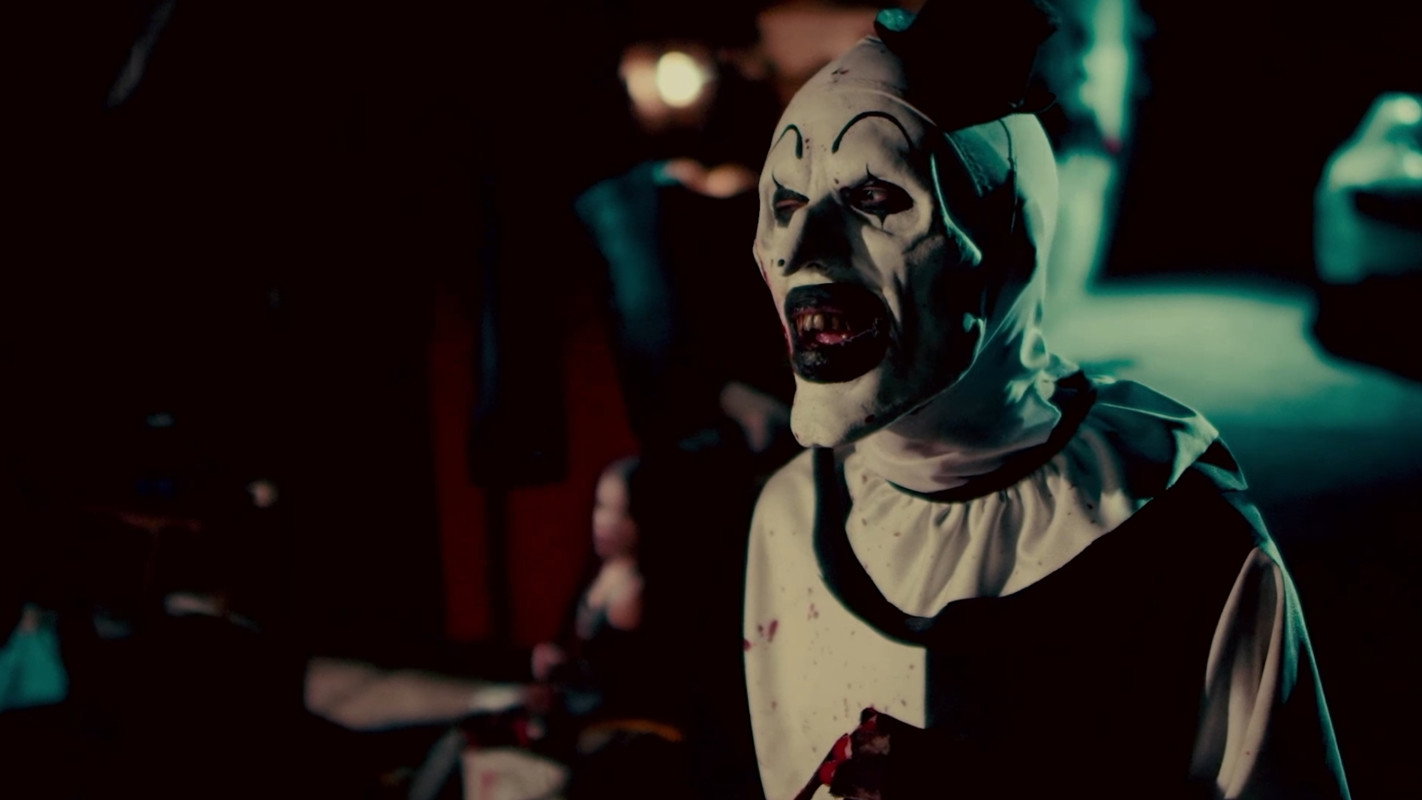
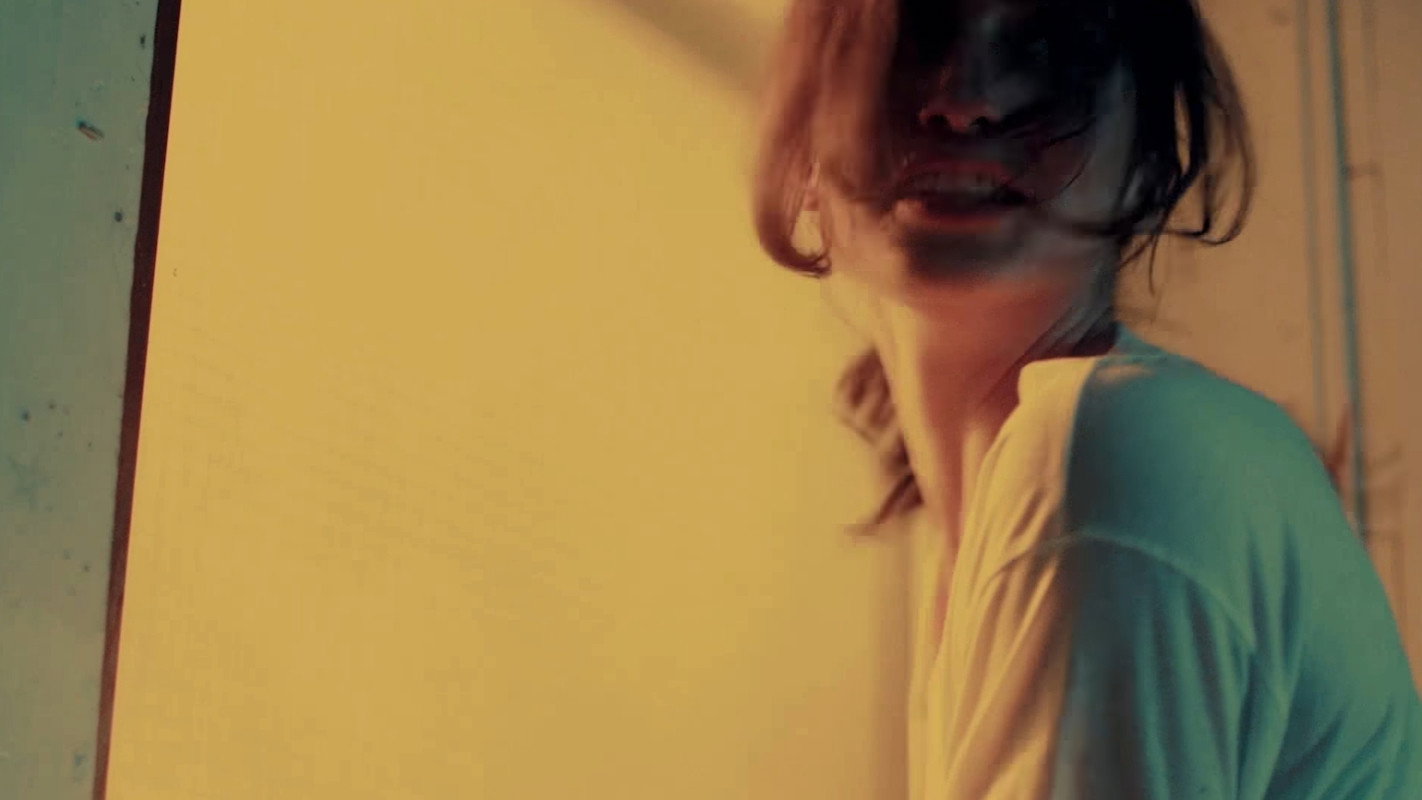
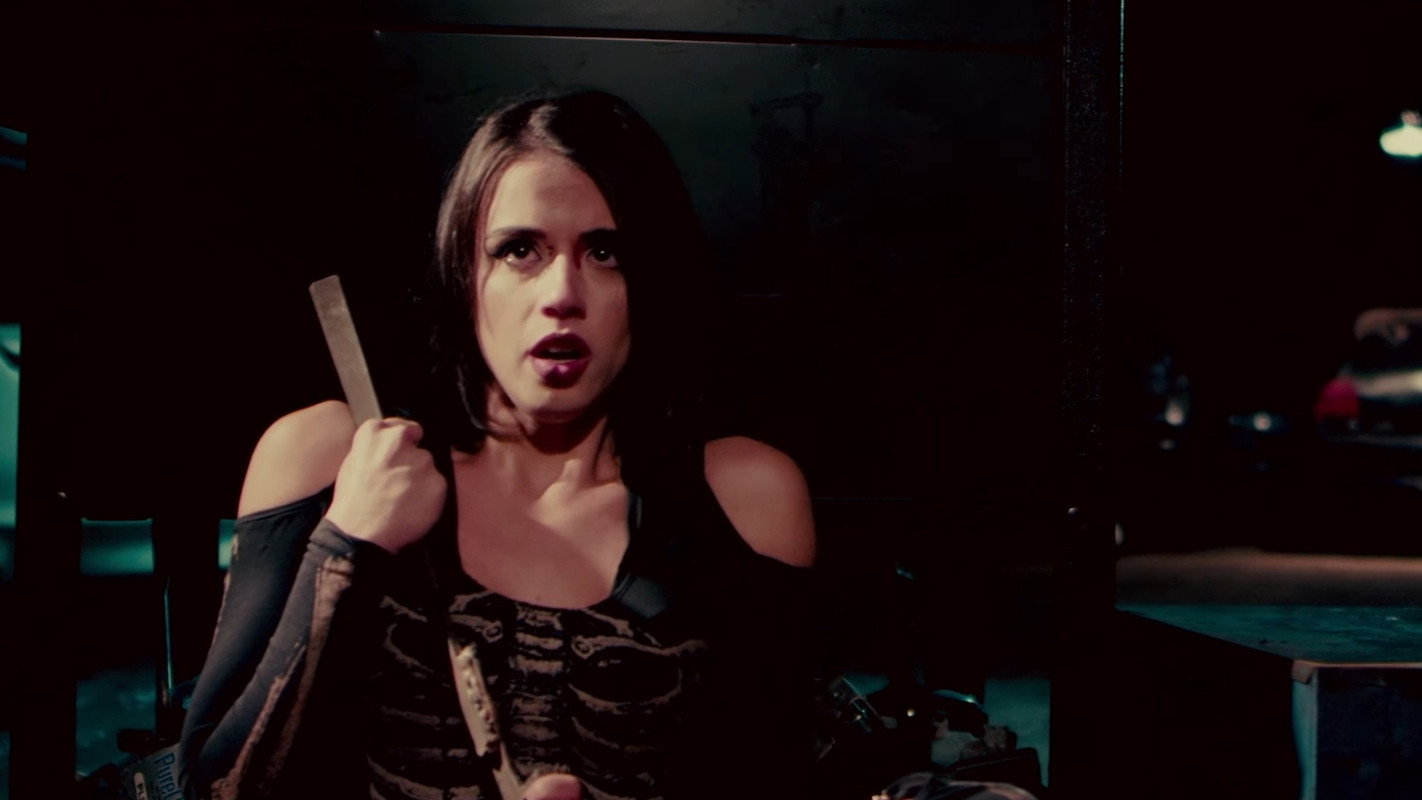
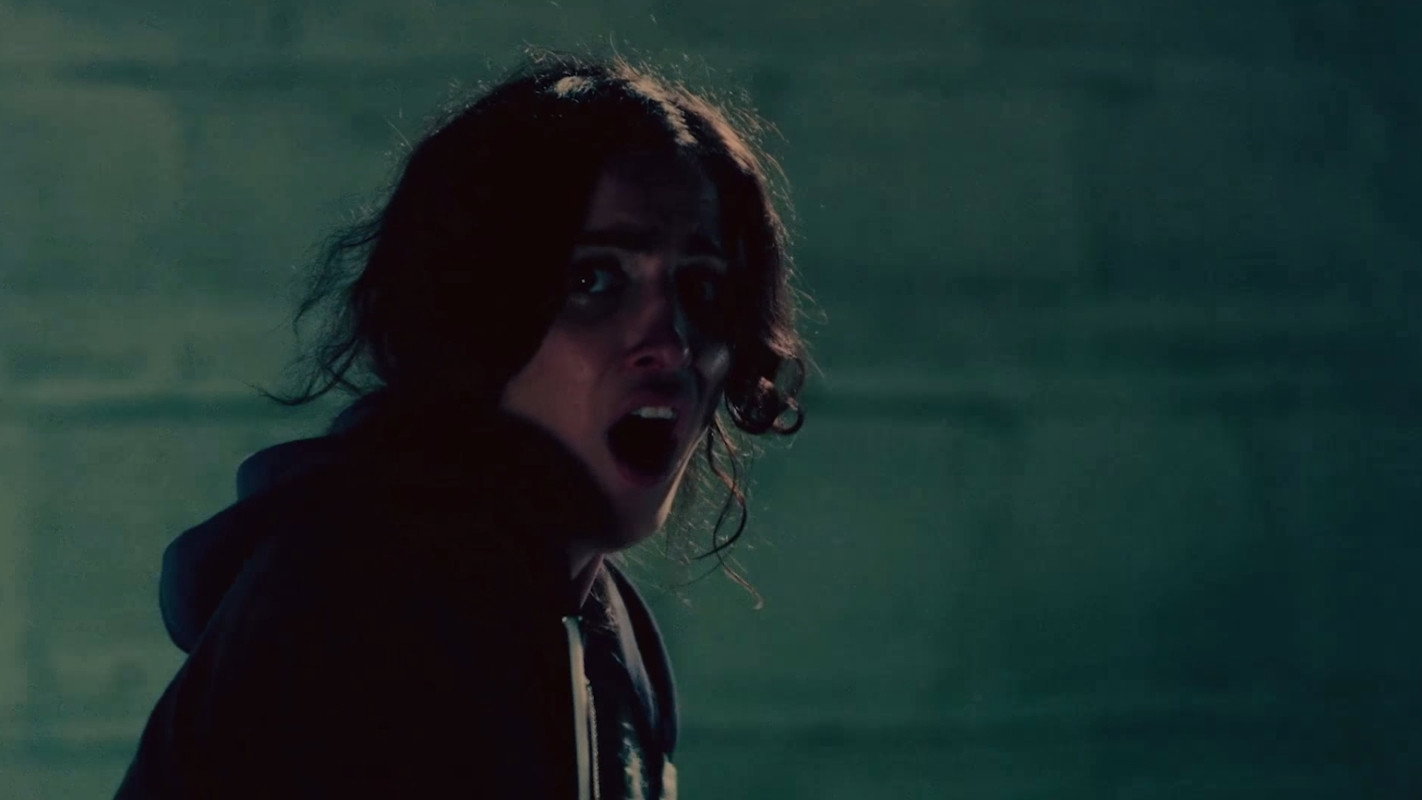
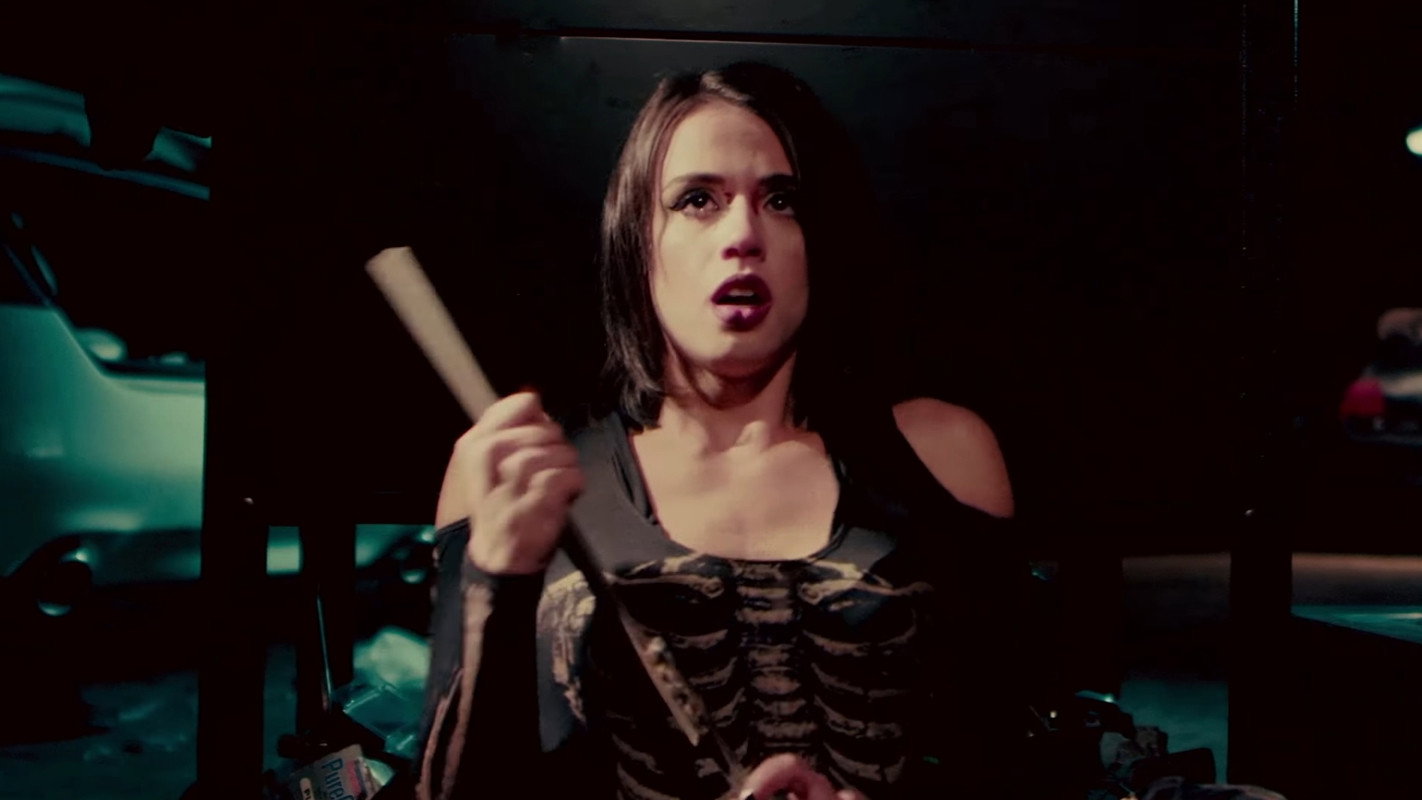
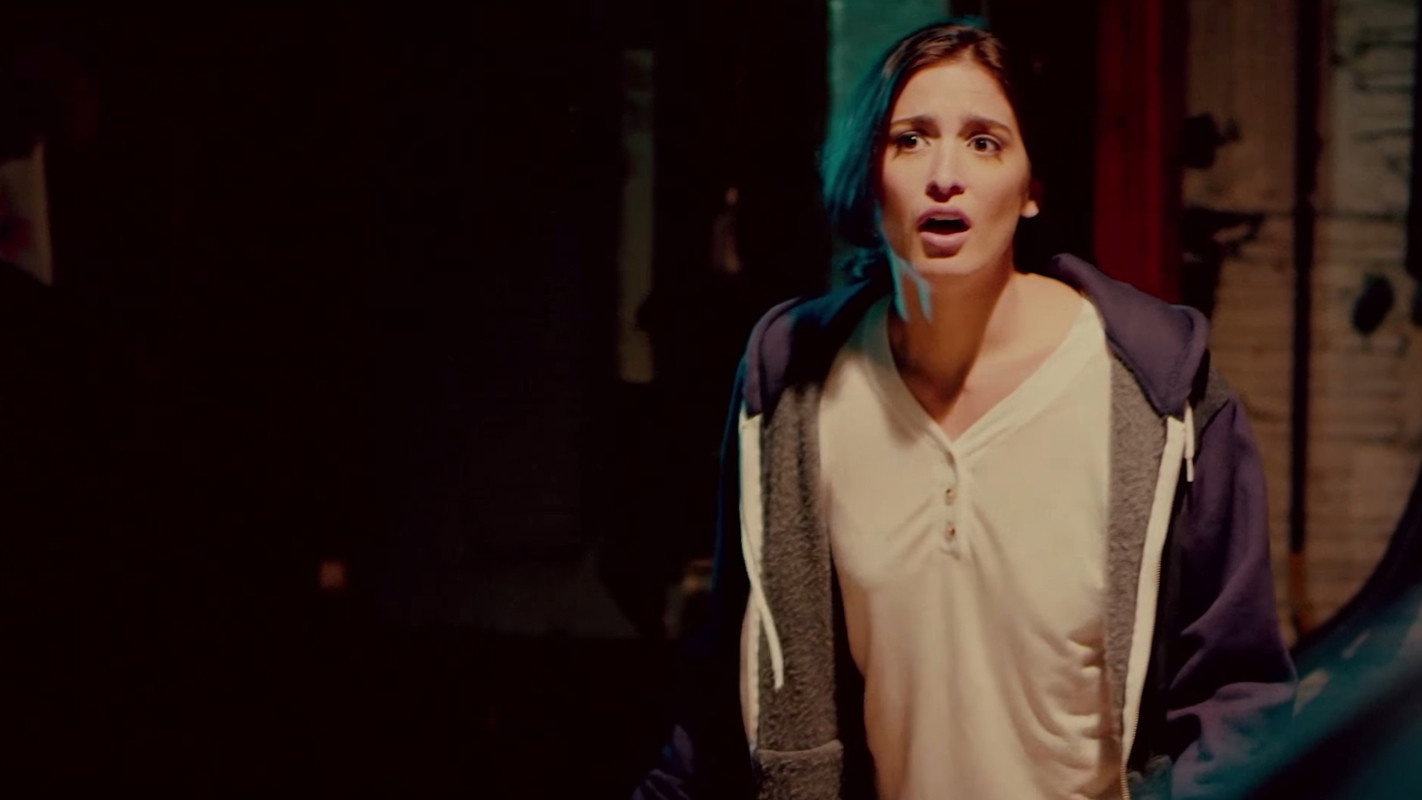
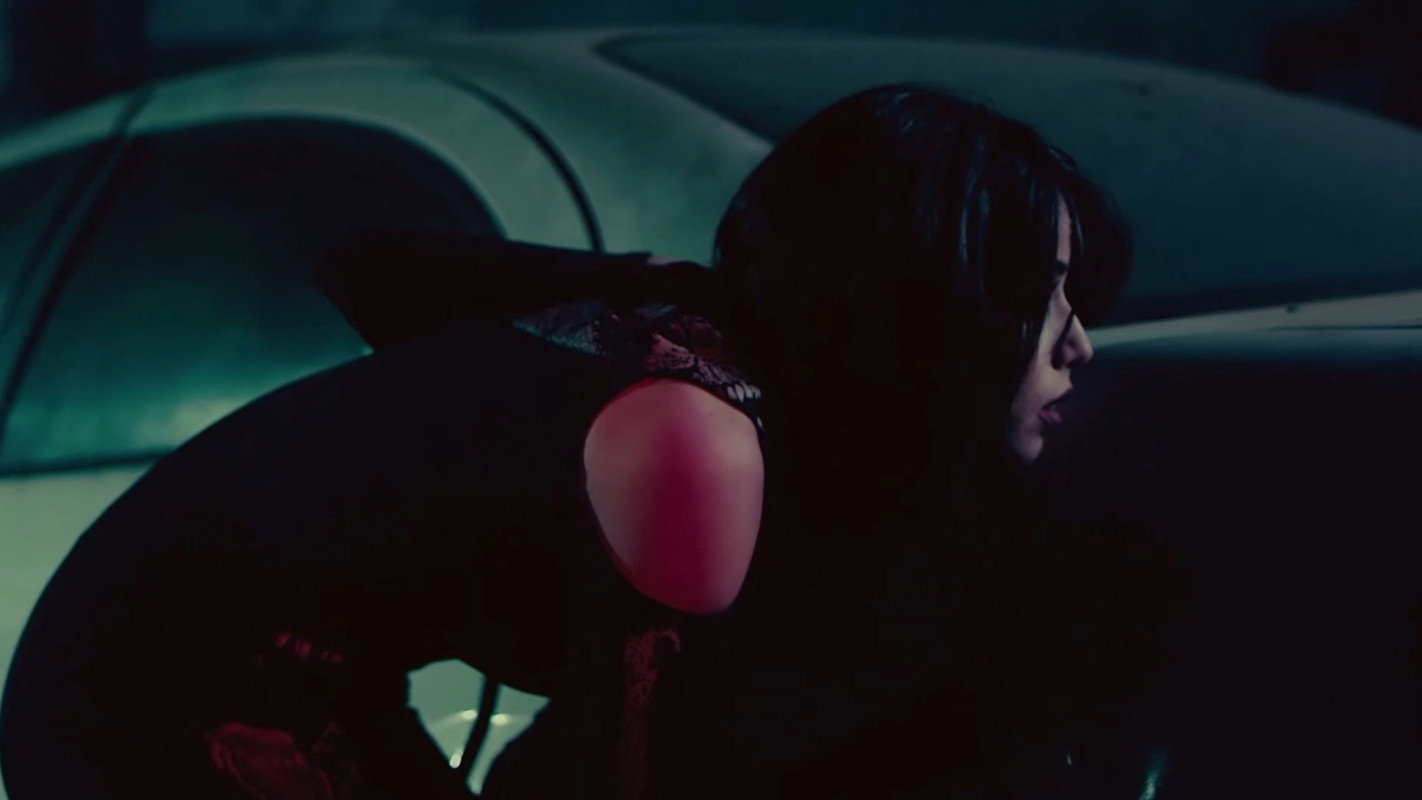
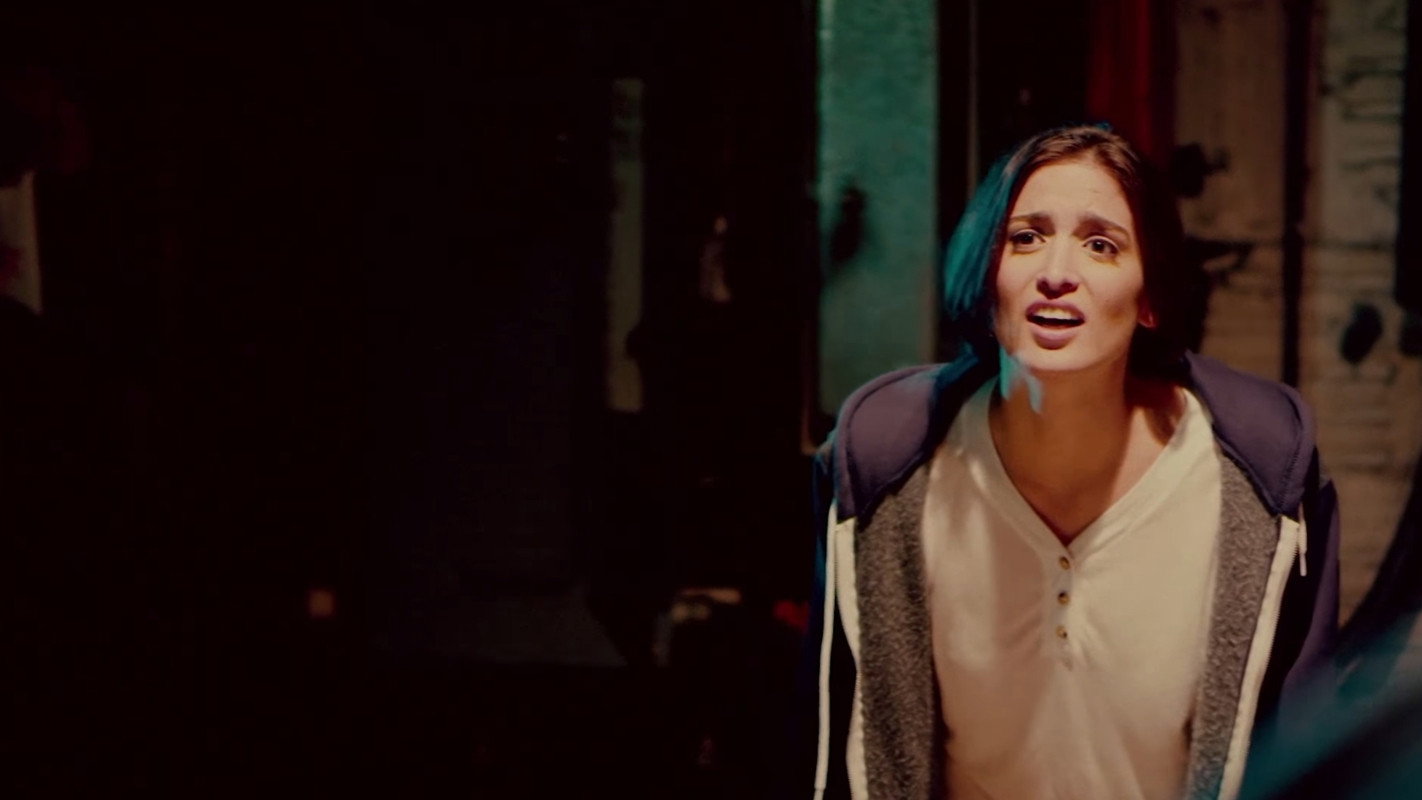
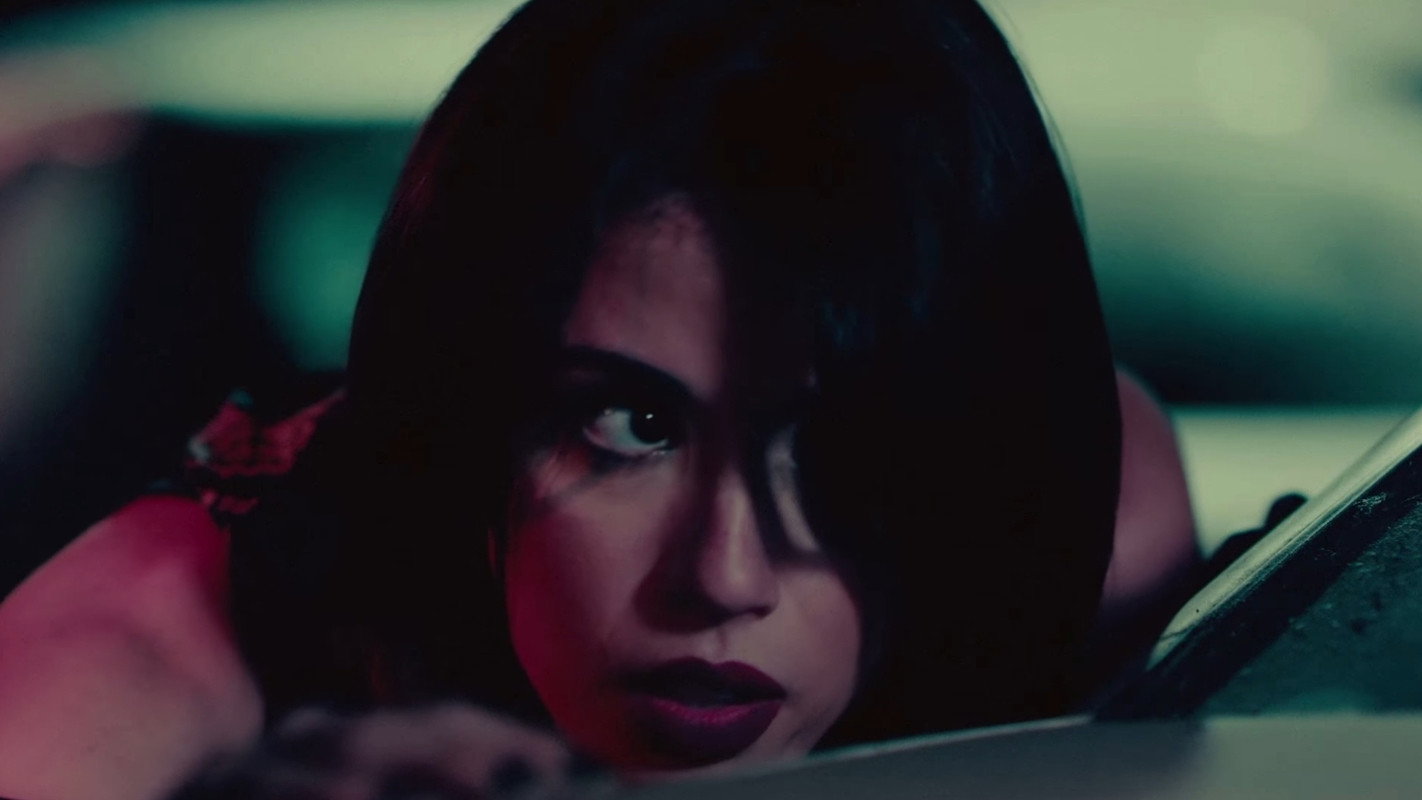
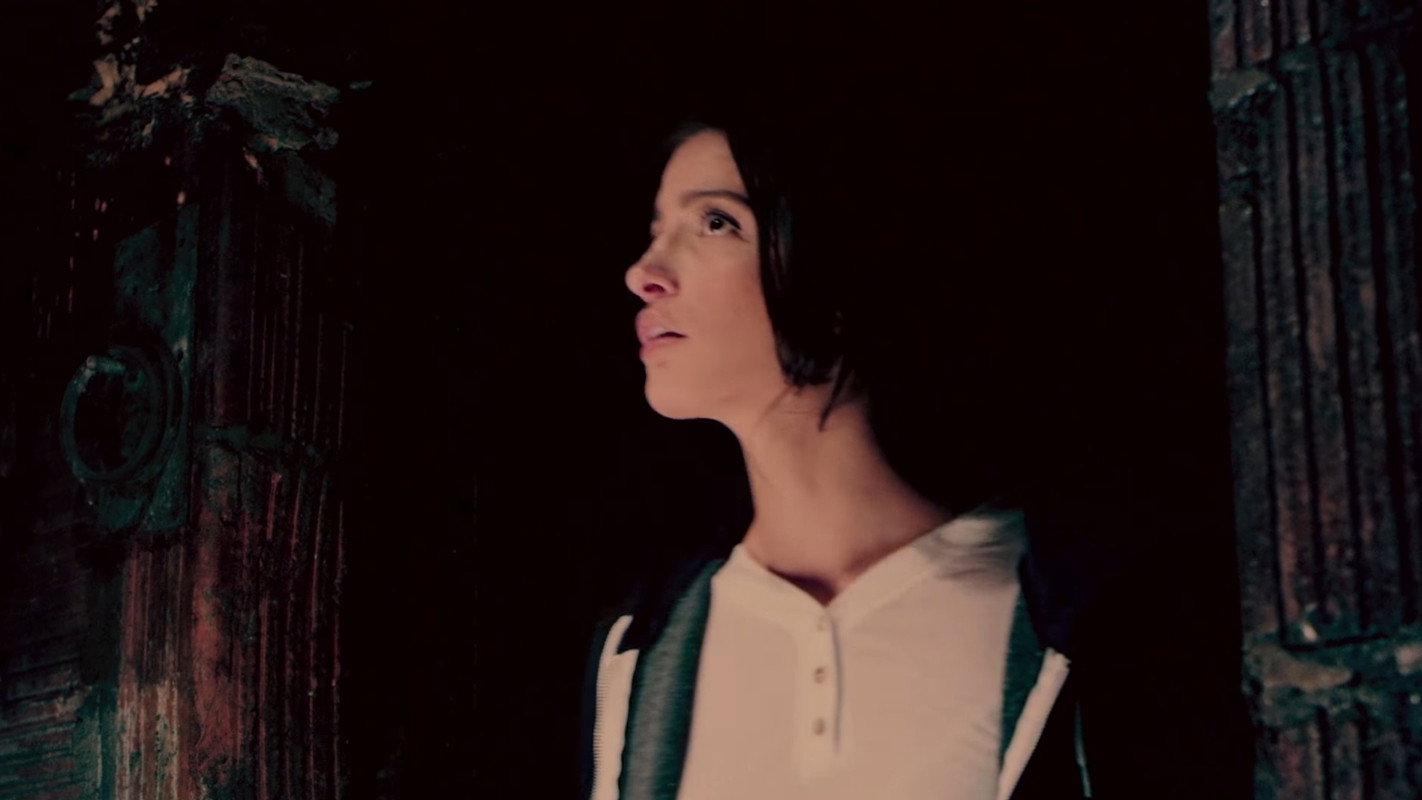
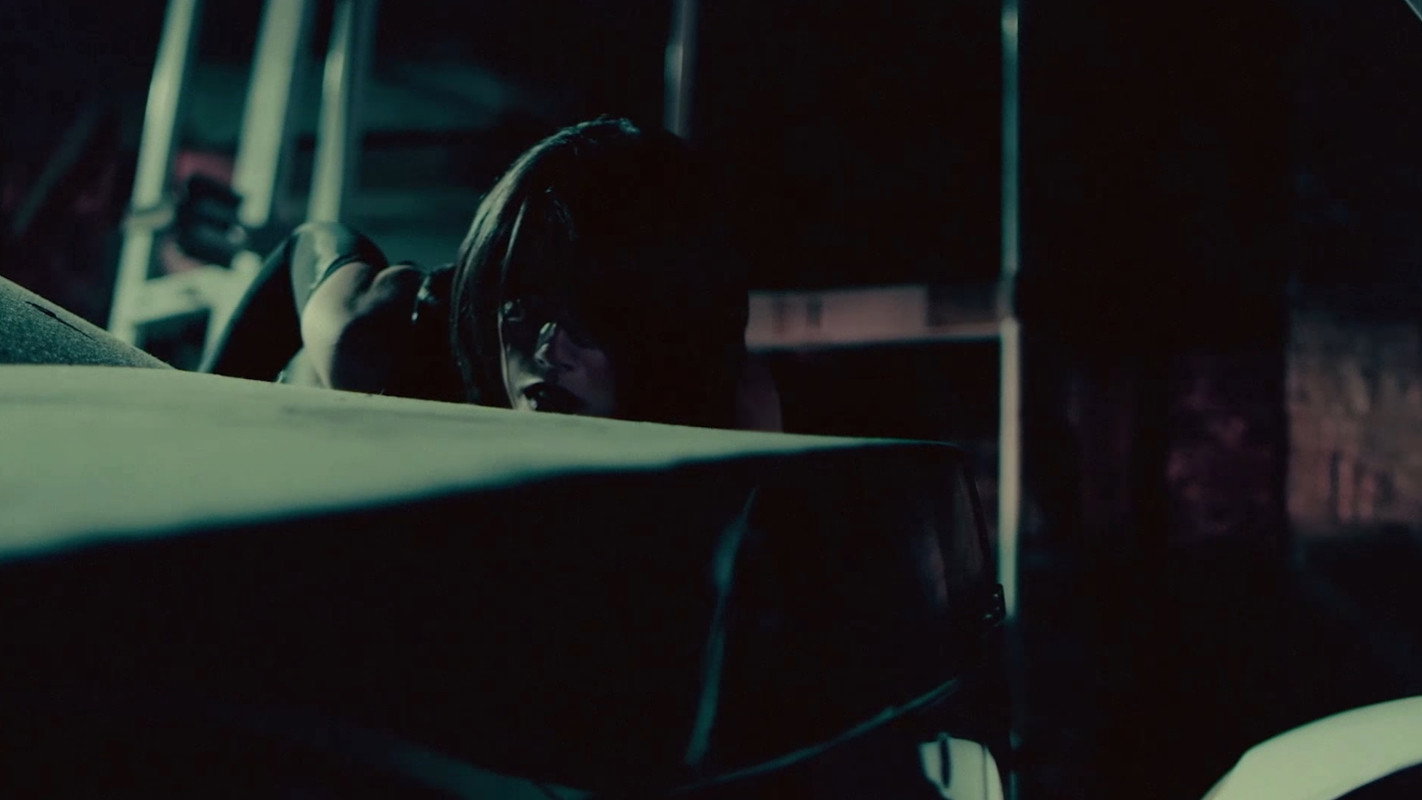
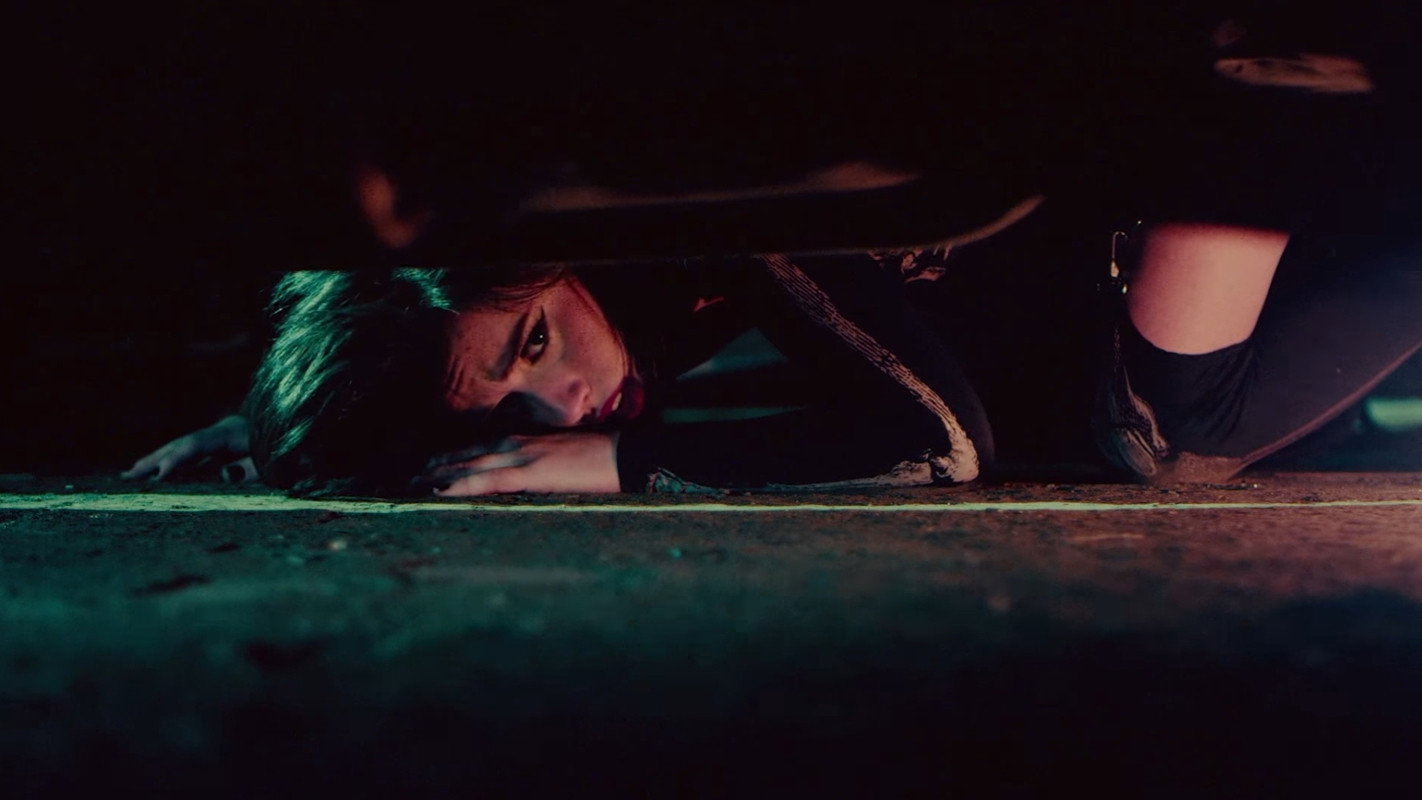
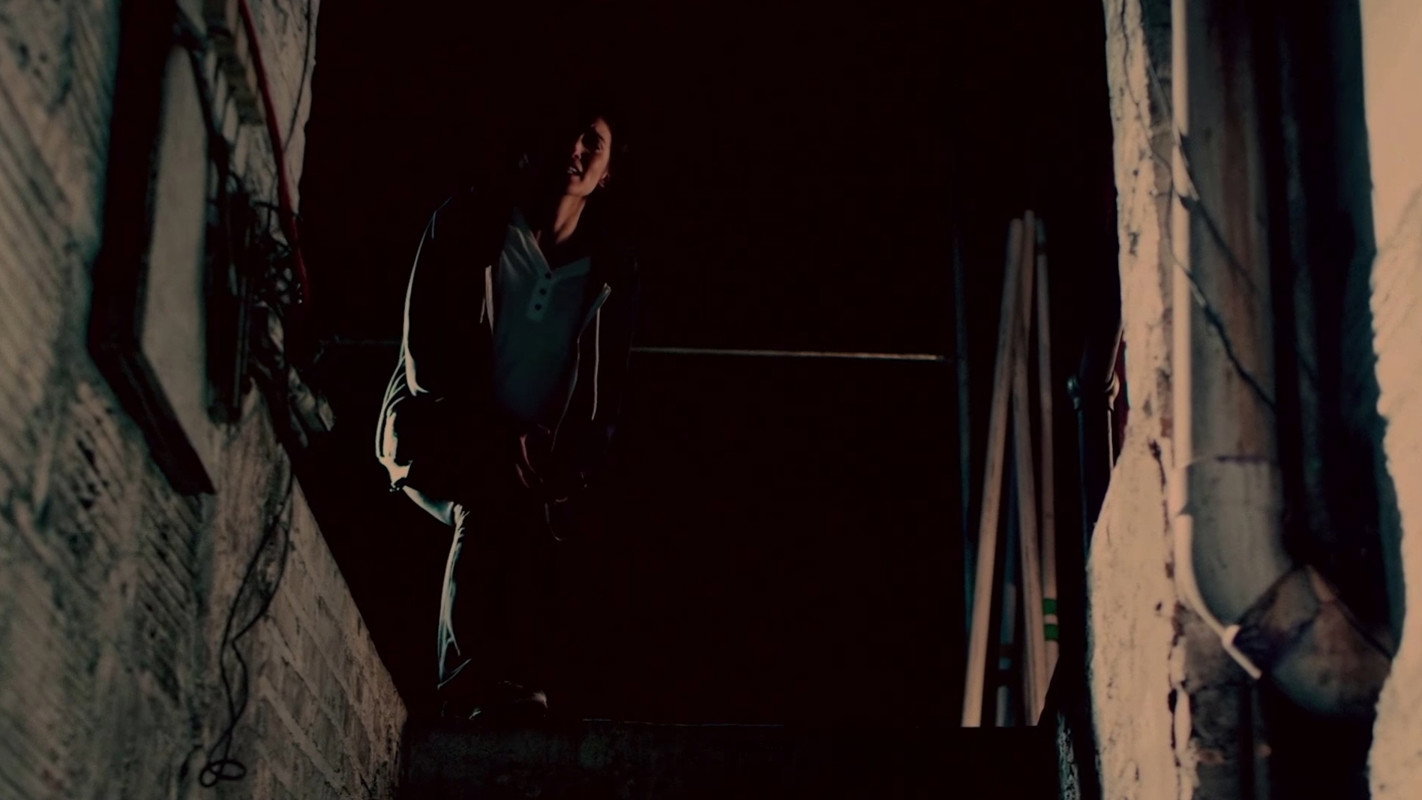
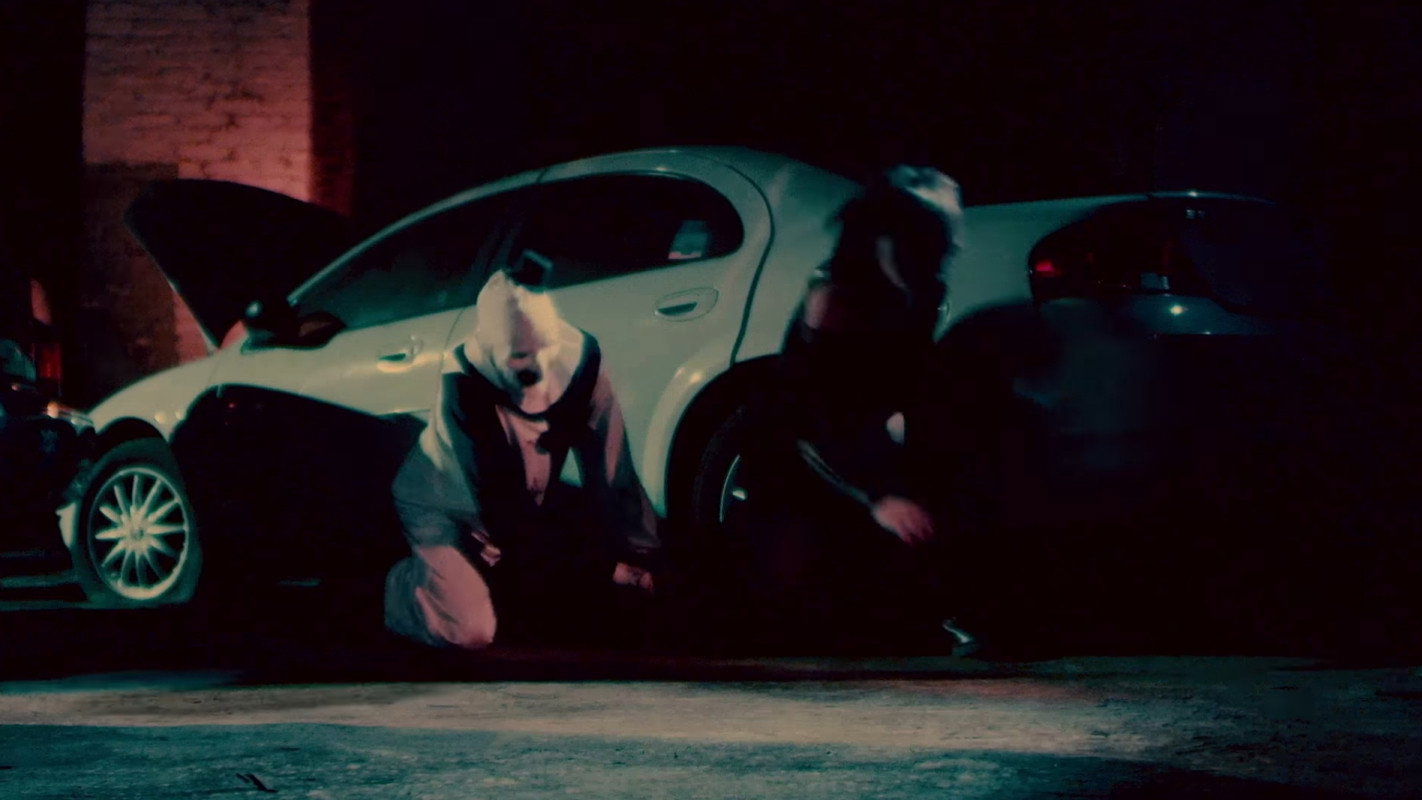
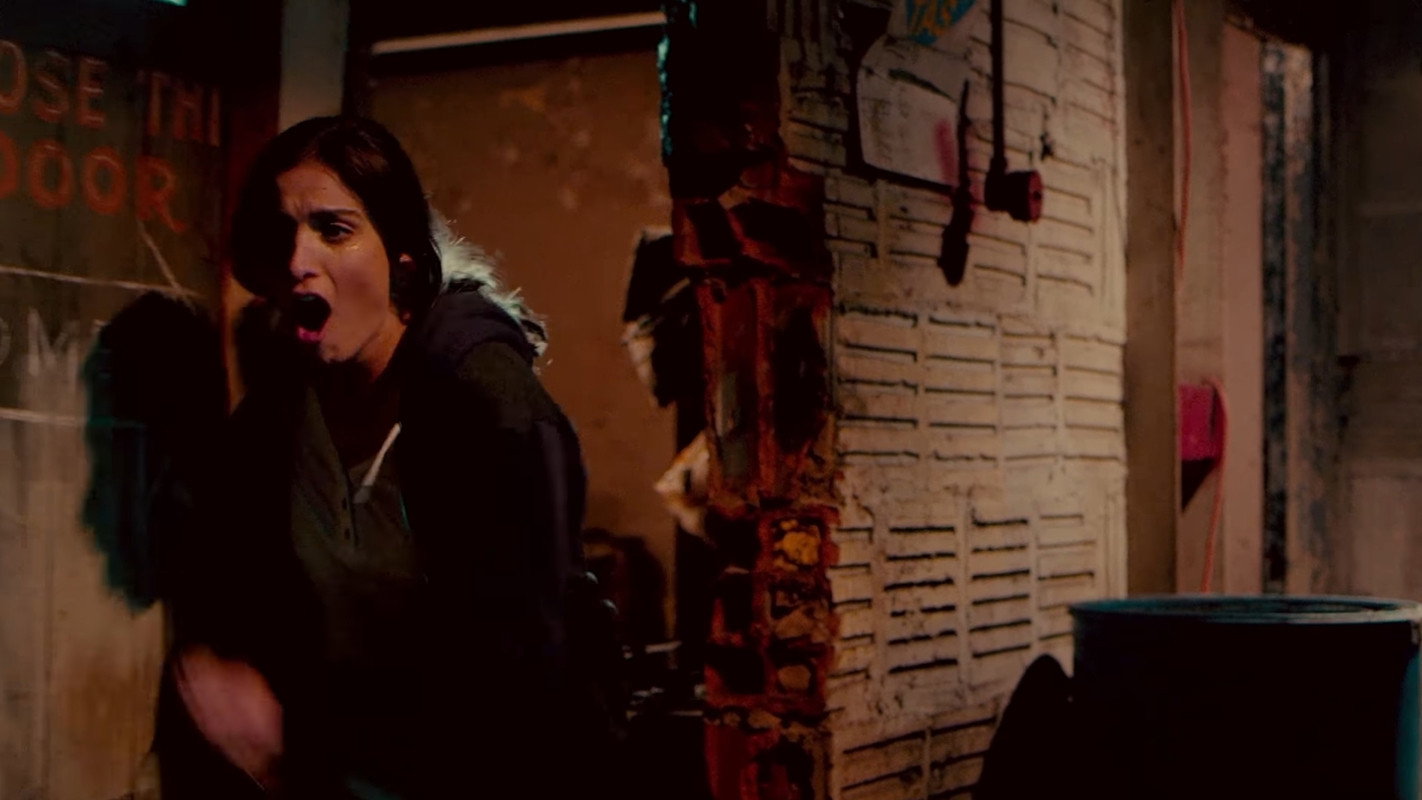
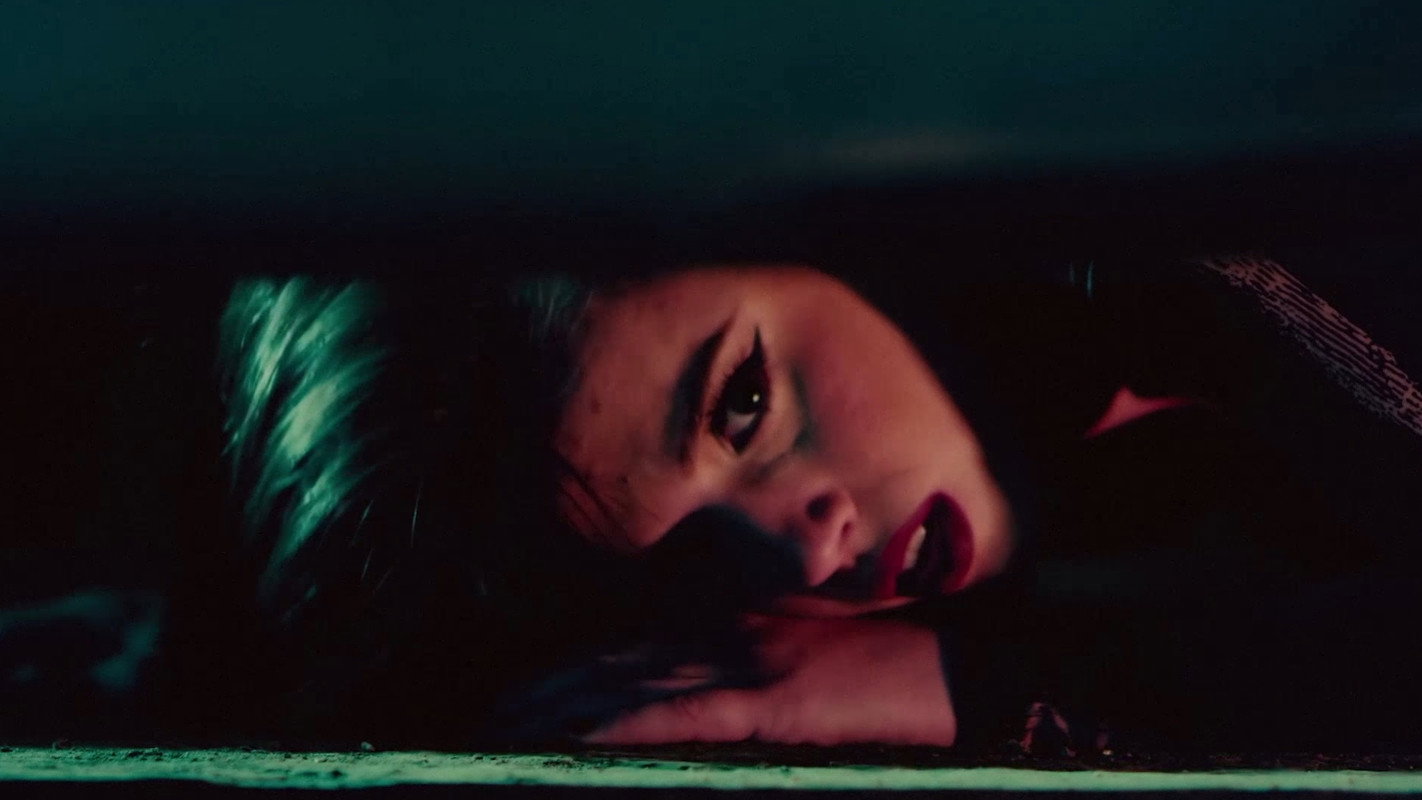
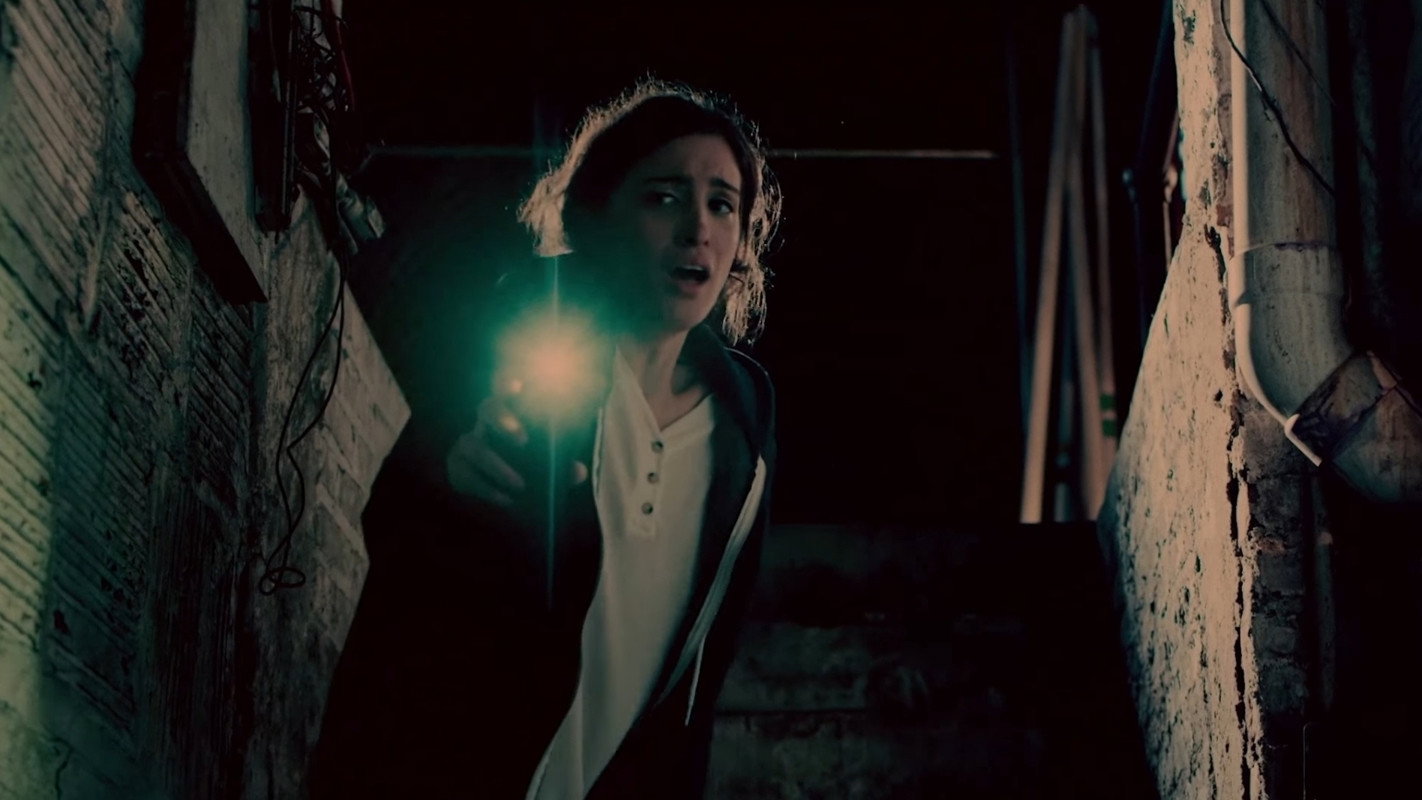
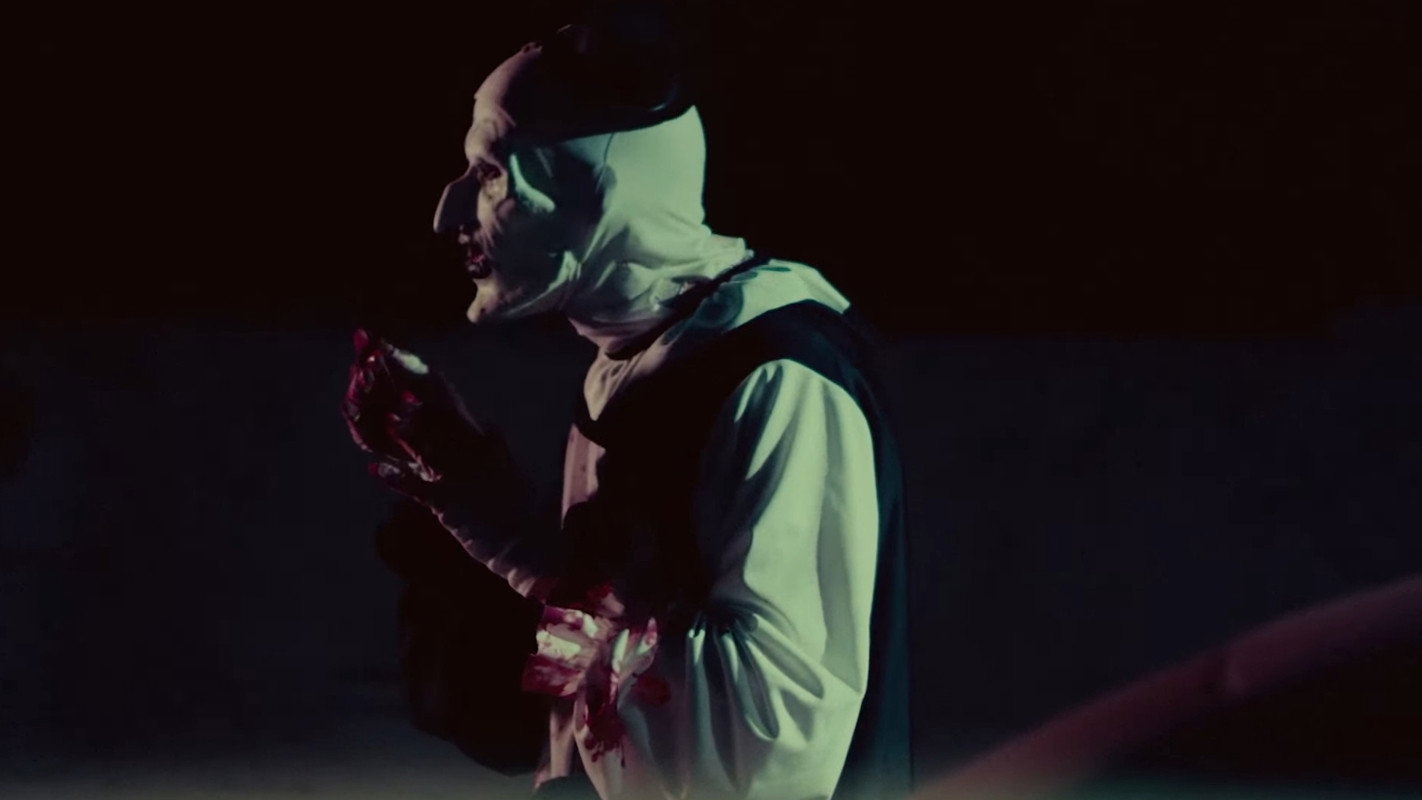
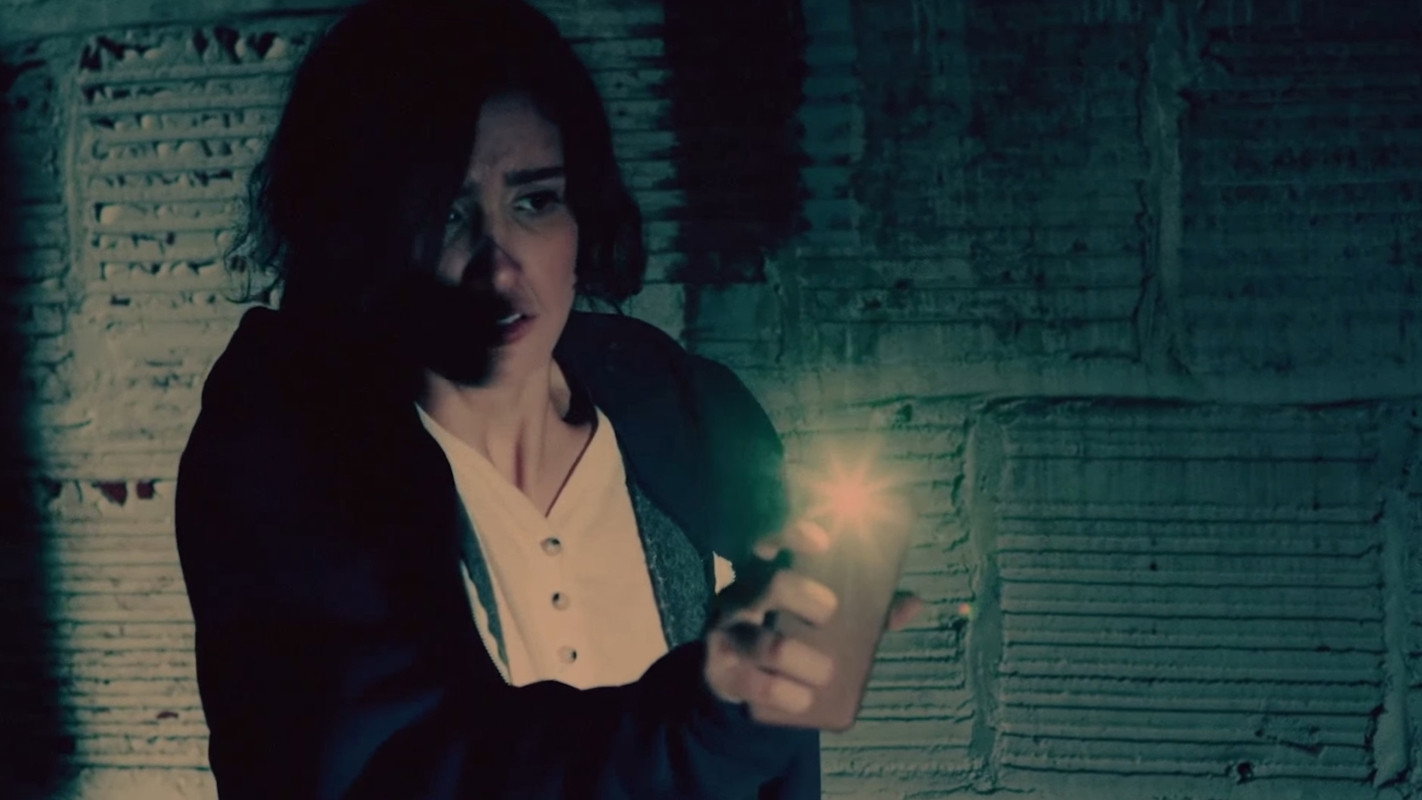
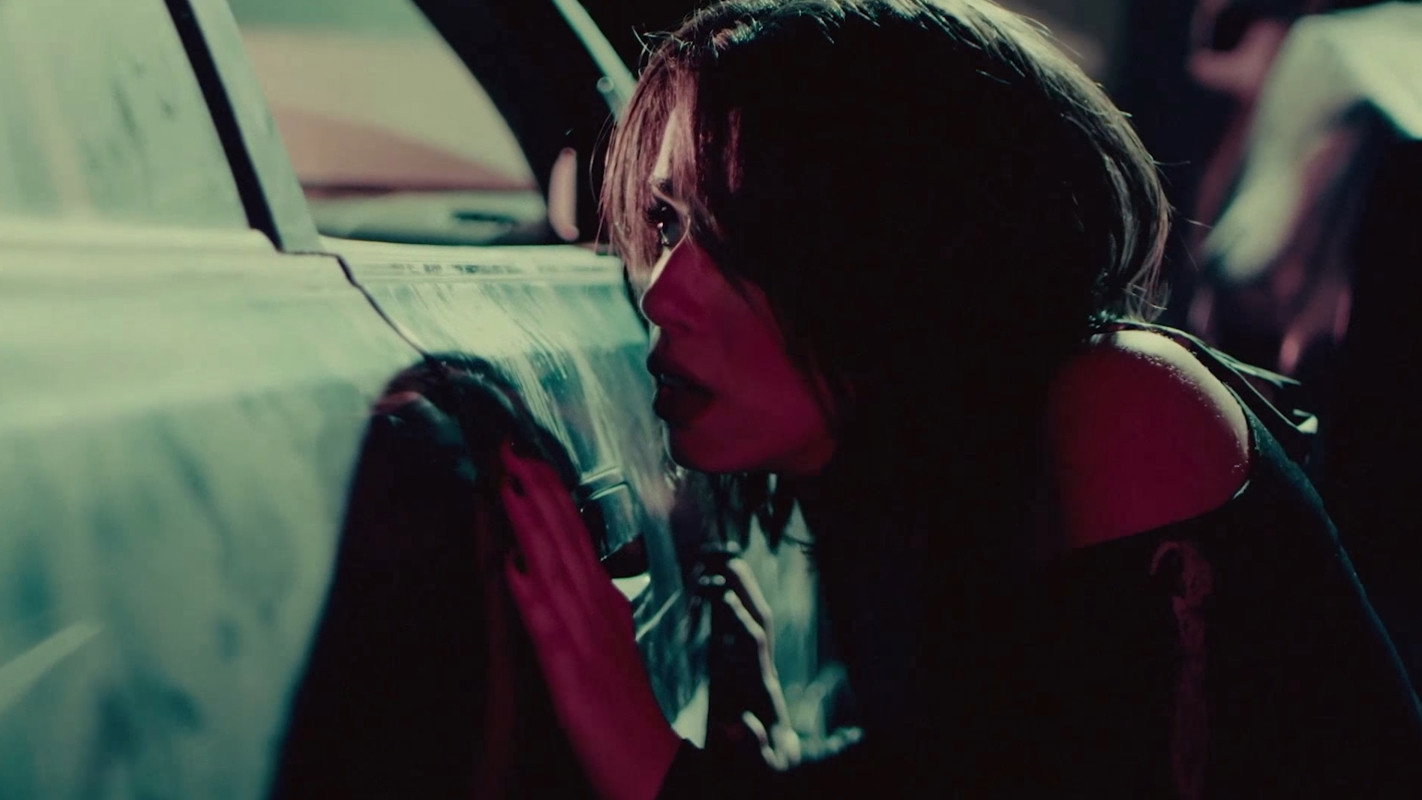
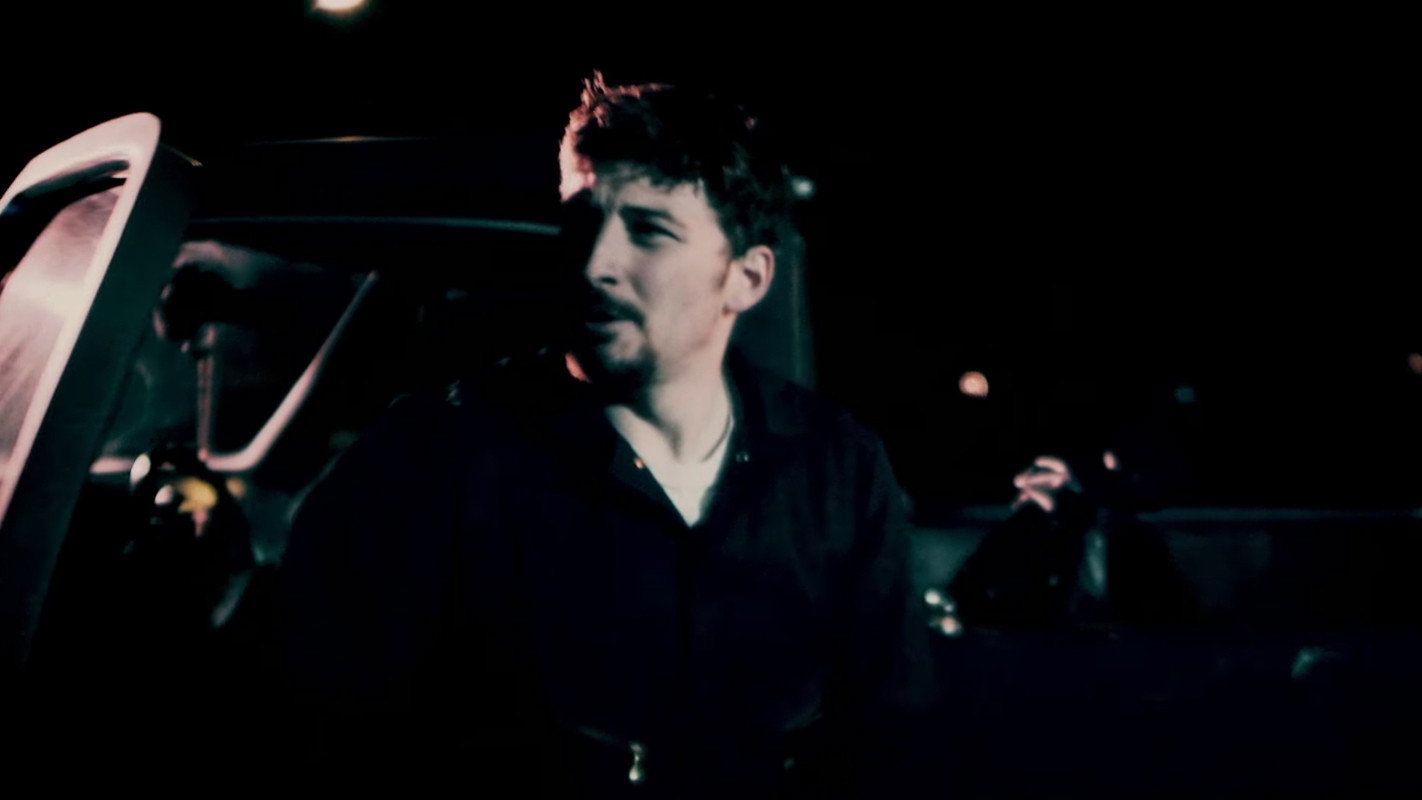
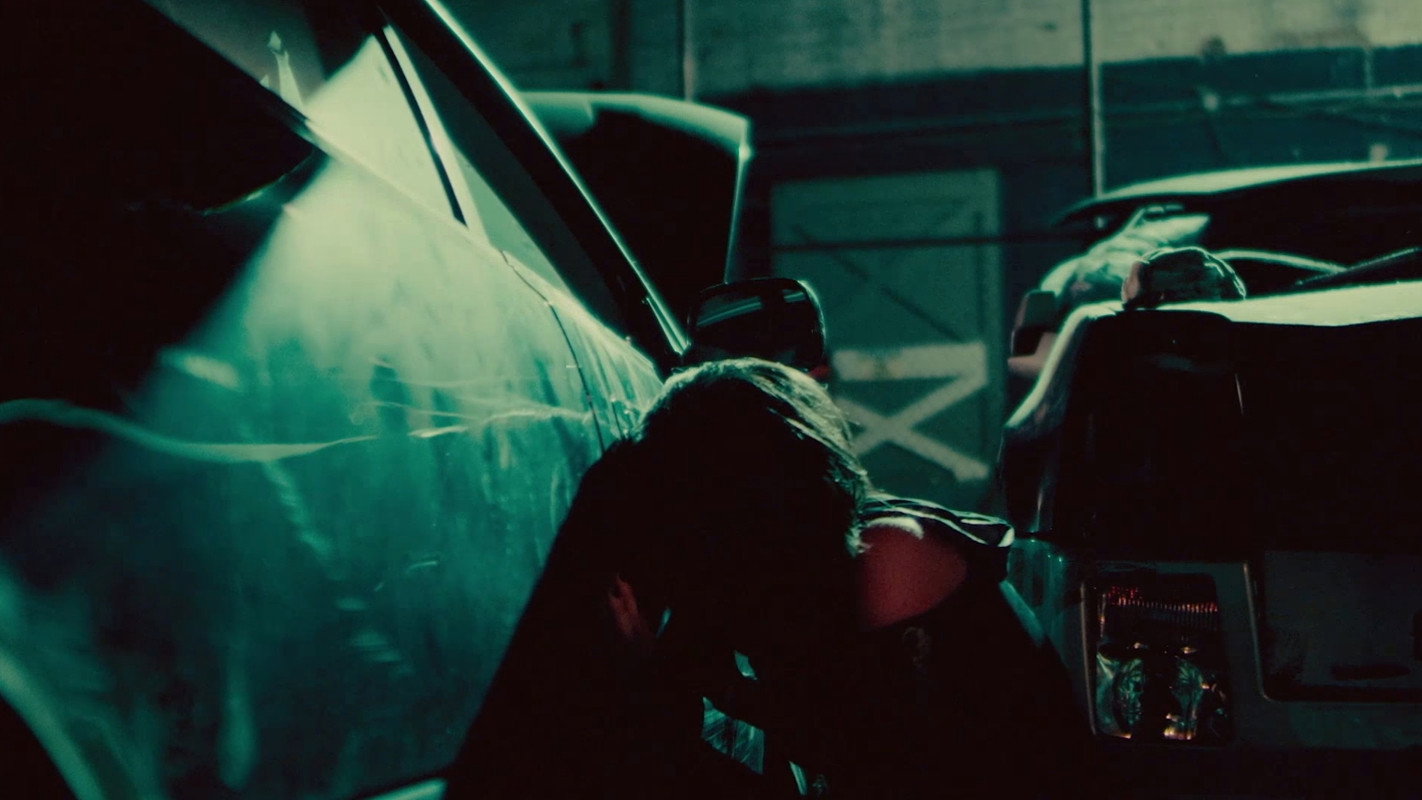
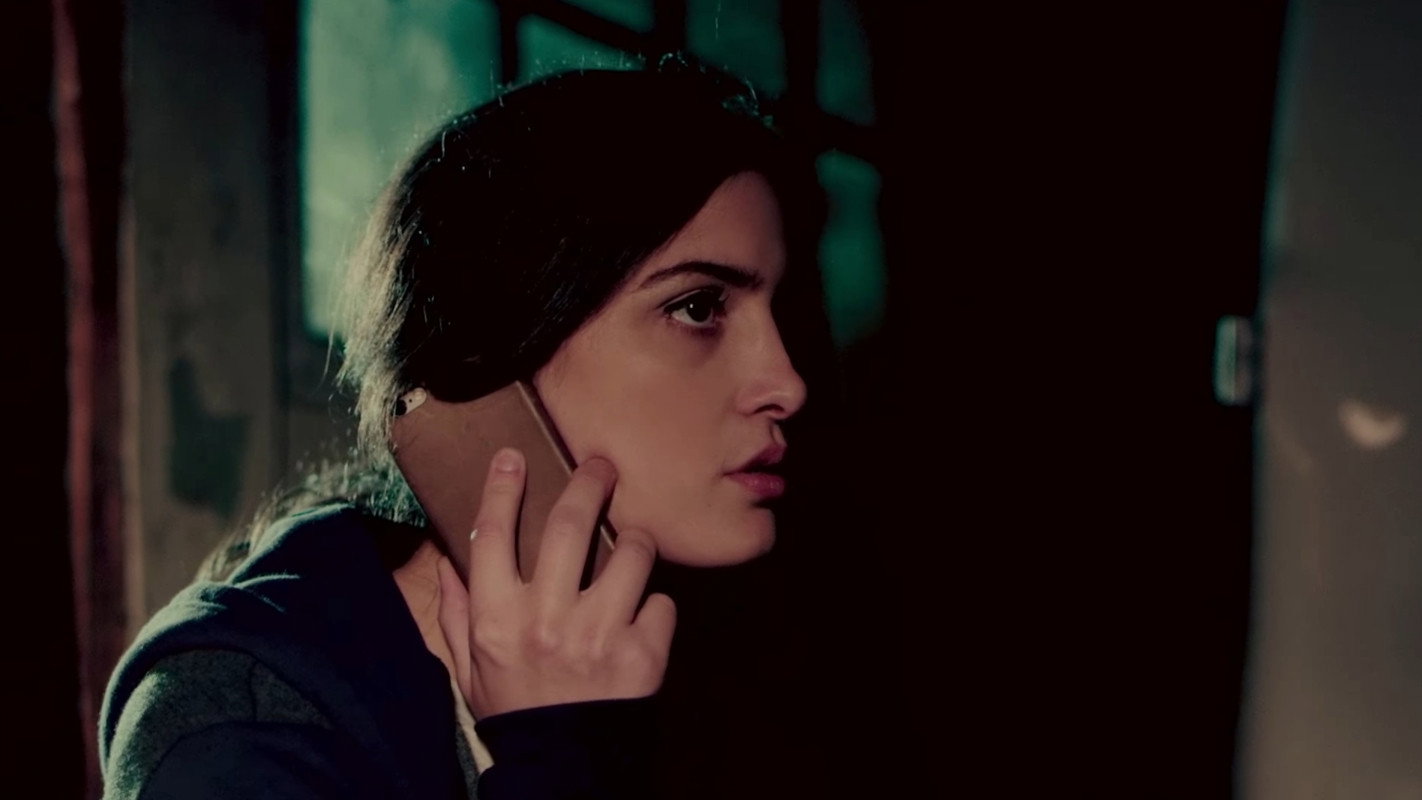
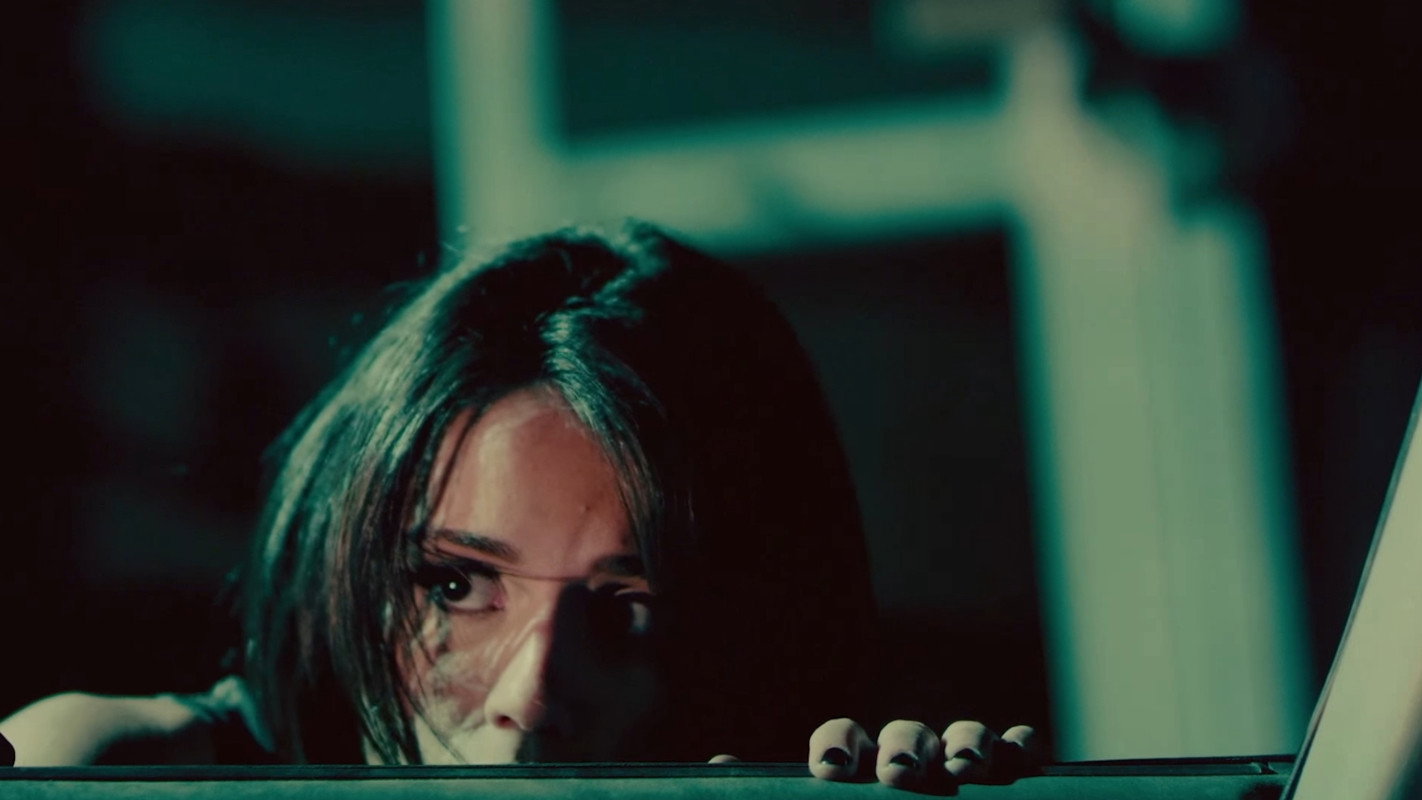
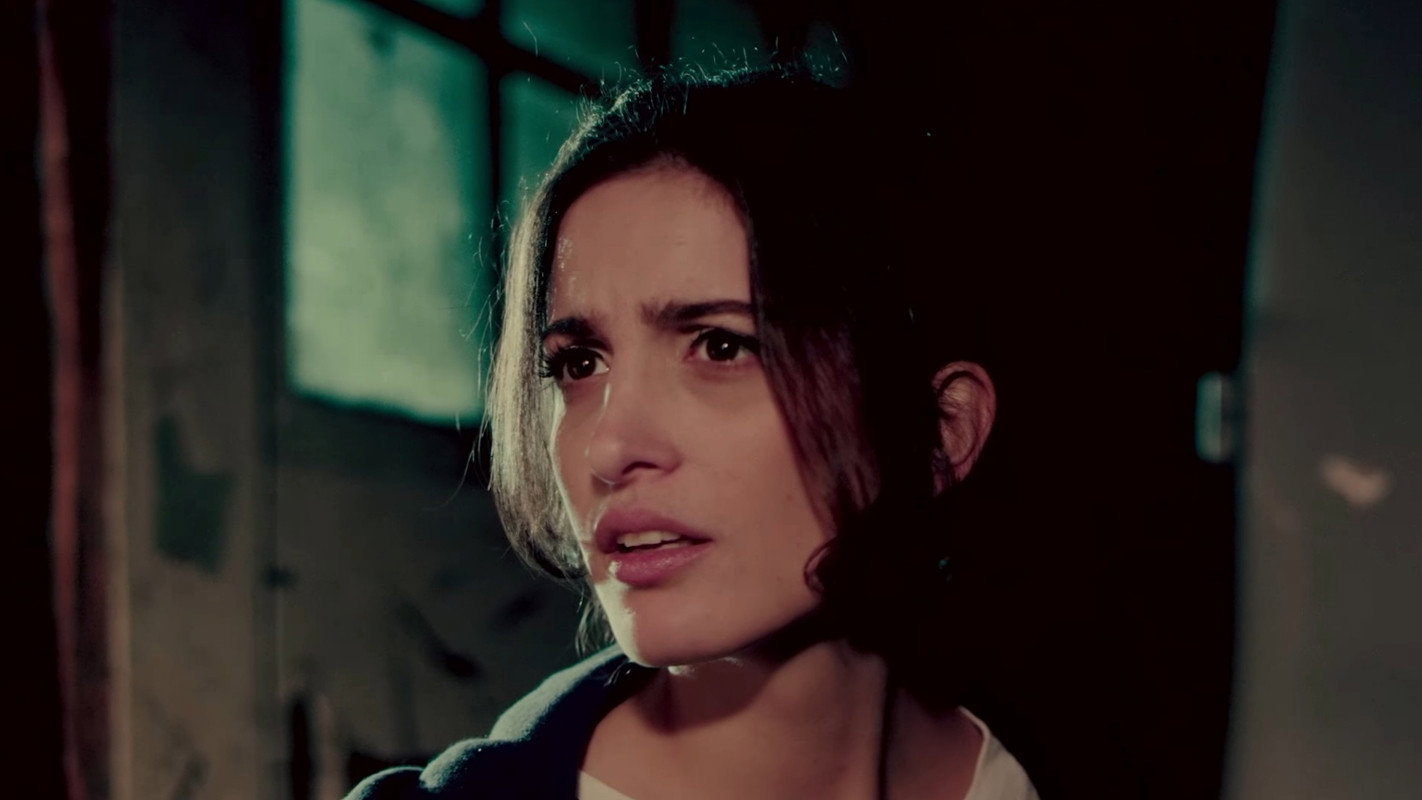
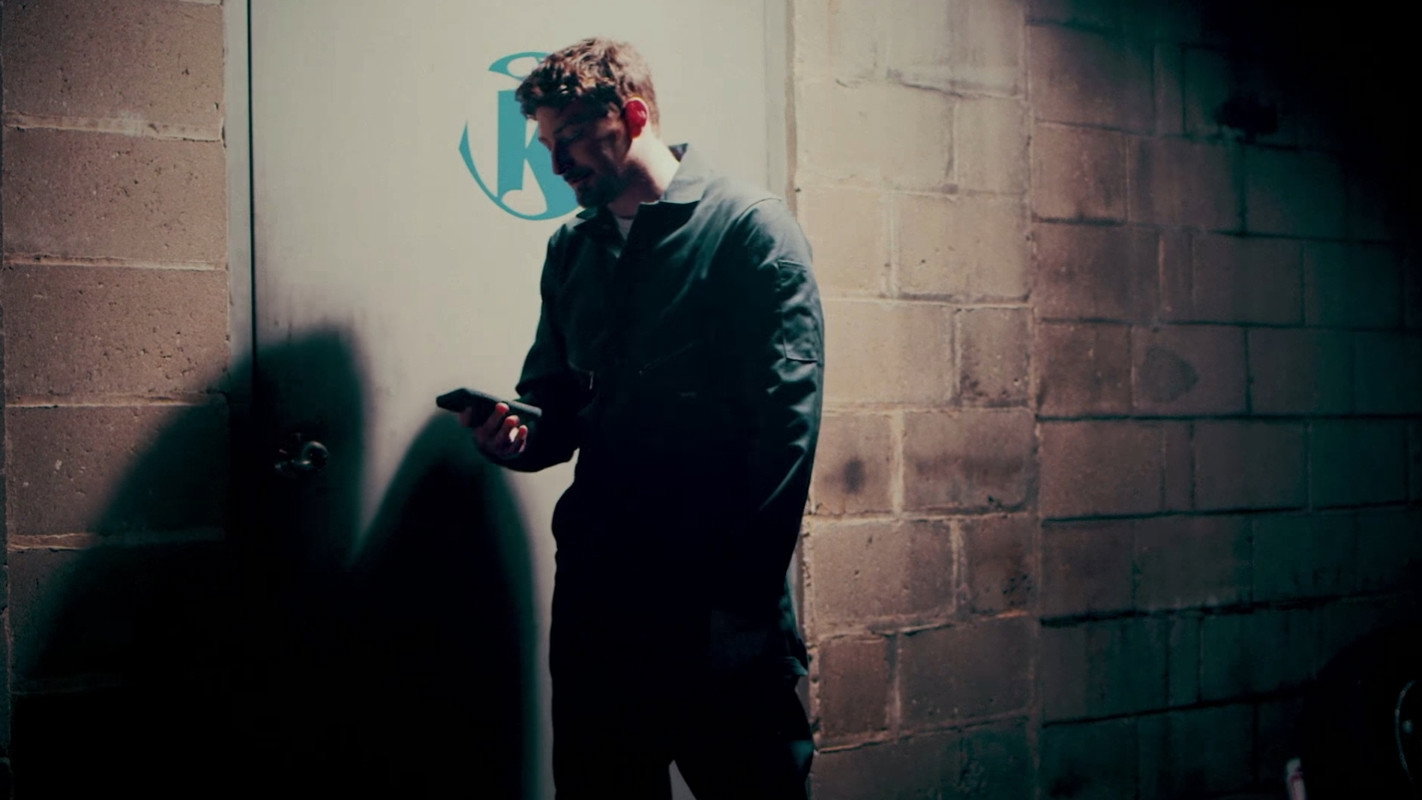
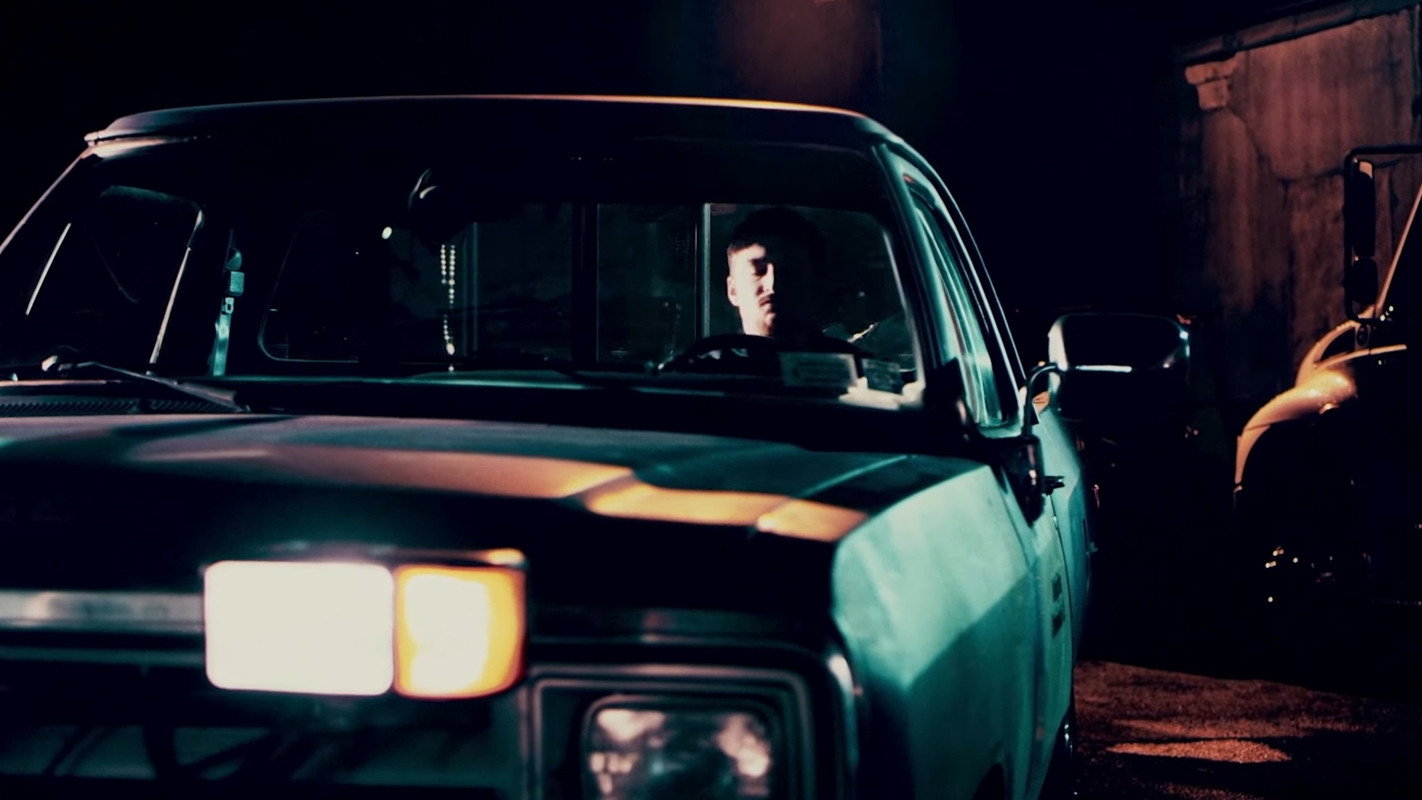
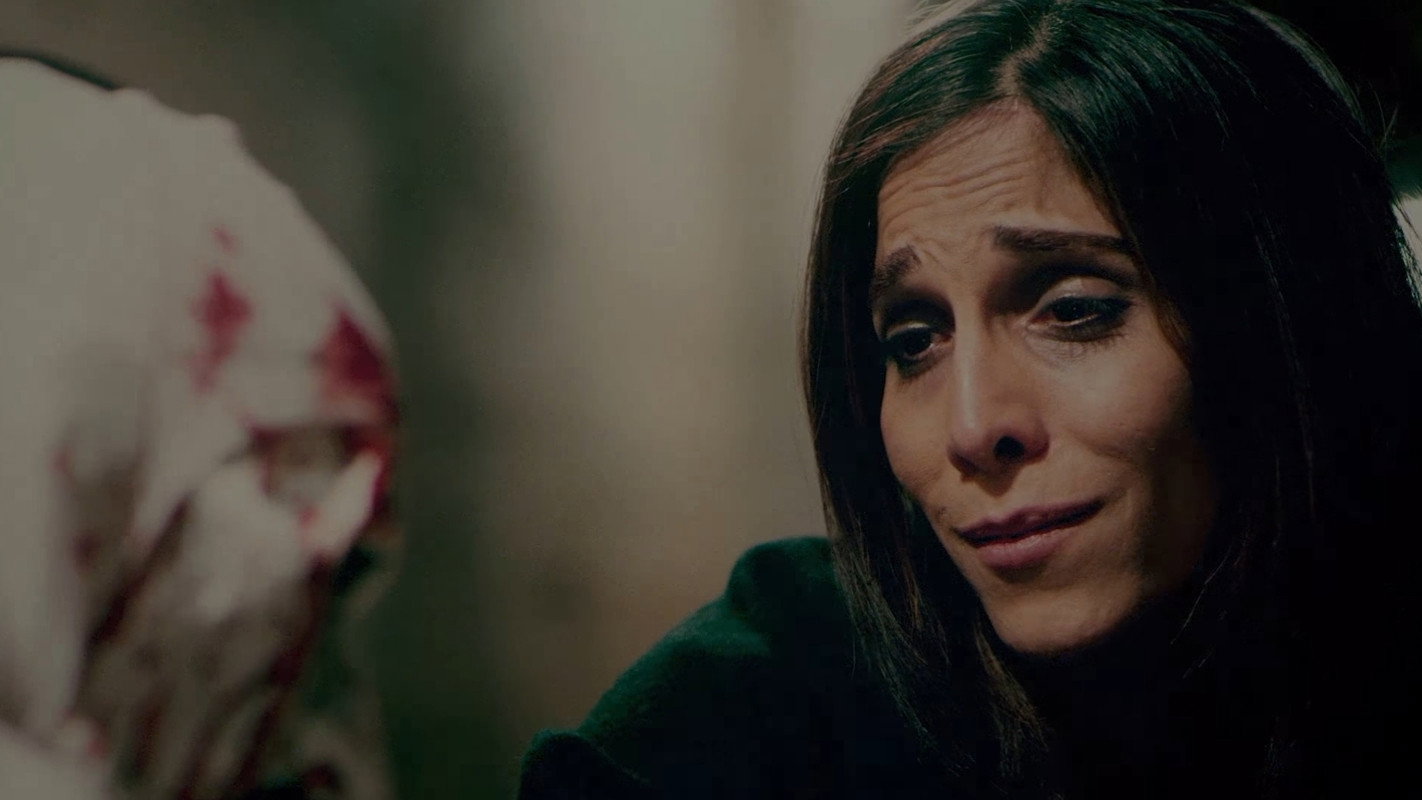
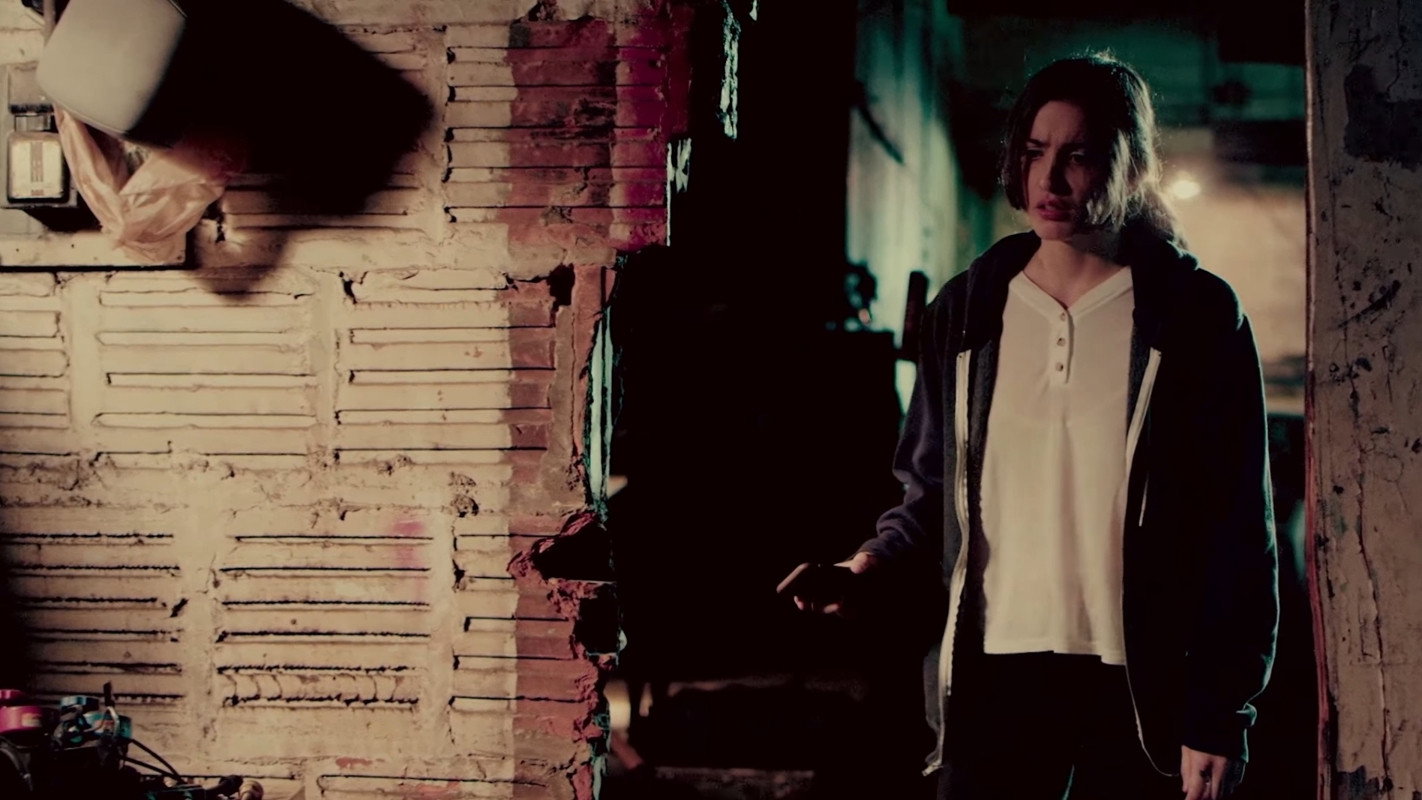
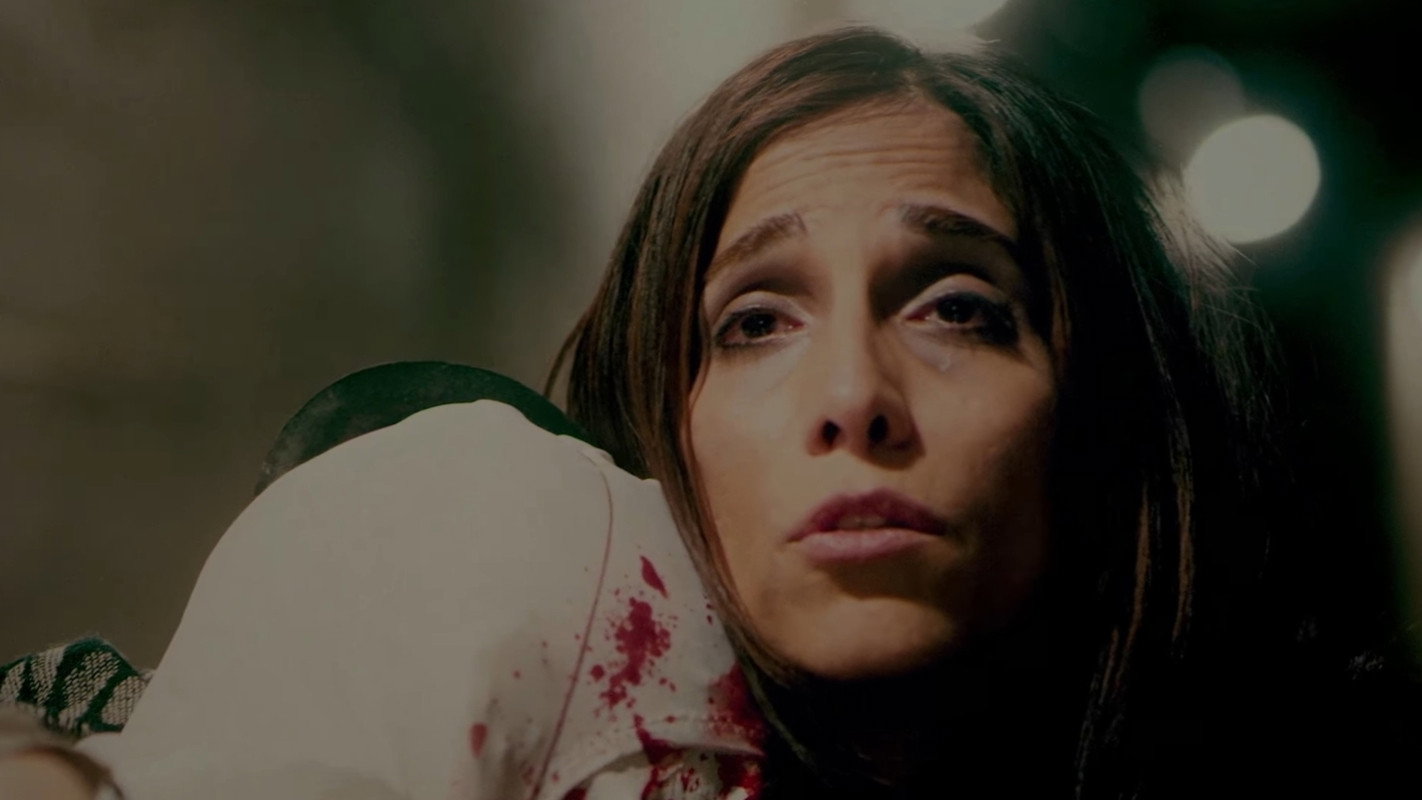
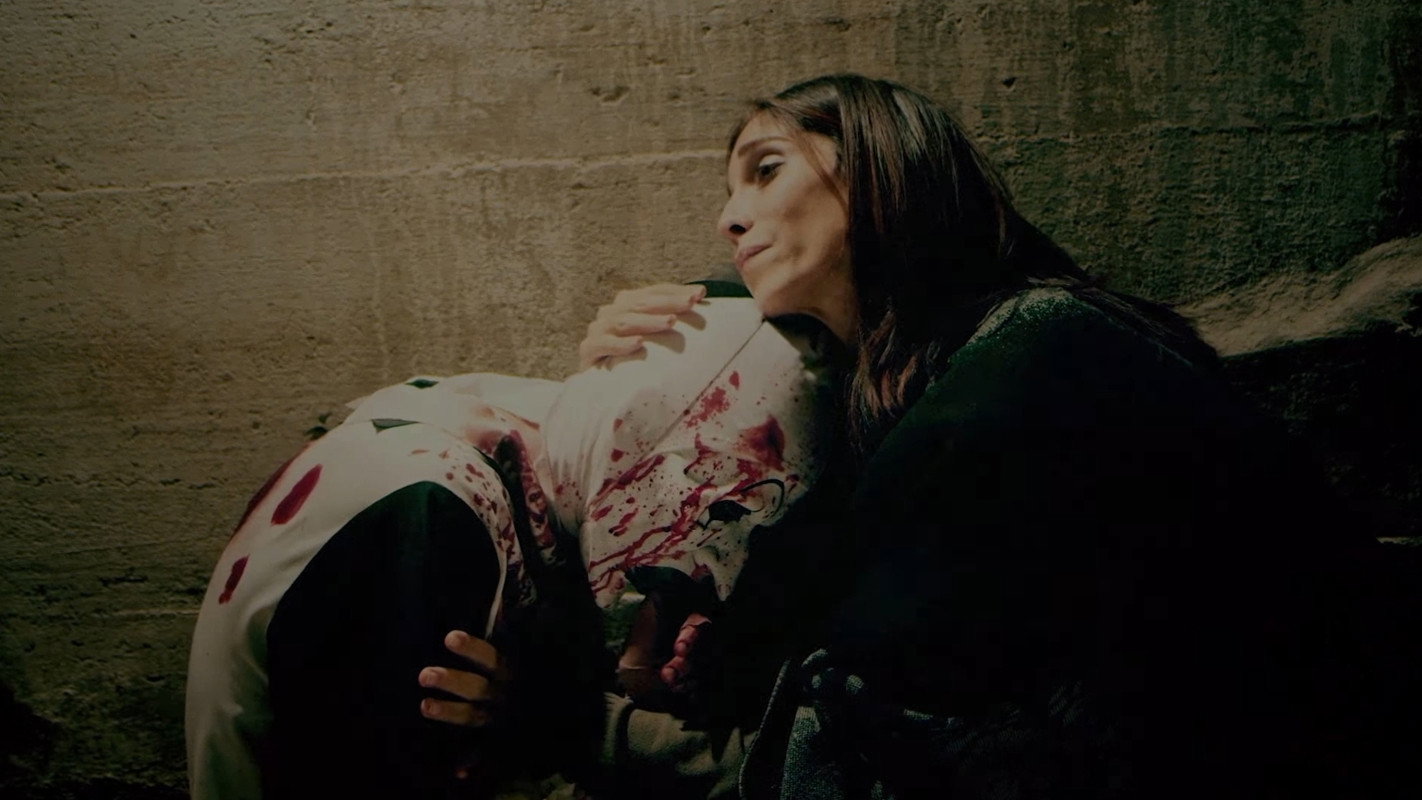
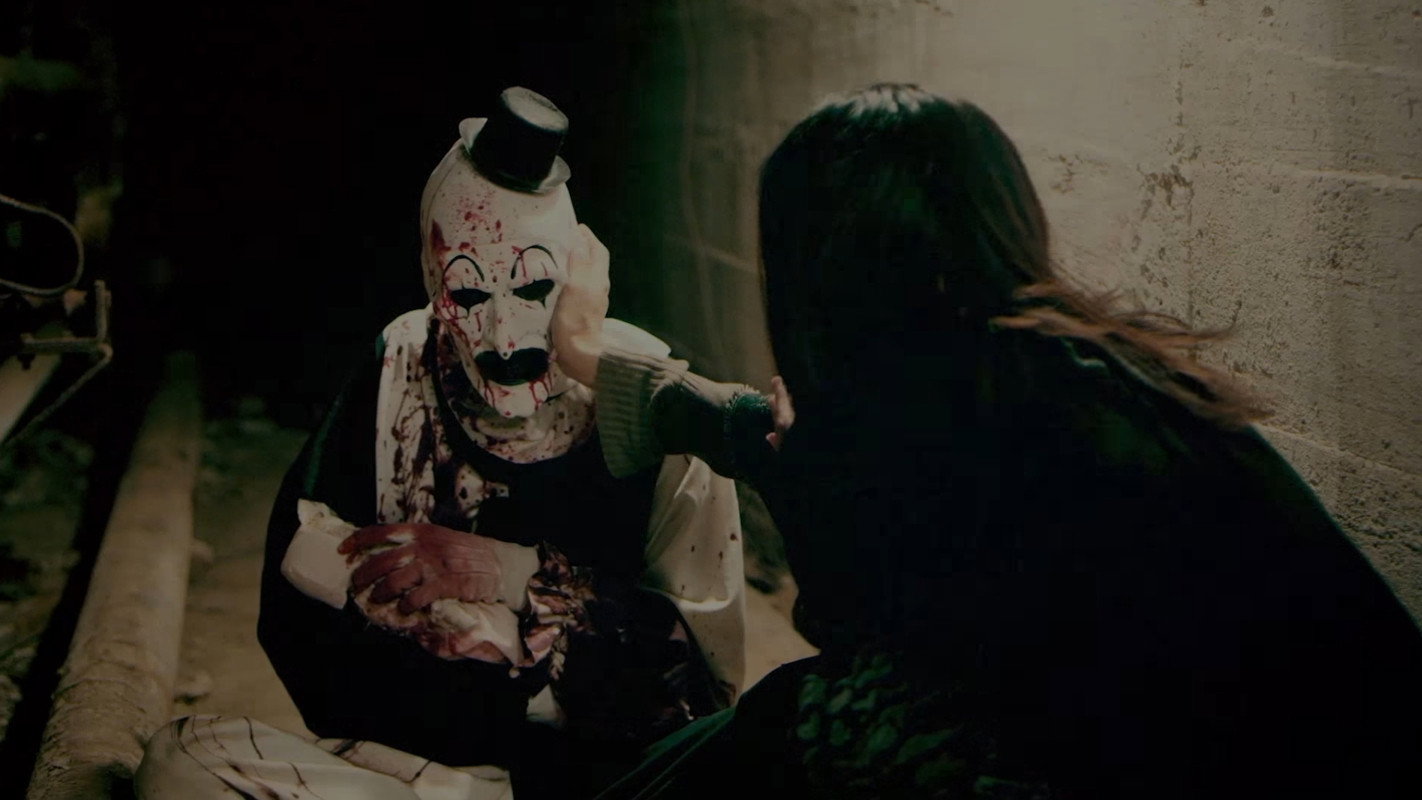
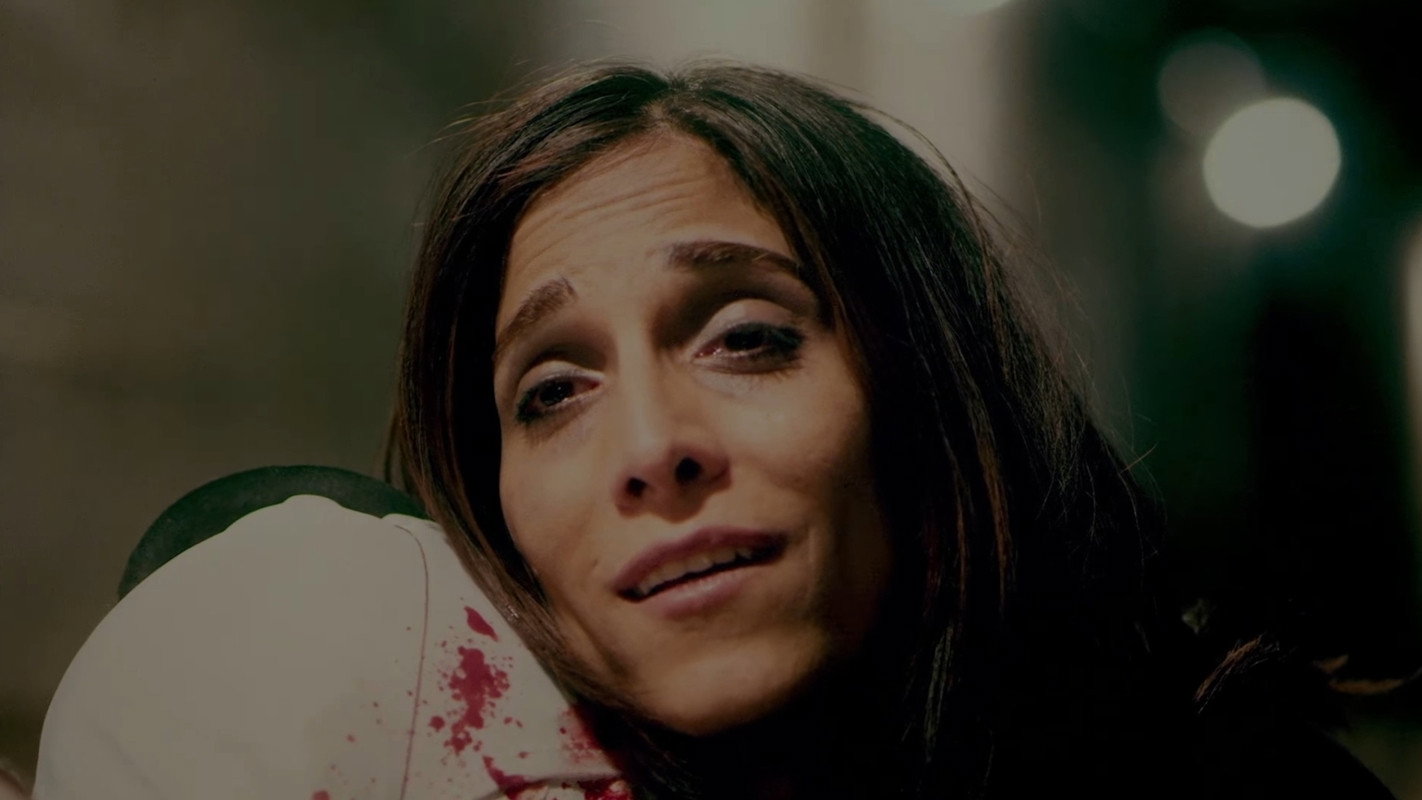
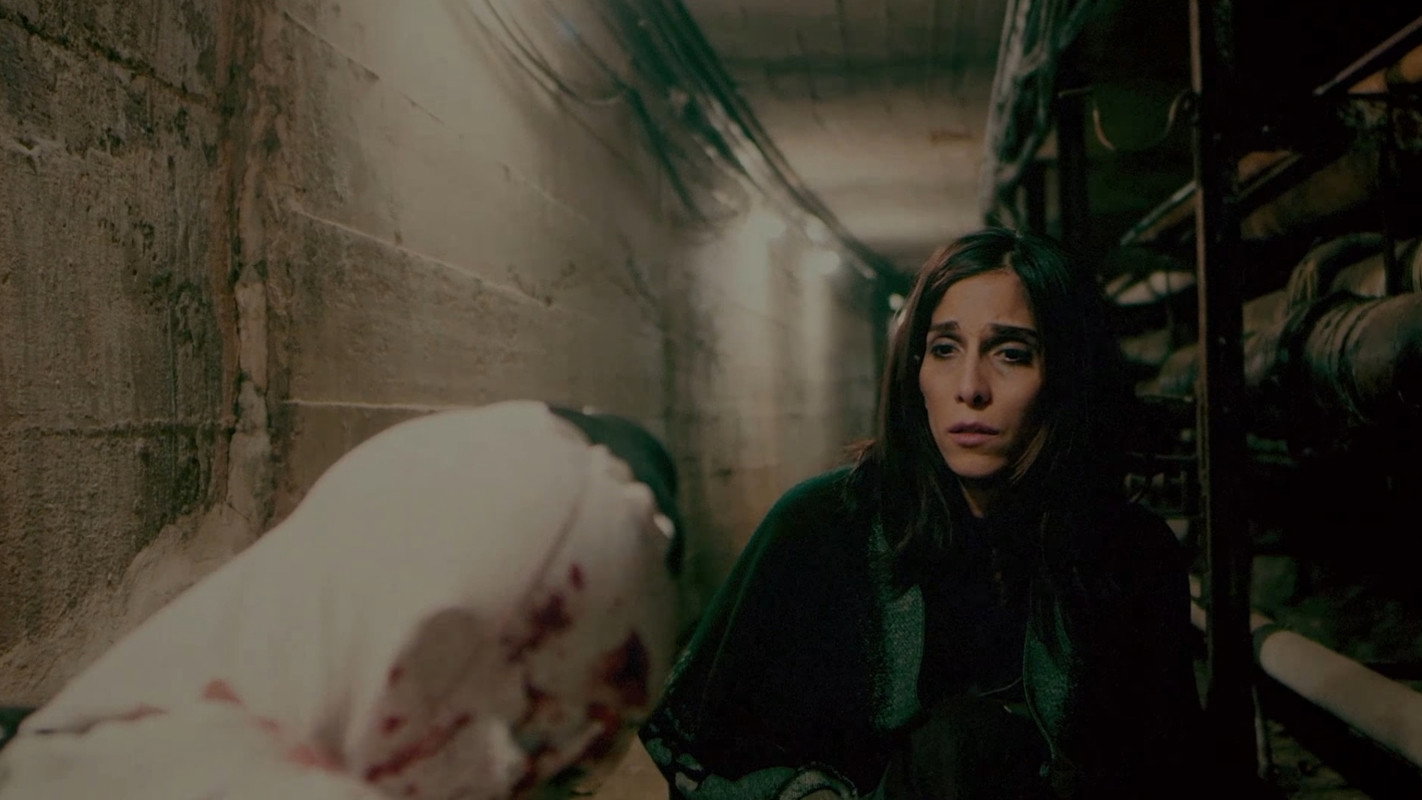
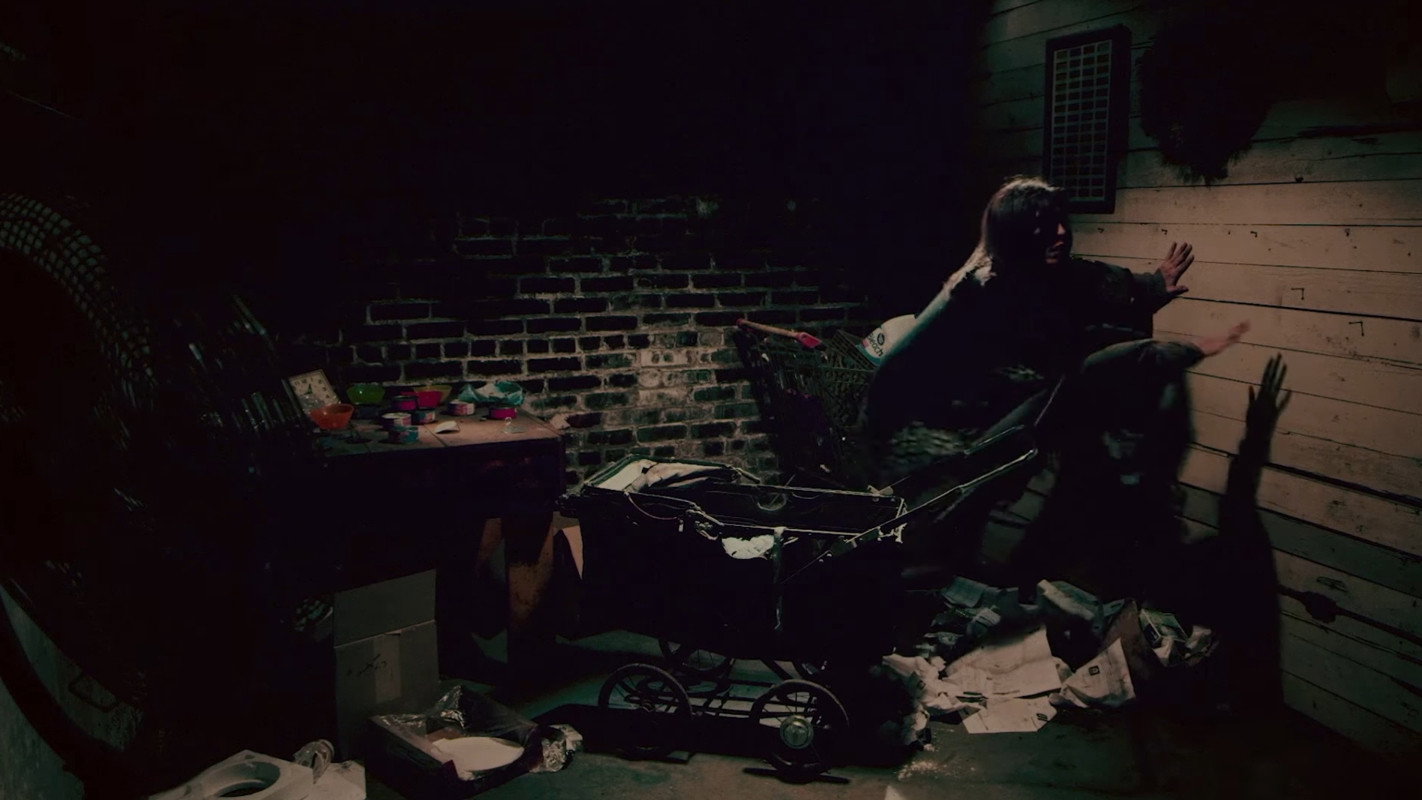
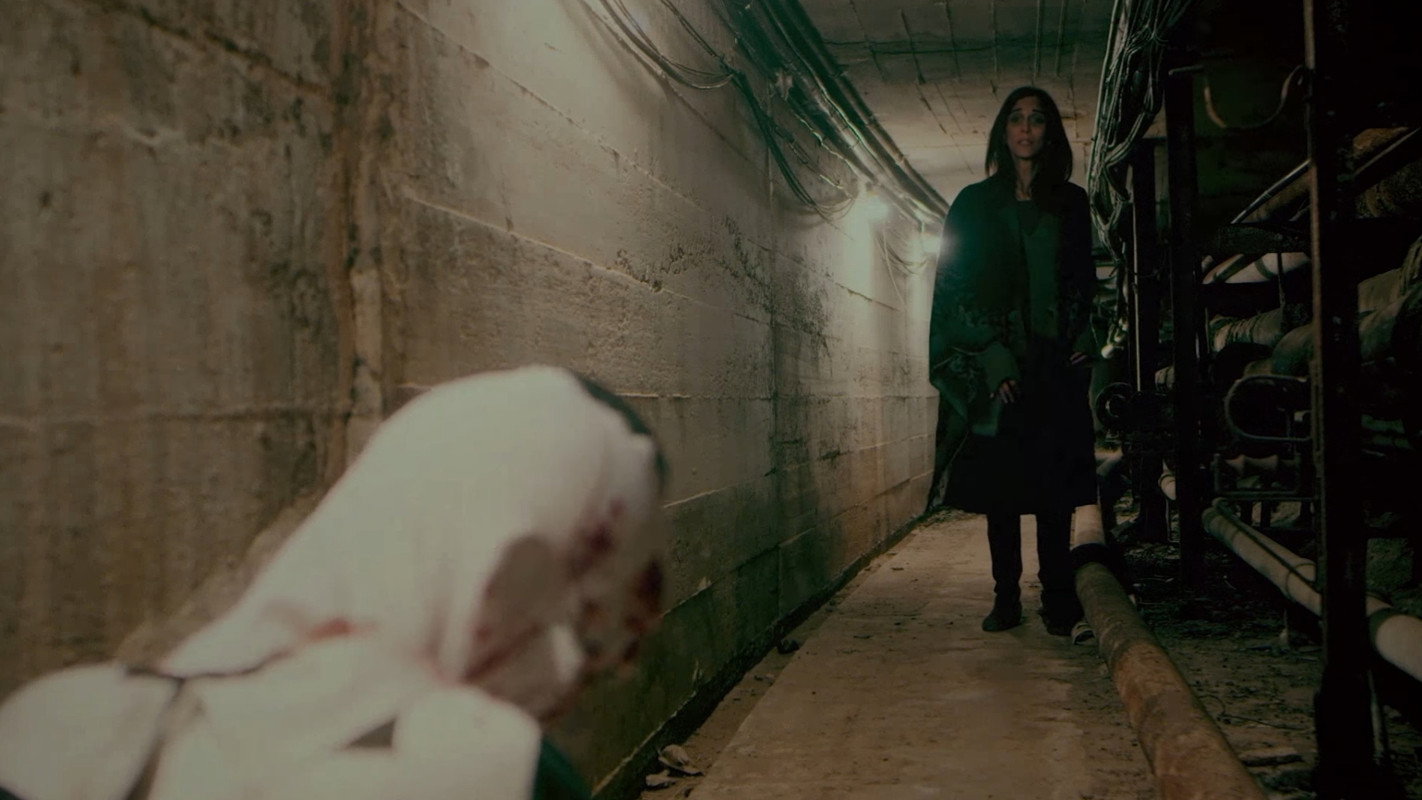
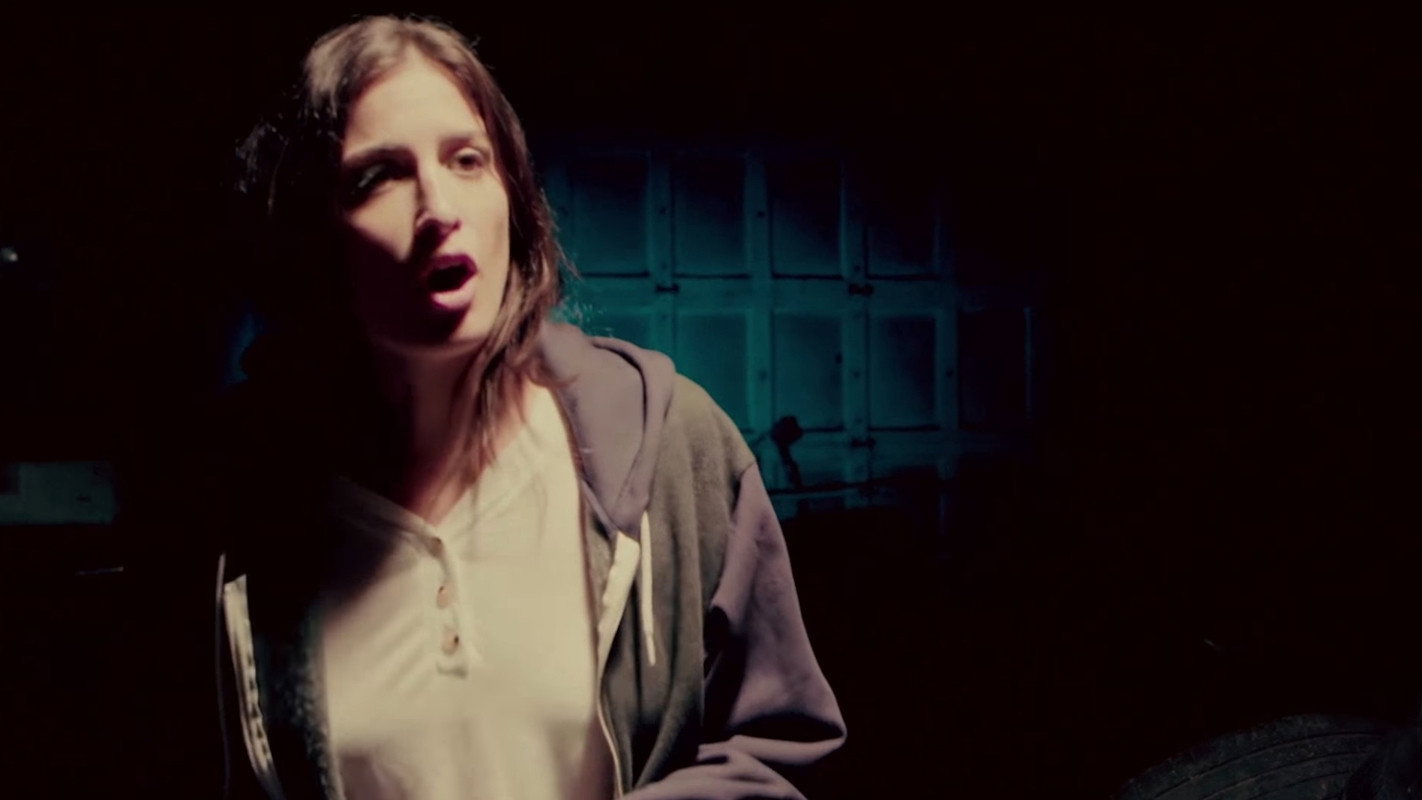
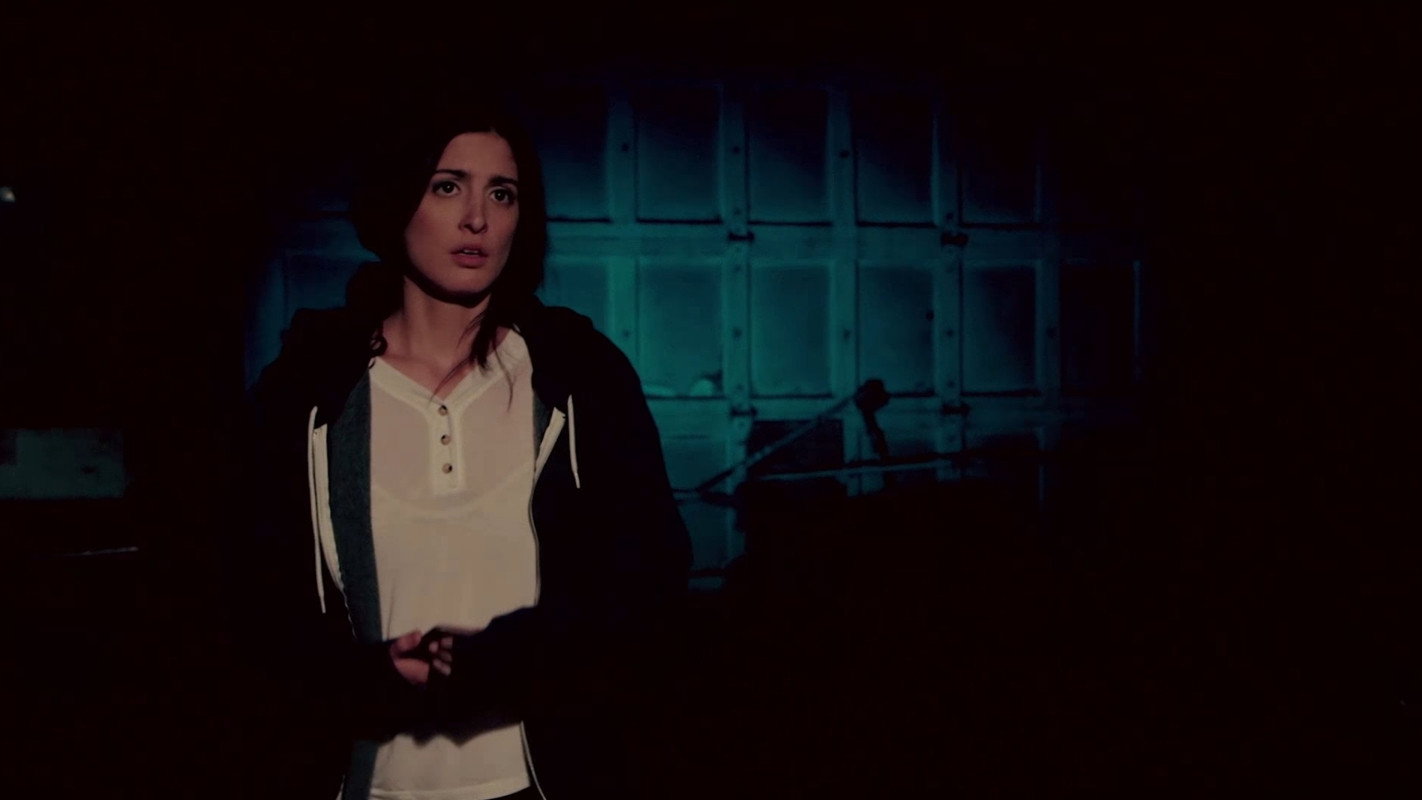
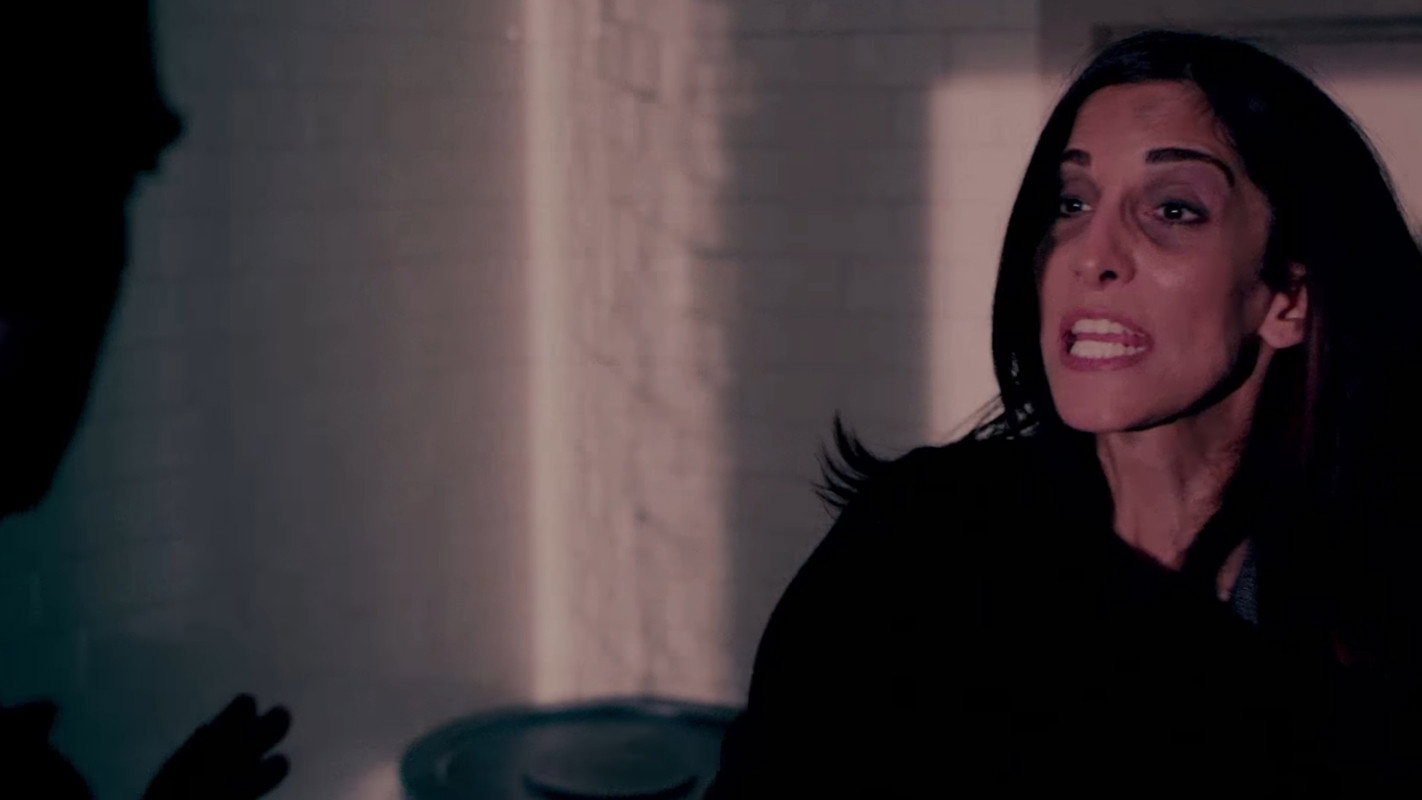
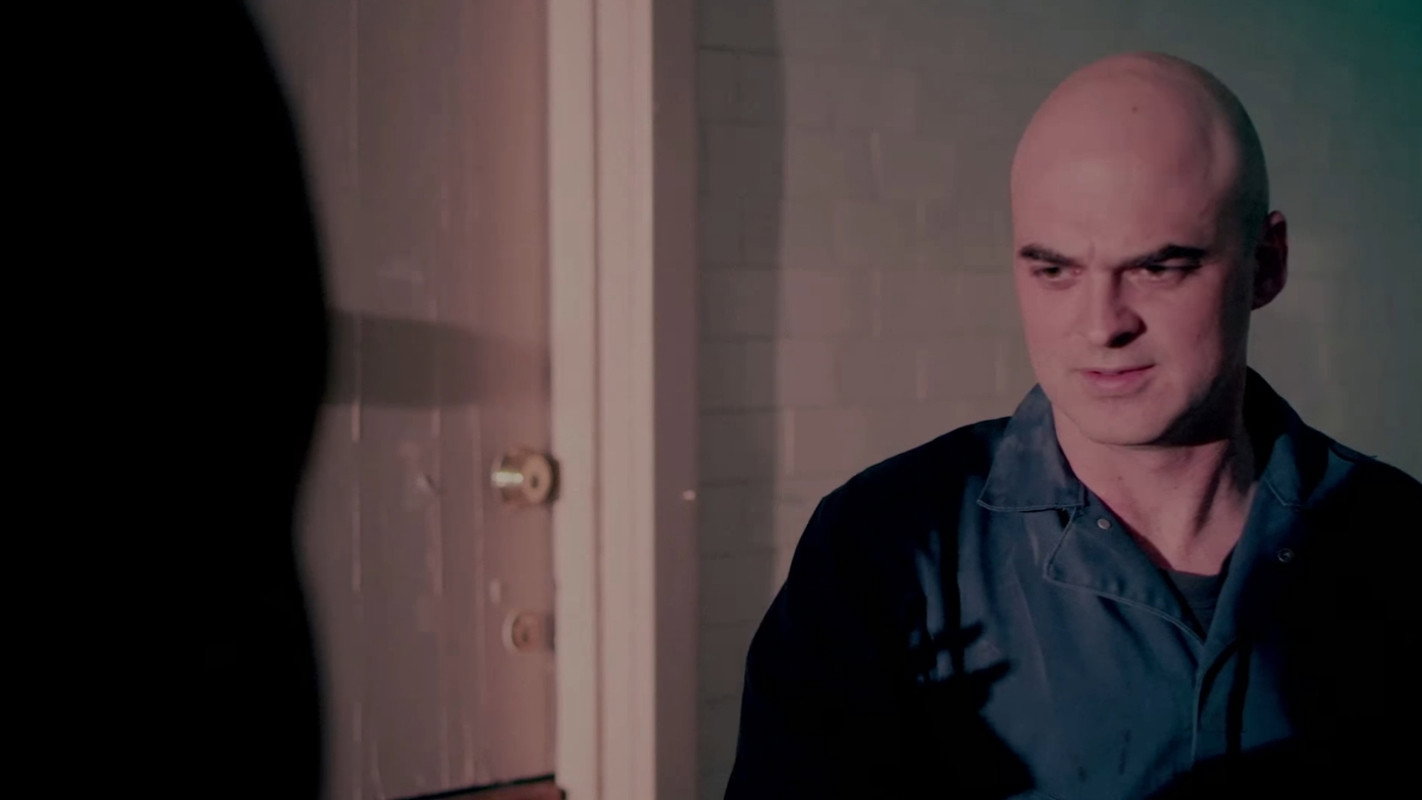
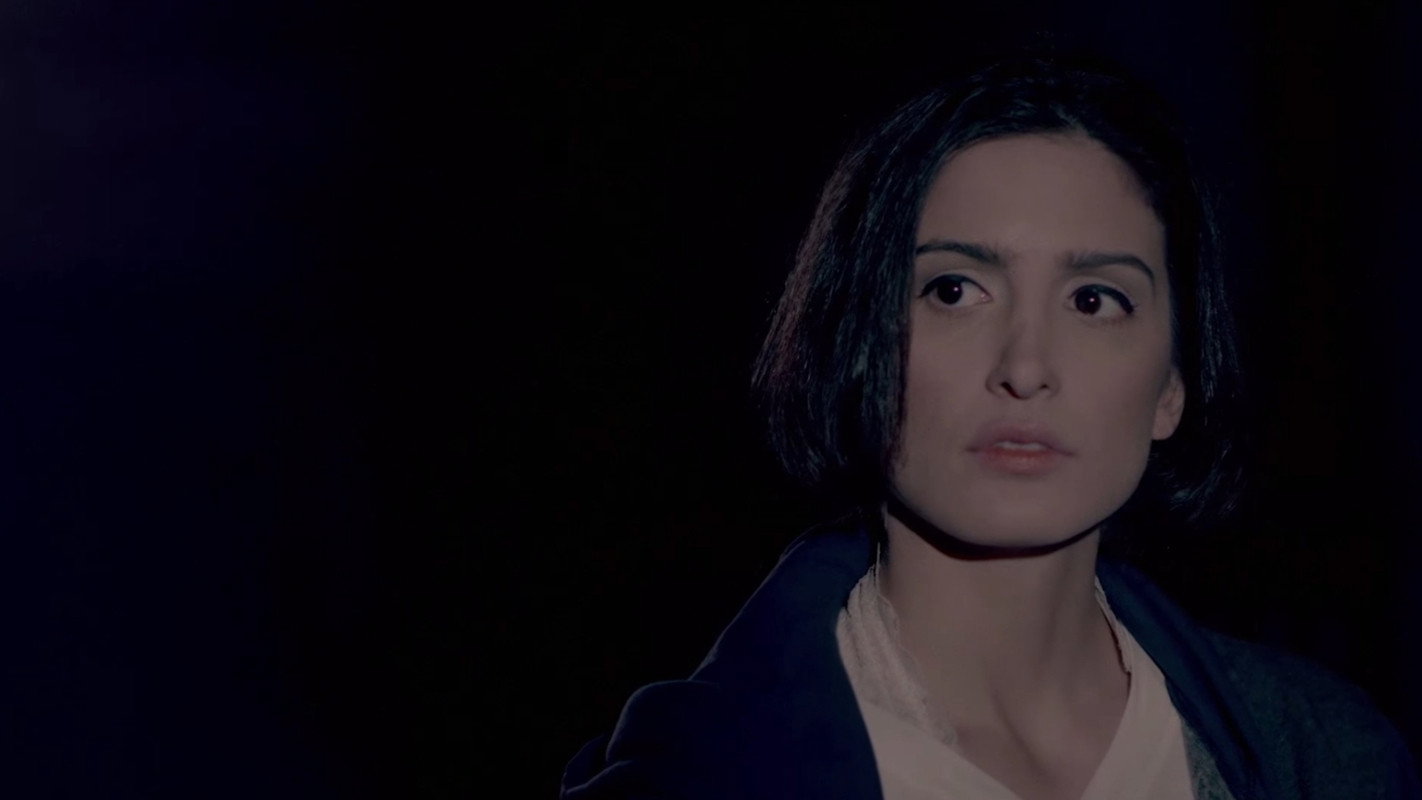
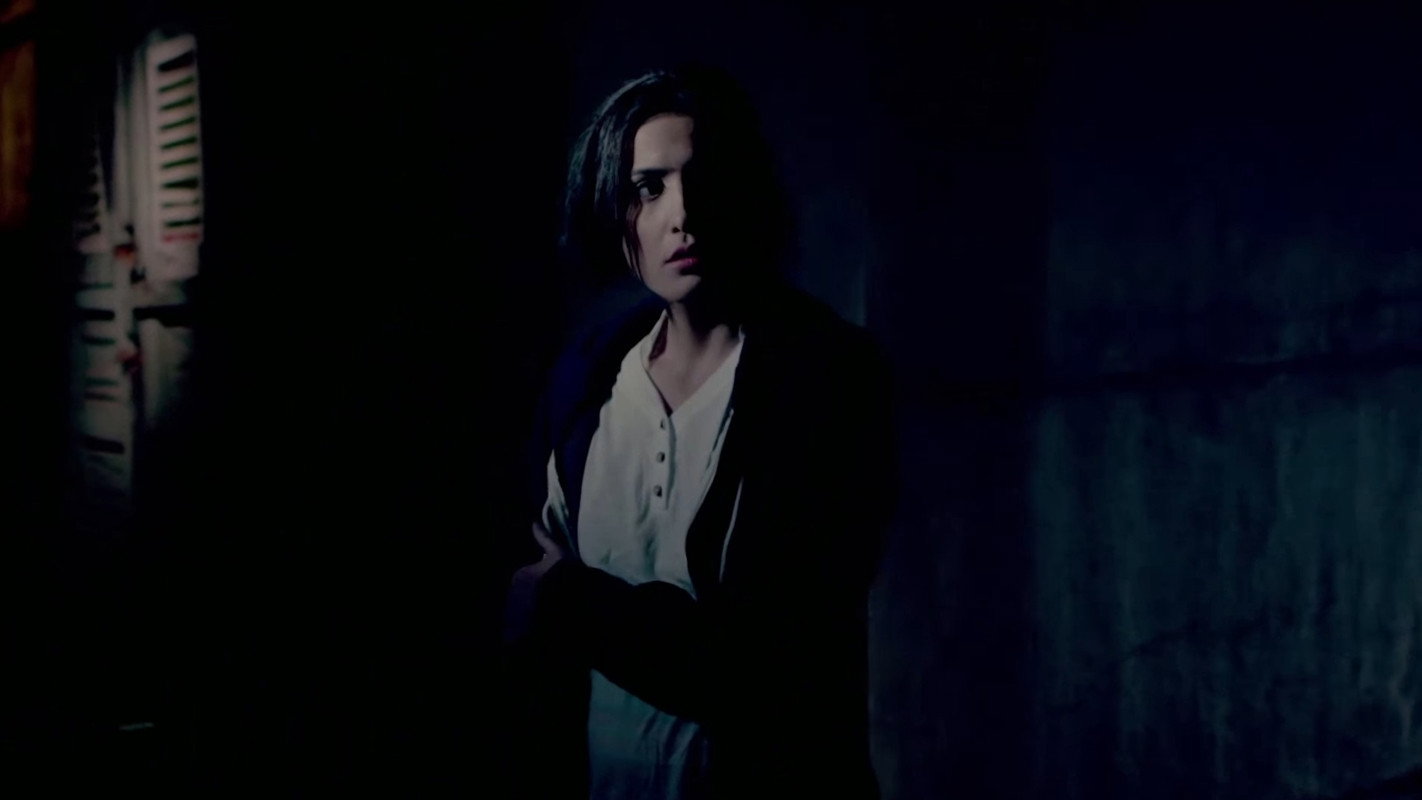
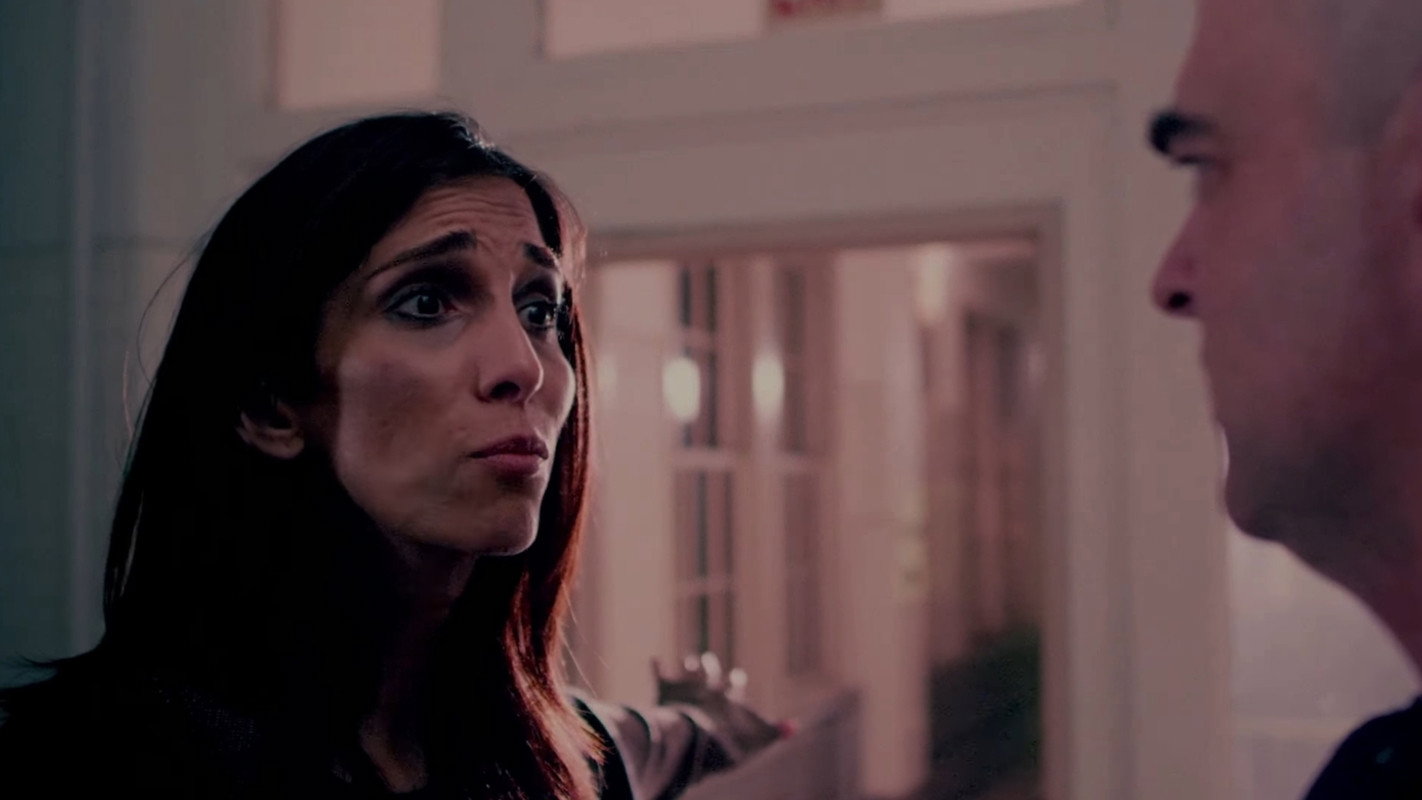
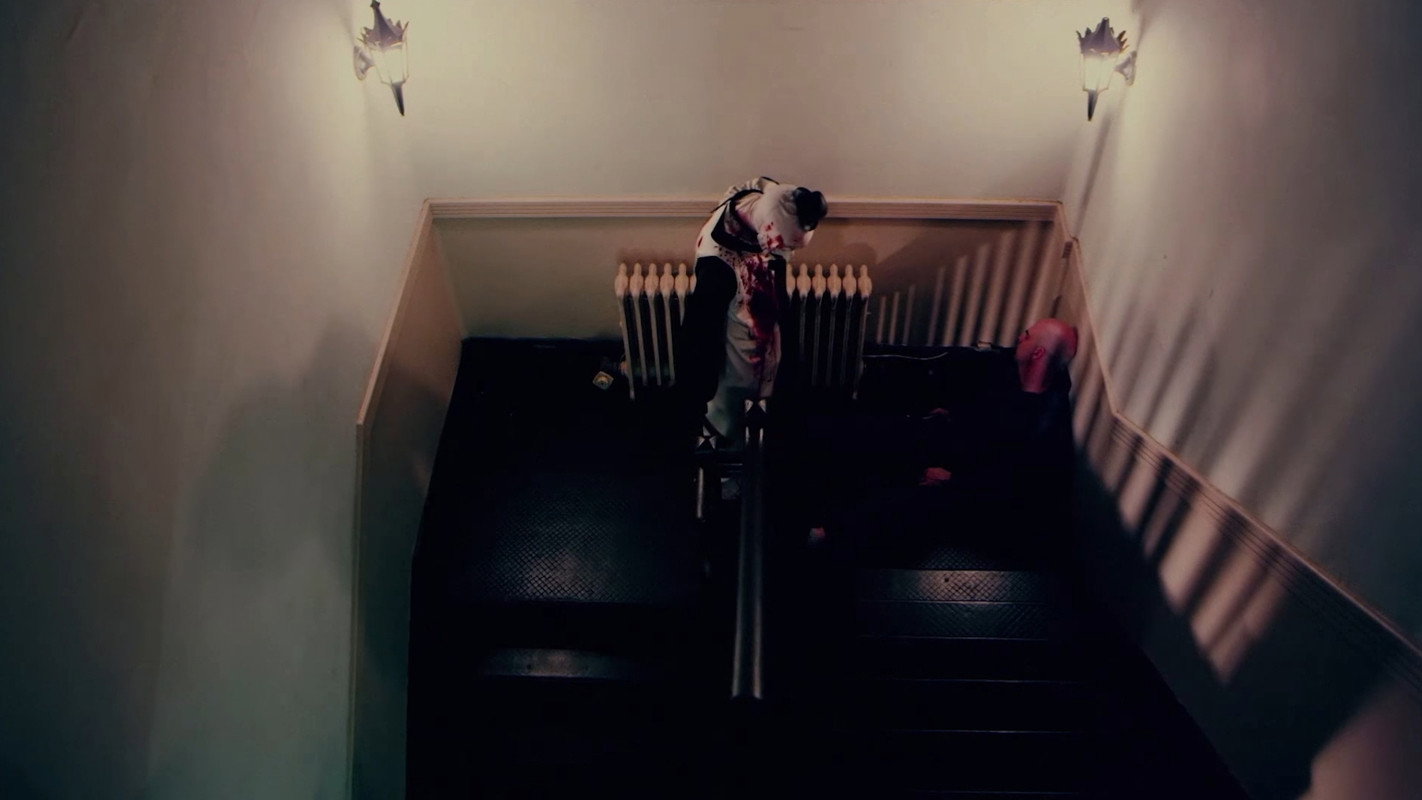
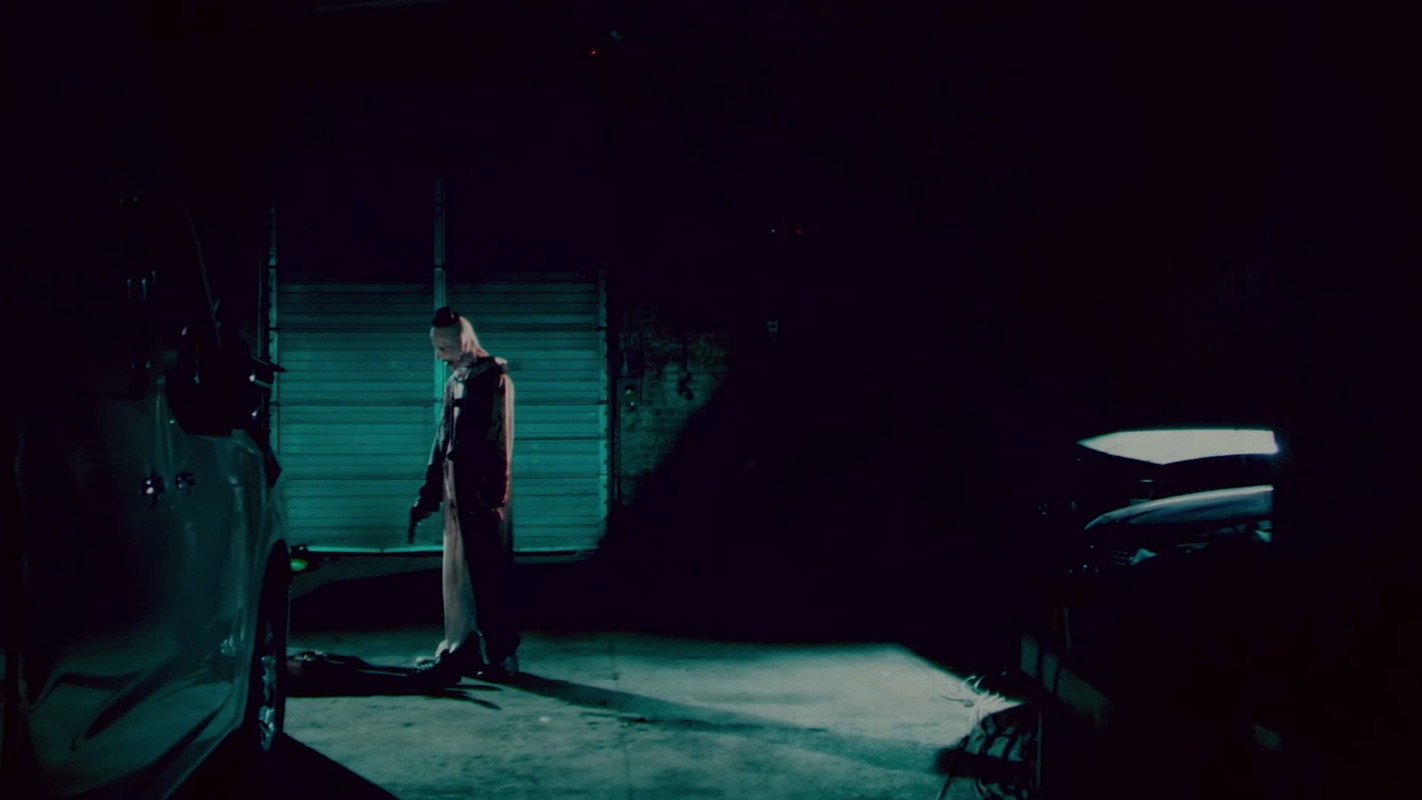
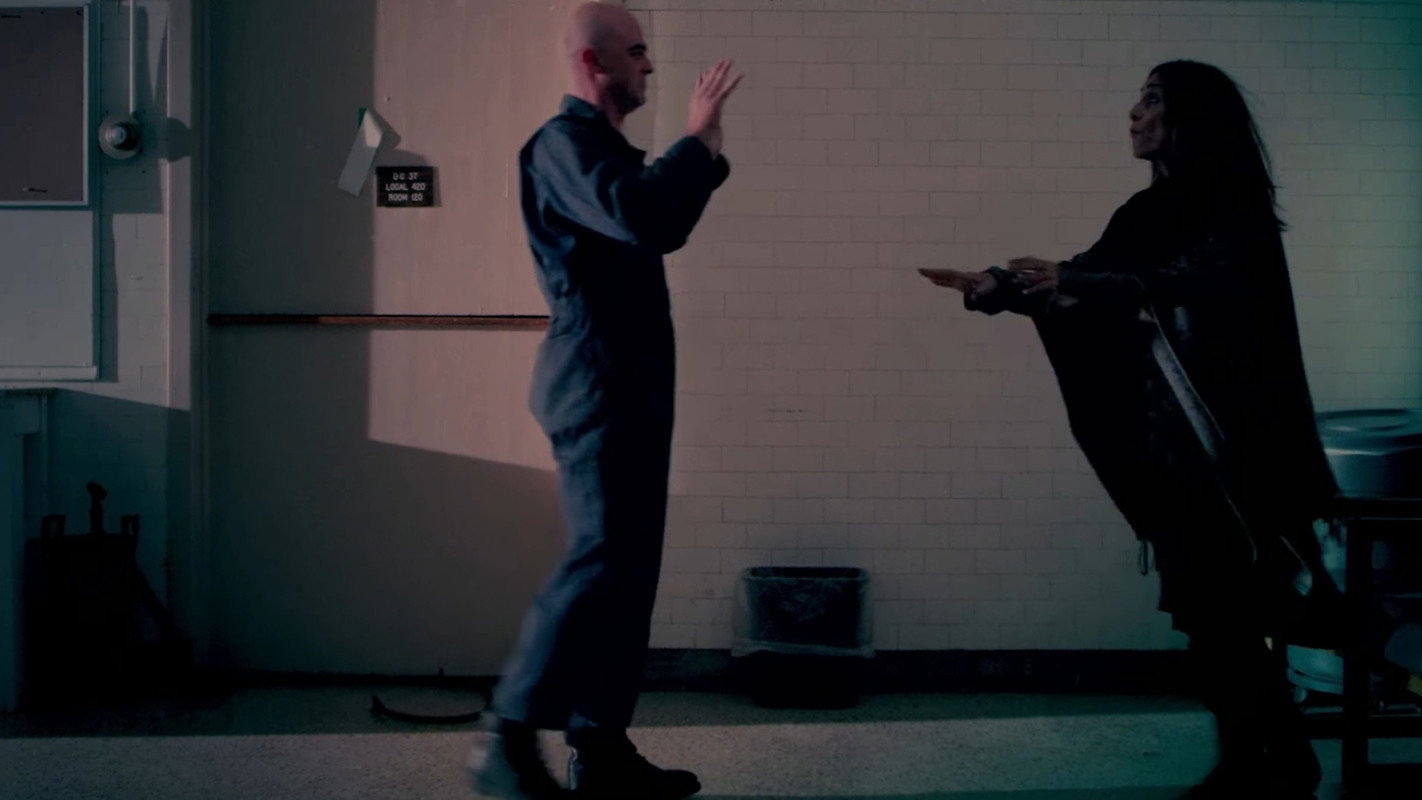
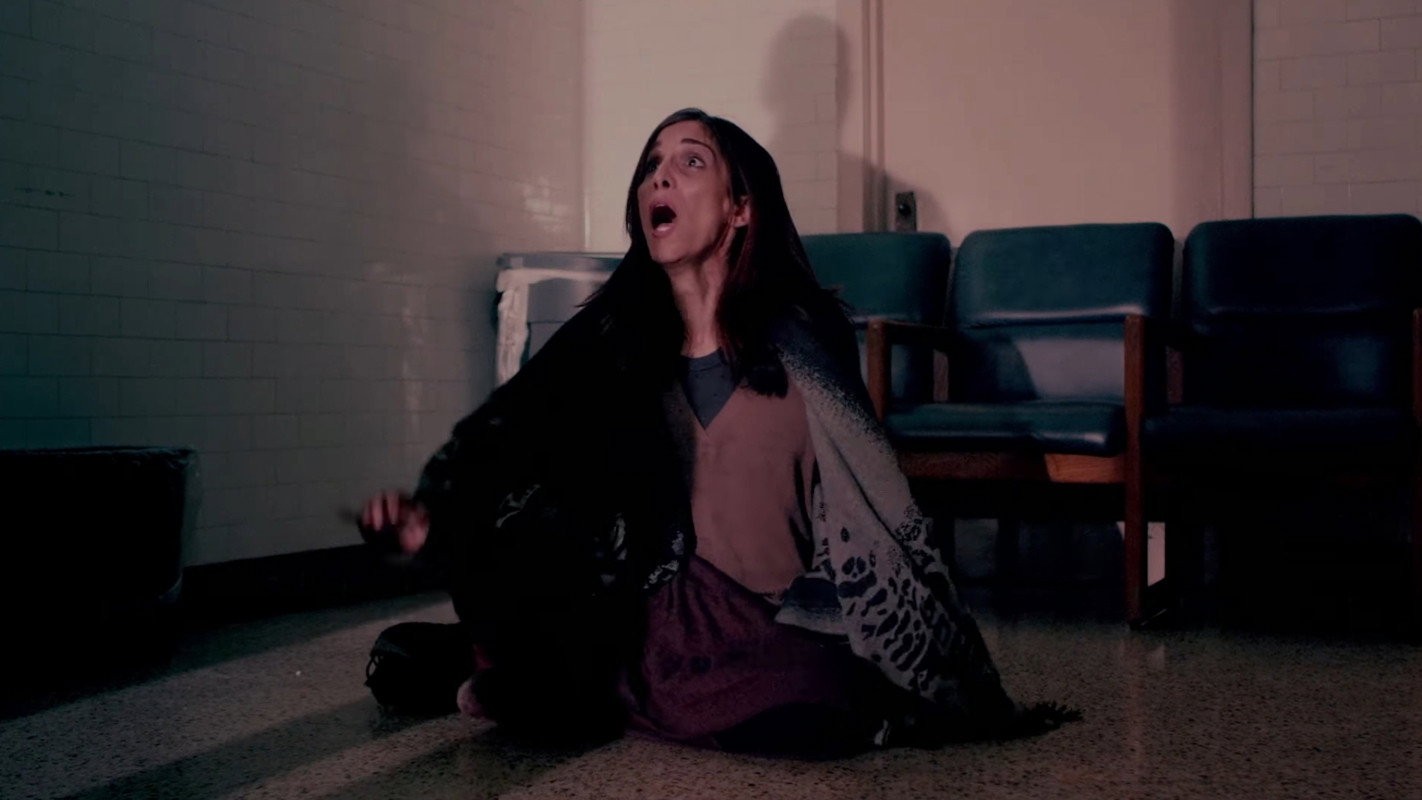
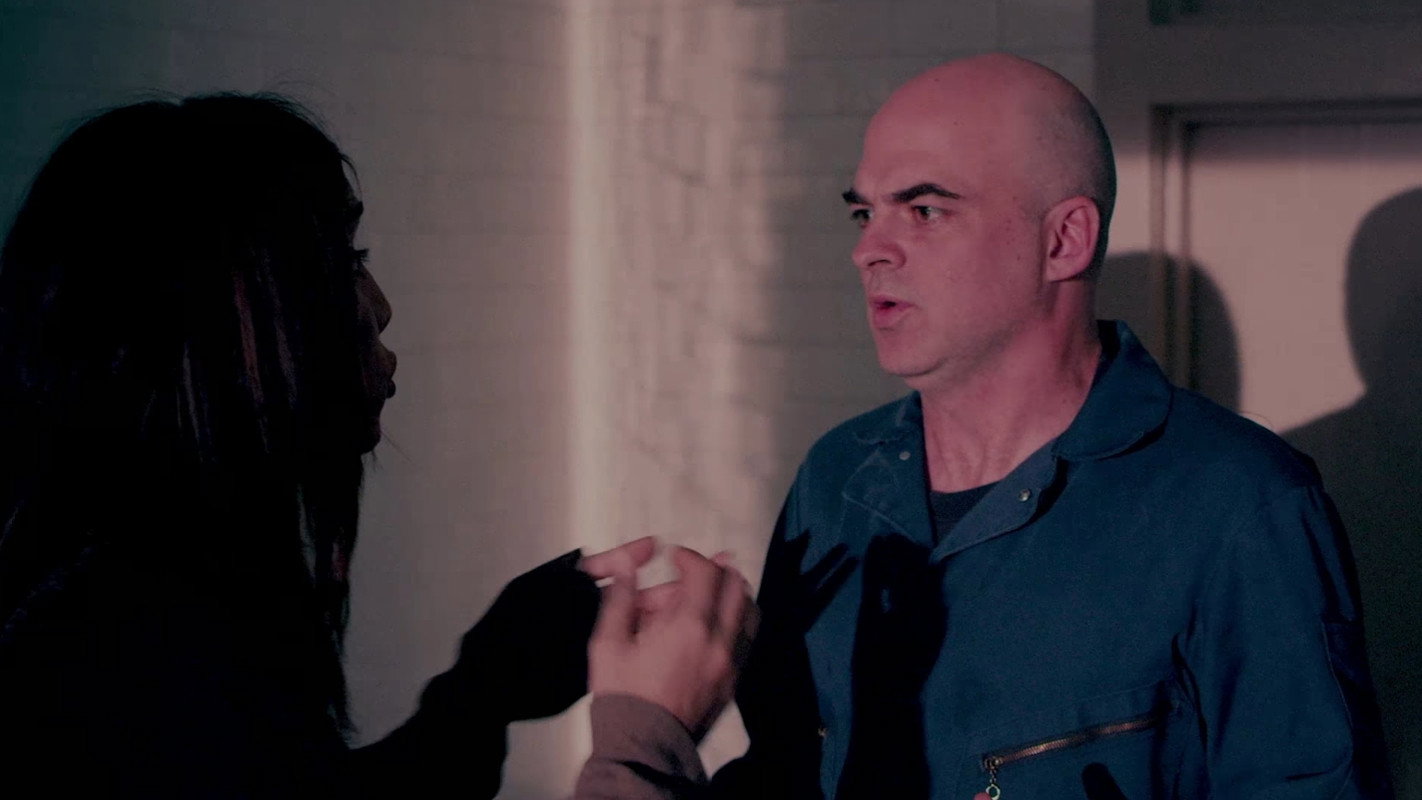
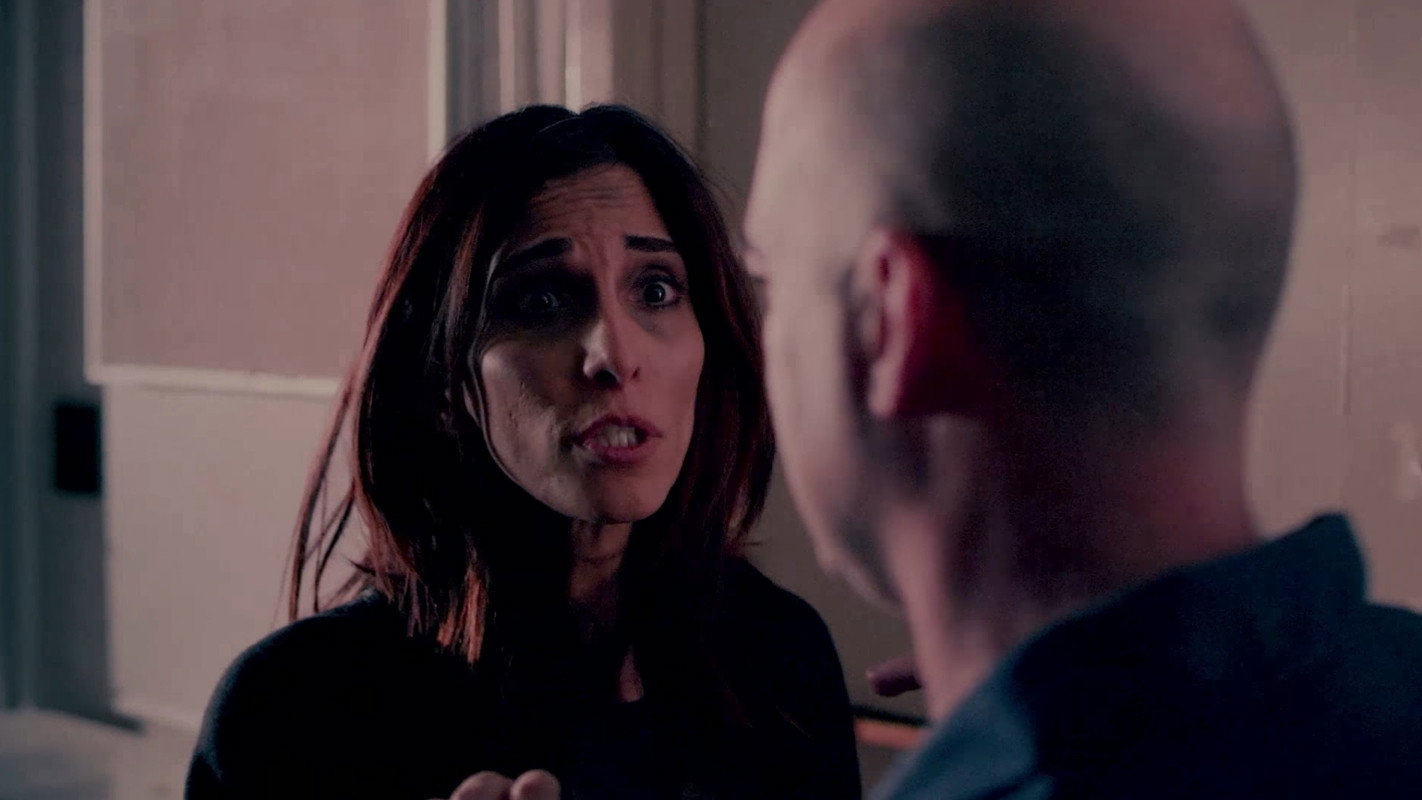
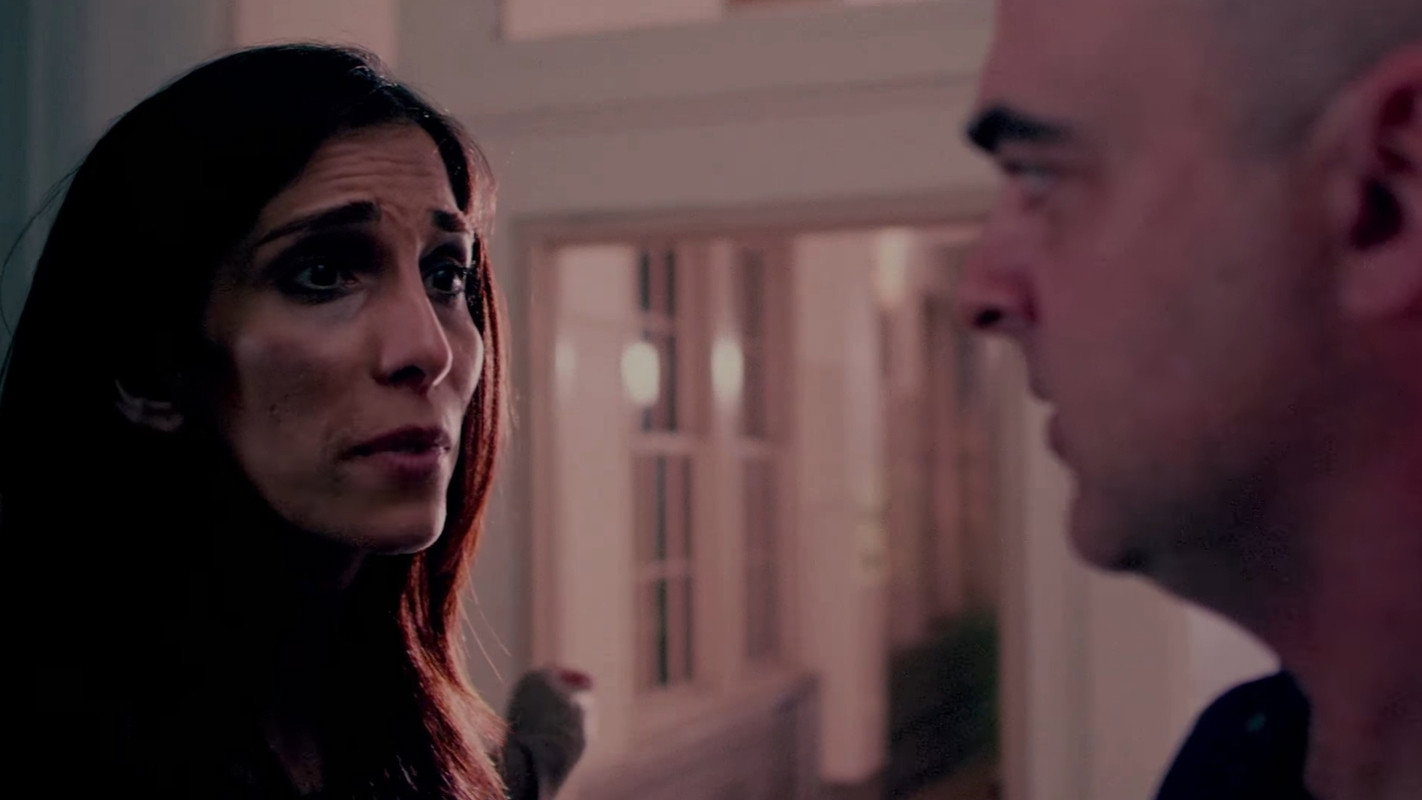
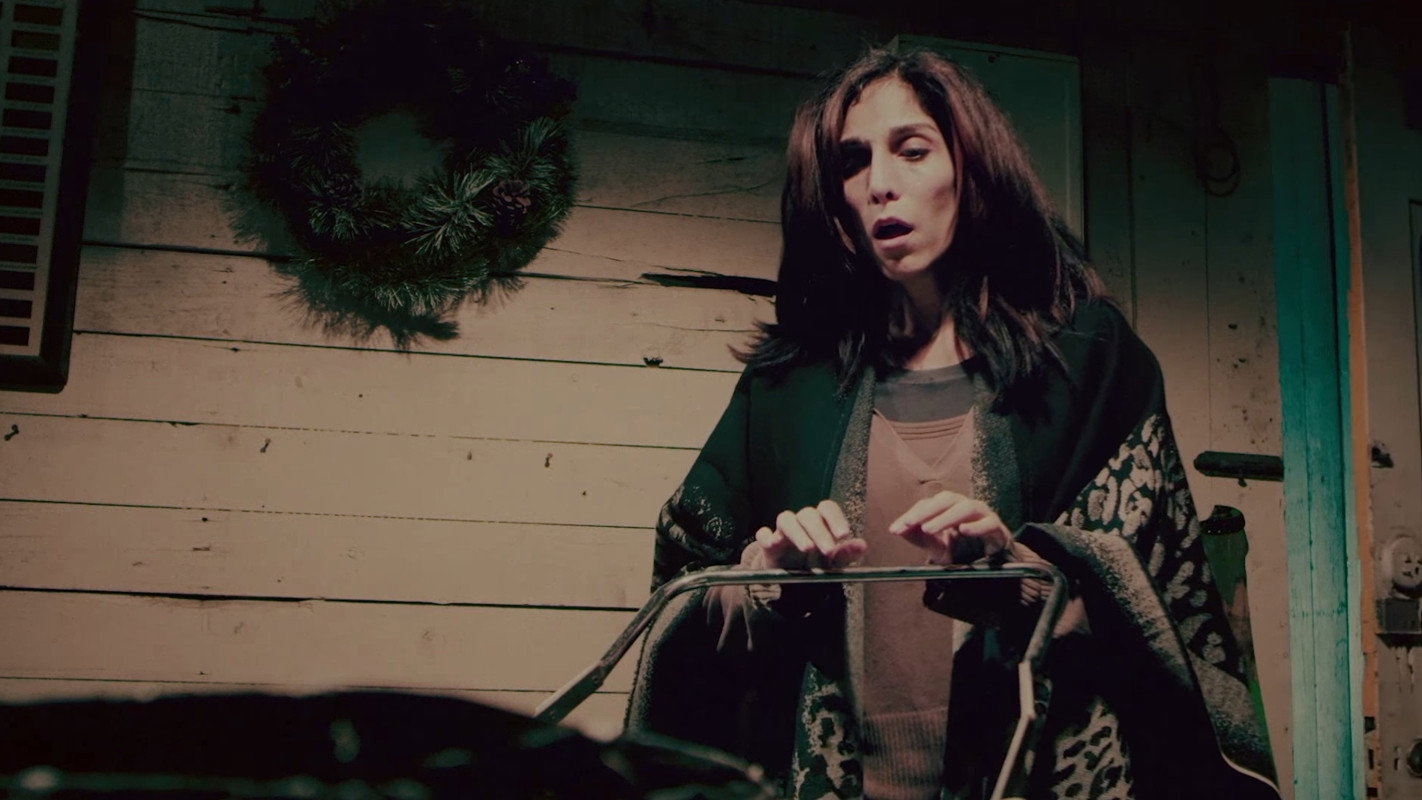
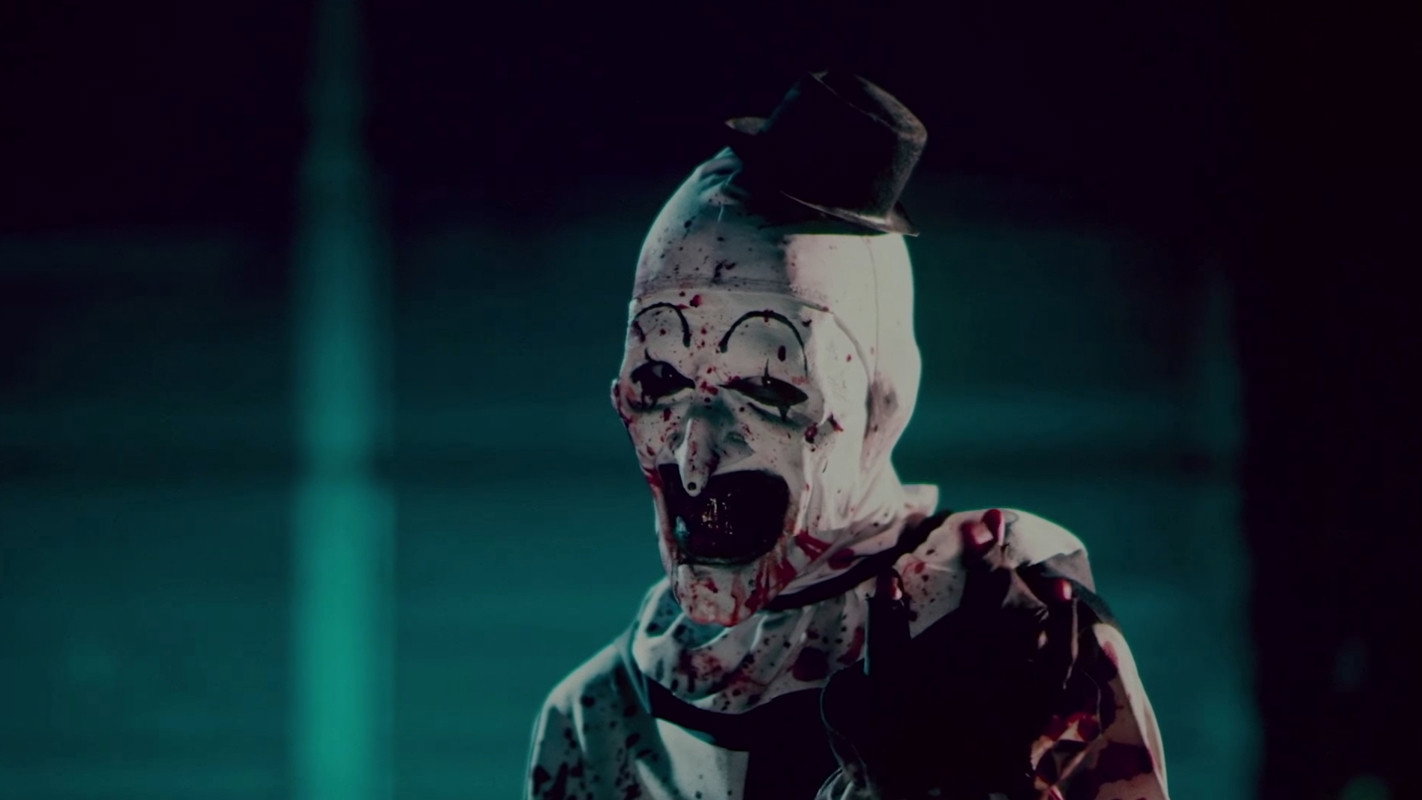
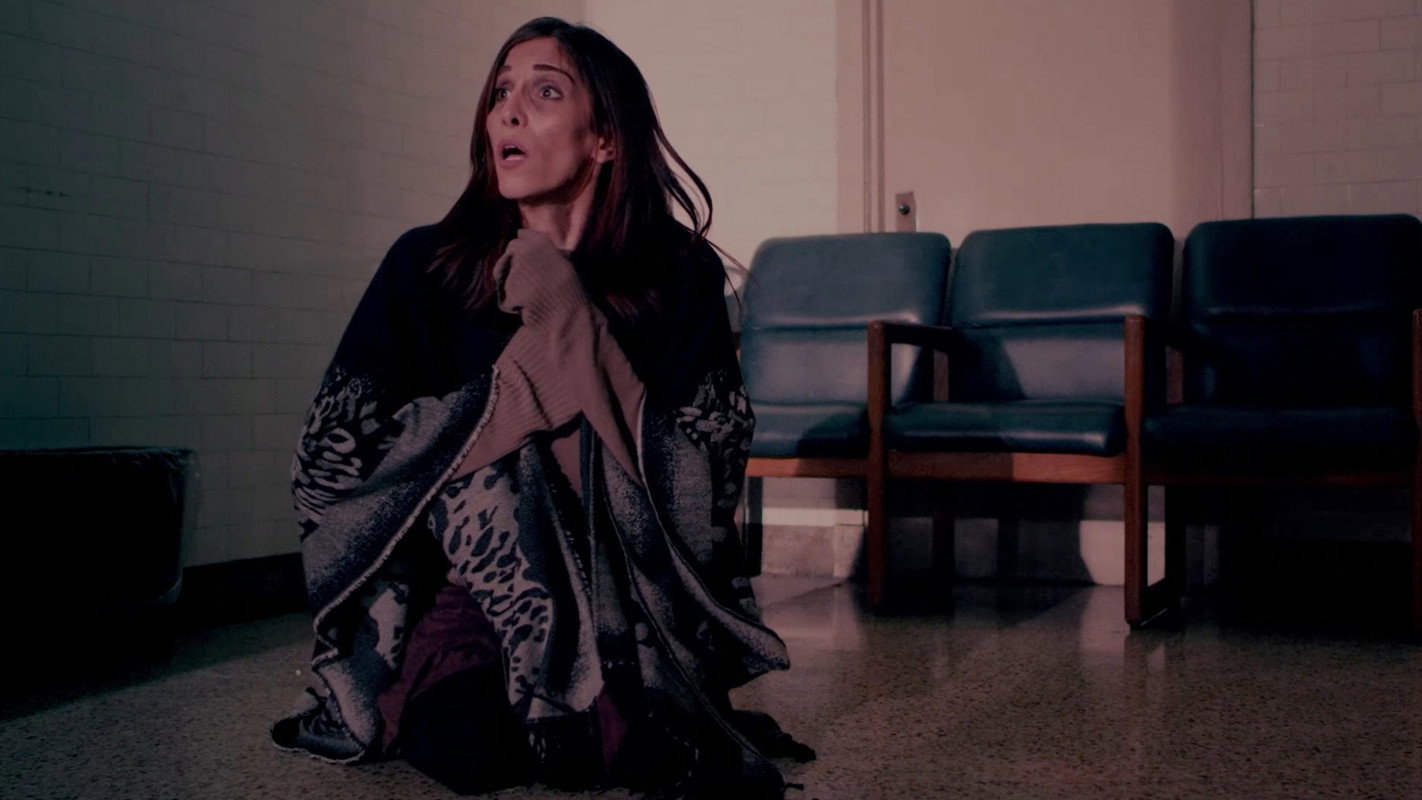
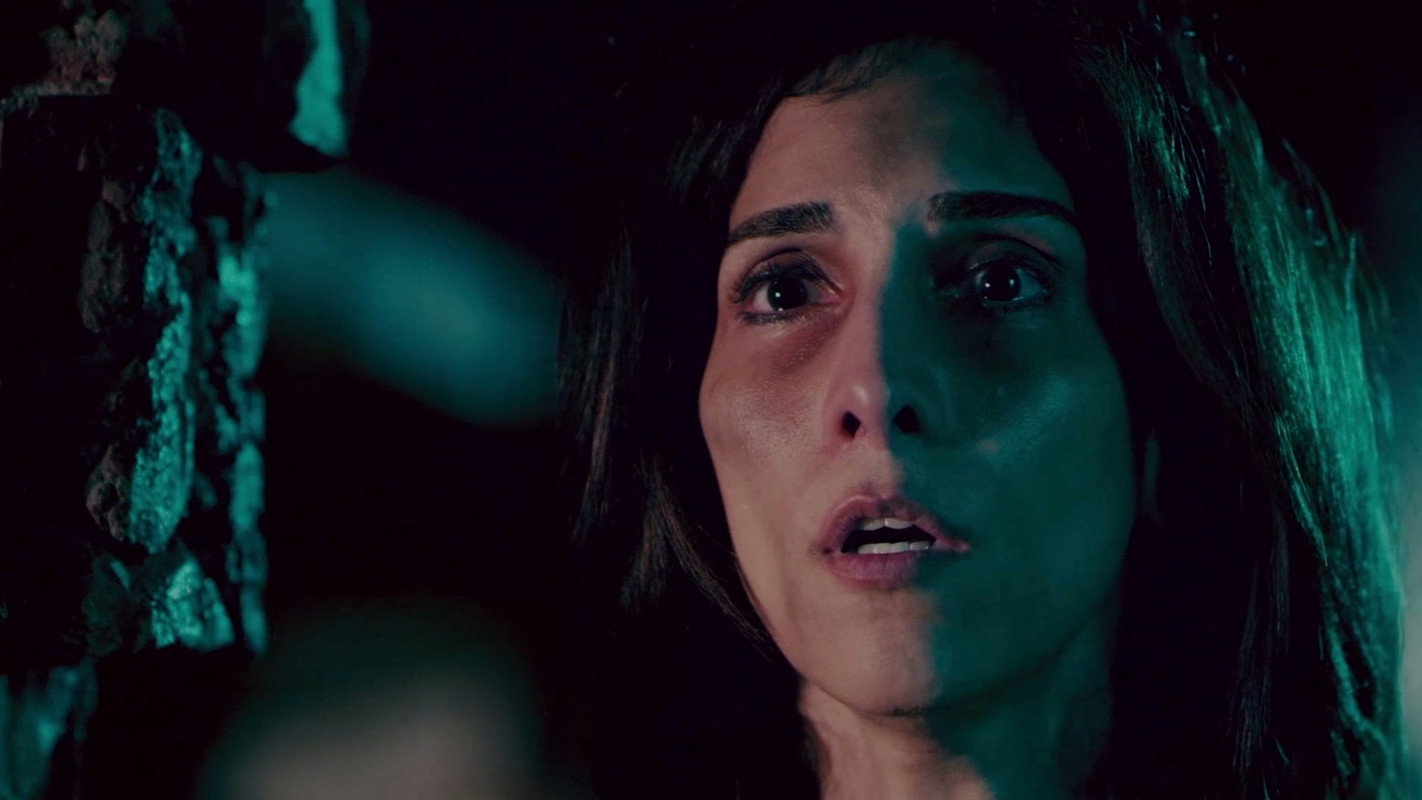
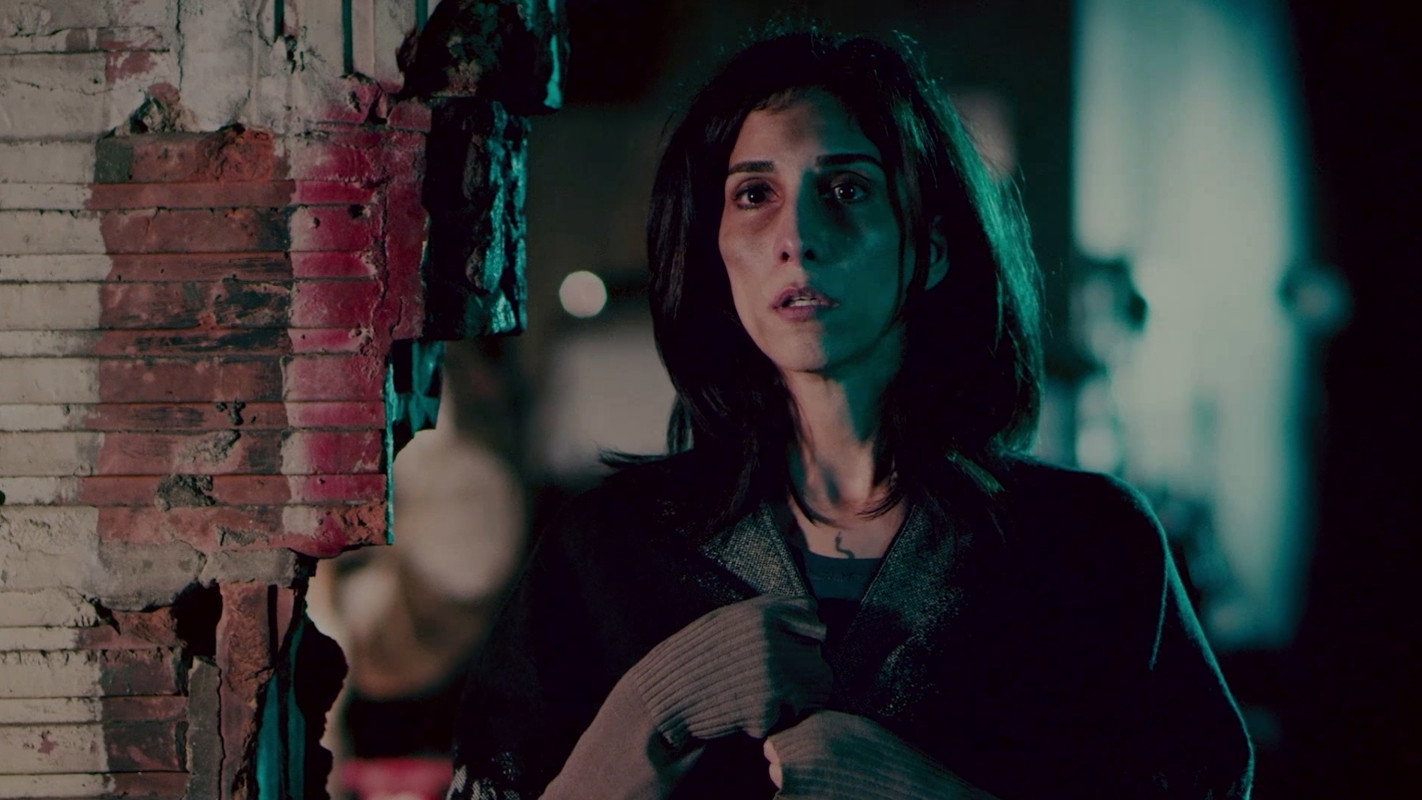
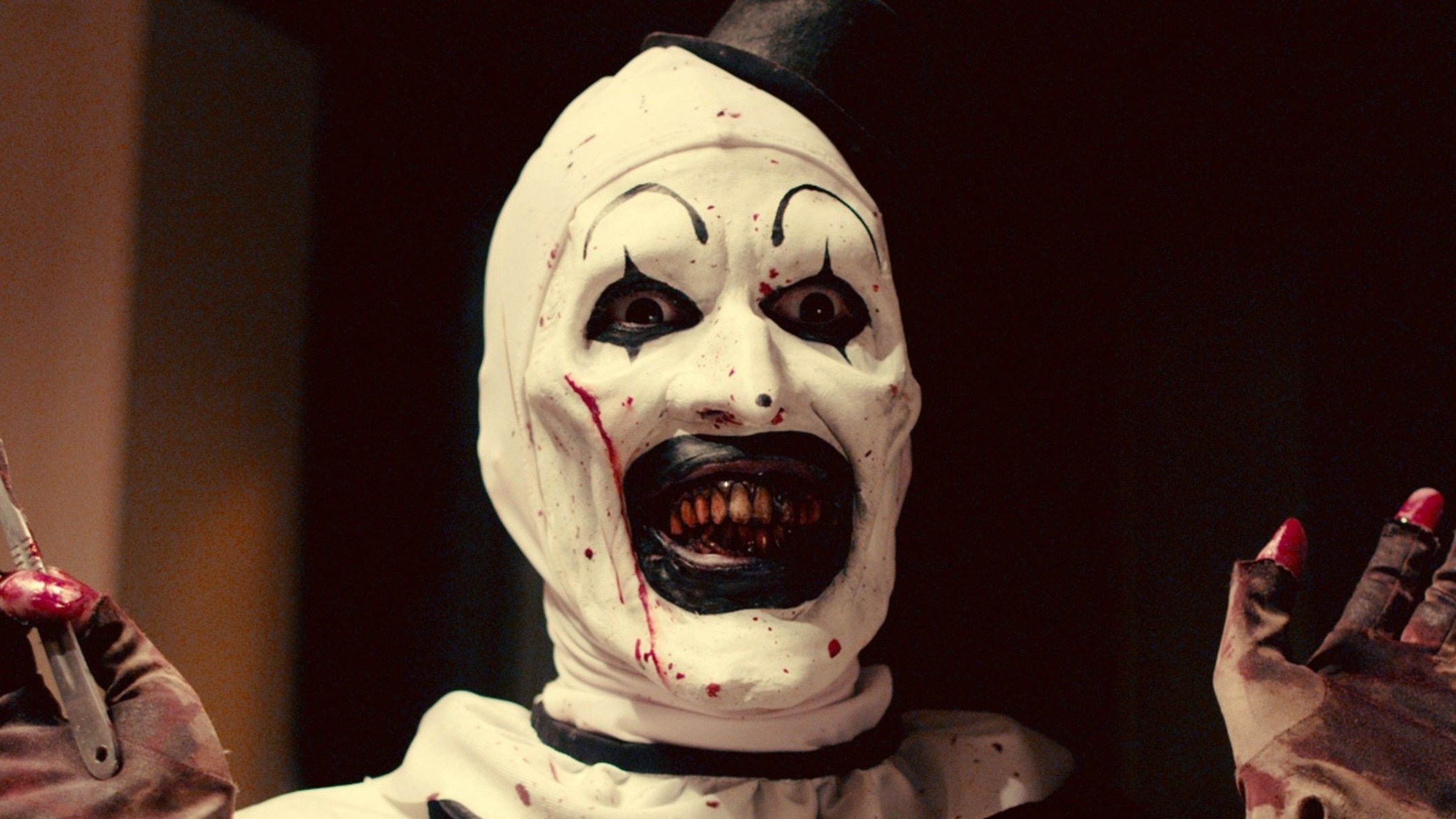
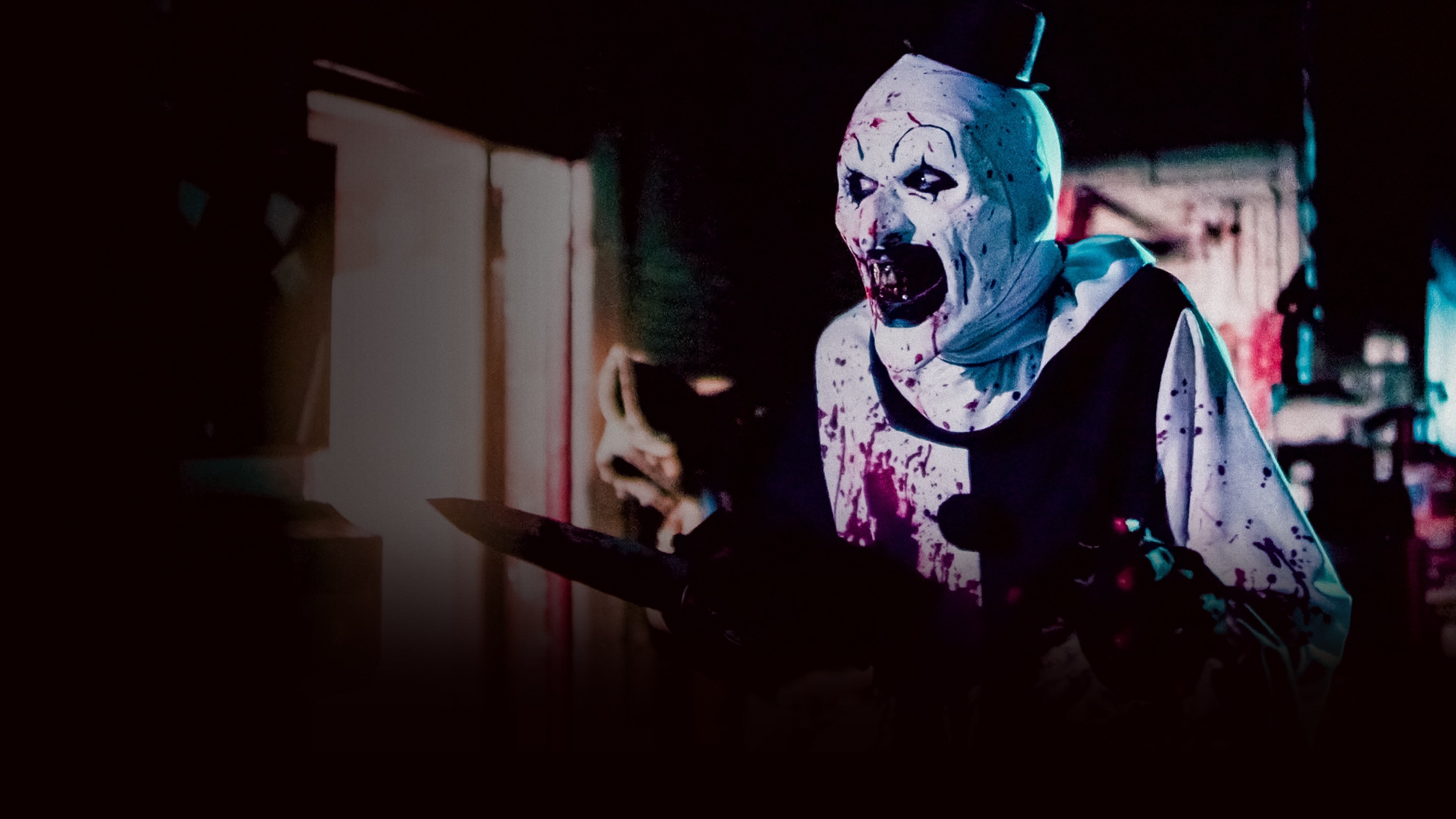
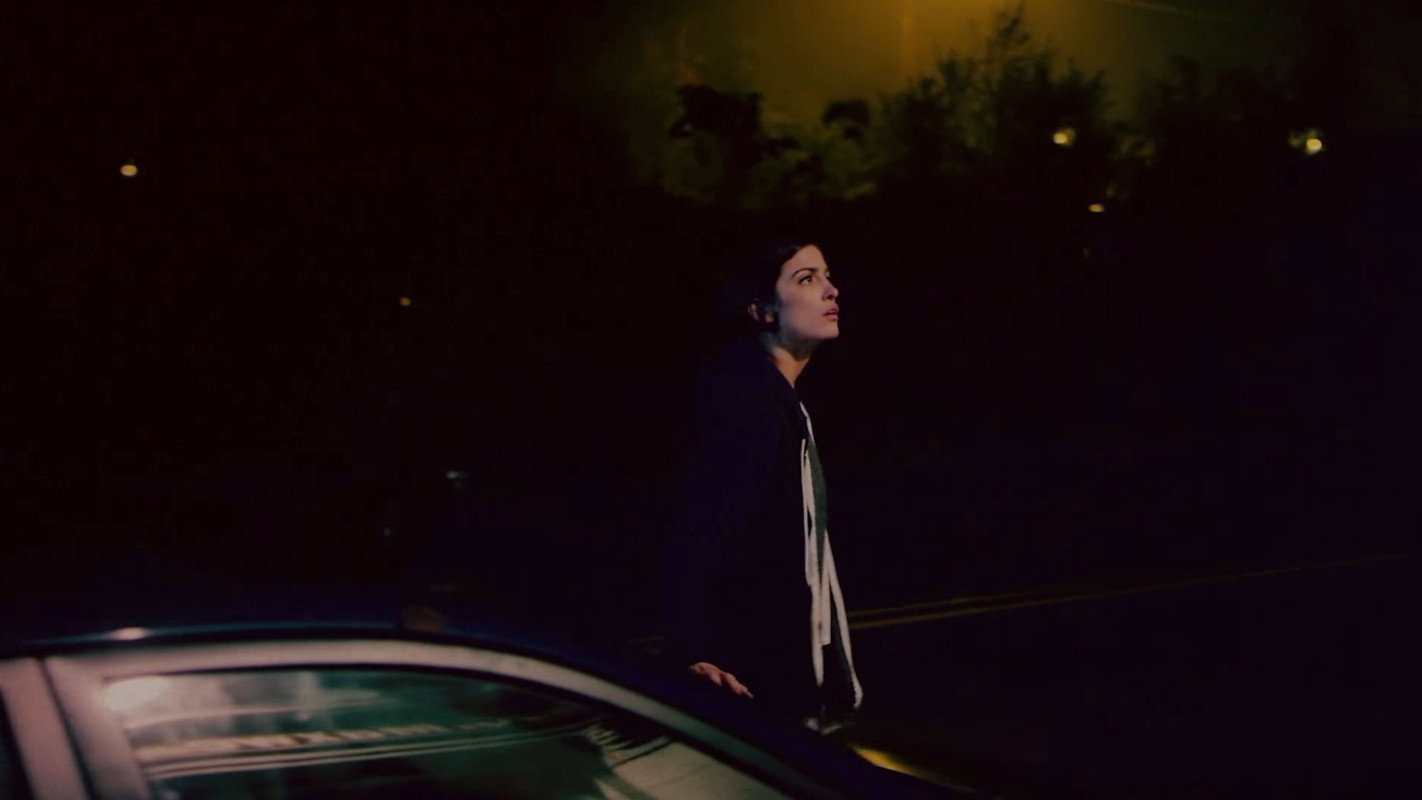
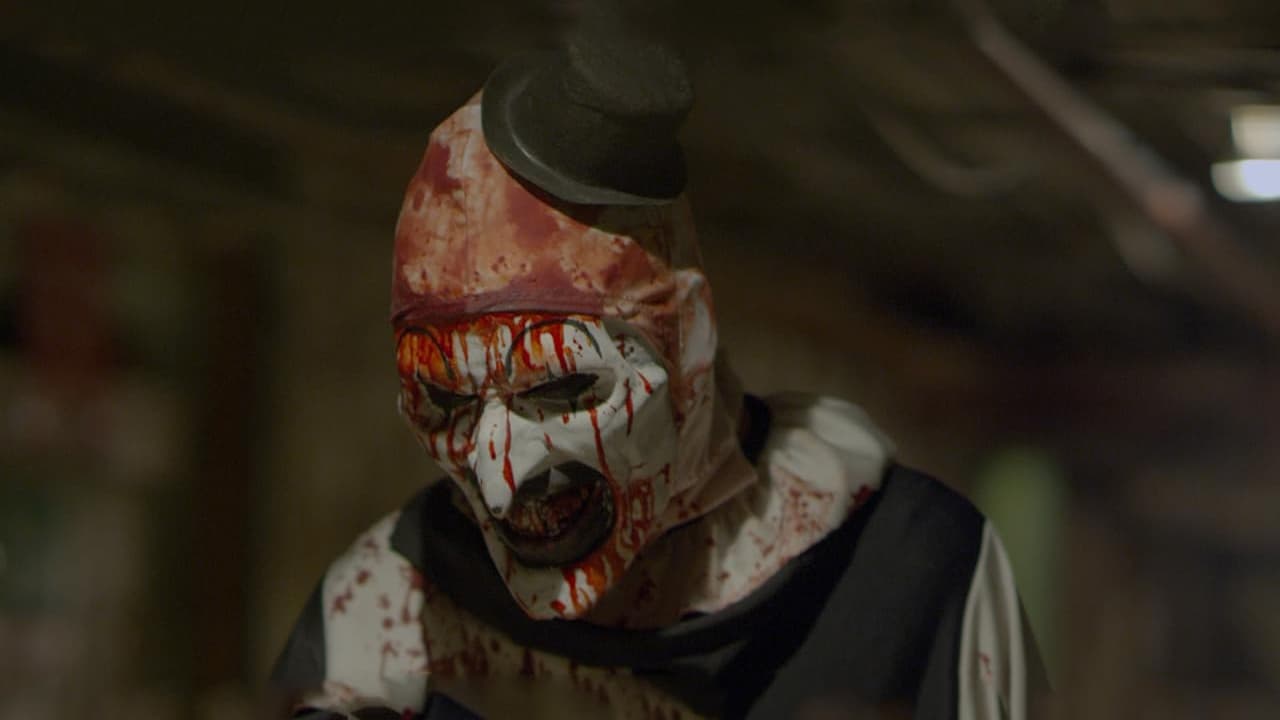
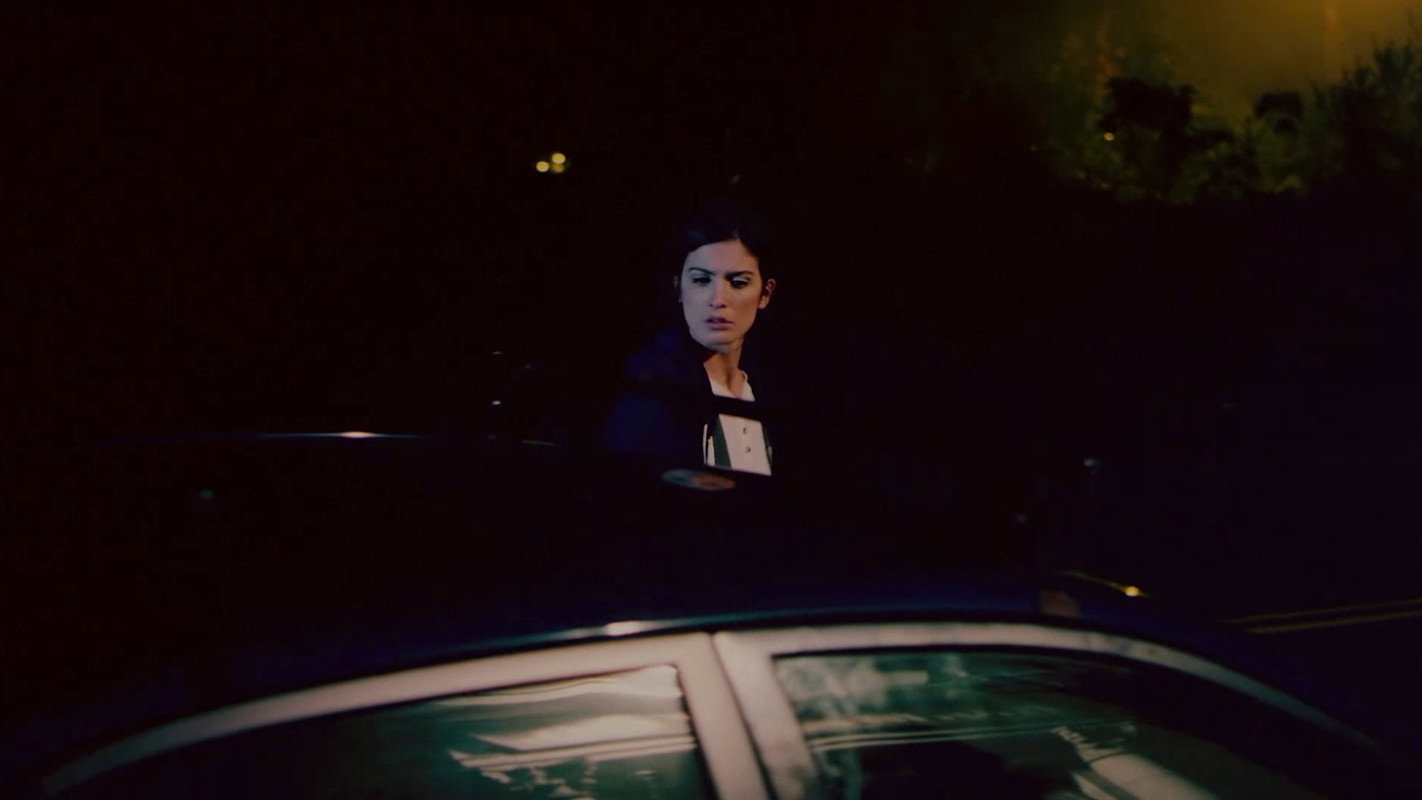
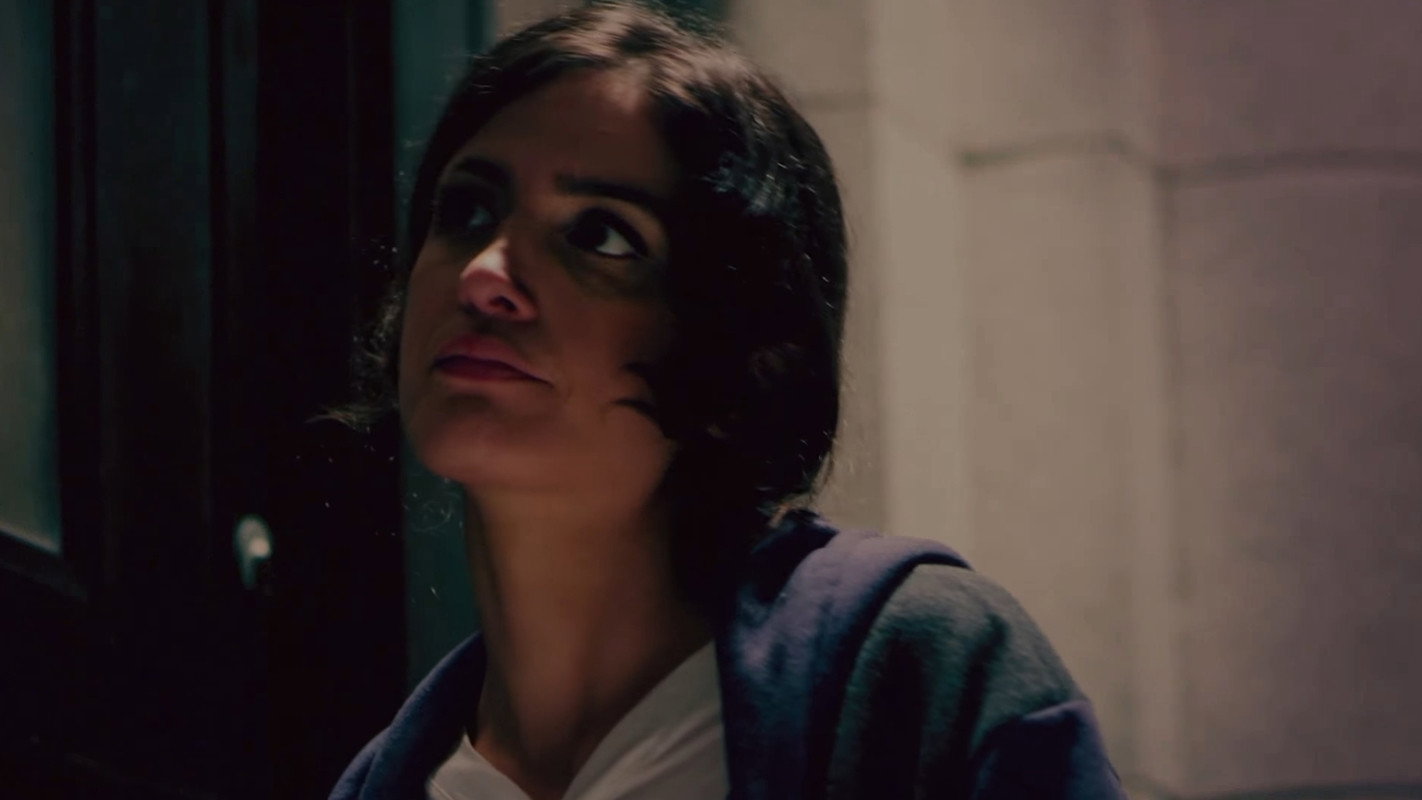
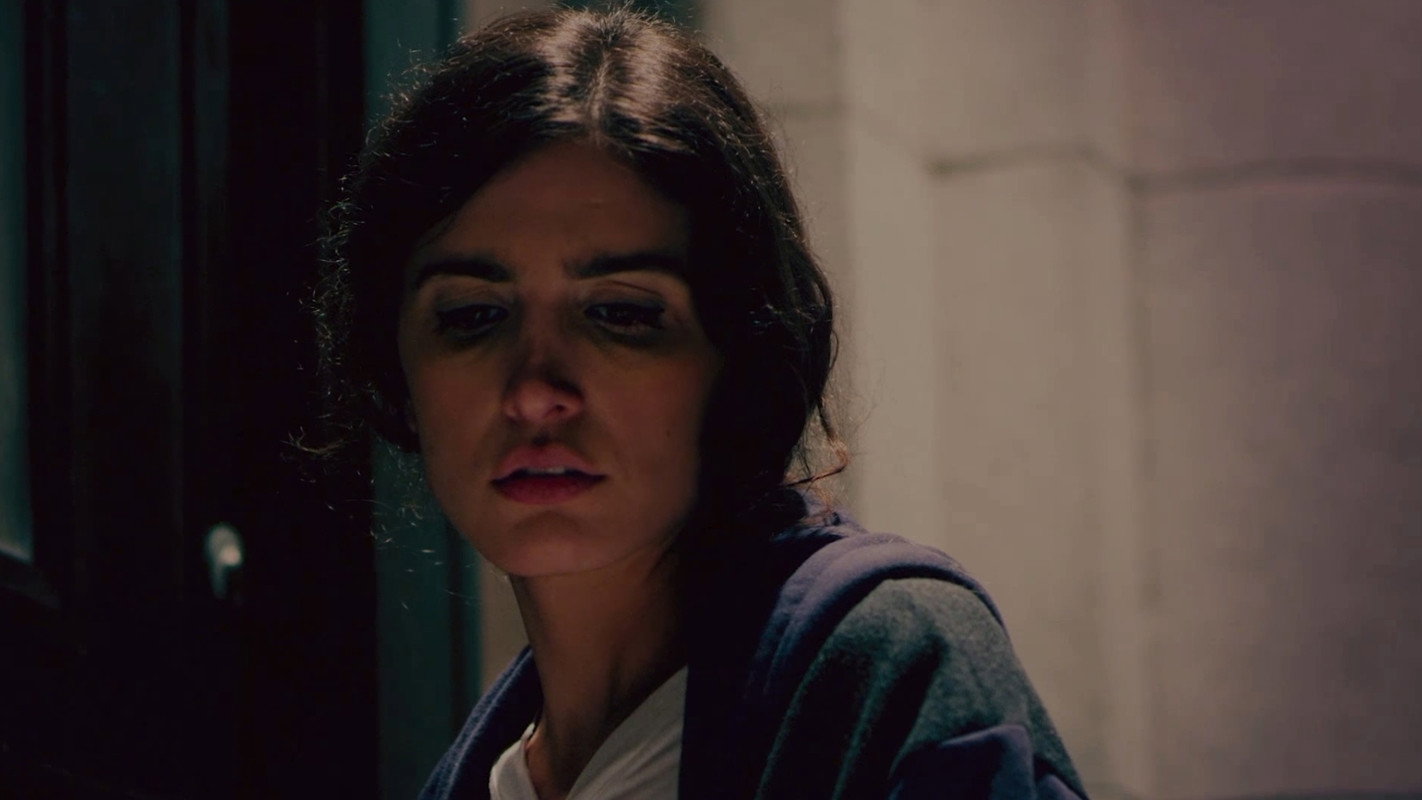
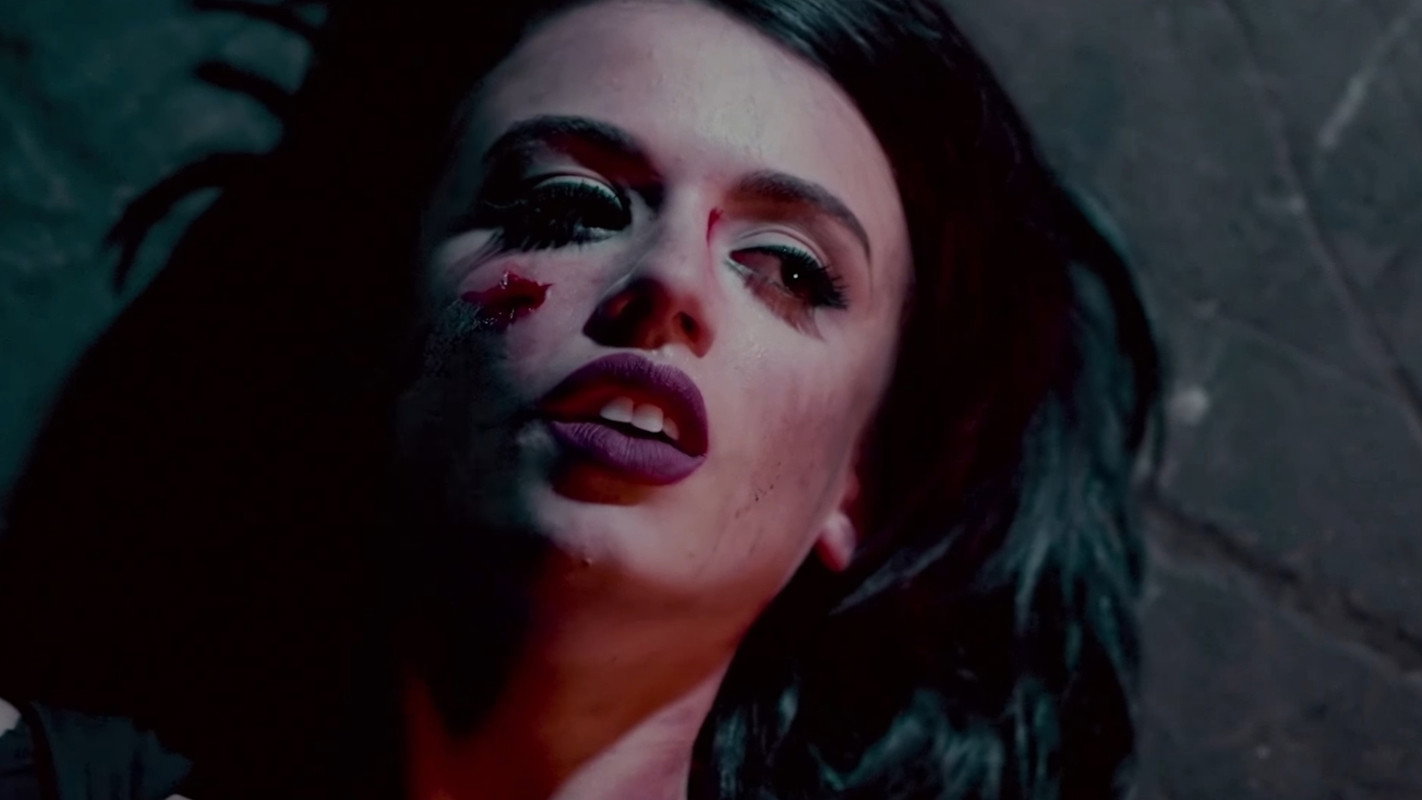
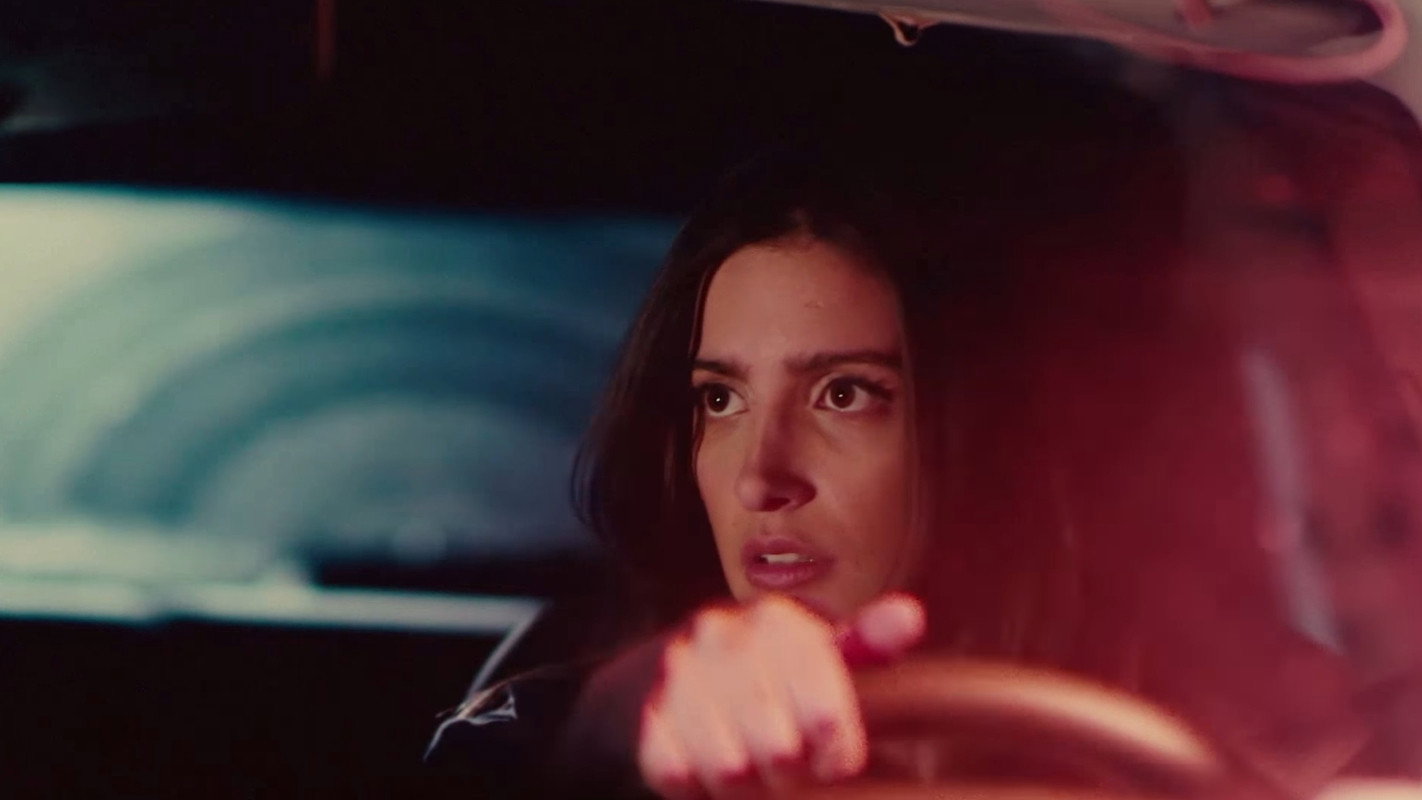
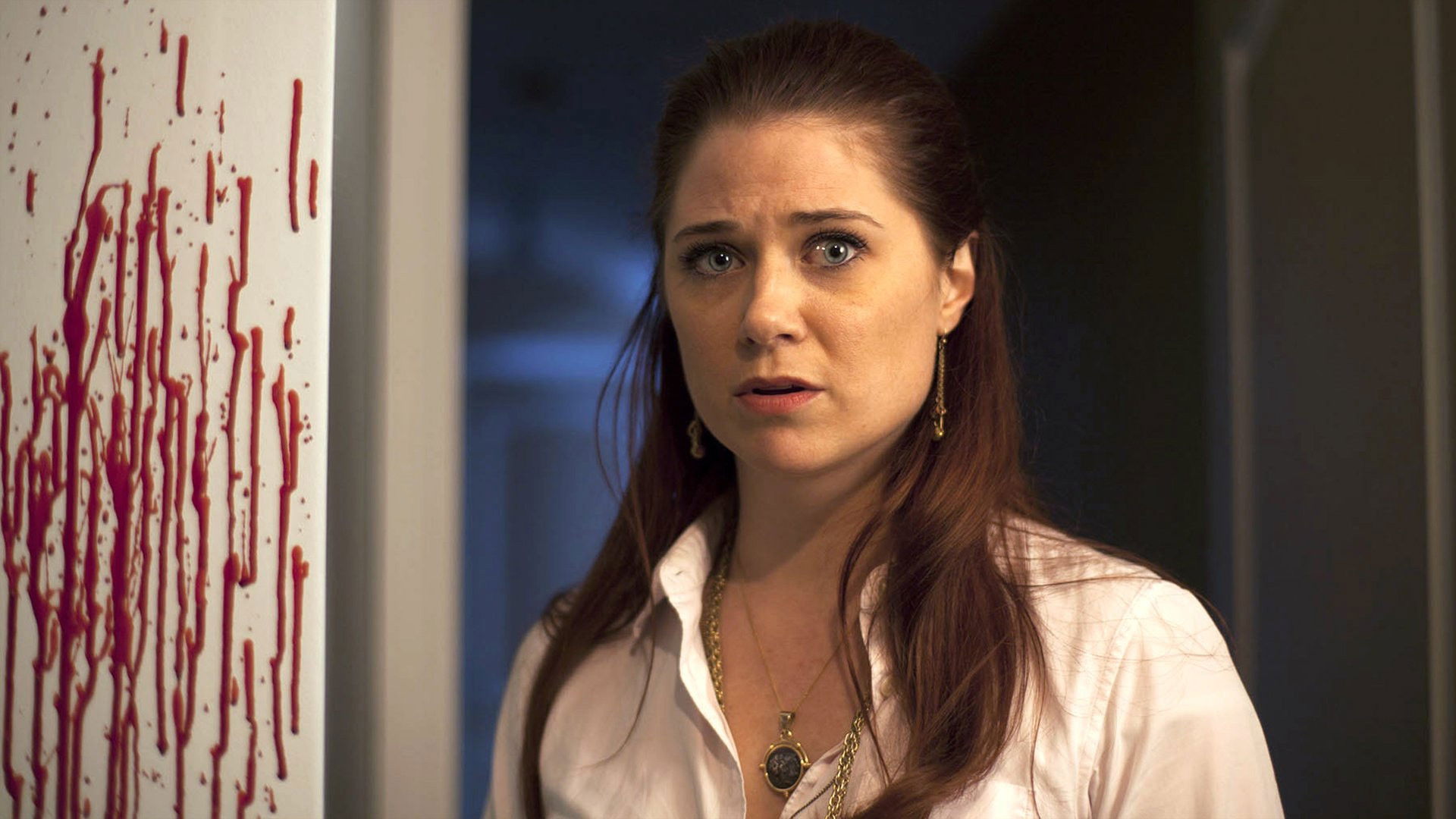
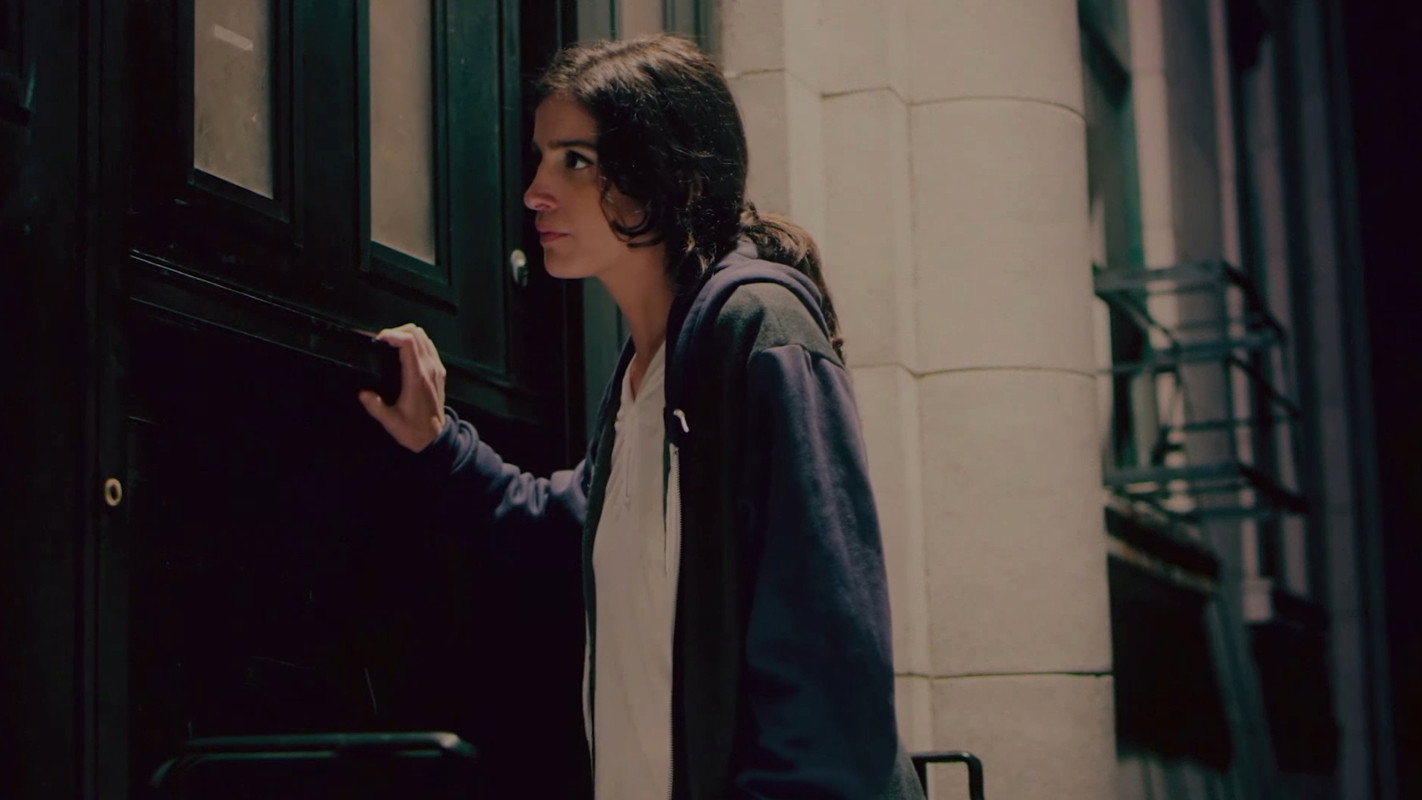
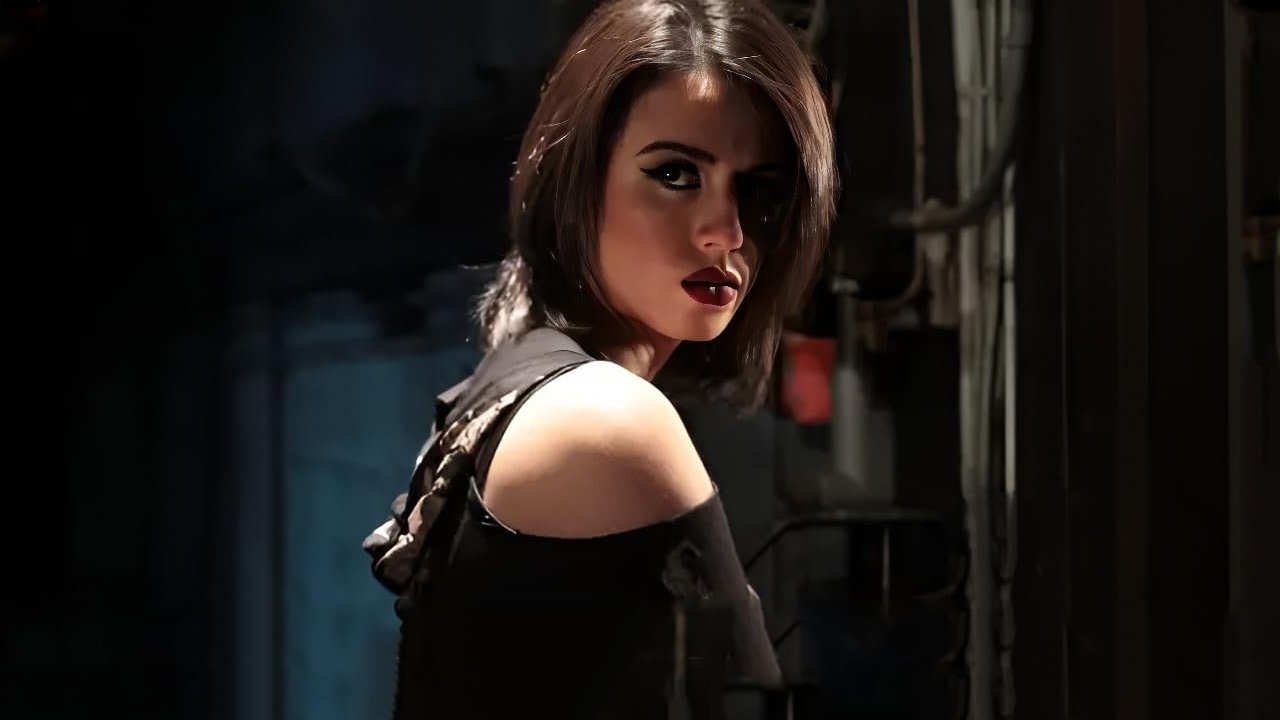
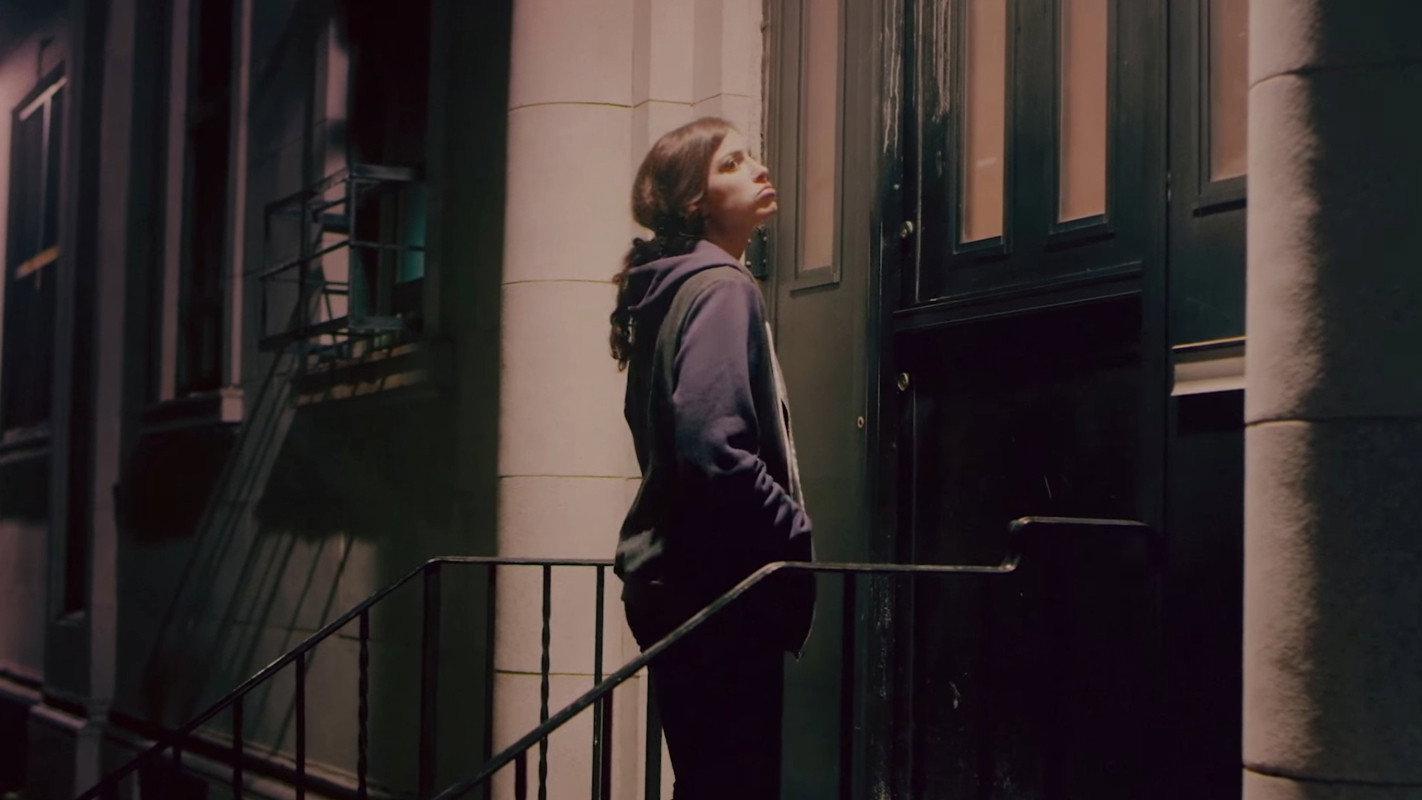
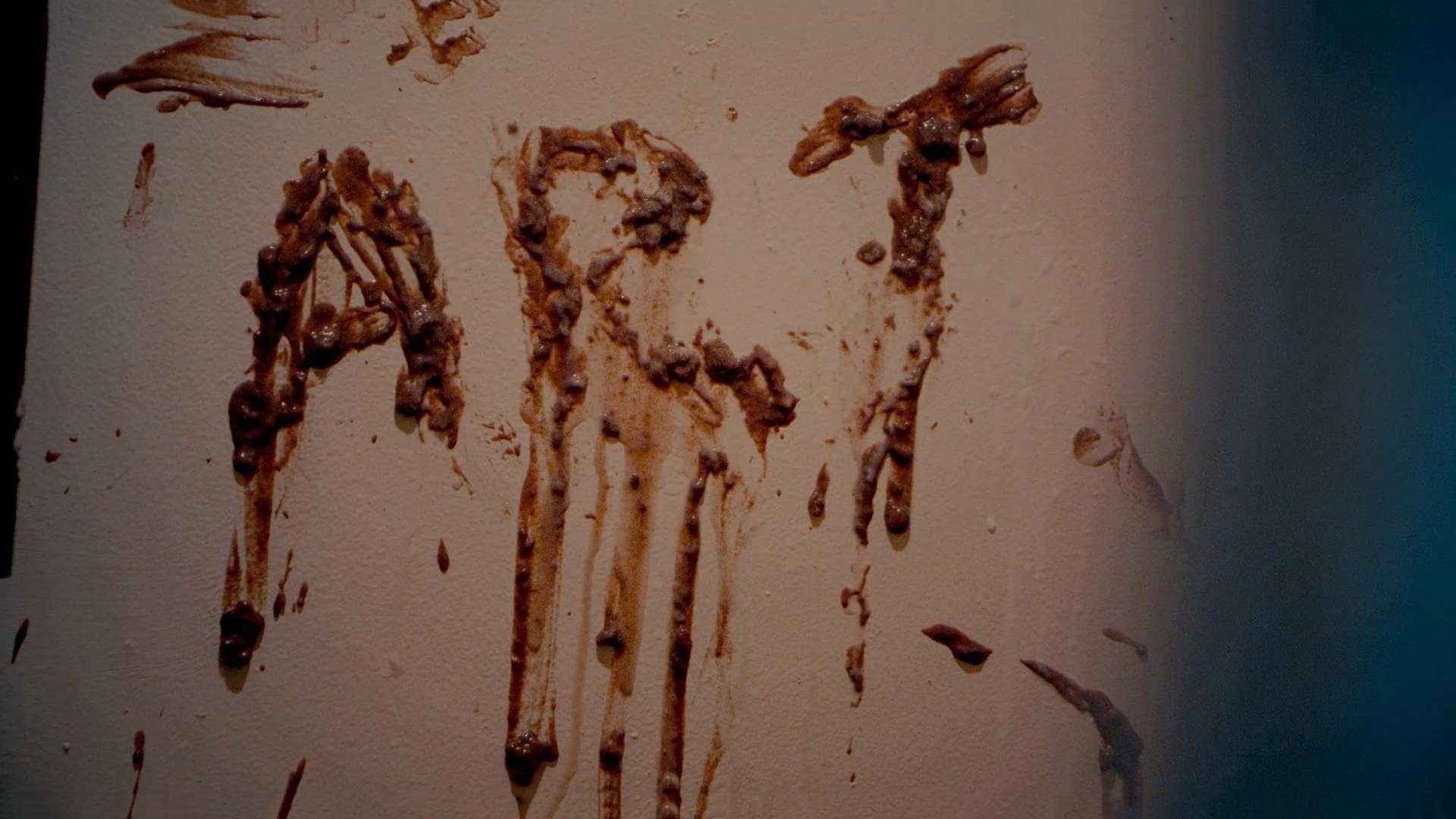
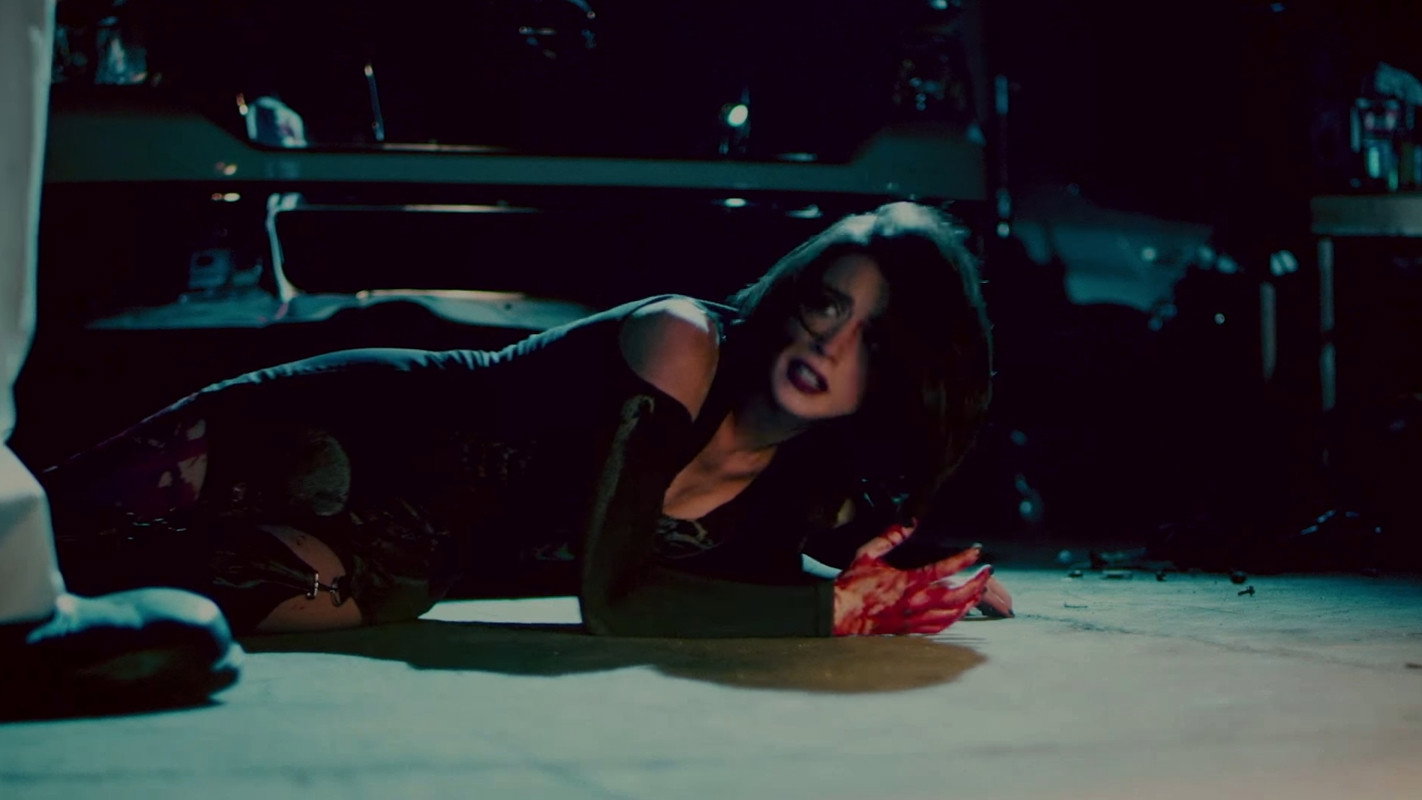
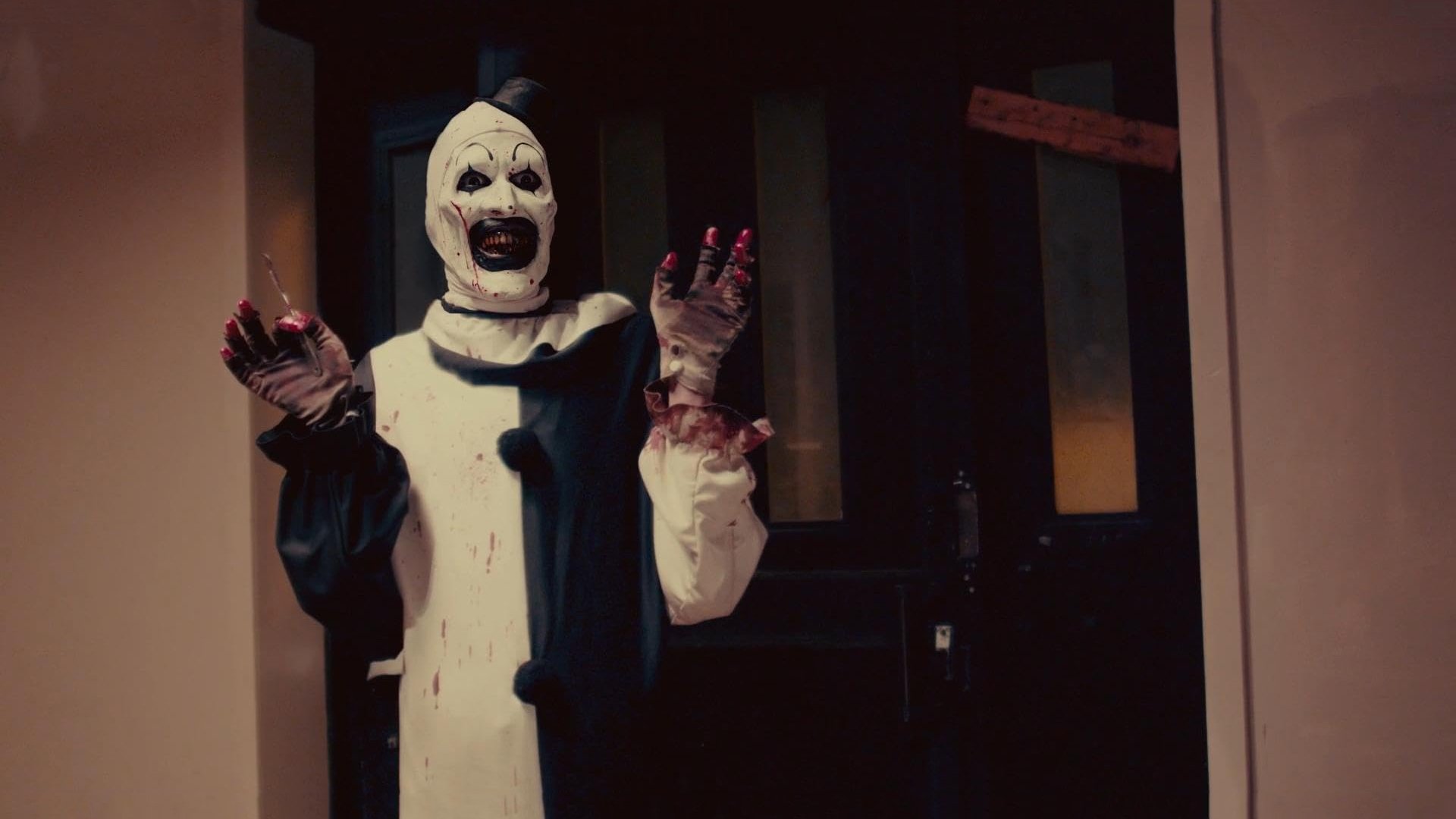
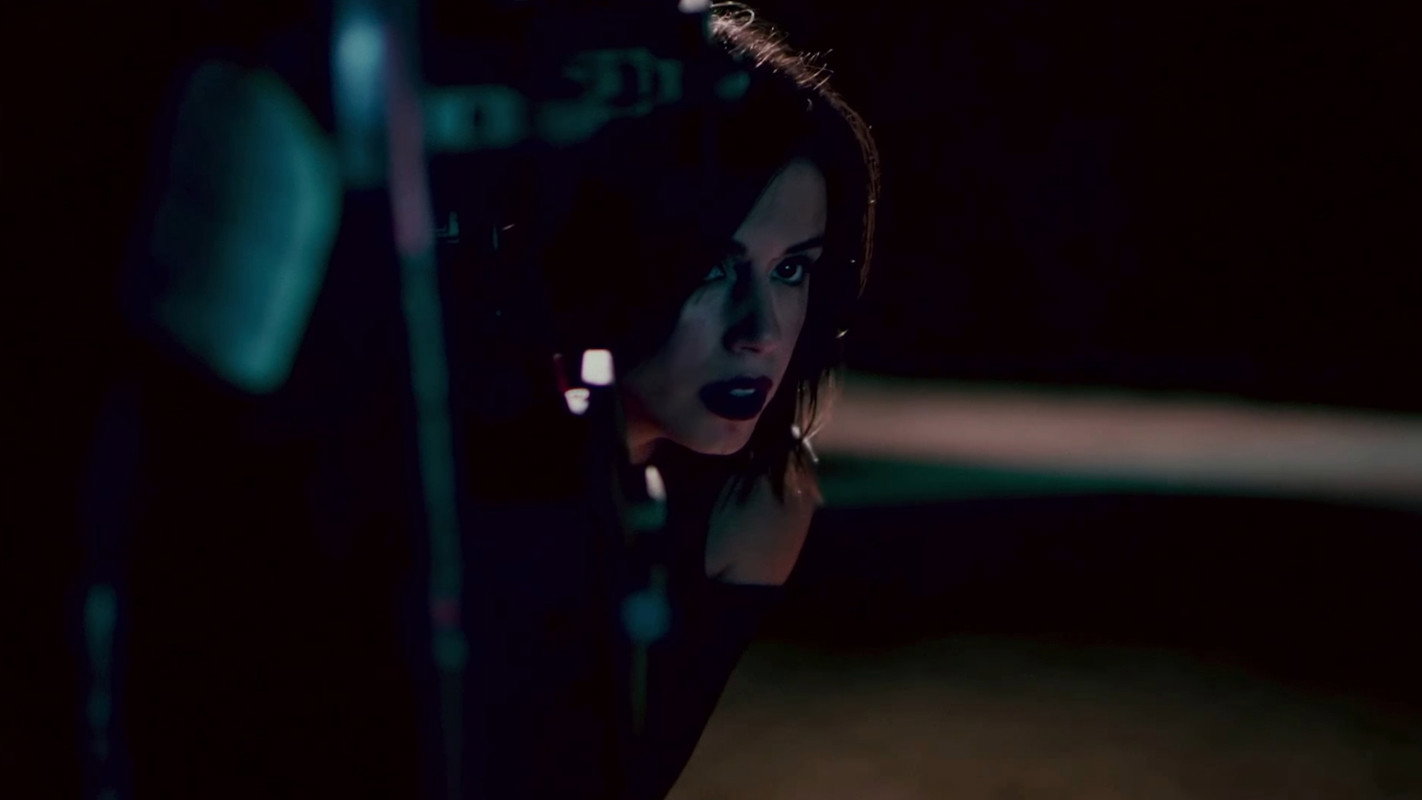
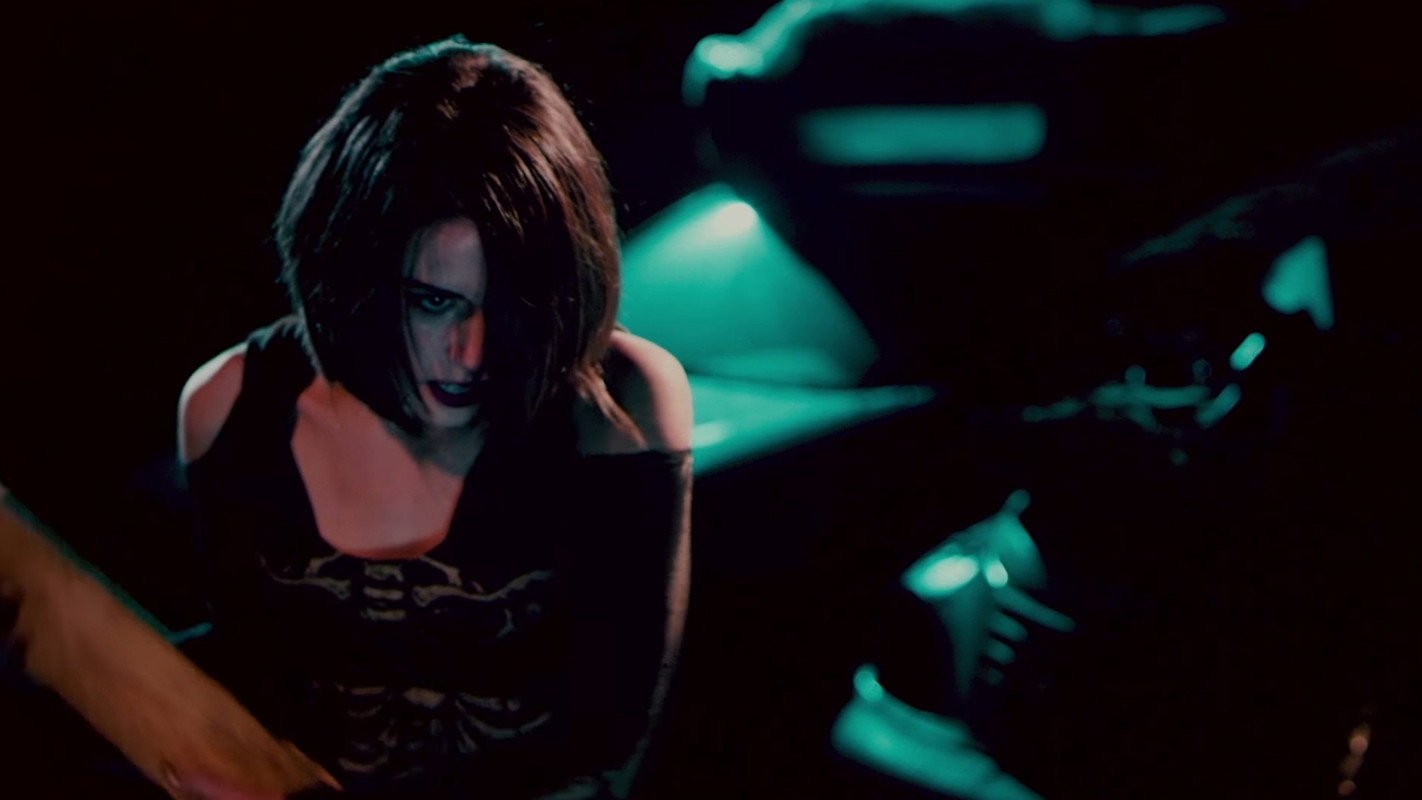
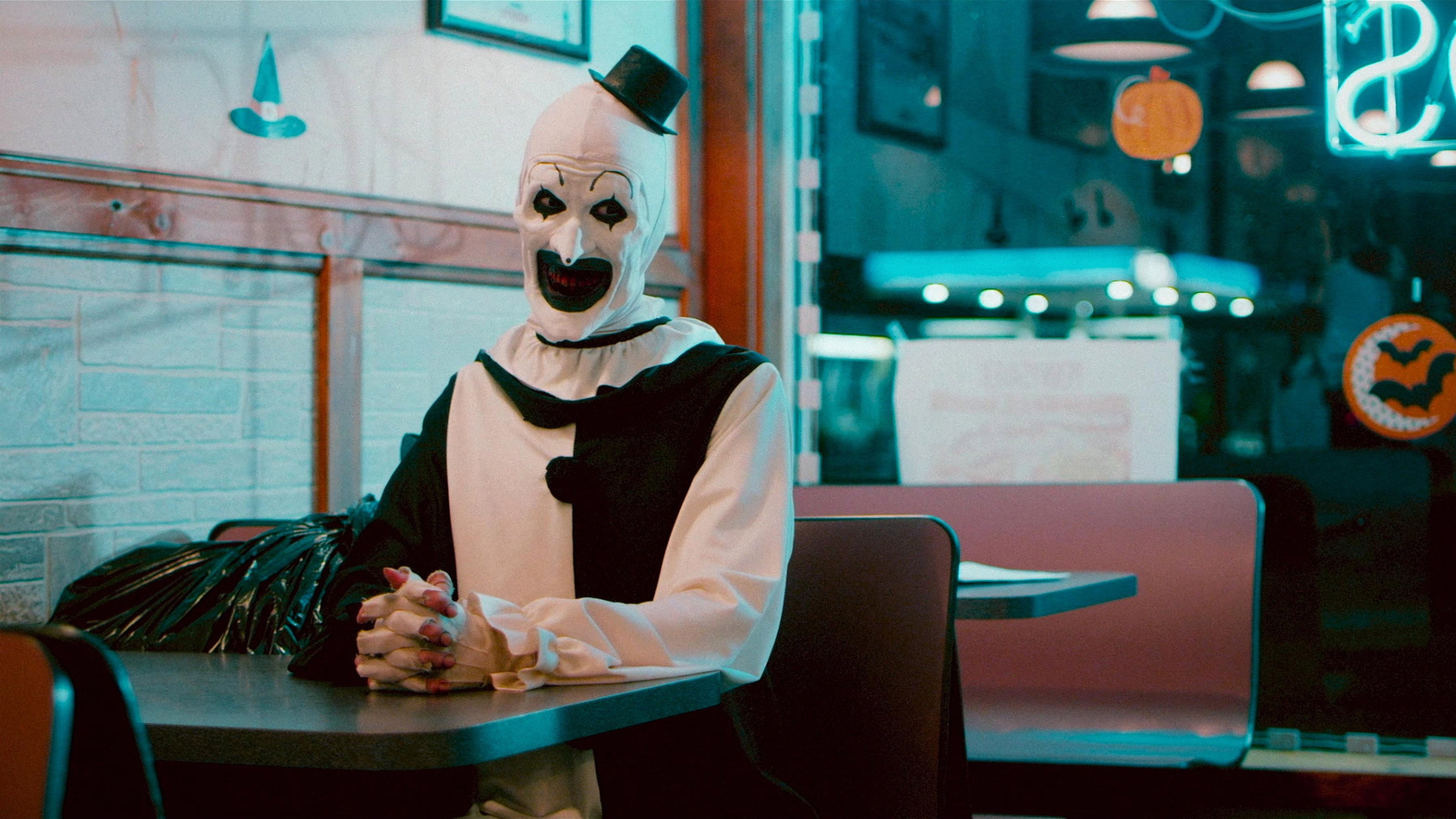
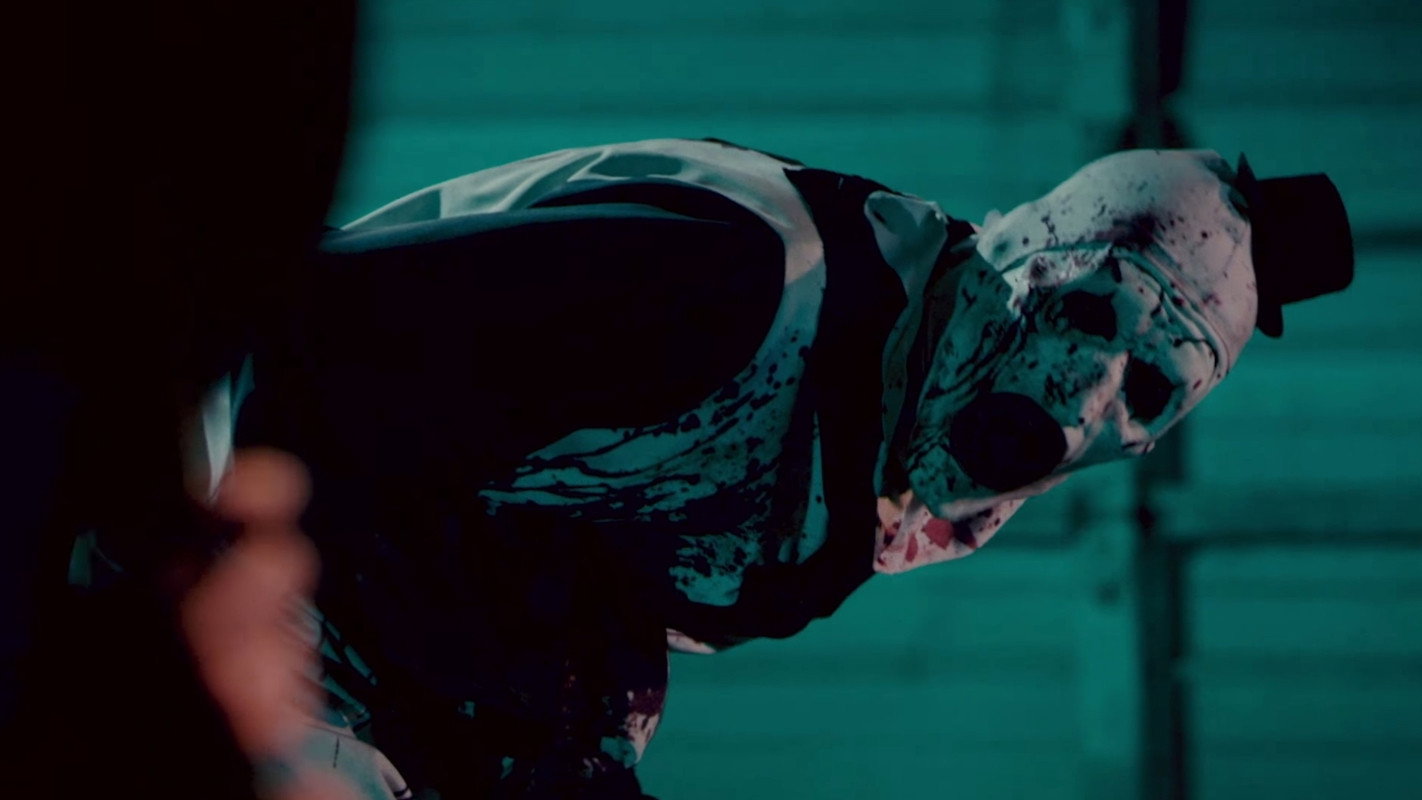
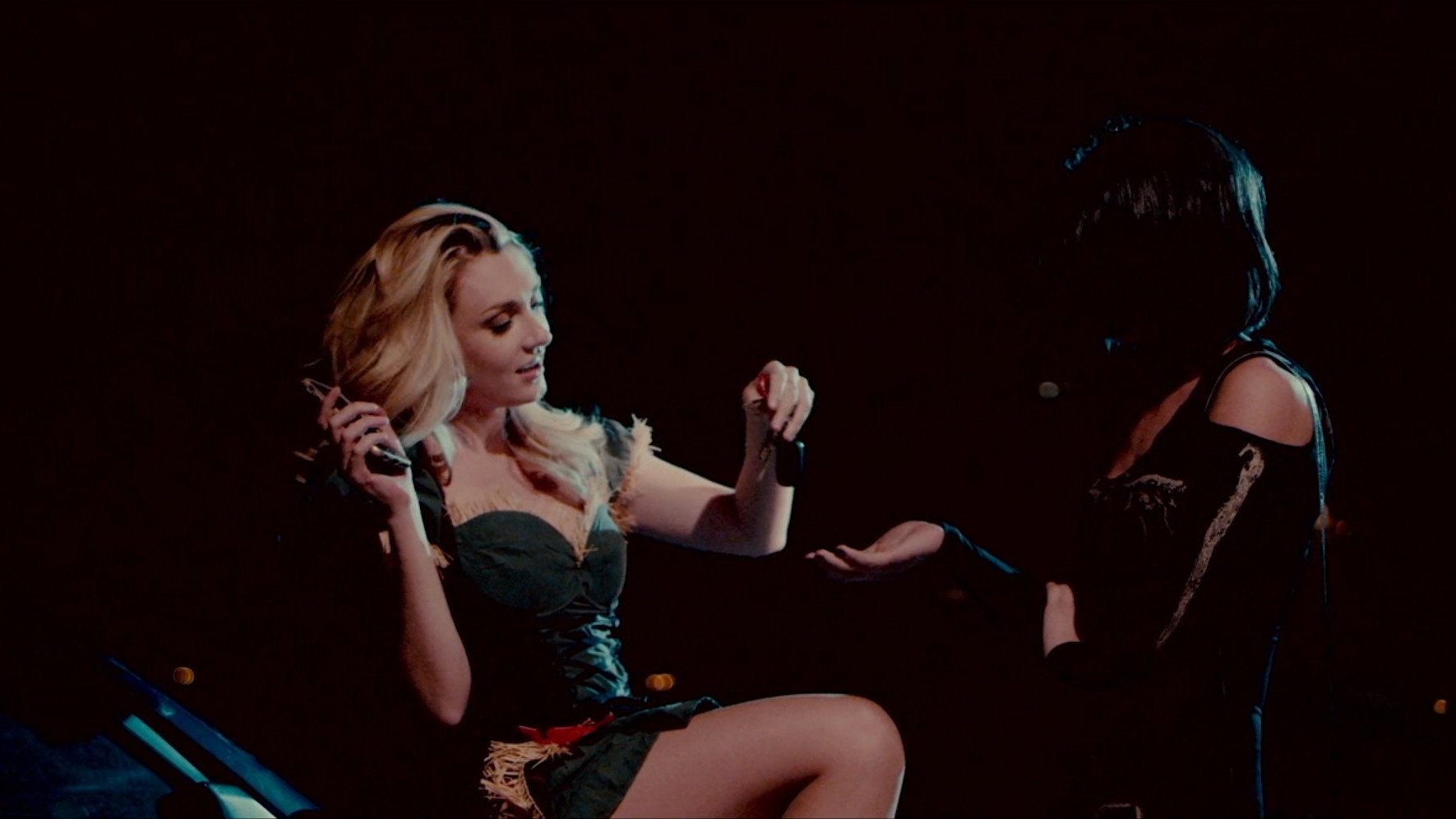
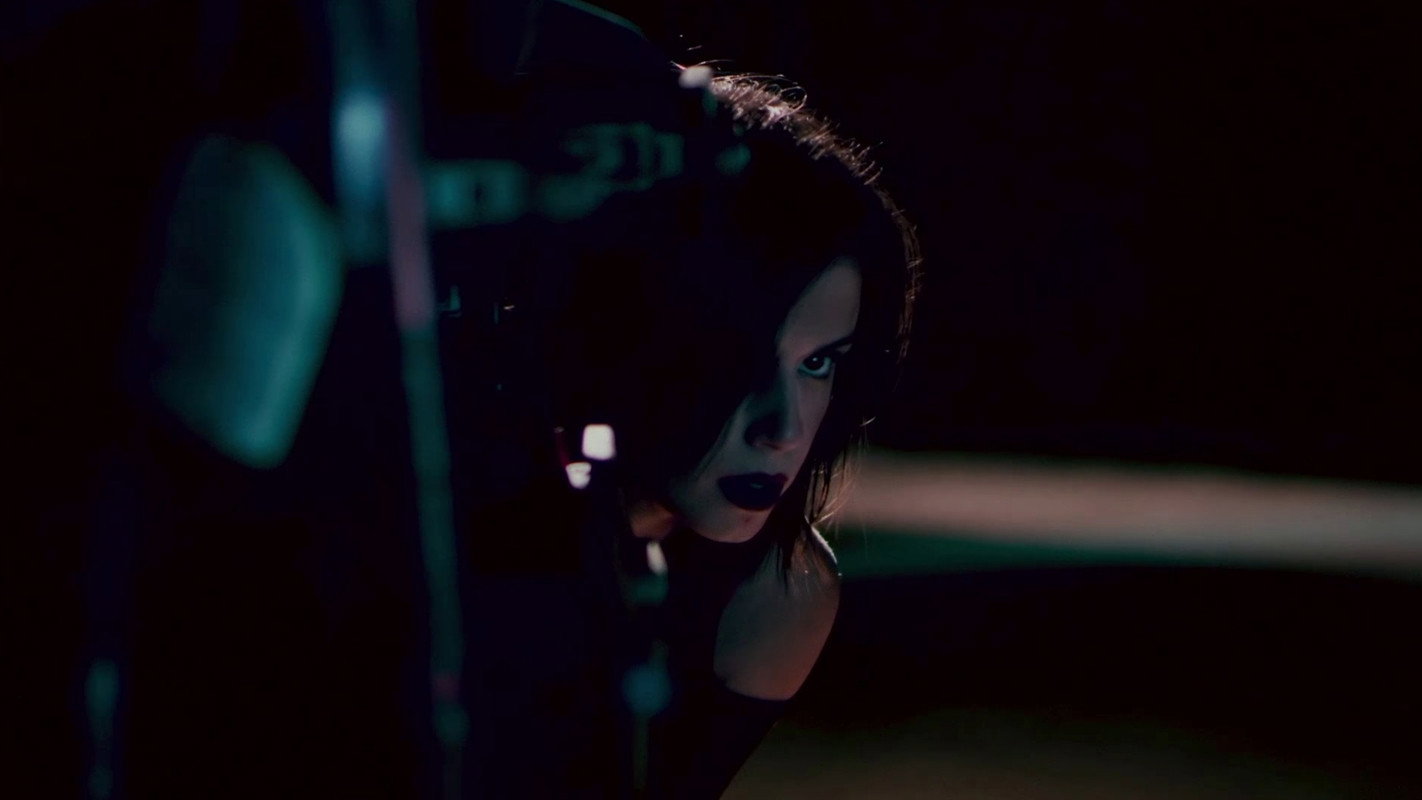
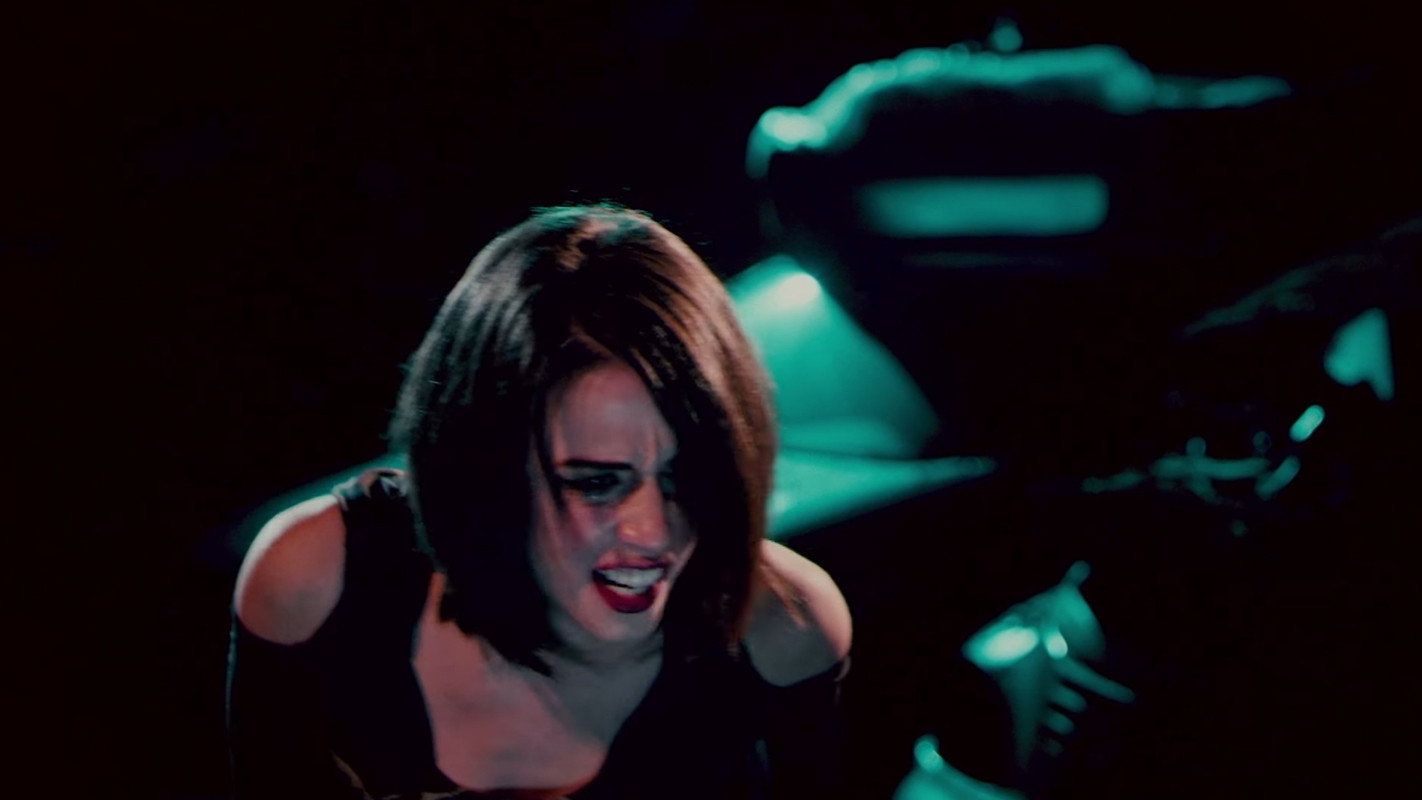
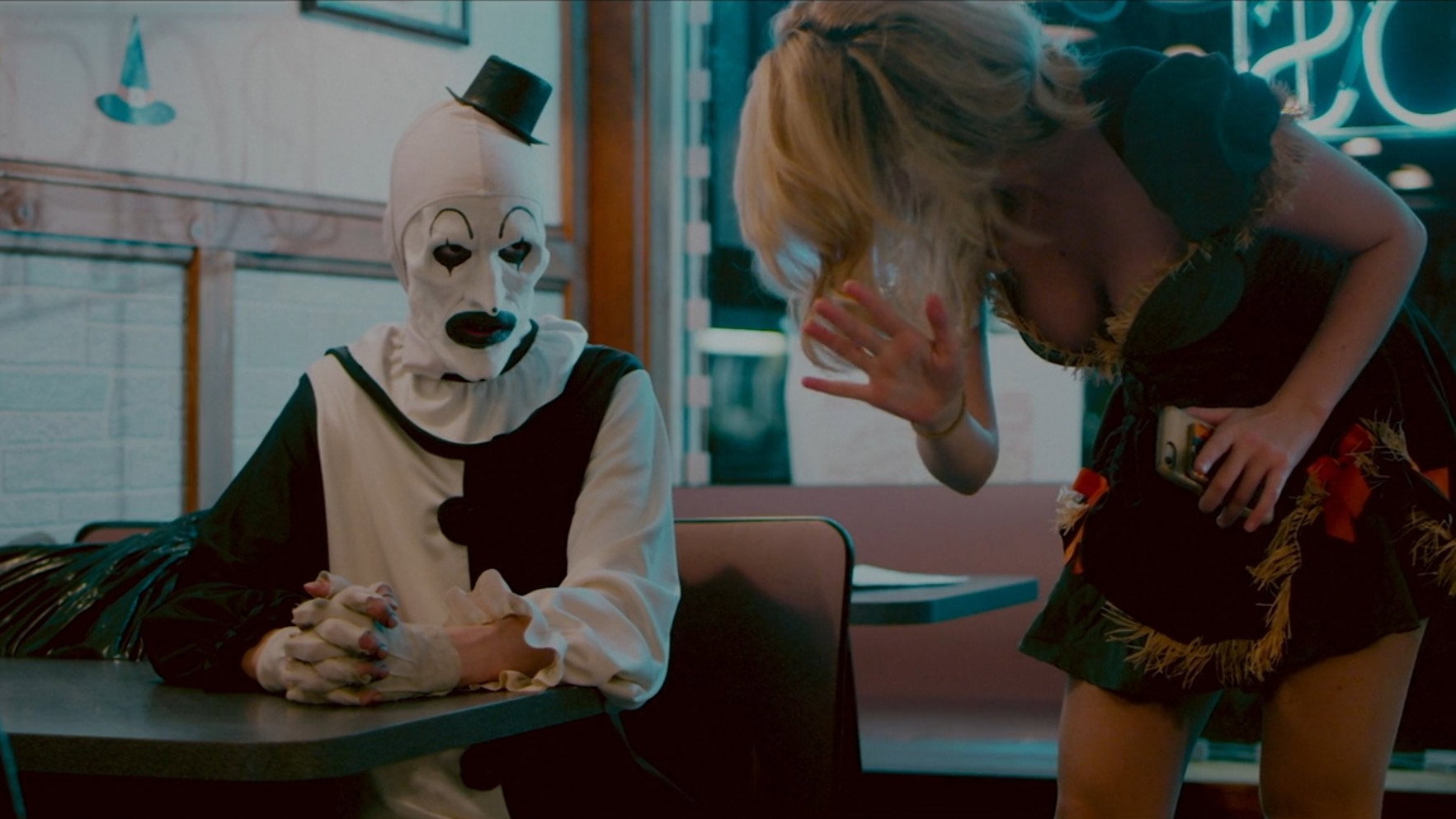
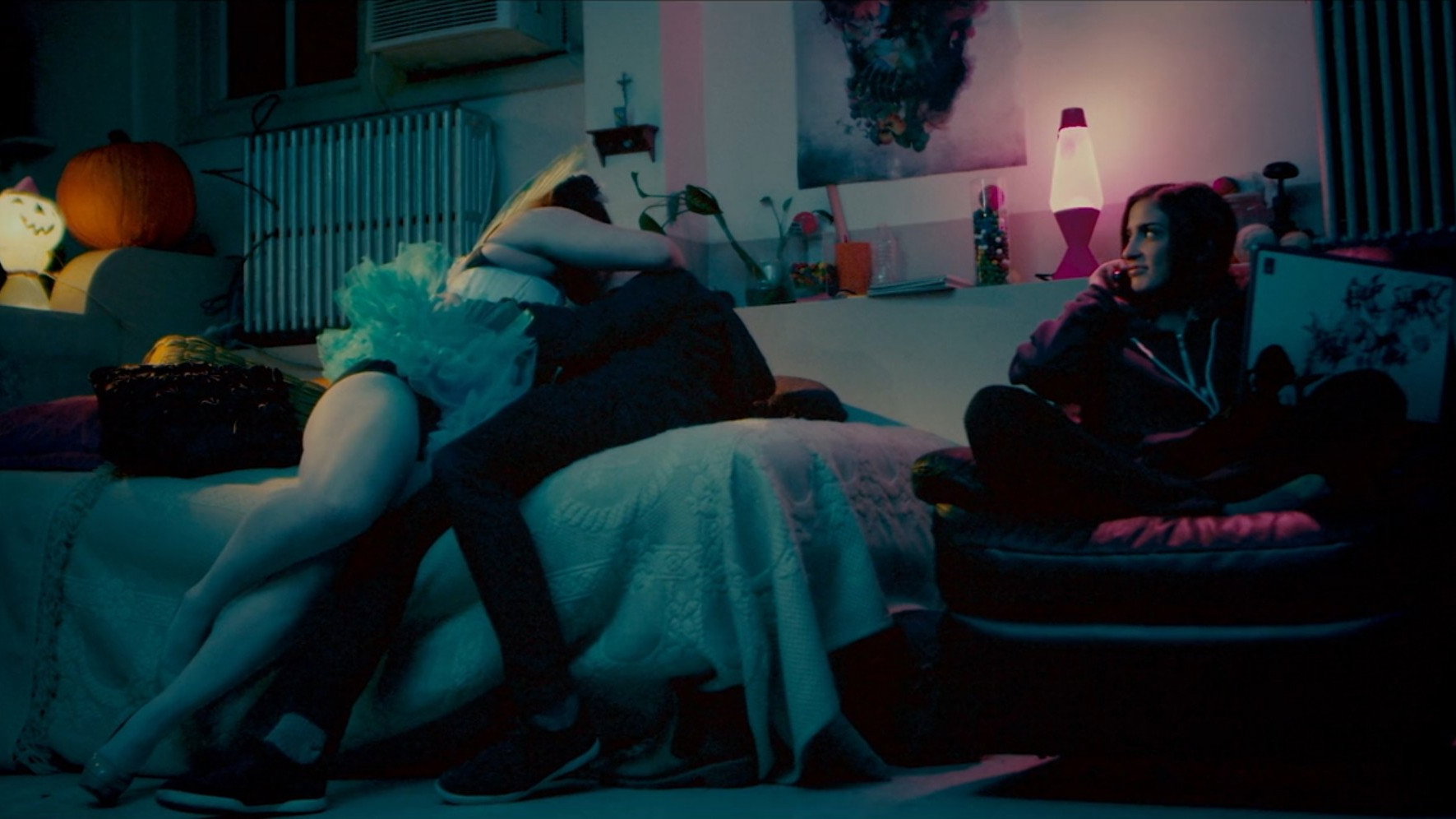
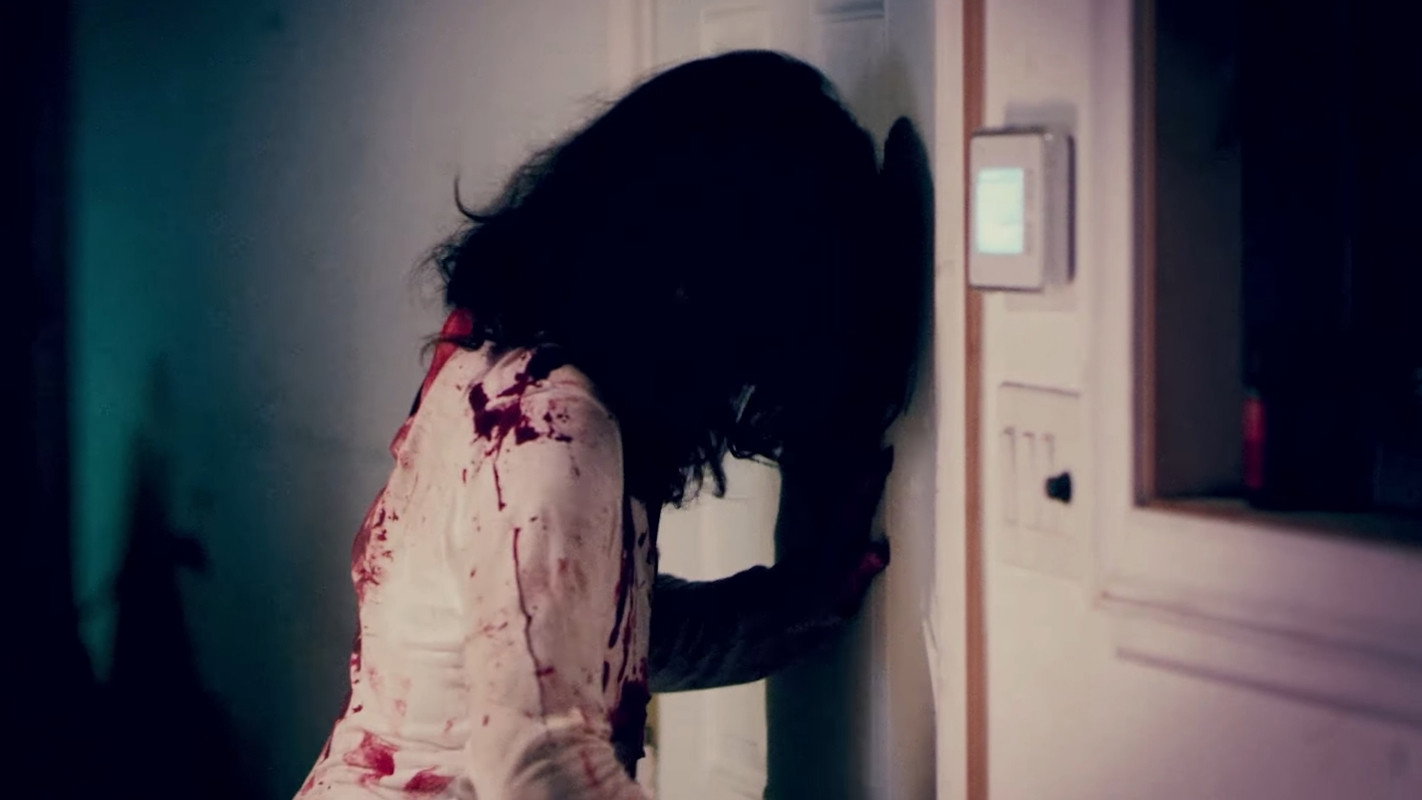
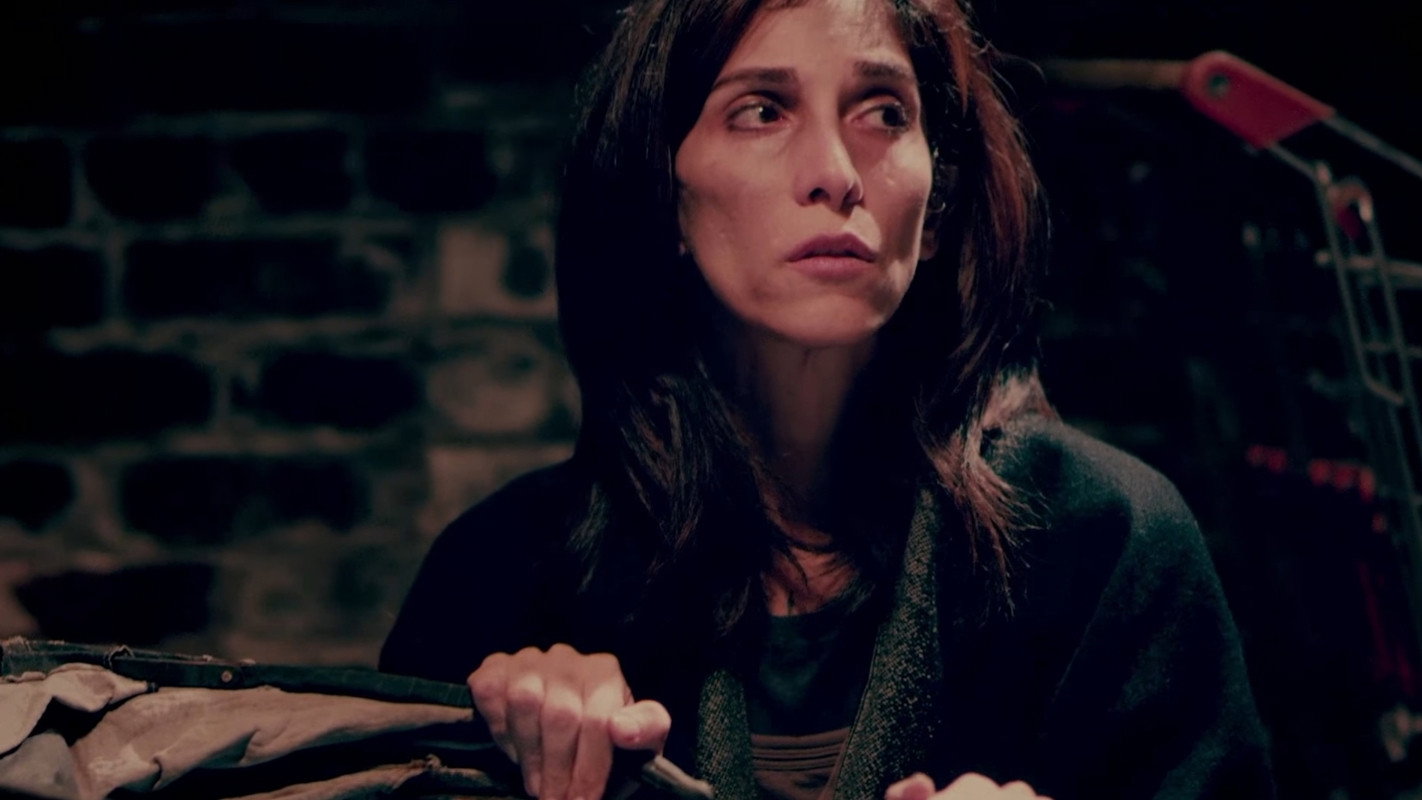
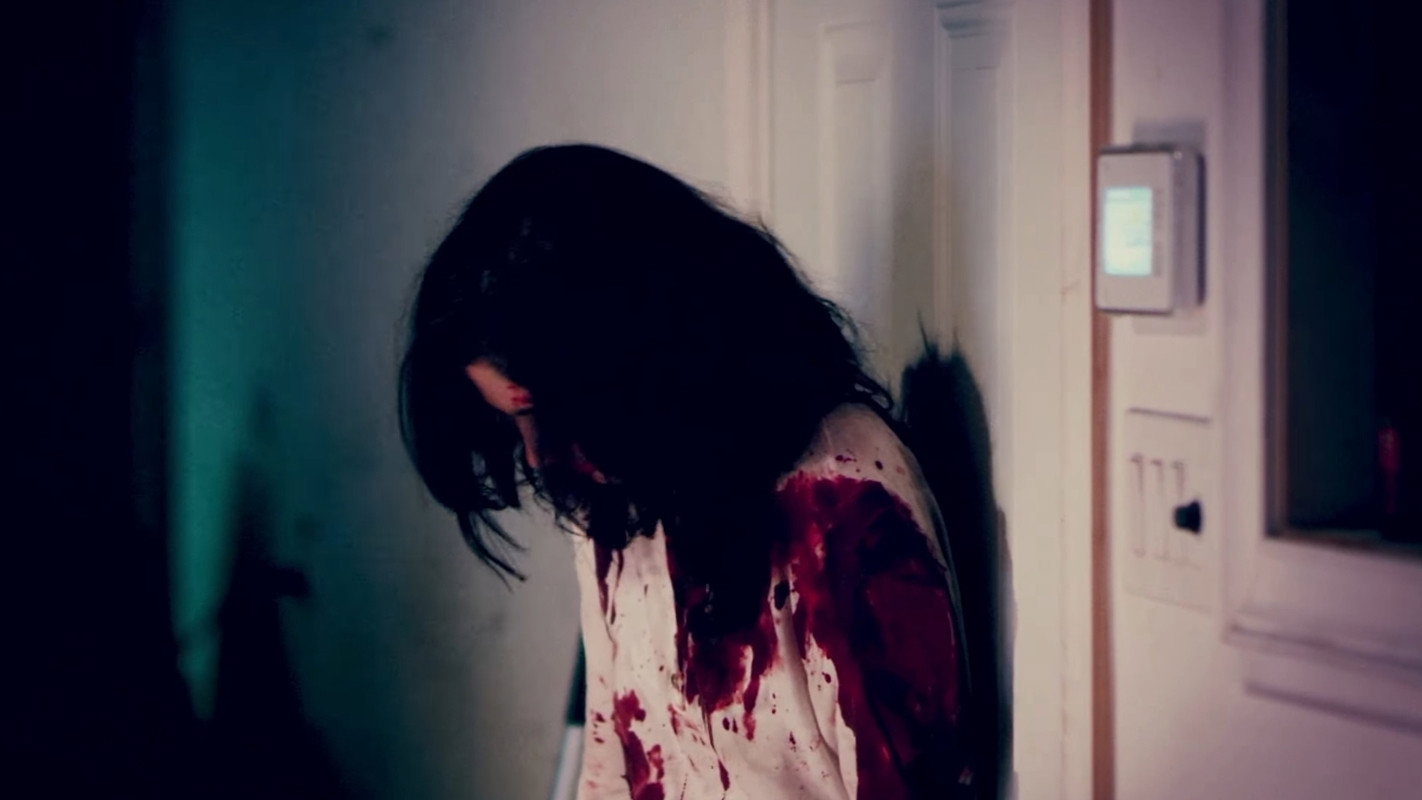
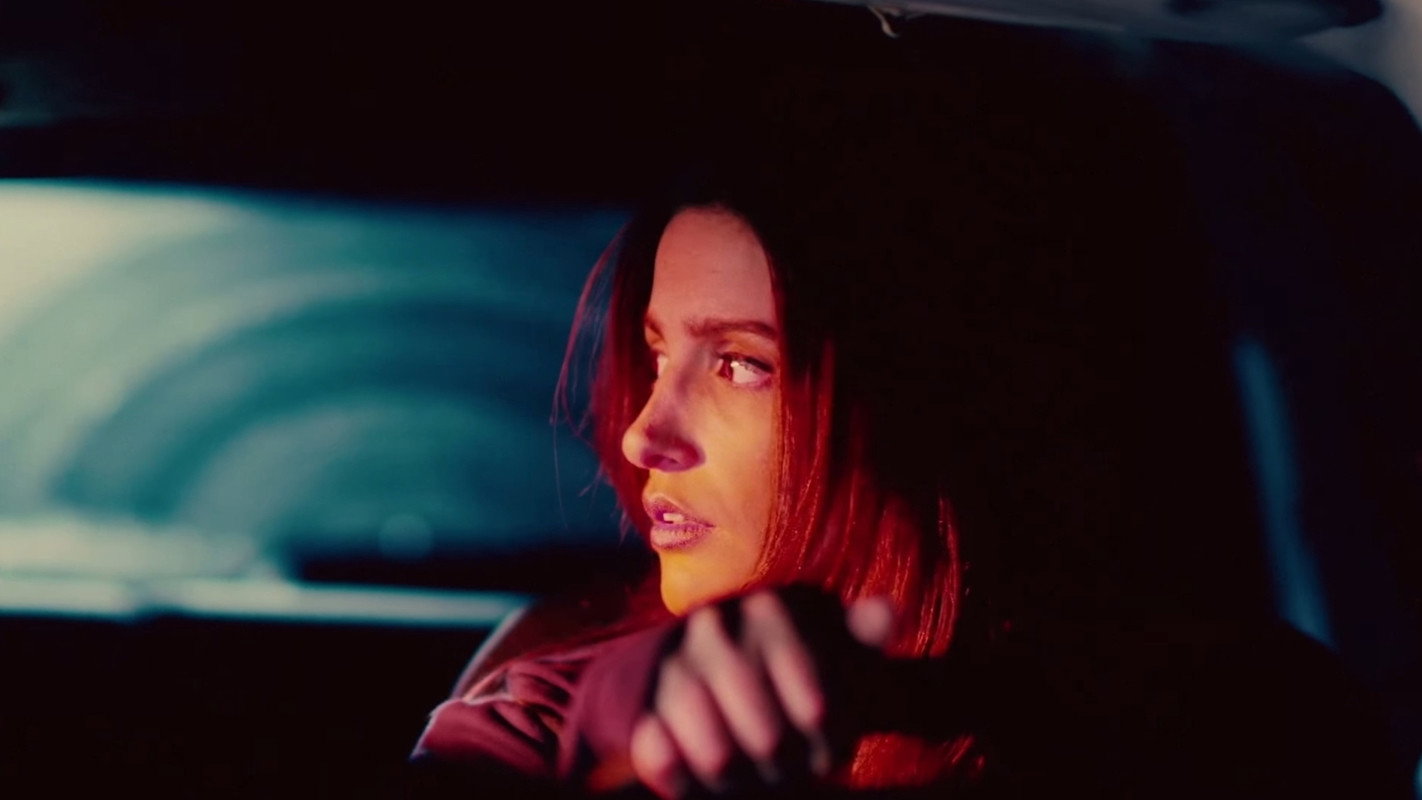
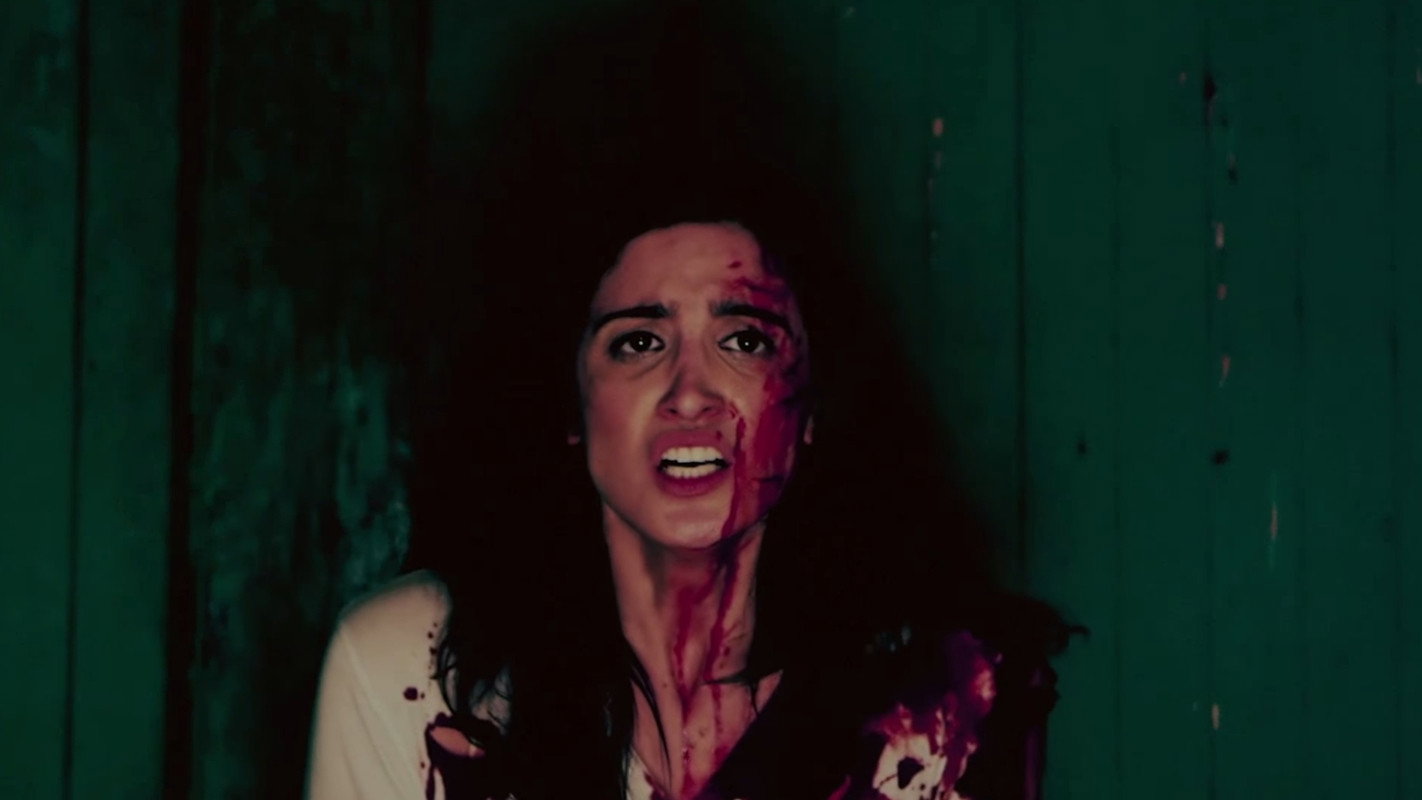
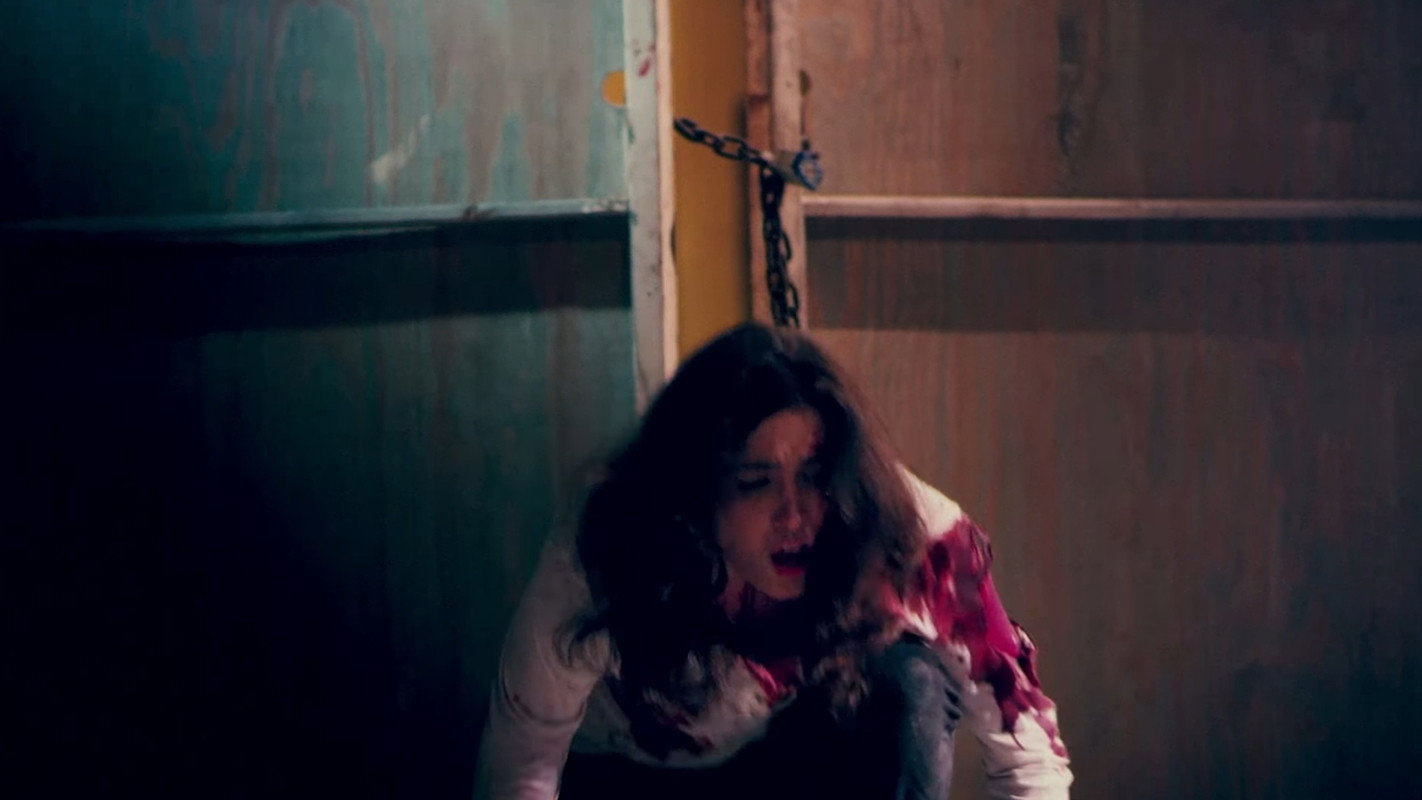
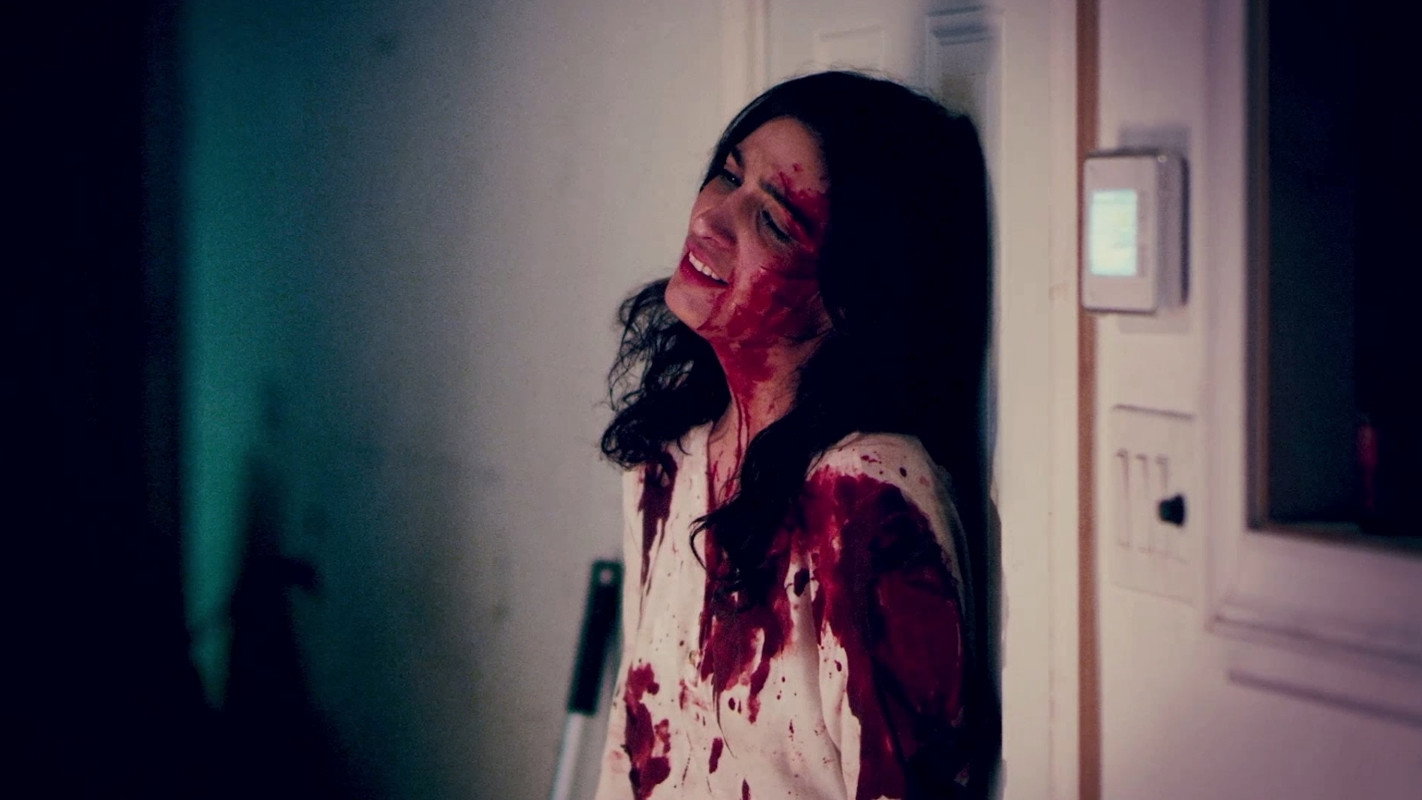
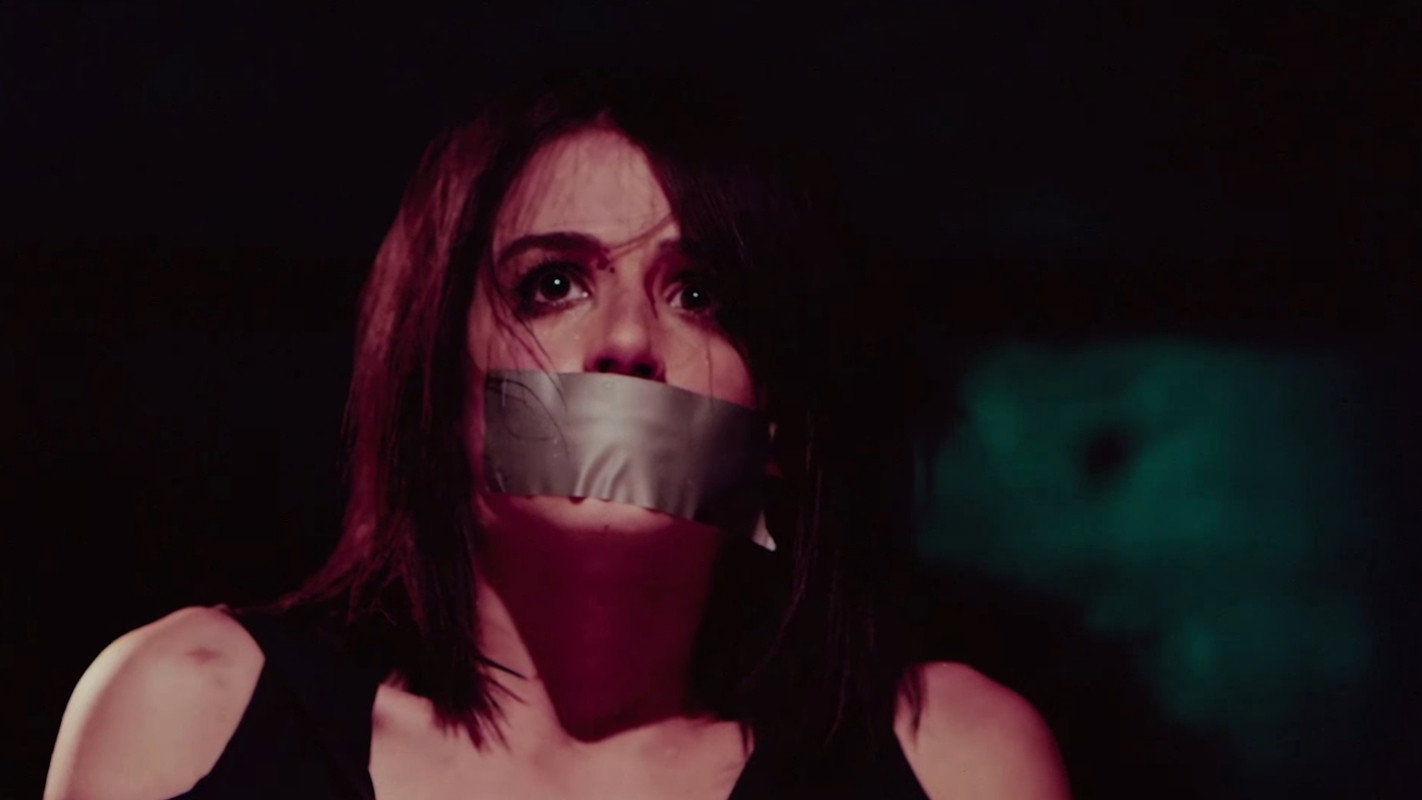
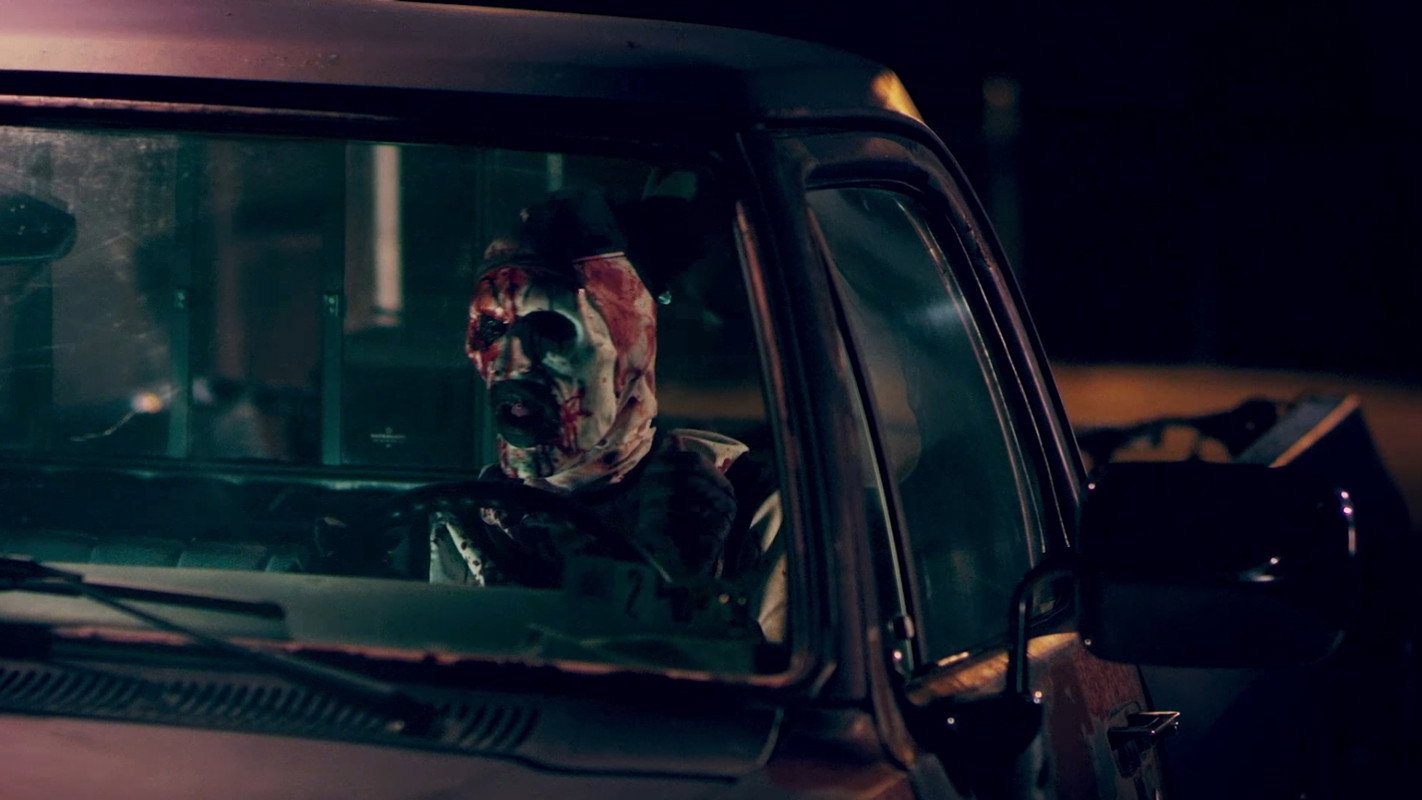
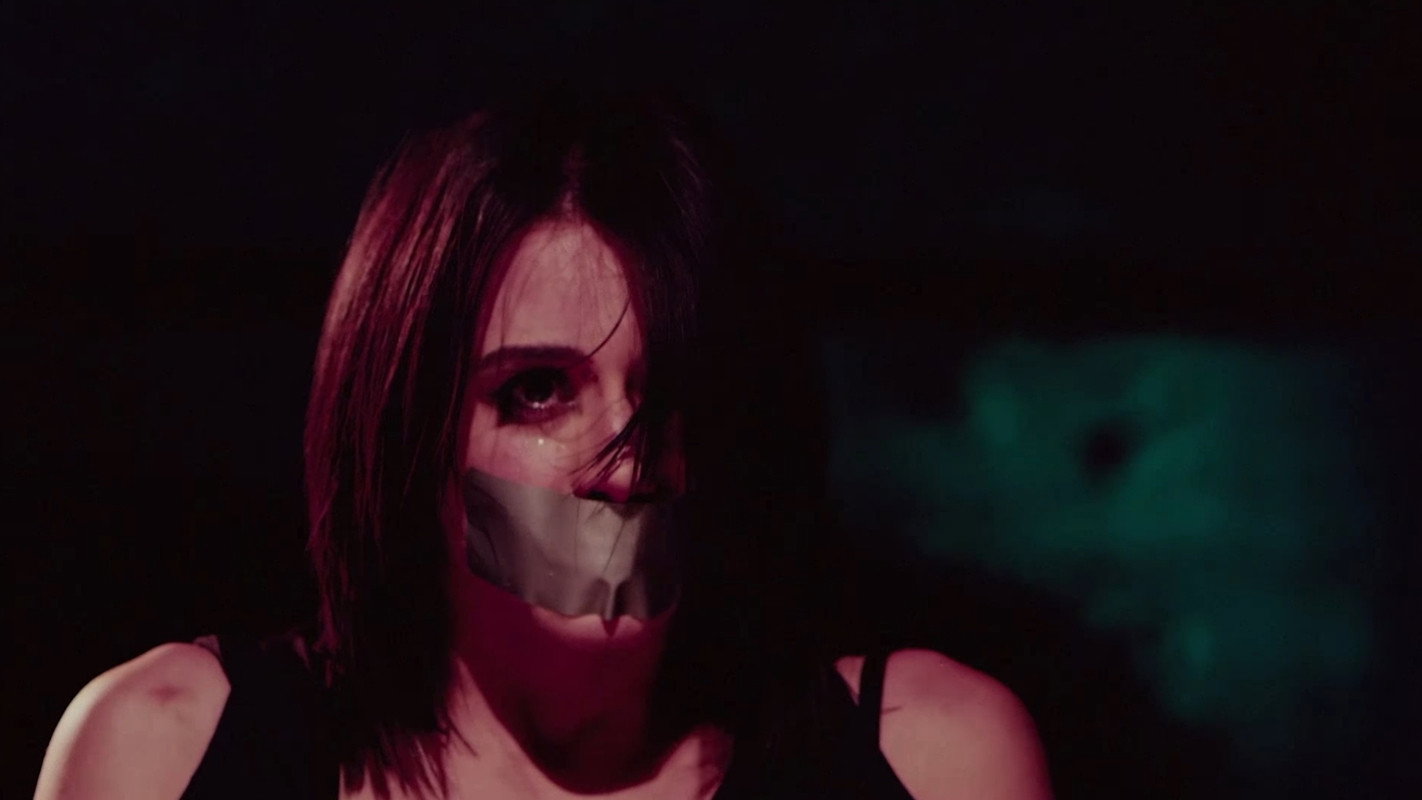
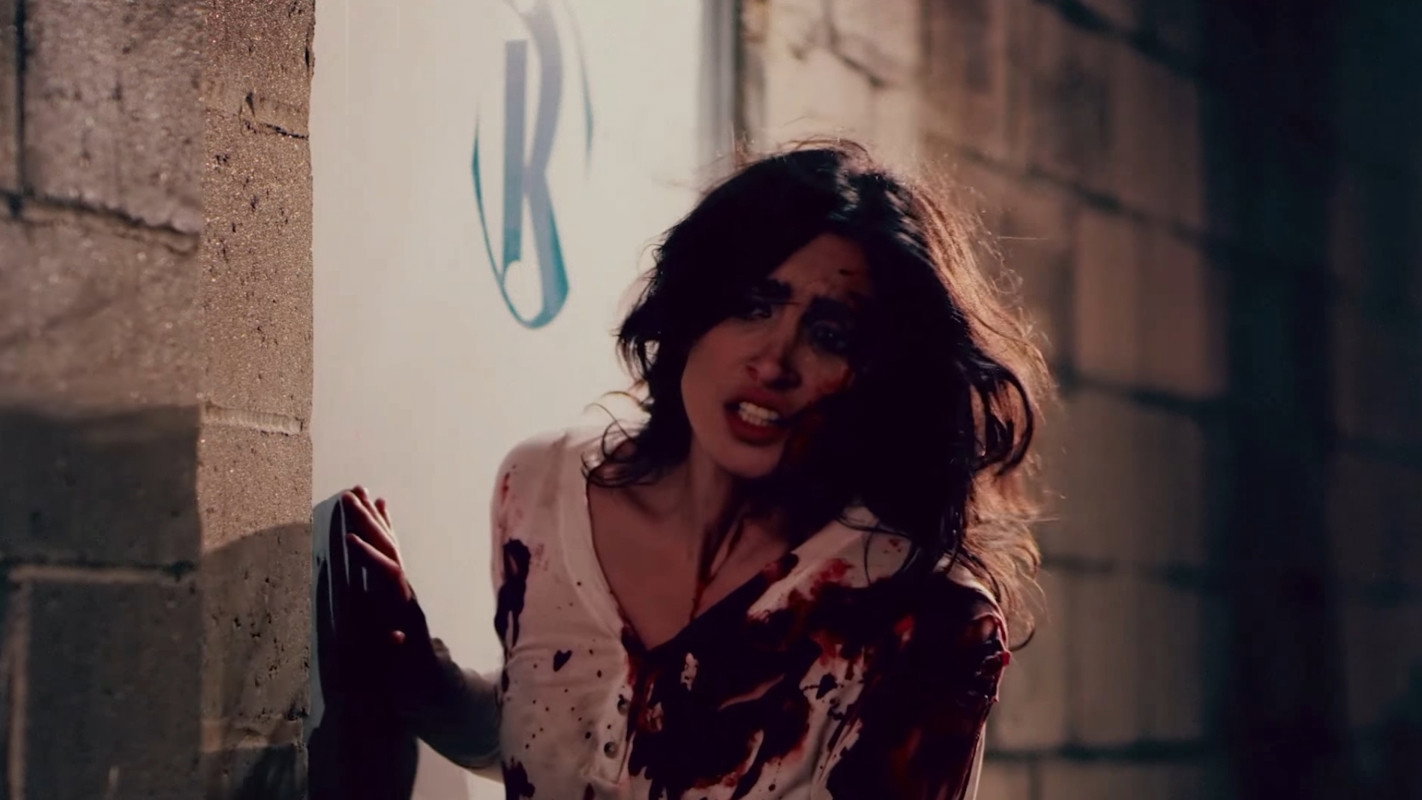
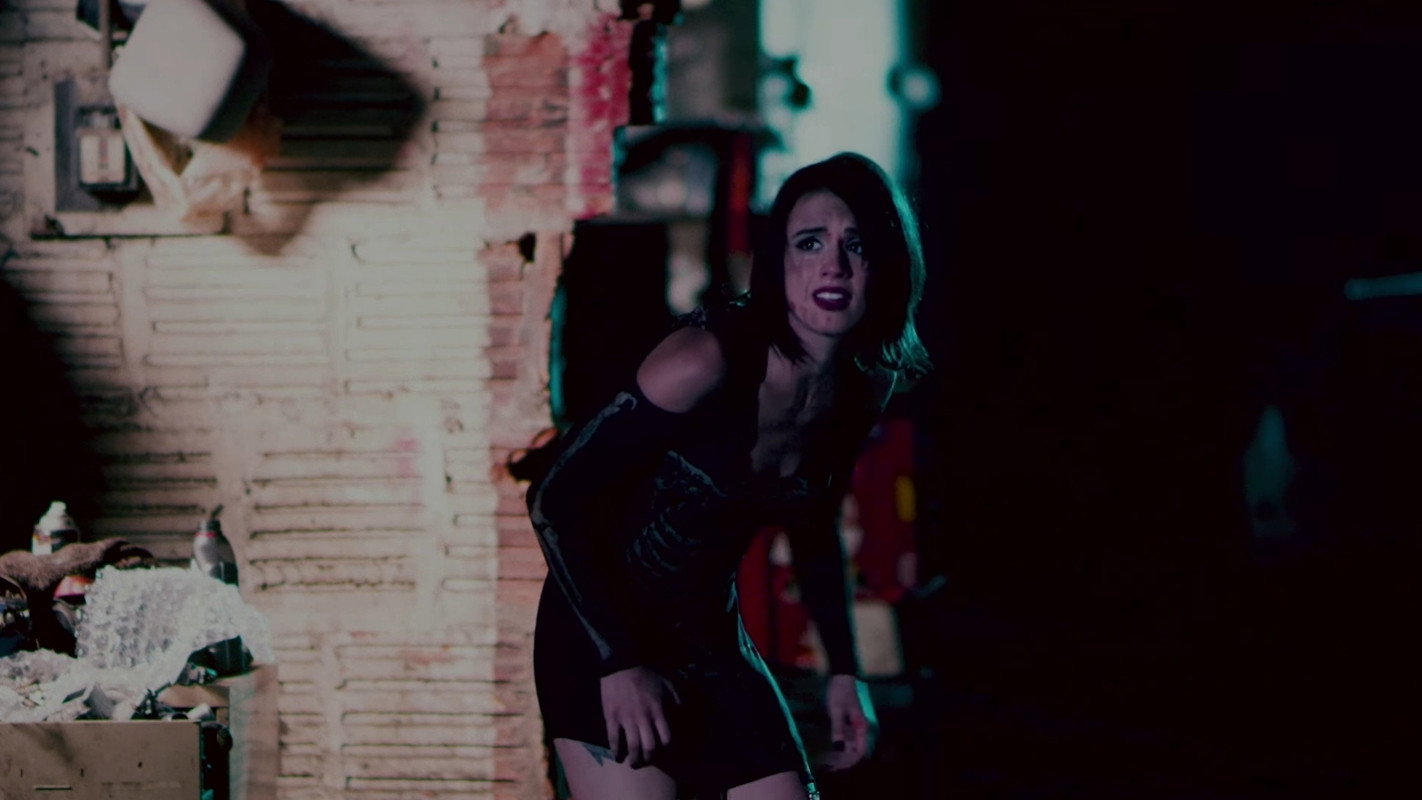
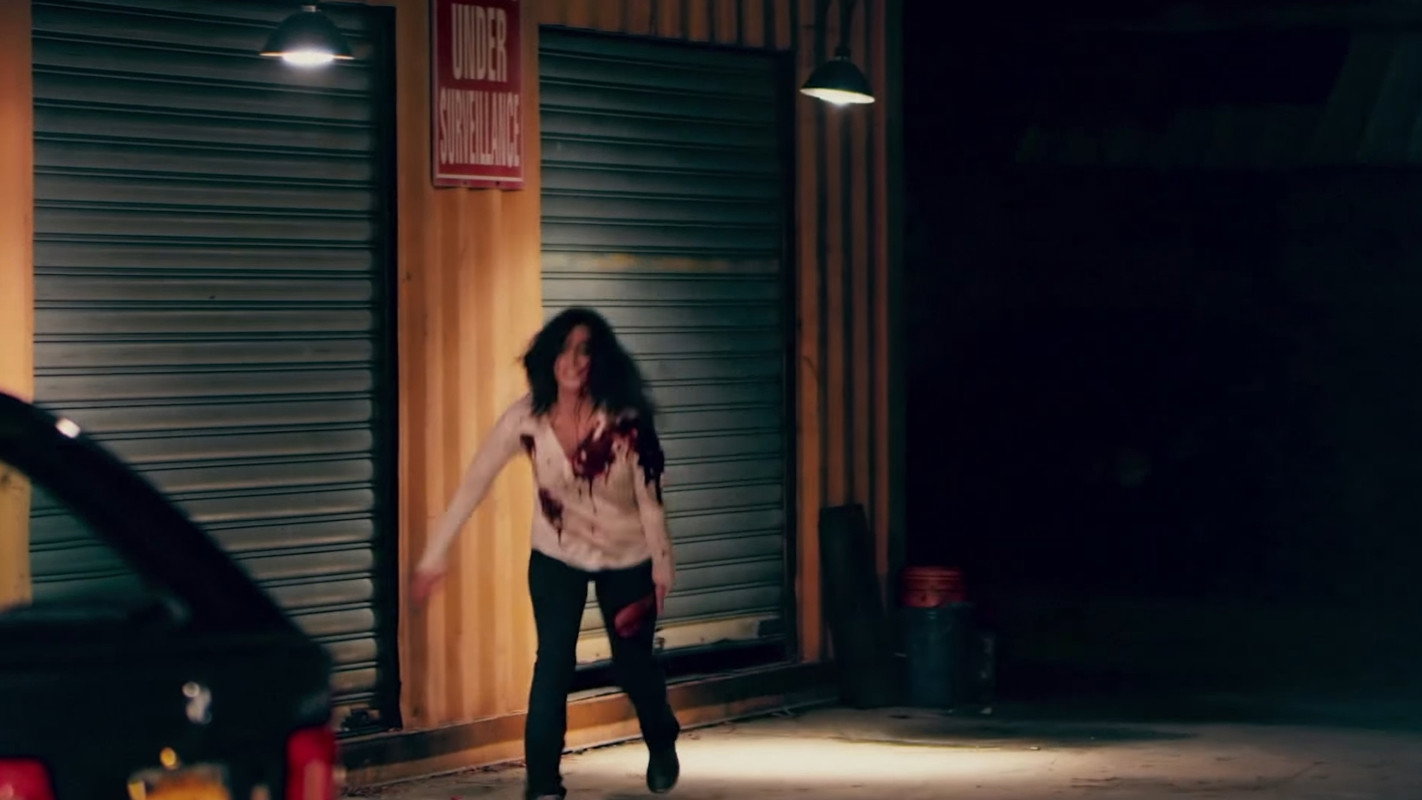
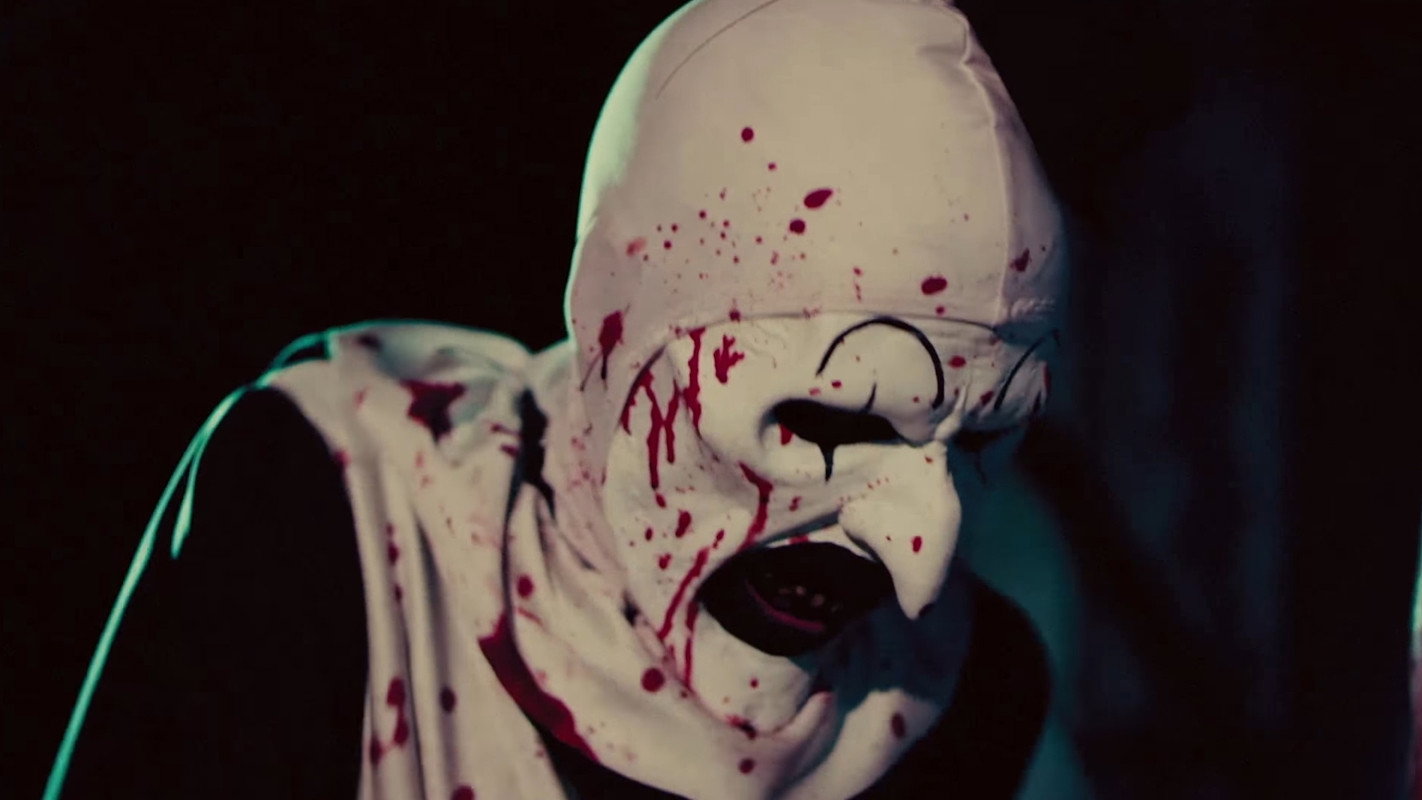
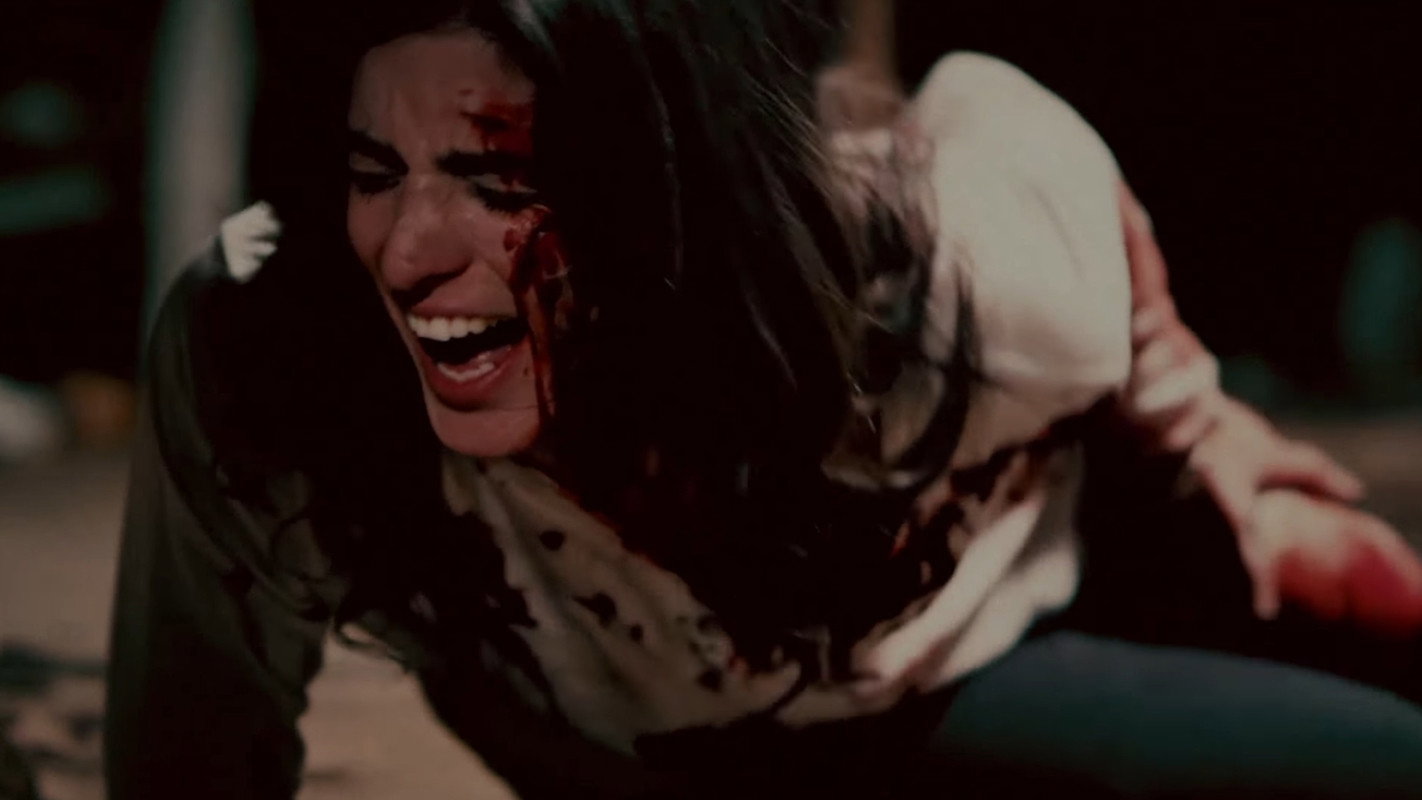
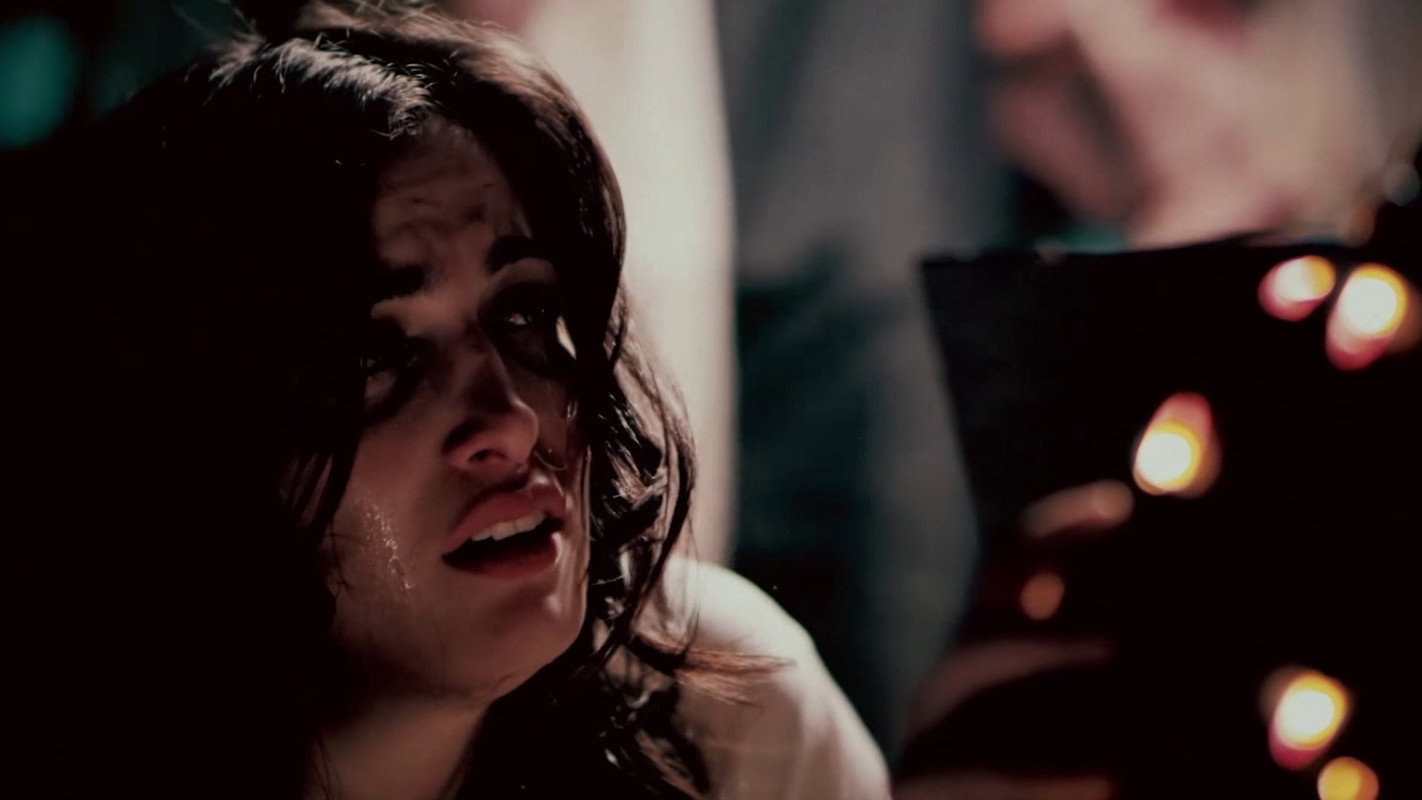
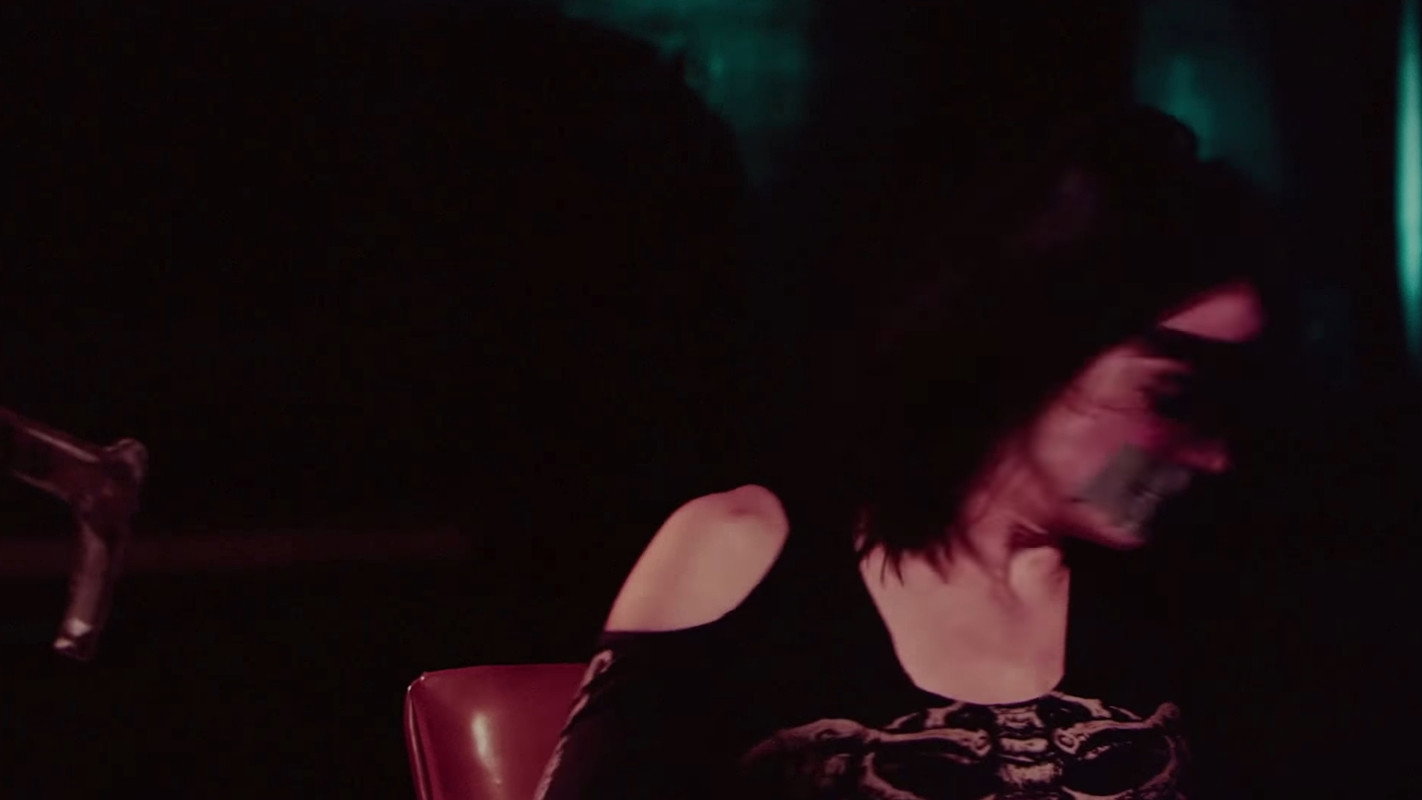
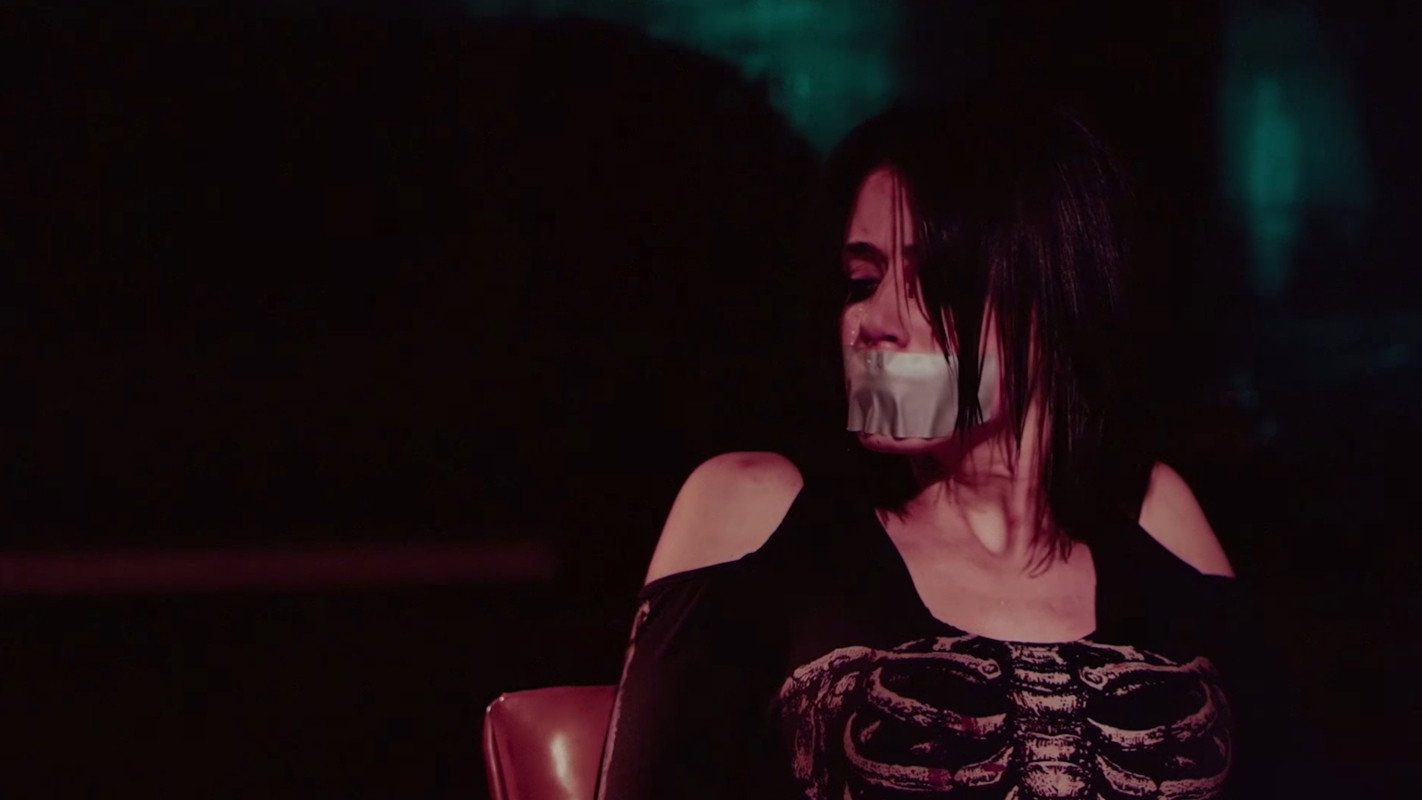
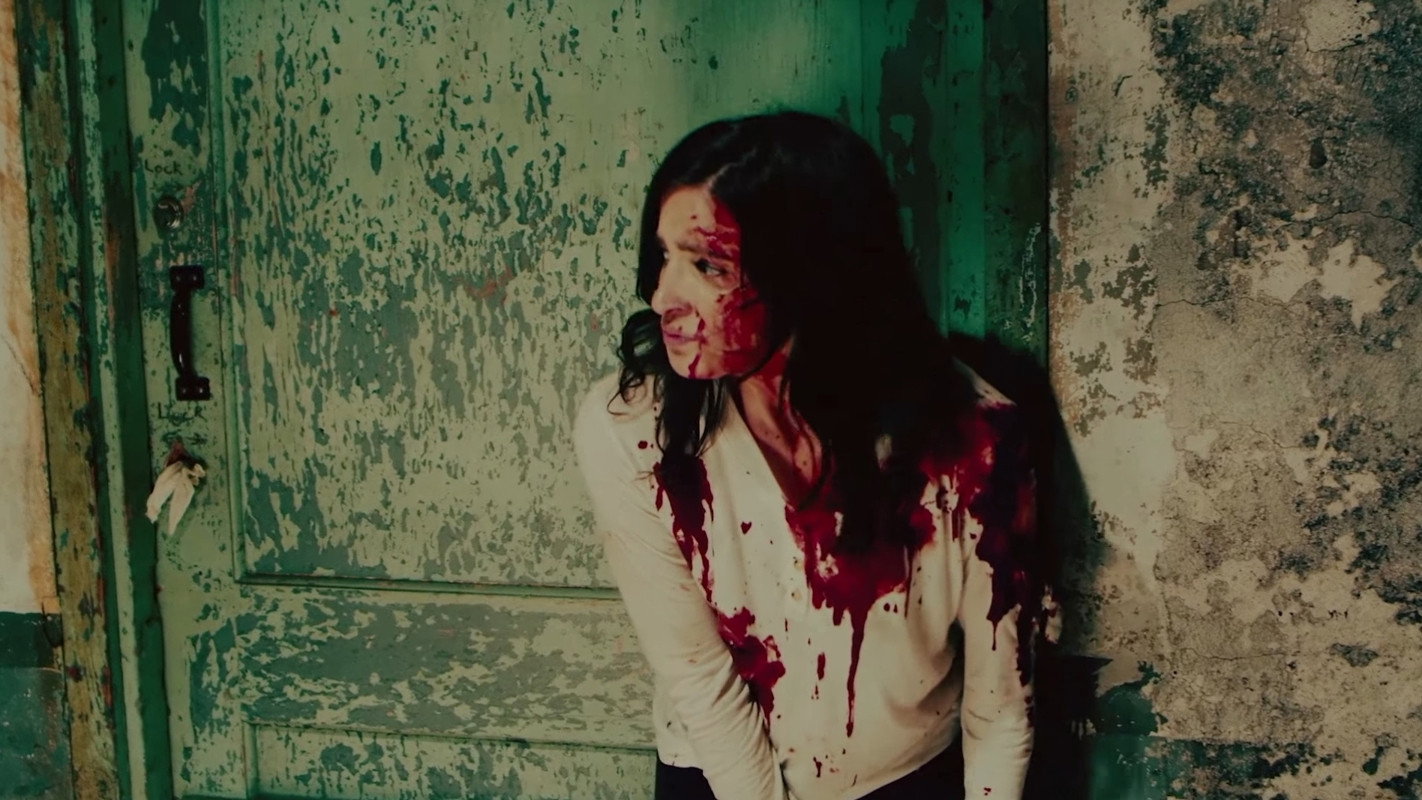
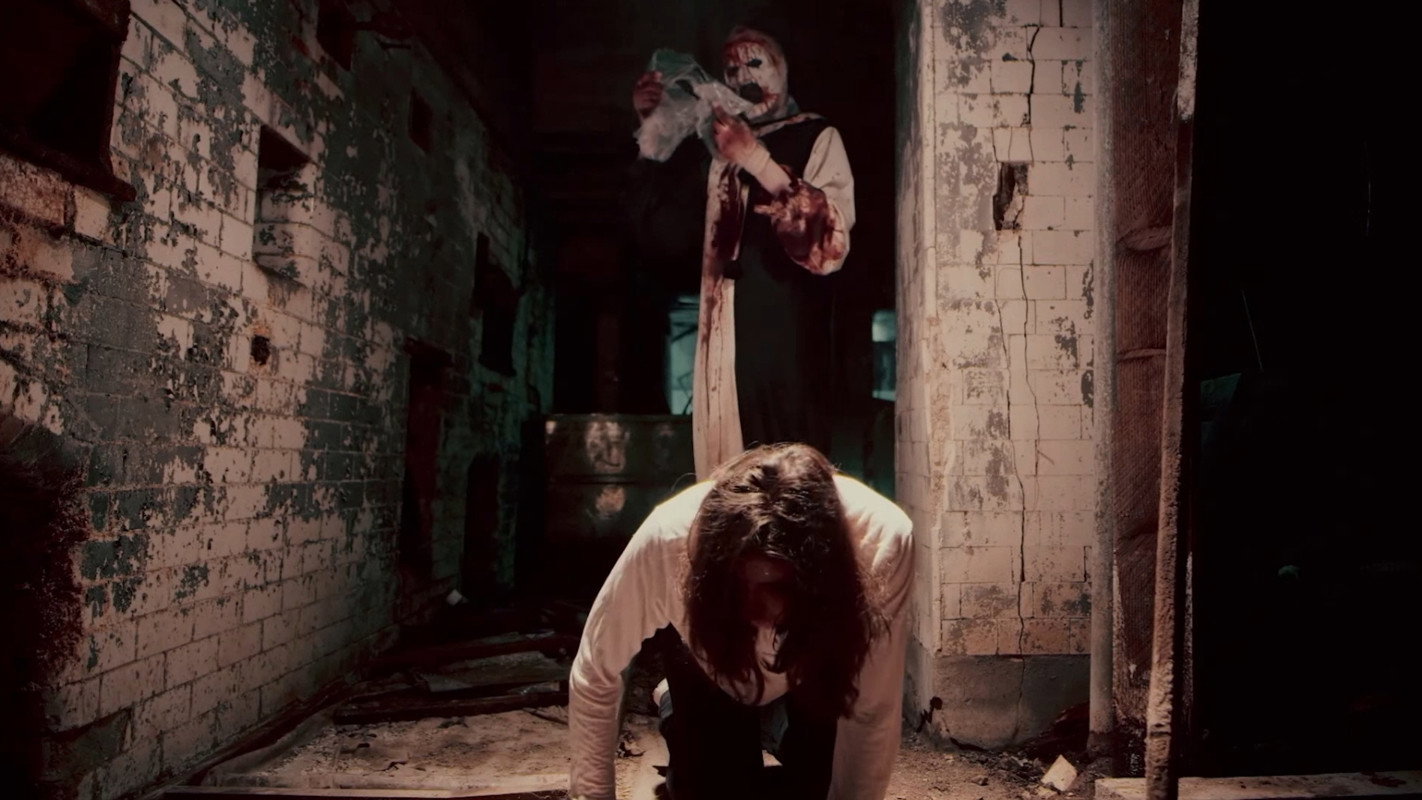
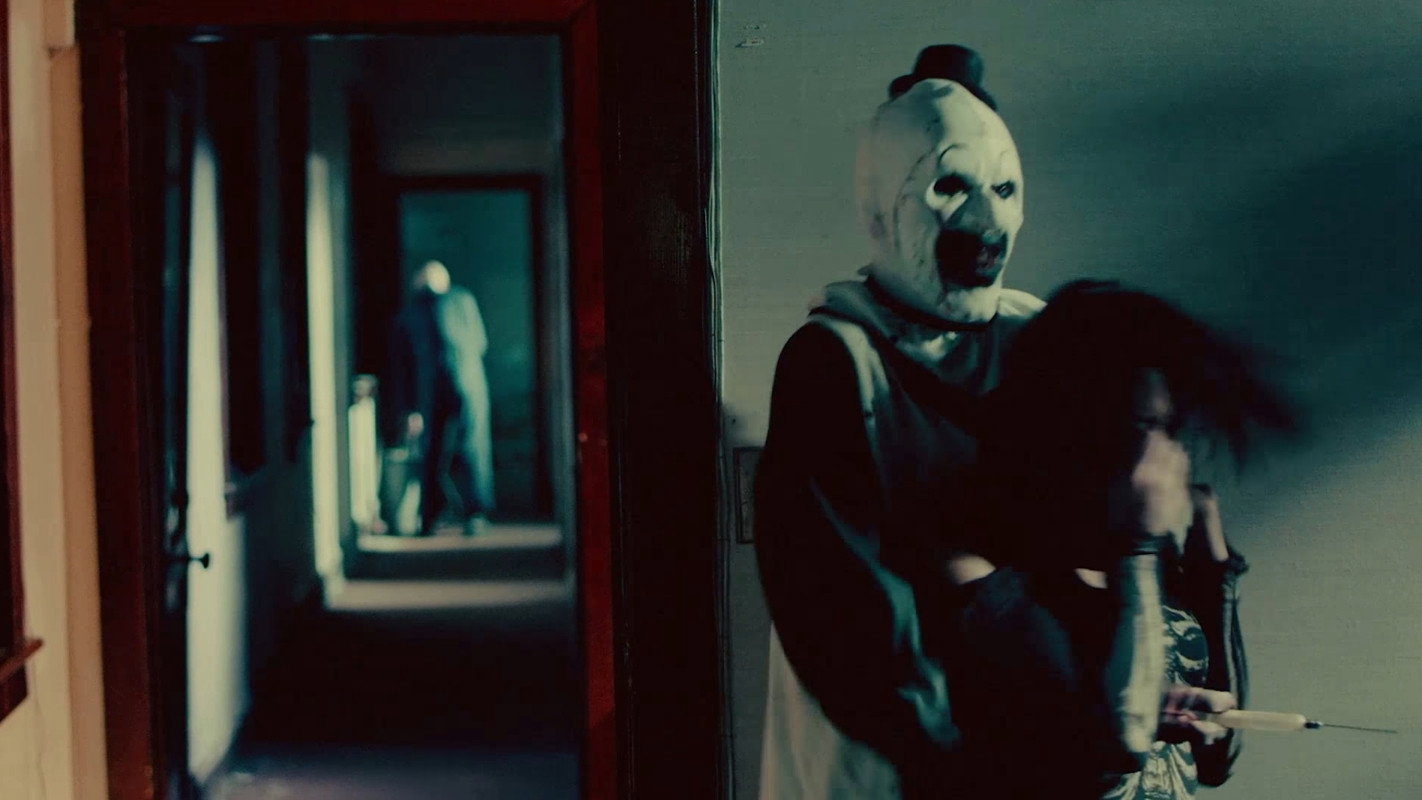
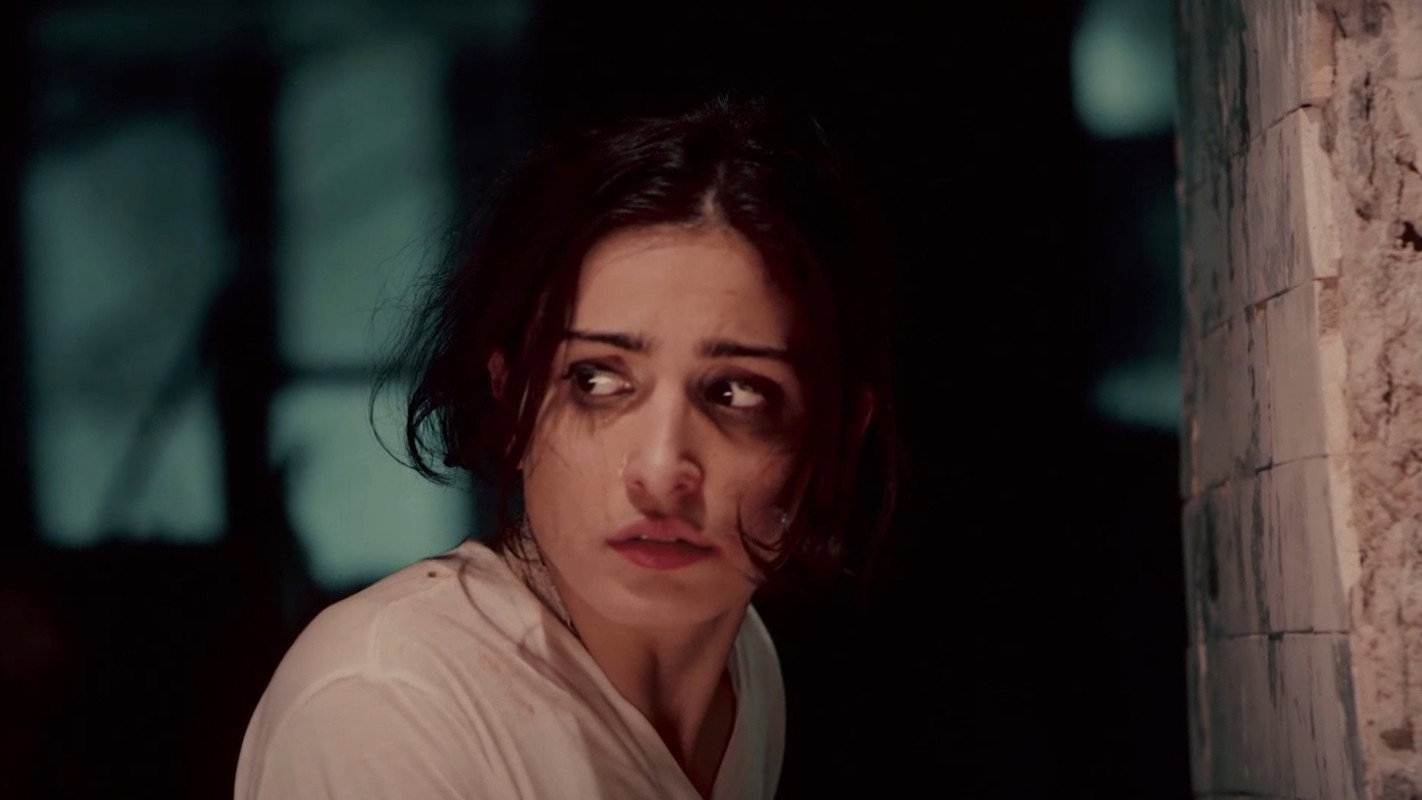
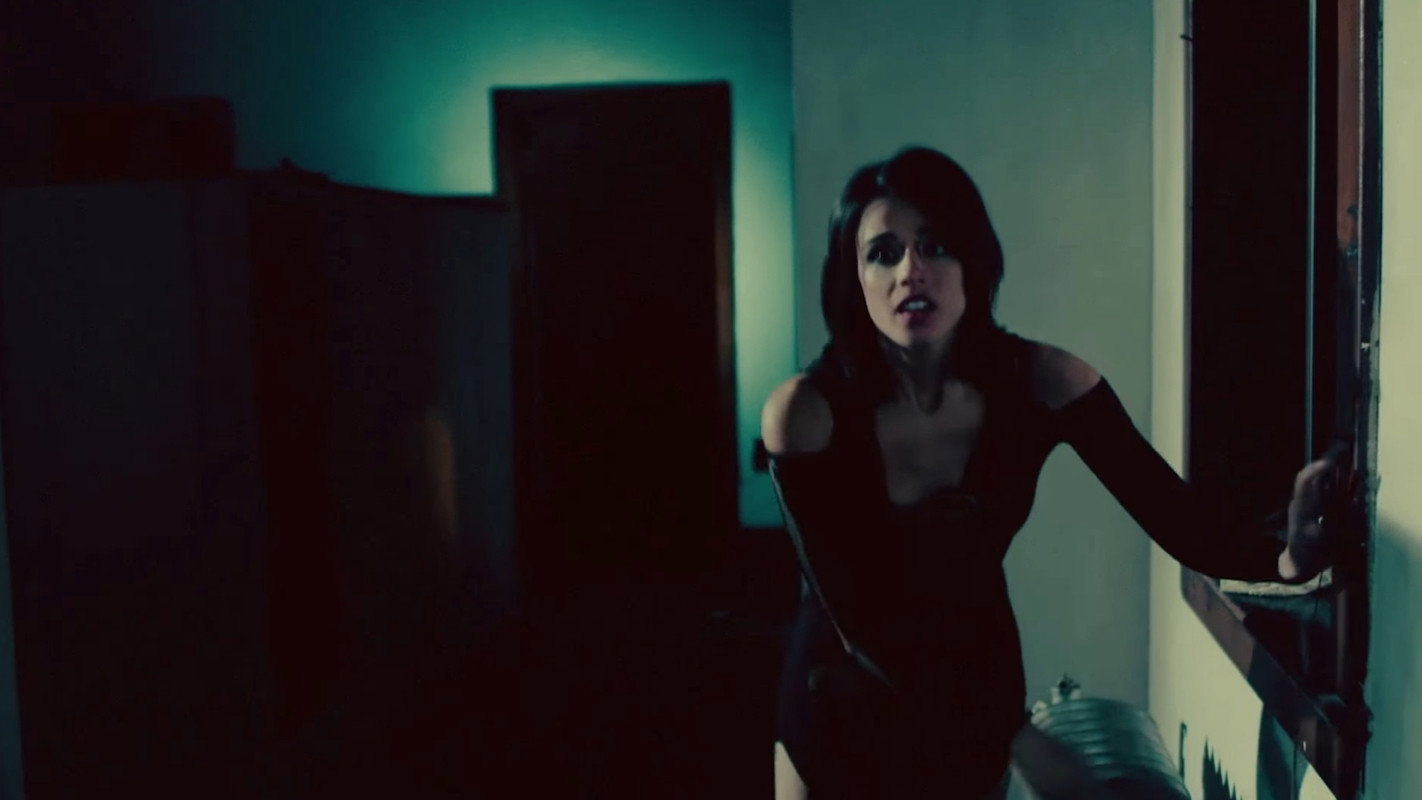
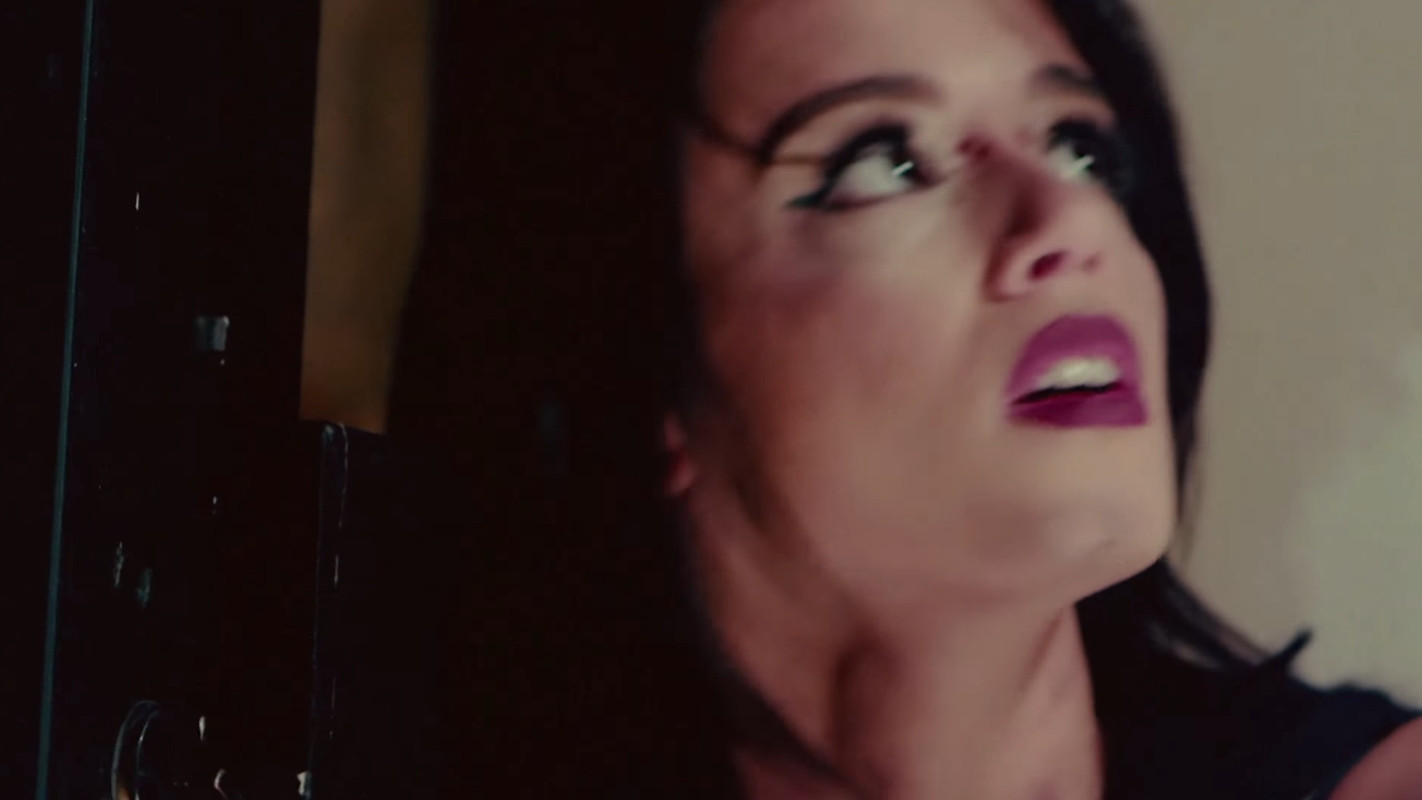
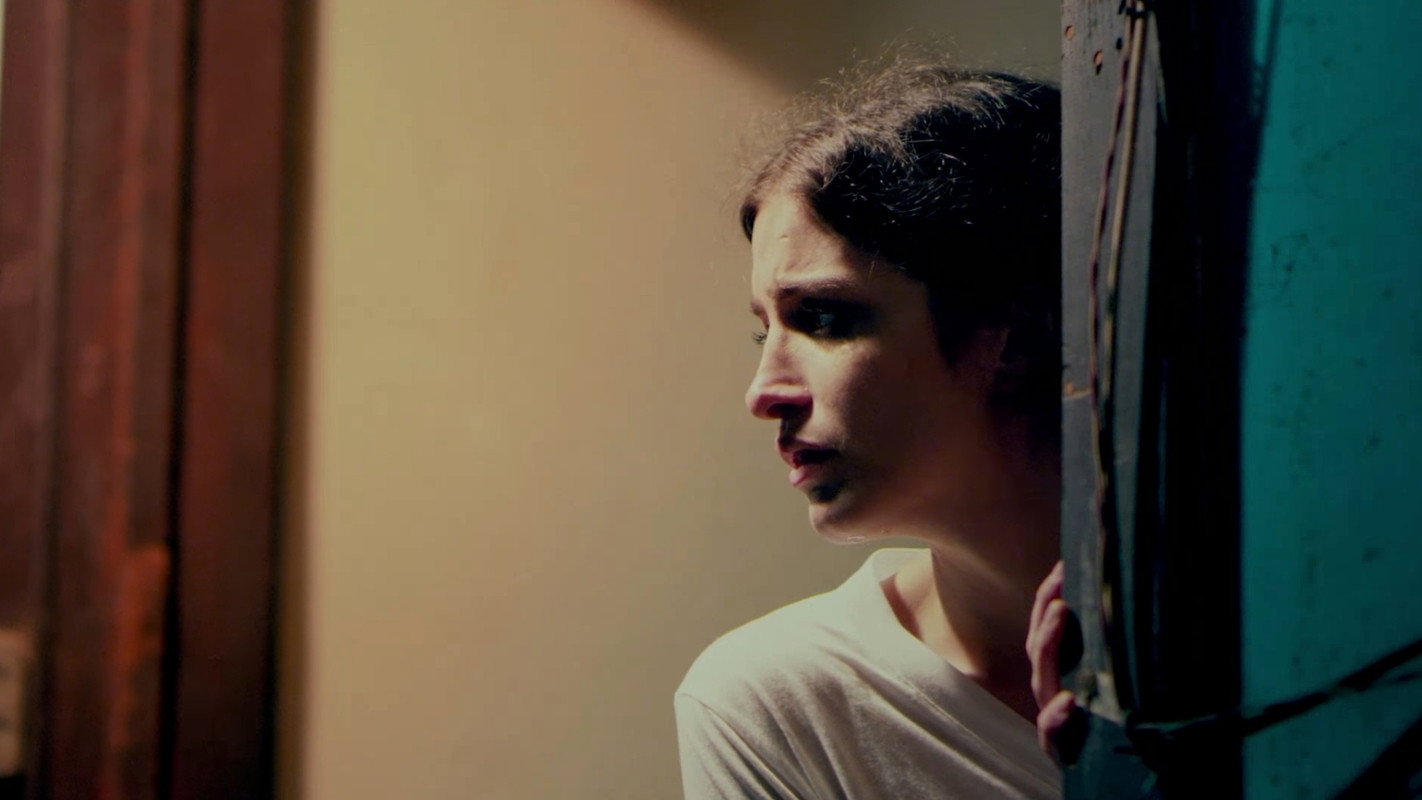
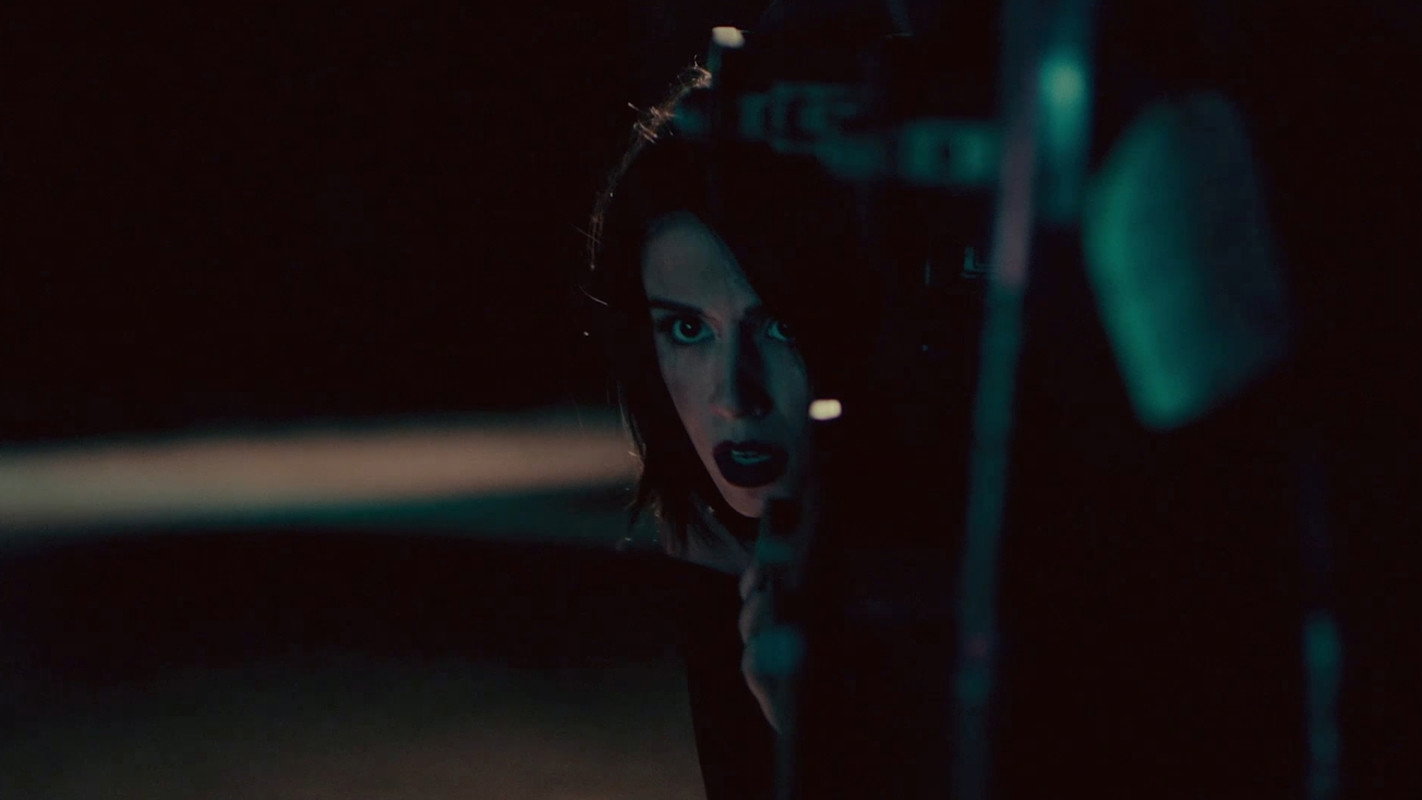
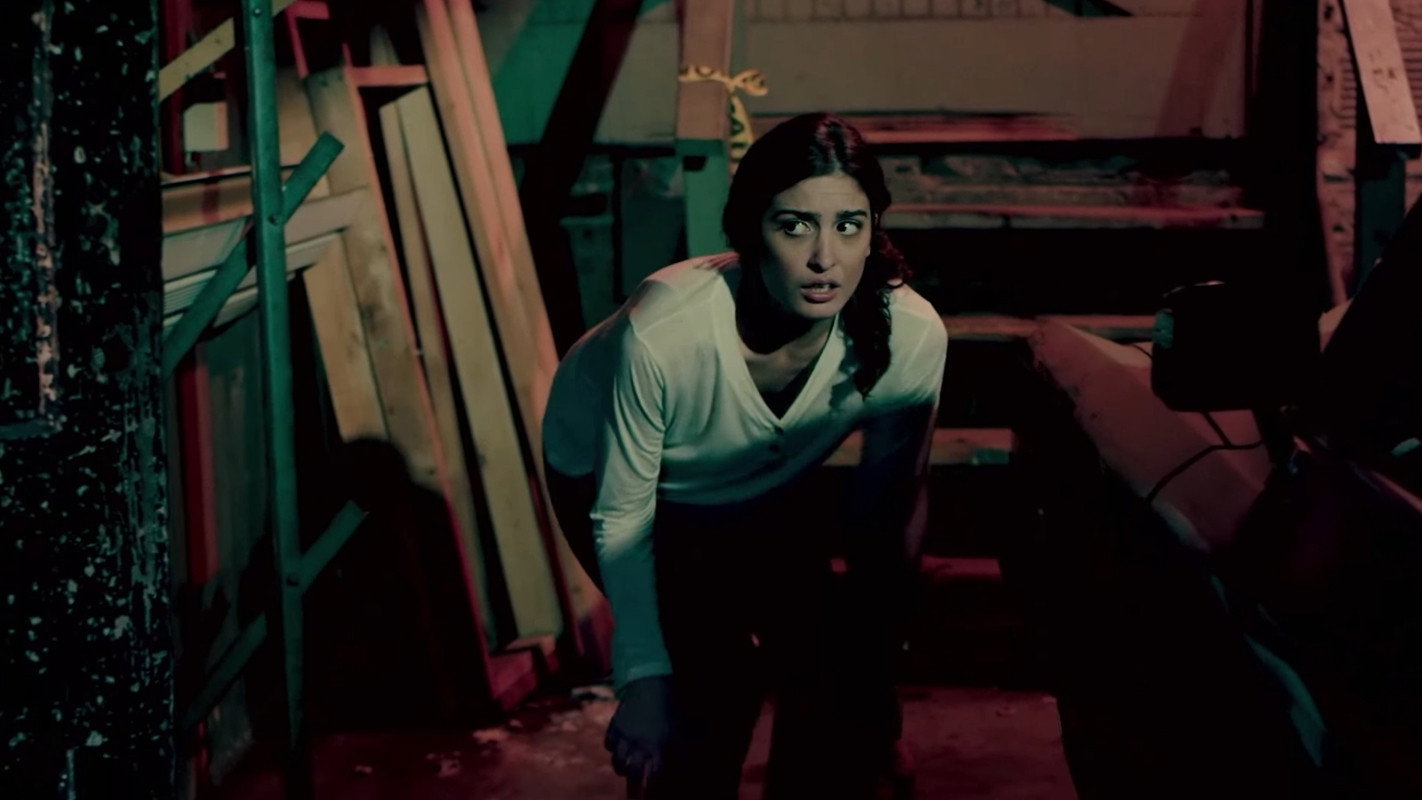
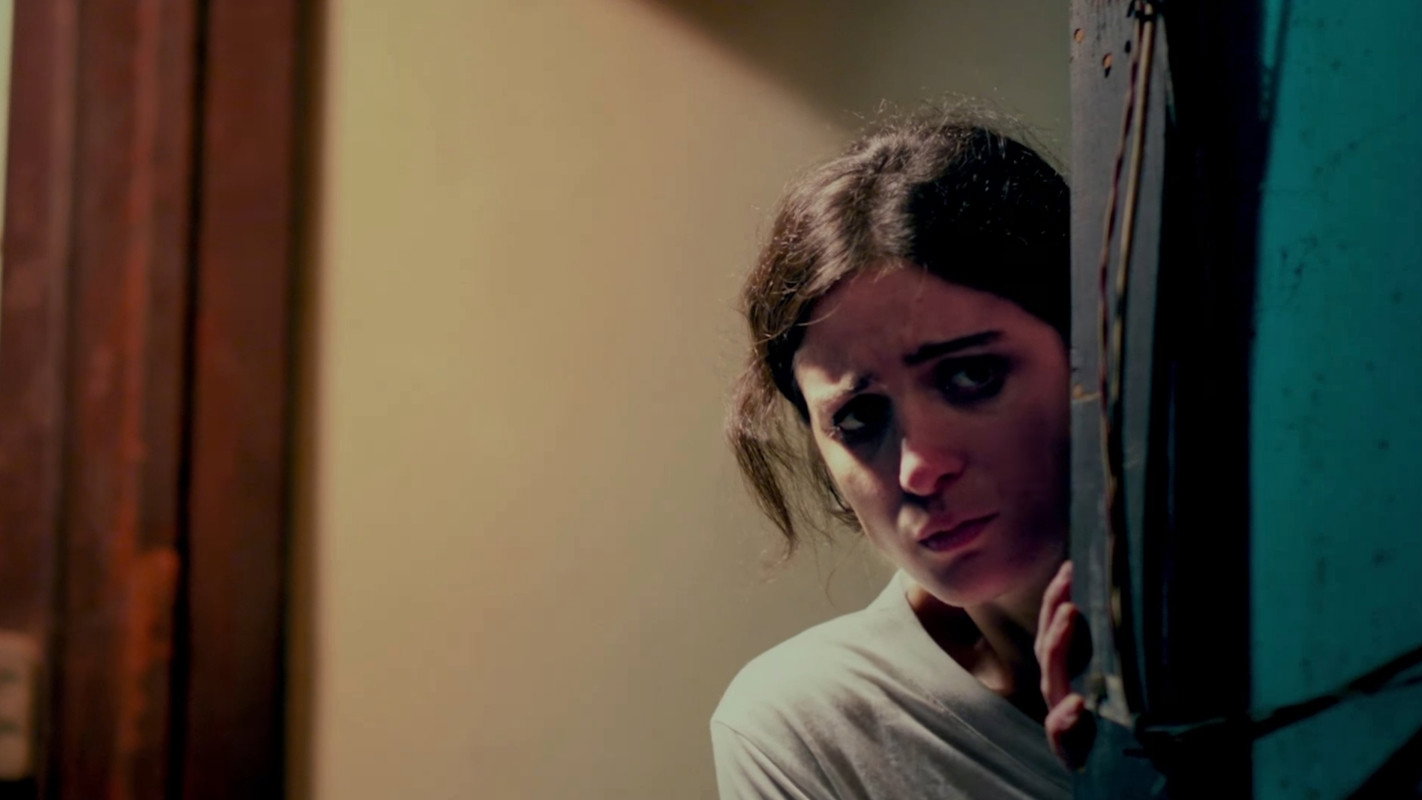
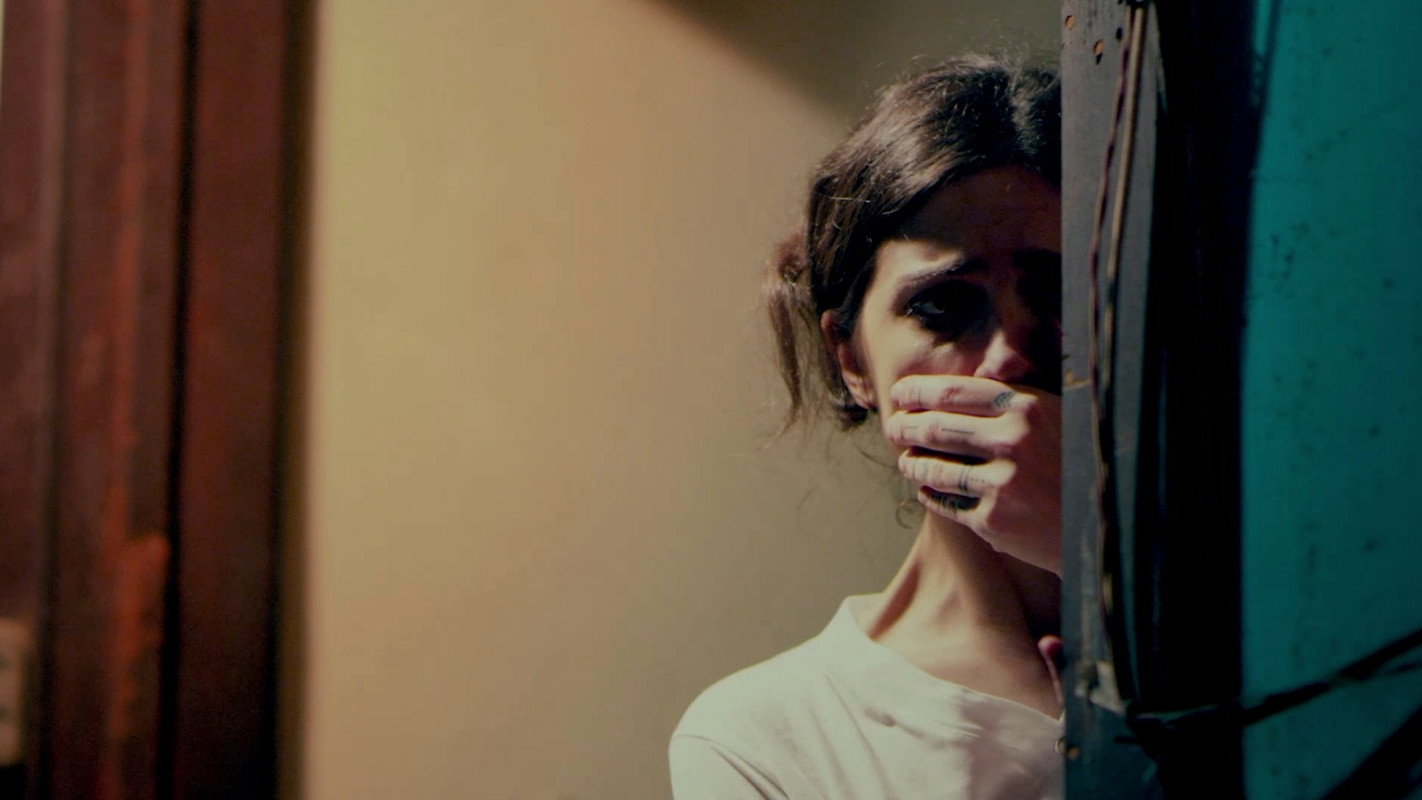
A maniacal clown named Art terrorizes three young women on Halloween night and everyone else who stands in his way.

Alternative Titles
المرعب (United Arab Emirates) — Arabic Терифайър (Bulgaria) — Bulgarian Ужасяващ (Bulgaria) Aterrorizante (Brazil) — Portuguese 断魂小丑 (China) — Chinese Terrifier - Ein wirklich böser Clown (Germany) Terrifier 1 (Germany) შემზარავი (Georgia) — Georgian
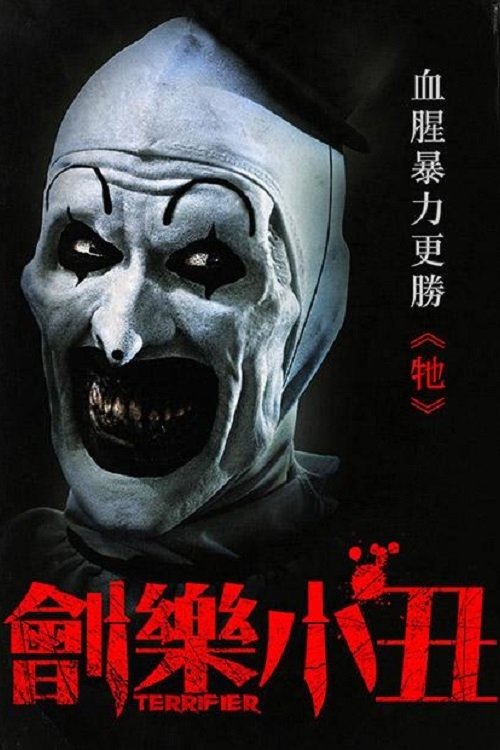
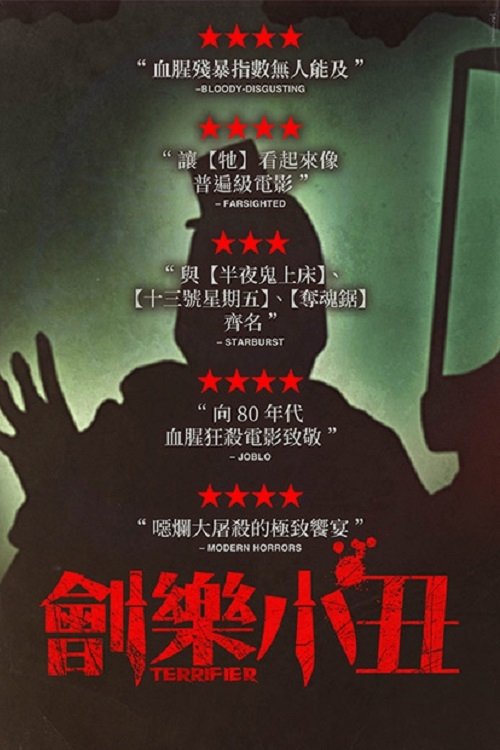
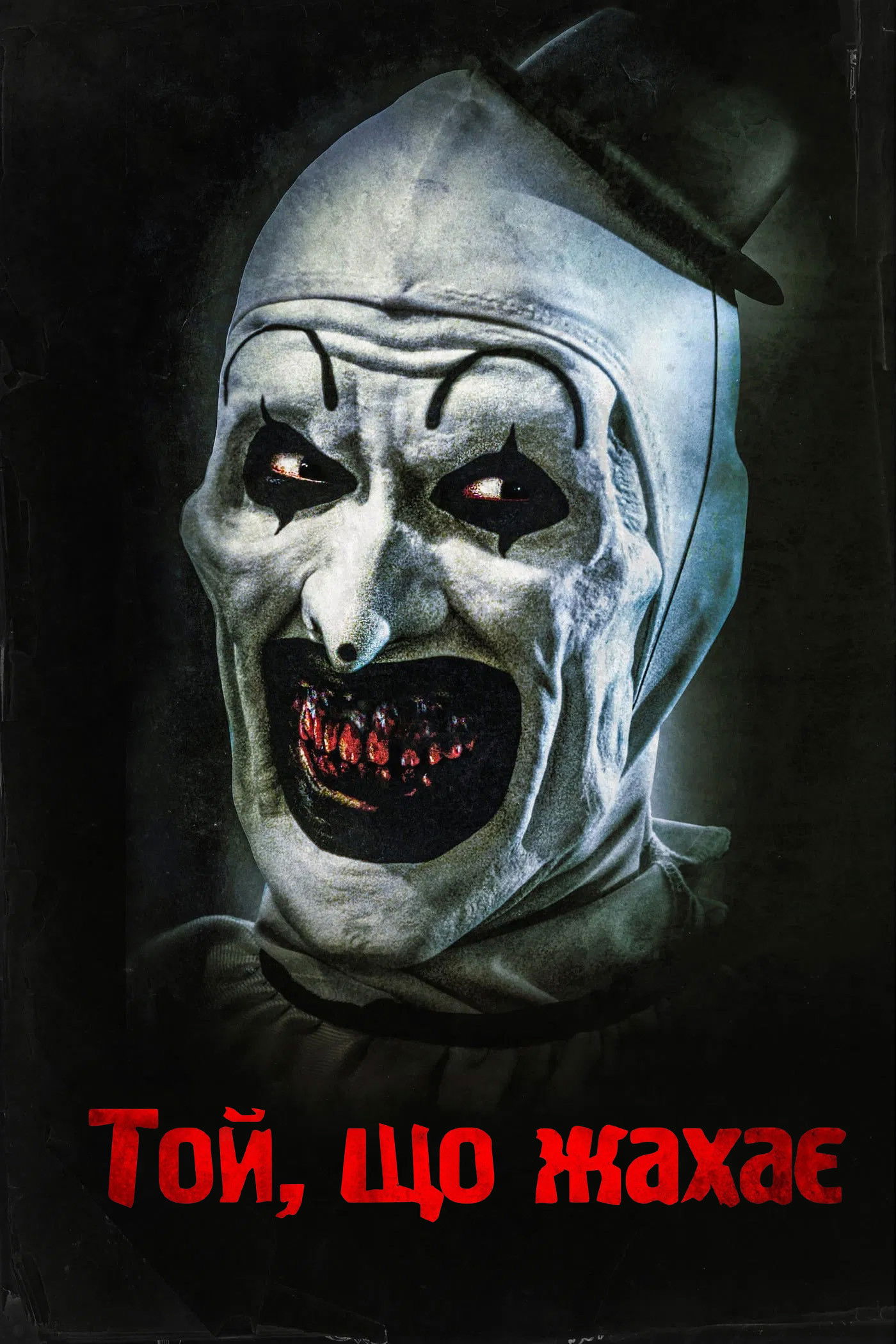
Show all 27 alternative titles 劊樂小丑 (Hong Kong SAR China) — Chinese Zastrašivač (Croatia) — Croatian Bohócrém (Hungary) — Hungarian מפחיד (Israel) — Hebrew מפחיד 1 (Israel) رعب انگیز (Iran) مرعب (Iran) テリファー (Japan) テリファー:2016 (Japan) 테리파이어 (South Korea) — Korean Keliantis siaubą (Lithuania) — Lithuanian Masakra w Halloween (Poland) — Polish Ужасающий (Russia) — Russian المرعب (Saudi Arabia) — Arabic อีหนูกูจะฆ่ามึง (Thailand) 劊樂小丑 (Taiwan) — Chinese Жахаючий (Ukraine) — Nonofficial Title Той, що жахає (Ukraine) — Nonofficial Title Gã Hề Điên Loạn (Vietnam) — Vietnamese

Trailers & Videos

3 videos

Film Guide & Analysis

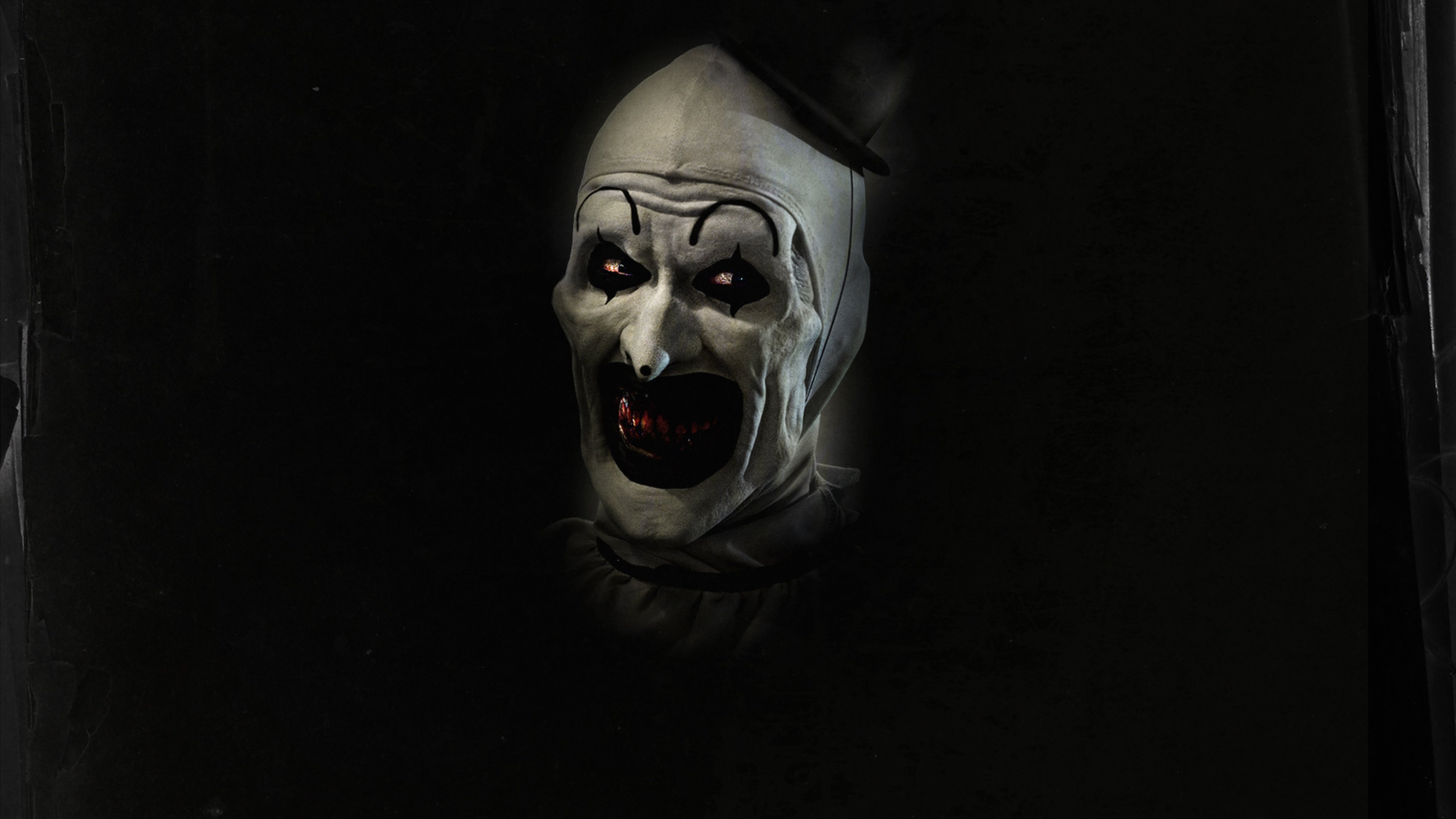
Damien Leone’s independent slasher introduced David Howard Thornton’s Art the Clown in a feature built around silent performance, practical gore and Halloween-night pursuit.

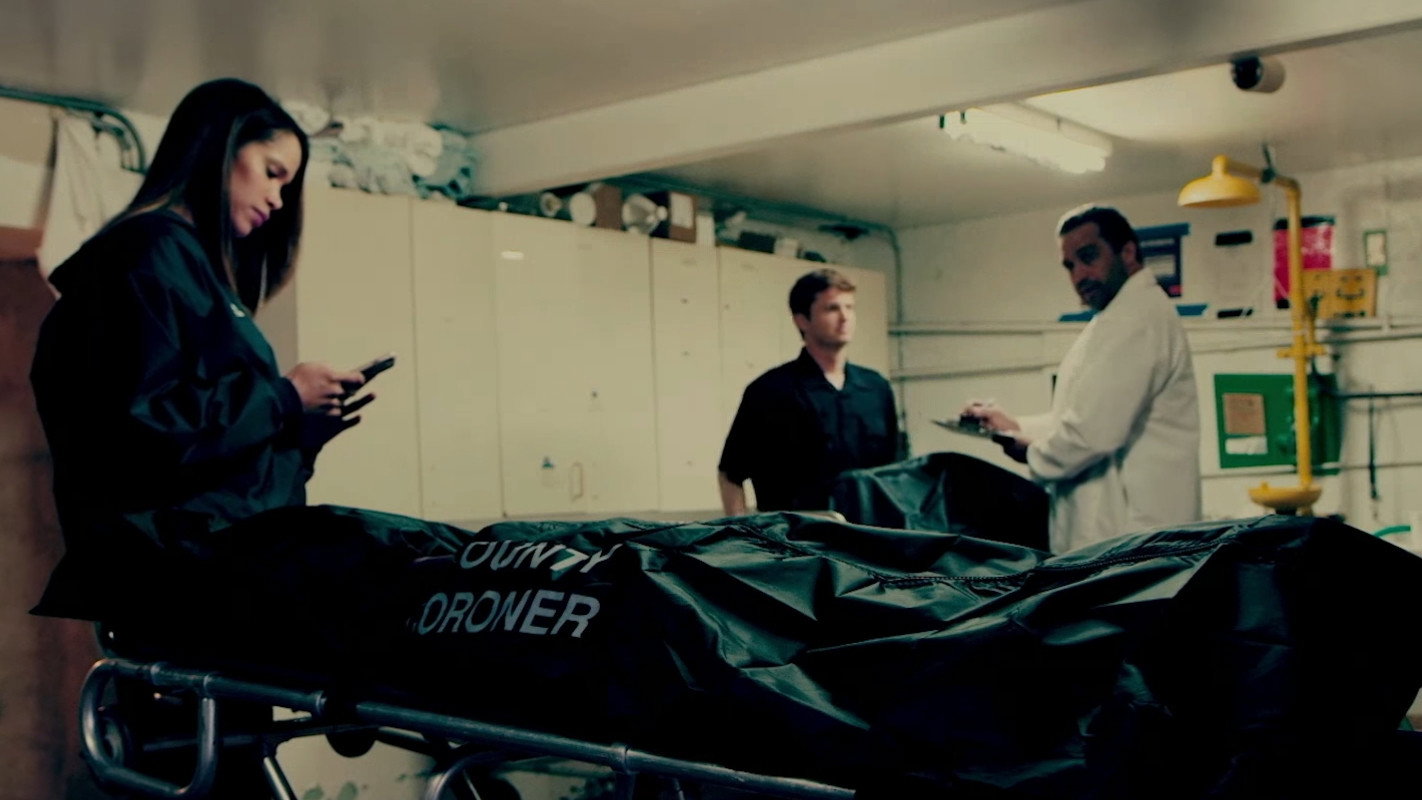
Damien Leone’s Terrifier (2016) gave Art the Clown his first feature-length story built entirely around his pursuit of victims. Premiering at the Telluride Horror Show before reaching wider audiences in 2018, the independent American slasher follows a Halloween-night encounter that escalates into a siege inside an almost deserted building. Its sparse narrative and unusually explicit practical makeup effects place it within the tradition of low-budget exploitation cinema. The film became particularly significant as the foundation for the later Terrifier features, although Art had already appeared in Leone’s earlier short films and the anthology All Hallows’ Eve (2013).

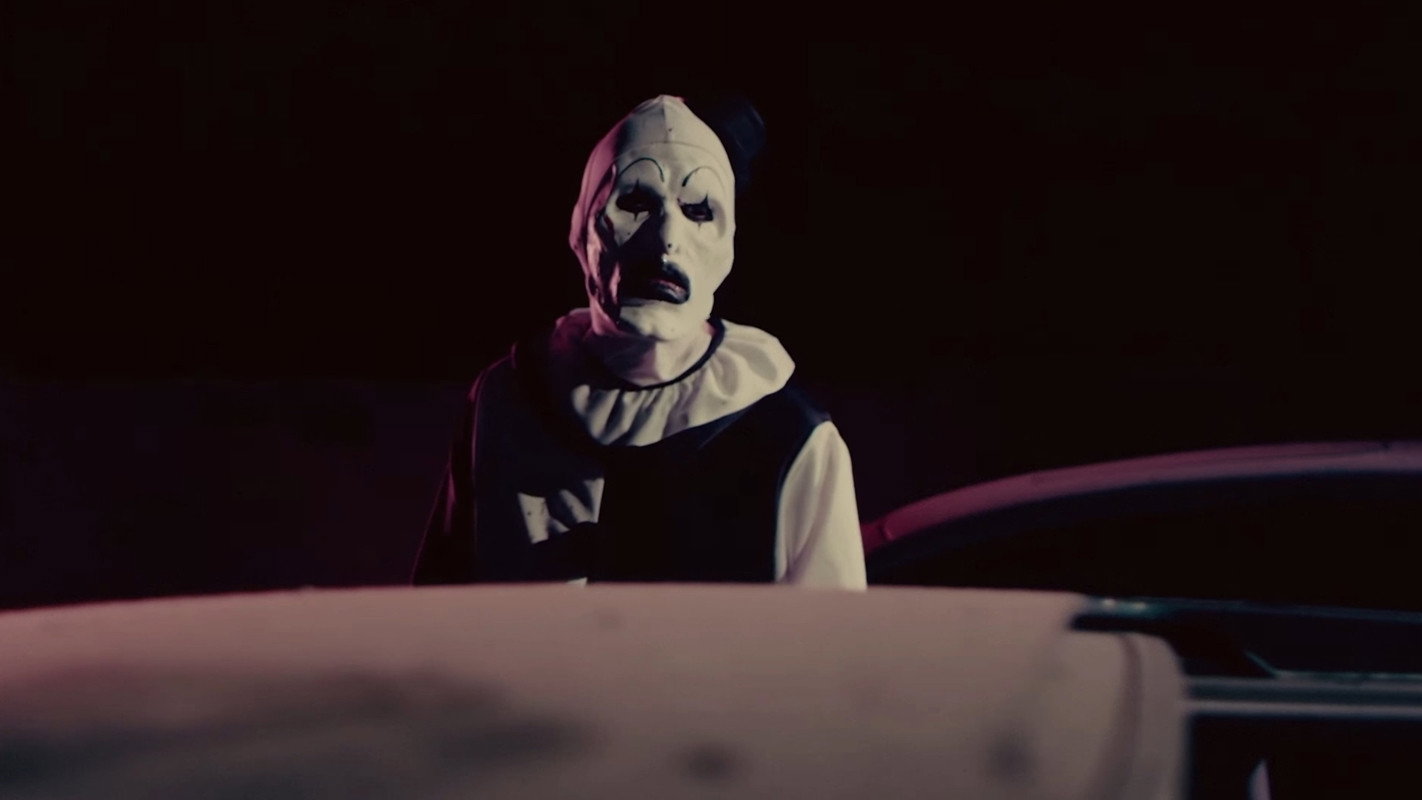
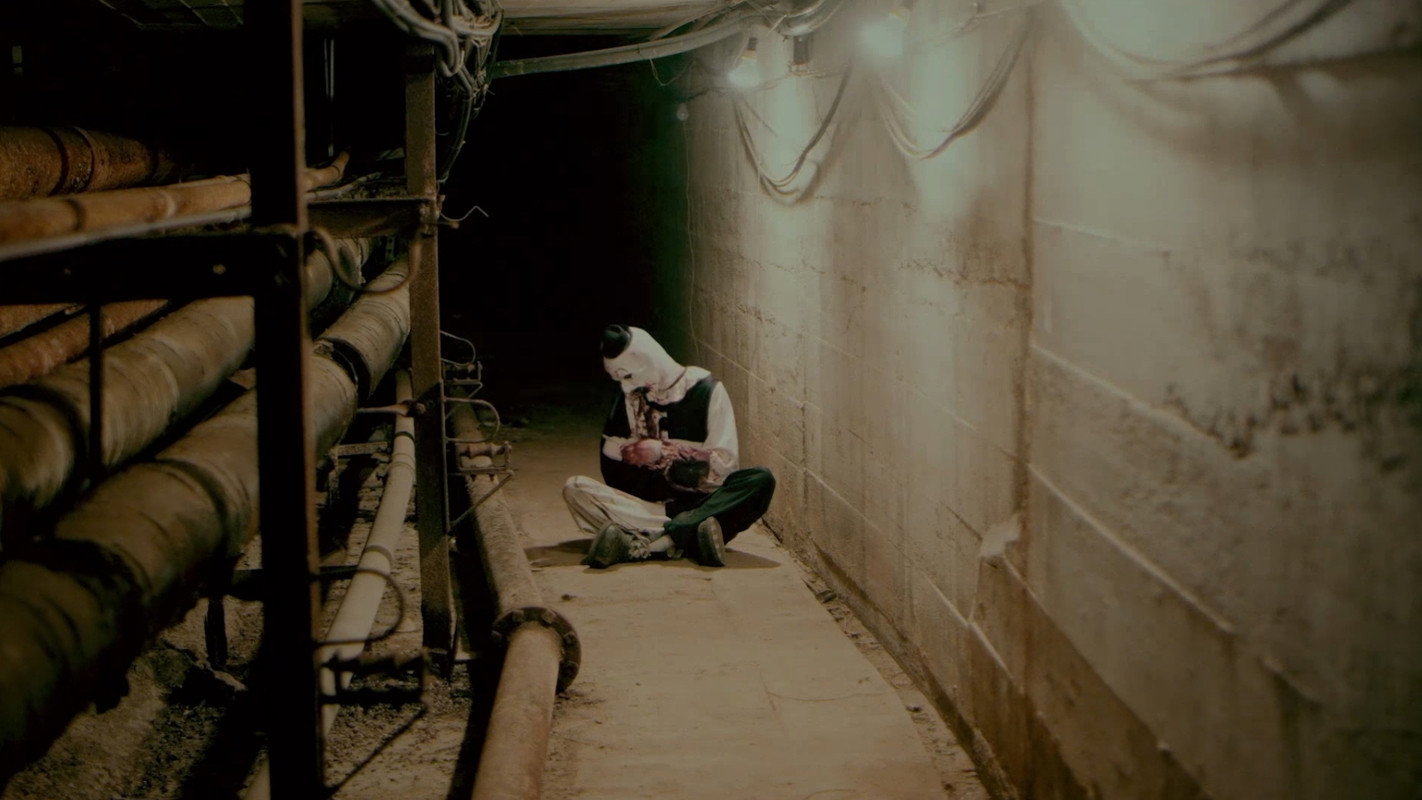
The production’s distinctiveness comes from several closely connected choices: a silent antagonist whose gestures turn murder into an obscene performance, an enclosed industrial setting, and violent set pieces created largely in front of the camera. Leone’s own experience as a makeup-effects artist shaped what the screenplay could show. David Howard Thornton’s interpretation of Art also changed the character’s physical vocabulary, introducing expressive pantomime into an appearance previously associated with actor Mike Giannelli.

Origins & Development

Art the Clown originated in Leone’s short The 9th Circle, before taking a more prominent role in the short Terrifier and appearing in the 2013 anthology All Hallows’ Eve. Leone has explained that his intention was to develop a feature centered on Art well before the anthology became possible. He financed the earlier Terrifier short through personal borrowing, hoping it could demonstrate the character’s potential. When Ruthless Pictures approached him, the existing shorts were incorporated into an anthology instead. That arrangement introduced Art to a larger audience without providing the sustained focus Leone wanted for the character.

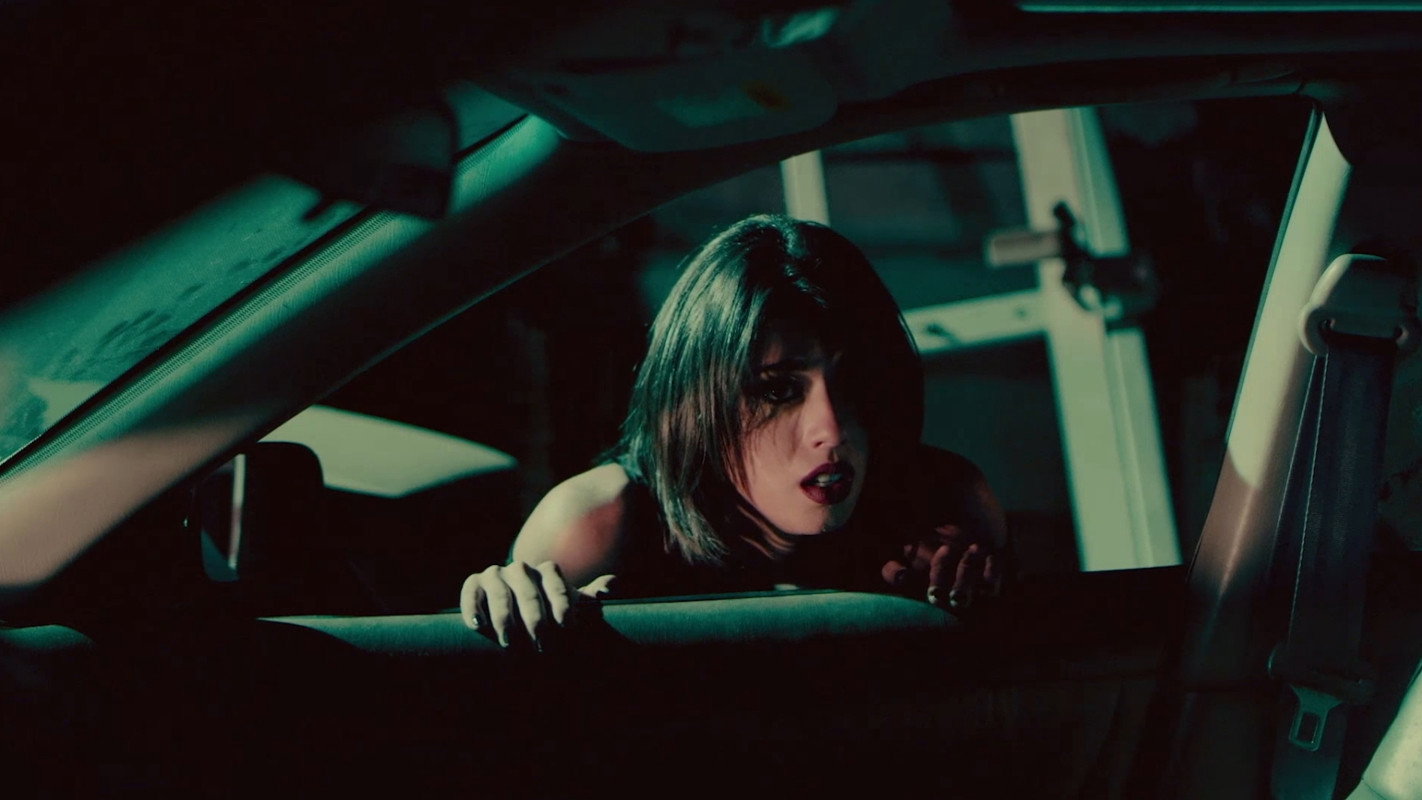
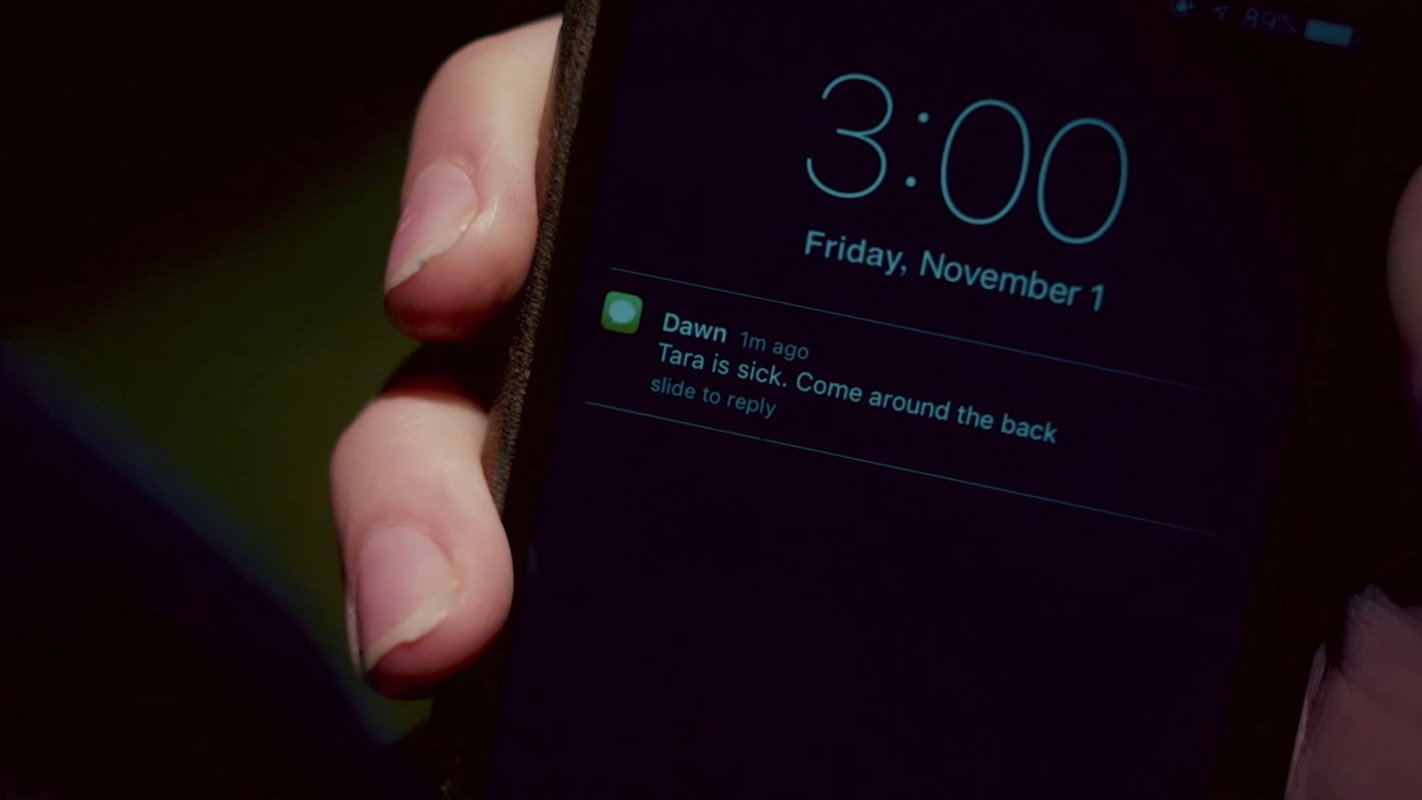
In a 2016 interview with Modern Horrors, Leone described All Hallows’ Eve as a production assembled from material filmed at different times rather than a feature originally conceived as one screenplay. The standalone Terrifier therefore offered an opportunity to replace the anthology structure with a continuous night of pursuit. He designed the project around an uncomplicated premise: two friends, Tara and Dawn, encounter a disquieting clown after an evening out, and their attempt to get home places them in an increasingly dangerous environment. Leone spoke openly about prioritizing relentless violence, tension and the singular personality of his killer over elaborate backstory.

Producer Phil Falcone helped make the feature possible and became closely involved in the practical work. Leone’s pre-release account describes the two spending approximately three months preparing makeup pieces, body casts and weapons in Falcone’s home. Their preparation illustrates the film’s production priorities: scenes requiring elaborate prosthetic construction were planned before photography, rather than treated as effects to be added later. The film consequently represents a direct extension of Leone’s early makeup experiments into feature-length filmmaking, with the script shaped around techniques that he could execute on a restricted budget.
Production & Photography

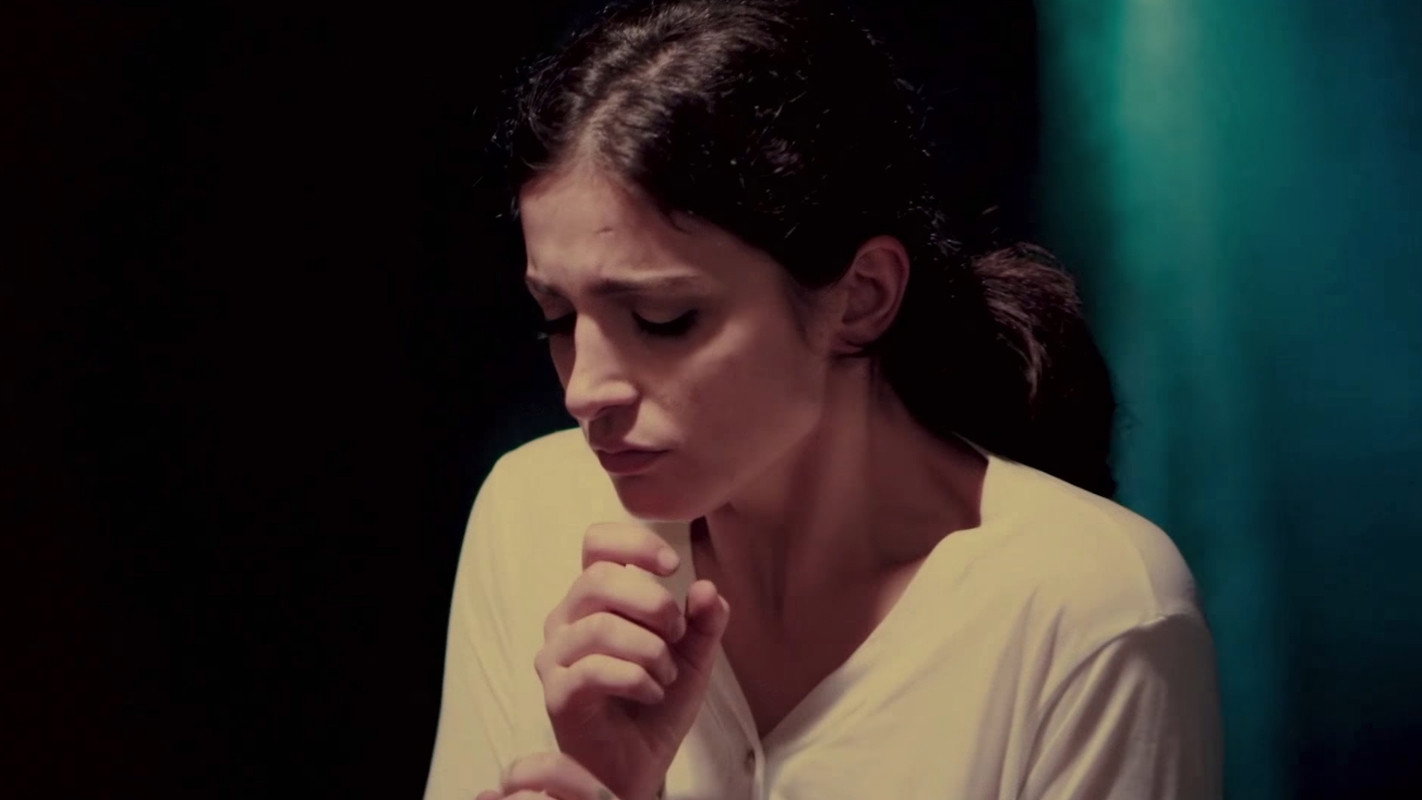
Principal photography began in October 2015, according to Thornton’s recollection of his casting and first days on the production. Cinematographer George Steuber later described a severely limited crew working in a warehouse in Trenton, New Jersey. He operated the camera, managed media, pulled focus and frequently handled lighting himself. Assistance was intermittent, and even basic equipment could be unavailable. These conditions made the production unusually dependent on a small number of people capable of taking responsibility for several technical tasks within the same shooting day.

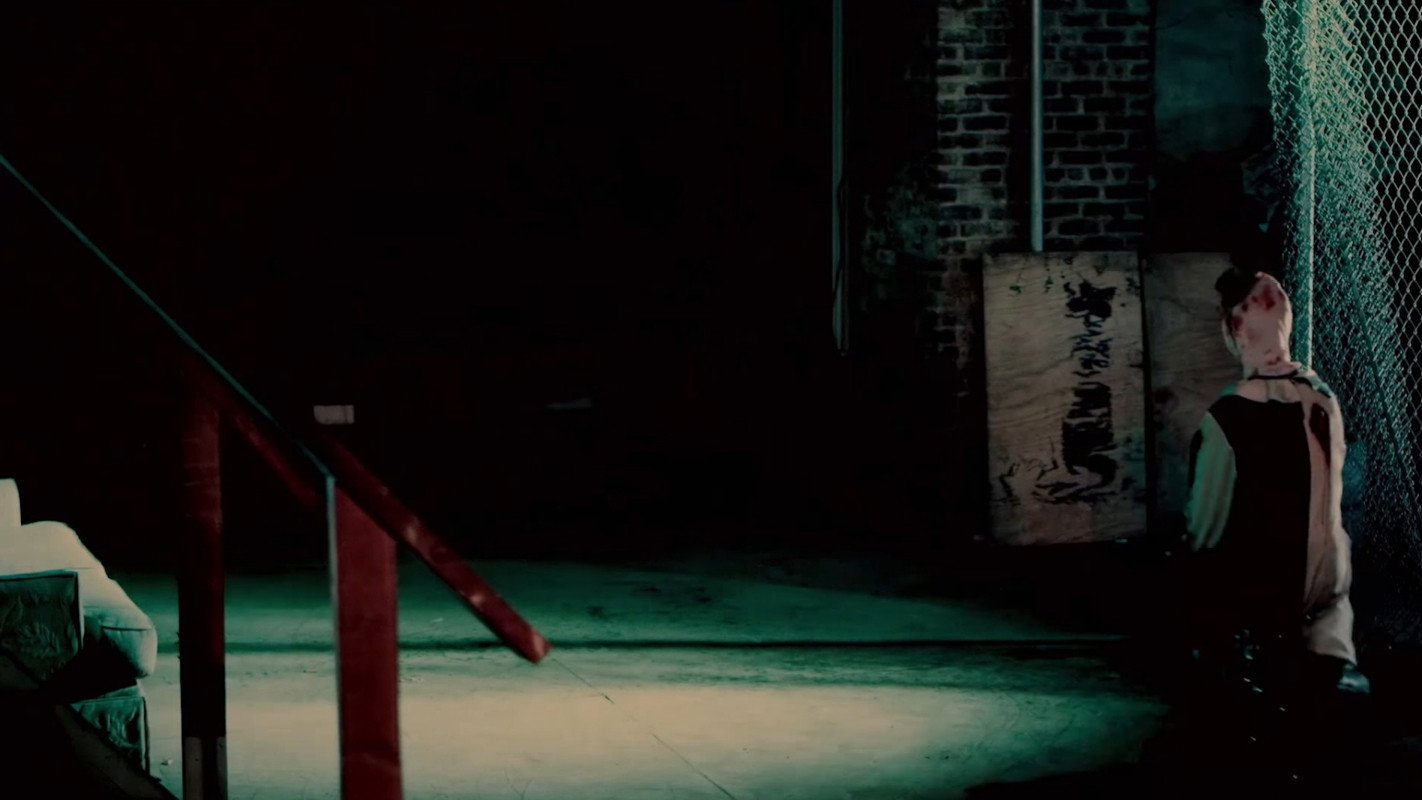
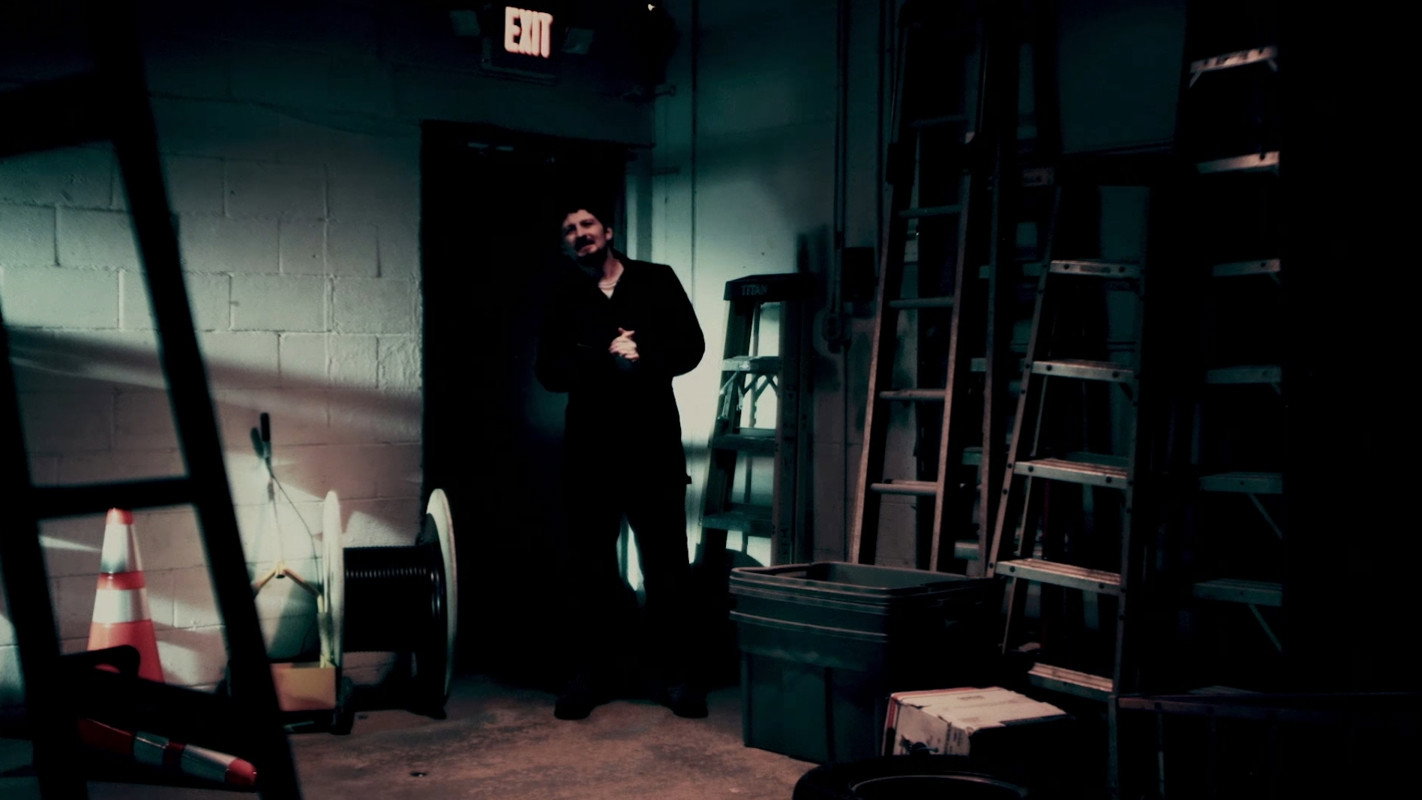
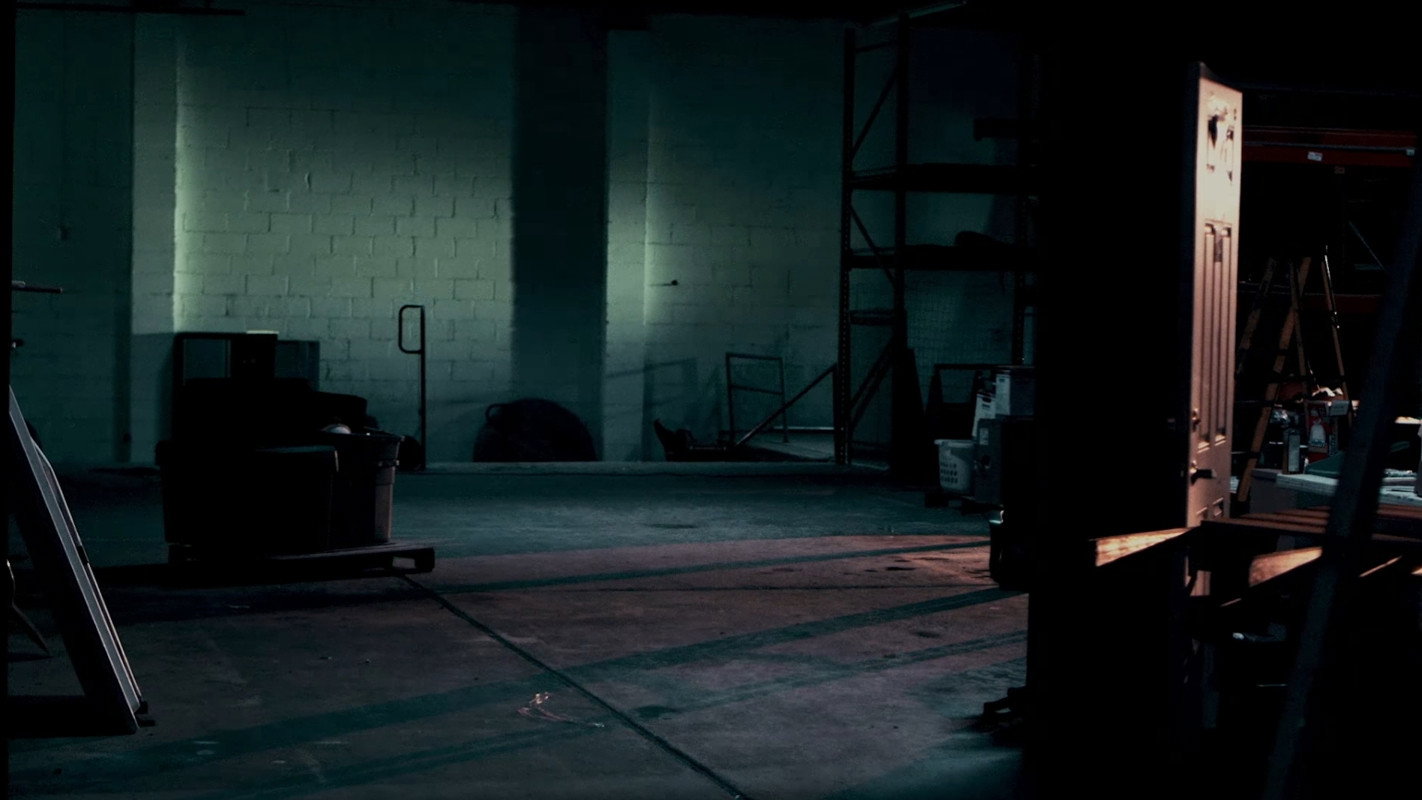
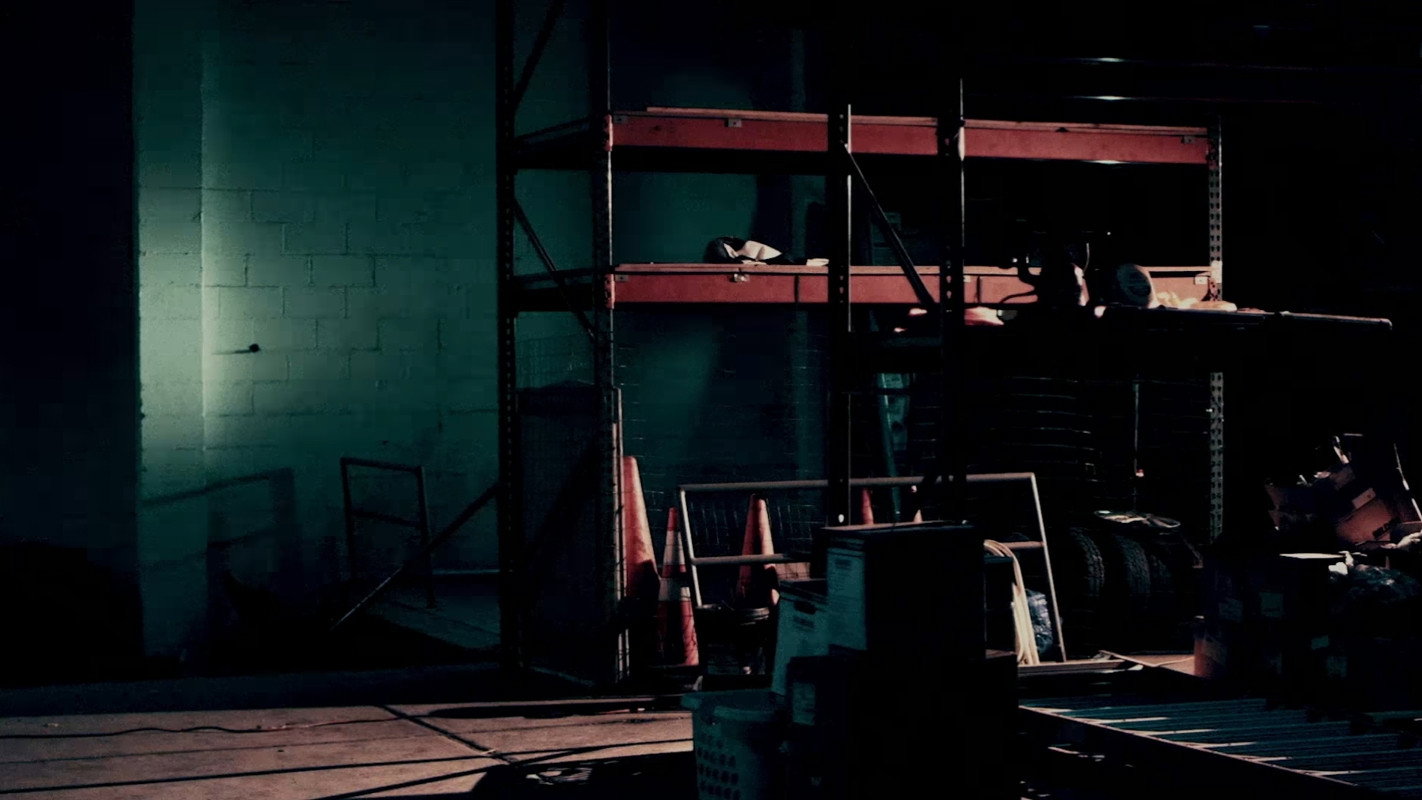
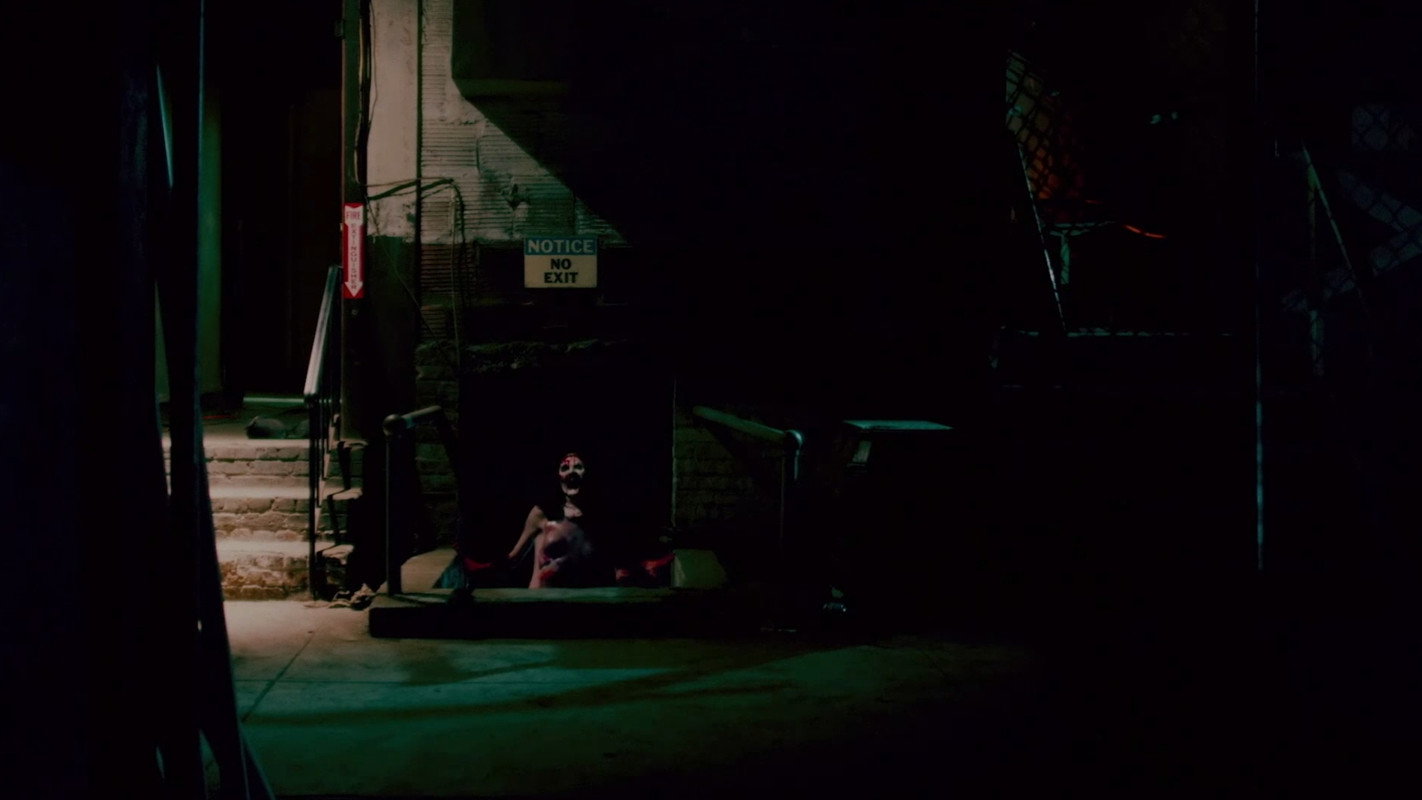
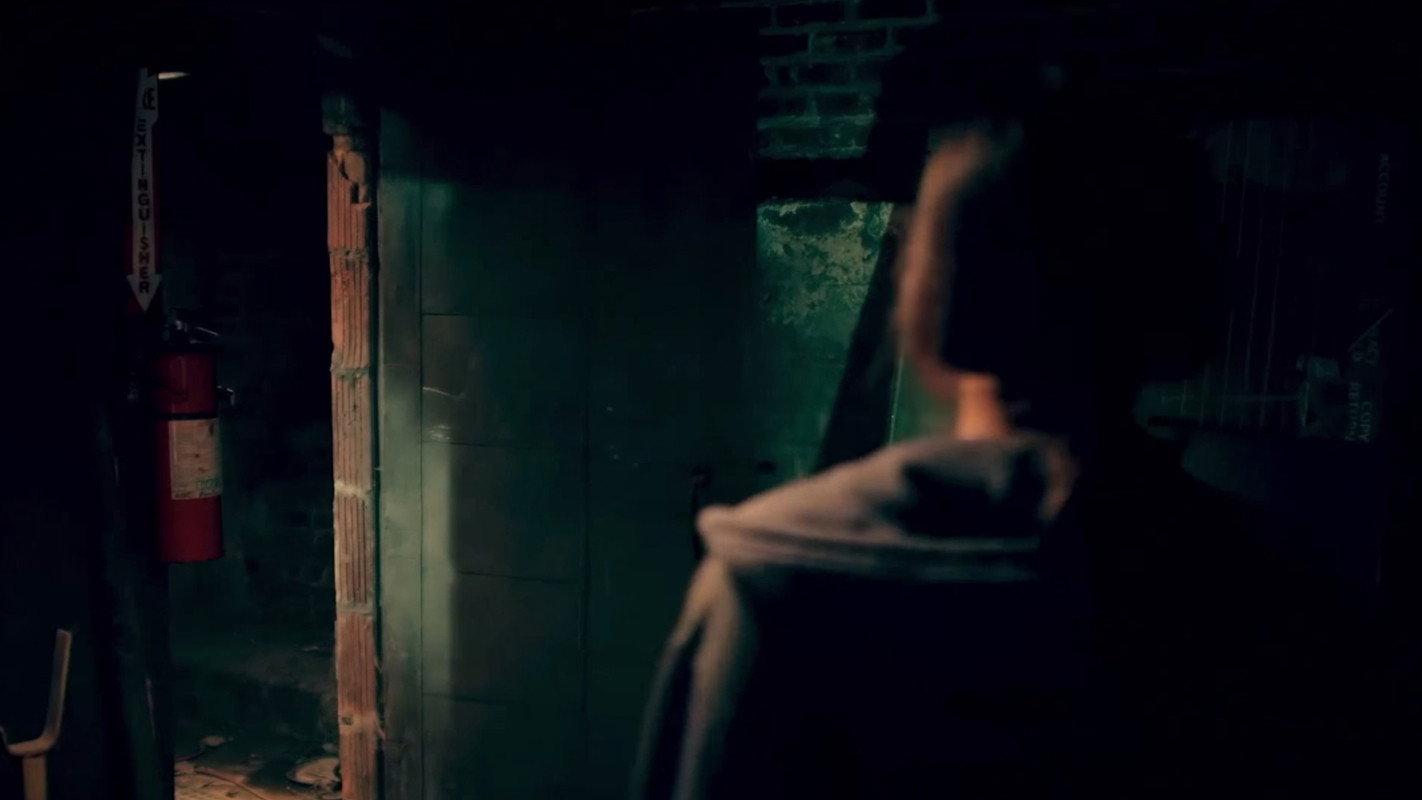
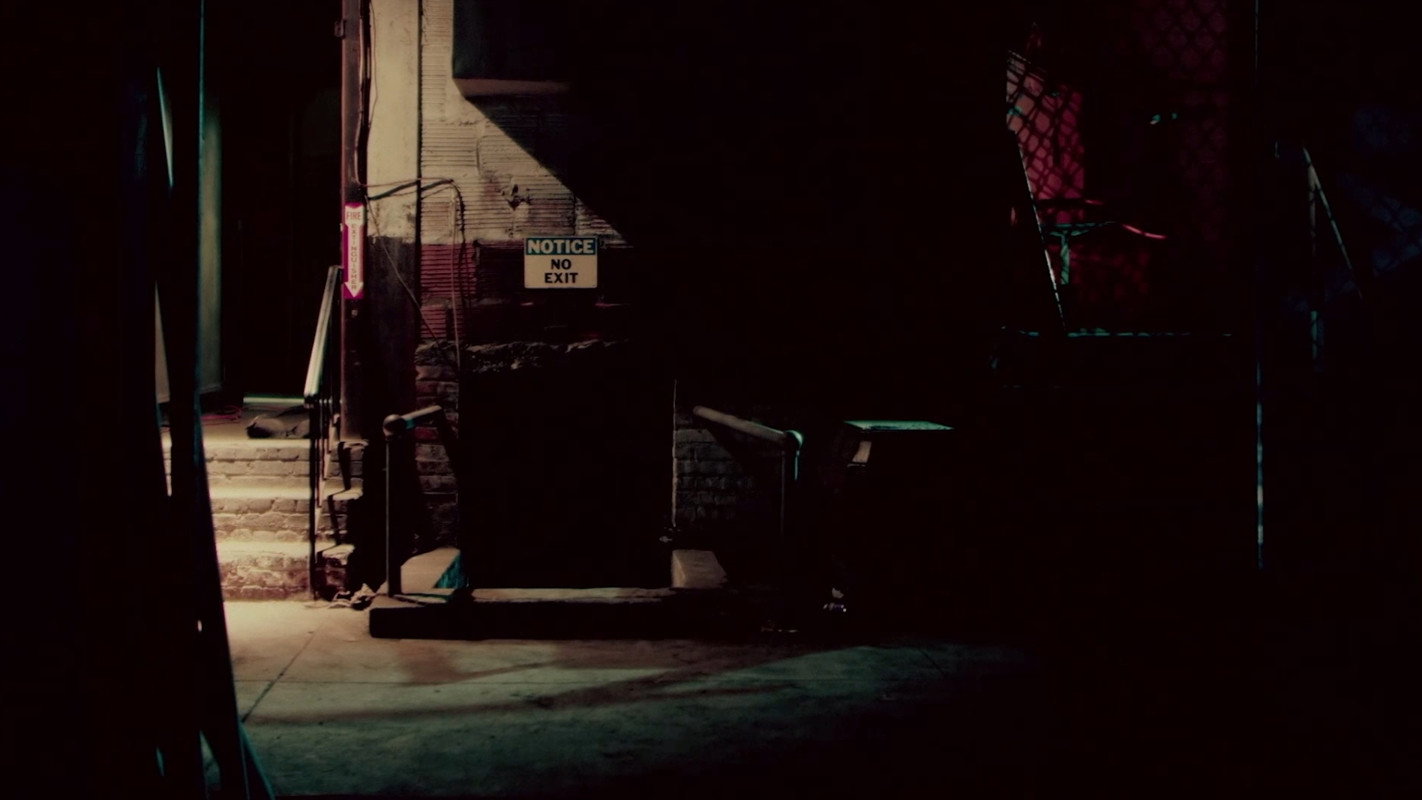
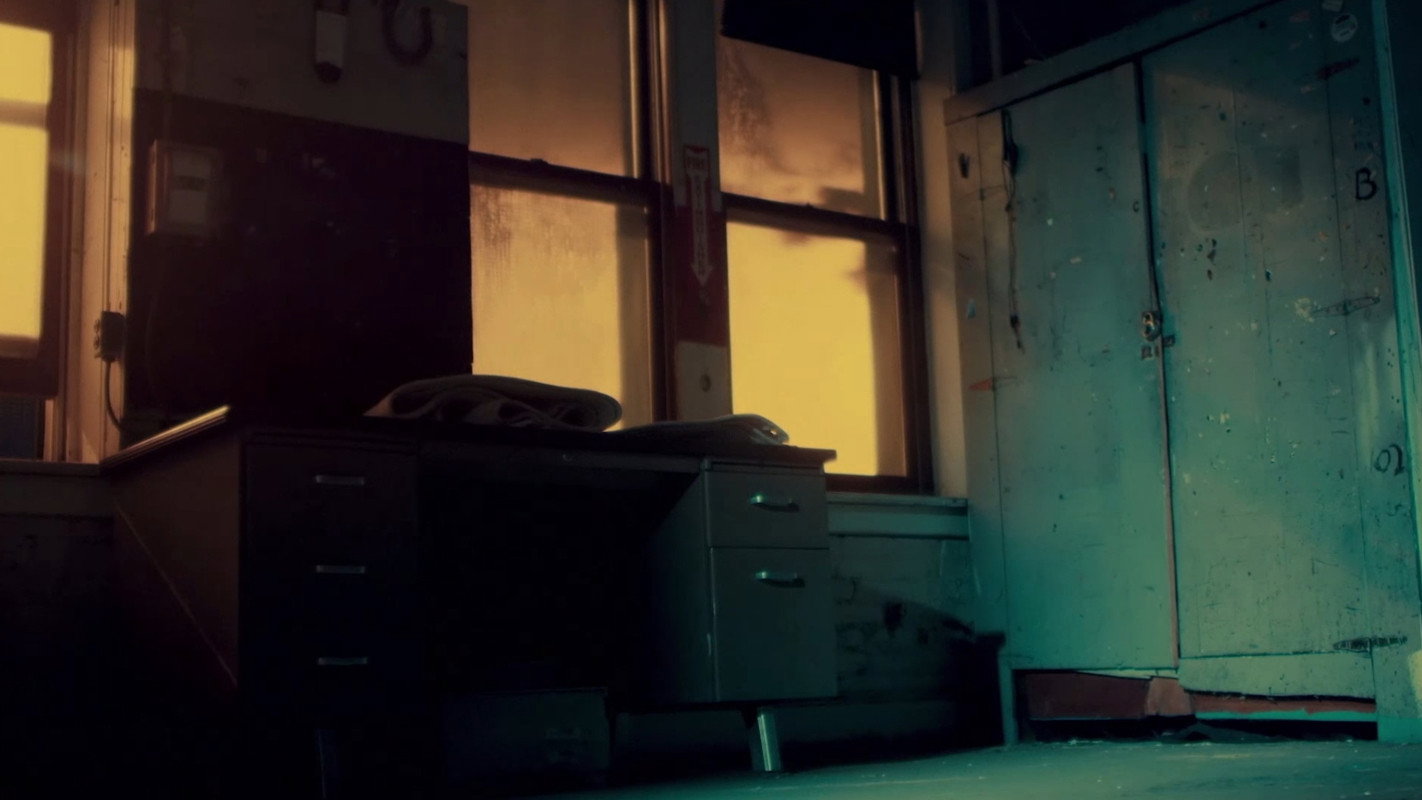
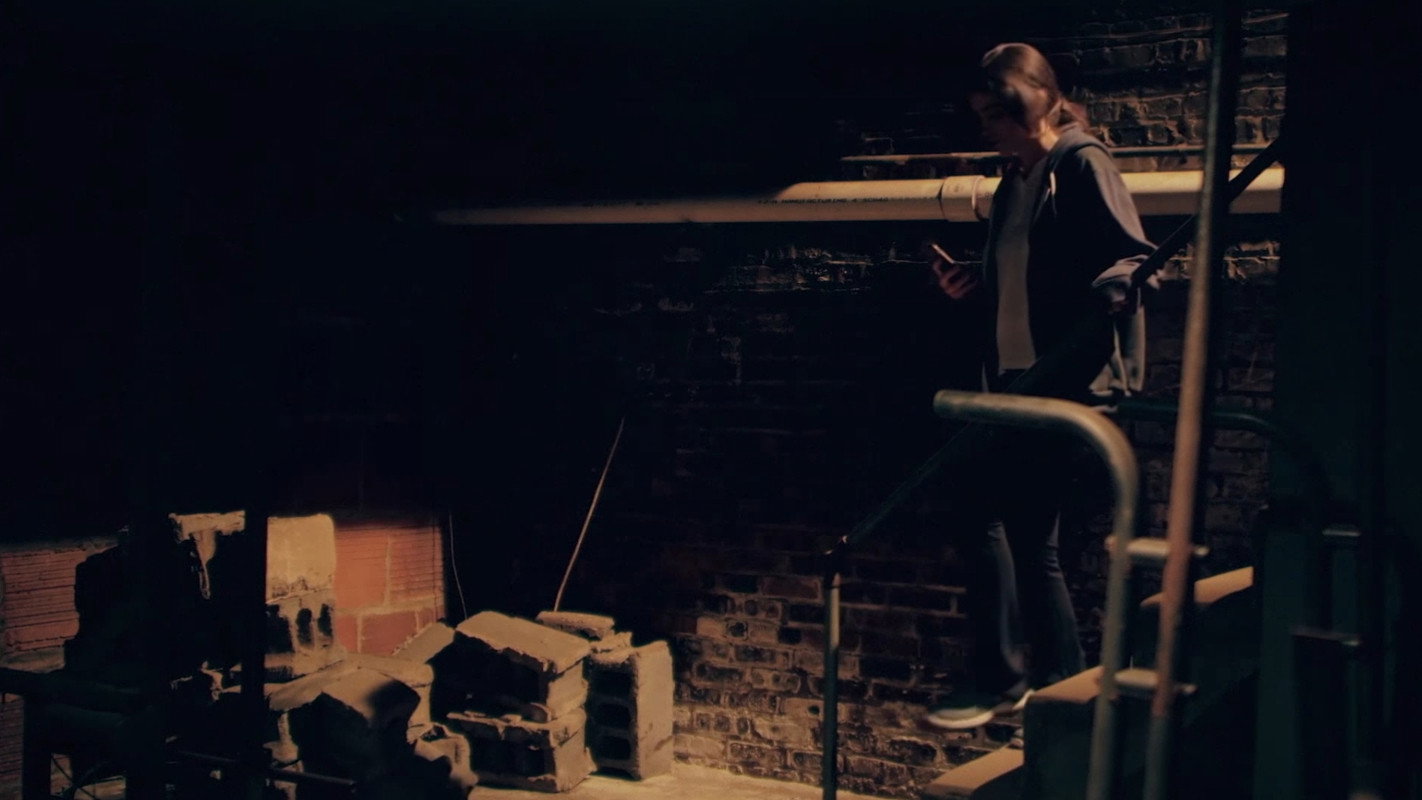
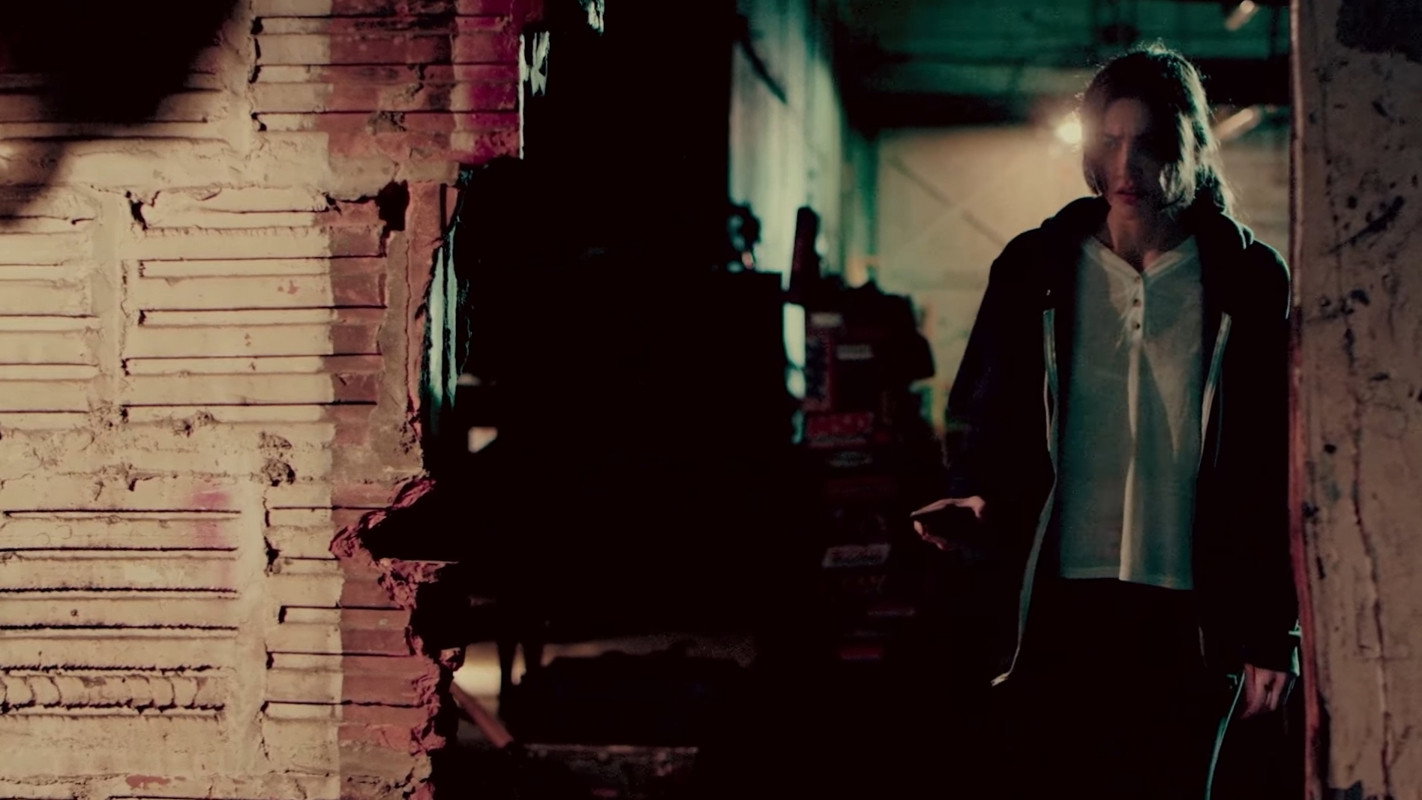
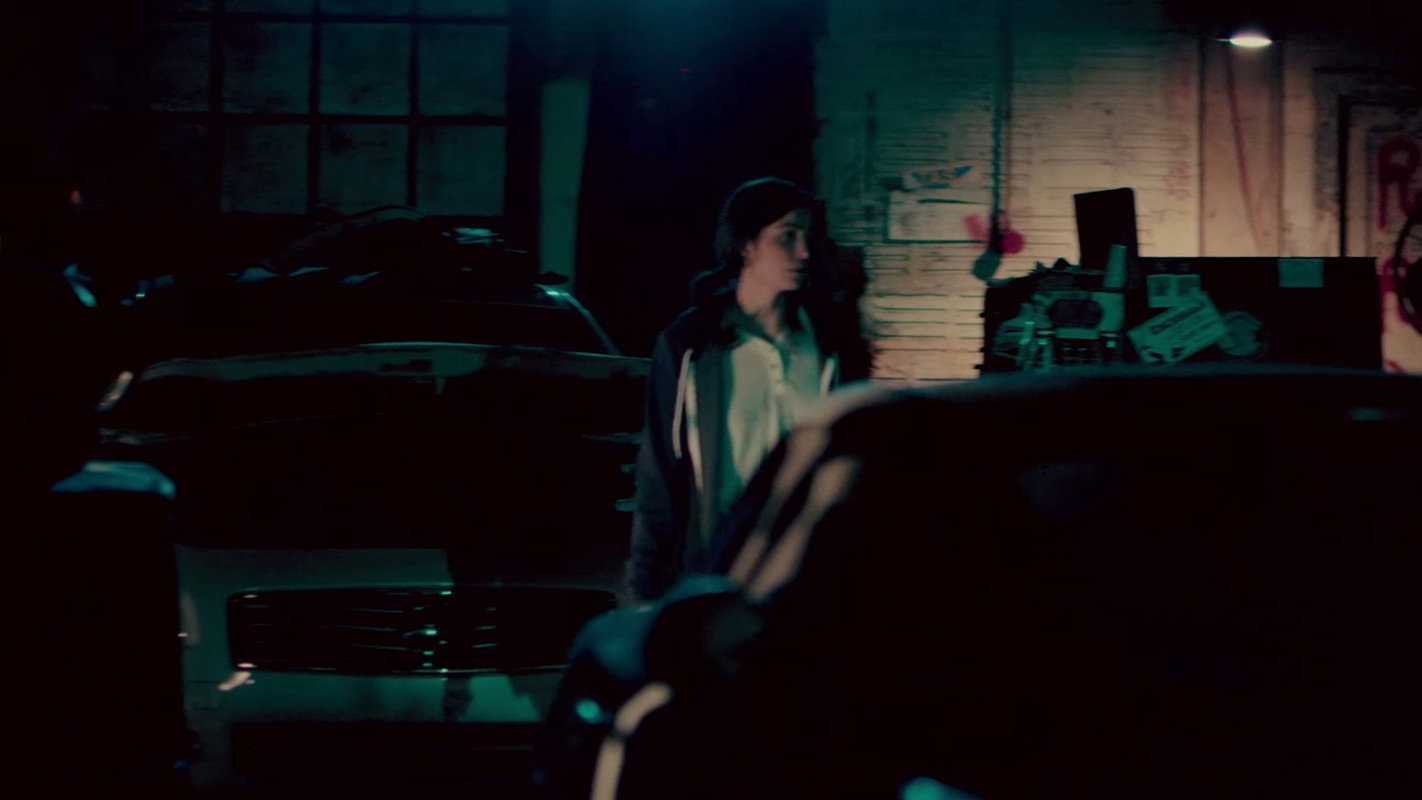
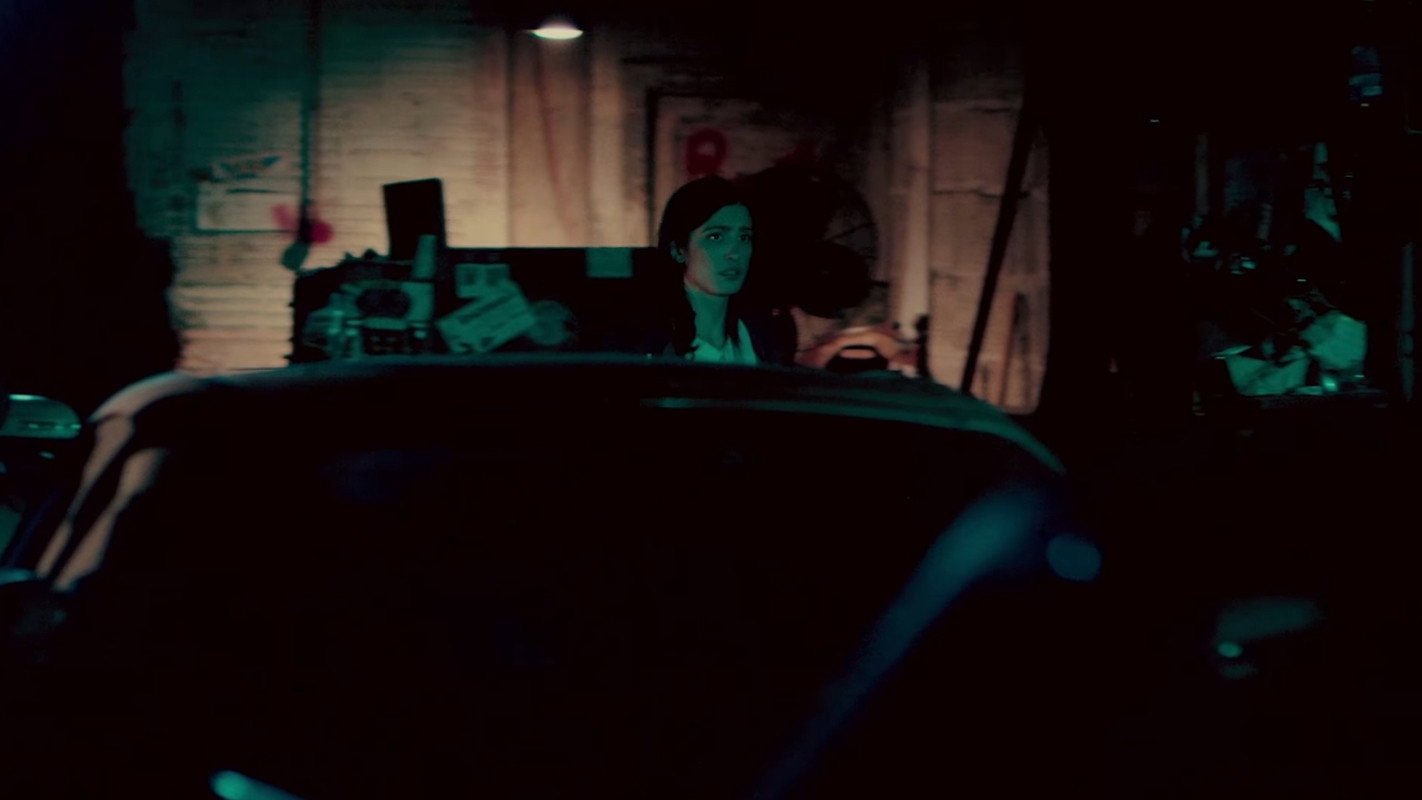
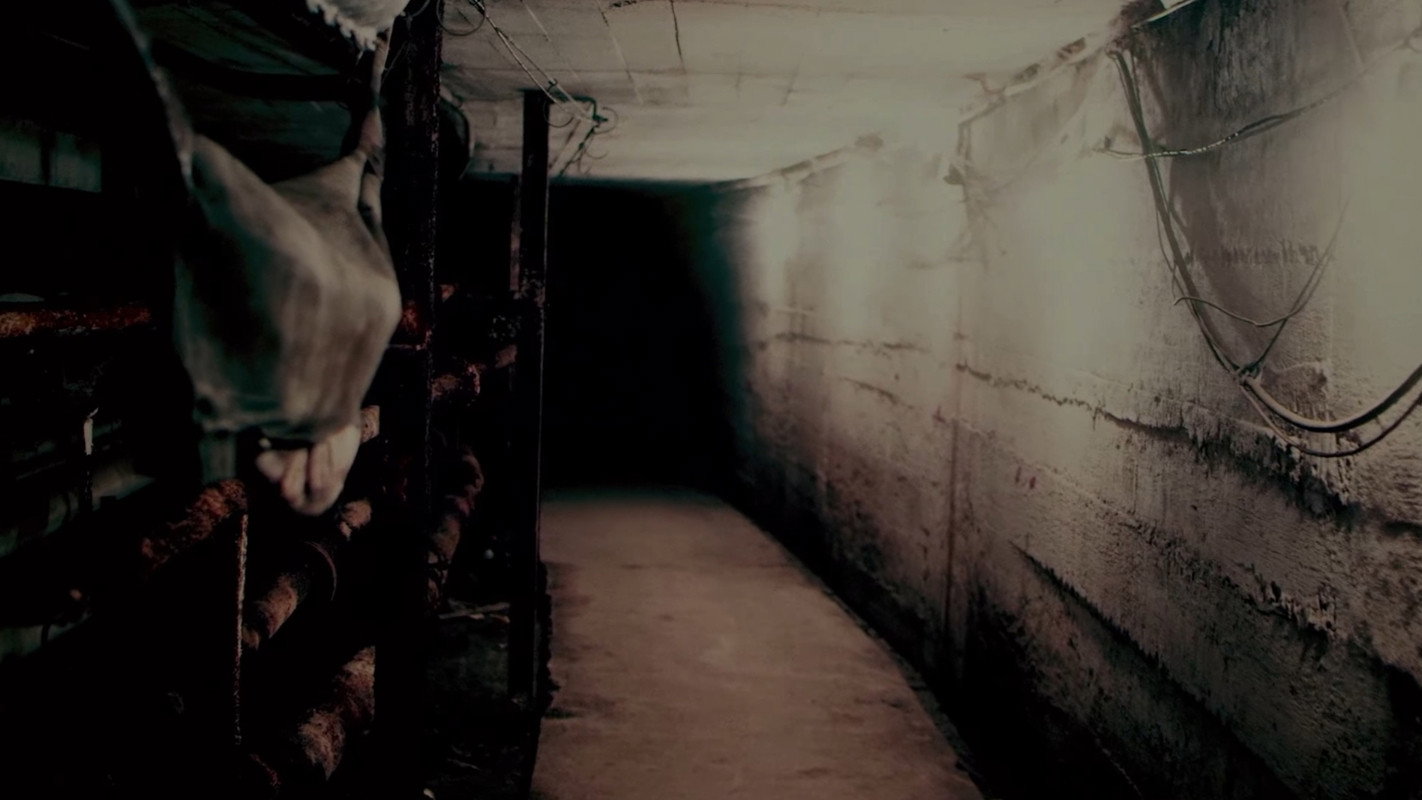
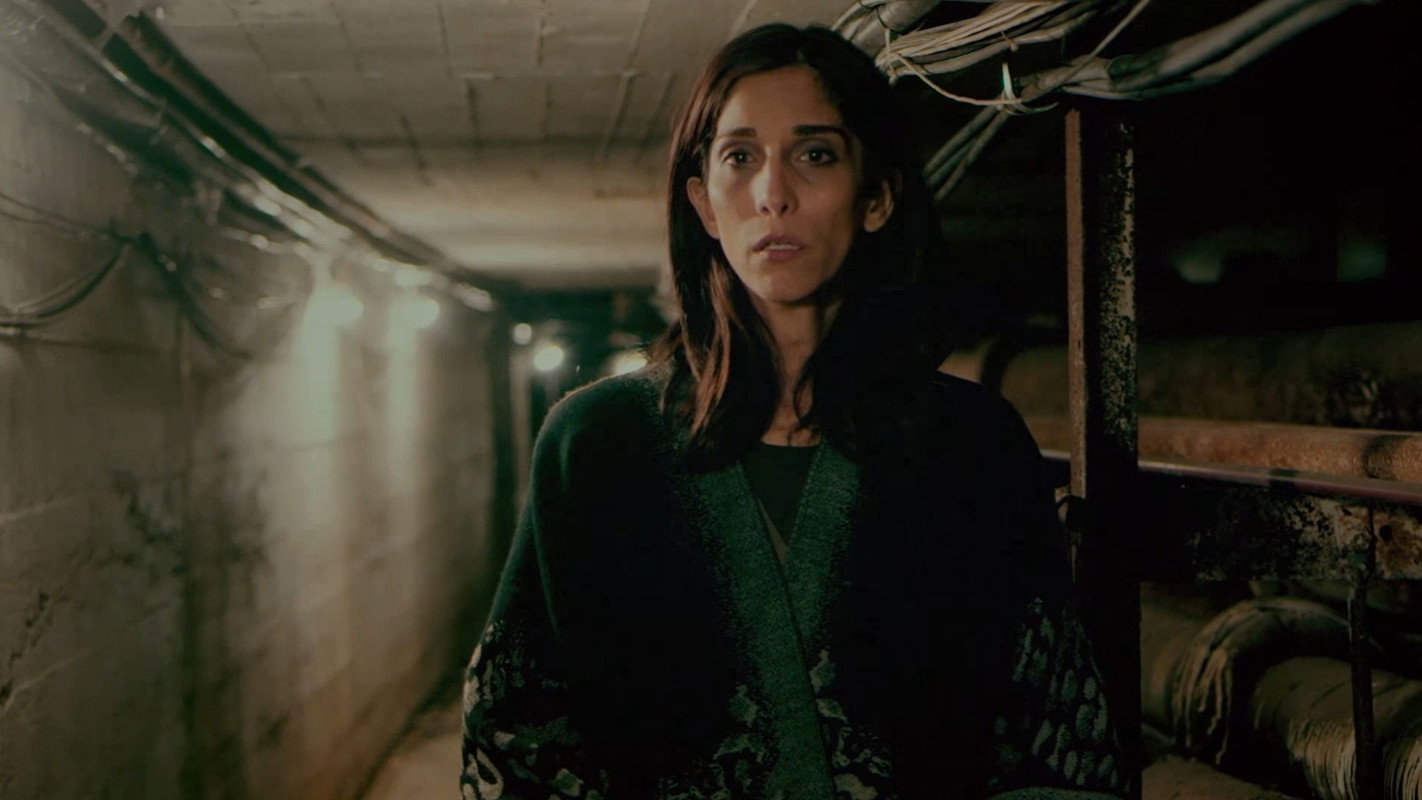
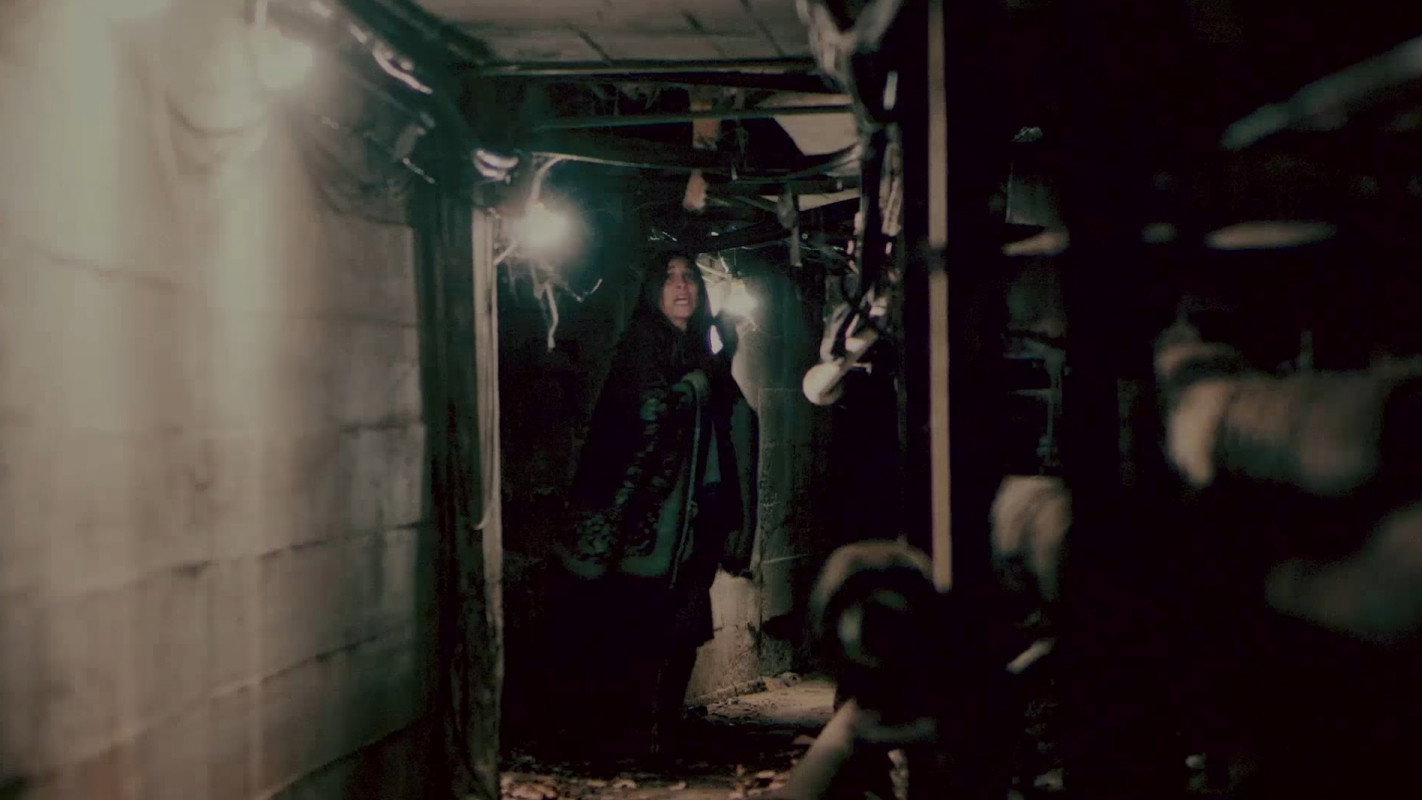
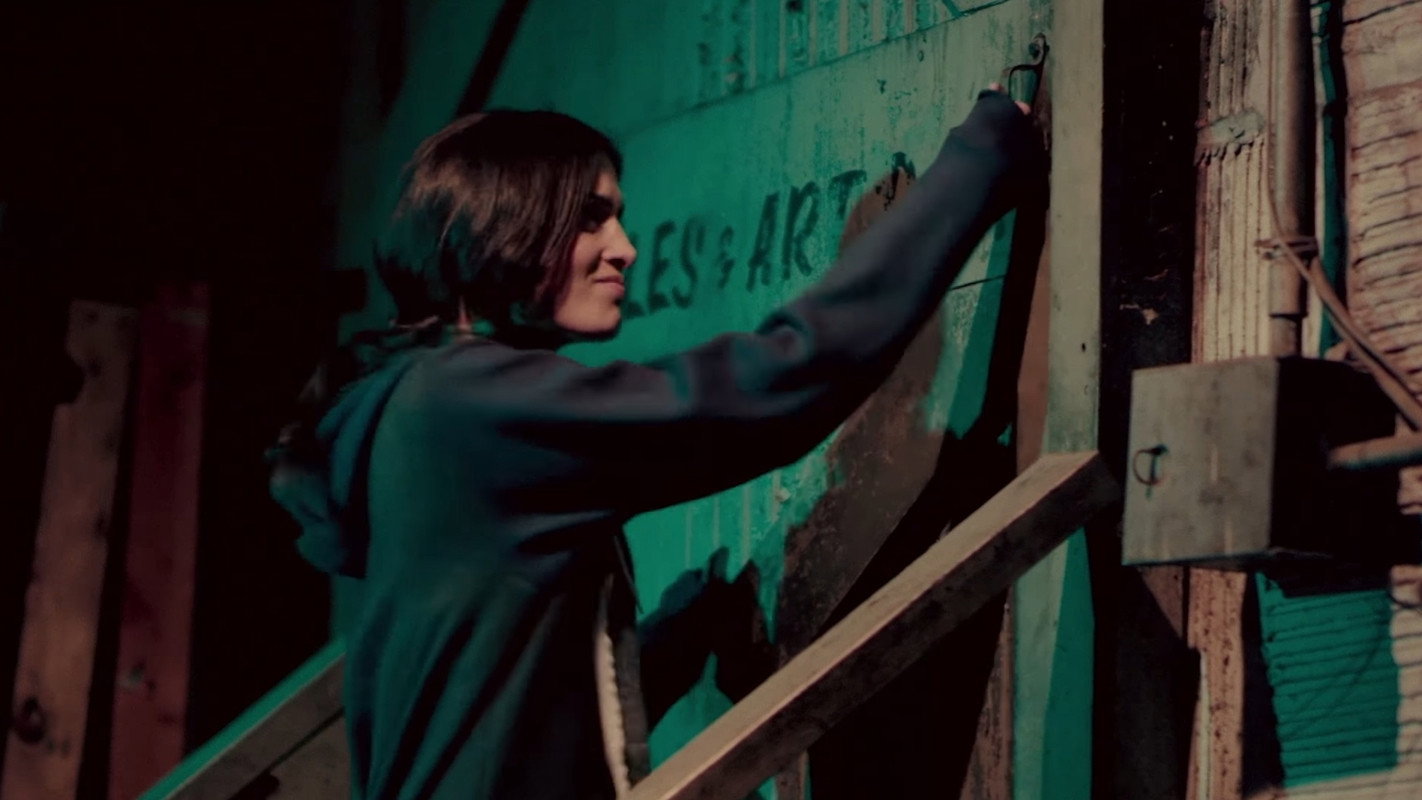
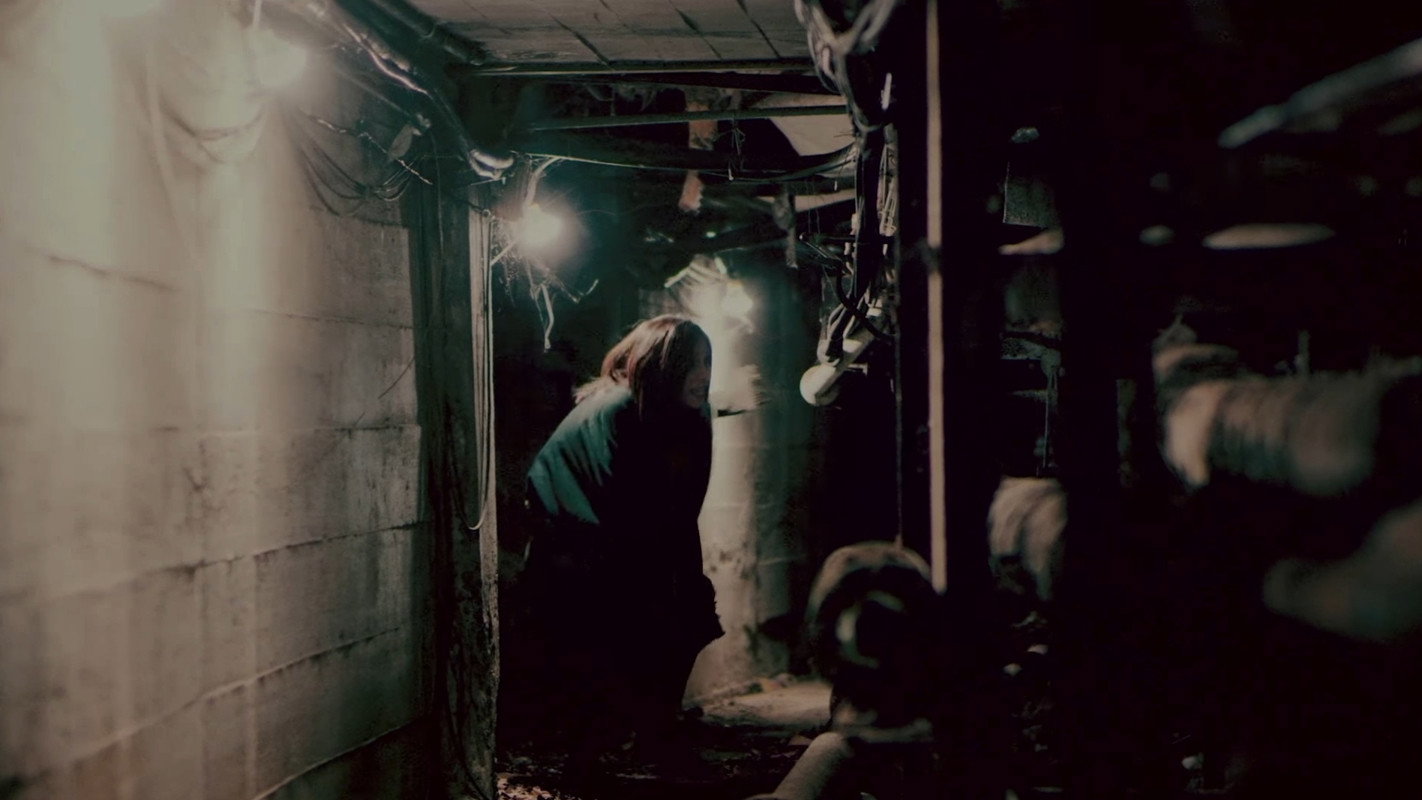
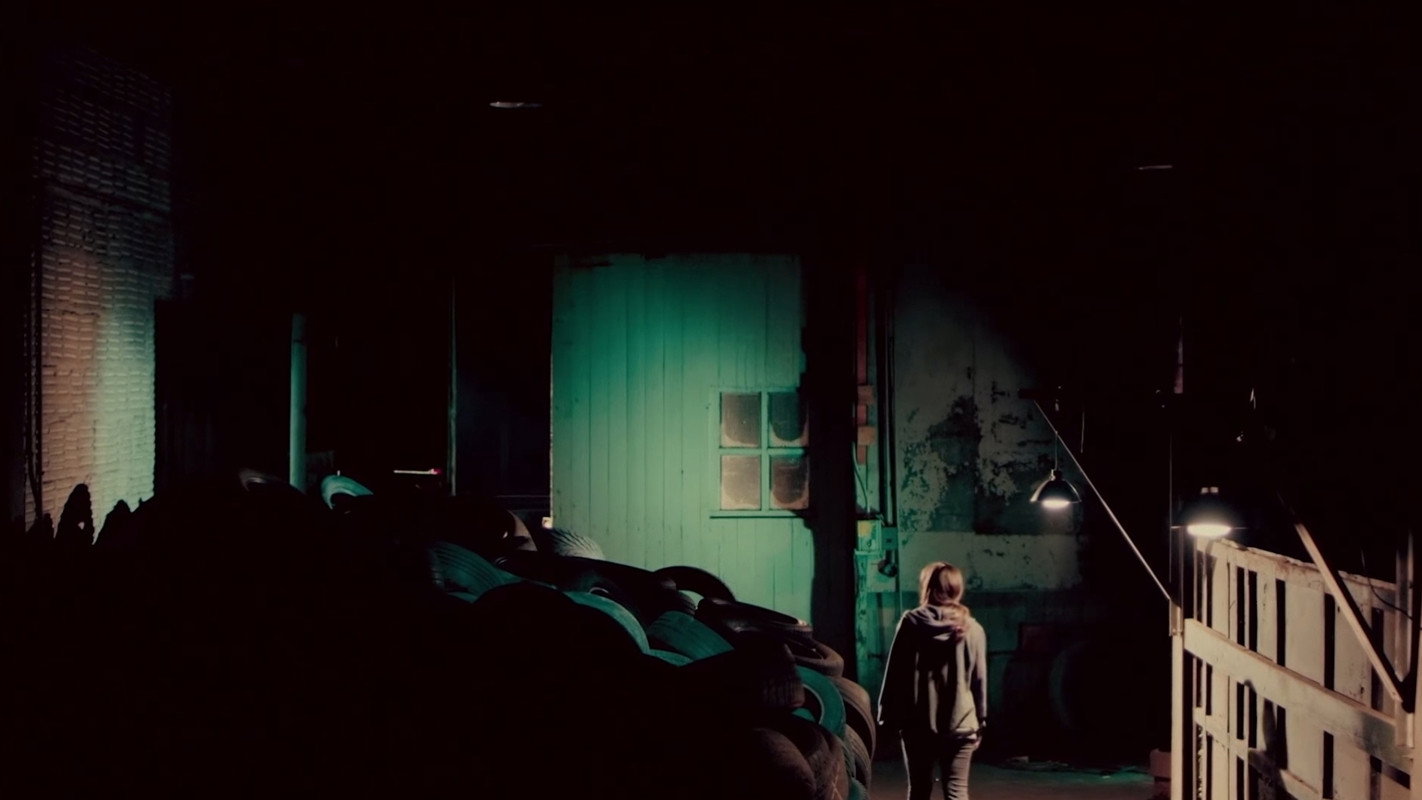
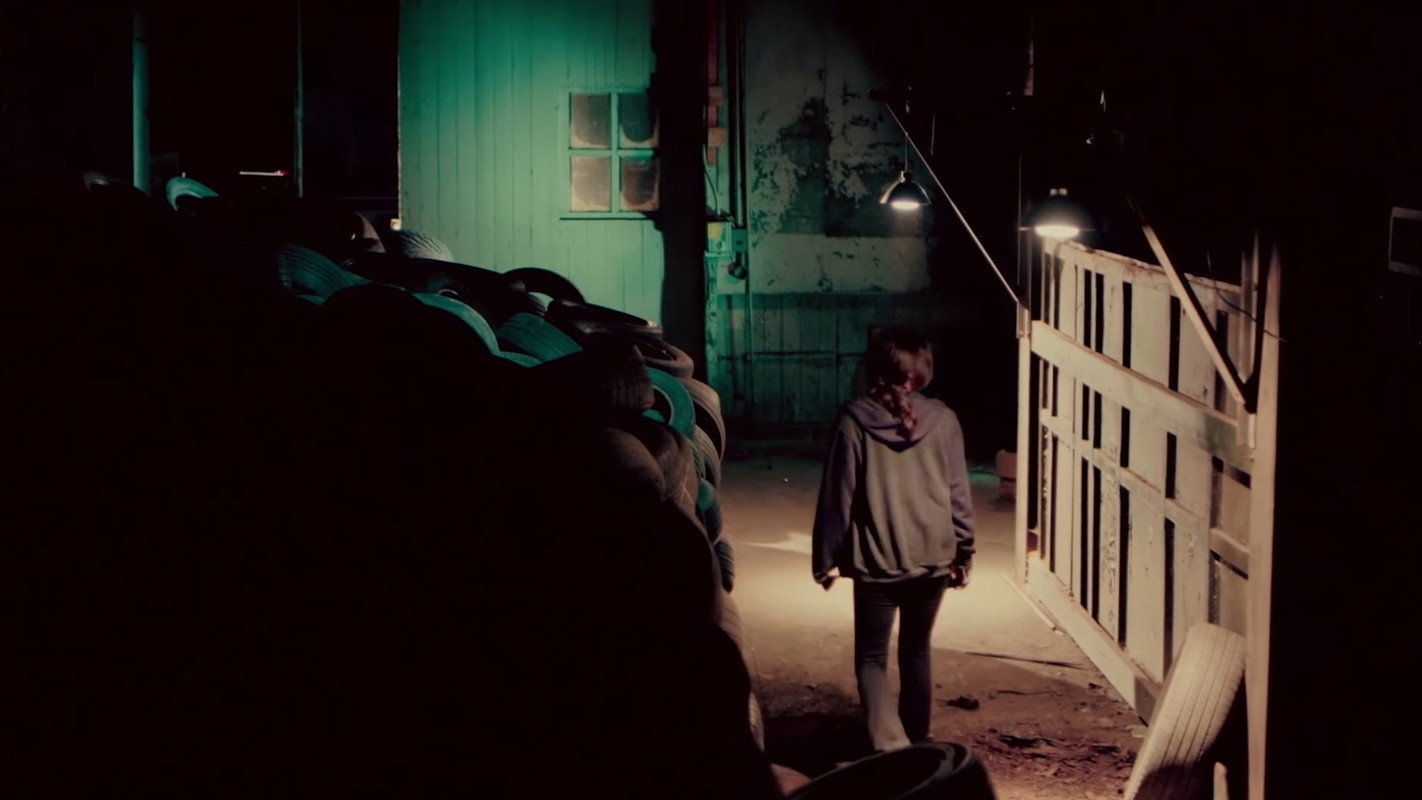
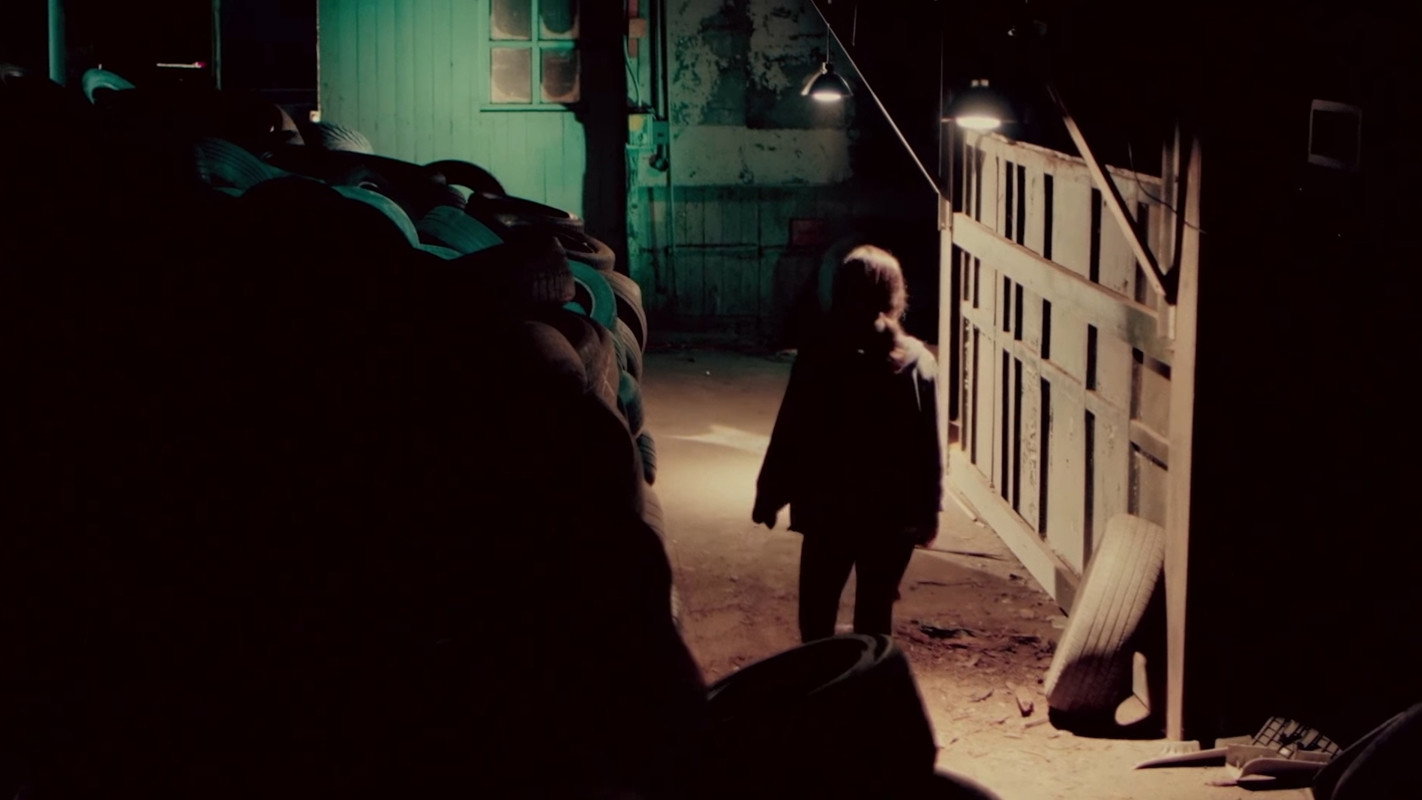
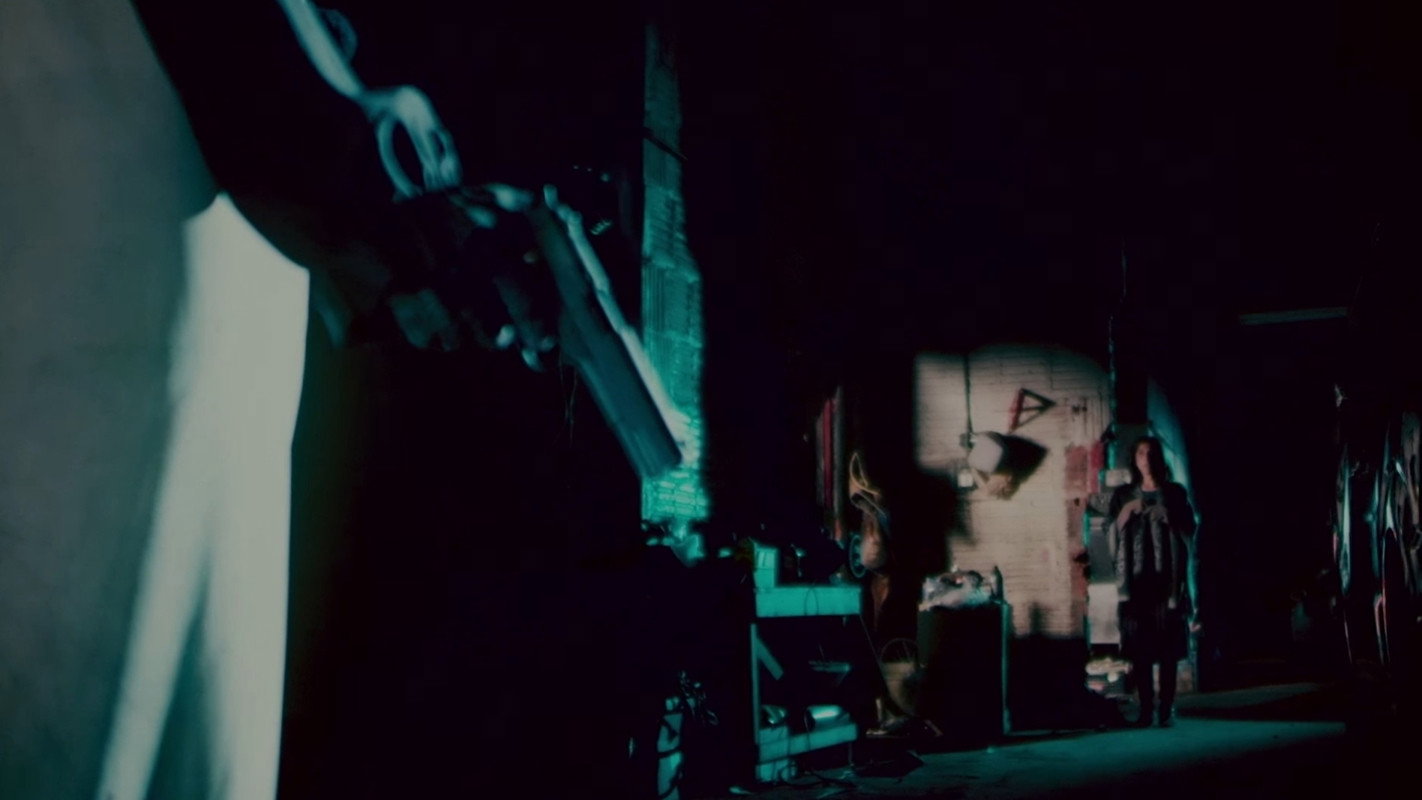
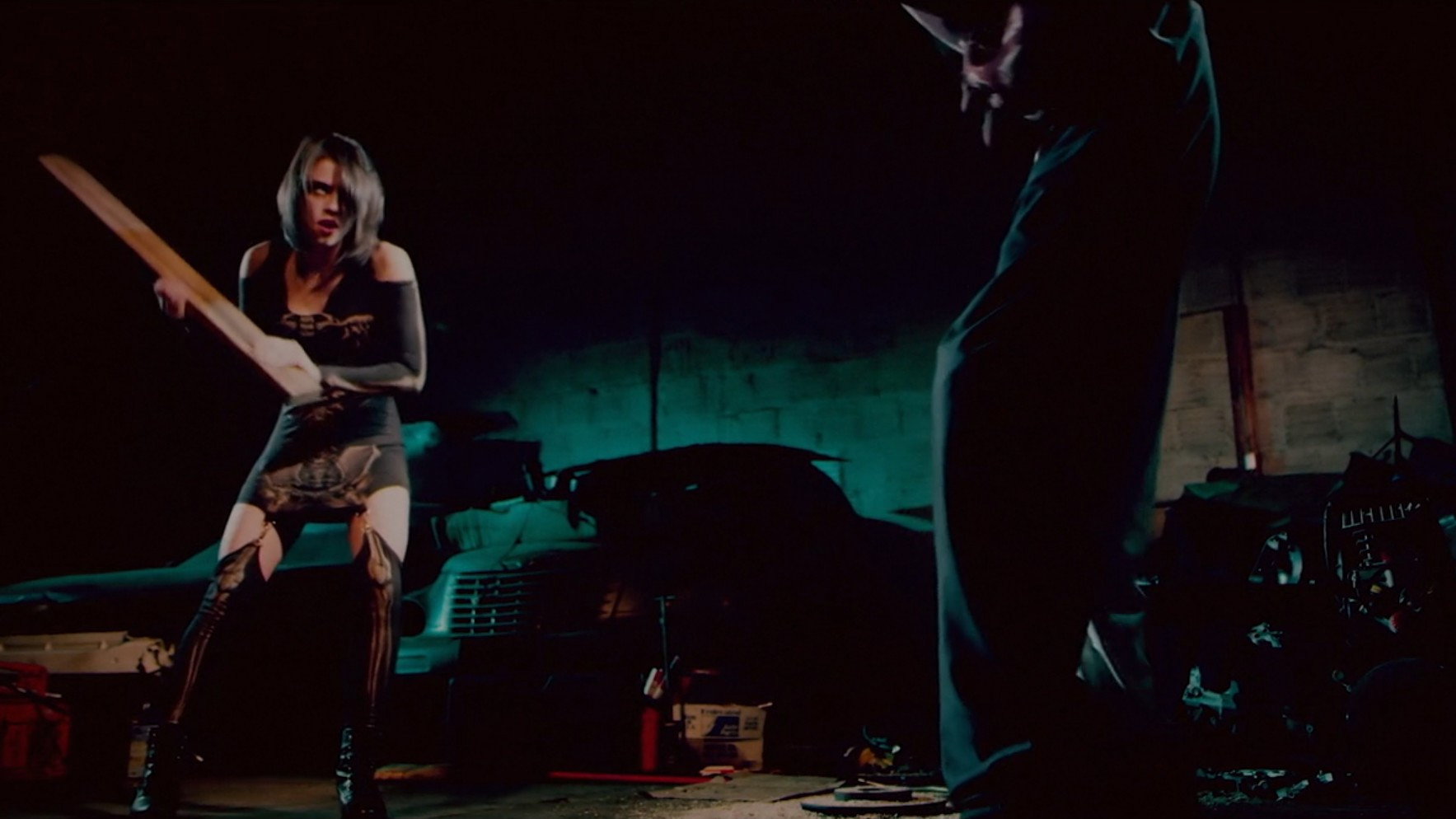
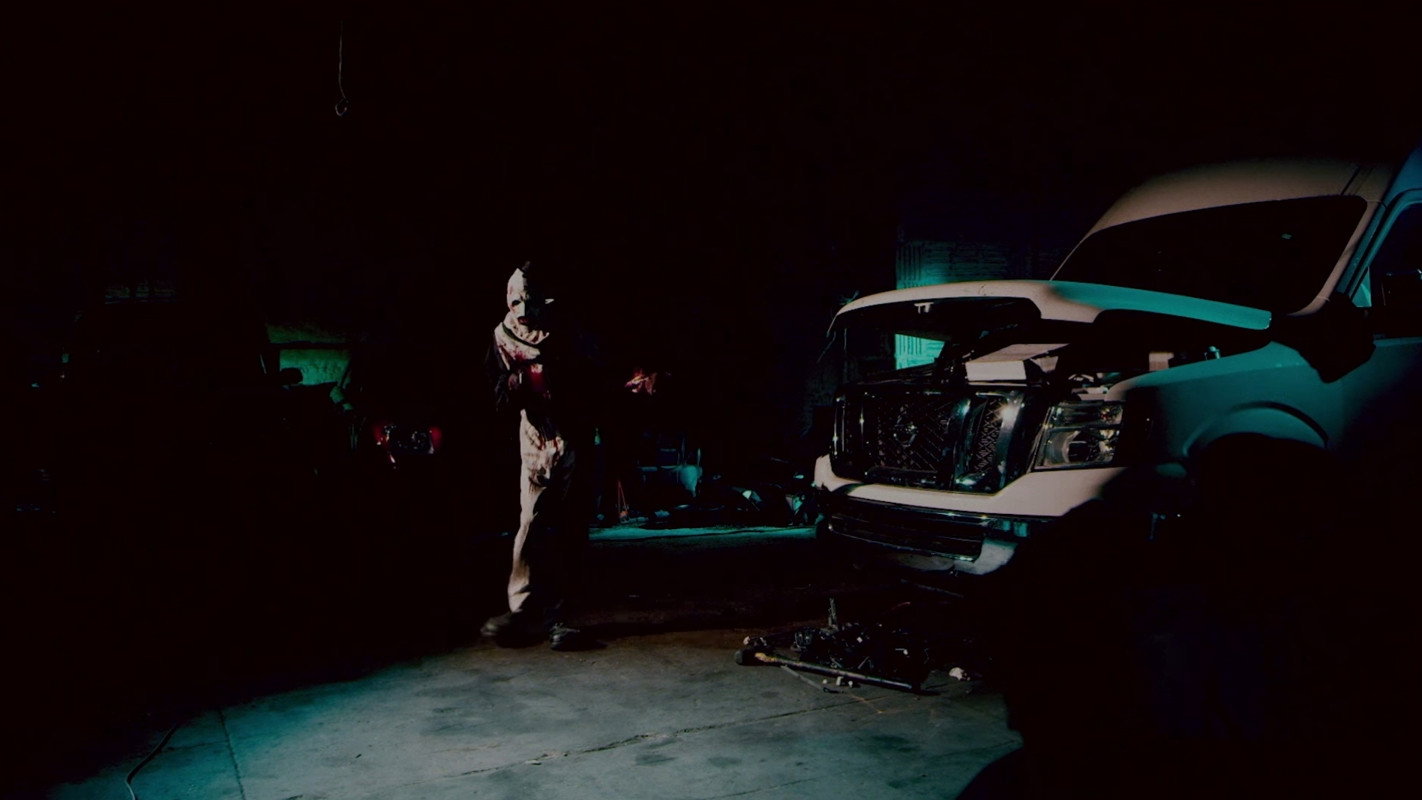
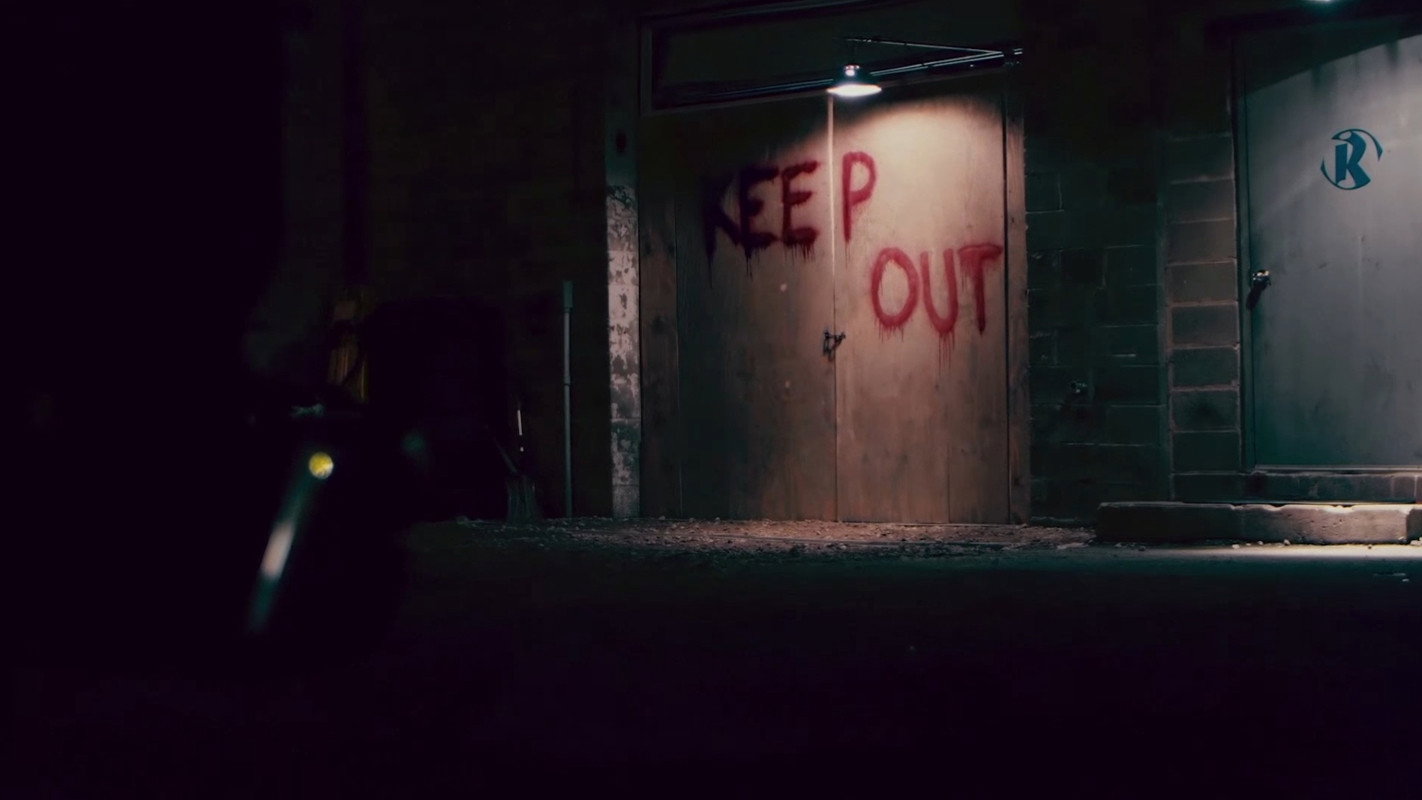
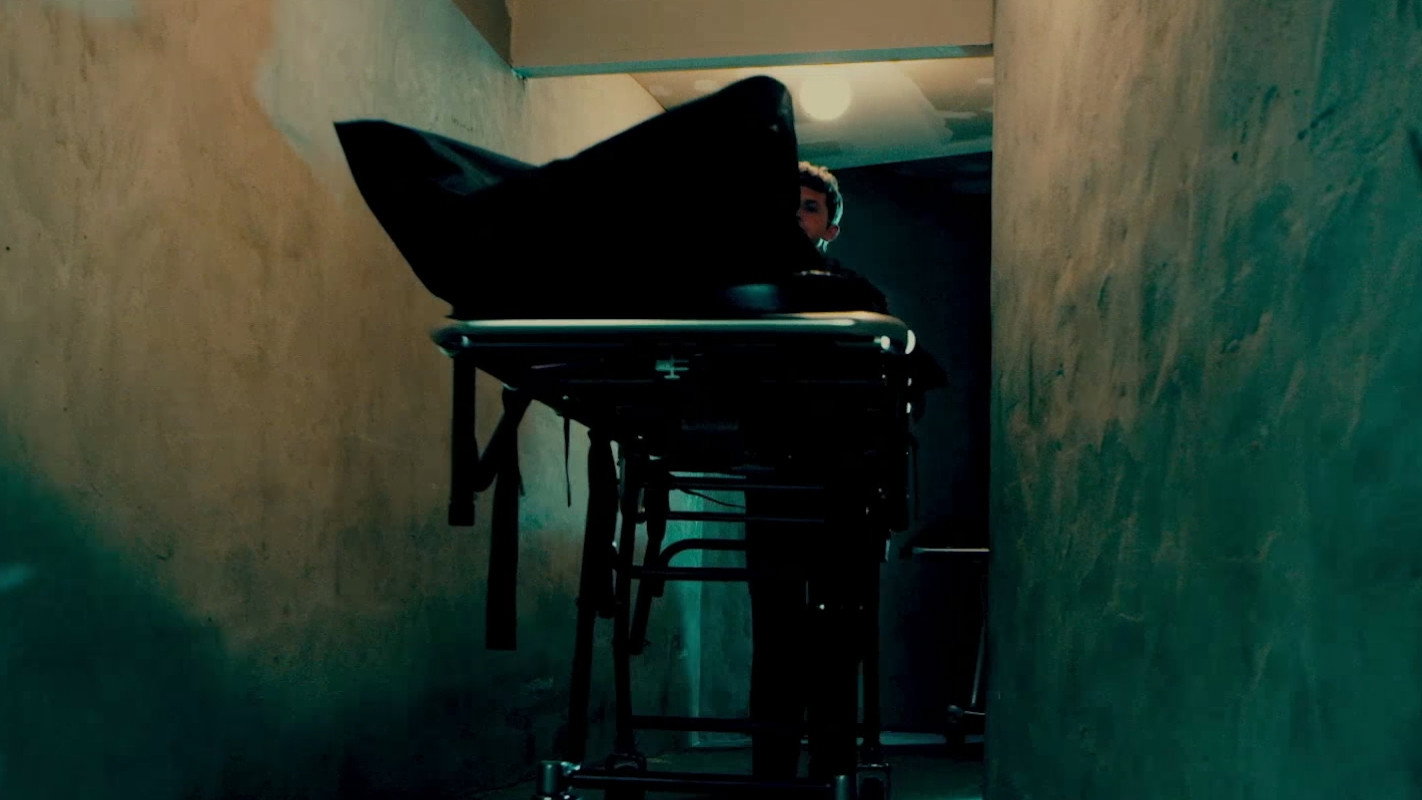
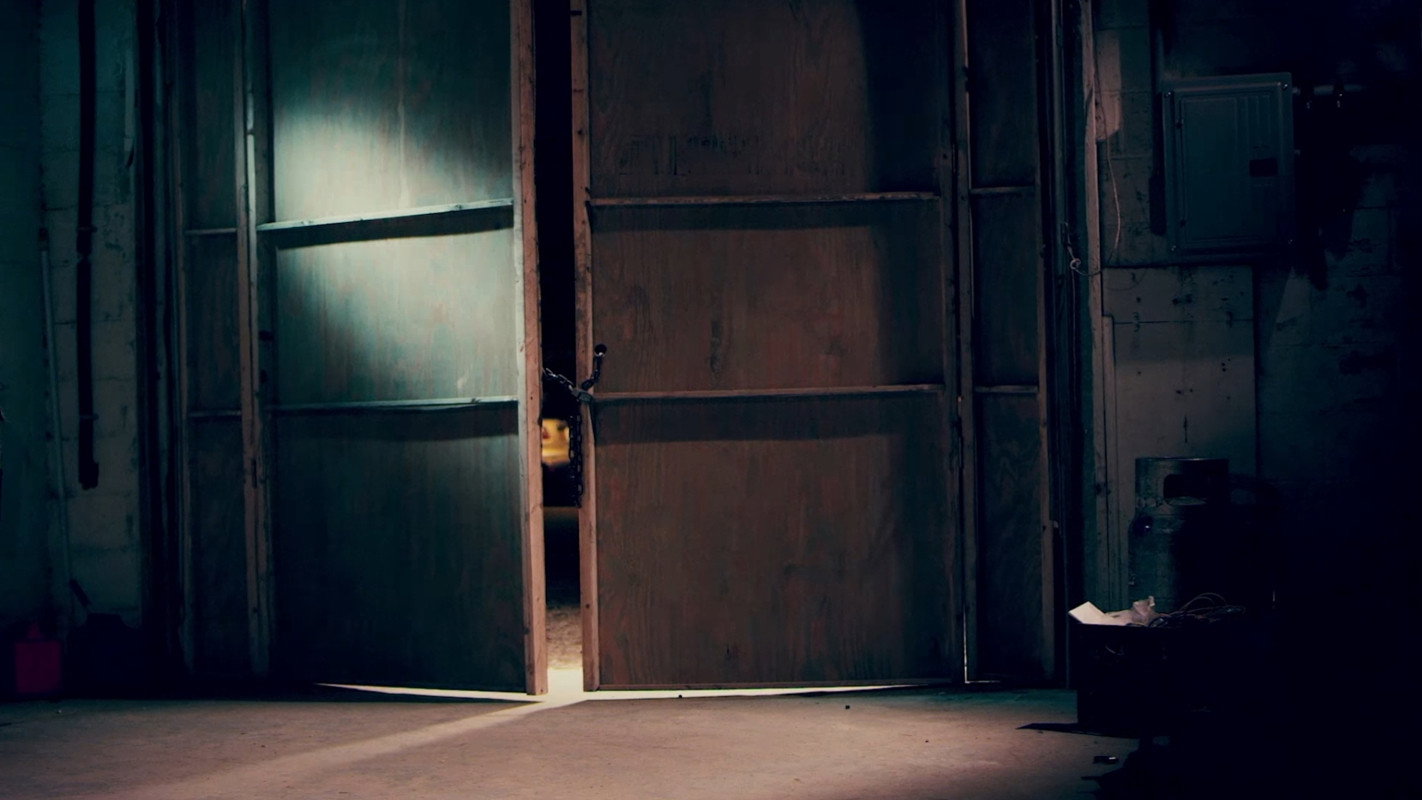
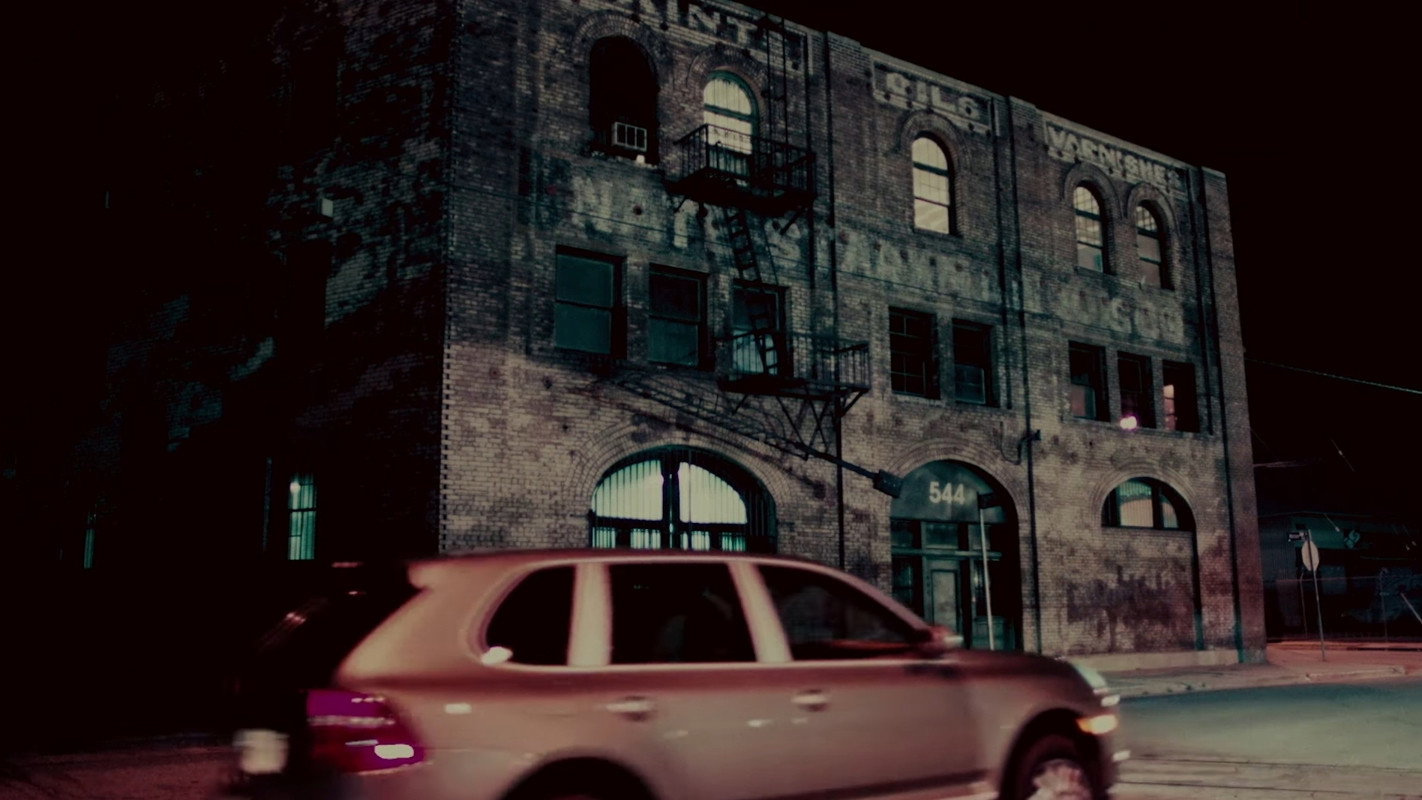
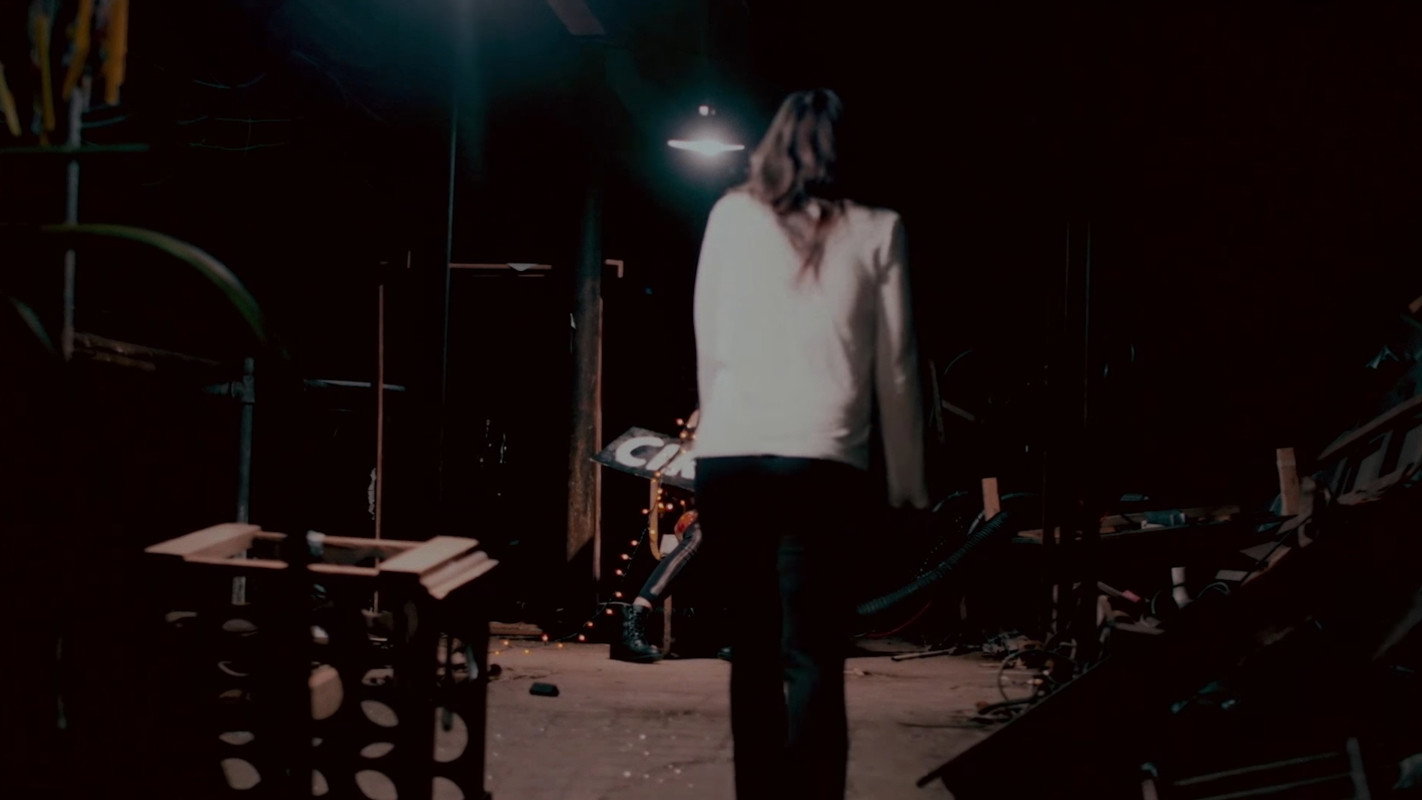
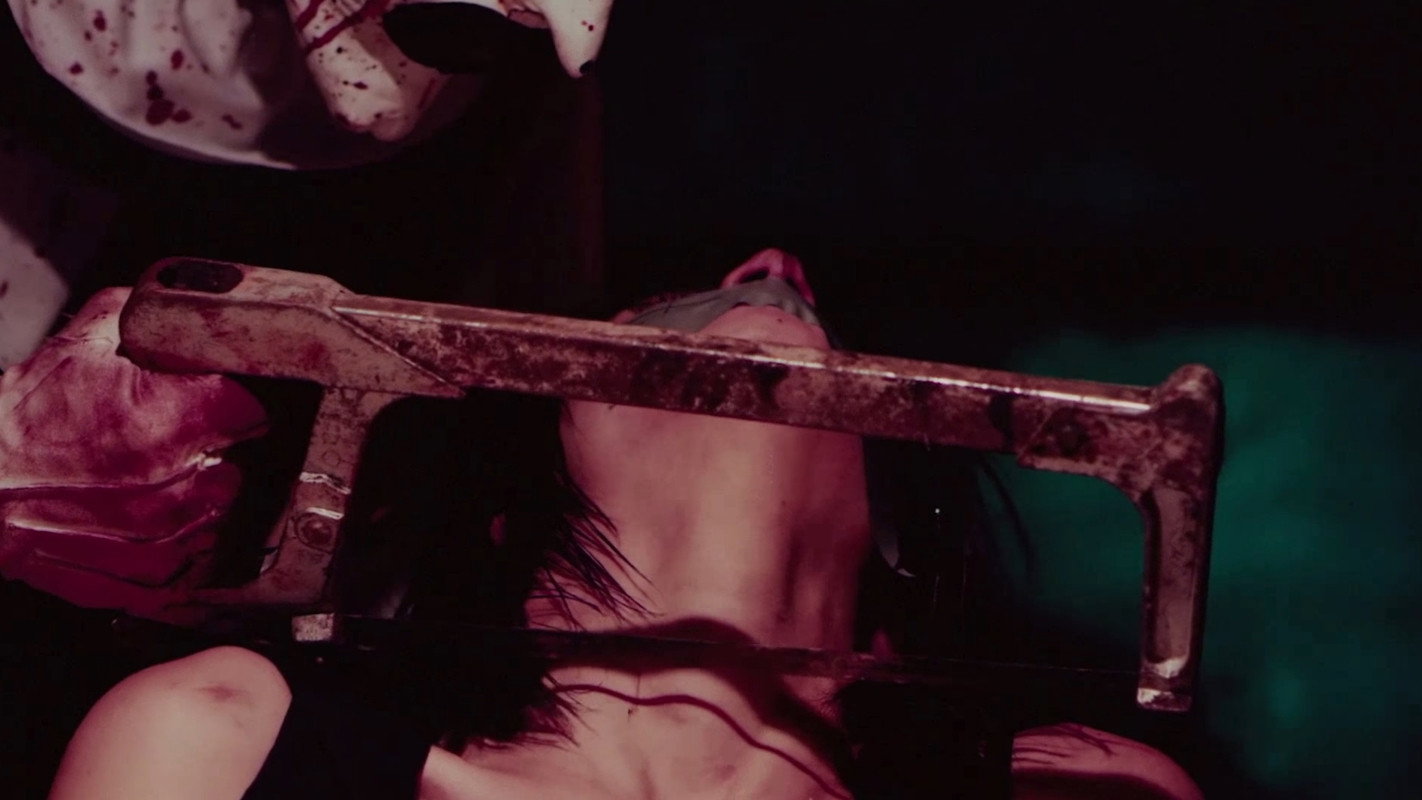
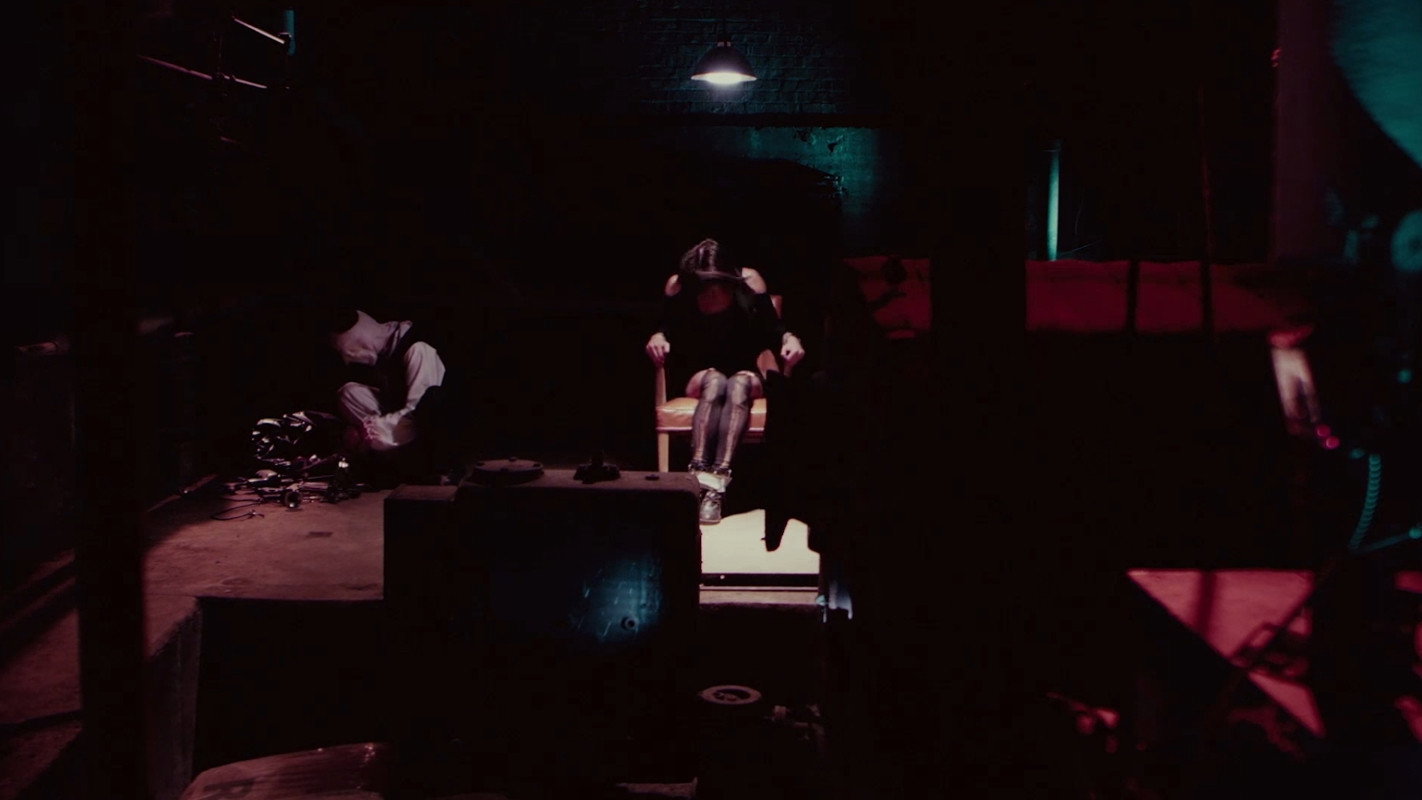
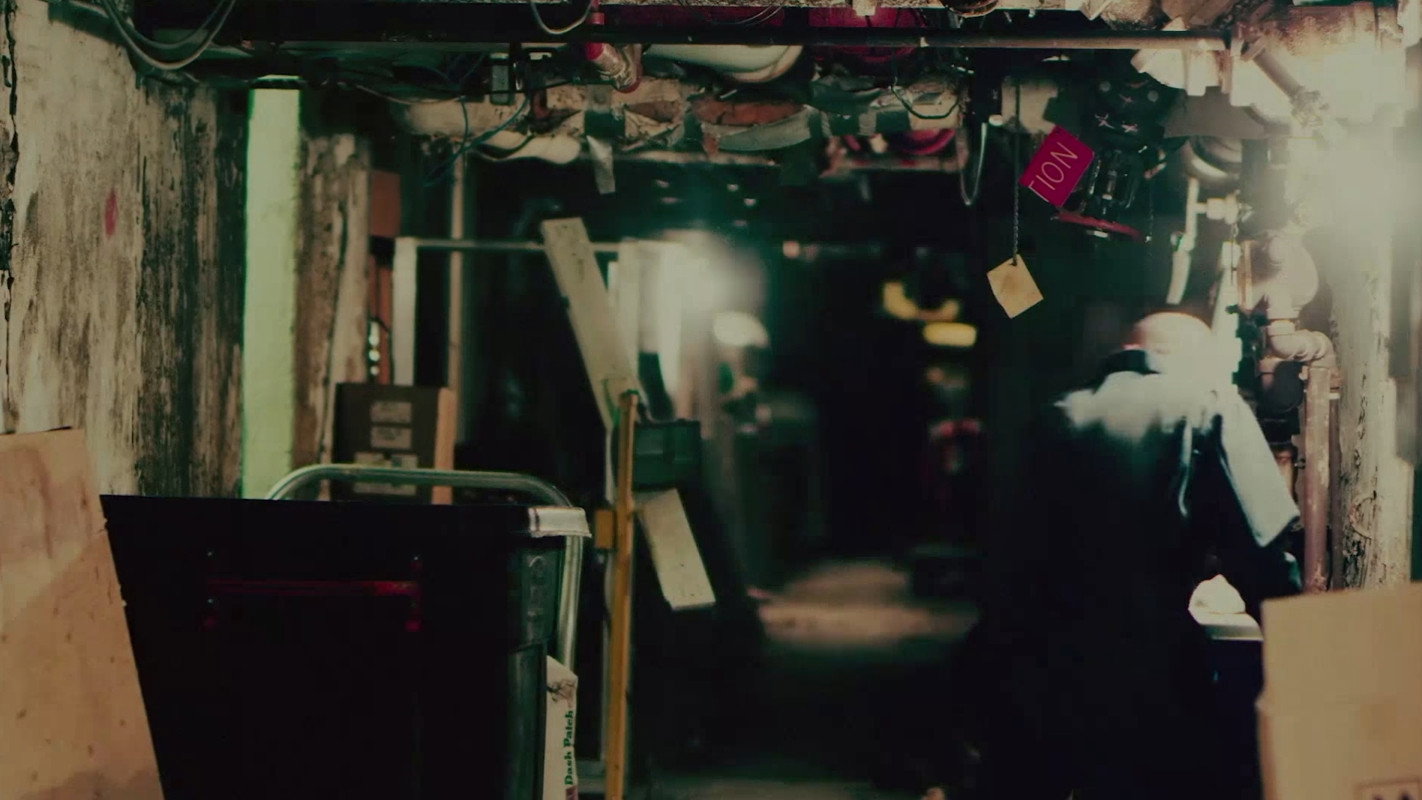
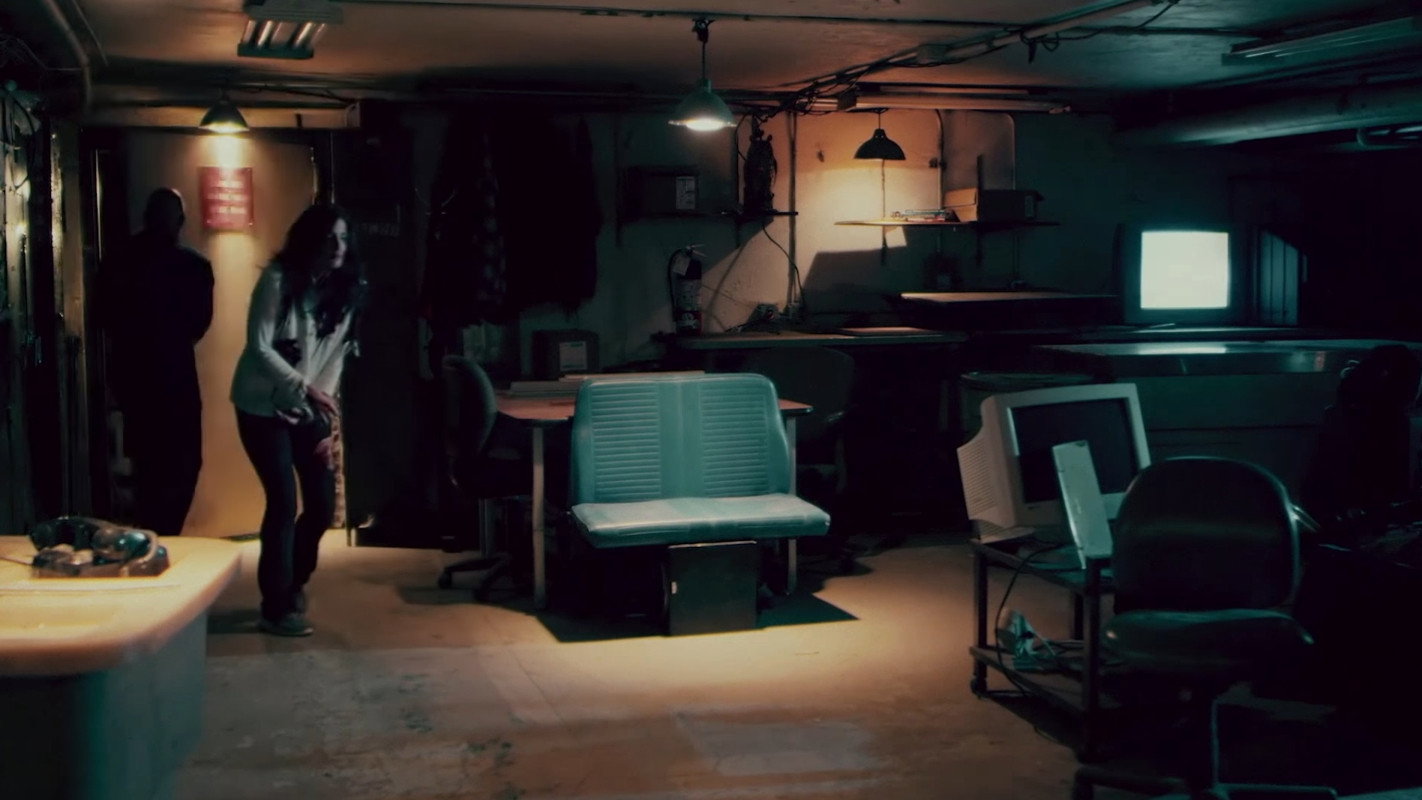
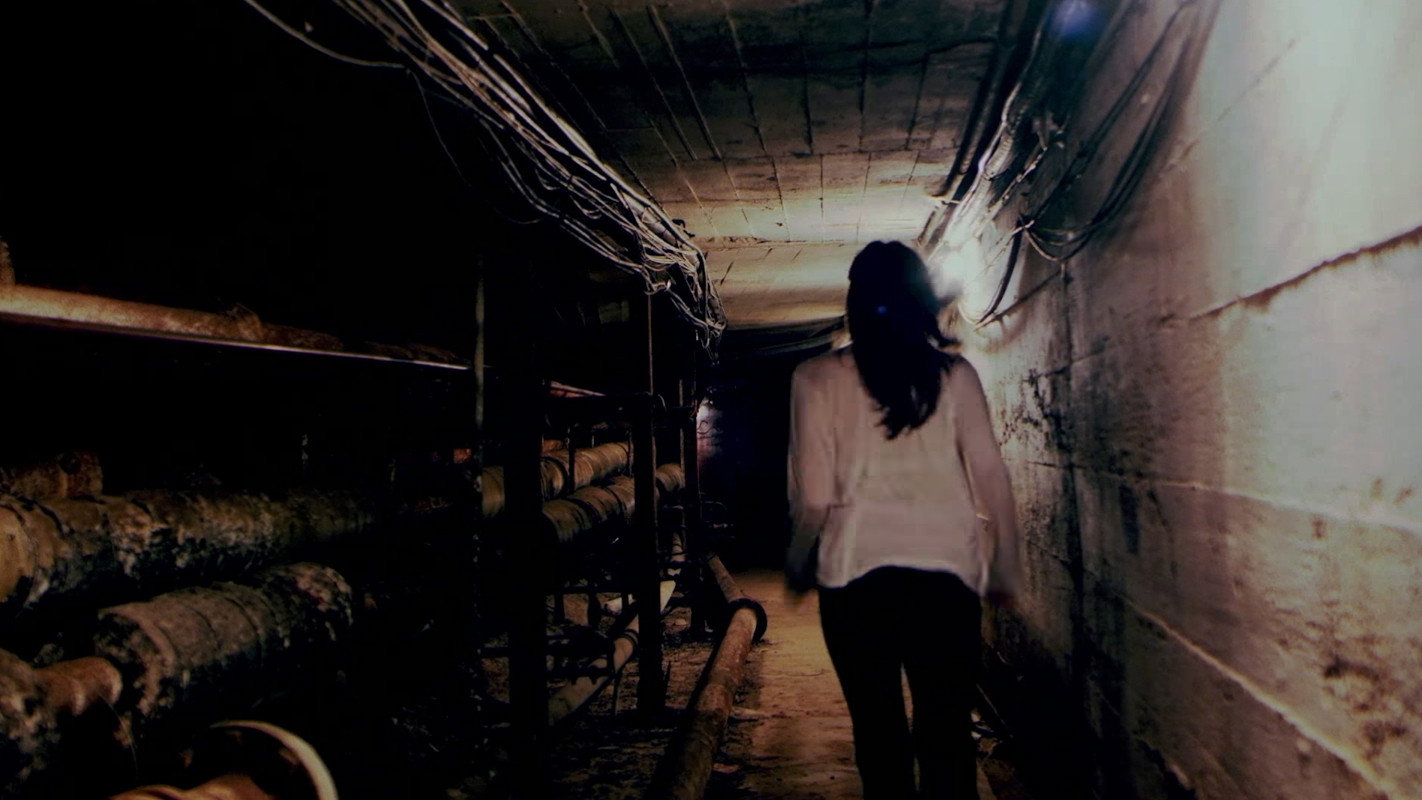
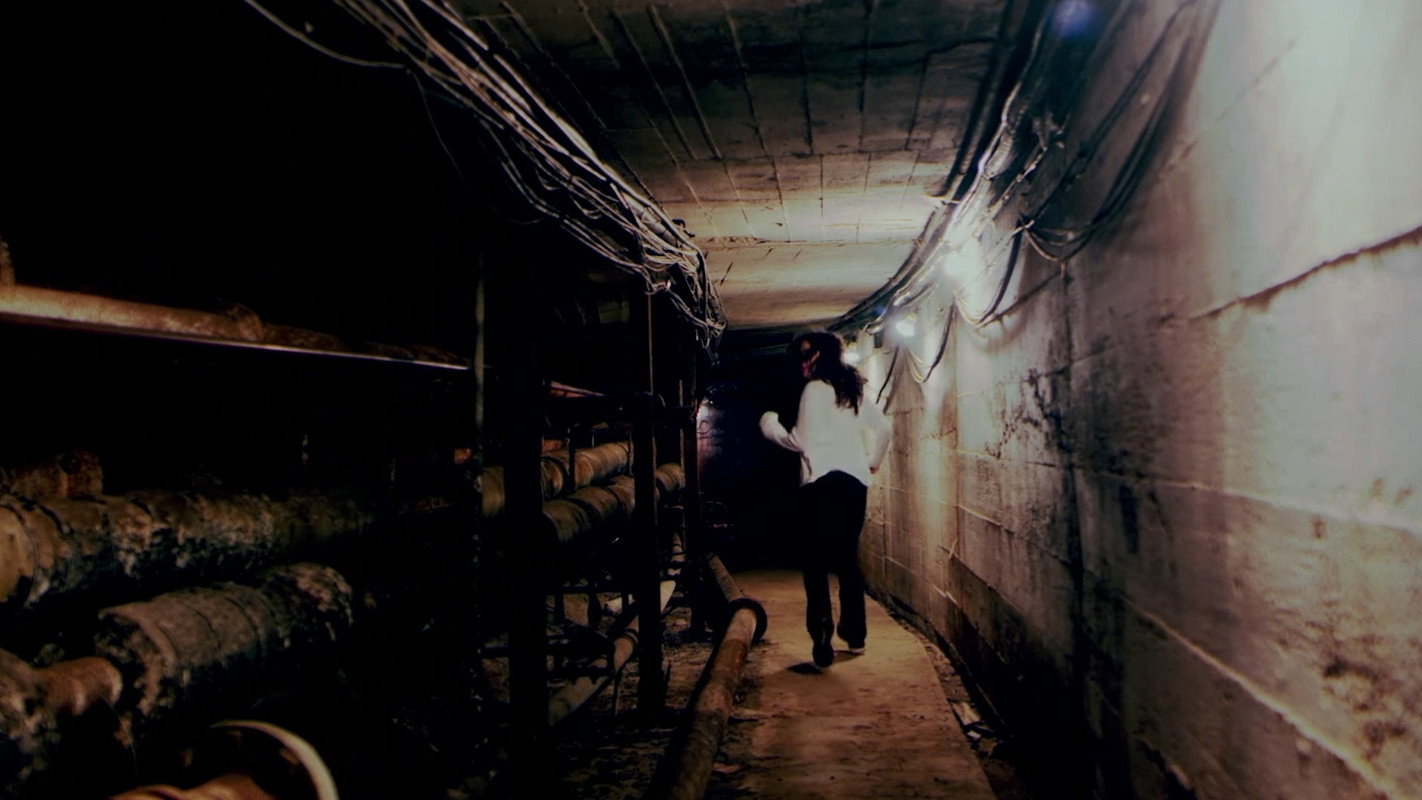
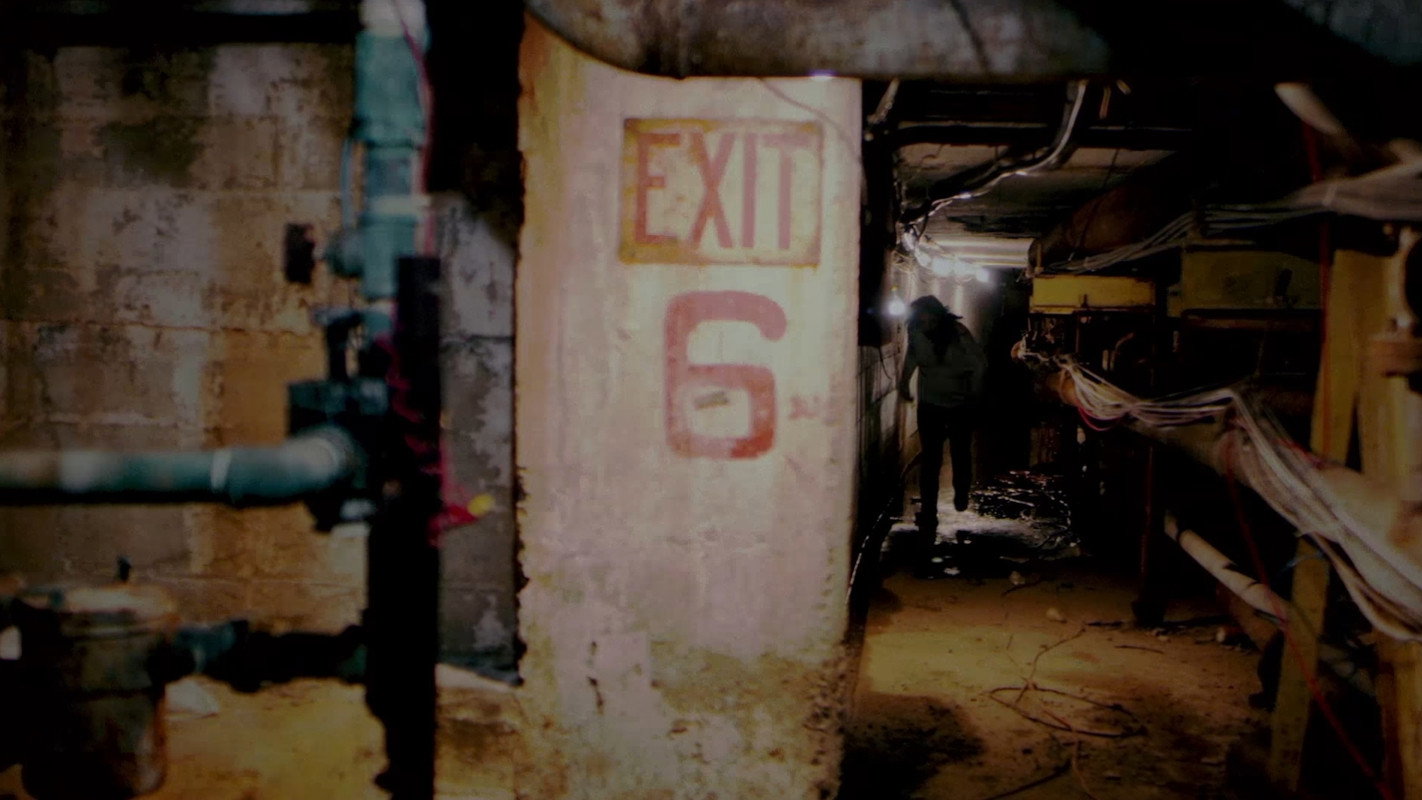
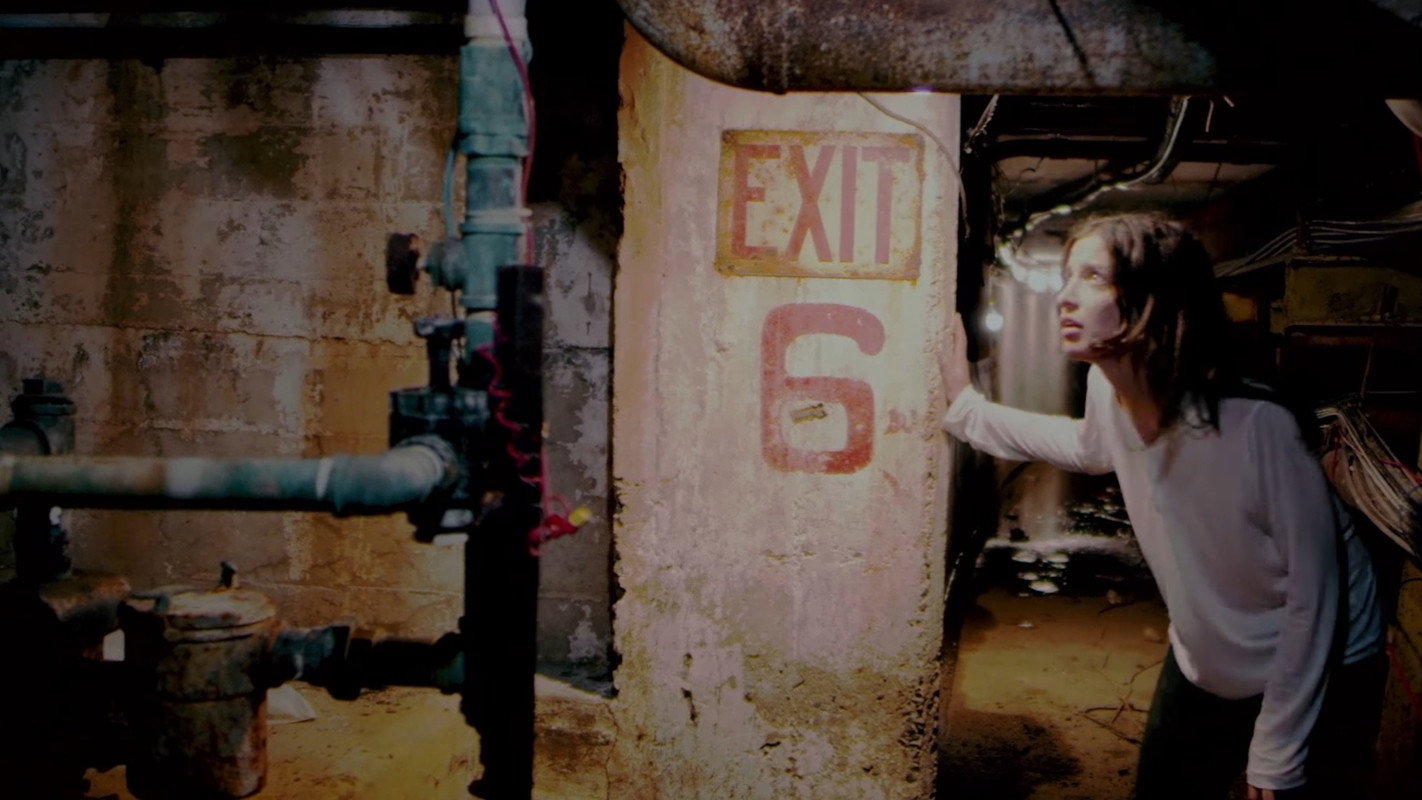
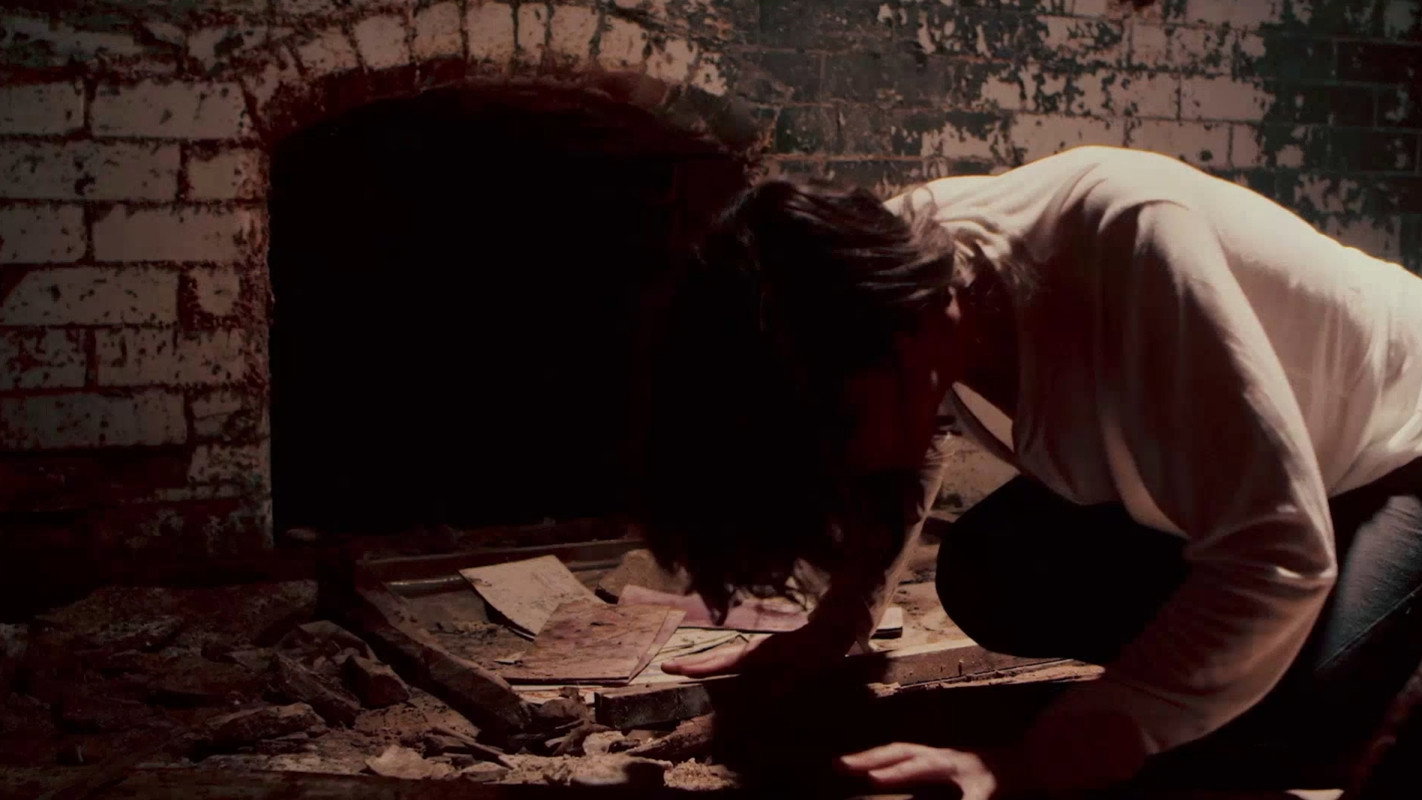
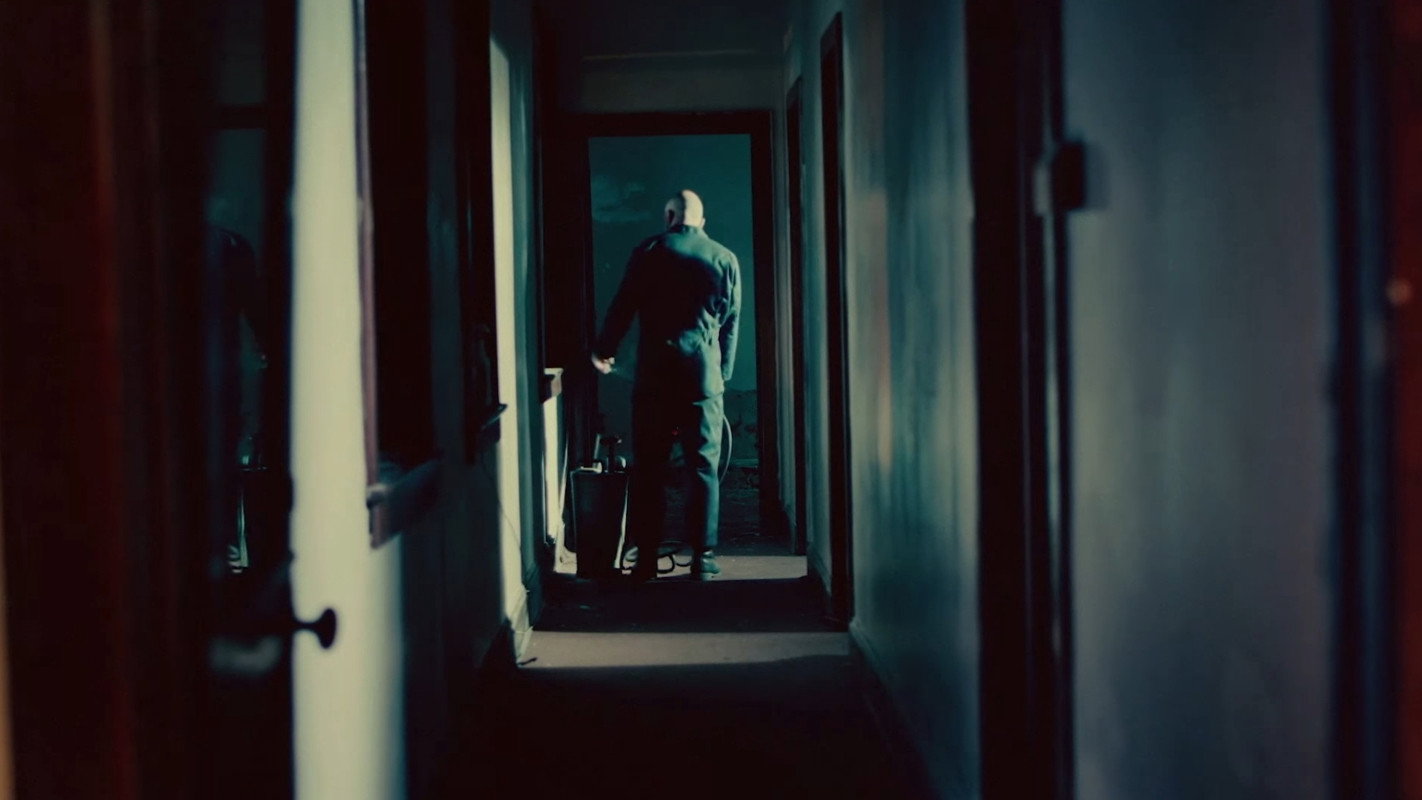
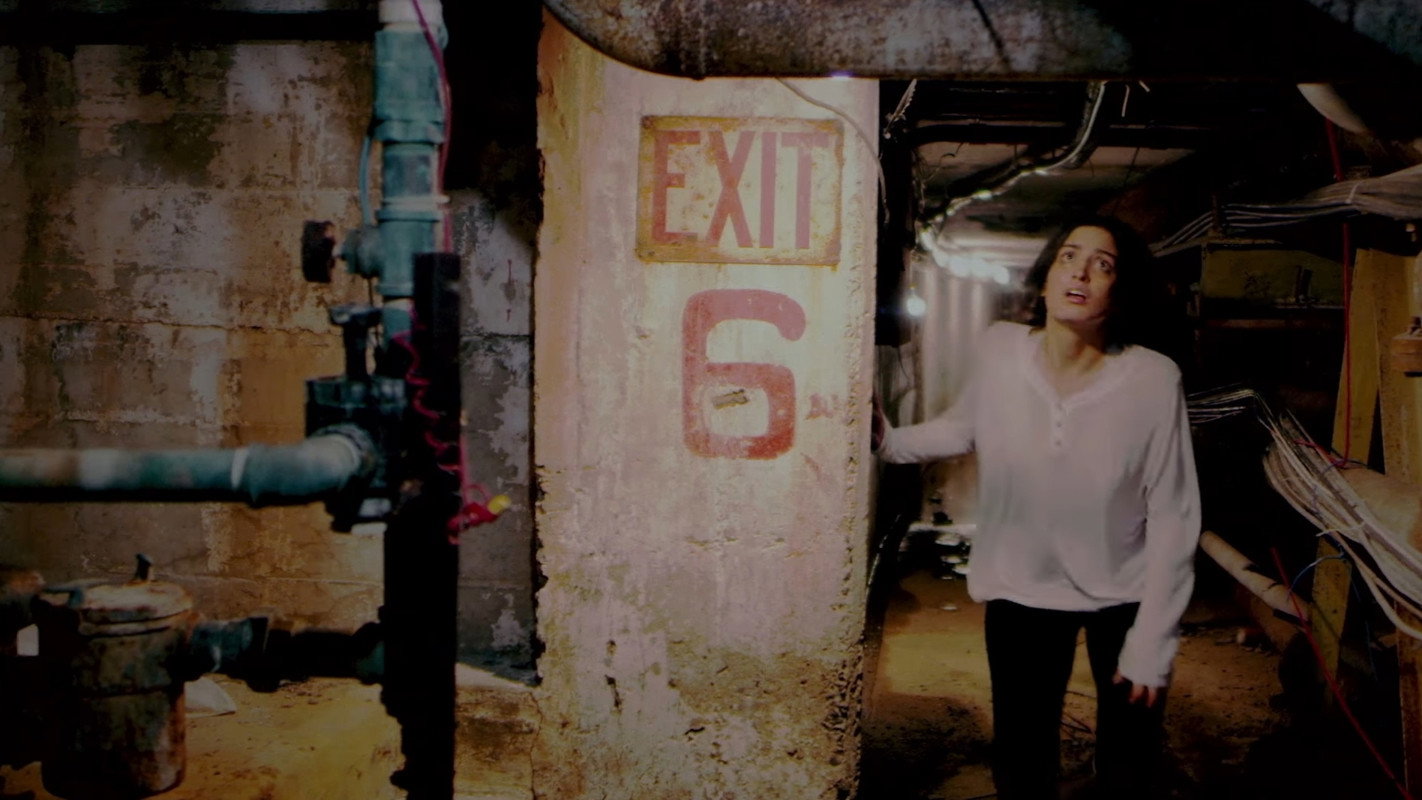
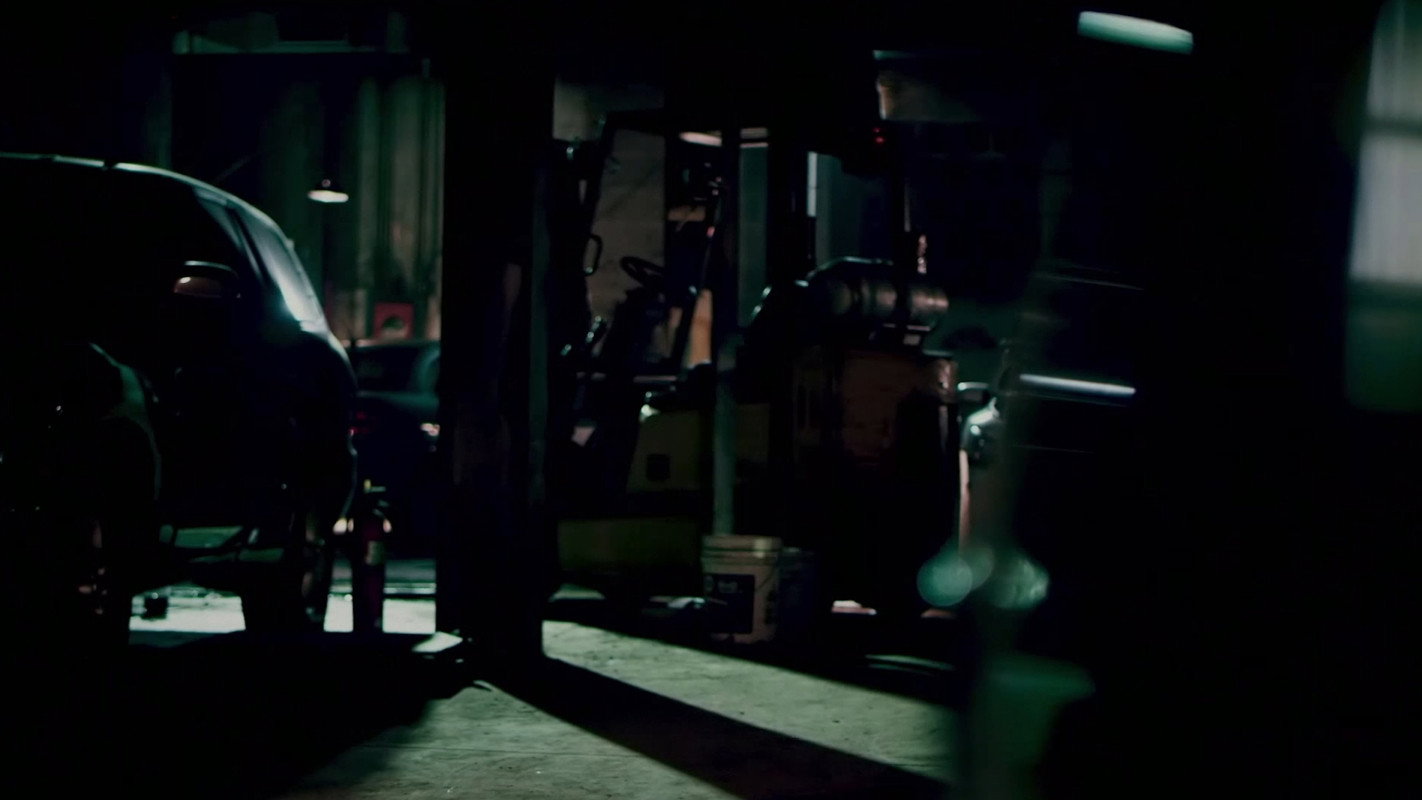
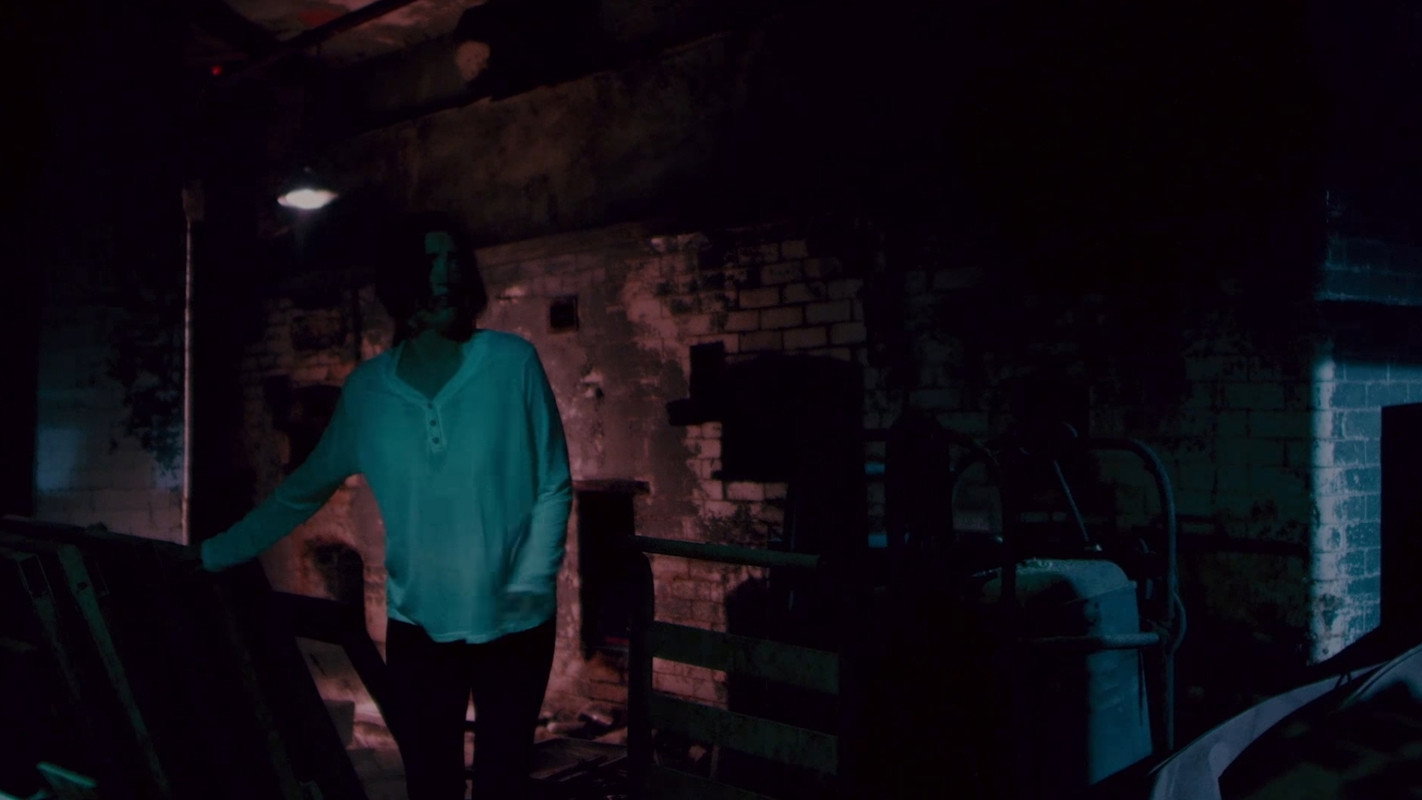
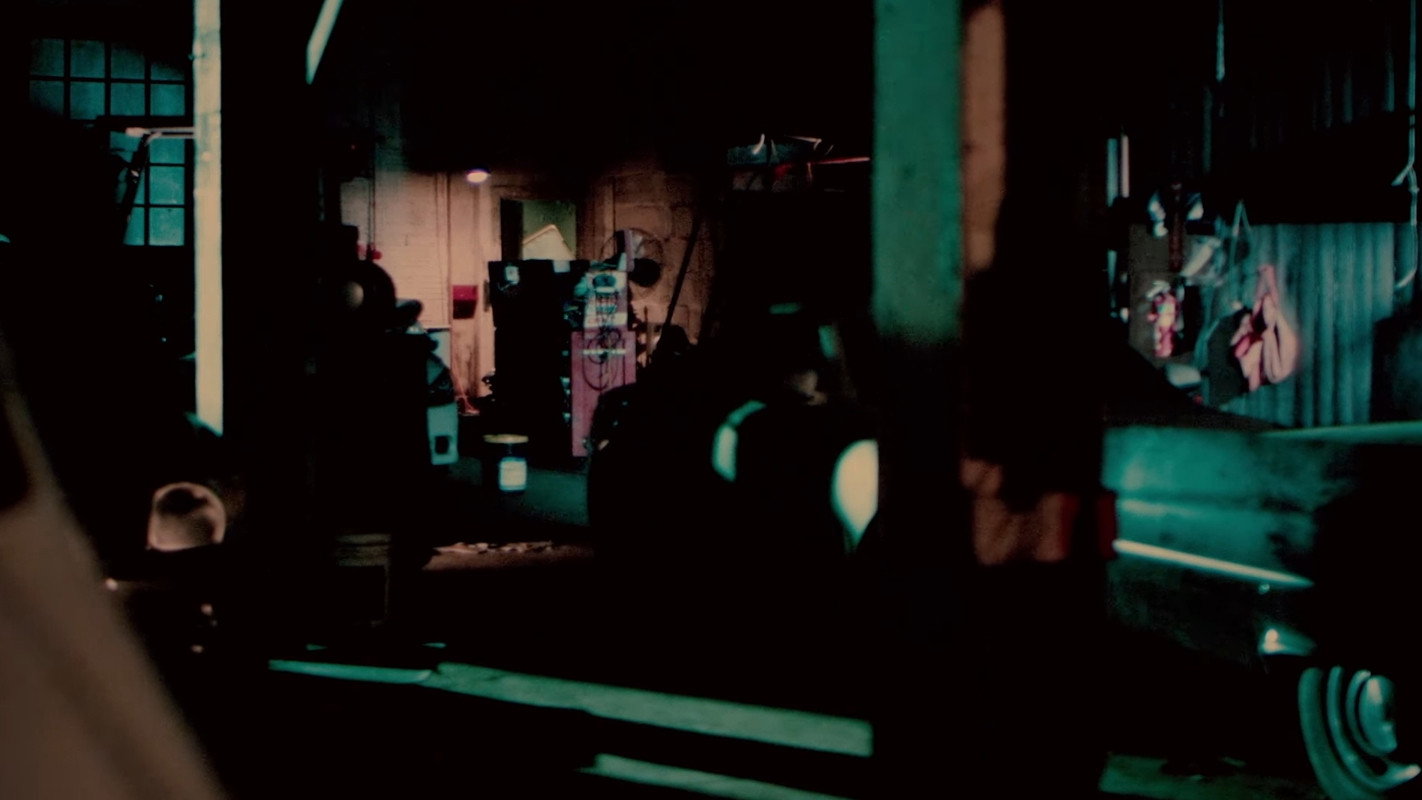
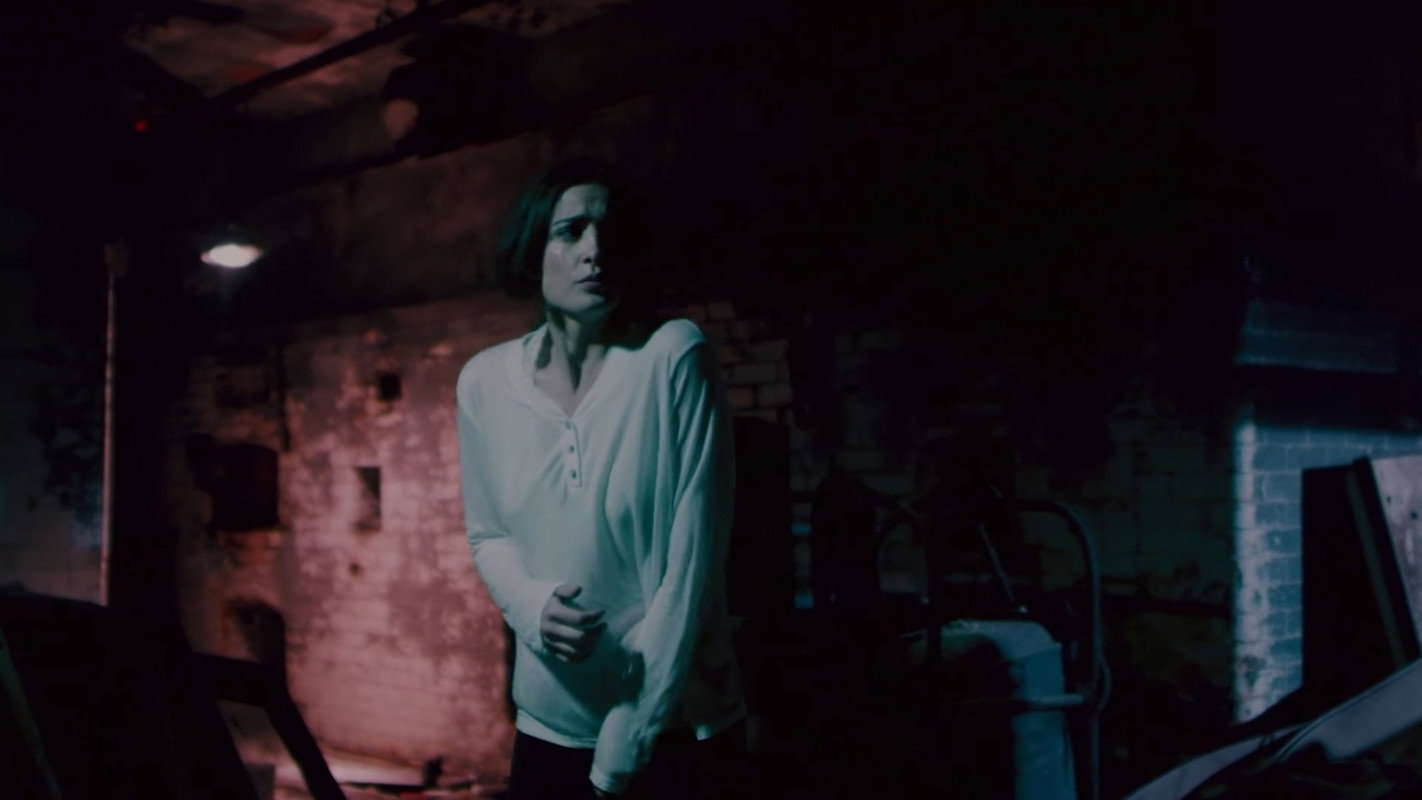
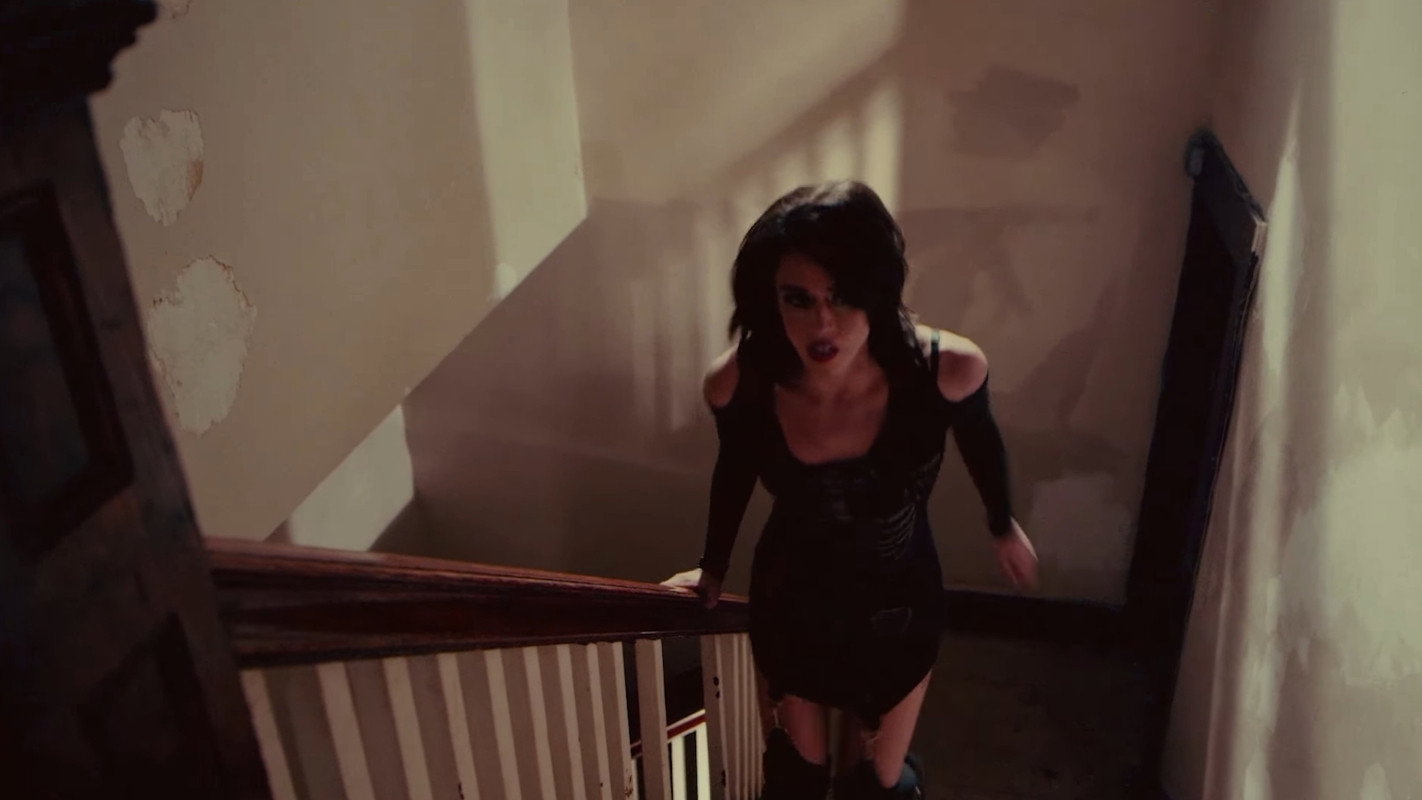
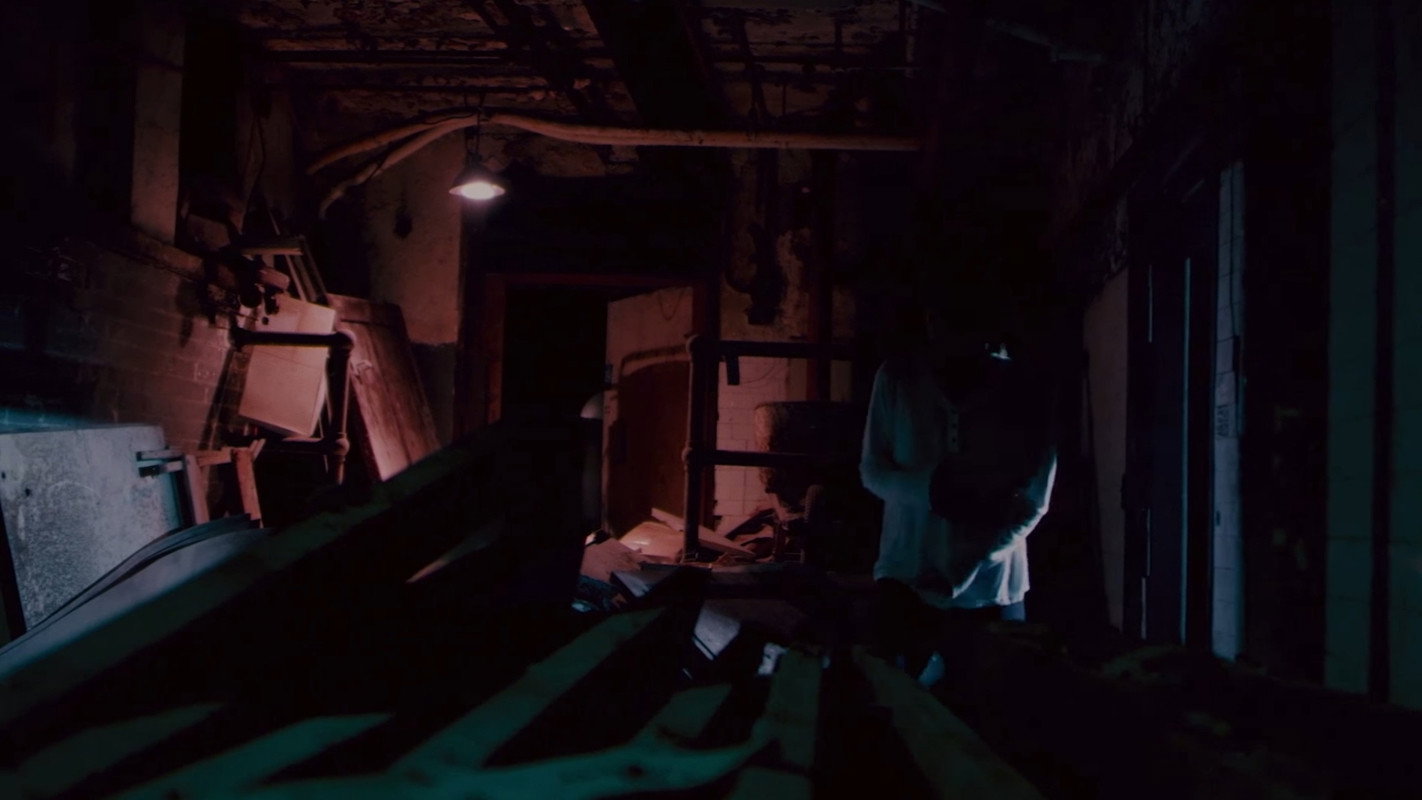
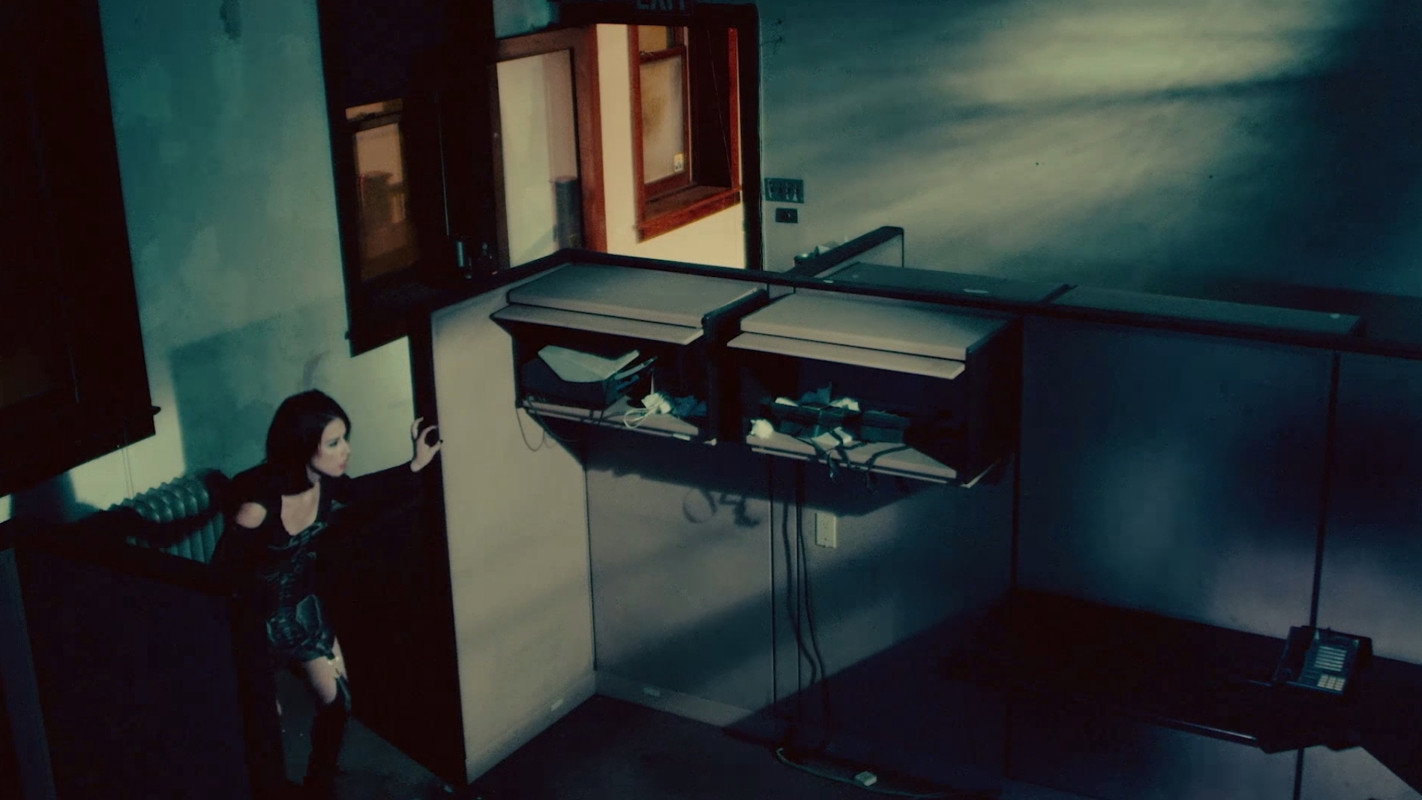
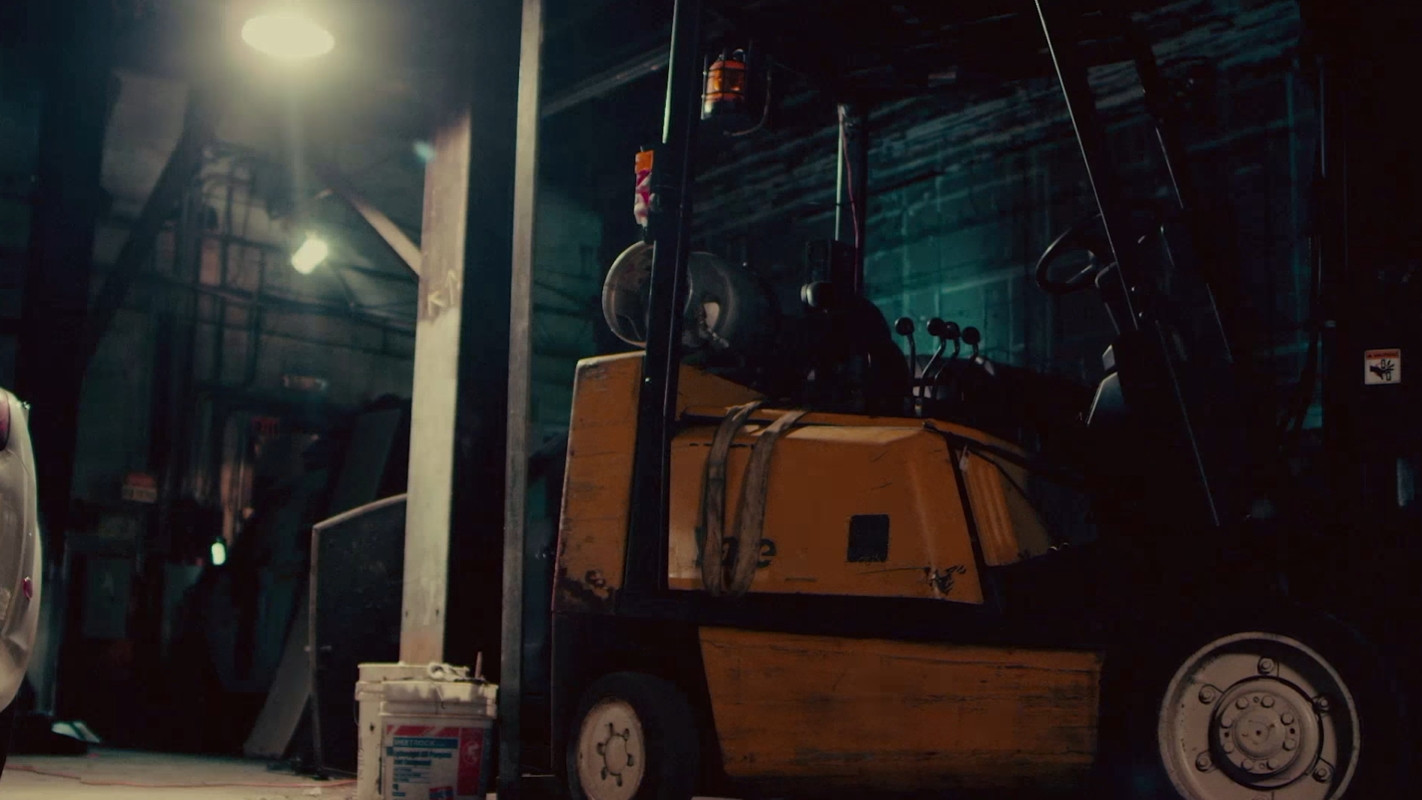
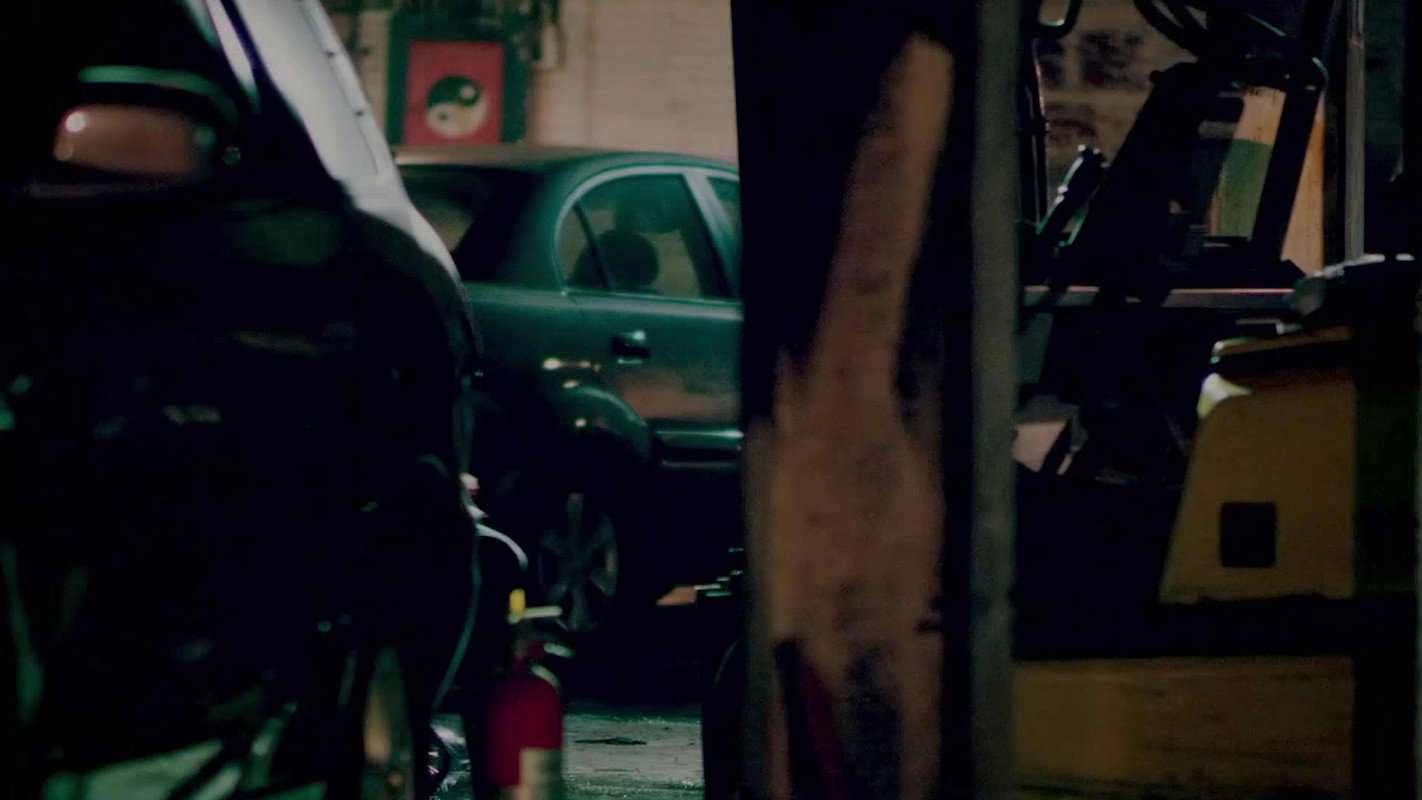
Steuber also recalled that the filmmakers had to leave the original warehouse before finishing the picture and recreate portions of its interior elsewhere. The notorious hacksaw sequence was filmed across more than one location. This testimony clarifies why the film’s seemingly unified industrial space was not necessarily a single continuous shooting environment. Its corridors, rooms and service areas function as a practical maze for the characters, allowing Art to vanish and return while the production concentrates its resources inside an economical set of interiors.

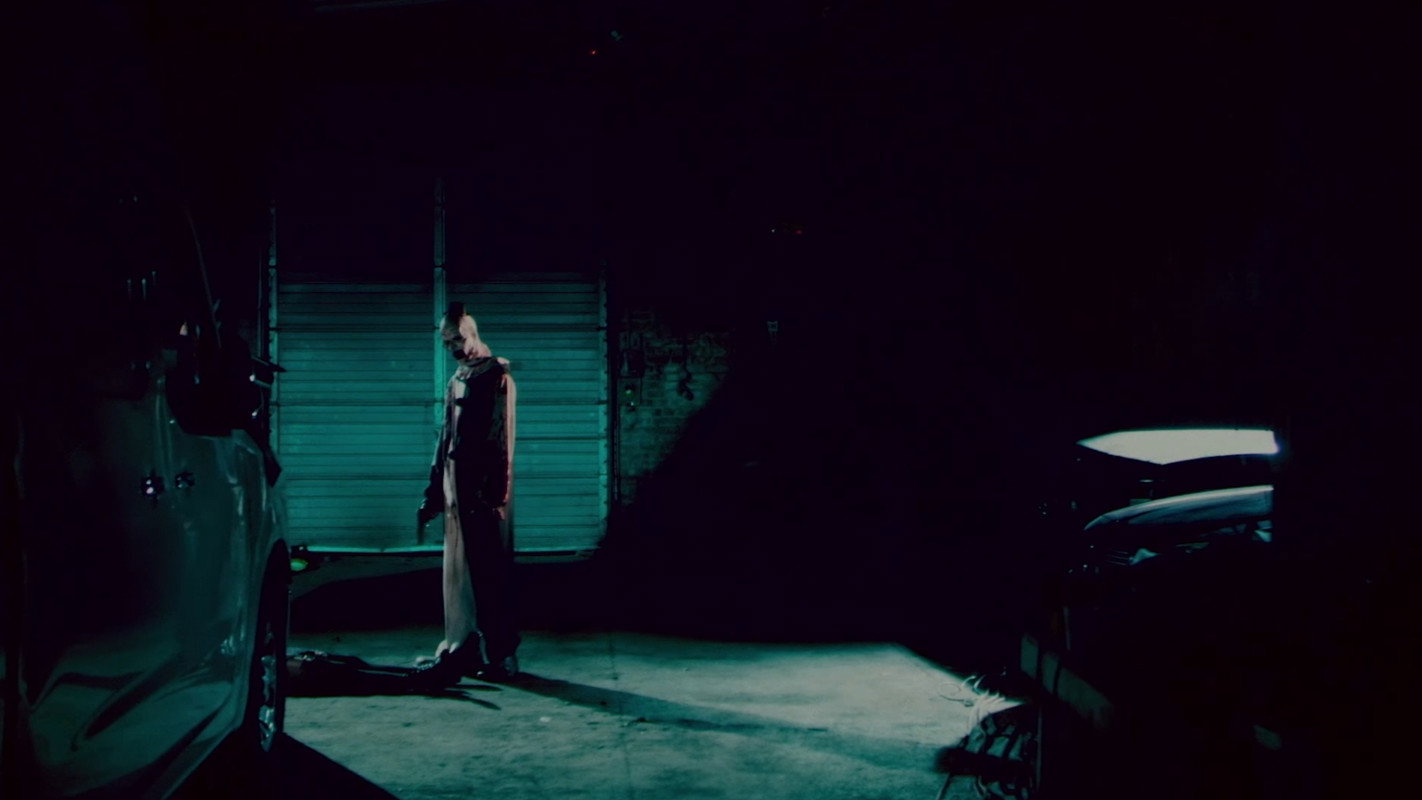
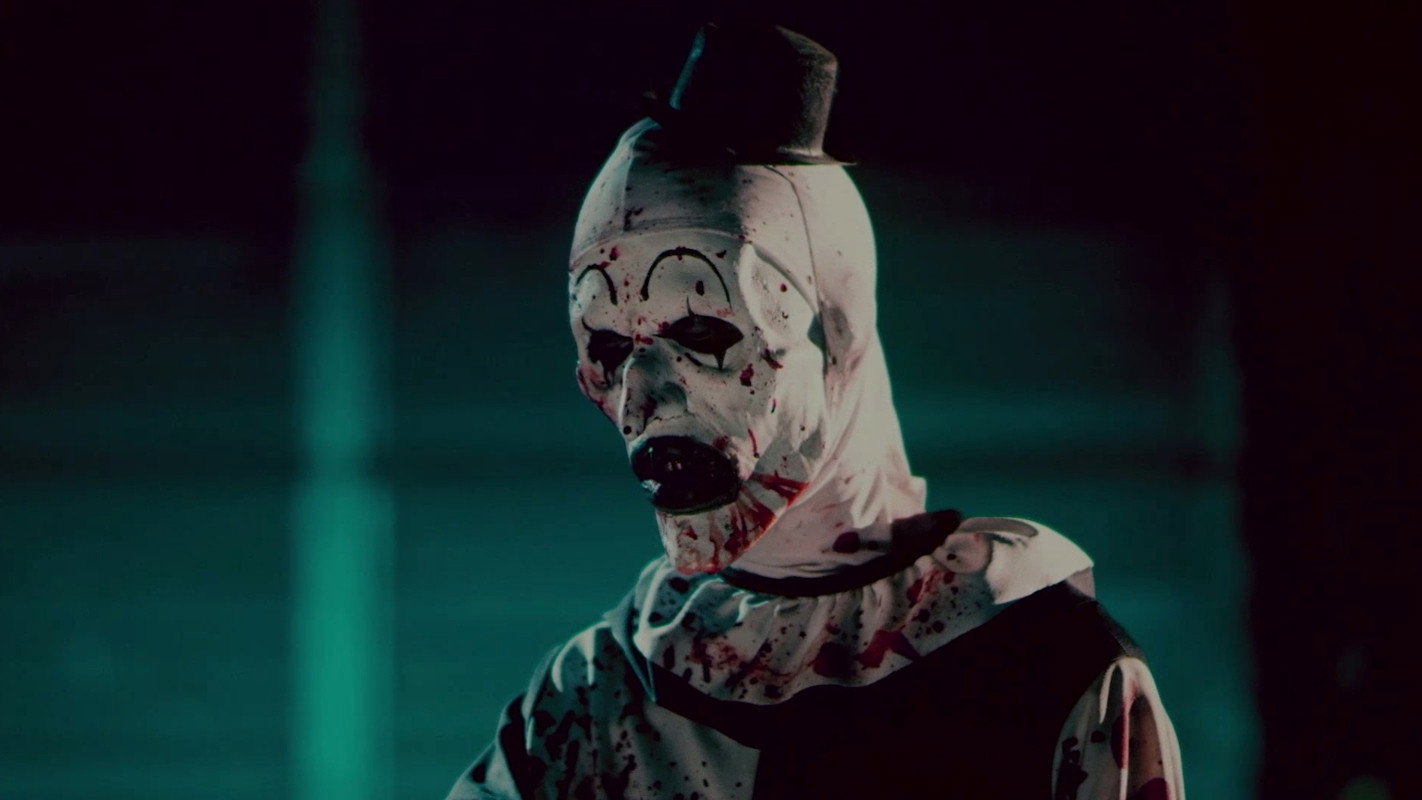
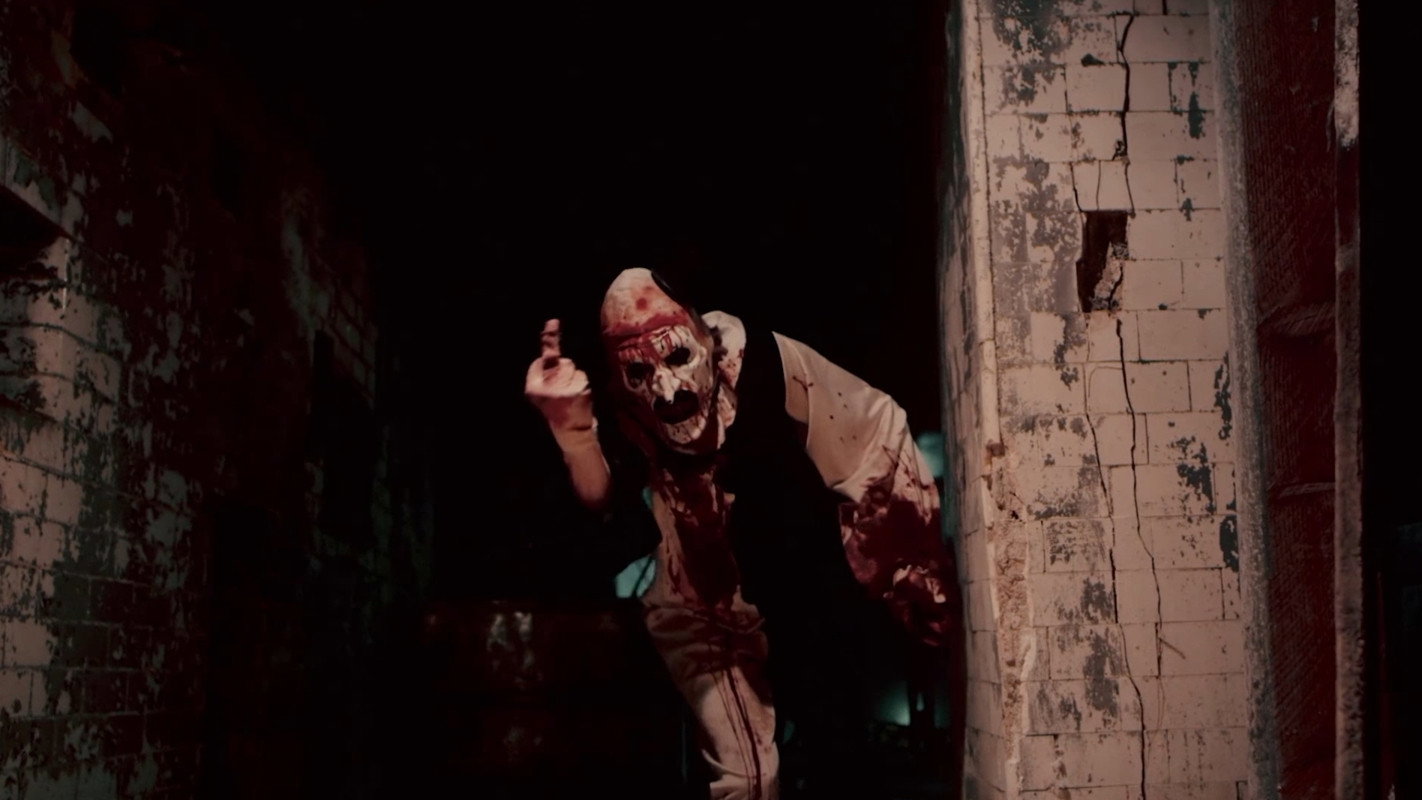
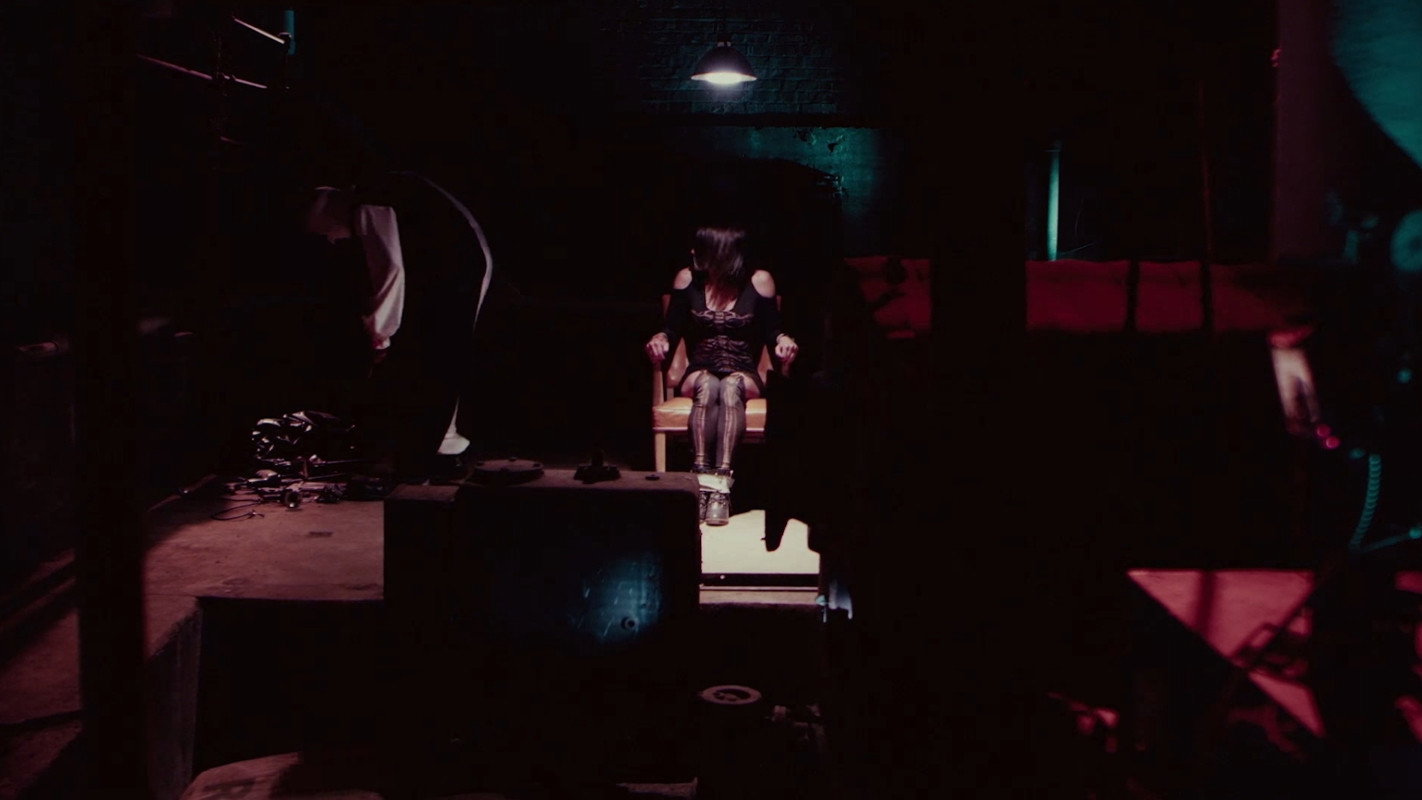
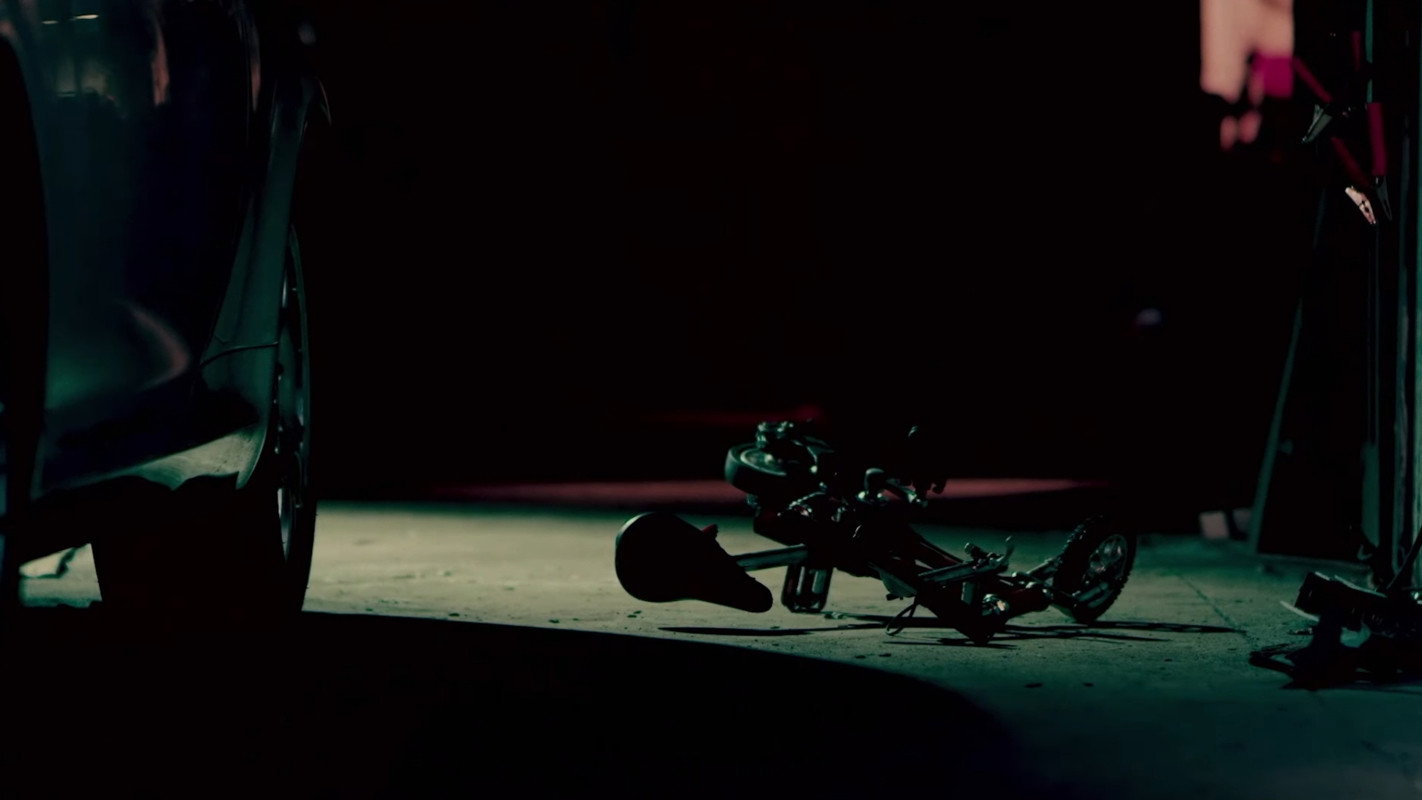
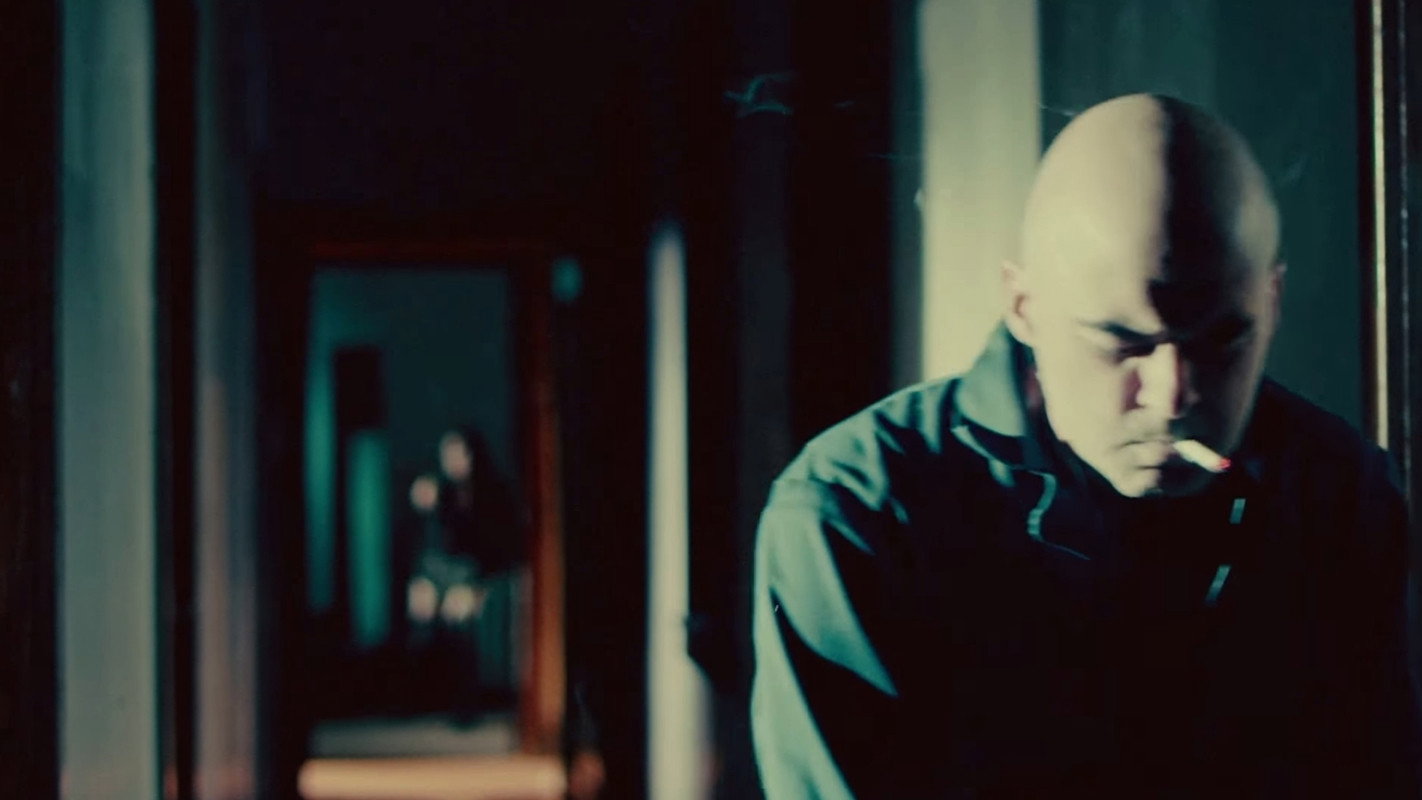
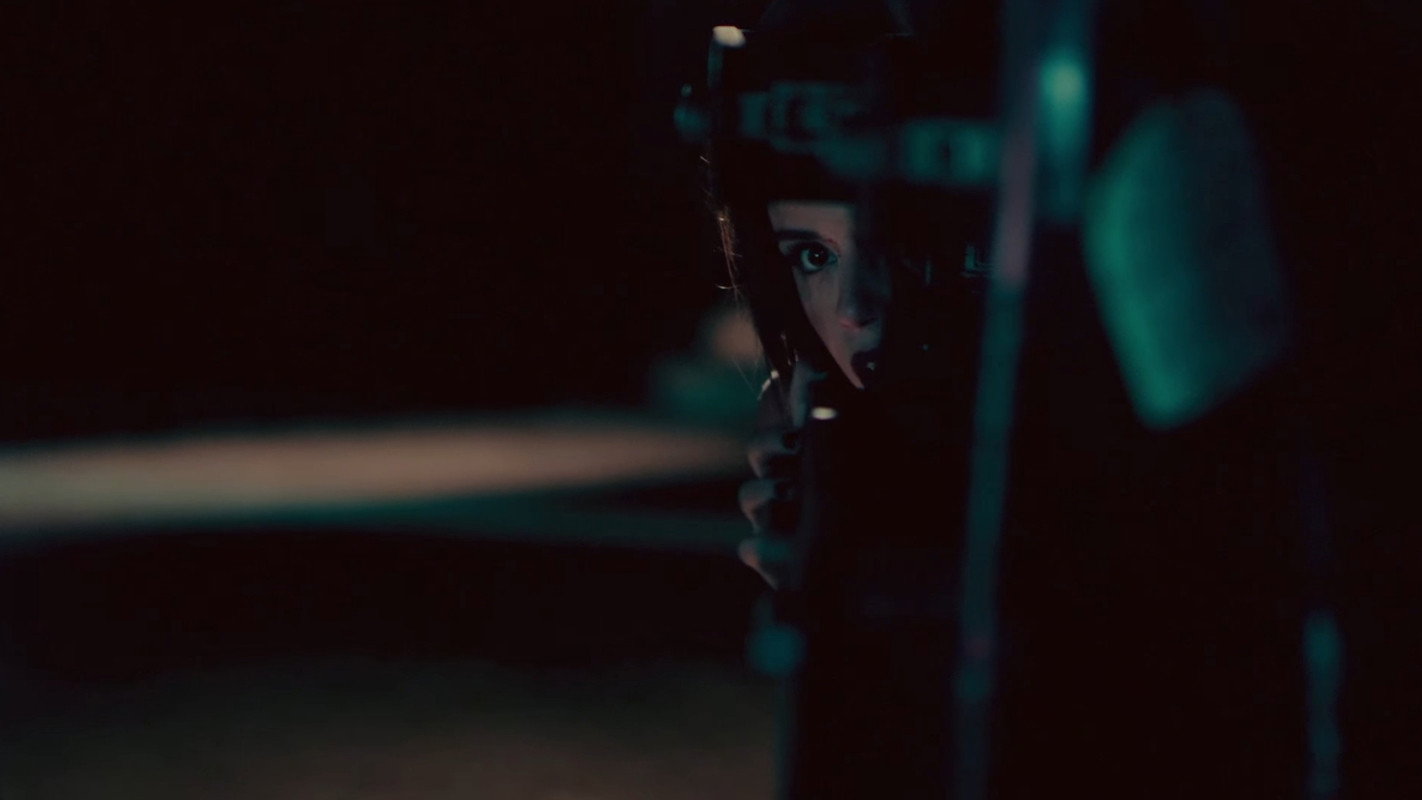
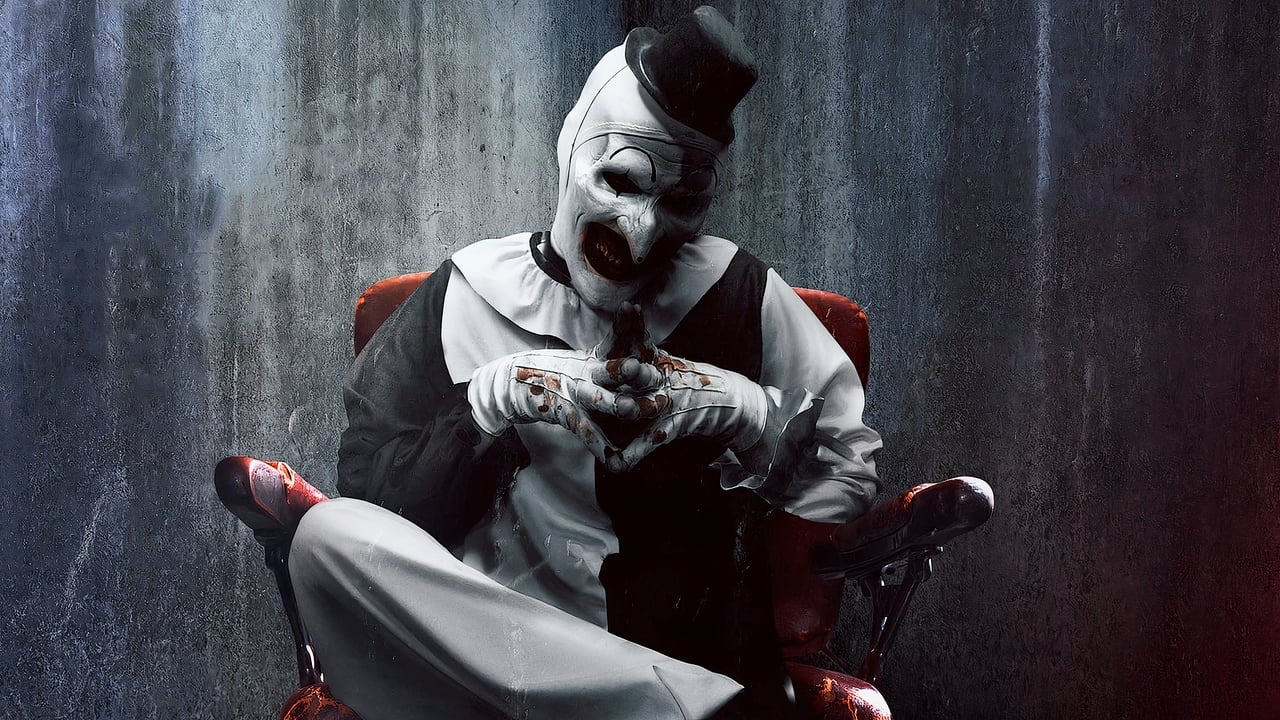
Leone deliberately modified the look of his previous work. In a 2018 interview, he contrasted the multiple cameras, cinematographers and artificial film damage of All Hallows’ Eve with the more consistent photography achieved by Steuber on Terrifier. He retained an interest in older grindhouse cinema while dispensing with the conspicuous digital scratches and grain applied to the earlier project. The resulting visual identity depends more on controlled interiors, darkness and the sharp contrast between Art’s monochrome costume and his surroundings than on simulated wear in the image.

Art the Clown & Physical Performance

David Howard Thornton replaced Mike Giannelli, who had played Art in the earlier films. Thornton recalled responding to a casting notice seeking a thin performer with clowning or physical-comedy experience, then auditioning for Leone and Falcone in April 2015. Because the character had no dialogue, he was asked to invent an action on the spot. Thornton improvised a grotesque routine involving a severed head, sampling imaginary blood and adding seasoning. His account of the audition shows how comic timing became part of the casting decision, rather than an incidental addition during filming.

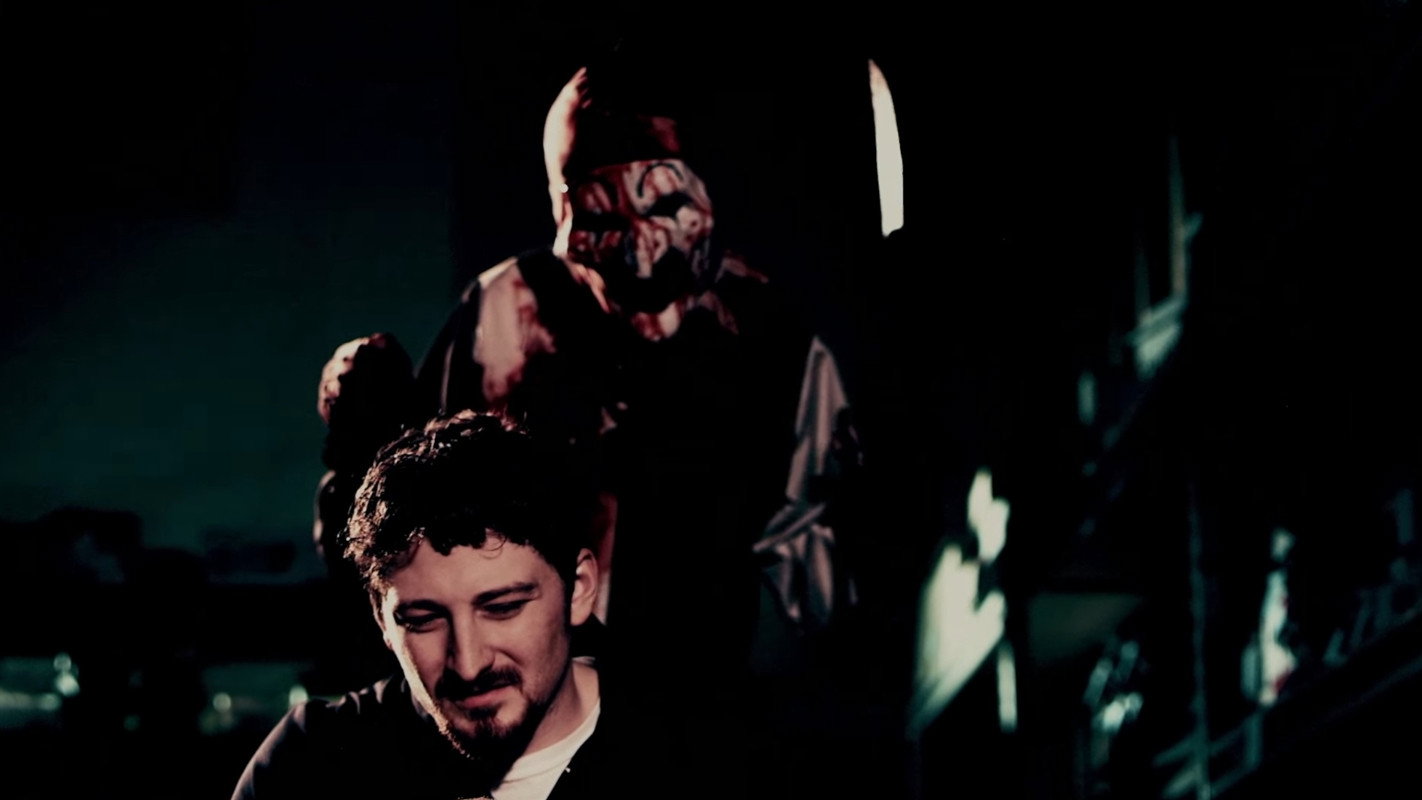
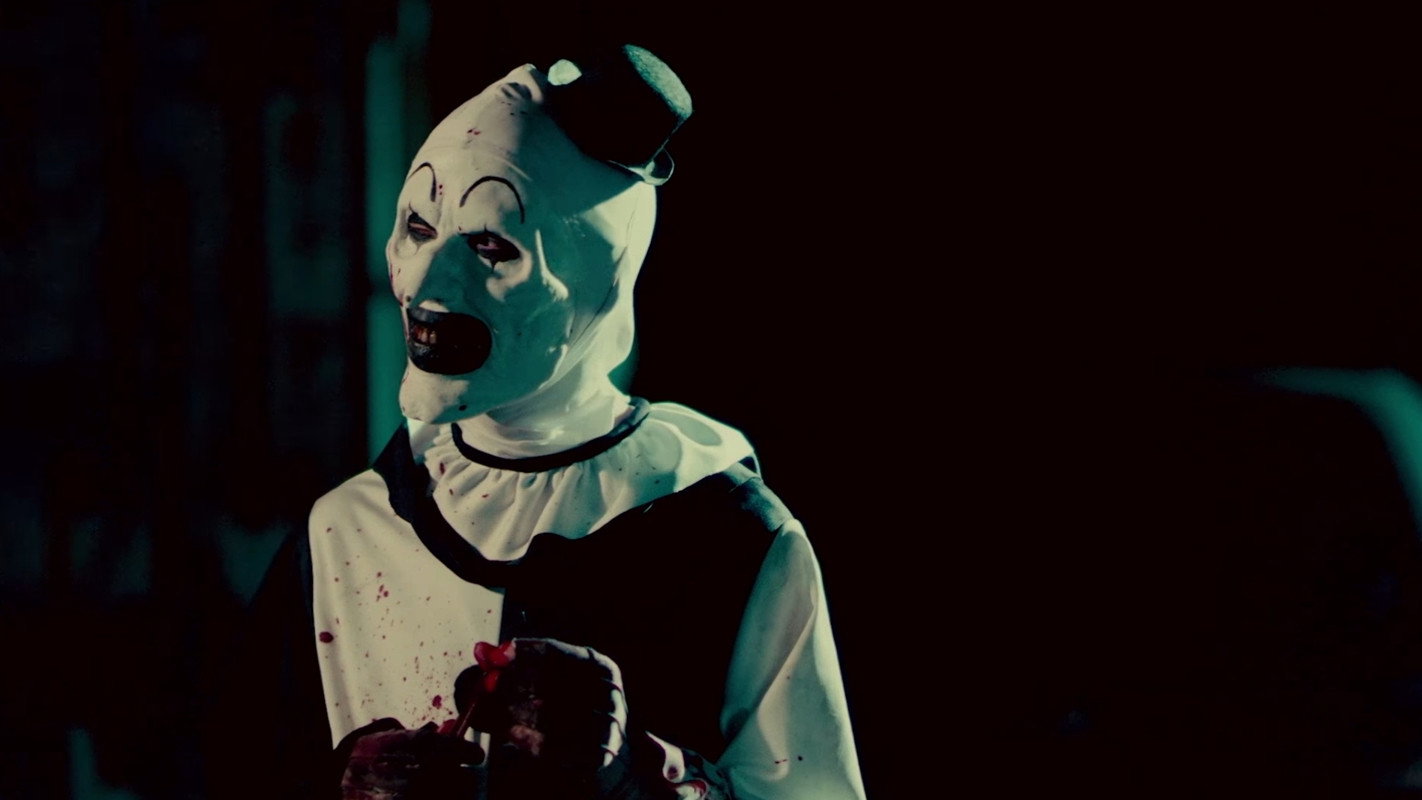
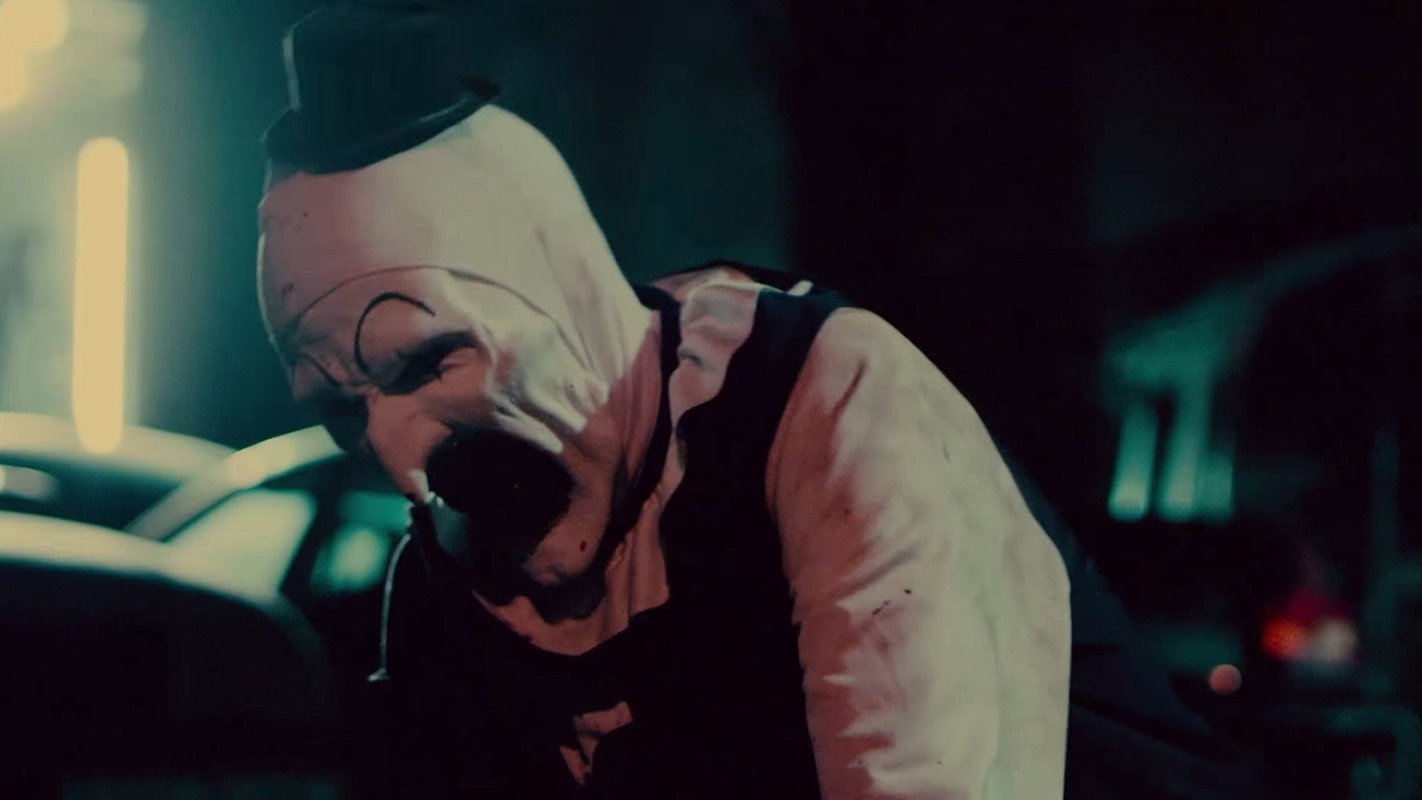
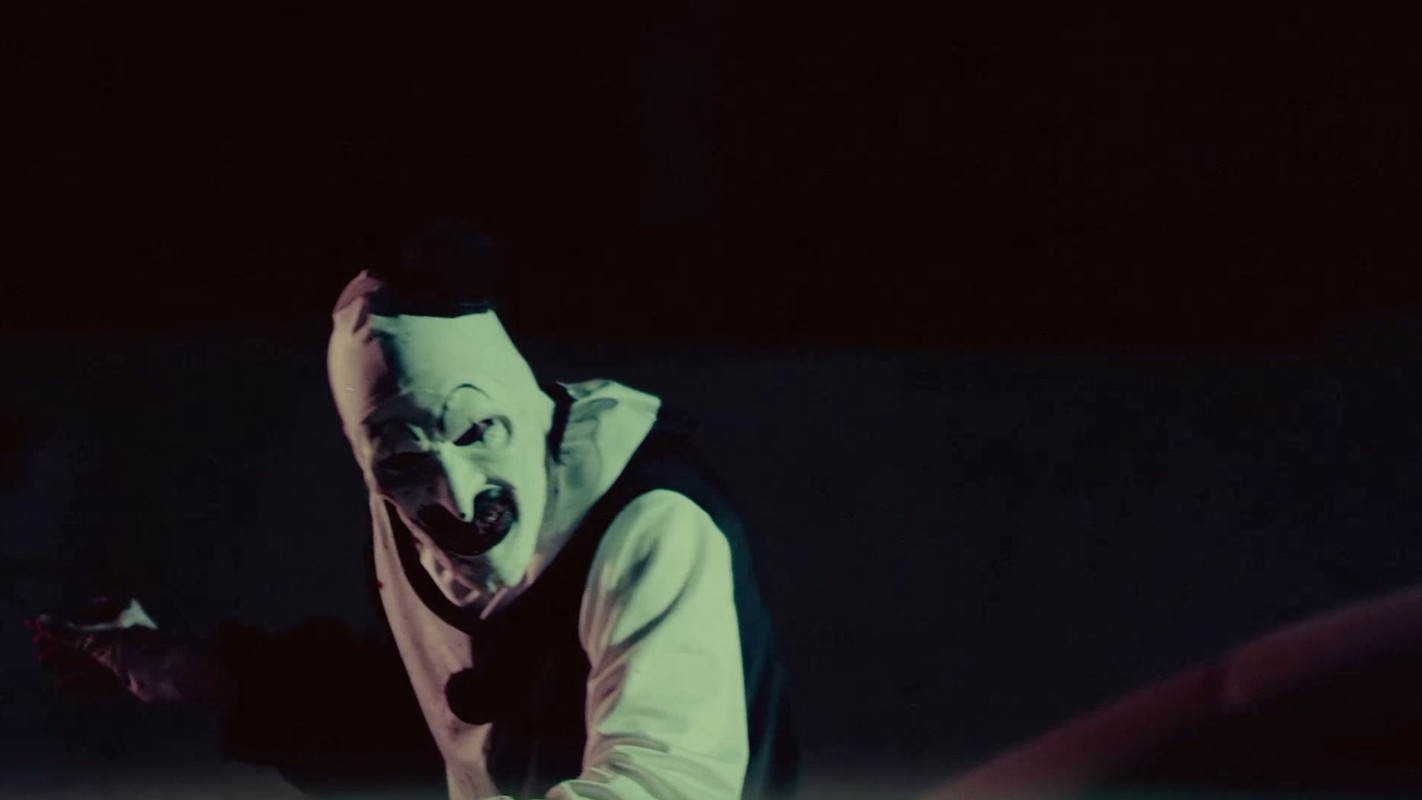
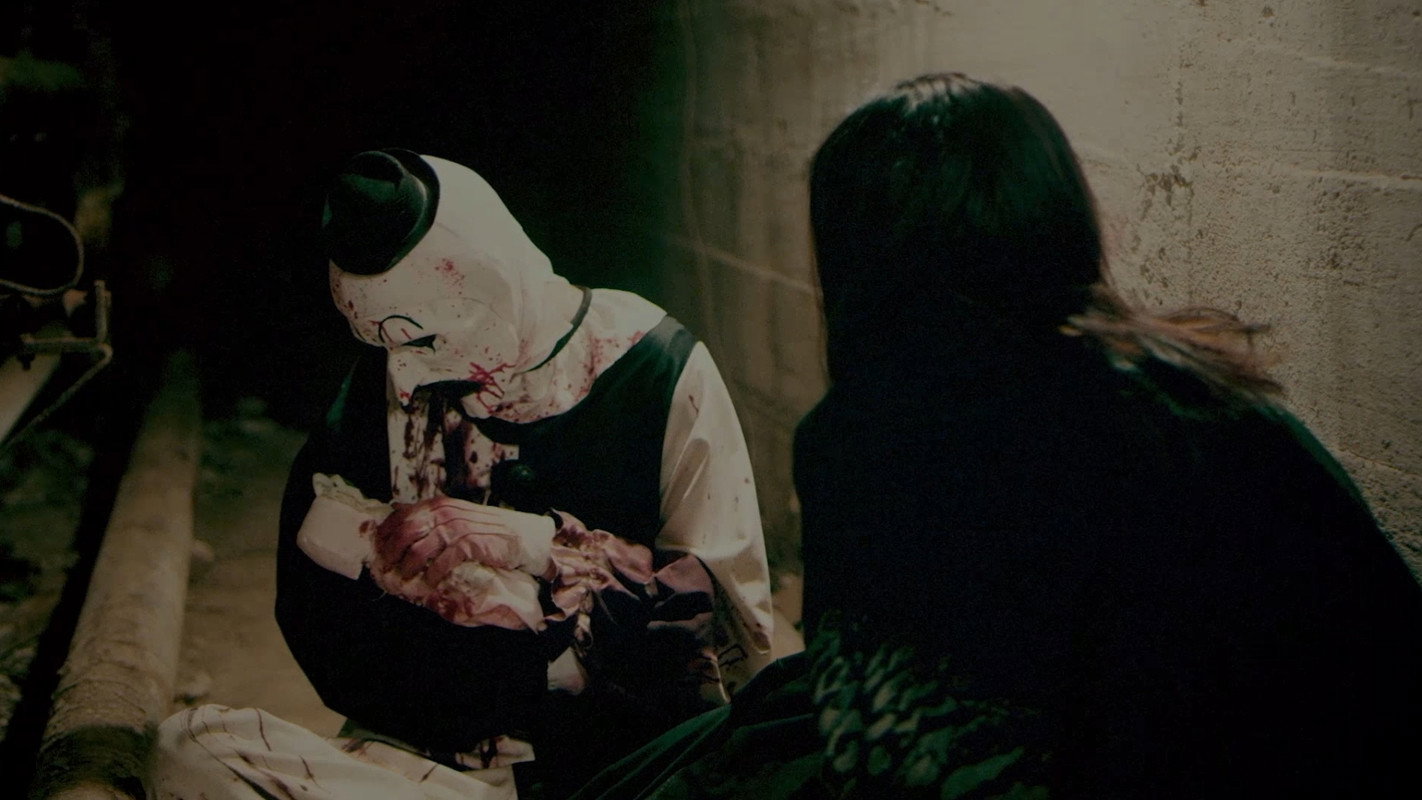
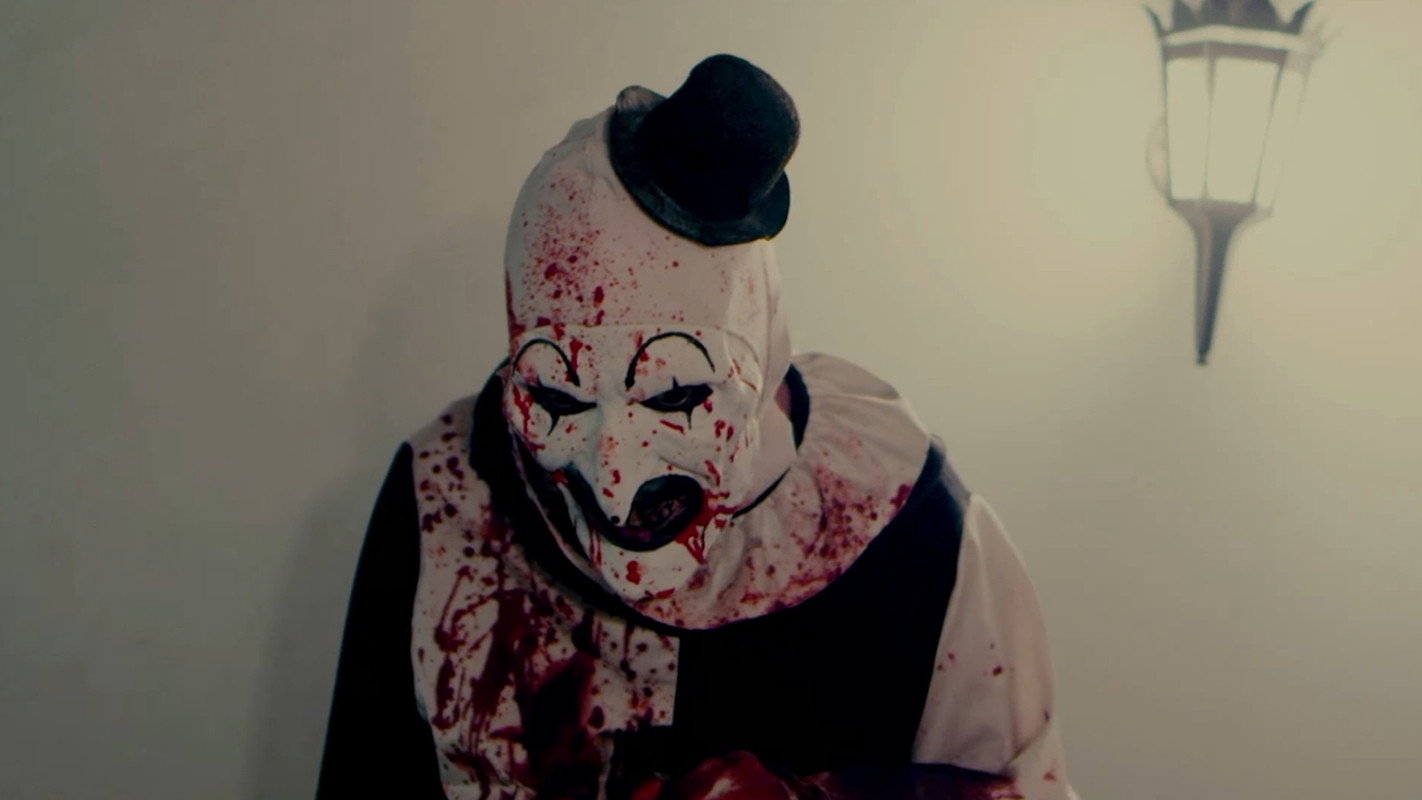
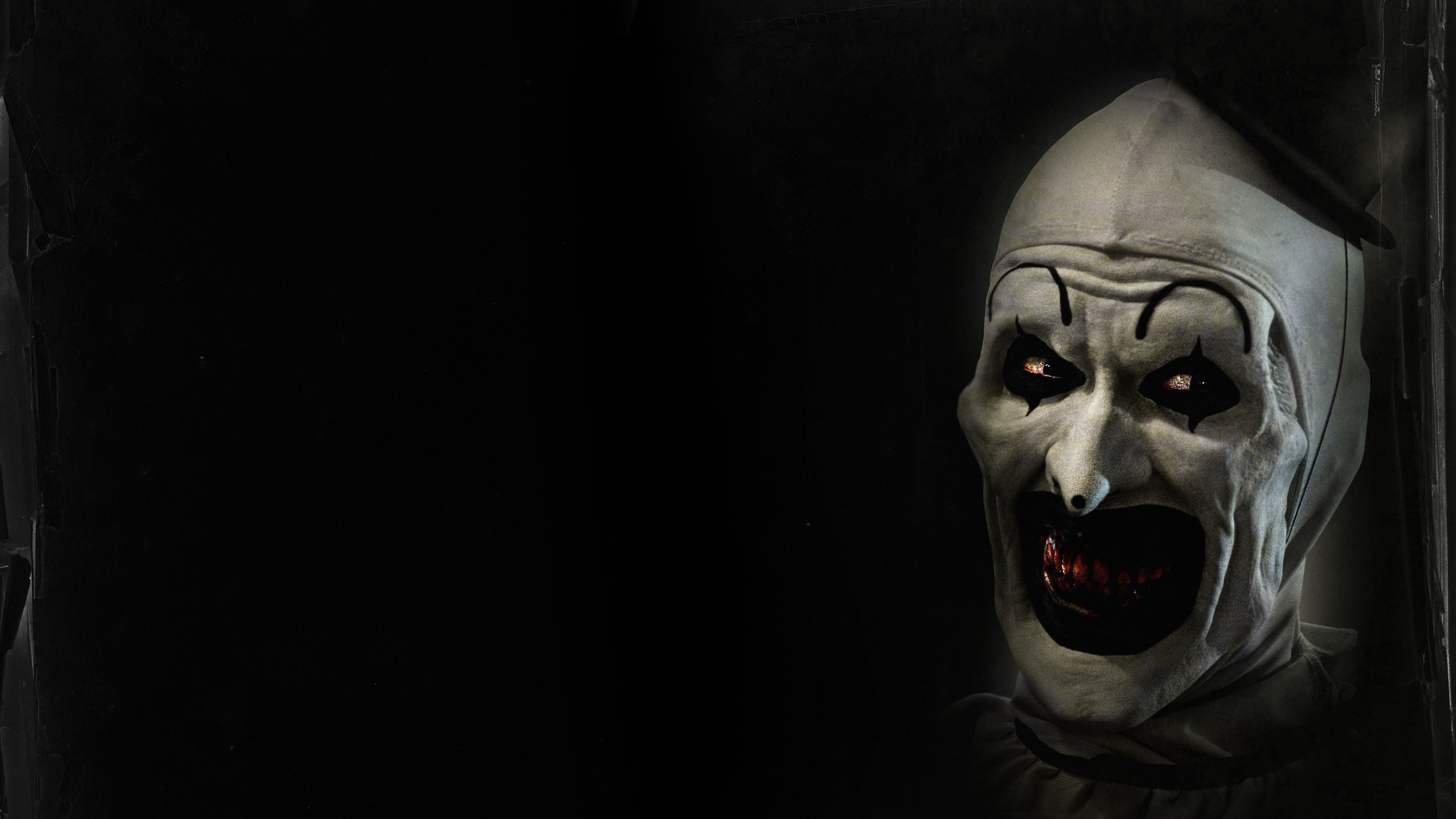
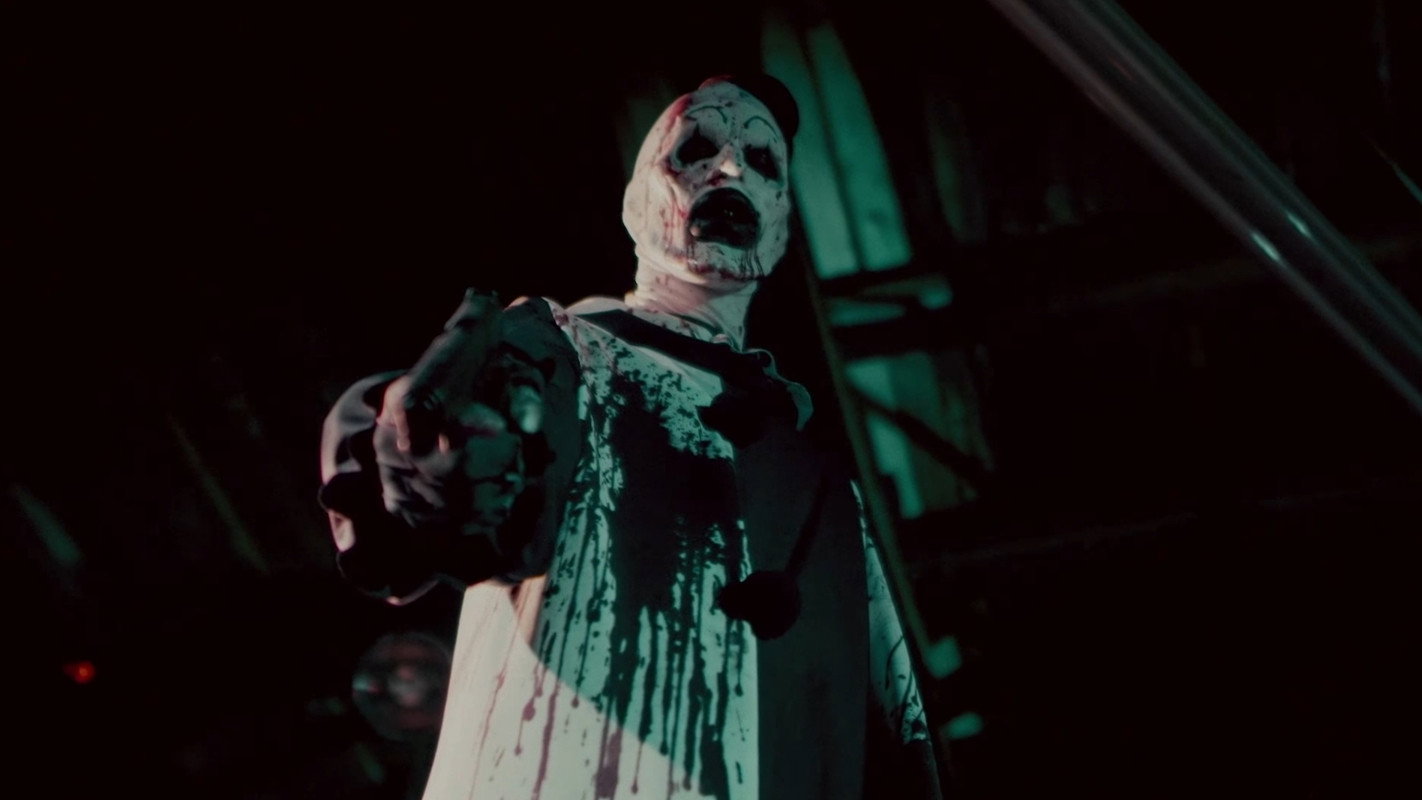
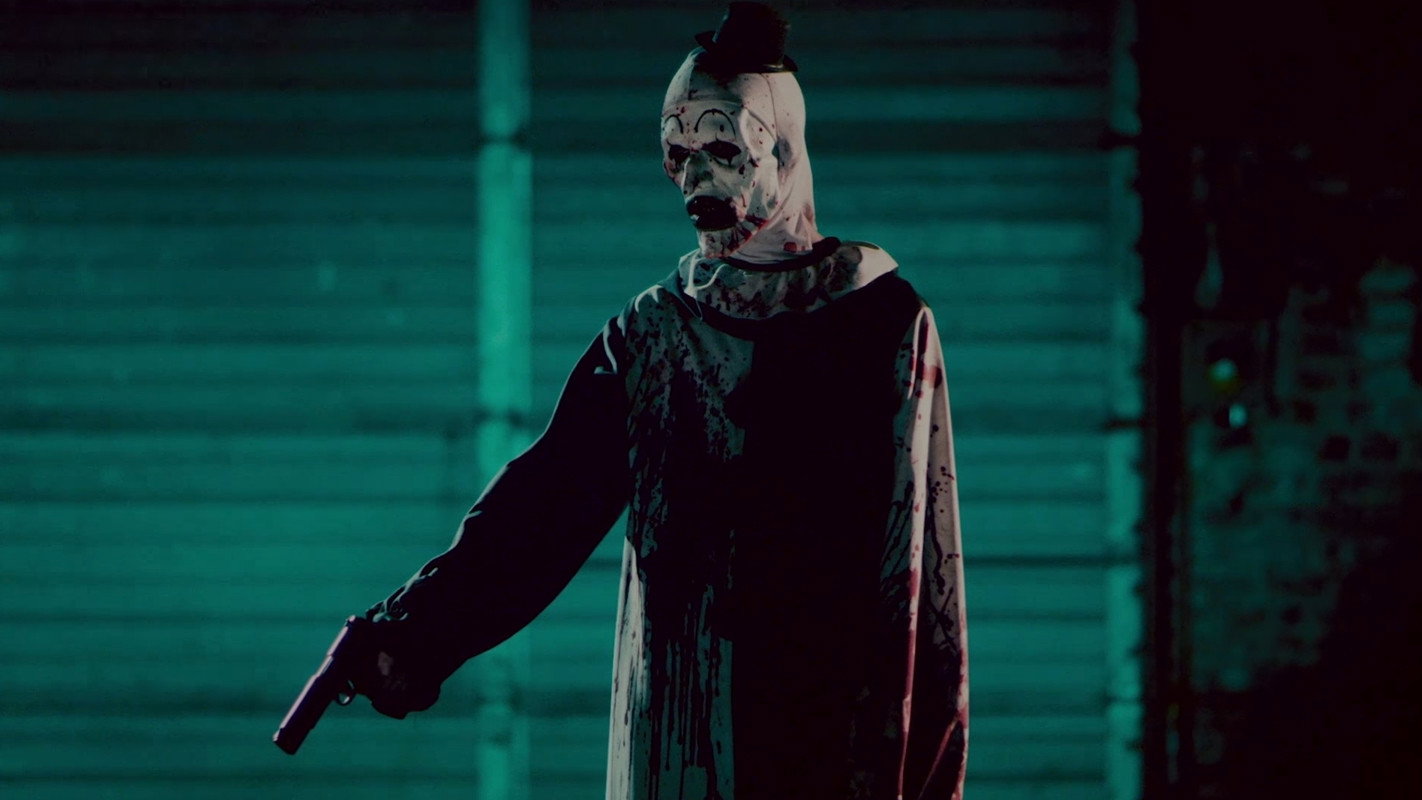
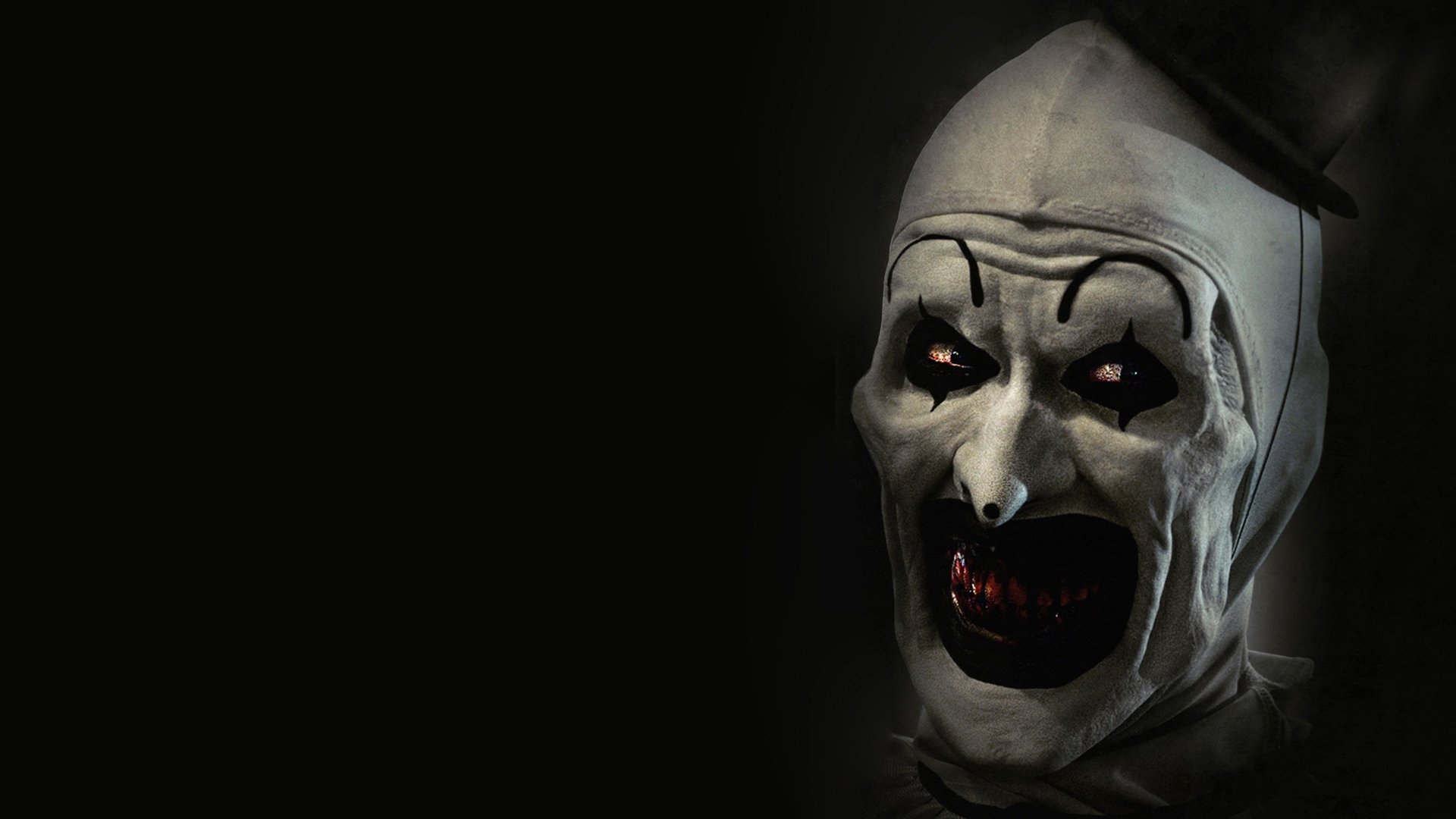
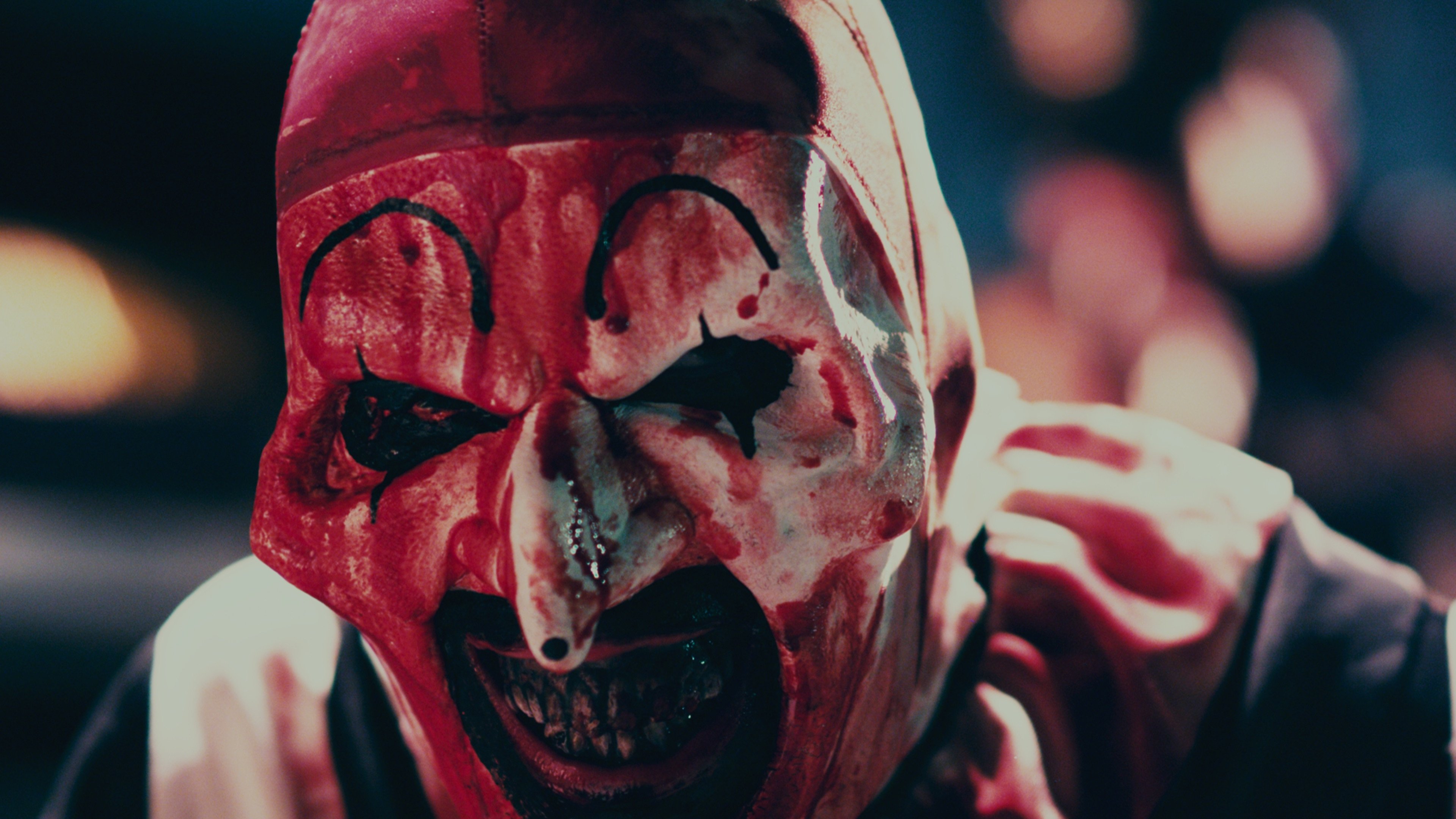
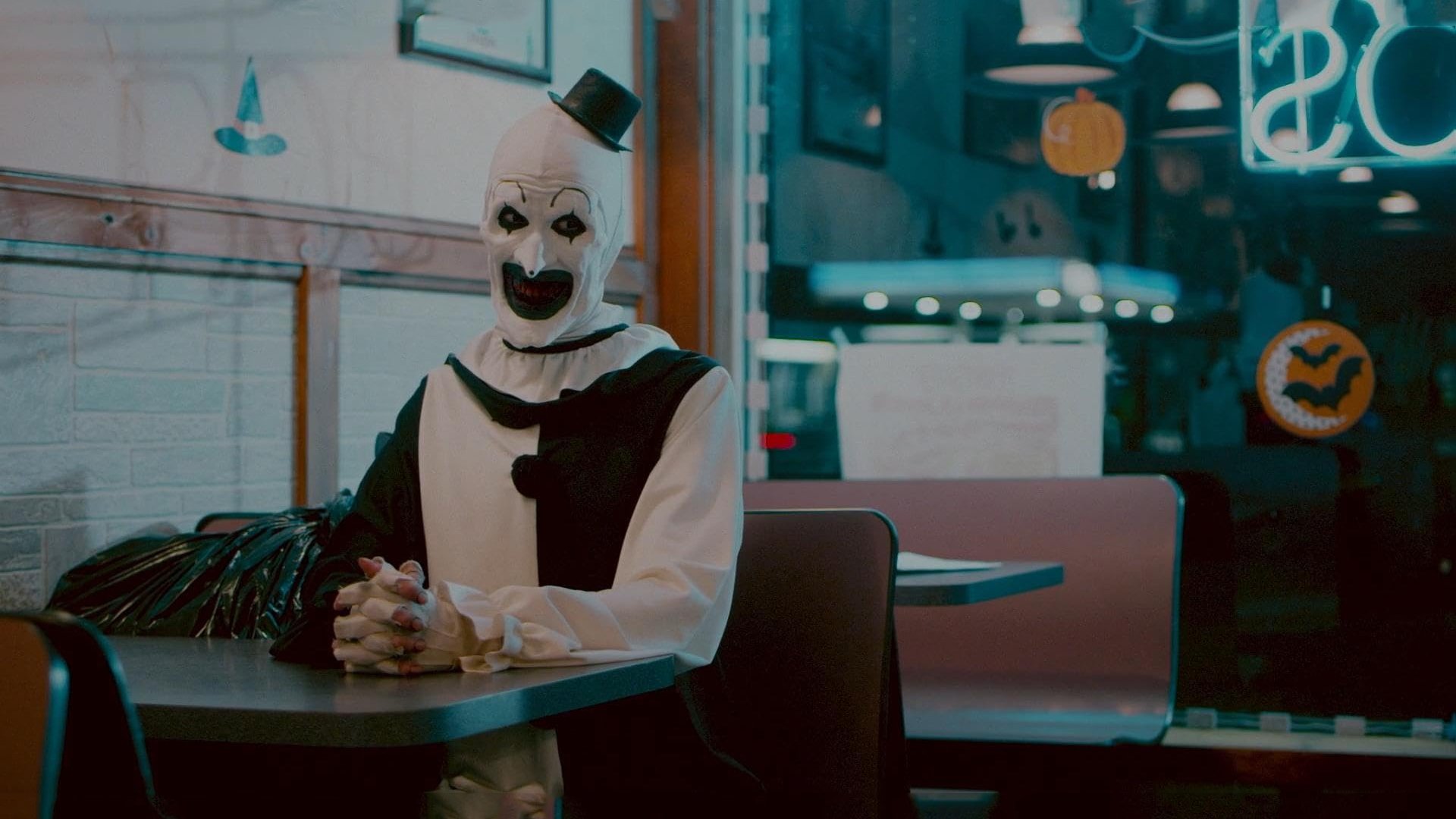
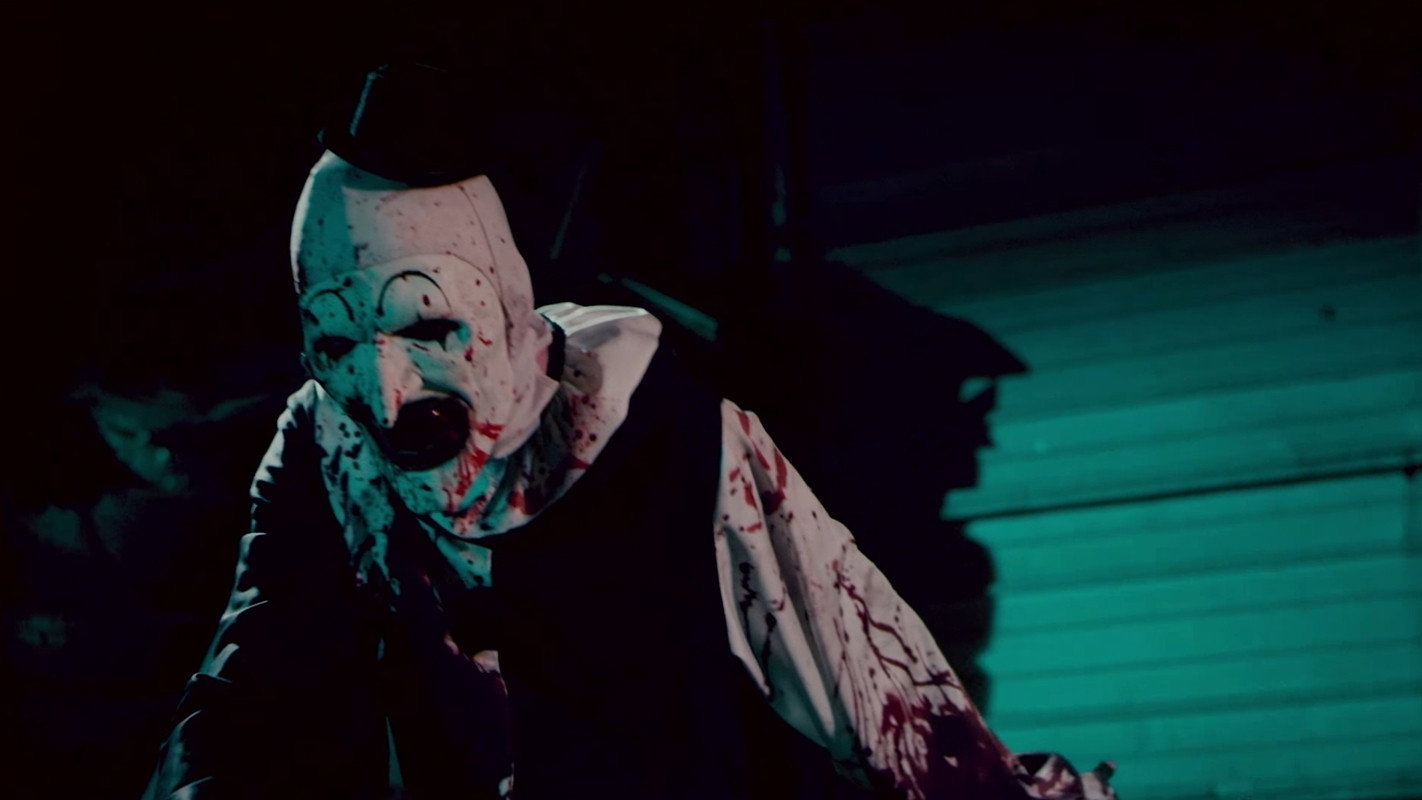
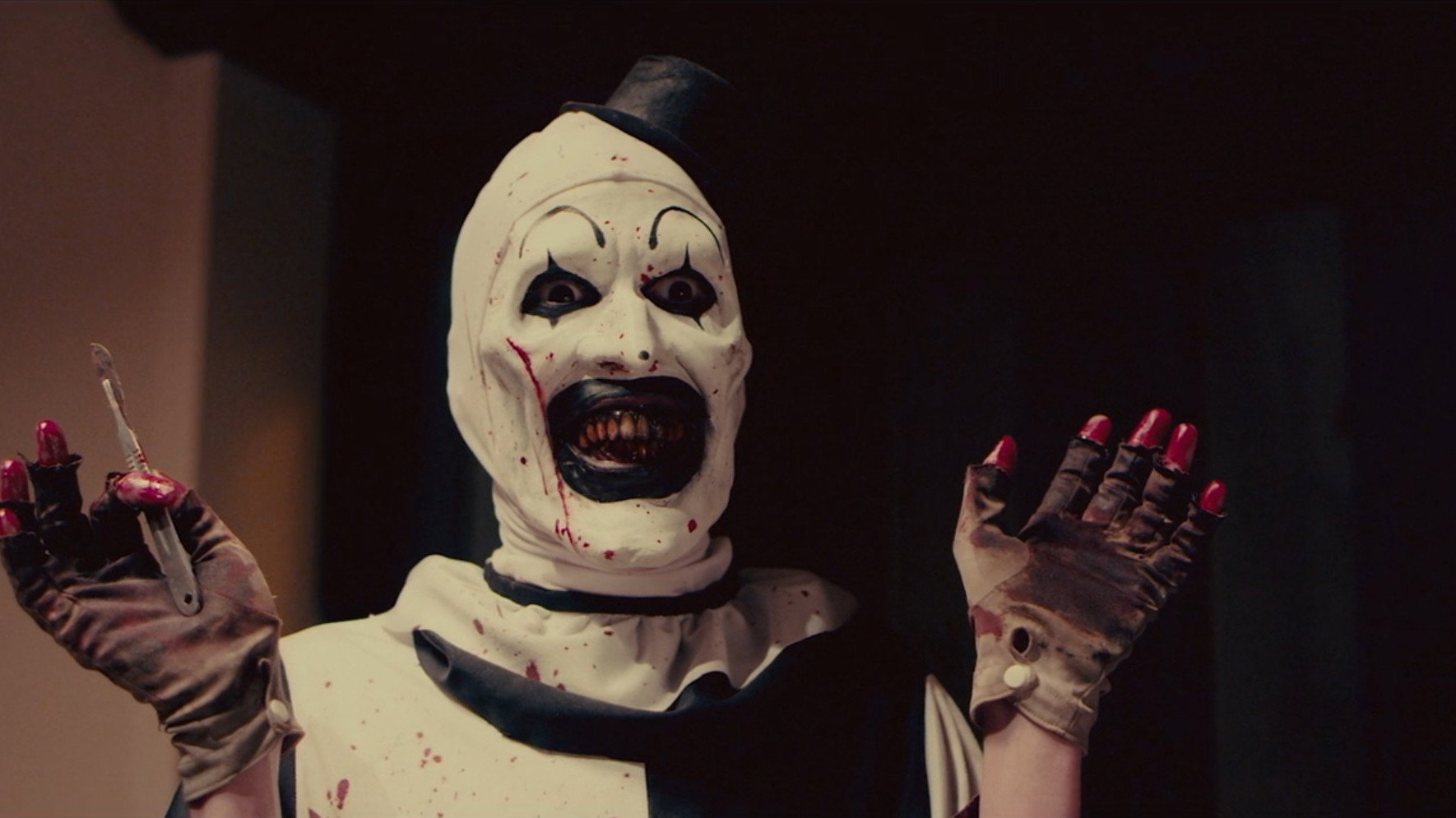
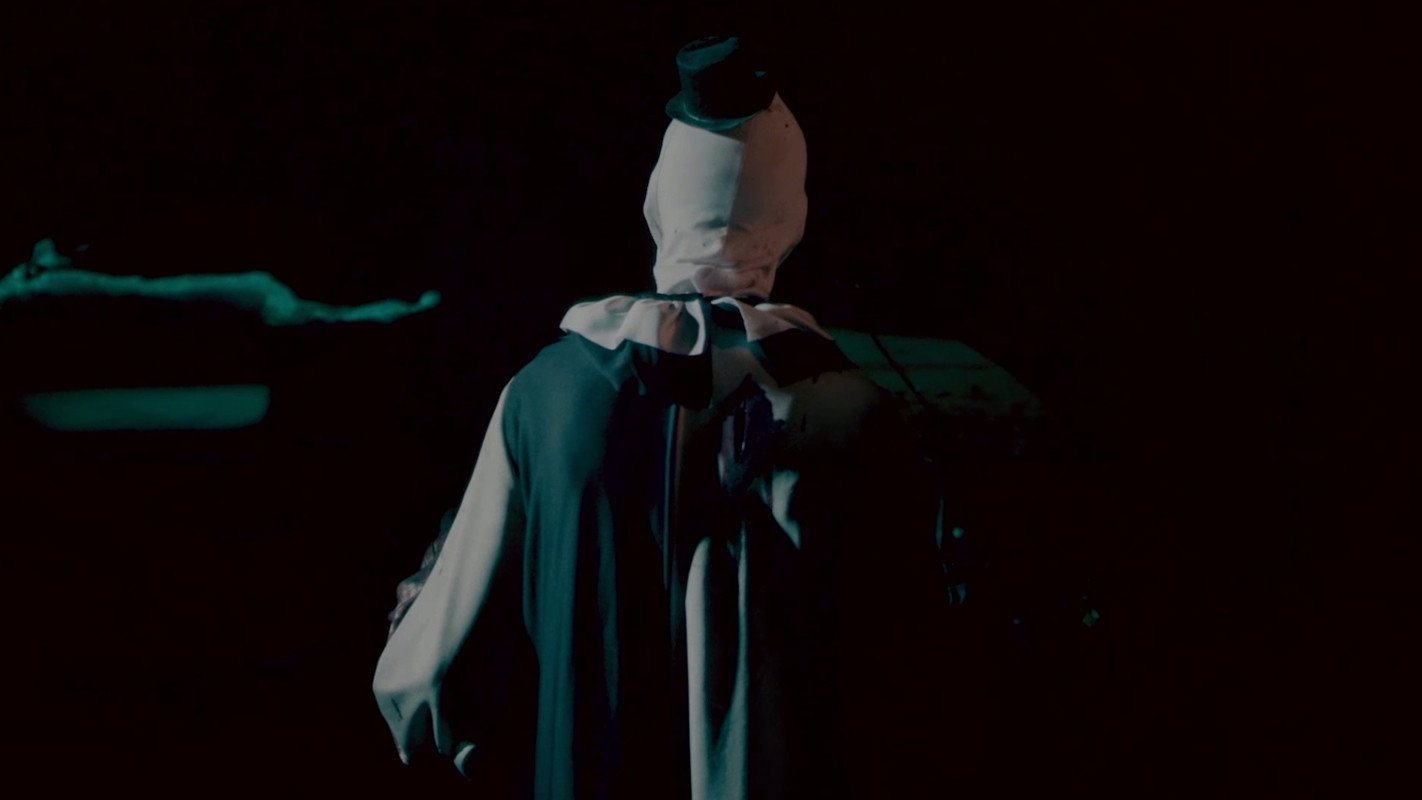
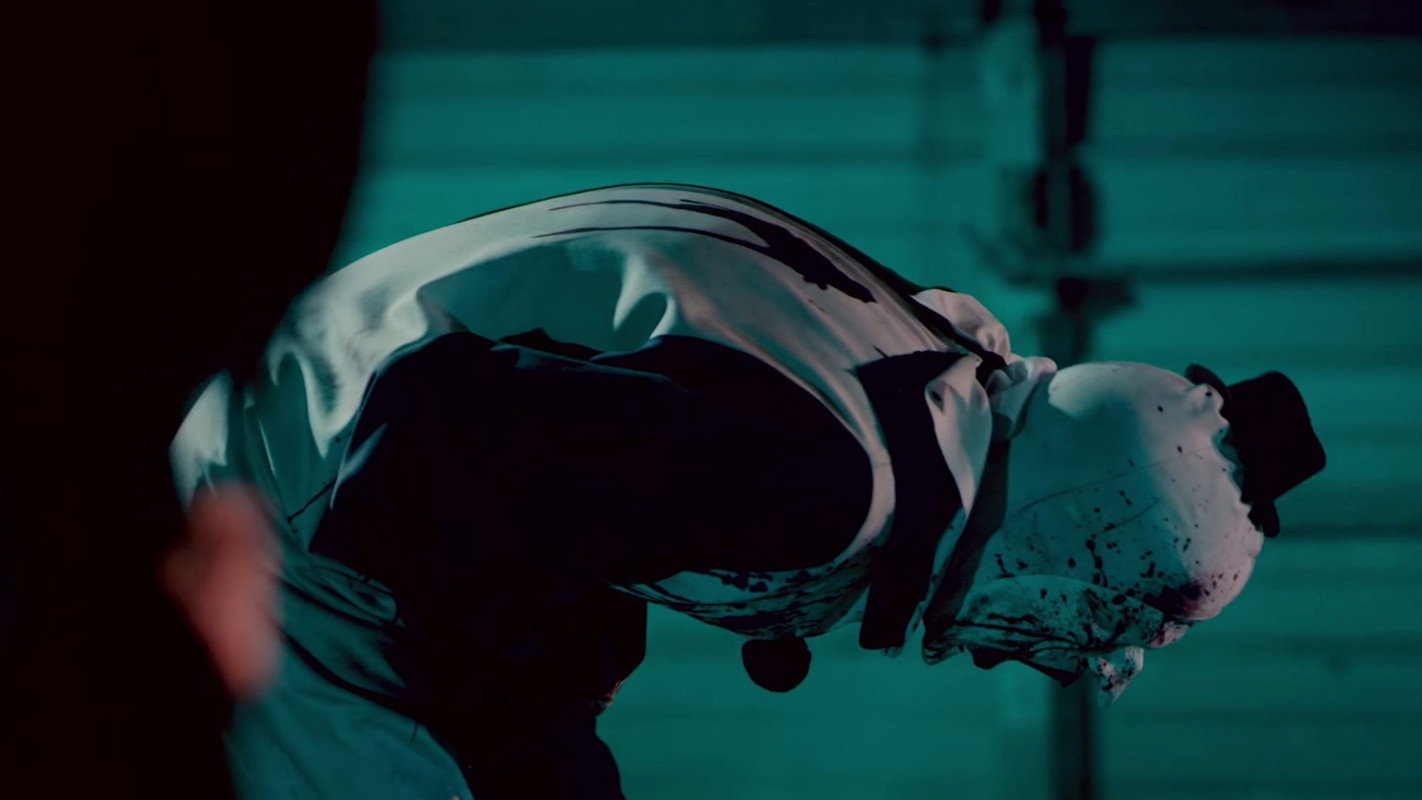
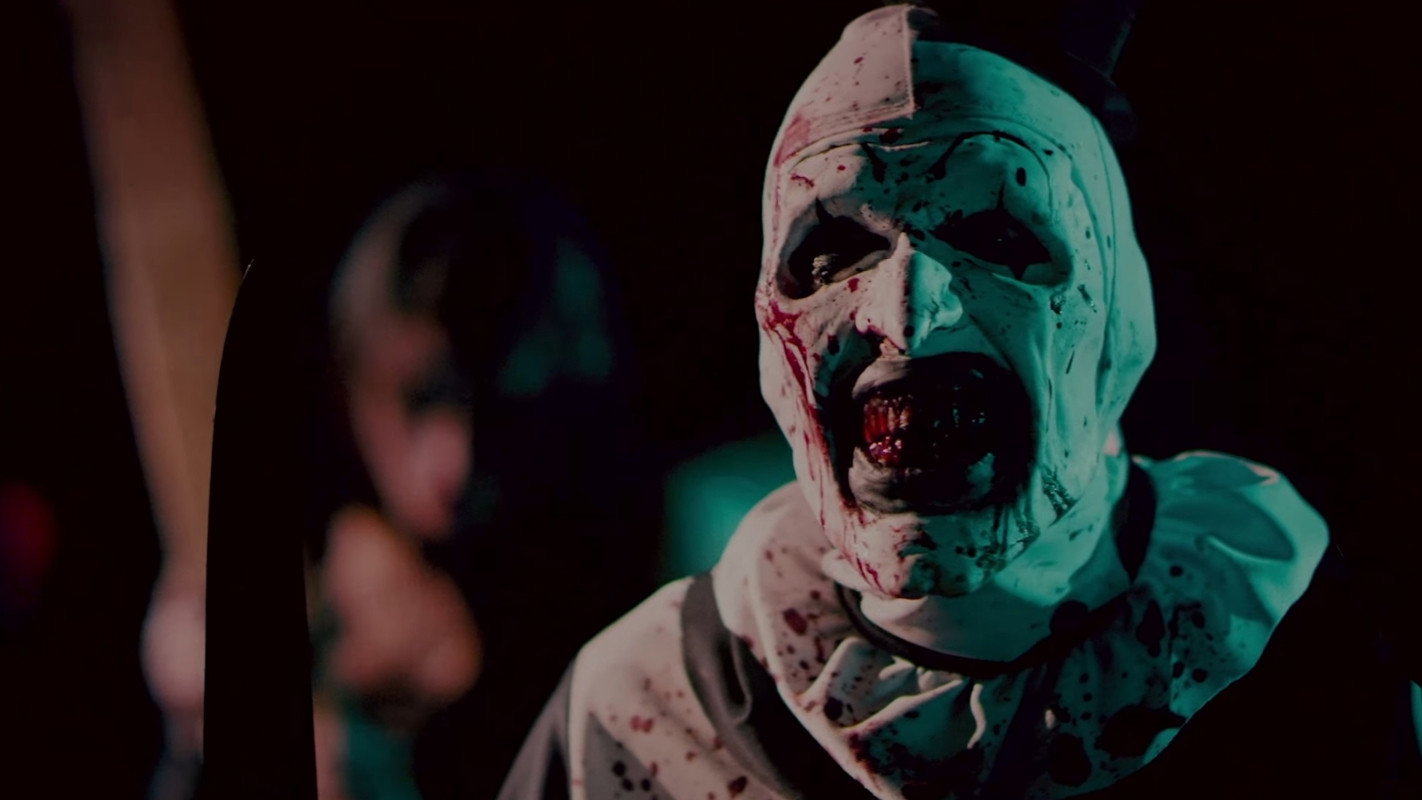
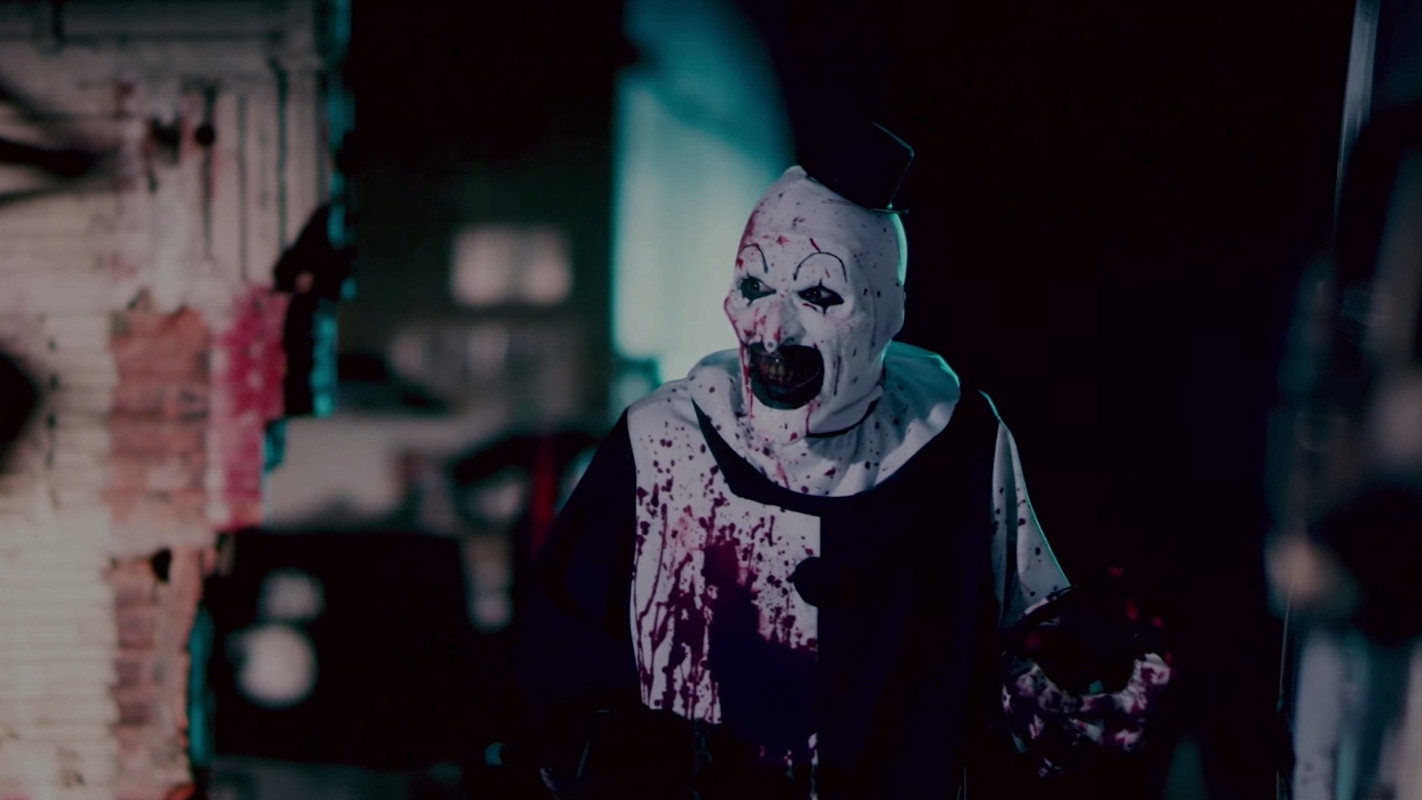
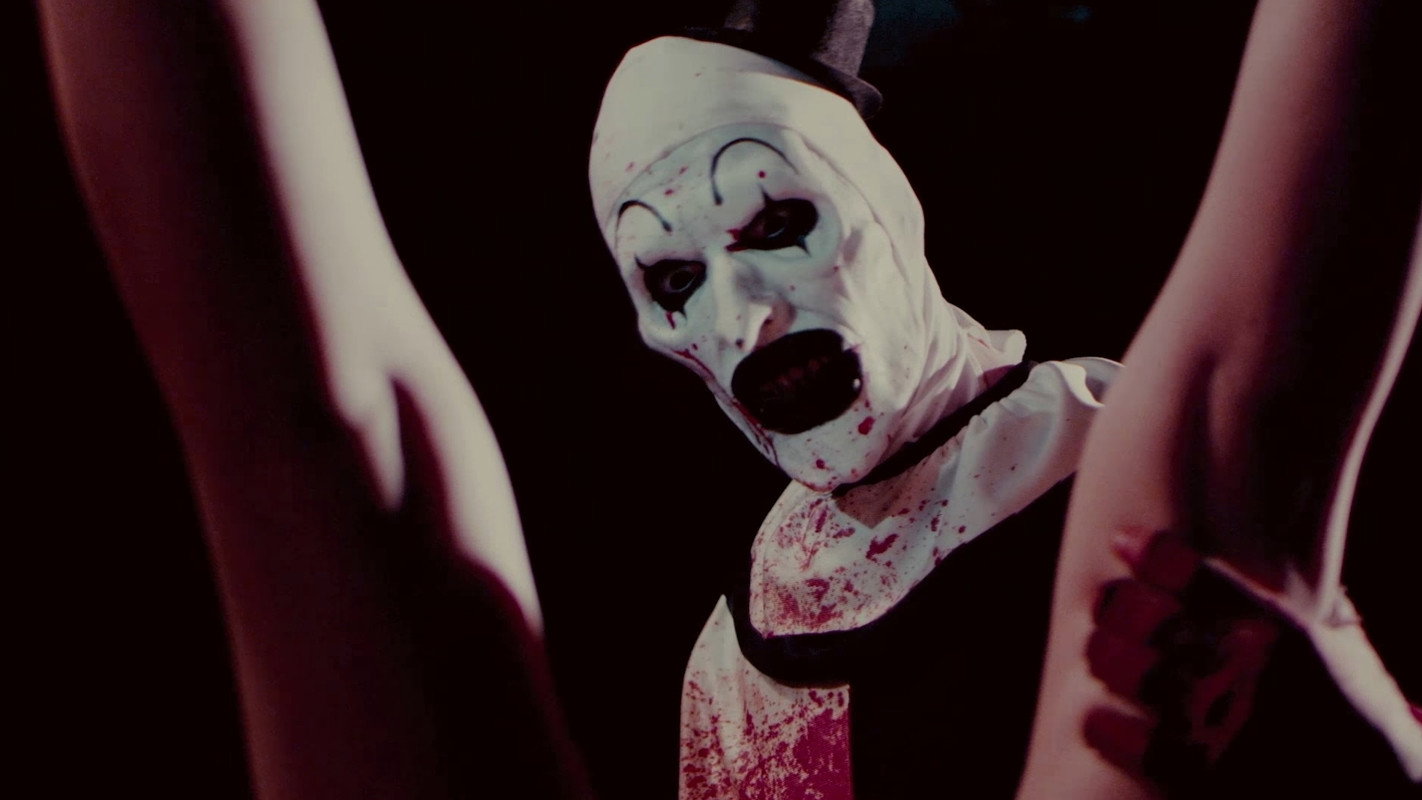
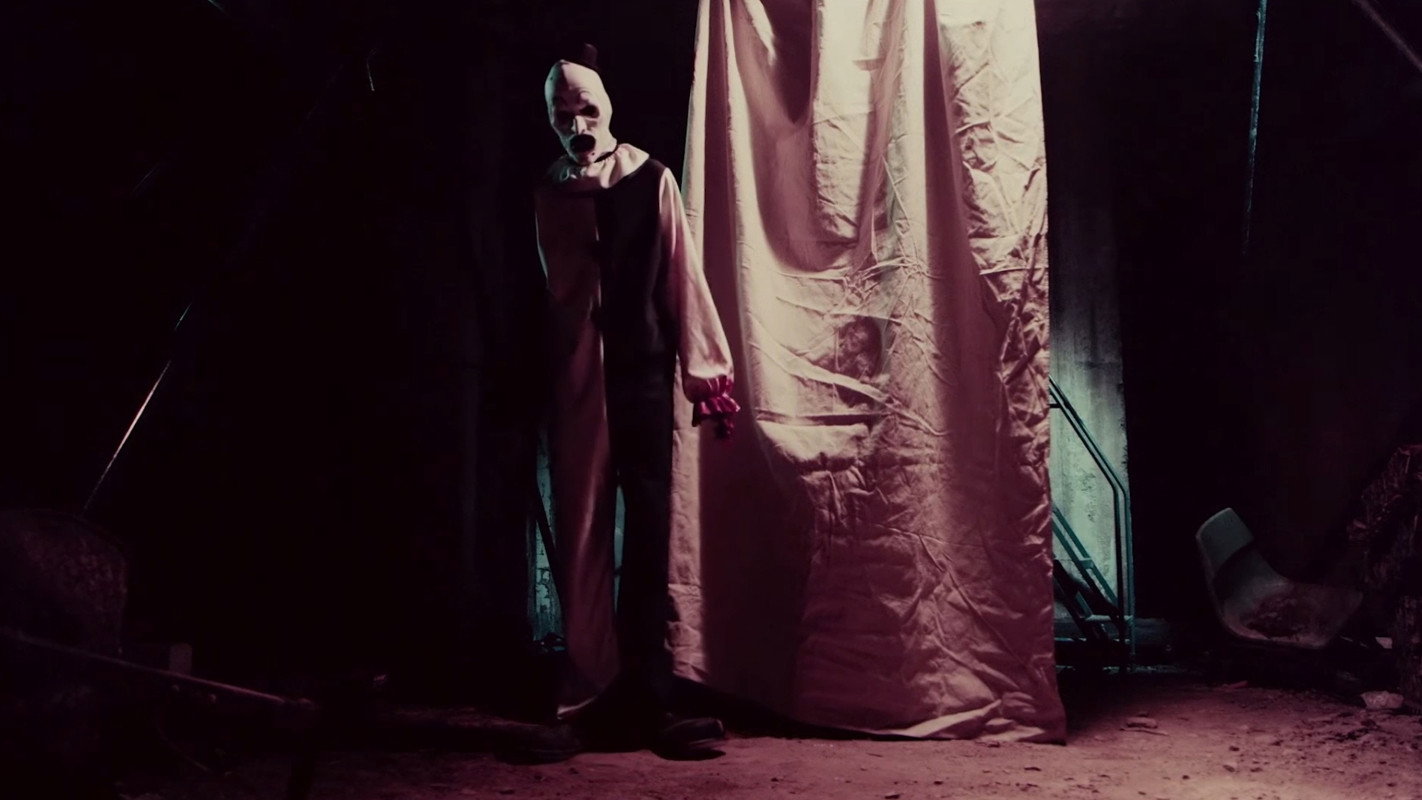
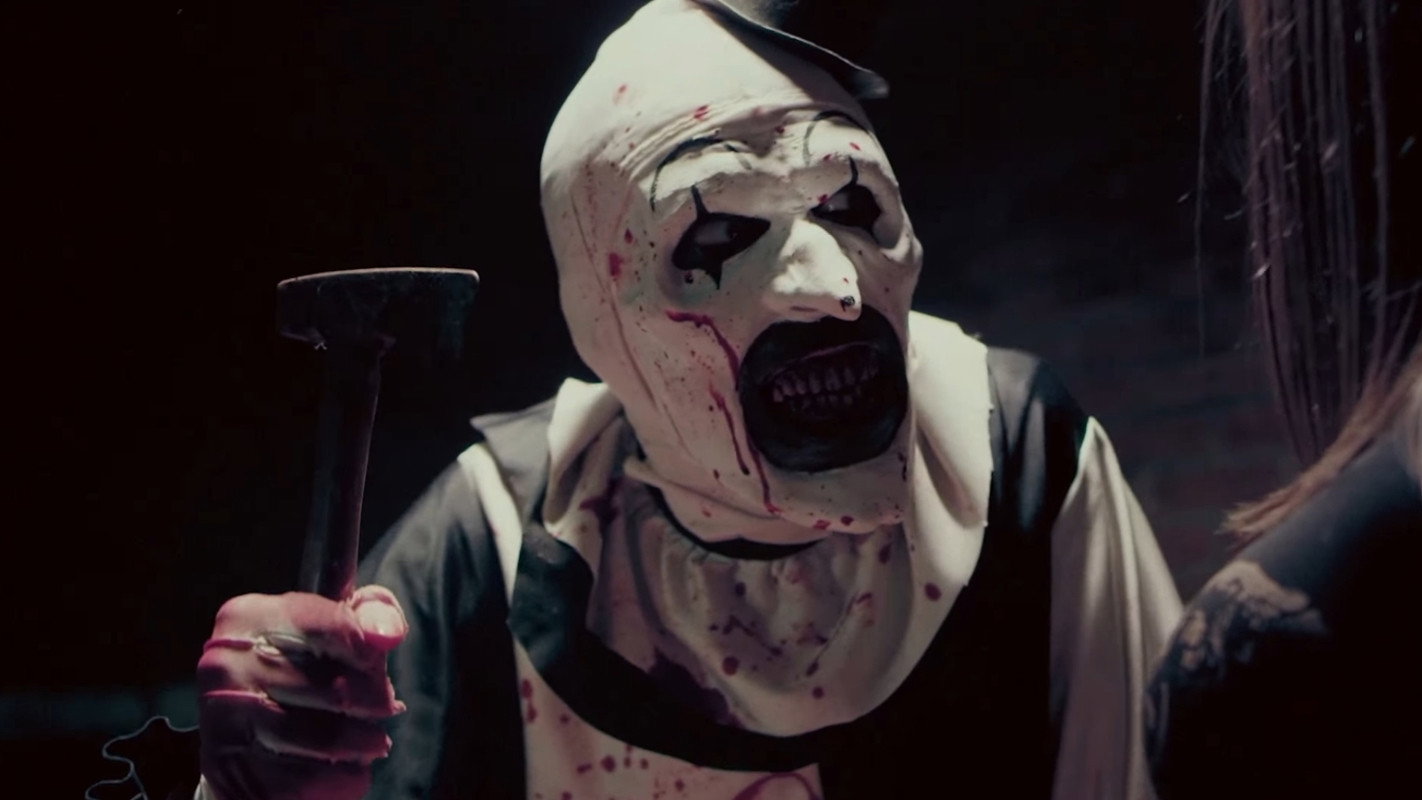
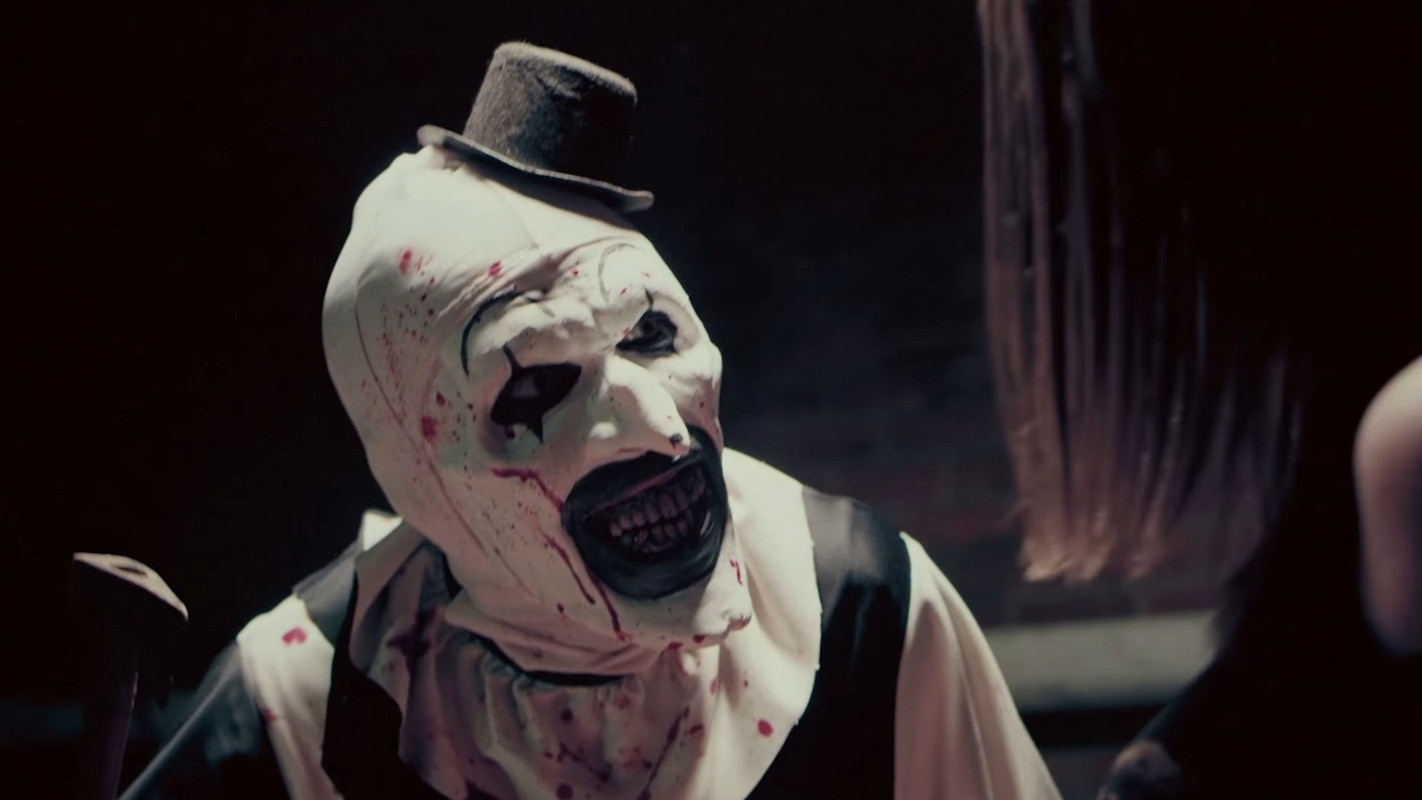
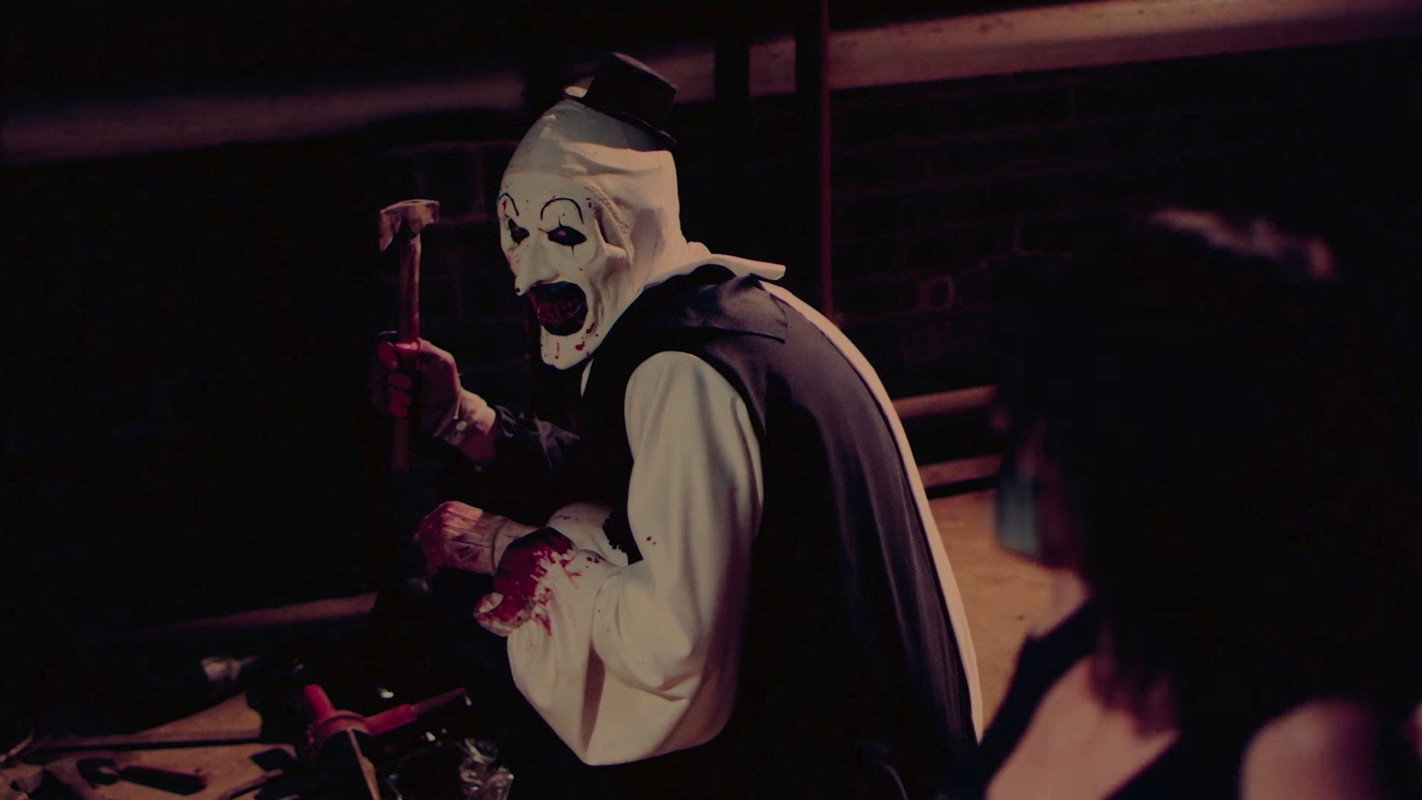
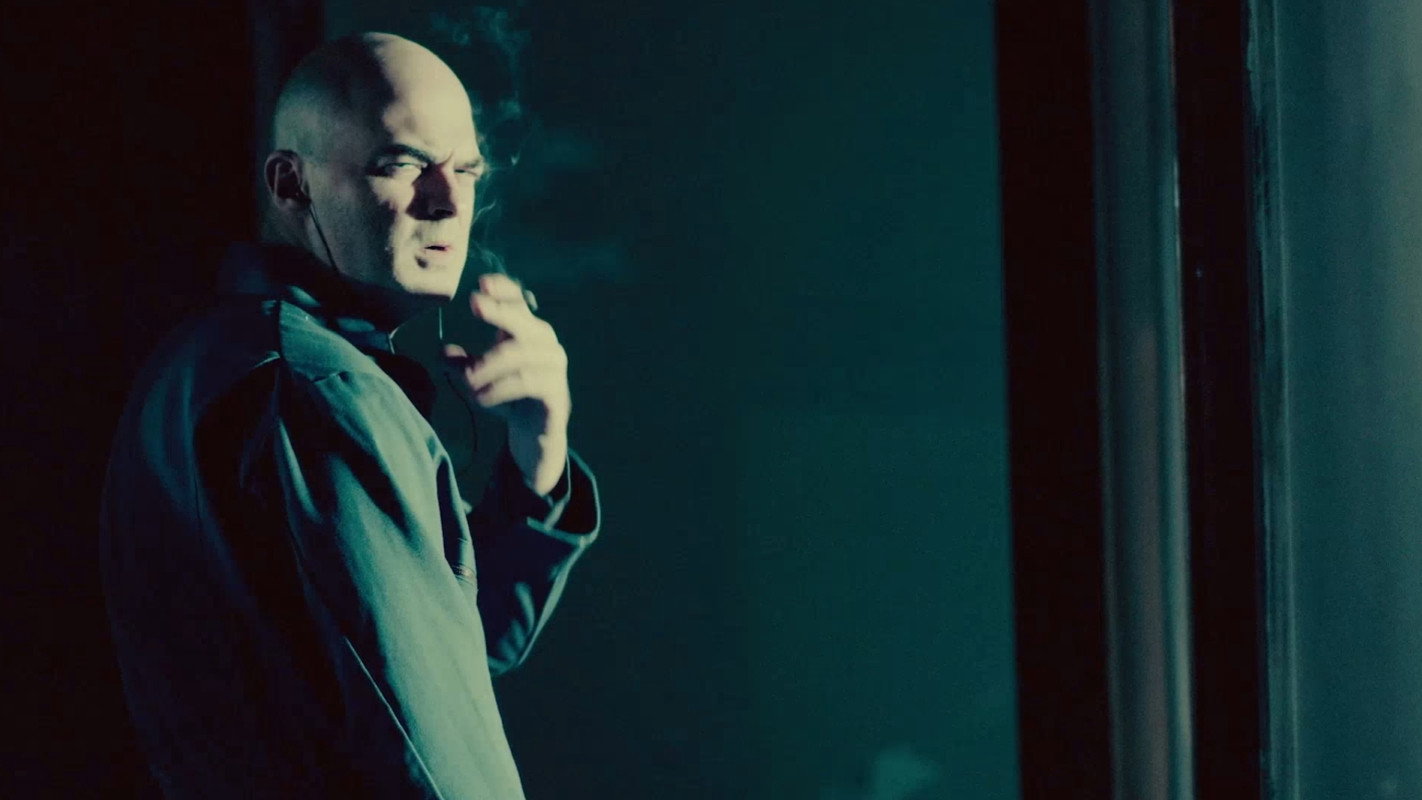
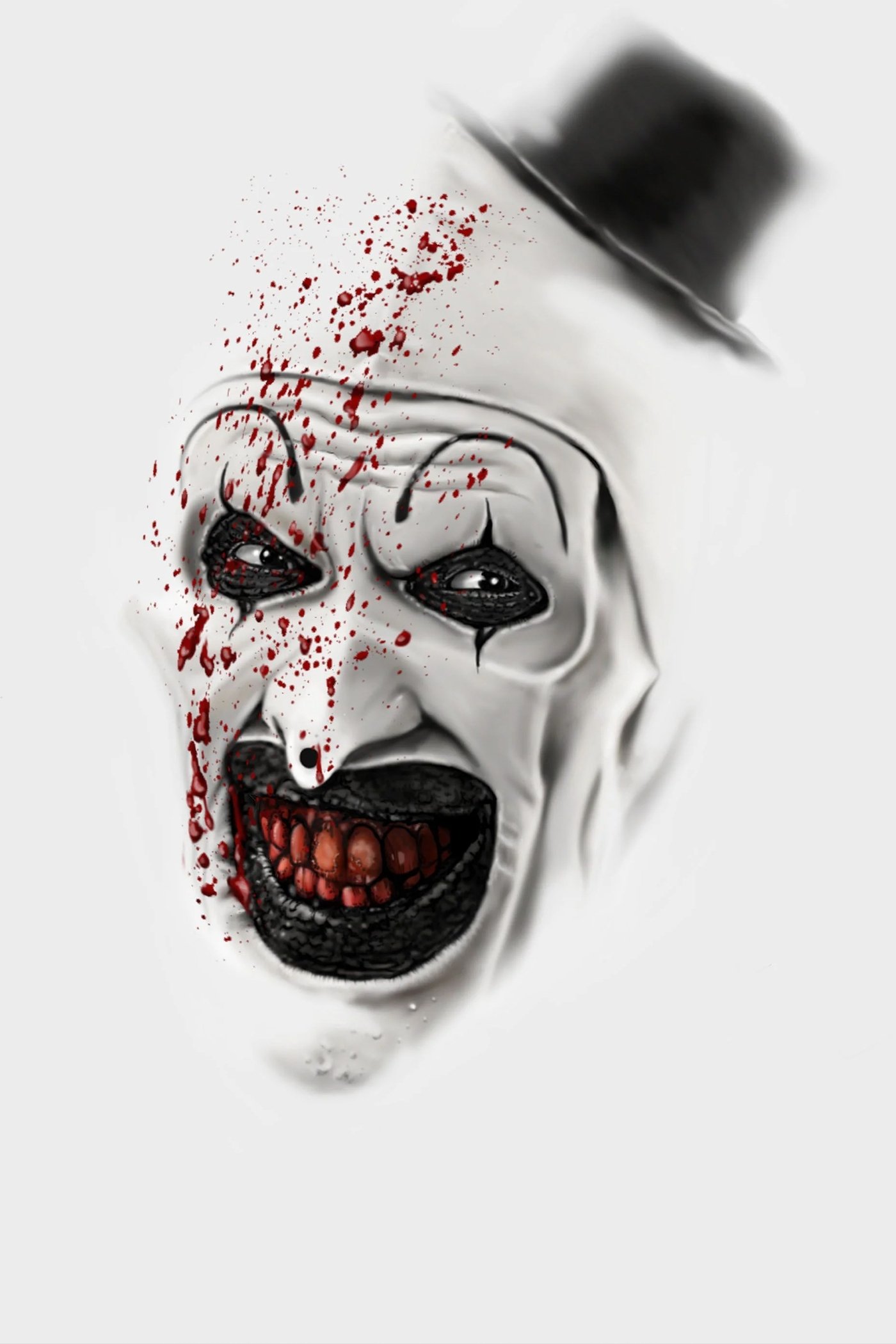
Thornton drew on silent comedy and stage performance, citing Charlie Chaplin, Buster Keaton, Laurel and Hardy, and the Marx Brothers among his formative references. His Art uses pauses, exaggerated reactions and playful gestures that resemble a mime entertaining an audience. Those gestures become threatening because their subject is another person’s terror. Leone had conceived the clown as a visual contrast to Pennywise from It: black and white rather than colorful, bald rather than heavily coiffed, silent rather than conversational, and armed with ordinary implements. That opposition was part of Art’s earlier design, before Thornton developed the character’s new performance style.

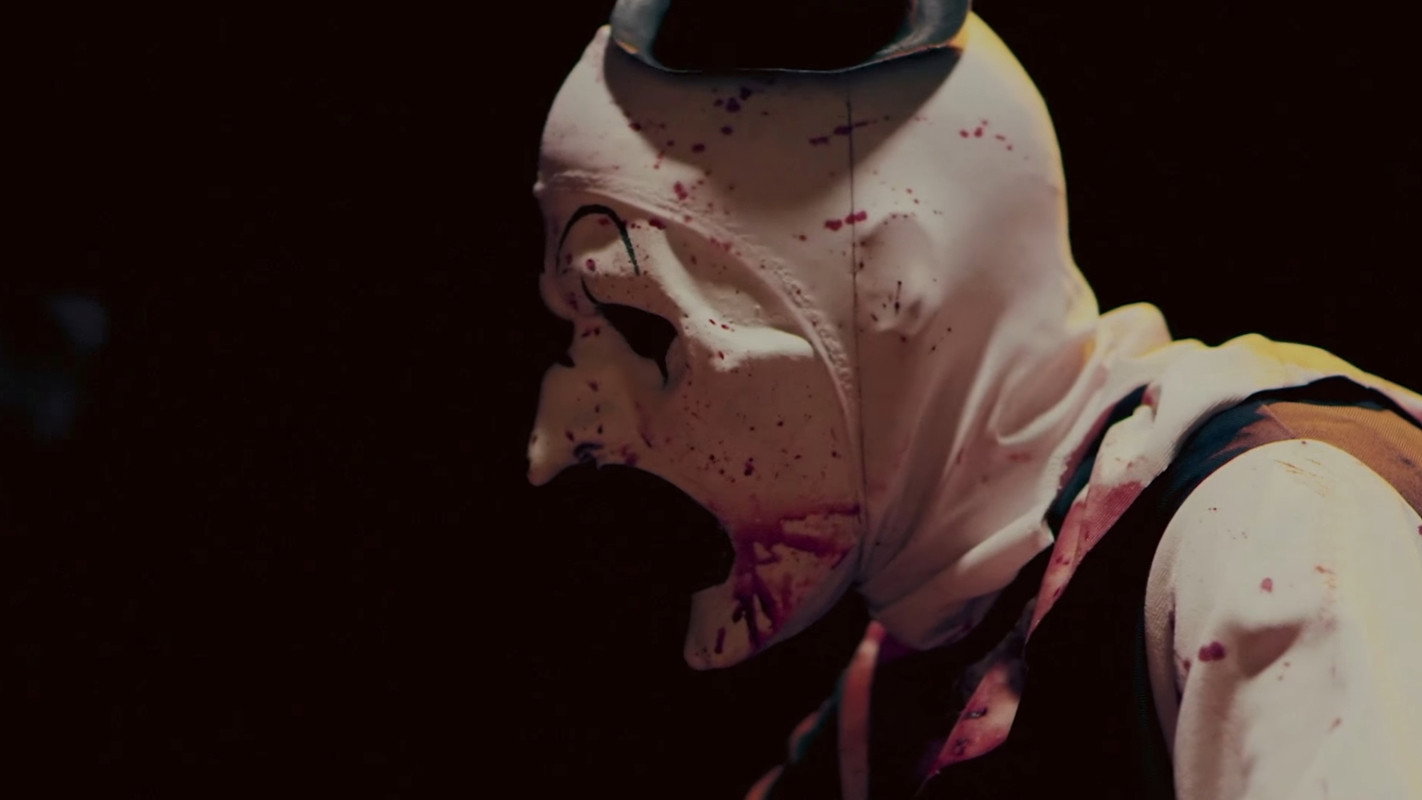
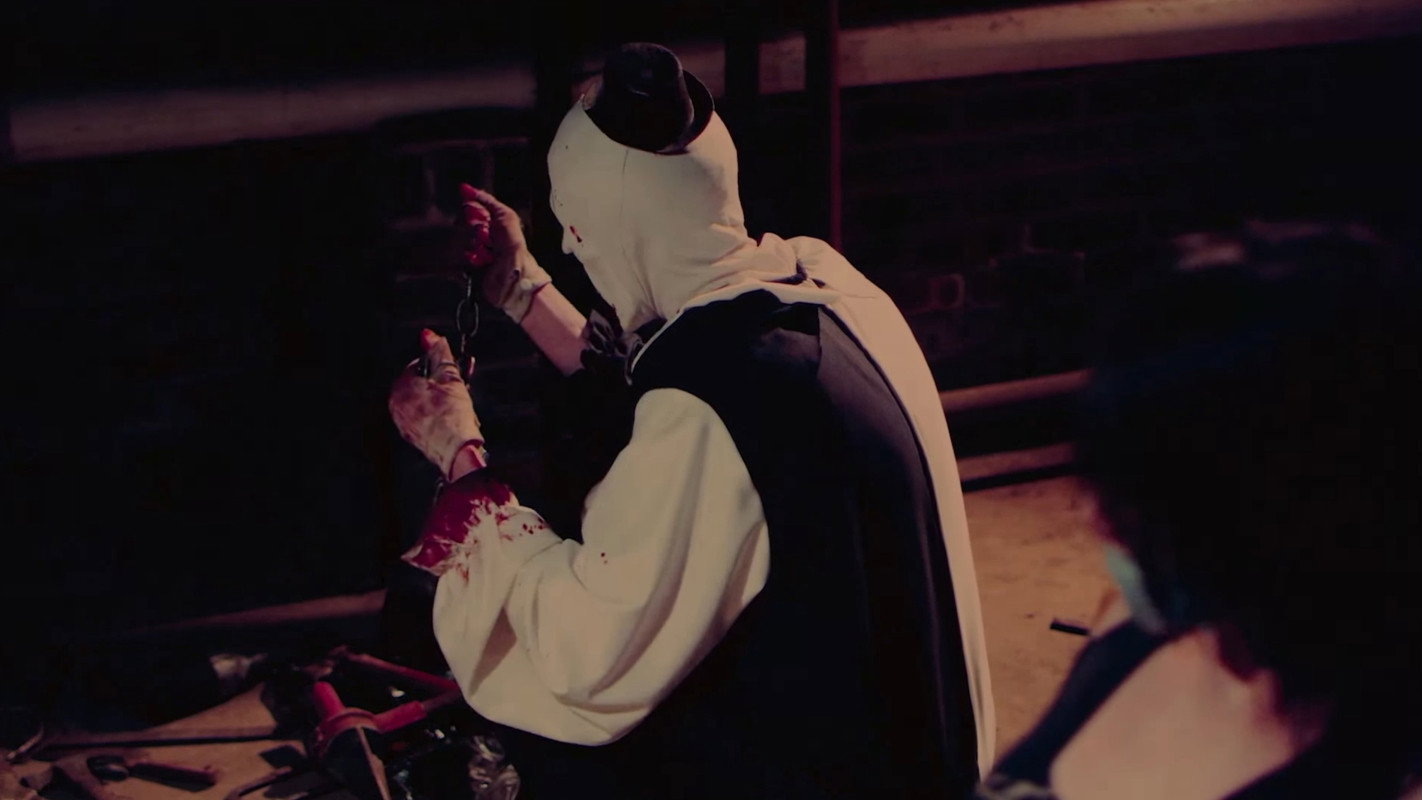
The mask-like makeup and pointed features make small changes of expression unusually prominent. Thornton’s slender build also affected the appearance of the prosthetic, something Leone specifically noted when comparing the two performers. The character’s lack of dialogue keeps his intentions opaque even when he is plainly amused by his actions. His performance can switch from almost childish playfulness to abrupt aggression without a verbal explanation. This uncertainty, sustained through posture and timing, is a central source of the character’s menace.

Practical Makeup & Gore Effects

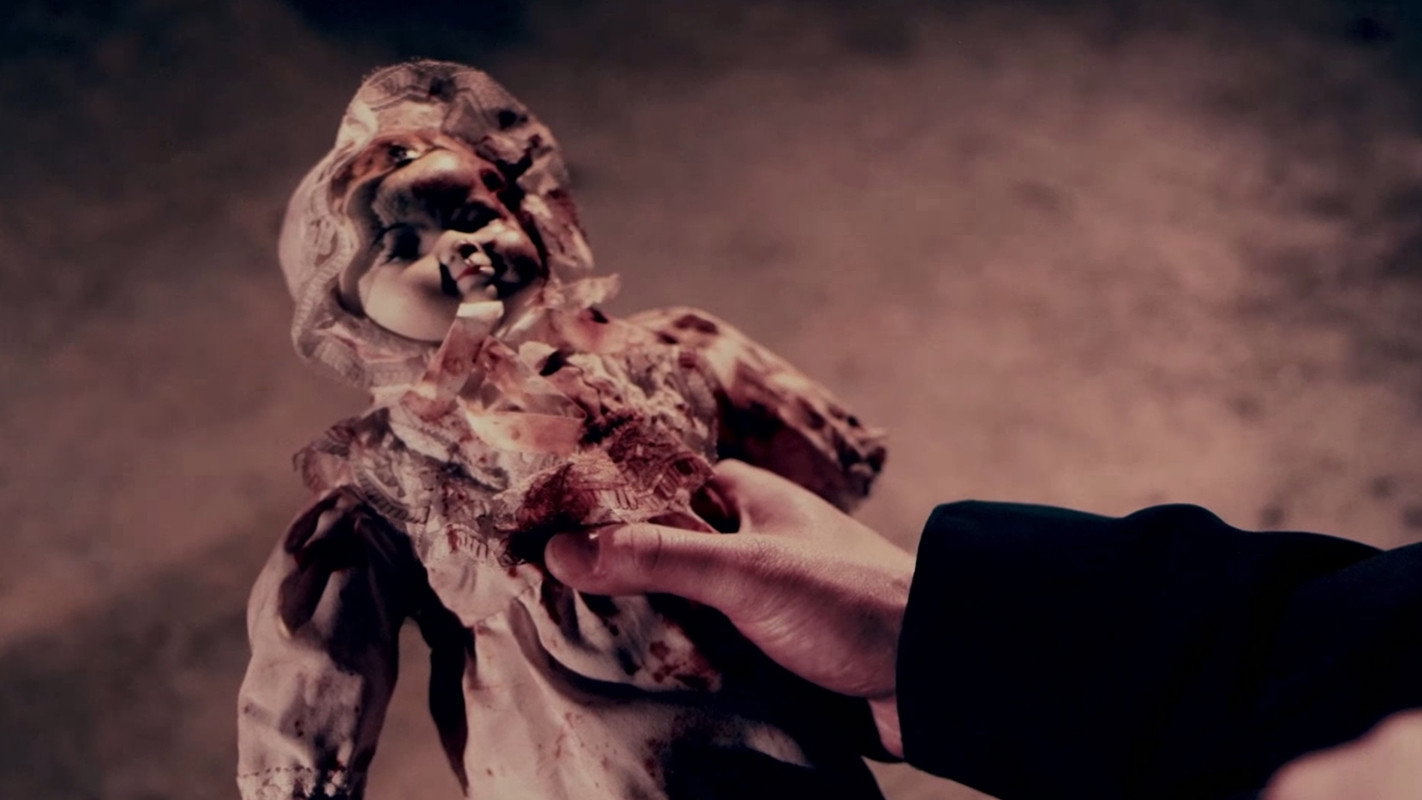
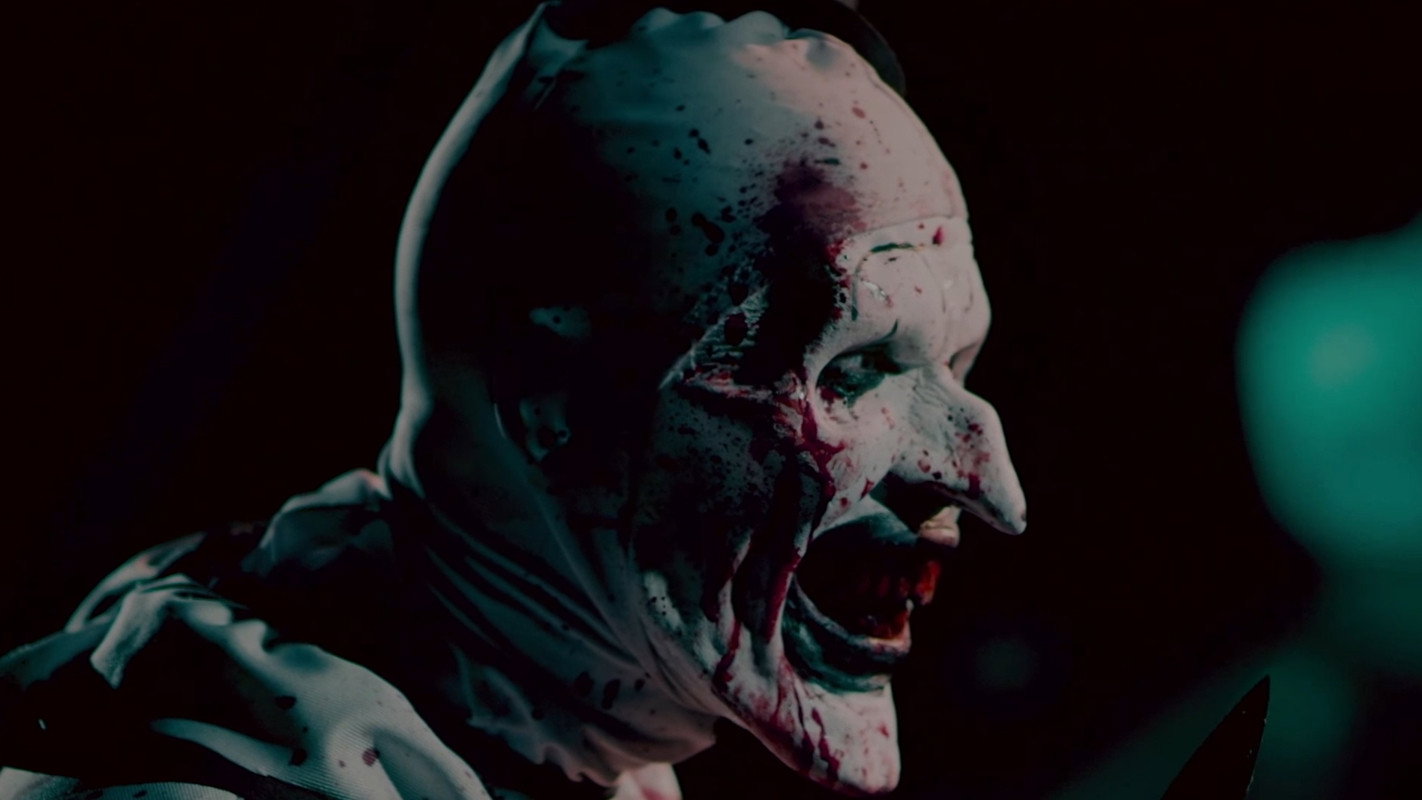
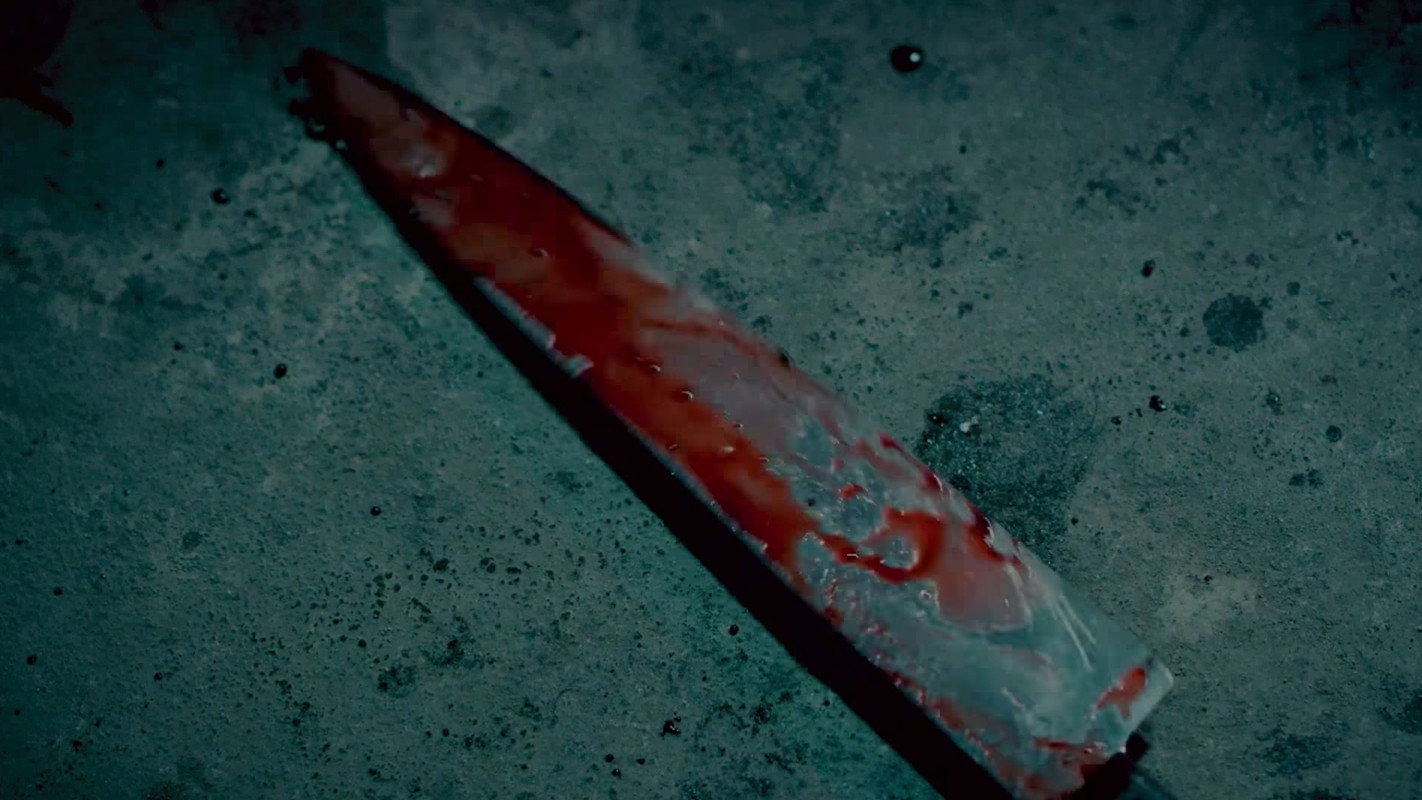
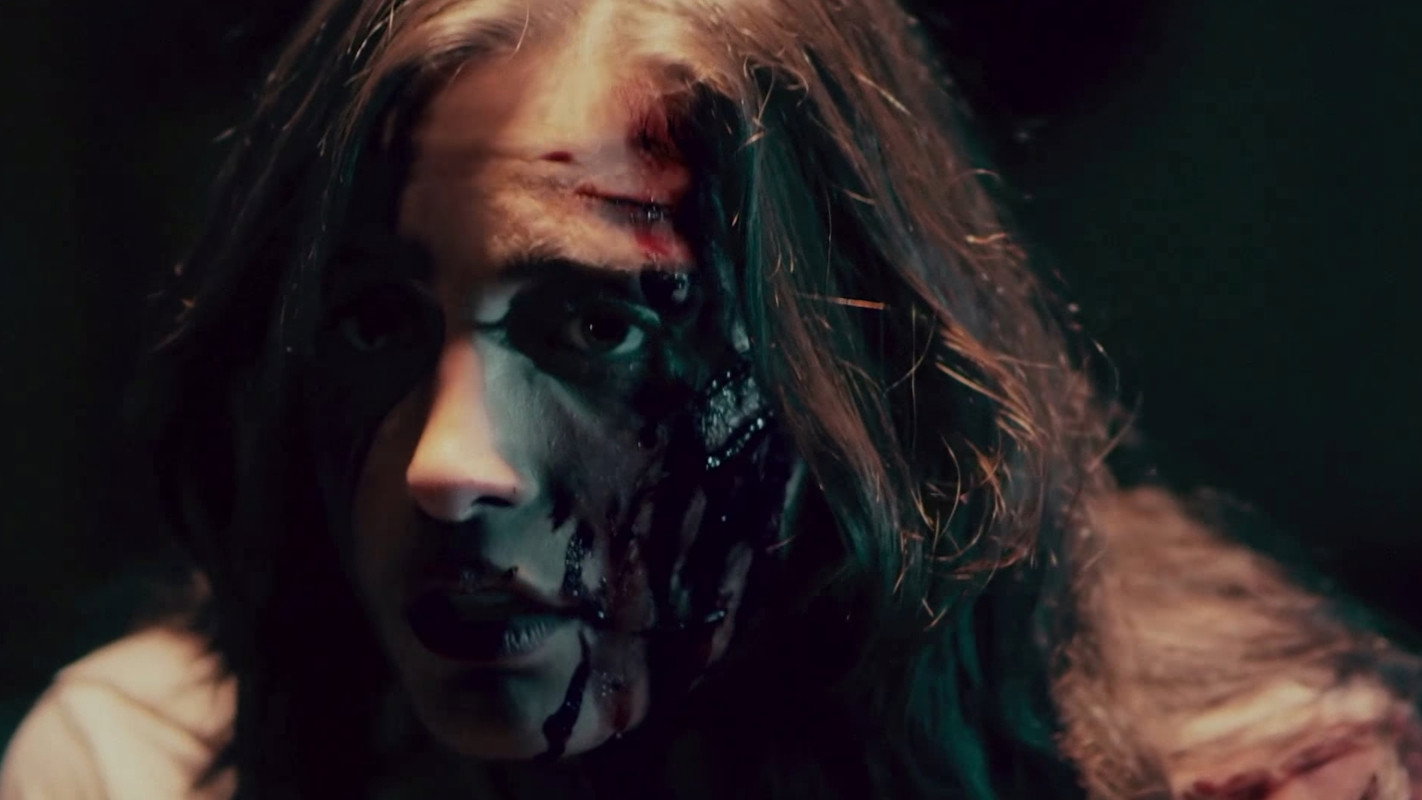
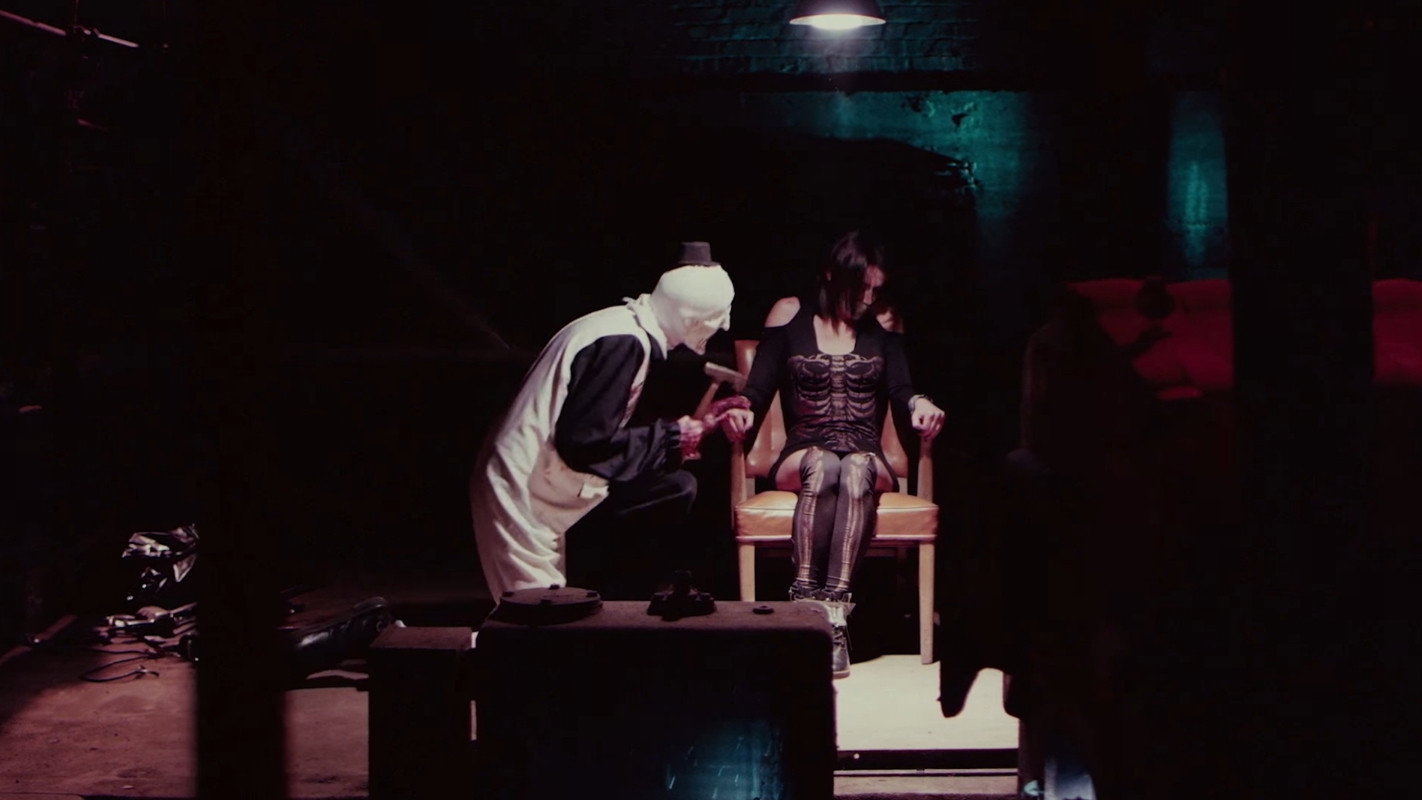
Leone’s work as a special makeup-effects artist supplied the film’s most conspicuous technical resource. He and Falcone fabricated wounds, body parts and props using physical materials that actors could interact with on set. In his 2016 production interview, Leone described preparing molds of performers’ bodies and making weapons before principal photography. He later estimated that the effects were overwhelmingly practical, with limited digital intervention used for tasks such as concealing tubes or refining a wound. That estimate is Leone’s own description of the process, rather than an independently measured breakdown of every effect shot.
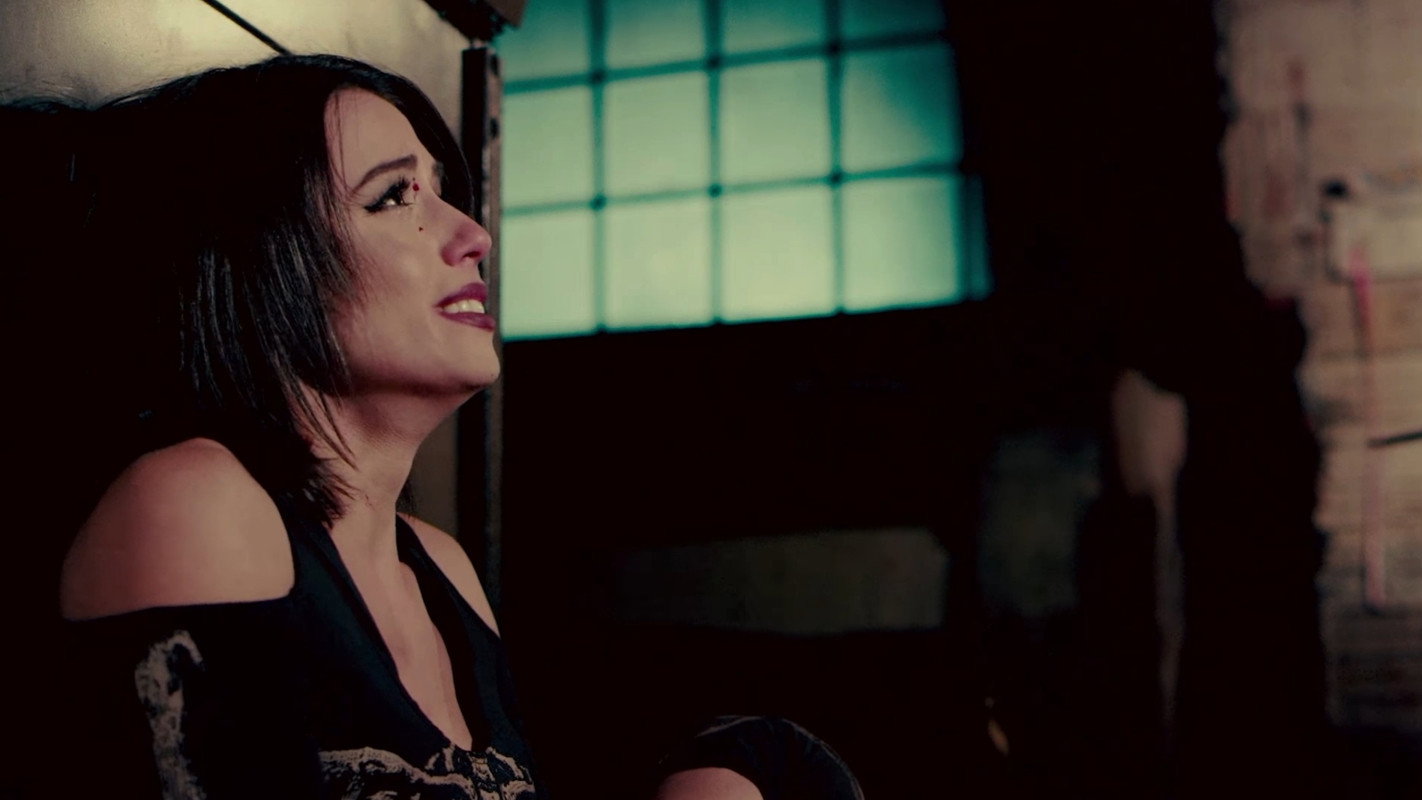
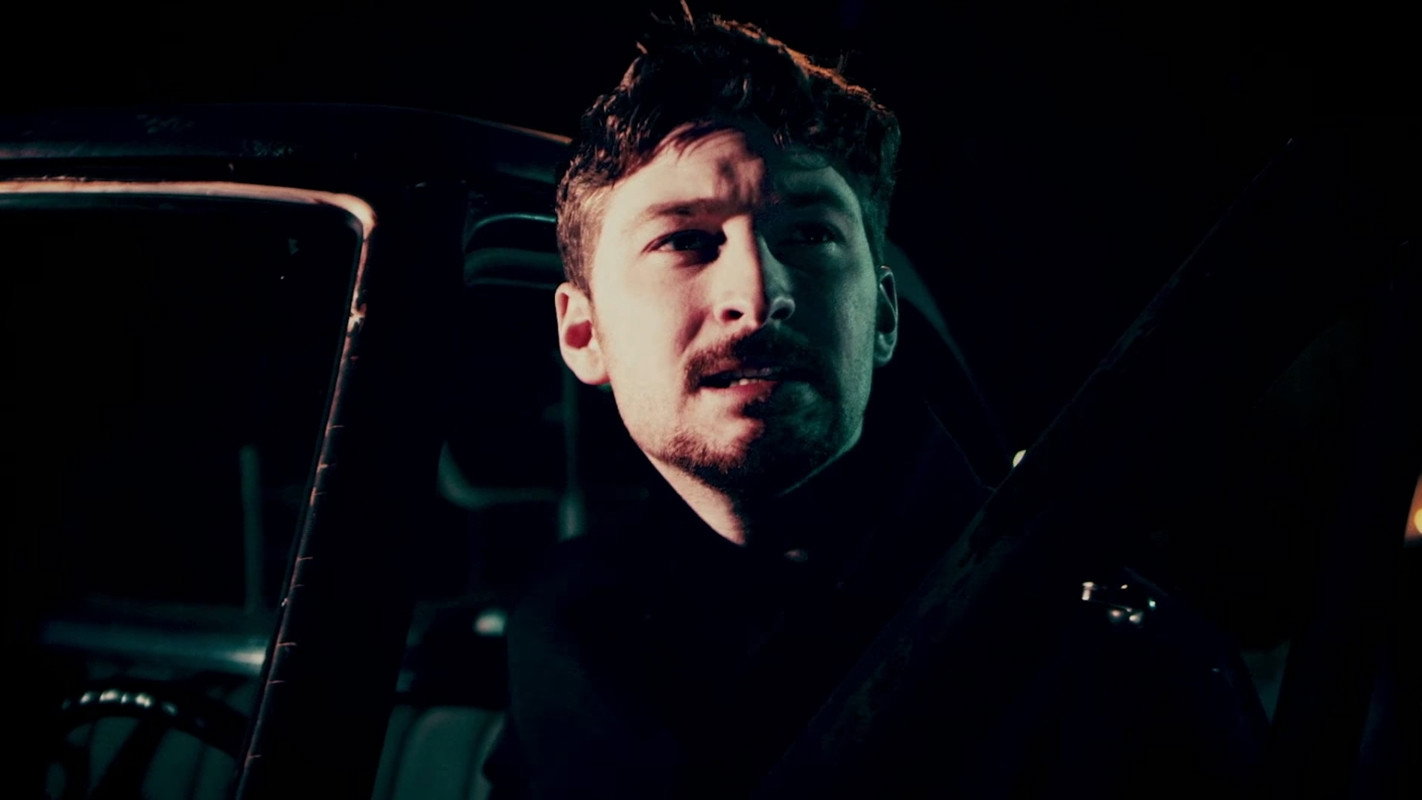
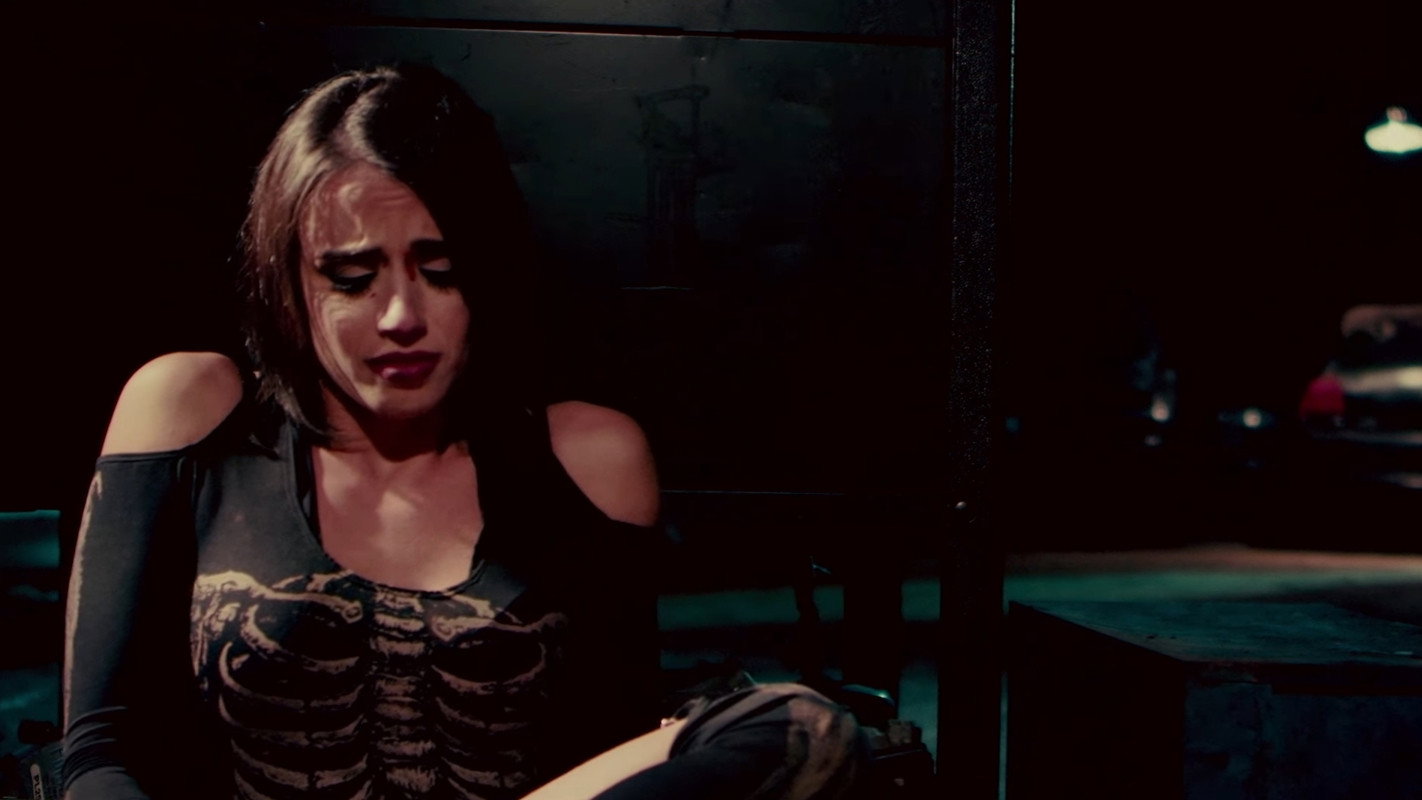
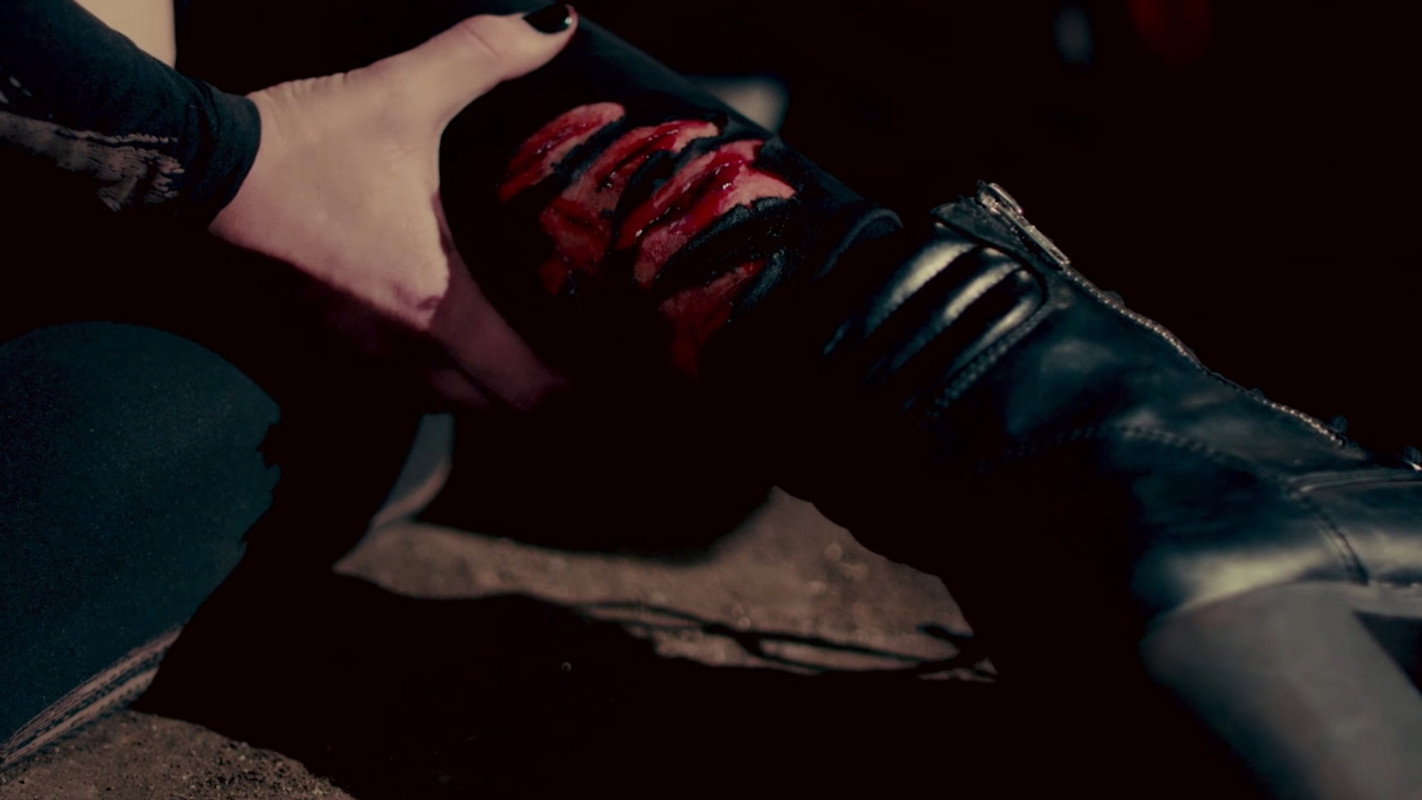
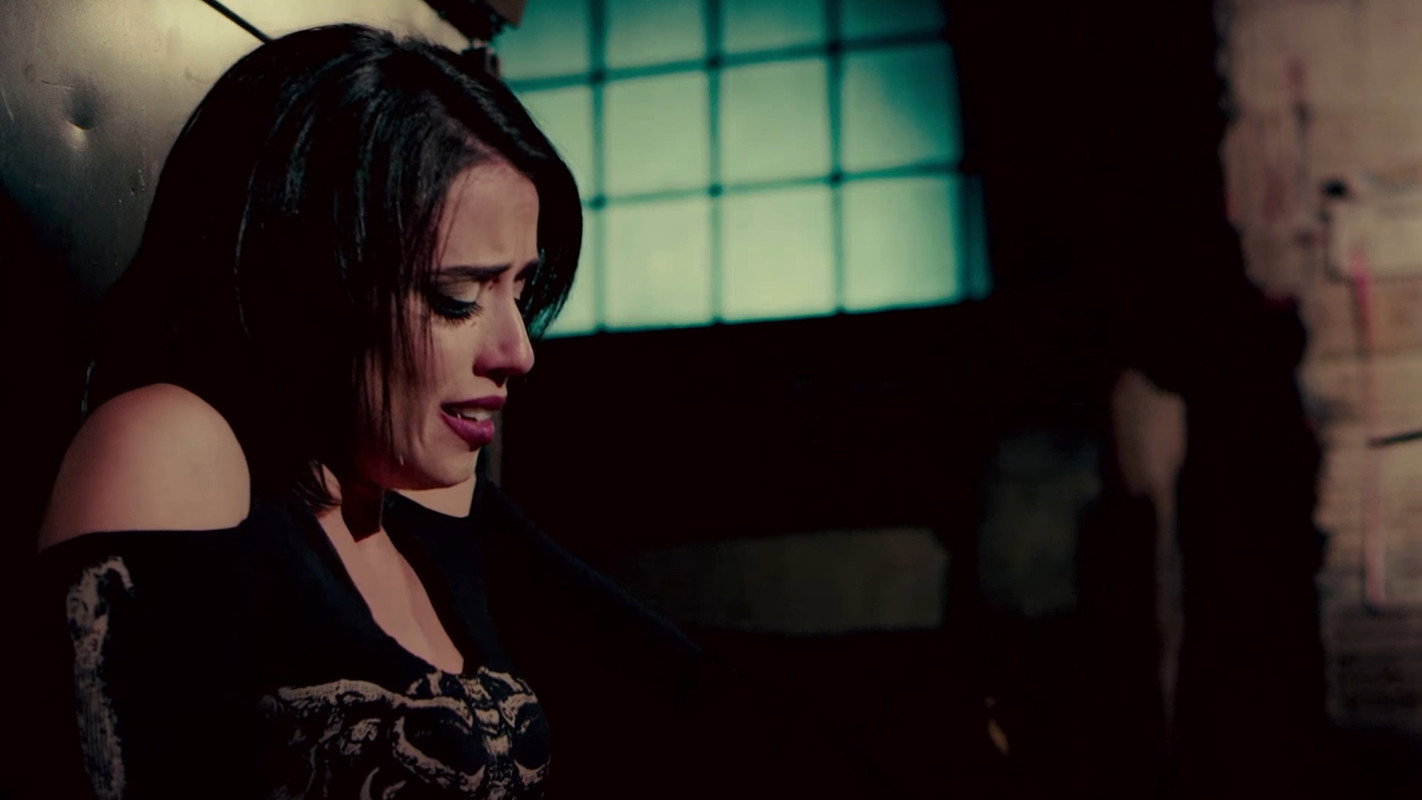
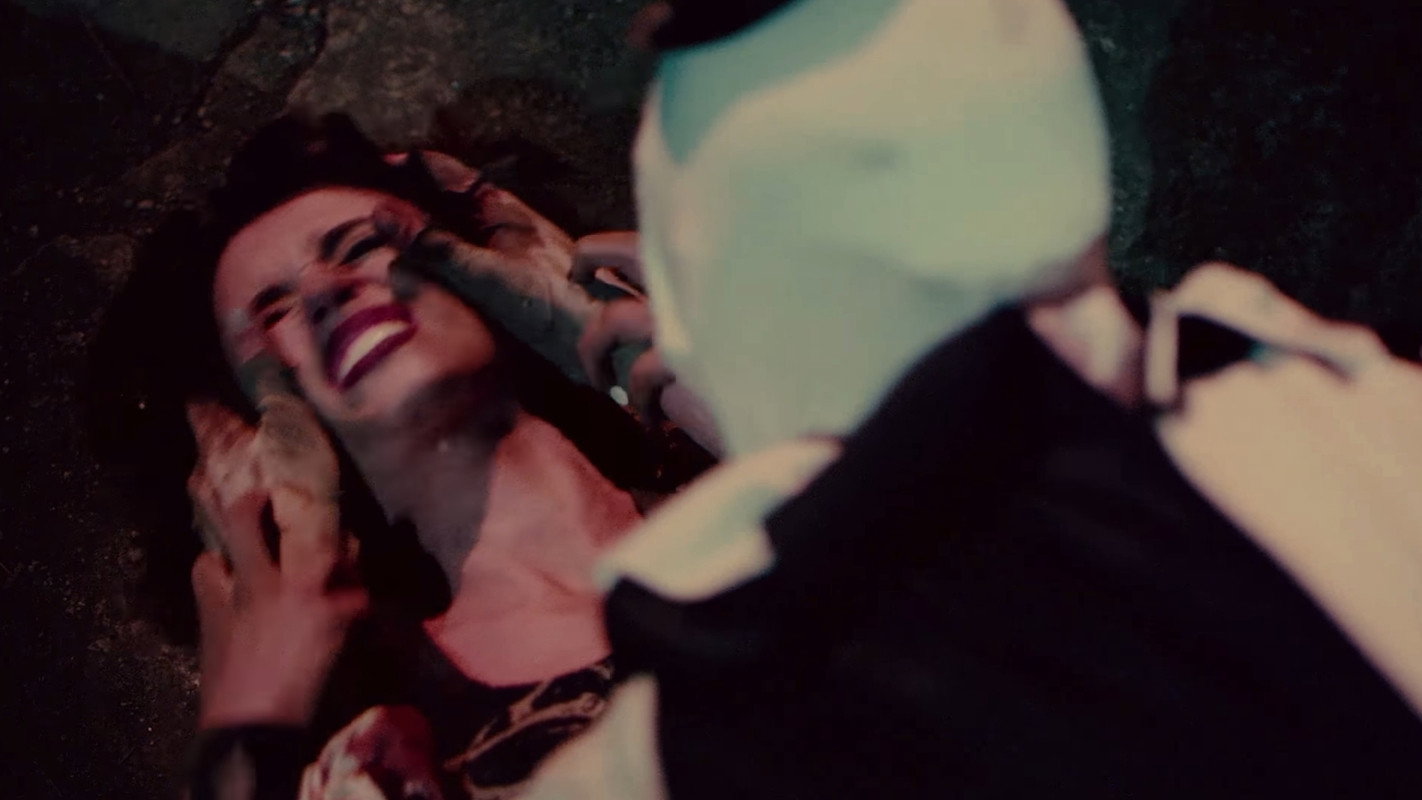
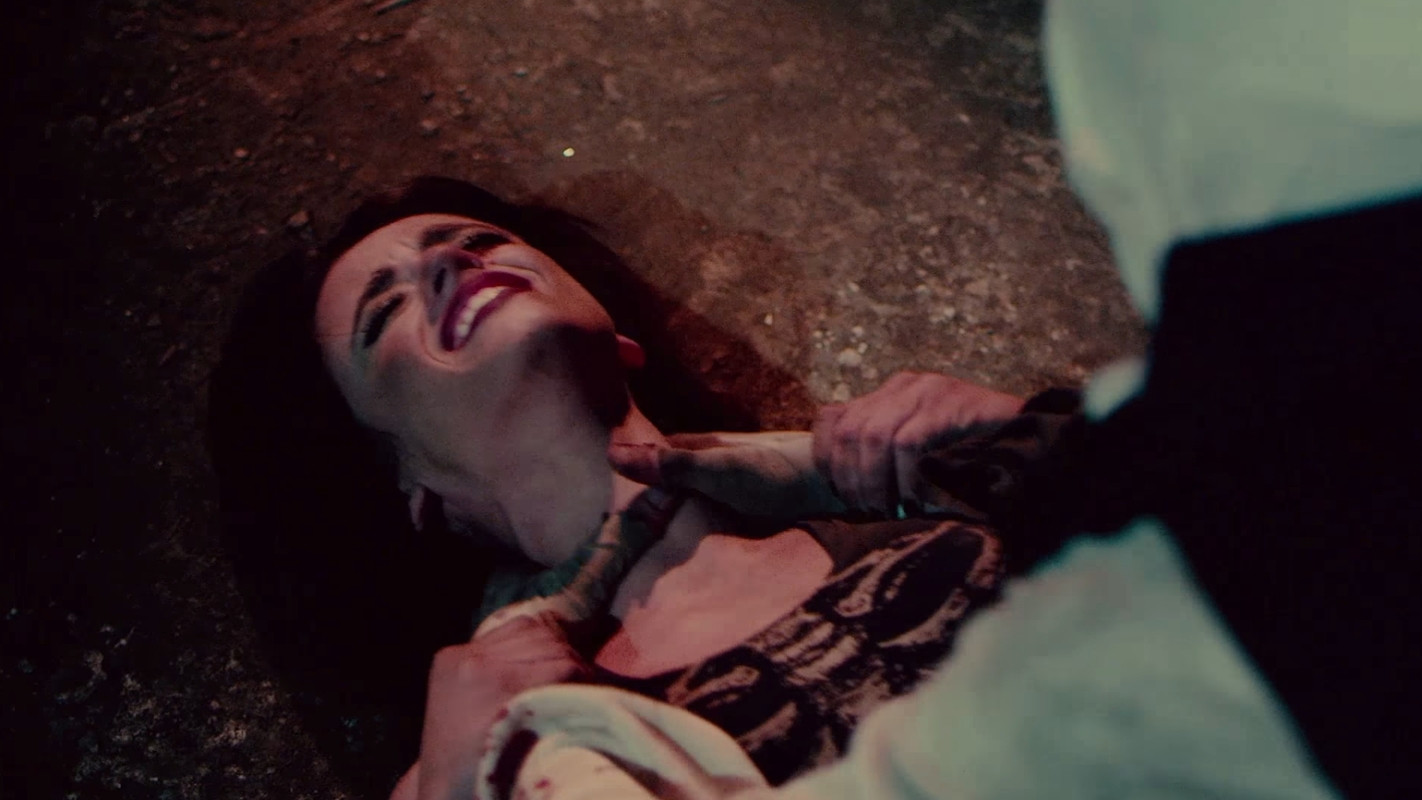
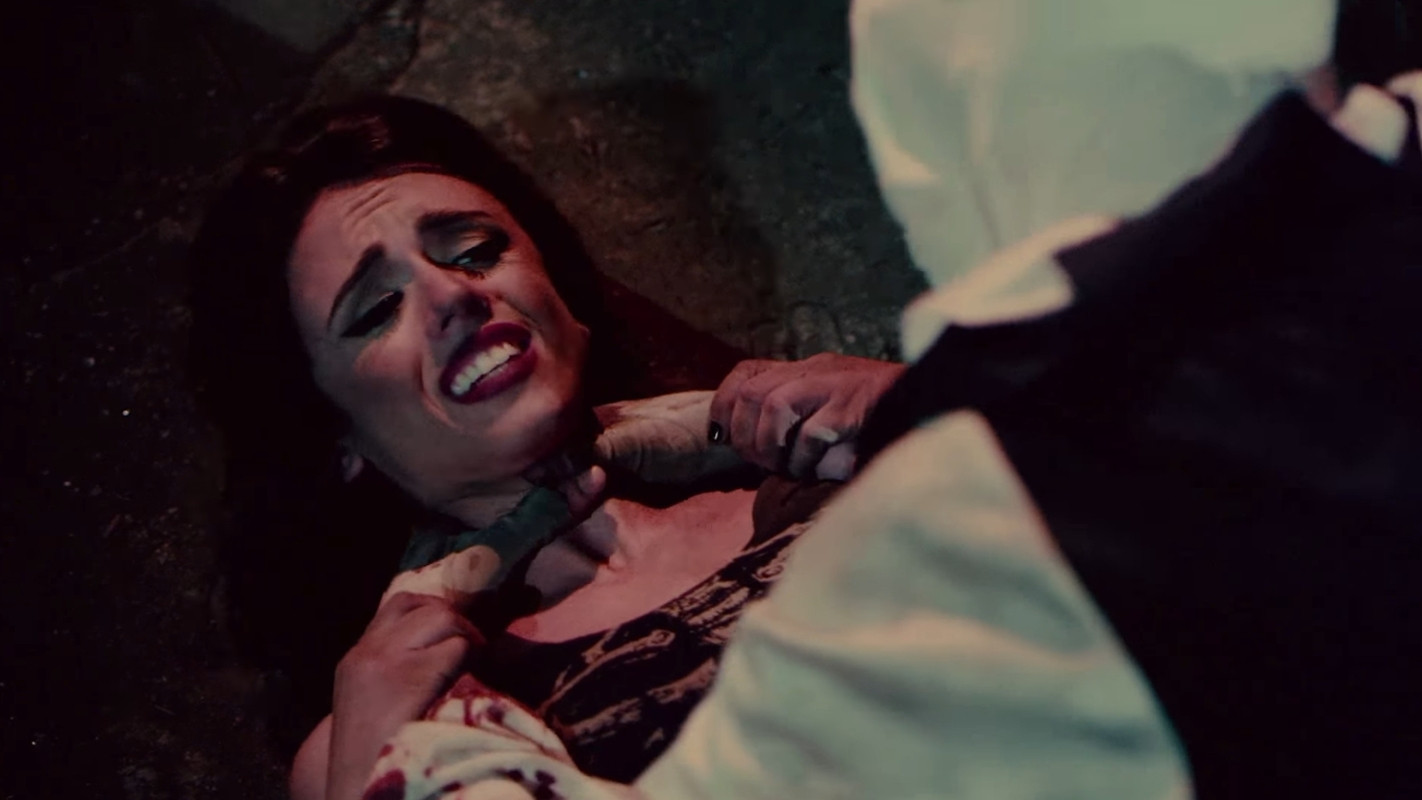
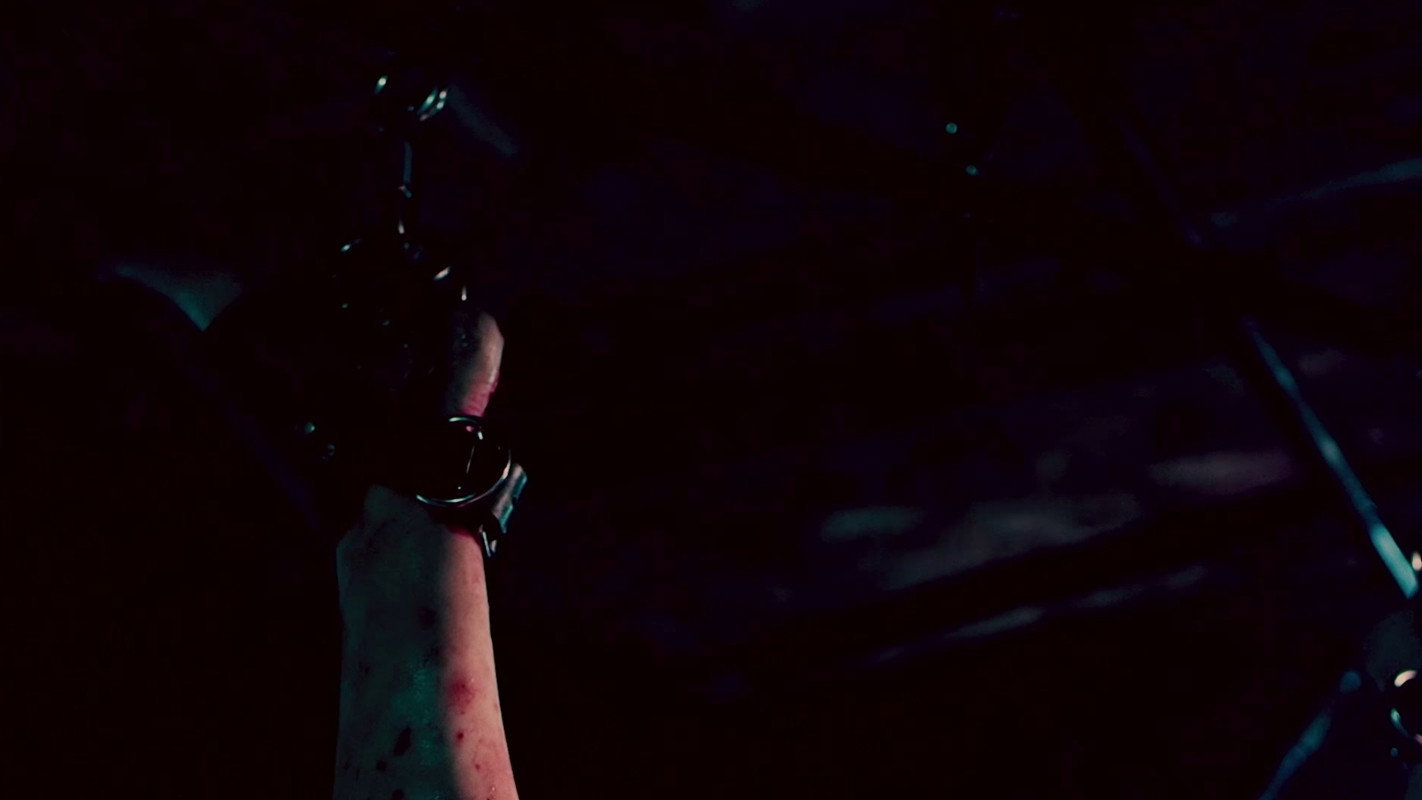
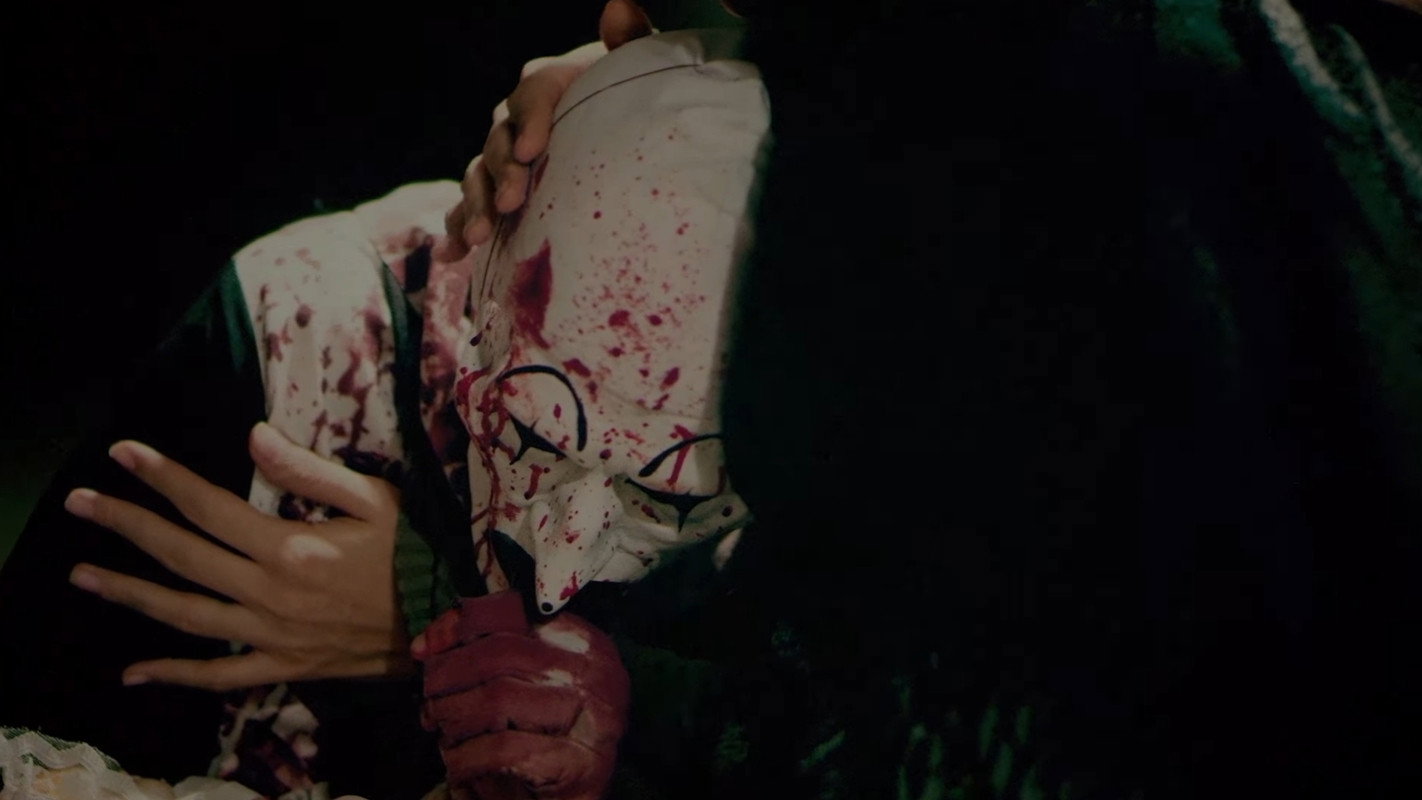
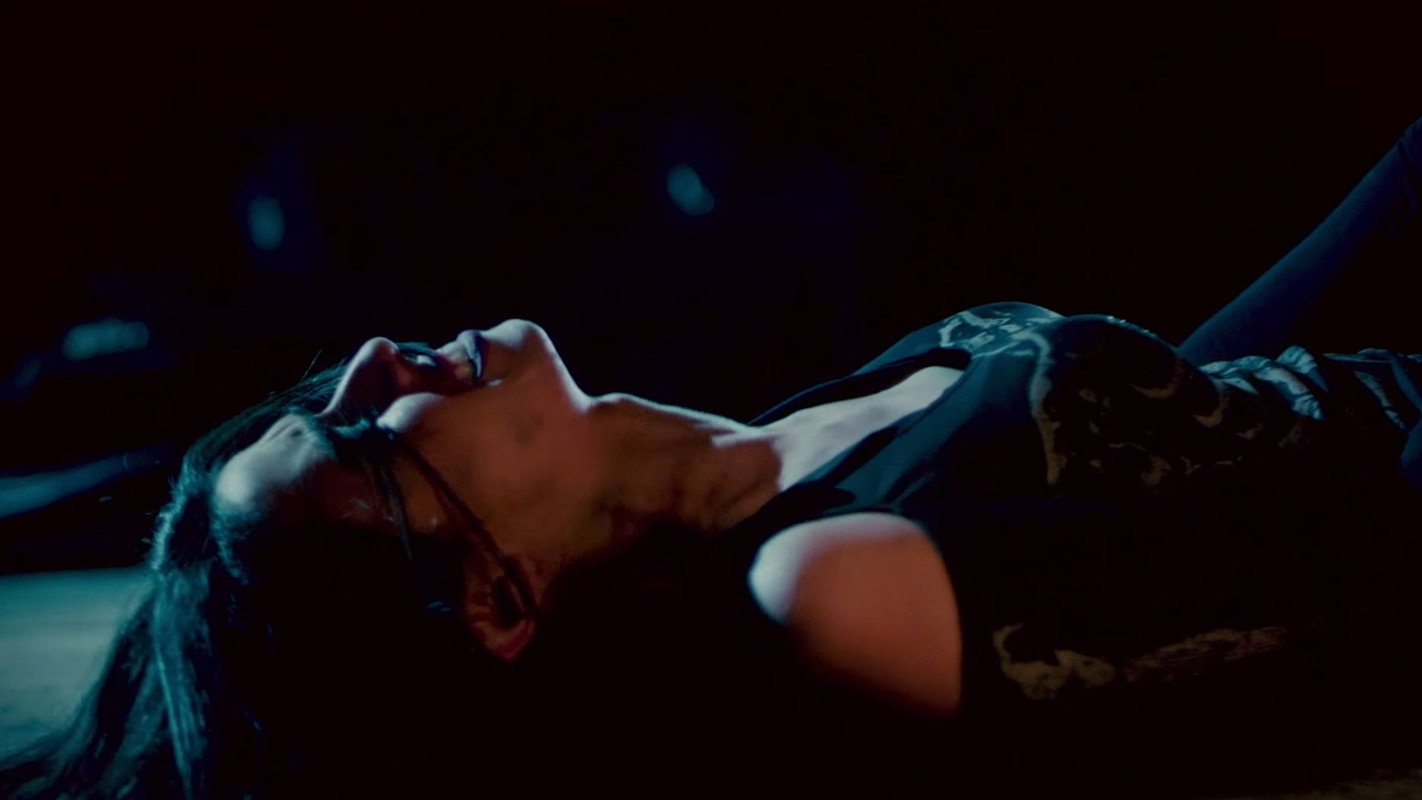
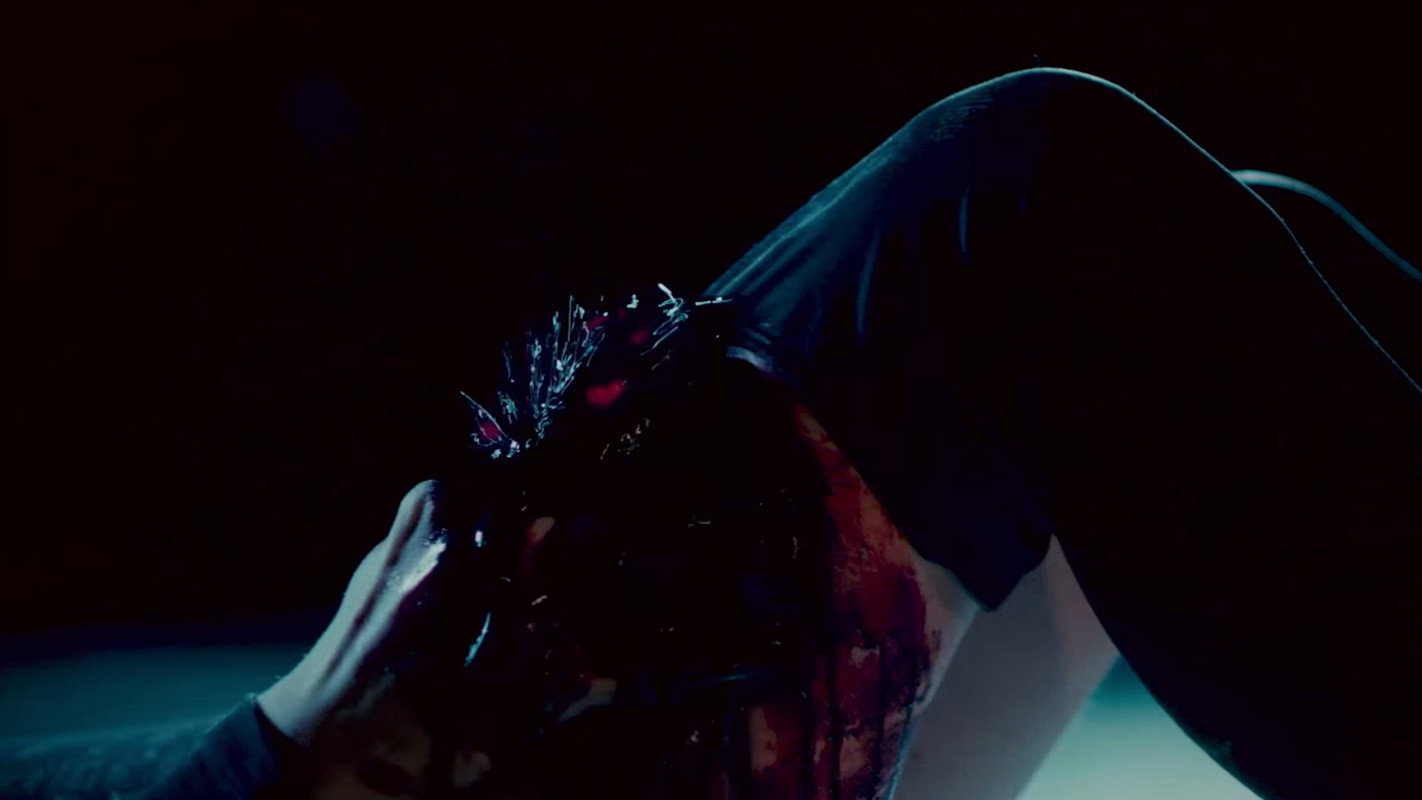
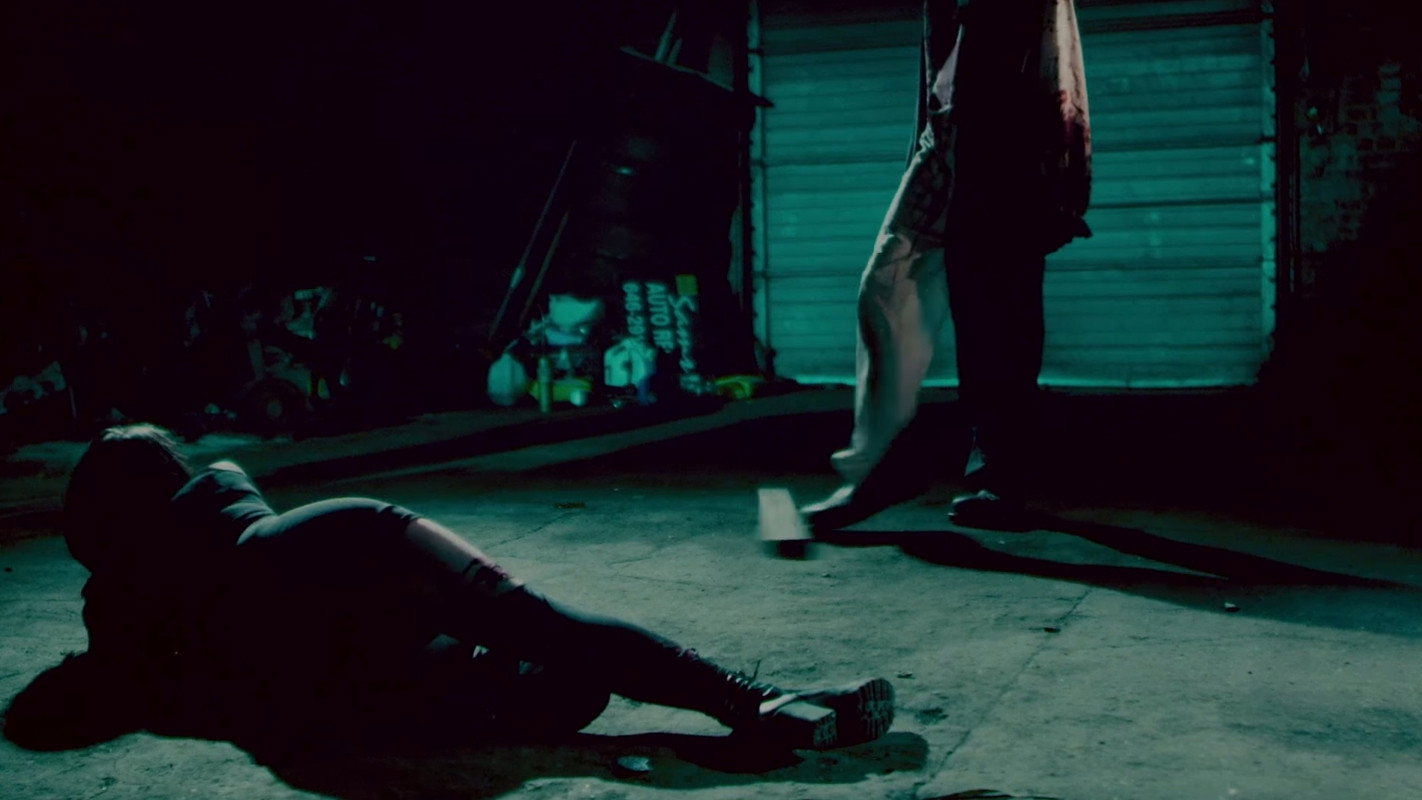
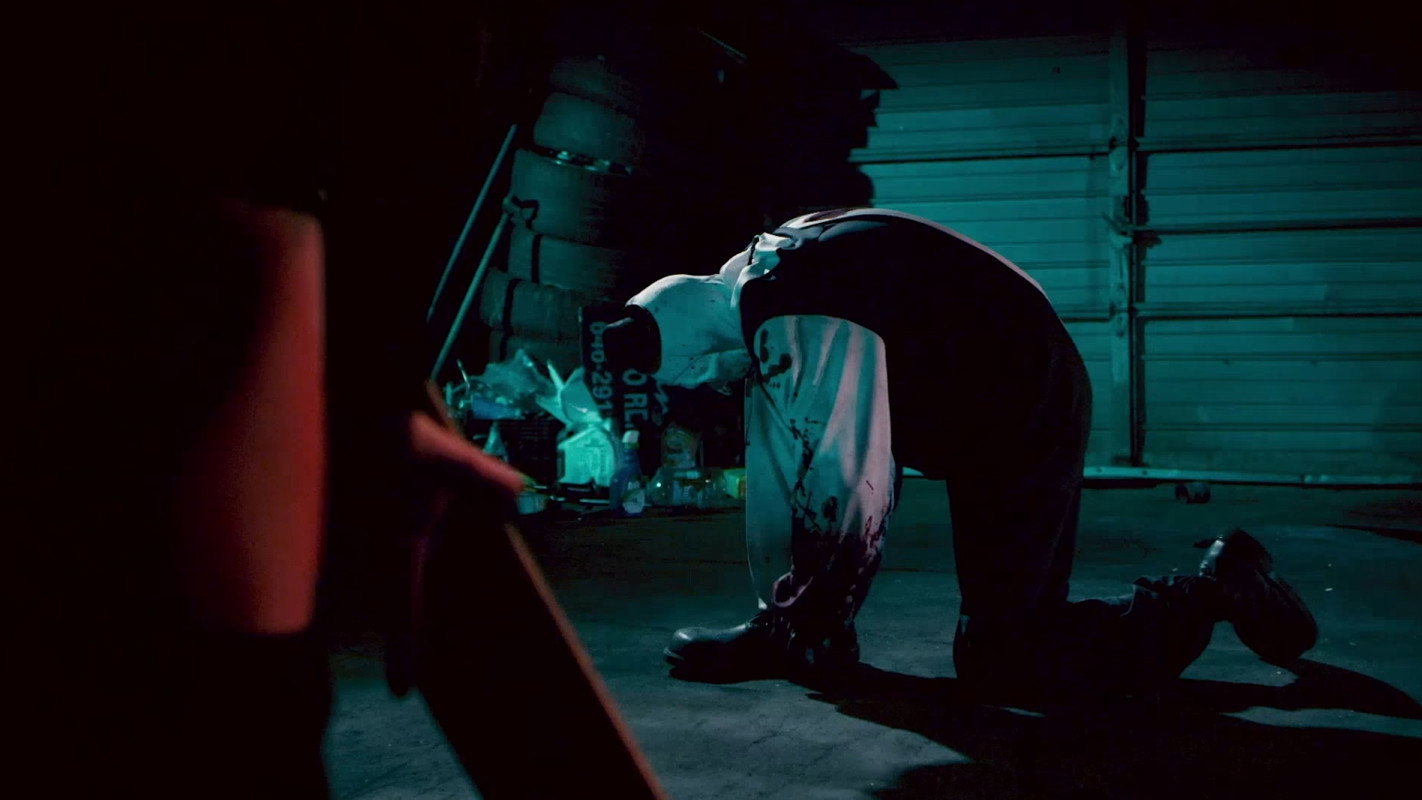
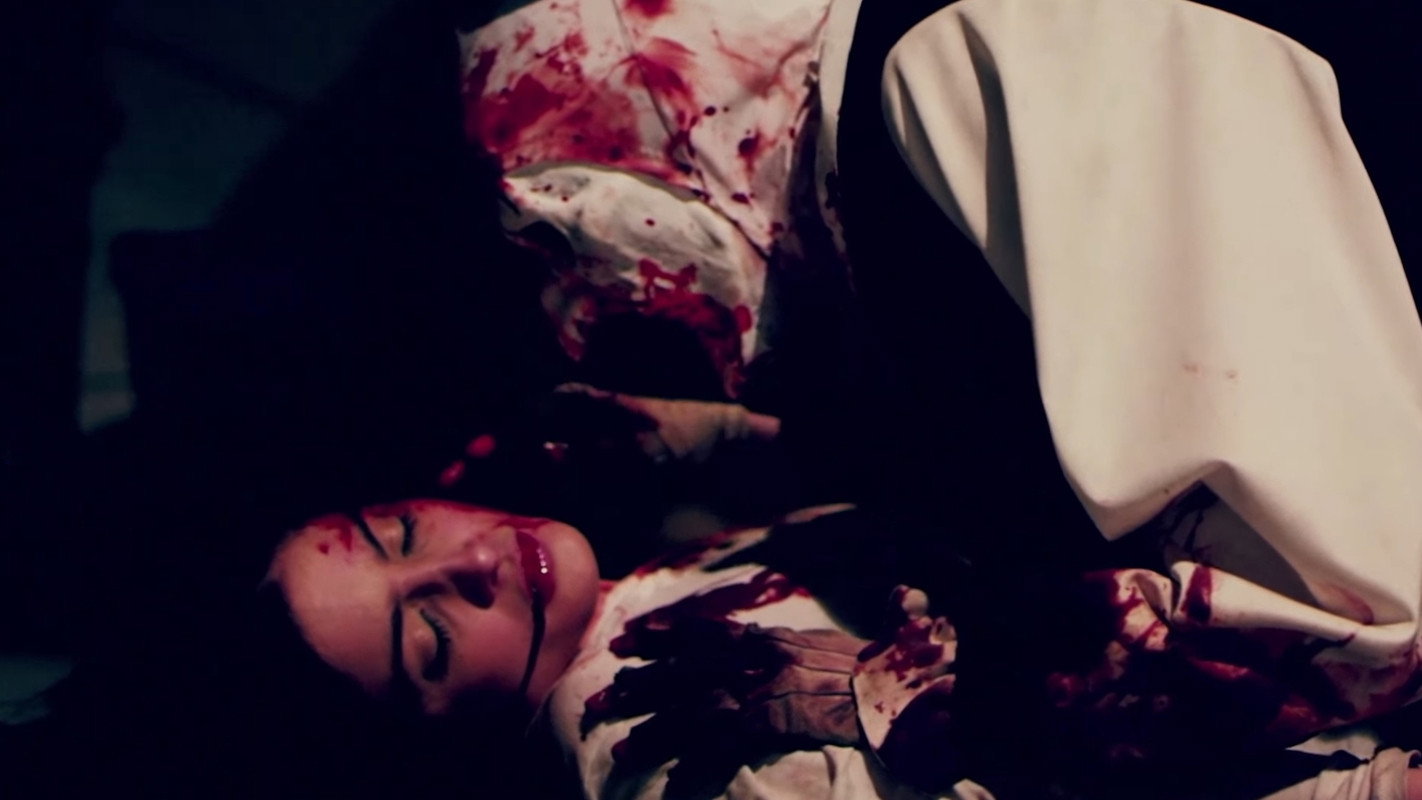
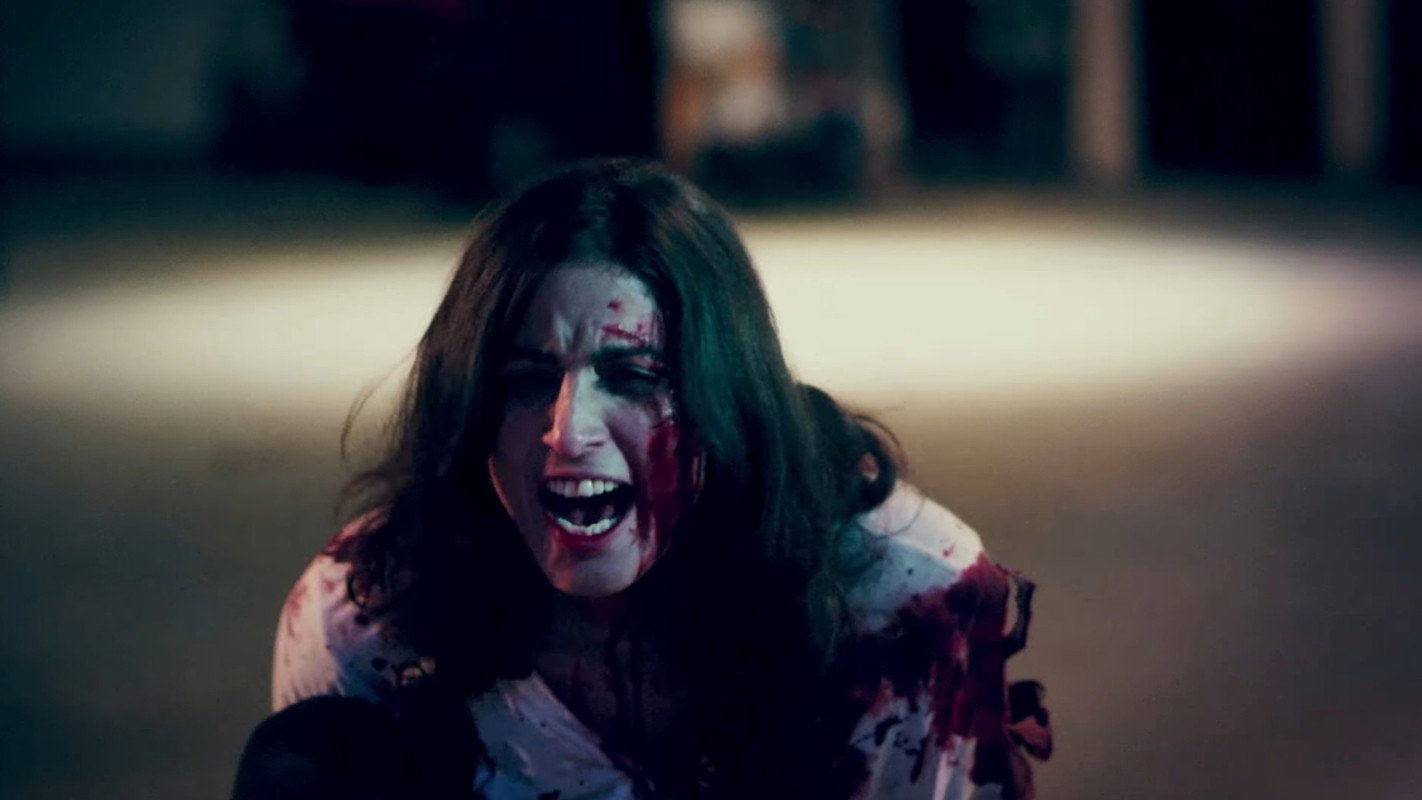
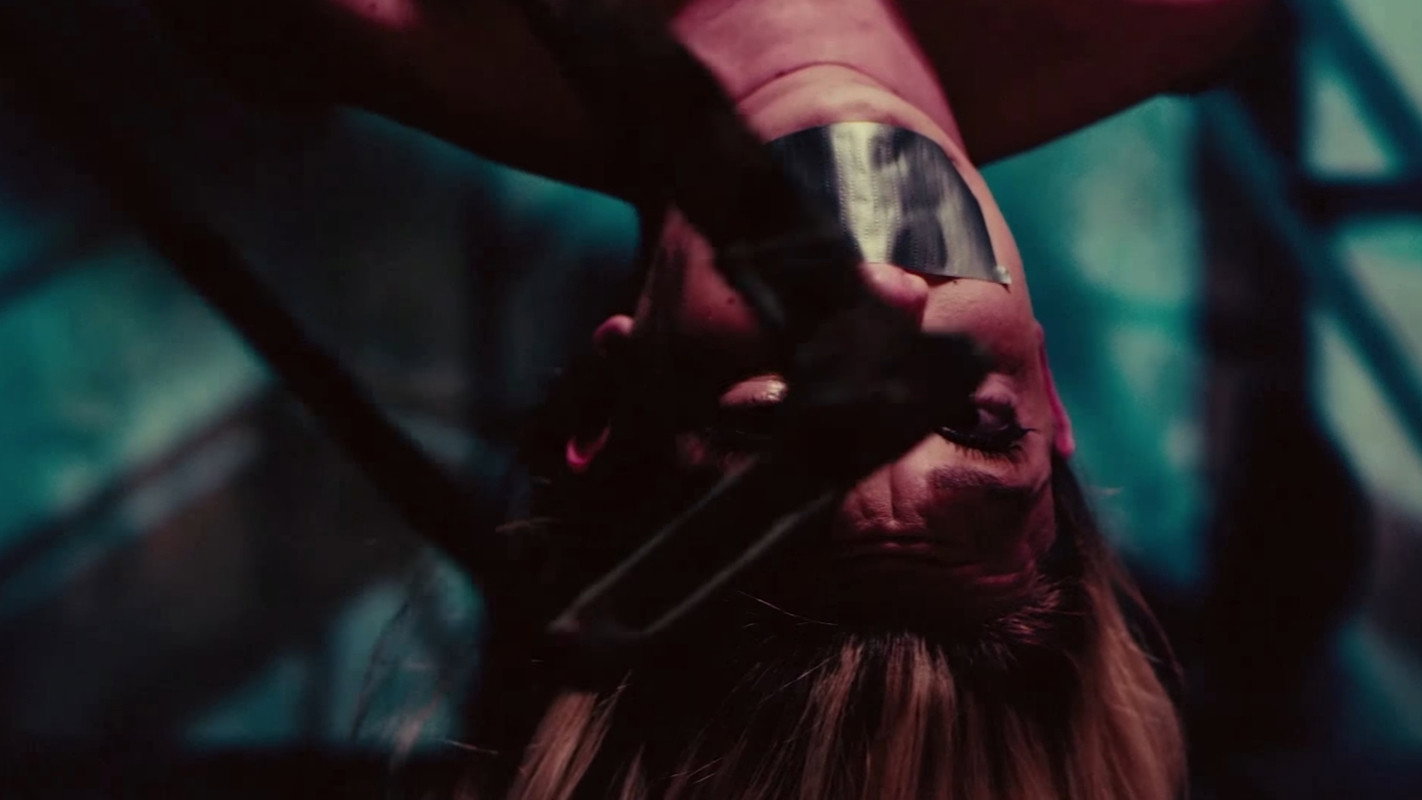
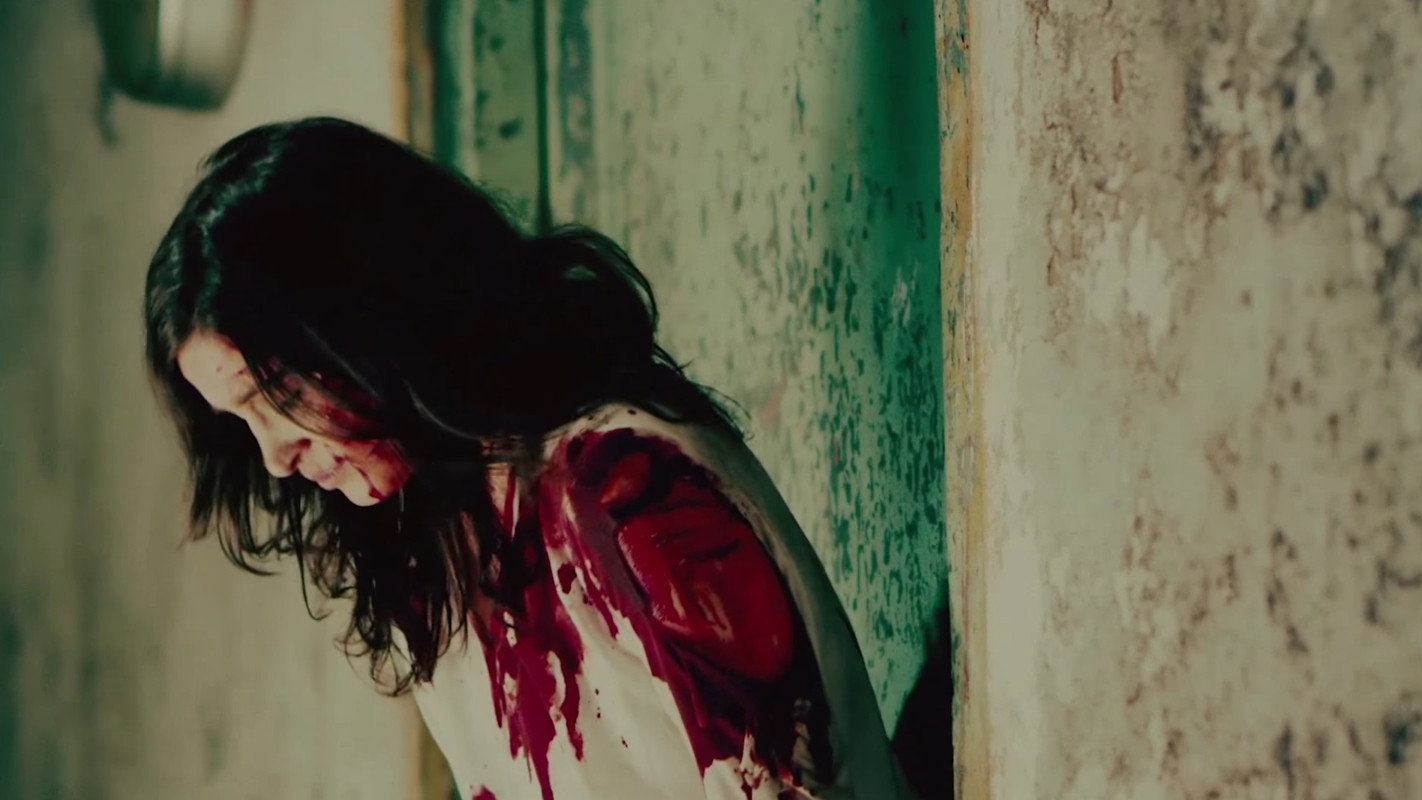
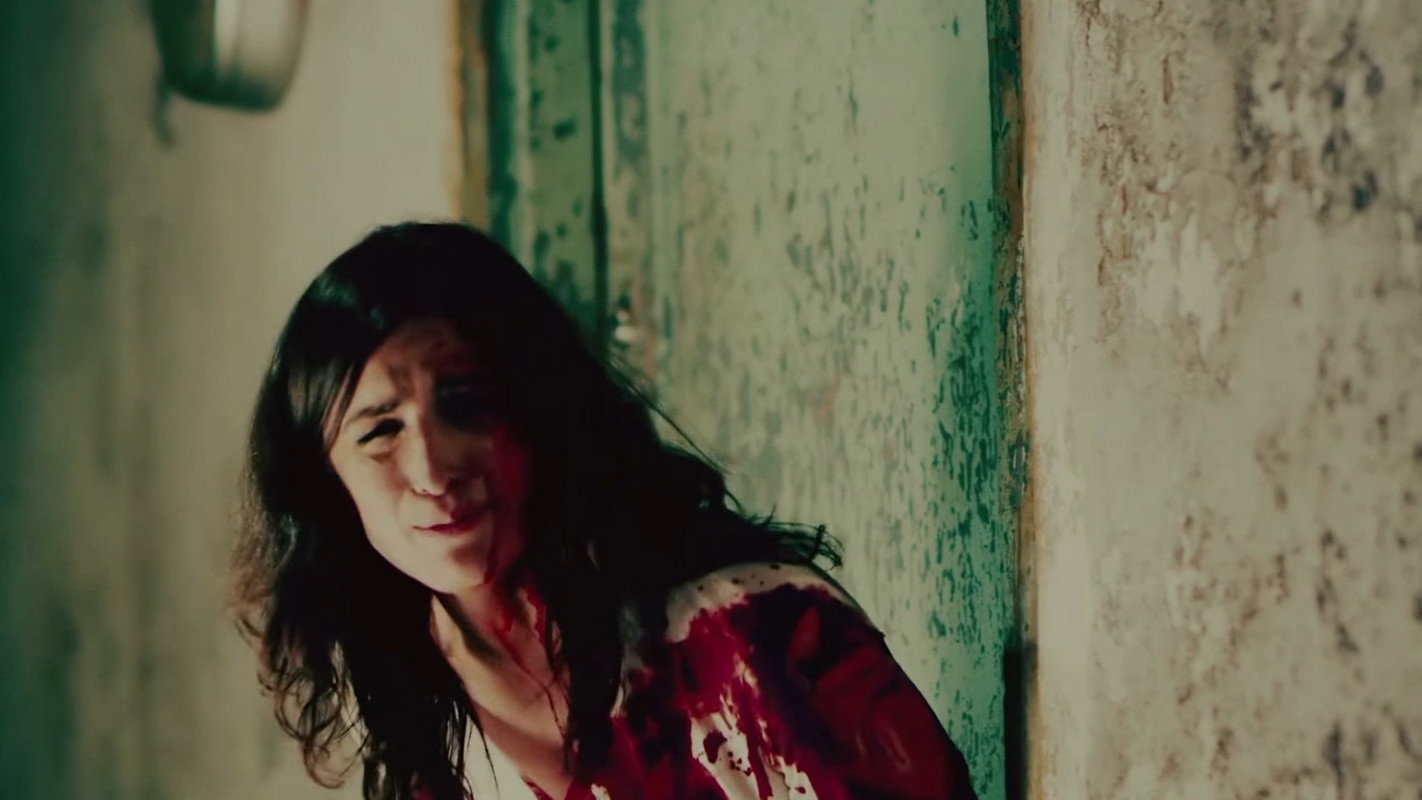
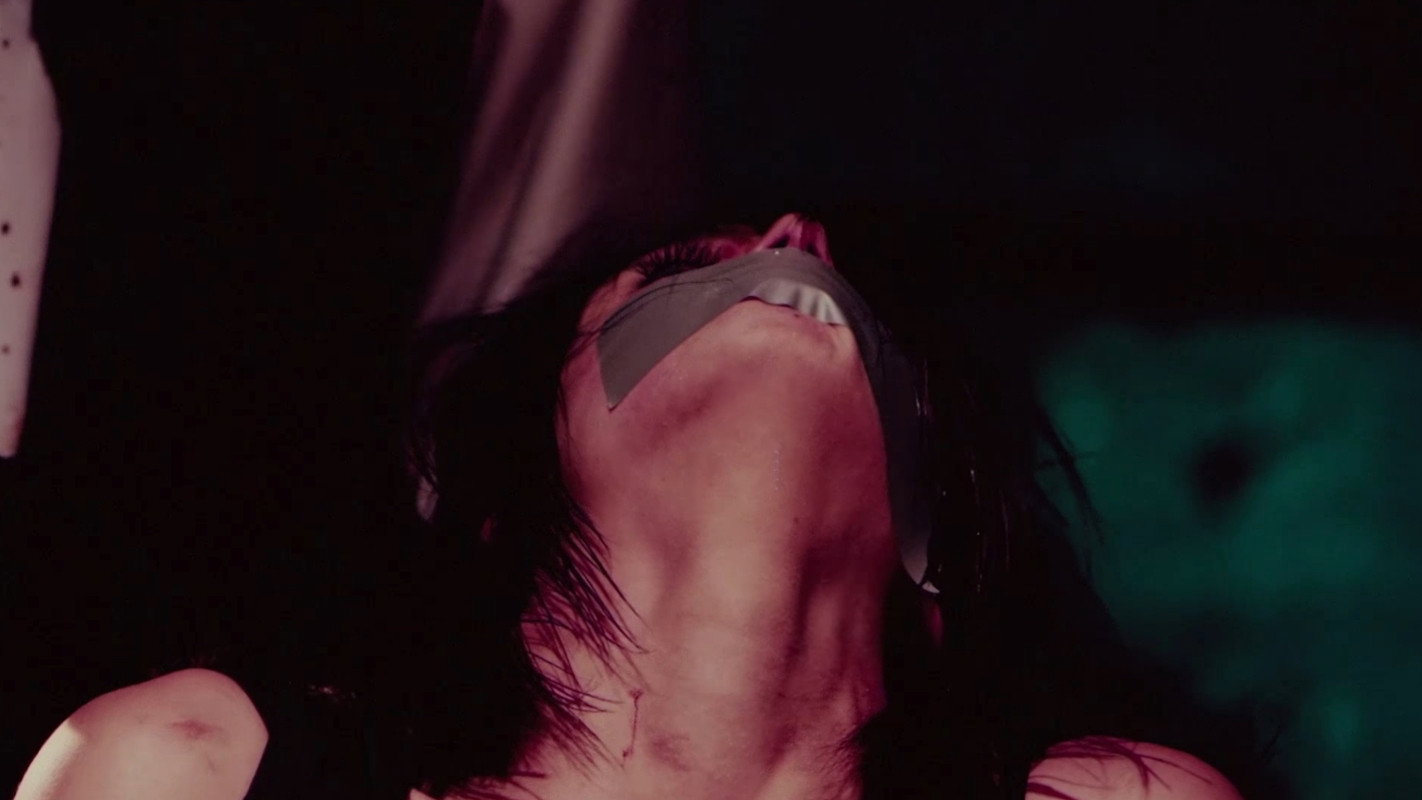
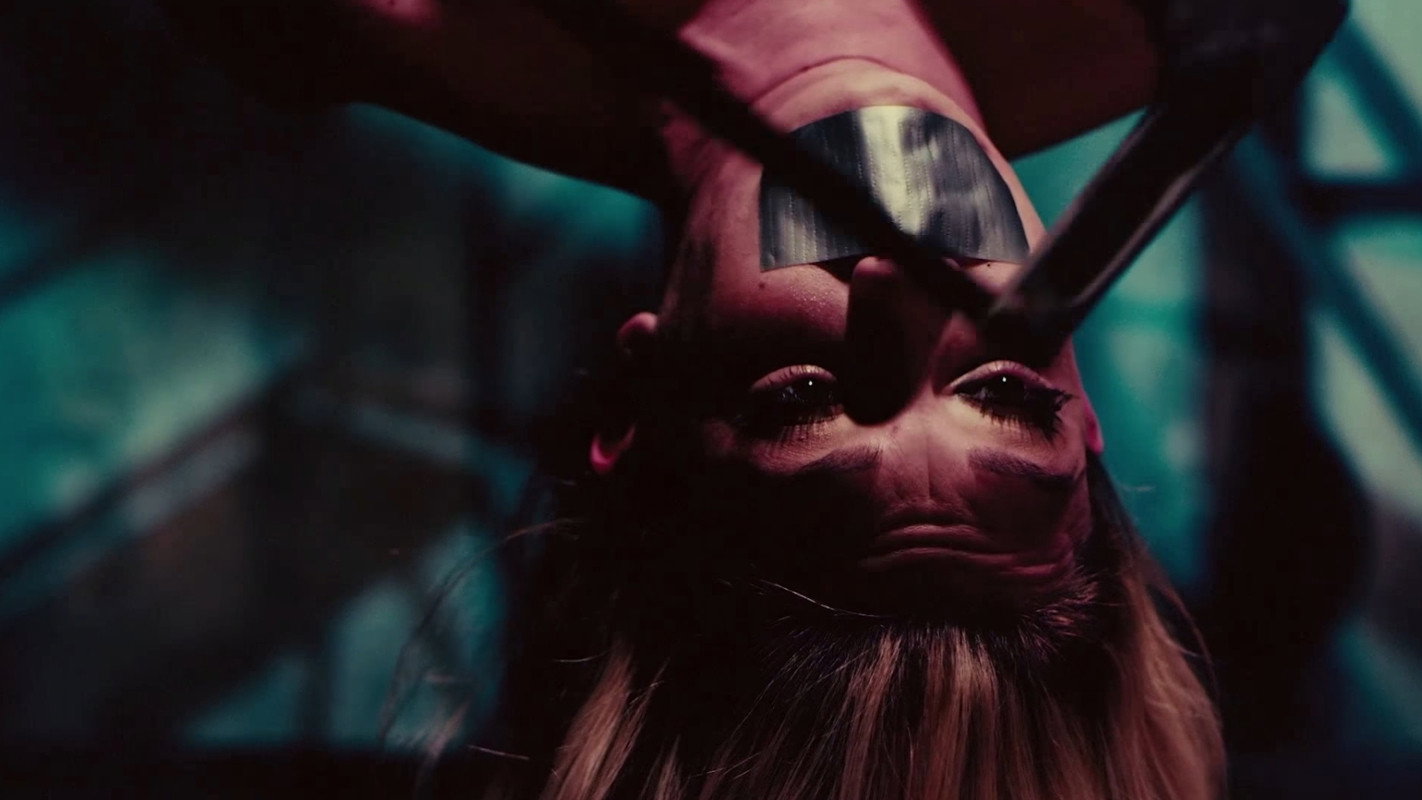
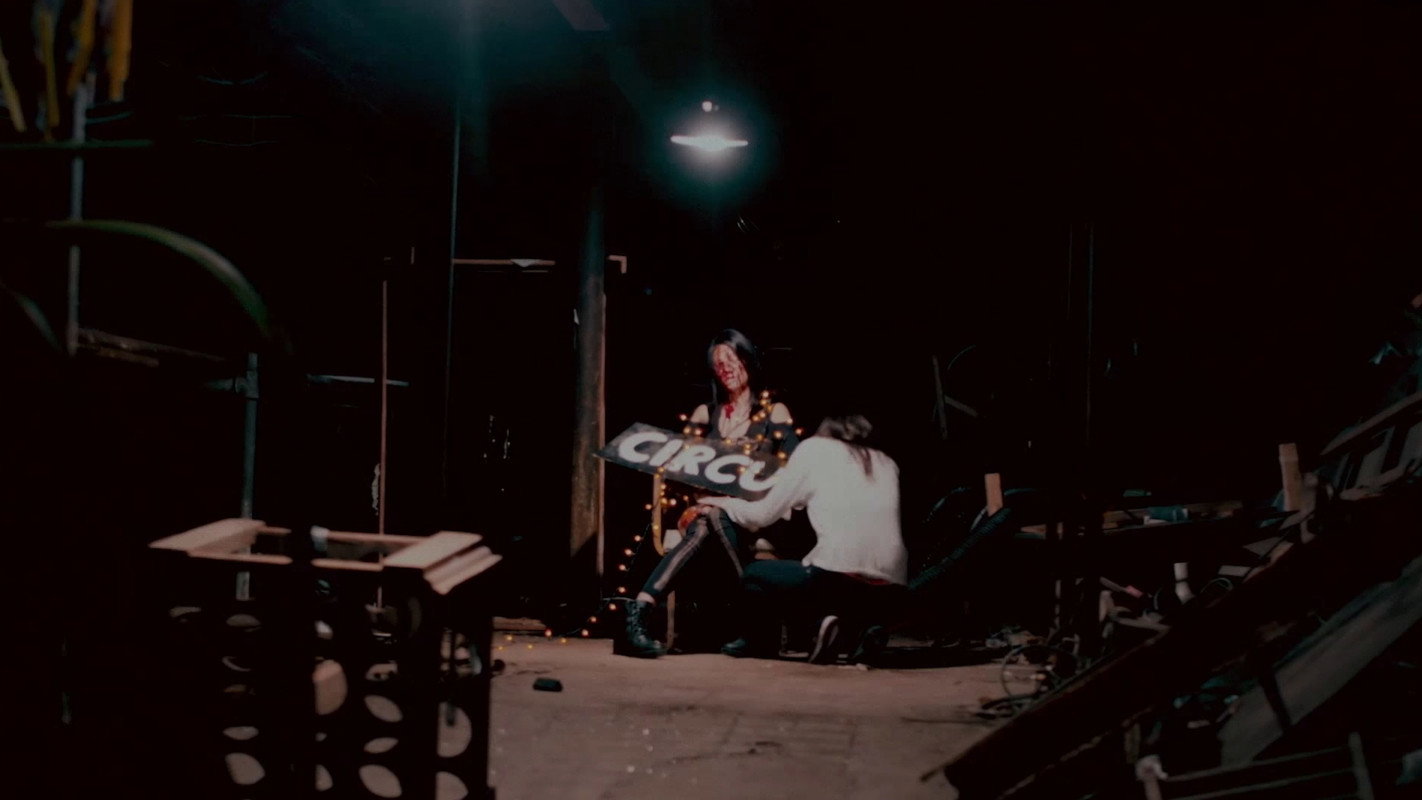
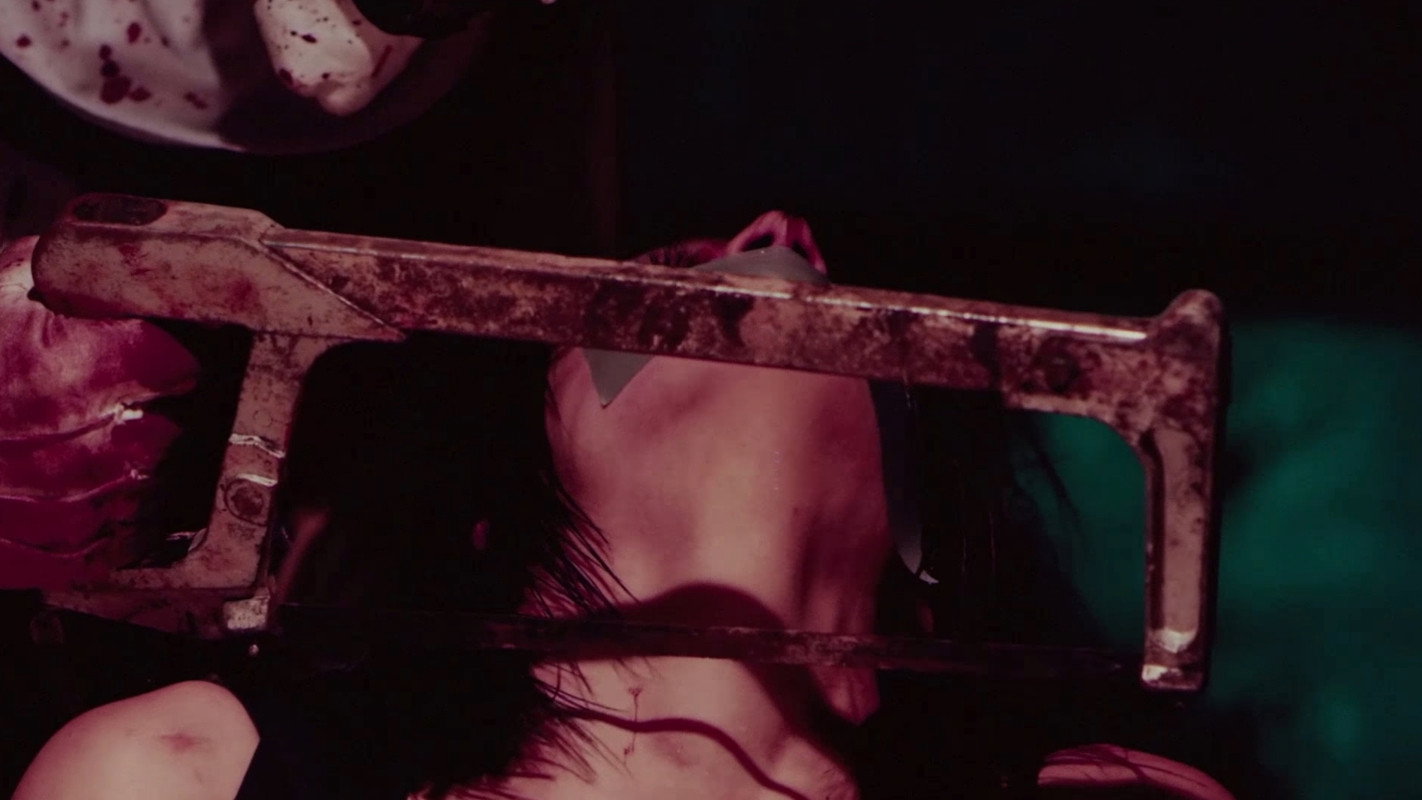
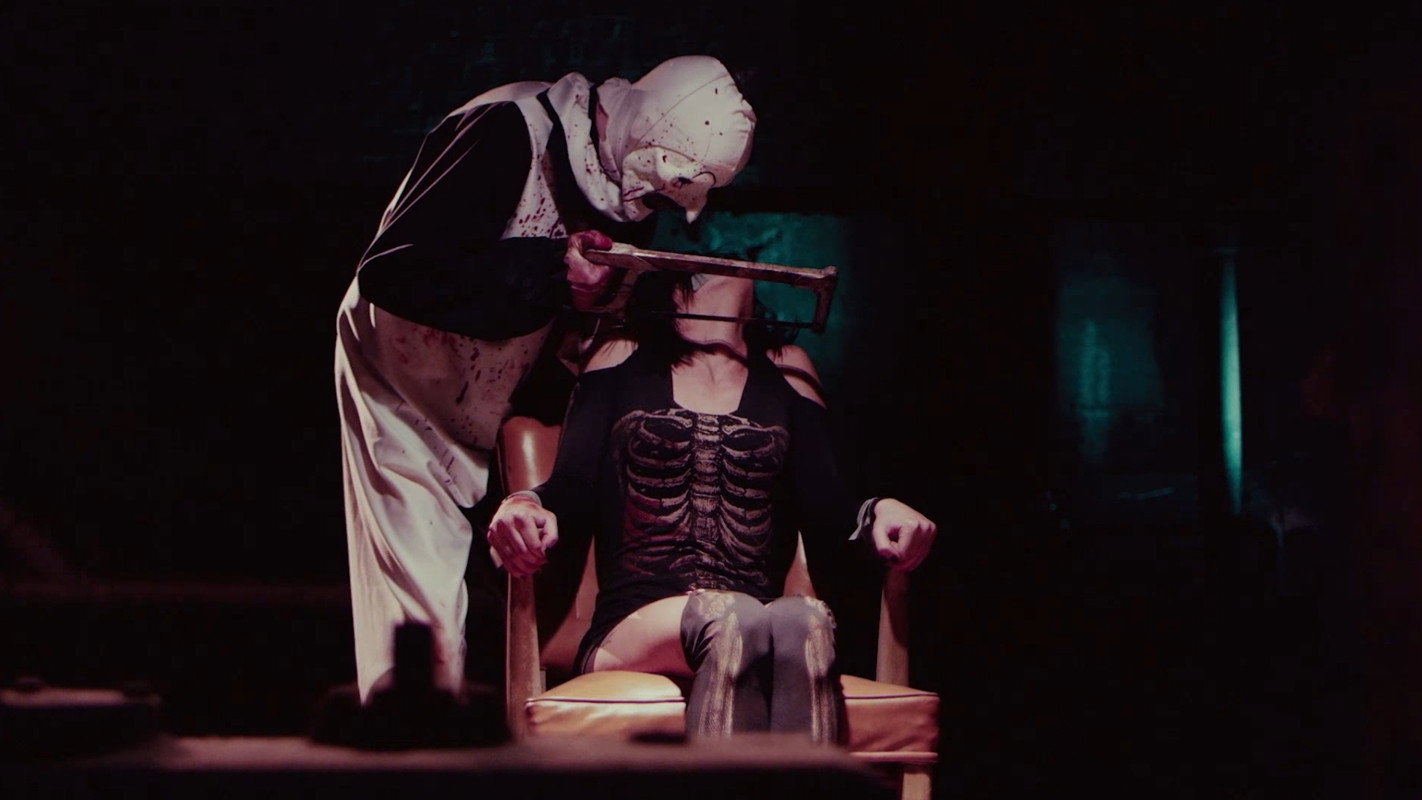
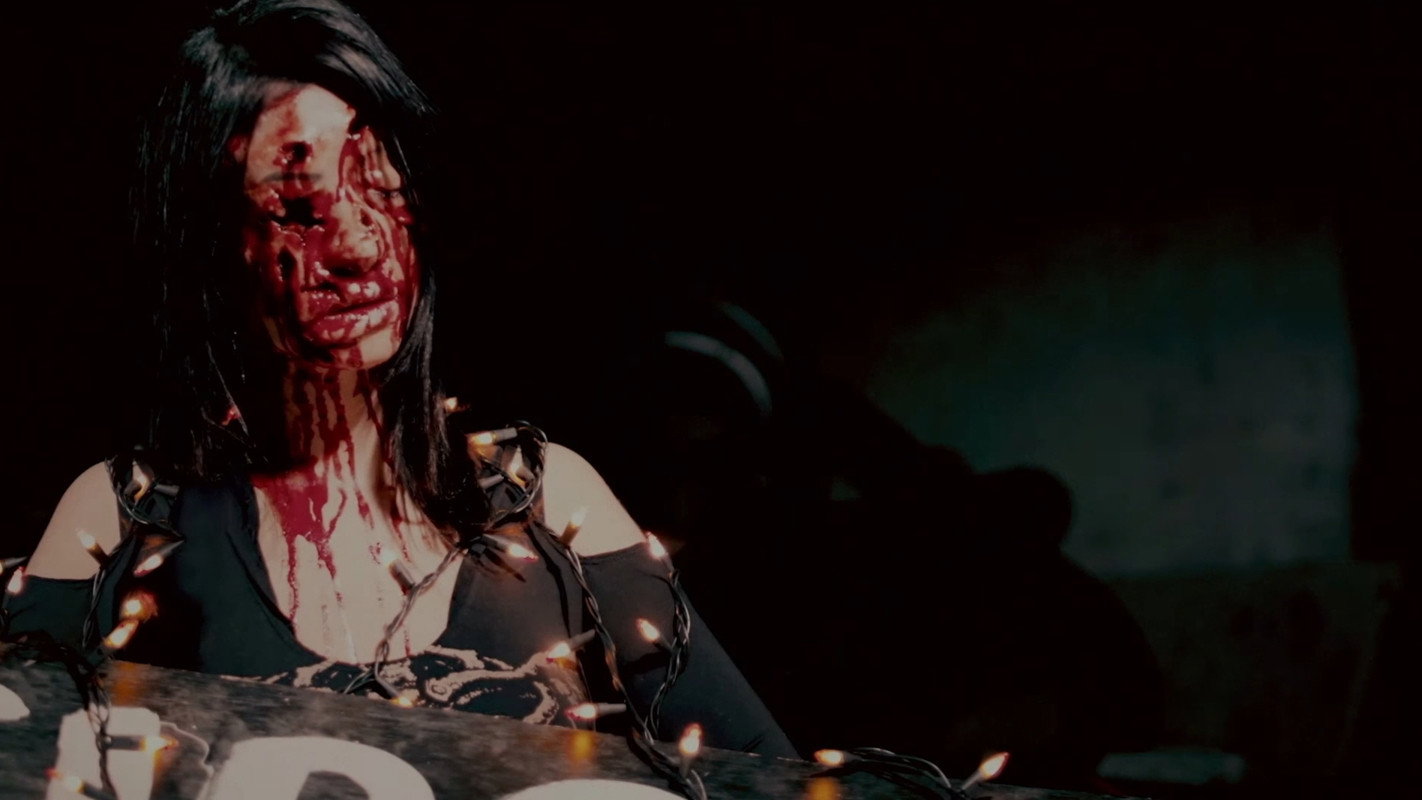
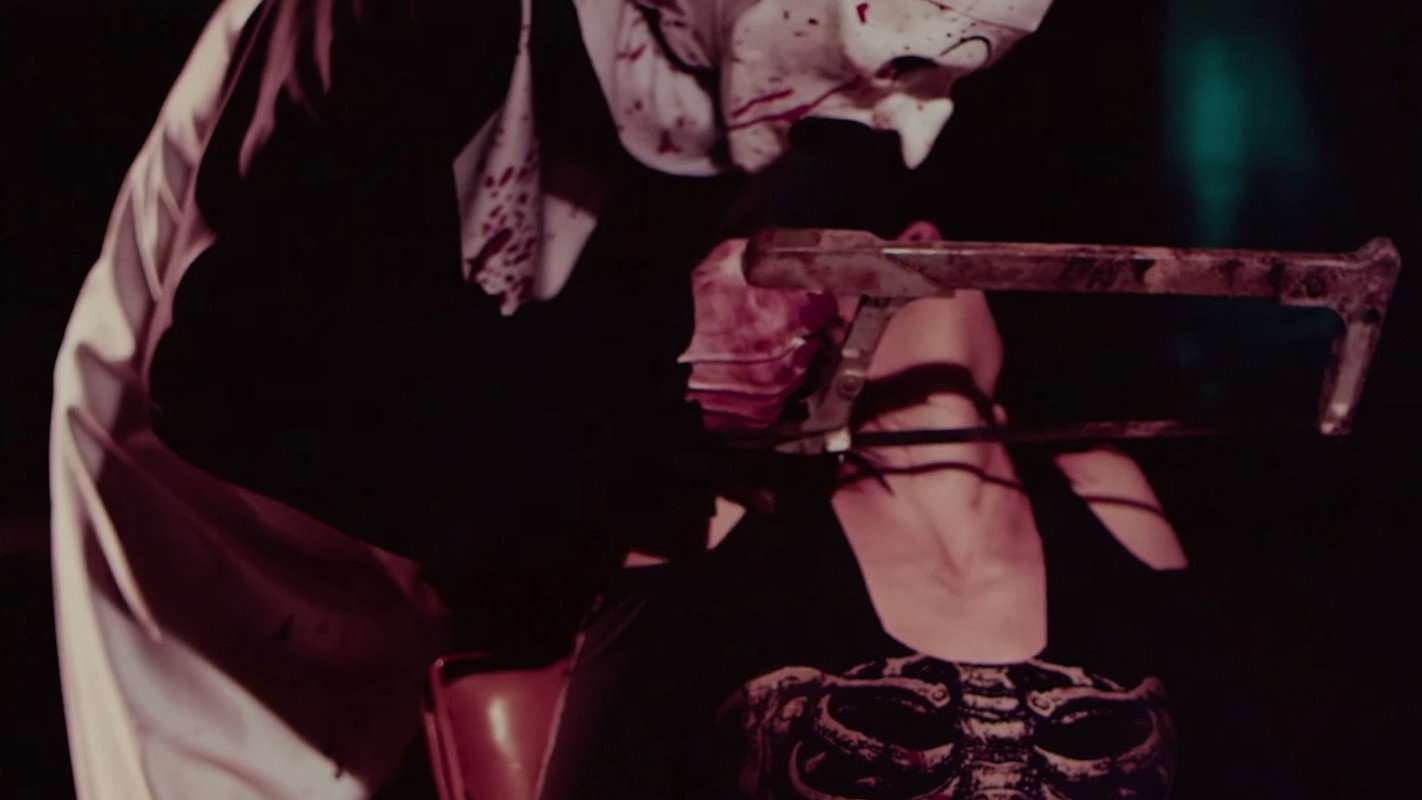
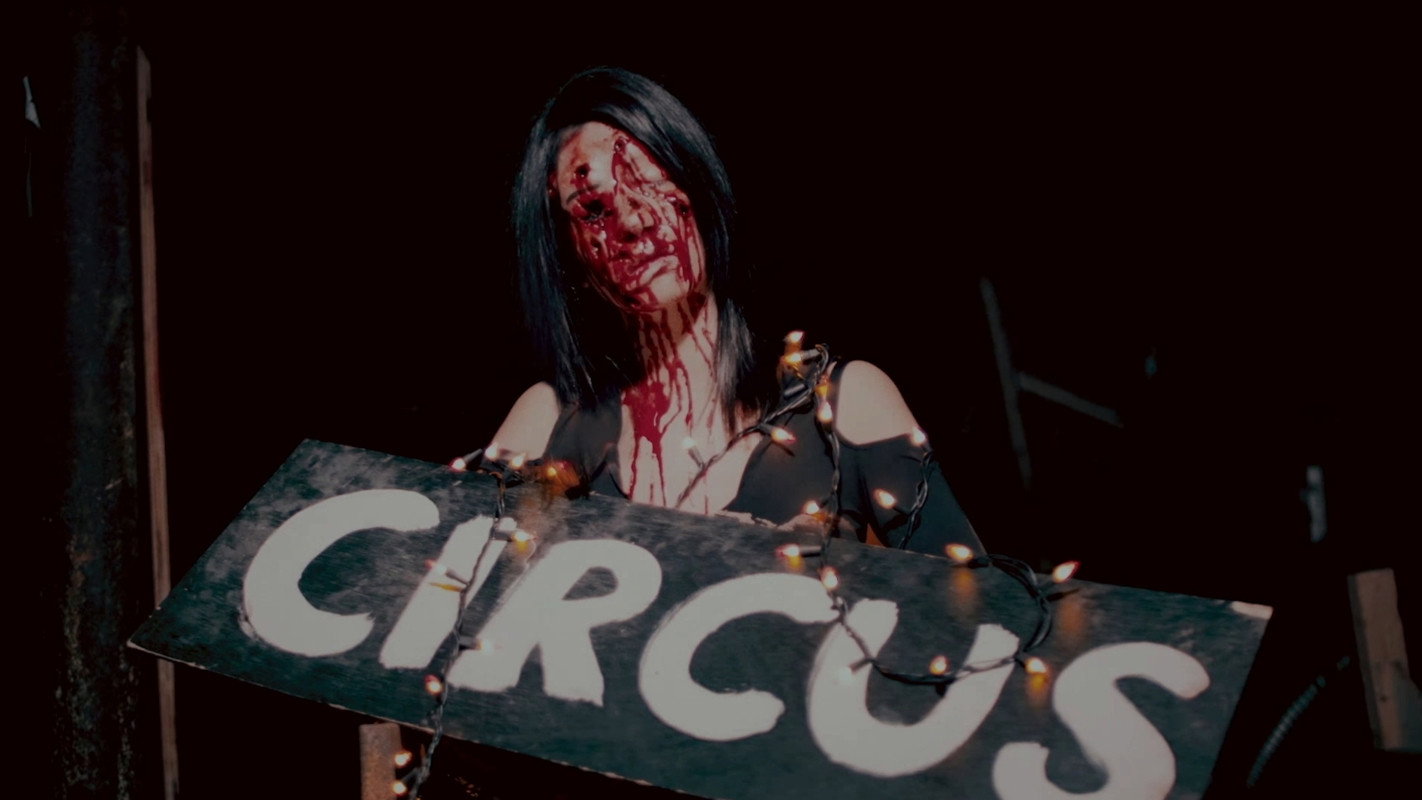
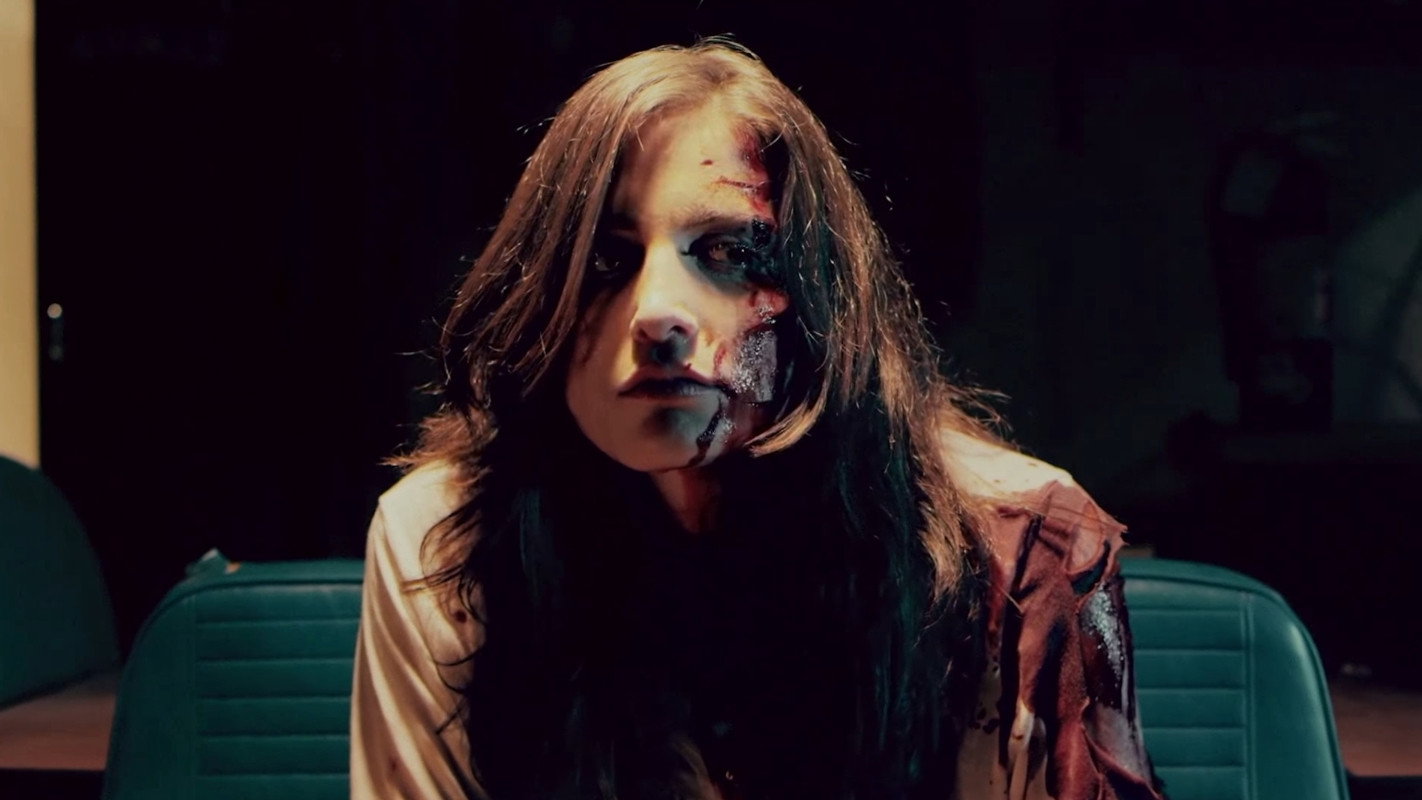
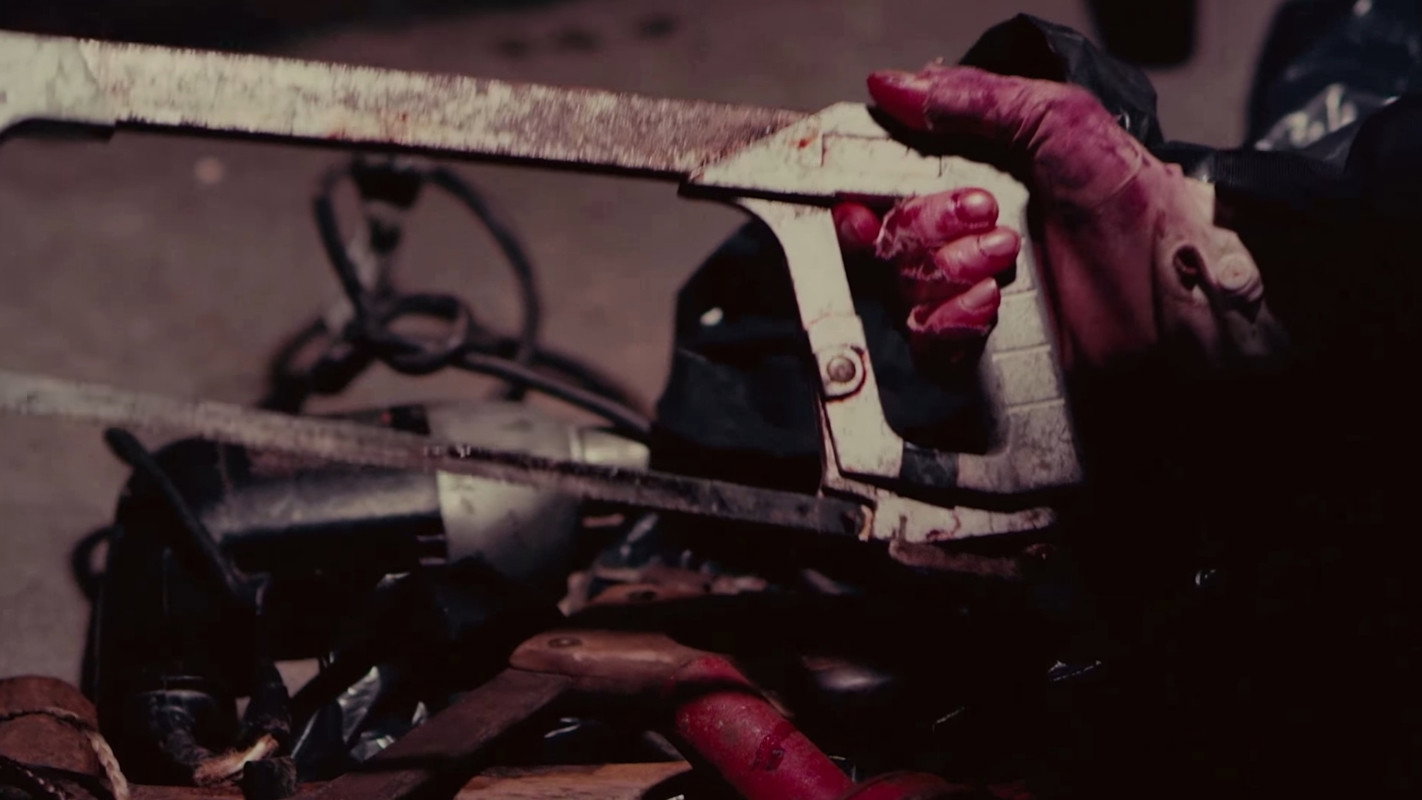
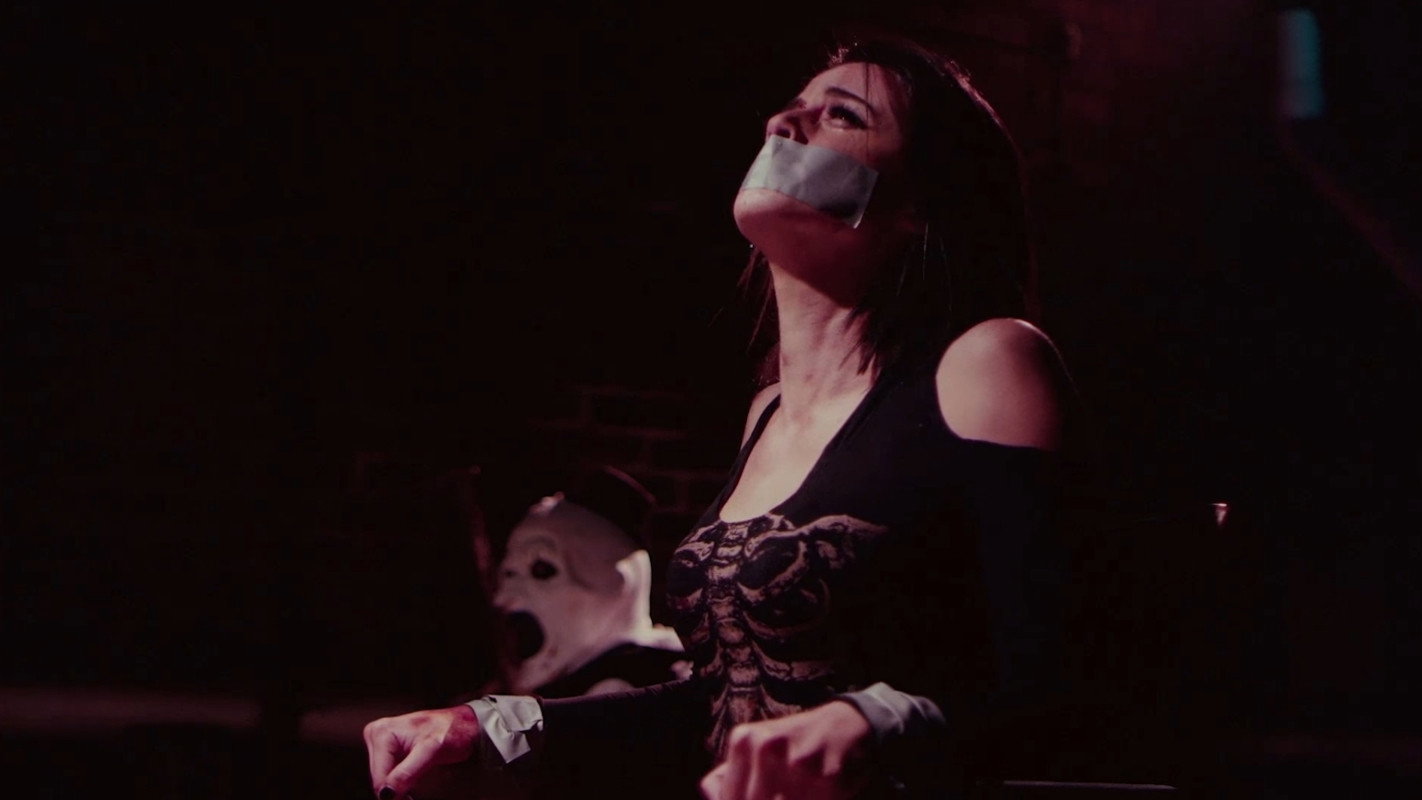
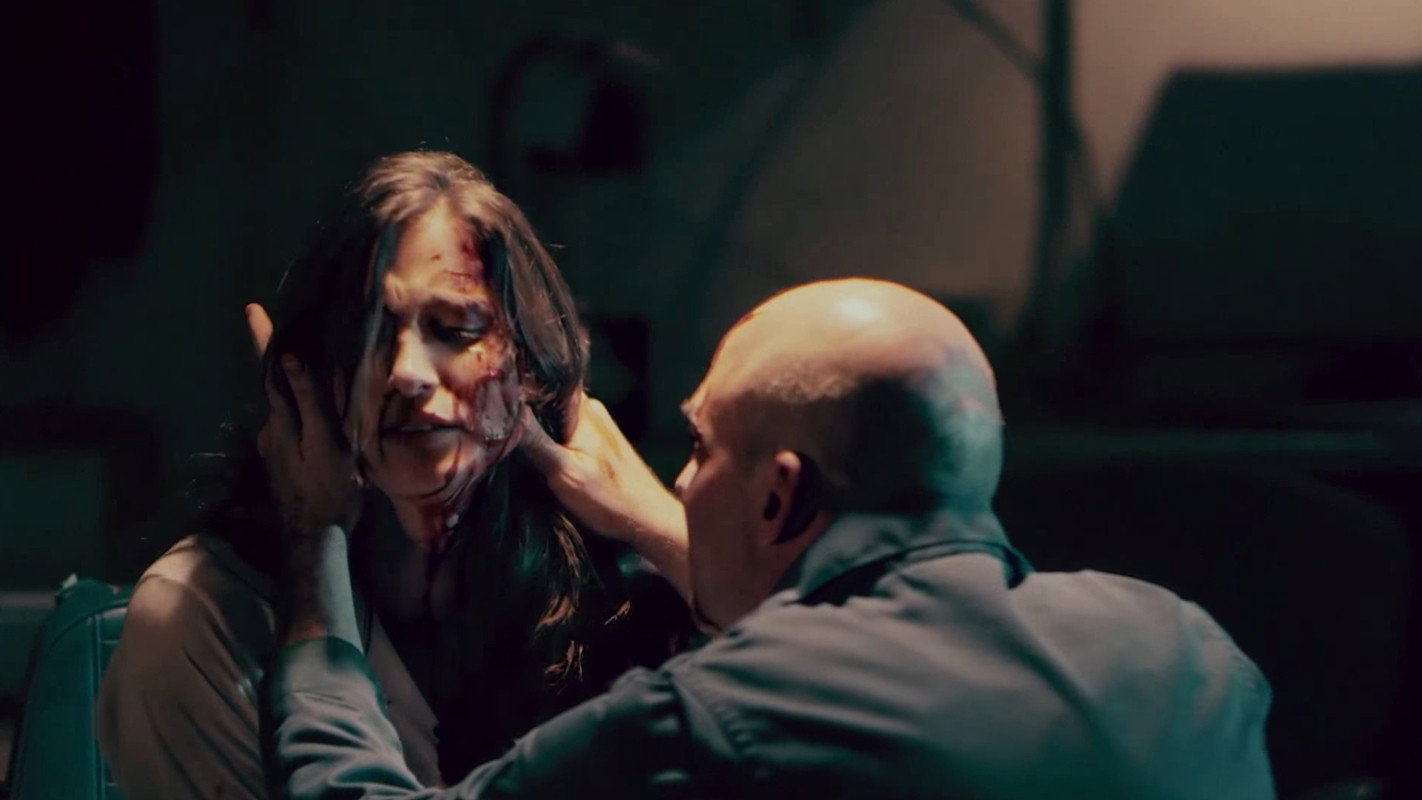
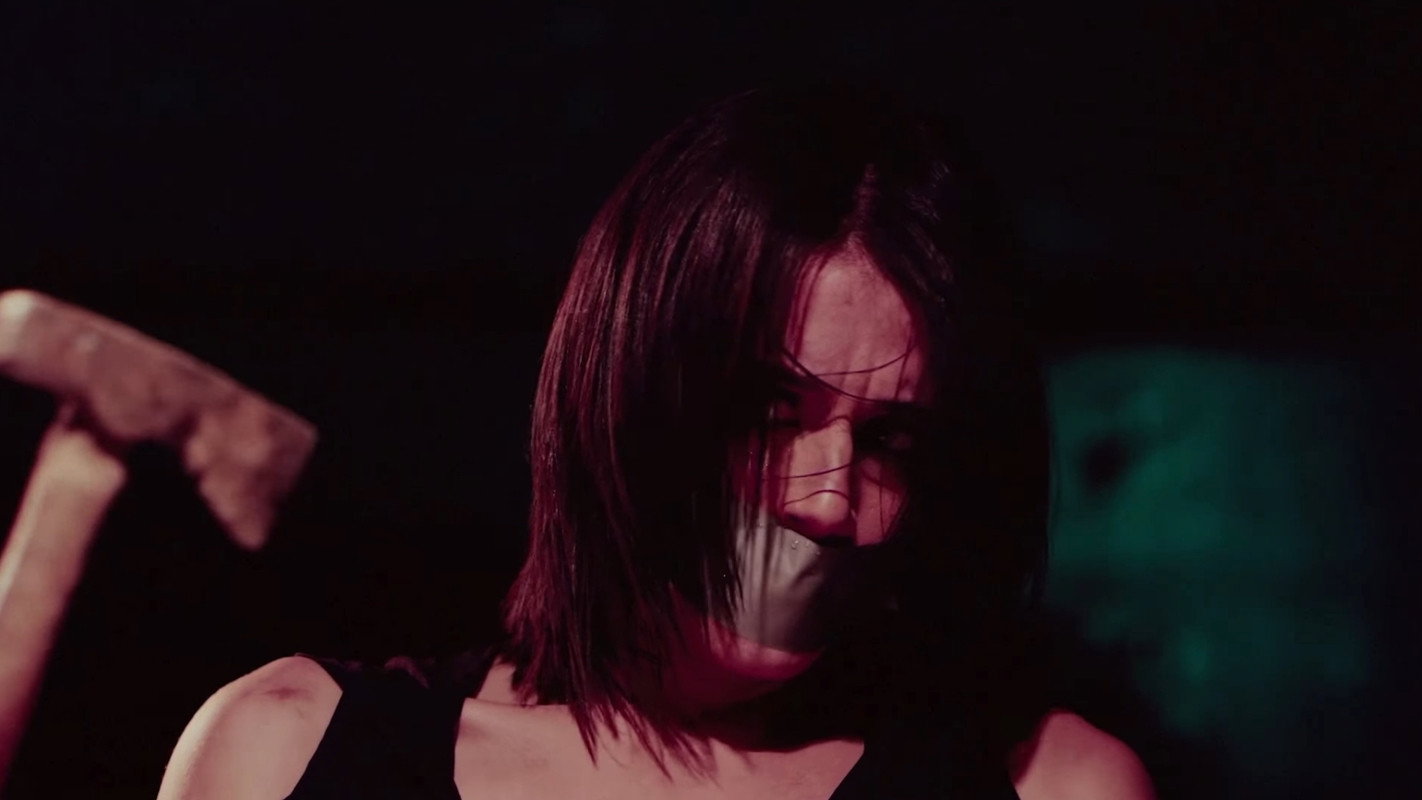
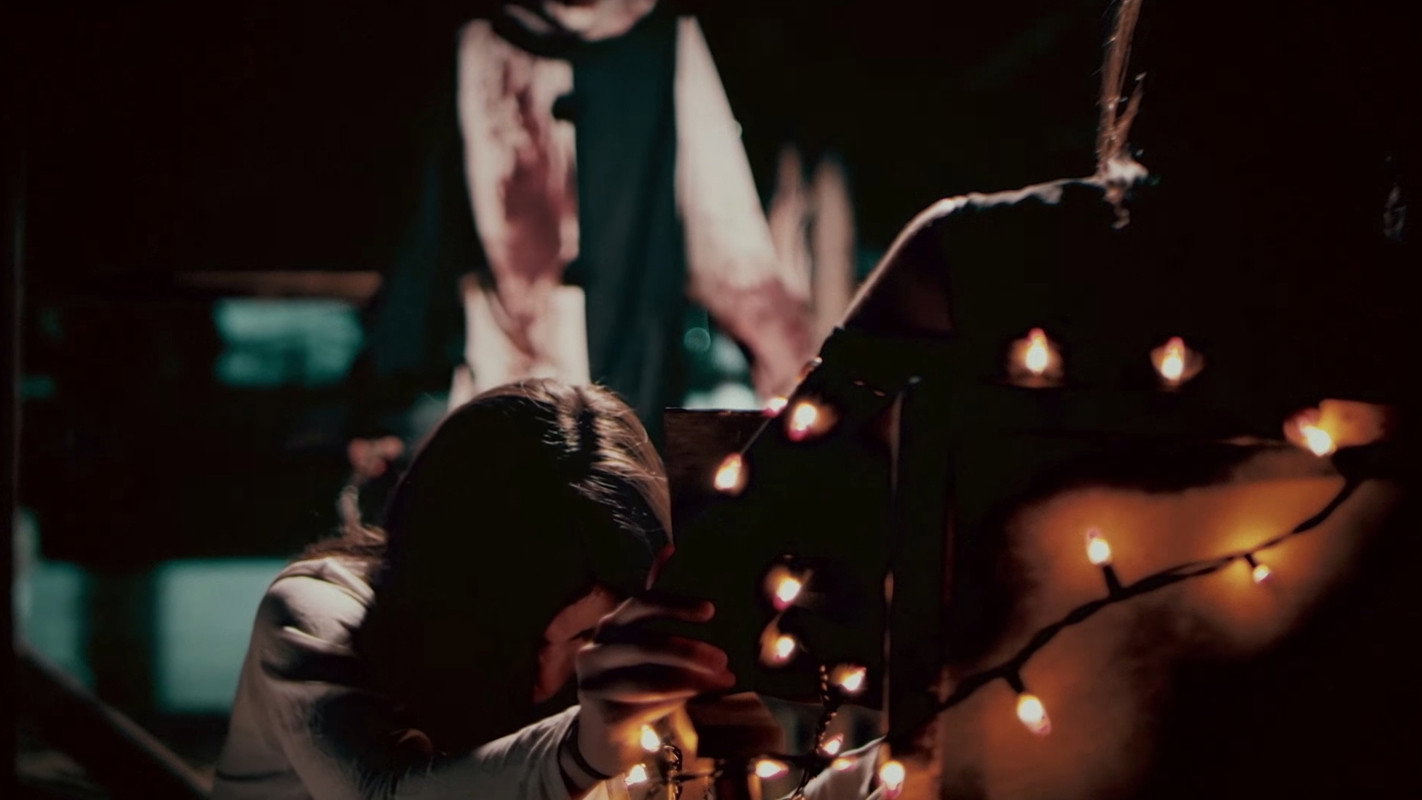
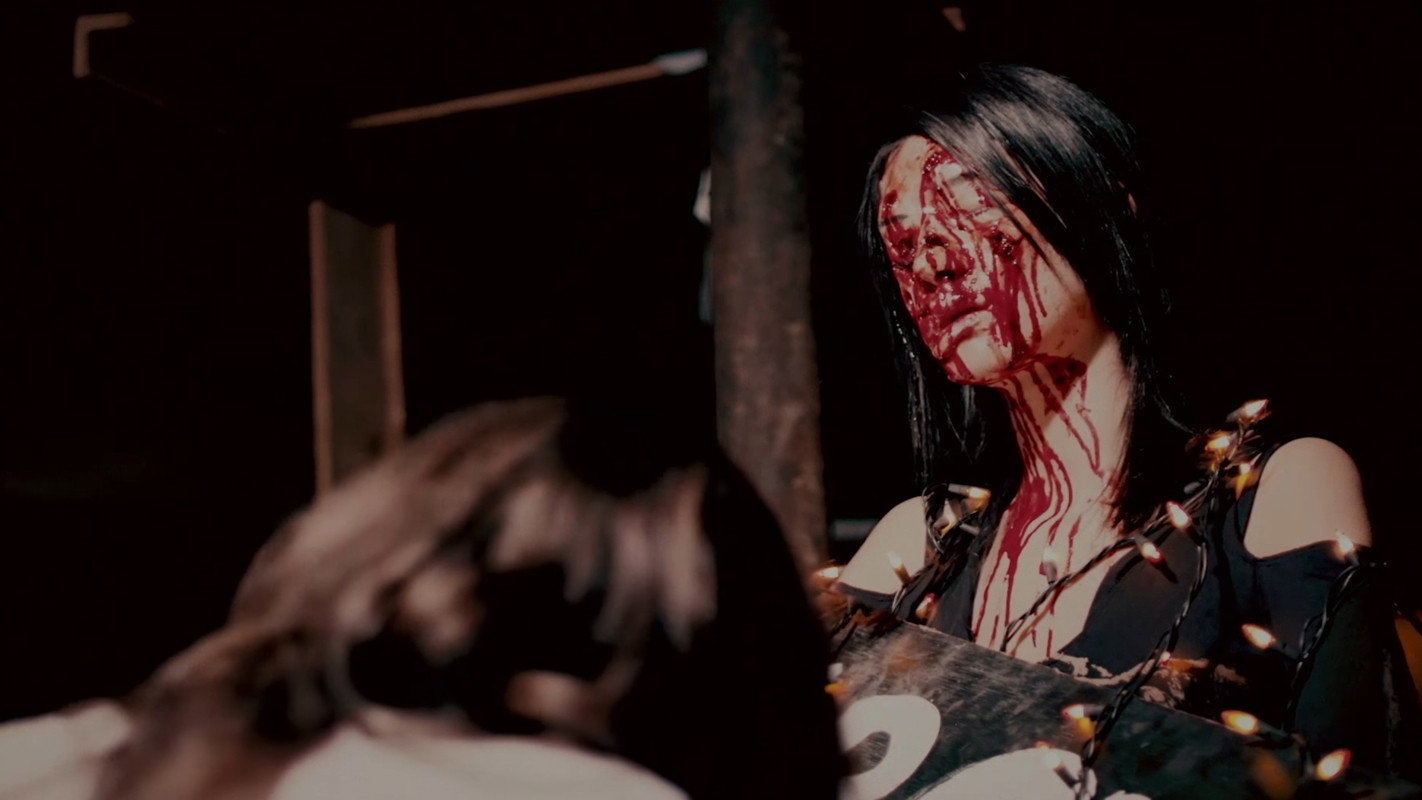
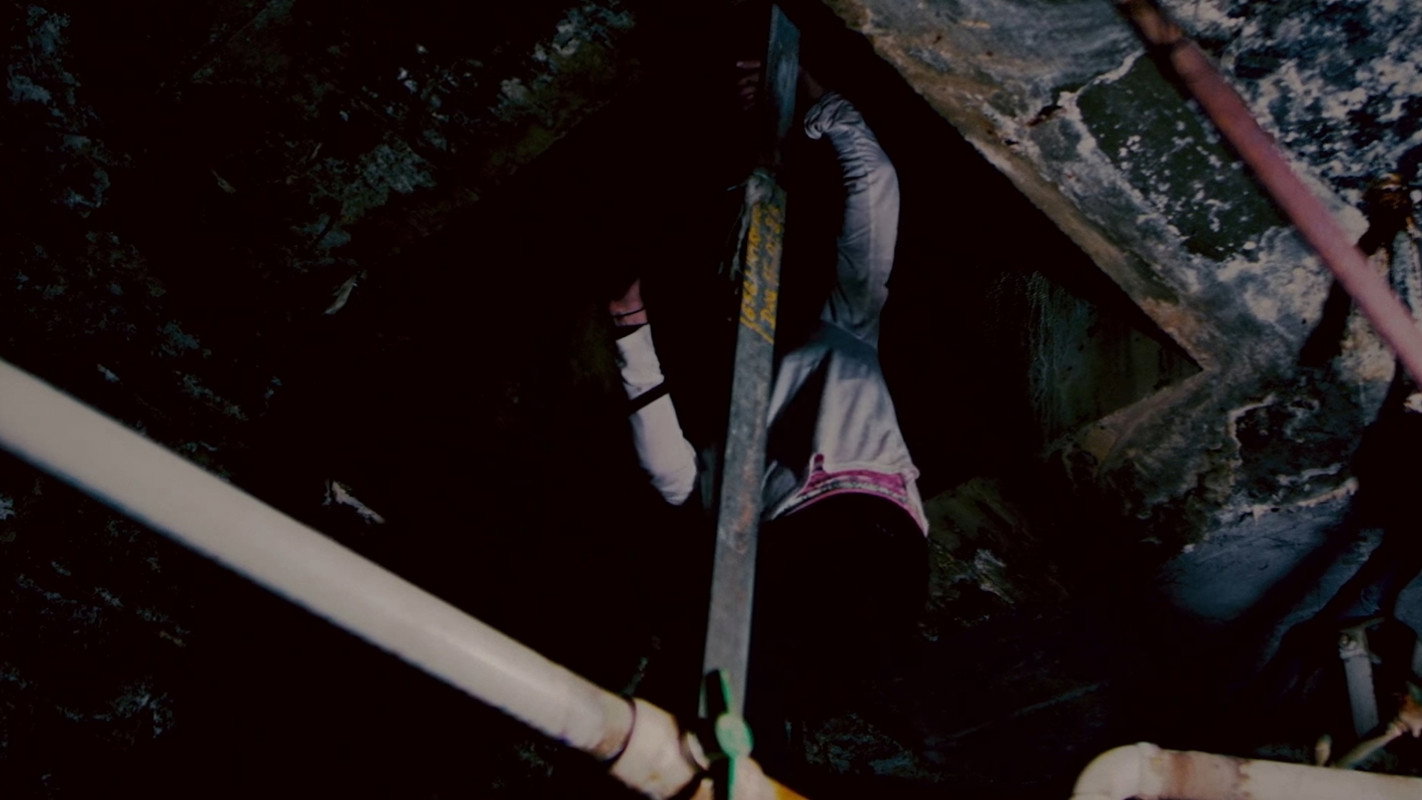
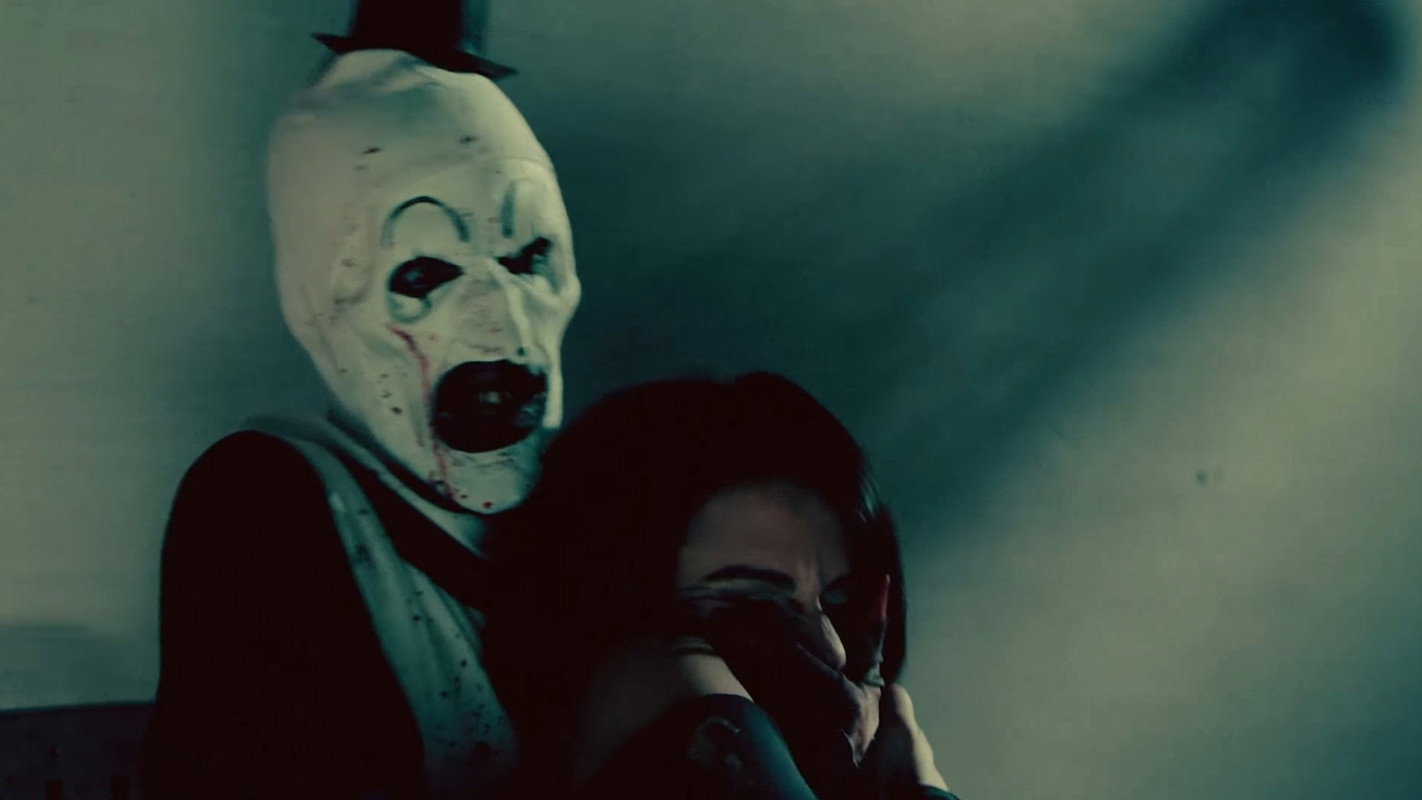
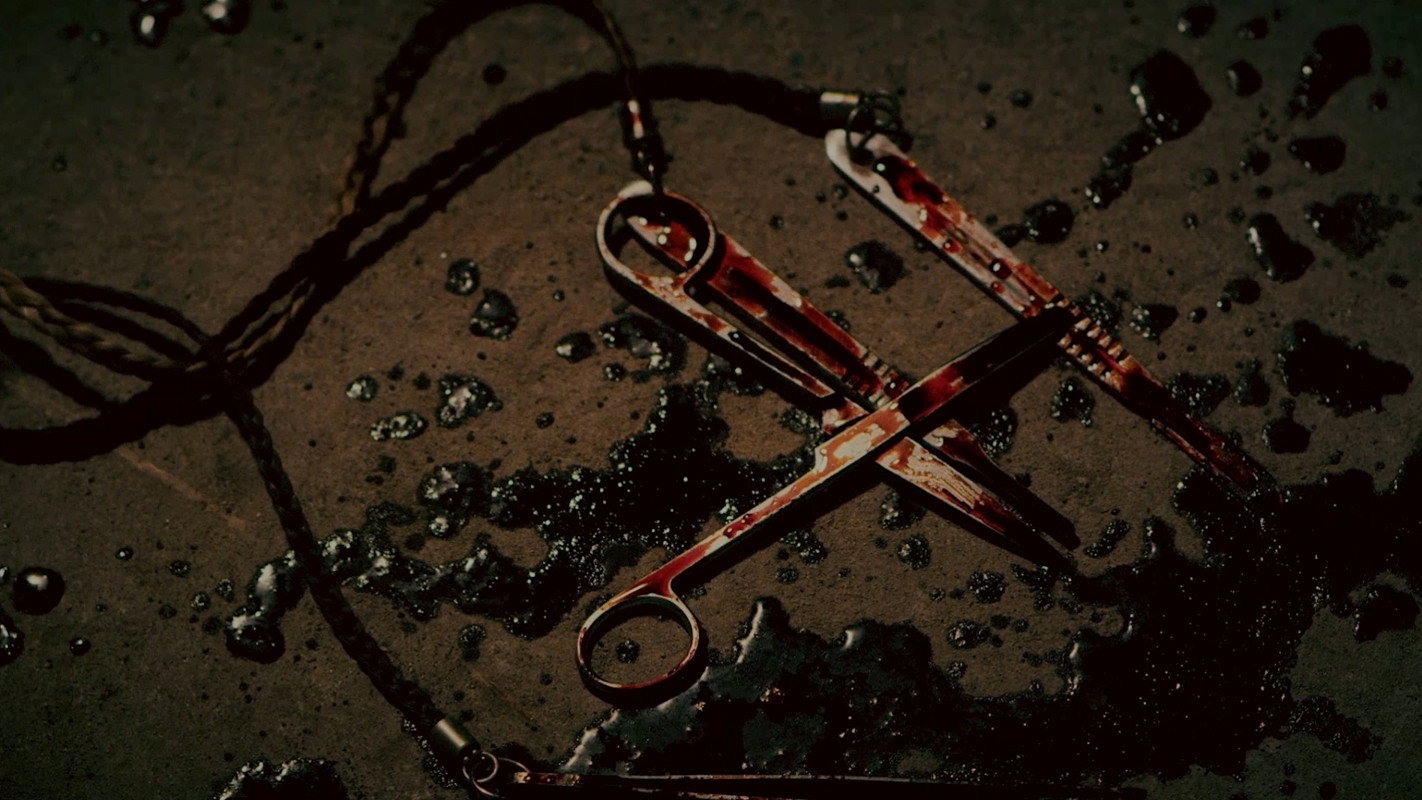
The killing involving Dawn, who is suspended upside down and attacked with a saw, became a principal point of discussion in coverage of the film. Its construction required prosthetic material, careful staging and editing, especially given the later revelation that filming was divided between locations. Leone had signaled before release that one prolonged murder would exceed the brutality of the others and acknowledged deliberately reducing the intensity of a subsequent death to manage the audience’s response. The sequence’s notoriety comes from the duration and apparent materiality of the violence as much as from its gruesome premise.
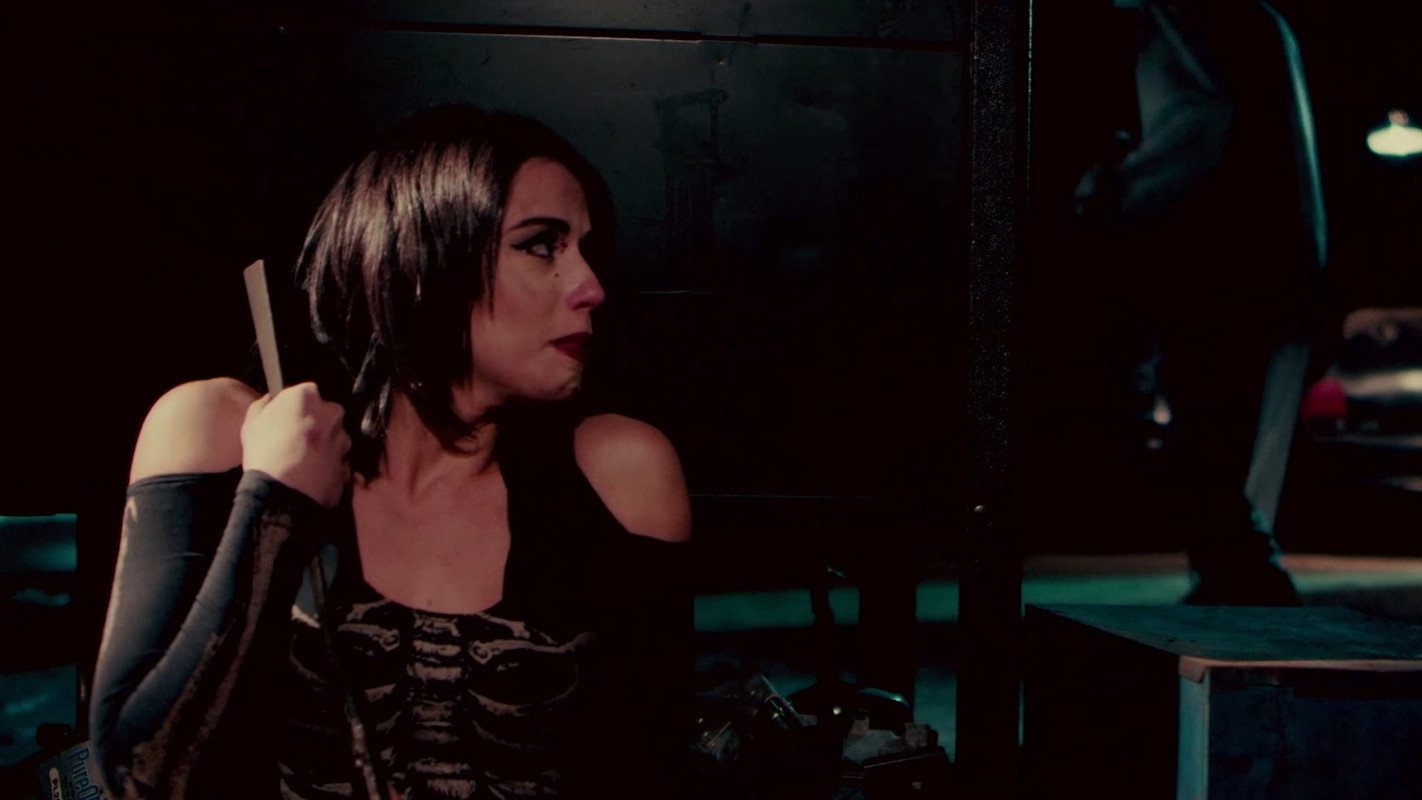
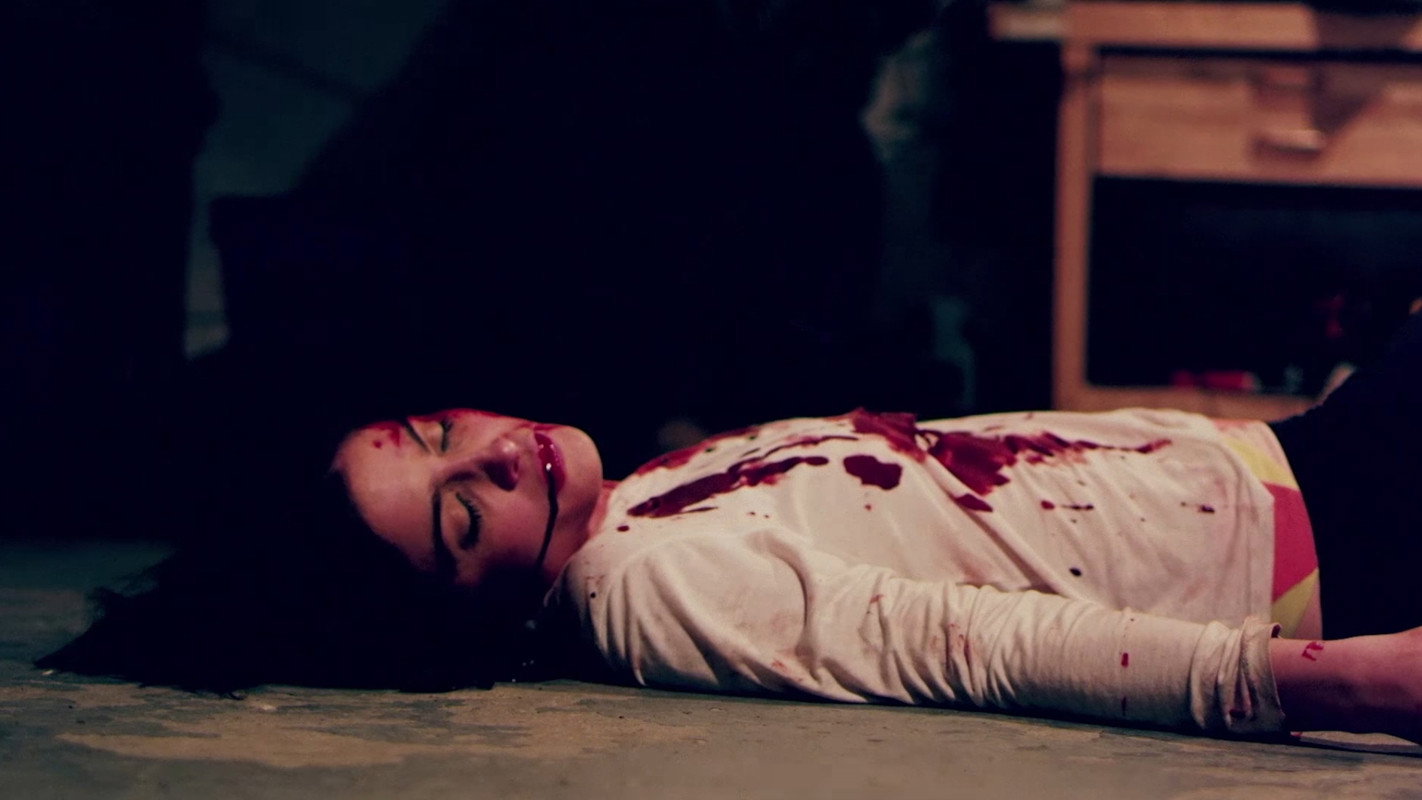
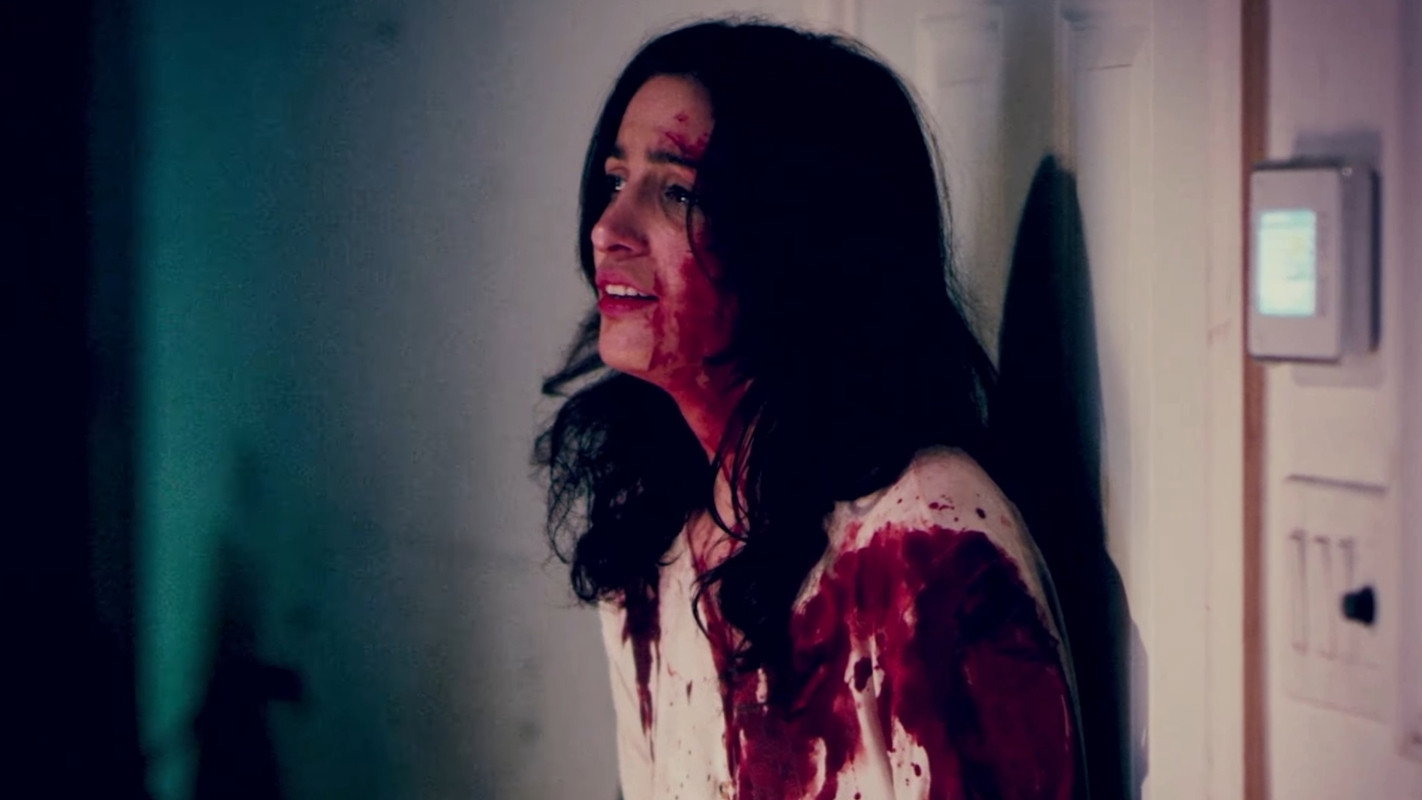
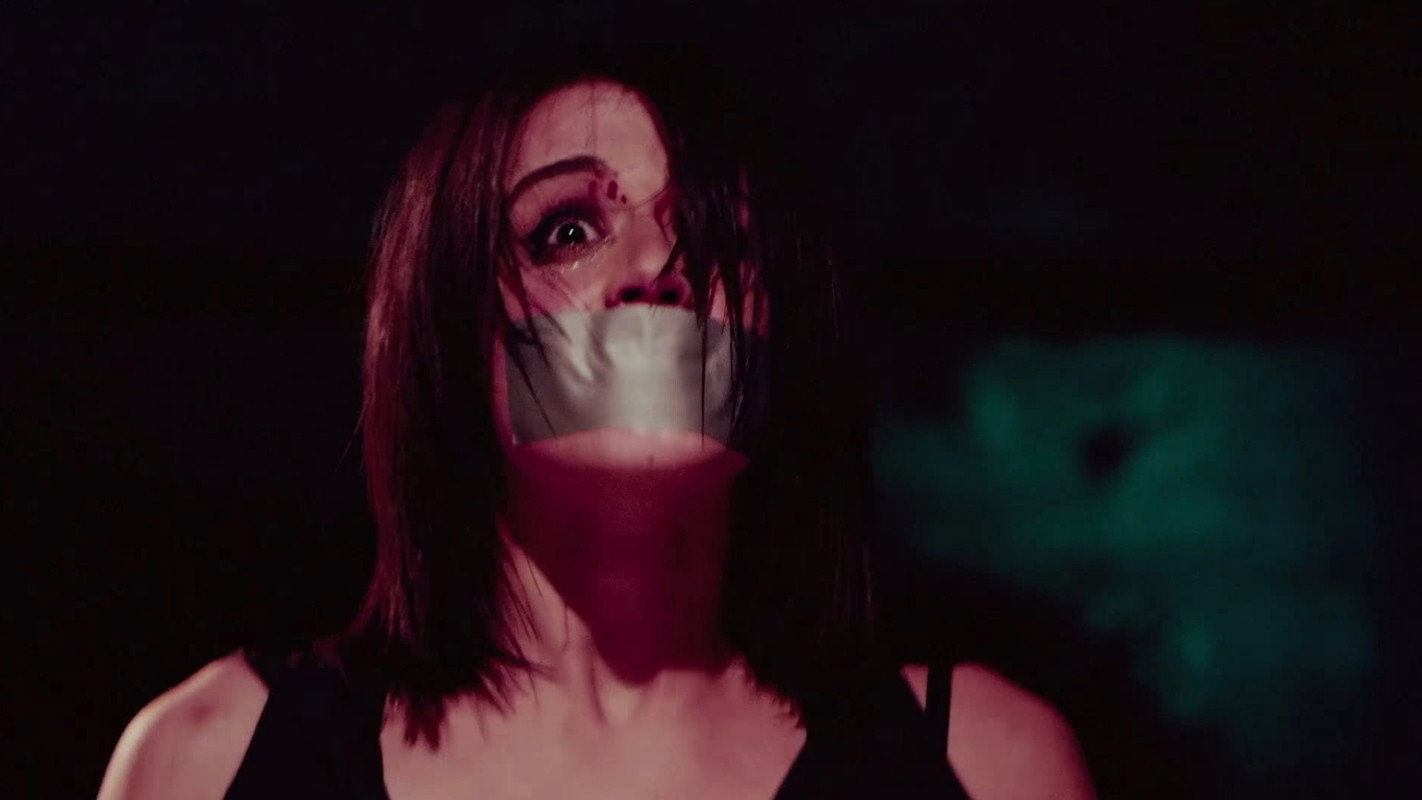
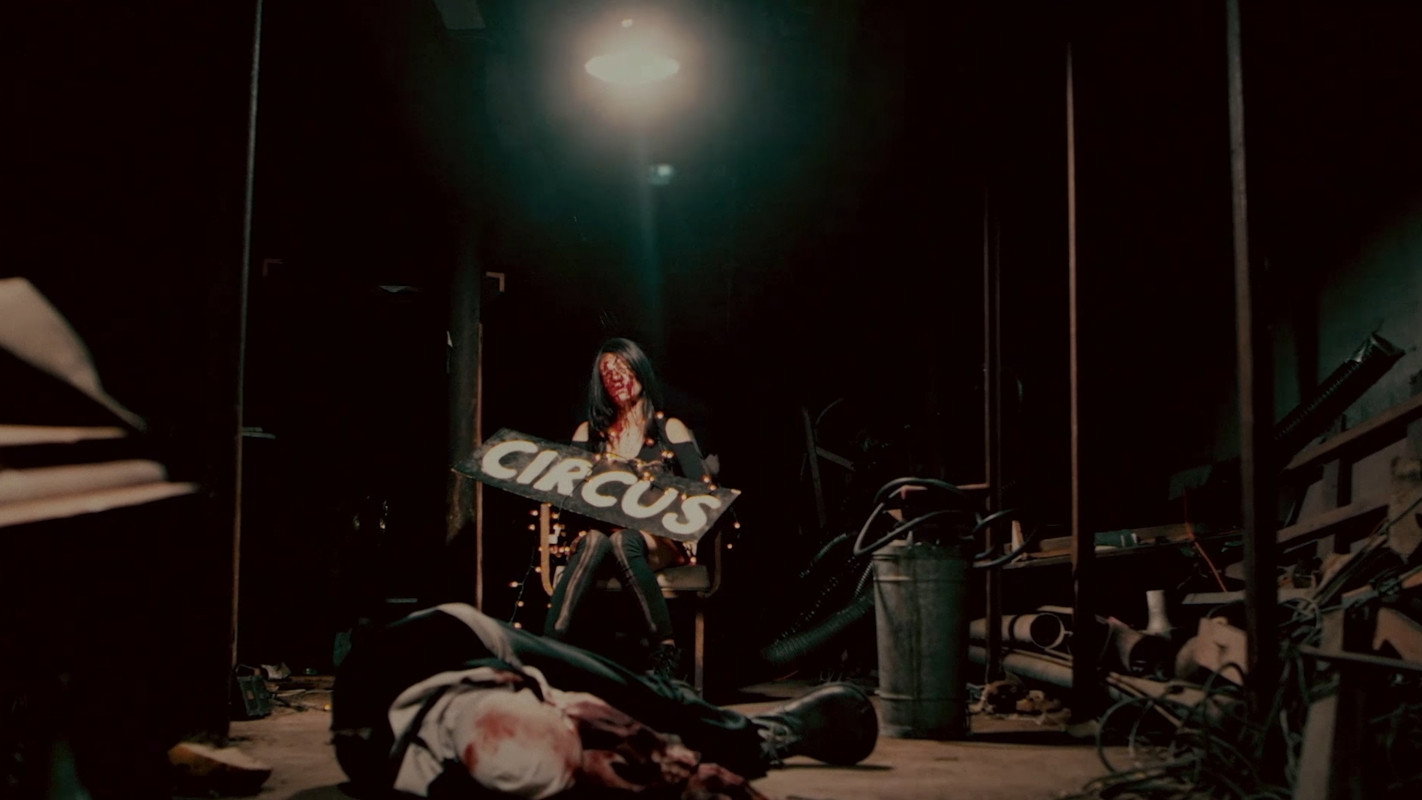
The emphasis on bodily damage follows a practical-effects tradition associated with filmmakers and technicians such as Tom Savini, whose instructional recordings Leone has named as an early influence. The film presents injuries through texture, blood and mechanically achieved illusions rather than relying principally on animated digital spectacle. Its approach also raises a critical question about the treatment of female victims: the filmmakers’ craftsmanship and the extended exposure of suffering are inseparable in the experience of these scenes.

Narrative Rhythm, Setting & Sound

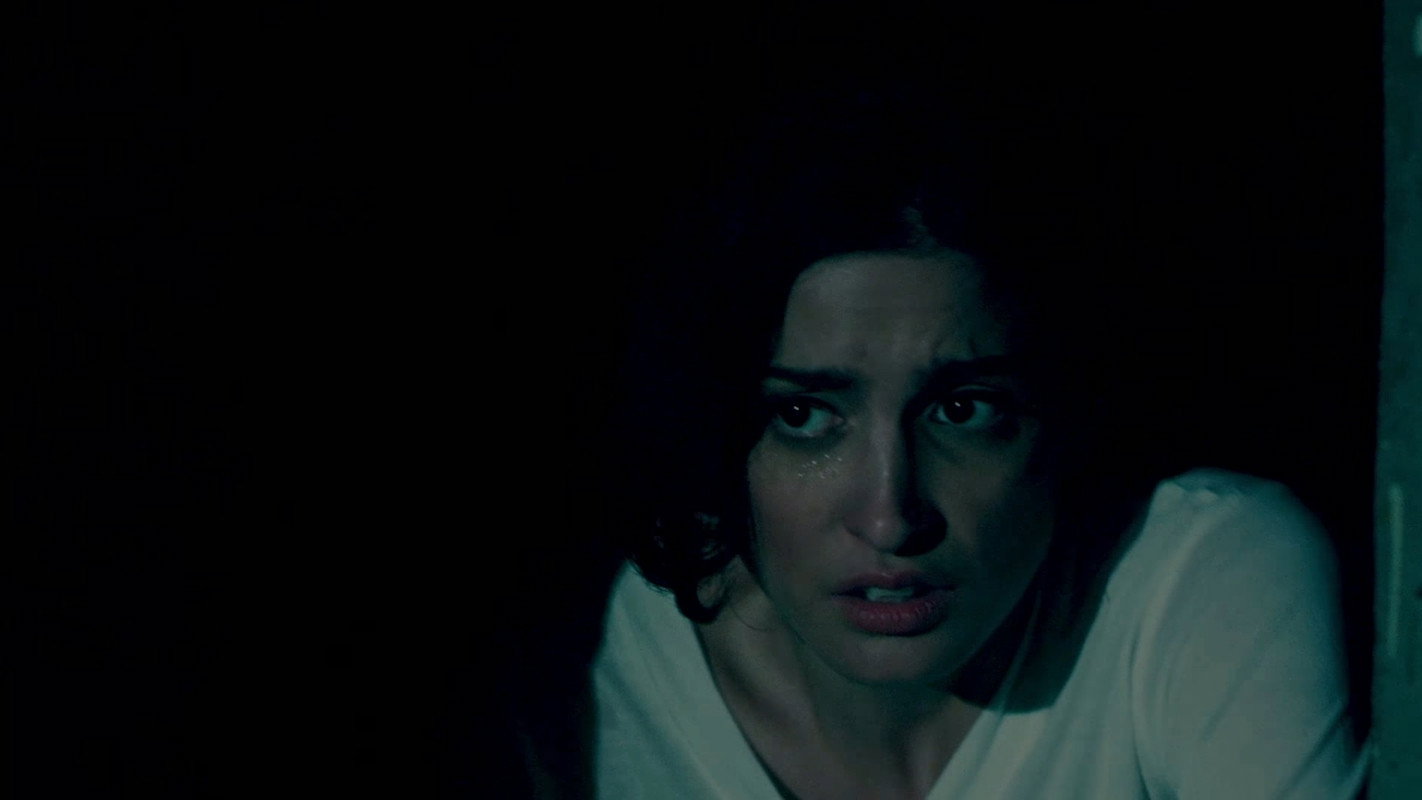
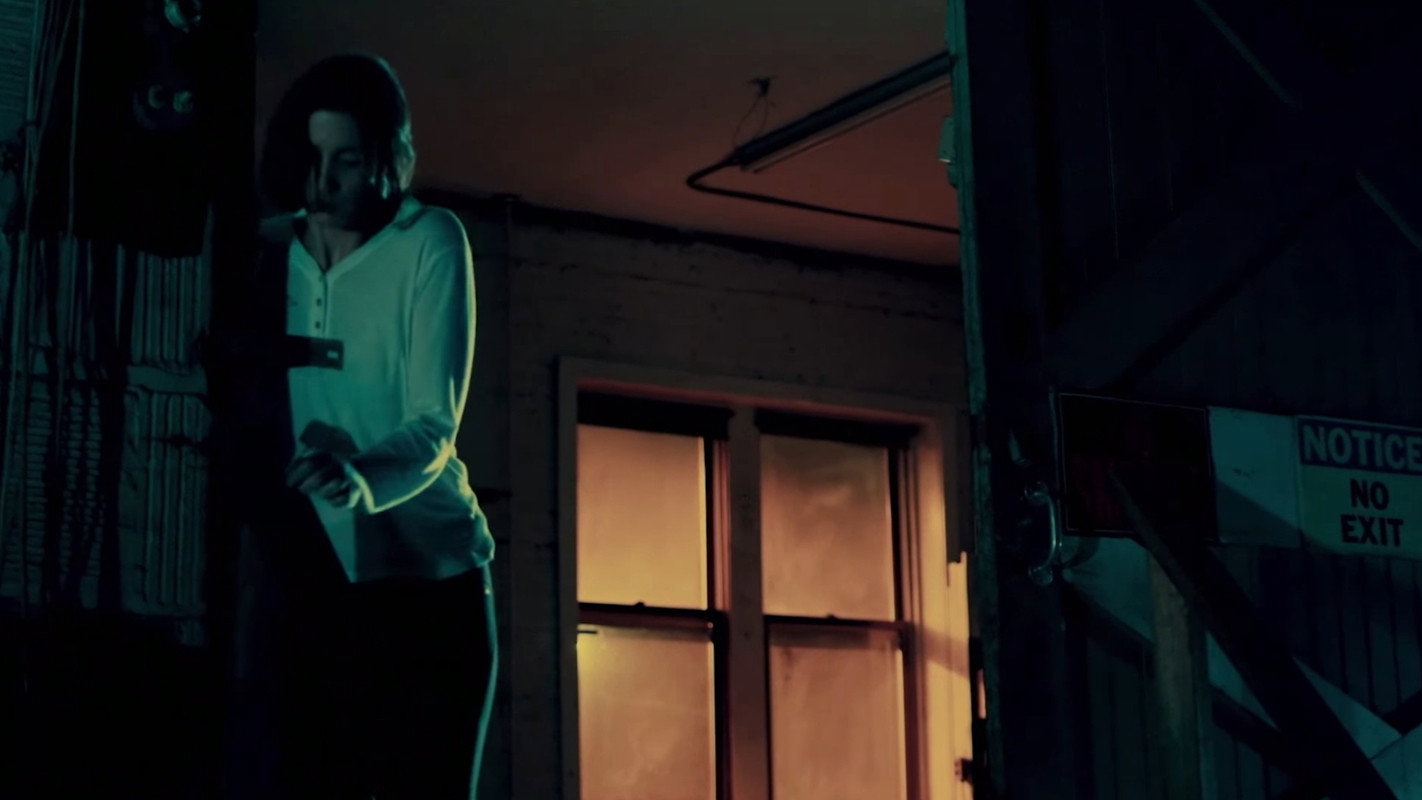
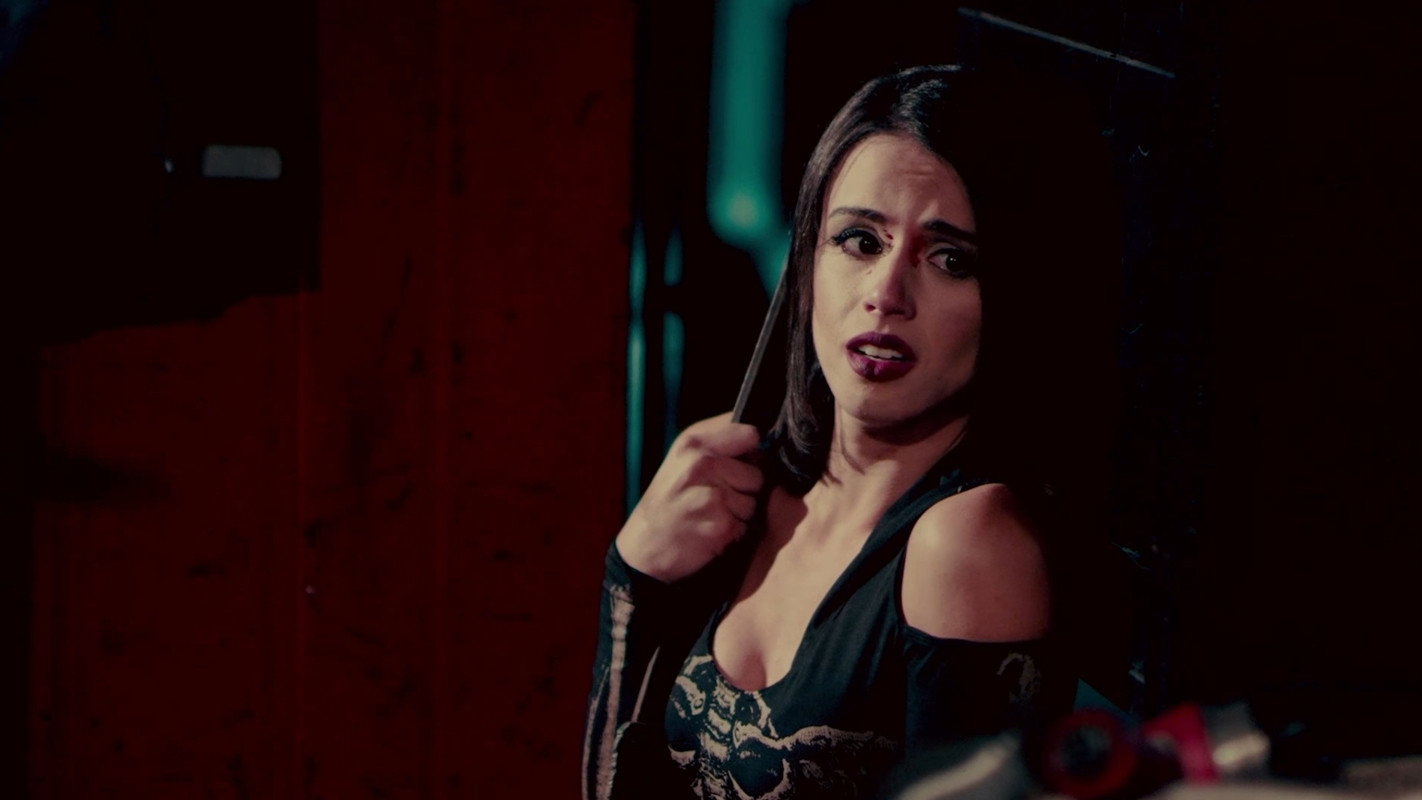
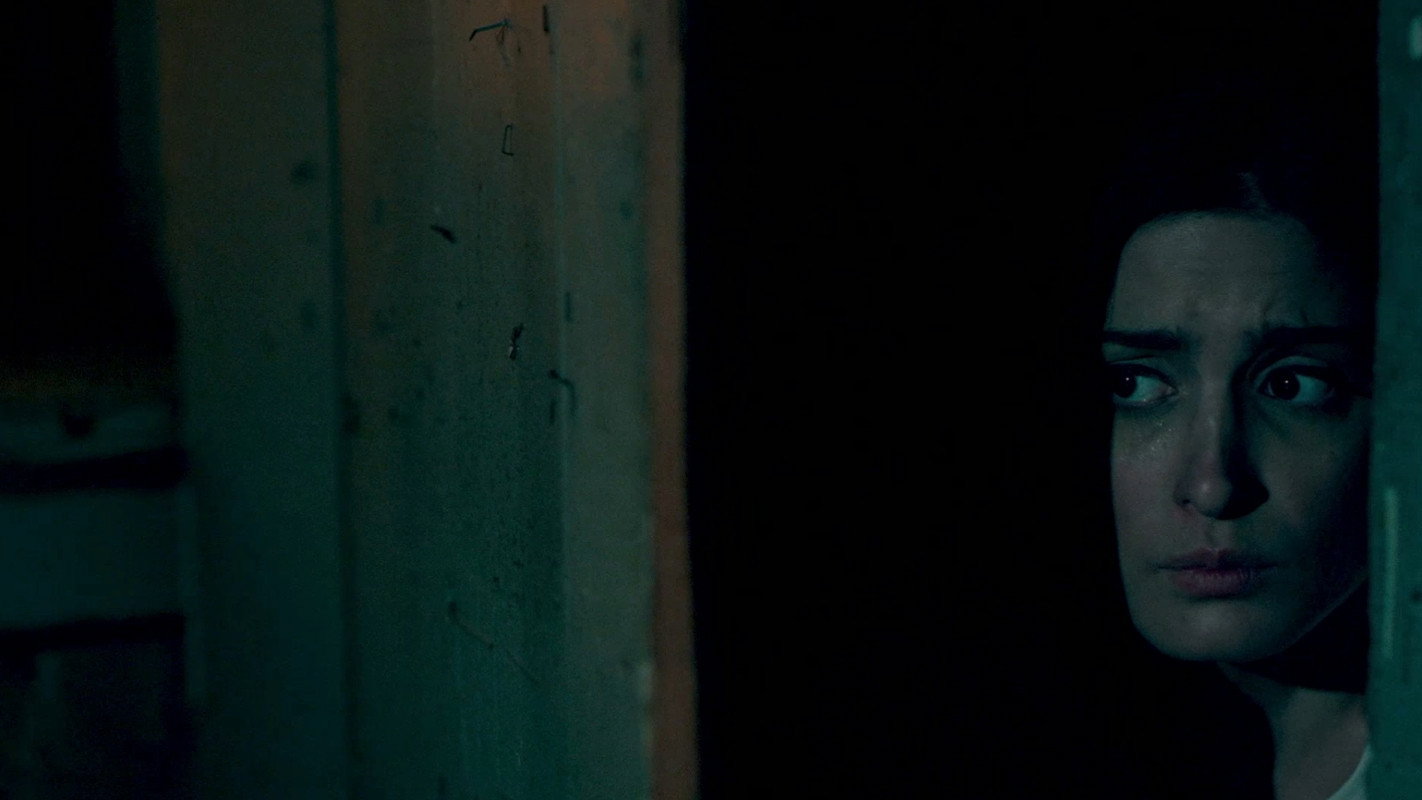
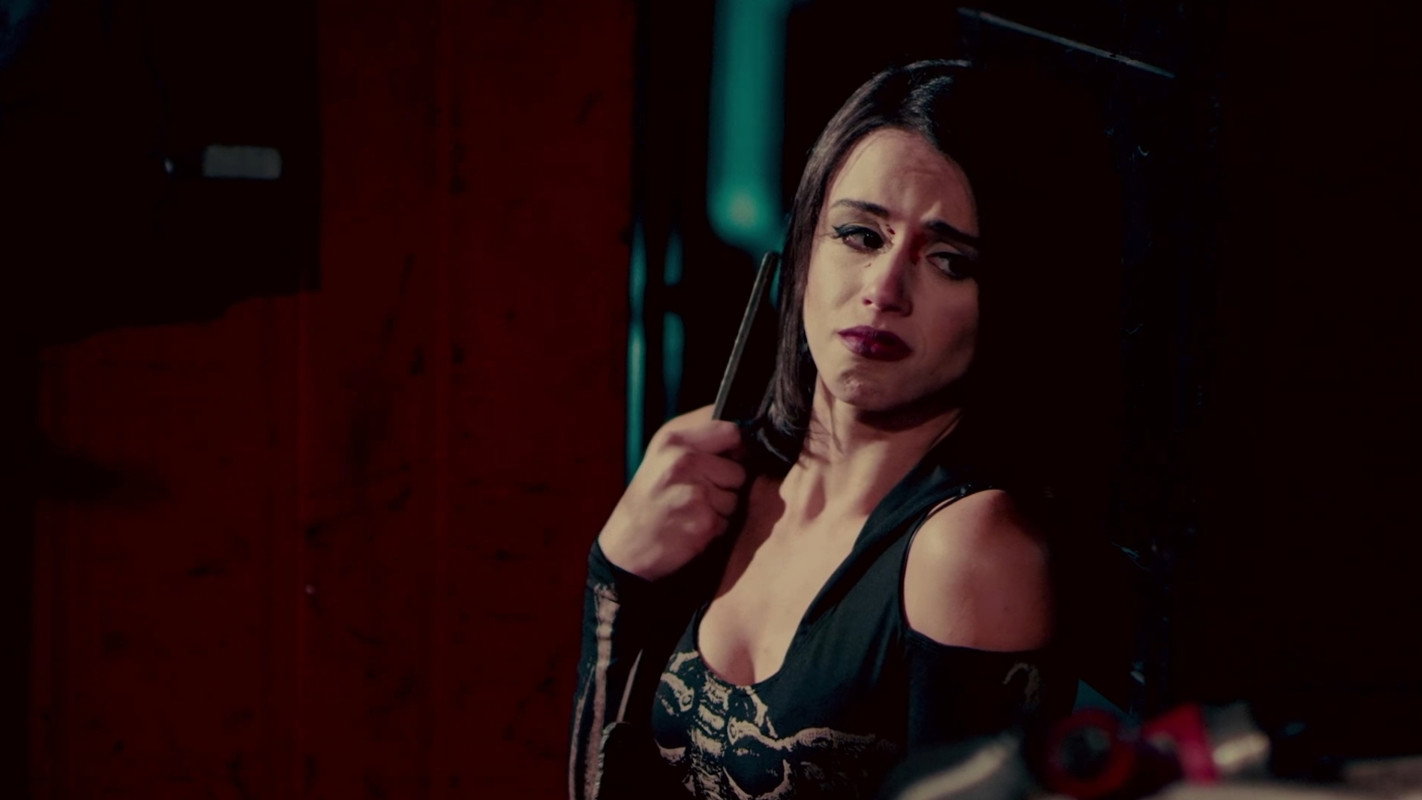
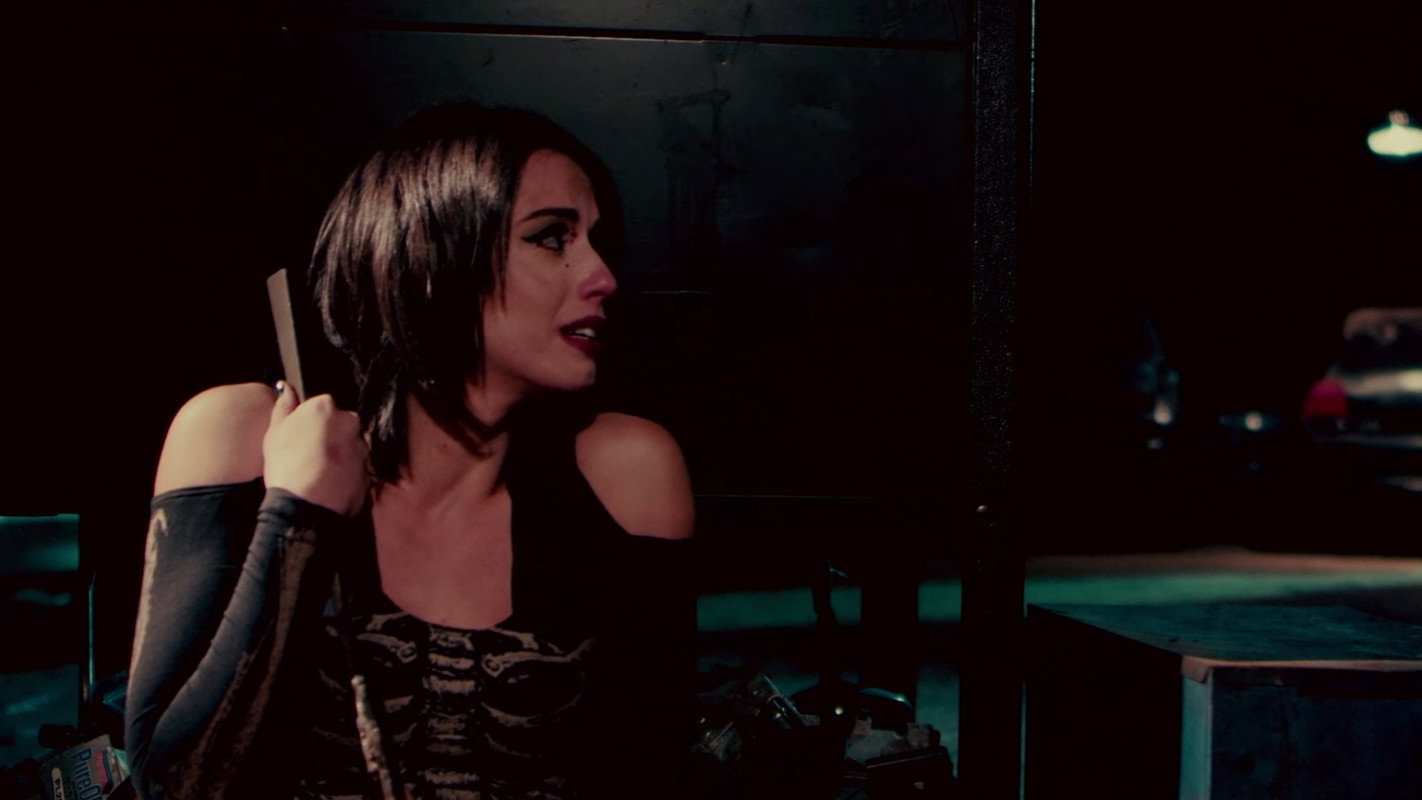
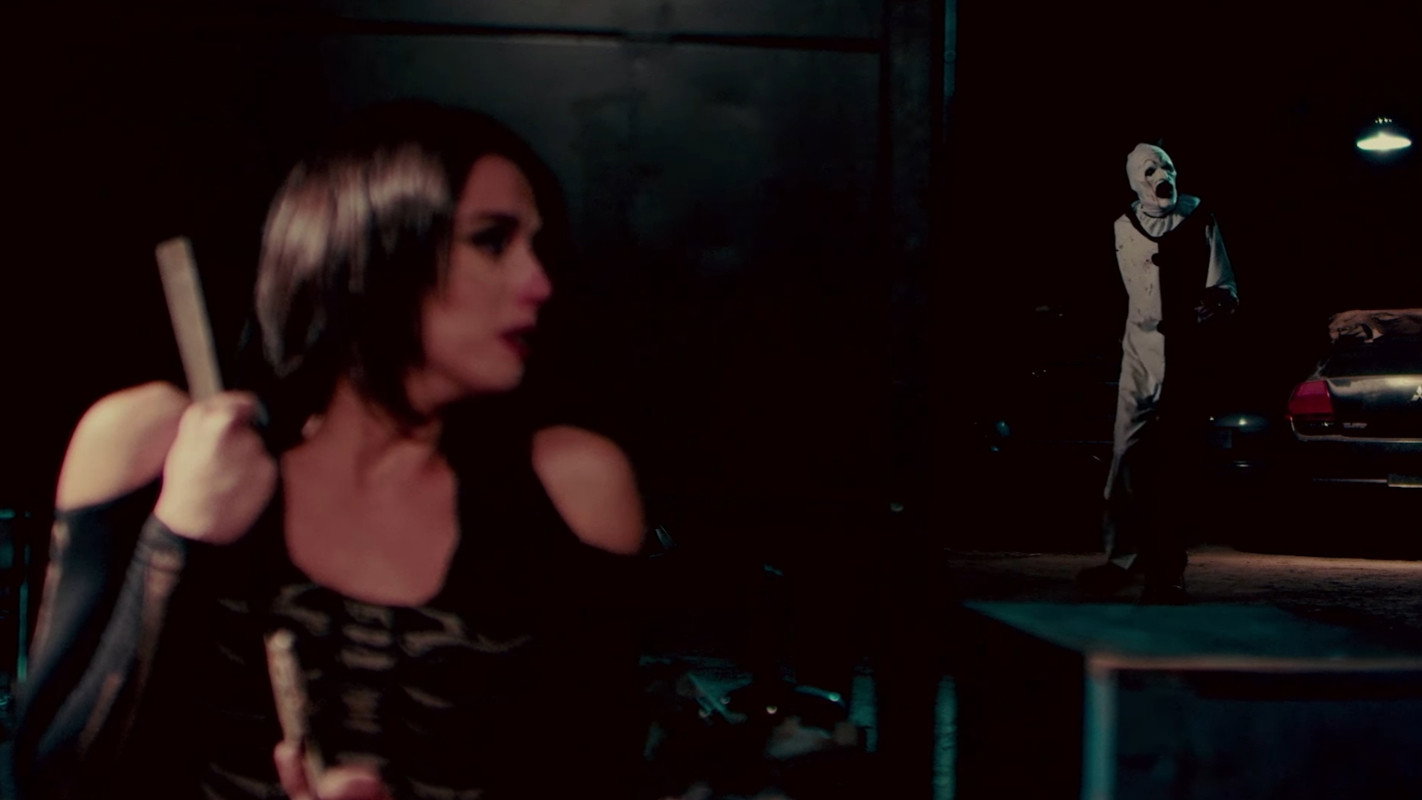
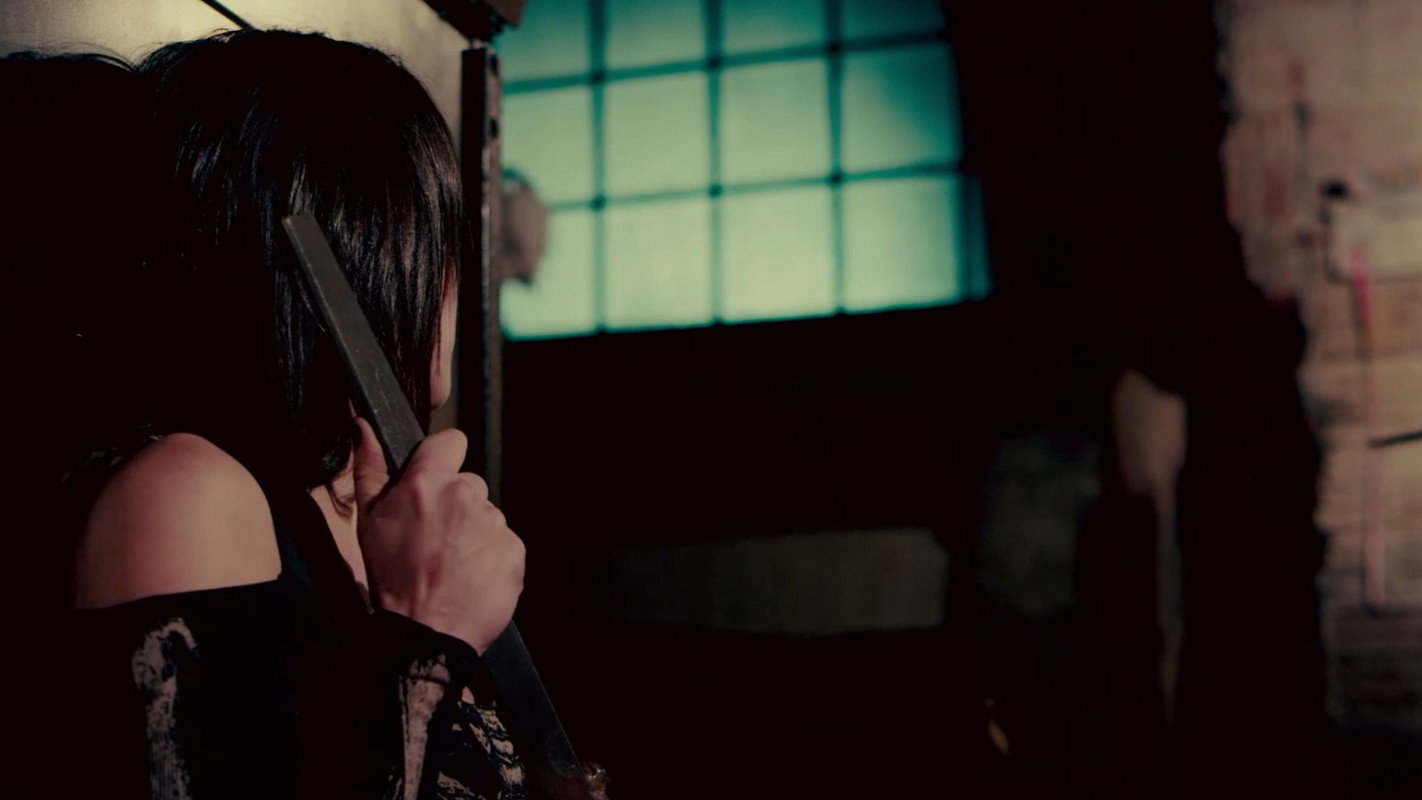
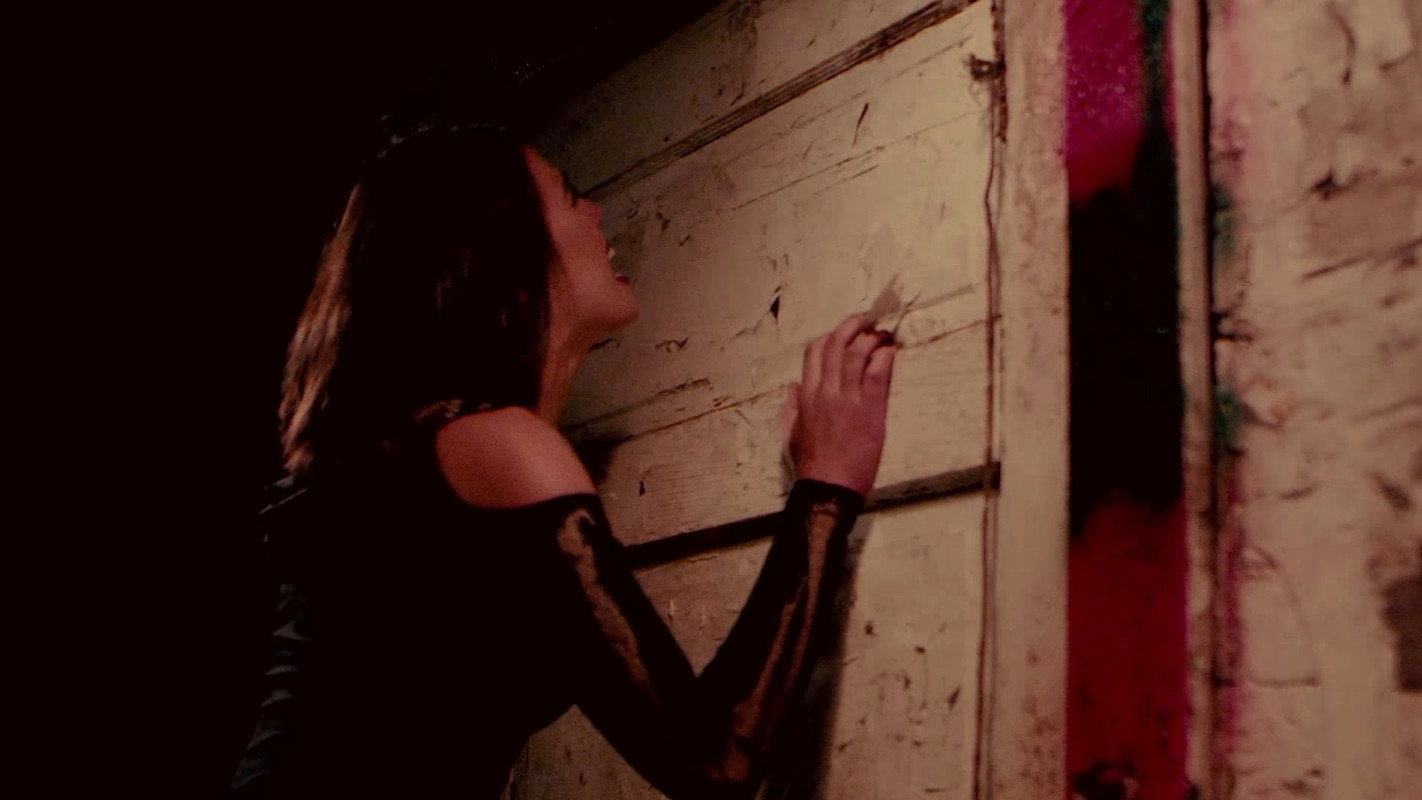
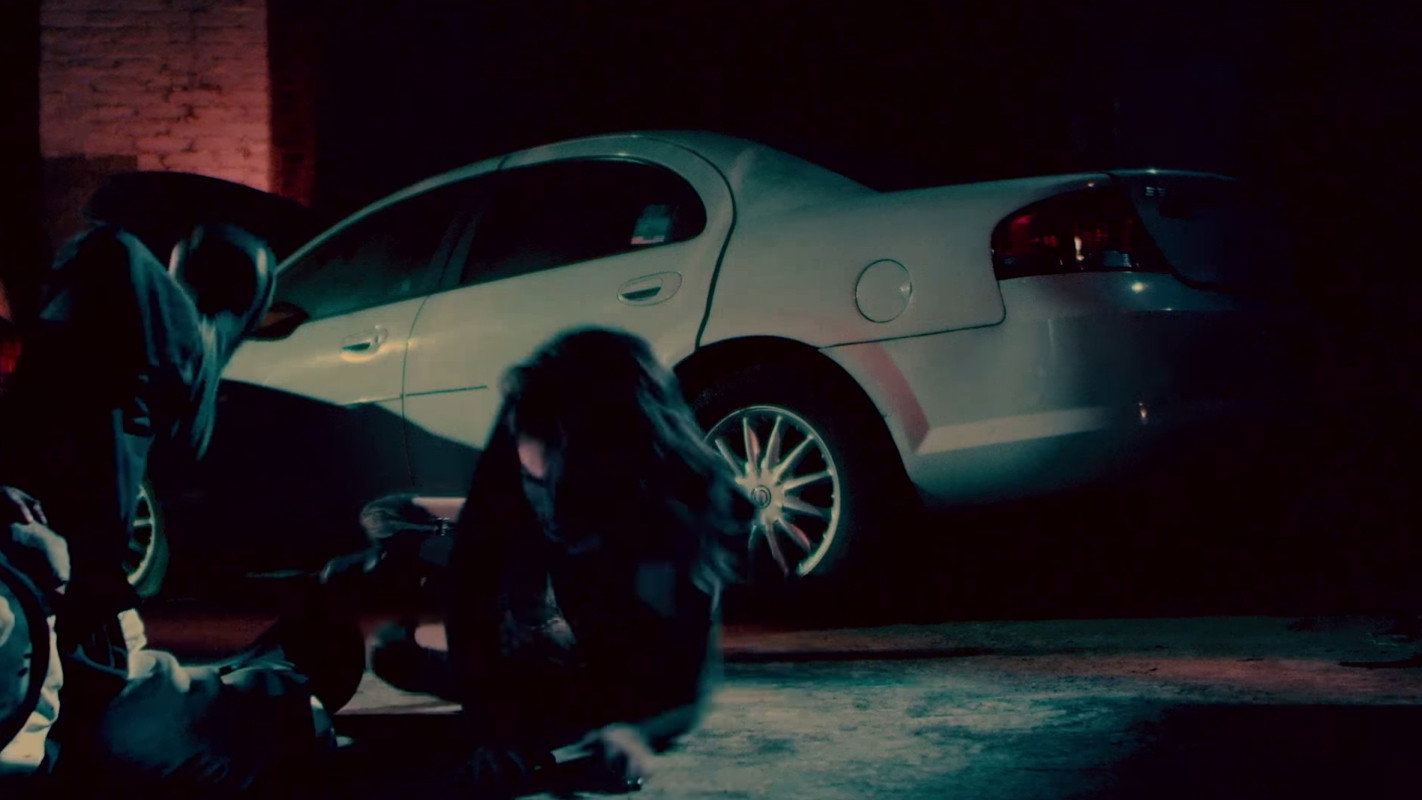
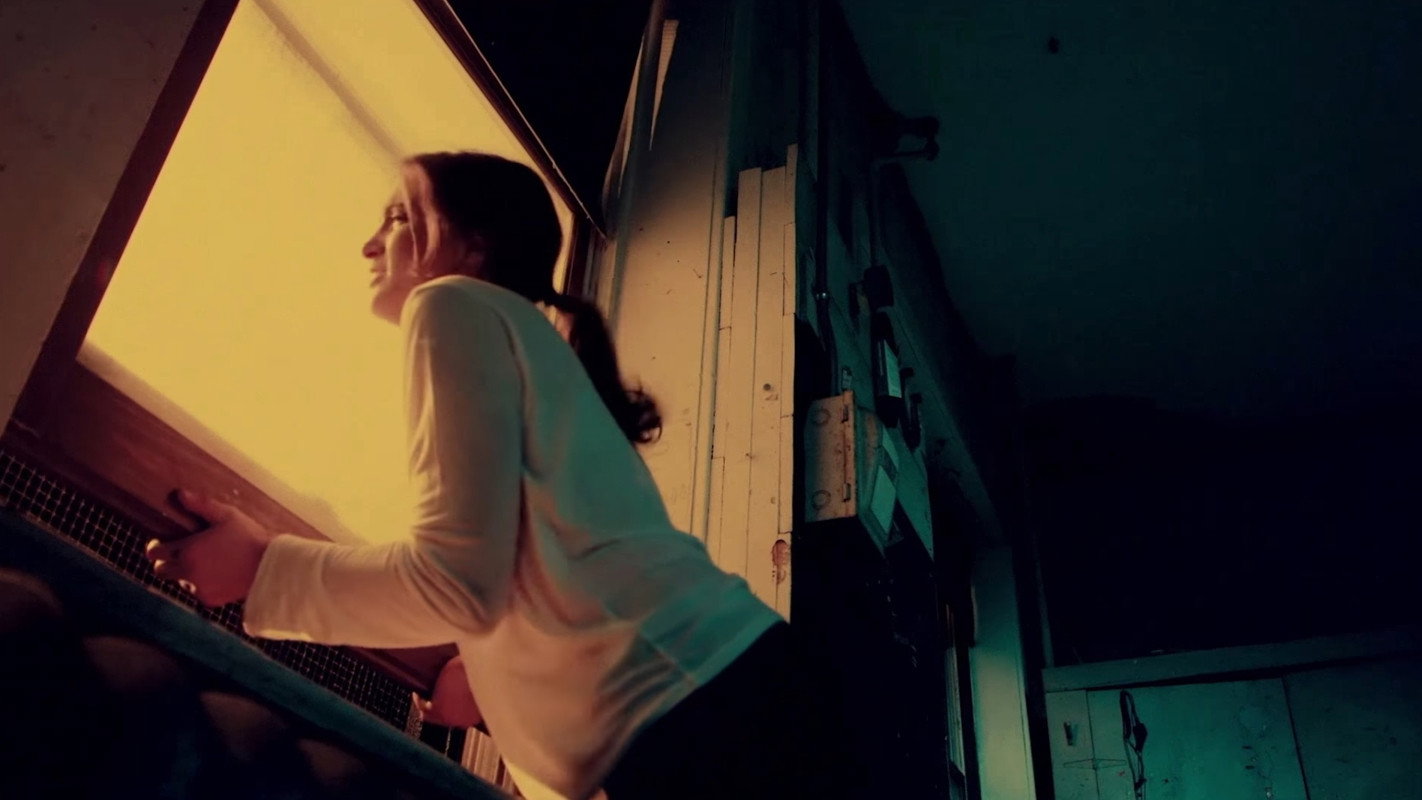
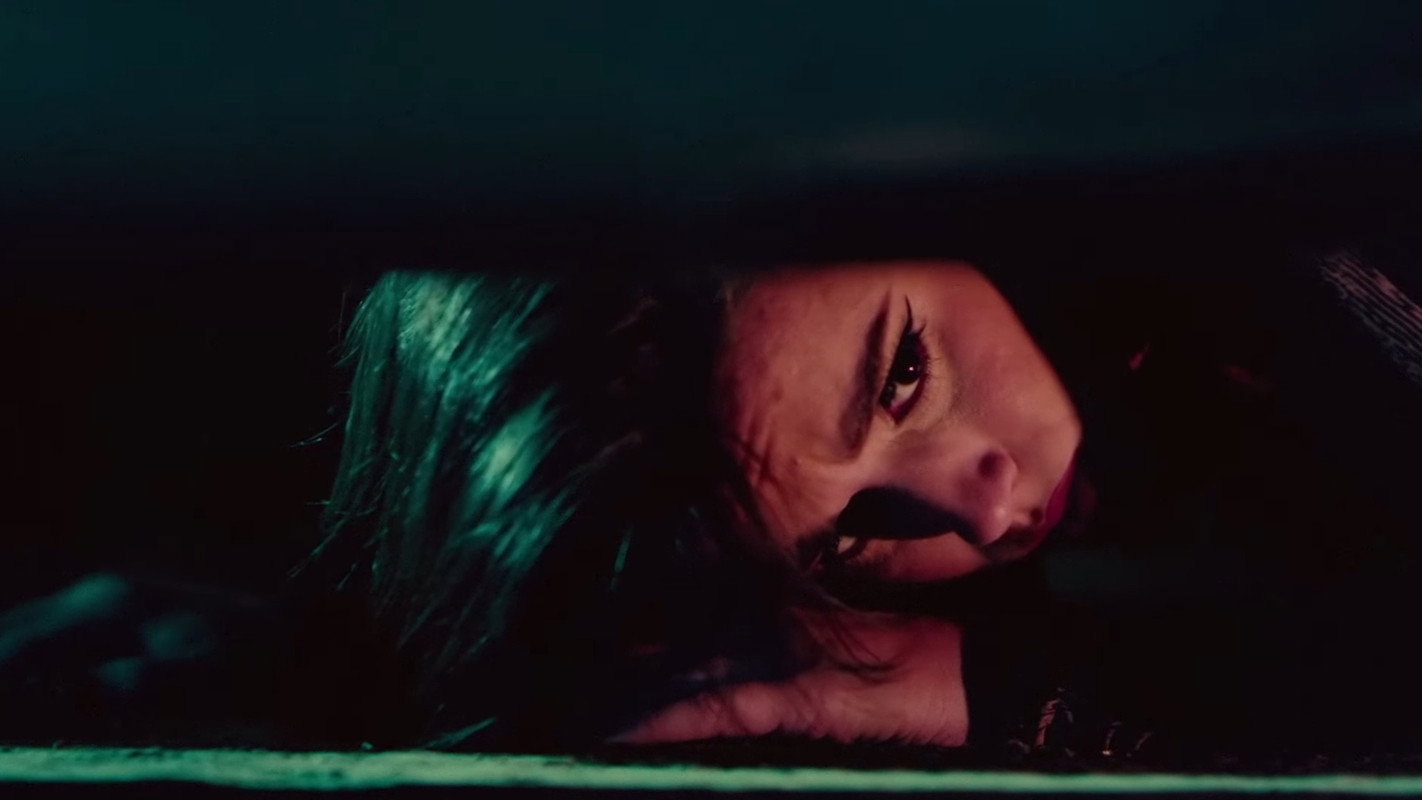
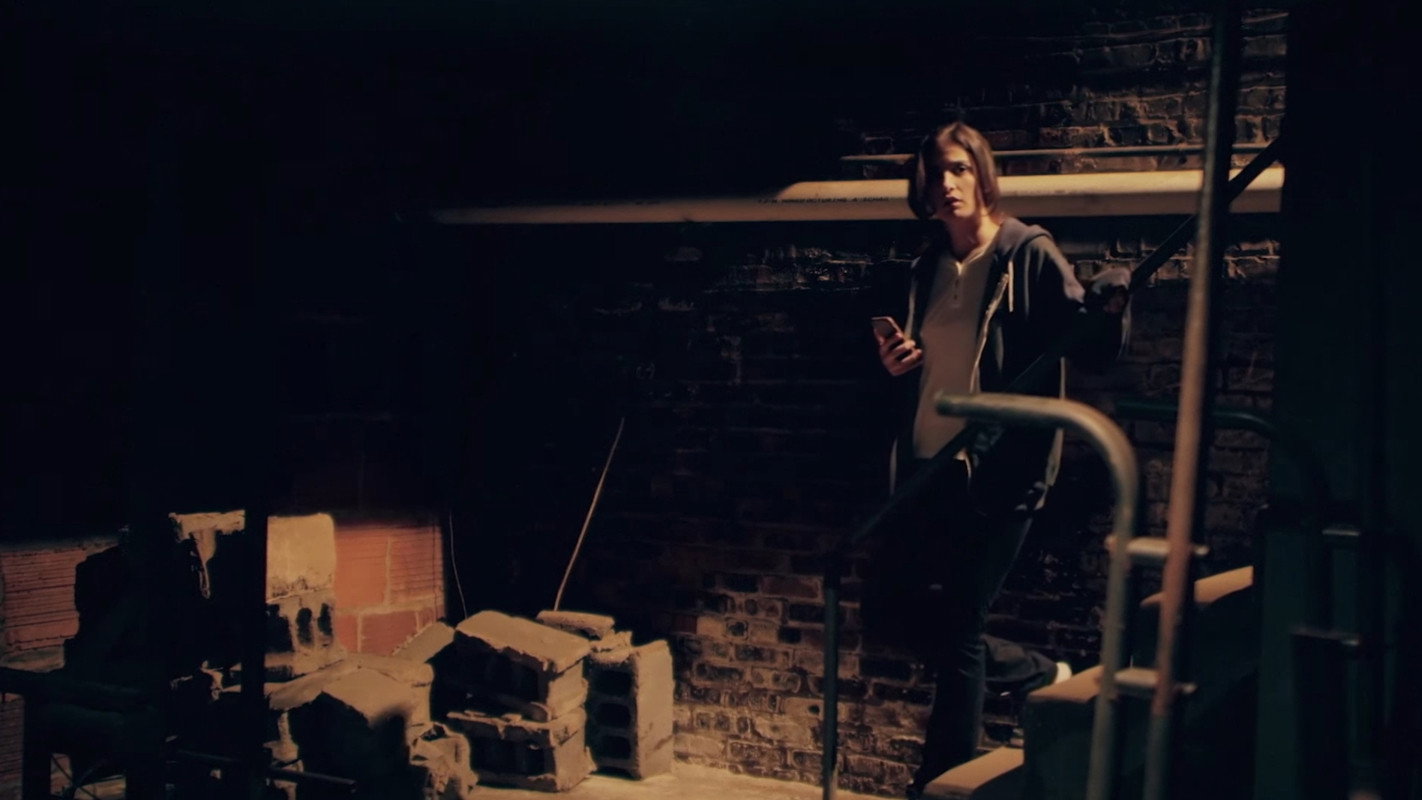
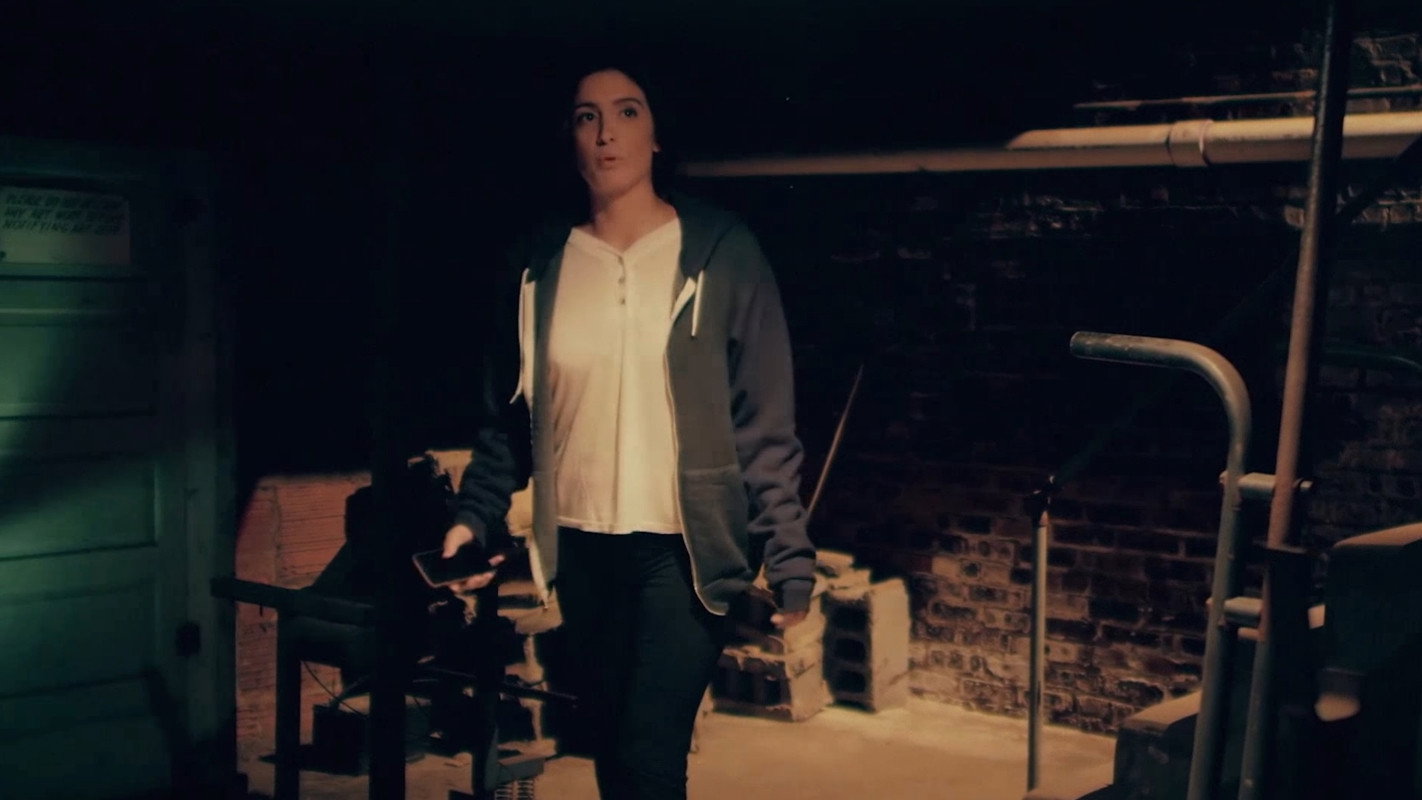
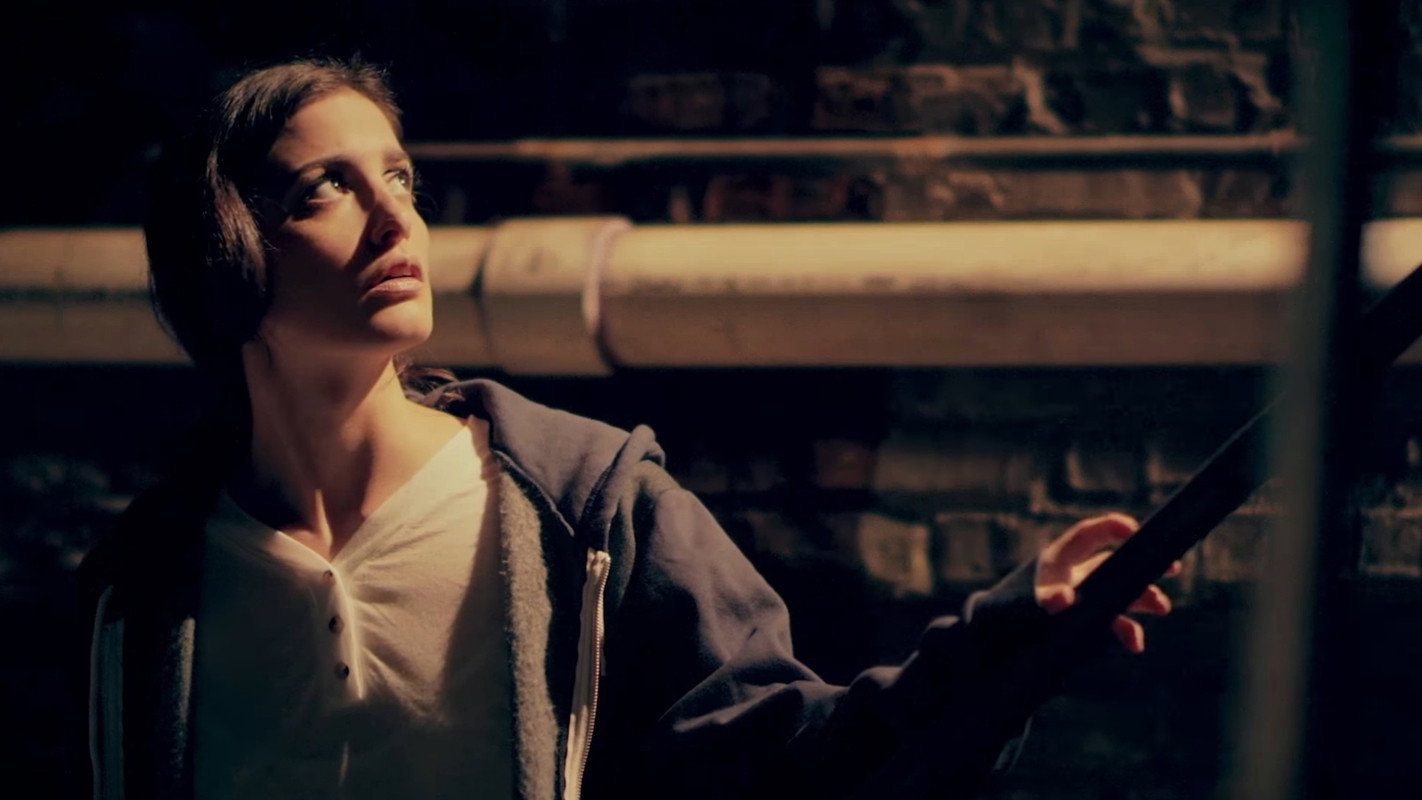
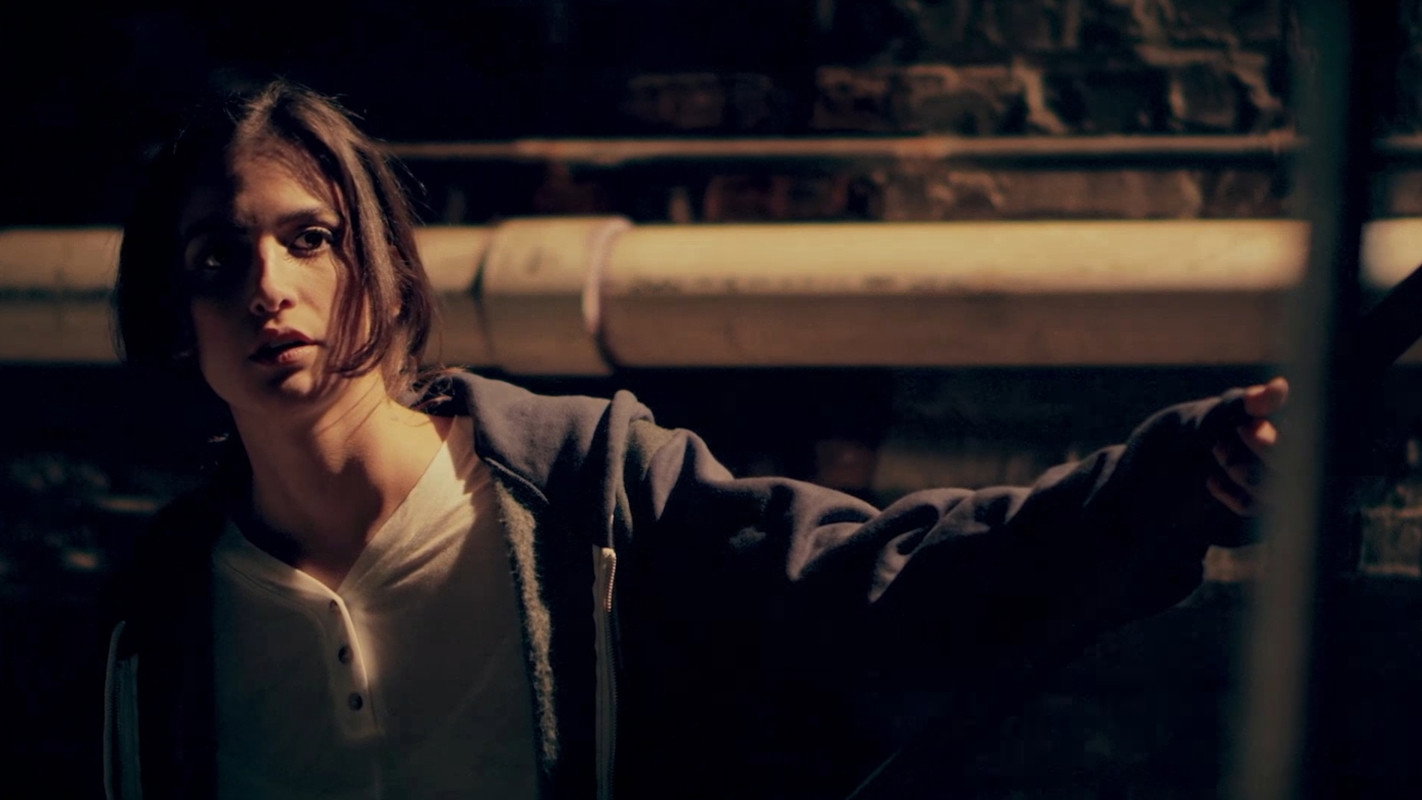
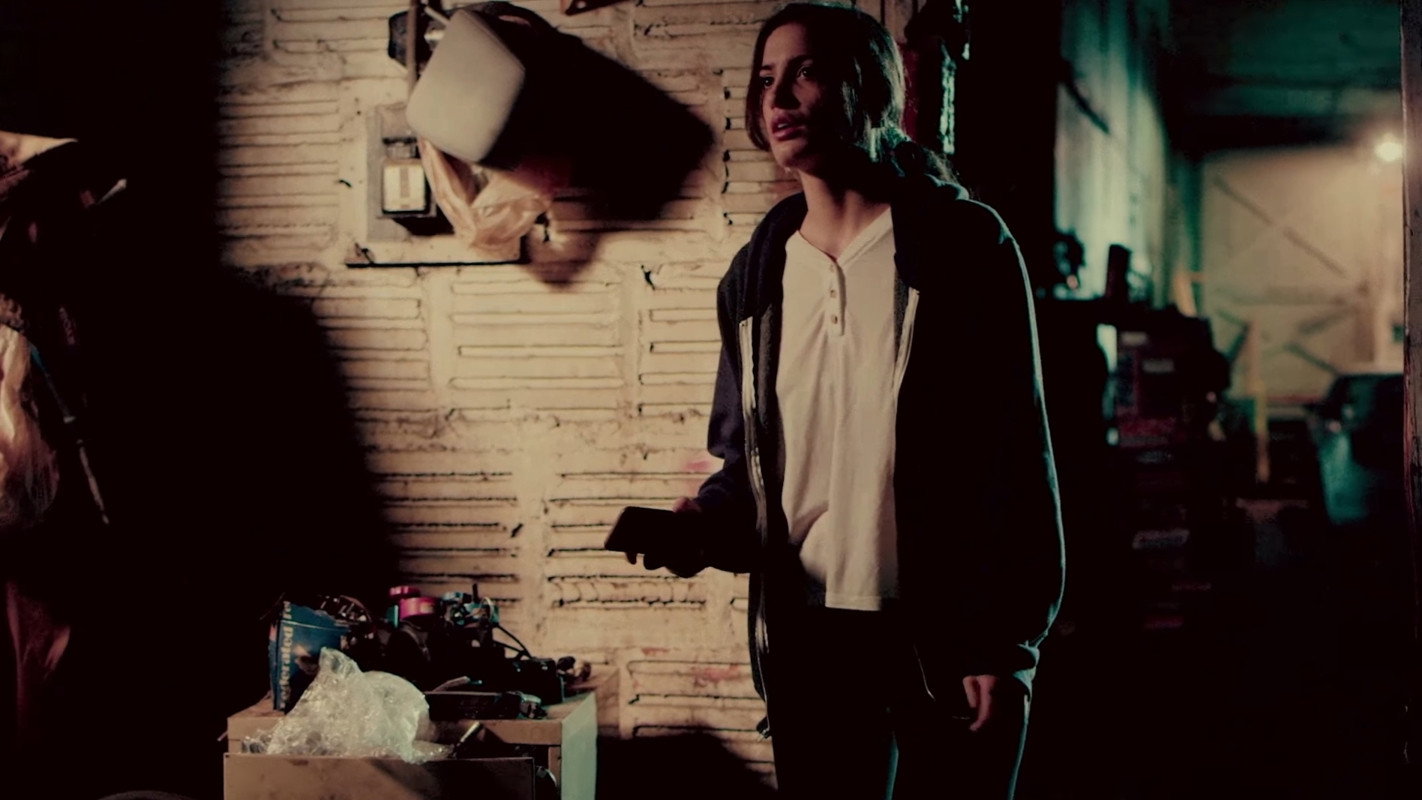
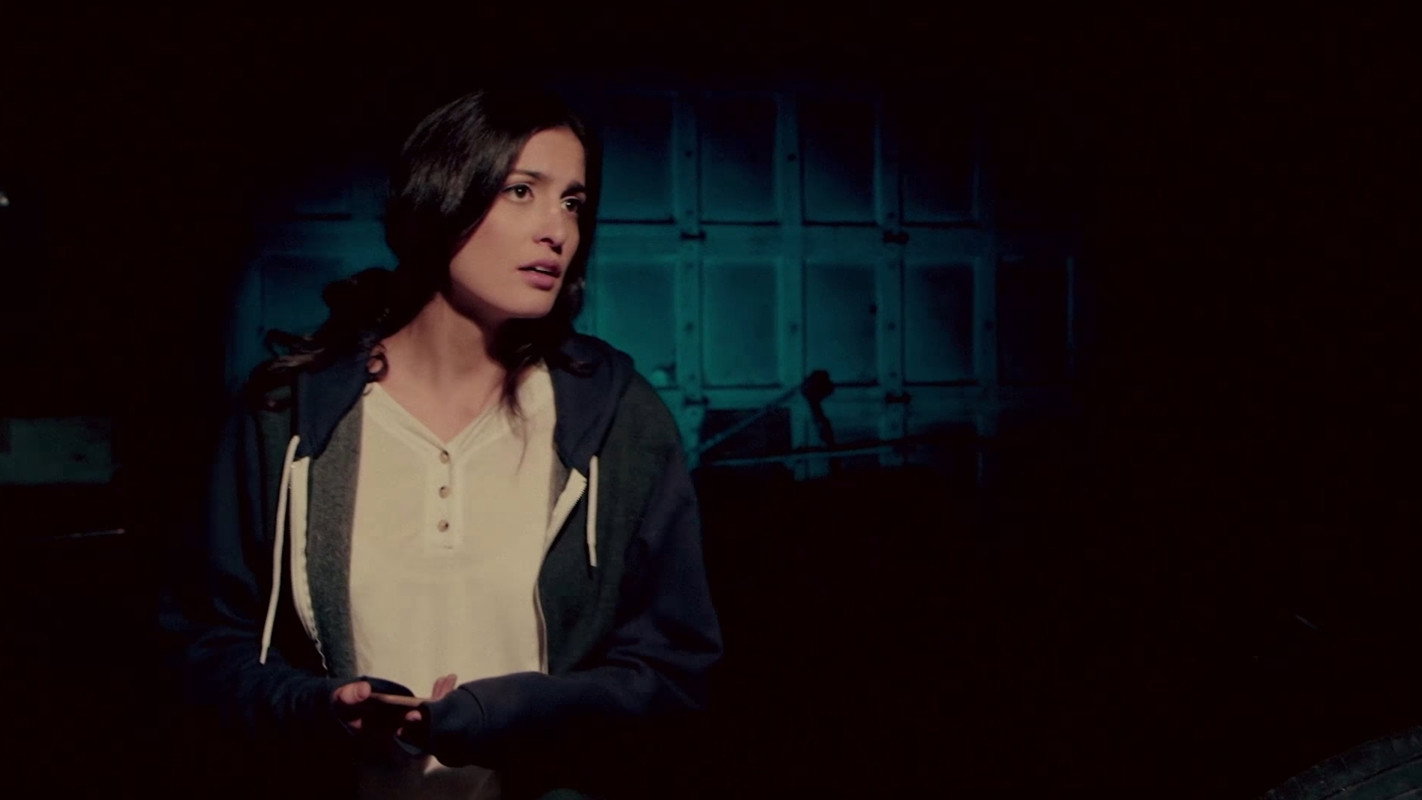
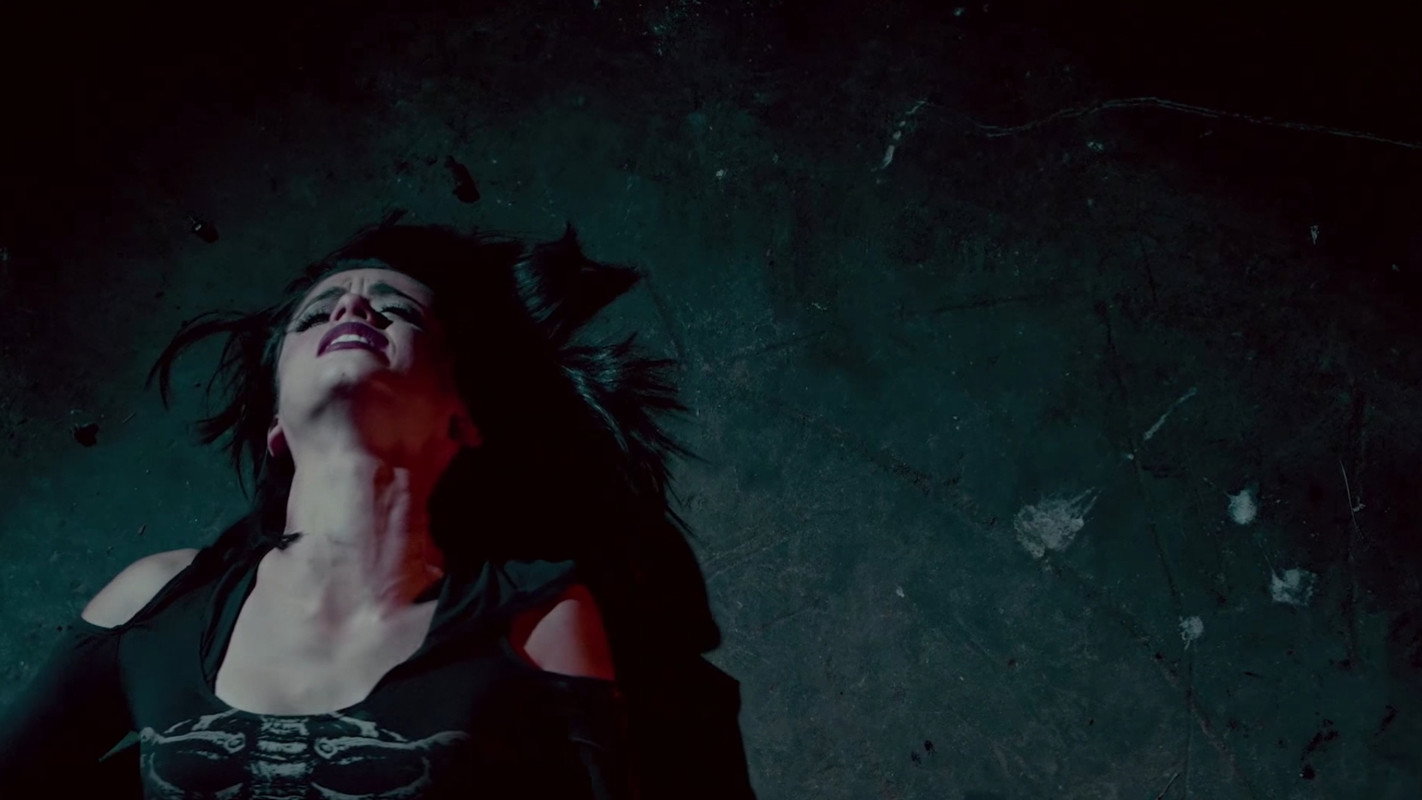
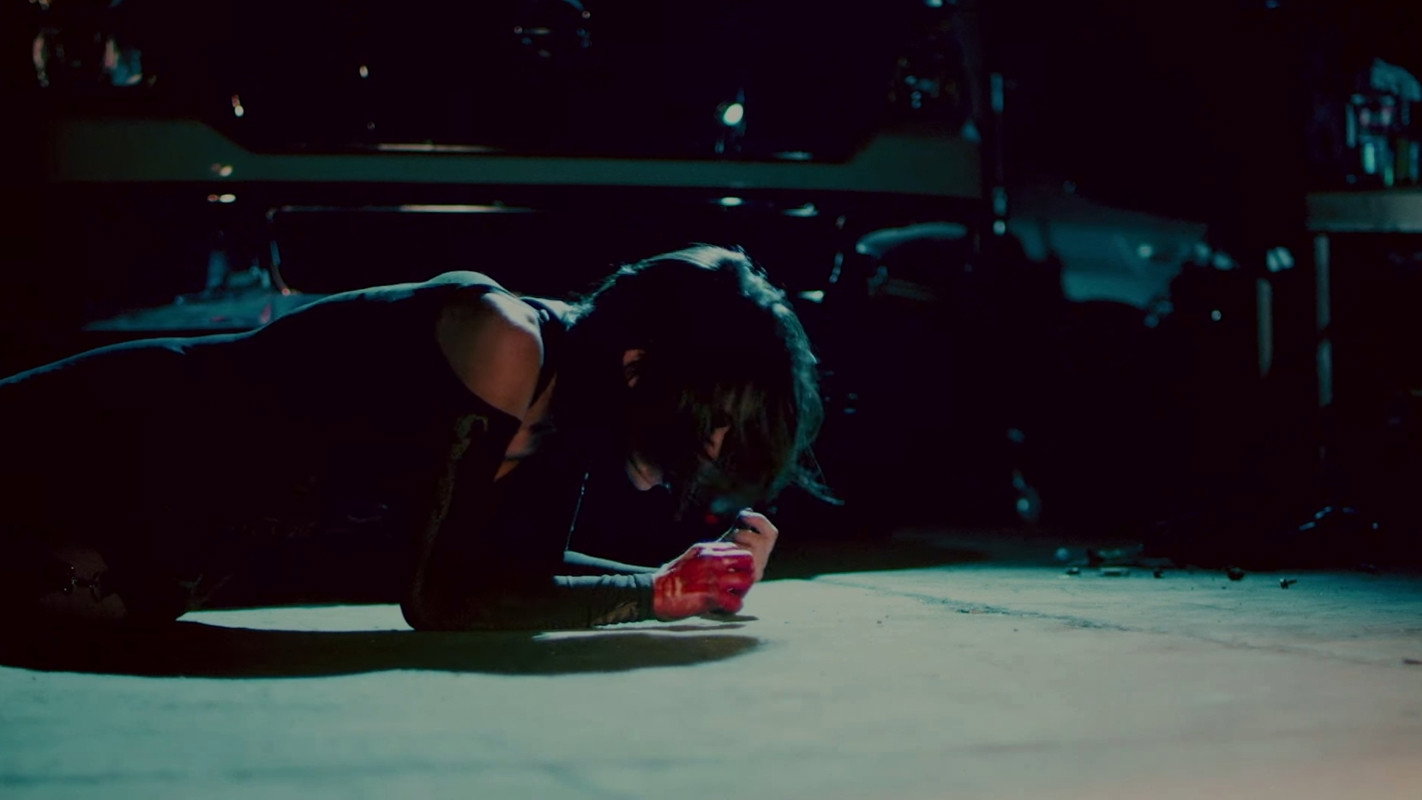
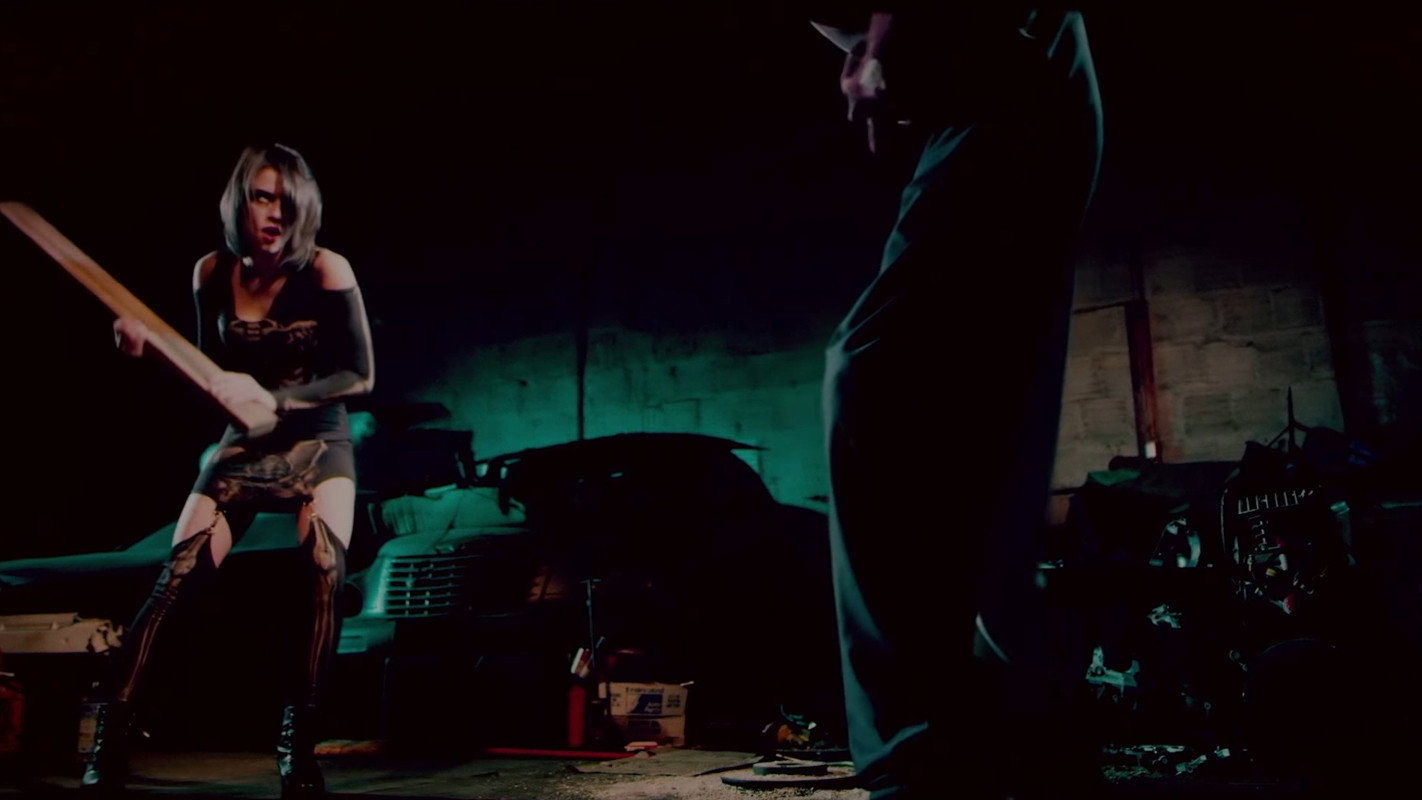
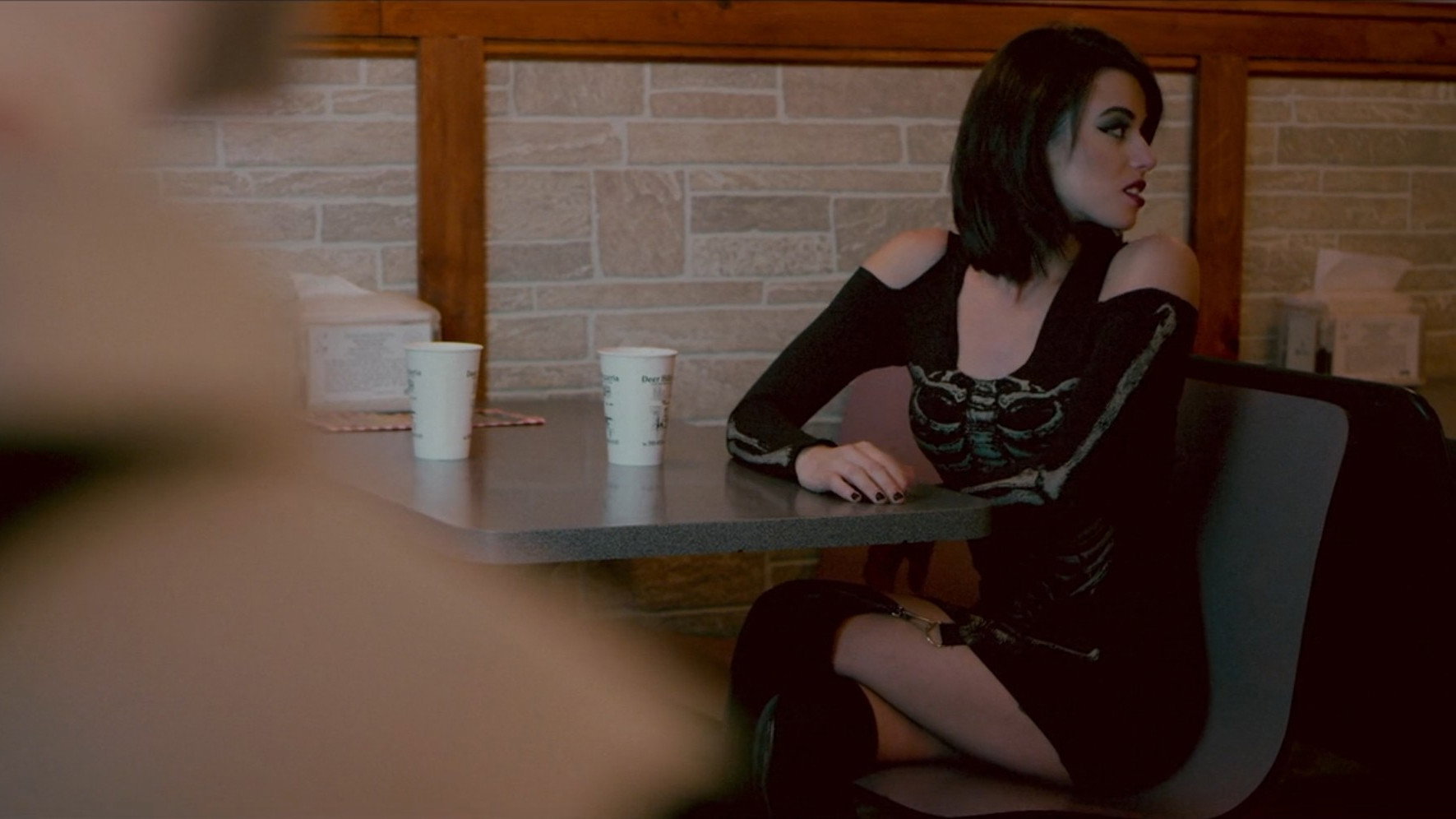
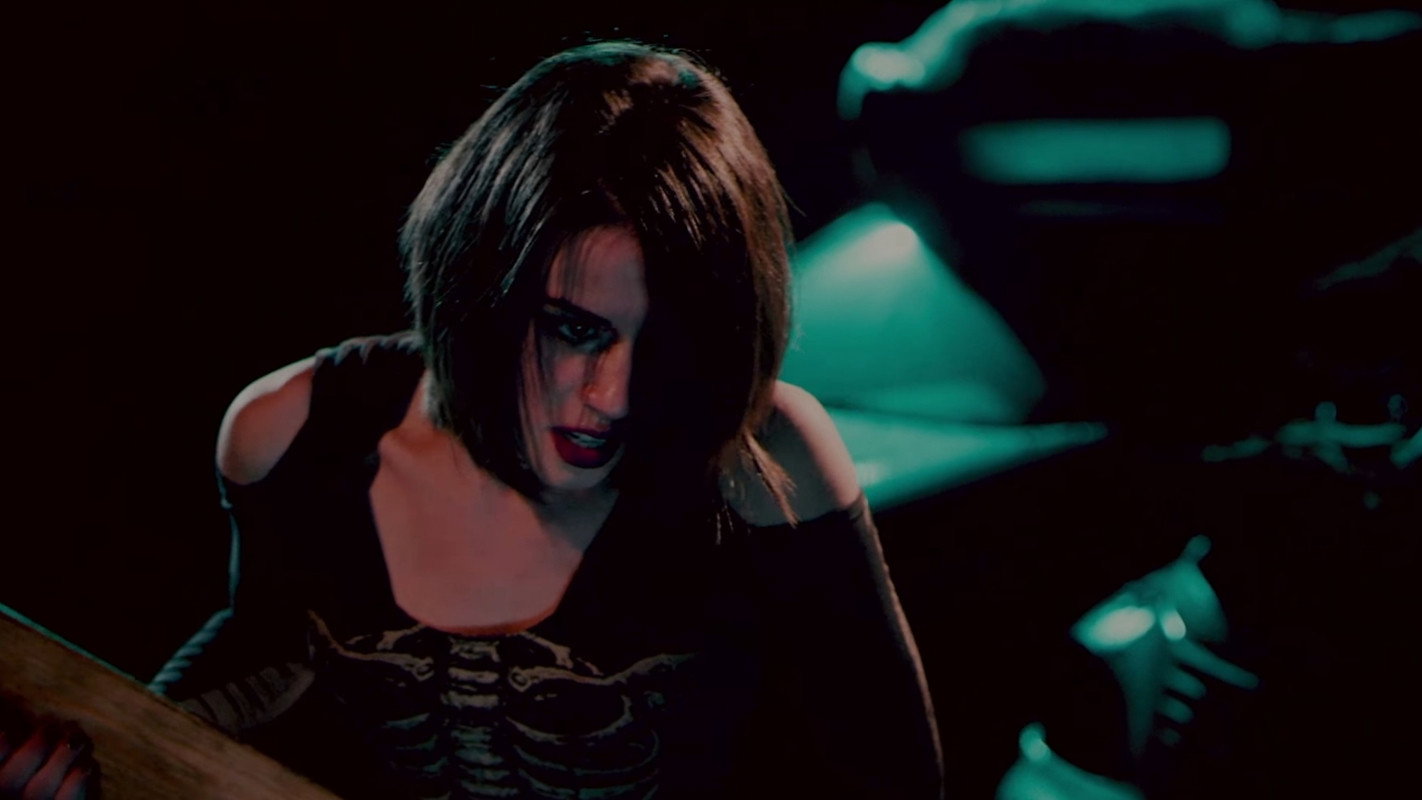
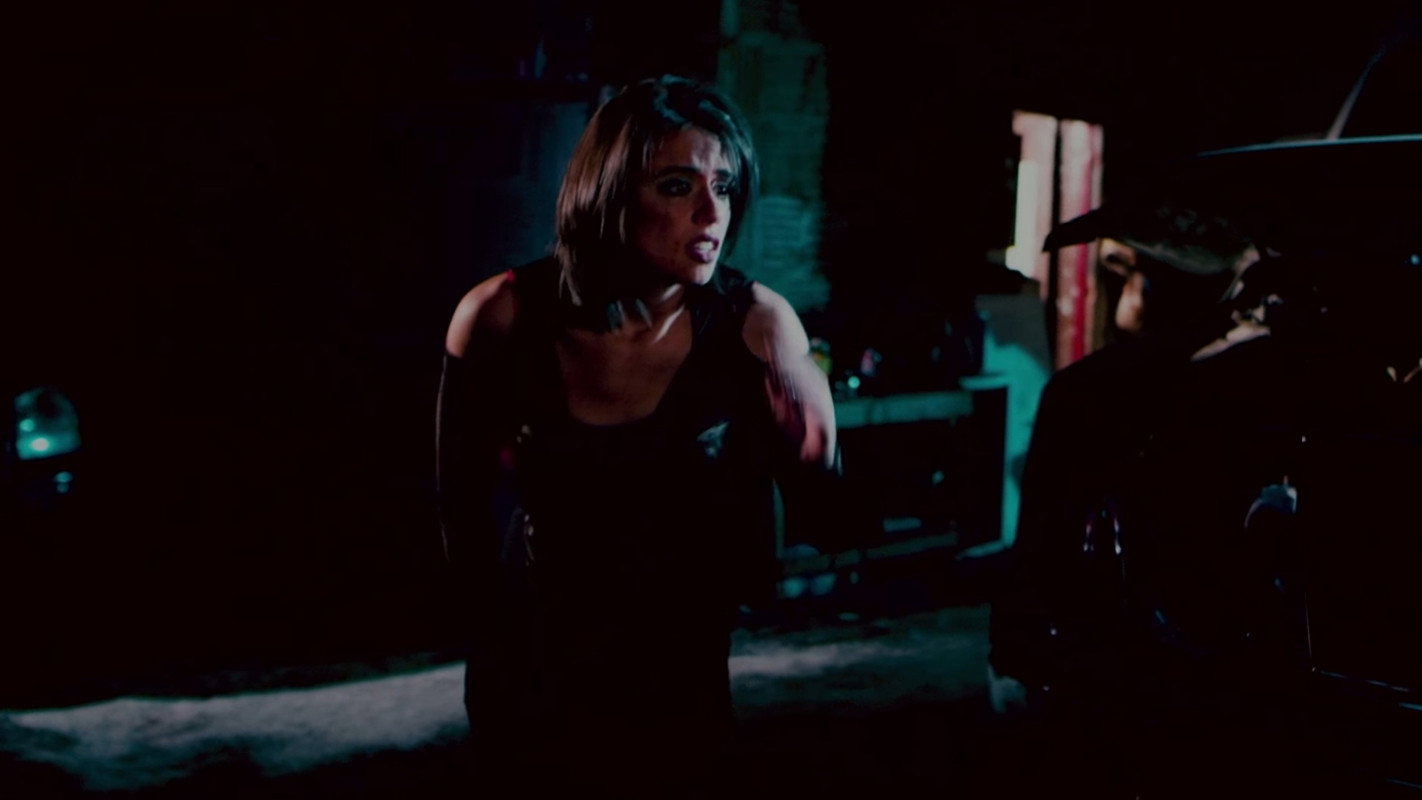
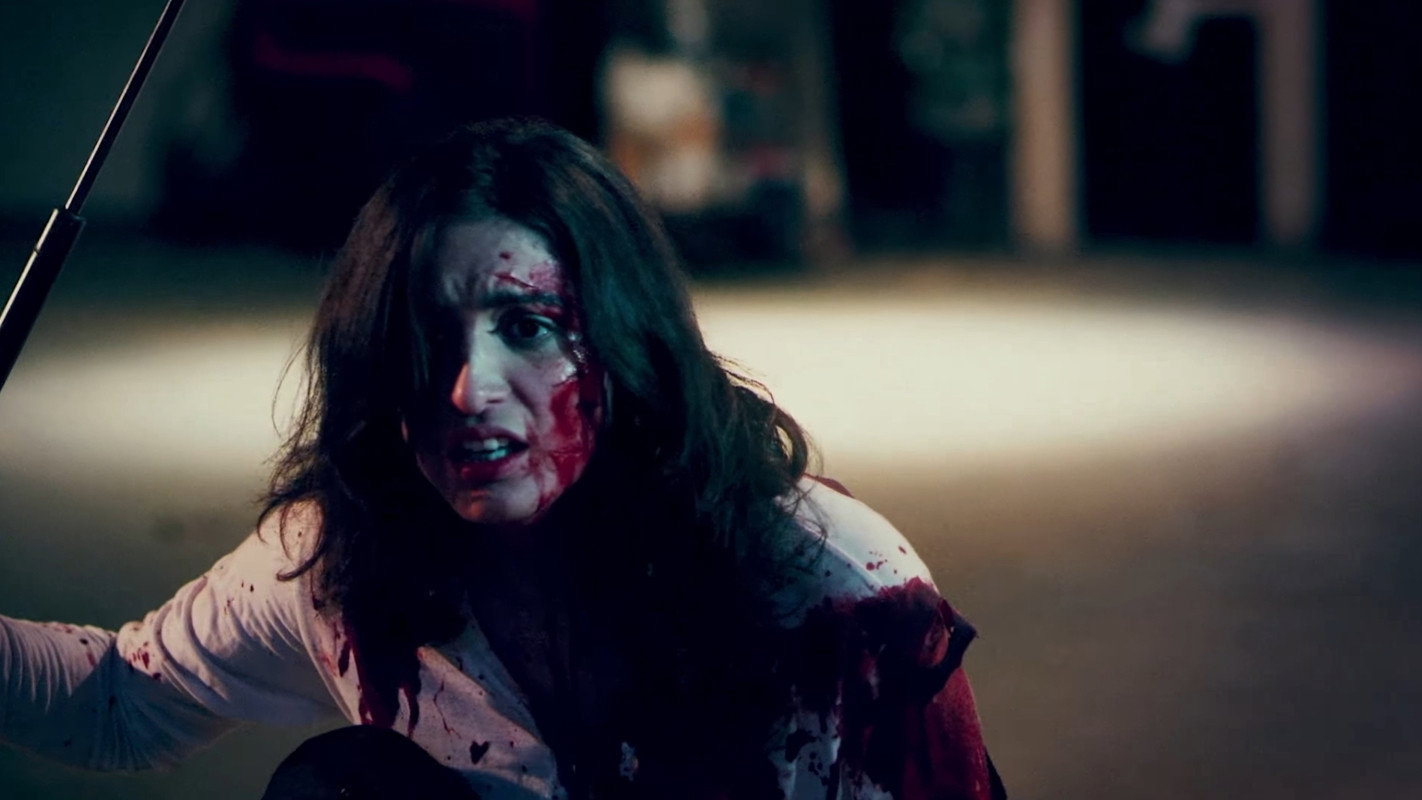
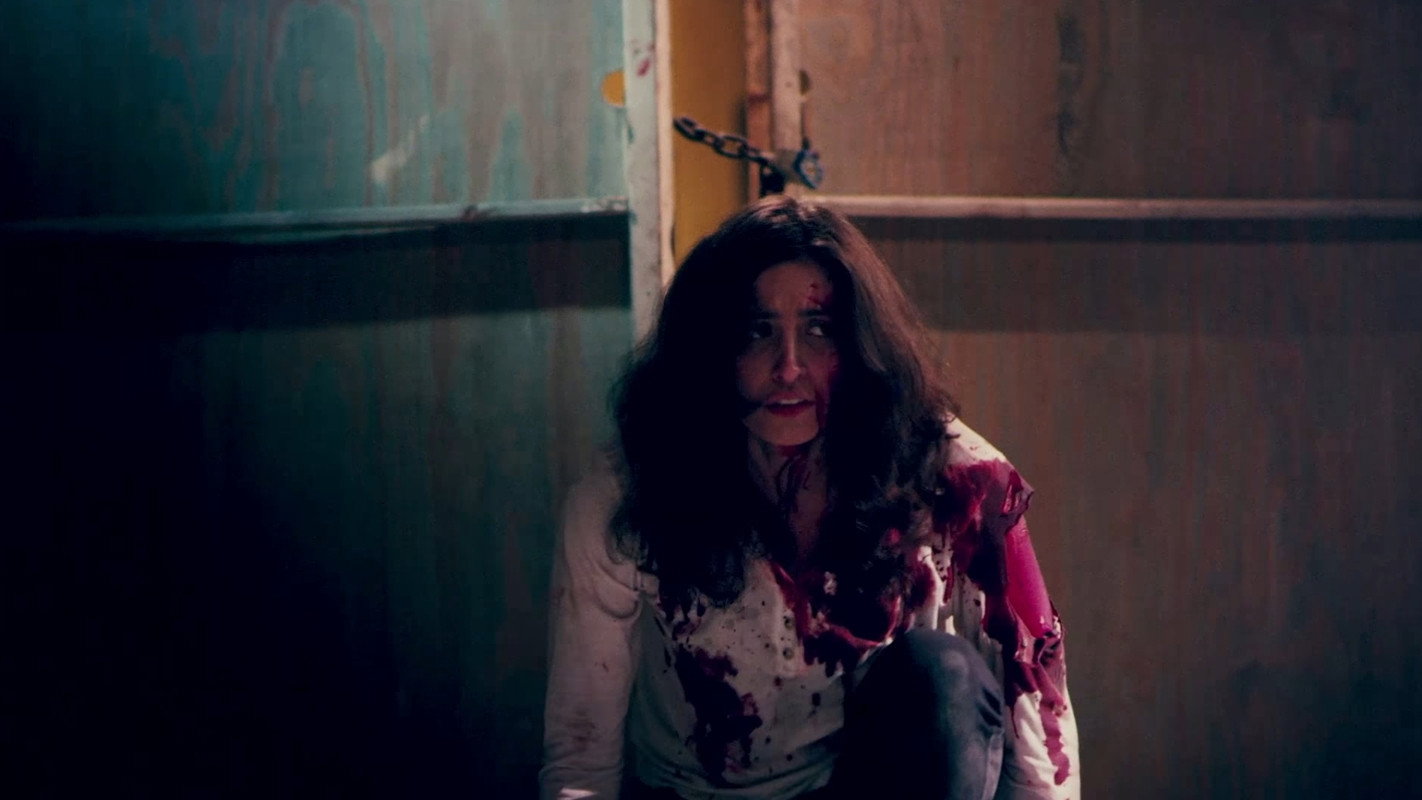
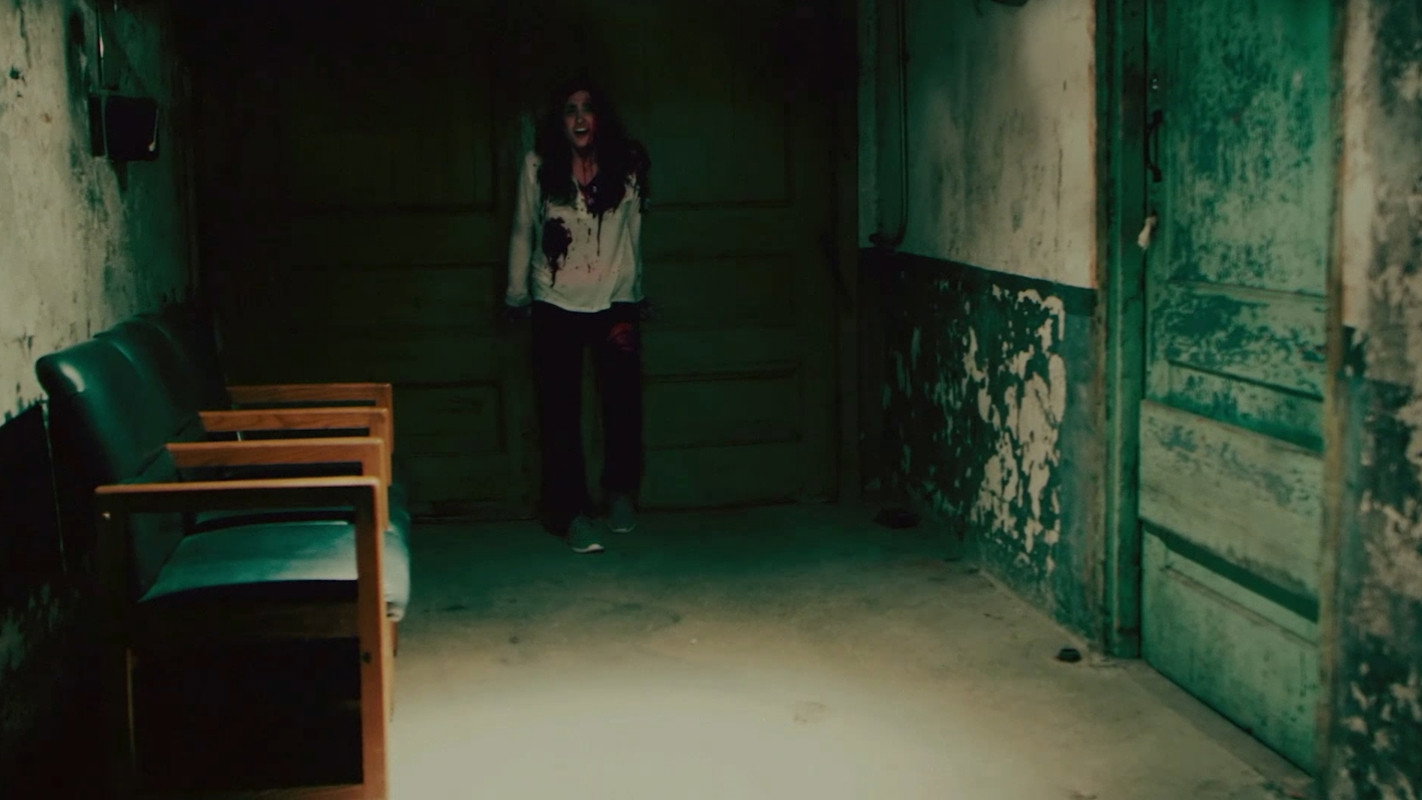
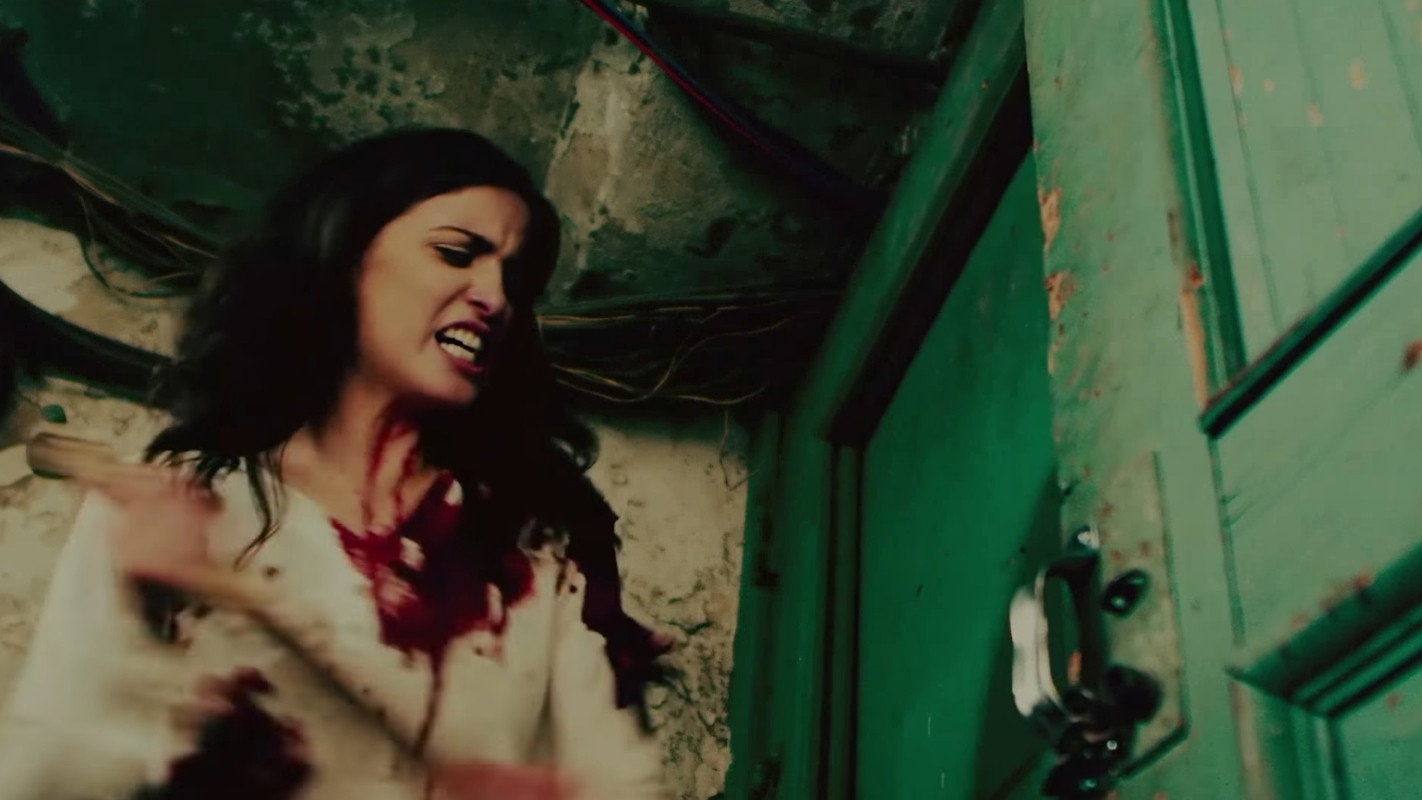
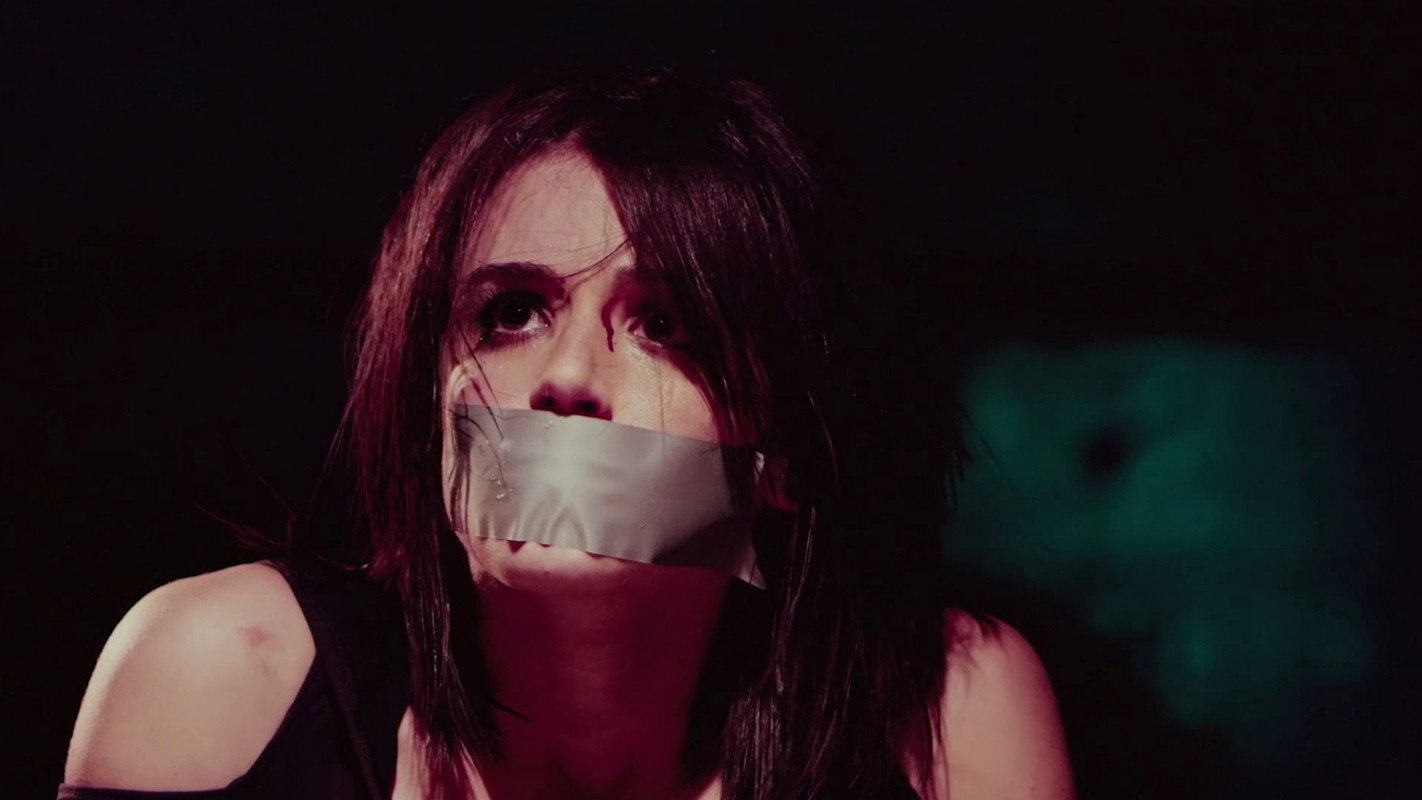
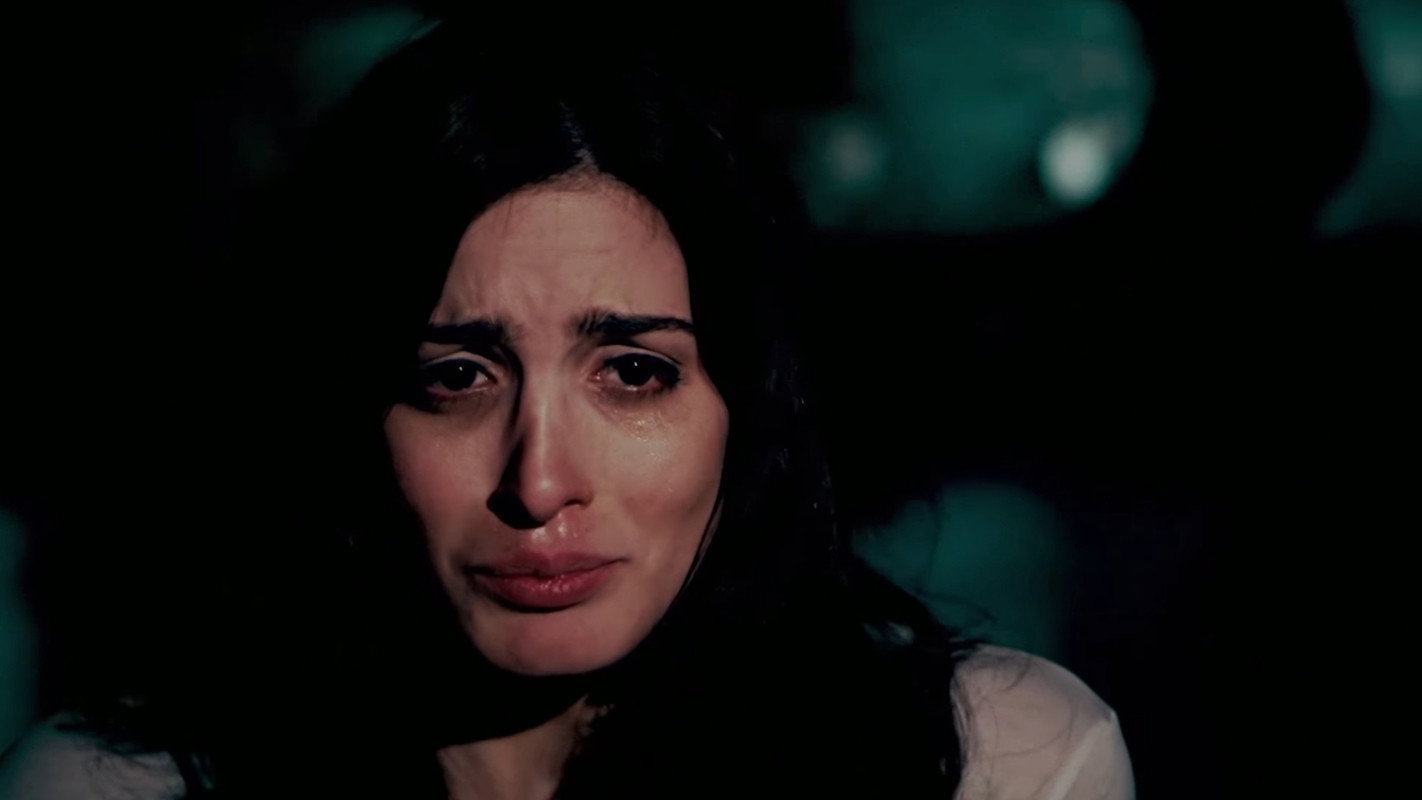
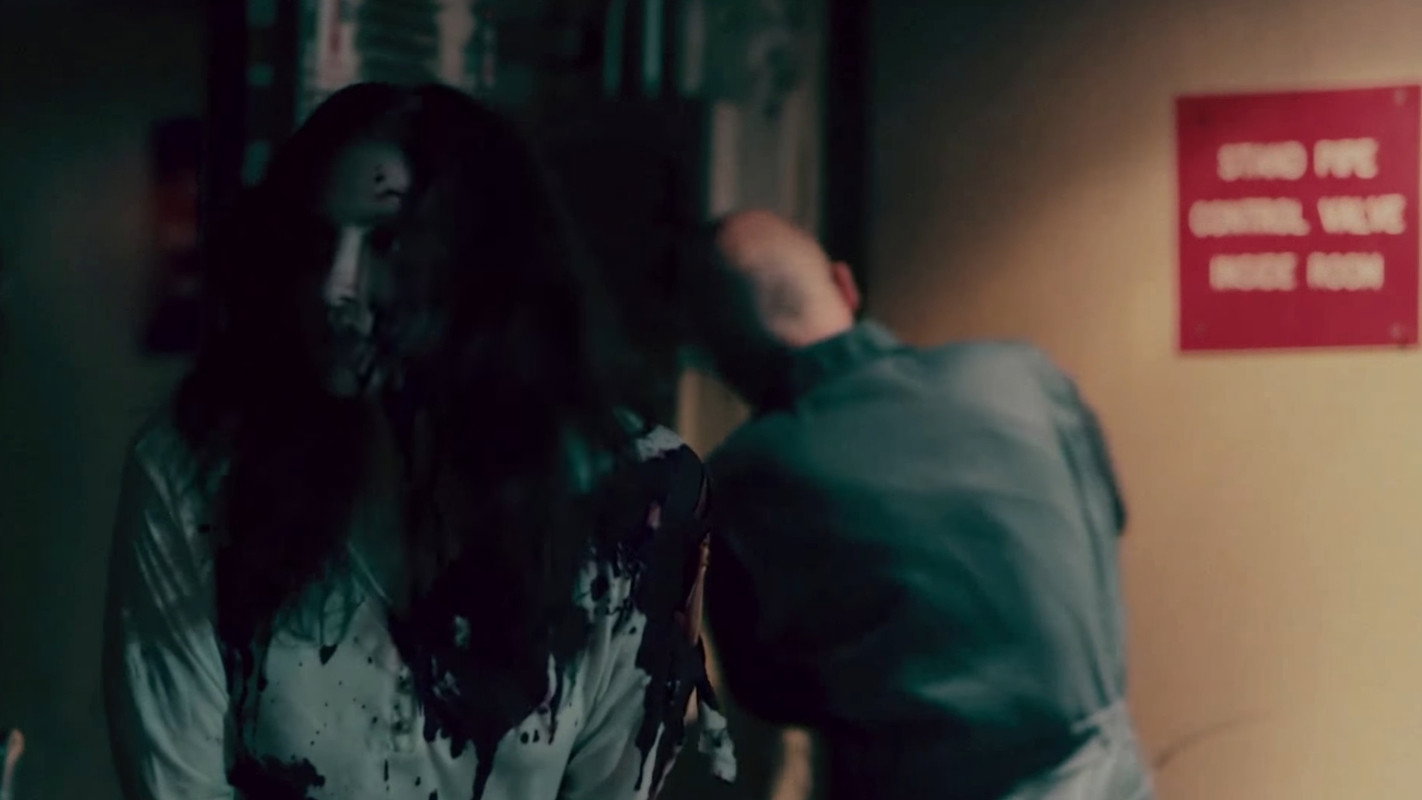
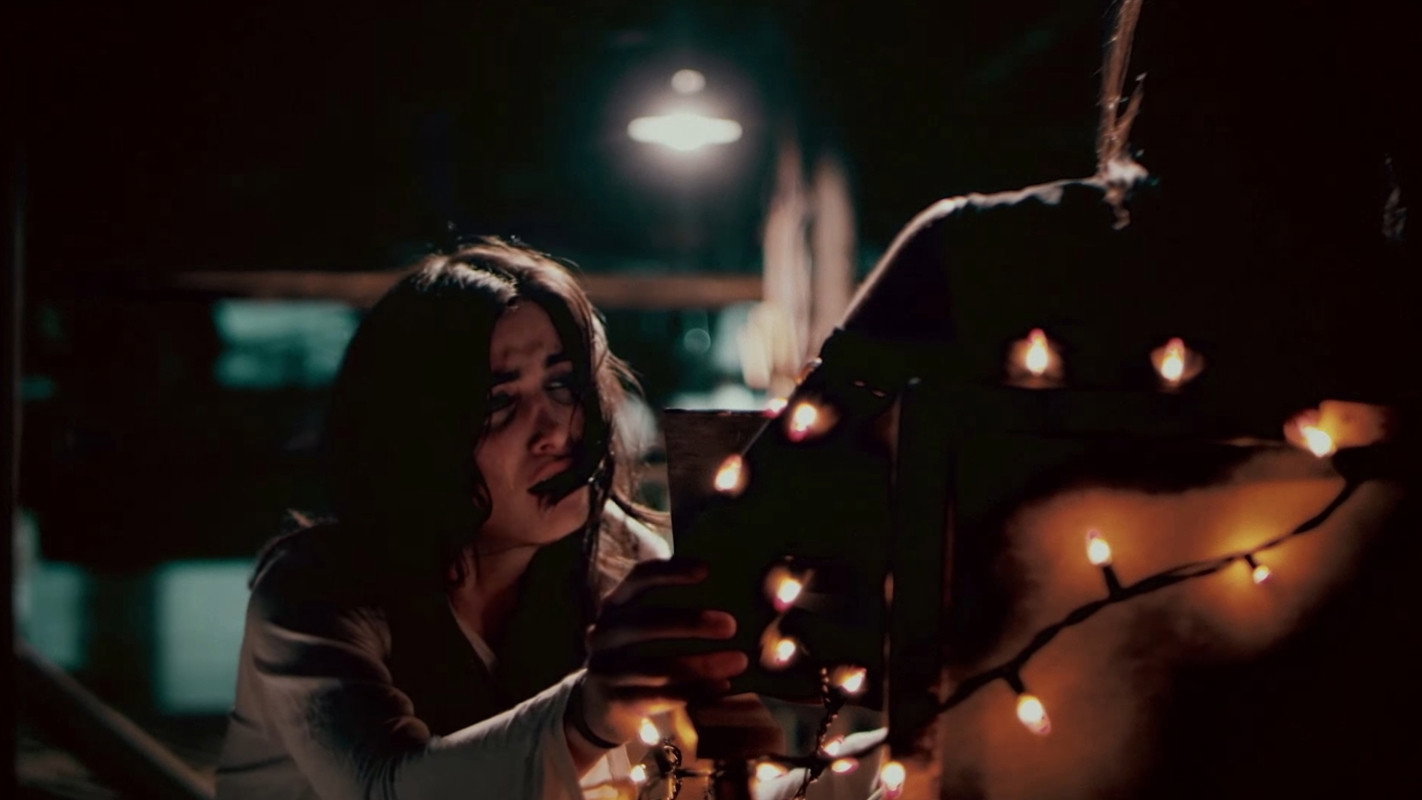
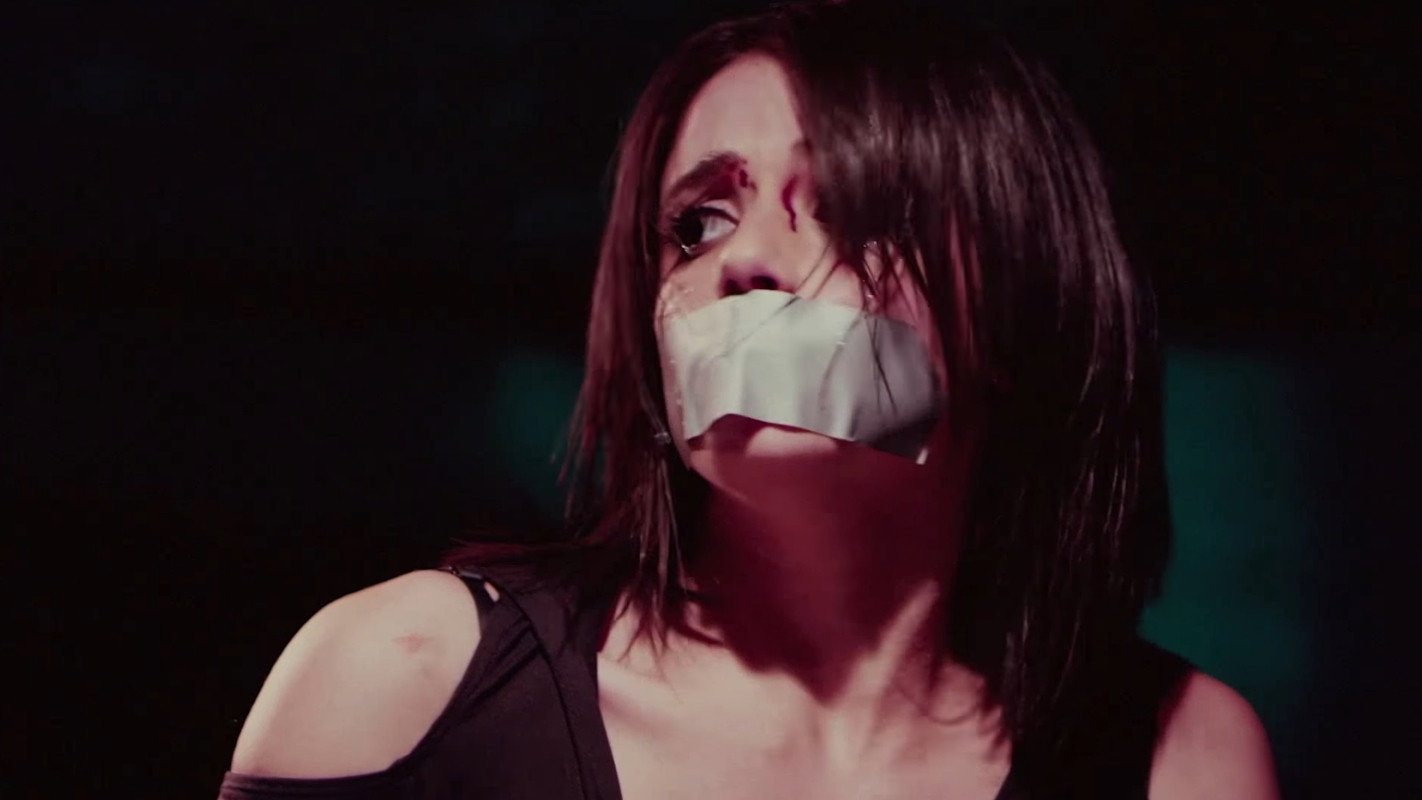
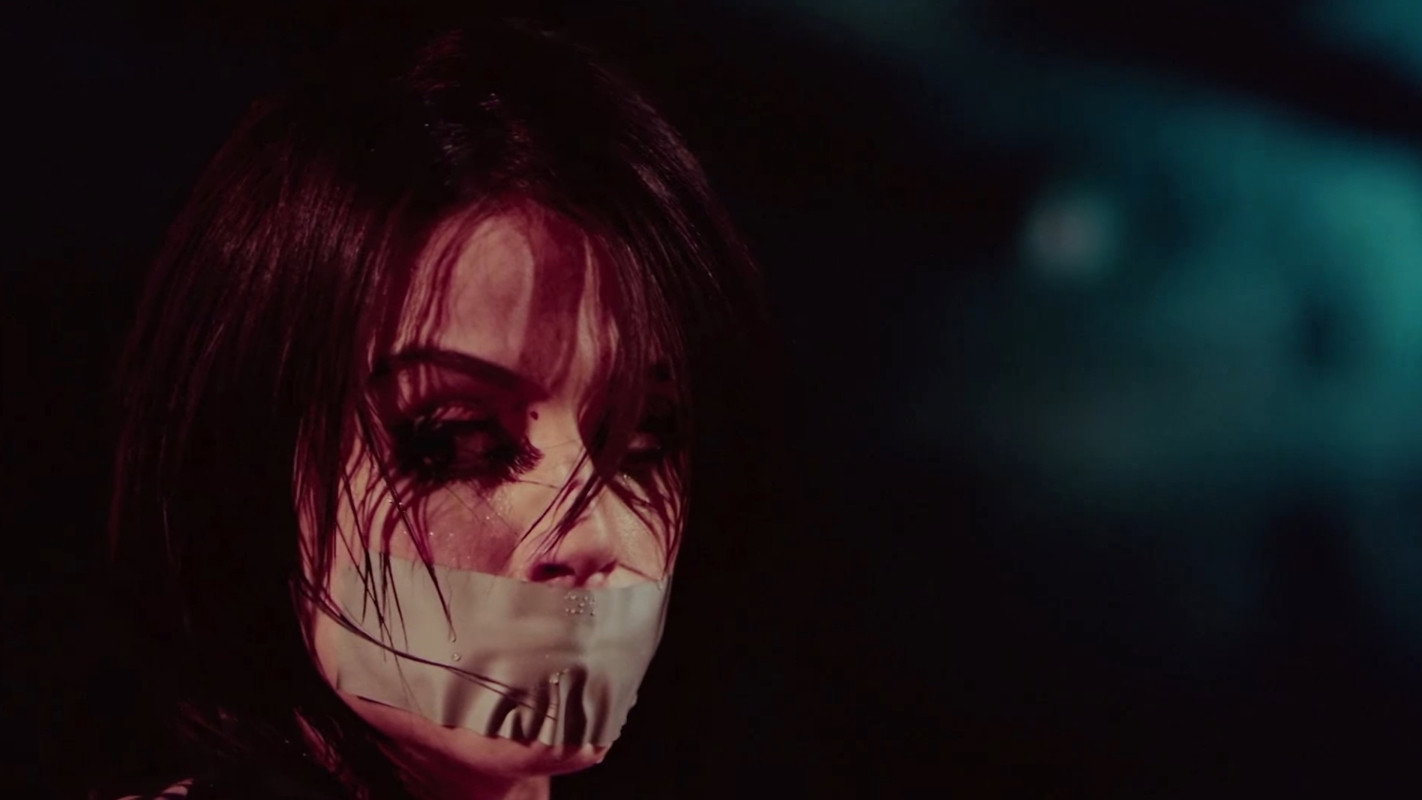
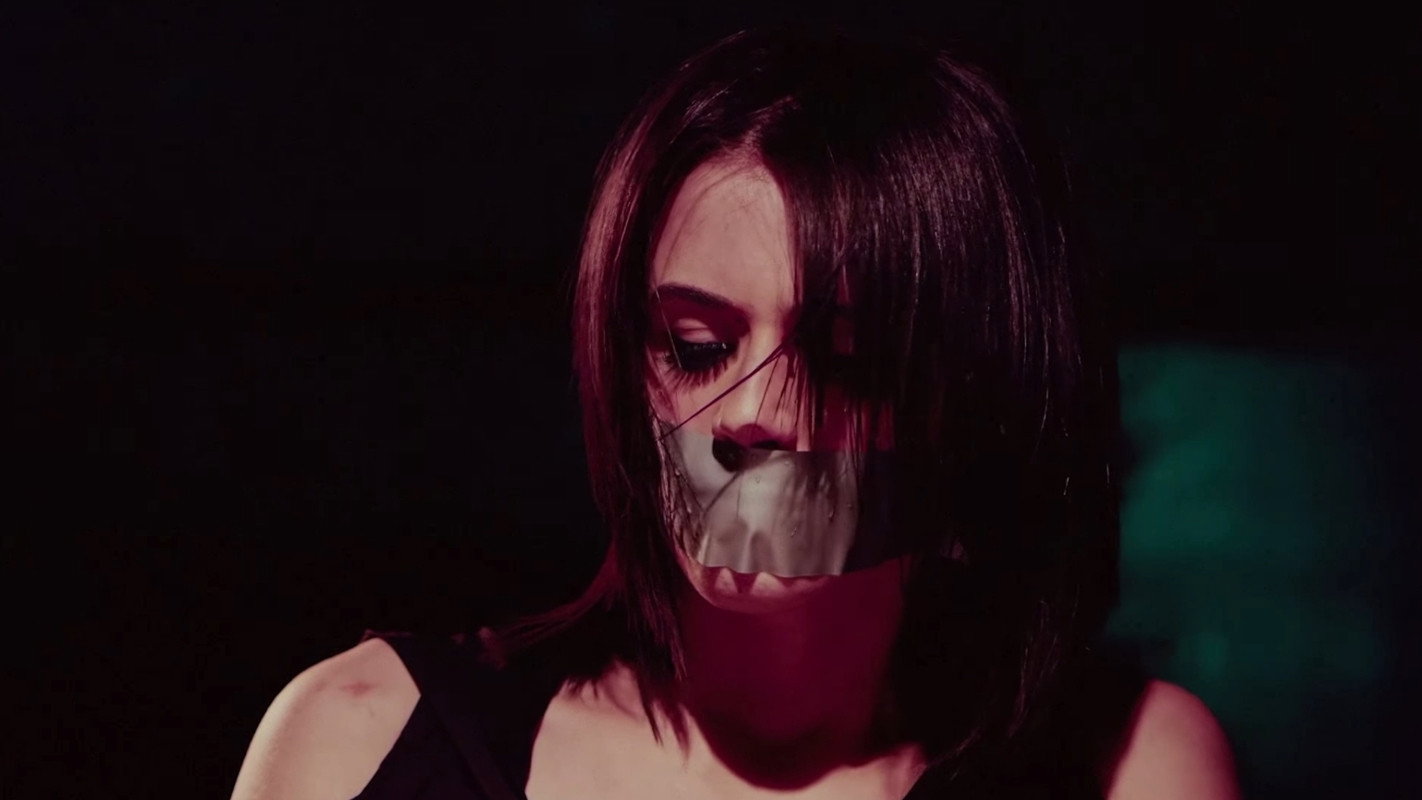
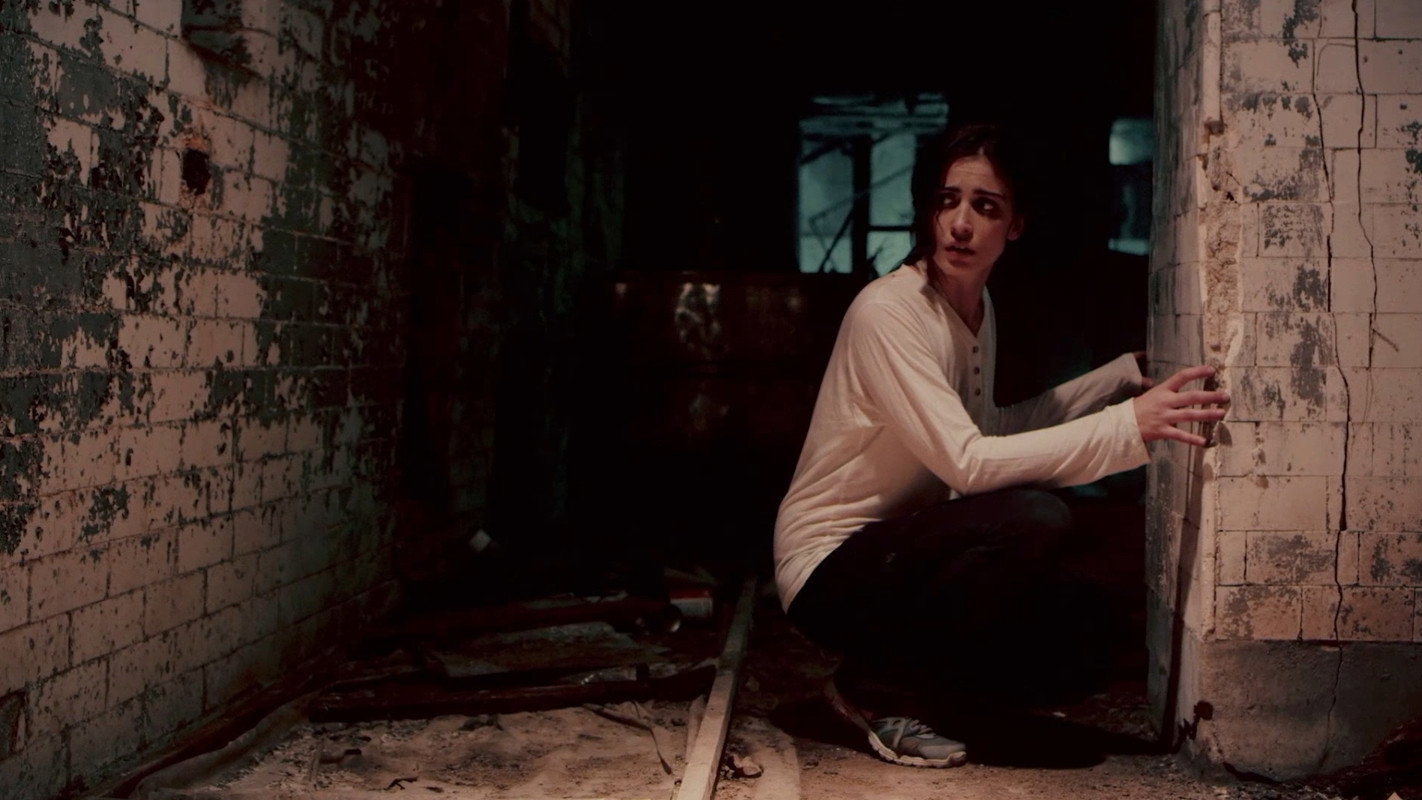
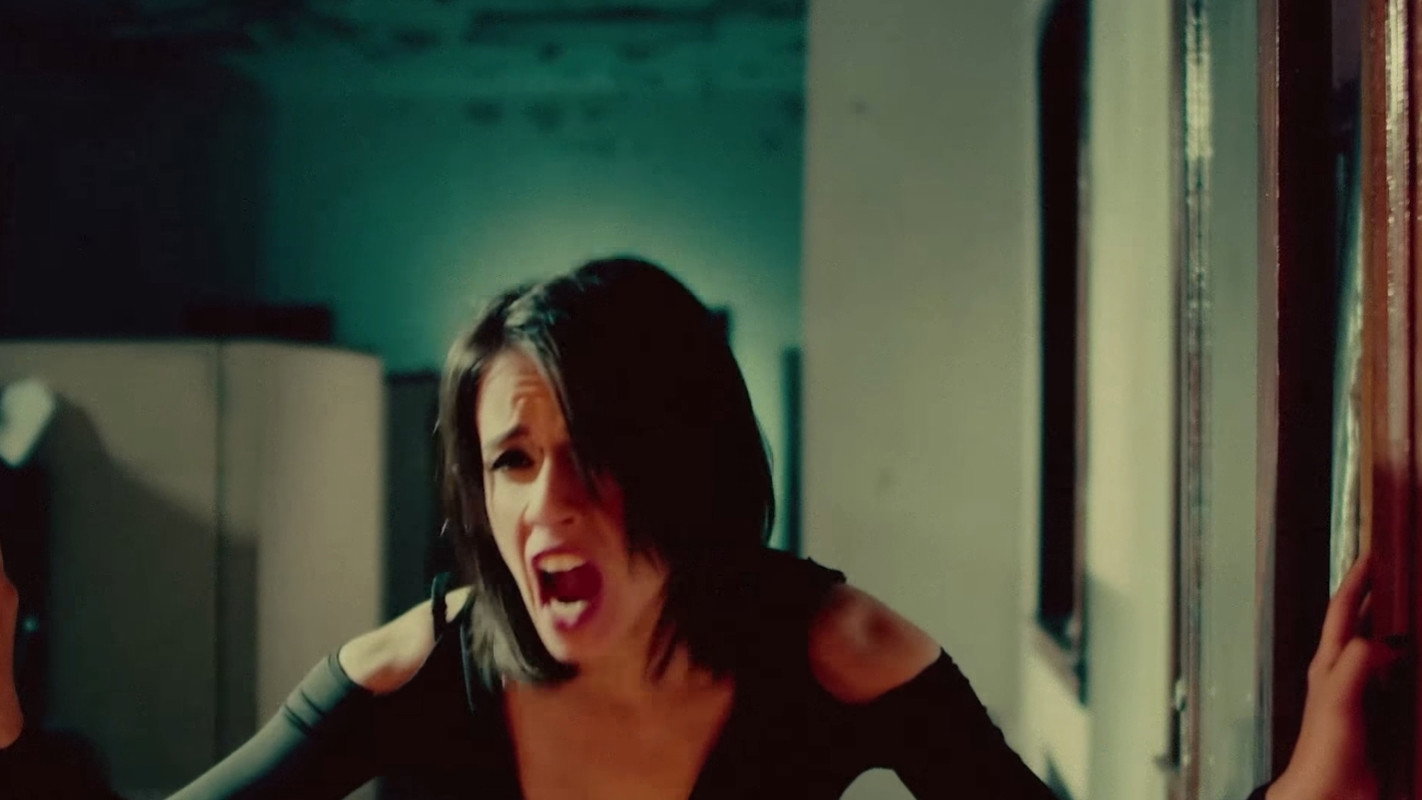
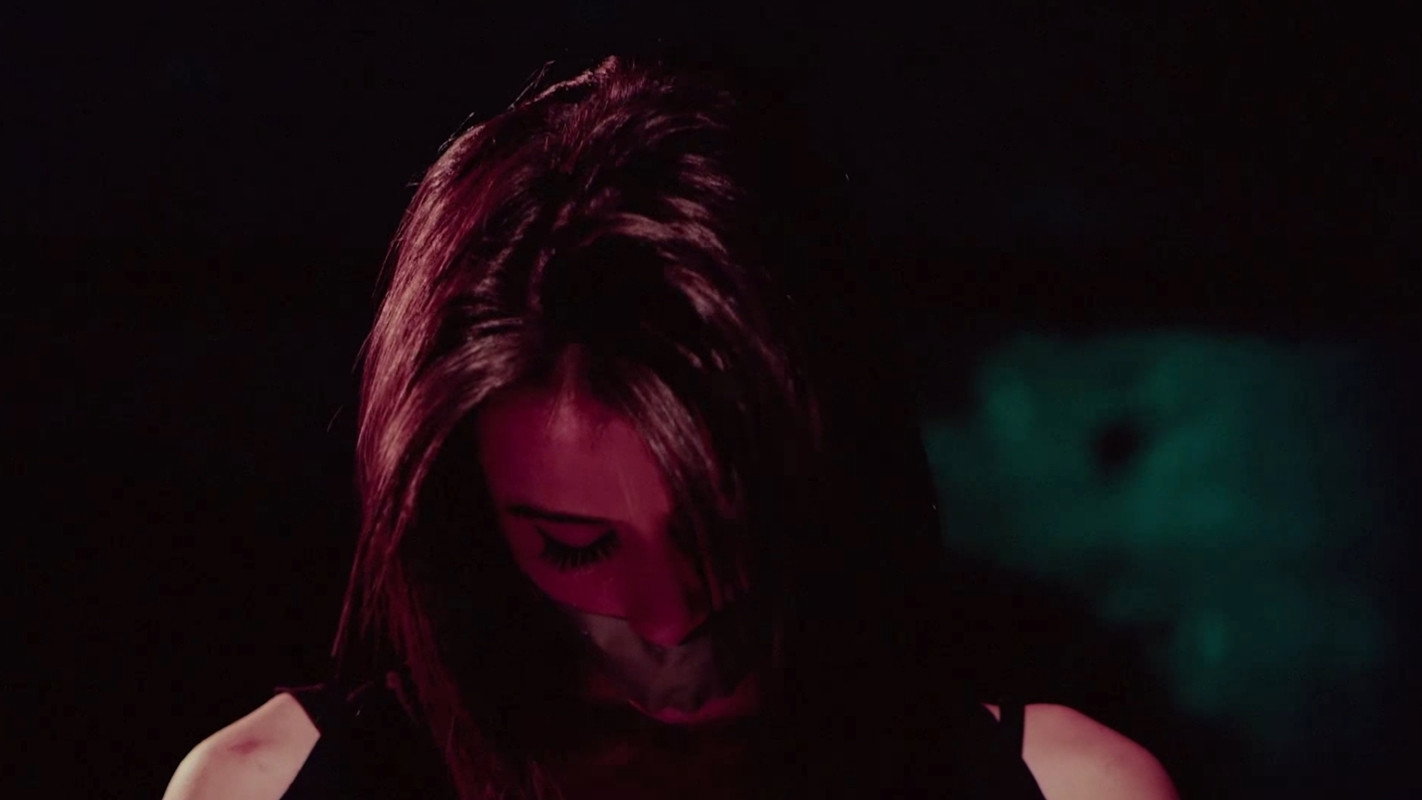
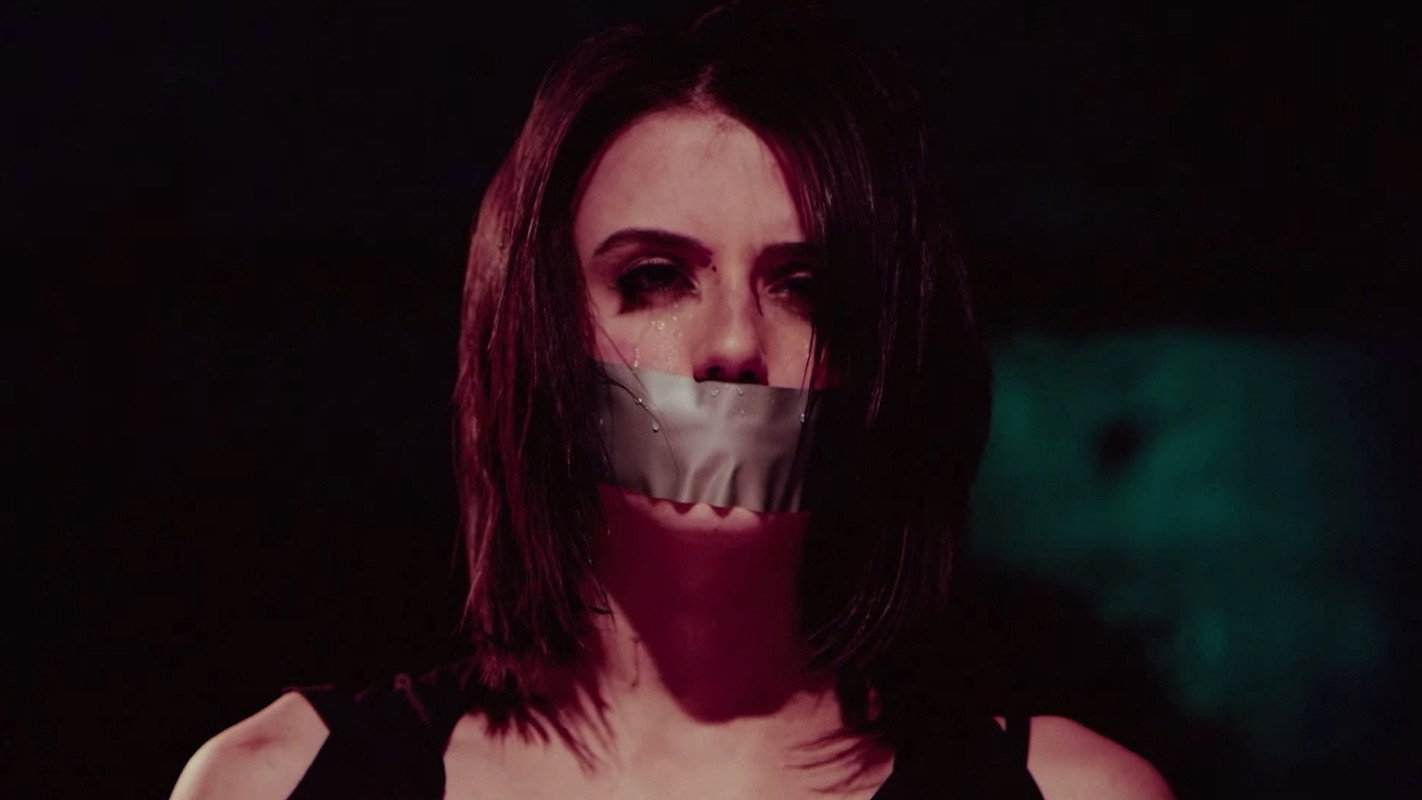
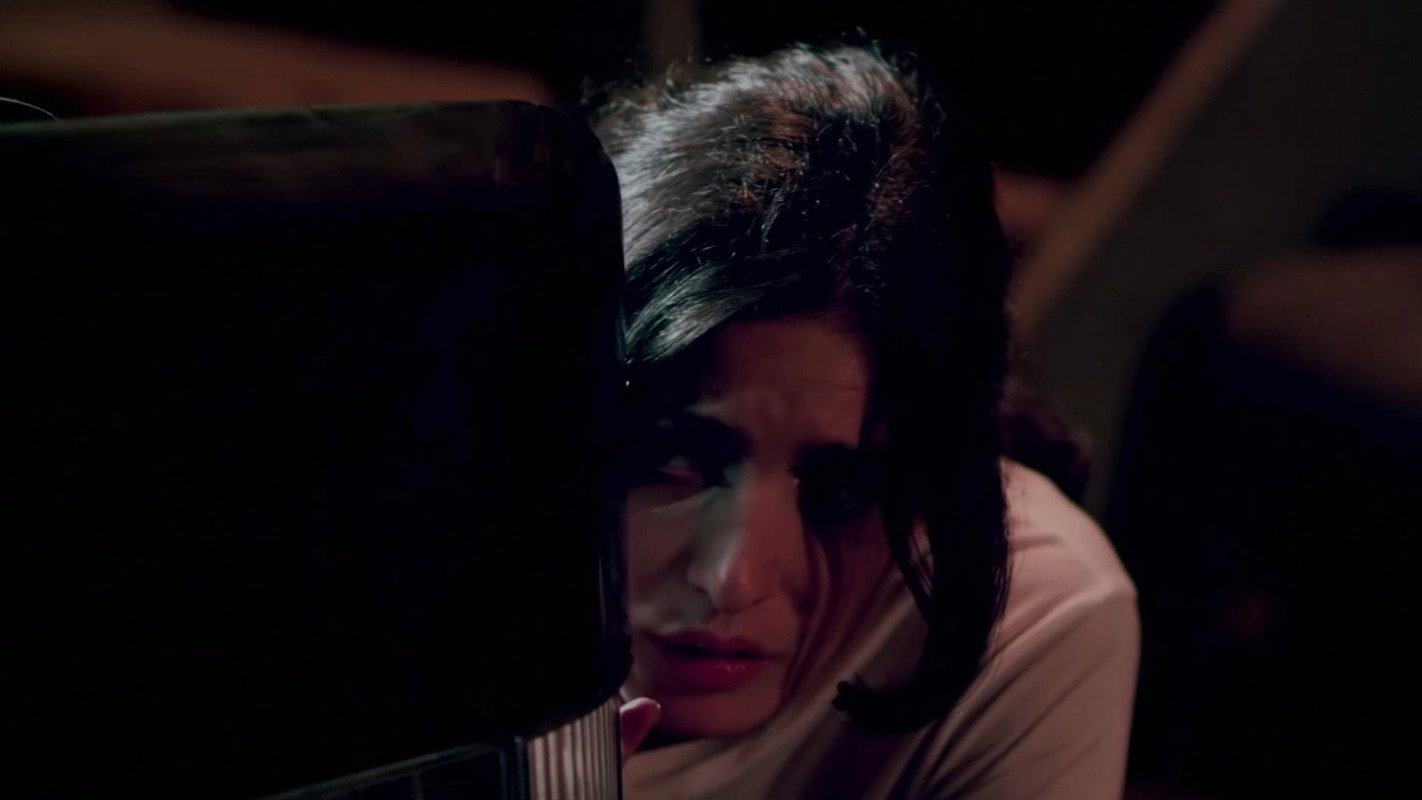
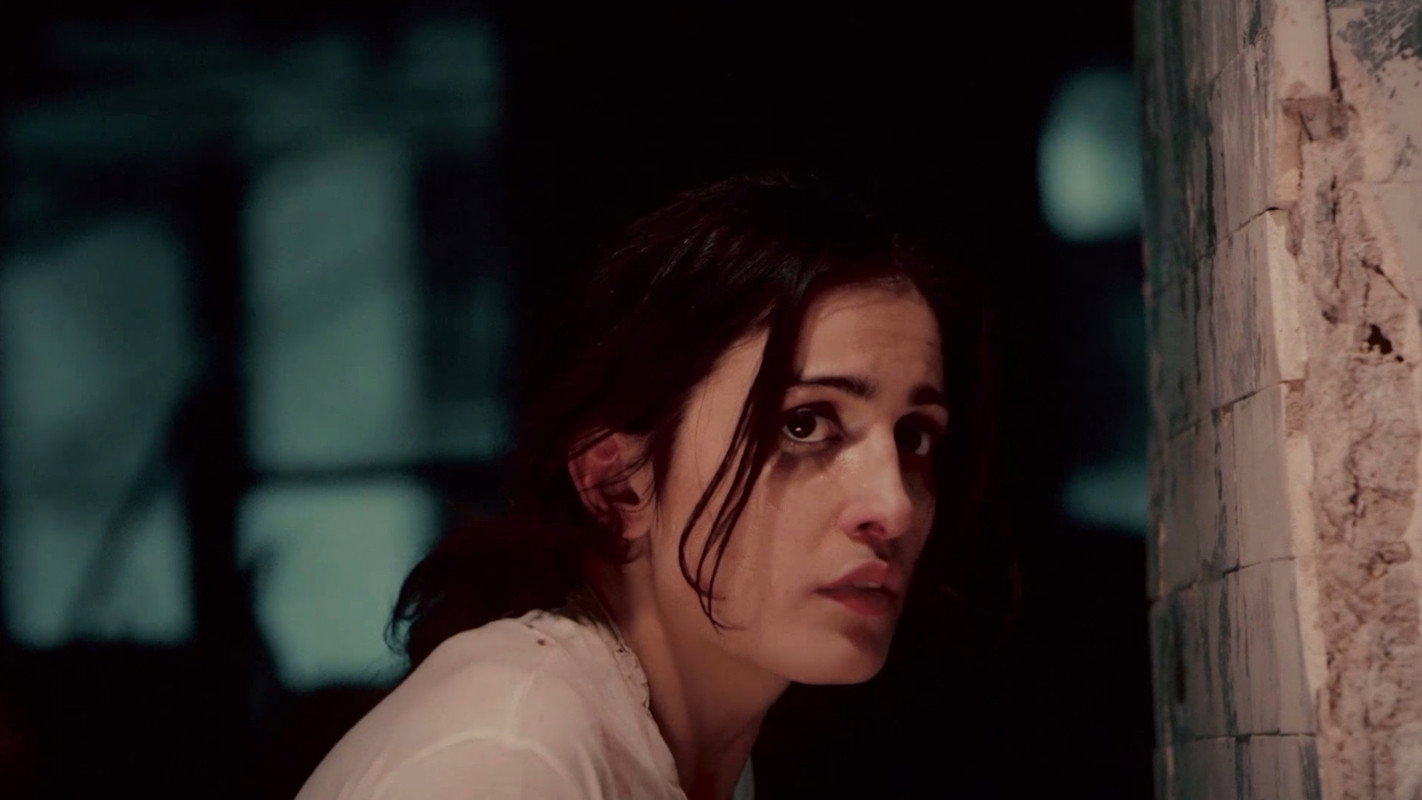
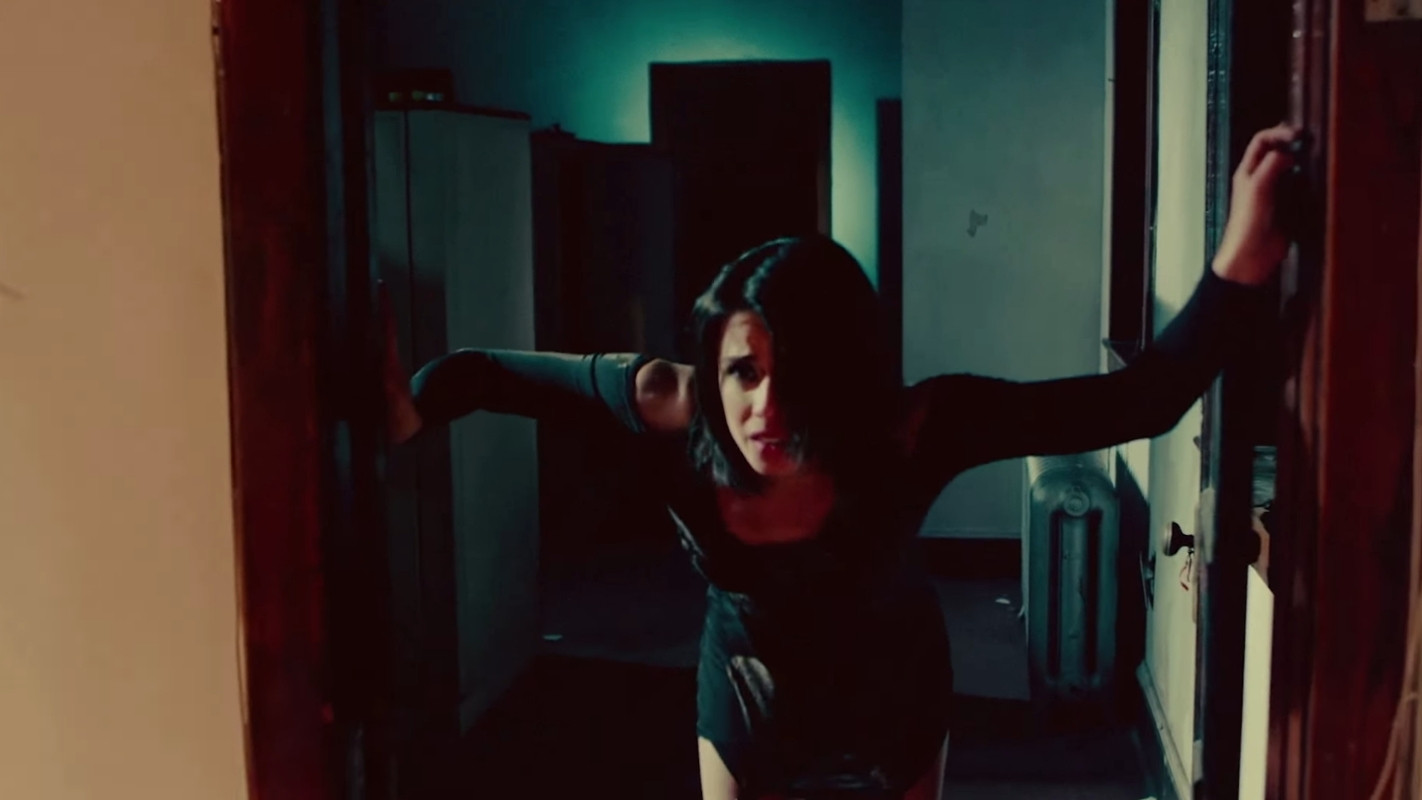
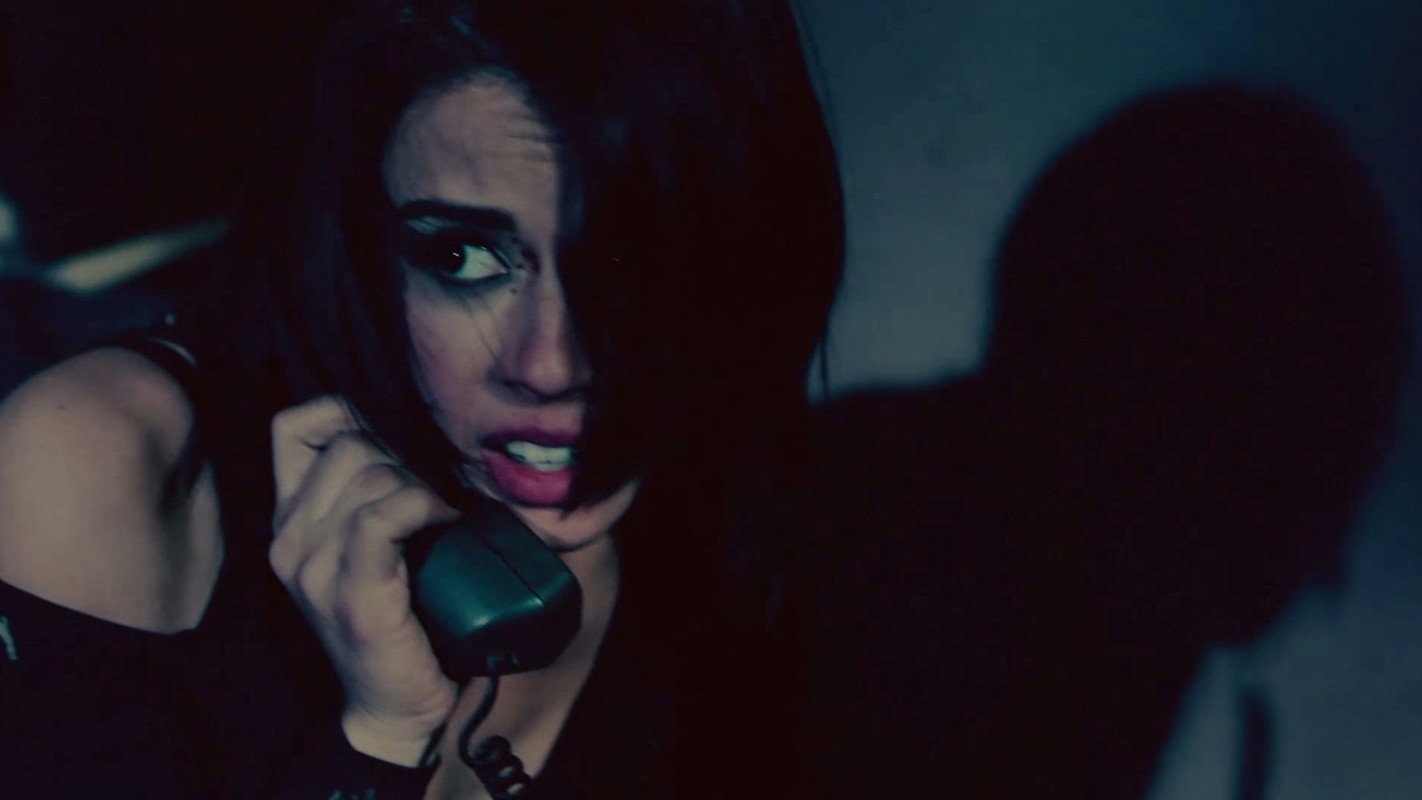
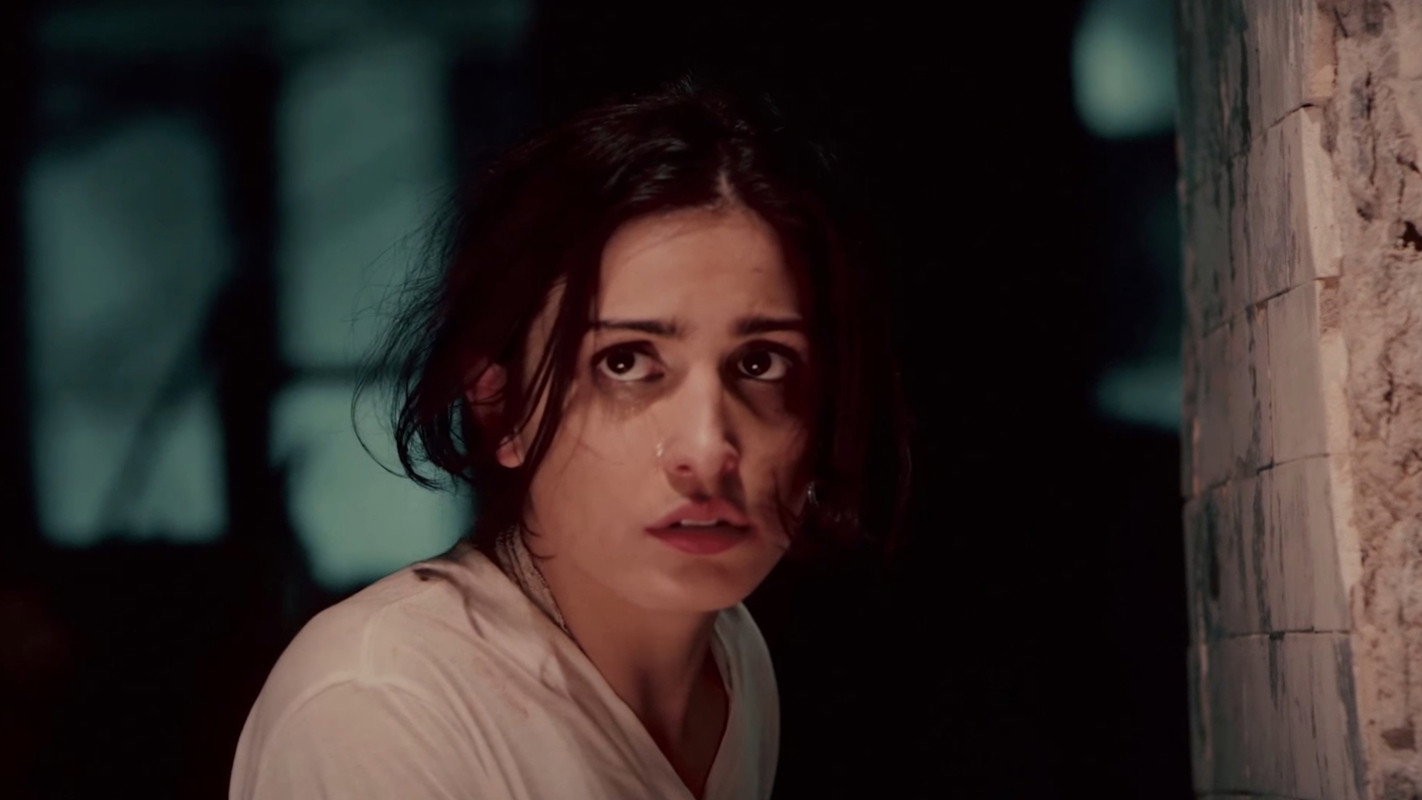
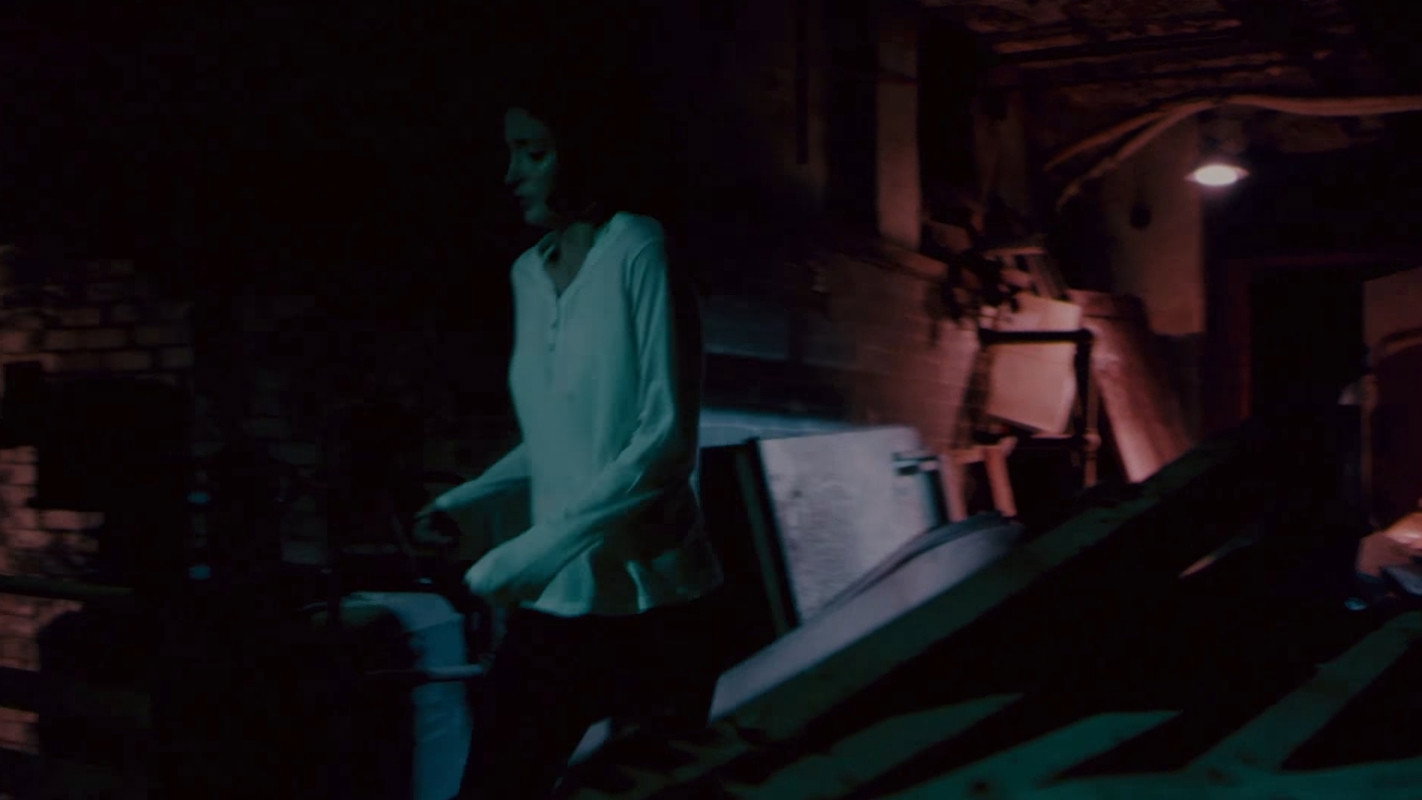
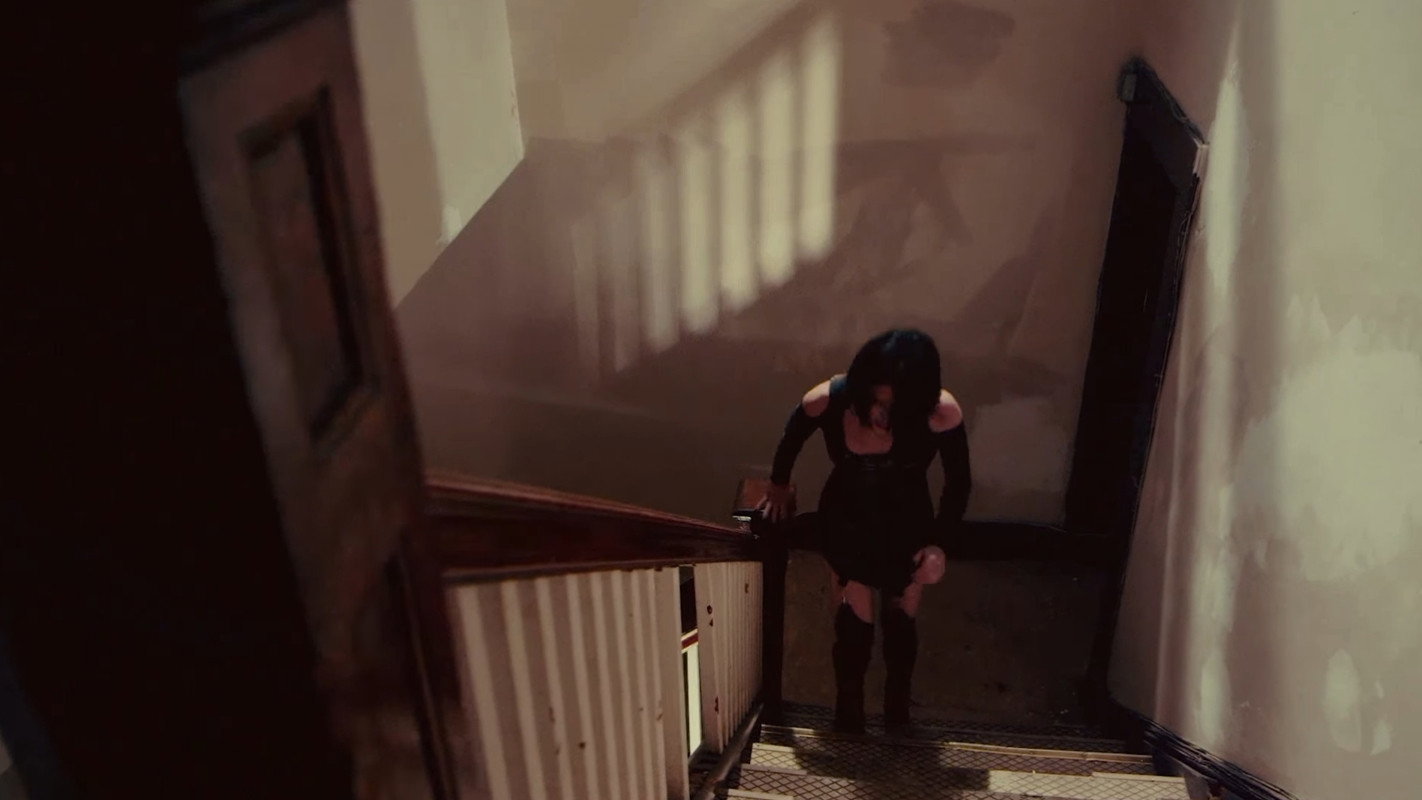
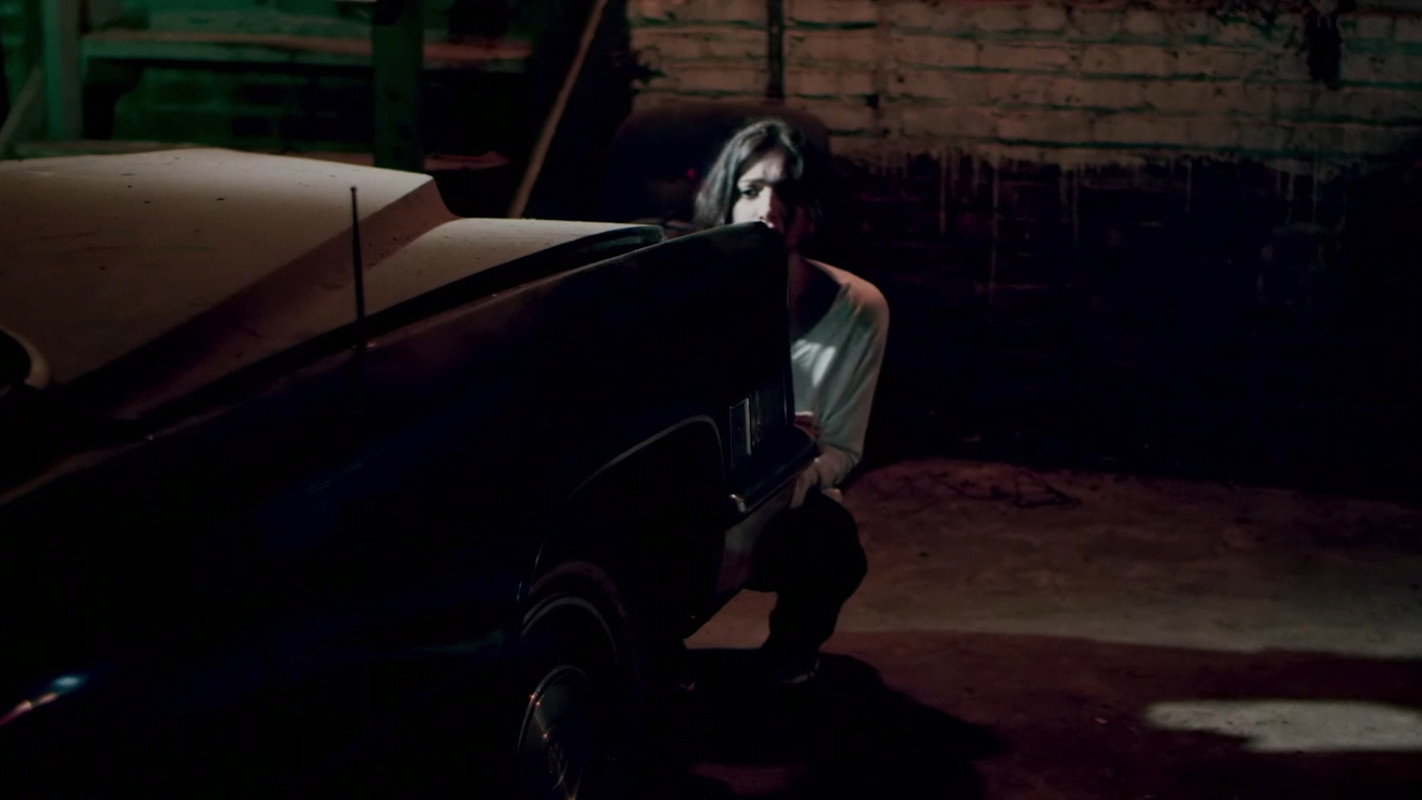
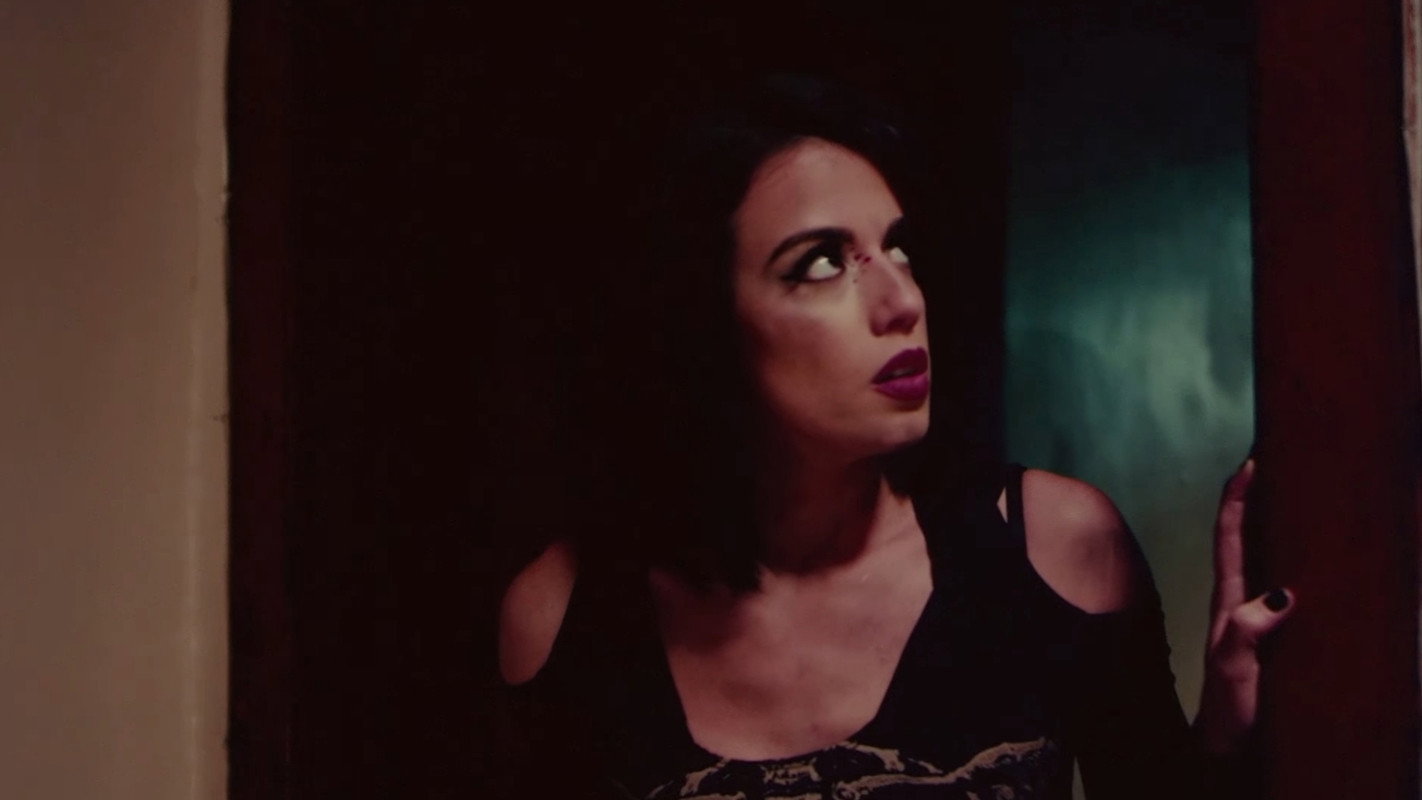
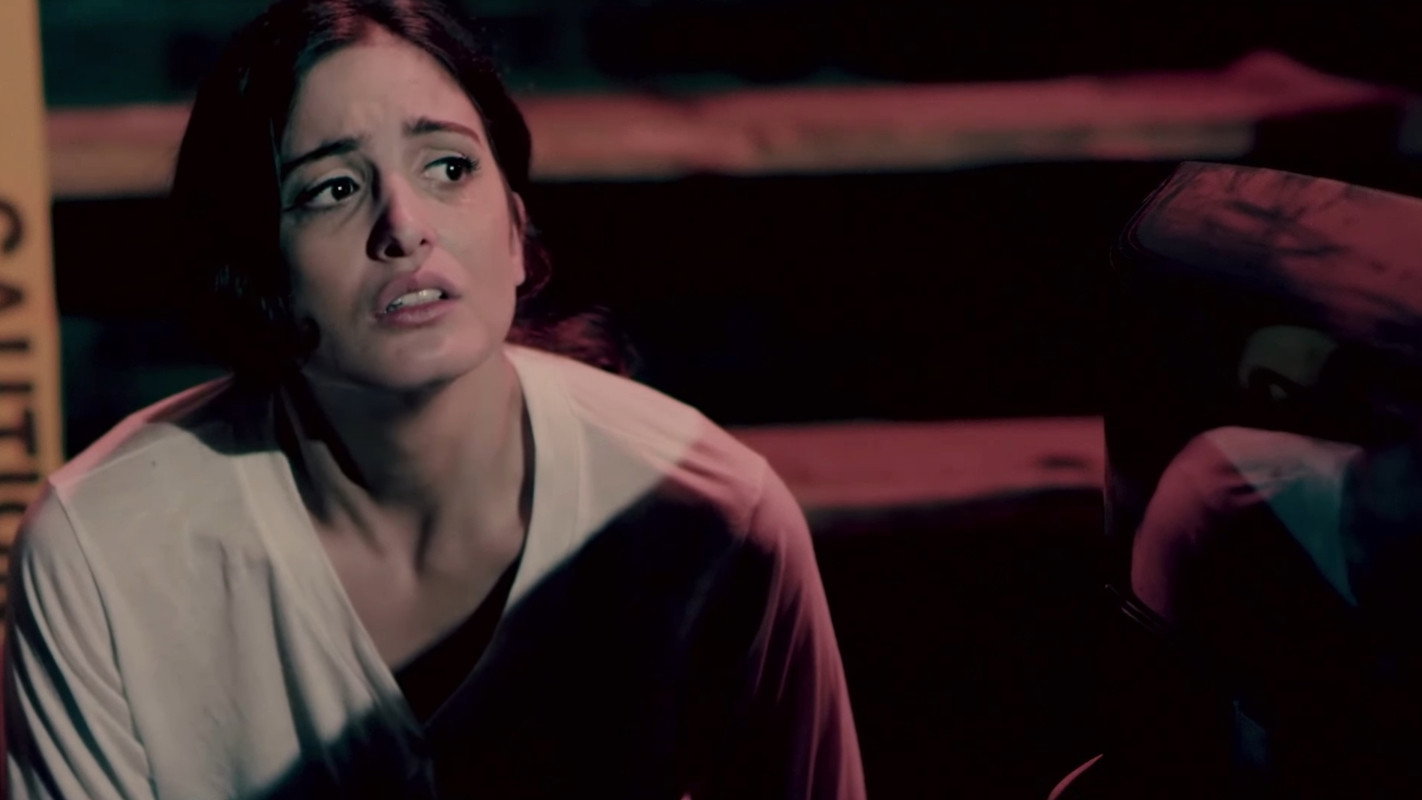
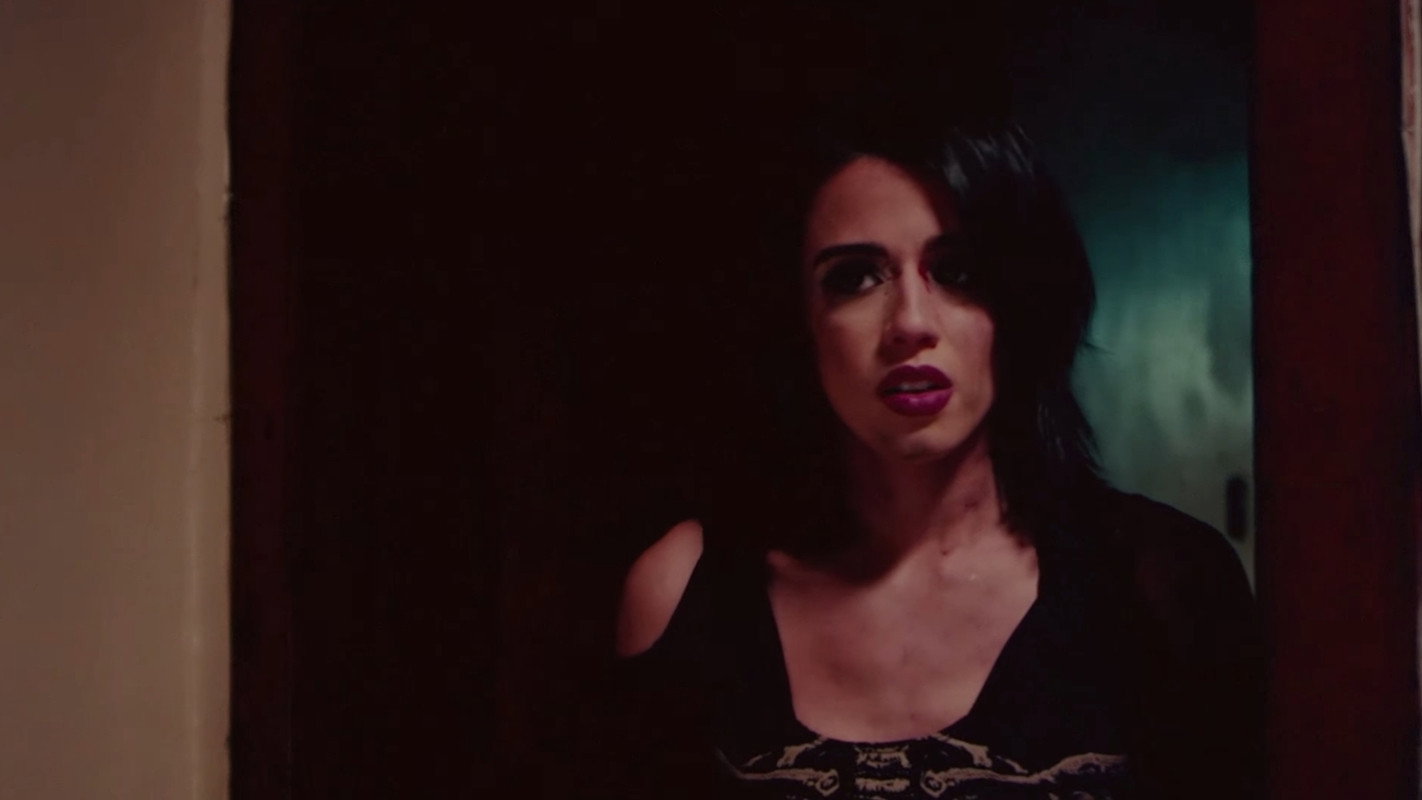
The plot proceeds through a series of changing encounters rather than a complicated investigation. Tara and Dawn’s initial unease gives way to prolonged confinement and pursuit; Victoria’s arrival alters the immediate situation without revealing Art’s motives. The limited geography allows the film to shift from the social discomfort of the pizzeria to the isolation of the warehouse. Doors, rooms and obscured passages become opportunities for abrupt encounters. The short narrative span and small group of characters support an unusually concentrated display of the killer’s behavior, although this choice also reduces the space given to the victims’ individual histories.

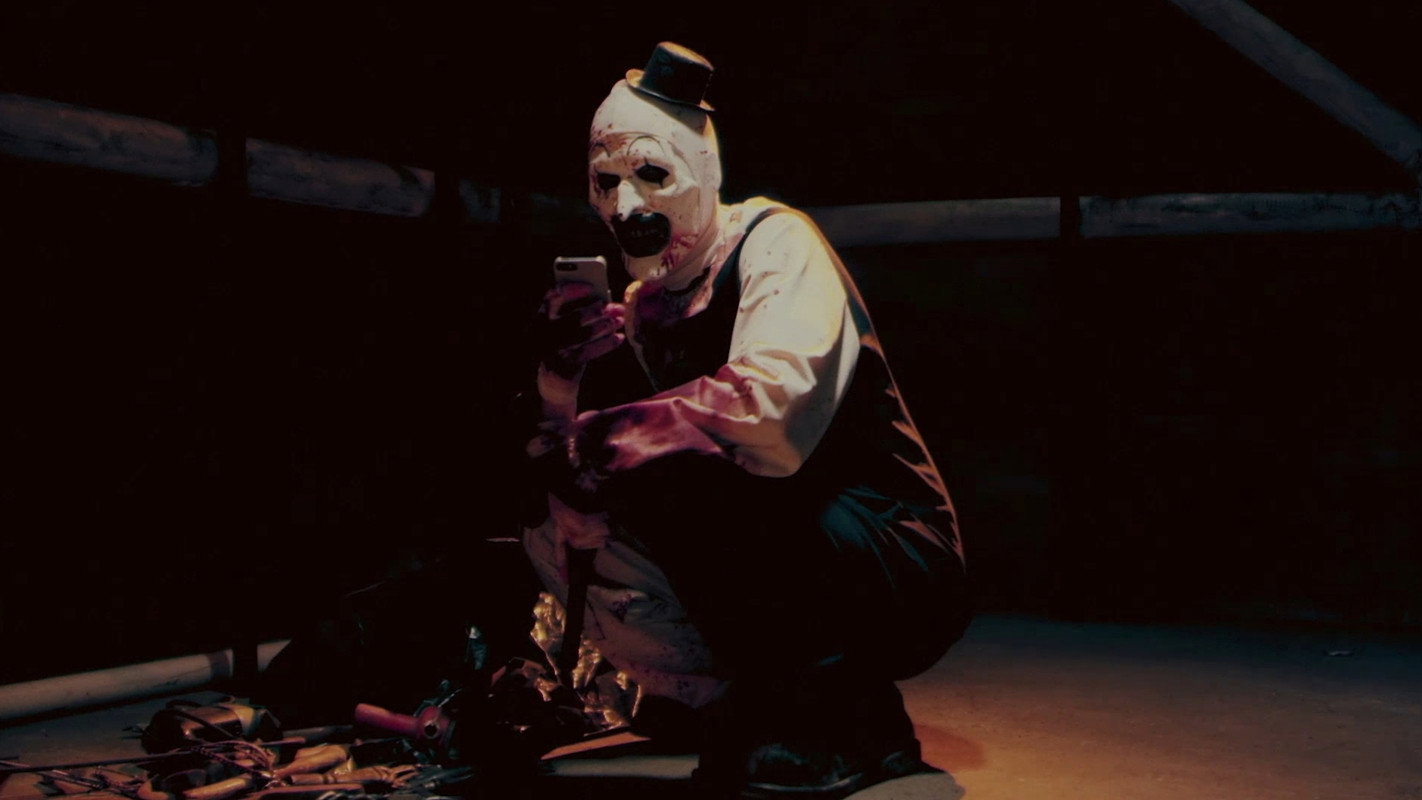
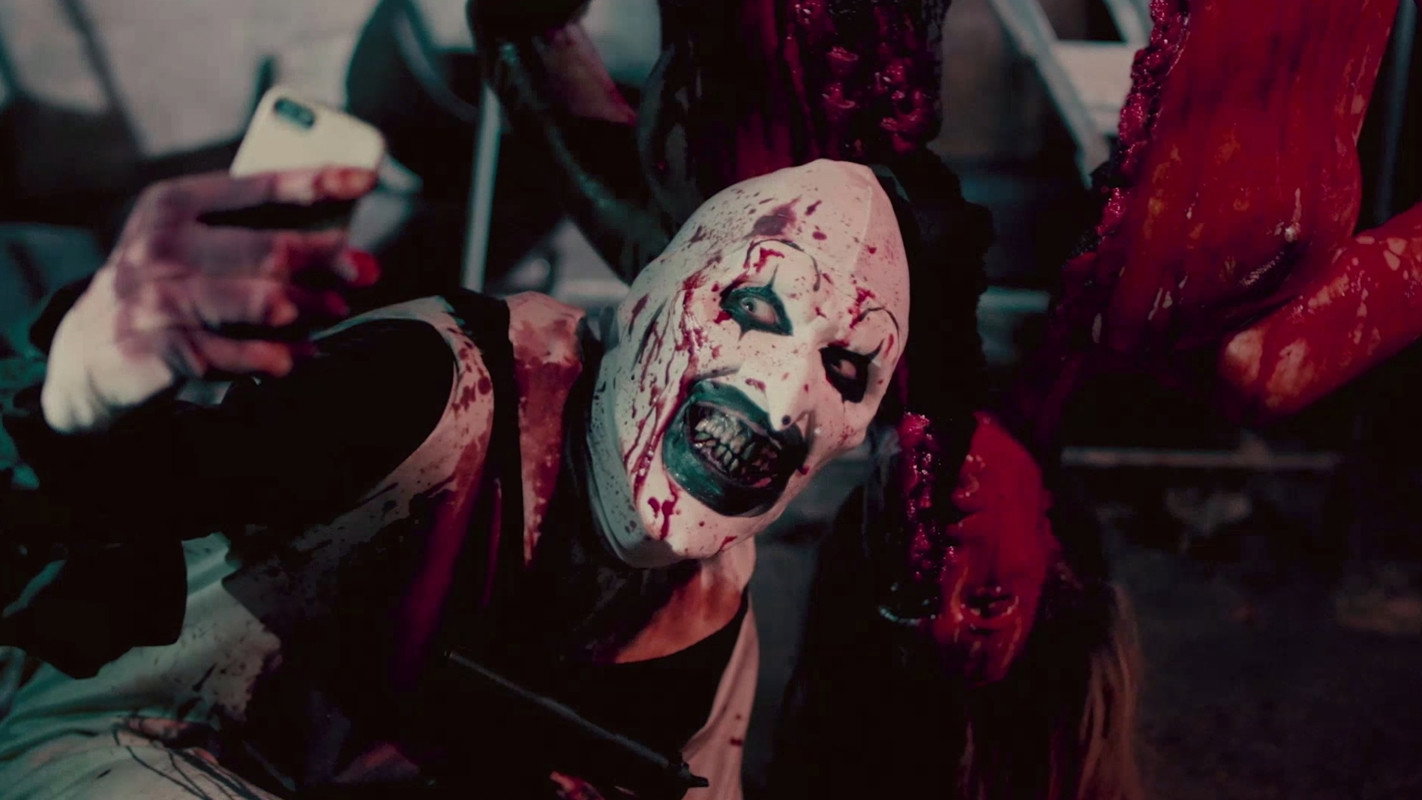
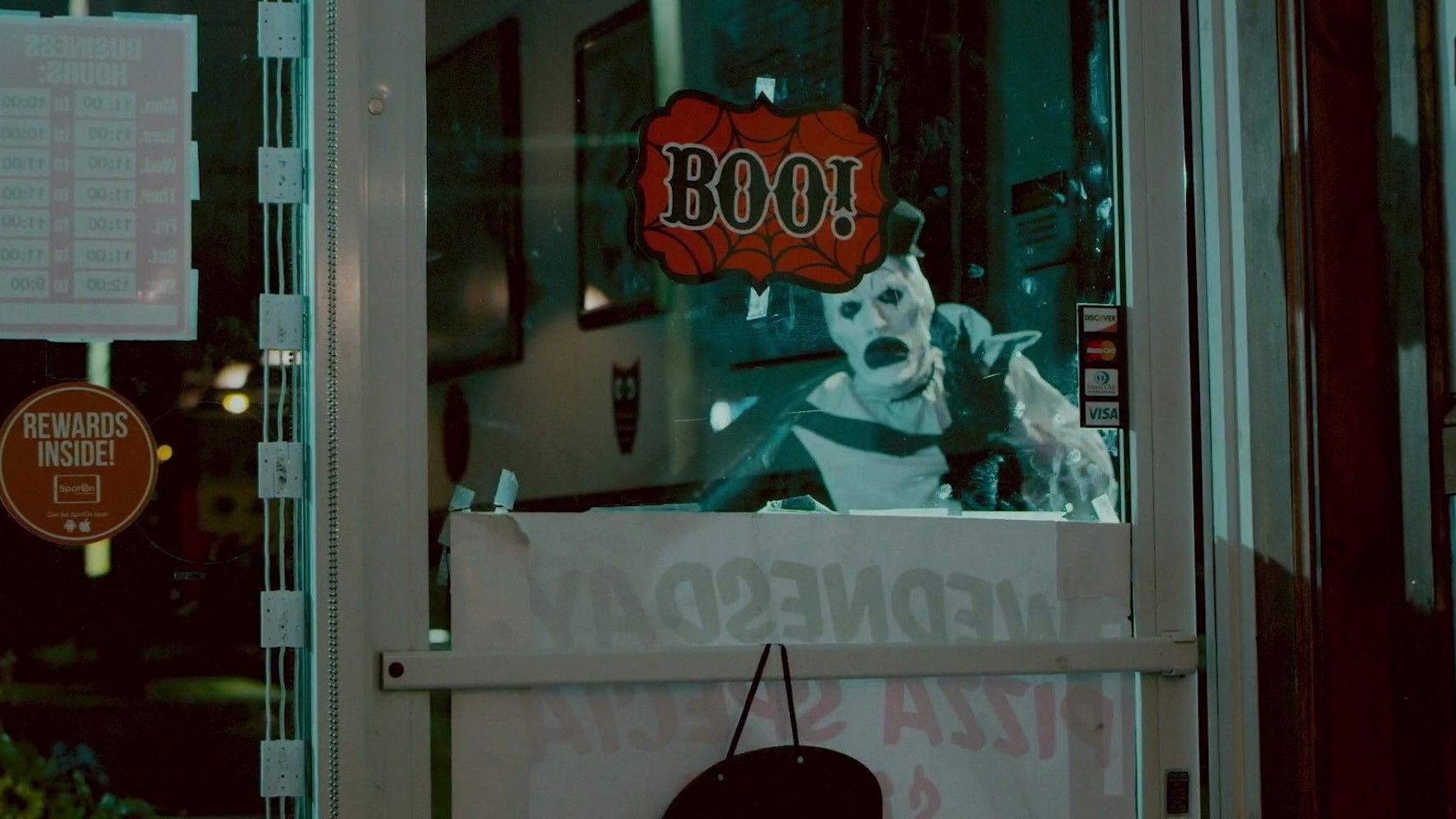
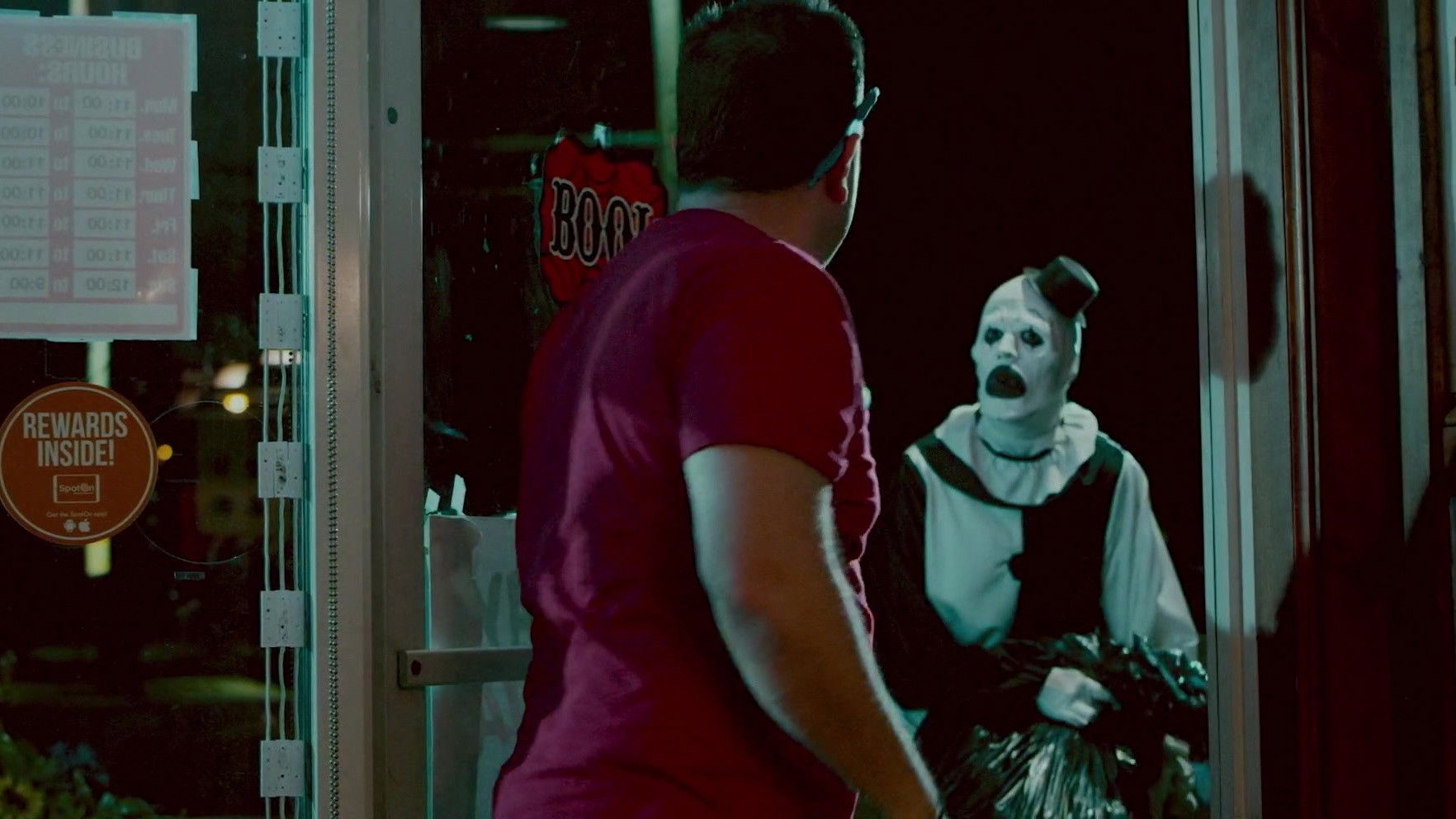
The film’s graphic emphasis is accompanied by deliberate tonal instability. Art can pose for a photograph, clown for the people around him or perform a cheerful mime routine before using violence. These changes in behavior expose the relationship between performance and cruelty that Anton Bitel identified in his 2017 Sight and Sound account of the FrightFest screening. The Halloween setting allows clown costume and theatrical presentation to appear briefly ordinary, even as Art’s conduct becomes increasingly threatening. The distinction between a recognizable festive persona and the unpredictable attacker is one of the screenplay’s recurring sources of tension.

Paul Wiley’s synthesizer-driven score reinforces the film’s relationship with earlier slasher cinema. Bitel identified its pulsing electronic sound as part of the production’s debt to the 1980s, while the practical effects and persistent killer recall the decade’s physical horror conventions. Sound and music help organize the alternation between watchful pauses, theatrical gestures and attacks, while Art’s refusal to speak gives his body language an unusually prominent role.

Release, Reception & Legacy

Terrifier premiered at the Telluride Horror Show in October 2016 and screened at FrightFest’s Halloween event in London on 28 October 2017. An American distribution arrangement with Epic Pictures and Dread Central Presents brought an uncut limited theatrical engagement on 15–16 March 2018, followed by video-on-demand availability on 27 March. These stages explain why the film is sometimes dated 2016, its festival-premiere year, and sometimes 2018, the year of its wider commercial introduction. They should not be conflated with the release histories of the earlier short bearing the same title.

Contemporary critics addressed the film’s narrow dramatic scope and its deliberate emphasis on shock. Anton Bitel, writing for Sight and Sound after the 2017 FrightFest screening, considered Art’s mixture of mime comedy and sadism in relation to horror as entertainment. John Higgins’s review for Starburst praised the filmmaker’s handling of suspense and gore while acknowledging a strong resemblance to established slasher models. Such responses suggest that the film’s appeal was located principally in its antagonist, the effects and the audacity of its staging, rather than a substantially new narrative pattern. These are identifiable contemporary assessments, not a claim of unanimous critical approval.
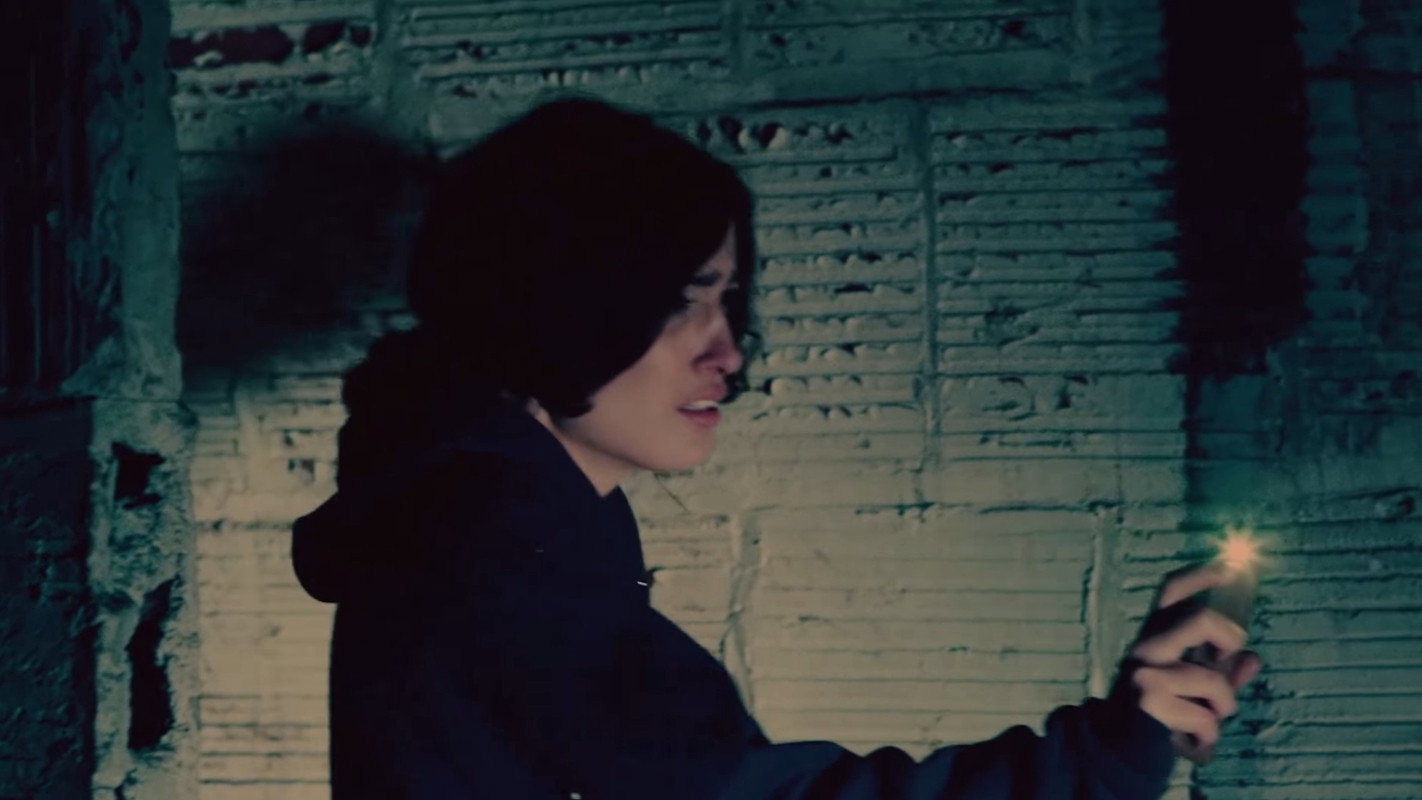
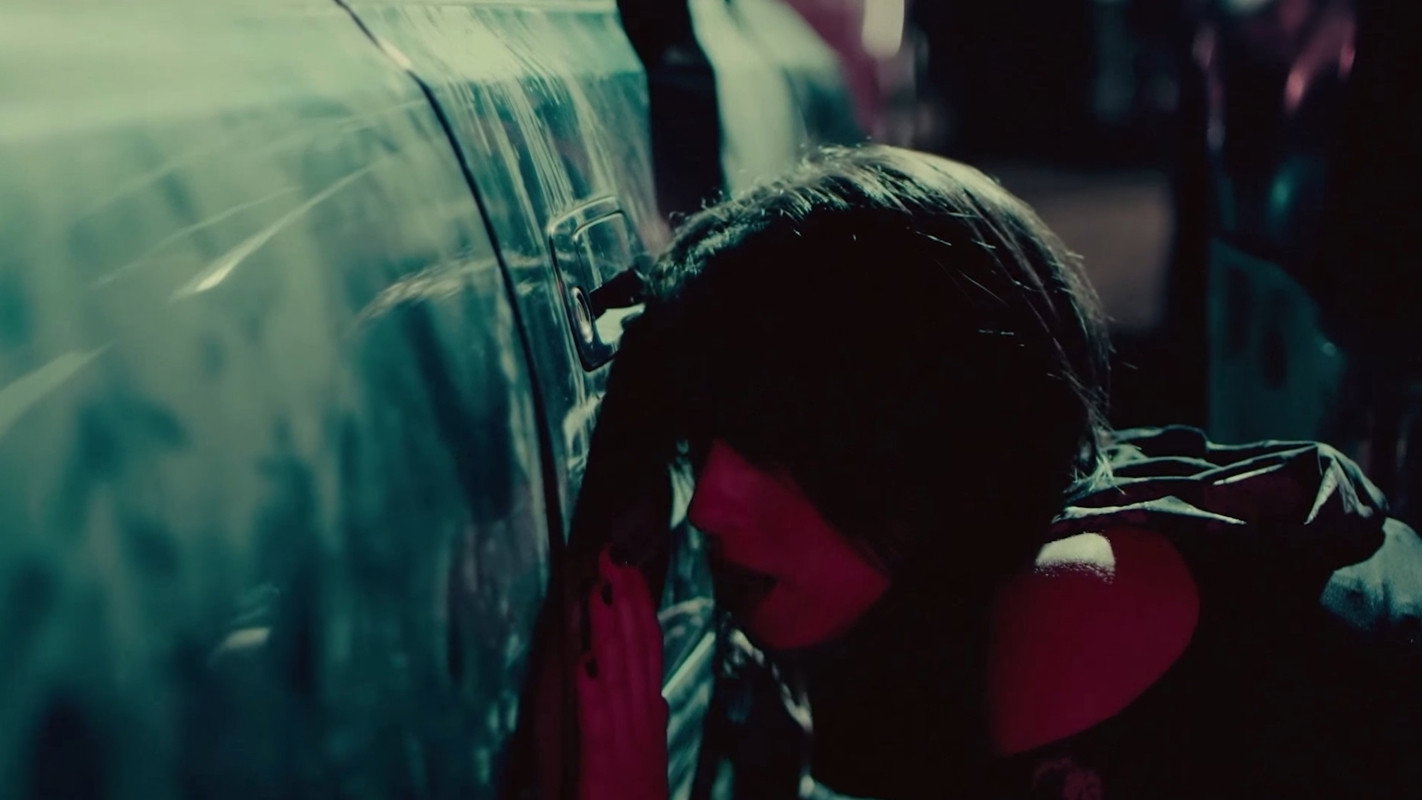
The development of Terrifier 2 (2022) and Terrifier 3 (2024) subsequently increased attention to the first feature and to the independent production method behind it. In retrospective discussions, Steuber contrasted the tiny crew of the original with the far more elaborate resources available on the third film. The 2016 picture is therefore historically important both as an independent splatter production in its own right and as the point where Art acquired a sustained starring role and a distinctive performer.

References

  1. Modern Horrors Q&A: Damien Leone talks All Hallows’ Eve Spin Off ‘TERRIFIER’

    Original February 2016 interview on the conception of the feature, development of the earlier shorts, screenplay aims and effects workshop.

  2. Filmmaker Magazine Christmas with Art the Clown: DP George Steuber on Terrifier 3

    Direct interview with cinematographer George Steuber detailing the first film’s minimal crew, warehouse location, interrupted shoot and multi-location effects photography.

  3. Bloody Flicks David H. Thornton aka Art the Clown talks ‘Terrifier’

    Original 2017 interview with the performer about his audition, silent-comedy influences and interpretation of Art.

  4. Sight and Sound / British Film Institute FrightFest Halloween All-Dayer 2017: seven flavours of fear

    Anton Bitel’s contemporary festival coverage addressing the film’s practical gore, electronic score and performance-driven horror.

  5. Dread Central Horror Business: The Making of Damien Leone’s TERRIFIER

    Substantial original conversation with Leone on the evolution of Art and the film’s intended balance of practical effects, extreme violence and slasher tradition.

Connections

Cast

View Full Cast & Crew →

Release & Distribution

Production Companies (1)

  • Dark Age Cinema US

Distributors (1)

  • Dread Central US

Release History (33)

Release DateTerritoryRelease TypeFormatDistributorCertificationNotes
2016-01-28 New Zealand Digital — — R18
2016-10-15 United States Premiere — — — Telluride Horror Show Film Festival
2016-11-18 Poland Digital — — 16
2017-03-15 Brazil Digital — — 18
2017-10-28 United Kingdom Premiere — — 18 Horror Channel FrightFest
2018-01-25 Finland Physical — — K-18
2018-01-25 Sweden Physical — — 15
2018-01-25 United States Limited Theatrical — — —
2018-03-15 Brazil Digital — — 18
2018-03-15 Spain Digital — — 18
2018-03-15 France Digital — — 16 Insomnia
2018-03-15 United Kingdom Physical — — —
2018-03-15 Ireland Physical — — 18
2018-03-15 United States Physical — — NR
2018-08-16 Netherlands Physical DVD, Blu-ray — 16 DVD & Blu-ray
2018-08-17 Taiwan Physical — — —
2018-09-05 Australia Digital — — R 18+
2018-12-06 Germany Physical — — 18
2020-06-15 Italy Physical — — 18+
2020-11-18 Poland Digital — — 16
2022-10-24 United Kingdom Physical DVD, Blu-ray — 18 Terrifier: The Bloody Duo Blu-ray / DVD
2022-11-04 United Kingdom Limited Theatrical — — 18
2023-01-03 France Digital — — 16 VOD
2023-05-05 Japan Theatrical — — —
2023-07-19 United States Premiere — — NR Re-release
2023-12-13 France Physical DVD, Blu-ray — 16 DVD & Blu-ray
2023-12-29 Italy Digital — — 18+
2024-10-05 Australia Premiere — — R 18+ Monster Fest
2024-12-14 United Kingdom Physical DVD, Blu-ray — 18 Terrifier: The Bloody Trio Blu-ray / DVD
2024-12-18 Australia Physical — — R 18+
2025-05-26 United Kingdom Physical 4K UHD — 18 Terrifier: The Bloody Duo Limited Edition 4K Ultra HD Blu-ray Steelbook
2025-07-04 France TV — — 16 Canal+
2025-07-28 United Kingdom Physical 4K UHD — 18 4k Ultra HD Blu-ray
You never forget your first kill.