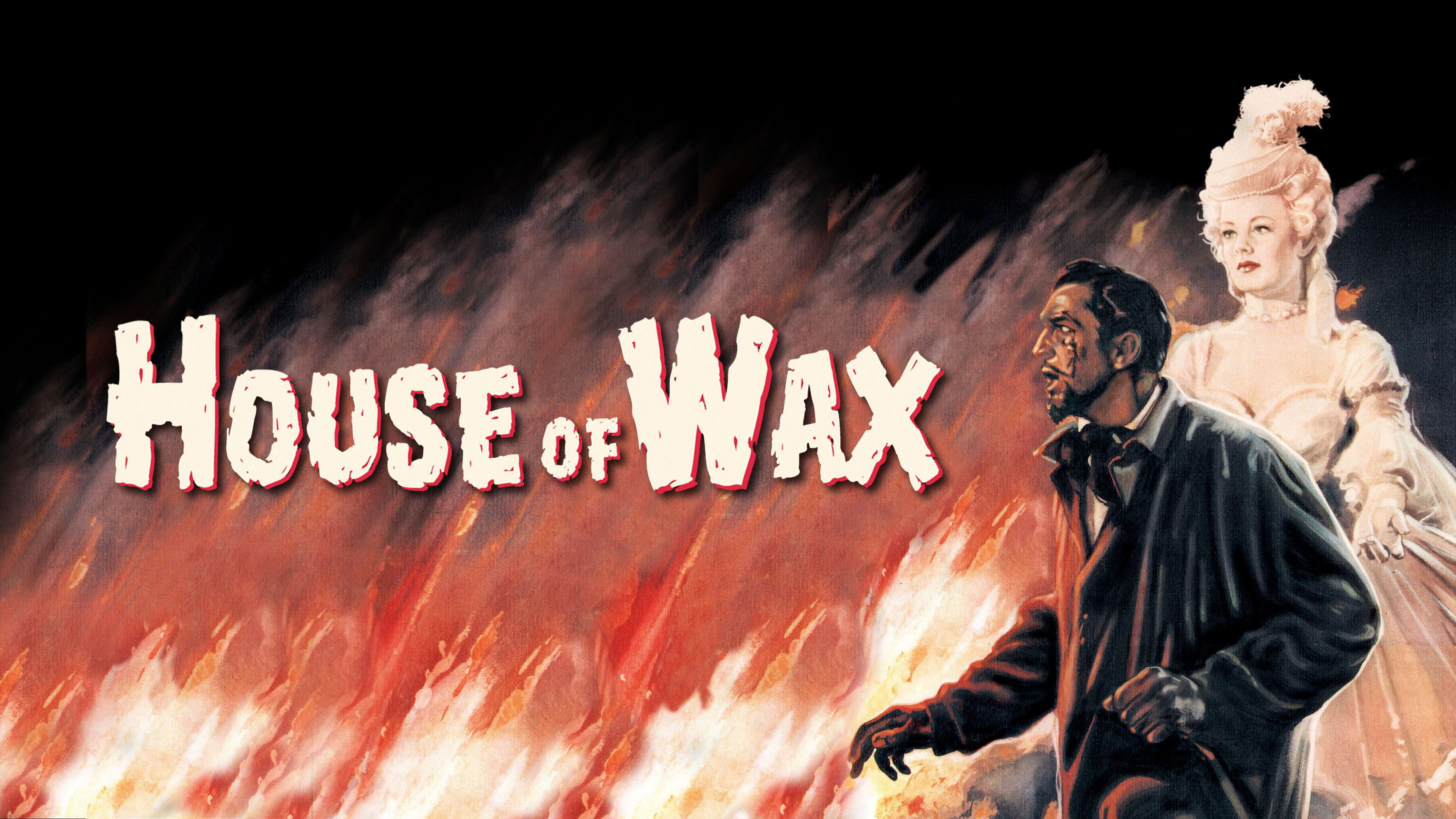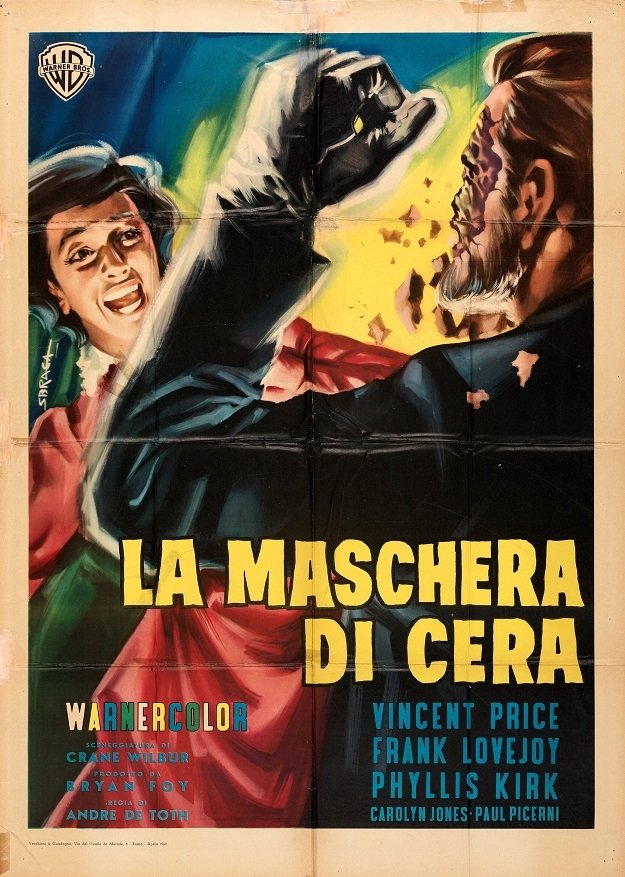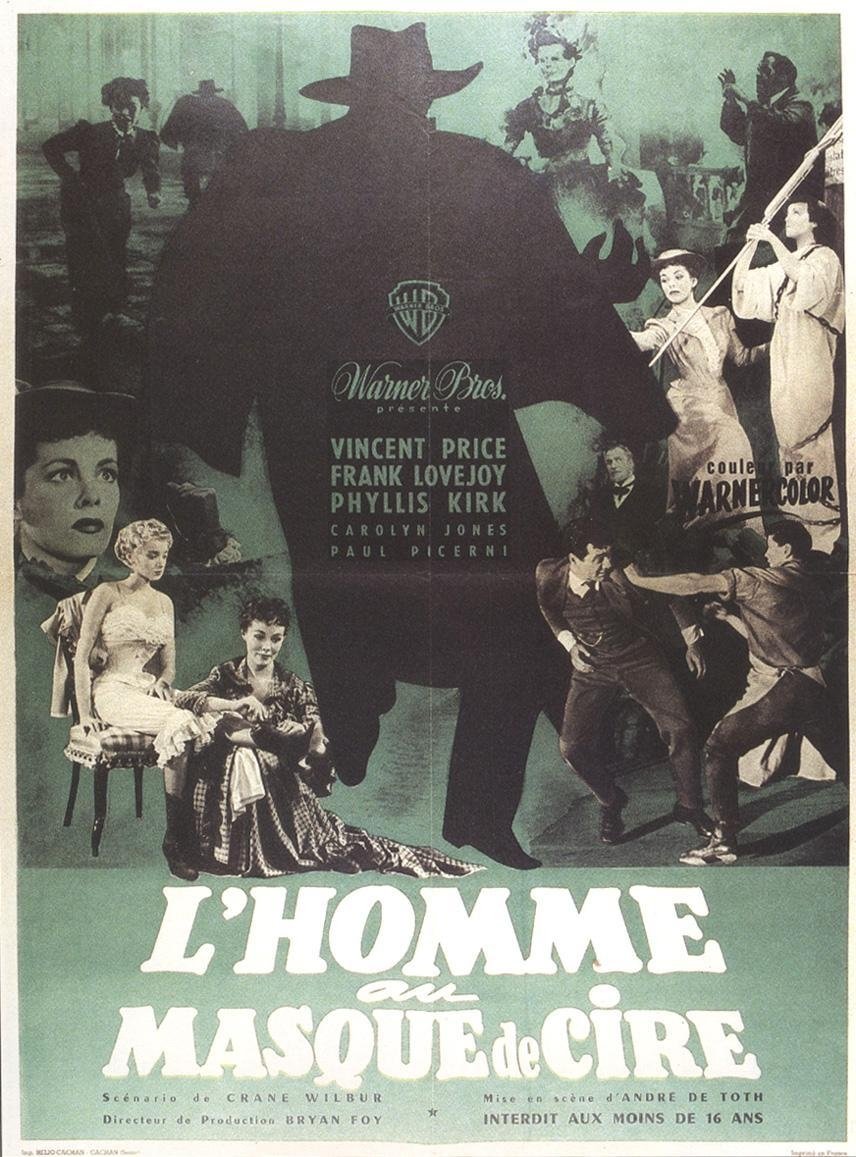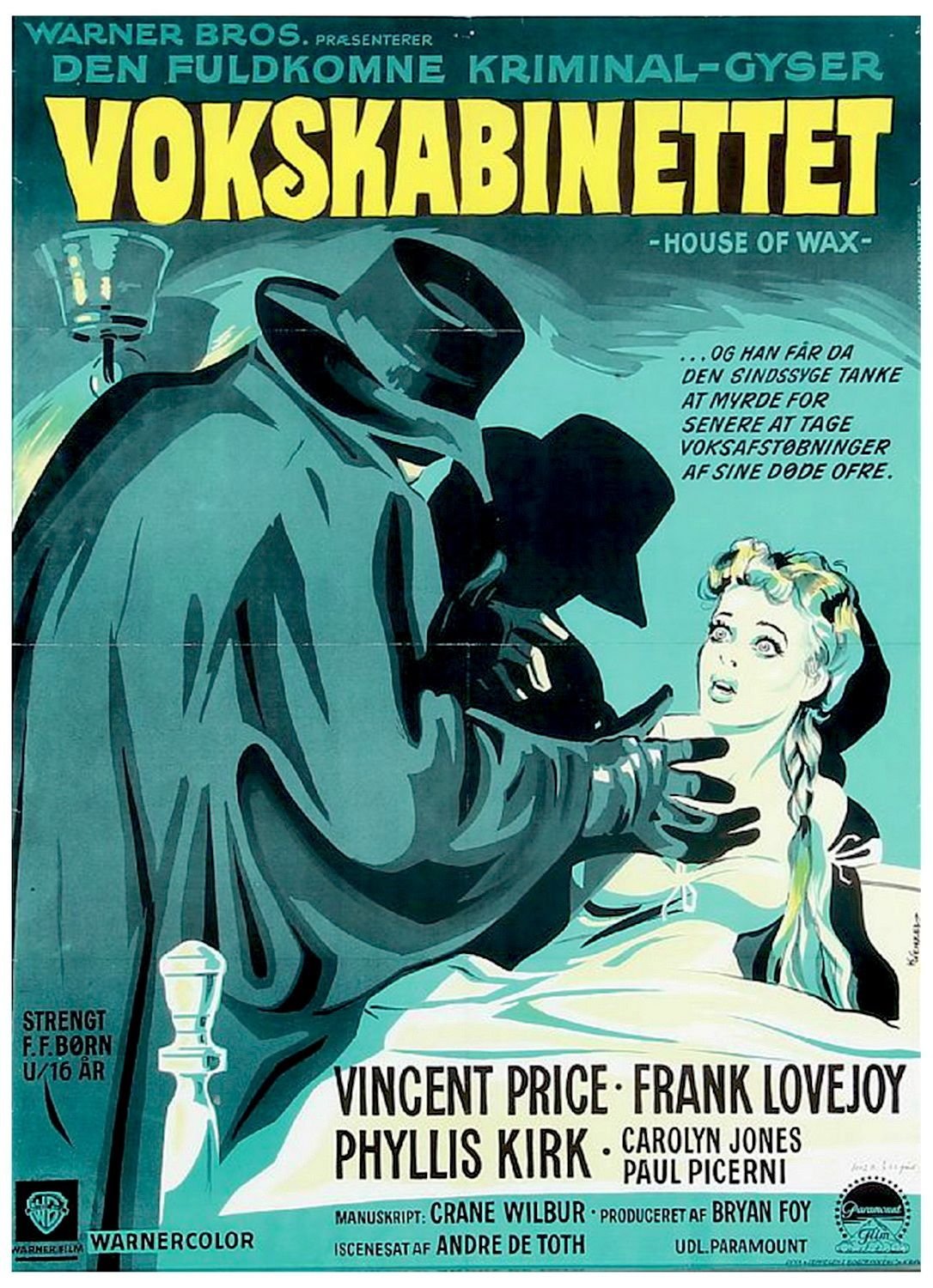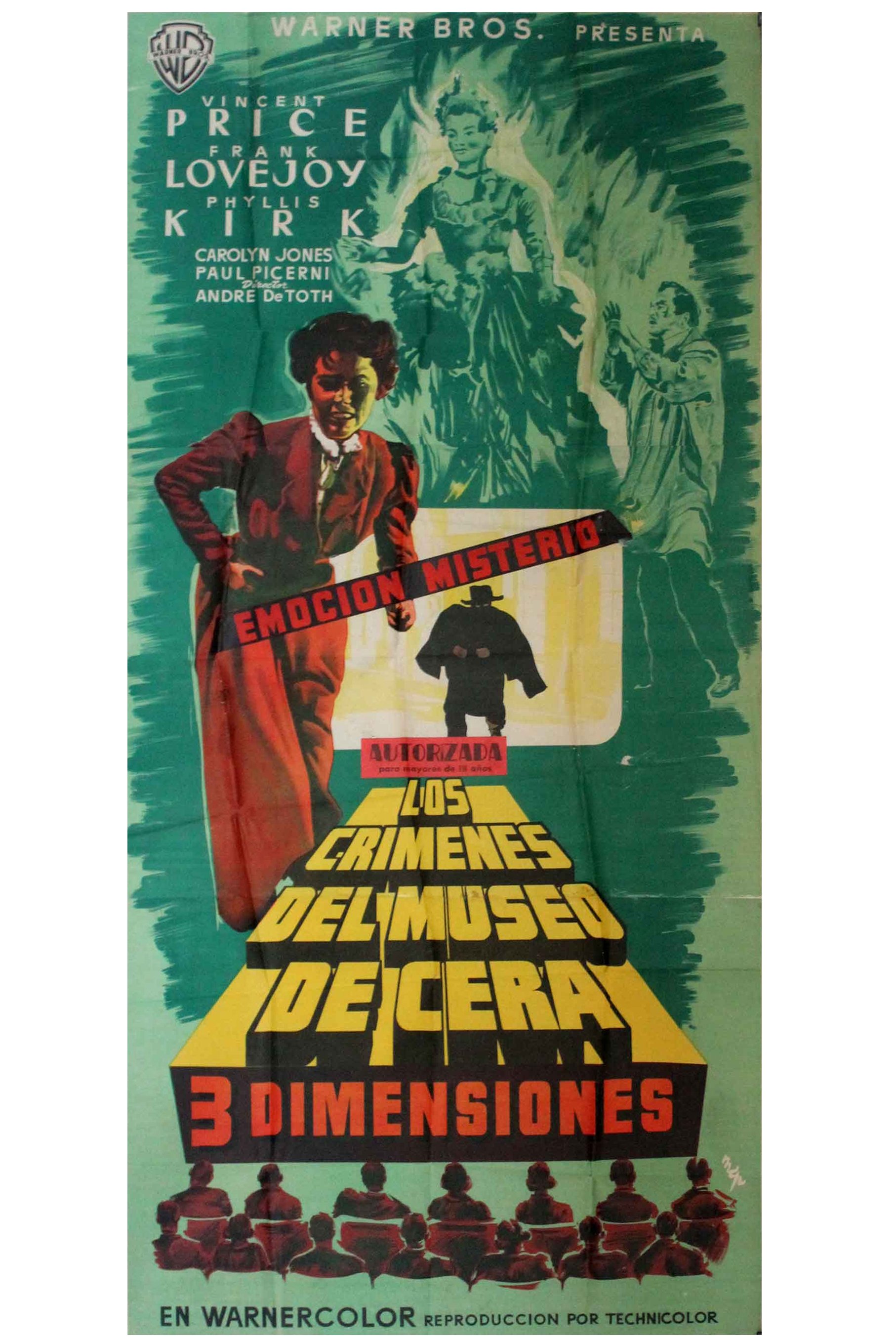
House of Wax (1953)

US
5.0/10 1 votes
Runtime
90 min
Release
April 16, 1953
Budget
$1,000,000
Revenue
$23,750,319
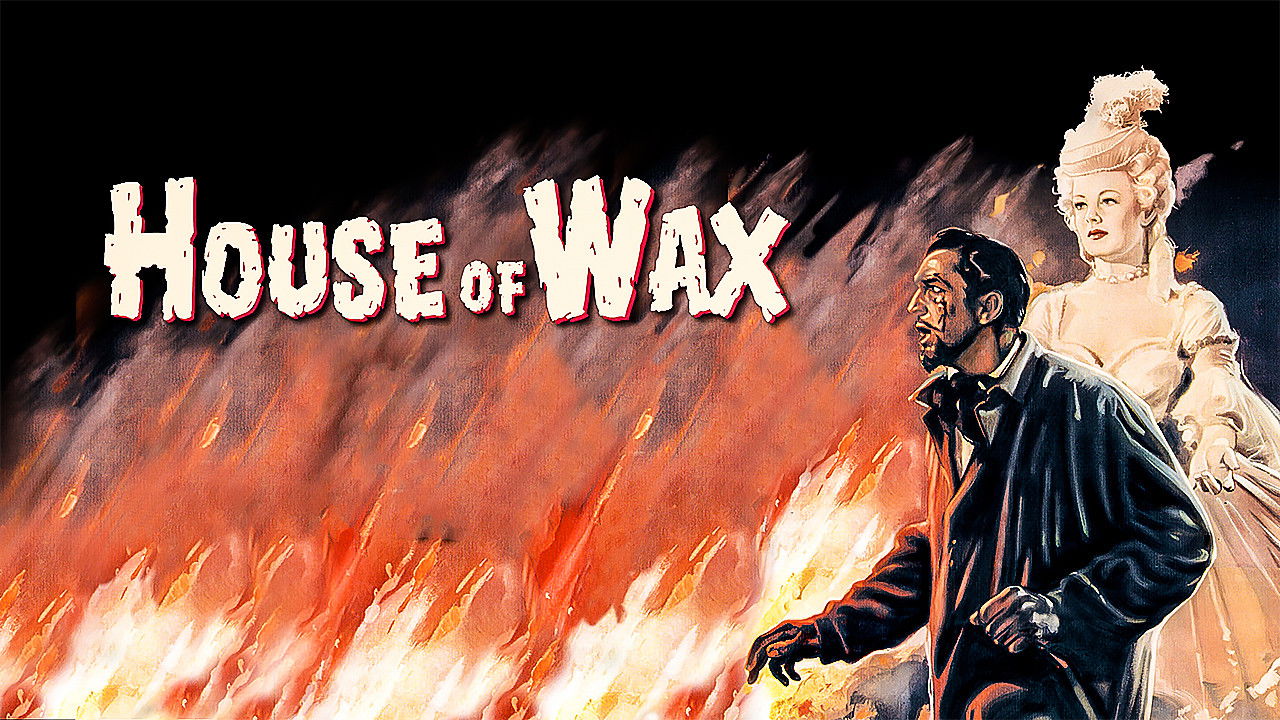
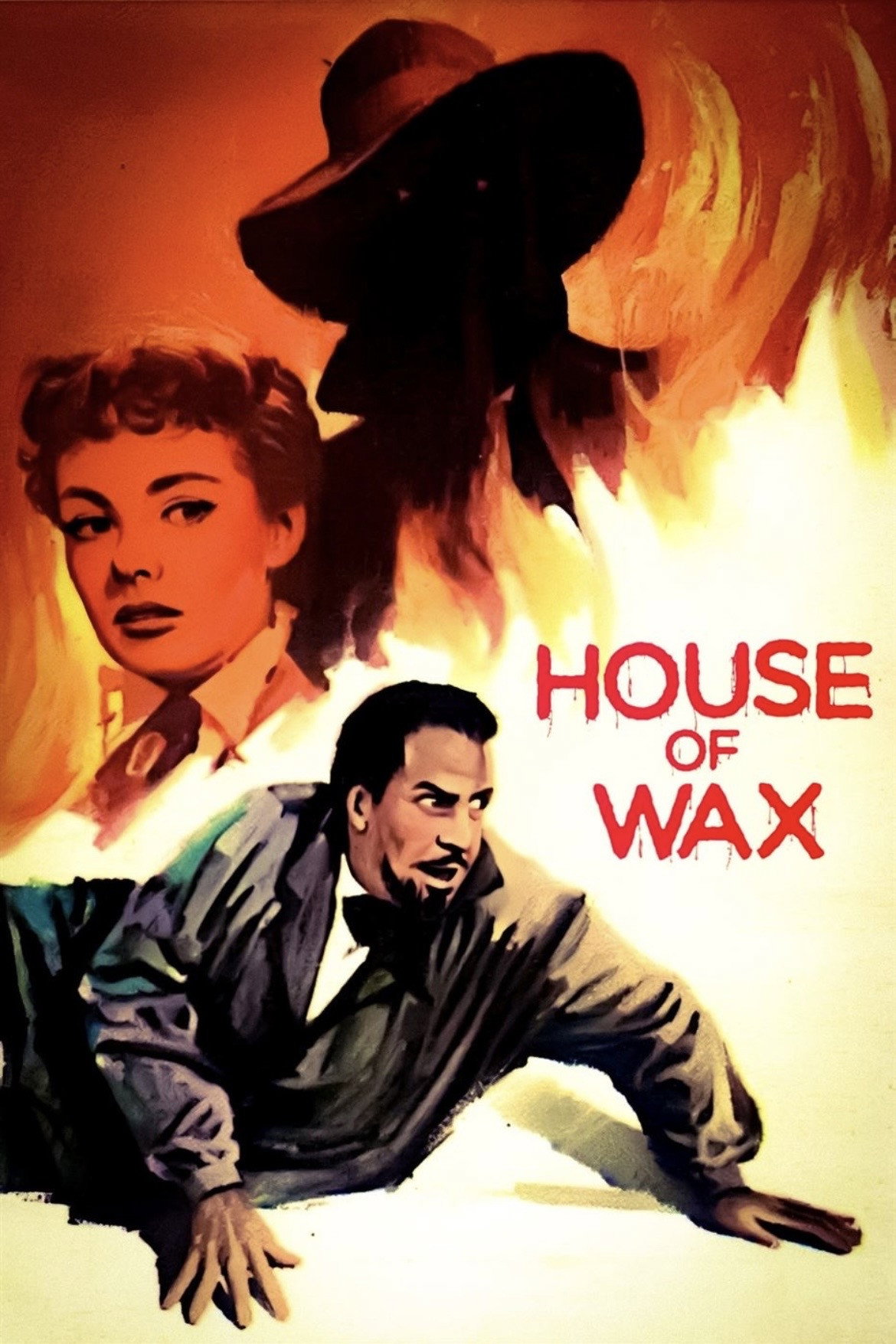
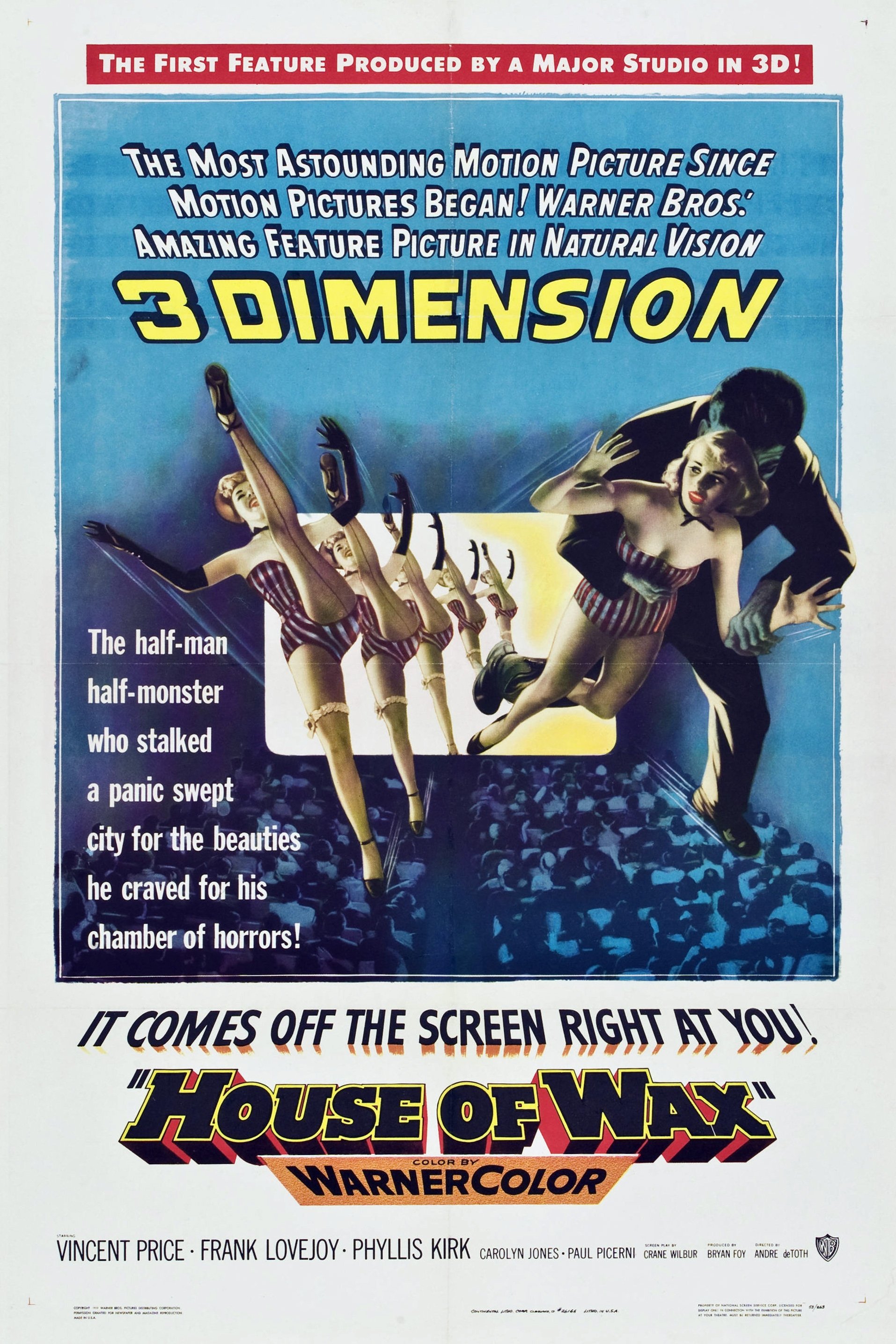
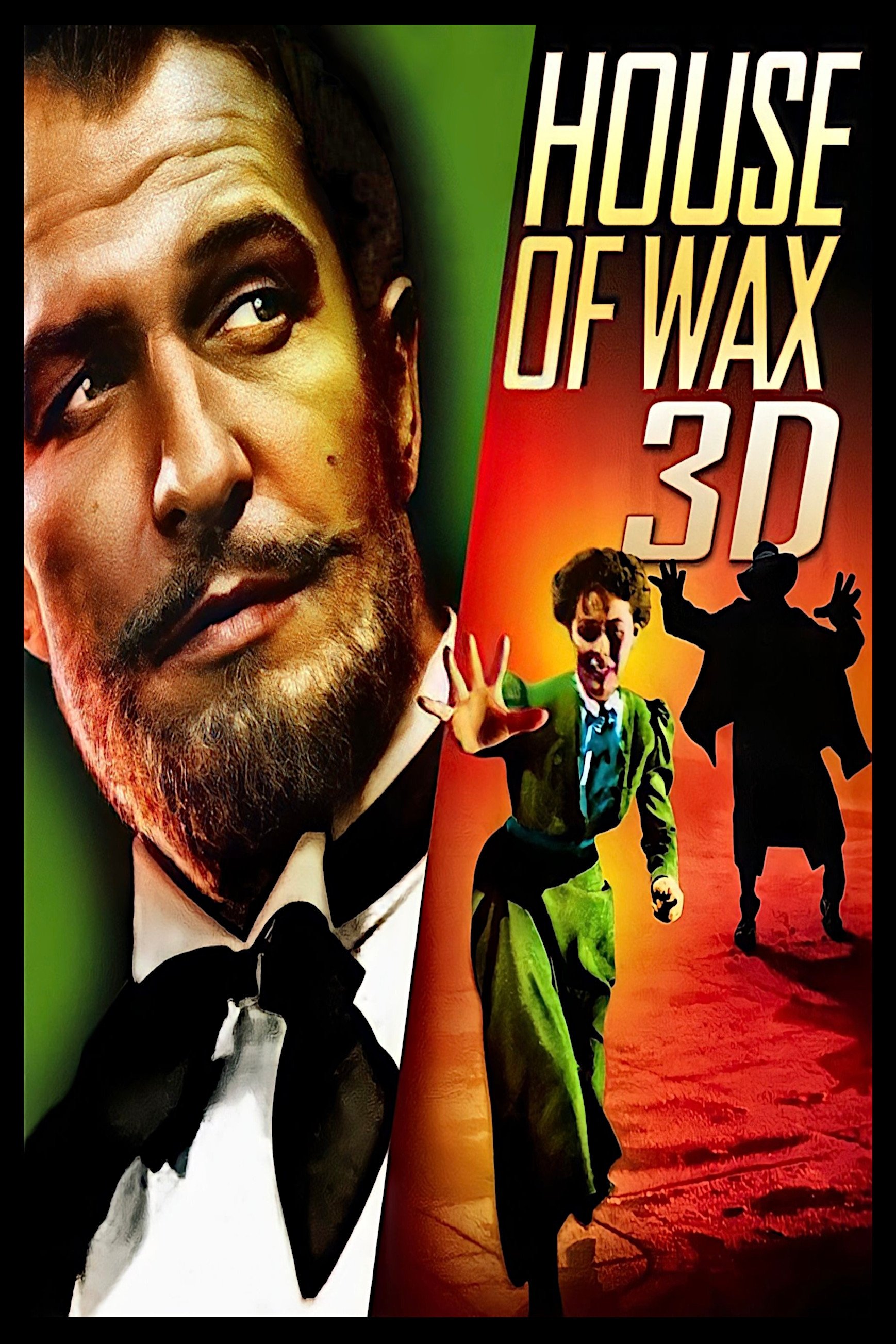
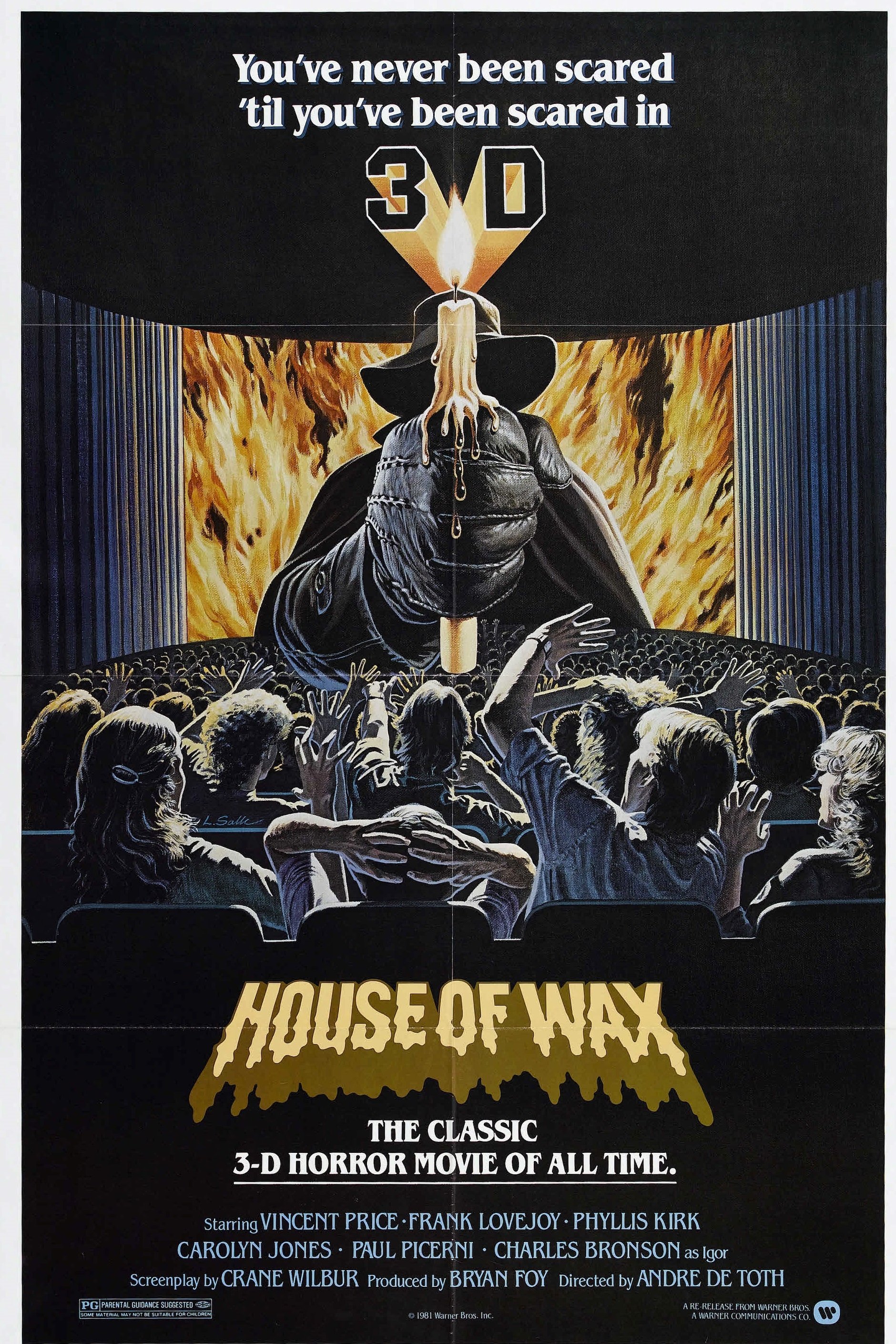
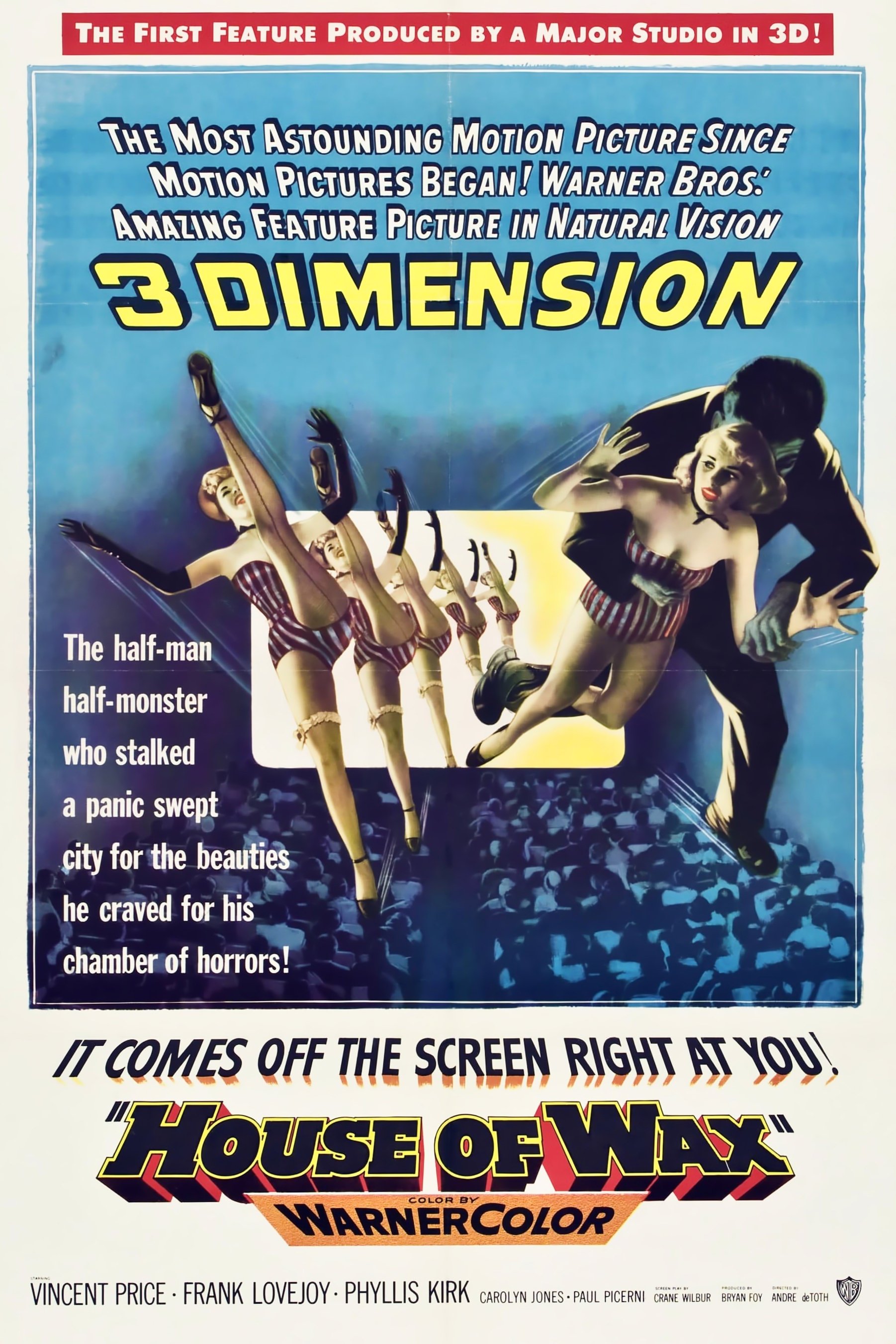
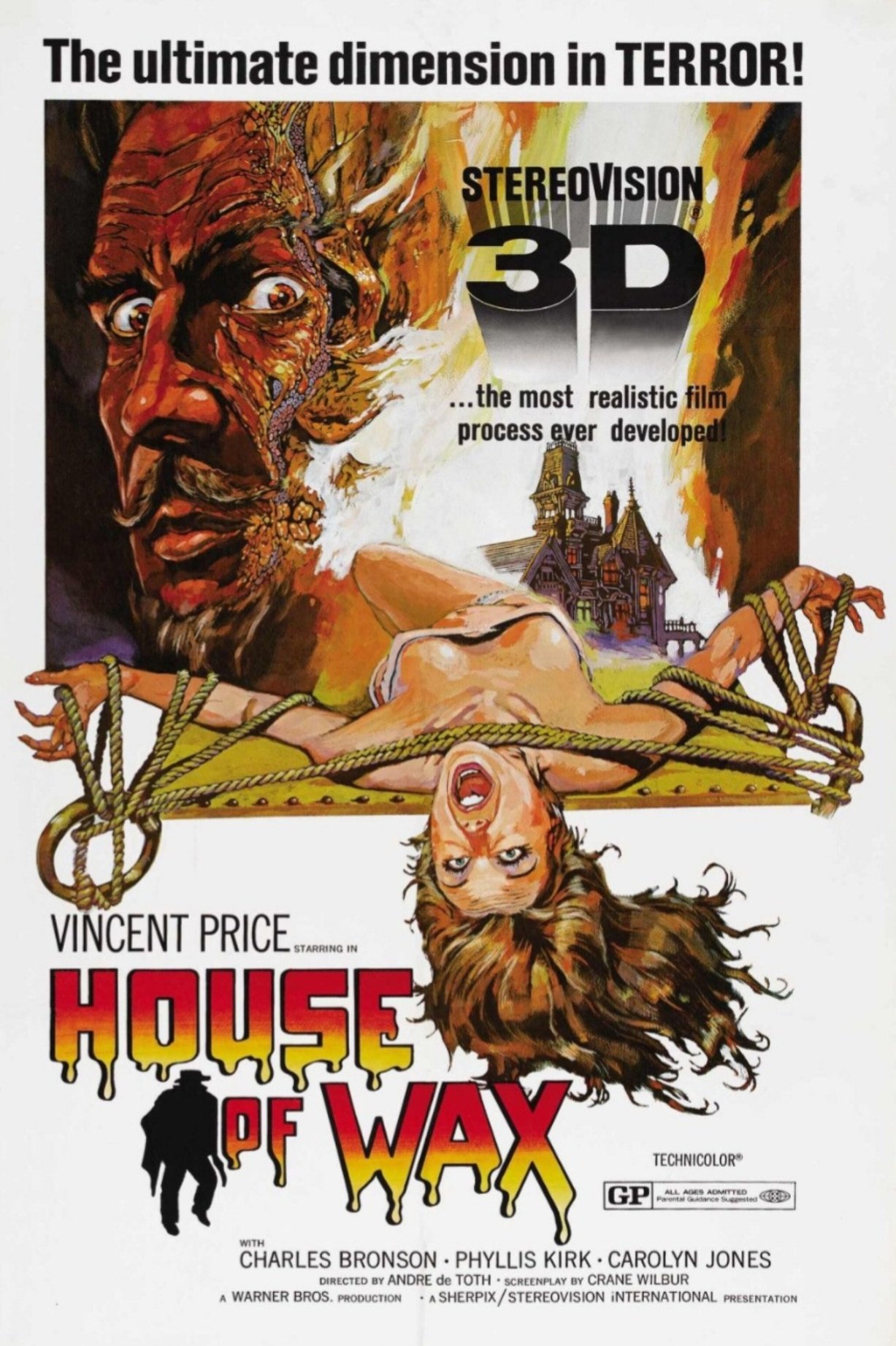
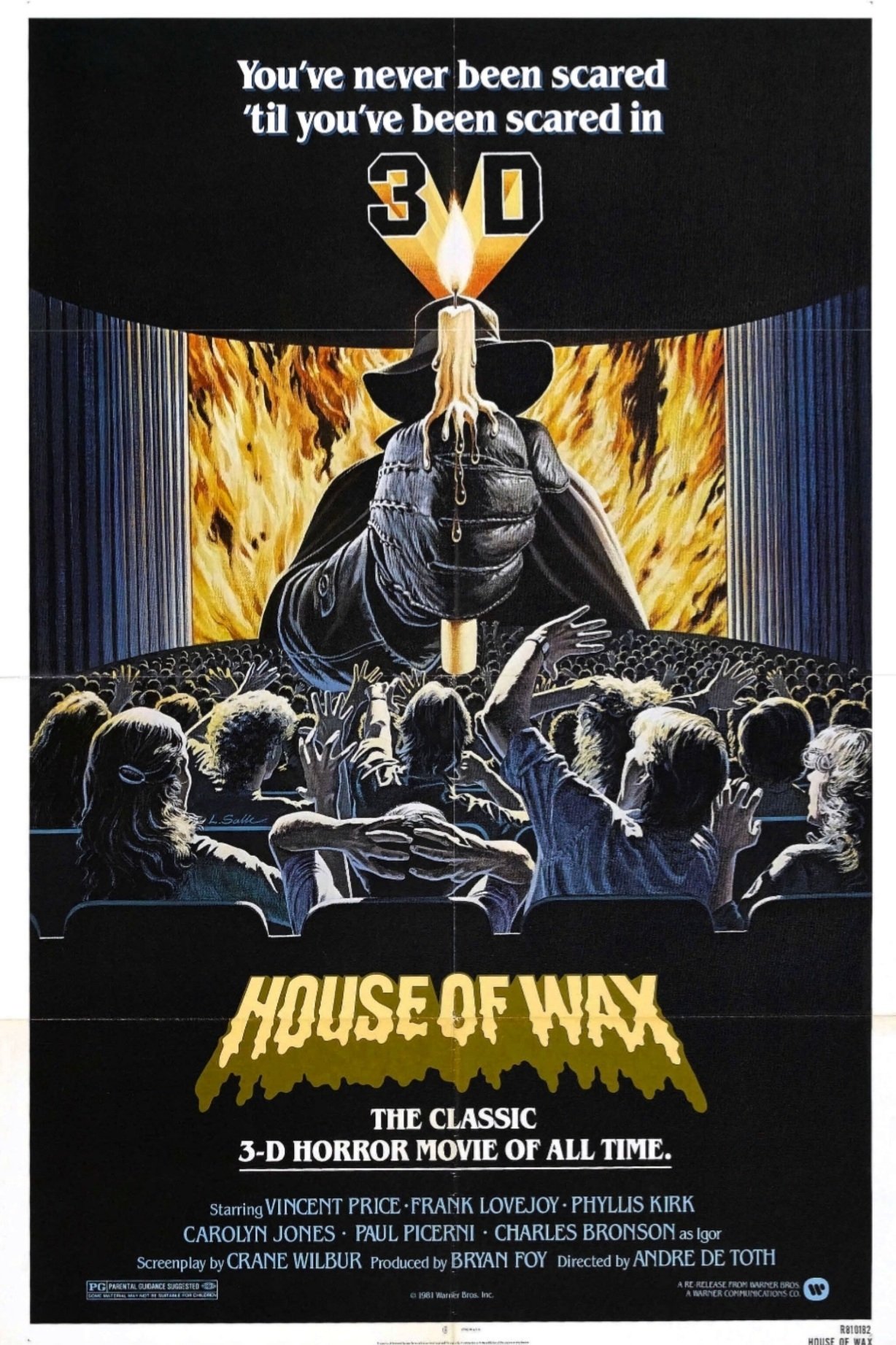
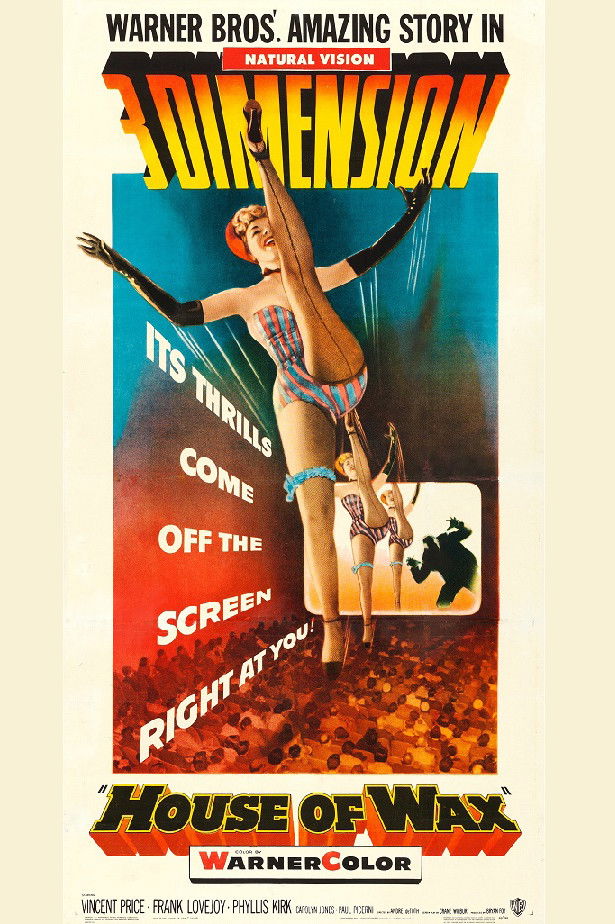
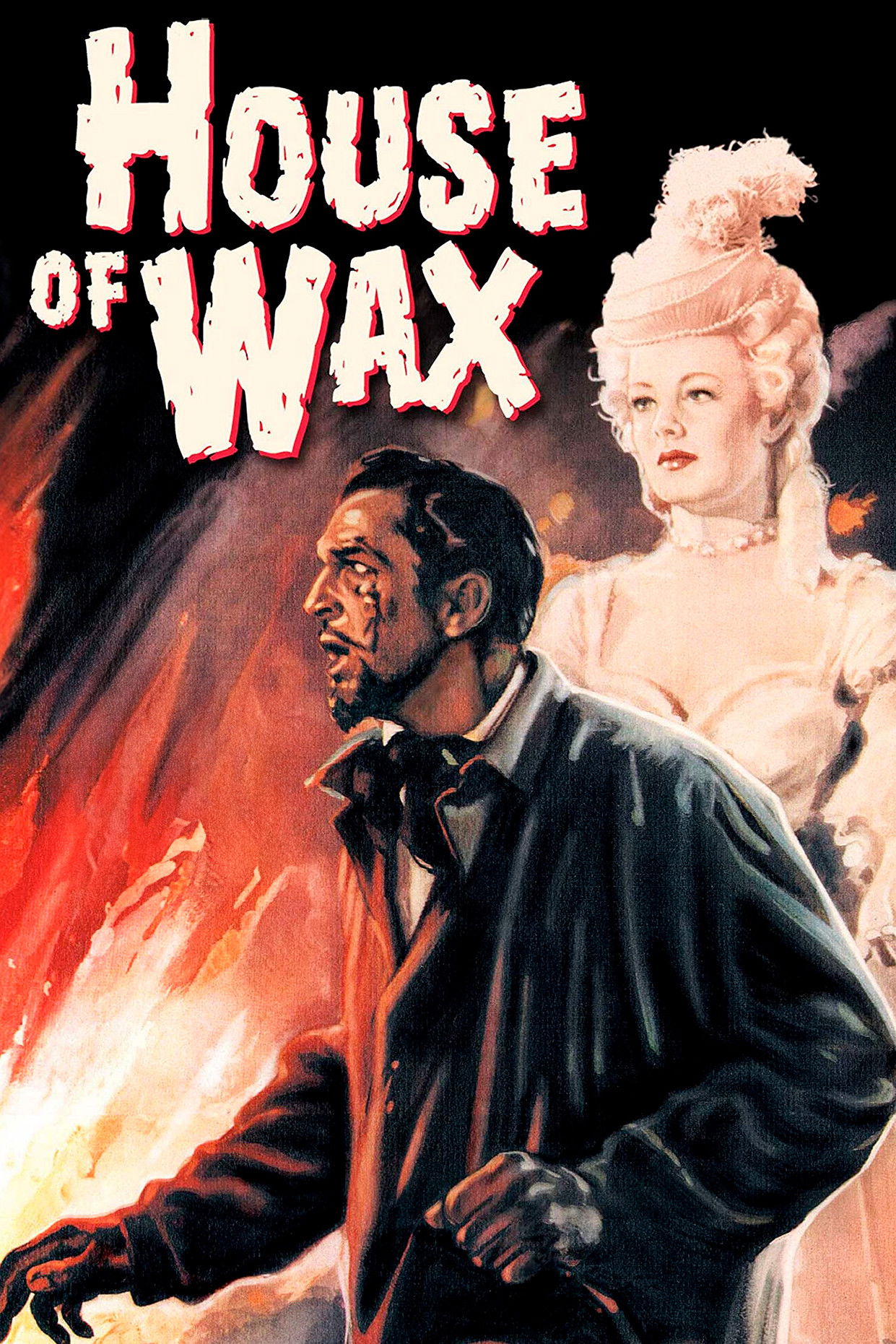
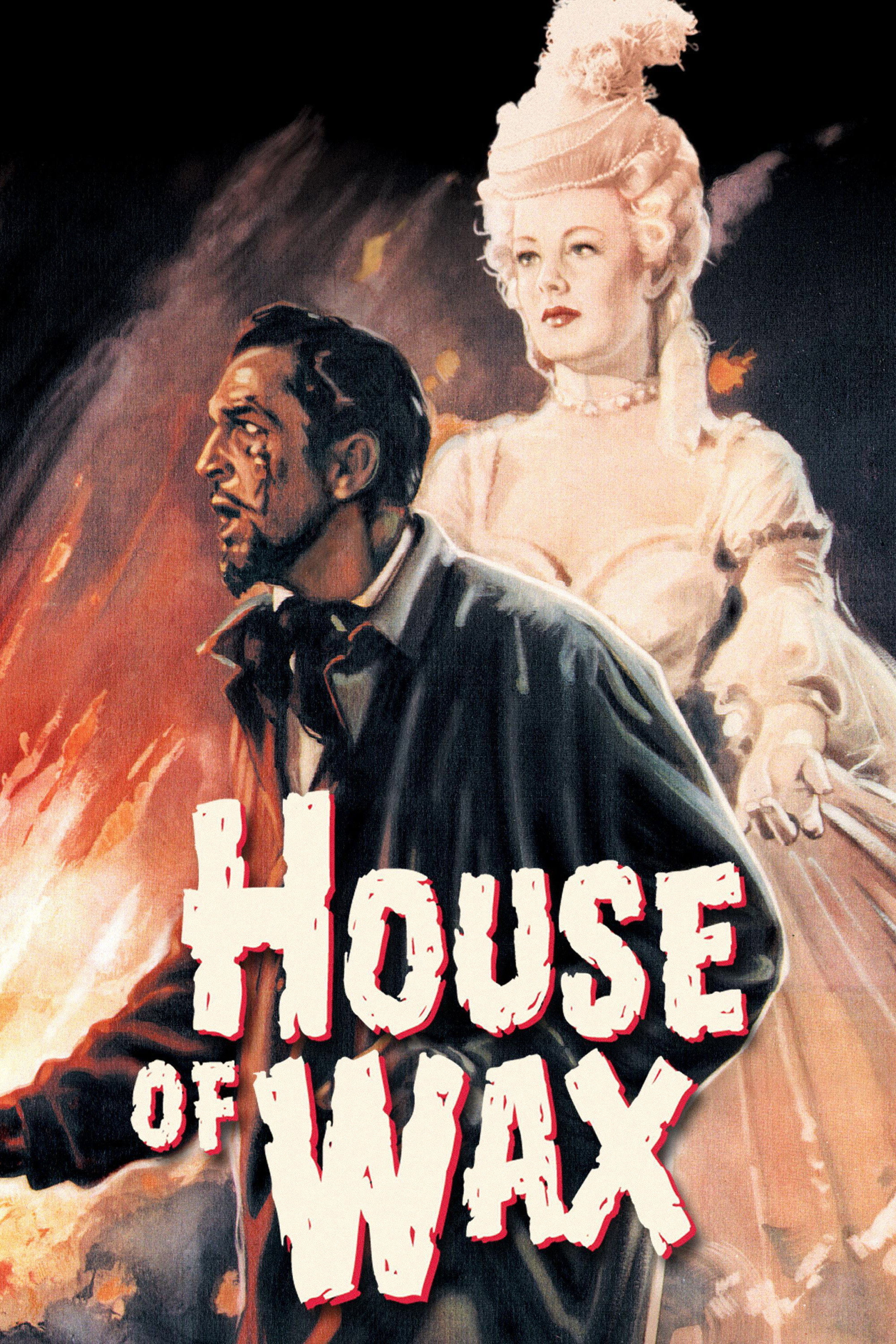
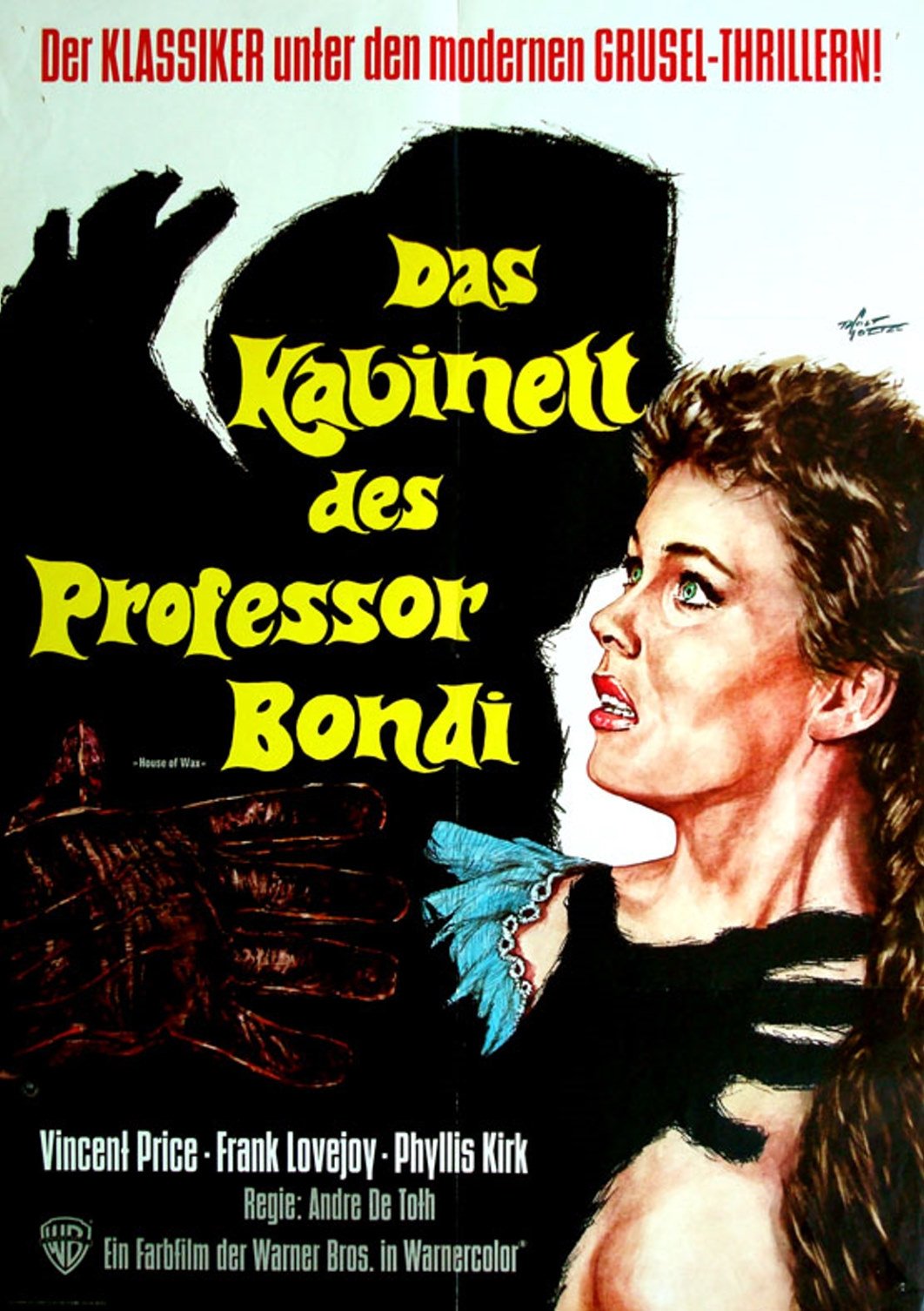
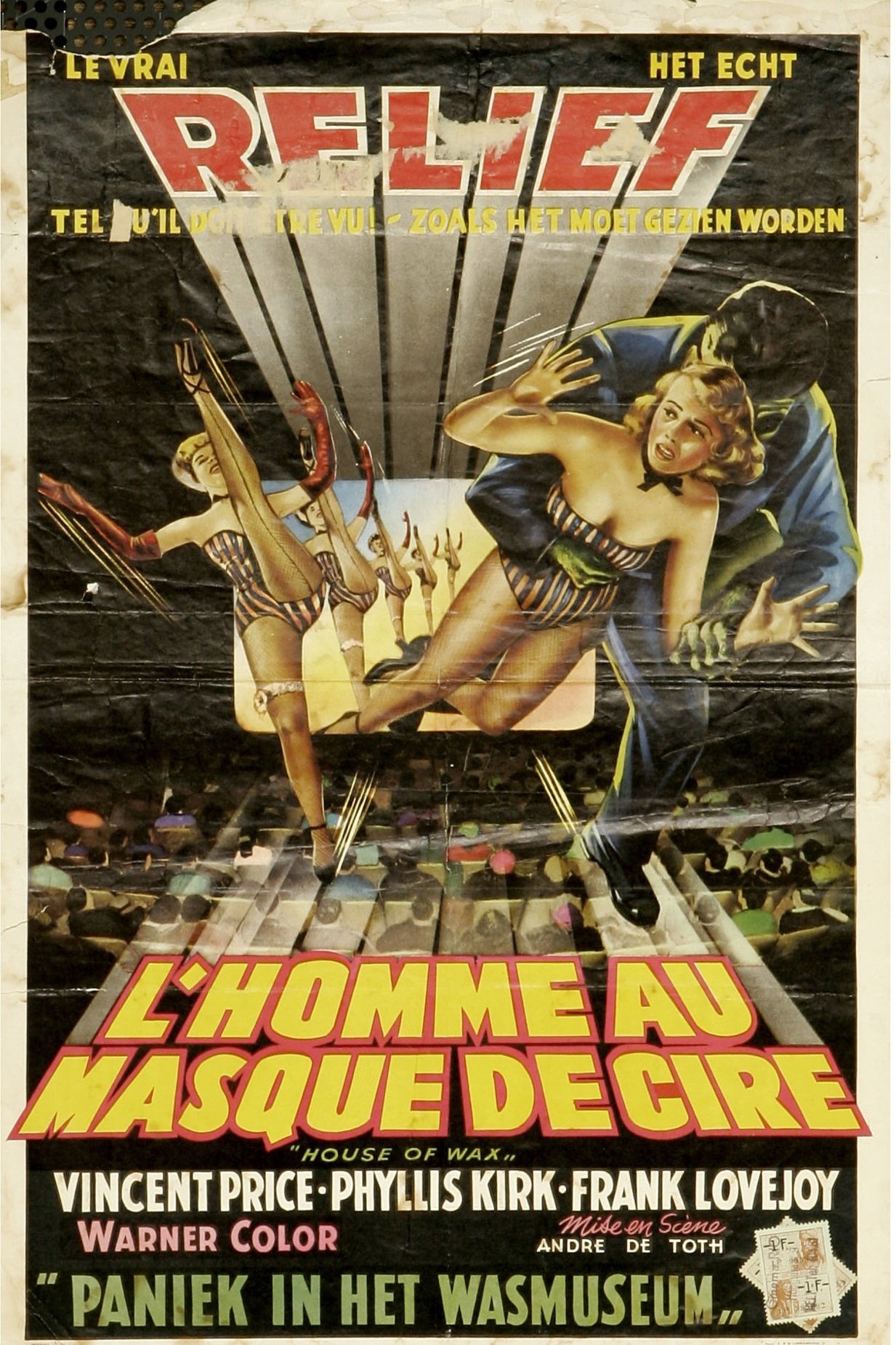
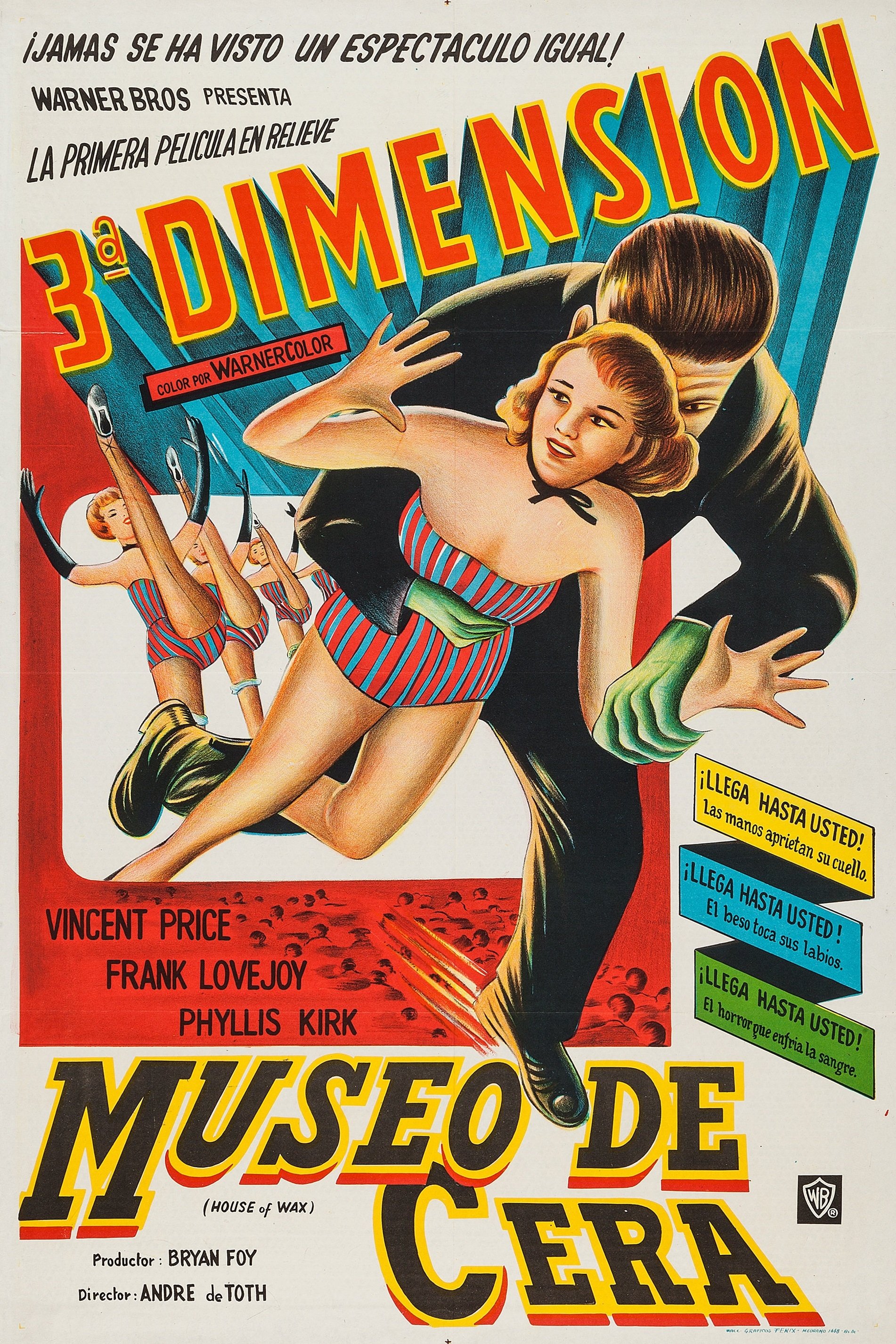
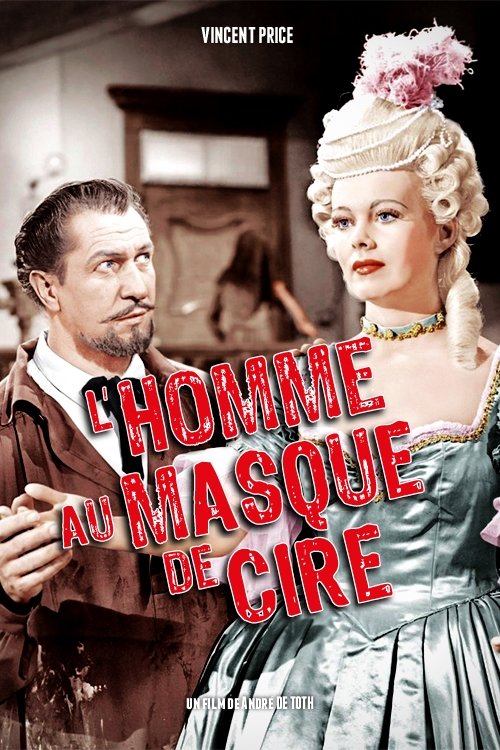
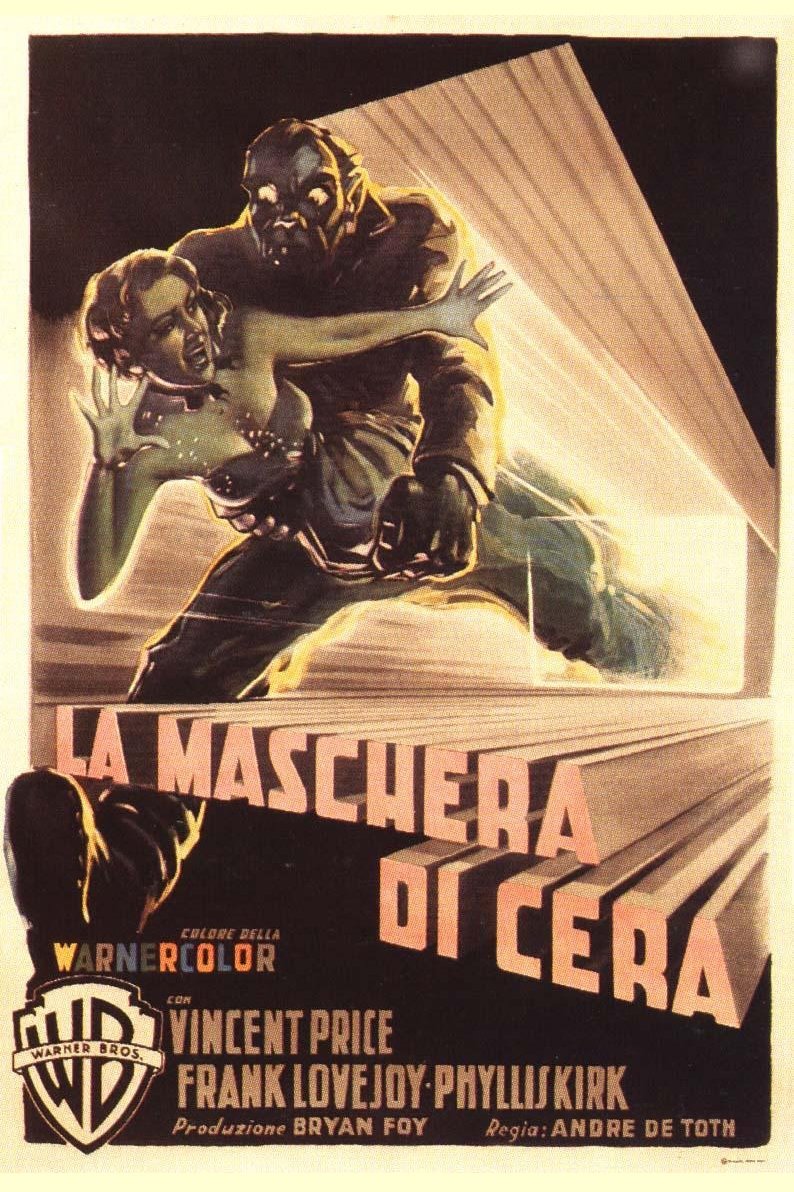
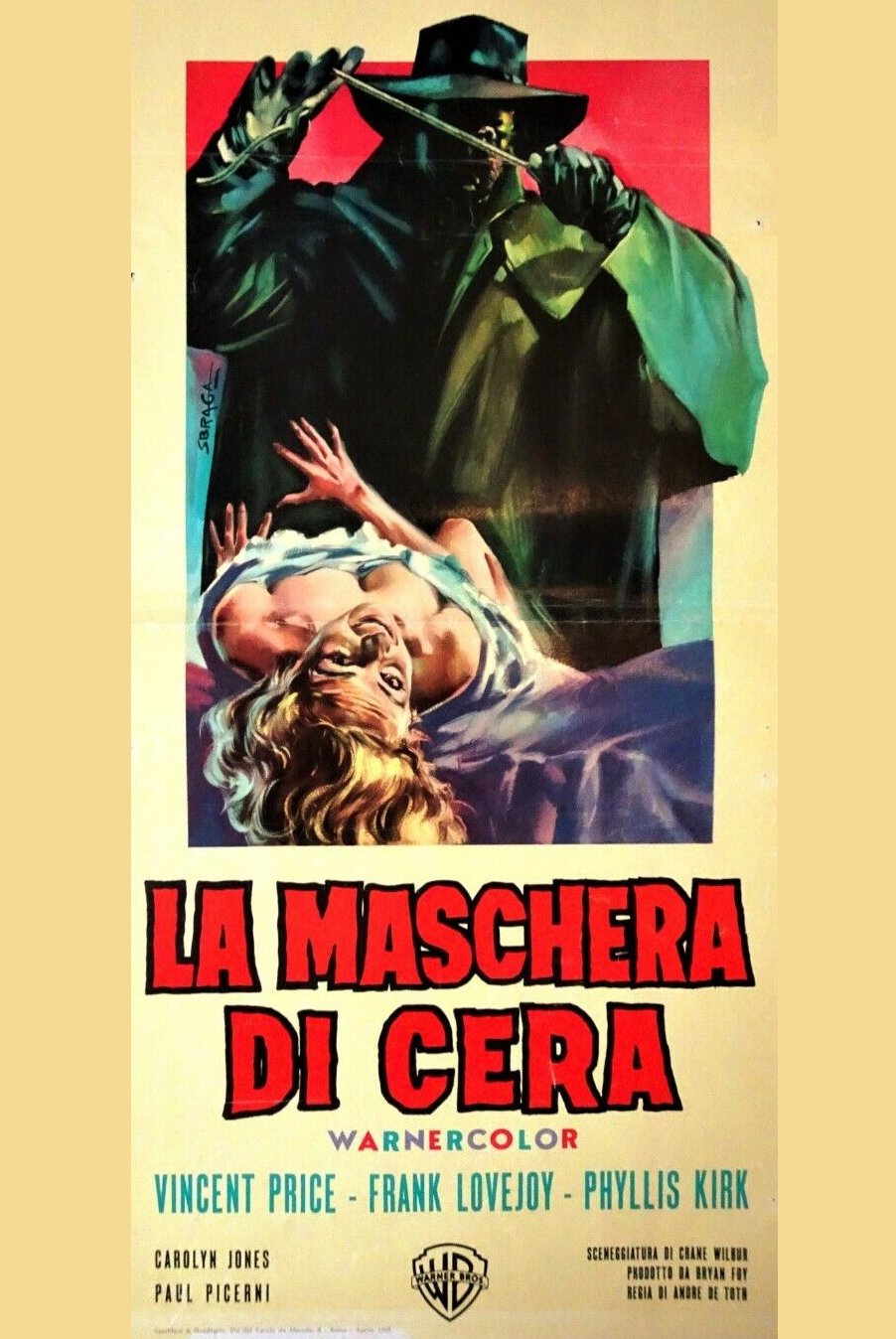
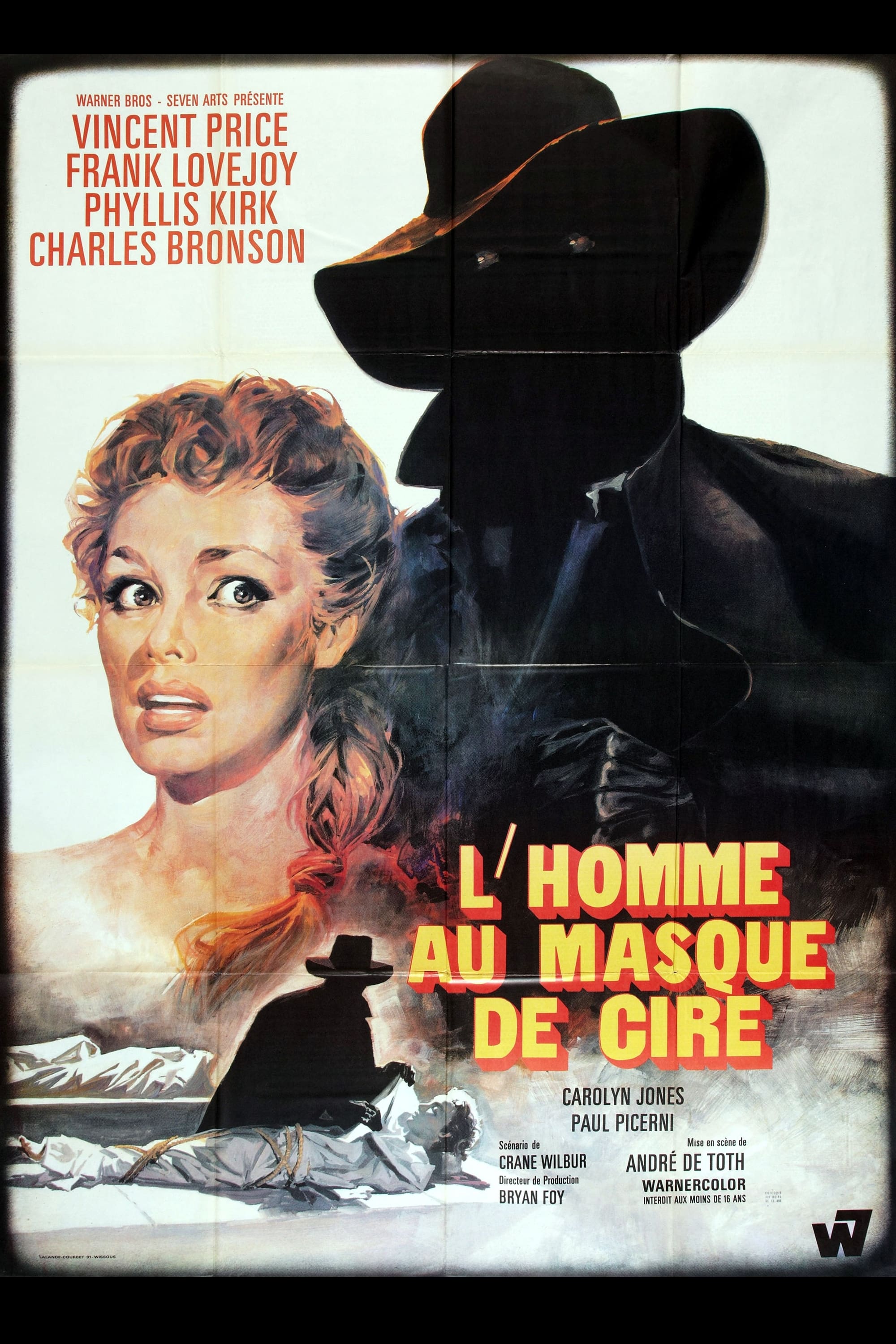
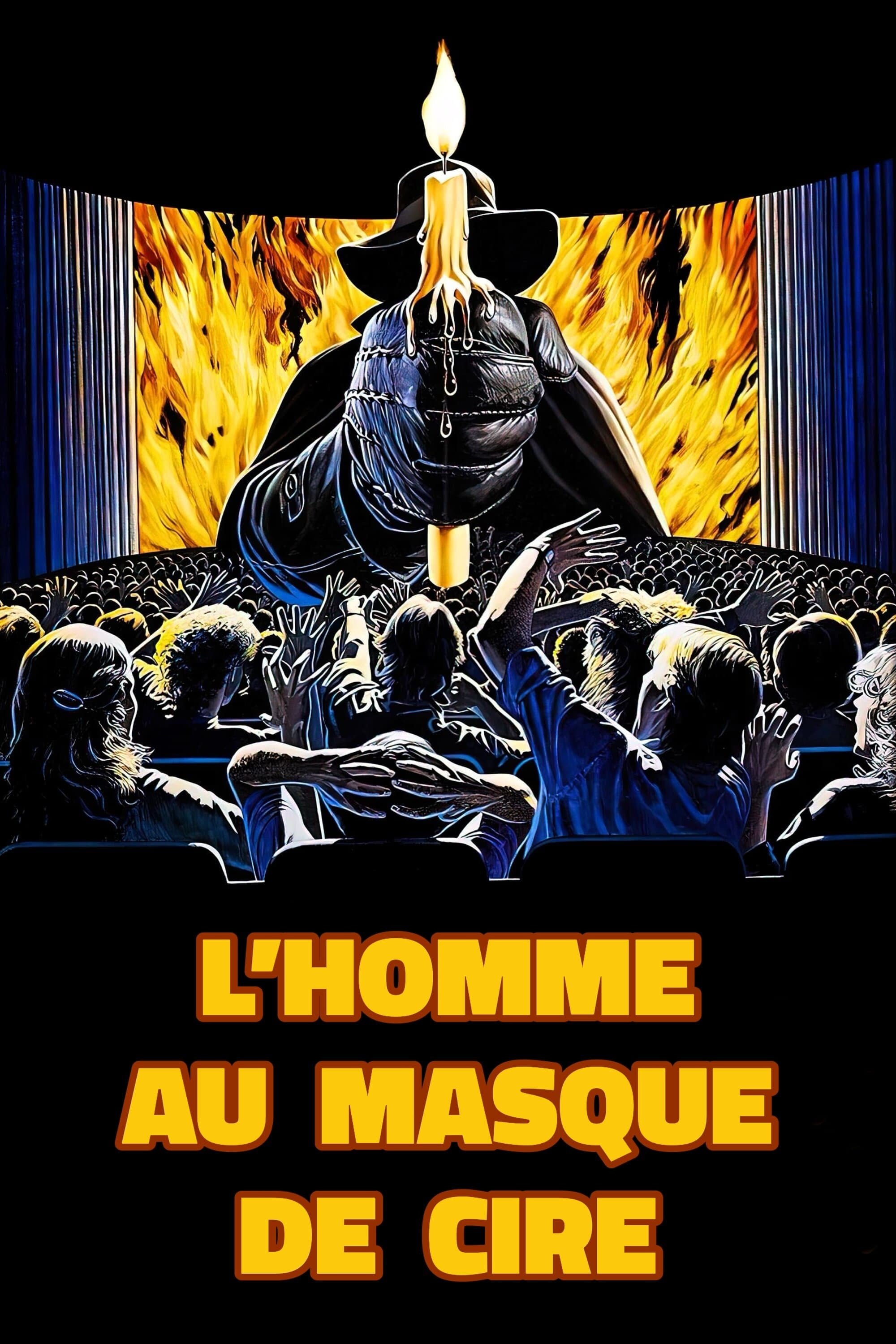
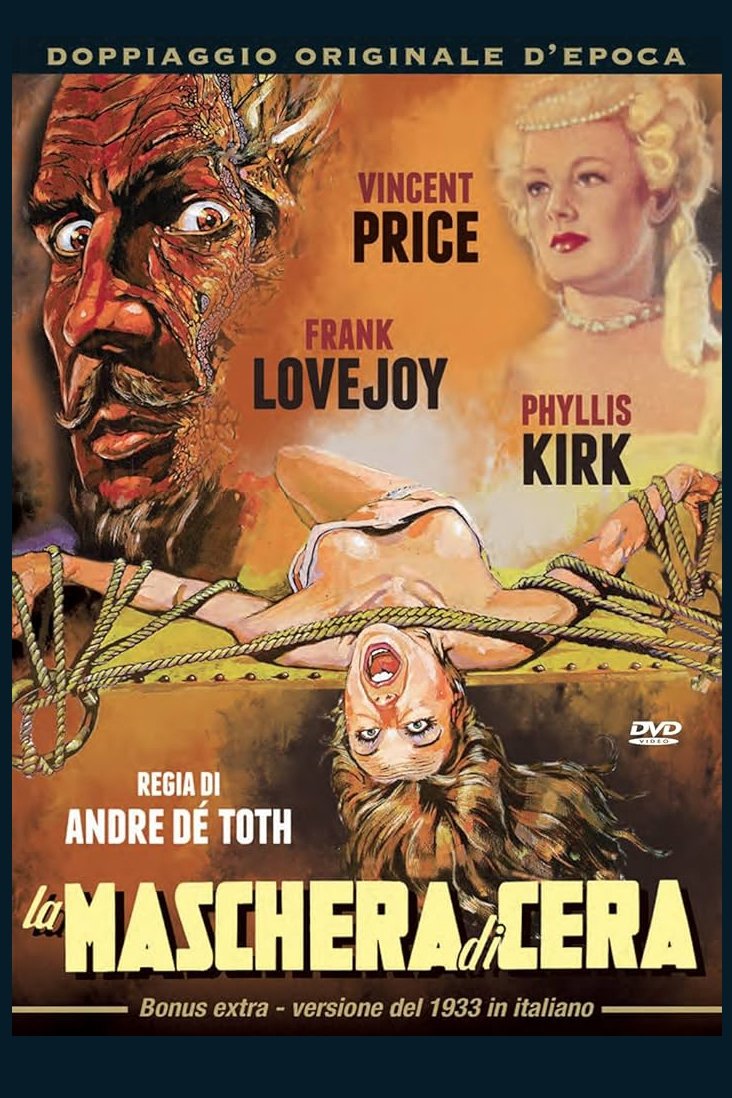
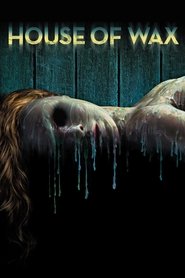
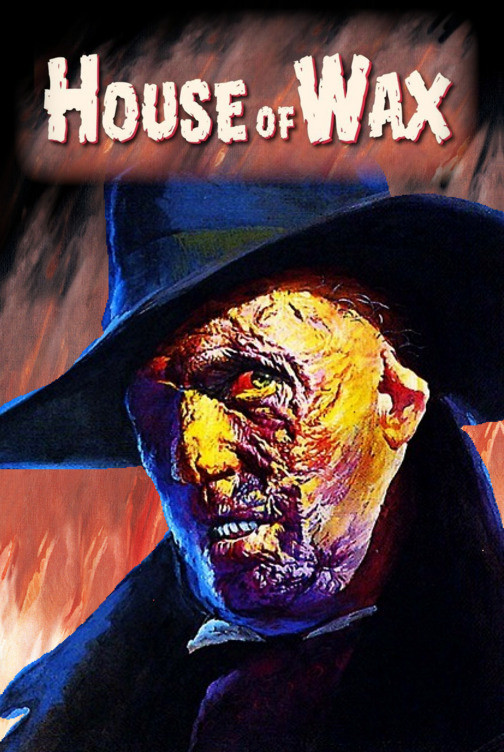
House of Wax (1953) poster
Director
Production Company
Warner Bros. Pictures
Plot

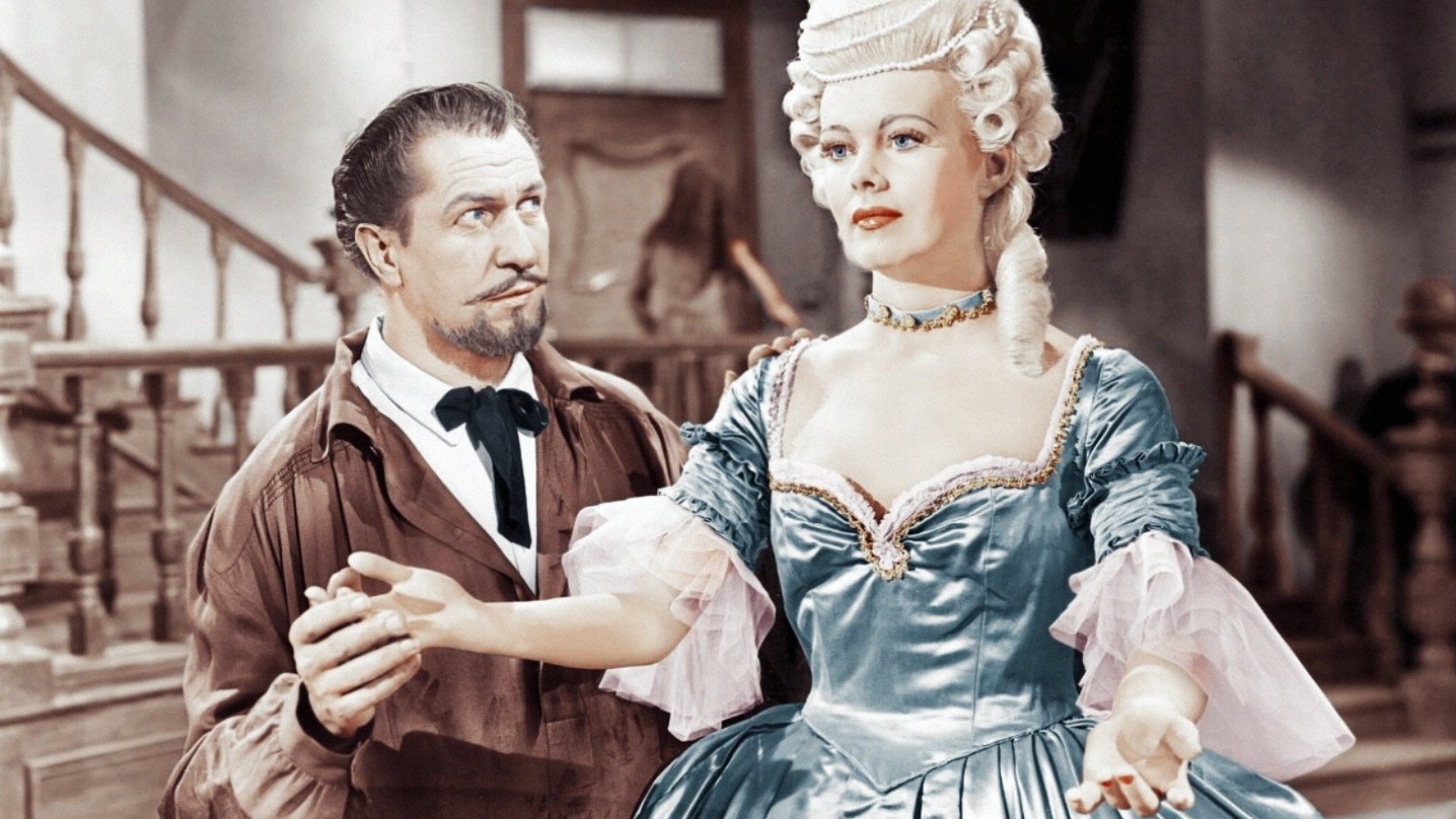
A New York sculptor who opens a wax museum to showcase the likenesses of famous historical figures runs into trouble with his business partner, who demands that the exhibits become more extreme in order to increase profits.

Alternative Titles
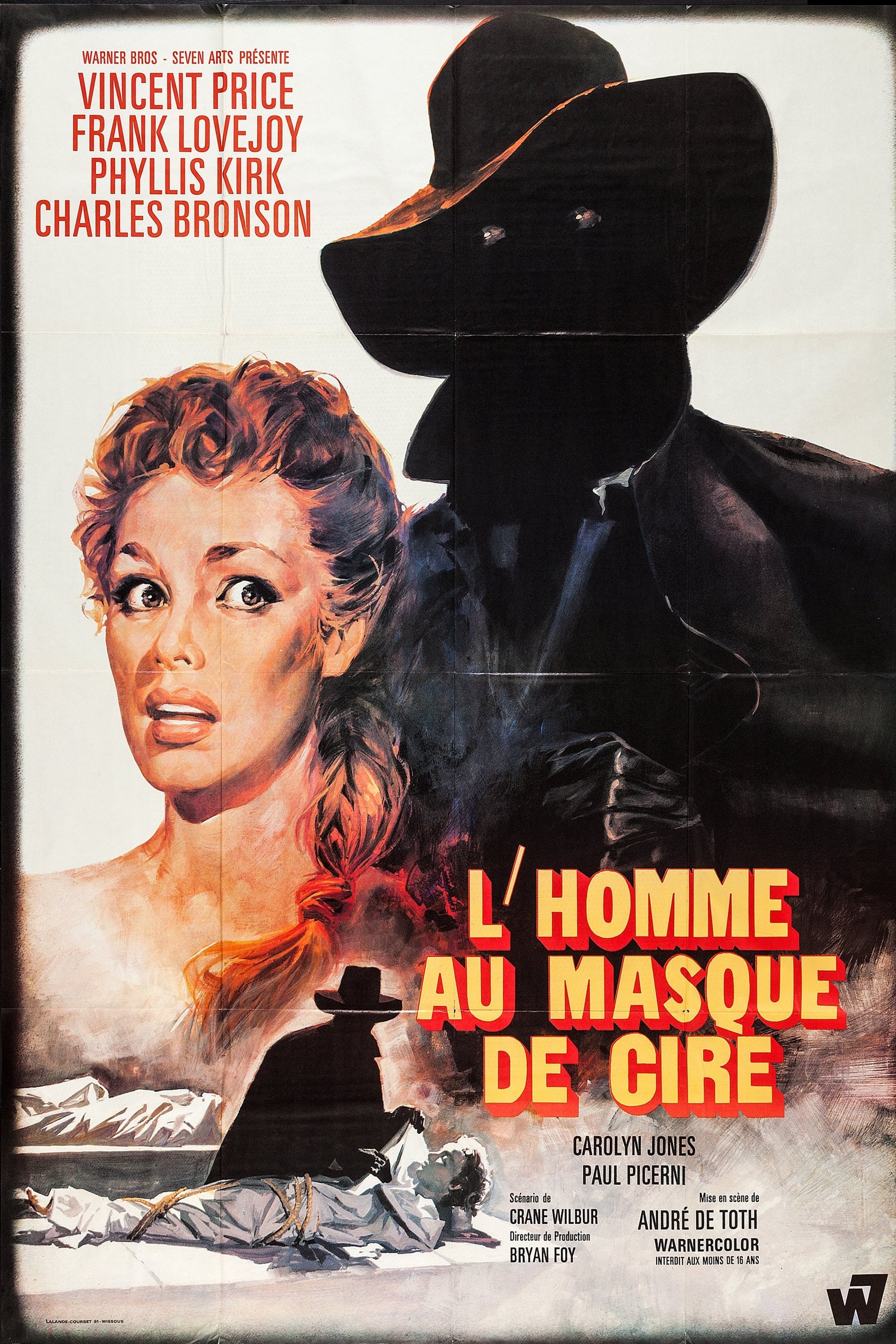
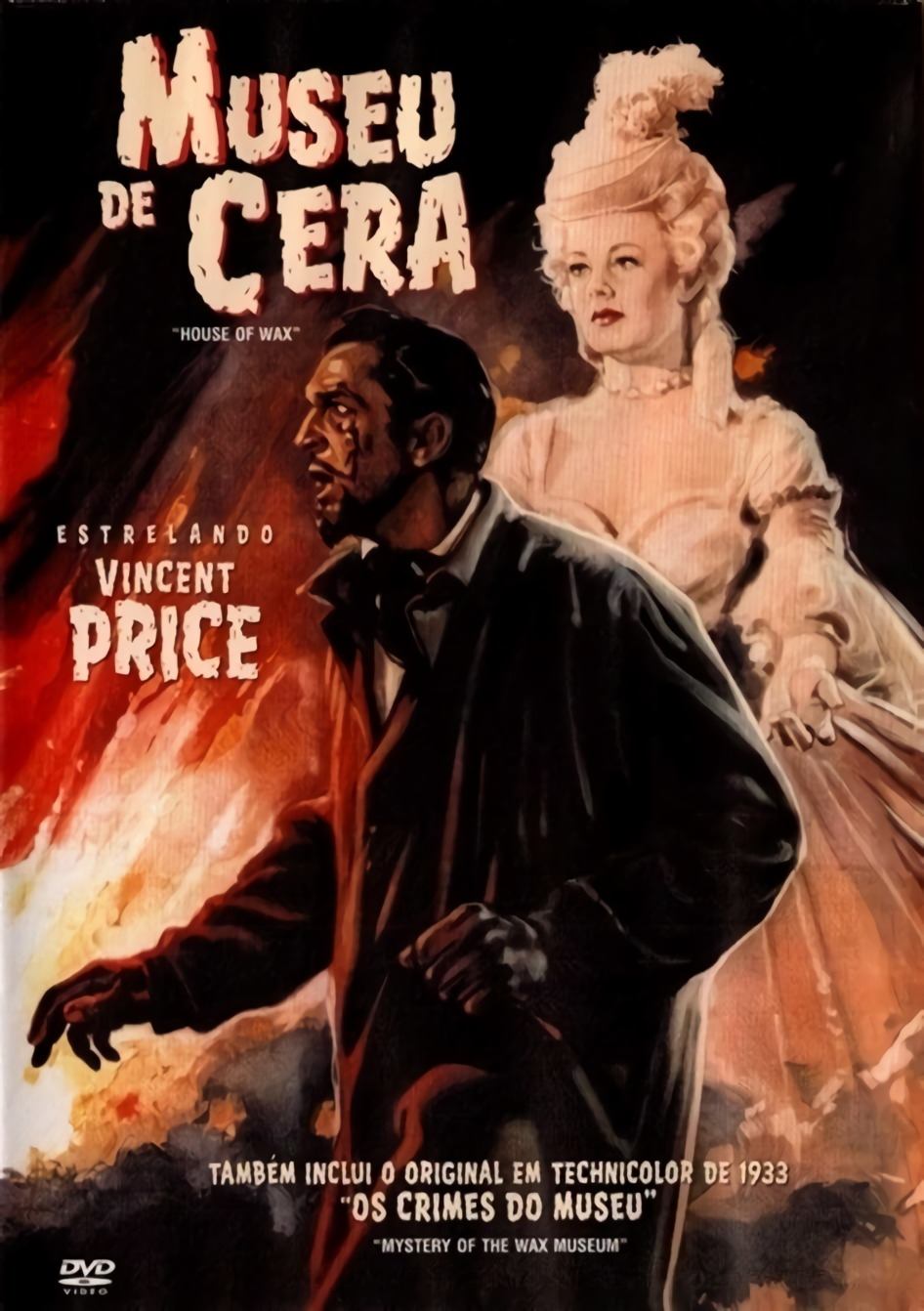
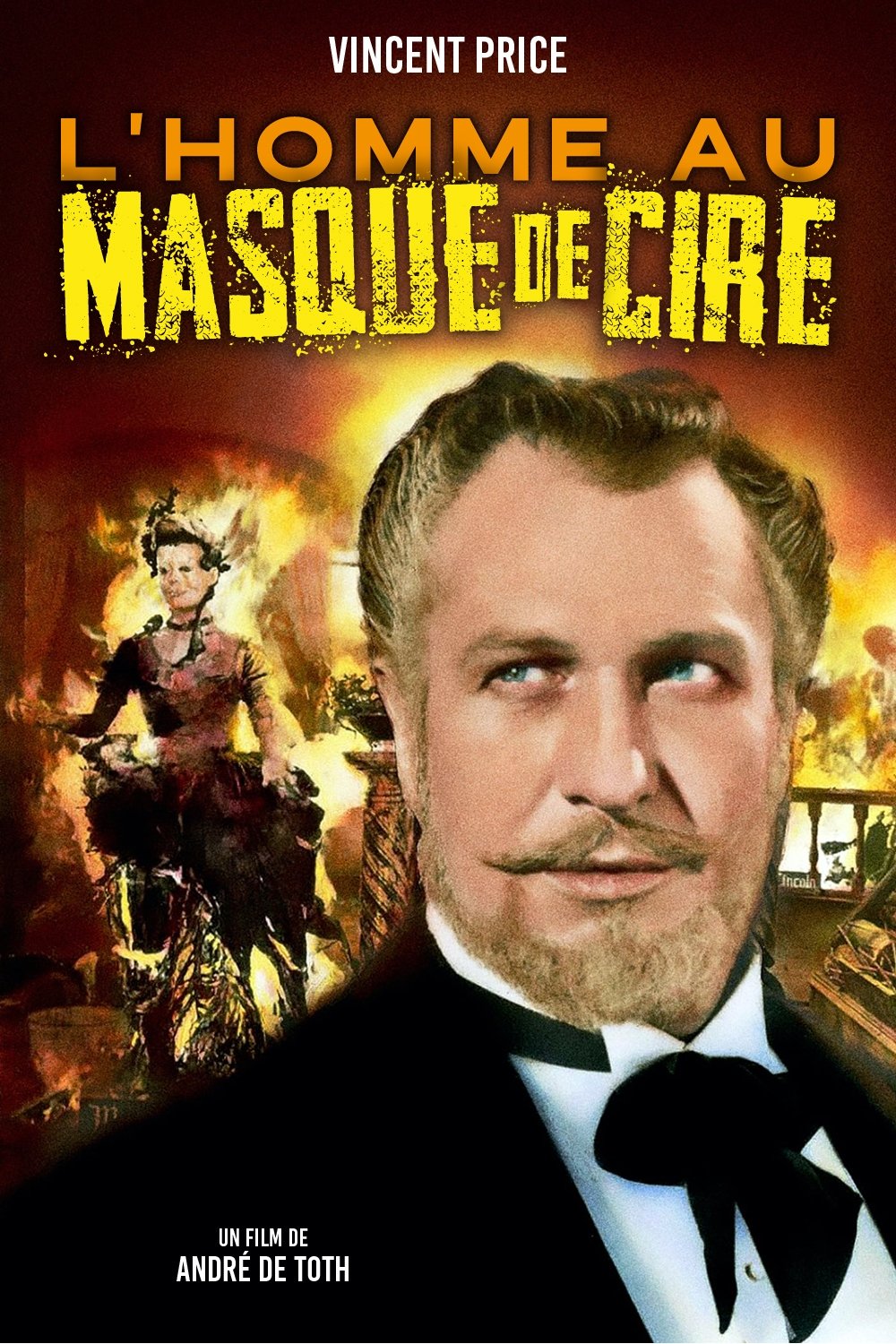
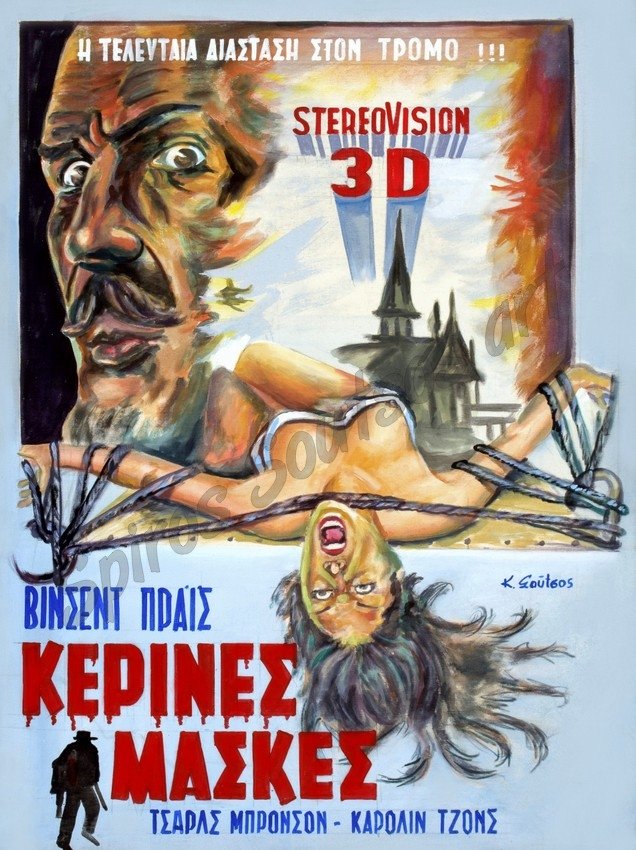
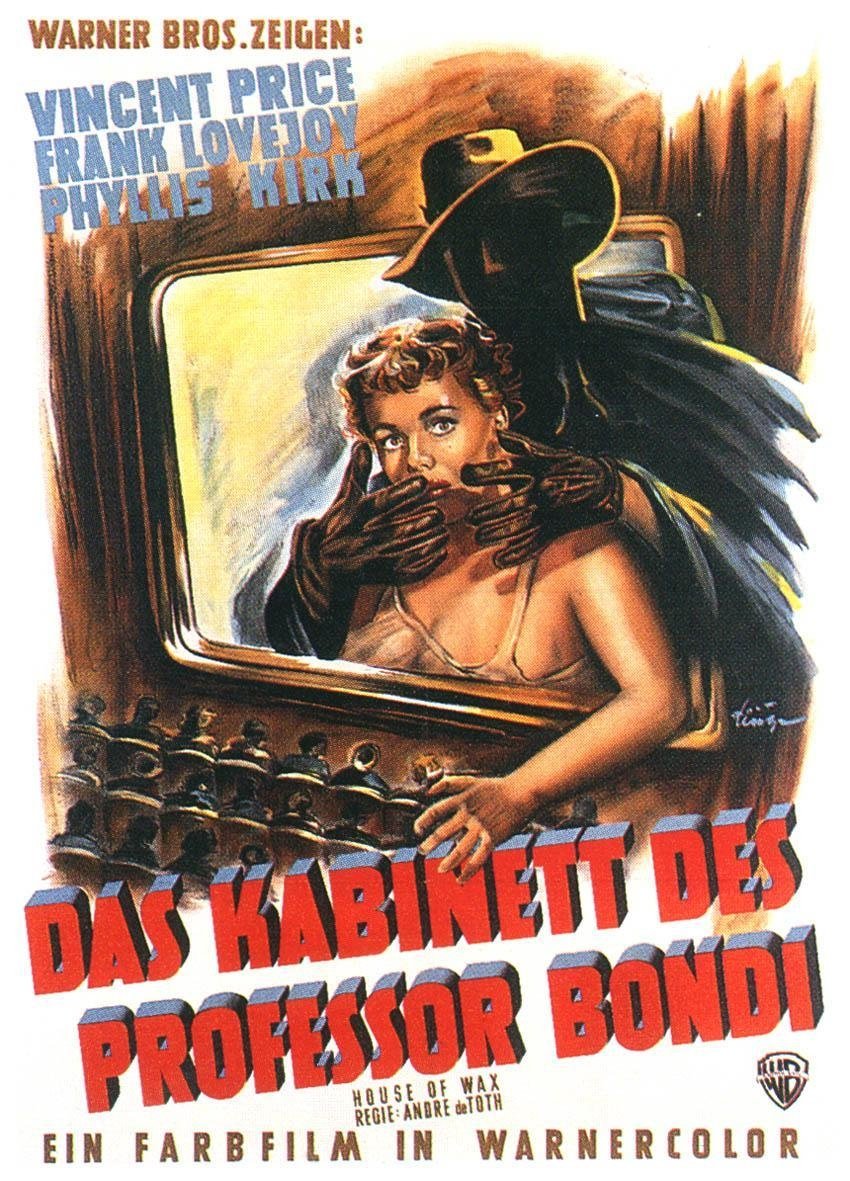
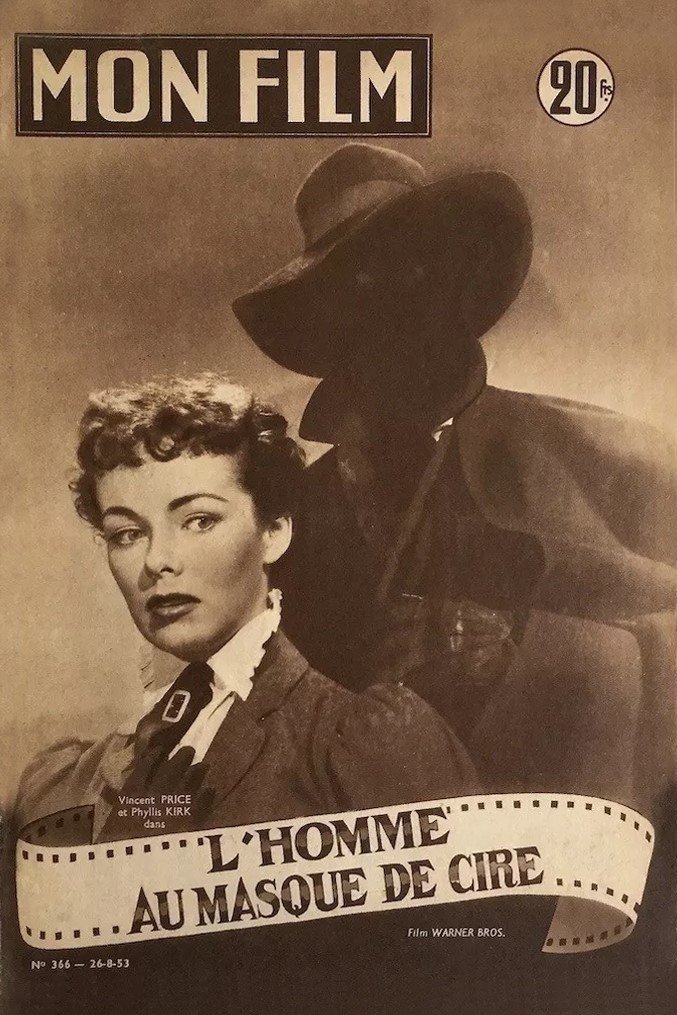
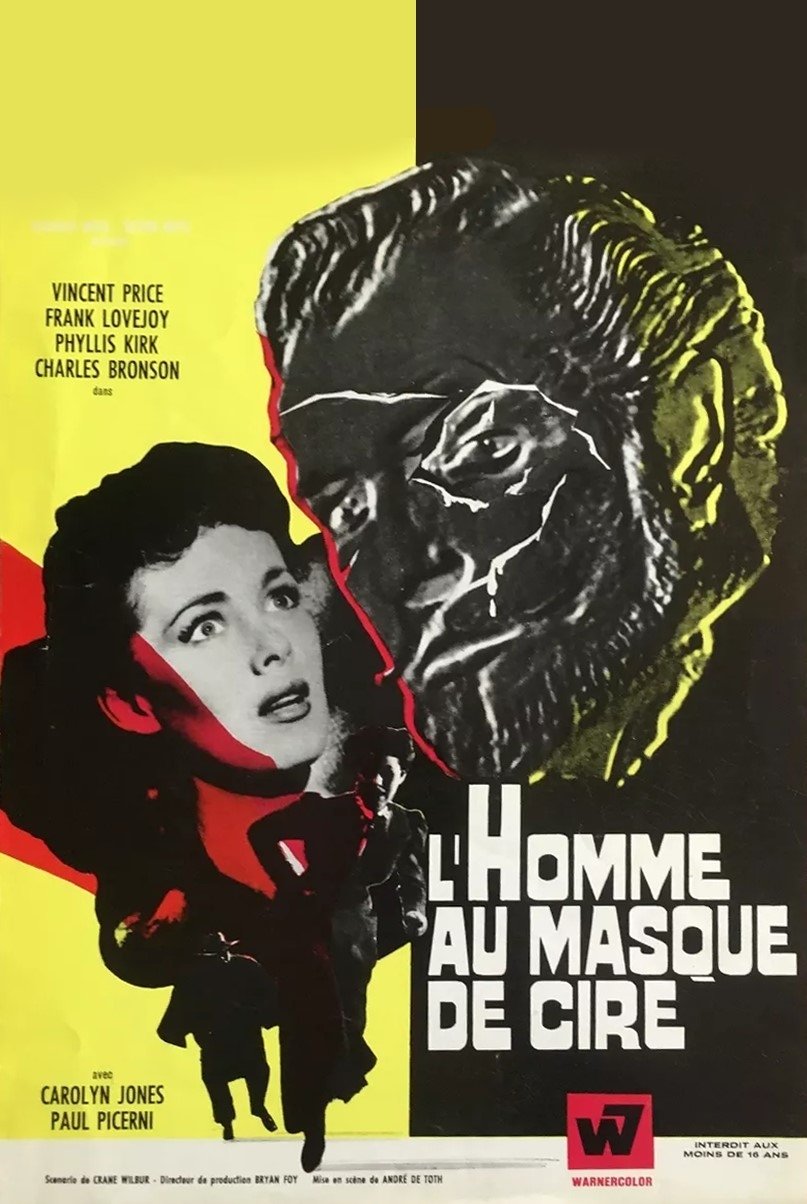
Terror en el museo de cera (Argentina) L'homme au masque de cire (Belgium) — French title Paniek in het wasmuseum (Belgium) — Flemish title Къщата на восъчните фигури (Bulgaria) Museu de Cera (Brazil) — Portuguese L'Homme au masque de cire (Canada) — French 恐怖蜡像馆 (China) — Chinese Dům voskových figurín (Czechia) — Czech
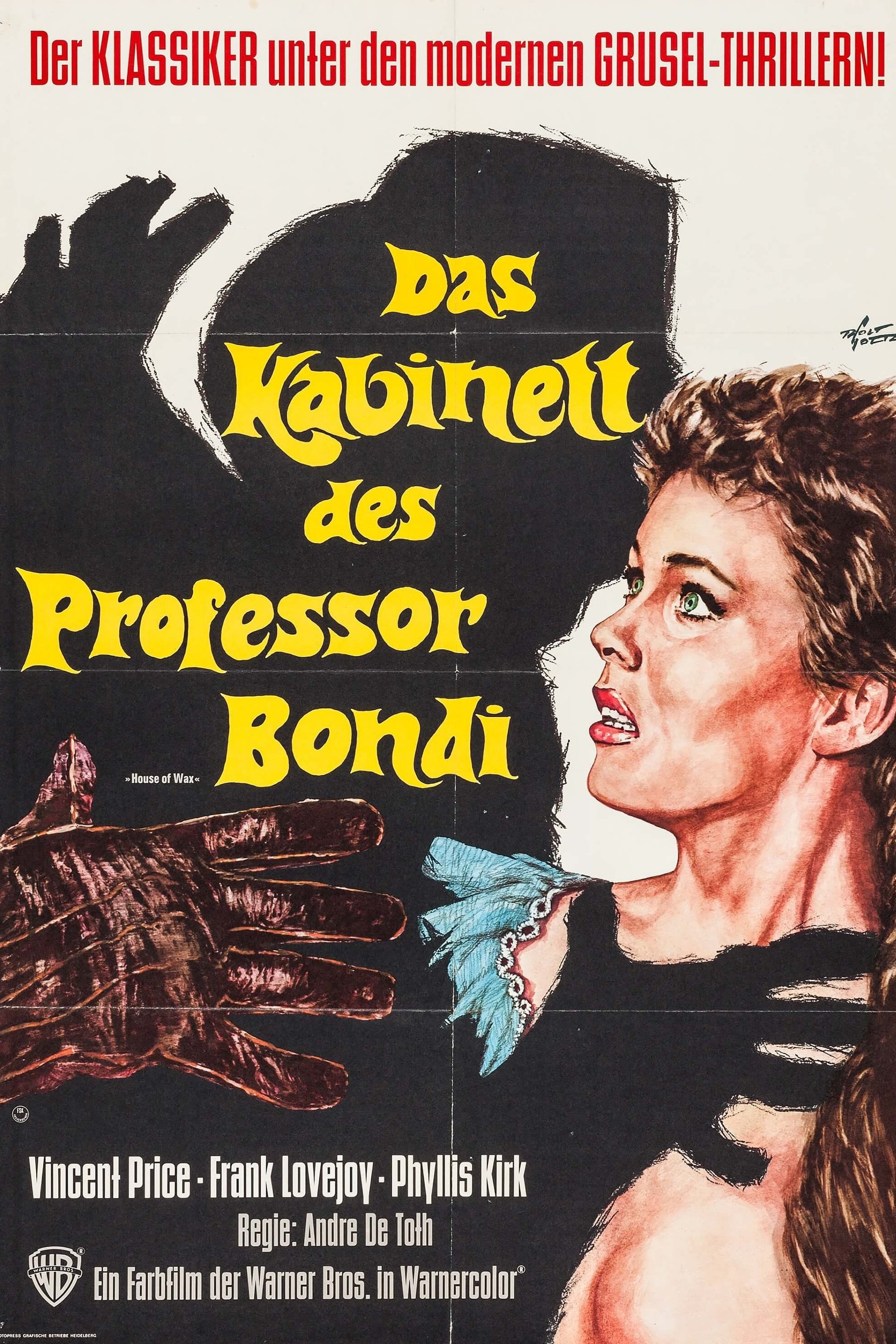
Show all 36 alternative titles Das Kabinett des Professor Bondi (Germany) — German Vokskabinettet (Denmark) Els crims del museu de cera (Spain) — Catalan Los crímenes del museo de cera (Spain) — Spanish Vahakabinetti (Finland) L'Homme au masque de cire (France) — French Kerines maskes (Greece) Panoptikum - A viaszbabák háza (Hungary) — Hungarian בית השעווה (Israel) — Hebrew La maschera di cera (Italy) — Italian Niku no rouningyou (Japan) — DVD title 肉の蝋人形 (Japan) — Japanese 밀랍인형의 집 (South Korea) — Korean Museo de cera (Mexico) — Spanish De man met de wassen beelden (Netherlands) Gabinet figur woskowych (Poland) — Polish Máscaras de Cera (Portugal) — Portuguese Muzeul figurilor de ceara (Romania) Kuća od voska (Serbia) Дом восковых фигур (Russia) Музей восковых фигур (Russia) — Russian Vaxkabinettet (Sweden) — Swedish Dom voskových figurín (Slovakia) — Slovak อาถรรพ์หุ่นขี้ผึ้ง (Thailand) — Thai Canavarlar Sarayi (Türkiye) Будинок воскових фігур (Ukraine) — Ukrainian The Wax Works (United States) — Working Title Terror en el museo de cera (Venezuela)

Trailers & Videos

6 videos

Film Guide

André De Toth’s 1953 horror landmark: Vincent Price, Natural Vision 3-D, WarnerPhonic sound, Gothic effects, censorship and stereoscopic restoration.

House of Wax (1953), directed by André De Toth for Warner Bros., occupies a pivotal position in the history of American horror and stereoscopic filmmaking. Its story of a disfigured sculptor who incorporates human corpses into his wax museum brought Vincent Price one of his defining screen roles while demonstrating the commercial possibilities of color 3-D photography. Released during Hollywood’s struggle to compete with television, the film used the Natural Vision process and WarnerPhonic sound to turn a familiar Gothic murder story into an immersive theatrical attraction. The wax museum provided an unusually appropriate setting for stereoscopy: its life-sized figures, enclosed galleries and uncertain boundaries between living bodies and artificial replicas were already concerned with the illusion of physical presence.

The film revisited material previously adapted by Michael Curtiz in Mystery of the Wax Museum (1933), connecting two periods of technological experimentation at Warner Bros. Both productions employed a developing photographic process within a horror narrative, but De Toth’s version gave greater prominence to the sculptor’s relationship with his creations and the grotesque spectacle of their destruction. Its reputation also extends beyond technical novelty. The combination of Vincent Price’s controlled theatricality, elaborate studio environments and macabre visual effects helped establish a recognizable mode of mid-century American Gothic horror.

Origins and the 1933 Film

The property originated with Charles Belden’s story The Wax Works, which Warner Bros. had already developed into Mystery of the Wax Museum (1933). Directed by Michael Curtiz, the earlier film featured Lionel Atwill as a sculptor whose professional obsession becomes murderous after the destruction of his museum. Produced before the full enforcement of the Hollywood Production Code, it combined criminal investigation, unsettling displays of human remains and a modern urban setting. Its distinctive appearance came from an early two-color Technicolor process. The technical circumstances of the 1933 production made it an appropriate precedent when Warner Bros. began searching for material suited to another photographic experiment twenty years later.

Screenwriter Crane Wilbur reworked the earlier film into a screenplay developed under the working title The Wax Works. The setting was shifted to the 1890s, while the investigation was reorganized around Sue Allen, a young woman who gradually recognizes the connection between missing bodies and the museum’s suspiciously lifelike exhibits. The 1953 version places Professor Henry Jarrod at the center of the opening sequence, establishing his artistic ambitions before the fire that destroys his work. His subsequent return as the proprietor of a more sensational museum provides the narrative with a transformation from respected craftsman to murderer. The new period setting also allowed the filmmakers to construct an elaborate world of gaslit streets, theatrical entertainment and crowded exhibition halls.
Production and Creative Decisions

The commercial success of the independently produced Bwana Devil (1952) demonstrated that audiences were willing to pay for stereoscopic attractions. Warner Bros. responded by arranging to use the Natural Vision process developed through the work of Lothrop Worth, Friend Baker and the Gunzburg brothers. The studio selected a horror property with an established production history, reducing the time required to develop an entirely new screenplay. Filming began on January 19, 1953, and was completed in approximately twenty-eight days. The abbreviated schedule was particularly demanding because the stereoscopic equipment required precise coordination between camera operation, lighting, performance and set construction.
André De Toth was a striking choice because he had vision in only one eye and could not personally perceive the stereoscopic effect. His appointment nevertheless reflected an existing interest in 3-D filmmaking rather than an accidental contradiction. In a retrospective interview published by American Cinematographer, De Toth explained that he considered stereoscopy a means of involving viewers physically in the dramatic action. His approach depended on the contributions of specialized camera personnel who could assess depth and alignment during photography. The director’s inability to experience binocular depth did not prevent him from determining how the narrative should use foreground objects, spatial relationships and movement.

The production also reveals less celebrated aspects of studio-era filmmaking. Contemporary trade reporting preserved by the American Film Institute records that actor Ned Young lost his screen billing following an appearance before the House Committee on Un-American Activities. Another production report described several extras becoming faint during the chamber-of-horrors sequence, with De Toth acknowledging the contribution of restrictive period costumes. These incidents place the film within the industrial and political circumstances of 1953 Hollywood. They also distinguish its documented production history from later promotional accounts devoted almost exclusively to its unusual photographic process.

Natural Vision and Stereoscopic Cinematography

House of Wax was photographed with the Natural Vision stereoscopic system, recording separate images corresponding to the viewer’s left and right eyes. Exhibition required synchronized projection and polarized glasses to produce the illusion of depth. The process was more demanding than ordinary single-camera photography because the relationship between the two images had to remain consistent. Any significant error in convergence or vertical alignment could create distracting double images. The film was photographed in WarnerColor, the studio’s color process based on Eastmancolor materials, allowing the production to combine vivid color with stereoscopic staging. Warner Bros. promoted this combination as a major advance in theatrical presentation.

The cinematography underwent an important personnel change after Bert Glennon became ill early in production. J. Peverell Marley assumed responsibility for the photographic work with minimal preparation time. In an article originally published in American Cinematographer in May 1953, Marley explained how stereoscopic composition required careful control of interaxial distance, convergence and the relative prominence of objects within the frame. He warned that conventional foreground devices could become excessively distracting when reproduced in three dimensions. Lighting likewise required attention to contrast, since strongly separated visual planes could produce uncomfortable results. His account provides unusually detailed contemporary evidence of the technical decisions involved in photographing the film.

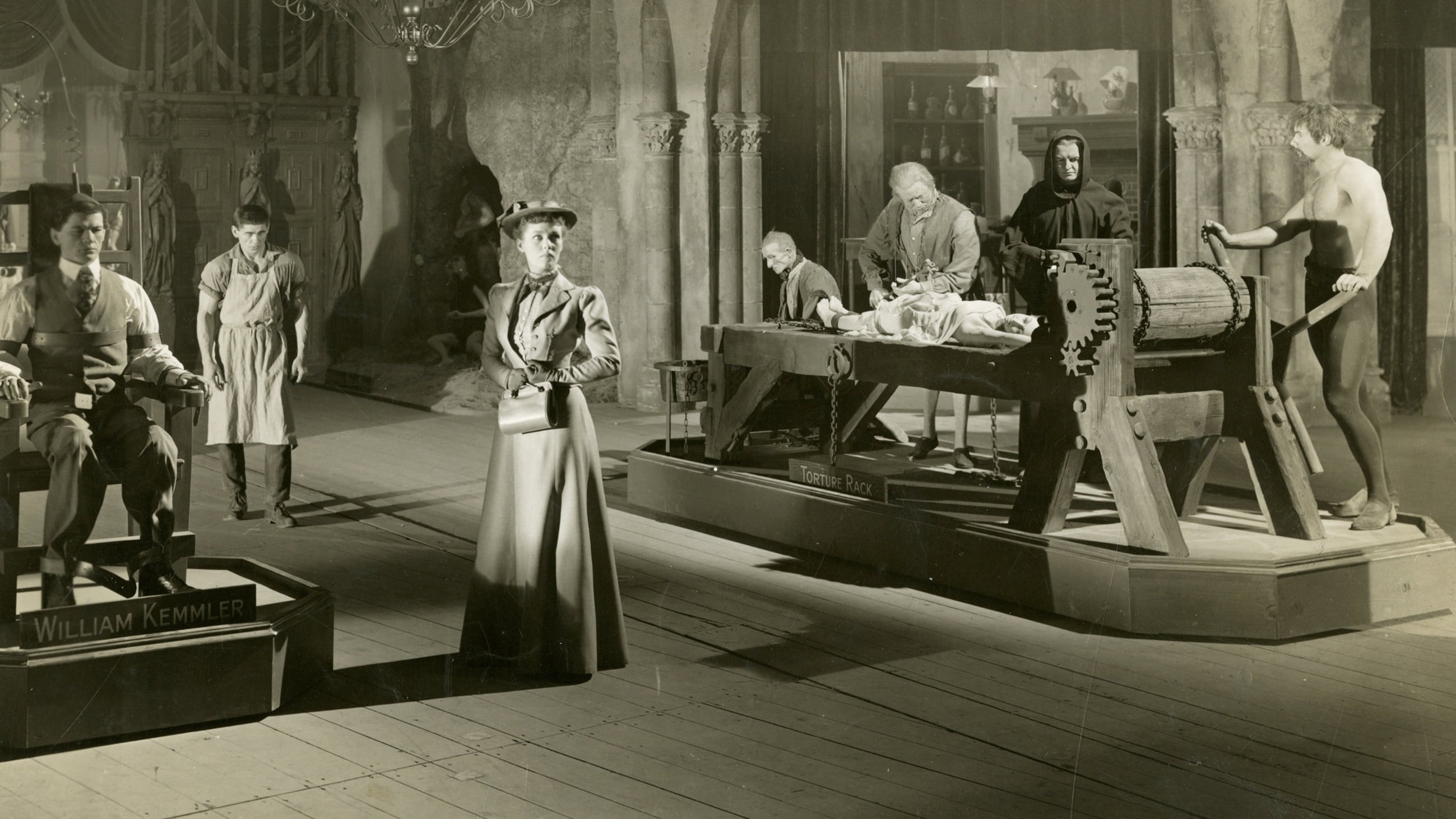
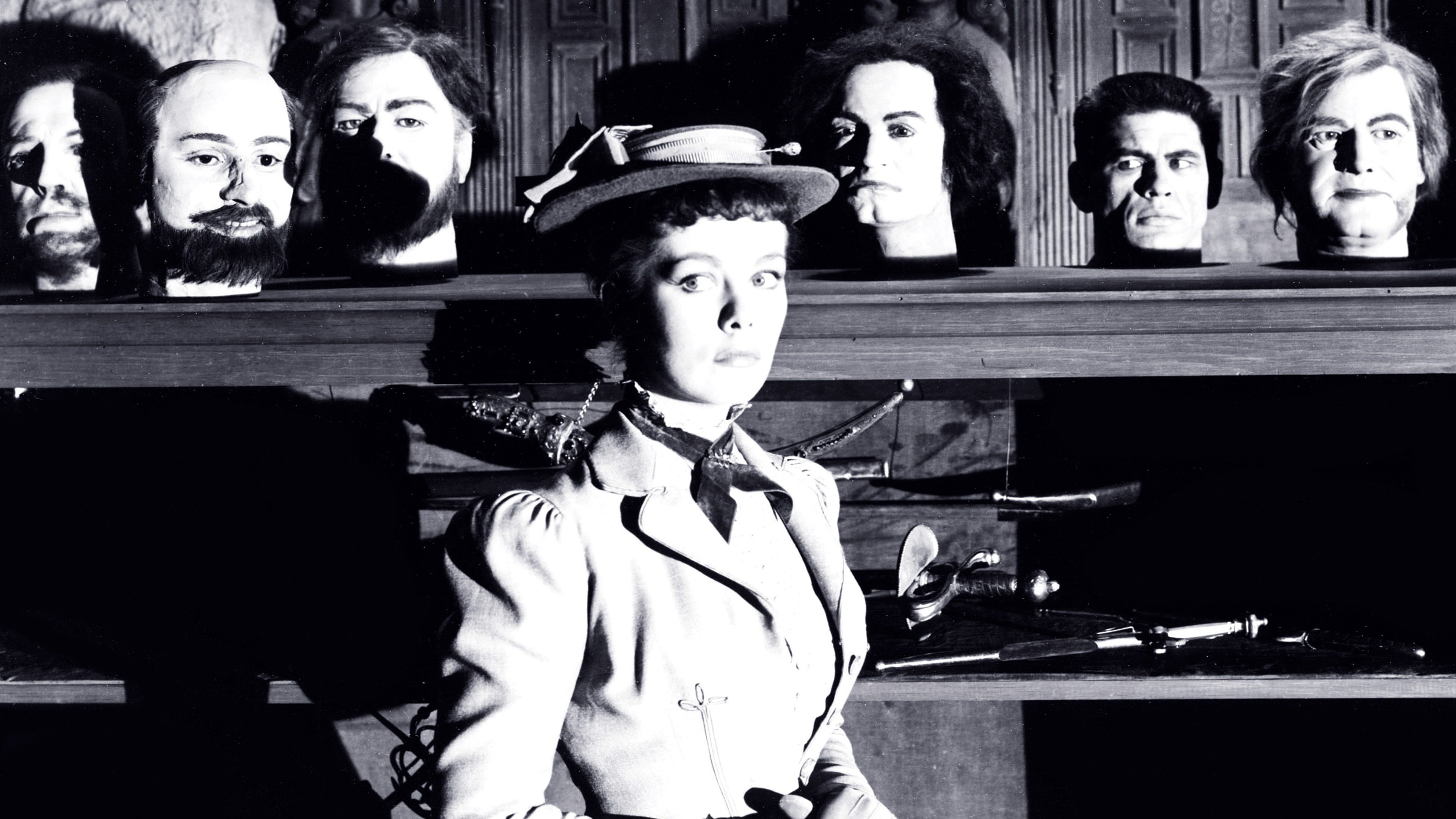
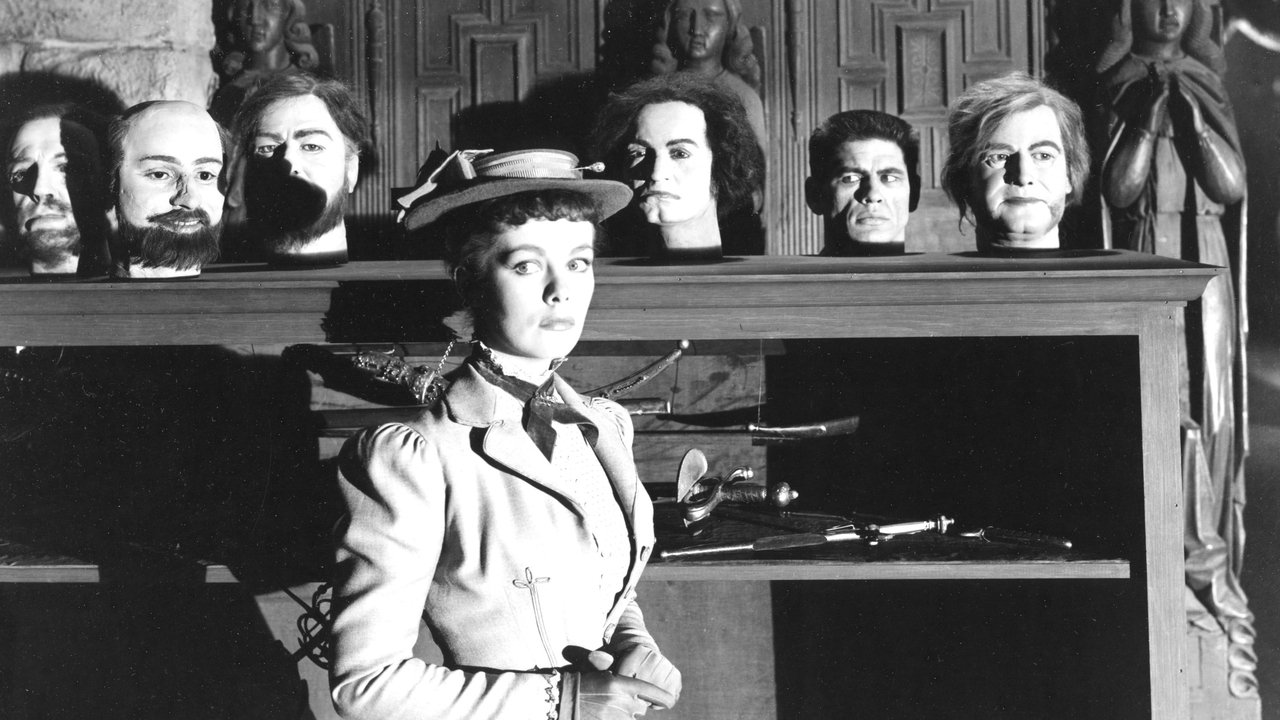
De Toth used the process for sustained dramatic compositions as well as spectacular effects. In the opening museum sequence, sculpted figures occupy multiple depths while the camera moves among them, making their physical presence increasingly convincing. A later pursuit through deserted streets uses an expanding field of visible space to emphasize Sue Allen’s isolation. During the climactic struggle, Igor appears to emerge upward from the audience’s space toward the action. These scenes demonstrate contrasting applications of stereoscopy: architectural depth can establish an environment, while sudden movement across the apparent screen plane can produce an immediate physical reaction.

Wax Figures, Makeup and Gothic Horror

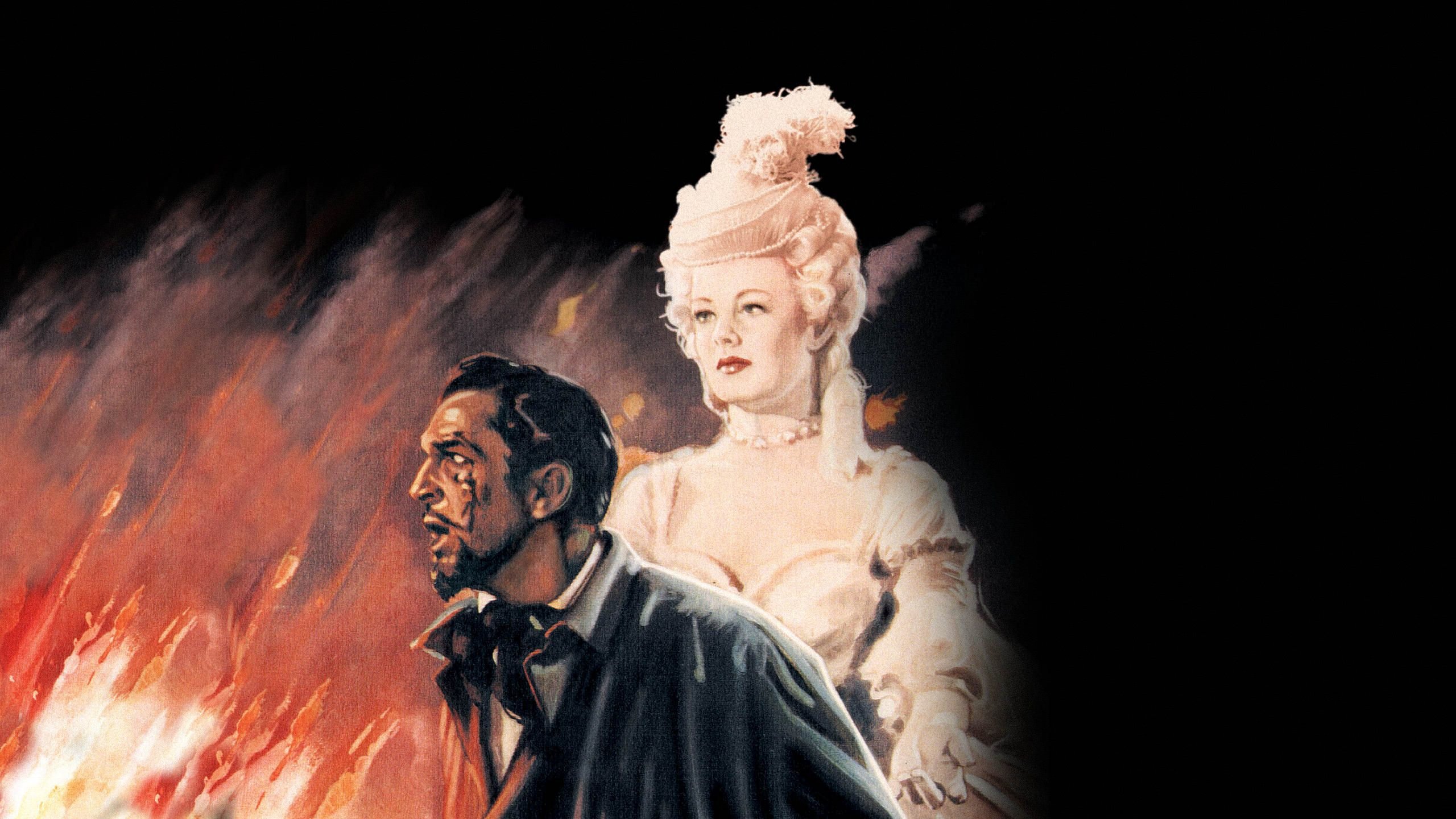
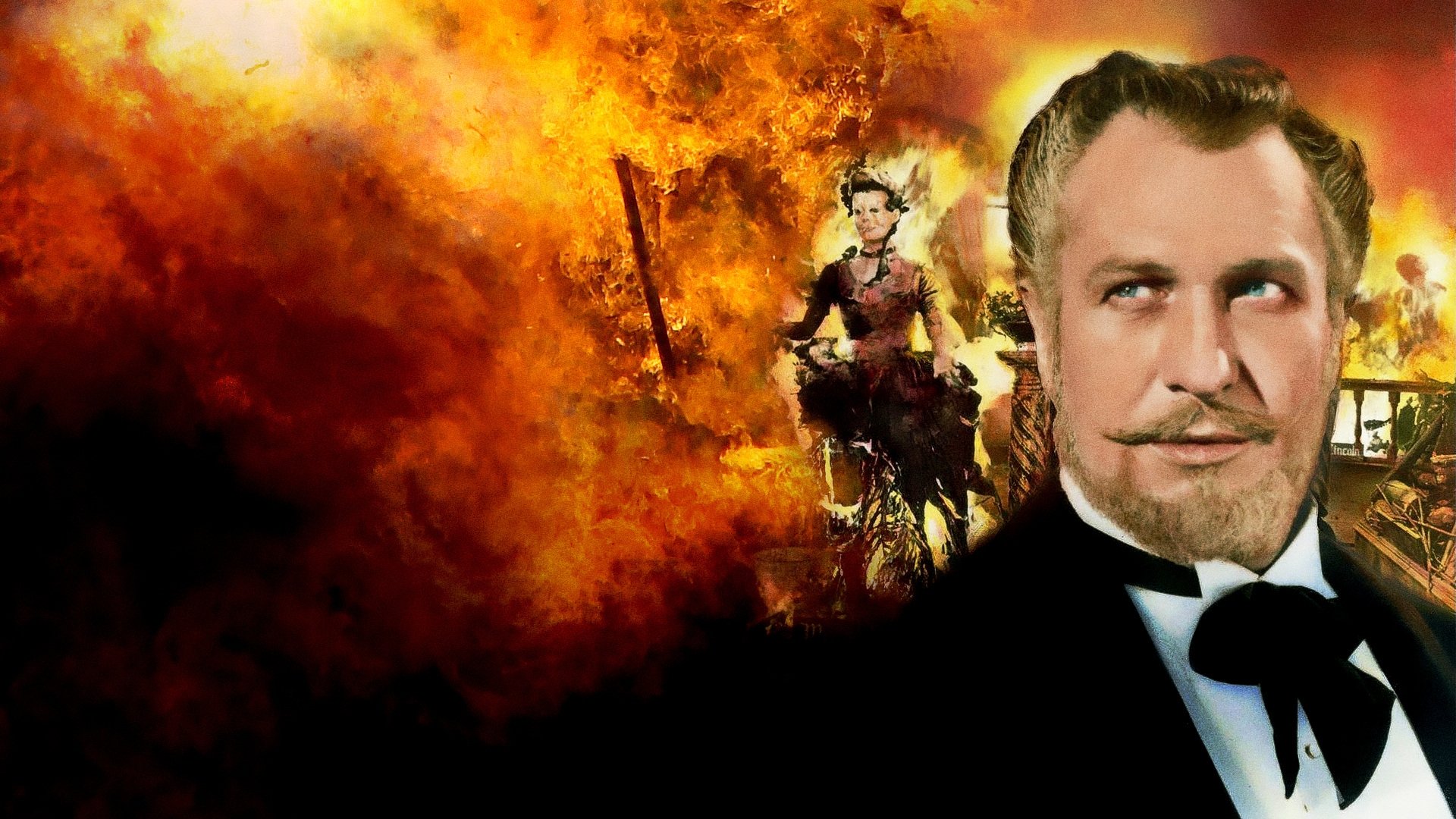
The destruction of Jarrod’s original museum provides the film with one of its most memorable practical-effects sequences. As the building burns, the sculpted figures begin to deform, their features collapsing as flames spread through the galleries. Close shots of melting faces and dislodged eyes emphasize the resemblance between wax effigies and living bodies. Contemporary cinematographic coverage identified the scene as a major technical achievement because the fire, figures and surrounding architecture were presented with pronounced stereoscopic depth. The imagery also establishes the emotional basis of Jarrod’s subsequent violence: the objects he considers artistic achievements are destroyed in front of him, and their disintegration anticipates his own physical disfigurement.

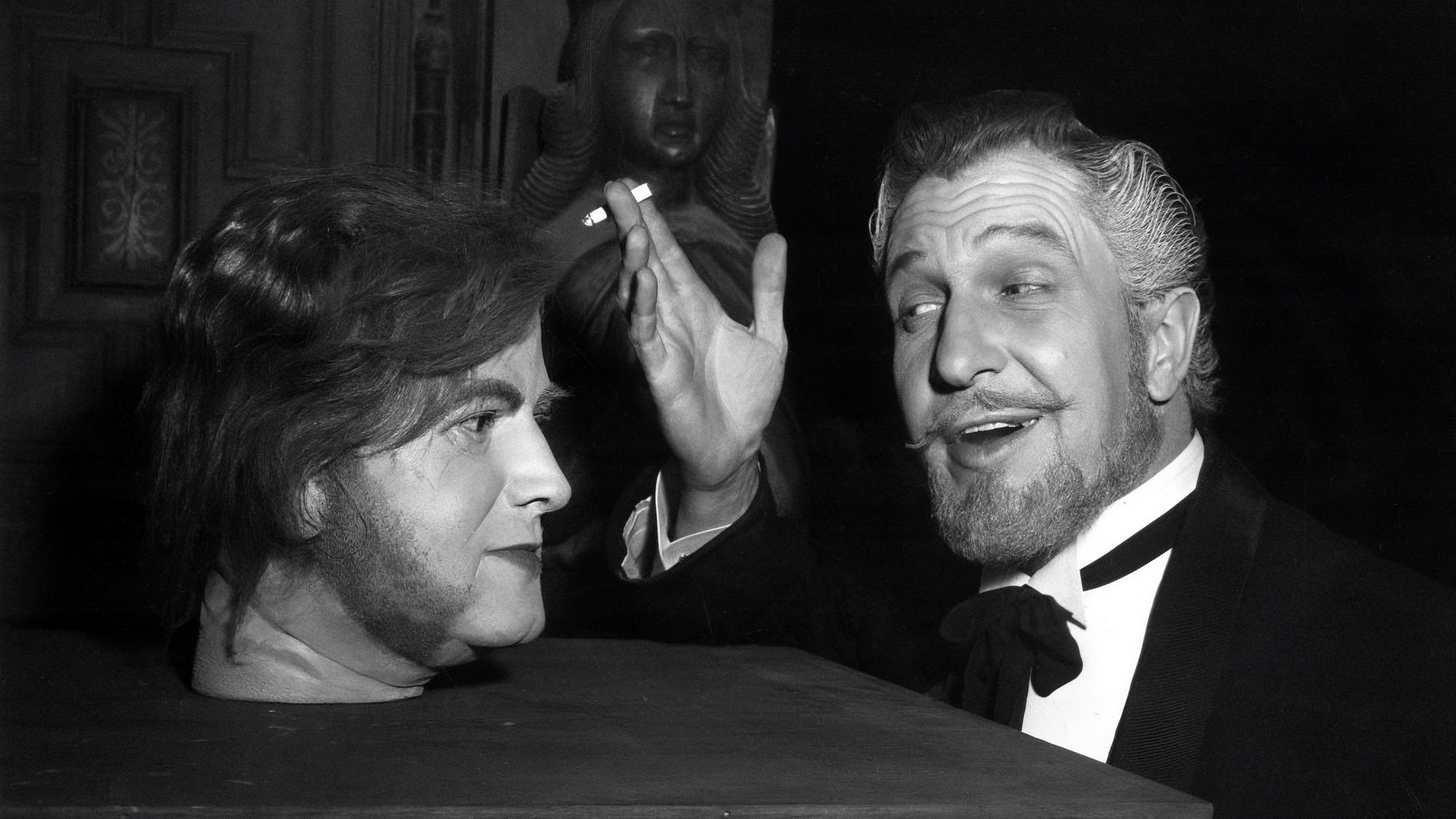
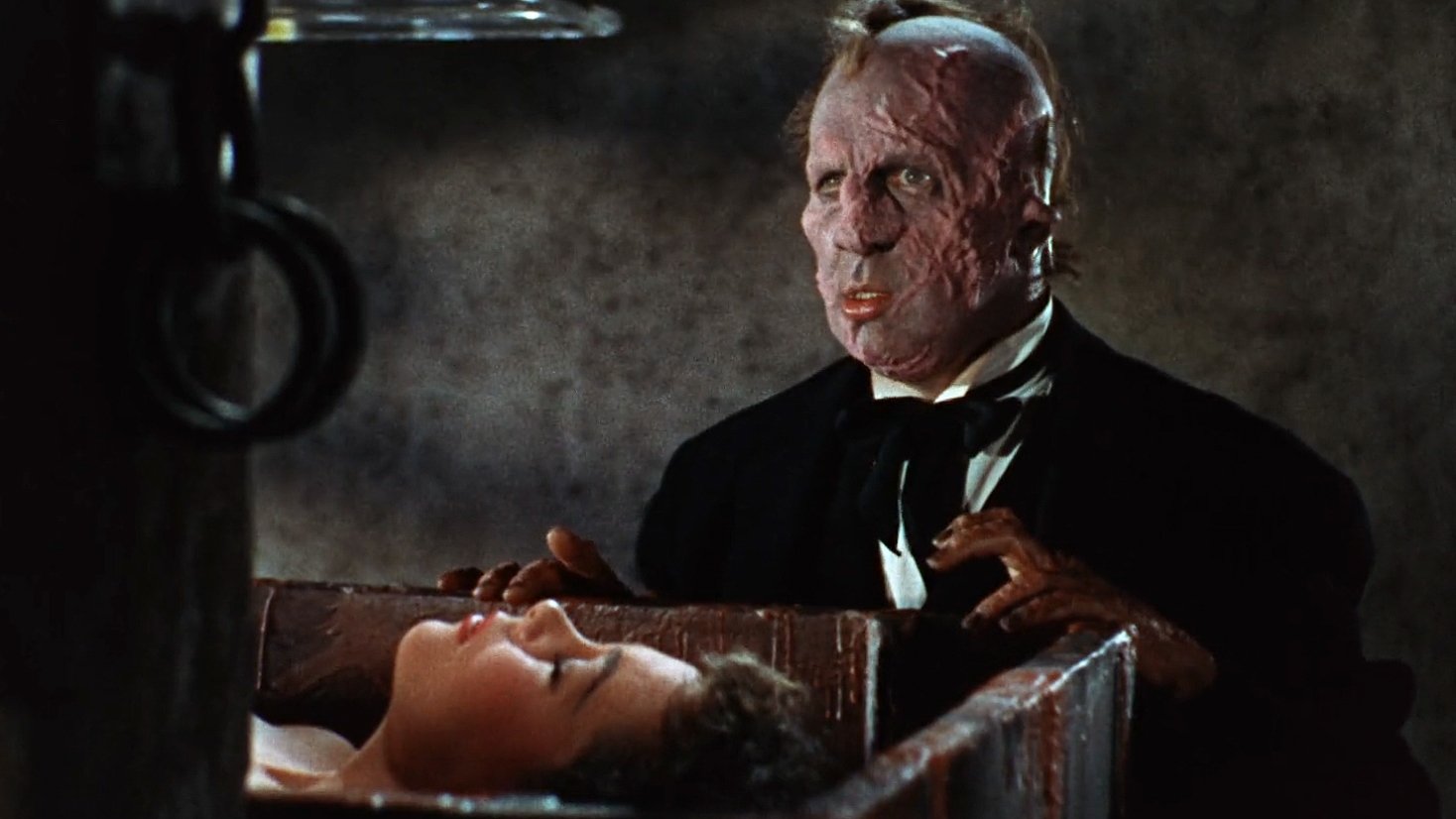
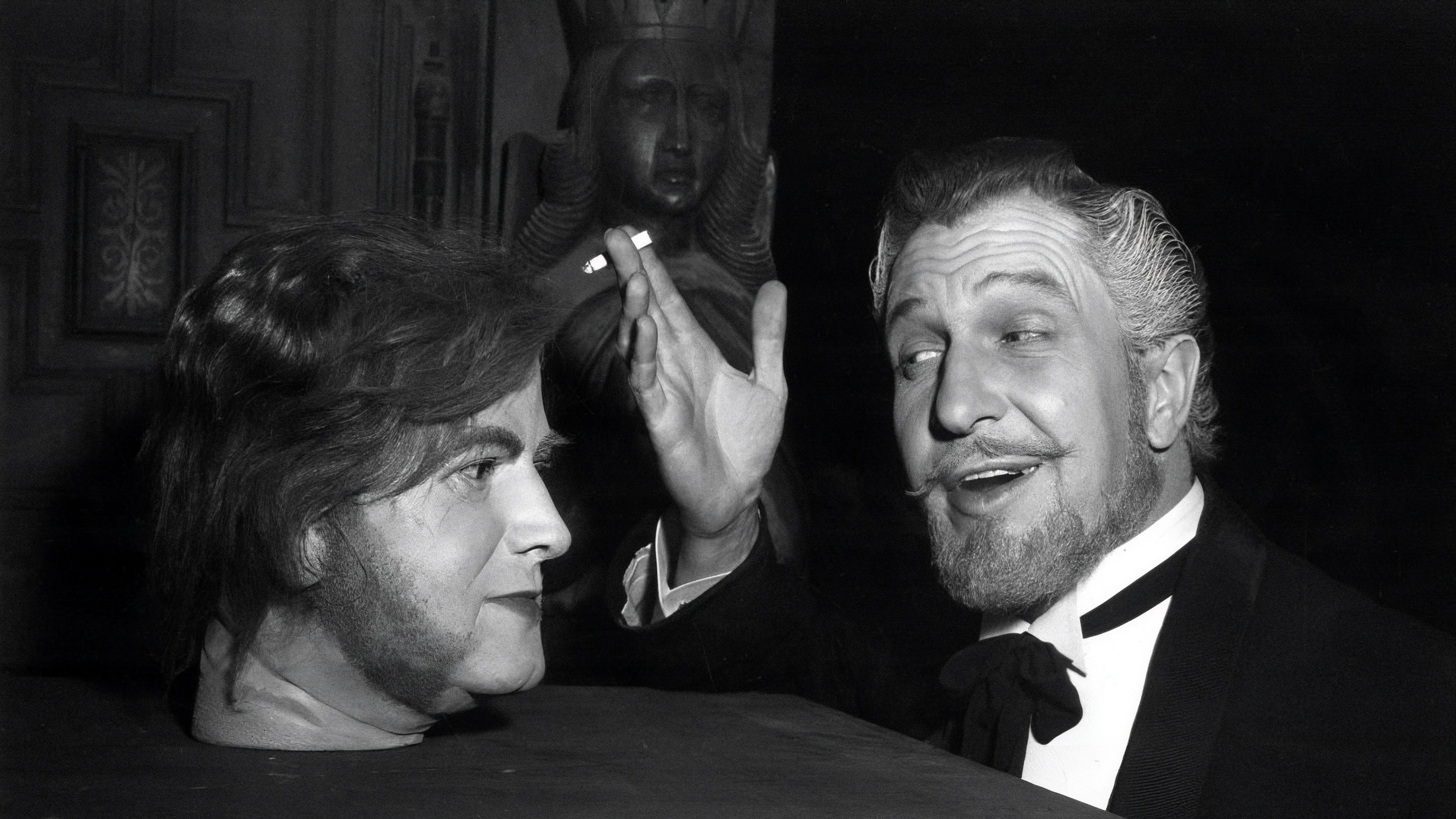
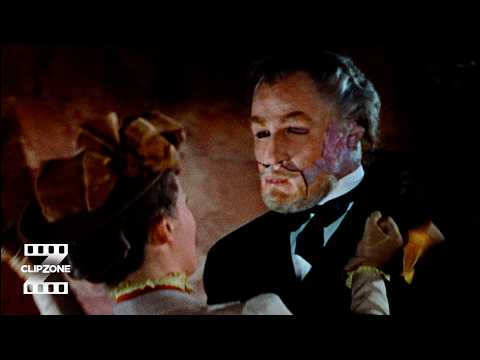
Makeup artist Gordon Bau devised the scarred appearance concealed beneath Jarrod’s later facial covering. The disguise allows Vincent Price to portray the museum proprietor as an apparently composed public figure while withholding the visible evidence of his injuries. When the artificial face is broken, the revelation brings the film’s recurring uncertainty about authentic and fabricated surfaces to a physical climax. The original promotional campaign withheld clear photographs of the scarred makeup, preserving its appearance as a theatrical revelation. The effect depends on the contrast between Price’s cultivated manner and the mutilated features concealed beneath the mask.

The museum itself draws upon the tradition of public exhibitions devoted to death, punishment and notorious crime. Its chamber of horrors includes figures associated with execution and historical violence, providing settings in which genuinely dead bodies can remain unnoticed. The threat to Sue Allen combines this exhibition culture with the machinery of the workshop: heated wax, restraints and sculptural tools become instruments of murder. The film’s horror is therefore grounded in recognizable physical materials and spaces. Jarrod’s artistic procedures acquire a grotesque purpose when his desire for lifelike representation becomes inseparable from the destruction of human life.

Vincent Price and the Figure of Henry Jarrod

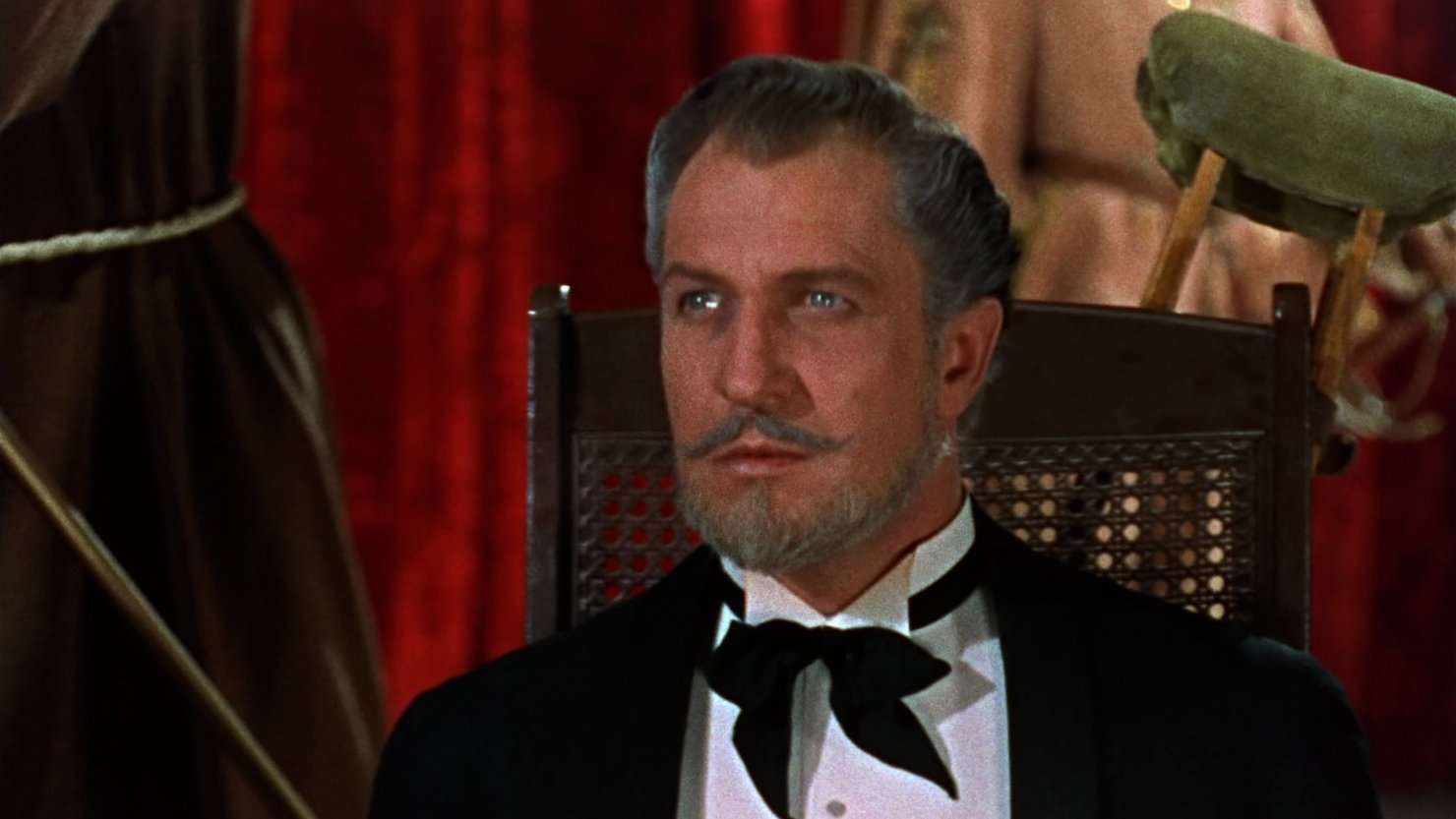
Vincent Price had appeared in horror and fantasy-related productions before House of Wax, including Tower of London (1939) and The Invisible Man Returns (1940). His performance as Henry Jarrod nevertheless became a decisive stage in the development of his screen reputation. The character initially appears as a dignified artist committed to preserving historical beauty through sculpture. His business partner Matthew Burke regards the museum as a commercial failure and demands more sensational attractions. When Burke destroys the premises for insurance money, the conflict transforms Jarrod’s artistic pride into a motive for revenge. Price’s controlled speech and courteous public manner remain central to the character even after his murderous identity is established.

The role requires Price to move between sympathy, theatrical display and concealed menace. Jarrod presents himself as an injured craftsman who has found a means of continuing his work despite the supposed loss of his hands. His museum lectures allow Price to demonstrate a refined stage presence, while the darker passages reveal the violence required to maintain the illusion. This combination anticipates qualities associated with several of Price’s later horror characters: intellectual confidence, elaborate surroundings and an ability to deliver threatening dialogue with apparent politeness. The association with horror intensified during subsequent collaborations and productions rather than beginning with a single performance in 1953.

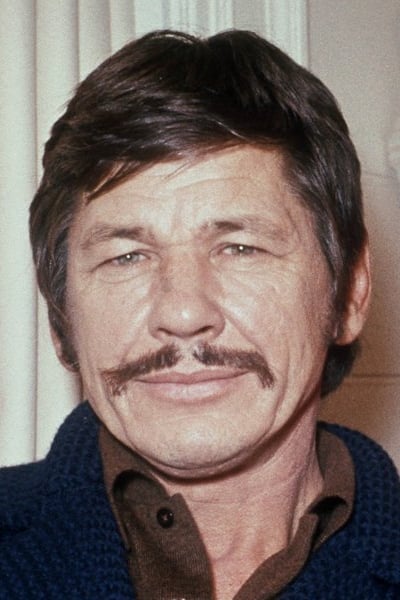
The supporting performances reinforce the film’s division between respectable appearances and concealed identities. Phyllis Kirk’s Sue Allen carries much of the investigative narrative, gradually developing suspicions that place her in immediate danger. Carolyn Jones plays Cathy Gray, whose disappearance becomes part of the mystery surrounding the exhibits. Charles Buchinsky, later internationally known as Charles Bronson, portrays Jarrod’s mute assistant Igor. De Toth spoke appreciatively of Buchinsky’s ability to communicate through movement and expression in a retrospective production interview. Igor’s imposing physical presence adds another dimension to the museum’s atmosphere, particularly in scenes where the boundaries between inert displays and living performers are difficult to identify.

WarnerPhonic Sound and Theatrical Experience

Warner Bros. combined the stereoscopic image with a directional sound system marketed as WarnerPhonic. The original presentation employed three-channel magnetic sound reproduced from a separate synchronized film element, together with an additional effects channel carried on one of the picture prints. This arrangement was distinct from the optical monophonic backup provided for conventional reproduction. The system gave exhibitors opportunities to direct certain sounds beyond the central screen area, complementing the visual impression that objects and performers occupied an extended theatrical space. Its significance lies in the coordinated presentation of stereoscopic color photography and multichannel sound during the initial commercial development of both techniques.

The film’s music was composed by David Buttolph, but the most extensively documented sound innovations concern recording and exhibition rather than the circumstances of musical composition. The separate playback elements and synchronization requirements made WarnerPhonic a technically demanding system. Surviving historical accounts indicate that the original magnetic tracks were subsequently lost, although material from the effects channel remained available. Later home-video presentations have consequently required reconstruction or simulation rather than straightforward reproduction of every original channel. This distinction is important when comparing modern soundtracks with the experience offered to audiences at equipped theaters in 1953.

Release, Commercial Success and Censorship

House of Wax opened at the New York Paramount Theatre on April 10, 1953, followed by a heavily promoted Los Angeles engagement beginning on April 16. Warner Bros. organized multiple screenings throughout the day, including special events directed at different audiences. The unusually elaborate promotion treated the technological presentation as a principal attraction. The engagement also required theaters to accommodate the additional equipment and operational demands of stereoscopic projection. Contemporary trade accounts describe strong early attendance, and the American Film Institute records that the film became a substantial commercial success for Warner Bros. Its popularity encouraged additional investment in 3-D productions, although the availability of suitably equipped theaters remained a limiting factor.

The distinction between reported grosses, rentals and revenues from later releases is necessary when discussing the film’s finances. A historical account by film archivist Jack Theakston reports that the original production was completed for approximately $680,000 and that its first New York engagement lasted forty days, earning more than half a million dollars at that theater. These figures describe particular aspects of production cost and exhibition rather than a complete worldwide financial statement. The film’s success belongs to the initial 1953 boom, a period during which stereoscopic cinema briefly appeared capable of becoming a permanent feature of major-studio production before difficulties with projection and the spread of alternative widescreen systems changed exhibition priorities.

British censorship records document a separate aspect of the release history. The BBFC classified a two-dimensional theatrical version on April 29, 1953, with cuts or alterations required as part of the approval process. Its surviving database records the fact of intervention without supplying a complete shot-by-shot account of the removed material. Later classifications include a shorter-running home-video presentation in 1988 and an approximately 88-minute stereoscopic edition classified in 2018. These records establish that the film circulated through different technical and distribution formats, but the differences in recorded running time should not automatically be interpreted as evidence of a wholly distinct narrative cut.

Critical Reception, Restoration and Historical Legacy

The contemporary reception of House of Wax reflected disagreement over the artistic value of stereoscopic spectacle. Some reviewers praised its entertainment value and technical novelty, while Bosley Crowther of The New York Times criticized the forcefulness of its horror and sound presentation. This division became part of the wider debate about whether three-dimensional cinema represented a meaningful development in film language or a short-lived commercial attraction. Later criticism considered the film’s spatial compositions more closely. In a 1980 Film Comment essay, Michael Kerbel examined its use of foreground objects, moving-camera depth and theatrical effects as distinct approaches to stereoscopic filmmaking.

Martin Scorsese offered another influential assessment in a 1978 Film Comment article discussing films he admired. He singled out House of Wax for its sustained camera movement among the apparently lifelike museum figures and the striking image of their destruction by fire. His comments provide documented evidence of the film’s esteem among later filmmakers, particularly for the relationship between staging and the uncertainty of what is alive within the frame. Its legacy also includes the strengthening of Vincent Price’s association with elaborate Gothic horror and its continuing visibility as one of the best-known features of the early American stereoscopic cycle.

Restoration has been especially significant because the film was originally designed for a presentation that ordinary television and home-video transfers could not reproduce. During preparation of the 2013 stereoscopic Blu-ray release, Warner Bros. worked from surviving yellow, cyan and magenta protection elements after the original left-eye and right-eye camera negatives had been destroyed by water damage and an unsuccessful laboratory treatment. Warner Bros. mastering executive Ned Price described a process of high-resolution scanning, color reconstruction and stereoscopic alignment intended to recover the original photographic appearance. The work also required careful matching between the two eye images, since discrepancies would become immediately apparent during stereoscopic viewing.

The recovered presentation permits renewed examination of a film whose visual design depends on depth as well as color, movement and lighting. Its contribution to horror history is supported by the documented commercial impact of its release, its influence on the professional identity of Vincent Price and its use of a studio horror property to demonstrate a developing exhibition technology. The later preservation of its stereoscopic photography has allowed the film to be considered in the format for which its principal visual effects were conceived.

References

  1. American Film Institute AFI Catalog — House of Wax (1953)

    Archival production and reception history covering the 1933 source, cinematography changes, stereoscopic exhibition, contemporary reviews, opening engagements and subsequent reissues.

  2. American Society of Cinematographers Terror in 3-Dimension: House of Wax — Herb A. Lightman

    Original May 1953 American Cinematographer account of Natural Vision photography, Peverell Marley’s methods, the museum fire, colour, lighting and Gordon Bau’s makeup.

  3. University of Wisconsin–Madison Cinematheque Adventures in 3-D Sound: Re-opening the House of Wax — Eric Dienstfrey

    Film-historical research on the WarnerPhonic sound system, original directional effects, exhibition, surviving audio materials and later reconstruction.

  4. Primary British classification record documenting the altered 1953 cinema submission and distinct 1988 and 2018 home-entertainment versions.

  5. Home Theater Forum / 3-D Film Archive An Interview with Ned Price on the House of Wax Restoration — Bob Furmanek

    Firsthand interview with Warner Bros. mastering executive Ned Price about damaged camera negatives, YCM preservation elements, 4K scanning and stereoscopic alignment.

Cast

View Full Cast & Crew →

Release & Distribution

Production Companies (1)

  • Warner Bros. Pictures US

Distributors (1)

  • Warner Bros. Entertainment US

Release History (15)

Release DateTerritoryRelease TypeFormatDistributorCertificationNotes
1953-04-09 United States Premiere — — — New York City, New York
1953-04-16 Denmark Theatrical — — 15
1953-04-16 Finland Theatrical — — K-16
1953-04-16 Norway Theatrical — — 18
1953-04-16 Sweden Theatrical — — 15
1953-04-16 United States Limited Theatrical — — — Los Angeles, California
1953-04-25 United States Theatrical — — —
1953-05-07 United Kingdom Theatrical — — — London, rated X, cuts made
1953-05-08 Brazil Theatrical — — 16
1953-06-09 Japan Theatrical — — PG12
1953-06-17 France Theatrical — — —
1953-10-07 Portugal Theatrical — — M/14
1953-10-29 Italy Theatrical — — —
1988-07-31 United Kingdom Physical VHS — PG VHS
2018-02-26 United Kingdom Digital — — 12
You've never been scared until you've been scared in 3-D.