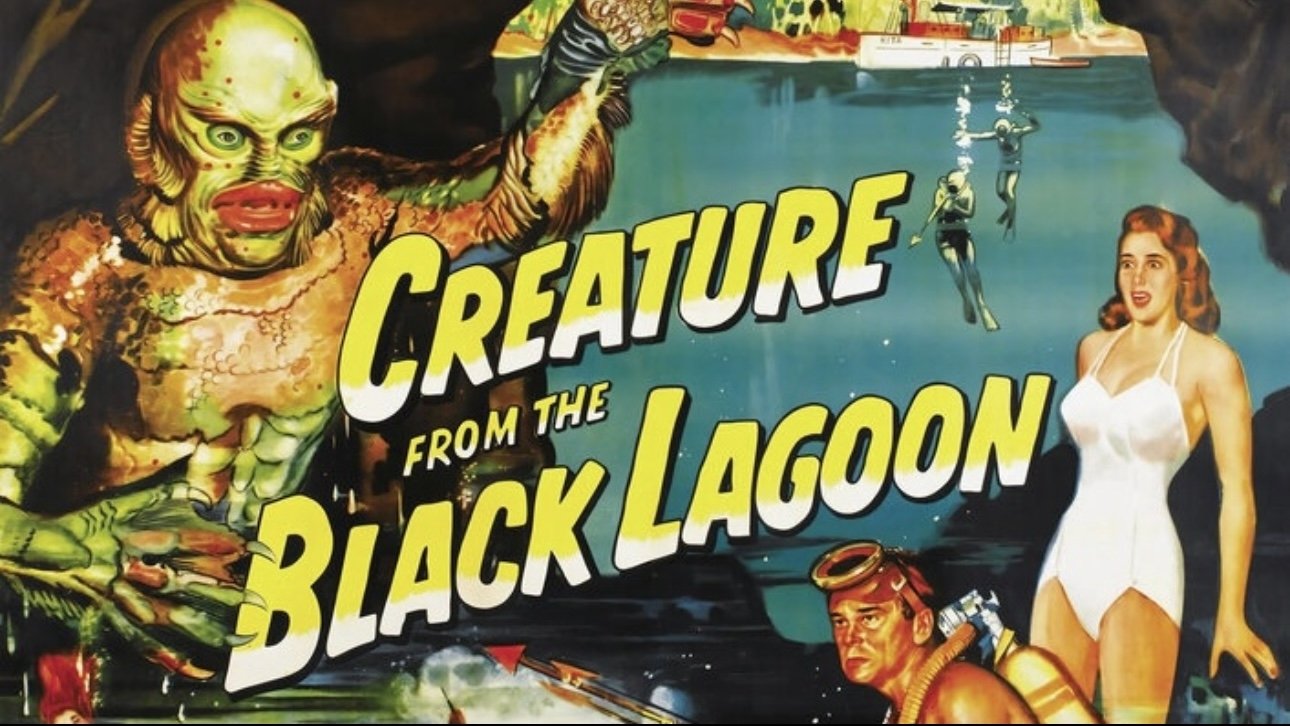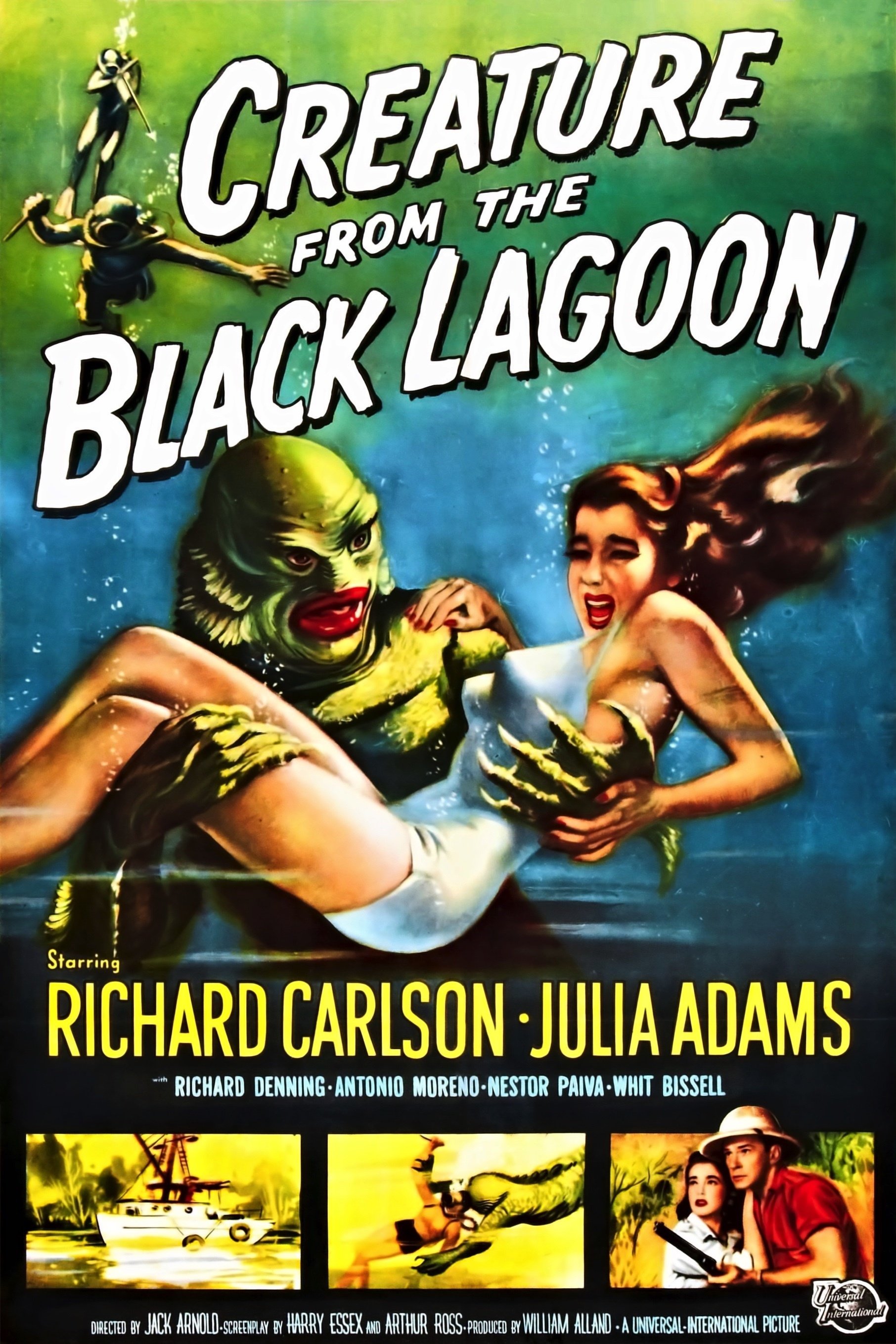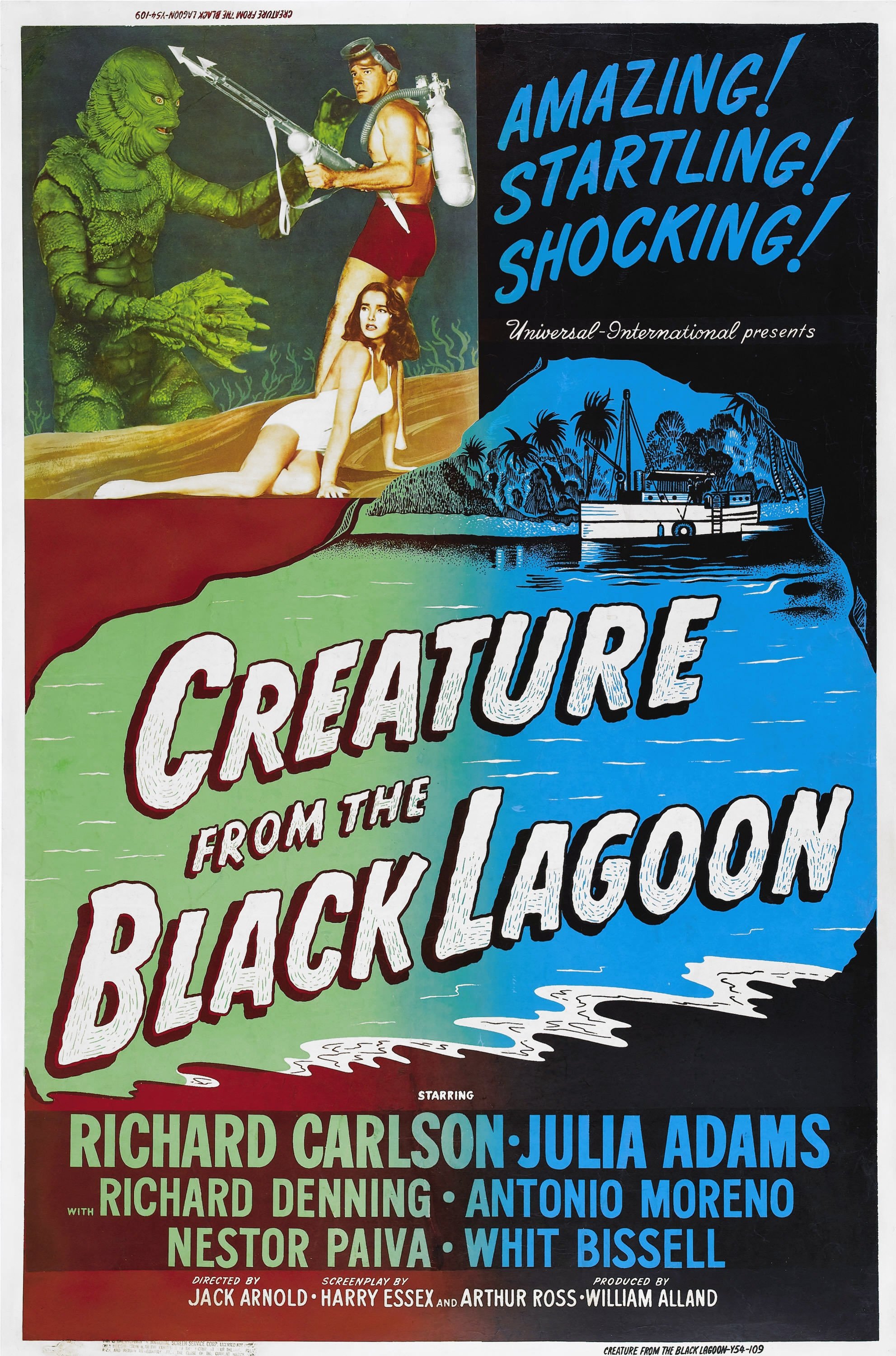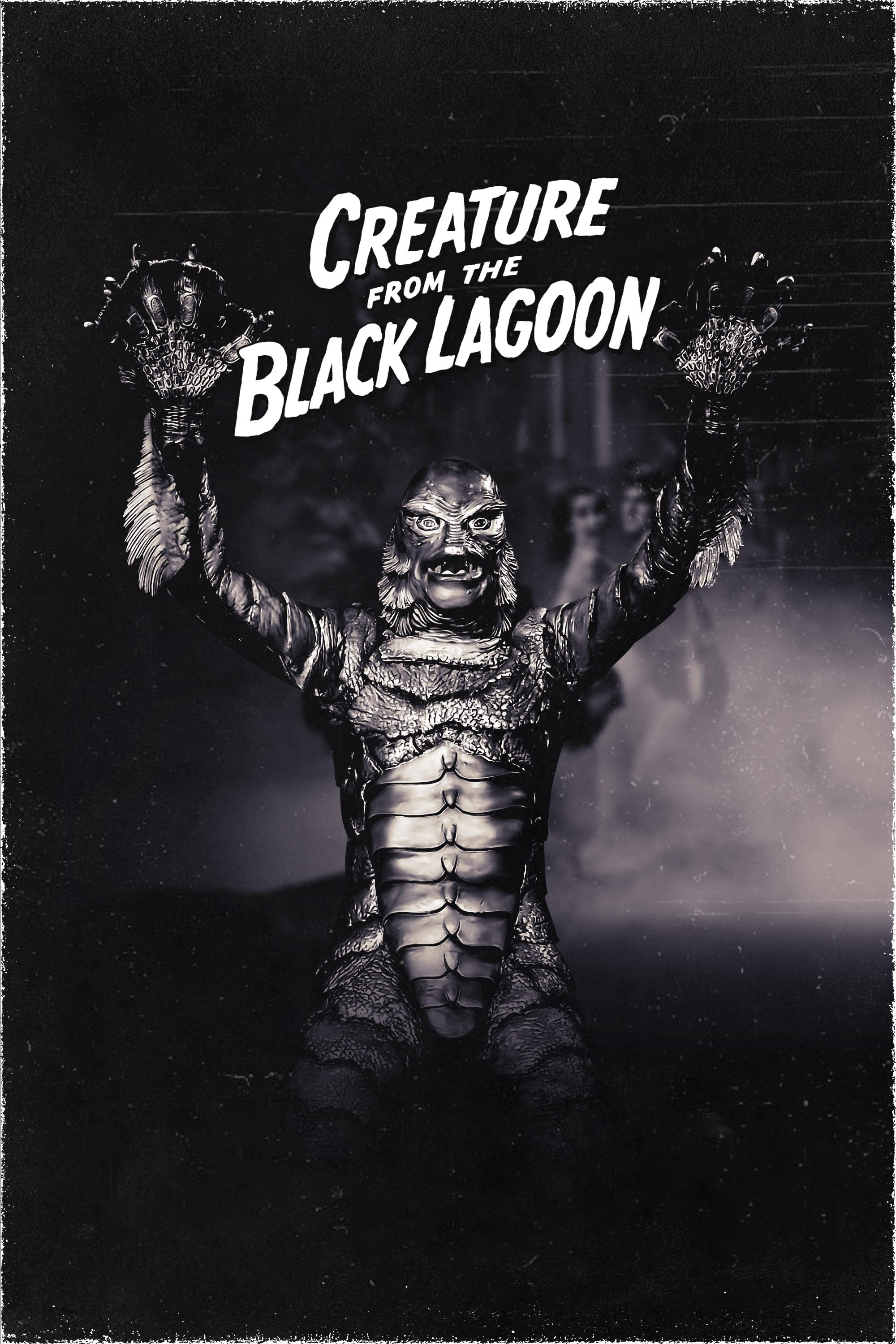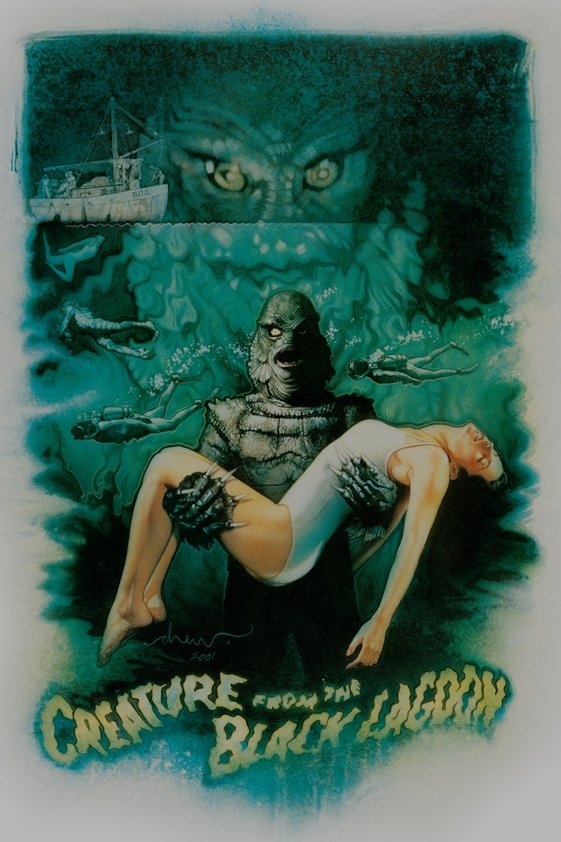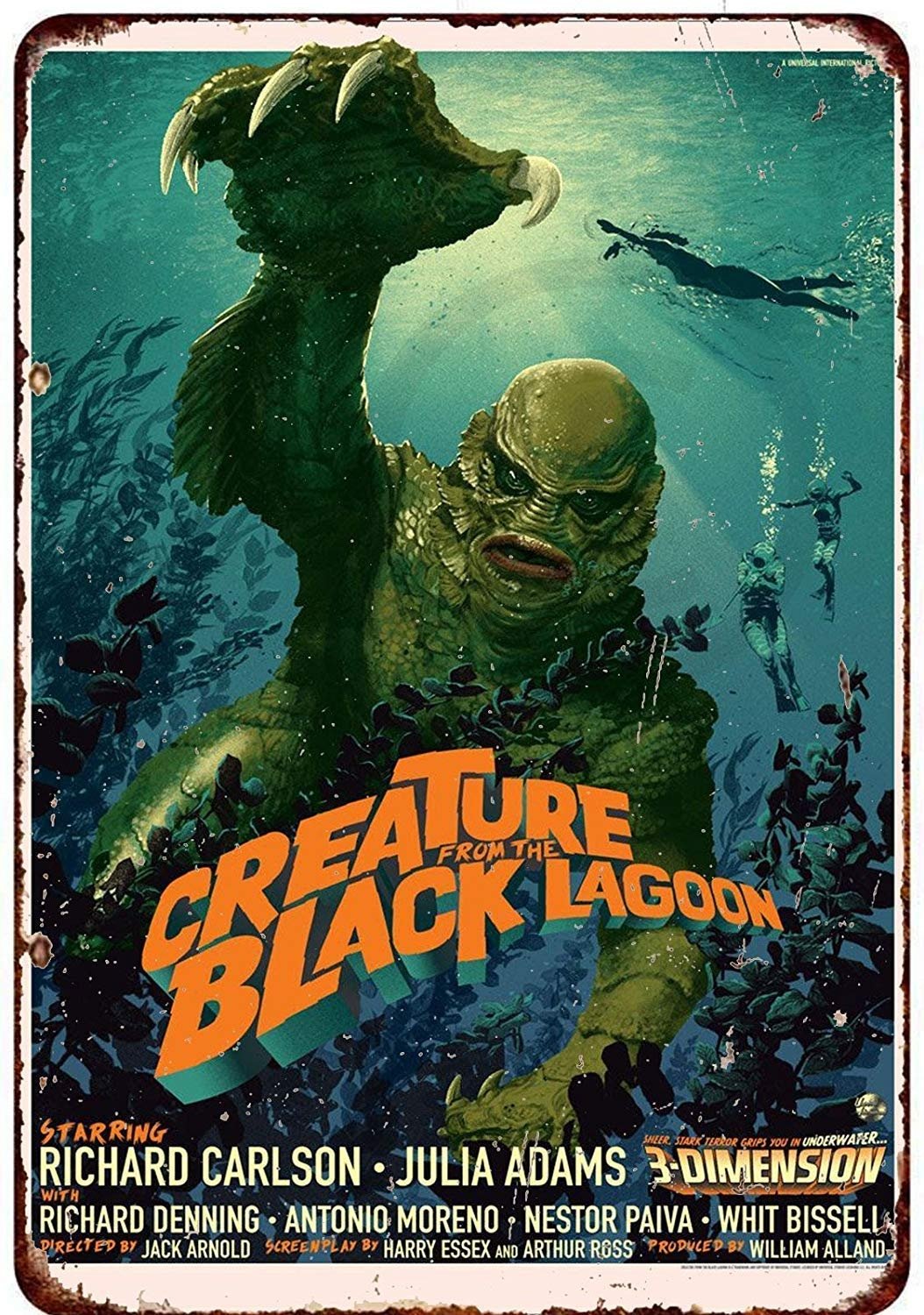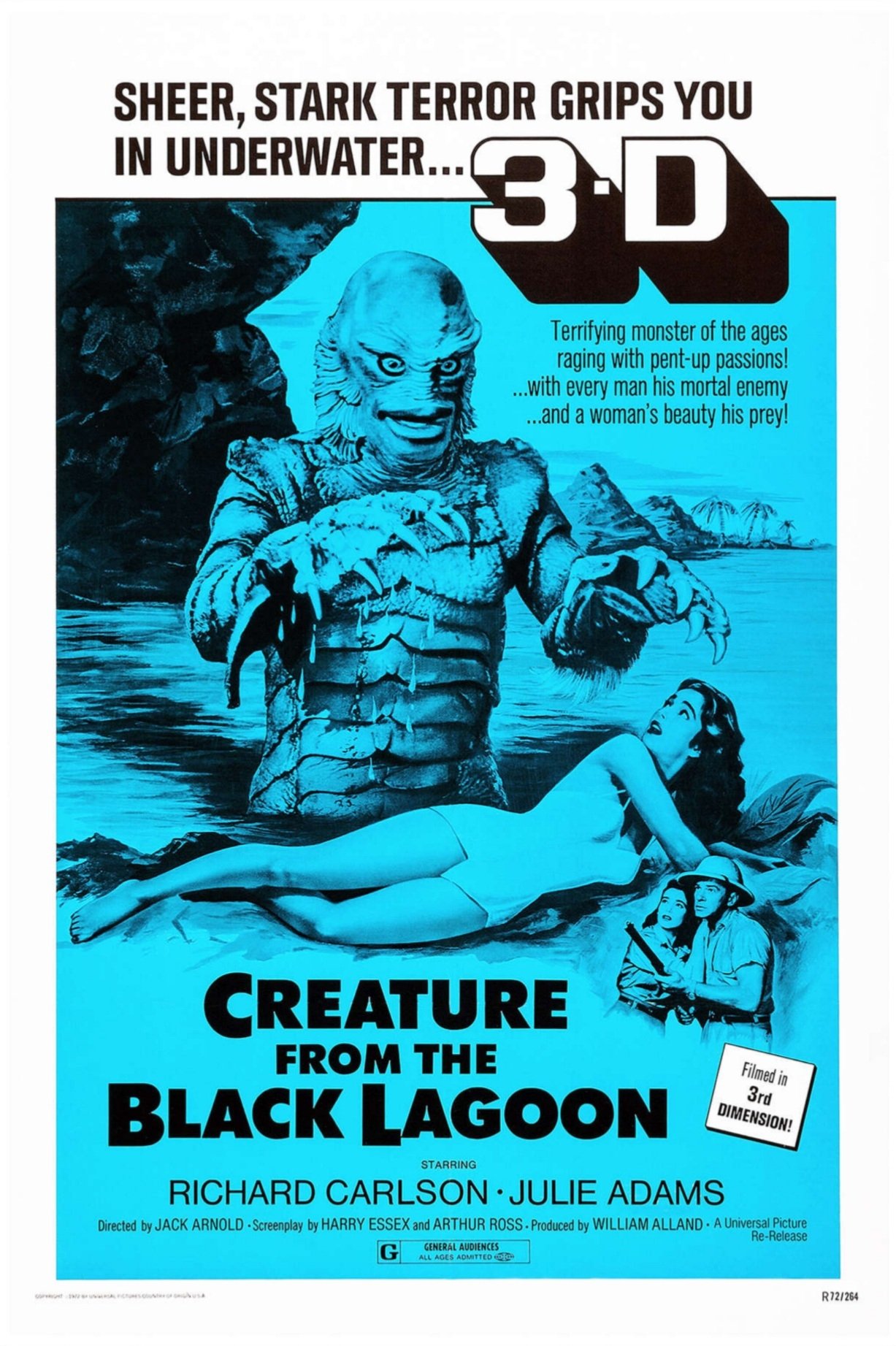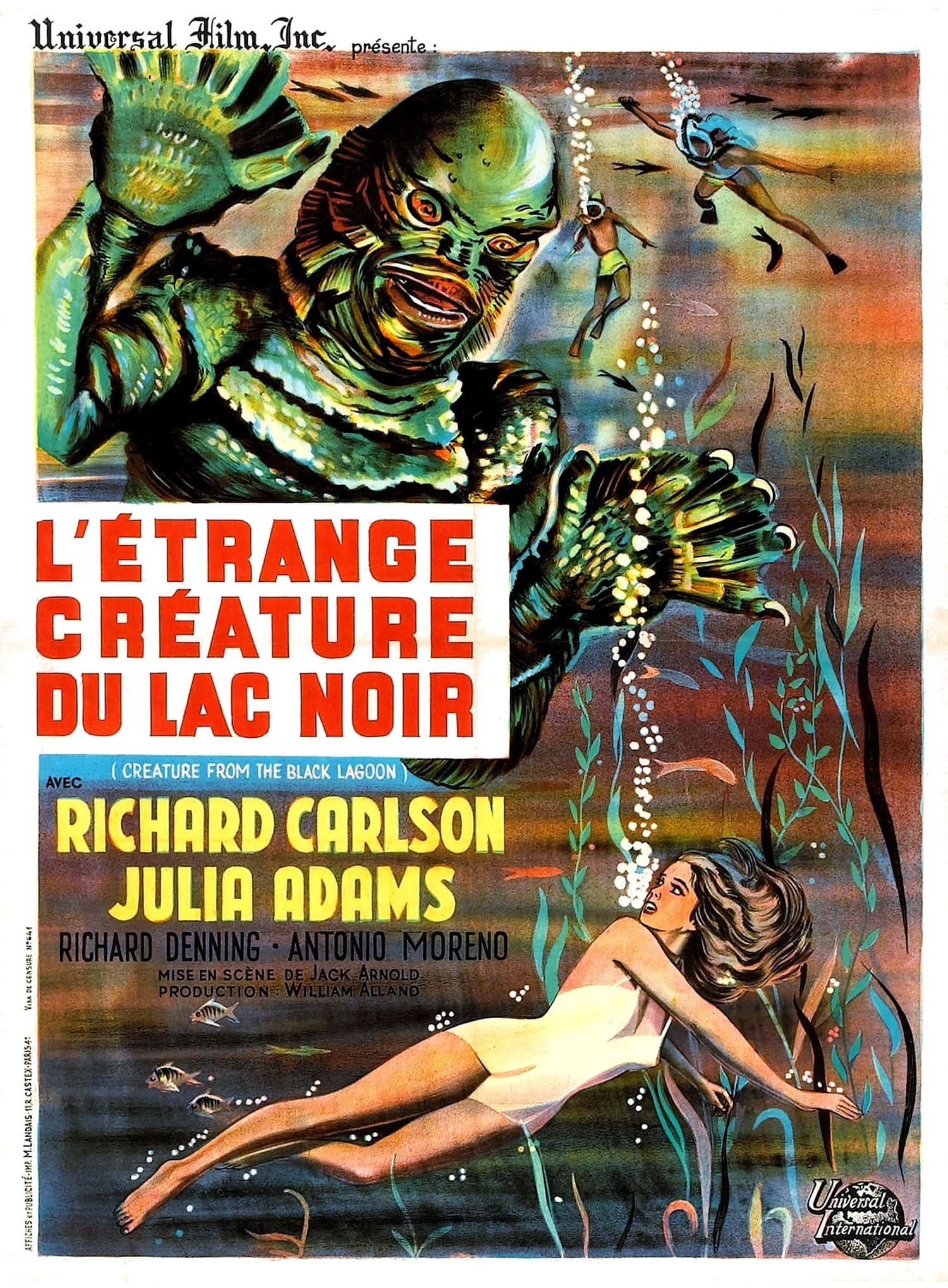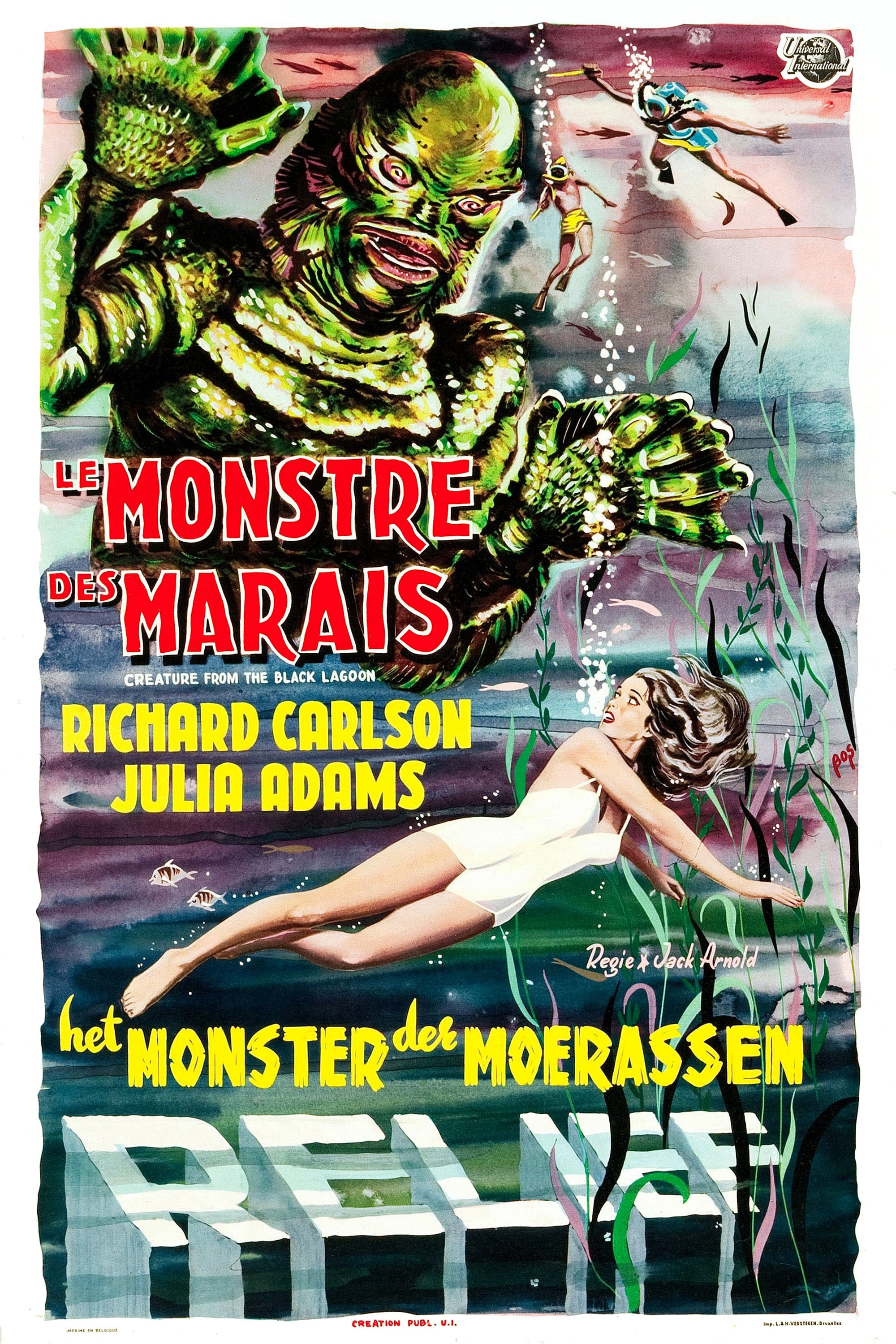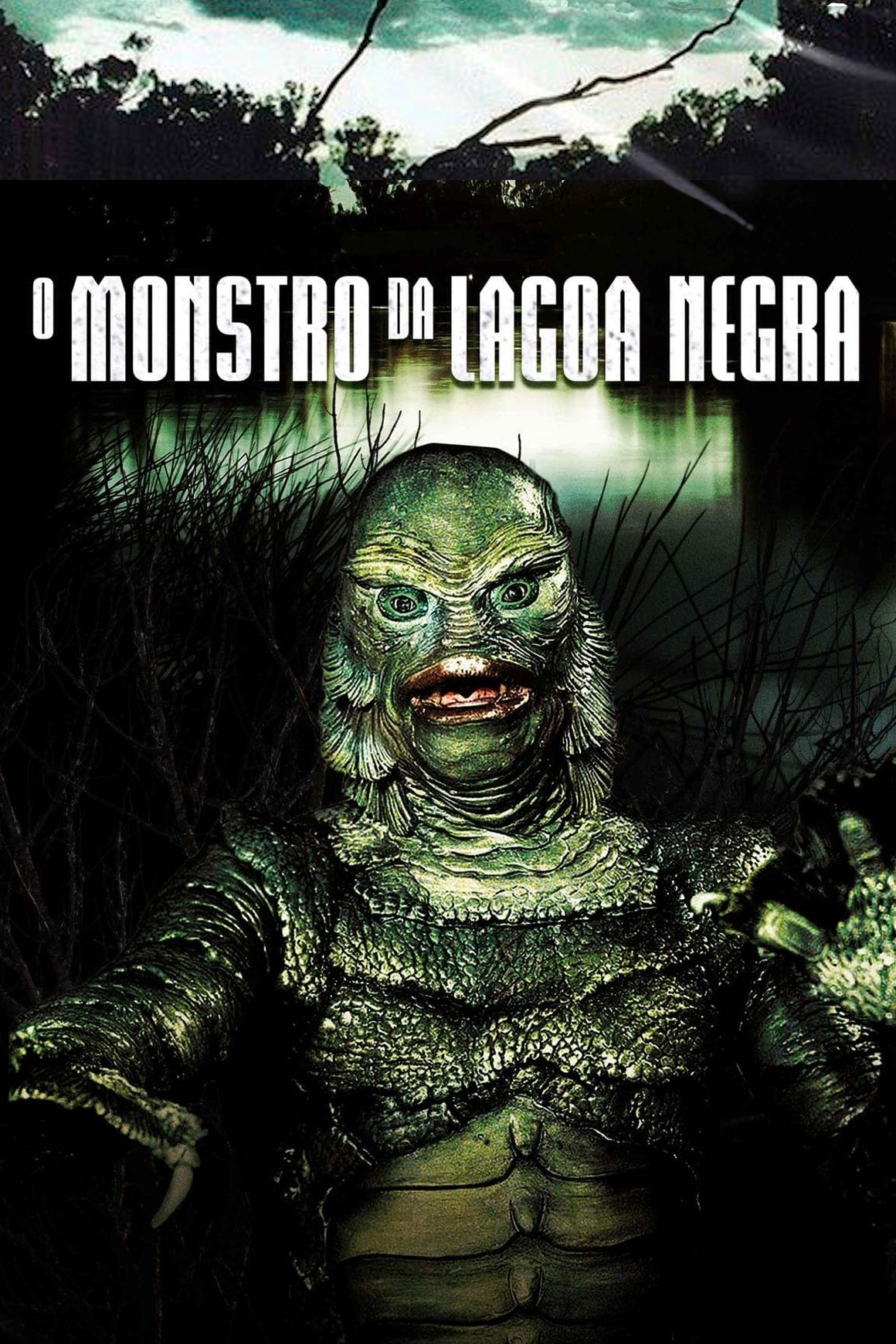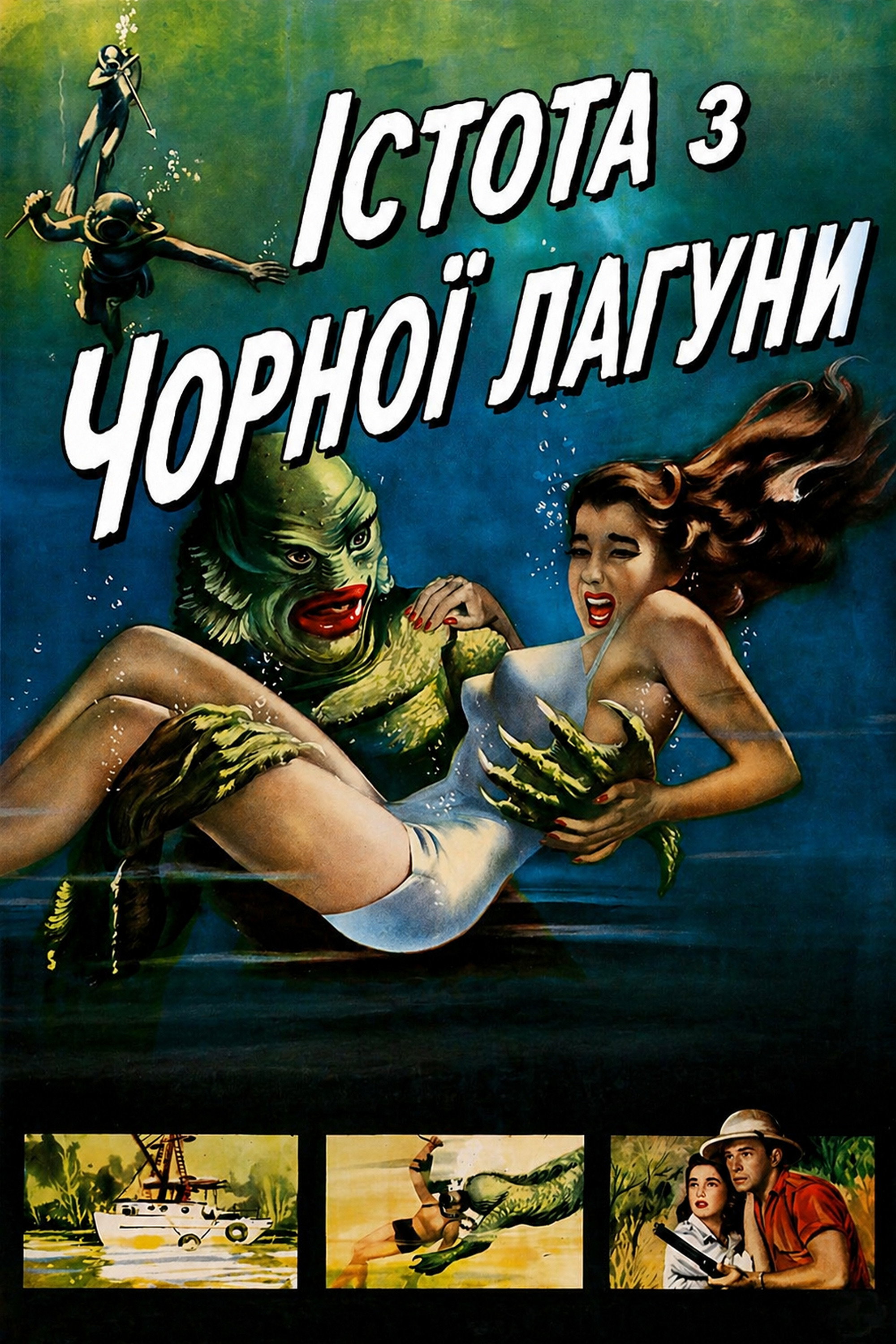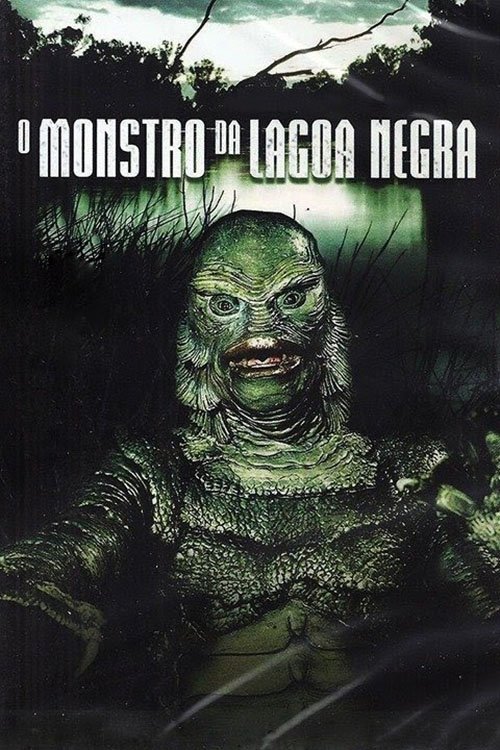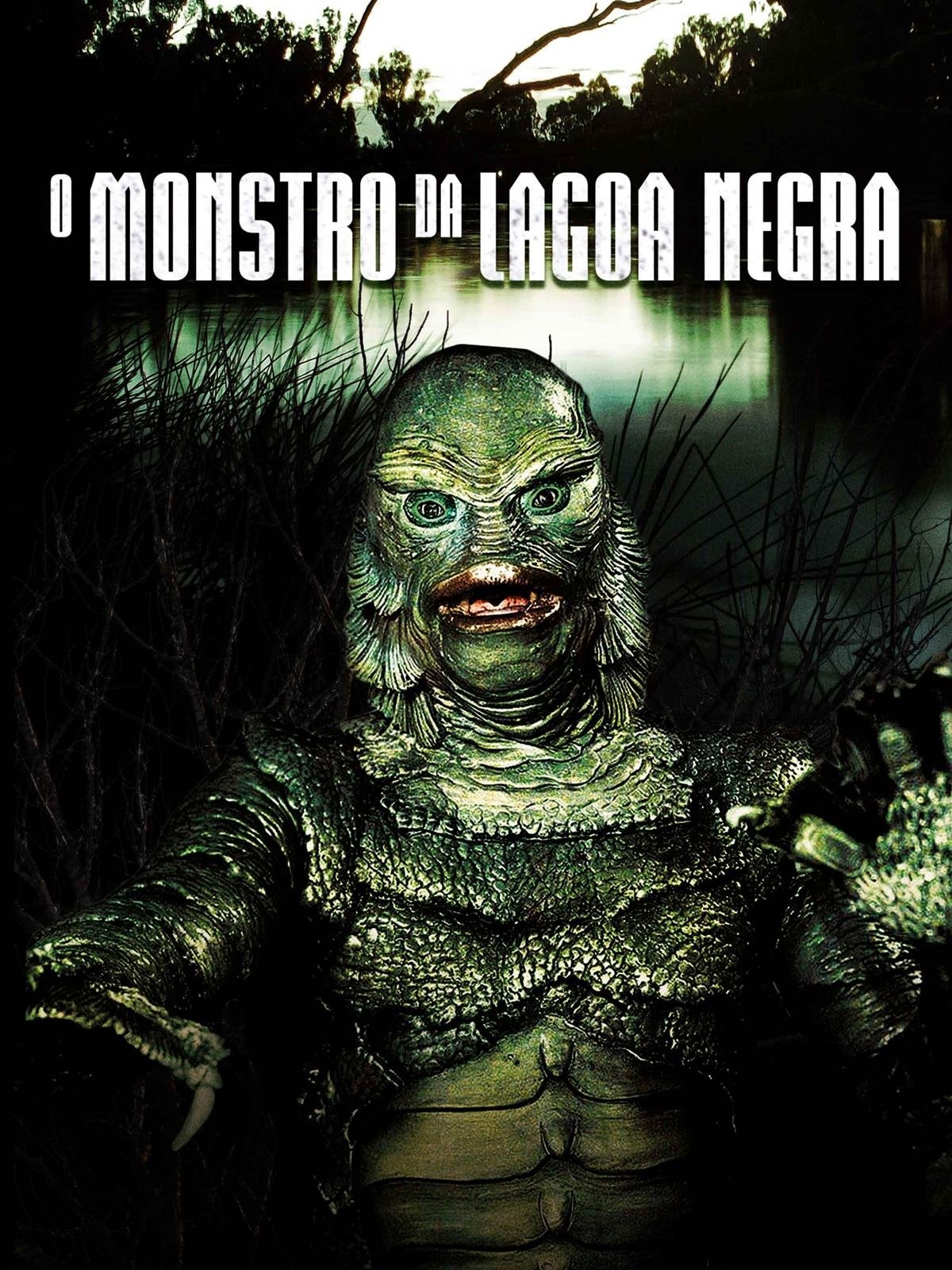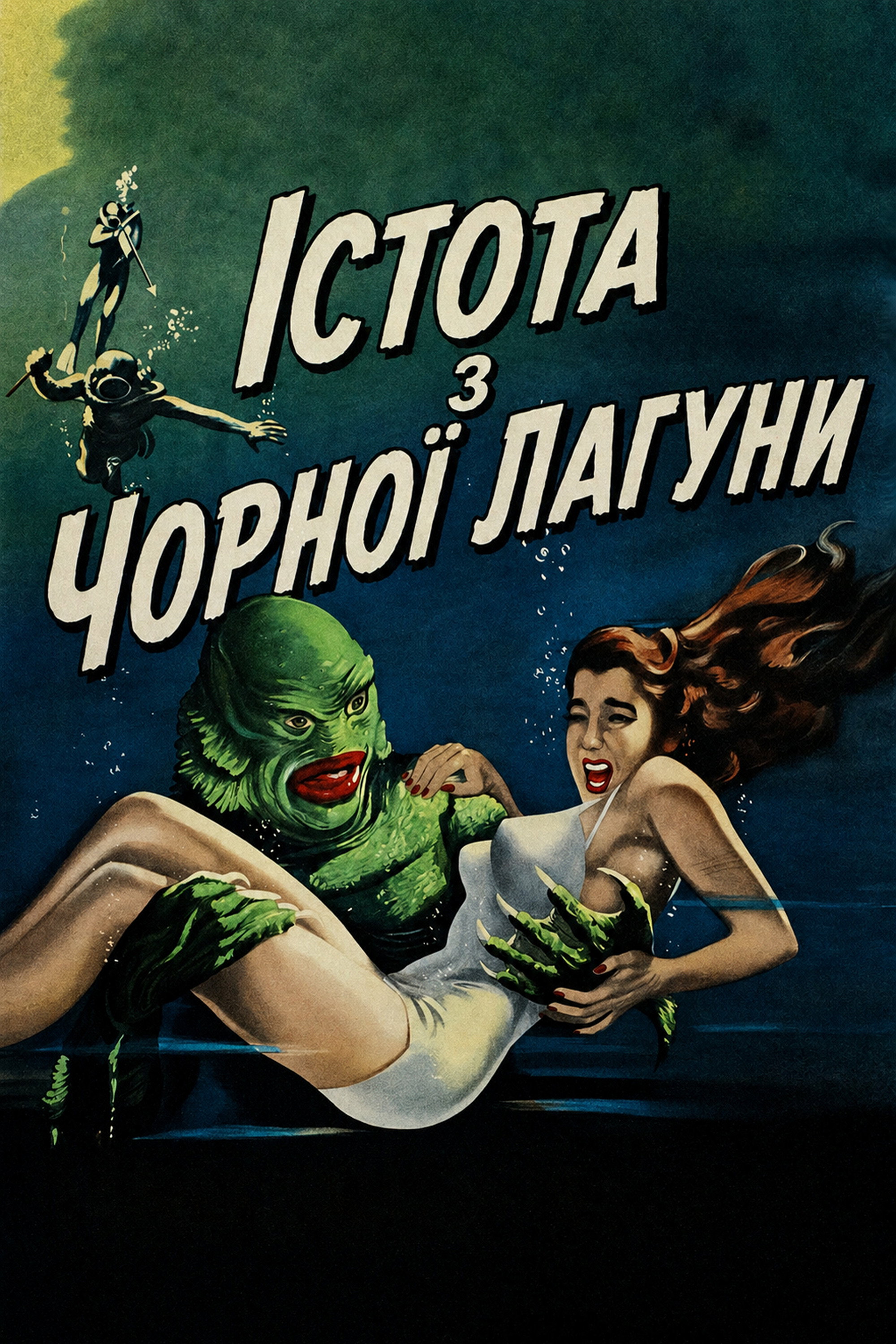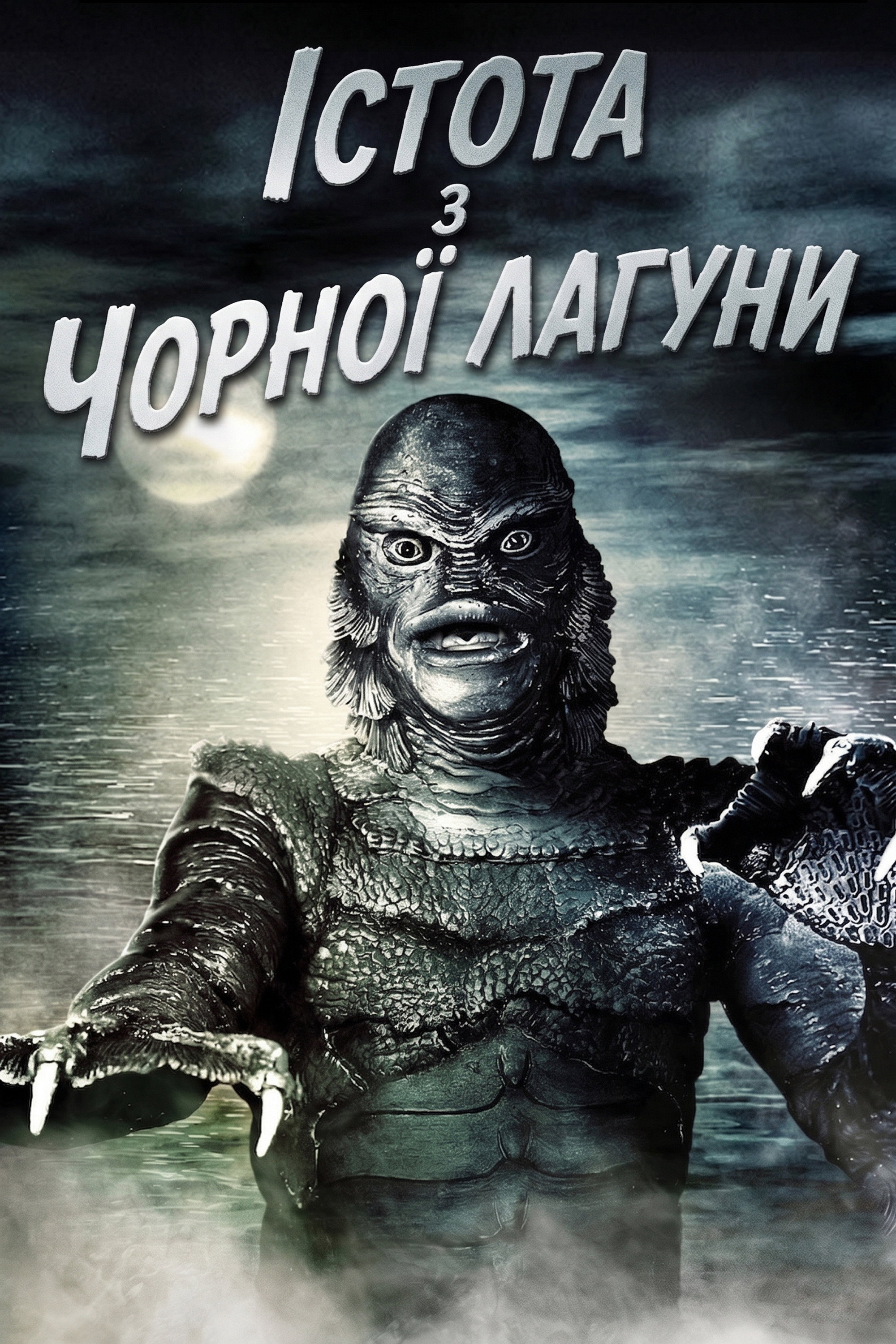


Origins, Screenplay Development, and Jack Arnold
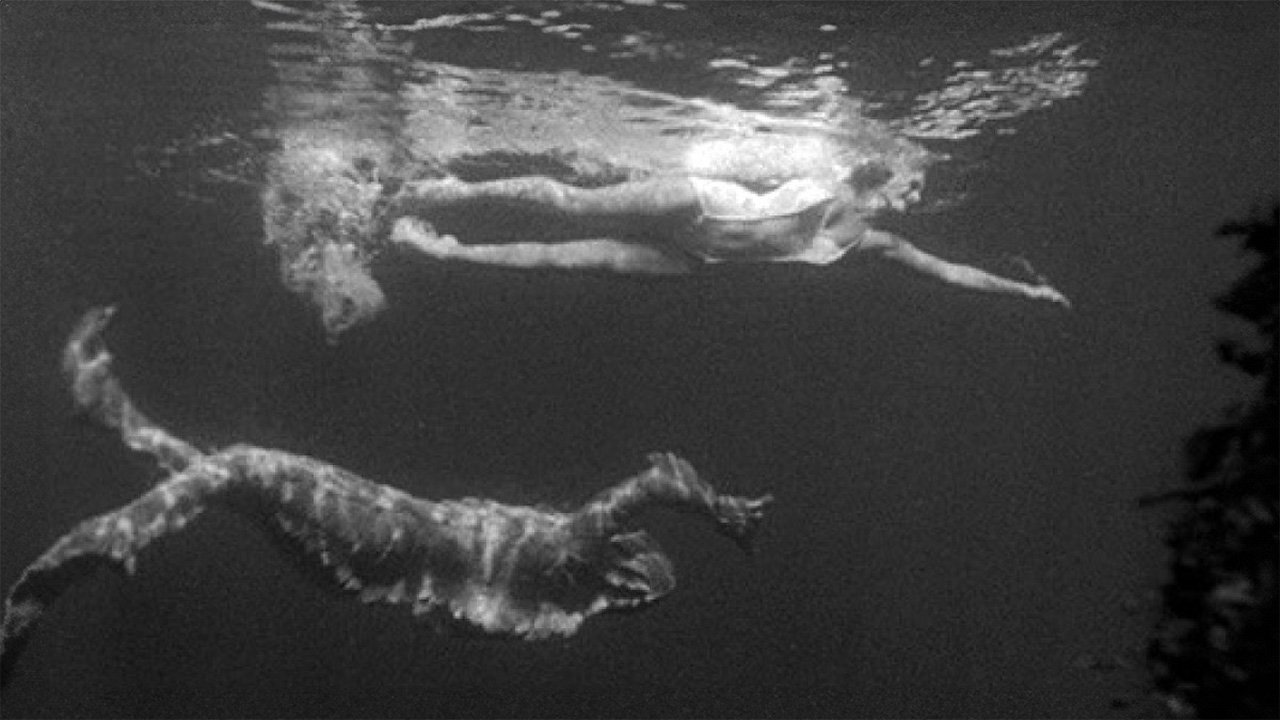
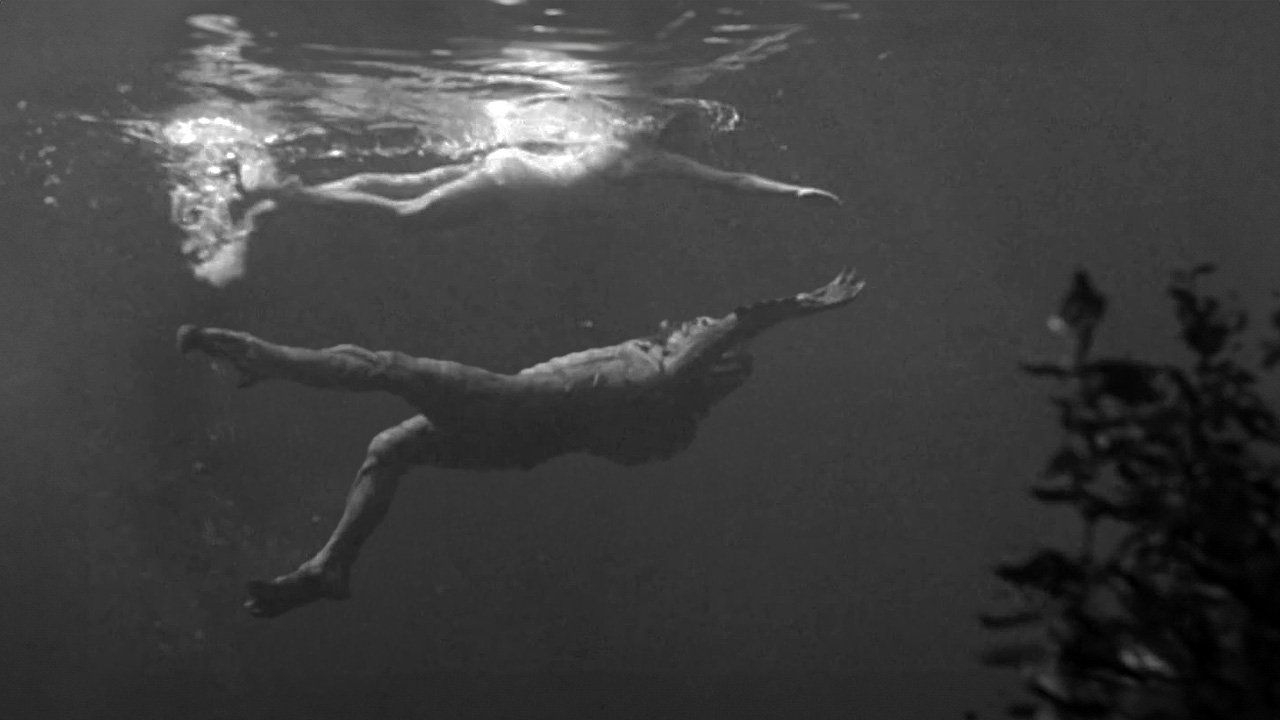
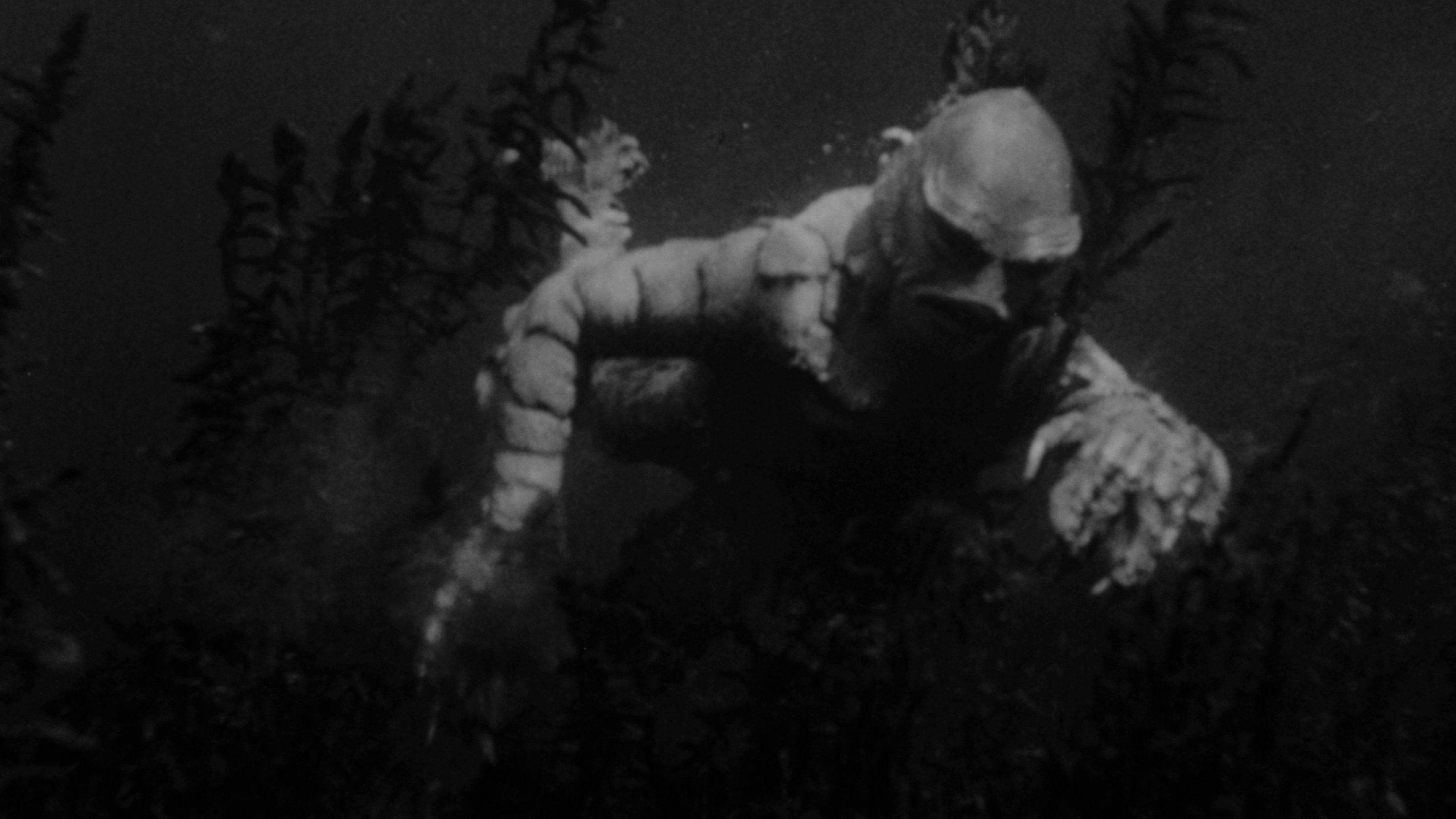
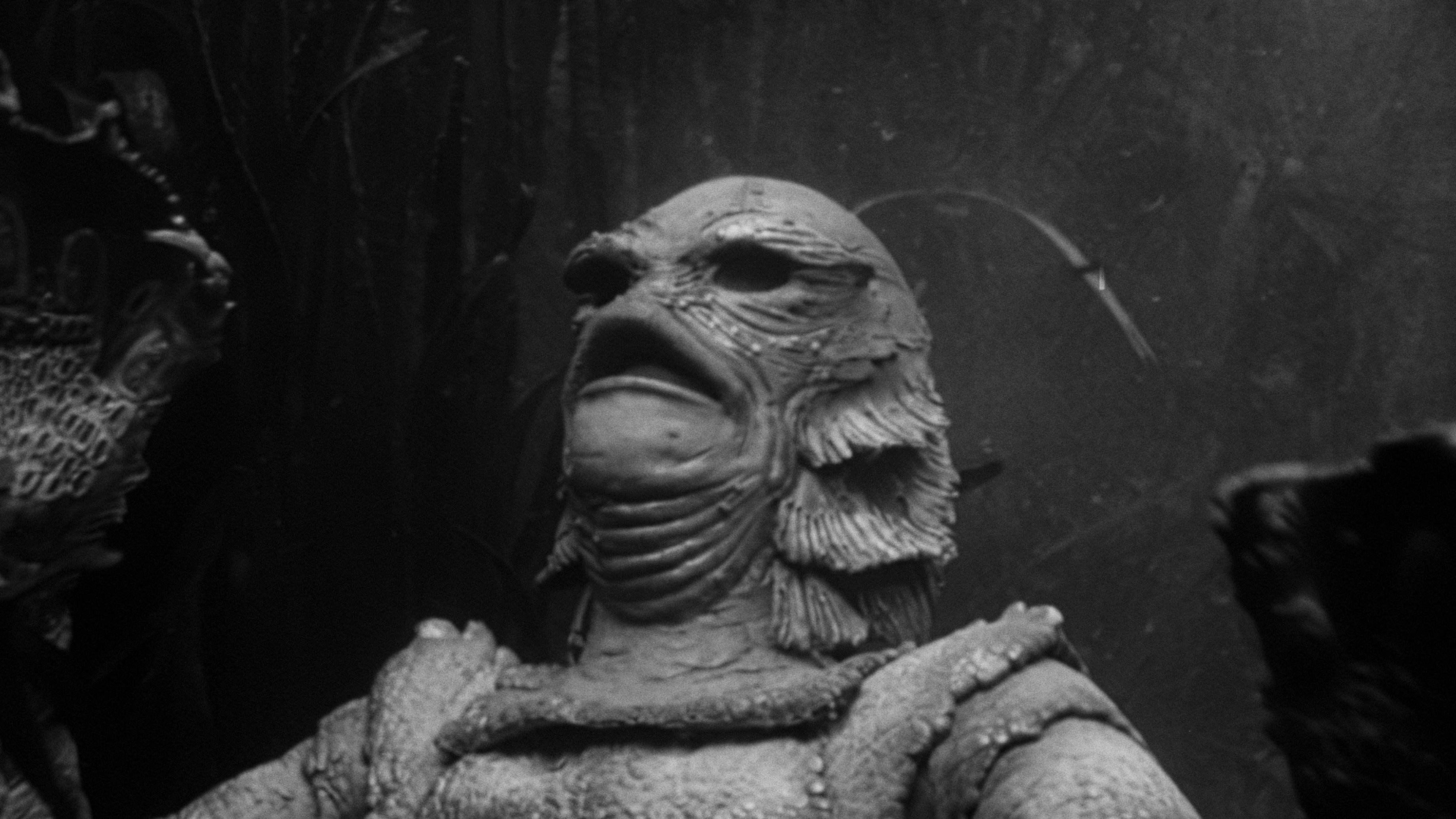
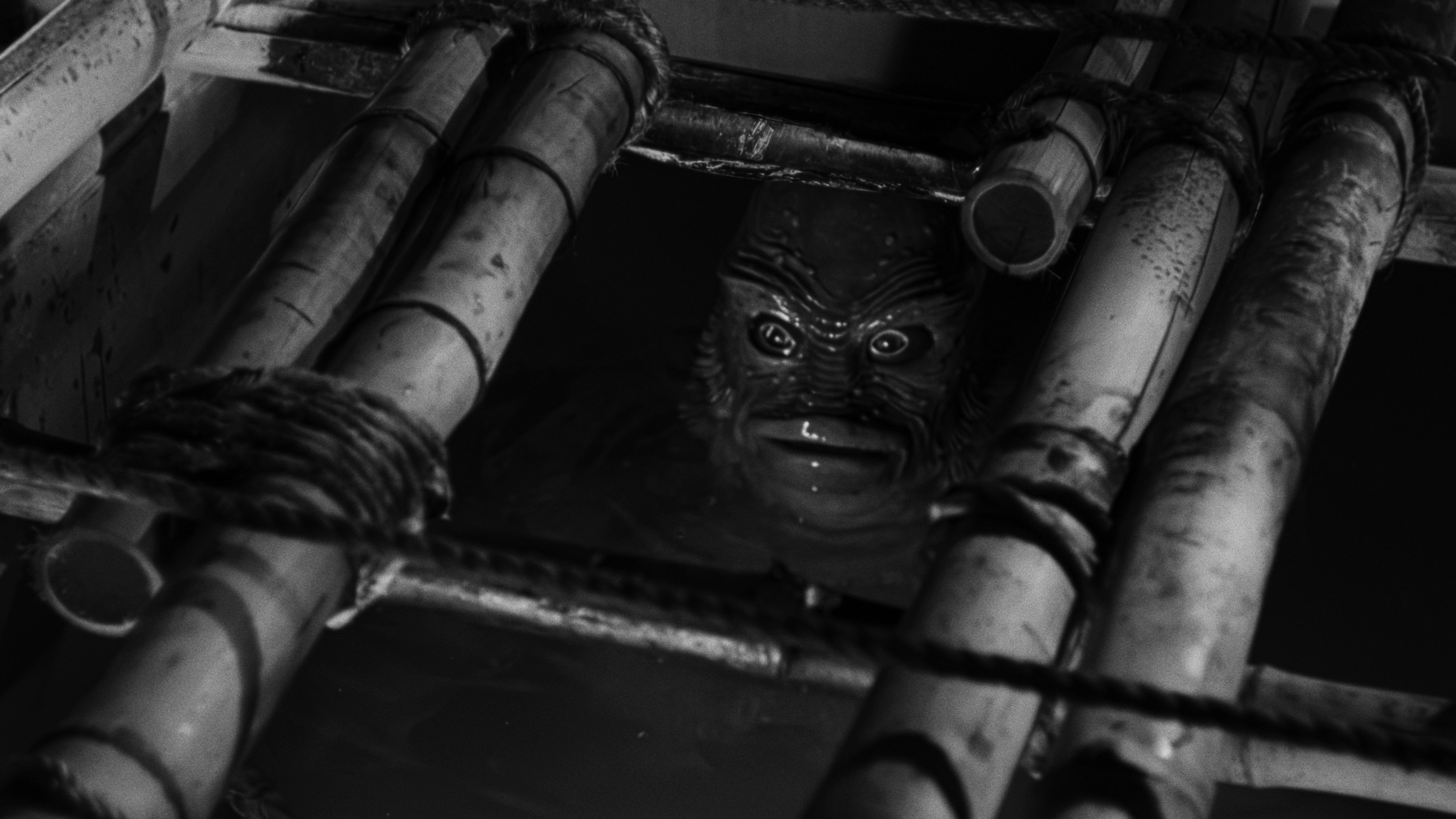
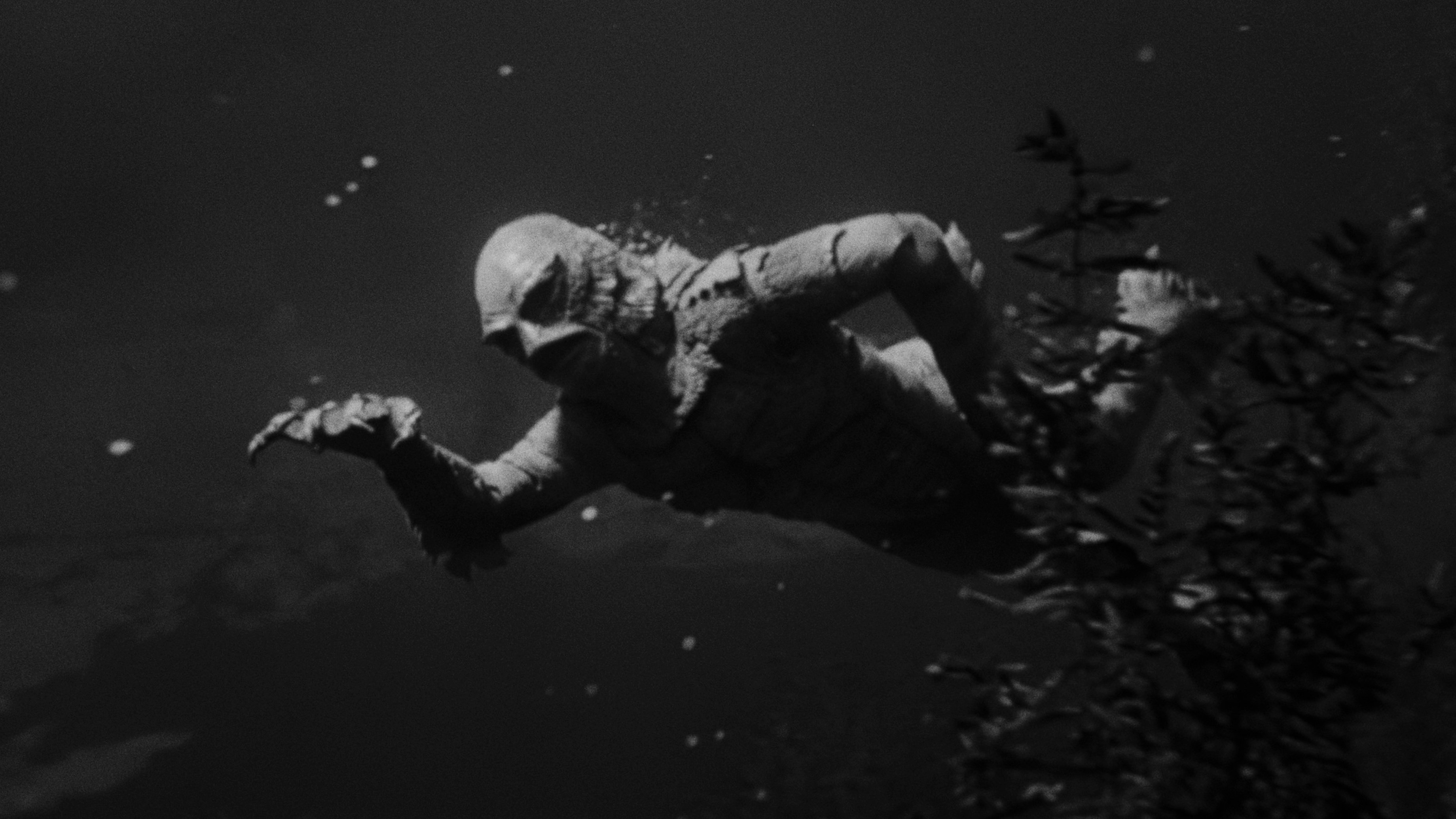
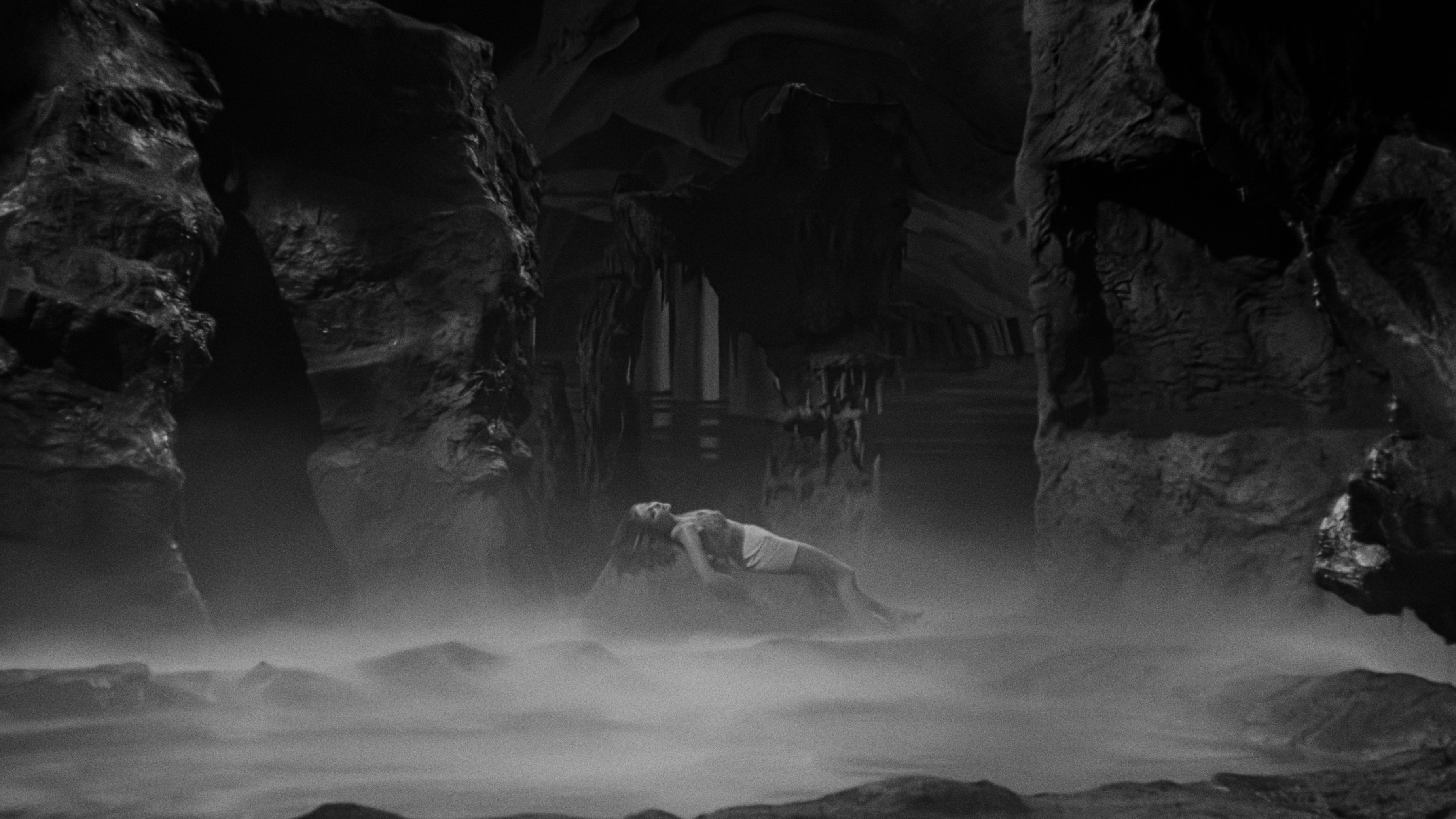
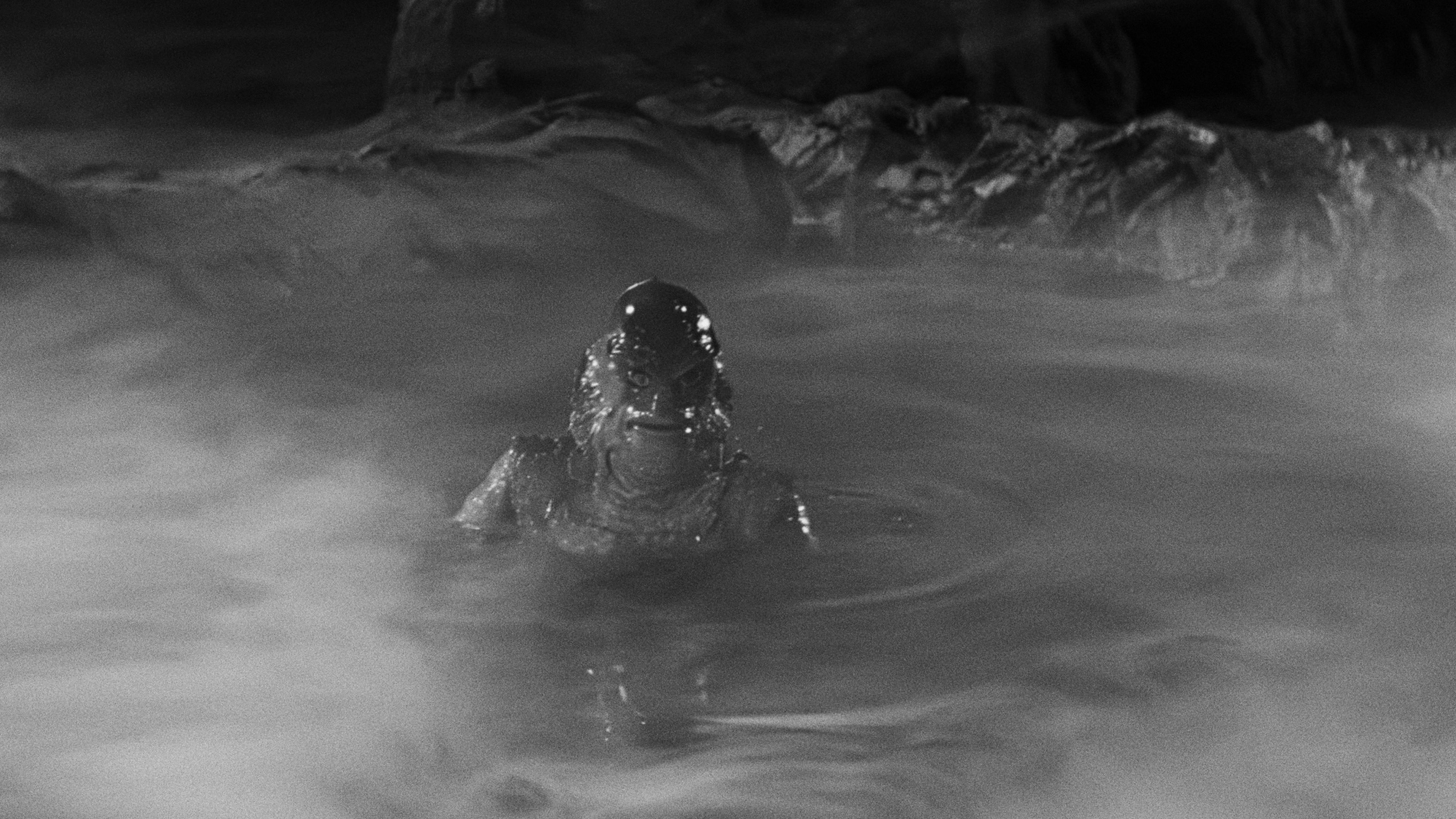
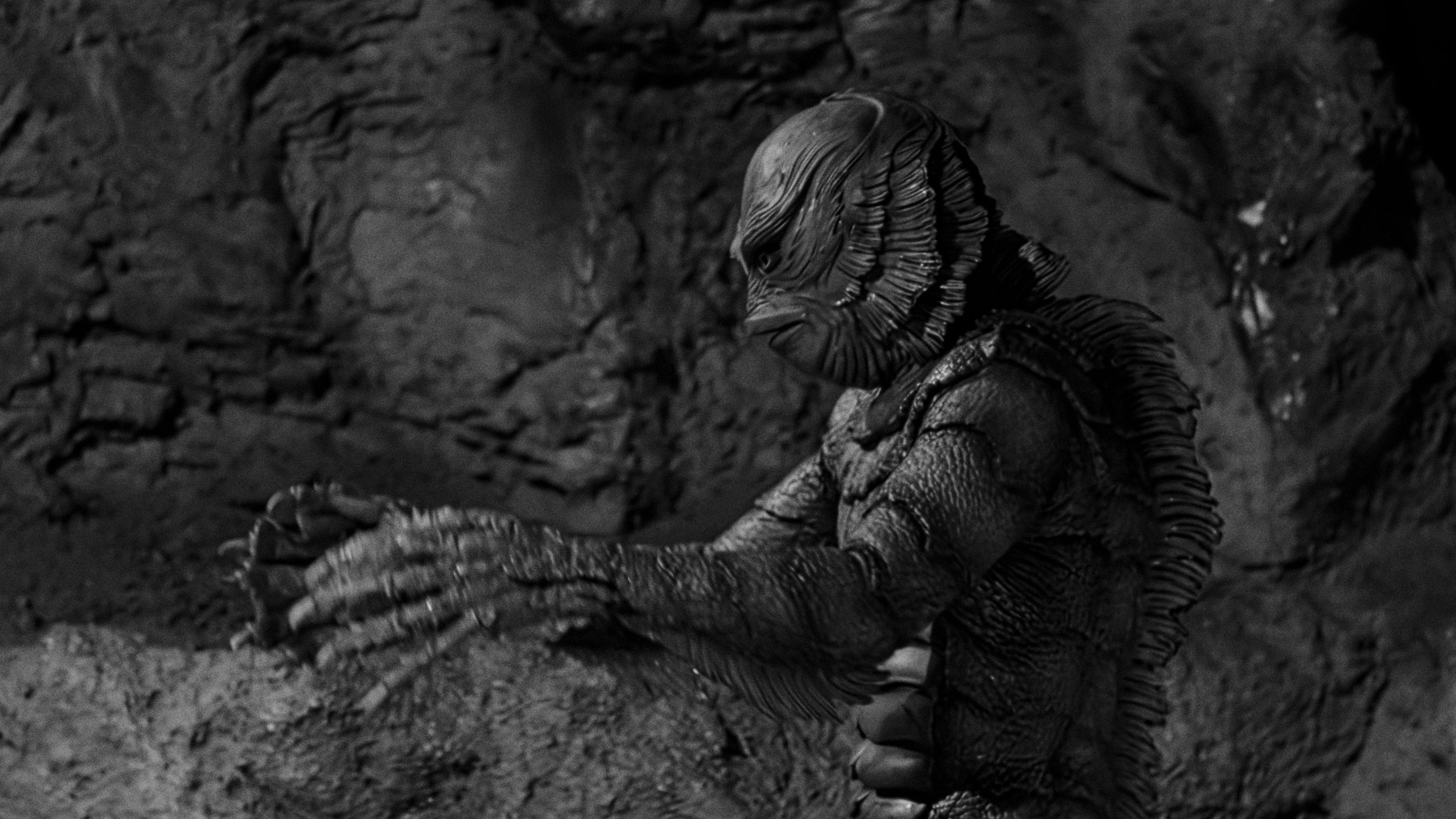
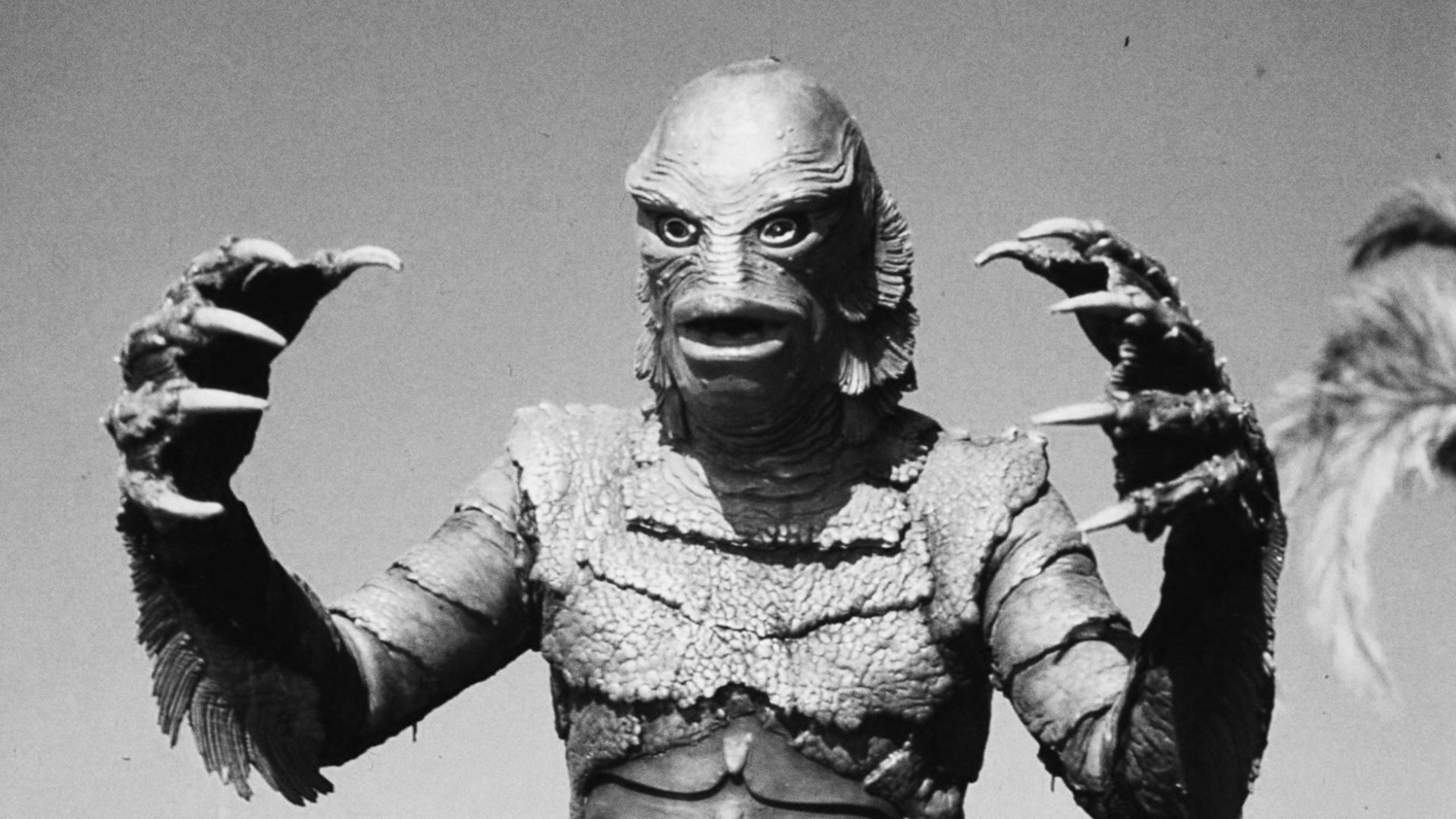
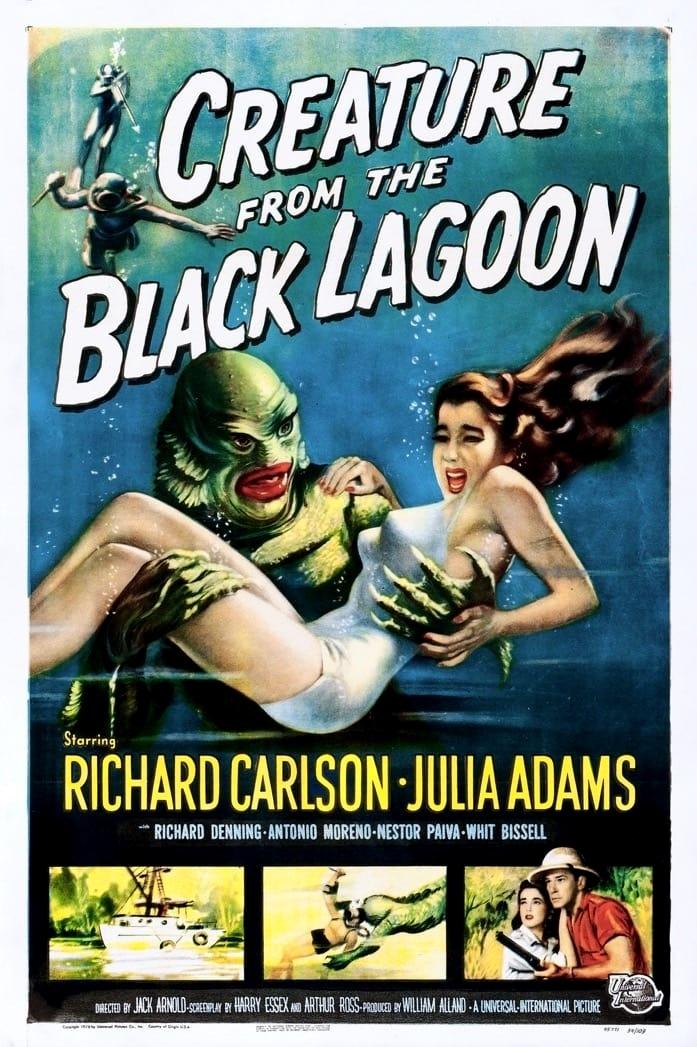
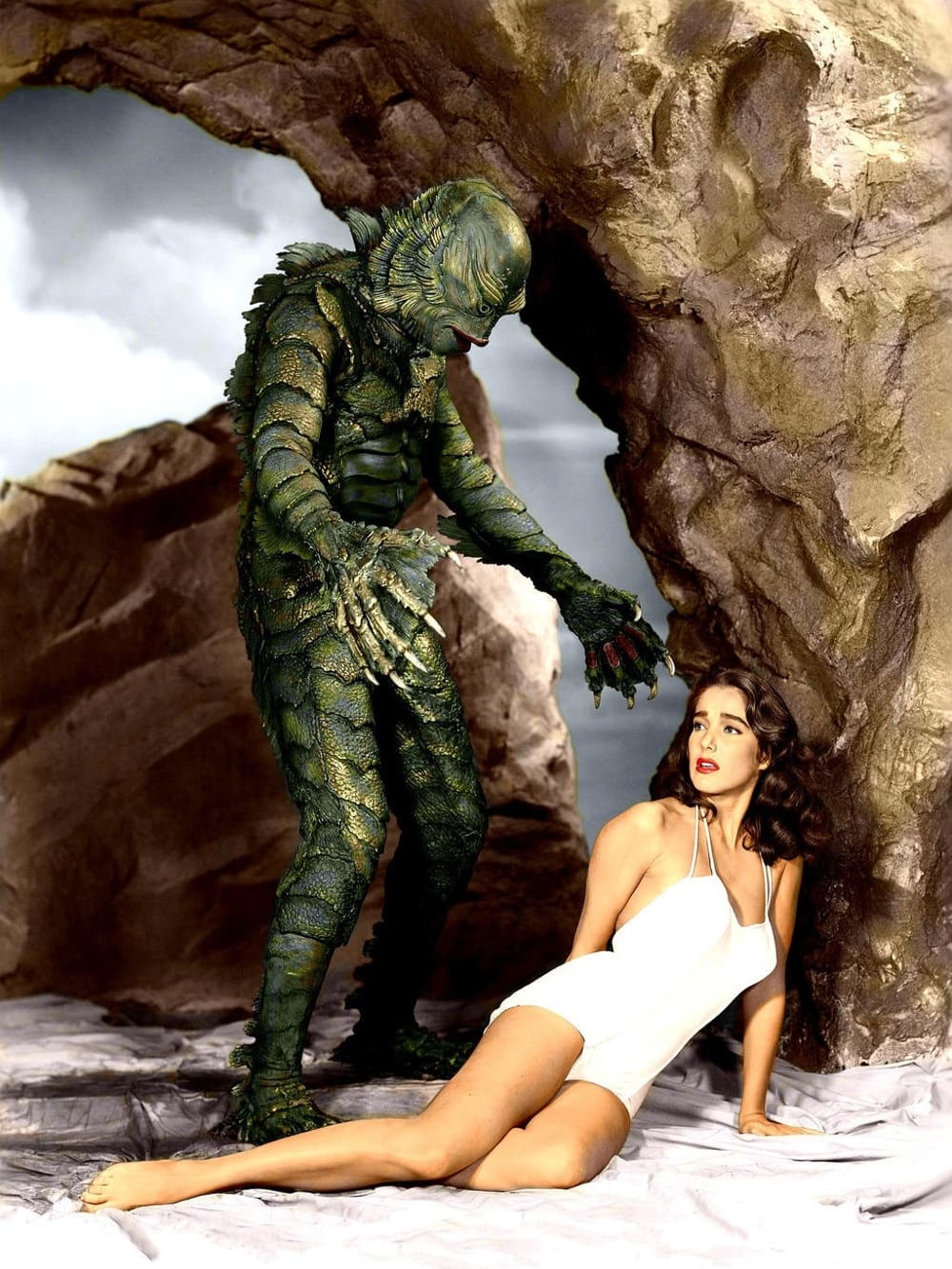
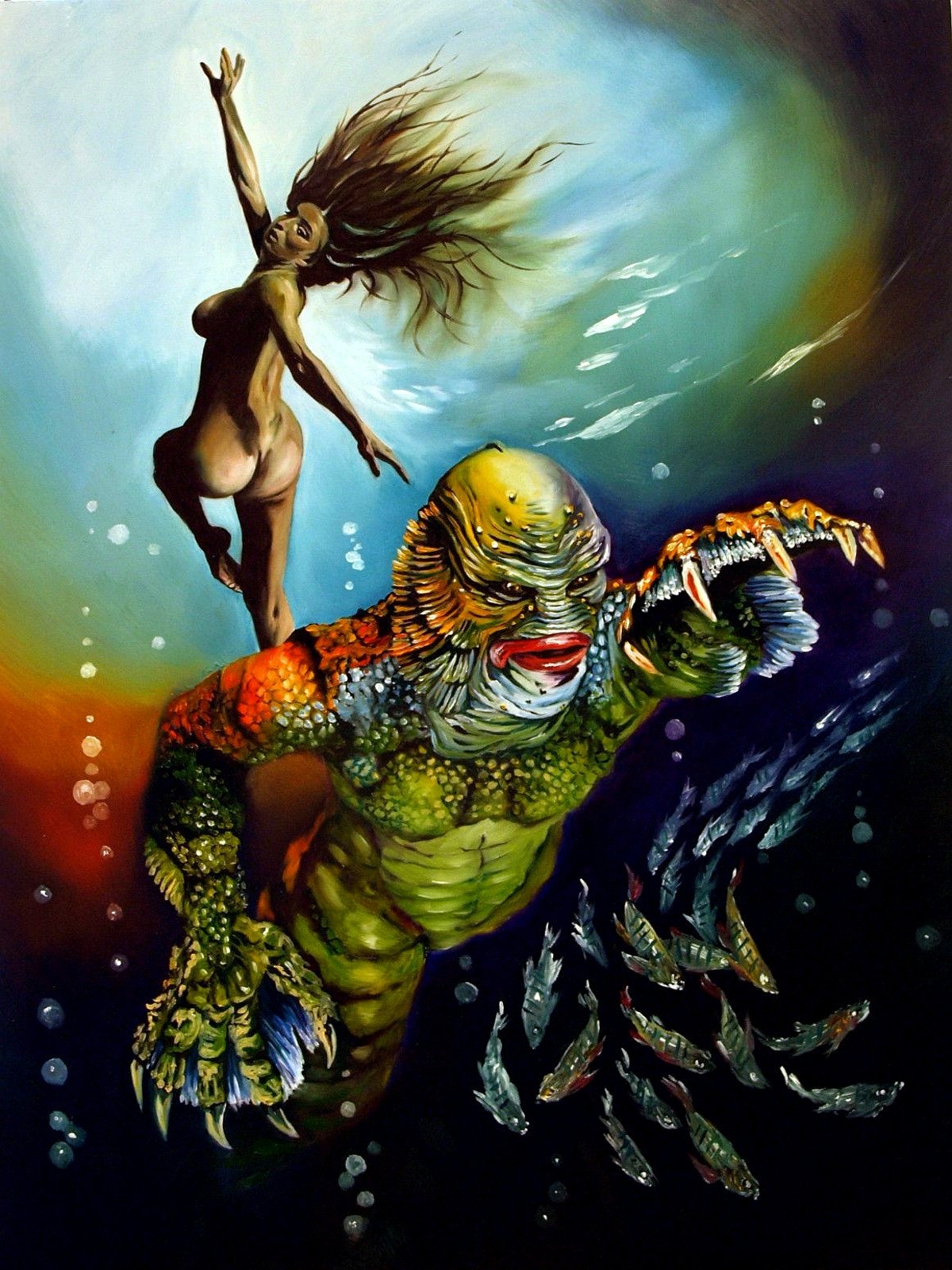
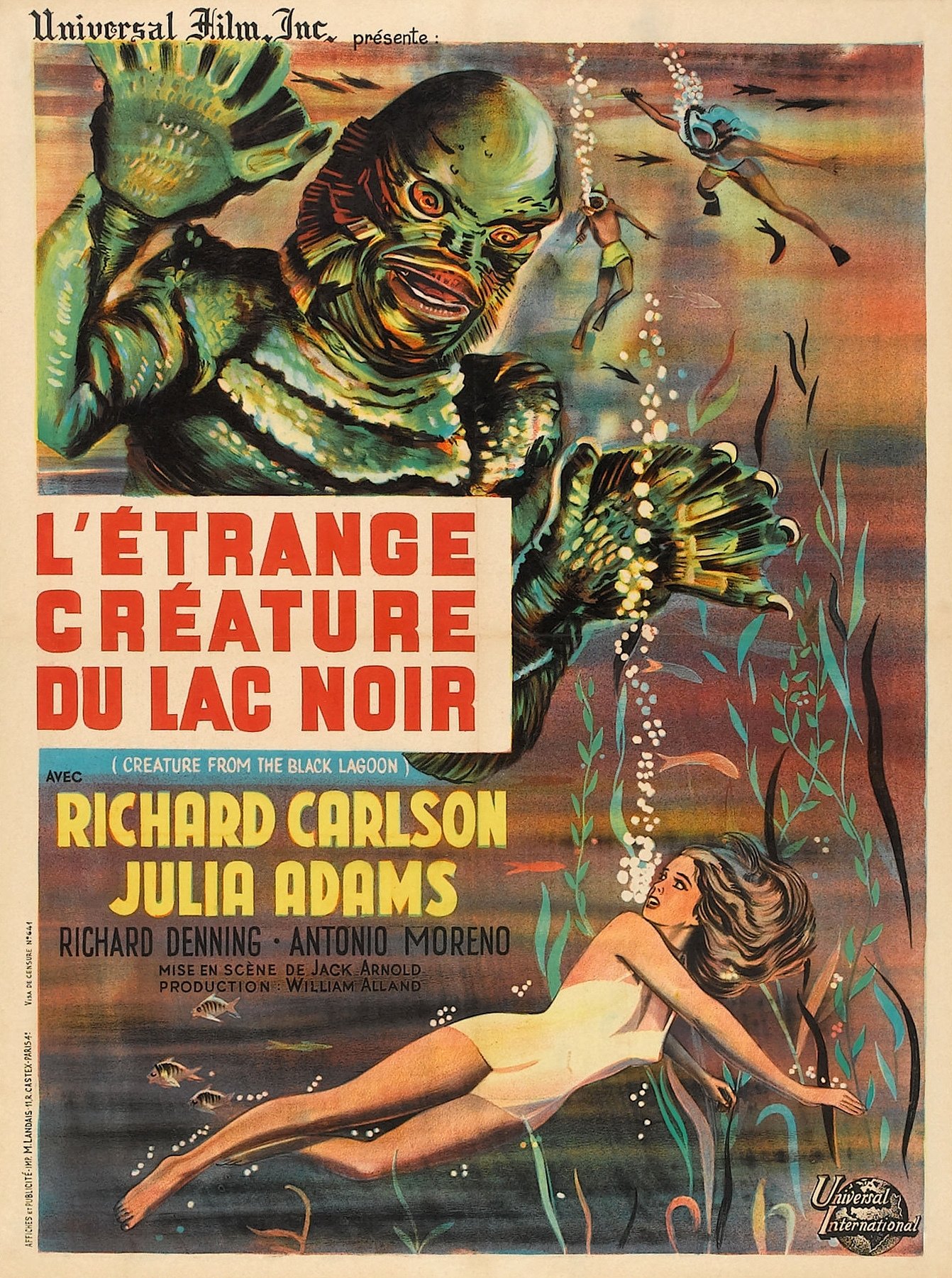
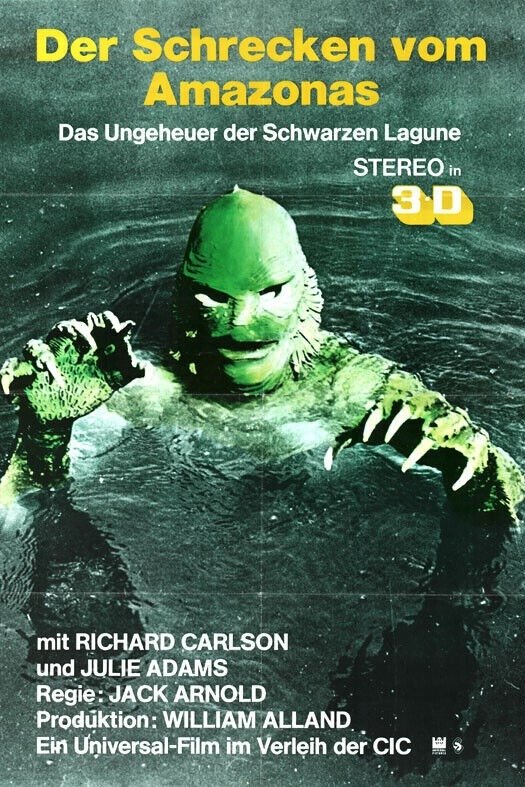
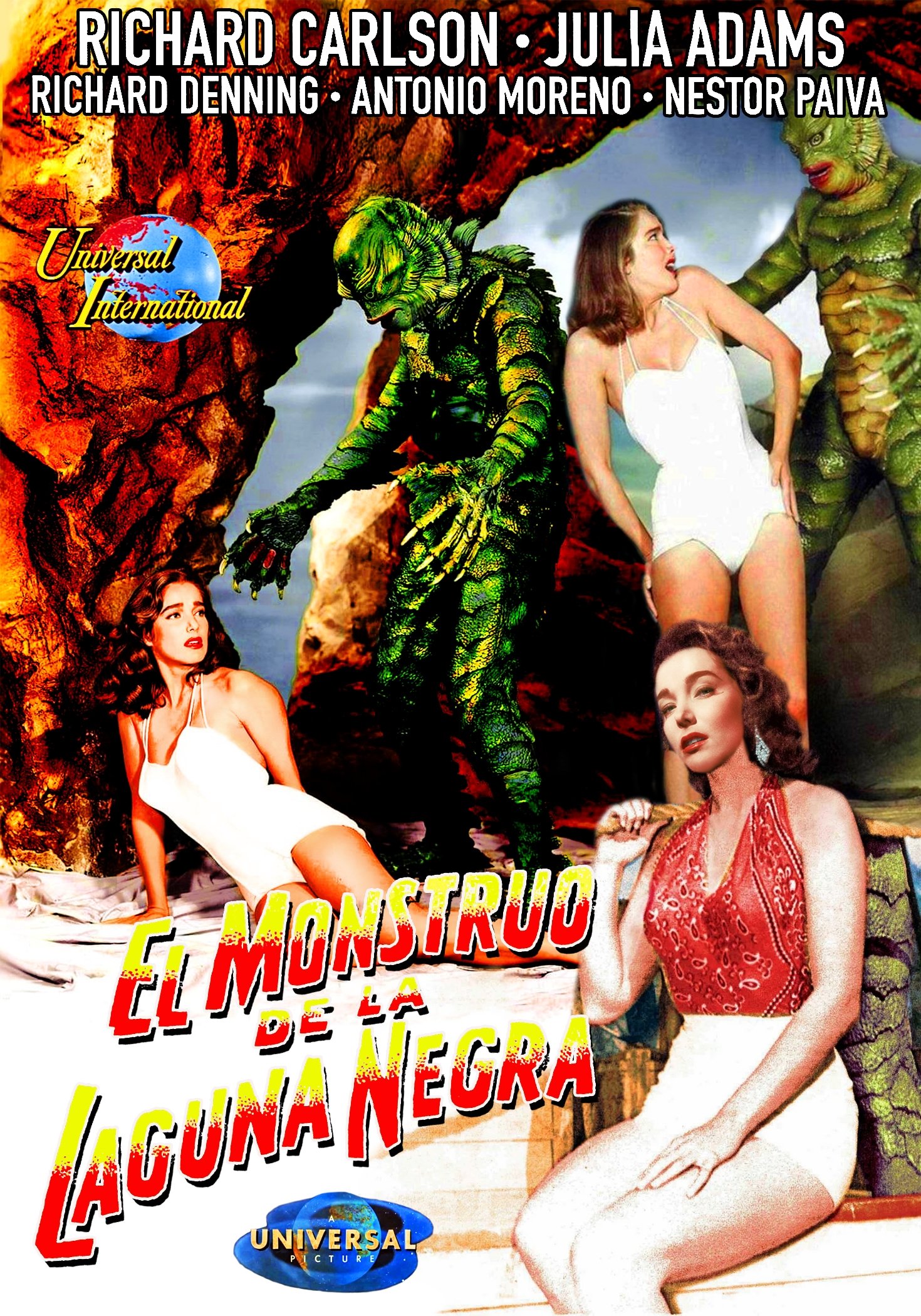
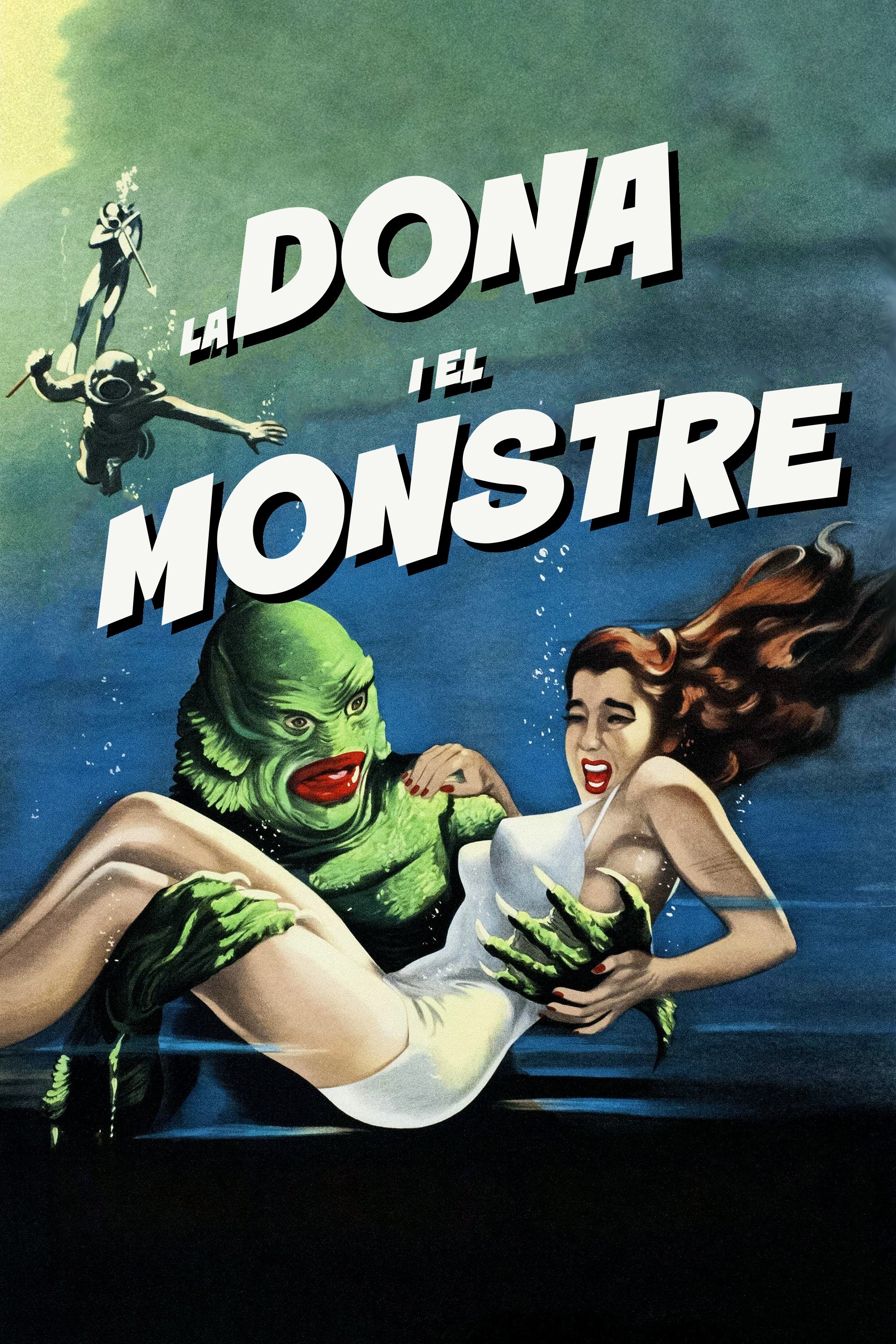
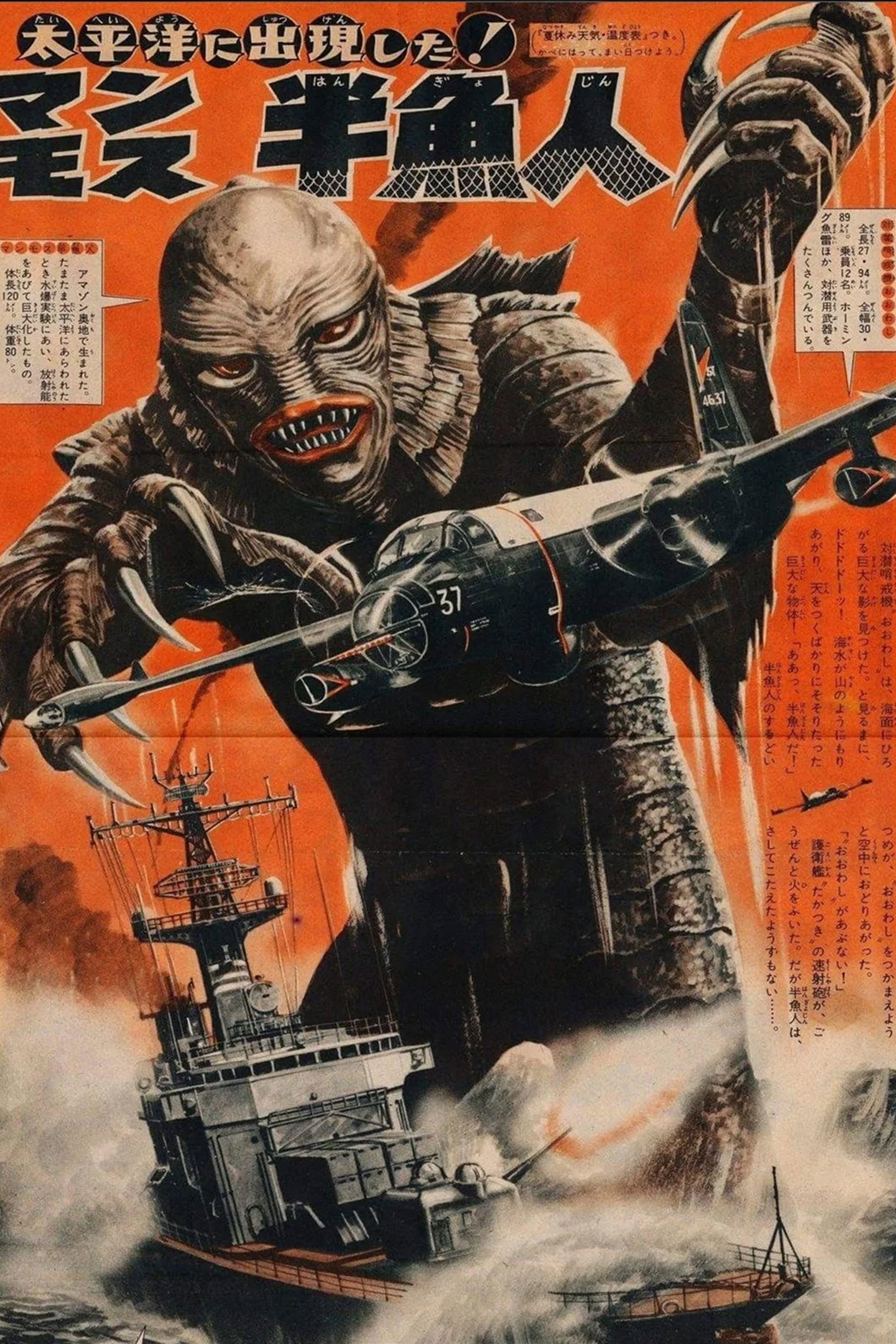
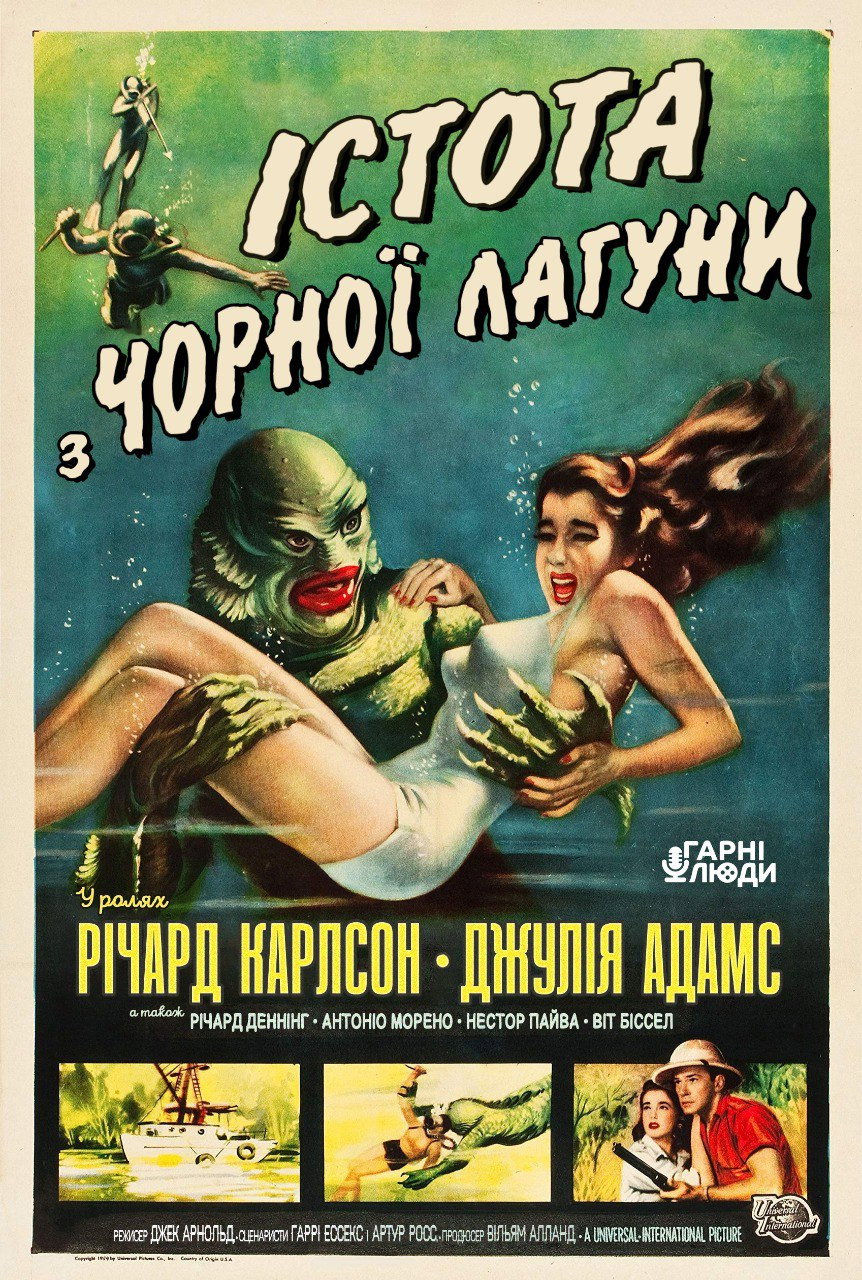
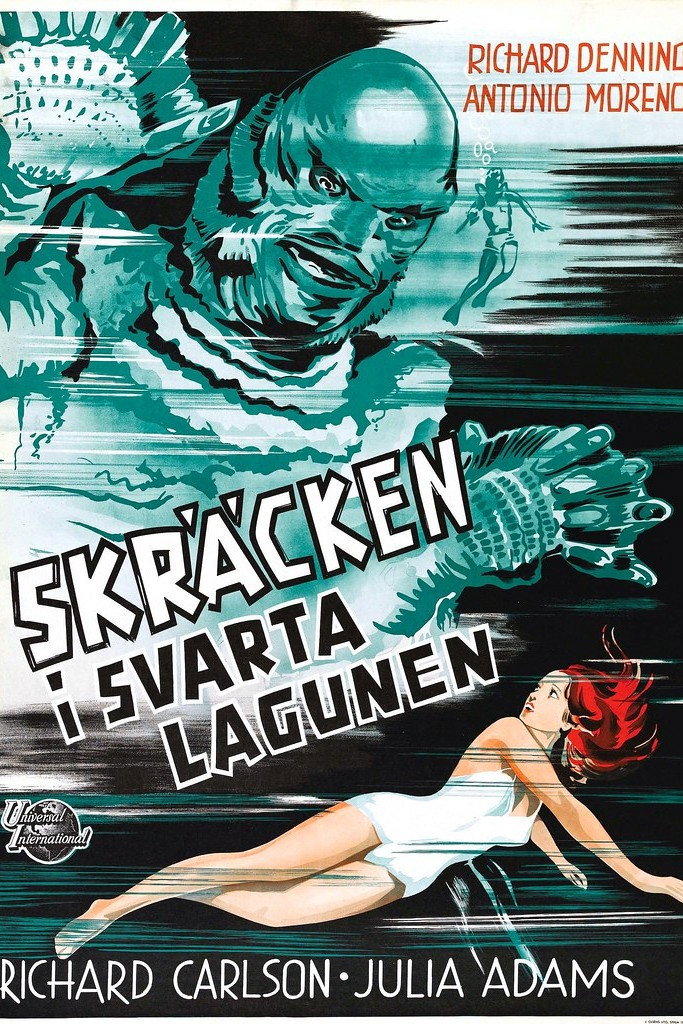
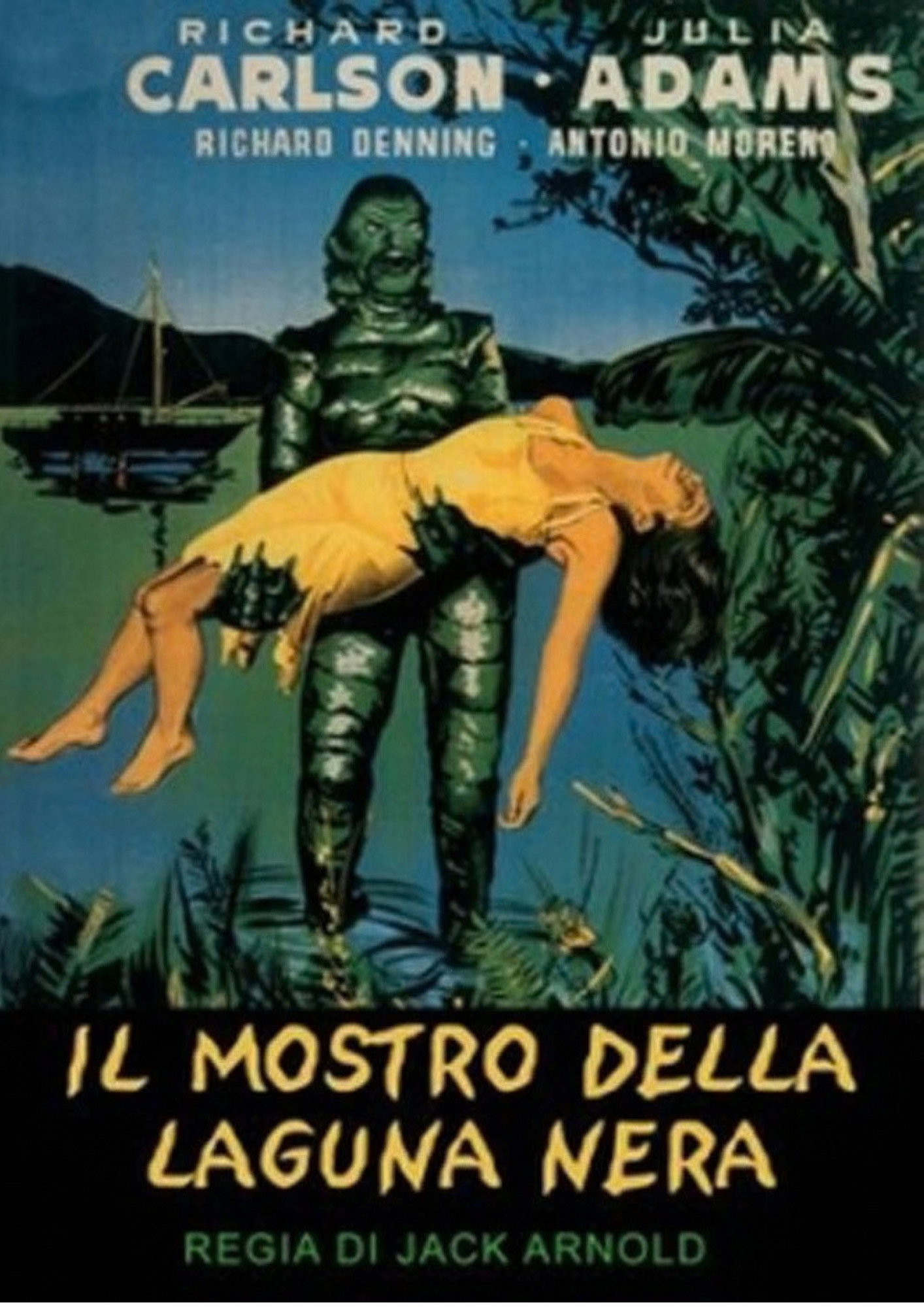
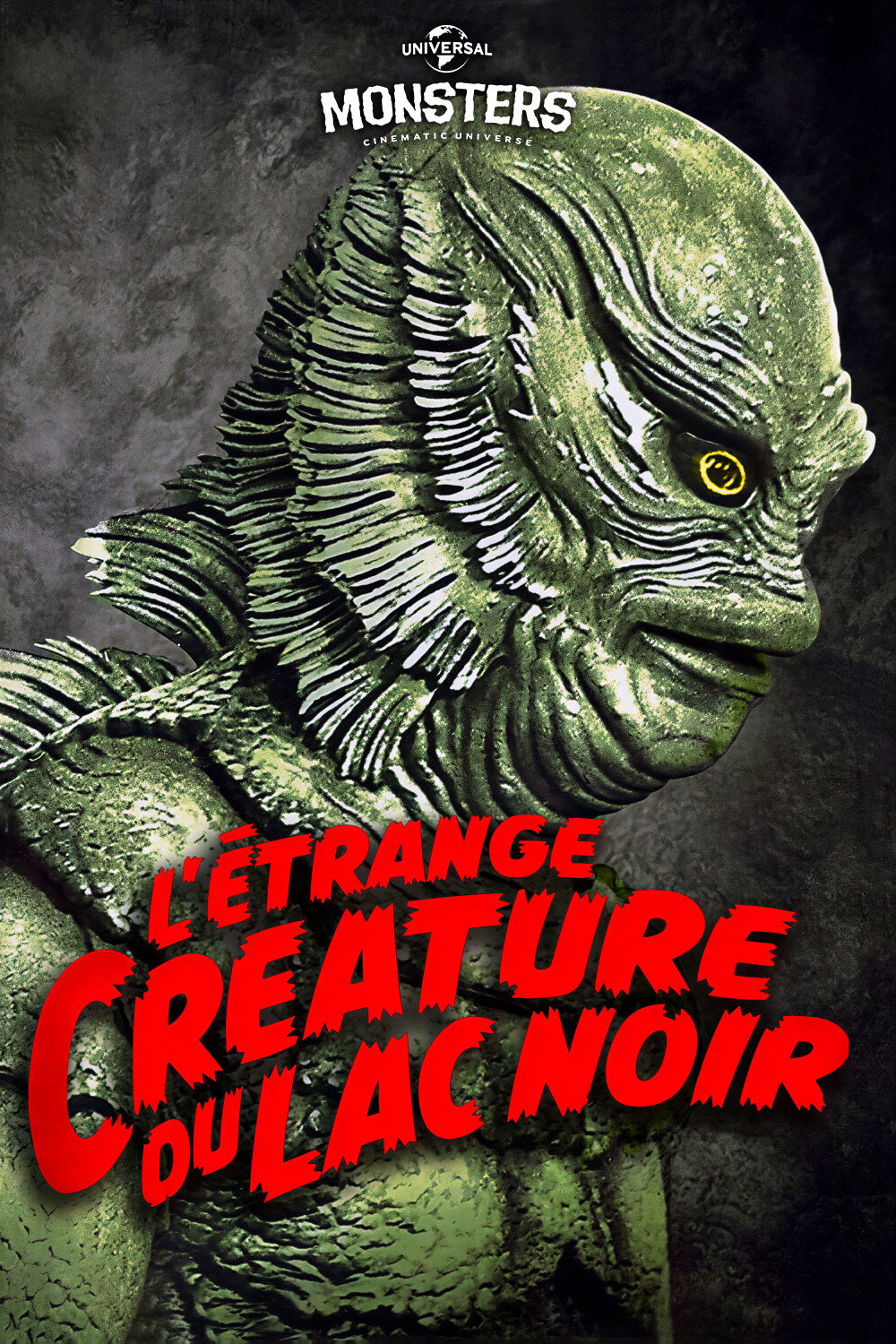
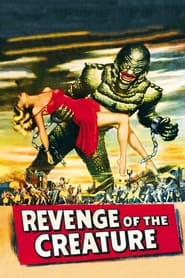
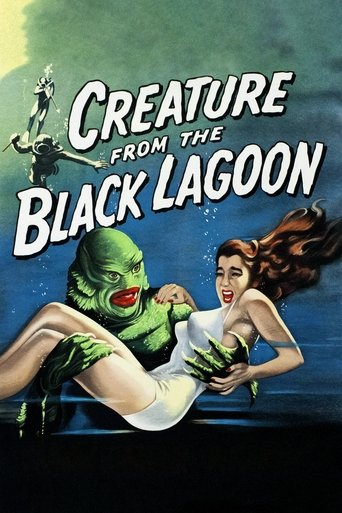
Producer William Alland traced the initial inspiration for the film to a dinner attended by Orson Welles, Dolores del Río and Mexican cinematographer Gabriel Figueroa. According to Alland’s later recollection, Figueroa described an amphibious humanoid associated with a remote South American river, whose appearances involved the abduction of a young woman. Alland retained the story as a possible motion-picture premise. This account documents the producer’s recollection of a conversation, rather than establishing that the creature belonged to a verified historical or folkloric tradition. The eventual screenplay transformed the anecdote into an adventure involving scientists, prehistoric survival and an unexplored environment.
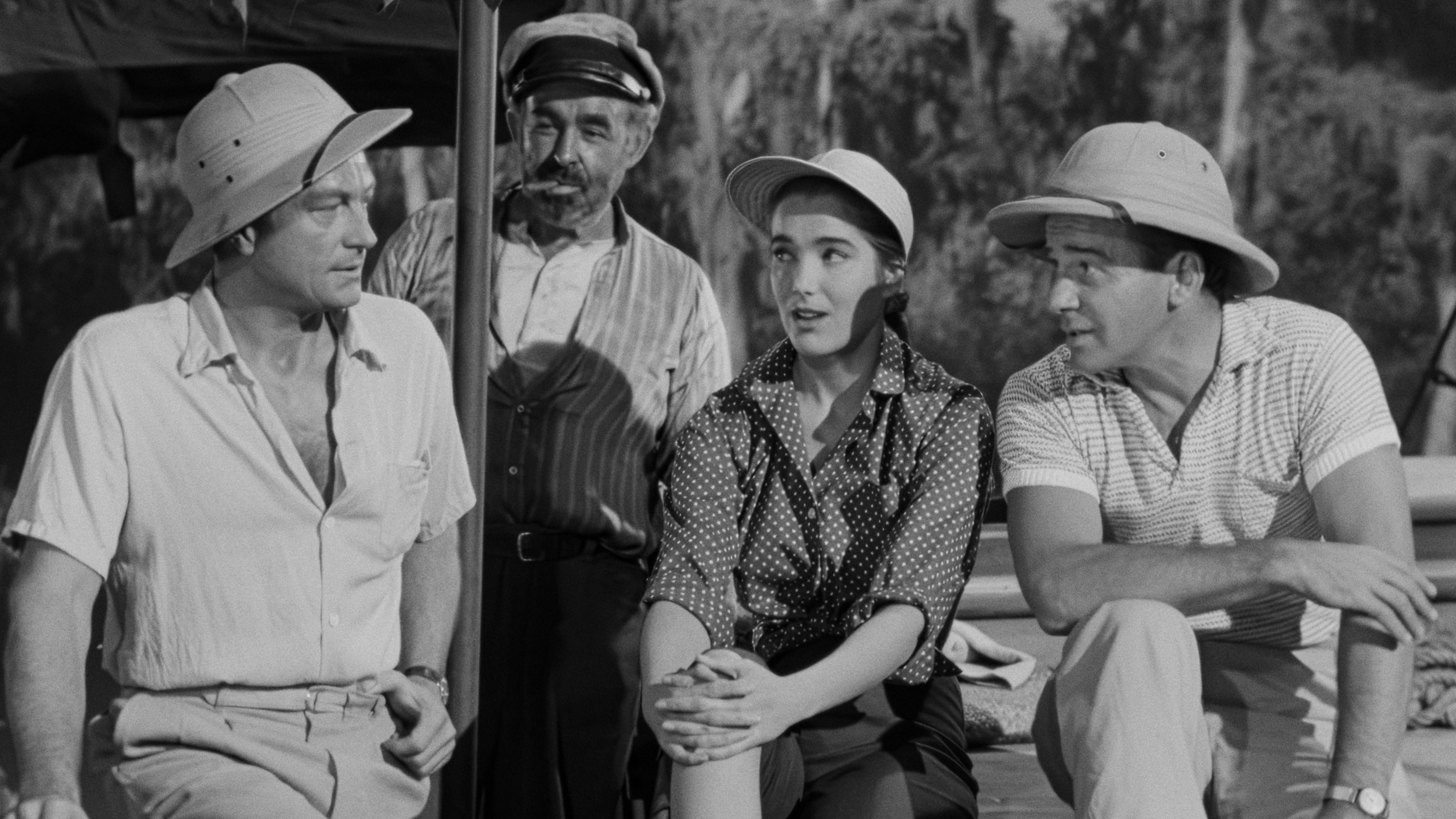
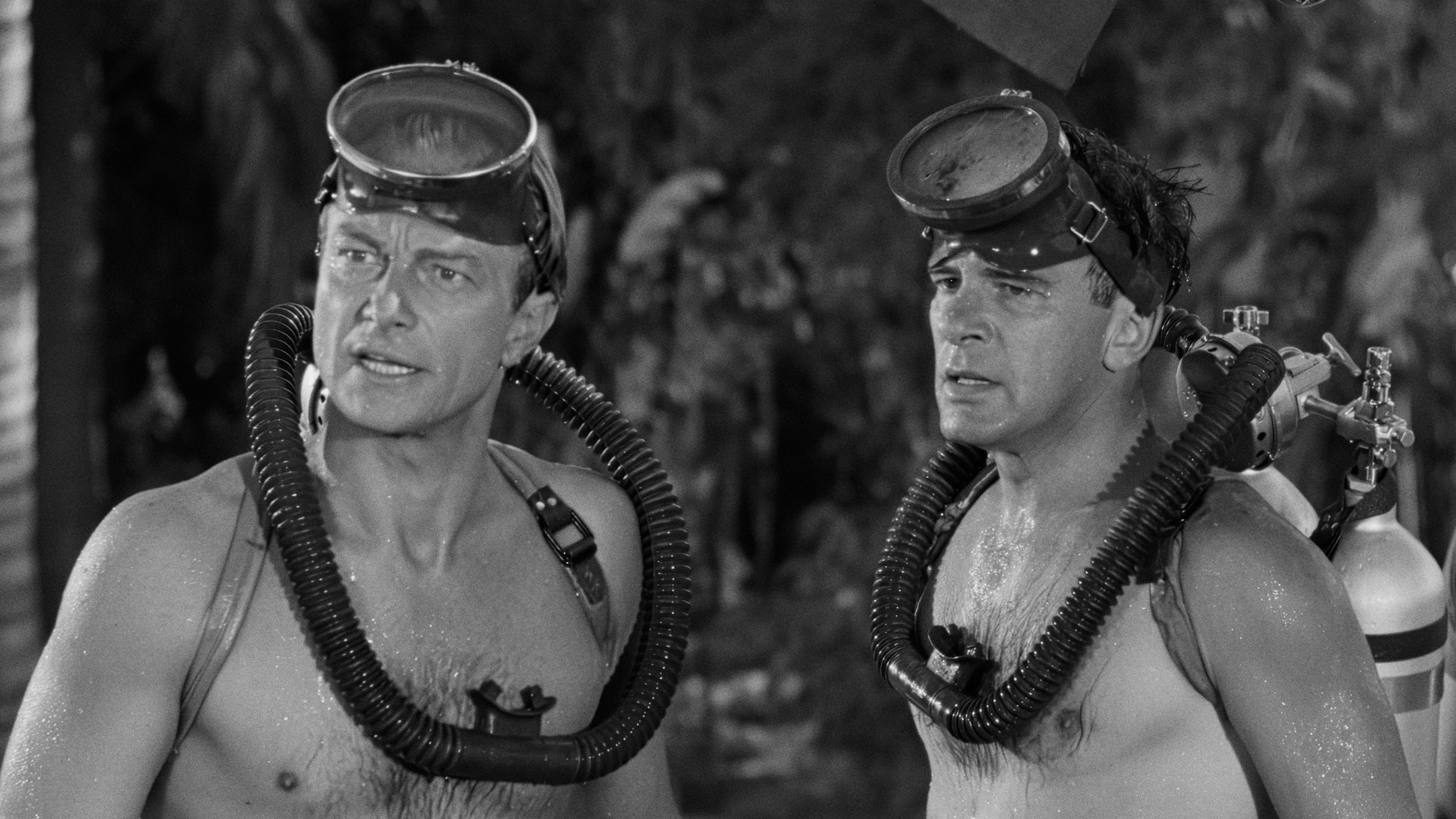
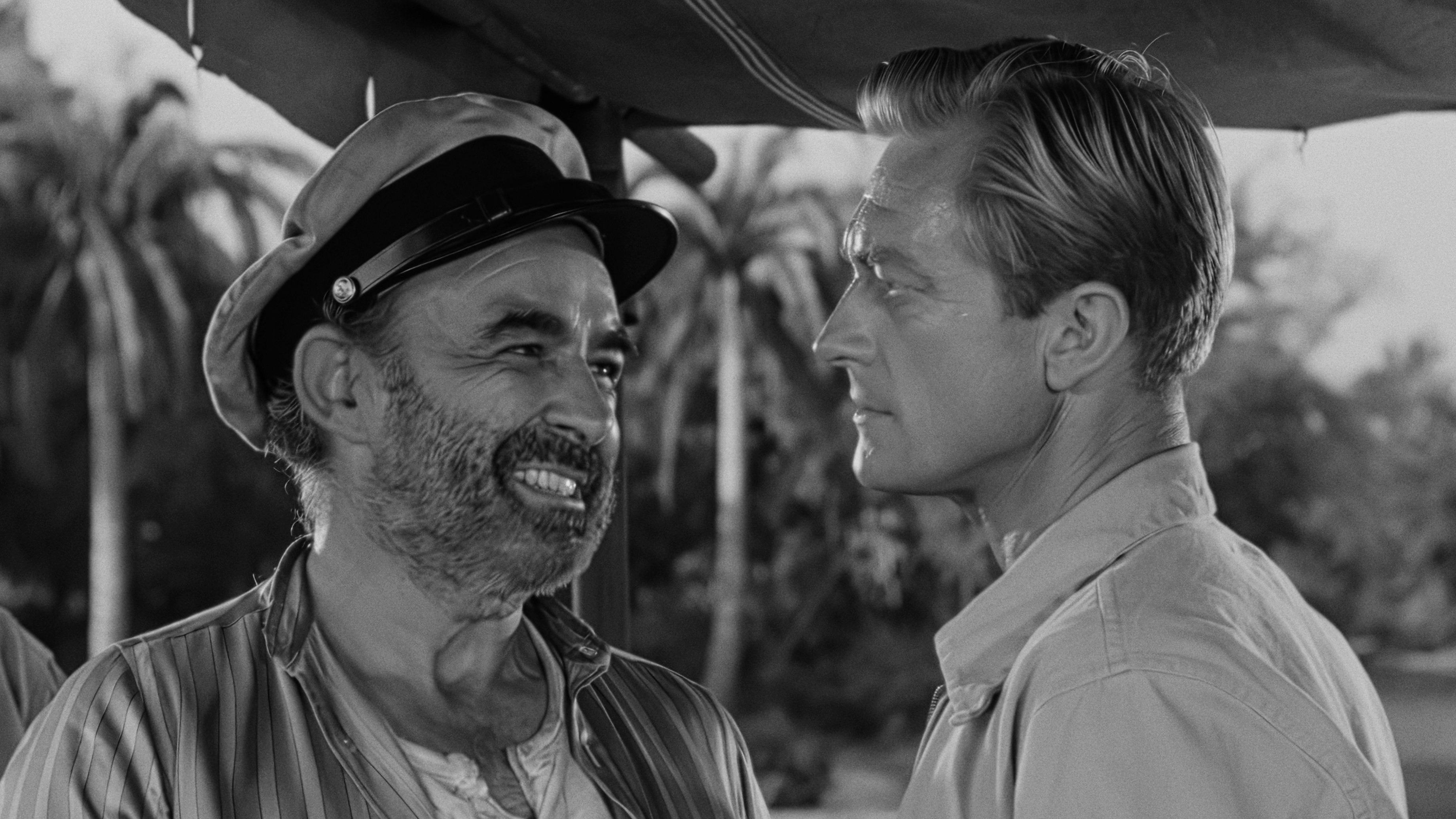
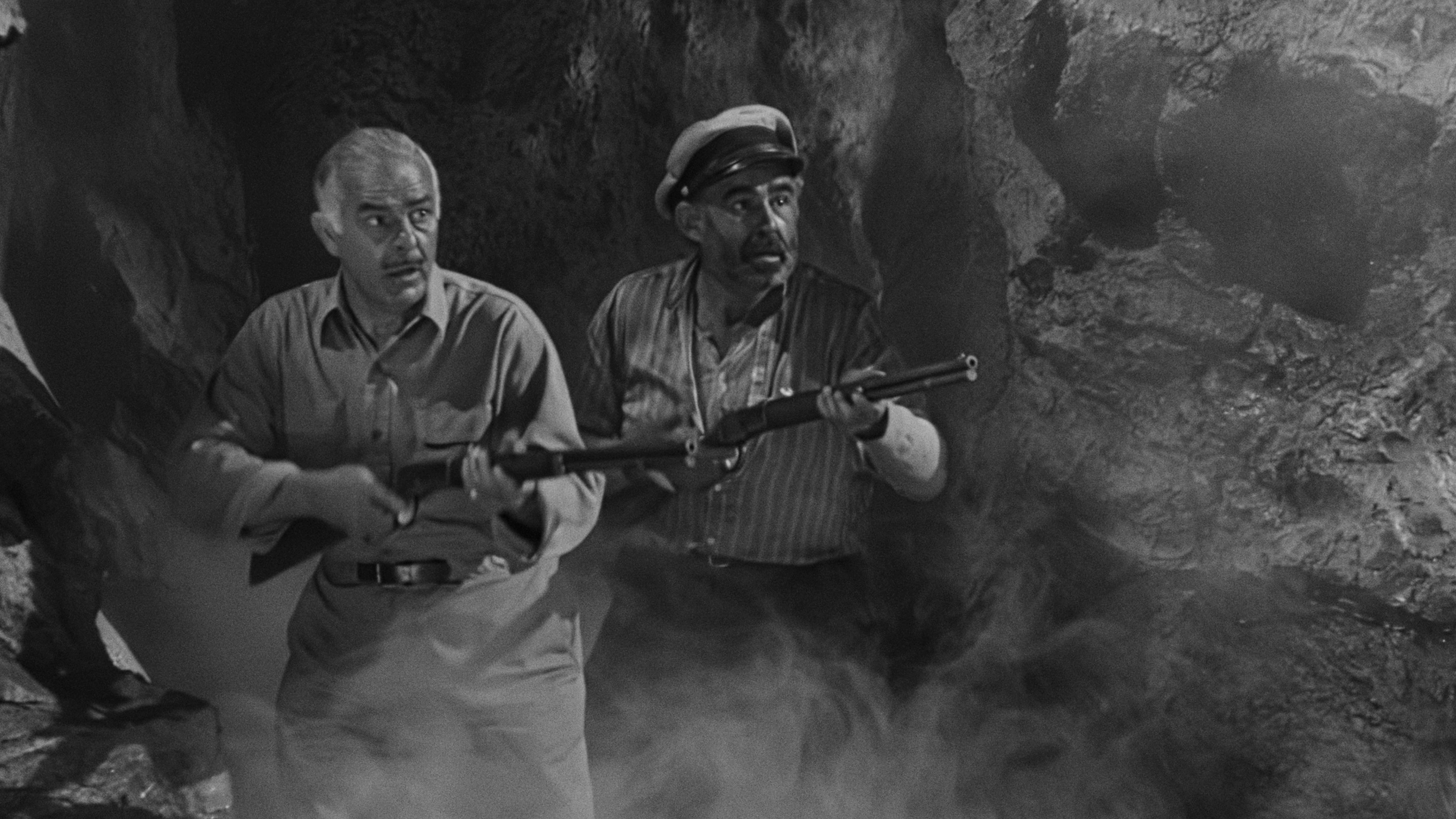
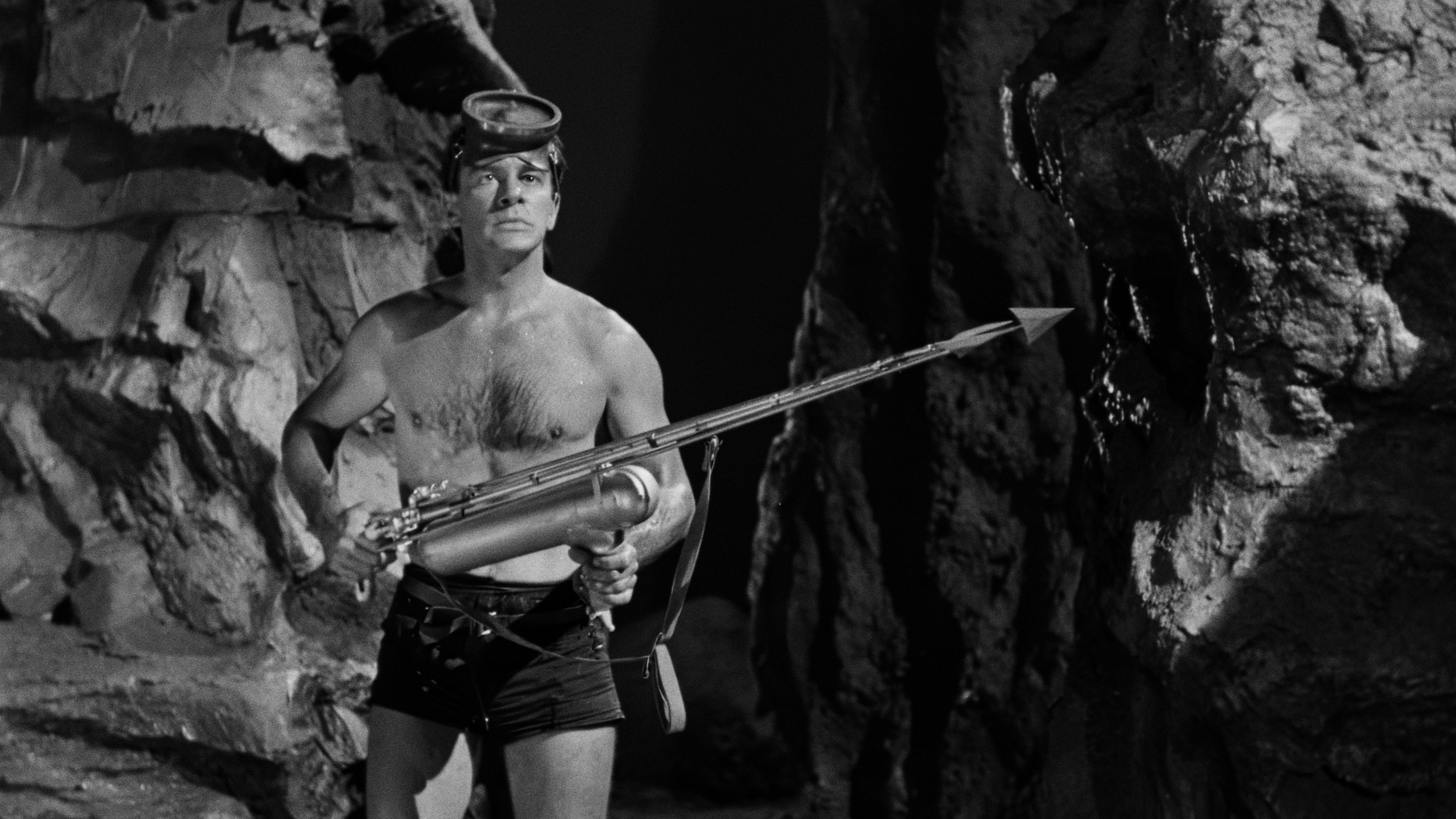
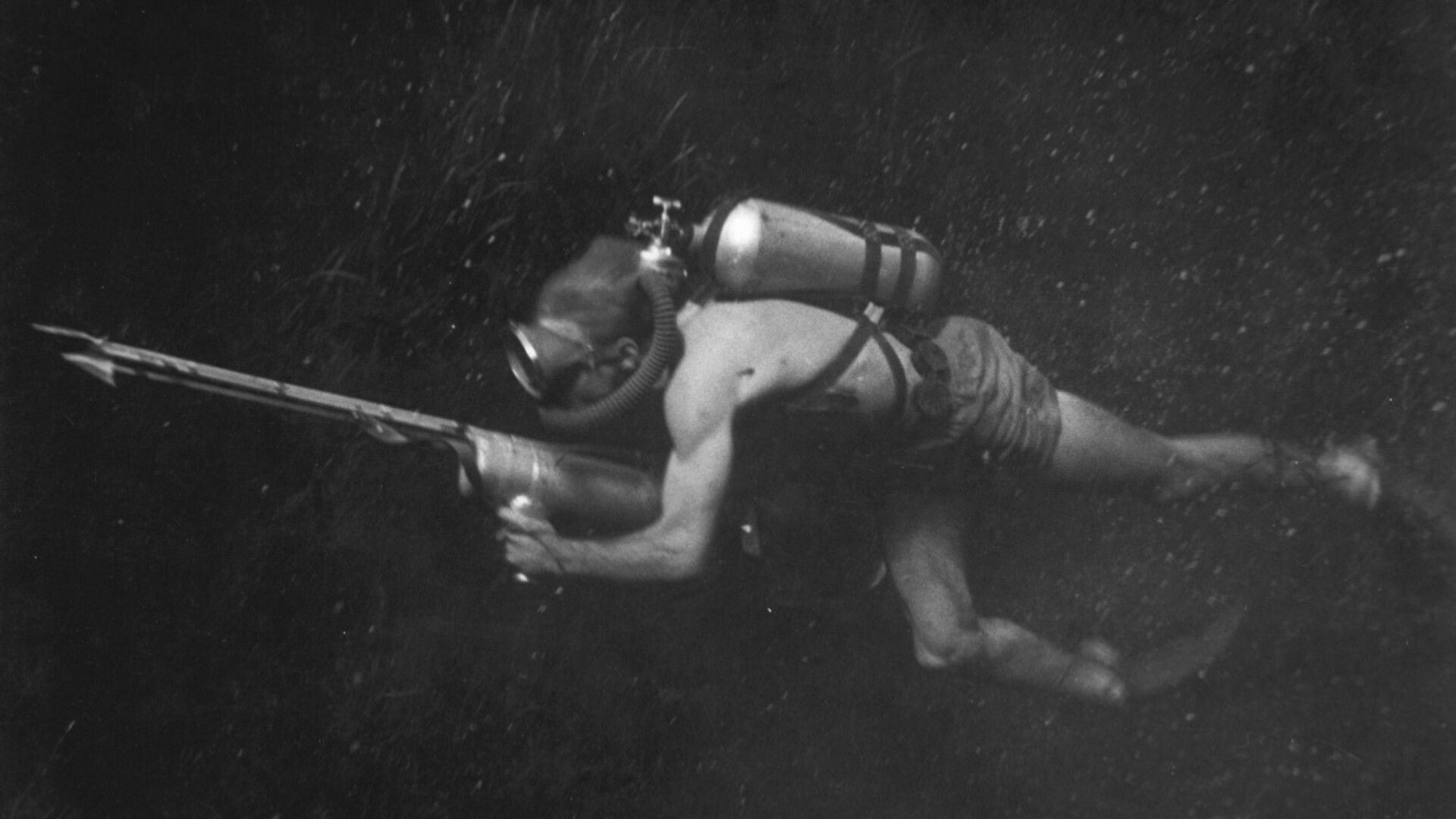
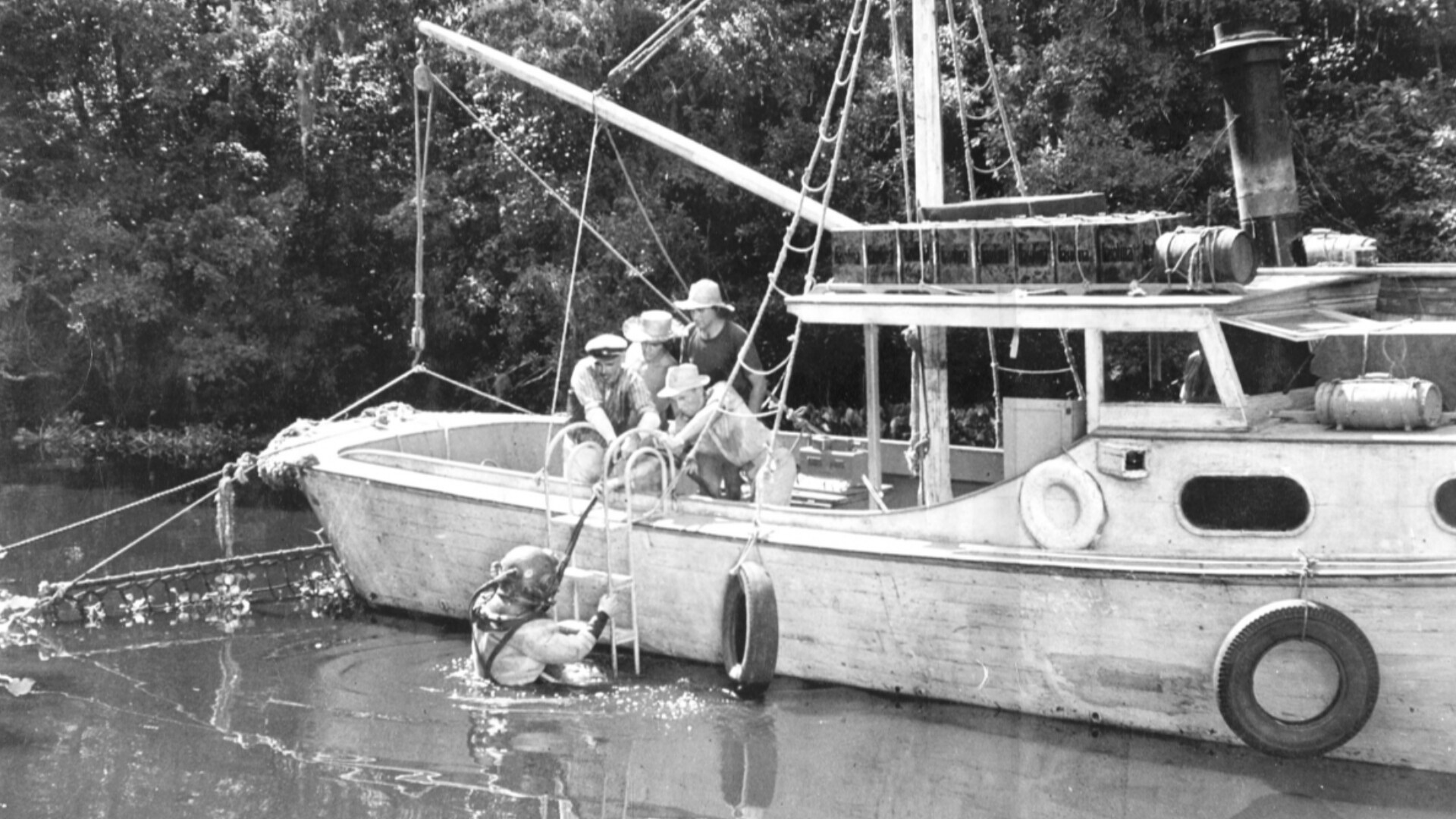
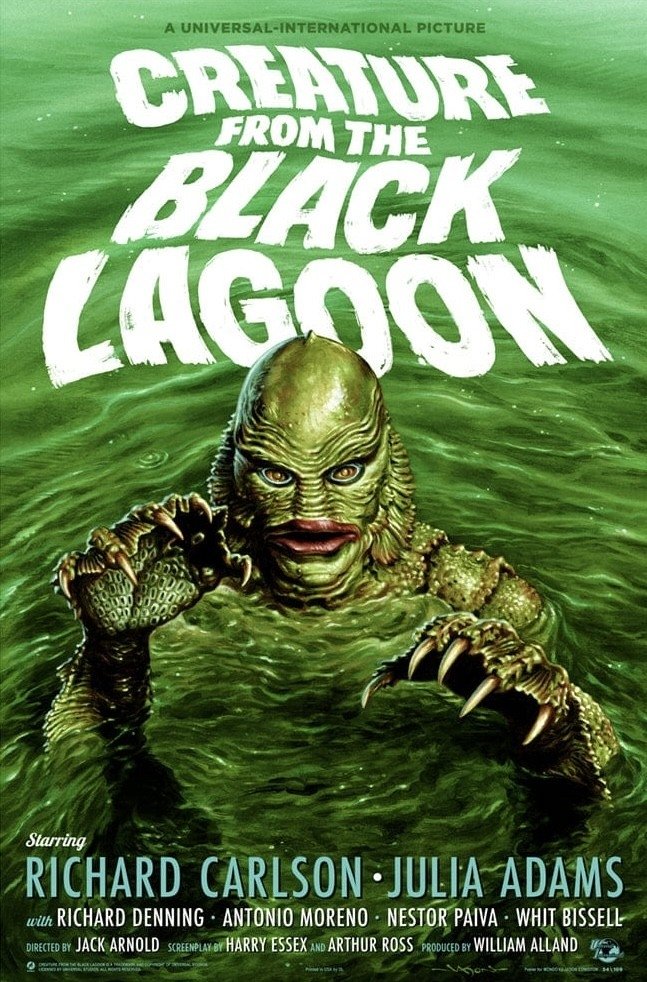
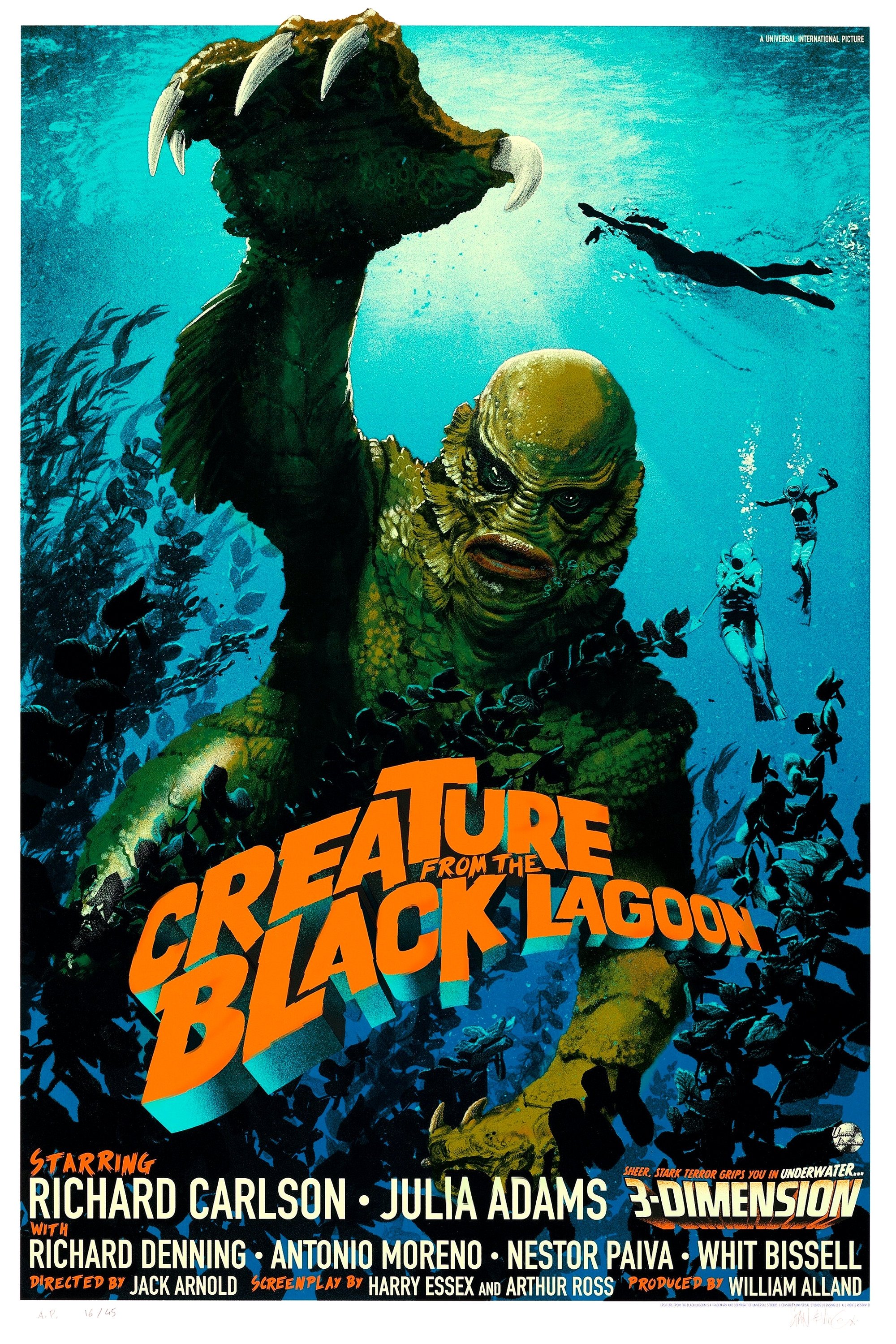
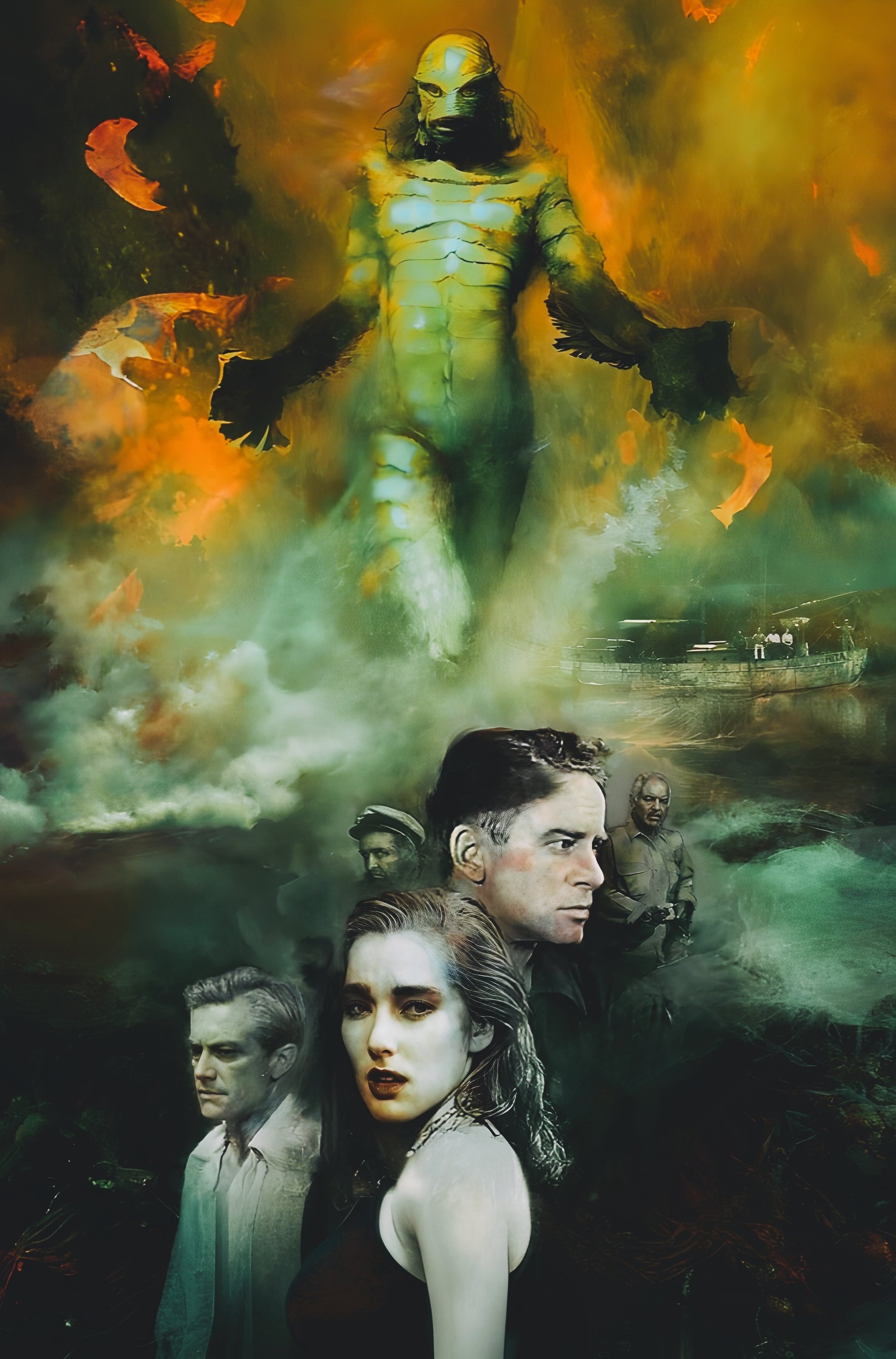
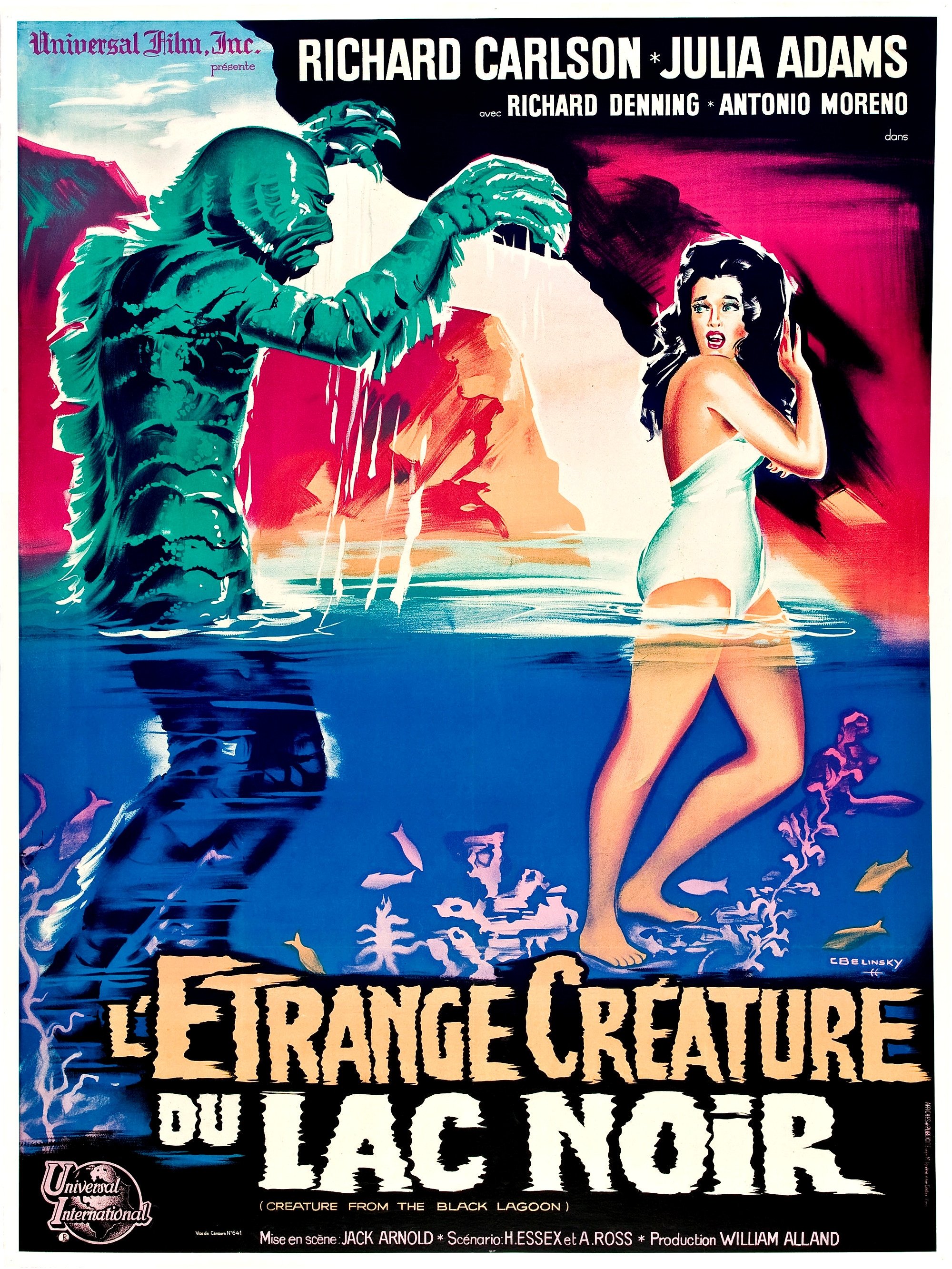
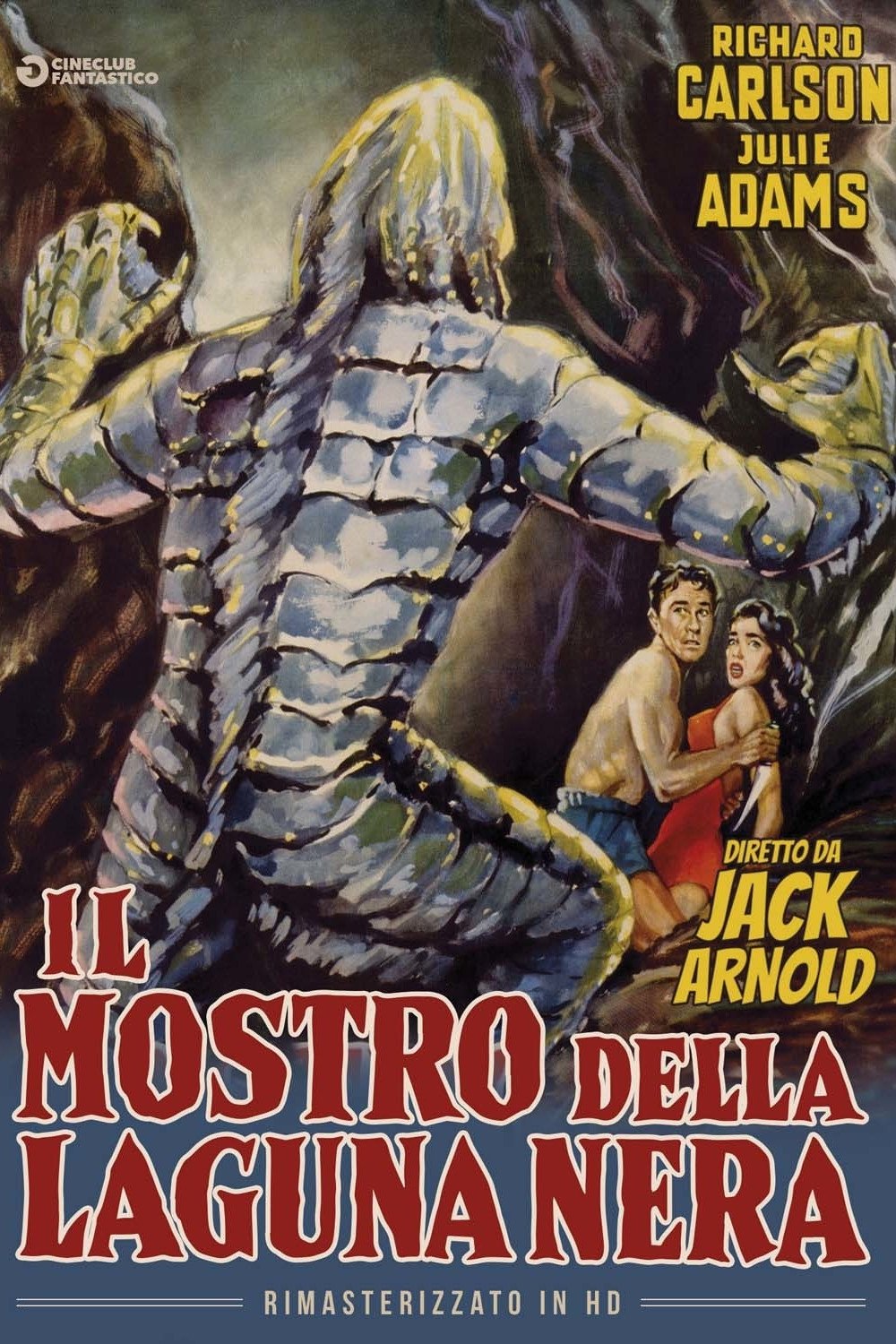
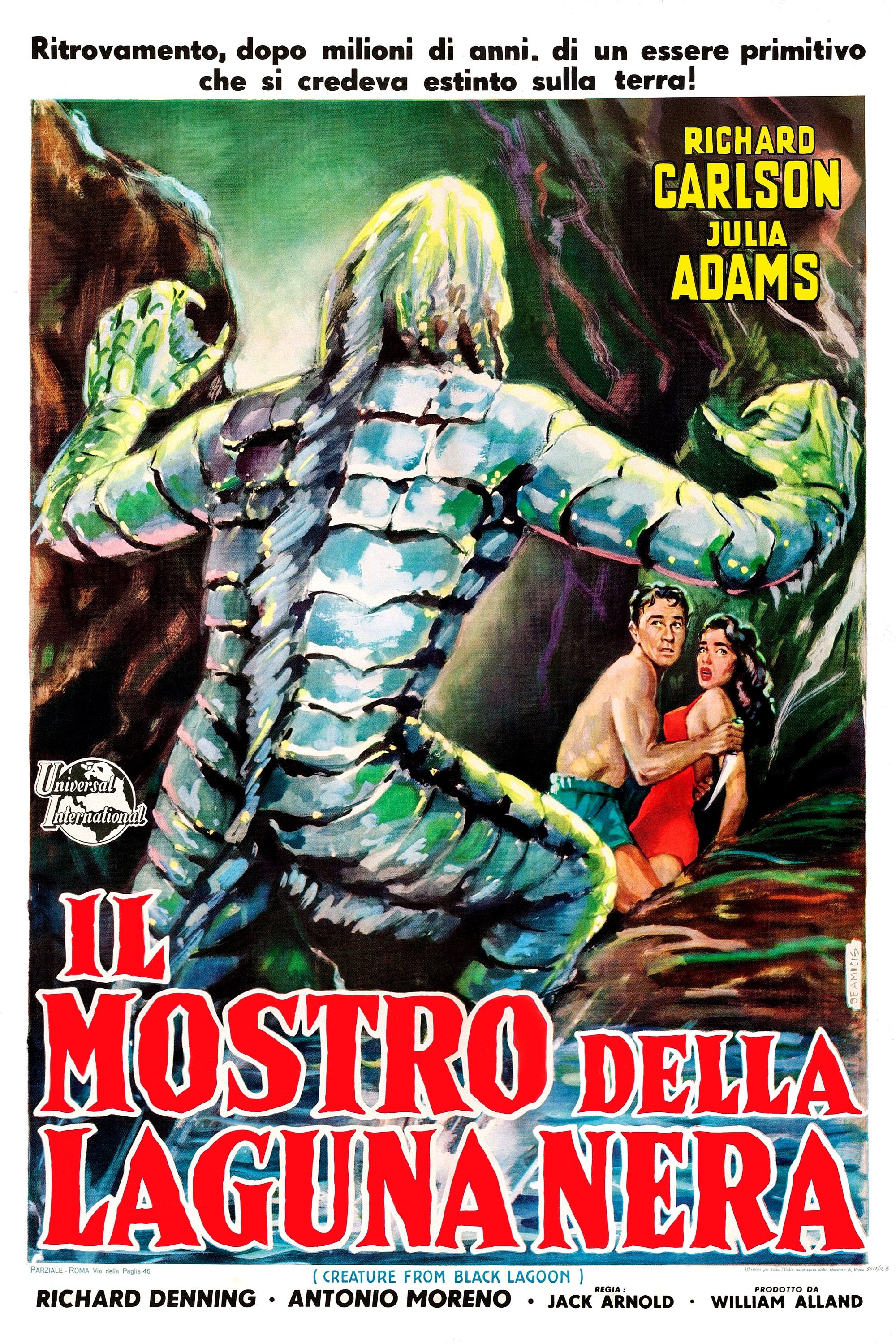
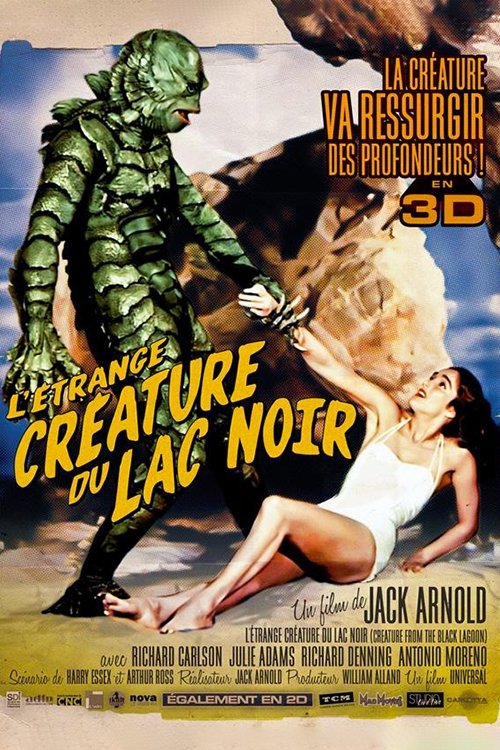
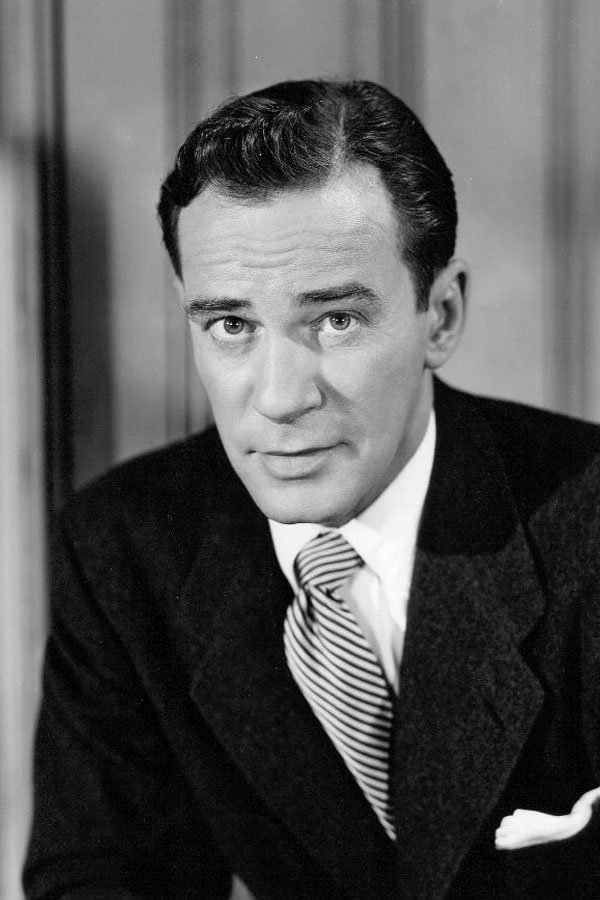
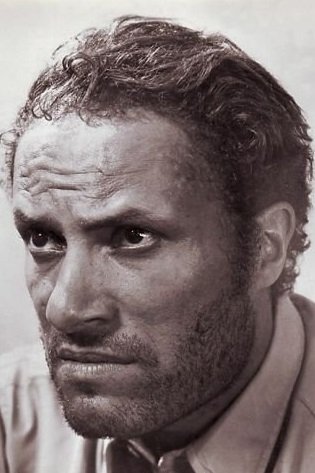
The story was developed by Maurice Zimm, with Harry Essex and Arthur A. Ross receiving screenplay credit. The project initially circulated under the working title Black Lagoon. It emerged during Universal’s successful cycle of science-fiction productions, in which Arnold, Alland, Essex and Richard Carlson had already collaborated on It Came from Outer Space (1953). That earlier film had also been photographed in 3D, providing experience with stereoscopic presentation. Contemporary production records identify October 1953 as the principal filming period. Frank Lovejoy was initially announced for the role of David Reed before Carlson assumed the part, one of several changes documented in the American Film Institute’s production history.
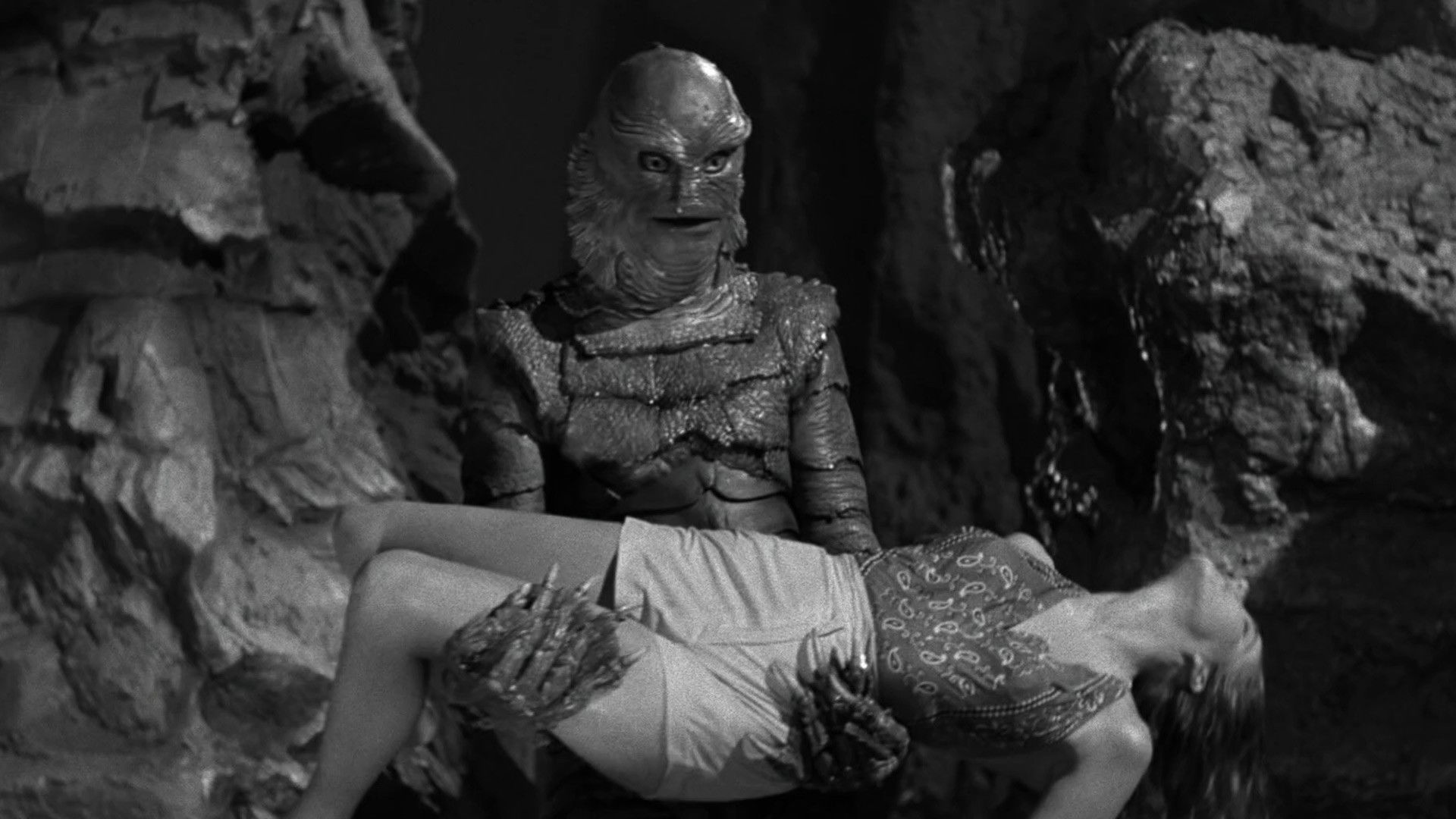
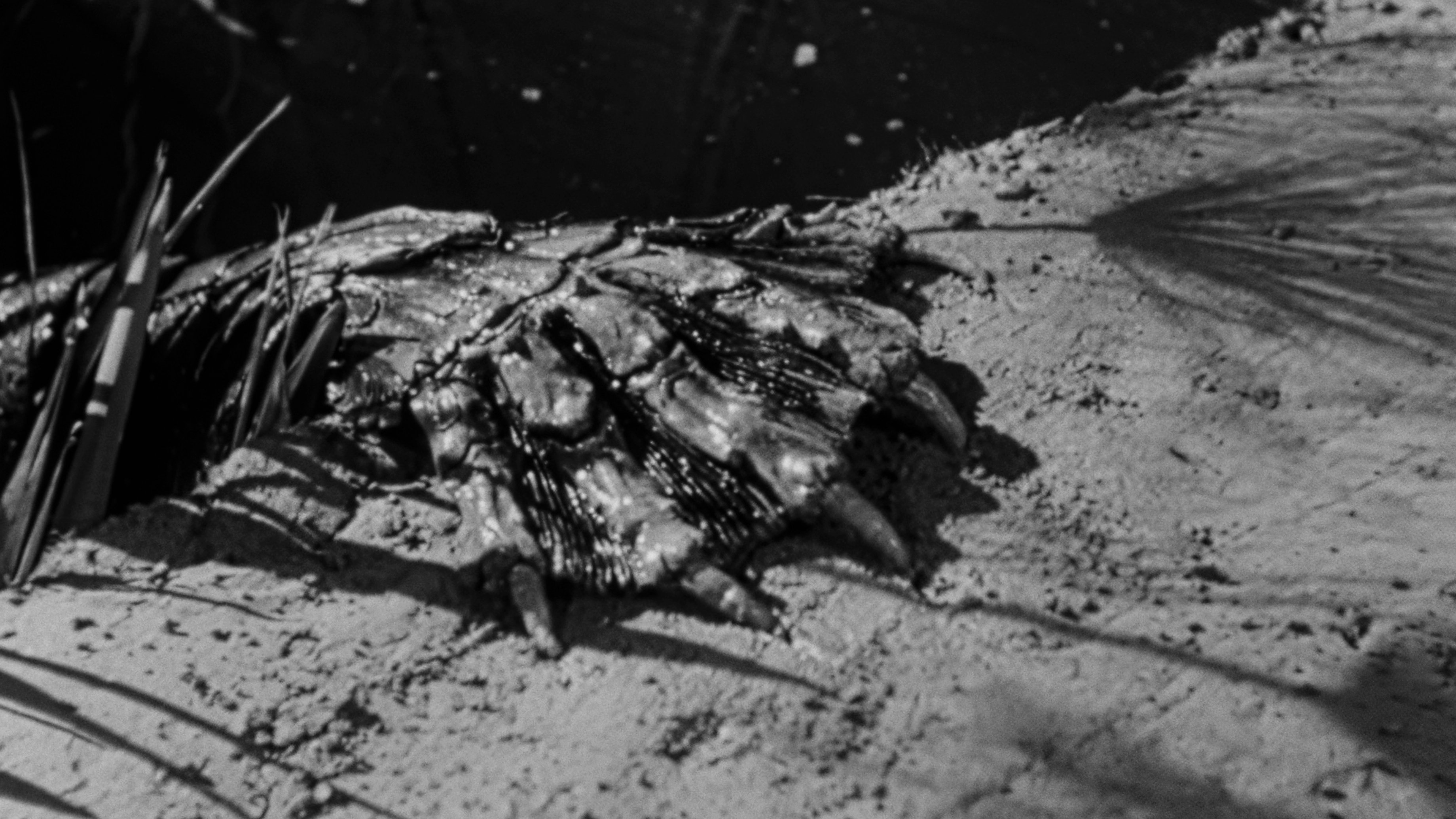
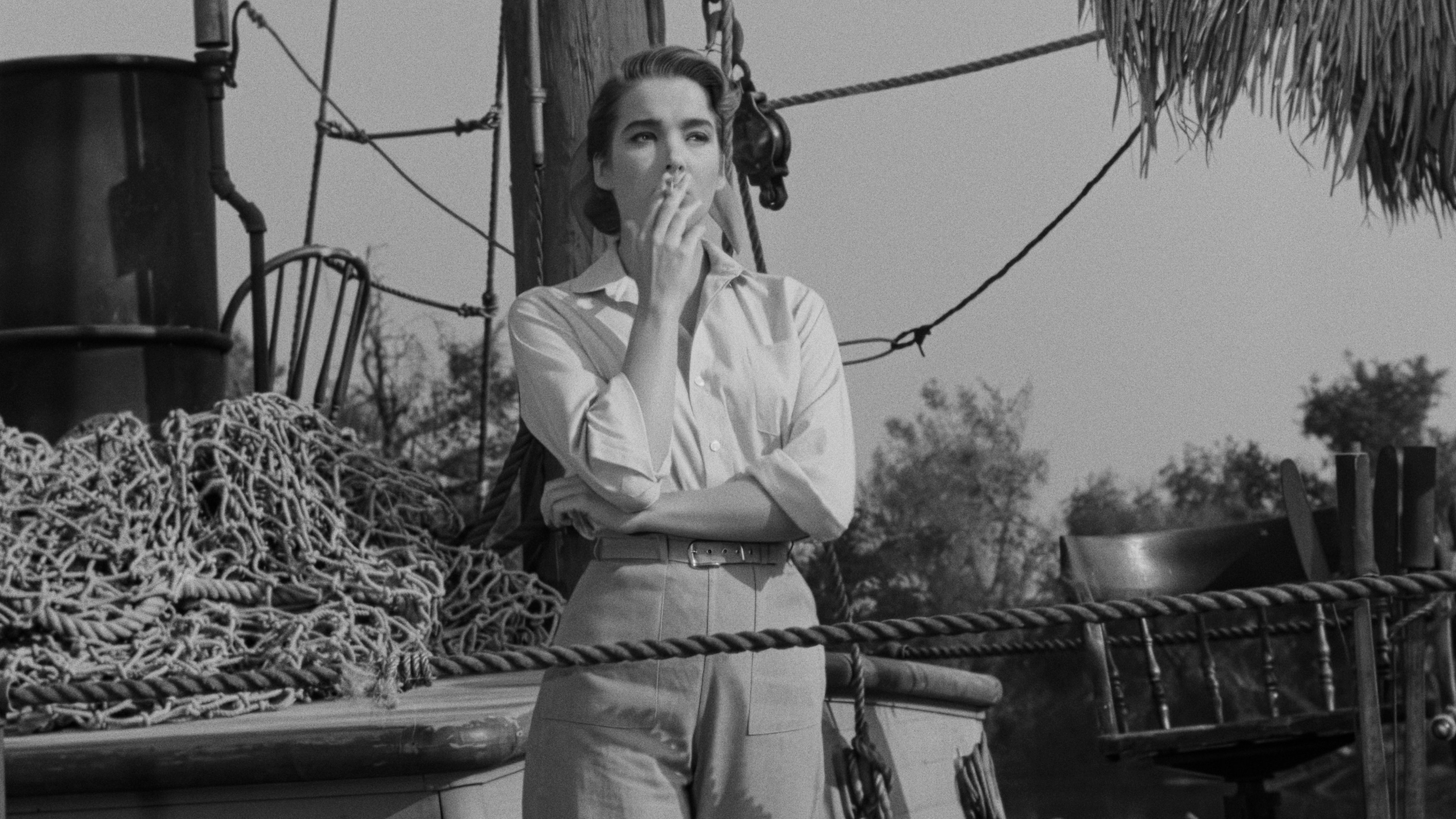
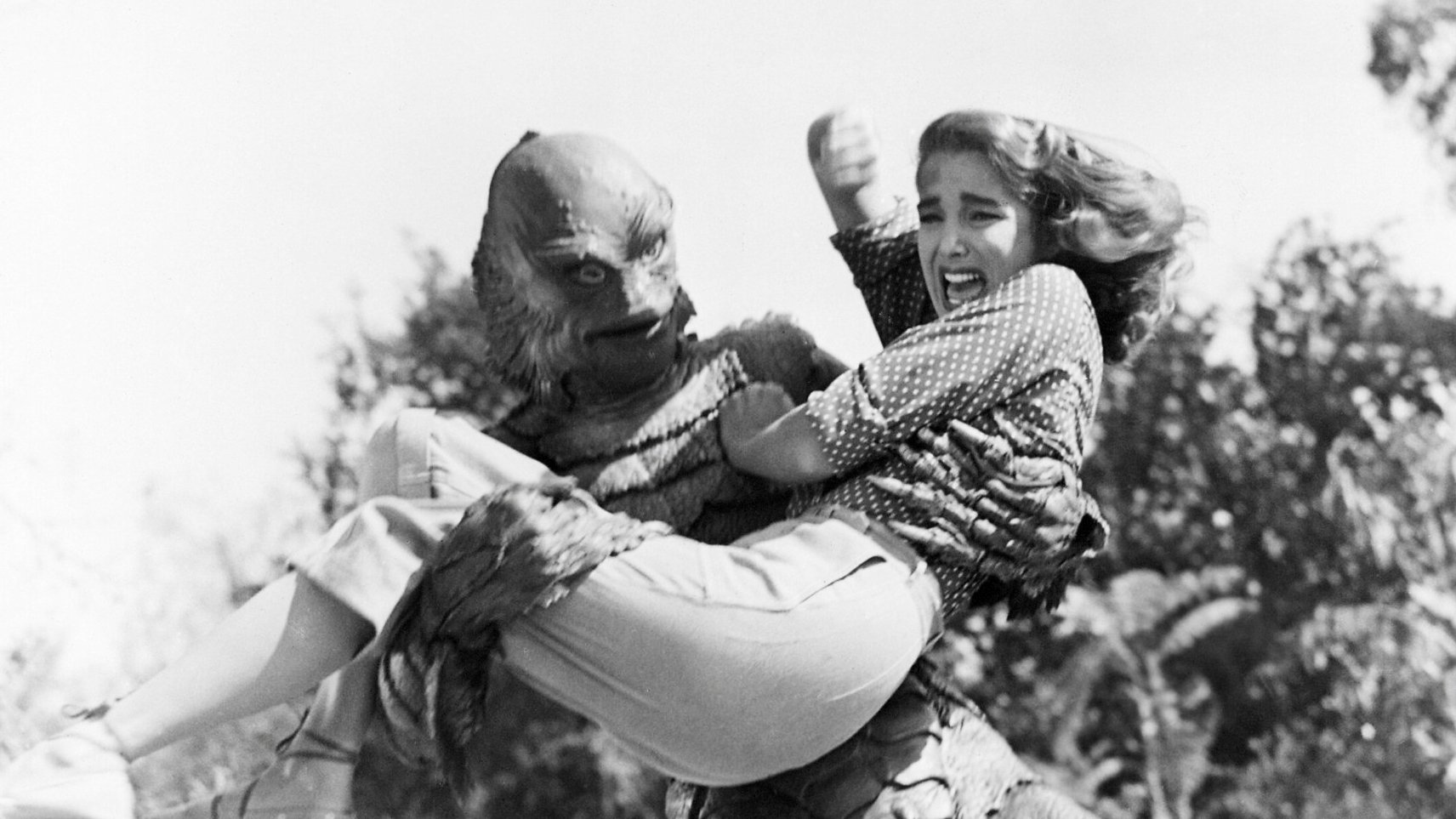
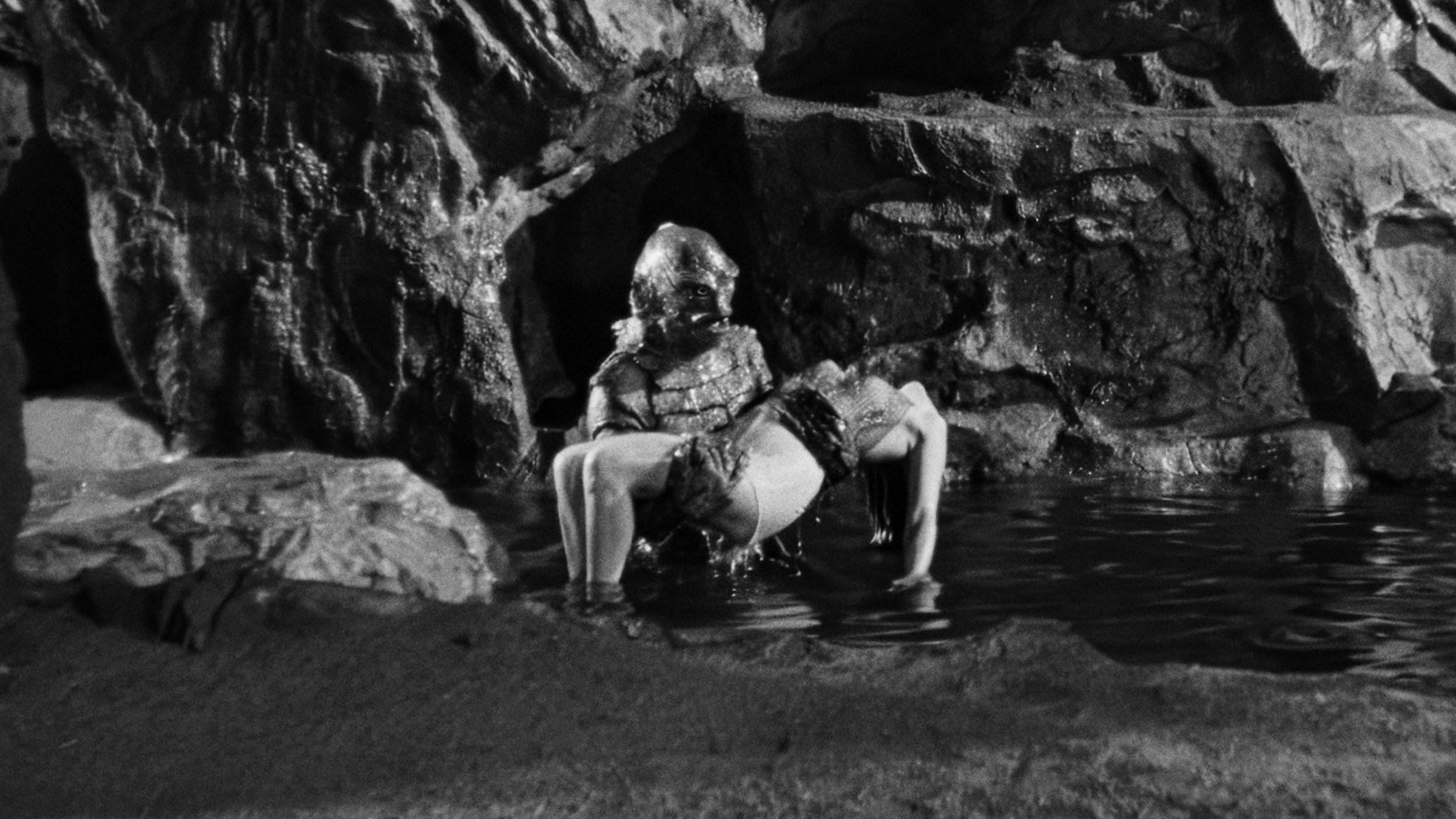
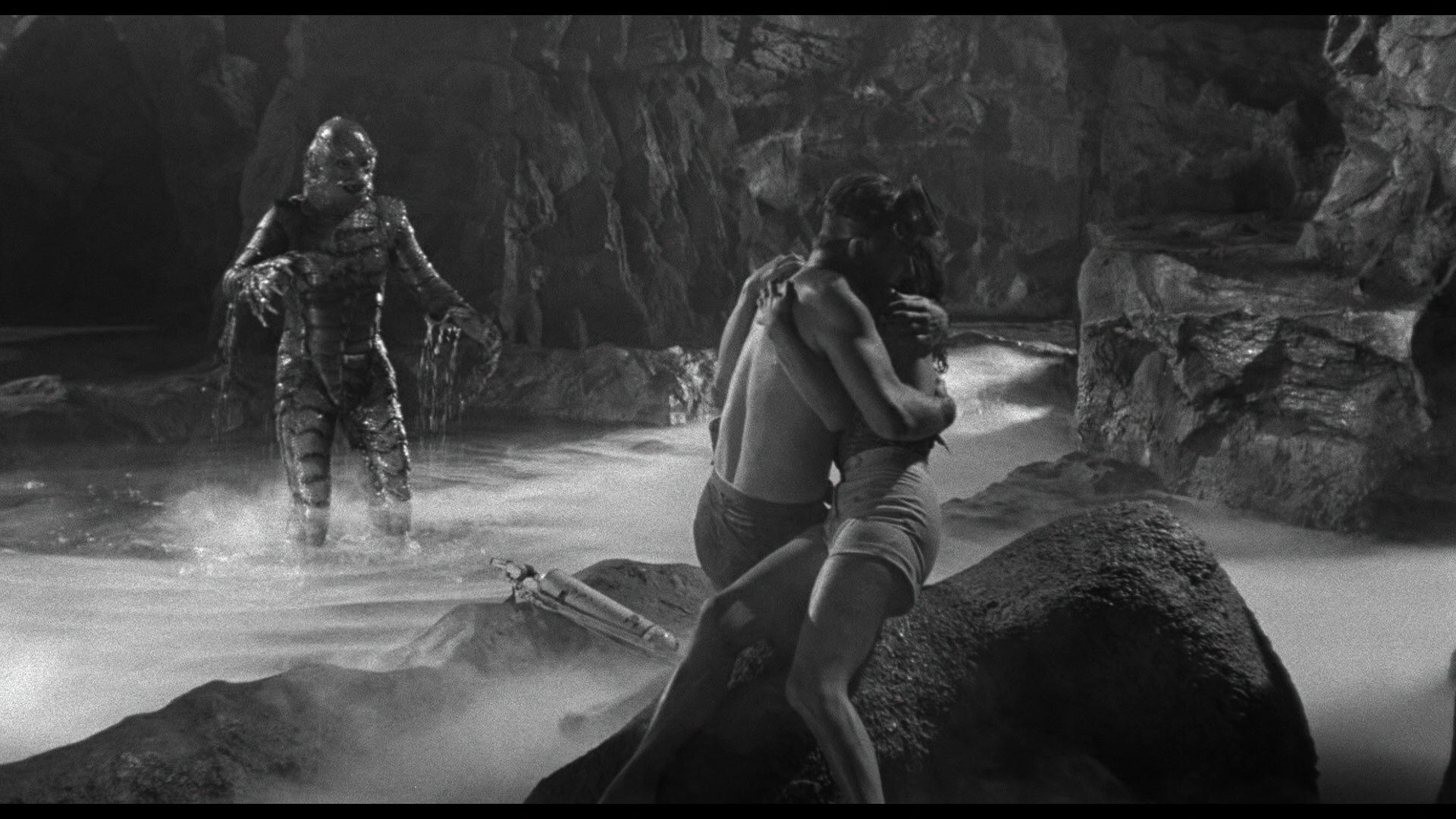
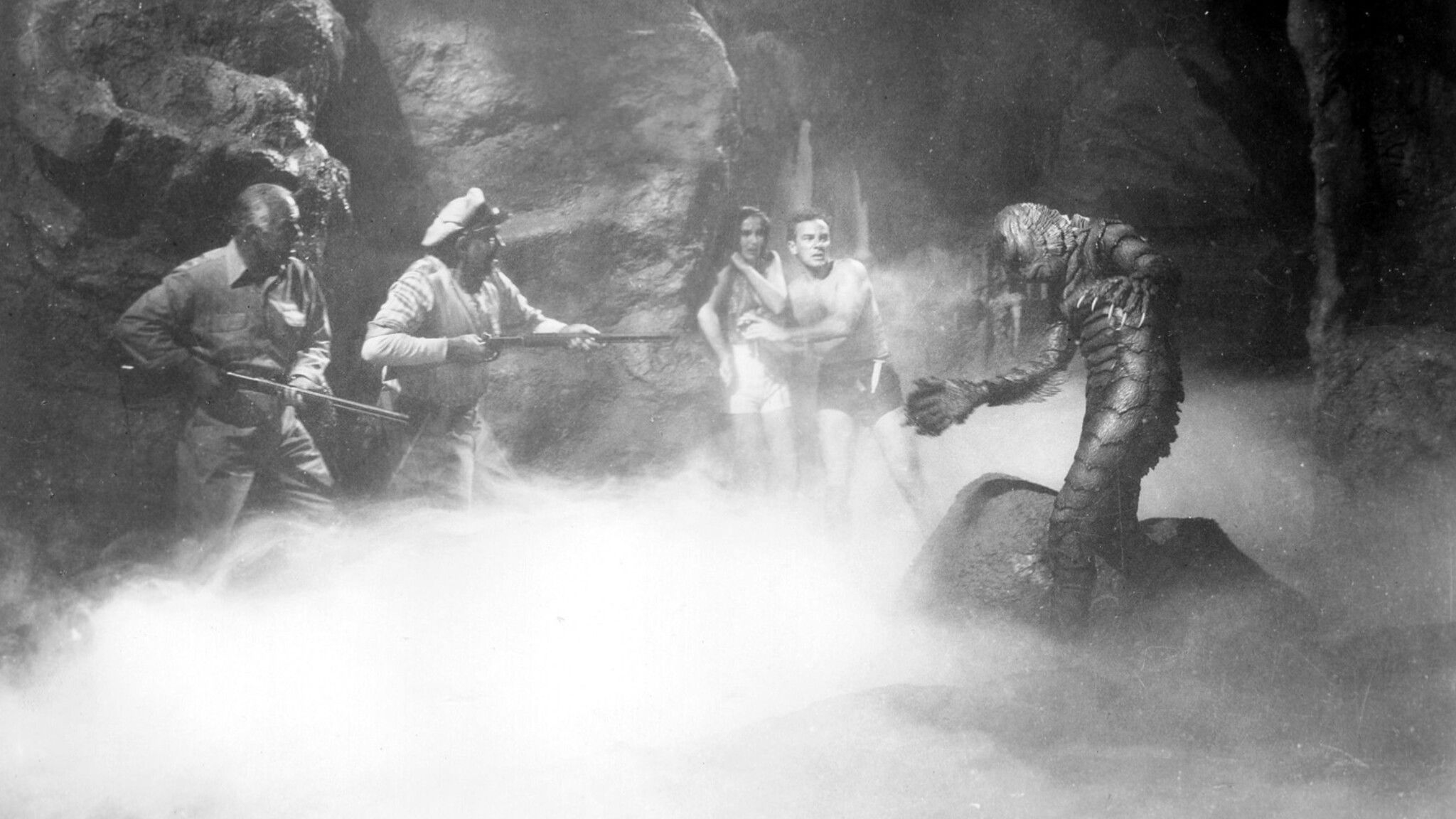
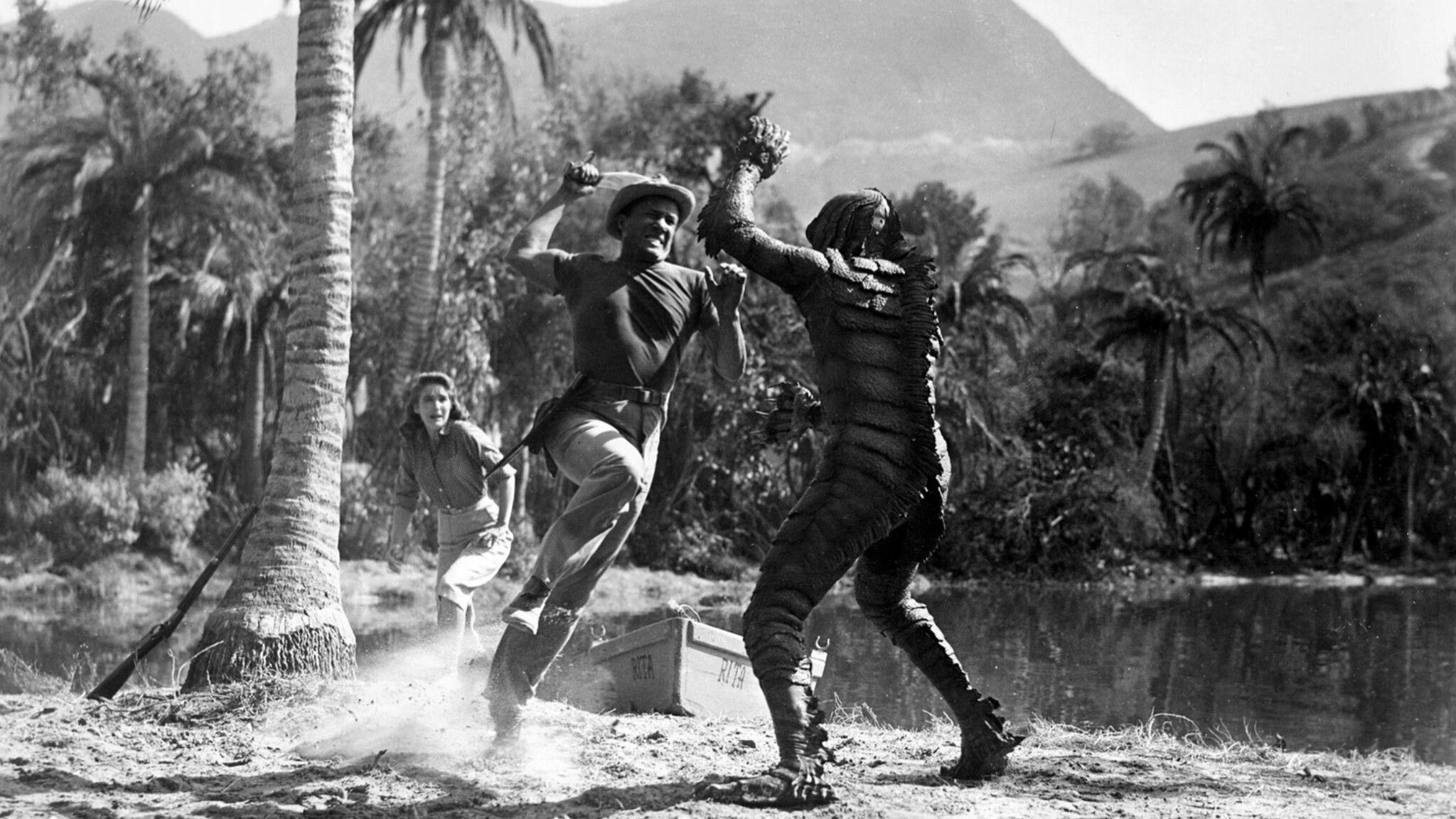
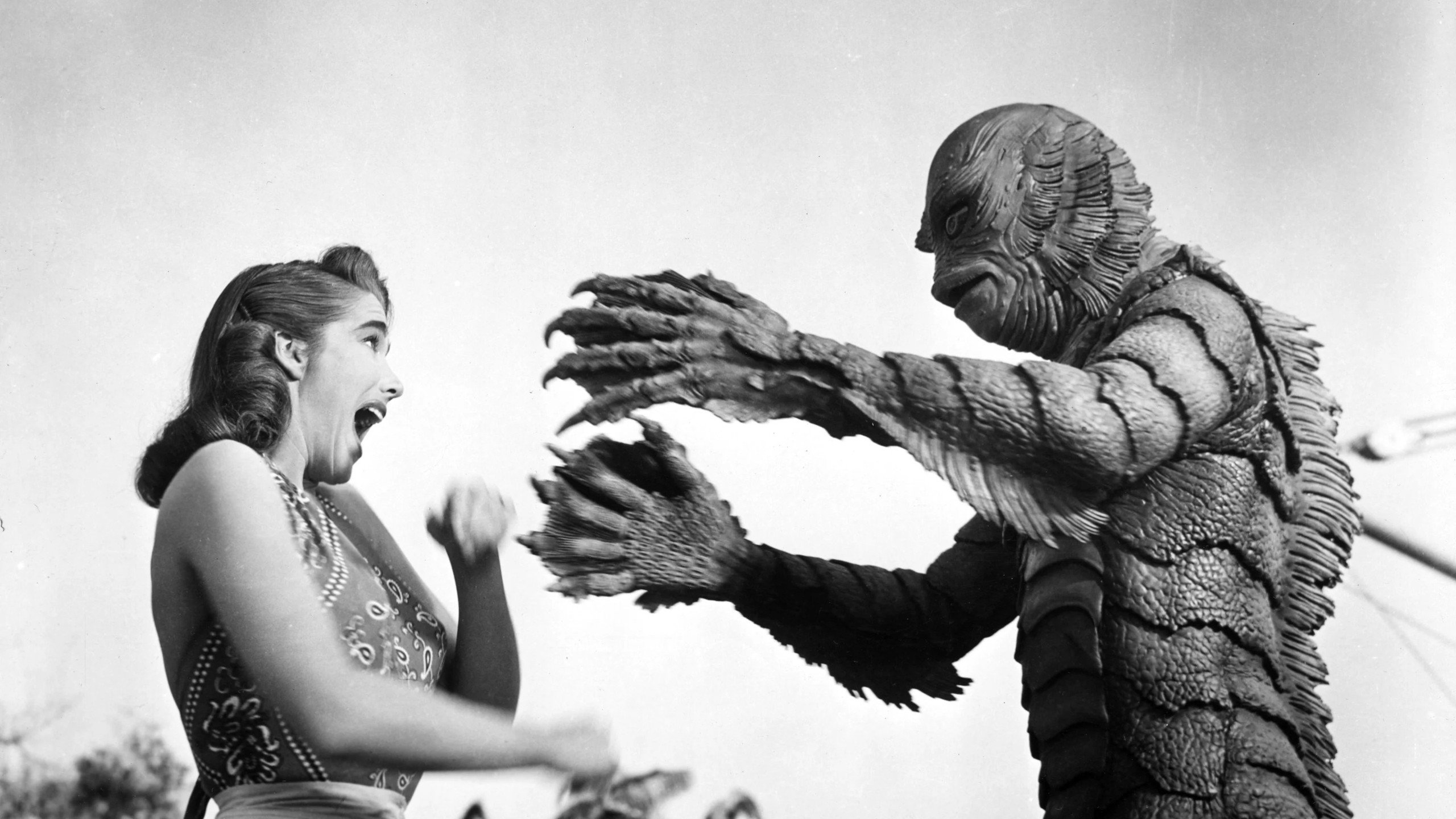
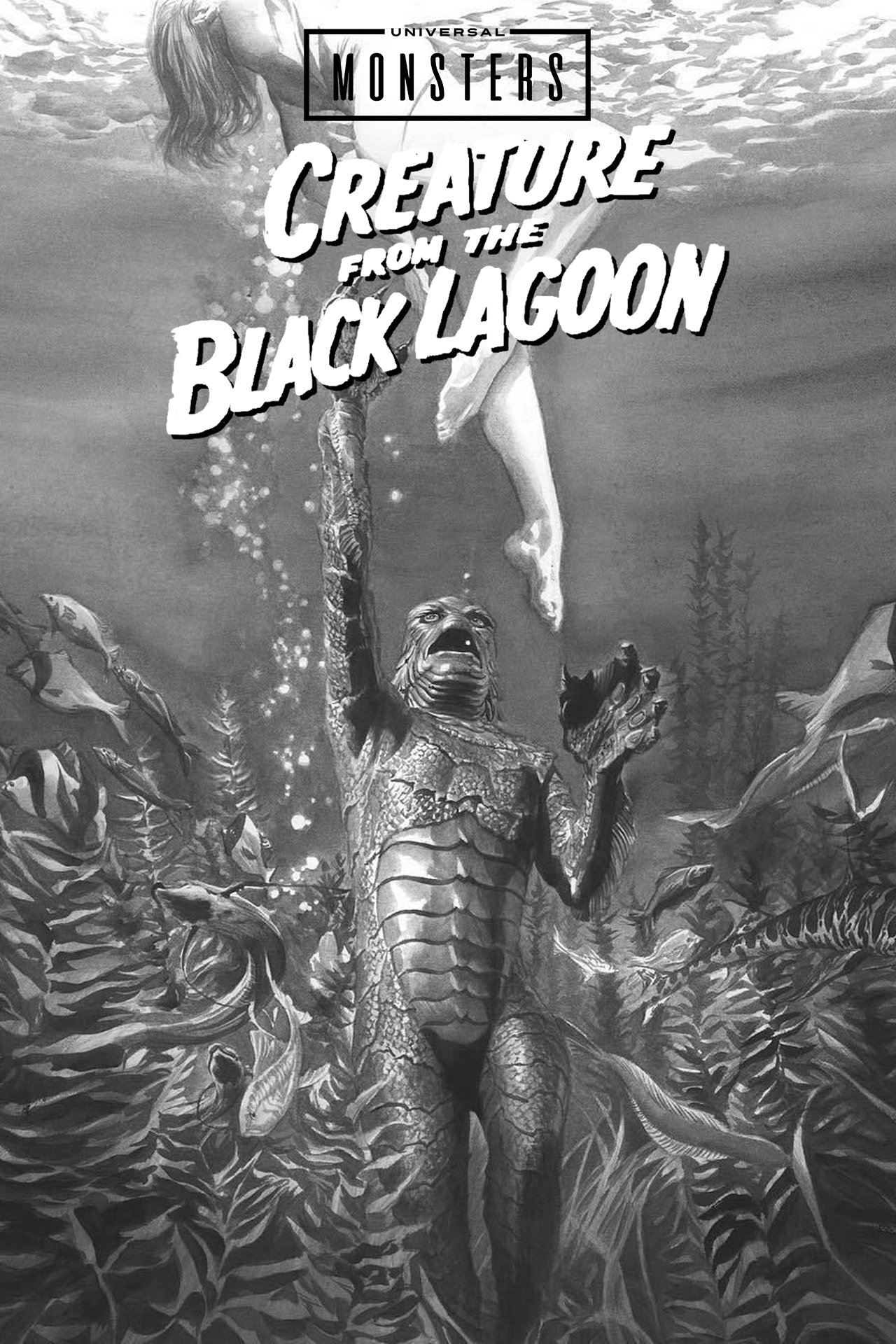
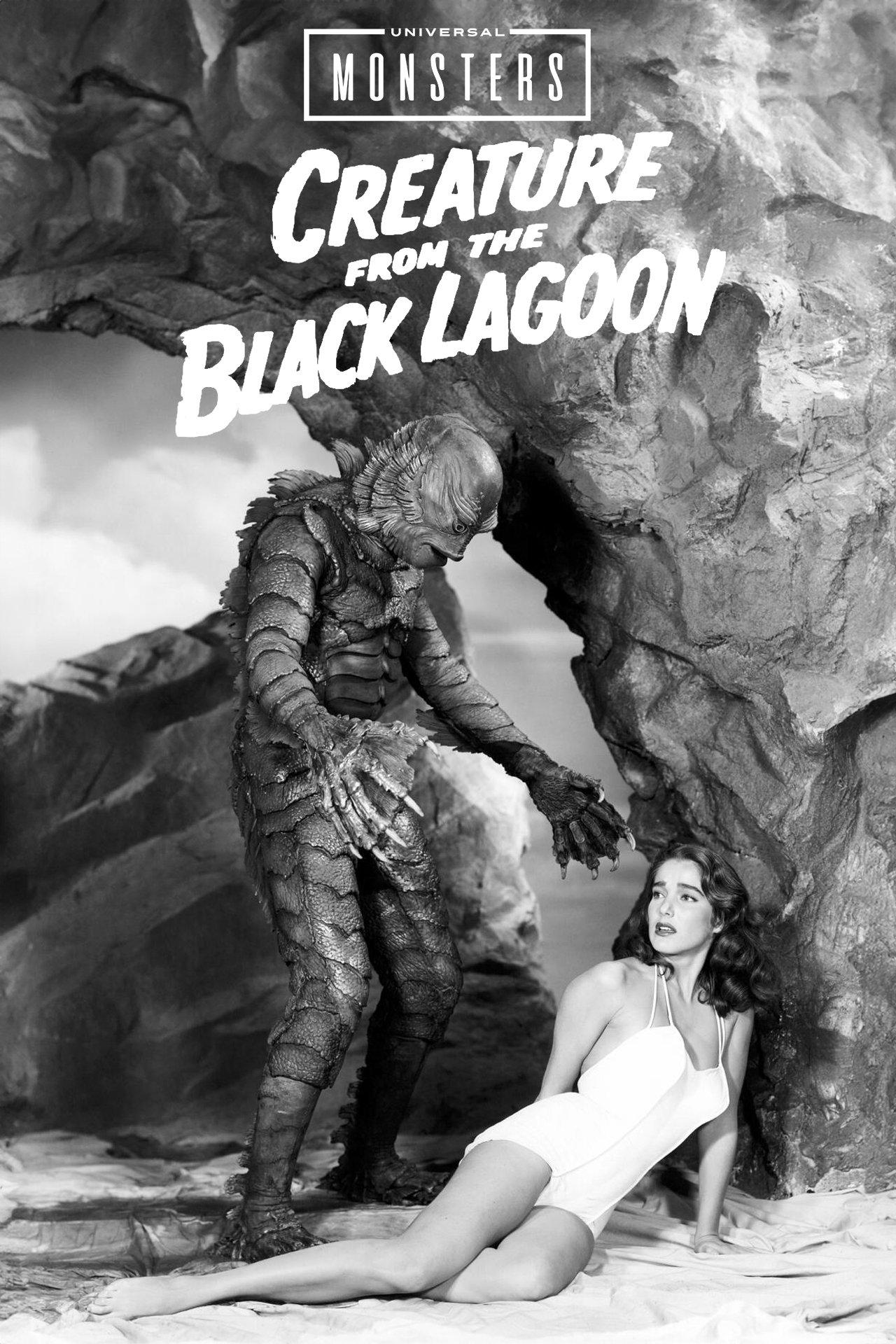
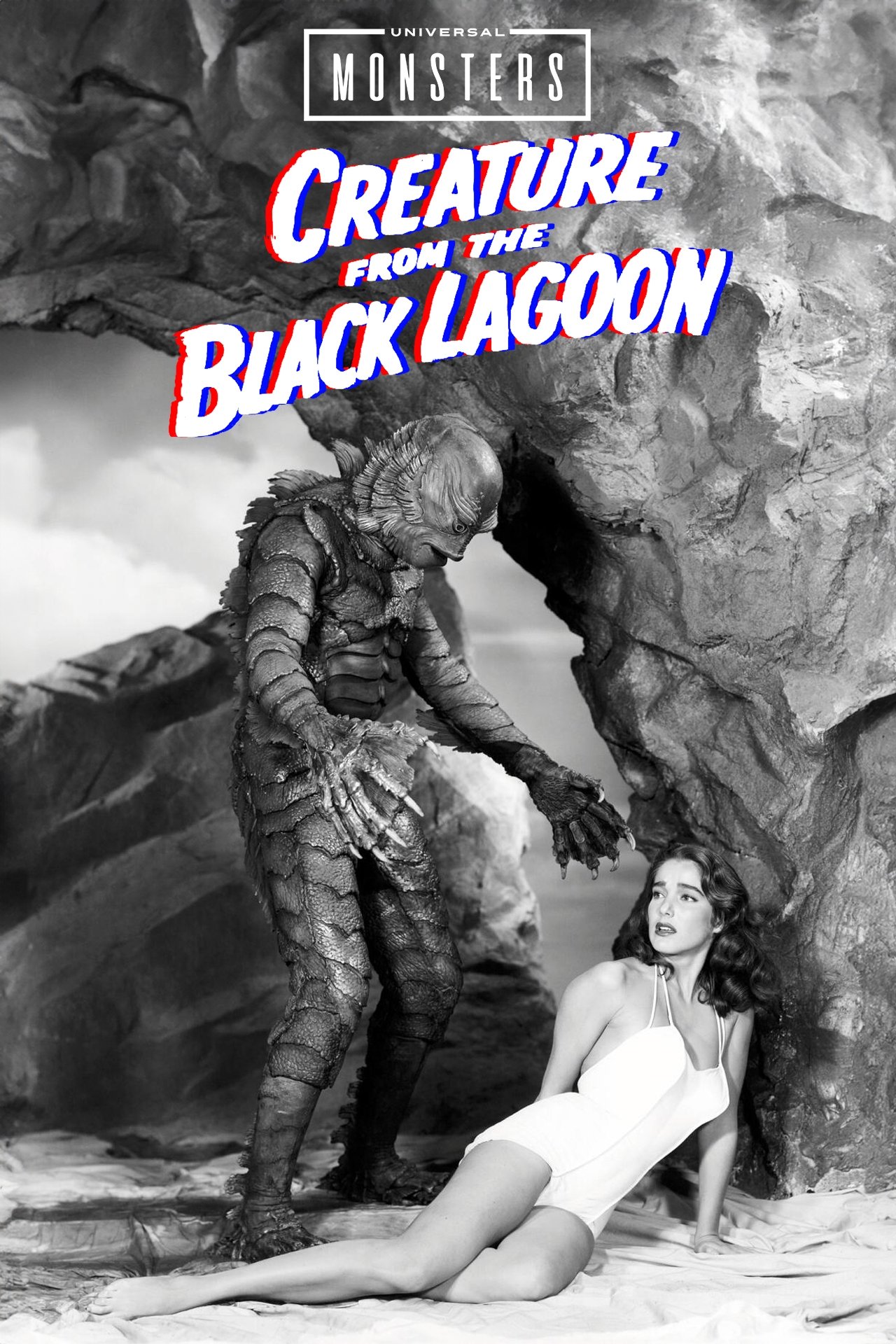
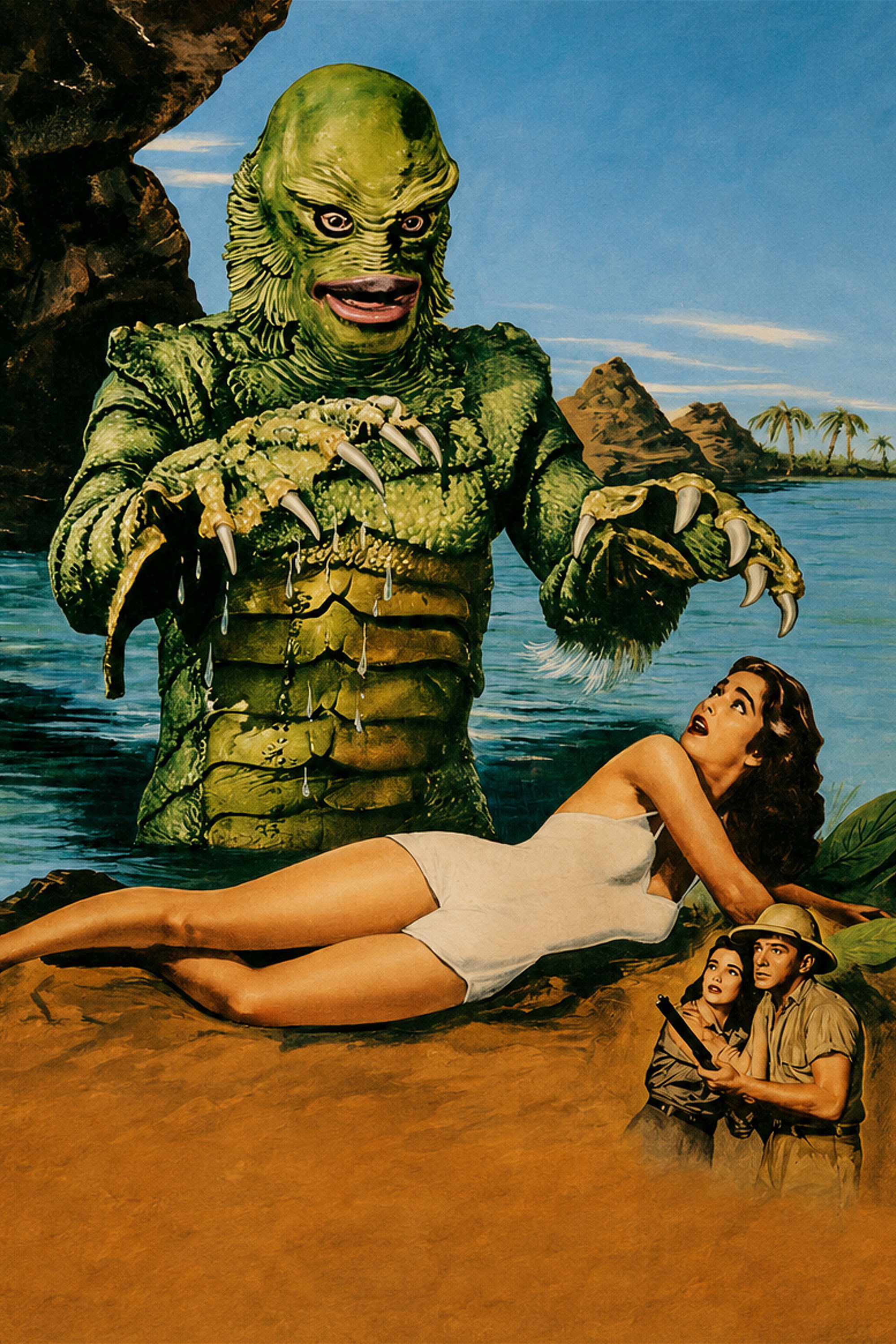
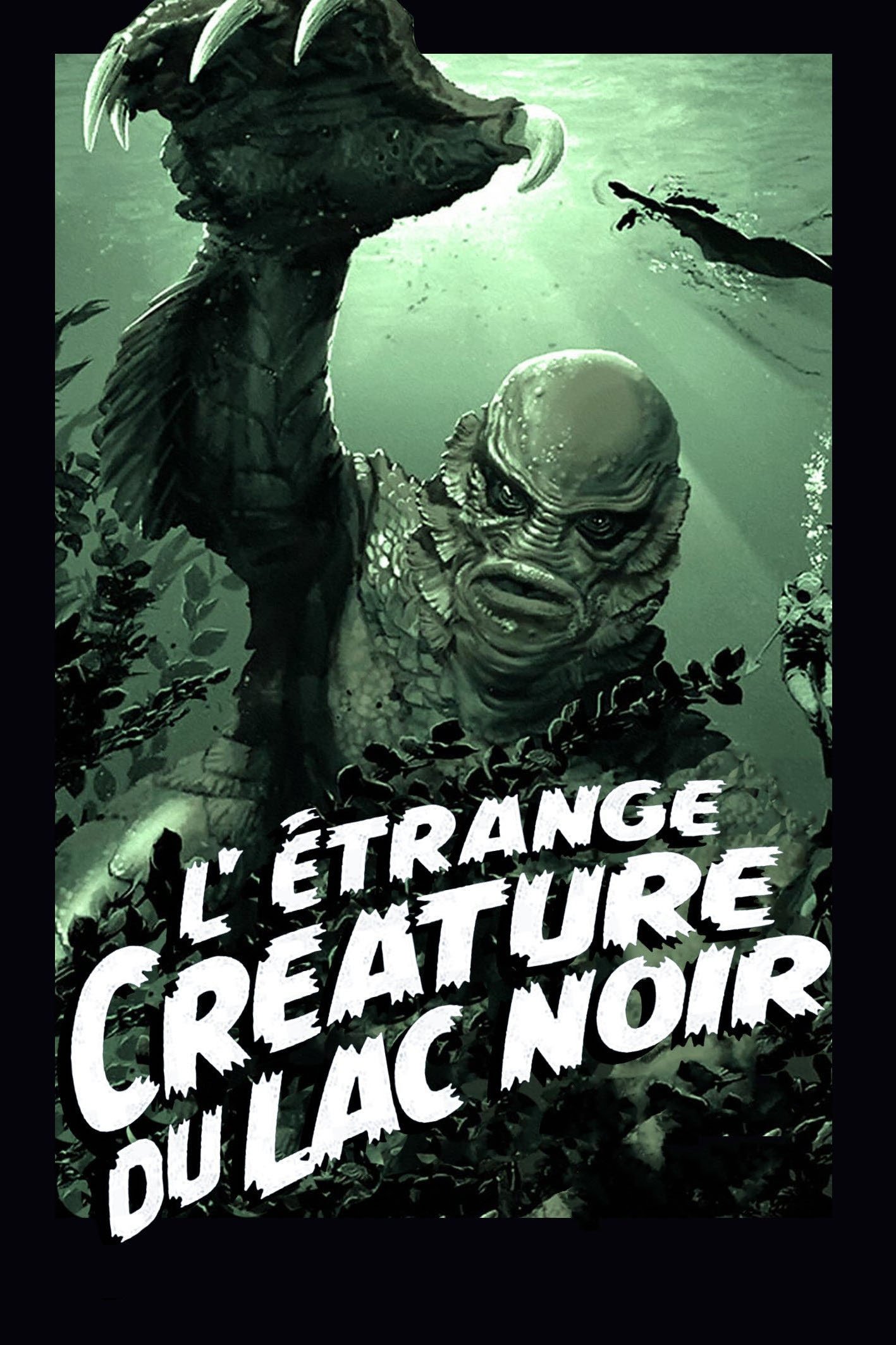
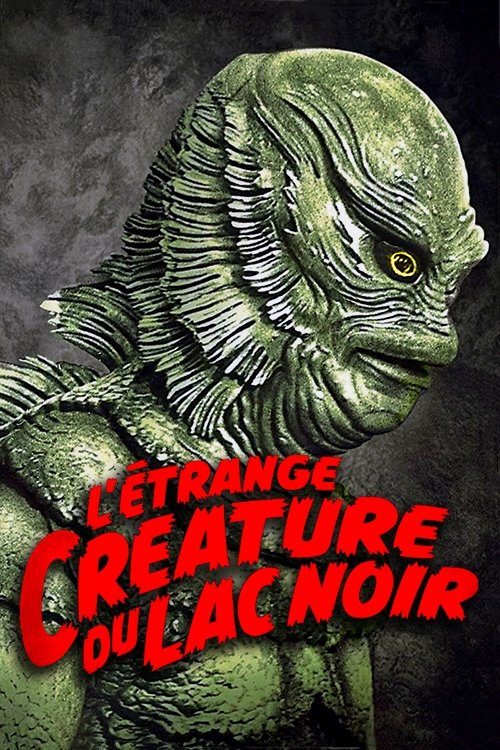
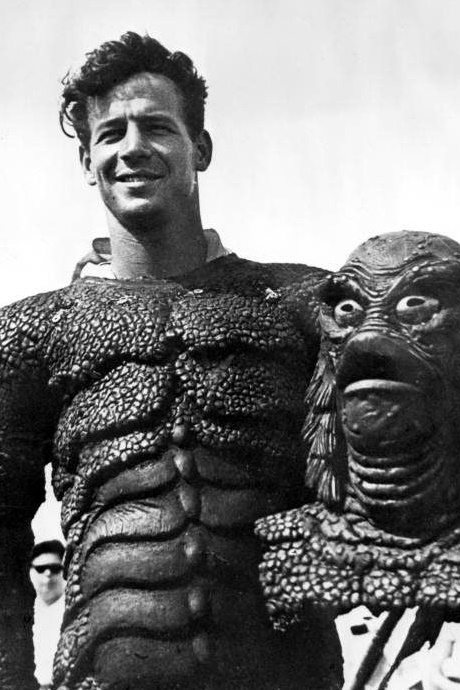
Arnold approached the monster through the possibility that a species believed to have disappeared might still inhabit an isolated environment. The premise allowed the film to introduce speculative evolutionary ideas without constructing its creature through radiation, laboratory experimentation or supernatural resurrection. The opening narration evokes the formation of Earth and the development of life, placing the discovery within an imagined scientific history. Producer and director nevertheless retained the emotional structure of a monster pursuing a human woman, recalling Beauty and the Beast and earlier films about creatures removed from their natural environments. The resulting screenplay allows the expedition’s apparent scientific purpose to become entangled with fear, commercial ambition and personal rivalry.