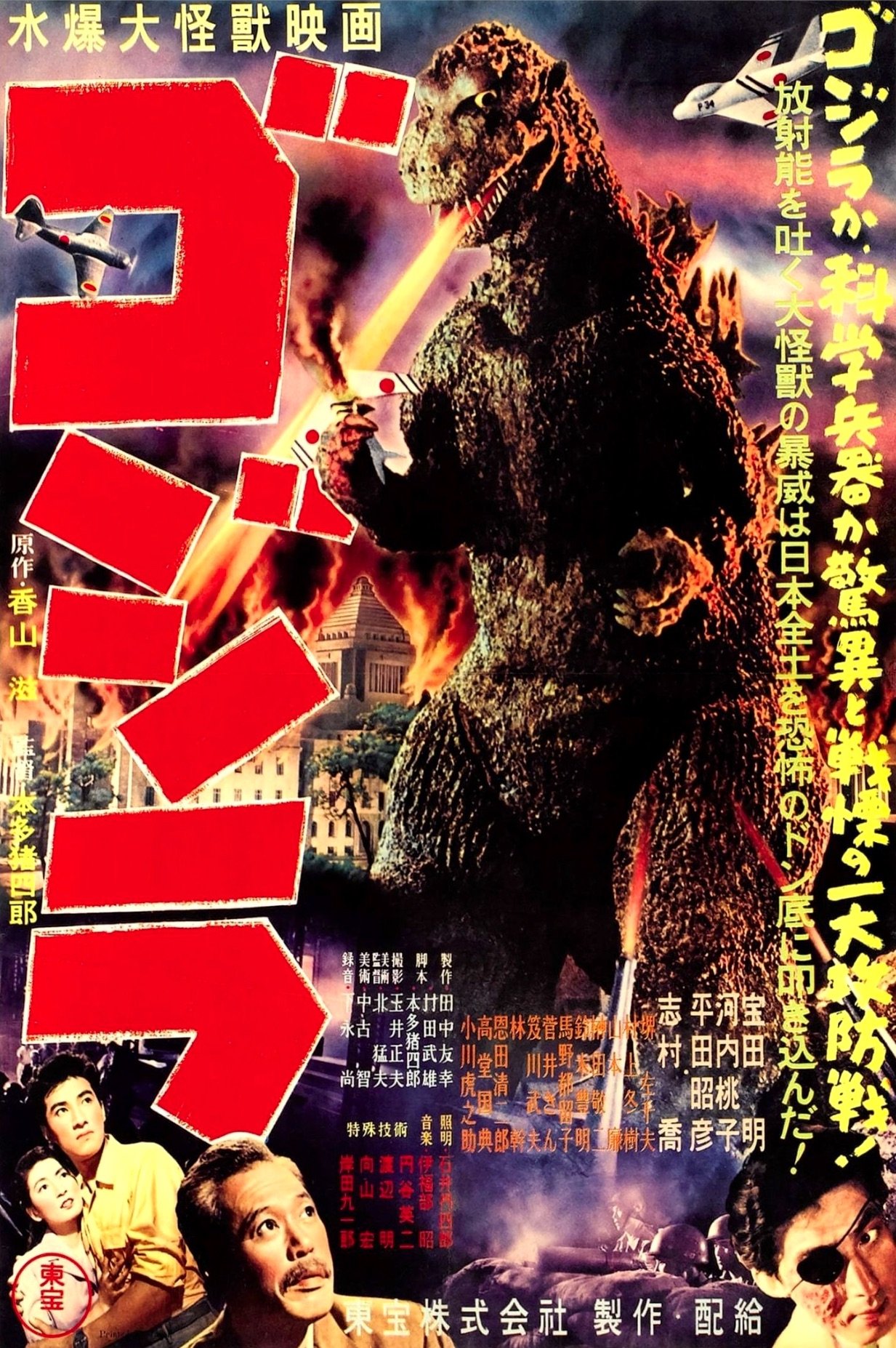
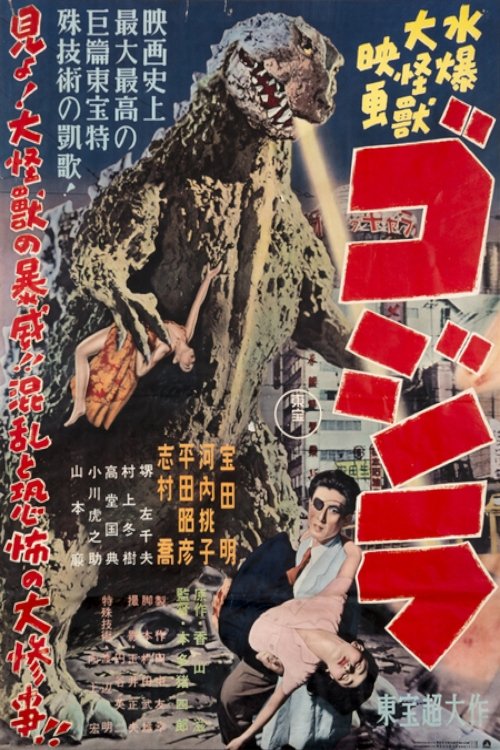
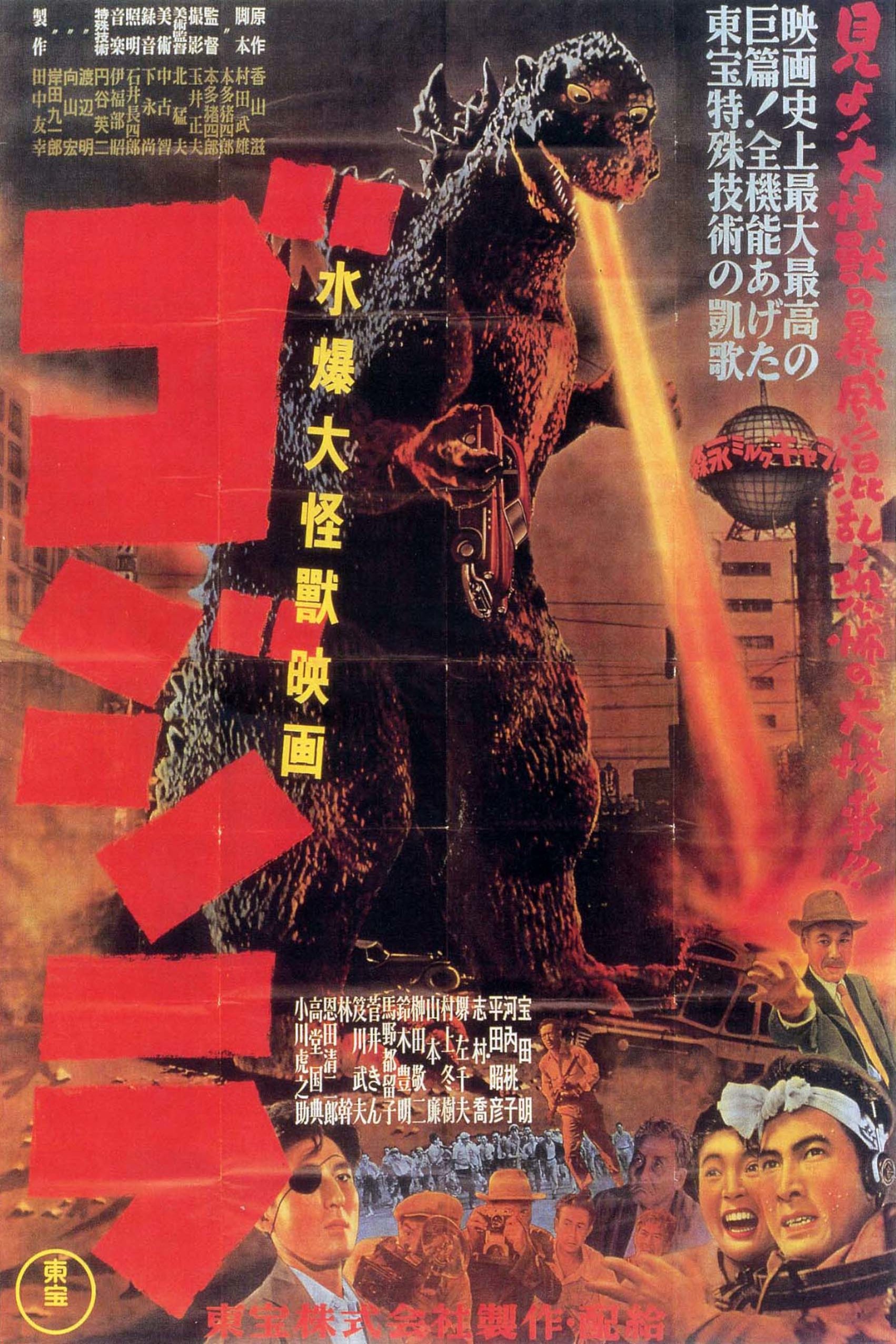
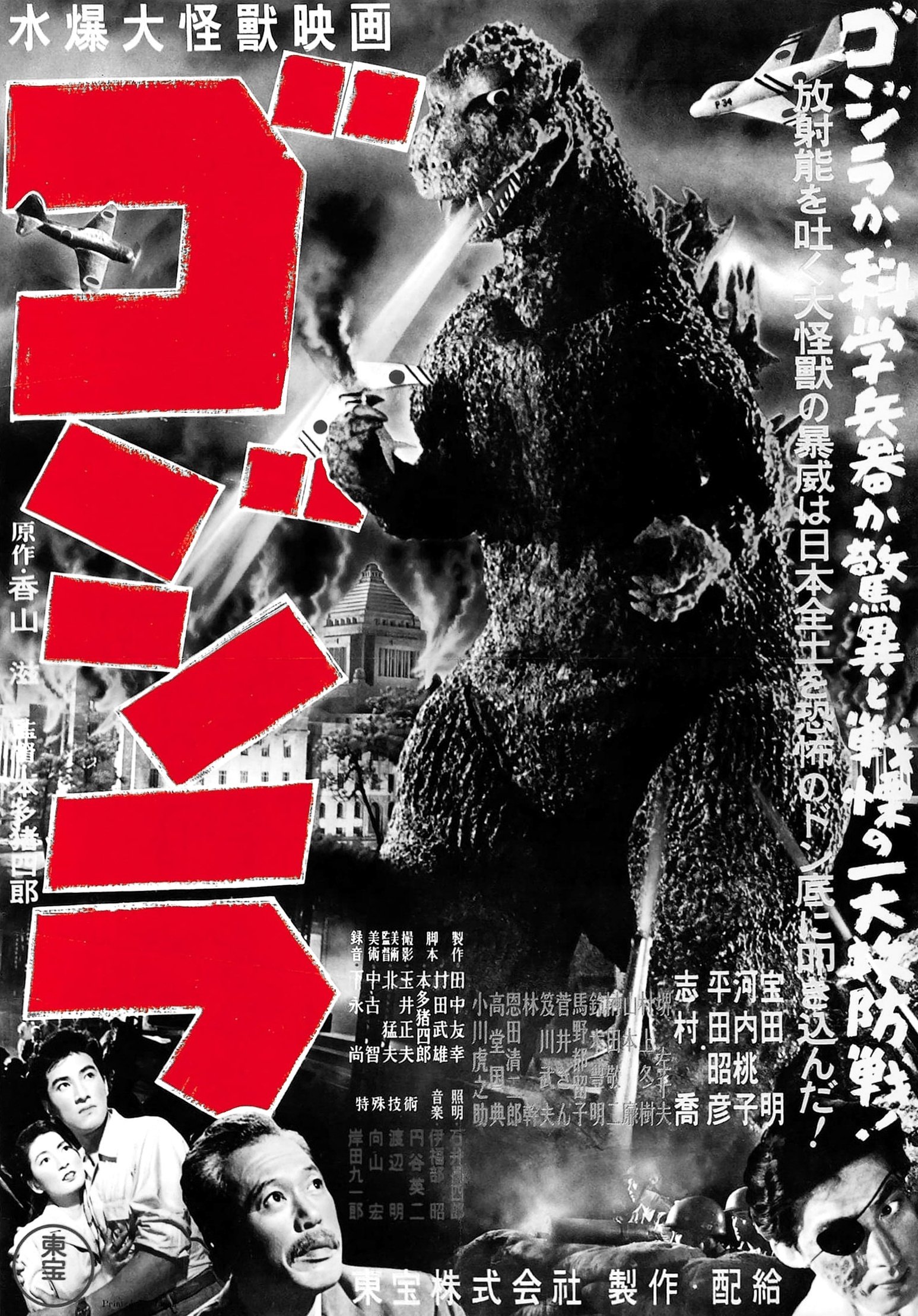
Development & Nuclear Origins
The development of Godzilla followed a period of commercial uncertainty for producer Tomoyuki Tanaka. A proposed Japanese-Indonesian co-production had collapsed, leaving Toho with resources allocated to a project that could no longer proceed. Tanaka sought a replacement capable of attracting a substantial domestic audience. The success of King Kong (1933), which had enjoyed renewed international circulation, and The Beast from 20,000 Fathoms (1953) demonstrated the possibilities of a giant creature threatening a modern city. Tanaka combined those precedents with a subject of immediate concern in Japan: the consequences of thermonuclear weapons testing in the Pacific.
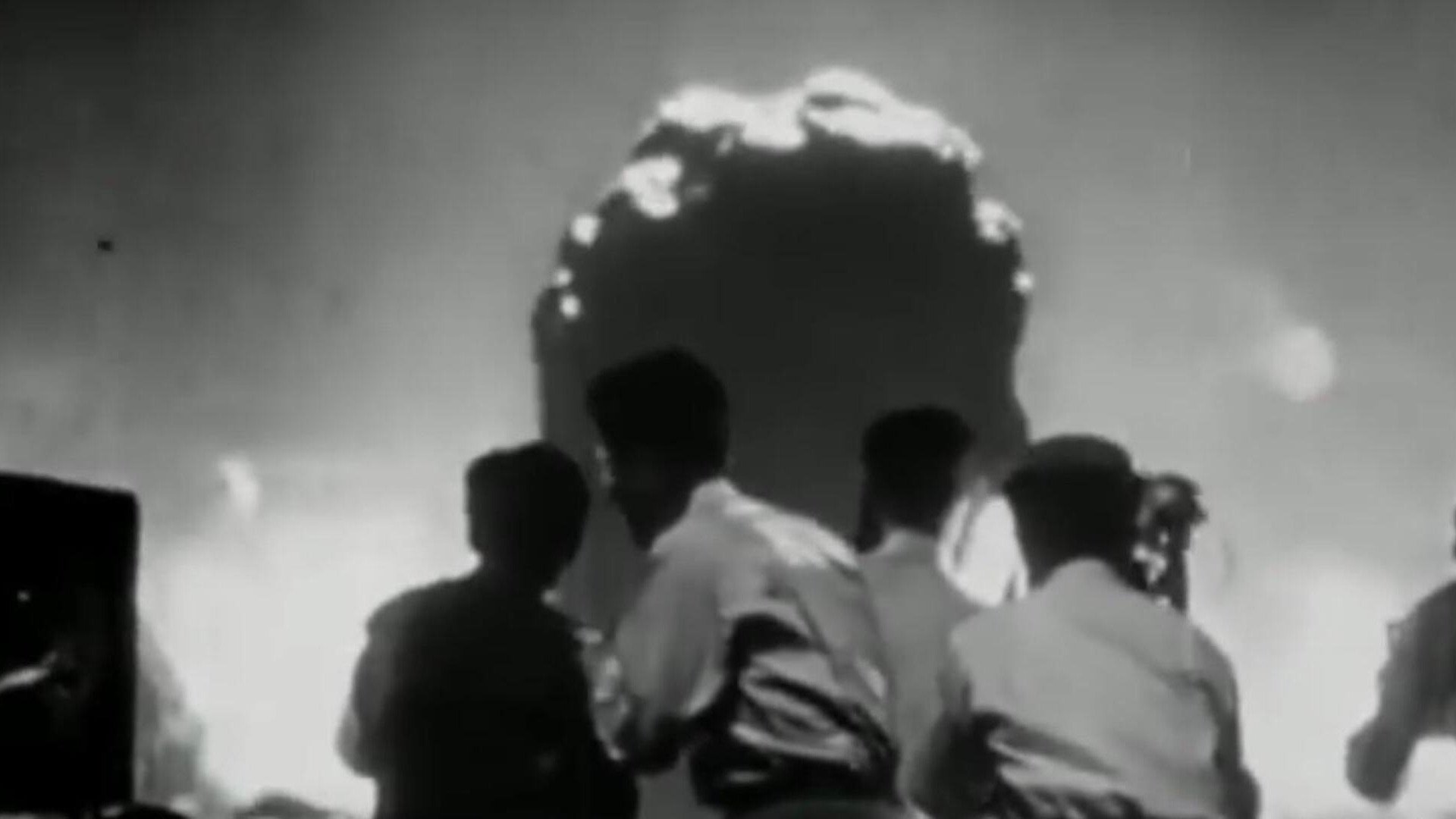
On 1 March 1954, the United States detonated the Castle Bravo hydrogen bomb at Bikini Atoll. Radioactive fallout contaminated the Japanese fishing vessel Daigo Fukuryū Maru, also known as Lucky Dragon No. 5, exposing its crew and provoking widespread anxiety about radioactive fish, environmental contamination and further nuclear attacks. The incident occurred less than nine years after the destruction of Hiroshima and Nagasaki. Tanaka recognized that a creature transformed by nuclear testing could give physical form to fears that had become central to public discussion. The project therefore developed in direct response to contemporary events rather than relying exclusively upon the established conventions of American monster cinema.
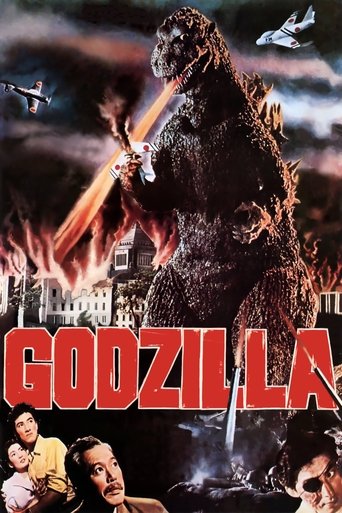
Toho approved the project during the spring of 1954. The working title initially referred to a giant monster emerging from beneath the sea before the production adopted the name Gojira, commonly explained as a combination of the Japanese words for gorilla and whale. Shigeru Kayama prepared the original story, while Takeo Murata and Honda developed the screenplay. Their revisions gave greater importance to the relationships among Professor Kyohei Yamane, his daughter Emiko, the salvage officer Hideto Ogata and the scientist Daisuke Serizawa. Honda, whose wartime military service and subsequent visit to devastated Hiroshima had profoundly affected him, approached the film as a drama of national catastrophe as well as a work of fantastic cinema.
Narrative & Scientific Responsibility
The opening destruction of the fishing vessel Eikō-maru establishes the creature through its effects before its appearance can be clearly observed. Survivors and officials initially struggle to explain the disaster, while additional attacks increase the urgency of the investigation. On Odo Island, inhabitants associate the unexplained destruction with an ancient creature known as Godzilla. A scientific expedition led by Professor Yamane discovers enormous footprints, evidence of radiation and traces of an animal apparently surviving from a prehistoric age. The investigation introduces a conflict between the desire to understand the creature and the growing demand that it be destroyed before further attacks occur.
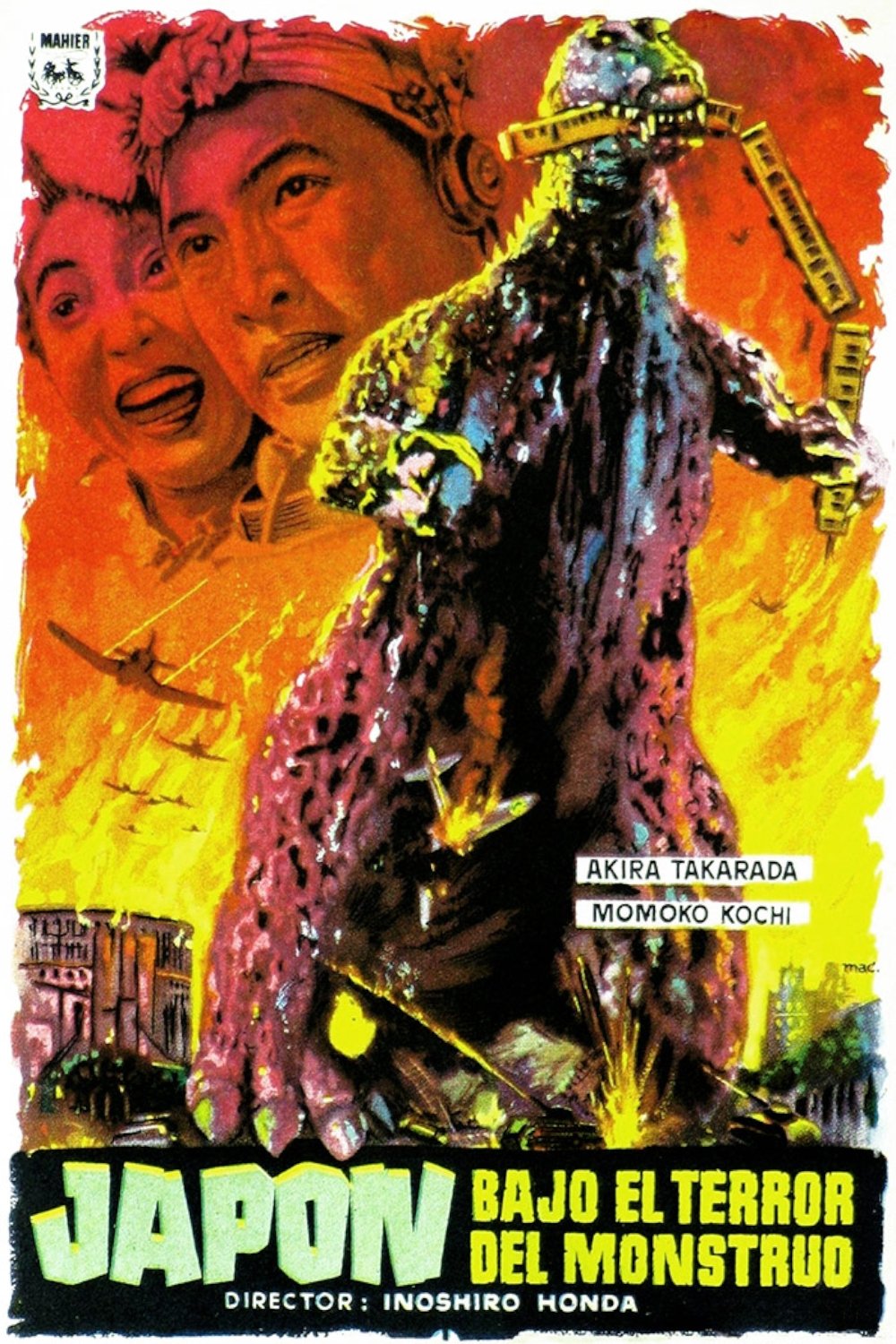
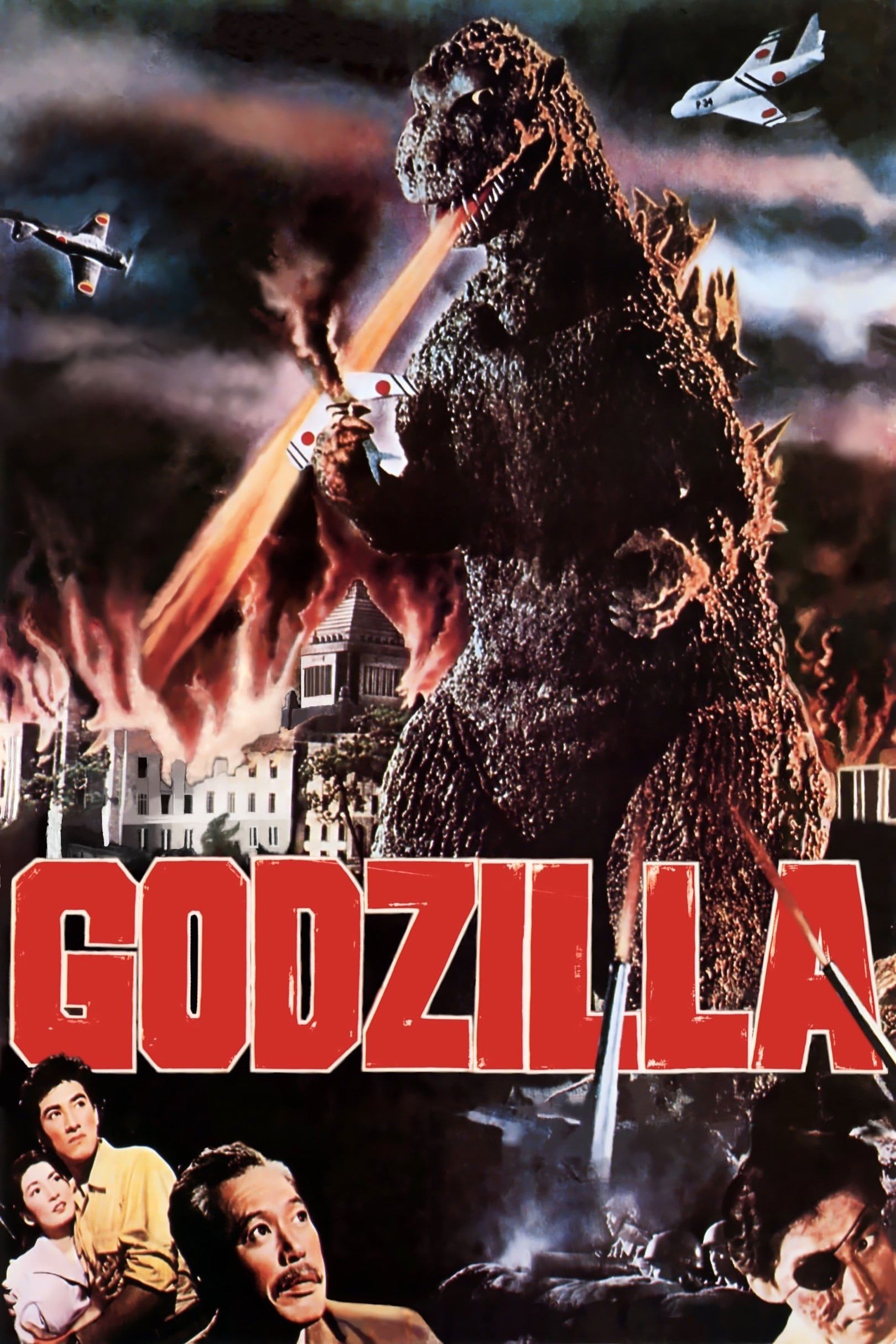
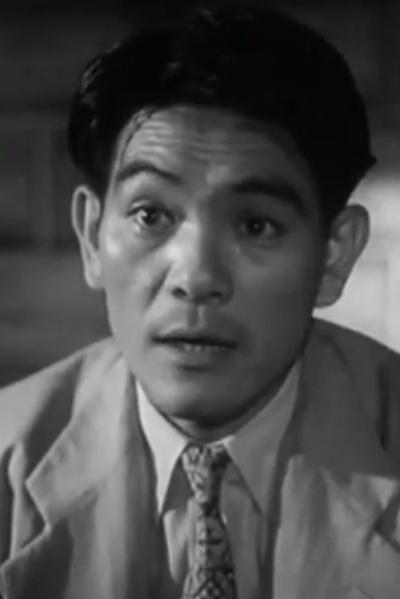
Yamane, portrayed by Takashi Shimura, believes that the creature represents an extraordinary scientific discovery whose ability to survive radiation may reveal information of considerable importance. His position becomes increasingly difficult to defend as Godzilla approaches populated areas. Ogata, played by Akira Takarada, recognizes the immediate danger to civilians, while Emiko, portrayed by Momoko Kōchi, becomes responsible for information that could provide a solution. Their relationships acquire importance through the question of whether scientific discoveries should be preserved when their continued existence threatens human life.
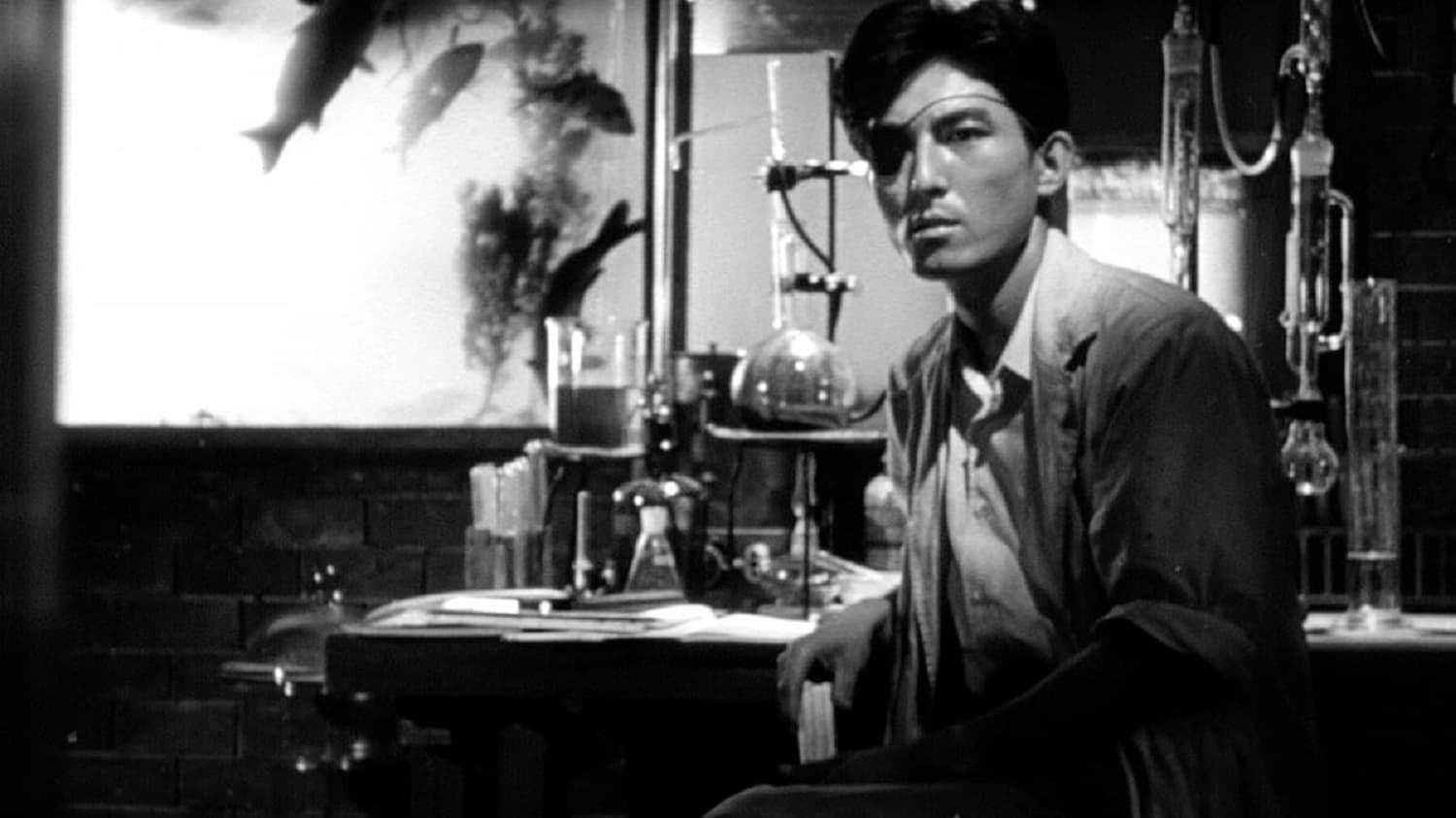
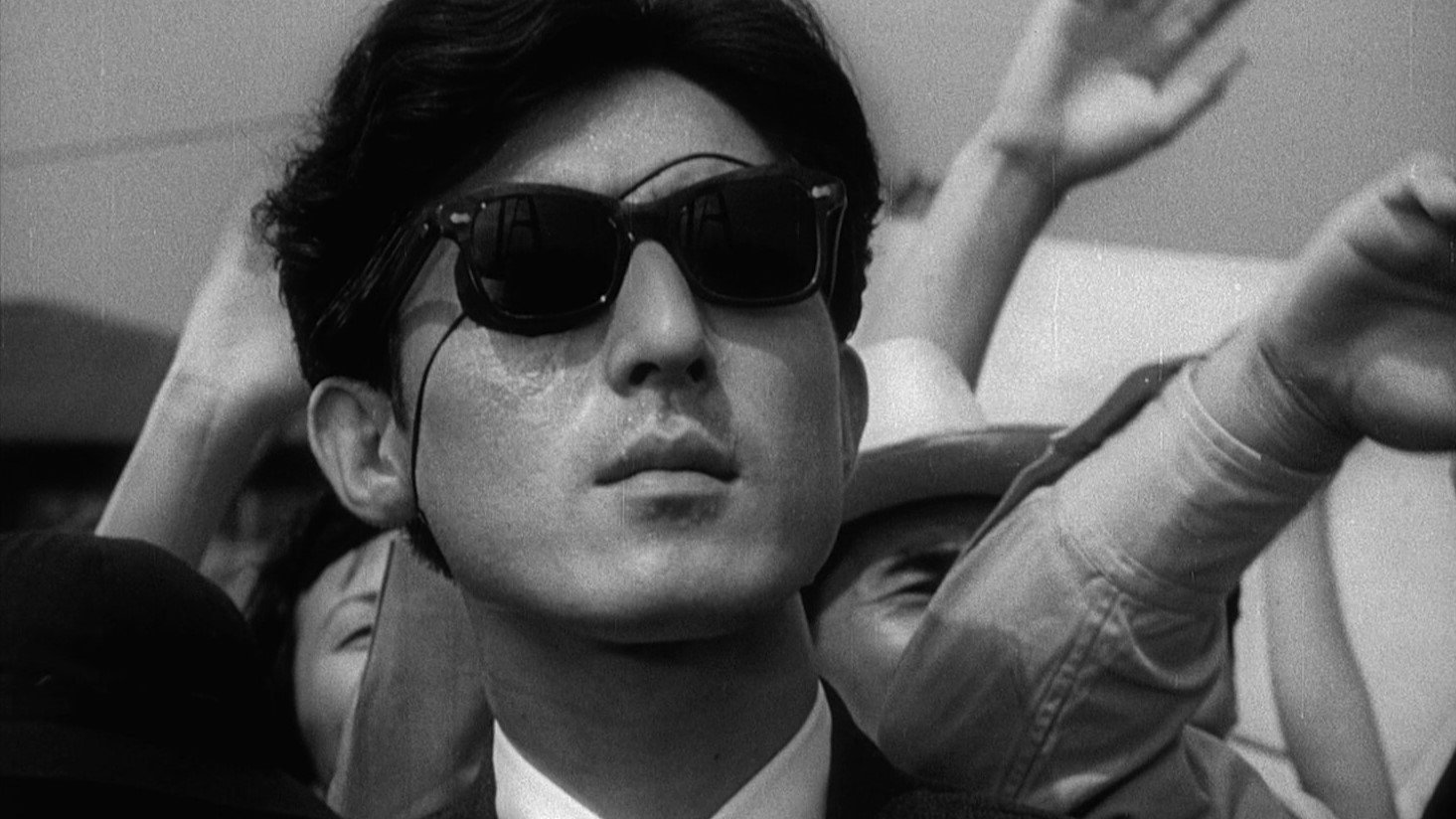
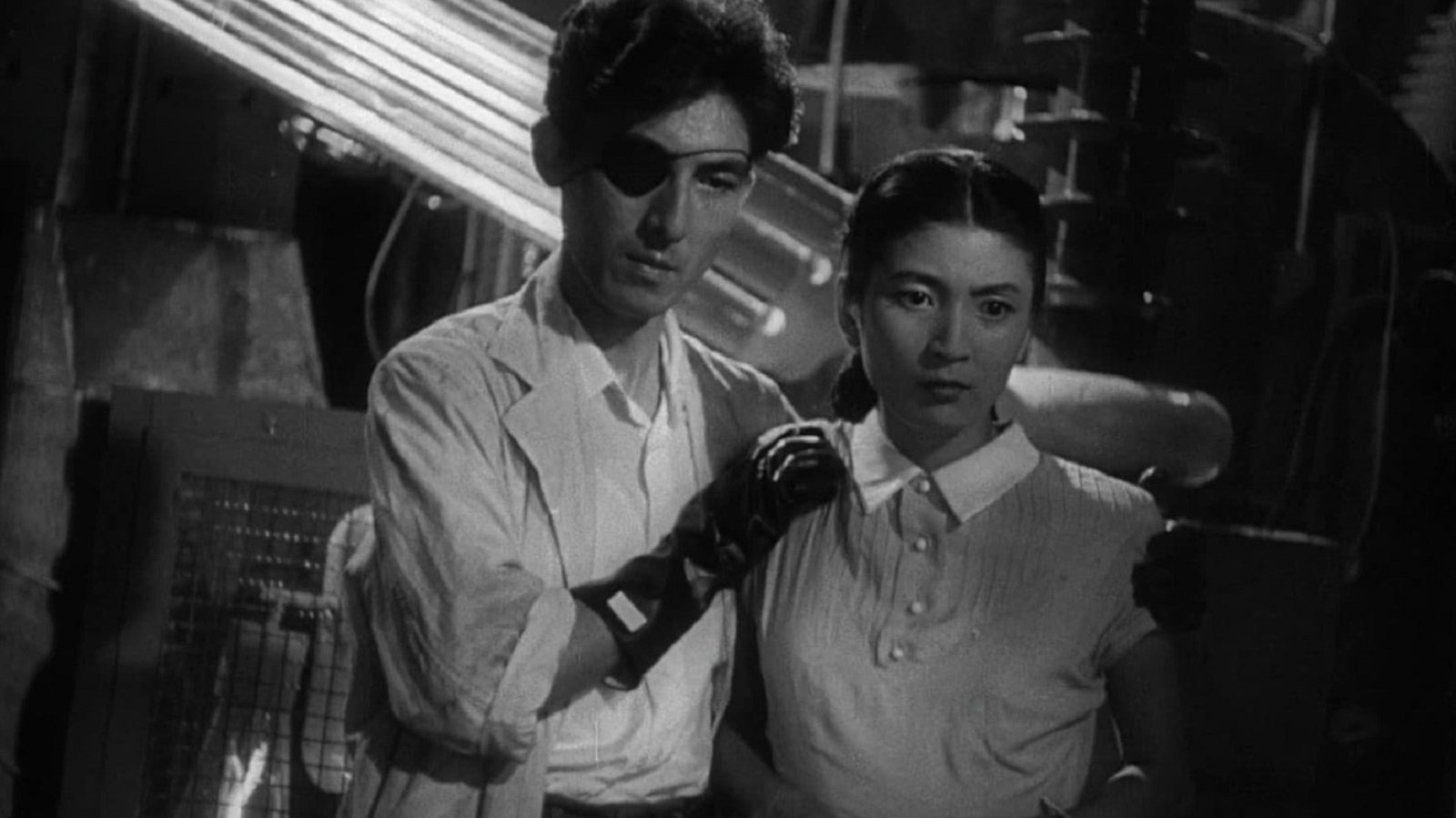
Serizawa, played by Akihiko Hirata, has independently developed the Oxygen Destroyer, a device capable of disintegrating oxygen within water and destroying living organisms. He refuses to disclose his research because he fears that governments would transform the discovery into another weapon of mass destruction. When Emiko reveals its existence after the devastation of Tokyo, Serizawa faces a conflict between preventing further deaths and protecting humanity from the consequences of his own invention. His decision to use the device against Godzilla while sacrificing his life gives the conclusion a moral dimension extending beyond the defeat of the creature.
Atomic Horror & Postwar Japan
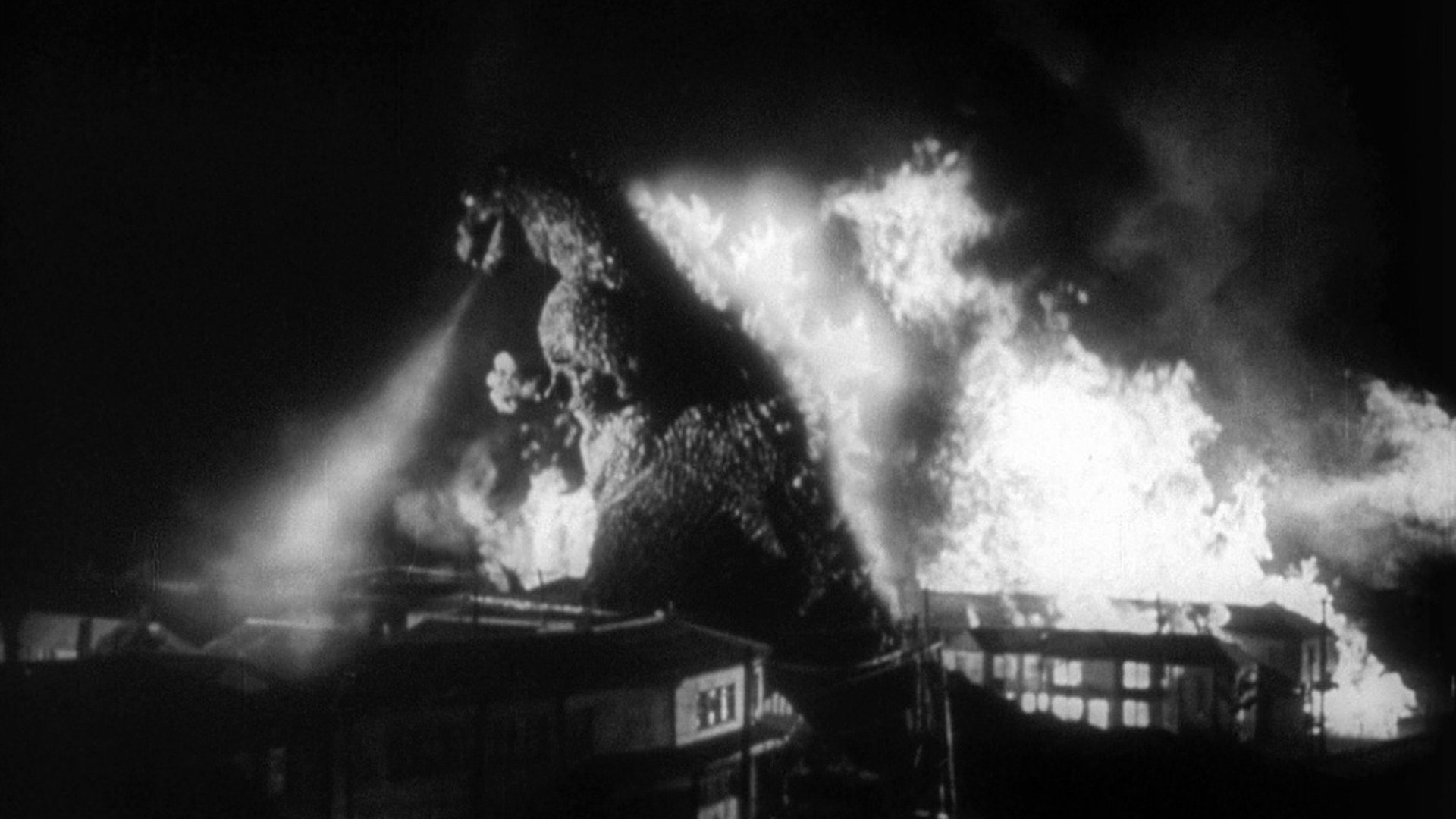
Godzilla appeared at a moment when memories of the Second World War remained visible in Japanese cities and public life. Honda’s depiction of Tokyo under attack evokes aerial bombardment through burning buildings, collapsing infrastructure, emergency broadcasts and crowds seeking shelter. The destruction continues beyond the monster’s immediate presence. Hospitals fill with injured civilians, children search for relatives and medical personnel confront the limits of their ability to provide assistance. The film gives these consequences sustained attention, making the human experience of catastrophe an essential part of its horror rather than a brief interruption between special-effects sequences.
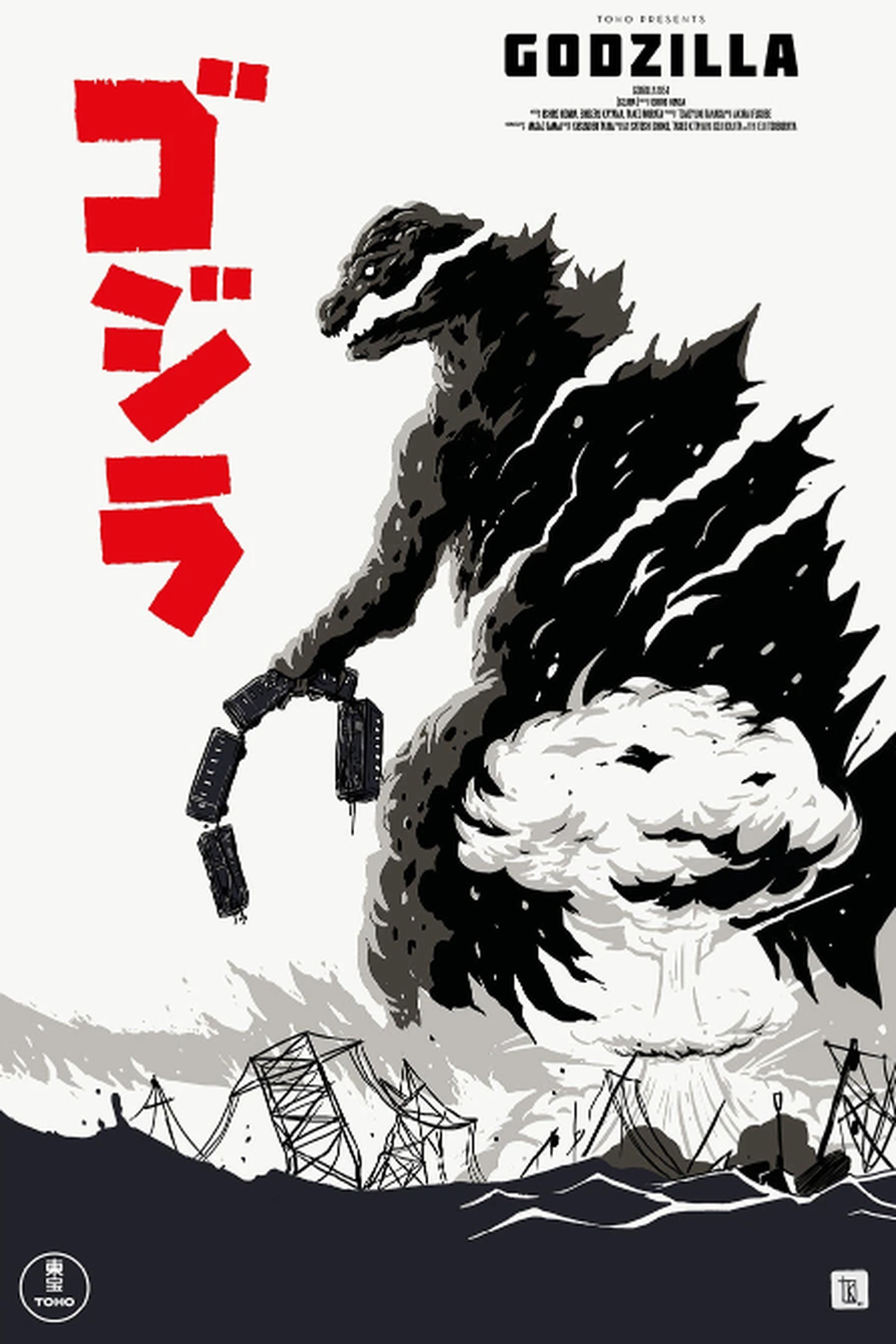
The treatment of radiation connects the fictional creature to the nuclear circumstances surrounding the production. Godzilla is associated with radioactive contamination, while the opening maritime disasters recall the public alarm following the Lucky Dragon incident. The monster’s destructive breath gives nuclear power a visible form that can overwhelm ordinary defenses. Nevertheless, the film does not identify the creature as a simple representation of one country or government. Honda presents the destructive potential of nuclear technology as a continuing danger whose consequences extend beyond the intentions of those responsible for developing or testing it.
The disagreement between Yamane and the officials seeking Godzilla’s destruction also reveals the difficulty of separating scientific knowledge from its military applications. The professor believes the creature should be studied, even after the attacks have exposed the consequences of its survival. Serizawa reaches an opposing conclusion about his own discovery: certain knowledge may become too dangerous to preserve without restrictions. His sacrifice prevents the immediate proliferation of the Oxygen Destroyer, but Yamane’s final warning leaves the underlying nuclear threat unresolved. The conclusion consequently acknowledges the removal of one destructive force while preserving the possibility that human activity may create another.
Creature Design & Suit Performance
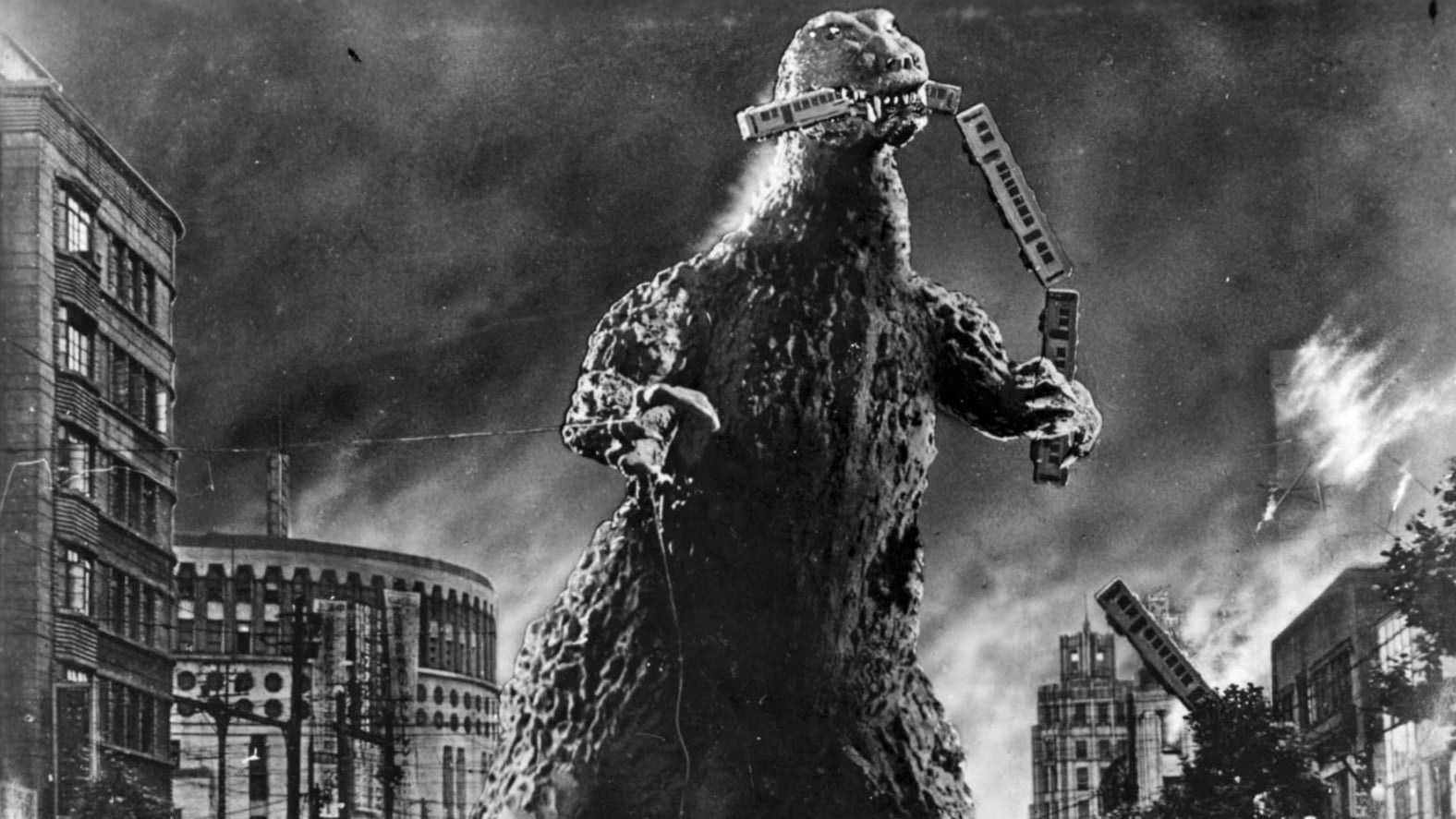
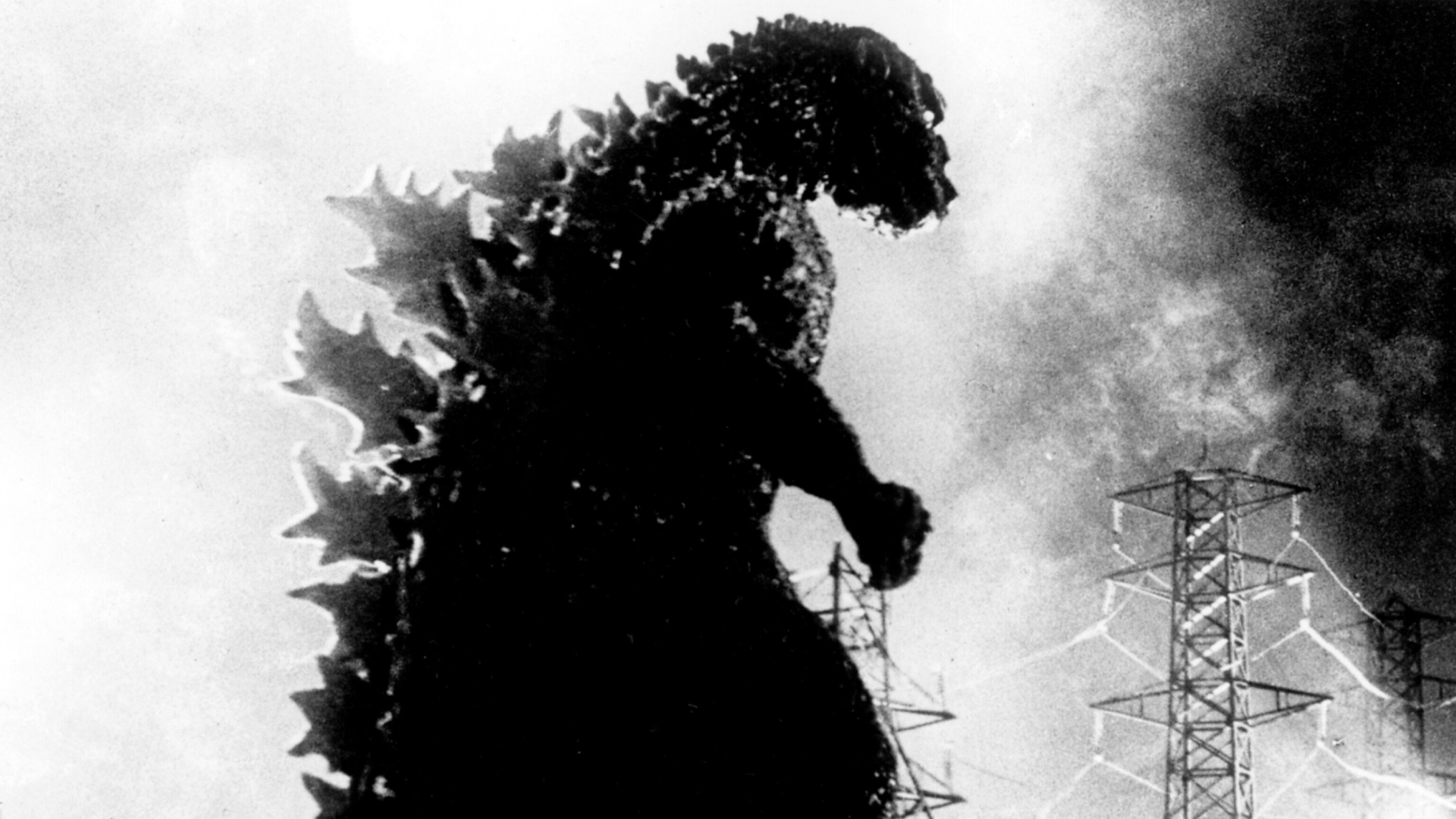
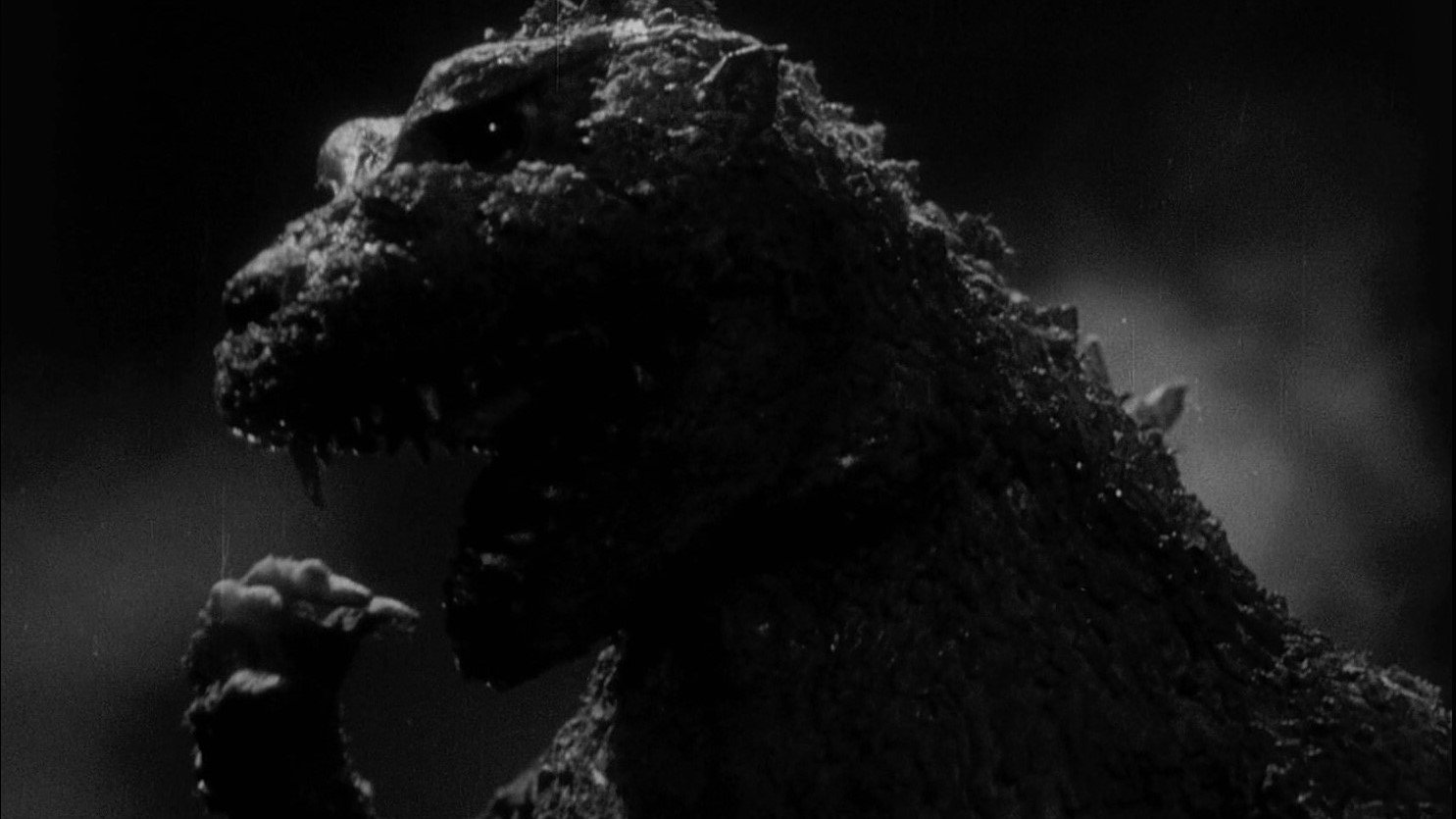
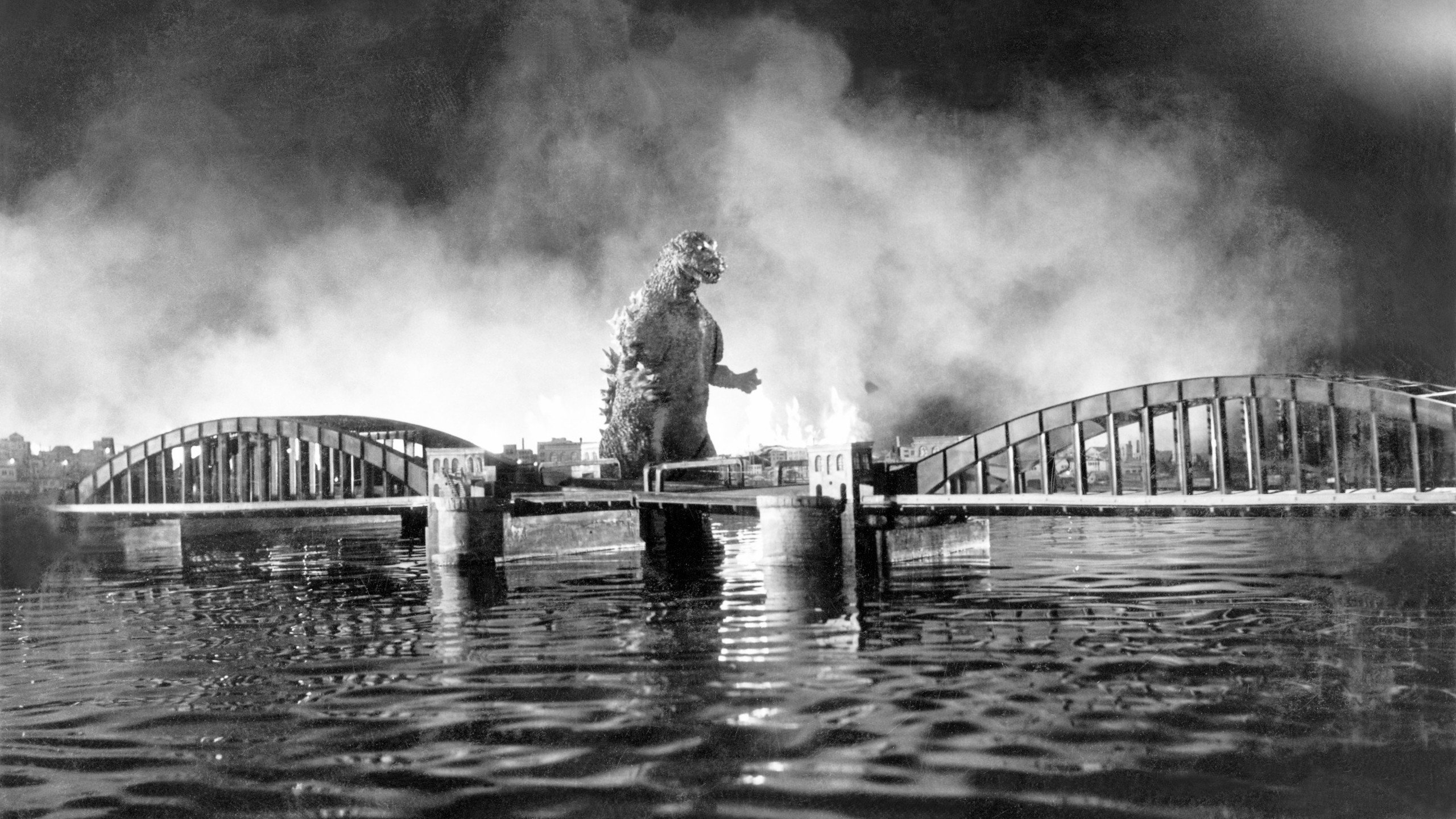
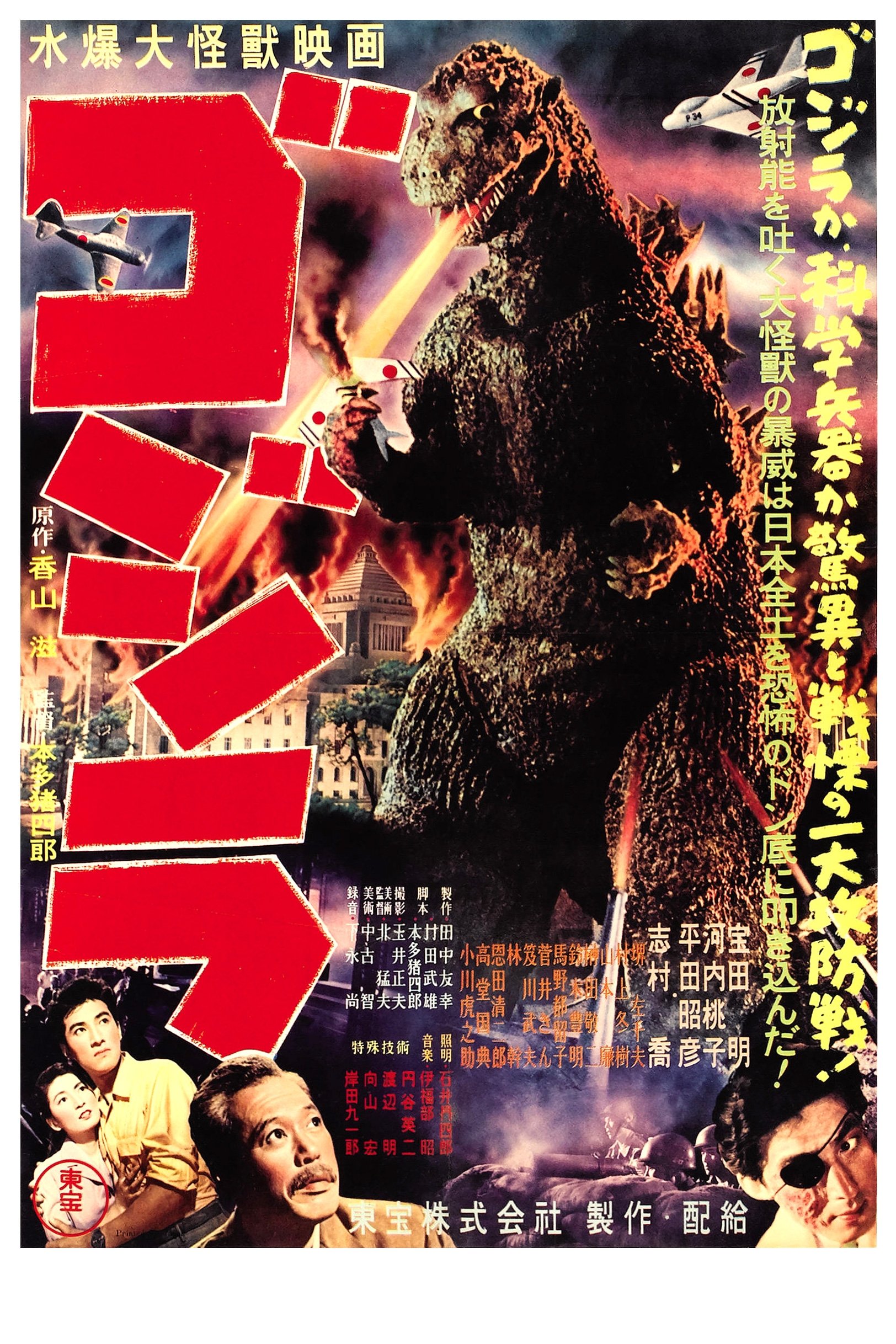
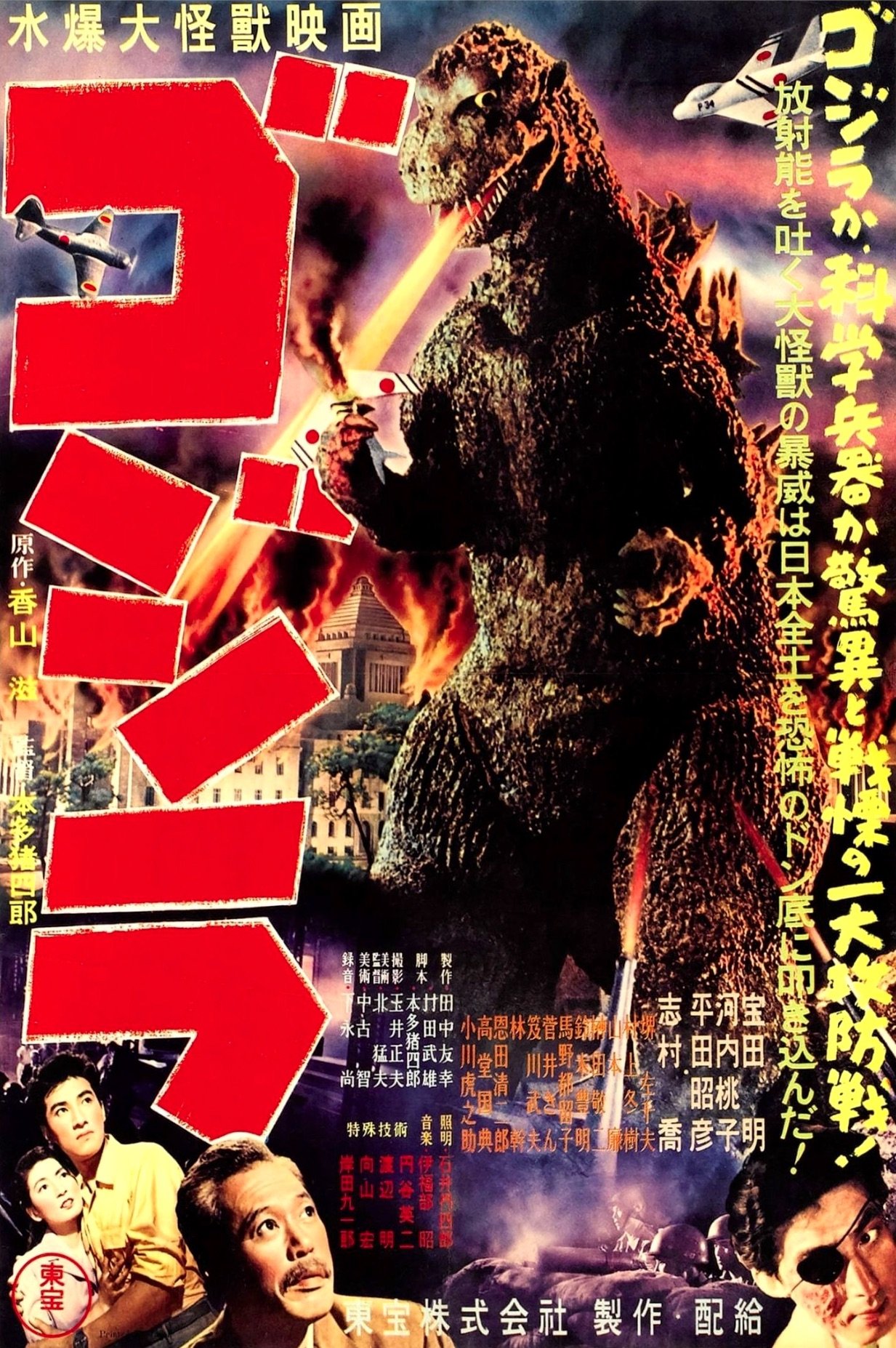
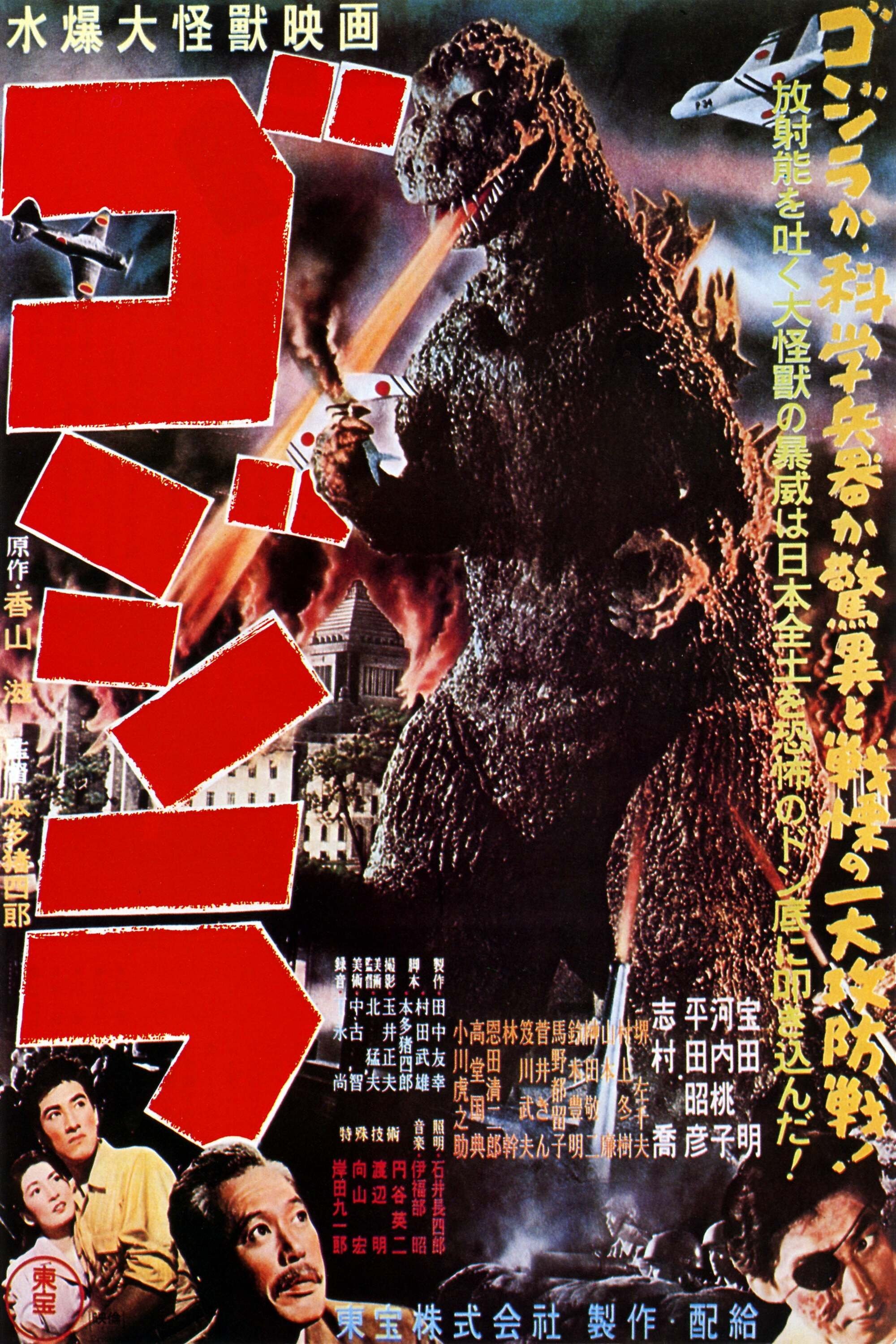
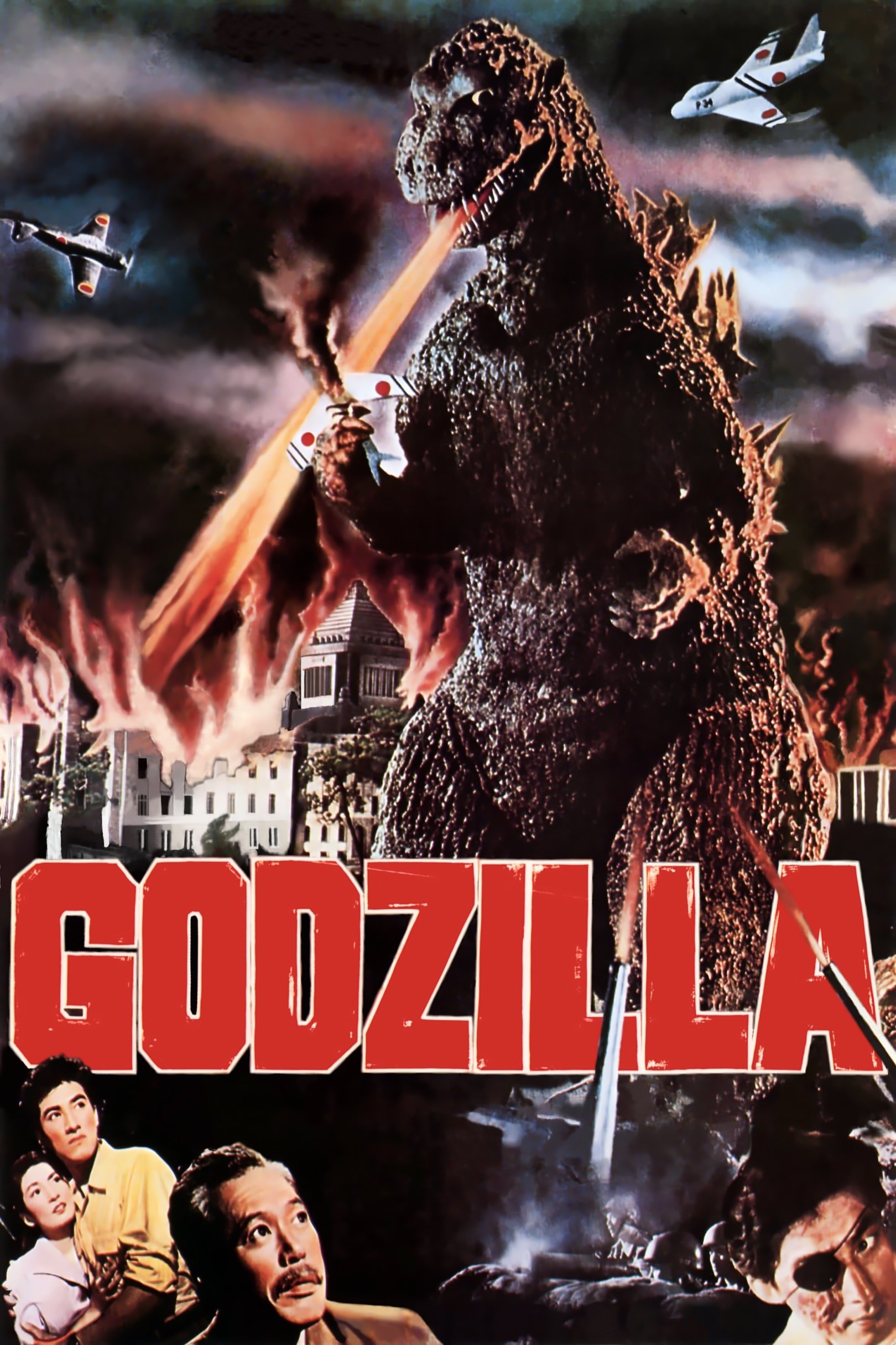
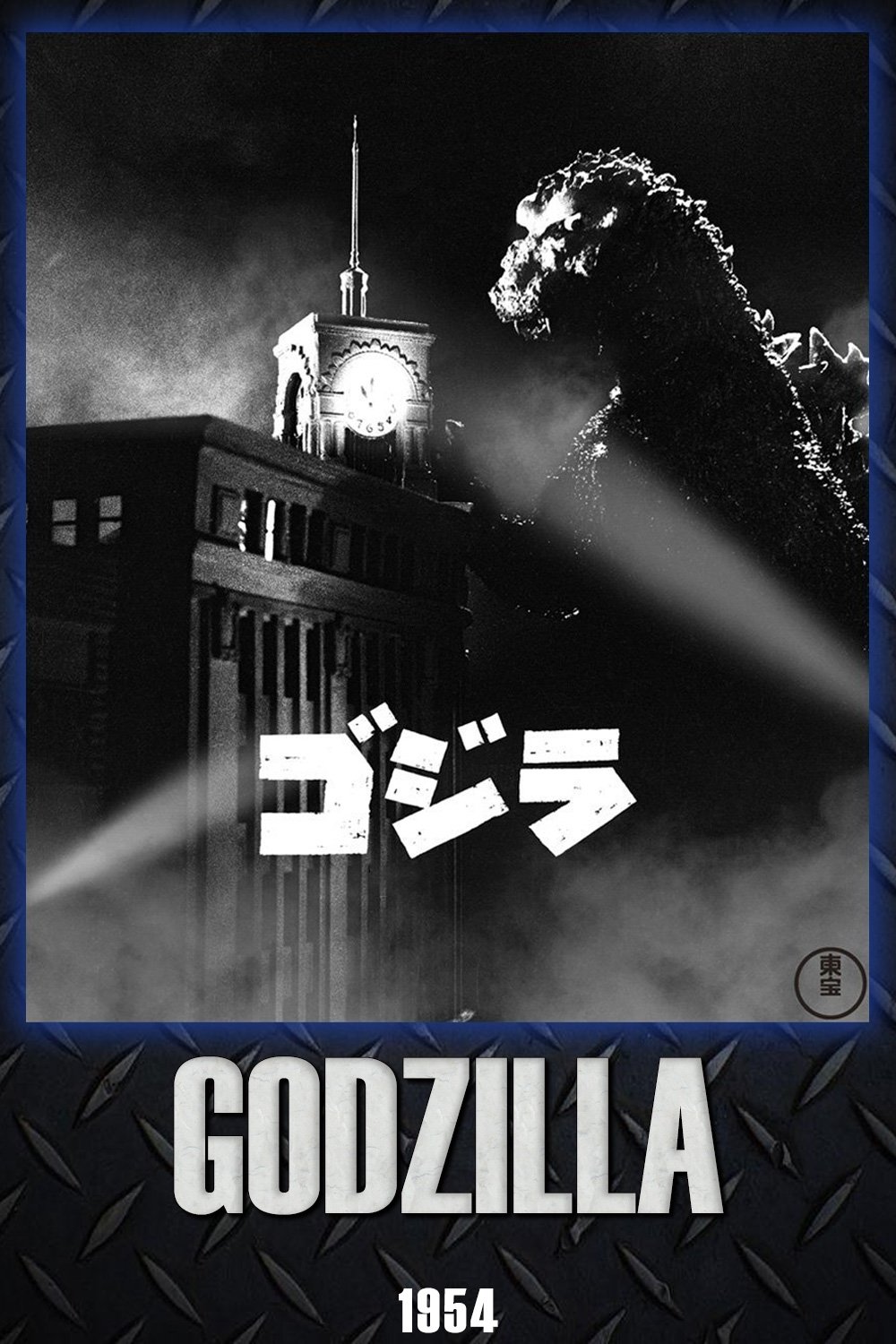
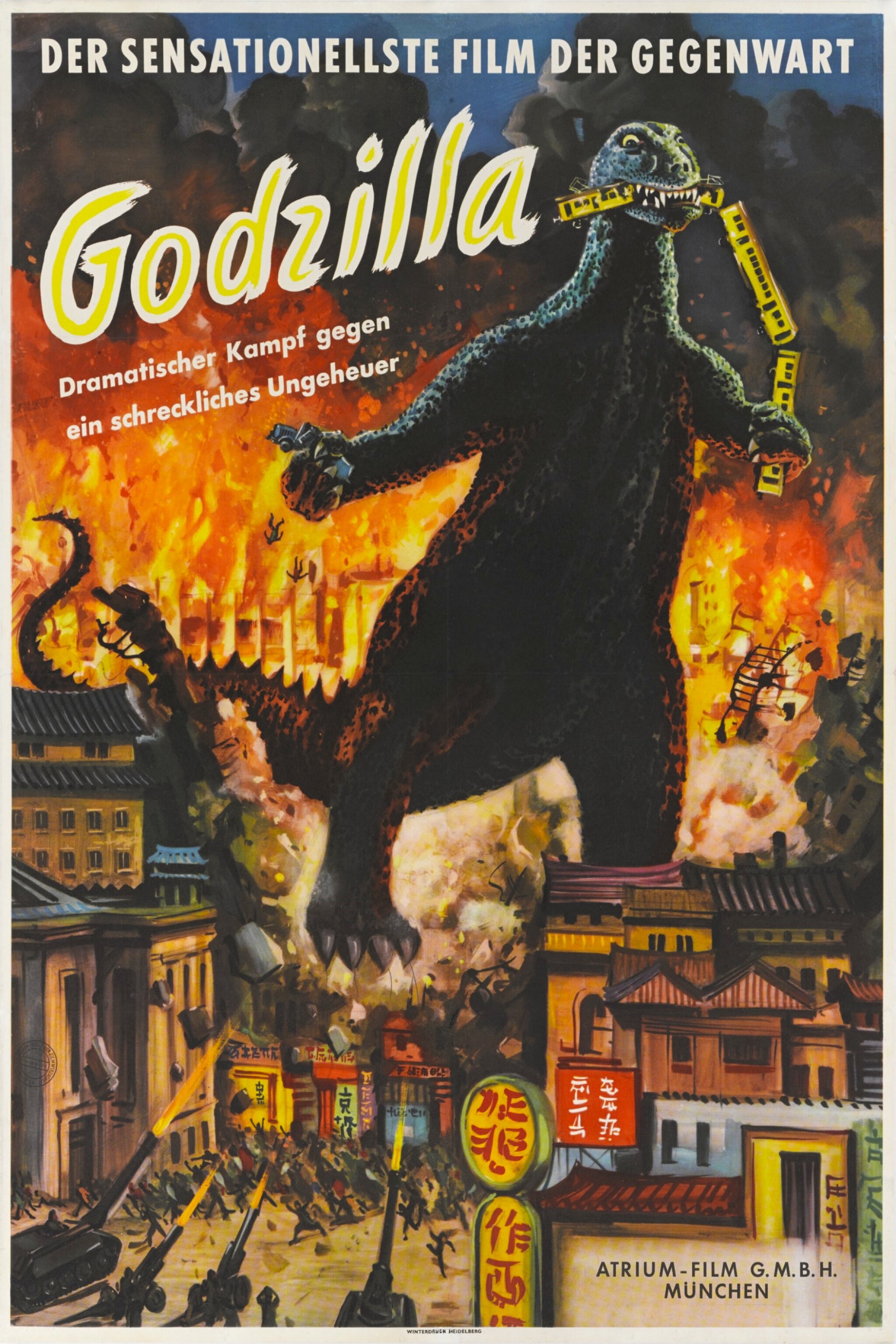
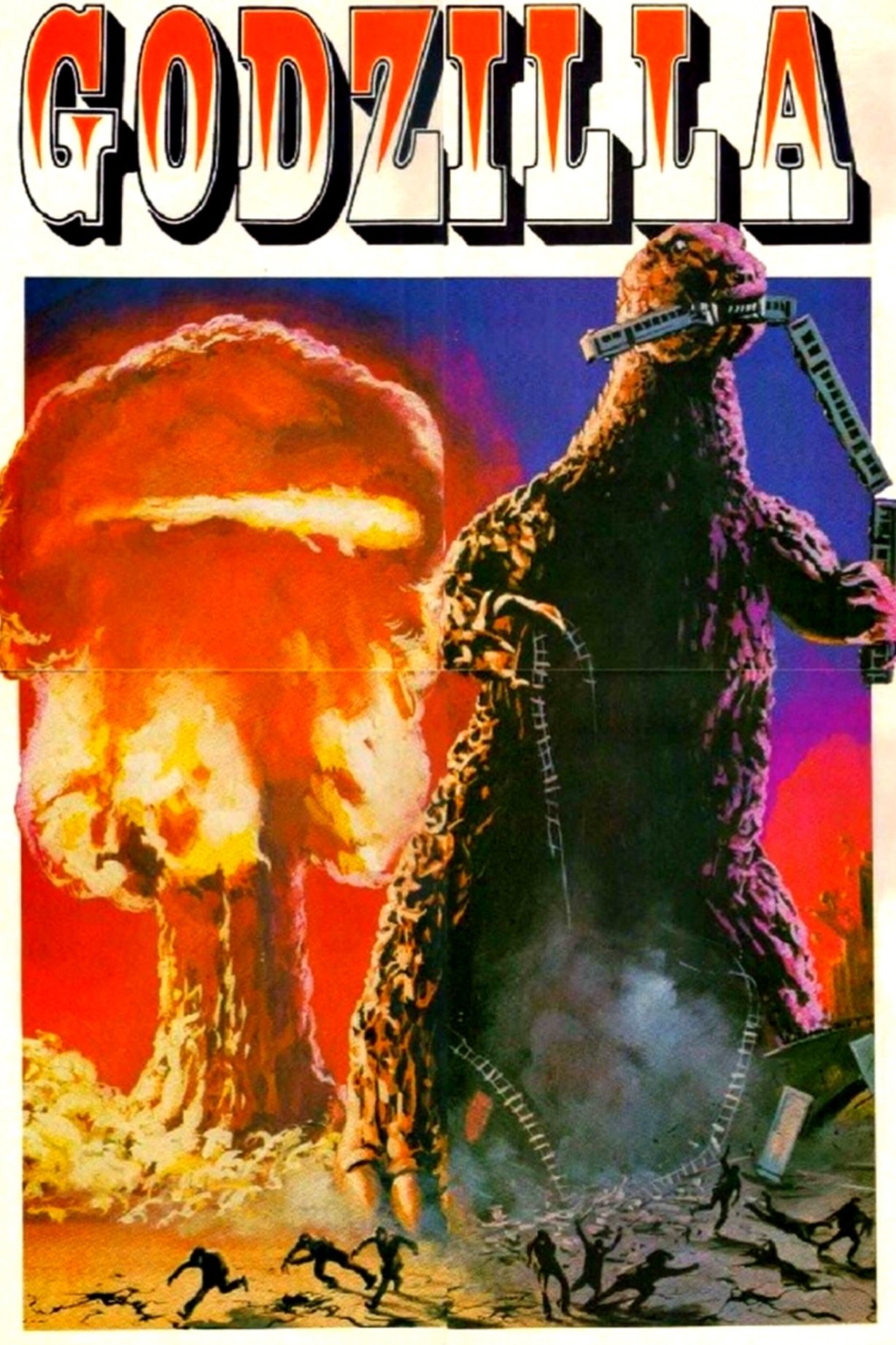
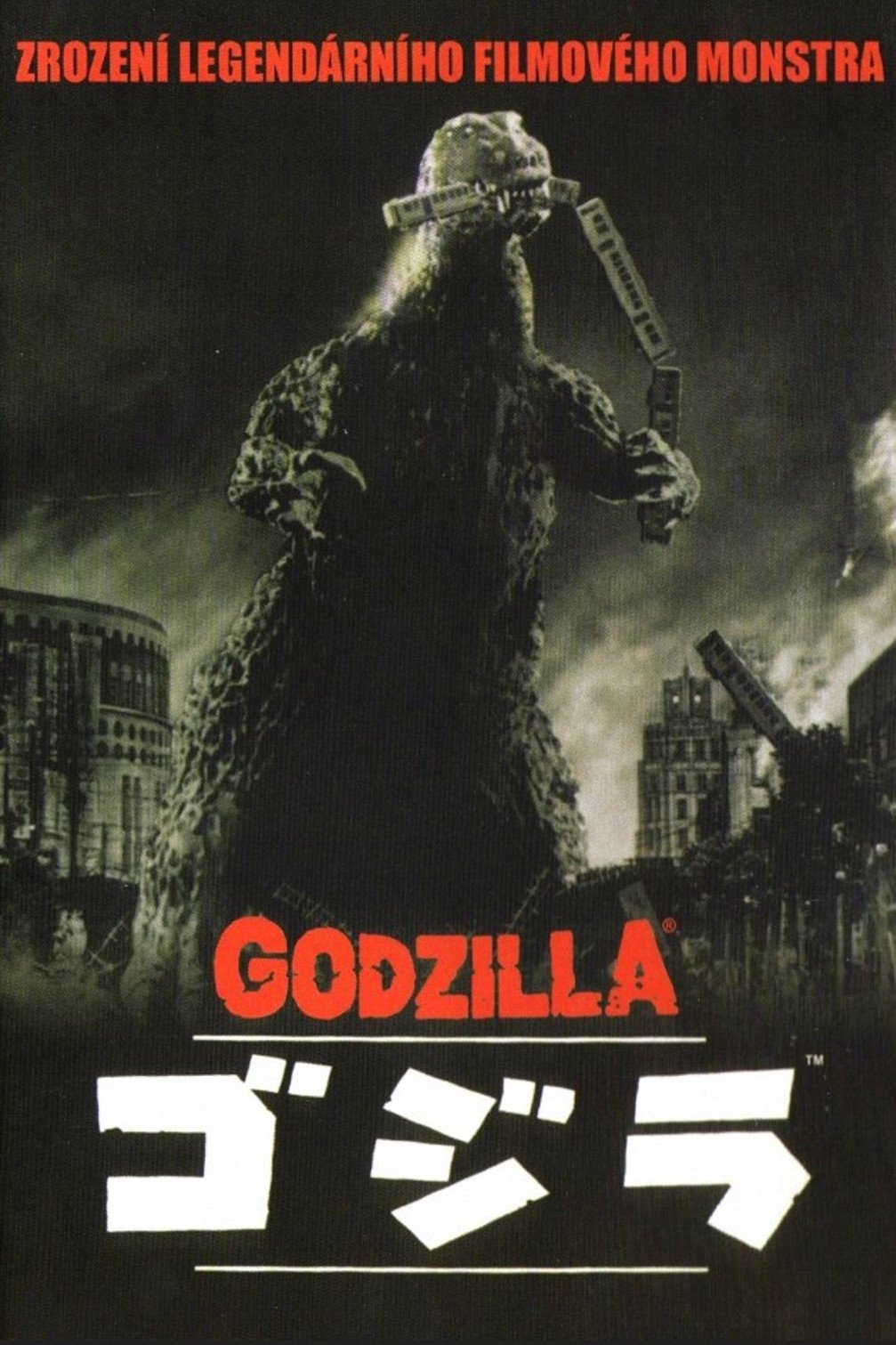
Eiji Tsuburaya supervised the special-effects work that transformed the fictional monster into a physical presence. His department initially considered methods associated with stop-motion animation, but the available production schedule made extensive use of that technique impractical. Instead, the team developed a combination of performers wearing creature costumes and miniature environments constructed to represent buildings, streets and military installations. The approach allowed Godzilla to interact directly with scenery designed to collapse under its weight. Although the production employed other techniques where necessary, the costumed performance became its defining technical innovation and established an important model for later Japanese special-effects cinema.
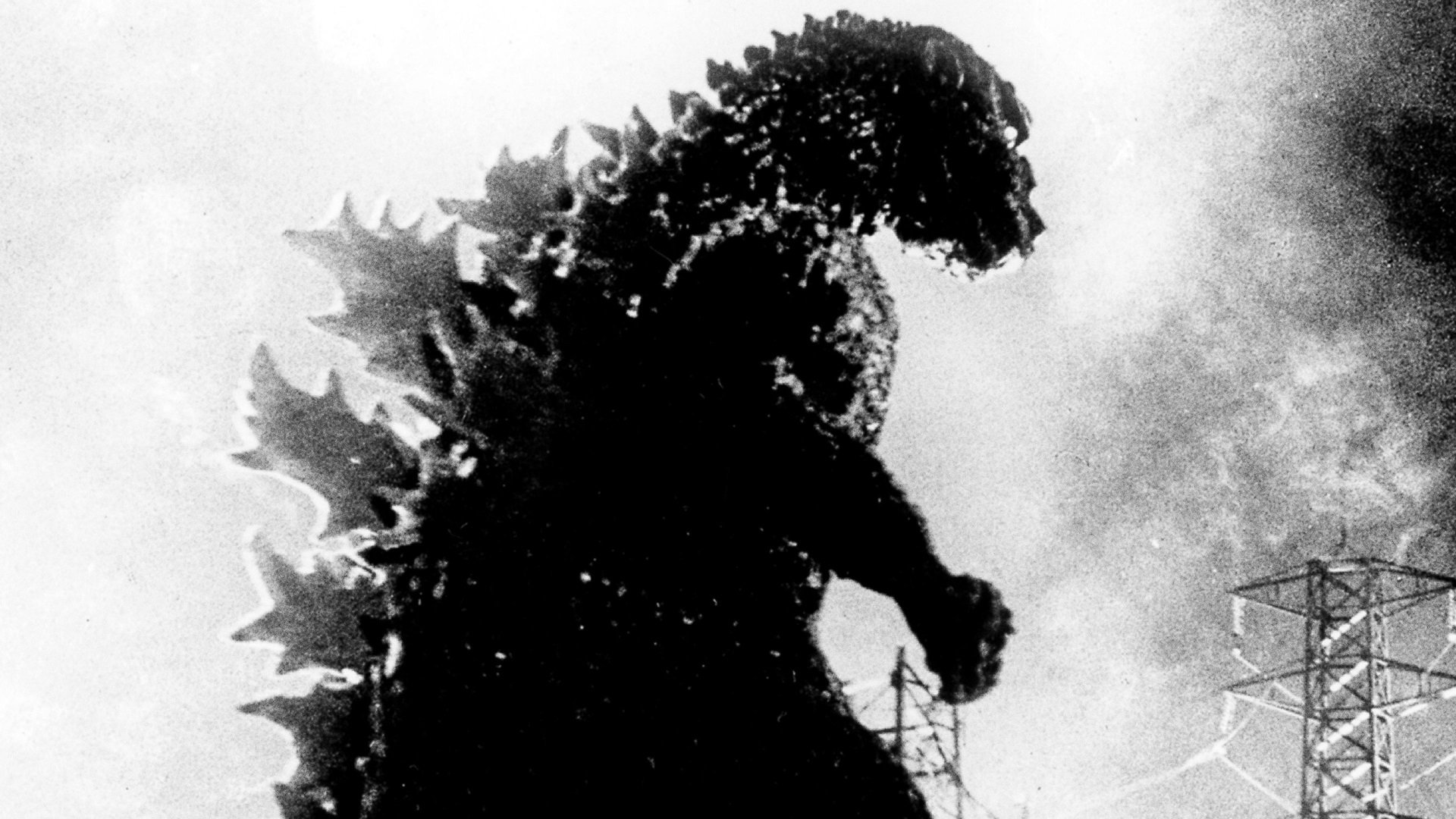
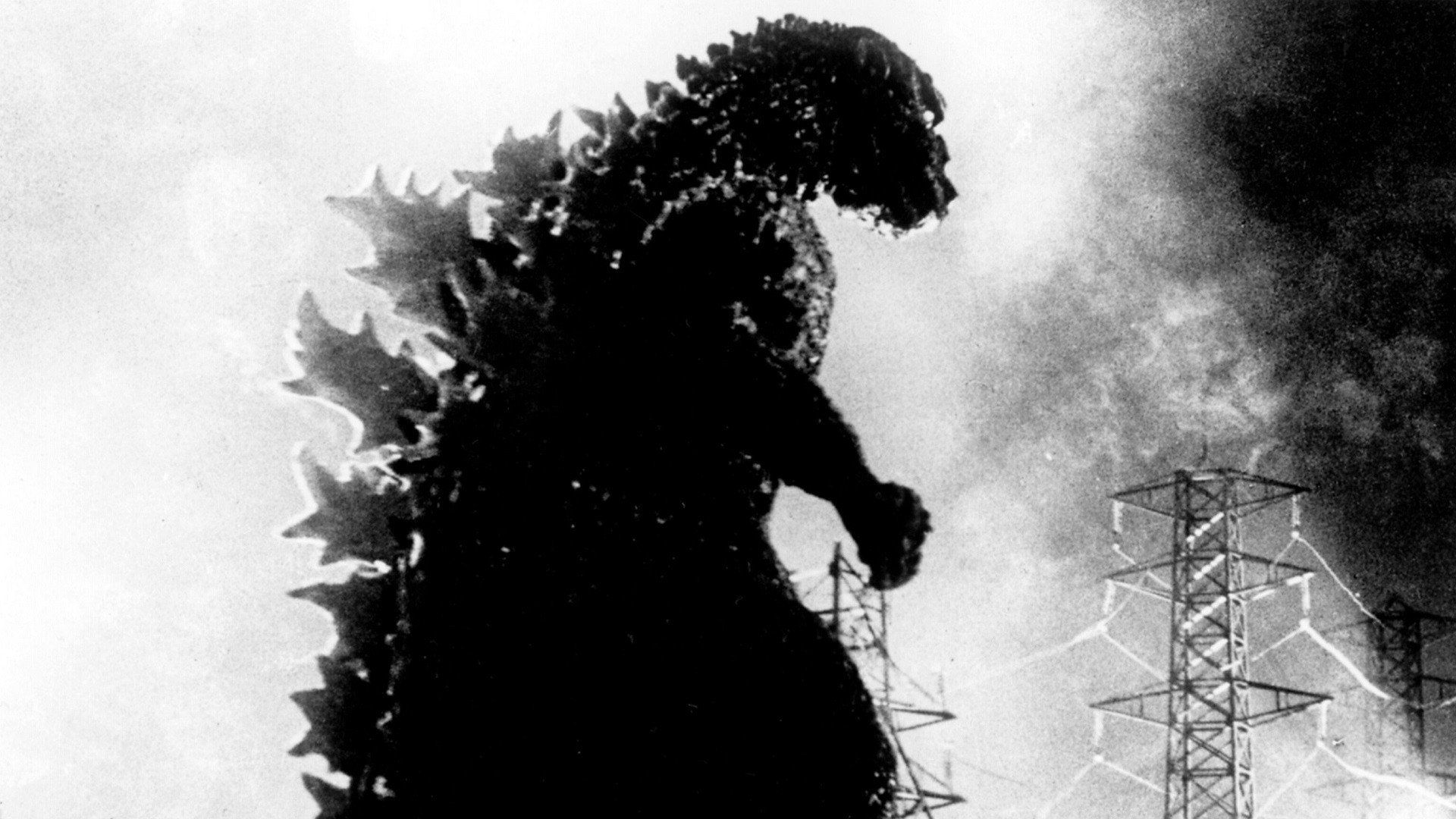
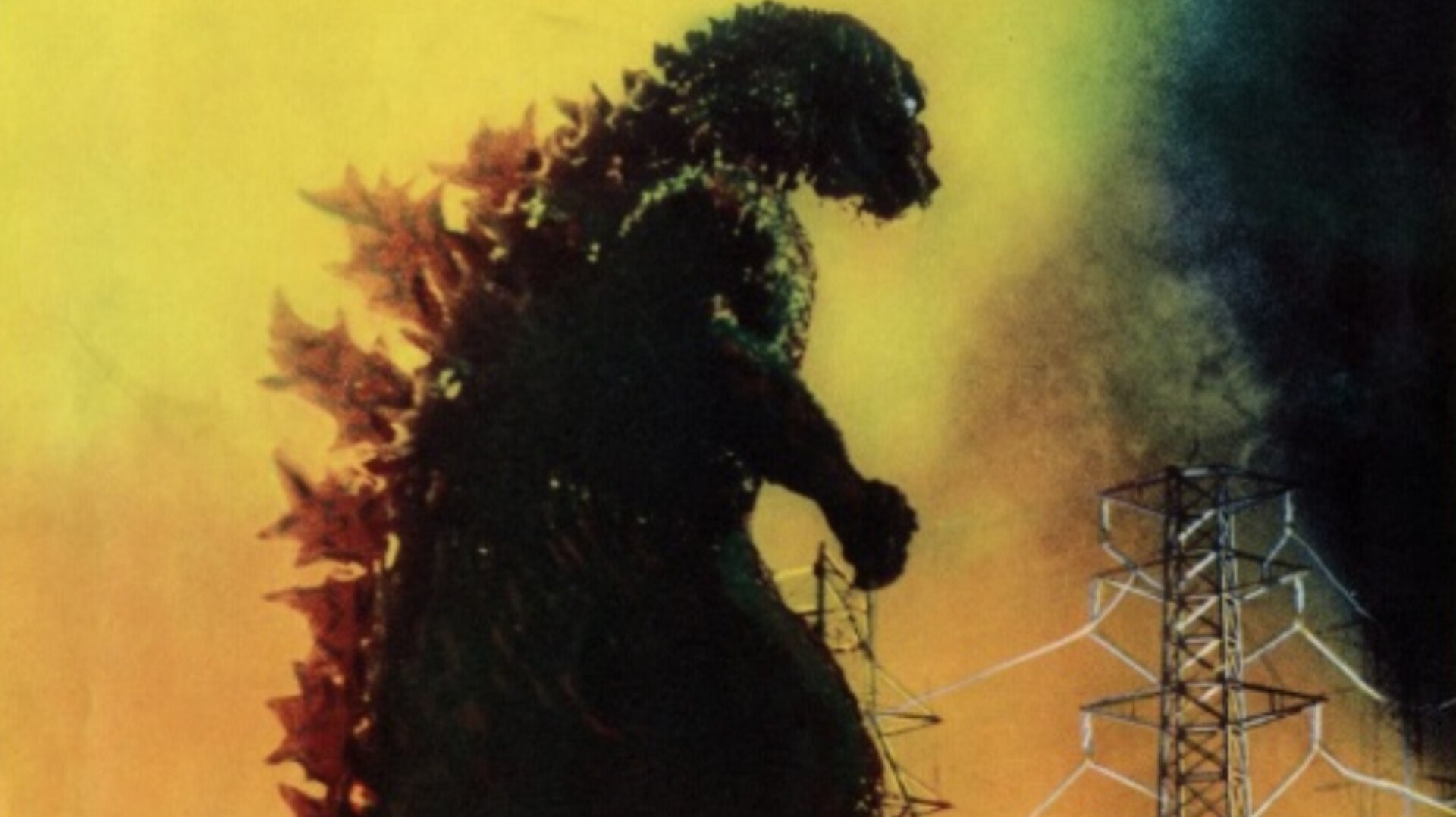
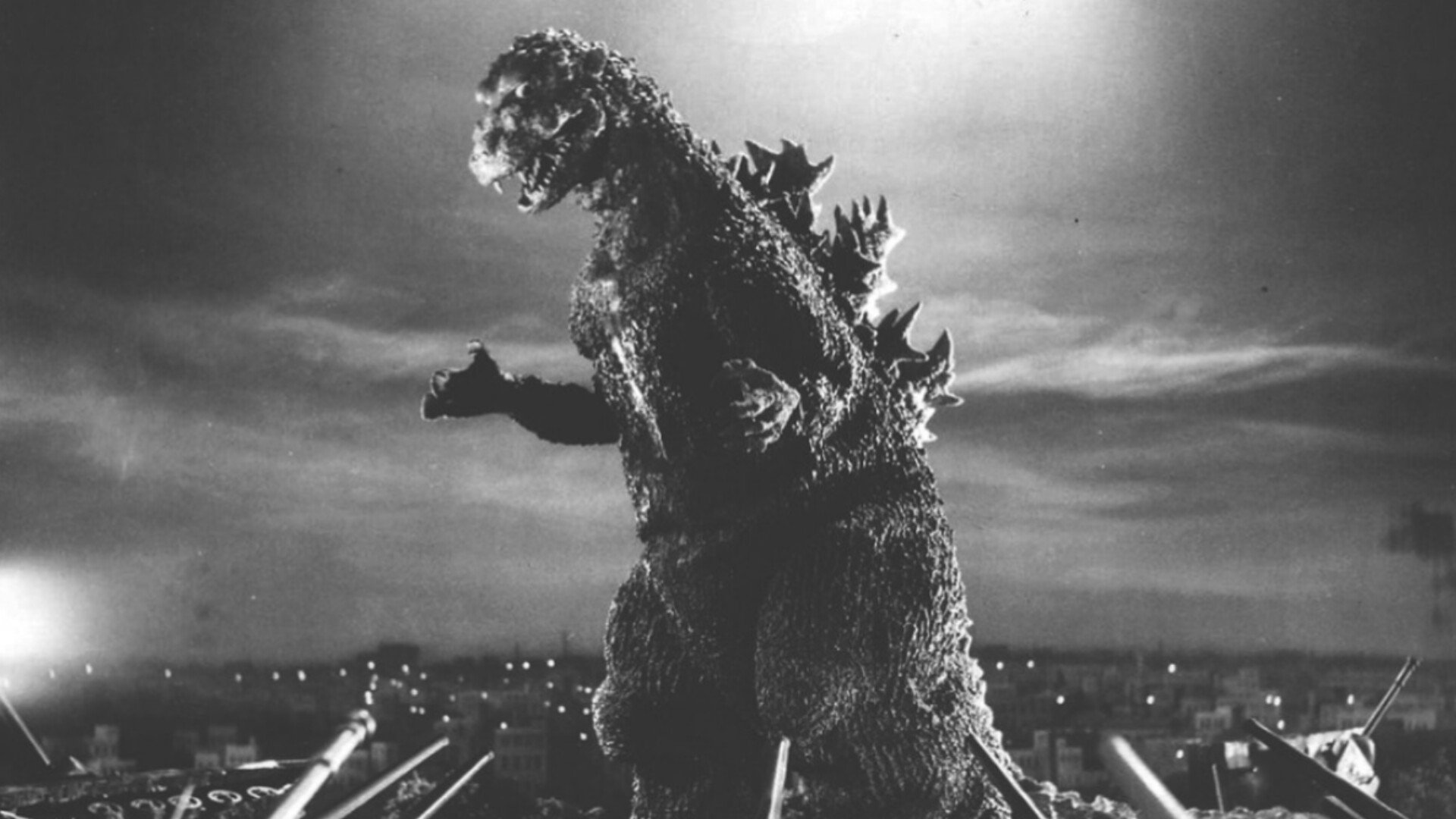
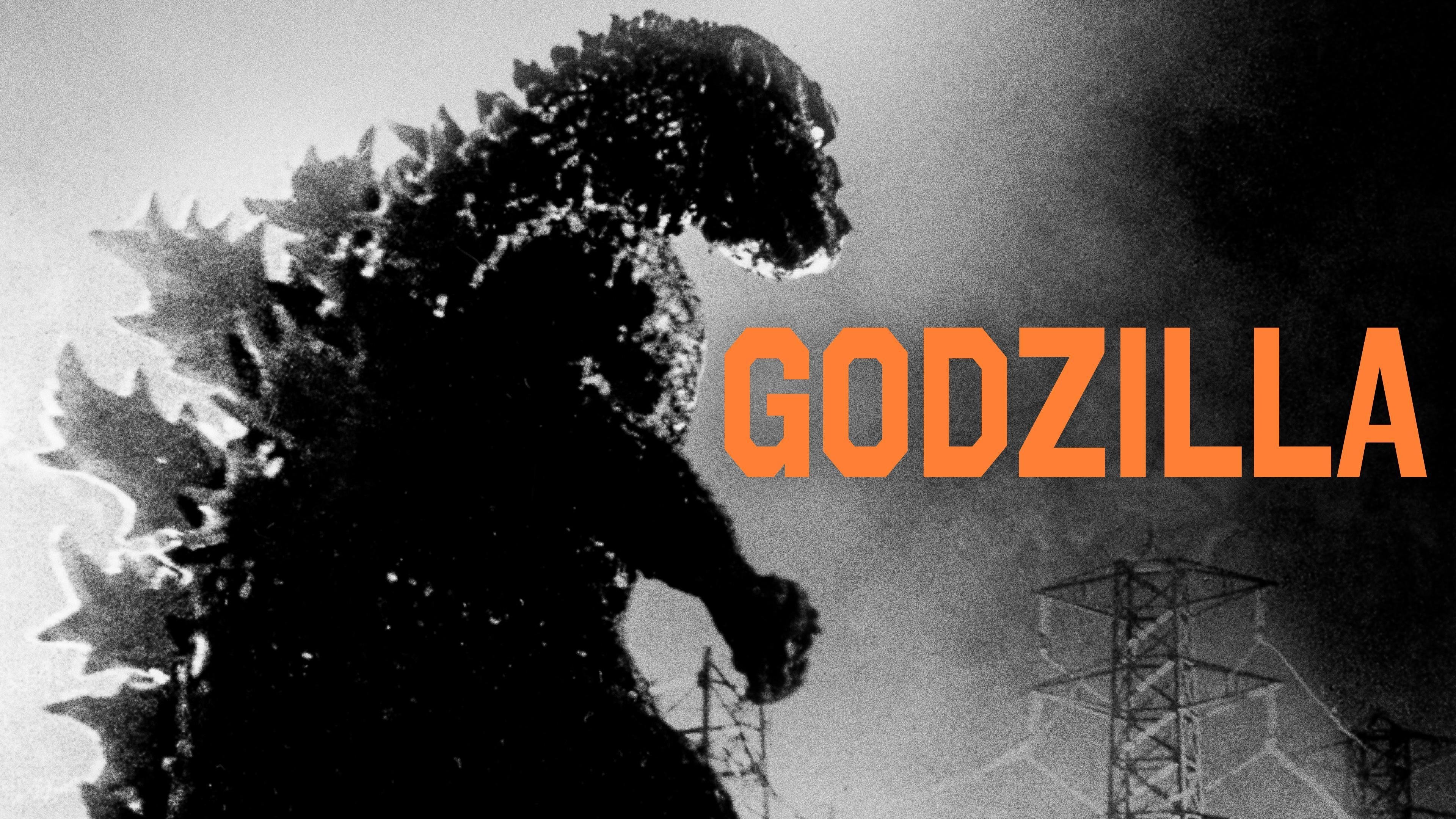
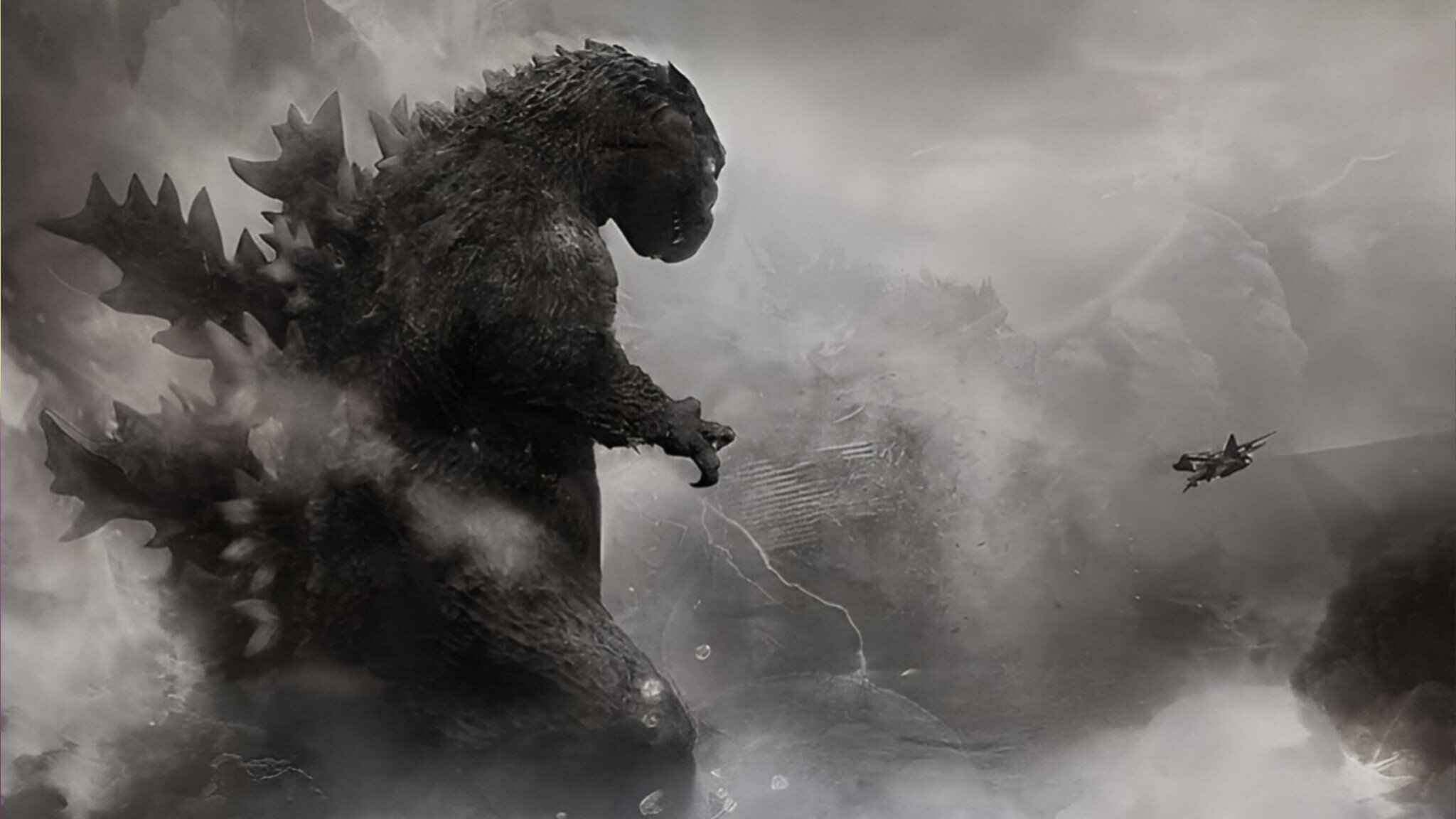
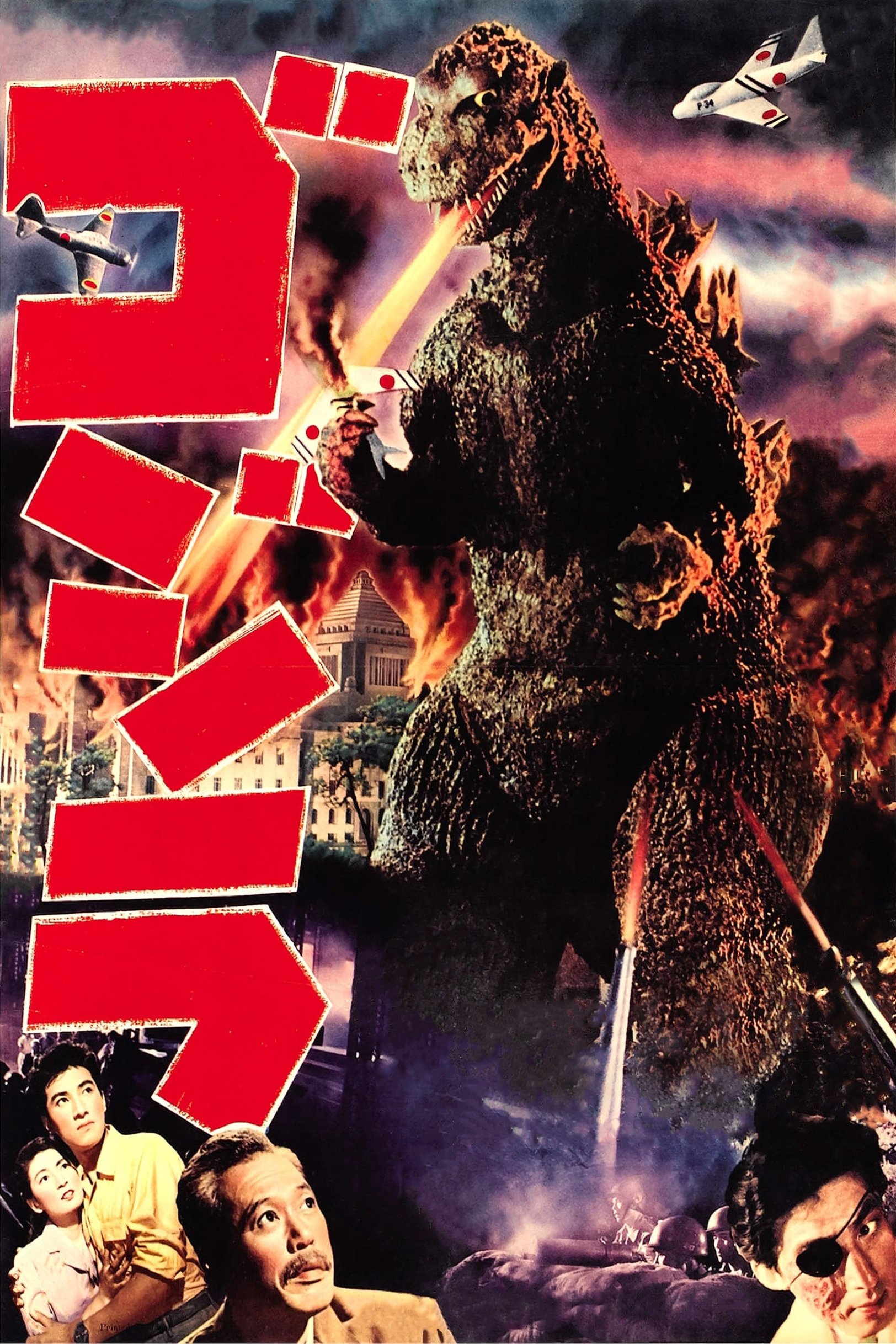
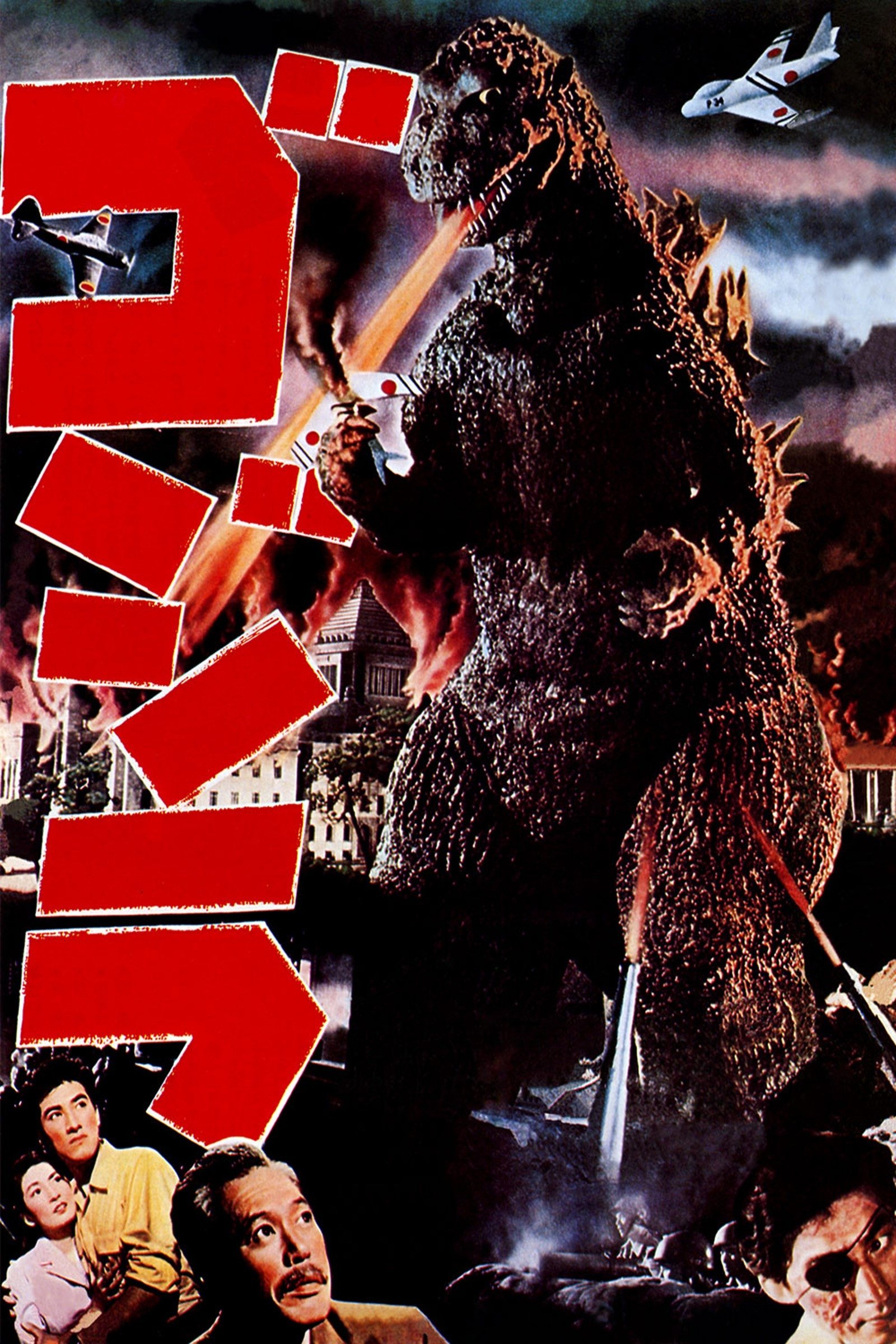
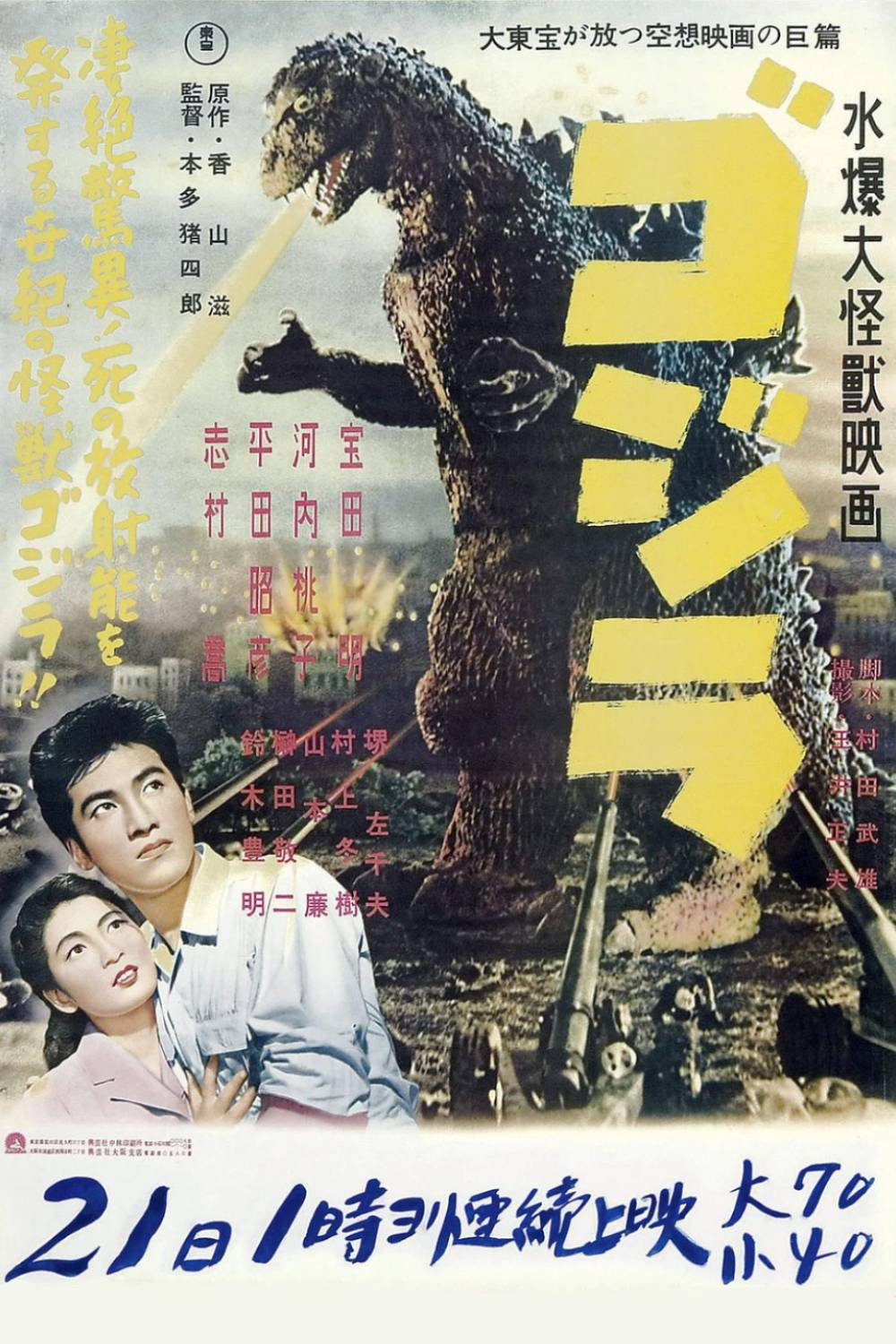
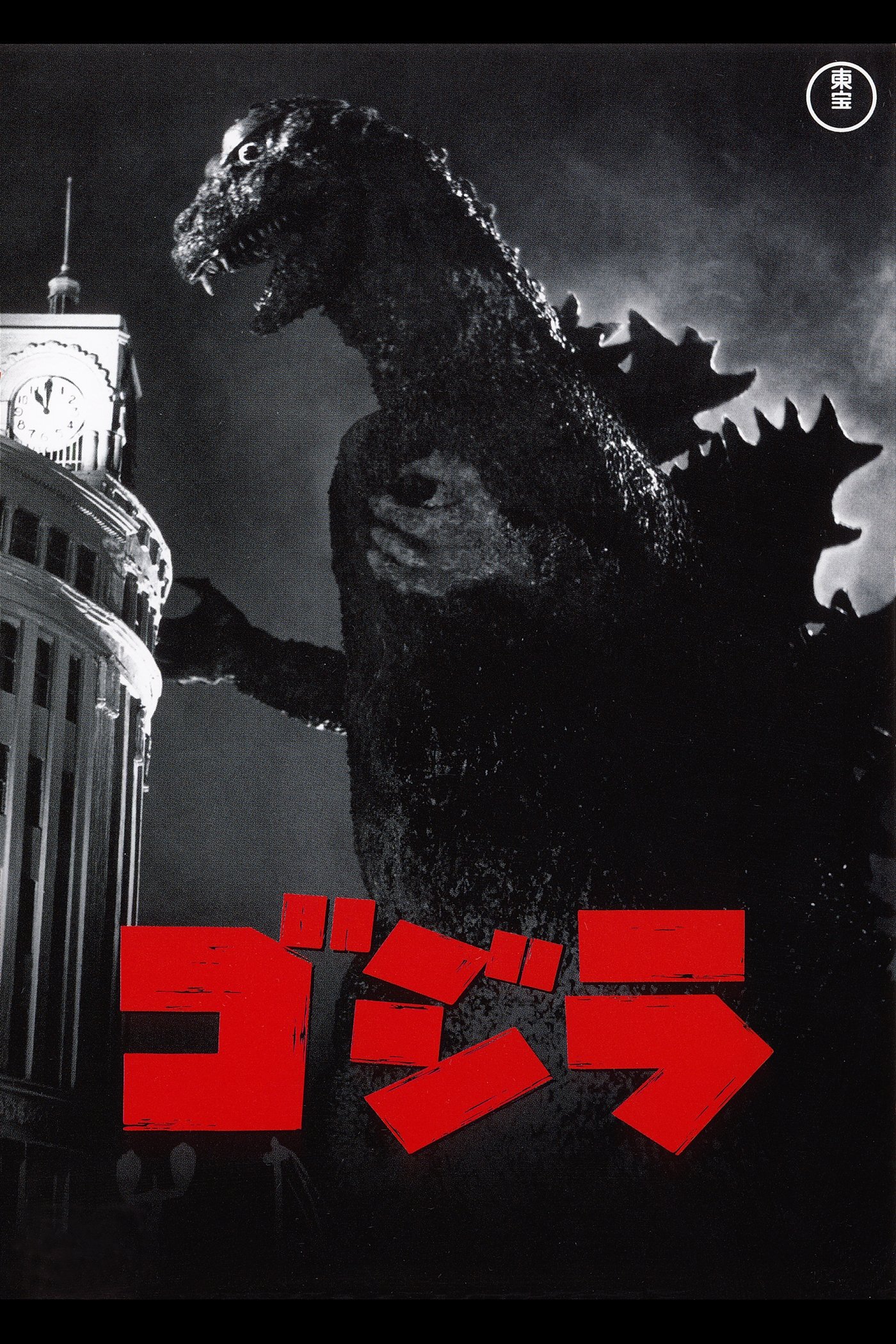
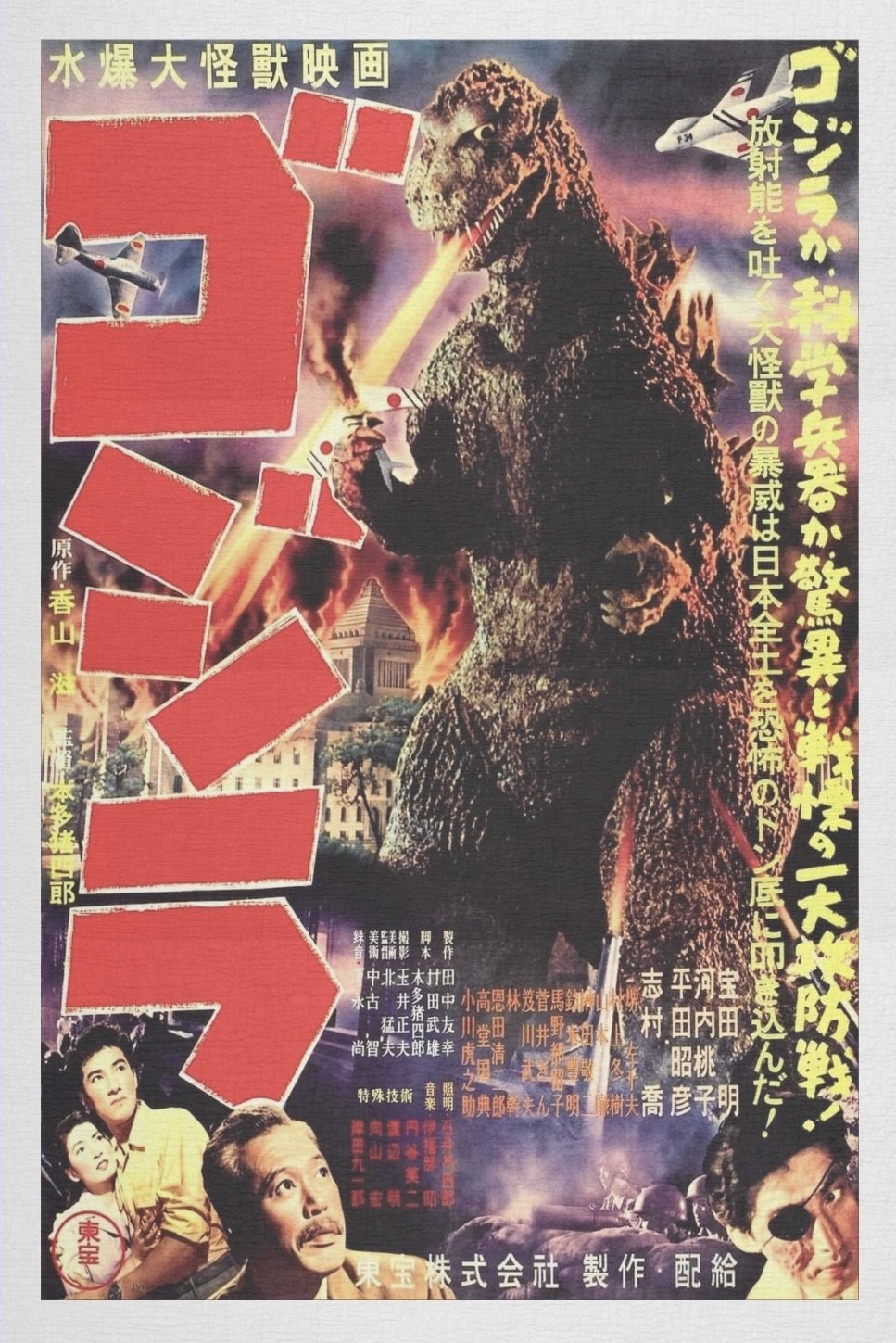
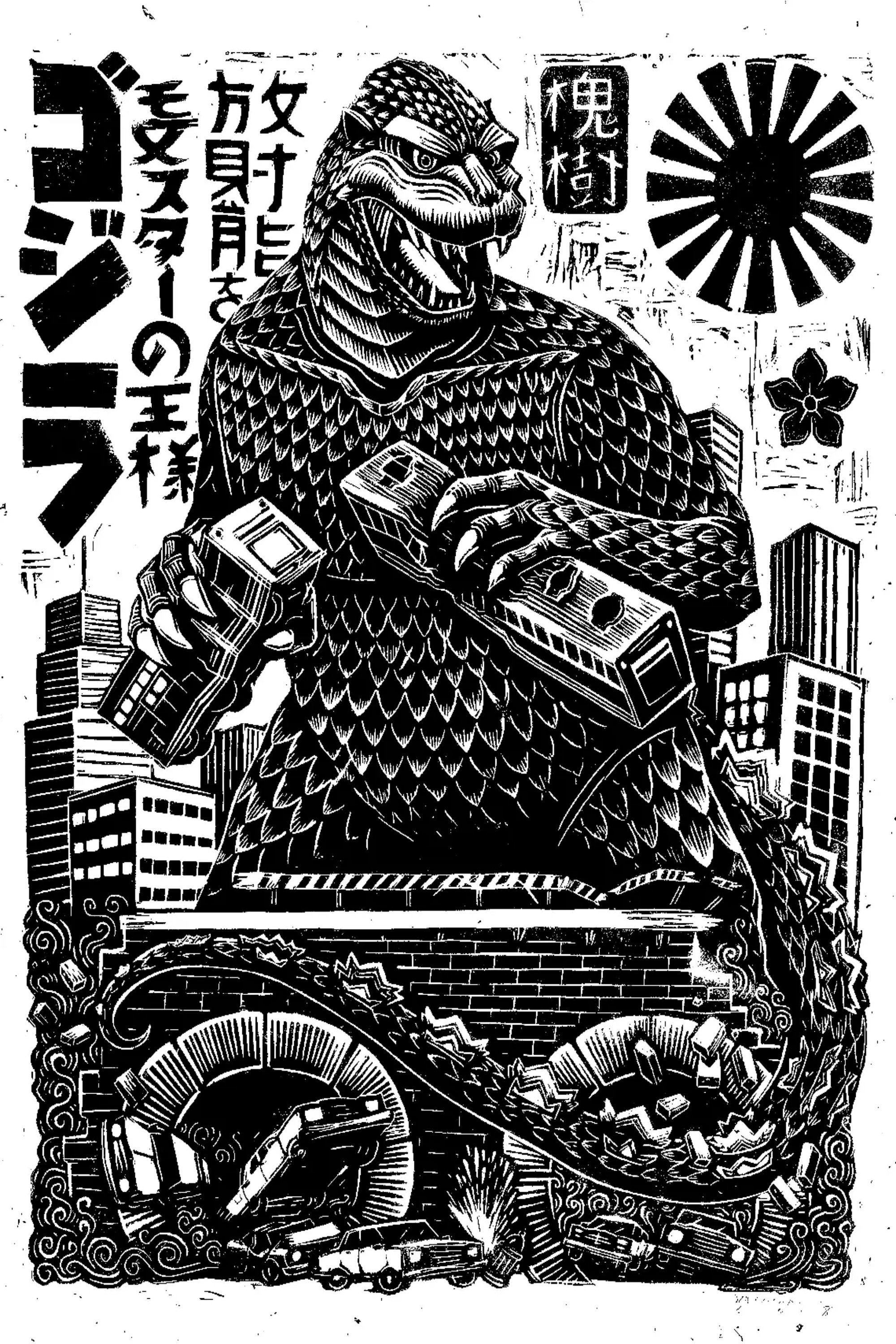
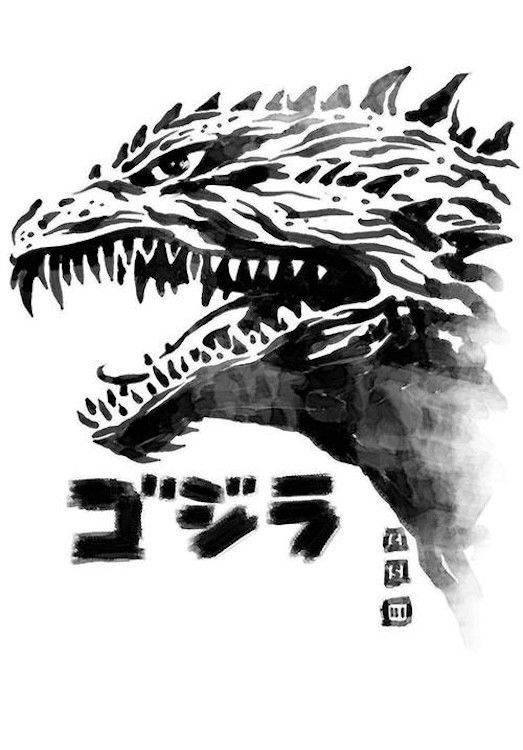
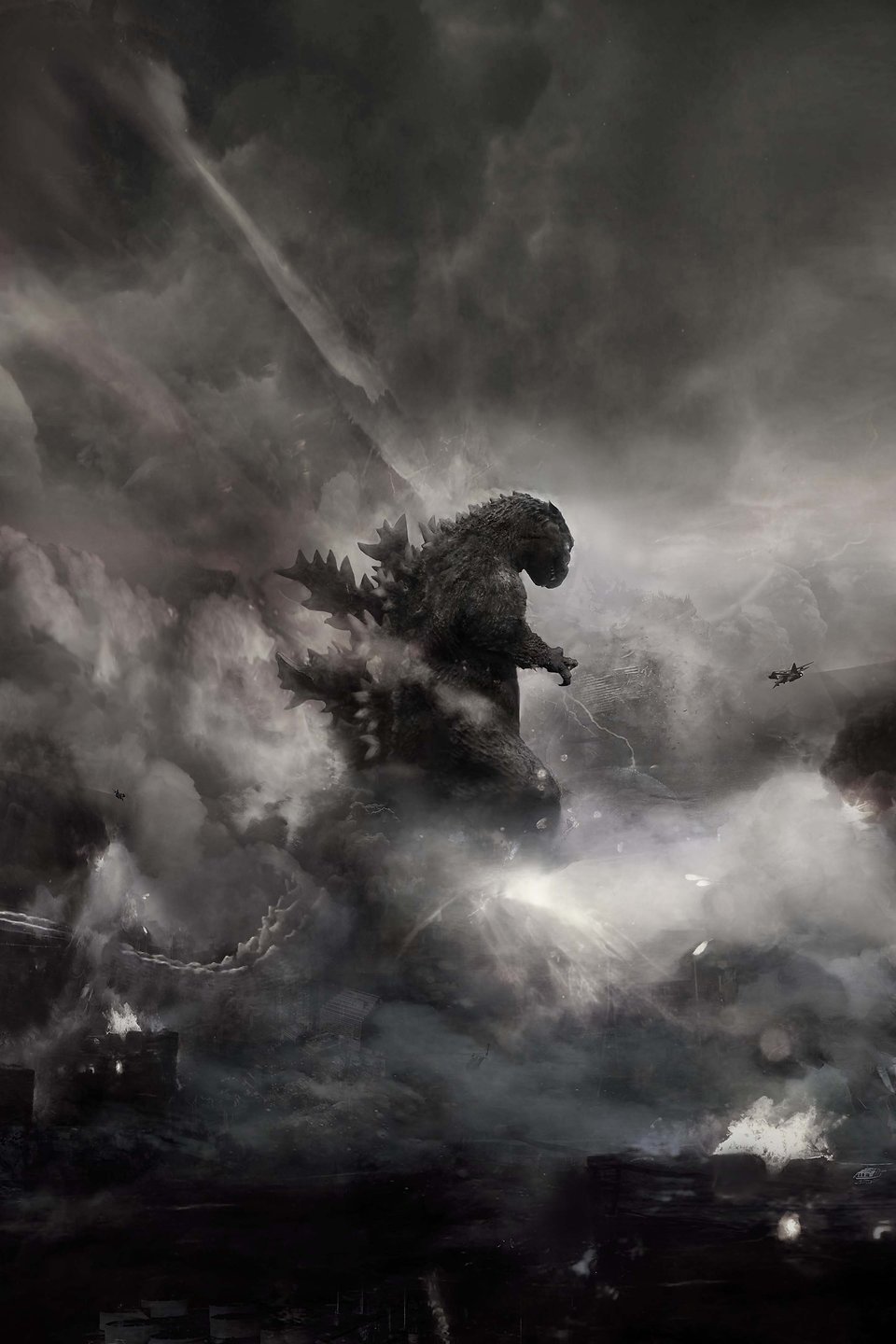
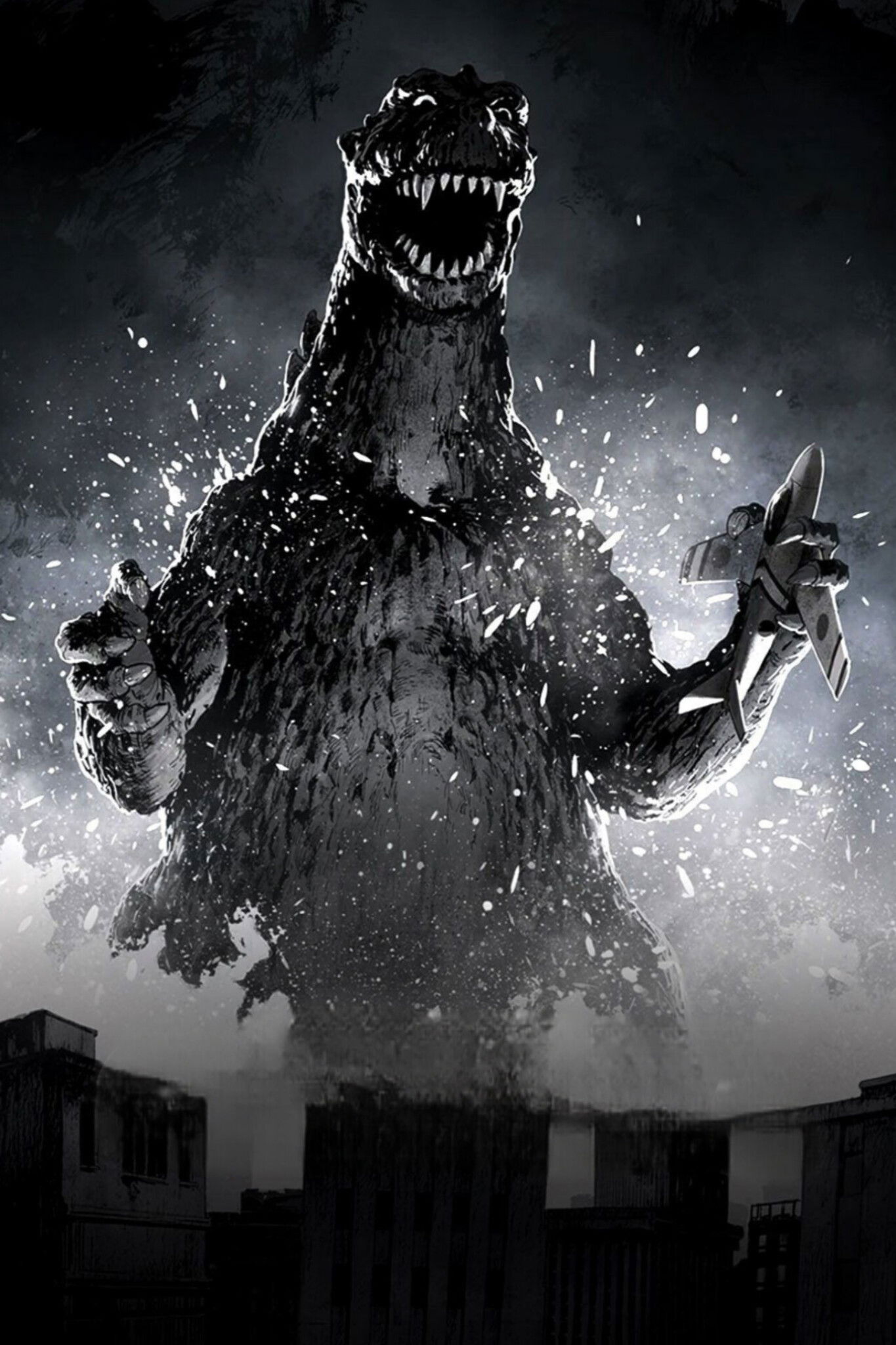
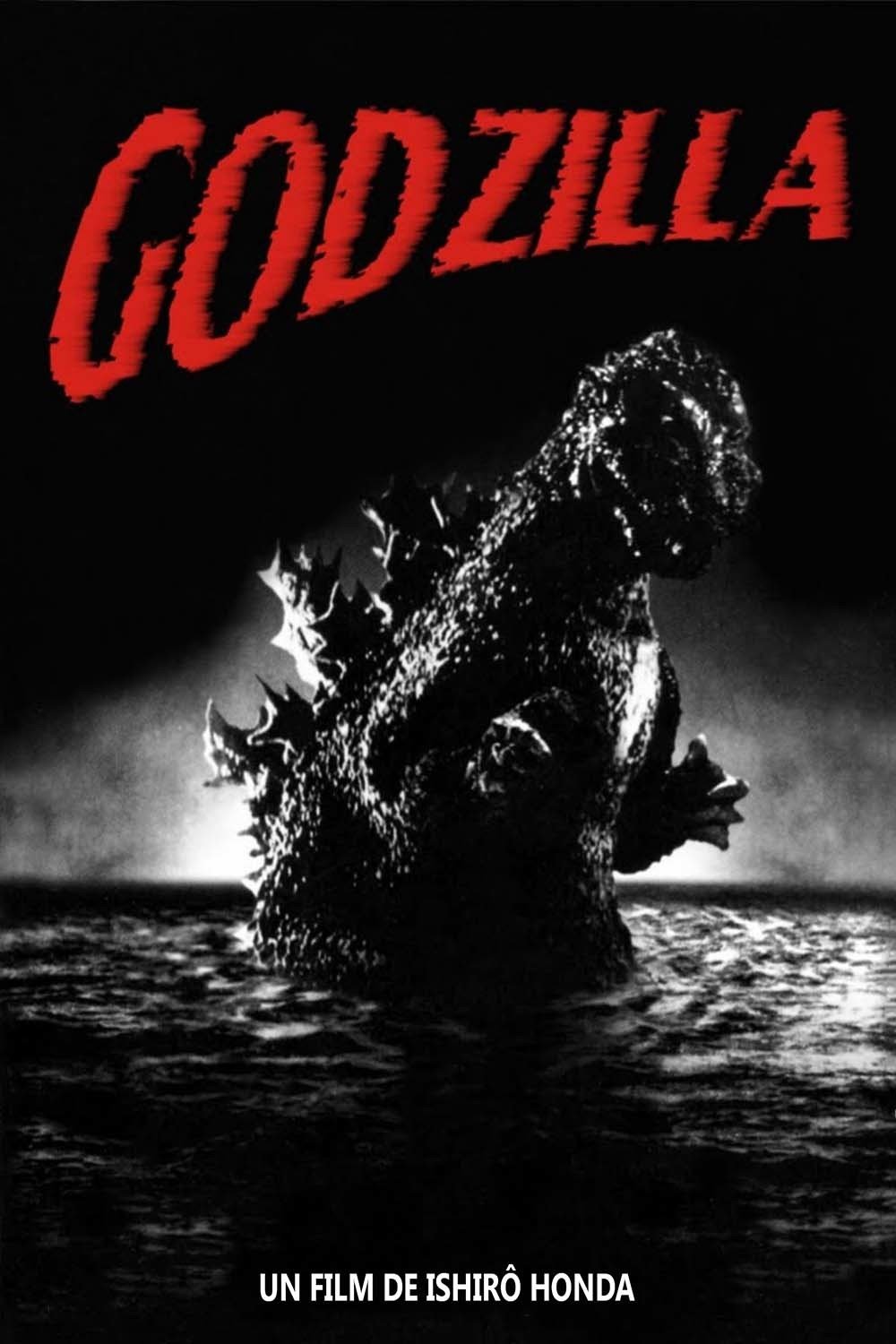
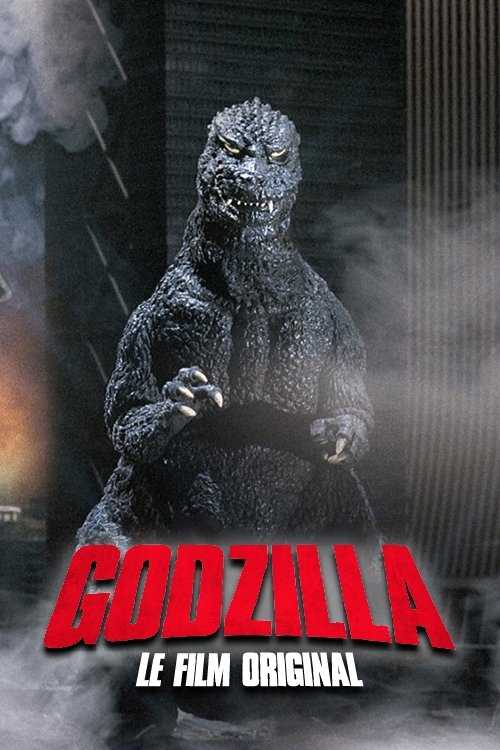
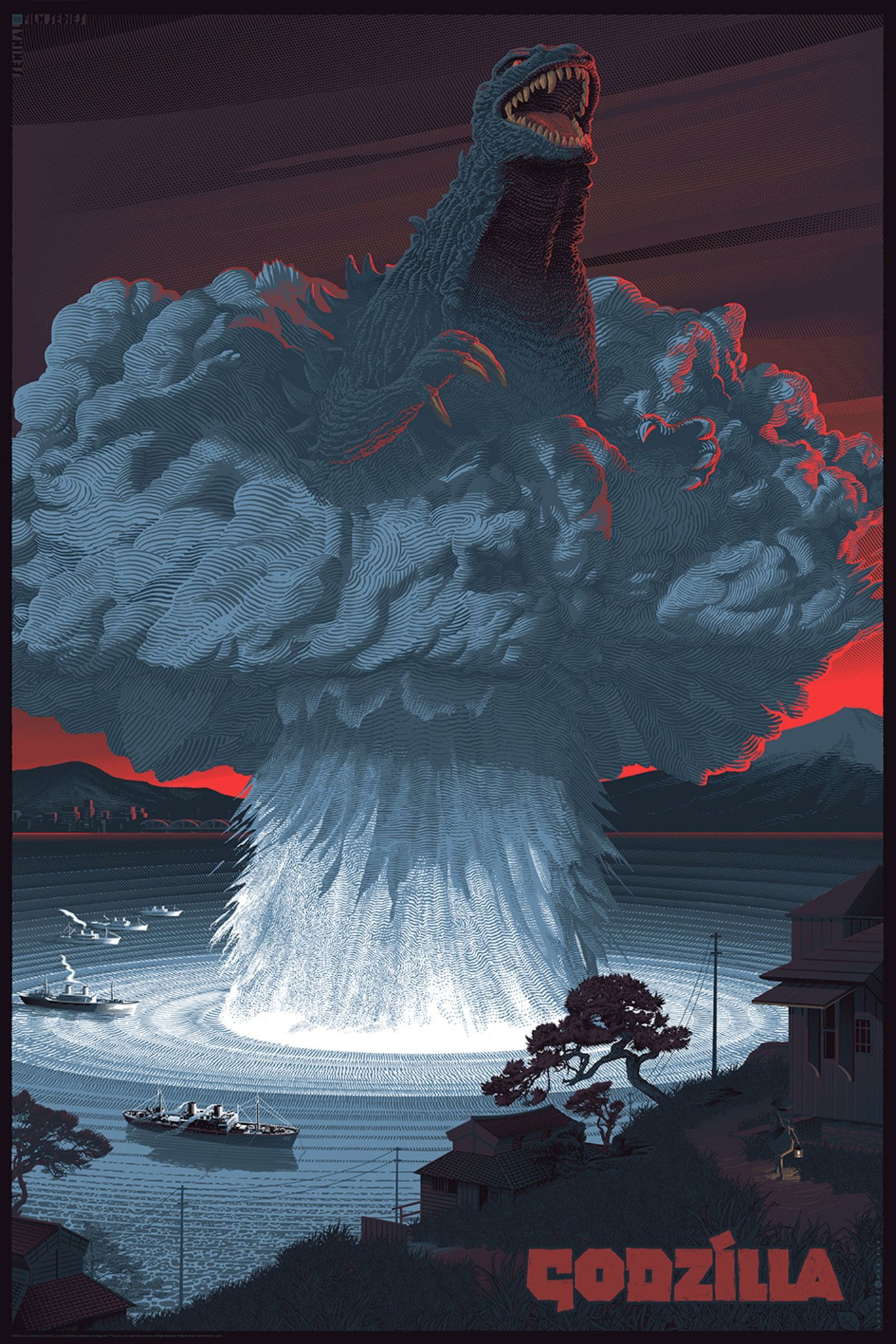
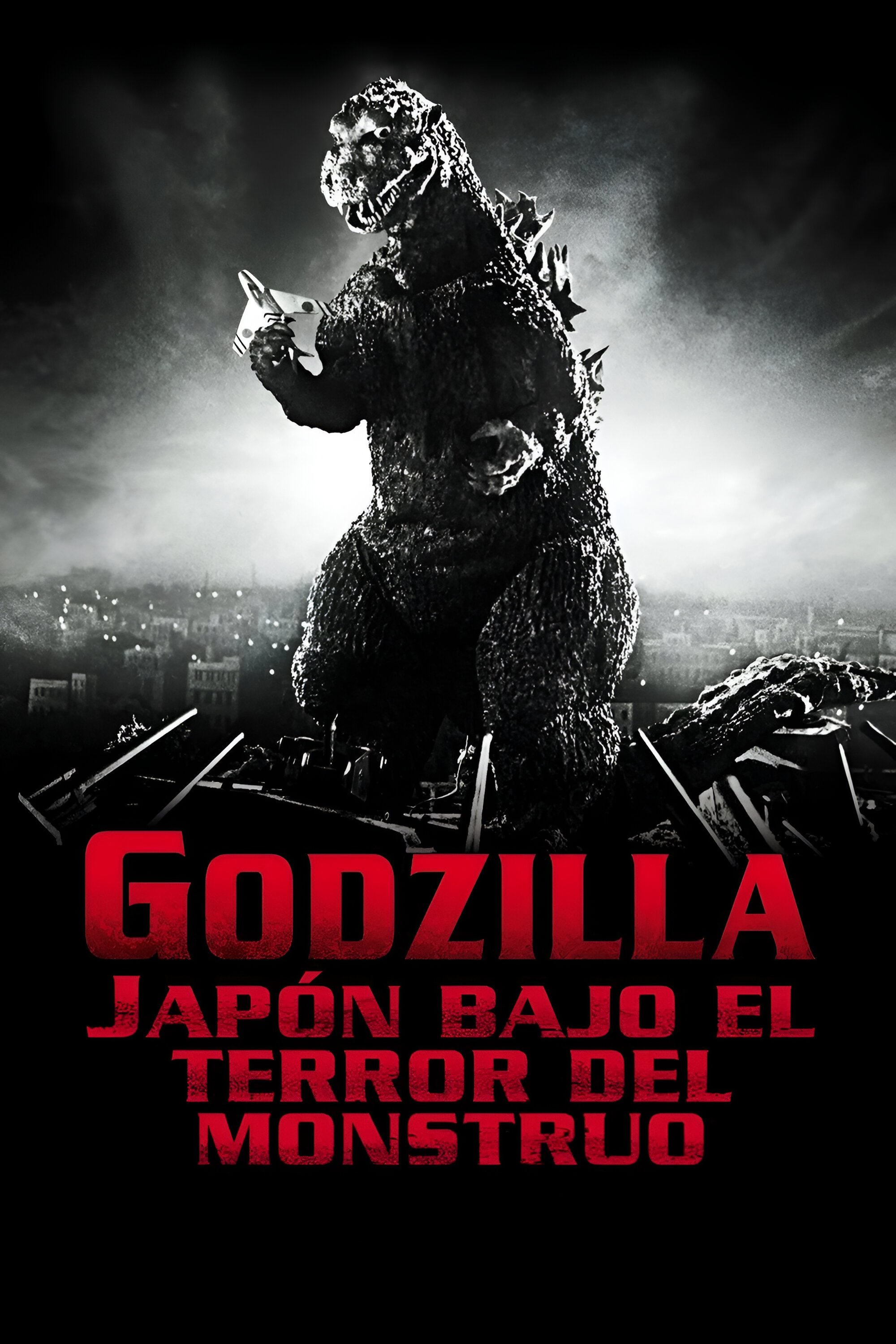
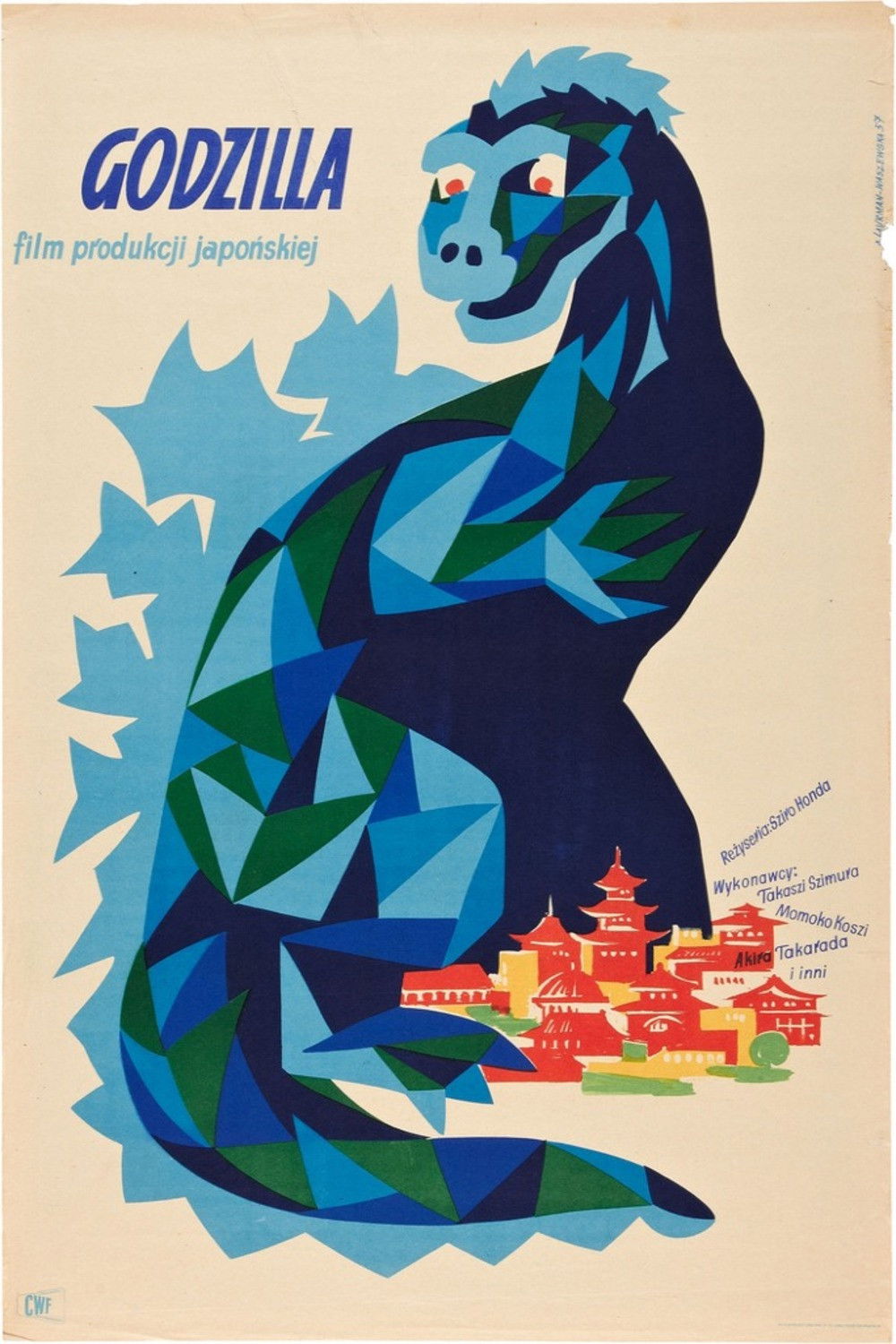
The monster’s design developed under Tsuburaya’s supervision through the work of sculptor Teizō Toshimitsu, art director Akira Watanabe and other technicians. Its reptilian anatomy incorporates a heavily textured body, prominent dorsal plates and an upright posture suitable for performance by an actor. Haruo Nakajima recalled that the original costume weighed approximately one hundred kilograms and was extremely difficult to move inside. The rigid construction restricted his mobility, while the enclosed body generated considerable physical strain. Nakajima studied the movements of large animals, particularly elephants and bears, and developed a distinctive shuffling walk intended to communicate the creature’s size and weight.
The illusion required coordination between performance and photography. Tsuburaya often filmed the miniature action at increased camera speeds so that movement would appear slower when projected at normal speed. Nakajima had to adjust his performance accordingly, making each movement deliberate without appearing entirely mechanical. Katsumi Tezuka also performed in the costume during production. Smaller-scale mechanical constructions and puppets supplied additional views of the creature when particular actions could not be achieved by the full-body suit. The effects department integrated these materials with miniatures, optical composites and occasional animation, producing a creature whose physical appearance remained recognizable across different photographic methods.
Miniatures, Cinematography & Destruction
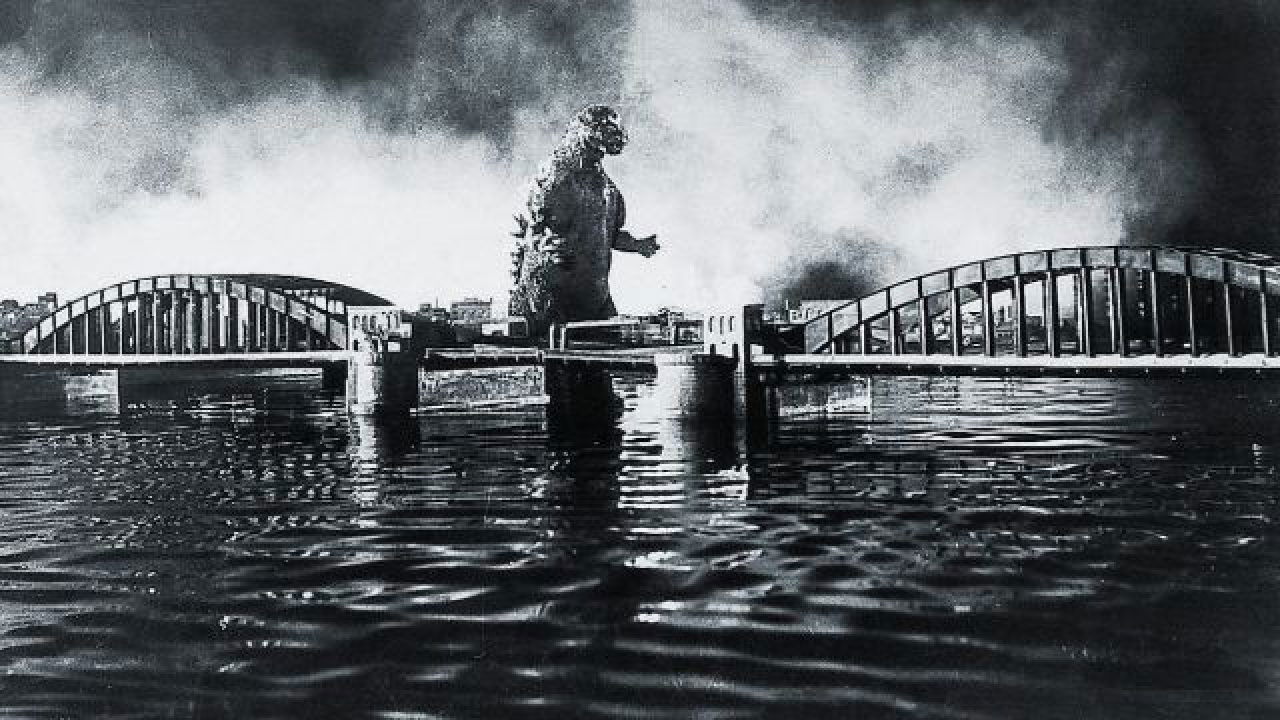
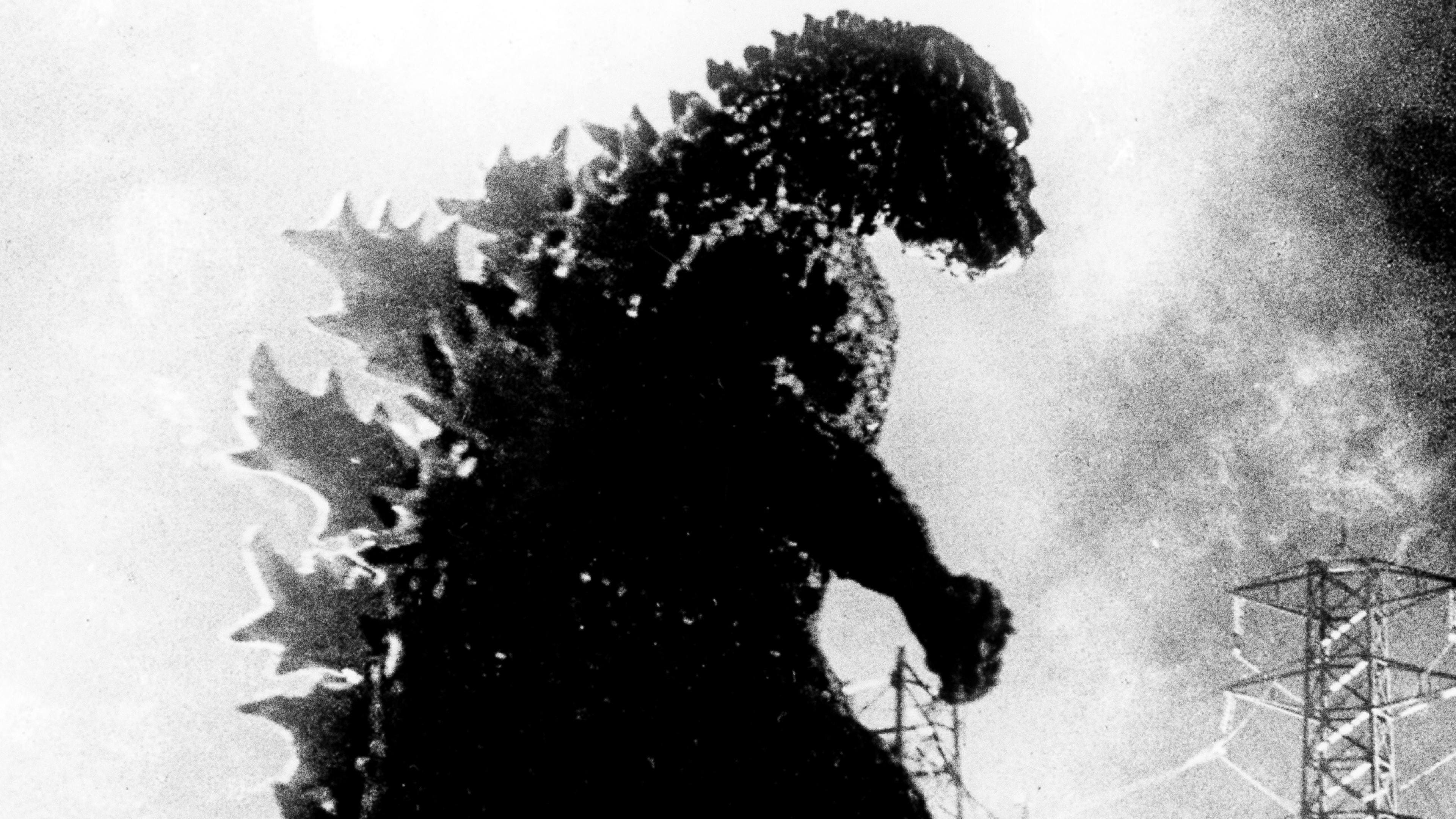
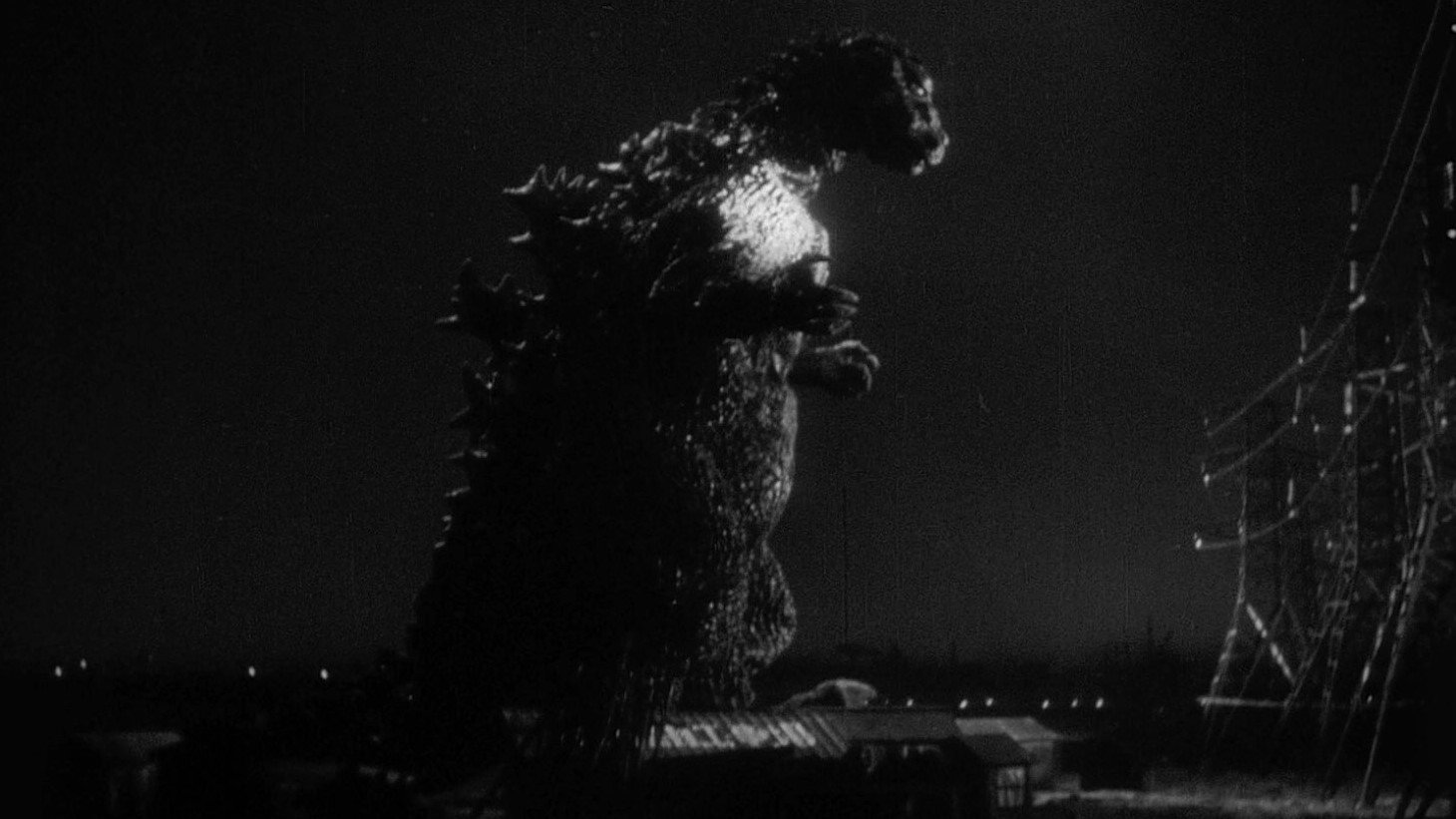
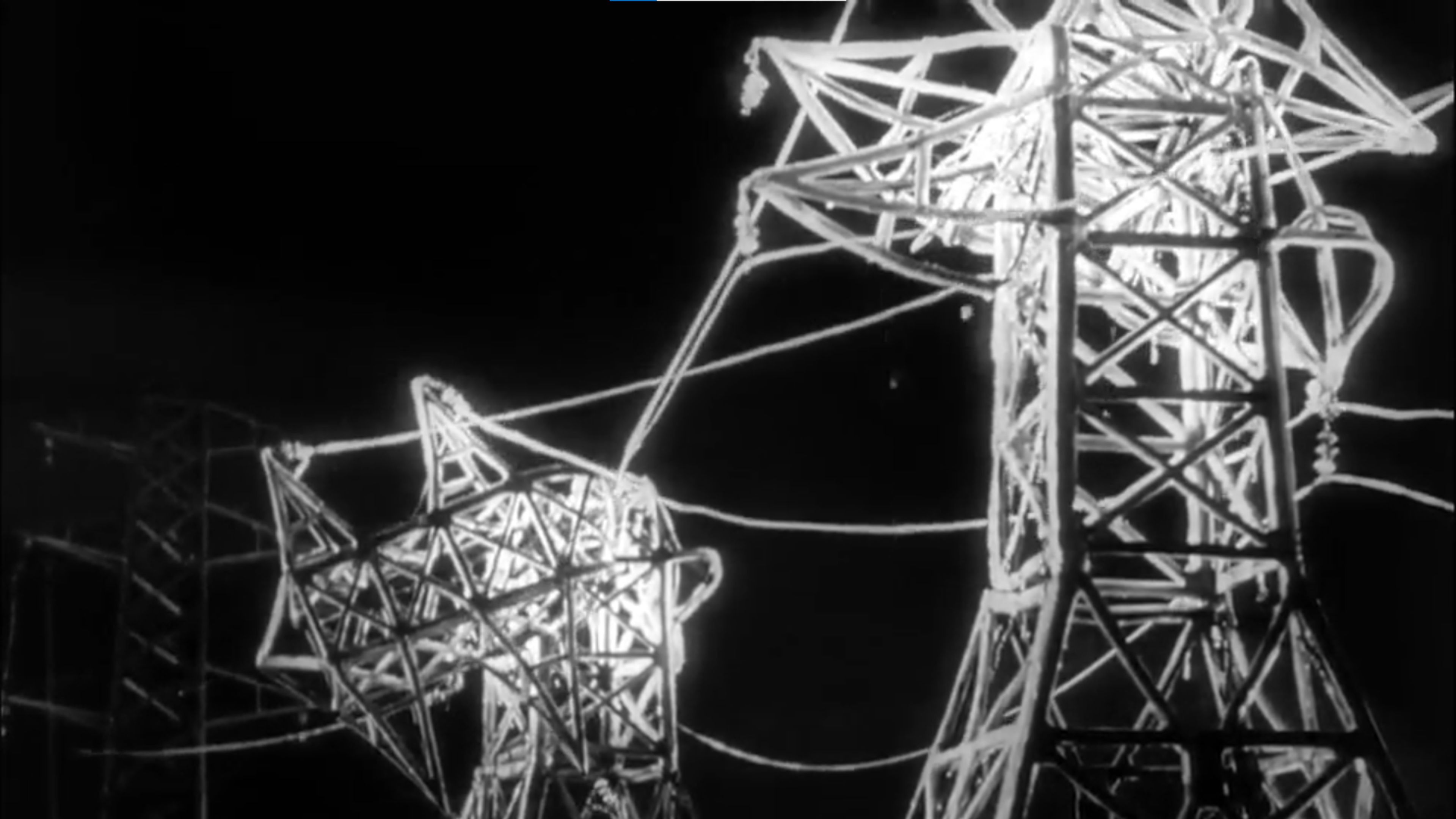
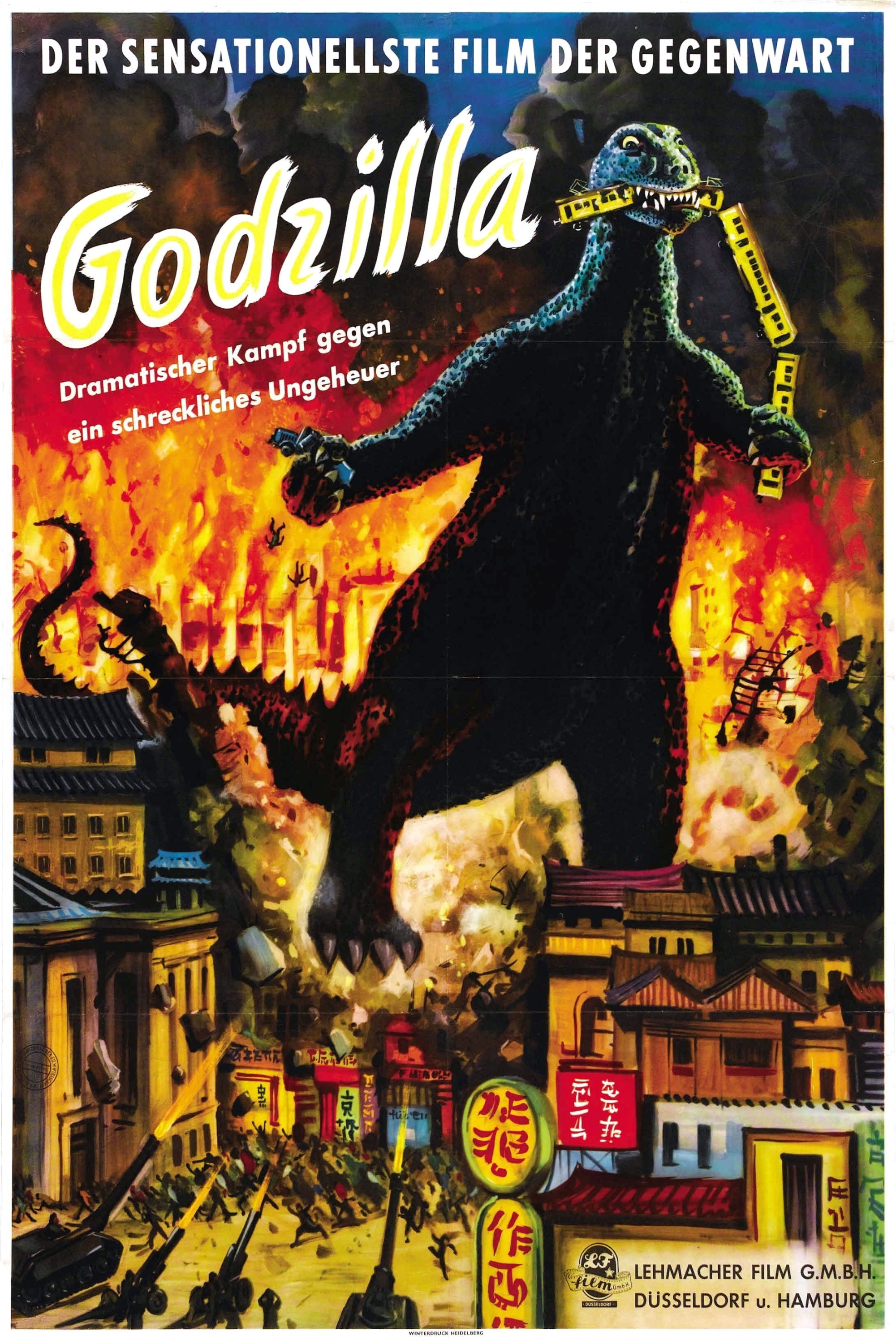
The destruction of Tokyo depended upon detailed miniature construction and carefully staged physical effects. Tsuburaya’s department built reduced-scale representations of buildings, streets, electrical installations and other elements of the city. These structures were designed to be crushed, ignited or displaced during filming, requiring substantial preparation for sequences whose completed screen duration could be brief. The effects were photographed separately from much of the principal dramatic action and subsequently integrated through editing and optical techniques. The resulting spectacle combined the movement of the costumed creature with recognizable urban architecture, creating the impression that Tokyo’s ordinary physical environment had become vulnerable to a force beyond military control.
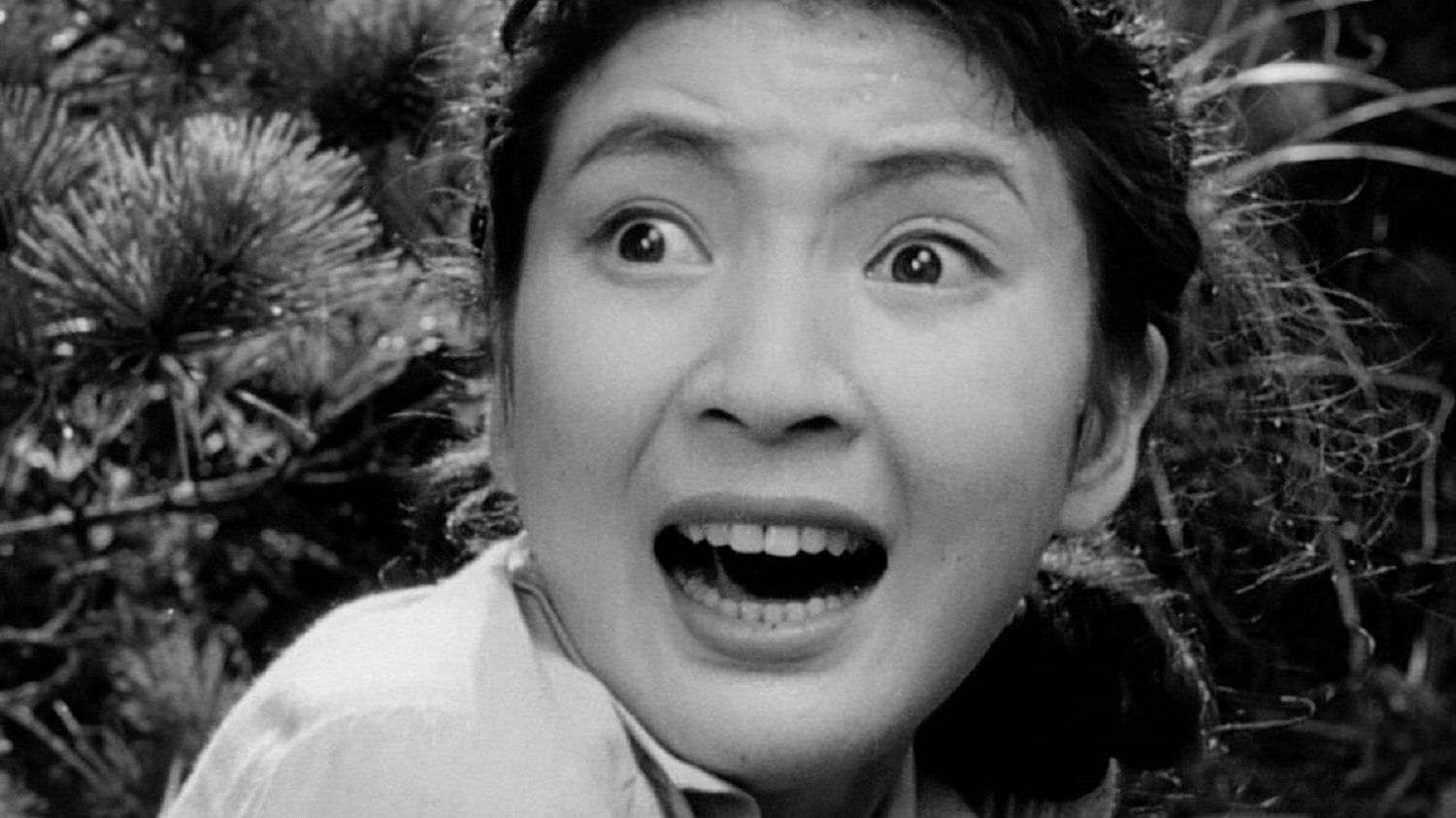
Masao Tamai served as cinematographer for the principal photography, while Takeo Kita and Satoru Chūko contributed to the production design. The black-and-white image gives the destruction sequences a visual relationship to wartime photography and newsreel imagery without turning the film into a documentary reconstruction. Images of fire, smoke, damaged buildings and emergency services are especially important because their historical associations remain recognizable beneath the fantastic premise. Honda also uses the responses of witnesses and survivors to establish the scale of the catastrophe. The miniature action and the human drama consequently support one another through the continuing evidence of destruction.
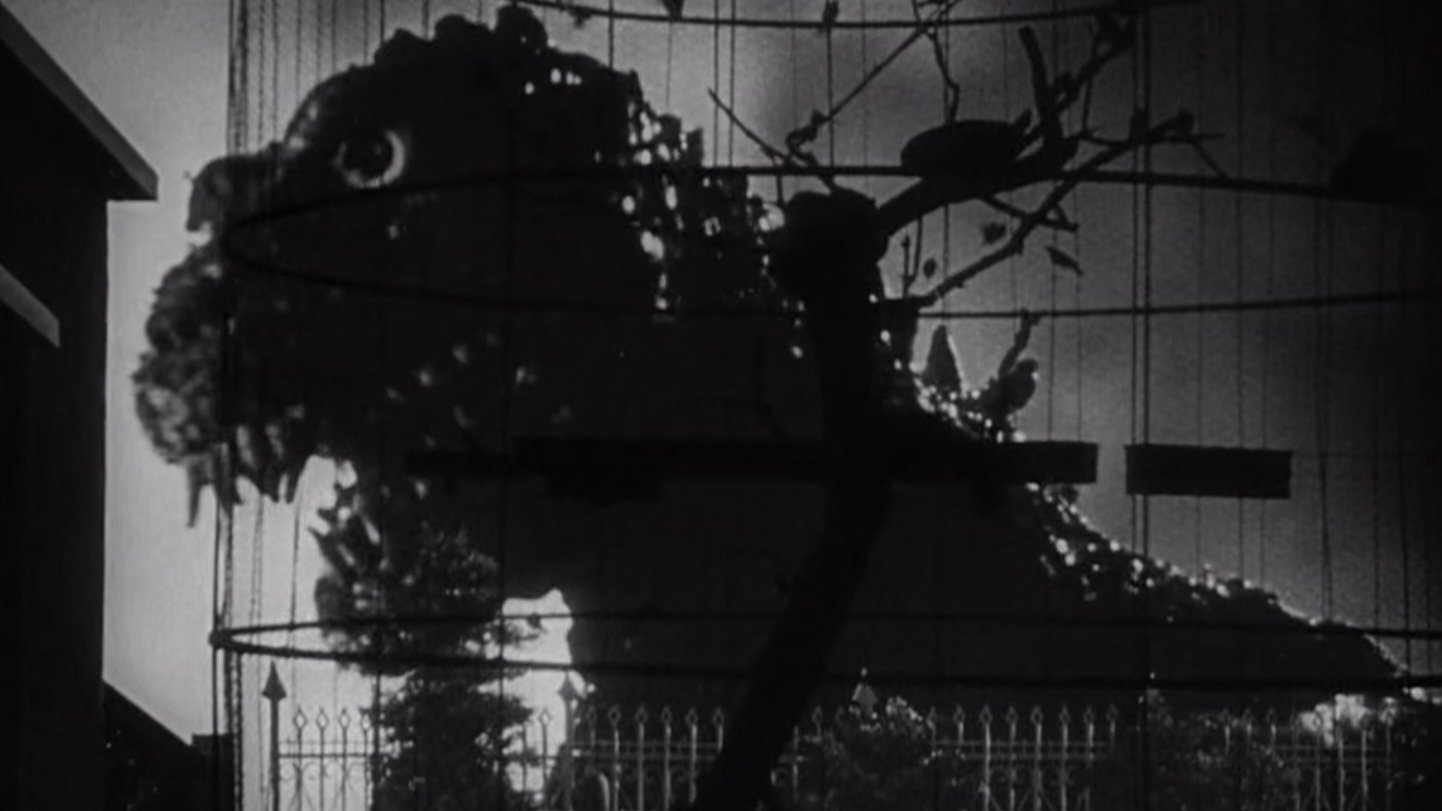
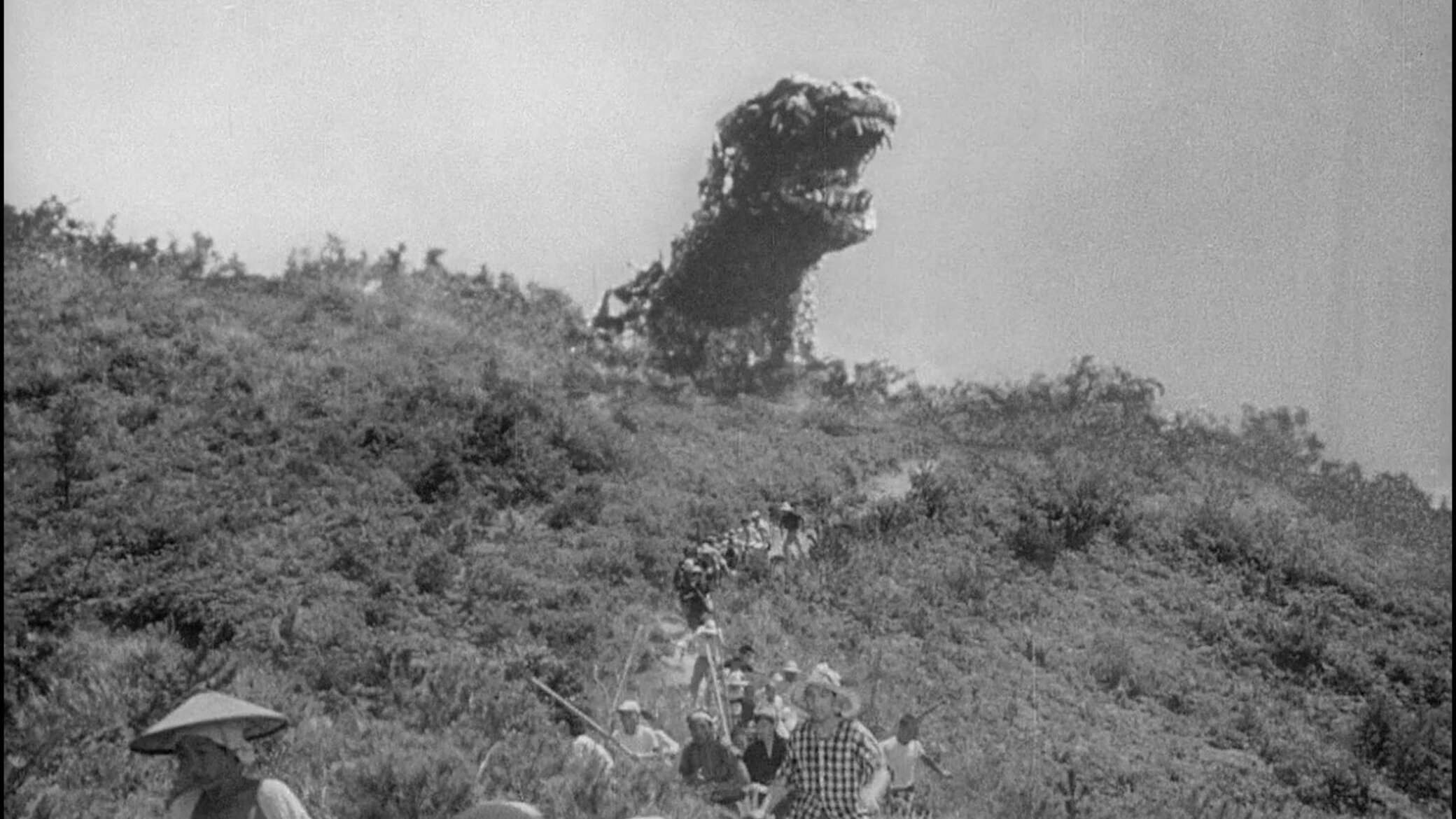
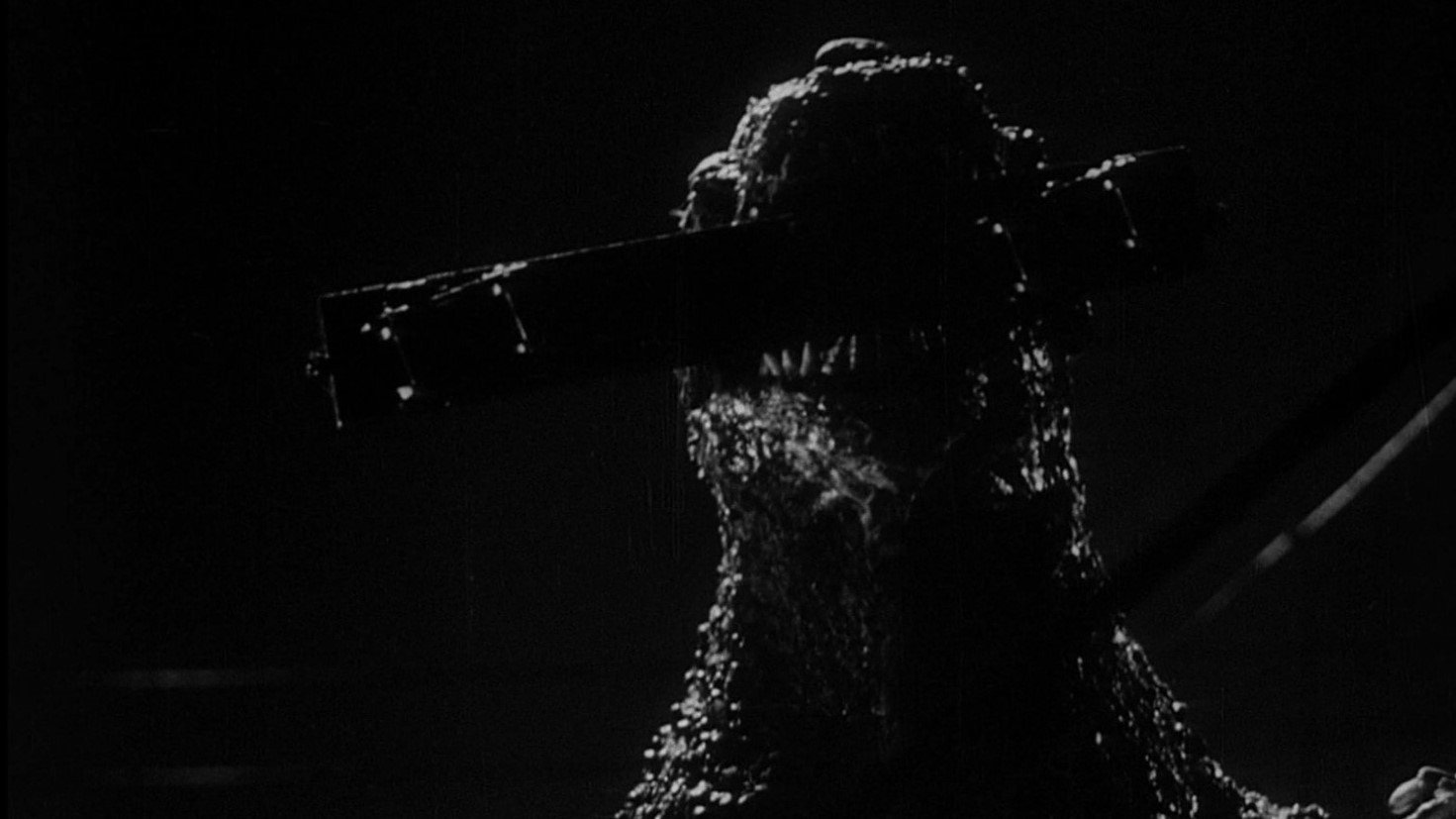
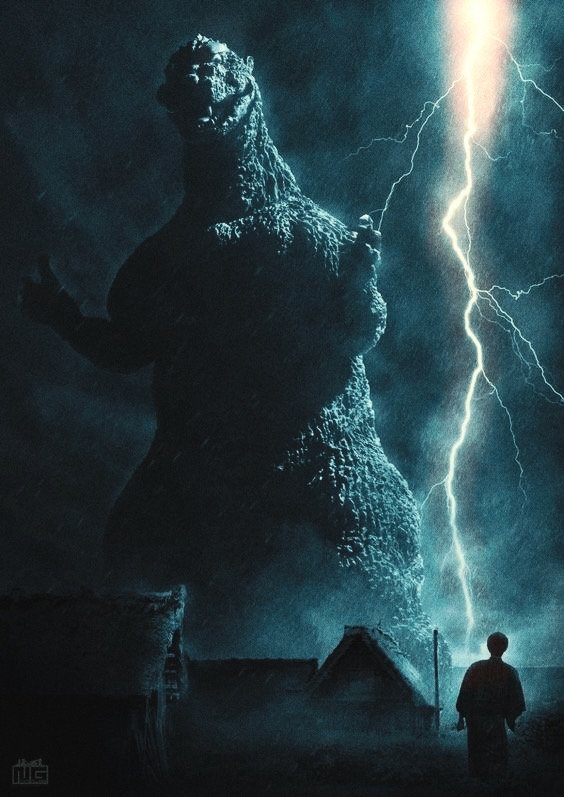
The appearance of Godzilla is initially delayed, allowing the audience to encounter destroyed vessels, strange footprints and frightened witnesses before seeing the creature clearly. Its emergence on Odo Island creates a threatening change of scale, contrasting the figures investigating the area with an animal that towers above the landscape. Later sequences use that disparity within the urban environment, where buildings become temporary obstacles rather than places of security. The movement from uncertainty to visible catastrophe is central to the film’s horror construction. The monster’s physical presence is frightening because its arrival changes familiar locations into environments where ordinary human actions are no longer sufficient for survival.
Akira Ifukube, Music & Sound Design
Akira Ifukube composed the original score, establishing musical material that subsequently became closely associated with Godzilla. His background in orchestral composition contributed to a forceful sound characterized by brass, percussion and recurring rhythmic figures. The music gives the creature an imposing presence while supporting the film’s military preparations, emergency responses and moments of human suffering. Its recognizable motifs later returned in other Godzilla productions, although the score’s original function belongs to the sombre dramatic structure of the 1954 film. The orchestral treatment makes the monster’s arrival feel connected to a national catastrophe rather than merely to a spectacular encounter with an unusual animal.
Ifukube also participated in creating Godzilla’s distinctive roar. In an interview conducted by Wolfgang Breyer and originally published in Soundtrack Magazine in 1994, the composer recalled discussing the sound with Honda before experimenting with a double bass. He loosened the instrument’s strings and drew resin-coated leather gloves across them, recording the resulting vibrations and altering their playback speed. The manipulated sound produced a vocal identity that could not be readily associated with an ordinary animal. Its creation through instrumental performance connected the creature’s sound design to the experimental possibilities of recorded music.
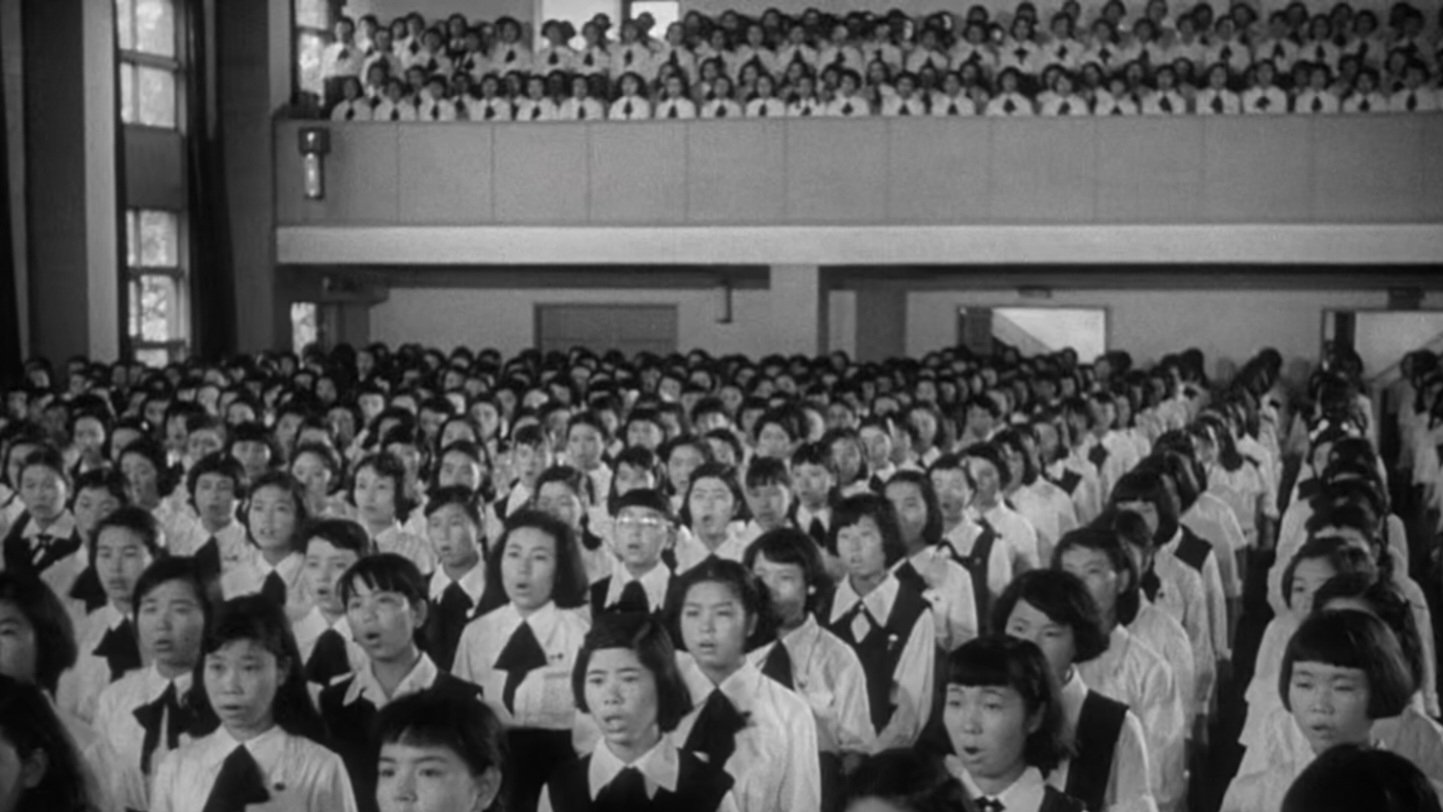
The heavy sound of Godzilla’s footsteps supplies another important acoustic element. The repeated impacts announce the creature’s approach even when it is temporarily absent from the image, allowing sound to establish an approaching threat before its full physical scale becomes visible. Ifukube’s score also incorporates material that differs markedly from the aggressive passages associated with the monster. The prayer of the young women for peace contributes to the film’s treatment of suffering and communal responsibility. The contrast between musical mourning and destructive force reinforces the relationship between the fantastic spectacle and the human consequences of nuclear catastrophe.
Release, American Version & Historical Legacy
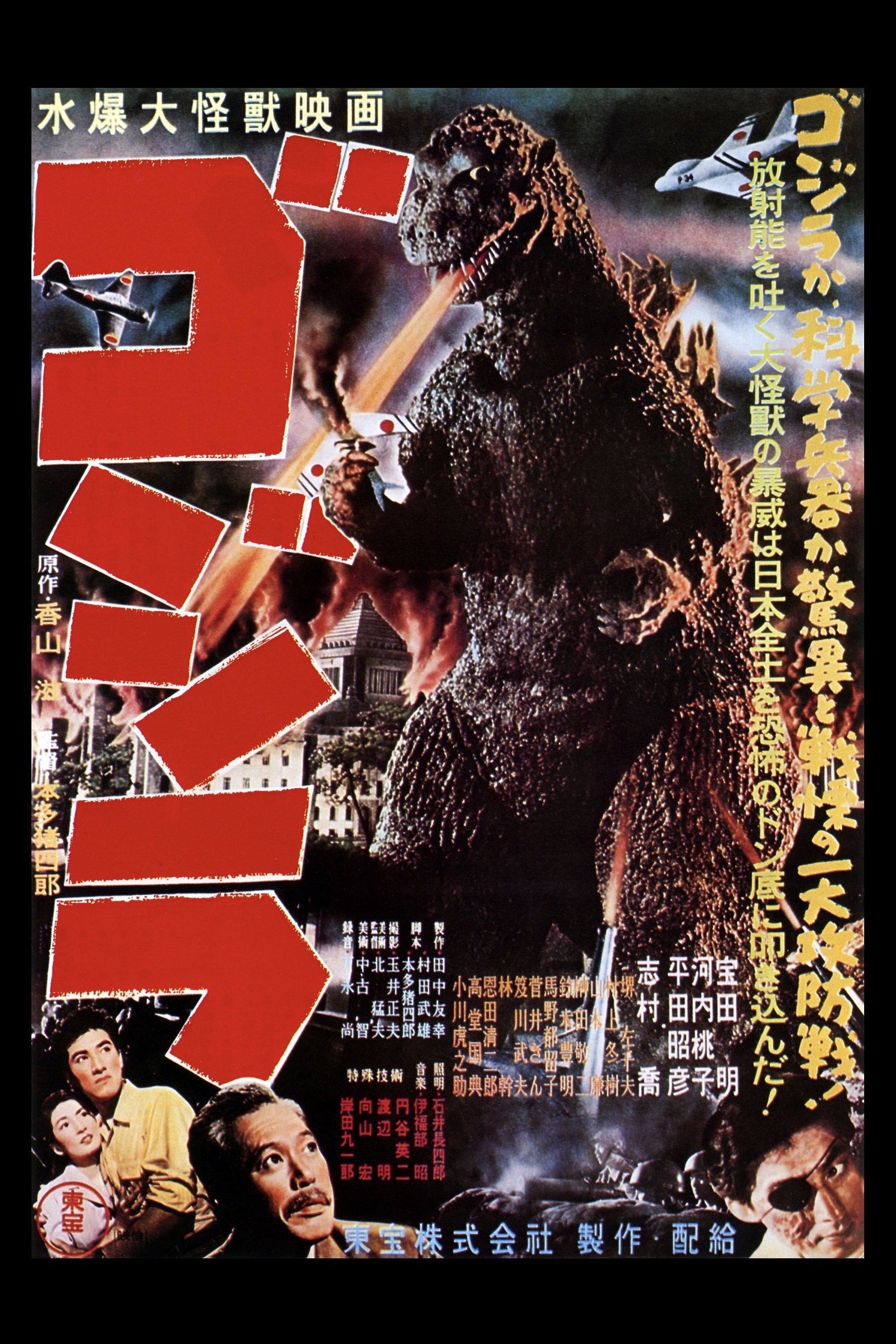
Toho released Godzilla in Japan on 3 November 1954. The production represented a substantial financial commitment for the studio, particularly because of the specialized effects department and the extensive construction of miniature scenery. Production information assembled by Steve Ryfle and Bruce Goldstein for the film’s 2004 American theatrical re-release records an estimated direct production cost of approximately 62.9 million yen, excluding additional distribution and advertising expenditure. The same documentation reports approximately 9.6 million Japanese admissions and theatrical receipts of about 152 million yen during the original release. These figures should be retained in their historical currency rather than converted into modern dollar amounts without establishing the exchange-rate basis.
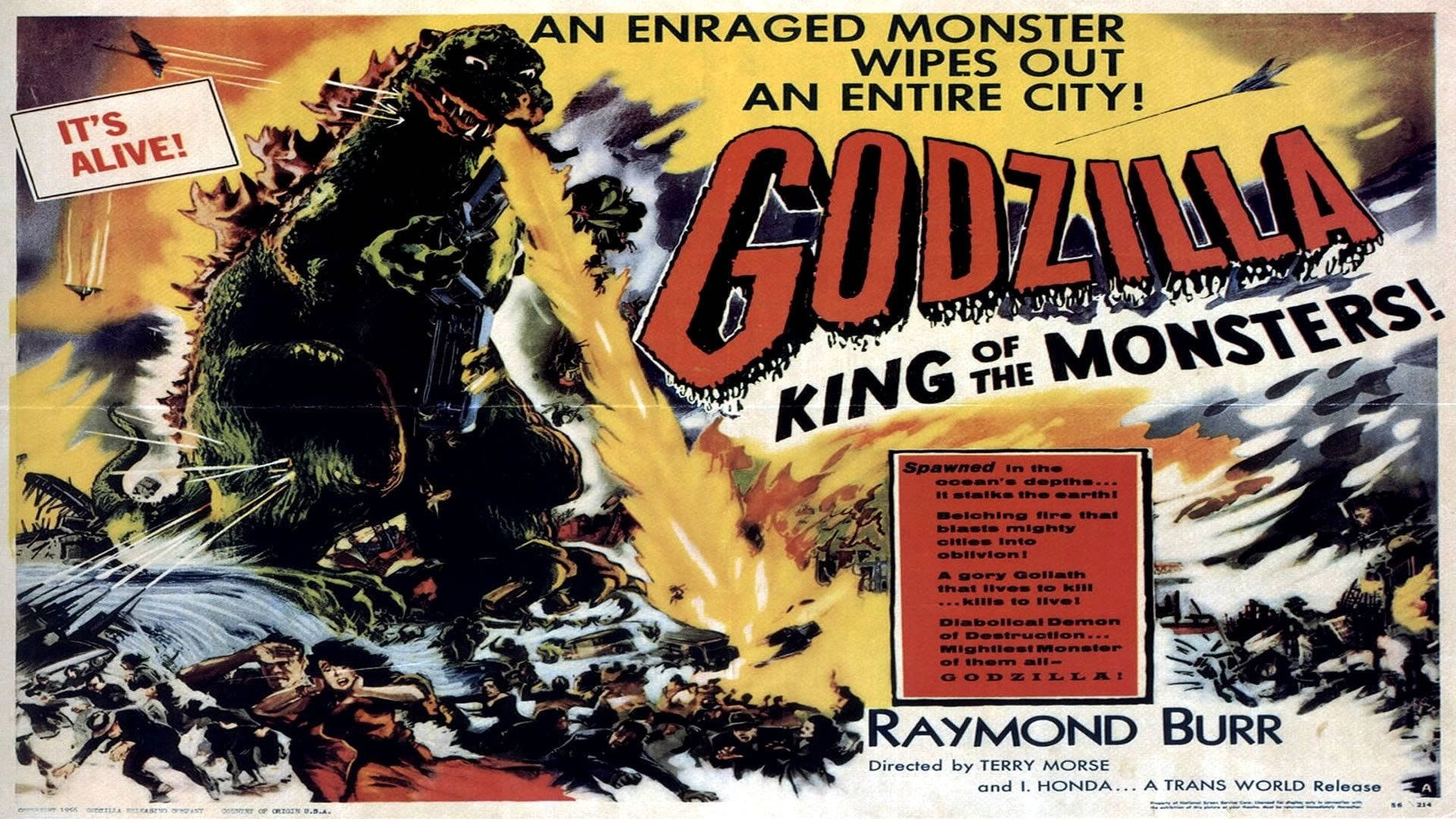
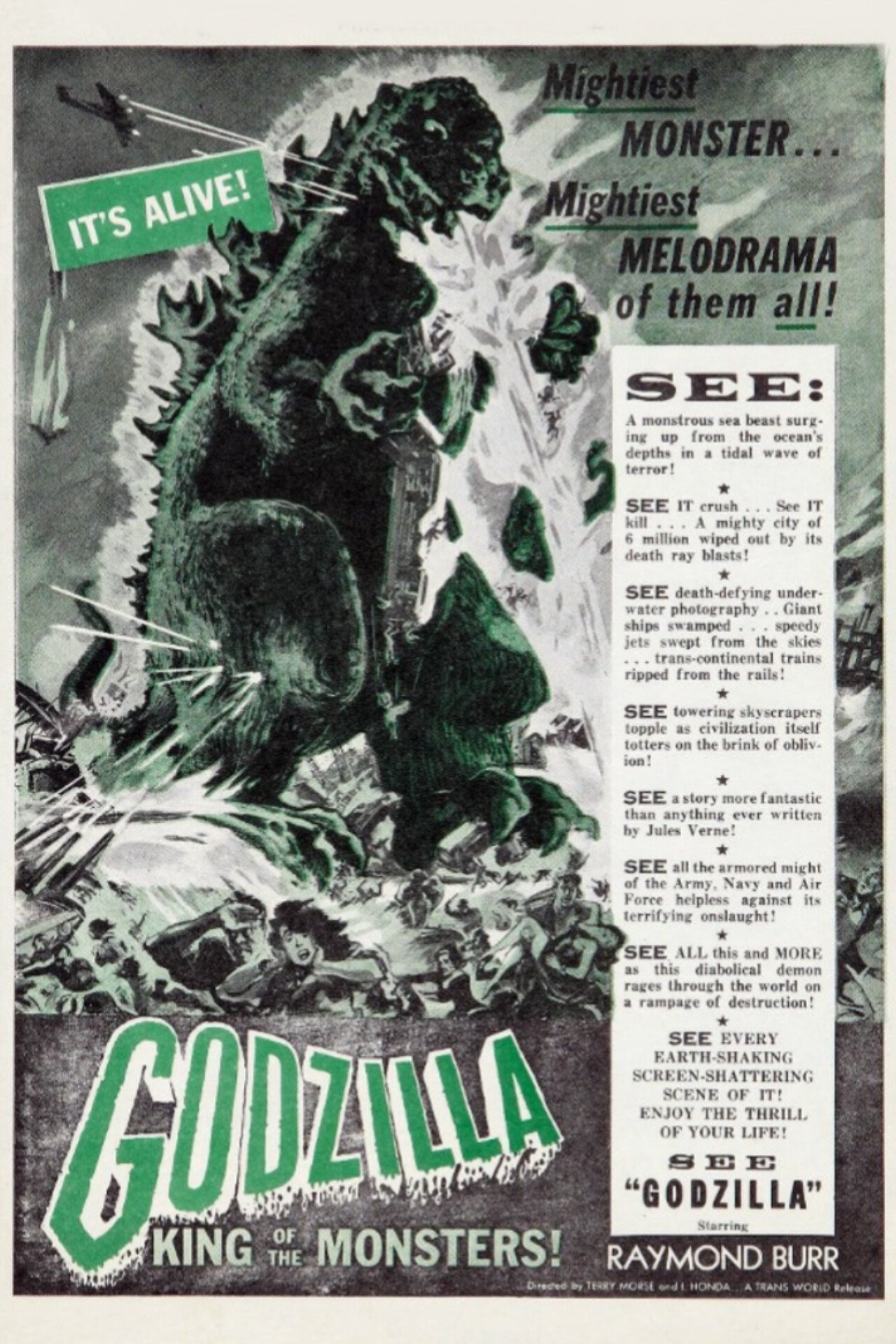
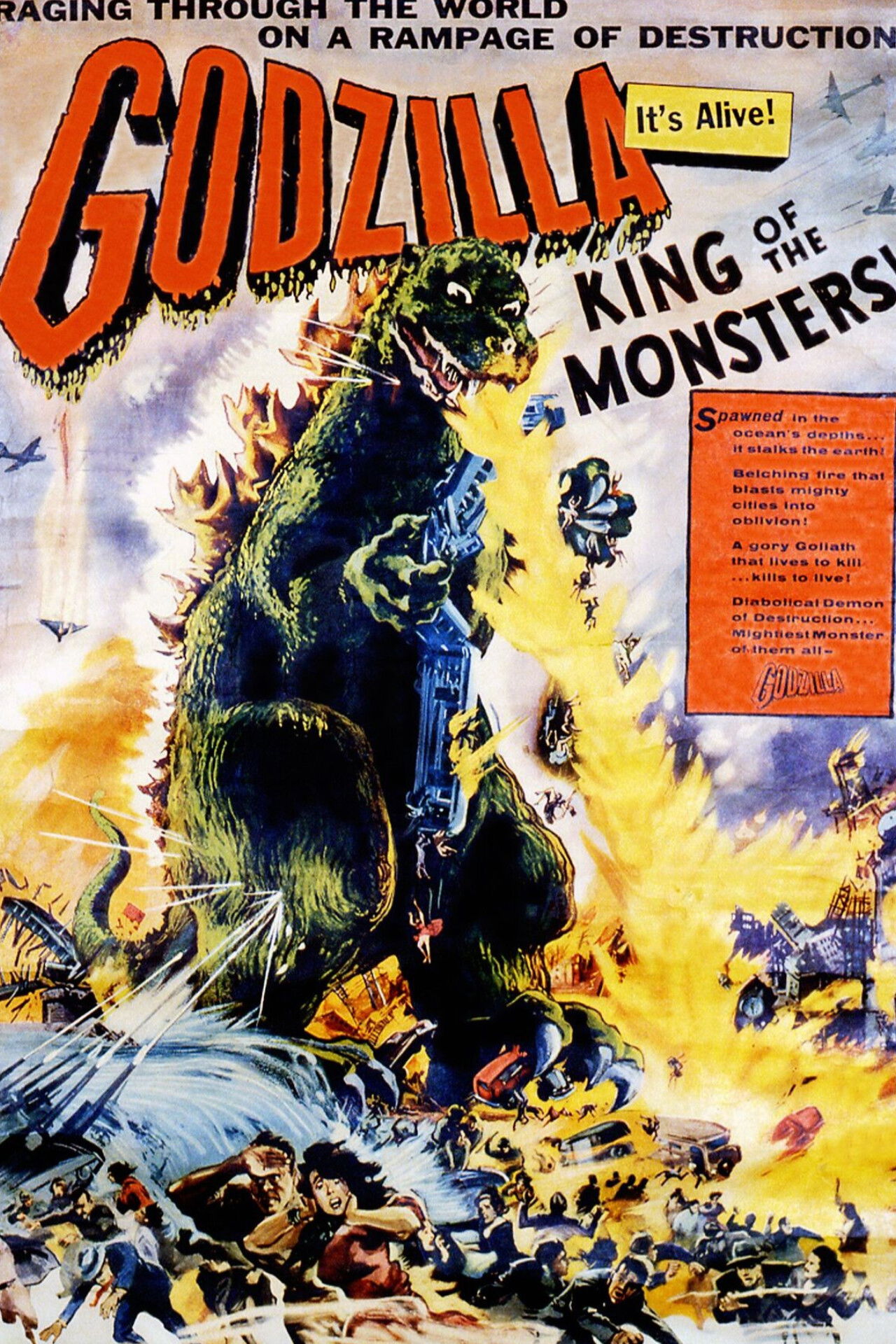
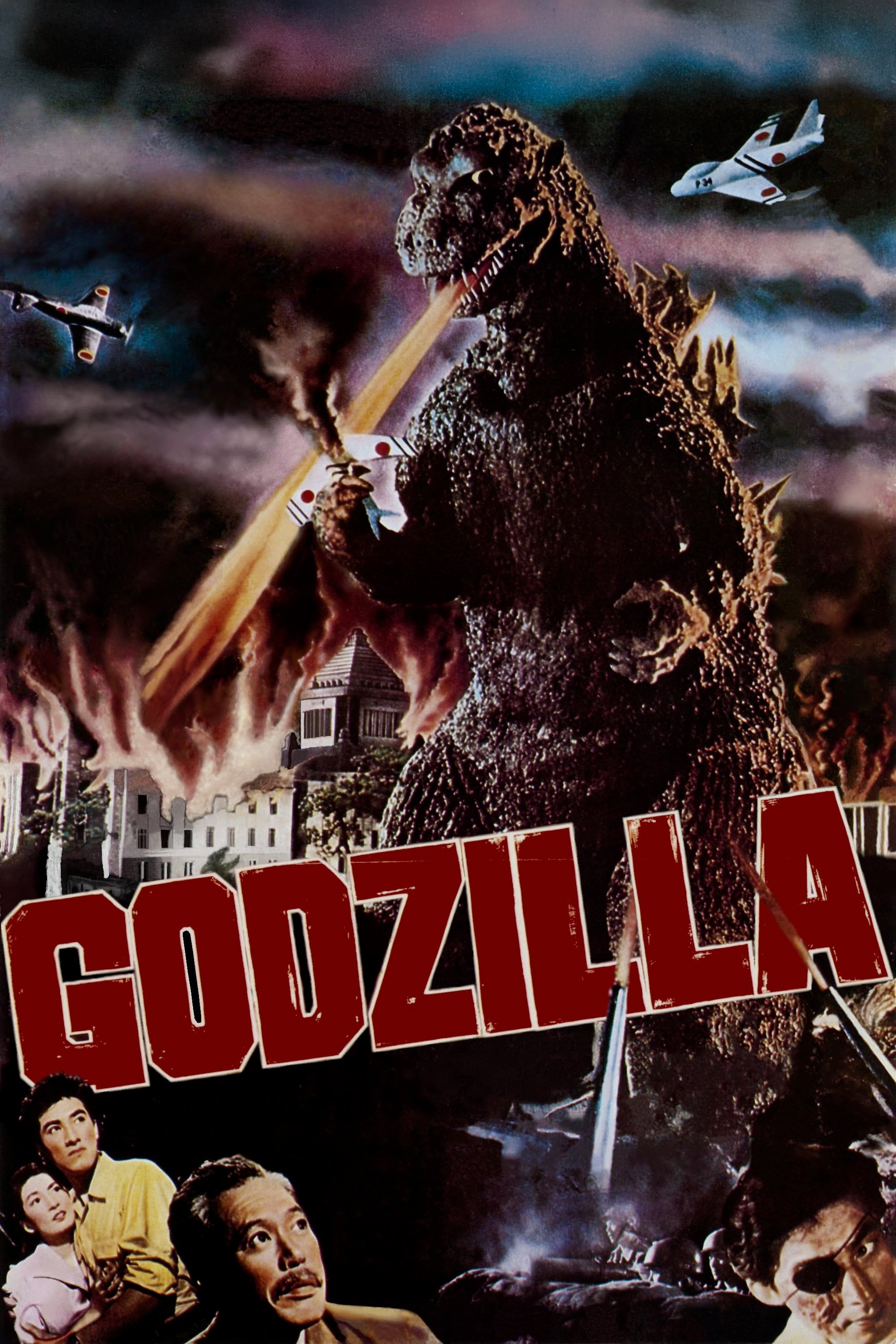
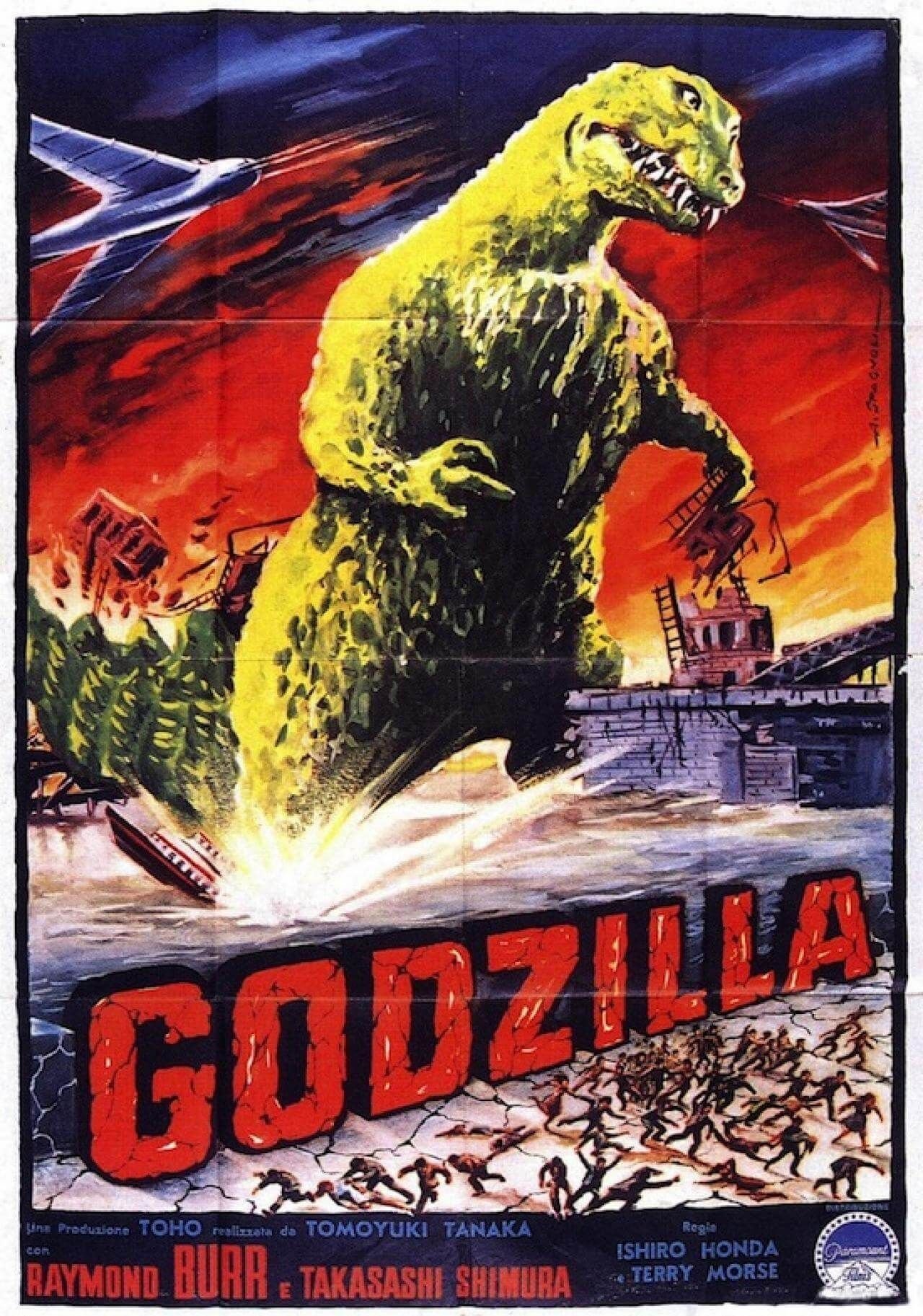
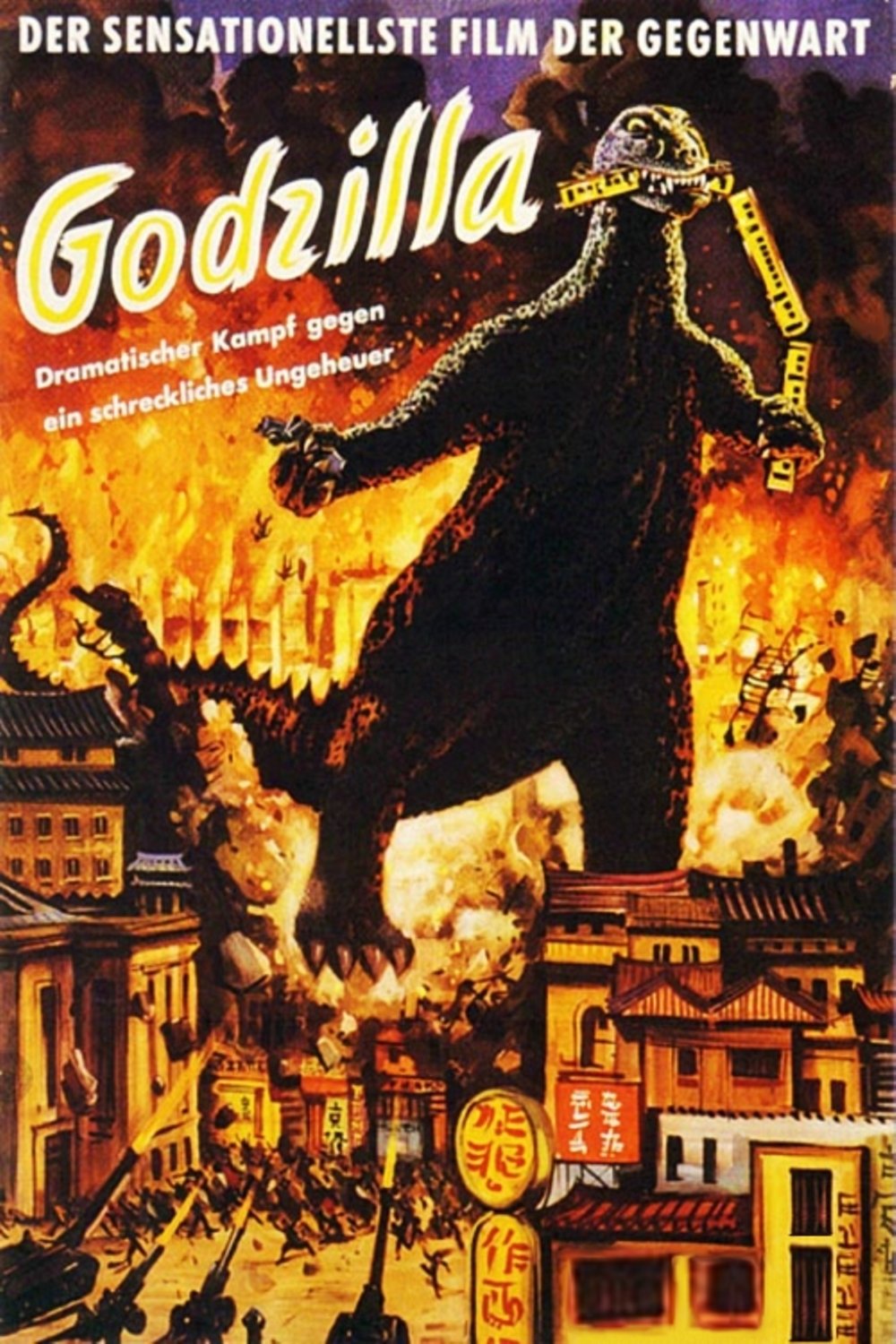
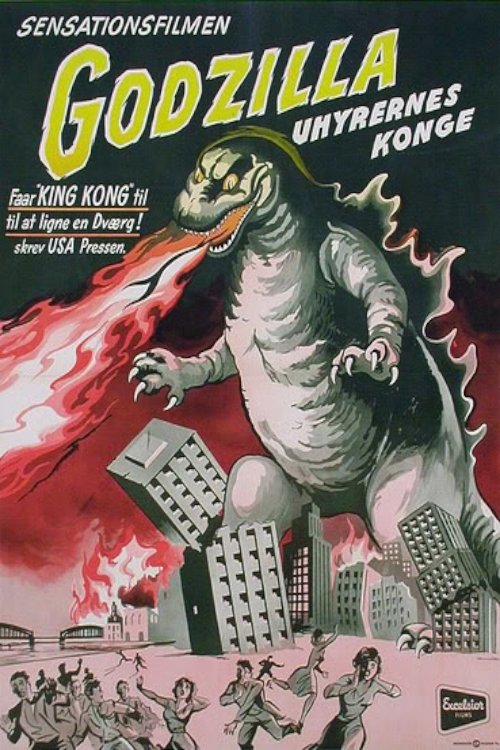
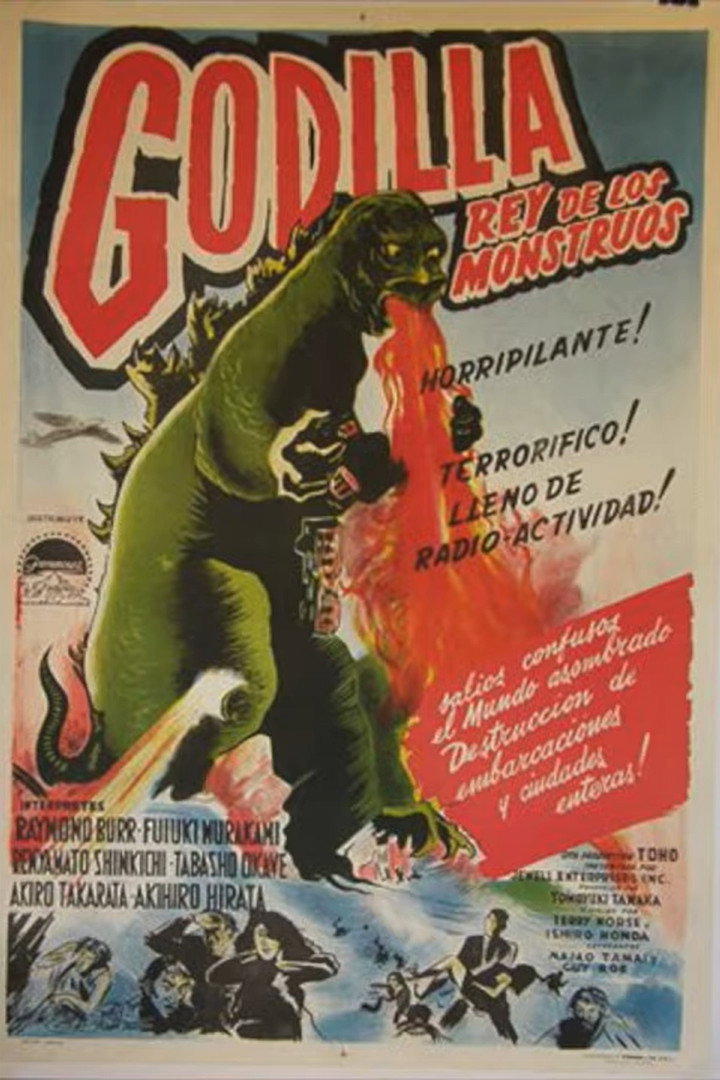
The film’s international circulation changed the way many audiences encountered Honda’s work. American producers acquired the Japanese picture and constructed Godzilla, King of the Monsters! (1956), directed in part by Terry O. Morse. The revised version introduced Raymond Burr as the fictional American journalist Steve Martin, using newly photographed scenes, English-language dialogue and substantial restructuring of the original material. It reduced or altered several elements of the Japanese film’s nuclear discussion and changed the dramatic perspective through which the destruction of Tokyo was presented. Although the American production retained important events from Honda’s narrative, it constituted a separate release version rather than a faithful presentation of the original film.
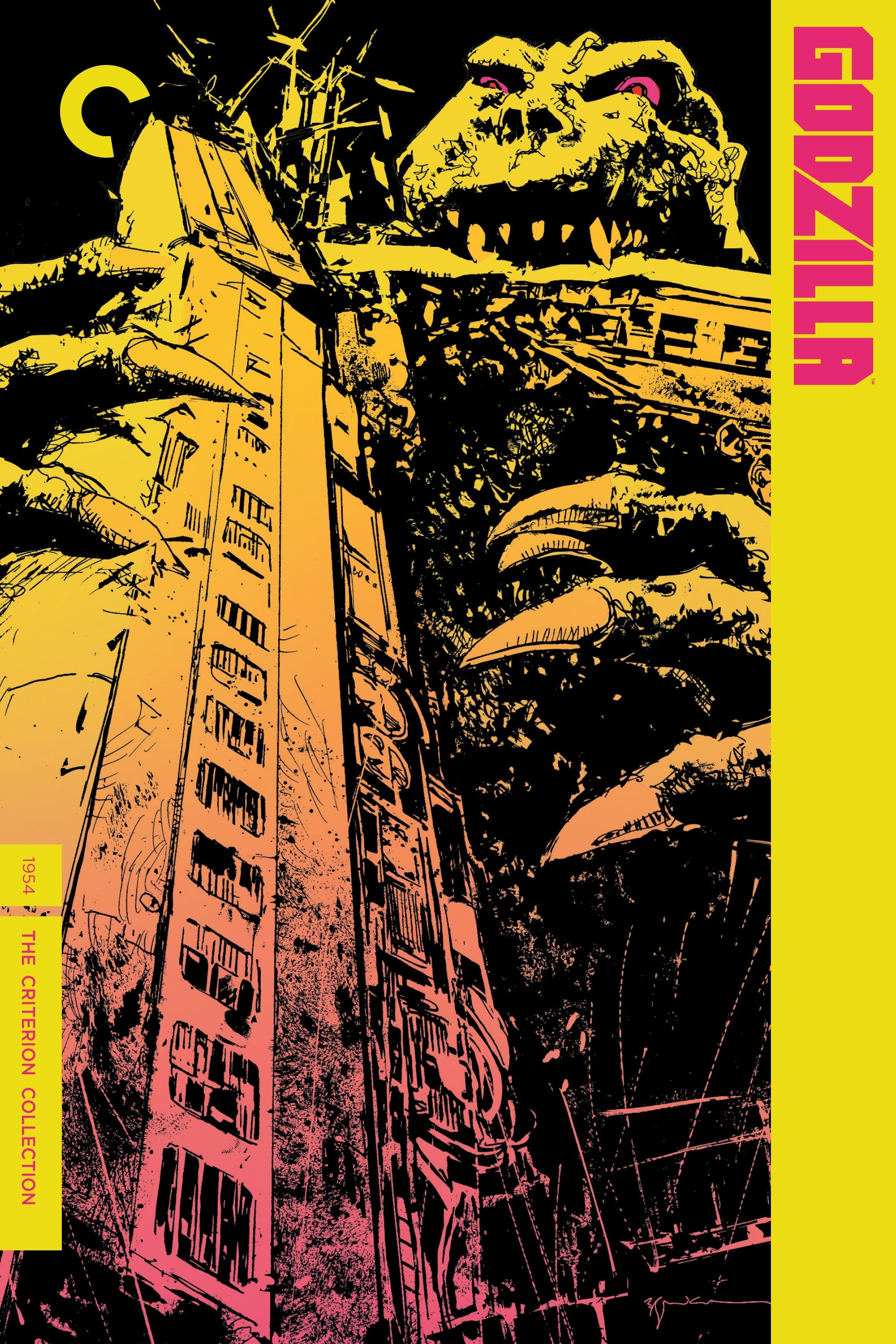
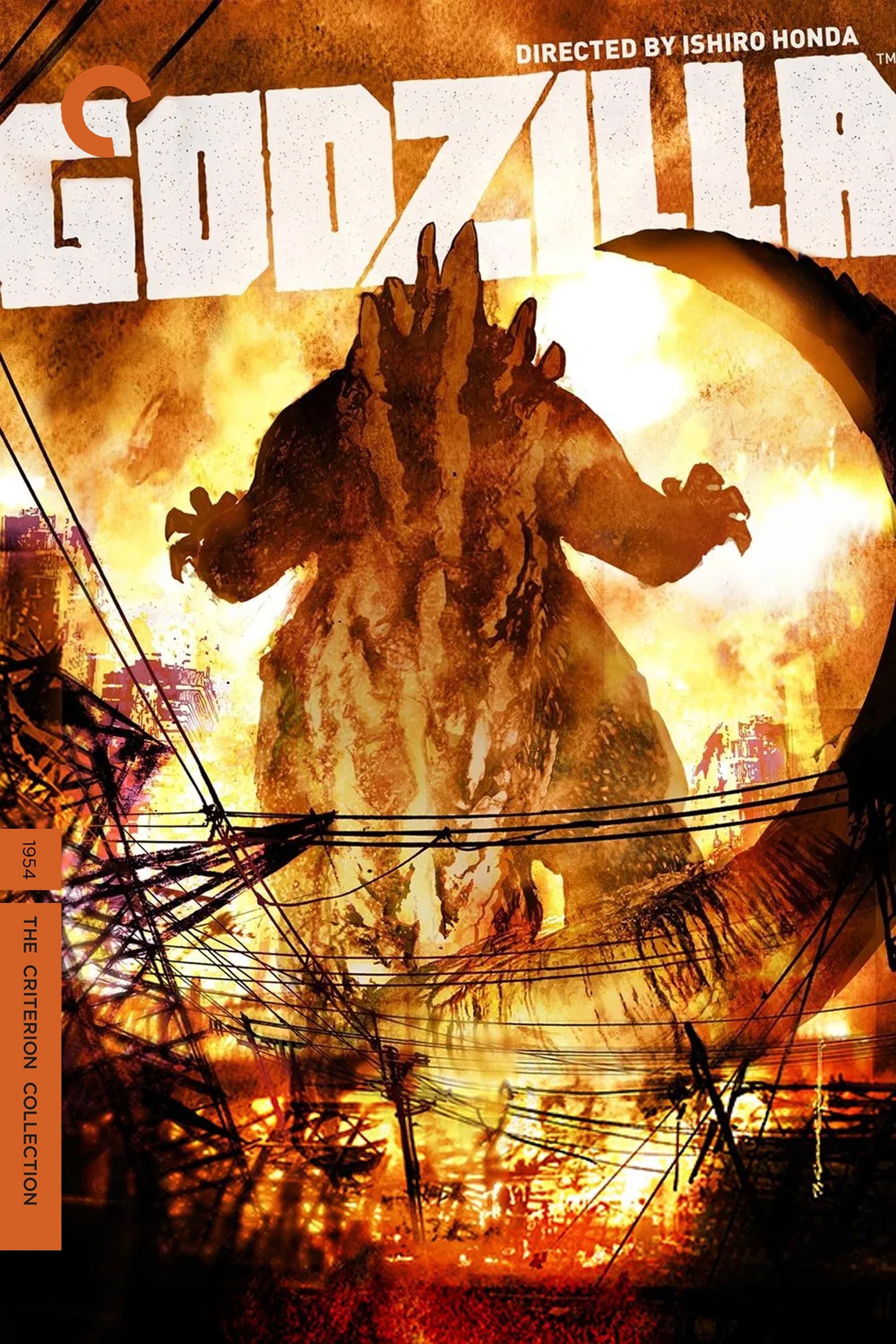
The international visibility achieved through the American version helped establish Godzilla as a recognizable screen monster, while the original Japanese film became more widely accessible to American audiences through a theatrical re-release in 2004. Later home-video editions presented the two versions together, permitting direct comparison of their narrative and political differences. The Criterion Collection issued the film on DVD and Blu-ray in 2012 and subsequently prepared a 4K edition featuring the original Japanese version alongside the American adaptation. The differing histories of the two films remain important when discussing the reception of Godzilla outside Japan.
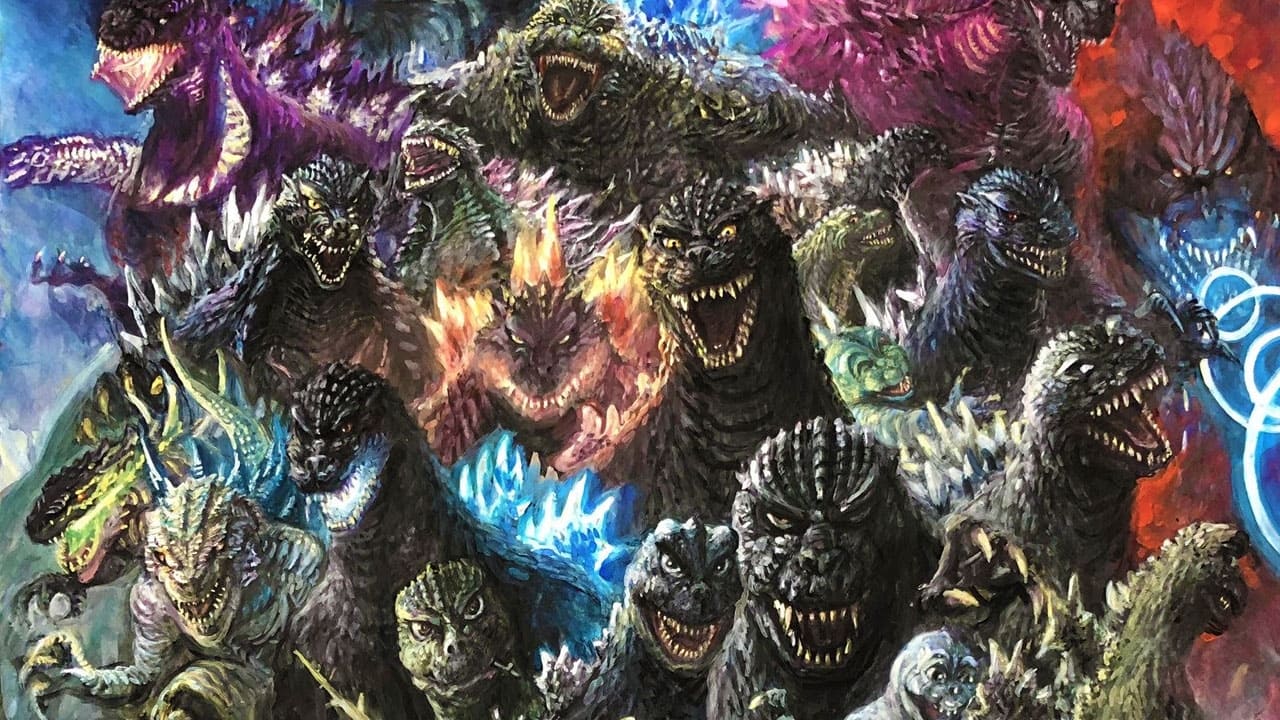
Godzilla Raids Again (1955) continued the character’s screen history, beginning a series in which the monster’s role changed repeatedly. Later productions portrayed Godzilla as an antagonist, a force of nature and, eventually, a defender of humanity. The original film retains a distinct position because its nuclear associations, scenes of civilian suffering and scientific dilemma were central to its dramatic construction. The production also established the technical foundations of the Japanese giant-monster film through Tsuburaya’s effects methods and the interaction between practical miniature photography and costumed performance. Its influence extends beyond the continuity of the Godzilla series to the broader development of tokusatsu and international creature cinema.