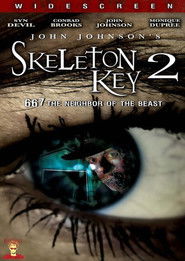
Blood Delirium (1988)

IT
HORROR FILM
SUBGENRES NECROPHILIA
Runtime
90 min
Release
August 8, 1988
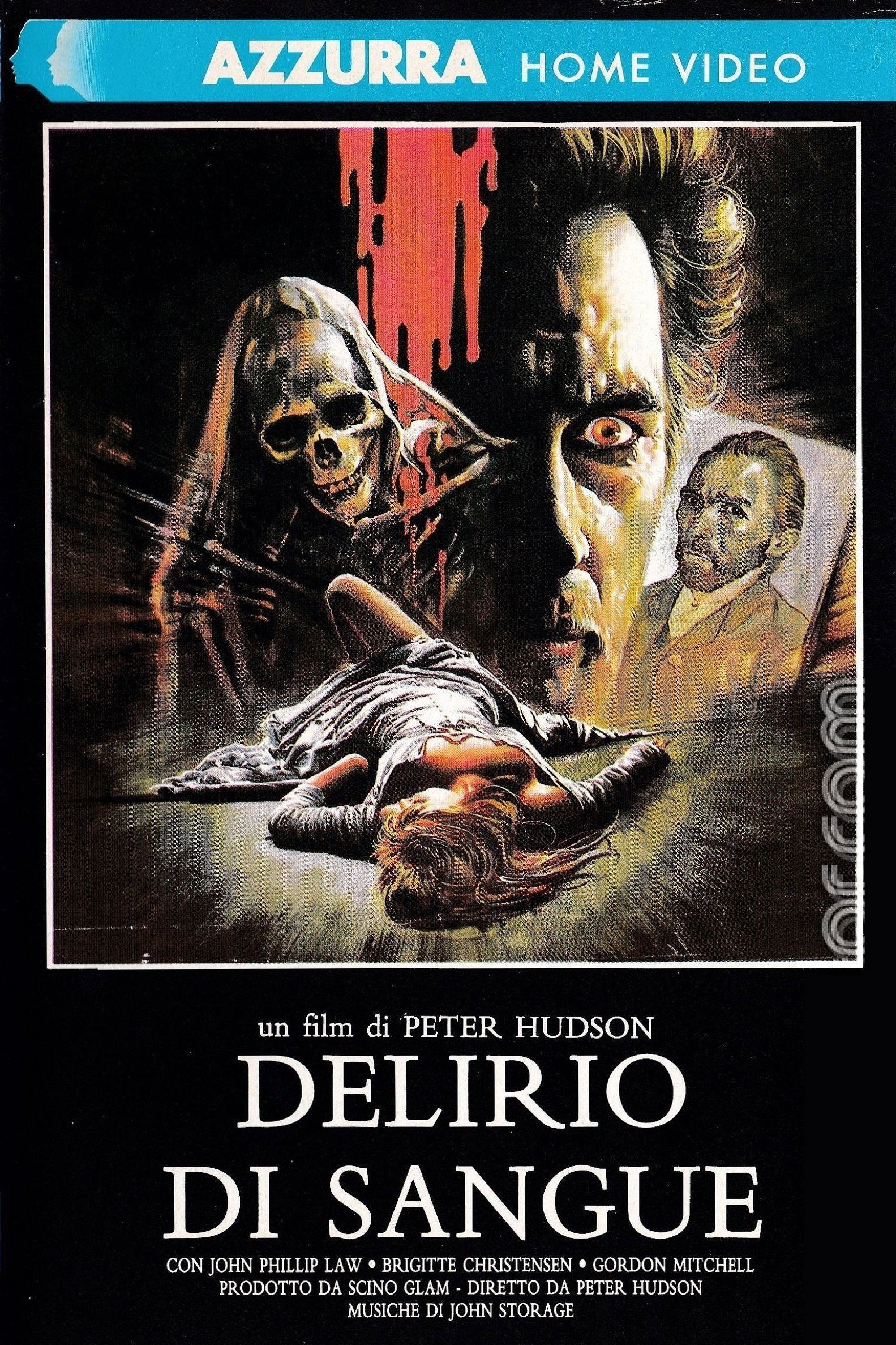
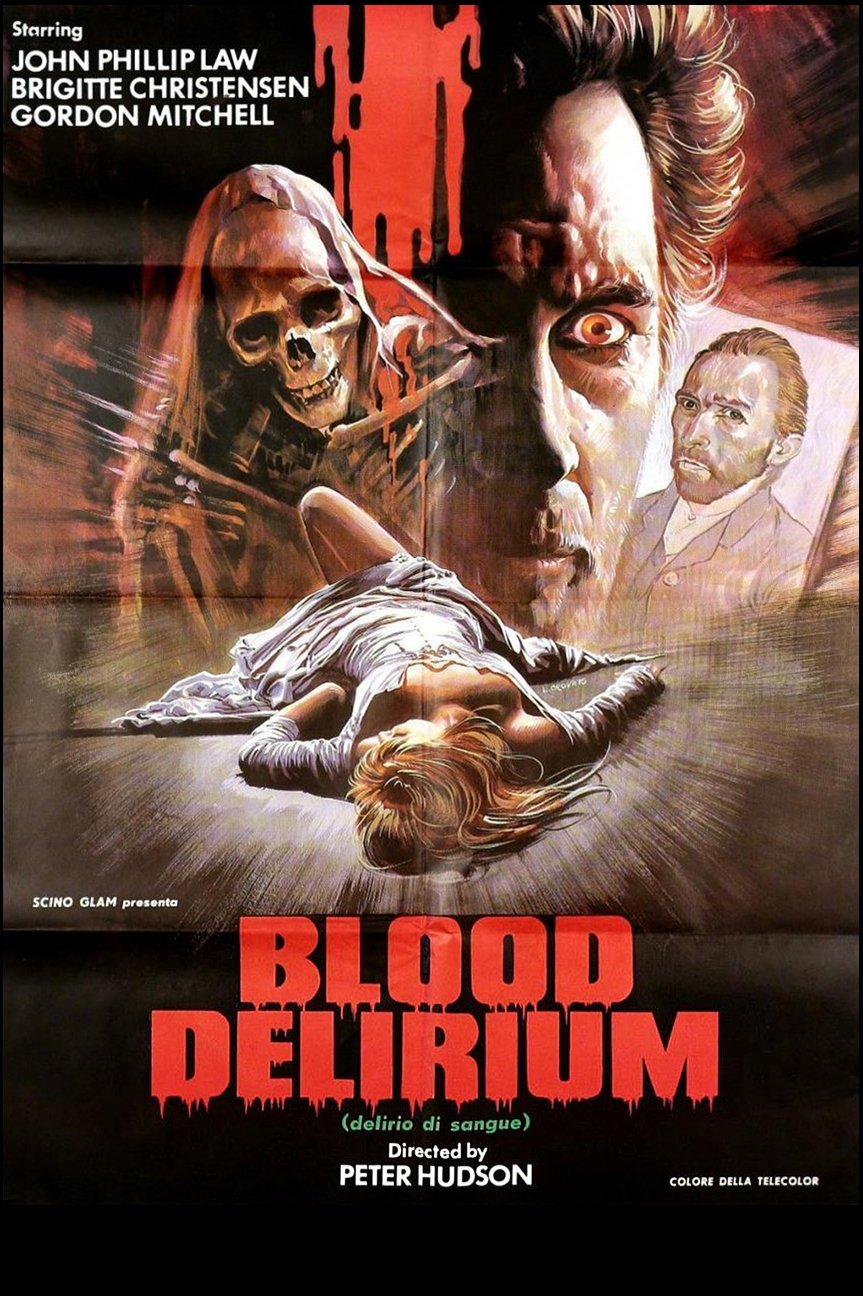
Blood Delirium (1988) poster
Production Company
Cine Decima
Plot

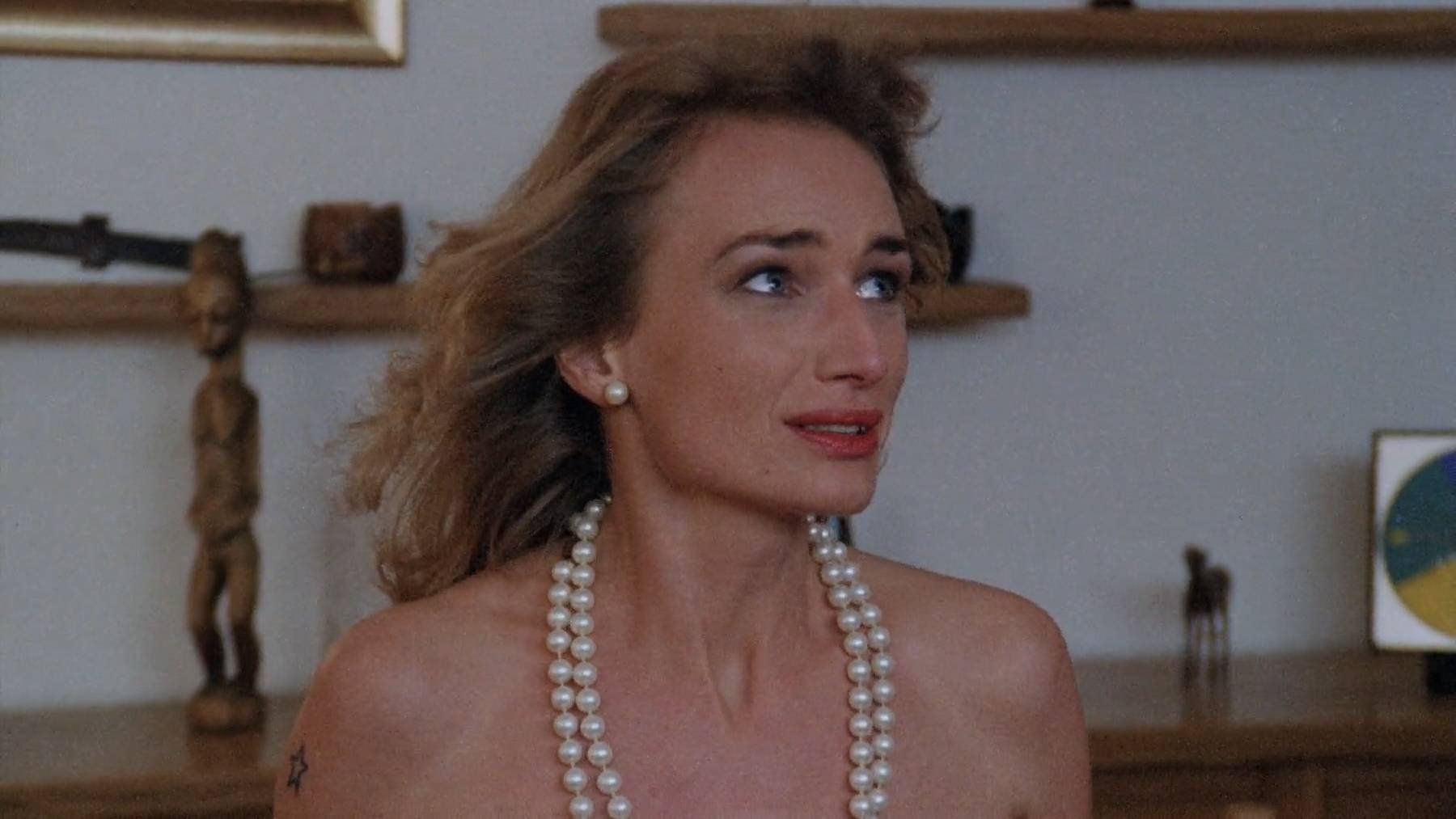
After his beloved wife dies, an unbalanced painter who believes himself to be the reincarnation of Vincent Van Gogh goes over the edge and digs up her corpse--with the help of his necrophiliac butler--to bring it back to his castle and use it for "inspiration". He soon meets a beautiful musician who looks exactly like his late wife and brings her back to his castle. However, she eventually discovers their secret: the butler murders young women, disposes of their bodies and uses their blood--"the color of life"--for the artist's paints.

Alternative Titles
孽欲狂情 (China) — Chinese Delirio de sangre (Spain) — Spanish Ντελίριουμ Αίματος (Greece) — VHS title

Trailers & Videos

1 video

Film Guide & Analysis

Sergio Bergonzelli's late-period Italian horror turns artistic obsession into grotesque body horror, with John Phillip Law as a painter who discovers human blood as the color missing from his work.

Blood Delirium, originally released as Delirio di sangue, is a 1988 Italian horror film written and directed by Sergio Bergonzelli. John Phillip Law plays Saint Simon, a painter devastated by the death of his wife Christine and increasingly consumed by the belief that he is the reincarnation of Vincent van Gogh. Unable to recover his creative impulse, he lives in an isolated castle with Hermann, a servant whose own sexual and necrophilic compulsions make the household even more unstable. When Simon discovers that actual human blood can provide the red he has been unable to reproduce on canvas, artistic frustration becomes an excuse for murder.

The film belongs to the final years of the classical Italian exploitation cycle, when the production conditions that had sustained decades of horror, giallo, erotic cinema and other popular genres were rapidly contracting. Bergonzelli responds not with restraint but with a deliberately excessive mixture of Gothic imagery, sexual perversity, gore and melodrama. The resulting film looks backward toward older European mad-artist and castle horror while embracing the graphic physicality associated with Italian horror of the preceding decade. Its distinctive identity comes from that collision: decaying Gothic romanticism transformed into a story in which blood literally becomes artistic material.

A Late-1980s Italian Horror Production

Blood Delirium was produced in Italy at a moment when the commercial infrastructure supporting domestic genre cinema was becoming increasingly fragile. Bergonzelli had worked across numerous forms of popular filmmaking during a career stretching back to the 1960s, and the film emerged late in that trajectory. Cine Decima is credited as the production company, with Bergonzelli responsible for both screenplay and direction. John Phillip Law, Gordon Mitchell and Brigitte Christensen provided an unusually recognizable international cast for a production whose aesthetic remains firmly rooted in low-budget Italian exploitation.

Surviving testimony from the production has become significantly more accessible through interviews prepared for the film's 2022 Blu-ray restoration. Actor Marco Di Stefano, Christensen and assistant director Corrado Colombo each recorded substantial recollections of the film and its period. Colombo's interview places the production within the declining Italian genre industry of the 1980s and discusses the economical methods required to create effects with limited resources. His account also addresses Bergonzelli's working methods and the production's willingness to draw upon established cinematic ideas rather than disguising its influences. Those testimonies make Blood Delirium unusually well documented compared with many similarly marginal Italian horror productions of the period.

Blood, Art and the Diseased Muse

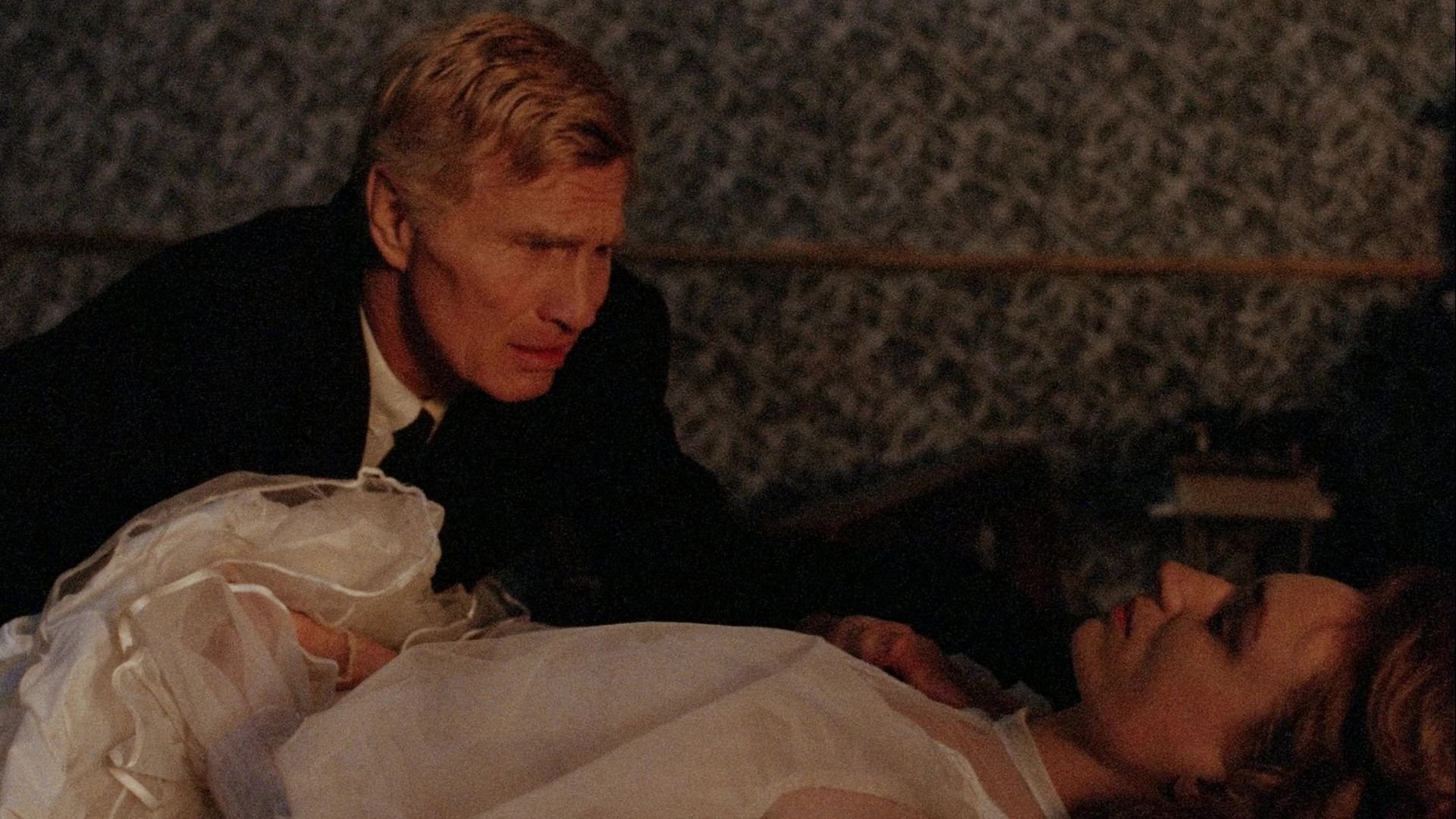
The central horror mechanism is built around Simon's inability to separate artistic creation from possession. His dead wife initially represents the lost muse he believes he must recover, leading him and Hermann to disturb her grave and return her remains to the castle. The arrival of Sybille, a pianist who closely resembles Christine and is also played by Brigitte Christensen, gives that obsession a living substitute. Simon does not respond to her as an independent person so much as another possible instrument through which his artistic identity might be restored.

Human blood eventually supplies the breakthrough that neither the corpse nor Sybille can provide. When Simon encounters blood as pigment, the metaphor becomes brutally literal: suffering can be converted directly into artwork. The idea belongs to a much older horror tradition of artists who sacrifice bodies for creative perfection, but Bergonzelli pushes it into the graphic vocabulary of exploitation cinema. Hermann's violence generates victims, Simon transforms their blood into paint, and aesthetic creation becomes inseparable from sexual and physical violation. The film never needs to establish Simon as a convincing great painter; what matters is his belief that artistic entitlement permits every escalation of his obsession.

Gothic Horror and Exploitation Excess

Blood Delirium combines several strands of horror that normally belong to different periods. Simon's isolated residence, the exhumed wife and the obsessive replacement of a dead woman evoke Gothic melodrama, while Hermann's behavior and the increasingly explicit murders push the film toward the sexualized gore associated with European exploitation. The collision is heightened by the performances. Law plays Simon with deliberate theatrical intensity, while Mitchell gives Hermann a physically imposing presence that makes the servant appear both grotesque and threatening even before the film reveals the full extent of his behavior.

The visual environment reinforces that older Gothic framework. Verified Italian location research identifies the castle at Pereto in Abruzzo as Simon's residence, allowing an actual historical structure to supply the architecture around which much of the madness is staged. Within that setting, paintings, skeletal remains, blood and bodies become recurring pieces of the production design. Assistant director Corrado Colombo later discussed the production's economical approach to special effects and its borrowing from earlier films, including references to Roman Polanski's Repulsion. Blood Delirium accumulates familiar horror imagery until the mixture itself becomes part of its eccentric character.

Versions and the 2K Restoration

The surviving records do not agree on the film's exact running time. Minerva Pictures International, which currently lists Blood Delirium in its catalogue, gives a duration of 100 minutes. Vinegar Syndrome's 2022 Blu-ray edition runs approximately 94 minutes and is advertised as the complete uncensored version. Other modern databases also commonly list a running time around 94 or 95 minutes. Without reliable documentation explaining the difference between the catalogue timings, it is not possible to establish from duration alone whether they represent genuinely different edits, differing transfer speeds or simply inconsistent archival records.

Vinegar Syndrome's edition nevertheless represents an important step in the film's preservation. The distributor created a new 2K restoration from the original 35 mm camera negative and included both Italian and English mono soundtracks in the film's 1.66:1 aspect ratio. The release also preserved alternate Italian opening and closing titles and assembled new production testimony through Gerard's Delirium with Marco Di Stefano, Killer's Muse with Brigitte Christensen and Once Upon a Time in the Italian Eighties with Corrado Colombo. Those materials have helped move Blood Delirium from the margins of late-period Italian horror toward a more clearly documented position within the history of the country's declining but still highly idiosyncratic genre industry.

Cast

View Full Cast & Crew →

Release & Distribution

Production Companies (1)

  • Cine Decima

Release History (1)

Release DateTerritoryRelease TypeFormatDistributorCertificationNotes
1988-08-08 Italy Physical — — — Source: IMDB
NECROPHILIA! MADNESS! MURDER! DISMEMBERMENT!