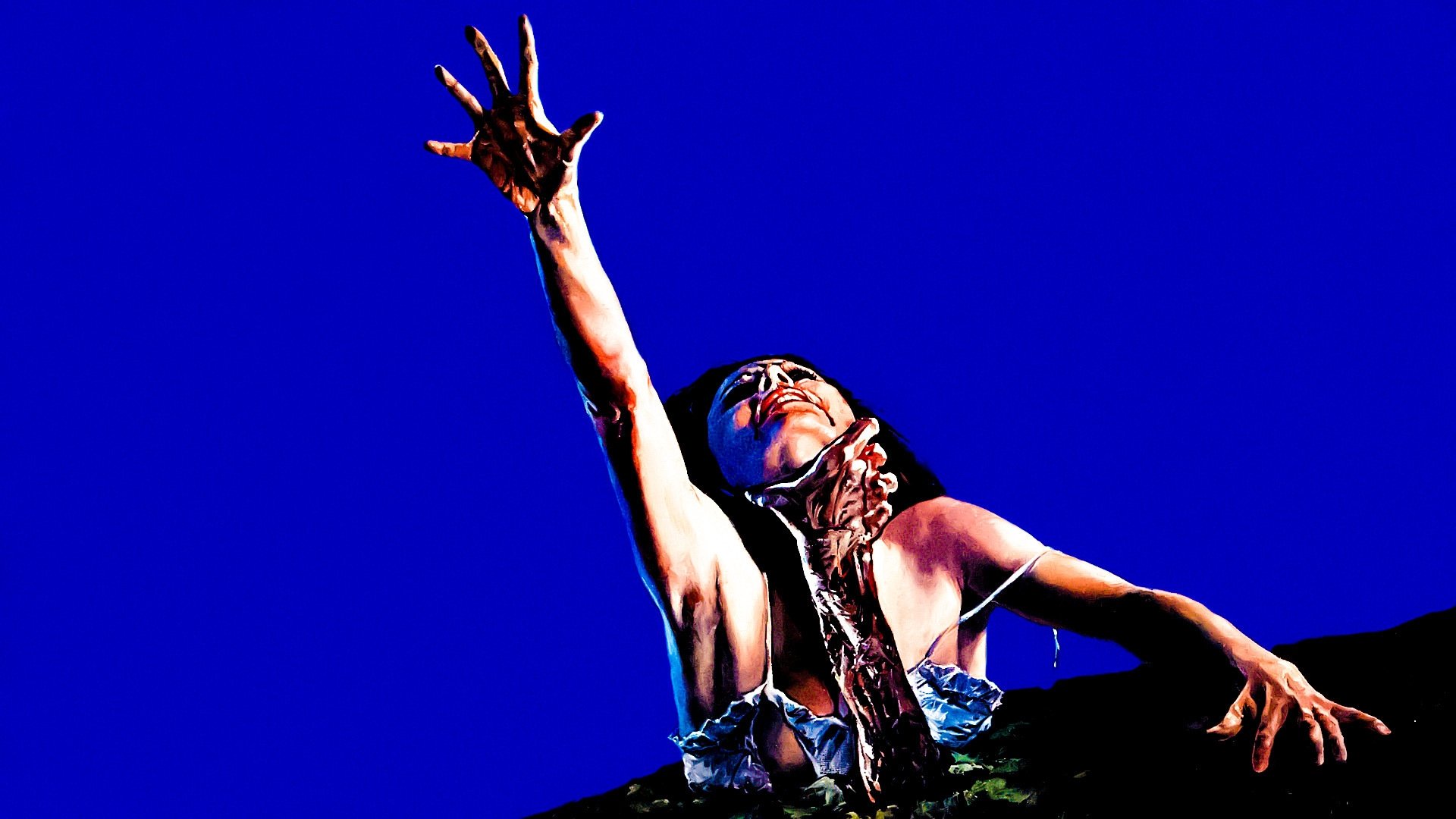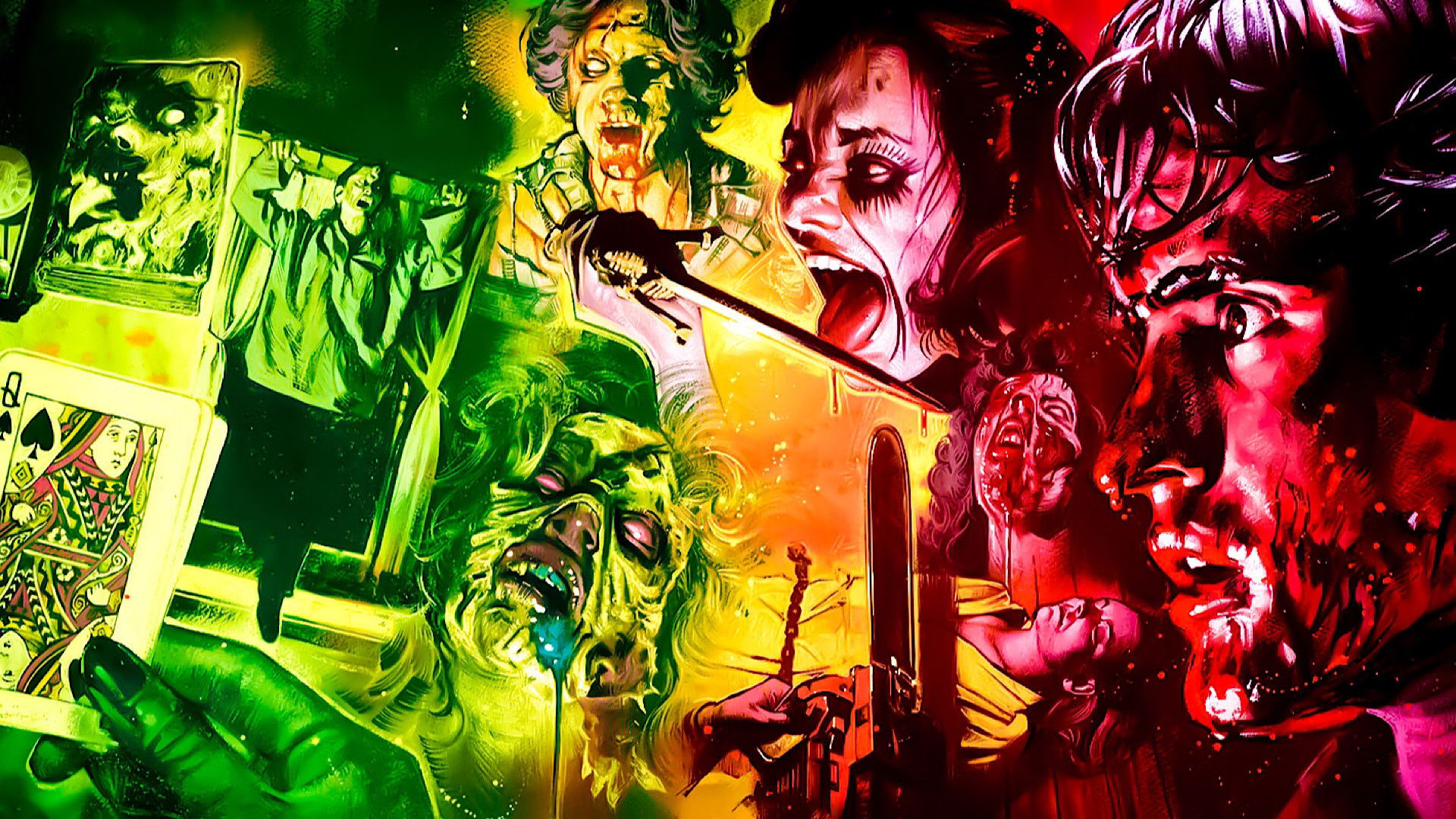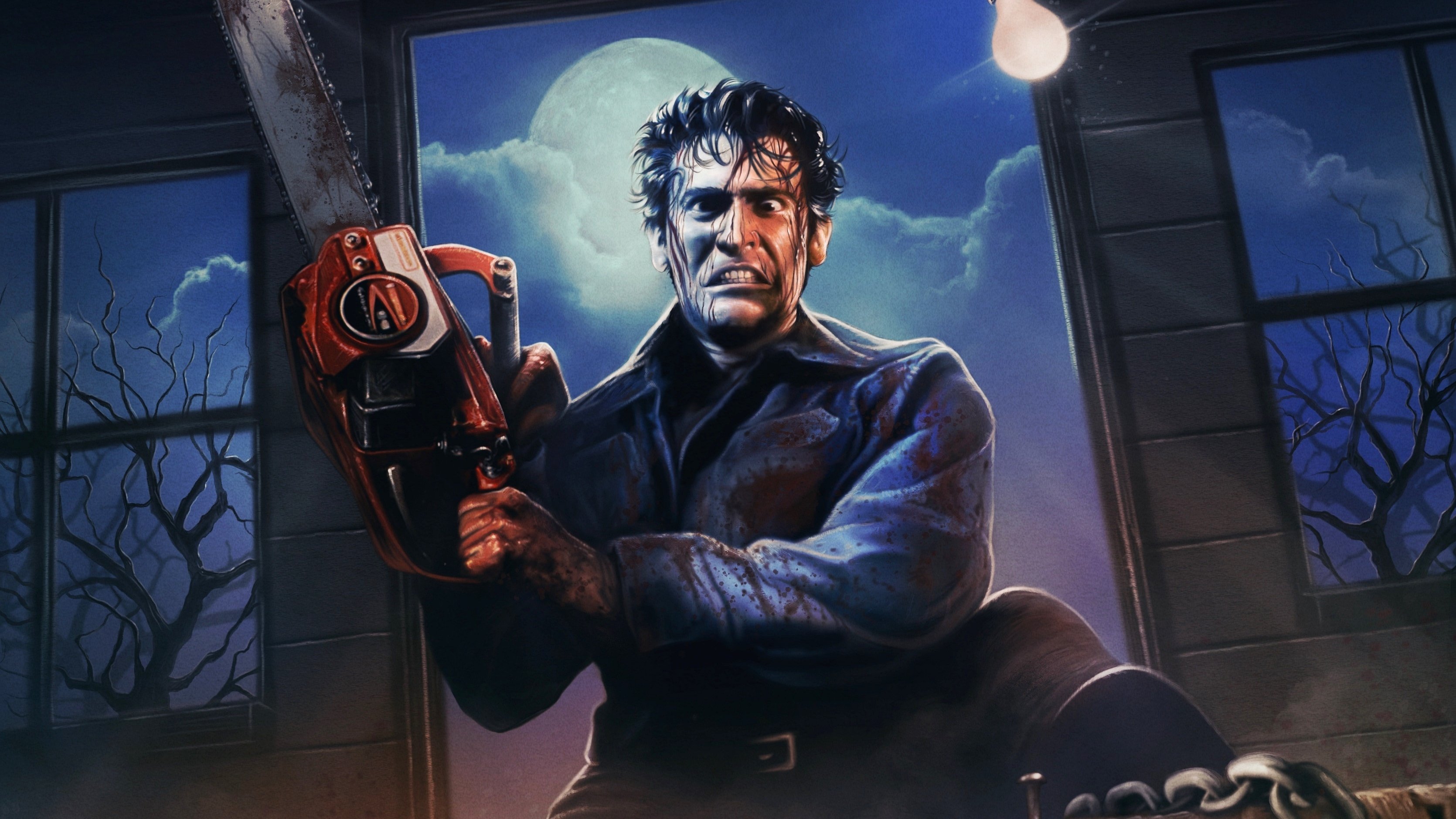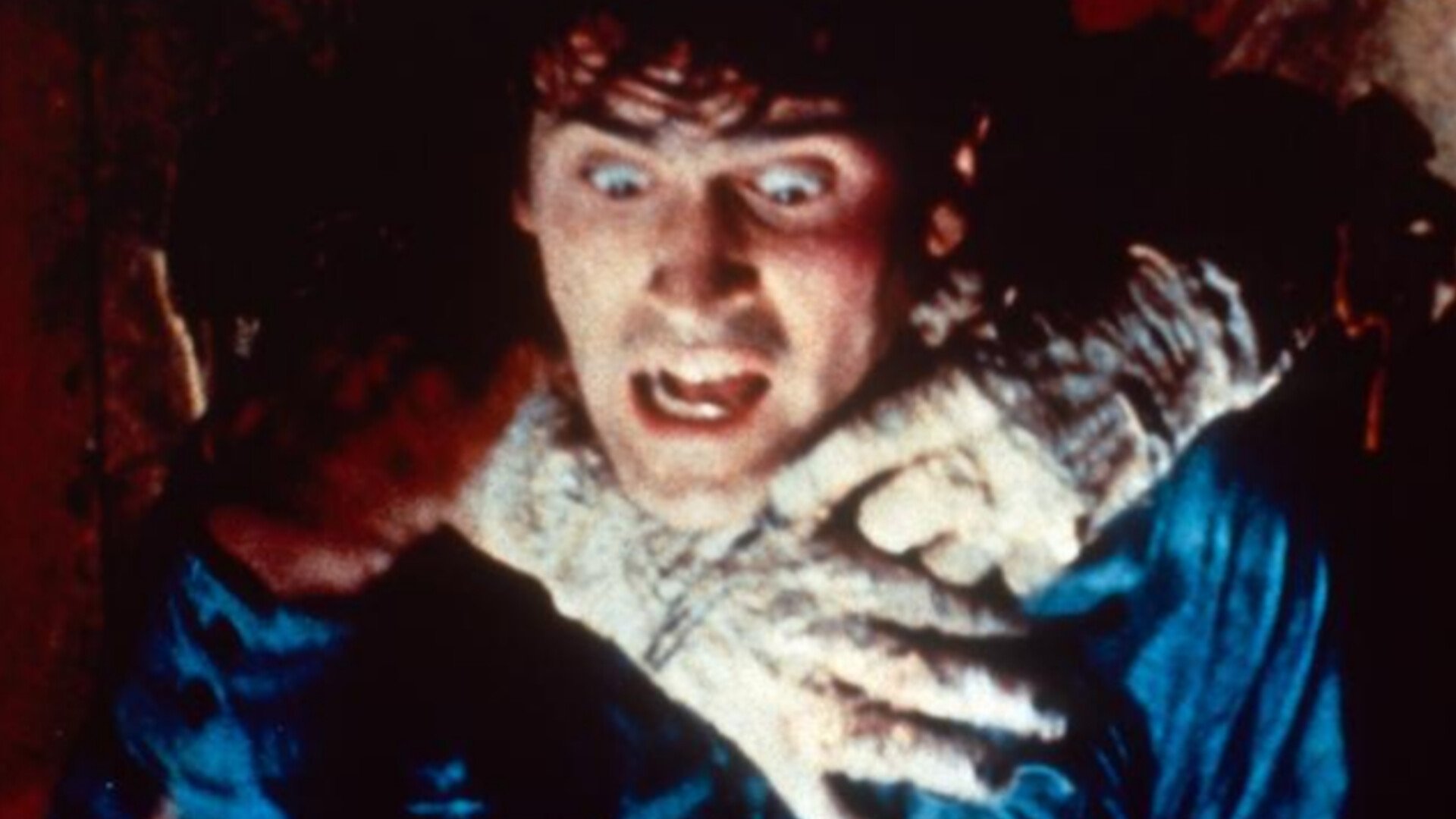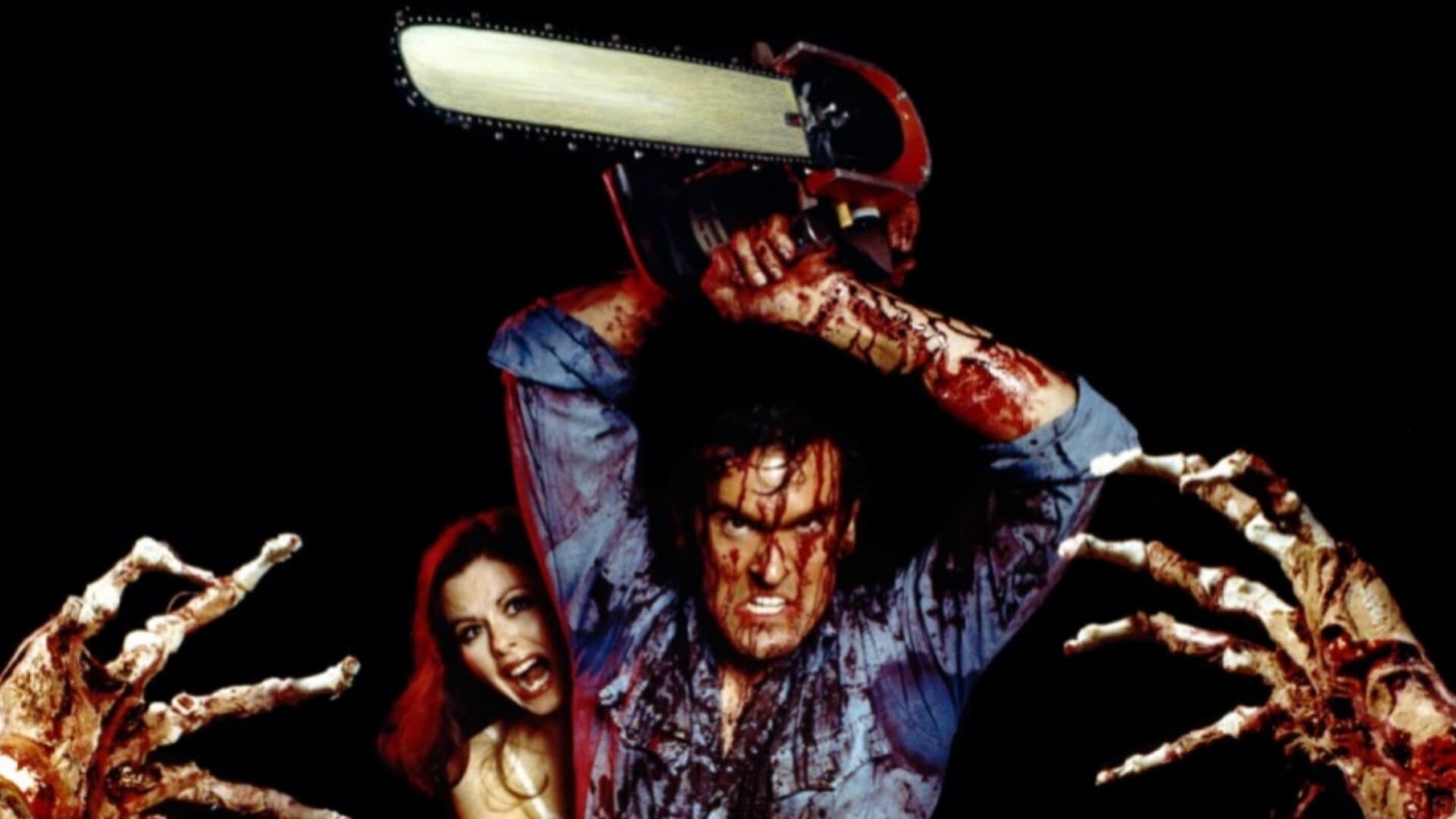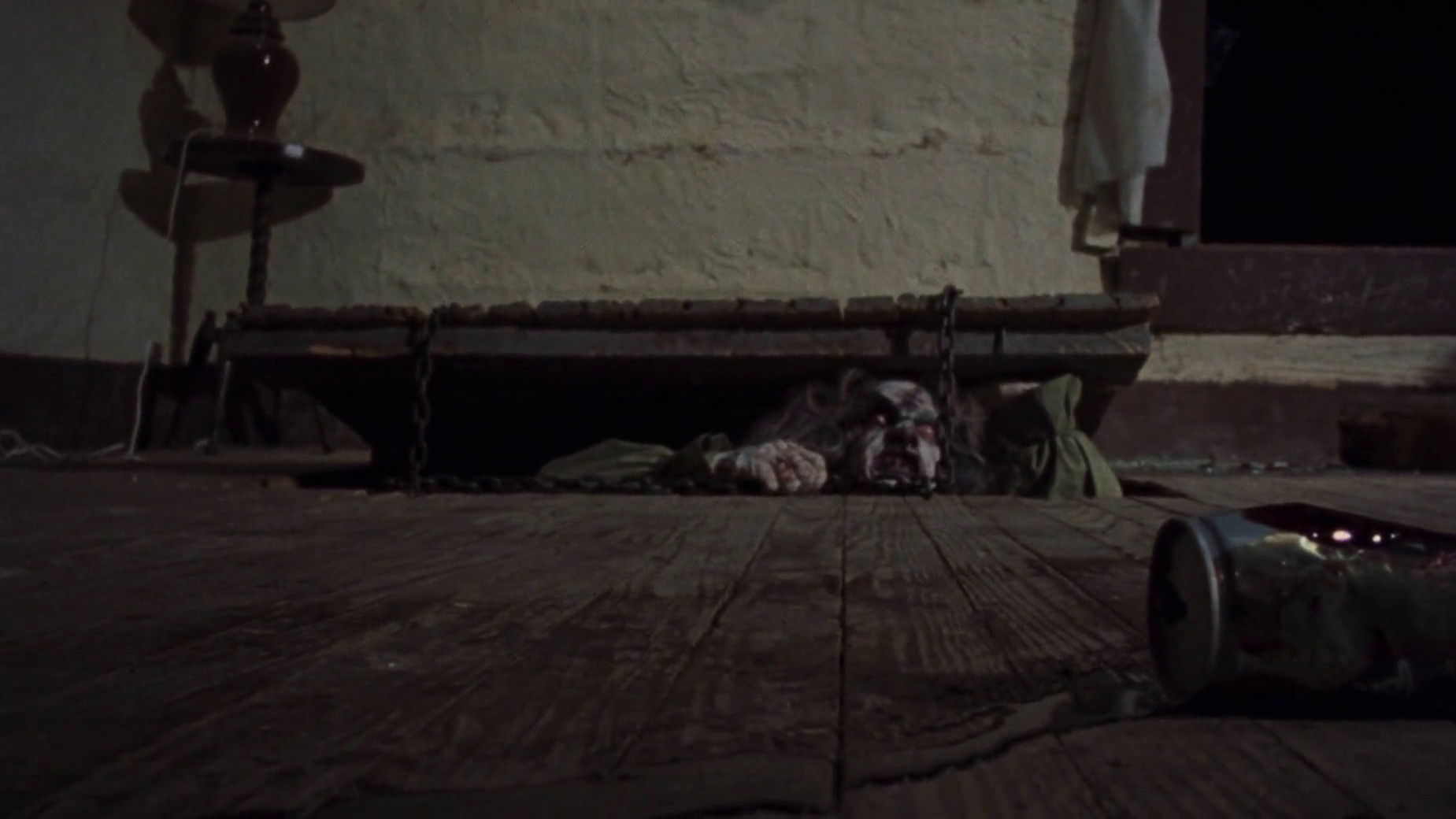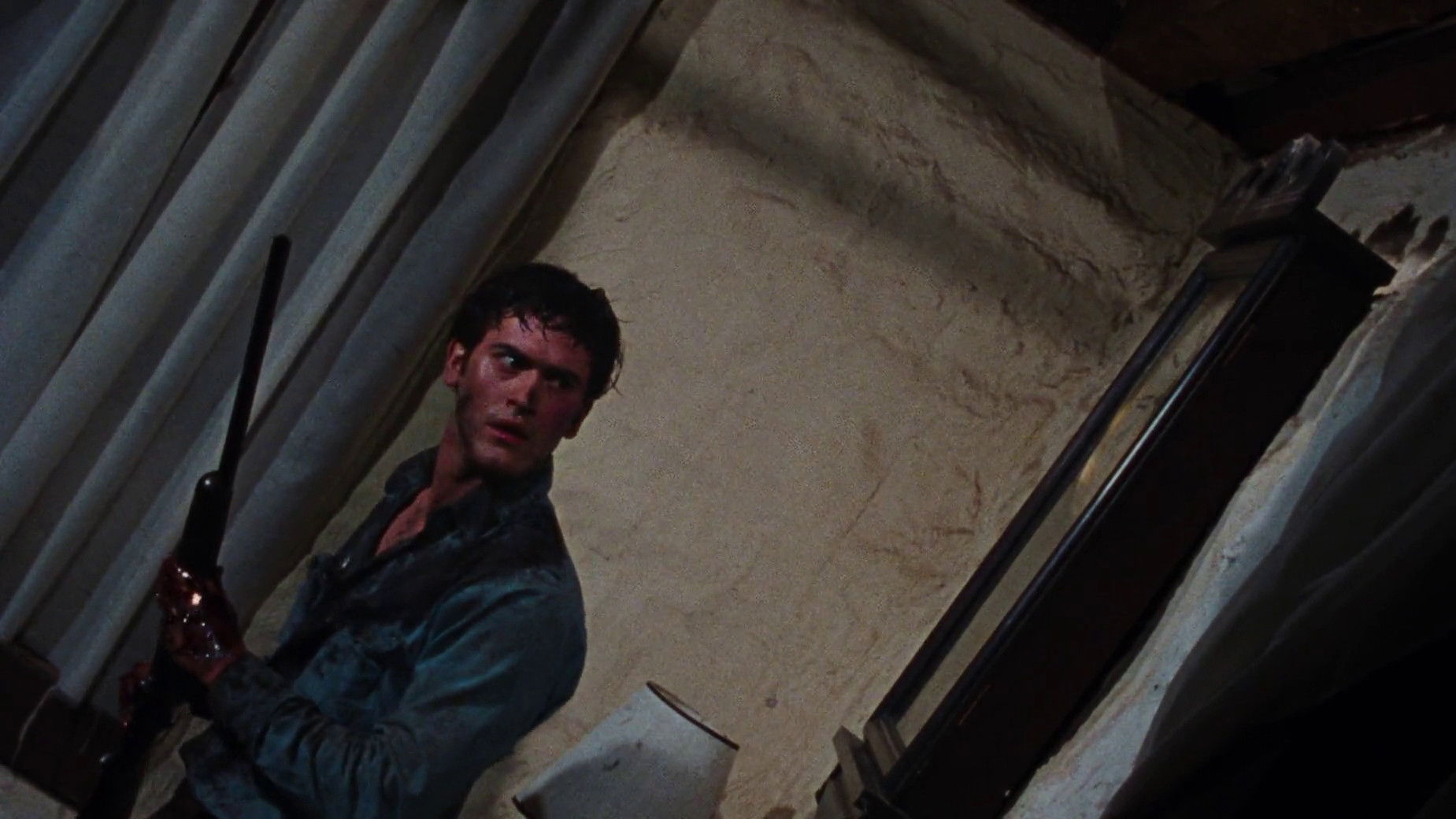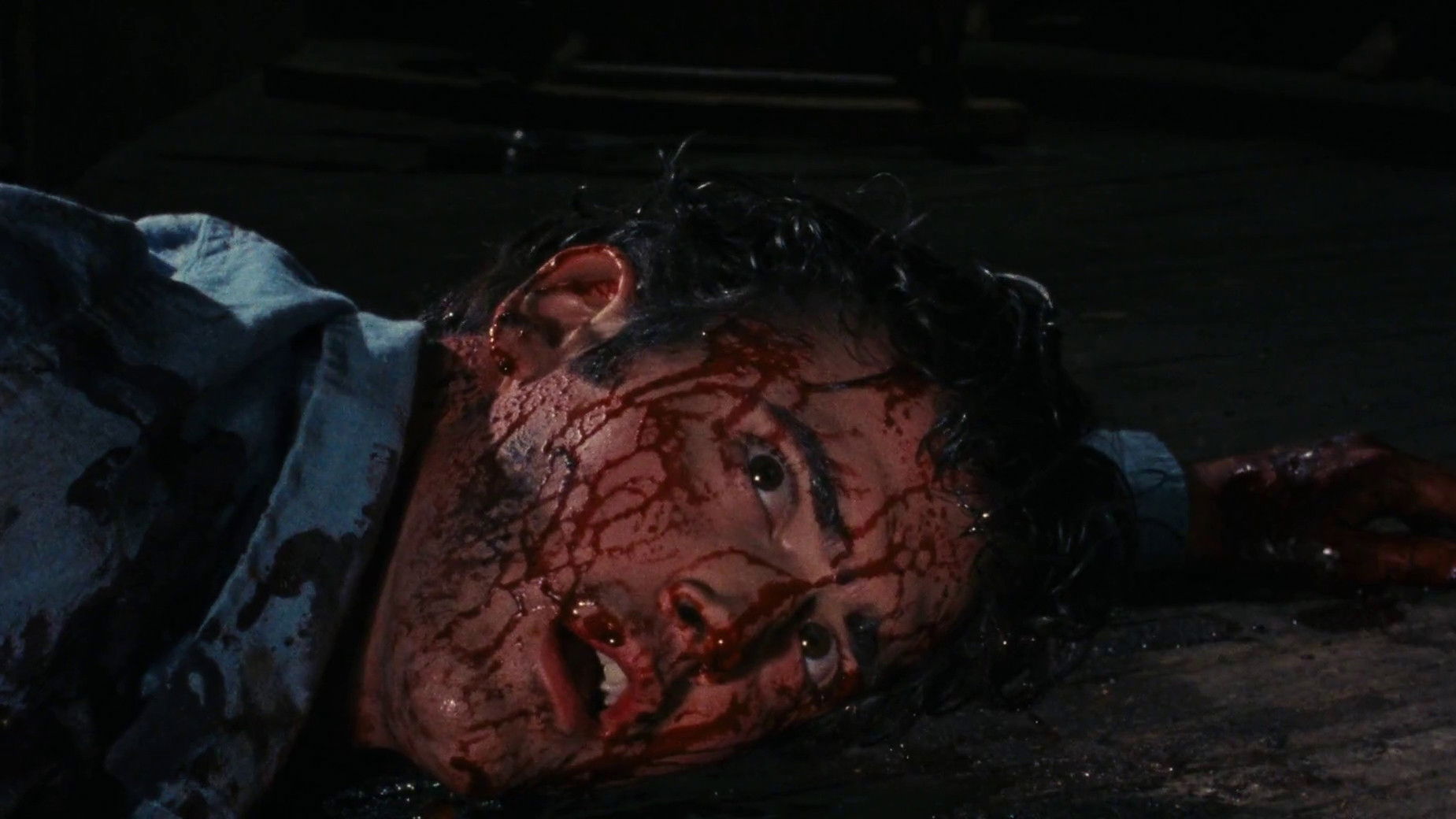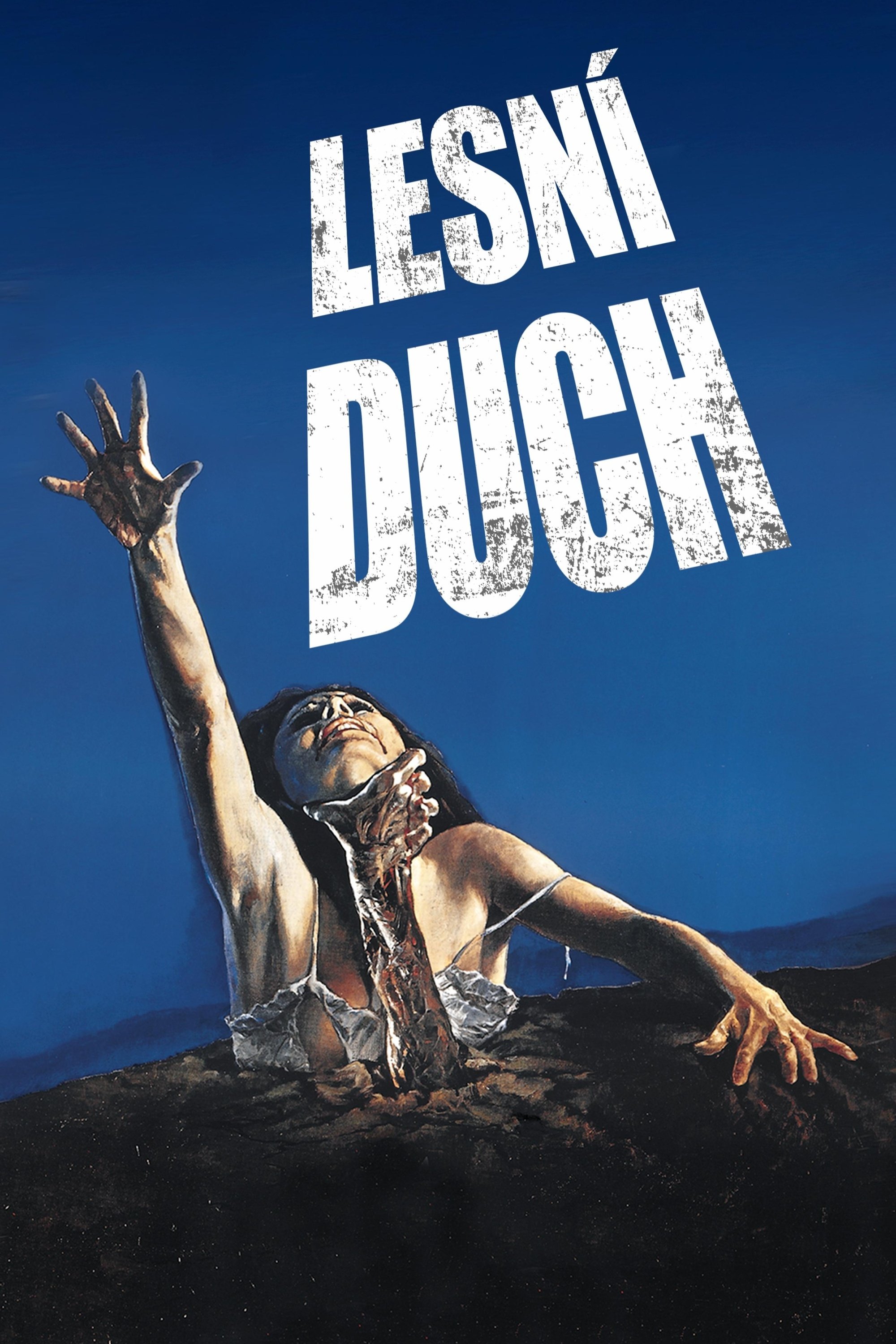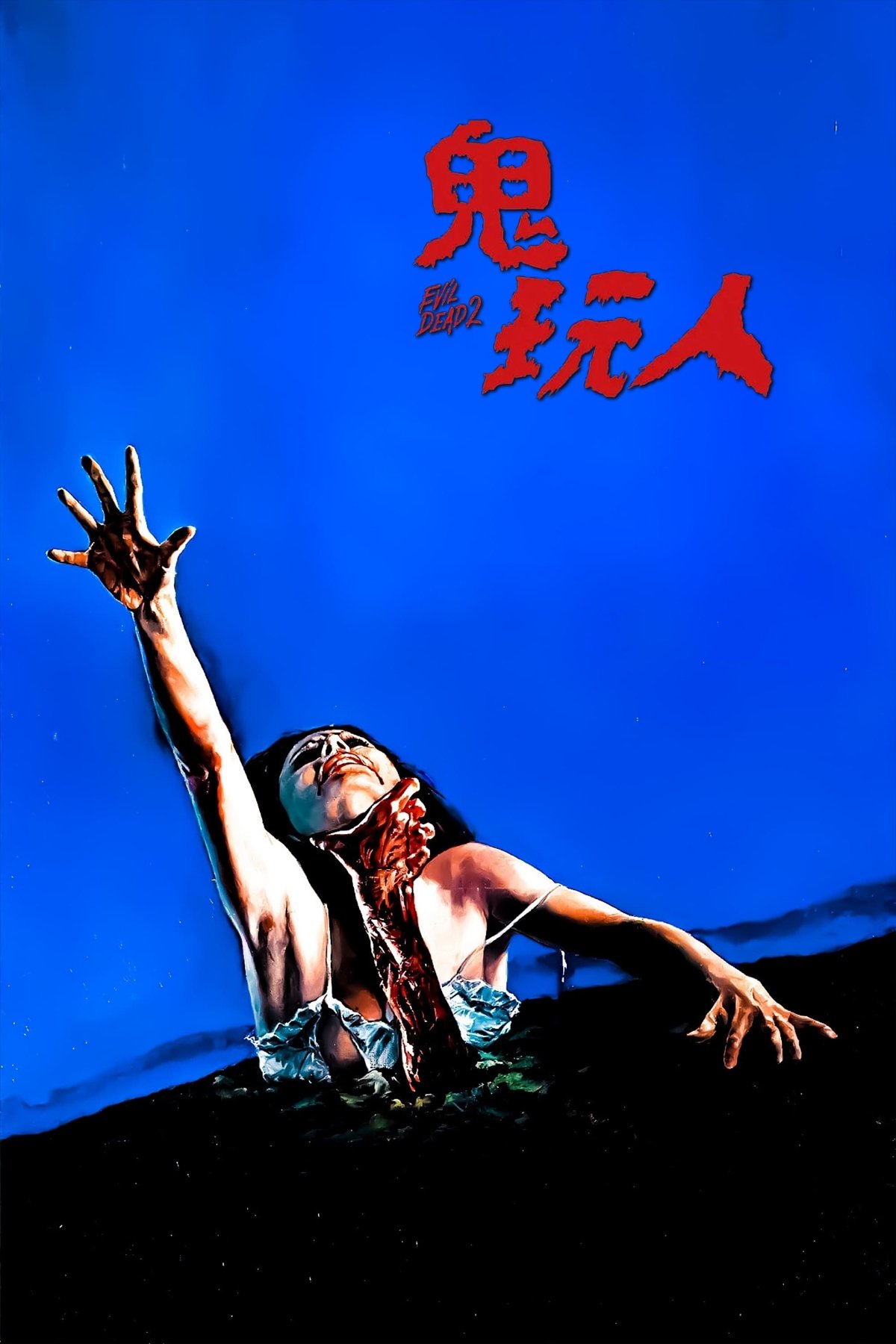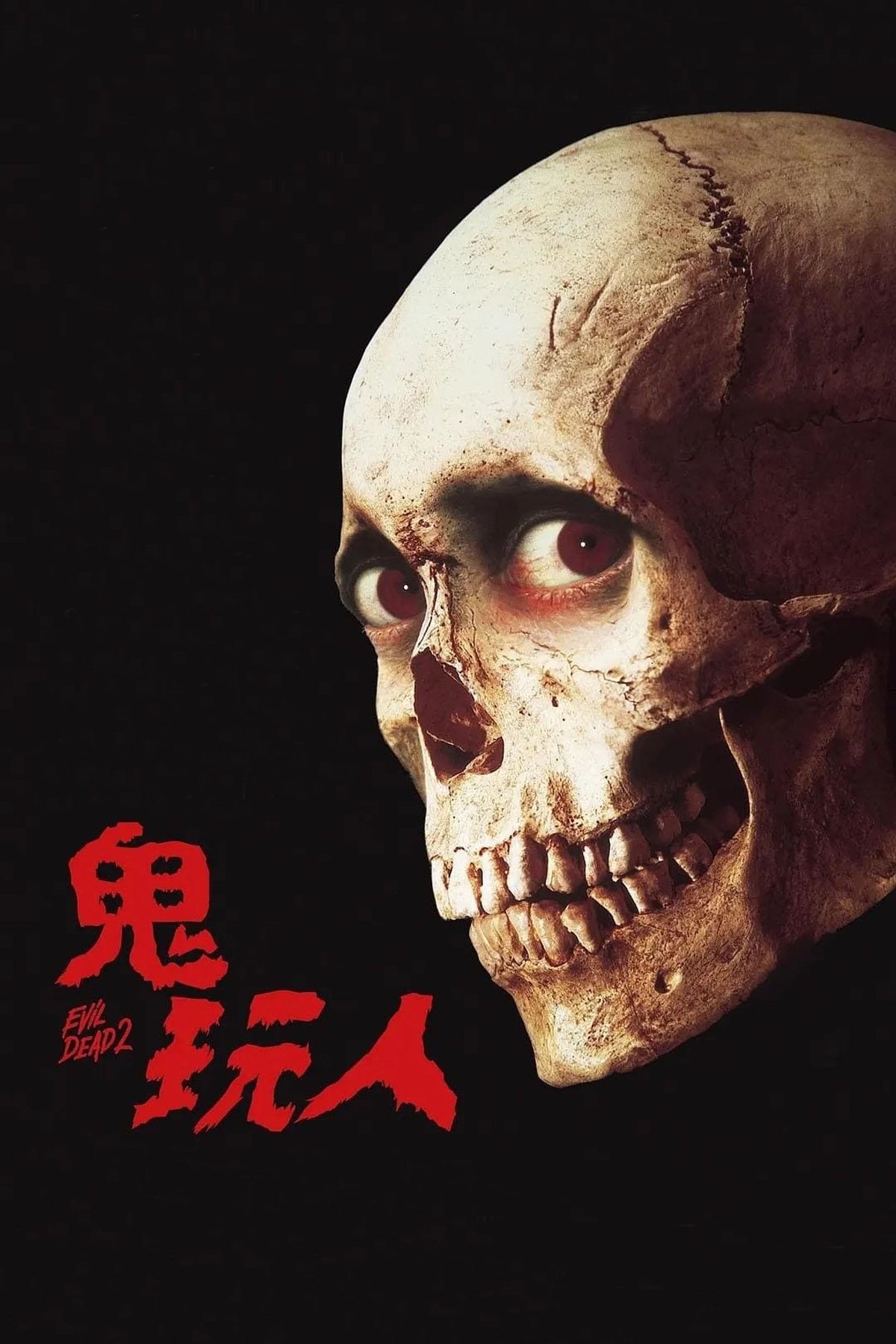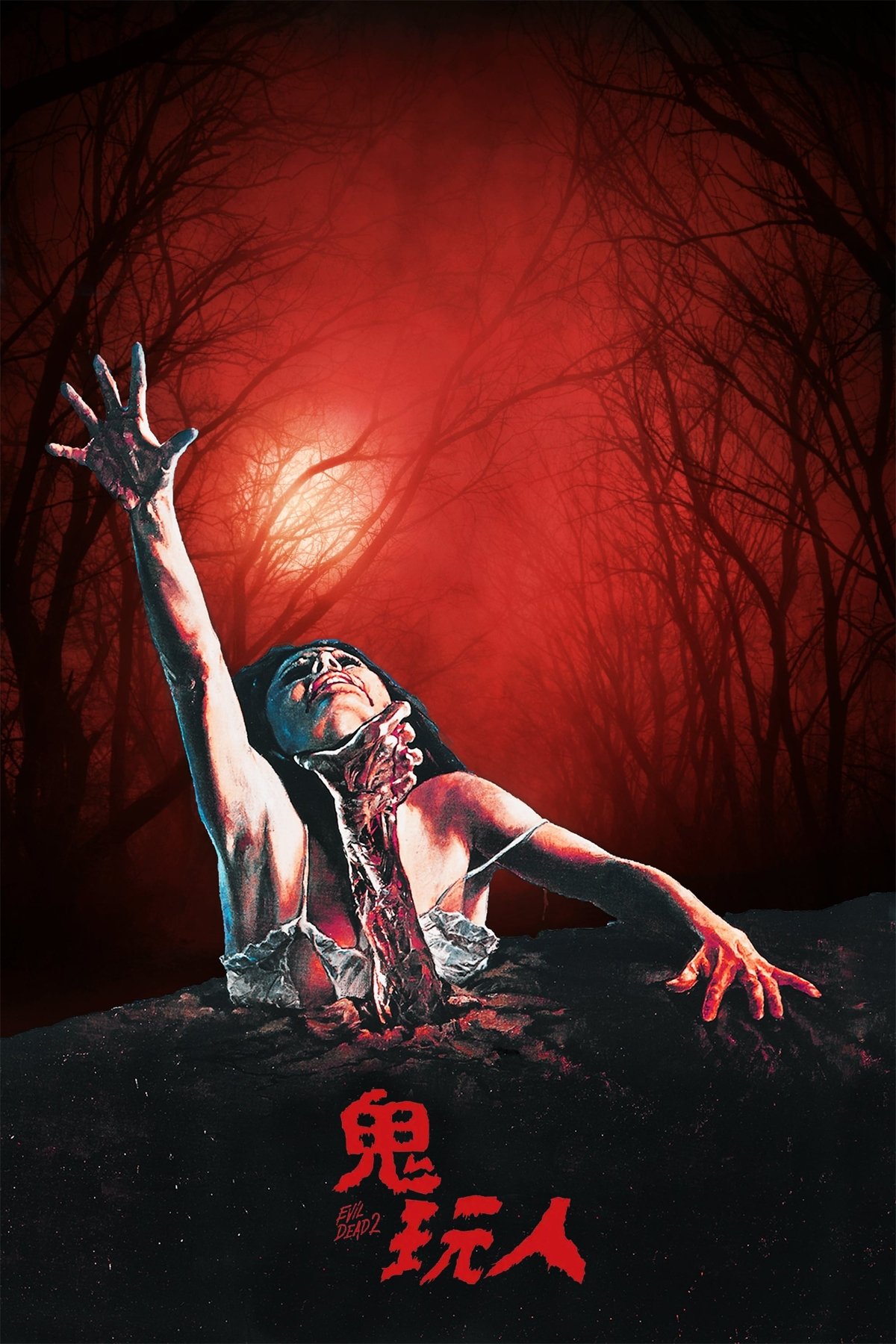
The Evil Dead (1981)

US
HORROR FILM
UK censorship history DPP · Withdrawn / unsuccessful
6.9/10 9 votes
Runtime
85 min
Release
October 15, 1981
Budget
$350,000
Revenue
$29,400,000
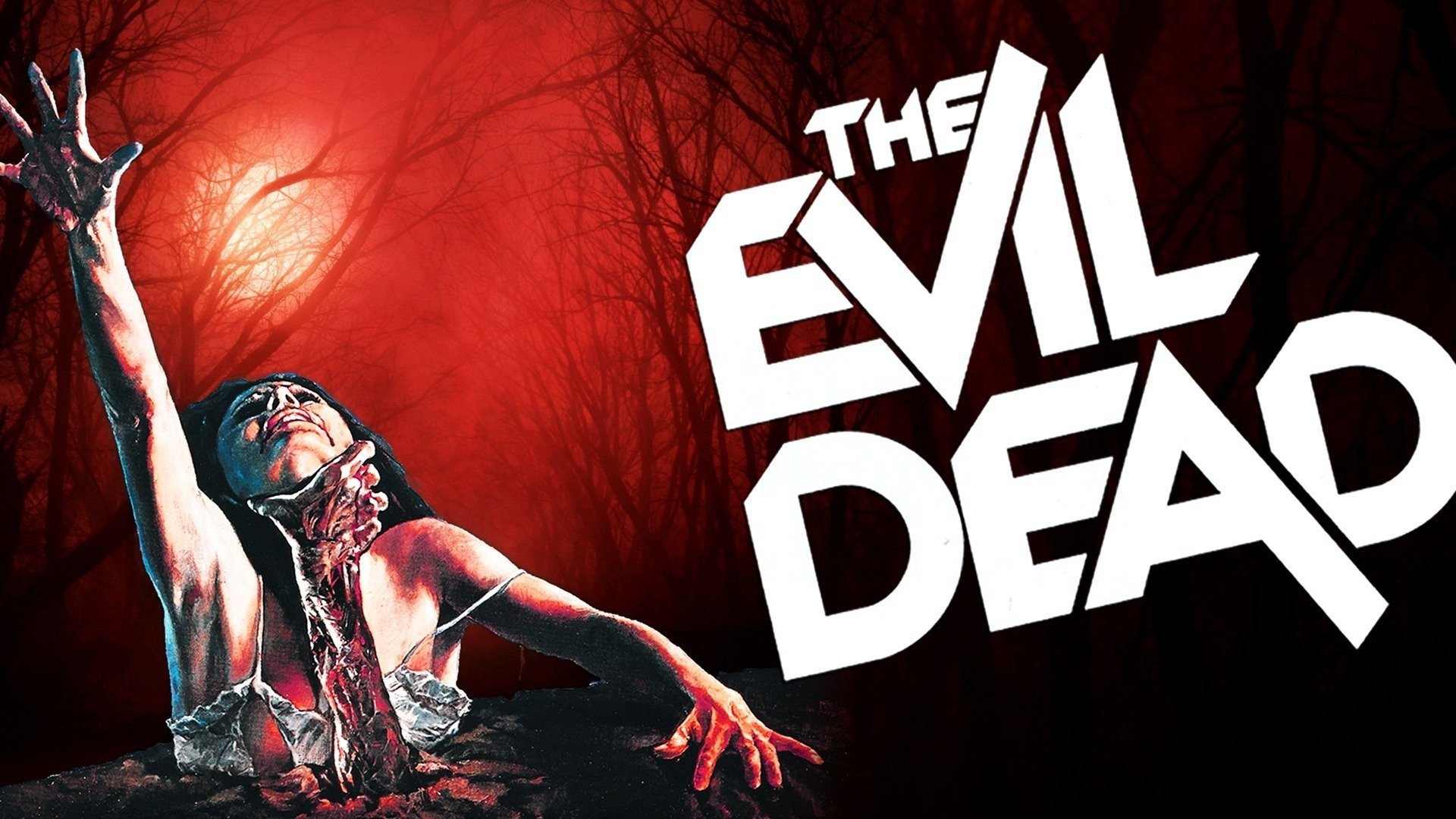
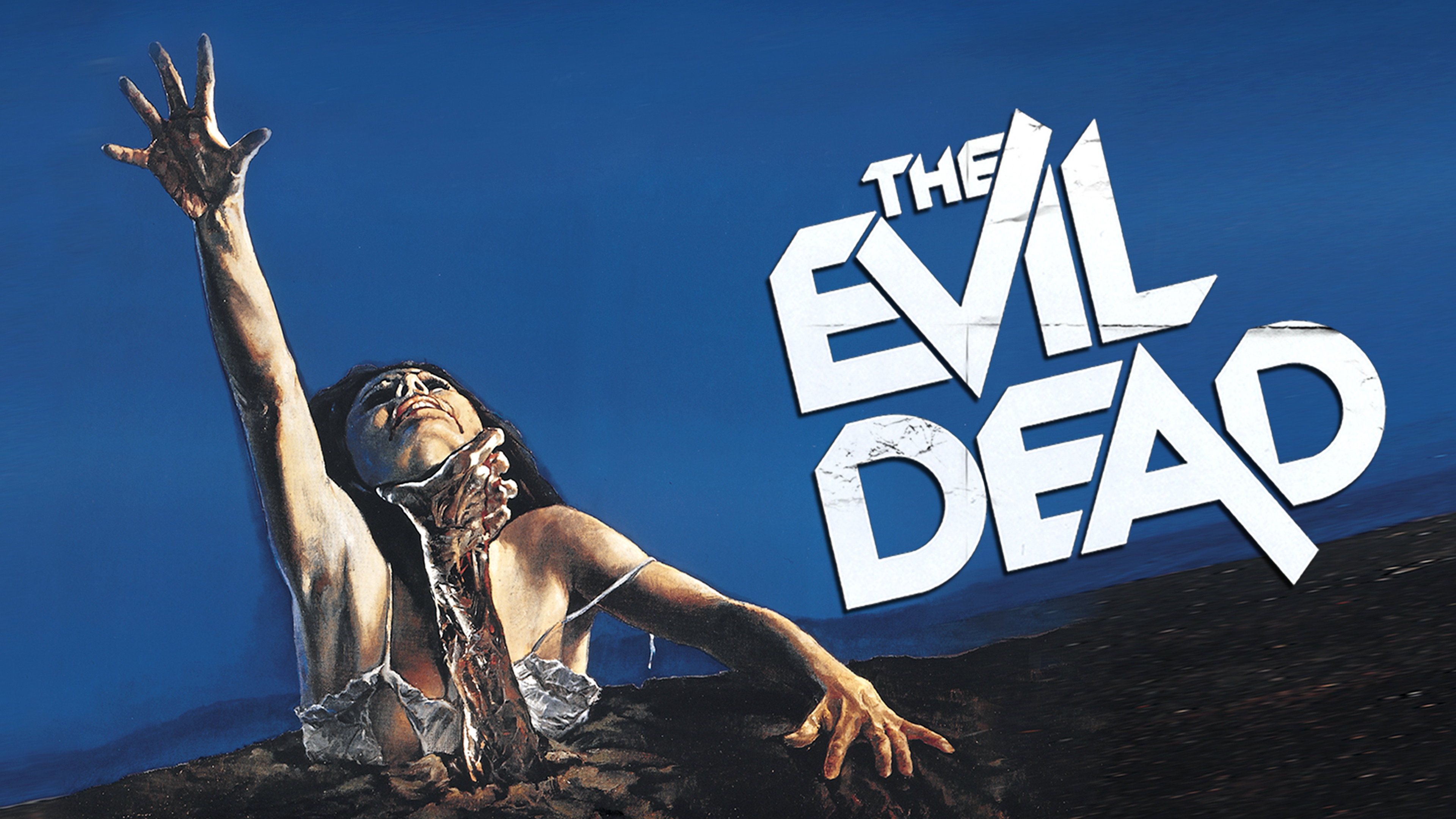
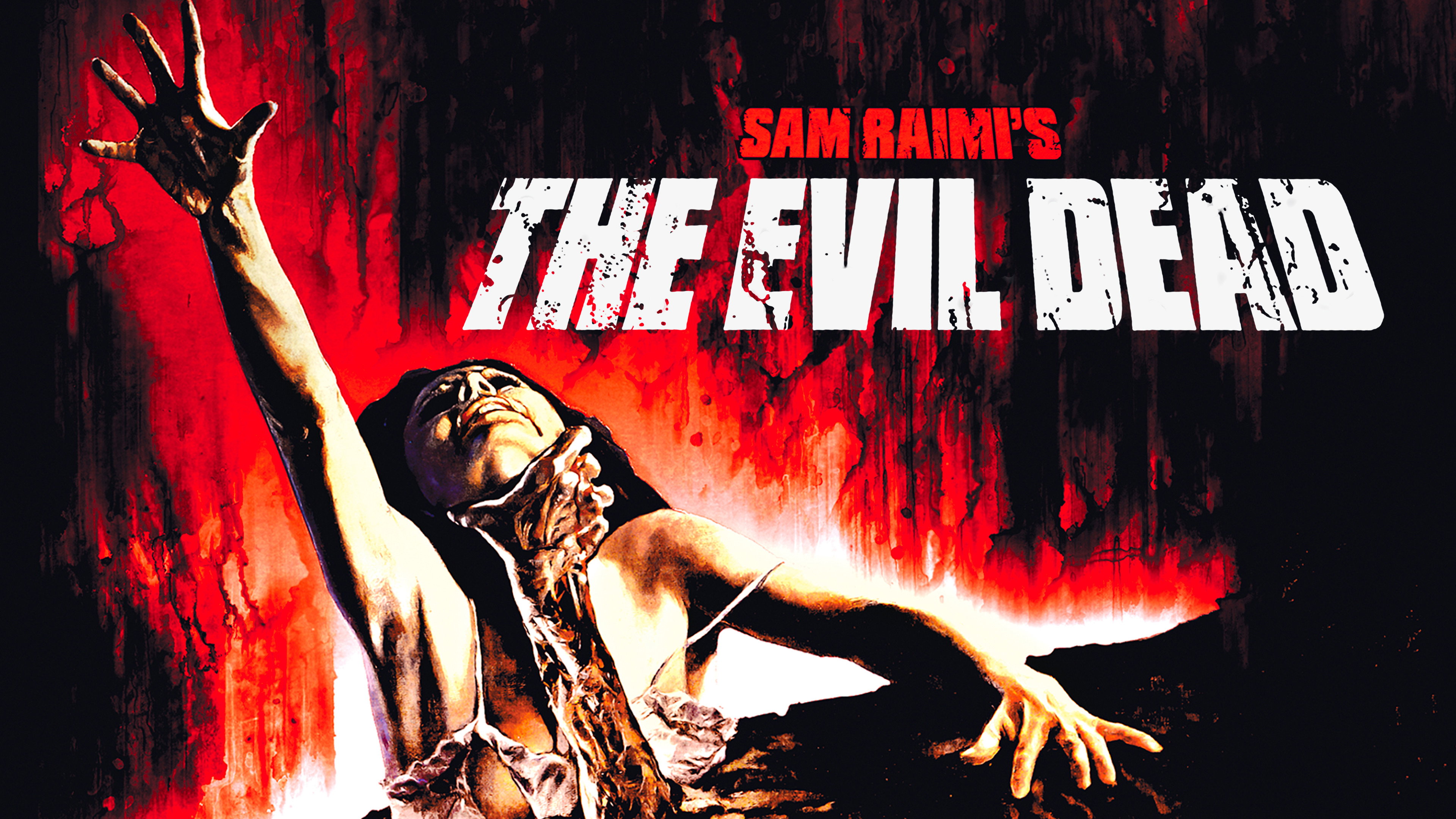
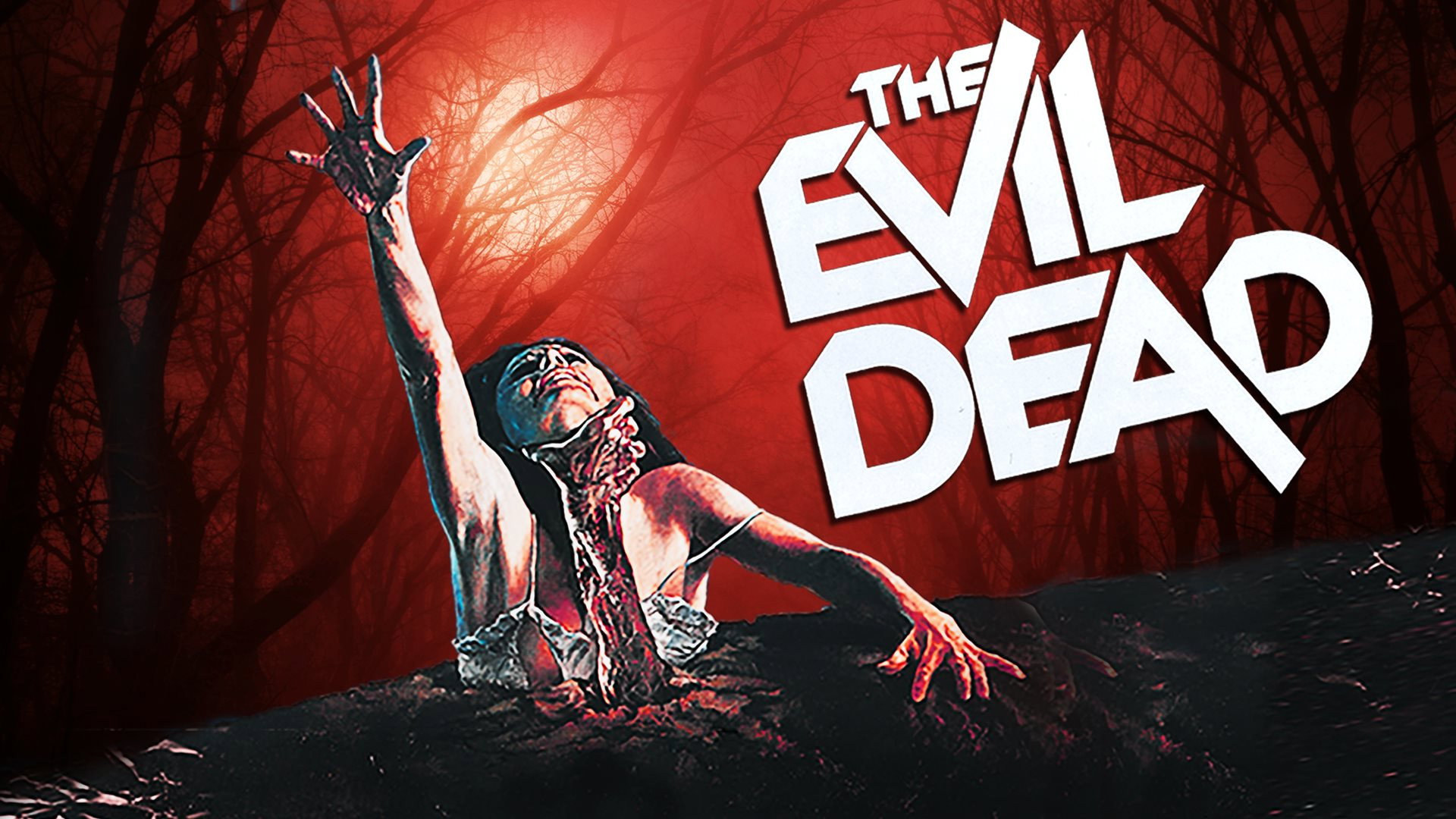
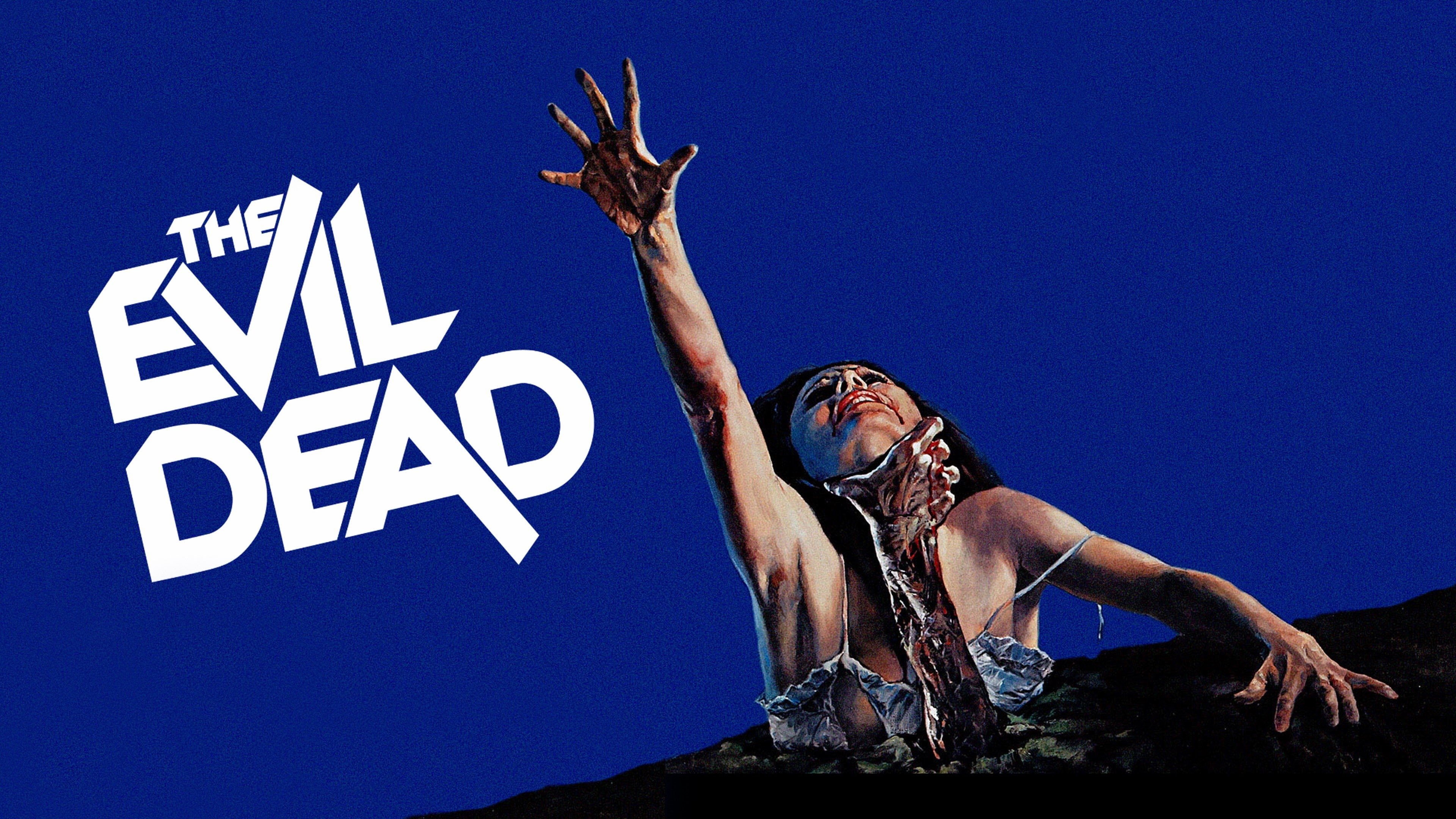
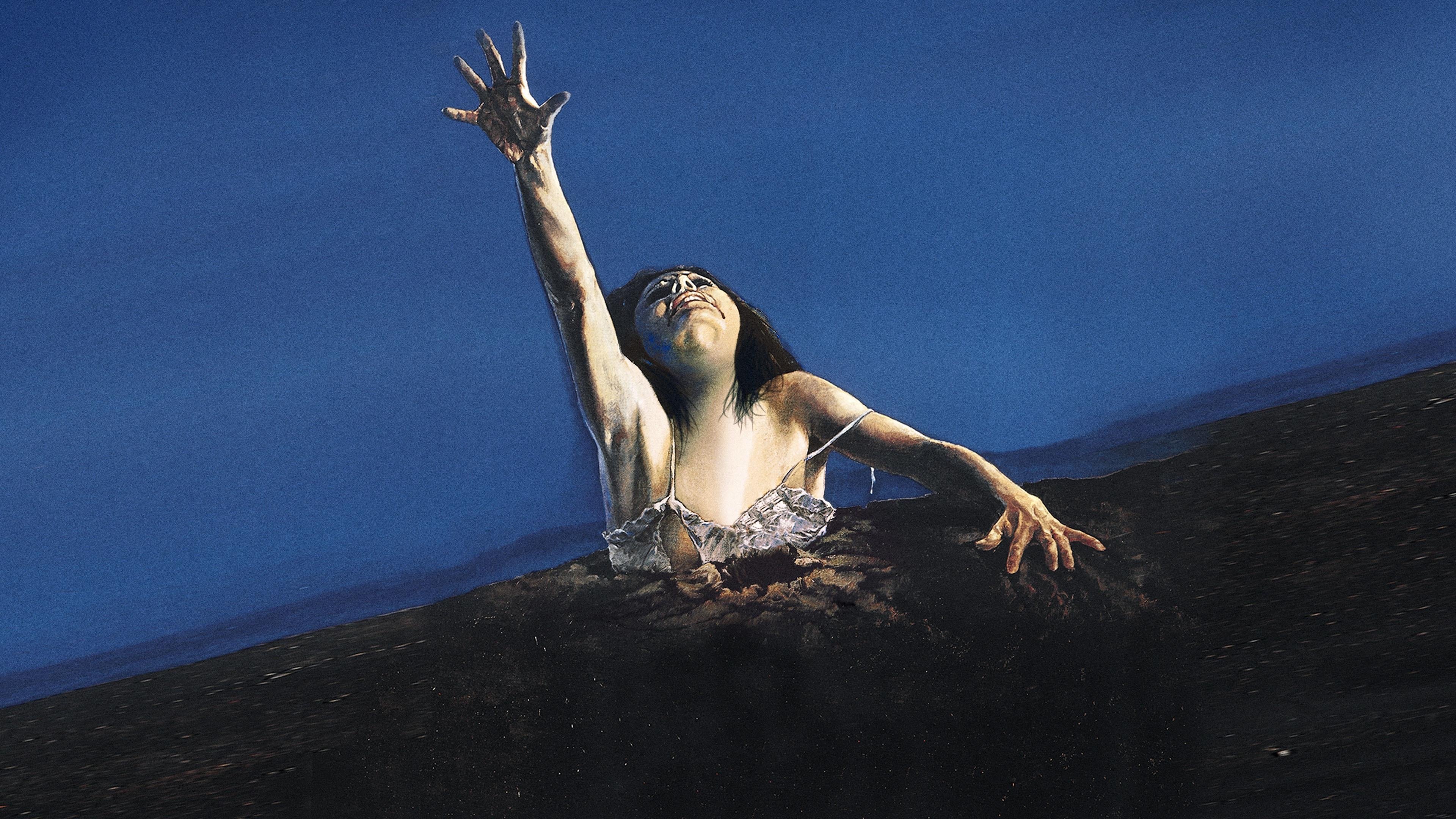
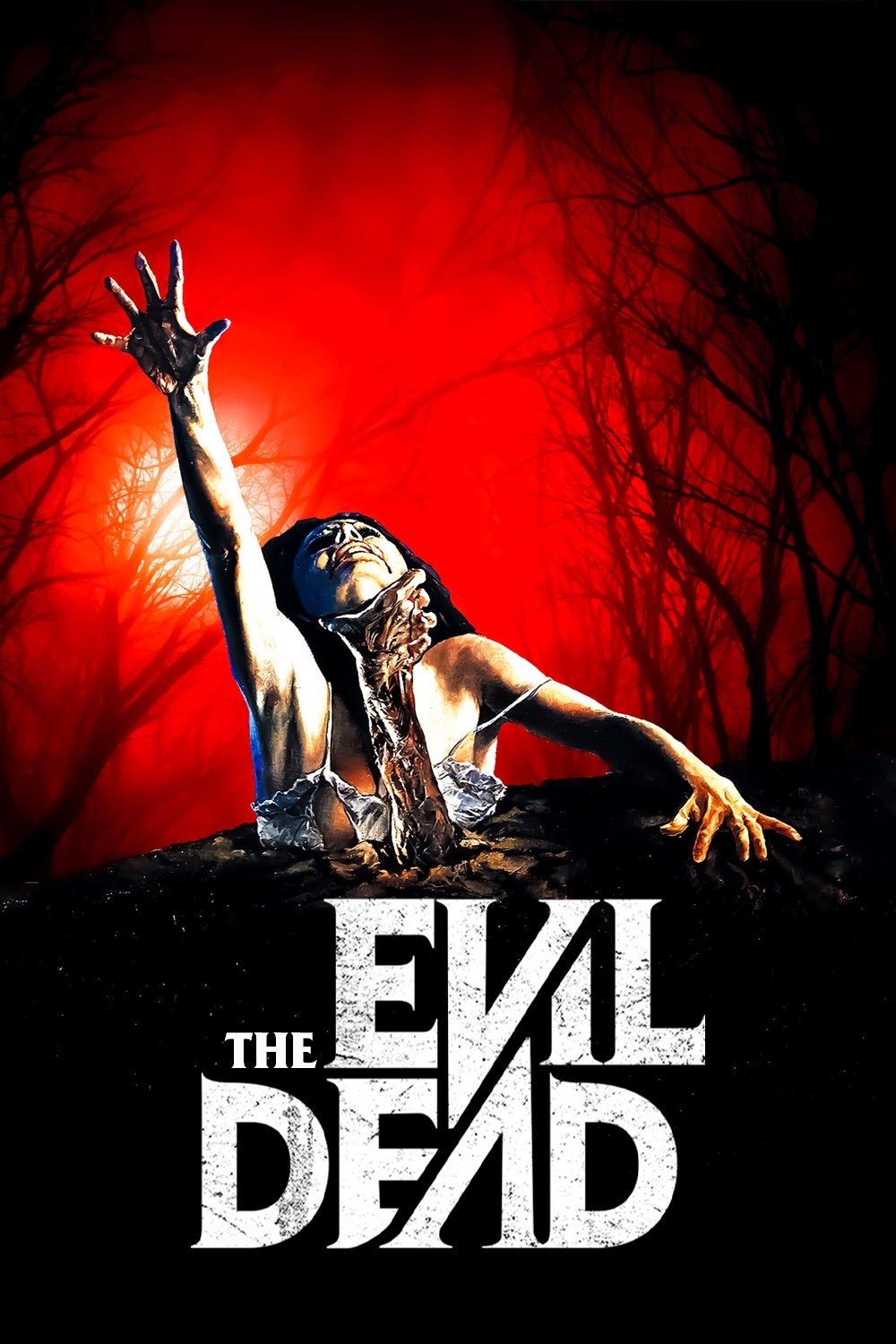
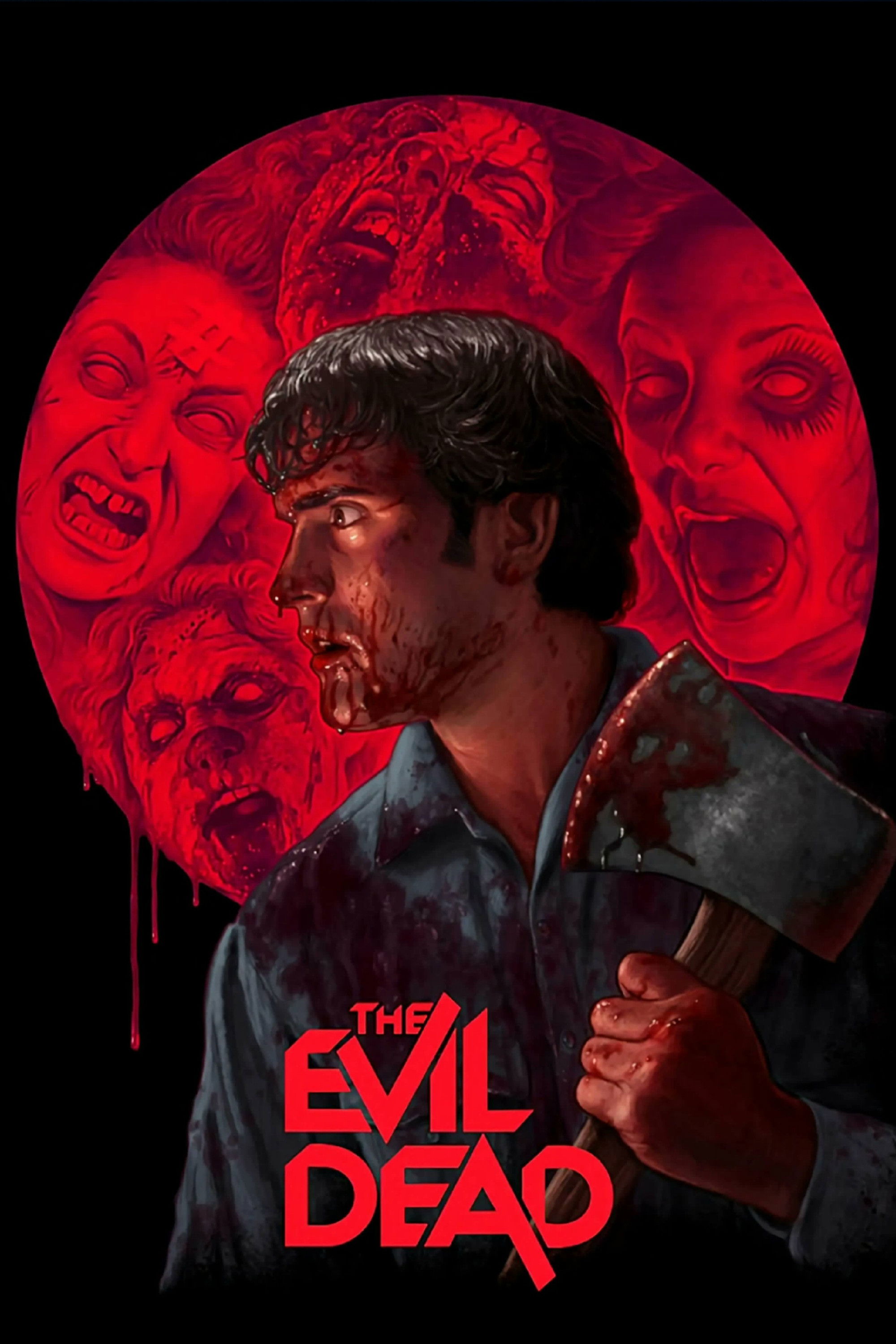
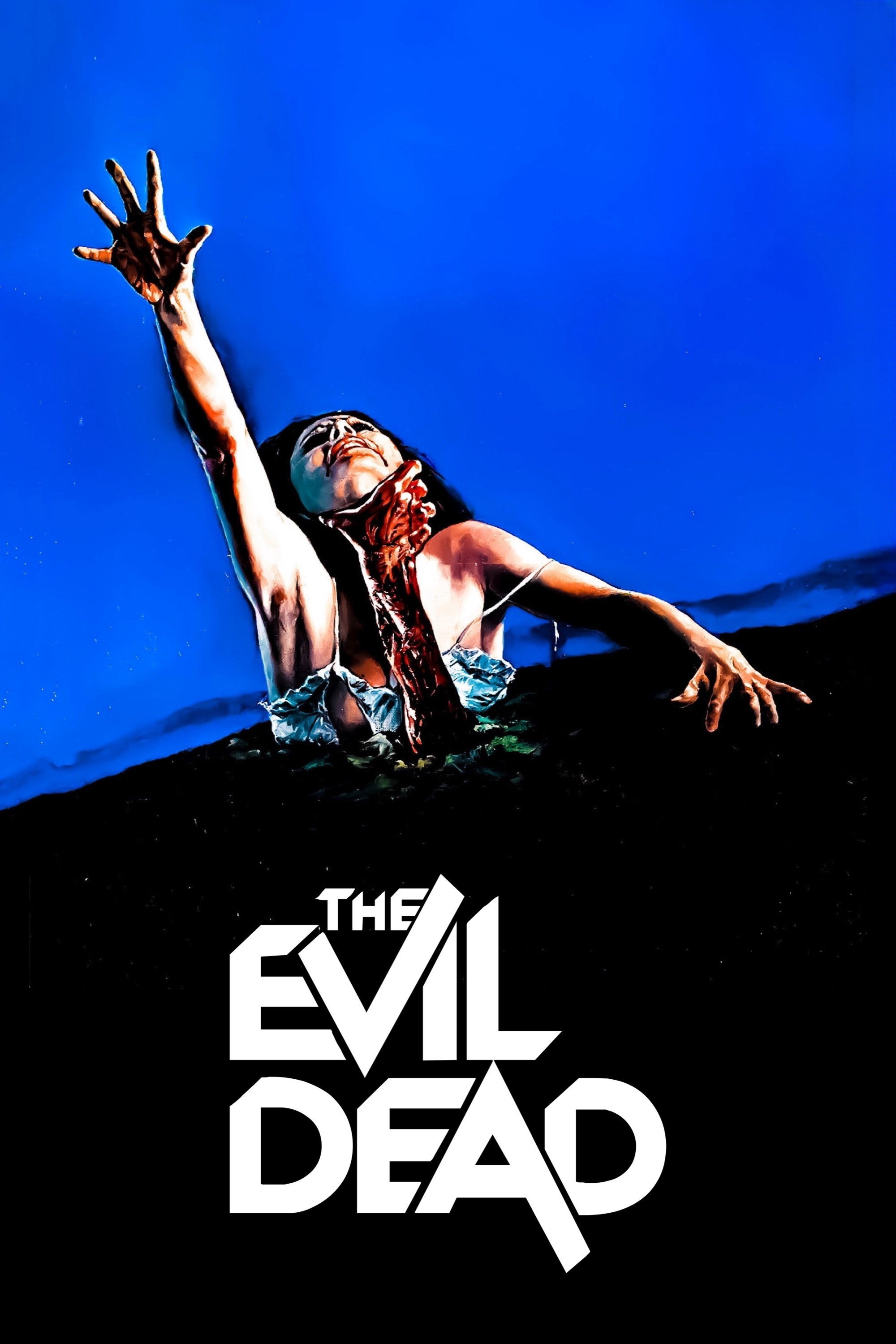
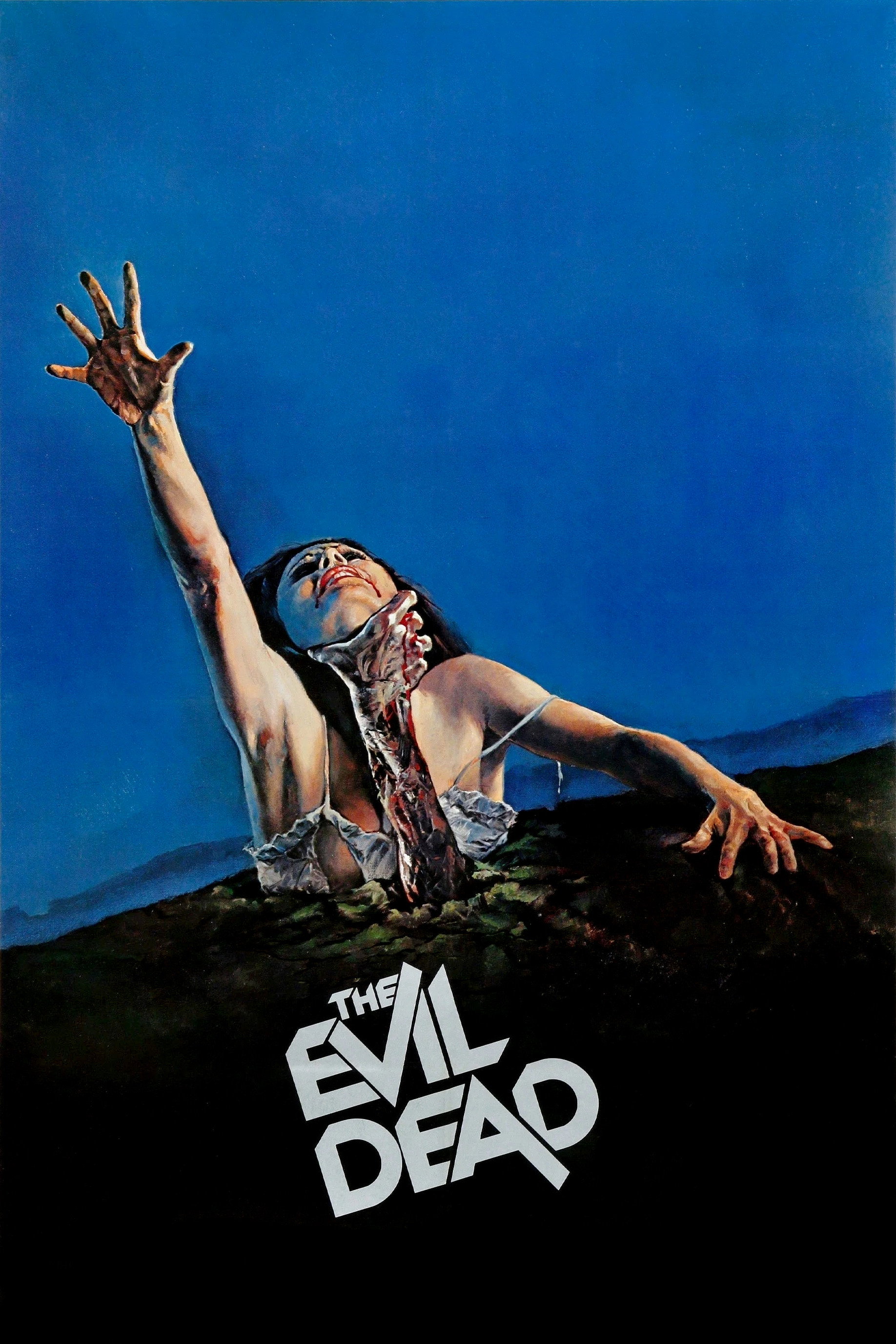
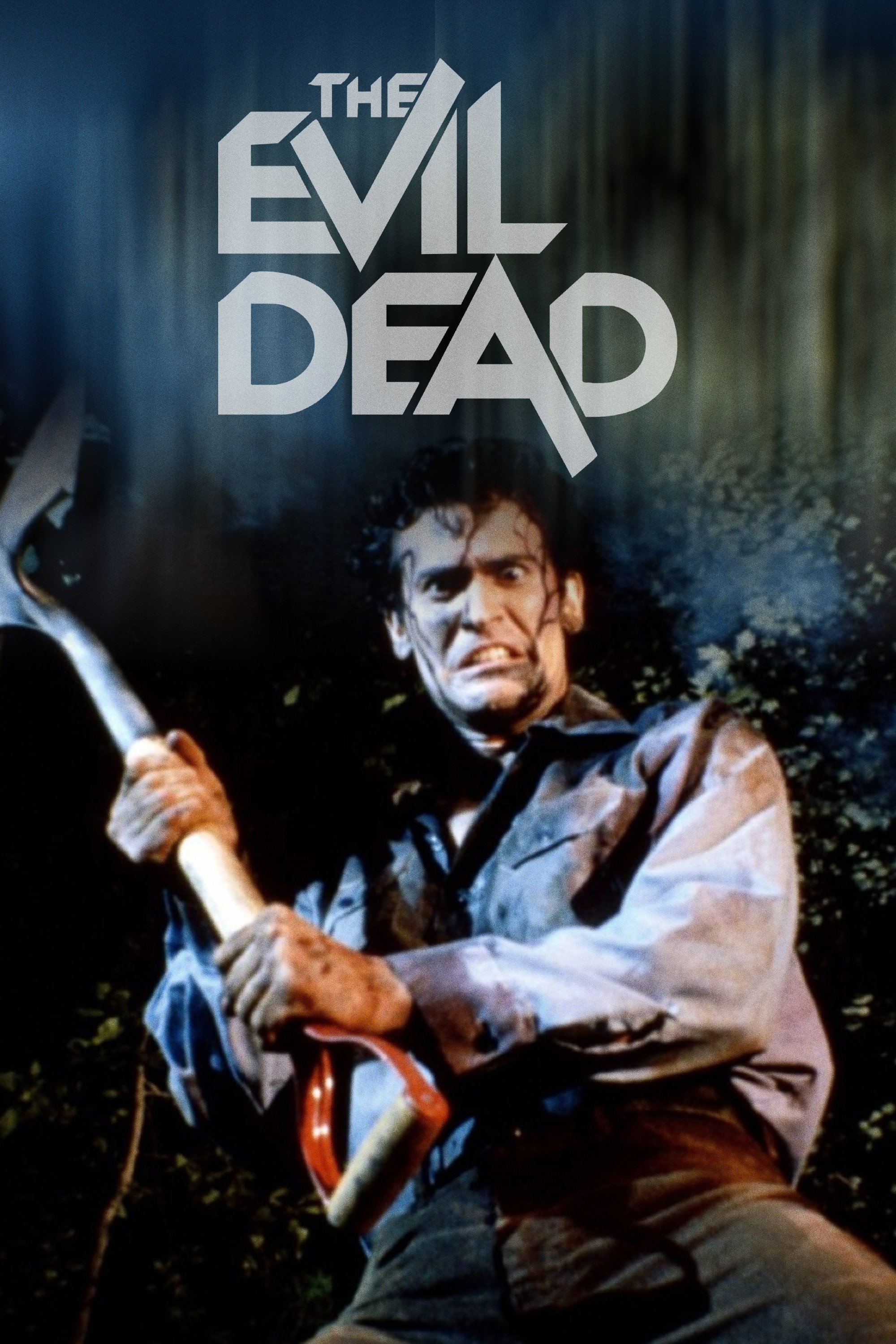
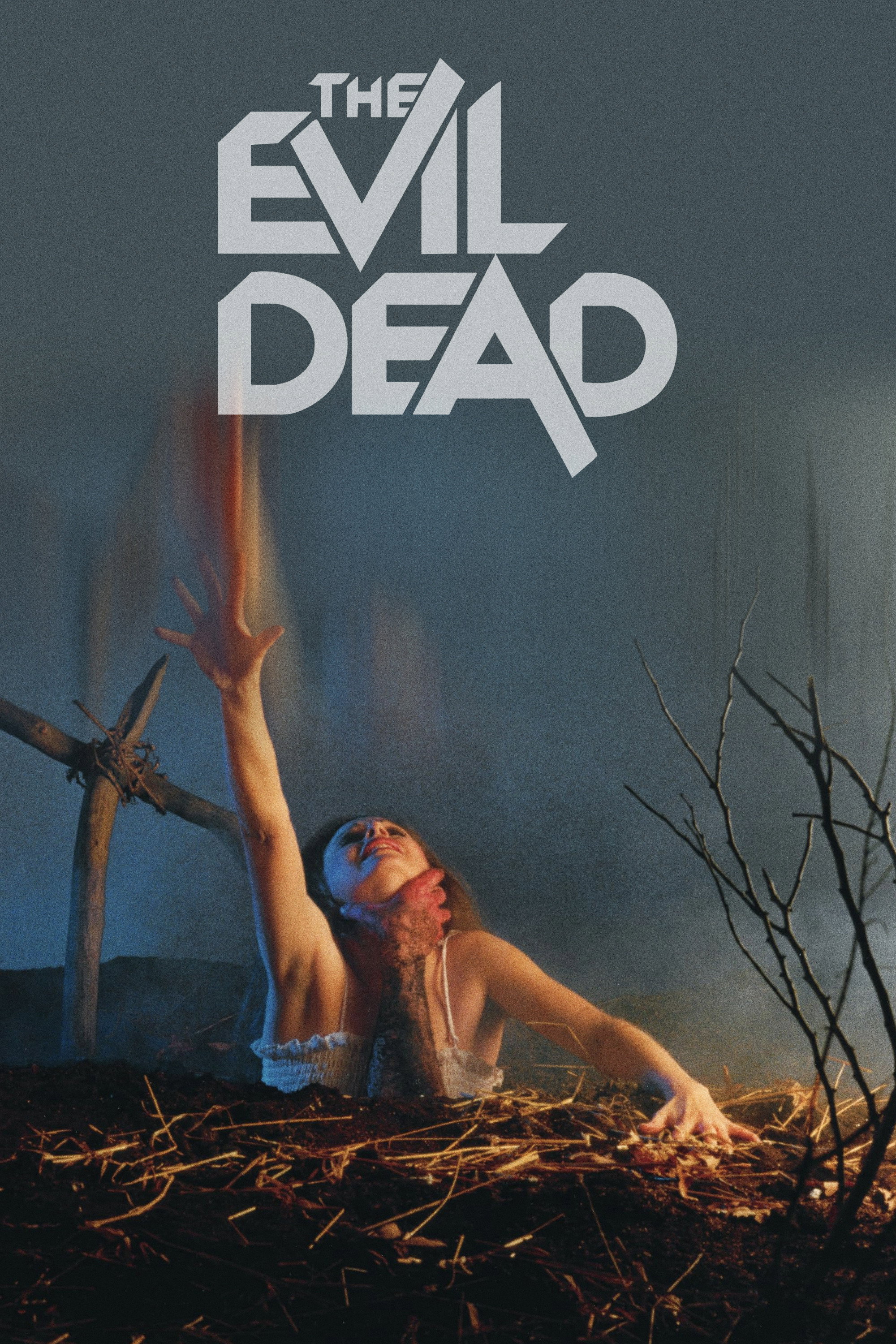
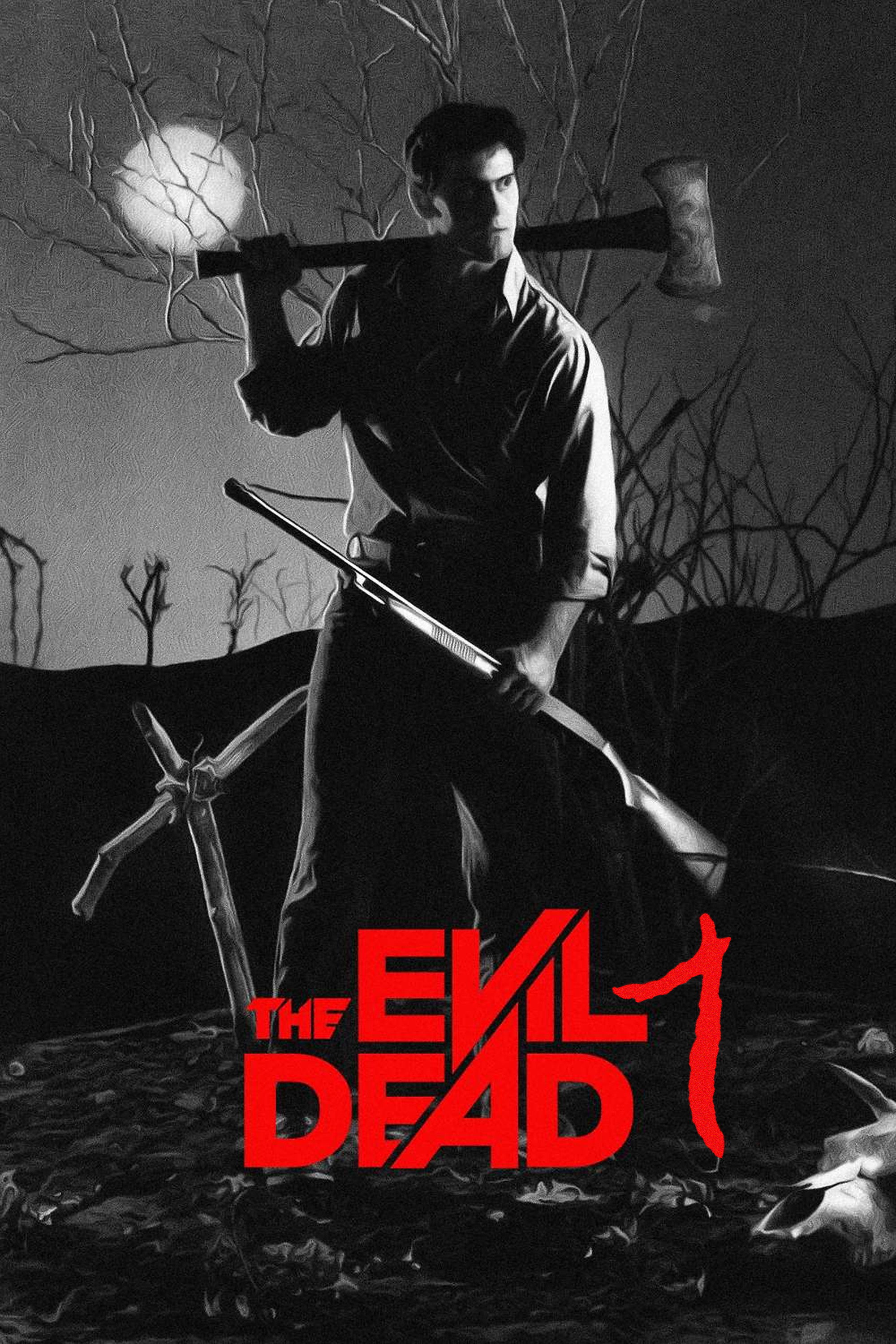
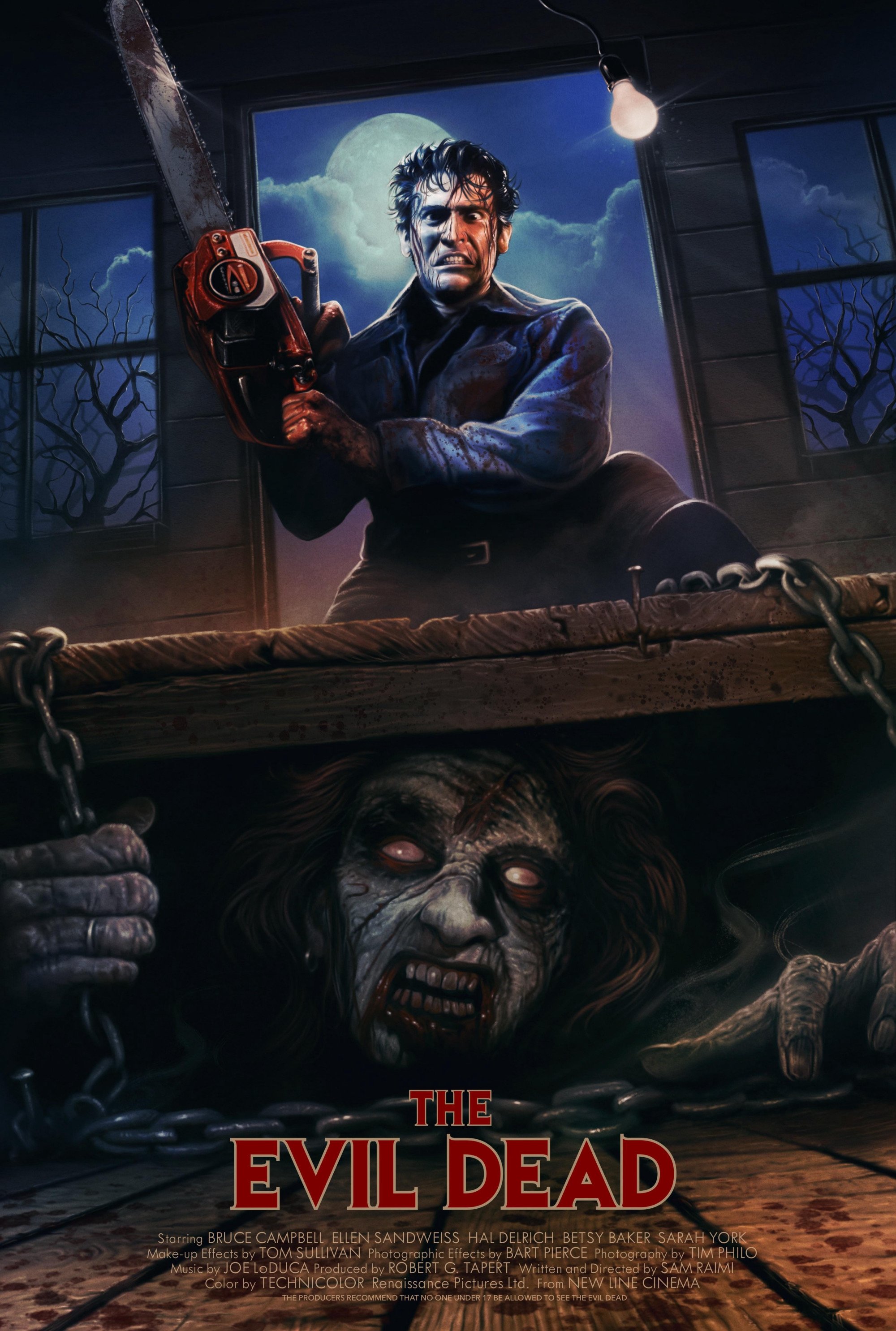
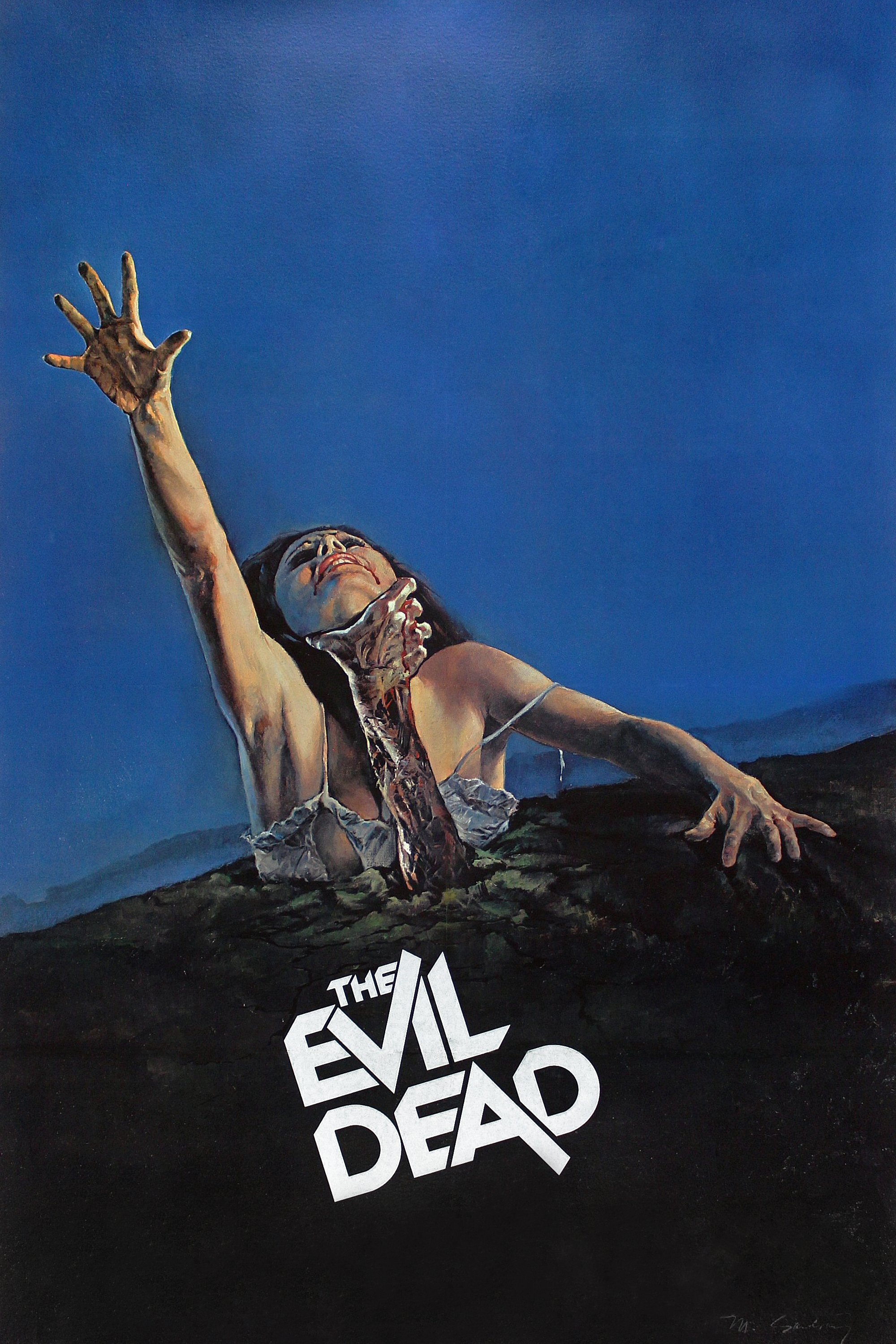
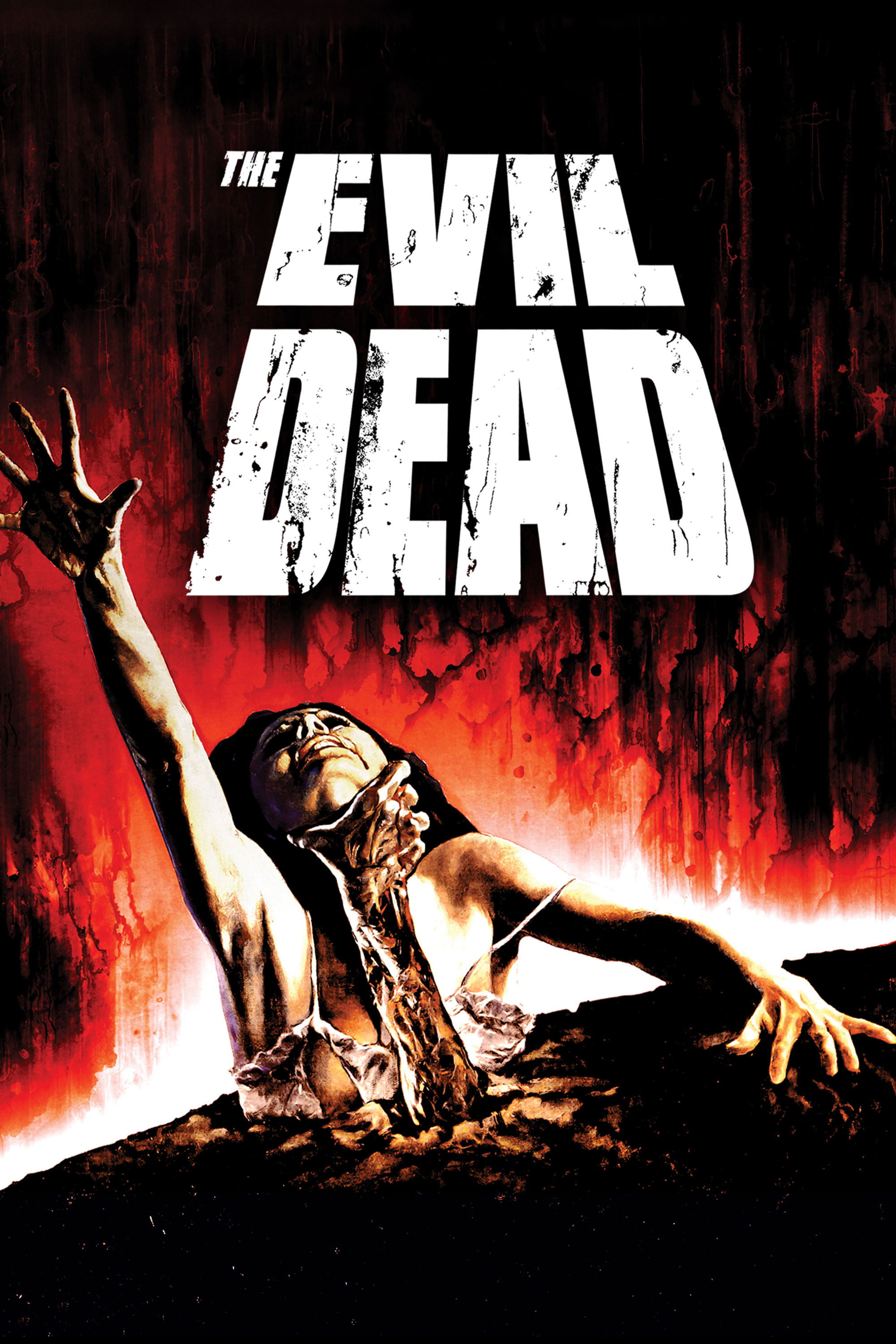
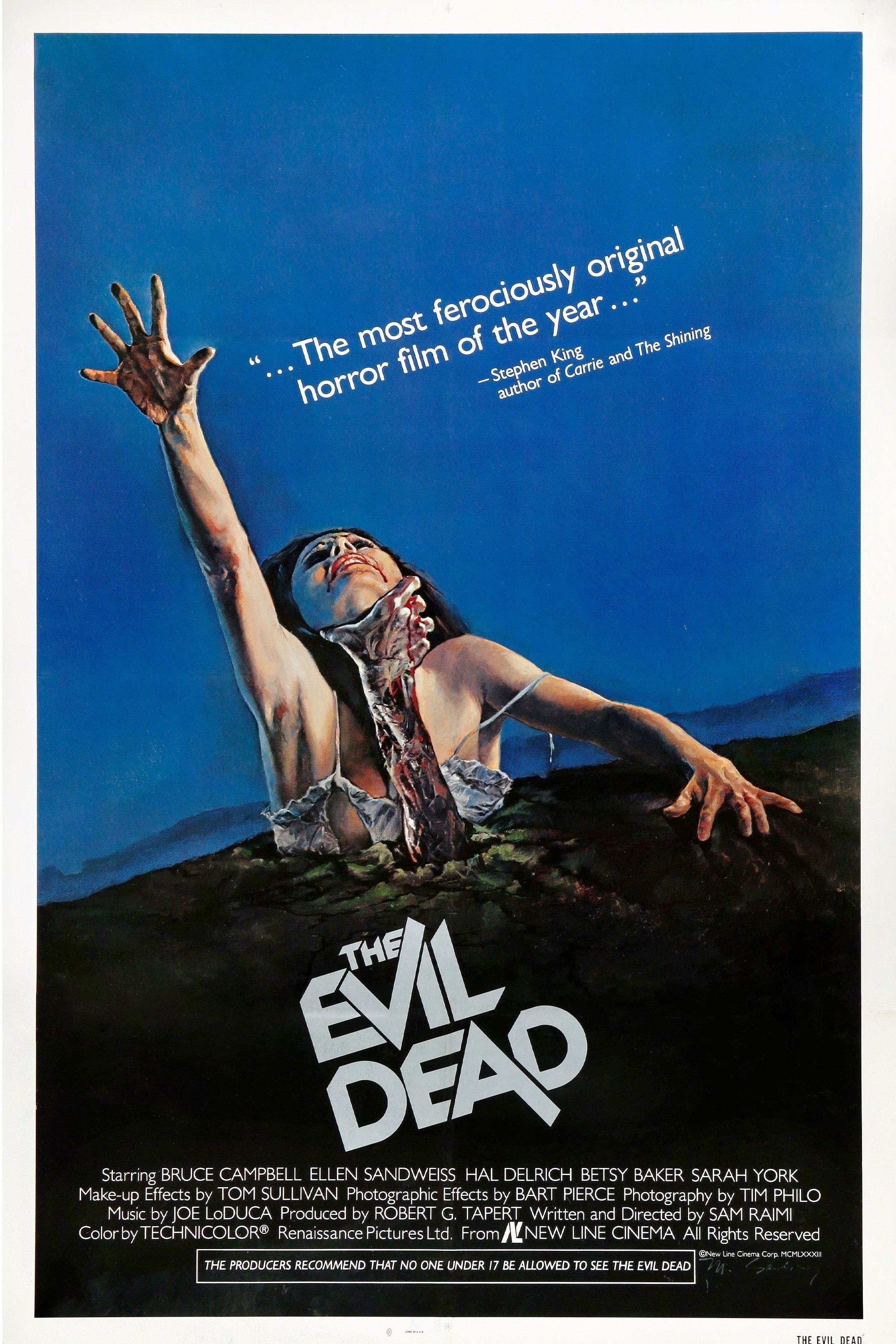
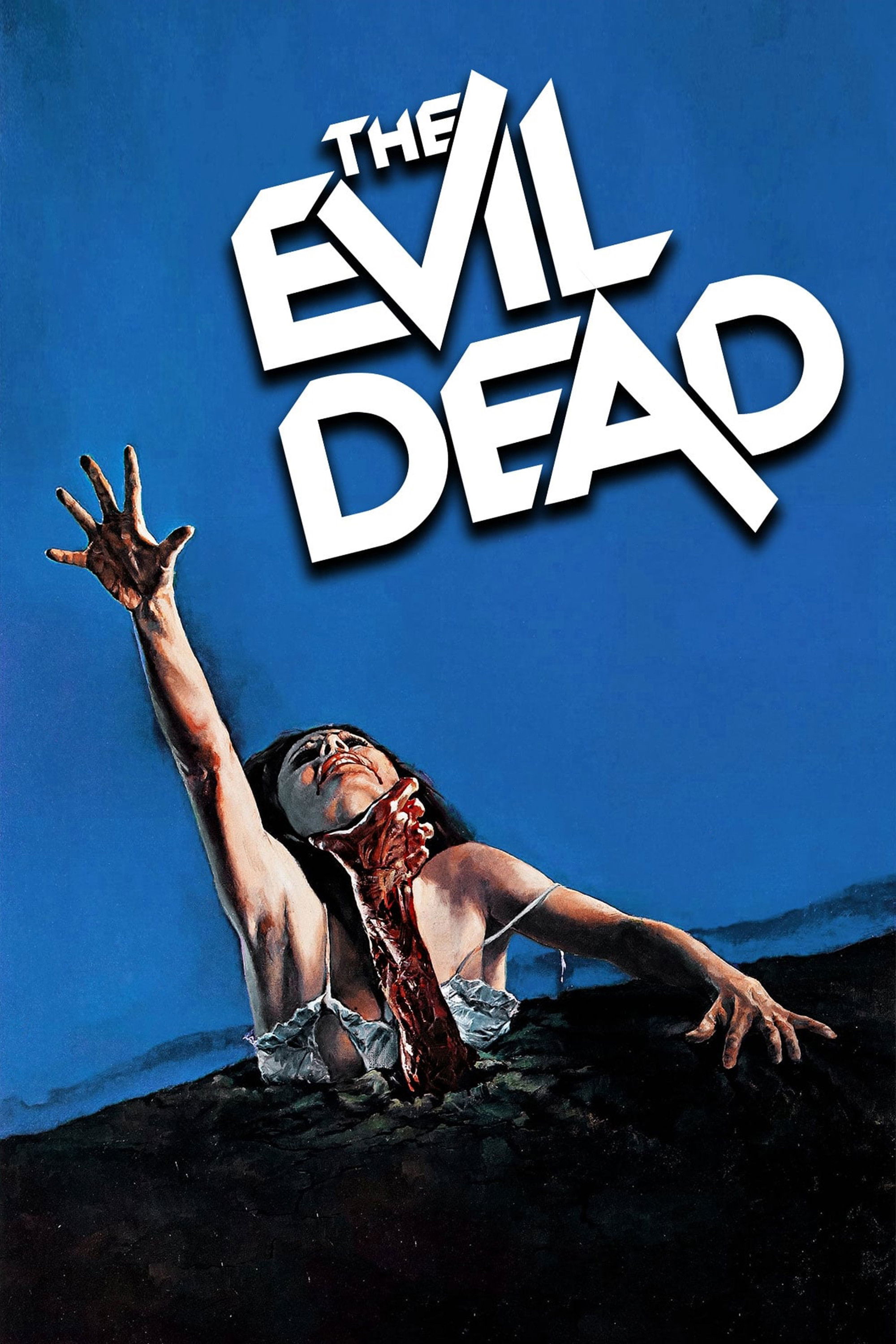
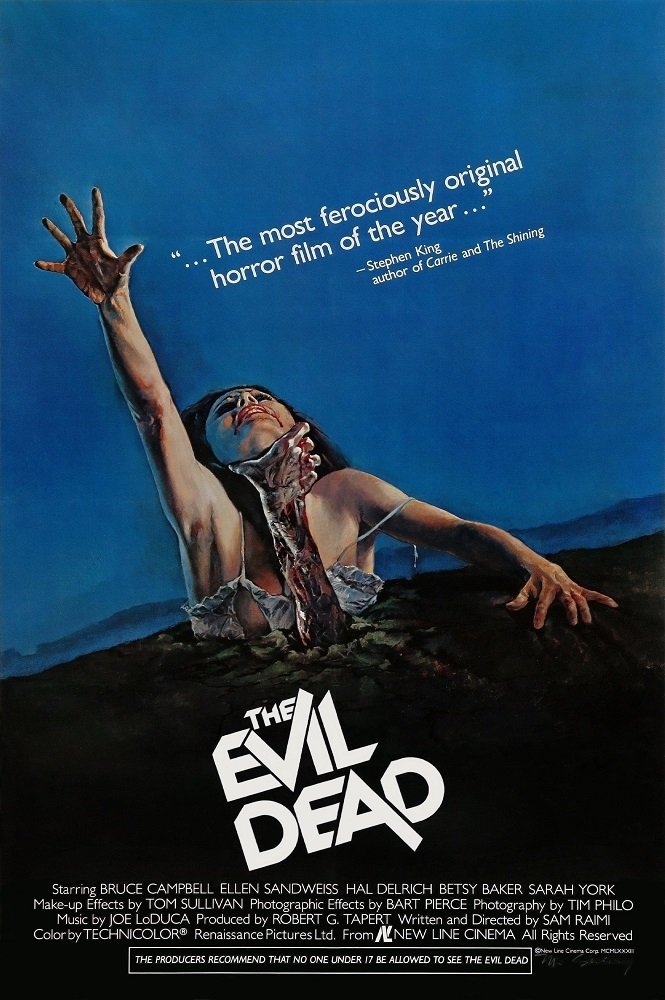
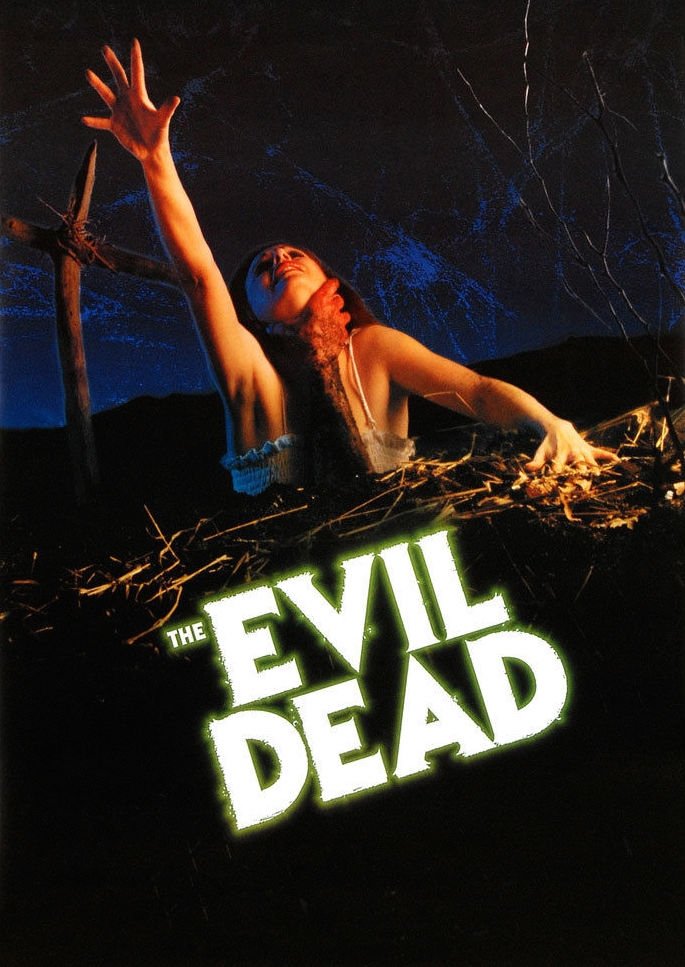
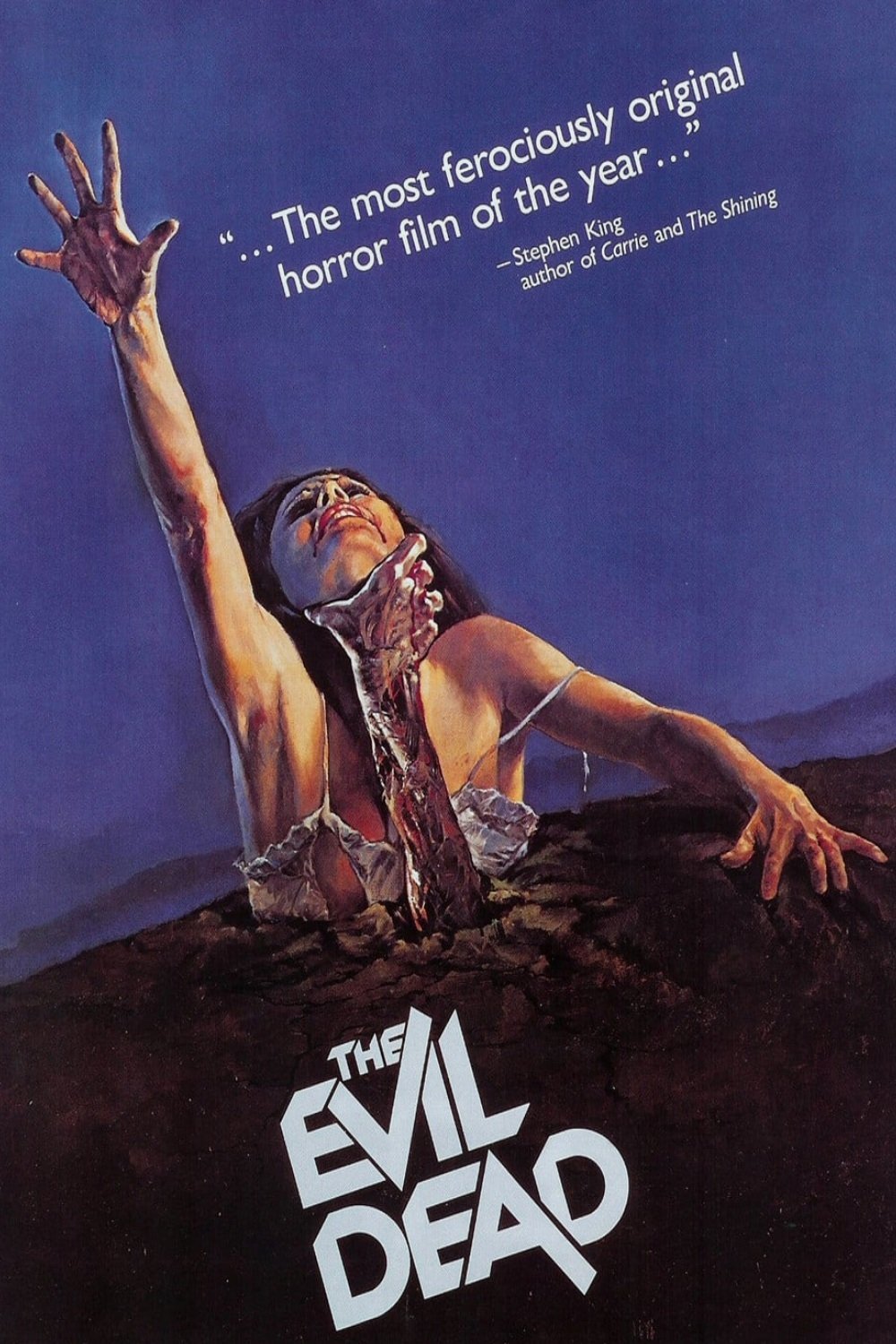
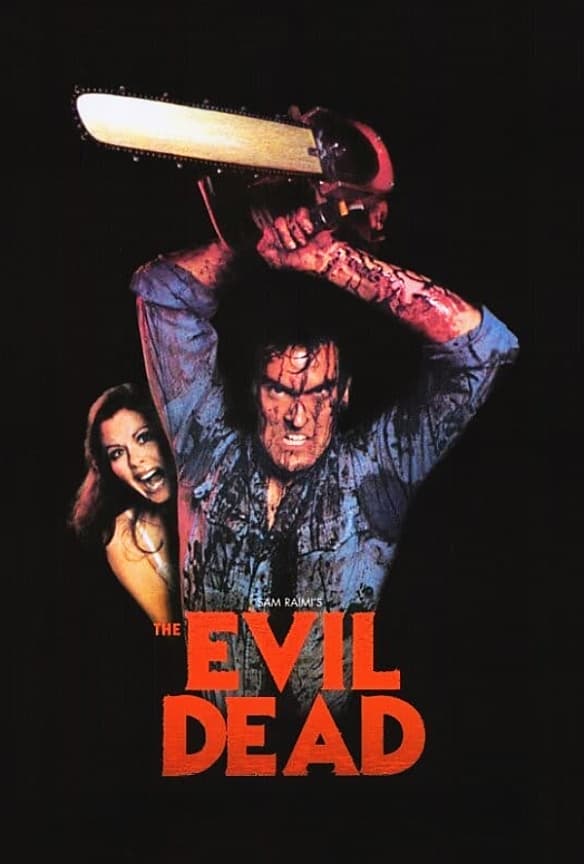
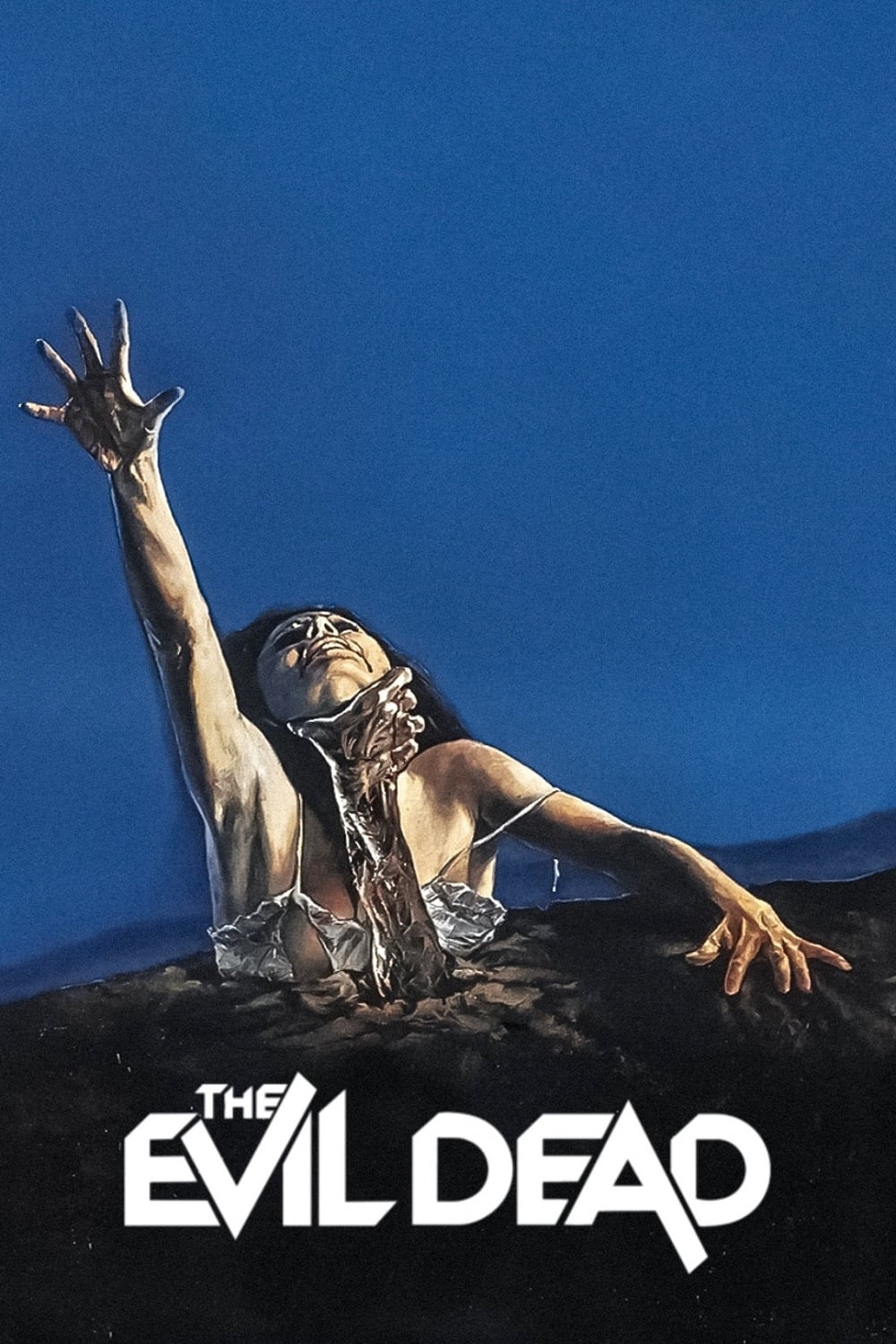
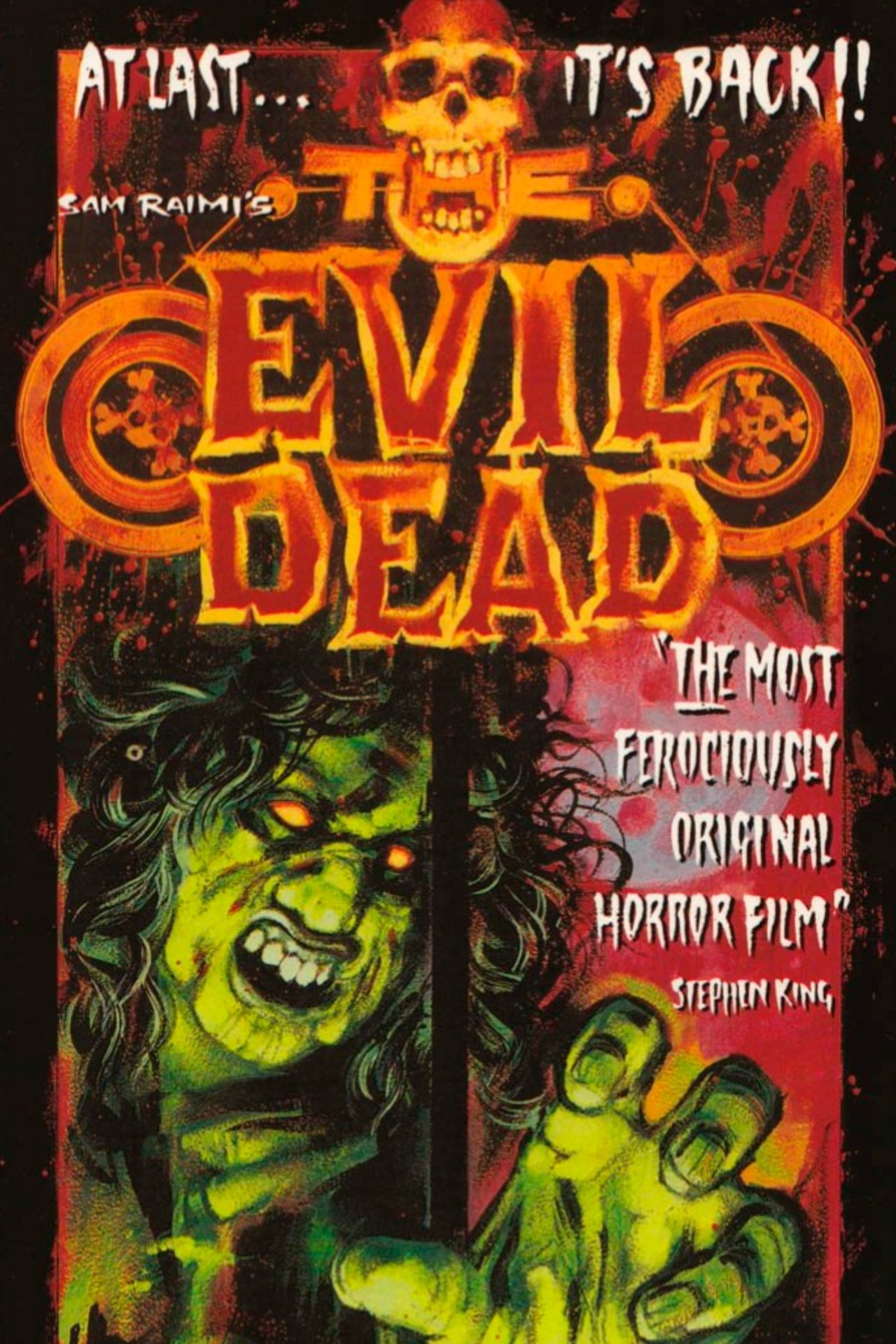
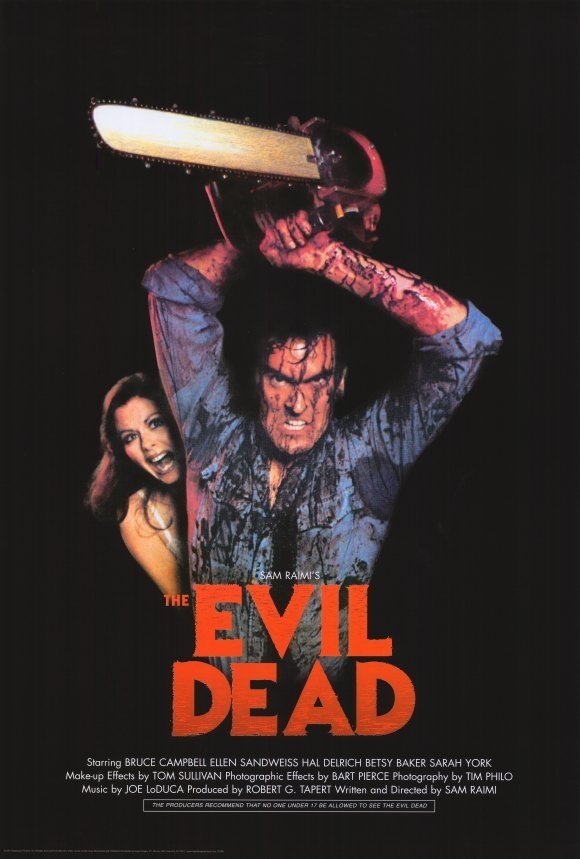
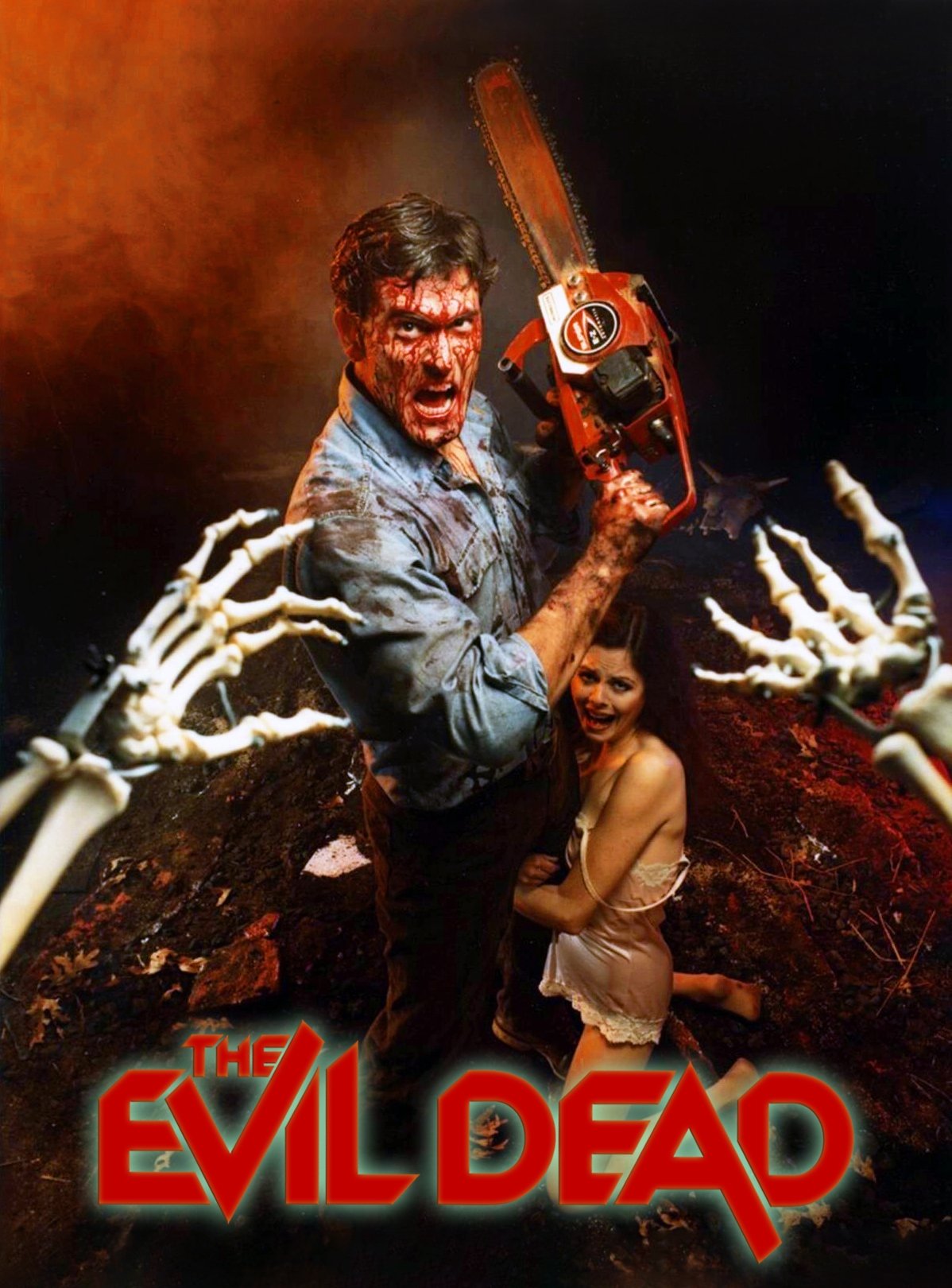
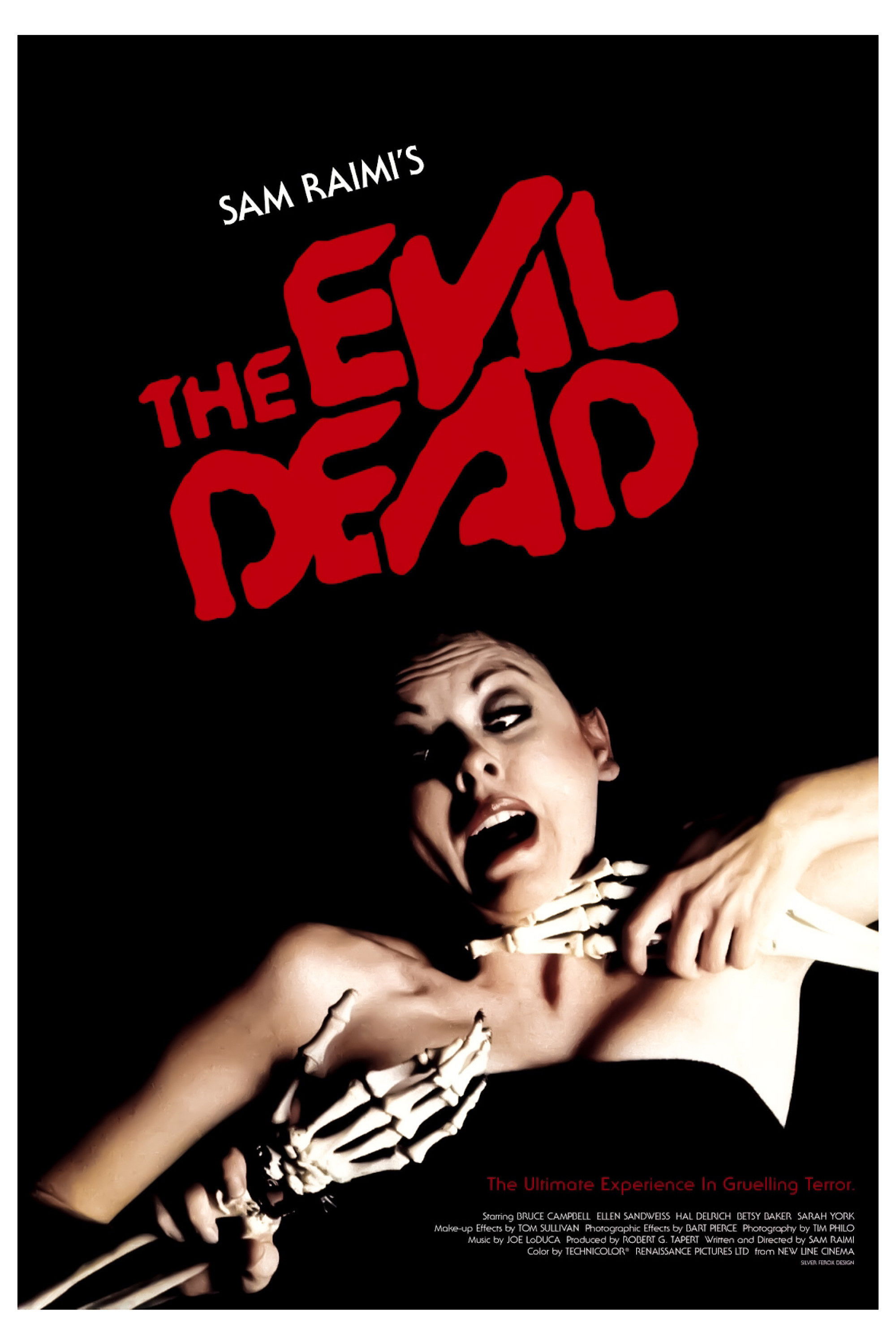
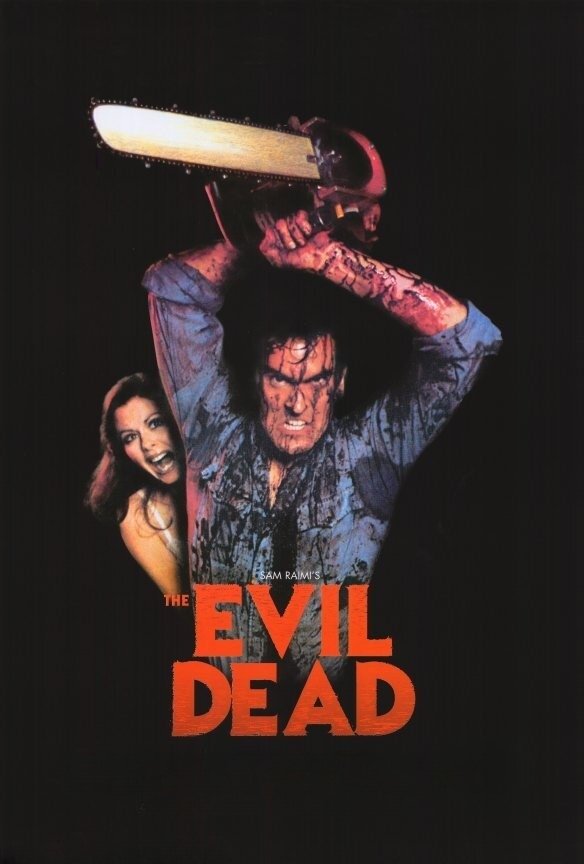
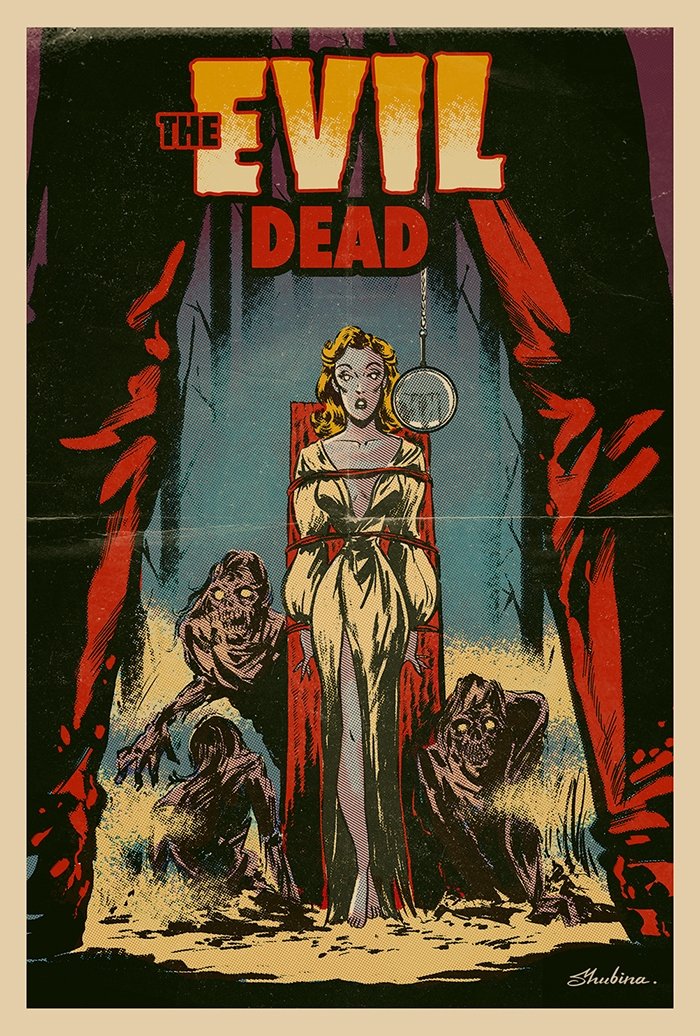
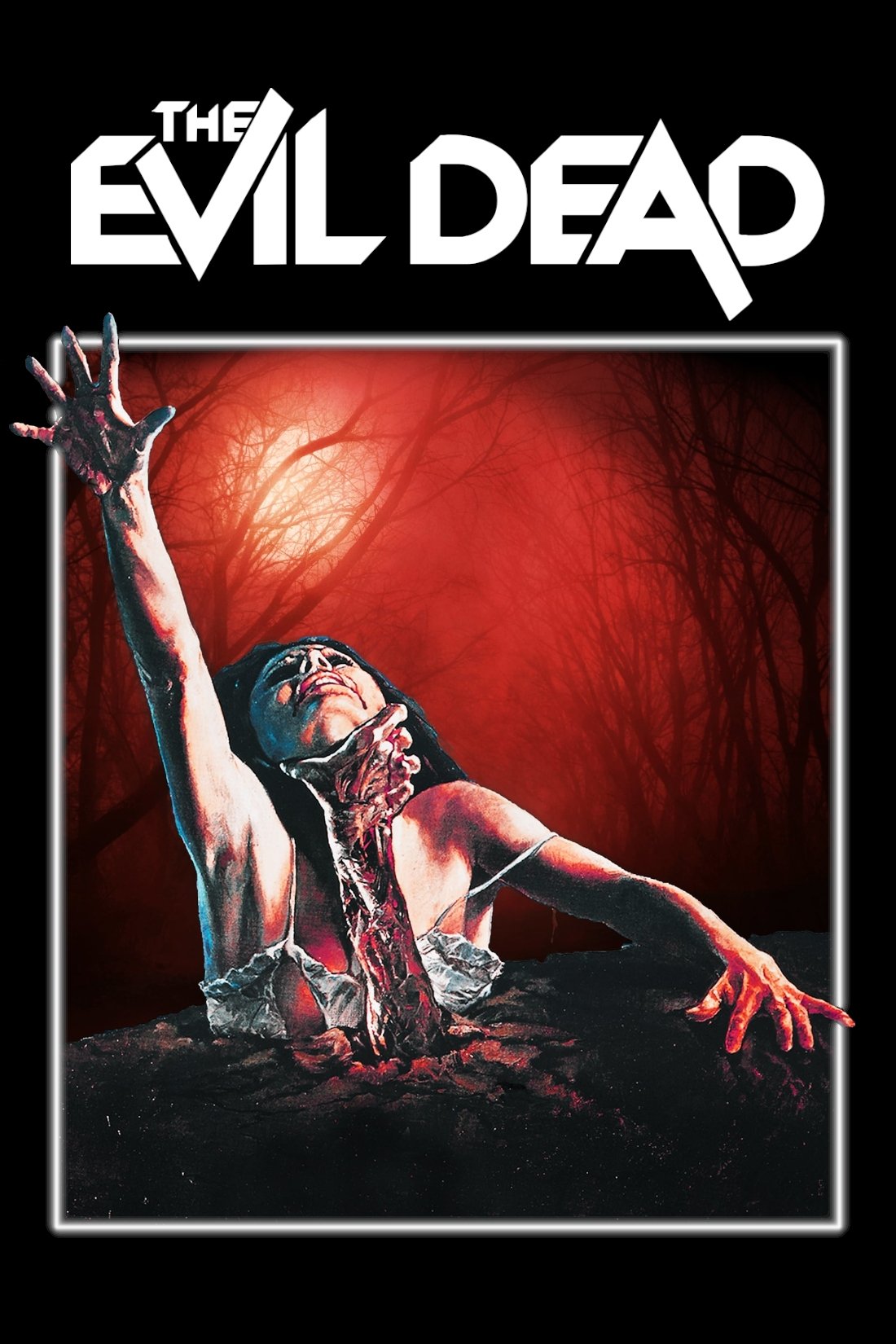
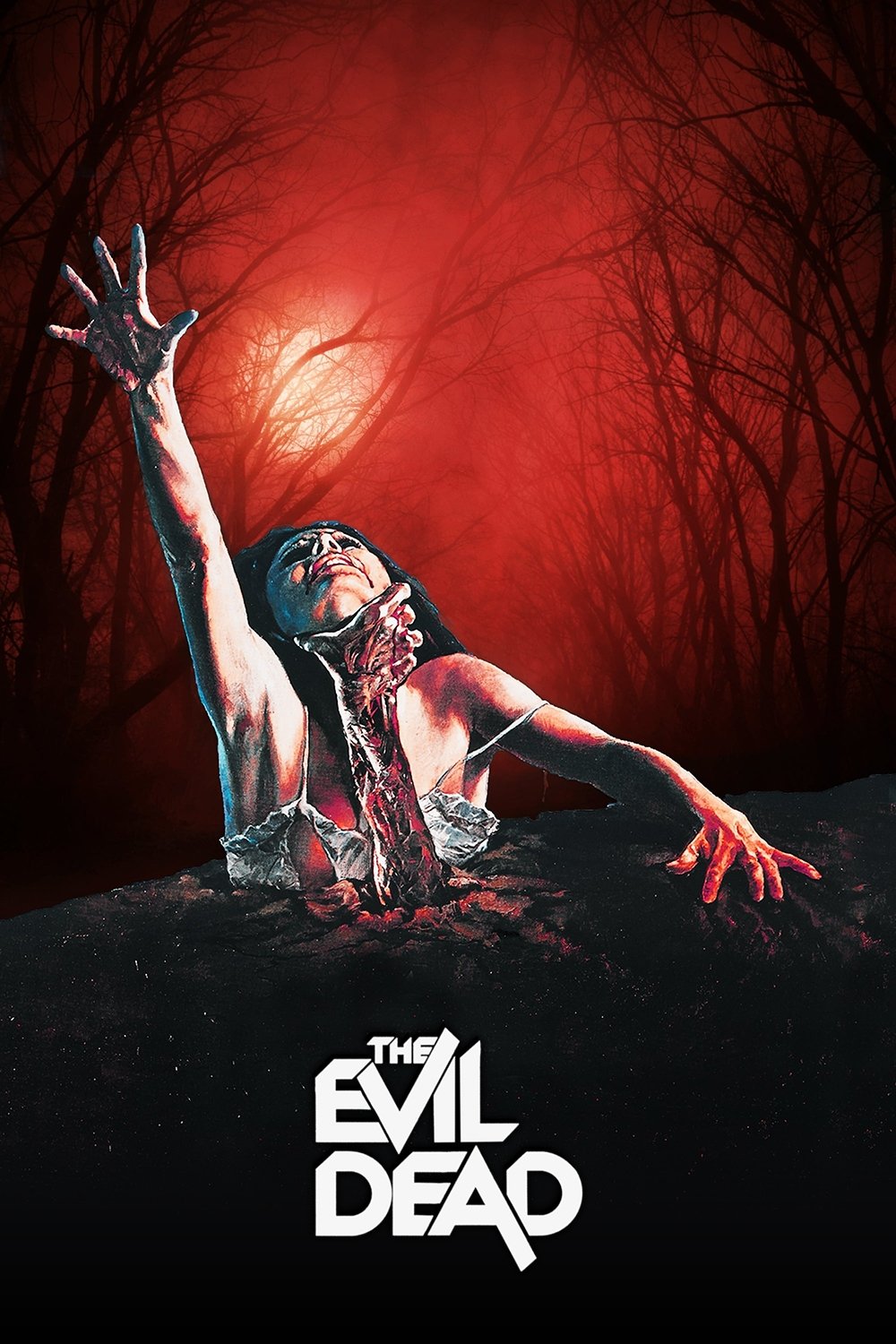
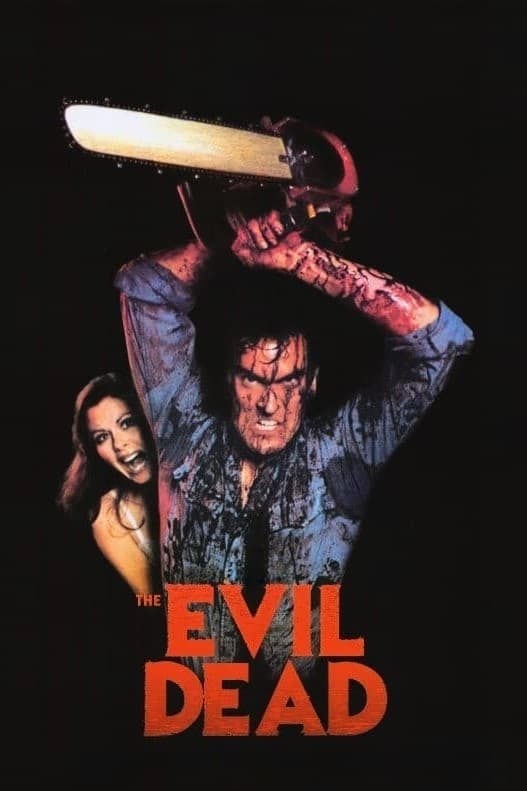
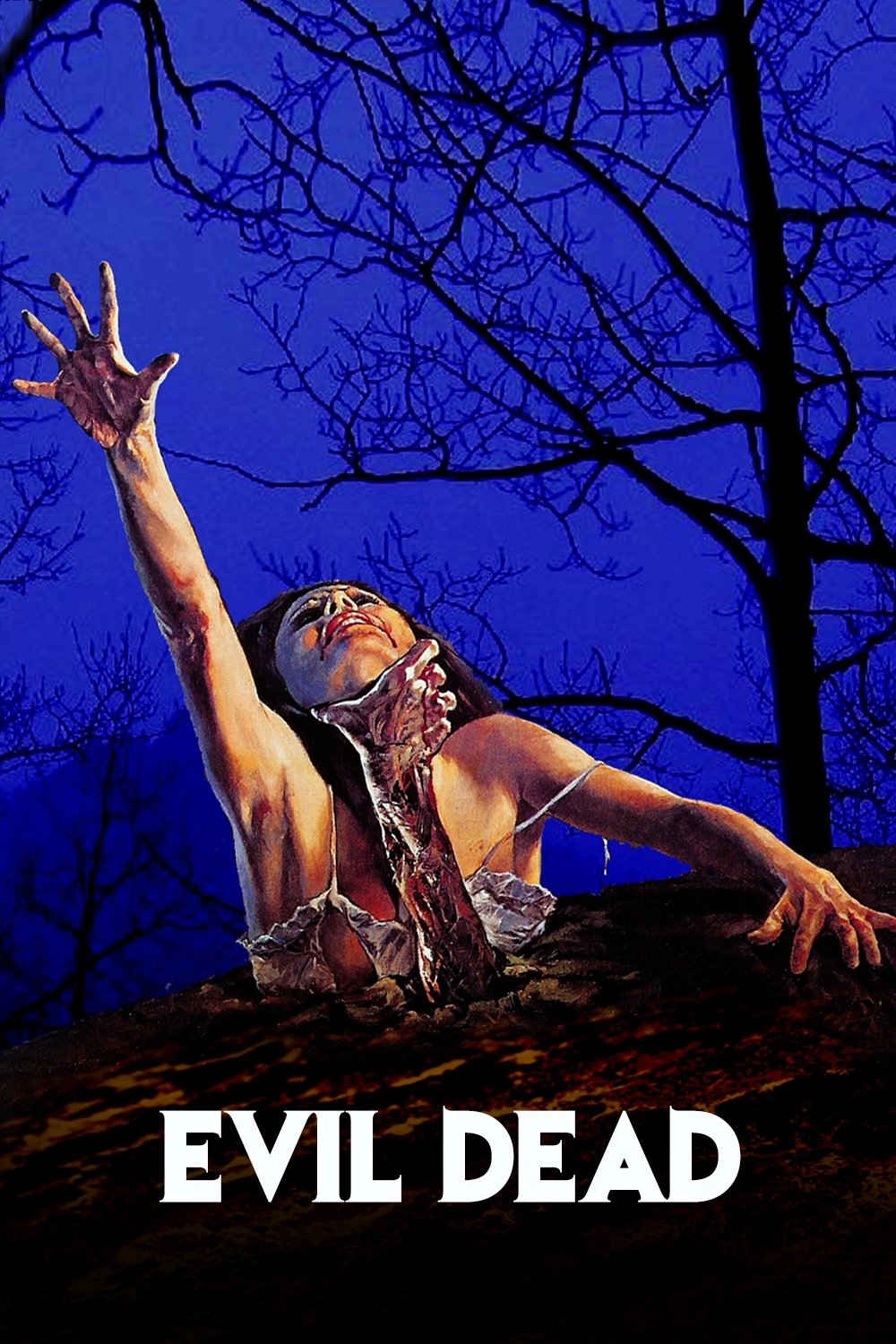
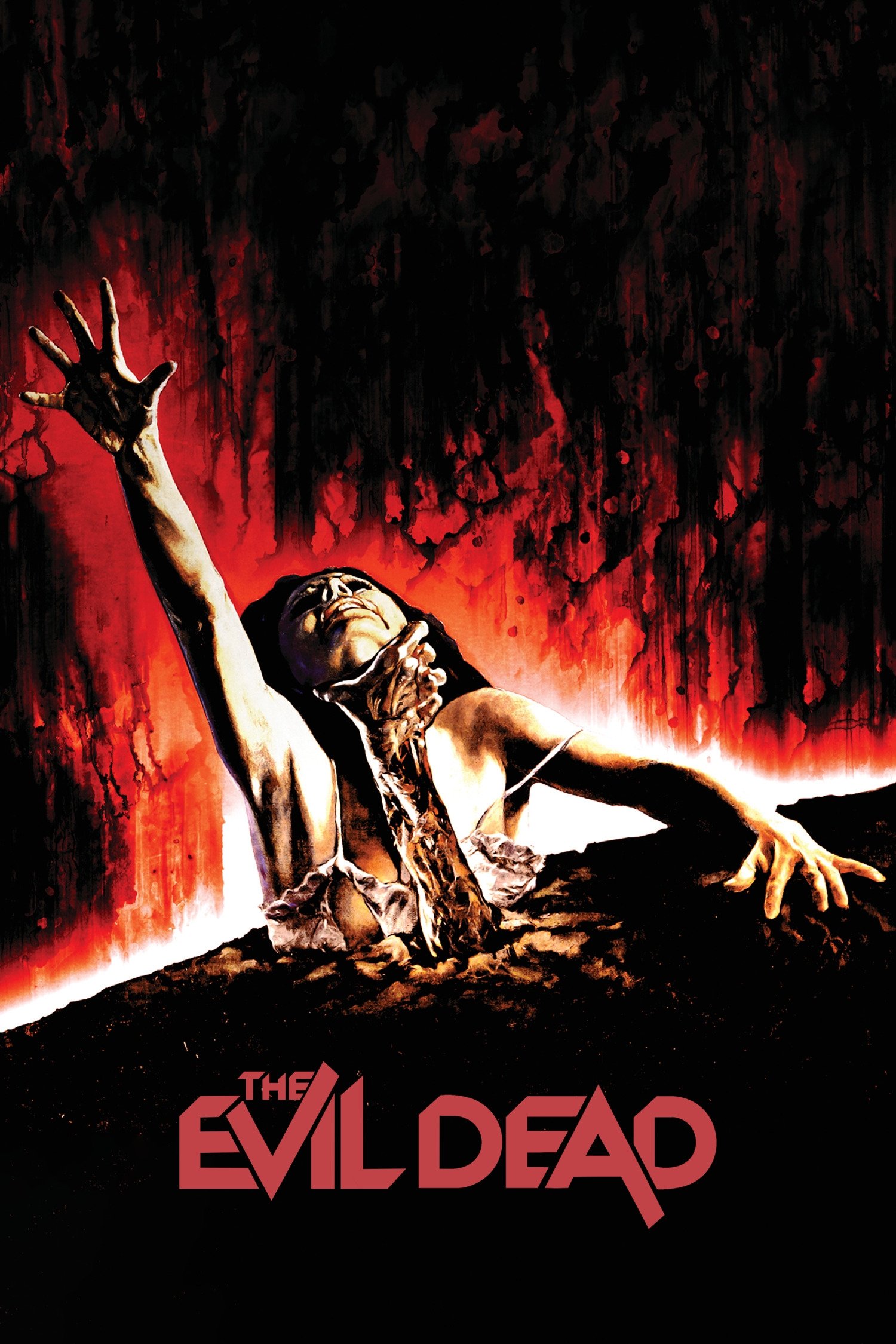
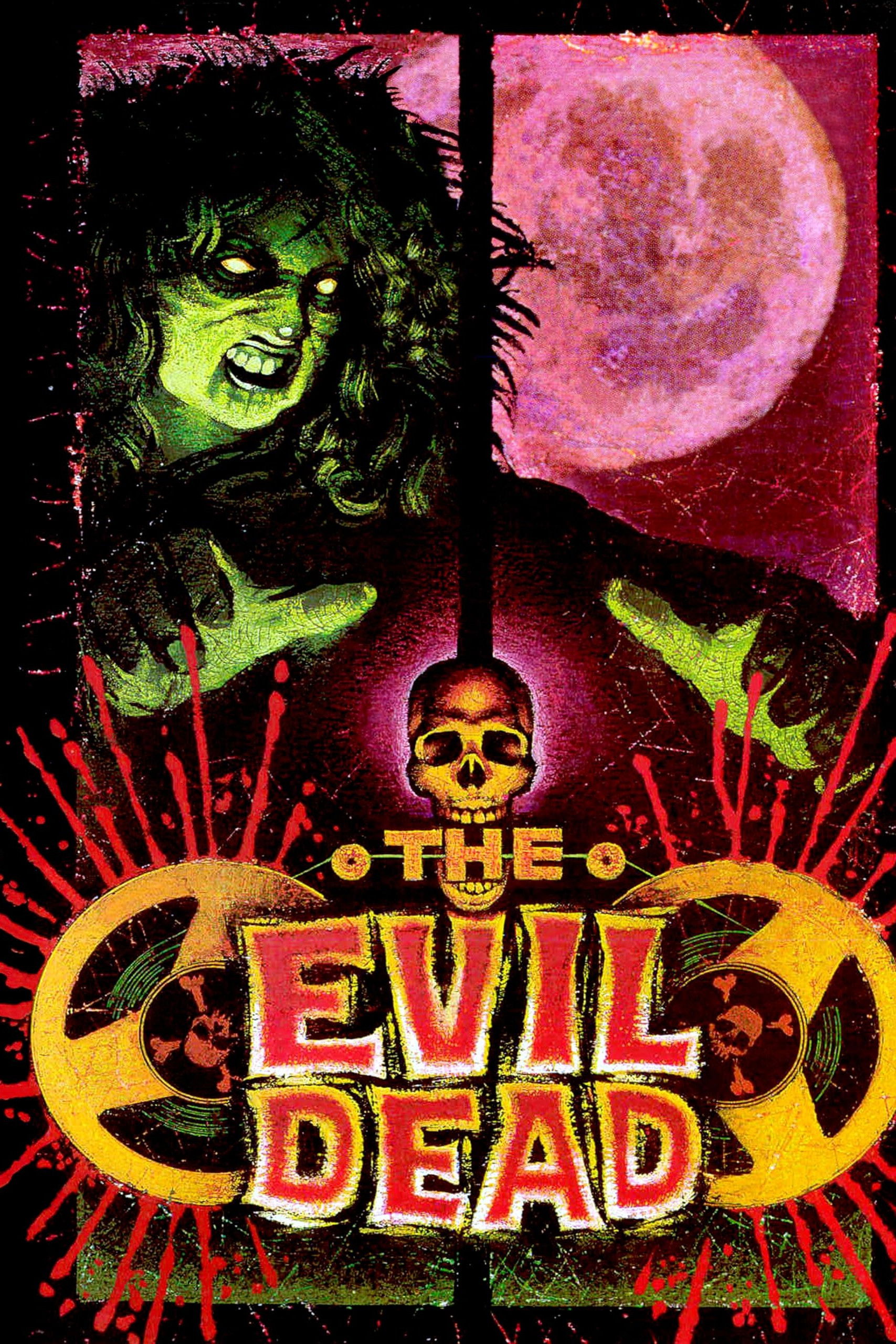
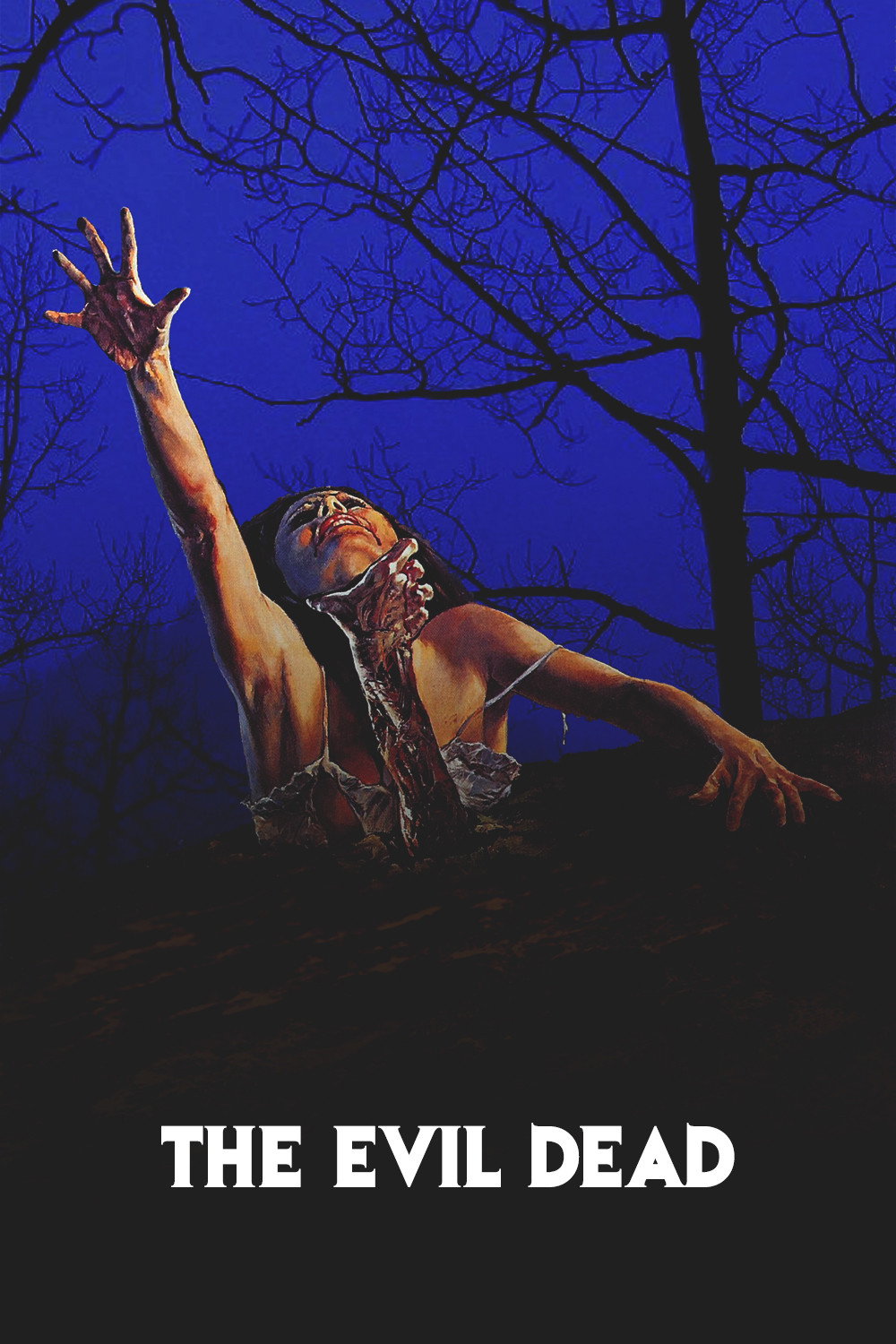
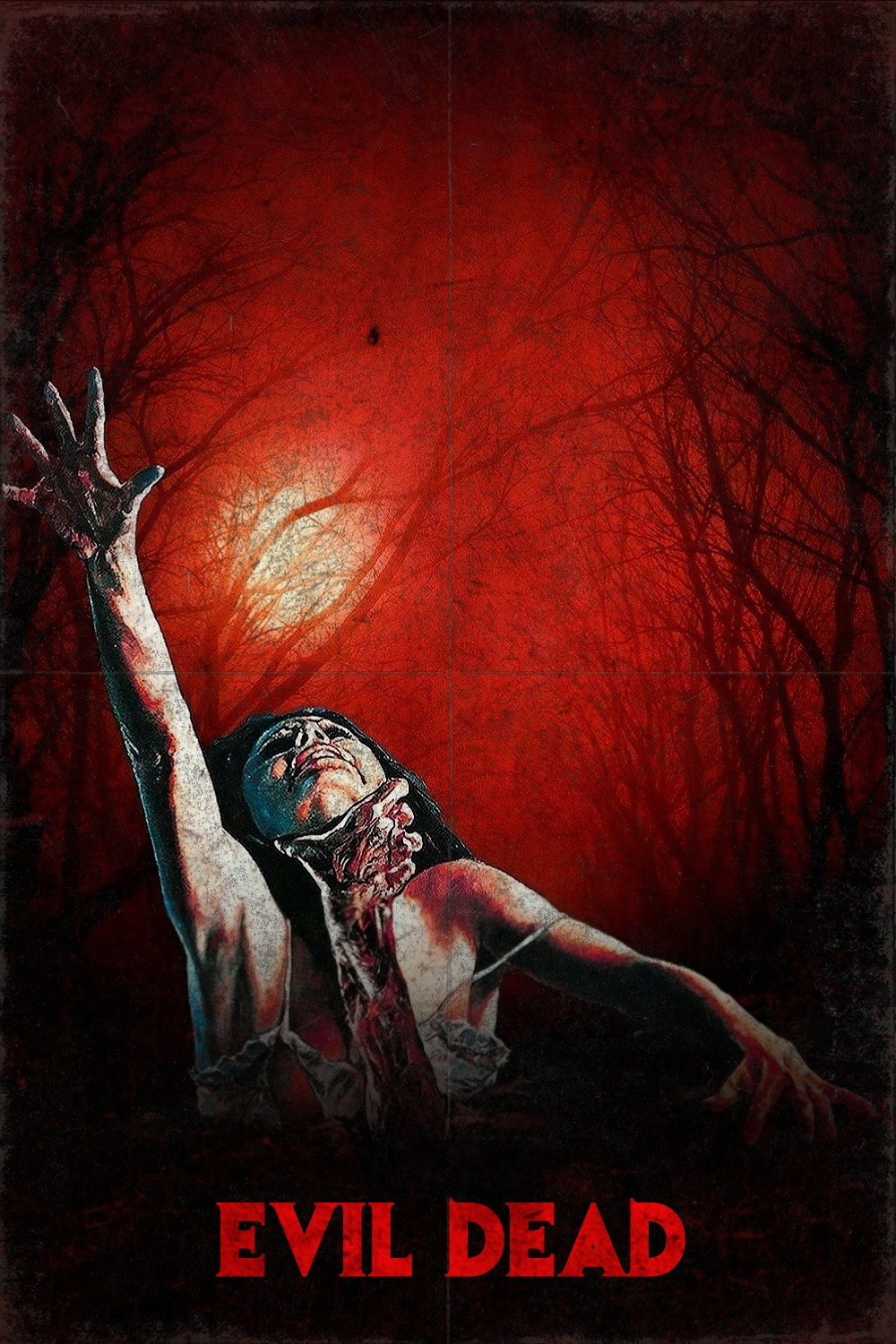
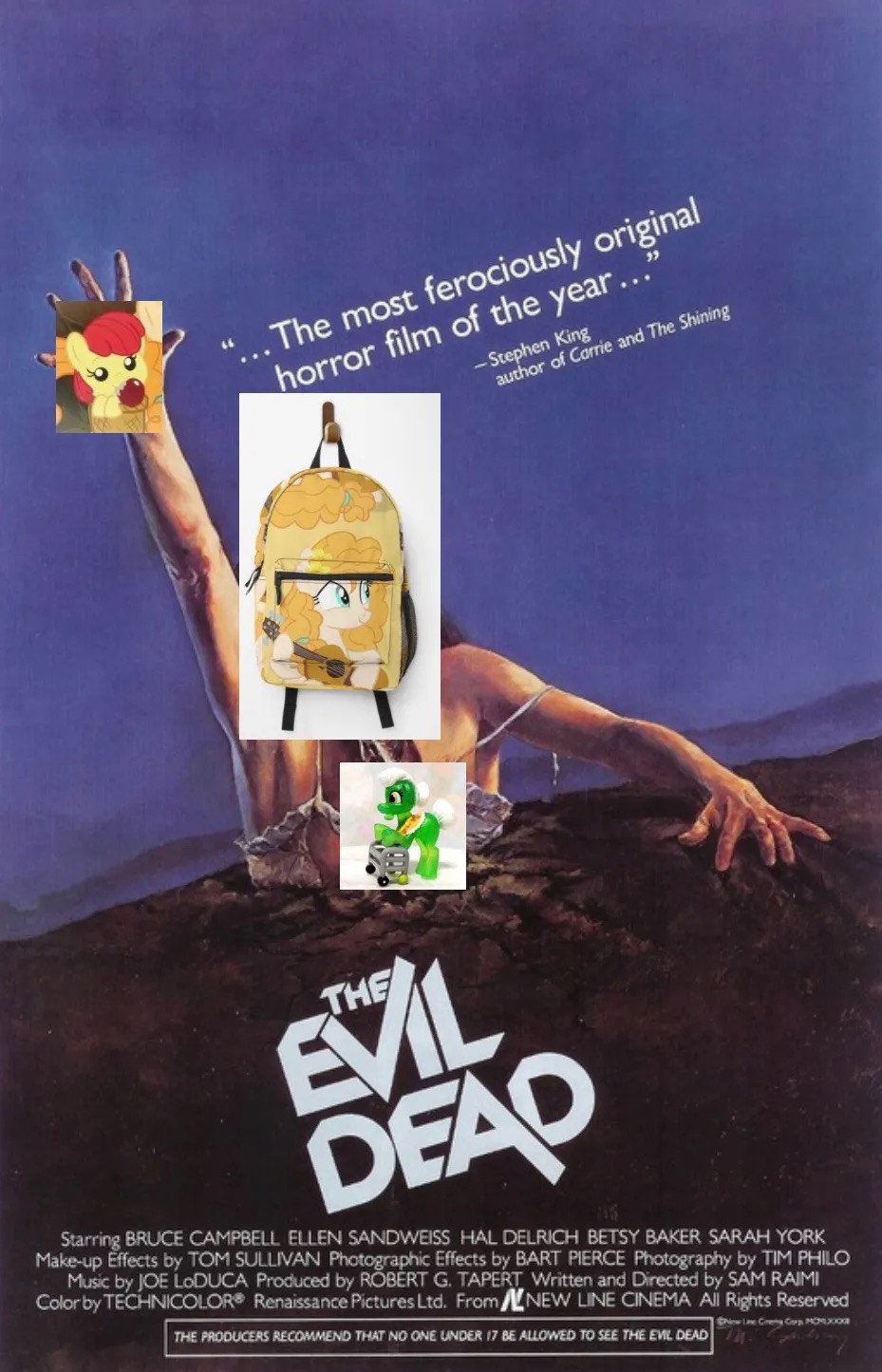
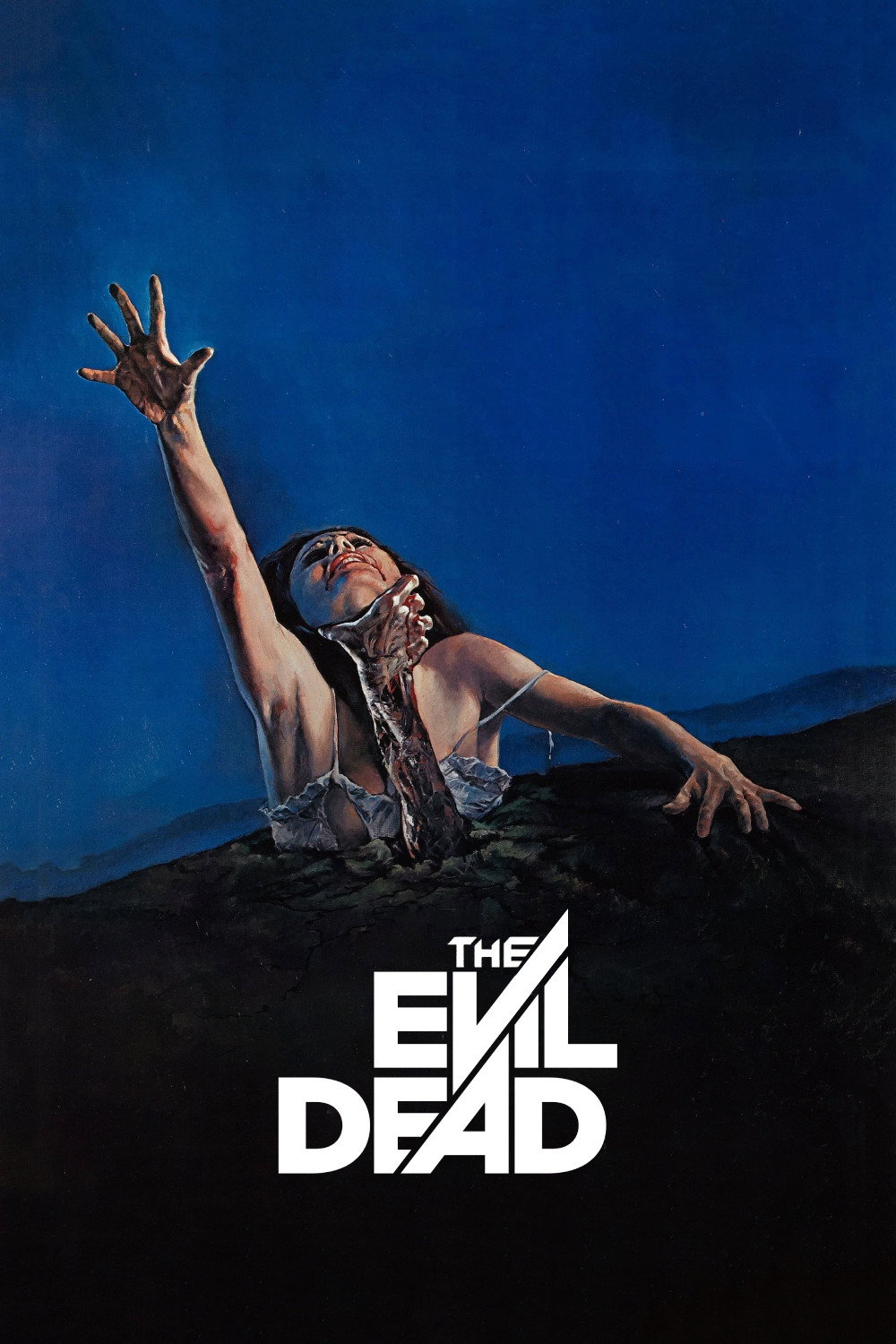
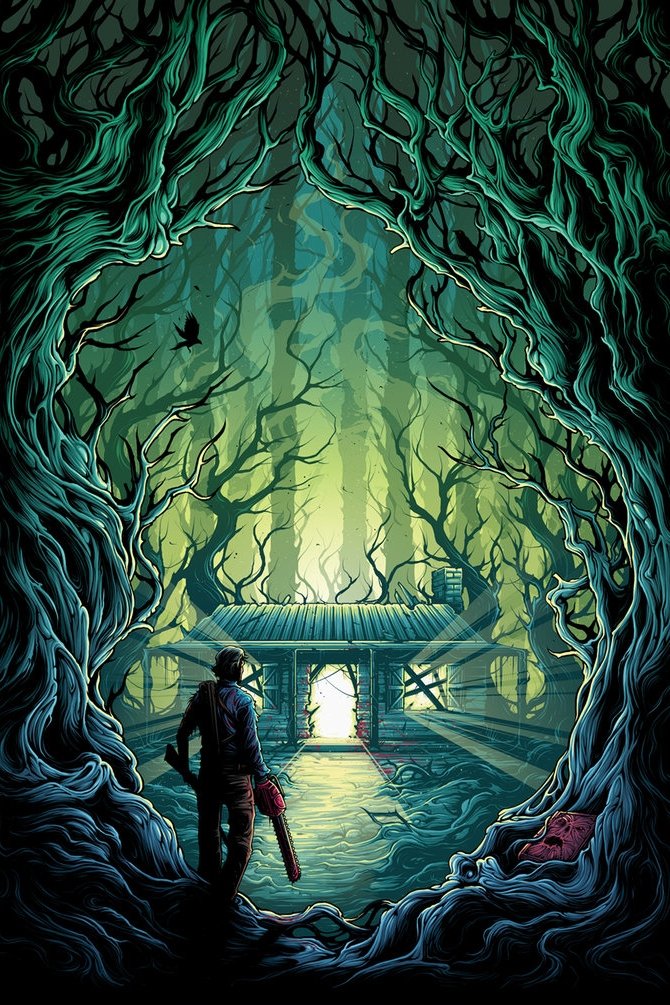
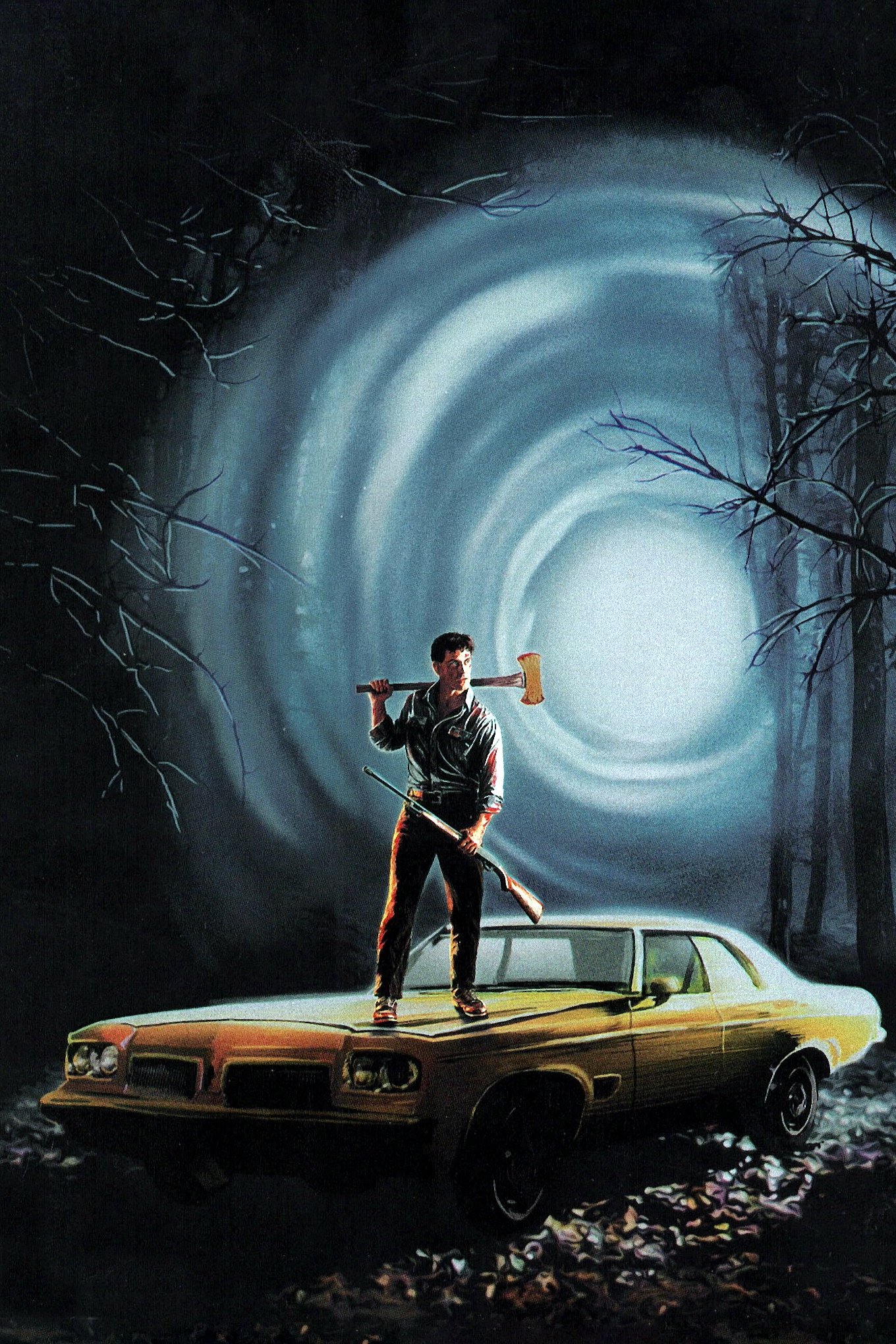
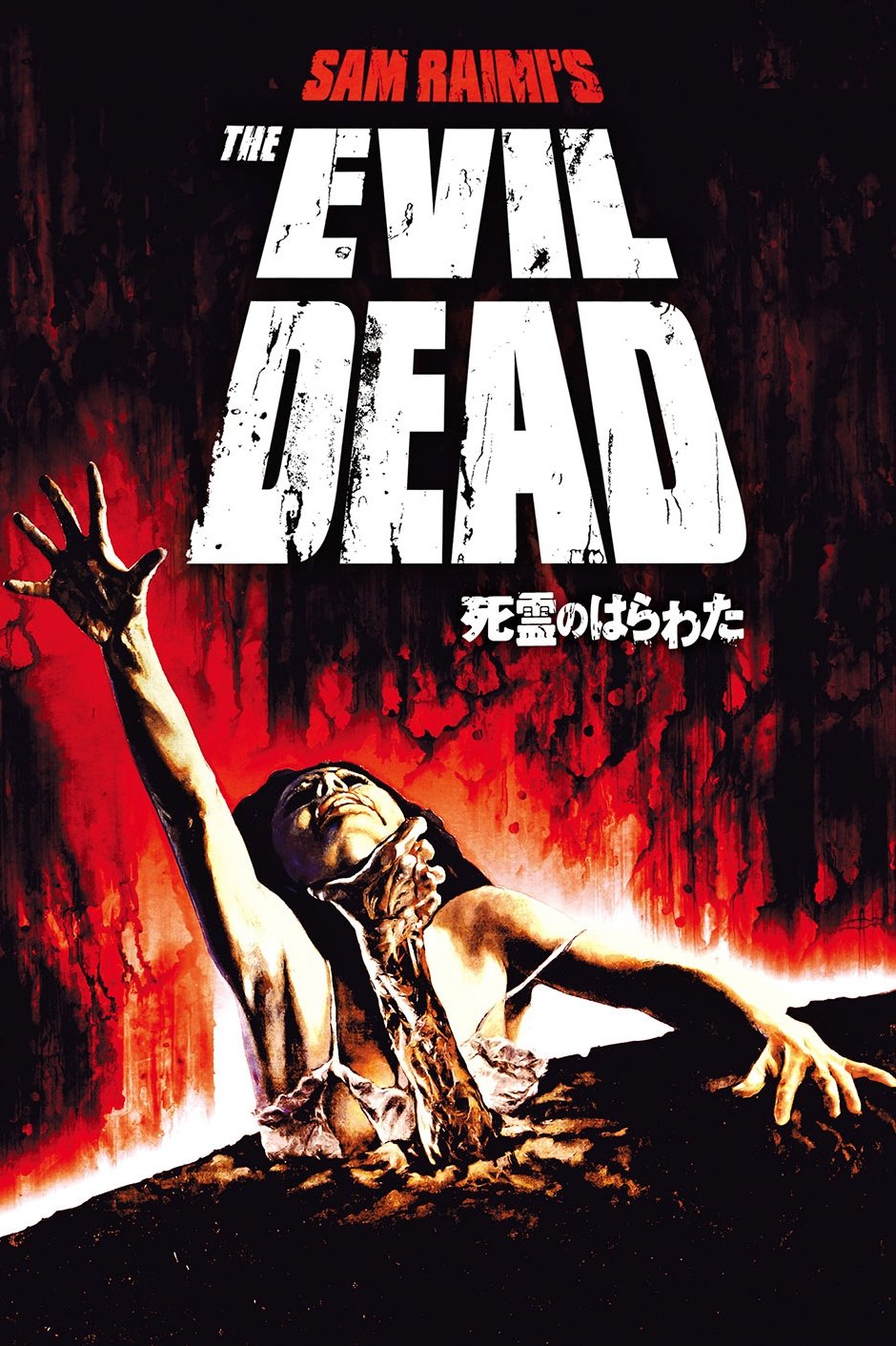
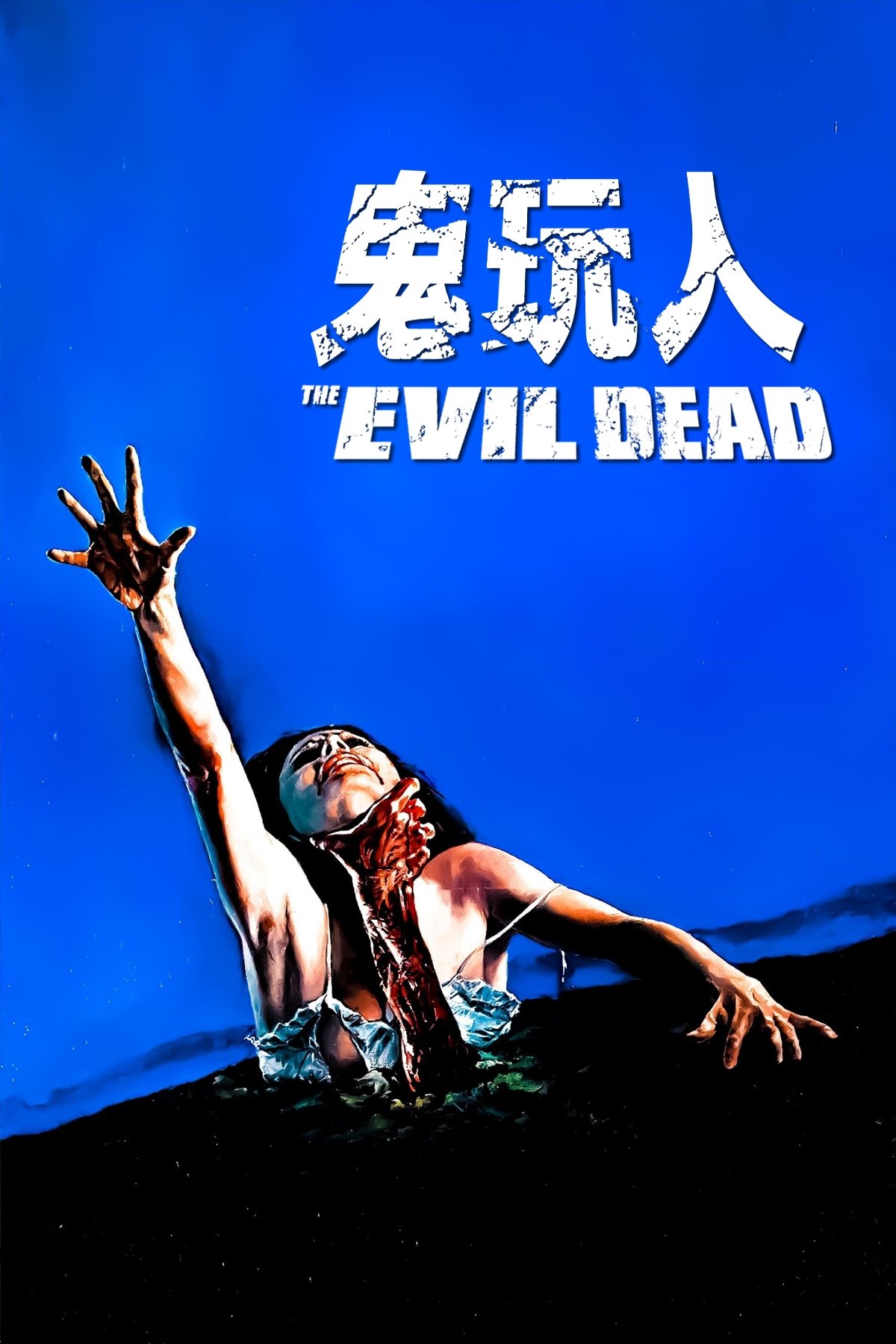
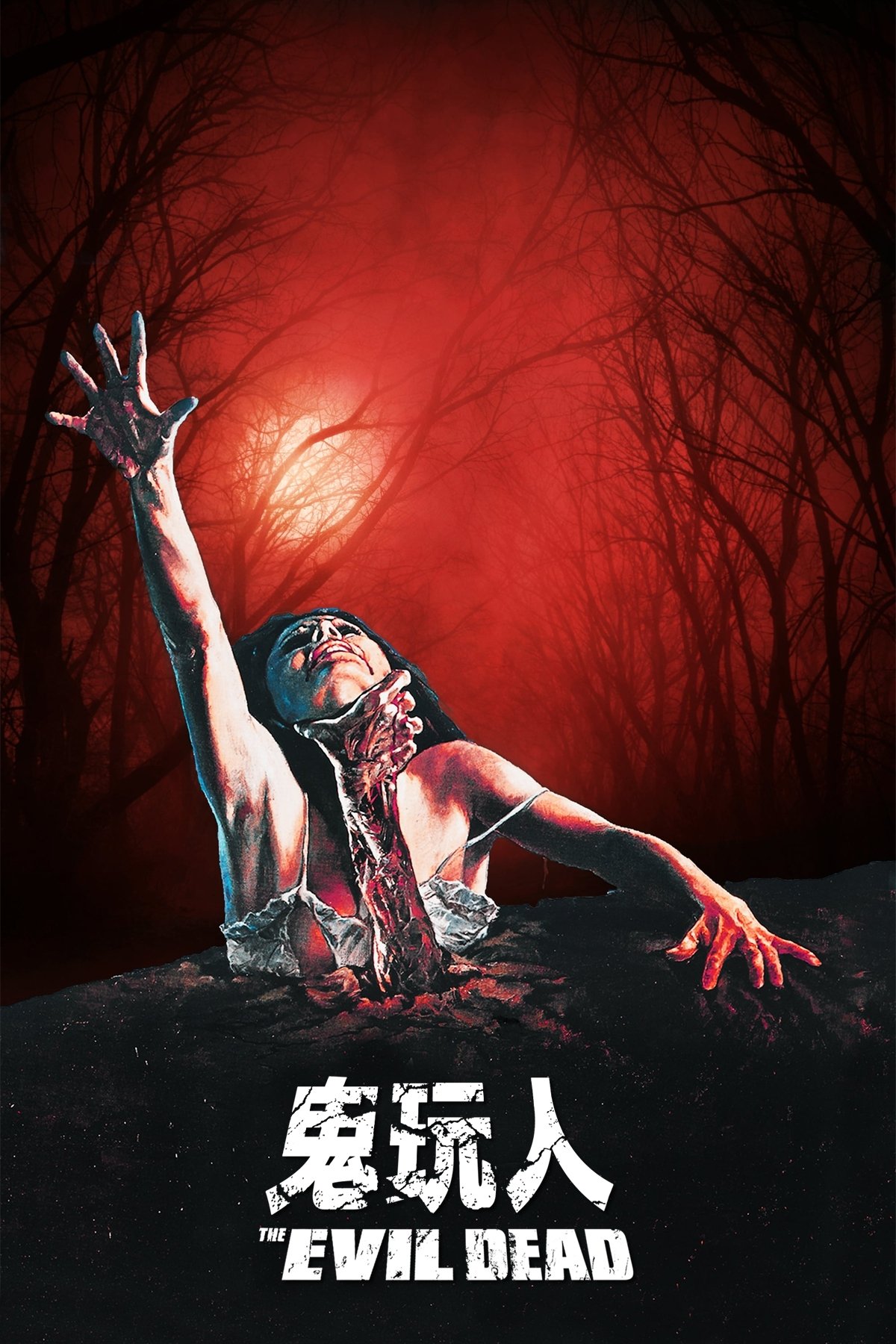
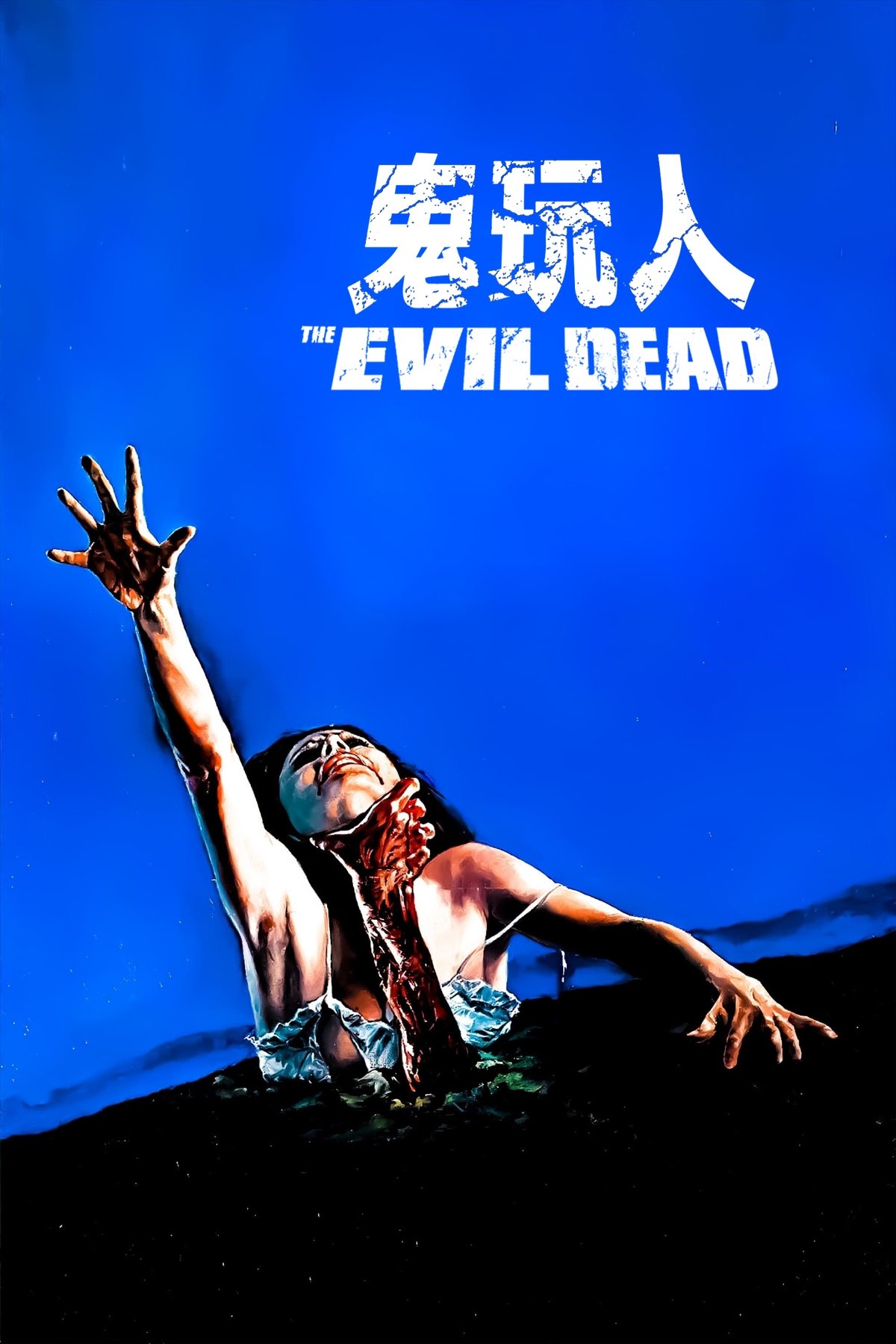
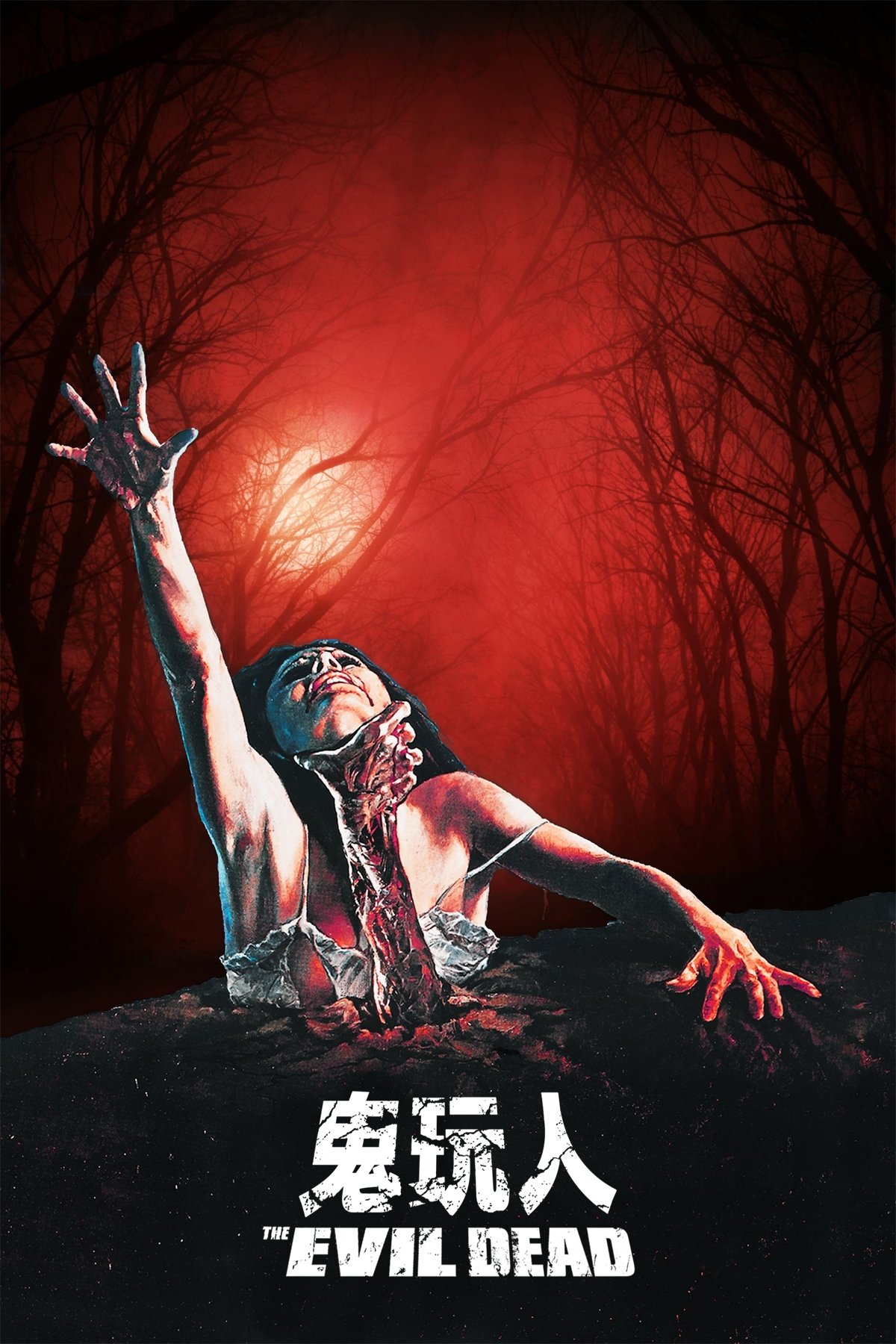
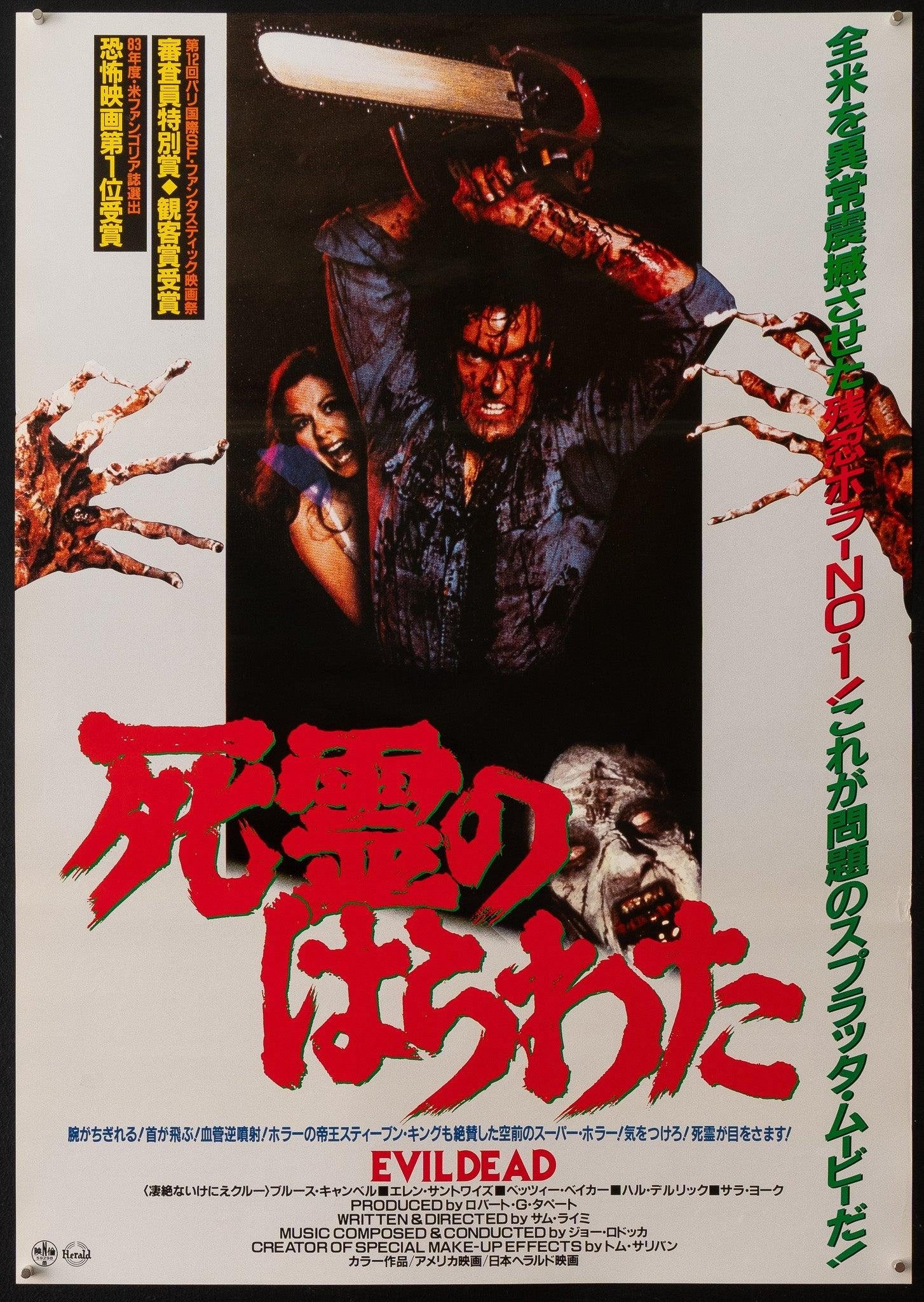
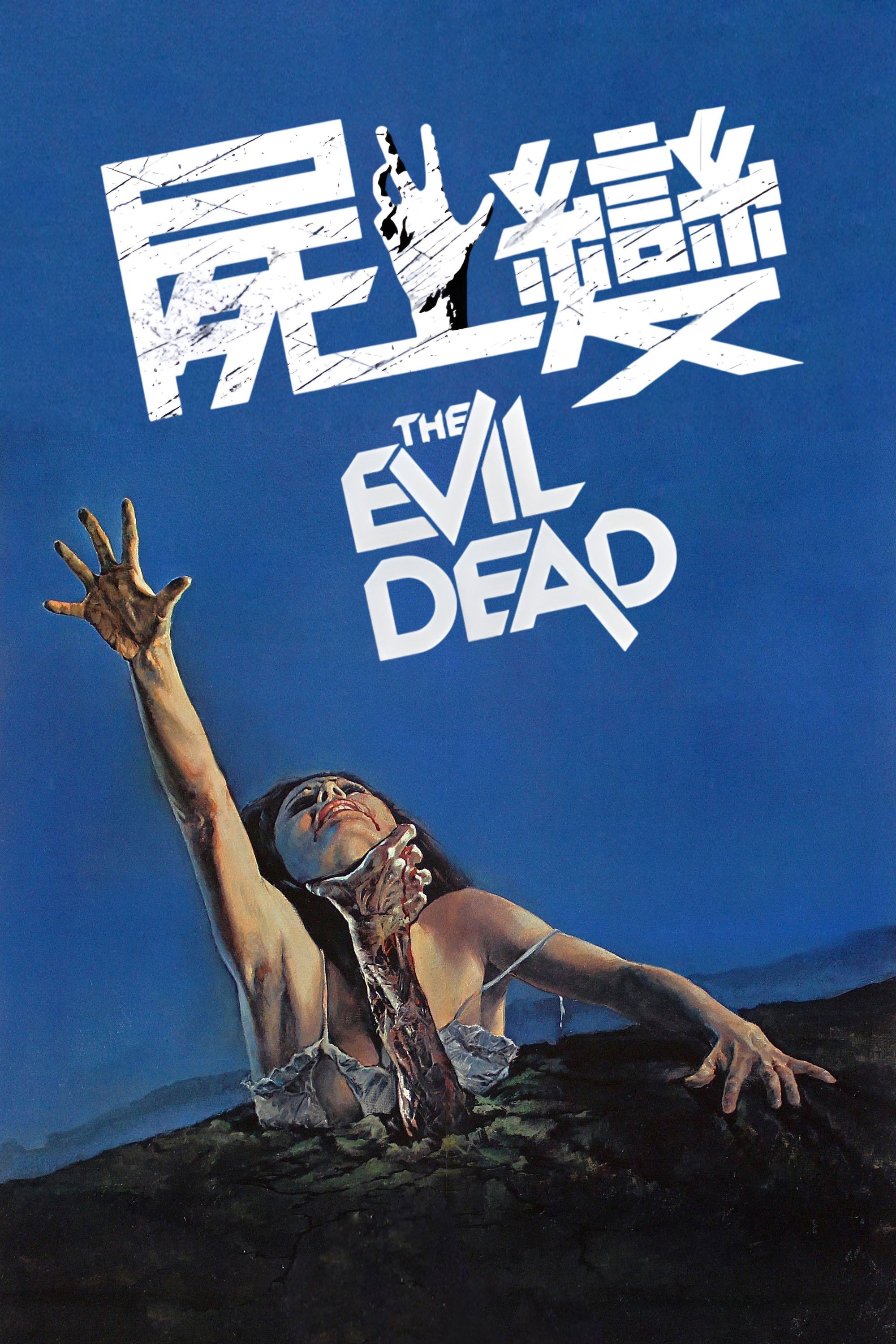
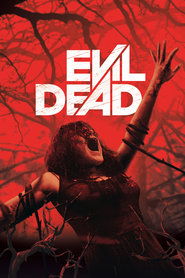
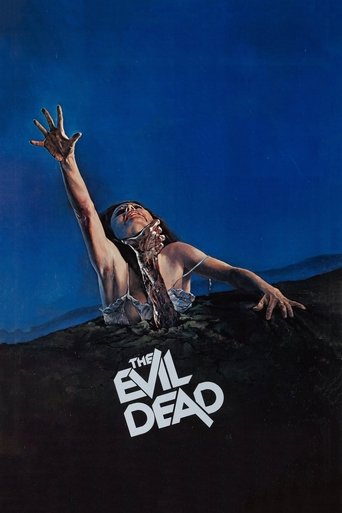
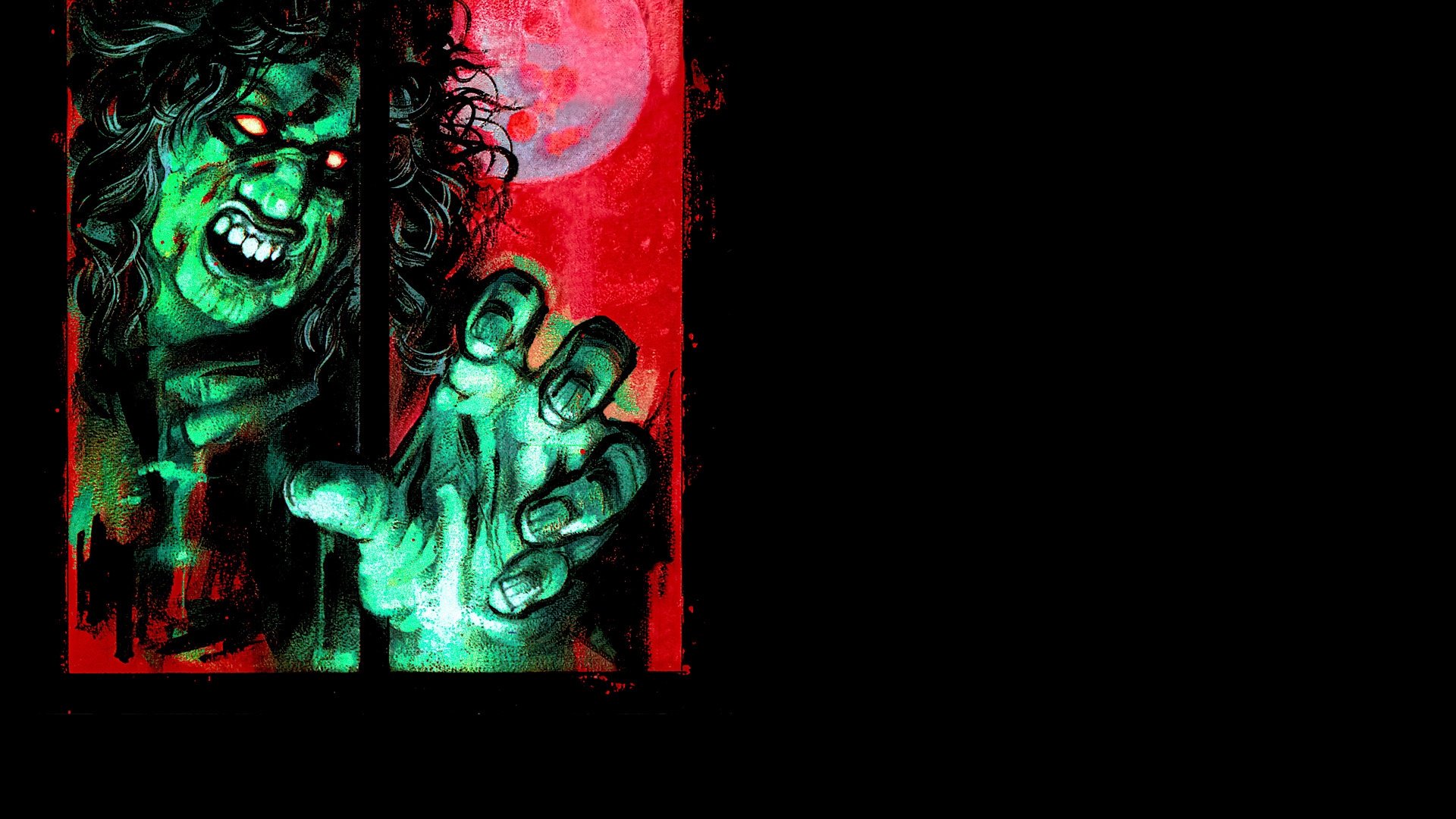
The Evil Dead (1981) poster
Director
Writer
Production Company
Renaissance Pictures
Plot

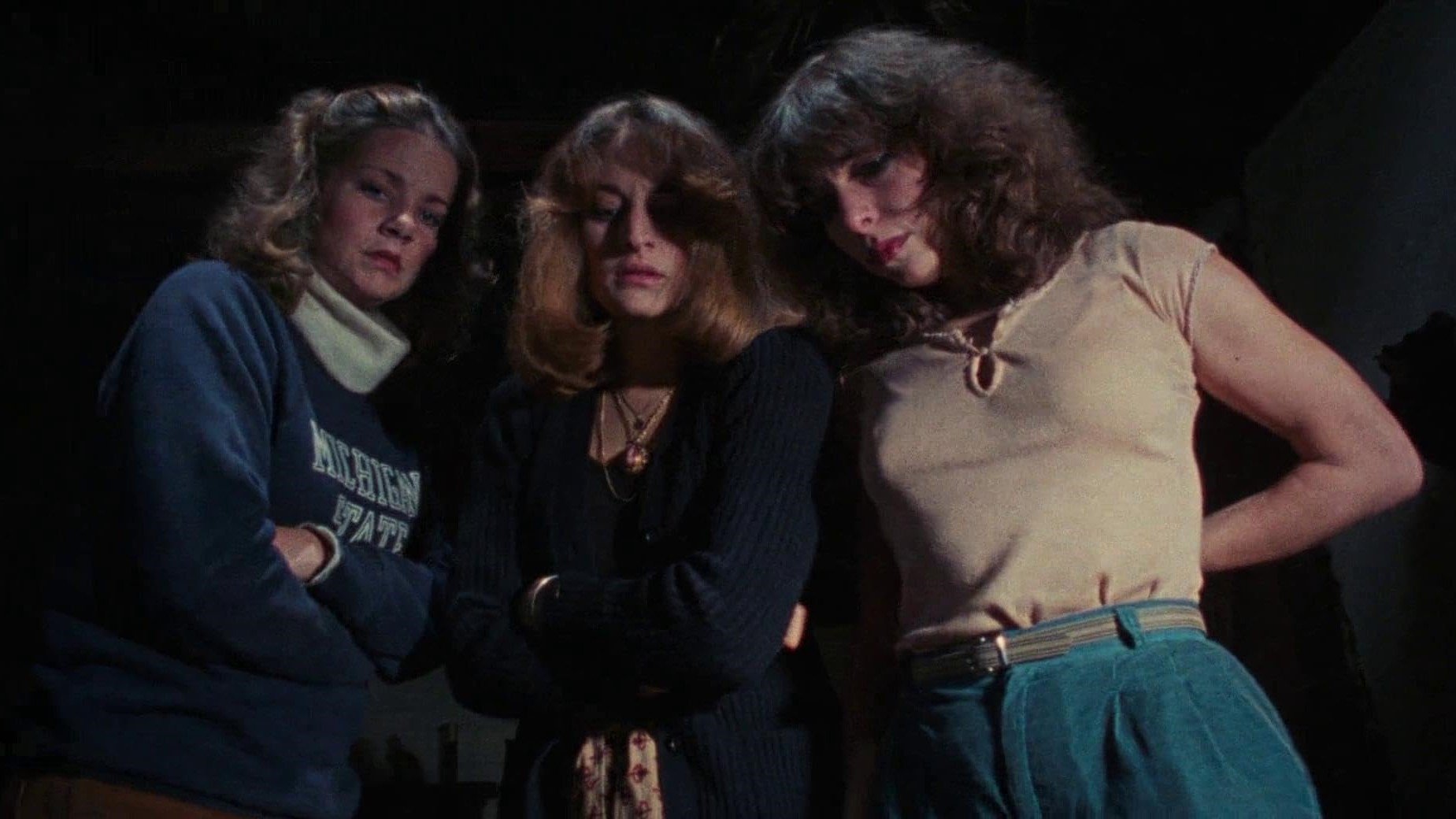
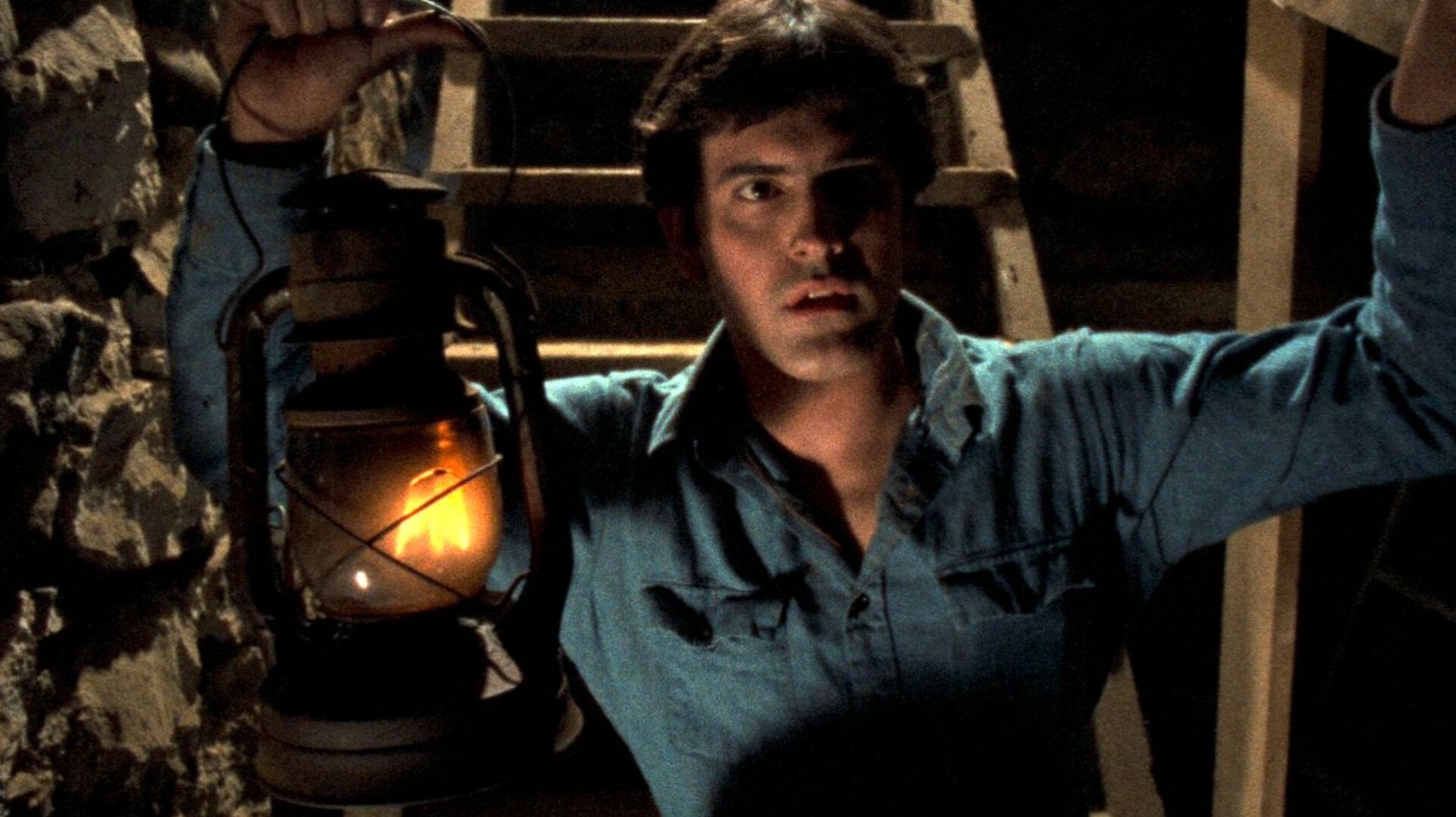
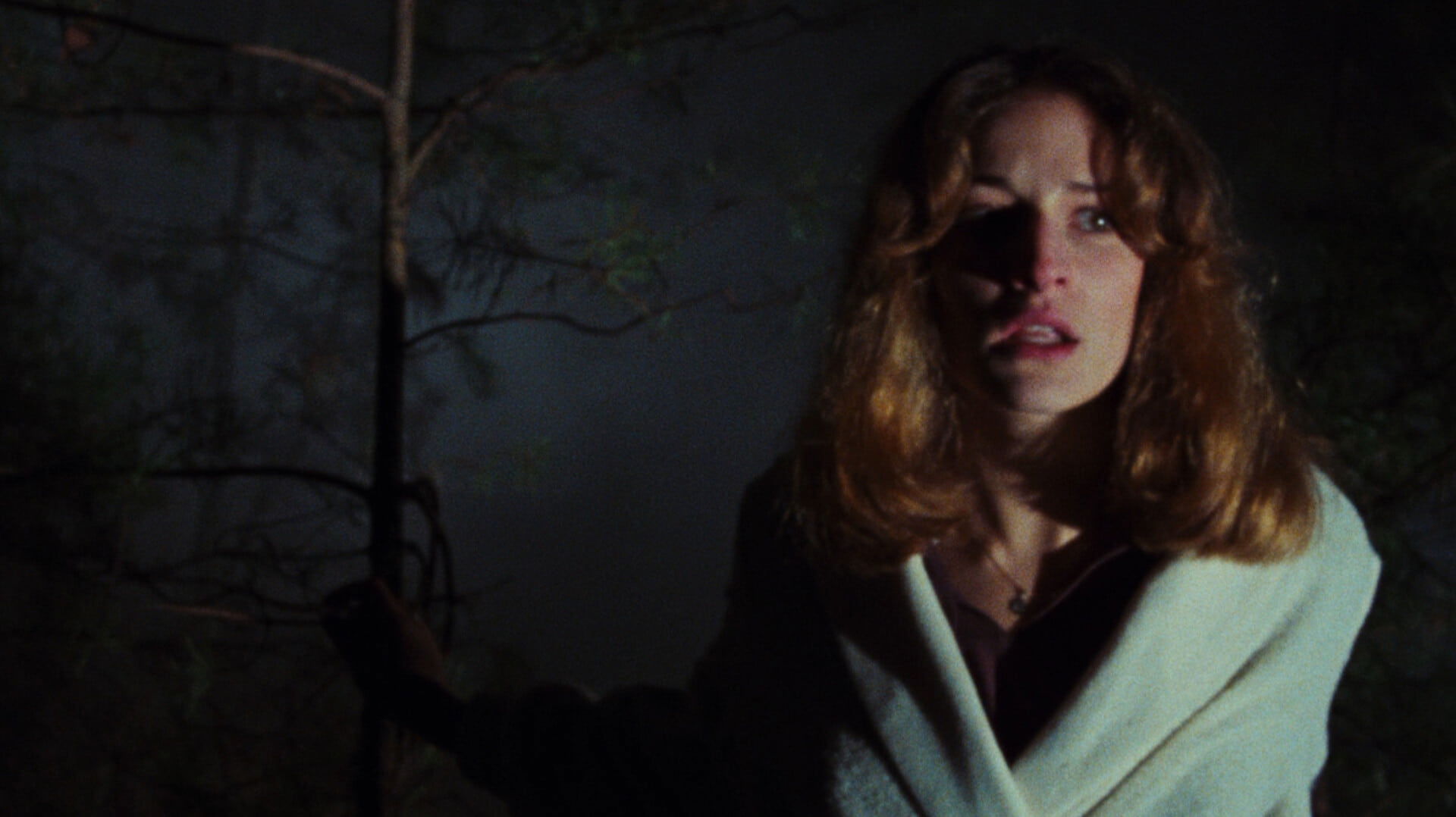
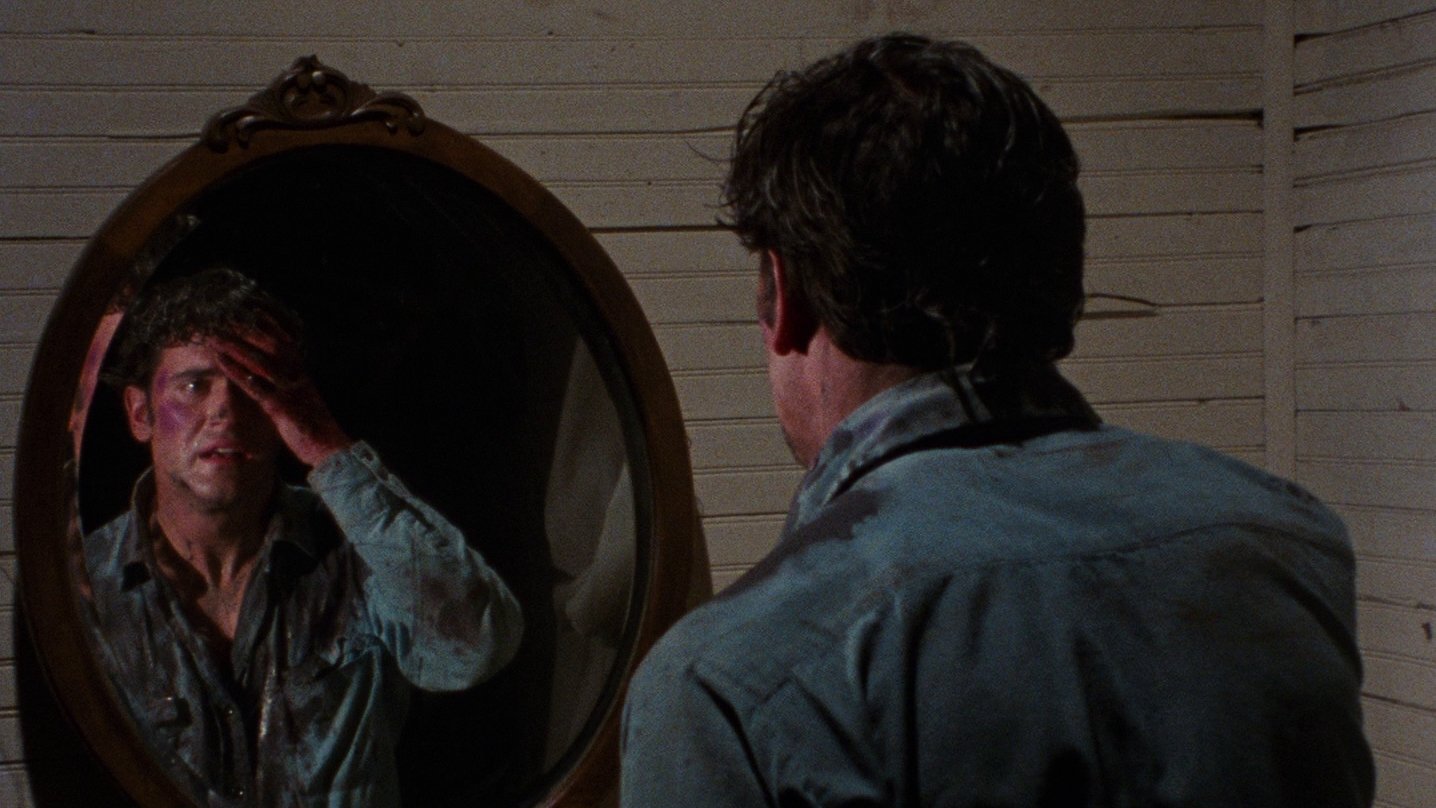
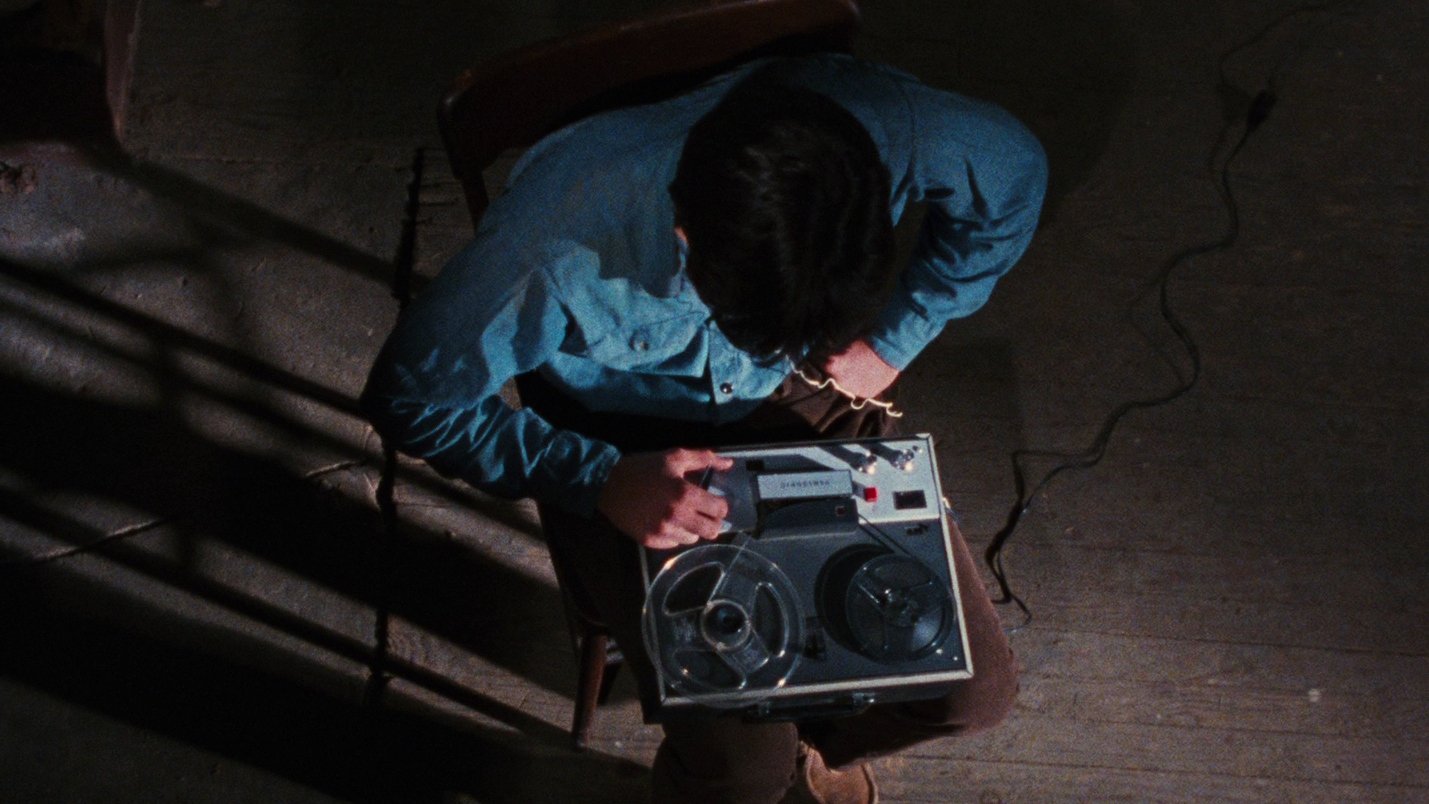
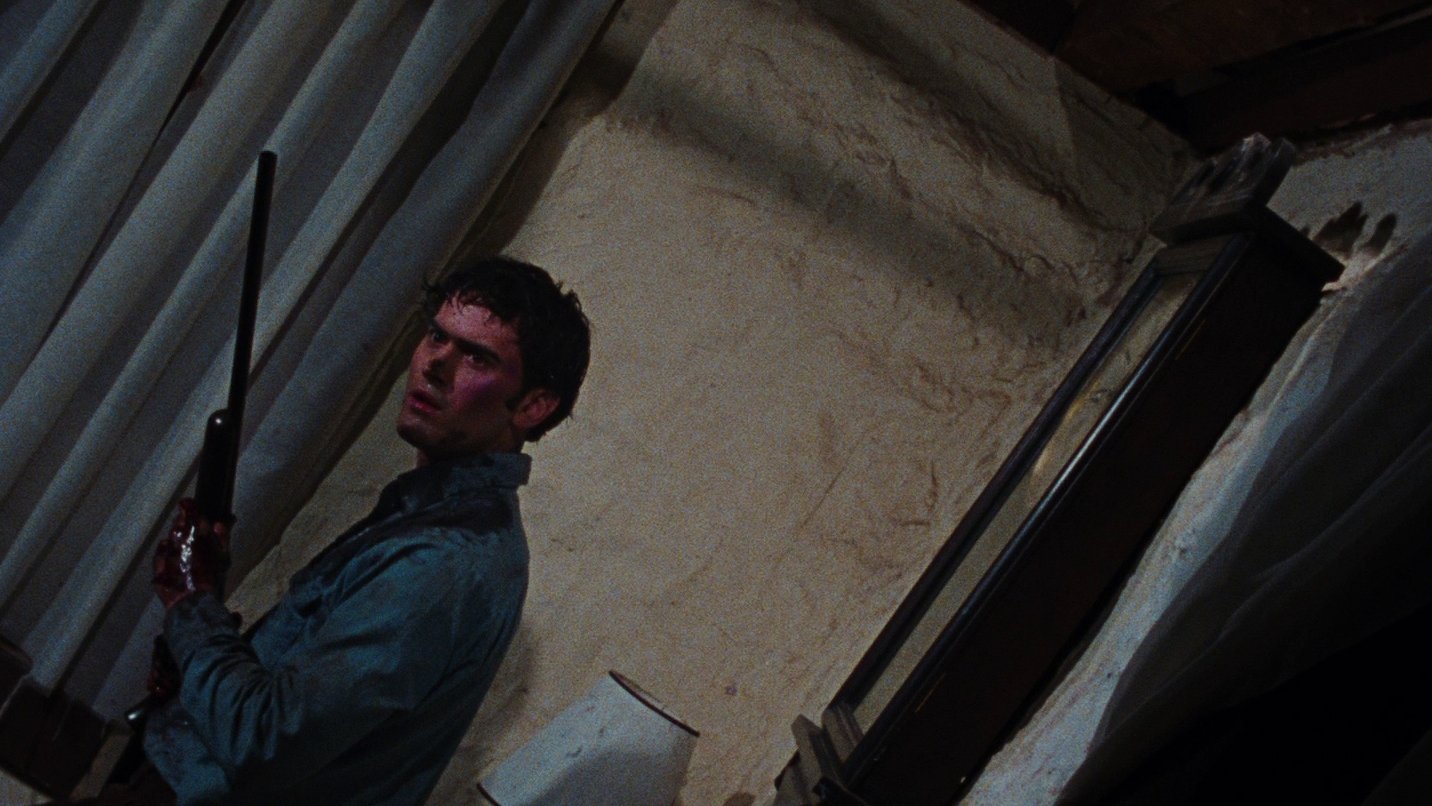
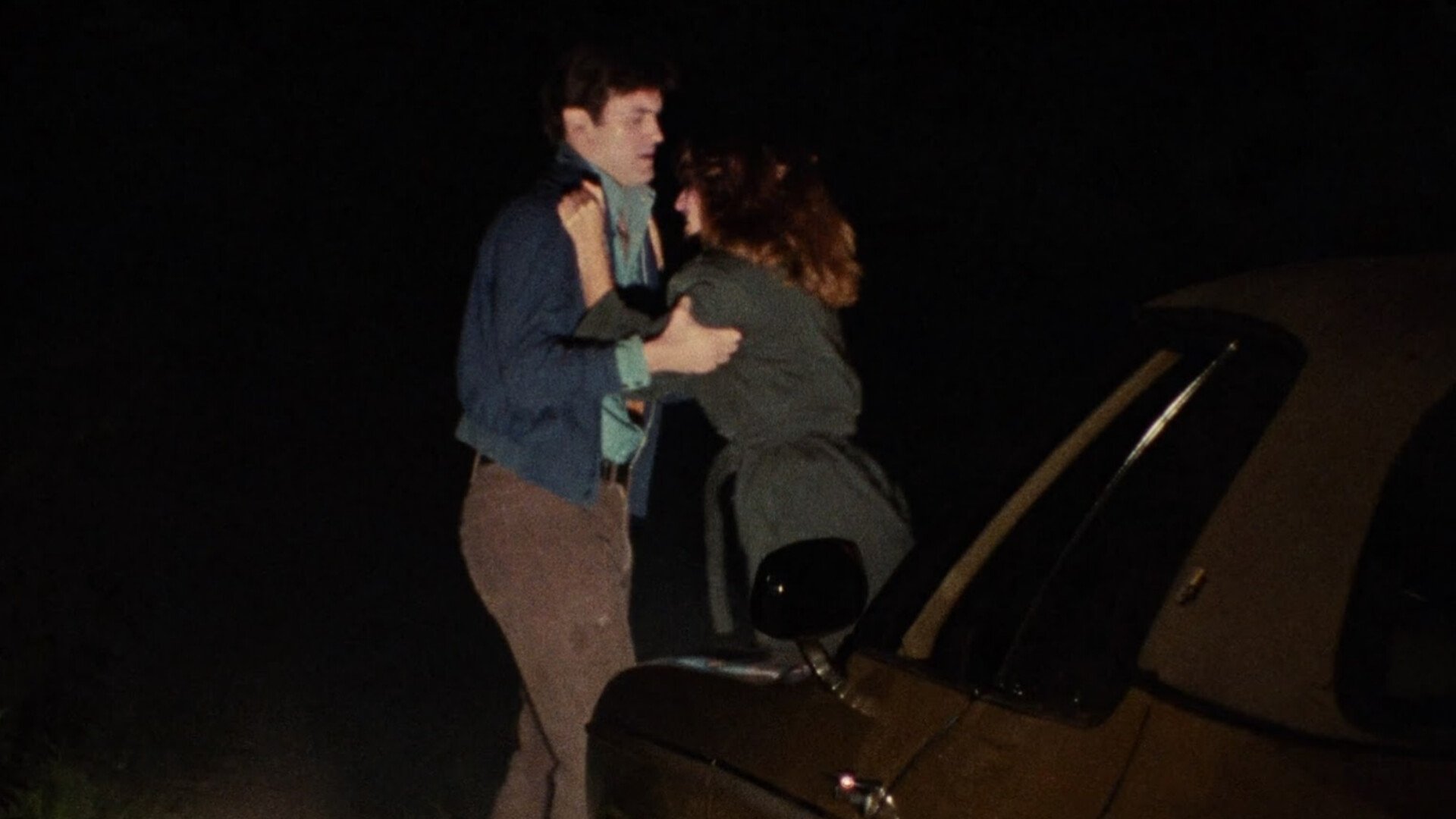
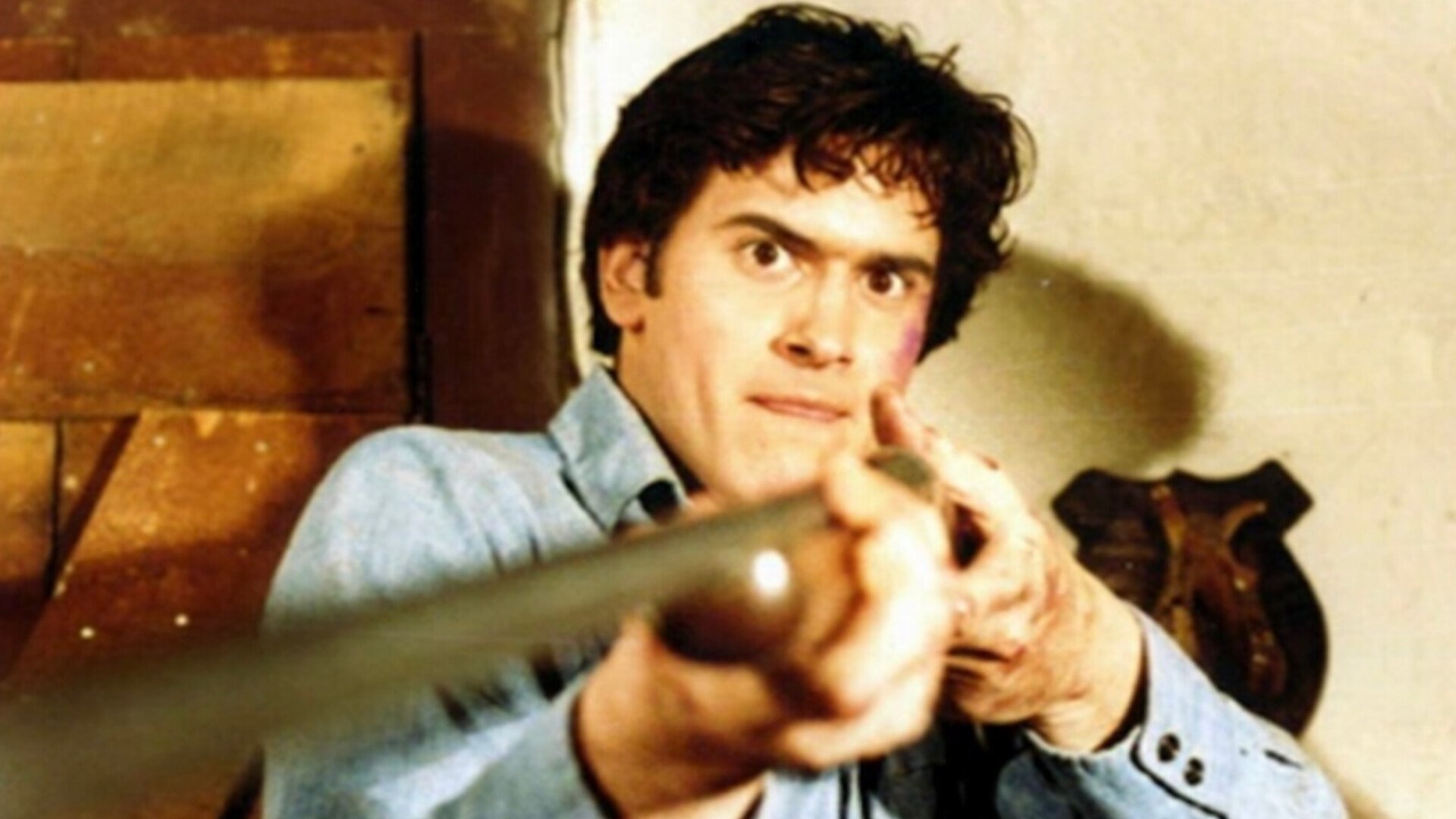
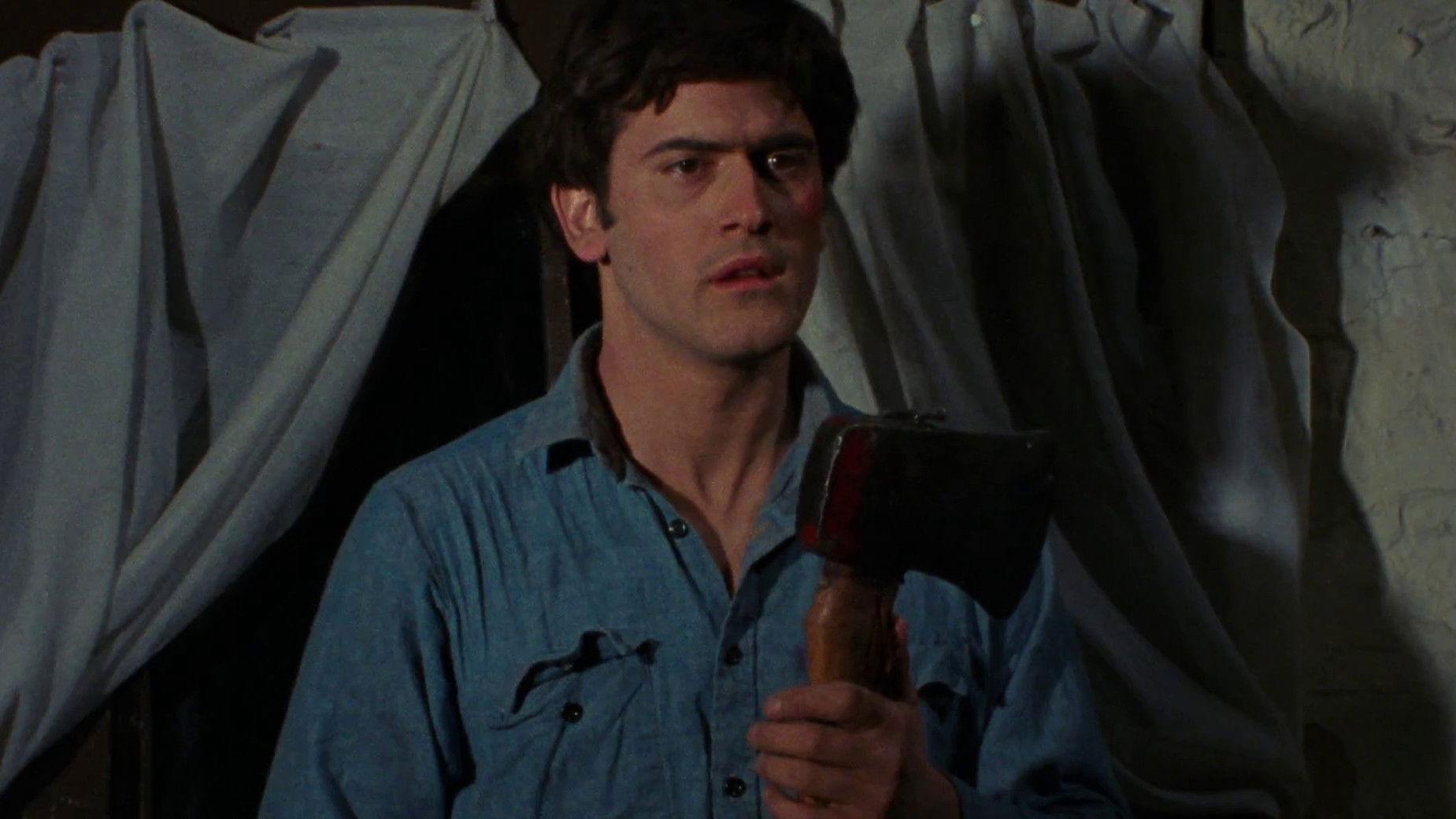
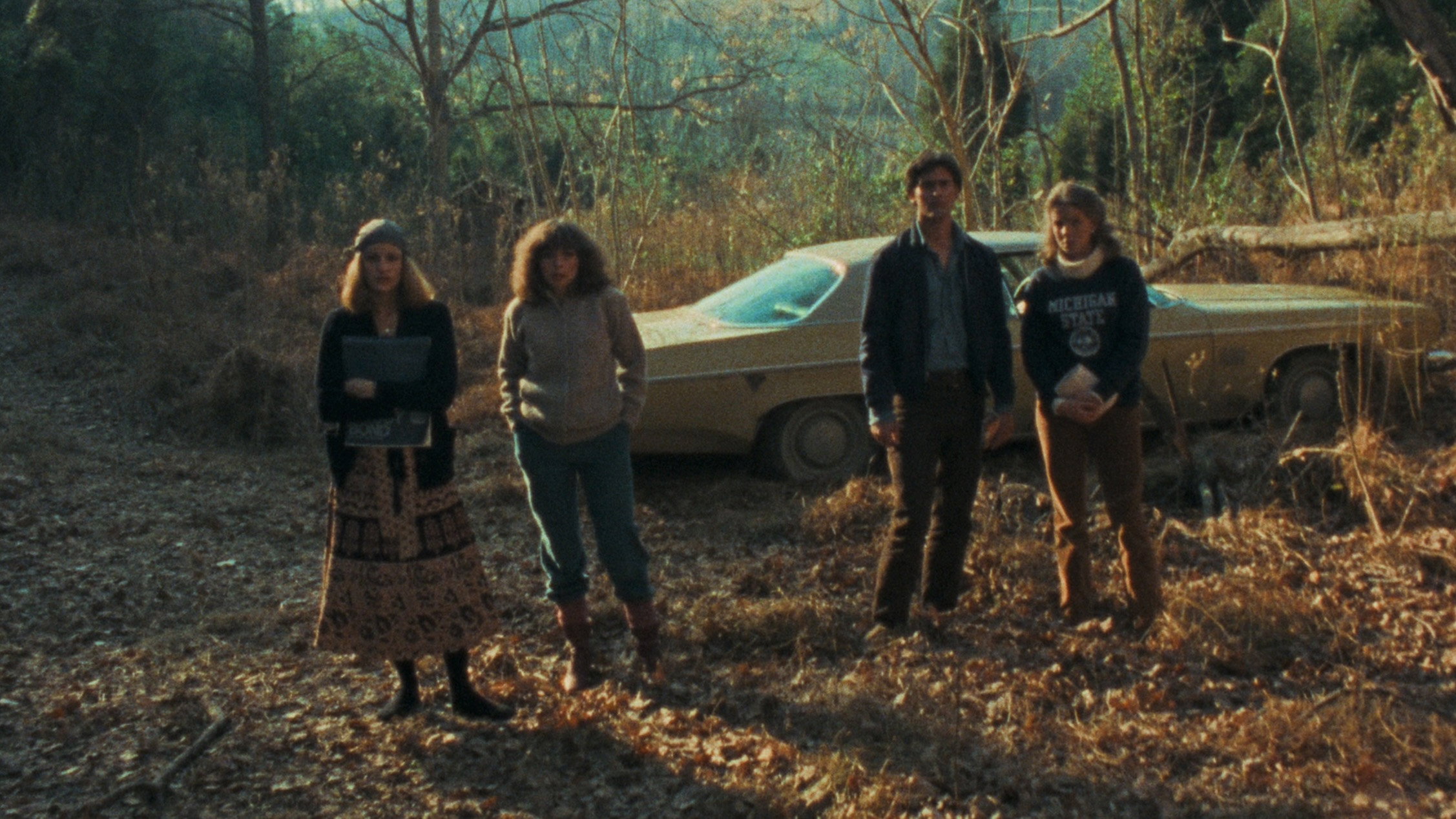
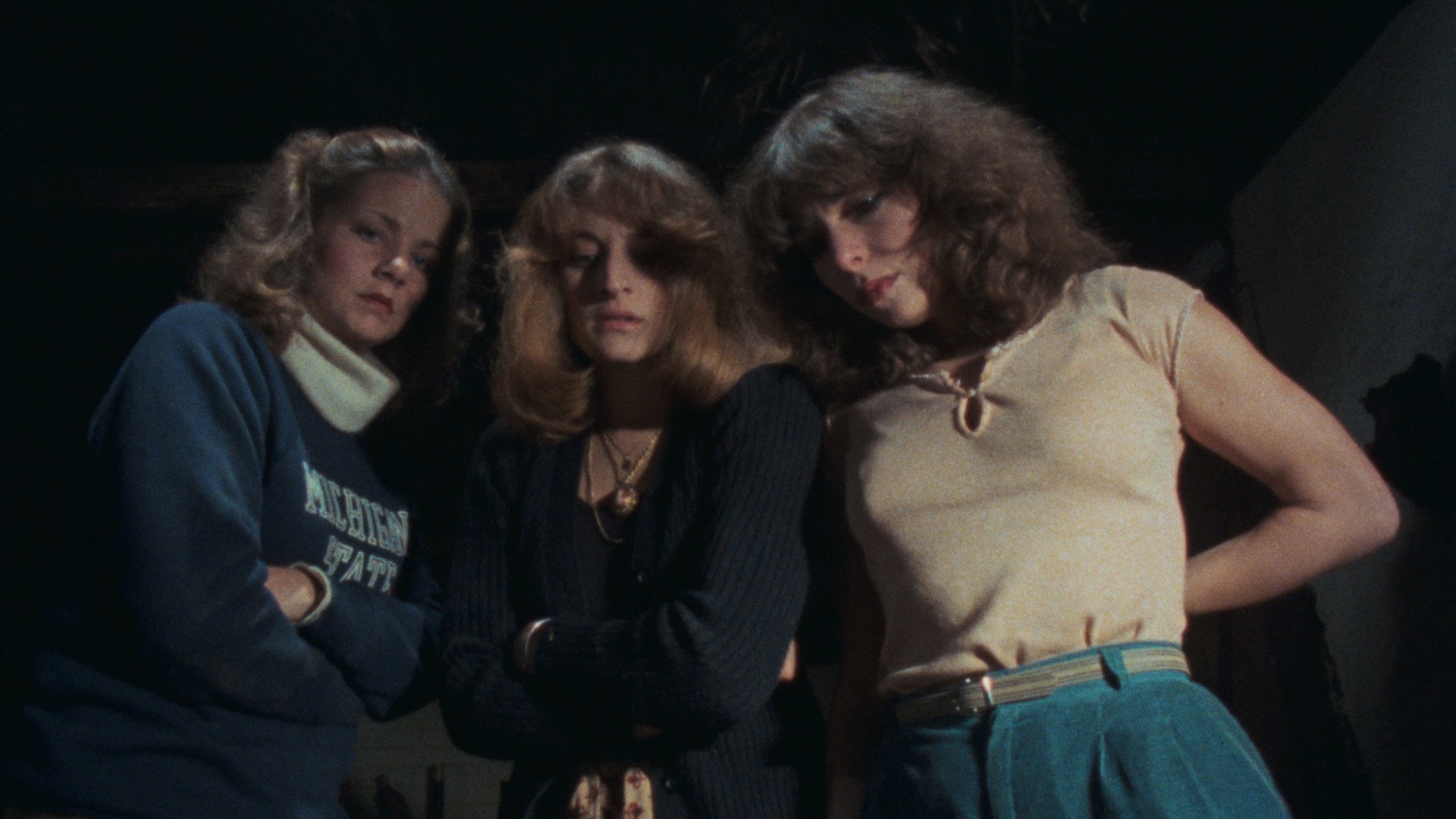
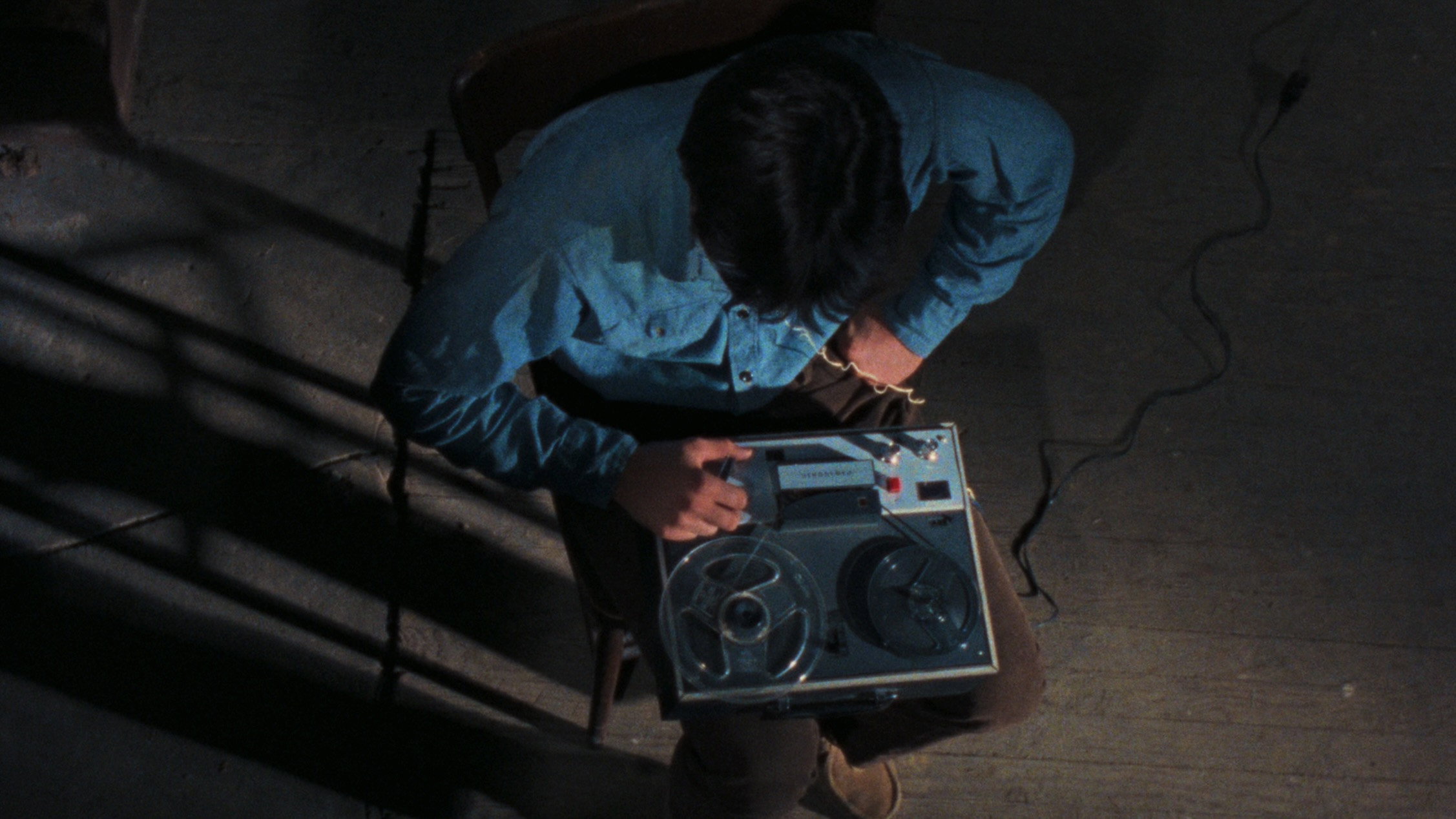
Five friends travel to a remote cabin in the Tennessee woods, where they discover a strange book and recordings left by an earlier visitor. Playing the tapes releases a malignant force that begins possessing the occupants and turning them against one another. Ash Williams watches the familiar group disintegrate as demonic voices, violent transformations and disturbances within the building make escape increasingly difficult. With no clear understanding of the entity or its limits, he must survive the night while the cabin and surrounding forest become extensions of the supernatural threat.

Alternative Titles
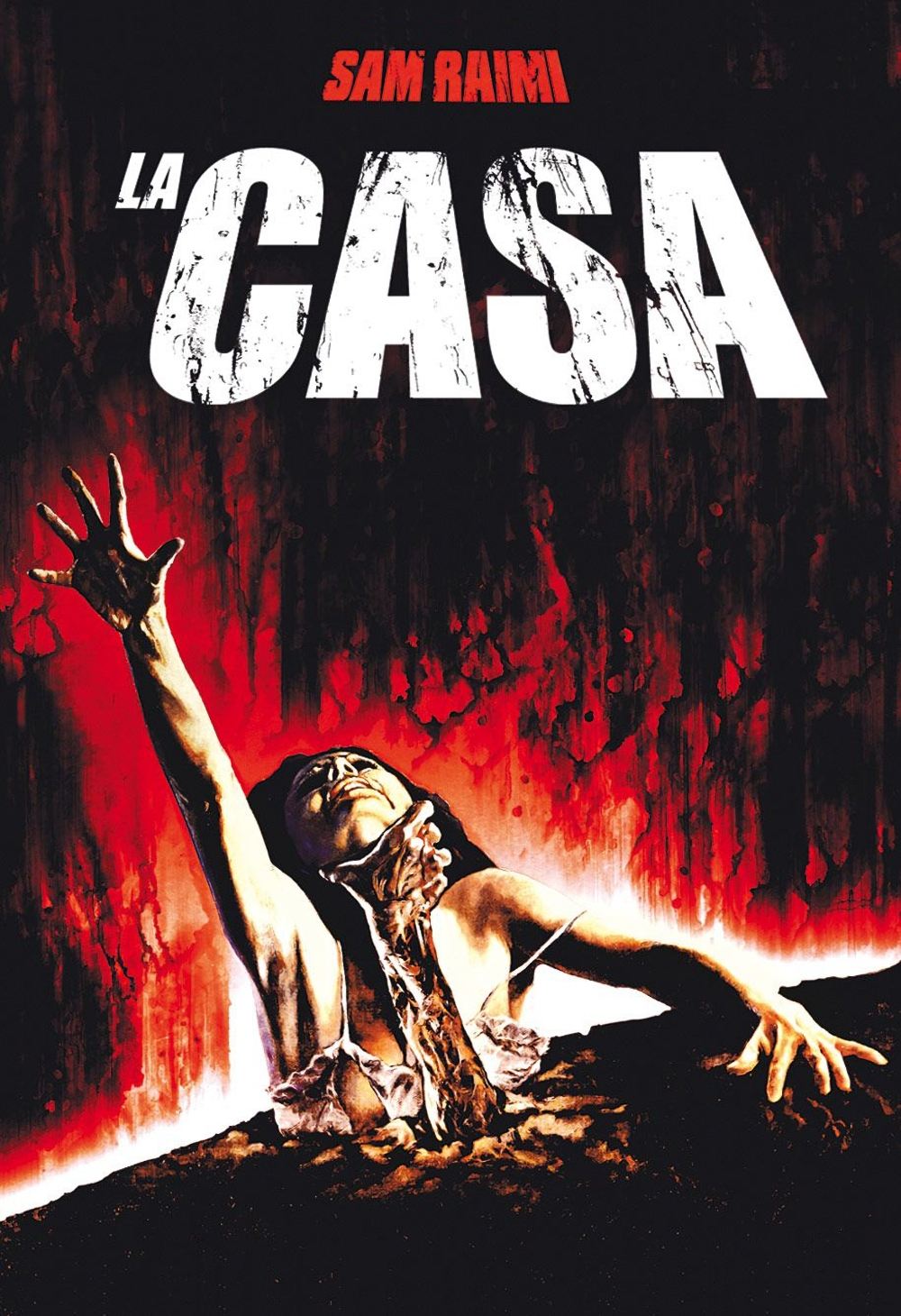
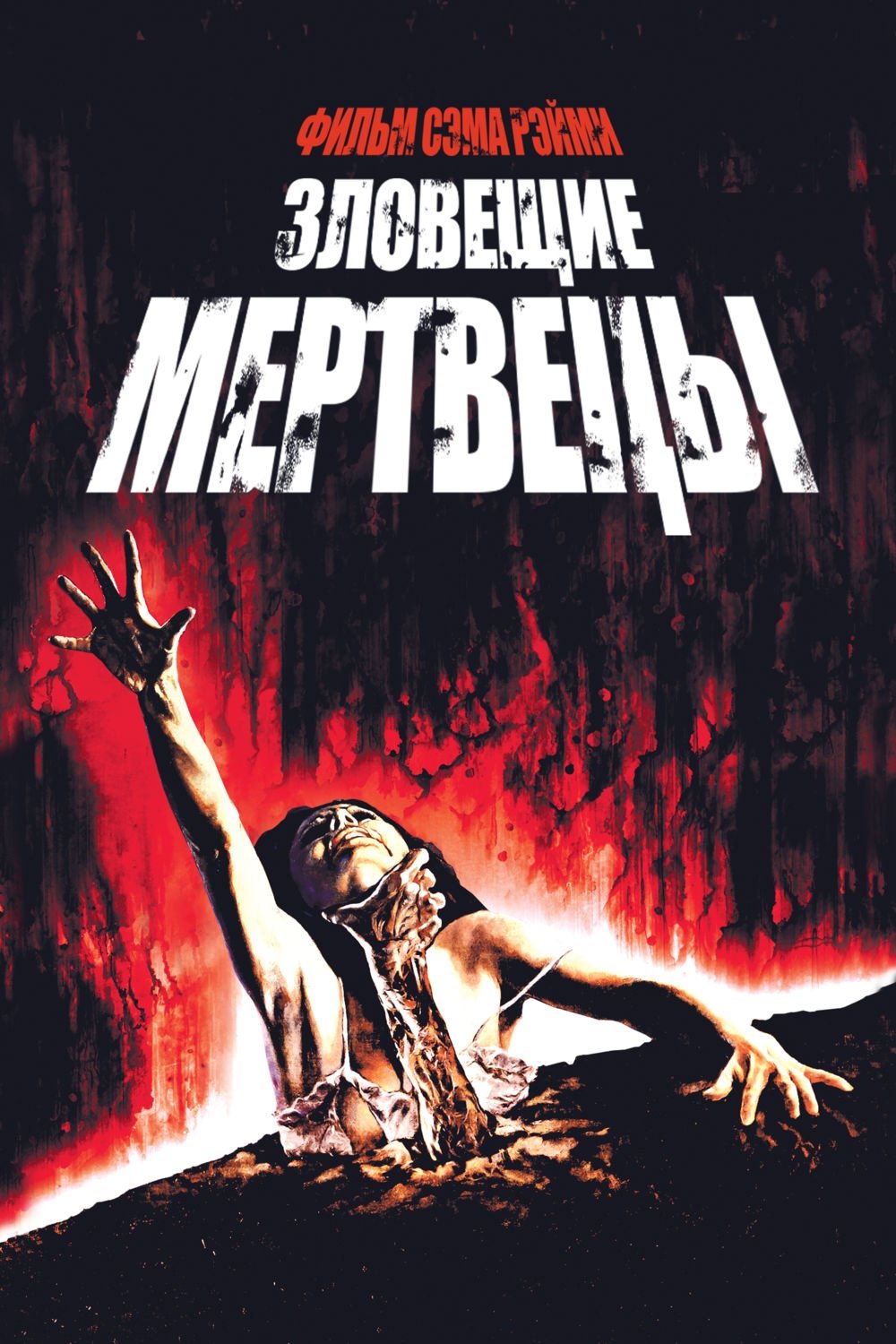
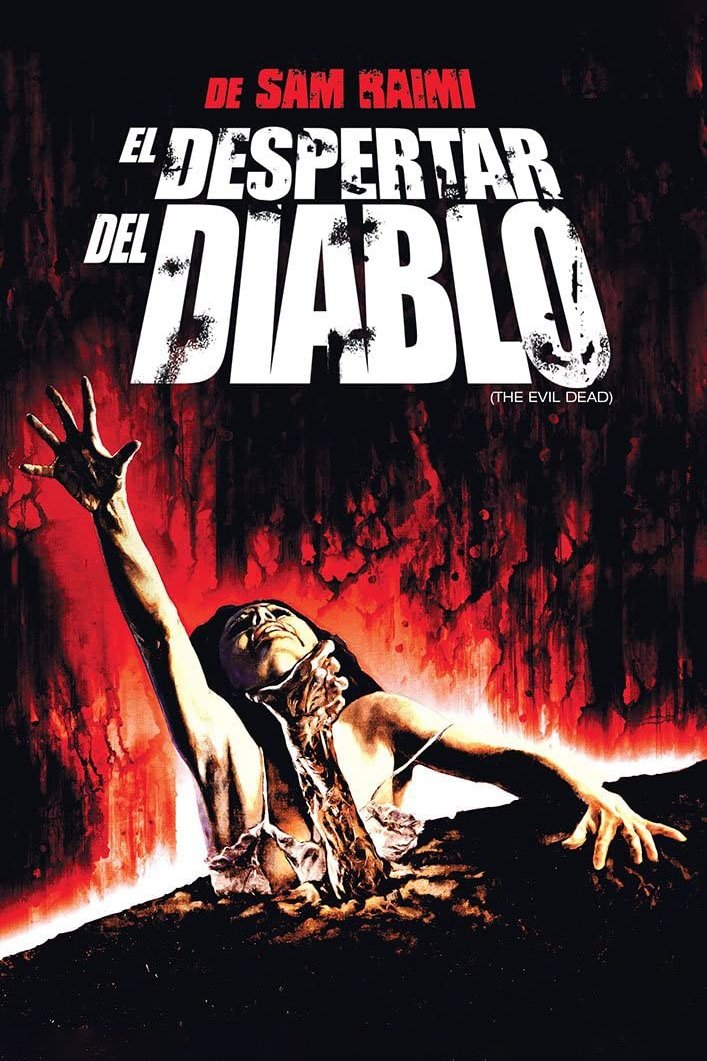
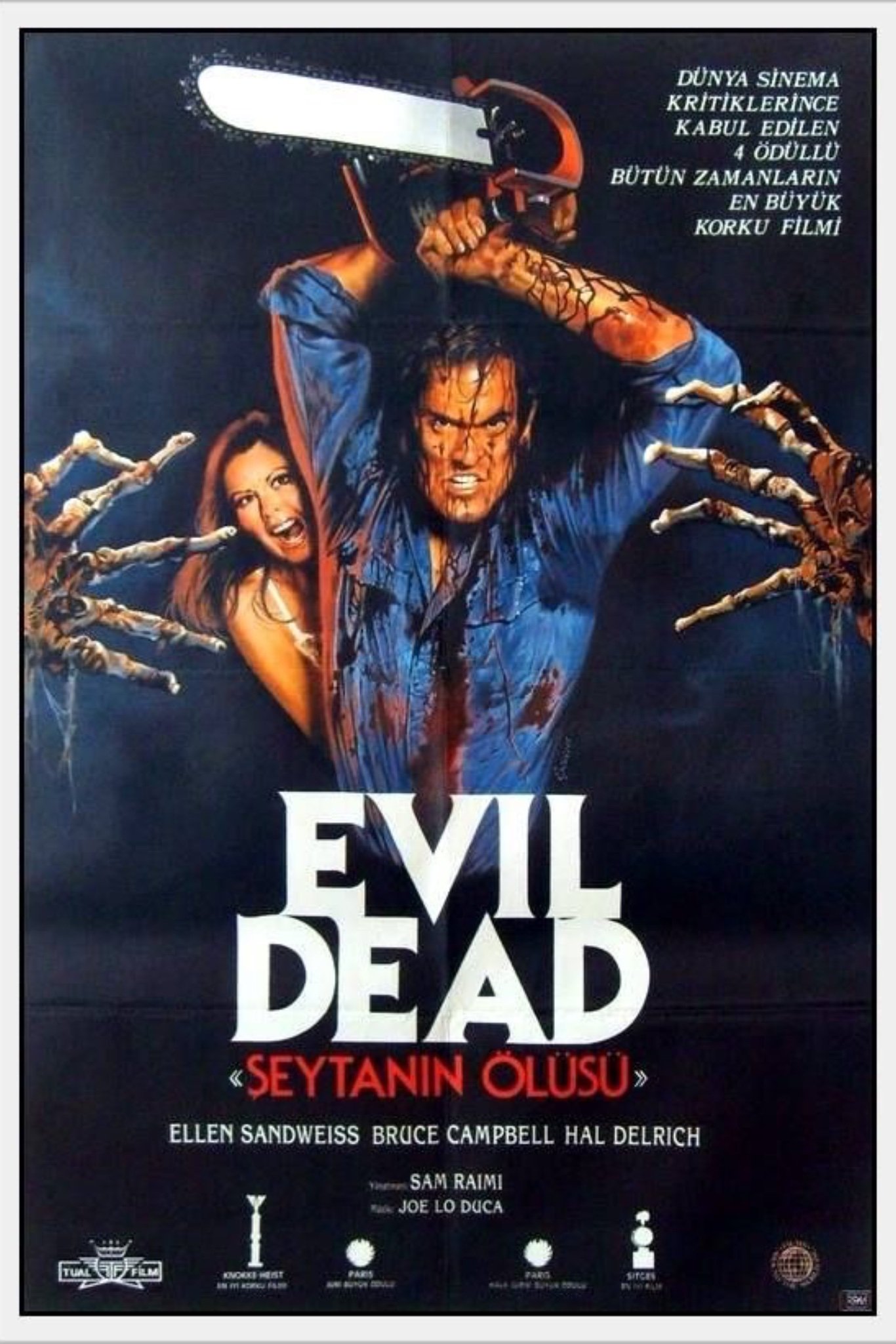
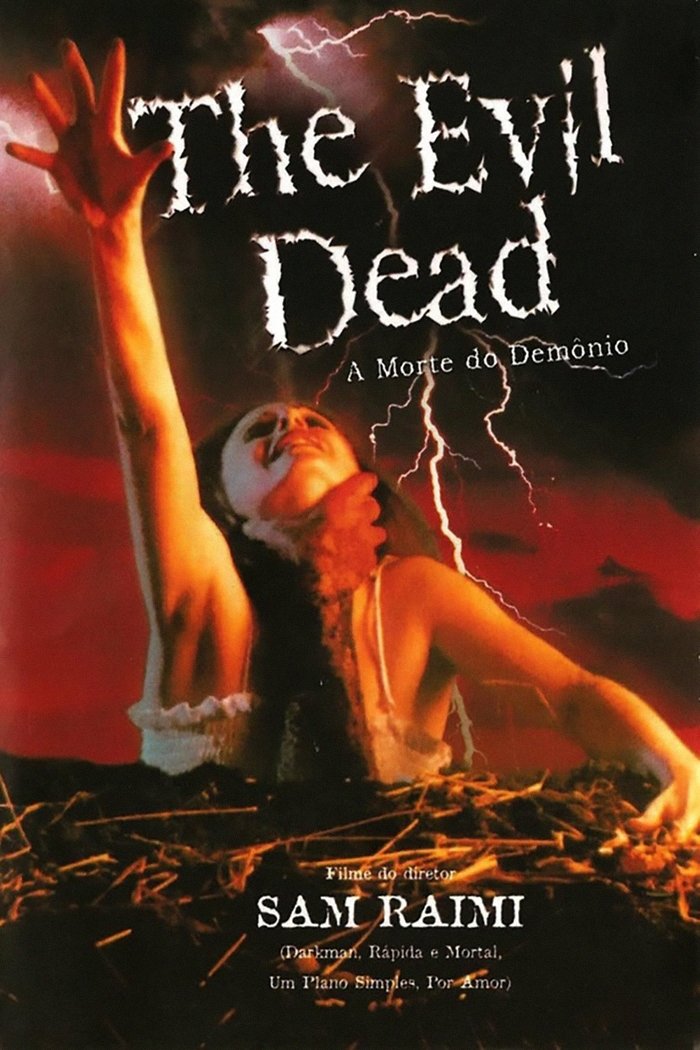
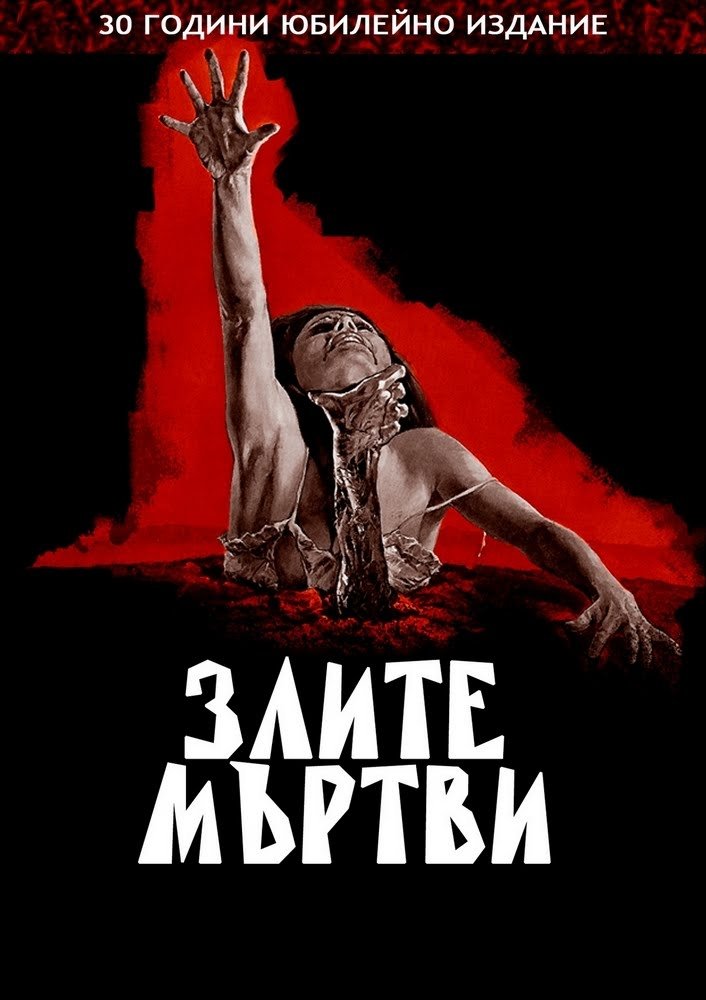
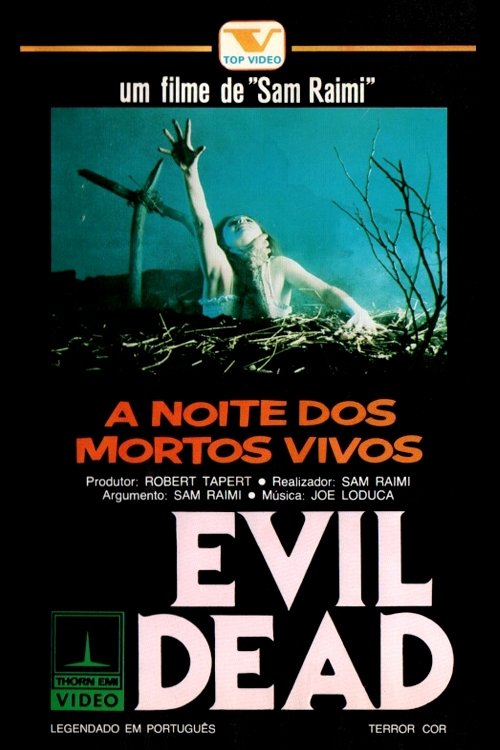
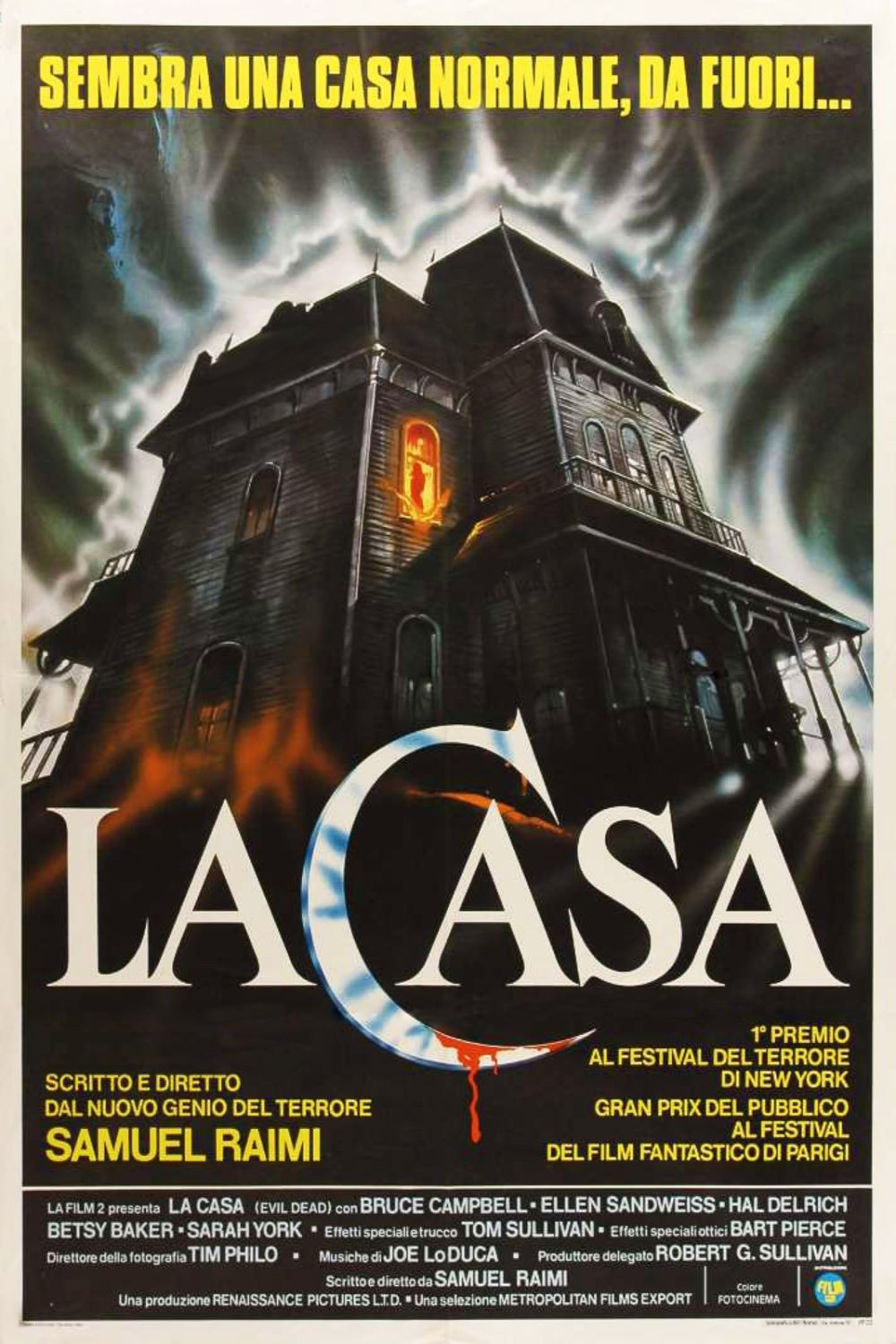
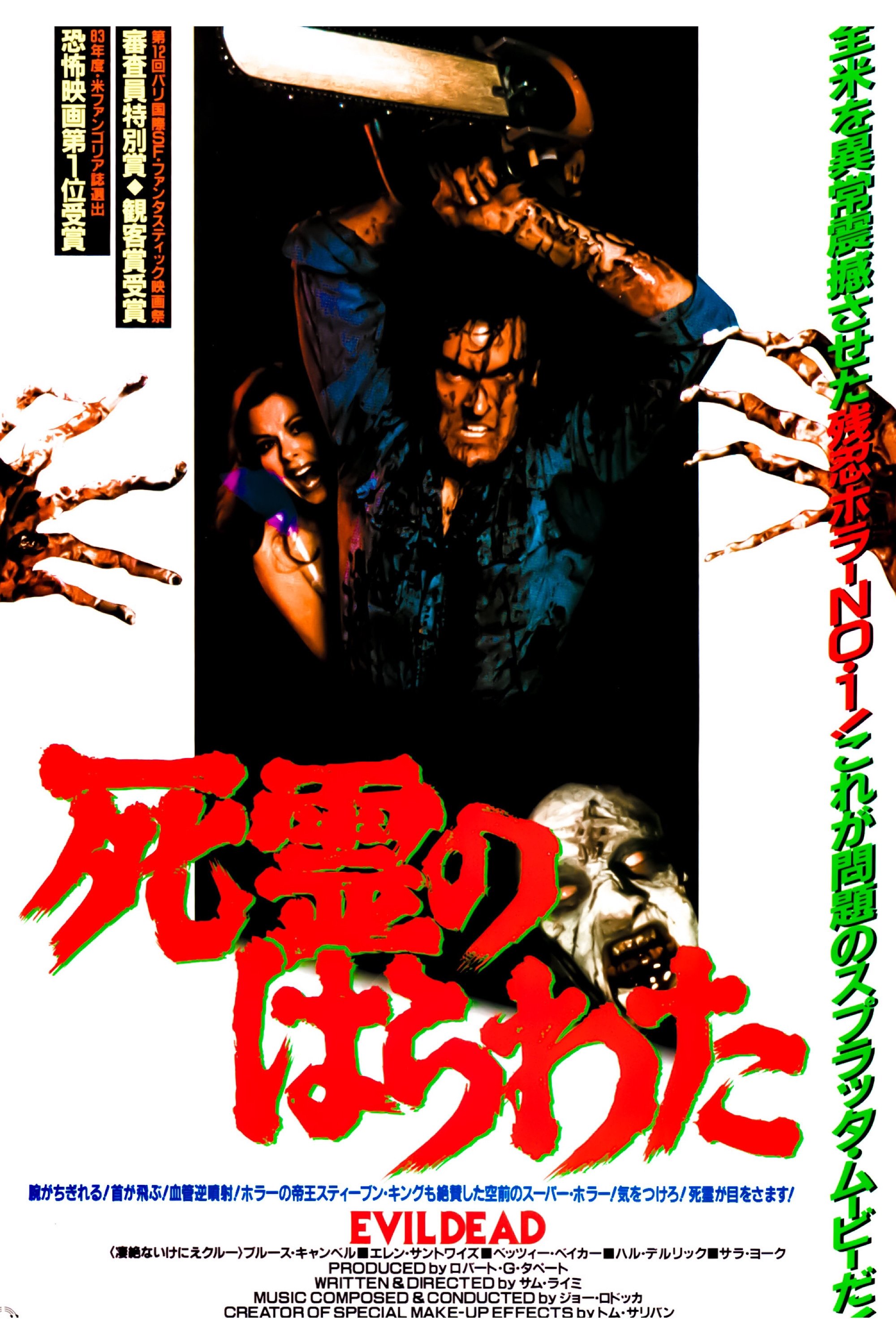
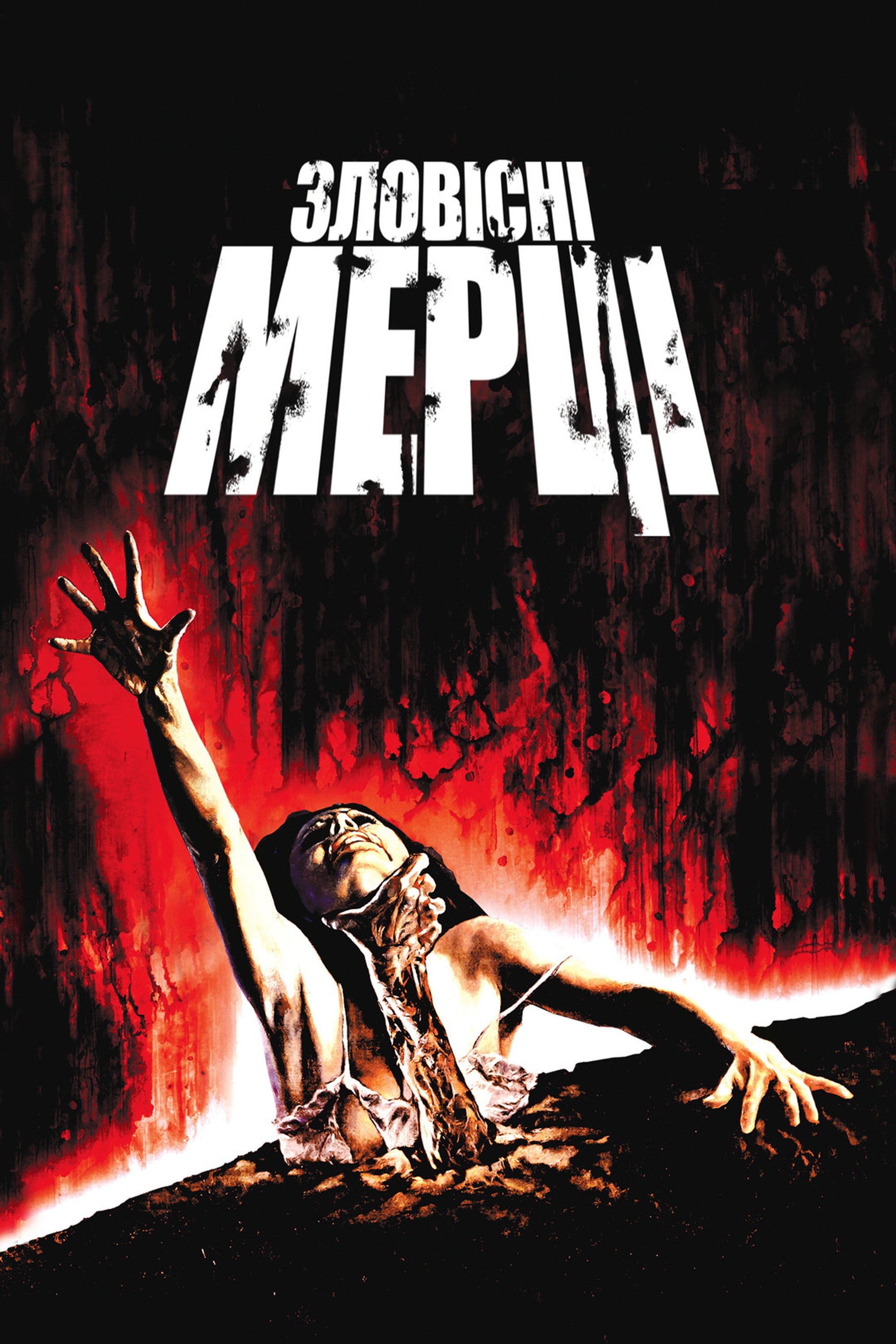
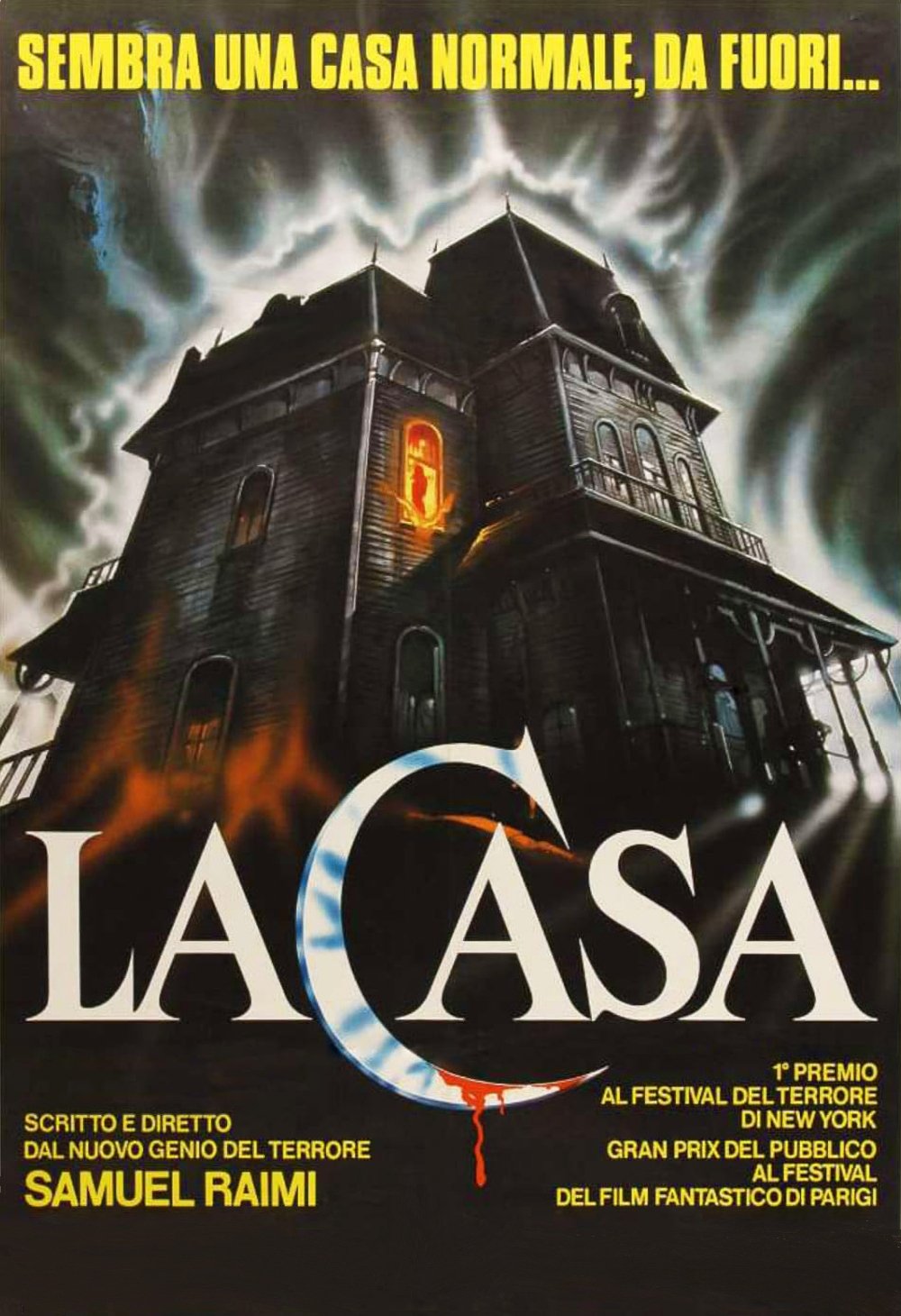
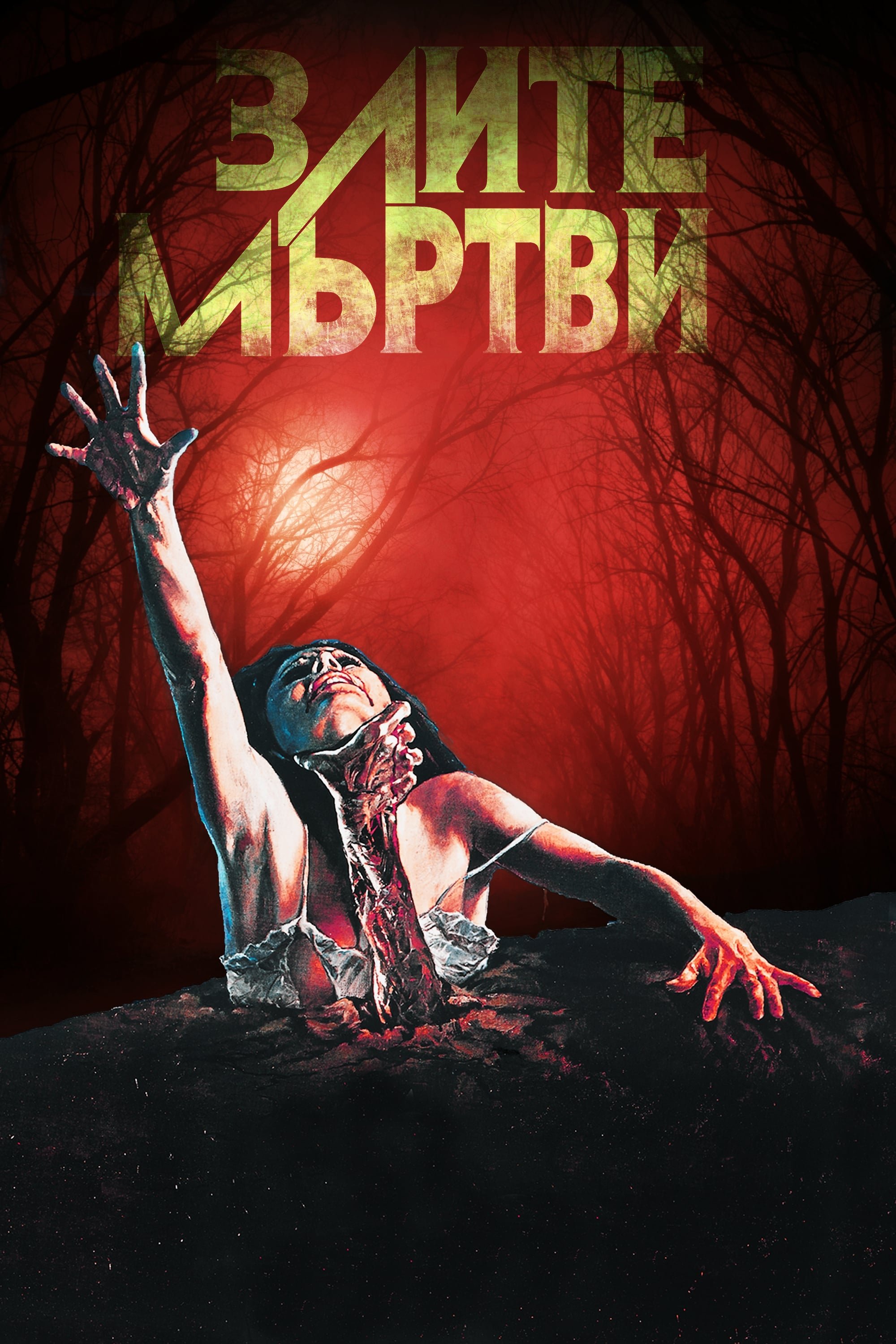
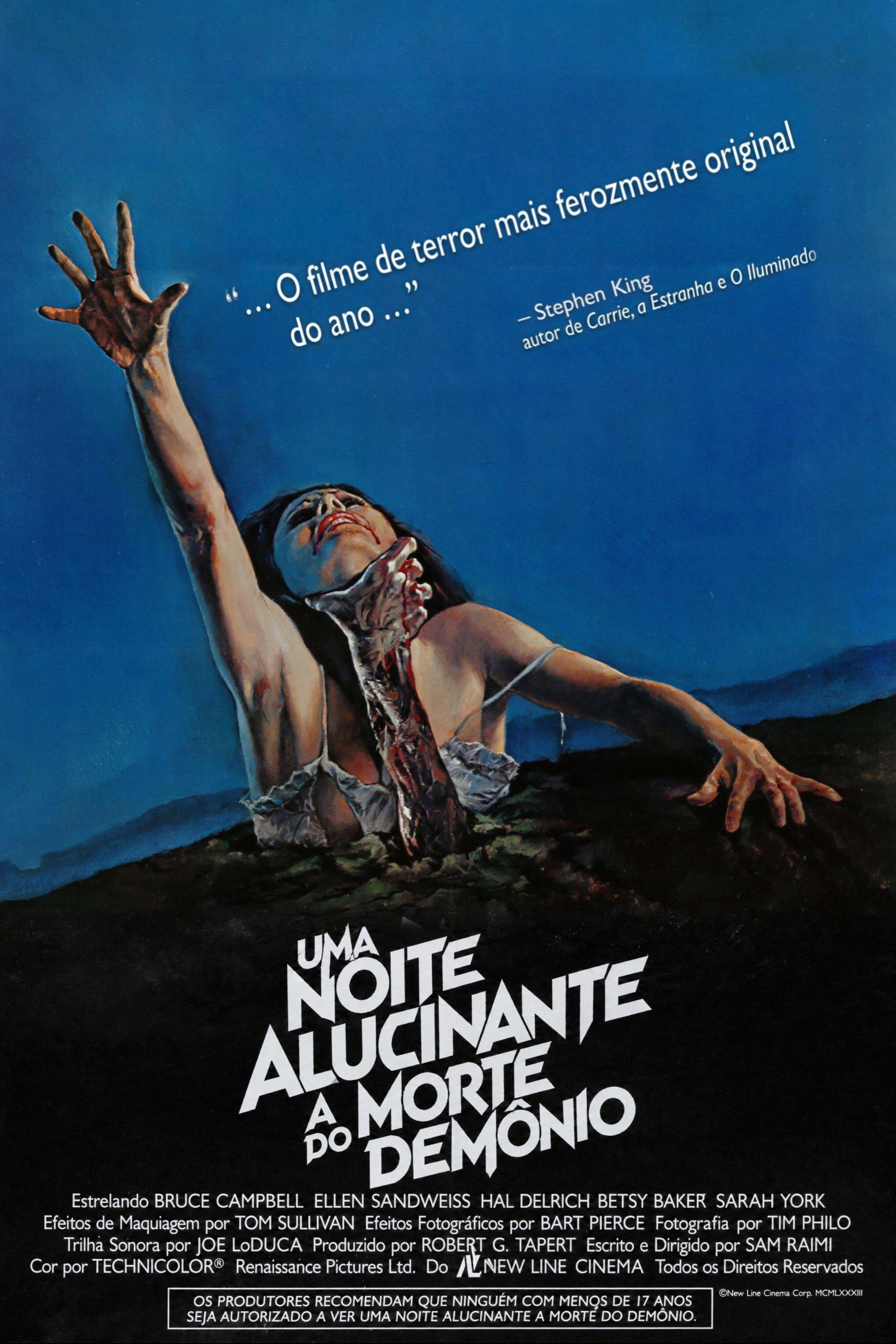
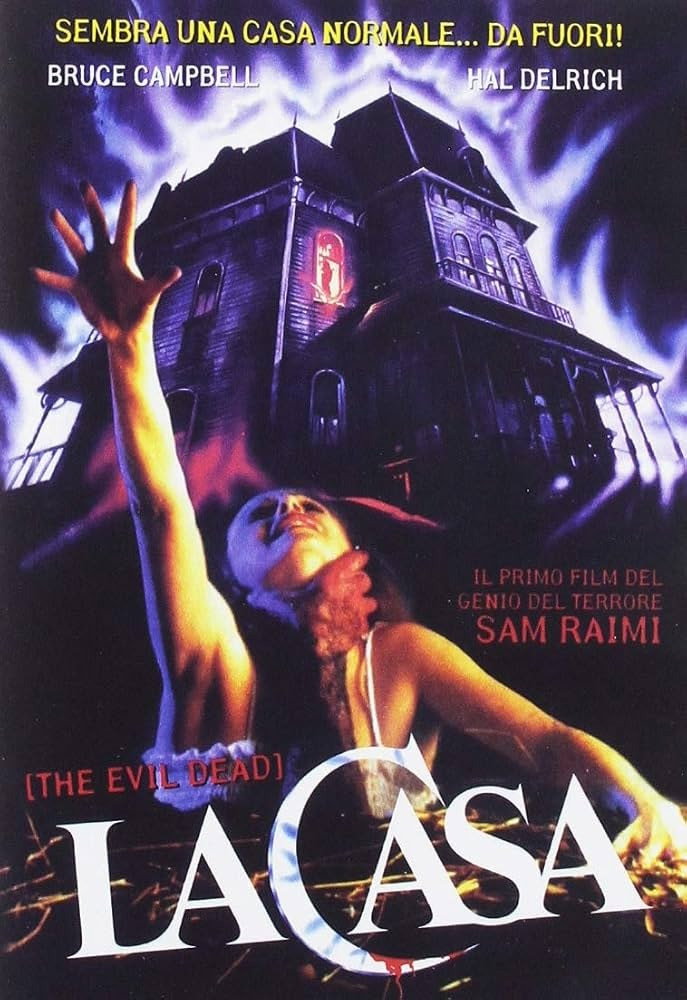
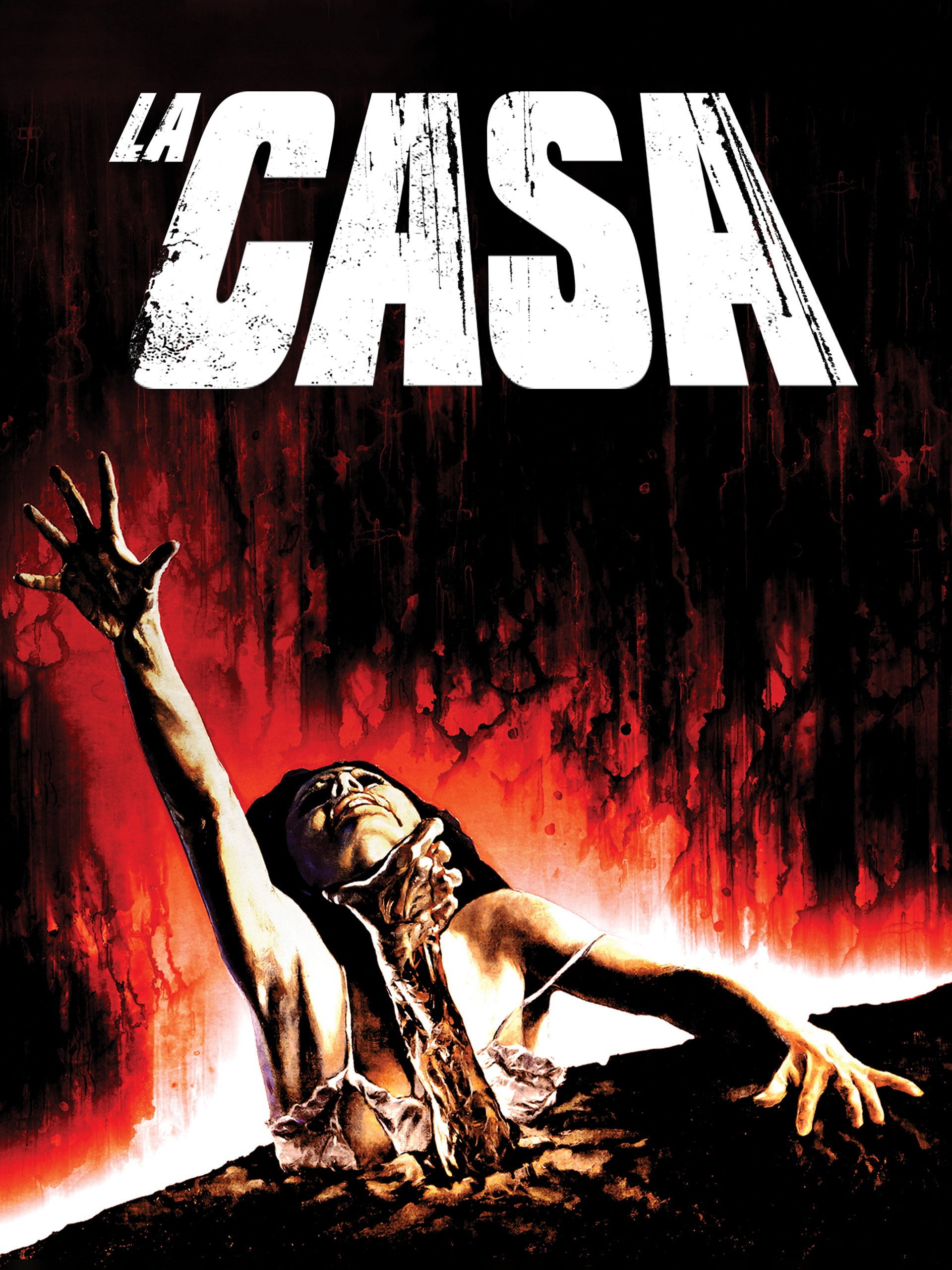
La Casa (Italy) Diabólico (Argentina) Evil Dead: Diabólico (Argentina) Злите мъртви (Bulgaria) — Bulgarian Uma Noite Alucinante: A Morte do Demônio (Brazil) L'opéra de la terreur (Canada) — French 鬼玩人 (China) — Chinese Mala muerte (Colombia)
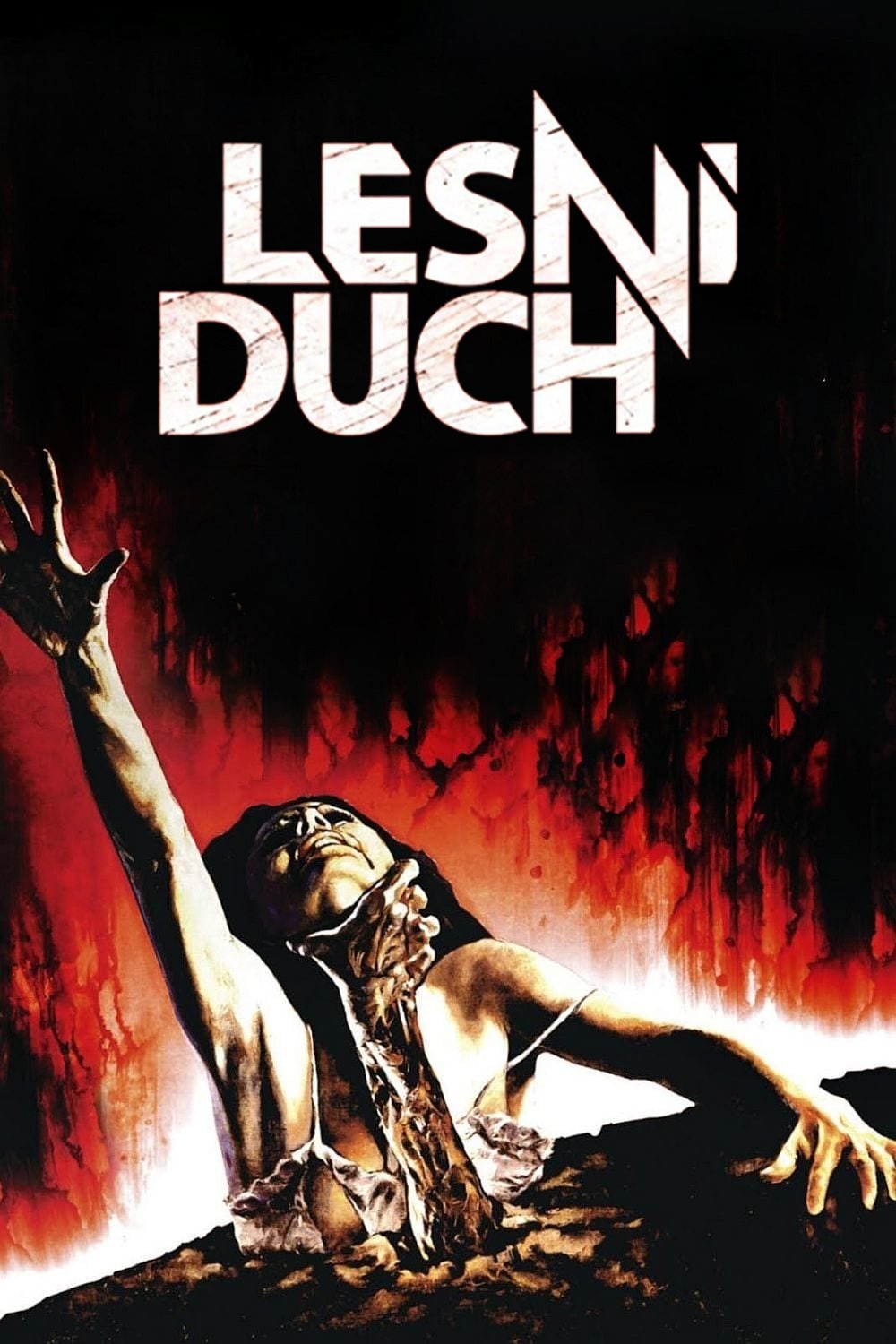
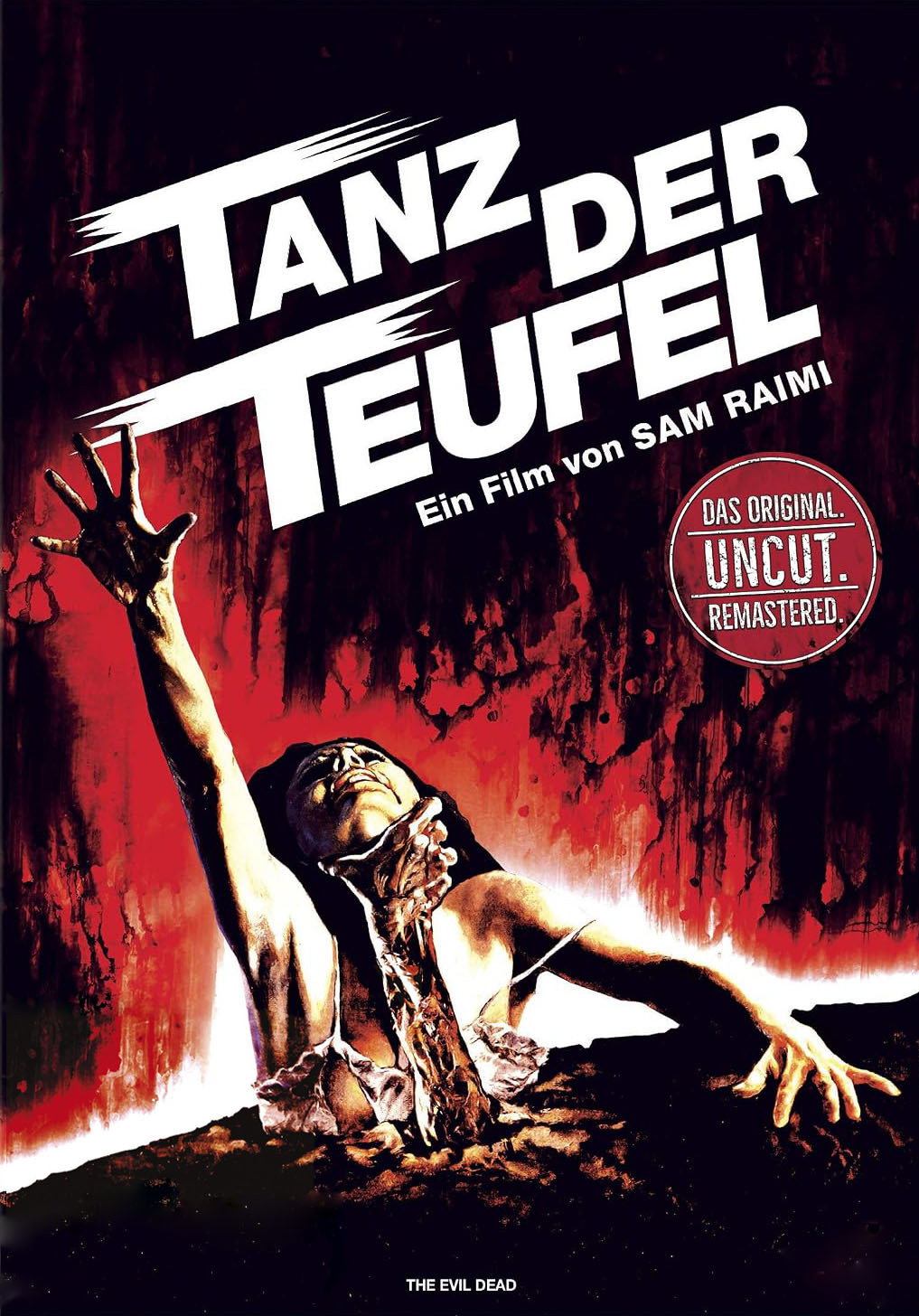
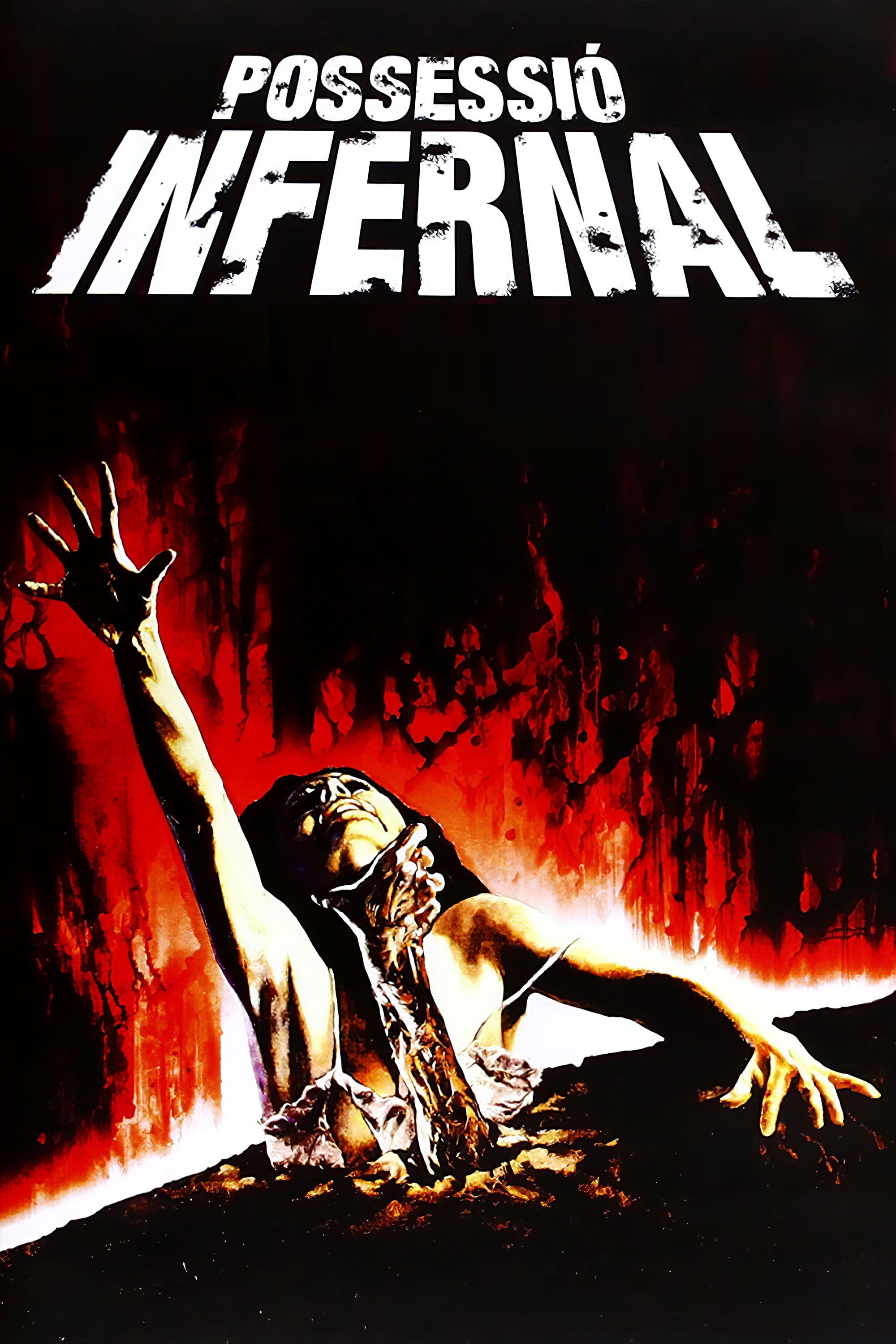
Show all 50 alternative titles Lesní duch (Czechia) — Czech Smrtelné Zlo (Czechia) Tanz der Teufel (Germany) — German Tanz der Teufel 1 - The Evil Dead (Germany) Evil Dead (Denmark) — Danish Posesión infernal (Spain) — Spanish Possessió infernal (Spain) — Catalan Kauhun riivaamat (Finland) — Finnish Evil Dead (France) — French La Mort Diabolique (France) La Nuit des Démons (France) — video box title Το Καταραμένο Άσμα (Greece) — Greek 屍變 (Hong Kong SAR China) — Cantonese Zla smrt (Croatia) — Croatian Evil Dead – Gonosz halott (Hungary) — Hungarian מוות אכזרי (Israel) — Hebrew हैवान जाग उठा (India) — Hindi کلبه وحشت (Iran) — Persian مرده شریر (Iran) 死霊のはらわた (Japan) — Japanese 이블 데드 (South Korea) — Korean Piktieji numirėliai (Lithuania) — Lithuanian El despertar del diablo (Mexico) — Spanish Muerte Diabólica (Peru) Martwe zło (Poland) — Polish A Noite dos Mortos-Vivos (Portugal) — Portuguese Cartea morților (Romania) — Romanian Зли мртваци (Serbia) — Serbian Зловещие мертвецы (Russia) — Russian الشر المميت (Saudi Arabia) — Arabic Evil Dead (Sweden) — Swedish Zlobni mrtveci (Slovenia) — Slovenian Lesný duch (Slovakia) — Slovak คืนโหด ผีนรก (Thailand) ผีอมตะ (Thailand) Kötü Ruh (Türkiye) Şeytanın Ölüsü (Türkiye) — Turkish 屍變 (Taiwan) 死靈嚇破膽 (Taiwan) Зловісні мерці (Ukraine) — Ukrainian Book of the Dead (United States) — Working Title Ma Cây (Vietnam) — Vietnamese

Trailers & Videos

1 video

Film Guide & Analysis

Sam Raimi transformed 16 mm photography, improvised camera rigs, handmade prosthetics, stop-motion animation and a brutally difficult Tennessee shoot into one of the foundational works of modern independent horror.

The Evil Dead is often remembered as a triumph of low-budget ingenuity, but the phrase understates how extensively its style was created by material limitations. Sam Raimi, Robert Tapert and Bruce Campbell entered feature production with experience making Super 8 films around Michigan but without the financial infrastructure, professional crew or equipment normally required for commercial filmmaking. They raised money independently, photographed much of the feature with a tiny group in and around an isolated Tennessee cabin, continued shooting after much of the original cast had departed and spent an extended post-production period completing effects, replacement shots and the 16 mm-to-35 mm enlargement required for theatrical exhibition.

Those constraints produced techniques that became inseparable from Raimi's later visual identity. A camera mounted to a wooden plank substituted for equipment the production could not afford. Tom Sullivan created the Book of the Dead, demon makeup, severed body parts and numerous props from inexpensive materials. Sullivan and Bart Pierce spent months combining clay animation, practical fluids, mattes and repeated photographic exposures for the final demonic decomposition. Joseph LoDuca constructed his first film score from a tiny group of musicians, early synthesizers and manually calculated synchronization. Its accomplishments extend to the way the film transforms limited resources into an expressive visual style. The Evil Dead demonstrates how a production can develop an entire visual and sonic grammar from the tools it lacks, then turn those improvised solutions into techniques influential enough to survive long after the economic conditions that created them disappeared.

Within the Woods and Financing the Feature

Raimi, Tapert and Campbell had already spent years making inexpensive Super 8 films when they decided to attempt a commercial feature. Raimi later described studying horror at drive-ins because the group believed the genre offered a practical route into independent production. Before asking investors to finance a full-length project, they created Within the Woods, a roughly half-hour Super 8 horror film costing about $1,600. Its purpose was explicitly commercial as well as creative: potential backers could watch a complete demonstration that showed the young filmmakers were capable of constructing suspense, makeup effects and a sustained horror situation.

The proposed feature initially carried the title Book of the Dead. Financing did not come from a conventional studio or established independent producer. Raimi, Tapert and Campbell assembled investors individually, presenting their prototype and explaining the economics of horror filmmaking to businesspeople with little direct connection to cinema. The process lasted far longer than they expected and continued throughout production as the amount originally raised proved insufficient. Campbell later described fundraising as more difficult than the physical act of making the film, requiring legal documents, accountants, repeated meetings and continued persuasion whenever the production exhausted another pool of money.

This financing method shaped the finished picture because there was no single company imposing standardized production procedures. Renaissance Pictures effectively had to invent those procedures while the film was being made. The filmmakers were responsible not only for artistic decisions but for transportation, equipment, payroll, investor relations and eventually distribution strategy. Their lack of institutional support increased risk, but it also meant that the violence, camera movement and tonal extremity were not moderated by executives attempting to position the film for a conventional studio release.

Tennessee, the Cabin and a Collapsing Shoot

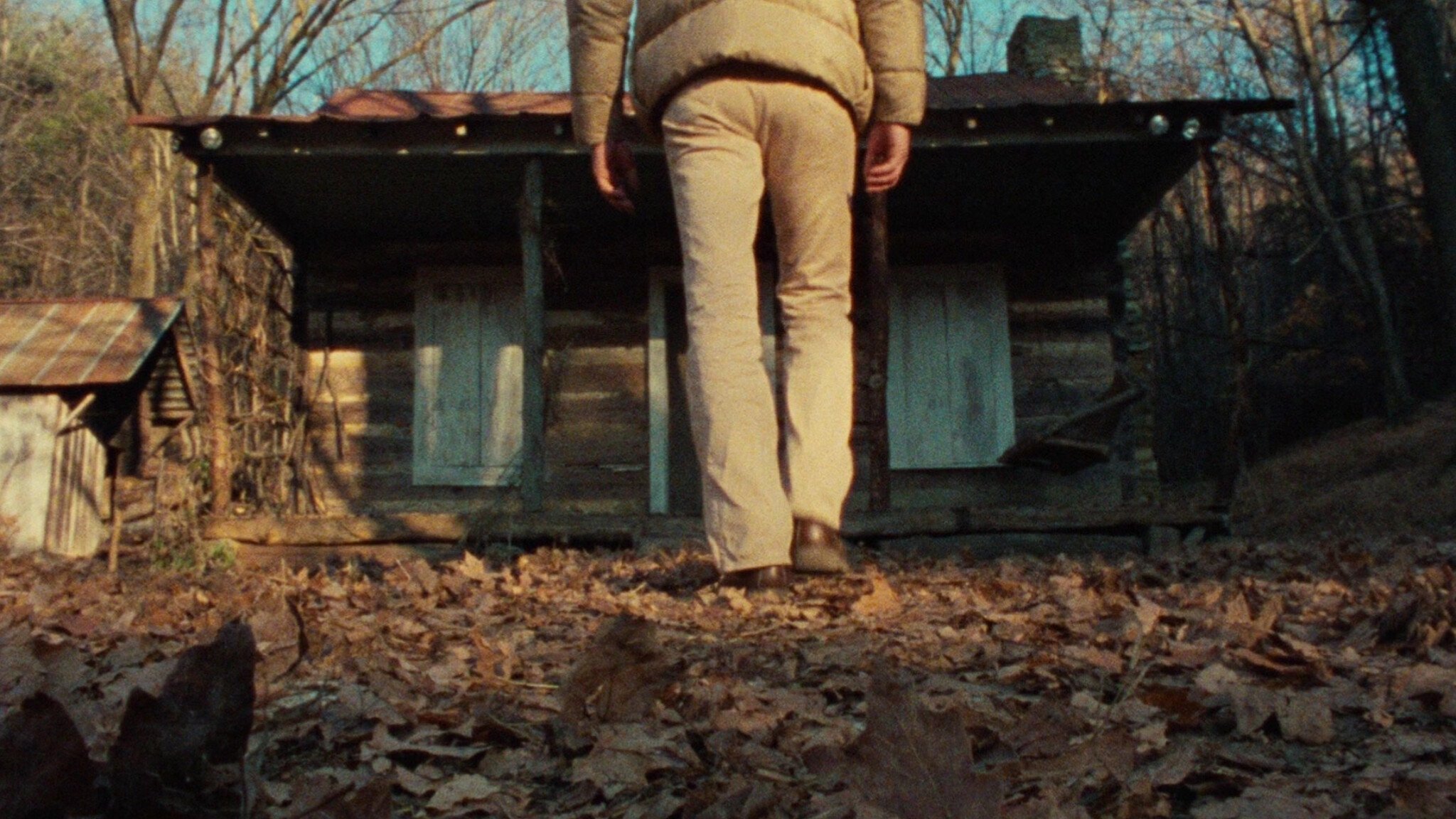
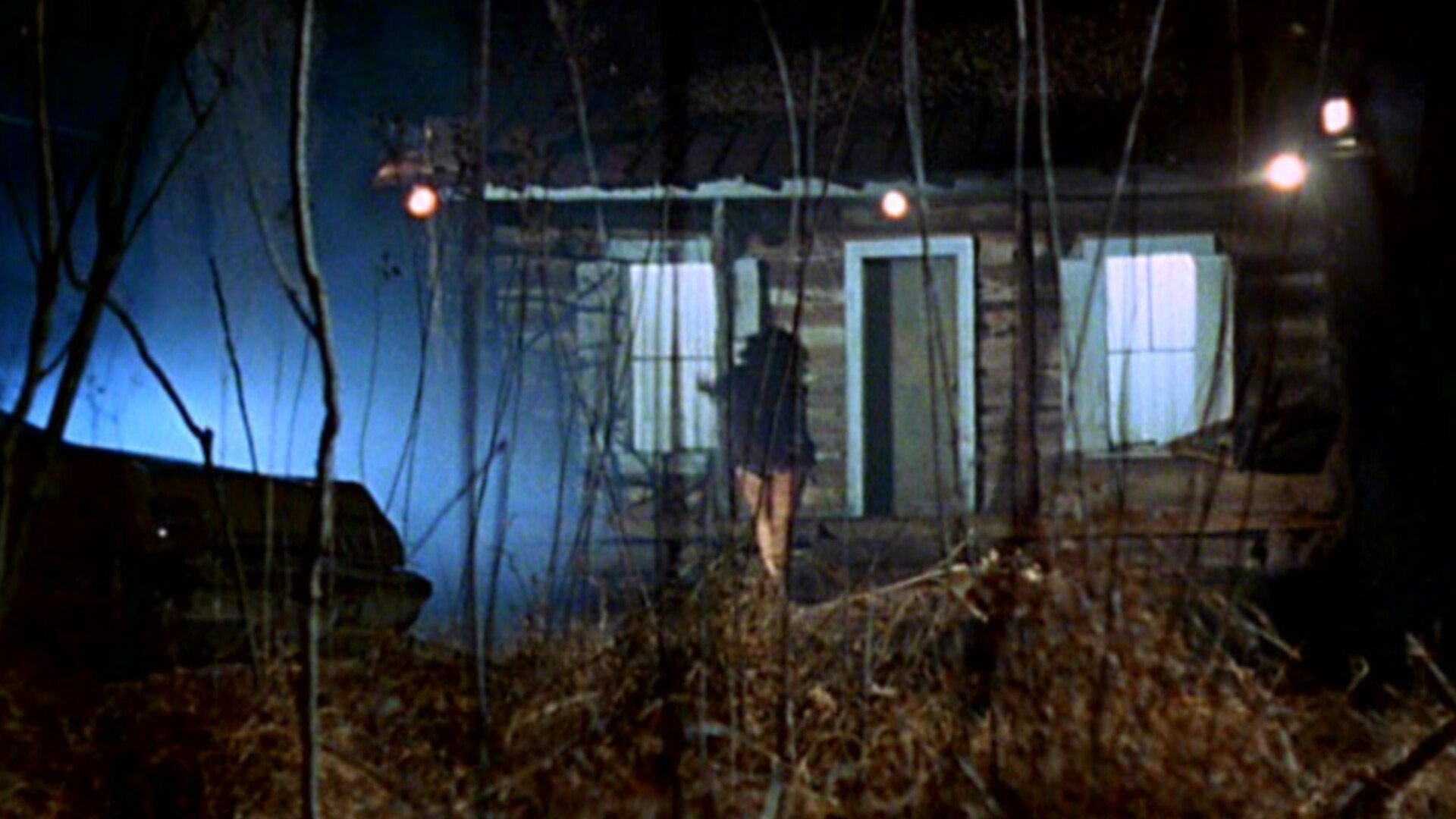
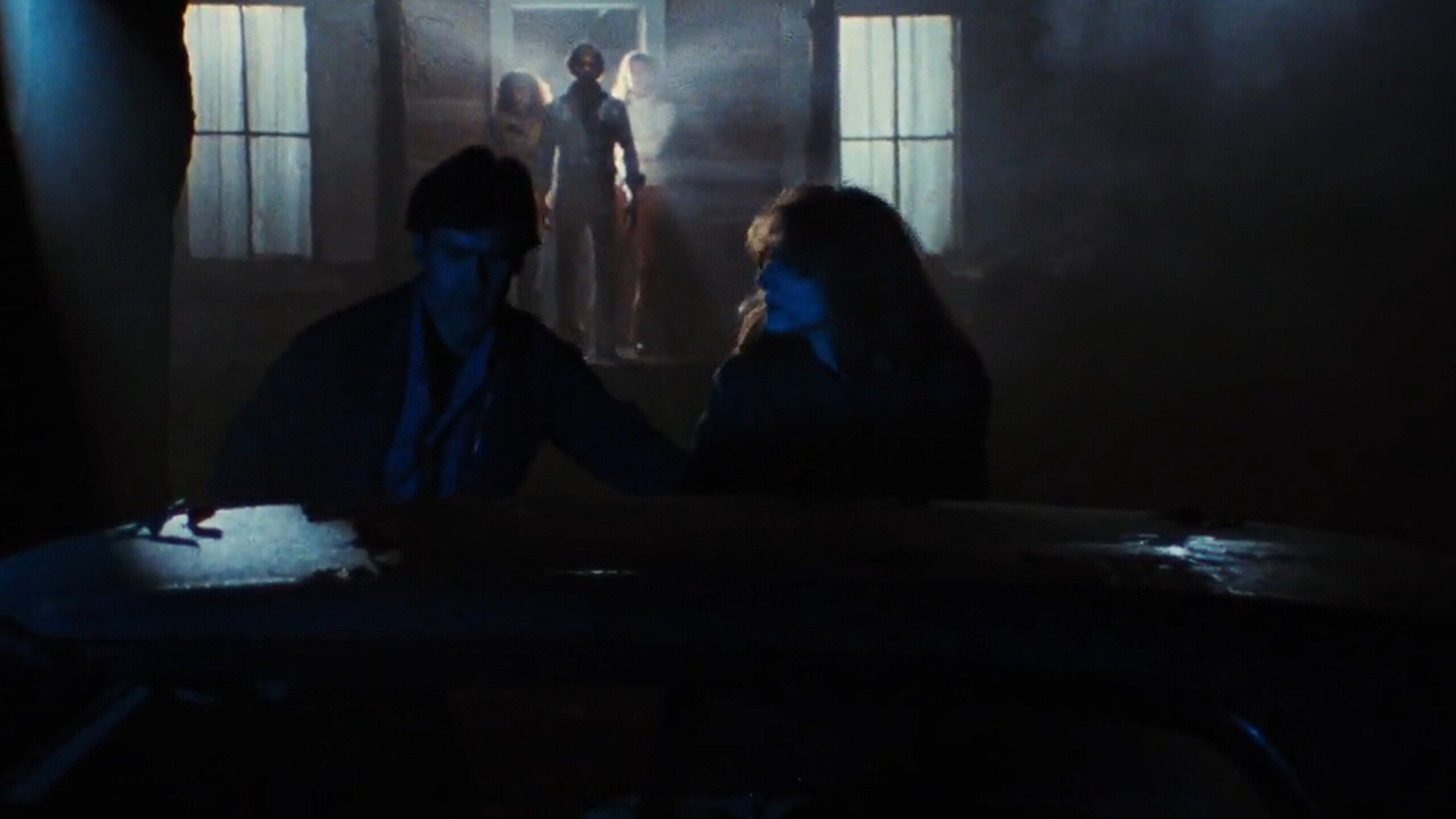
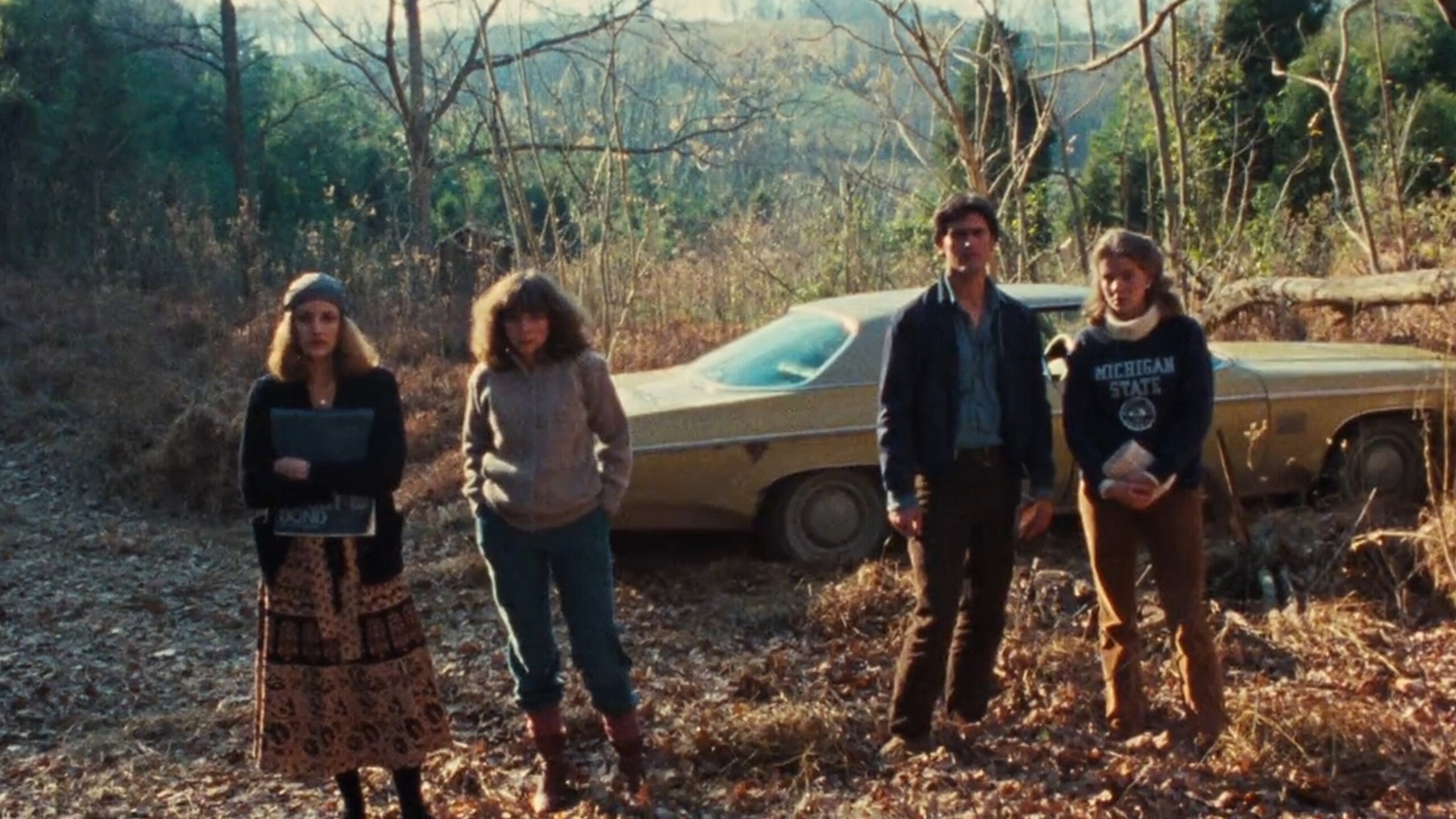
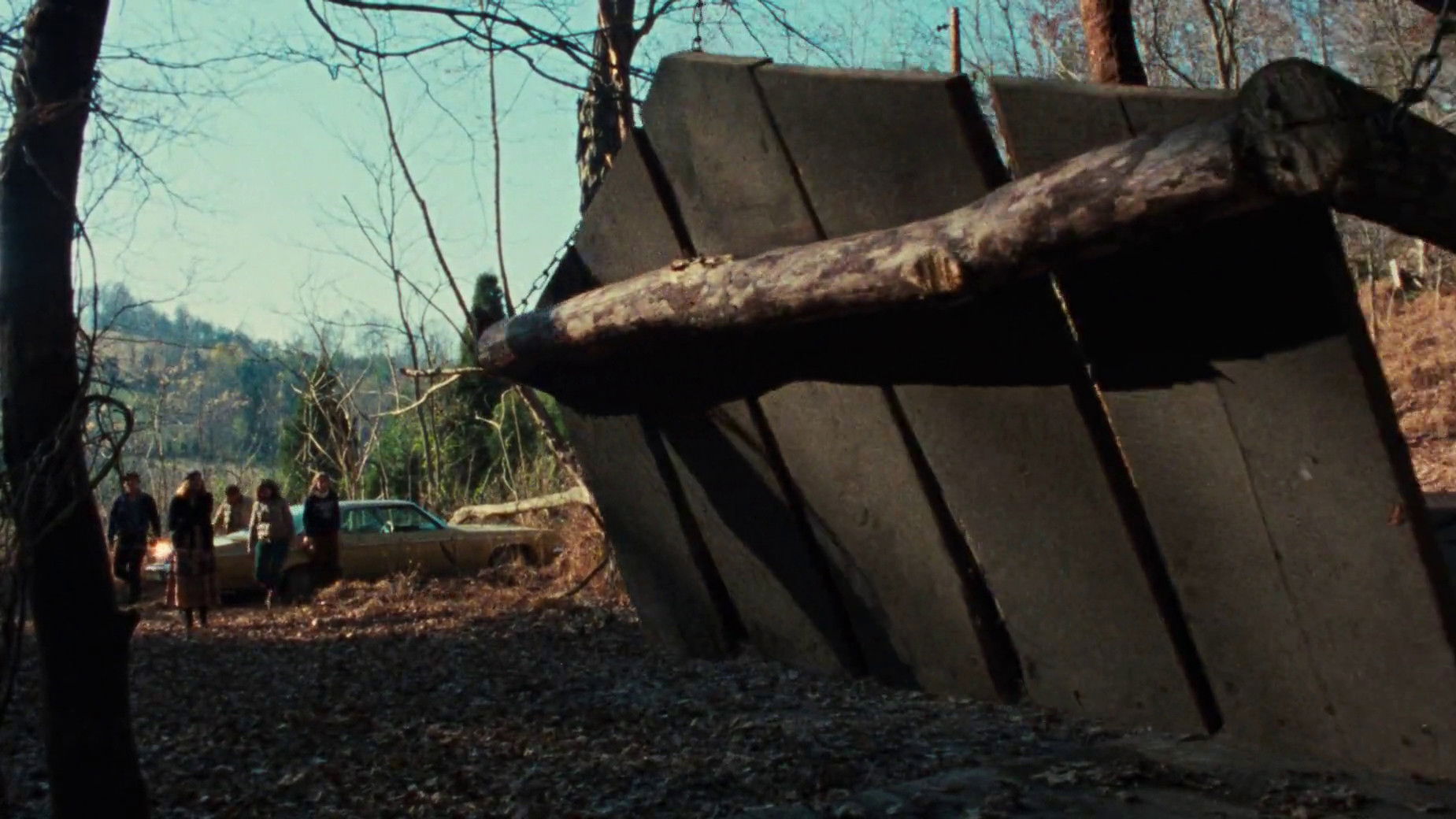
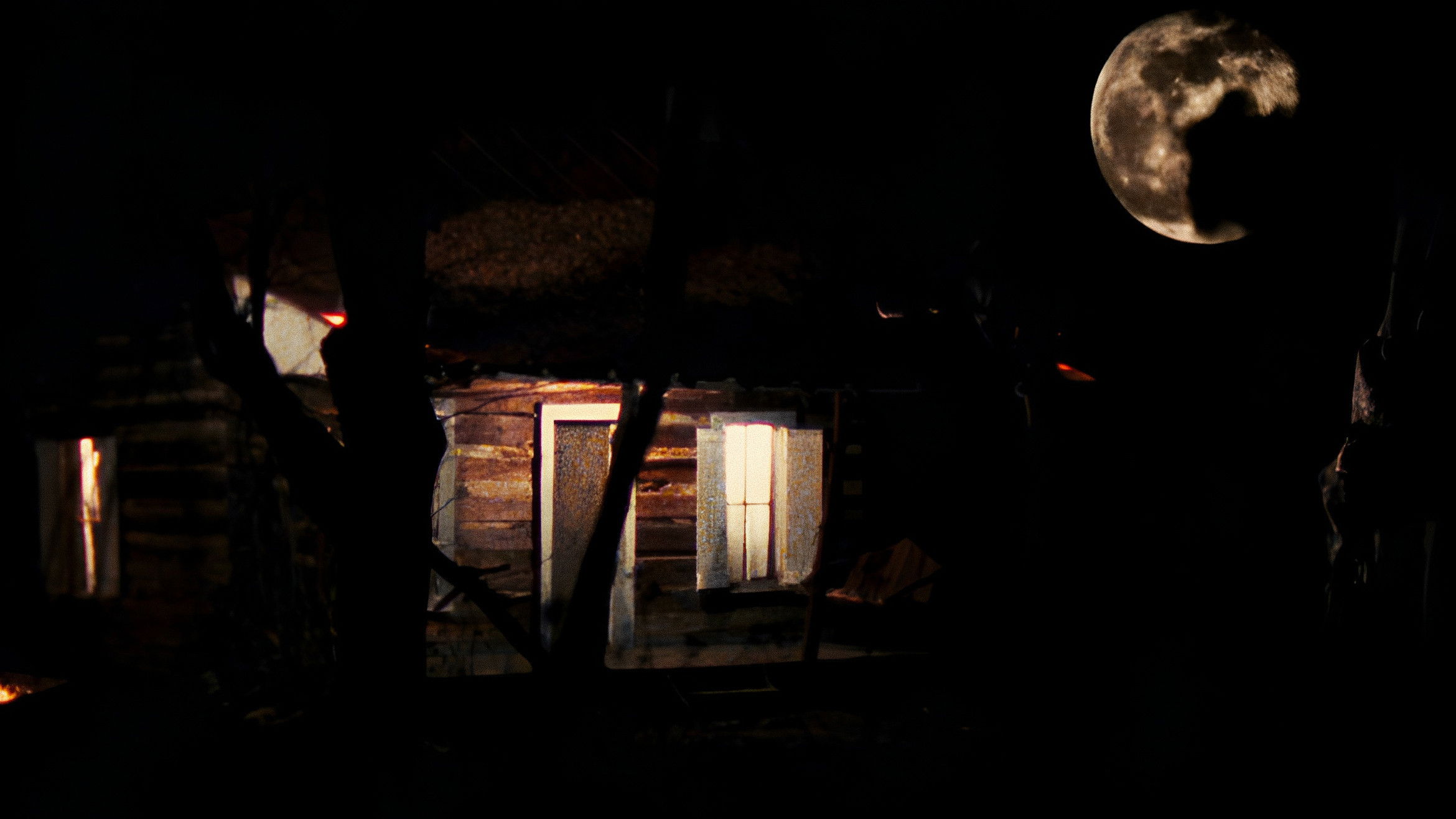
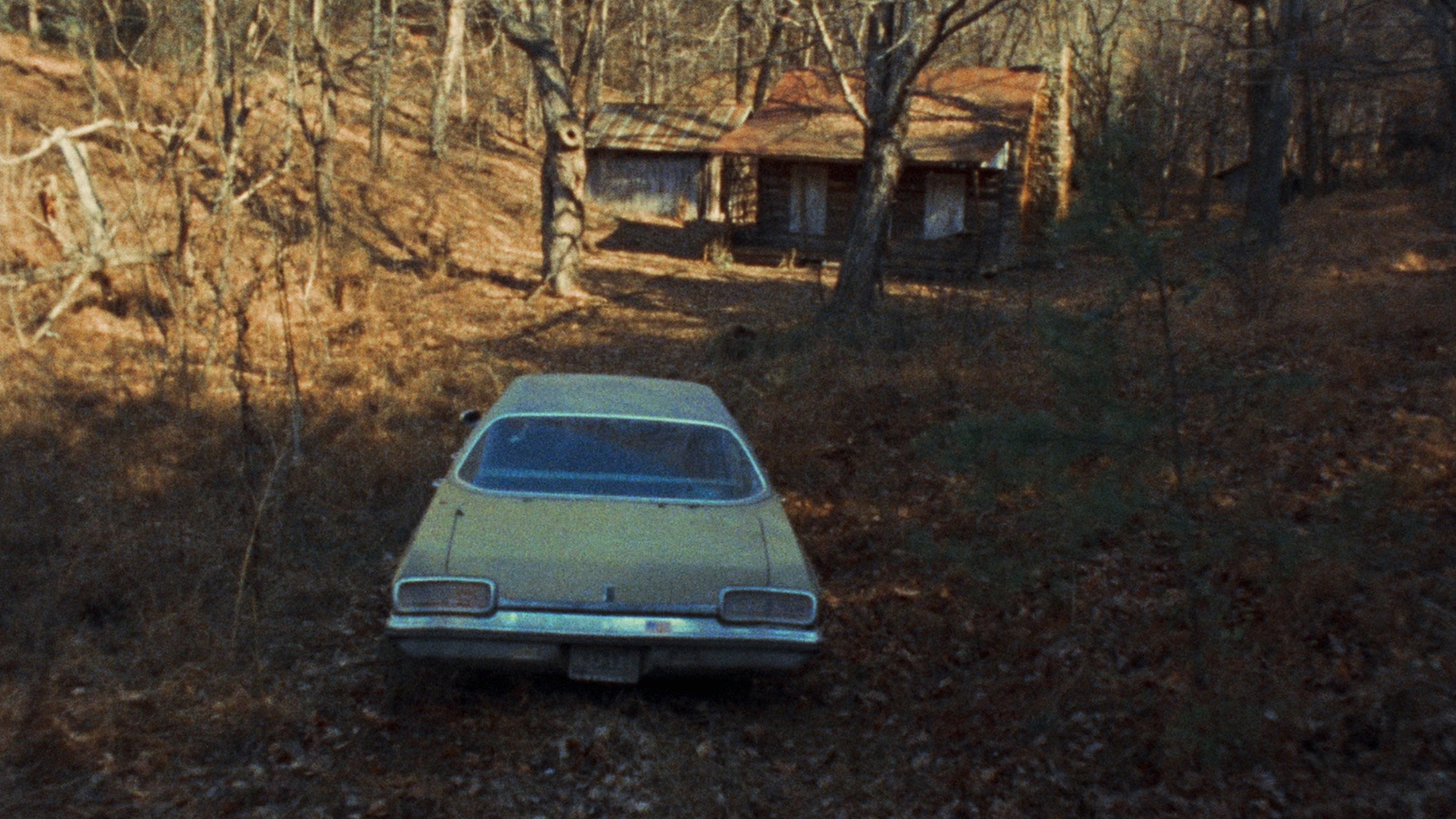
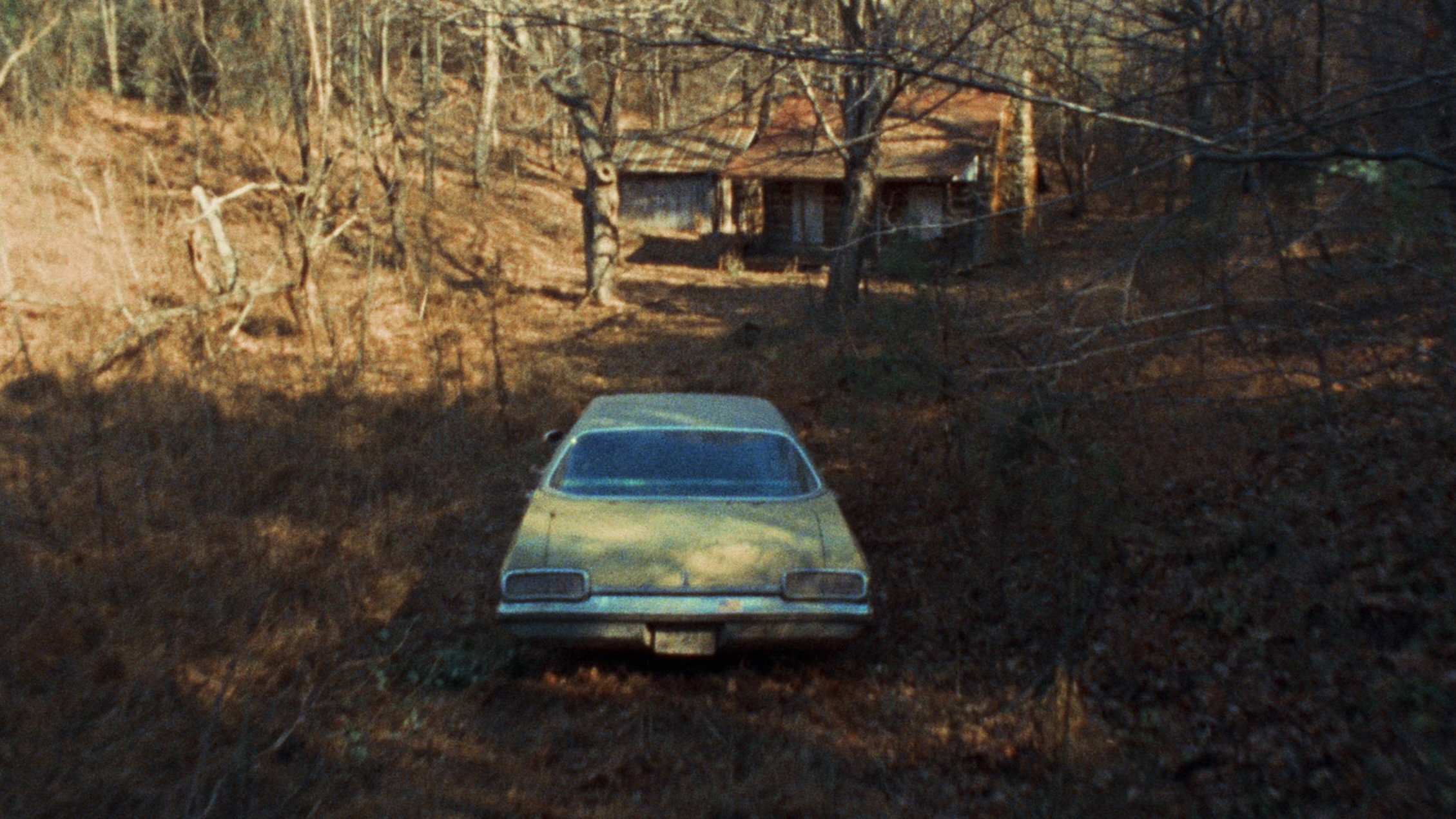
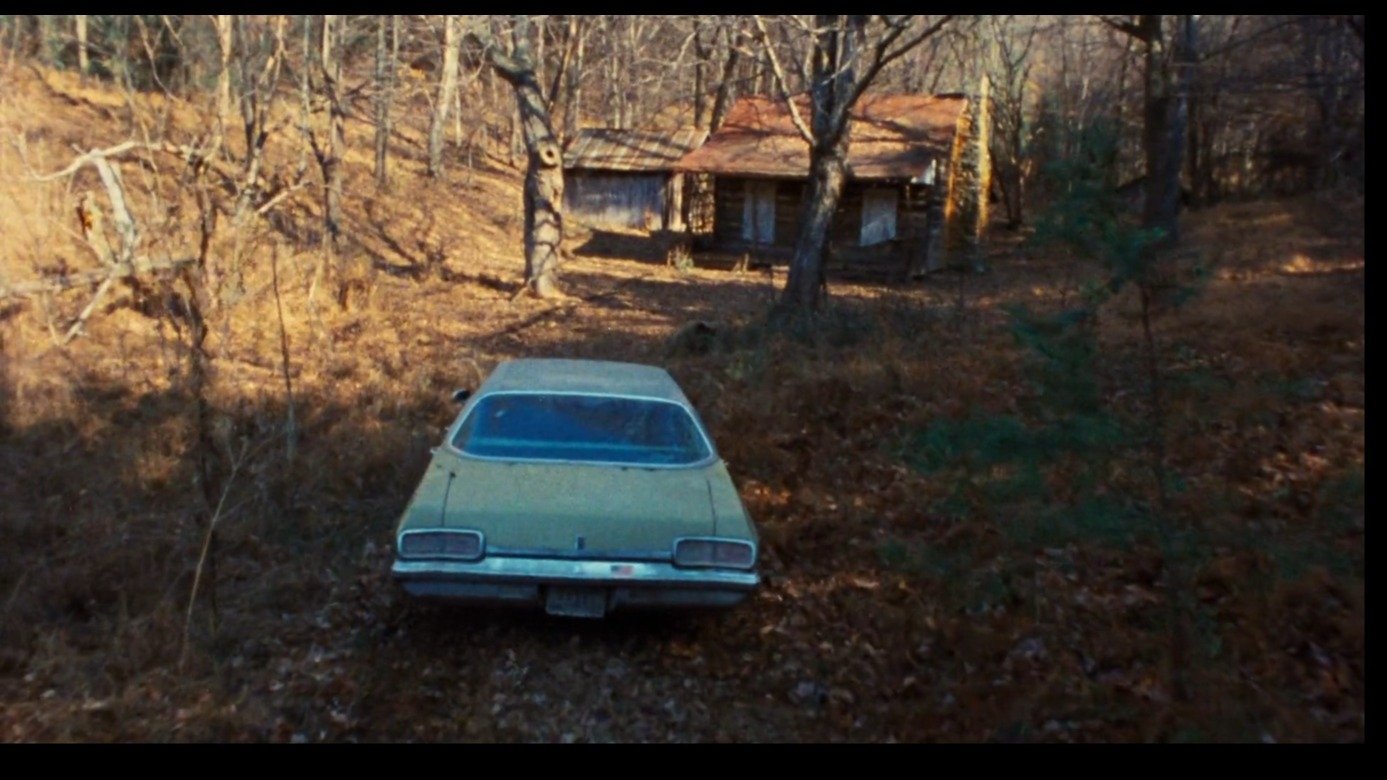
The principal location was an isolated cabin outside Morristown, Tennessee. The building supplied the production with genuine weathered wood, surrounding forest and physical isolation at a cost far below constructing equivalent scenery. It also created severe logistical problems. The cabin lacked normal production facilities, winter conditions were difficult and equipment, actors and effects materials had to be transported into a rural environment by a crew with very limited resources. Production records and later accounts describe an initially small company that became still smaller as the shoot extended well beyond its planned schedule.

The principal Tennessee photography began in late 1979 and occupied weeks under increasingly difficult conditions. Cold, exhaustion and the expanding schedule caused many participants to leave once their expected commitment ended. Bruce Campbell remained available, but several other principal performers could not continually return while Raimi was still obtaining missing material. Shooting consequently continued in Michigan and around Detroit long after the main Tennessee period had ended, with portions of the cabin recreated or substituted in other locations.

The production solved actor availability through what Raimi and his collaborators called Fake Shemps, a term derived from The Three Stooges' use of doubles after Shemp Howard's death. Friends, relatives and crew members substituted for absent performers whenever a shot required only a hand, silhouette, feet, hair or an obscured body. This was more than an inside joke in the credits. It became a practical continuity system that allowed Raimi to finish scenes months after the original actors had left. The method illustrates the production's central principle: a missing resource was rarely treated as a reason to abandon a shot if framing, editing or substitution could create the required illusion.

16 mm Photography and the Shaky-Cam

Tim Philo received credit for photography and lighting, with the picture shot on 16 mm and planned for eventual enlargement to 35 mm. Photographic-effects specialist Bart Pierce had laboratory experience and advised the filmmakers on techniques that would preserve as much image quality as possible through the blow-up process. The choice of 16 mm reduced the cost and weight of production equipment but also imposed consequences on grain, exposure and the amount of detail surviving theatrical enlargement. Those characteristics became integral to the film's visual identity.

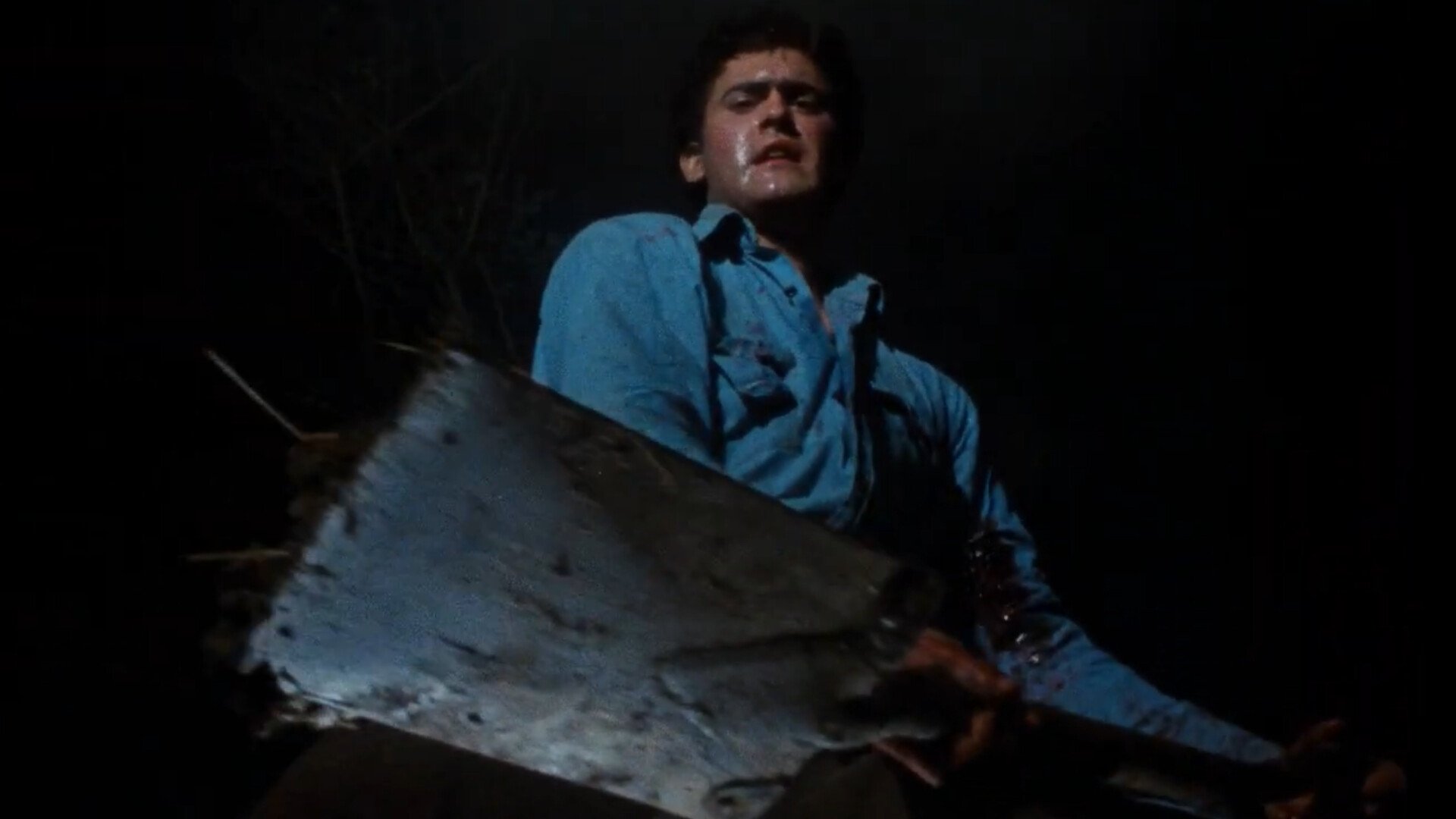
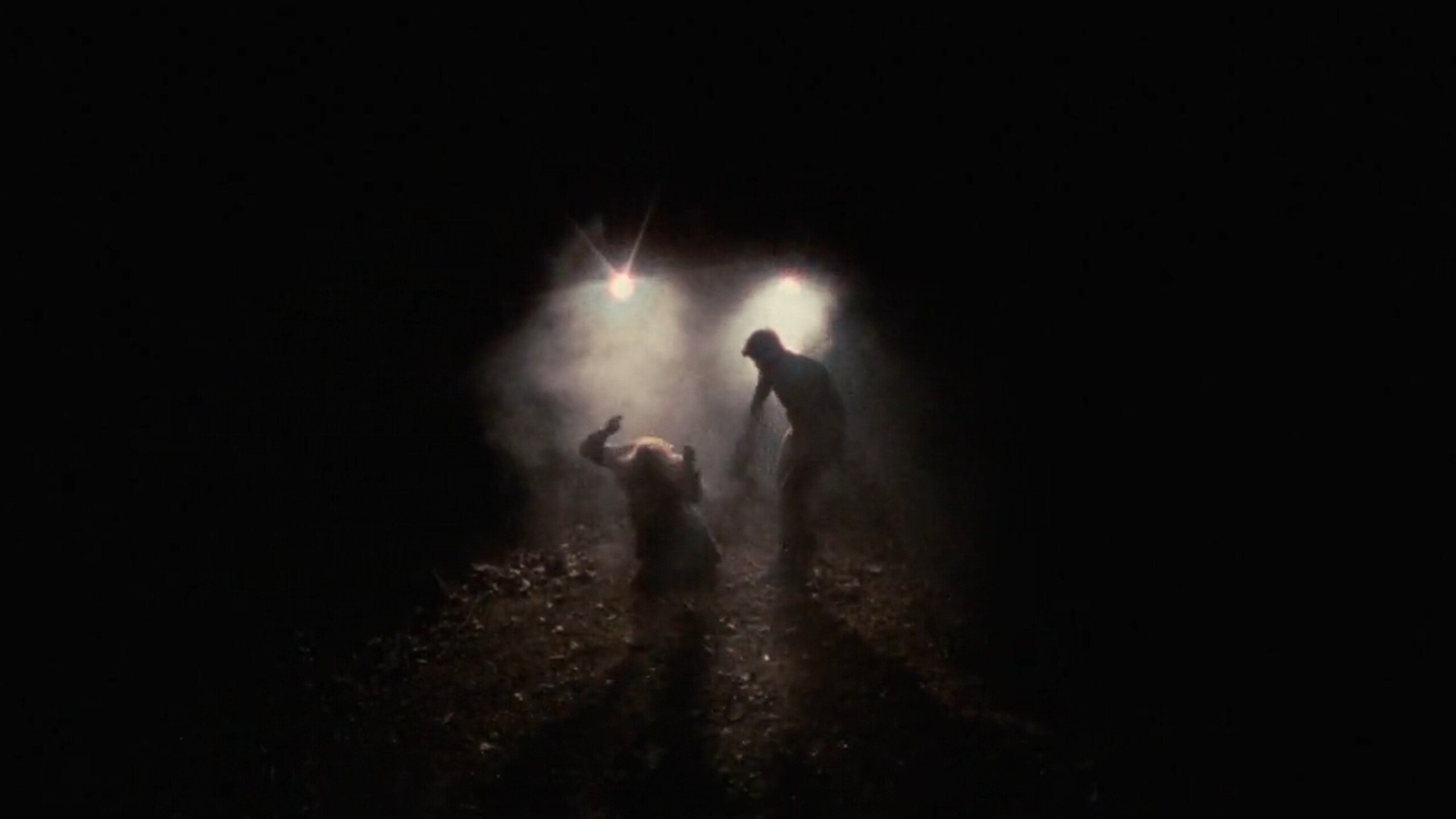
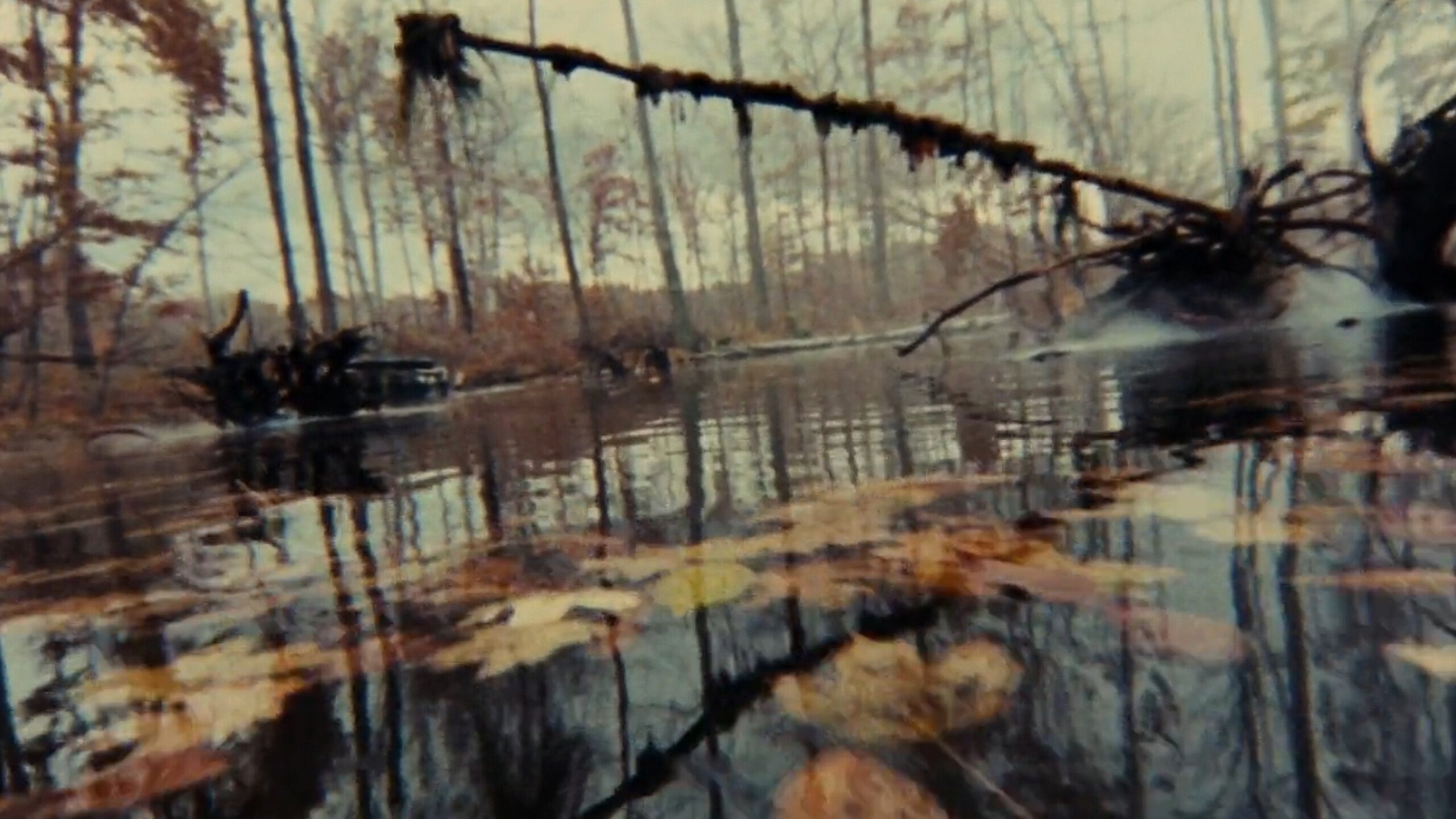
Raimi wanted camera movement the production could not obtain with professional stabilization equipment. The most famous solution was the device eventually called the Shaky-cam. Production notes describe a roughly fifteen-foot two-by-four plank with the camera balanced in the middle while crew members carried the ends. Moving the board rapidly through the forest created a floating, aggressive point of view representing the demonic force. Raimi and Philo also carried the approximately ten-pound camera directly for other shots when conventional support would have prevented the speed or angle they wanted.

The importance of these devices lies in the way they changed cinematic point of view. The unseen force does not need to be represented by a creature because the camera itself becomes predatory. It races through trees, crosses terrain and enters the cabin with a velocity impossible for the human characters. Low angles, abrupt tilts and physically committed movement repeatedly give the spectator the position of an attacking presence rather than a neutral observer. A technique invented because Steadicam-level equipment was unavailable thus became one of the most recognizable elements of Raimi's filmmaking and a recurring part of the Evil Dead series.

Tom Sullivan and Handmade Deadites

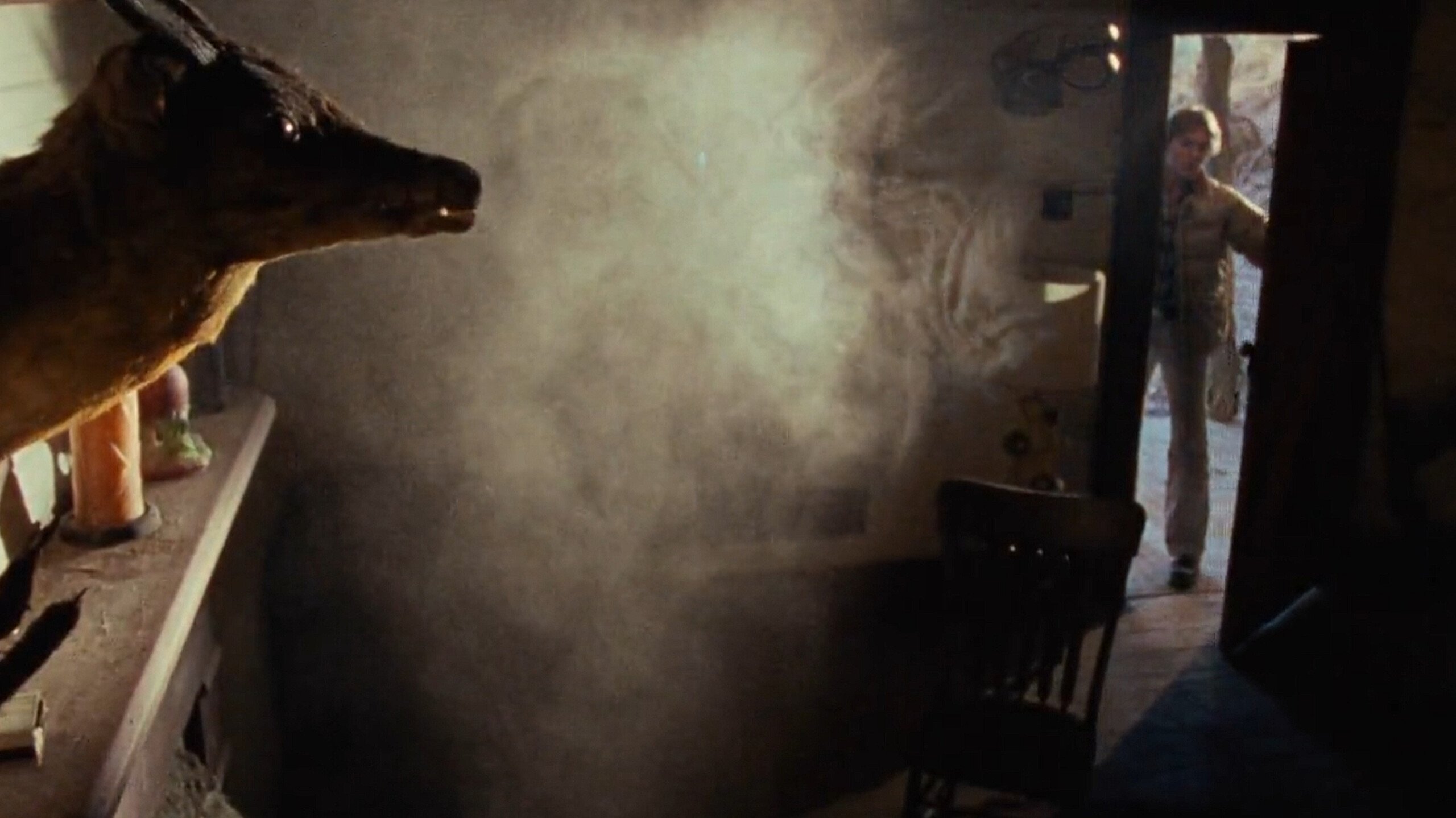
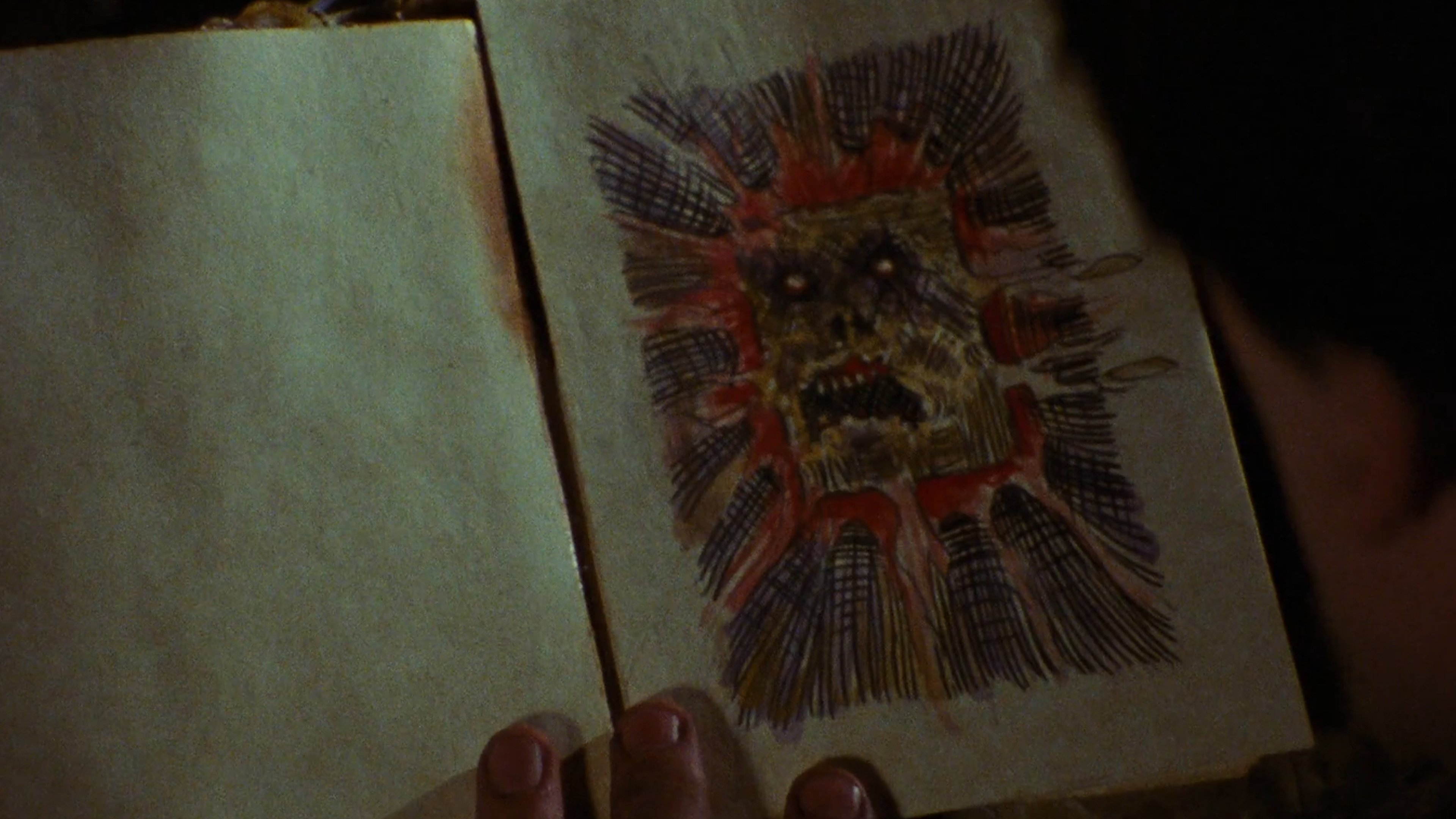
Tom Sullivan carried an unusually broad effects workload. He created special makeup, designed important props and contributed visual concepts that extended well beyond conventional prosthetic application. The Book of the Dead became his most enduring object. Raimi's screenplay originally required an ancient skin-covered volume, but Sullivan developed the now-familiar face-like cover from a liquid-latex casting and spent long evenings drawing the interior pages by hand. He also constructed the skull-covered Kandarian dagger and numerous objects that give the cabin's archaeological material a consistent visual identity.

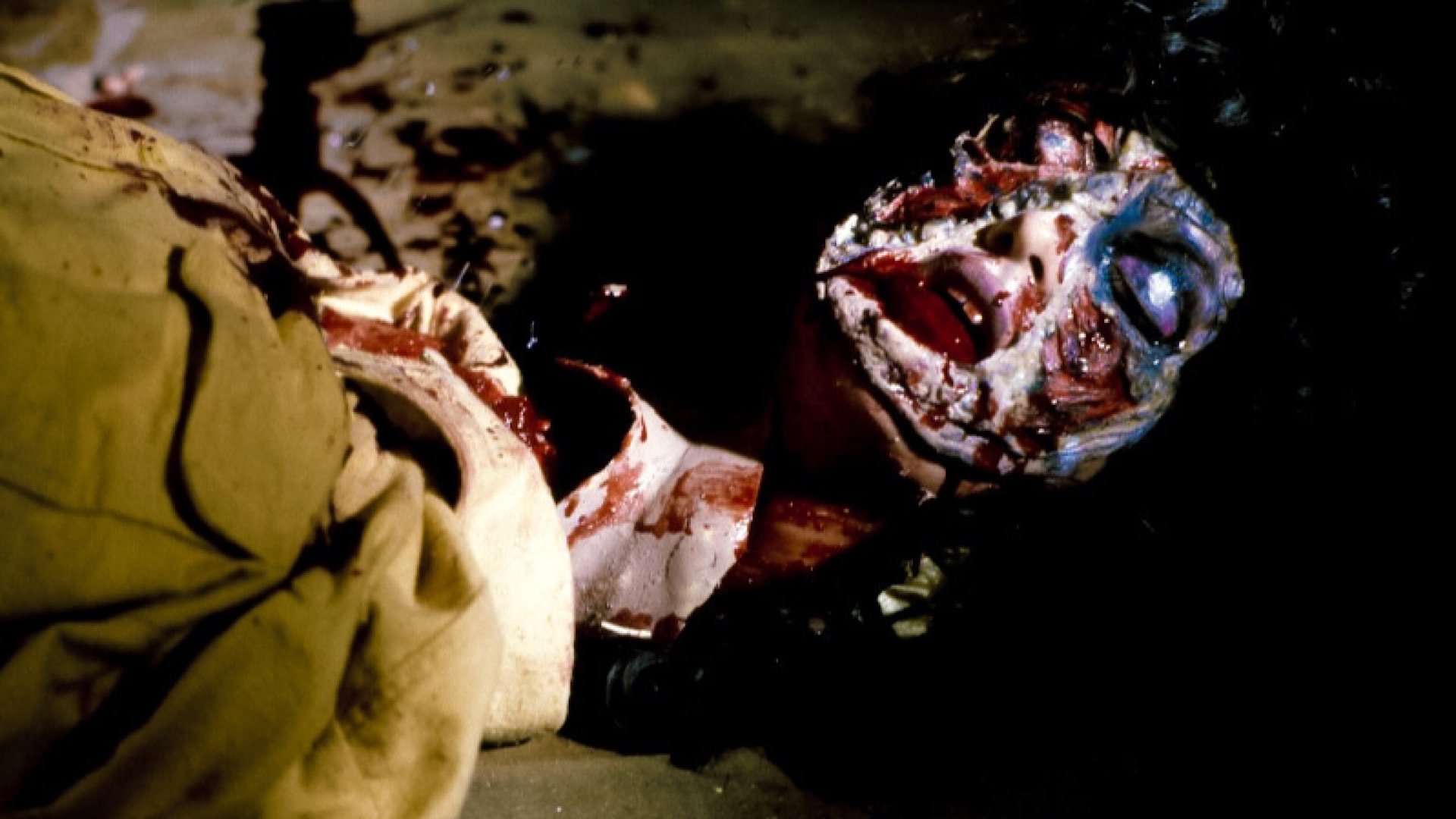
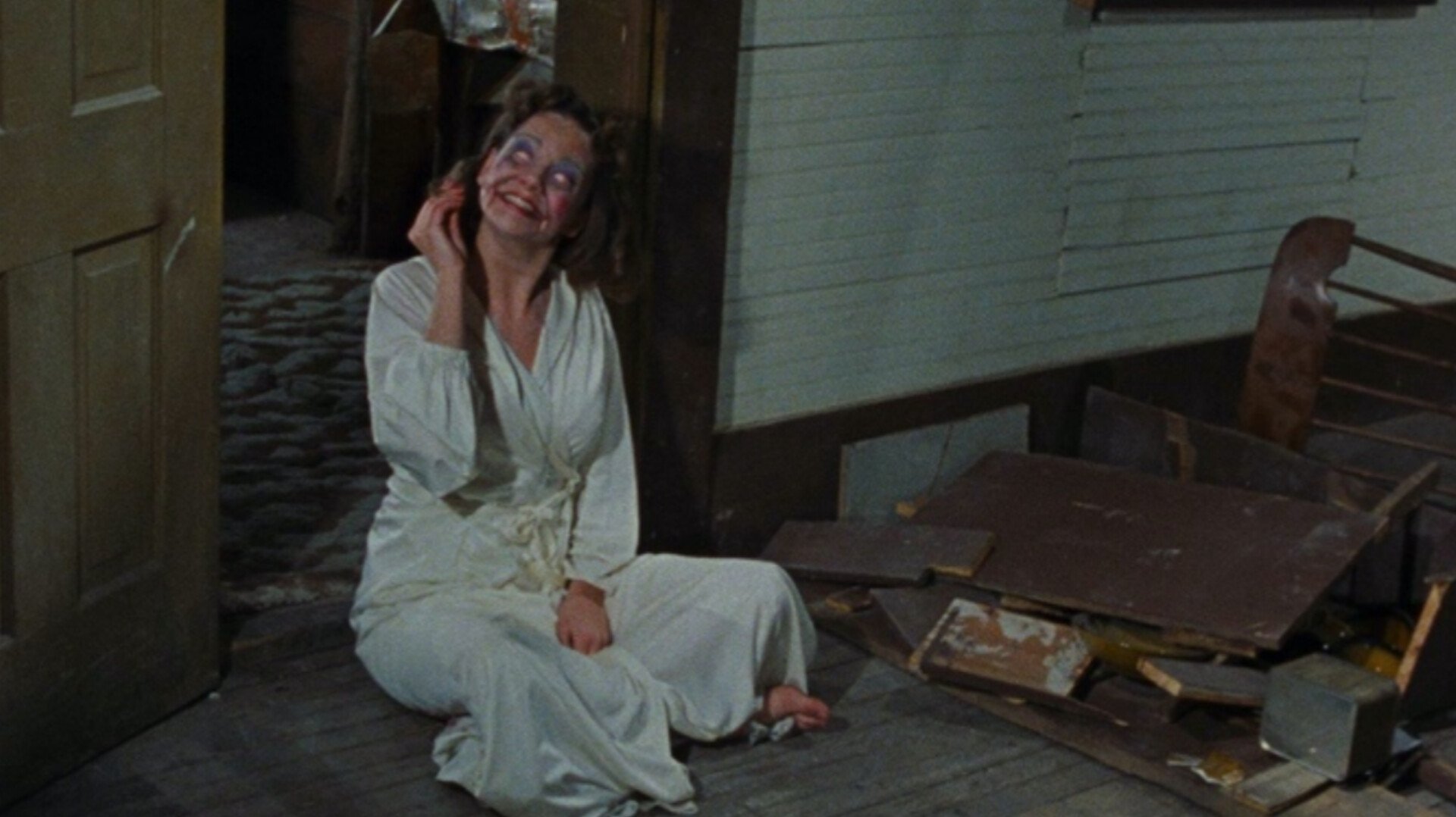
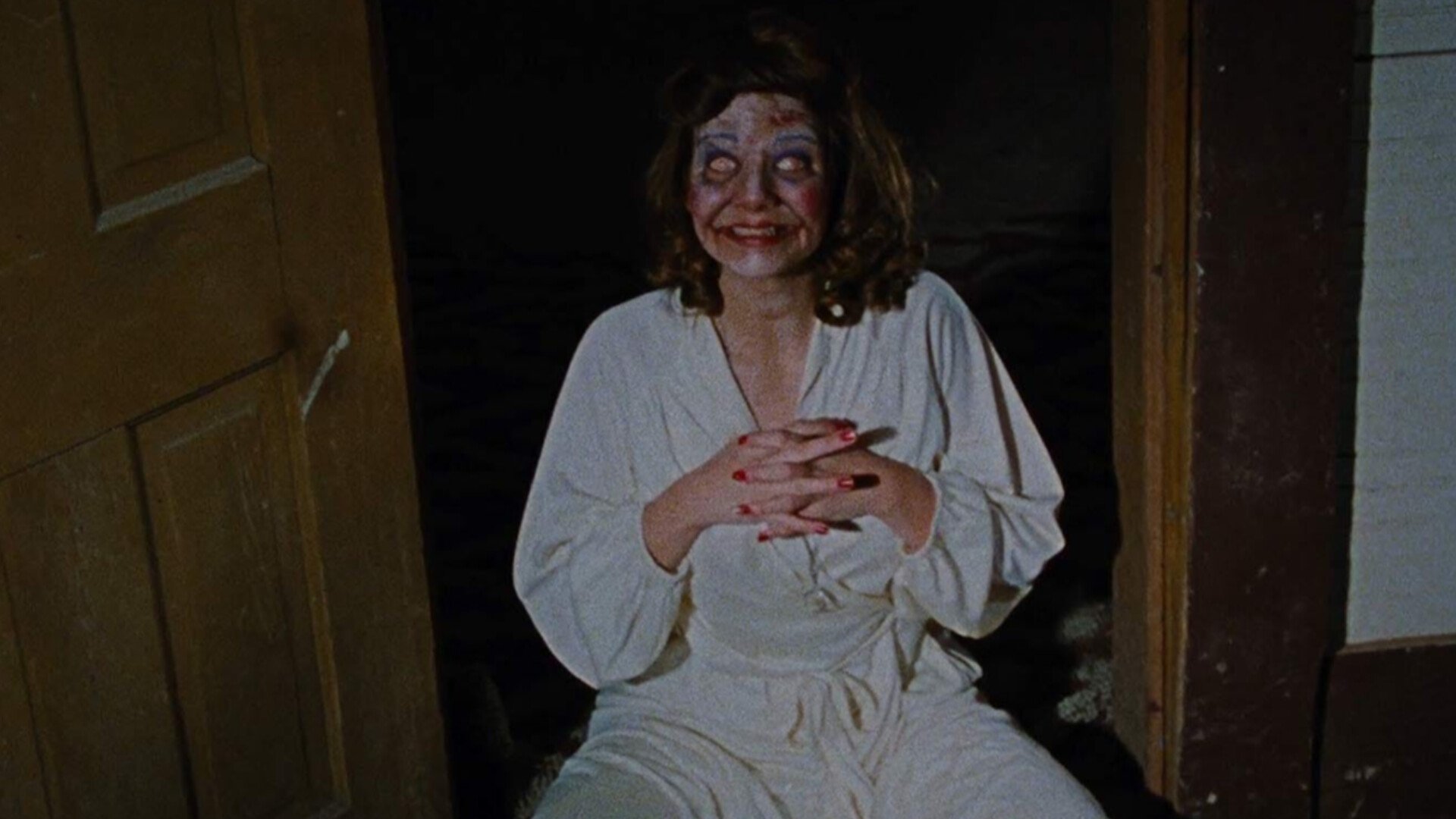
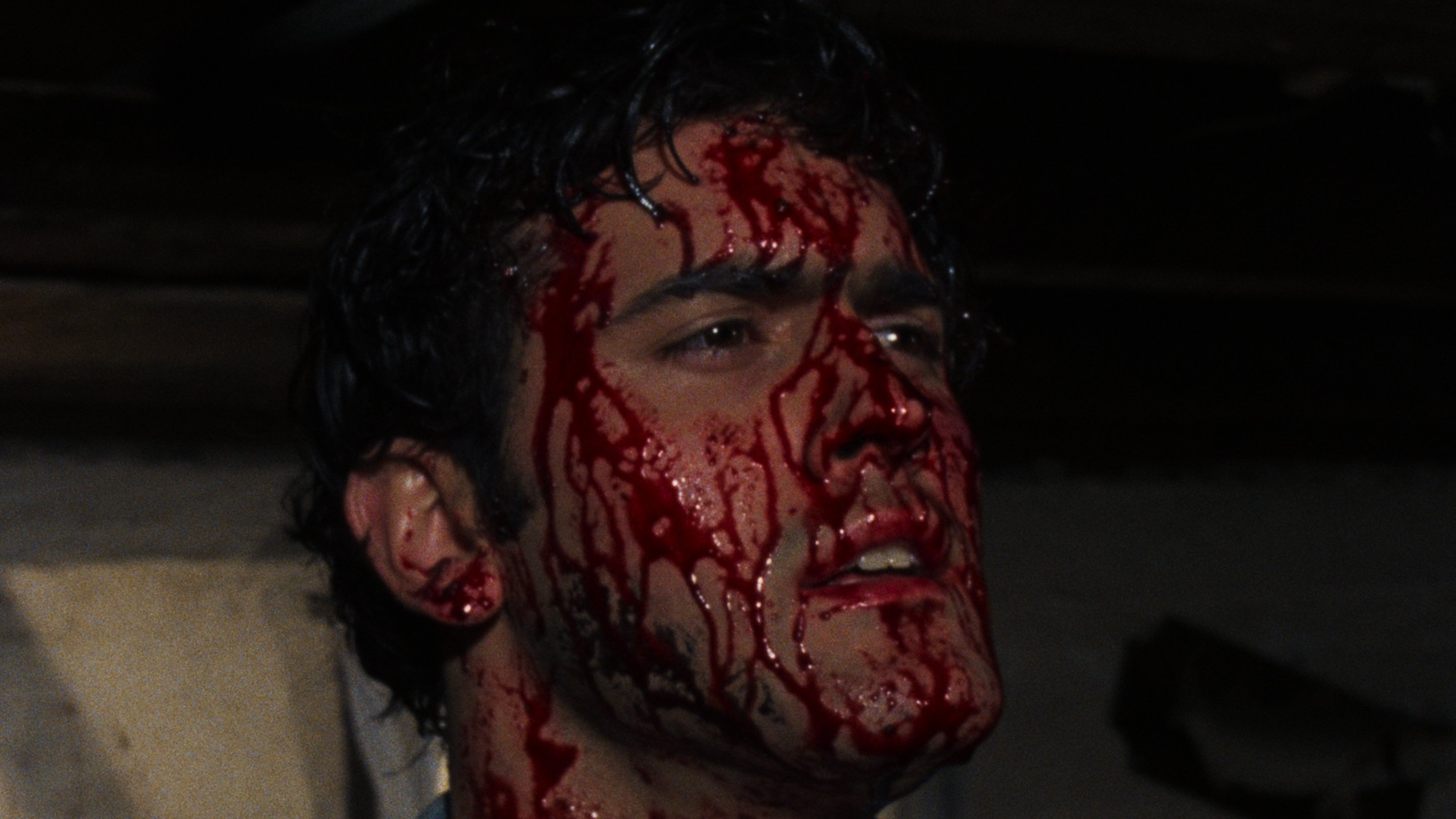
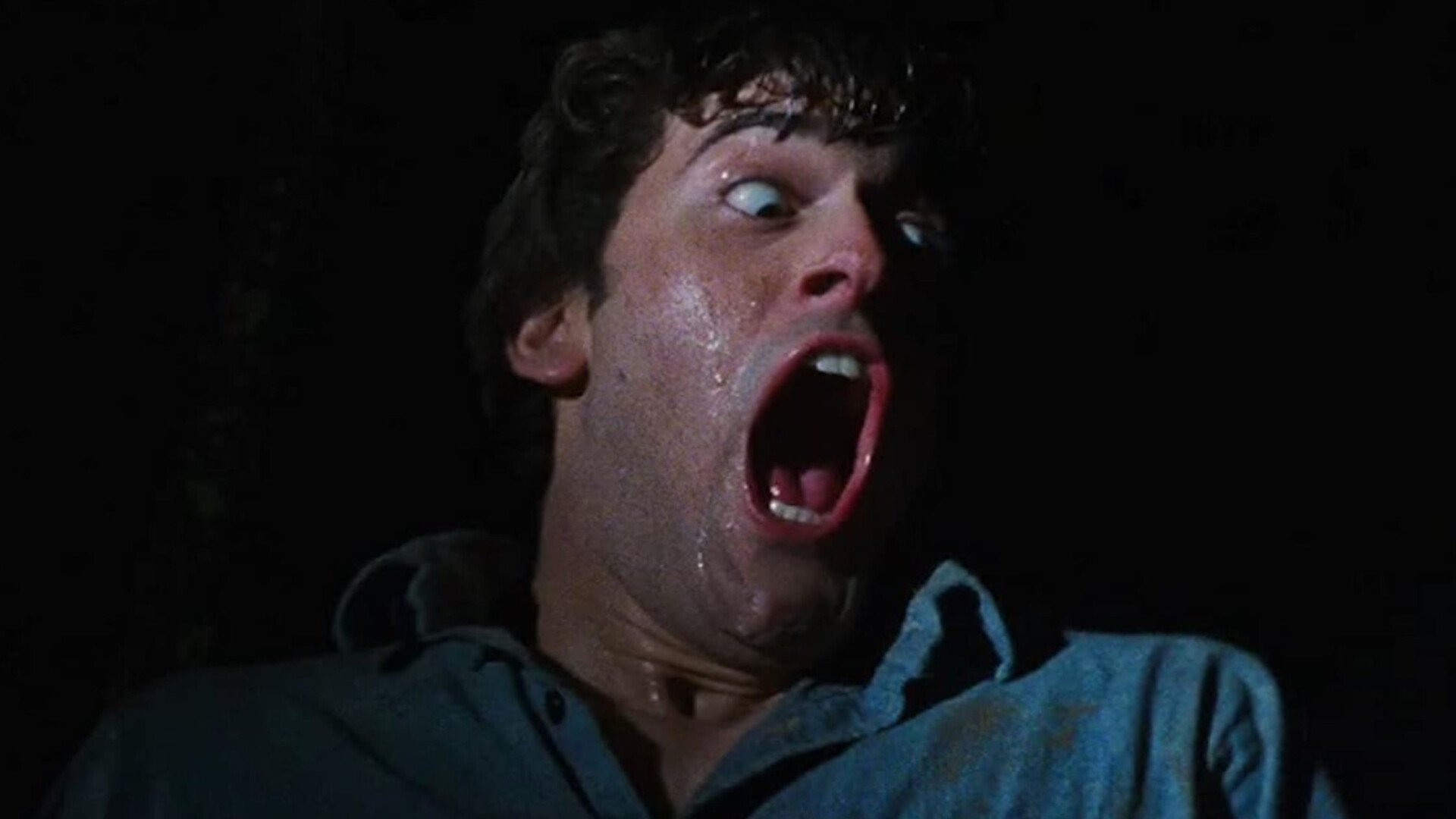
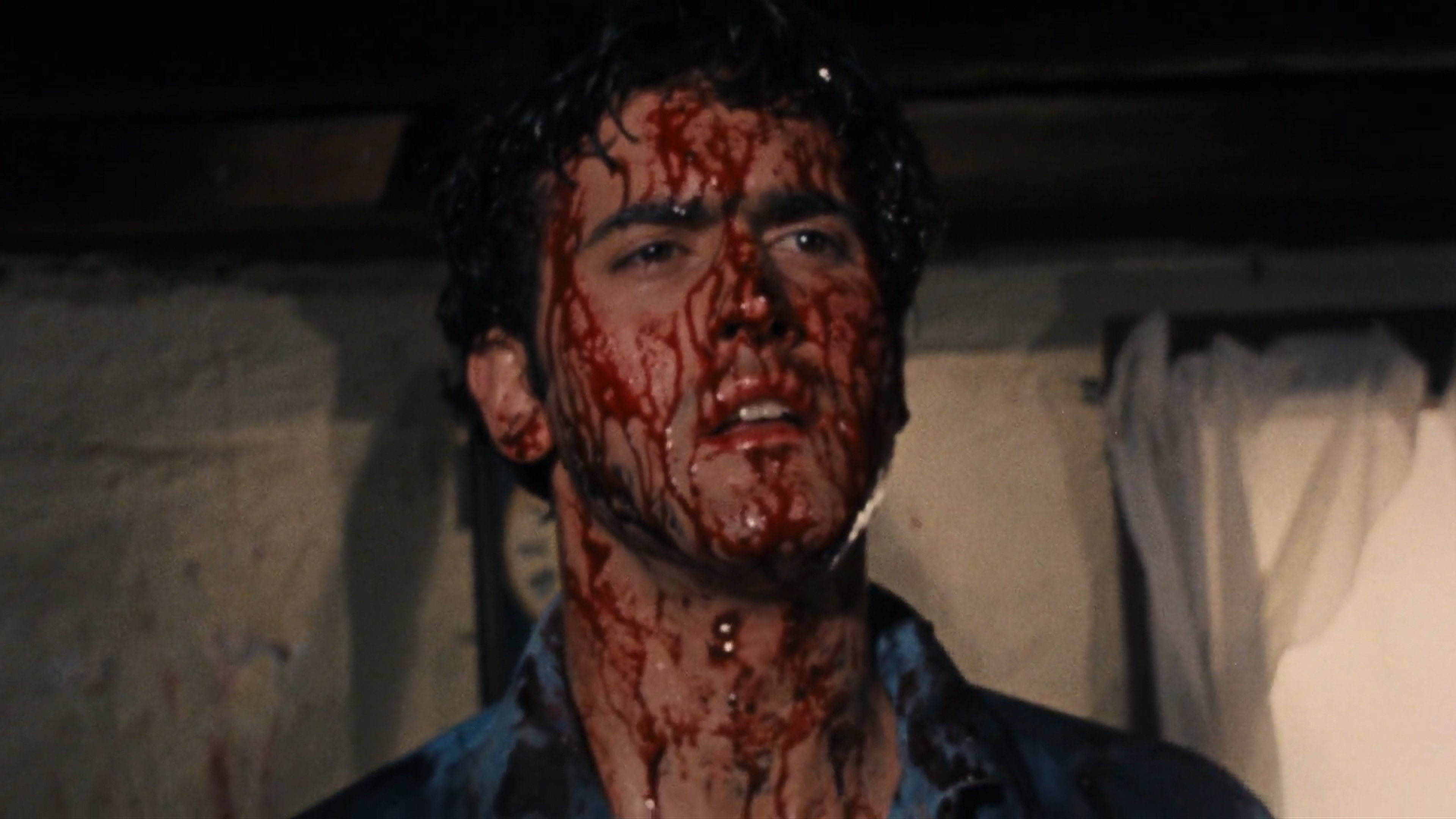
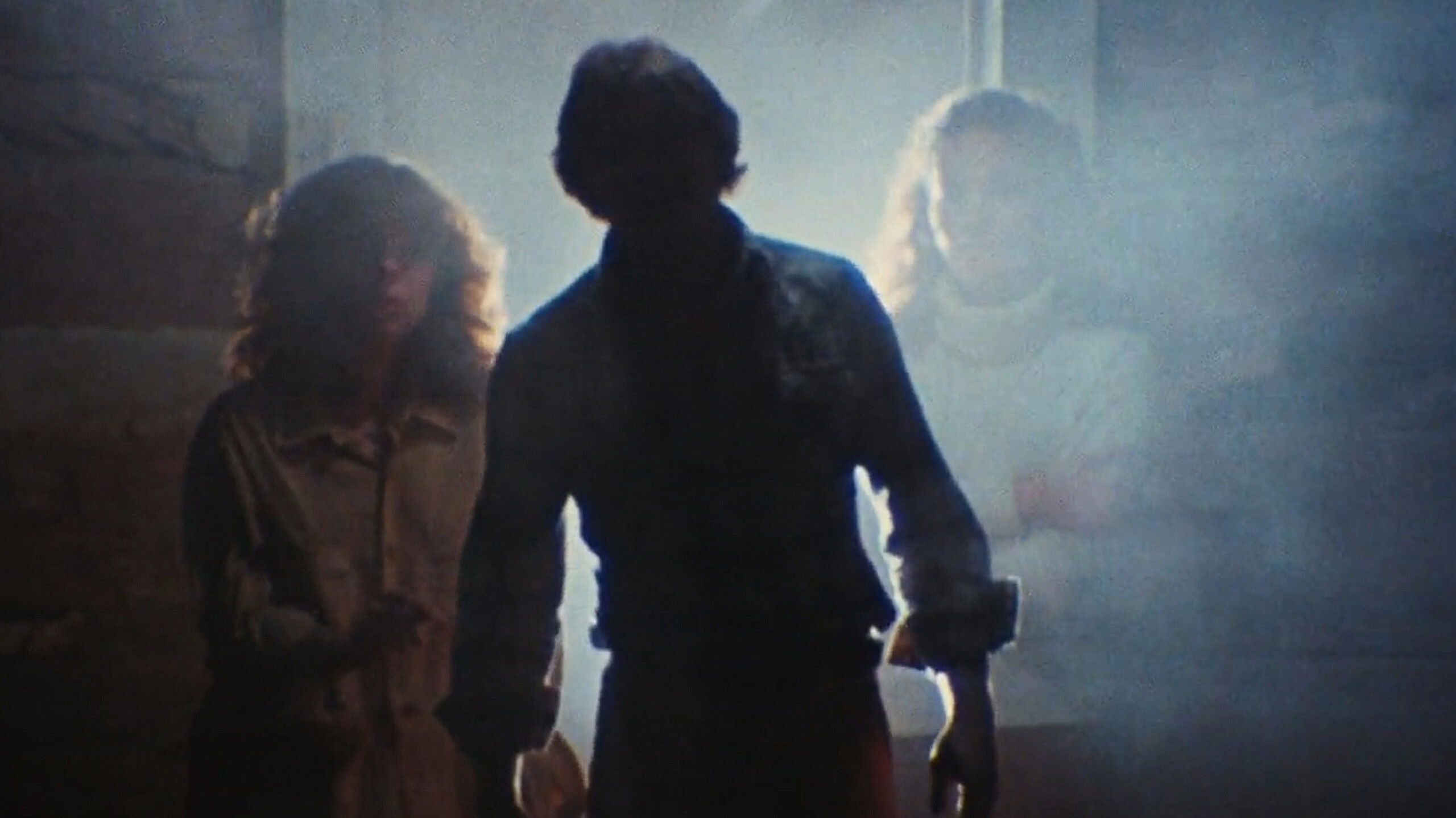
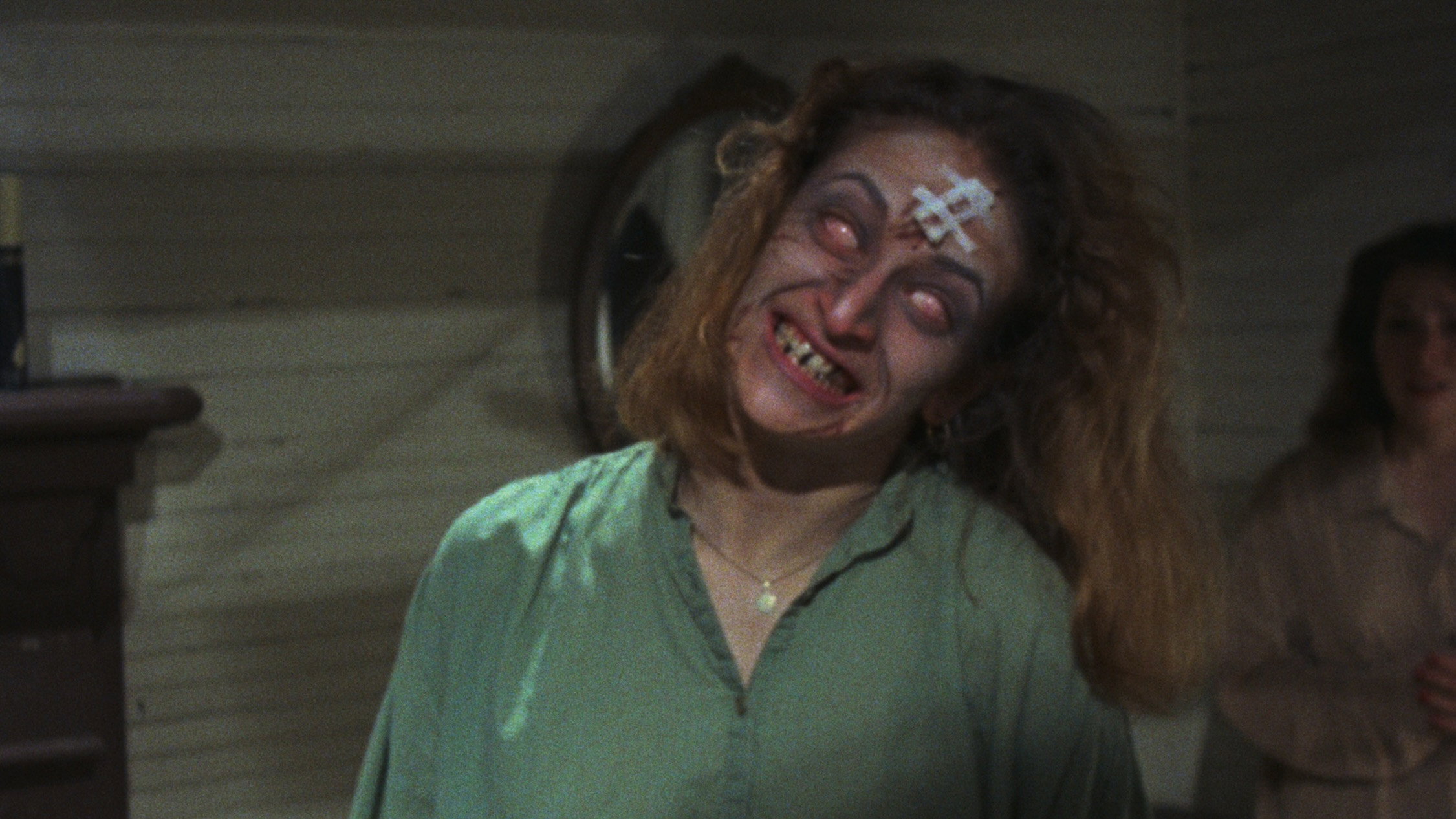
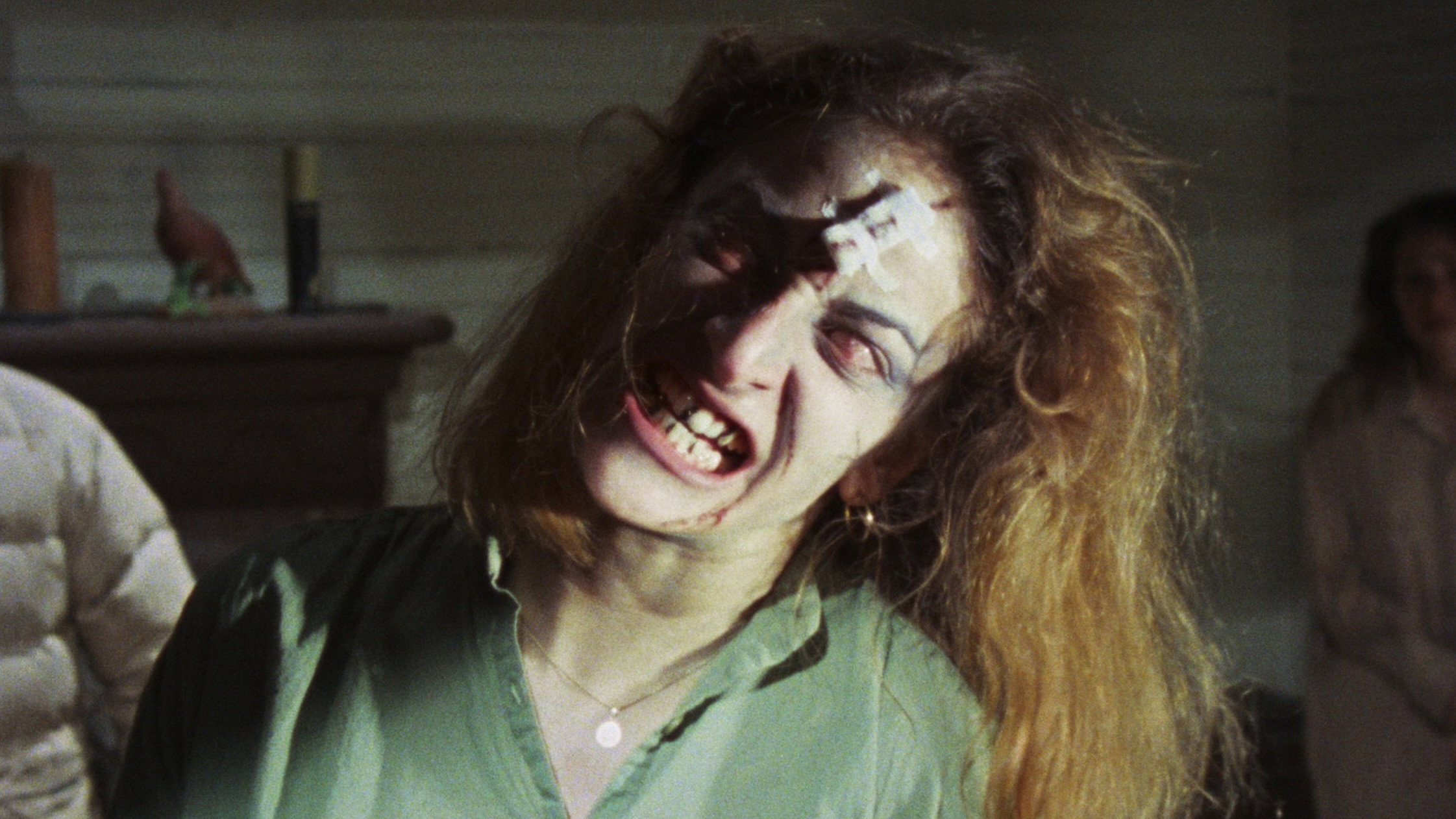
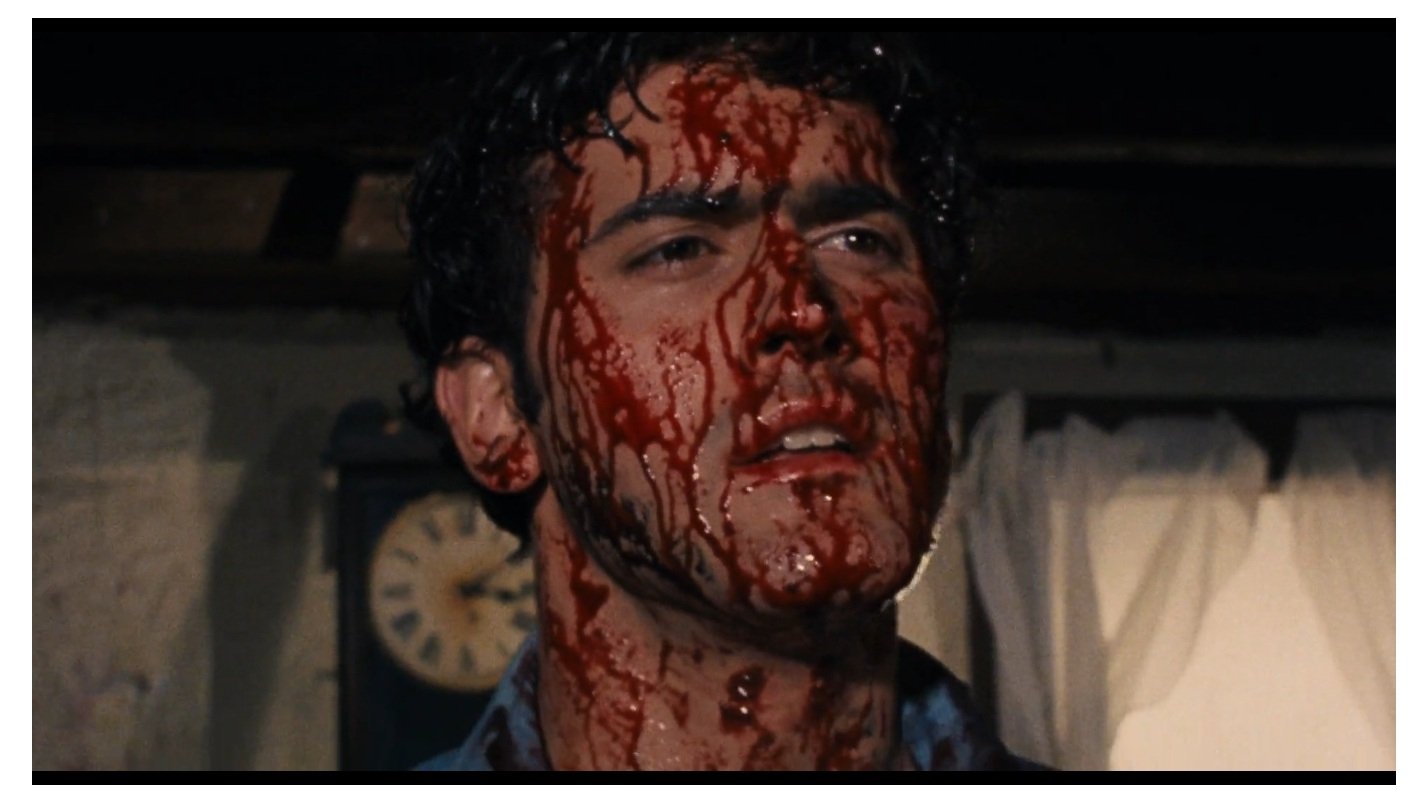
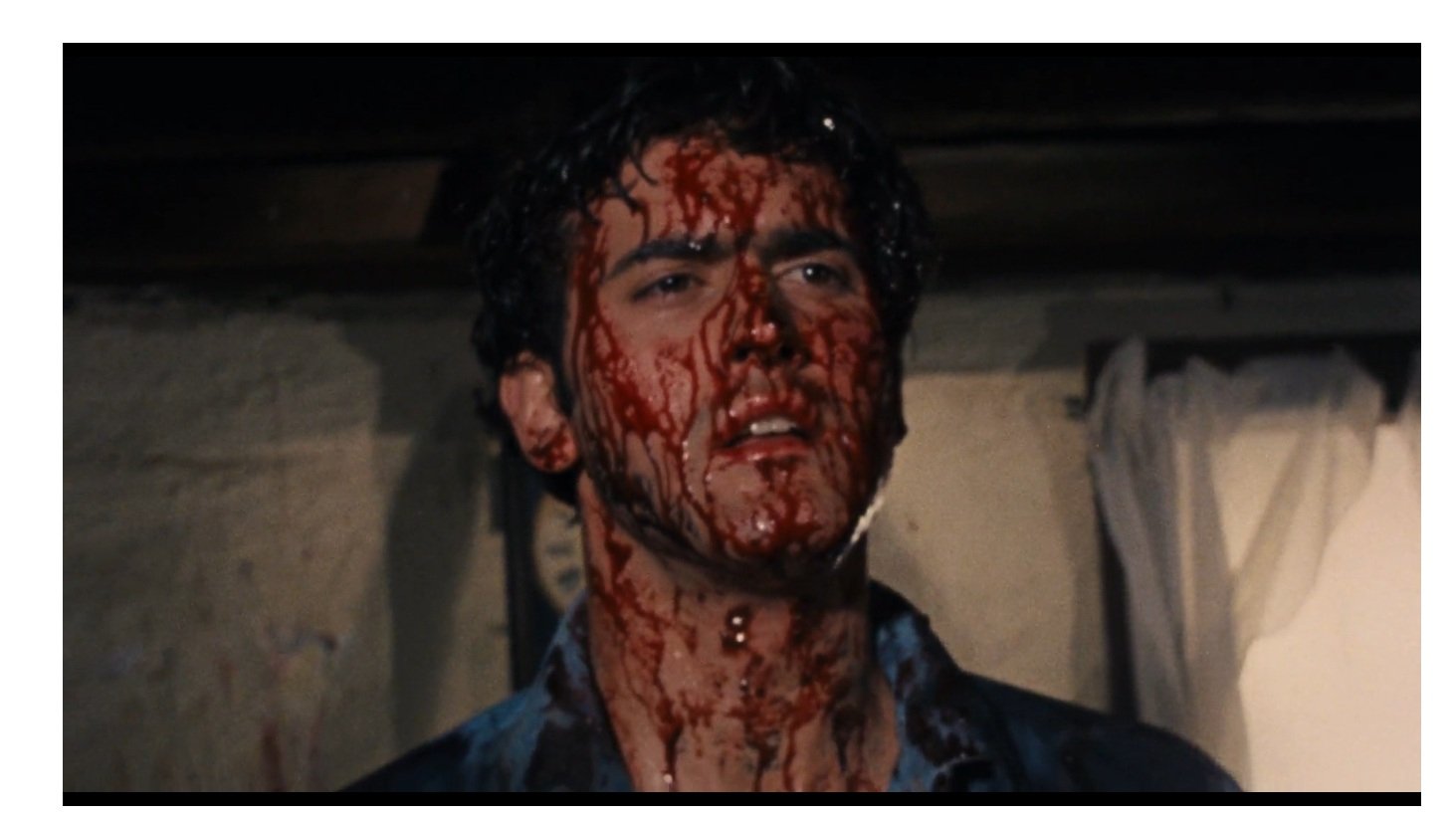
The Deadite makeups were produced with inexpensive materials including latex, cotton, grease paint, modeling compounds and fabricated appliances. Sullivan later explained that many applications were built directly during sessions rather than relying exclusively on pre-made full-face prosthetics. Individual performers could require four to six hours of makeup. The opaque white eye effect depended on professionally made scleral contact lenses, which dramatically changed the actors' appearance but were uncomfortable and severely restricted normal vision while being worn.

Physical gore followed the same economy. Cast body parts, pumps, artificial blood, replacement heads and inexpensive organic-looking materials supplied the dismemberments. The production frequently needed only the portion of an effect visible to the camera, allowing Sullivan to concentrate effort on one side of a prop or one stage of destruction rather than constructing medically complete artificial bodies. The technique resembles stage illusion: what matters is not whether an object survives inspection from every direction but whether it becomes convincing from the exact lens position and for the duration required by the edit.

This handmade quality is central to the film rather than something modern restoration can remove. Foam, latex, clay and pumped liquids react unpredictably under light and physical contact. They bend, tear and splash according to real forces. Even when the anatomy is exaggerated, the material behavior remains tangible. Later installments would have access to larger effects departments, but the first film establishes the franchise's foundational idea that possession should transform actors into physically altered objects capable of being cut, stabbed, dismembered and reconstructed in front of the camera.

The Meltdown: Stop Motion, Mattes and Multiple Exposures

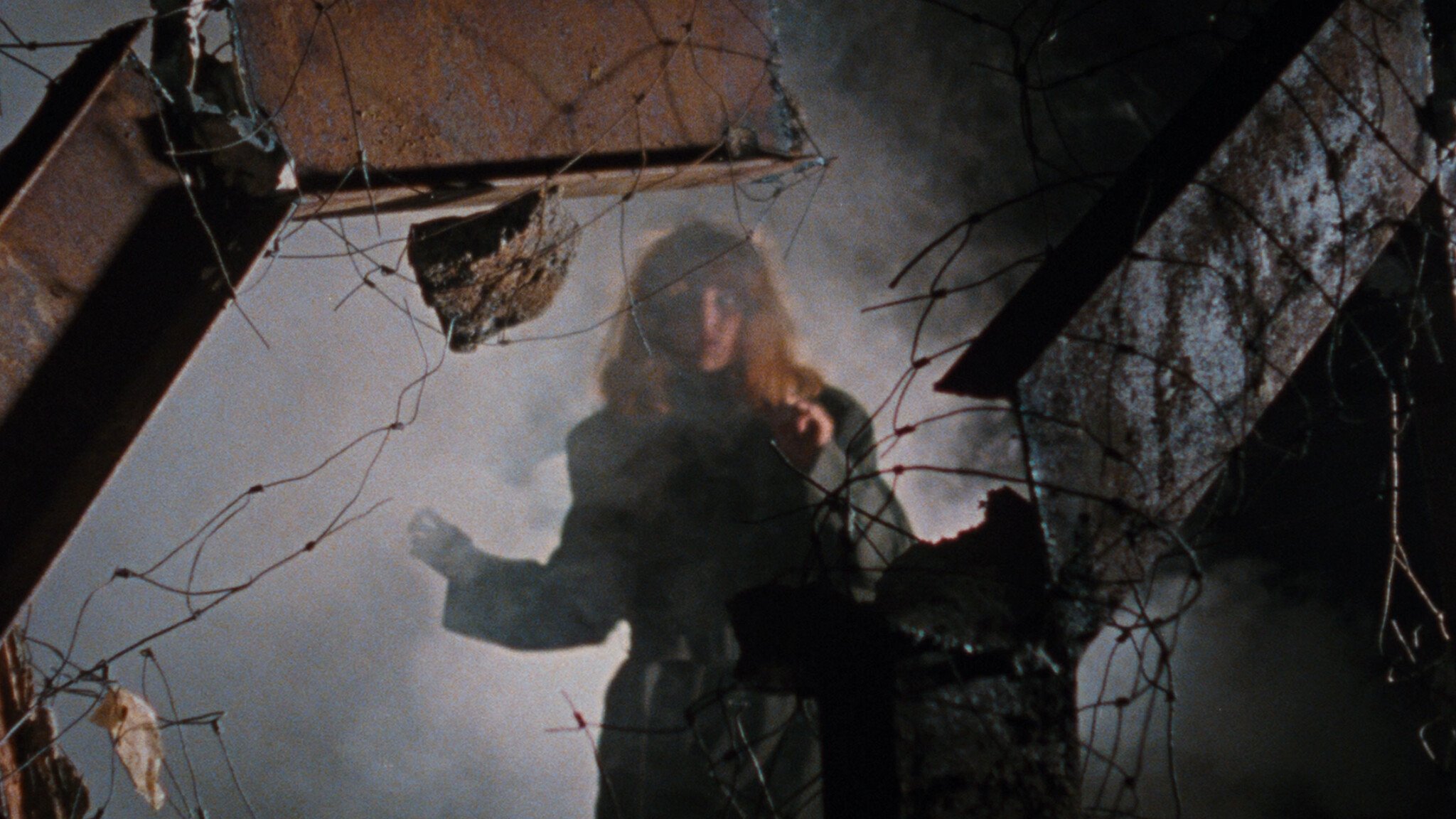
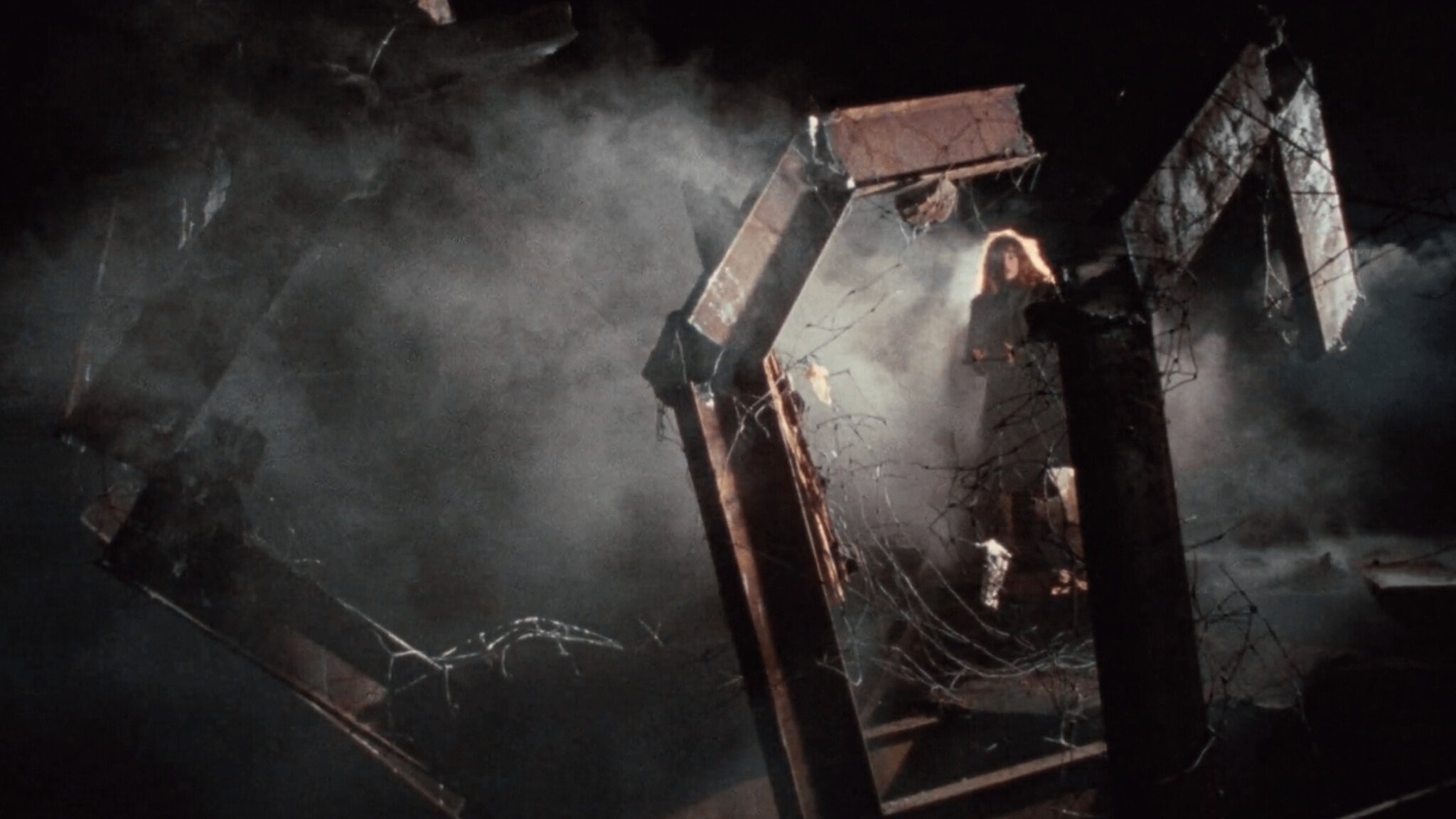
The climactic destruction of the possessed Cheryl and Scott became the film's most technically complicated sequence. Sullivan wanted to use stop-motion clay animation, while Bart Pierce initially favored mechanical and fluid effects closer to the increasingly sophisticated practical techniques then appearing in American makeup work. The disagreement produced a hybrid rather than a compromise in which either approach disappeared. They combined animated figures, live-action material, liquids, collapsing surfaces and photographic mattes so that the bodies appear simultaneously to decompose, rupture and melt.

Sullivan constructed near full-size clay figures over articulated wooden armatures. Layers of differently colored clay allowed successive frames to remove the apparent skin and expose muscle beneath it. Pierce photographed the work with a 16 mm Mitchell camera and used hand-cut mattes and repeated passes through the camera to combine the animation with live-action material. He later explained that individual shots could pass through the camera between three and seven times. Sullivan and Pierce also developed a double-exposure animation method intended to soften the severe strobing associated with ordinary stop motion.

The sequence occupied approximately three months of effects photography in Pierce's home studio. Sullivan recalled that some individual shots required two or three days and that around thirty principal shots were produced in addition to inserts and pickups. Elements of the original cabin were duplicated using salvaged wood and even architectural details available around Pierce's property so that the miniature or controlled effects environment would cut plausibly against material photographed months earlier in Tennessee.

The importance of the meltdown extends beyond spectacle. Raimi had requested a finale more excessive than the violence preceding it, and the technical process allows the film to move beyond ordinary prosthetic injury into complete bodily annihilation. The Deadites cease to behave as actors wearing makeup and become unstable matter. Stop motion is particularly effective because its slightly unnatural temporal movement makes flesh seem governed by a different physical system. The limitations are visible, but they contribute directly to the nightmare quality of the destruction.

Editing, Sound and Joseph LoDuca's First Score

Post-production continued the same labor-intensive pattern. Edna Ruth Paul received principal editing credit, with Joel Coen credited as assistant film editor. The material being assembled had been photographed across an extended production period, in different locations and with replacement performers, making continuity an editorial problem as much as a production one. Inserts, reaction shots and extreme close-ups allow actions photographed months apart to appear continuous, while the increasingly rapid cutting during the final sections converts practical discontinuity into violent rhythm.

Joseph LoDuca entered the project with no previous feature-film score. He later recalled that synchronization had to be calculated manually rather than through contemporary digital scoring systems. Using footage, frame counts and a click-track reference, he worked out musical hit points mathematically. The limitation encouraged a small ensemble rather than a conventional orchestral approach. LoDuca has described the original palette as roughly five string players augmented by early synthesizers, percussion and whatever additional sounds he could generate economically.

The sparse instrumentation became particularly effective because the cabin is itself small and claustrophobic. Strings can scrape, sustain and bend without the polished mass of a large orchestra, while synthetic sounds introduce textures difficult to identify acoustically. LoDuca later recalled renting an early Prophet-5 synthesizer in Detroit for the session. Rather than disguise the score's limited resources, he exploited them, creating sounds that seem as handmade and unstable as the effects photography.

The original release was mono, another financial limitation Raimi later cited when discussing how modestly the film first reached audiences. Modern remixes and re-recordings have expanded the sound field, but the initial soundtrack is important historically because every layer had to function within a narrow channel structure. Screams, impact effects, demonic voices, environmental noise and LoDuca's music compete aggressively for attention. The sonic density therefore comes from arrangement and juxtaposition rather than from a large multichannel mix.

Cannes, Stephen King and New Line

Finishing the film did not solve its commercial problems. American distributors were reluctant to acquire an independently financed horror picture whose graphic violence made conventional classification difficult. Raimi, Tapert and Campbell personally carried the movie to prospective distributors and paid for screenings while attempting to recover enough money to satisfy their investors. International sales agent Irvin Shapiro eventually became a crucial advocate, helping position the film for overseas buyers and encouraging the filmmakers to move away from the original Book of the Dead title toward the more immediately commercial The Evil Dead.

The film screened during the Cannes market in 1982, where Stephen King saw it while attending the festival. His enthusiastic response became one of the most important pieces of publicity available to a production that lacked a major advertising campaign. AFI records King championing the film in Twilight Zone after Cannes, where it had already begun attracting foreign buyers even while American companies remained hesitant. A favorable assessment from one of the most commercially successful horror writers in the world gave distributors language with which to sell a film otherwise defined principally by its unknown young creators and unusually graphic content.

New Line Cinema acquired United States distribution rights for a reported $300,000 in early 1983. The company expected the violence to create serious ratings difficulties and released the film unrated rather than submit to compromises required for broad conventional classification. AFI records a New York opening on February 5, 1983 and Los Angeles on May 27. The route from a privately financed Michigan production to New Line distribution was therefore neither immediate nor inevitable. The film spent years moving through production, post-production and sales before establishing the audience that later made the franchise appear commercially obvious.

Video Nasties, Restoration and Lasting Influence

The British history of The Evil Dead became almost as influential as its original theatrical campaign. The BBFC required cuts for the early cinema release, but home video placed horror films into a regulatory environment that was still developing. The Evil Dead became one of the titles most publicly associated with the video-nasty controversy and appeared on the Director of Public Prosecutions' list of potentially obscene recordings. BFI accounts place it beside Cannibal Holocaust and I Spit on Your Grave as one of the works repeatedly used in the press to symbolize the controversy.

The legal status was more complicated than the term banned film suggests. The DPP eventually removed The Evil Dead from its list in 1985 after distributors successfully defended it against an obscenity prosecution. When the film returned to British home video classification in 1990, however, the version submitted required additional cuts beyond those already made for cinema. The total removed material approached two minutes. The BBFC finally accepted the uncut film at 18 in 2000 as classification standards and the cultural context surrounding screen violence had changed.

Later restoration has also changed how the original production can be seen. The surviving 16 mm camera negative has been scanned at native 4K resolution for modern UHD presentations, revealing both the detail and the grain structure inherent in the small-gauge photography. The restoration cannot transform the source into large-format cinematography, nor should it. Grain, handmade matte work, animation and physical makeup remain visible parts of the image. Higher resolution instead clarifies the materials from which the illusion was constructed.

The film's long-term importance is visible both through the franchise it generated and through techniques that became common references for later horror filmmakers. The possessed cabin, aggressive subjective camera, practical dismemberment and escalating mixture of terror with grotesque physical exaggeration continued through Evil Dead II, Army of Darkness, television, remakes and later franchise films. More broadly, The Evil Dead became proof that formal invention need not follow financial scale. Raimi and his collaborators did not possess the equipment required to imitate established studio filmmaking, so they developed devices, effects and working methods specific to the resources they had. That production logic remains the film's most durable technical legacy.

References

  1. American Film Institute The Evil Dead — AFI Catalog: Production History

    Historical research based on 1982–83 reporting and Academy files: financing, Tennessee shoot, 16mm photography, handcrafted camera rigs and the effects finale.

  2. Book of the Dead Interview with Tim Philo

    Extended original interview with cinematographer Tim Philo covering the Arriflex 16mm cameras, location conditions, Shaky-Cam, exposure, injuries and the finale.

  3. Los Angeles Times Bruce Campbell on the Horror Franchise That Launched His Career

    Original long-form interview with Campbell about financing, the years-long production, damaged theatrical prints, restored masters and filmmakers’ own historical commentary.

  4. Den of Geek Bruce Campbell and Forty Years of Building The Evil Dead Myth

    Original anniversary interview in which Campbell discusses on-set hardship, dangerous practical filmmaking, independent production and myths surrounding the film.

Connections

Cast

View Full Cast & Crew →

Release & Distribution

Production Companies (1)

  • Renaissance Pictures US

Distributors (1)

  • New Line Cinema US

Release History (47)

Release DateTerritoryRelease TypeFormatDistributorCertificationNotes
1981-10-15 United States Premiere — — — Redford Theatre
1982-05-16 France Premiere — — — Cannes Film Festival
1982-08-01 United Kingdom Premiere — — — Edinburgh International Film Festival
1982-10-01 United Kingdom Premiere — — — BFI London Film Festival
1982-10-02 Spain Premiere — — — Sitges Film Festival
1983-01-14 United Kingdom Premiere — — — Glasgow
1983-01-16 United Kingdom Theatrical — — — Rated X, cut version
1983-01-17 Ireland Theatrical — — 18
1983-02-10 Netherlands Theatrical — — 16
1983-02-24 United Kingdom Physical VHS — 18 VHS
1983-04-15 United States Theatrical — — NC-17
1983-04-15 United States Physical — — NC-17
1983-04-22 Canada Theatrical — — —
1983-05-25 Brazil Theatrical — — —
1983-06-23 Australia Theatrical — — R 18+
1983-08-24 France Theatrical — — 12
1983-08-31 Belgium Theatrical — — 18
1983-12-21 Spain Theatrical — — 18
1984-02-10 Germany Theatrical — — 18
1984-05-12 United Kingdom Premiere — — — Revenge of the Bride Horror Film Festival
1984-08-17 Italy Theatrical — — VM14
1985-02-23 Japan Theatrical — — R15+
1985-05-16 Mexico Theatrical — — C
1987-02-06 Portugal Theatrical — — M/18
1988-12-12 Sweden Physical VHS — 15 VHS
1989-09-02 South Korea Theatrical — — 19
2002-09-30 United Kingdom Physical DVD — 18 DVD
2002-12-01 United Kingdom Theatrical — — 18 re-release
2003-04-25 United Kingdom Premiere — — — Dead by Dawn Horror Film Festival
2004-04-22 Sweden Physical DVD — 15 DVD
2004-12-19 Greece Physical DVD — K18 DVD
2008-11-24 Netherlands Physical DVD — 16 DVD
2009-01-08 United States Limited Theatrical — — NC-17 Grindhouse re-release
2010-05-15 Netherlands TV — — 16 RTL 7
2010-08-31 United Kingdom Physical Blu-ray — 18 Blu-ray
2010-10-27 Sweden Physical Blu-ray — 15 Blu-ray
2012-12-01 Poland Digital — — 18
2013-04-26 United Kingdom Theatrical — — 18 re-release
2013-06-12 Netherlands Physical Blu-ray — 16 Blu-ray
2017-03-28 Germany Physical — — 16 Uncut Version
2017-10-21 United Kingdom Premiere — — — Bristol Film Festival
2018-04-07 United Kingdom Premiere — — — Grimmfest
2018-10-25 Mexico Theatrical — — B-15 Re-estreno
2018-10-26 United Kingdom Theatrical — — 18 re-release
2018-10-27 United Kingdom Premiere — — — Dead of Night: Hull Horror Film Festival
2020-11-16 United Kingdom Physical 4K UHD — 18 4k Ultra HD Blu-ray
2020-11-16 Sweden Physical 4K UHD — 15 4K Ultra HD
The ultimate experience in gruelling terror.