The Homicide Detective's Scrapbook
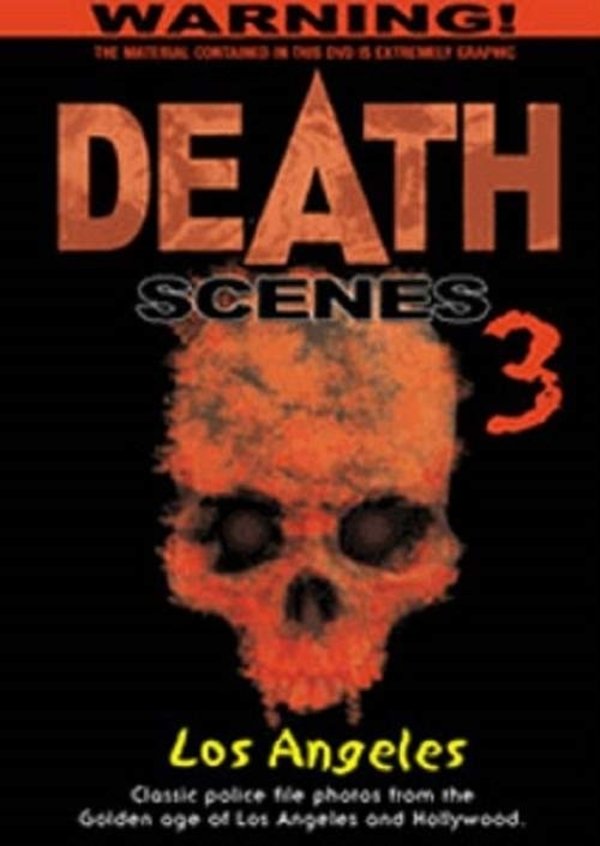
The project began with photographs compiled in a scrapbook by Jack Huddleston, an investigator with the Los Angeles police. The material documented deaths and criminal investigations in the city's earlier decades, preserving scenes that had been encountered through police work rather than staged for dramatic production. Bougas obtained access to this unusual collection and conceived a video built around selected images. Records subsequently examined by Peggy Nadramia describe the scrapbook as the specific object that set the project in motion, making it possible to trace an archival source rather than relying on the anonymous footage common to some exploitation compilations.
The original context matters because an investigative photograph is already the product of particular decisions about what to record. When removed from its file and placed in a new sequence, it loses some of the information necessary to identify its subject or reconstruct the circumstances represented. Captions and spoken explanations can supply context, but they also introduce the possibility of simplification. In 1996 the collection was published in book form as Death Scenes: A Homicide Detective's Scrapbook, with text by Katherine Dunn. That later edition establishes a separate publication history for Huddleston's material, distinct from the video's arrangement and soundtrack.
Anton LaVey and the 1989 Production
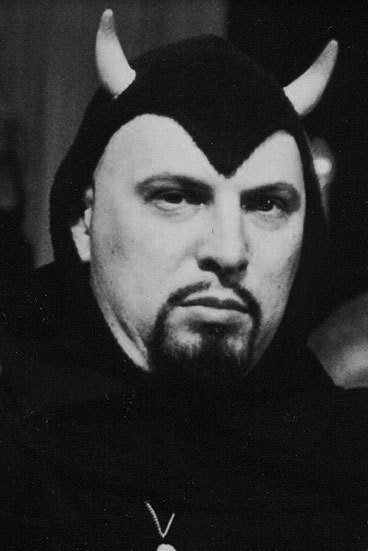
LaVey's participation was a deliberate creative choice. As founder of the Church of Satan, he already possessed a provocative public image that could lend the photographs an atmosphere of forbidden knowledge. Nadramia's account, drawn from correspondence in the organization's archives, reports that Bougas brought the scrapbook to San Francisco to show him. Negotiations and planning occurred through meetings and telephone conversations. LaVey subsequently received a script, a copy of the video and photocopies of the album, allowing him to record narration for images he could examine in advance.
The same archival account preserves a concrete indication of the production schedule: Bougas wanted the video available by the middle of November 1989. This establishes an intended sales window, although it should not be mistaken for proof of an exact street date. LaVey's delivery was meant to lend authority and an ominous rhythm to a succession of still photographs. His association with Satanism was part of the presentation, but it offers no evidence that the deaths depicted had occult causes. The narrator's persona and the documentary status of the pictures served different functions within the finished work.
Home-Video Circulation and Mondo Context
The 1989 video appeared after the commercial success of the Faces of Death cycle had established a market for compilations promising disturbing glimpses of reality. Bougas's film offered a different organizing device: a historical police scrapbook narrated as a guided inspection of the dead. Its production history is separate from that franchise, even though alternate titles and later repackaging have sometimes encouraged confusion. An association in marketing or cataloguing does not make the original video another film directed by John Alan Schwartz. The scrapbook, its selection and LaVey's involvement identify the source production.
Erin Wiegand's research on mondo cinema describes the category as historically unstable, encompassing exploitation marketing as well as films discussed through the lens of real violence. This helps explain why Death Scenes can be classified with shockumentaries despite its emphasis on archival stills. Nicolò Gallio's study of death imagery in audiovisual media likewise situates such works within debates about spectatorship and the circulation of graphic records. These approaches identify a problem that outlasts the VHS format: once images are detached from their original purpose, the means of presenting them can become as consequential as the events they document.