Invasion of the Body Snatchers (1956)

US
6.5/10 4 votes
Runtime
80 min
Release
February 5, 1956
Budget
$416,911
Revenue
$3,000,000
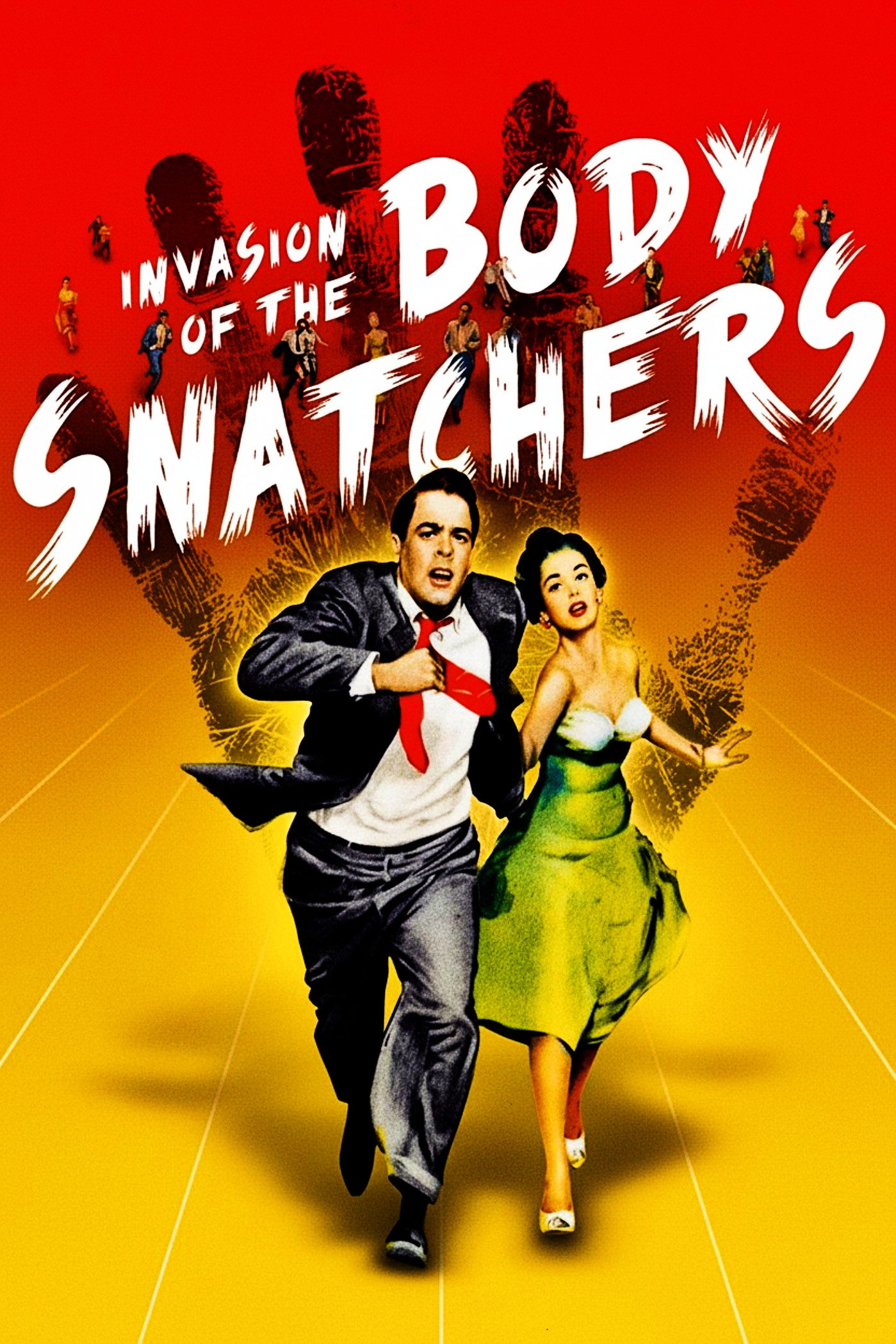
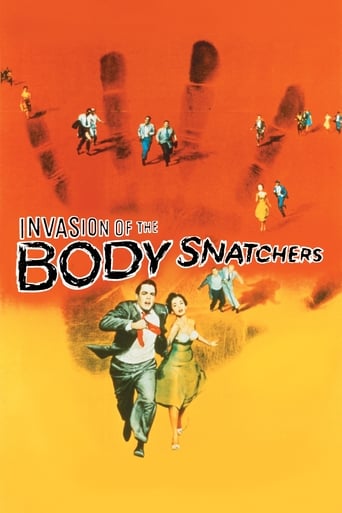
Invasion of the Body Snatchers (1956) poster
Director
Production Companies
Allied Artists Pictures , Walter Wanger Productions
Plot

A small-town doctor learns that the population of his community is being replaced by emotionless alien duplicates.

Alternative Titles
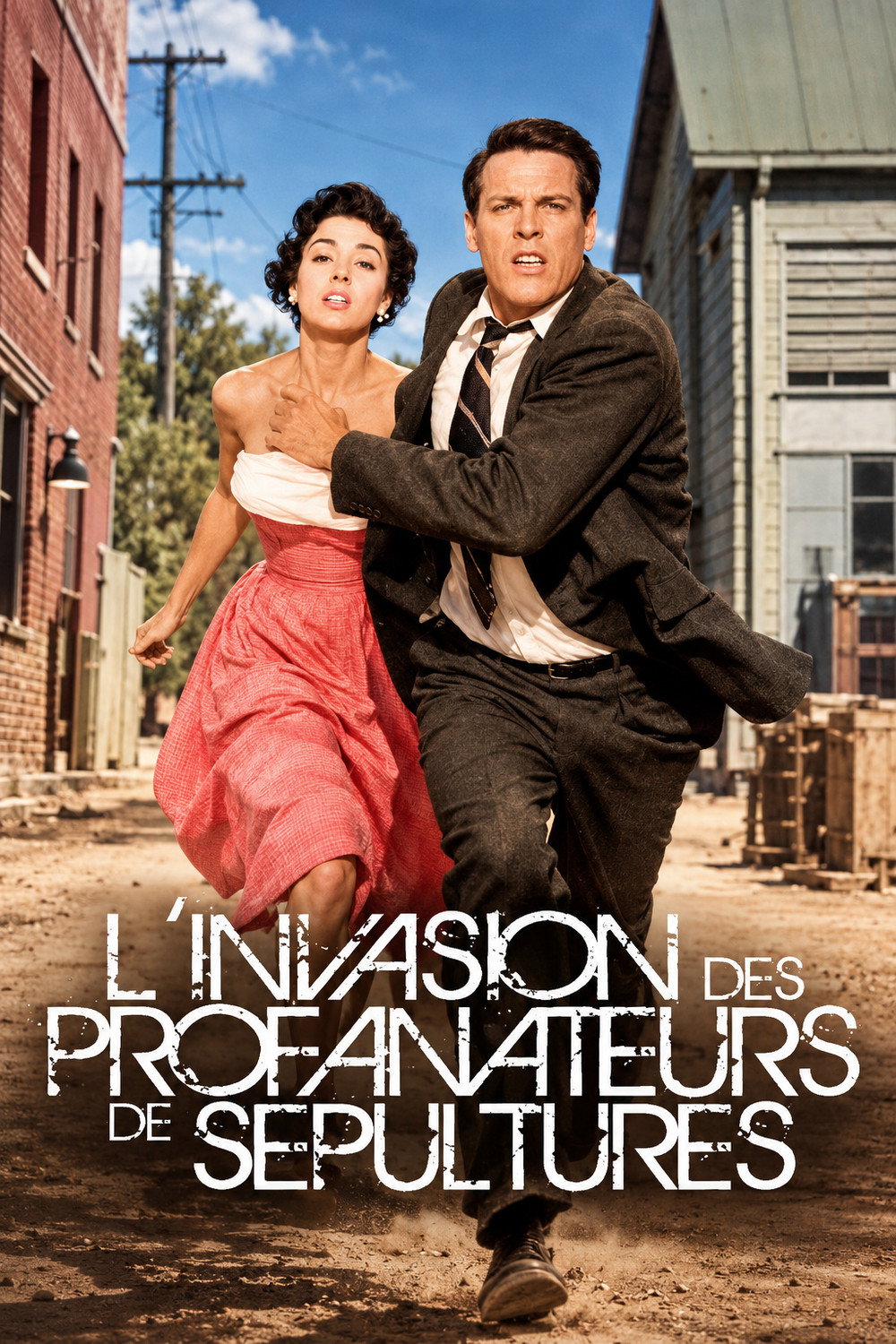
La invasión de los usurpadores de cuerpos (Argentina) Die Dämonischen (Austria) — German Vampiros de Almas (Brazil) — Portuguese L'invasion des profanateurs de sépultures (Canada) — French 天外魔花 (China) — Chinese Invaze lupičů těl (Czechia) — Czech Die Dämonischen (Germany) — German De stjålne kroppe (Denmark) — Danish
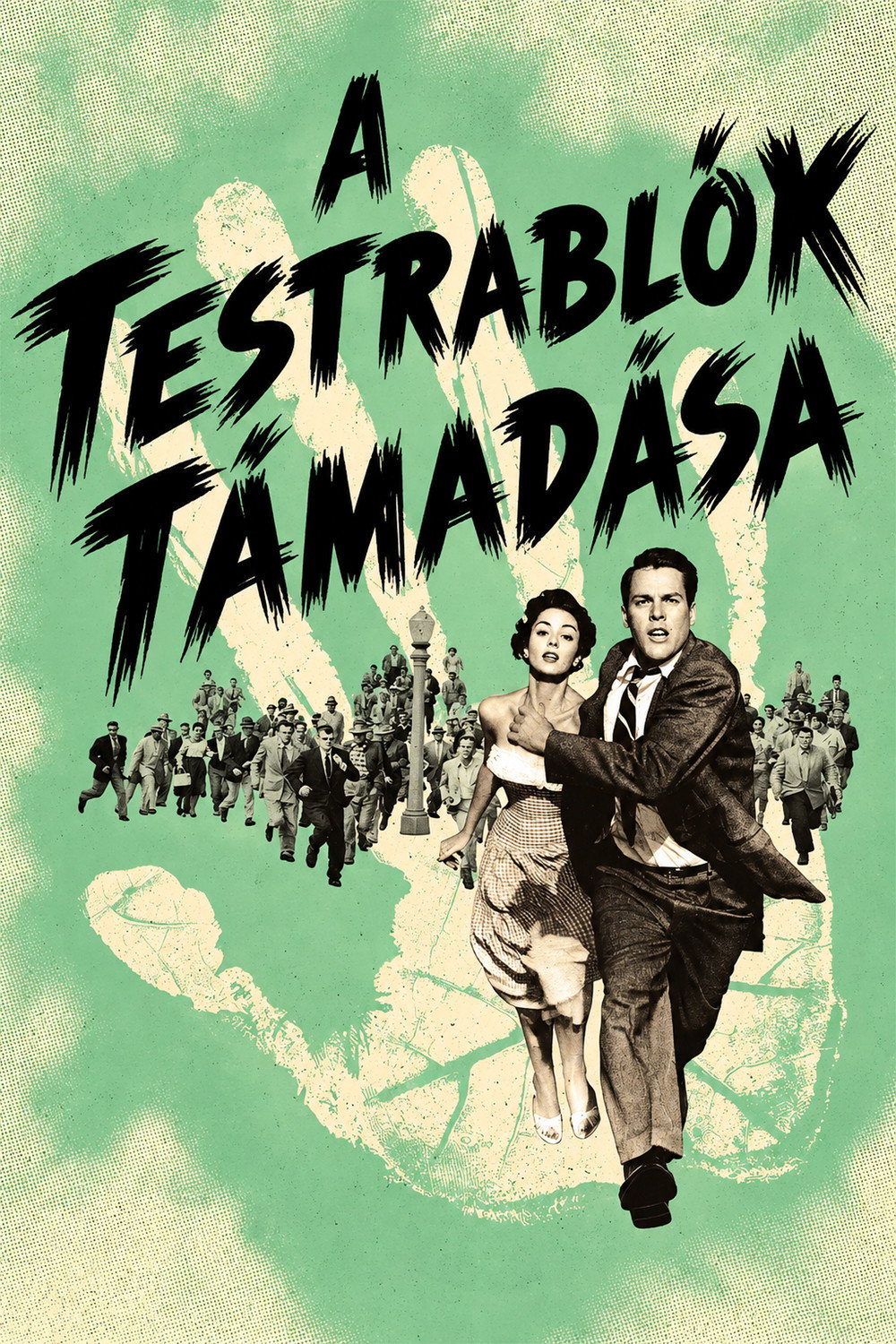
Show all 35 alternative titles La invasió dels ultracossos (Spain) — Catalan La invasión de los ladrones de cuerpos (Spain) — Spanish Ruumiinryöstäjät (Finland) L'Invasion des profanateurs de sépultures (France) — French Οι Ανθρωποι του Τρόμου (Greece) — Greek 天外魔花 (Hong Kong SAR China) — Chinese Testrablók támadása (Hungary) — Hungarian פלישת חוטפי הגופות (Israel) — Hebrew L'invasione degli ultracorpi (Italy) — Italian ボディ・スナッチャー/恐怖の街 (Japan) — Japanese 신체 강탈자의 침입 (South Korea) 외계의 침입자 (South Korea) 우주의 침입자 (South Korea) La Invasión de los suplantadores (Mexico) — Spanish Utrolige hendelser i Santa Mira (Norway) Inwazja porywaczy ciał (Poland) — Polish A Terra em Perigo (Portugal) — Portuguese Инвазија трећих бића (Serbia) — Serbian Вторжение похитителей тел (Russia) — Russian Världsrymden anfaller (Sweden) — Swedish Merihten Saldıranlar (Türkiye) — Turkish 天外魔花 (Taiwan) — Chinese Вторгнення викрадачів тіл (Ukraine) — Ukrainian Sleep No More (United States) The Body Snatchers (United States) — Working Title They Came from Another World (United States) — Working Title Walter Wagner's Invasion of the Body Snatchers (United States) — complete title

Trailers & Videos

5 videos

Film Guide & Analysis

Don Siegel’s 1956 science-fiction horror landmark transforms an ordinary California town into a nightmare of alien duplication, exploring paranoia, identity, conformity and the destruction of human emotion.

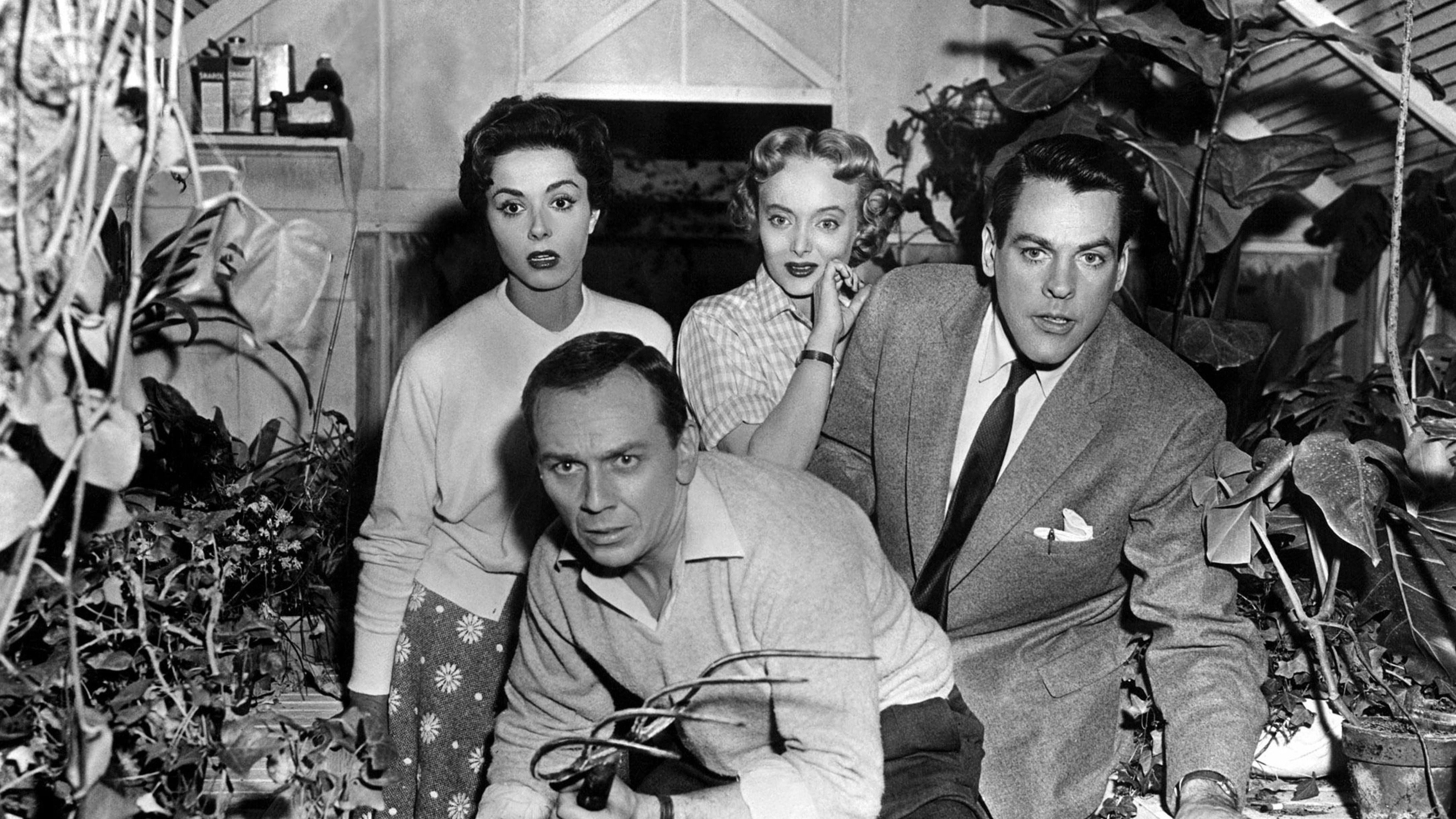
Invasion of the Body Snatchers (1956) is an American science-fiction horror film directed by Don Siegel from a screenplay by Daniel Mainwaring, adapted from Jack Finney’s novel The Body Snatchers (1955). Set in the fictional California town of Santa Mira, it follows physician Miles Bennell, who discovers that his neighbors are being replaced by physically identical beings grown from mysterious seed pods. The duplicates retain the memories and outward behavior of their human counterparts but lack their emotional attachments. Through this deceptively ordinary invasion, the film constructs an atmosphere of paranoia in which familiar relationships become unreliable and sleep itself represents a threat to personal identity.

Produced by Walter Wanger and distributed by Allied Artists, the film was photographed in black-and-white SuperScope by Ellsworth Fredericks. Its atmosphere depends upon recognizable suburban environments, economical physical effects and an increasingly desperate performance by Kevin McCarthy. Dana Wynter portrays Becky Driscoll, whose relationship with Miles supplies an emotional counterpoint to the alien replacement process. Although the studio altered the original ending with additional framing scenes, the film became an enduring example of Cold War-era horror. Its treatment of conformity, individuality and collective identity has generated competing political interpretations and influenced subsequent adaptations of Finney’s story.

Development & Literary Adaptation

The film originated in Jack Finney’s The Body Snatchers, serialized in Collier’s magazine during November and December 1954 before appearing as a novel in 1955. Finney’s narrative described an apparently ordinary California community whose inhabitants were gradually replaced by alien organisms. The invaders reproduced human bodies and assumed their identities, eliminating the original individuals without changing their outward appearance. This premise provided a basis for horror arising from the recognition of familiar people as strangers. Instead of introducing a visibly monstrous extraterrestrial enemy, the story made the continued existence of an ordinary human personality the central source of uncertainty.

Producer Walter Wanger developed the adaptation after collaborating with Don Siegel on the prison drama Riot in Cell Block 11 (1954). Screenwriter Daniel Mainwaring, whose previous credits included the film noir Out of the Past (1947), received the screenplay credit. The production passed through several working titles, including The Body Snatchers and They Came from Another World. Siegel also considered Sleep No More, a title that would have emphasized the danger of unconsciousness. The final title helped distinguish the picture from The Body Snatcher (1945), the earlier film based upon Robert Louis Stevenson’s story.

The screenplay substantially condensed Finney’s narrative. Whereas the novel eventually describes an alien retreat, the film concentrates upon Miles’s increasingly hopeless attempt to expose an invasion already extending beyond Santa Mira. Mainwaring preserved the premise of replacement during sleep while reorganizing the investigation around a small group of characters. The resulting screenplay offers relatively little explanation for the organisms’ arrival or biological origins. Their existence becomes frightening through their effects upon the community rather than through a detailed account of extraterrestrial science. This restricted information allows the same events to function as an invasion narrative, a psychological nightmare and a story about the destruction of human individuality.
Santa Mira & the Invasion

Miles Bennell returns to Santa Mira after attending a medical conference and discovers that several patients have become convinced that members of their families are impostors. Although the supposed replacements appear physically unchanged, the complainants insist that something essential has disappeared. Miles initially treats the reports as manifestations of psychological distress. His response is consistent with his professional training, particularly because the accusations involve relationships normally considered intimate and trustworthy. The investigation develops when his former romantic partner, Becky Driscoll, reports similar concerns about relatives. The possibility of a widespread disturbance gradually becomes more persuasive than the explanation of isolated delusions.

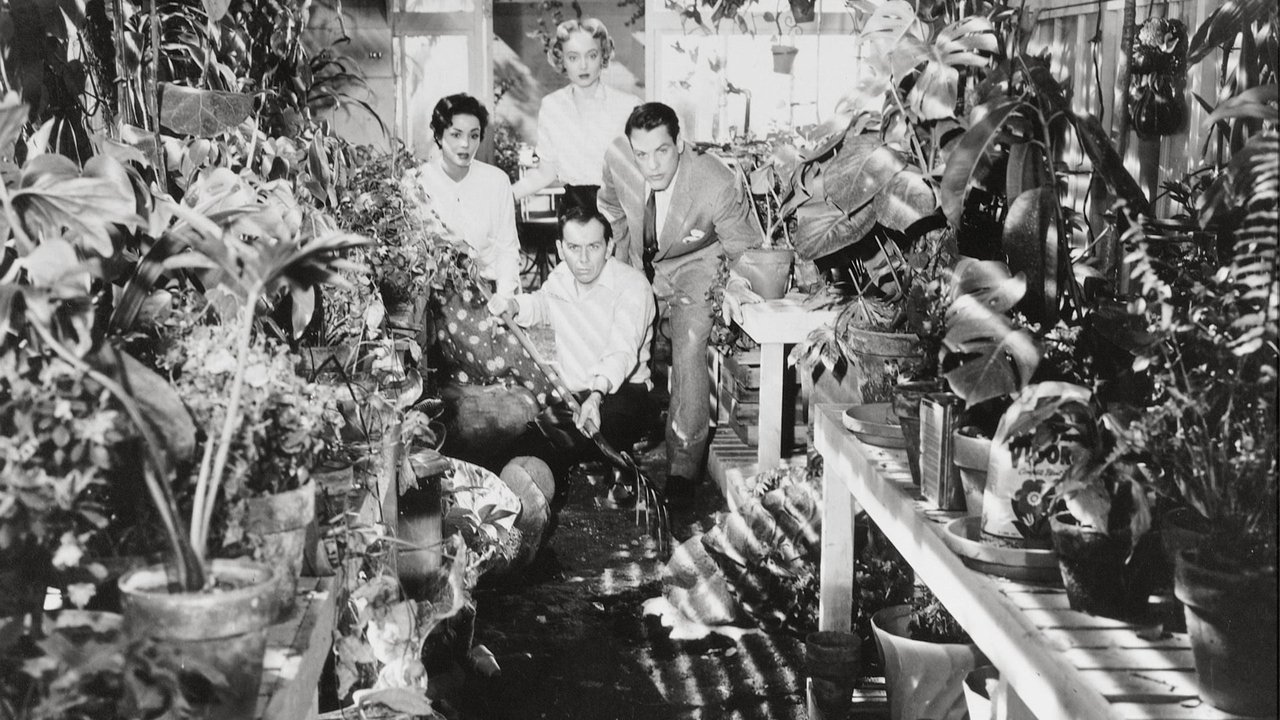
The discovery of a partially formed human duplicate in the home of Jack and Theodora Belicec provides the first substantial physical evidence. The body possesses recognizable features but lacks a fully established identity. Its appearance transforms an apparently psychological mystery into a material threat. When Miles subsequently encounters giant pods capable of producing further duplicates, he recognizes that the replacement process occurs while ordinary people sleep. Consciousness becomes the boundary separating an individual from an organism prepared to assume that individual’s place. The danger affects every person regardless of social standing, scientific knowledge or apparent reliability.

The narrative progressively removes potential sources of assistance. Local officials, police officers and medical authorities become impossible to trust because their familiar appearance offers no proof of continued humanity. Dr. Danny Kauffman, initially a credible psychiatric adviser, eventually explains the apparent advantages of existence without painful emotions. The argument reveals the invaders’ understanding of human individuality as an unnecessary burden. Miles and Becky refuse that proposition because affection, ambition and grief are inseparable from their experience of life. Their resistance depends upon preserving precisely the emotional responses that the duplicates regard as weaknesses.

Paranoia, Identity & the Fear of Sleep

The film develops its horror through the gradual alteration of an apparently peaceful small town. Familiar shops, residential streets and professional offices initially provide a reassuring environment. As Miles investigates, the same locations become evidence of a community whose ordinary social behavior conceals organized replacement. Siegel frequently allows the audience to observe people performing routine activities before revealing that their actions are part of the alien expansion. The effect depends upon the absence of obvious distinguishing marks. A person can remain recognizable in every visible detail while possessing none of the relationships or feelings that previously defined that individual.

Sleep is especially important because it removes the possibility of sustained resistance. The survivors must remain awake even after prolonged physical and emotional exhaustion. The danger consequently becomes inseparable from an ordinary biological requirement. Their struggle is intensified by the absence of any reliable method for identifying a duplicate through appearance alone. The screenplay establishes that the organisms can imitate memories and familiar habits, making conversation an uncertain test of identity. Intimacy becomes particularly disturbing because the knowledge accumulated through affection is no longer sufficient to distinguish a loved one from an impostor.

The relationship between Miles and Becky gives the replacement process its most devastating personal consequence. Their renewed romantic connection suggests the possibility of happiness after earlier disappointments, but the invasion makes that future increasingly precarious. During their flight into the hills, exhaustion forces them to seek temporary shelter in an abandoned tunnel. When Miles briefly leaves Becky to investigate a distant sound, she falls asleep. He discovers her transformation upon returning and kissing her. The moment concentrates the film’s central premise within an intimate encounter: physical recognition remains possible, but the emotional identity he sought to protect has vanished.

Production & Practical Effects

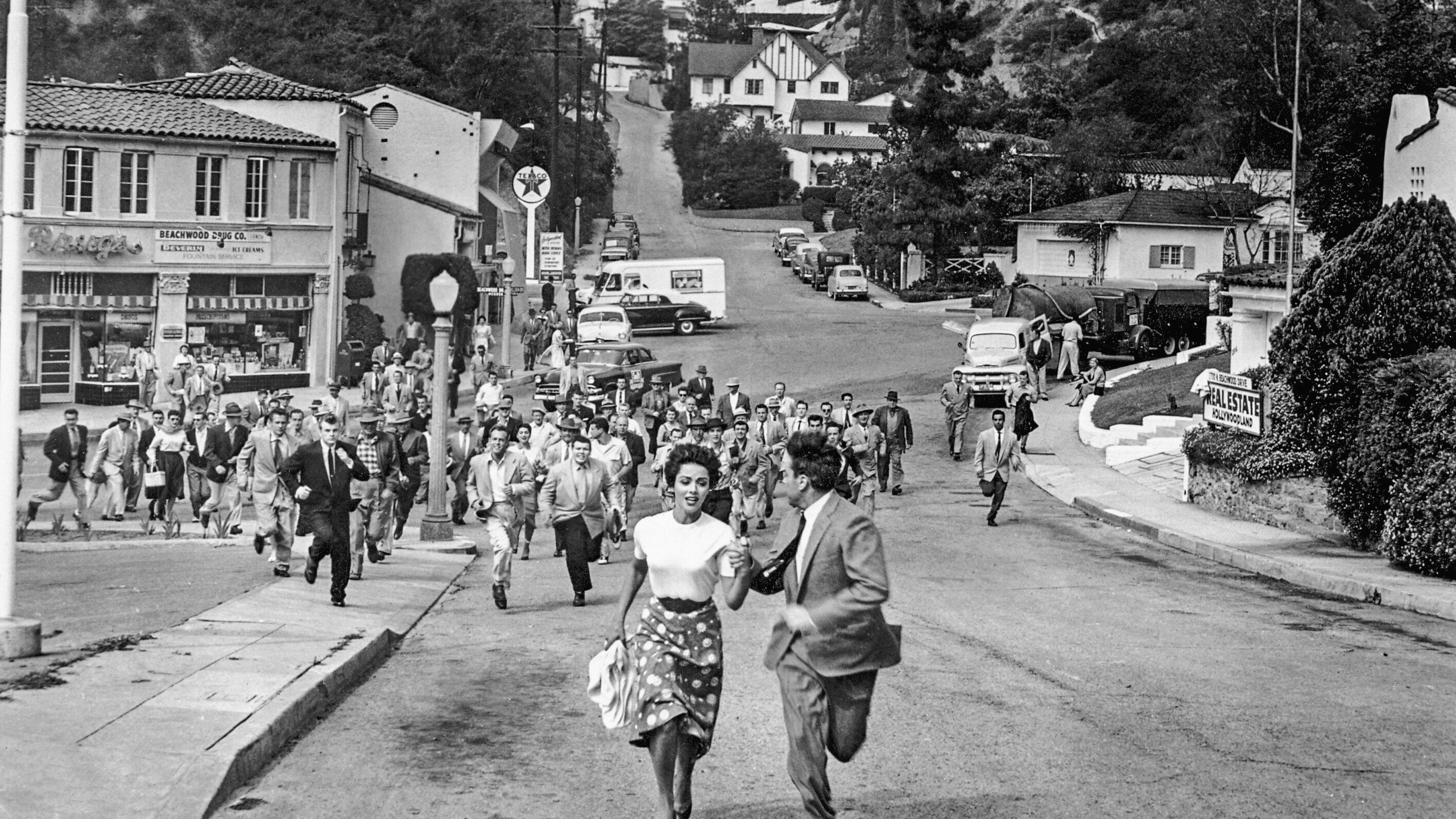
Principal photography took place between 23 March and 27 April 1955. The production employed locations in Sierra Madre and several areas around Los Angeles, including Bronson Canyon and the Hollywood Hills. Sierra Madre supplied much of the familiar small-town environment of Santa Mira. The location work gave the fictional community recognizable streets and buildings, making the alien occupation appear to arise within ordinary American life. According to Siegel’s retrospective account, the principal photography required approximately nineteen shooting days, although other accounts include additional days of studio work. The compressed schedule was consistent with the modest resources available to the production.

The production used practical methods to create the giant seed pods and emerging human duplicates. Production designer Edward Haworth developed the principal constructions, while special effects were credited to Milt Rice. The most elaborate sequence required partially formed bodies resembling the actors to appear inside opening pods. Thin latex impressions were made from the performers, a process Dana Wynter later recalled as uncomfortable because the casting material became warm and left only restricted openings for breathing. Soap bubbles and carefully positioned coverings were used to obscure the incomplete bodies until the scene required their appearance. The physical effects were concentrated in relatively few sequences, making each revelation especially significant.

The production also employed demanding location photography for the pursuit through the hills and the concluding highway sequence. A camera platform was constructed to move along the railings of a long staircase while McCarthy and Wynter climbed toward Bronson Canyon. The later roadway scene used a controlled location with vehicles driven by stunt personnel. Siegel recalled that the sequence was physically exhausting for McCarthy, who repeatedly moved among approaching automobiles while attempting to warn their occupants. These practical arrangements gave the scenes an immediate physical quality without requiring elaborate optical effects. The limited means of production became closely connected to the film’s emphasis on recognizable human bodies and environments.

Cinematography, Editing & Sound

Cinematographer Ellsworth Fredericks photographed the film in black and white for the SuperScope widescreen process. Its composition differs from the more elaborate visual spectacle associated with some contemporary science-fiction productions. The camera repeatedly frames characters through doorways, windows, corridors and other architectural divisions, making ordinary spaces appear increasingly restrictive. Film scholar Robert Sklar identified the relationship between these enclosed compositions and the film’s noir atmosphere in an essay subsequently made available by the Library of Congress. The wide image frequently contains partitions that separate figures from their surroundings, emphasizing the impossibility of knowing who may already have been replaced.

The photography also establishes a contrast between daytime social normality and the growing danger of remaining awake through the night. As the invasion becomes more visible, the protagonists occupy increasingly isolated locations and lose the protection associated with familiar institutions. The movement from professional offices and private homes toward warehouses, hills and roads changes the physical scale of their resistance. In the sequence involving the Belicec duplicate, the apparent lifelessness of the body becomes threatening through subtle changes of expression and movement. Such details permit the film to produce fear from the observation of ordinary human features without depending upon an elaborate monster costume.

Robert S. Eisen edited the film, while Carmen Dragon composed and conducted the original music. The soundtrack supports the movement between medical investigation, personal anxiety and desperate pursuit. The threatening atmosphere is also sustained by ordinary sounds whose meanings change as the characters become less certain of their environment. The absence of a dependable distinction between familiar voices and alien speakers makes dialogue itself an important source of tension. Siegel’s control of timing is particularly evident when the audience recognizes a threatening situation before Miles can confirm it. These techniques allow the film to maintain suspense between its comparatively infrequent special-effects sequences.

Cold War Context & Political Interpretations

The film was released during a period when American science-fiction cinema frequently addressed fears connected with atomic technology, international conflict and the possibility of an enemy concealed within everyday society. The replacement of individuals by outwardly identical, emotionally uniform organisms encouraged interpretations associated with the Cold War. Some critics regarded the pods as a representation of communist collectivism, in which personal freedom disappears under an imposed social order. Others interpreted the suspicion spreading through Santa Mira as an image of the pressures produced by anti-communist investigations and the policing of political beliefs. Both readings were possible within the historical circumstances of the film’s production and reception.

The filmmakers themselves did not establish a single political explanation. Siegel emphasized the intention to make a frightening and entertaining picture, while his recollections of the production also associated the pod concept with people who had become emotionally passive in ordinary professional and social life. Finney similarly resisted attempts to reduce his story to a specific ideological statement. The contrast between authorial explanations and the interpretations developed by critics is important. The film offers a narrative that can accommodate different political meanings without providing sufficient evidence to identify one as its exclusive purpose.

The psychological force of the invasion extends beyond immediate Cold War concerns. The duplicates promise relief from grief, disappointment and emotional conflict, making the surrender of individuality appear attractive to characters who have experienced ordinary human difficulties. Yet their collective behavior also eliminates the possibility of disagreement and personal attachment. The central horror lies in the disappearance of emotional identity while physical and social appearances remain unchanged. Andrea Meneghelli, writing for Treccani’s Enciclopedia del Cinema, emphasized the ambiguity created by these competing ideological interpretations. The refusal to resolve that ambiguity has helped sustain the film’s relevance across subsequent historical periods.

Release, Altered Ending & Historical Legacy

Allied Artists released Invasion of the Body Snatchers in the United States on 5 February 1956. The completed version included a framing narrative absent from Siegel’s original conception. Initially, the story was intended to begin with Miles returning to Santa Mira and conclude with his unsuccessful attempt to warn motorists that the invasion was spreading. The direct confrontation between McCarthy and the camera would have left the wider survival of humanity uncertain. Studio executives considered this ending excessively bleak and required additional scenes establishing that Miles had survived long enough to explain his experiences to medical authorities.

The supplementary prologue and epilogue were photographed after principal production. At the beginning, Miles appears in a hospital and recounts the events as an extended flashback. At the conclusion, the arrival of evidence concerning a truck carrying pods causes the doctors to contact the authorities. The addition suggests that the invasion may be confronted through institutional action, although its extent remains unresolved. Siegel also objected to the removal of humorous material from the original edit. Retrospective accounts describe prints circulated without the hospital sequences, but the historically documented theatrical release should be distinguished from the director’s preferred narrative structure.

Contemporary reviewers were divided over the film’s handling of its unusual premise. The American Film Institute’s survey of period coverage records criticism of the limited scientific explanation, while other assessments praised the increasing suspense. The production achieved a modest commercial success before acquiring a more extensive reputation through later theatrical screenings and television circulation. Its subsequent influence became visible in the 1978 adaptation directed by Philip Kaufman, which transferred the story to San Francisco, and in later versions directed by Abel Ferrara and Oliver Hirschbiegel. These films reinterpreted the premise through changing social environments while retaining the central fear of replacement by an identical being.

In 1994, the Library of Congress selected Invasion of the Body Snatchers for preservation in the United States National Film Registry. The recognition reflected its established cultural and cinematic significance beyond the circumstances of its original release. The film’s historical importance lies in the precision with which it combines the invasion narrative with the psychology of recognition and mistrust. Its alien organisms need no elaborate disguise because their resemblance to ordinary people is itself the source of horror. The repeated image of apparently familiar people who have lost their emotional individuality remains one of the defining contributions of 1950s science-fiction cinema.
References

  1. American Film Institute Invasion of the Body Snatchers (1956) — AFI Catalog

    Archival production history documenting the original literary source, filming dates, credits, SuperScope photography, studio-imposed framing scenes, release and contemporary critical responses.

  2. Turner Classic Movies Behind the Camera — Invasion of the Body Snatchers (1956)

    Rob Nixon’s historical production account drawing on firsthand recollections of the crew and cast, documenting location photography, the pod effects, the original ending and studio alterations.

  3. British Film Institute Pod People: The Legacy of Invasion of the Body Snatchers

    Mark Salisbury’s historical study of the 1956 film, Cold War interpretations, contested ending and its relationship to subsequent adaptations of Jack Finney’s story.

  4. Treccani — Enciclopedia del Cinema Invasion of the Body Snatchers

    Andrea Meneghelli’s scholarly analysis of paranoia, the double, the film’s political ambiguity, noir staging, sleep and the consequences of the modified conclusion.

  5. Oxford Bibliographies in Cinema and Media Studies Invasion of the Body Snatchers

    Murray Leeder’s academic overview of the film’s adaptation history, cultural importance and the extensive scholarly debate surrounding its horror and political interpretations.

Cast

View Full Cast & Crew →

Release & Distribution

Production Companies (2)

  • Allied Artists Pictures US
  • Walter Wanger Productions US

Distributors (1)

  • Monogram Pictures US

Release History (13)

Release DateTerritoryRelease TypeFormatDistributorCertificationNotes
1956-02-05 United States Theatrical — — —
1956-03-29 United Kingdom Theatrical — — — Rated X
1957-02-01 Ireland Theatrical — — PG
1957-05-24 Germany Theatrical — — 12
1957-05-27 Sweden Theatrical — — —
1957-06-03 Portugal Theatrical — — —
1957-10-02 Italy Theatrical — — T
1958-05-04 Türkiye Theatrical — — —
1997-07-10 United Kingdom Physical — — PG
2012-07-09 Netherlands Physical DVD — 12 DVD
2015-01-14 Netherlands Limited Theatrical — — 12
2015-10-29 Netherlands Theatrical — — 12 Re-release
2021-10-25 United Kingdom Digital — — PG
There was nothing to hold onto - except each other.