
Production & Development
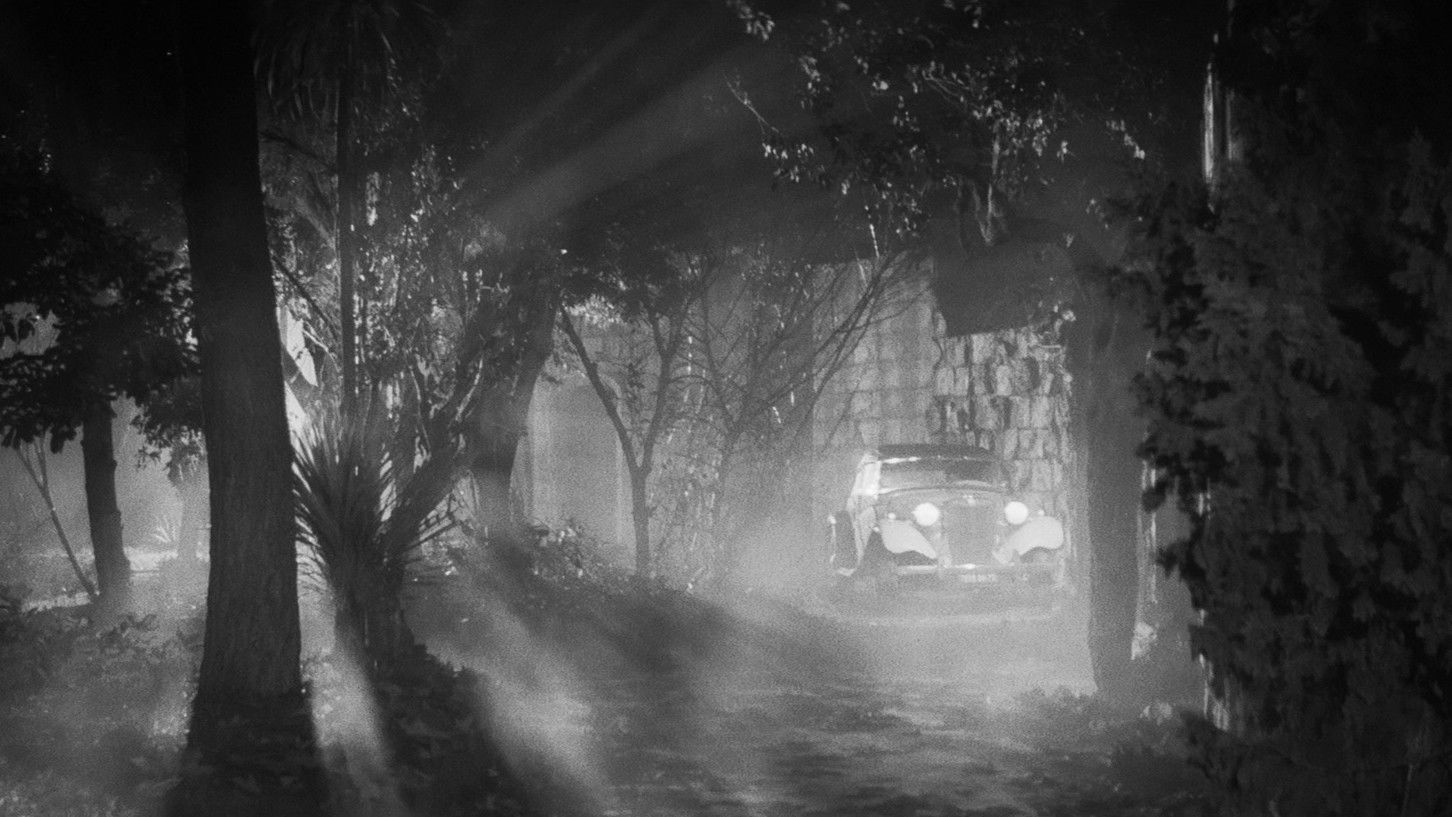
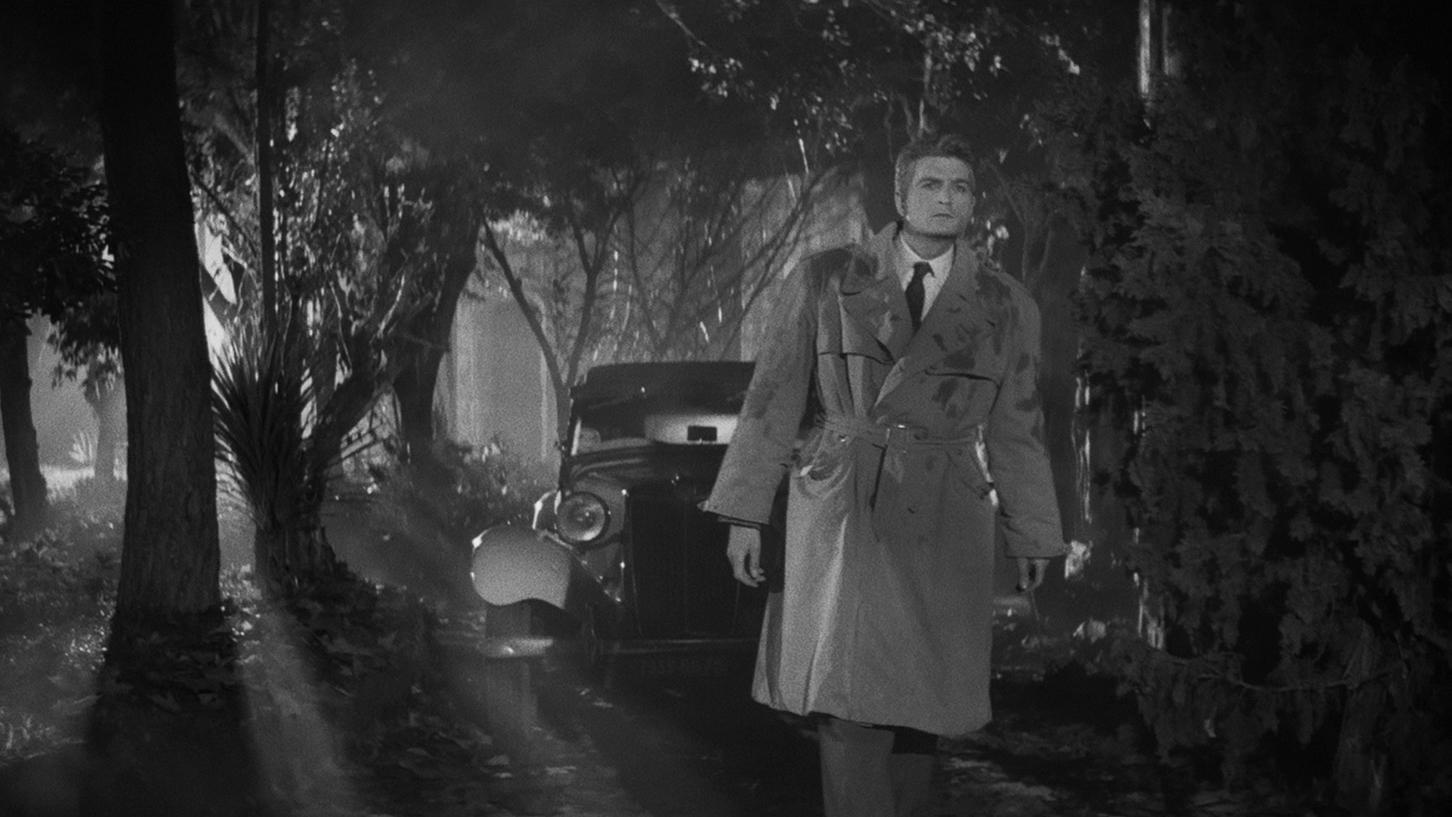
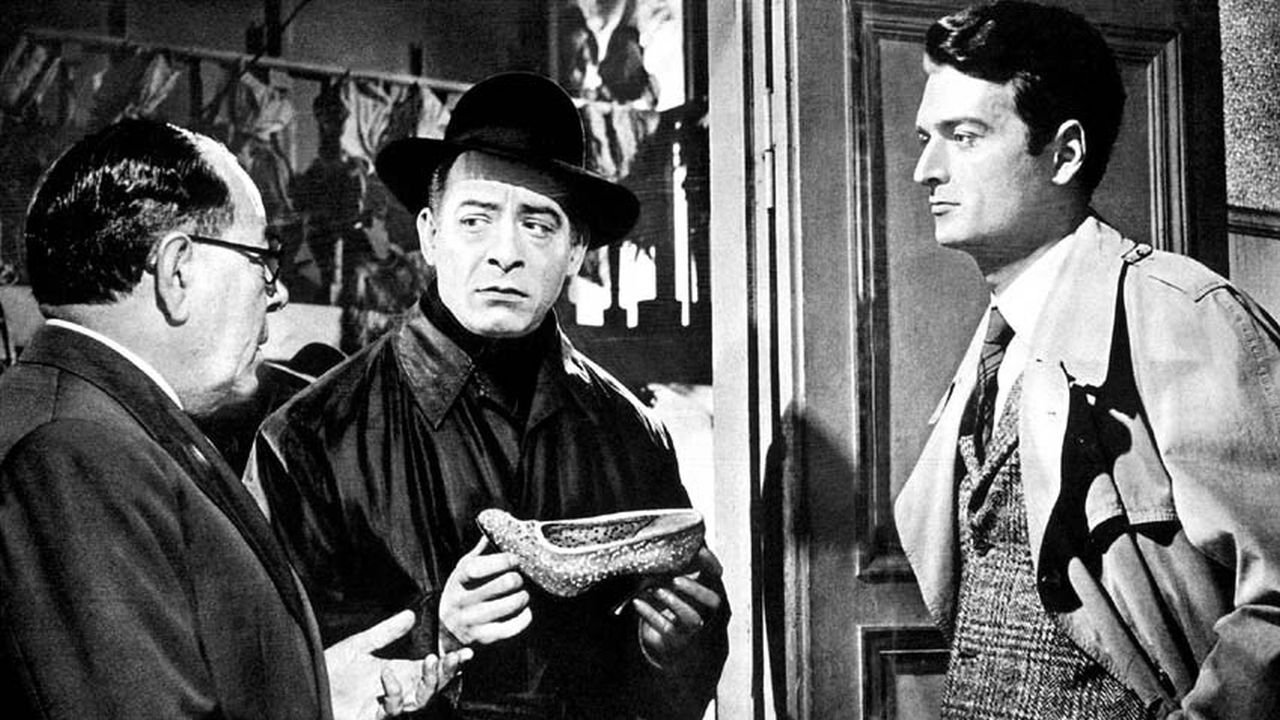
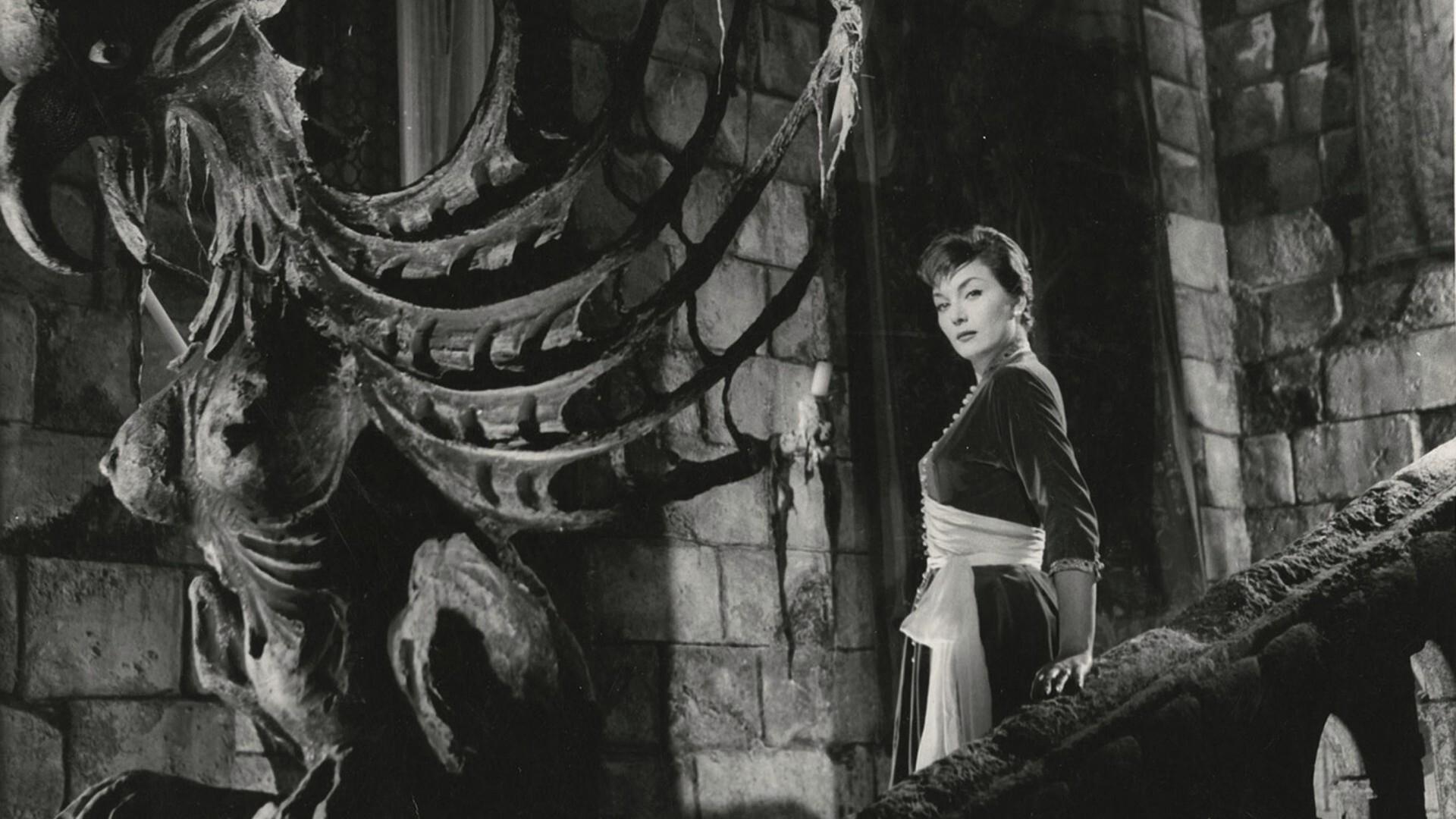
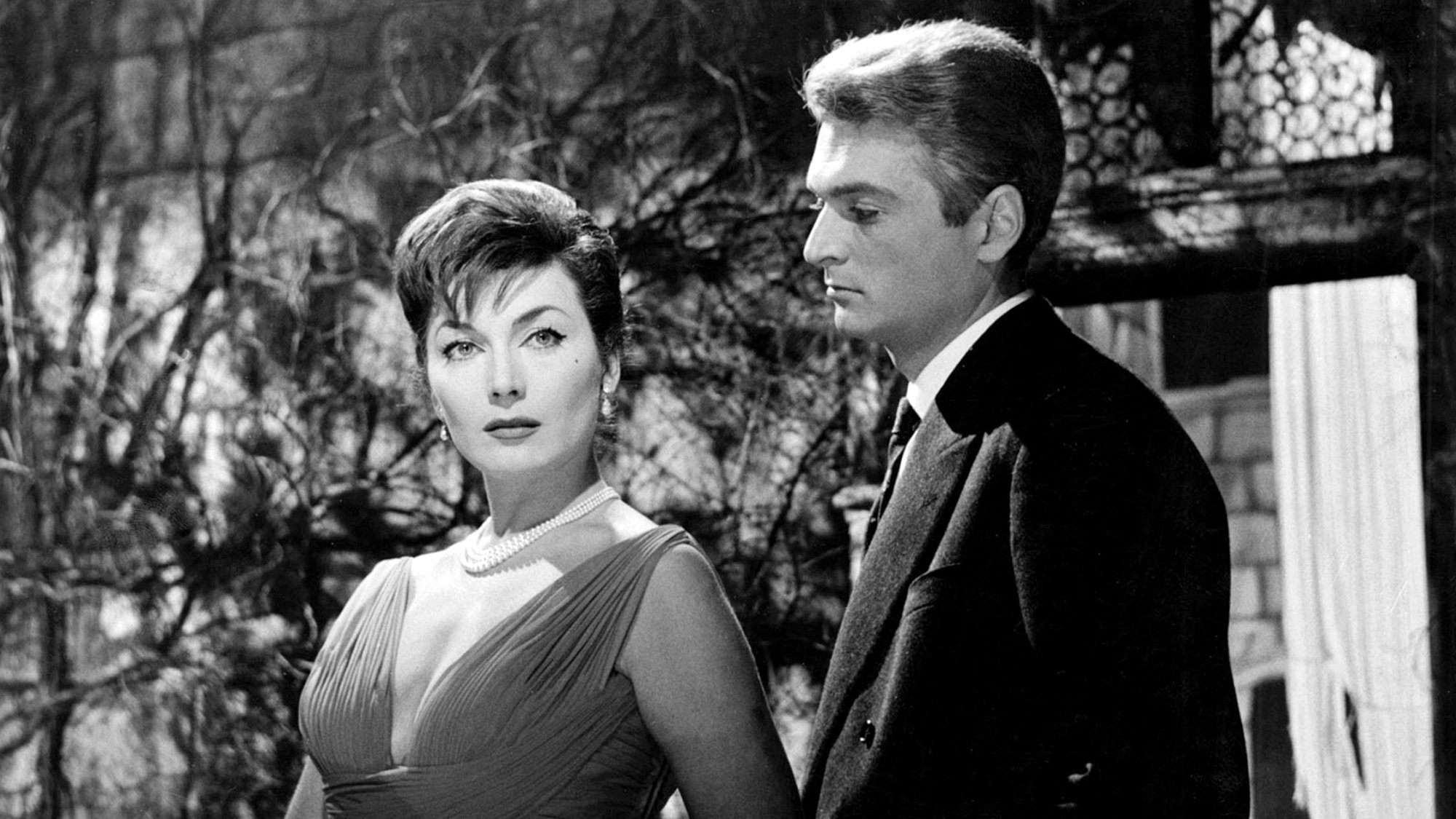
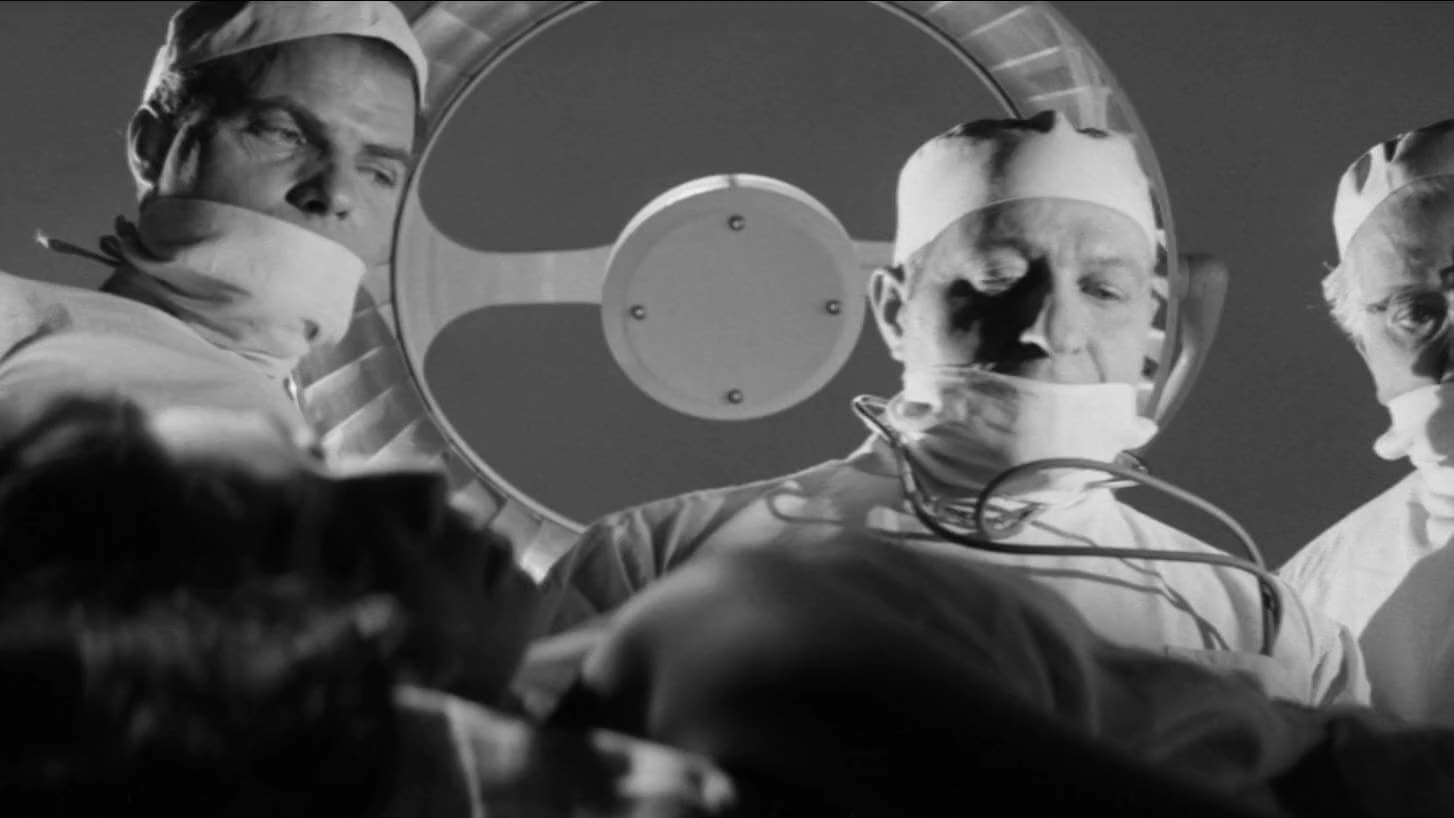
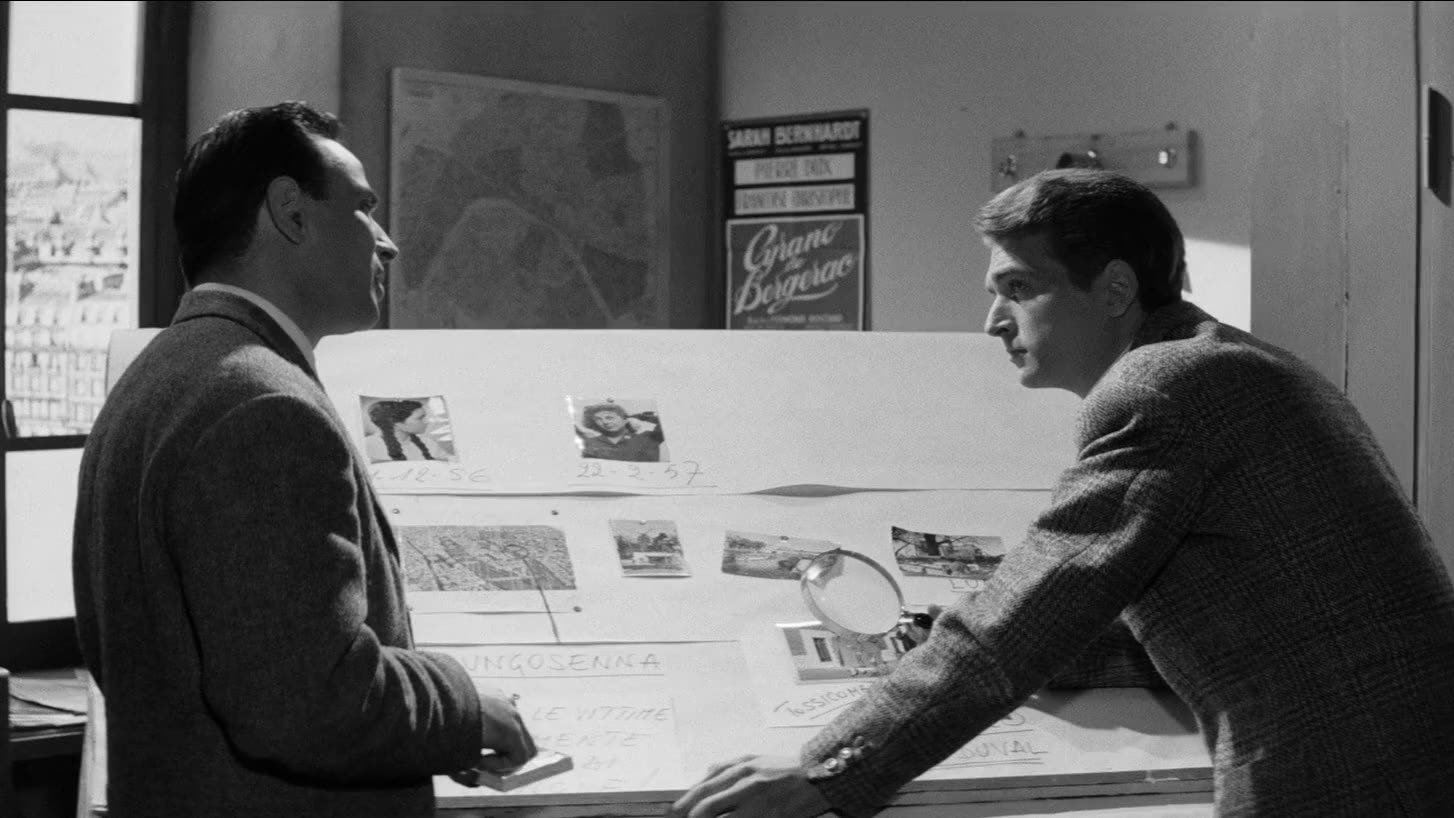
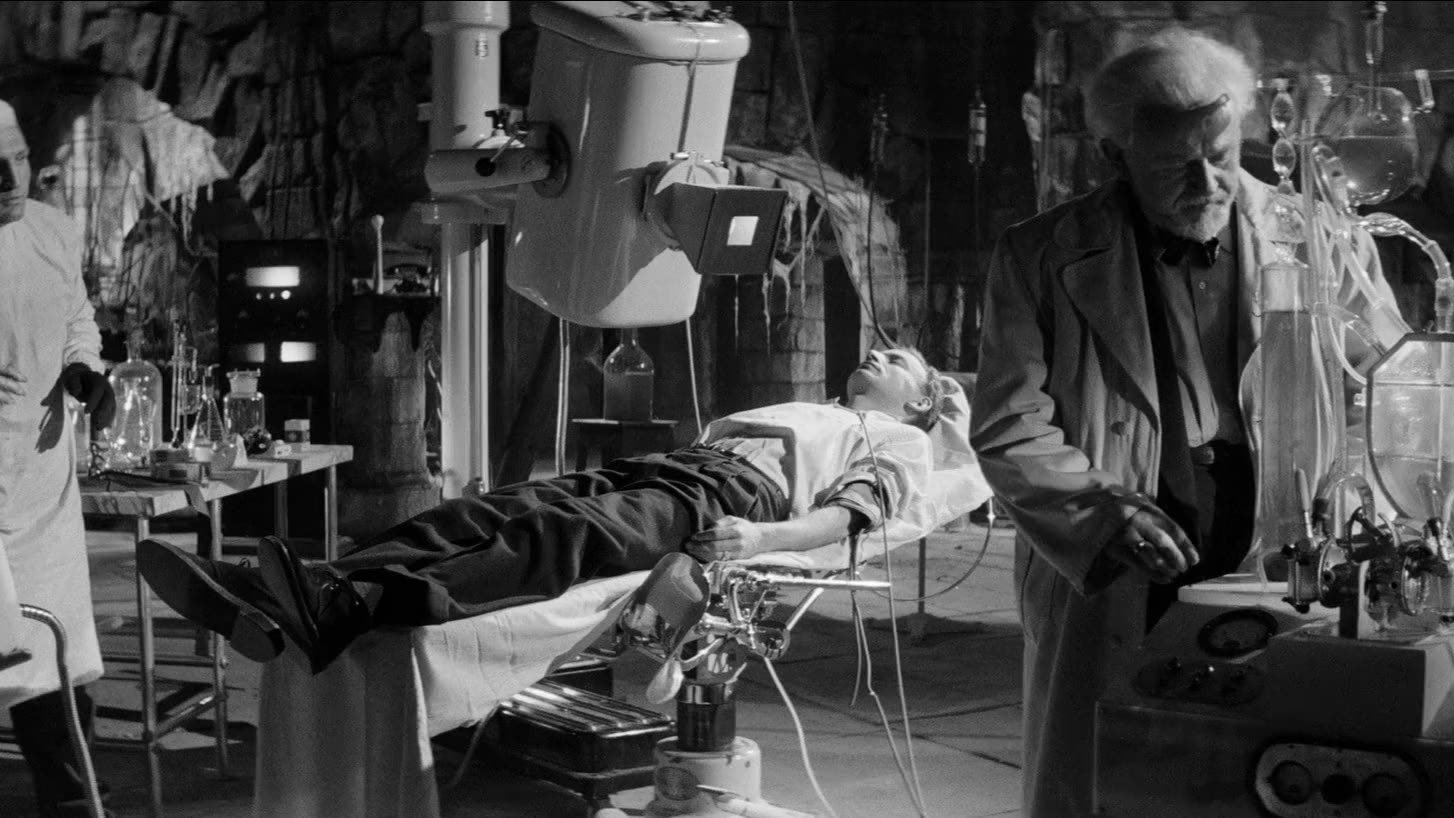
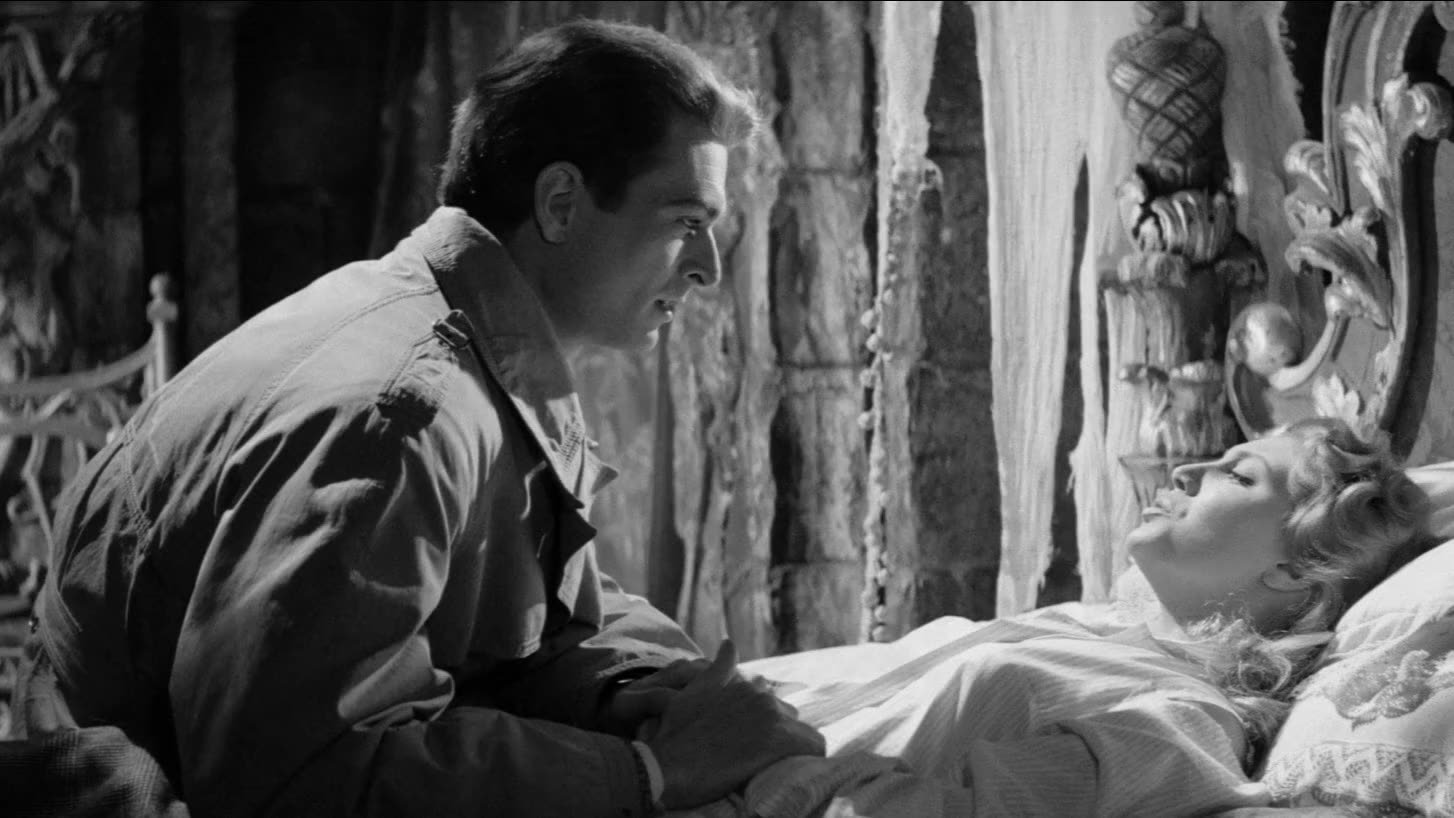
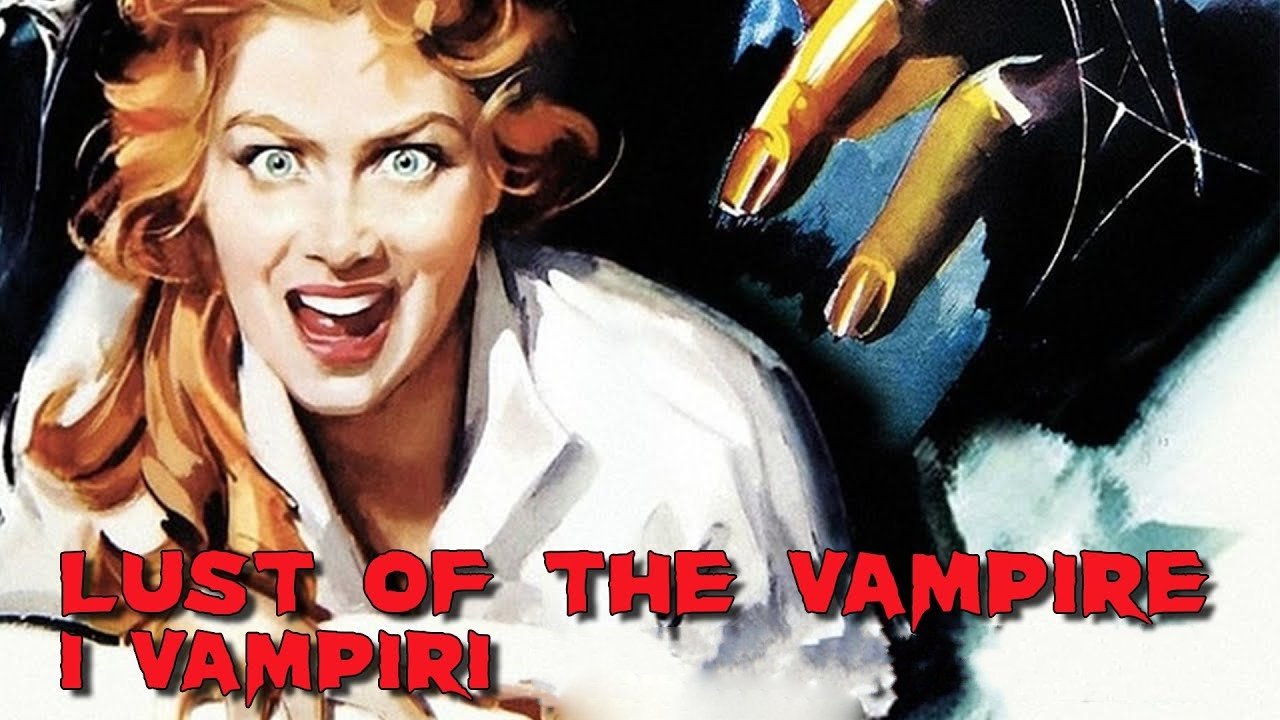
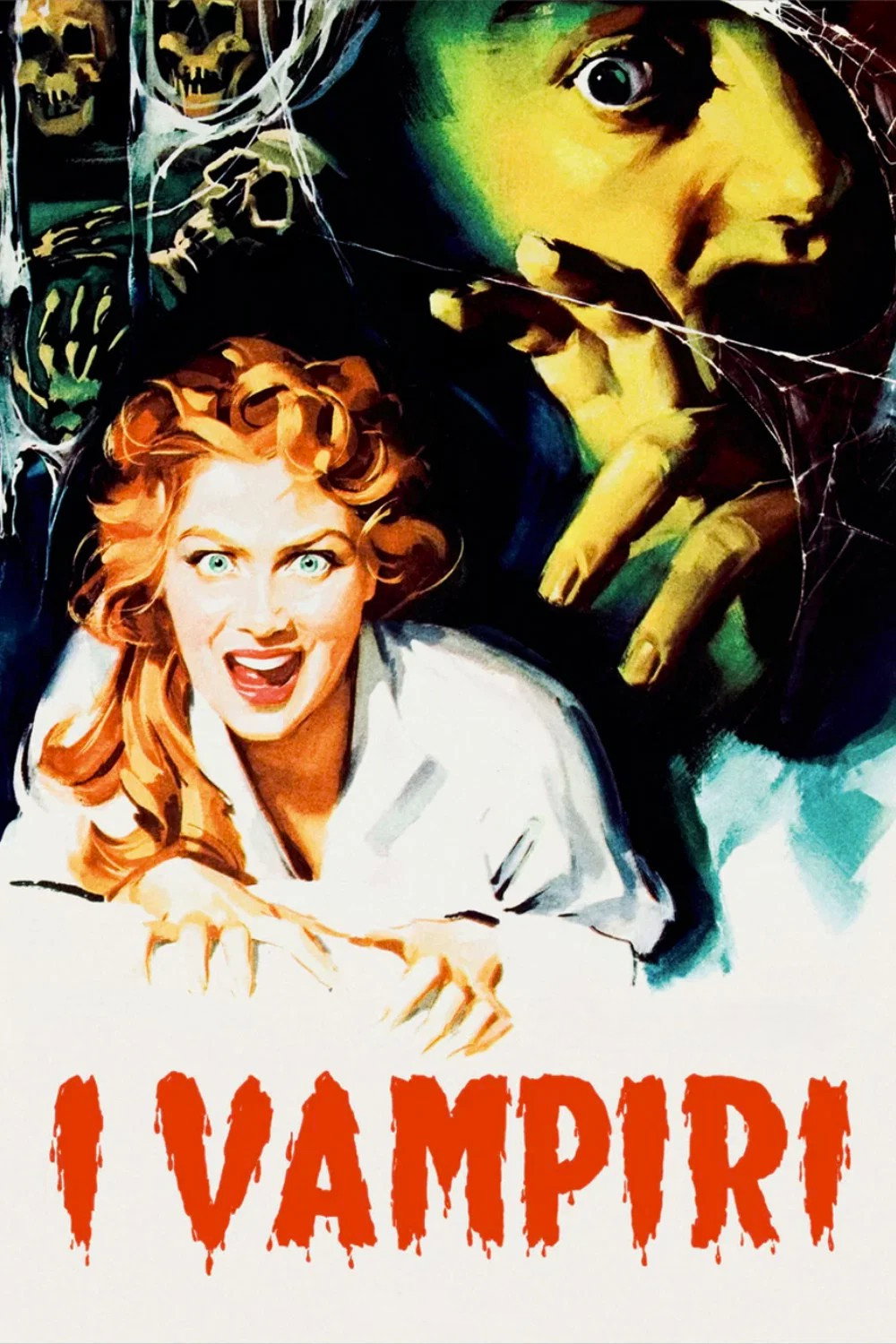
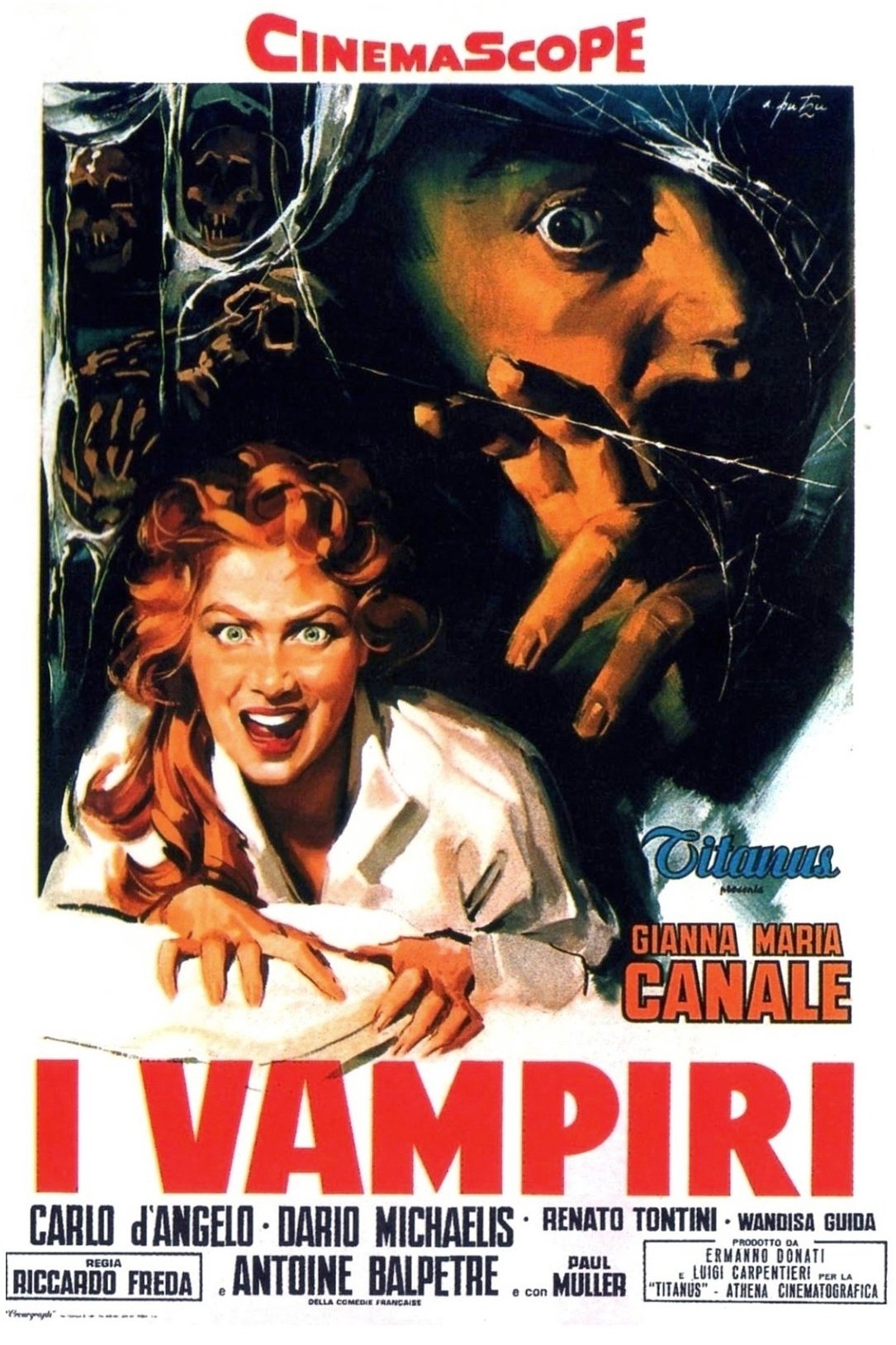
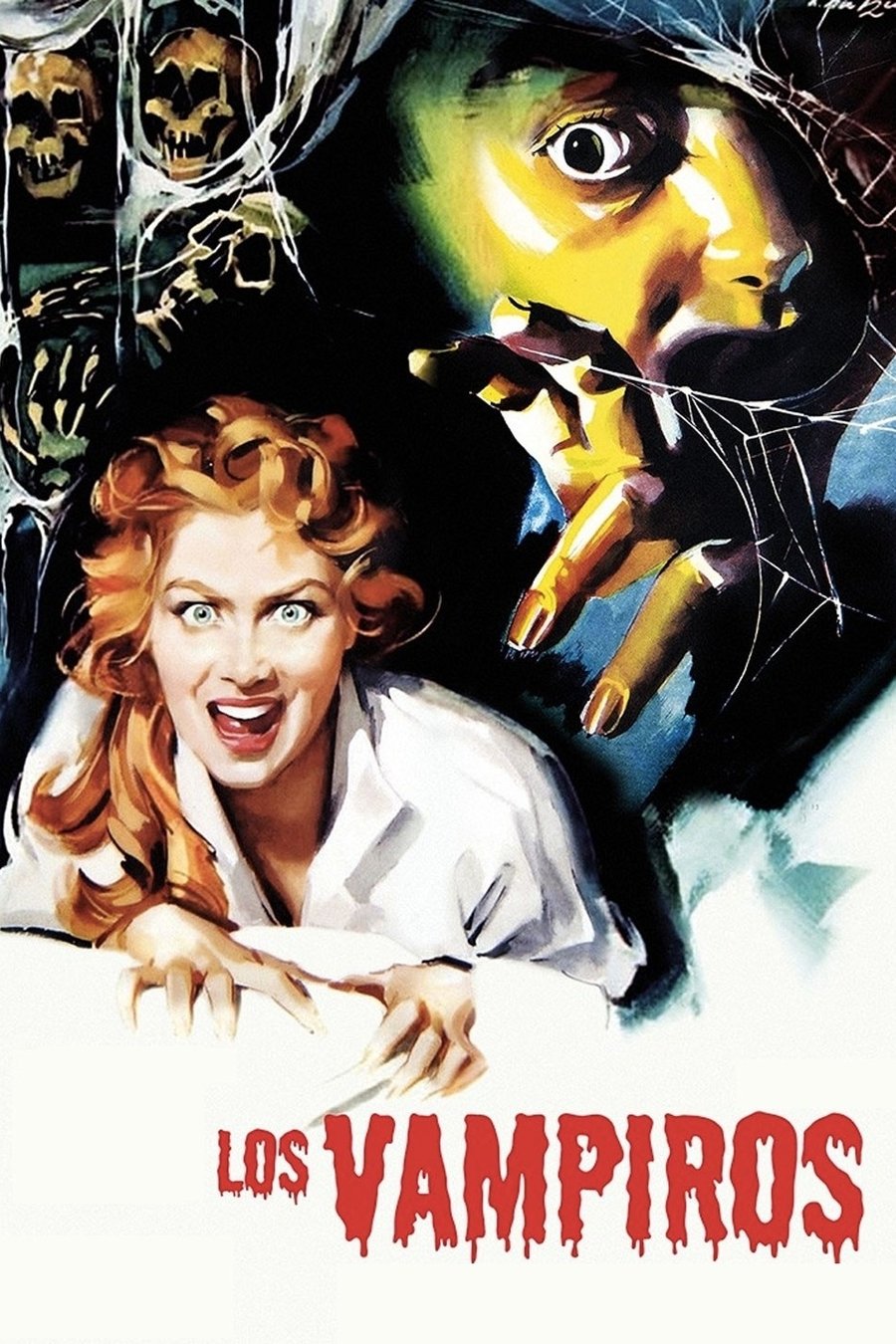
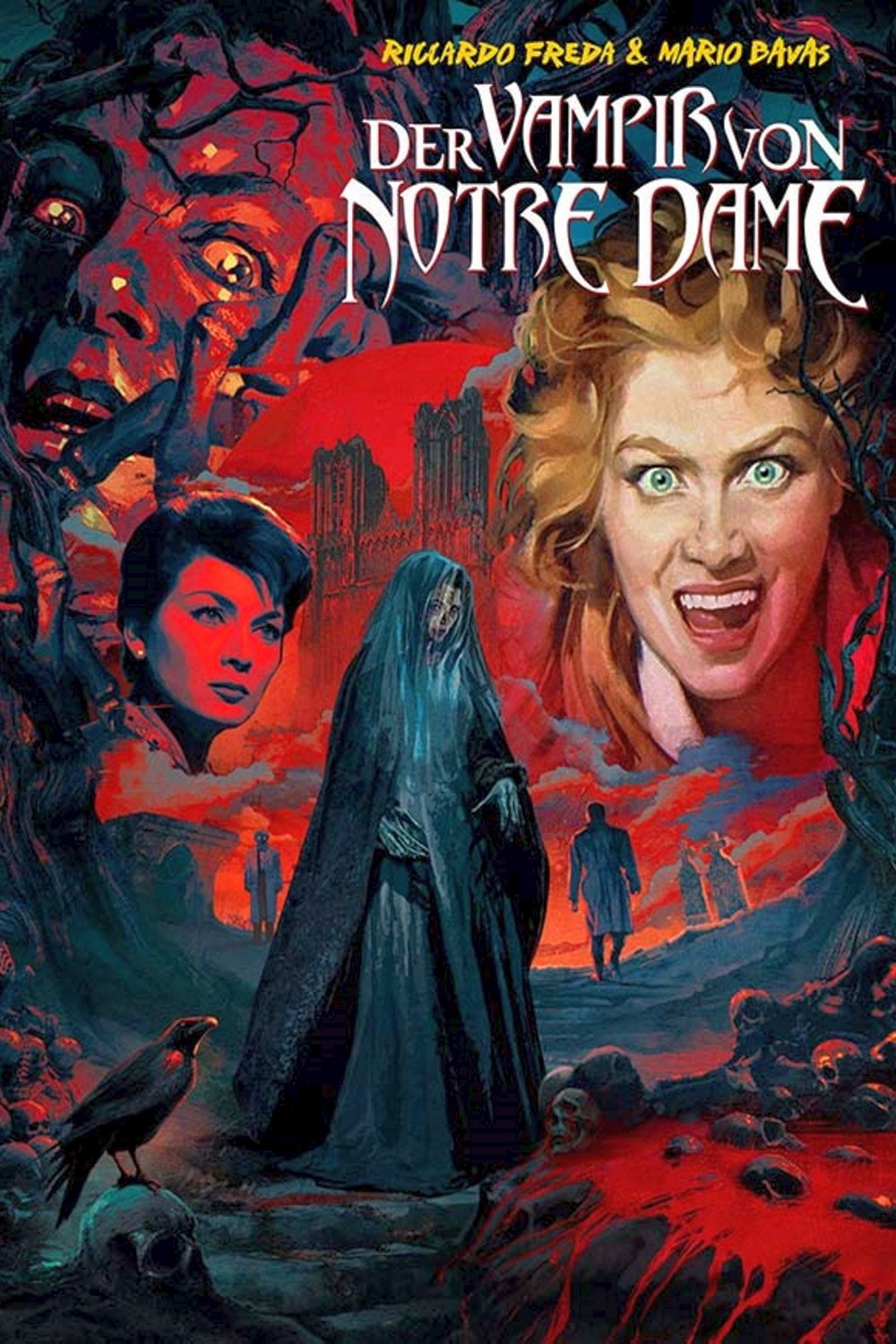
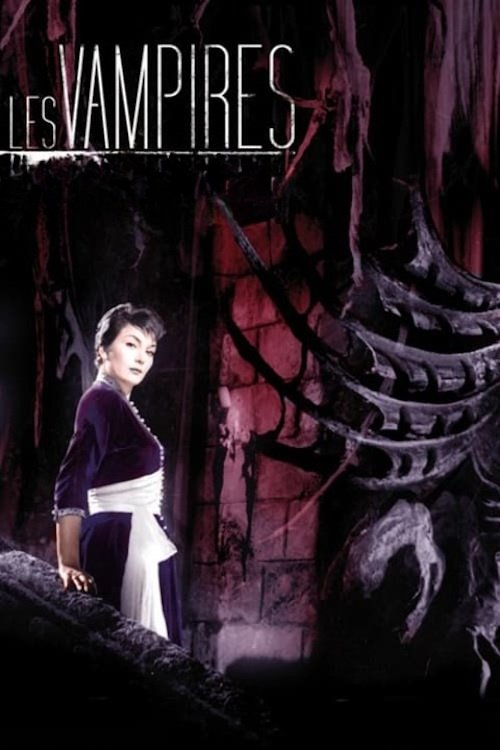
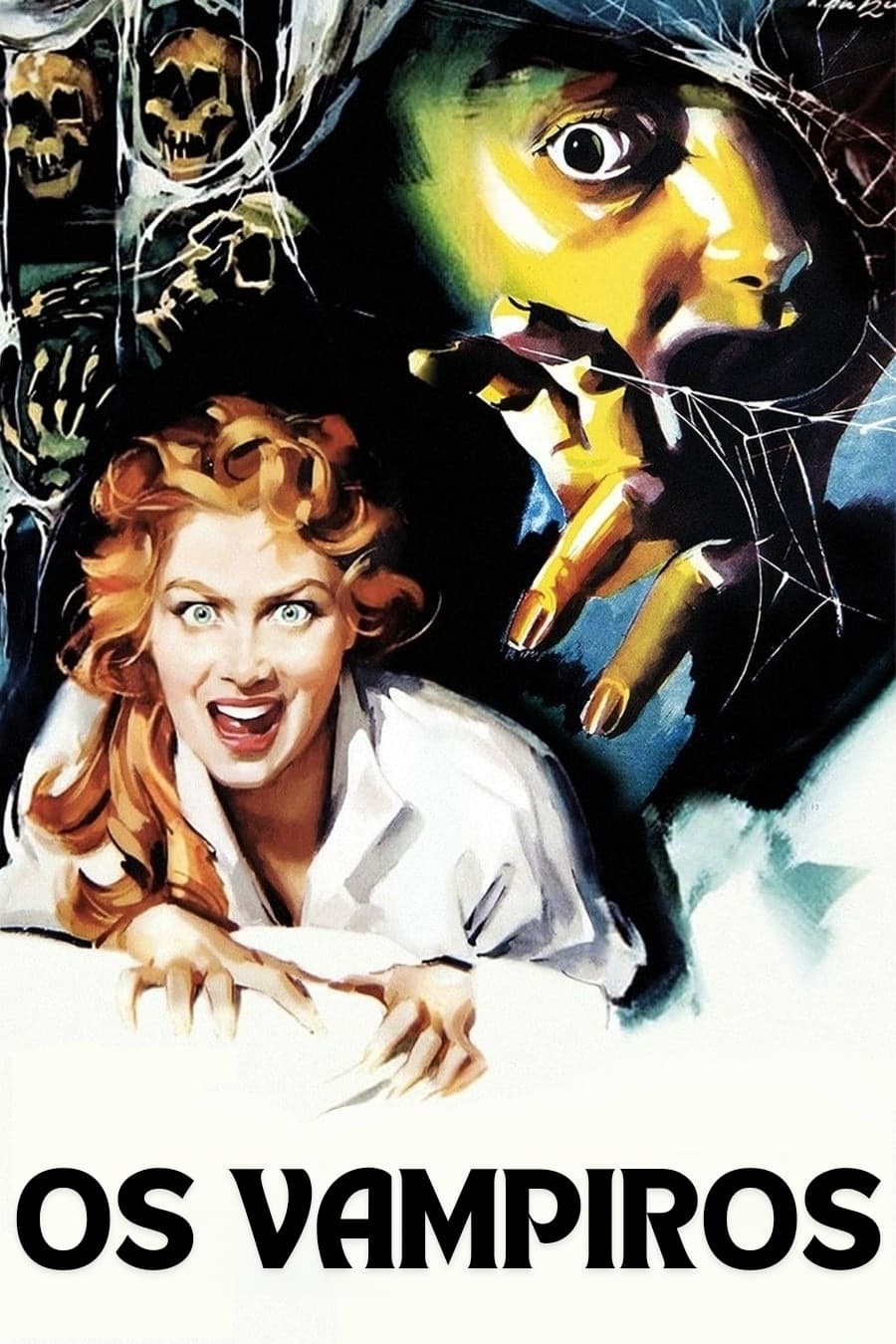
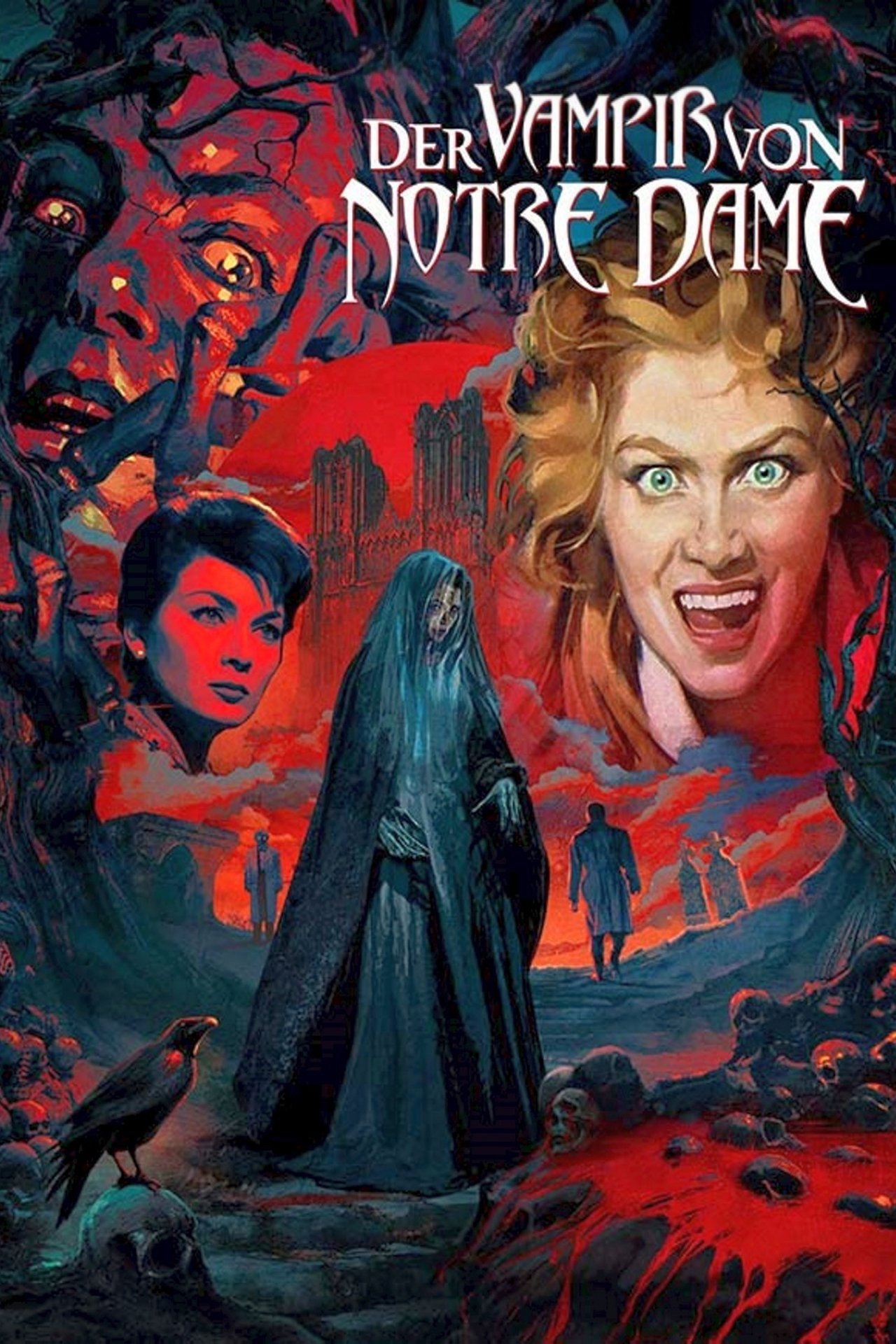
Riccardo Freda repeatedly described the origins of I vampiri as the result of a wager with producers Ermanno Donati and Luigi Carpentieri. According to his retrospective accounts, he proposed making a horror picture within an exceptionally short period, challenging the assumption that Italian filmmakers lacked the resources or technical abilities required for the genre. The producers subsequently contacted Goffredo Lombardo of Titanus, who agreed to distribute the film. Freda requested Gianna Maria Canale as leading actress, Mario Bava as cinematographer and Beni Montresor as production designer. The story became one of the most frequently repeated anecdotes concerning the emergence of modern Italian horror.
Archival research by Michael Guarneri places the production within a considerably more substantial industrial framework. Documents submitted to the Italian State Cinema Bureau establish that shooting began in November 1956 with an initial schedule of twenty days. The final declared budget reached 142 million lire, comprising approximately 120 million for production and 22 million for post-production and publicity. Athena Cinematografica and Titanus each invested 16 million lire, while the financing arrangements also involved state-backed credit. These records demonstrate that the project was planned and financed through established procedures, even if its creators subsequently emphasized improvisation and the pressure of a restricted schedule.
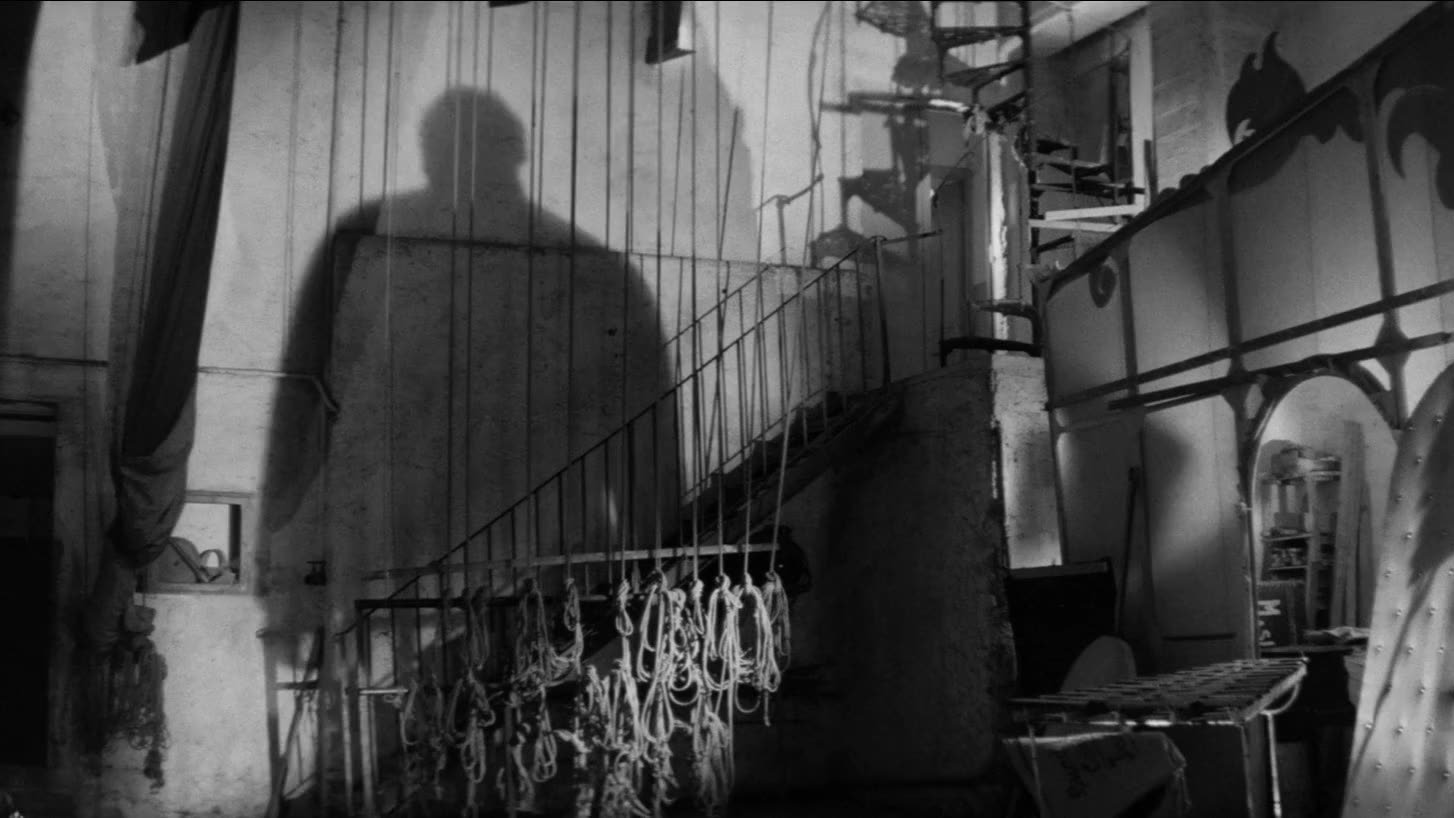
The production encountered difficulties before completion. Freda left the project following a dispute with the producers, leaving Bava to finish the remaining work. The precise circumstances vary between retrospective testimonies, including disagreements over scheduling and the number of days actually spent filming. Bava completed additional material and helped assemble the finished narrative. His intervention became especially significant because he was already an experienced cinematographer and effects technician, capable of adapting visual solutions to limited production circumstances. The resulting film reflects a collaboration complicated by an interrupted shooting process, with responsibilities that cannot always be reconstructed solely from the surviving screen credits.