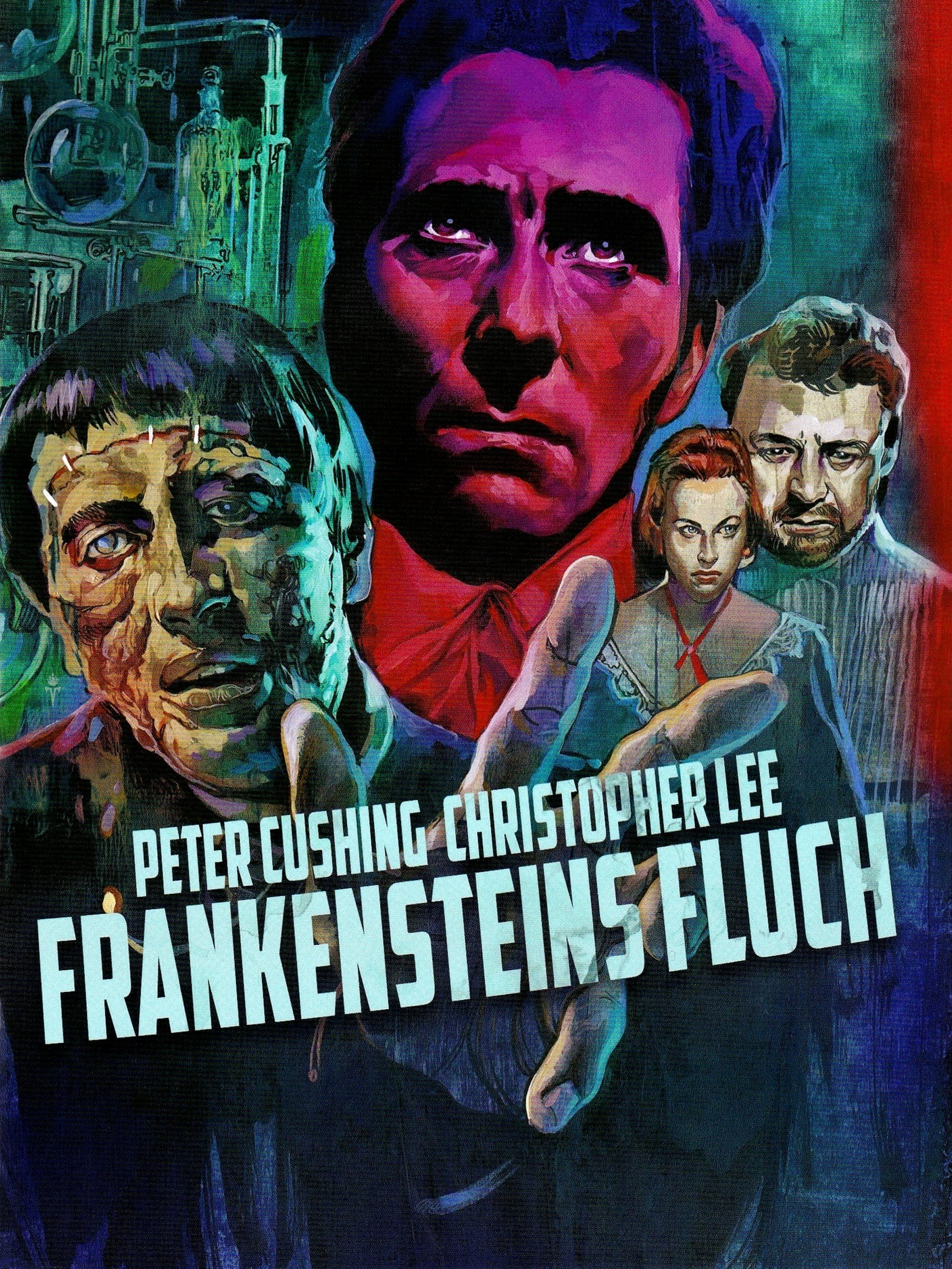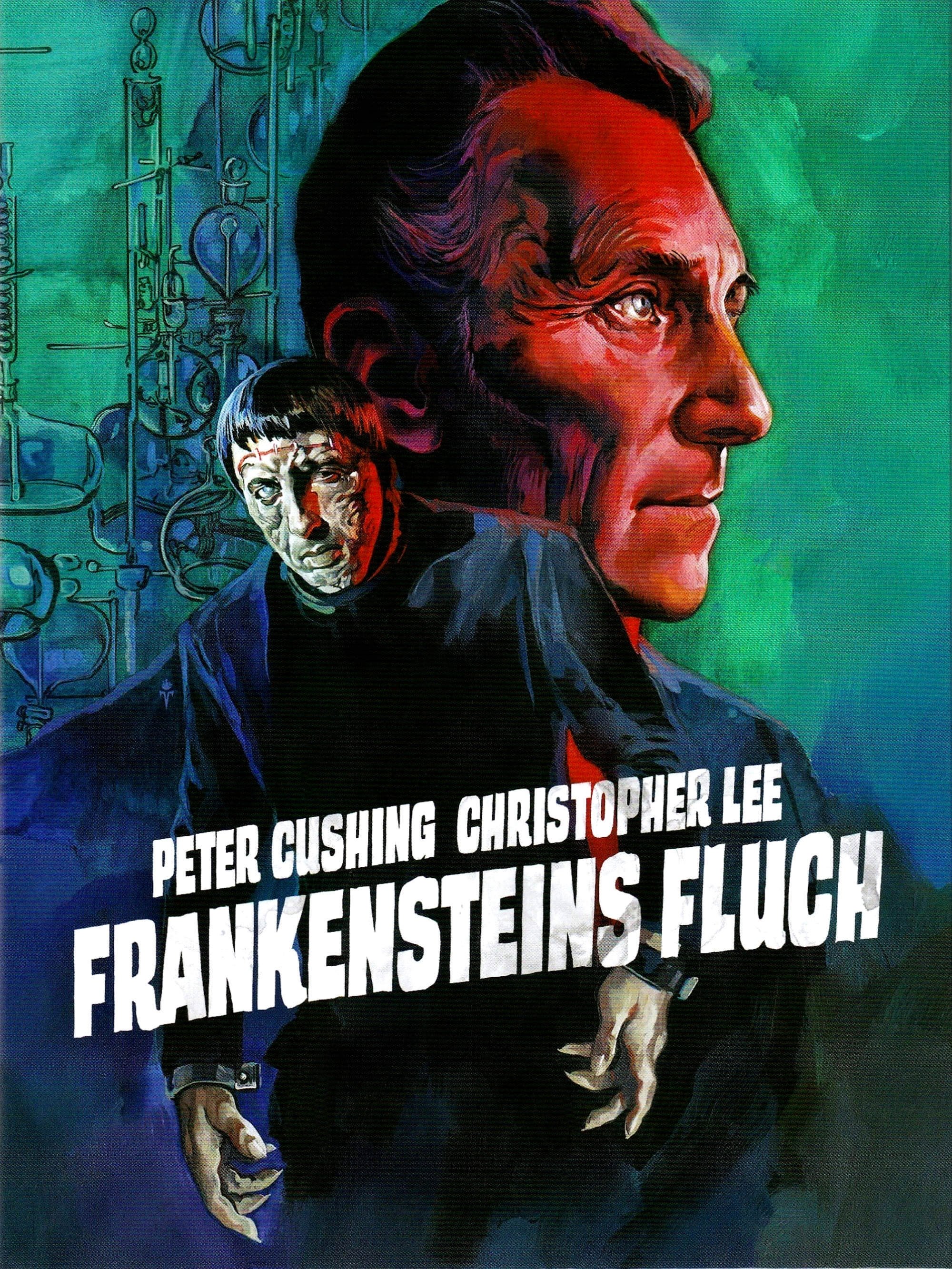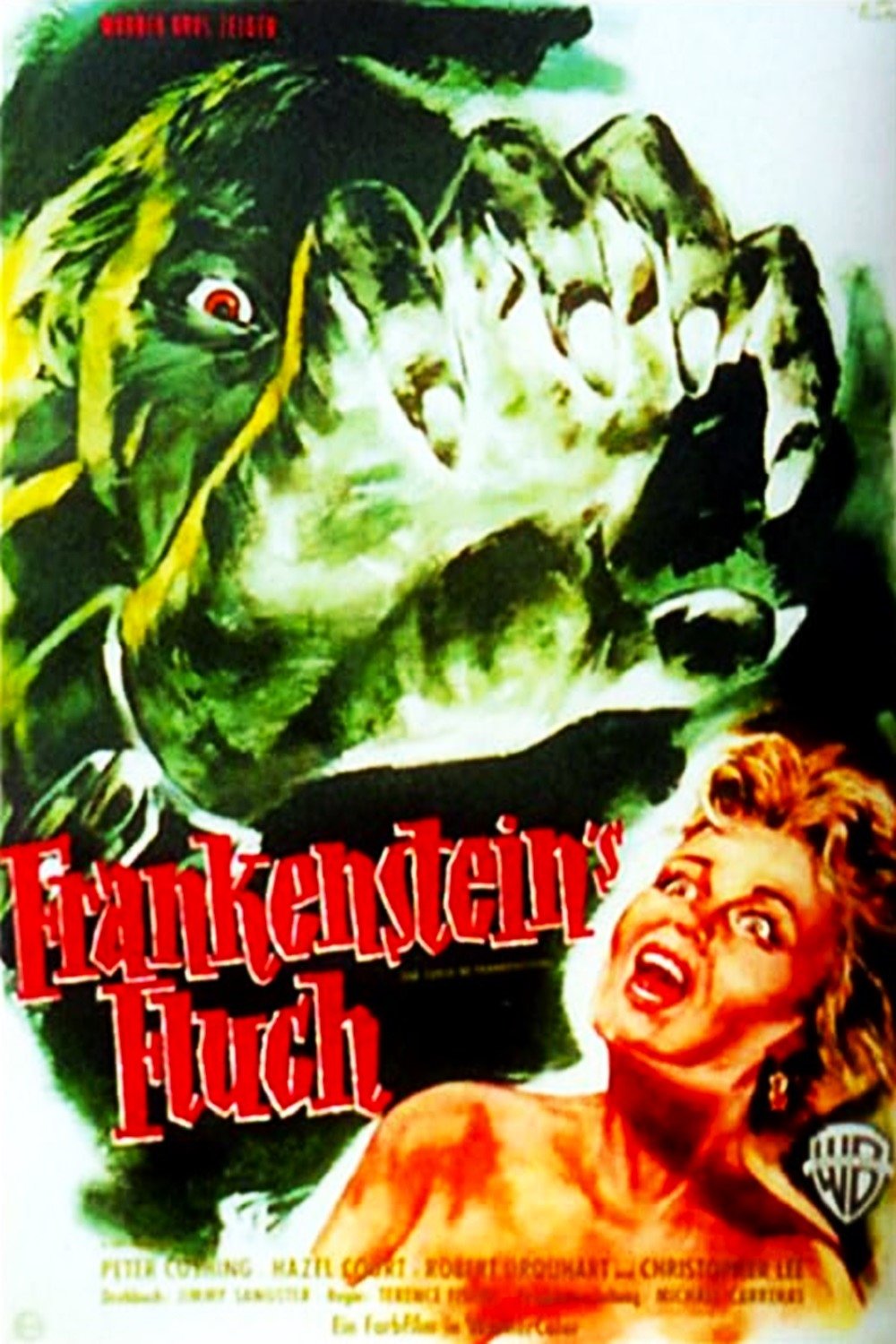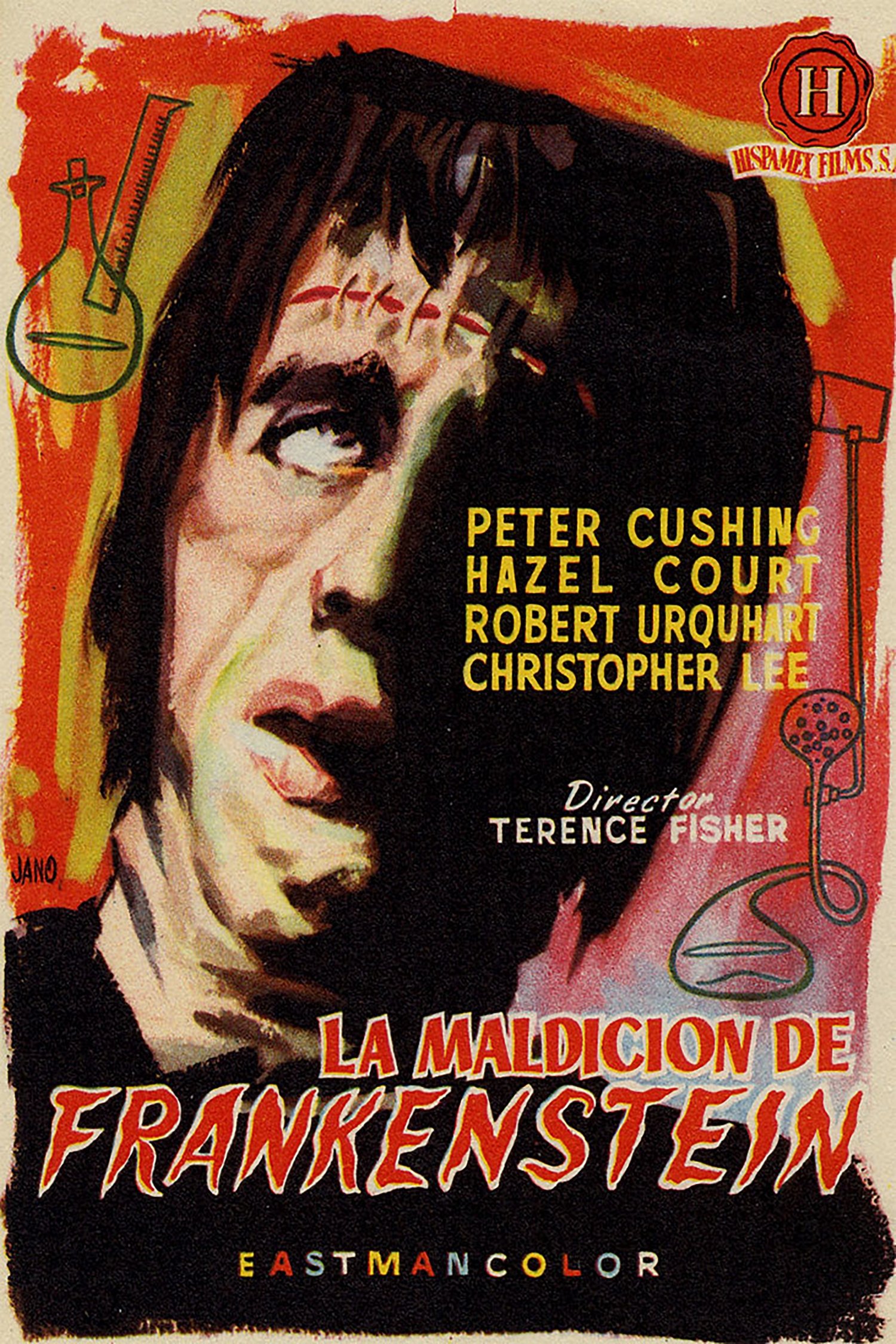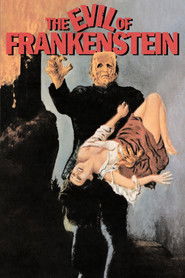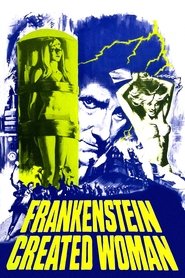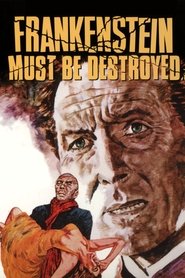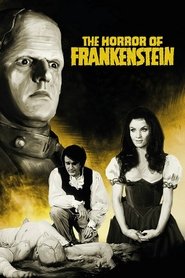
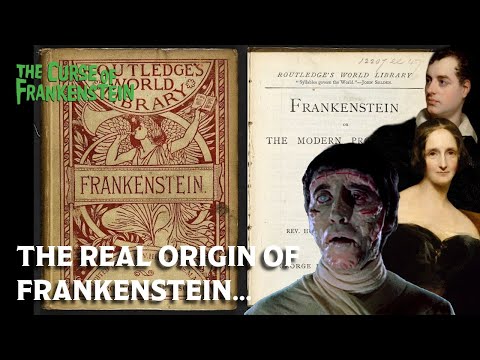
The Curse of Frankenstein (1957)

GB
HORROR FILM Science Fiction
SUBGENRES MEDICAL
5.8/10 4 votes
Runtime
82 min
Release
May 20, 1957
Budget
$270,000
Revenue
$8,000,000
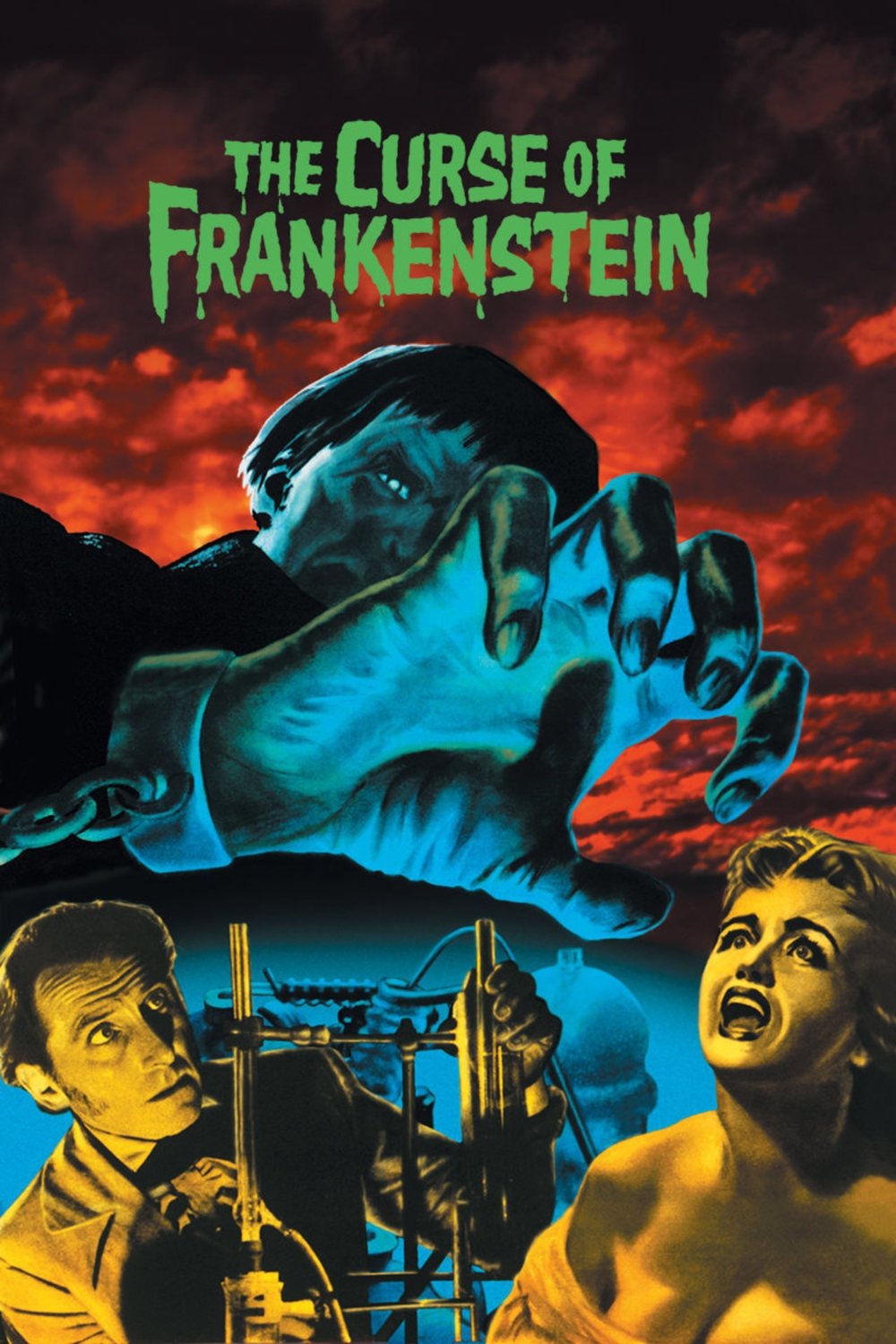
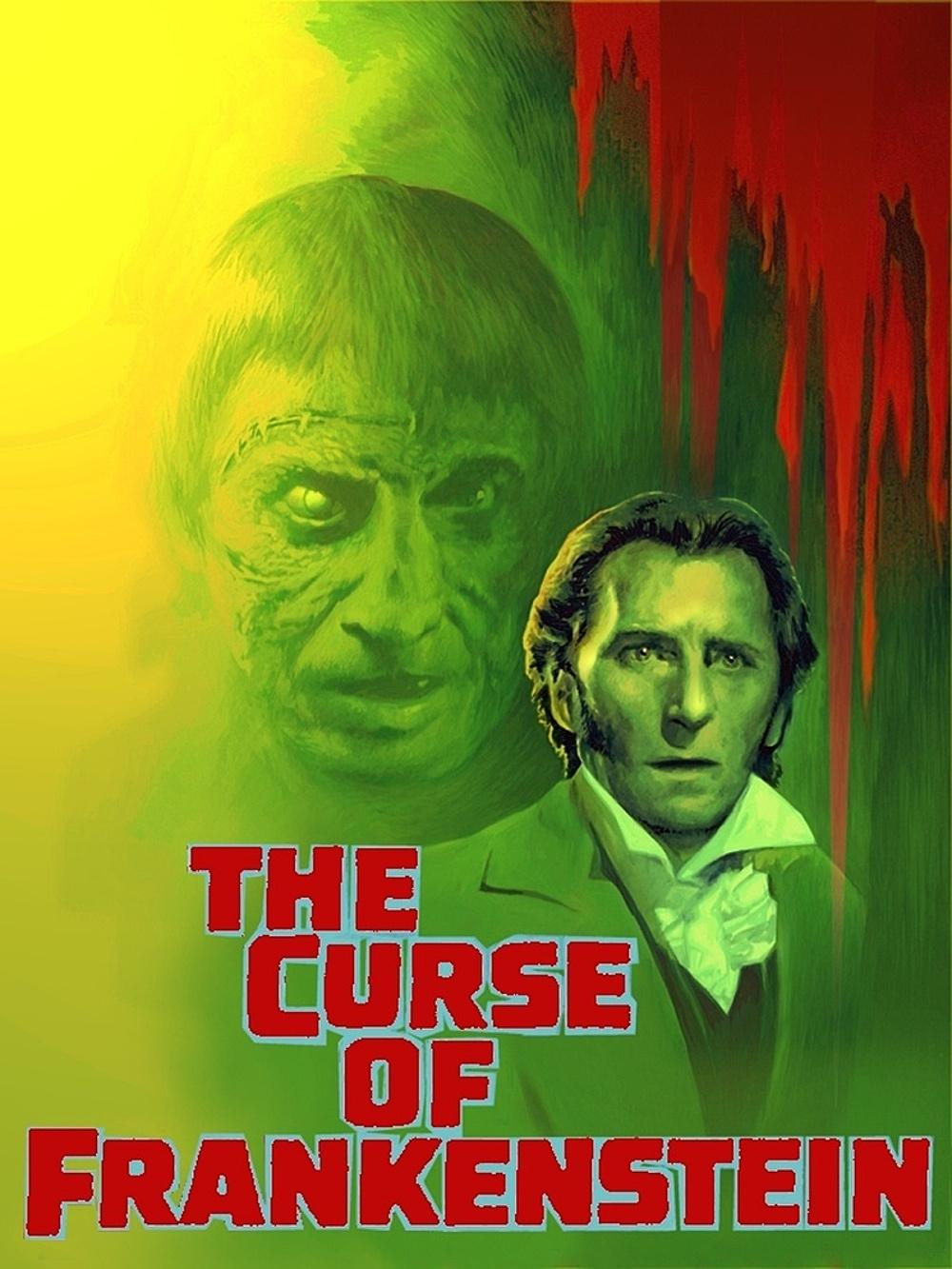
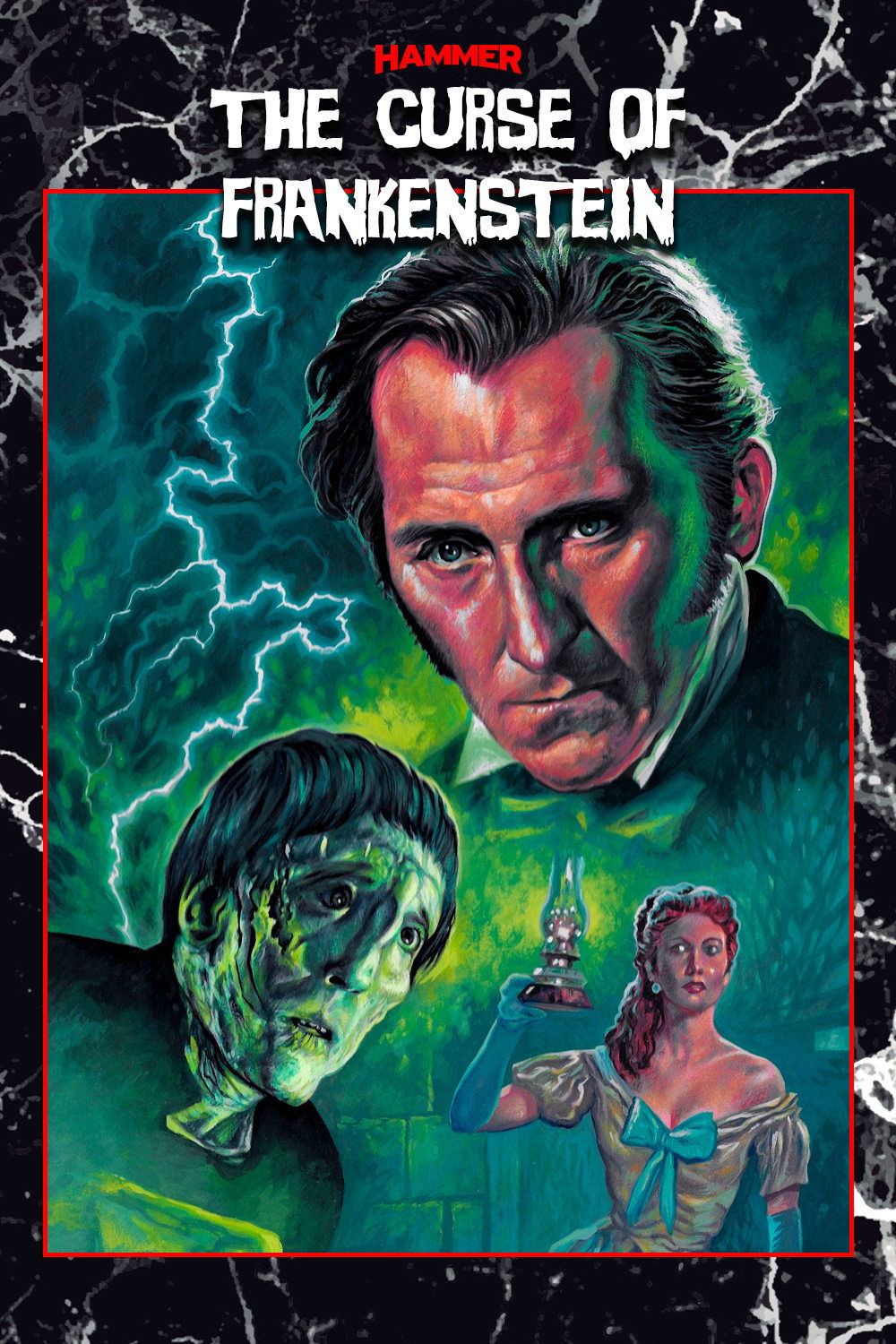
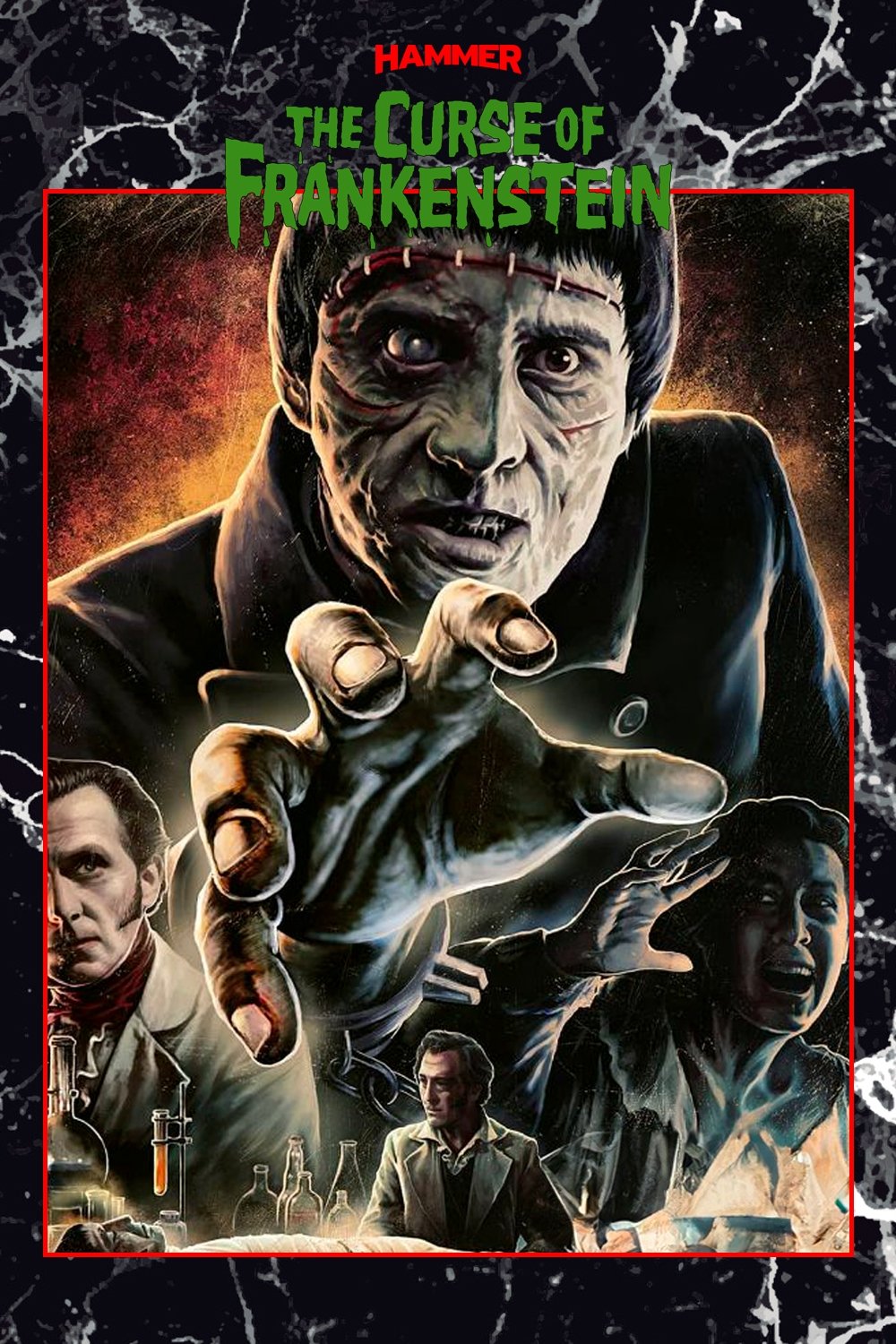
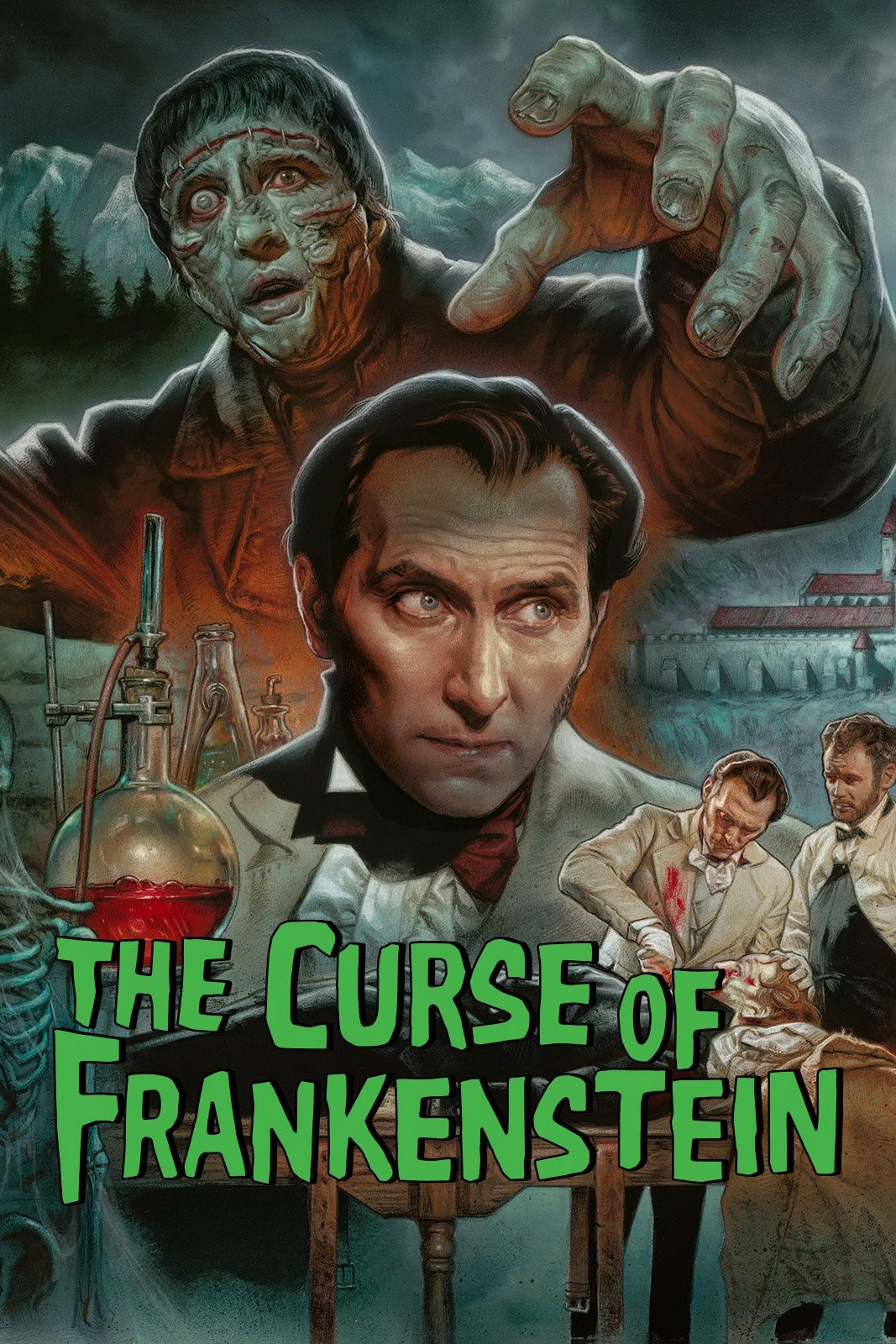
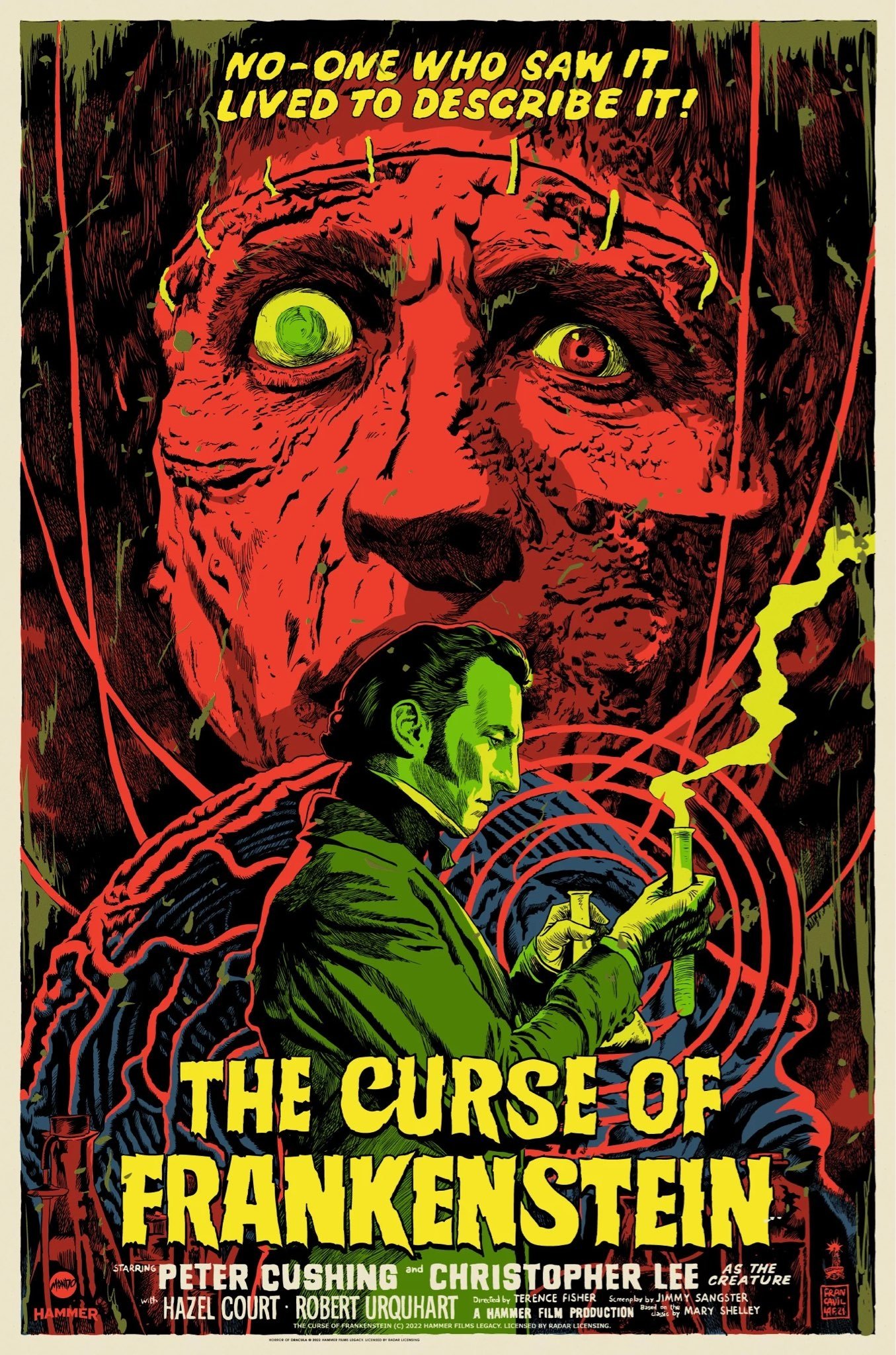
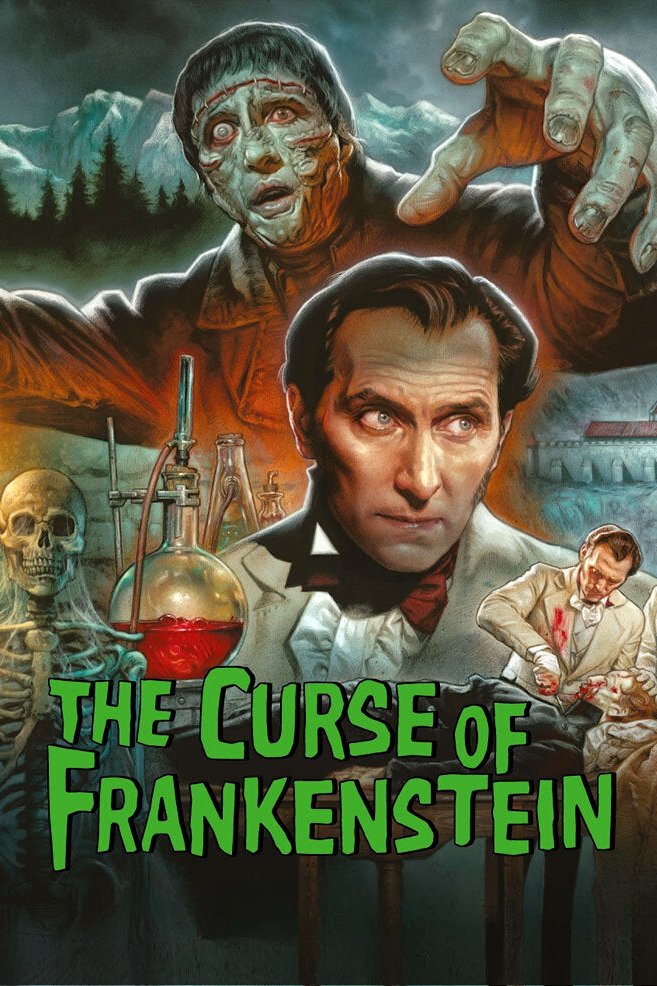
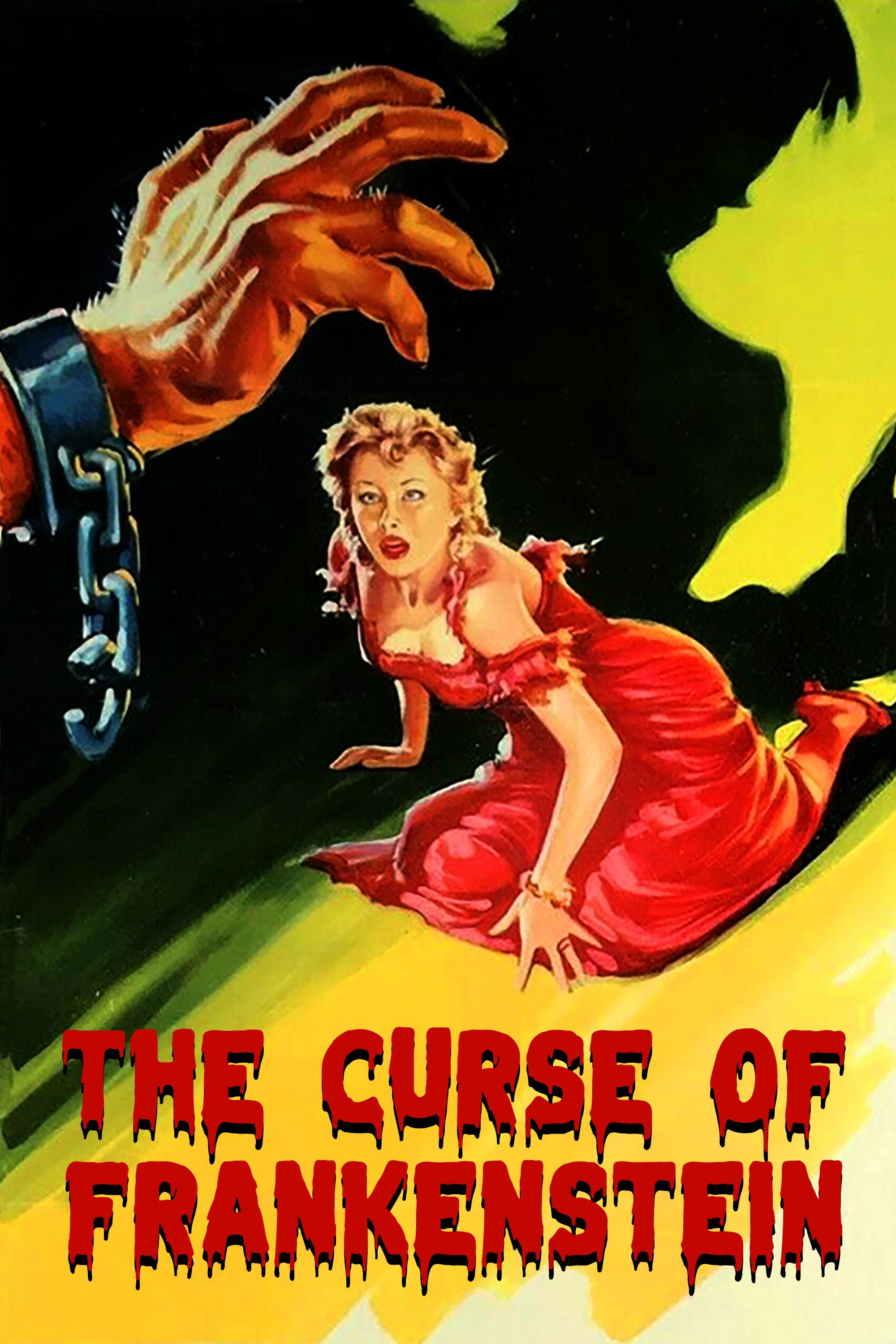
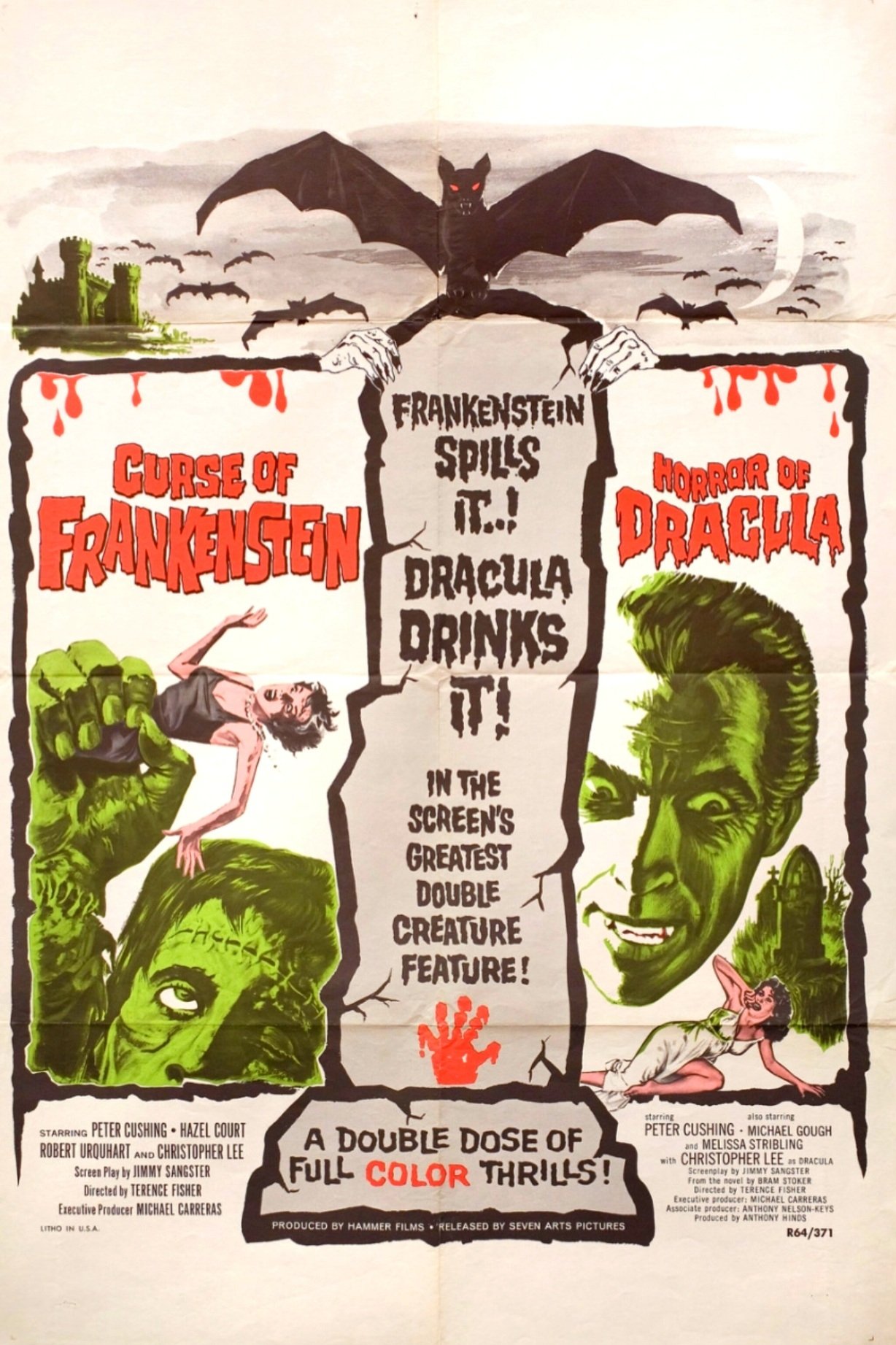
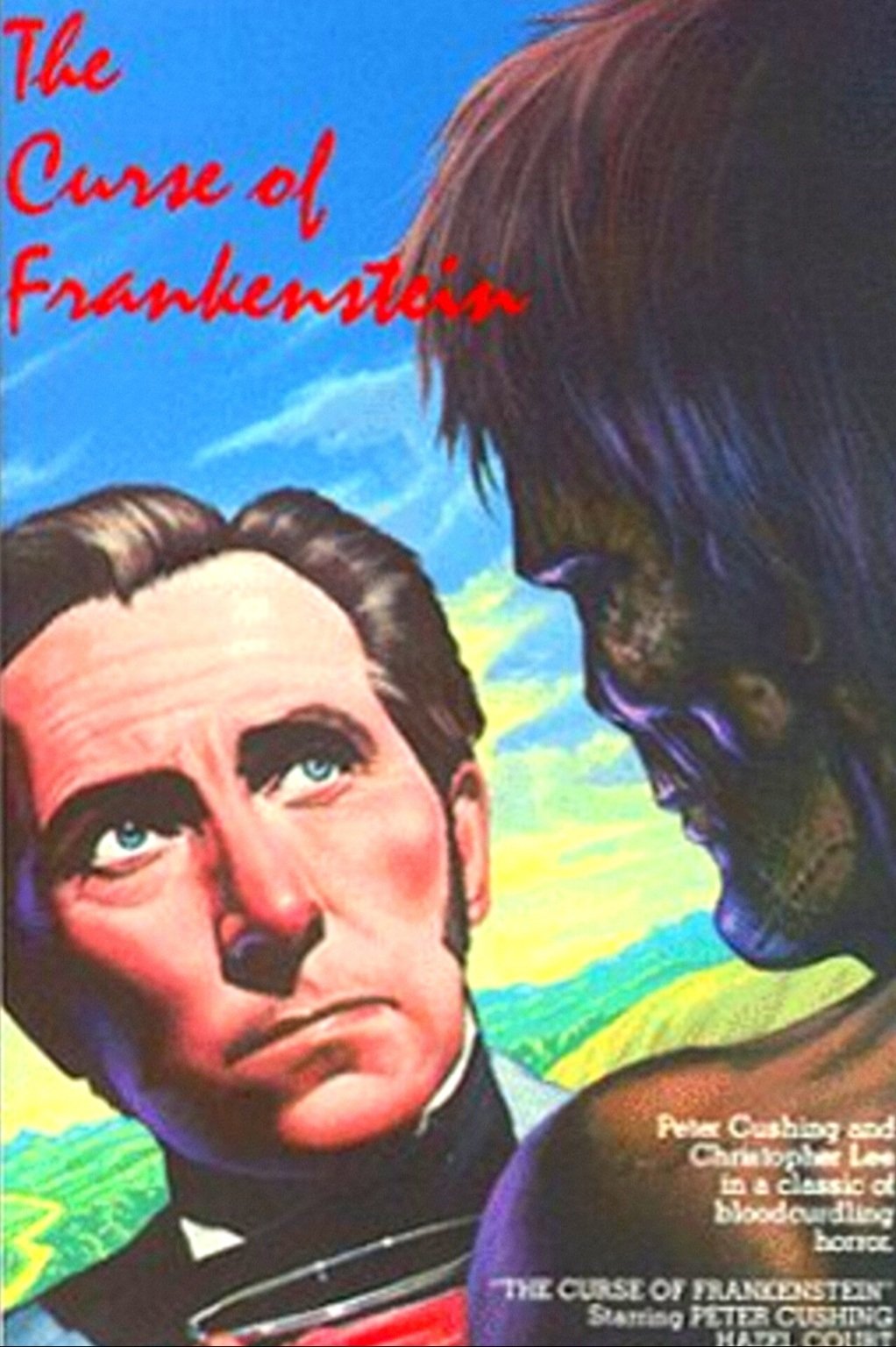
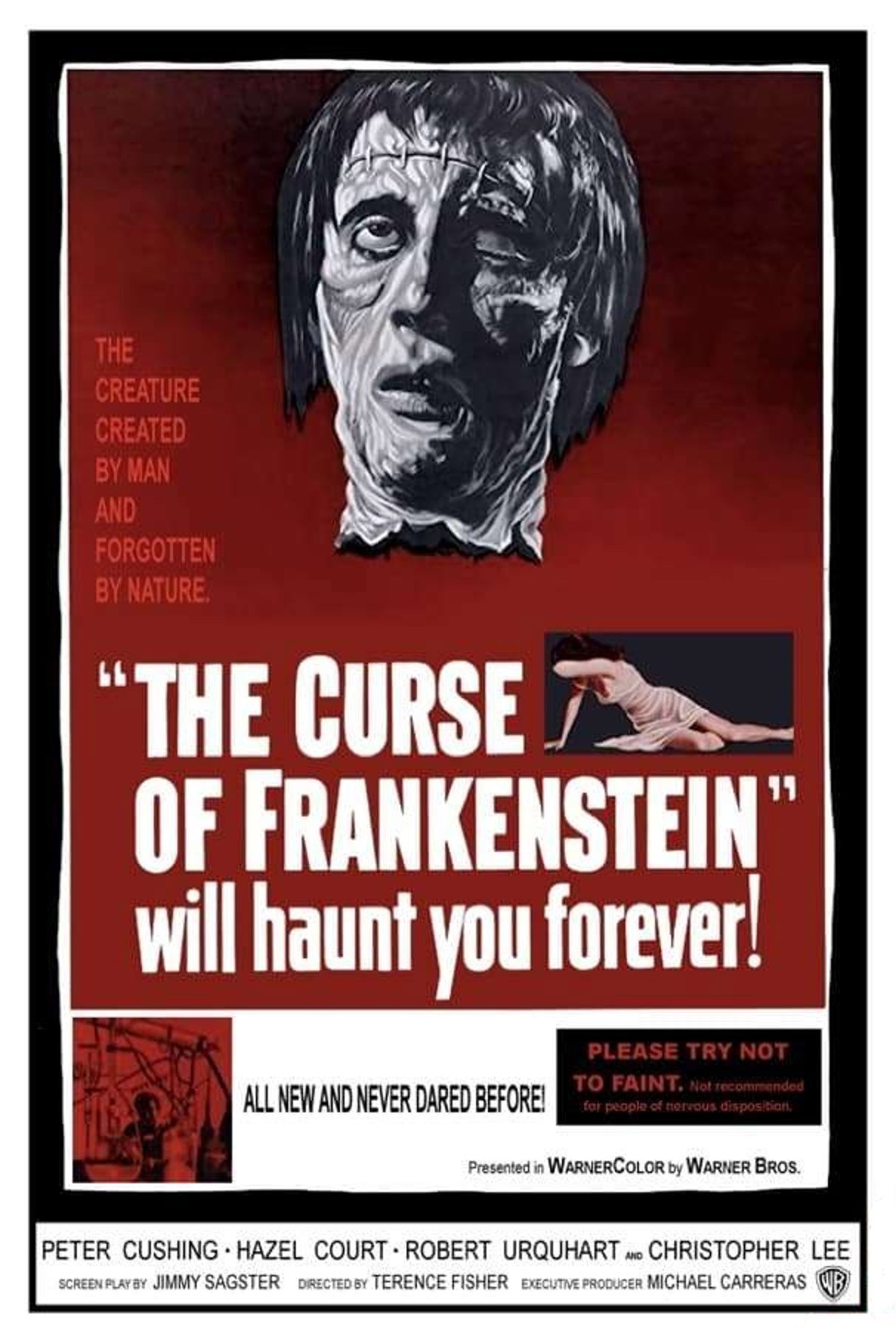
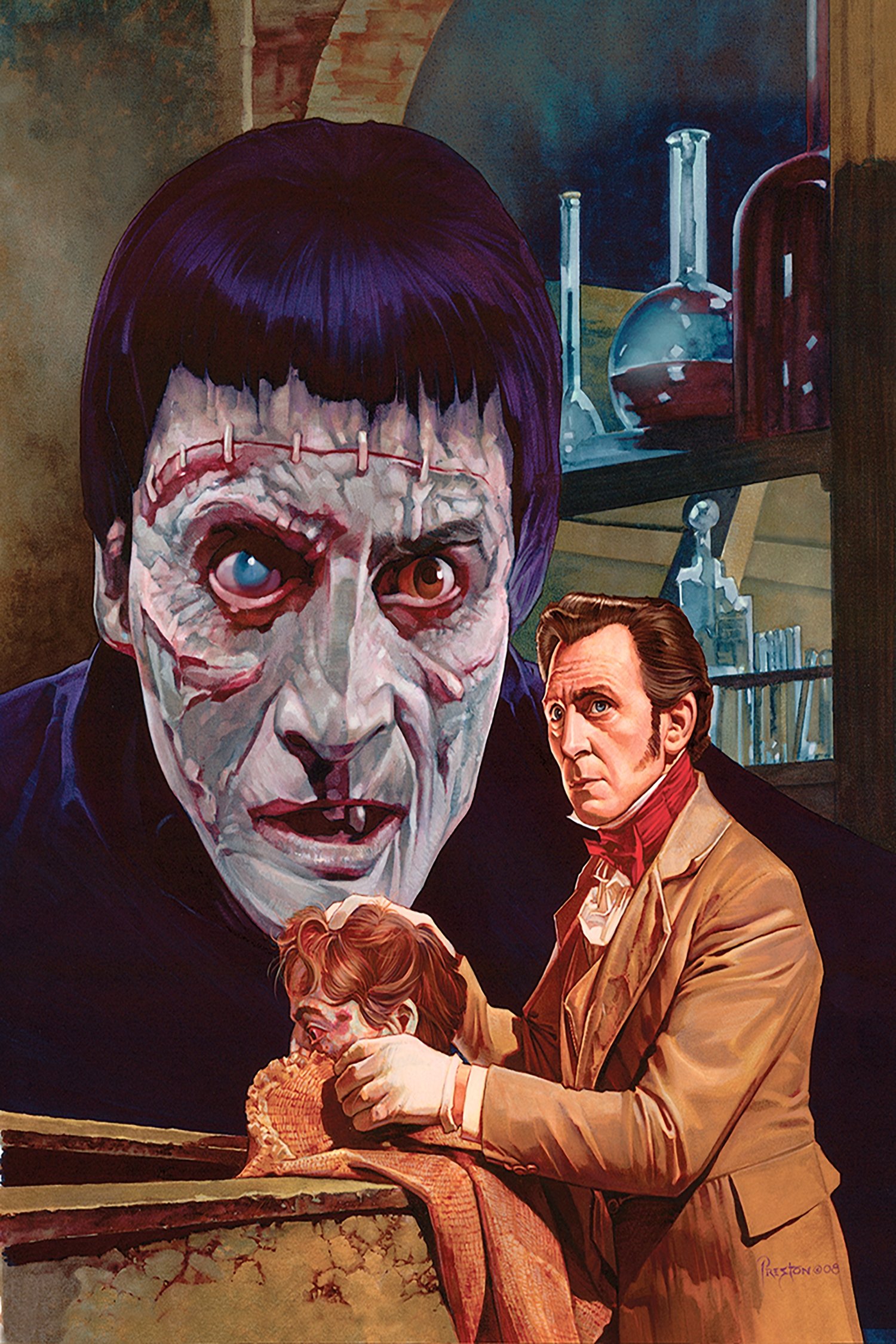
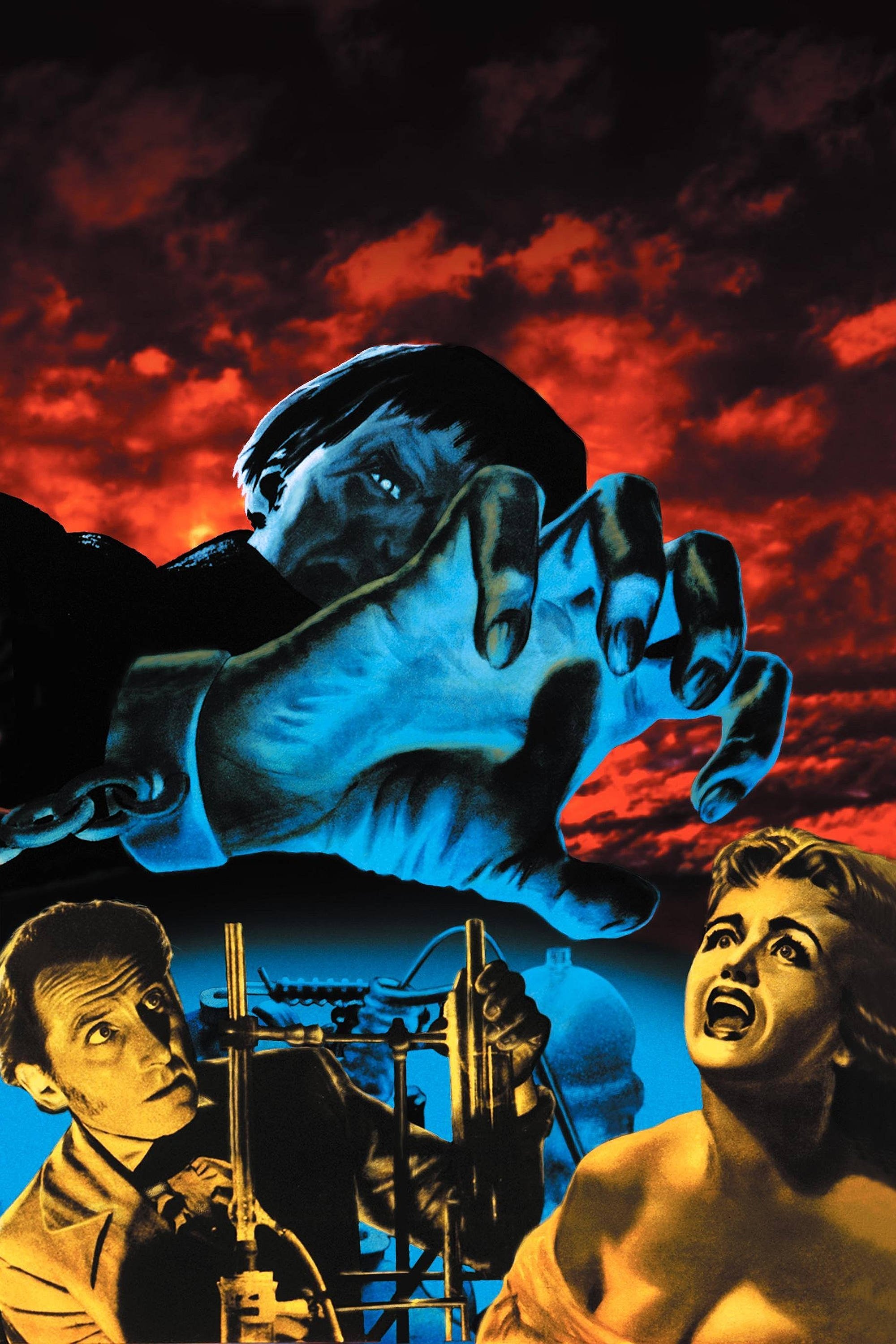
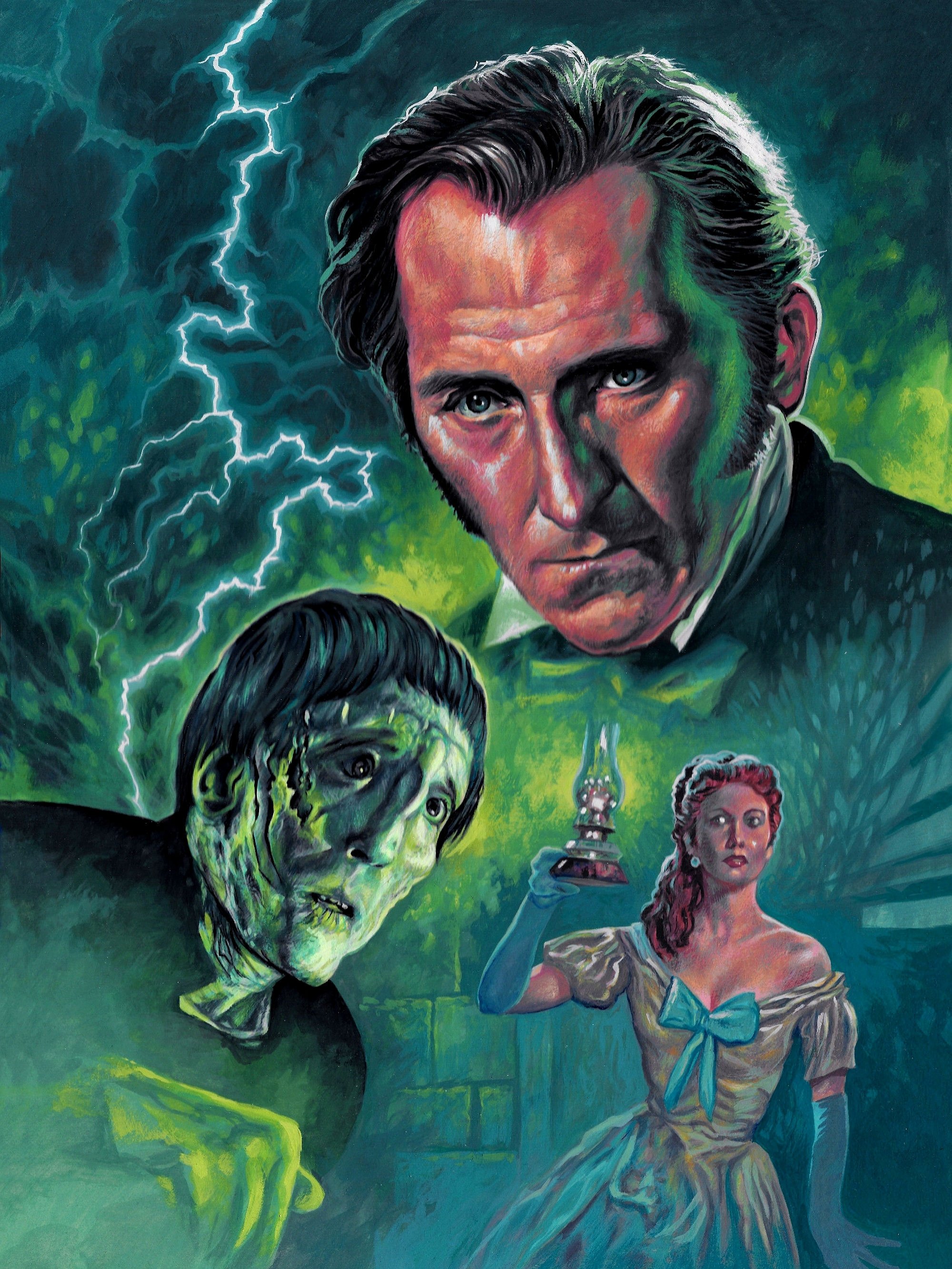
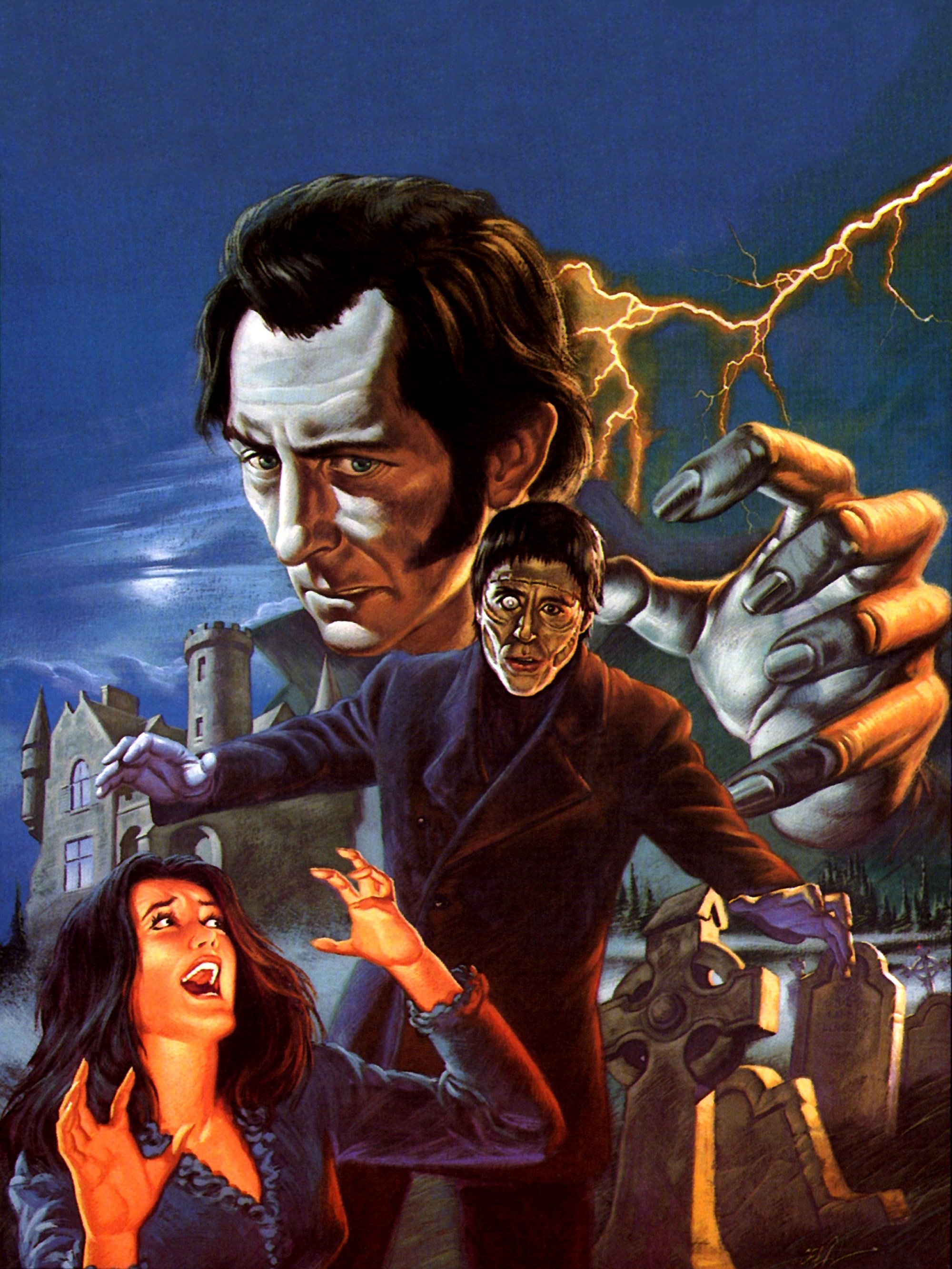
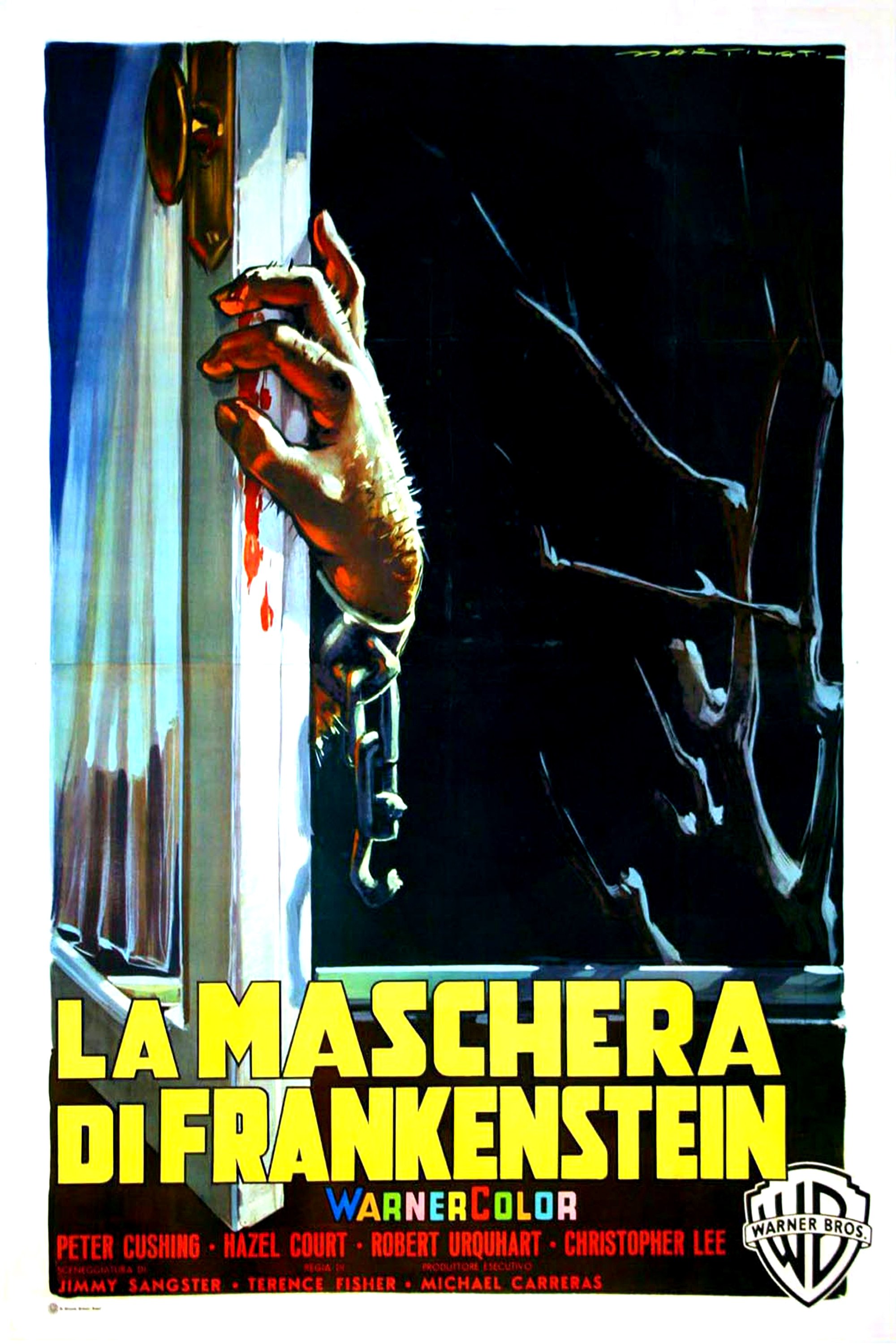
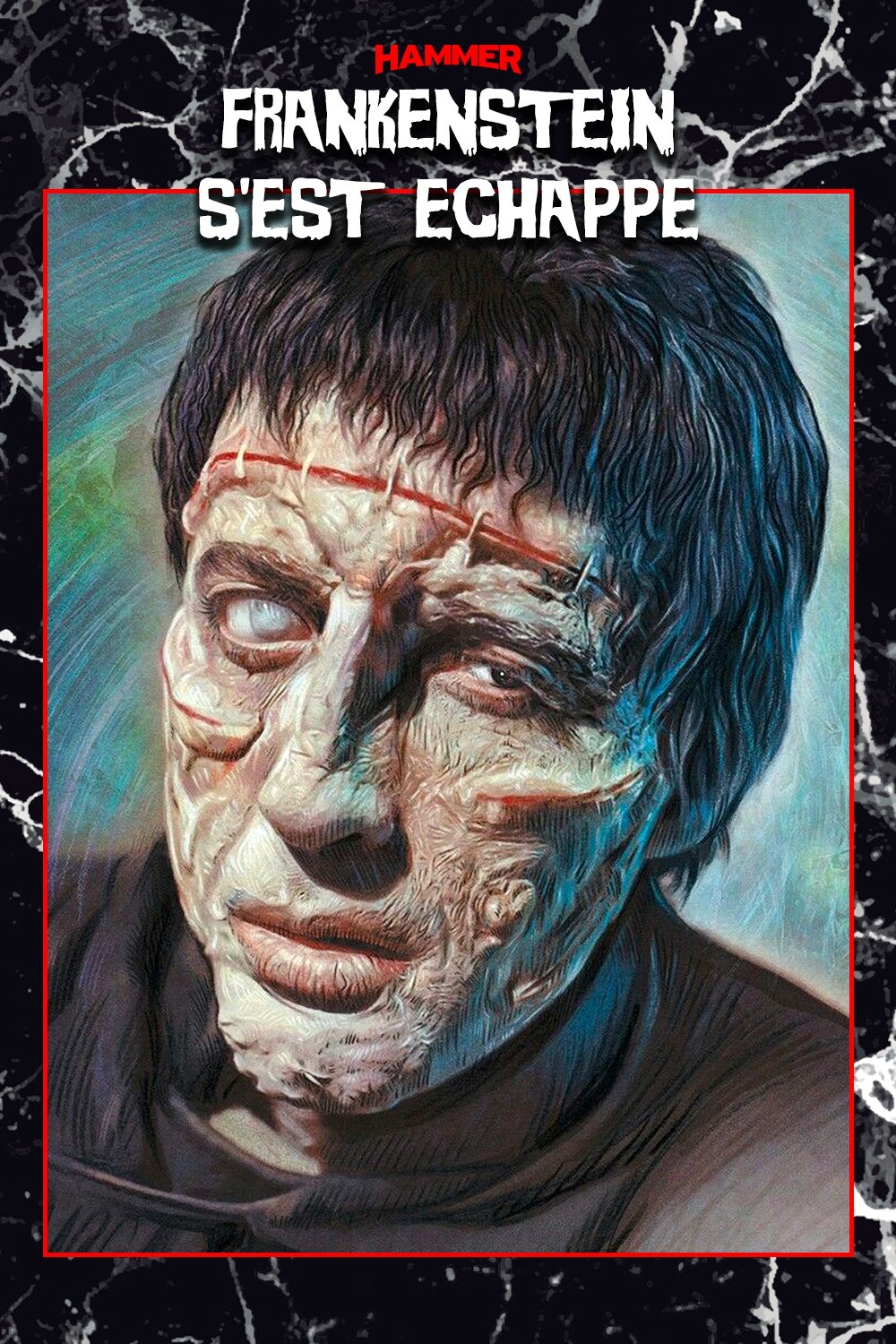
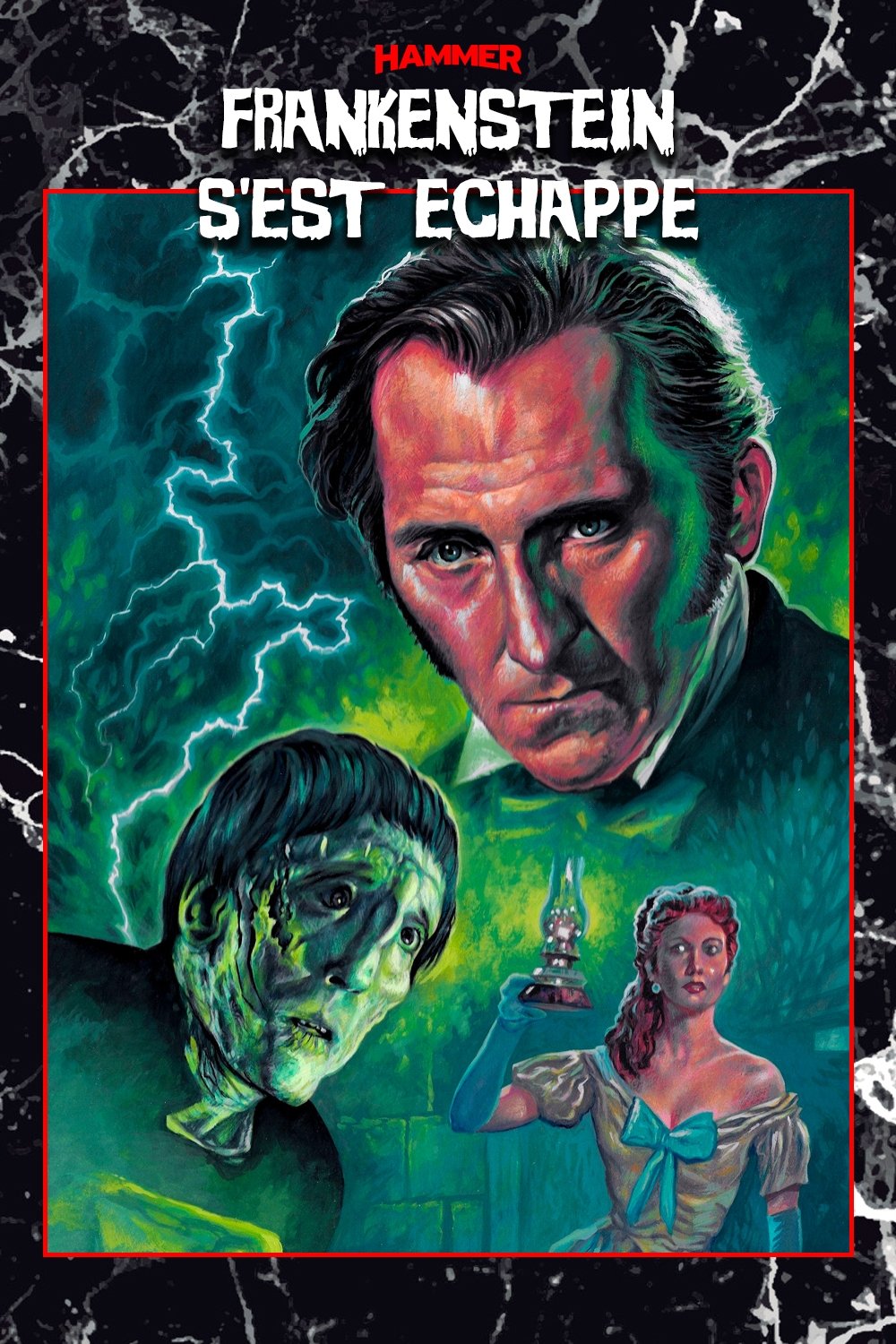
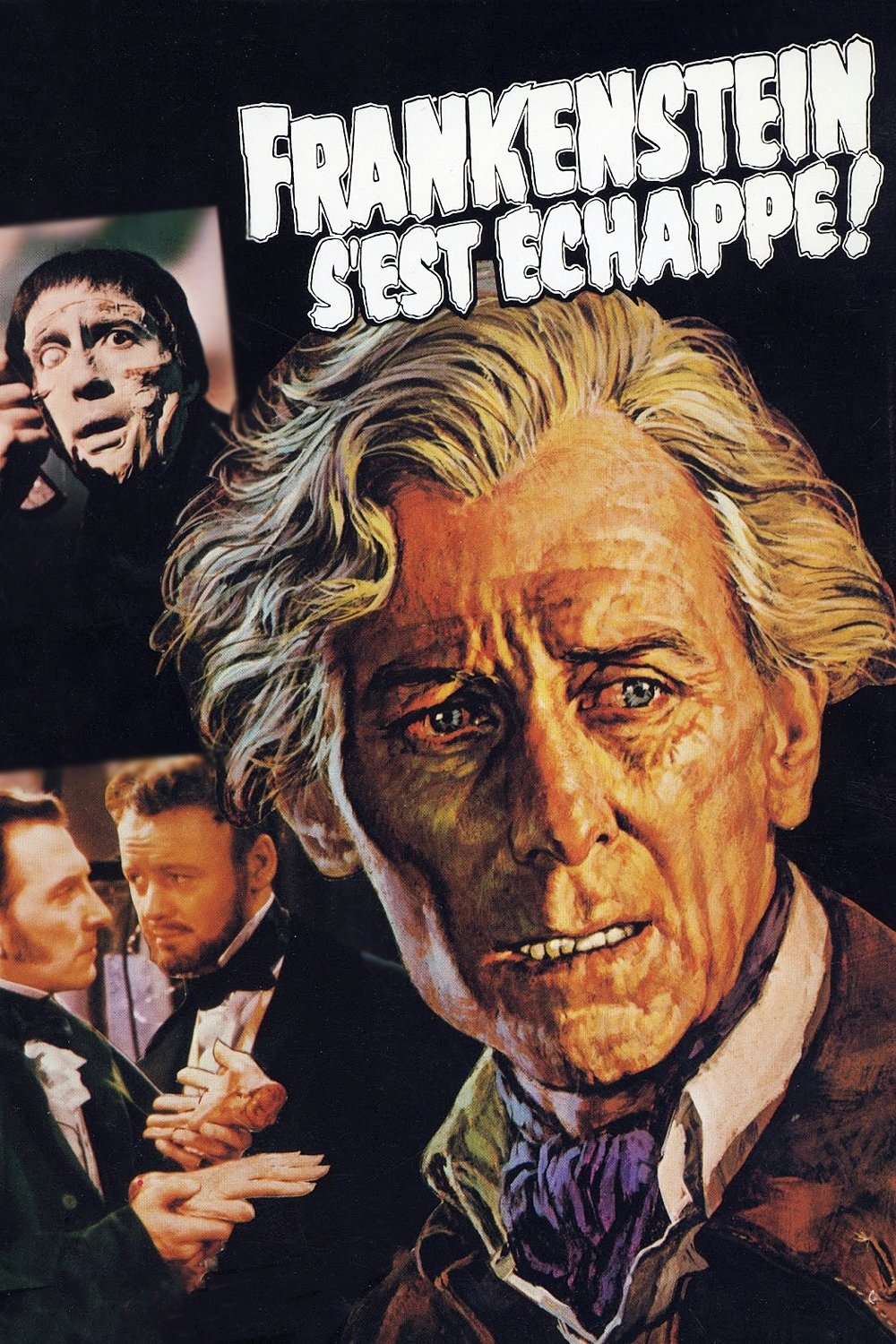
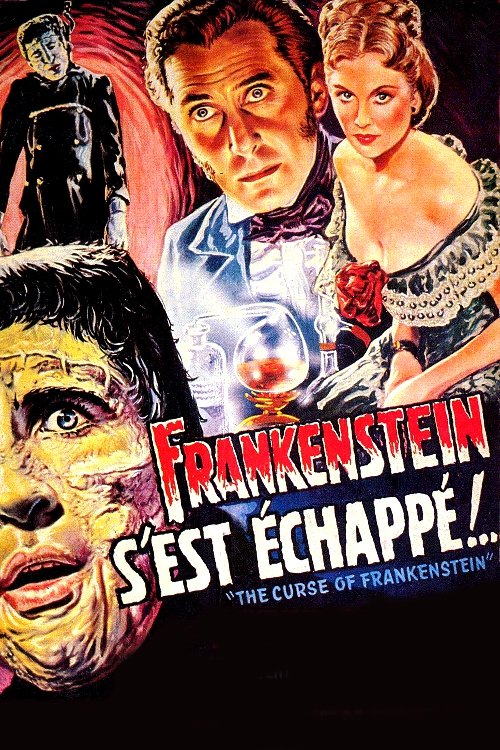
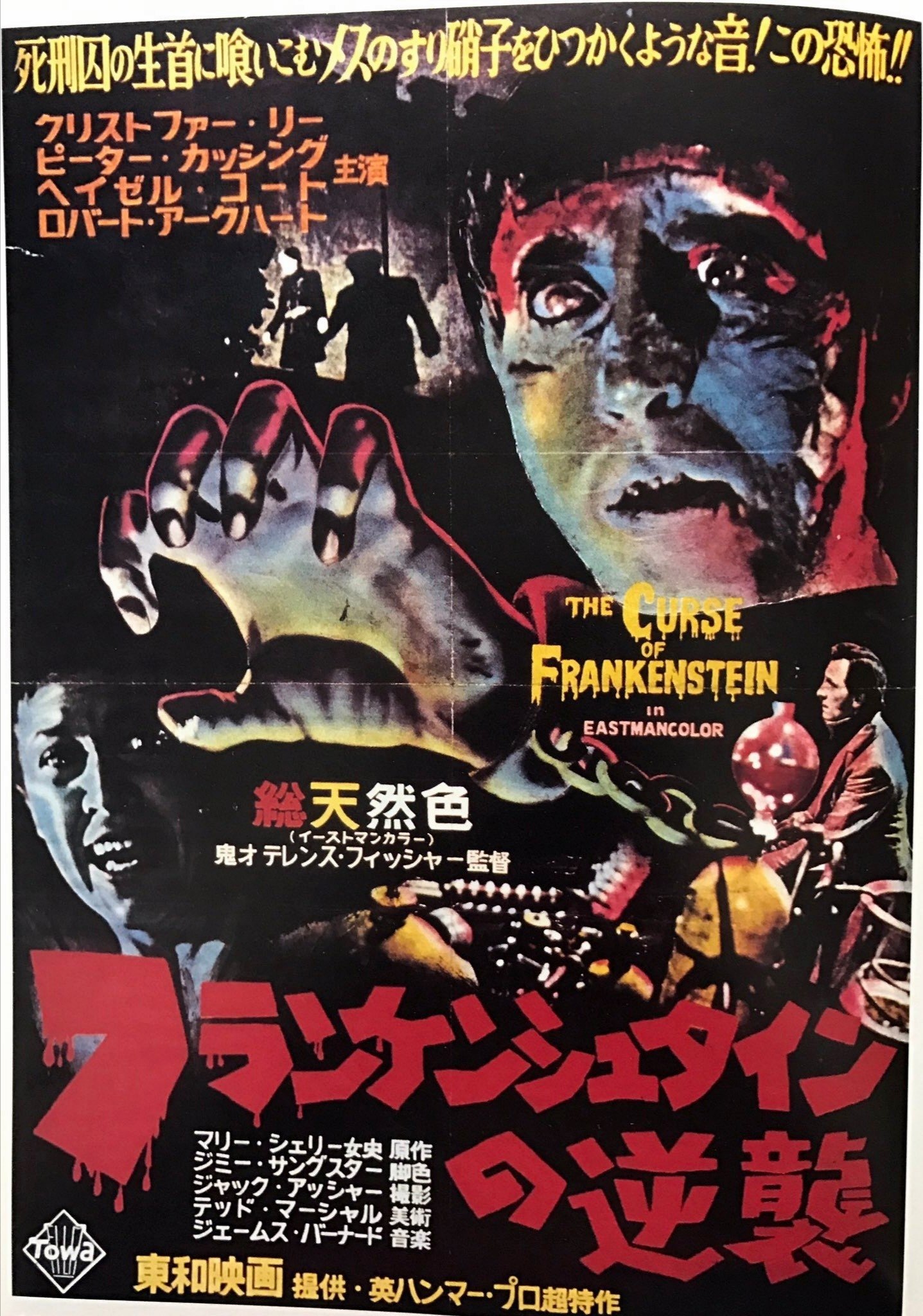
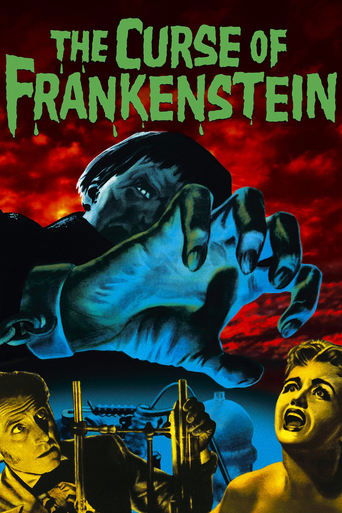
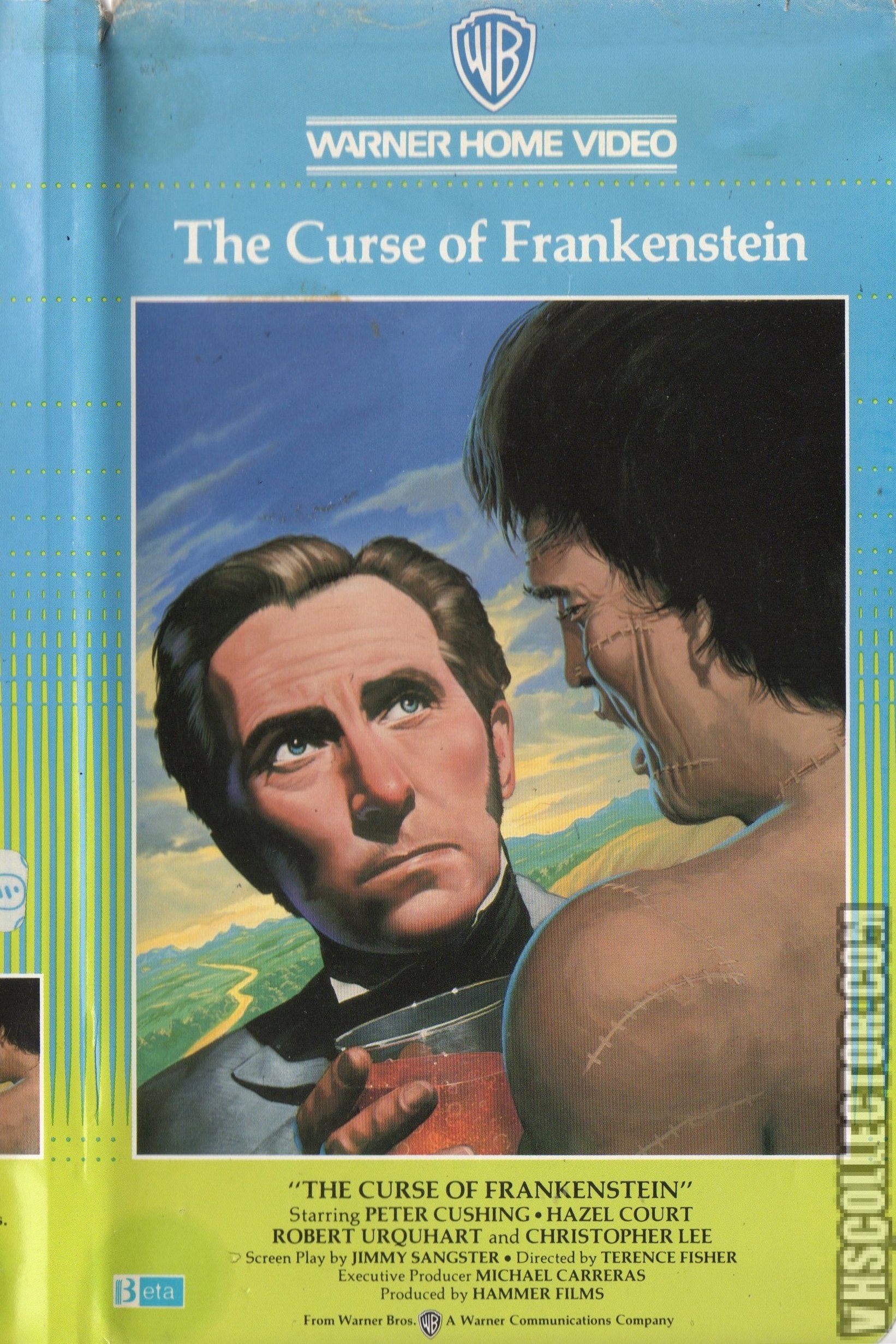
The Curse of Frankenstein (1957) poster
Director
Production Company
Hammer Film Productions
Plot

Baron Victor Frankenstein has discovered life's secret and unleashed a blood-curdling chain of events resulting from his creation: a cursed creature with a horrid face — and a tendency to kill.

Alternative Titles
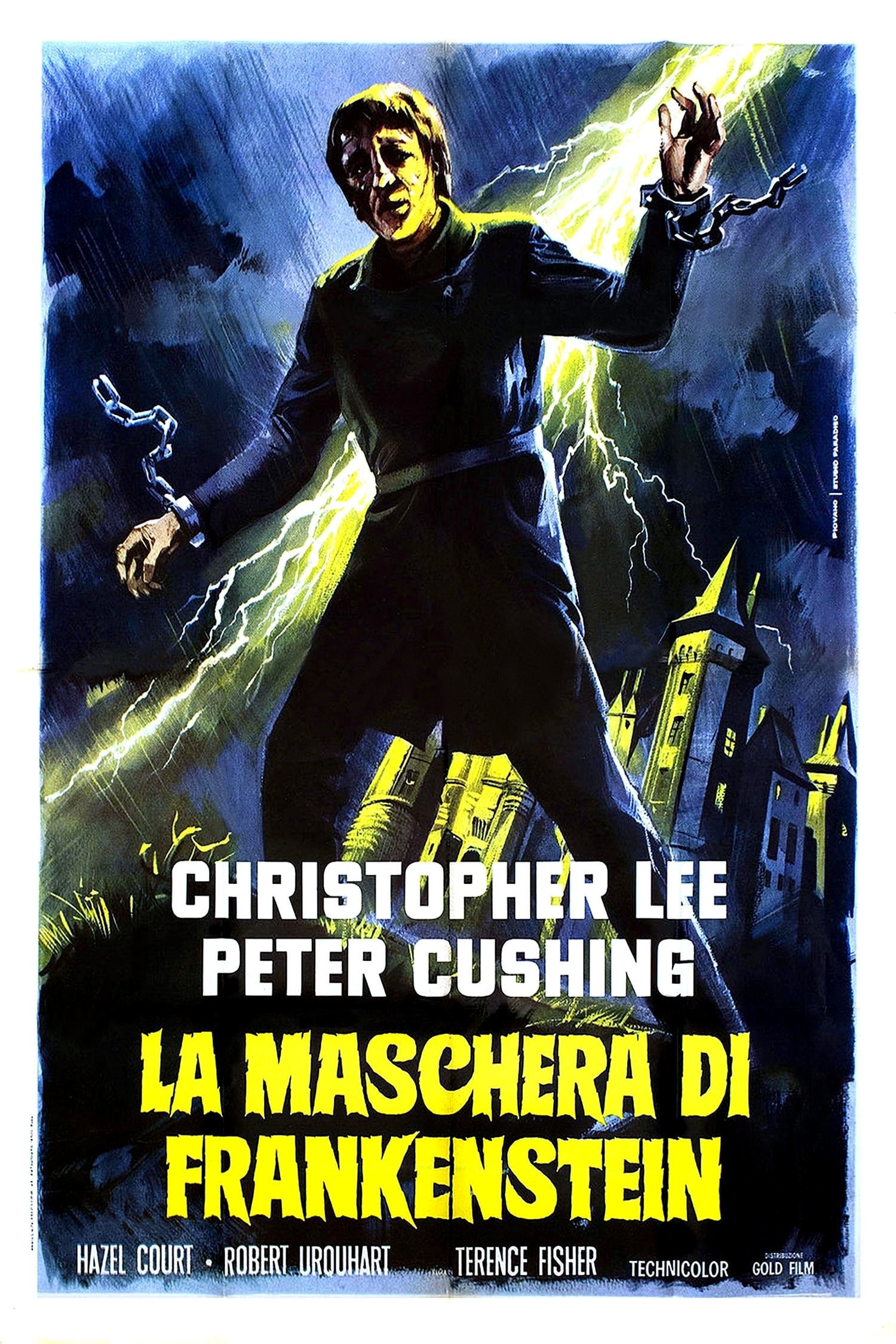
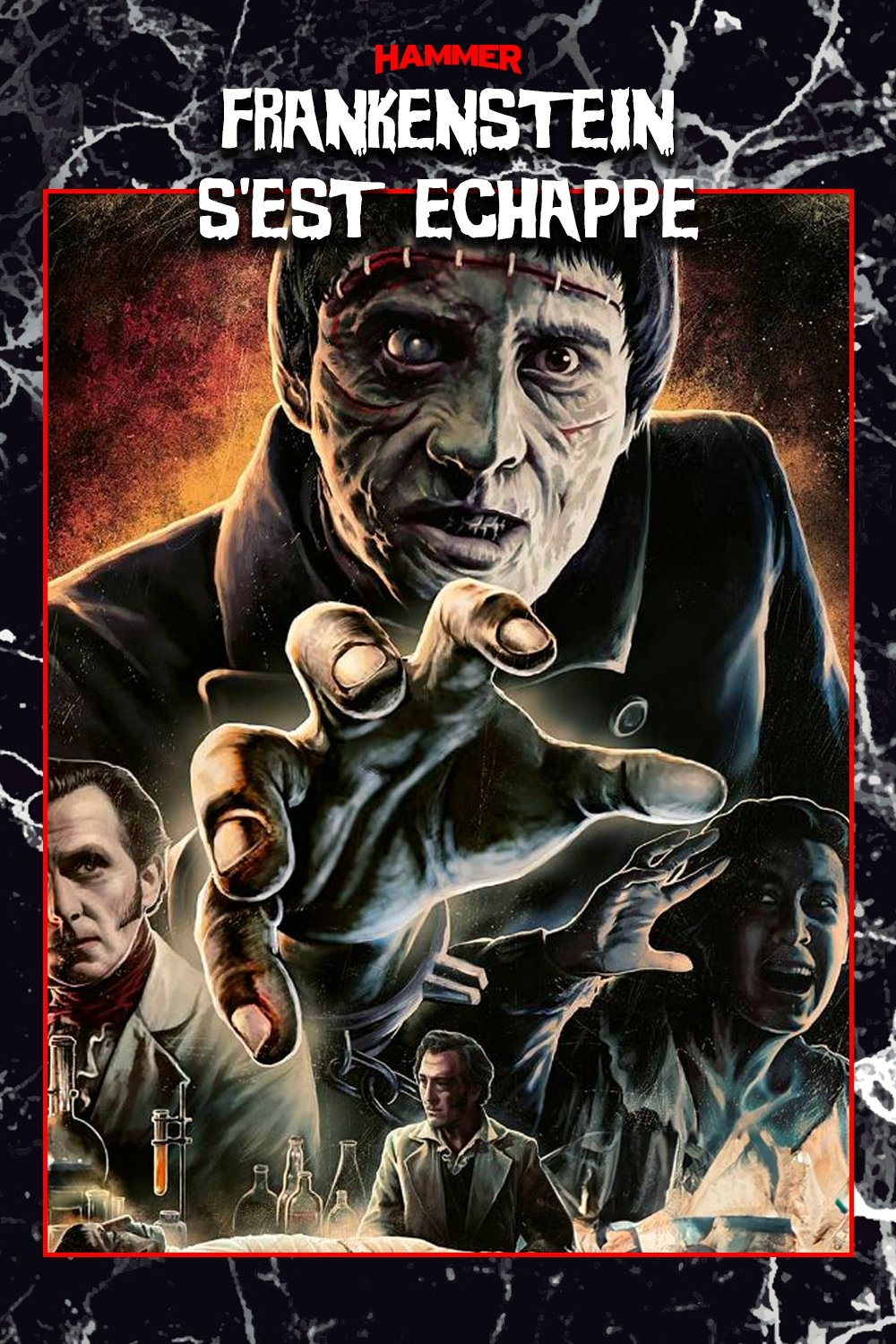
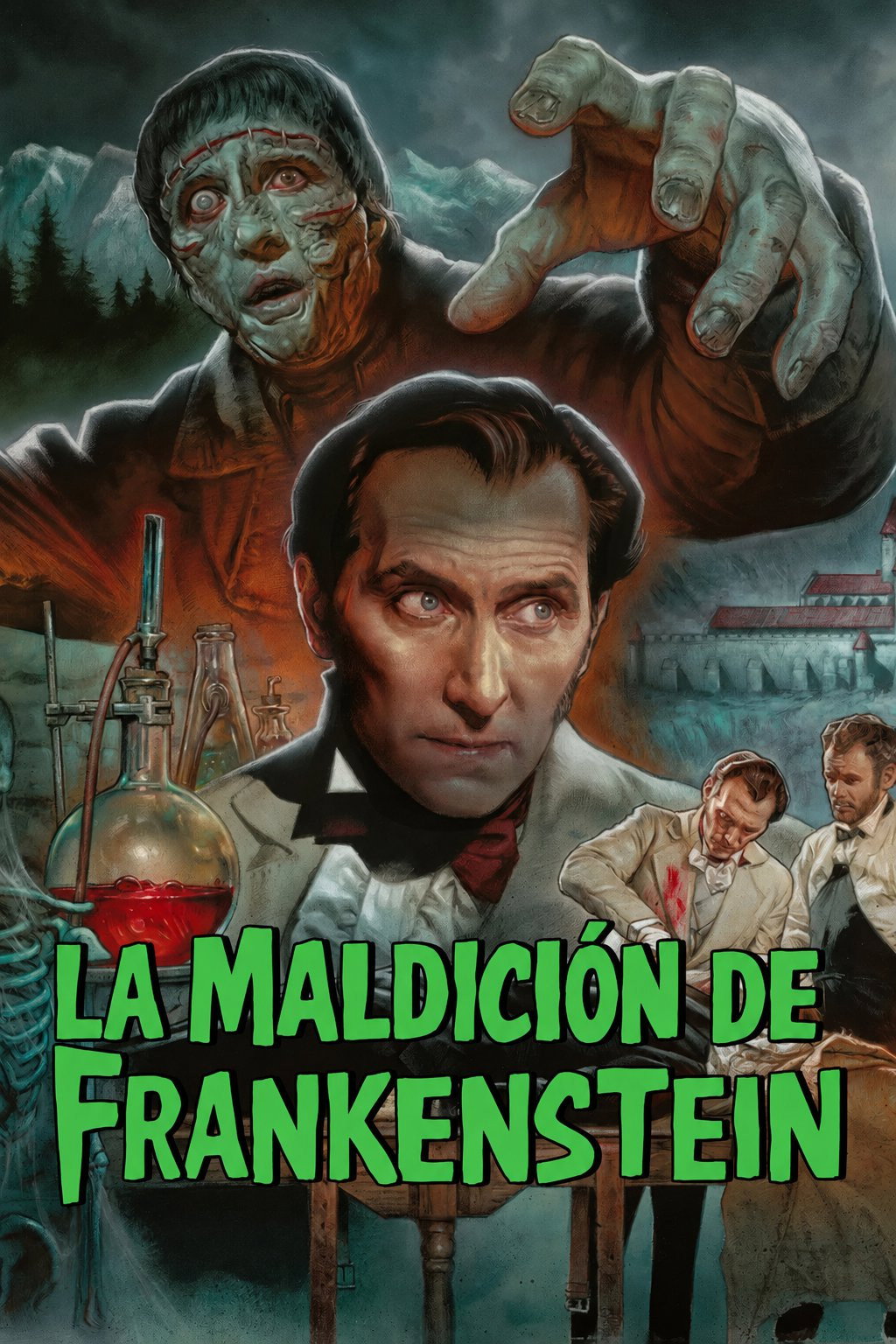
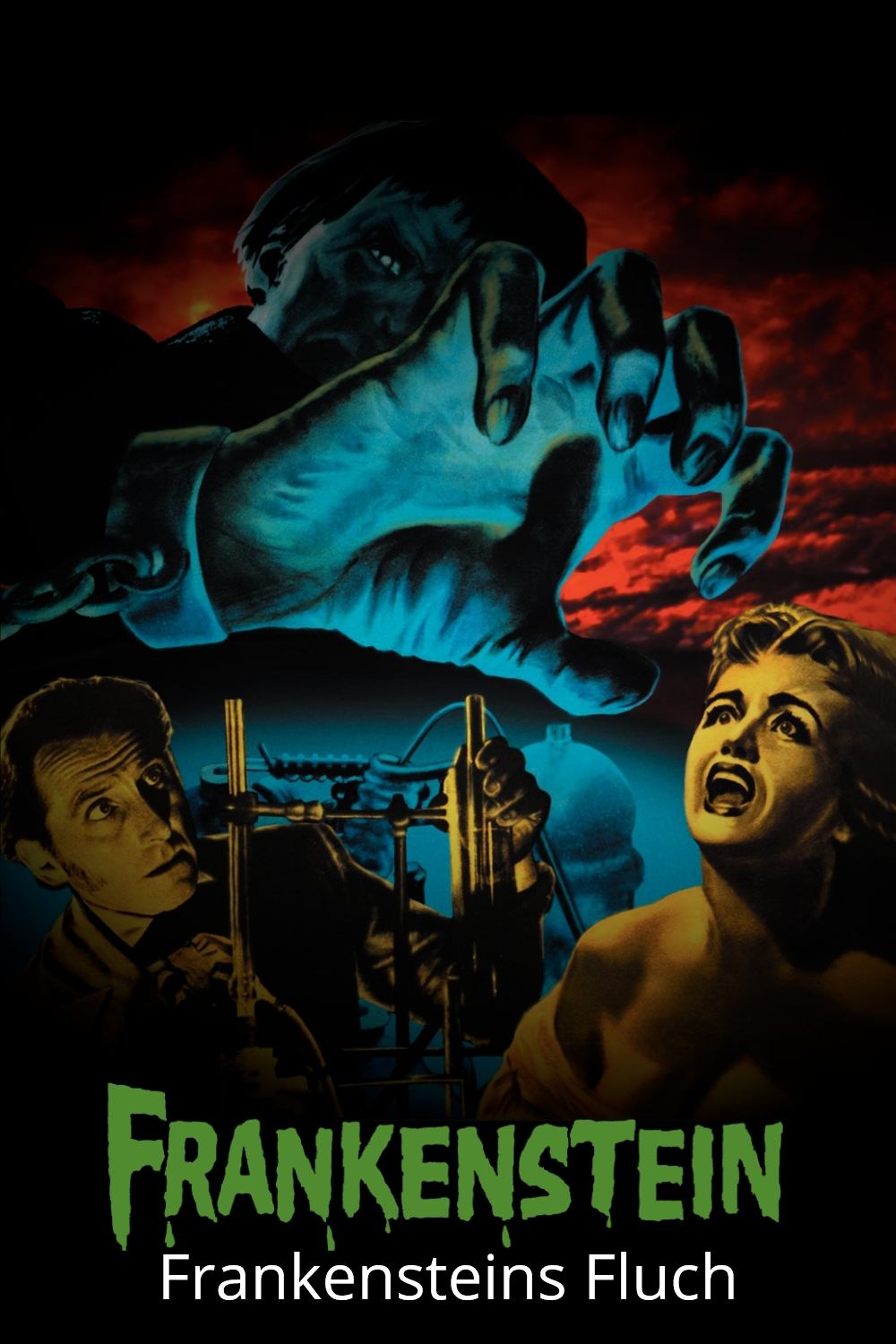
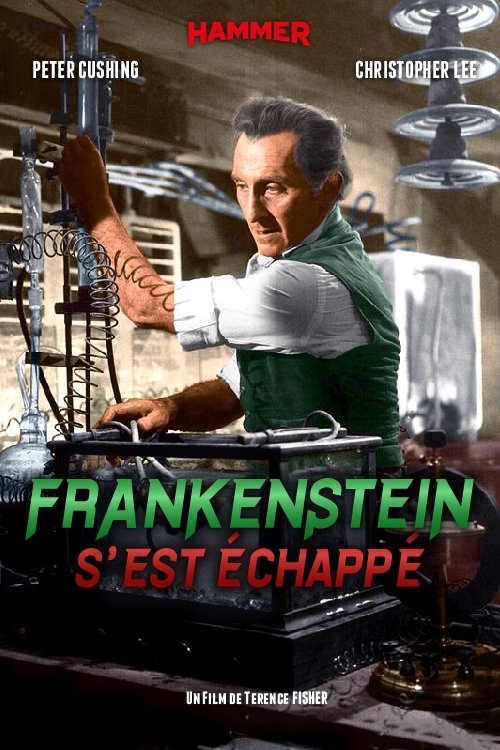
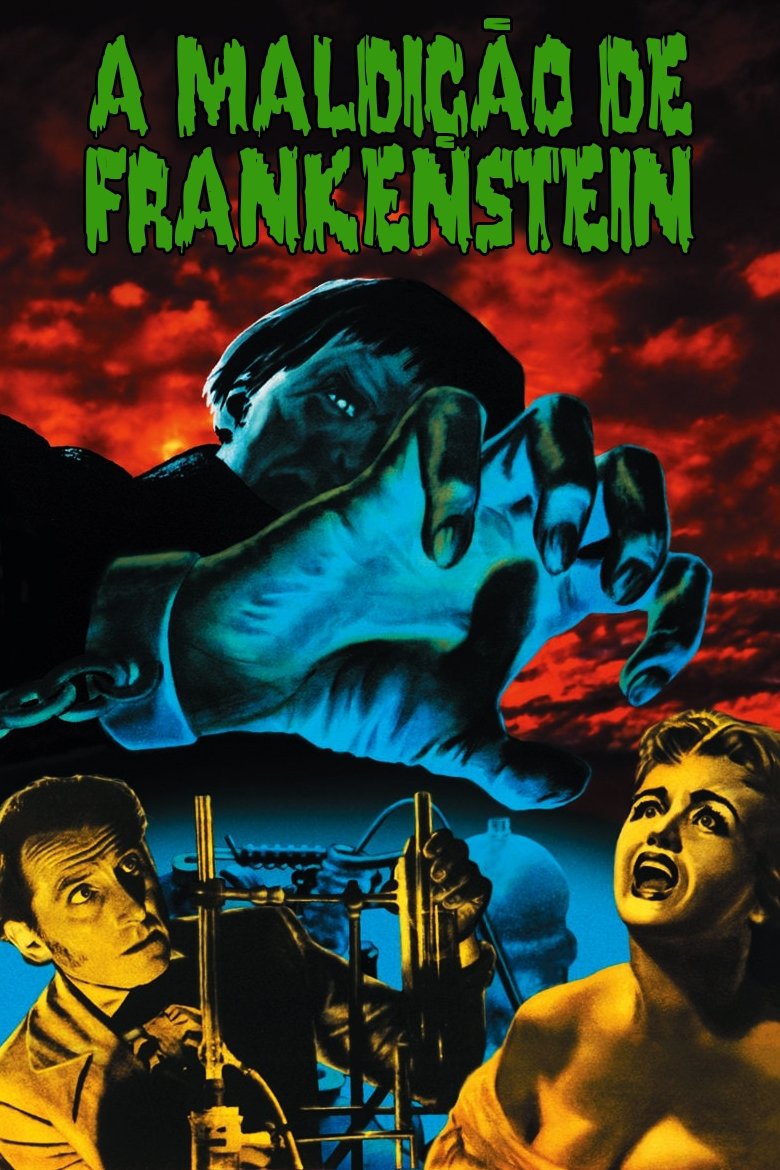
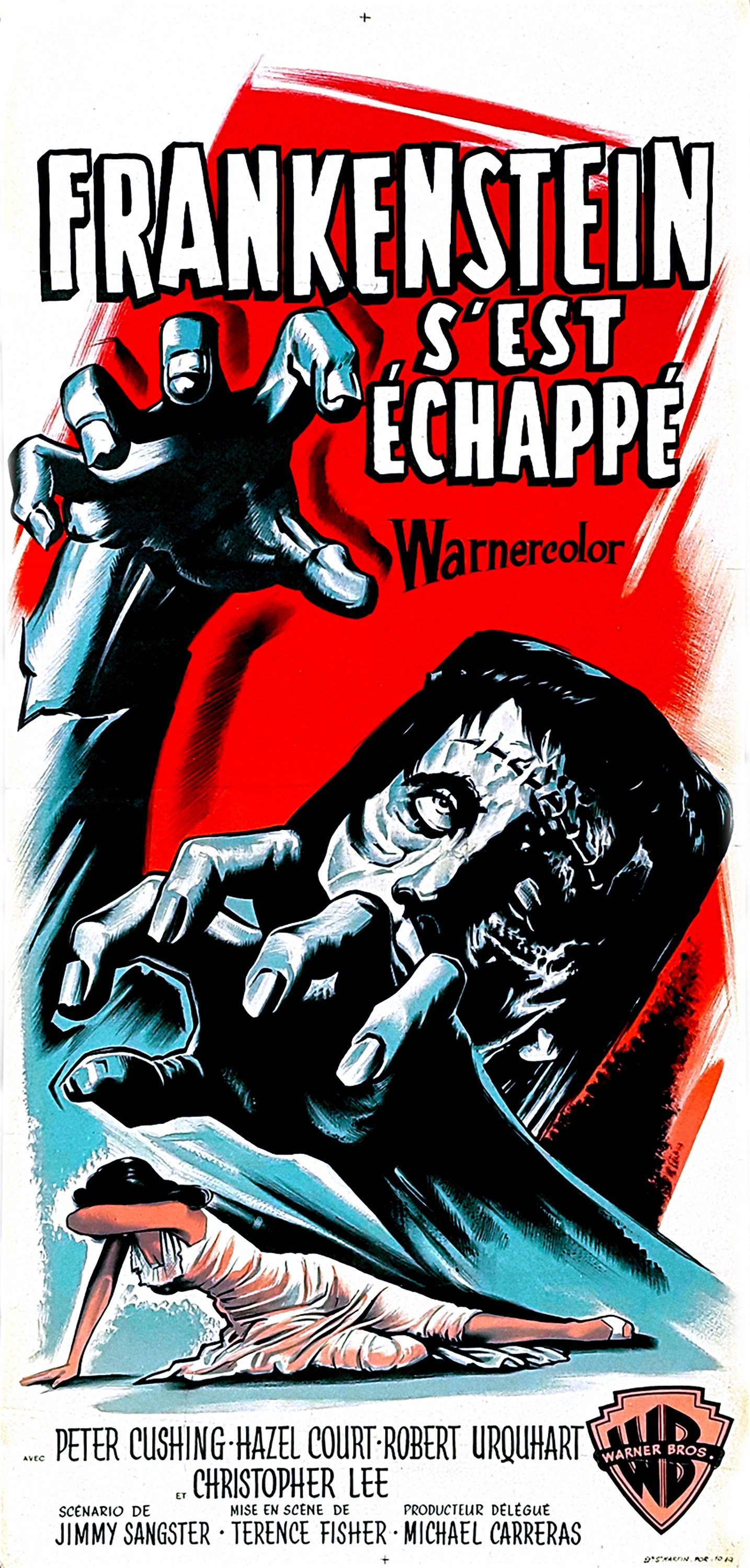
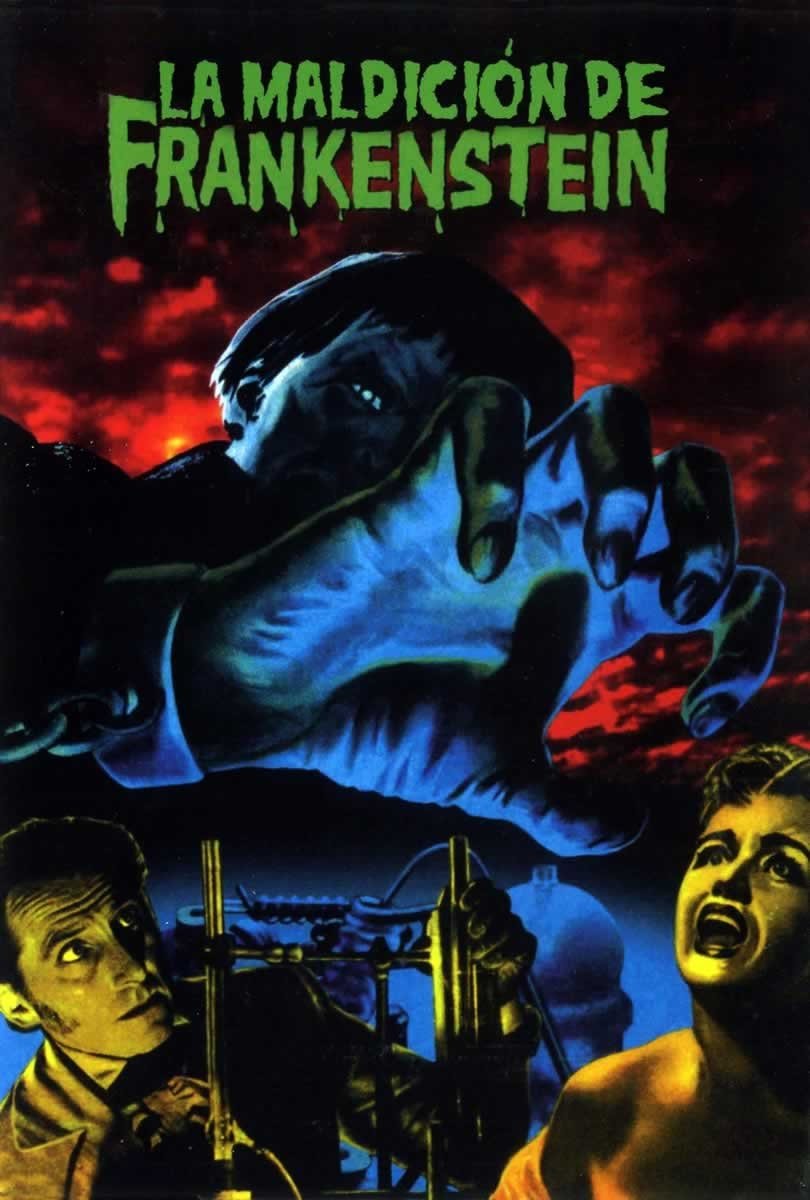
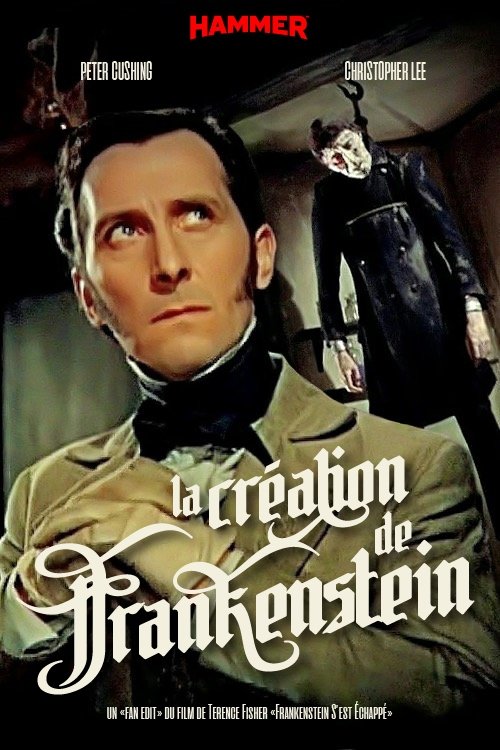
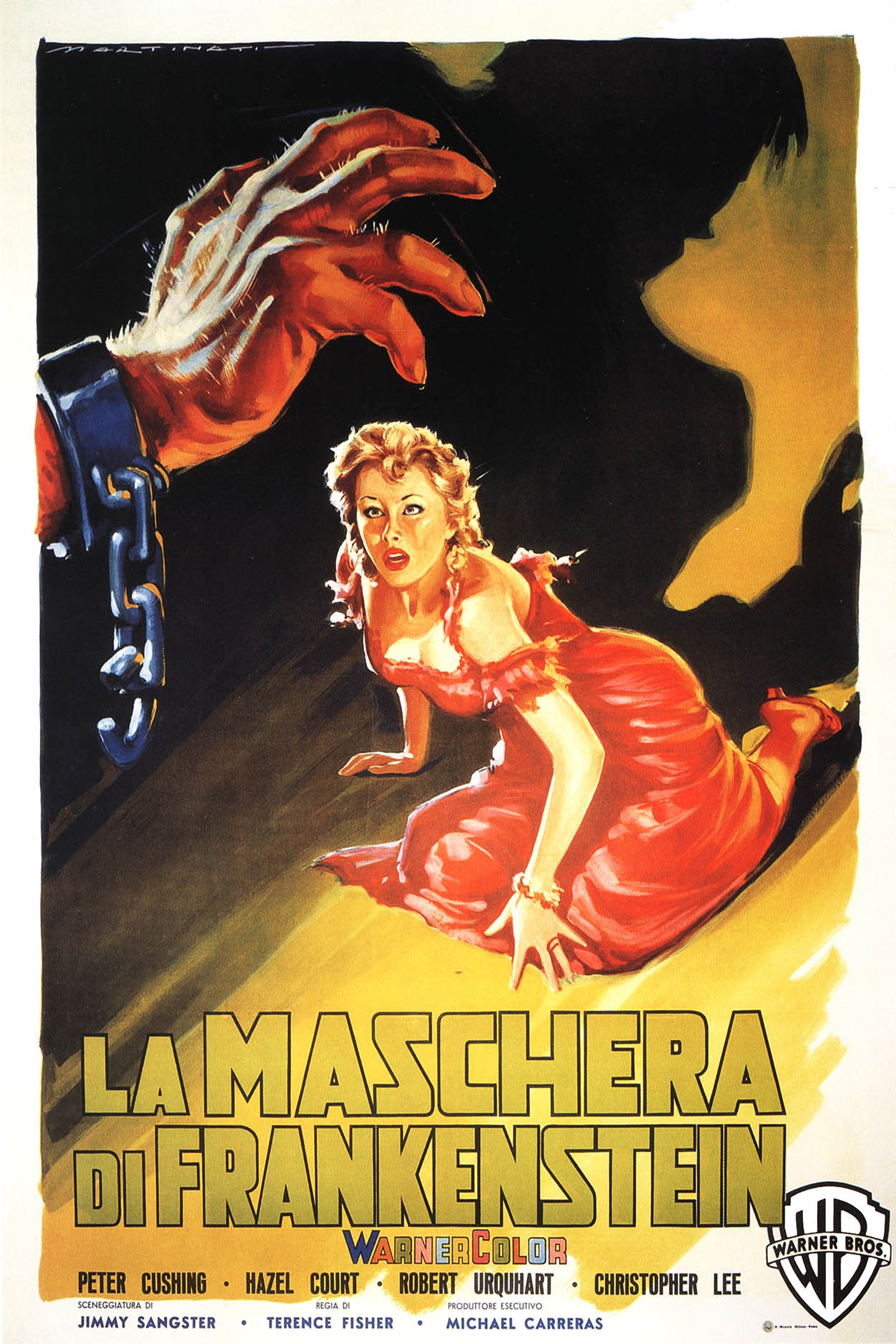
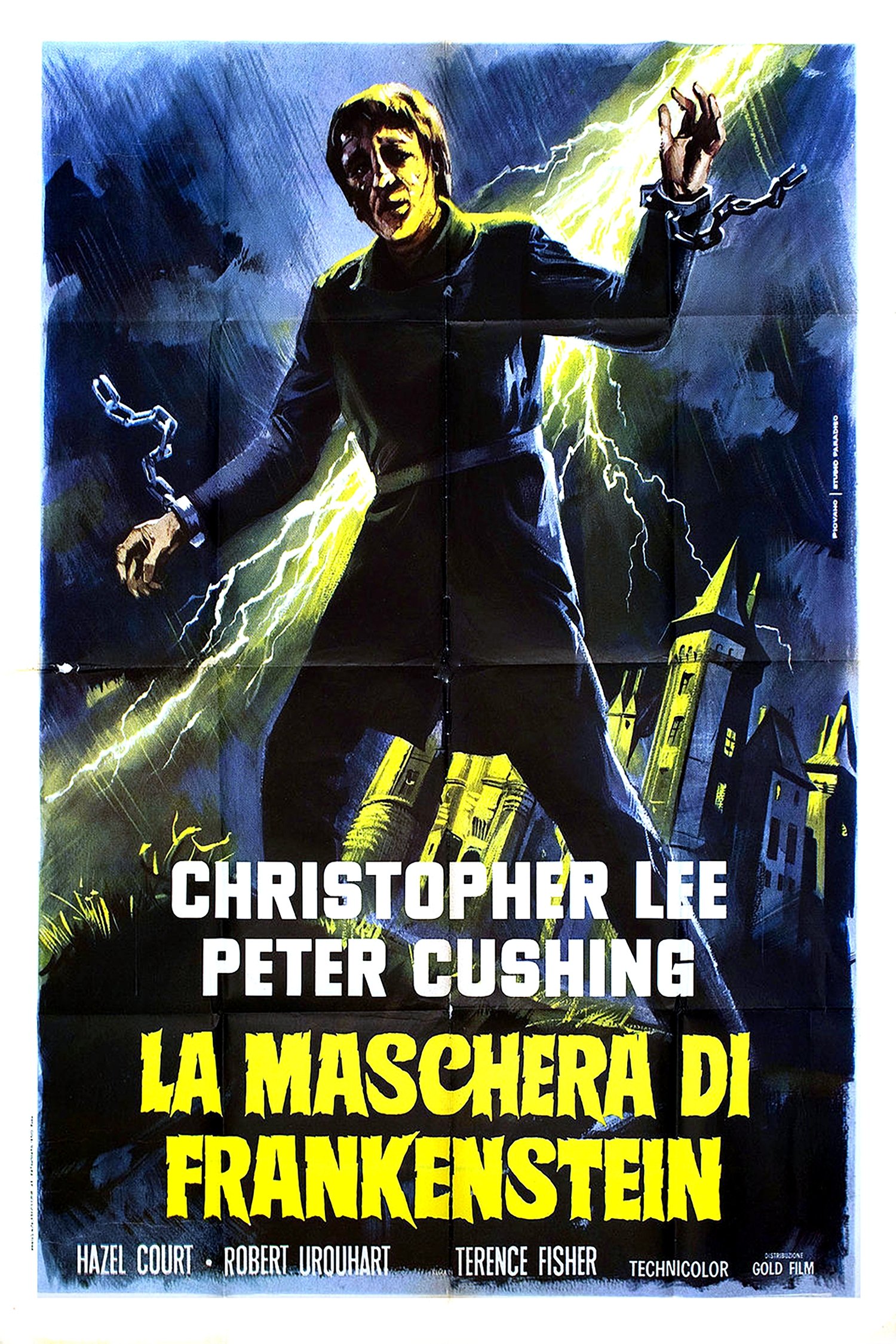
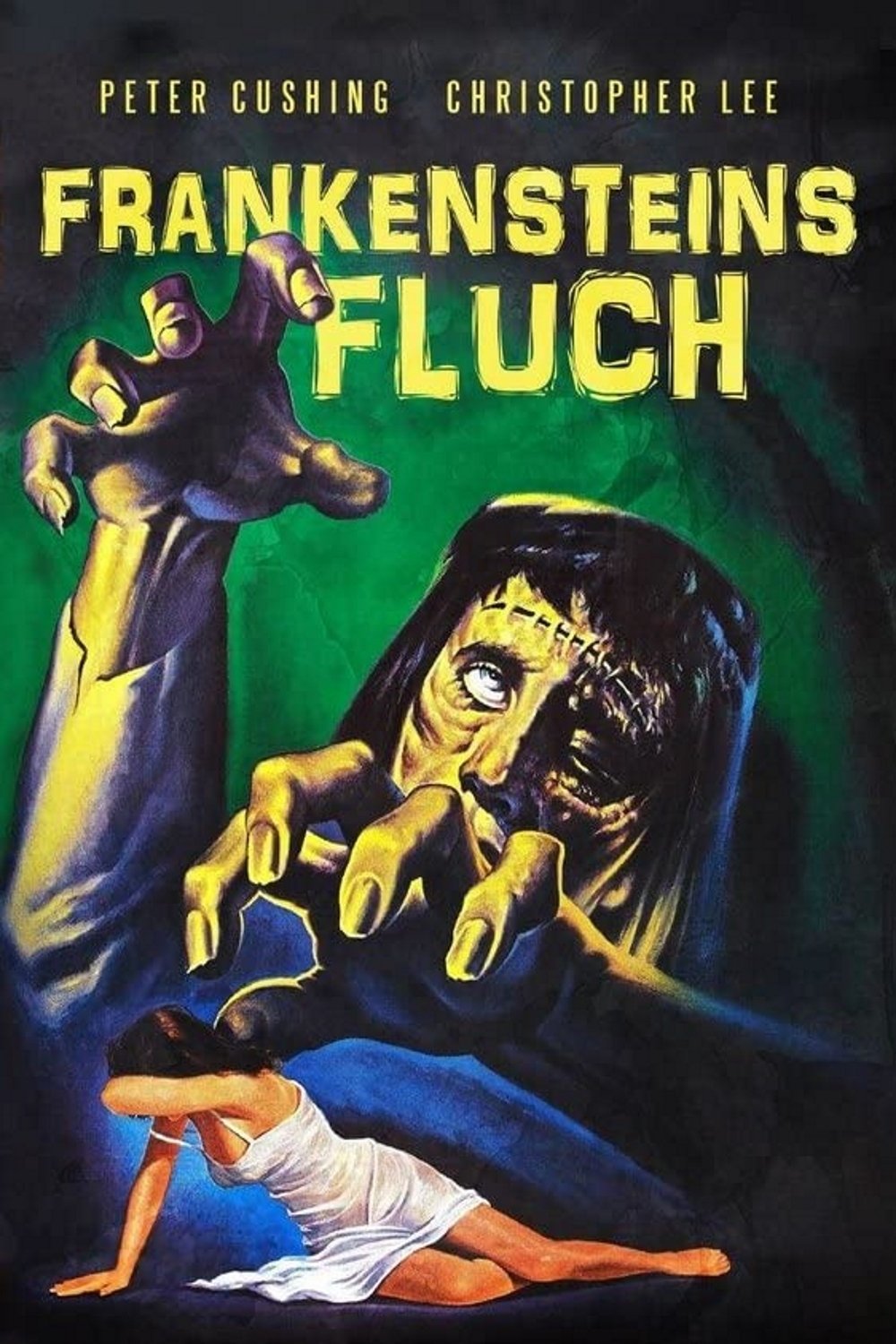
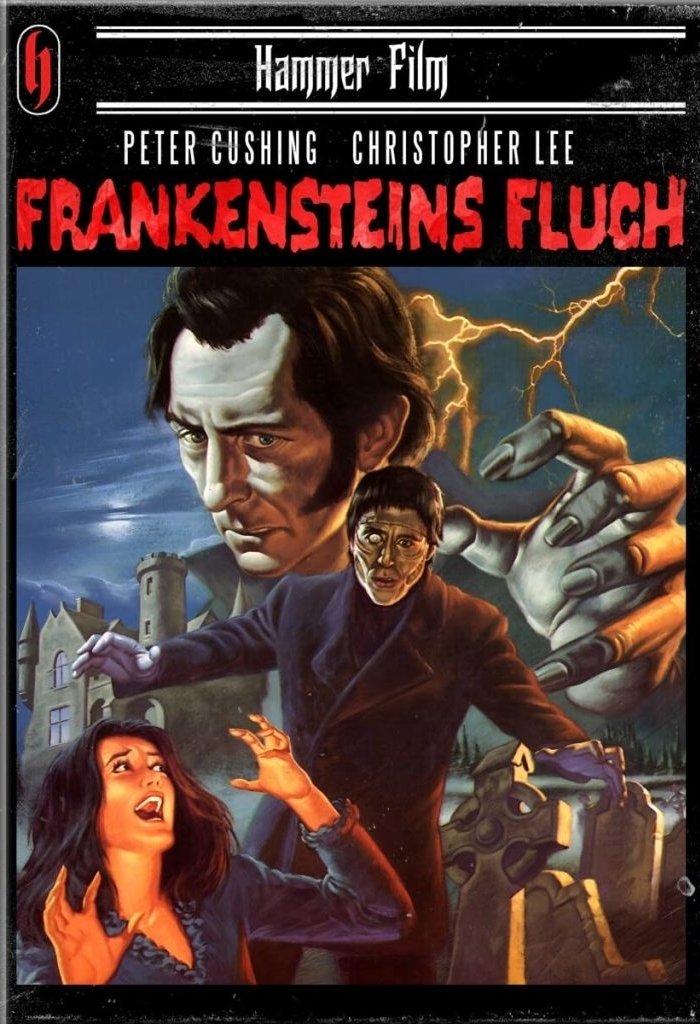
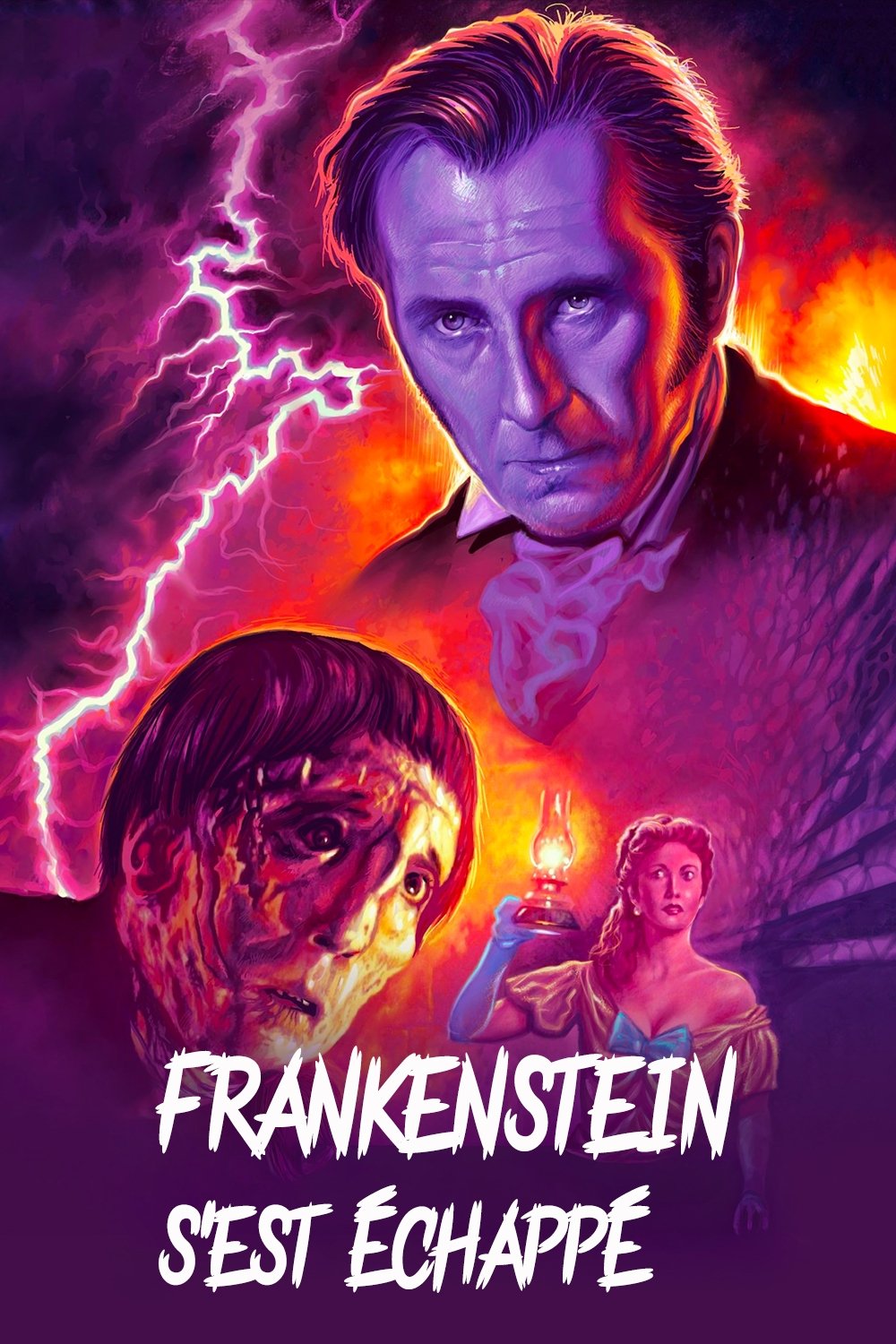
Frankenşteynin Lənəti (Azerbaijan) Проклятието на Франкенщайн (Bulgaria) — Bulgarian A Maldição de Frankenstein (Brazil) Frankenstein s'est échappé (Canada) — French 弗兰肯斯坦的诅咒 (China) — Chinese Frankensteinova kletba (Czechia) — Czech Frankensteins Fluch (Germany) Frankensteins forbandelse (Denmark) — Danish
Show all 24 alternative titles La maldición de Frankenstein (Spain) — Spanish La maledicció de Frankenstein (Spain) — Catalan Frankenstein s'est échappé ! (France) — French La Création De Frankenstein (France) 弗蘭肯斯坦的詛咒 (Hong Kong SAR China) — Chinese La maschera di Frankenstein (Italy) — Italian フランケンシュタインの逆襲 (Japan) — Japanese 프랑켄슈타인의 저주 (South Korea) — Korean La maldición de Frankenstein (Mexico) — Spanish Frankenstein Ontsnapt (Netherlands) Przekleństwo Frankensteina (Poland) — Polish A Máscara de Frankenstein (Portugal) — Portuguese Проклятие Франкенштейна (Russia) — Russian Frankensteins förbannelse (Sweden) — Translated Frankenstein'ın Laneti (Türkiye) Прокляття Франкенштейна (Ukraine) — Ukrainian

Trailers & Videos

10 videos

Film Guide & Analysis

Terence Fisher’s 1957 Gothic horror landmark launched Hammer’s colour Frankenstein cycle, redefining Victor Frankenstein through Peter Cushing’s performance, Christopher Lee’s creature and a controversial new approach to screen violence.

The Curse of Frankenstein (1957) is a British Gothic horror film directed by Terence Fisher and written by Jimmy Sangster, drawing upon Mary Shelley’s Frankenstein; or, The Modern Prometheus (1818). Produced by Hammer Film Productions, it follows Baron Victor Frankenstein, an ambitious scientist whose experiments in reanimation lead him to assemble a human being from corpses and stolen anatomical material. Peter Cushing portrays the increasingly ruthless Baron, while Christopher Lee appears as his disfigured creation. The film shifts the principal source of moral danger toward the scientist himself, examining how intellectual ambition can become inseparable from violence, deception and the exploitation of other people.

The production marked a decisive change in British horror cinema. Photographed in Eastmancolor by Jack Asher, it presented surgical procedures, bodily injuries and Gothic interiors with a degree of visual explicitness that distinguished it from the best-known black-and-white Frankenstein adaptations. Its success established the commercial foundations of Hammer’s subsequent Gothic horror cycle and initiated the long screen association between Cushing, Lee and Fisher. James Bernard’s orchestral score, Phil Leakey’s creature makeup and Bernard Robinson’s production design contributed to the identity of a film whose initial critical controversy contrasted sharply with its popular reception.

Development & Adaptation

Hammer approached the Frankenstein property after establishing a growing reputation for science-fiction thrillers, notably The Quatermass Xperiment (1955) and X the Unknown (1956). The studio’s adaptation of Shelley’s novel presented both an opportunity and a legal difficulty. Although the original literary work was in the public domain, Universal Pictures retained rights associated with the distinctive screen representation developed for James Whale’s Frankenstein (1931). Hammer consequently needed an interpretation that could be distinguished from the familiar American production. The negotiations affected the creature’s physical appearance and encouraged the filmmakers to reconsider the narrative emphasis of the material.

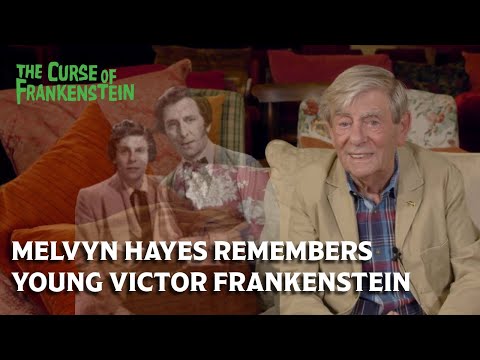
Jimmy Sangster, who had worked within Hammer’s production department before becoming a screenwriter, developed the screenplay. In a retrospective interview recorded at the Hammer Film Festival in 2006, he recalled disagreements with Universal over the legitimacy of another adaptation and the prohibition against copying Boris Karloff’s recognizable monster design. Sangster also explained that he regarded the scientist as the central villain and the creature as a being unable to control the circumstances of its creation. His screenplay therefore places considerable emphasis on Frankenstein’s willingness to commit increasingly serious crimes to complete his experiments. The project was produced by Anthony Hinds, with Michael Carreras serving as executive producer.

Terence Fisher assumed direction after earlier work for Hammer in several genres. The Curse of Frankenstein provided an opportunity to combine a period setting with the studio’s more confrontational treatment of horror. Sangster recalled choosing the historical environment partly because its clothing and visual details offered greater decorative possibilities than a contemporary setting. This decision also allowed Hammer to develop a Gothic world distinct from the laboratory imagery associated with Universal’s films. Shelley’s central premise remained recognizable, but the narrative structure, characterization and presentation of scientific experimentation were substantially reworked for an approximately eighty-three-minute feature.
Narrative & Moral Responsibility

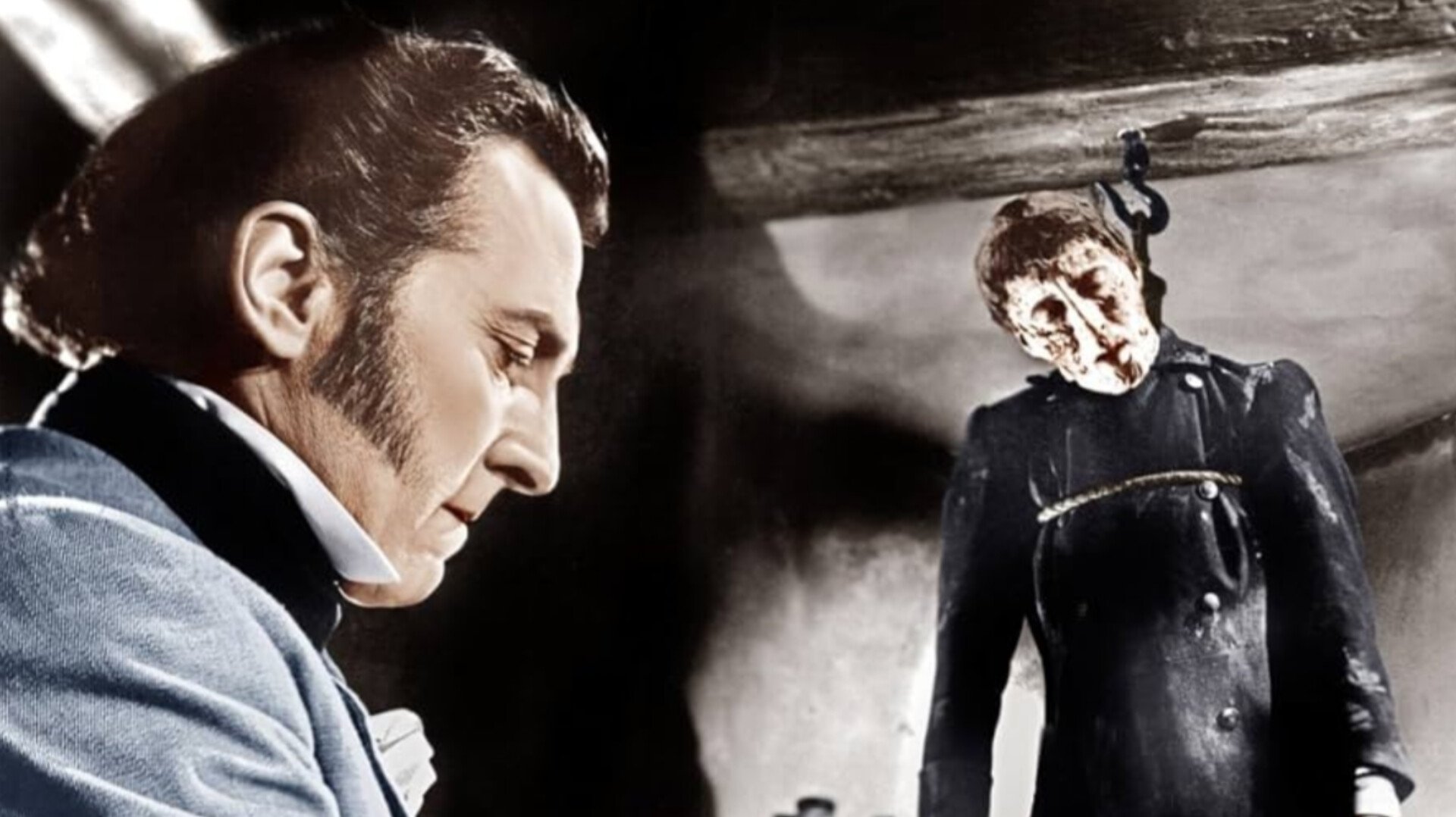
The story begins with Victor Frankenstein awaiting execution for murder. He recounts his life to a priest, hoping that his account of the creature he constructed will establish his innocence. The extended flashback traces Victor’s early education and his collaboration with the scientist Paul Krempe. Their experiments initially concern the restoration of life to dead animals, but Victor gradually becomes dissatisfied with the limits of their achievements. He decides to construct a human body from selected anatomical parts, treating the dead as sources of material for a project whose scientific value he believes justifies increasingly extreme methods.

The relationship between Victor and Paul supplies the principal conflict over scientific responsibility. Paul recognizes the significance of their discoveries but becomes alarmed when Victor begins obtaining body parts through increasingly questionable means. The murder of Professor Bernstein, whose brain Victor wants for his creation, demonstrates the distance between the two men. Victor manipulates the elderly scholar into a fatal fall, then arranges access to his remains under the appearance of respectable mourning. The crime establishes that his scientific ambitions can no longer be separated from a calculated willingness to kill. Paul’s objections become increasingly ineffective because Victor retains control of the laboratory and its resources.

The domestic story further exposes the consequences of Victor’s behavior. Elizabeth, who expects to marry him, remains unaware of the full nature of his activities, while the maid Justine is drawn into an affair with the Baron. Victor’s treatment of both women reveals his readiness to preserve appearances while concealing his actual intentions. The final destruction of the creature does not remove his responsibility for the deaths associated with his experiments. His attempt to persuade the priest of his account fails when Paul refuses to confirm it. The framing device therefore leaves the condemned scientist facing the consequences of actions that he continues to interpret primarily through the loss of his research.

Performances & Characterization

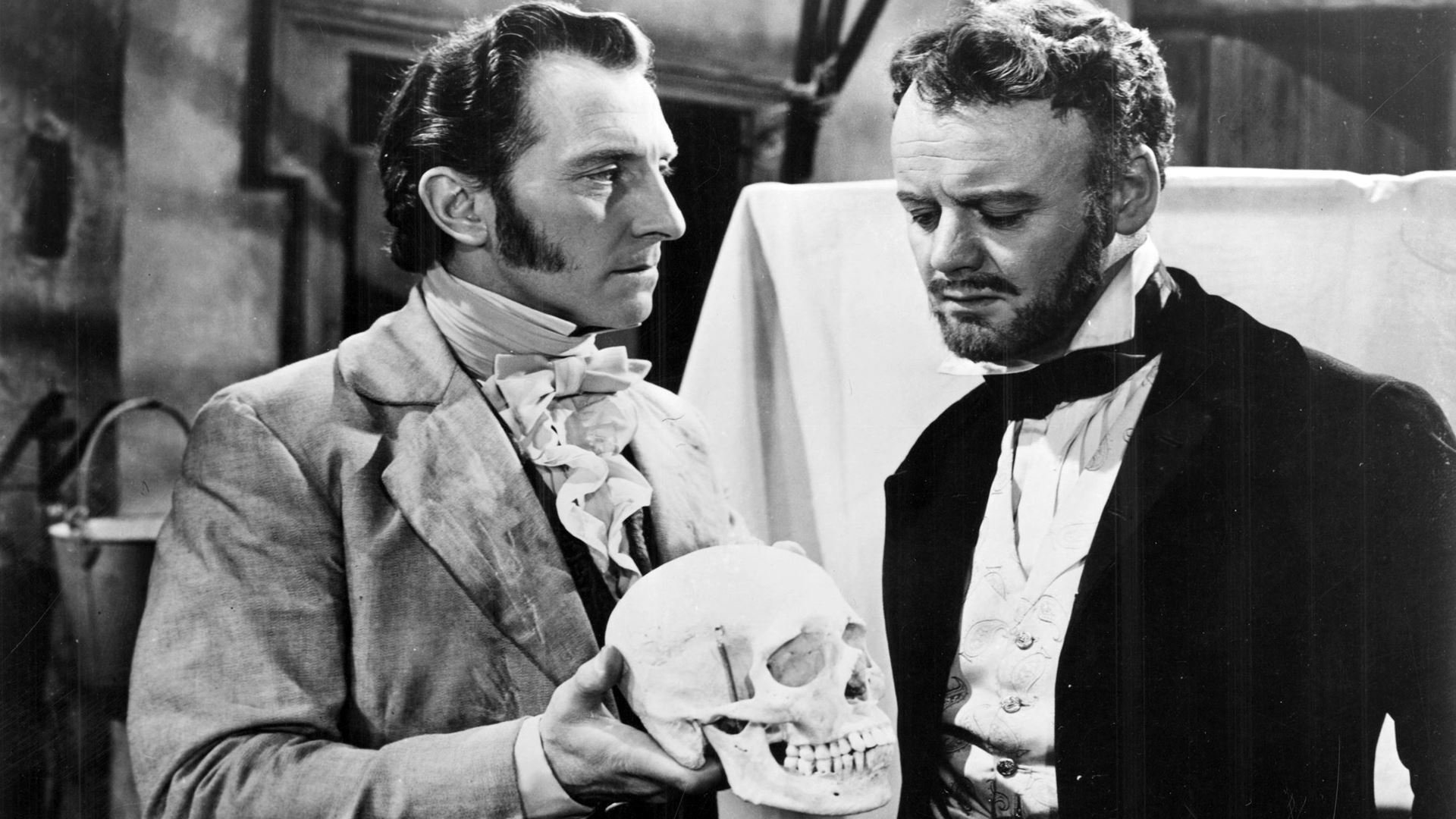
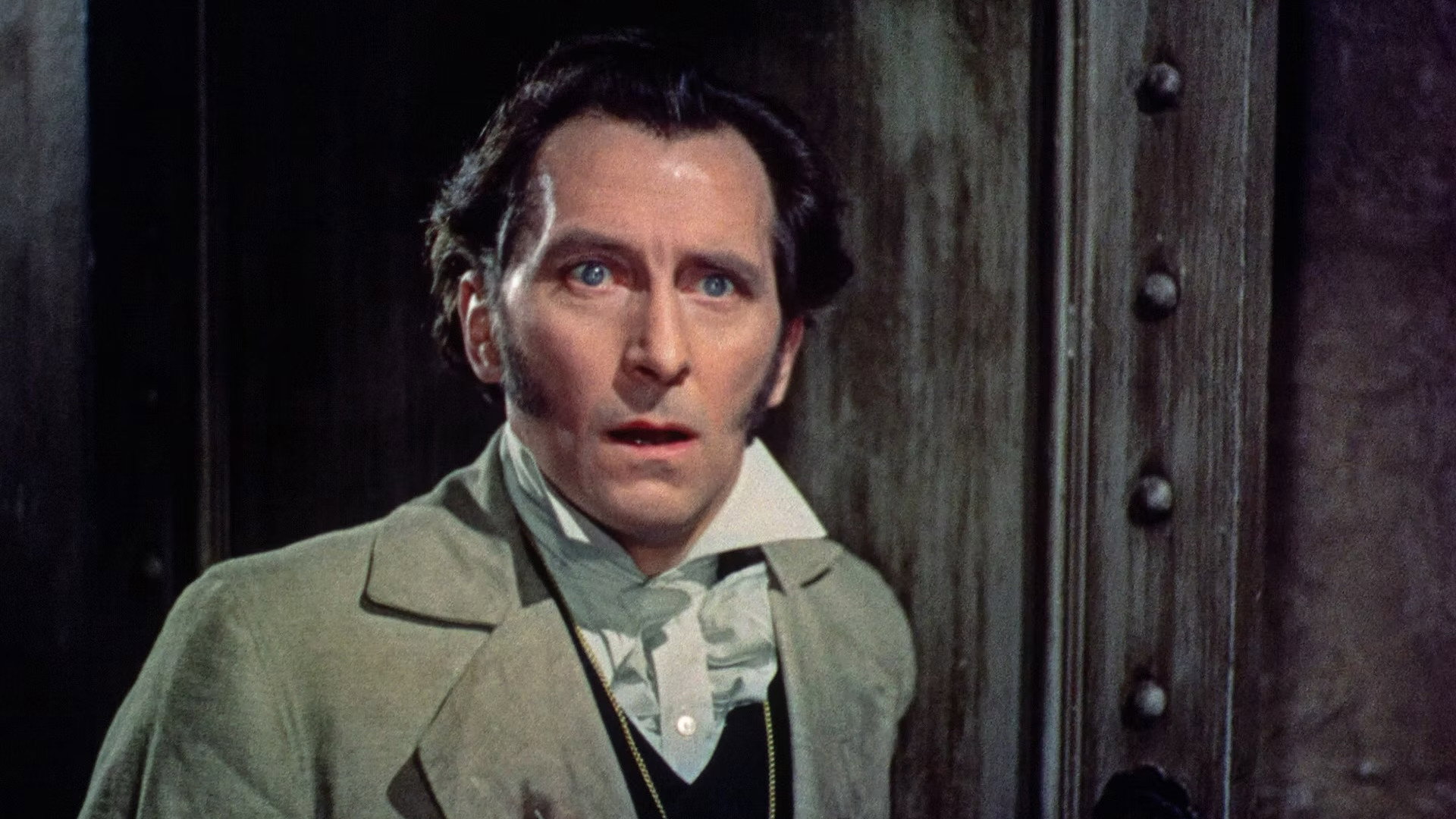
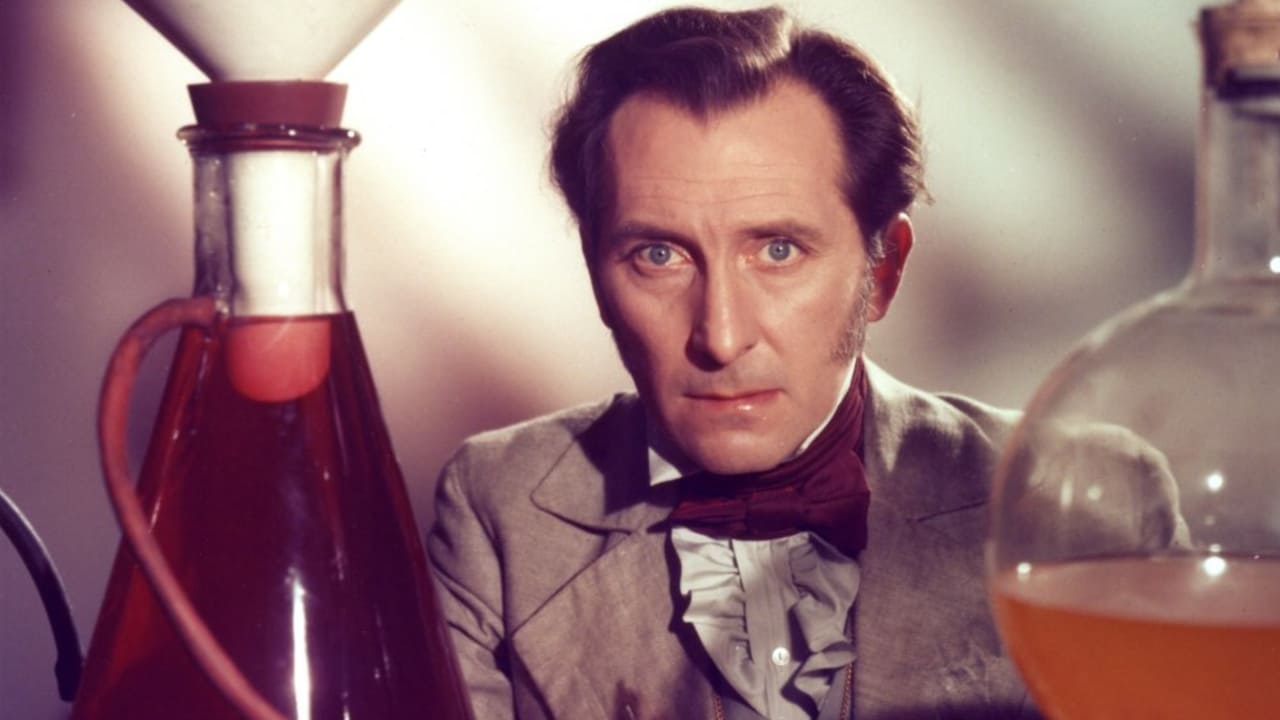
Peter Cushing’s portrayal of Frankenstein was central to the film’s departure from earlier screen versions. His Baron is intelligent, socially accomplished and capable of presenting an appearance of professional courtesy even while arranging acts of violence. Cushing gives the character controlled movements and precise speech, suggesting a man who has learned to disguise emotional detachment behind cultivated manners. The contrast between his confidence and the horror of his actions makes the scientist’s ordinary social behavior particularly disturbing. Rather than becoming a tragic figure overcome by an experiment, Victor repeatedly chooses to continue his work after encountering evidence of its destructive consequences.

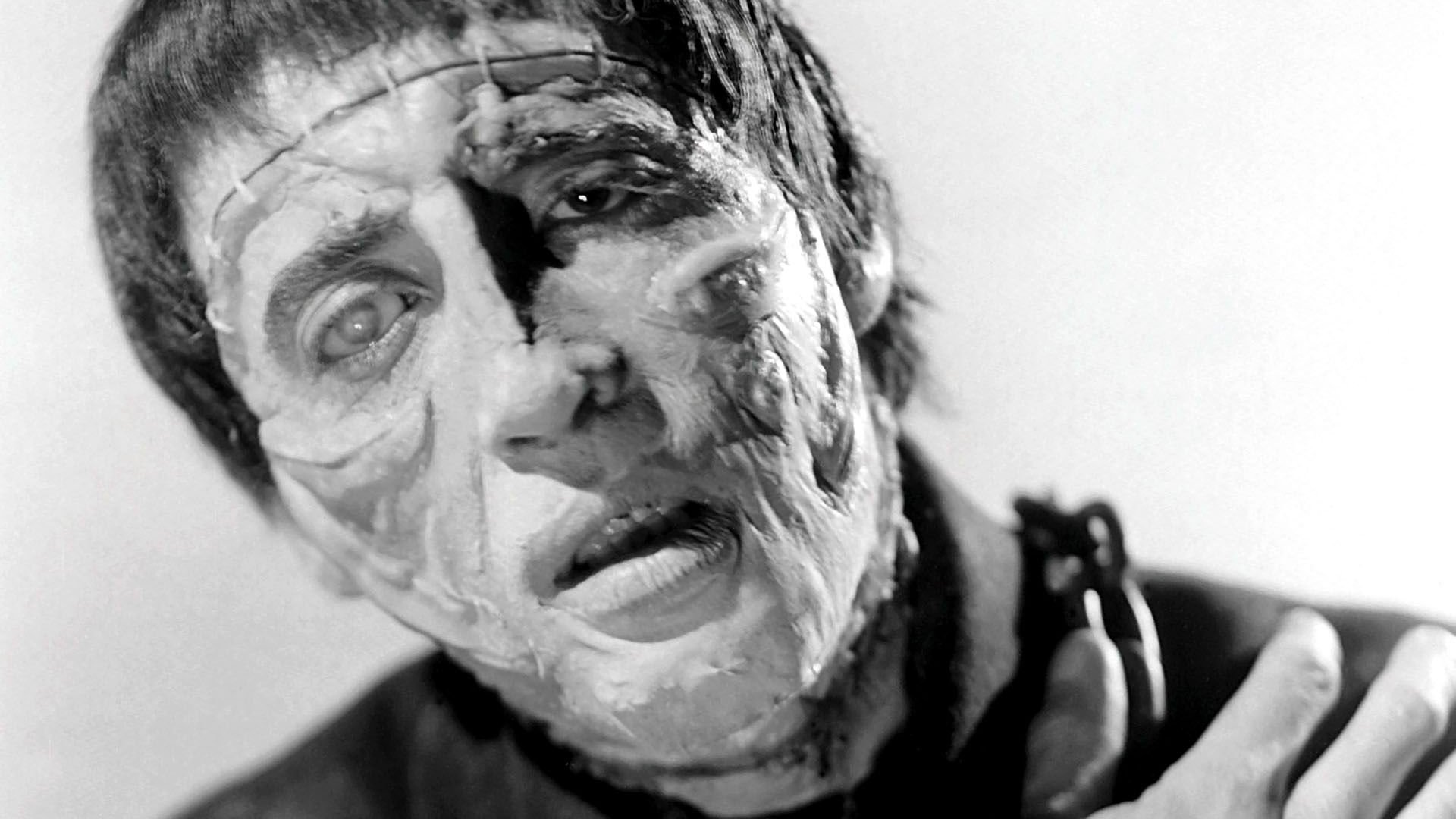
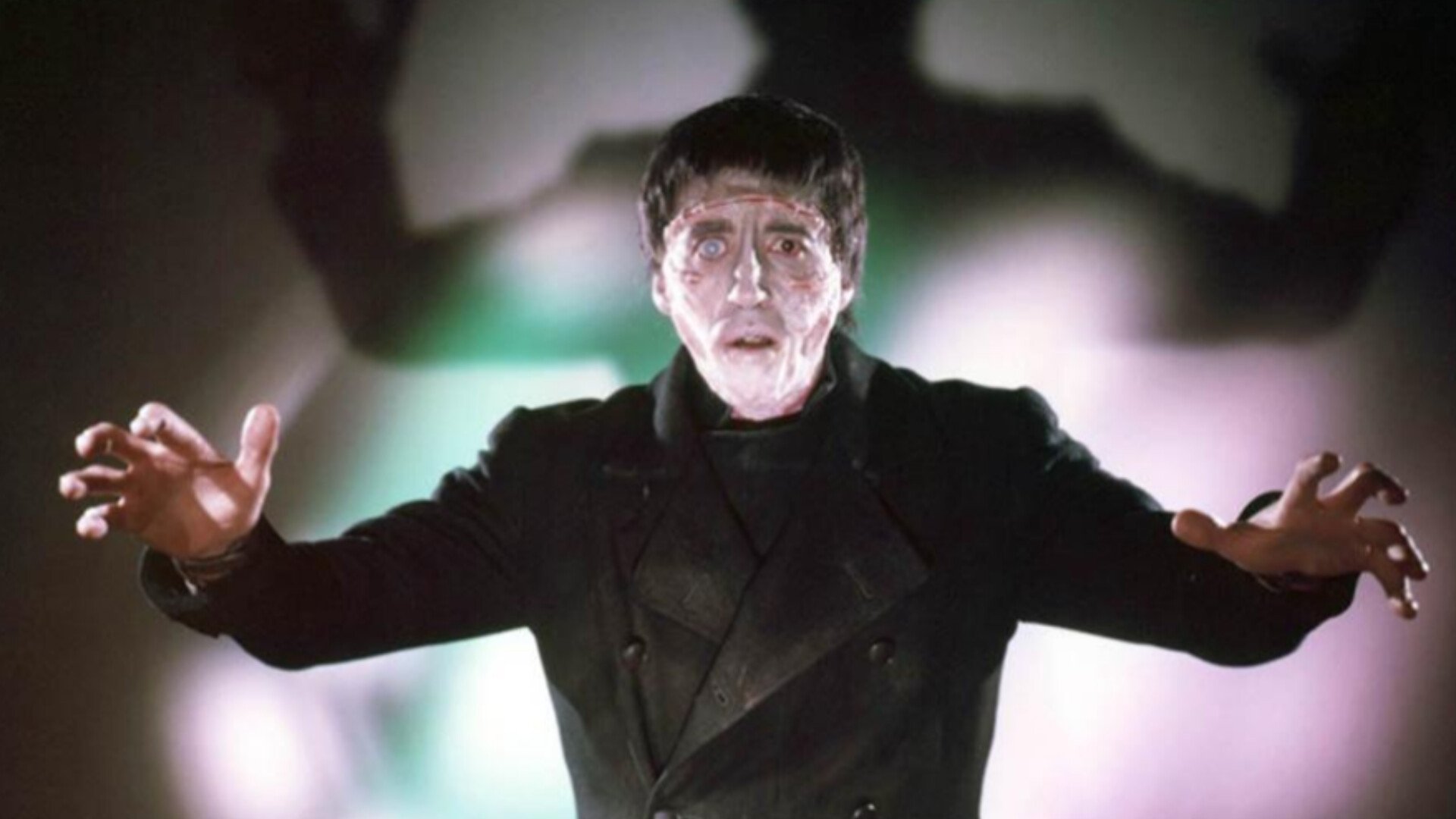
Christopher Lee’s creature has comparatively little opportunity for verbal expression. The role depends on posture, movement, facial makeup and the reactions of surrounding characters. Its unpredictable behavior reflects the damaged condition of a body assembled and revived without any genuine consideration for the individual who might inhabit it. The creature’s violent actions are frightening, but its condition also exposes the irresponsibility of the scientist who created it. Sangster explicitly identified Frankenstein, rather than his creation, as the principal villain when discussing the screenplay decades later. This division of moral responsibility became an important characteristic of the Hammer interpretation.

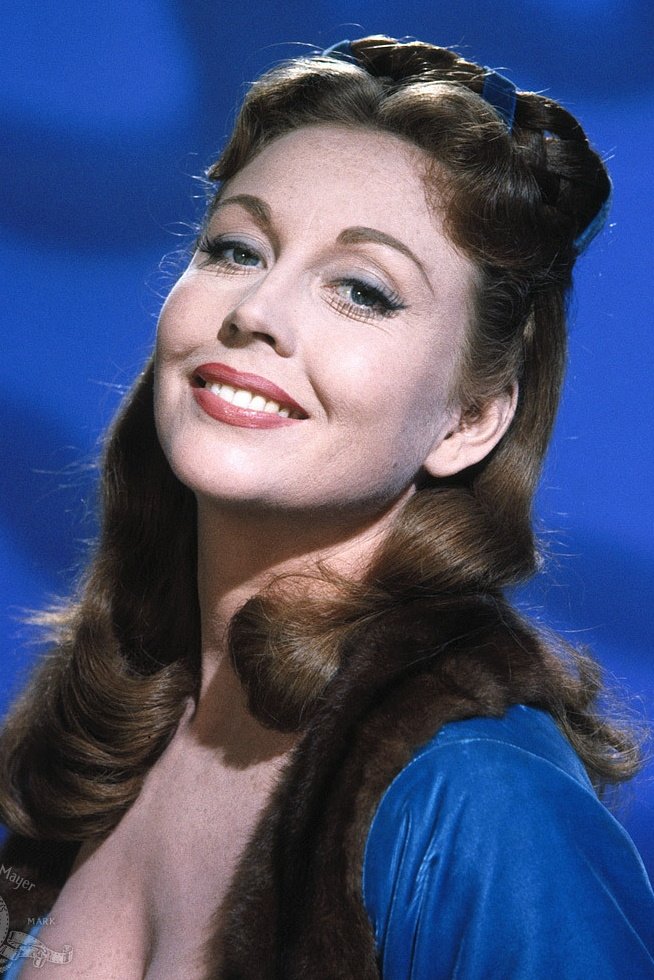
Robert Urquhart’s Paul Krempe provides a contrasting figure whose scientific curiosity remains subject to ethical limits. Hazel Court portrays Elizabeth as a woman whose confidence in Victor progressively places her in danger, while Valerie Gaunt’s Justine becomes vulnerable to his manipulation. The supporting characters demonstrate different consequences of the Baron’s authority, from professional disillusionment to emotional exploitation. The film also marked the first screen collaboration between Cushing and Lee, an association subsequently developed through Hammer productions including Dracula (1958) and The Mummy (1959). Their later prominence has sometimes overshadowed the importance of the ensemble in establishing the original film’s moral and dramatic conflicts.

Eastmancolor, Cinematography & Production Design

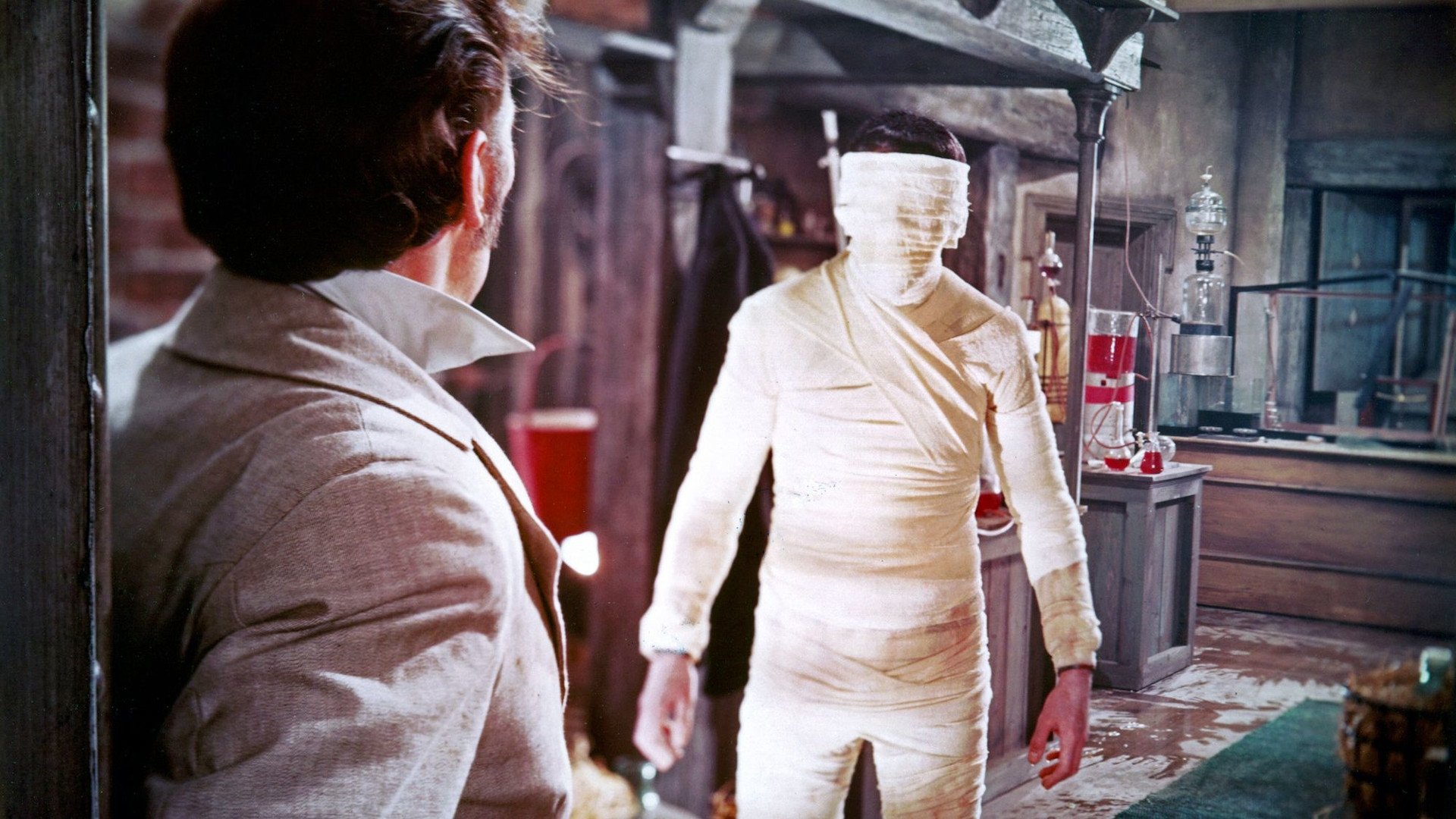
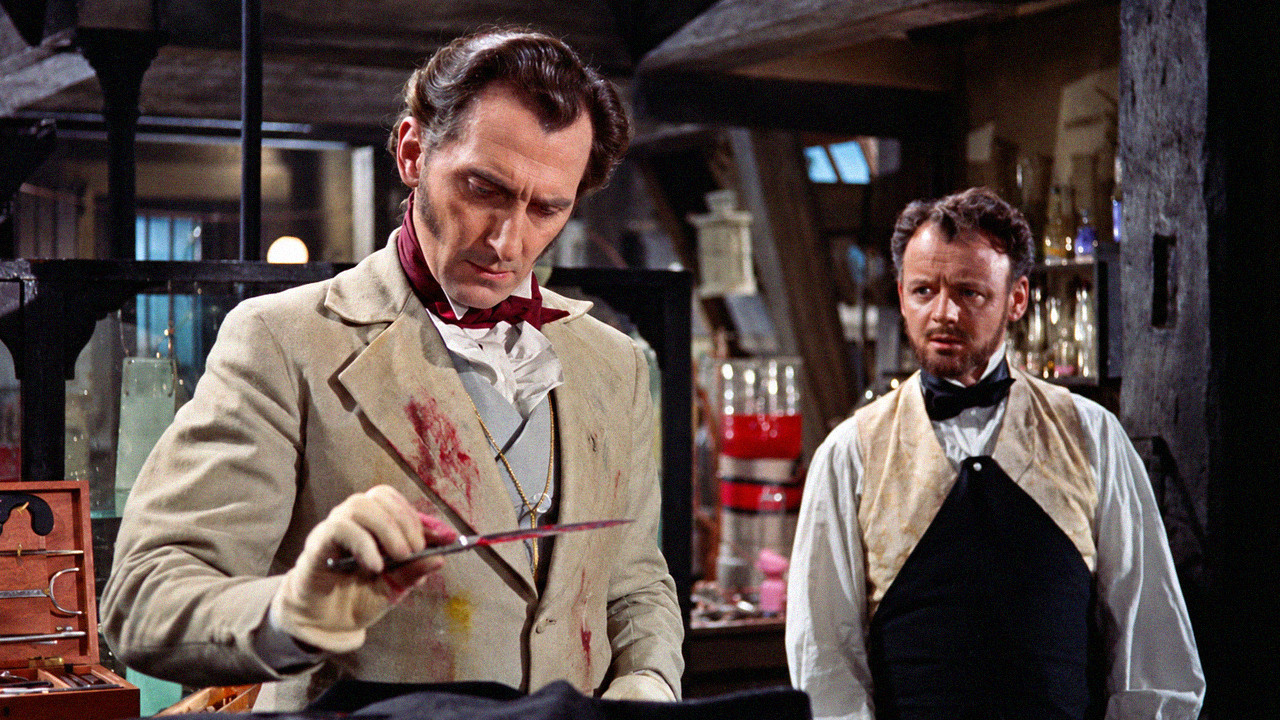
The Curse of Frankenstein was photographed in Eastmancolor by Jack Asher, with production design by Bernard Robinson and art direction by Ted Marshall. The use of color transformed the visual treatment of familiar Gothic materials. Laboratory equipment, exposed flesh, blood and surgical instruments could be presented through strongly differentiated colors, making the physical implications of Frankenstein’s experiments more immediate. Contemporary reviewers recognized the importance of this approach even when criticizing its violence. The American Film Institute’s survey of original reviews records particular attention to the vivid appearance of bodily injuries and the medical procedures through which Victor obtains and assembles anatomical material.

The production was filmed in England, using Hammer’s facilities at Bray Studios near Windsor. Oakley Court supplied the exterior of Frankenstein’s residence, while nearby woodland locations were used for scenes involving the creature. The architectural spaces help establish a division between the Baron’s public position and his concealed scientific activities. His domestic rooms suggest the respectability associated with wealth and education, whereas the laboratory contains instruments and specimens connected to acts he cannot openly acknowledge. Robinson’s design gives the scientific apparatus a decorative function without removing its association with physical experimentation. The large quantities of glassware and colored liquids also provide a distinctive visual identity.
Fisher’s direction emphasizes the relationship between bodies and the environments that contain them. The laboratory becomes a place where the scientist can control movement, observation and access, while the creature’s escape disrupts that organization. The surrounding woodland provides a contrasting environment in which the consequences of the experiment become visible beyond the Baron’s private property. James Needs’s editing organizes the movement between scientific preparation, domestic encounters and episodes of violence. The film’s effectiveness depends partly on this alternation: events that begin within a confined room have consequences for people who possess little knowledge of the experiment responsible for their danger.
Creature Makeup, Violence & Censorship

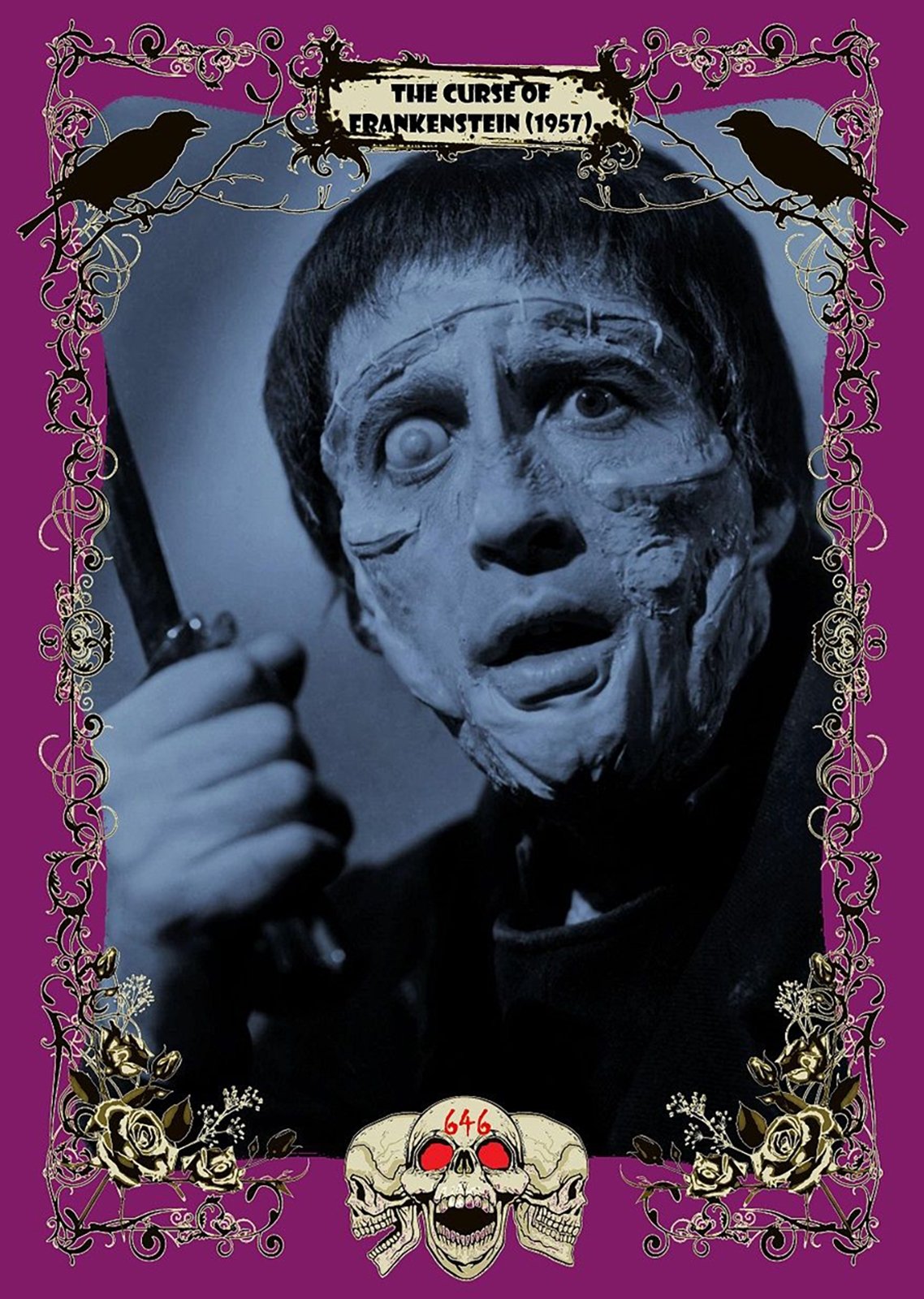
Phil Leakey designed and applied the creature’s makeup, producing an appearance distinct from the flat-headed figure associated with Universal’s Frankenstein. Lee’s monster has scarred, damaged flesh and an asymmetrical face that suggests the imperfect assembly of anatomical material. The makeup emphasizes physical injury and decay rather than presenting a carefully manufactured artificial human. Its effect was strengthened by Lee’s height and deliberately awkward movement. The creature appears to be a living organism whose body has been constructed through procedures that have damaged it before consciousness could emerge. The design also satisfied the production’s need to avoid reproducing the visual identity controlled by Universal.

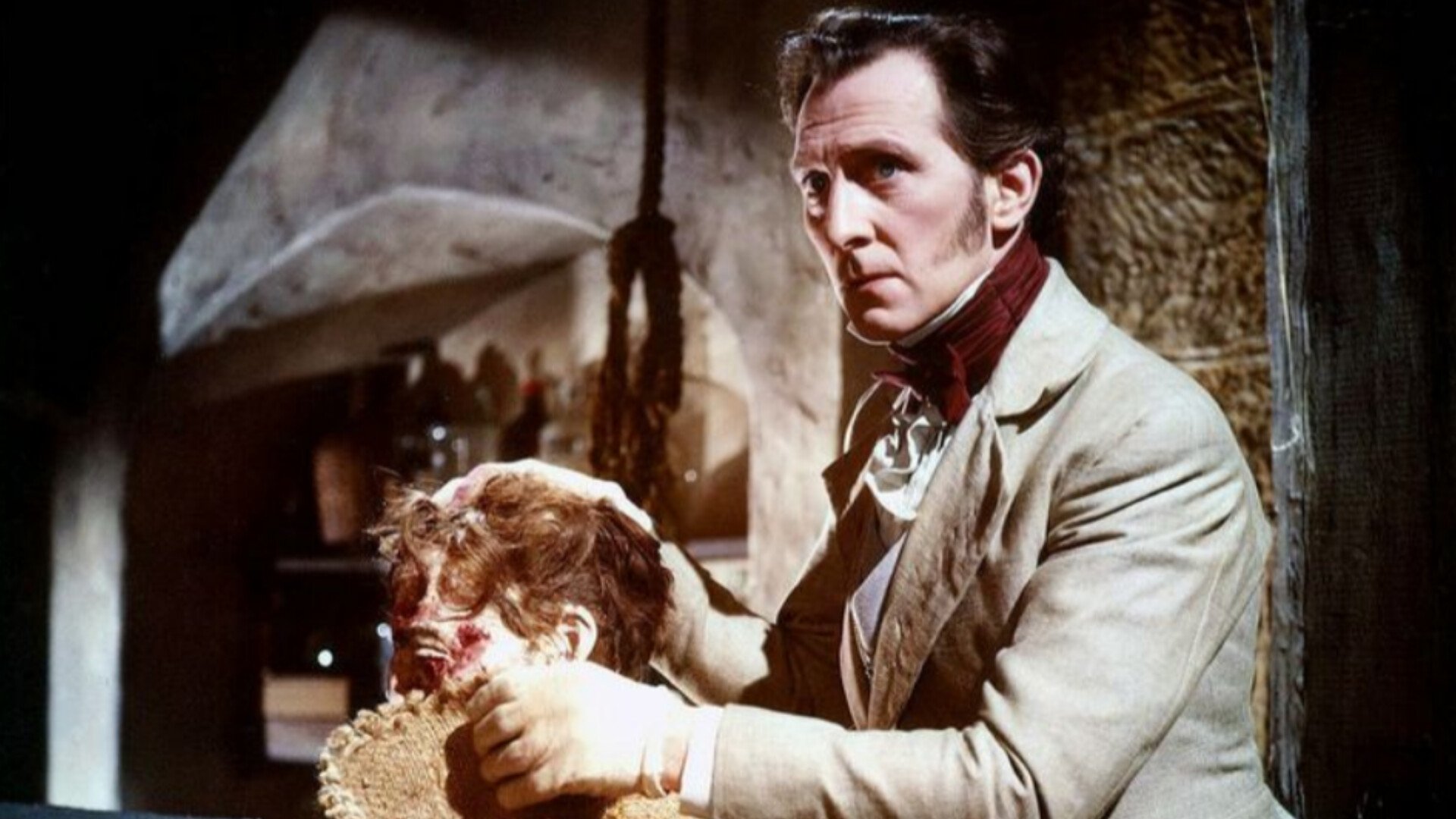
The film’s surgical imagery was exceptional within mainstream British horror of the period. Severed hands, anatomical remains and injuries become identifiable objects in the photographic composition, while the reanimation process gives medical experimentation an explicitly disturbing physical dimension. The British Board of Film Censors examined the production before release and required alterations to its original version. The official BBFC archive records the film’s classification on 8 April 1957, identifying the theatrical submission as a version containing cuts. The historical X certificate restricted admission to adults under the British classification rules then in force.

The controversy was connected to the way color made injuries and blood more conspicuous. Contemporary critics questioned the attention paid to the collection of body parts, while supporters of the film recognized the new intensity created by practical effects and color photography. These reactions should be distinguished from the later classification of restored editions. In 2025, the BBFC classified a new theatrical presentation running approximately eighty-seven minutes, with advice identifying moderate violence, injury detail and threat. The existence of several classified versions does not establish that every scene removed or altered during the original censorship process survives in a recoverable form.

Music & Sound

James Bernard composed the original score, with John Hollingsworth serving as musical director. The music established an orchestral vocabulary subsequently associated with Hammer’s Gothic horror productions. Bernard used forceful orchestral writing to accompany the disturbing progress of Frankenstein’s experiments, while changes in intensity connect the scientist’s ambitions to the consequences of his actions. The score contributes to the film’s dramatic continuity across shifts between the laboratory, the mansion and the surrounding landscape. Its role is particularly important because the narrative repeatedly moves between apparently respectable domestic behavior and images of death or bodily violation.

The original soundtrack was recorded in mono, and the surviving film materials became important to later preservation work. During Hammer’s 2025 restoration, the original monaural track was cleaned to remove unwanted noise and physical damage inherited from earlier elements. The restoration team also prepared a new multichannel presentation while retaining access to the original mono soundtrack. Hammer’s account of the process makes clear that the audio restoration formed part of the larger archival project rather than a replacement of Bernard’s original music. The relationship between orchestral emphasis and moments of relative quiet remains fundamental to the film’s treatment of suspense.

The production’s use of sound is also closely connected to physical events. Laboratory activity is accompanied by the mechanical and electrical noises of reanimation equipment, while violent encounters depend upon impacts and bodily reactions within confined spaces. These sounds make the experiment’s effects tangible even when the creature is temporarily outside the frame. Bernard’s music supplies the broader dramatic pattern, while the soundtrack’s individual noises connect moments of supernatural horror to recognizable physical objects. The combination supported a form of Gothic filmmaking in which scientific apparatus and human anatomy were central sources of fear.

Release, Reception & Restoration

The Curse of Frankenstein opened in London on 2 May 1957 and entered wider British distribution later that month. Warner Bros. handled its American release, with documented engagements beginning in several cities during July and a New York opening on 7 August. Its advertising emphasized the frightening consequences of Frankenstein’s experiments, while some American promotions invited audiences to attend special late-night screenings. Contemporary critical reaction was frequently hostile. Reviews examined by the American Film Institute criticized the prominence of anatomical procedures and the graphic presentation of injuries. The strong public response nevertheless demonstrated the commercial potential of Hammer’s more explicit approach to Gothic horror.

The film’s success encouraged Hammer to develop additional productions based on familiar literary and cinematic monsters. The Revenge of Frankenstein (1958) continued the scientist’s story, while Dracula (1958) reunited Fisher, Cushing and Lee in a new Gothic setting. Later films extended the Frankenstein cycle in different directions, with Cushing returning to the role in several installments. The original picture became a model for Hammer’s approach to nineteenth-century environments, striking color photography and psychologically forceful antagonists. The British Film Institute has identified it as the production that established the company’s celebrated Gothic horror identity, distinguishing it from Hammer’s earlier work in science fiction and contemporary thrillers.

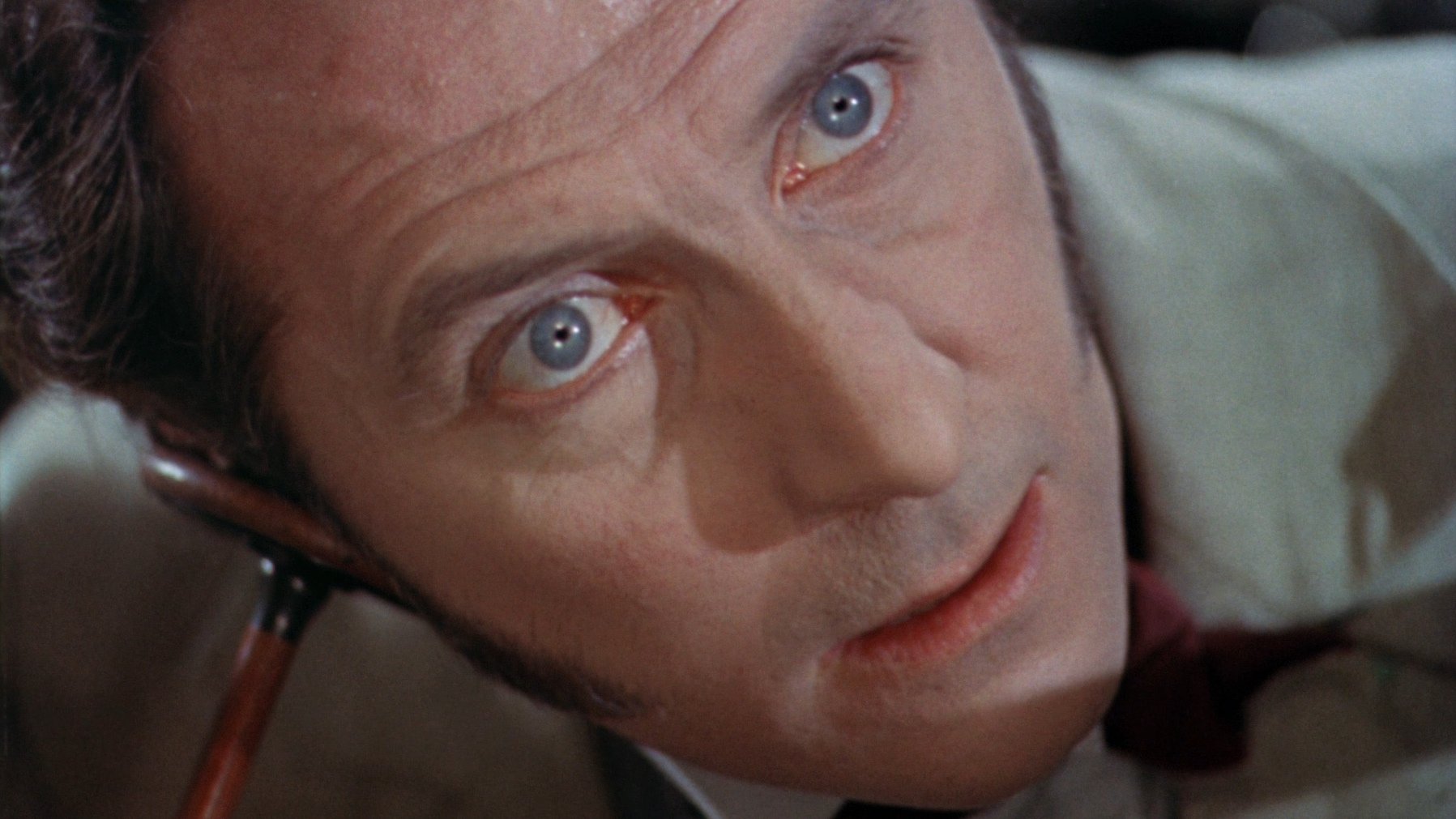
Its subsequent history includes significant technical preservation work. In 2025, Hammer collaborated with Warner Archive and Silver Salt on a 4K restoration using newly scanned original elements. The camera negative had experienced substantial Eastmancolor fading, particularly in its yellow layer, so the restoration relied predominantly upon recombined YCM separation masters. The team corrected registration problems, image instability and damaged sections, while locating an alternative element for the close-up of an eyeball missing from the principal negative and separation materials. The restored presentation was prepared for multiple historical aspect ratios, including 1.37:1, 1.66:1 and 1.85:1. The project documents the continuing importance of preserving the film’s original color design and the technical complexity involved in recovering it.

References

  1. American Film Institute The Curse of Frankenstein (1957) — AFI Catalog

    Archival production history documenting the original credits, literary source, contemporary reviews, Eastmancolor photography, American release engagements, performances and period reception.

  2. Strasbourg European Fantastic Film Festival Jimmy Sangster — Interview

    Original 2006 interview by Jean-Pierre Berthomé in which Sangster discusses the screenplay, Universal’s restrictions, the Victorian setting, Bernard Robinson’s design and his conception of Frankenstein as the principal villain.

  3. British Film Institute A Great Hammer Horror from Every Year (1957 to 1974)

    Kevin Lyons’s historical survey explaining the film’s place in the development of Hammer’s Gothic horror cycle, its Eastmancolor imagery, performances and contrasting critical and public reception.

  4. British Board of Film Classification The Curse of Frankenstein — Classification History

    Official record confirming alterations to the 1957 theatrical version, subsequent home-video classifications and the 2025 restored cinema presentation.

  5. Hammer Films The Curse of Frankenstein 4K Release — A Deep Dive with Steve Rogers

    First-party technical account of the 2025 restoration, documenting original-negative deterioration, YCM separation masters, color reconstruction, restoration of the eyeball shot and audio preservation.

Connections

Cast

View Full Cast & Crew →

Release & Distribution

Production Companies (1)

  • Hammer Film Productions GB

Distributors (1)

  • Warner Bros. Entertainment US

Release History (9)

Release DateTerritoryRelease TypeFormatDistributorCertificationNotes
1957-05-02 United Kingdom Premiere — — 12 London
1957-05-20 United Kingdom Theatrical — — —
1957-06-25 United States Theatrical — — NR
1957-07-13 Japan Theatrical — — —
1957-11-29 France Theatrical — — —
1958-01-01 Italy Theatrical — — —
1958-06-09 Spain Theatrical — — —
1989-11-23 United States Physical VHS — NR VHS
2022-01-28 Germany Physical — — 16
The creature created by man and forgotten by nature!