Night of the Demon (1957)

GB
HORROR FILM Mystery Fantasy
SUBGENRES FOLK OCCULT RURAL
Runtime
96 min
Release
November 9, 1957
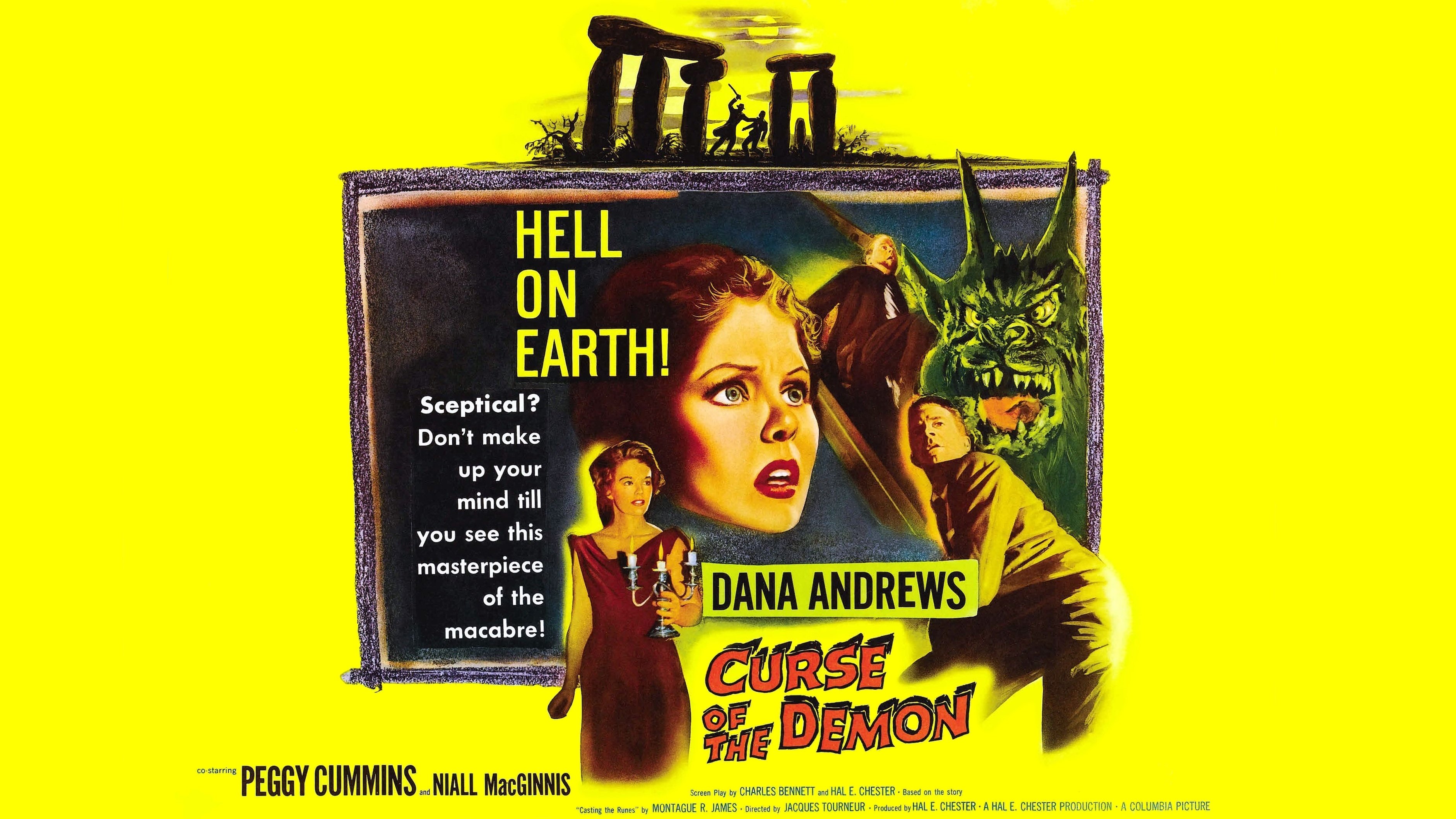
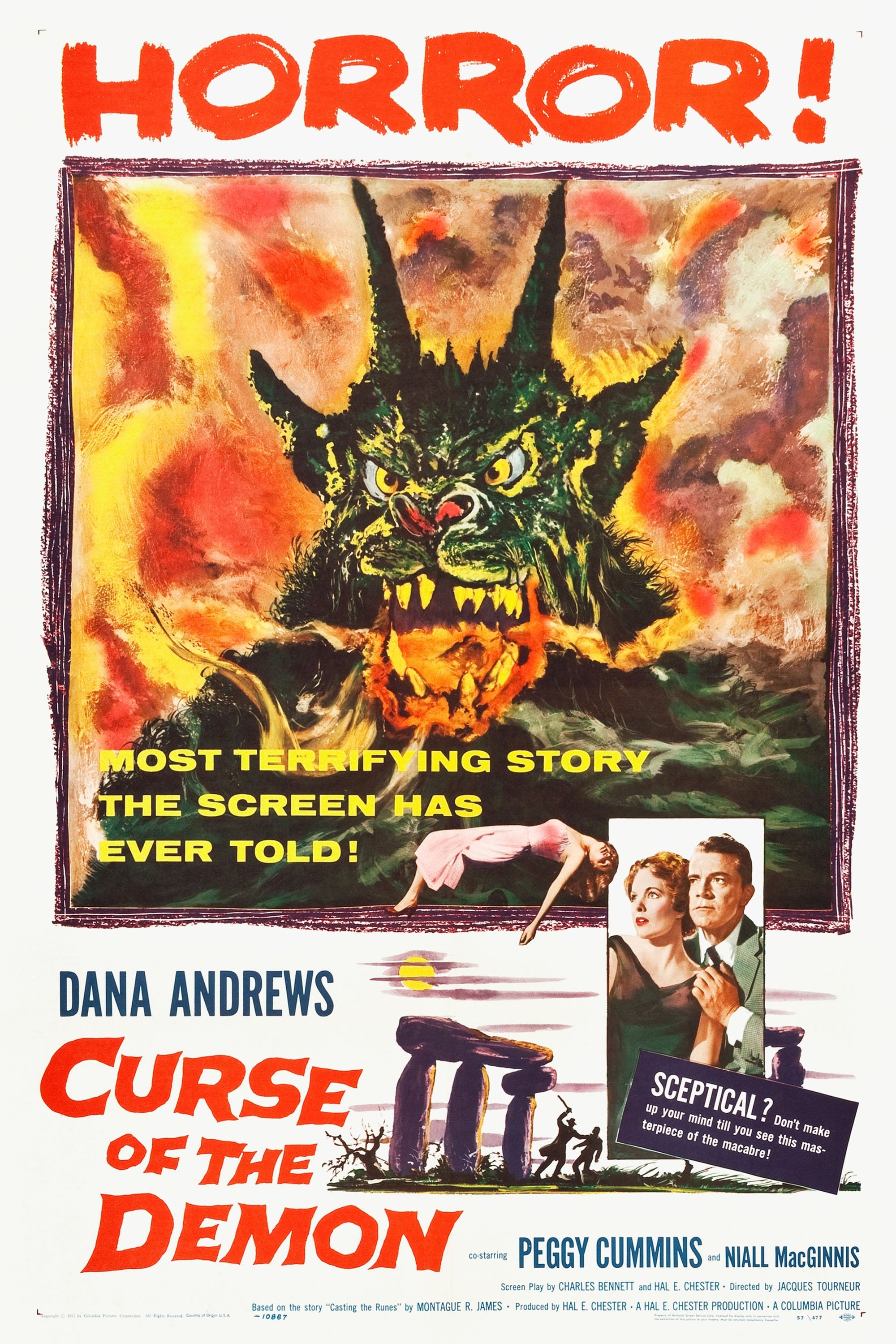
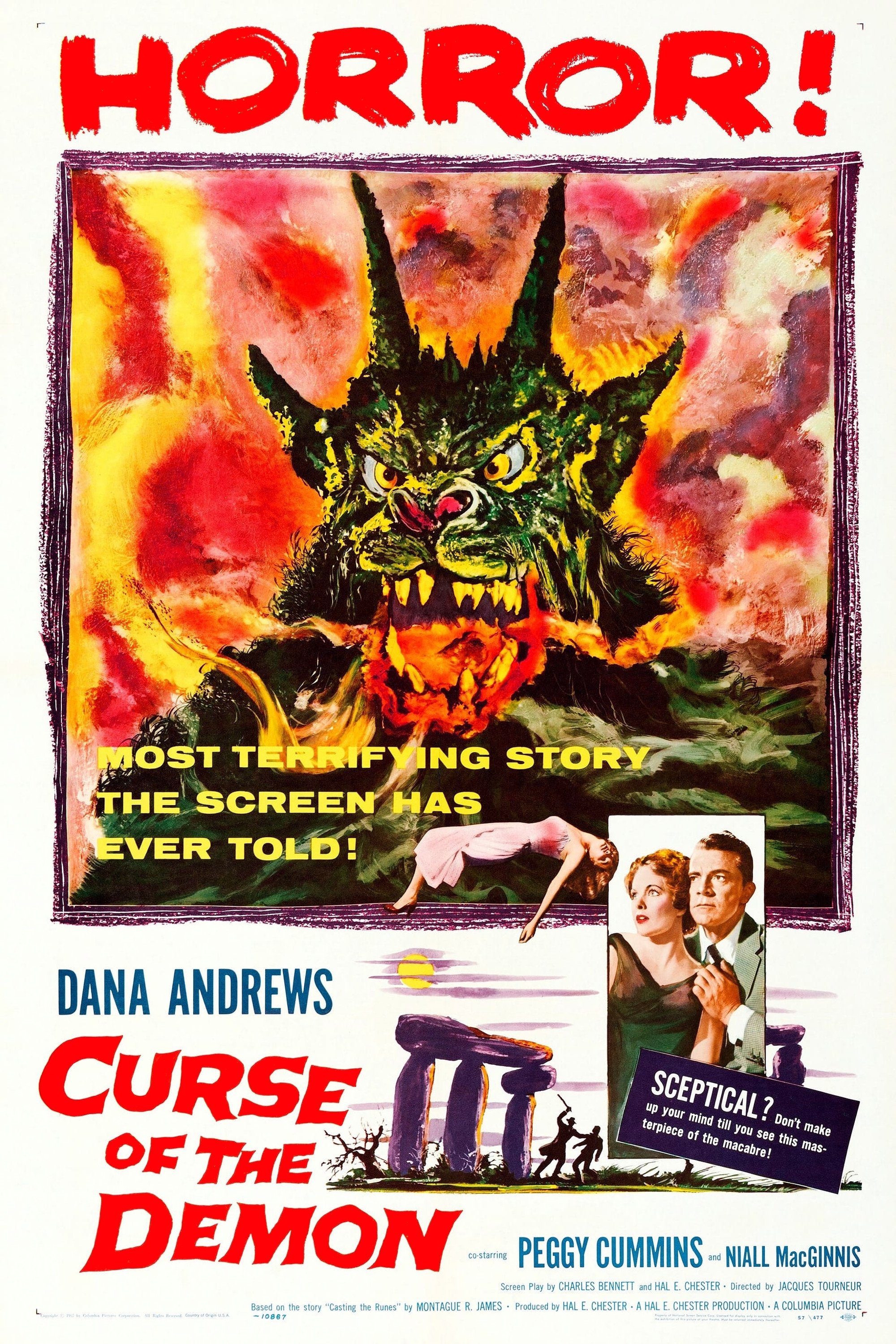
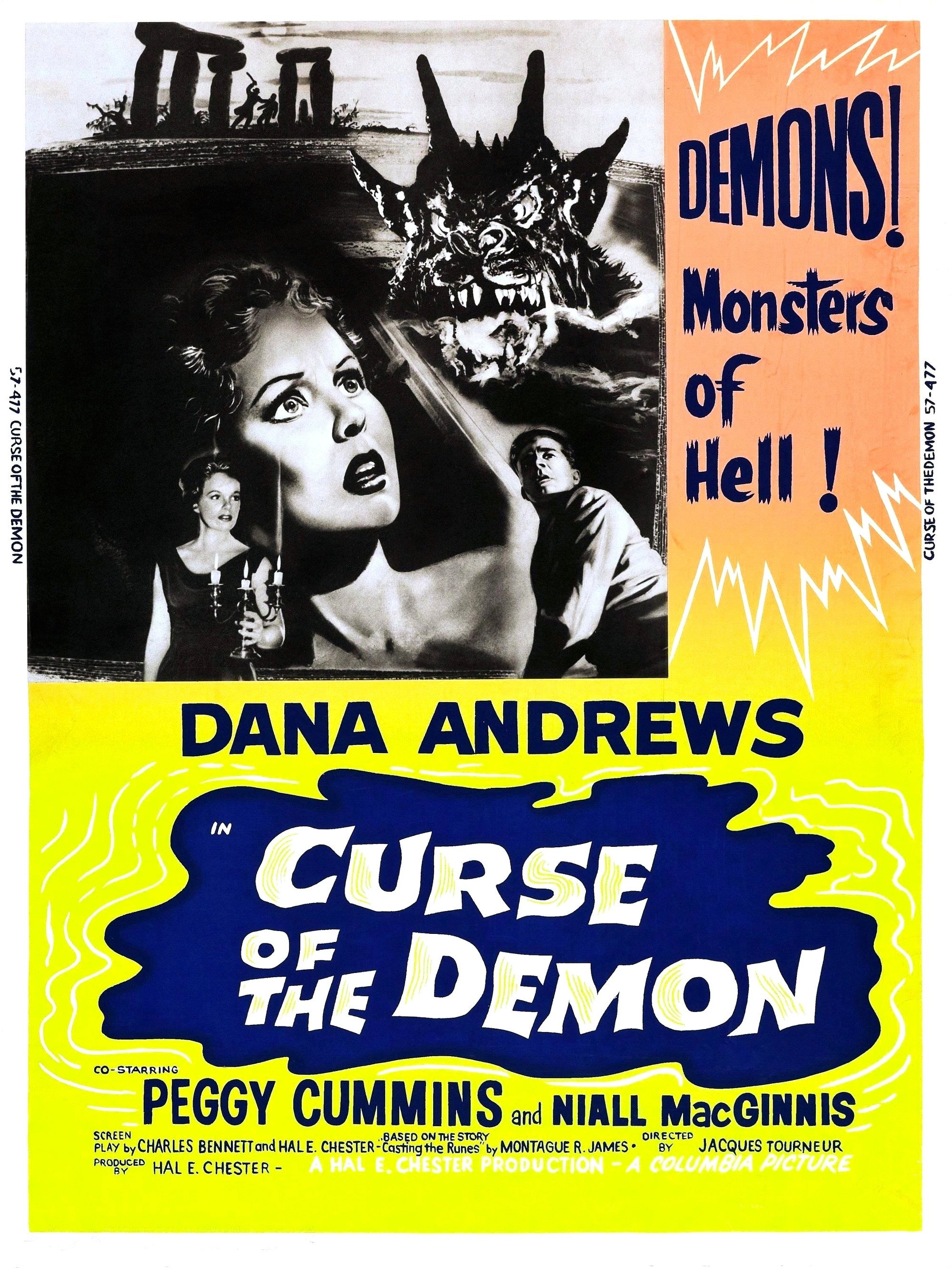
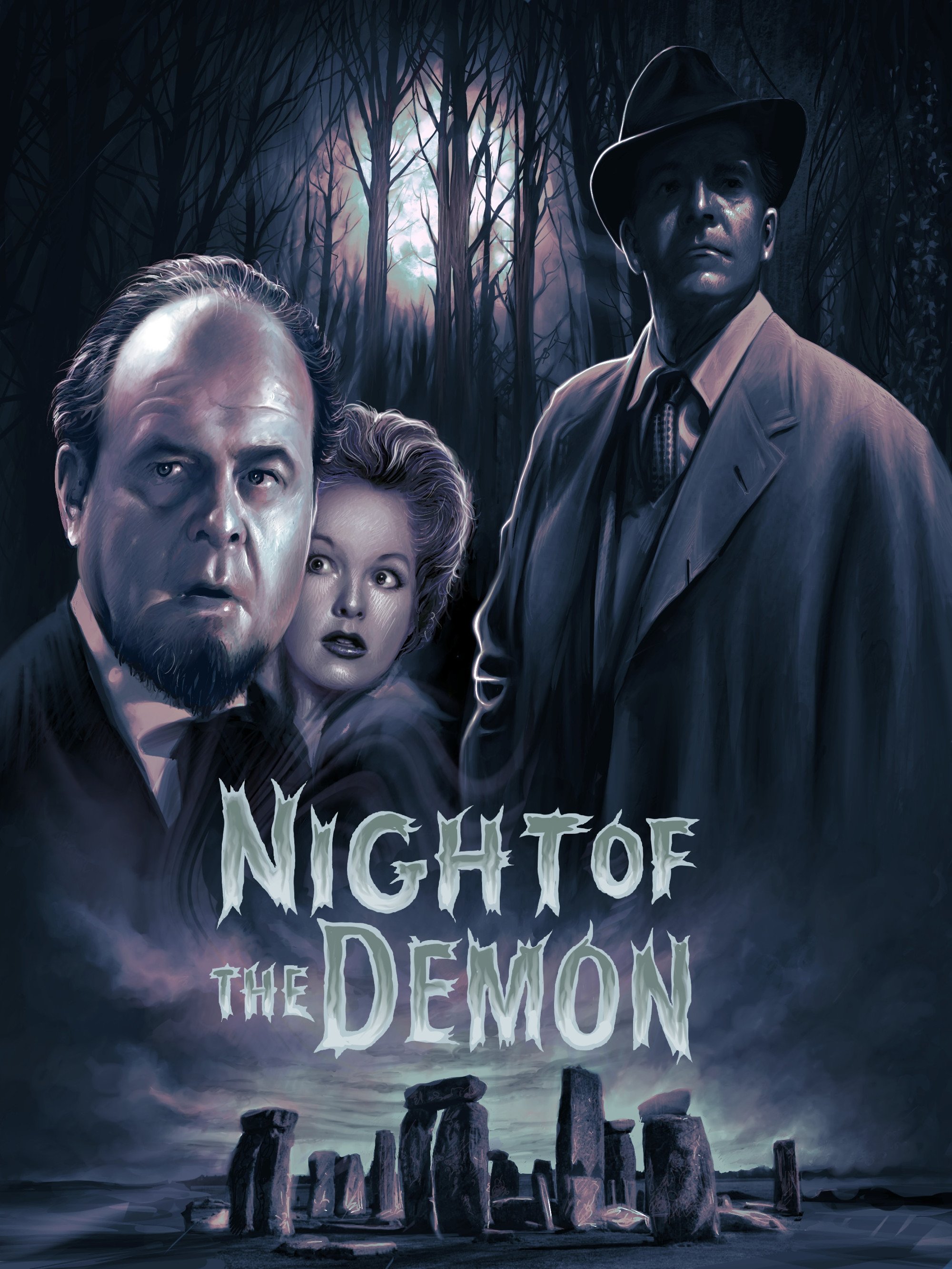
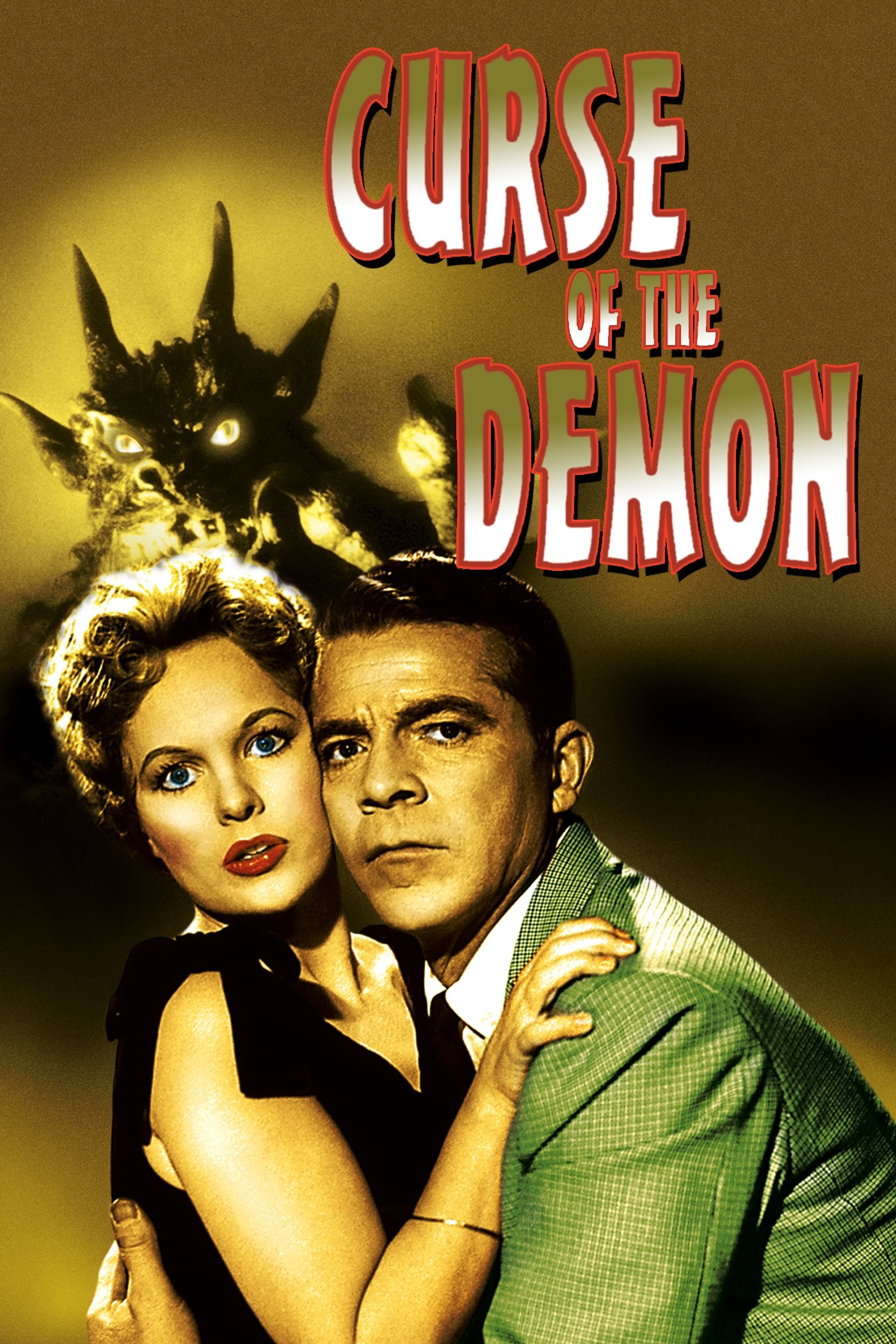
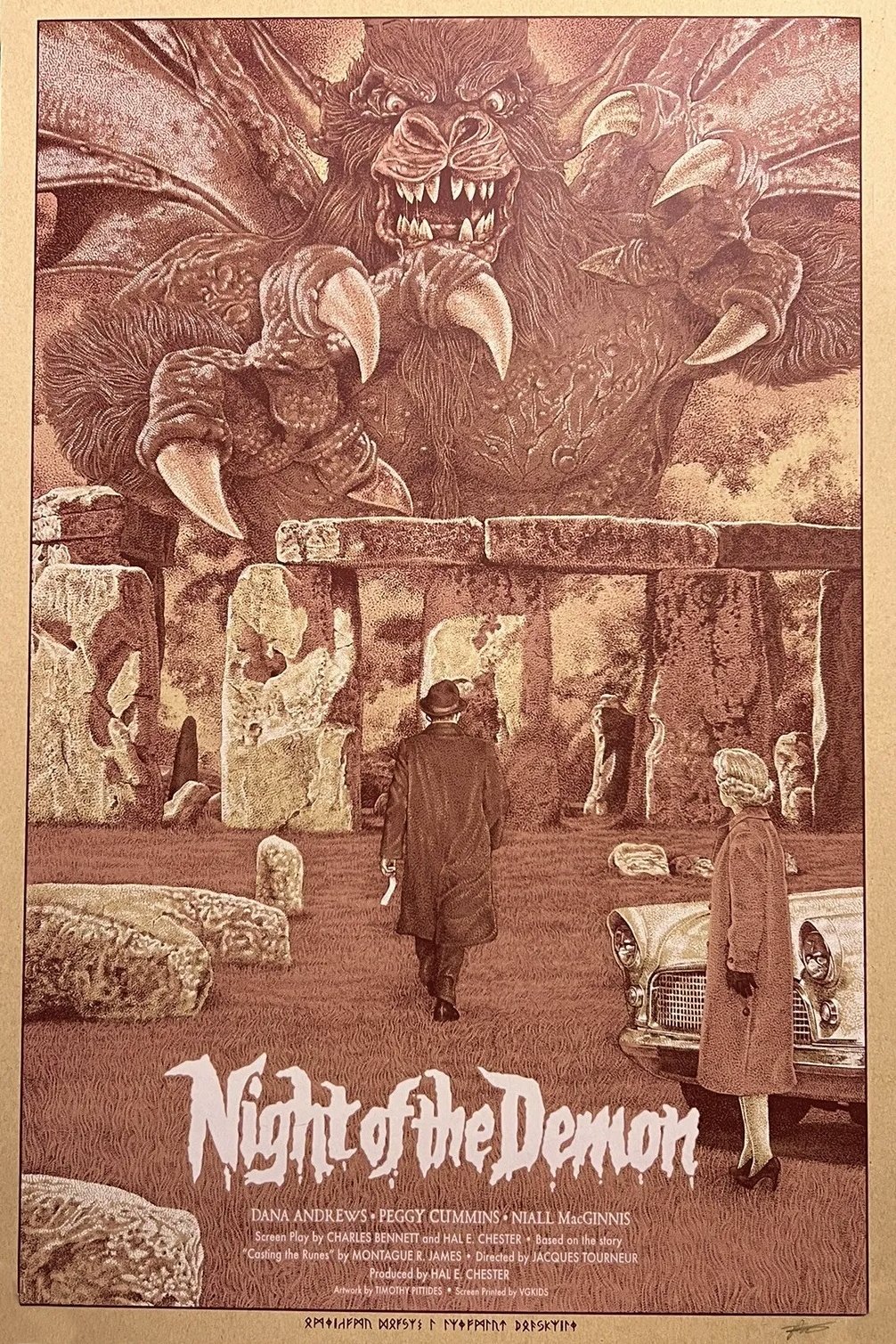
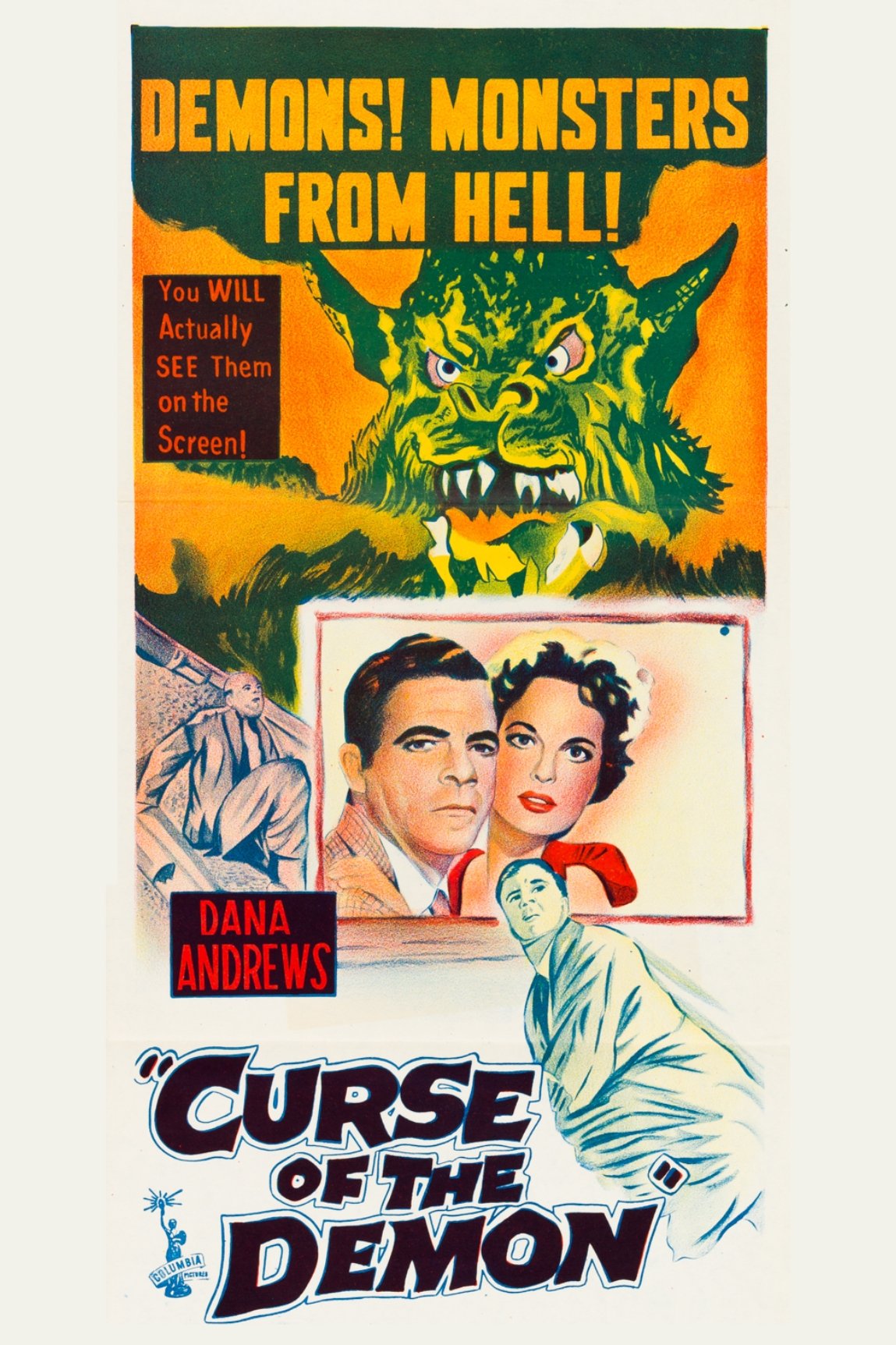
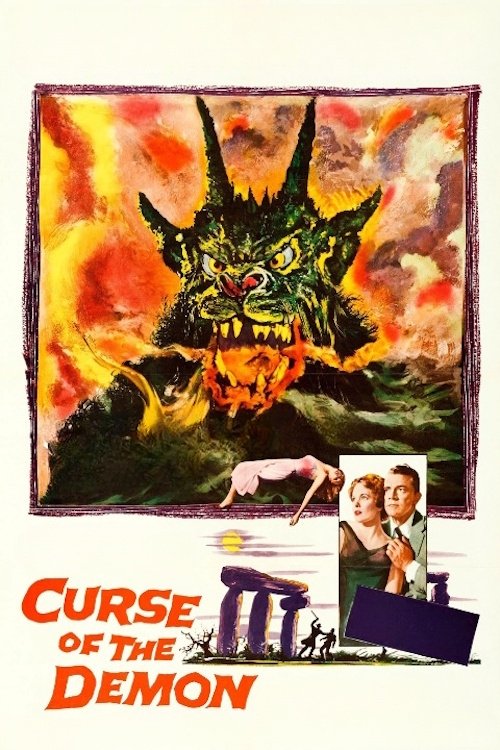
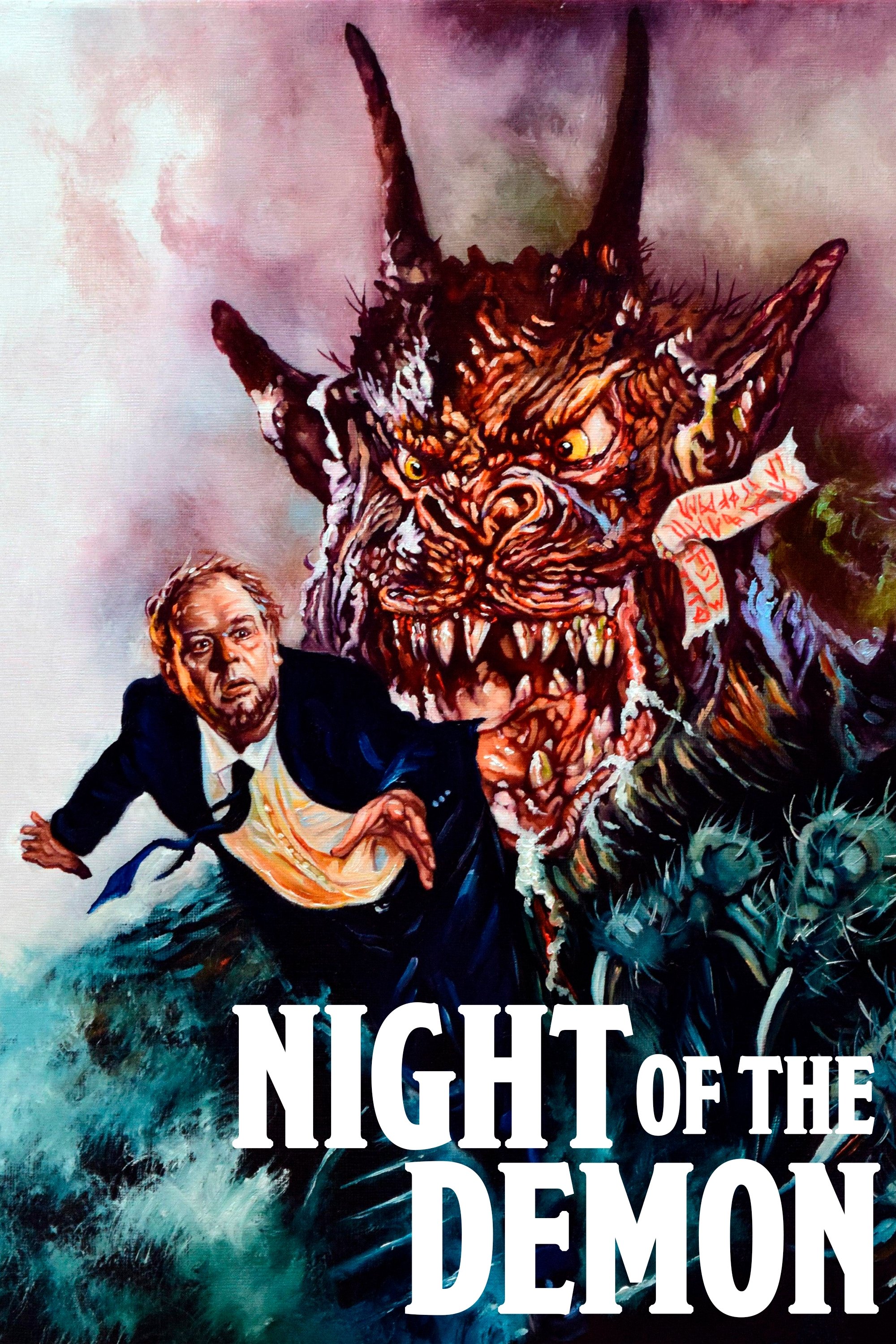
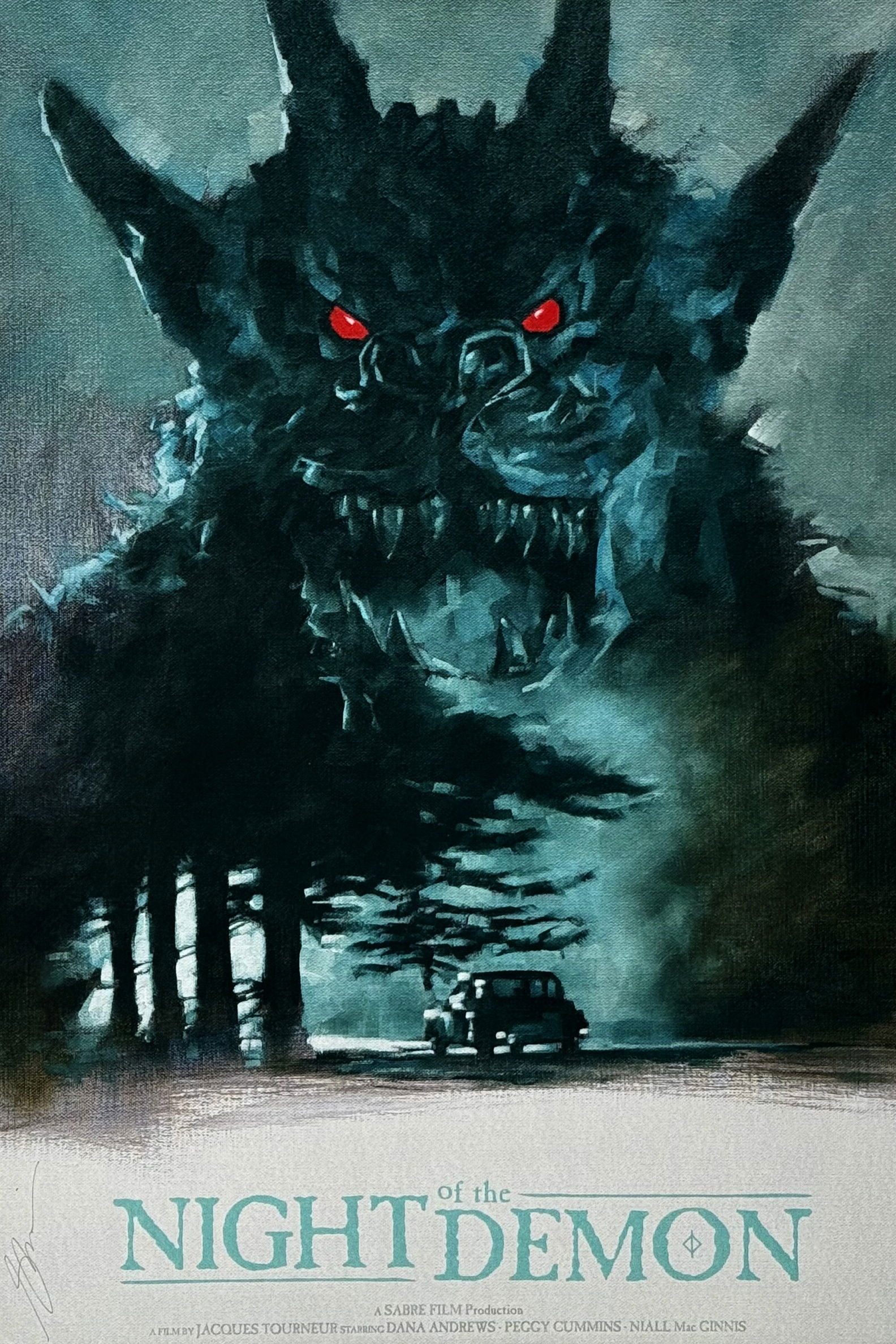
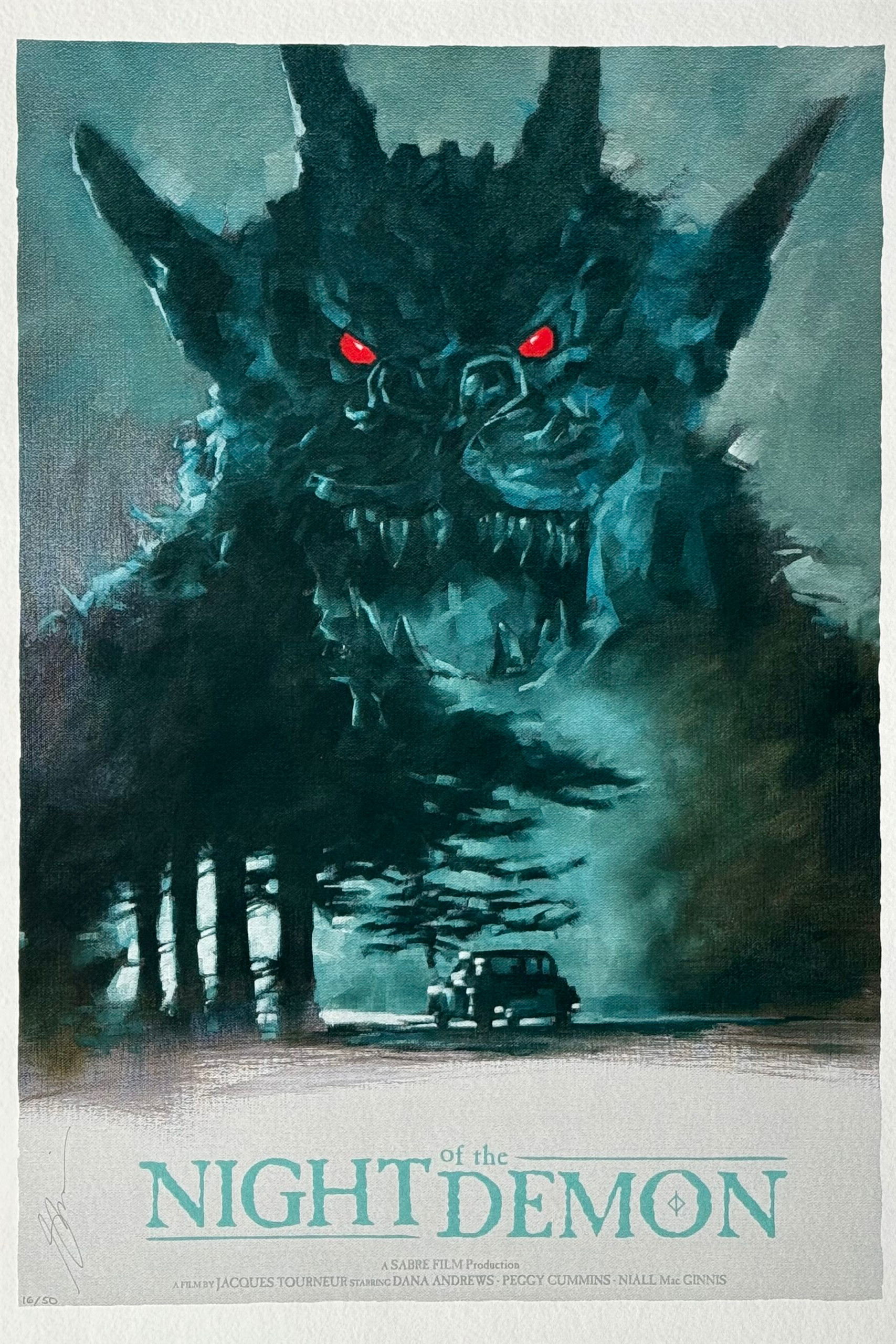
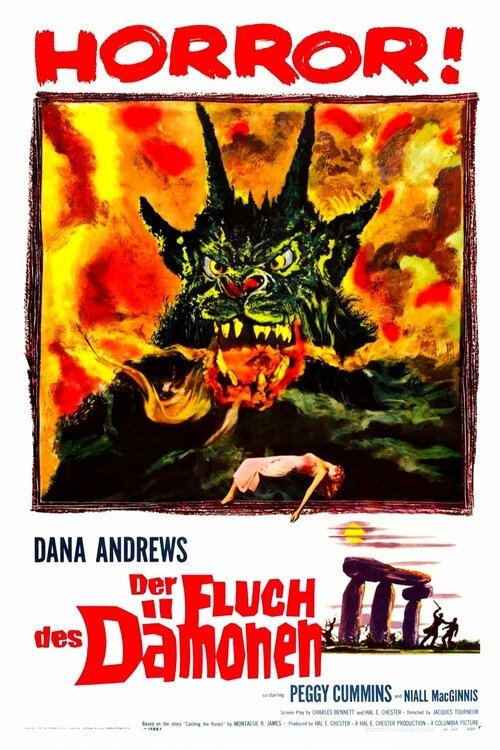
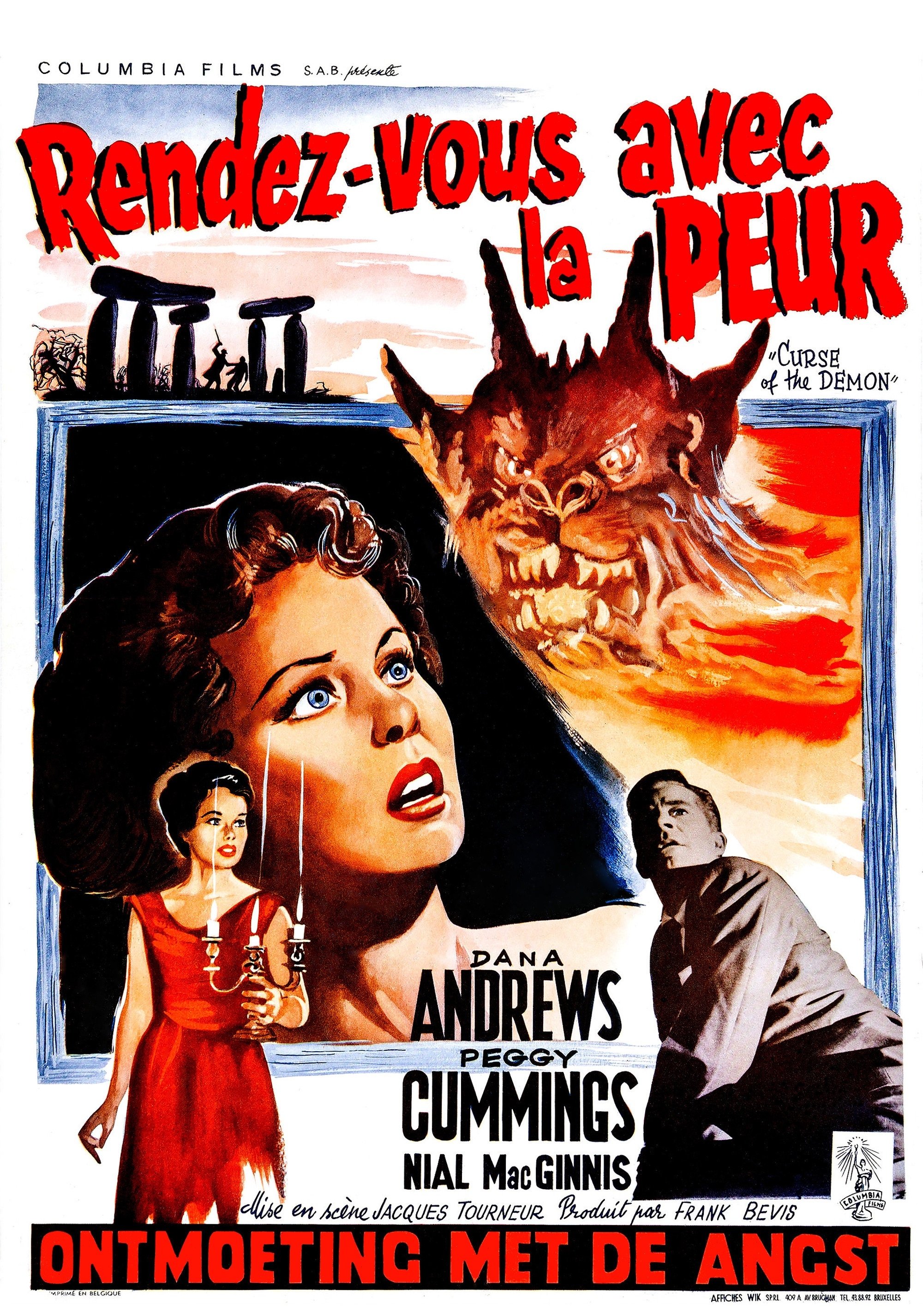
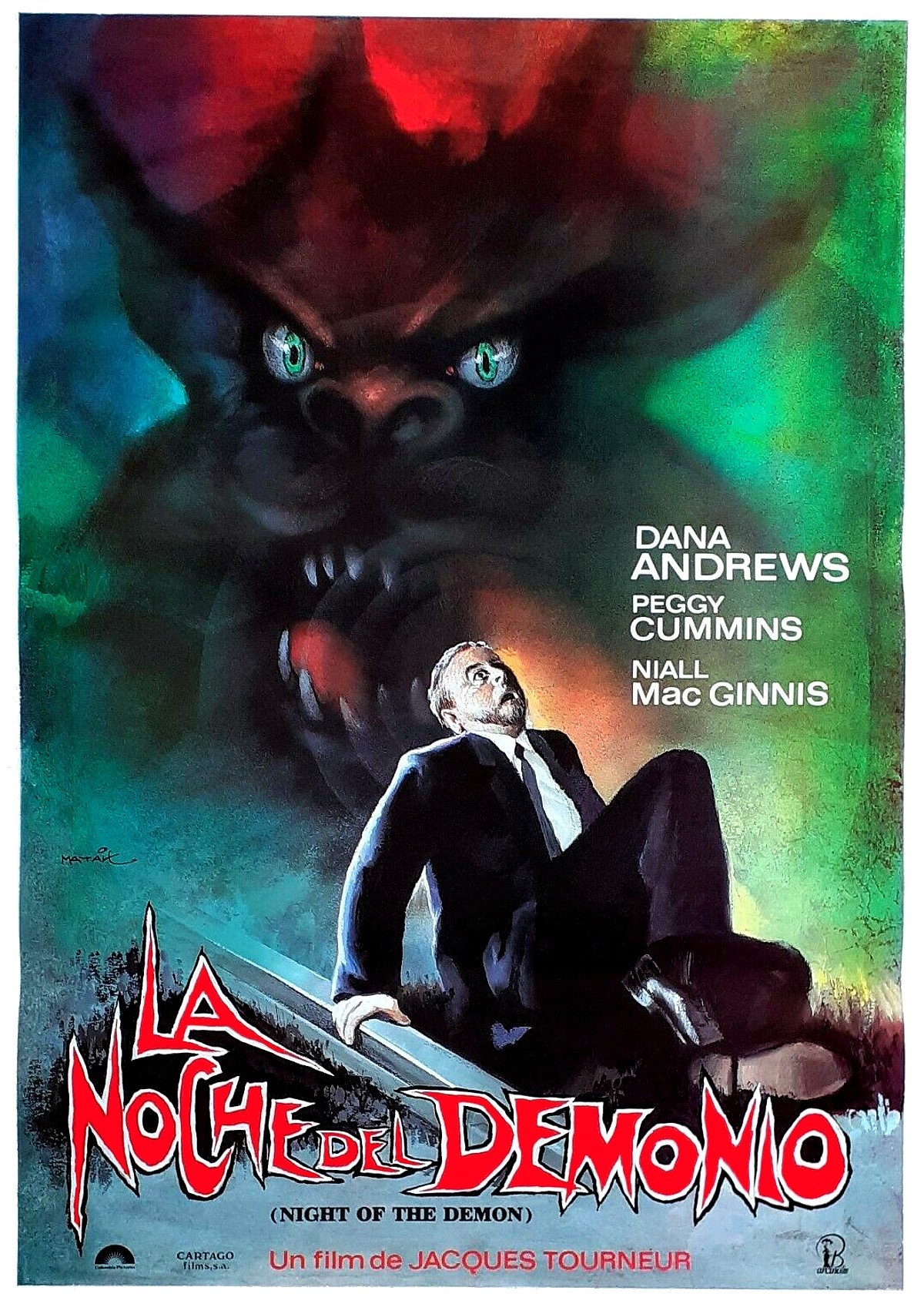
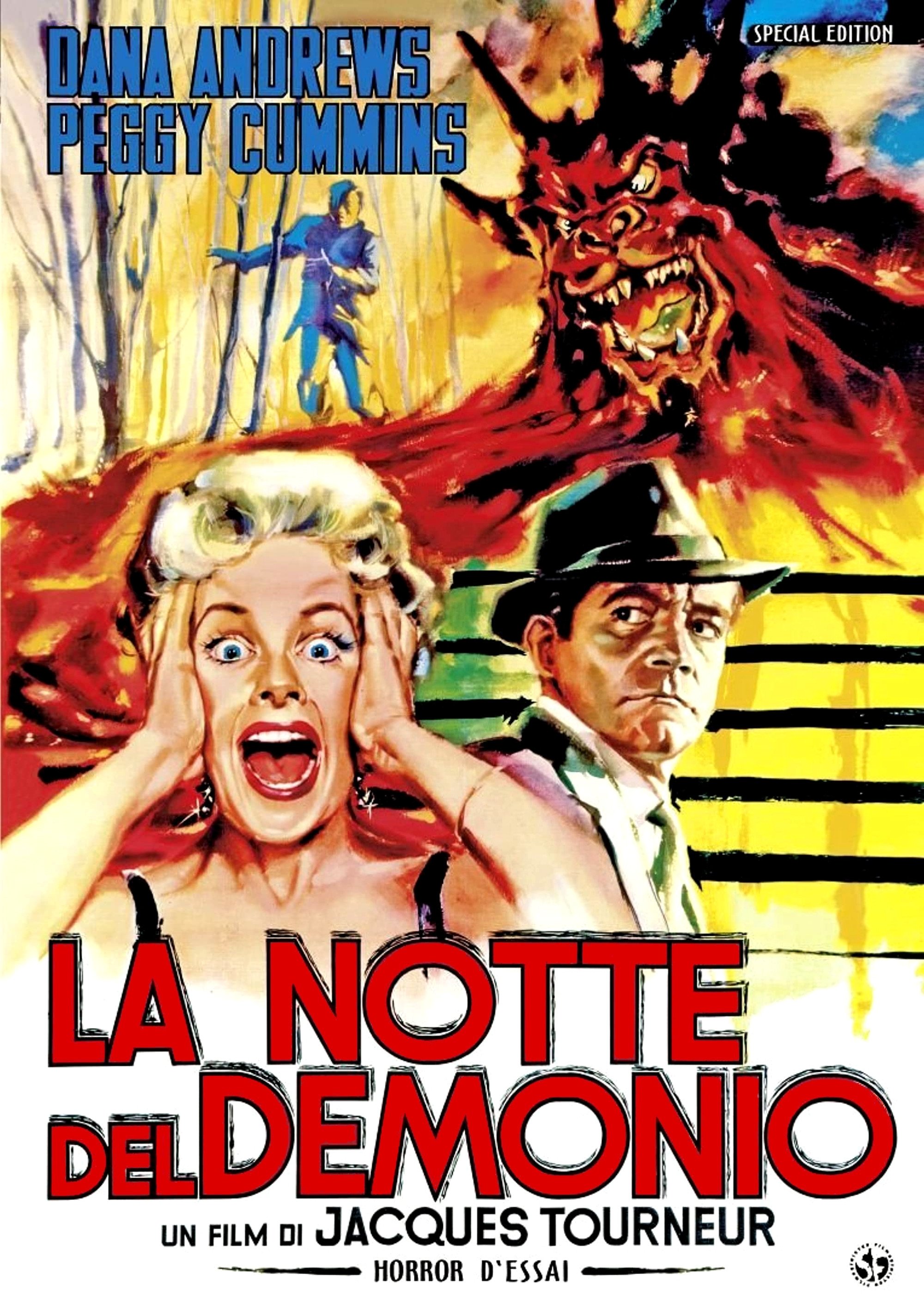
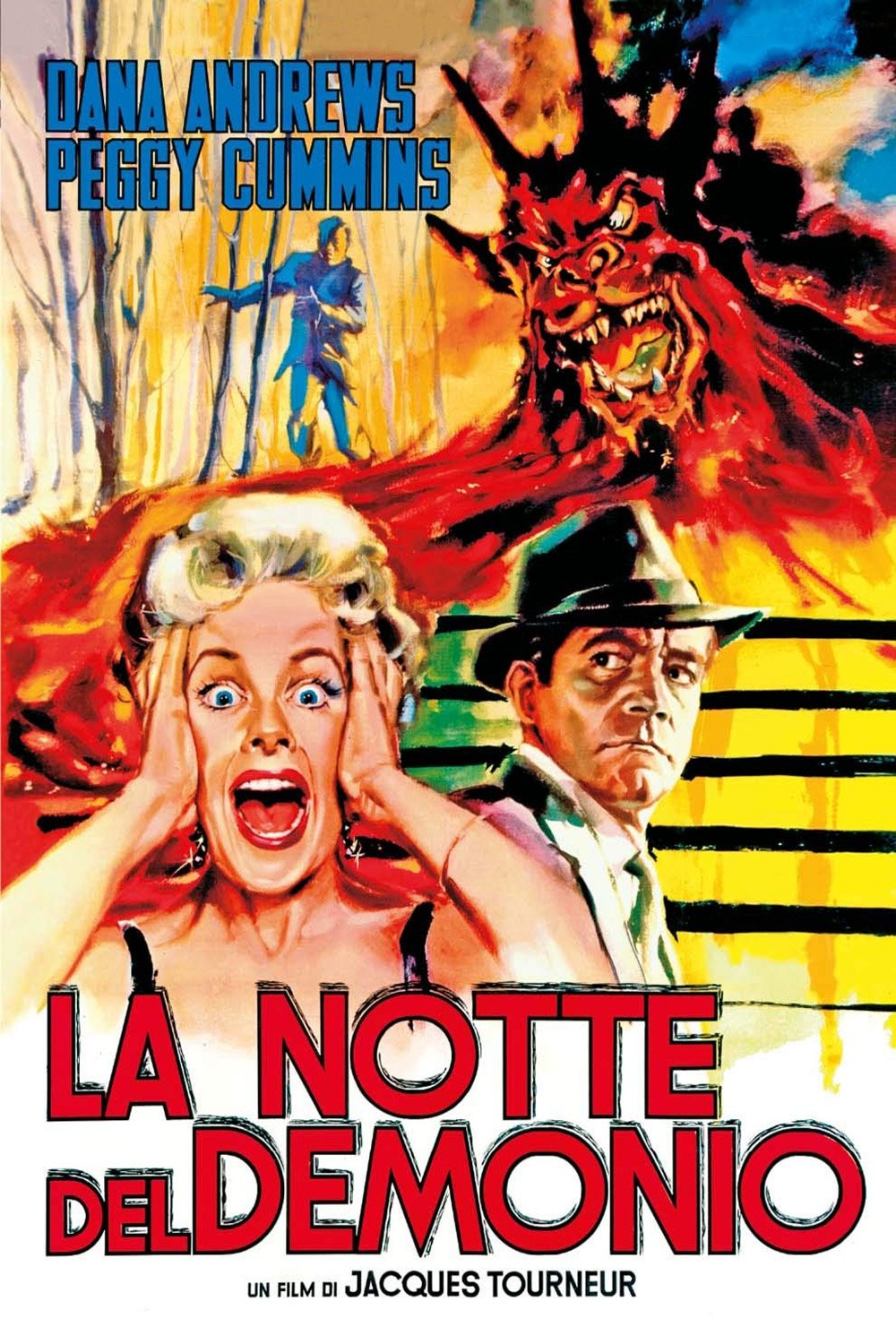
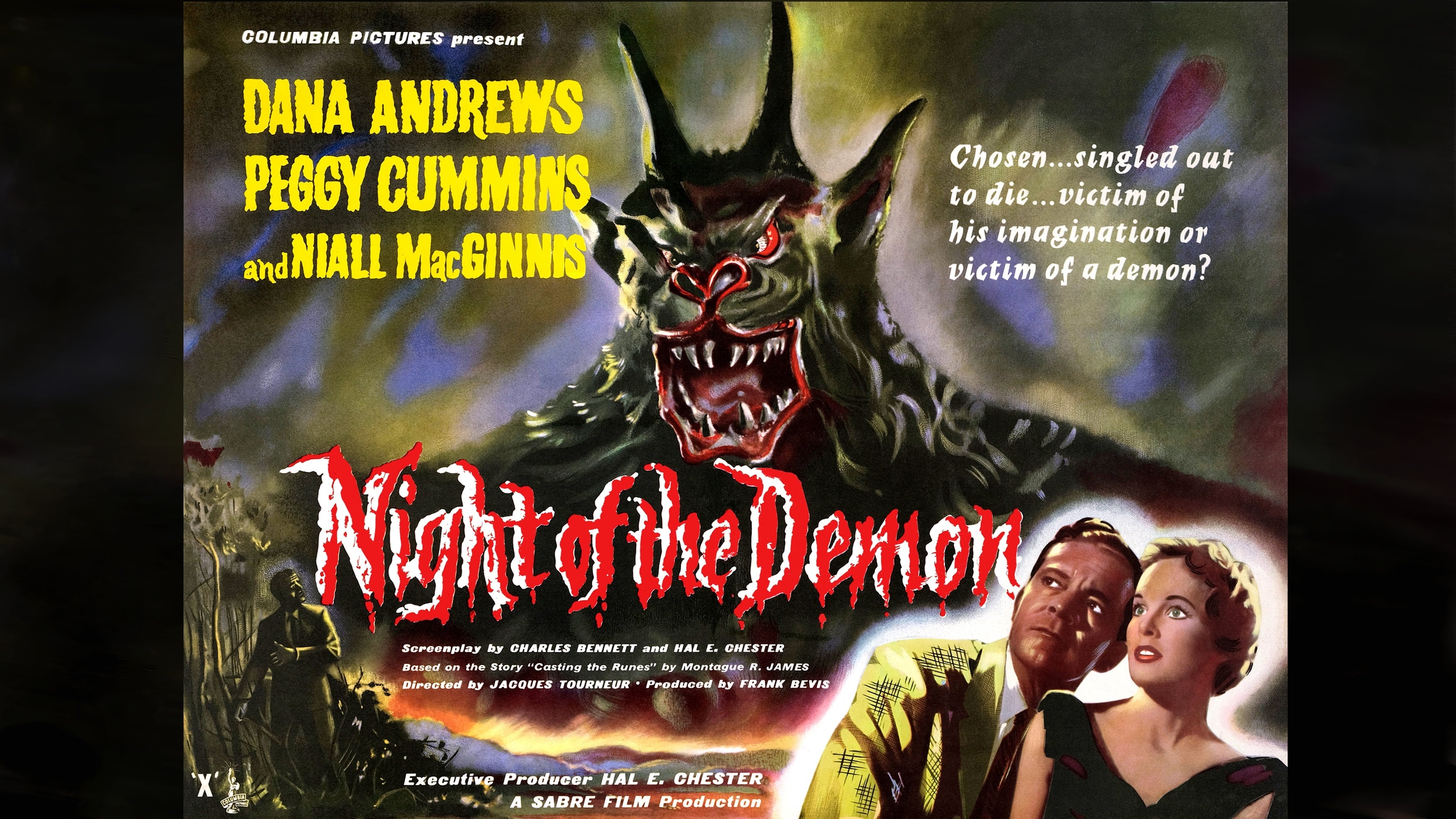
Night of the Demon (1957) poster
Production Company
Sabre Film Productions Ltd.
Plot

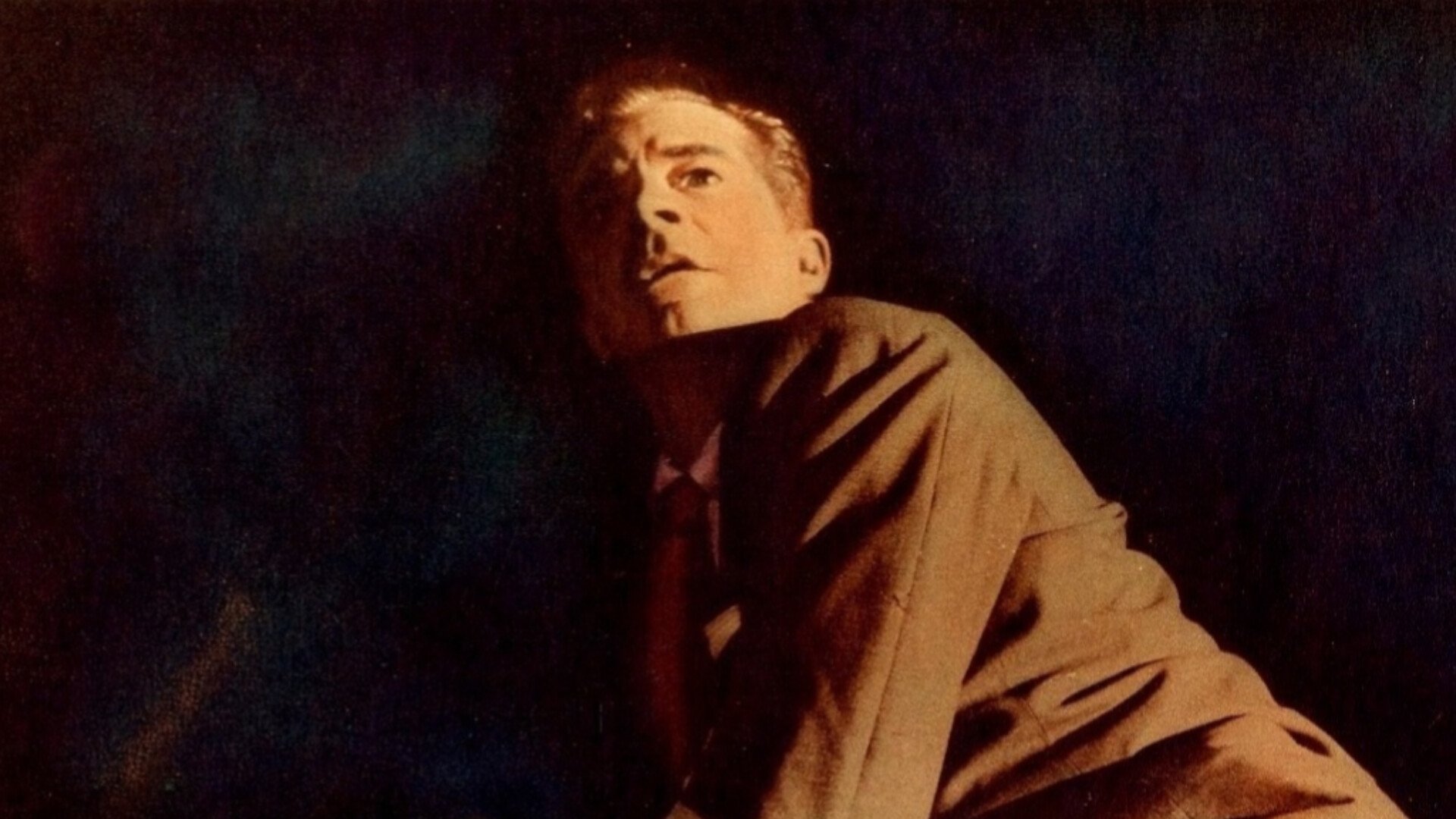
American professor John Holden arrives in London for a conference on parapsychology only to discover that the colleague he was supposed to meet was killed in a freak accident the day before. It turns out that the deceased had been investigating a cult lead by Dr. Julian Karswell. Though a skeptic, Holden is suspicious of the devil-worshiping Karswell. Following a trail of mysterious manuscripts, Holden enters a world that makes him question his faith in science.

Alternative Titles
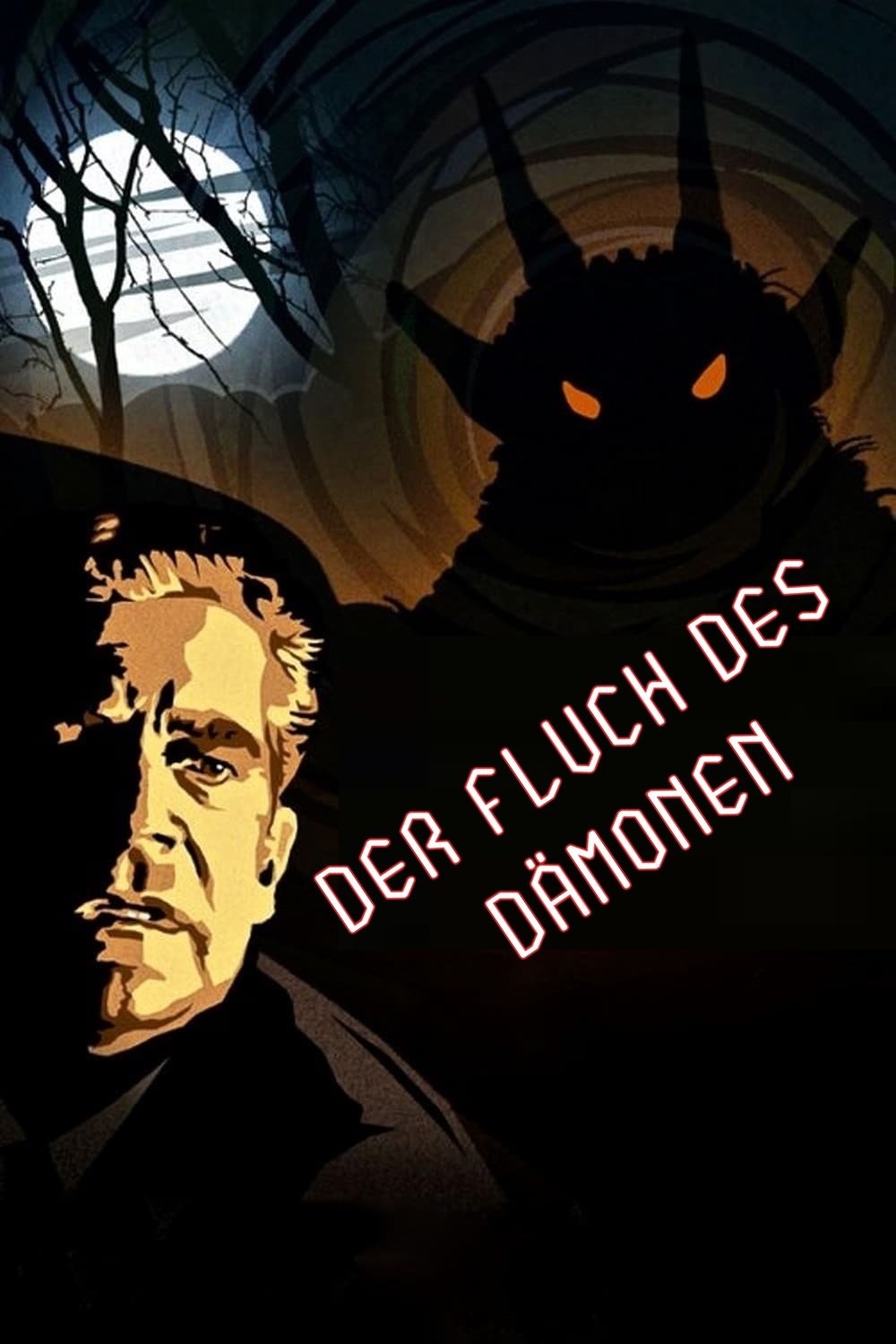
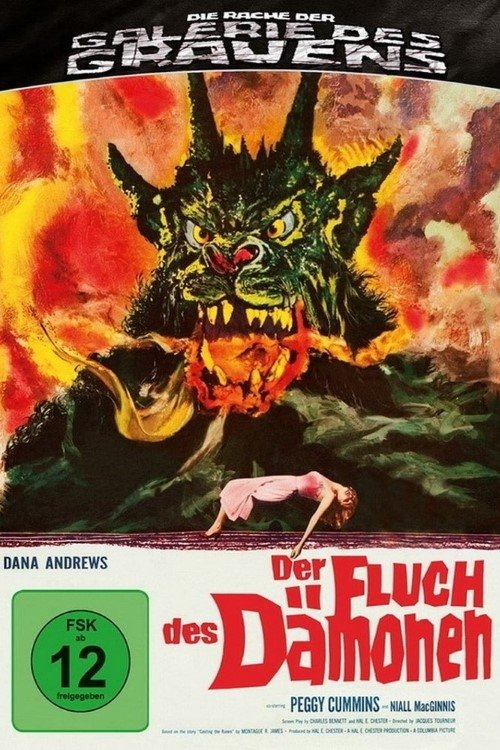
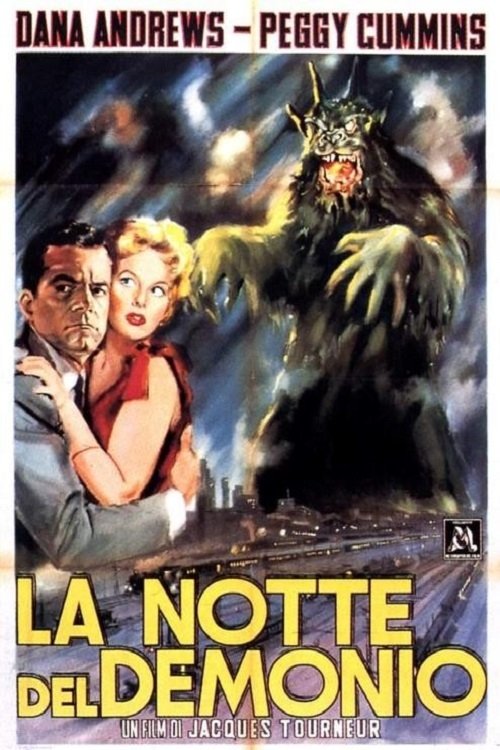
A Noite do Demônio (Brazil) 恶魔之夜 (China) — Chinese Noc Démona (Czechia) — Czech Der Fluch des Dämonen (Germany) La maledicció del diable (Spain) — Catalan La Noche del Demonio (Spain) Rendez-Vous avec la Peur (France) 惡魔之夜 (Hong Kong SAR China) — Chinese
Show all 17 alternative titles A démon éjszakája (Hungary) — Hungarian La Notte del Demonio (Italy) 悪魔の呪い (Japan) — Japanese 악령의 밤 (South Korea) — Korean Una cita con el diablo (Mexico) — Spanish Noc demona (Poland) — Polish Ночь демона (Russia) — Russian Demonens förbannelse (Sweden) — Swedish Curse of the Demon (United States) — U.S. Original Theatrical Release

Trailers & Videos

1 video

Film Guide & Analysis

Jacques Tourneur adapts M. R. James: screenplay conflicts, occult imagery, British censorship, alternate cuts and the film's enduring reputation.

Night of the Demon (1957), directed by Jacques Tourneur, brings the supernatural threat of M. R. James's story Casting the Runes into recognizably modern British settings. American psychologist John Holden travels to London to attend a conference on paranormal claims, only to discover that a fellow investigator has died after challenging the occultist Julian Karswell. A piece of parchment bearing runic characters becomes the means of passing a death sentence, and the approaching deadline turns apparently ordinary interactions into opportunities for deception. The film locates horror in the uncertainty surrounding testimony, suggestion and the limits of rational explanation.

Produced during a period of rapid change in British horror cinema, the film combines Tourneur's characteristic restraint with an unusually explicit supernatural creature. Its troubled screenplay history, disputed demon sequences and successive release cuts are unusually well documented through surviving scripts, censorship files and preservation research. Dana Andrews, Peggy Cummins and Niall MacGinnis anchor a story that moves from scholarly institutions to a country-house garden party and finally to a railway station. The contrast between familiar surroundings and an inescapable curse has sustained its reputation as a major work of occult cinema.

Literary Origins and Screenplay

The starting point was Casting the Runes, published in M. R. James's More Ghost Stories of an Antiquary in 1911. James's narrative concerns an occult scholar whose rejected work prompts a campaign of revenge against a critic, culminating in the transfer of a cursed document. The rule governing the paper is exacting: the threatened person must return it to the sender before the allotted time expires. The story depends on everyday transactions and the possibility that a routine exchange has concealed a fatal act. The film retains this mechanism while enlarging the investigation and moving its central confrontation into a more visibly contemporary public world.

Charles Bennett, whose earlier career included screenwriting for Alfred Hitchcock, developed the adaptation. The film turns the threatened investigator into an American psychologist whose professional skepticism is presented as a genuine intellectual commitment. Joanna Harrington, the dead researcher's niece, provides a different perspective on the evidence, while Karswell's household and the psychiatric examination of Rand Hobart extend the network of witnesses. These changes are more than an expansion of James's plot: the detective structure makes the reliability of observation a recurrent problem. Each new incident can appear to support Holden's skepticism or undermine it, depending on which information he is prepared to accept.

The written material passed through several drafts and titles. An annotated shooting script preserved by the BFI National Archive bears the working title The Haunted, and the British censorship files identify earlier submissions called The Bewitched. Film scholar Alison Peirse examined scripts, correspondence and readers' reports to reconstruct these revisions. Her work stresses the importance of the séance and the act of telling a frightening story, rather than allowing the later dispute about the demon's visibility to dominate the entire history of the adaptation. The surviving documentation consequently gives a clearer account of changing narrative priorities than retrospective anecdotes alone can provide.

Development and Production Disputes

Producer Hal E. Chester acquired the project from Bennett and oversaw substantial revisions before and during production. Bennett later expressed intense hostility toward Chester's handling of his work, a response documented by historians but best understood as a participant's retrospective account. Peirse's archival research confirms that the screenplay evolved under several pressures, including the requirements of the producer and the British film censor. The credit history itself does not disclose every contributor's work. Any claim that the released film directly reproduces Bennett's untouched conception would therefore be difficult to sustain.

Tourneur's involvement brought a recognizable approach to supernatural filmmaking. During the 1940s he had directed Cat People (1942) and I Walked with a Zombie (1943) for producer Val Lewton, productions frequently associated with the use of shadow, sound and withheld information. Night of the Demon gives those methods a different setting, moving among London offices, research facilities, roads and a country estate. The presence of American actor Dana Andrews also establishes Holden as a visitor attempting to interpret unfamiliar institutions and customs. These elements support the story's progression from professional certainty toward a more personal struggle for survival.

The most notorious production disagreement concerned the amount of demon imagery shown to the audience. Chester supported additional material after Tourneur had completed his principal directing work, and the finished film presents the creature more explicitly than Tourneur preferred. Historical accounts have connected this intervention to further work associated with Cy Endfield. Yet the monster was already present in the developing screenplay, as Peirse's research and the preserved shooting material make clear. The disagreement concerned the form and prominence of its appearance, not a simple choice between a script with a demon and a script without one.

English Locations and Visual Style

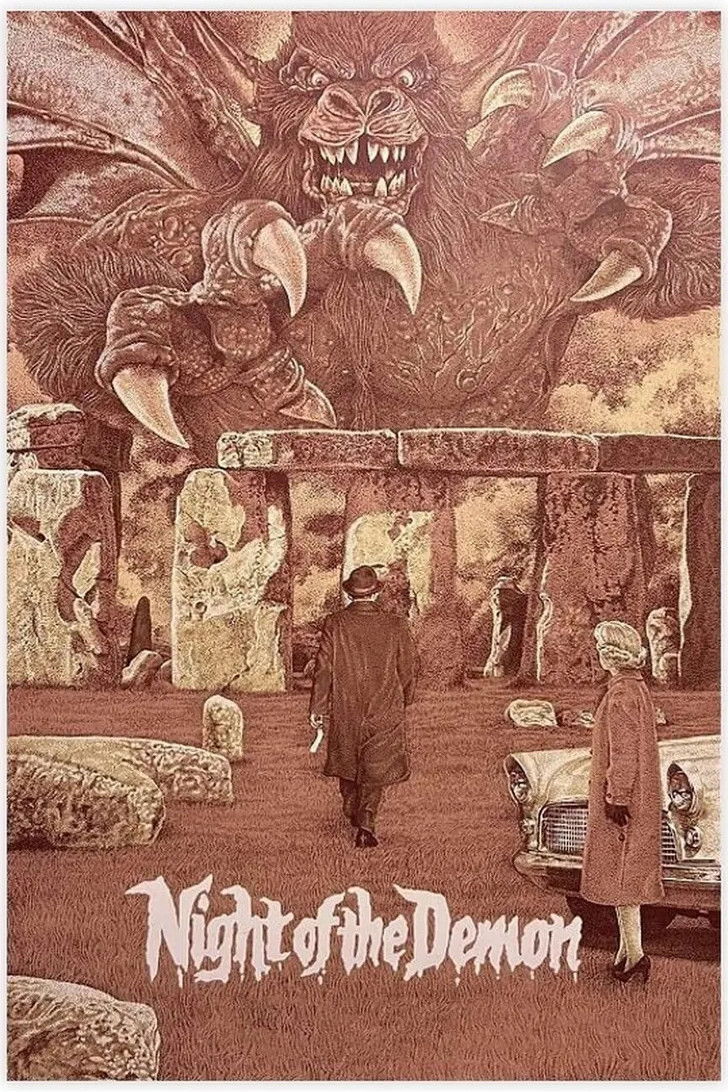
Tourneur's direction makes familiar British sites susceptible to supernatural danger. The film uses Stonehenge on Salisbury Plain as part of its research setting, the British Museum for an encounter involving the cursed parchment, and Brocket Hall in Hertfordshire as Karswell's country residence. These were identifiable locations rather than a uniformly fabricated Gothic environment. The BFI's investigation of surviving sites documents their role in the finished film and the geographical distance between them. Their recognizable character matters because the plot does not place witchcraft in an isolated medieval world. It presents a modern society in which rational institutions coexist with rituals that cannot be controlled through ordinary procedures.

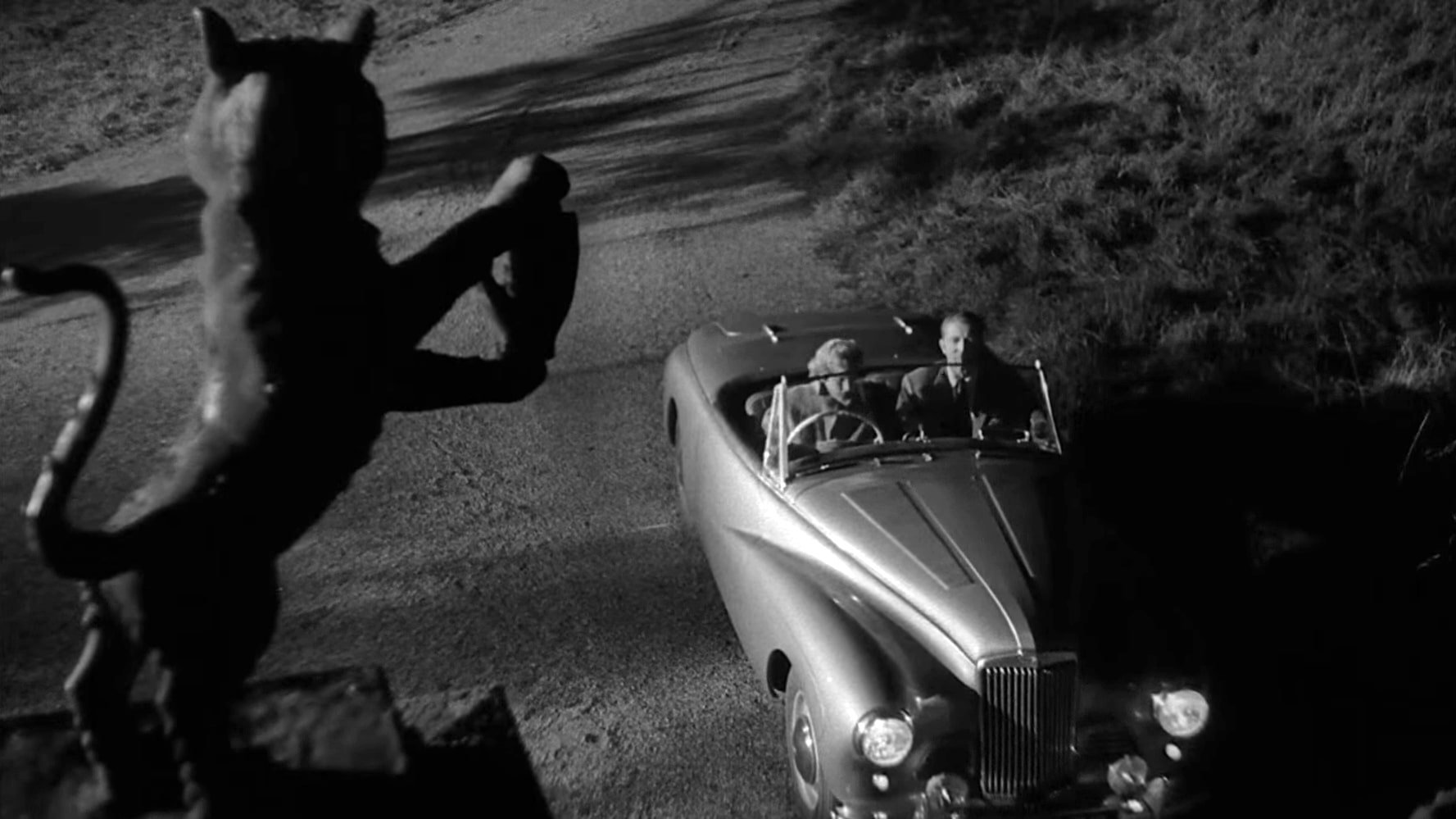
The garden-party sequence is especially revealing. Karswell initially appears as a genial entertainer among children, an impression reinforced by the bright exterior and the country-house surroundings. He then summons an unnatural storm as a demonstration for Holden. The scene develops its threat through moving leaves, gathering wind and the reactions of those caught outside. No appearance of the central demon is required to show that Karswell possesses dangerous powers. Its daylight setting removes the protective familiarity of the conventional nocturnal haunted house and makes the change in the atmosphere the principal source of unease.
Other scenes employ dense darkness and restricted visibility. Professor Harrington's journey through the countryside exposes him to a threat he can hear and partially glimpse before the full apparition appears. In the woodland pursuit, drifting smoke, sudden movement and uncertain distance limit Holden's ability to identify what approaches. Railway locations later bring the same method into the space of modern transport, where speed and schedules appear to offer an escape from the curse. The opposition between open daylight and confused night photography gives the film a varied visual rhythm while maintaining a consistent concern with what the characters cannot reliably see.

The Demon and the Supernatural Threat

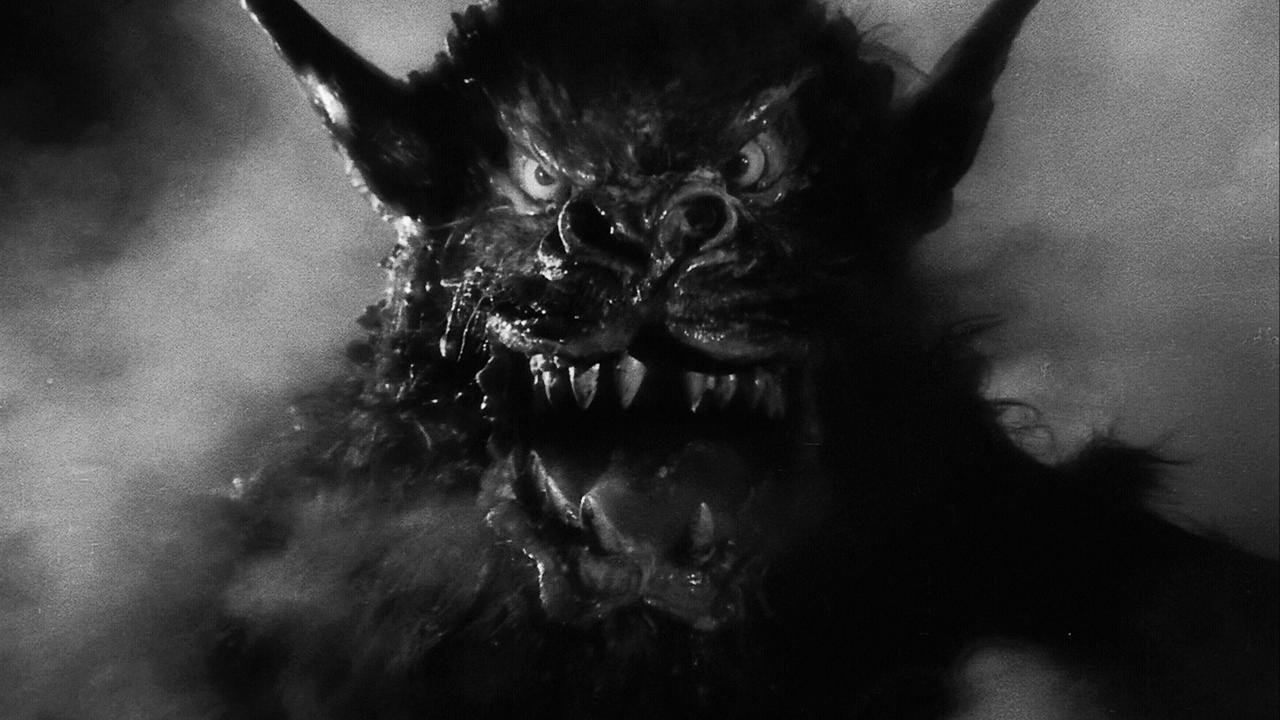
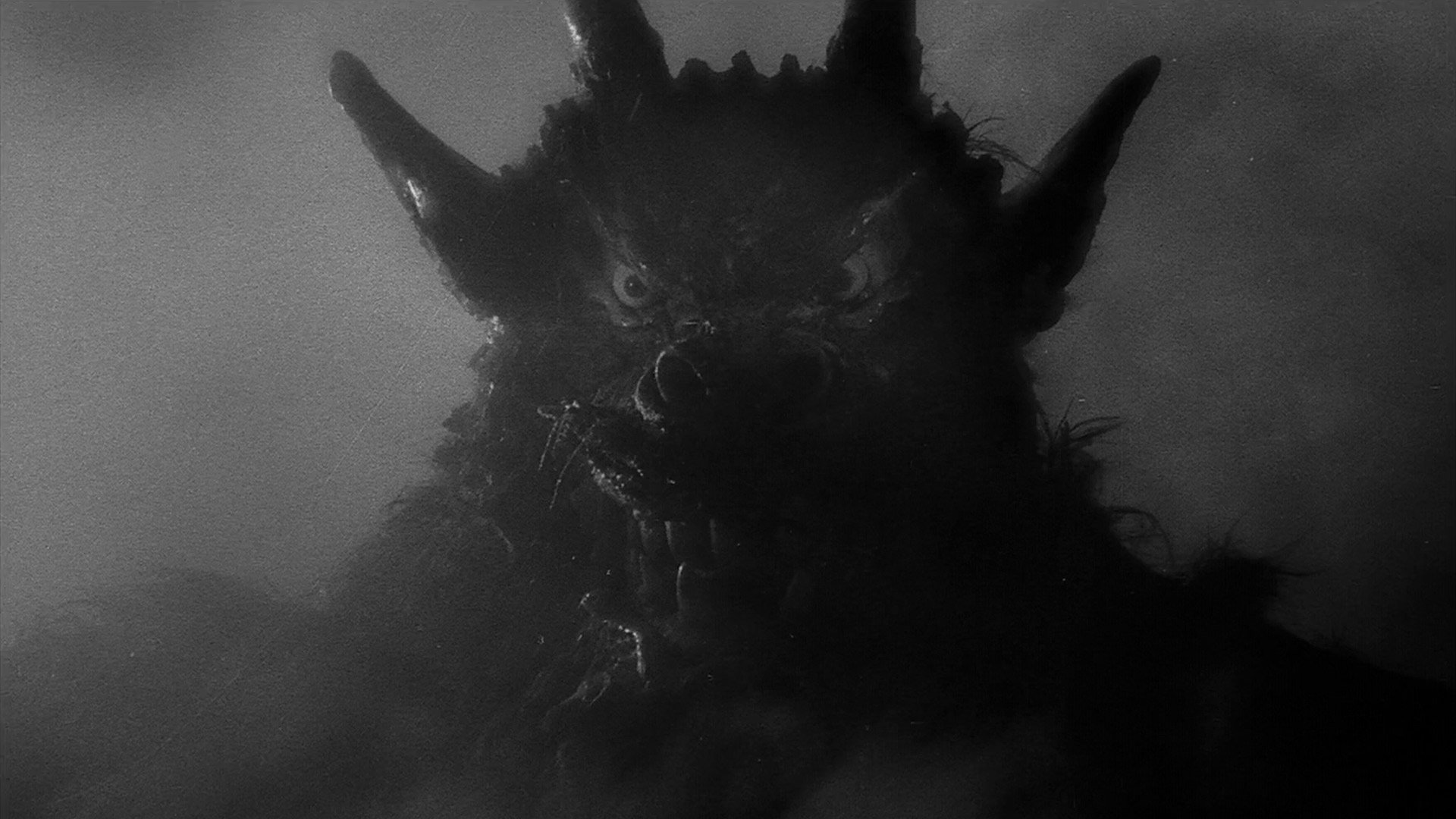
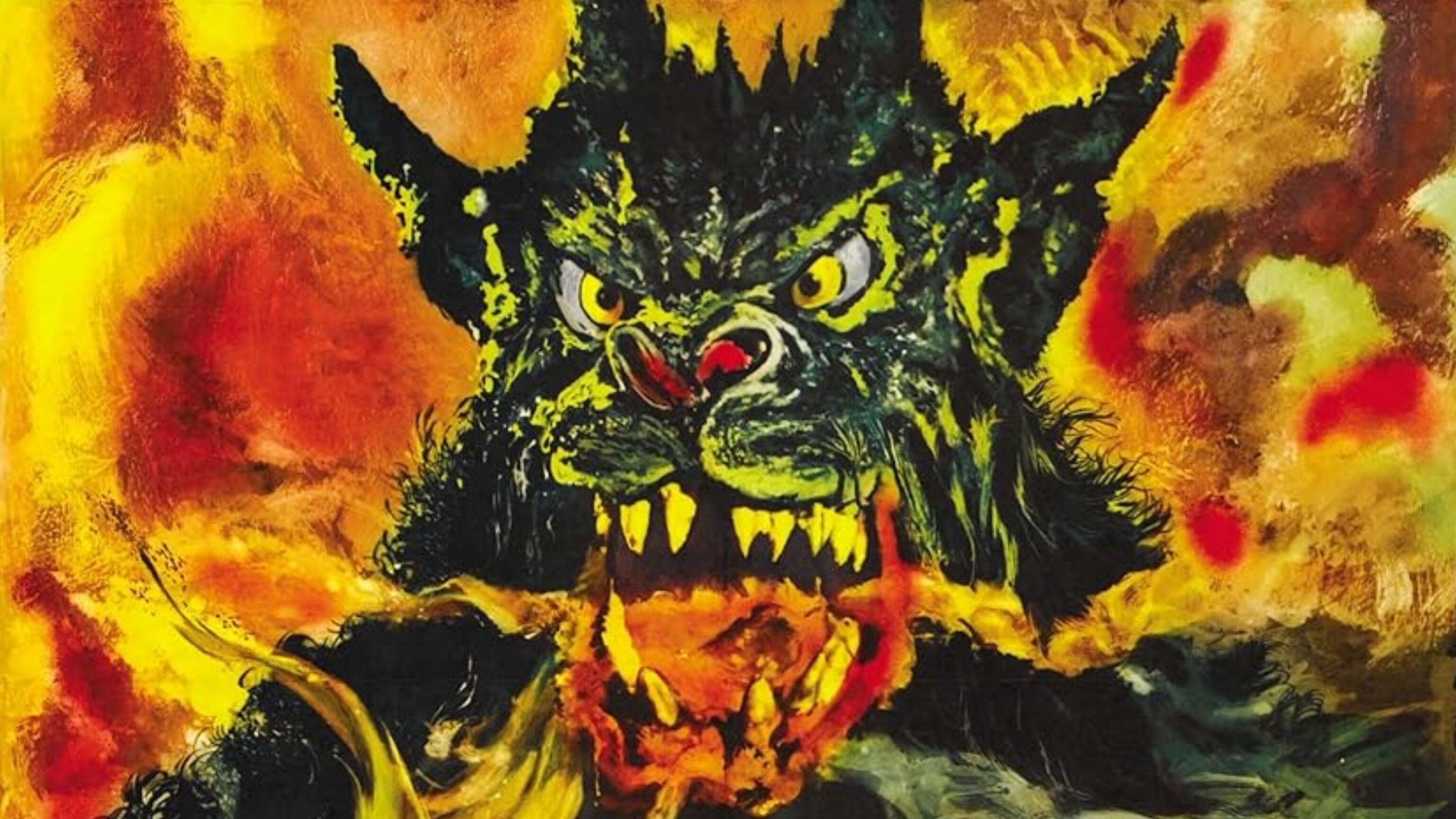
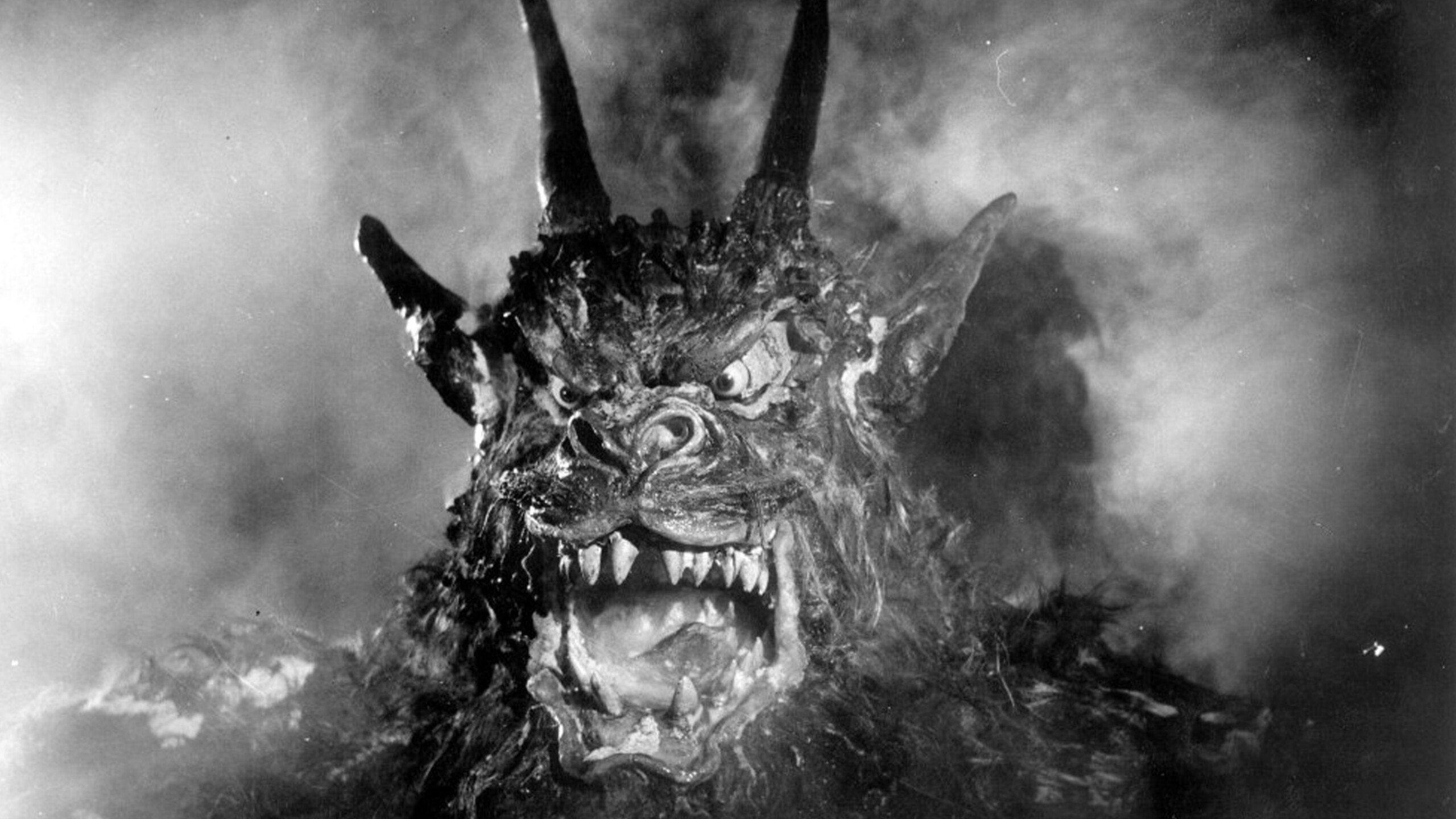
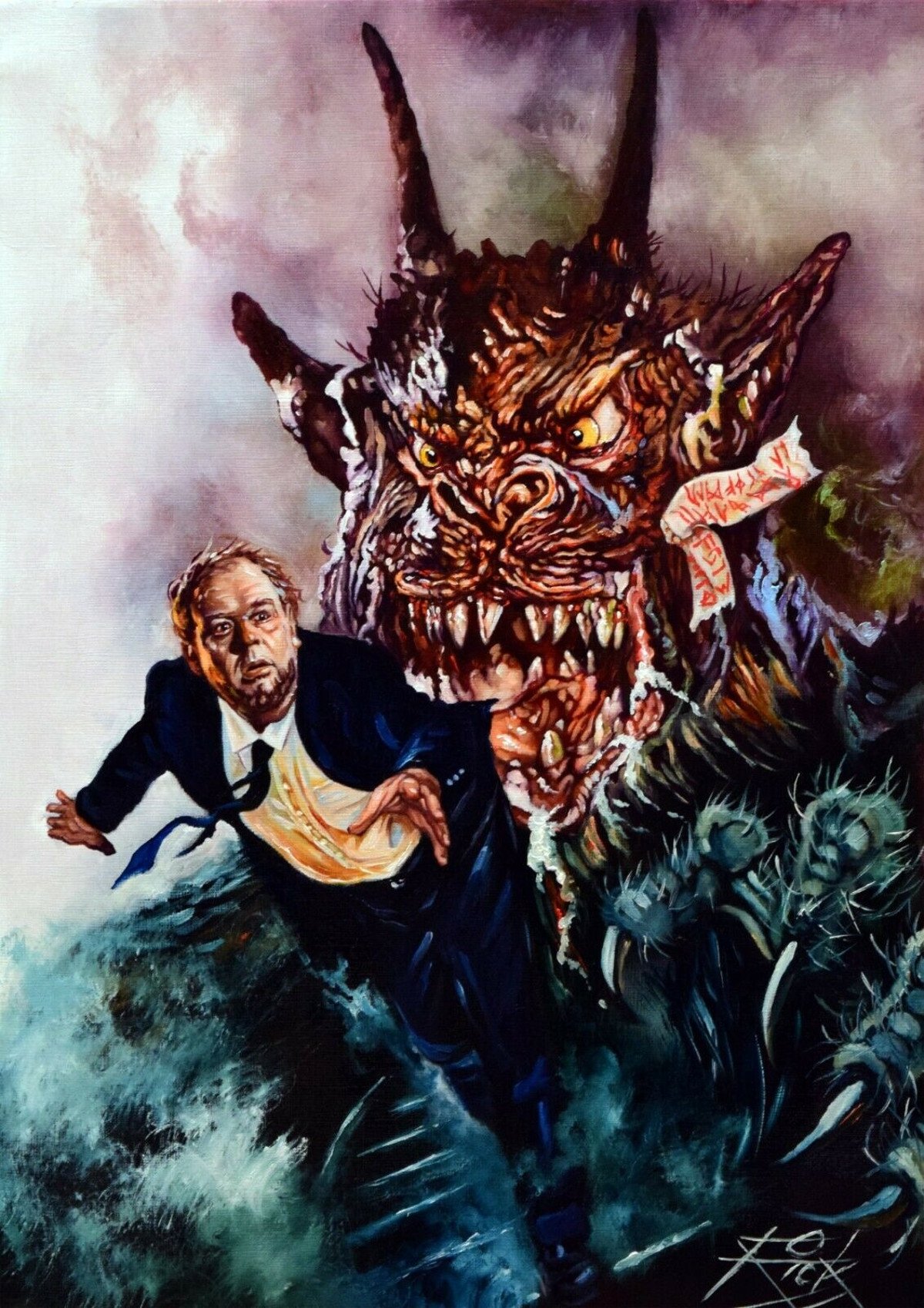
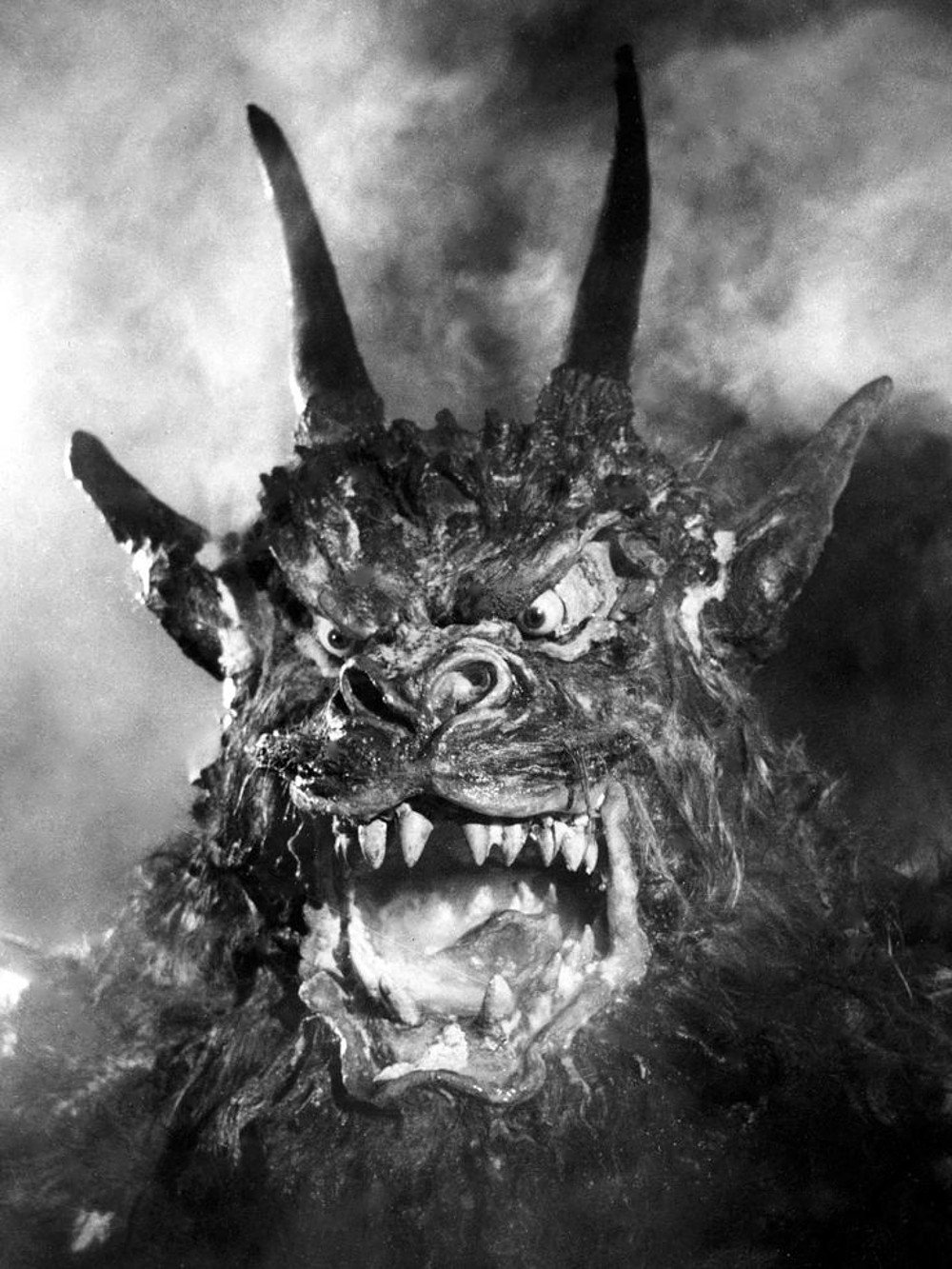
The creature appears in the opening attack and again near the climax, surrounded by smoke and intense light. Its horned head, teeth and imposing body make it an unusually concrete supernatural presence within Tourneur's work. The demon was widely debated because it gives viewers knowledge that Holden does not possess. Once the first killing has been shown, the audience can no longer regard Karswell's claims as merely a psychological bluff. Suspense therefore depends in part on the gap between the protagonist's explanations and the danger already confirmed for spectators. The opening alters the balance between mystery and dramatic irony before the investigation has properly begun.

The production dispute over these images is often described as a struggle between suggestive horror and a producer's demand for a visible monster. That broad opposition has a basis in the surviving accounts, but the historical record is more complicated. Draft screenplays and the annotated shooting script establish that a demonic manifestation had been planned. Additional filming and changes in presentation made the creature more pronounced in the released picture. The precise boundaries of individual contributors' intentions require care, especially when later interviews describe earlier decisions from opposing points of view. The documented issue is how the monster should be perceived, rather than whether the underlying story permitted its existence.

The less explicit supernatural sequences provide a useful comparison. A piece of paper seems to acquire a life of its own, a domestic animal becomes threatening, and a windstorm erupts in circumstances that deny an ordinary meteorological explanation. These events are specific enough to challenge Holden's account of reality without consistently providing a complete view of their cause. Karswell's calm explanations intensify the effect because his manner is at odds with the consequences he promises. The film's horror relies on the coexistence of these suggestive incidents and the more demonstrative appearances of the demon.

Skepticism, Performance and the Séance

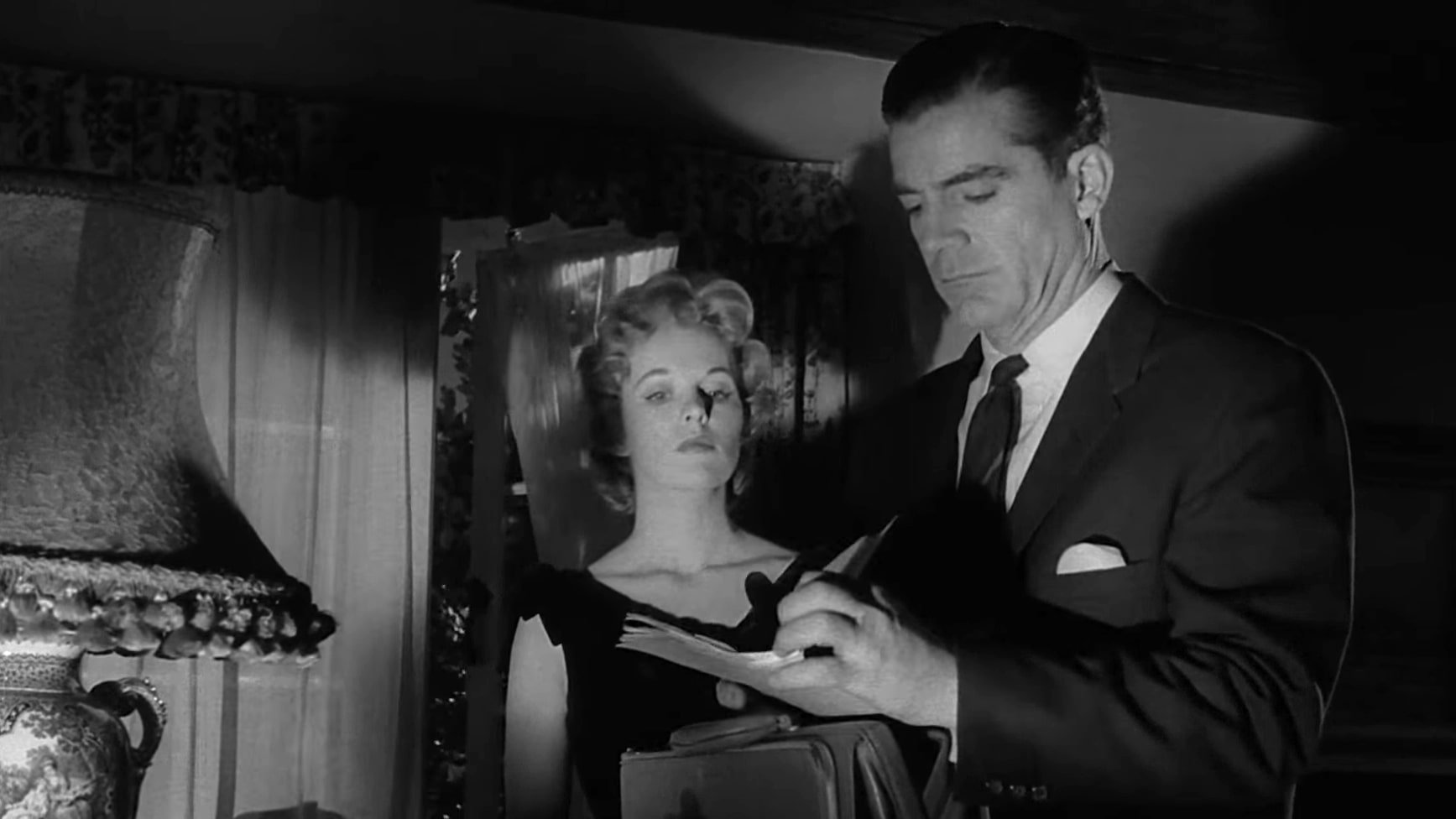
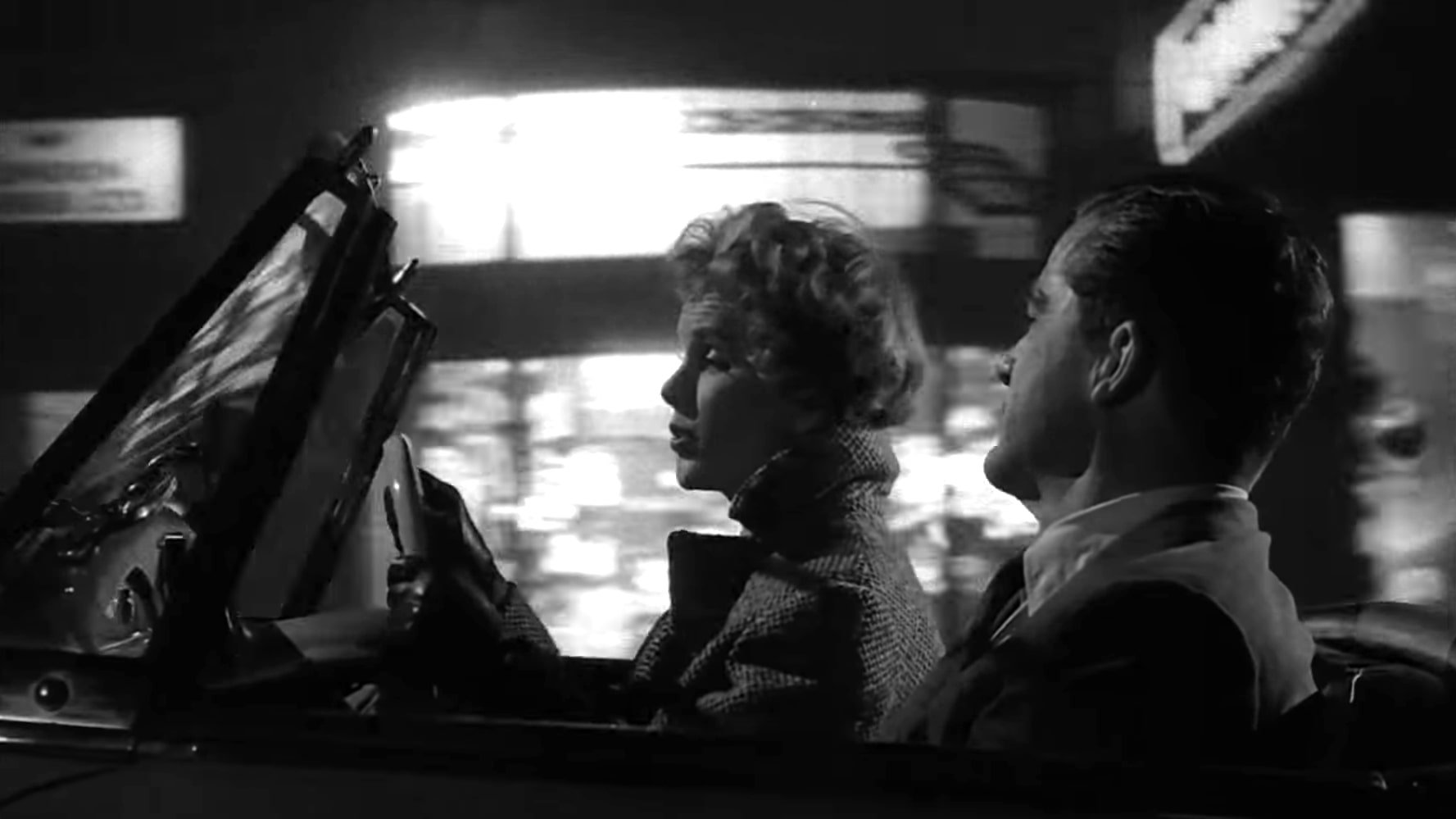
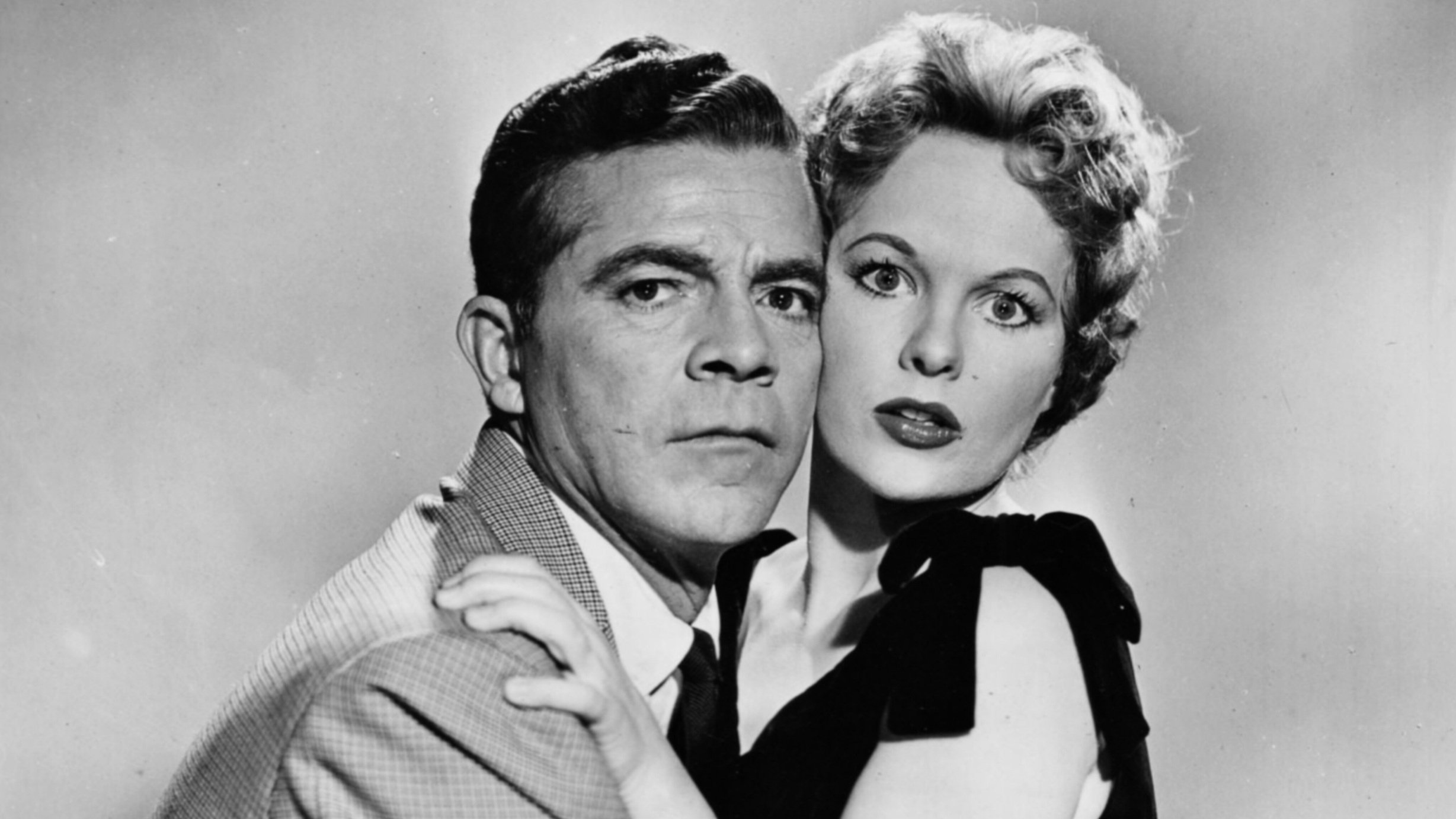
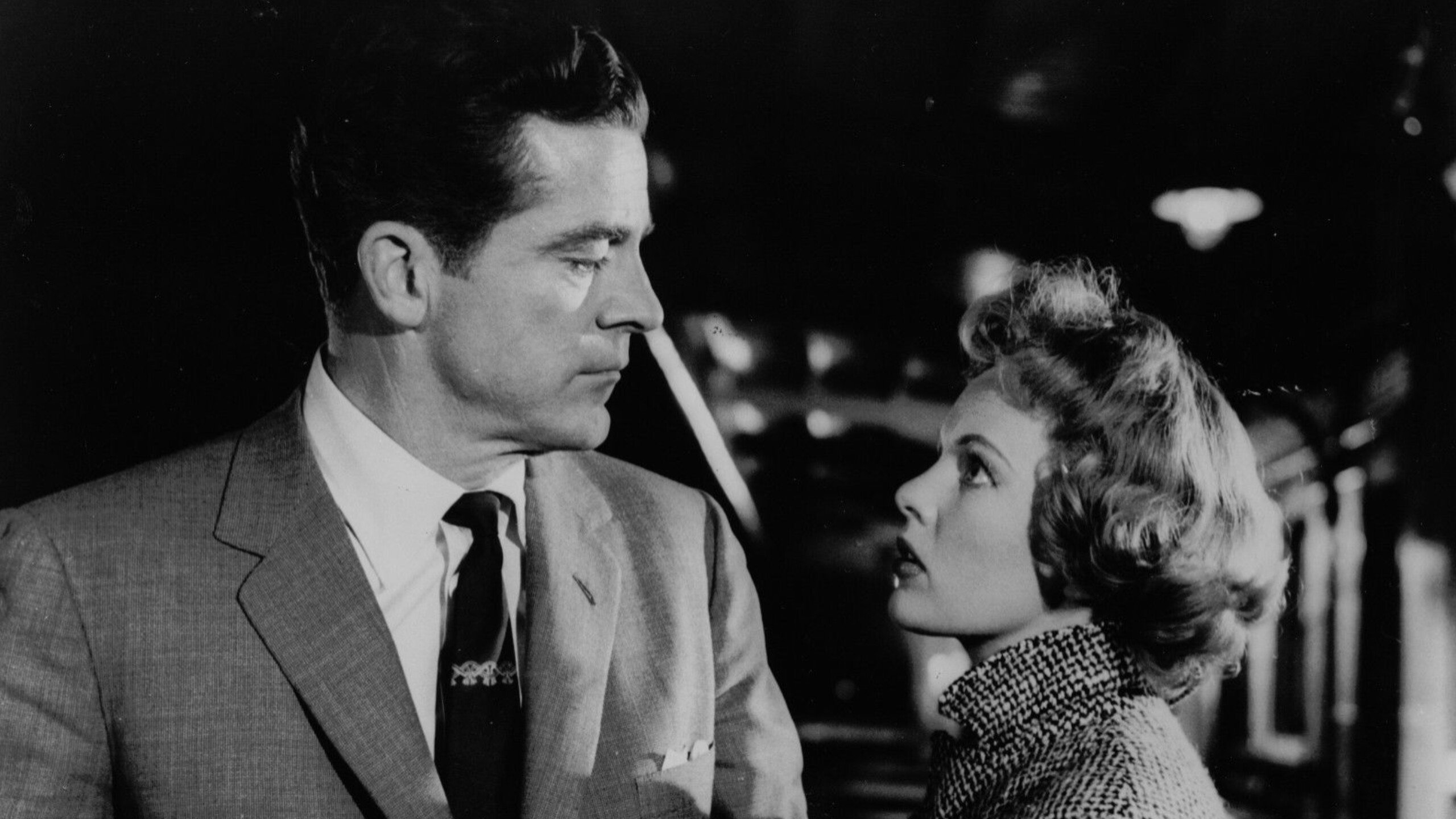
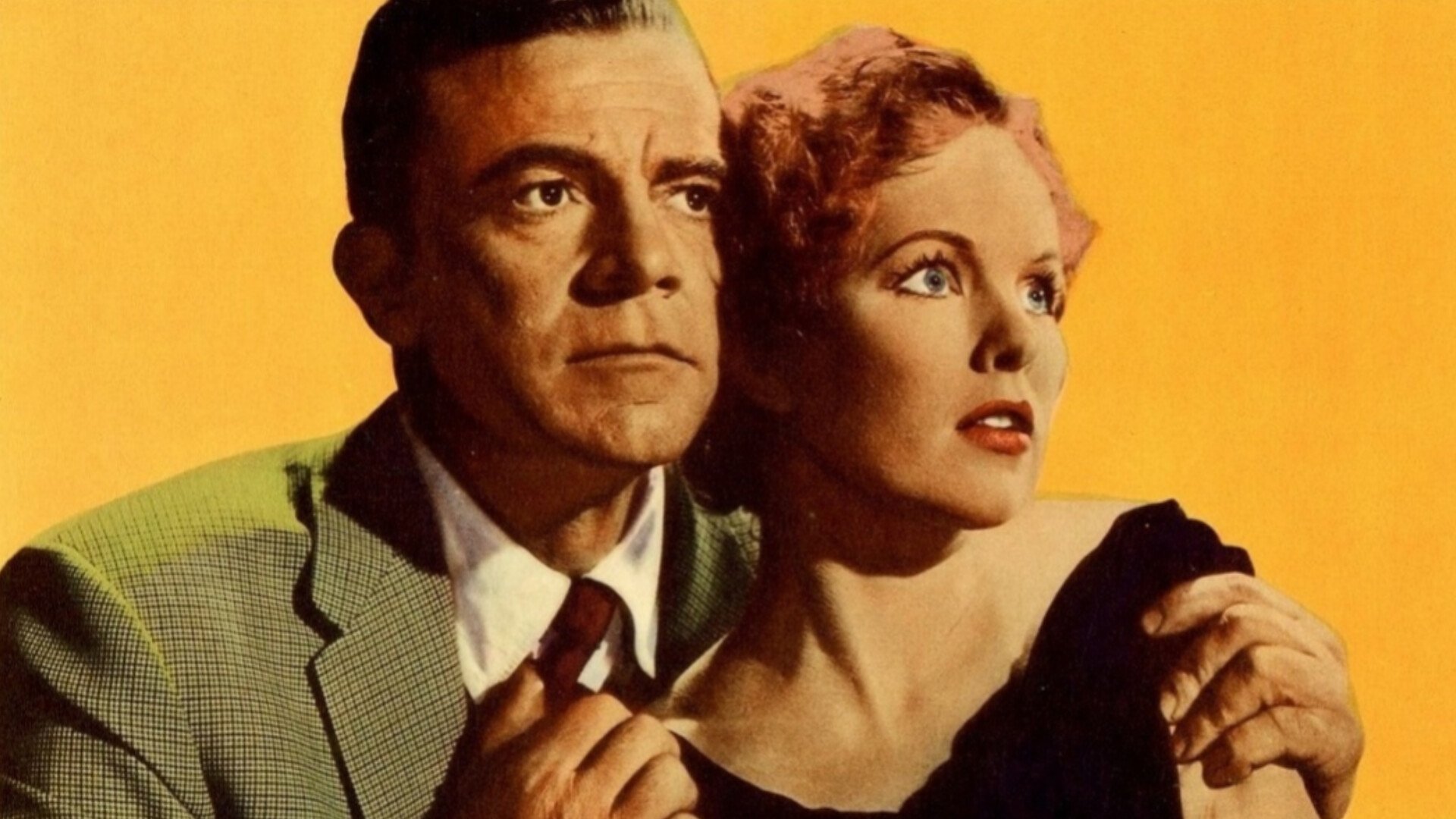
Dana Andrews plays Holden as an investigator accustomed to evaluating extraordinary claims against ordinary evidence. His skepticism is not a decorative character trait: he repeatedly seeks psychological or material explanations for events that others take as proof of black magic. Peggy Cummins's Joanna Harrington is less committed to those explanations because her uncle's death has given the threat immediate personal meaning. Their conversations allow new information to be tested against opposing expectations. The film develops tension through this gradual reassessment of evidence rather than through a continuous sequence of attacks.

Niall MacGinnis gives Julian Karswell an unsettling mixture of cultivated politeness and coercive authority. He occupies a prosperous home, entertains children and remains closely attached to his mother, yet calmly threatens those who challenge his occult practices. These social details prevent him from functioning merely as an anonymous leader of a cult. He is recognizable in everyday situations, and his power appears more intrusive for that reason. His hostility toward Holden emerges through small acts of manipulation before it becomes an openly stated death sentence. The film's recurring dry humor is closely connected to this disparity between manner and action.

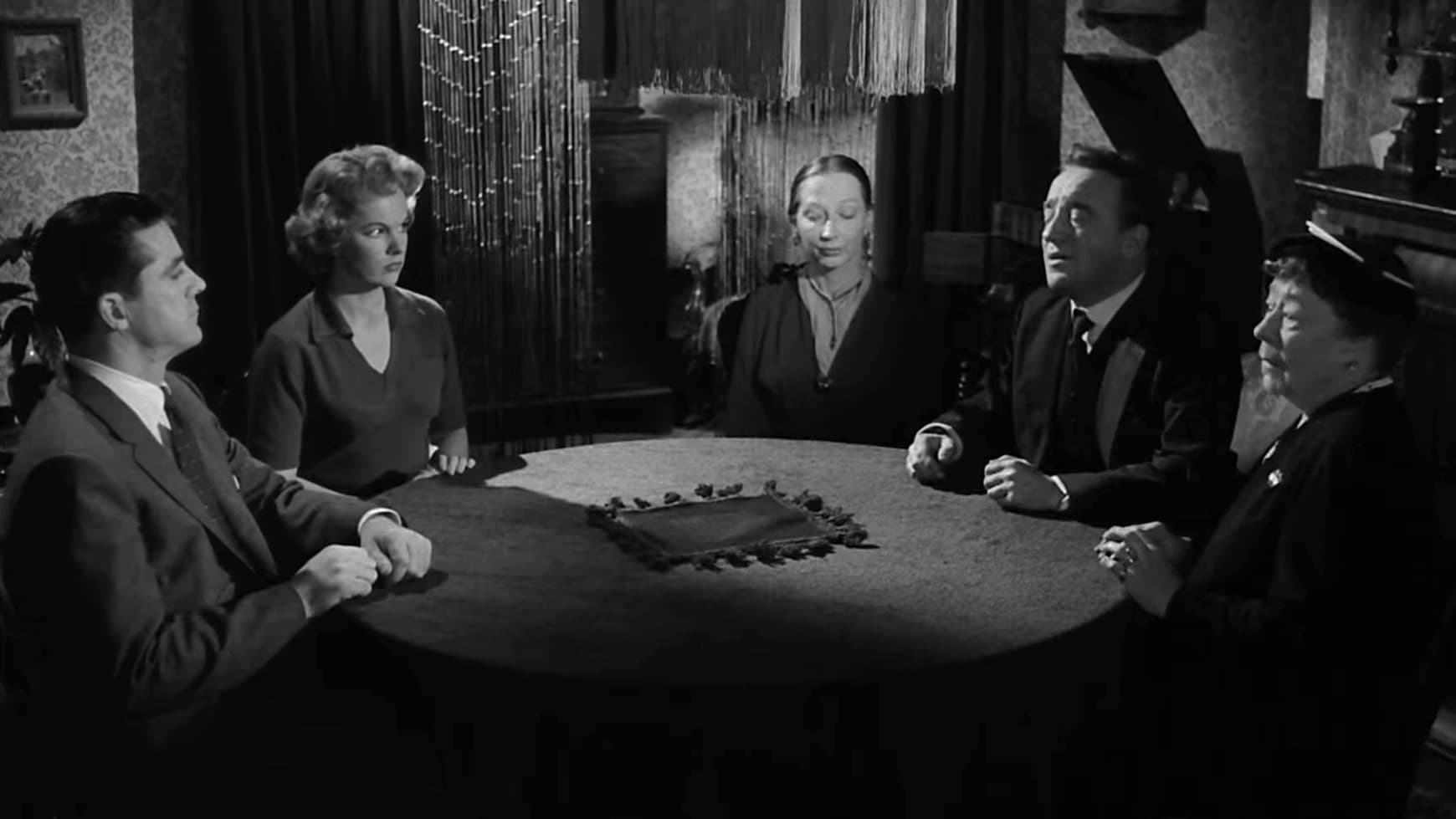
The séance brings the film's concerns with testimony to a particularly concentrated point. A voice identified with the dead Professor Harrington conveys a warning about a presence in the trees, but Holden must decide whether what he hears constitutes evidence or performance. Peirse identifies the sequence as pivotal to understanding the script's evolution: storytelling, speech and the reactions of listeners generate fear even without a visible creature. Sound also prepares the viewer for the demon through wind and unsettling disturbances, although surviving evidence does not justify a detailed account of specific sound-production techniques. The scene places the authority of direct observation under pressure and makes uncertainty itself dramatic.

Censorship and Release Versions

The British Board of Film Classification examined the project well before shooting was completed. A screenplay entitled The Bewitched arrived in January 1955, when examiners judged its supernatural material suitable only for an X certificate and objected to depictions of, or references to, a Black Mass. Revised scripts submitted in September and October 1956 retained the Board's concerns about the intensity of the horror and the potential effect of screams. The film eventually reached the censors as Night of the Demon in June 1957. The surviving correspondence thus documents creative adjustments and institutional negotiations across more than two years.

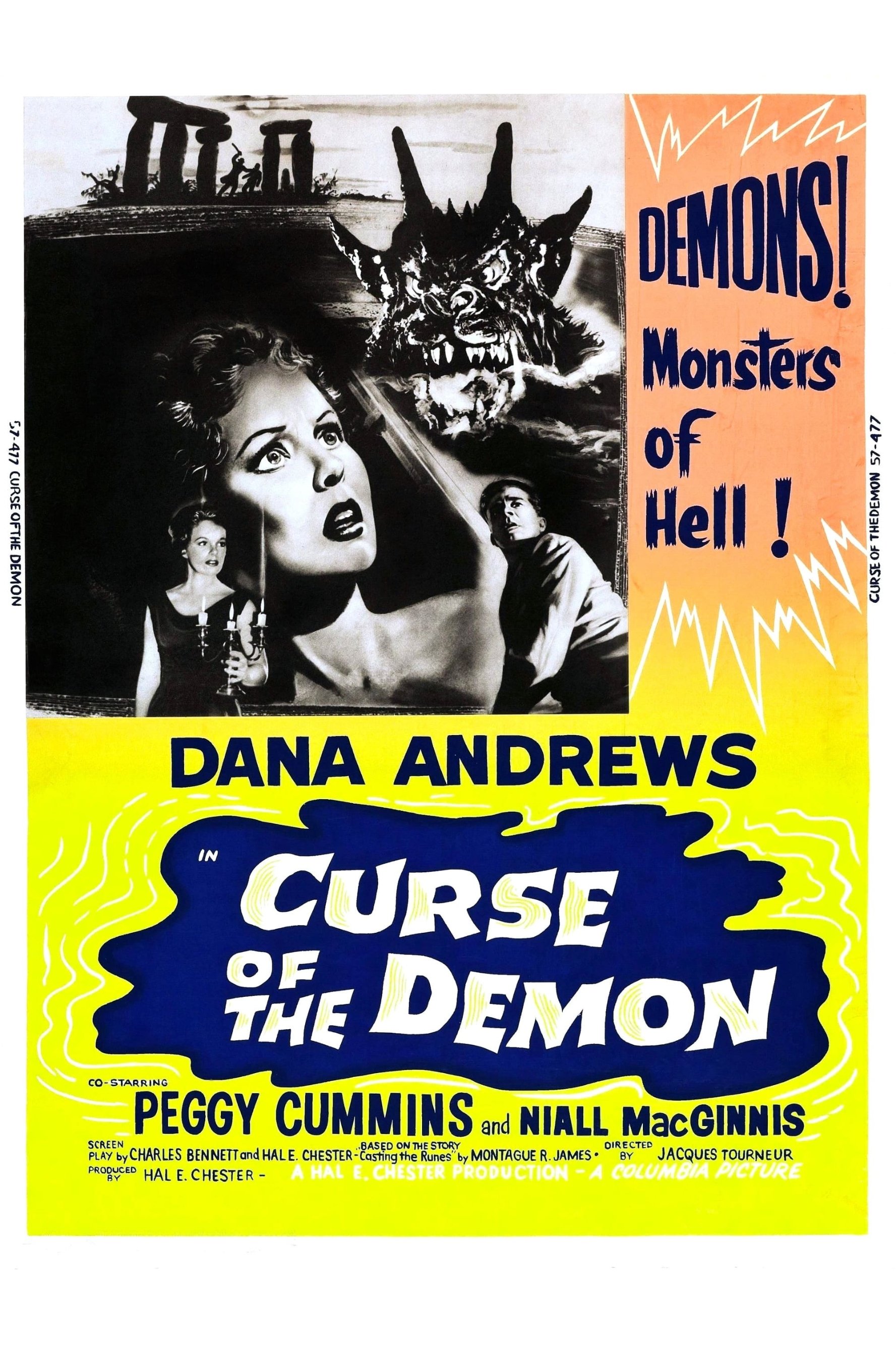
The completed film initially received an X classification only after changes were made. The BBFC requested reductions to Rand Hobart's cries and distressed close-ups, together with the removal of a passage of blasphemous dialogue. This intervention should not be confused with the later differences among the film's release edits. In 1996 a video edition bearing the title Curse of the Demon was classified 12, with material previously removed for British exhibition reinstated. A later reassessment in 2007 gave the film a PG classification under the guidelines then in force. These decisions illustrate changes in the assessment of screen horror, not a single unbroken history of the same print.
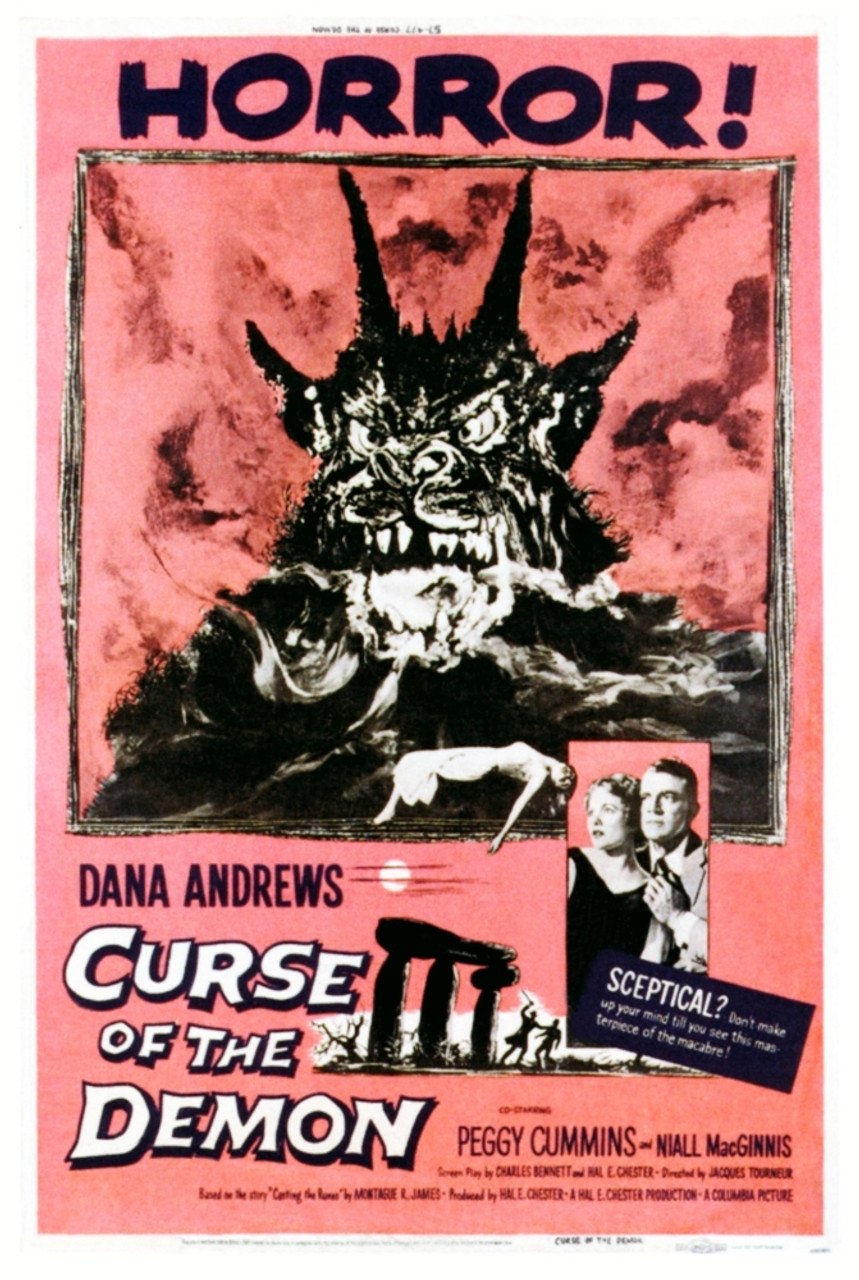
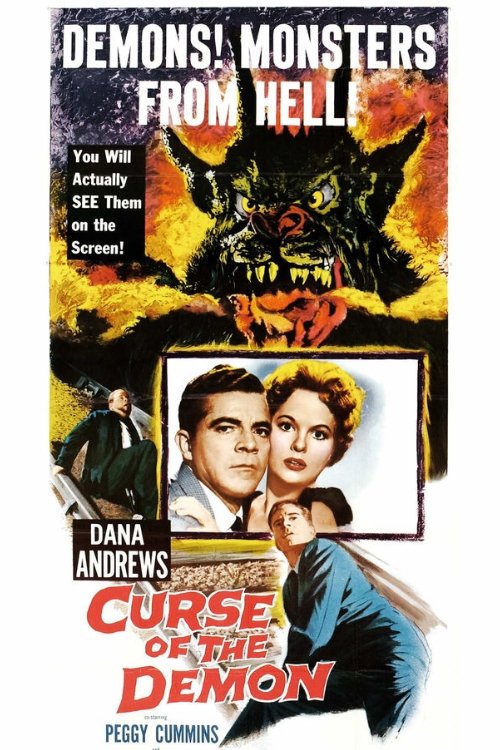
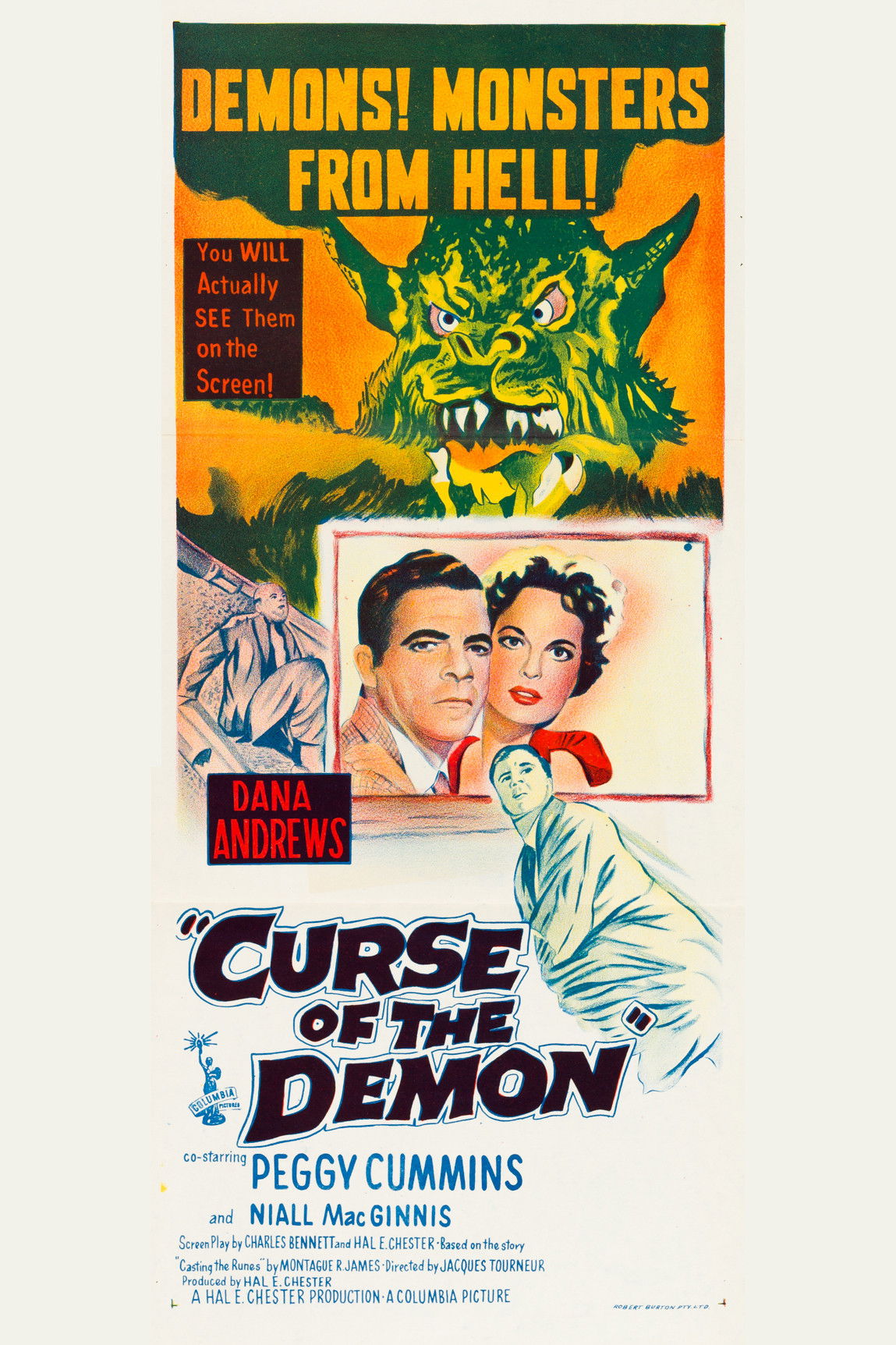
The film also exists in several editorial presentations. Modern preservation editions distinguish an approximately 96-minute full-length pre-release version, a British theatrical cut of about 82 minutes, a similarly short American theatrical version retitled Curse of the Demon, and a longer American reissue. Earlier distribution notes and some historical accounts describe the original British release as approximately 95 minutes, so the evidence should be presented with its disagreement visible rather than forcing all sources into one chronology. The longer material expands encounters and stages of the investigation; it is not an alternative-ending version. The BFI's 2013 restoration and subsequent remasters made these differences accessible for comparative viewing.

Critical Reputation and Afterlife

The film's reputation developed considerably after its original release. Retrospective accounts of Tony Earnshaw's production research describe an initially unenthusiastic response followed by a broader reassessment of Tourneur's achievement. Later criticism has repeatedly returned to the apparent conflict between the overt creature and the director's more restrained supernatural scenes. The monster remains a legitimate subject of disagreement, but reducing the film to that controversy obscures the detailed work of performance, location and narrative construction. Both forms of horror remain present in the released picture and shape the viewer's experience in different ways.

British Film Institute curator Vic Pratt has emphasized the film's use of ordinary English locations, its dry humor and the unsettling coexistence of modern professional life with occult practices. Its place in the history of British horror is particularly distinctive because it appeared near the beginning of the period associated with Hammer's more explicit Gothic productions, while retaining many of the techniques Tourneur had developed during the 1940s. Pratt discusses it alongside later occult films such as Night of the Eagle (1962), Rosemary's Baby (1968) and The Wicker Man (1973). These parallels illuminate the treatment of witchcraft in modern settings without establishing that every later production was directly influenced by Tourneur's film.

The archival afterlife is also concrete. The BFI preserves assistant director Basil Keys's annotated shooting script and a contemporary pressbook, material that allows the film's production to be studied beyond personal recollections. Its séance dialogue was later sampled at the beginning of Kate Bush's song Hounds of Love, giving one of its most disturbing auditory moments a life outside the cinema. Restoration and the publication of archival scholarship have made the film's changing scripts, censorship history and multiple versions unusually accessible. The BFI's 2013 restoration of the longer assembly and later presentations of the shorter theatrical edits have also made differences in pacing and narrative emphasis easier to compare.

References

  1. White Rose Research Online The Script, the Séance and the Censor: Writing Night of the Demon (1957)

    Alison Peirse archival study of draft scripts, correspondence, producer revisions and the narrative role of the séance.

  2. British Board of Film Classification Night of the Demon (1957)

    Original censorship files documenting screenplay submissions, 1957 cuts and subsequent reclassification.

  3. British Film Institute ‘It’s in the trees!’ Night of the Demon script

    BFI National Archive presentation of the annotated shooting script and contemporary pressbook.

  4. British Film Institute How the Locations for Night of the Demon Have Changed in 60 Years

    Oliver Lunn research into Stonehenge, Brocket Hall, London and the railway locations.

  5. Turner Classic Movies Beating the Devil: The Making of Night of the Demon

    Jeremy Arnold review of Tony Earnshaw production research clarifying screenplay disputes, the visible demon and retrospective reception.

Cast

View Full Cast & Crew →

Release & Distribution

Production Companies (1)

  • Sabre Film Productions Ltd.

Distributors (1)

  • Columbia Pictures US

Release History (5)

Release DateTerritoryRelease TypeFormatDistributorCertificationNotes
1957-11-09 United Kingdom Theatrical — — PG 82-minute version
1958-02-28 Finland Theatrical — — —
1958-05-30 United States Theatrical — — NR 82-minute version
1959-05-14 Italy Theatrical — — — 96-minute version
2011-02-23 Netherlands Physical DVD — — DVD
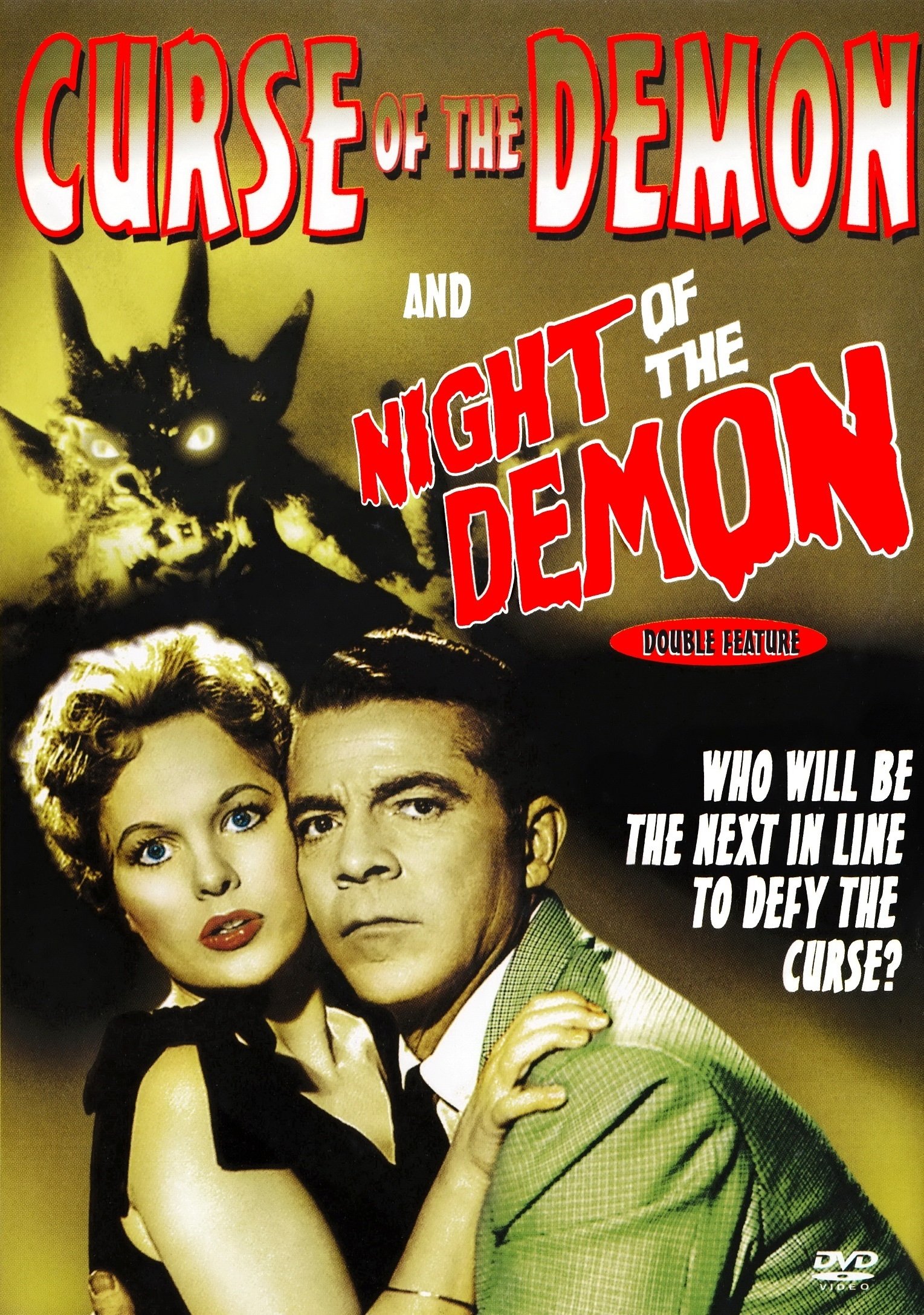
Who will be the next in line to defy the curse?