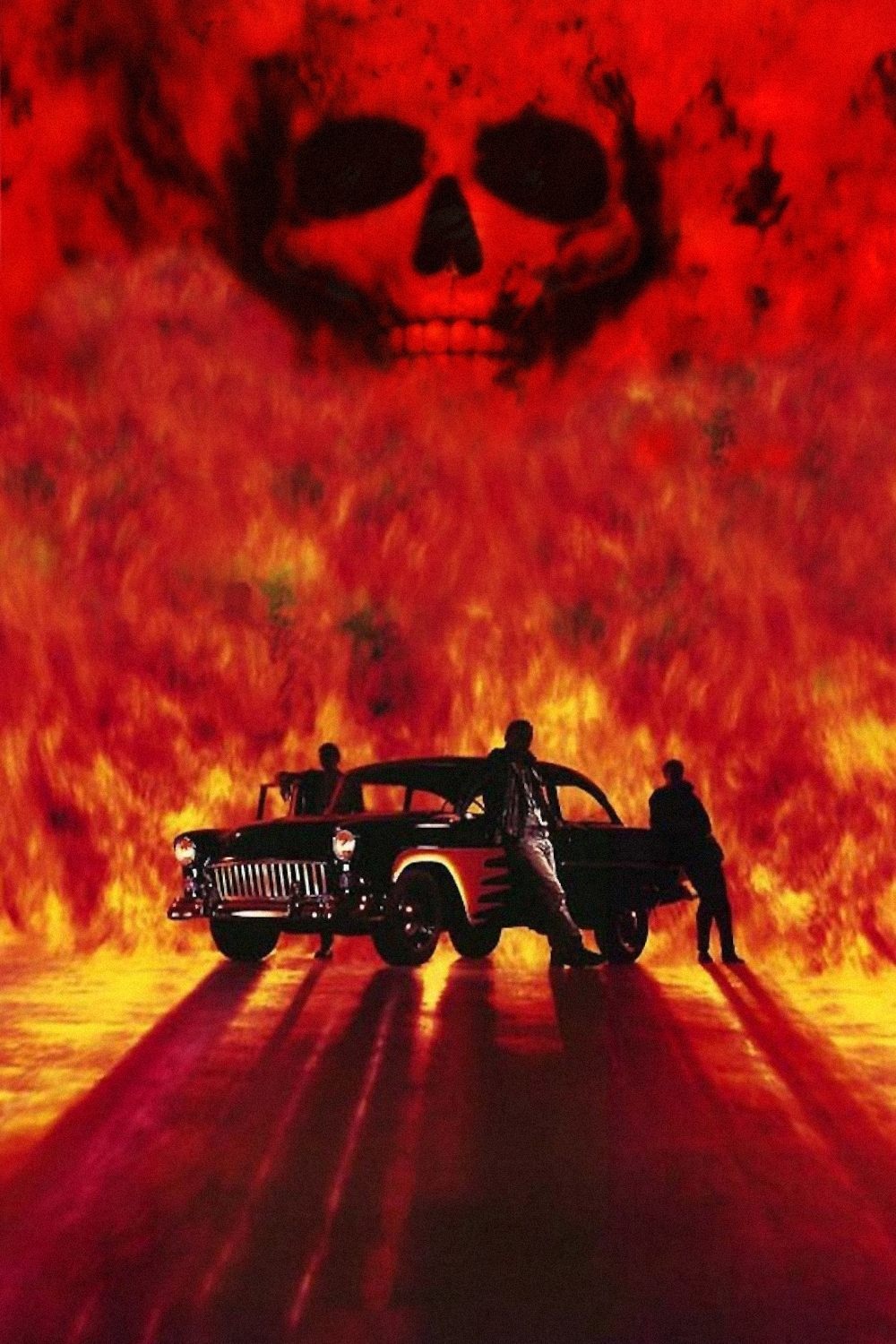
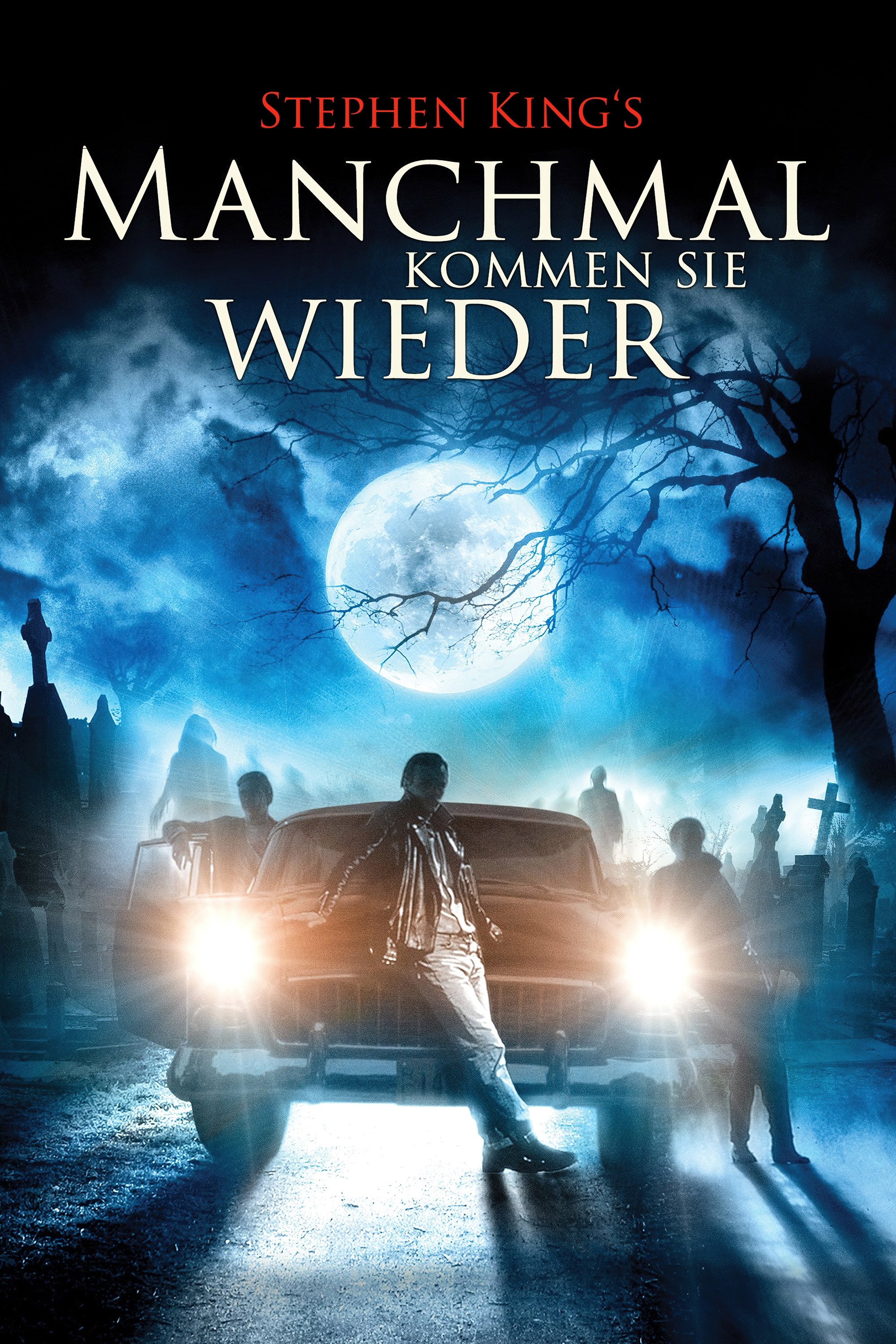
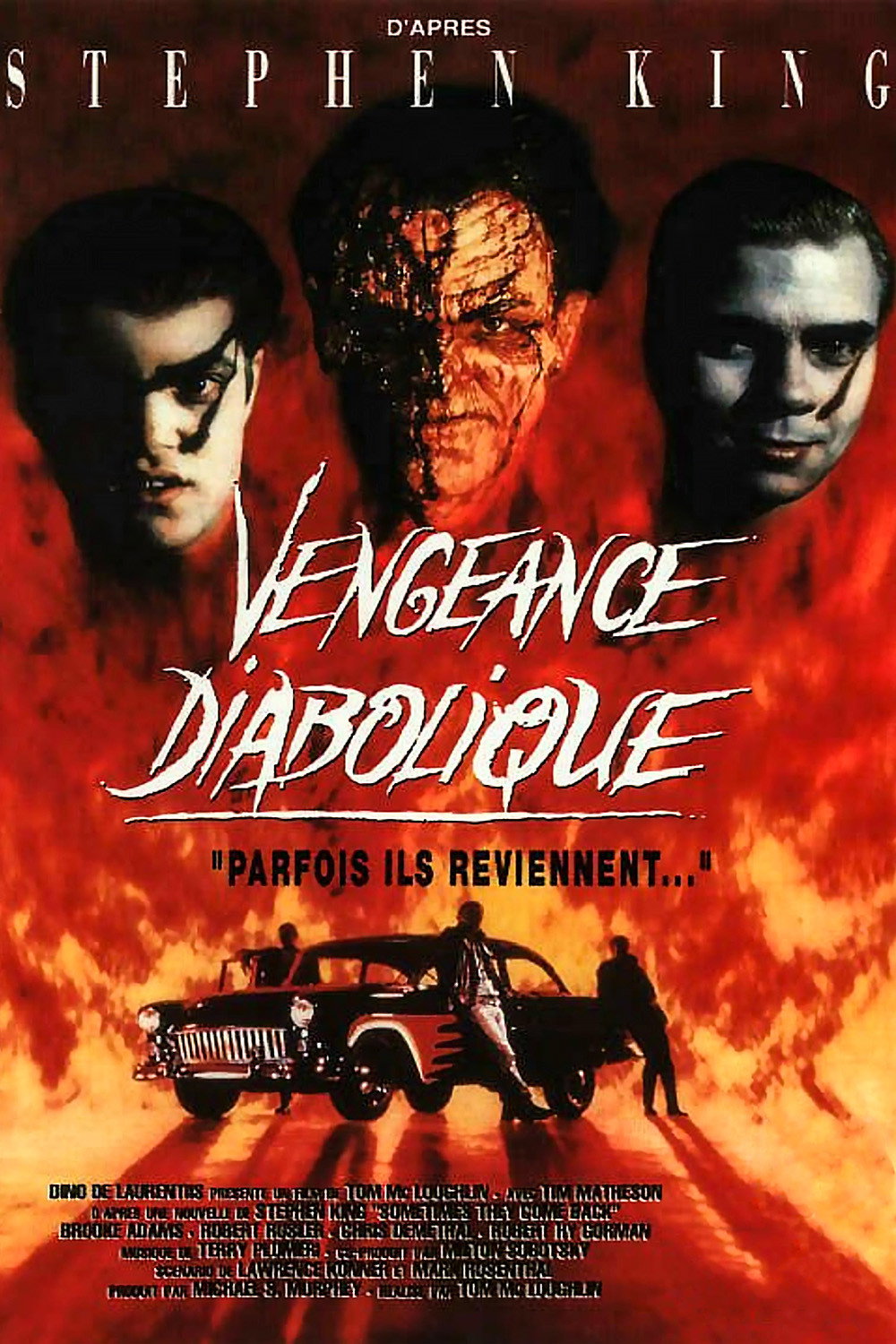
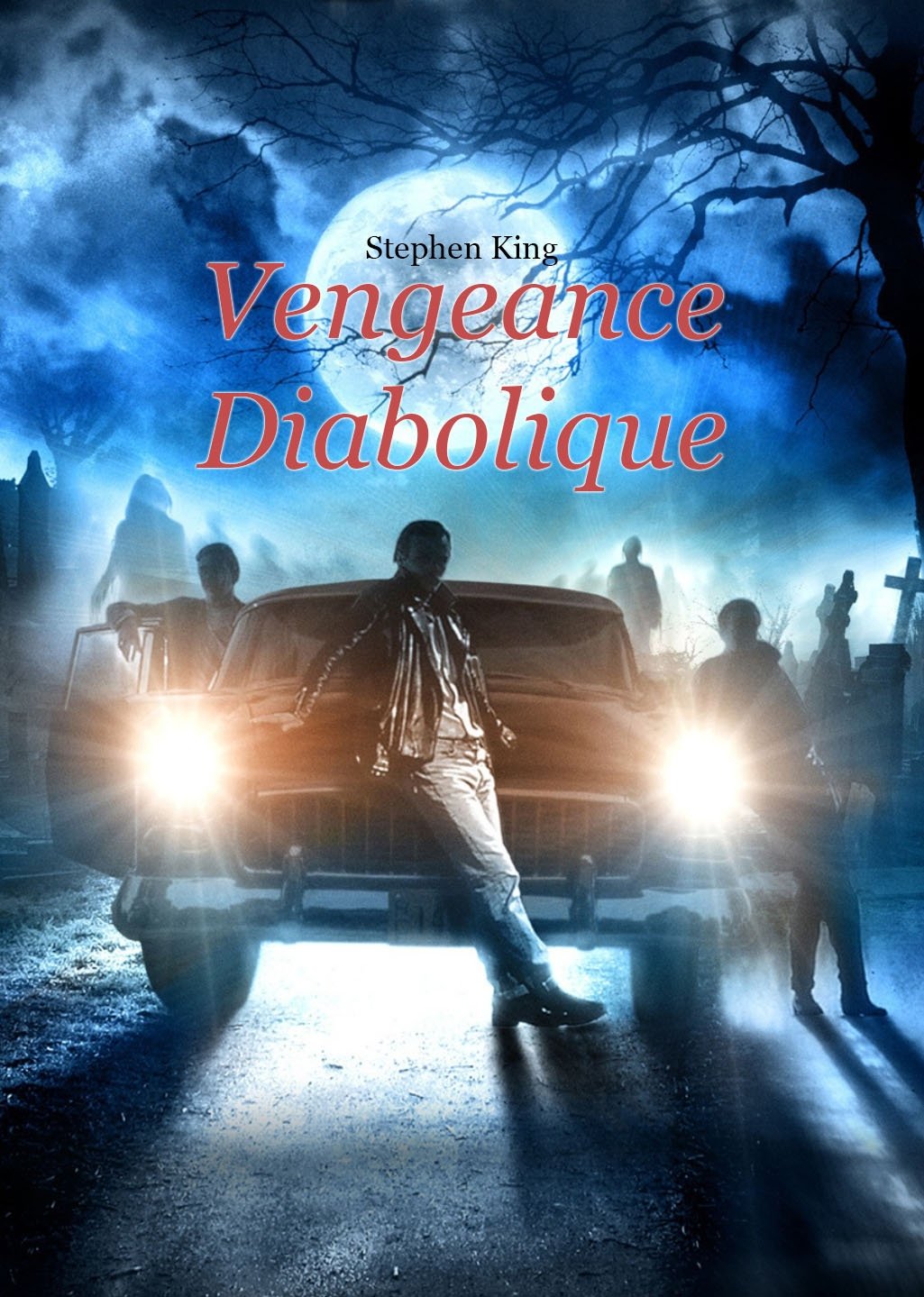
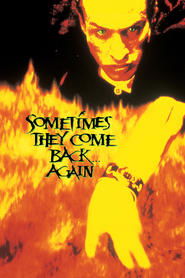
Sometimes They Come Back (1991)

US
Runtime
98 min
Release
May 7, 1991
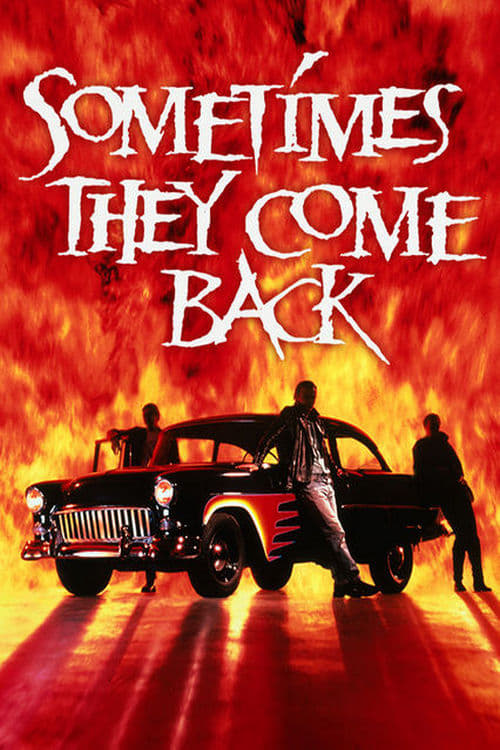
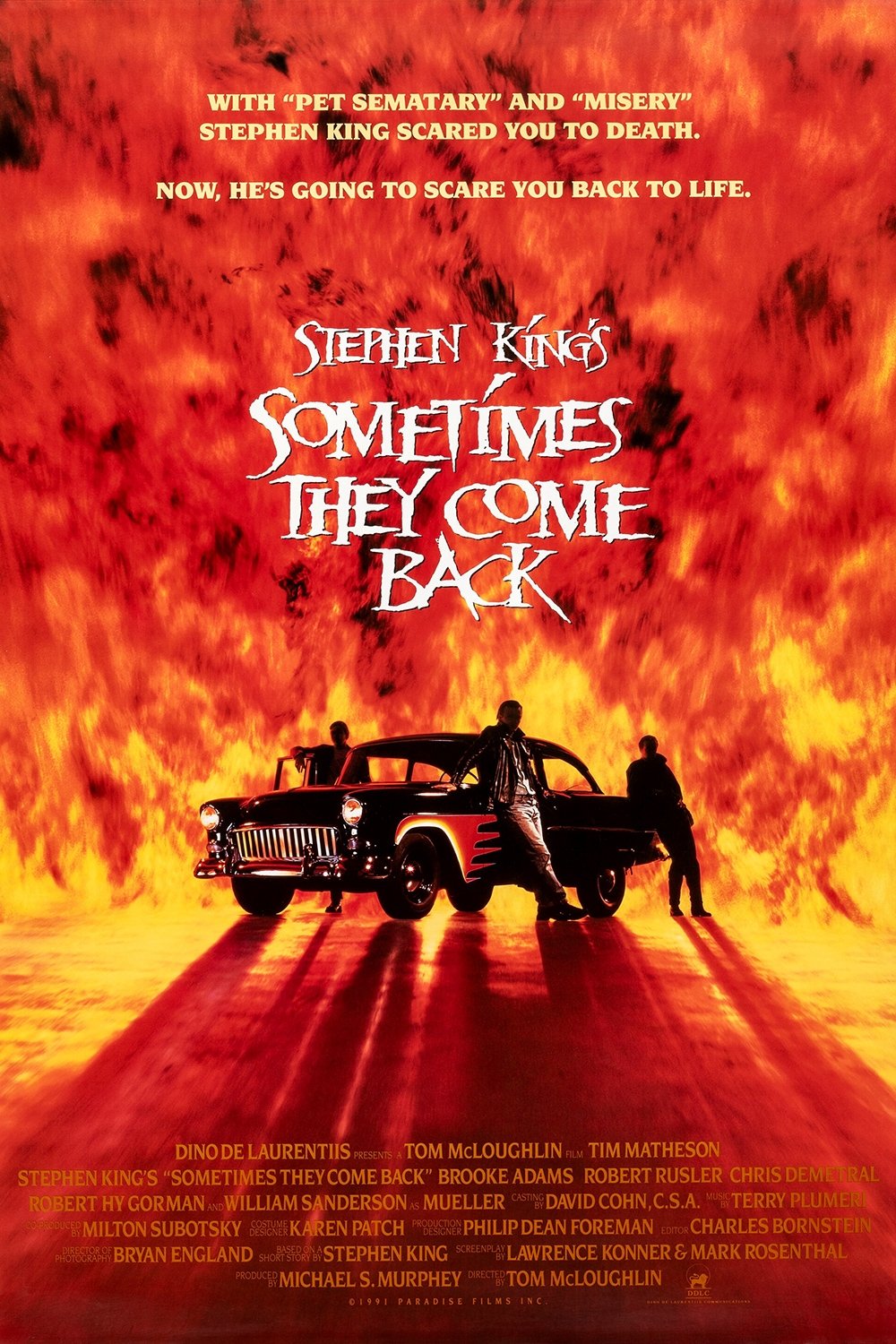
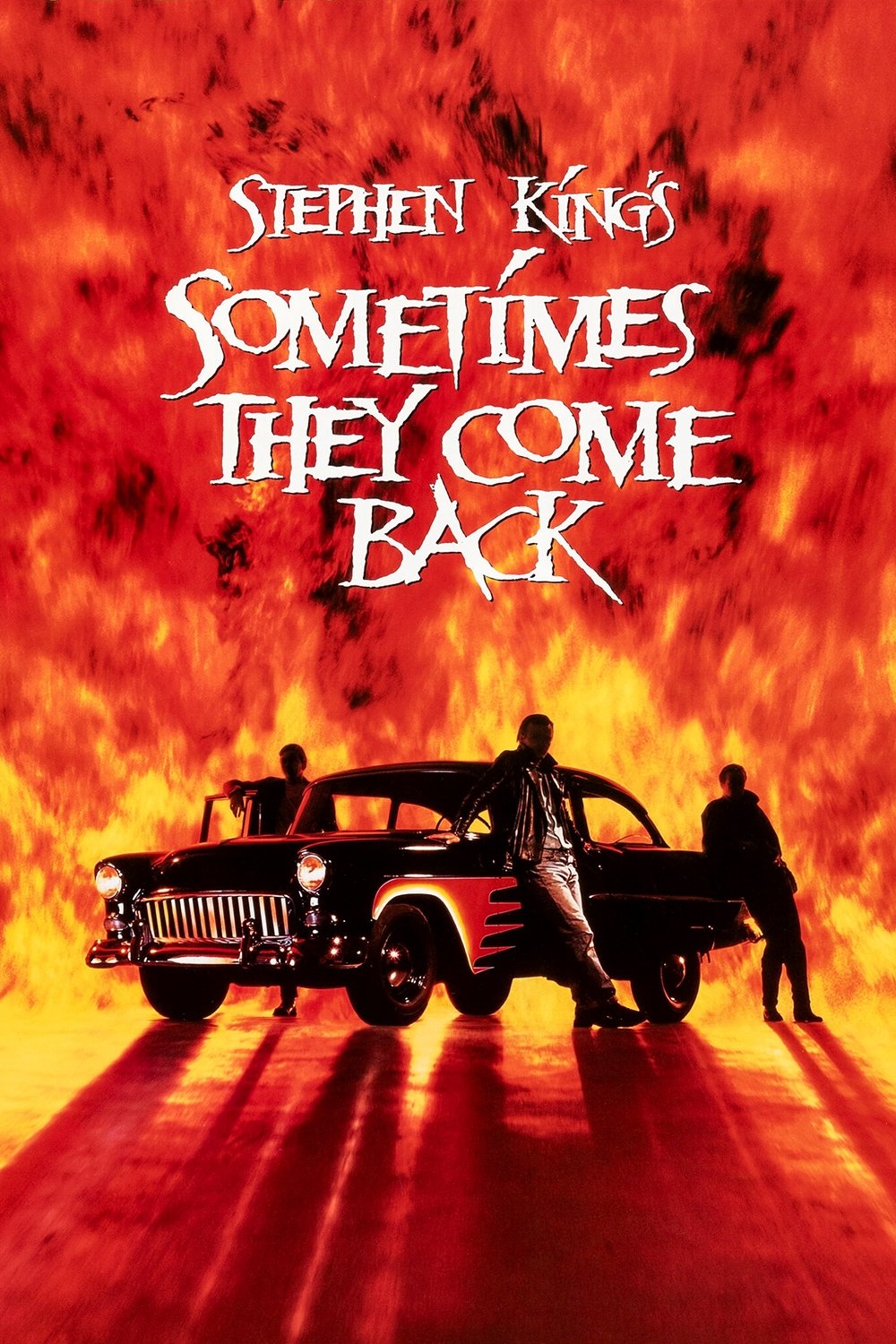
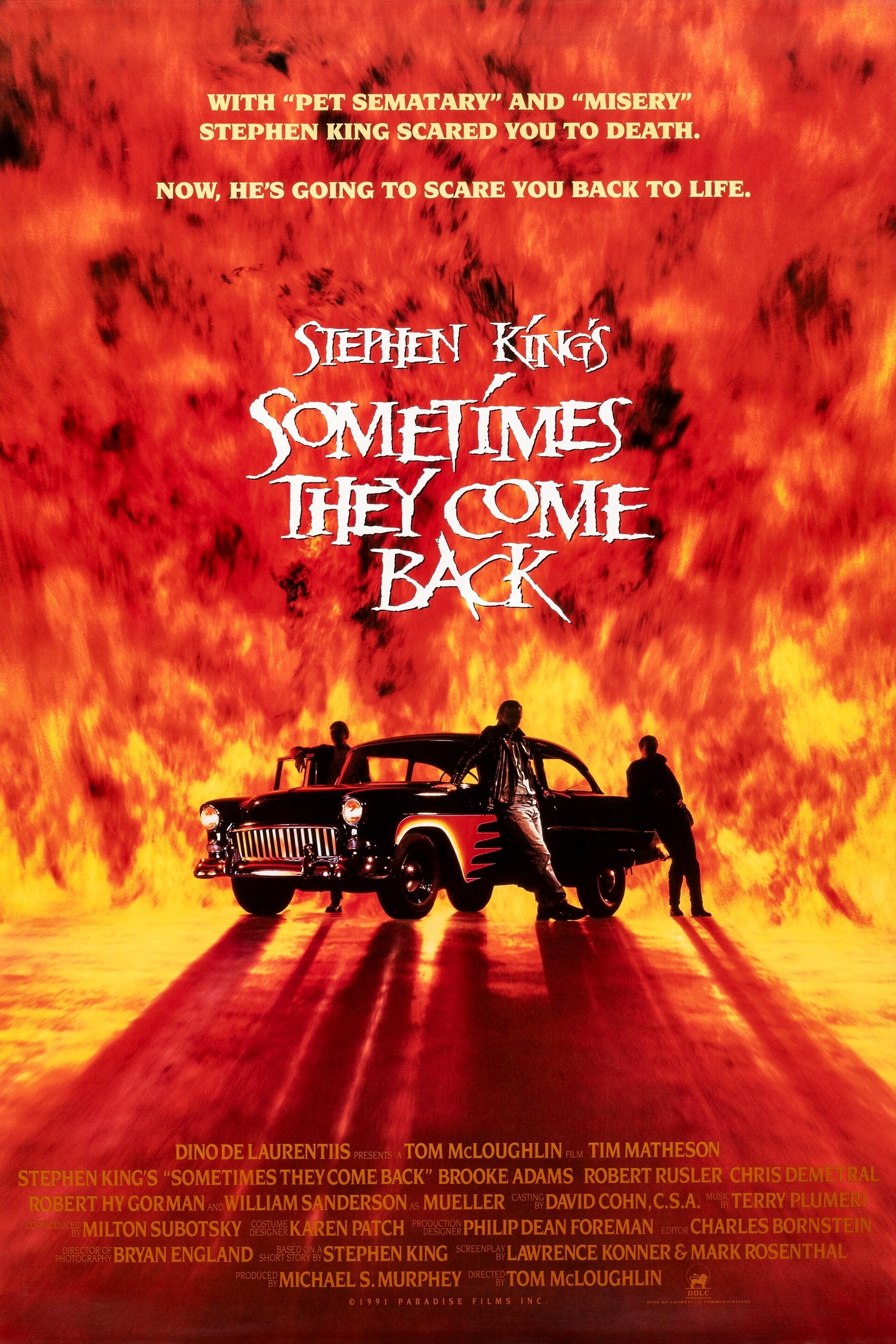
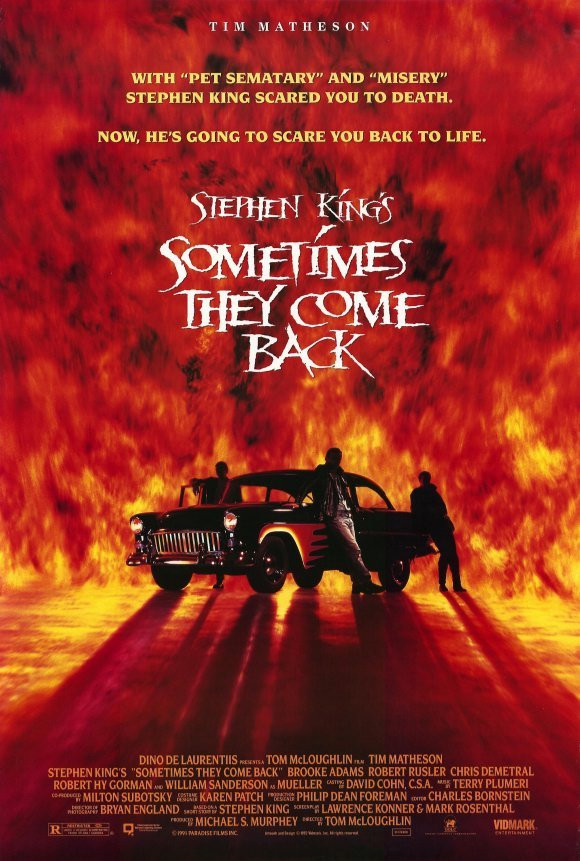
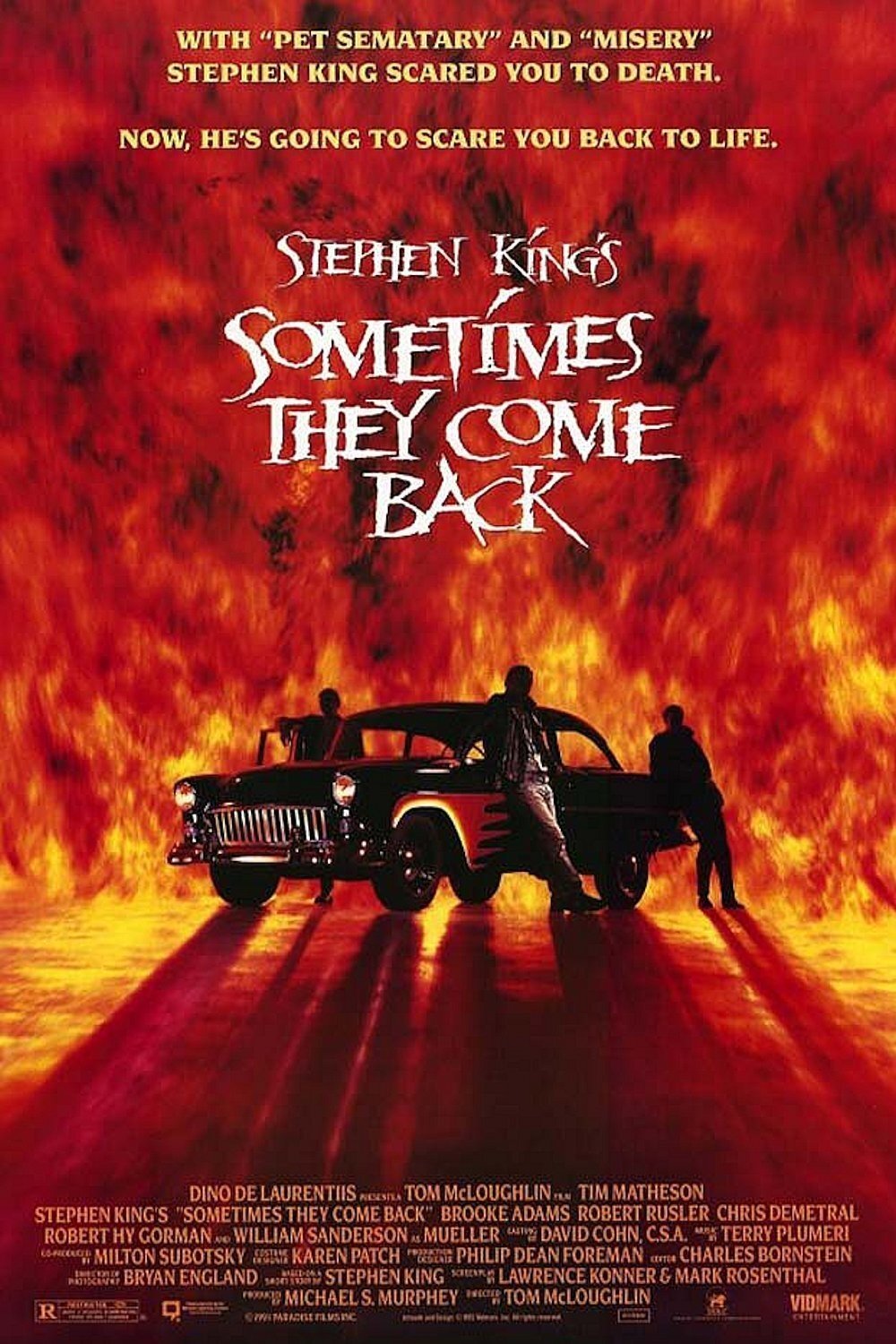
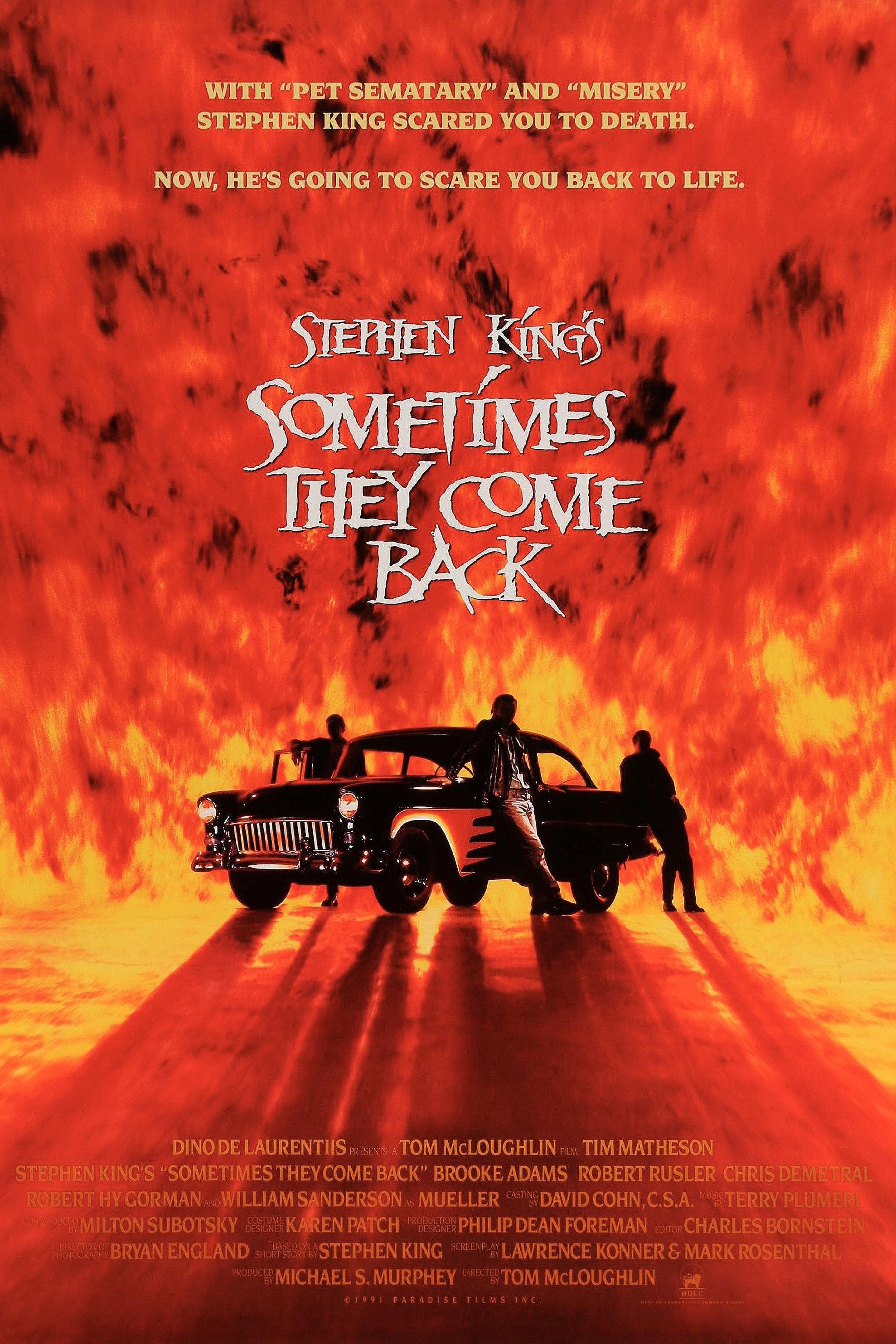
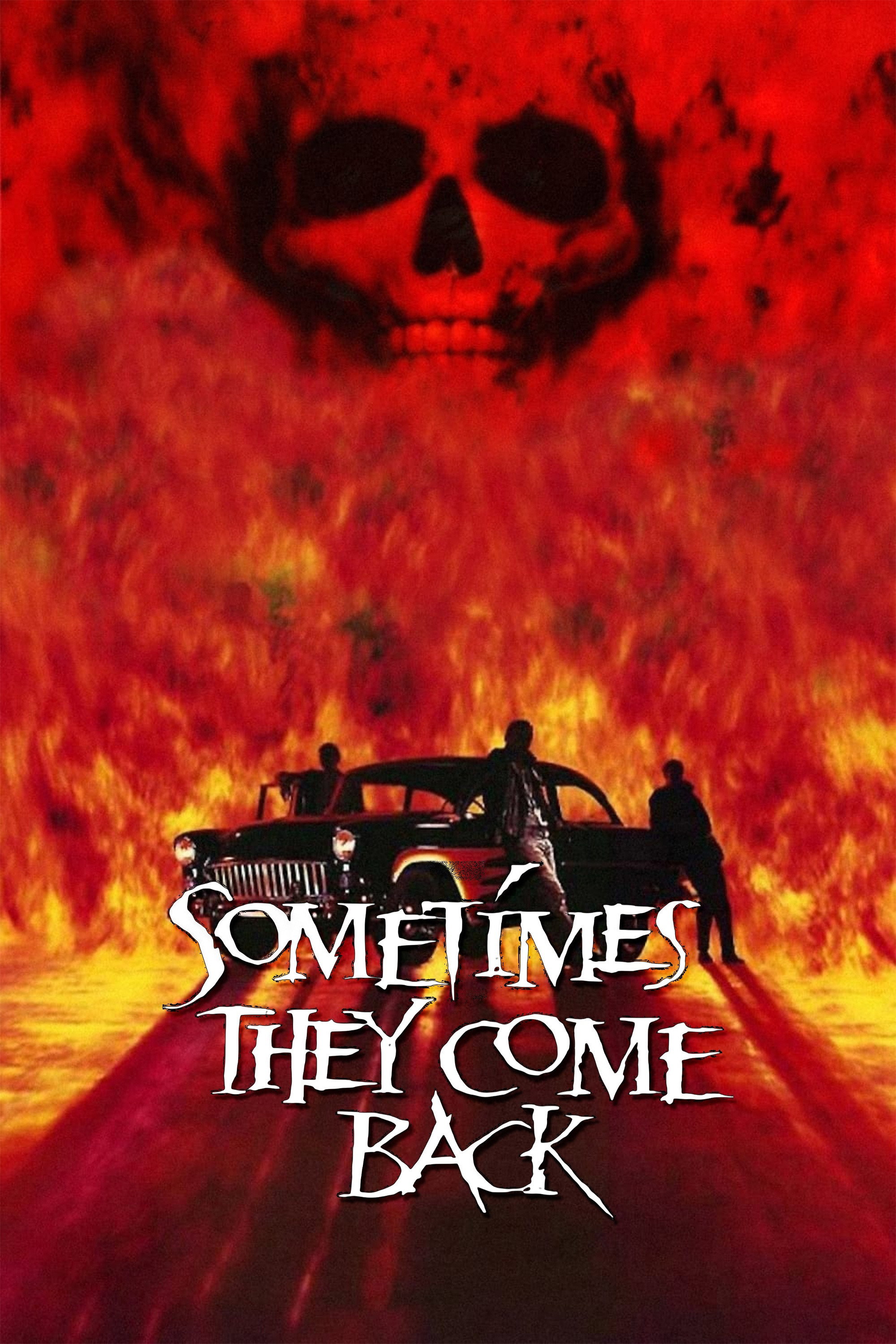
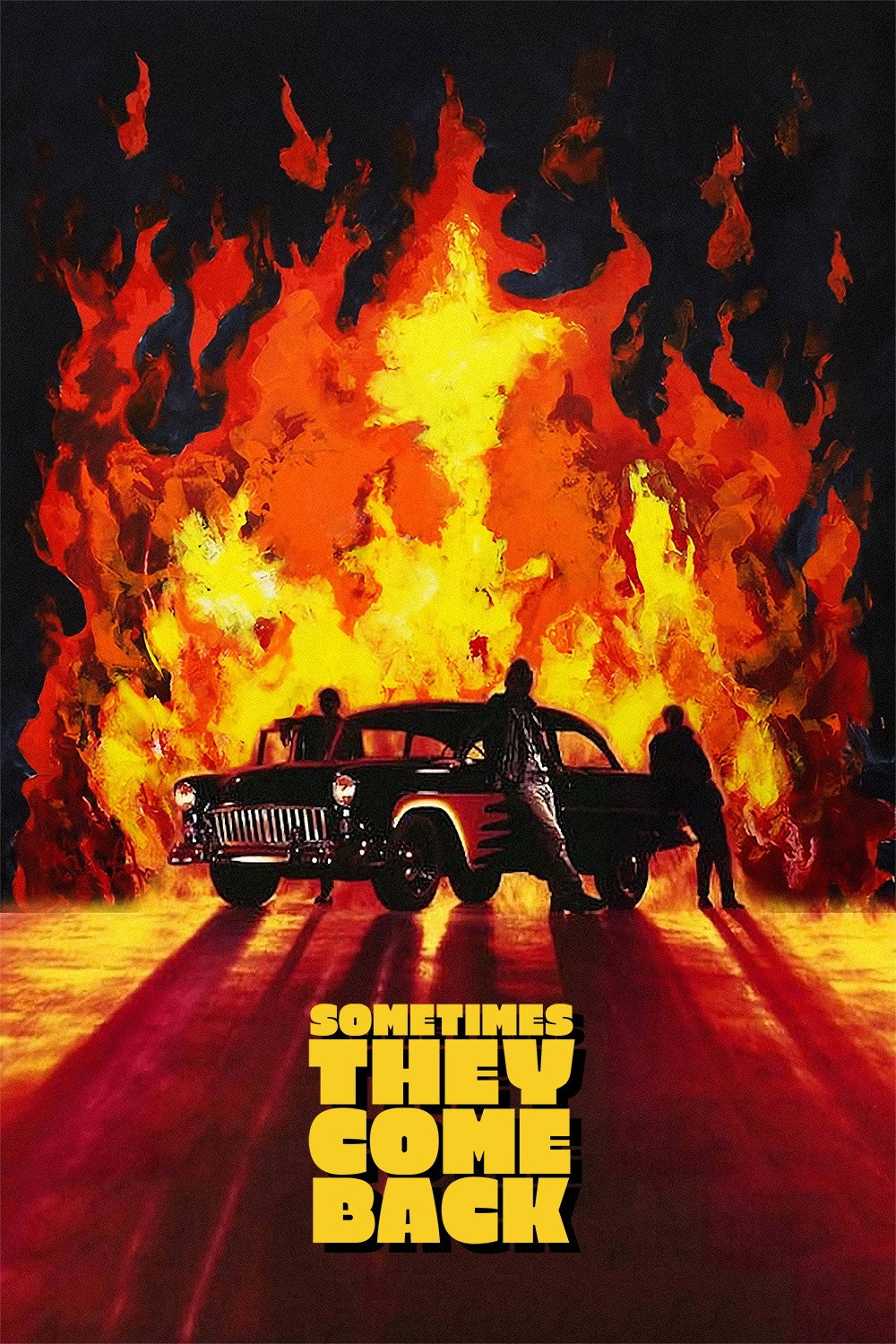
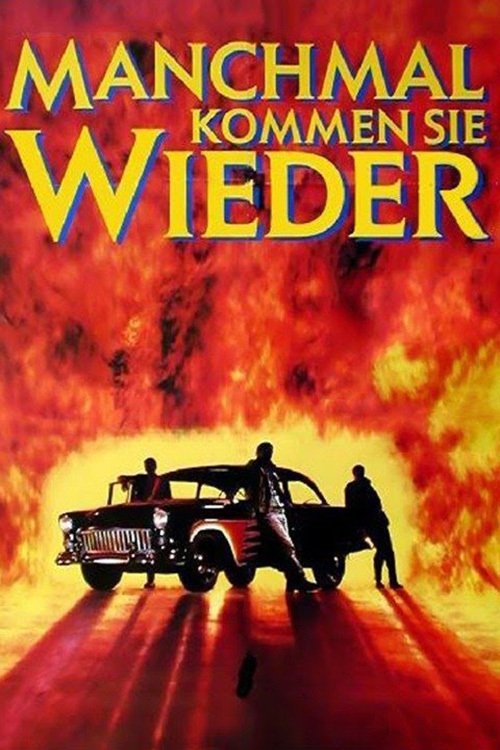
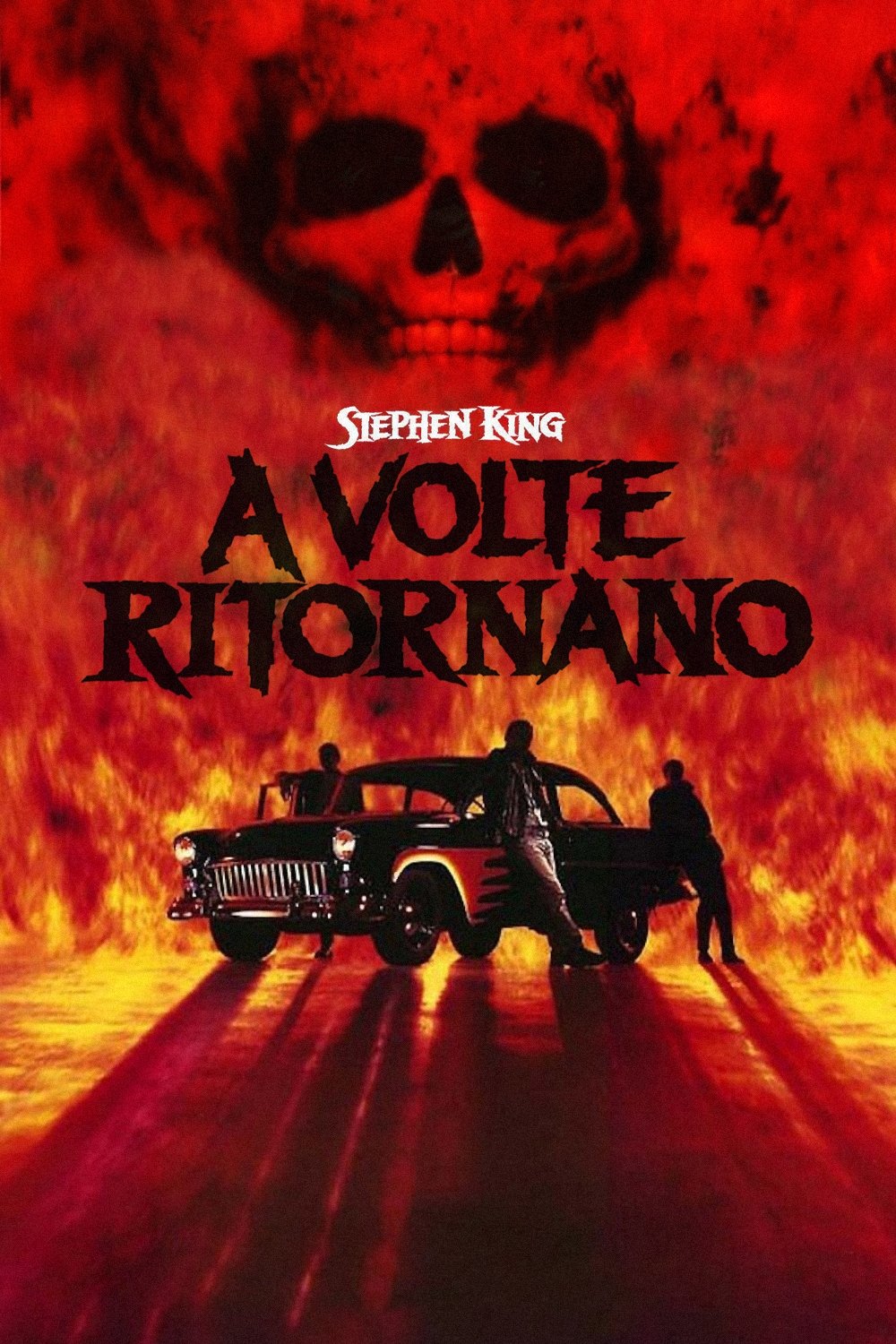
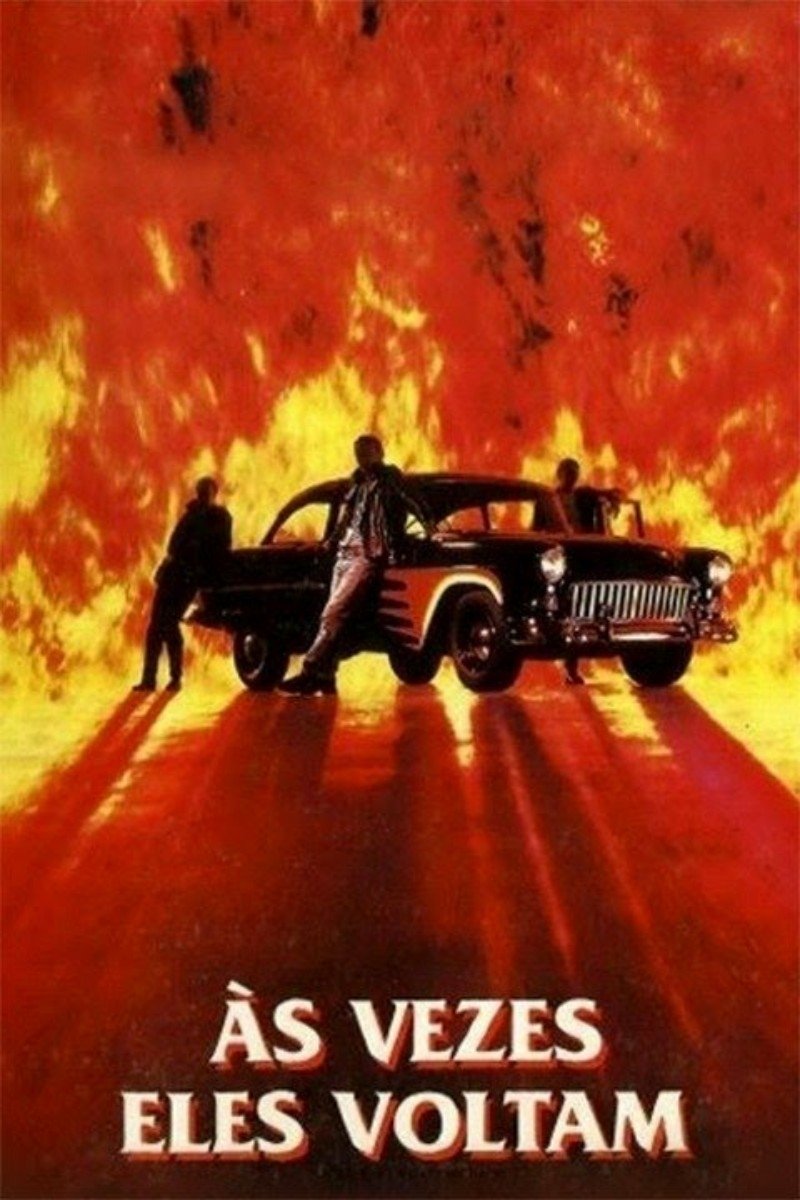
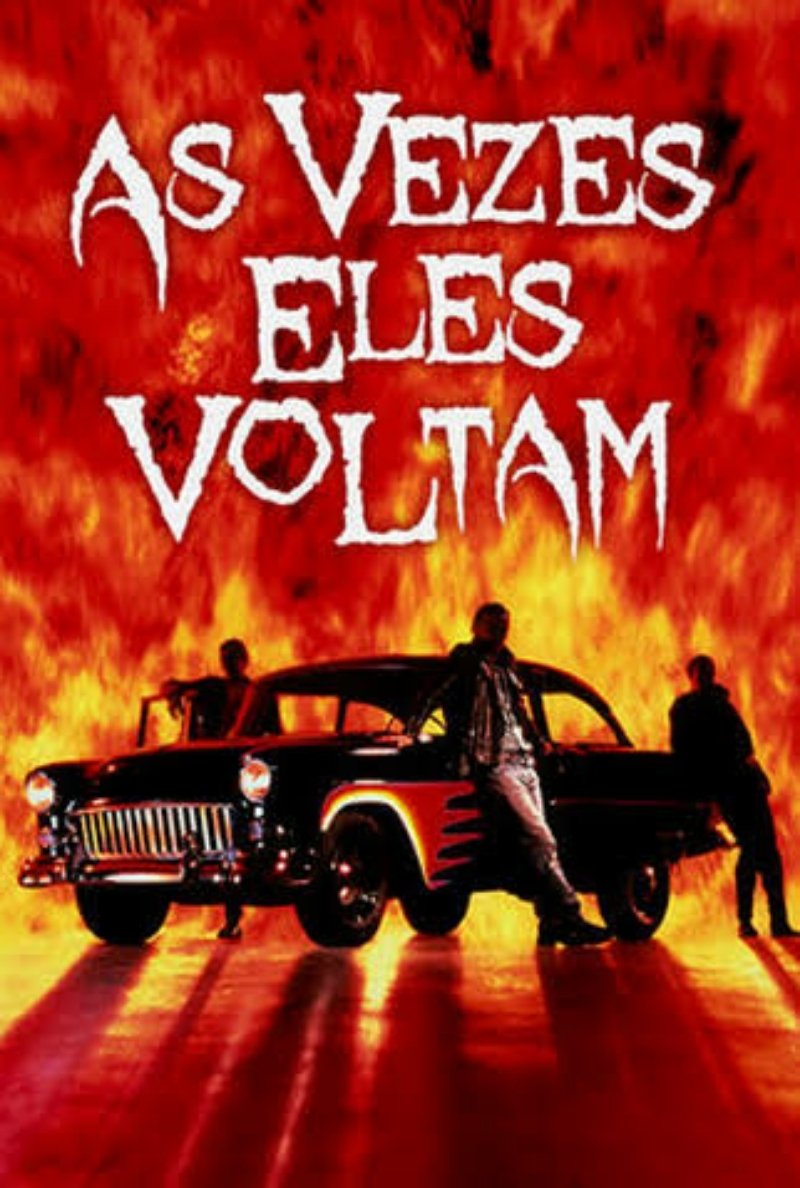
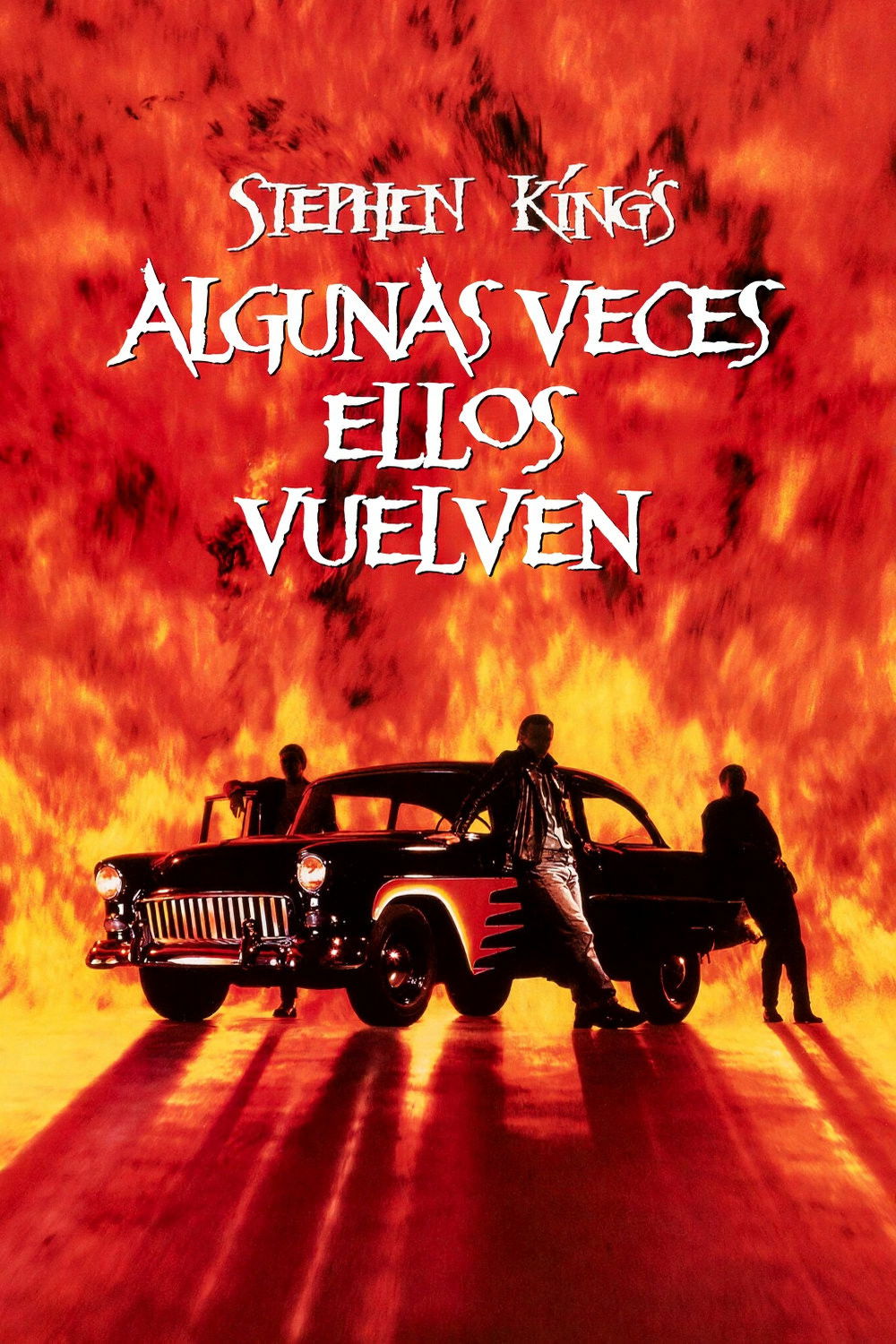
Sometimes They Come Back (1991) poster
Director
Production Company
Dino de Laurentiis Communications
Plot

Desperate for a job to help him support his family, Jim Norman takes a position teaching high school in the town where his brother was murdered in front of him by teenage bullies twenty-seven years before. The teens who committed the crime are long dead, but now the kids in Jim's new class keep dying and being replaced by new students who look like the deceased hoodlums.

Alternative Titles
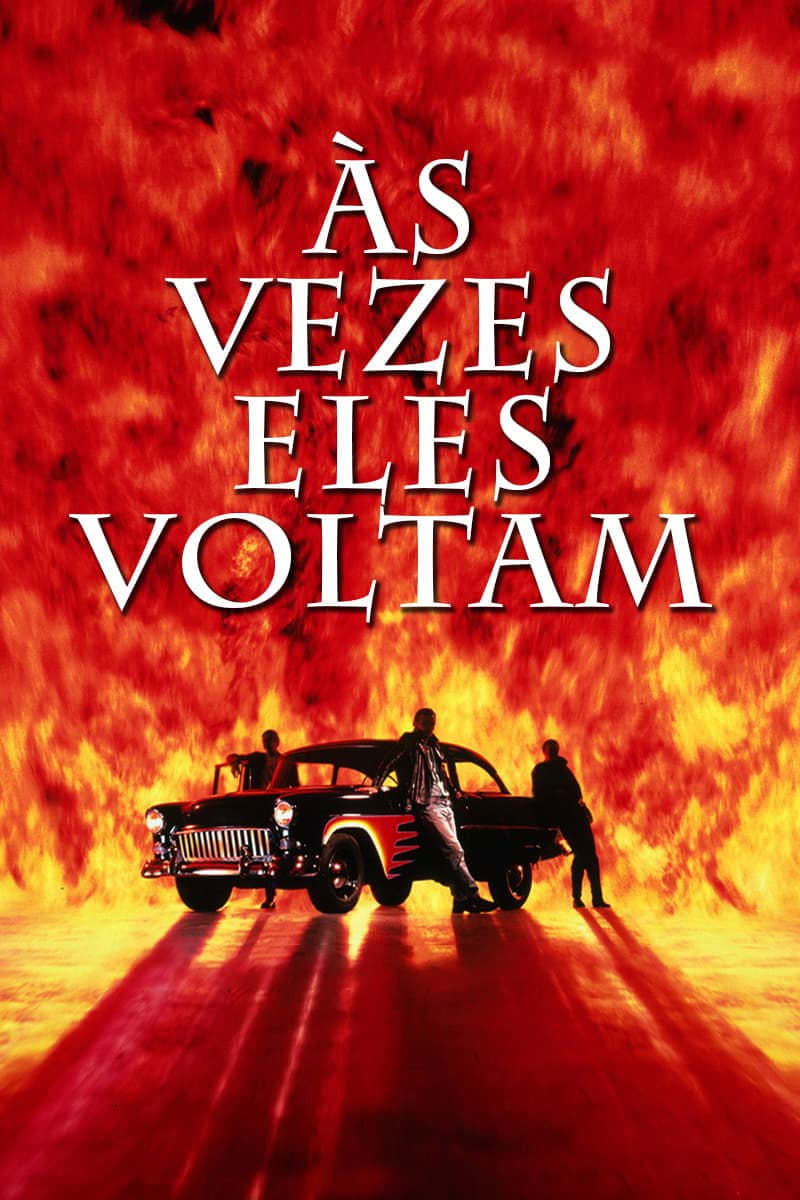
Sometimes They Come Back - Stephen King (Australia) Понякога те се завръщат (Bulgaria) — Bulgarian Às Vezes Eles Voltam (Brazil) — Portuguese 有时他们会回来 (China) — Chinese Někdy se vracejí (Czechia) — Czech Manchmal kommen sie wieder (Germany) — German Stephen Kings Manchmal kommen sie wieder (Germany) Sommetider Vender De Tilbage (Denmark)
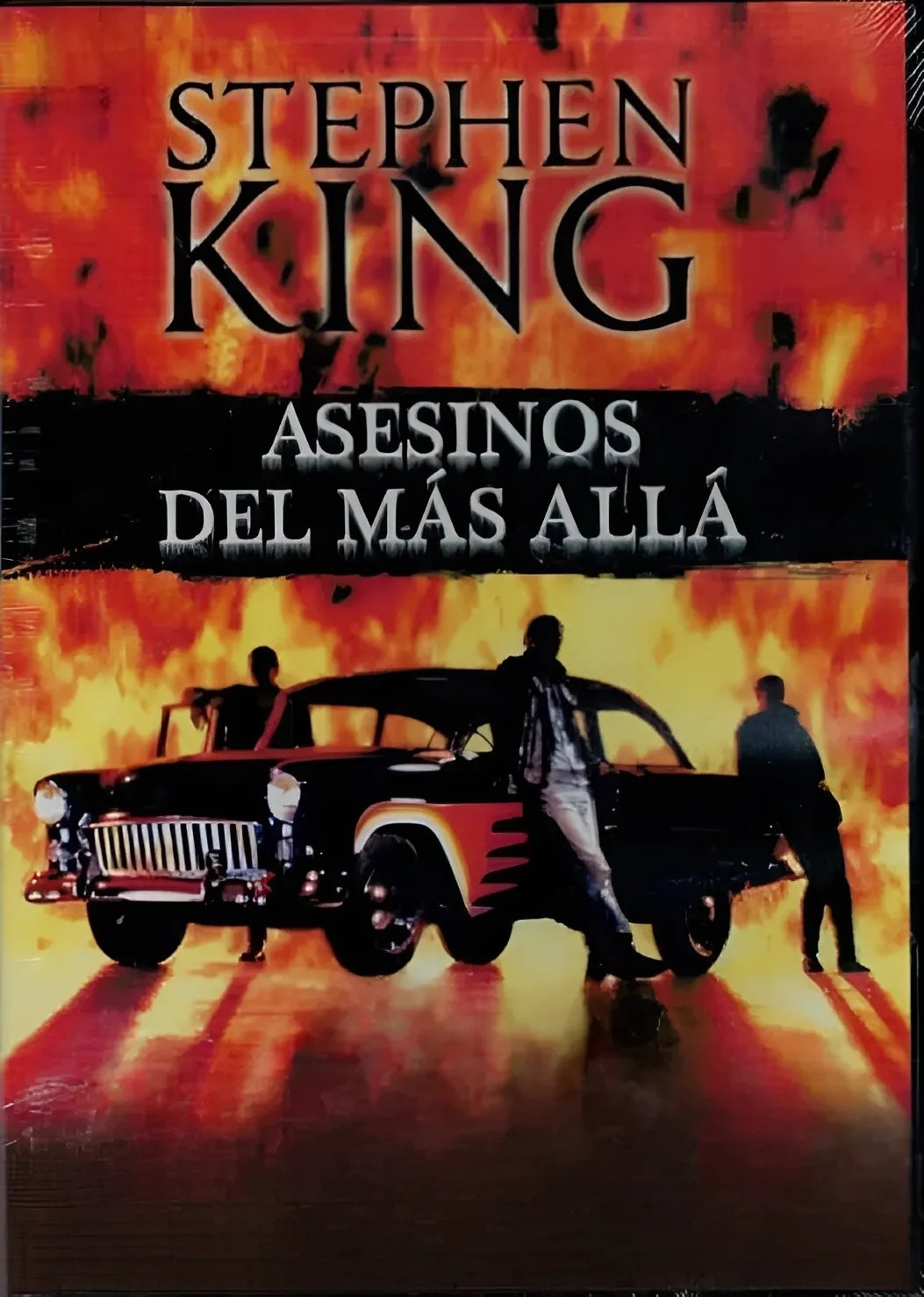
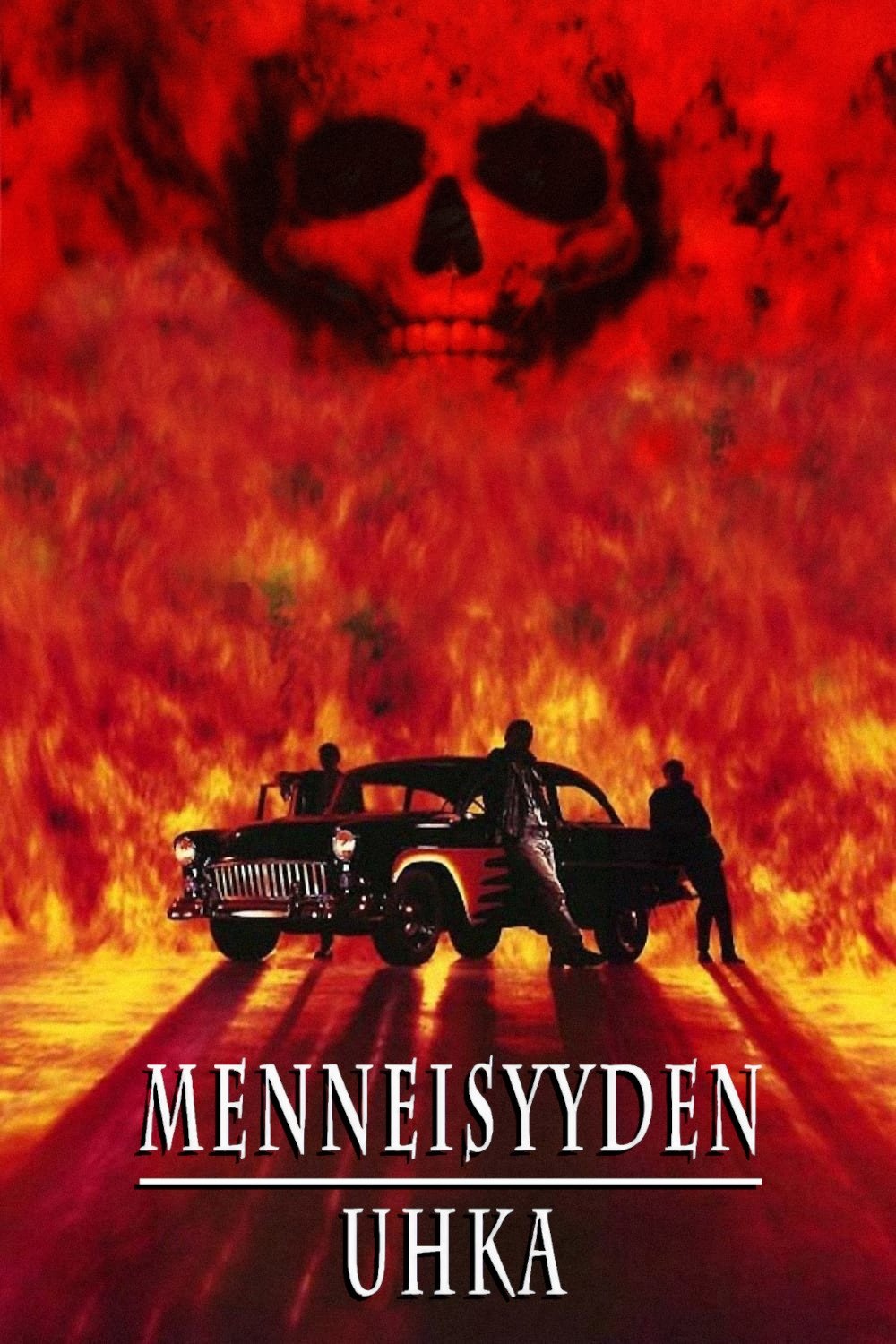
Show all 27 alternative titles Algunas veces ellos vuelven (Spain) — Spanish Menneisyyden uhka (Finland) — Finnish Vengeance diabolique (France) — French 有時他們會回來 (Hong Kong SAR China) — Chinese Ponekad se vraćaju (Croatia) — Croatian A visszatérők (Hungary) — alternative title Néha visszatérnek (Hungary) — Hungarian A volte ritornano (Italy) — Italian ブロス やつらはときどき帰ってくる (Japan) ブロス/やつらはときどき帰ってくる (Japan) — Japanese ブロスBROS やつらはときどき帰ってくる (Japan) 썸타임 데이 컴 백 (South Korea) — Korean Asesinos Del Mas Allá (Mexico) — Spanish Oni Czasami Wracają (Poland) — Polish O Regresso dos Marginais (Portugal) — Portuguese Иногда они возвращаются (Russia) — Russian Geri Döndüler (Türkiye) — Turkish Іноді вони повертаються (Ukraine) — Ukrainian Stephen King's Sometimes They Come Back (United States)

Trailers & Videos

8 videos

Film Guide

Tom McLoughlin turned Stephen King's story of resurrected teenage killers into a technically ambitious television horror film built around real Missouri locations, recurring trauma, practical makeup and an effects-heavy ghost-train climax.

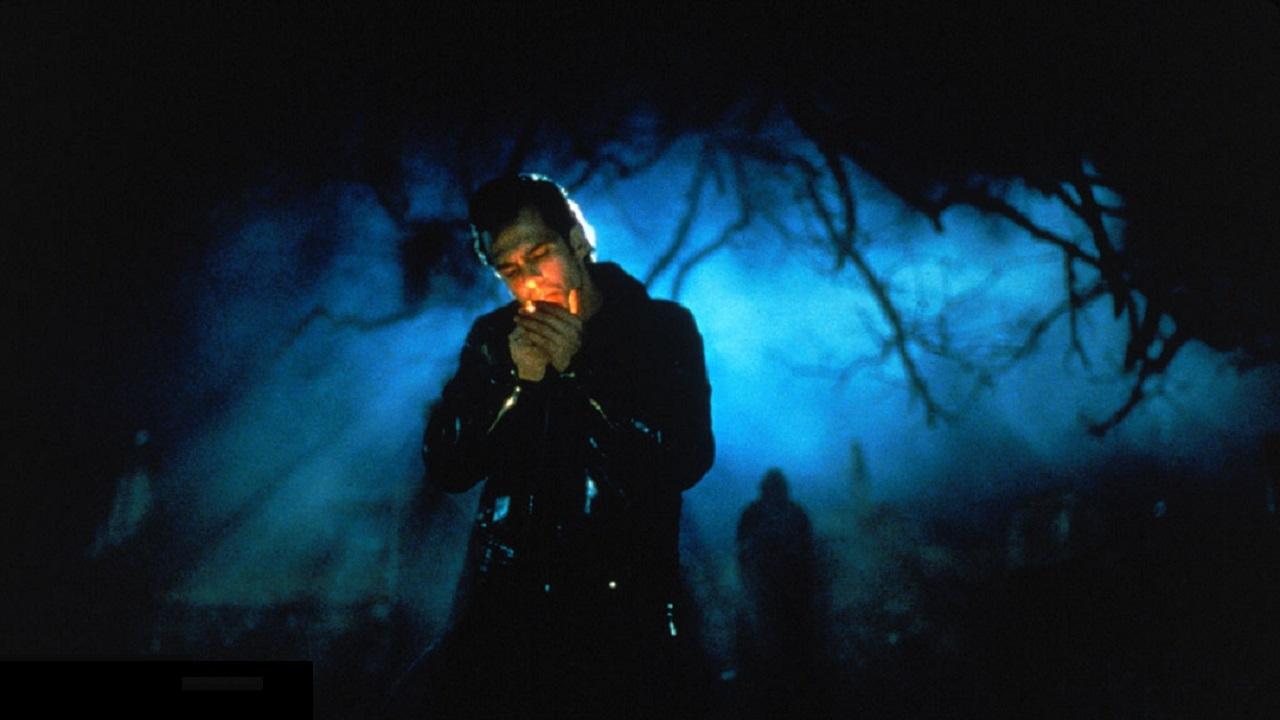
Sometimes They Come Back begins as a story about returning to a place that has never psychologically released its hold on the person who left it. Jim Norman moves back with his wife and son to the town where he witnessed the murder of his brother Wayne as a child. The teenage greasers responsible died moments later when their car was struck by a train, but twenty-seven years later they begin appearing in Jim's classroom exactly as they looked before their deaths. Students disappear, the dead take their places and Jim's history of psychological instability makes the supernatural explanation almost impossible for anyone else to accept.

Directed by Tom McLoughlin from a screenplay by Lawrence Konner and Mark Rosenthal, the 1991 adaptation was produced for CBS but constructed with greater physical scale than its television origins might suggest. Real Midwestern streets, schools and a nineteenth-century railroad tunnel provide much of the environment, while Bryan England's cinematography, Terry Plumeri's score and dedicated practical, miniature and visual-effects departments build the supernatural material around tangible locations. The result sits between psychological trauma drama and ghost story: the killers are frightening because they return physically, but the structure repeatedly treats them as manifestations of a past Jim has never been able to escape.

From Night Shift to Television

Stephen King first published Sometimes They Come Back in Cavalier in 1974 and later included it in his 1978 collection Night Shift. Its screen history began unusually early. Trade reporting preserved by the American Film Institute shows that producer Milton Subotsky and Sword & Sorcery Productions optioned several Night Shift stories in 1978, with Sometimes They Come Back, Quitters, Inc. and The Ledge intended for an anthology then known as Fright Night. Financing delays kept that version from production, and Subotsky eventually sold the relevant rights to Dino De Laurentiis. Quitters, Inc. and The Ledge became part of Cat's Eye in 1985, while Sometimes They Come Back remained available for separate development.

McLoughlin later recalled that De Laurentiis personally offered him the adaptation after their earlier collaboration on Date with an Angel. The director also described the production as serving two markets: a theatrical feature in Europe and a CBS television movie in the United States. That dual purpose helps explain why the film often feels physically larger than a conventional network production. Konner and Rosenthal expand King's comparatively compact story into a ninety-seven-minute narrative, developing Jim's wife Sally, his son Scott and the surviving former gang member Carl Mueller while restructuring the ending around Jim confronting the original trauma directly.
Missouri Locations and Cinematography

The story is associated with a small American town, but the production did not rely on studio backlots to construct that environment. Filming took place during late 1990 in Kansas City and several Missouri locations, particularly Liberty and Rocheport. Liberty supplied the school and town material, giving Jim's return a recognizable civic geography rather than a collection of isolated interiors. Production designer Philip Dean Foreman and art director Timothy R. Bauer could therefore use existing architecture as the foundation for the fictional community instead of building every environment specifically for television.

The most important location was the railroad tunnel at Rocheport, constructed in the nineteenth century for the Missouri-Kansas-Texas Railroad and now incorporated into the Katy Trail. Its length, masonry and restricted opening give the flashback and climax a physical geometry impossible to reproduce as effectively with a small television set. Bryan England's cinematography repeatedly contrasts open town exteriors with this confined space. The tunnel becomes a visual mechanism for trauma: once Jim enters it, movement is reduced to two directions, while darkness and the railway line force the characters toward the same violent encounter that originally defined his childhood.

The Returning Gang and Makeup Design

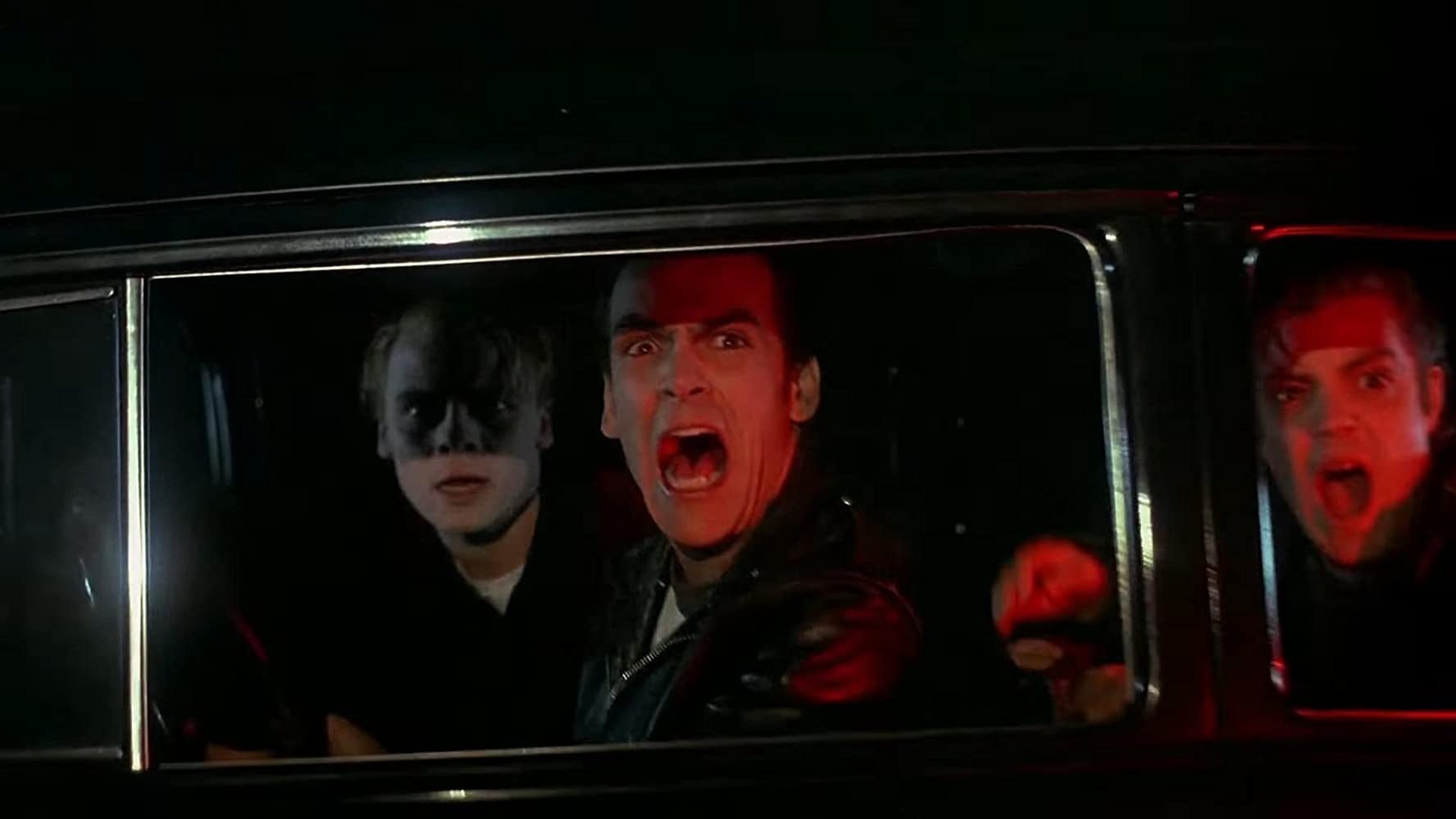
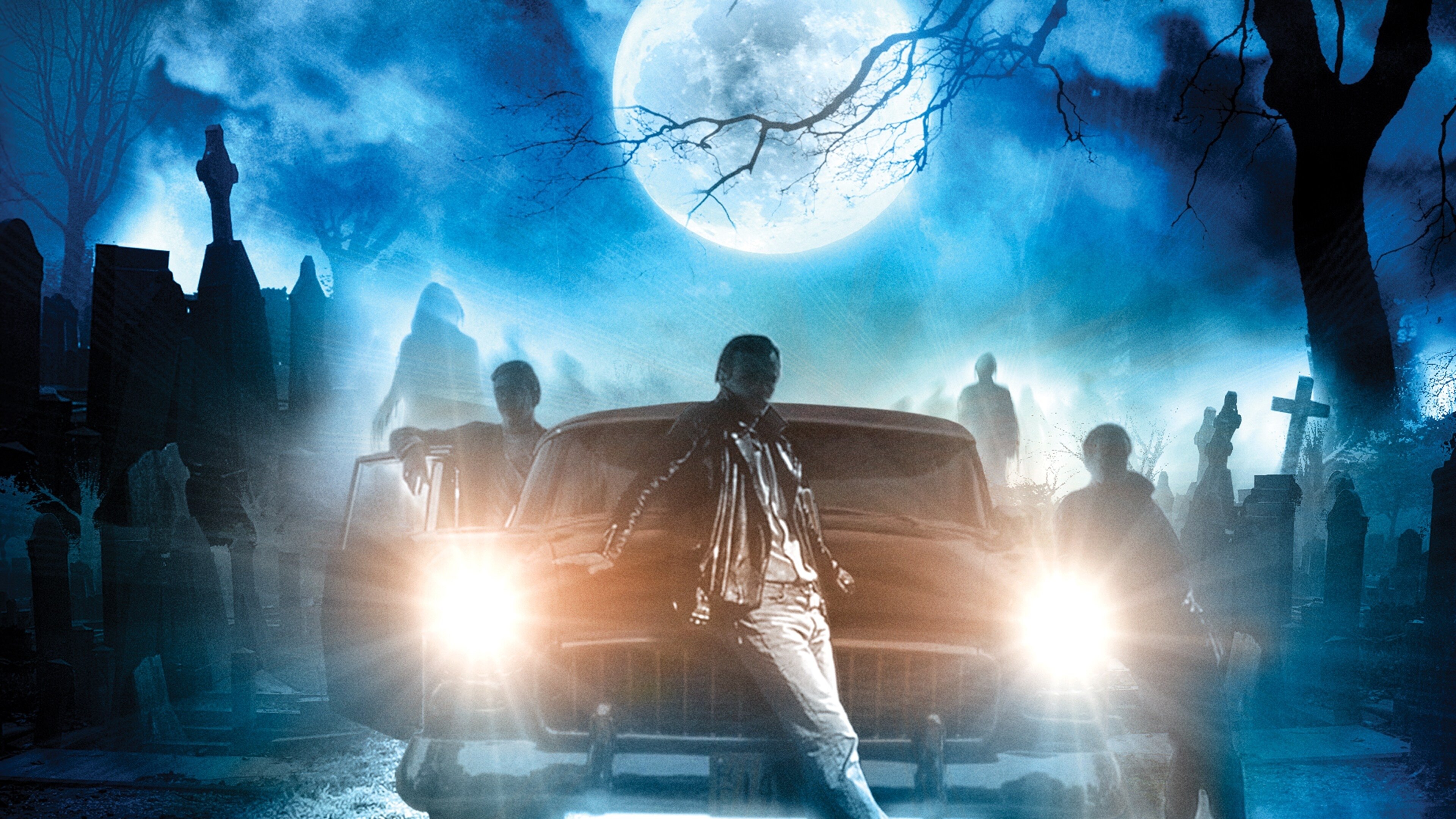
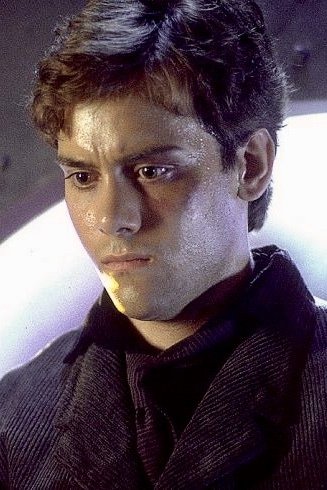
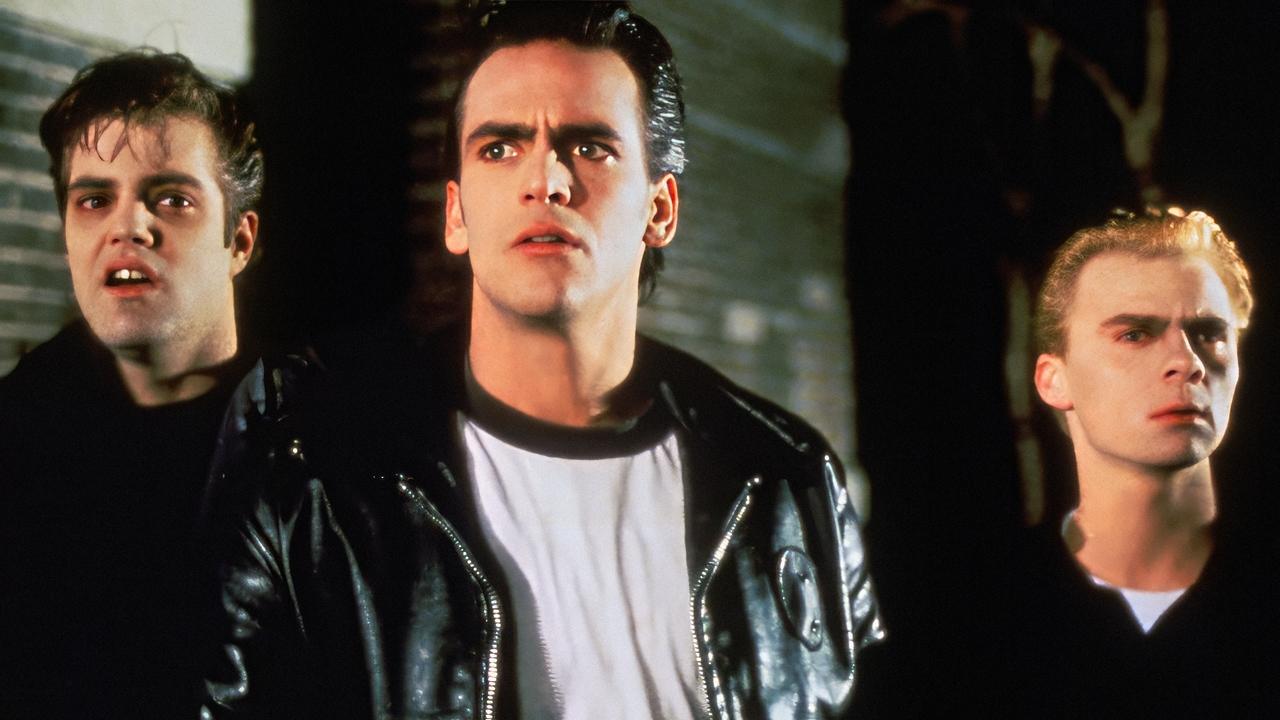
The resurrected greasers are deliberately presented as figures preserved in time. Richard Lawson, Vinnie Vincent and David North return in the clothing, hairstyles and mannerisms associated with their deaths in 1963, driving the same type of 1950s car and behaving as though the intervening decades never occurred. Robert Rusler later recalled that he, Nicholas Sadler and Bentley Mitchum developed strong chemistry during the location shoot, which helped the gang operate as an established social unit rather than three unrelated supernatural villains.

Their horror design depends on a contrast between normal appearance and sudden revelation. For much of the film they can pass as unusually aggressive teenagers, allowing them to enter Jim's classroom without immediately exposing the supernatural mechanism. At selected moments their faces reveal the physical corruption hidden beneath that surface. The makeup department included Gabriel Bartalos, Patti Brand and Daniel Marc, with Joel Harlow and Marc Lougee among artists connected with the special-makeup work. The film reserves these transformations for shock moments, preserving the disturbing idea that the dead can occupy ordinary social space until they choose to show what they really are.

Train, Miniatures, Stunts and Sound

The train is the production's principal technical motif because the same event must function simultaneously as childhood memory, mechanism of death and supernatural force returning decades later. The effects credits identify Martin Bresin as special-effects supervisor, Rod Schumacher in visual-effects supervision and Alan McFarland specifically for miniature-train lighting. Second-unit photography and dedicated stunt personnel further indicate that the railway material was treated as an effects sequence. The finished climax combines the real tunnel environment with manufactured imagery to make the returning train feel connected to the original accident without requiring every element to be executed physically on the active location.

McLoughlin structures the train material around repetition. The childhood flashback establishes the car stalled on the tracks, approaching light, confined tunnel and inability to escape. The climax reconstructs those visual conditions with adult Jim now able to intervene. Contemporary Los Angeles Times critic Ray Loynd singled out both railway sequences as the strongest shocks in the film and specifically credited their special effects and McLoughlin's direction. Charles Bornstein's editing and Terry Plumeri's music support that repetition, while the sound department gives the approaching train an identity before the complete image becomes visible. Mechanical noise, whistle and increasing volume turn something outside the frame into an approaching physical threat.

Broadcast, Reception and Afterlife

CBS premiered Sometimes They Come Back on May 7, 1991 as a two-hour television presentation including commercial time. Contemporary ratings data record approximately 16.9 million viewers, an 11.7 Nielsen rating and a 19 share. The Los Angeles Times described the film on the day of broadcast as a tight and moody piece and responded particularly well to its railway sequences and classroom tension. Later critical consensus has remained more divided, generally acknowledging the atmosphere, effects and Tim Matheson's central performance while criticizing the expanded story for stretching a premise originally developed in a short form.

The project nevertheless developed an afterlife beyond its original broadcast. McLoughlin emphasized that it had also been conceived for theatrical exploitation outside the United States, and subsequent VHS and DVD editions allowed it to circulate as a feature rather than only as an ephemeral network production. An HD Blu-ray edition followed decades later. More importantly, the title itself became a small franchise: Sometimes They Come Back... Again appeared in 1996 and Sometimes They Come Back... for More followed in 1998, although neither continued Jim Norman's story directly.

Its most durable quality is the way the adaptation translates King's recurring concern with childhood trauma into production design and effects. Jim does not merely remember the tunnel, the car or the greasers. The film physically reconstructs them around him. Locations remain unchanged, dead teenagers retain their younger bodies and the train that destroyed them can return as a supernatural mechanism. Sometimes They Come Back therefore makes memory literal: the past does not resemble the present or symbolically influence it. It returns in the same clothes, drives the same car and demands that the unfinished scene be performed again.
Connections

Cast

View Full Cast & Crew →

Release & Distribution

Production Companies (1)

  • Dino de Laurentiis Communications US

Distributors (1)

  • CBS US

Release History (1)

Release DateTerritoryRelease TypeFormatDistributorCertificationNotes
1991-05-07 United States TV — — R CBS
With "The Shining" and "Misery" Stephen King scared you to death. Now, he's going to scare you back to life.