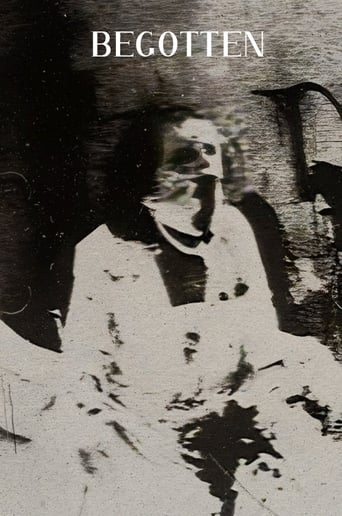


From Experimental Theatre to Film
Merhige conceived the project while working with a small New York theatre ensemble. In interviews he described writing in his early twenties under the influence of Antonin Artaud and the practices of experimental performance. His first plan was an immersive dance-theatre work involving live music. The cost of presenting such an undertaking made that version impractical, and he redirected the project toward the camera. The change of medium preserved the emphasis on bodies performing difficult actions within a deliberately altered environment. The finished film's stripped-down dramaturgy reflects those origins more directly than a conventional screenplay development process would suggest.
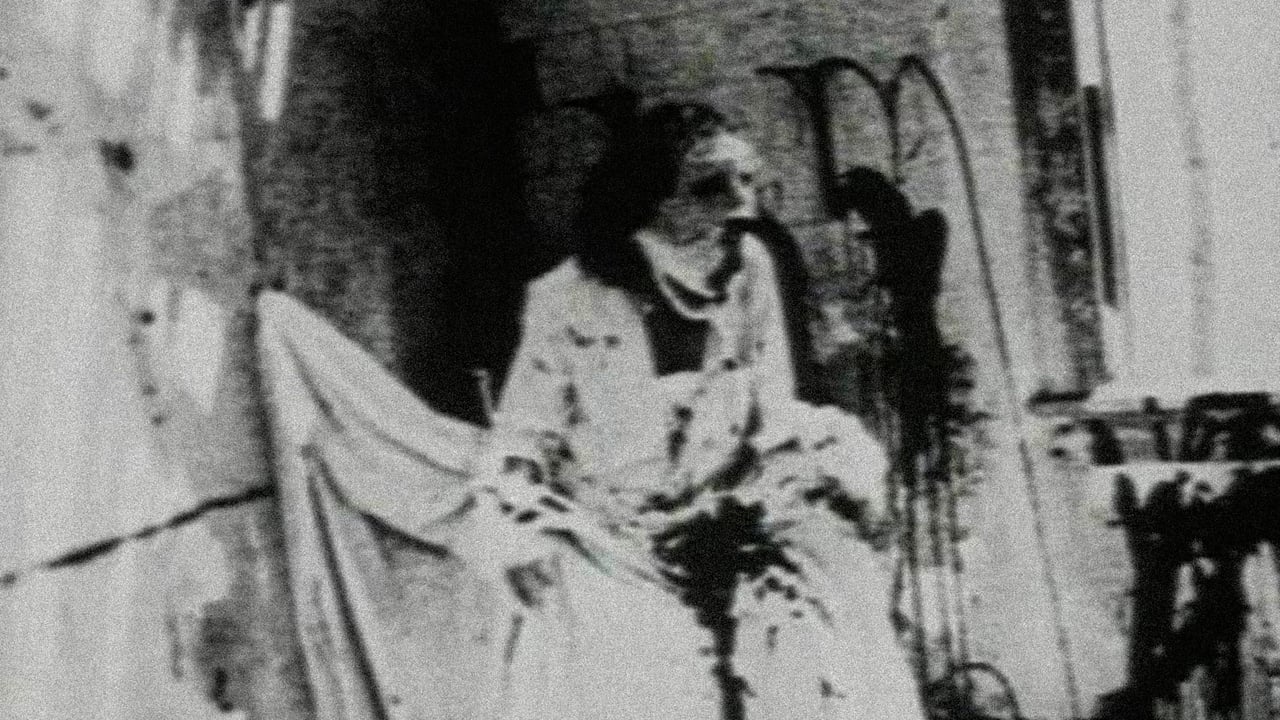
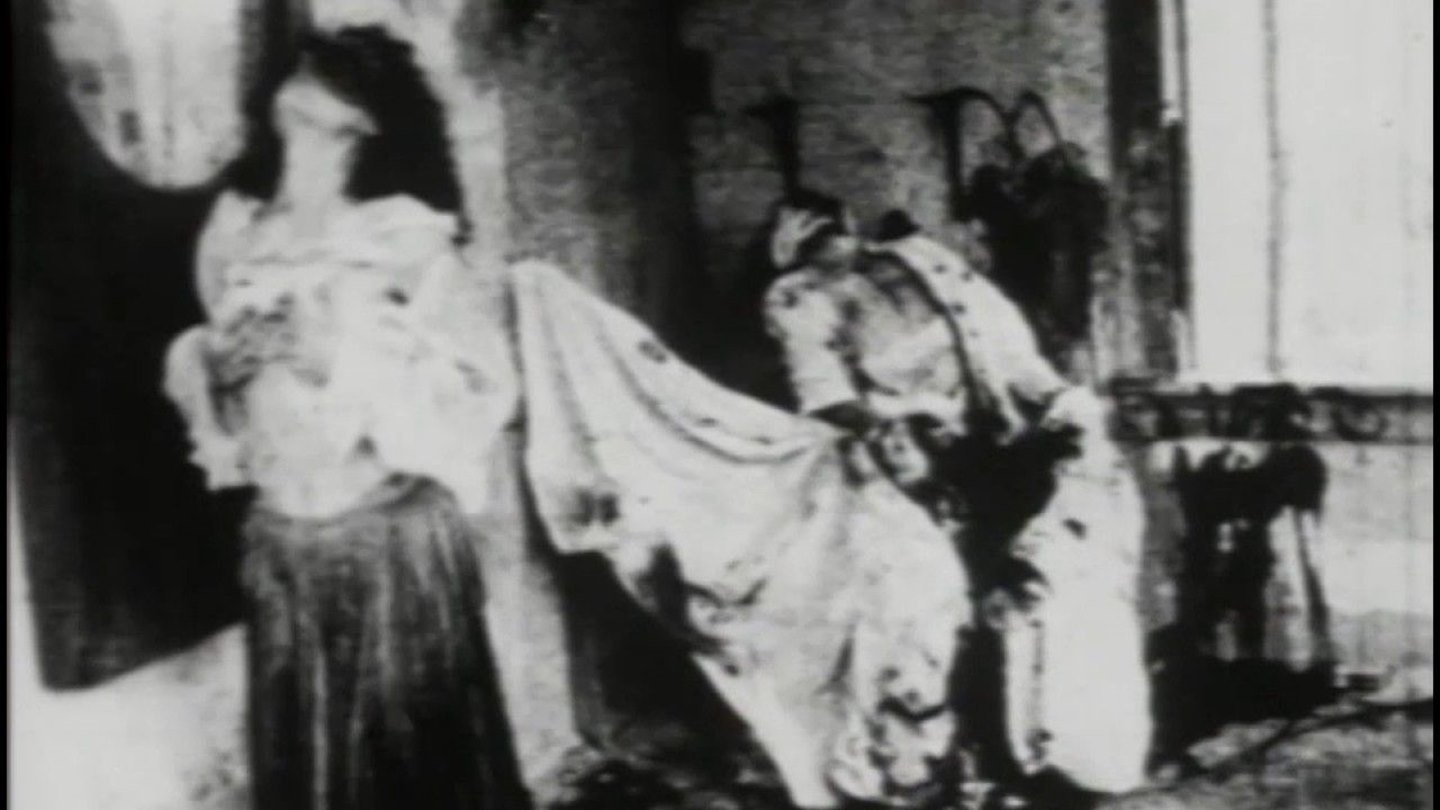
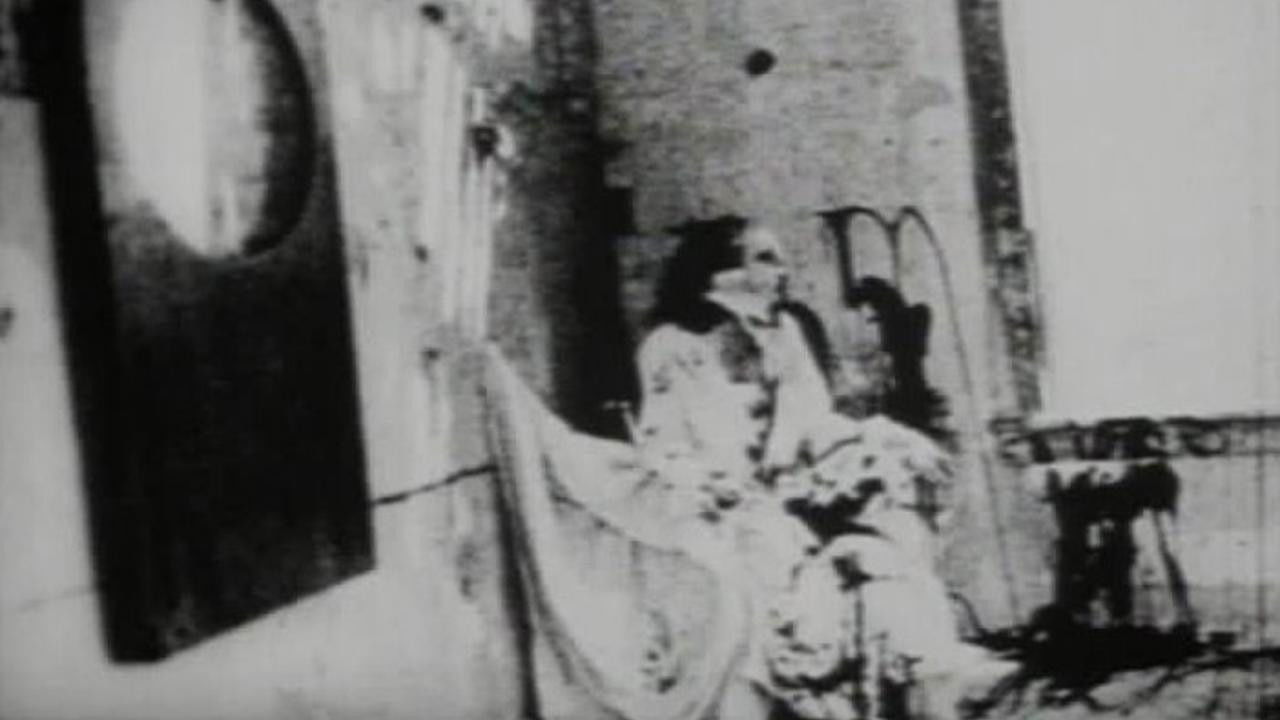
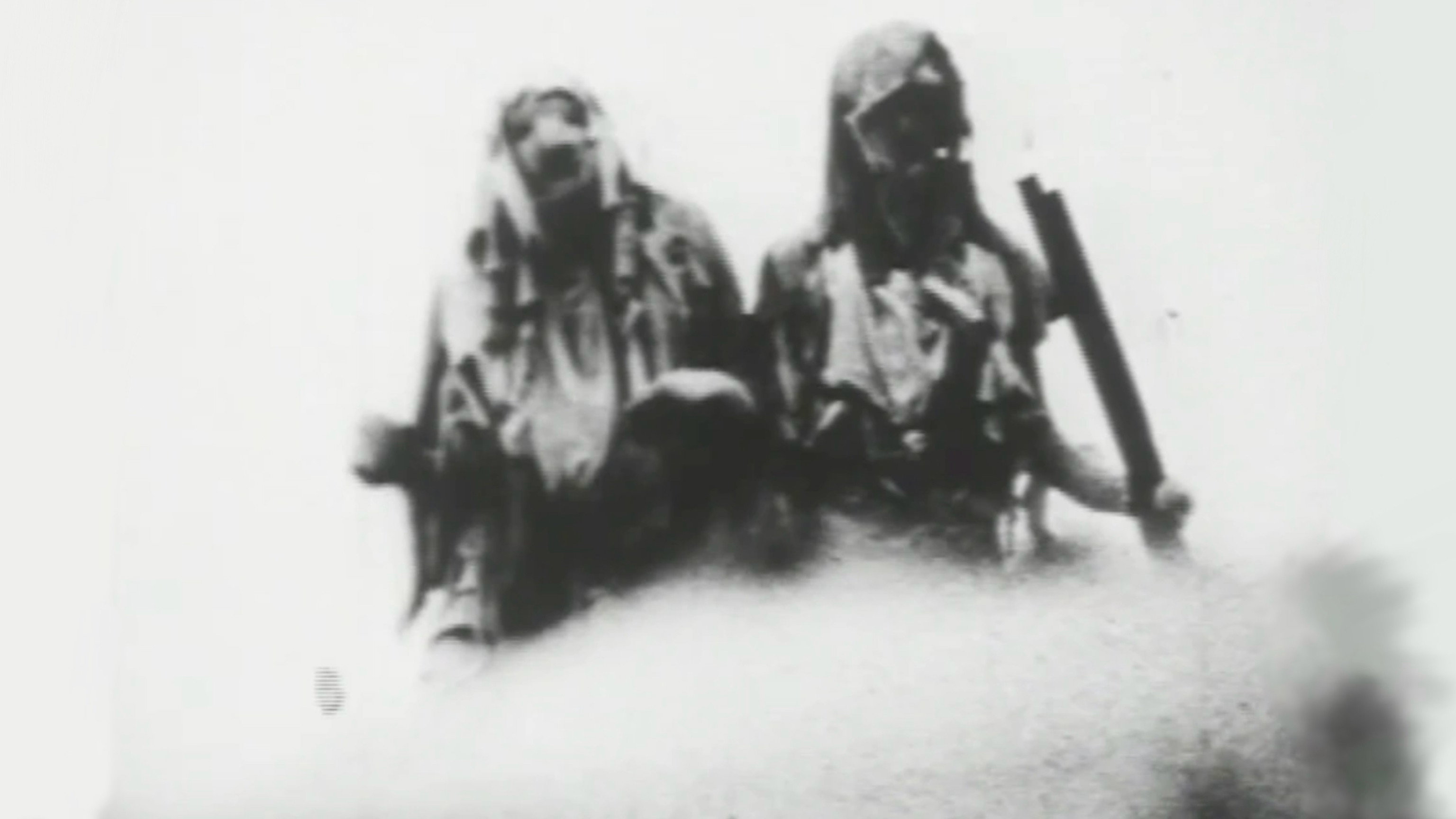
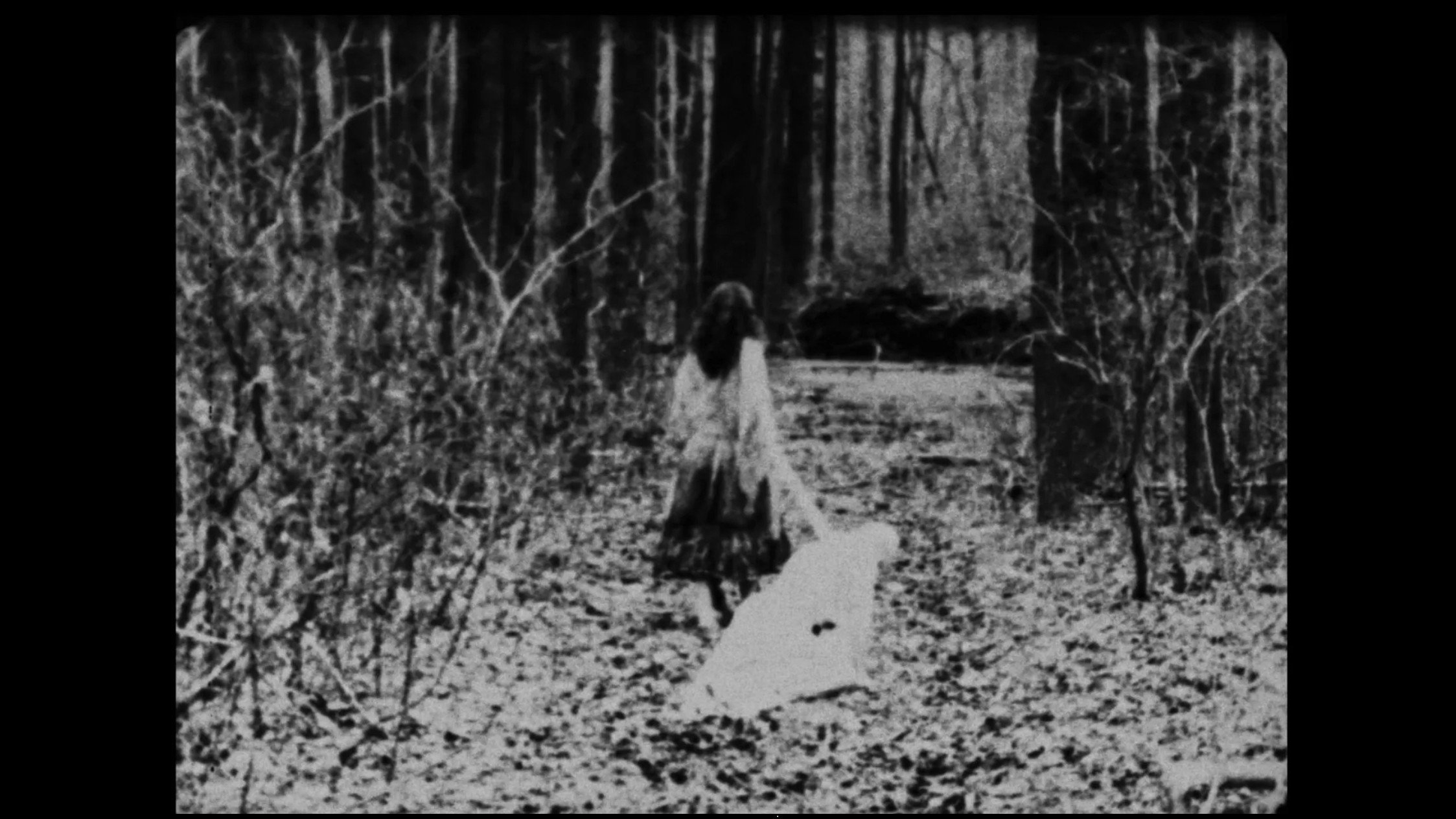
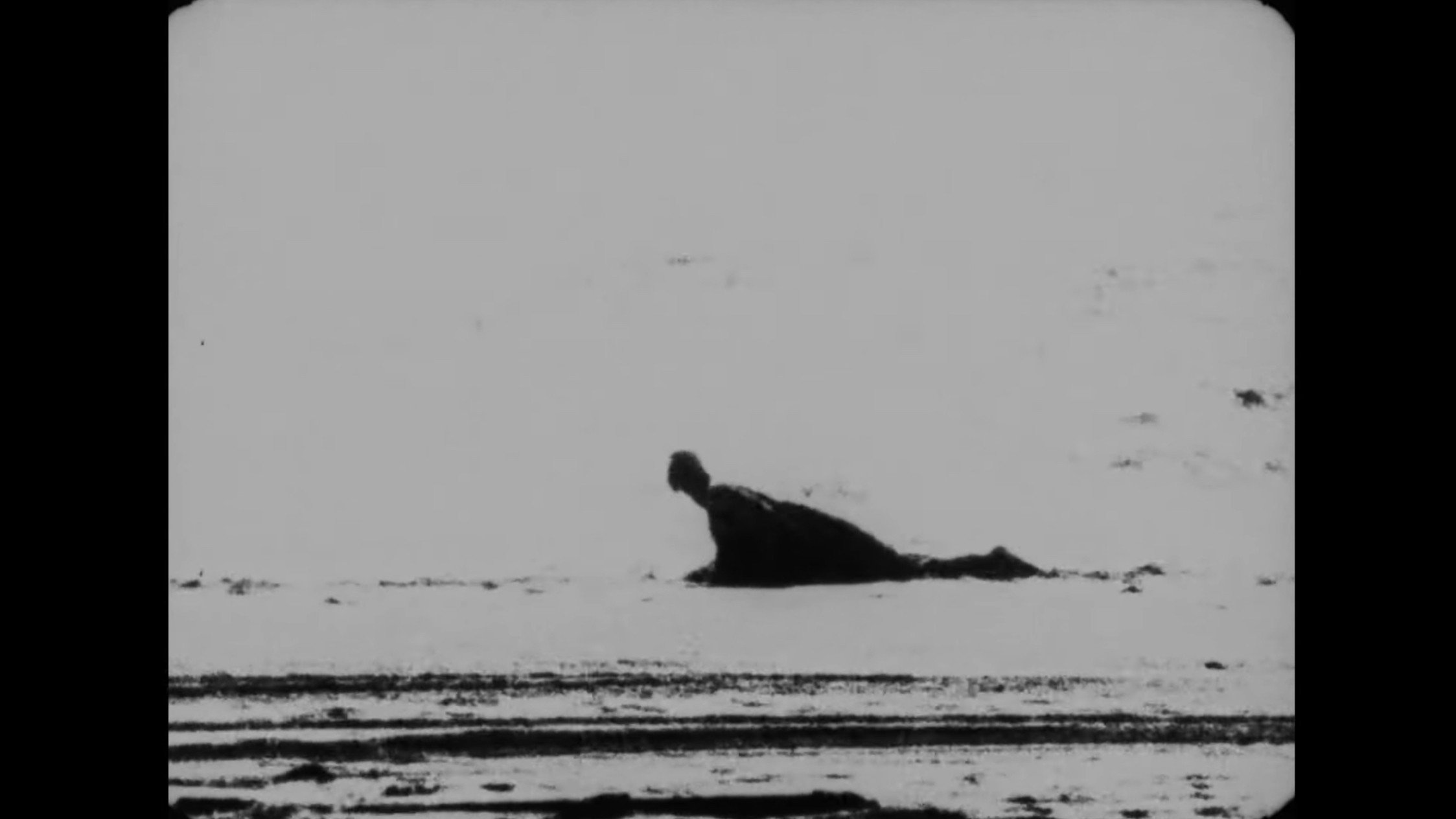
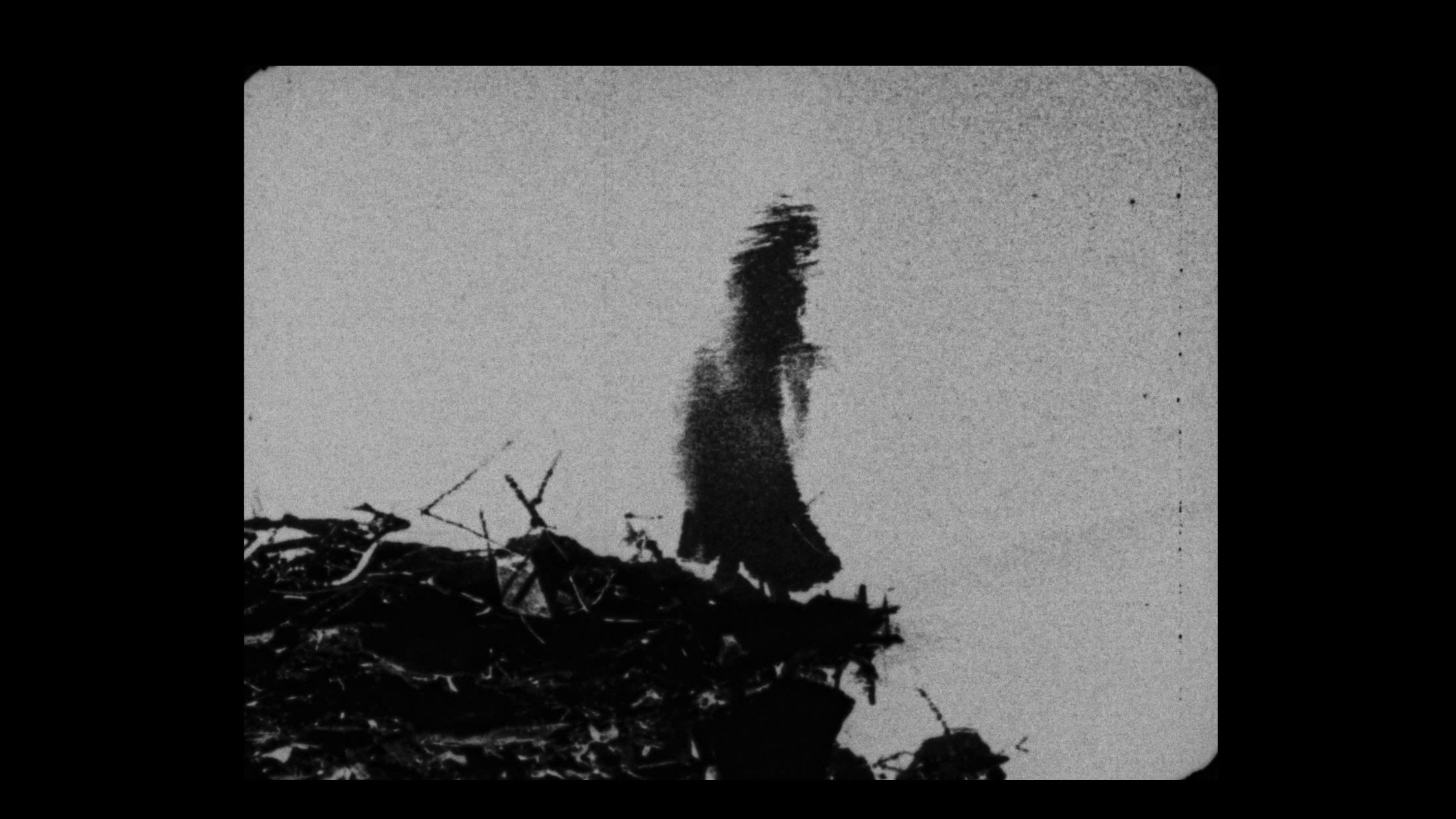
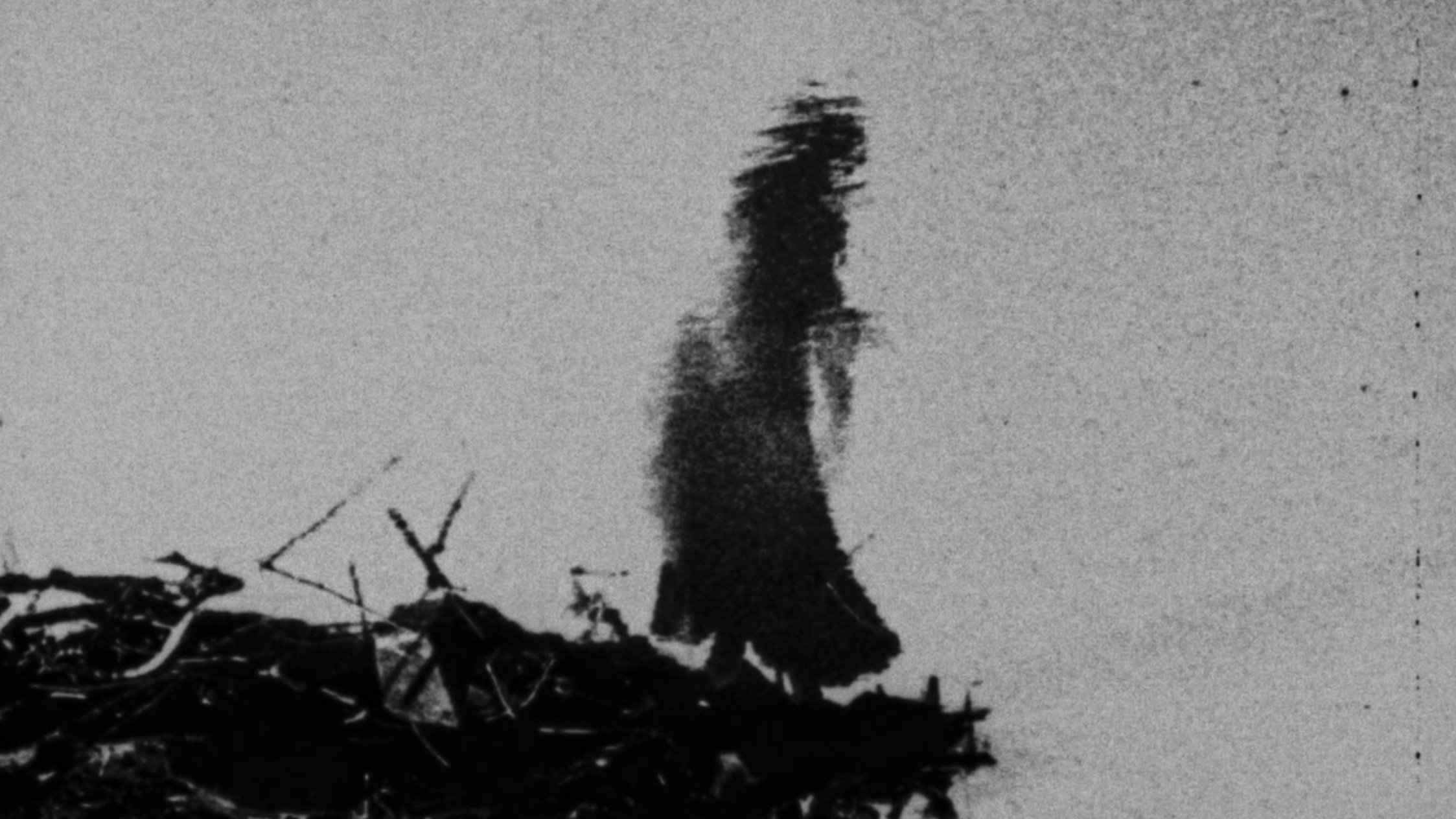
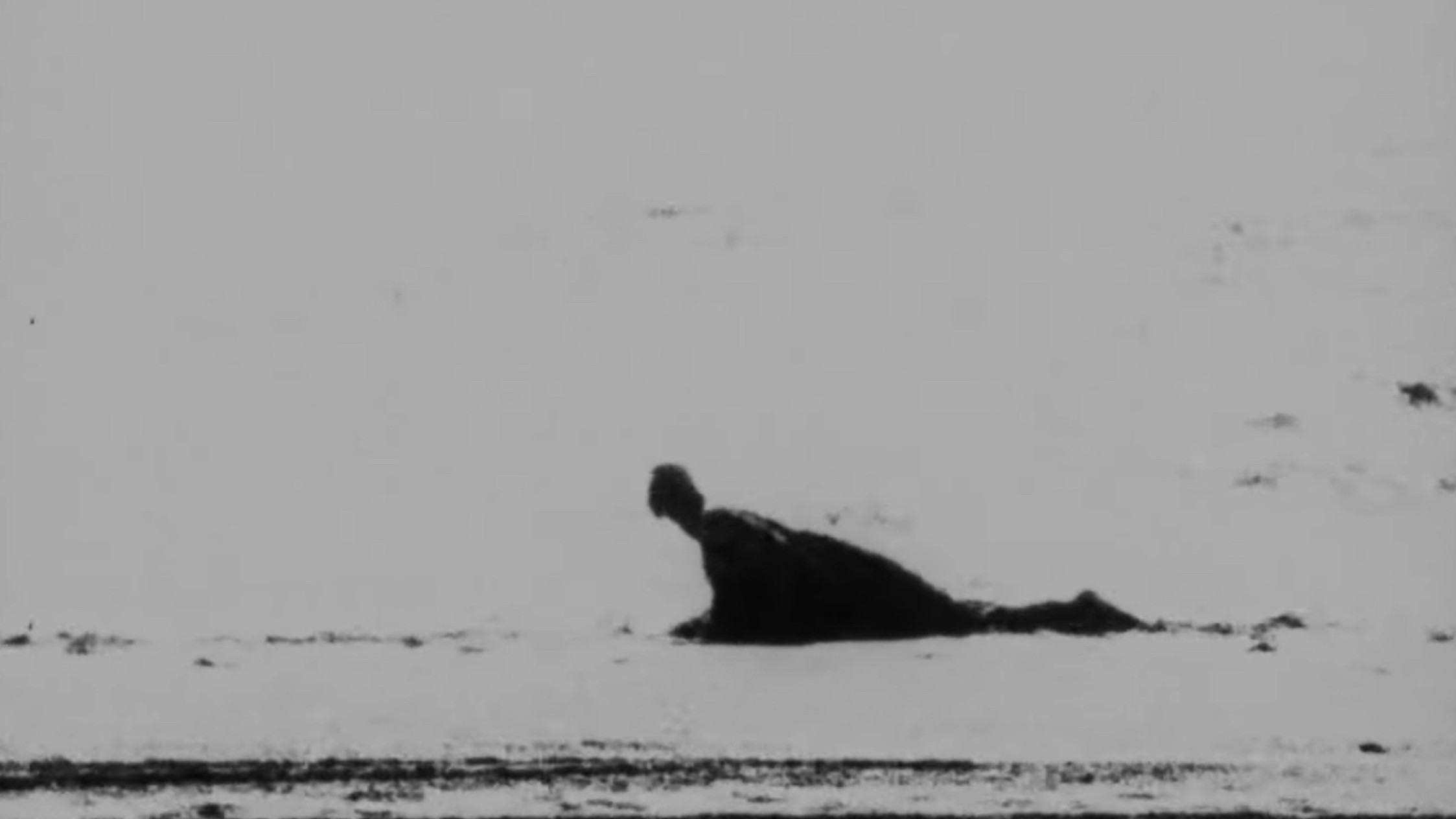
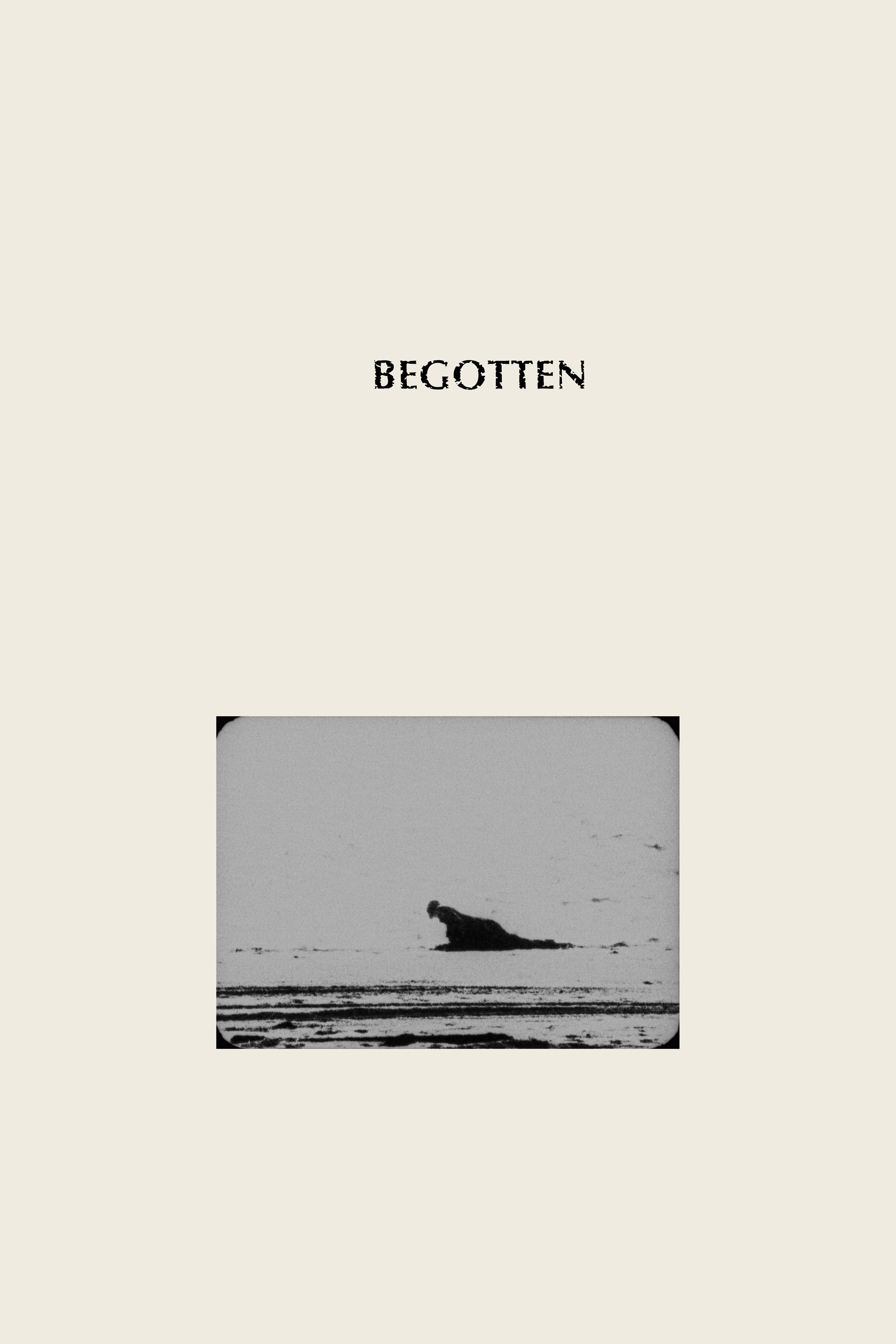
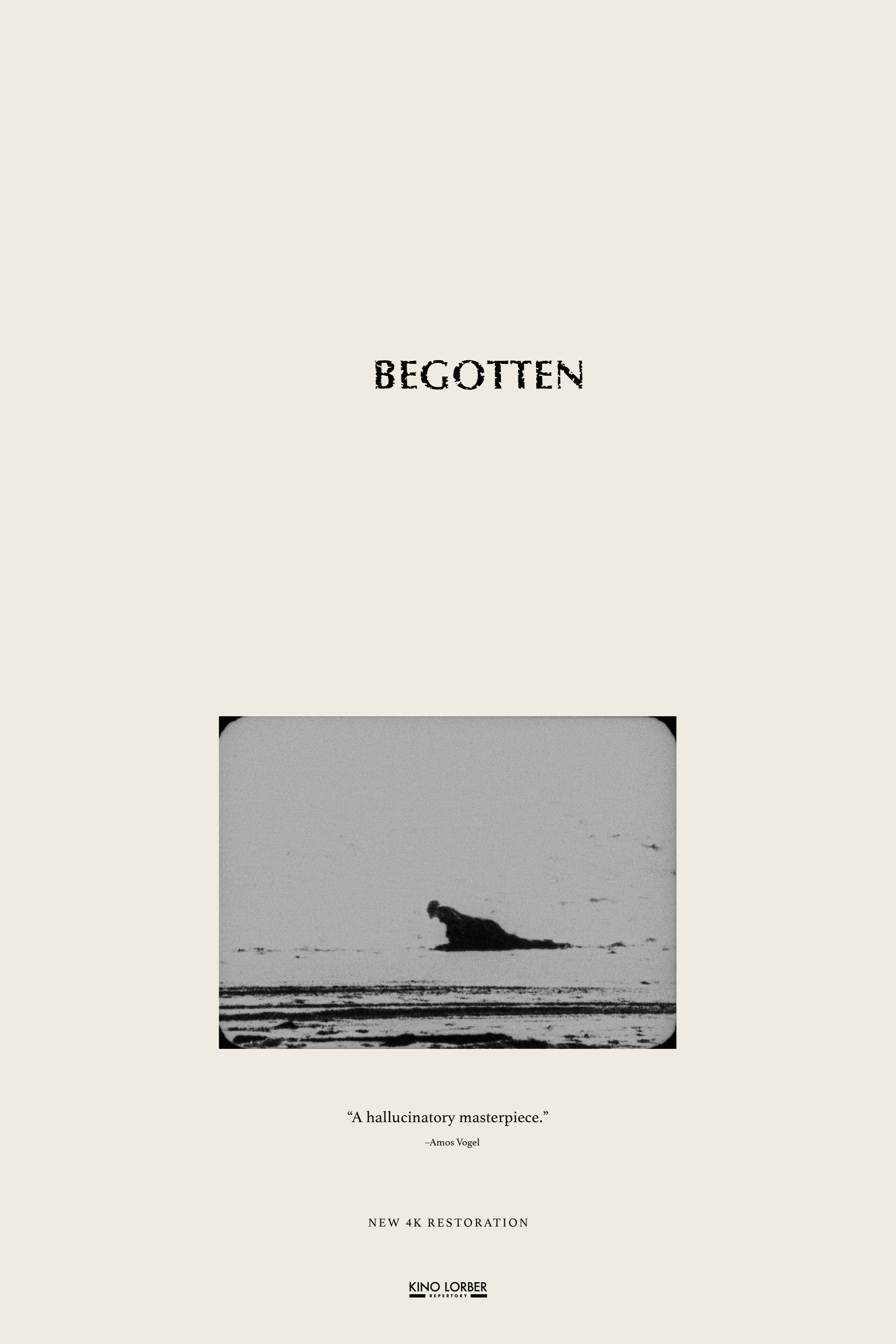
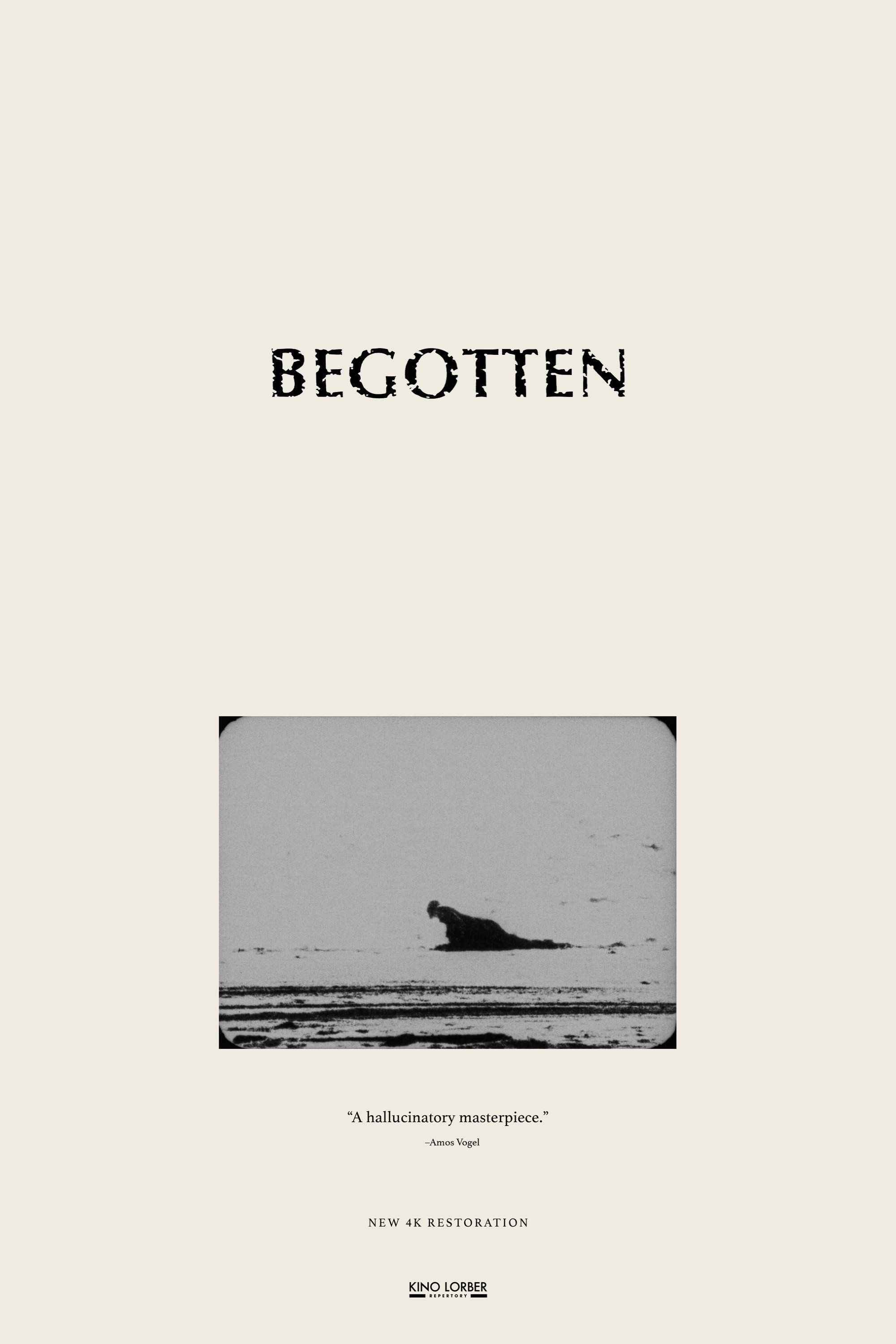
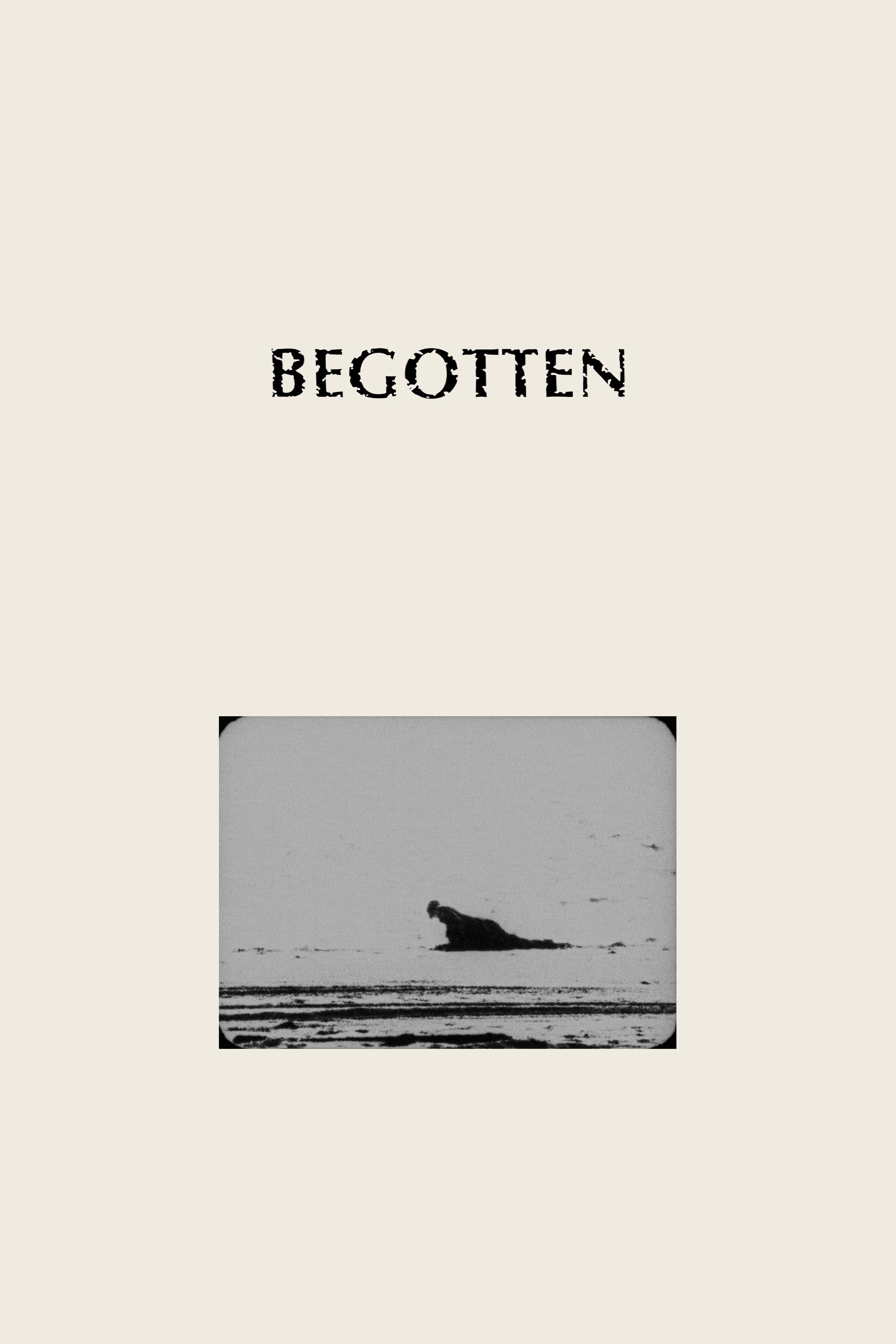
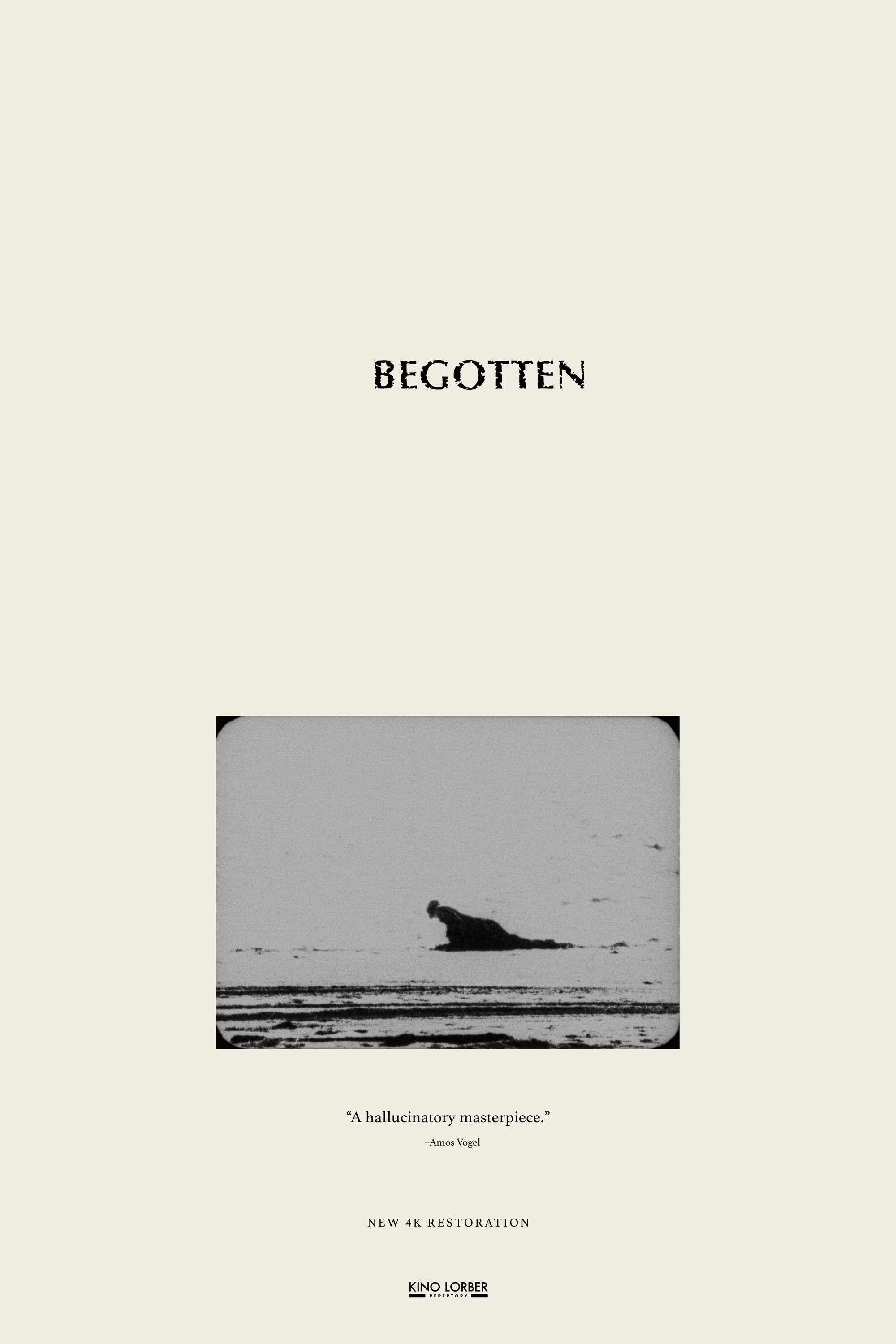
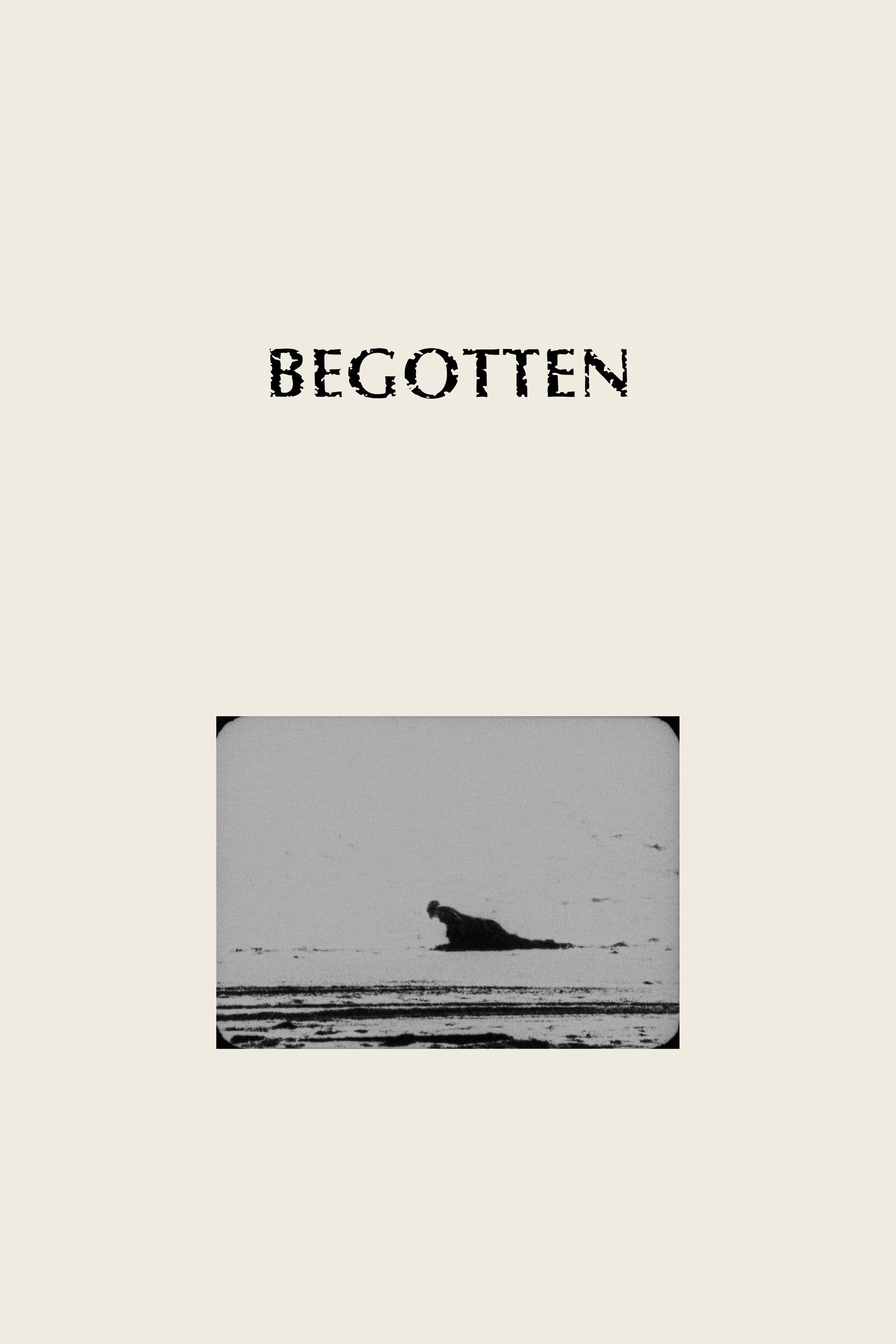
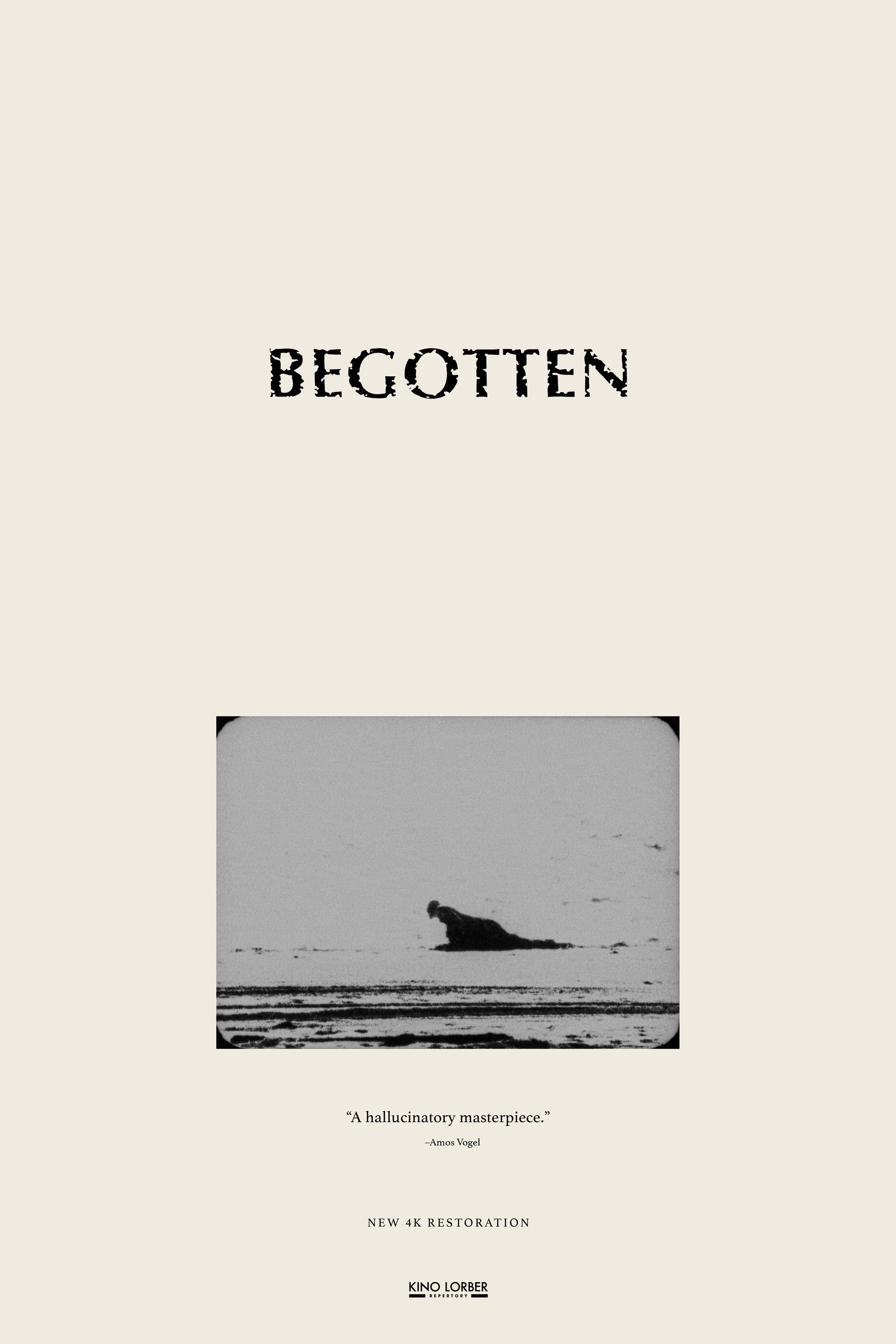
The director has recalled a production lasting roughly three and a half years, with much of the extended schedule devoted to photographic experimentation and post-production. He wrote, photographed and supervised the image manipulation himself, working with people from the theatrical group as performers and collaborators. The effort to achieve a specific appearance shaped practical decisions at every stage: it influenced what could be filmed, the time required to process material and even how the final images would register movement. Merhige later described the shoot as a collective ritual, a recollection that conveys his artistic intentions but remains his retrospective account of the experience.