

Developing a Sequel Without Repeating the First Film
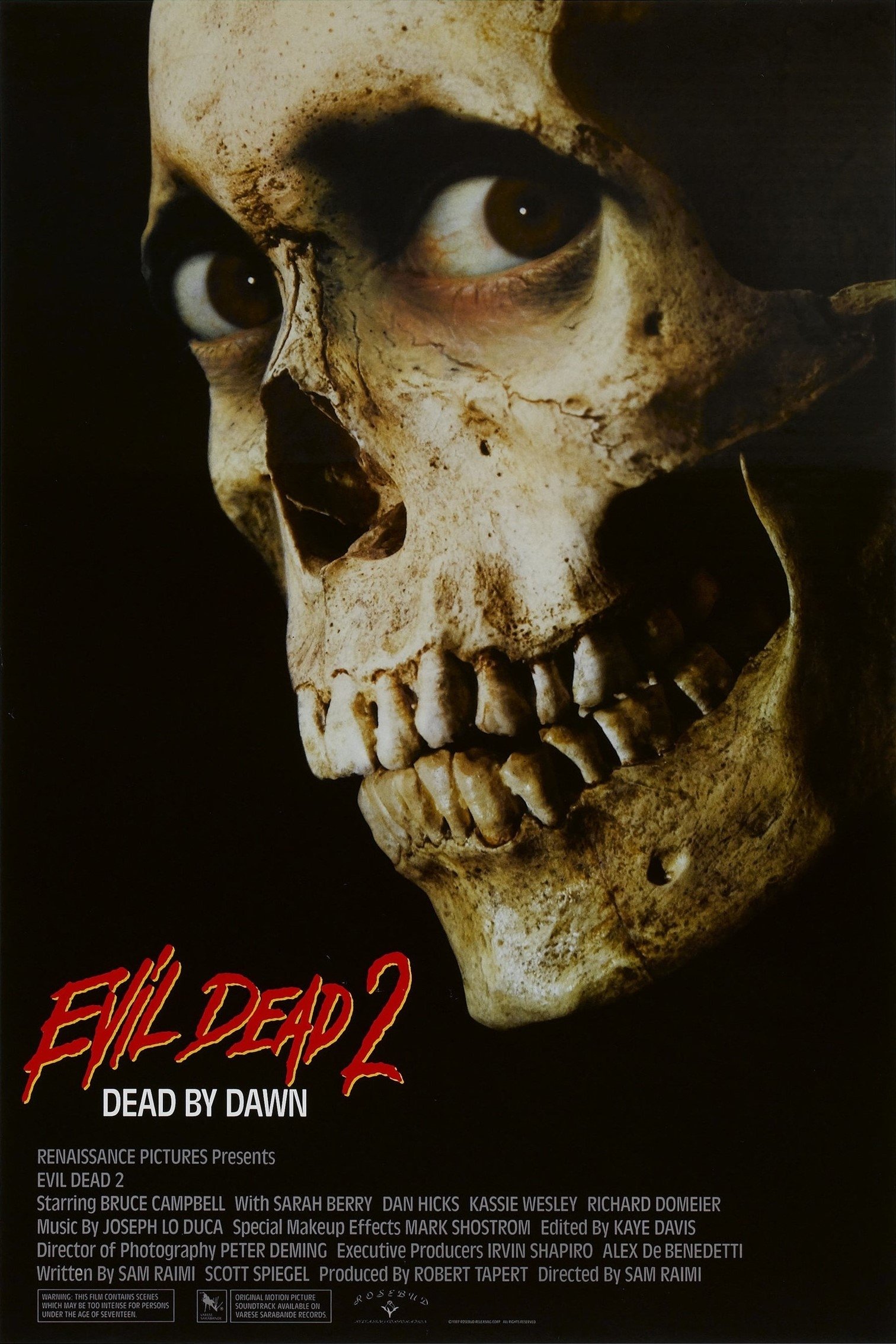
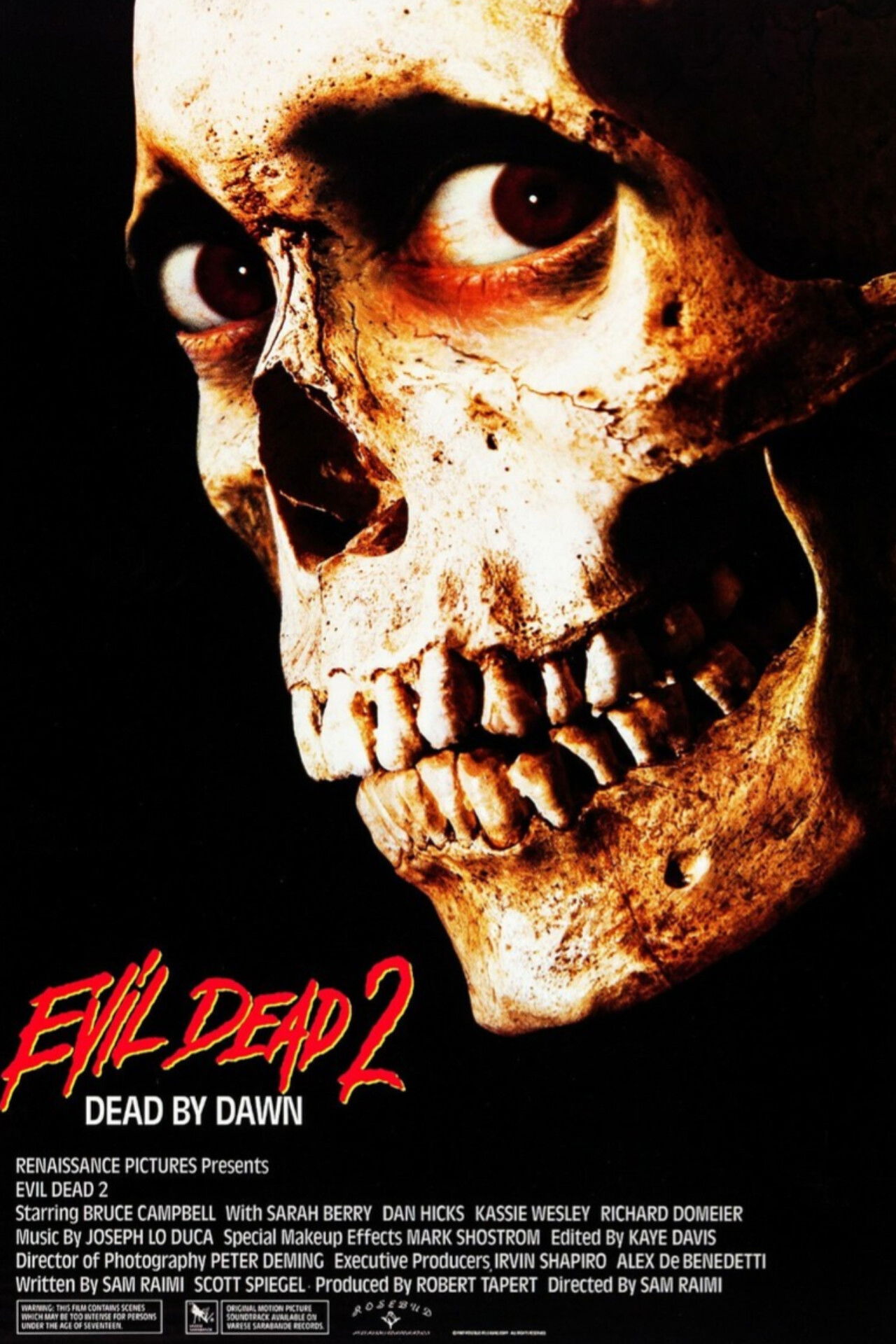
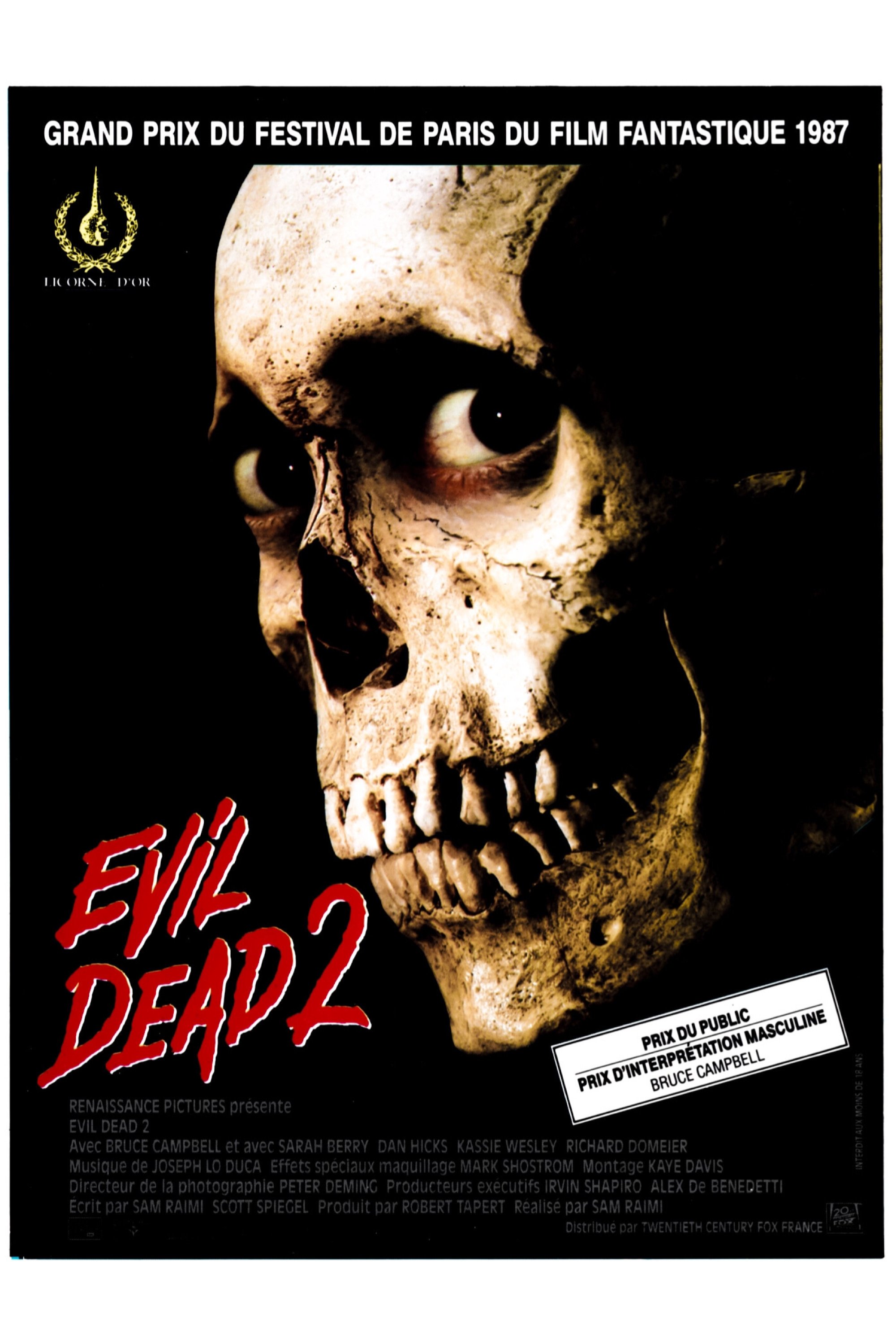
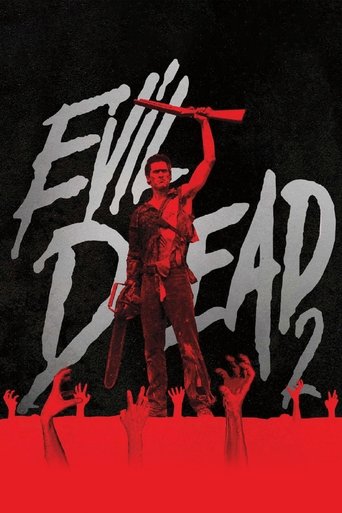
A sequel had been discussed soon after The Evil Dead established itself internationally, but Raimi's immediate follow-up became Crimewave instead. By 1985 Raimi and Tapert were again pursuing Evil Dead II, with Scott Spiegel collaborating on the screenplay. Financing proved far less improvised than on the original film. Trade reporting initially connected the project with Embassy Home Entertainment, while Dino De Laurentiis Entertainment Group ultimately provided the principal production backing. The relationship gave Raimi access to resources that would have been impossible during the privately financed first film while still allowing Renaissance Pictures to remain central to production.
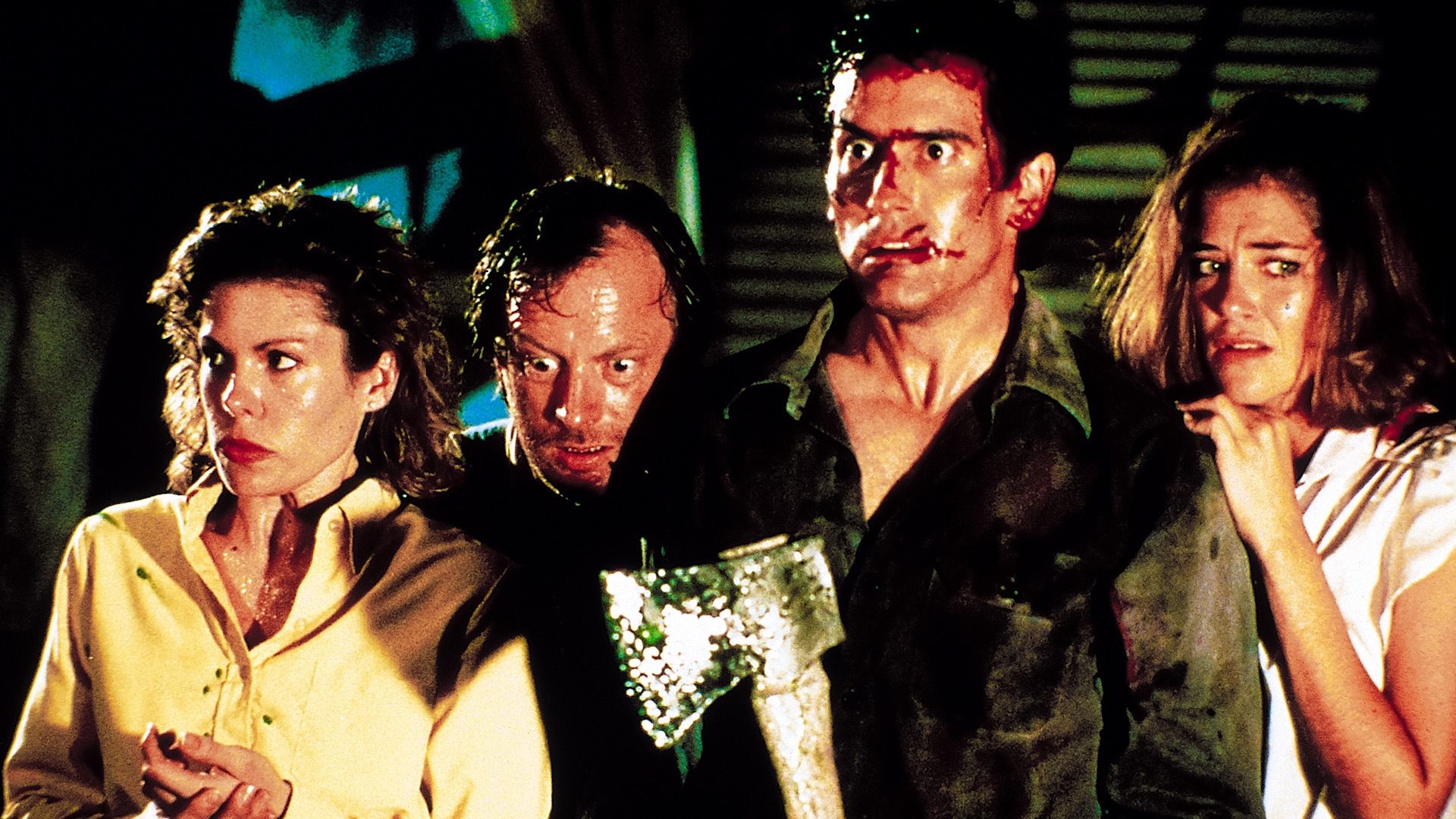
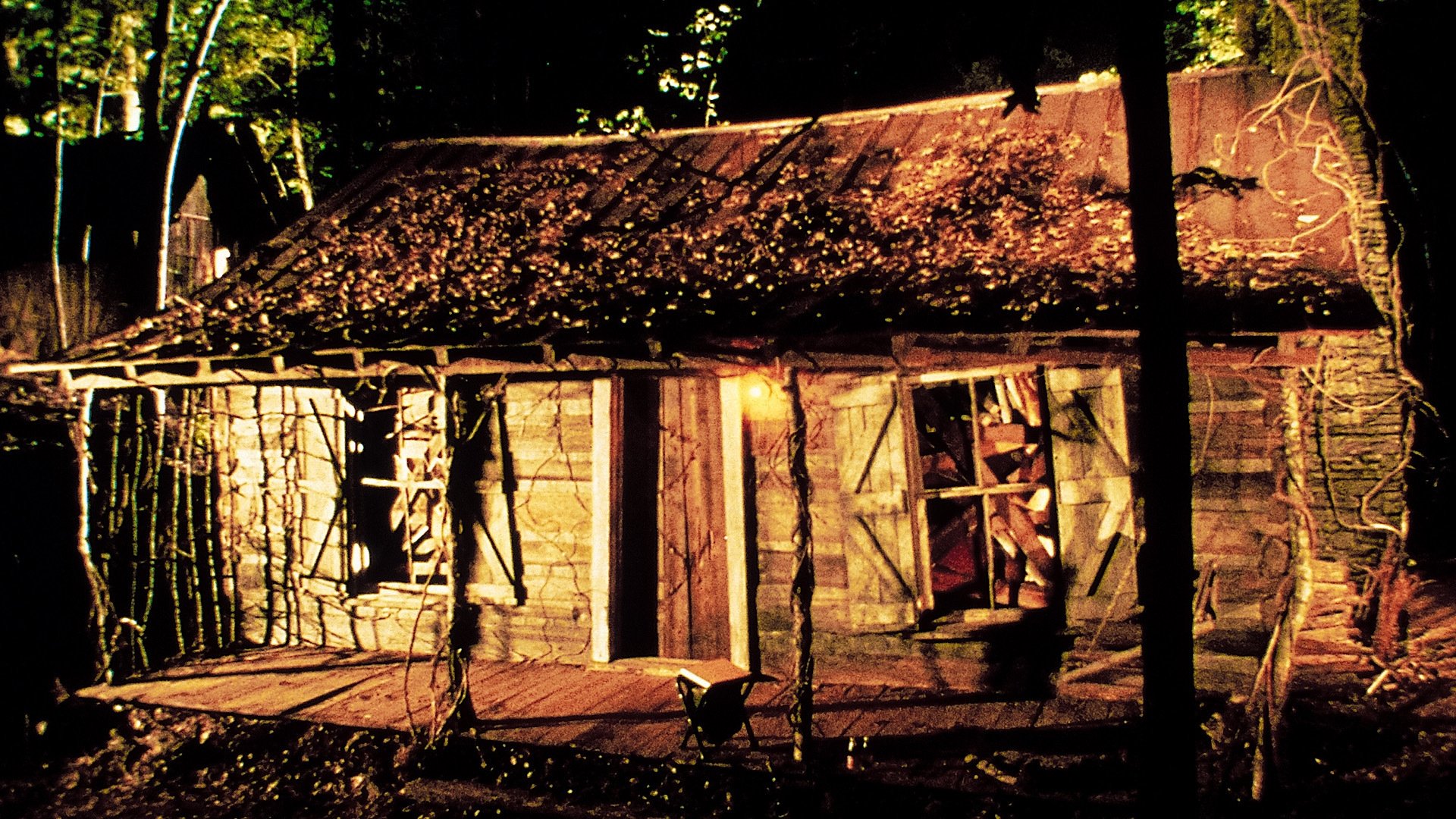
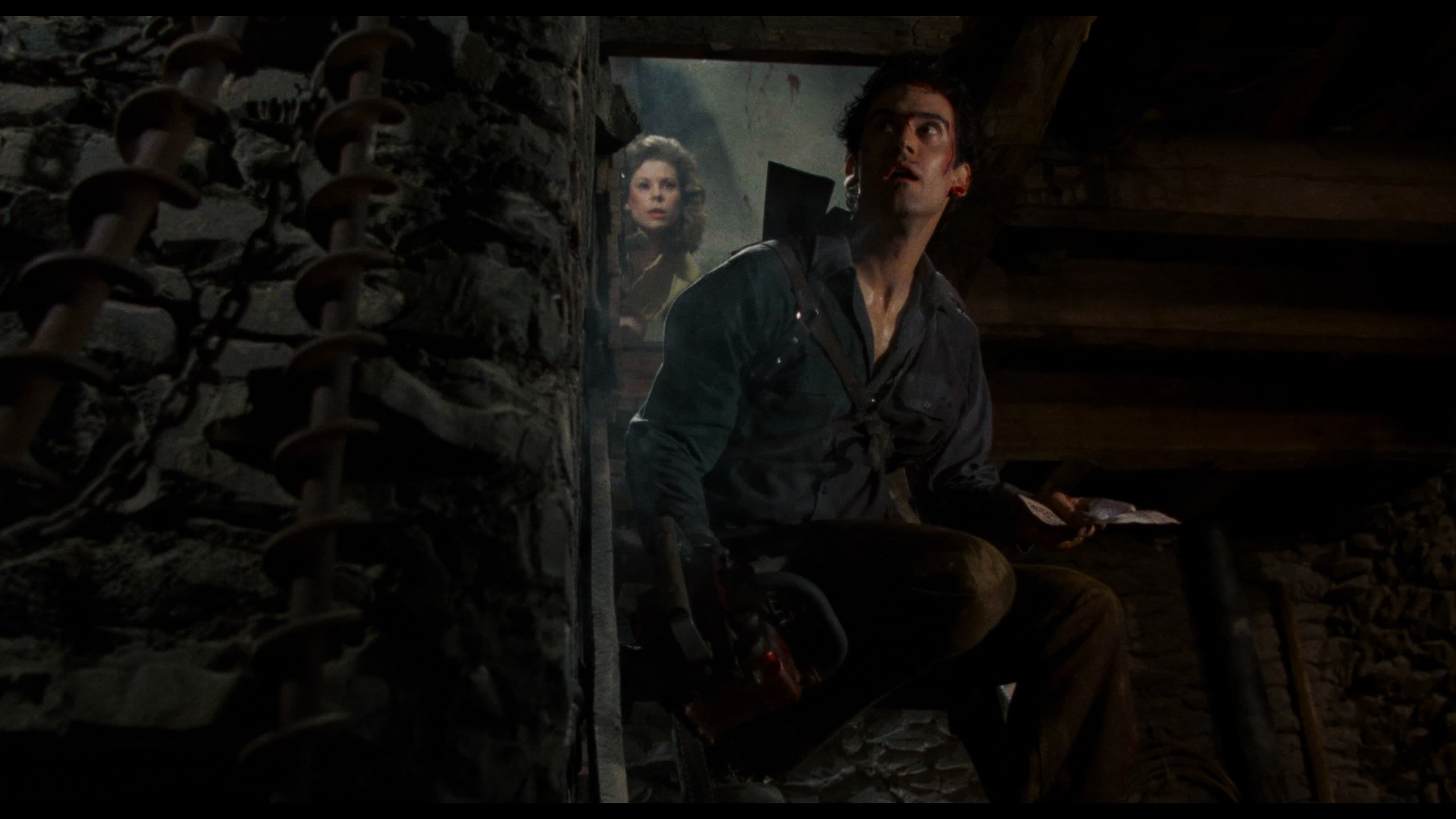
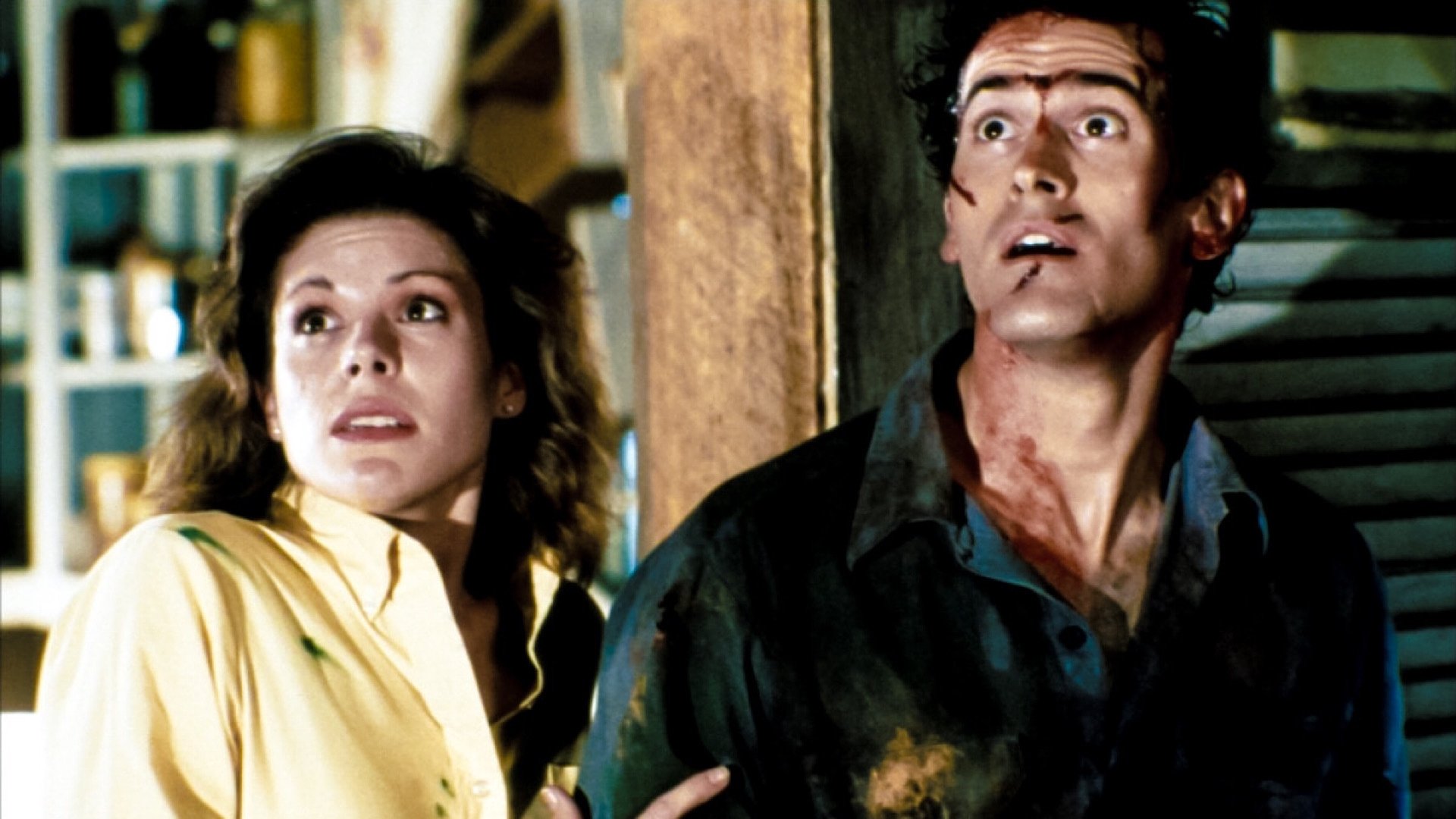
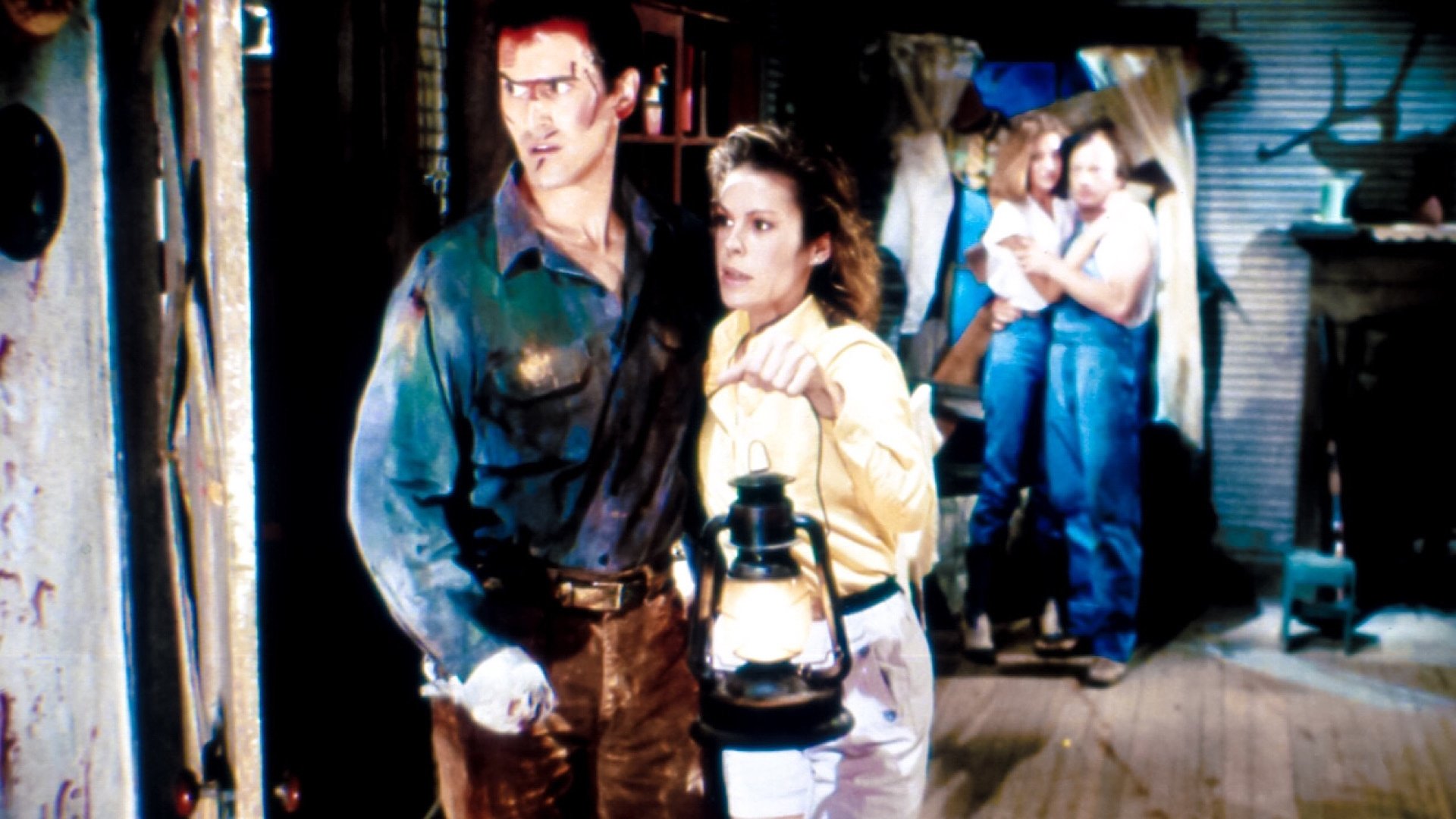
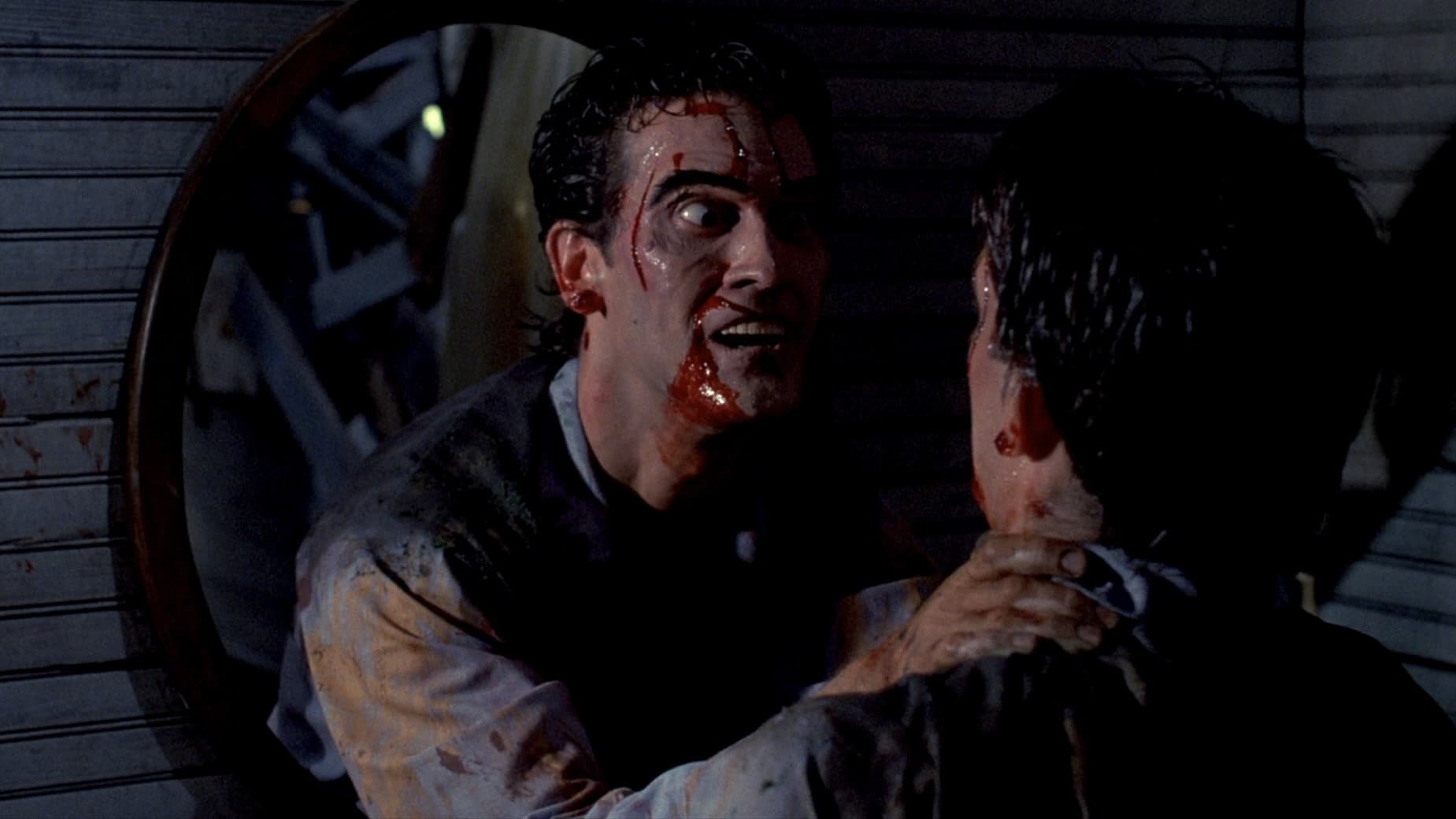
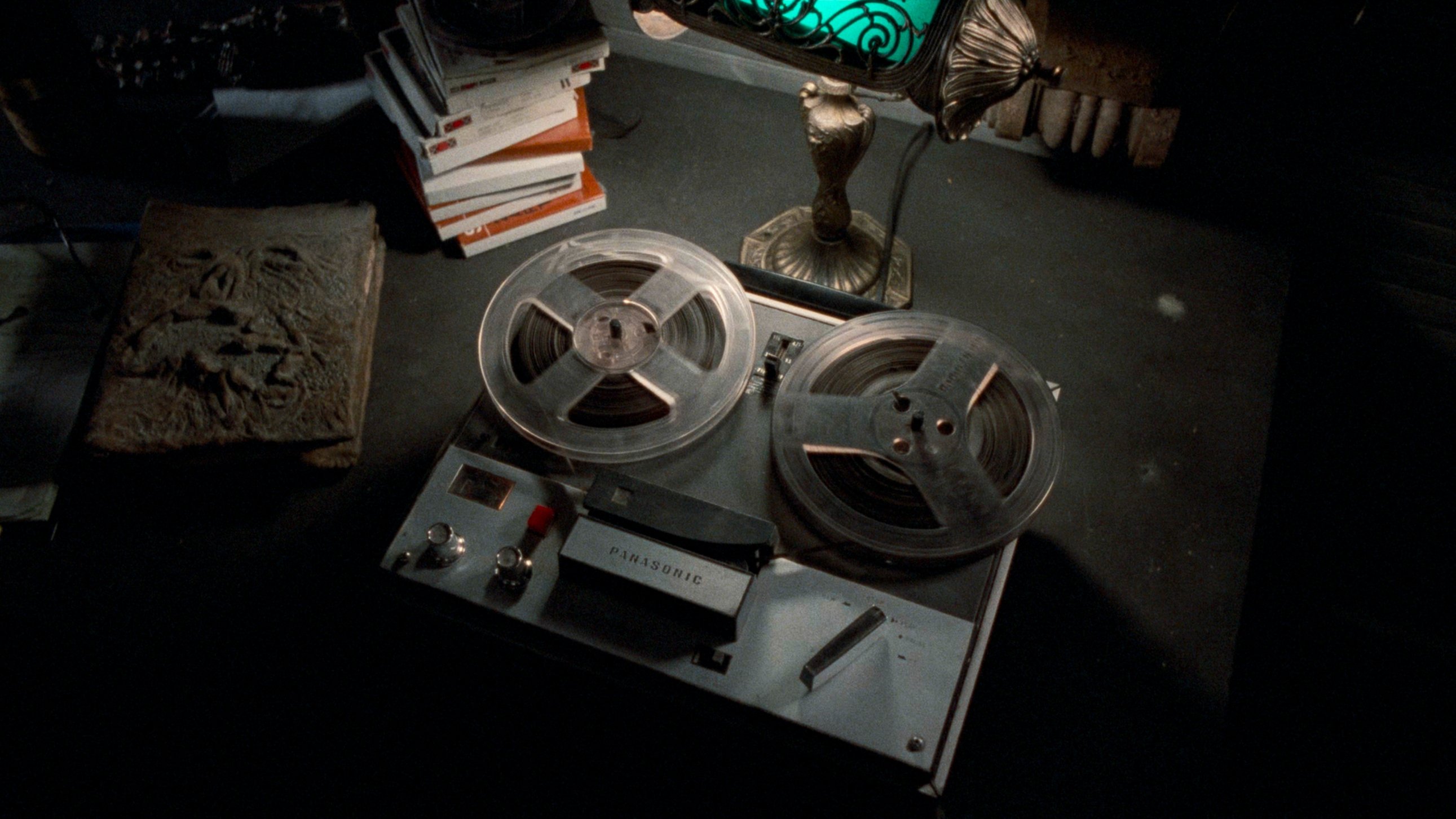
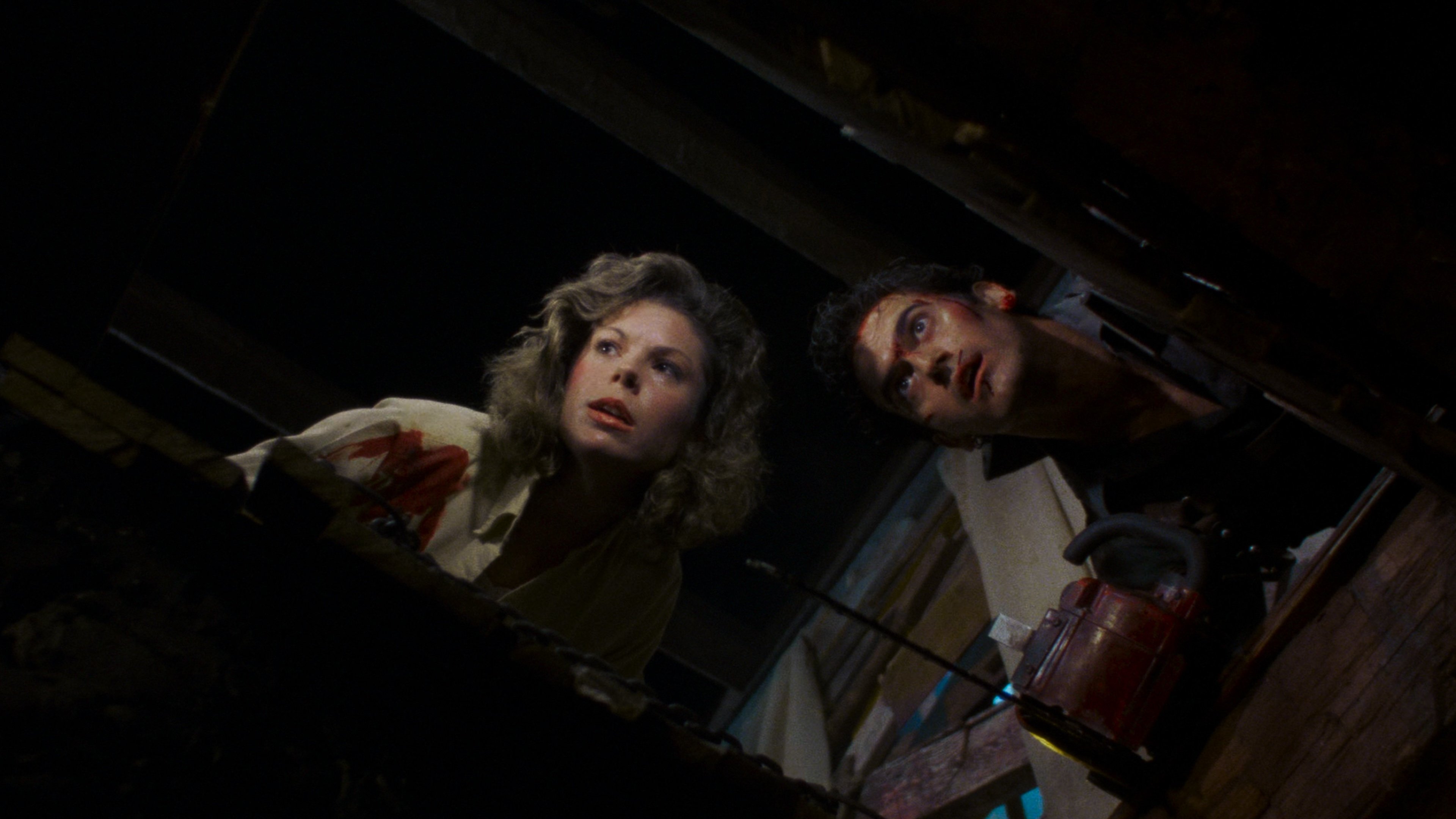
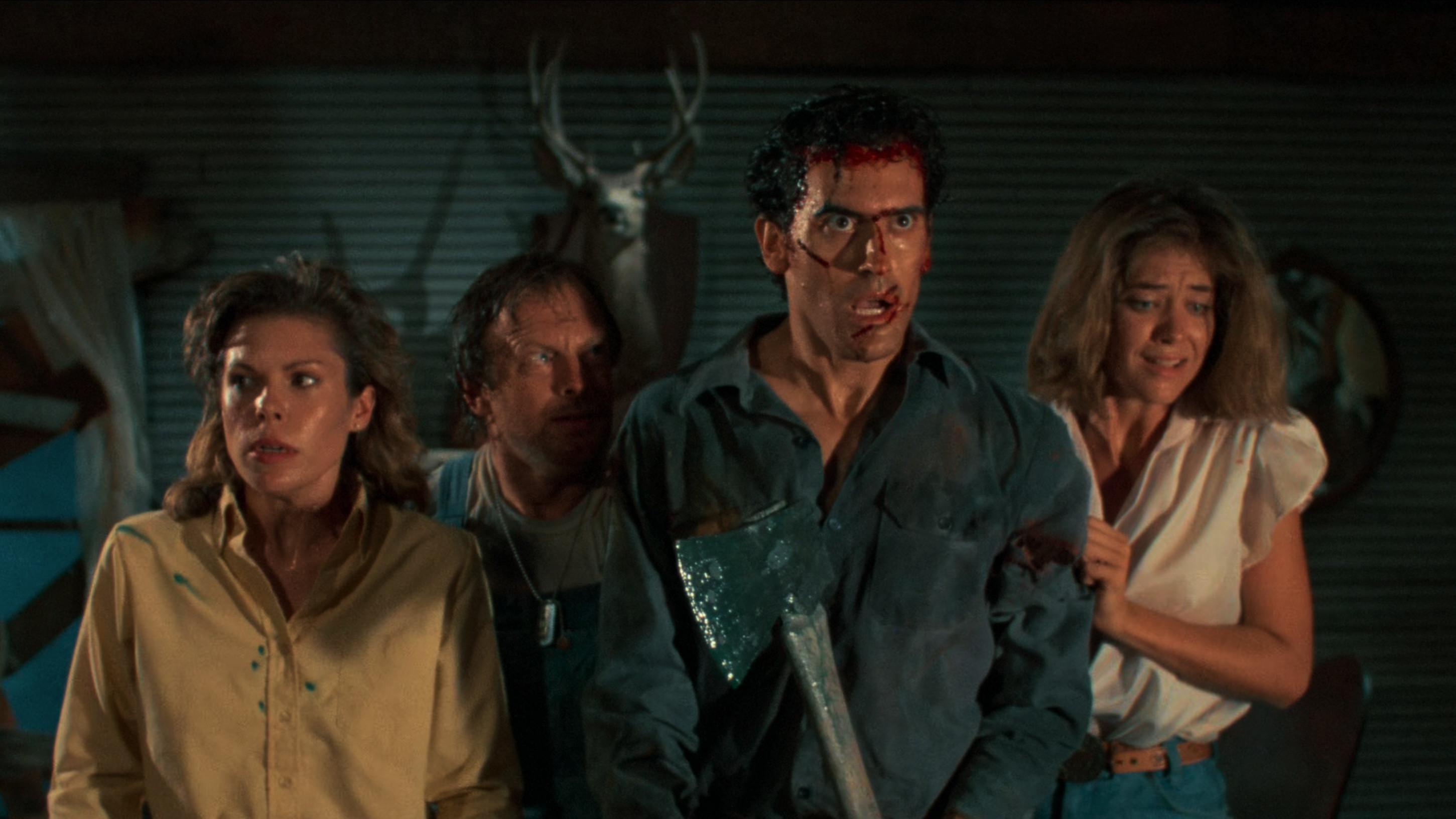
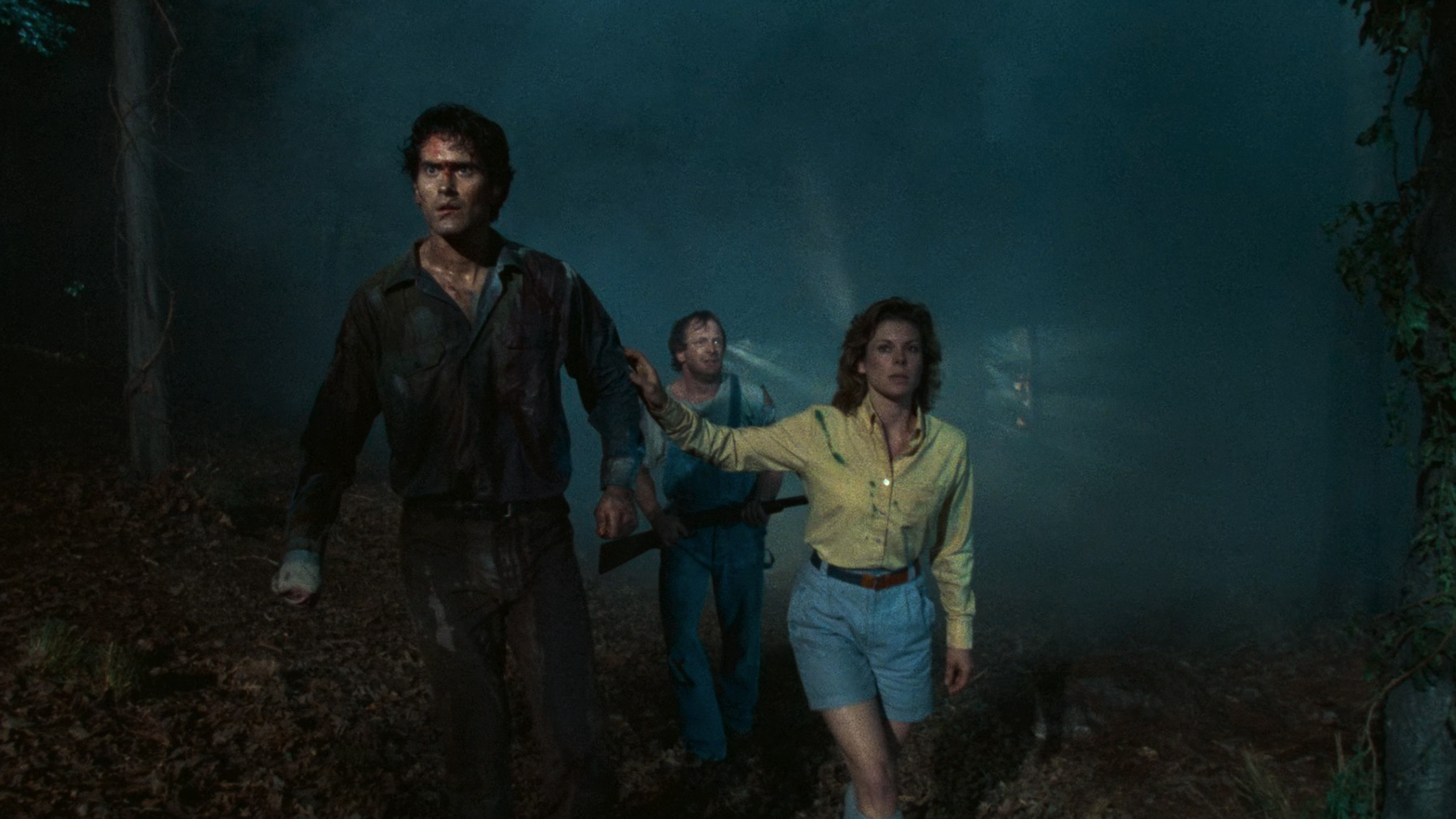
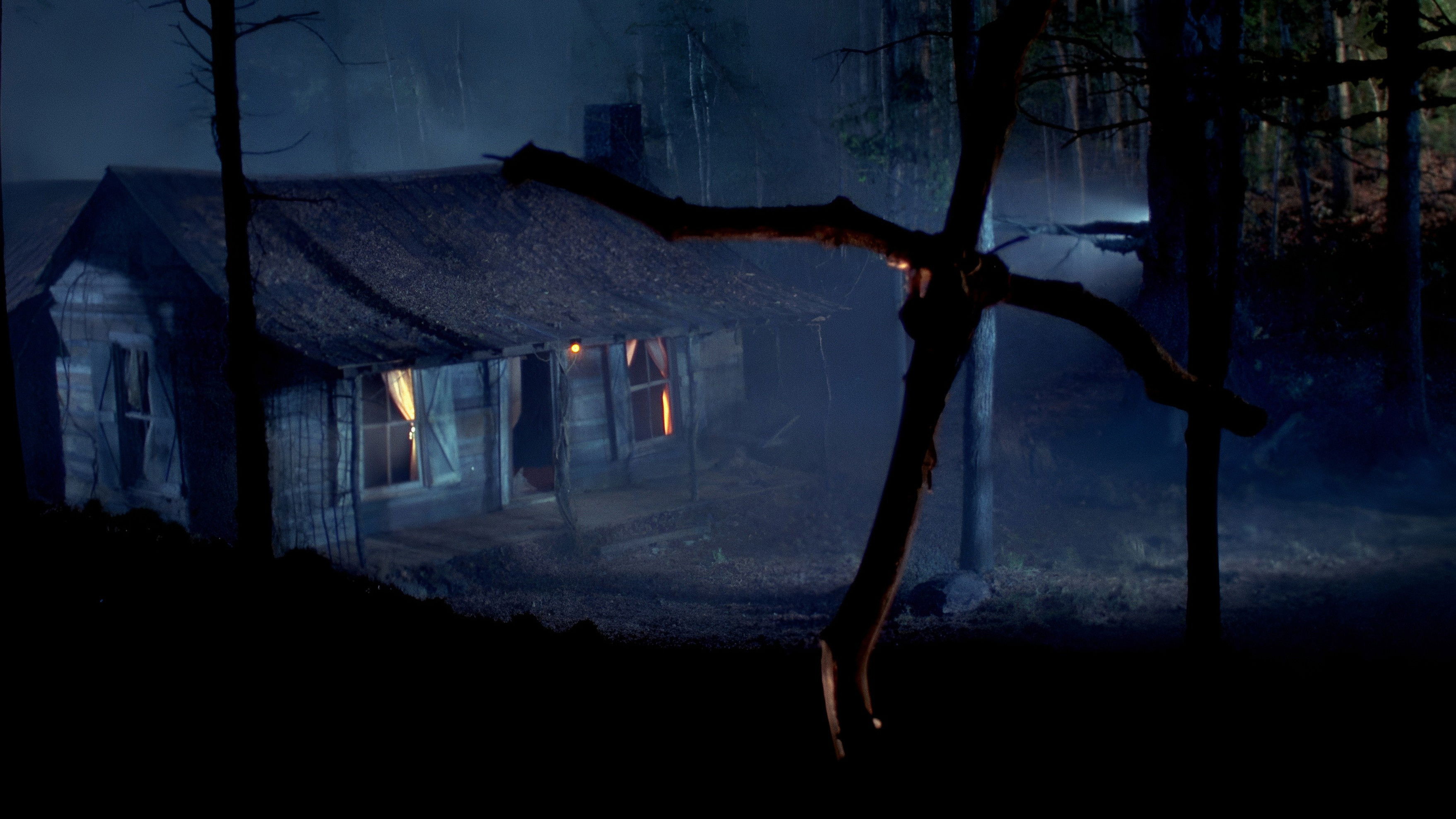
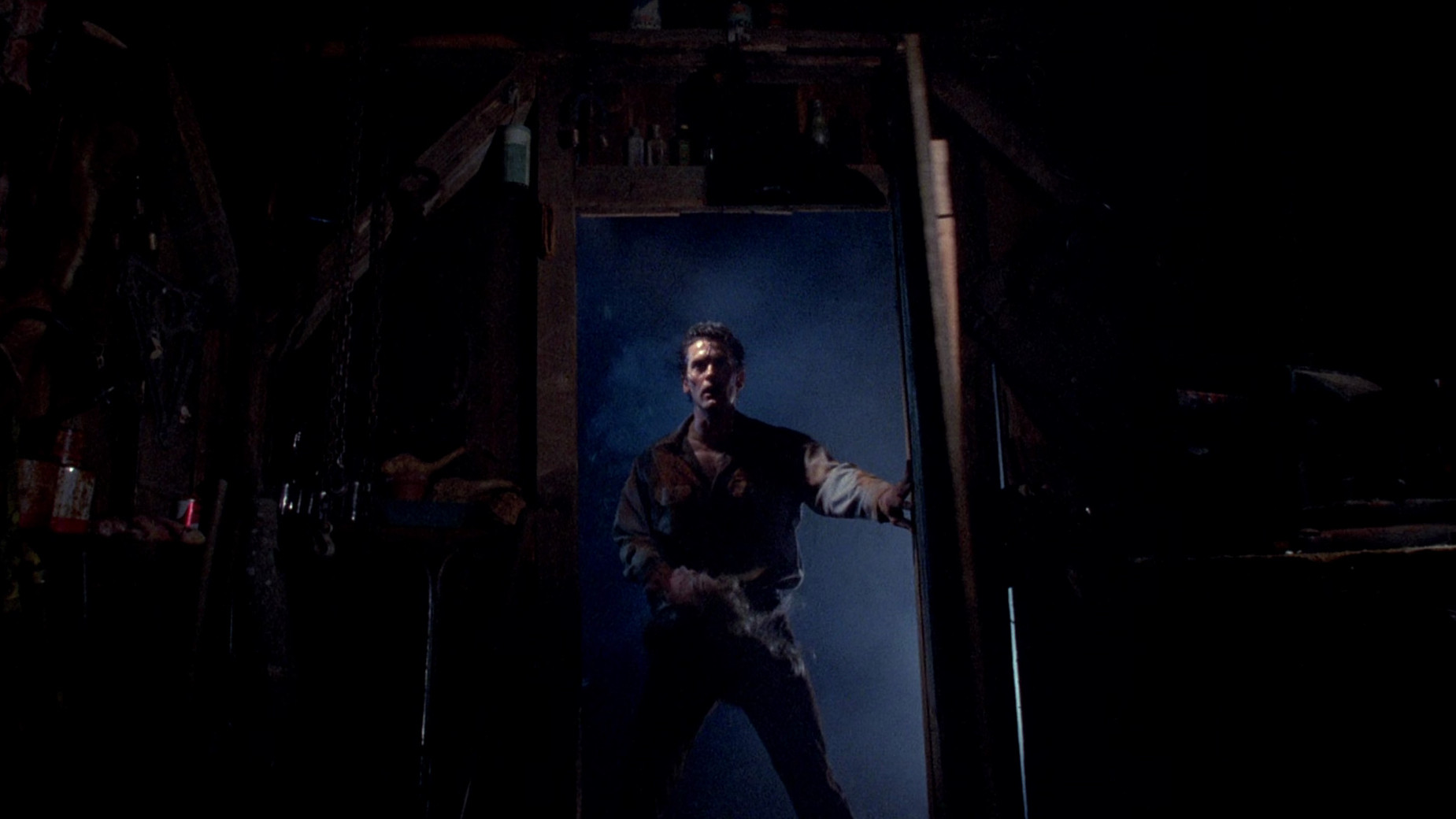
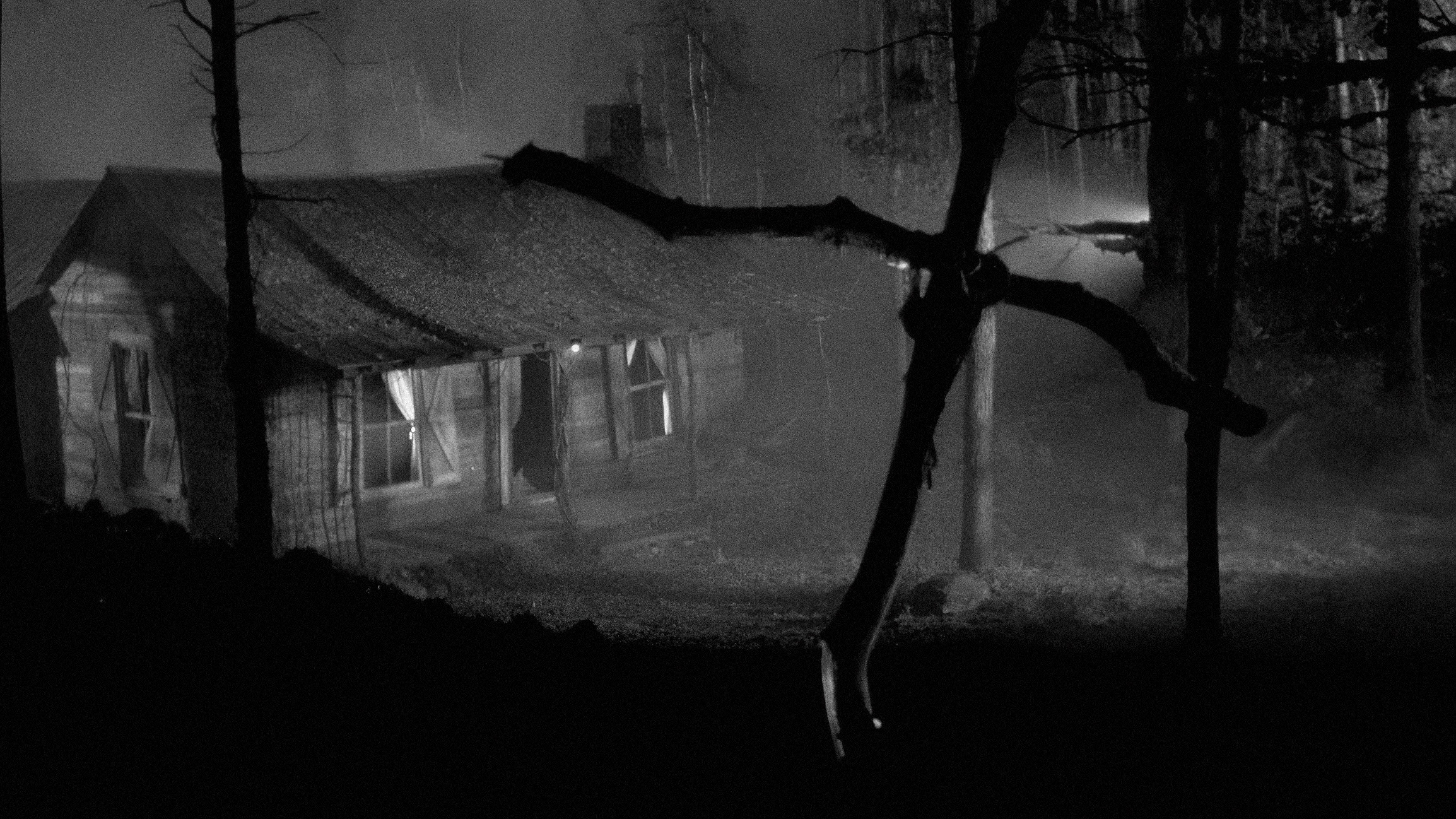
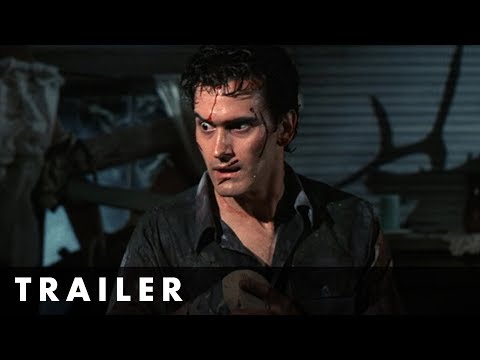
Raimi did not possess unrestricted access to the footage from The Evil Dead, which complicated the problem of establishing continuity. Instead of simply inserting scenes from the earlier film, the production recreated the essential backstory with Bruce Campbell and Denise Bixler. The condensed opening removes several original characters and reduces the first film's events to Ash and Linda arriving at the cabin, finding Professor Knowby's recording and accidentally releasing the force. This has sometimes encouraged the mistaken idea that Evil Dead II is a remake. Structurally it is a sequel whose introductory recap was rebuilt rather than licensed from the original.
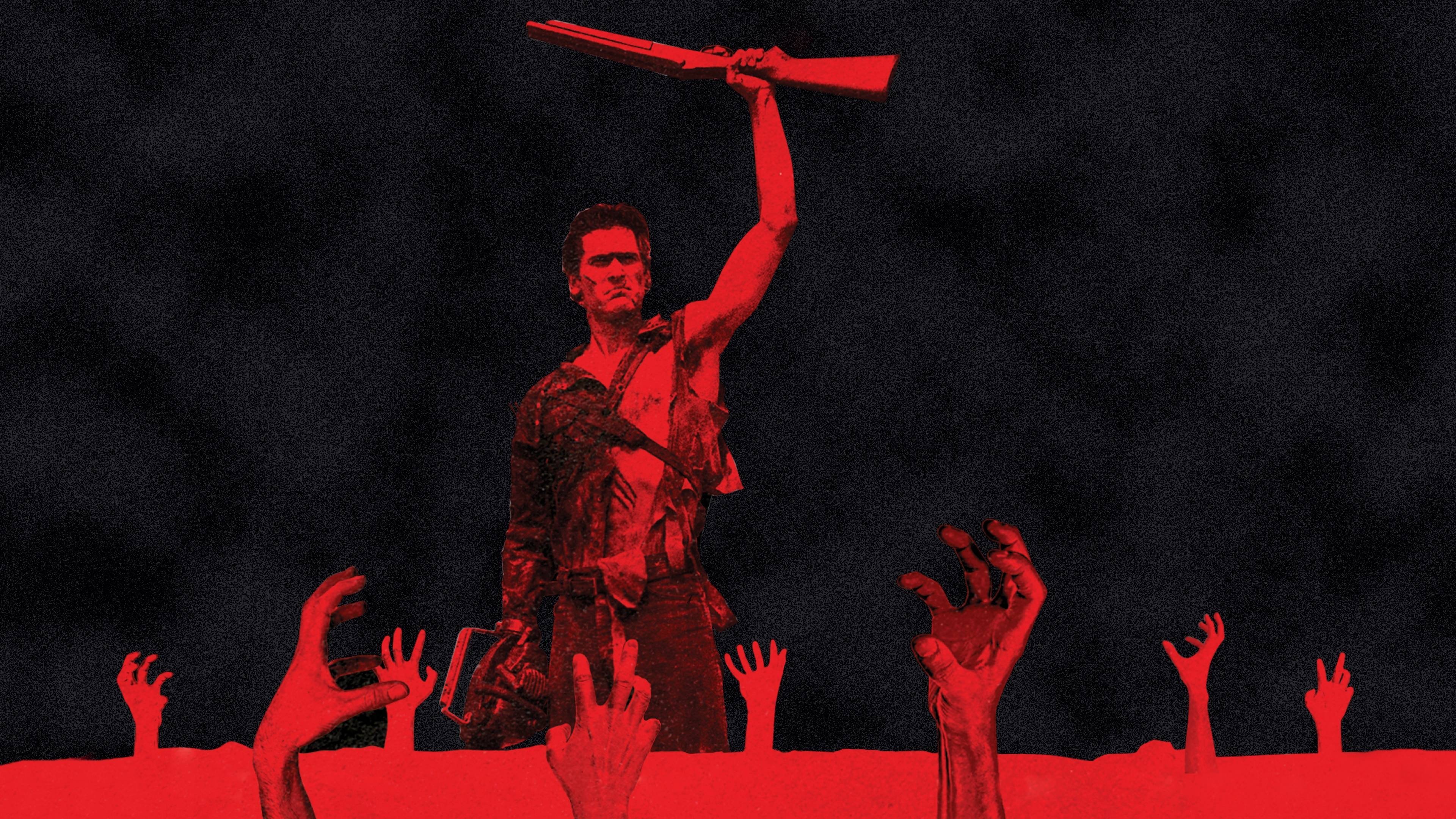
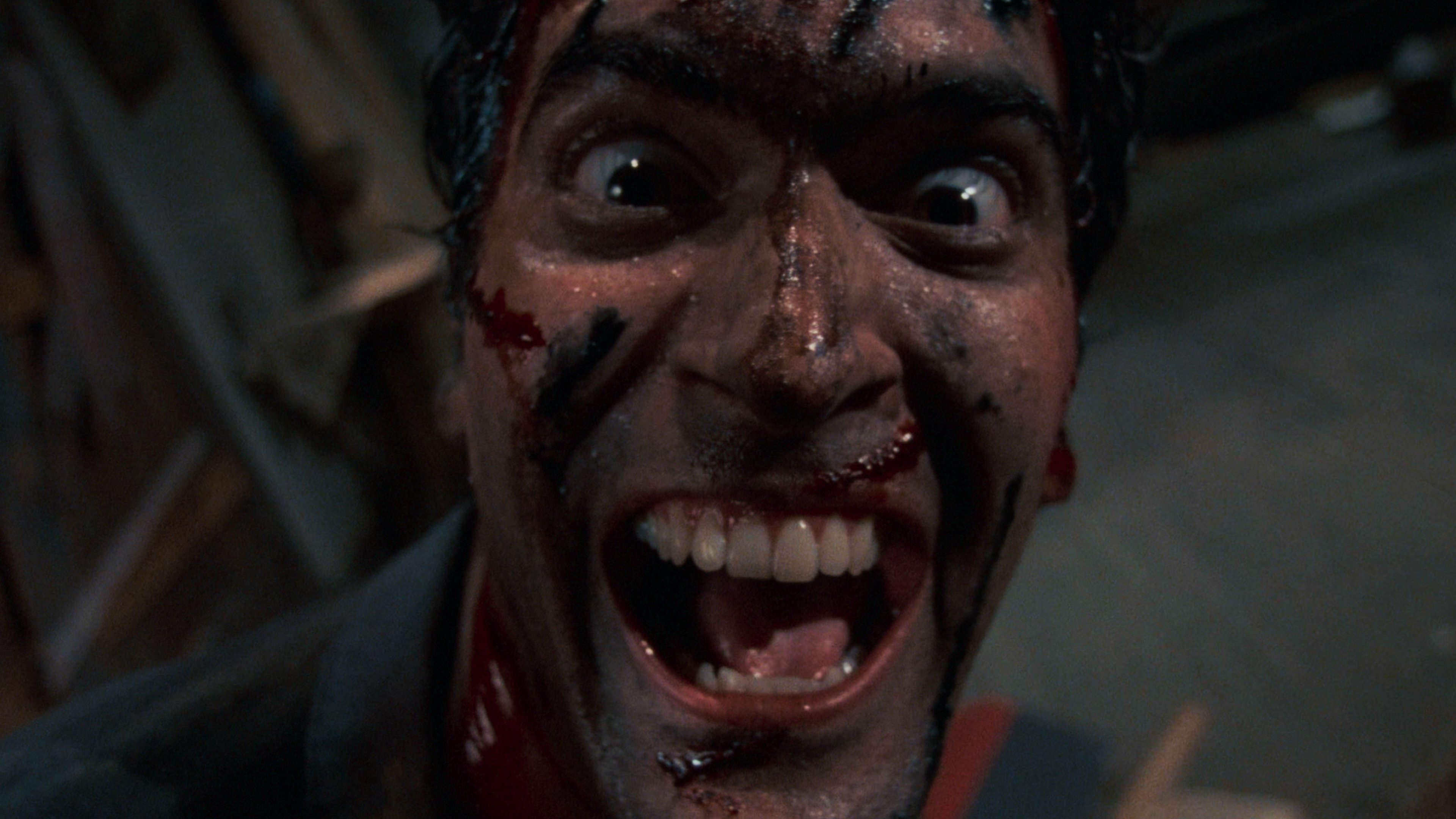
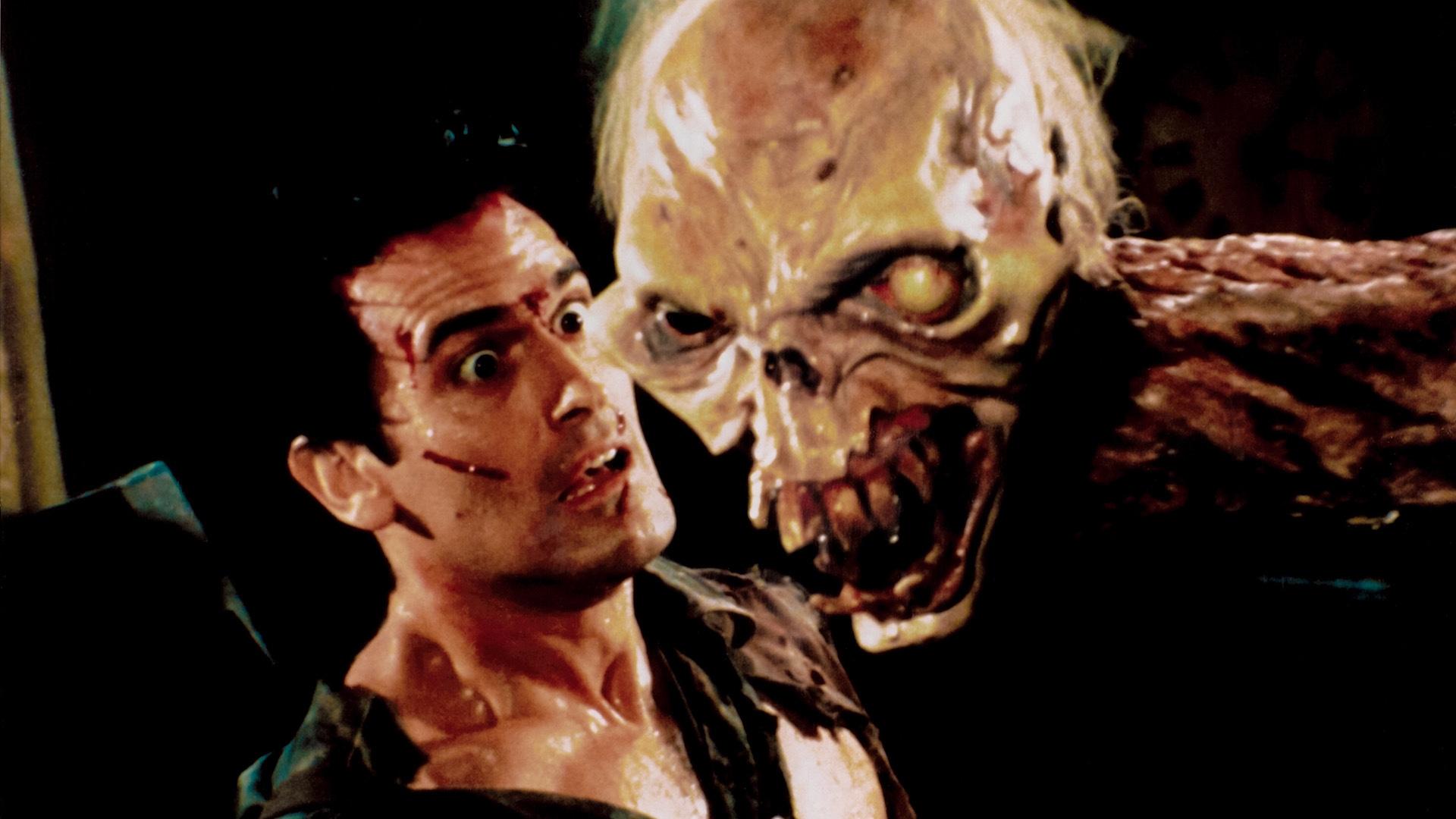
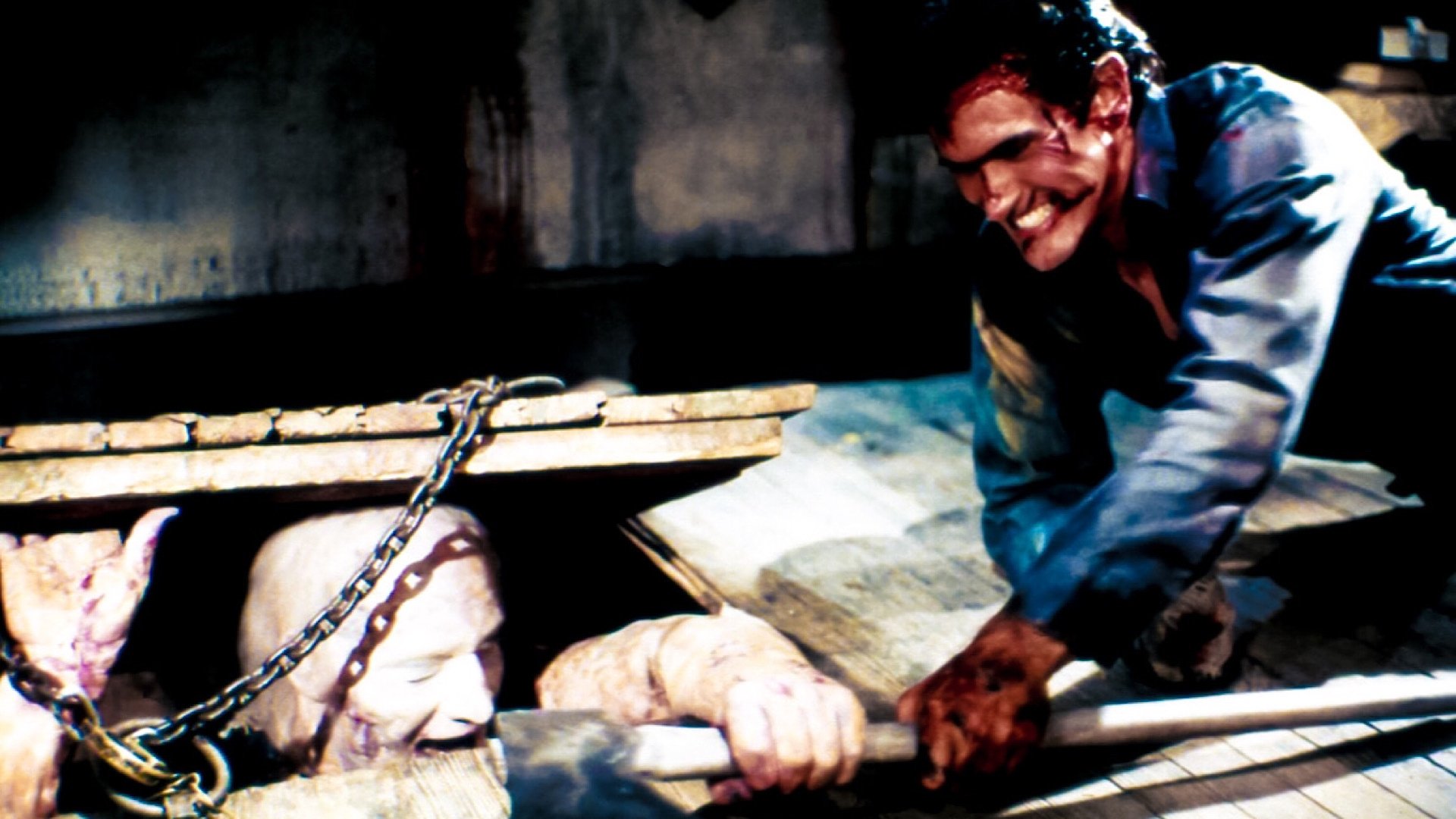
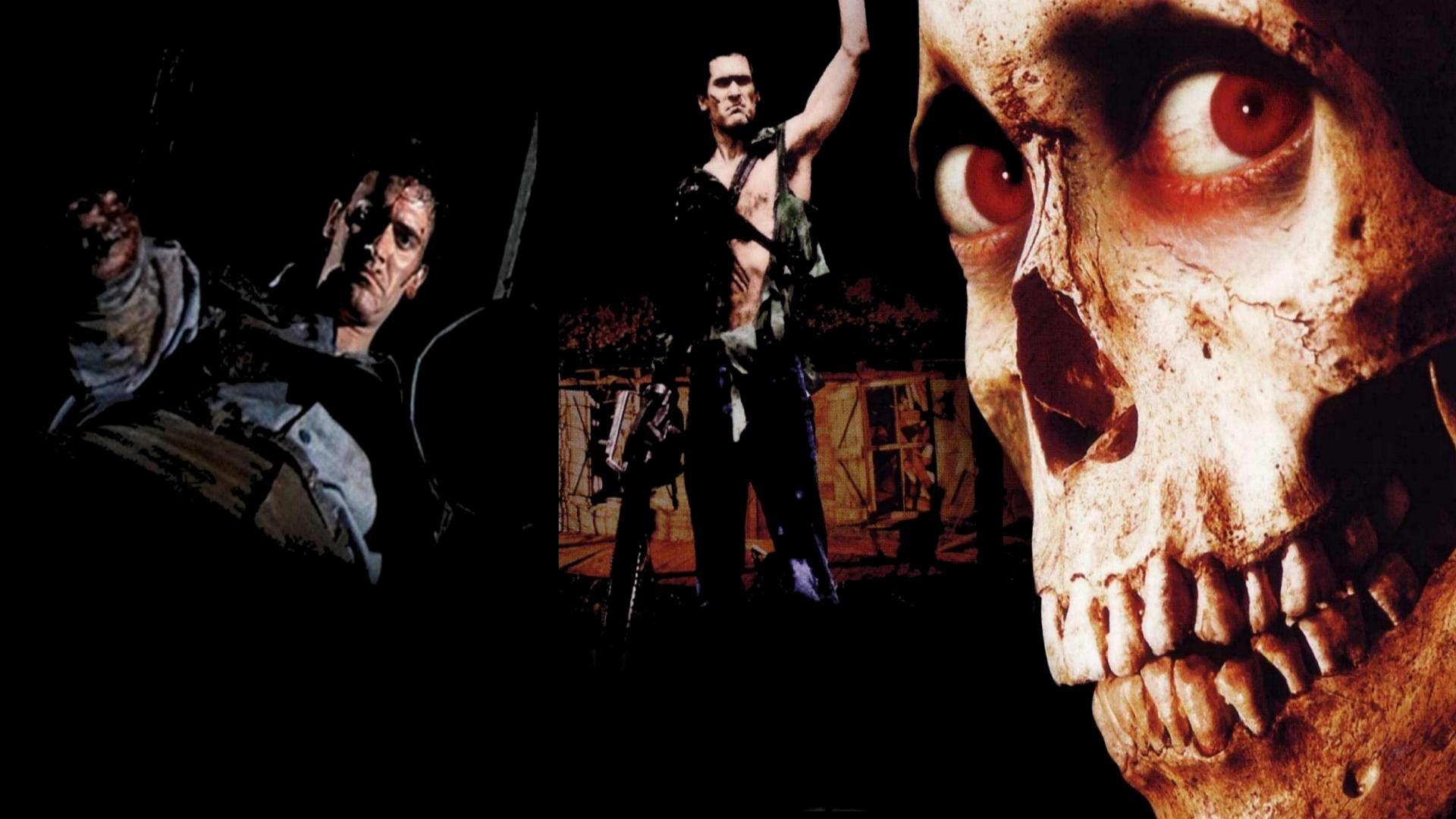
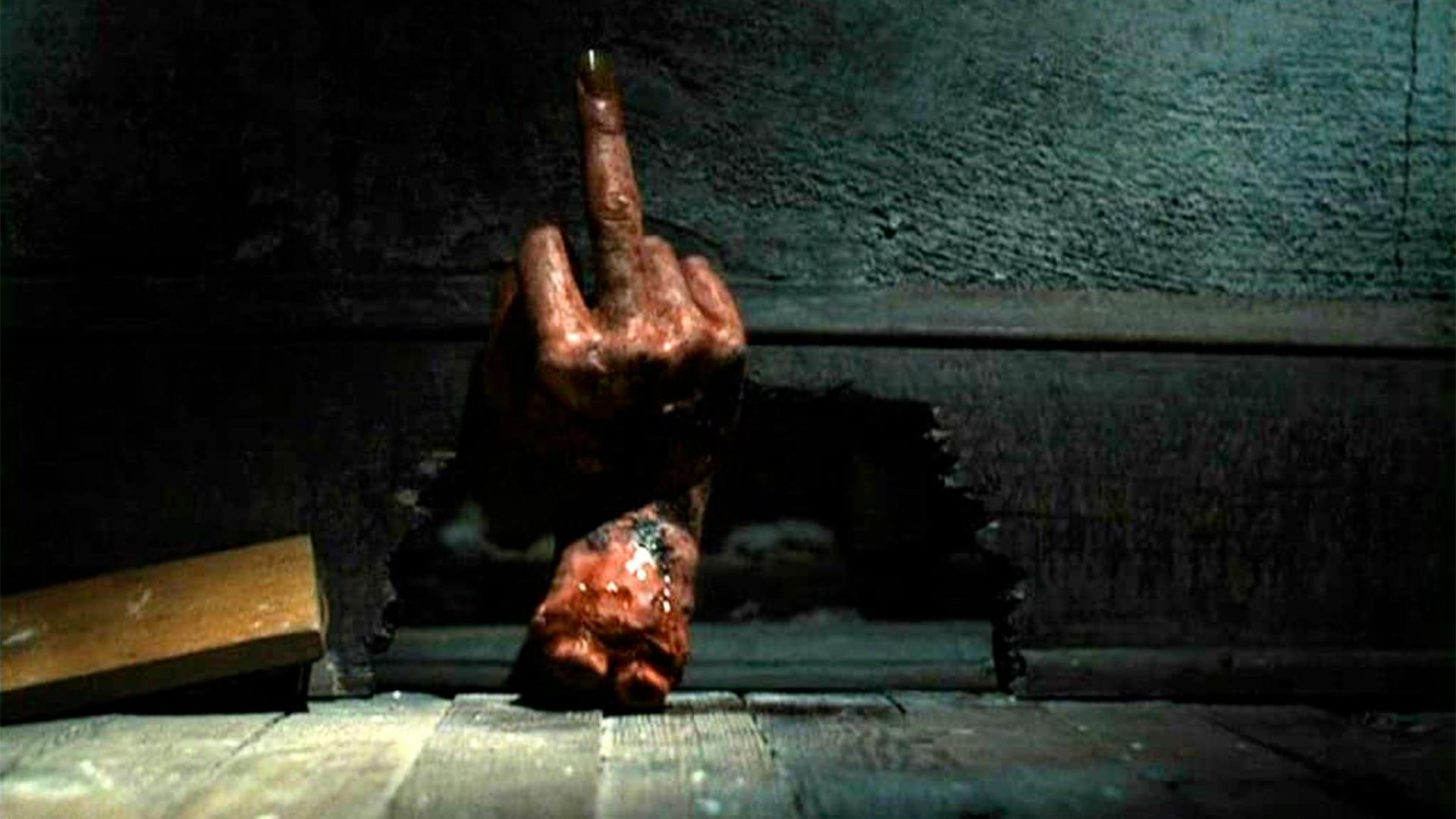
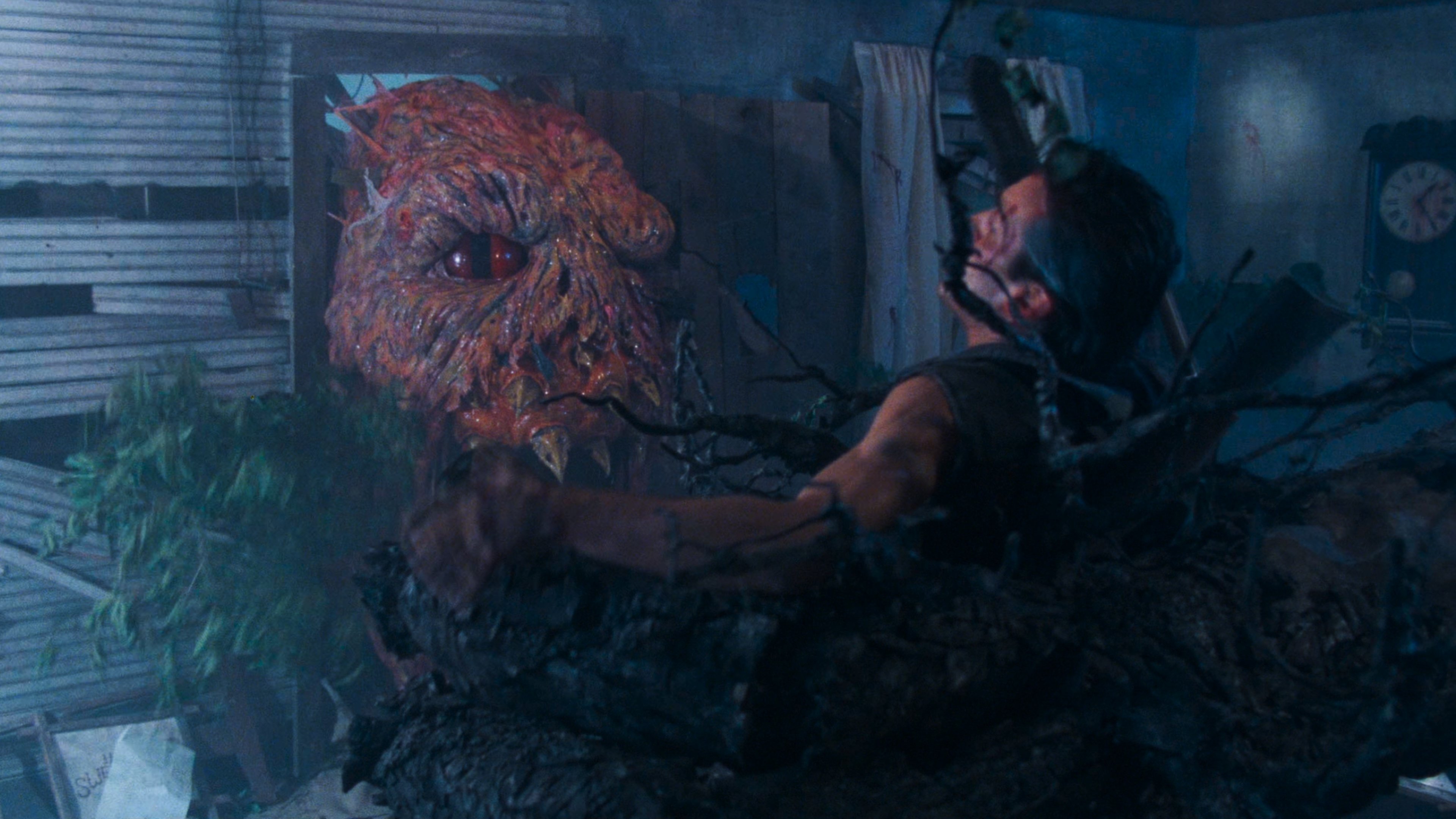
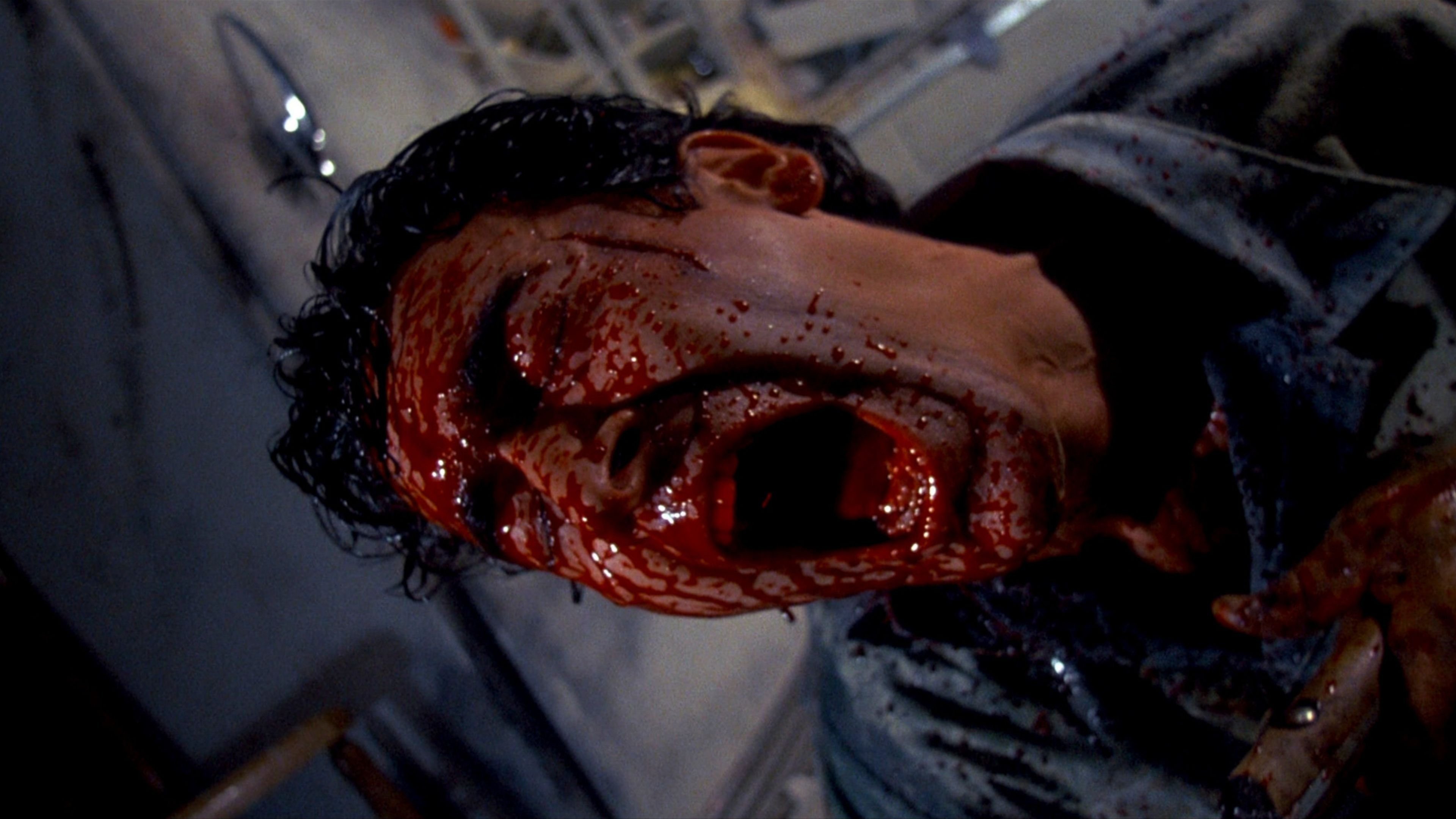
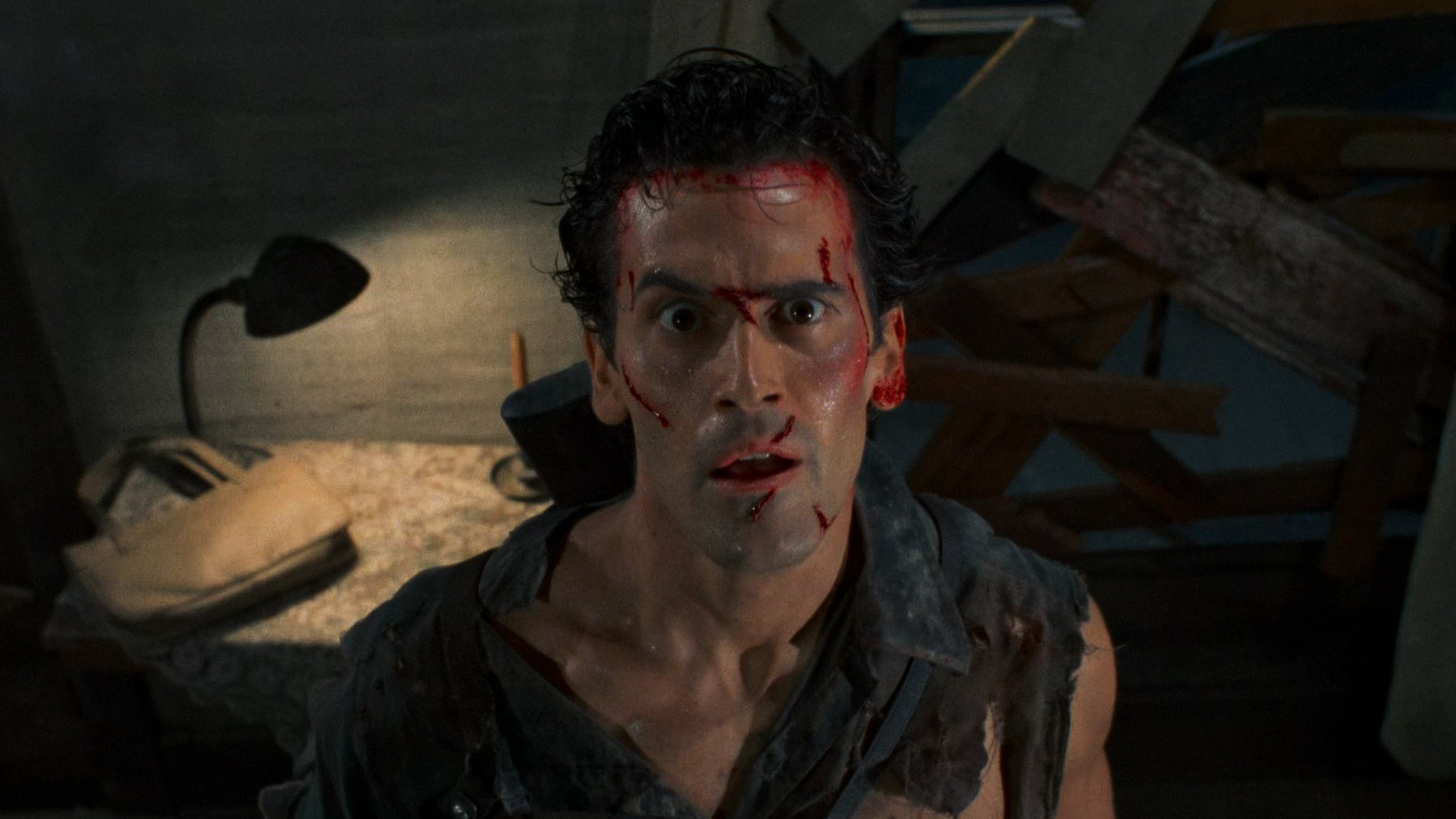
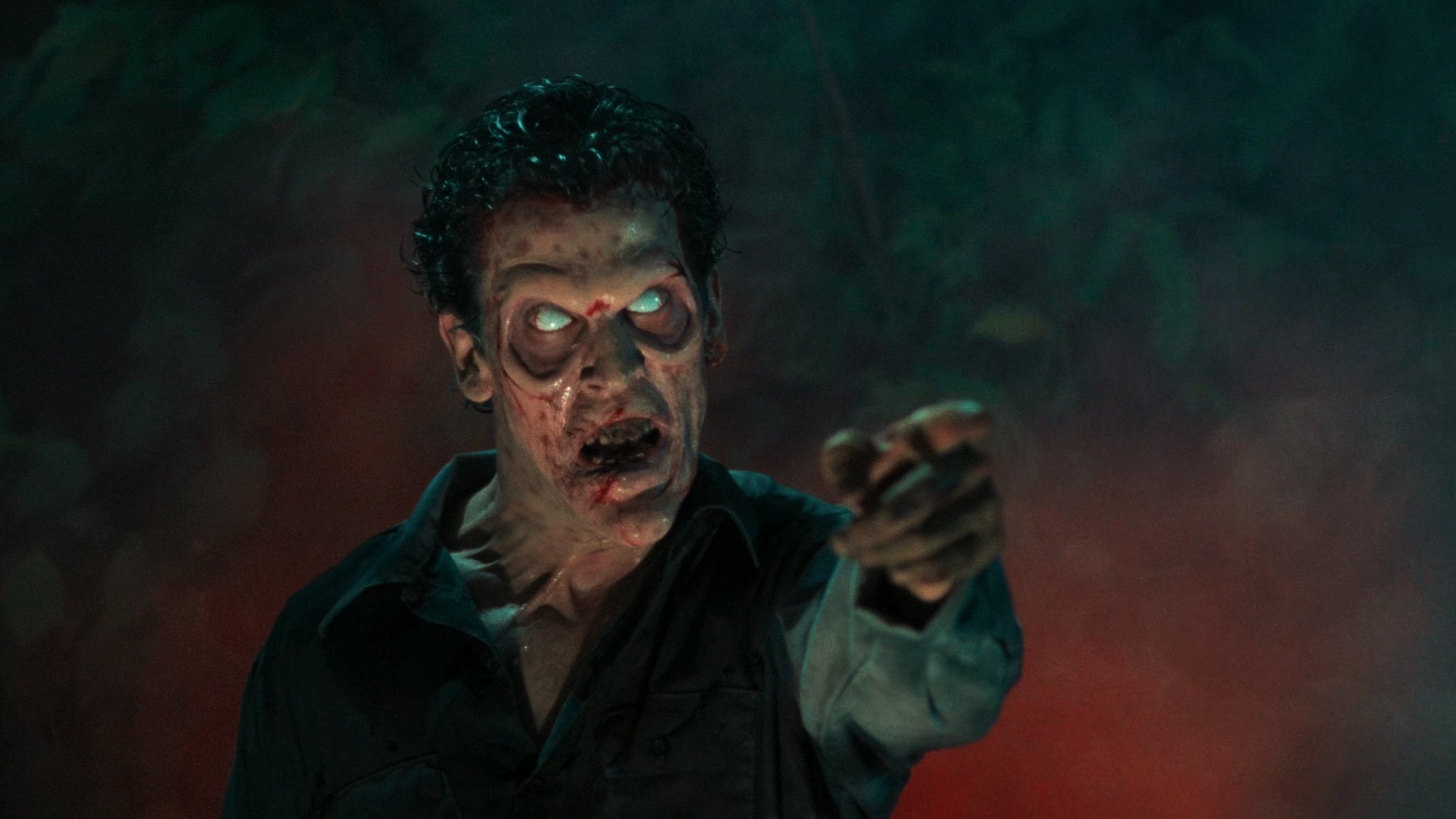
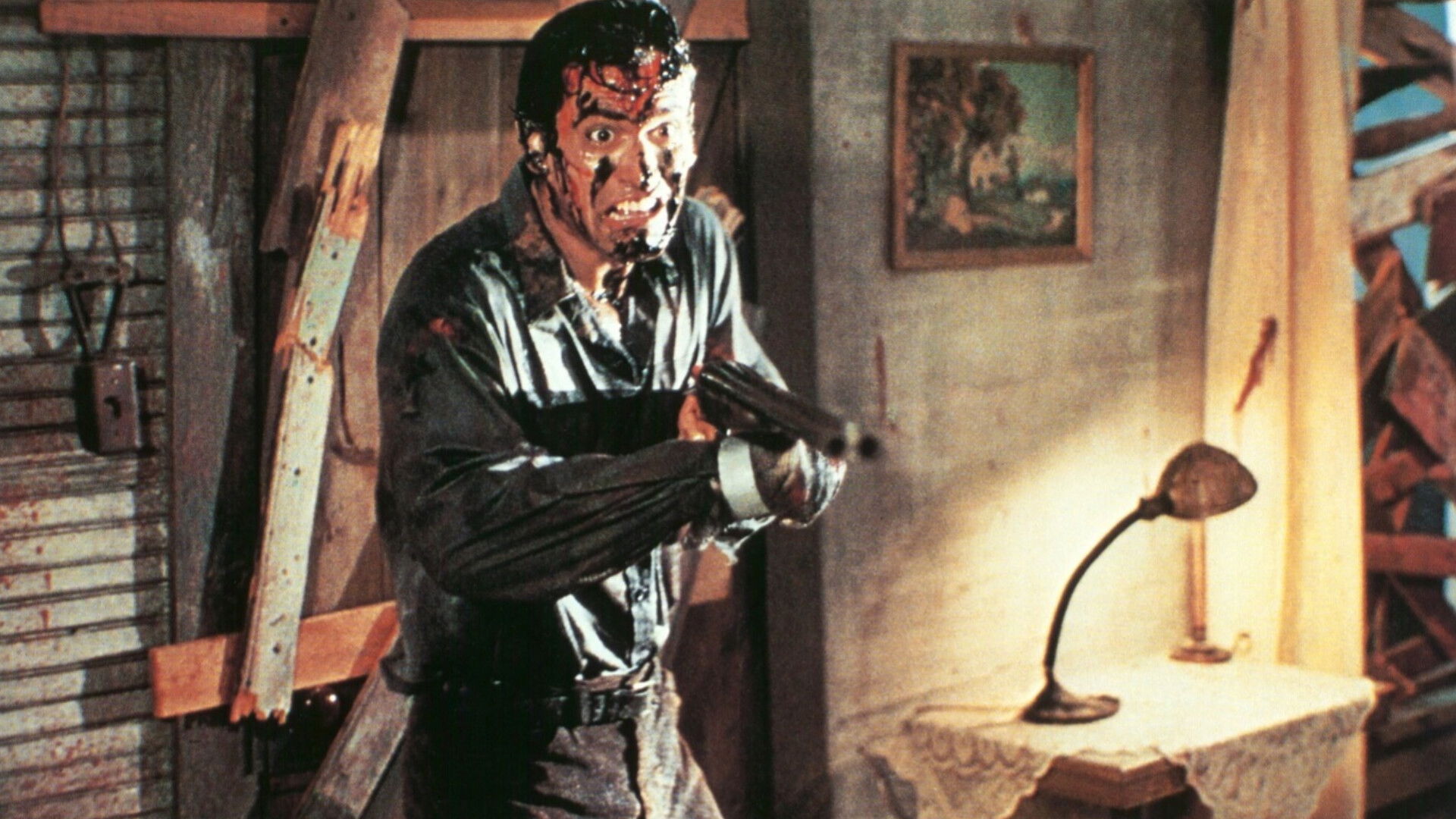
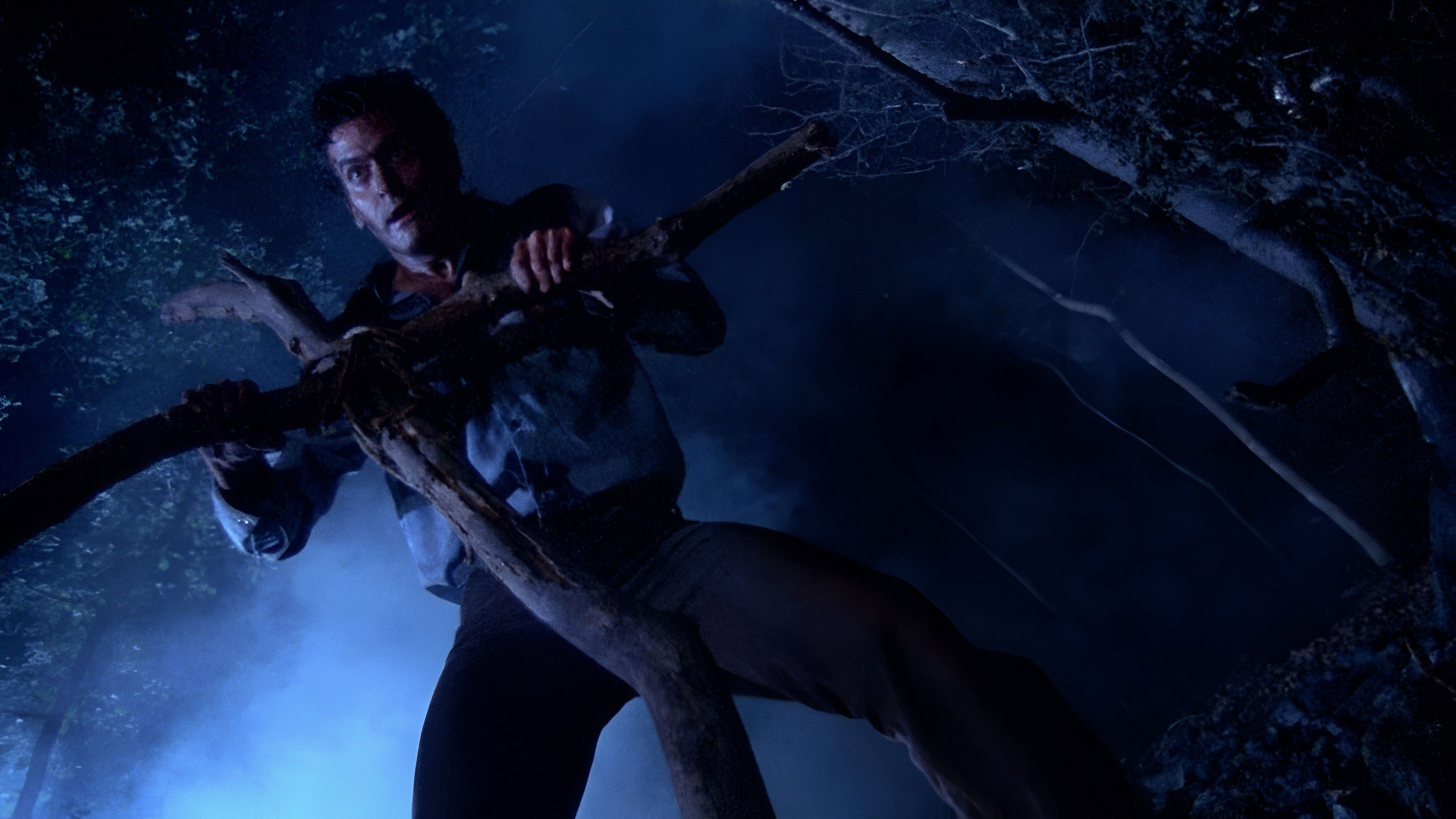
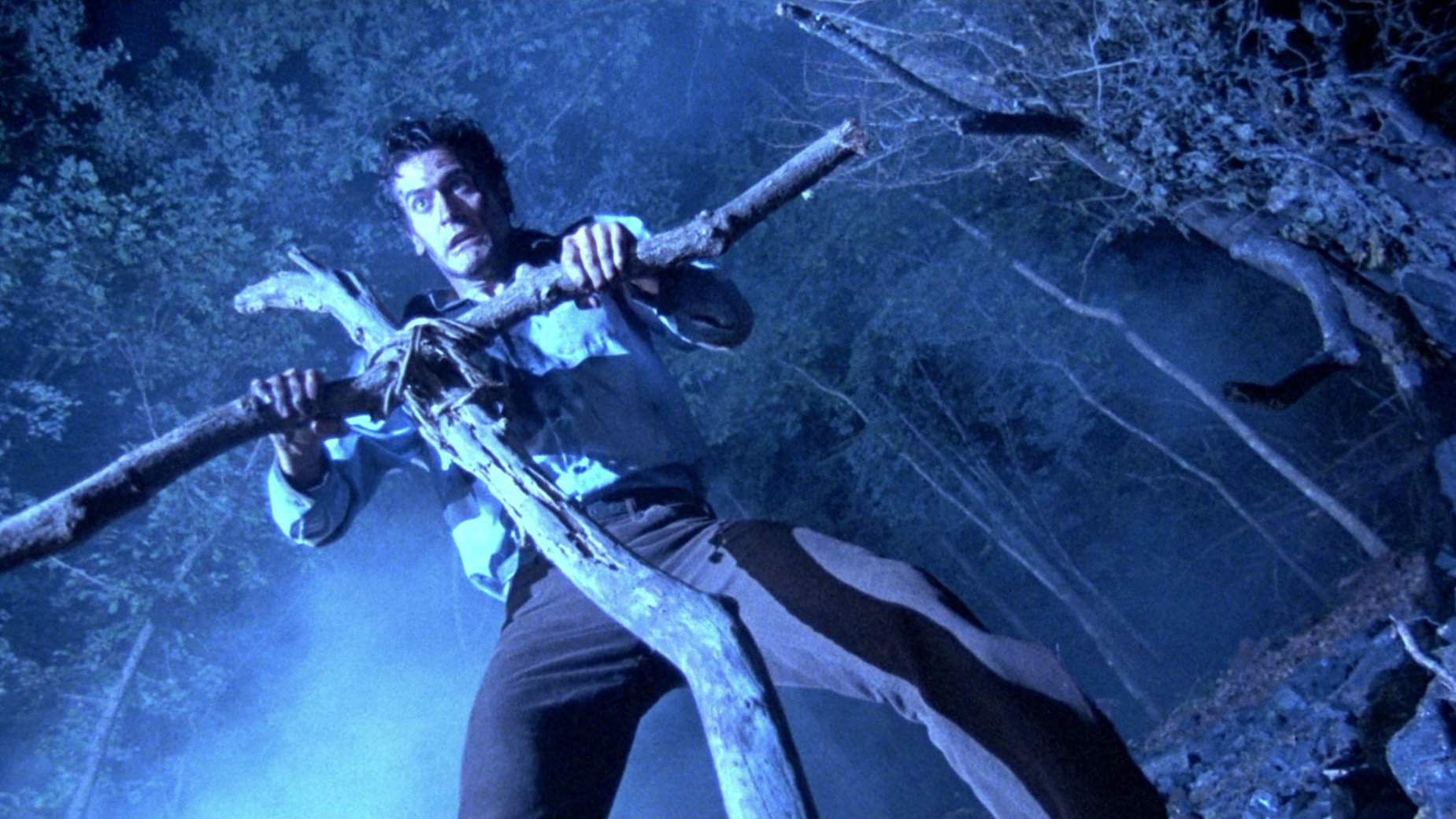
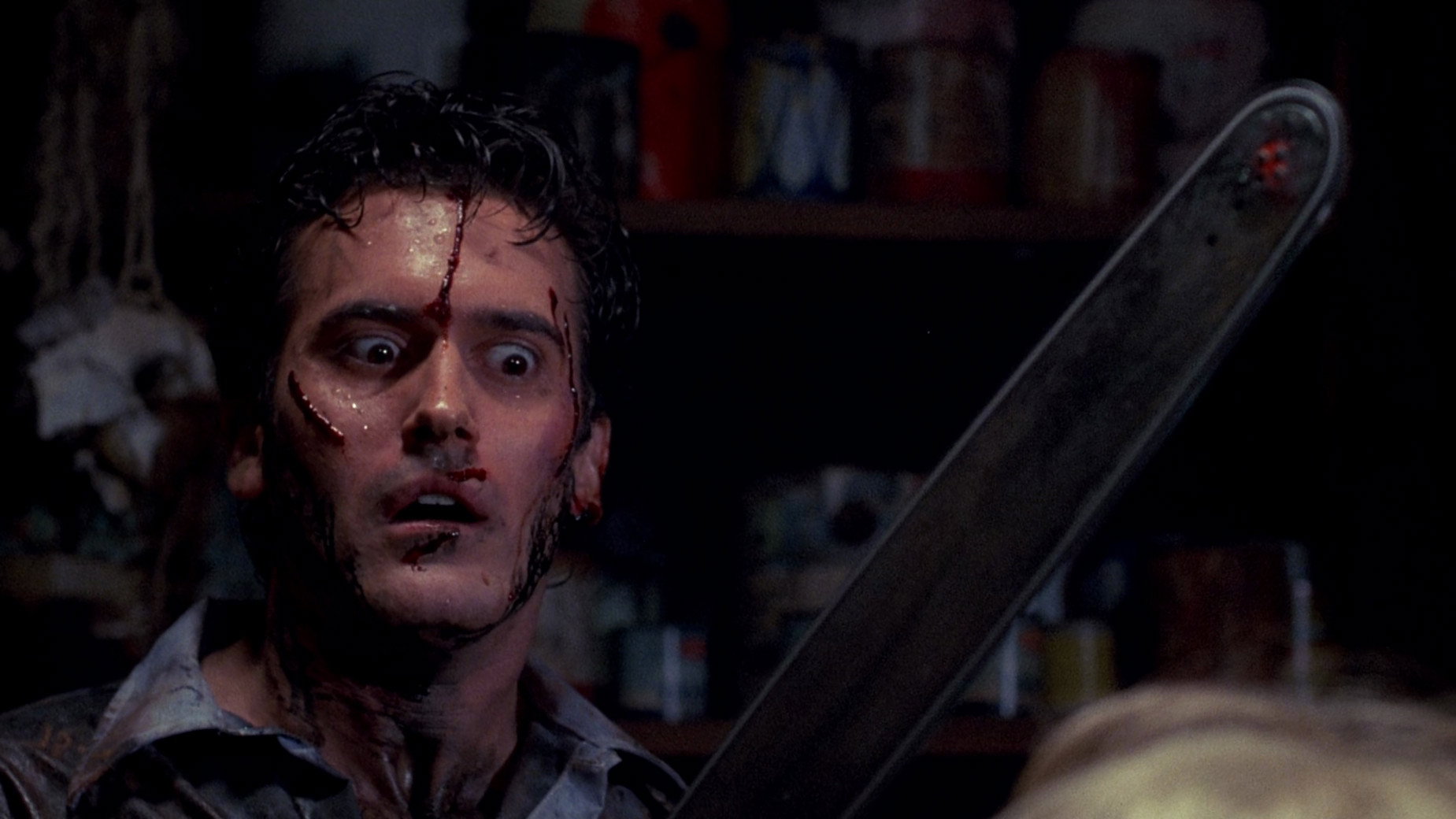
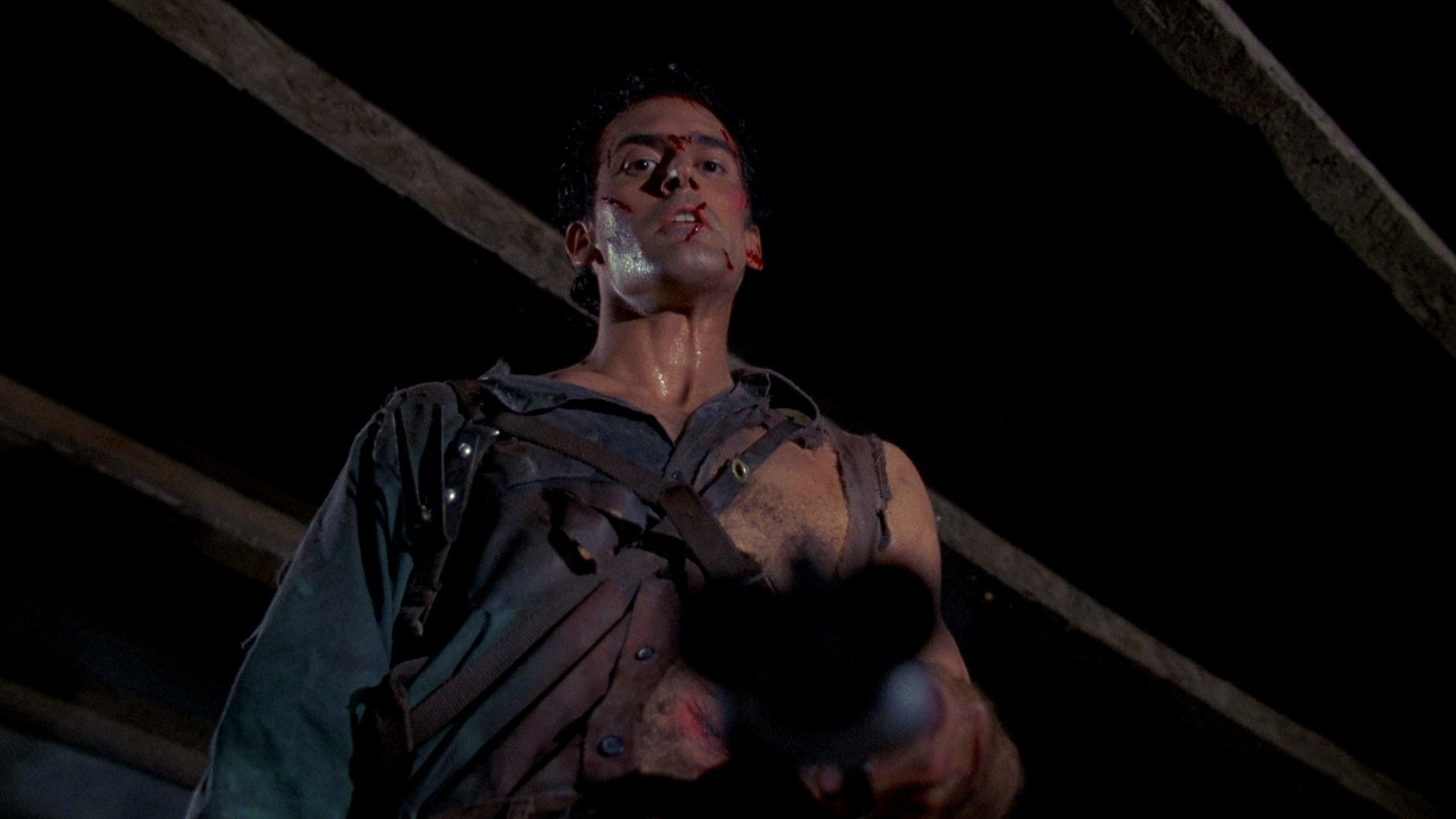
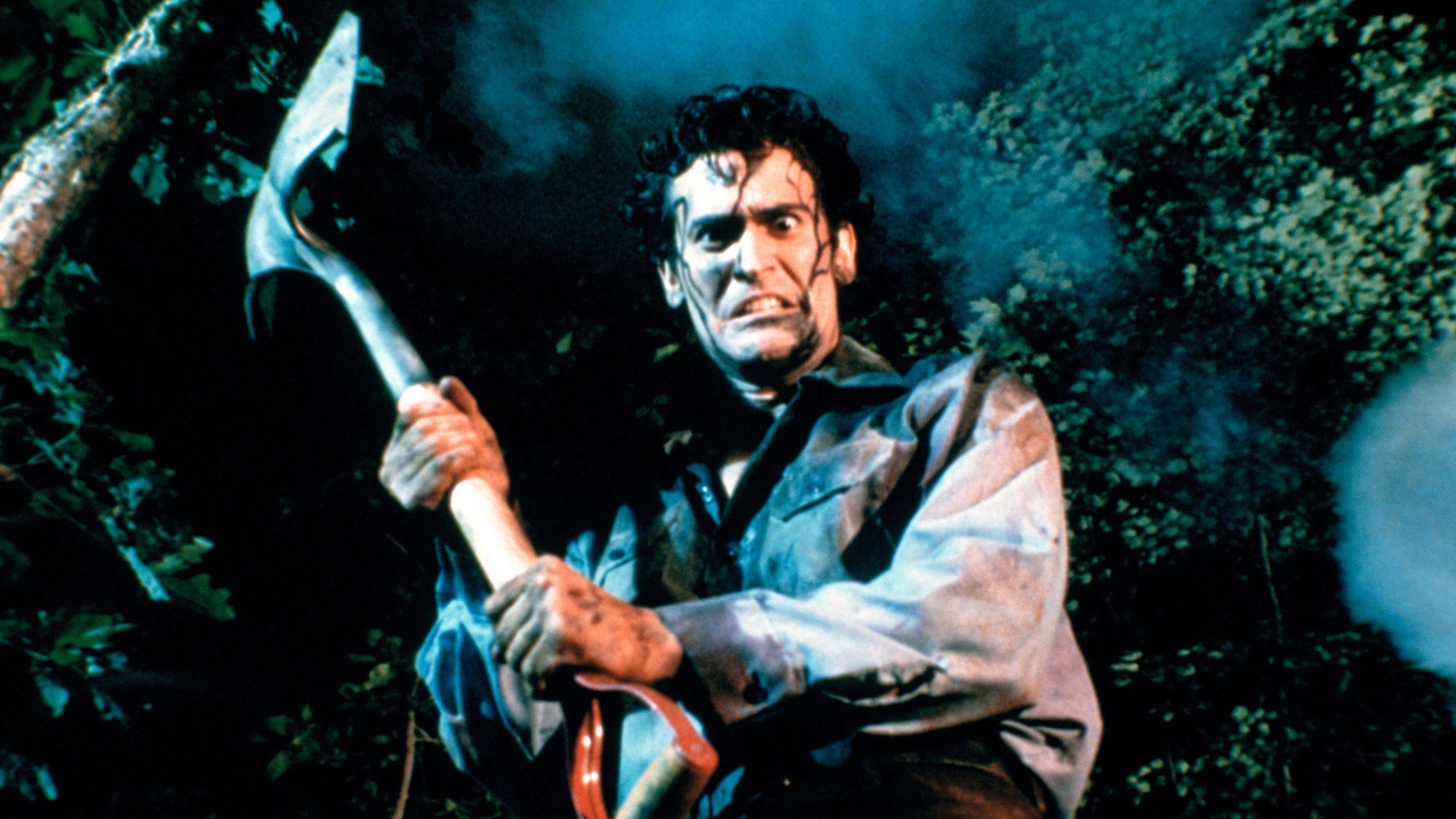
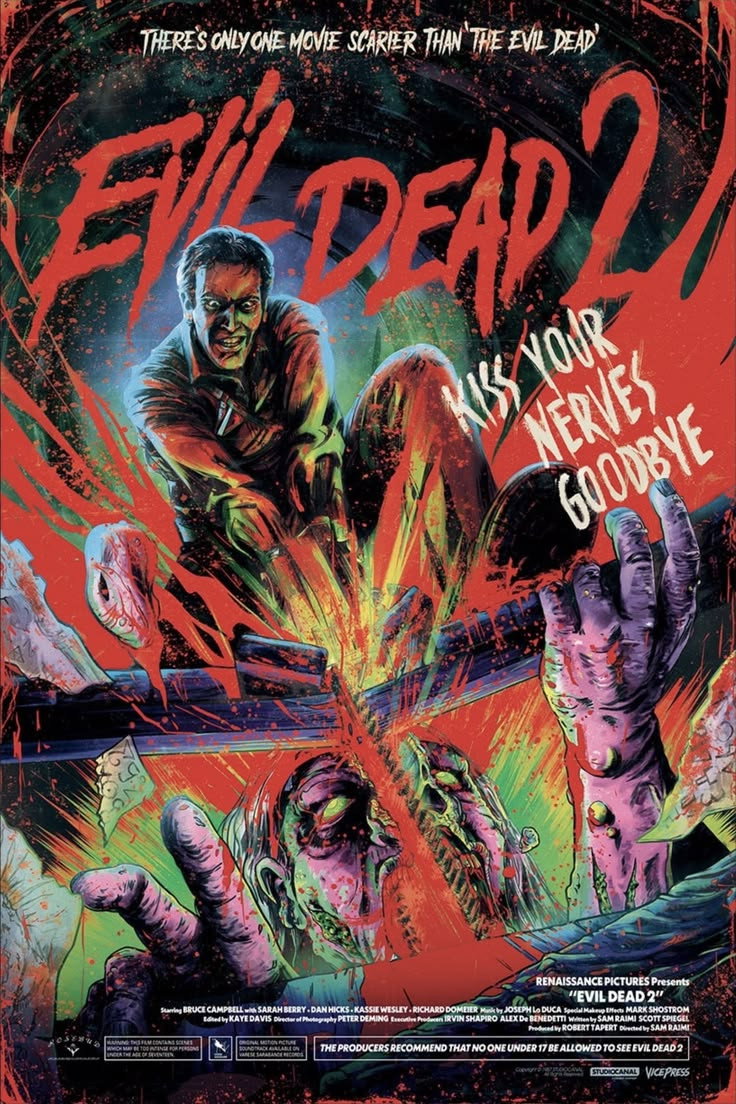
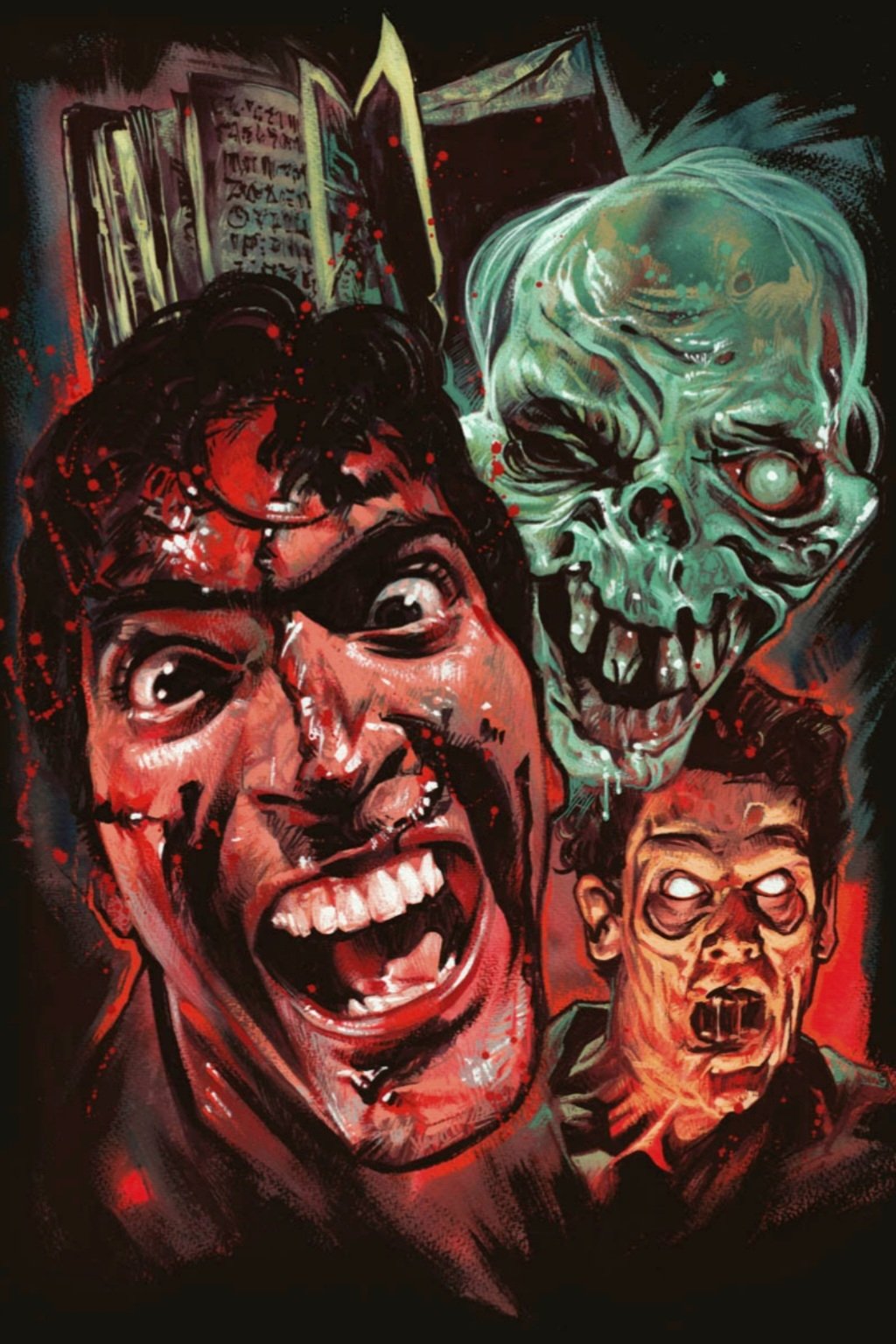
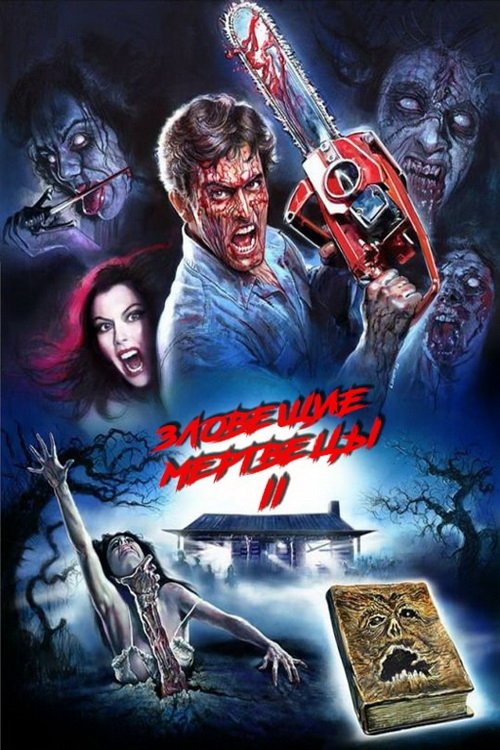
The screenplay then deliberately departs from the tone of its predecessor. Raimi and Spiegel enlarge the physical comedy and allow supernatural violence to become increasingly absurd without making the Deadites harmless. Ash can be terrified, injured and psychologically broken while the film simultaneously constructs elaborate slapstick around his suffering. That mixture became the defining model for the remainder of Raimi's original trilogy and for Bruce Campbell's later interpretation of Ash.