Bram Stoker's Dracula (1992)

US
HORROR FILM Romance
Runtime
128 min
Release
November 13, 1992
Budget
$40,000,000
Revenue
$215,862,692
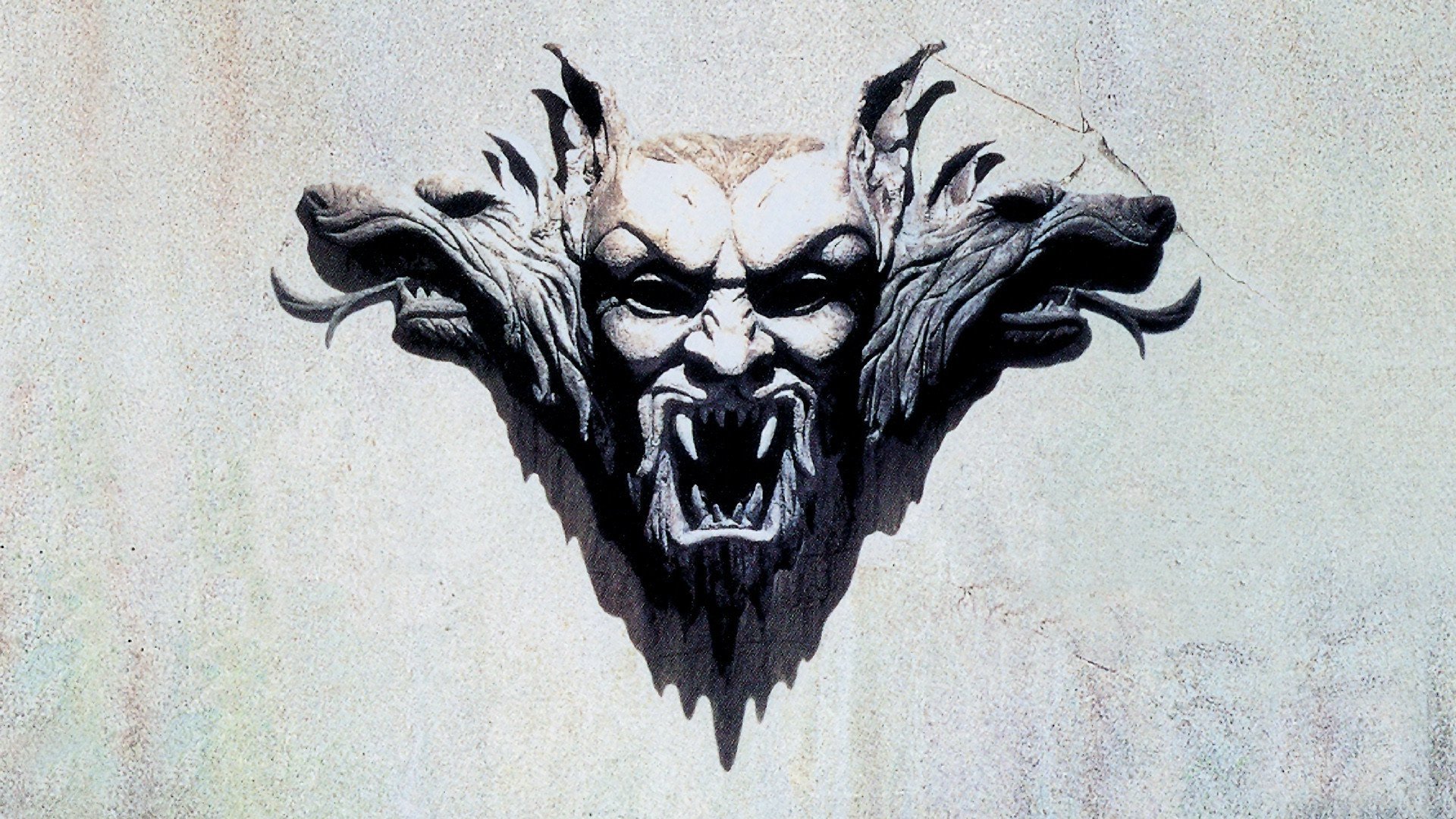
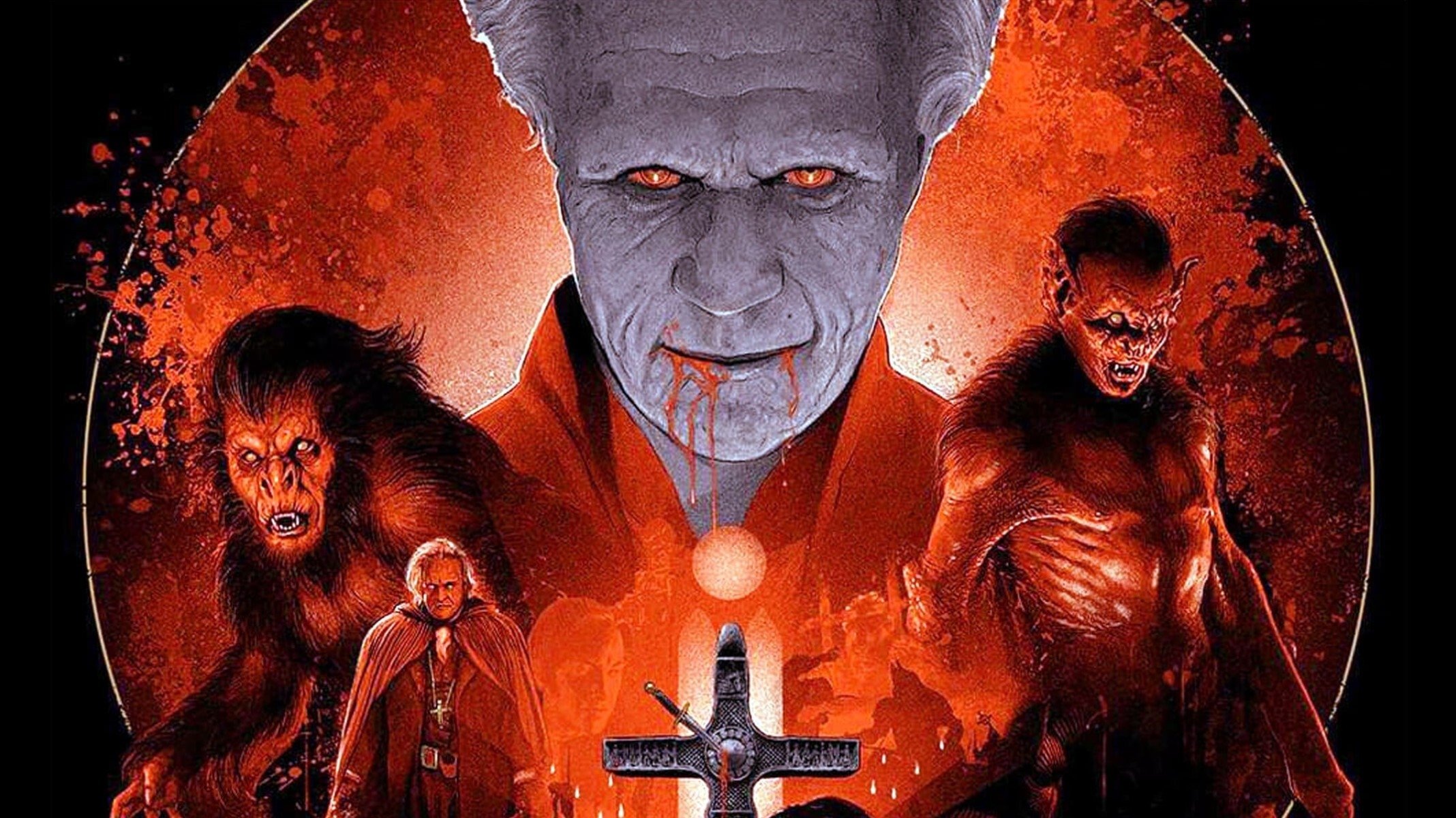
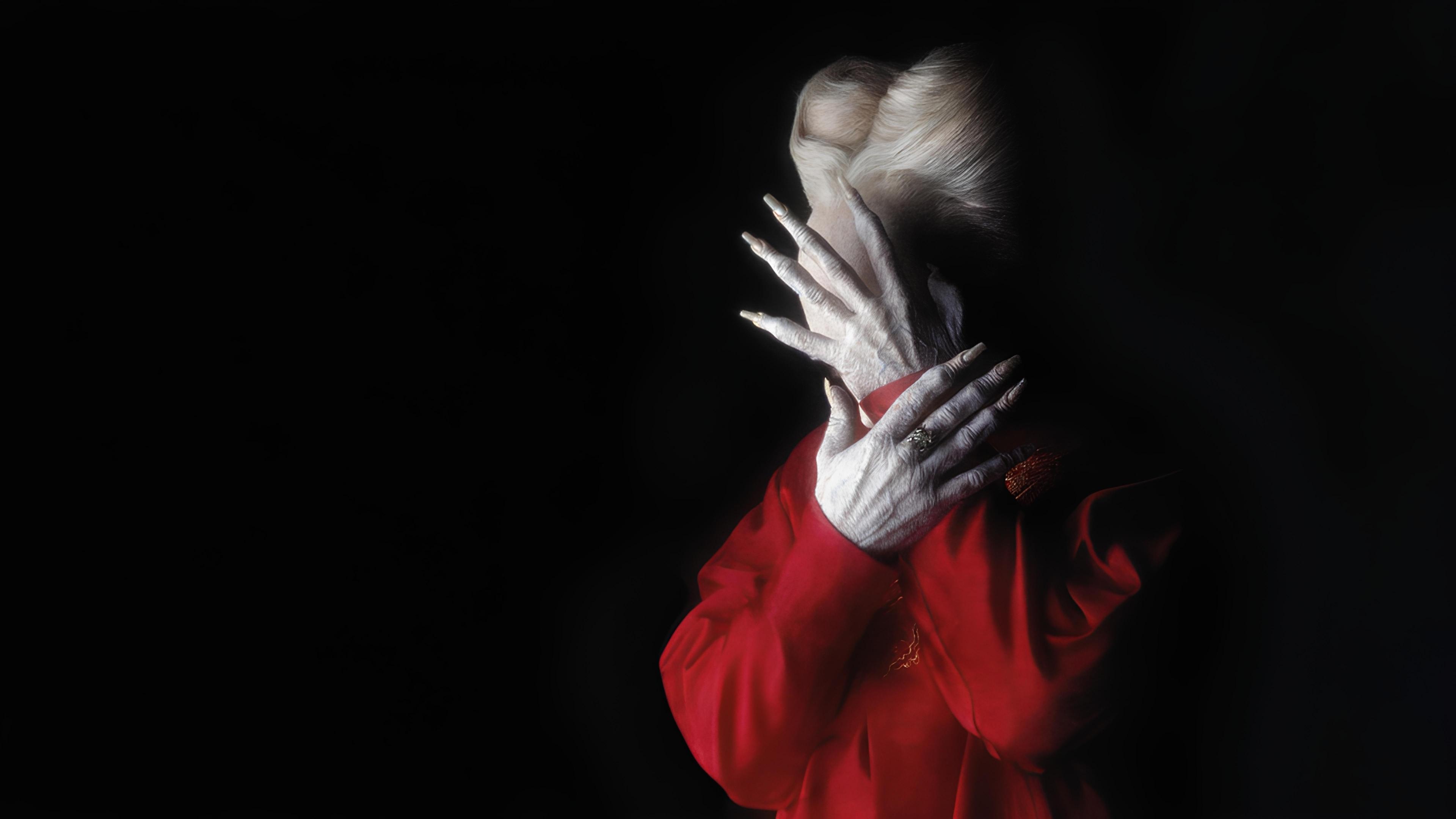
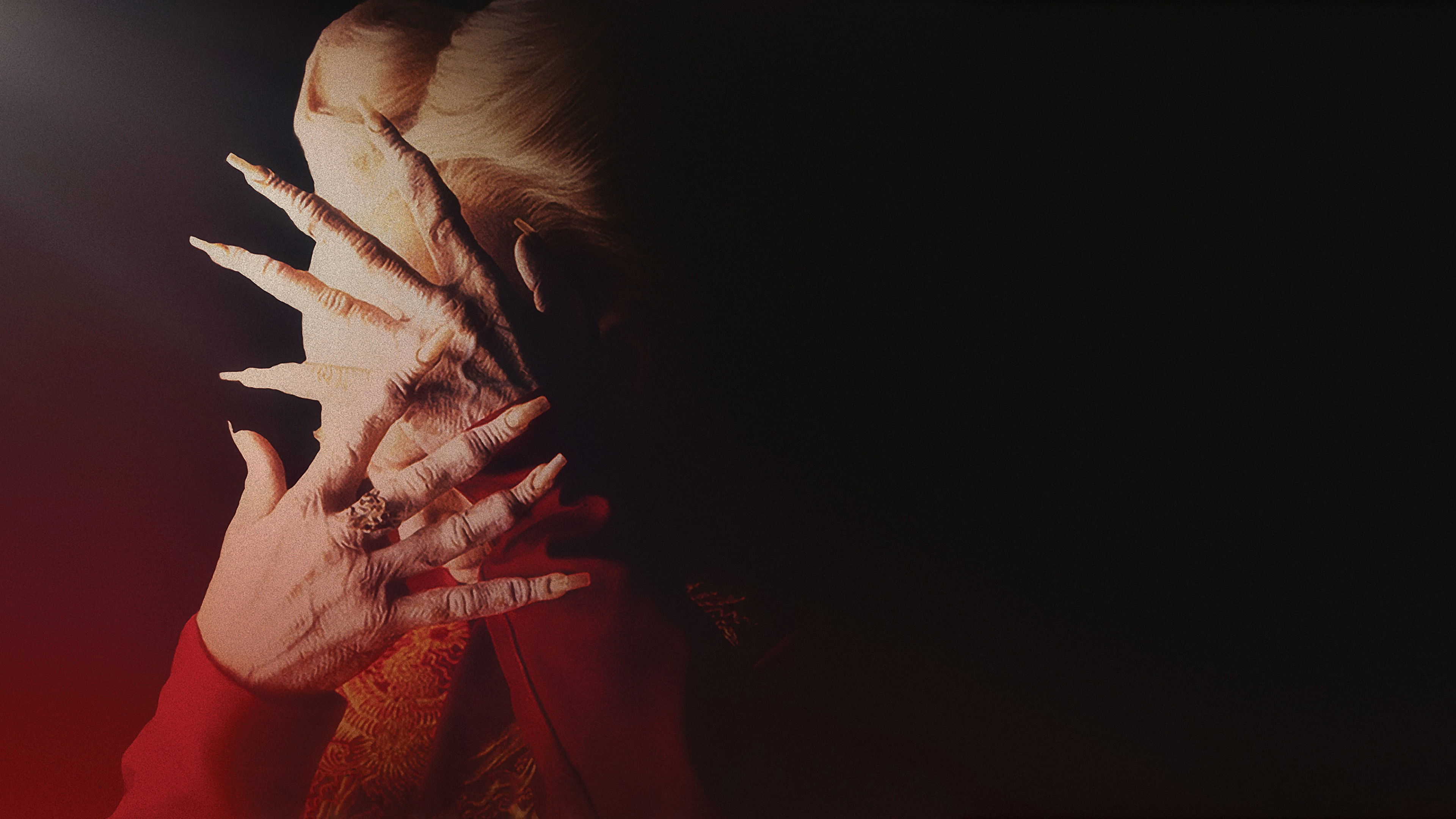
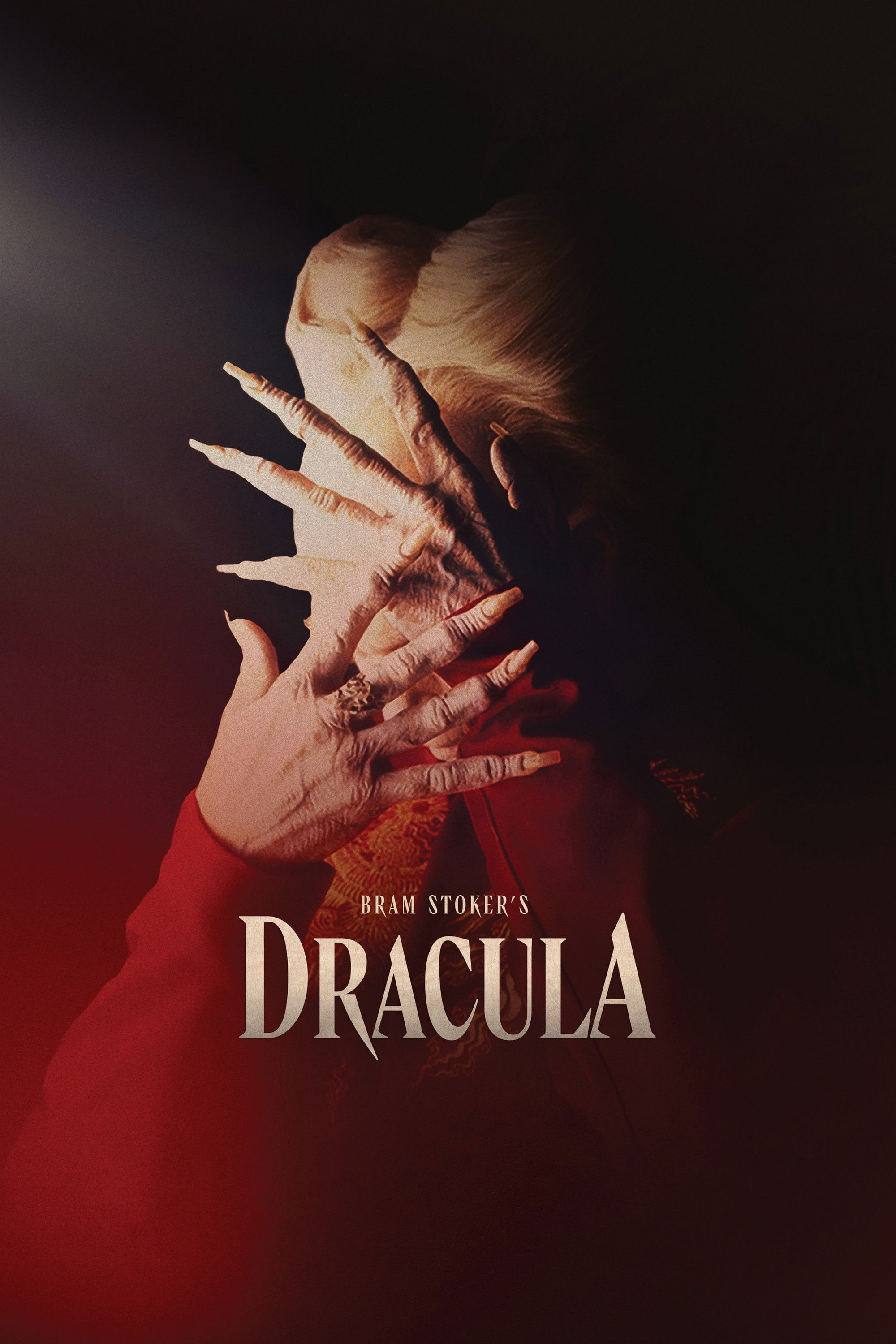
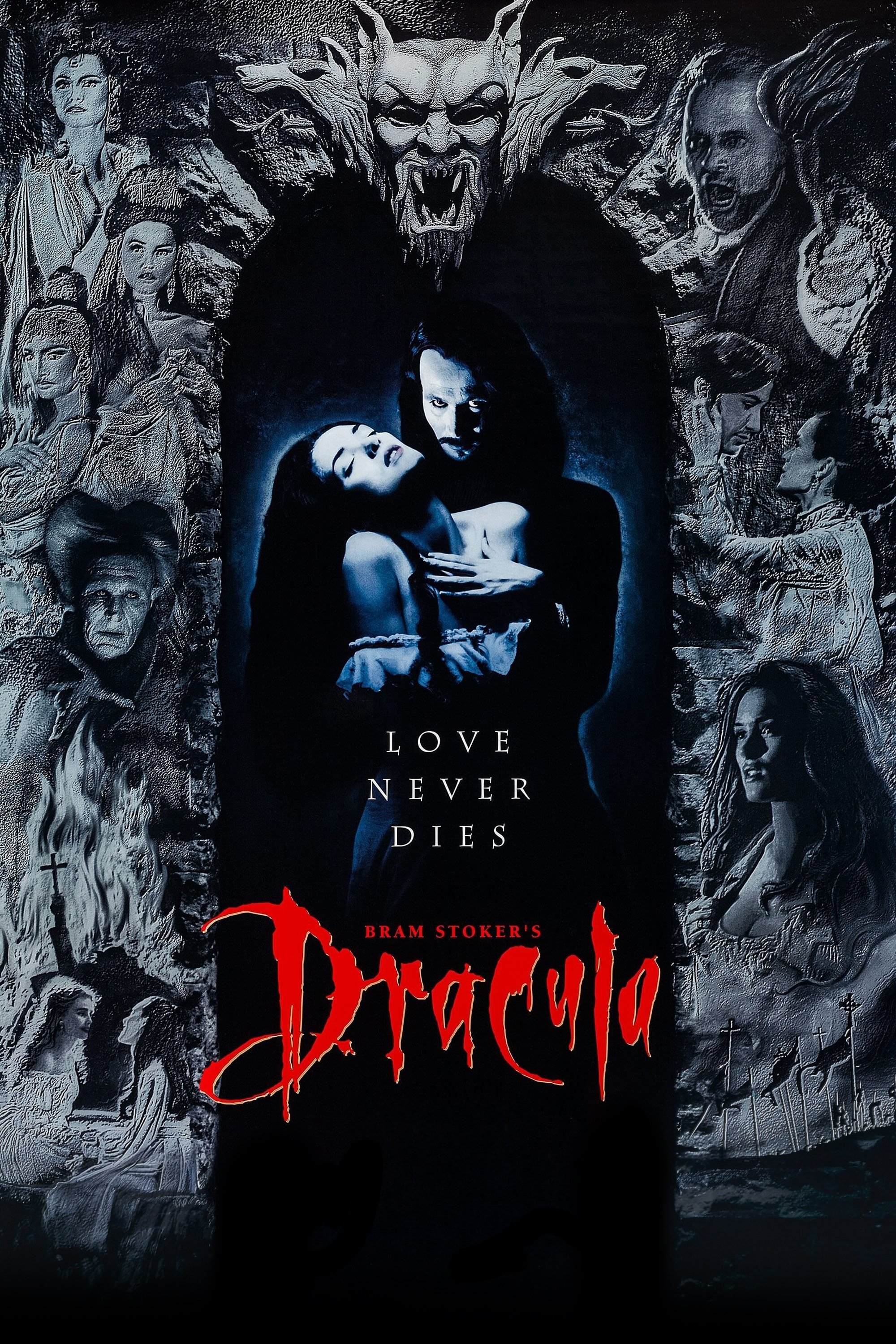
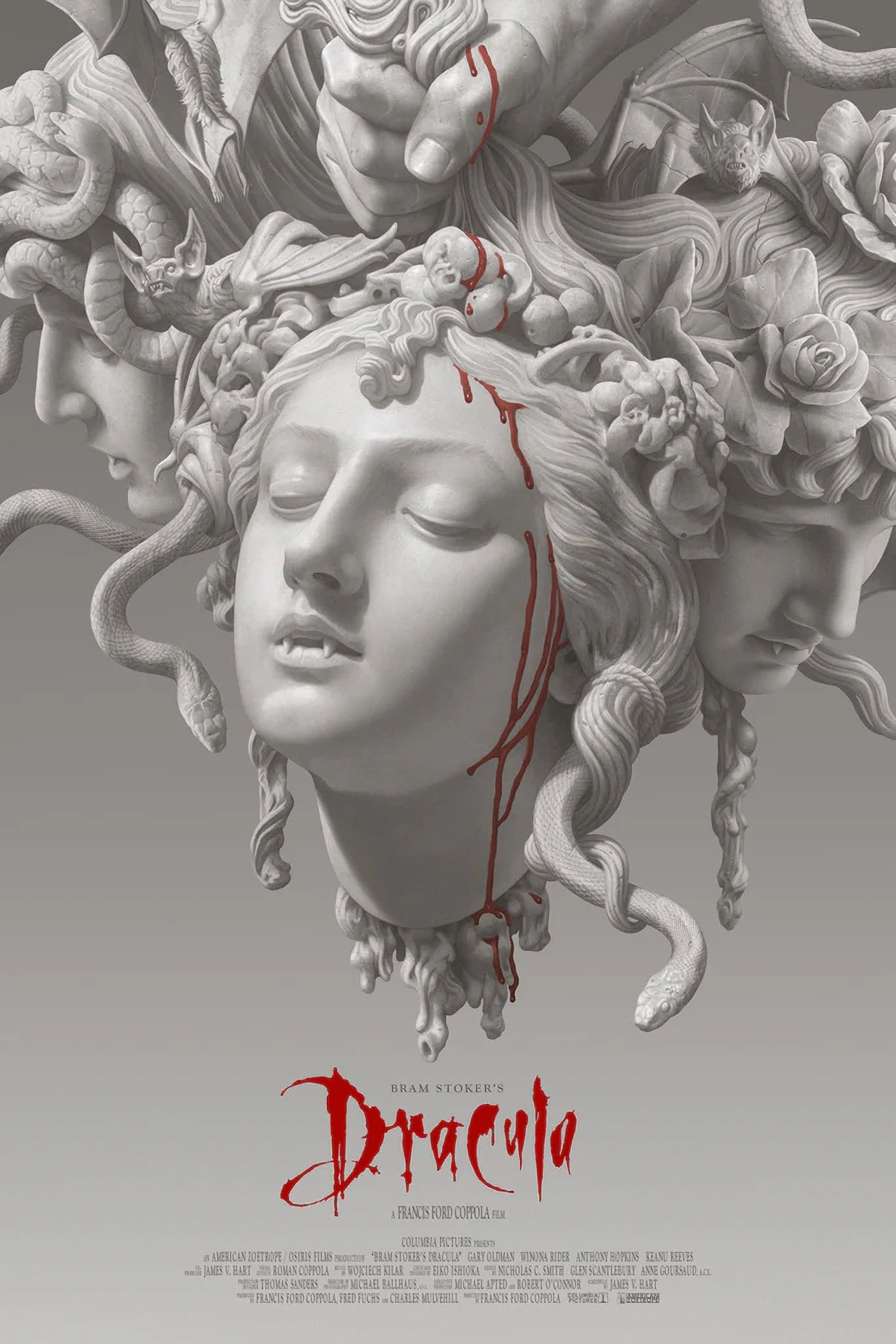
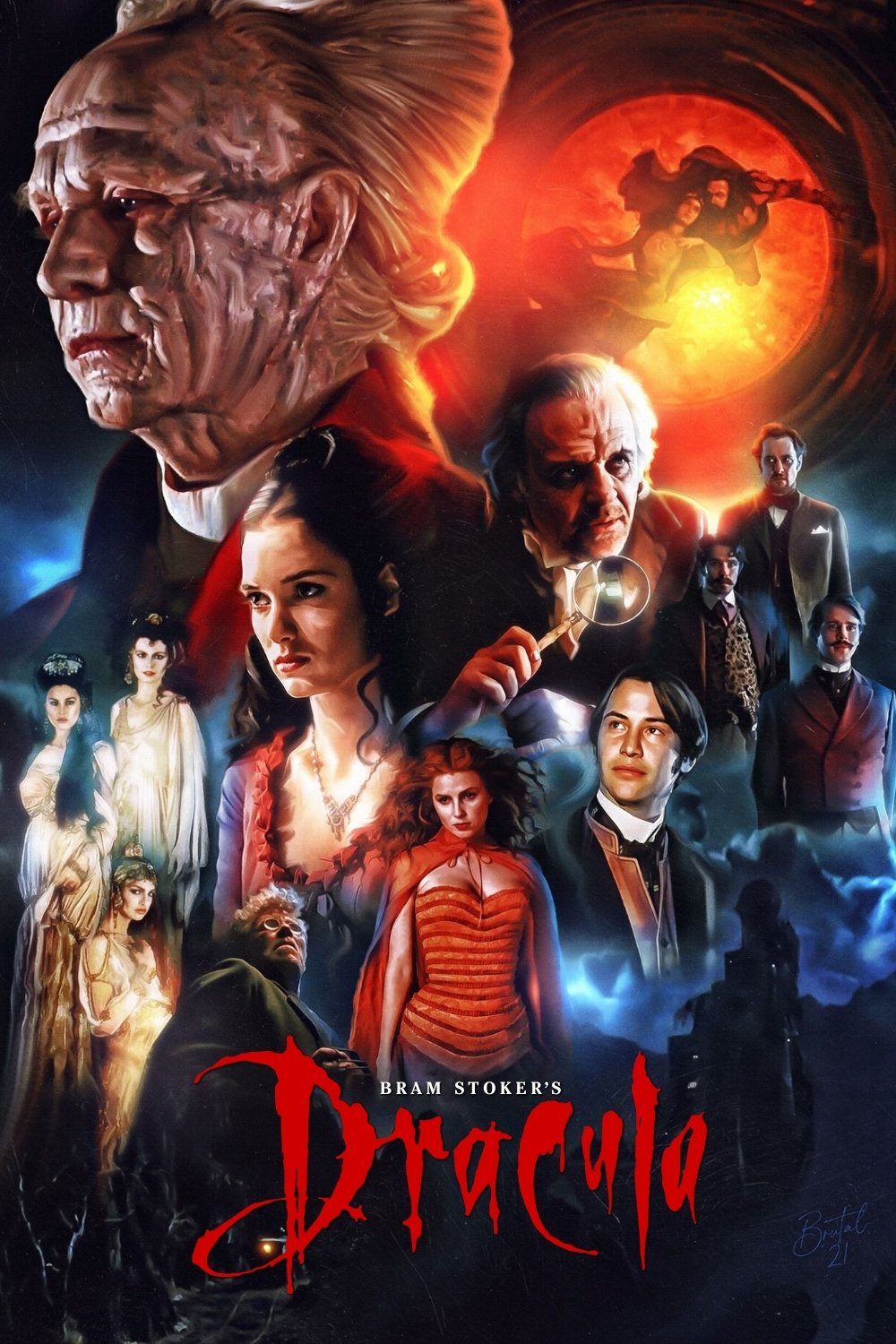
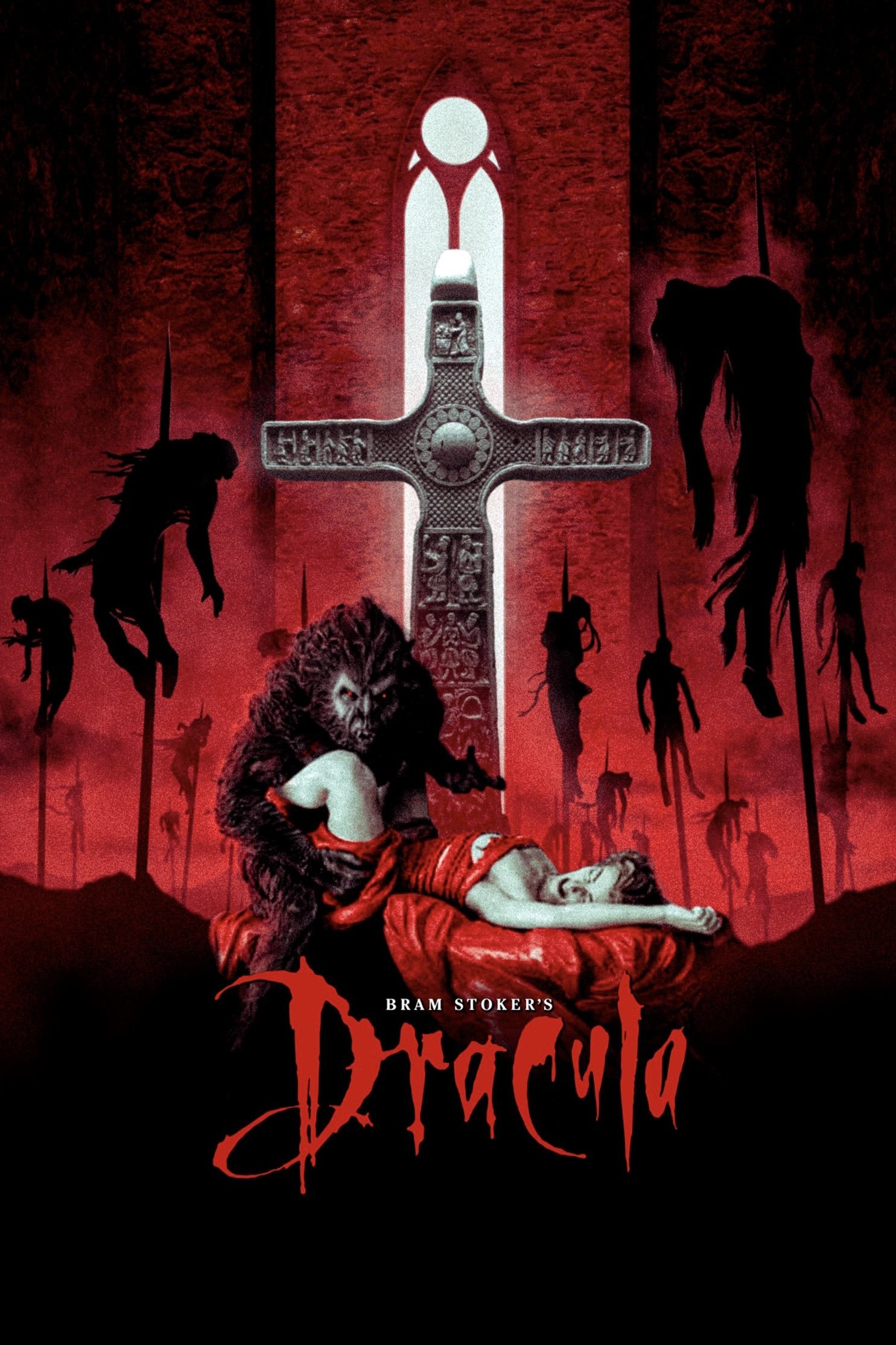
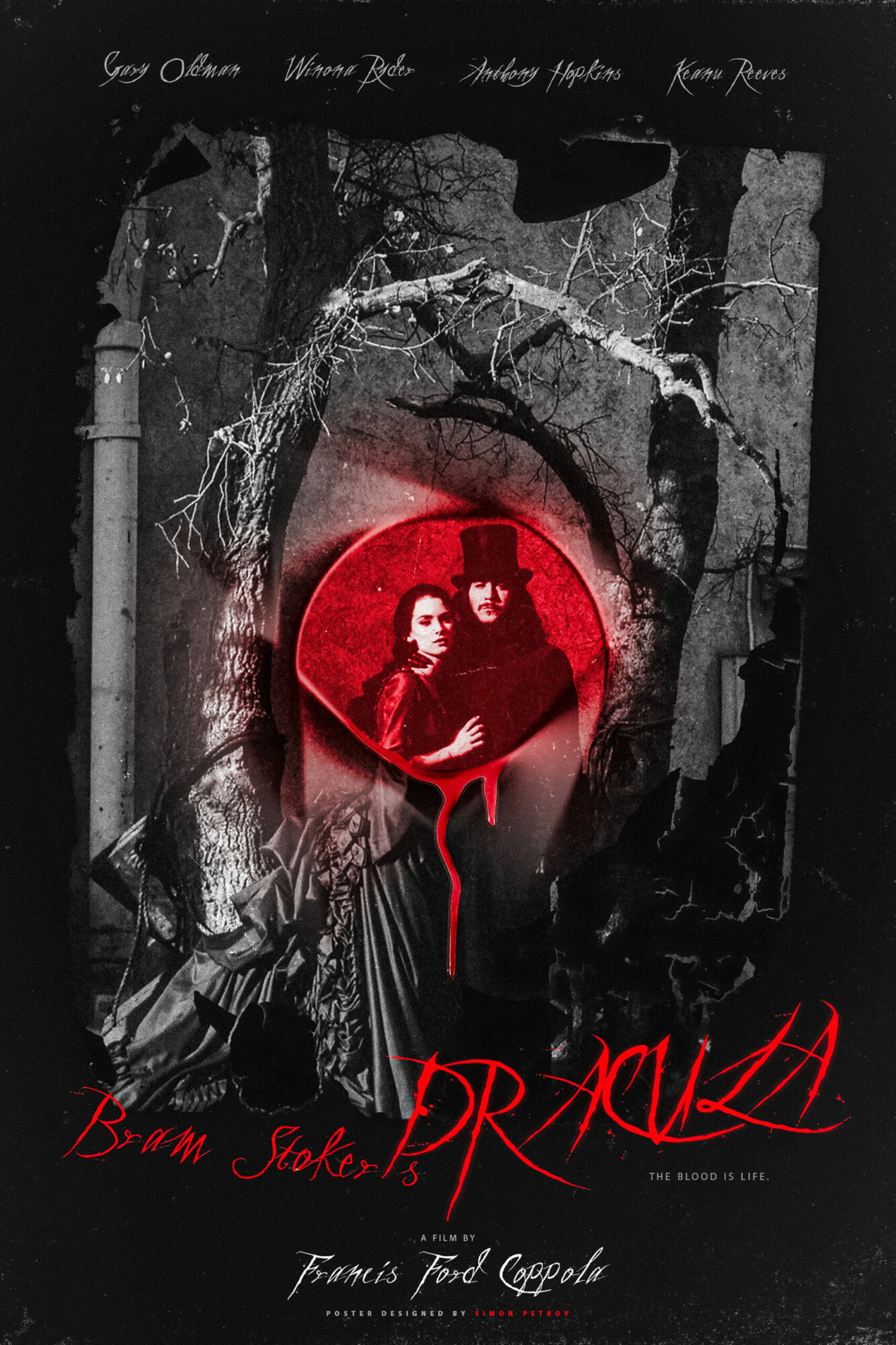
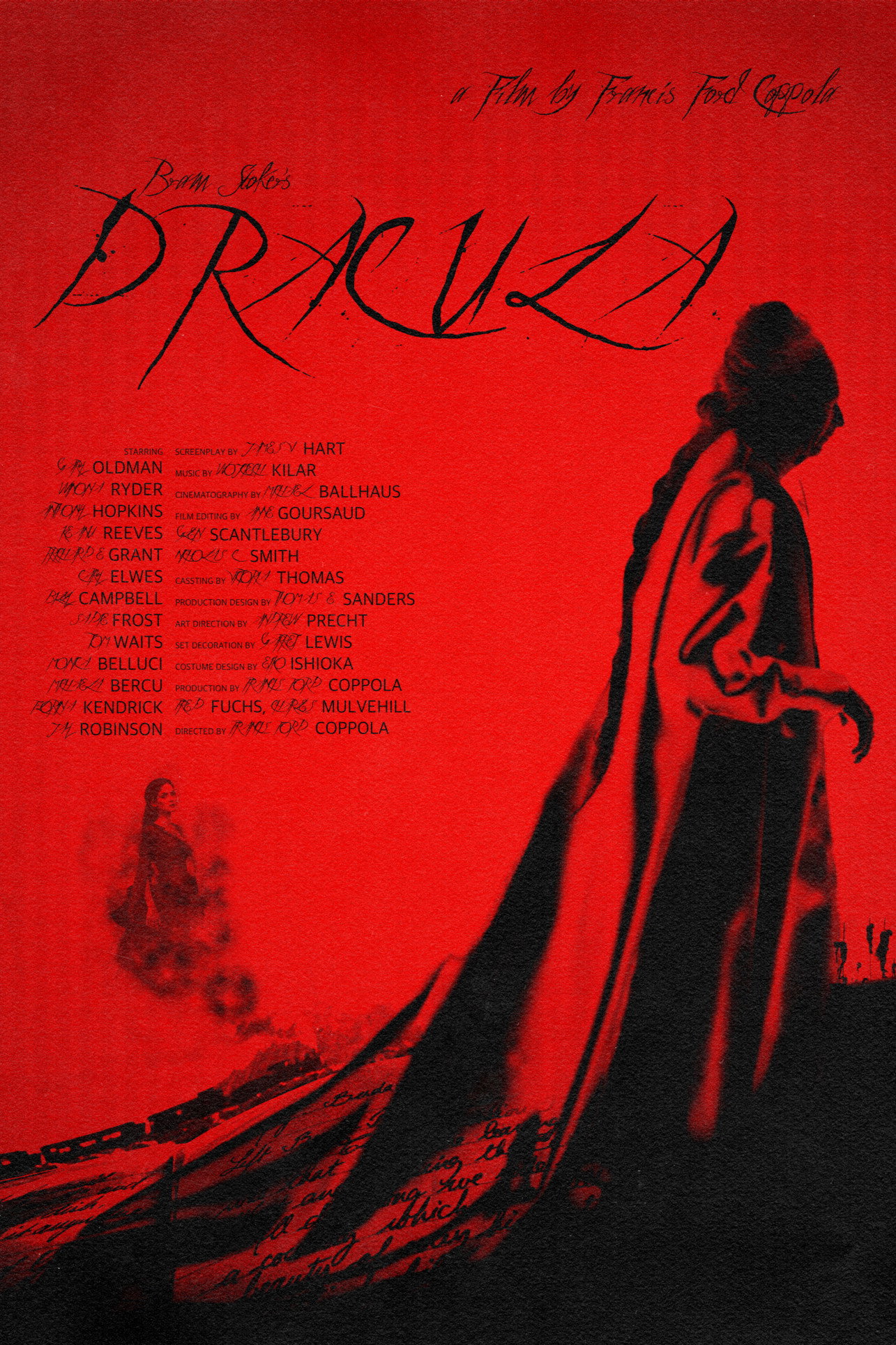
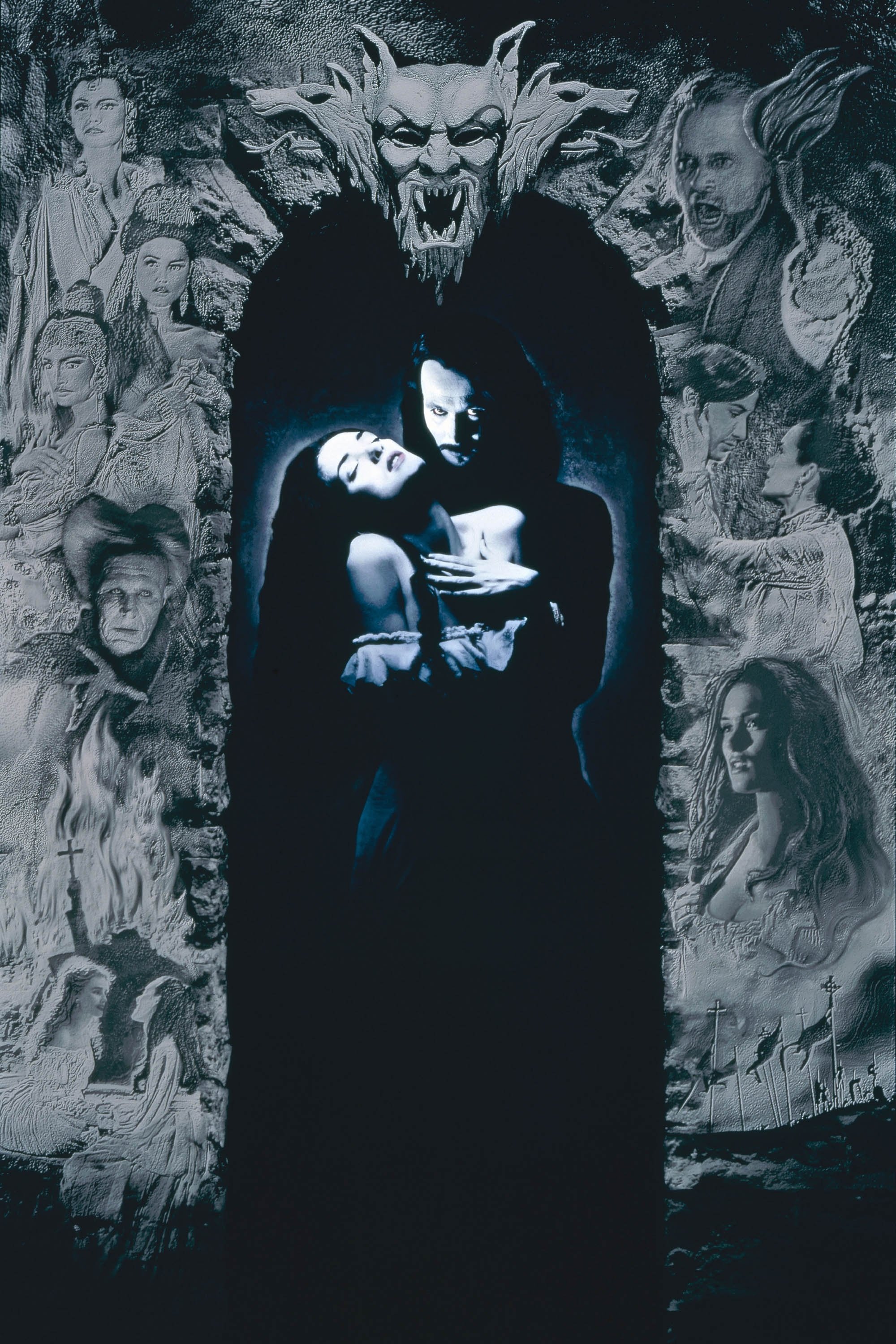
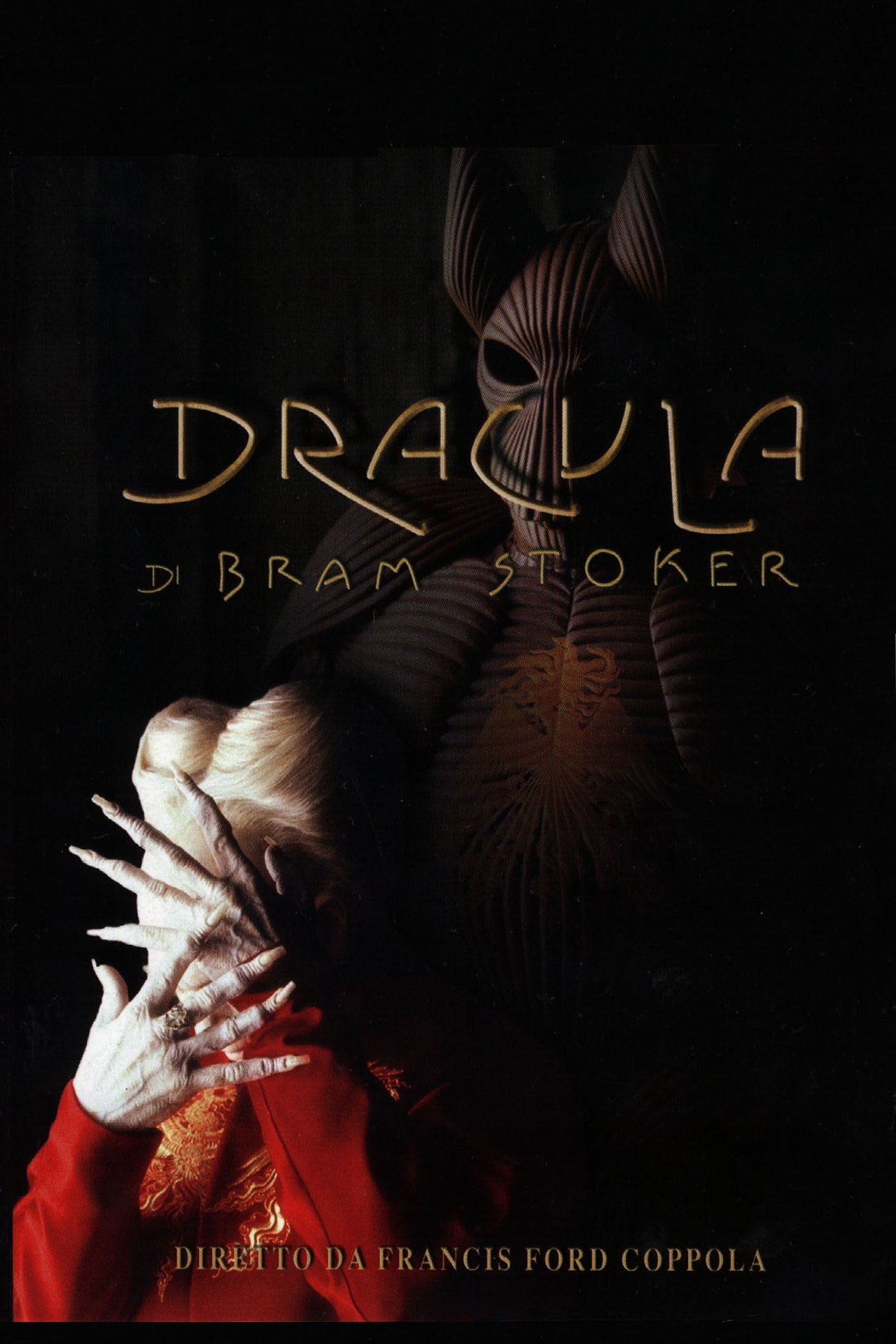
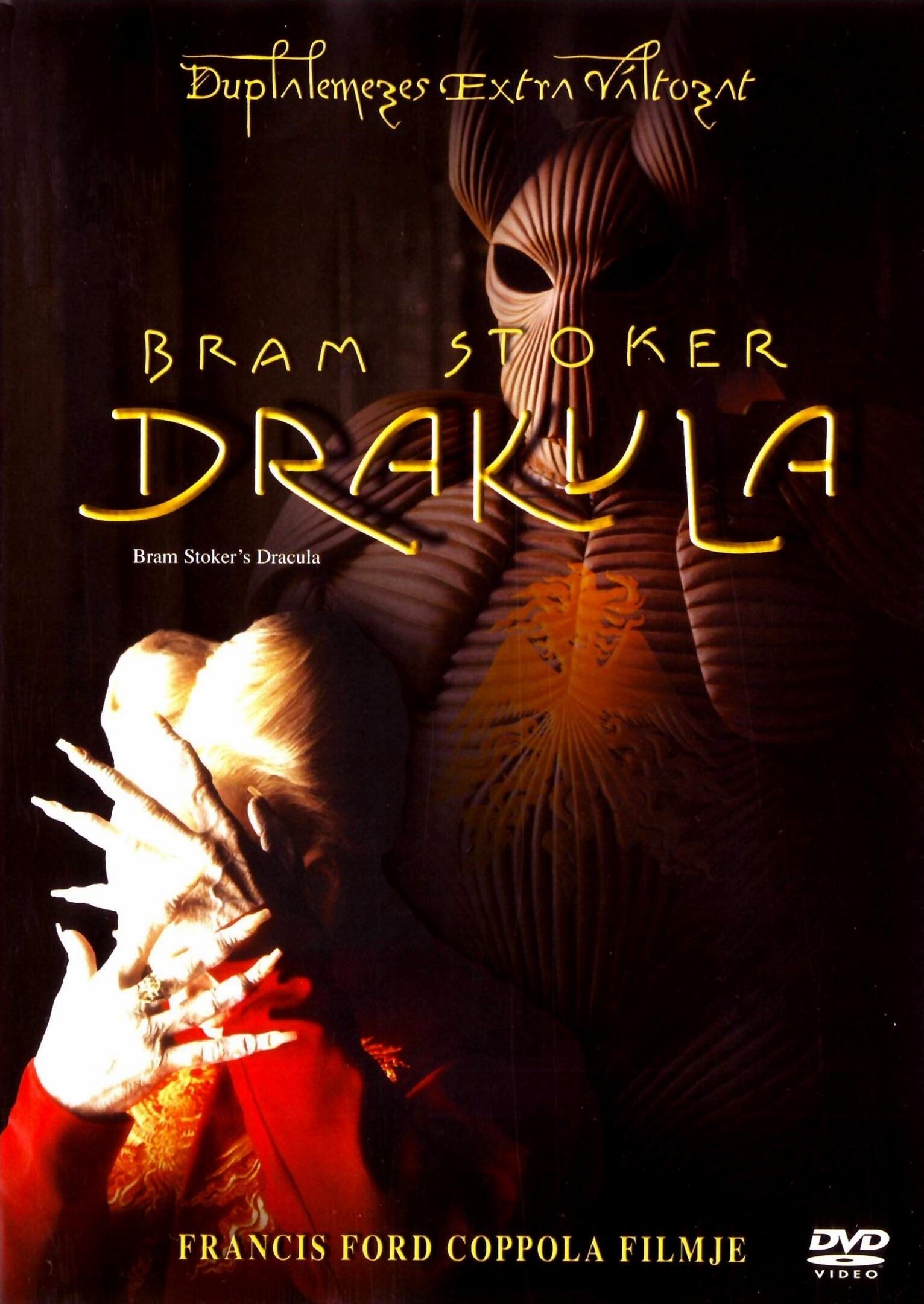
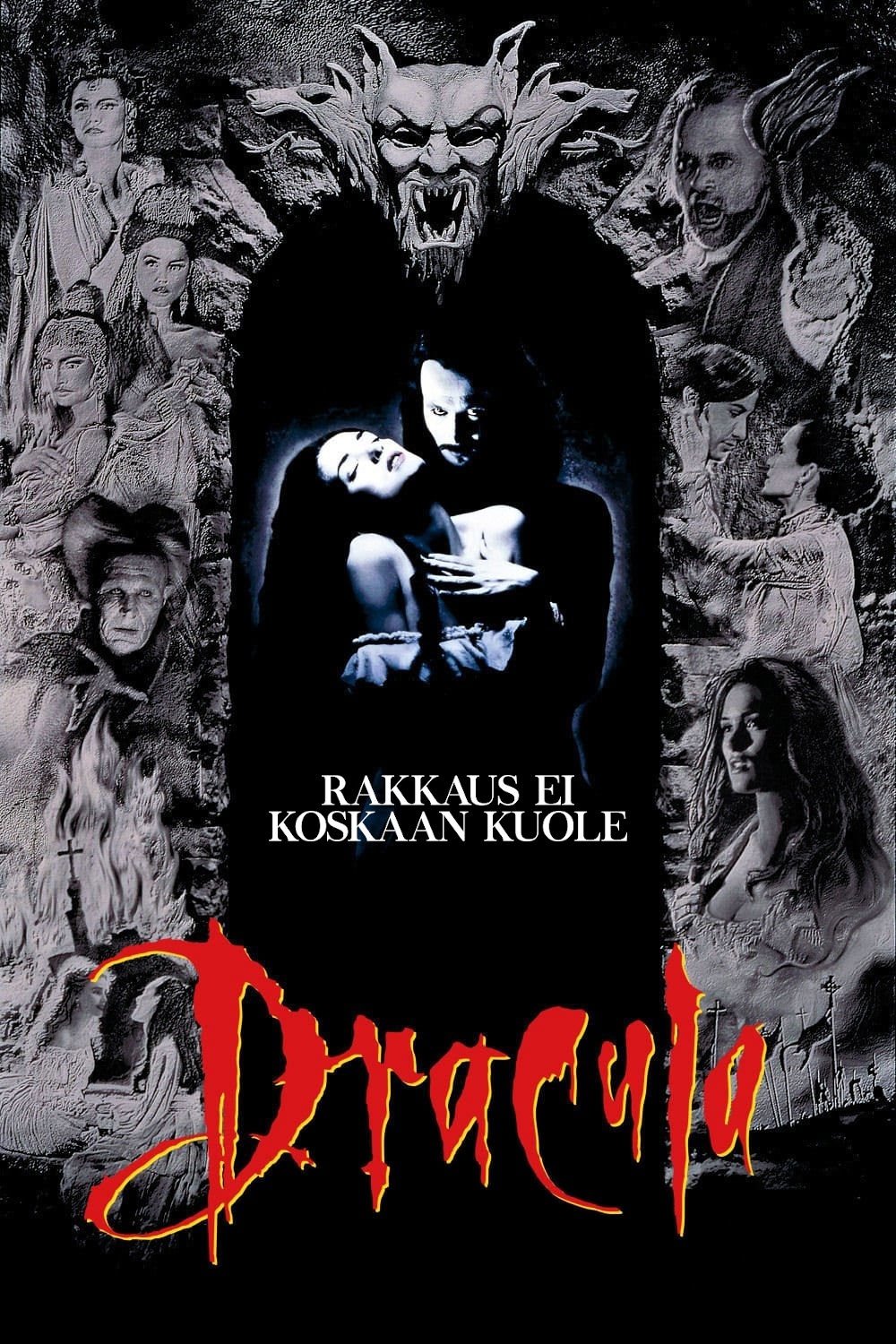
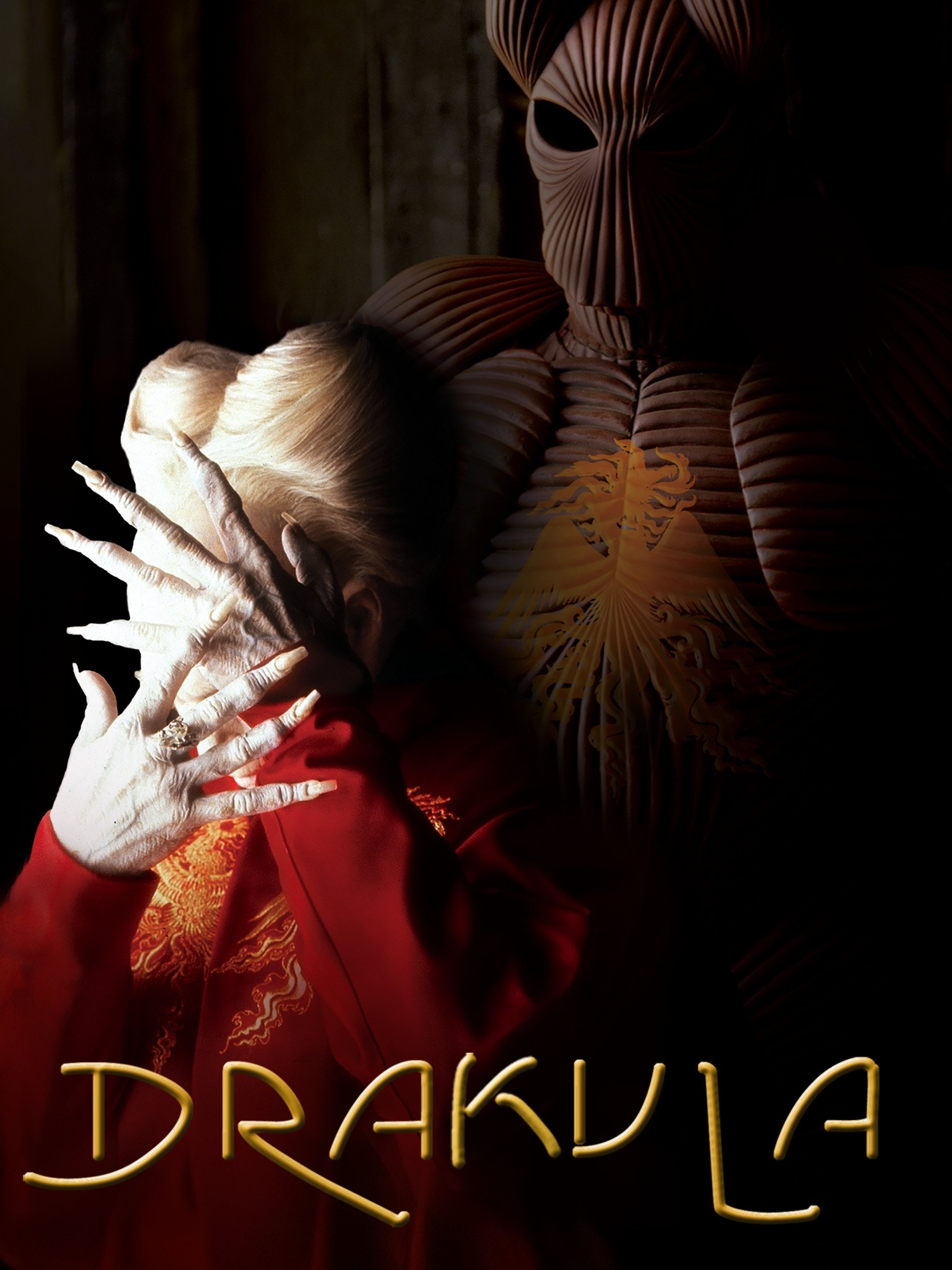
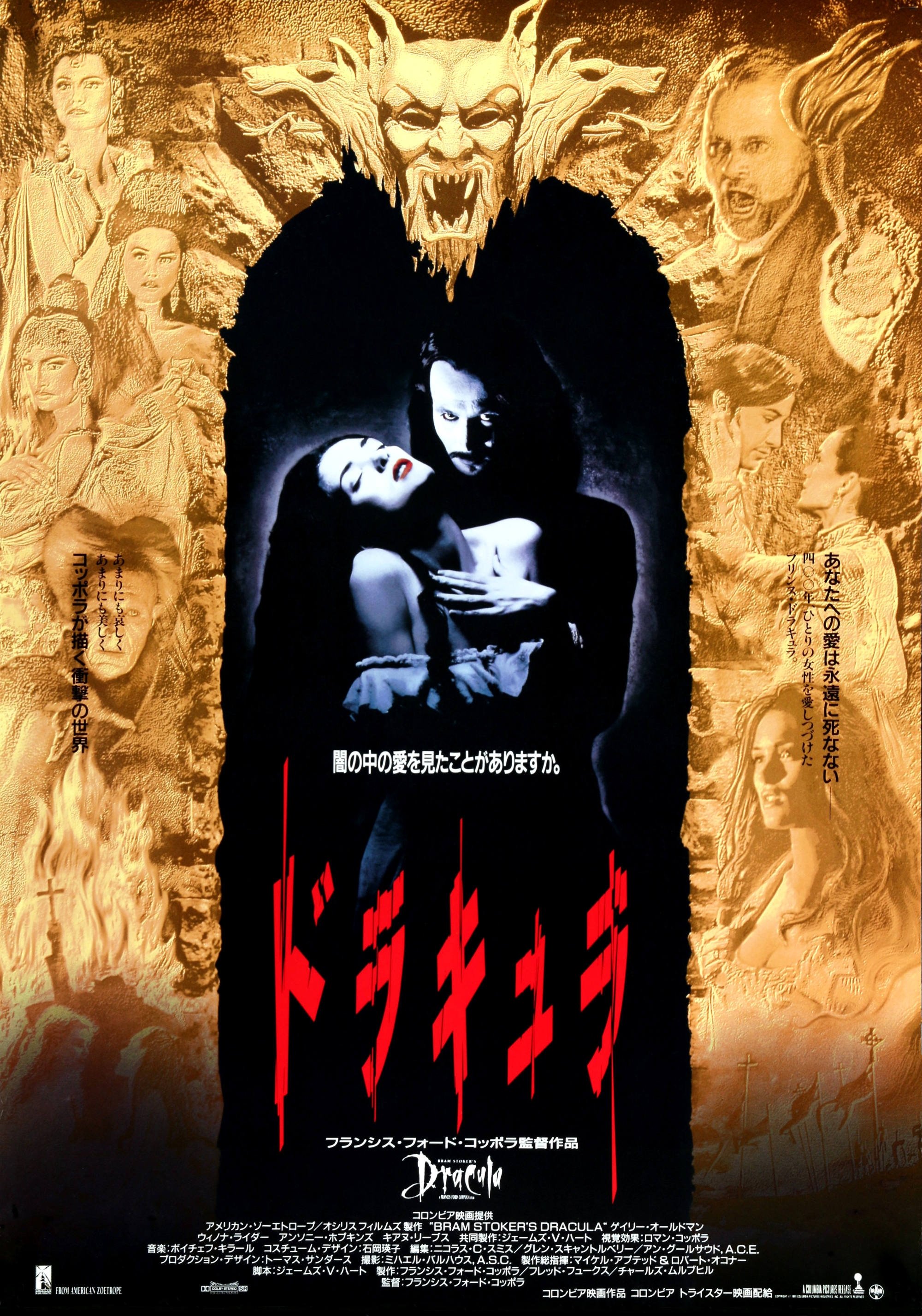
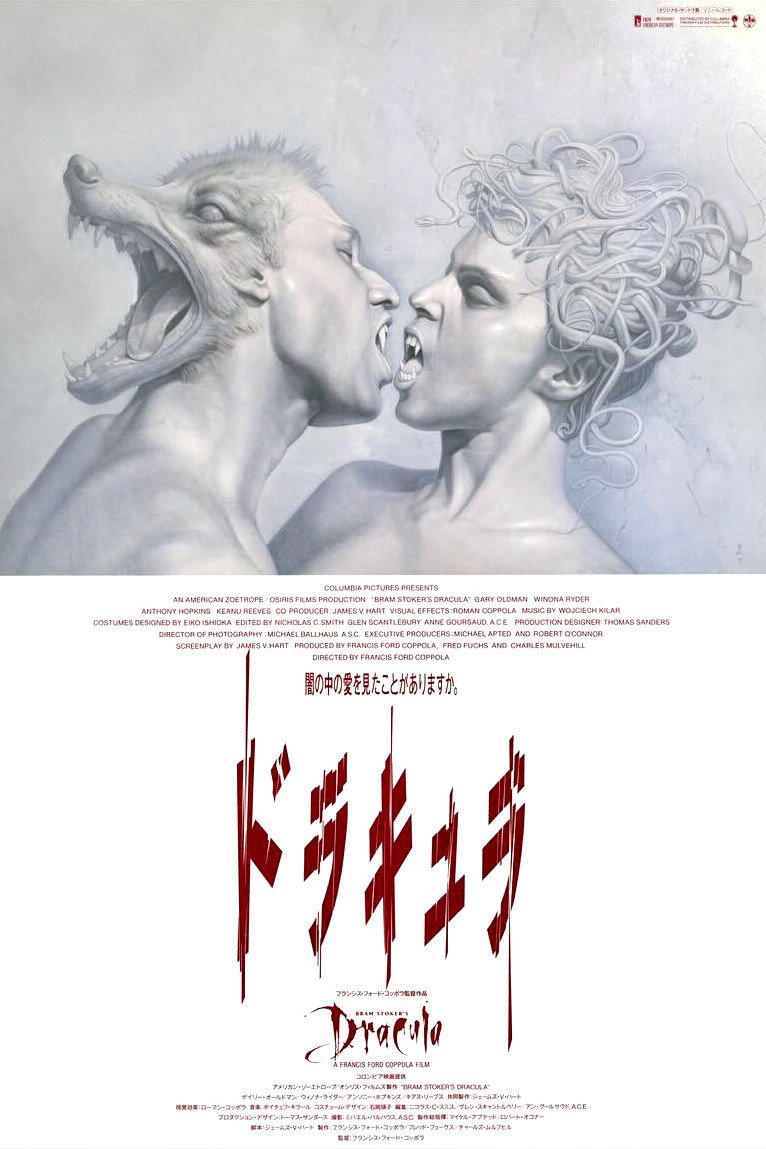
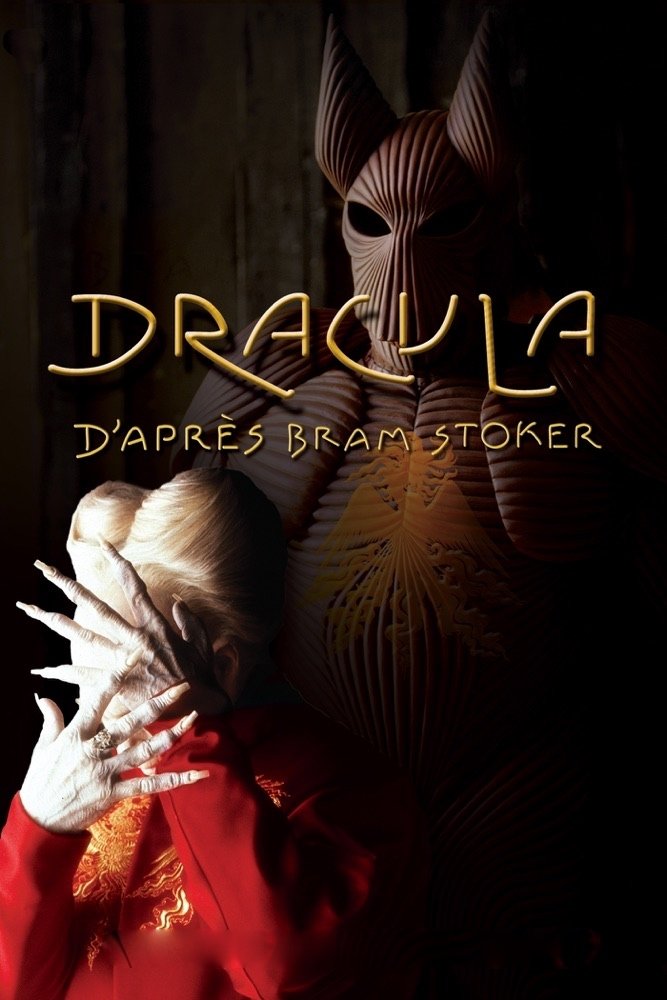
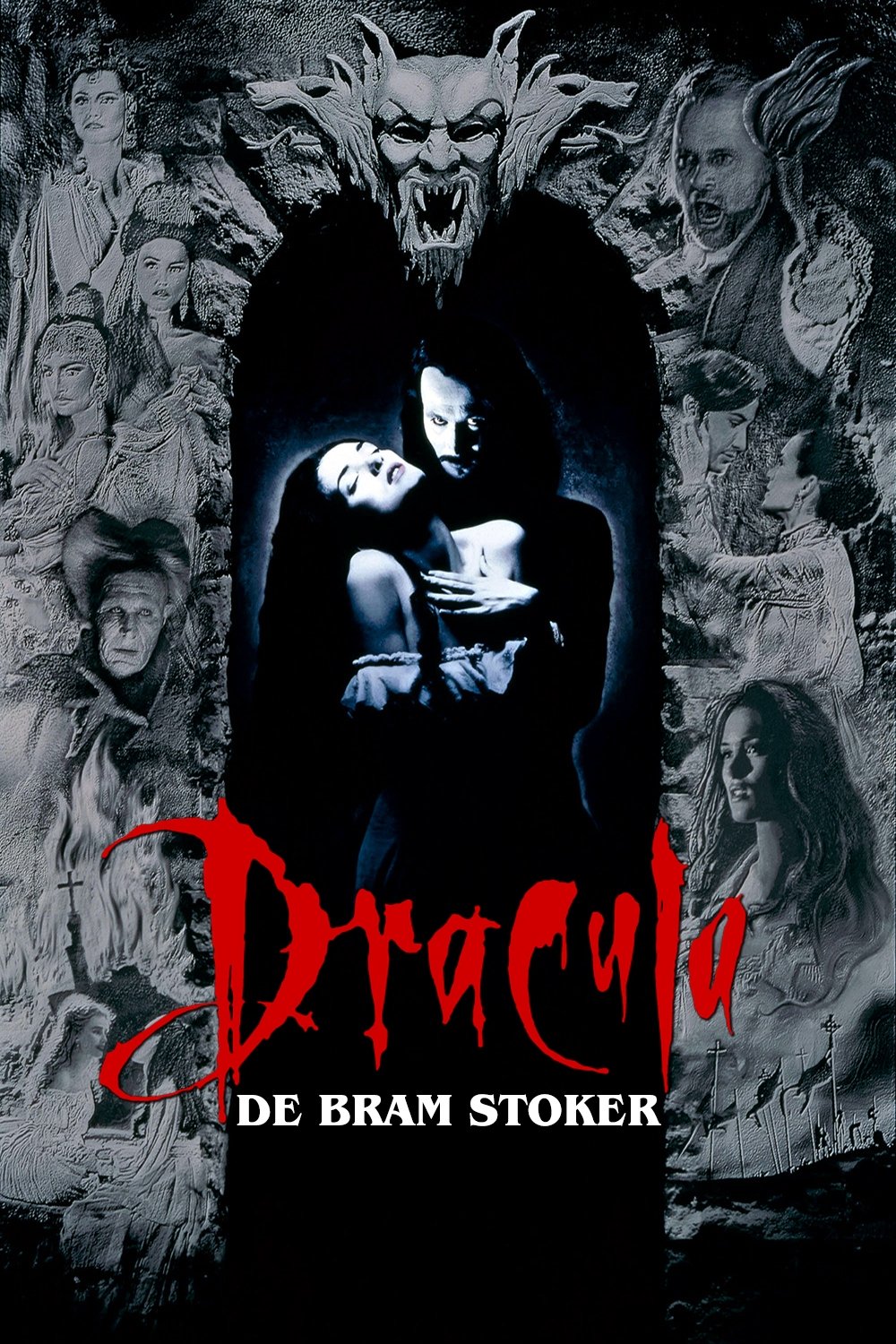
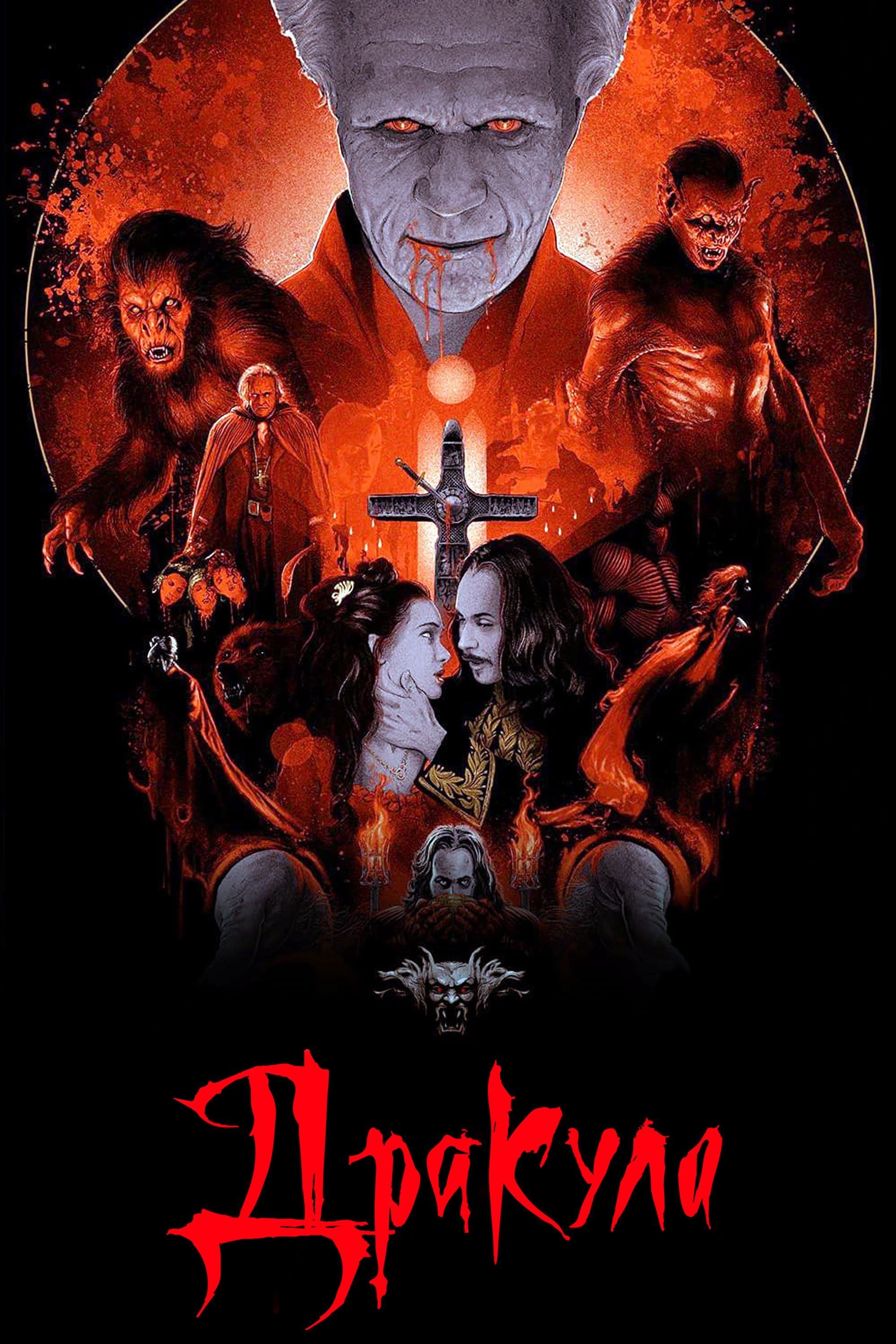
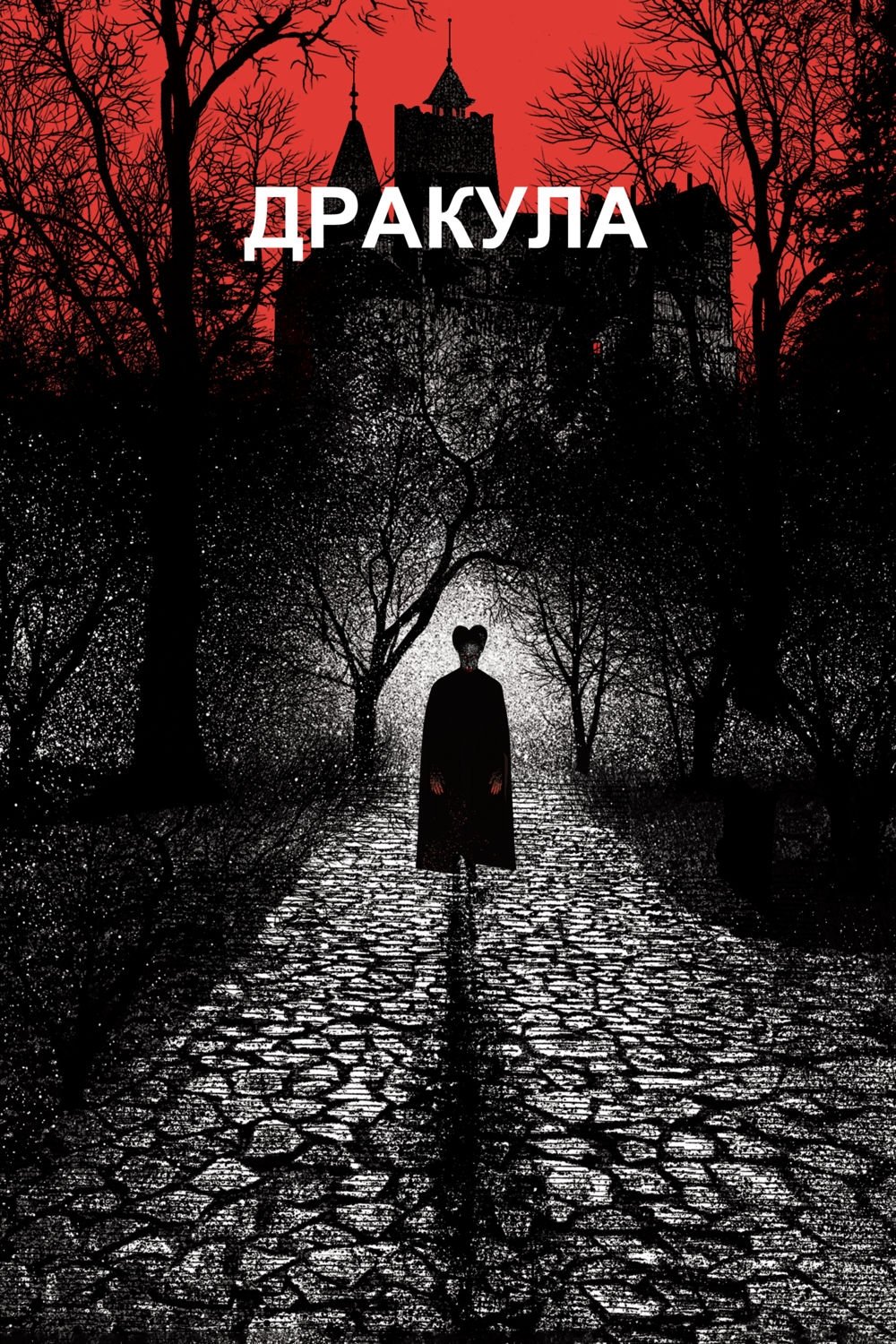
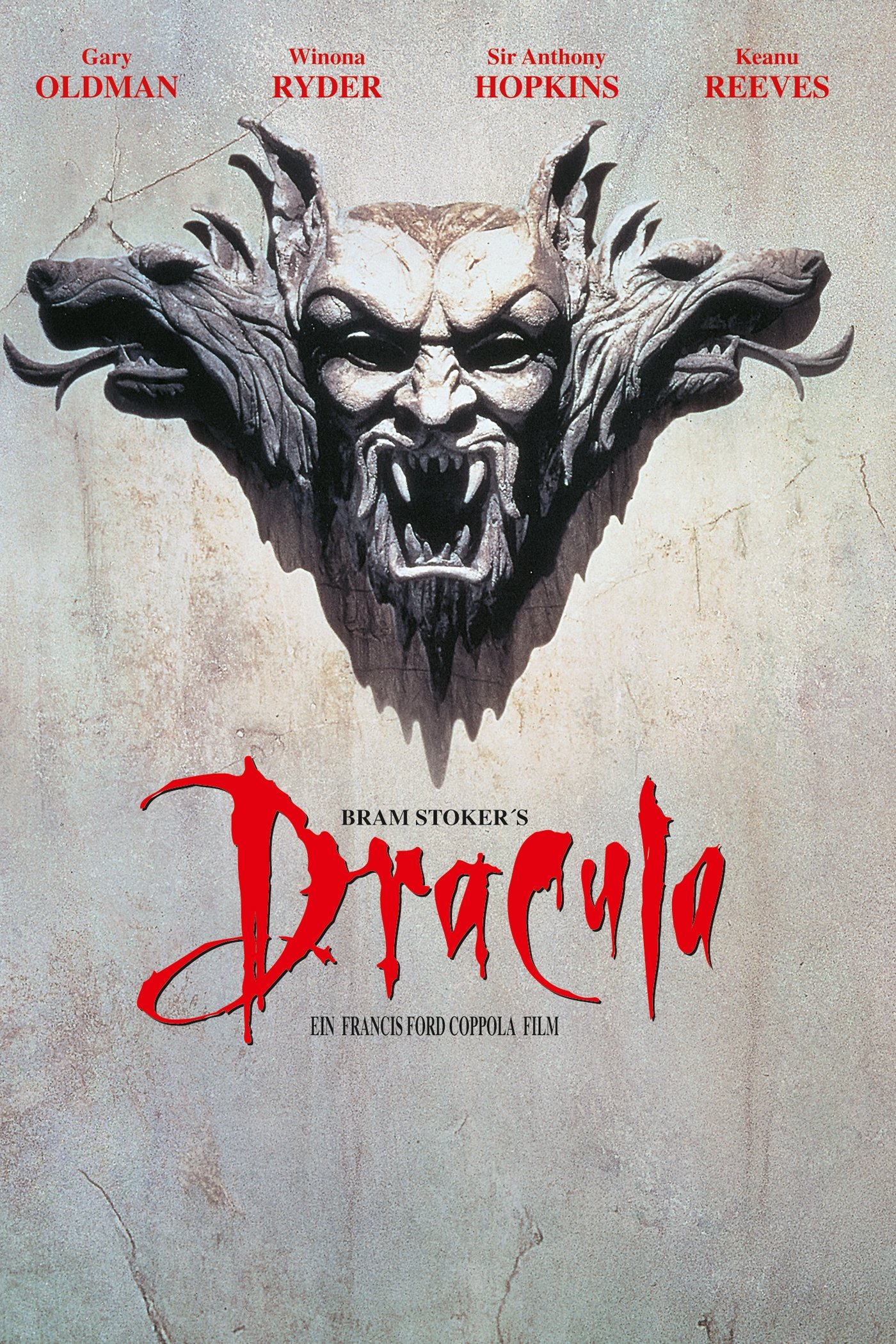
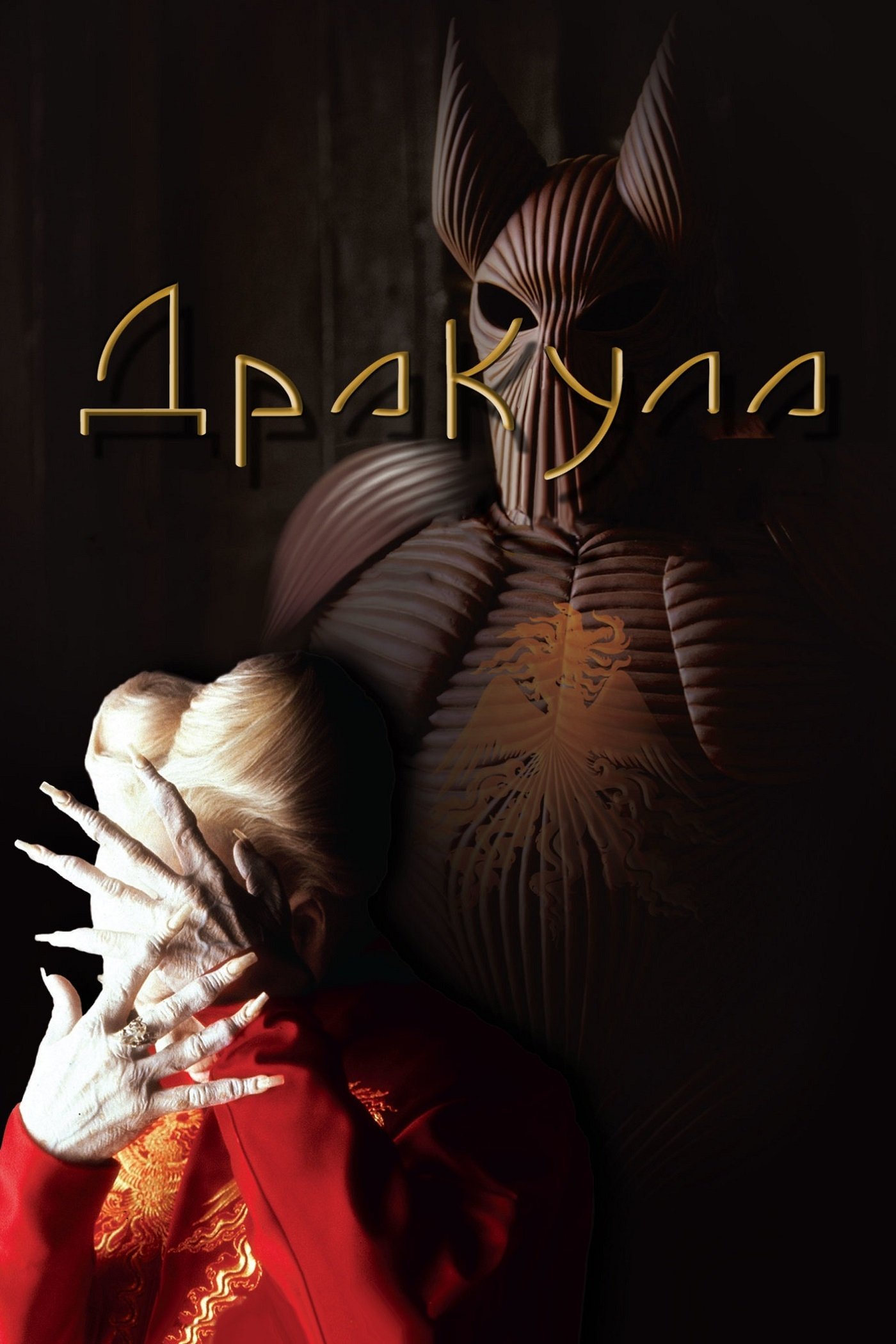
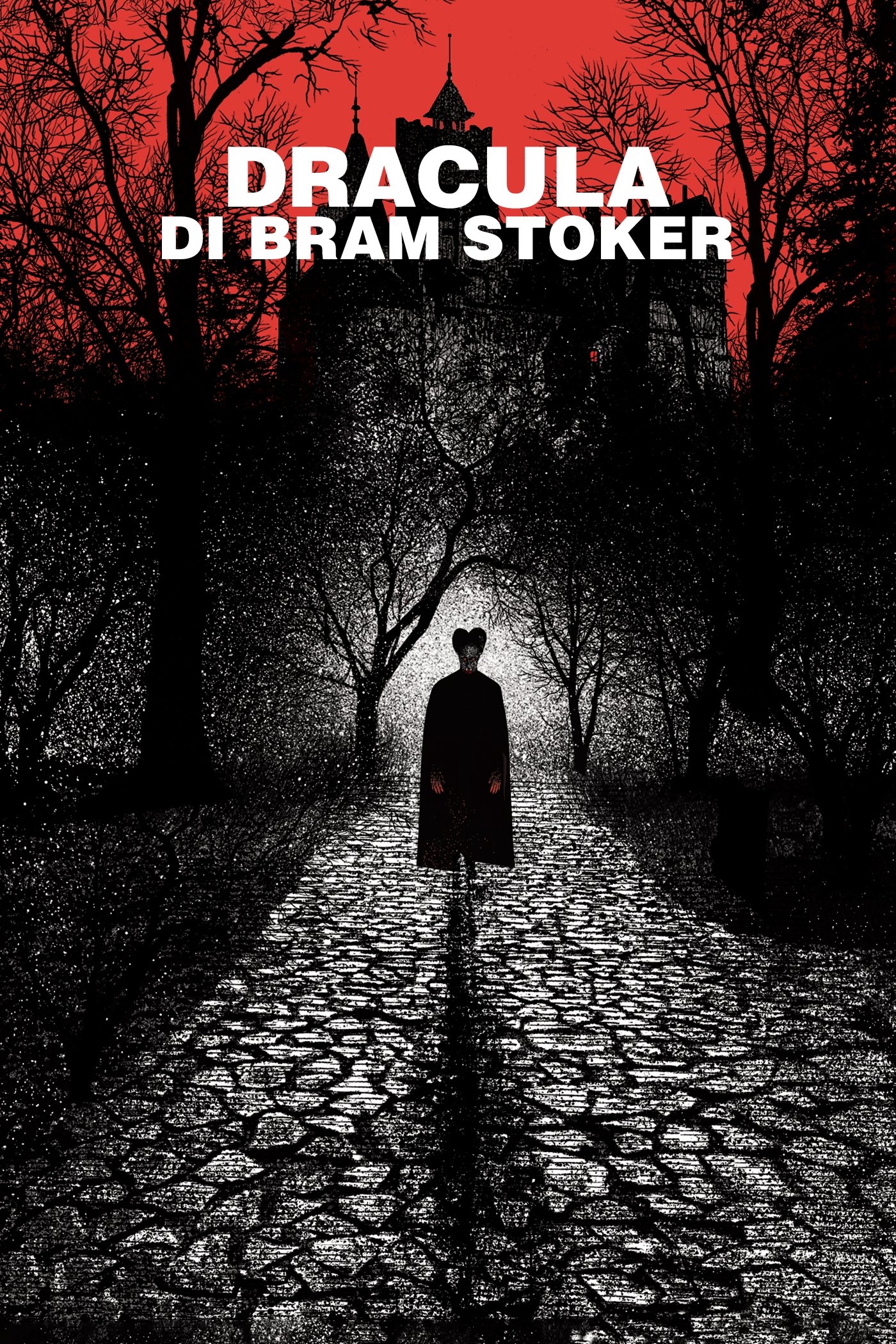
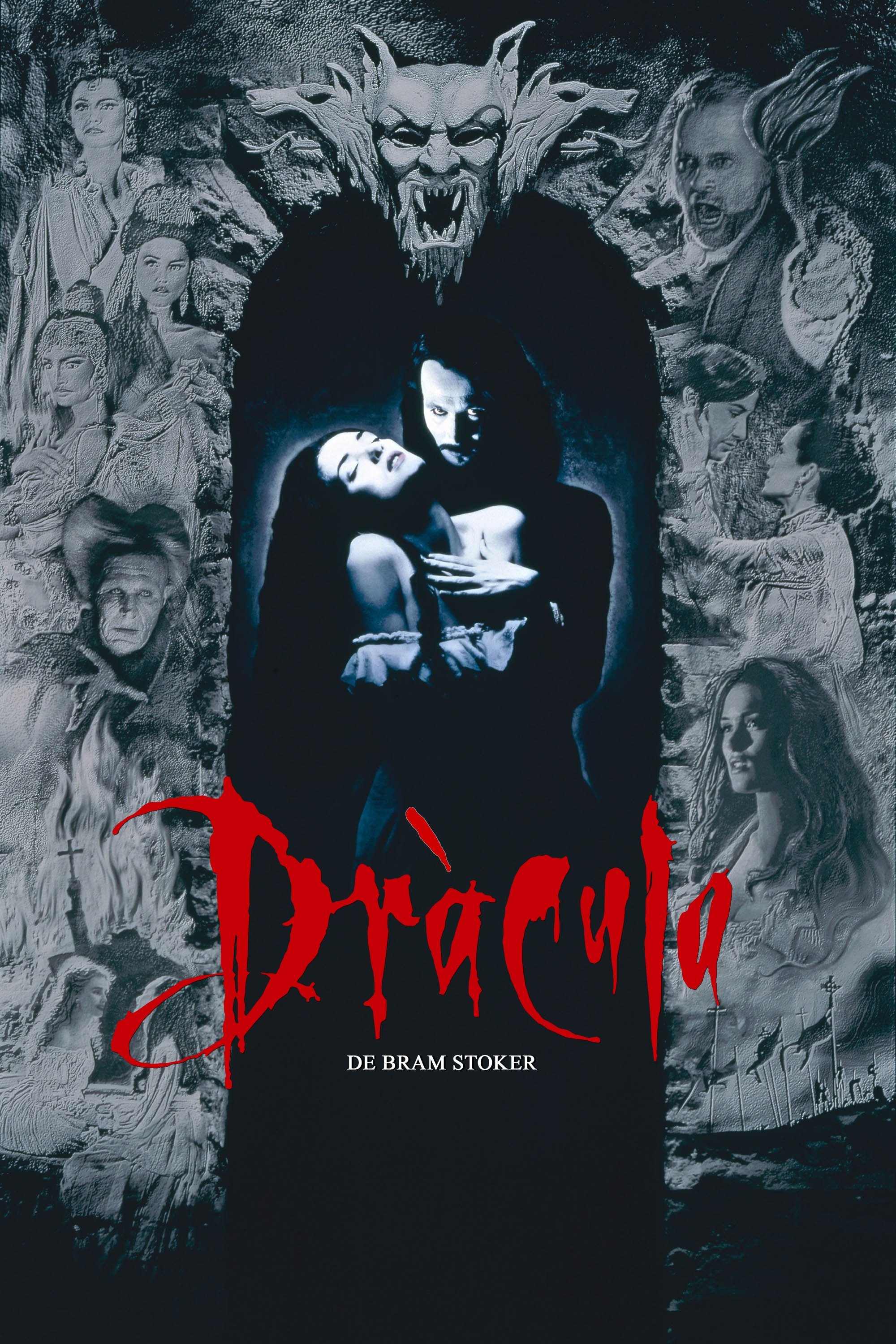
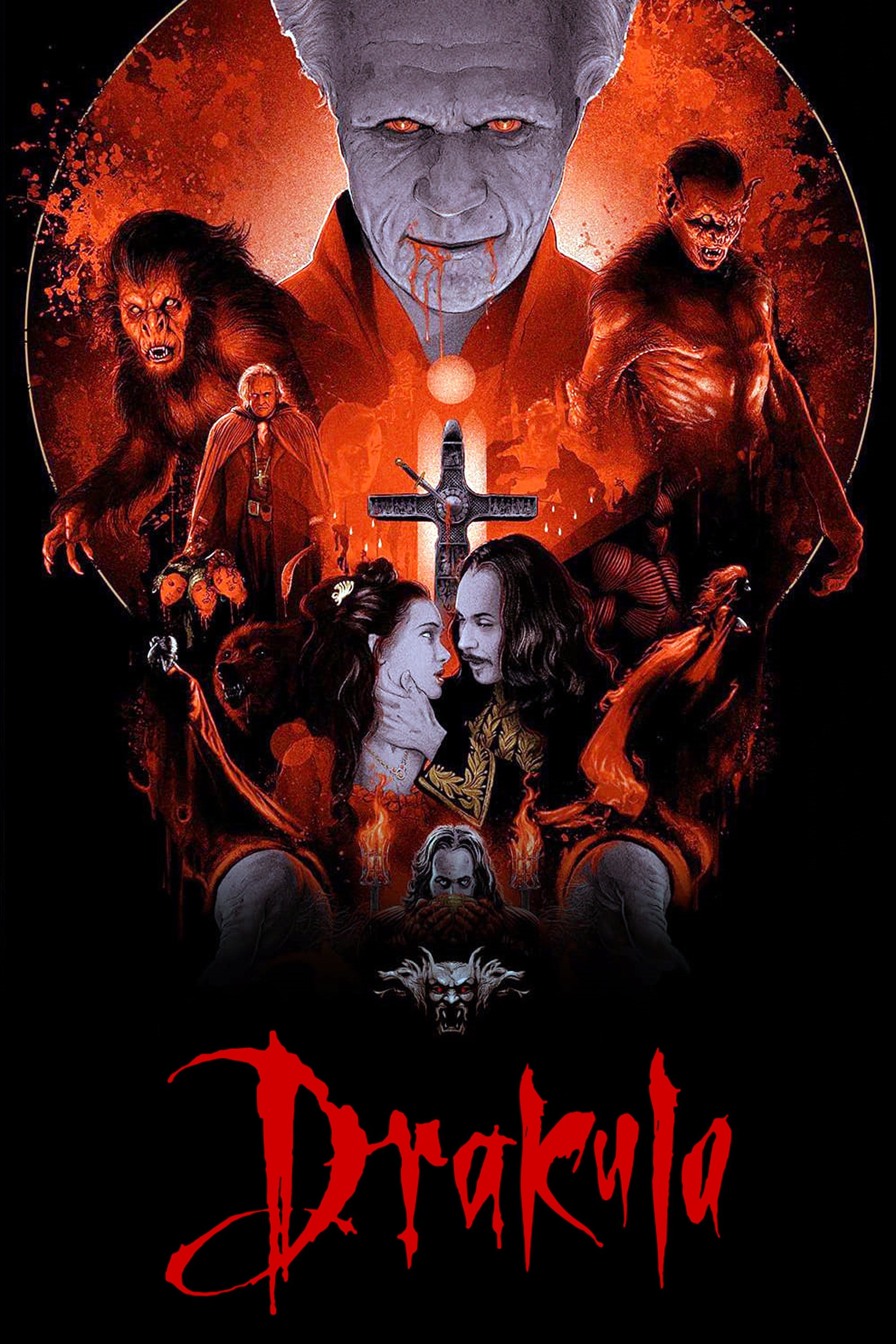
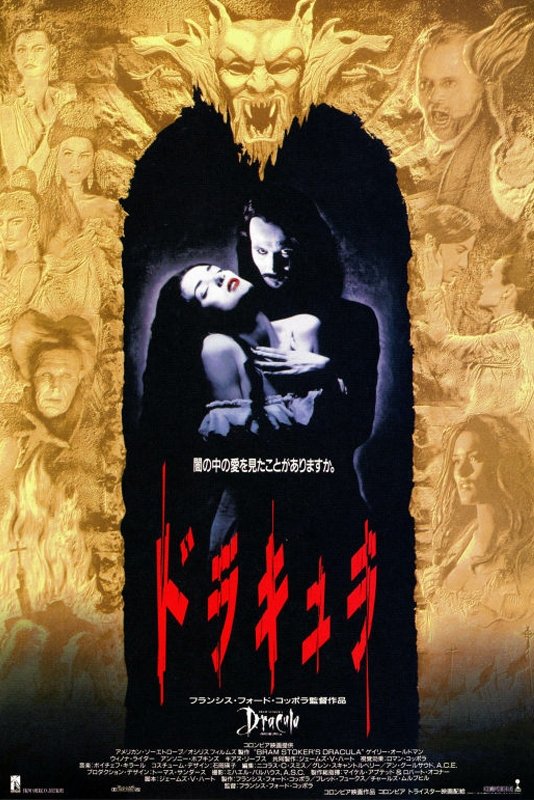
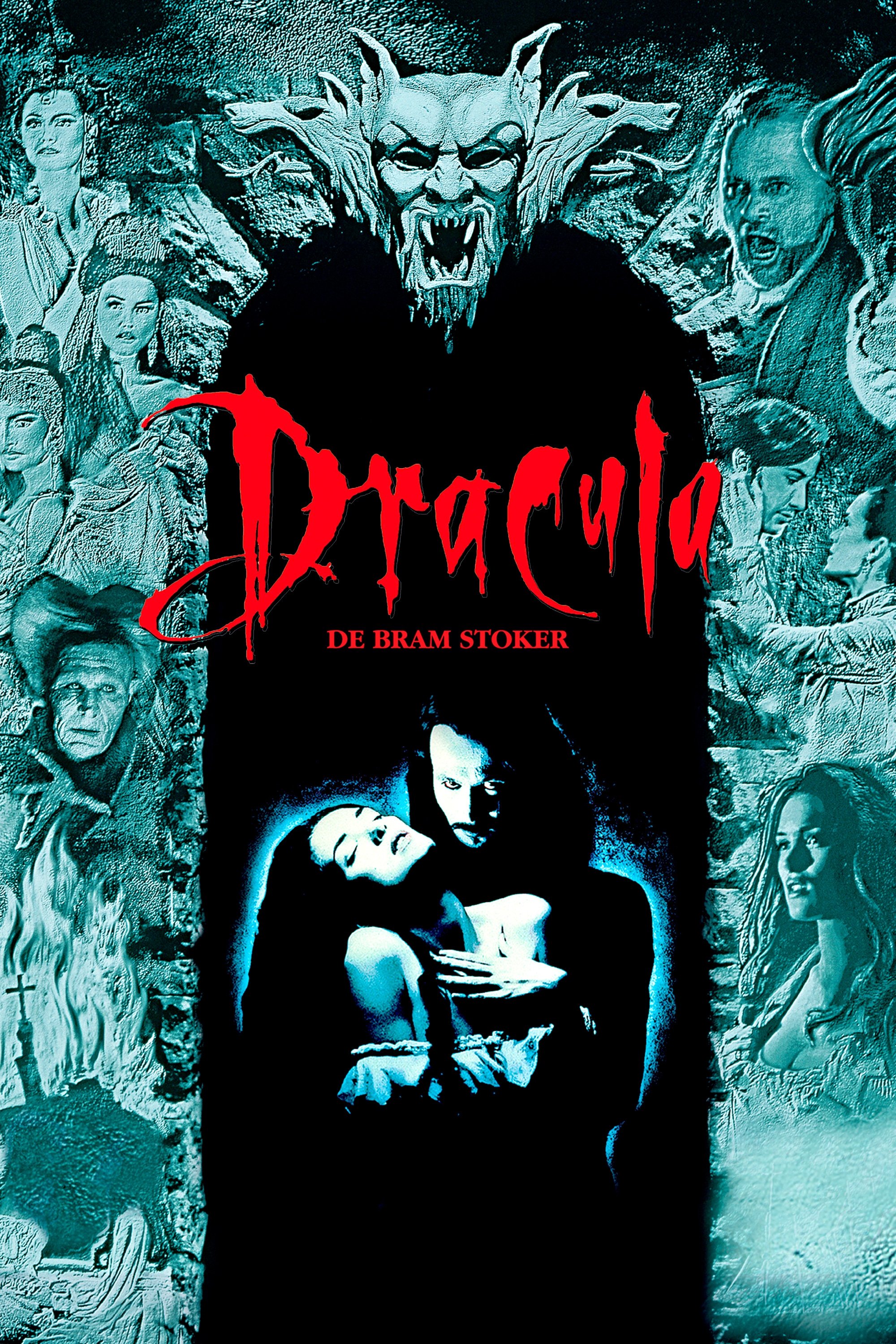
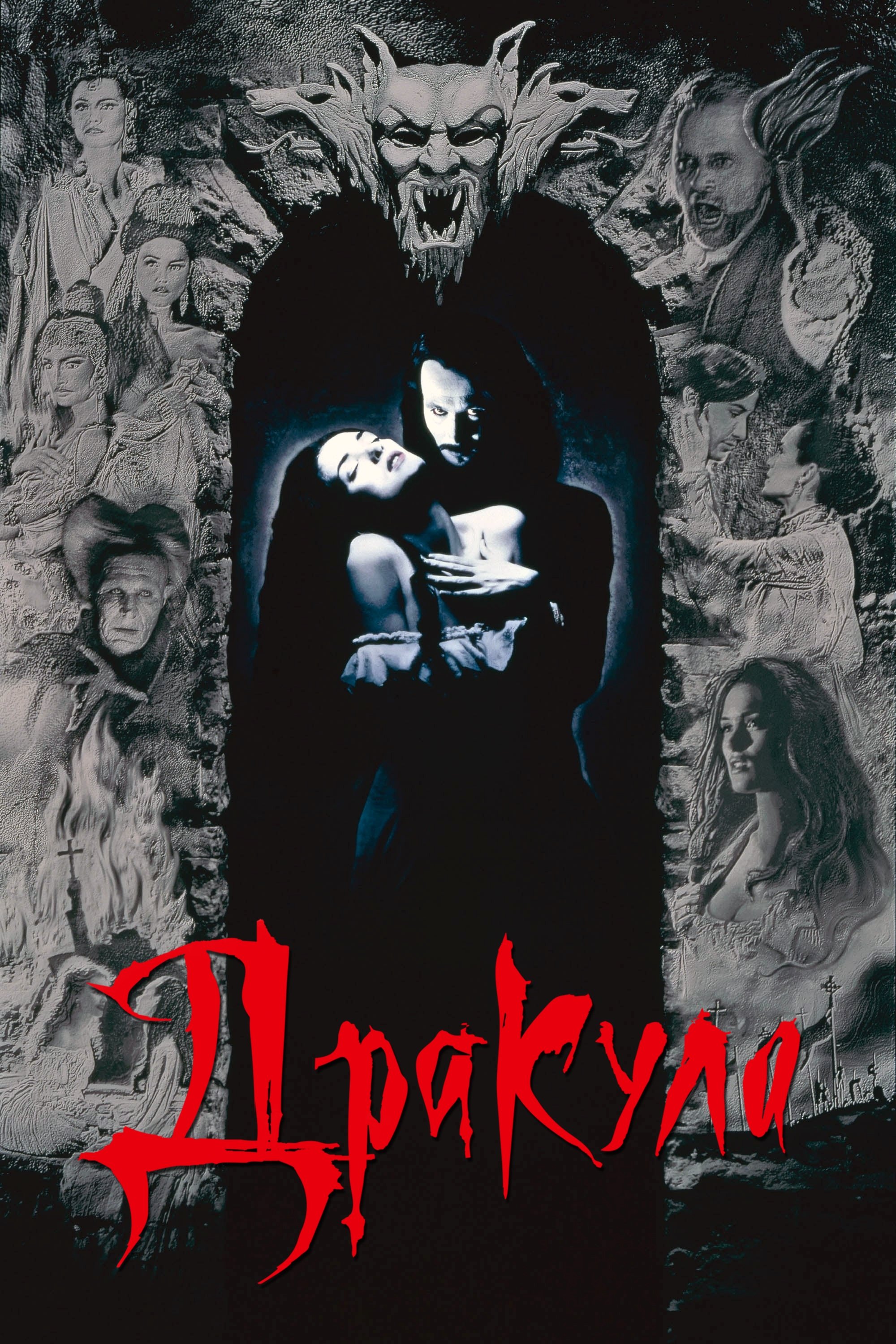
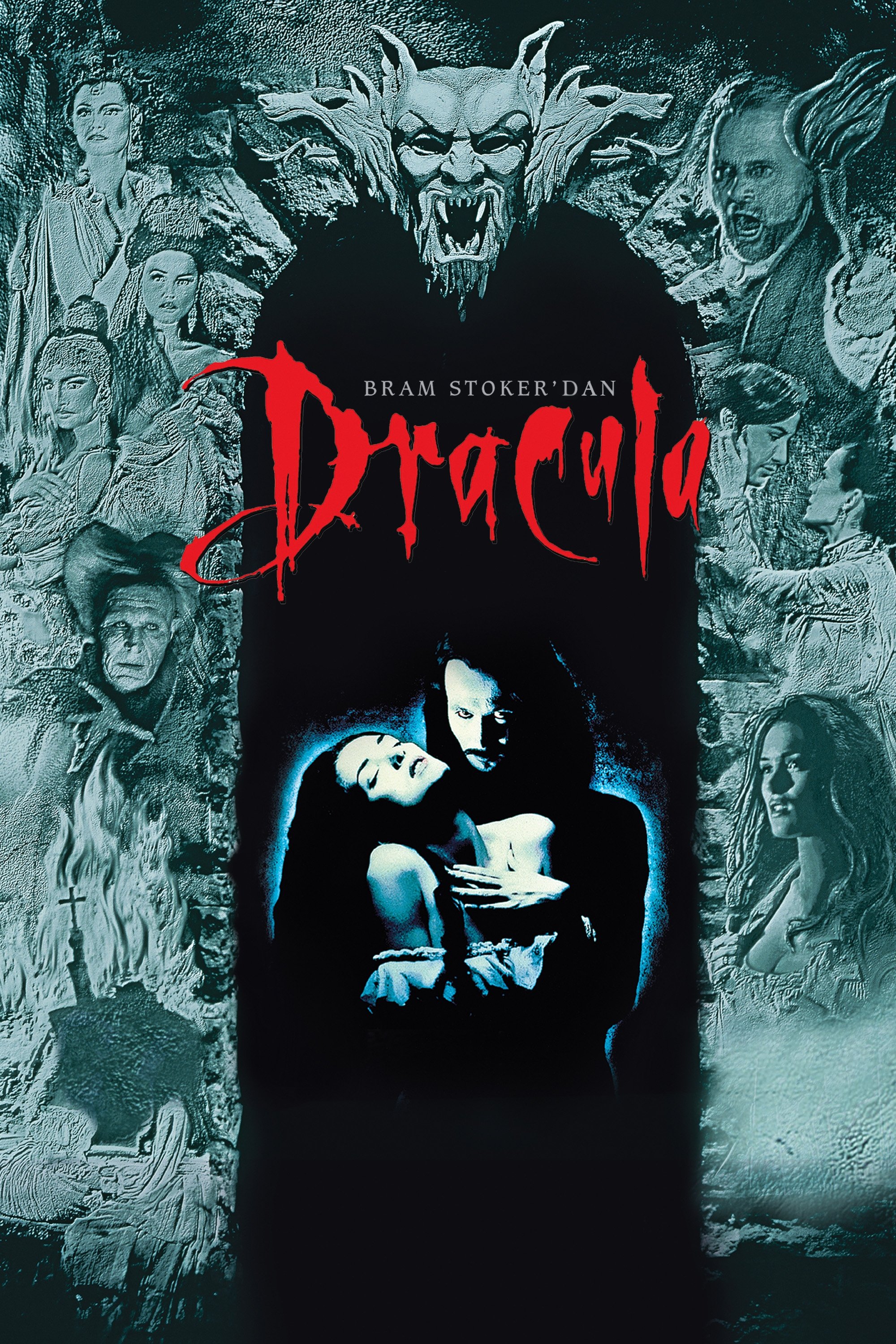
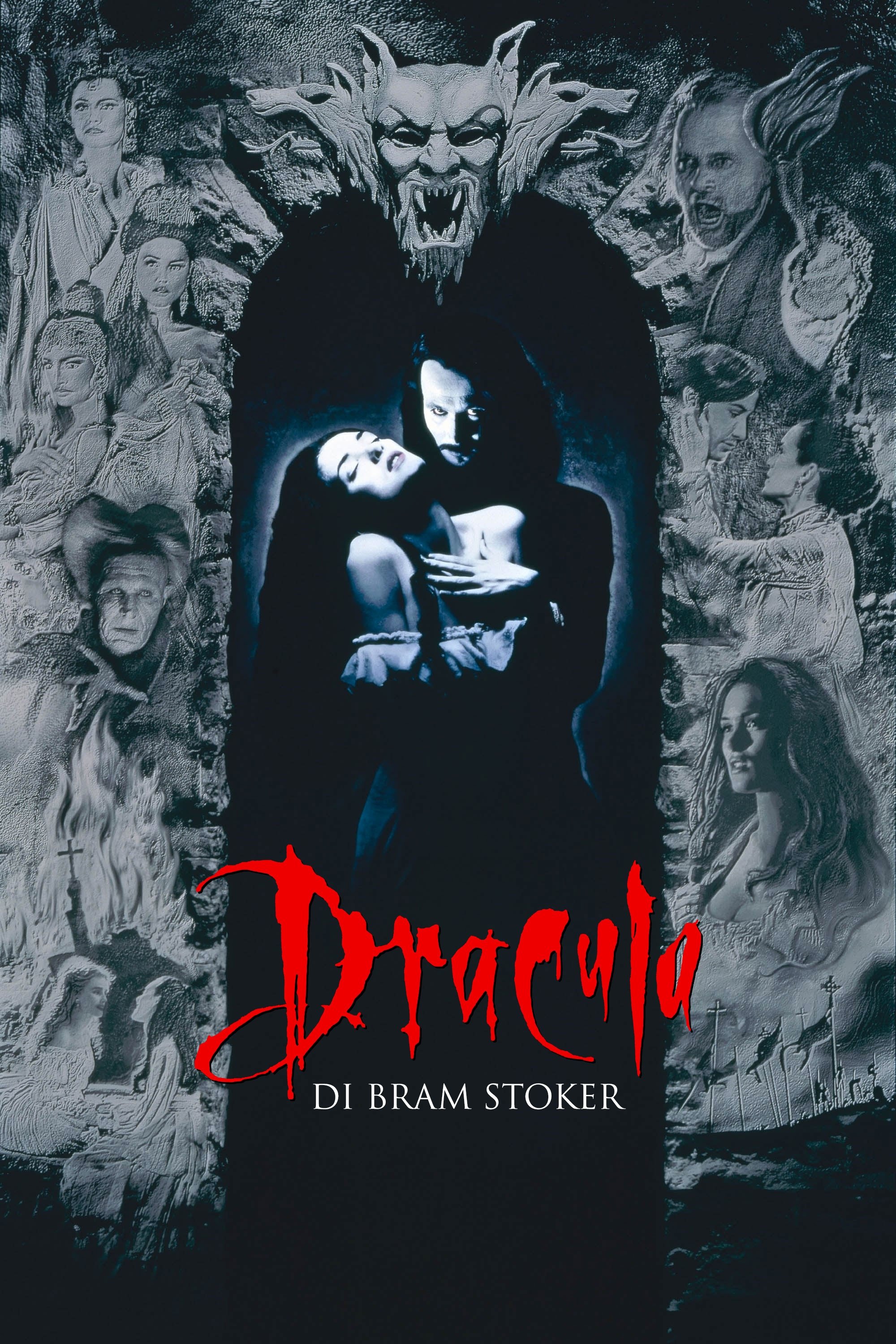
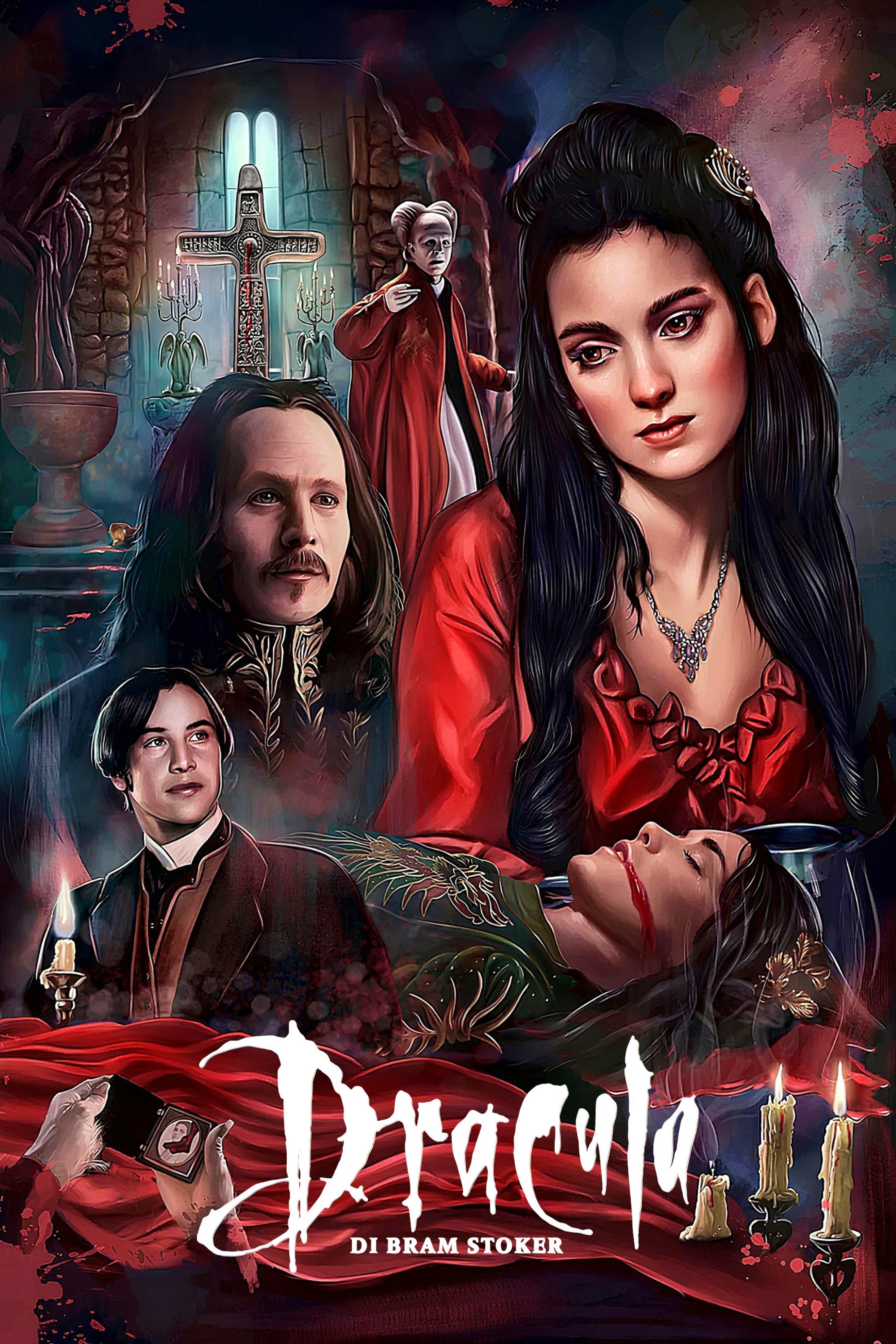
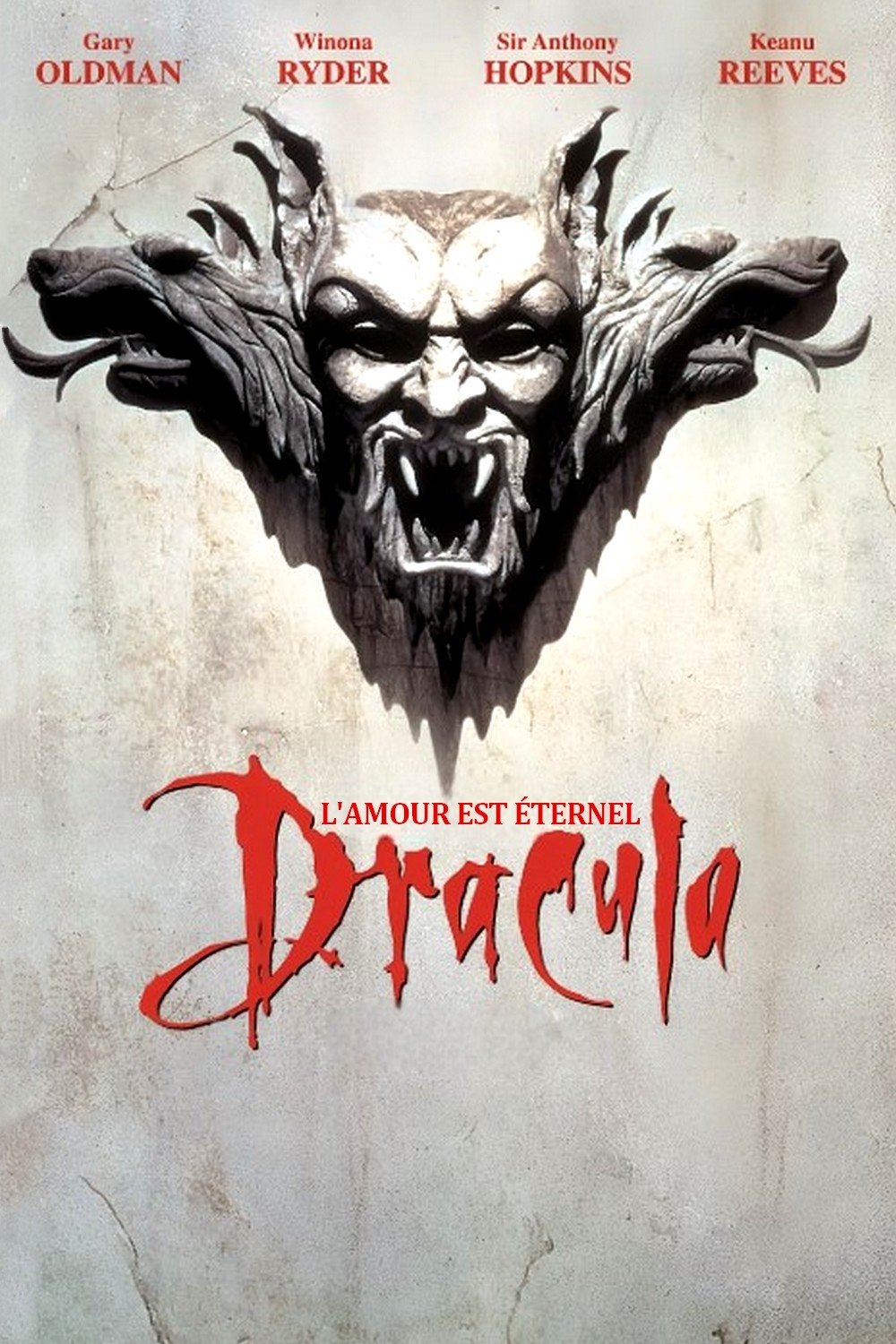
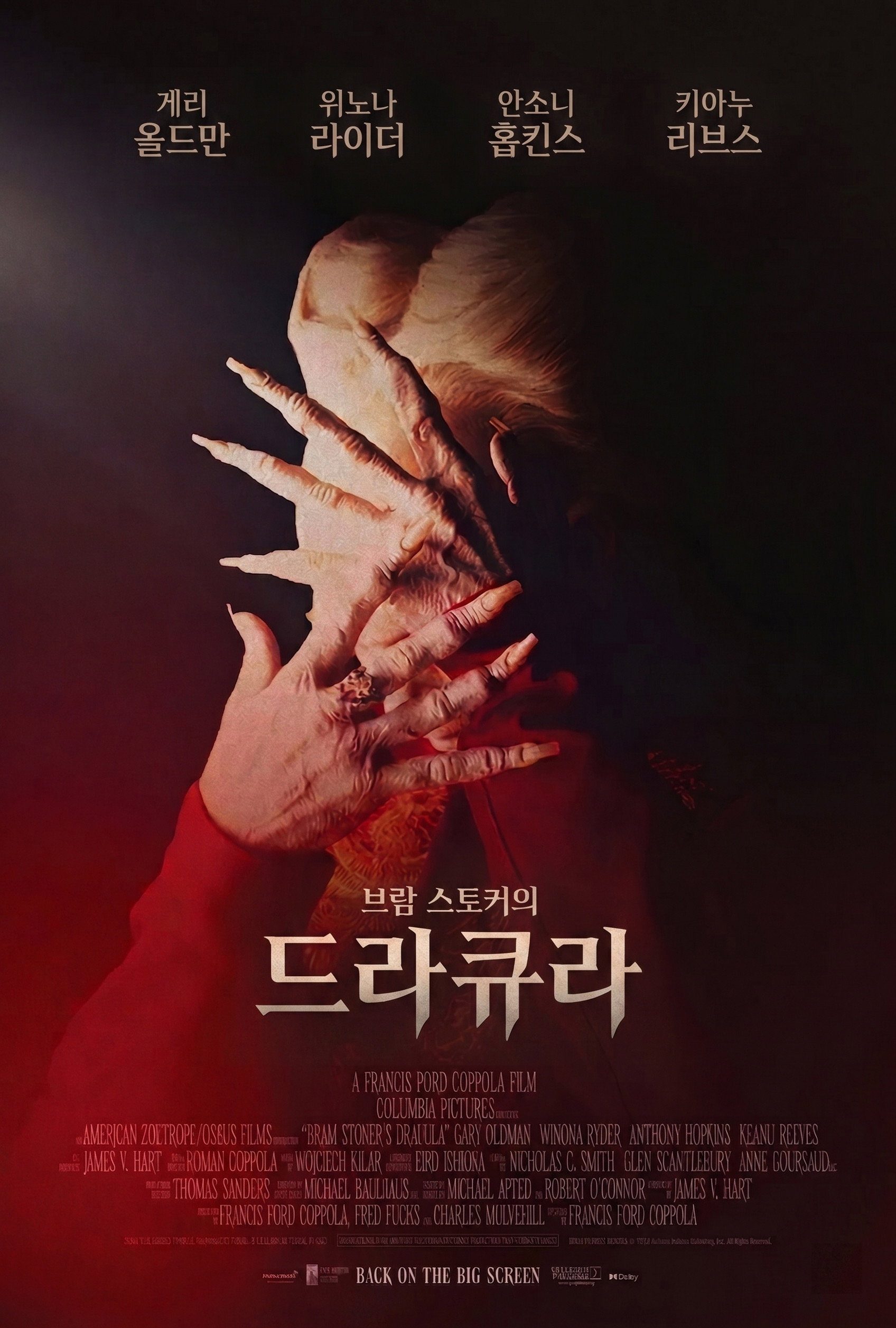
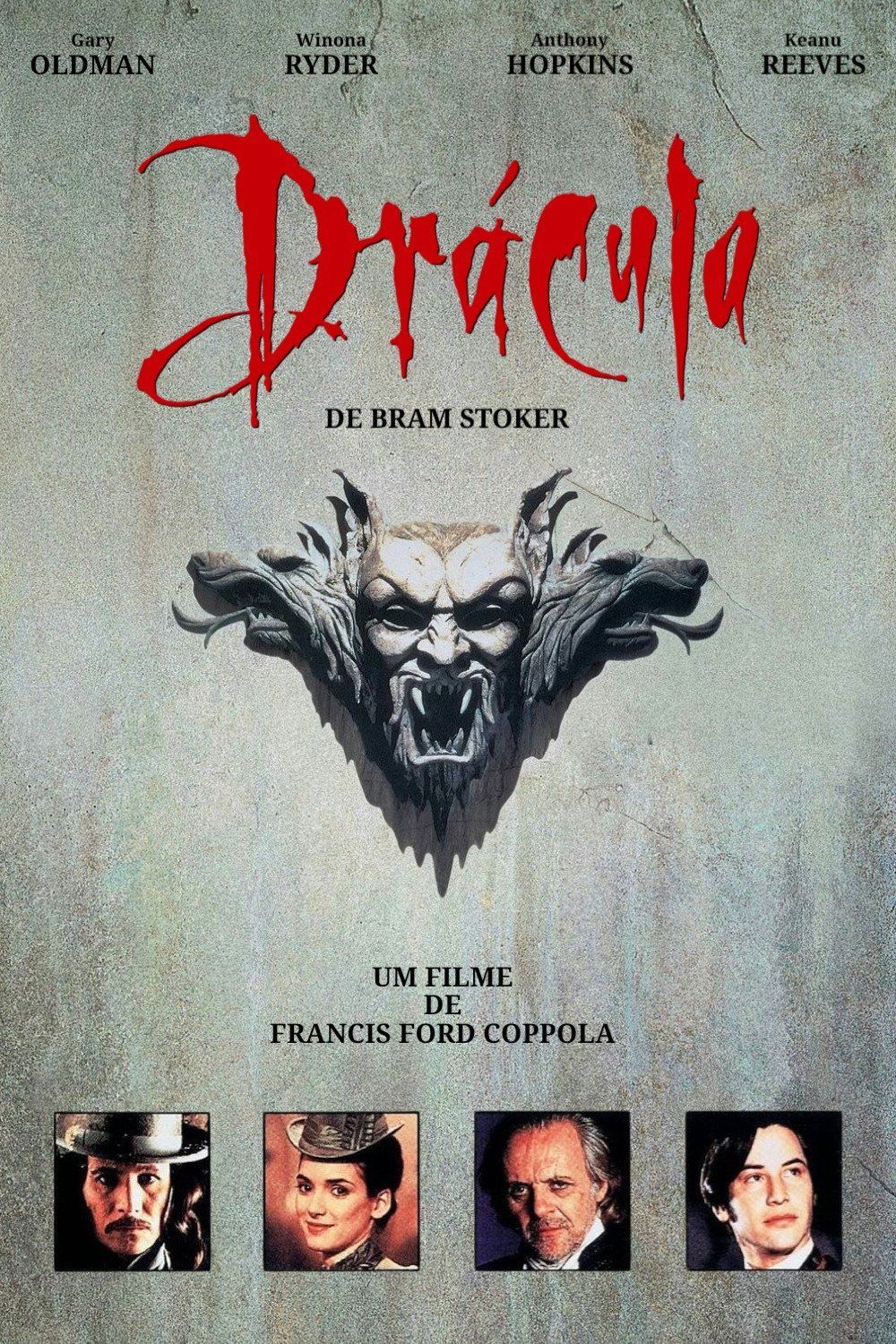
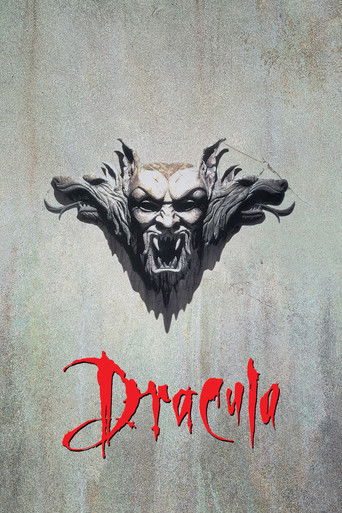
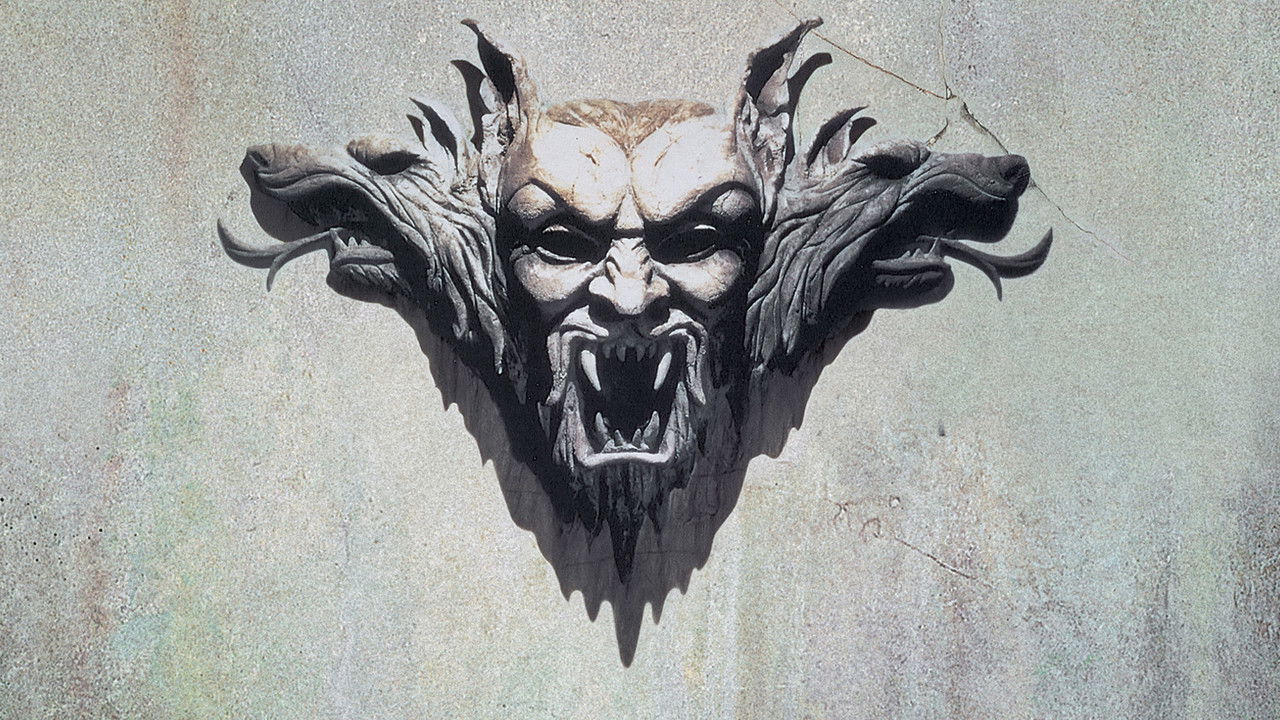
Bram Stoker's Dracula (1992) poster
Production Companies
Columbia Pictures , American Zoetrope , Osiris Films
Plot

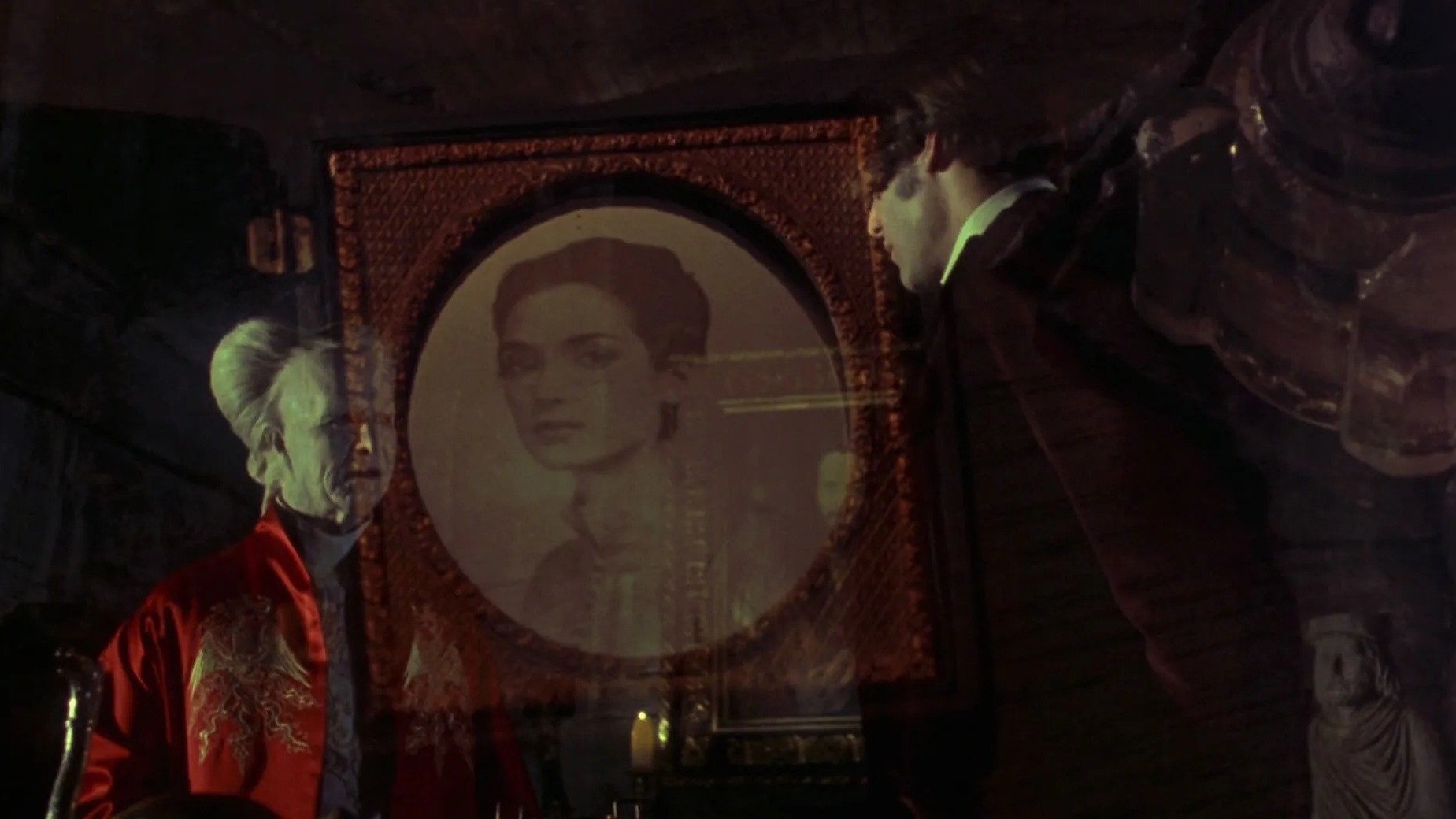
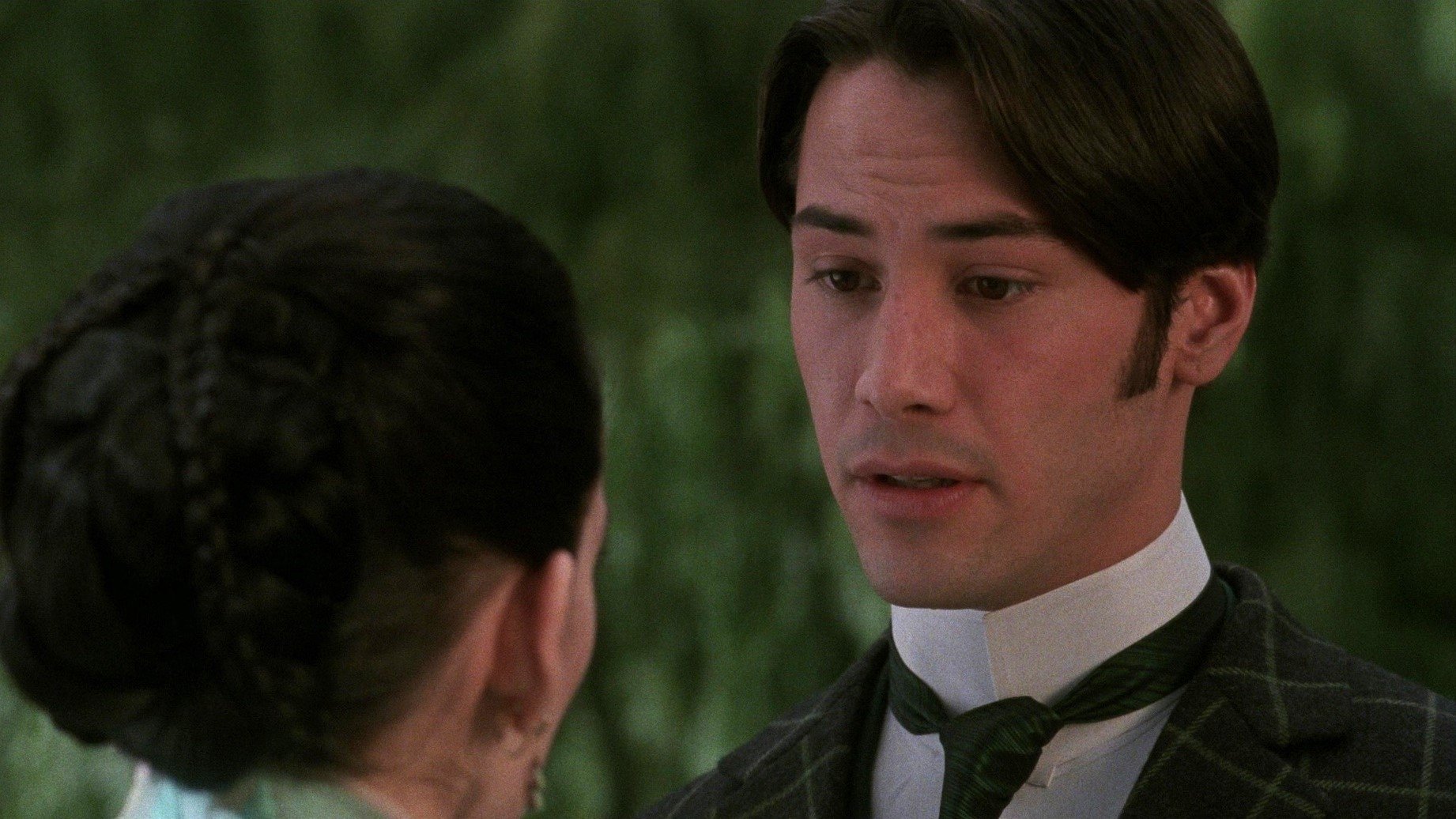
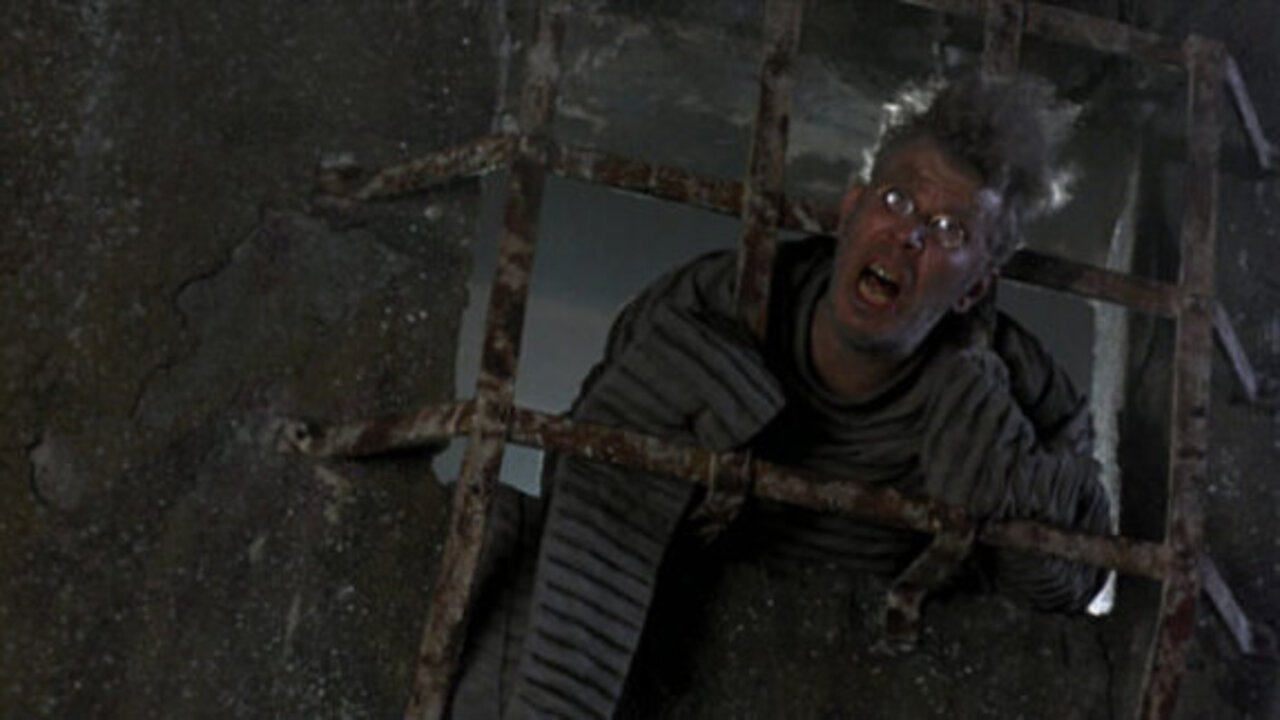
Count Dracula, a 15th-century prince, is condemned to live off the blood of the living for eternity. Young lawyer Jonathan Harker is sent to Dracula's castle to finalise a land deal, but when the Count sees a photo of Harker's fiancée, Mina, the spitting image of his dead wife, he imprisons him and sets off for London to track her down.

Alternative Titles
Bram Stoker'ın Drakulası (Azerbaijan) Drakula (Azerbaijan) Дракула (Bulgaria) Drácula de Bram Stoker (Brazil) Dracula d'après l'oeuvre de Bram Stoker (Canada) — French 惊情四百年 (China) Dracula (Czechia) — Czech Drákula (Czechia)
Show all 43 alternative titles Bram Stokers Dracula (Germany) — German Bram Stokers Dracula (Denmark) — Danish Drácula de Bram Stoker (Spain) — Catalan Bram Stokerin Dracula (Finland) — Finnish Dracula (France) — French დრაკულა (Georgia) — Georgian Δράκουλας (Greece) 吸血殭屍:驚情四百年 (Hong Kong SAR China) Drakula (Croatia) — Croatian Drakula (Hungary) דרקולה (Israel) — Hebrew ब्रॅम स्ट्रोकर्स ड्रॅकुला (India) — Hindi دراکولای برام استوکر (Iran) — Persian Dracula di Bram Stoker (Italy) ドラキュラ (Japan) — Japanese 드라큐라 (South Korea) 드라큘라 (South Korea) Bremo Stokerio „Drakula“ (Lithuania) — Lithuanian Brāma Stokera Drakula (Latvia) — Latvian Drácula de Bram Stoker (Mexico) — Spanish Drakula (Poland) — Polish Drácula de Bram Stoker (Portugal) — Portuguese Dracula lui Bram Stoker (Romania) — Romanian Дракула (Serbia) — Serbian Дракула (Russia) — Russian دراكولا برام ستوكر (Saudi Arabia) — Arabic Dracula (Sweden) — Swedish 惊情四百年 (Singapore) — Chinese Dracula (Slovakia) — Slovak แดร็กคูลา (Thailand) Bram Stoker'dan Dracula (Türkiye) — Turkish 吸血鬼:真愛不死 (Taiwan) Дракула (Ukraine) — Ukrainian Dracula (United States) Dracula: Bá tước ma cà rồng (Vietnam) — Vietnamese

Trailers & Videos

9 videos

Film Guide & Analysis

Francis Ford Coppola transformed Bram Stoker's vampire into an operatic collision of Gothic horror, erotic obsession and early-cinema illusion, creating one of the most visually extravagant Dracula adaptations ever made.

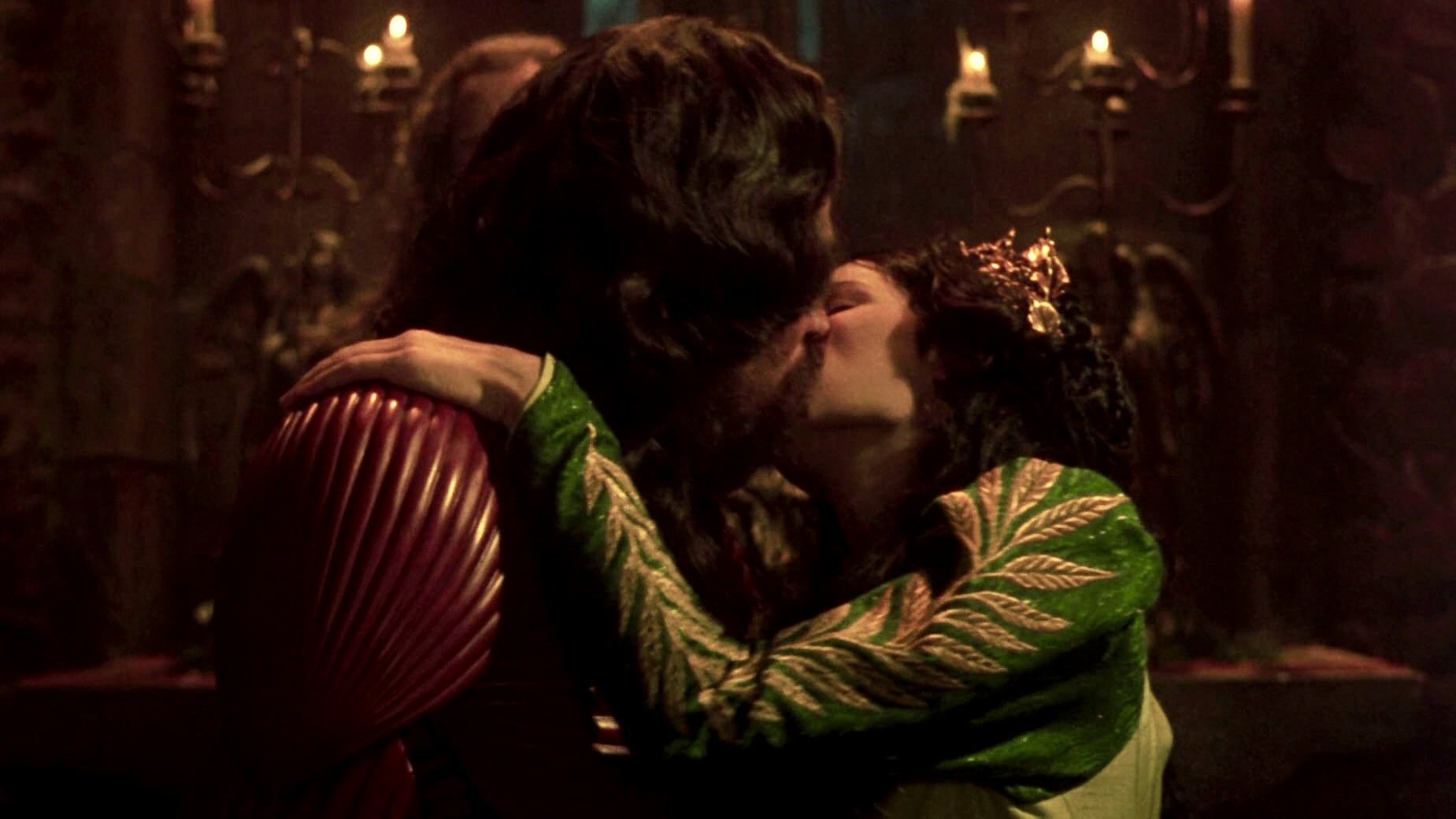
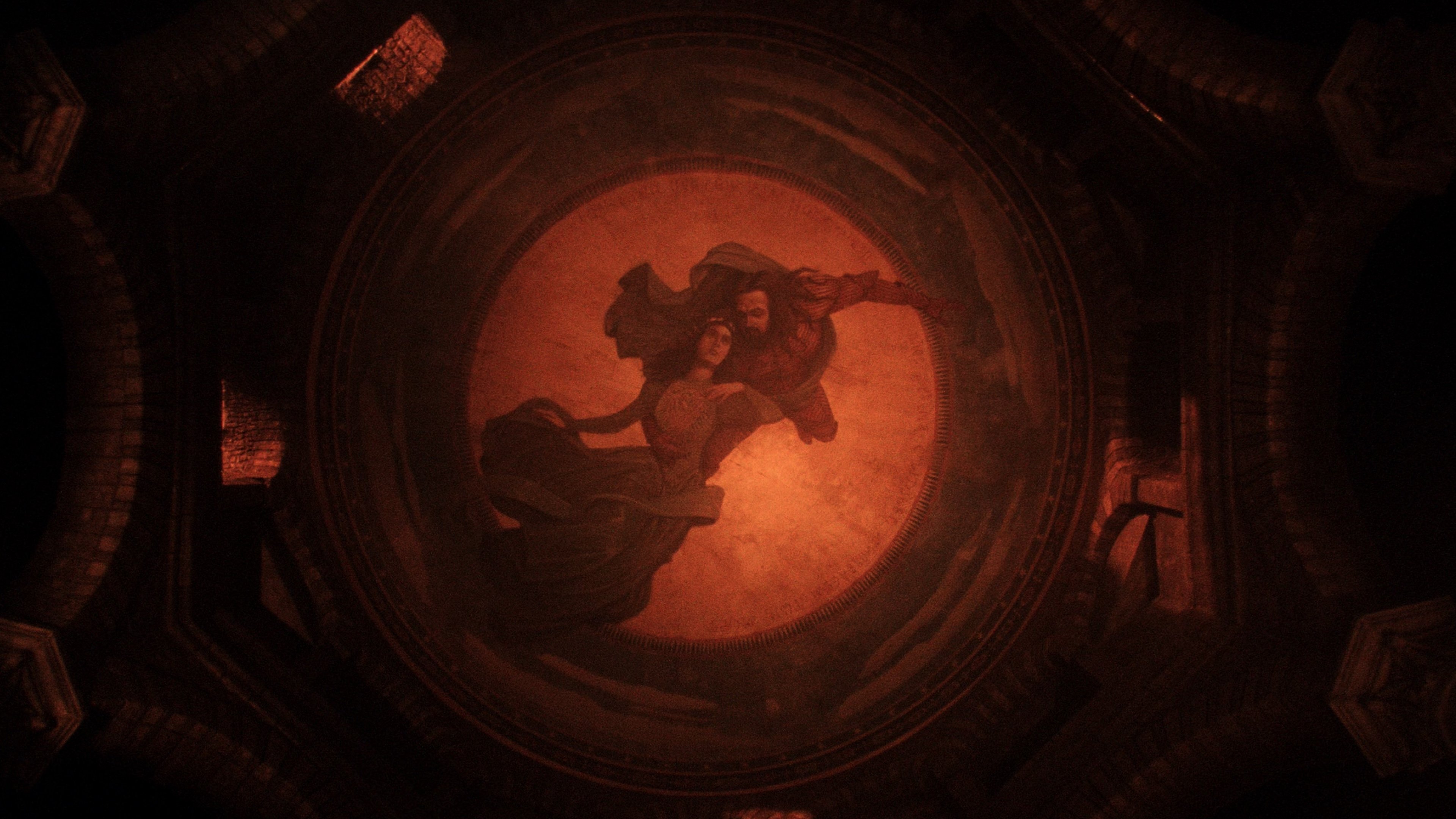
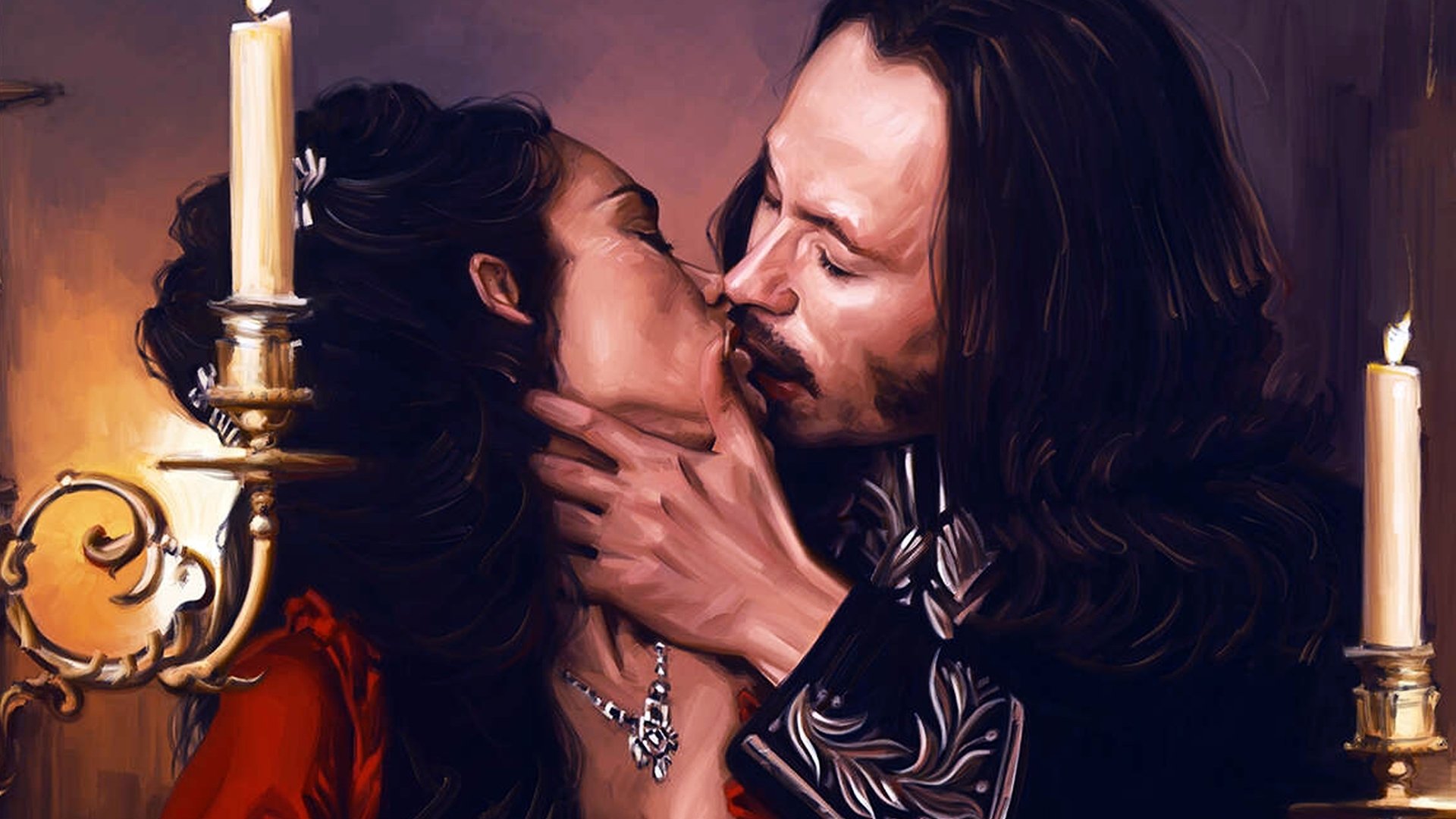
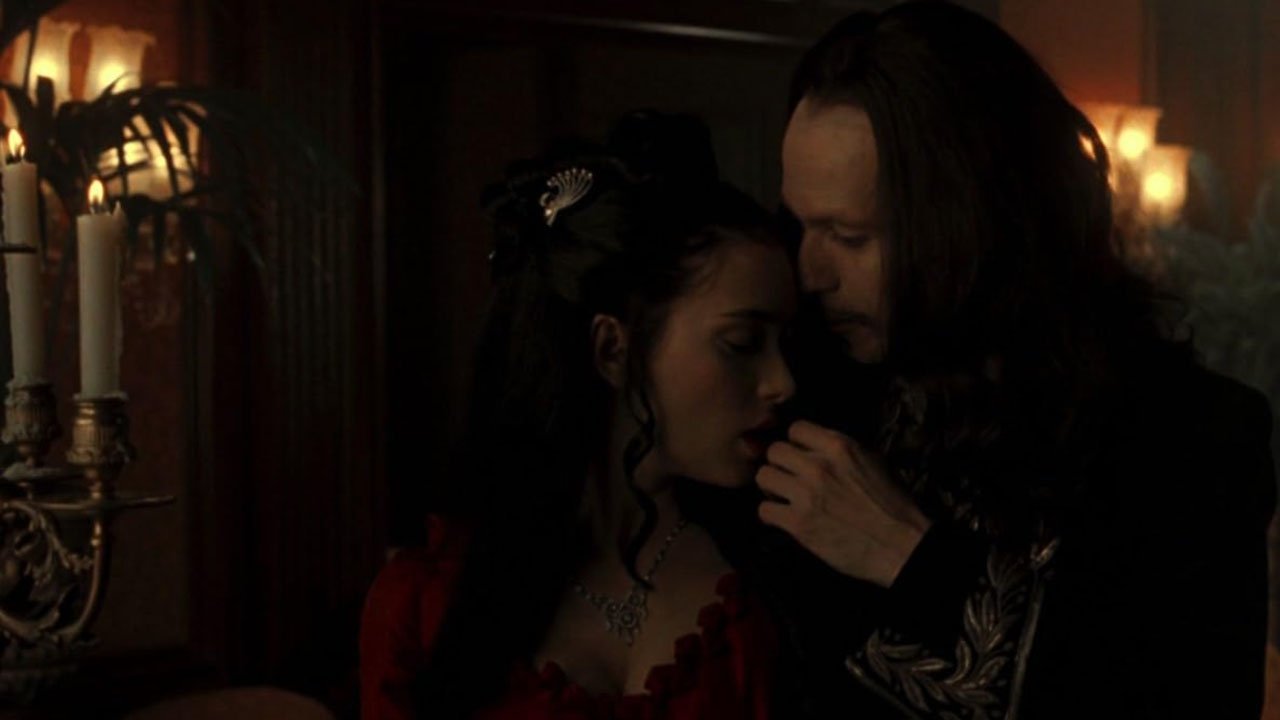
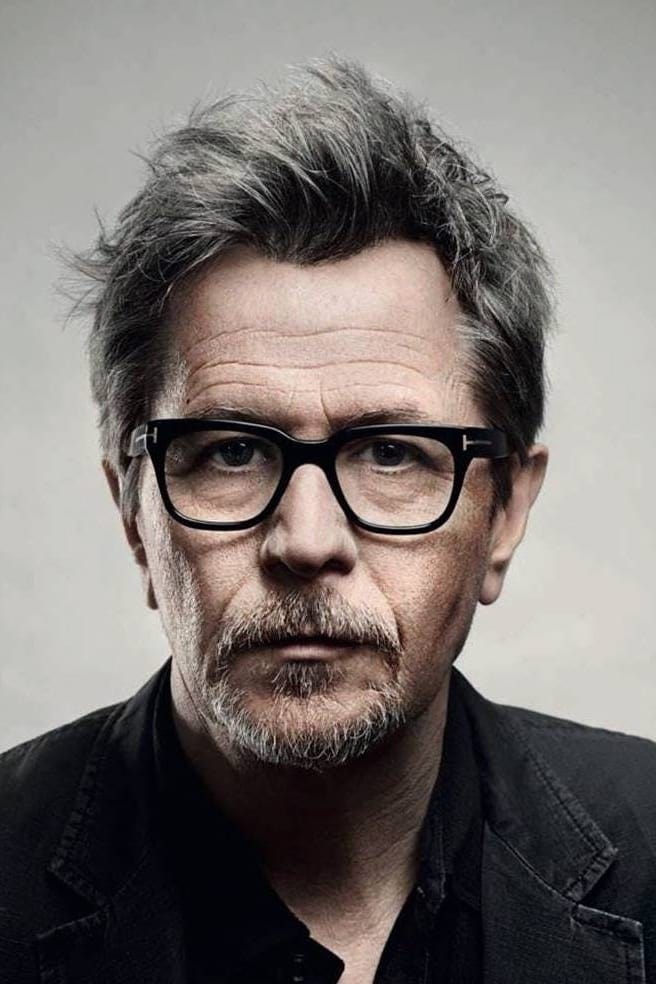
Bram Stoker's Dracula approaches one of horror cinema's most repeatedly adapted characters with the confidence of a production that wants to contain several generations of vampire imagery at once. Francis Ford Coppola's 1992 film restores characters, journeys and narrative episodes from Bram Stoker's 1897 novel that many earlier screen versions had compressed or abandoned, yet it also makes a radical change by turning Dracula into the center of an explicitly tragic romance. Gary Oldman's Count is introduced as a fifteenth-century warrior who renounces God after the death of Elisabeta and later recognizes Winona Ryder's Mina as the apparent reincarnation of his lost love. The film invents that relationship beyond Stoker's novel, making it the emotional structure around which Coppola reorganizes the familiar vampire story.

The adaptation is equally distinctive for refusing the visual restraint that might normally accompany literary prestige. Coppola treats Victorian sexuality, bodily transformation, blood, religious imagery and supernatural desire through a deliberately artificial cinematic world. Eiko Ishioka's costumes can dominate entire compositions, Michael Ballhaus's cinematography repeatedly invokes the visual instability of early motion pictures, Greg Cannom and his collaborators transform Oldman through radically different physical forms, and Roman Coppola's effects unit relies heavily on techniques inherited from the first decades of cinema. The result is simultaneously adaptation, horror spectacle and celebration of filmmaking illusion. Its commercial success and Academy Award recognition confirmed that an intensely stylized Gothic horror film could operate on the scale of a major studio release without reducing Dracula to either nostalgia or conventional realism.

Development and the Return to Stoker

James V. Hart developed the screenplay around a desire to return more directly to the structure and characters of Bram Stoker's novel than many previous Dracula films had attempted. Earlier adaptations had frequently reached the screen through Hamilton Deane and John L. Balderston's theatrical version, compressing locations, eliminating characters and reshaping the narrative for the stage. Hart restored figures including Arthur Holmwood and Quincey Morris and retained the broad movement from Transylvania to England and ultimately back toward Dracula's homeland. During early development the project was known as Dracula: The Untold Story, emphasizing the intention to present material that audiences familiar with earlier movie versions might not have seen.

The project was originally moving toward television, with Michael Apted attached to direct, before Winona Ryder brought Hart's screenplay to Francis Ford Coppola. Ryder and Coppola were meeting after her withdrawal from The Godfather Part III, and the script became the basis for a new collaboration. Coppola took over the project, with American Zoetrope and Columbia Pictures developing it as a major theatrical production. Production eventually began in Culver City in October 1991 after a development period accompanied by reports about changing casting, costs and the scale of the undertaking.

Coppola repeatedly described his version as unusually close to Stoker, but the statement requires qualification. The film restores much that previous adaptations had discarded, yet its central romantic concept substantially rewrites Dracula's identity. Stoker does not establish the Count as Vlad Dracula mourning Elisabeta, and Mina is not the reincarnation of his medieval wife. Coppola and Hart deliberately place that invented relationship beside material drawn more directly from the novel. Fidelity and reinterpretation therefore exist simultaneously: the plot often moves closer to Stoker while Dracula himself becomes a more openly tragic and romantic figure than the character on the page.
Dracula as Lover and Monster

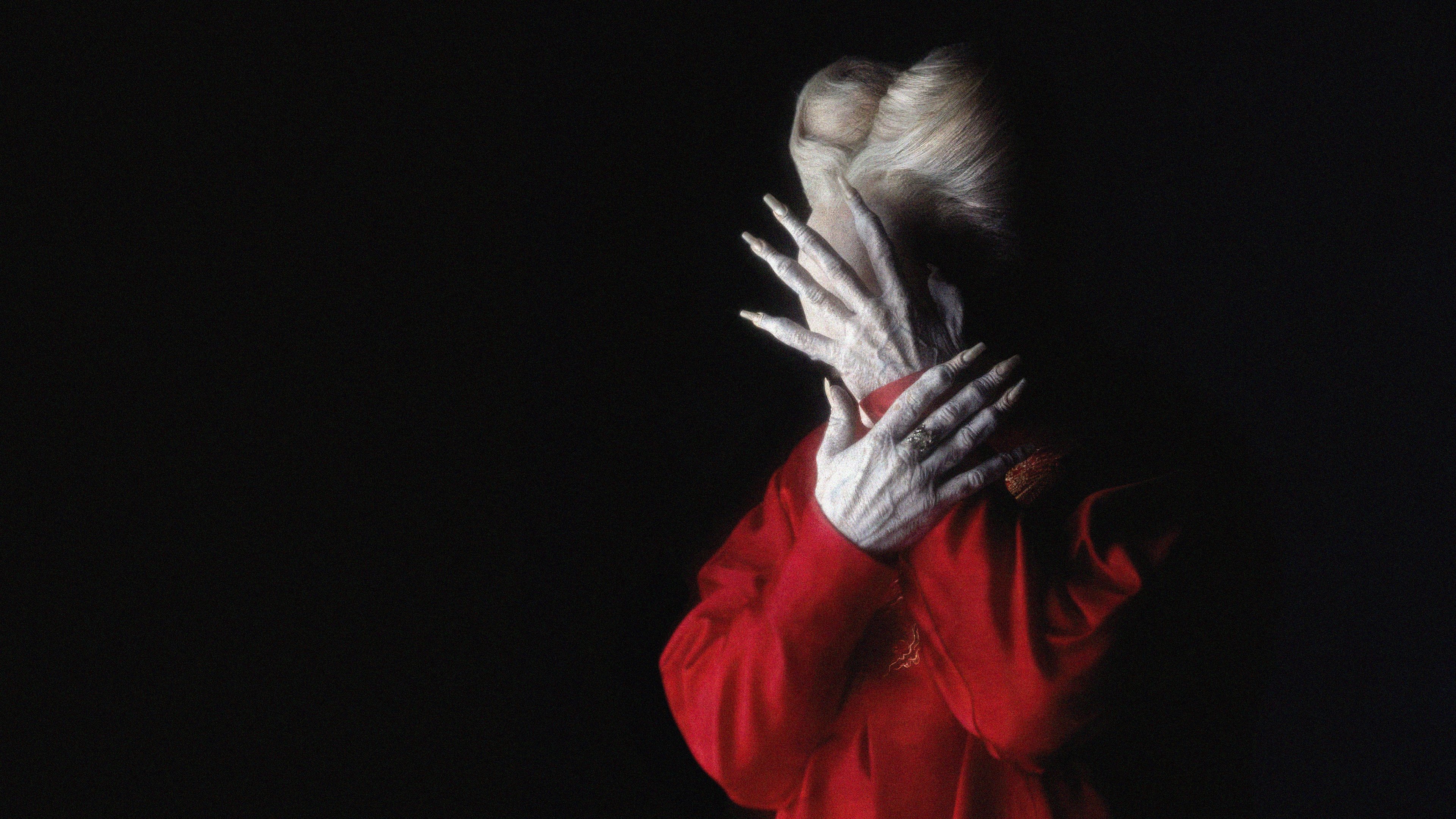
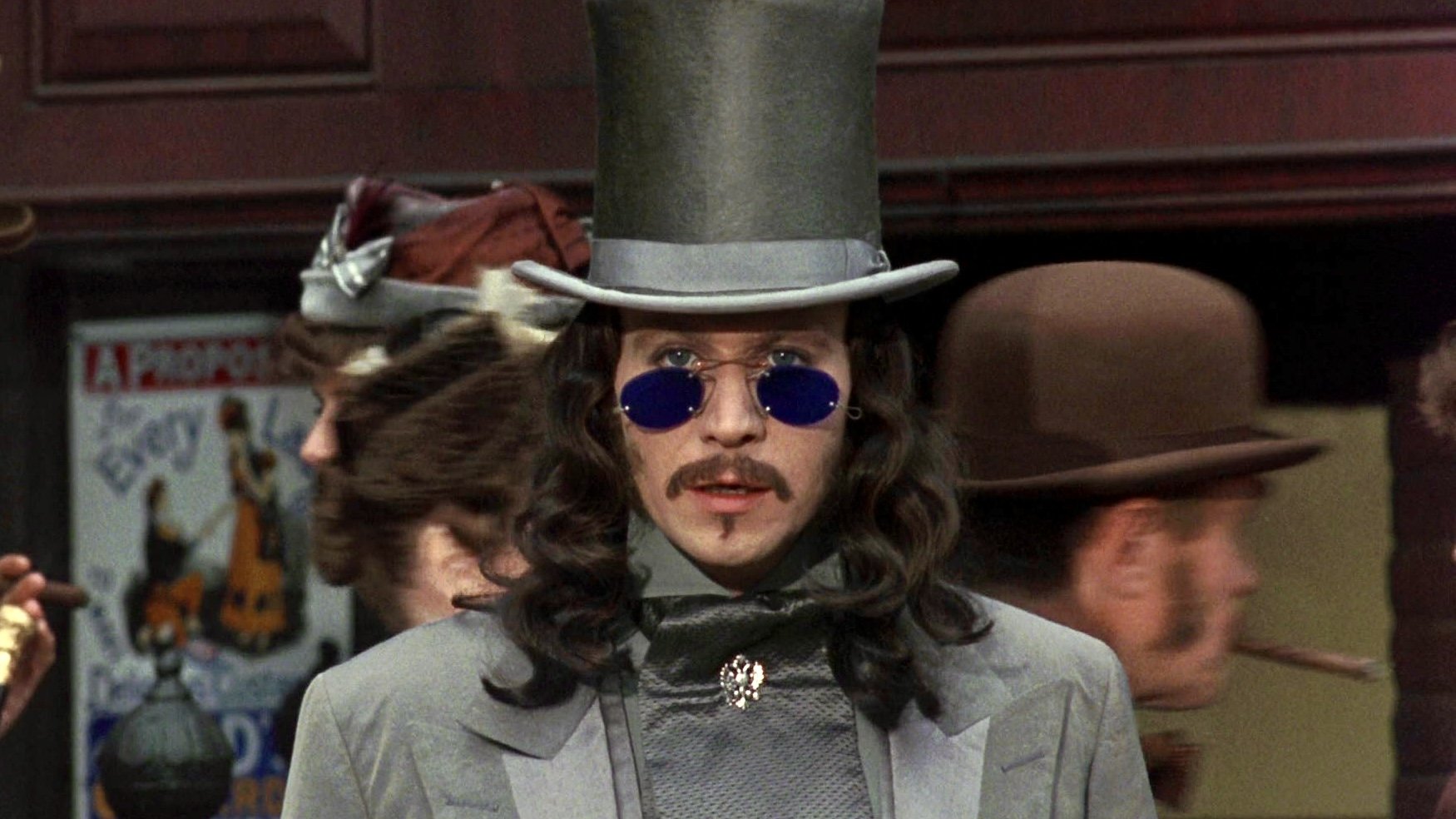
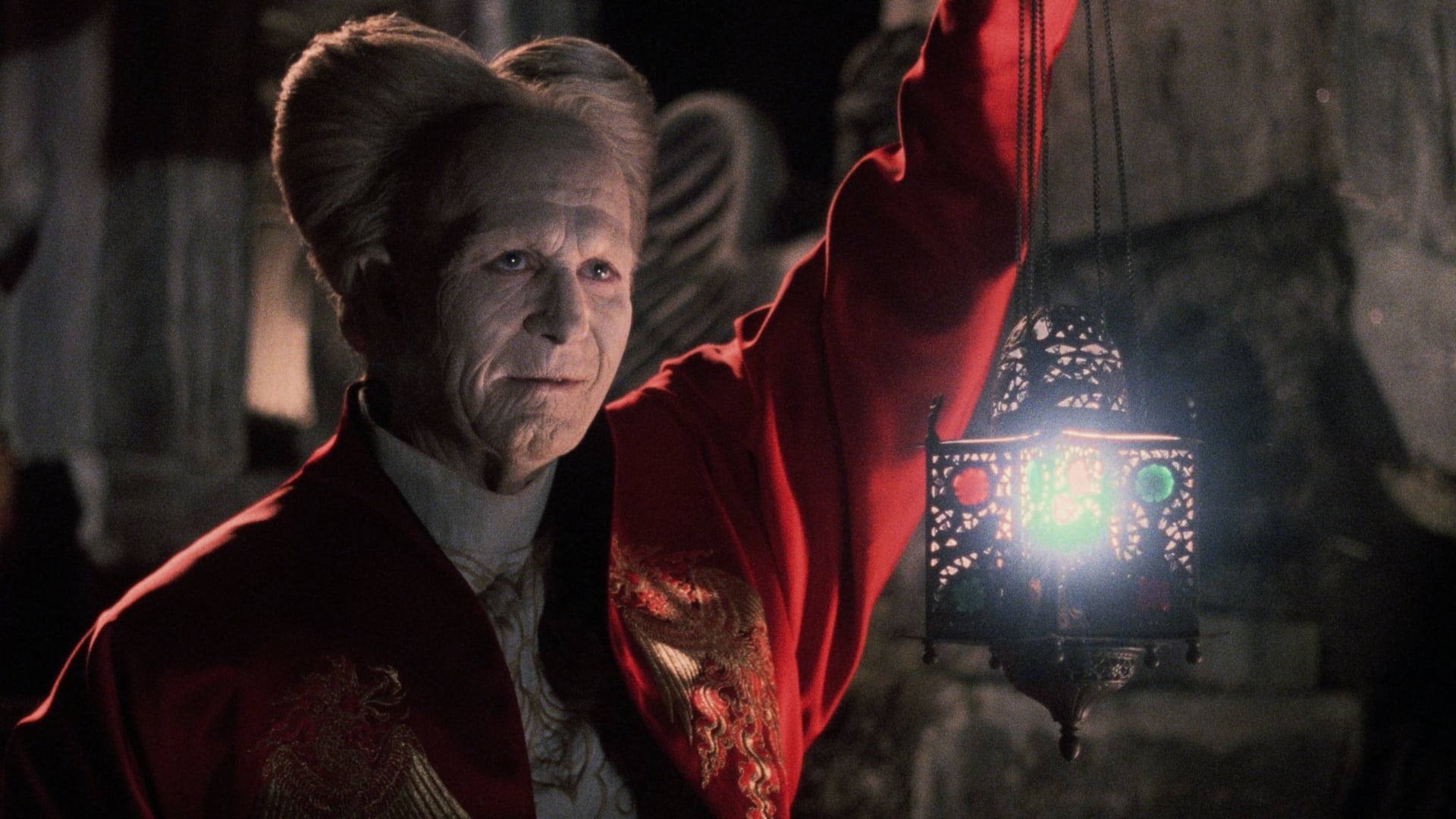
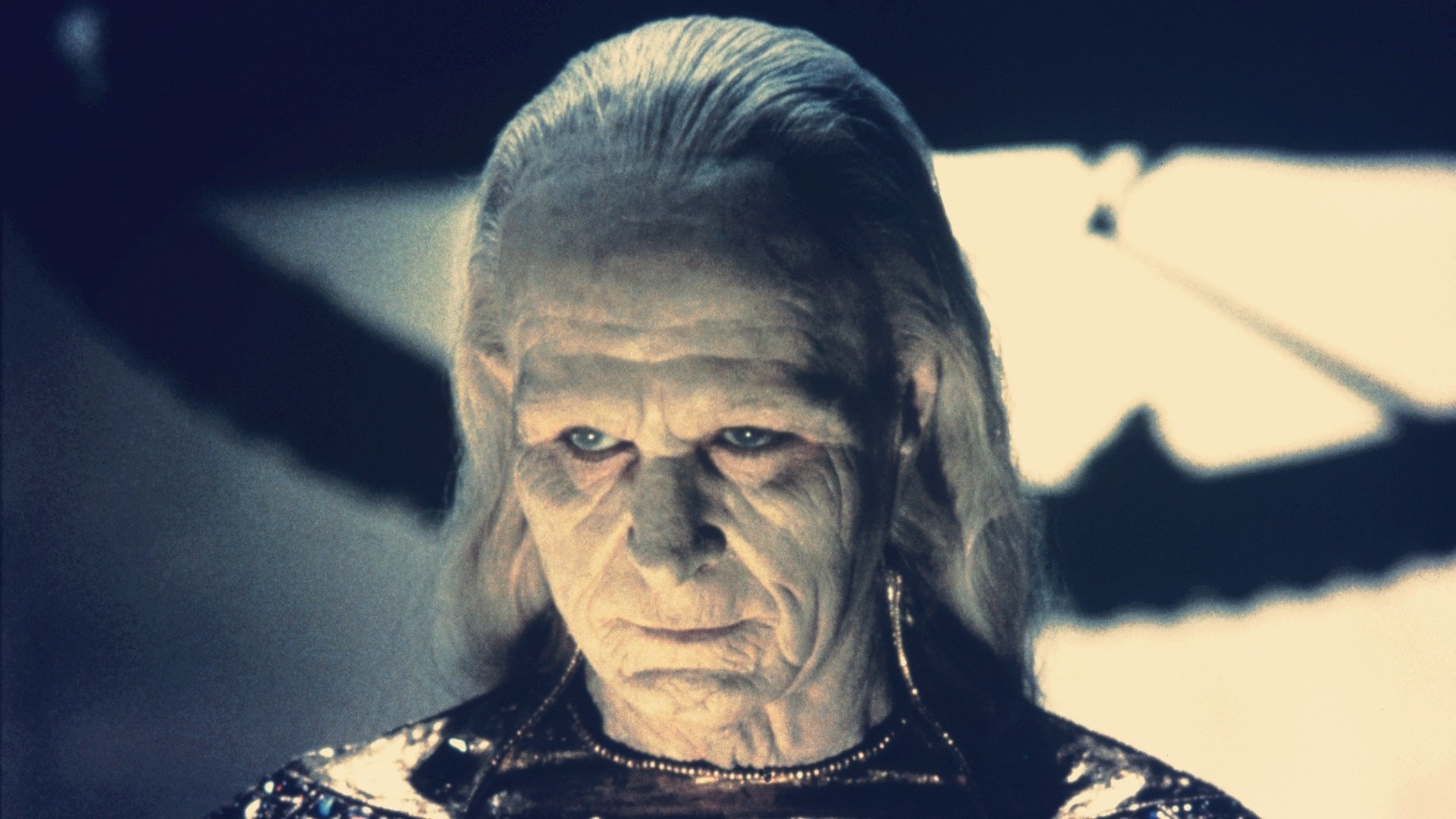
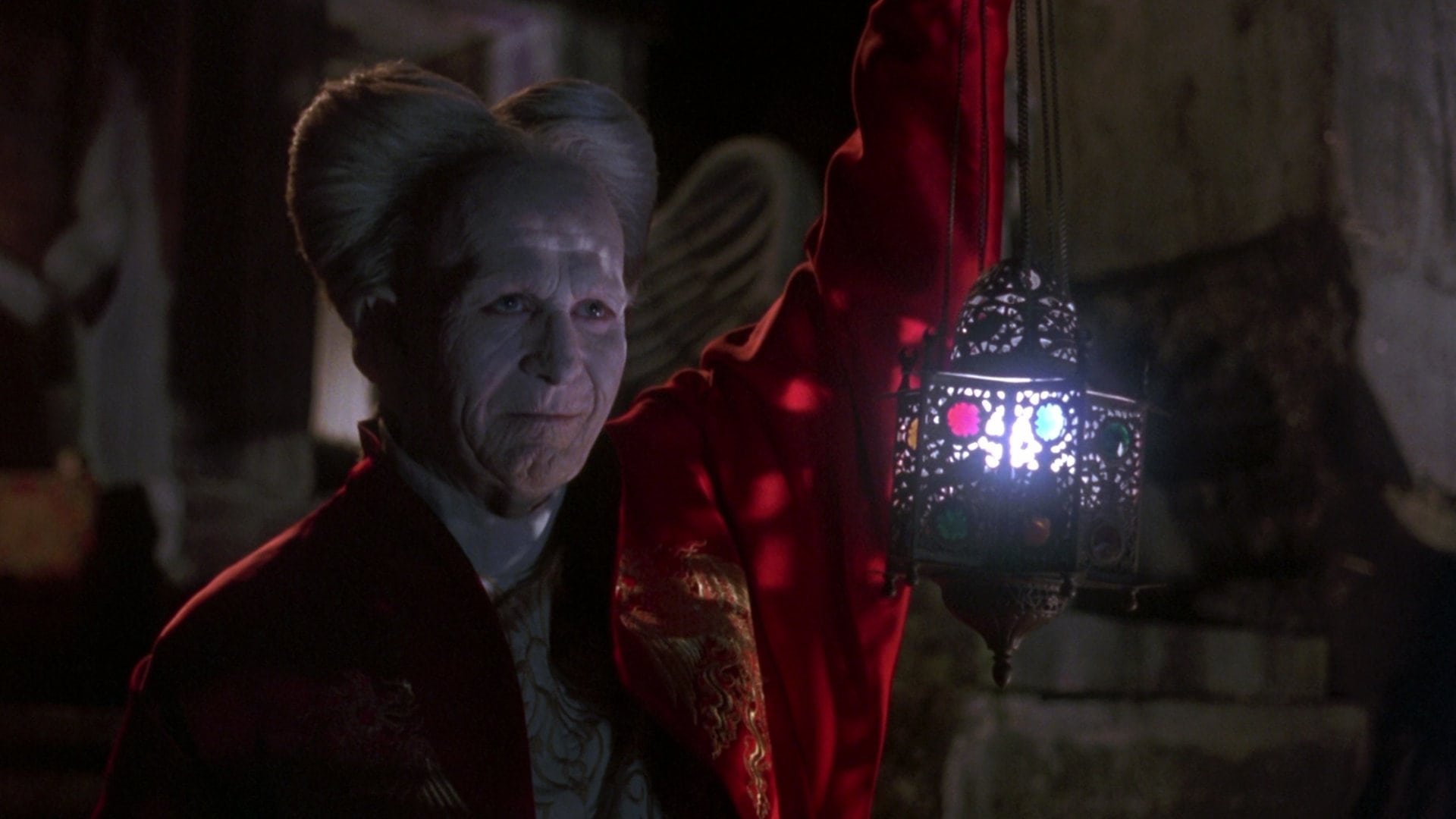
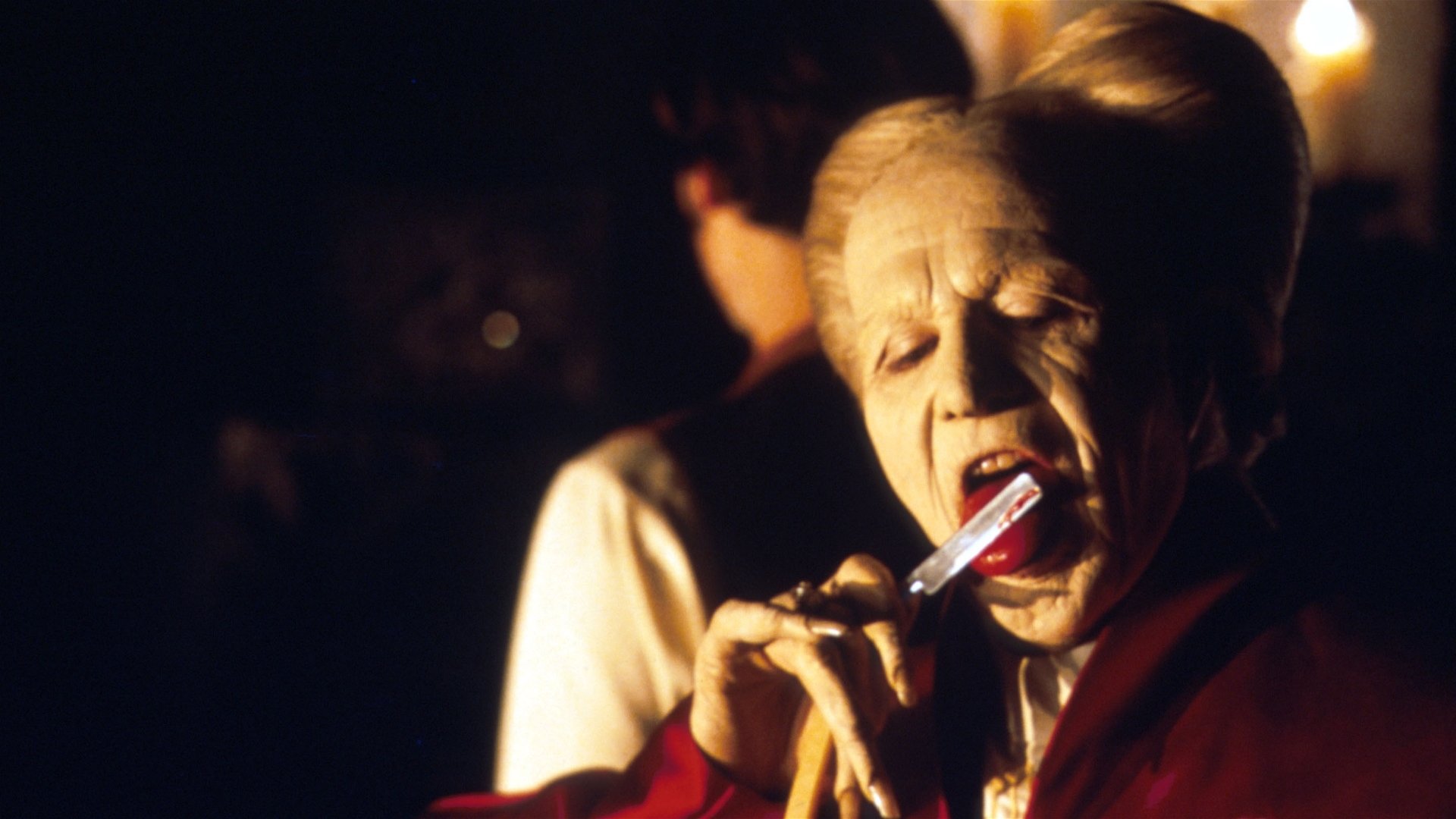
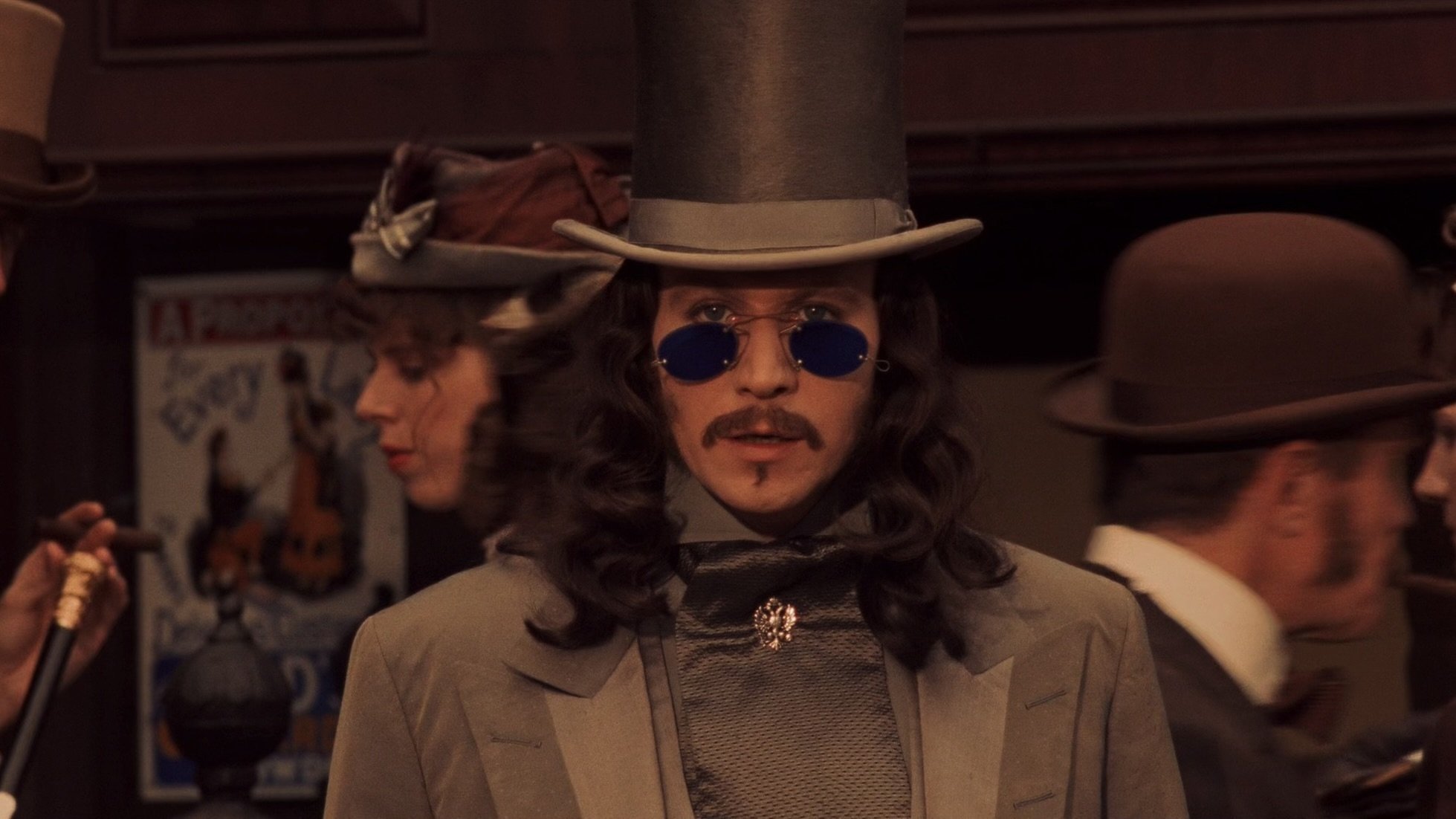
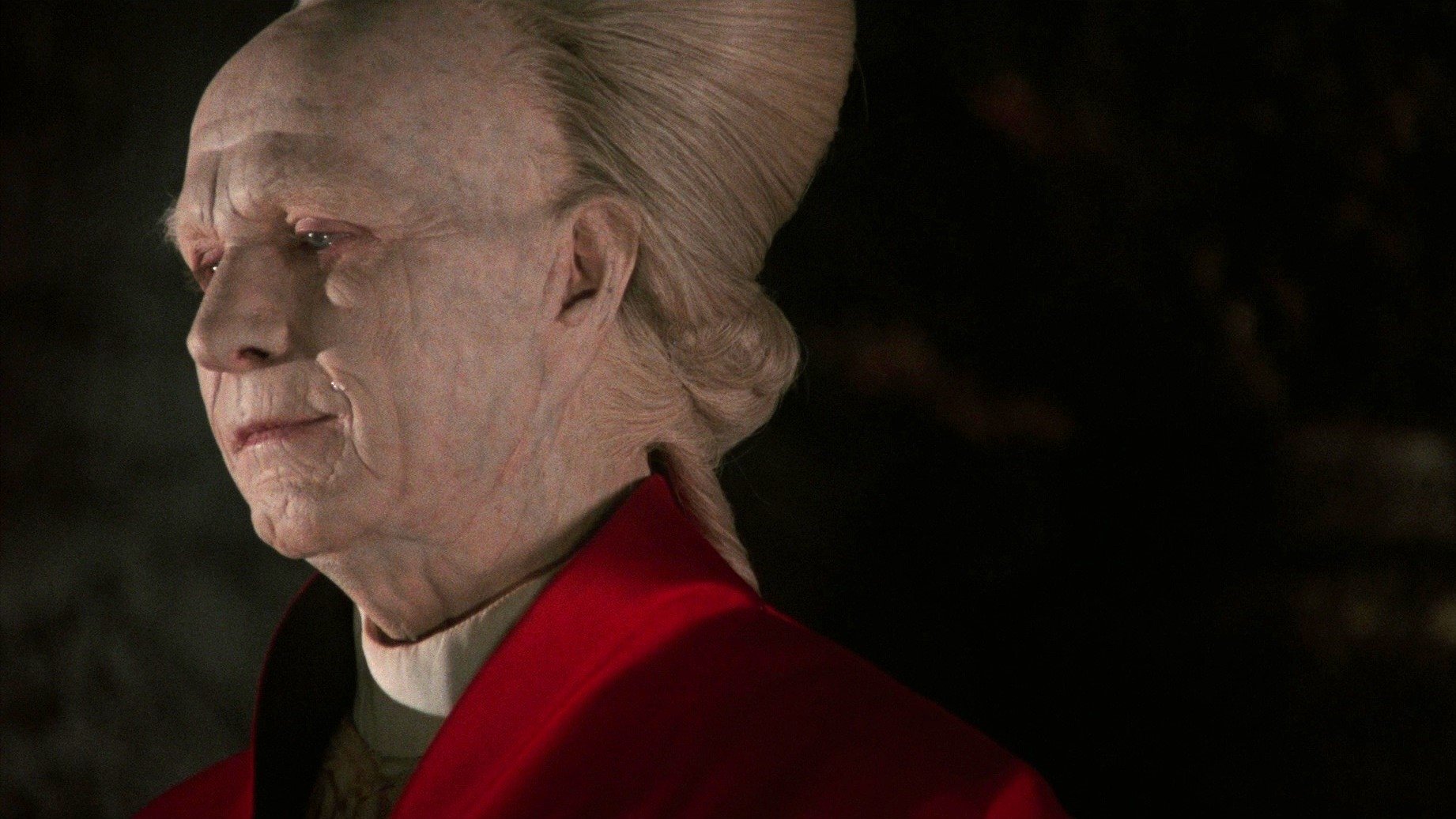
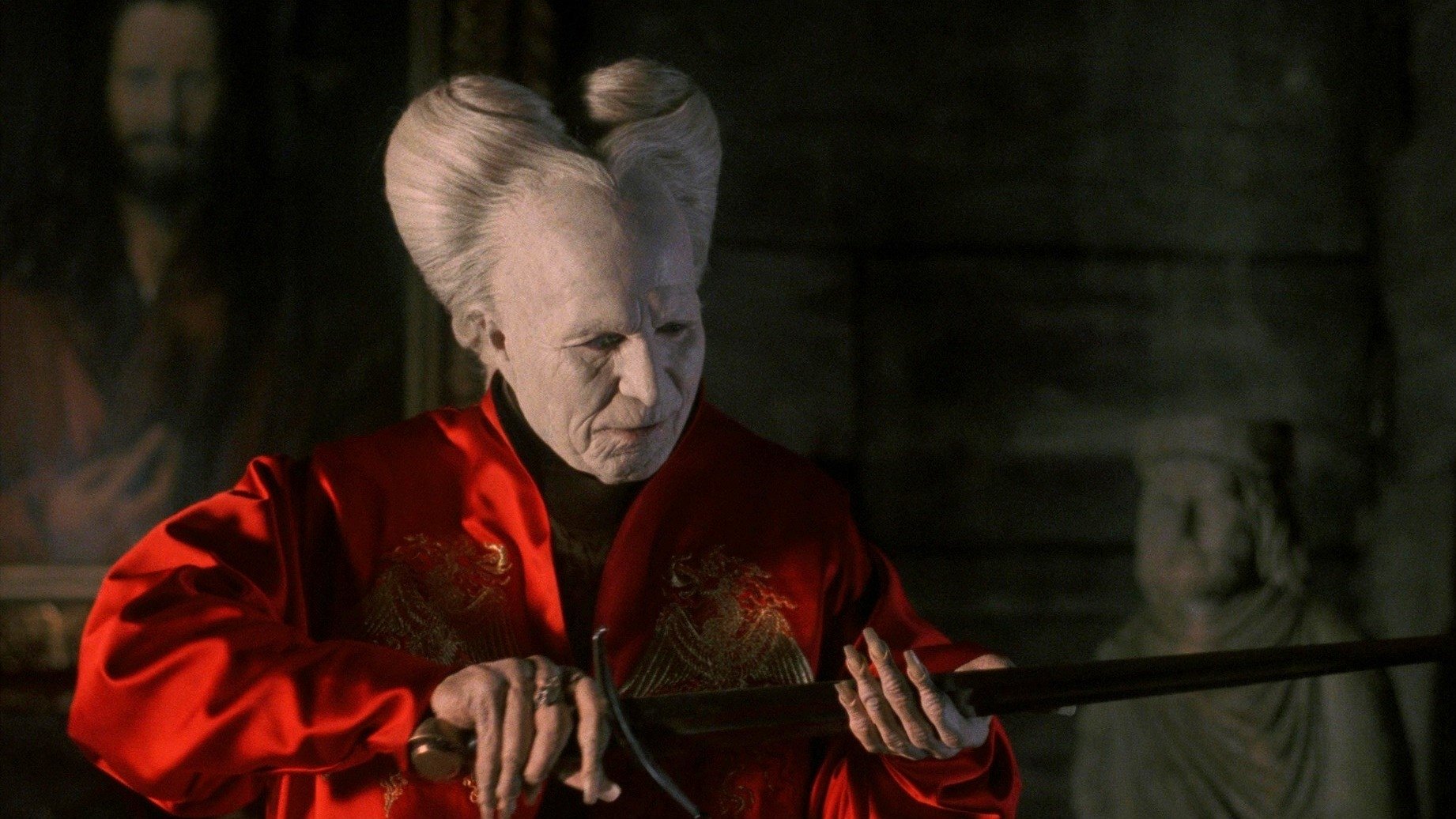
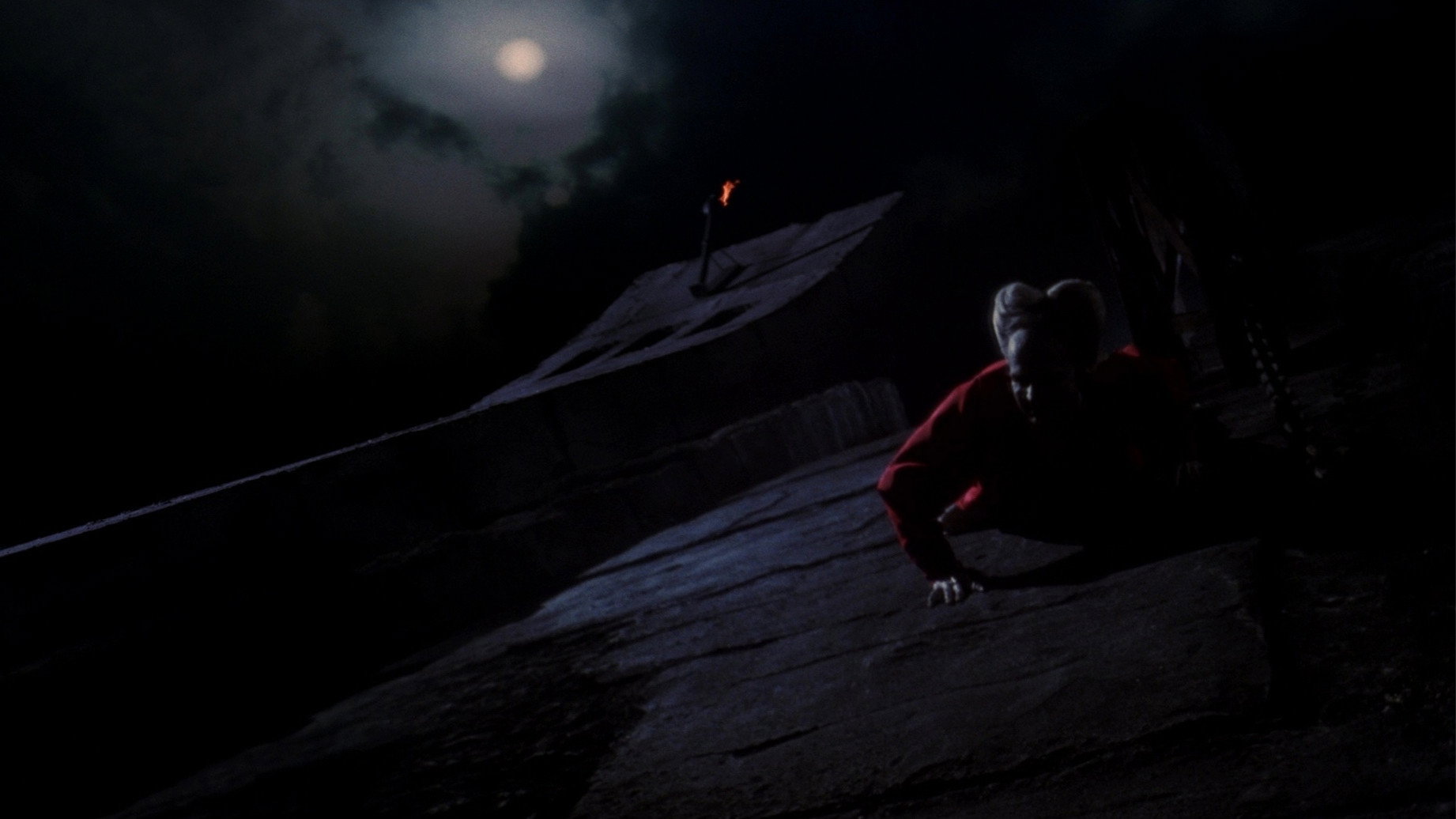
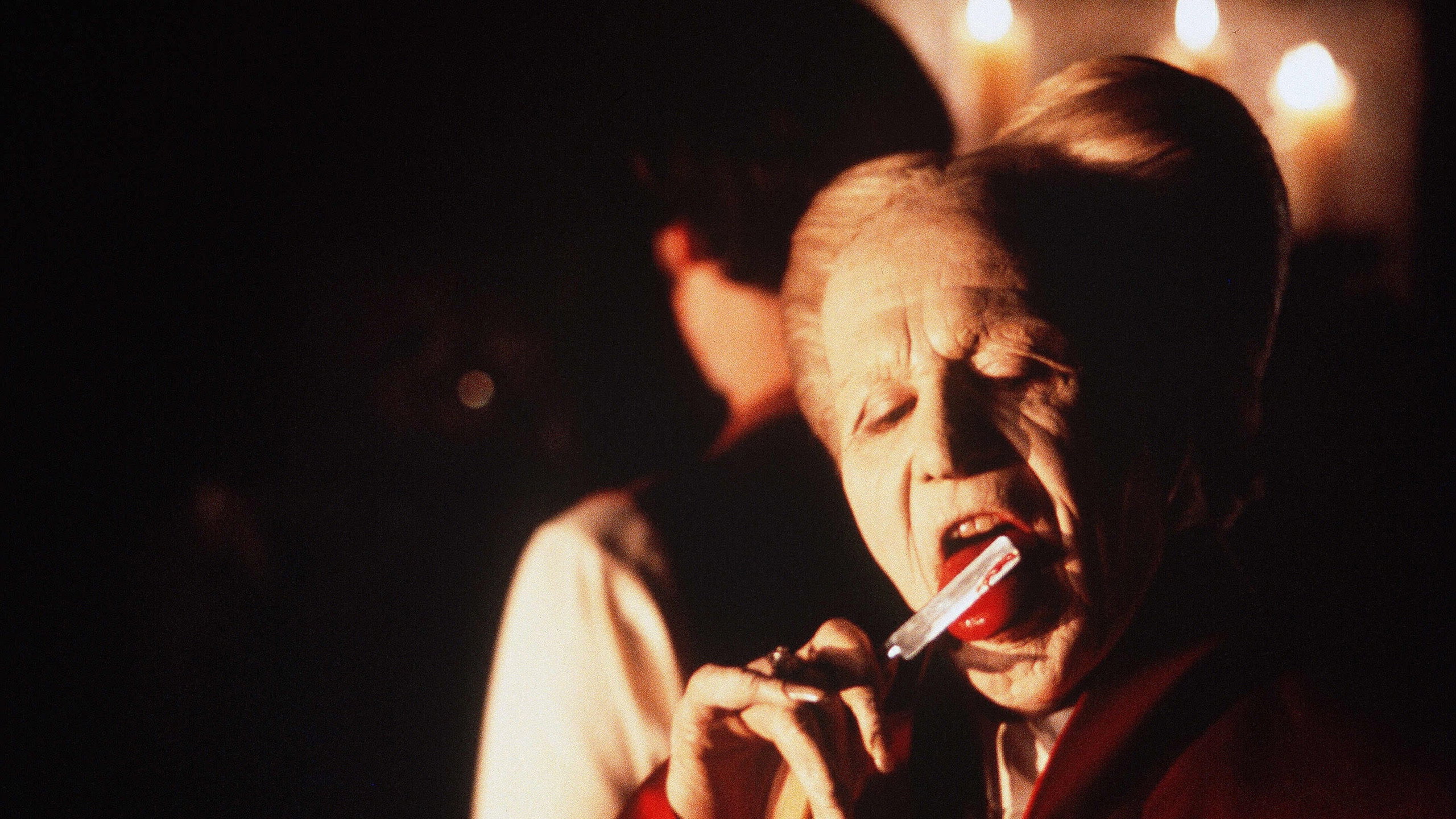
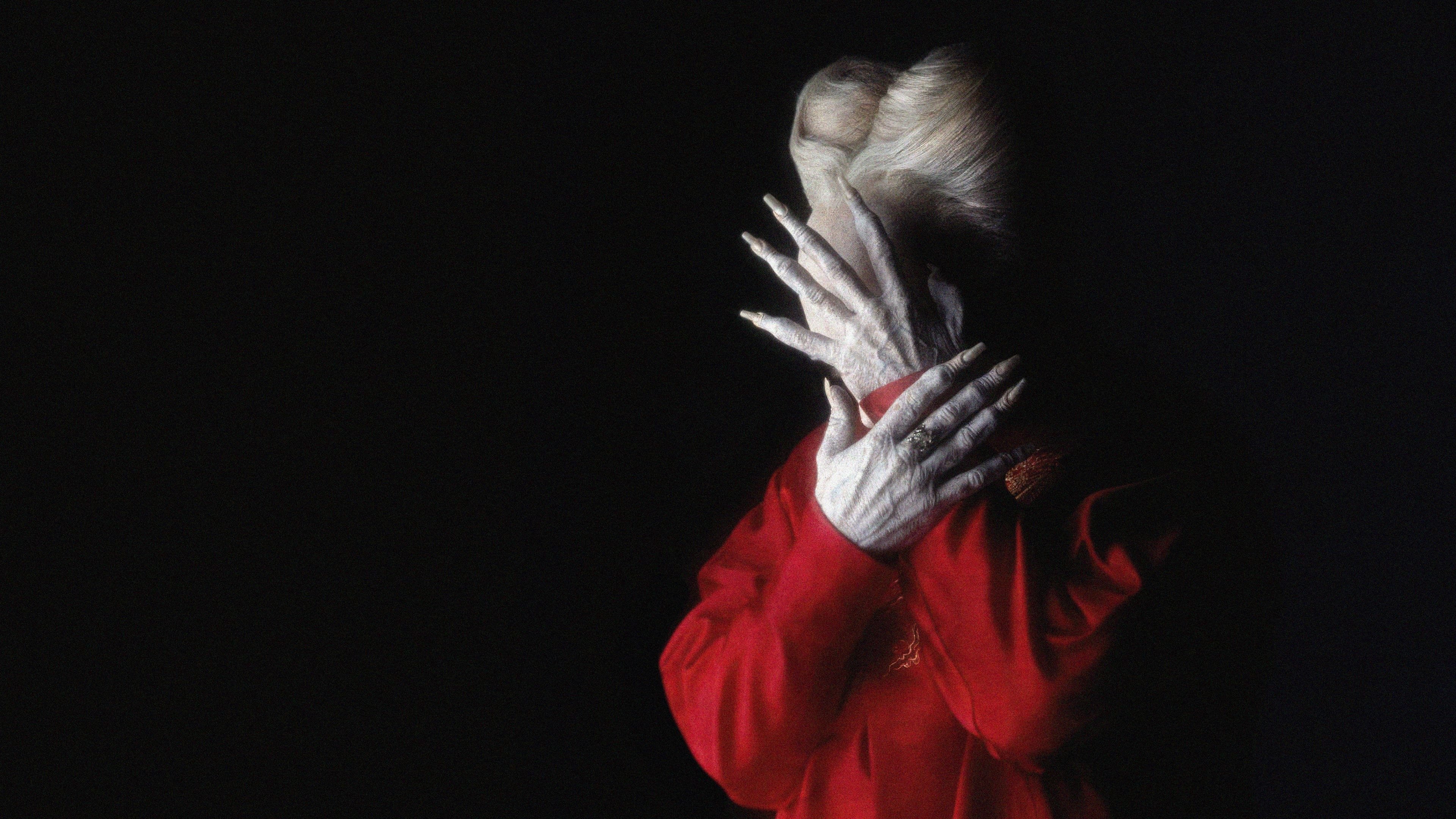
Gary Oldman's Dracula is designed around instability. He is not assigned one definitive body or age. In Transylvania he appears as an ancient aristocrat with pale skin and an elaborate hairstyle; in London he can become a younger man capable of moving through modern society; elsewhere he assumes wolf, bat, mist and other monstrous forms. The transformations prevent the romantic interpretation from completely humanizing him. Mina may experience him as the return of a lost love, but Lucy, Jonathan and other characters encounter a predator capable of sexual violence, imprisonment, transformation and murder.
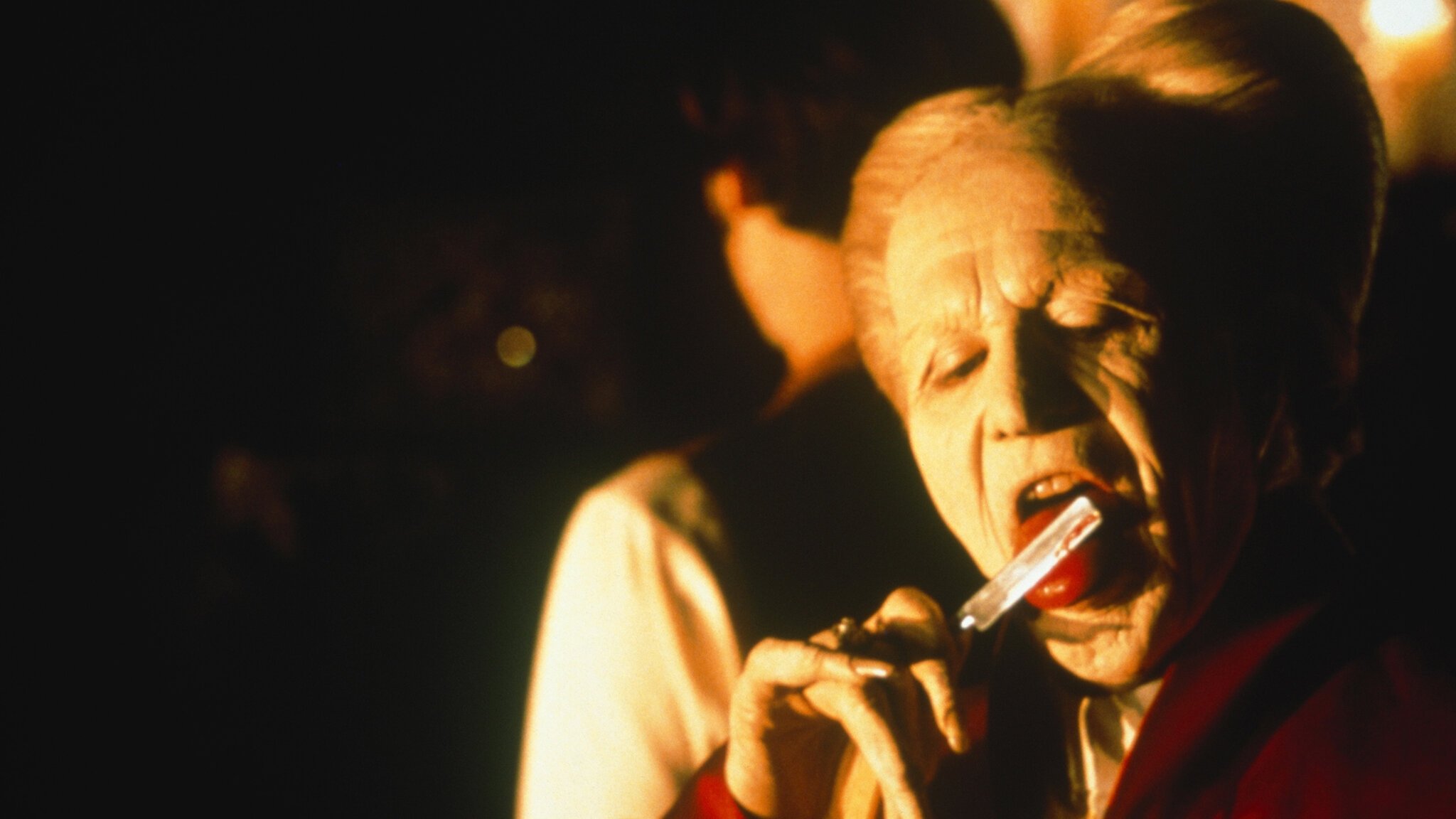
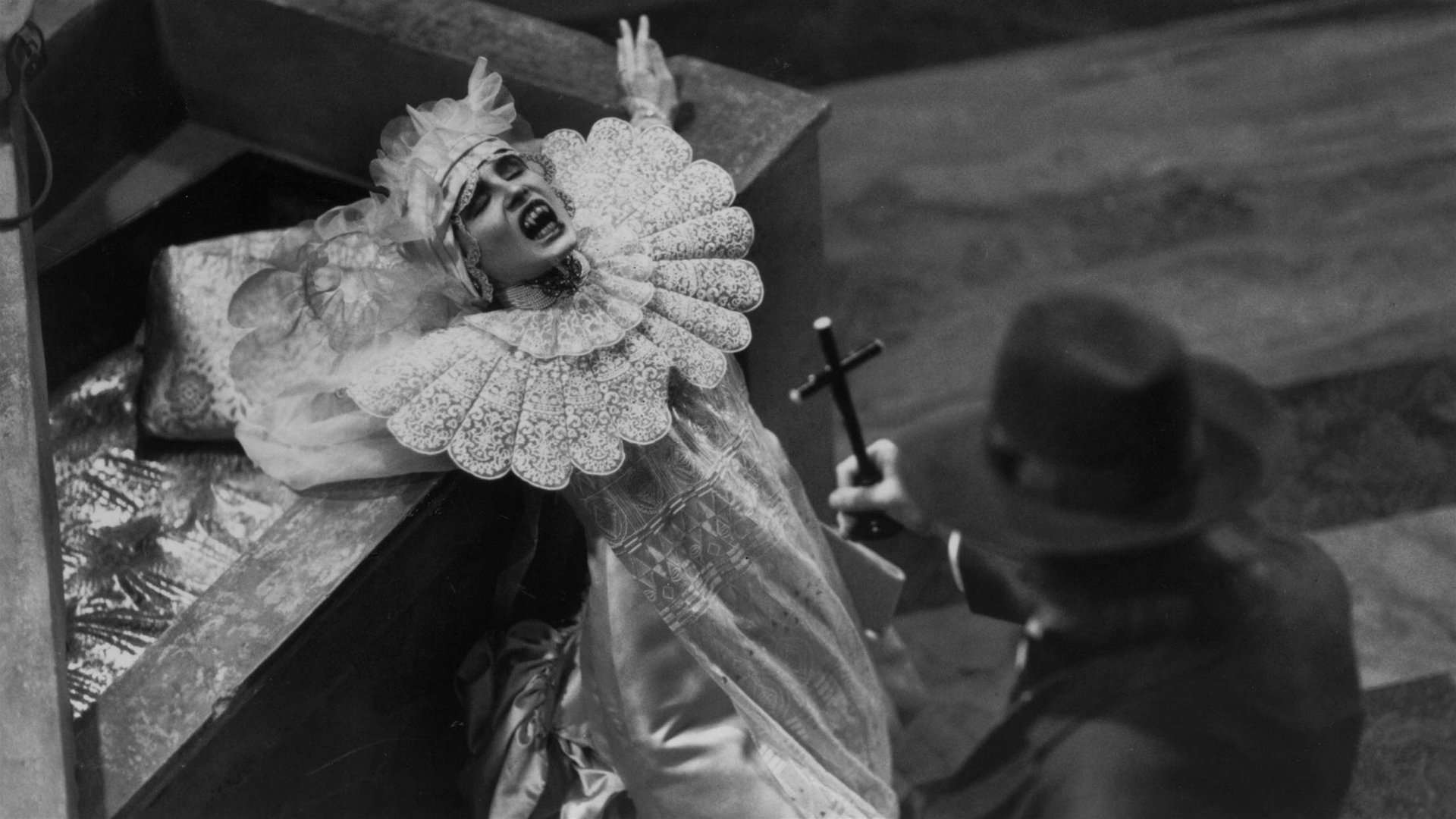
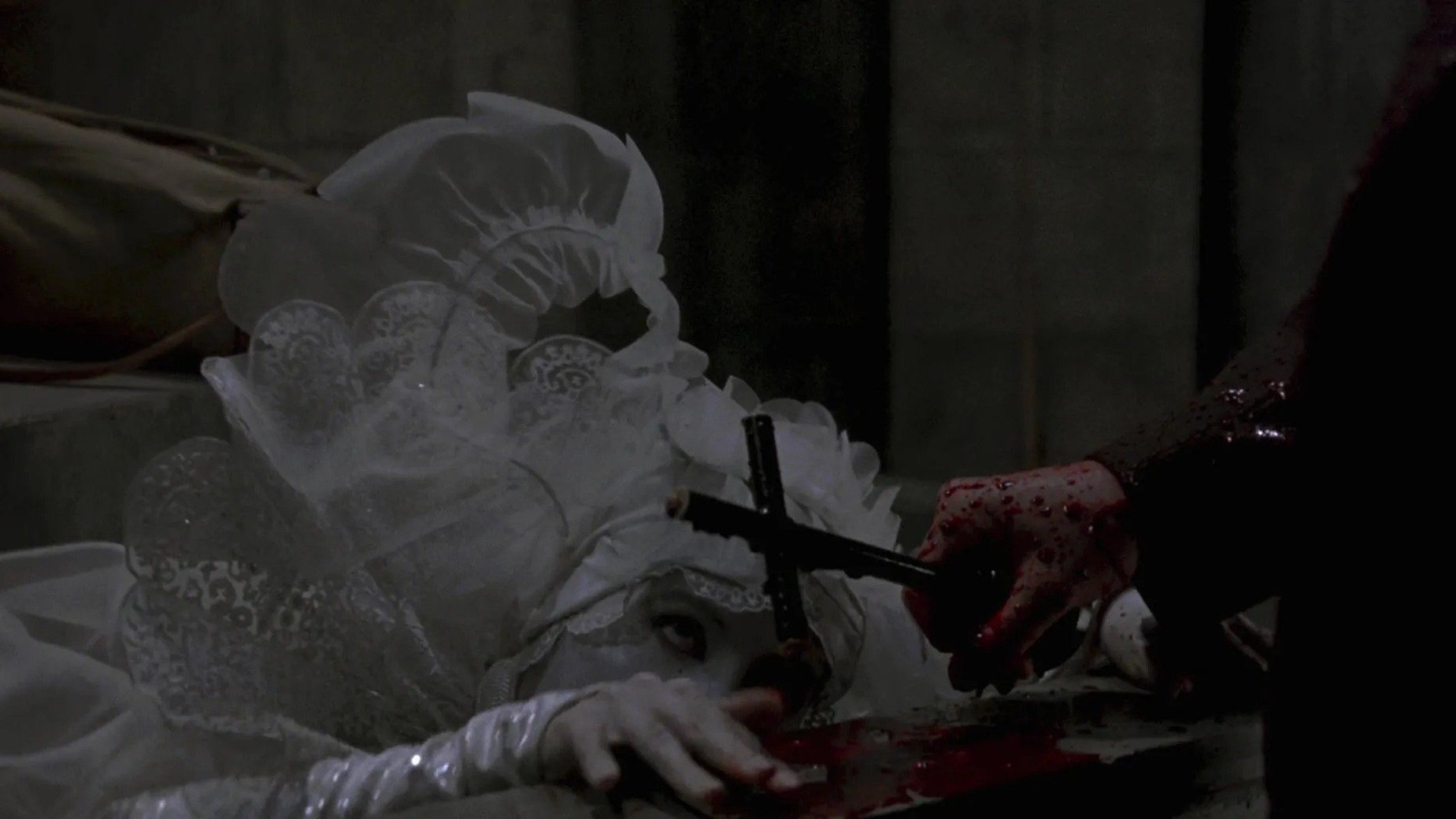
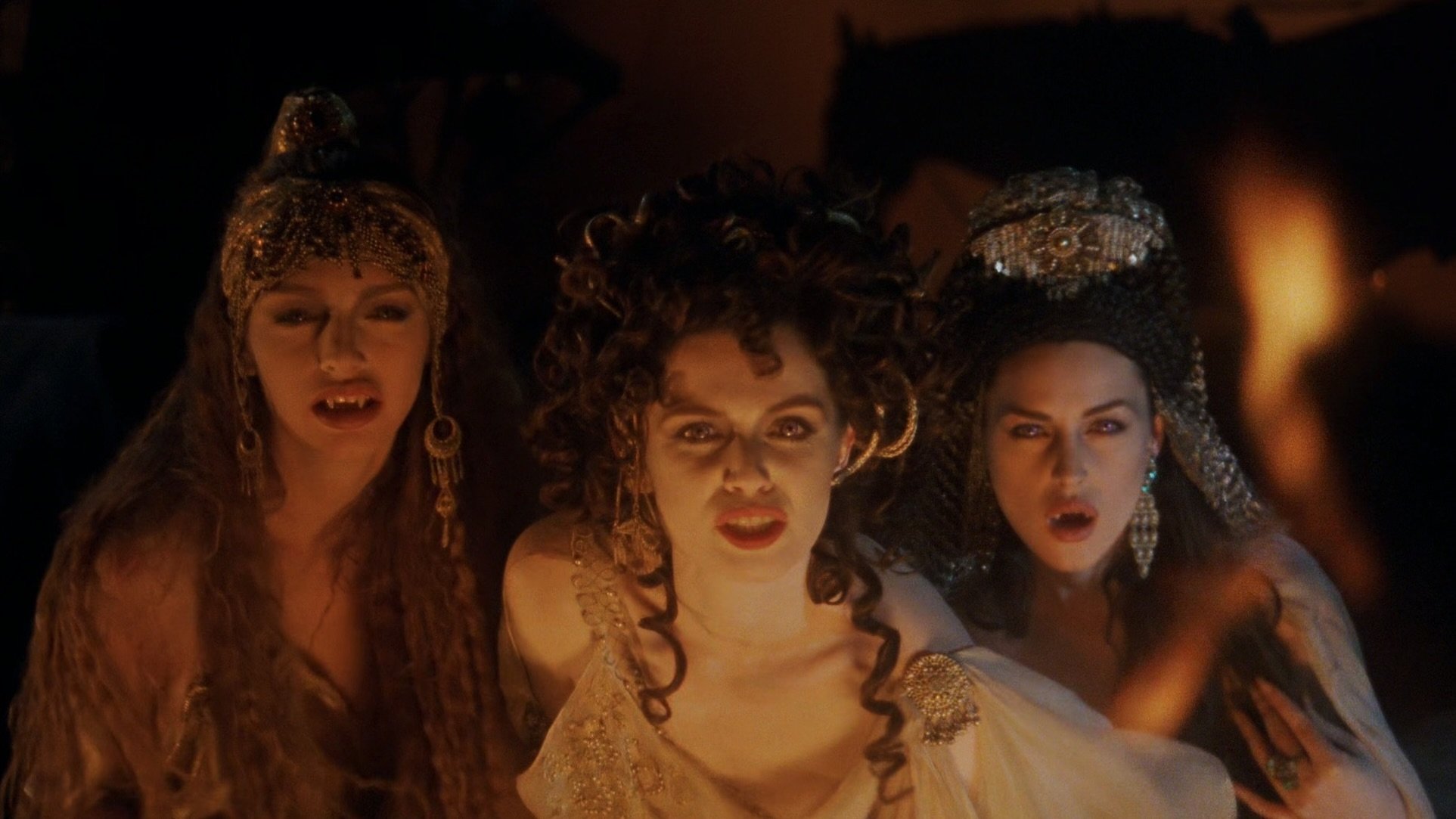
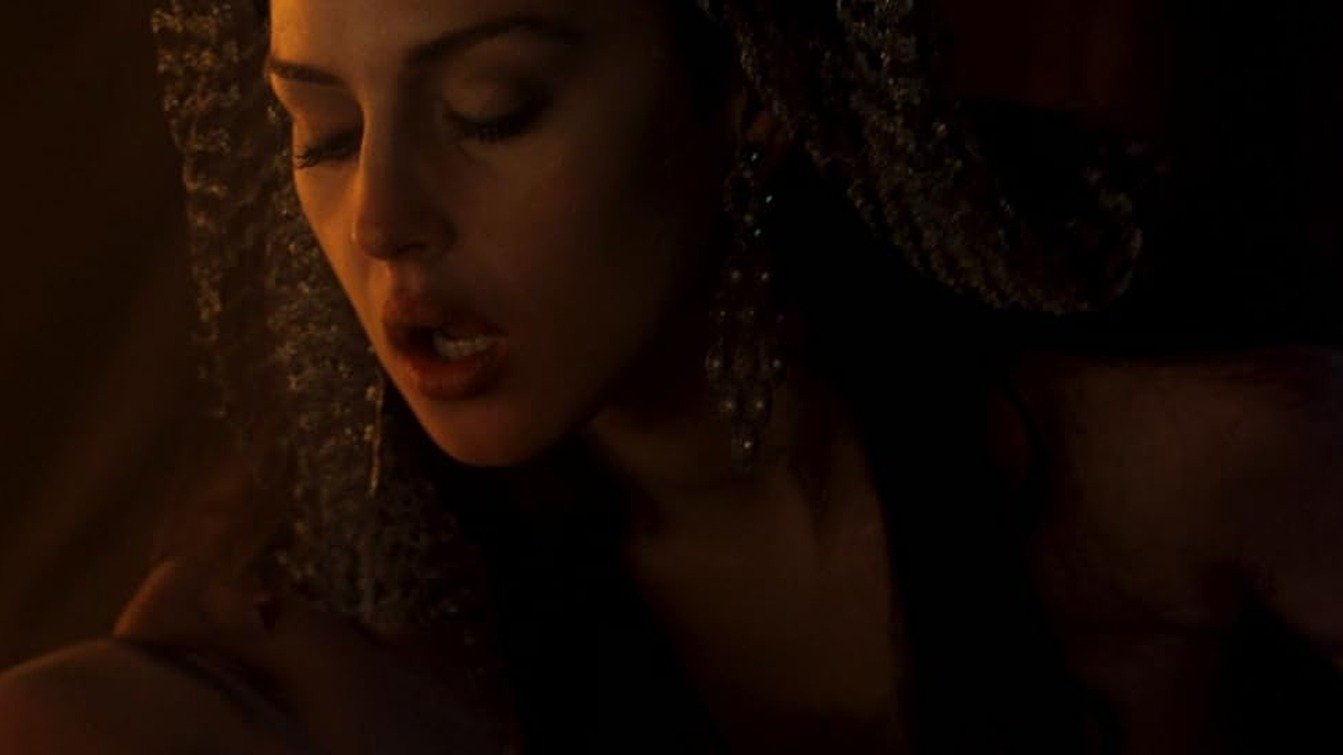
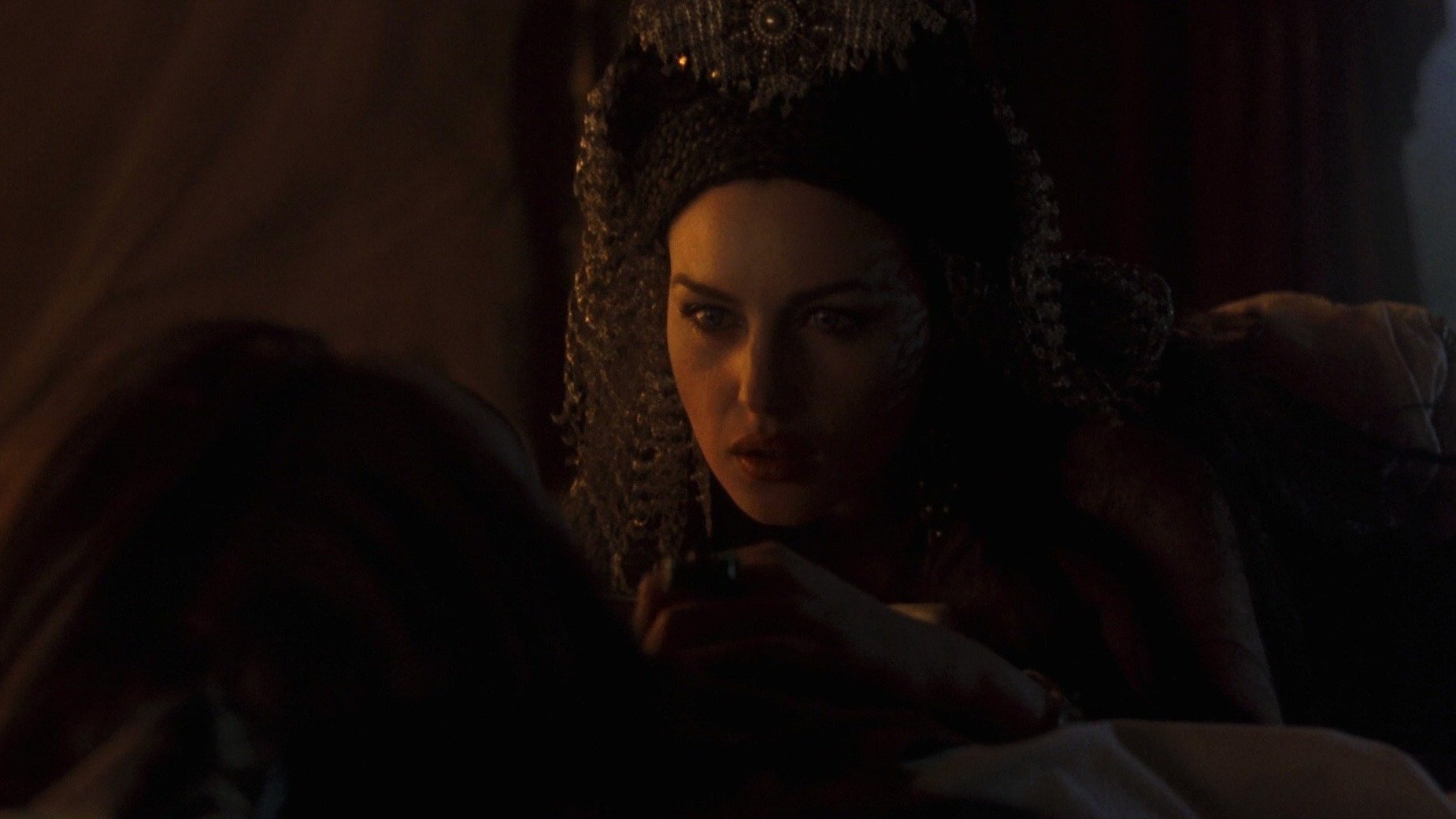
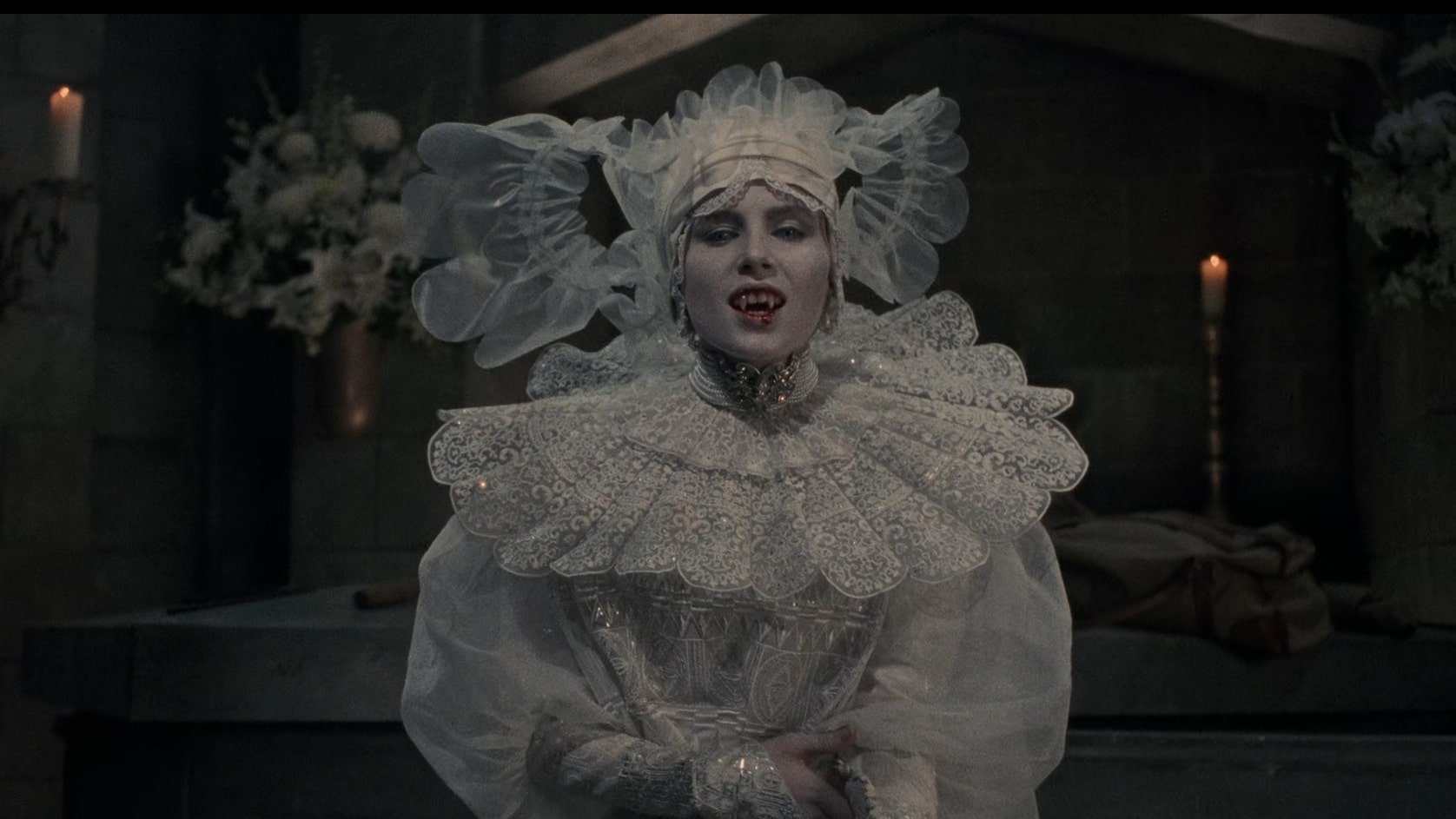
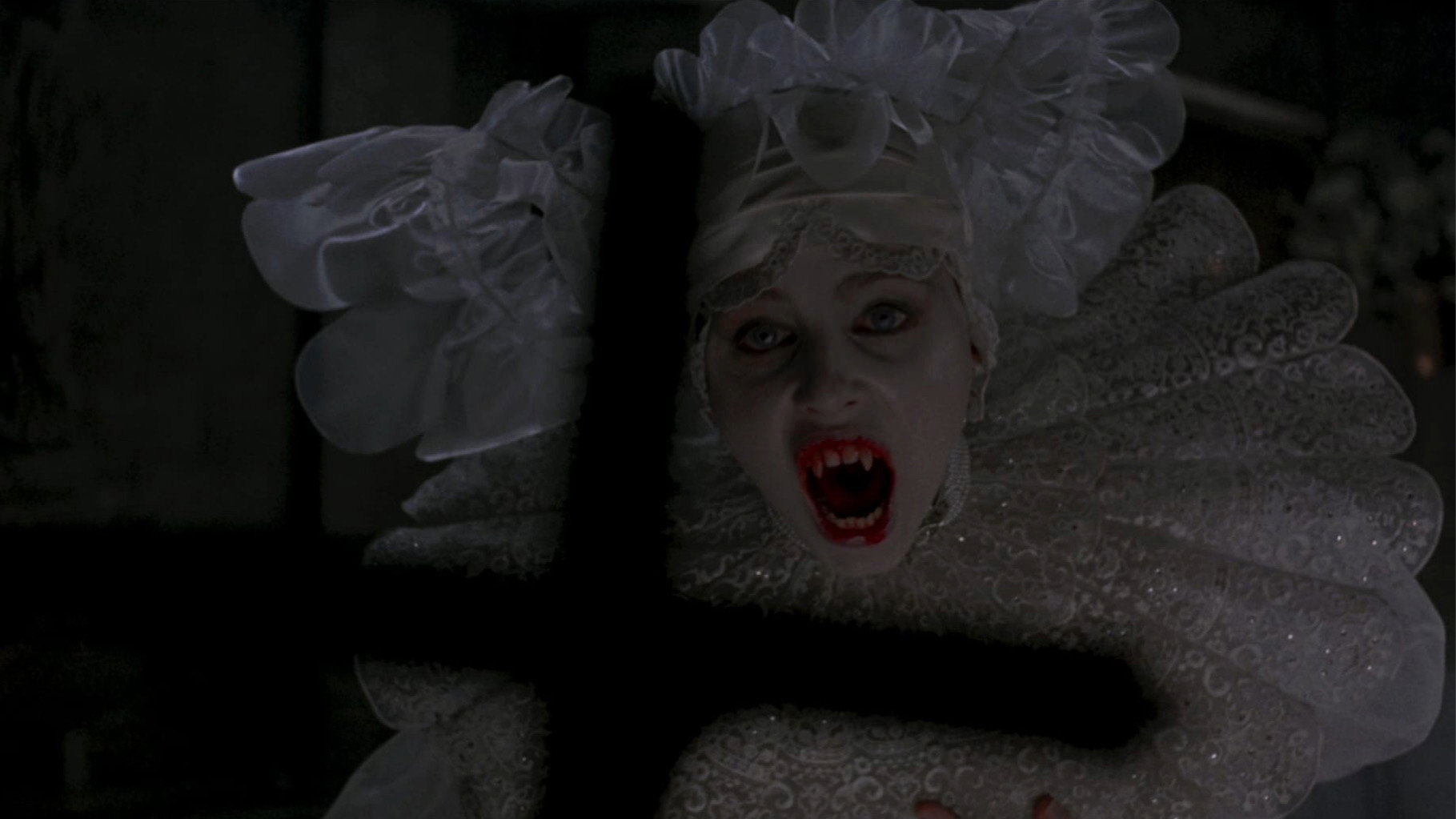
This tension distinguishes the film from adaptations that choose firmly between Dracula as monster and Dracula as seductive aristocrat. Coppola makes seduction itself part of the horror. The Count can present desire as liberation while simultaneously manipulating minds and bodies. Lucy's transformation is particularly important because her increasingly open sexuality is inseparable from supernatural infection. Her later appearance as a vampire, dressed in white and carrying a child into a crypt, converts the familiar image of the Victorian bride into something predatory and sacrilegious.

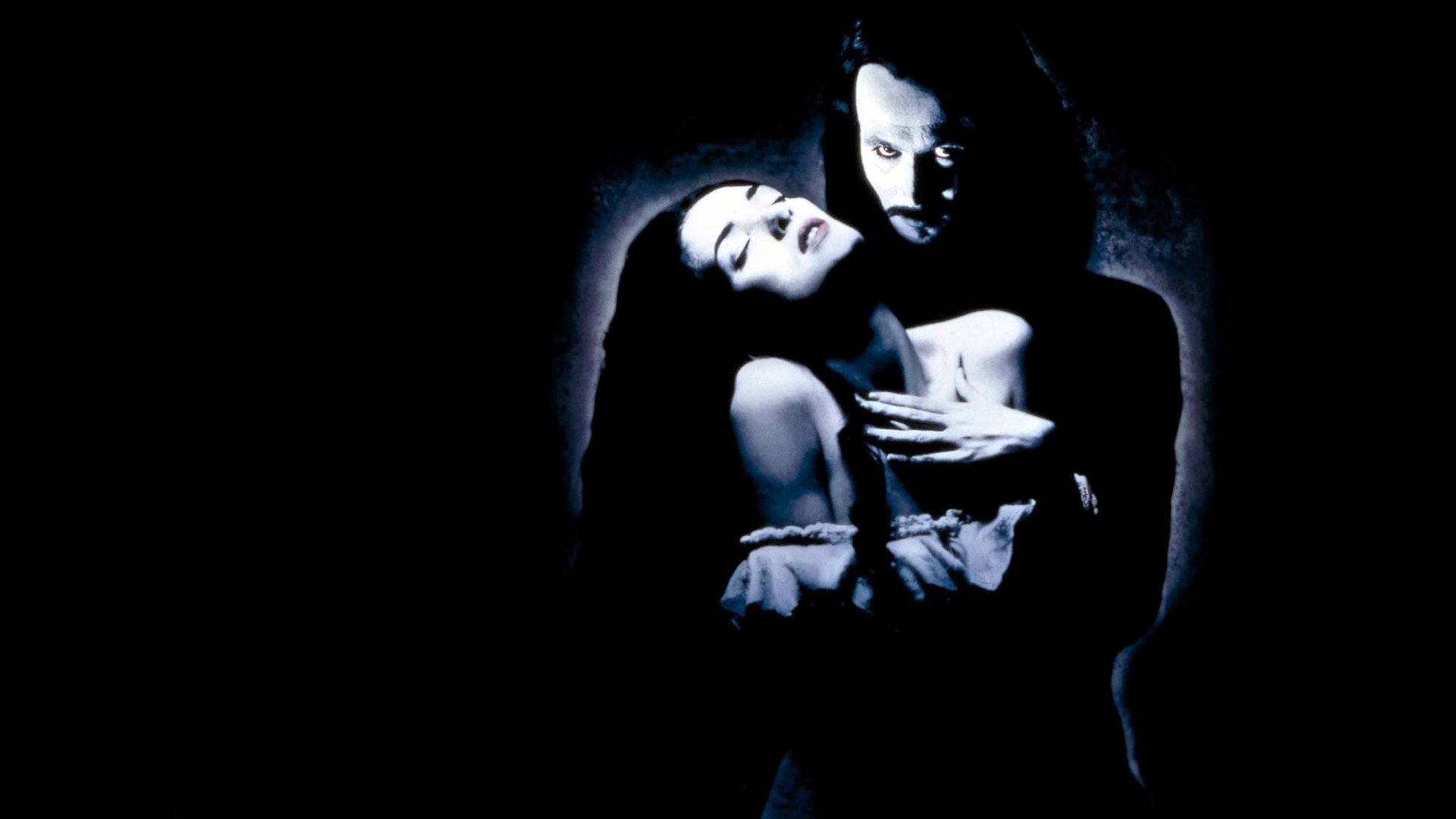
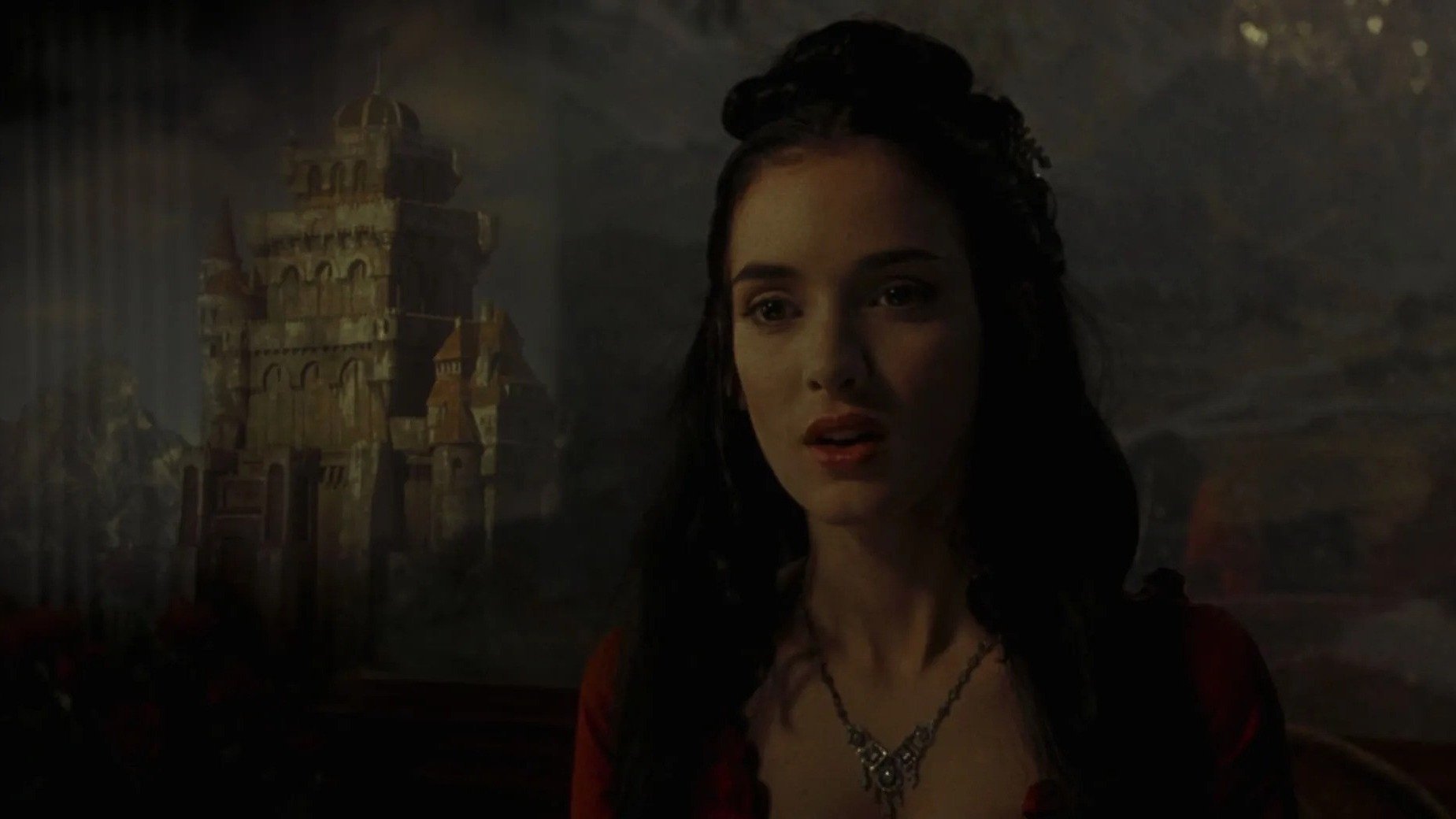
Mina provides a different conflict. The screenplay increasingly allows her to choose contact with Dracula and become an active participant in the relationship, yet that romance exists beside the destruction he has inflicted on everyone around her. The final movement therefore does not erase Dracula's monstrosity through love. It gives the monster an emotional history and allows Mina to participate in his death as an act of release. Coppola turns the vampire hunt into both the destruction of a supernatural predator and the conclusion of an invented love story stretching across centuries.

Costumes, Production Design and Gothic Artifice

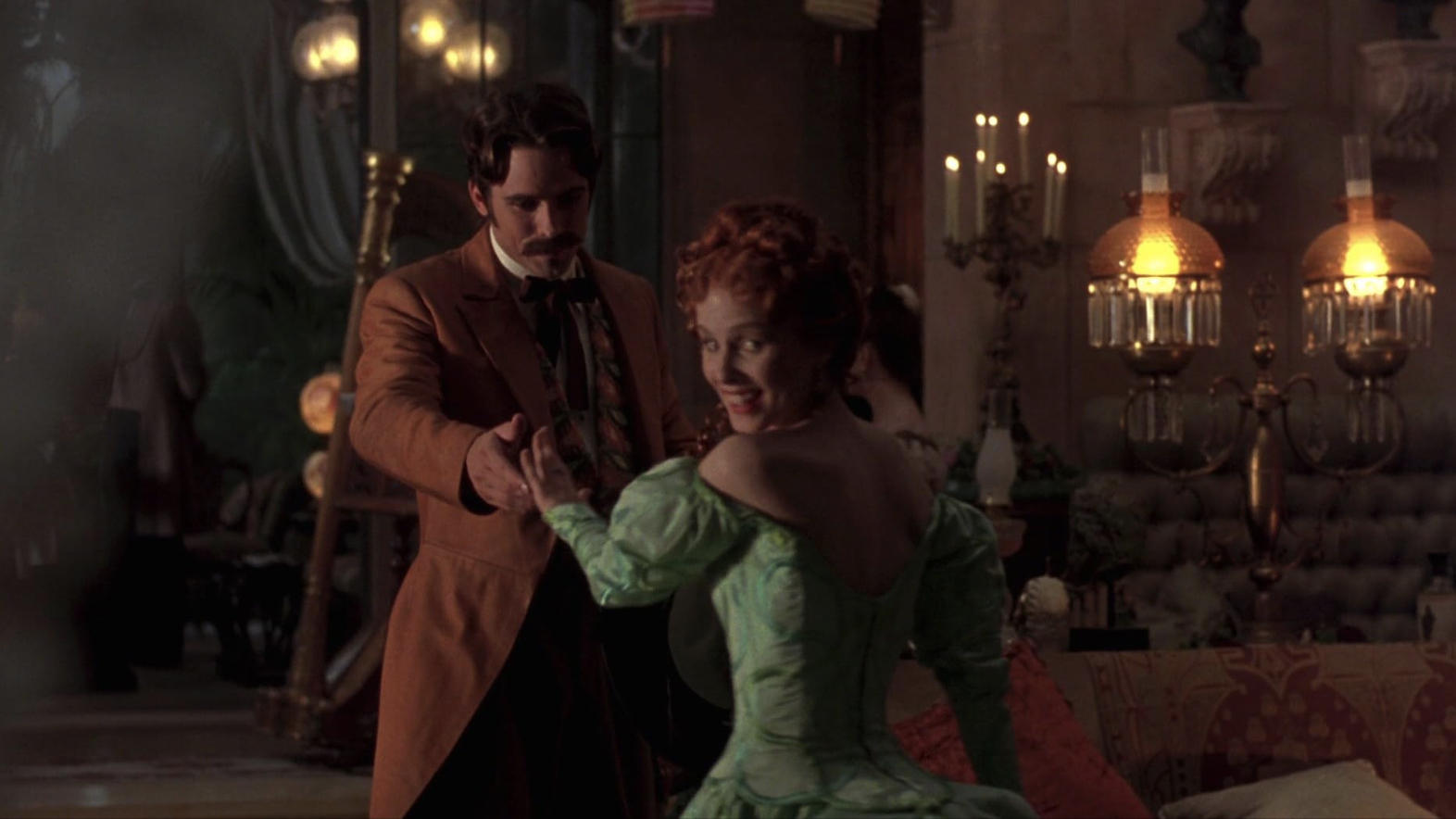
Eiko Ishioka's costume design is fundamental to the film's visual construction. Coppola had admired her graphic work and asked her to design a production in which clothing would carry an unusually large share of the spectacle. Budget pressure contributed to the decision to treat costumes almost as sets in themselves, allowing bodies, fabrics and silhouettes to supply grandeur that did not always need to be constructed architecturally. Ishioka approached the assignment without trying to imitate the established wardrobe of Universal or Hammer Dracula films and instead built an independent visual system around each character.

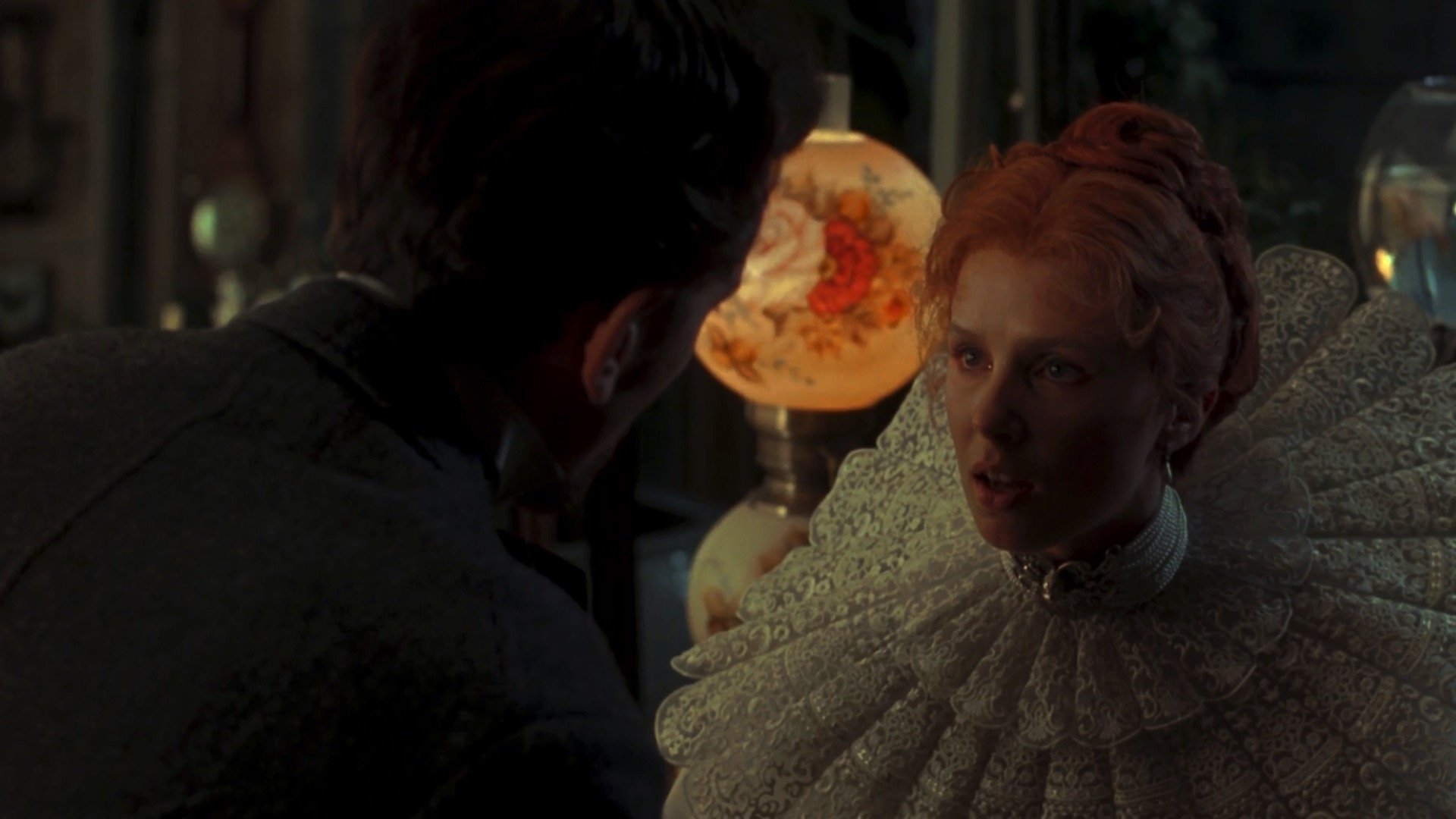
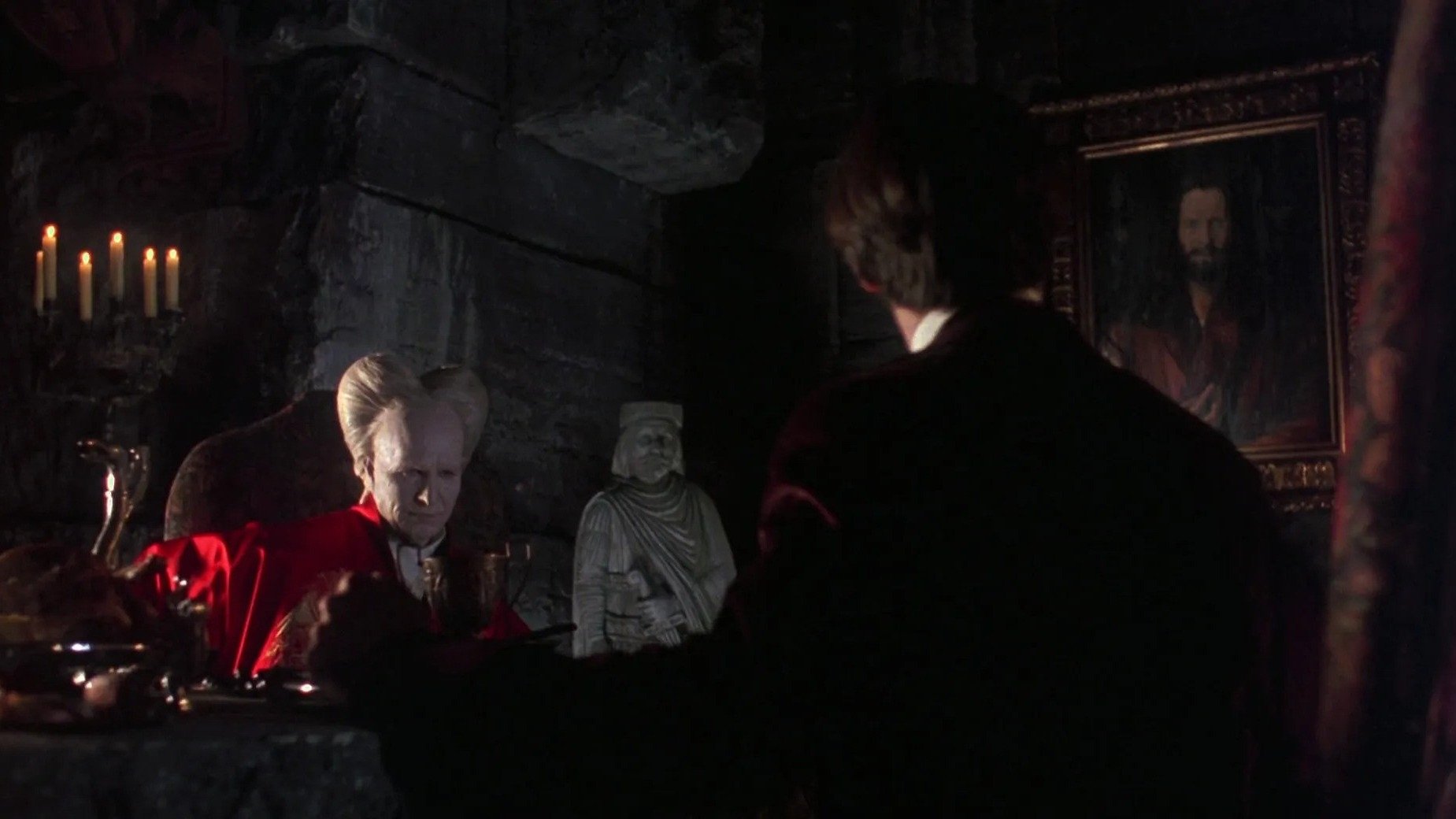
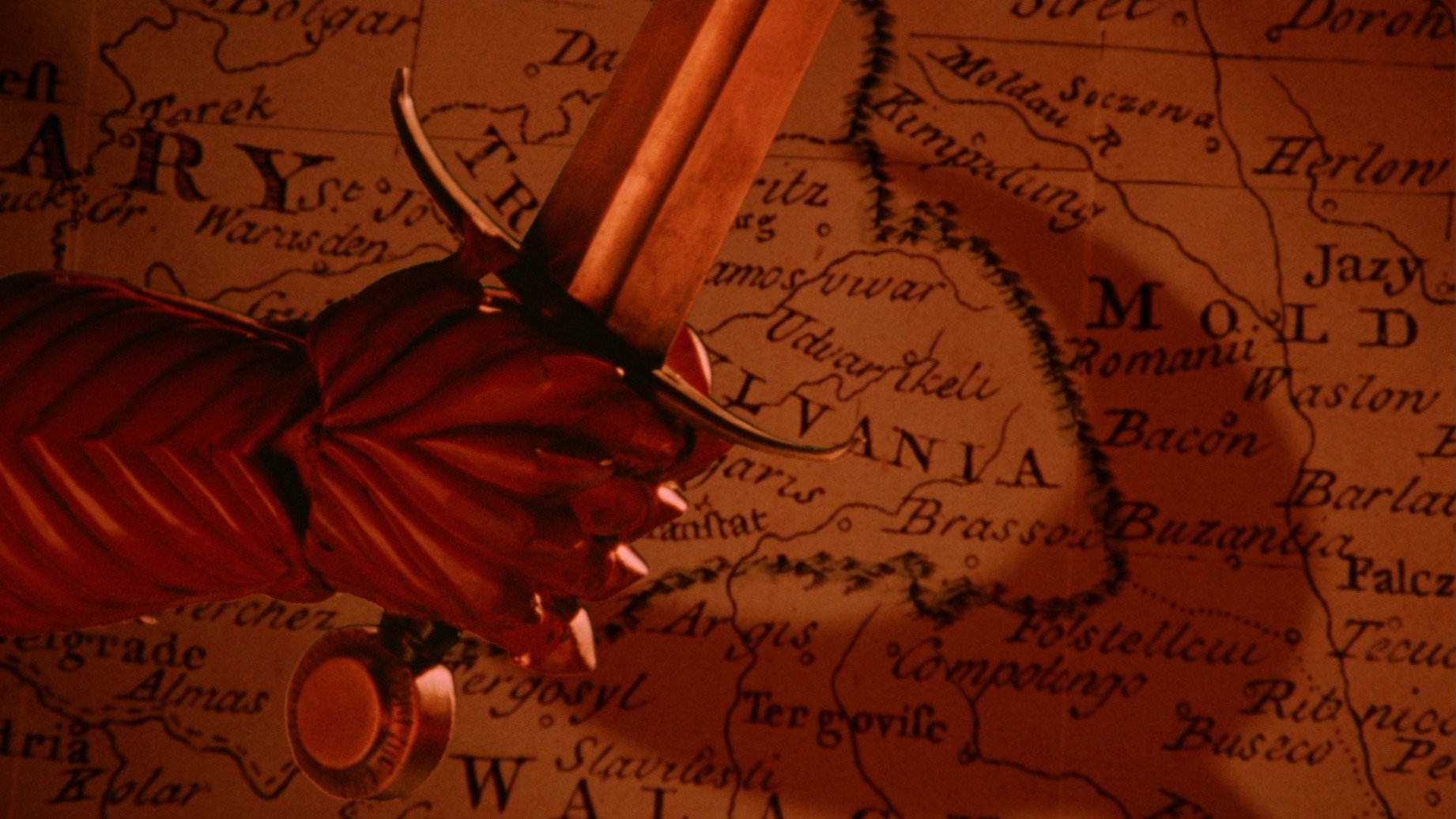
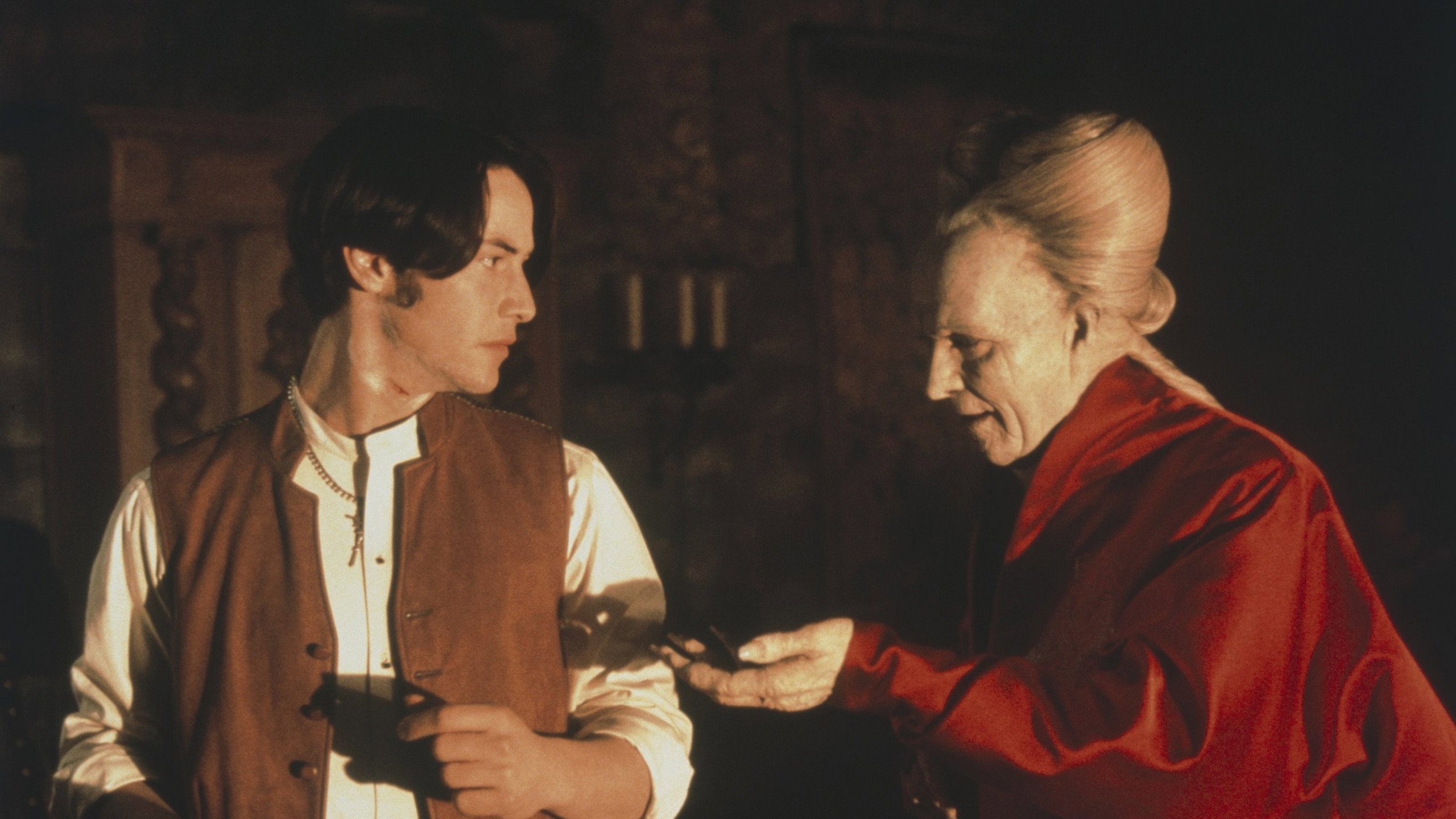
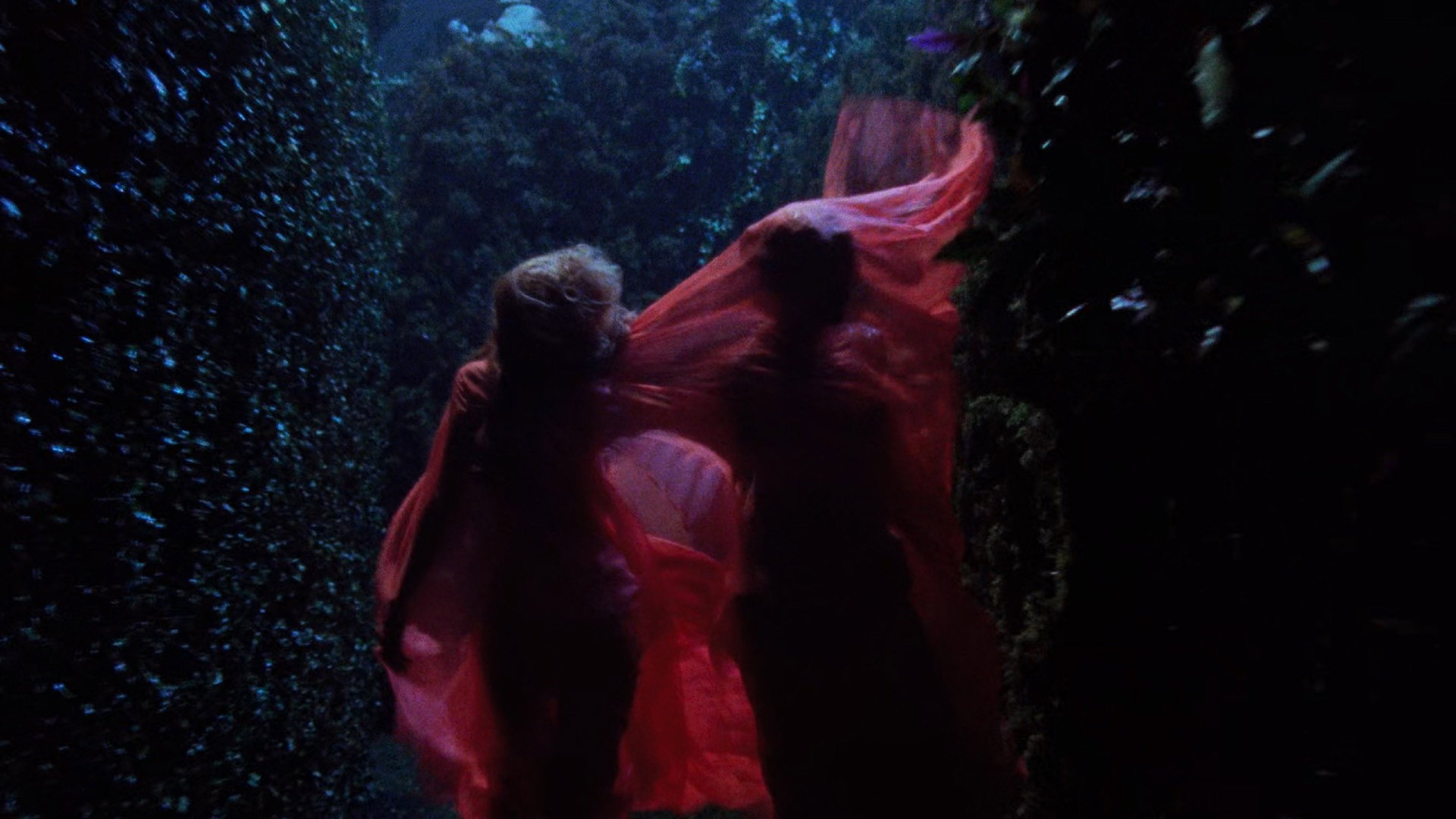
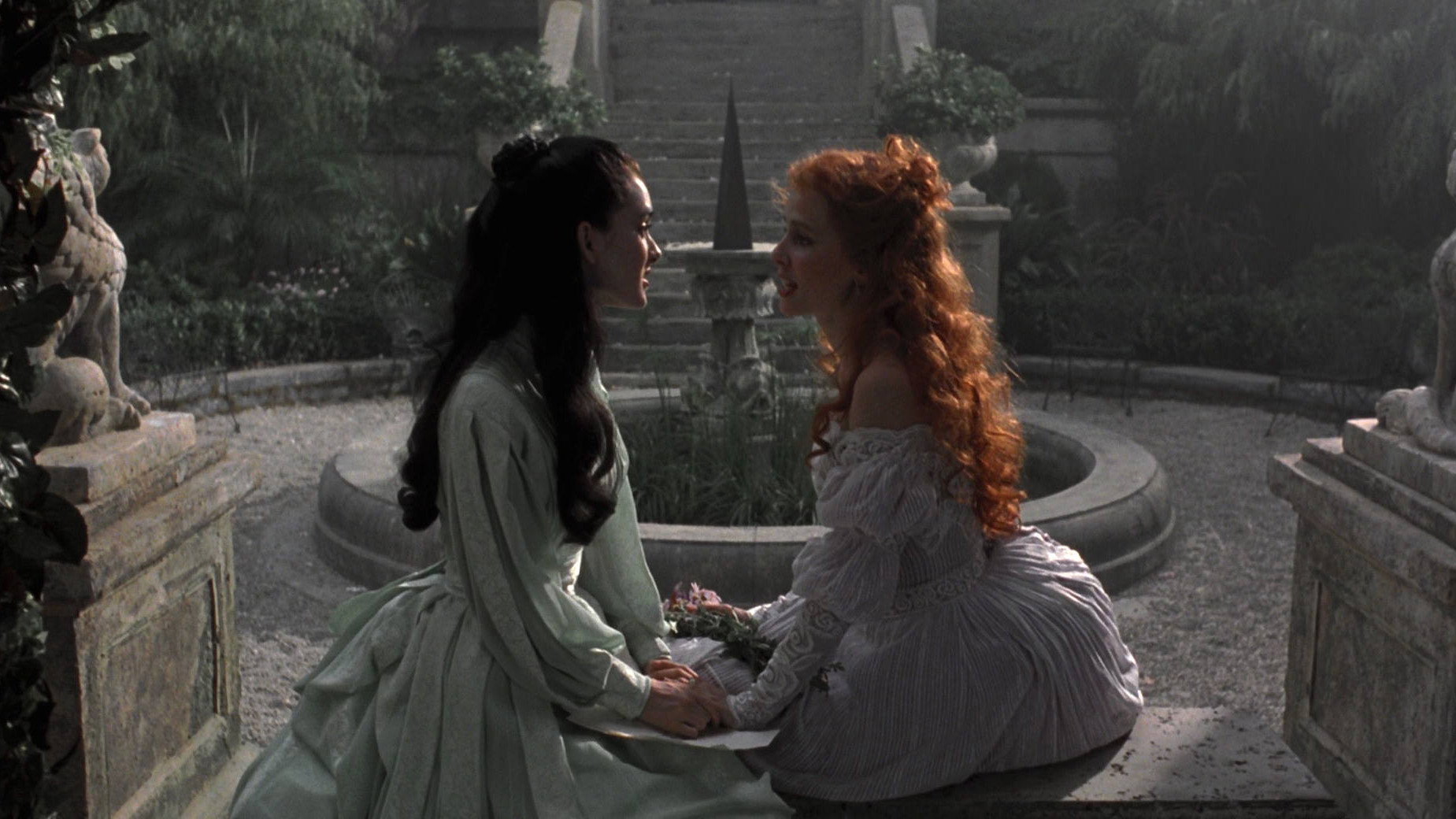
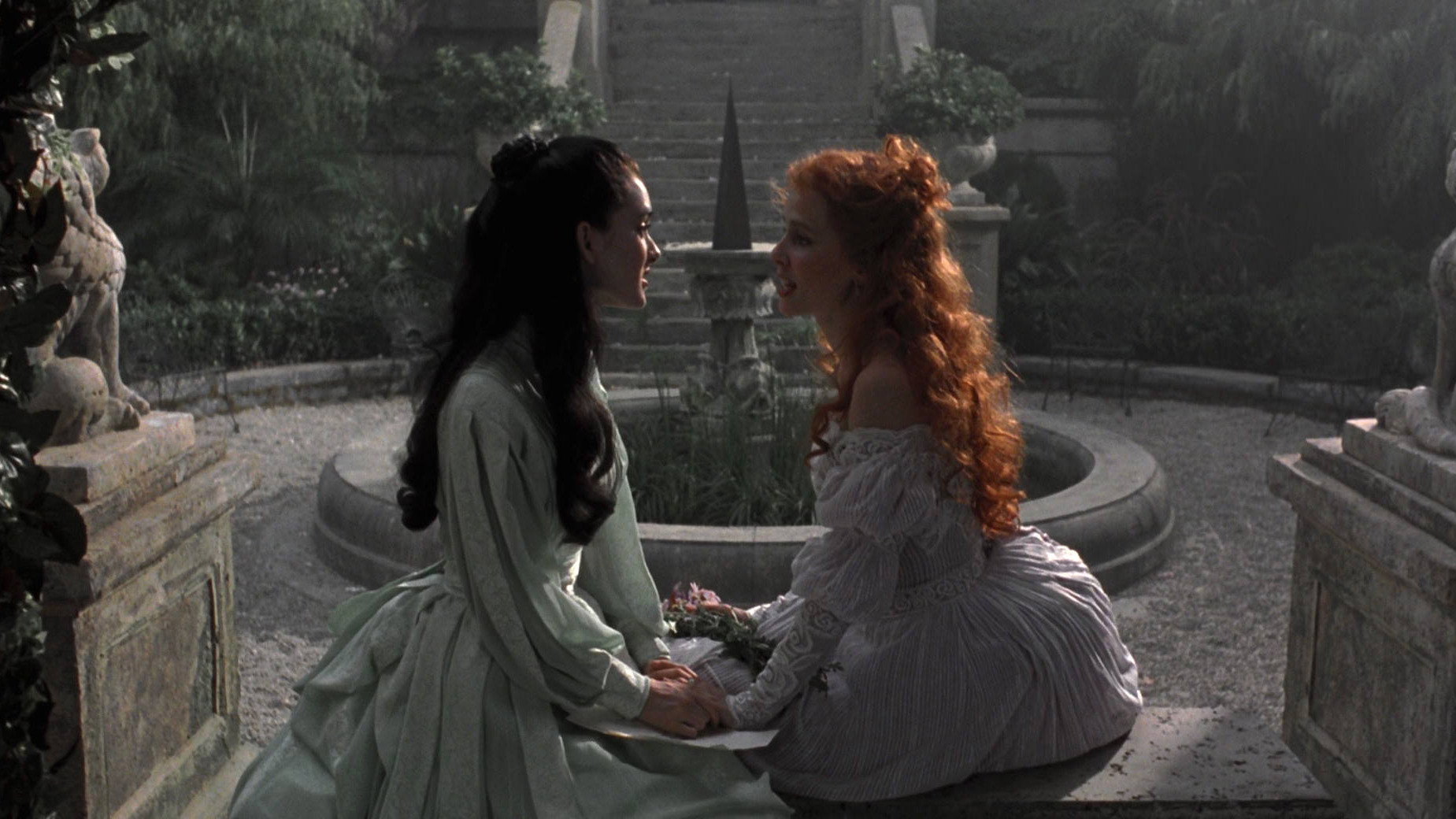
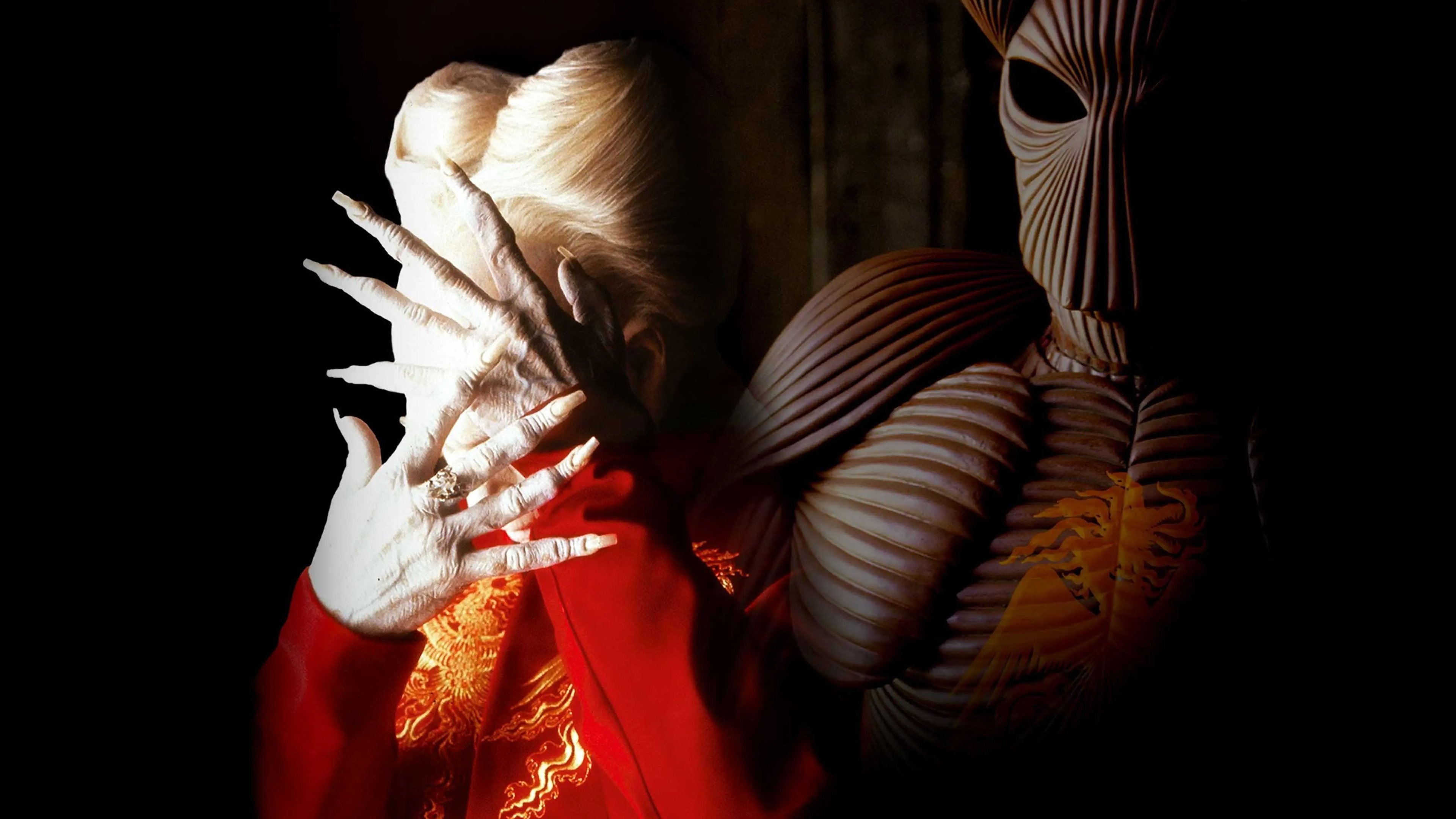
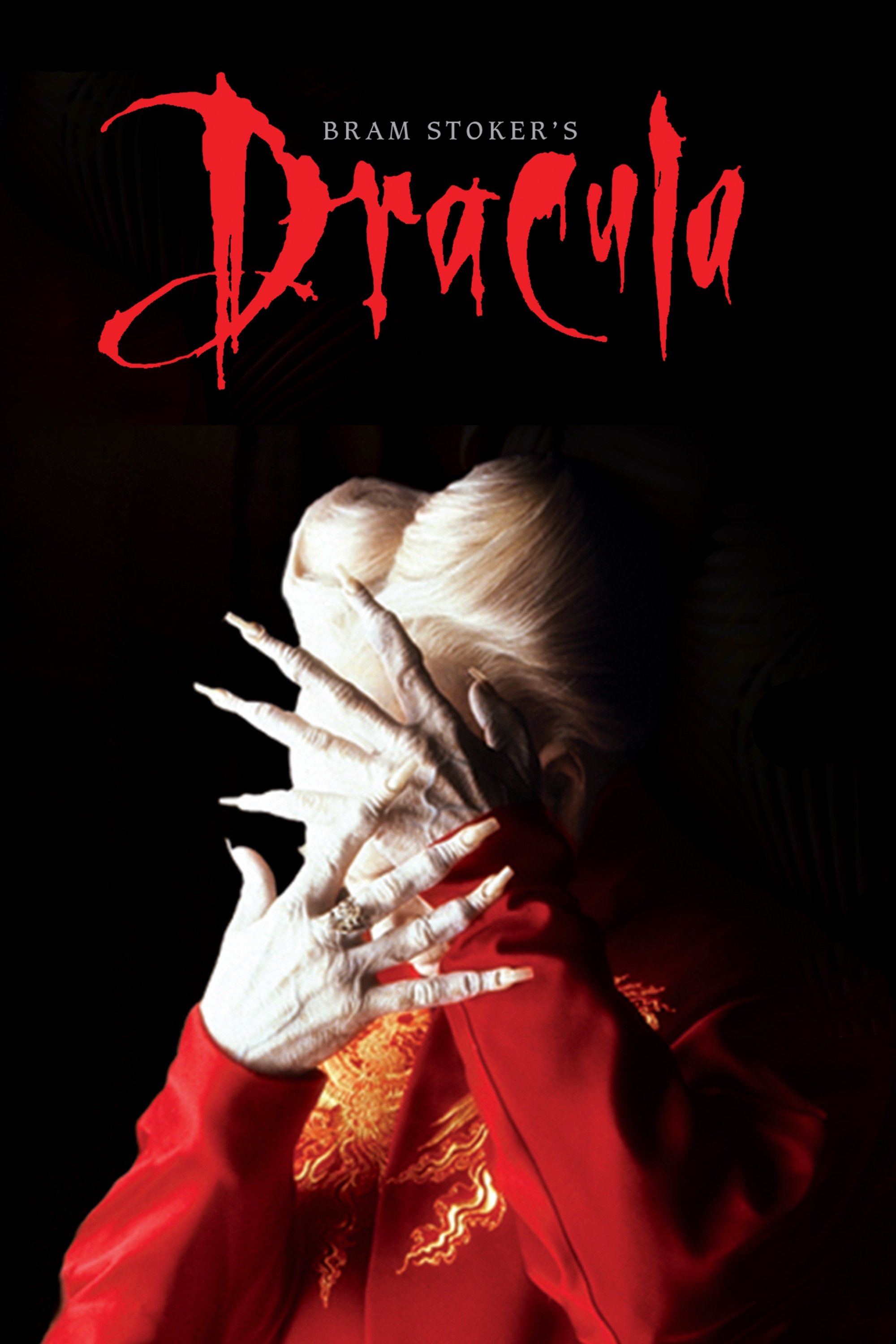
The influences were deliberately eclectic. Biological forms, animals, traditional Japanese design, Western historical clothing and anatomical imagery could all enter the same costume language. Dracula's red armor in the prologue resembles exposed musculature, immediately connecting warfare, body and blood. The enormous red robe of the elderly Count transforms Oldman into an architectural shape inside the castle. Lucy's costumes grow increasingly sensual and extravagant as the supernatural influence surrounding her intensifies, while Mina is frequently associated with cooler and more restrained forms before her relationship with Dracula changes.
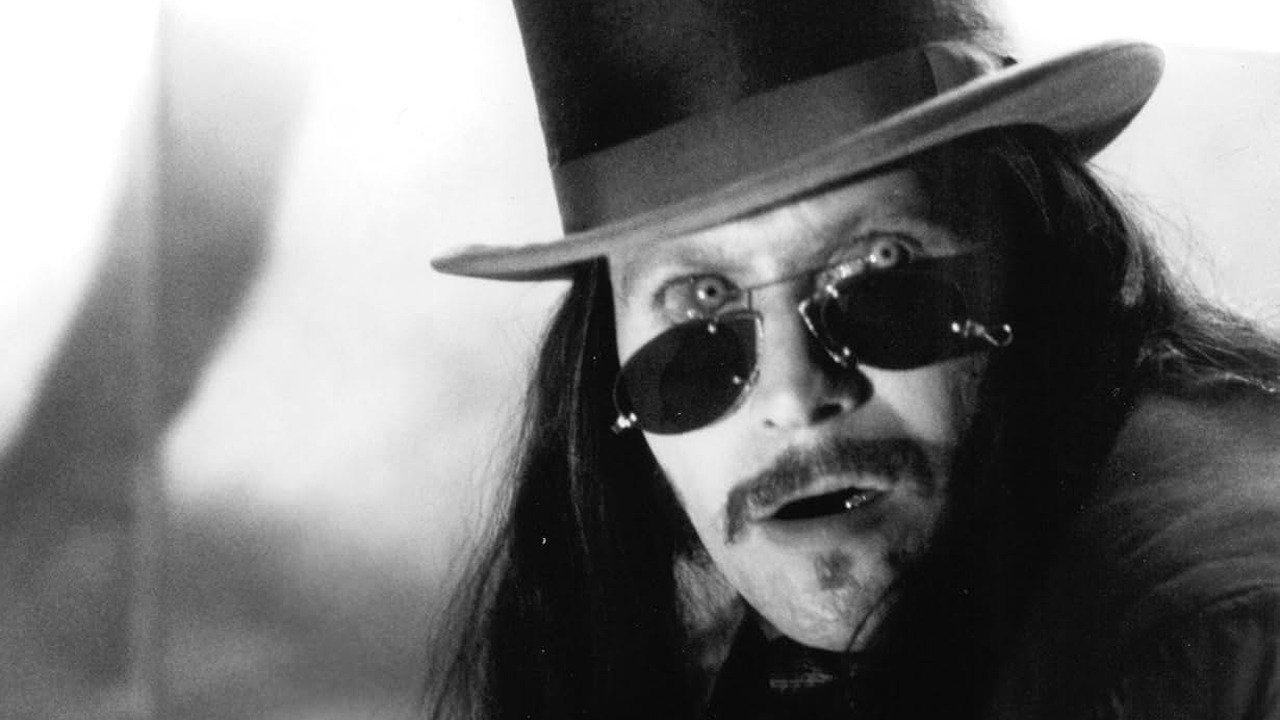
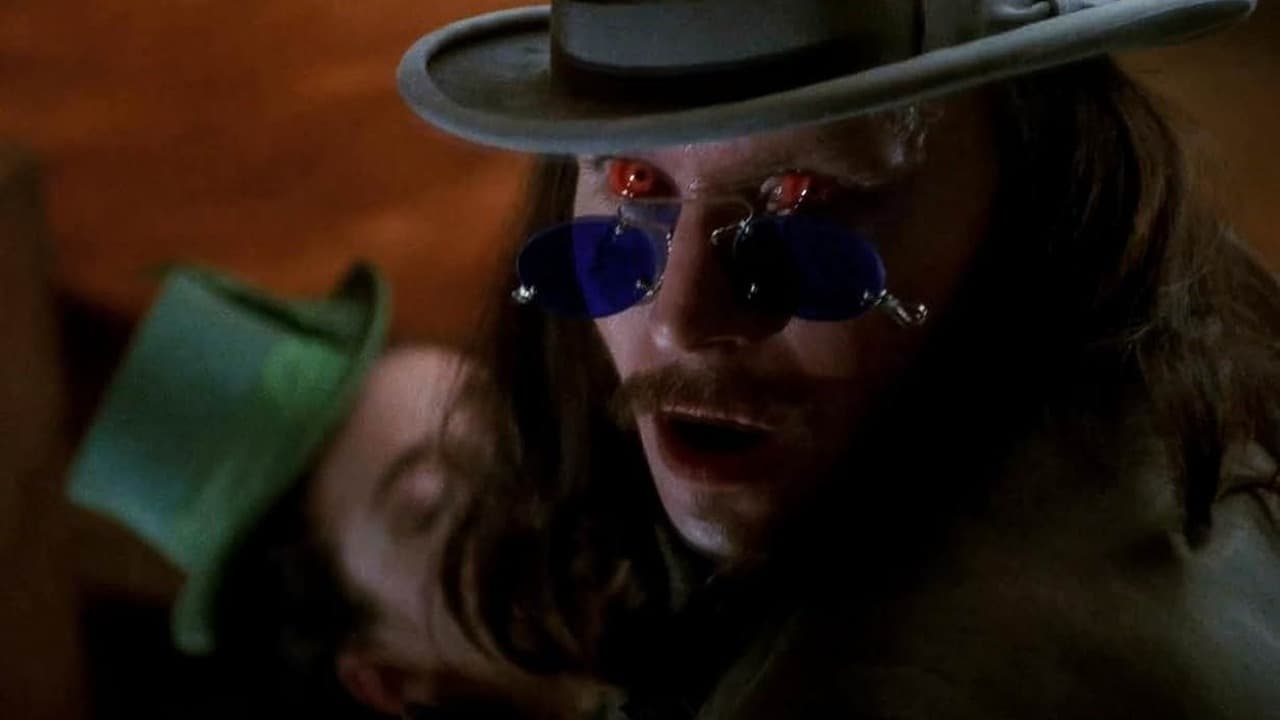
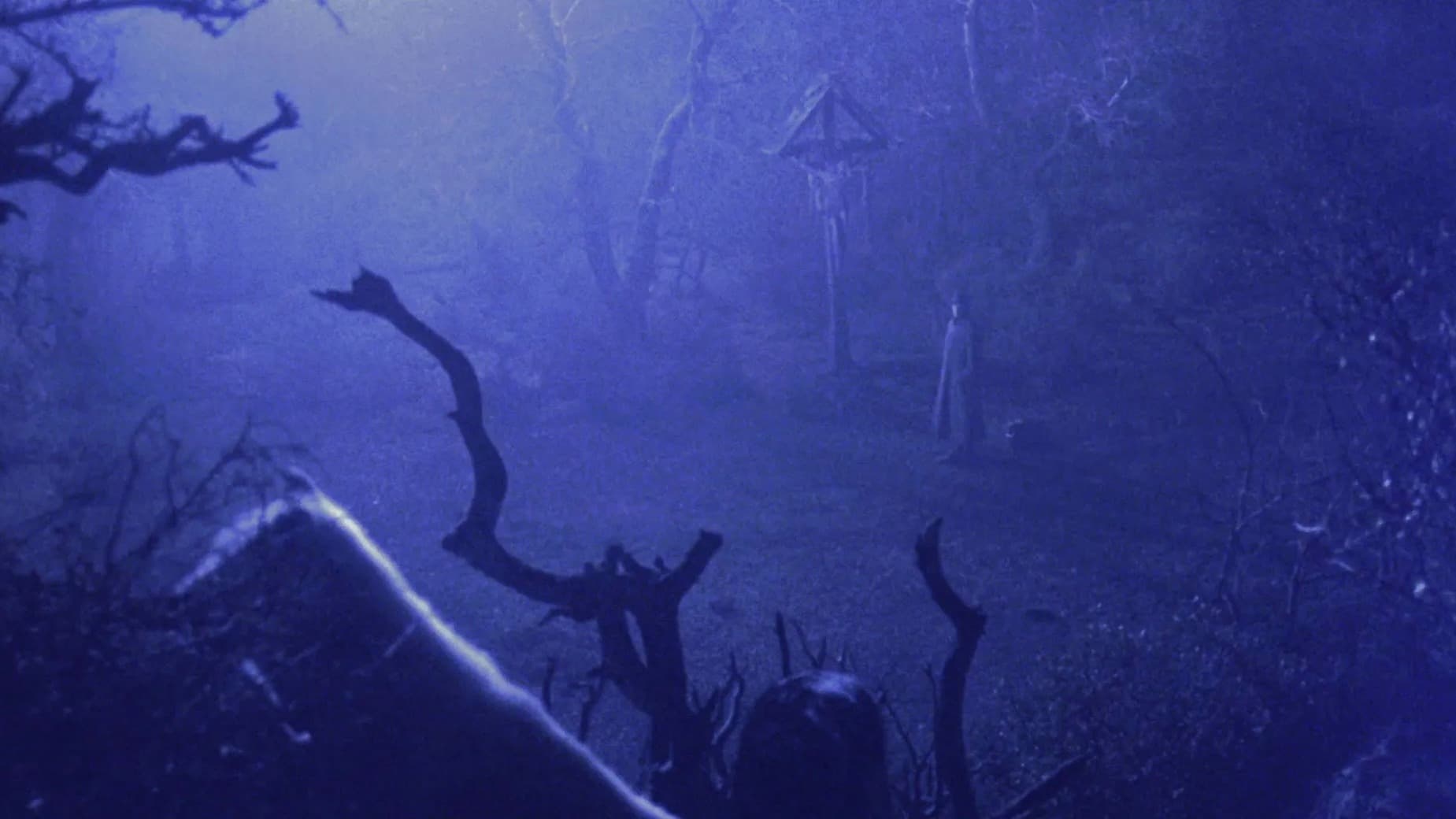
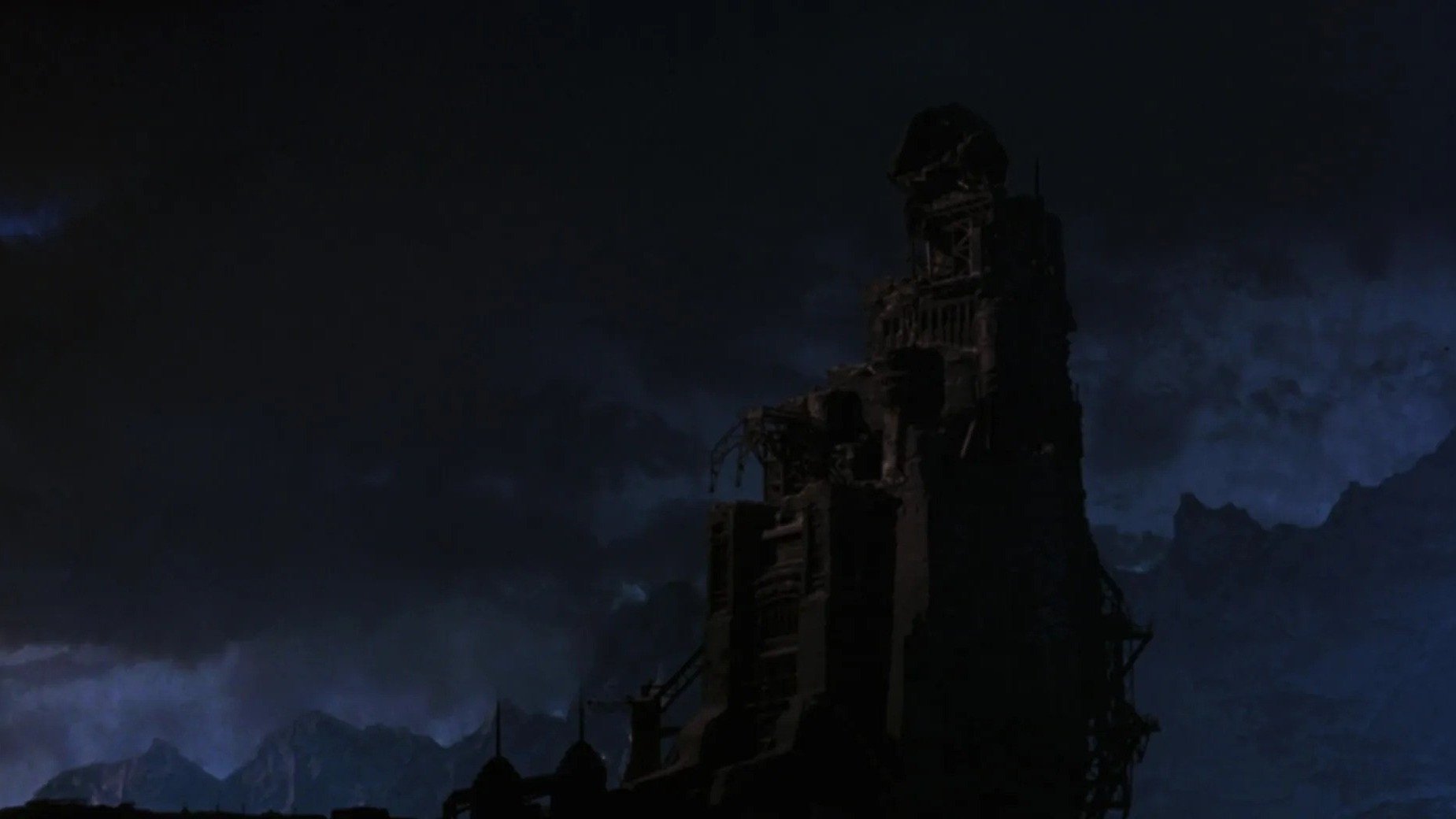
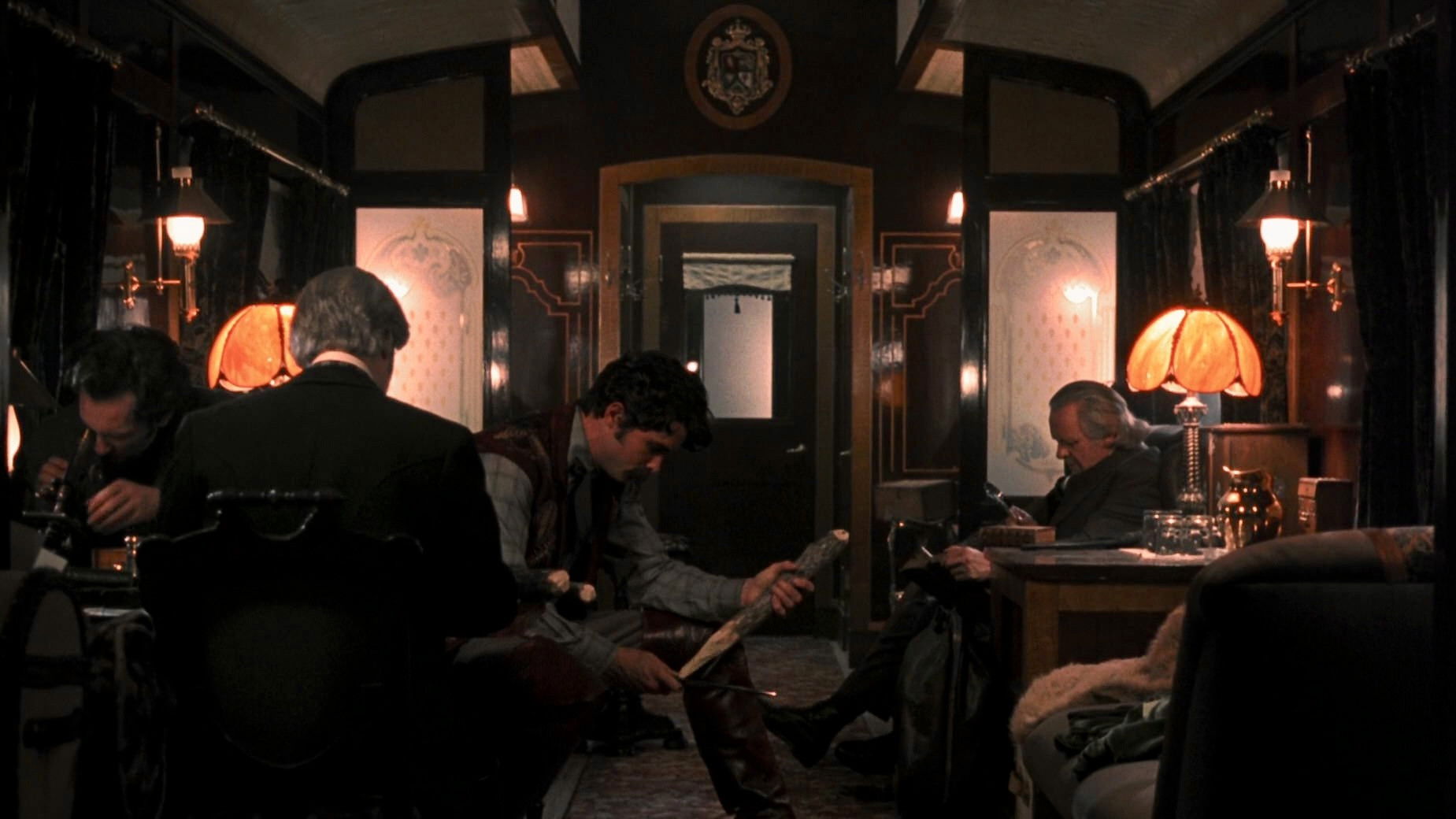
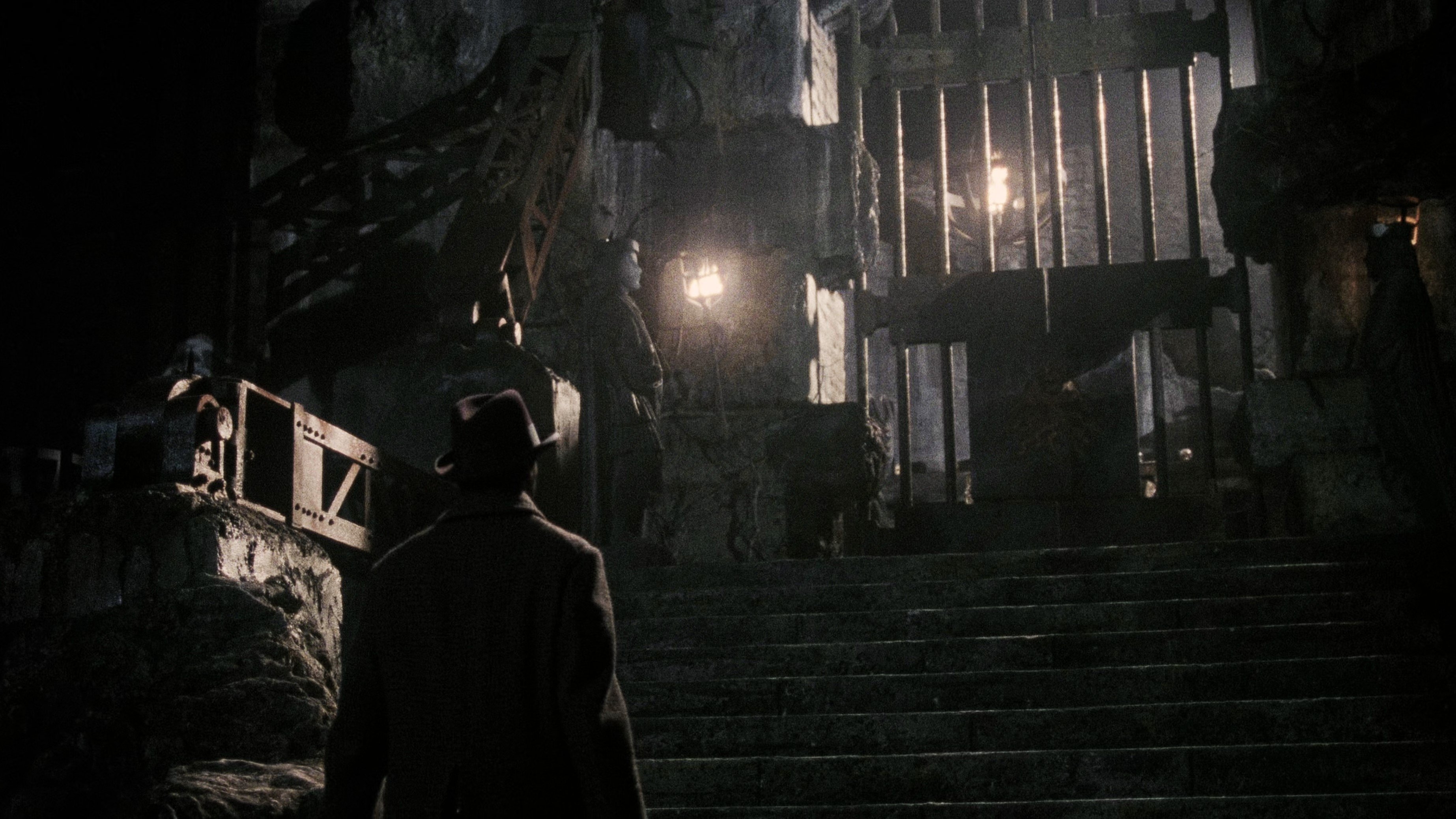
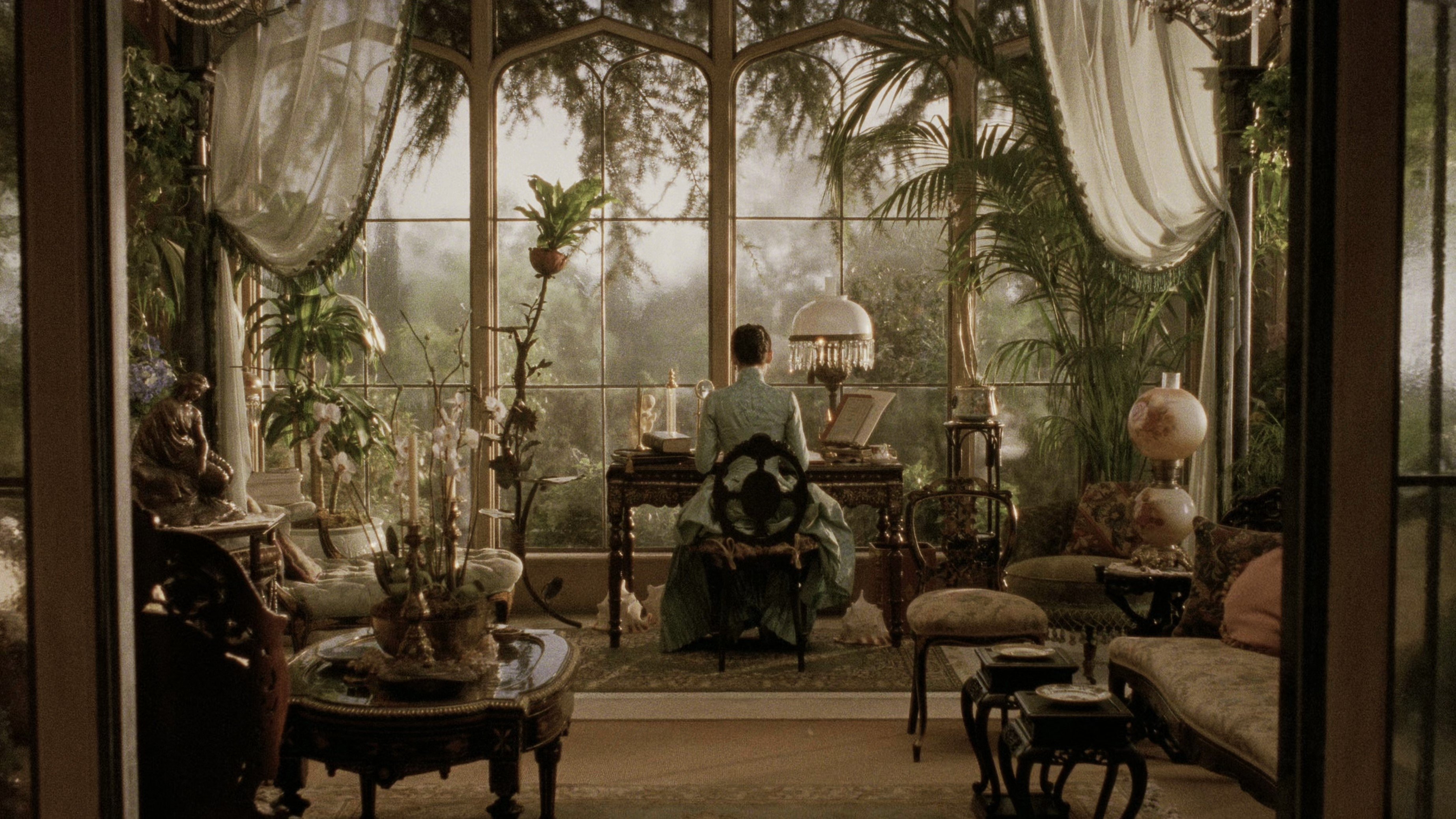
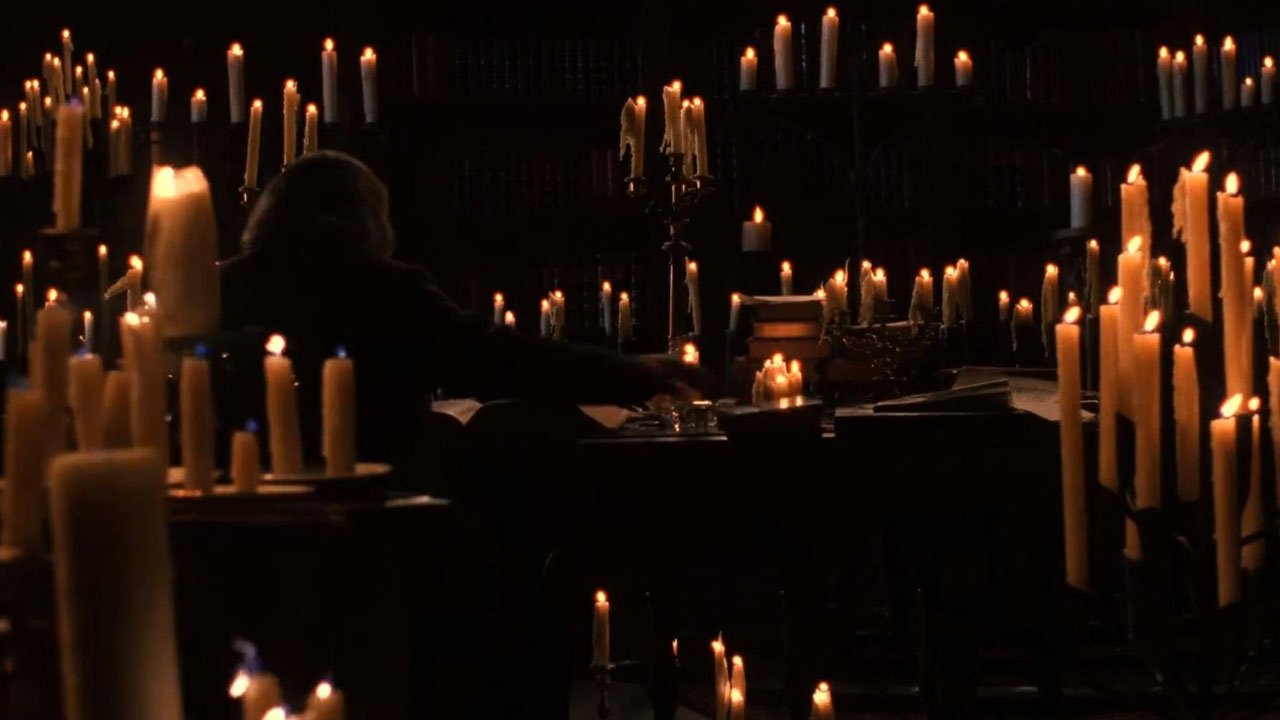
Thomas Sanders's production design and Garrett Lewis's set decoration operate within the same philosophy of heightened artificiality. London, the castle, the asylum and religious interiors do not attempt to disappear into neutral historical realism. The environments support the impression that the viewer has entered an illustrated Gothic world whose visual rules can change with emotion. That approach earned the production an Academy Award nomination for Art Direction, while Ishioka won for Costume Design. The recognition reflects how difficult it is to separate character, clothing and environment in the finished film: costume is not ornament added after the world has been created, but one of the principal methods through which that world exists.

Cinematography and Early-Cinema Effects

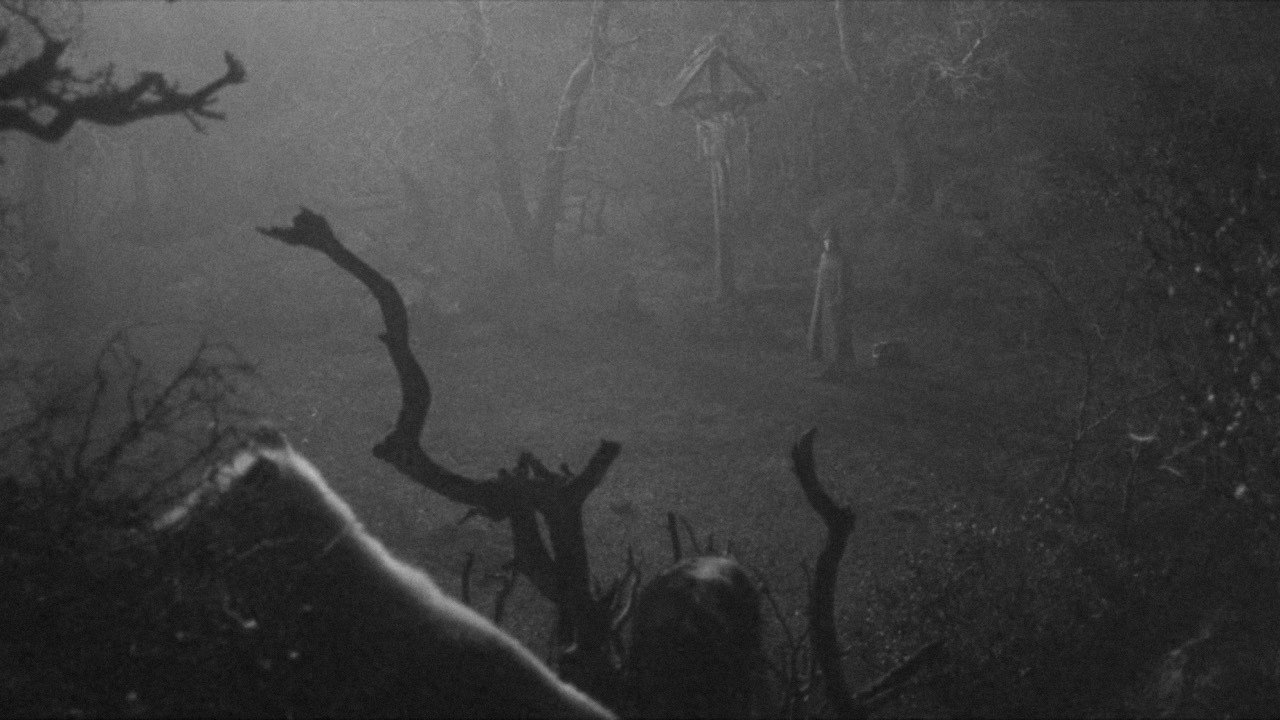
One of Coppola's most unusual decisions was to connect the setting of Stoker's novel with the historical period in which cinema itself was emerging. Dracula was published in 1897, the same decade in which projected motion pictures were becoming a public spectacle. Coppola therefore asked whether a modern studio production could recreate some of the visual wonder associated with filmmakers who had no digital tools and treated the camera as an instrument of magic. Michael Ballhaus embraced that approach, using contemporary equipment while deliberately reviving techniques that had existed for generations.

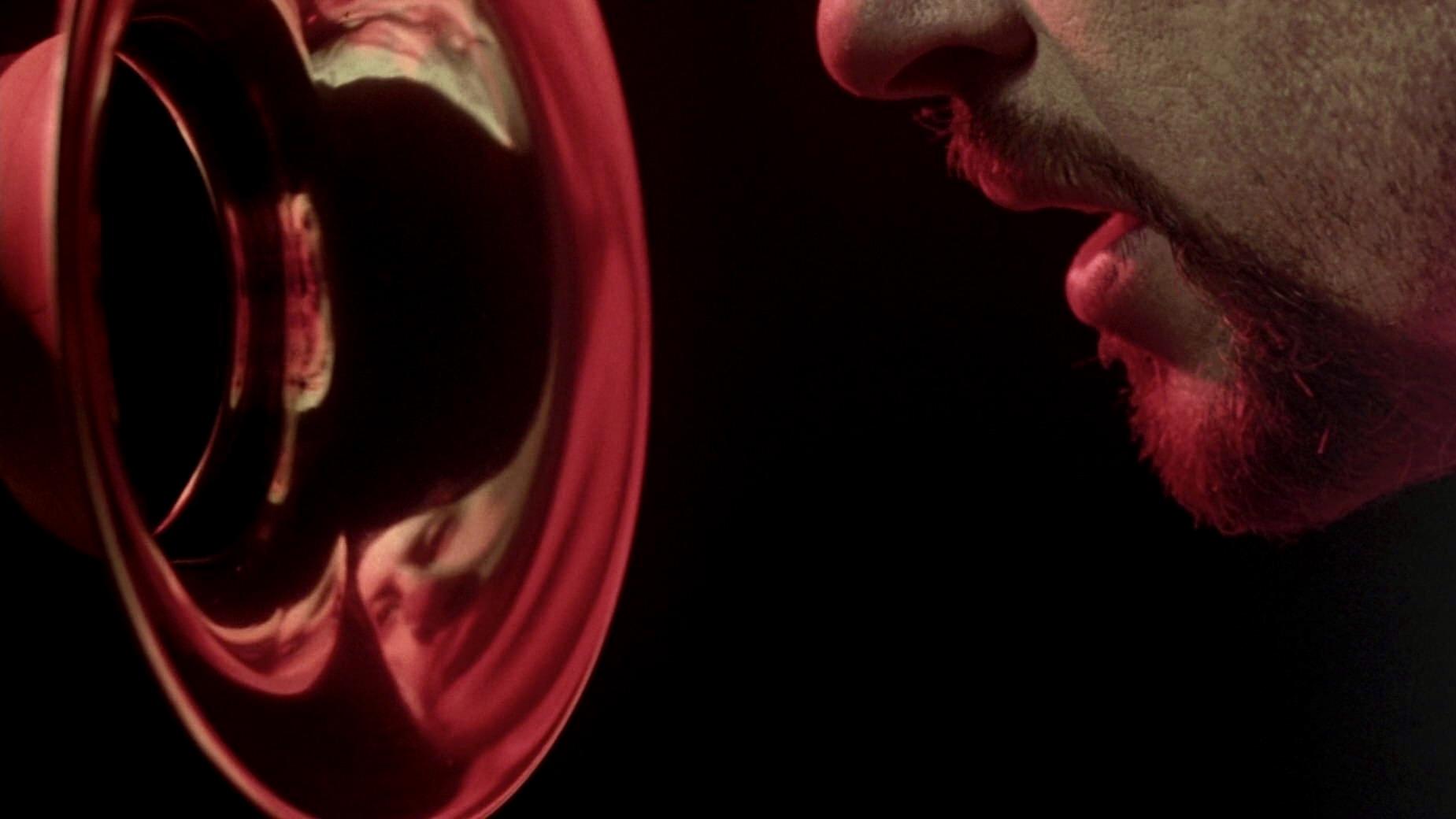
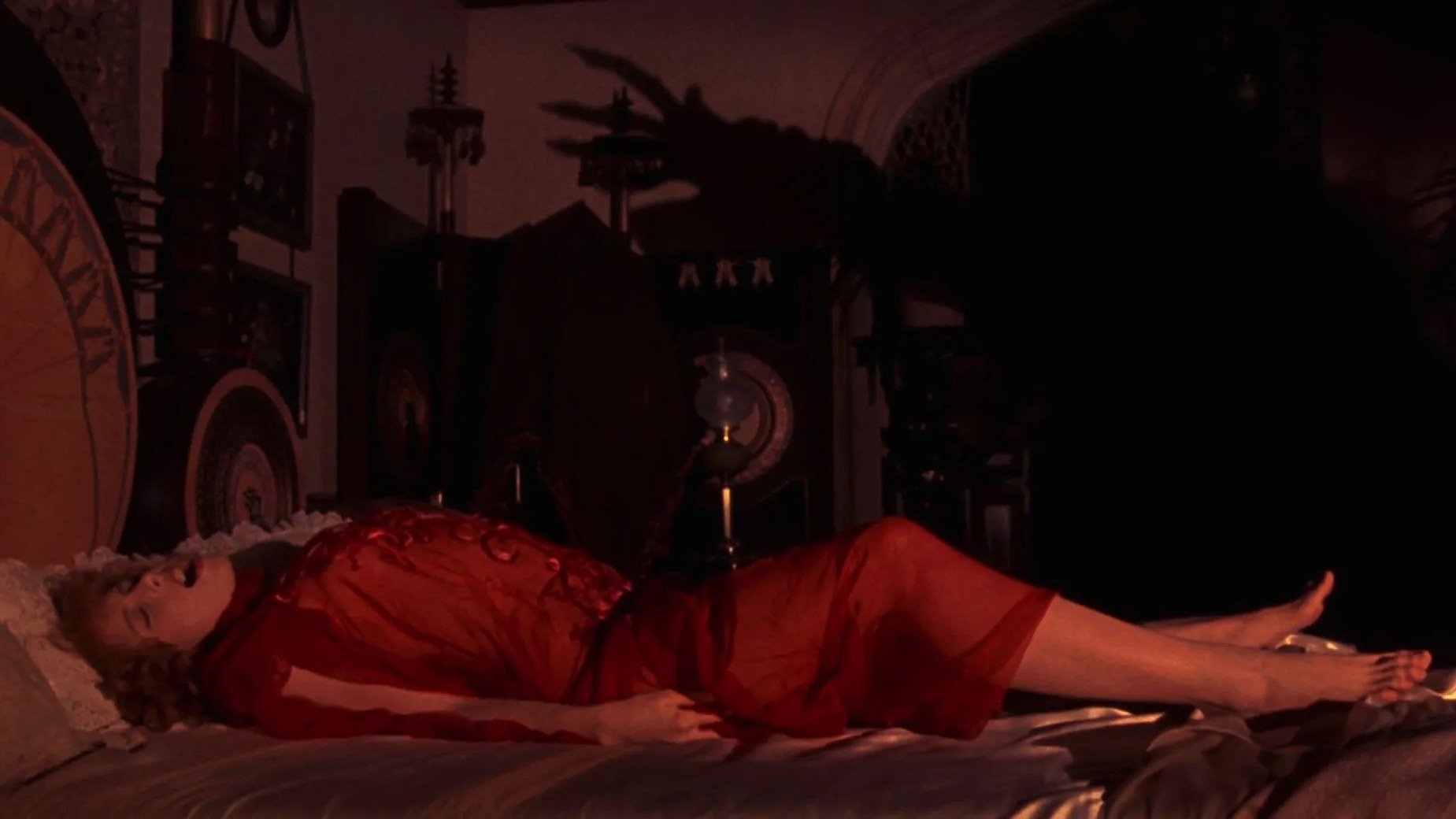
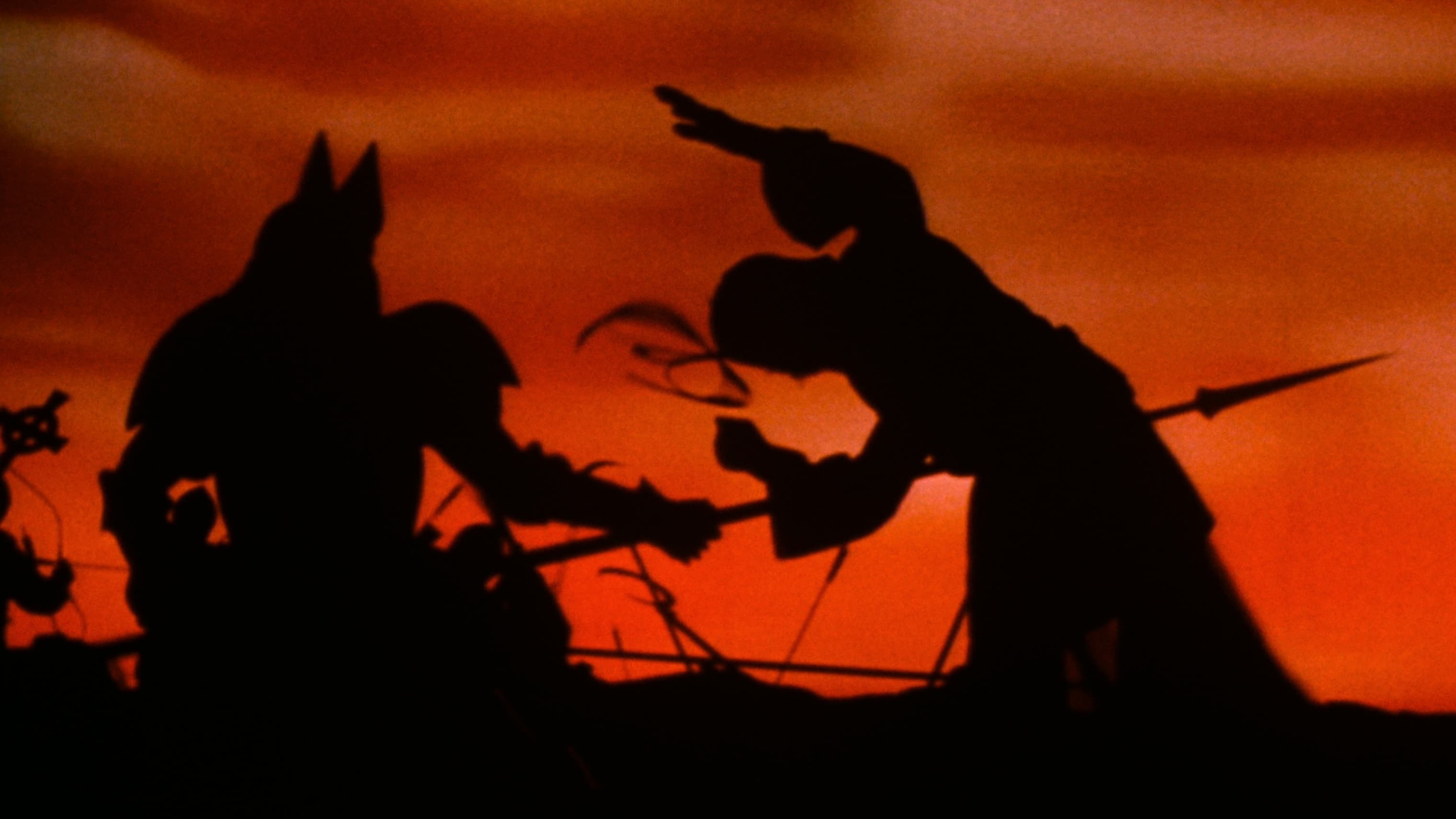
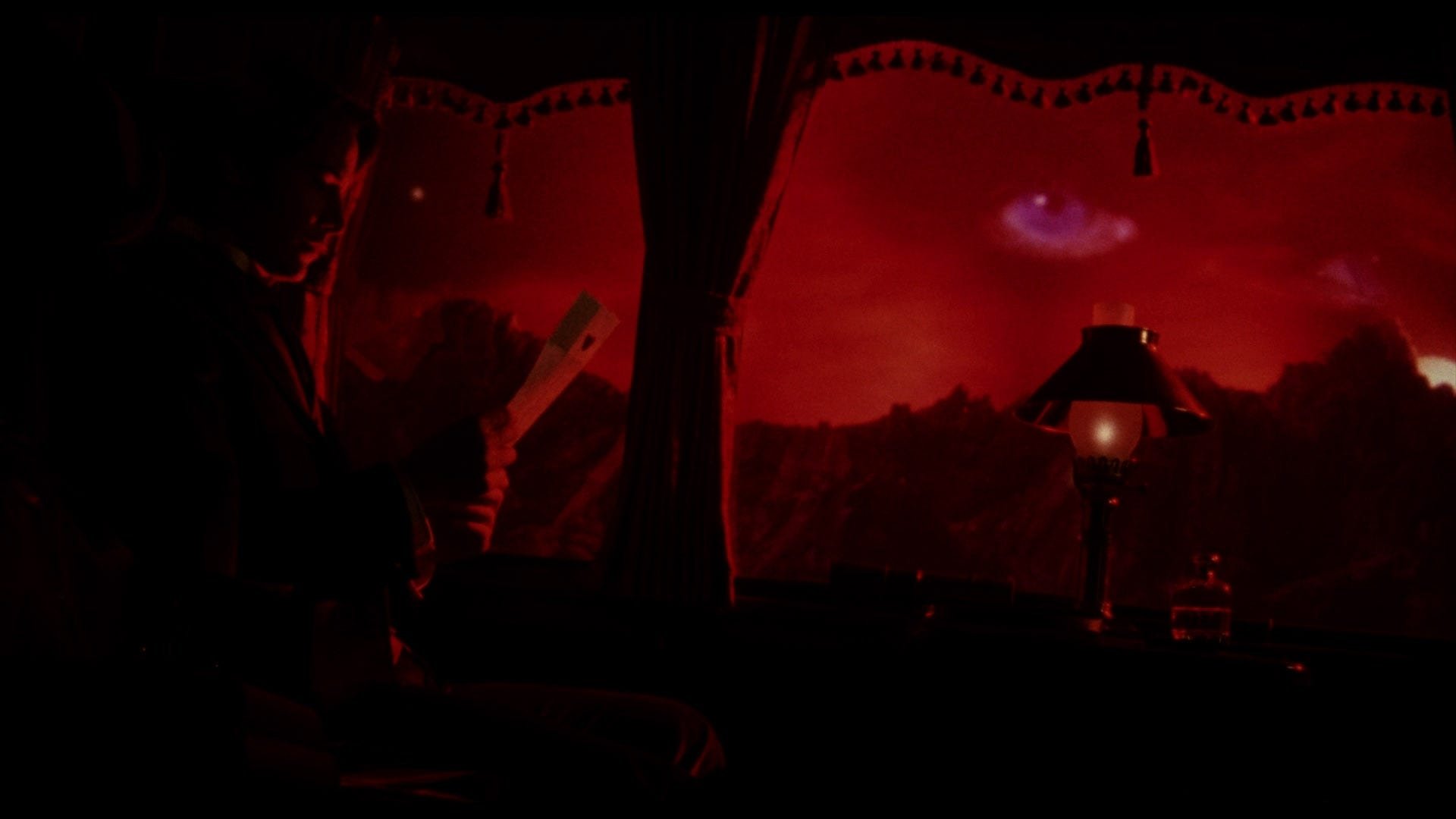
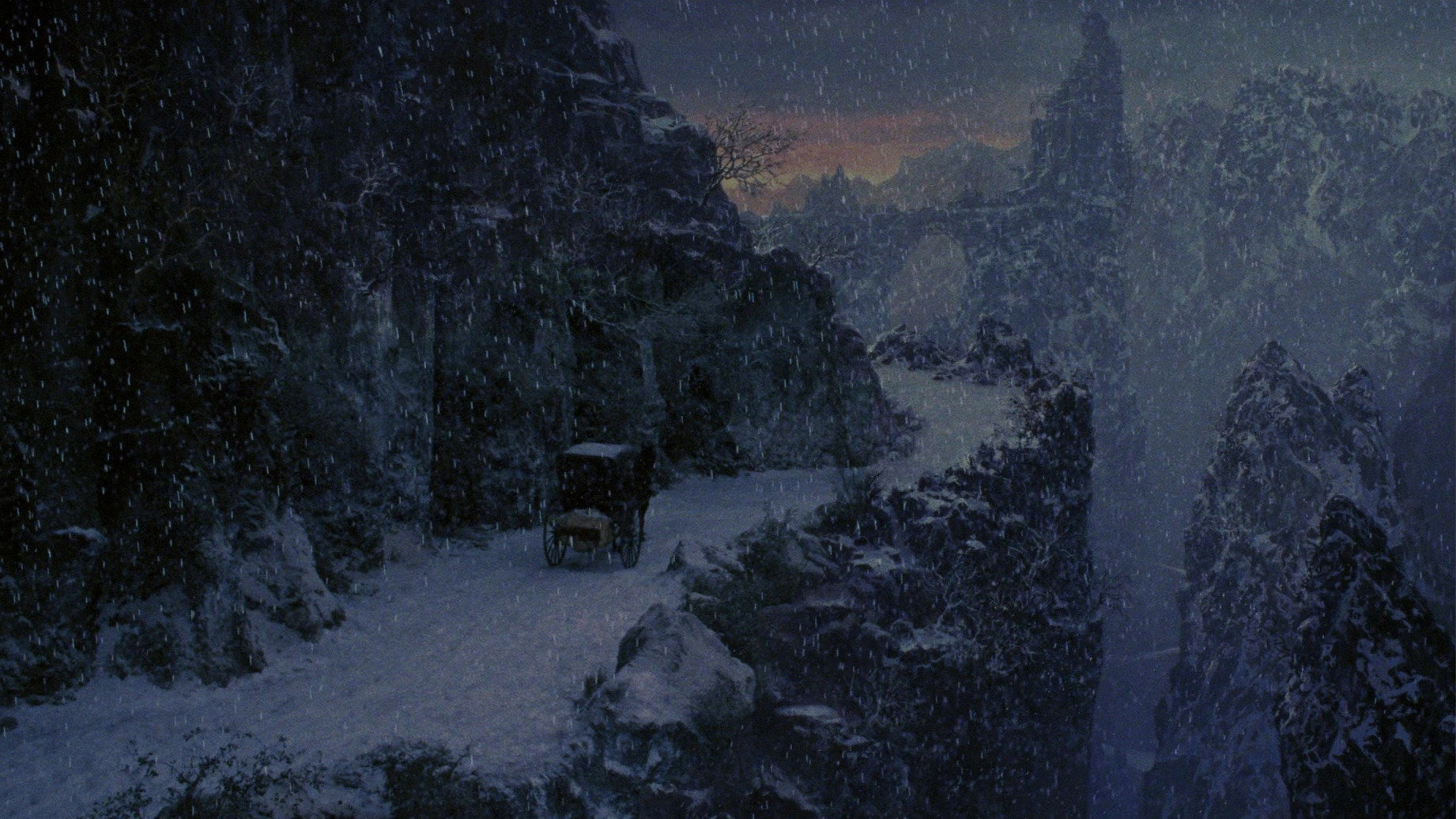
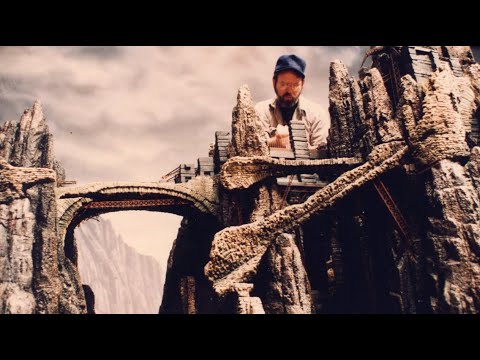
Double exposures, altered camera speeds, reverse photography, forced perspective, shadow play, matte paintings and optical compositing recur throughout the film. Coppola even used an old Pathé camera for some material. Roman Coppola, credited with visual effects and second-unit direction, researched the techniques of early trick filmmakers and worked with artists whose knowledge extended back through the traditions of miniatures, matte painting and optical printing. The intention was not to reproduce silent cinema accurately but to create supernatural images through methods that visibly belonged to photographic illusion.

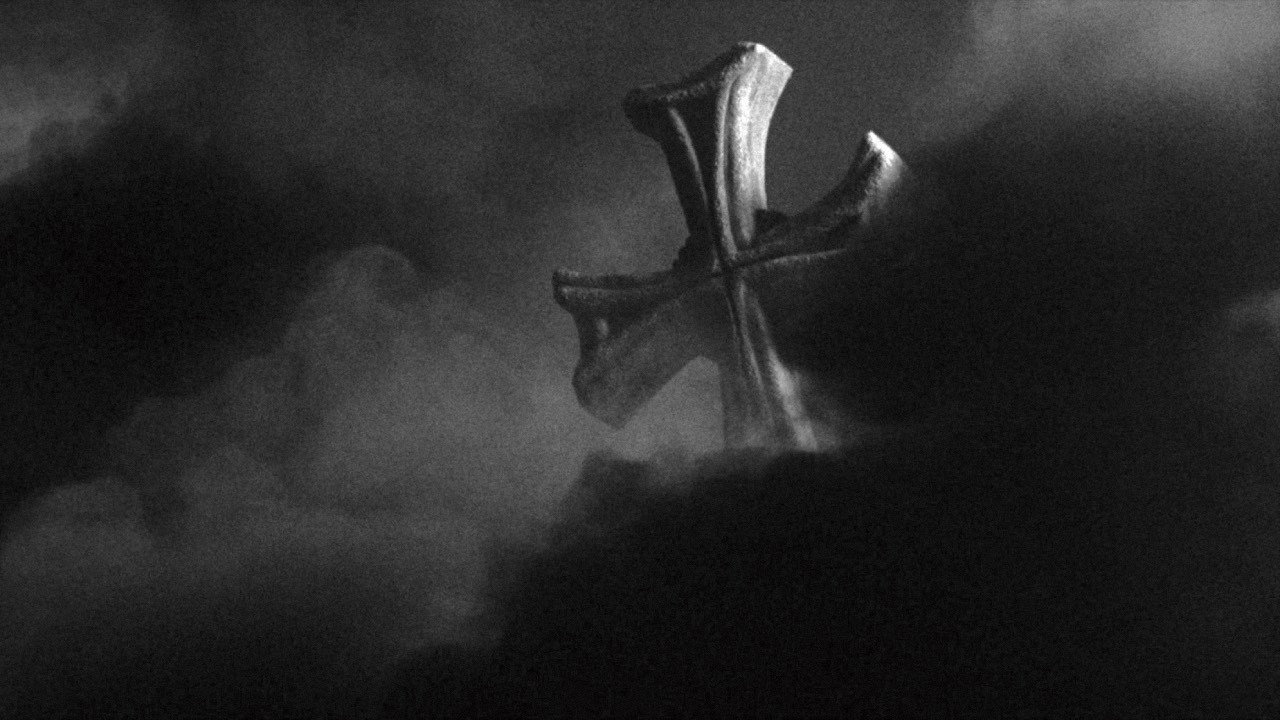
The green mist entering Mina's room demonstrates the complexity hidden behind this apparently old-fashioned approach. Separate sets, a mirror, controlled smoke and reverse motion were combined to allow Dracula to appear as a substance moving through physical space. Other effects use shadows that do not obey the bodies casting them, impossible changes of scale and movement accelerated beyond normal human rhythm. Because so much of the work was built into photography or traditional optical processes, the supernatural does not appear as a separate digital layer placed over the film. The entire image can behave impossibly.

Makeup, Transformation and Vampire Bodies

The makeup department faced a challenge created directly by the screenplay: Dracula needed to exist as several radically different creatures while remaining recognizably connected to Gary Oldman. Greg Cannom designed and supervised the special makeup effects, with Michèle Burke and Matthew W. Mungle among the principal artists responsible for the finished transformations. The elderly Count required extensive prosthetic work, altered hands, hair and skin coloration while still being photographed close enough for Oldman's performance to remain visible through the design.

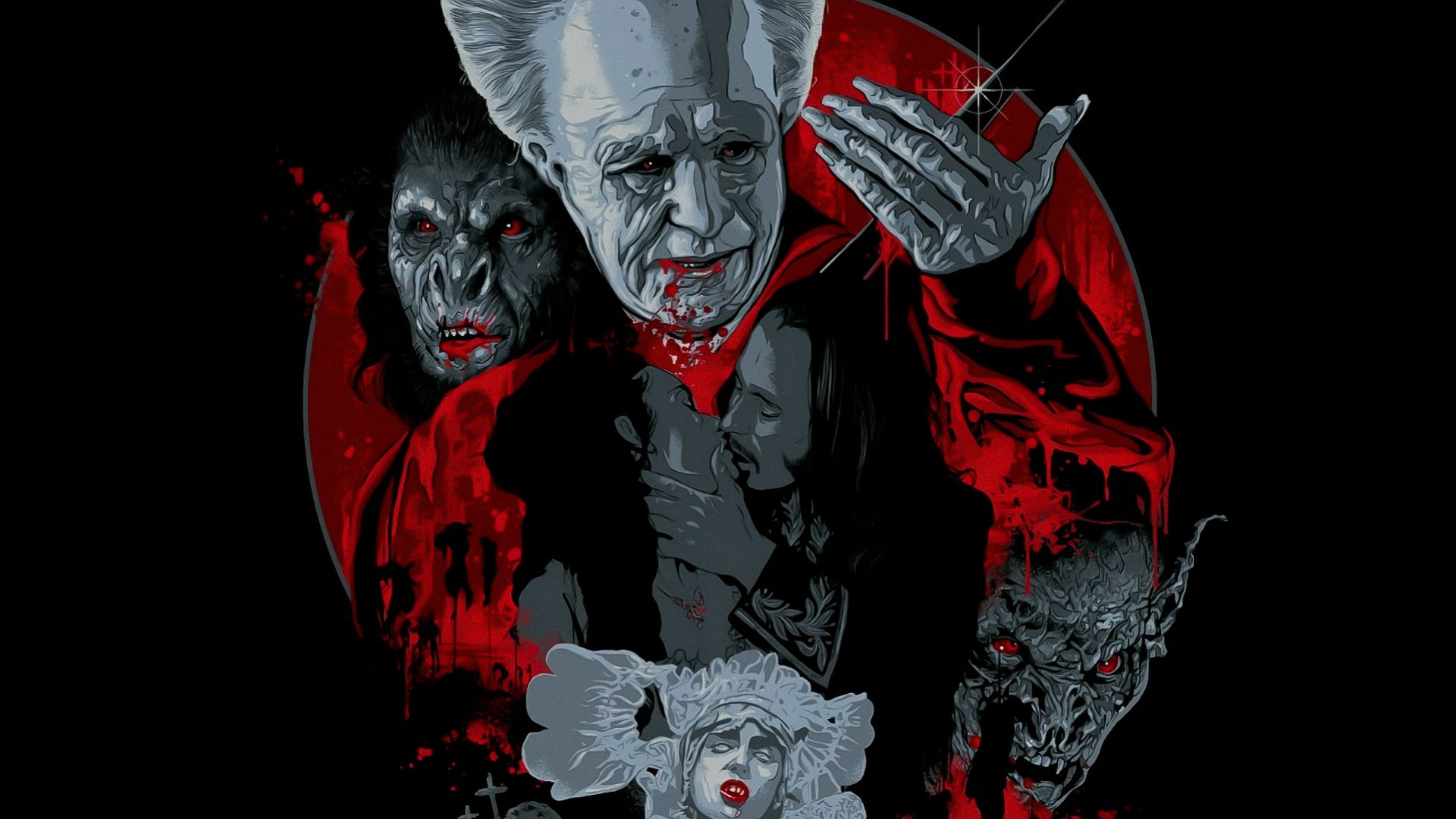
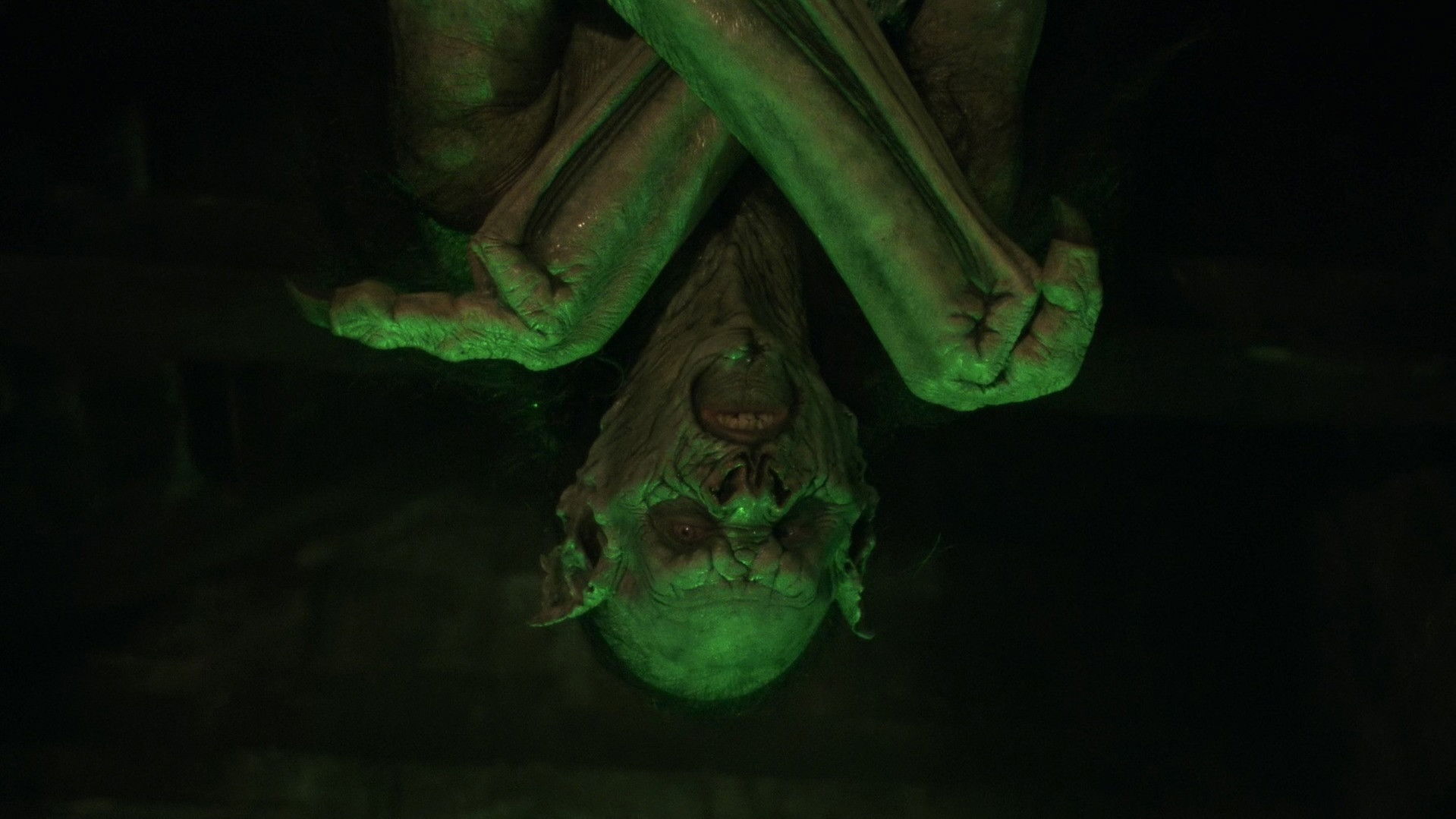
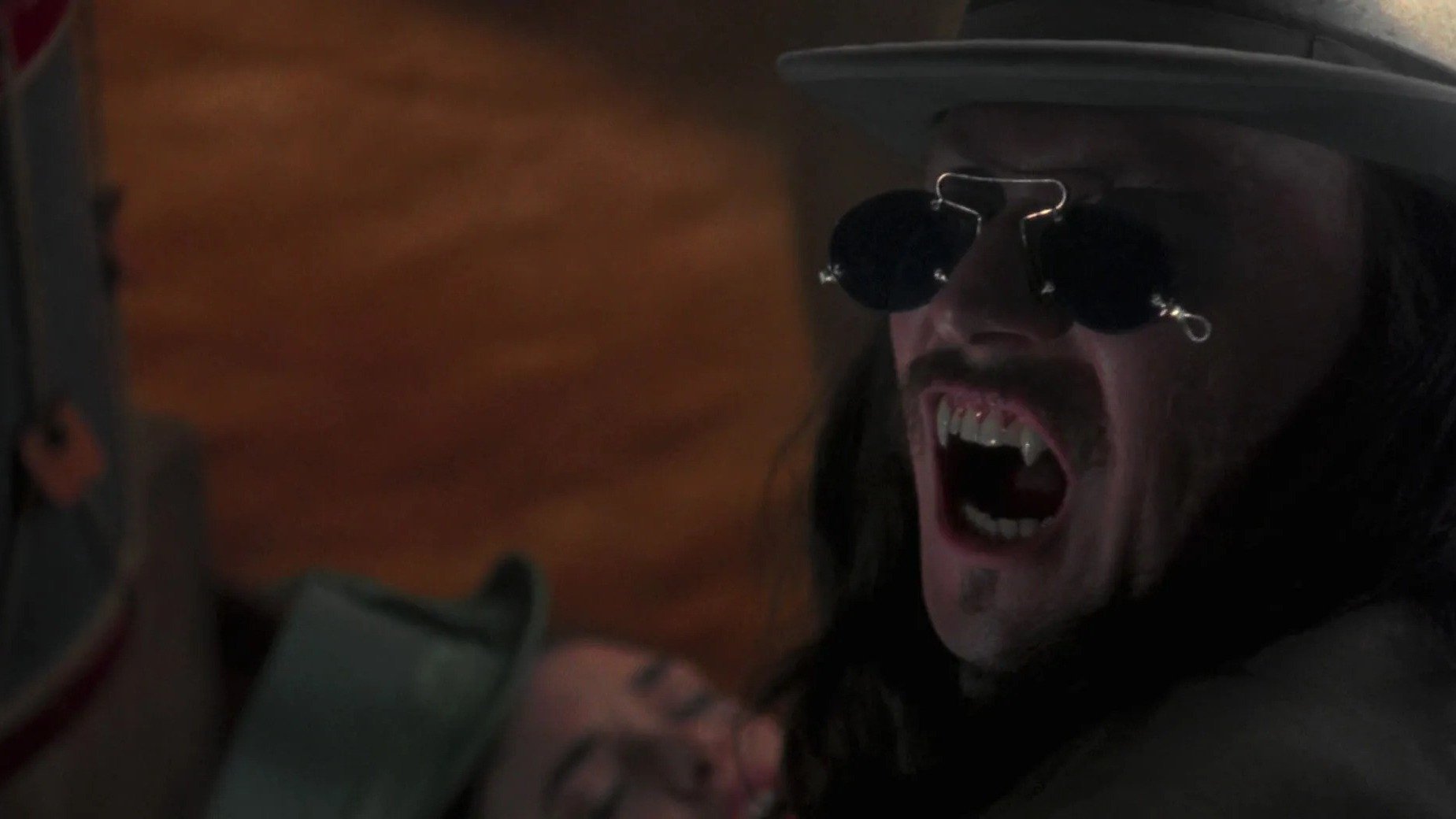
Later manifestations move farther from ordinary human anatomy. The wolf form encountered with Lucy exaggerates sexuality and animal aggression, while the bat creature turns Dracula into a grotesque physical predator whose body no longer needs the elegance of the aristocratic disguise. Oldman performed inside the creature suits himself, allowing posture, breathing and vocal behavior to remain connected to the character. Smaller elements such as teeth, contact lenses and changing complexions provide intermediate stages between those major forms.

Lucy undergoes a related but separate transformation. Her vampiric body becomes increasingly pale, predatory and theatrical while preserving enough of Sadie Frost's appearance for the horror to depend on recognition. The film repeatedly transforms the vampire's body, making bodily instability part of the monster's identity. Dracula can age, rejuvenate, dissolve or become animal; Lucy can move from Victorian social figure to sexualized undead predator. That emphasis on metamorphosis was recognized with the Academy Award for Makeup, making the film one of the clearest early-1990s examples of prosthetic transformation serving the characters' identities within the narrative.

Music, Sound and Operatic Horror

Wojciech Kilar composed a large-scale score that matches Coppola's decision to treat Dracula as a Gothic opera of heightened emotions. The music repeatedly moves between monumental menace, ritualistic repetition and themes associated with the romantic tragedy linking Dracula and Mina. Coppola wanted music with the weight of concert composition, bringing its own dramatic presence to the story. Anton Coppola conducted a large orchestra during the recording sessions, giving Kilar's themes the mass required to compete with the film's equally extravagant visual design.

The score also helps unify a film whose imagery can change radically from one sequence to another. Transylvanian battle imagery, Victorian London, sexual horror, supernatural pursuit and the final return to Dracula's castle all belong to different visual registers, yet Kilar can connect them through recurring musical ideas. The soundtrack album culminates with Annie Lennox's Love Song for a Vampire, which carries the romantic interpretation of the story beyond the final image and into the credits.

Sound design is equally important to the supernatural environment. Voices, animals, movement and changes of atmosphere are frequently exaggerated or layered so that transformations can be experienced before they are understood visually. Tom C. McCarthy and David E. Stone received the Academy Award for Sound Effects Editing. Their work illustrates the broader production philosophy: old photographic methods did not require the finished film to sound antique. Bram Stoker's Dracula combines deliberately archaic visual tricks with the sonic scale of a modern studio feature, allowing nineteenth-century imagery and late-twentieth-century theatrical presentation to occupy the same work.

Release, Reception and Legacy

Columbia Pictures released Bram Stoker's Dracula in the United States on November 13, 1992. The production budget has been reported at approximately $40 million, a substantial investment in an R-rated Gothic horror film. It opened at number one with $30,521,679 from 2,491 theaters and eventually earned $82,522,790 domestically. International revenues brought the worldwide theatrical total to approximately $215.9 million. The commercial performance demonstrated that Dracula could still function as the center of a major studio event more than sixty years after Béla Lugosi had established one of the character's defining screen incarnations.

Critical reception was more divided than the box office. Responses frequently admired the production design, costumes, effects, music and Oldman's transformation while disagreeing over the film's performances, romantic rewriting and deliberately excessive tone. The technical achievement received particularly strong institutional recognition. At the 65th Academy Awards, Bram Stoker's Dracula won Costume Design for Eiko Ishioka, Makeup for Greg Cannom, Michèle Burke and Matthew W. Mungle, and Sound Effects Editing for Tom C. McCarthy and David E. Stone. Thomas Sanders and Garrett Lewis were additionally nominated for Art Direction.

Its long-term importance within vampire cinema rests on the combination of literary recovery and extravagant reinvention. Coppola restored parts of Stoker that popular adaptations had often ignored while simultaneously introducing a reincarnation romance that became one of the movie's most recognizable departures from the novel. The Count could be ancient monster, young seducer, warrior, animal and tragic lover within the same production. Just as importantly, the film treated historical filmmaking technique as a source of modern visual experimentation, reviving older methods through contemporary filmmaking. Bram Stoker's Dracula remains a major horror object because it does not attempt to make the vampire myth smaller or more realistic. It gathers literature, theatricality, eroticism, prosthetic horror and the history of cinematic illusion into one deliberately excessive interpretation of Dracula.

Cast

View Full Cast & Crew →

Release & Distribution

Production Companies (3)

  • American Zoetrope US
  • Columbia Pictures US
  • Osiris Films US

Distributors (1)

  • Columbia Pictures US

Release History (53)

Release DateTerritoryRelease TypeFormatDistributorCertificationNotes
1992-11-10 United States Premiere — — — Hollywood, California
1992-11-13 Brazil Theatrical — — 14
1992-11-13 Denmark Theatrical — — 15
1992-11-13 Finland Theatrical — — K-18
1992-11-13 United States Theatrical — — R
1992-12-18 Mexico Theatrical — — —
1992-12-25 Colombia Theatrical — — —
1993-01-13 France Theatrical — — 12
1993-01-15 Spain Theatrical — — 18
1993-01-16 South Korea Theatrical — — 19
1993-01-21 Argentina Theatrical — — —
1993-01-21 Italy Theatrical — — VM14
1993-01-29 Australia Theatrical — — M
1993-01-29 United Kingdom Theatrical — — 18
1993-02-05 Sweden Theatrical — — 15
1993-02-11 Germany Theatrical — — 16
1993-02-11 Netherlands Theatrical — — 16
1993-02-15 Greece Theatrical — — —
1993-02-26 Portugal Theatrical — — M/16
1993-03-12 Hungary Theatrical — — 16
1993-03-26 Czechia Theatrical — — 15+
1993-06-23 United States Physical VHS, LaserDisc — R LaserDisc / VHS
1993-07-16 Romania Theatrical — — —
1993-07-21 United States Physical LaserDisc — R LaserDisc
1993-08-04 United Kingdom Physical VHS — 18 VHS
1993-08-11 Sweden Physical VHS — 15 VHS
1993-09-22 Japan Physical — — — Hi-Vision
1994-03-15 France Physical VHS — — VHS
1994-09-09 Russia Theatrical — — 18+
1997-05-25 Russia Physical DVD — 18+ DVD
1997-10-07 United States Physical DVD — R DVD
1999-06-02 France Physical DVD — — DVD
1999-06-04 United Kingdom Physical DVD — 18 DVD
1999-09-22 Sweden Physical DVD — 15 DVD
2001-12-12 United States Physical DVD — R DVD
2003-10-24 Netherlands TV — — 12 Yorin
2007-10-02 United Kingdom Physical Blu-ray — 18 Blu-ray
2007-10-02 United States Physical DVD, Blu-ray — R Blu-ray / DVD
2007-10-31 Sweden Physical Blu-ray — 15 Blu-ray
2008-07-17 Russia Physical Blu-ray — 18+ Blu-ray
2010-05-25 Netherlands Physical DVD — 12 DVD
2012-09-19 Netherlands Physical Blu-ray — 12 Blu-ray
2014-03-13 France Digital — — —
2015-10-06 United States Physical Blu-ray — R Blu-ray
2017-10-02 Sweden Physical 4K UHD — 15 4K Ultra HD
2017-10-03 France Physical Blu-ray — — Blu-ray
2017-10-03 United States Physical 4K UHD — R 25th Anniversary Edition 4K UHD
2017-10-25 France Physical 4K UHD — — 4K UHD
2019-07-01 United Kingdom Physical 4K UHD — 18 4k Ultra HD Blu-ray
2020-02-26 France Theatrical — — — Re-Release
2022-01-01 France Digital — — 16 Prime Video
2022-10-04 United States Physical 4K UHD — R 30th Anniversary 4K UHD
2022-10-07 United Kingdom Theatrical — — 18 30th Anniversary Re-release

Awards & Festivals

14 entries
YearFestival / AwardEntrySectionCategoryResultPremiere
1994BAFTA Award for Best Makeup and Hairawardnominated
1994BAFTA Award for Best Special Visual Effectsawardnominated
1993Academy Award for Best Costume Designawardwon
1993Academy Award for Best Costume Designawardnominated
1993Academy Award for Best Makeup and Hairstylingawardwon
1993Academy Award for Best Makeup and Hairstylingawardnominated
1993Academy Award for Best Production Designawardnominated
1993Academy AwardsawardAcademy Award for Best Sound Editingwon
1993Academy AwardsawardAcademy Award for Best Sound Editingnominated
1993Hugo AwardawardHugo Award for Best Dramatic Presentationnominated
1993MTV Movie Award for Best Kissawardnominated
1993Saturn AwardsawardSaturn Award for Best Directorwon
1992Saturn AwardsawardSaturn Award for Best Costumewon
1992Saturn AwardsawardSaturn Award for Best Costumenominated
Love never dies.