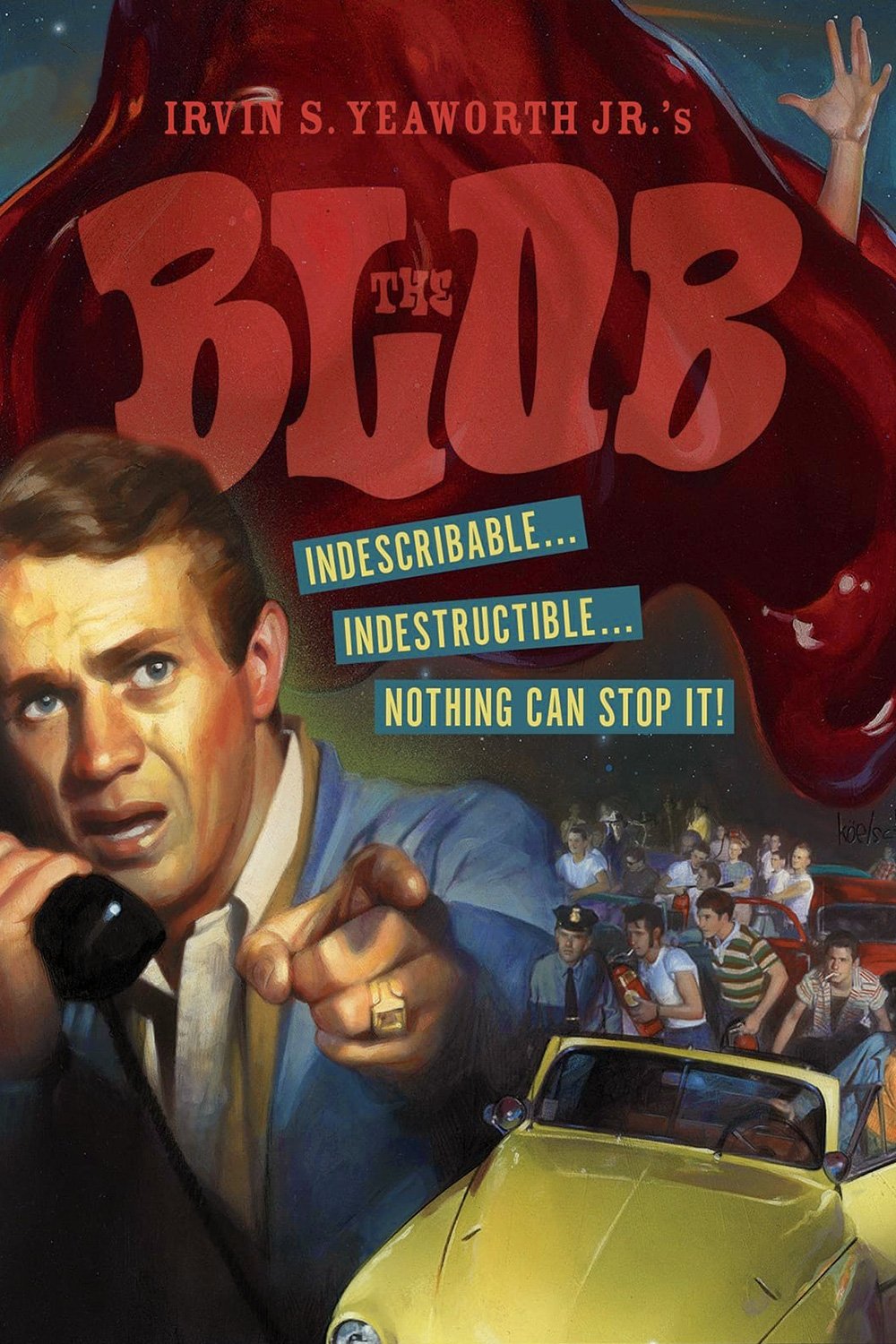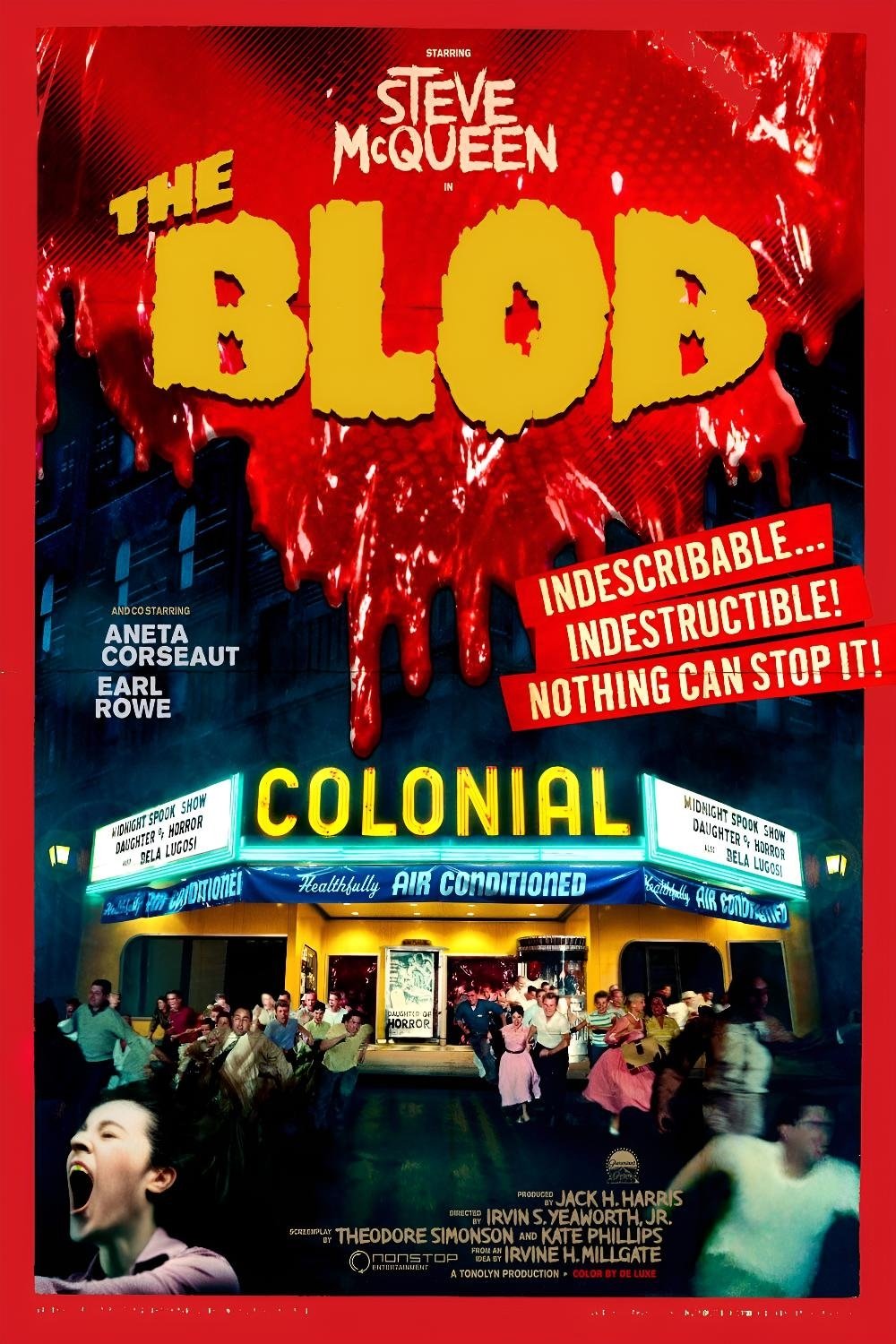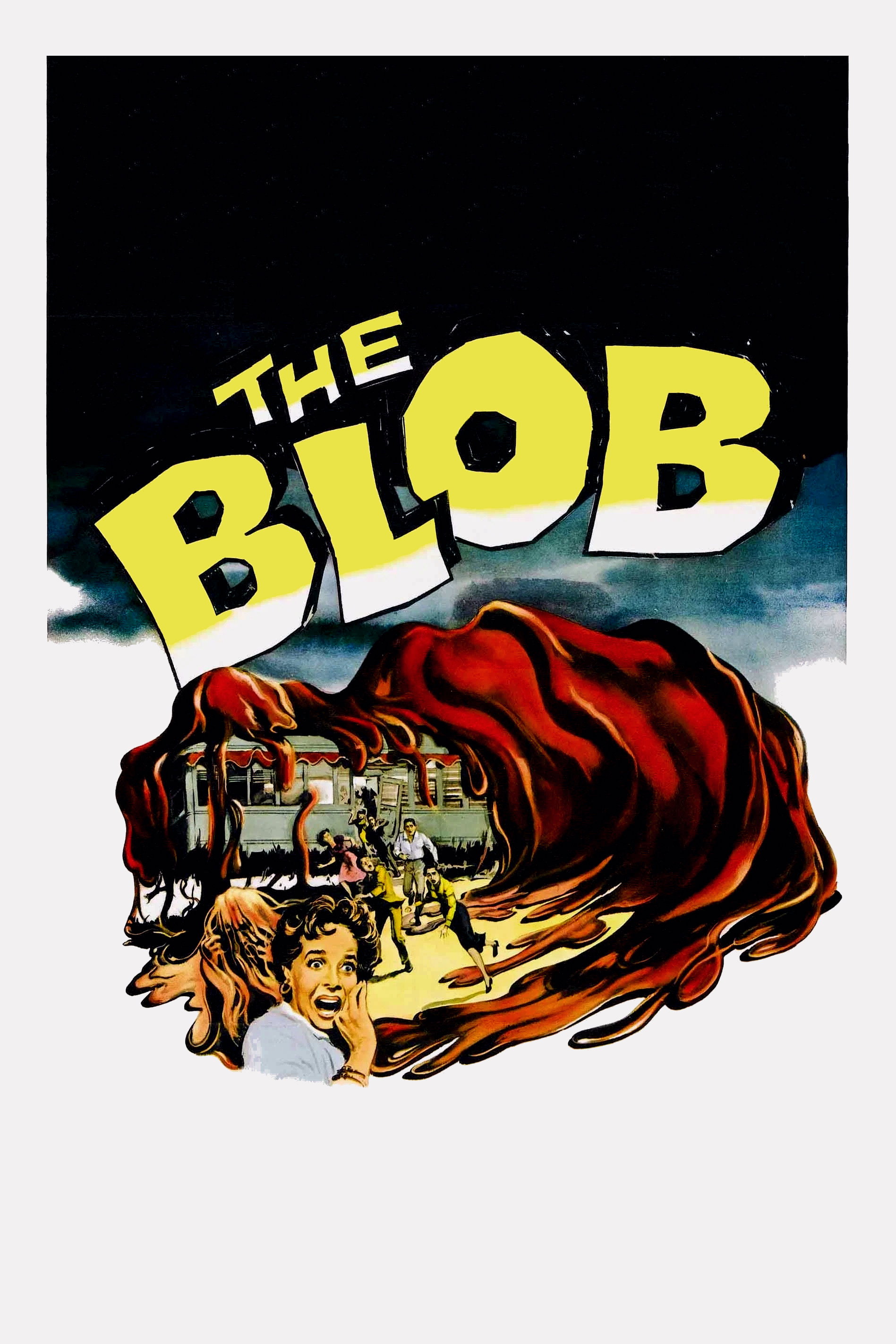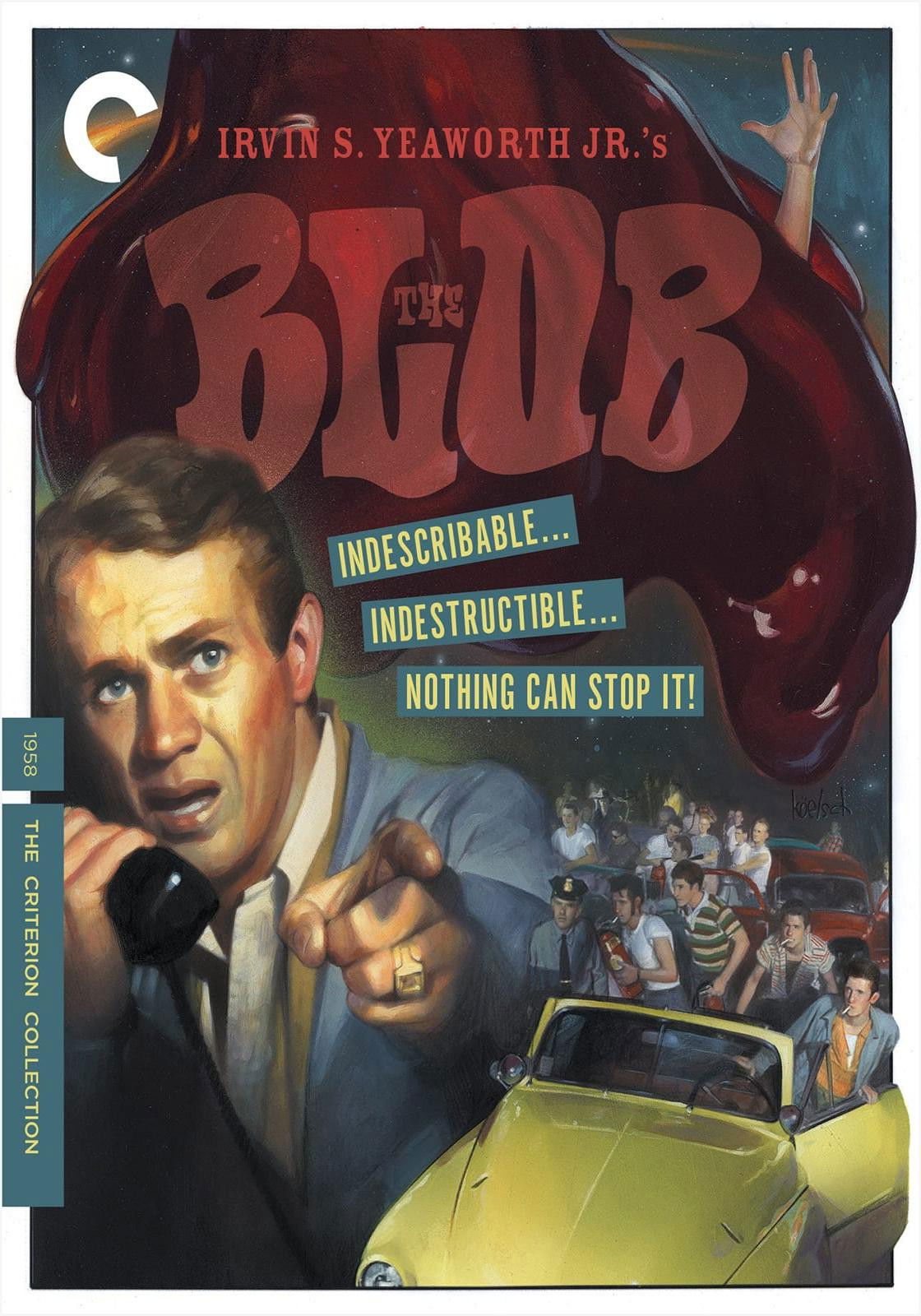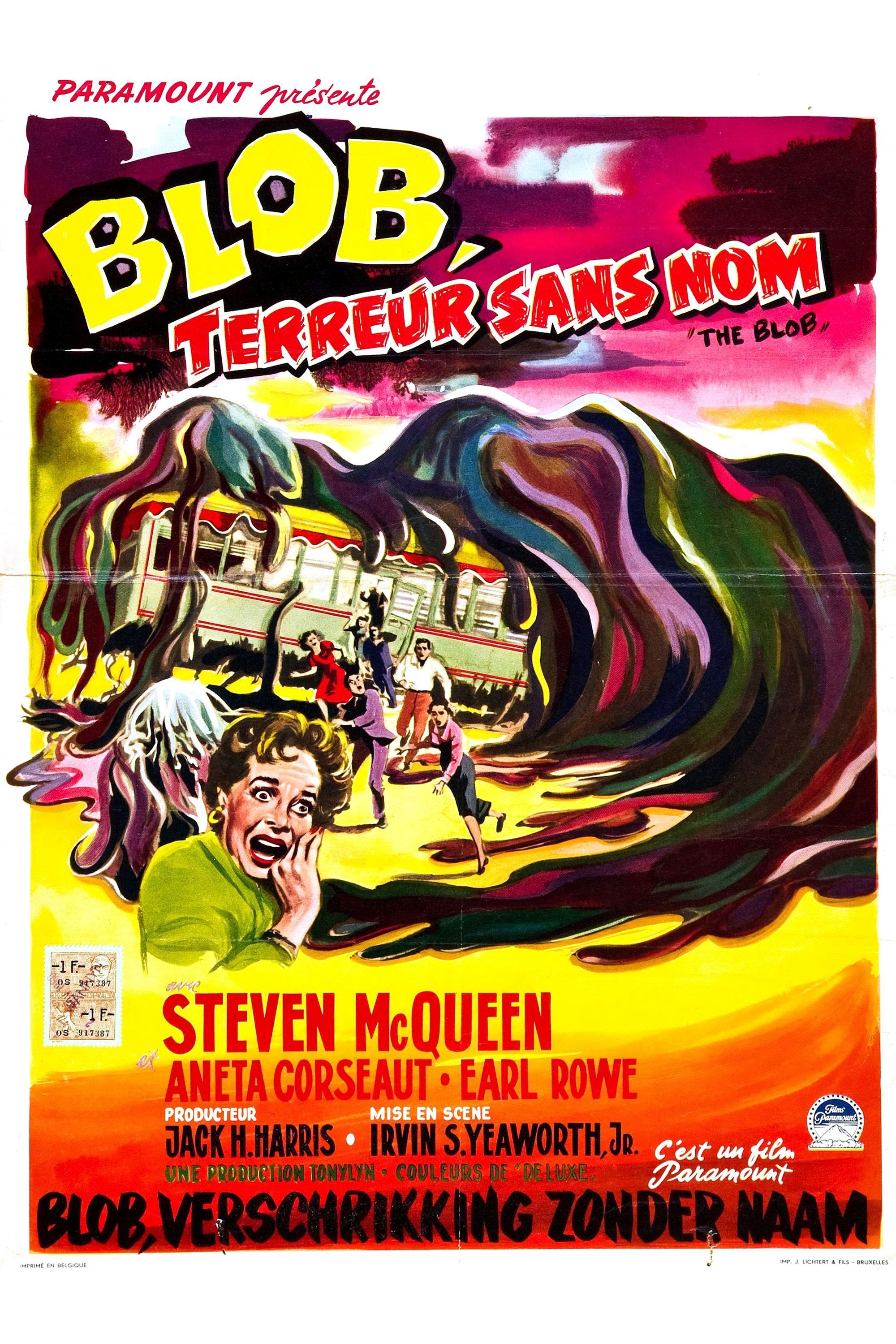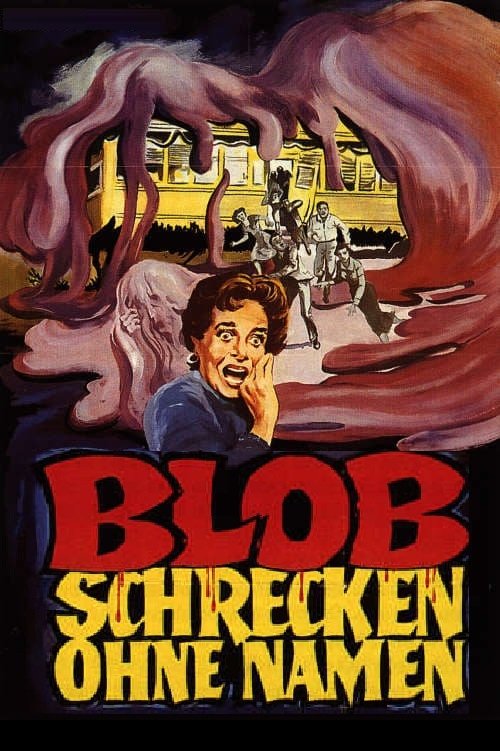
The Blob (1958)

US
HORROR FILM Science Fiction
Runtime
86 min
Release
September 10, 1958
Budget
$110,000
Revenue
$4,000,000
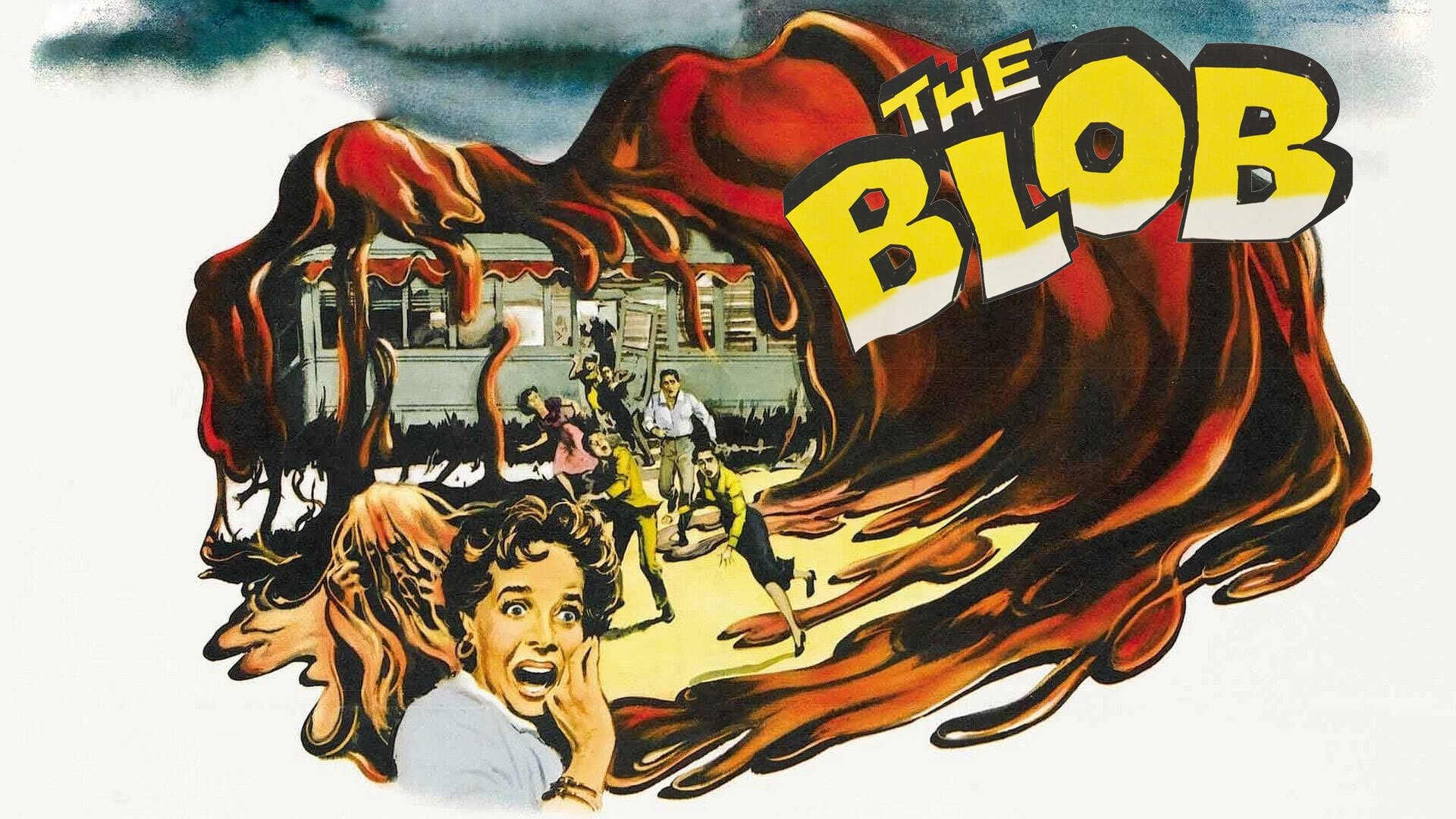
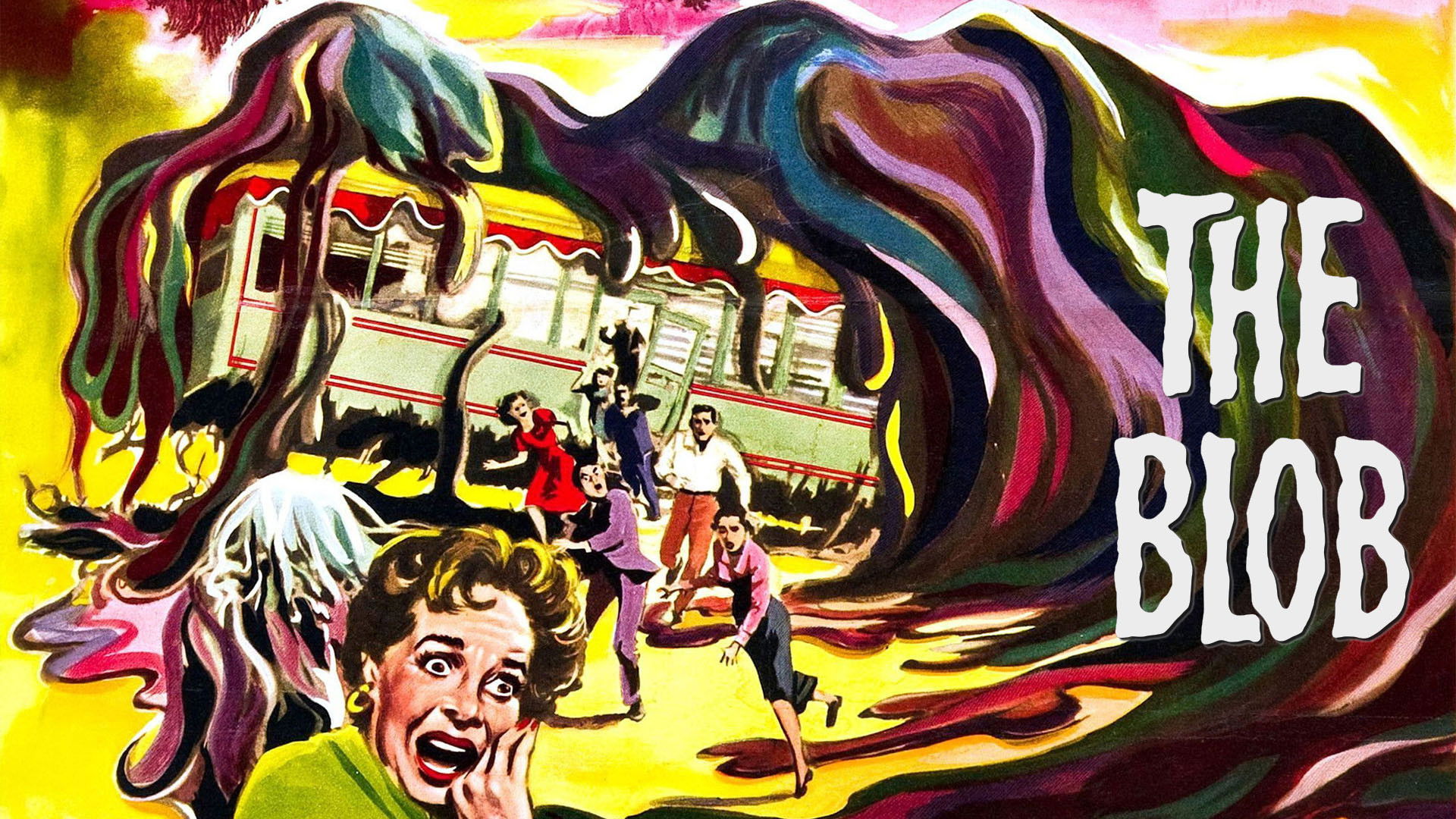
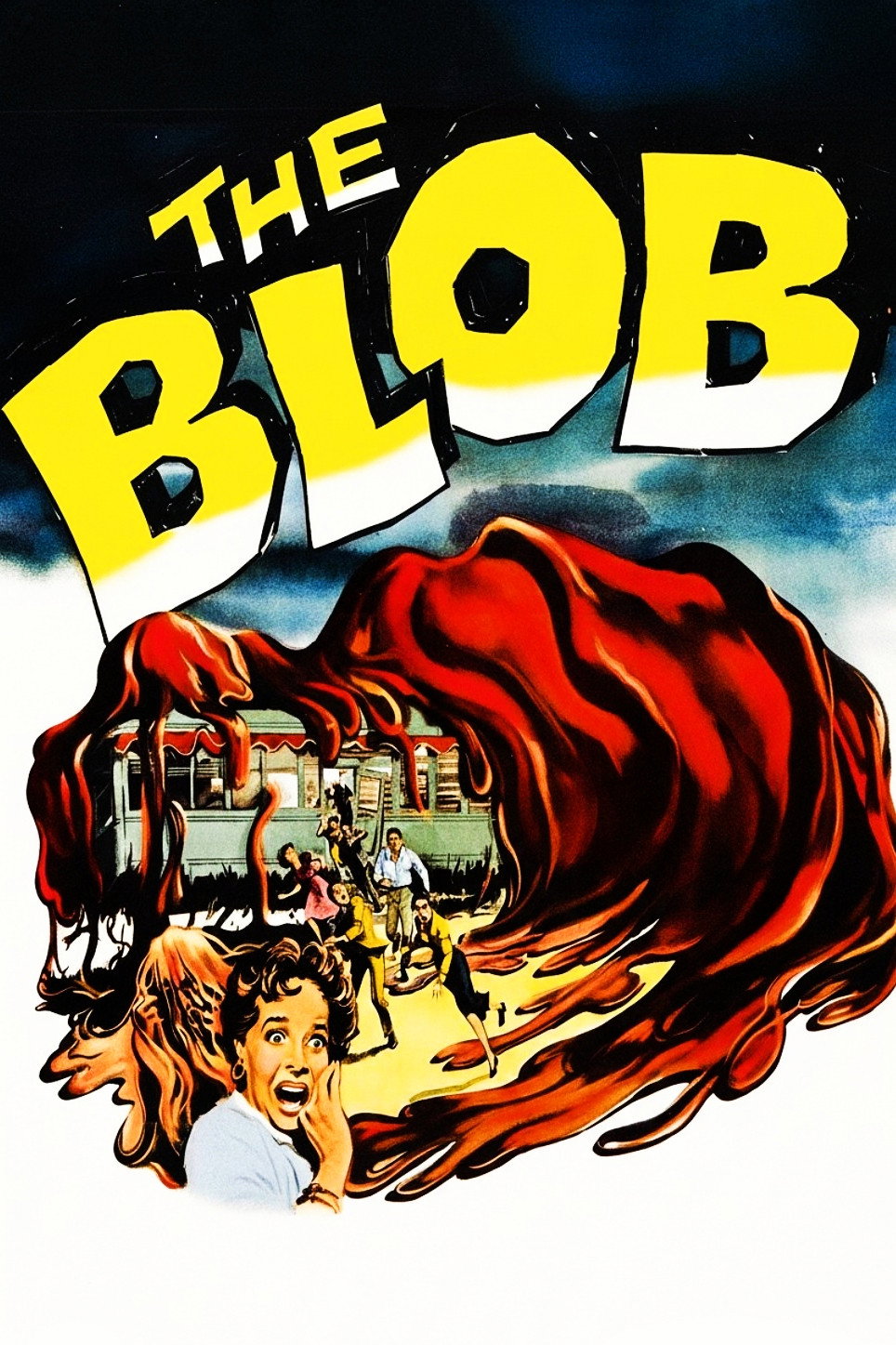
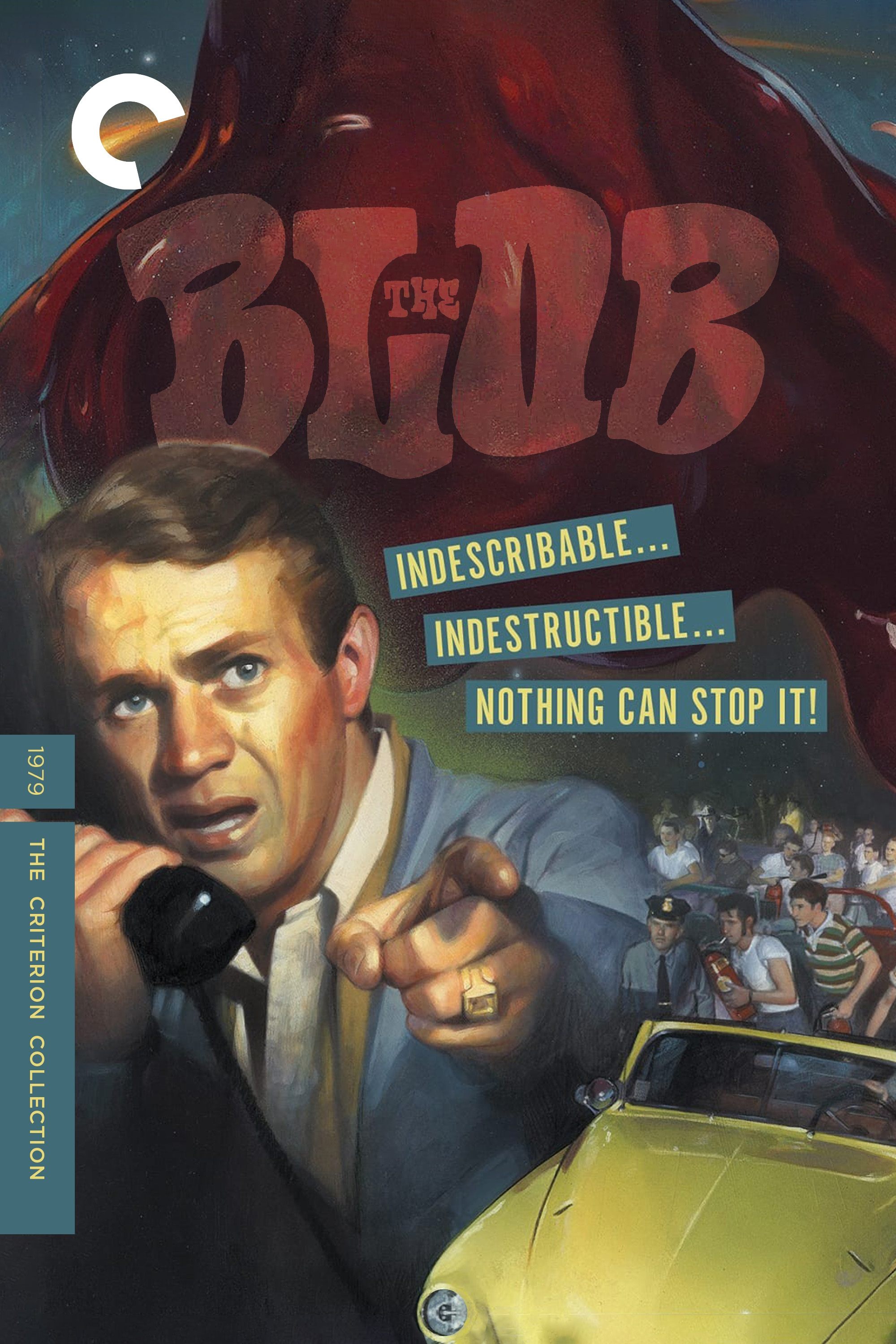
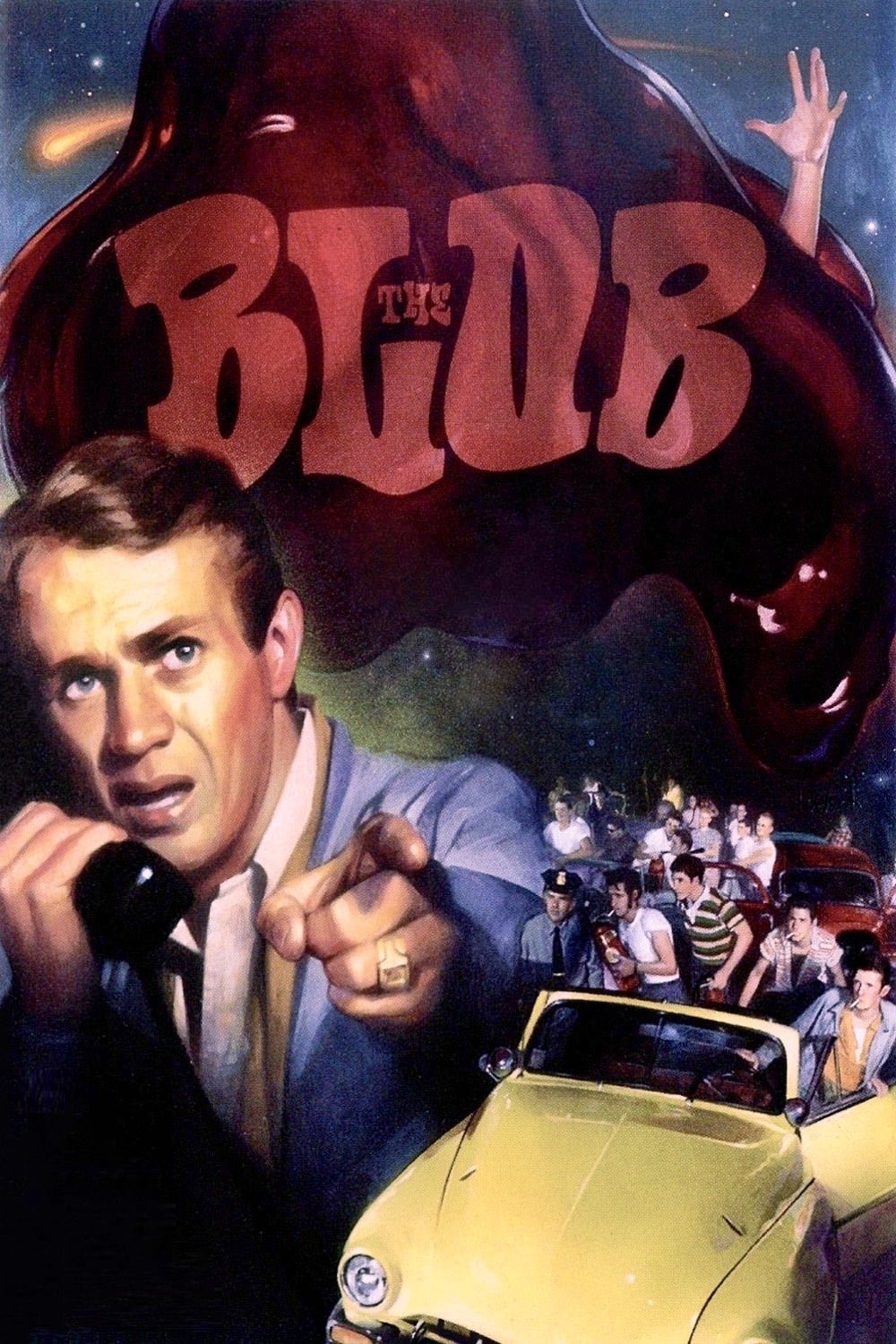
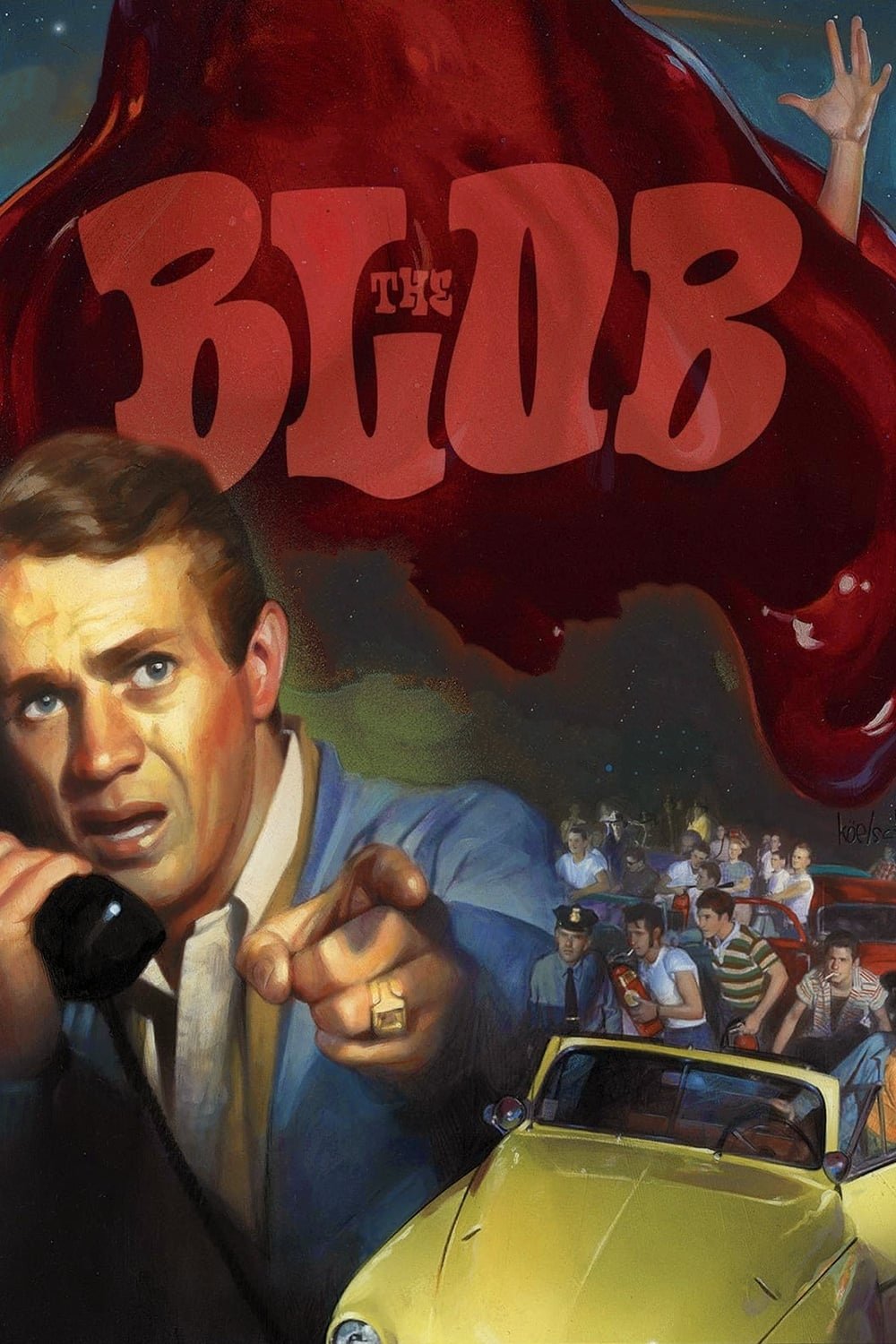
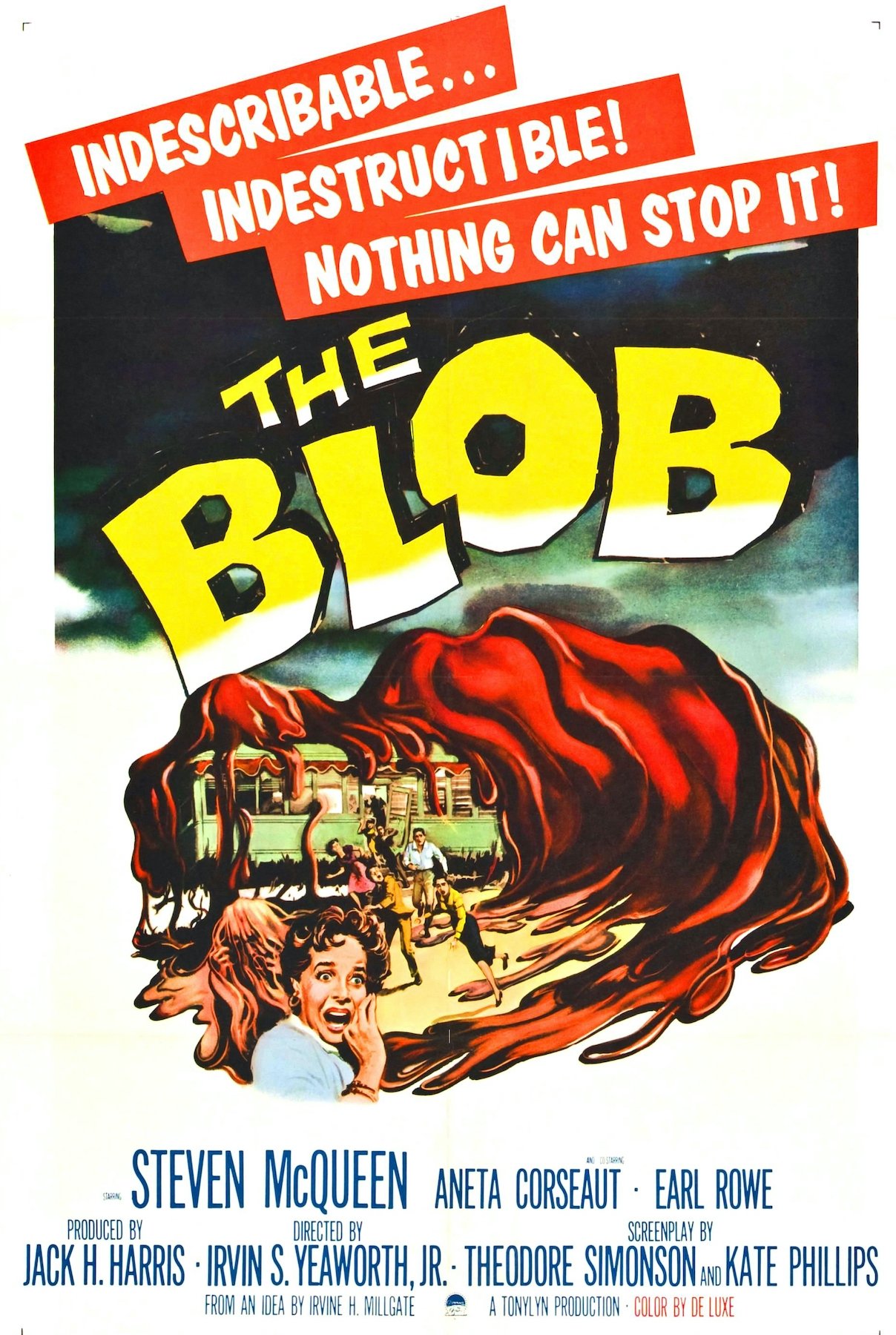
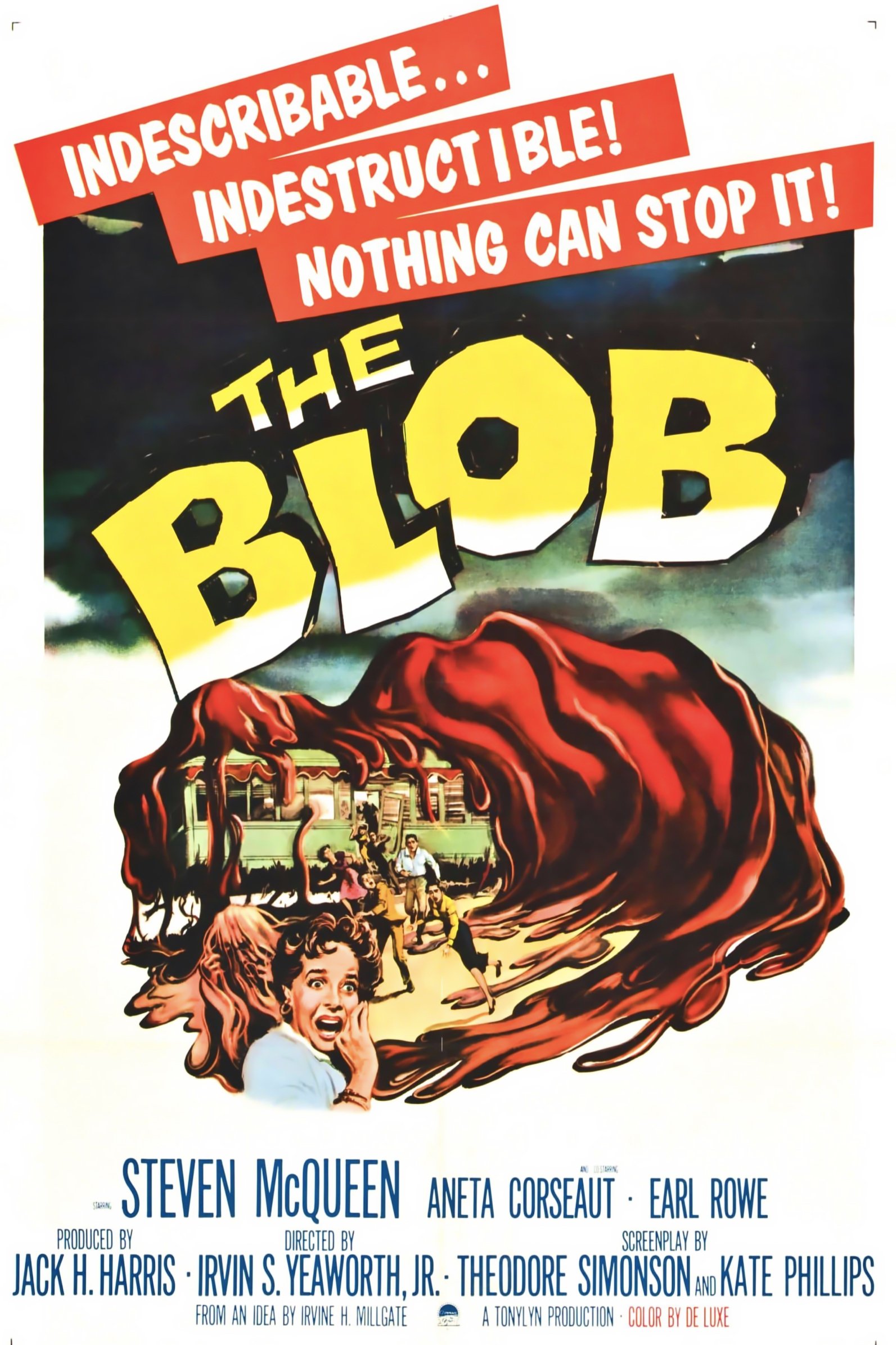
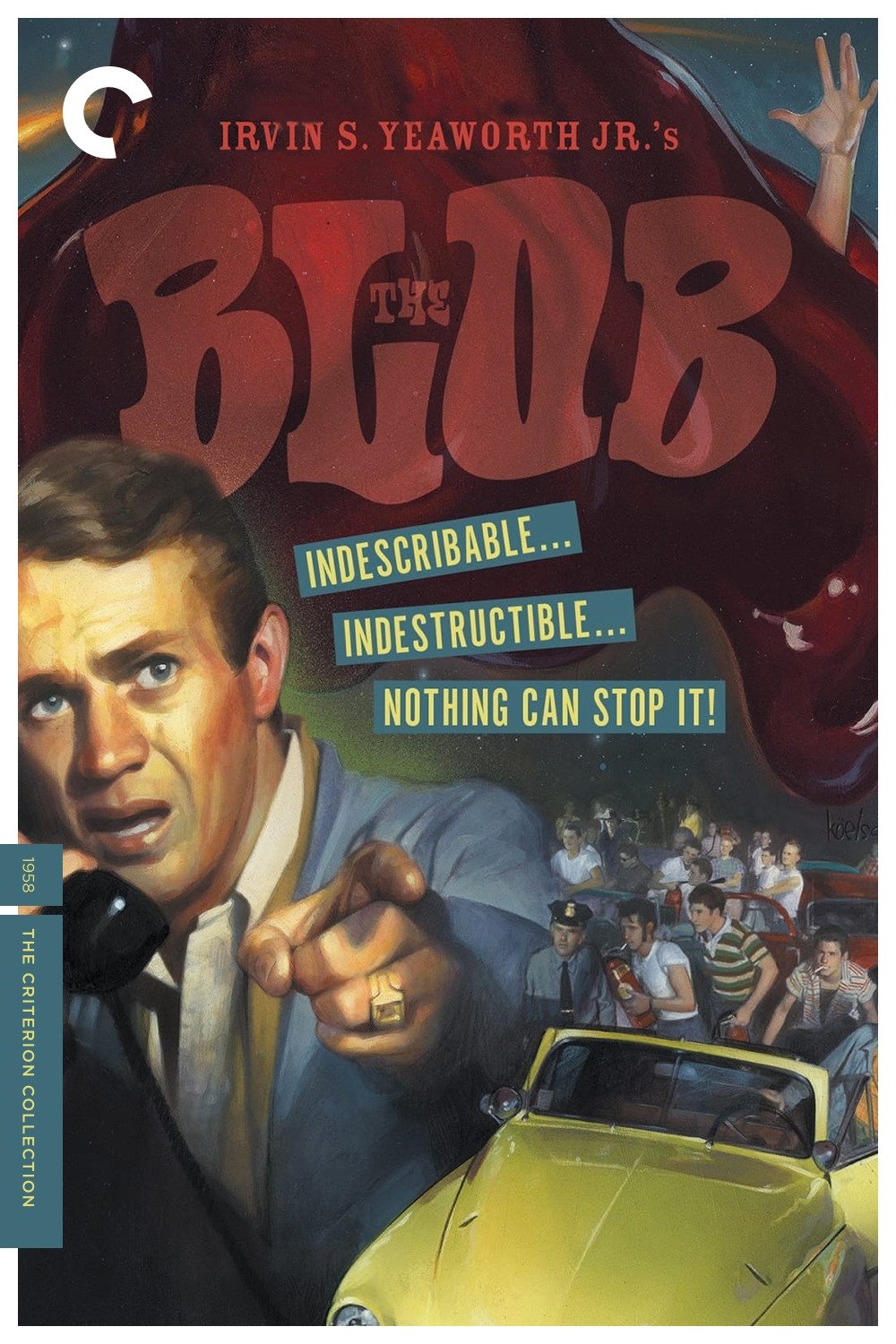
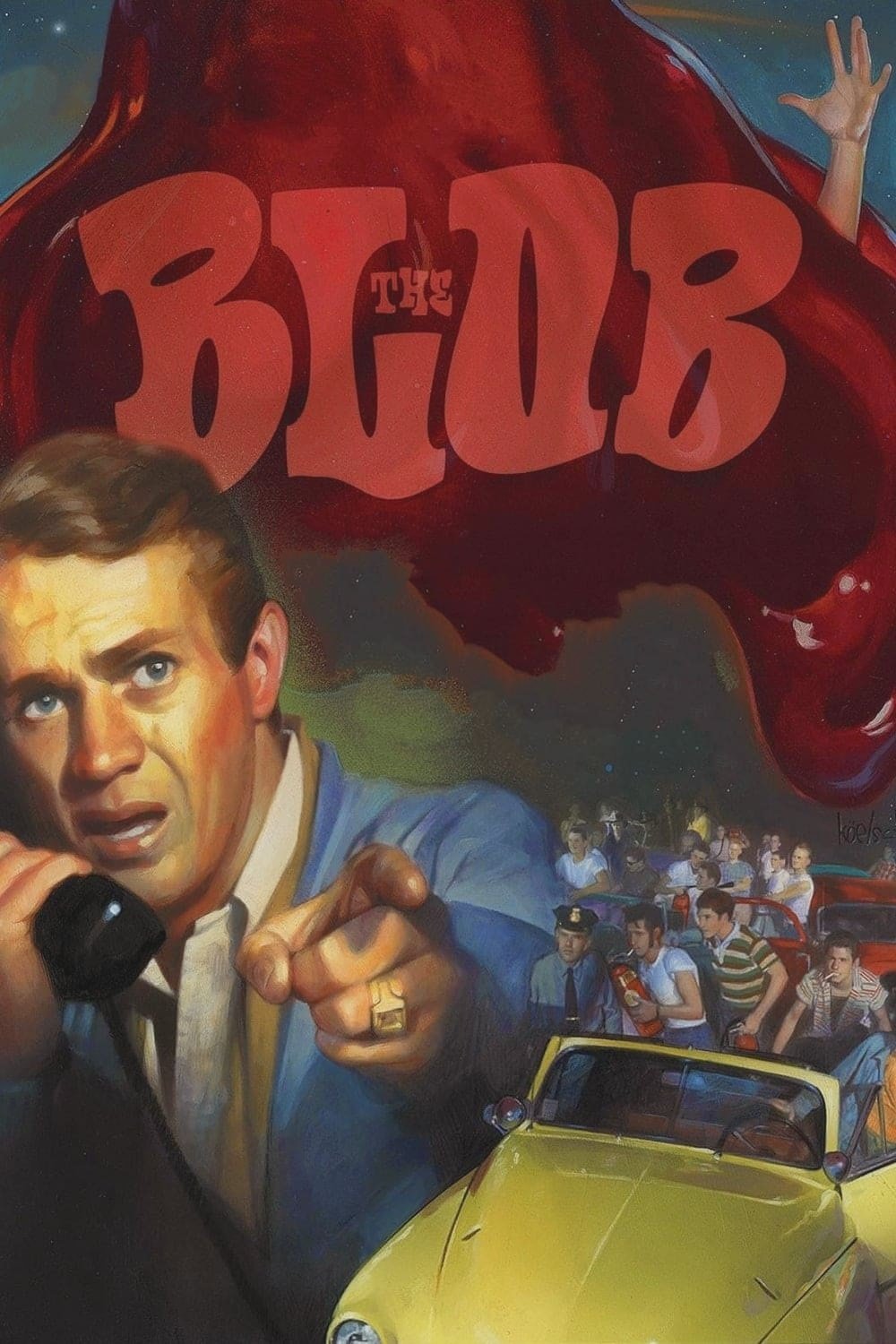
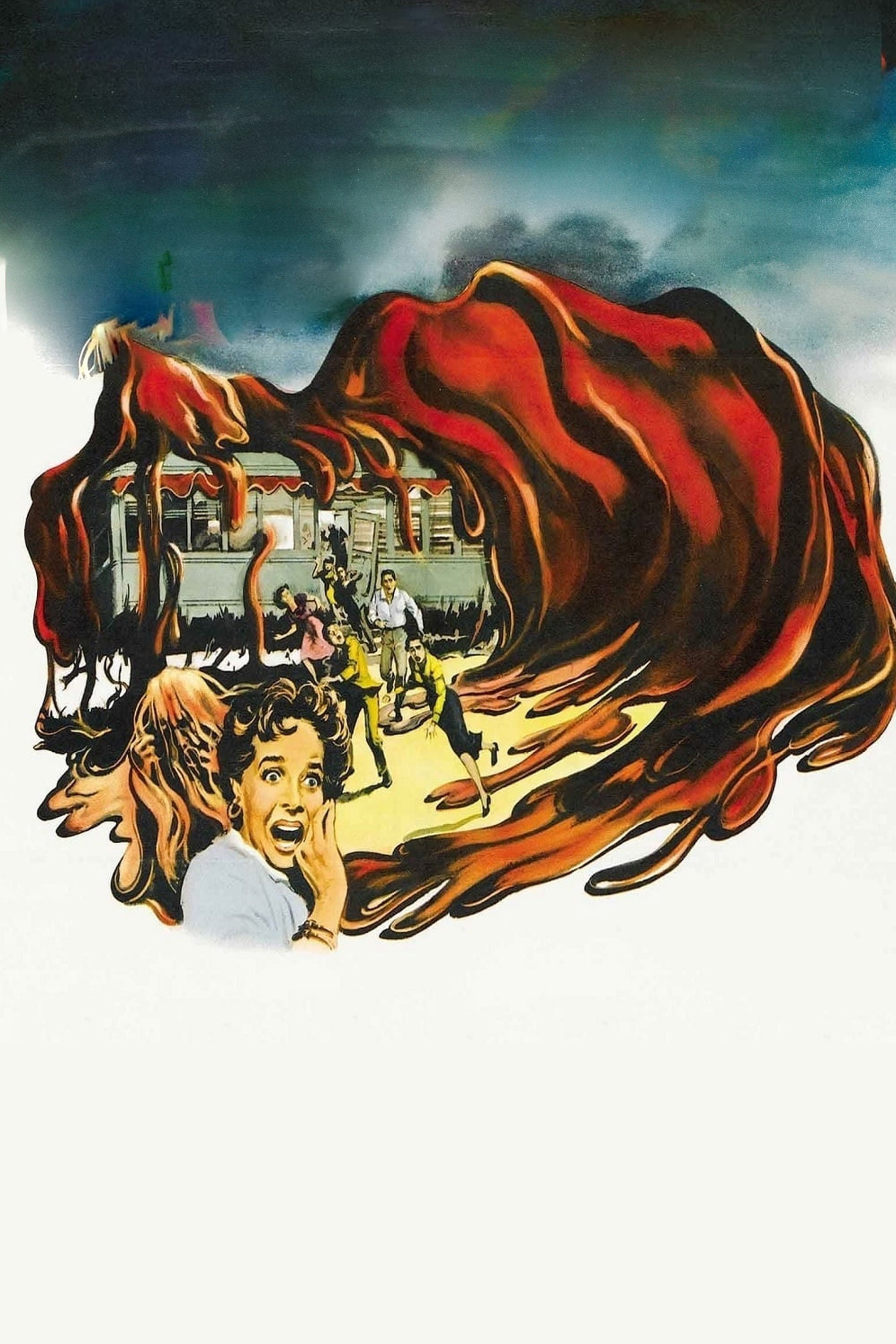
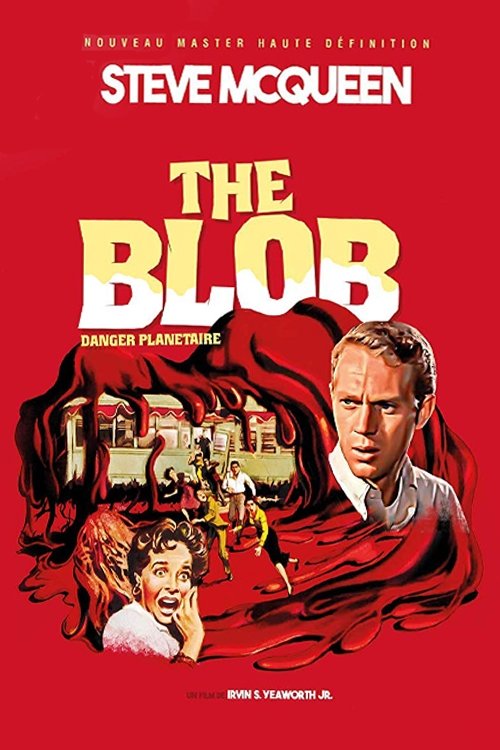
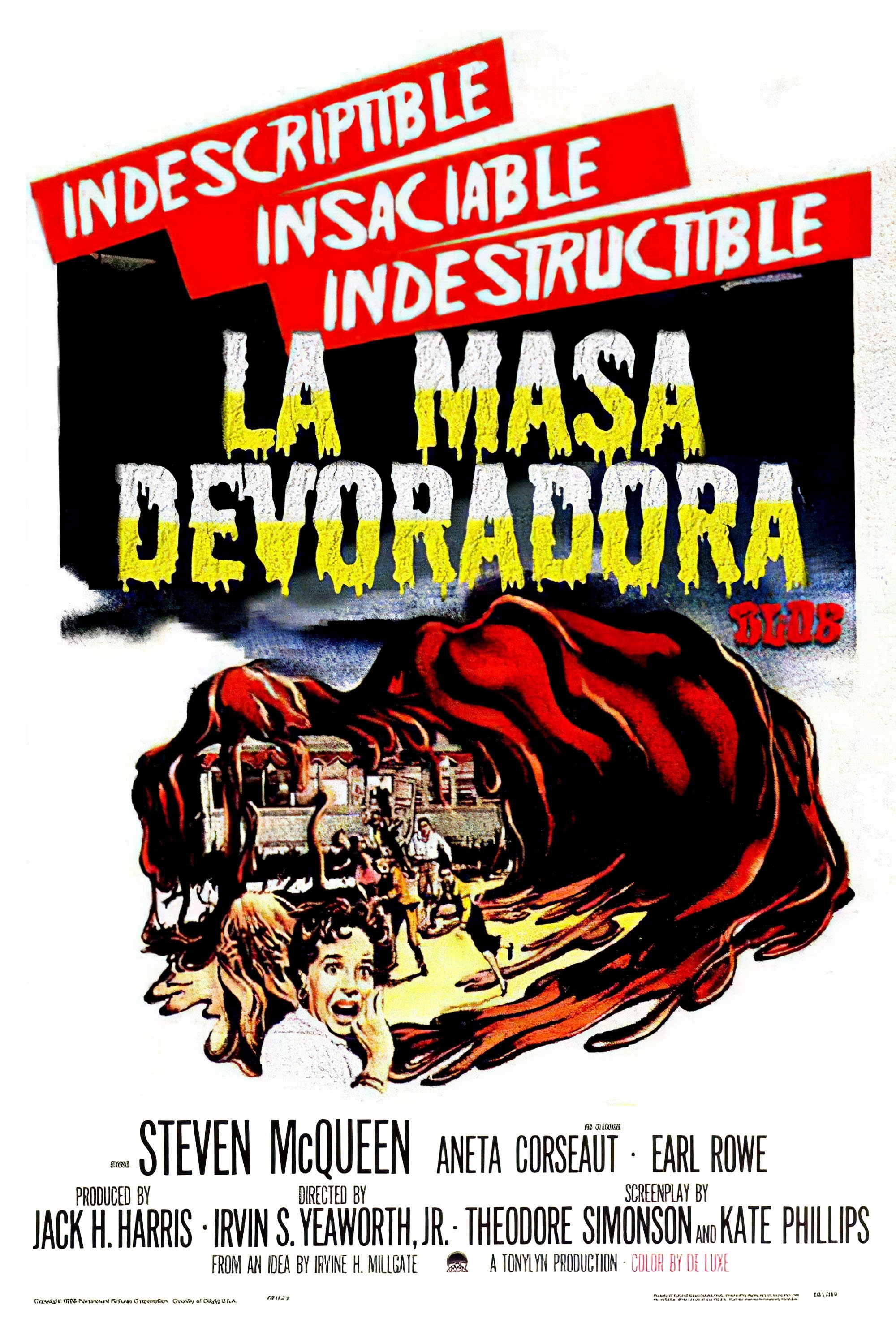
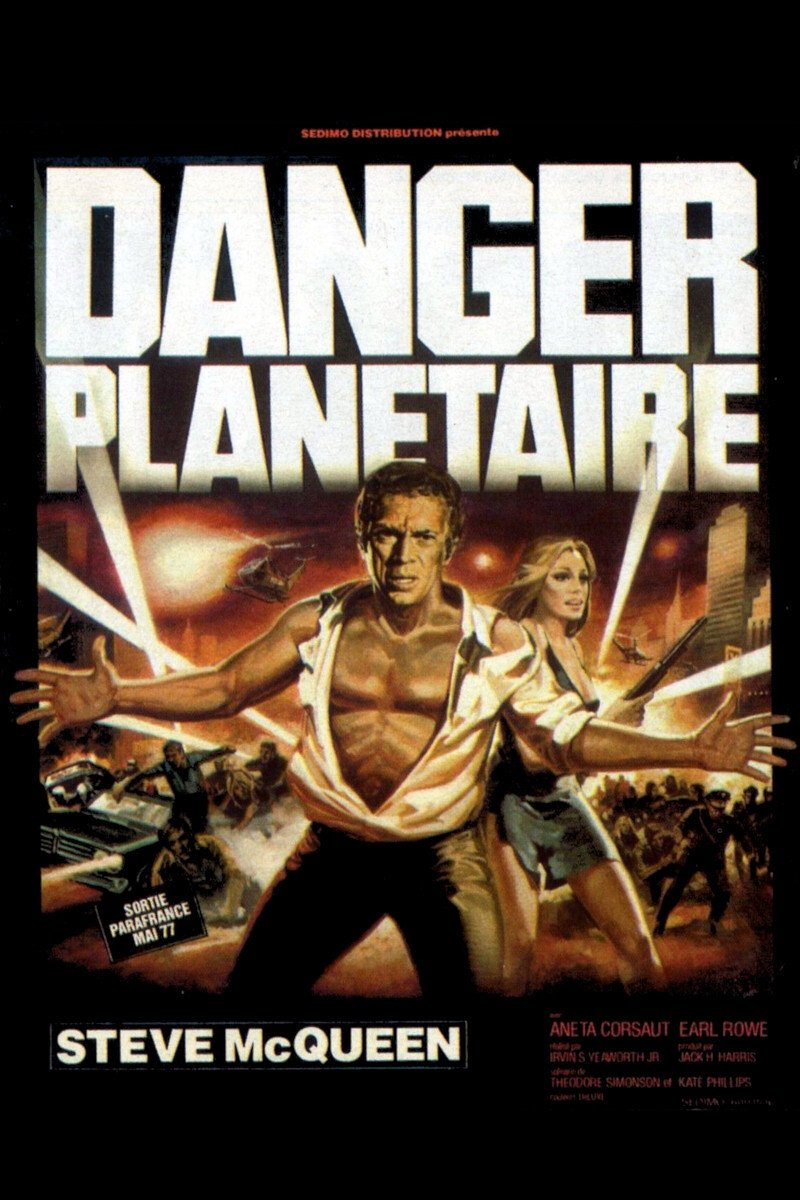
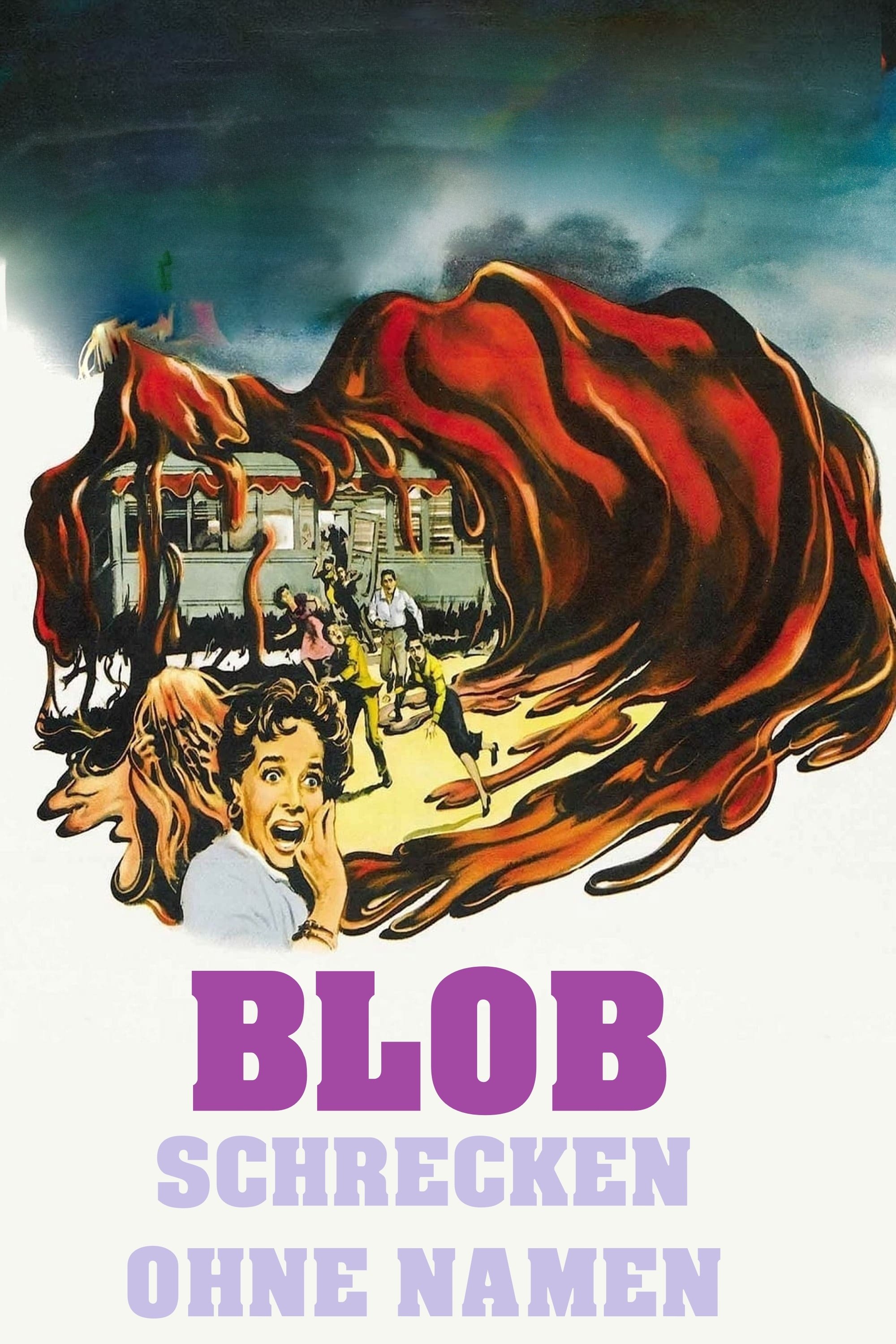
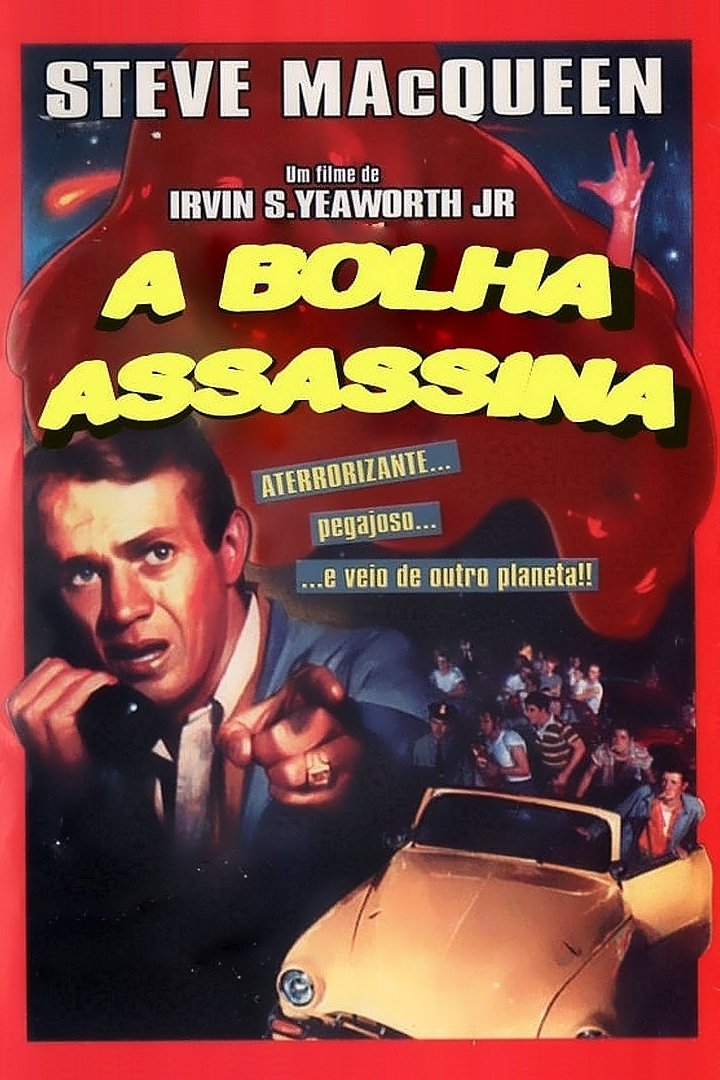
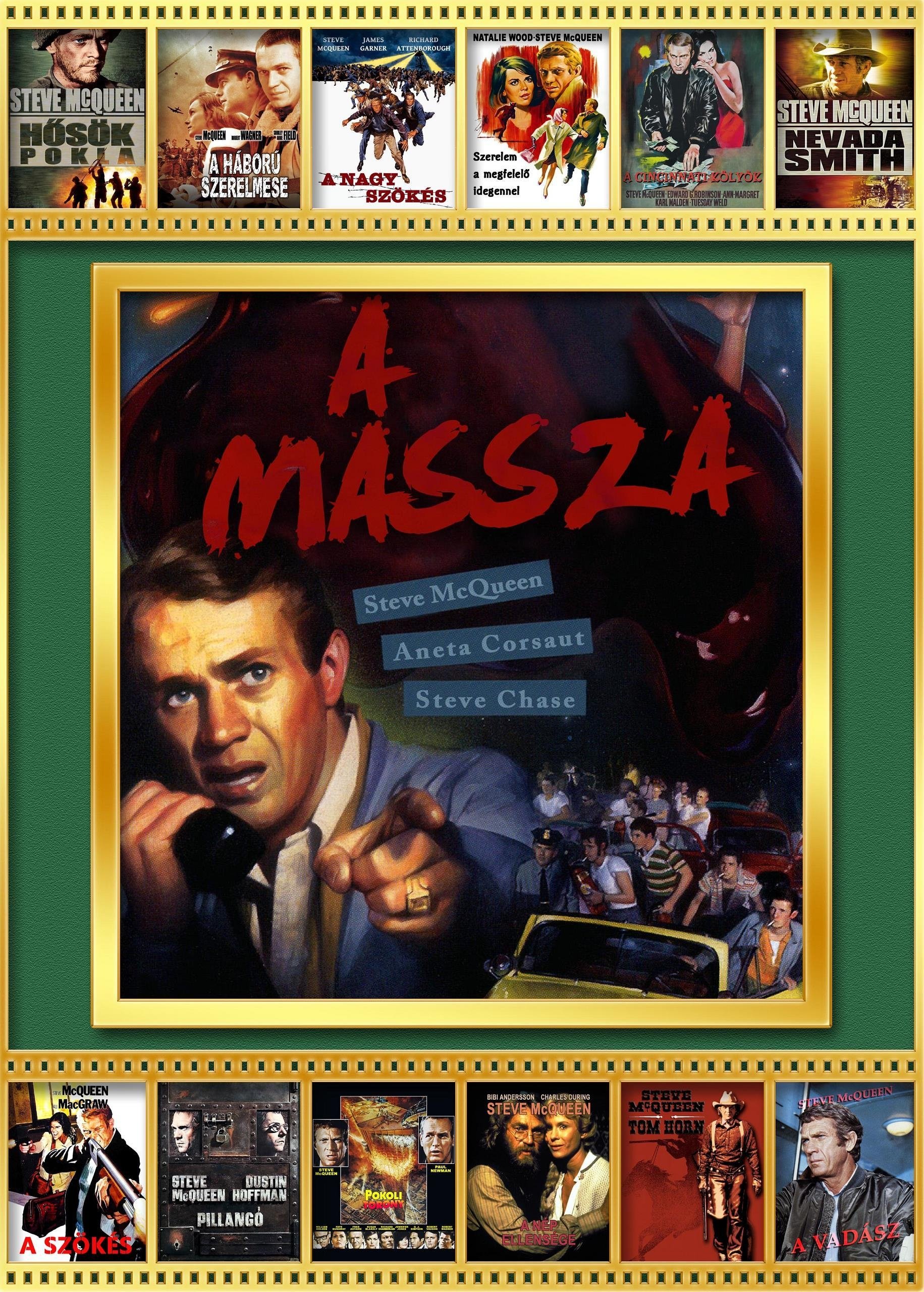
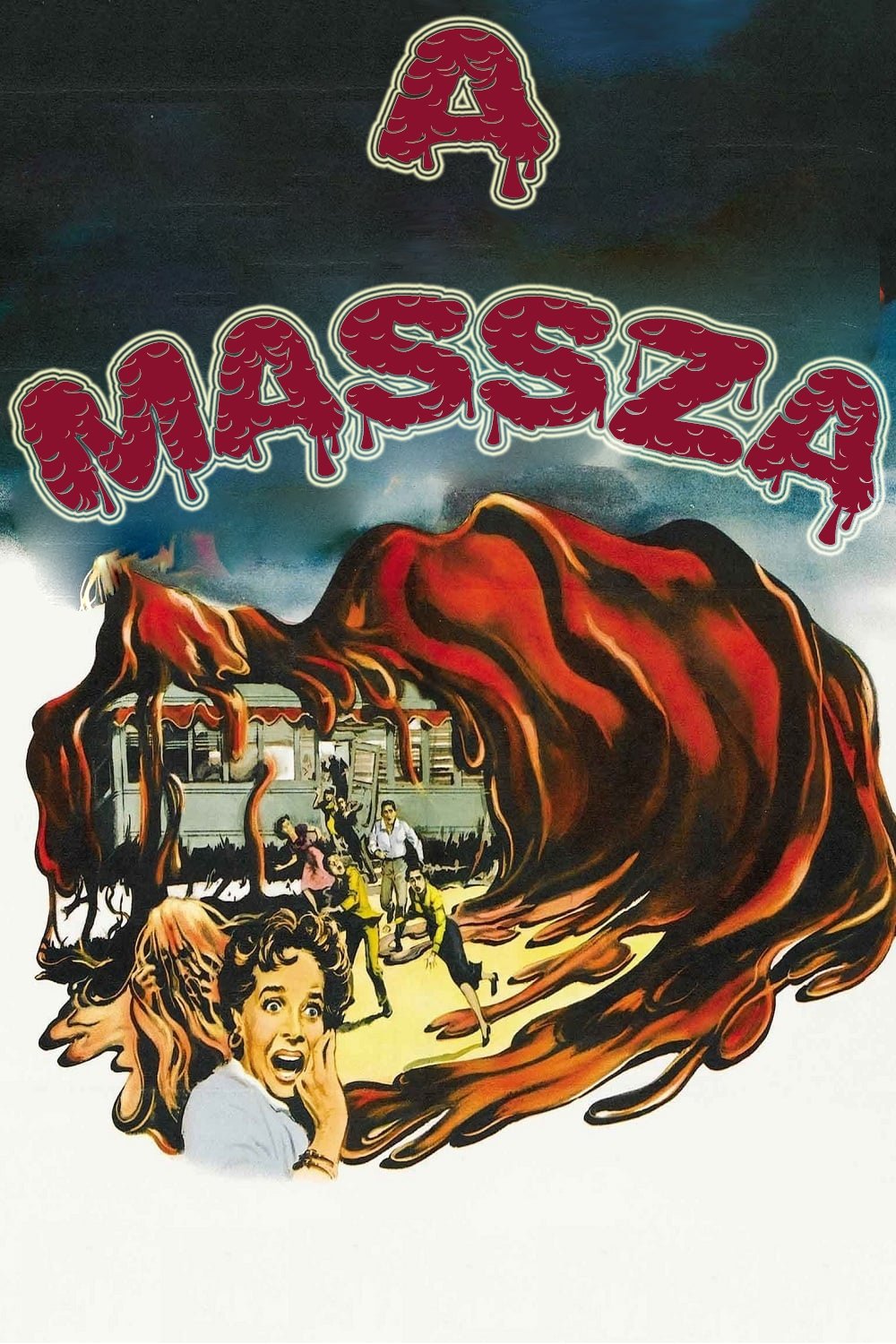
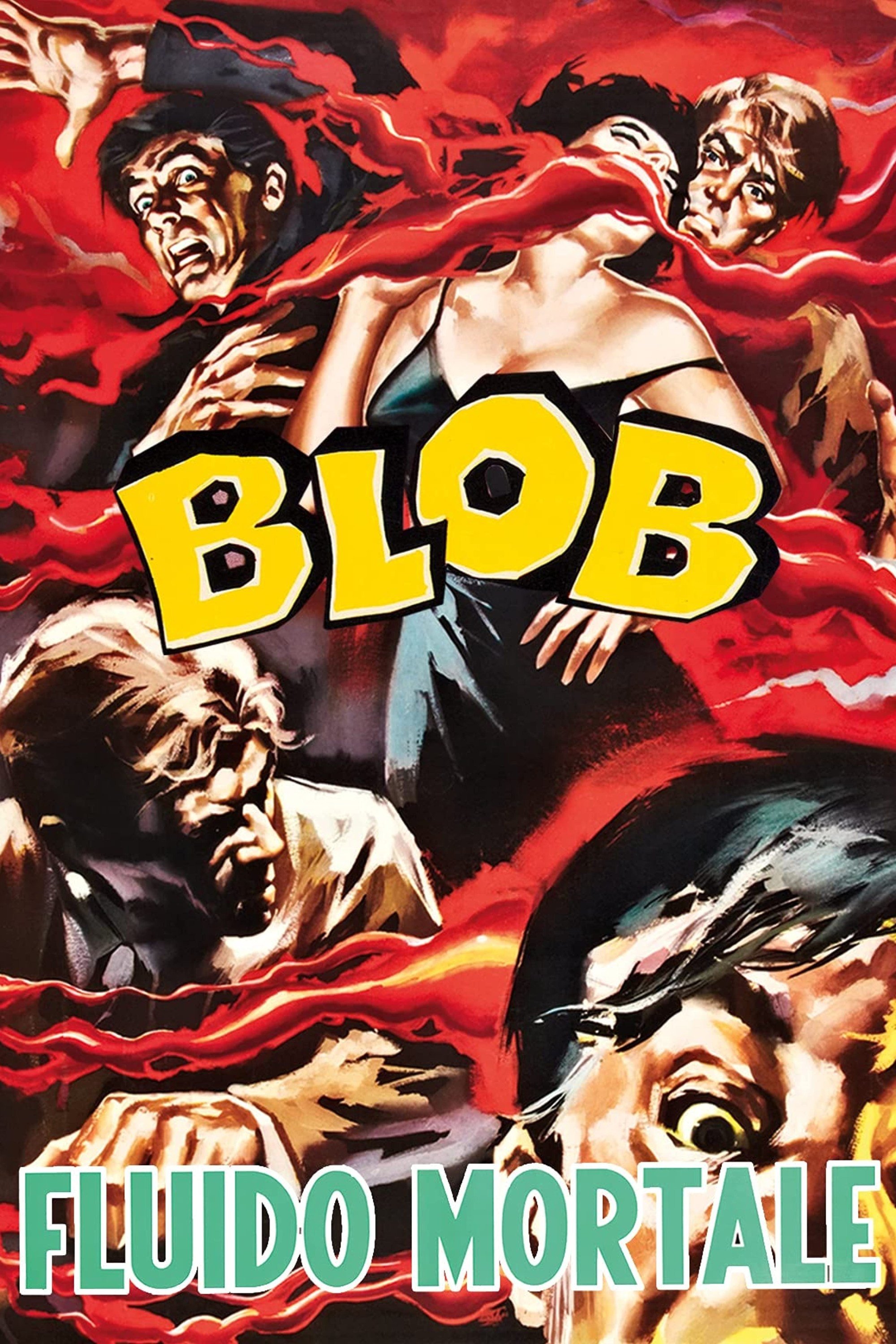
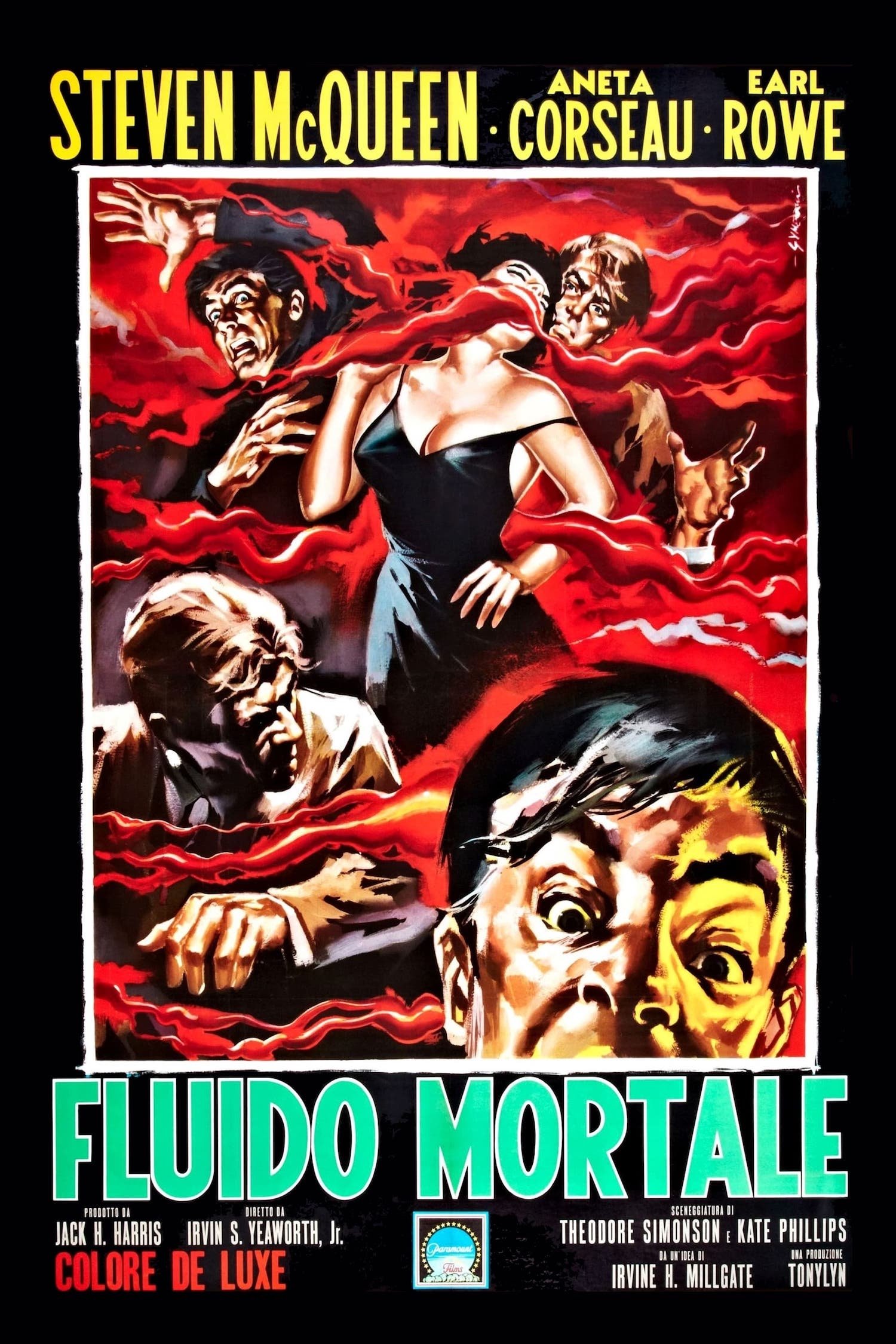
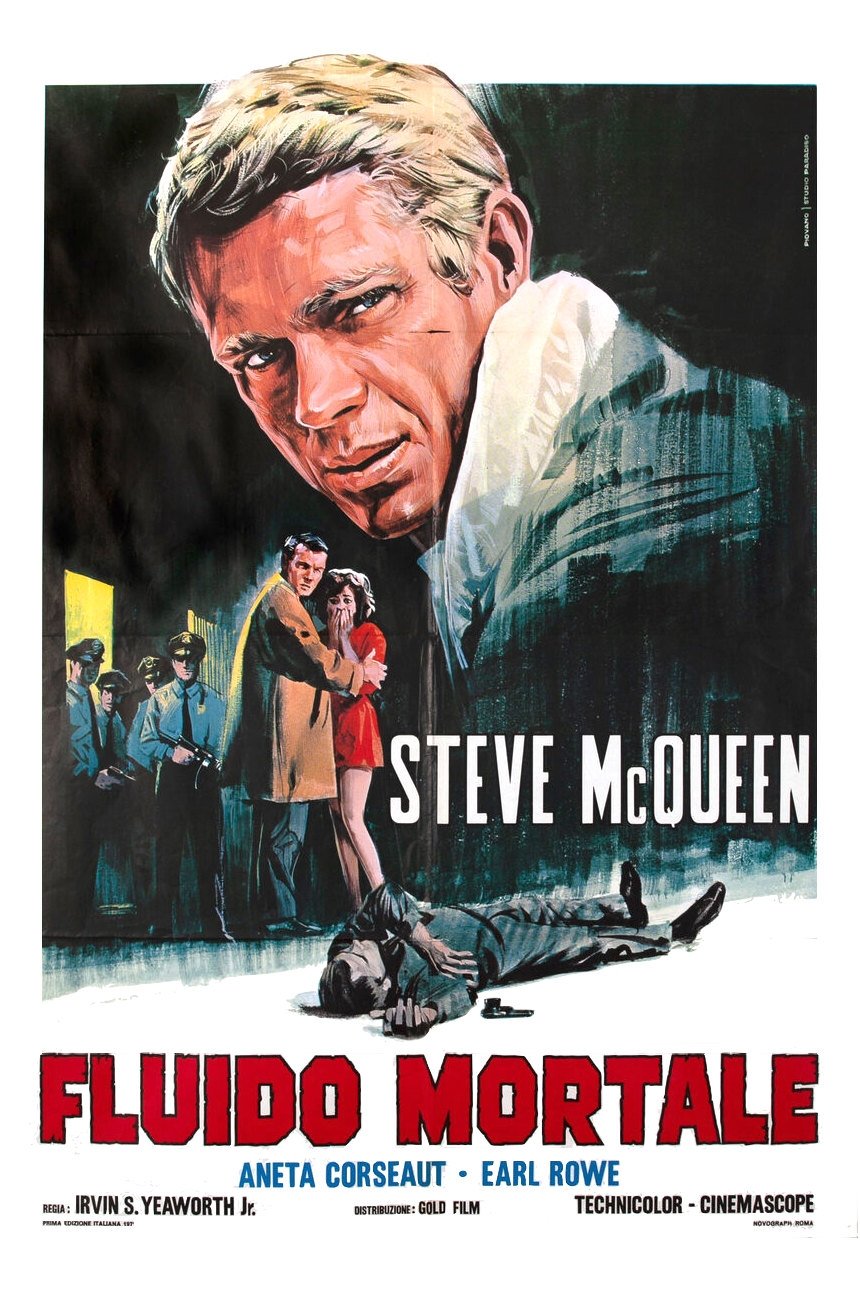
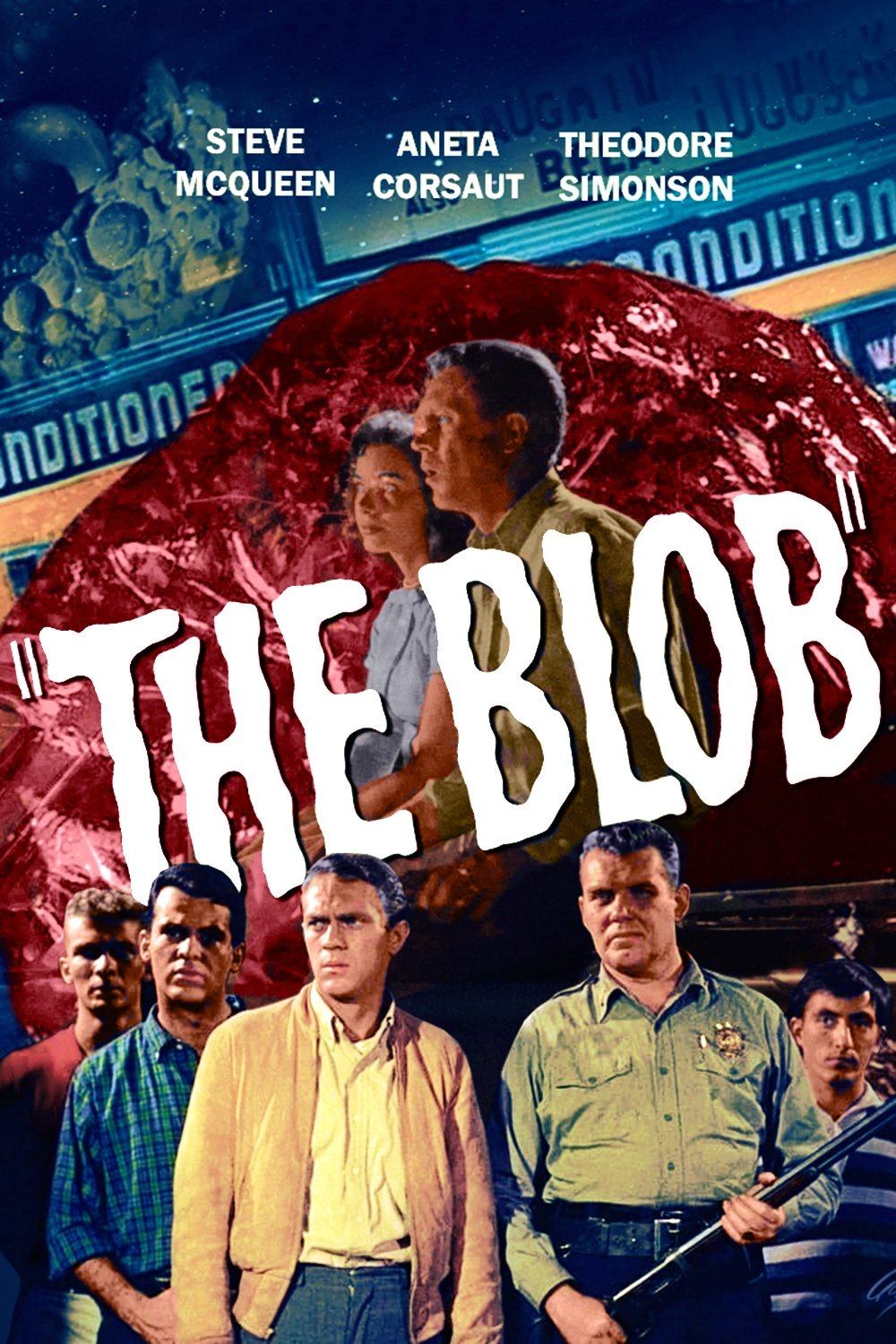
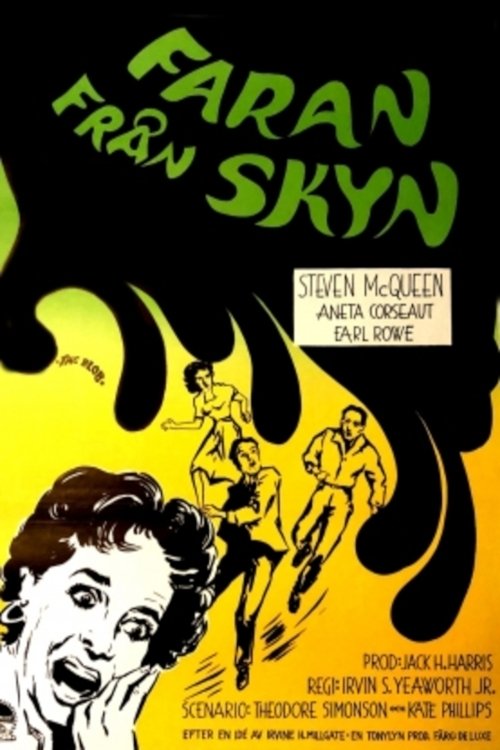
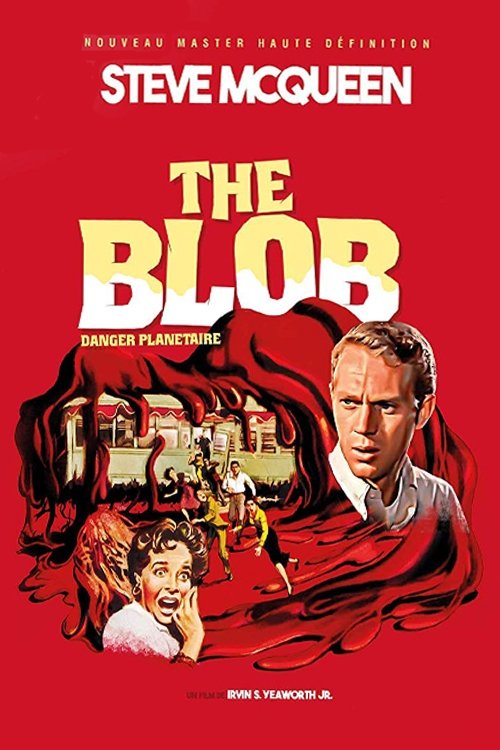
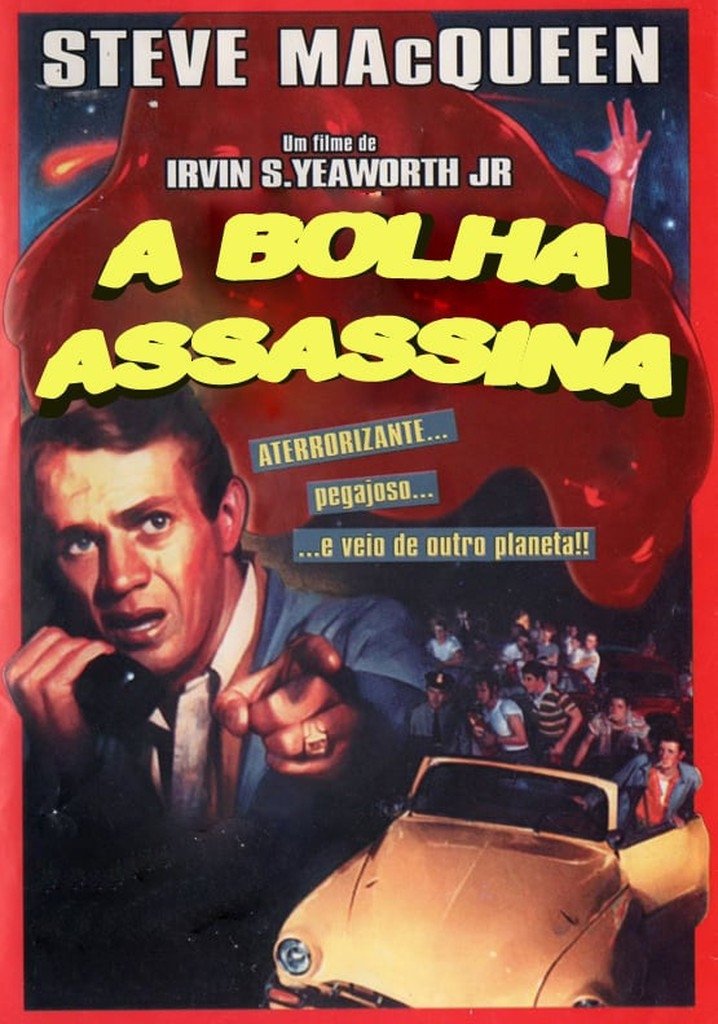
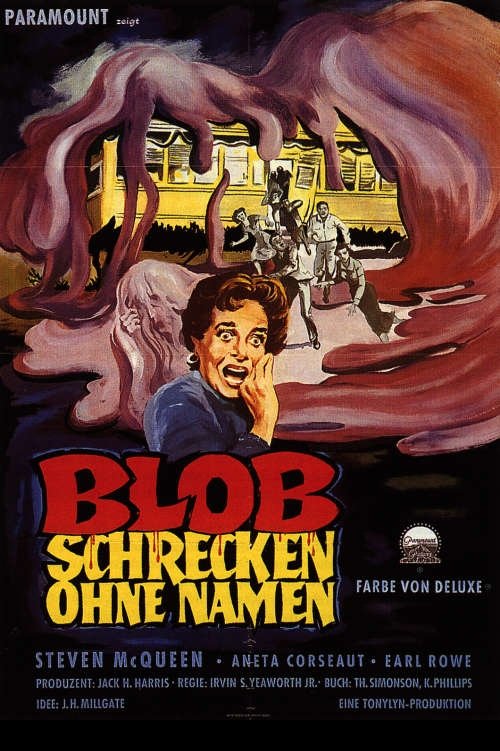
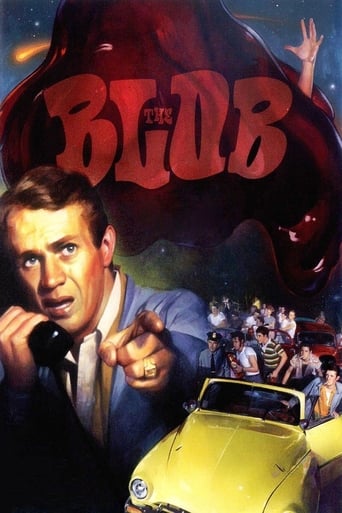
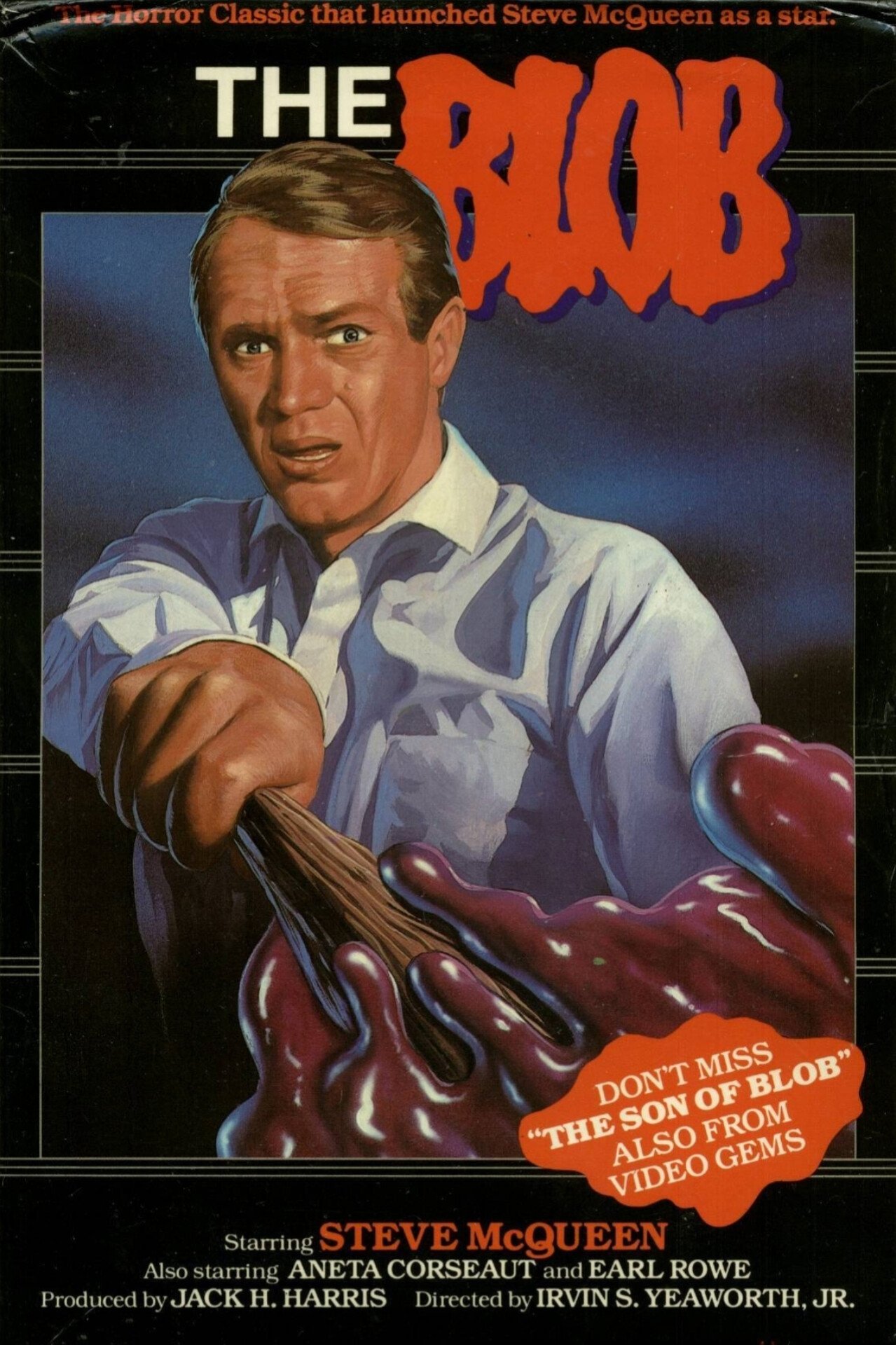
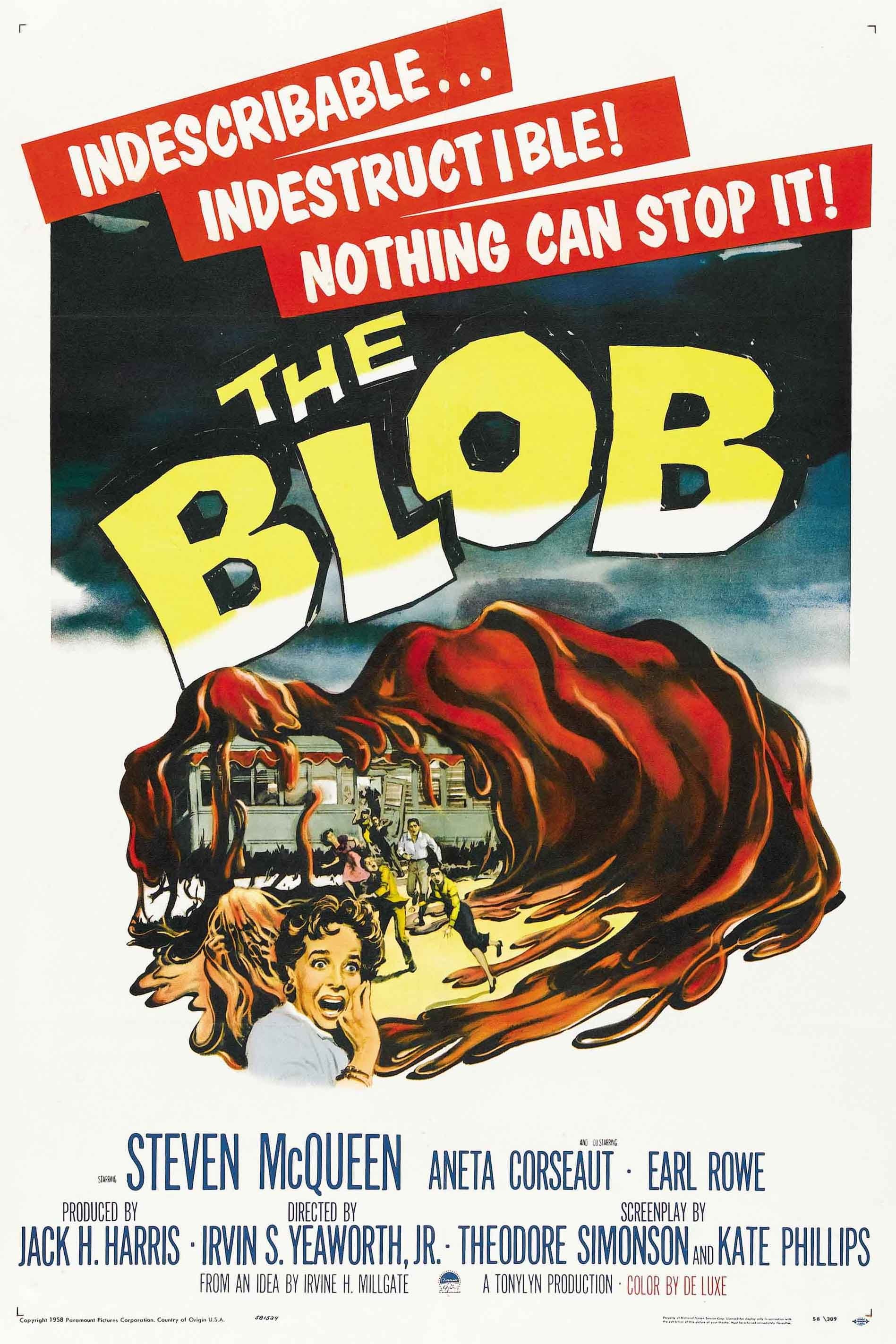
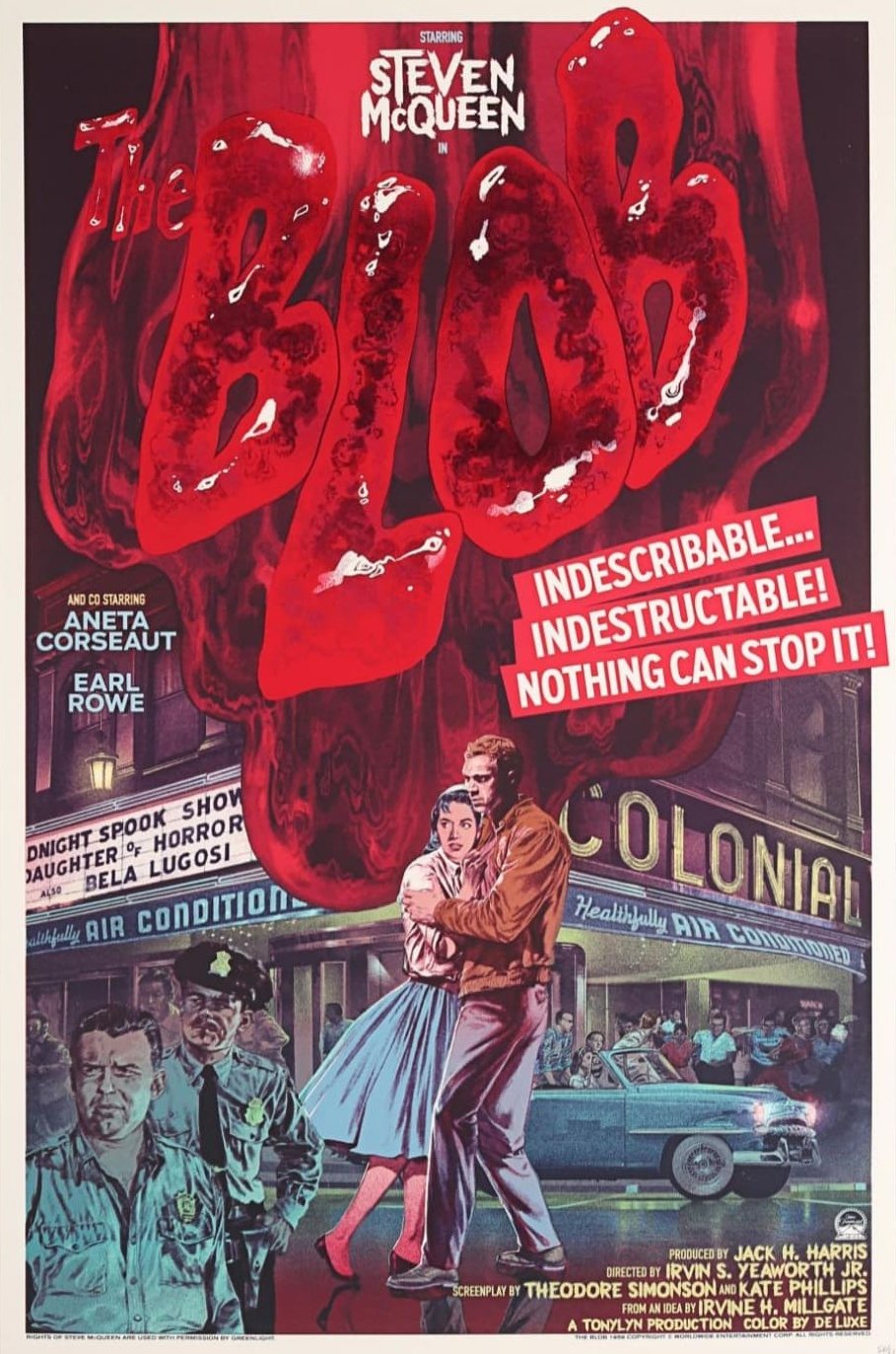
The Blob (1958) poster
Production Companies
Tonylyn Productions Inc. , Valley Forge Films , Fairview Productions
Plot

A drive-in favorite, this sci-fi classic follows teenagers Steve and his best girl, Jane, as they try to protect their hometown from a gelatinous alien life form that engulfs everything it touches. The first to discover the substance and live to tell about it, Steve and Jane witness the blob destroying an elderly man, then it growing to a terrifying size. But no one else has seen the goo, and policeman Dave refuses to believe the kids without proof.

Alternative Titles
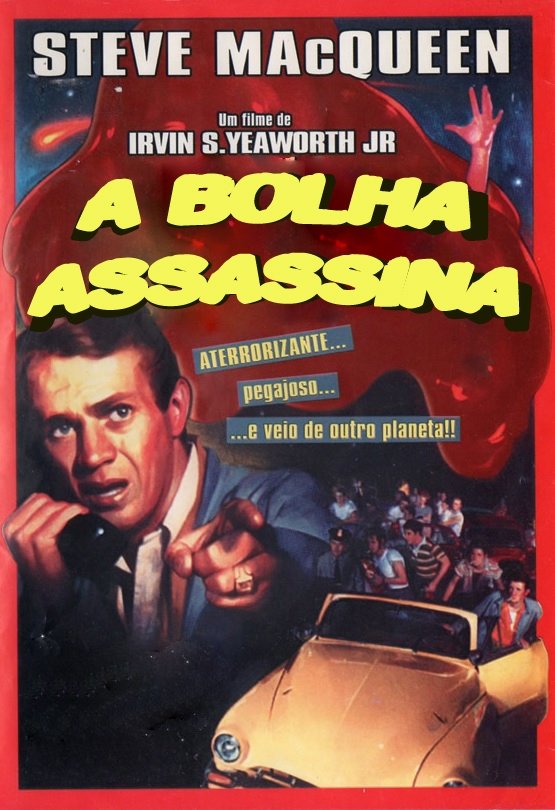
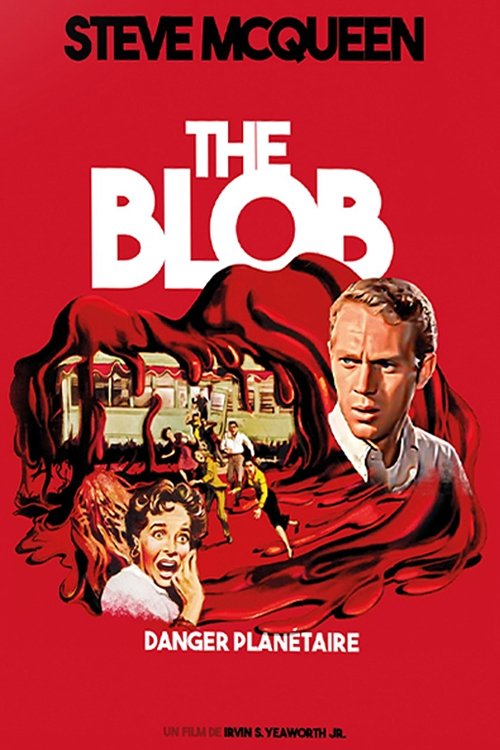
Blob, Terreur Sans Nom (Belgium) — French title Danger Planetaire (Belgium) — French reissue title Planeten Gevaar (Belgium) — Flemish reissue title A Bolha (Brazil) — Home Video Title A Bolha Assassina (Brazil) — Portuguese Blob, terreur sans nom (Canada) — French title Fluide Mortel (Canada) — French 变形怪体 (China) — Chinese
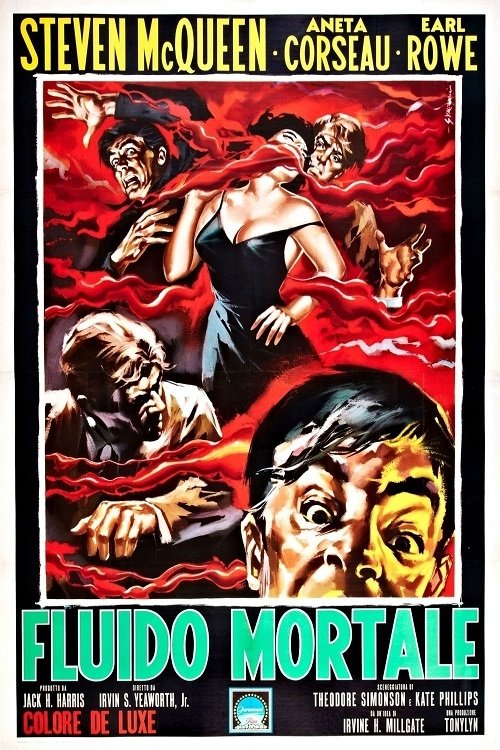
Show all 43 alternative titles Angriff aus dem Weltall (Germany) — reissue title Blob - Schrecken ohne Namen (Germany) — German La masa devoradora (Spain) — Spanish Valuva kuolema (Finland) — Finnish Danger planétaire (France) — French Eisvoli apo agnosto planiti (Greece) — transliterated reissue title Epikindynes epafes ap' to diastima (Greece) — transliterated reissue title Ifaisteio aimatos (Greece) — transliterated title To klasma tou thanatou (Greece) — transliterated video title Εισβολή από Άγνωστο Πλανήτη (Greece) — Greek A massza (Hungary) — Hungarian הבועה (Israel) — Hebrew توده (Iran) — Persian Blob - Fluido mortale (Italy) — Italian マックイーンの絶対の危機 (Japan) — Japanese 블롭 (South Korea) — Korean La mancha voraz (Mexico) — Spanish Blob - zabójca z kosmosu (Poland) — Polish Maź (Poland) — festival title Fluido Mortal (Portugal) — Portuguese Perigo Planetário (Um Fluido Mortal) (Portugal) — reissue title Blob - amoeba extraterestră (Romania) Blob - masa gelatinoasă devoratoare (Romania) Капля (Russia) — Russian Bortom alla lagar (Sweden) — reissue title Faran från skyn (Sweden) — Swedish Flytande död (Sweden) — Swedish title Panik (Sweden) — video box title Капля (Russia) — Russian title The Glob (United States) — Working Title The Glob That Girdled the Globe (United States) — Working Title The Meteorite Monster (United States) — Working Title The Molten Meteor (United States) — Working Title The Night of the Creeping Dead (United States) — Working Title Mjehur ubica (Serbia) — Serbian title

Trailers & Videos

2 videos

Film Guide & Analysis

Irvin S. Yeaworth Jr.’s 1958 science-fiction horror transforms a gelatinous extraterrestrial into an unforgettable screen monster through ingenious silicone effects, Pennsylvania locations and Steve McQueen’s teenage protagonist.

The Blob (1958) is an American science-fiction horror film directed by Irvin S. Yeaworth Jr. and produced by Jack H. Harris from an original idea by Irvine H. Millgate. Written by Theodore Simonson and Kate Phillips, it follows Steve Andrews and Jane Martin, two teenagers who discover that a gelatinous extraterrestrial organism has arrived in rural Pennsylvania. The creature consumes living tissue, increases in size with every victim and moves through buildings without possessing a recognizable anatomical structure. When the young witnesses attempt to warn their community, their accounts are repeatedly dismissed by adults and police officers who regard them as irresponsible troublemakers.

Produced independently by Tonylyn Productions and photographed in color by Thomas Spalding, The Blob was filmed primarily in Pennsylvania using facilities normally associated with religious and educational productions. Its distinctive monster was created through practical effects supervised by Bart Sloane, combining silicone materials, miniature environments and carefully controlled movement. Steve McQueen, billed as Steven McQueen, received his first leading feature-film role opposite Aneta Corsaut. Ralph Carmichael composed the original score, while Paramount Pictures introduced a title song by Burt Bacharach and Mack David. Released in 1958, the film became an influential example of low-budget American creature horror and established an enduring association between extraterrestrial invasion, teenage protagonists and small-town distrust.

Development & Original Concept

The project developed from an idea presented by Irvine H. Millgate to filmmakers working at Valley Forge Films in Pennsylvania. Millgate proposed a science-fiction picture centered on a formless substance capable of moving and consuming living organisms. Rudy Nelson, who participated in the production and later assisted with screenplay revisions, recalled attending a meeting during the spring of 1956 at which Millgate demonstrated a small sample of silicone. The material suggested that a convincing monster could be created without an expensive mechanical creature or an actor wearing elaborate makeup. The unusual premise attracted producer Jack H. Harris, whose previous experience was primarily in film distribution.

Harris collaborated with Irvin S. Yeaworth Jr., a director whose professional background included religious and educational films. Yeaworth had already directed the feature The Flaming Teenage (1956), making The Blob an important transition in his career rather than his first feature-length production. Theodore Simonson and Kate Phillips received the screenplay credit, with Millgate identified as the originator of the story. Accounts differ concerning the extent of the two writers’ contributions. Nelson, who witnessed the script’s development, remembered Simonson as its principal writer and Phillips as a later contributor, while other retrospective accounts assign her a more substantial creative role. The surviving credits establish their shared authorship without resolving every aspect of the writing process.

The screenplay circulated under the working title The Molten Meteor before the producers adopted The Blob. The final title directly describes the creature’s appearance, although the word itself is never spoken within the completed film. The production was organized without an established distributor, requiring Harris to secure financing and arrange the later sale of the picture. The decision to construct a monster from inexpensive materials enabled the filmmakers to pursue a commercially recognizable science-fiction subject while remaining outside the principal Hollywood production system. Their resources shaped the story’s emphasis on local environments, relatively small groups of performers and attacks that could be represented through objects, reactions and selected special-effects shots.
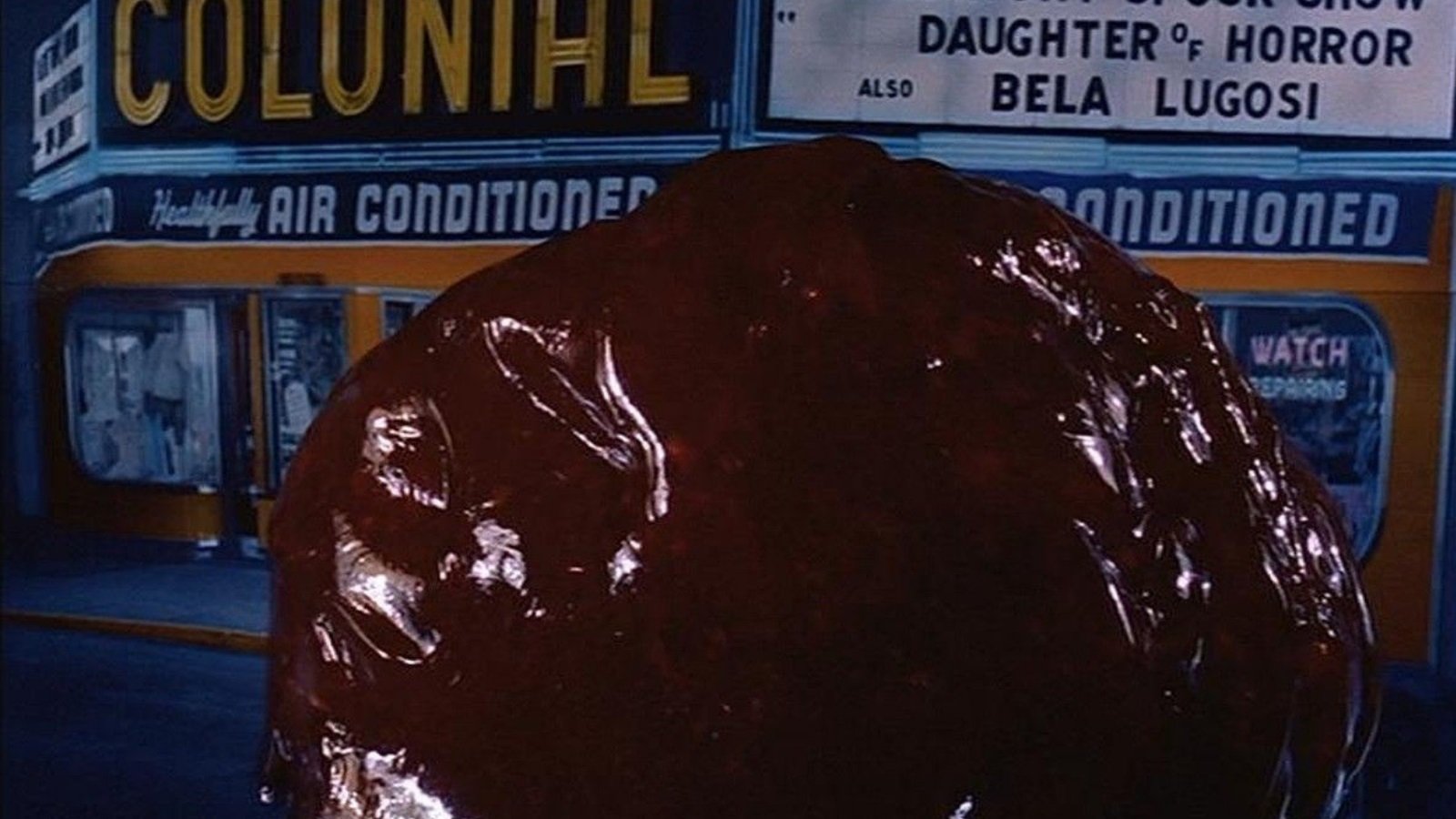
The Meteorite & the Invasion

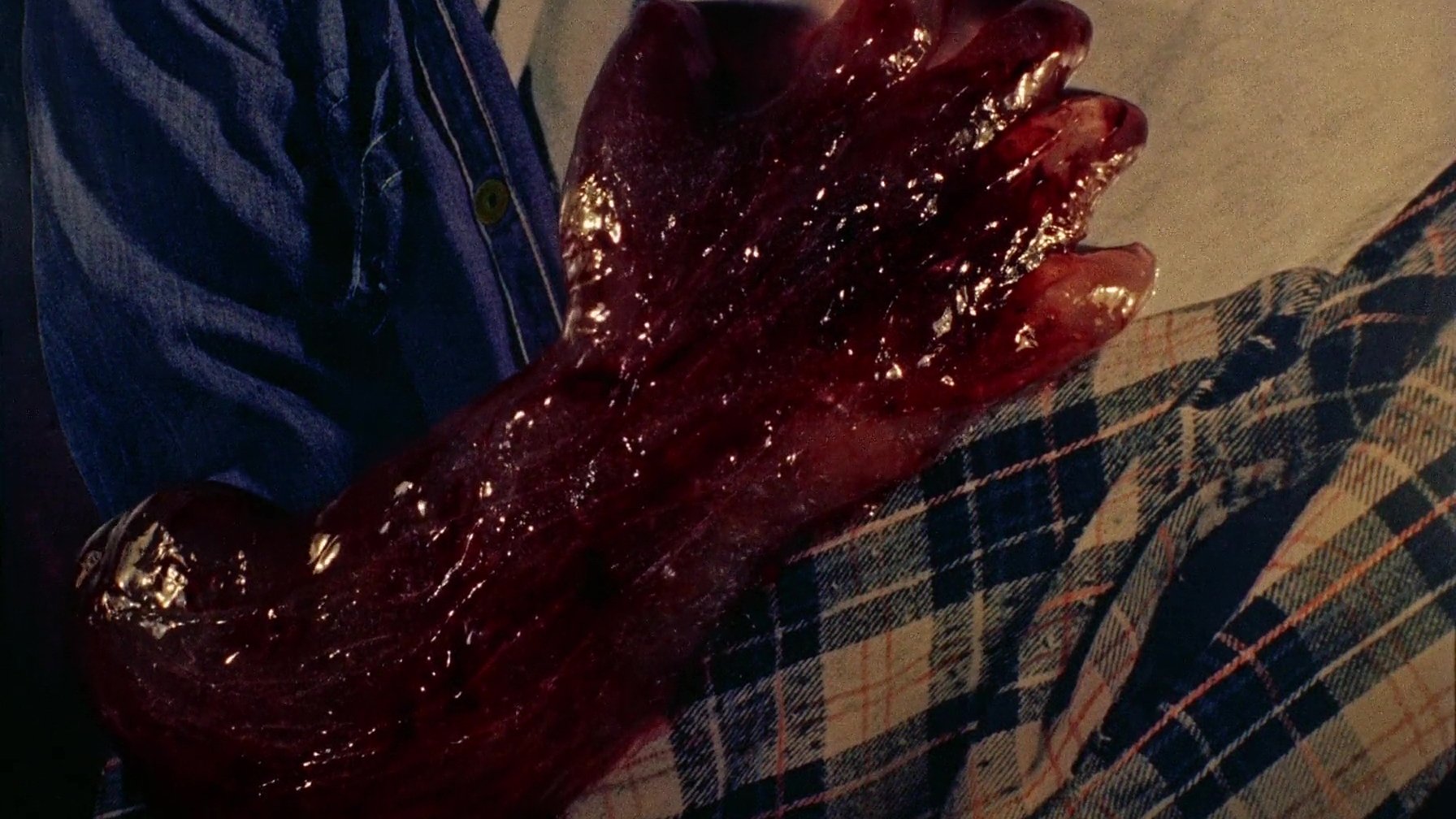
The narrative begins when Steve Andrews and Jane Martin observe what appears to be a falling meteorite. An elderly man discovers the object after it lands nearby and breaks it open with a stick. A gelatinous substance emerges and attaches itself to his hand, resisting his attempts to remove it. Steve and Jane encounter the terrified man and take him to Dr. T. Hallen, who discovers that the material has begun spreading across his arm. The physician asks the teenagers to investigate the site of the impact, but the organism continues growing while they are away. The first victim’s accidental discovery establishes the creature’s predatory behavior before anyone understands its origin.

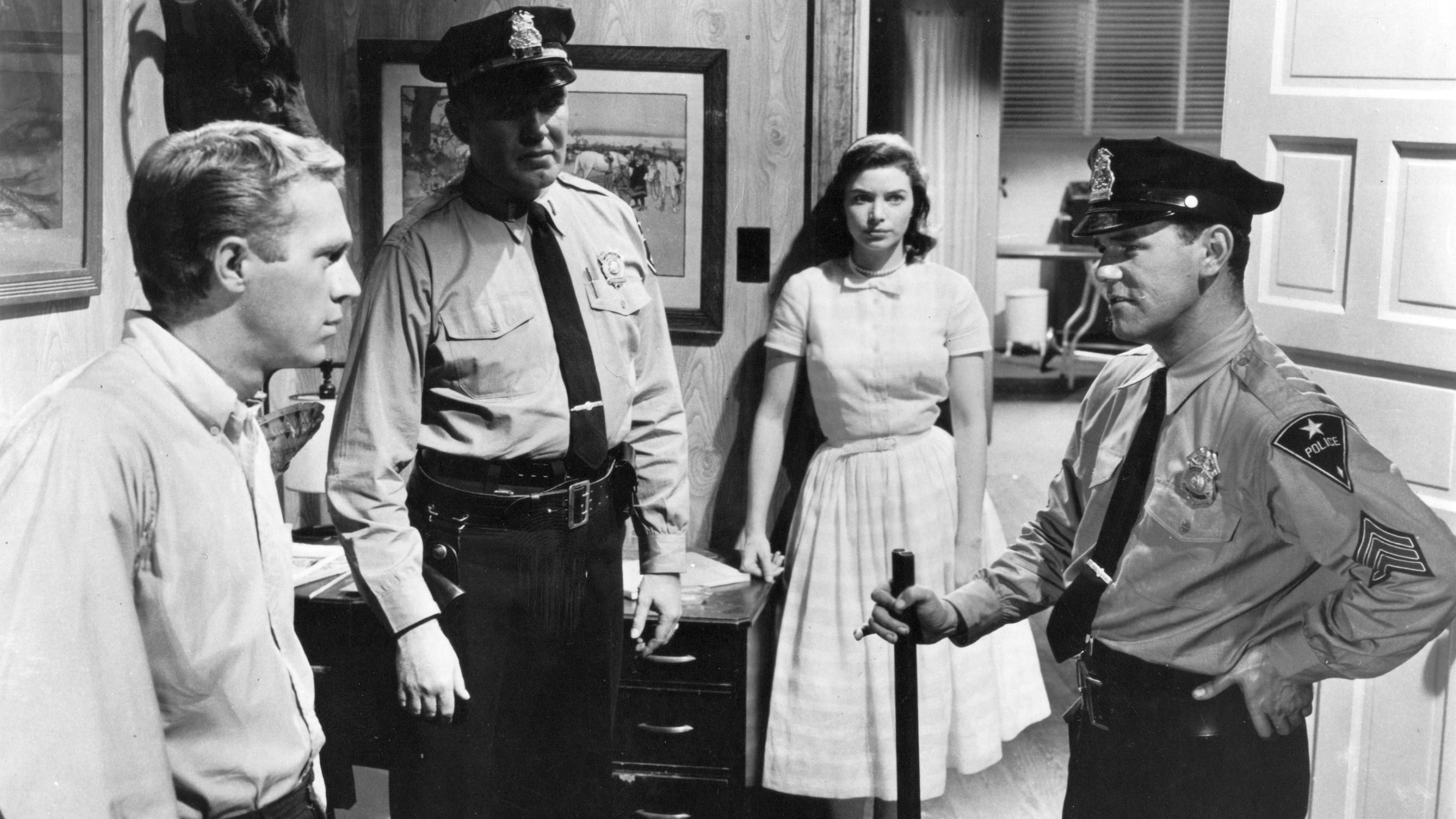
When Steve and Jane return, the doctor and his patient have disappeared. Their account attracts little sympathy from Sergeant Jim Bert, who suspects the teenagers of inventing a story to conceal another prank. Steve’s earlier involvement in a reckless driving incident further undermines his credibility. Lieutenant Dave proves more receptive but initially lacks evidence sufficient to justify a major emergency response. Meanwhile, the organism continues consuming isolated victims and entering buildings through openings too small for a conventional animal. The sequence of attacks creates a growing contrast between the audience’s knowledge and the limited information available to the authorities.

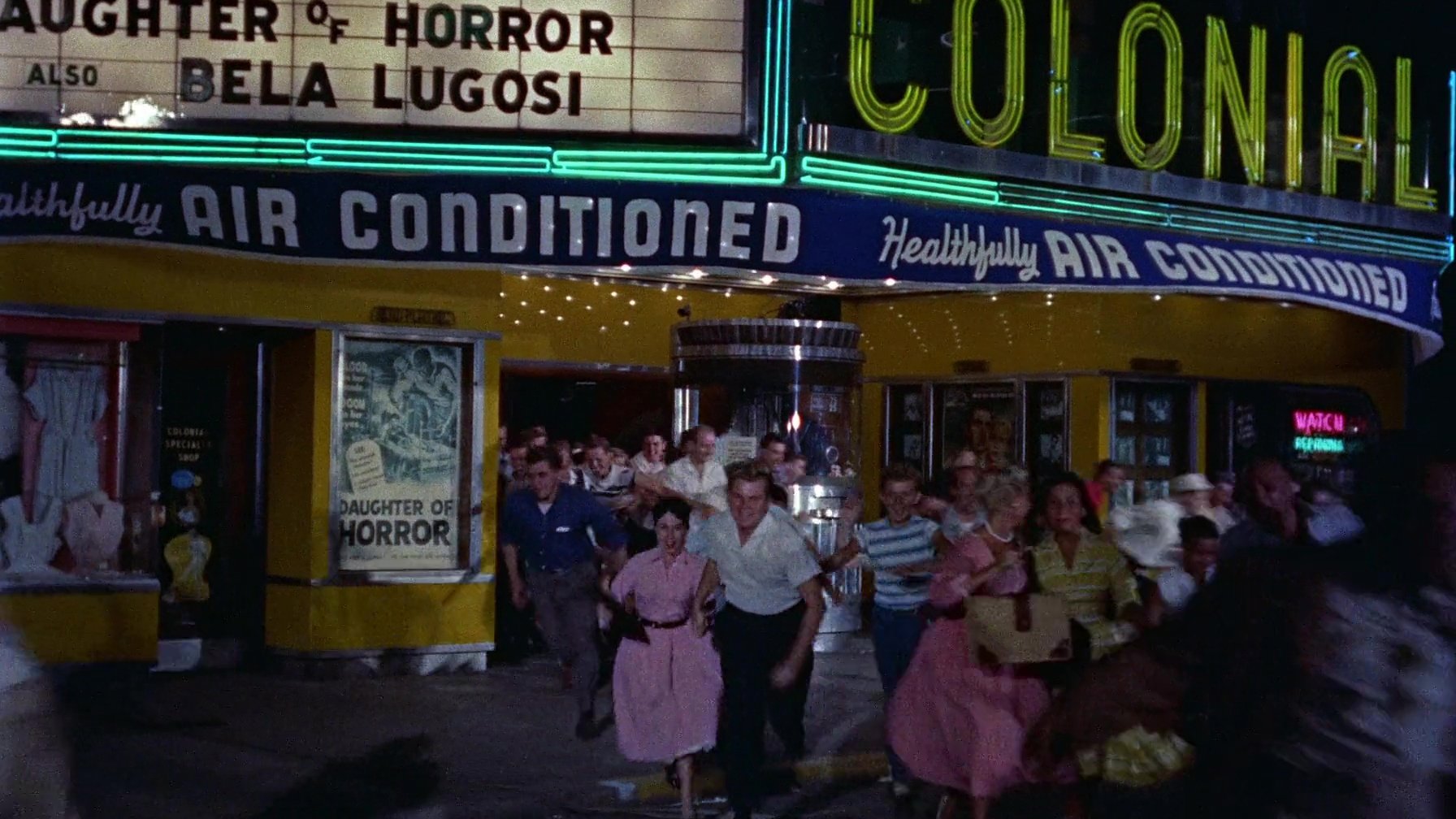
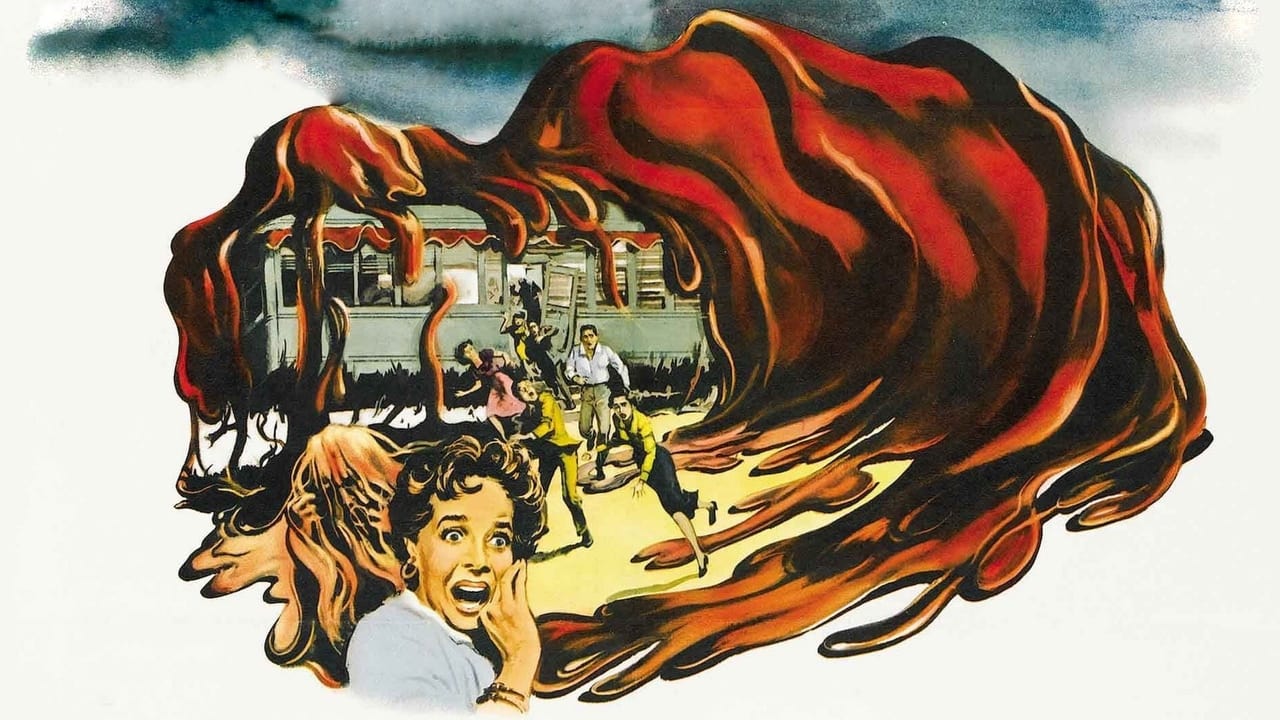
The crisis becomes public when the creature invades a movie theater and drives spectators into the street. Steve and Jane subsequently take shelter with Jane’s younger brother Danny inside a diner surrounded by the enormous mass. An attempt to electrocute the creature fails, but Steve realizes that cold has previously caused it to retreat. The emergency services use carbon dioxide fire extinguishers to freeze the organism, allowing the military to transport it to the Arctic. The conclusion resolves the immediate danger while establishing a condition upon which continued safety depends. The final question mark leaves open the possibility that the creature could become active again if its frozen surroundings were to change.

An Amorphous Creature & Its Horror

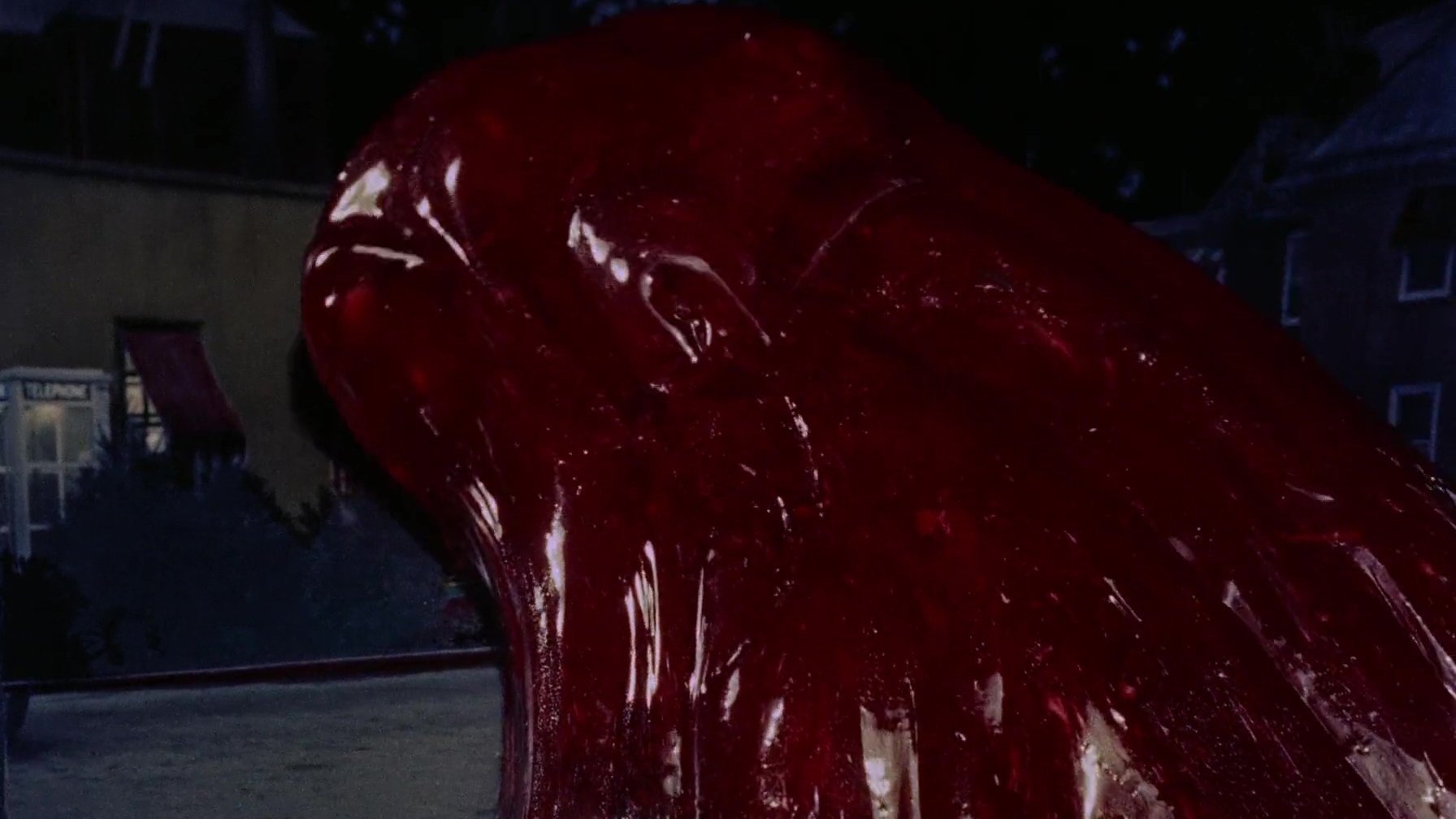
The creature possesses few characteristics traditionally associated with cinematic monsters. It has no face, limbs, visible sensory organs or recognizable method of communication. Its shape changes according to its surroundings, allowing it to approach victims from directions that would be inaccessible to an animal of comparable size. The absence of a fixed anatomy also removes the ordinary distinction between a creature’s body and its means of attack. Every part of the substance appears capable of absorbing living material. The result is an antagonist whose danger arises from physical contact rather than from weapons, strength or a clearly expressed intention.

Its growth gives the attacks a cumulative significance. As the organism consumes successive victims, the increasing quantity of material makes it capable of threatening larger spaces and greater numbers of people. The reddish coloration becomes more prominent as the story progresses, visually associating the creature’s expansion with the destruction of human bodies. The film avoids displaying most of those deaths directly. Instead, abandoned locations, interrupted activities and the disappearance of familiar residents indicate what has occurred. The limited presentation of bodily destruction allows the audience to understand the threat without requiring prolonged images of injury.

The uncertainty surrounding the creature’s intelligence is another important source of horror. It appears to pursue living organisms and alter its movement in response to obstacles, but the film provides no evidence of language, memory or a comprehensible social organization. Its behavior may therefore be understood as predation rather than as a deliberate campaign of conquest. The distinction separates The Blob from contemporary invasion films involving extraterrestrial civilizations or humanoid agents. The organism represents a form of life whose biological requirements are incompatible with human survival. Its apparent immunity to ordinary violence intensifies the threat because the town cannot apply familiar methods of defense.
Pennsylvania Production & Performances

Production took place during 1957 at the Valley Forge Films facilities in Yellow Springs, Pennsylvania, and in surrounding communities including Chester Springs, Downingtown and Phoenixville. The use of existing locations distinguished the film from science-fiction features photographed almost entirely on Hollywood soundstages. The Pennsylvania streets, shops and residential environments supplied the fictional town with a recognizable physical identity. The American Film Institute records that the principal photography involving actors required approximately thirty or thirty-one days, although some retrospective accounts describe a shorter schedule. The special-effects work continued considerably longer because the filmmakers needed to develop and photograph the organism in numerous different circumstances.
Thomas Spalding served as cinematographer, with William Jersey and Karl Karlson credited as art directors. The film was photographed in color and released with De Luxe processing, allowing the creature’s developing red appearance to become an important visual element. Many contemporary productions with similarly restricted budgets were photographed in black and white. Yeaworth’s use of actual streets and buildings helped preserve a consistent geographical environment through which the monster could move. Night photography and carefully selected practical locations reinforced the atmosphere of a community whose familiar surroundings gradually become threatening.

Steve McQueen was twenty-eight when he portrayed the teenage Steve Andrews. Harris recalled choosing the actor after seeing him substitute for Ben Gazzara in the Broadway production A Hatful of Rain. McQueen had already appeared in motion pictures, so The Blob should be identified as his first starring feature rather than his screen debut. His onscreen credit used Steven McQueen, a form of his name that was not repeated in his subsequent starring film career. Aneta Corsaut made her screen acting debut as Jane Martin, while supporting performers included Earl Rowe as Lieutenant Dave, John Benson as Sergeant Bert, Stephen Chase as Dr. Hallen and Olin Howlin as the elderly discoverer of the meteorite.

Bart Sloane & the Practical Effects

Bart Sloane received the special-effects credit and played a central role in giving the monster its physical appearance. The creature was created principally from silicone-based materials tinted with coloring agents. Harris later recalled that the mixture required repeated attention because its color could settle unevenly. The amount of material used varied with the scale of each scene, from relatively small forms photographed close to the camera to larger quantities intended to suggest an organism capable of engulfing buildings. The transparent and reflective qualities of the silicone helped preserve the impression of a living mass without requiring visible mechanical joints or a concealed human performer.

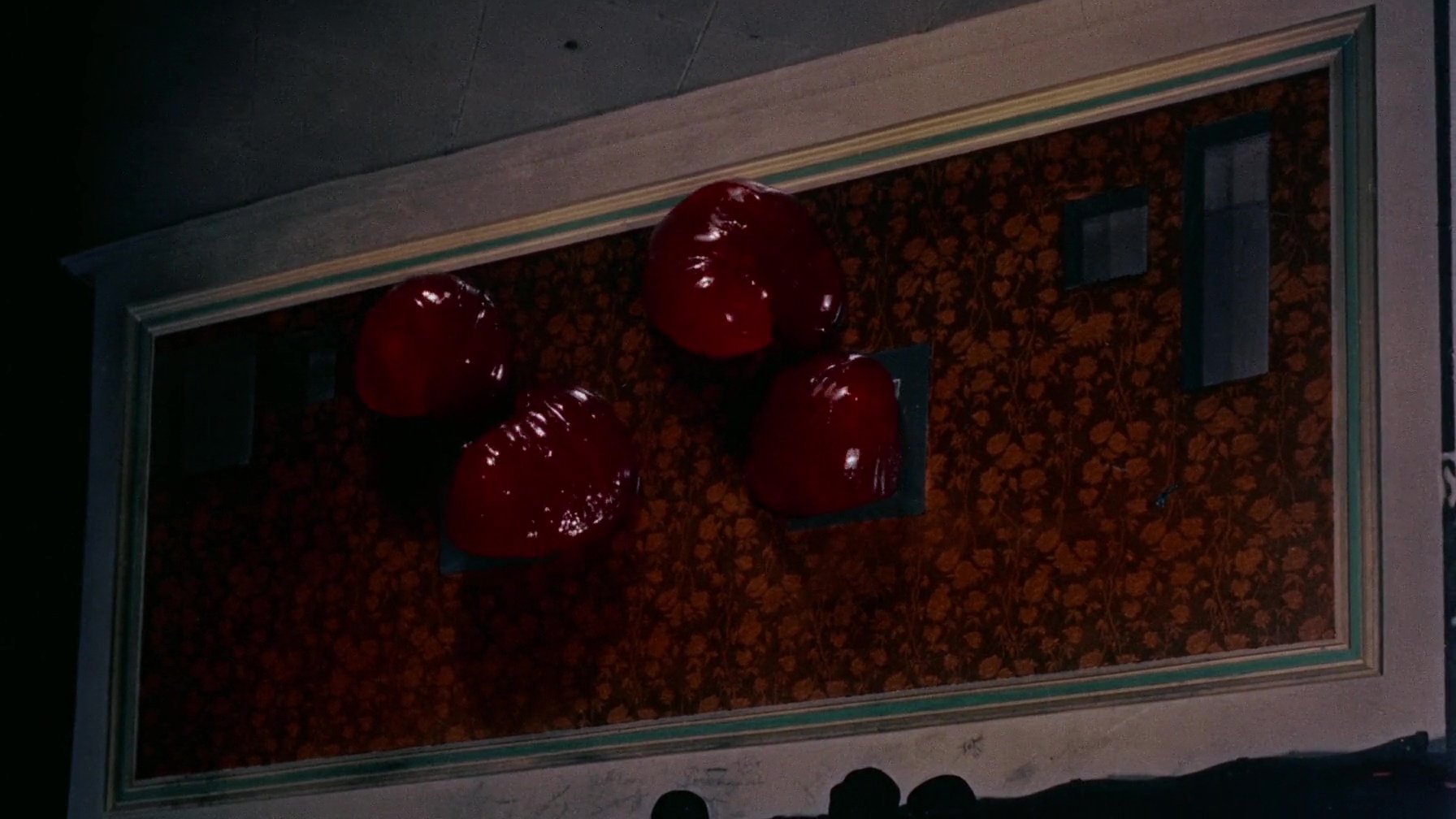
Many effects depended upon controlling gravity and the relationship between the camera and miniature scenery. For the diner attack, the production used an elaborately prepared photograph of the building mounted upon a movable platform. Harris explained that cameras were secured to the platform while the material followed changes in its angle. Footage showing the substance moving away from the representation of the diner could then be projected in reverse, creating the impression that the monster was climbing over the structure. Similar methods allowed the gelatinous mass to travel through small sets and apparently defy expectations about its natural movement.

The organism’s first appearance uses a different sense of scale. The elderly man encounters a small amount of material attached to a stick, making the danger recognizable through an ordinary human action. As the attacks continue, the effects gradually introduce more complex interactions with doorways, windows and confined interiors. The result depends upon the performers responding to a creature that often required separate photography or careful positioning outside their immediate field of view. The prolonged effects schedule reflects the difficulty of obtaining predictable movement from a substance whose behavior could be influenced by temperature, surface conditions and the angle of the supporting equipment.

Teenage Anxiety & Social Interpretations

The film’s central social conflict involves the difficulty of persuading established authorities to accept testimony from teenagers. Steve’s behavior initially resembles the habits of the youthful troublemakers familiar from American popular cinema of the period. He drives competitively, argues with other young men and frequently challenges adult expectations. These associations make his warnings appear unreliable even when he is accurately describing the danger. McQueen’s performance gradually replaces youthful bravado with increasing urgency, while Corsaut’s Jane remains an active participant in the investigation. Their determination eventually persuades other teenagers to assist, allowing the group to create the warning that the town’s official institutions have been unable to provide.

Lieutenant Dave’s willingness to reconsider his judgment becomes important to the resolution. Sergeant Bert remains hostile to the young witnesses for much longer, demonstrating how assumptions about age and social behavior interfere with an effective response. Film scholars Bruce Kawin and Kim Newman have identified the sympathetic presentation of teenagers as a distinguishing feature of The Blob. The film uses the conventions of the teenage rebellion picture but directs the audience’s sympathy toward the young people who recognize a threat their elders refuse to acknowledge. Its horror consequently depends upon delayed communication as well as the creature’s physical capacity for destruction.

The Blob has also attracted political and social interpretations associated with the Cold War and the consumer culture of the 1950s. Its expanding mass has been read as an image of ideological invasion or uncontrolled consumption. These readings describe possible meanings developed through criticism, but they should be distinguished from documented production intentions. Rudy Nelson, who participated in the screenplay revisions and attended an early meeting about the project, later rejected the claim that the creature had been deliberately designed as an allegory of communism. He described the filmmakers’ immediate motivation as commercial and recalled no political discussions of that kind during production. The film remains open to contextual analysis without requiring a single intentional political interpretation.

Music, Release & Historical Legacy

Ralph Carmichael composed and conducted the original score, providing music for the suspense and emergency situations that dominate the narrative. Jean Yeaworth served as music supervisor. After Paramount acquired the completed picture, the distributor replaced the originally planned music for the opening credits with a novelty song written by Burt Bacharach and Mack David. The recording was credited to the Five Blobs, a performing name associated with singer Bernie Knee, whose voice was recorded on multiple tracks. The cheerful presentation of the title song contrasts with the increasingly serious treatment of the creature once the story begins. The record also entered the American popular-music charts, giving the film an additional form of publicity.

Paramount released The Blob in 1958, with a documented Los Angeles opening on 10 September and broader distribution during the autumn. Harris subsequently recalled a production budget of approximately $147,000, although other estimates of the original costs differ. The American Film Institute reports that Paramount purchased the completed production for approximately $300,000. Contemporary industry reporting projected substantial domestic receipts, but the distributor’s forecasts should not be treated as verified final box-office figures. The film’s commercial success encouraged Harris and Yeaworth to collaborate again on 4D Man (1959) and Dinosaurus! (1960).

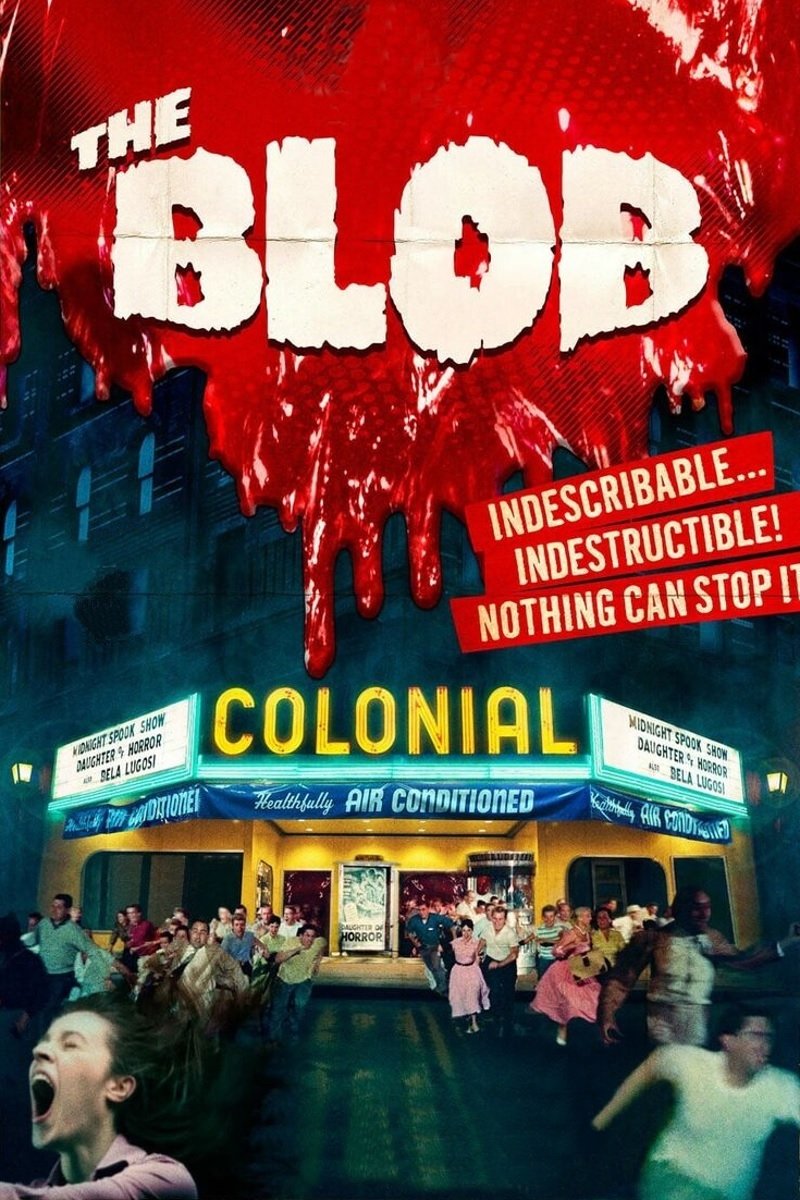
The film developed an enduring association with the Colonial Theatre in Phoenixville, where the sequence involving the creature’s attack on a cinema was photographed. Its original auditorium and exterior provided the setting for spectators fleeing after the monster enters the projection booth. The film visible on the theater screen is Daughter of Horror, a version of the independent production Dementia. In 2000, the Colonial Theatre began hosting Blobfest, an annual celebration involving screenings and a staged recreation of the audience fleeing the building. The institution’s own historical records document the event’s continuing role in preserving the local history of the production.

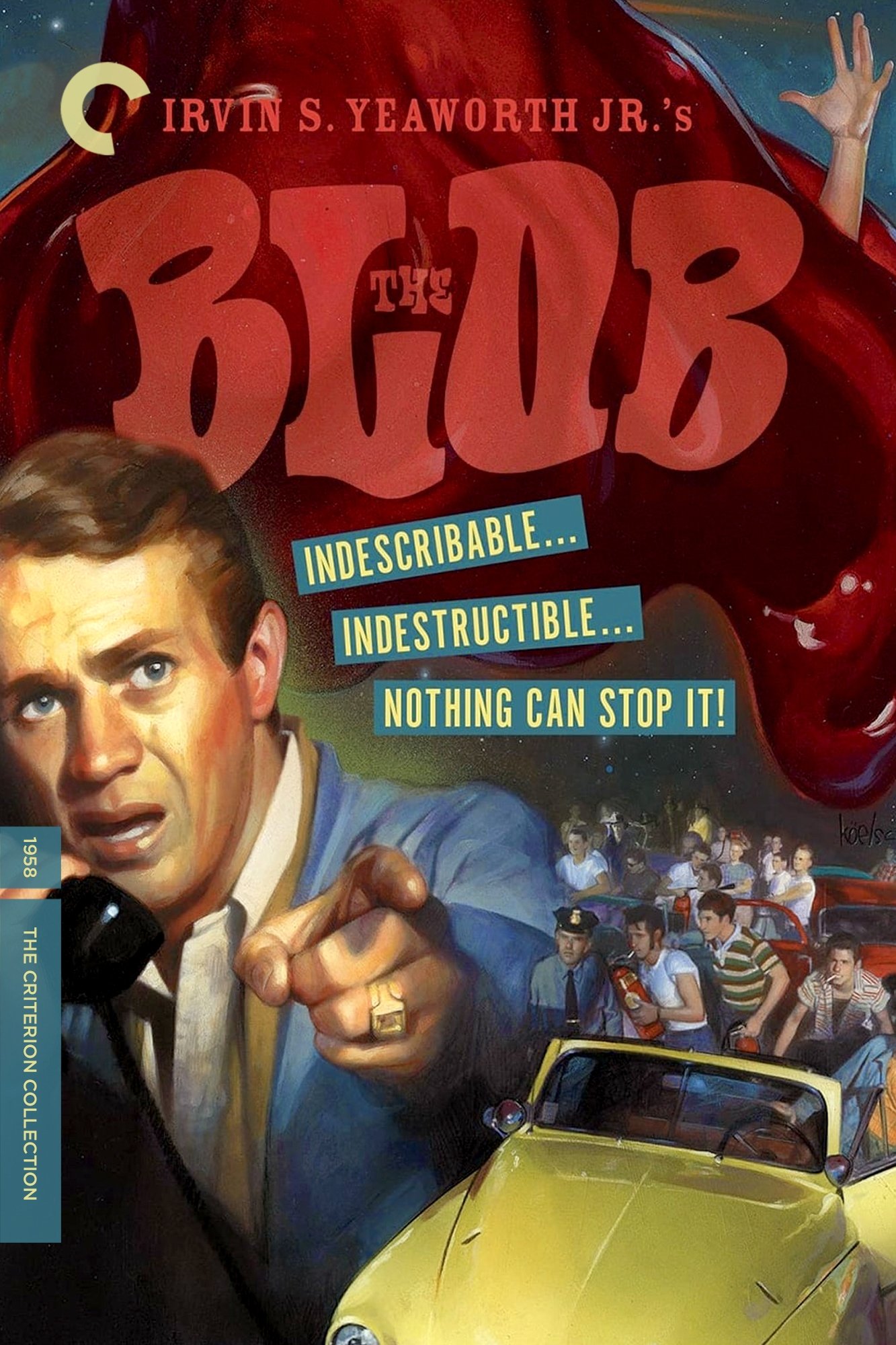
The original film also generated a sequel, Beware! The Blob (1972), directed by Larry Hagman, and a substantially more graphic remake, The Blob (1988), directed by Chuck Russell. The later adaptation introduced an organism capable of elaborate physical attacks, reflecting the development of creature-effects technology in the intervening decades. The 1958 version retains a different technical and dramatic identity through its simple amorphous antagonist and restrained presentation of death. Subsequent Criterion Collection editions included audio commentaries featuring Harris, Yeaworth and other participants, alongside historical essays and archival production material. The film’s lasting significance within science-fiction horror is closely connected to its inventive practical effects, its sympathetic teenage protagonists and its demonstration that a low-budget independent production could establish an immediately recognizable screen monster.

References

  1. American Film Institute The Blob (1958) — AFI Catalog

    Archival production history documenting the screenplay credits, independent financing, Valley Forge photography, practical effects, Paramount acquisition, original soundtrack changes, theatrical release and subsequent productions.

  2. The Criterion Collection The Blob: “It Creeps and Leaps”

    Kim Newman’s critical and historical study of the film’s place in 1950s science-fiction horror, the teenage protagonists, the amorphous monster, practical effects and the influence of its independent production methods.

  3. Turner Classic Movies The Blob (1958)

    Lang Thompson’s production history incorporating Jack H. Harris’s firsthand account of the silicone mixture, miniature photographic effects and reversed footage, together with details of the cast, budget estimates and music.

  4. Christianity Today The Blob and I

    Rudy Nelson’s firsthand recollection of the 1956 development meeting, his involvement in screenplay revisions, the contributions of Theodore Simonson and Kate Phillips, and his rejection of claims that the film was deliberately constructed as an anticommunist allegory.

  5. The Colonial Theatre Our History

    Official institutional history documenting the Phoenixville theater’s appearance in the original production, its 1958 connection to the film and the establishment of the annual Blobfest in 2000.

Connections

Cast

View Full Cast & Crew →

Release & Distribution

Production Companies (3)

  • Fairview Productions US
  • Tonylyn Productions Inc. US
  • Valley Forge Films US

Distributors (1)

  • Paramount Pictures US

Release History (22)

Release DateTerritoryRelease TypeFormatDistributorCertificationNotes
1958-09-10 United States Theatrical — — —
1958-10-17 Brazil Theatrical — — —
1959-04-01 United Kingdom Theatrical — — —
1959-07-10 Ireland Theatrical — — —
1959-07-31 Italy Theatrical — — T
1959-09-29 Portugal Theatrical — — — Lisbon
1960-01-25 Sweden Theatrical — — 11
1960-03-18 Germany Theatrical — — 12 West Germany
1960-04-01 France Theatrical — — TP
1964-01-01 United States Theatrical — — — Re-release
1977-04-13 France Theatrical — — TP Re-release
1977-09-01 Portugal Theatrical — — — Lisbon (Re-release)
1978-03-07 Portugal Theatrical — — — Porto (Re-release)
1989-12-19 United Kingdom Physical VHS — 15 VHS
1991-02-01 Sweden Premiere — — — Göteborg Film Festival
2001-01-30 Canada Physical DVD — — DVD
2004-07-12 United Kingdom Physical DVD — 12 DVD
2005-10-11 Australia Physical DVD — — DVD
2005-11-17 France Physical DVD — — DVD
2008-10-25 United States Premiere — — — International Horror & Sci-Fi Film Festival
2018-10-23 France Physical — — — BD
2019-12-24 France Digital — — —
It crawls. It creeps. It eats you alive!