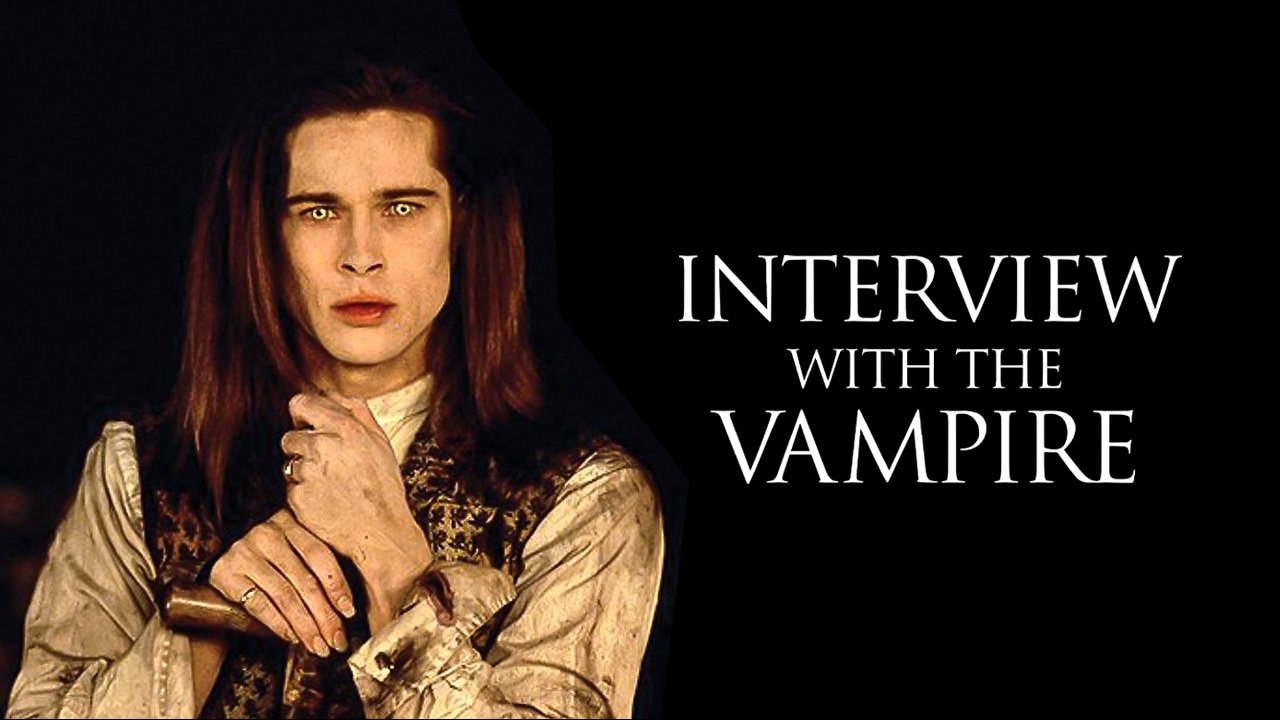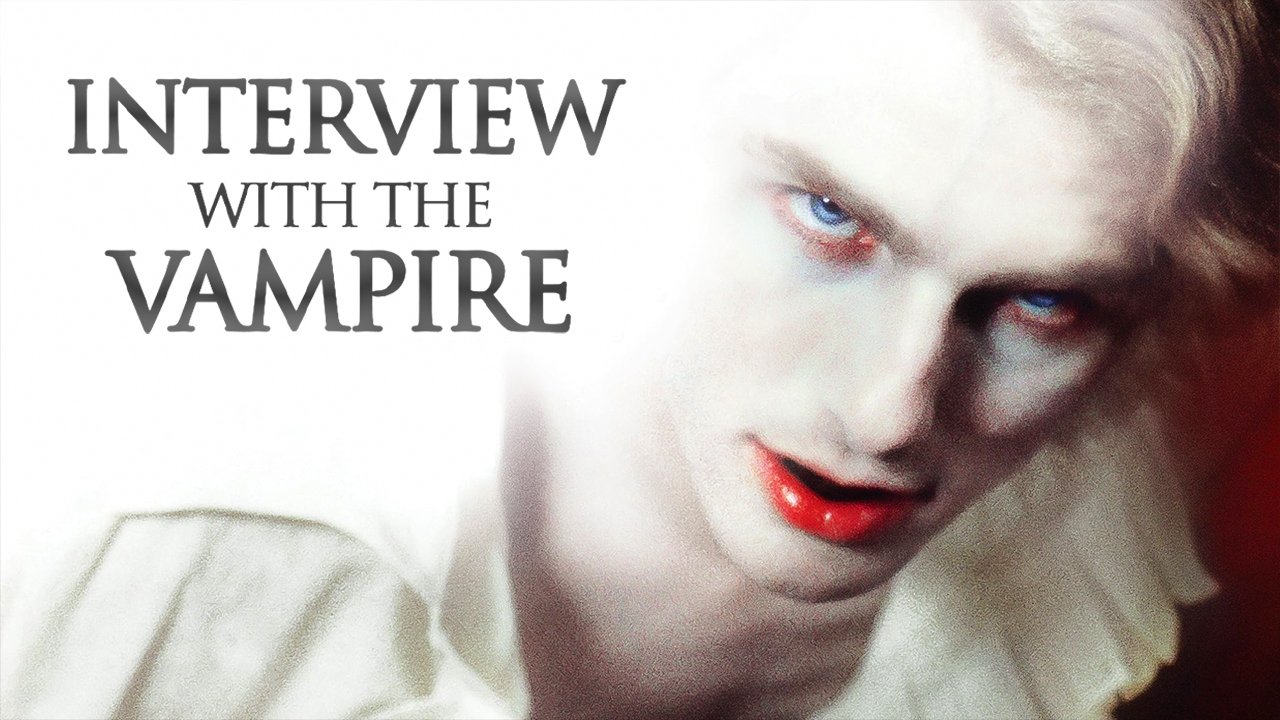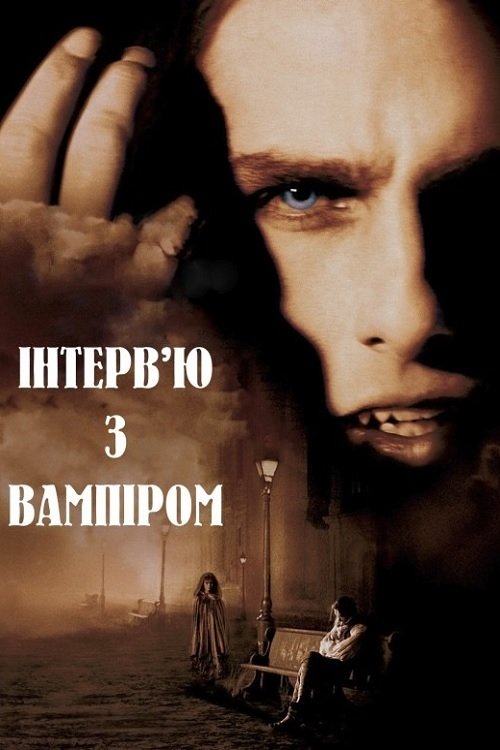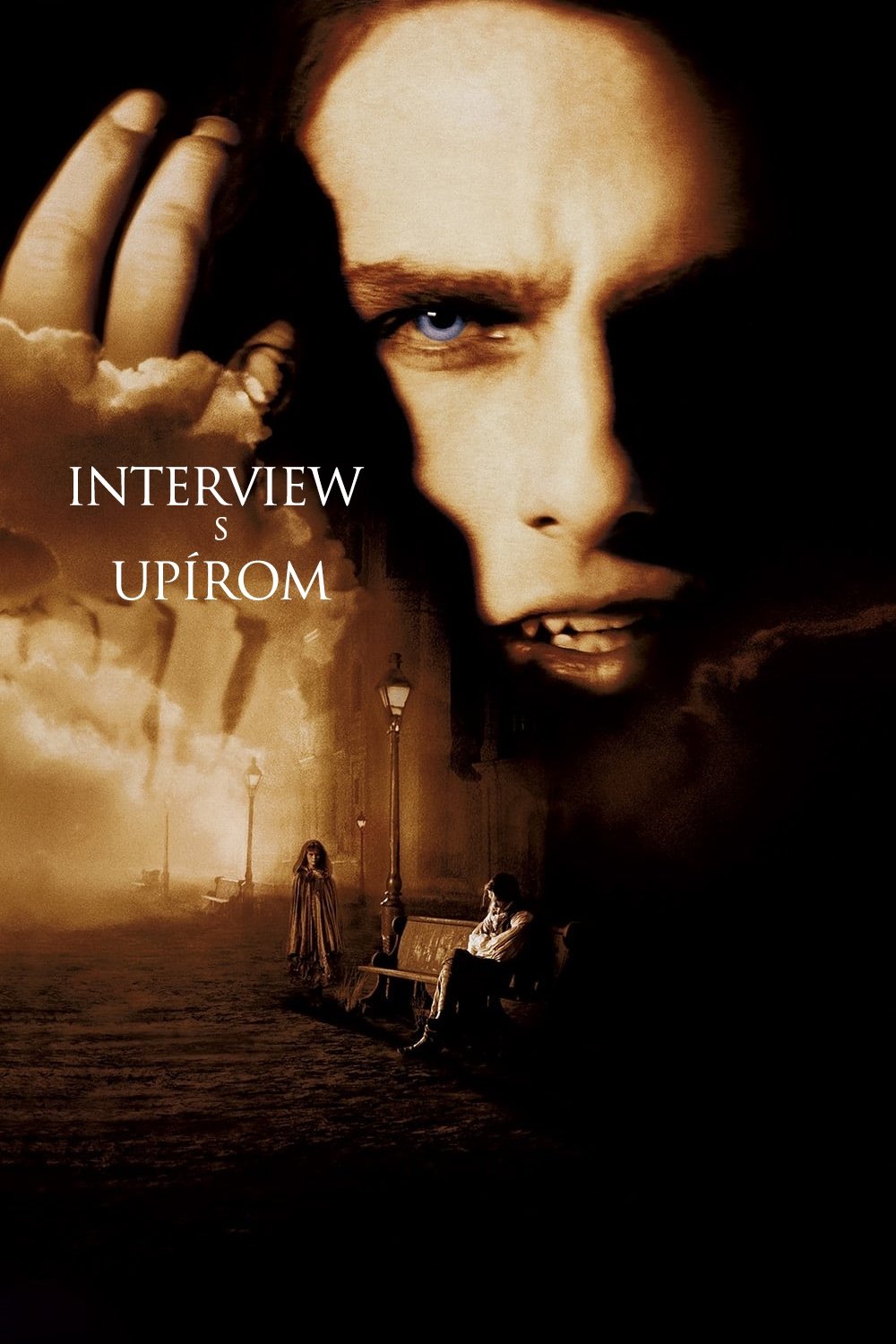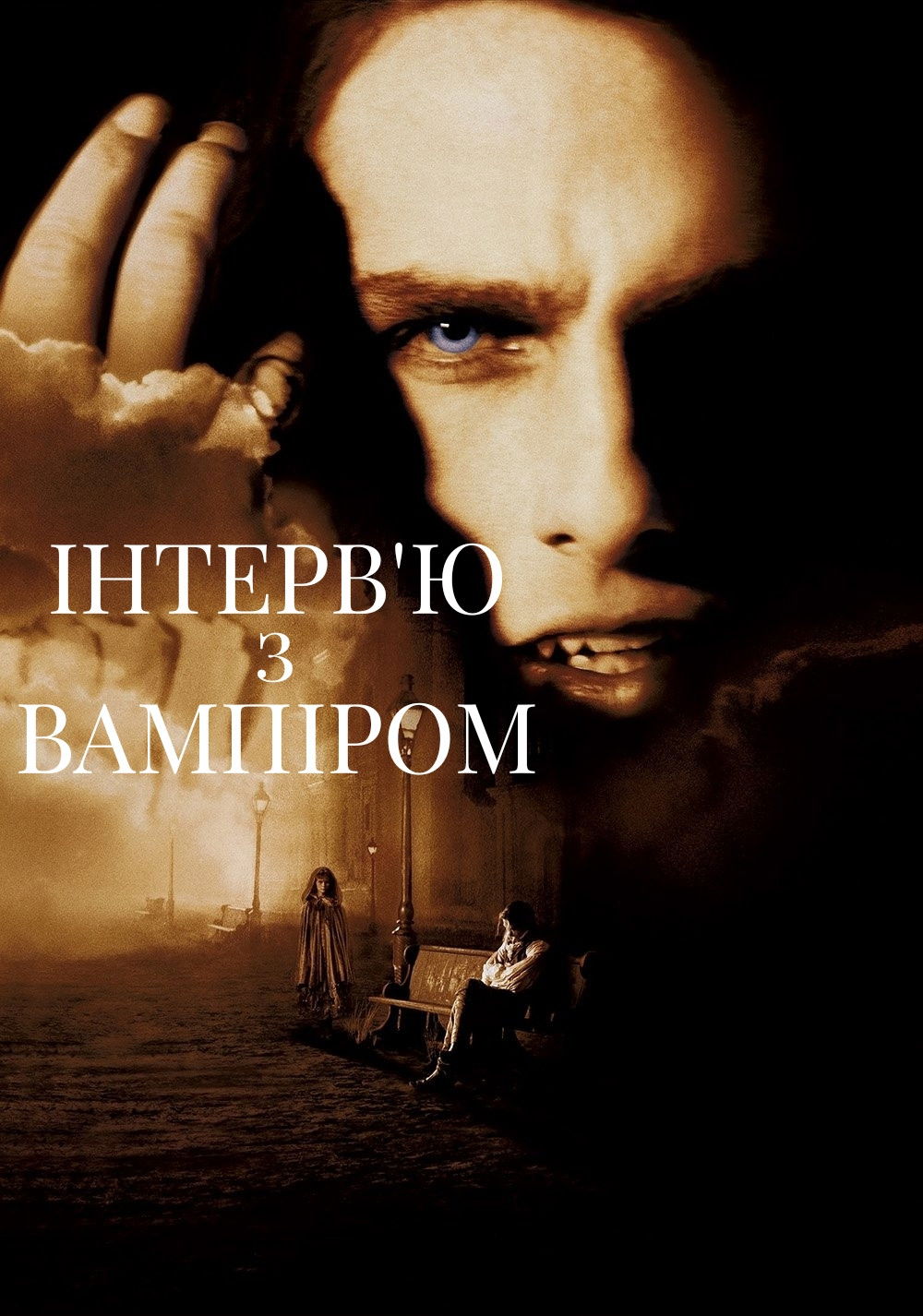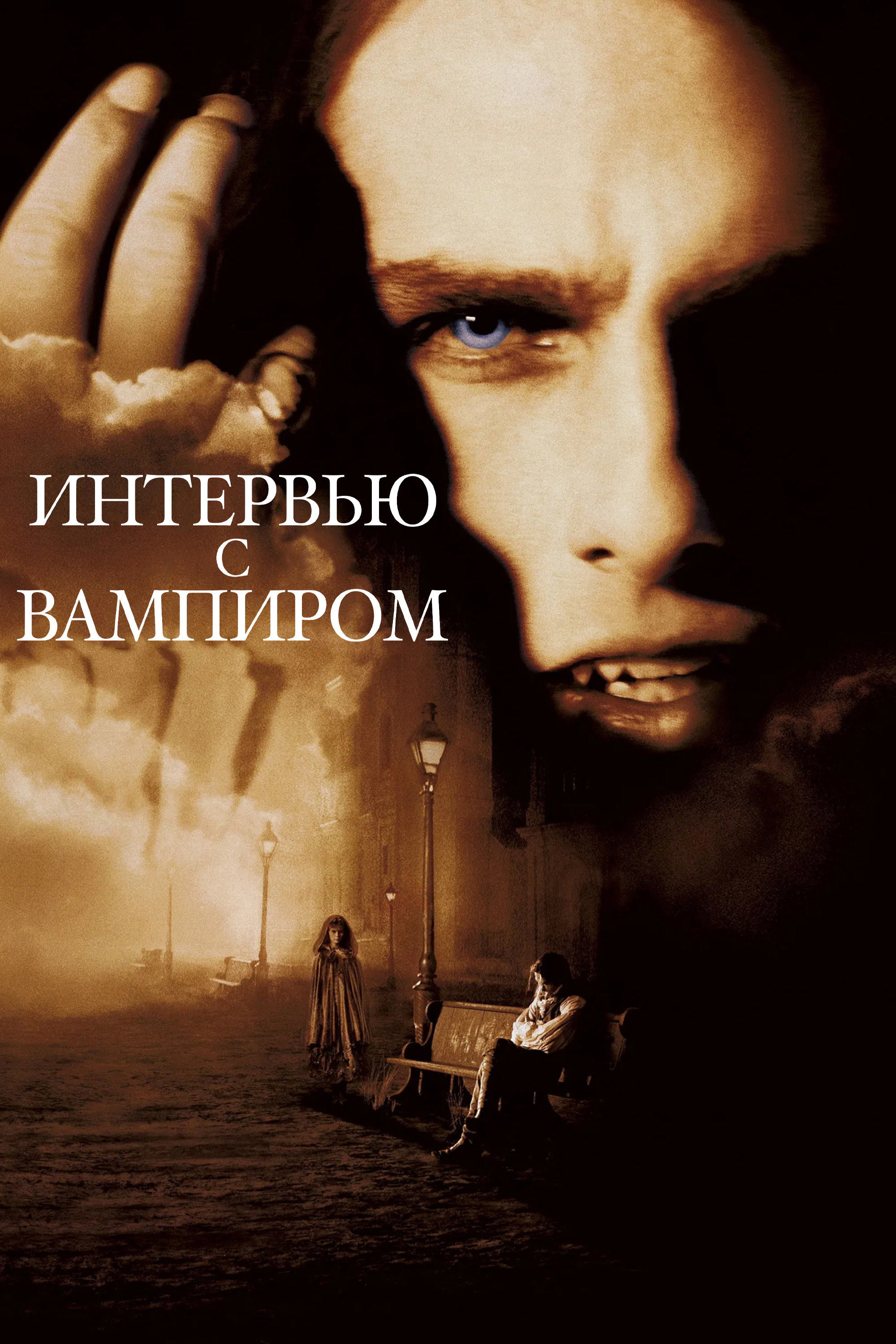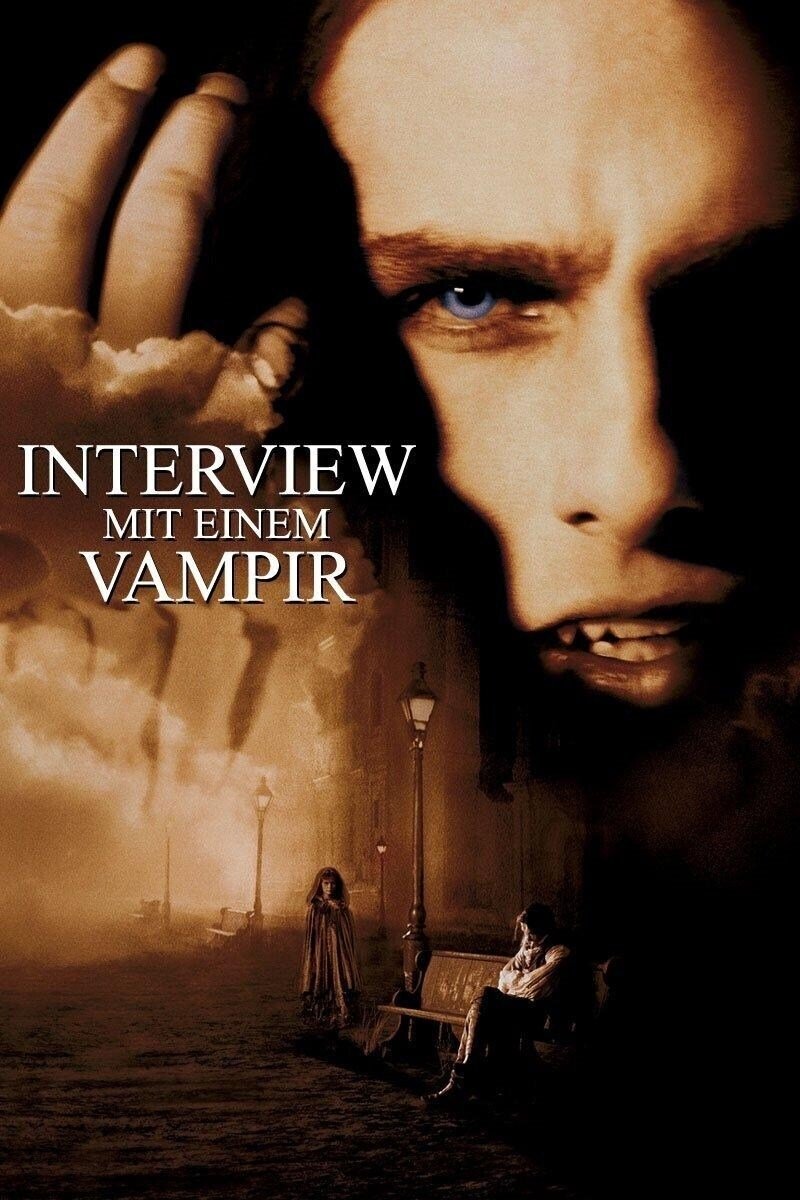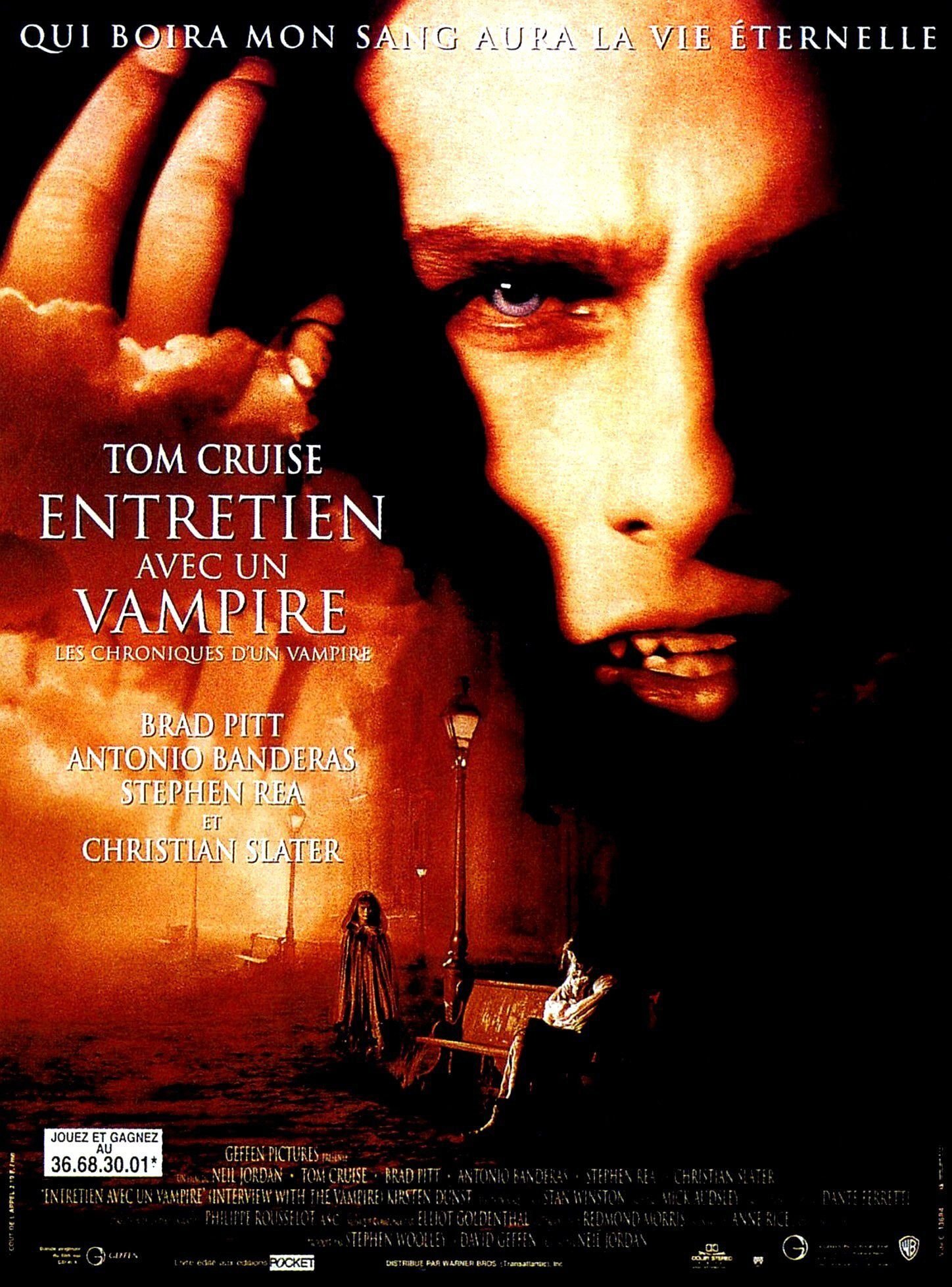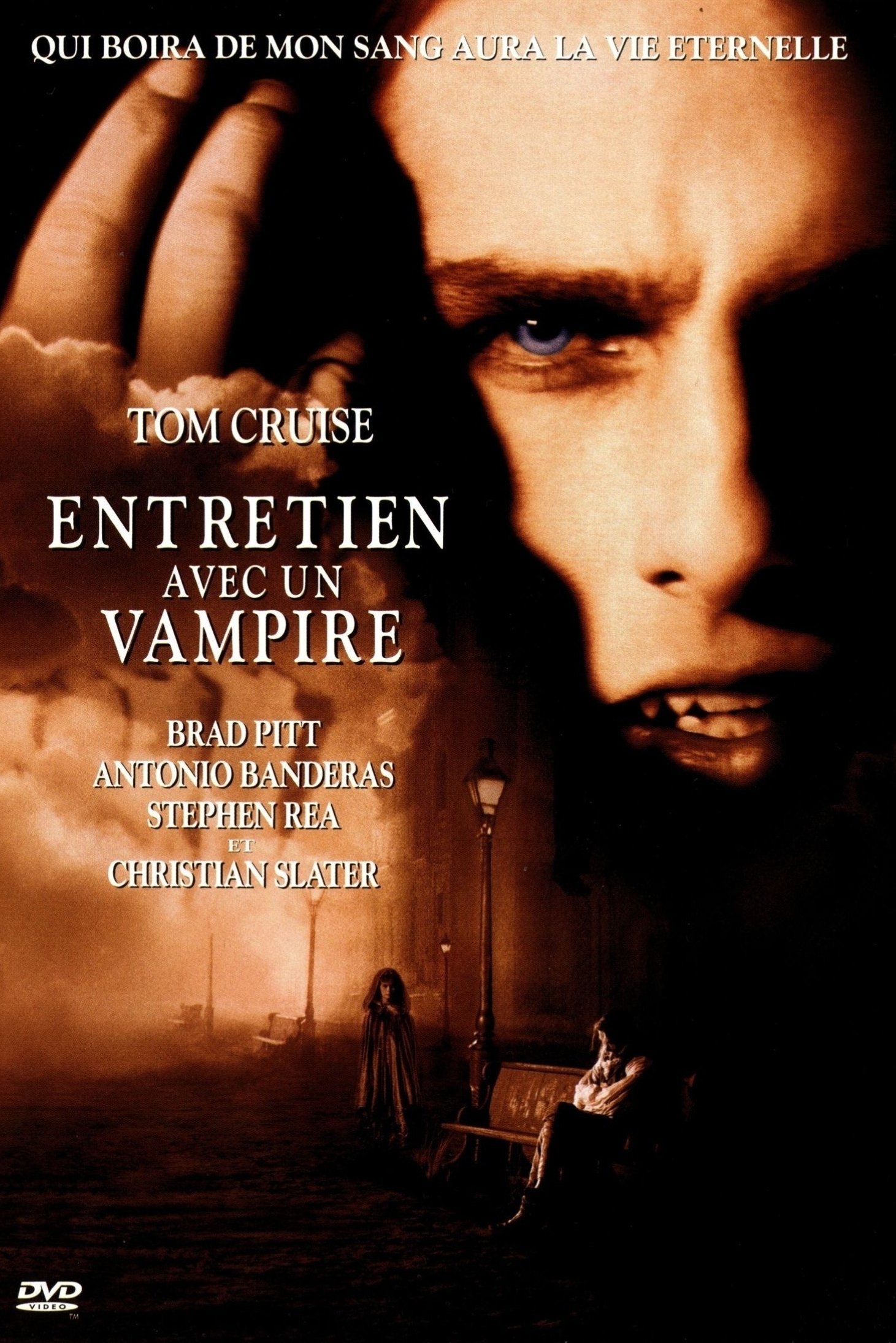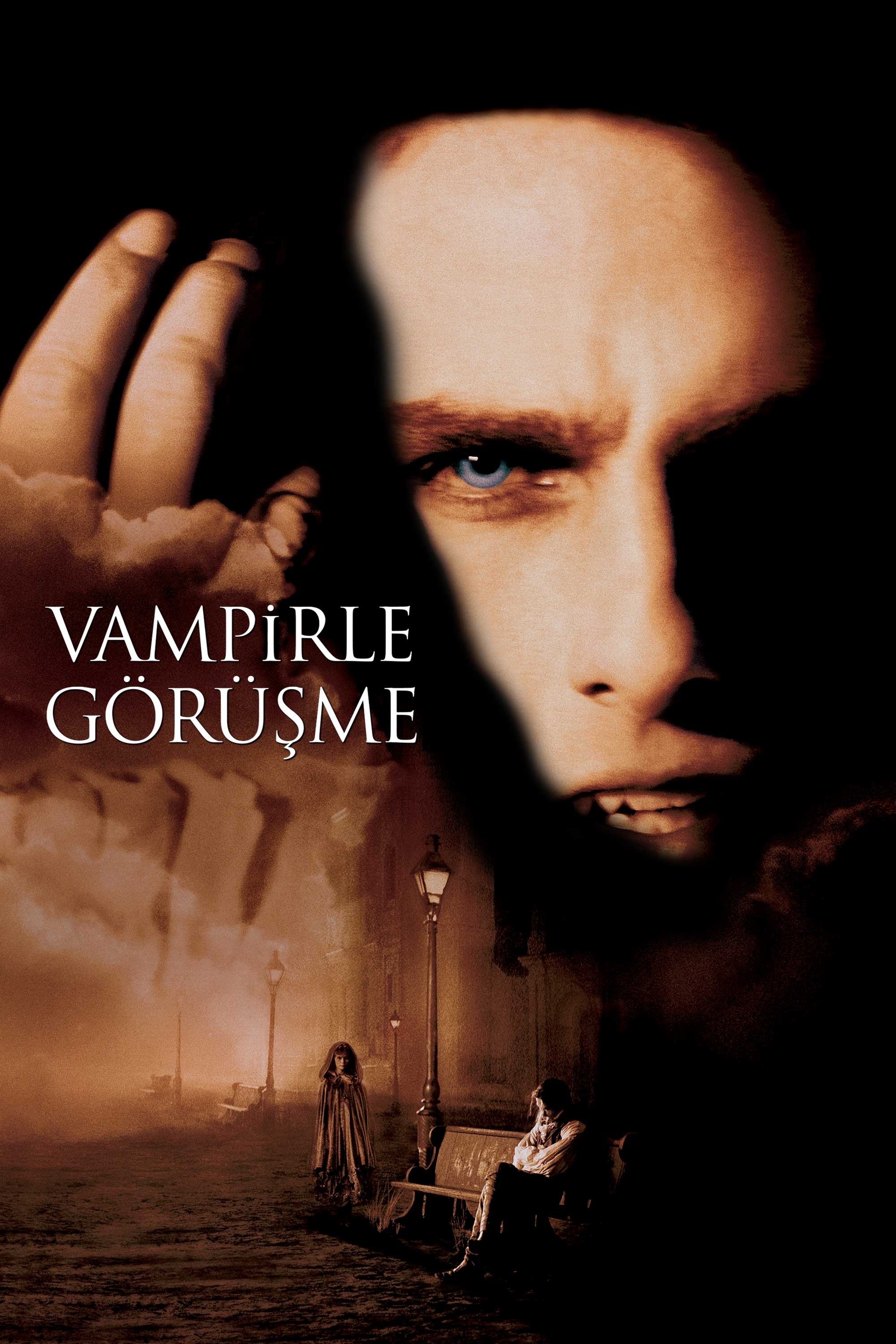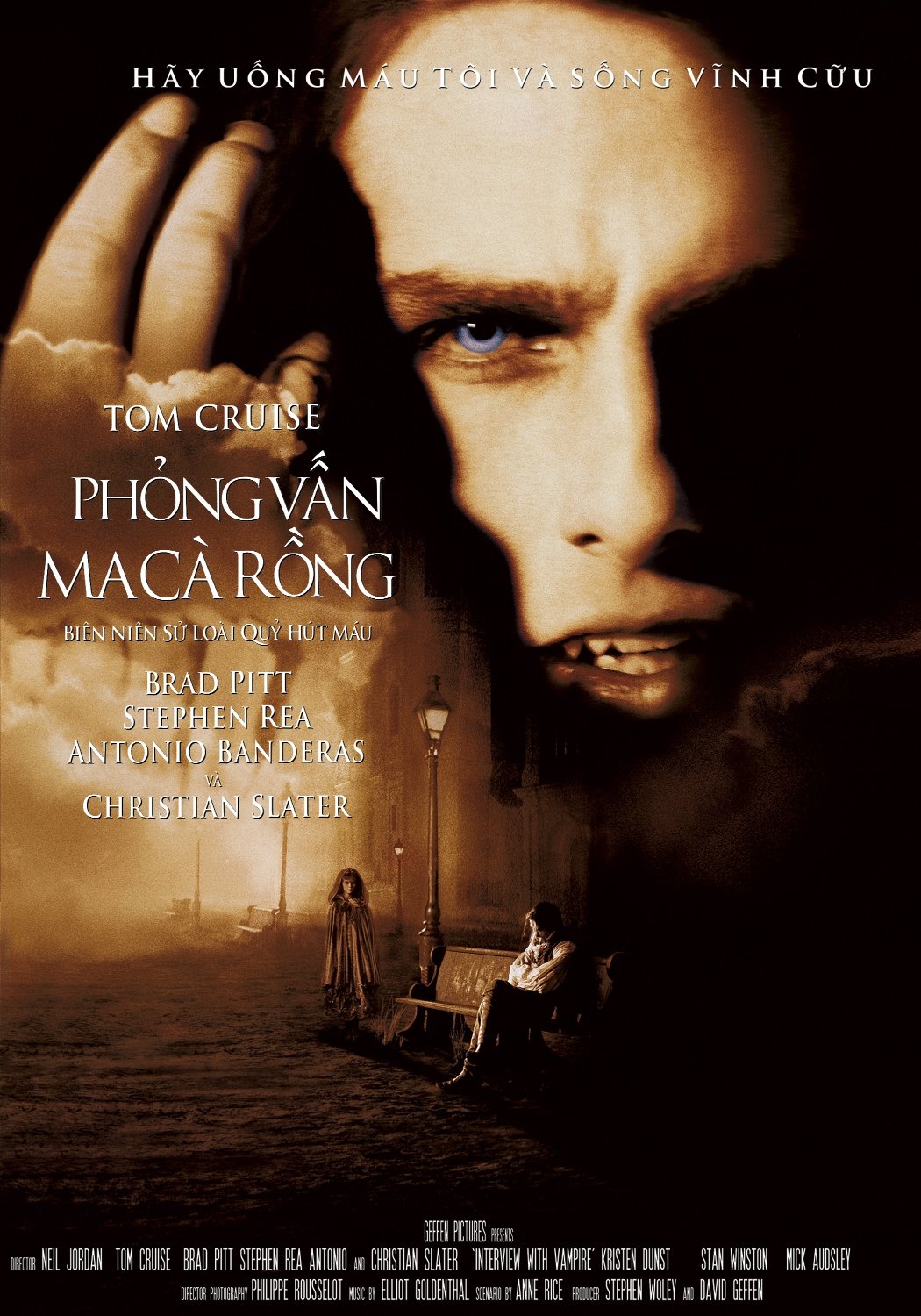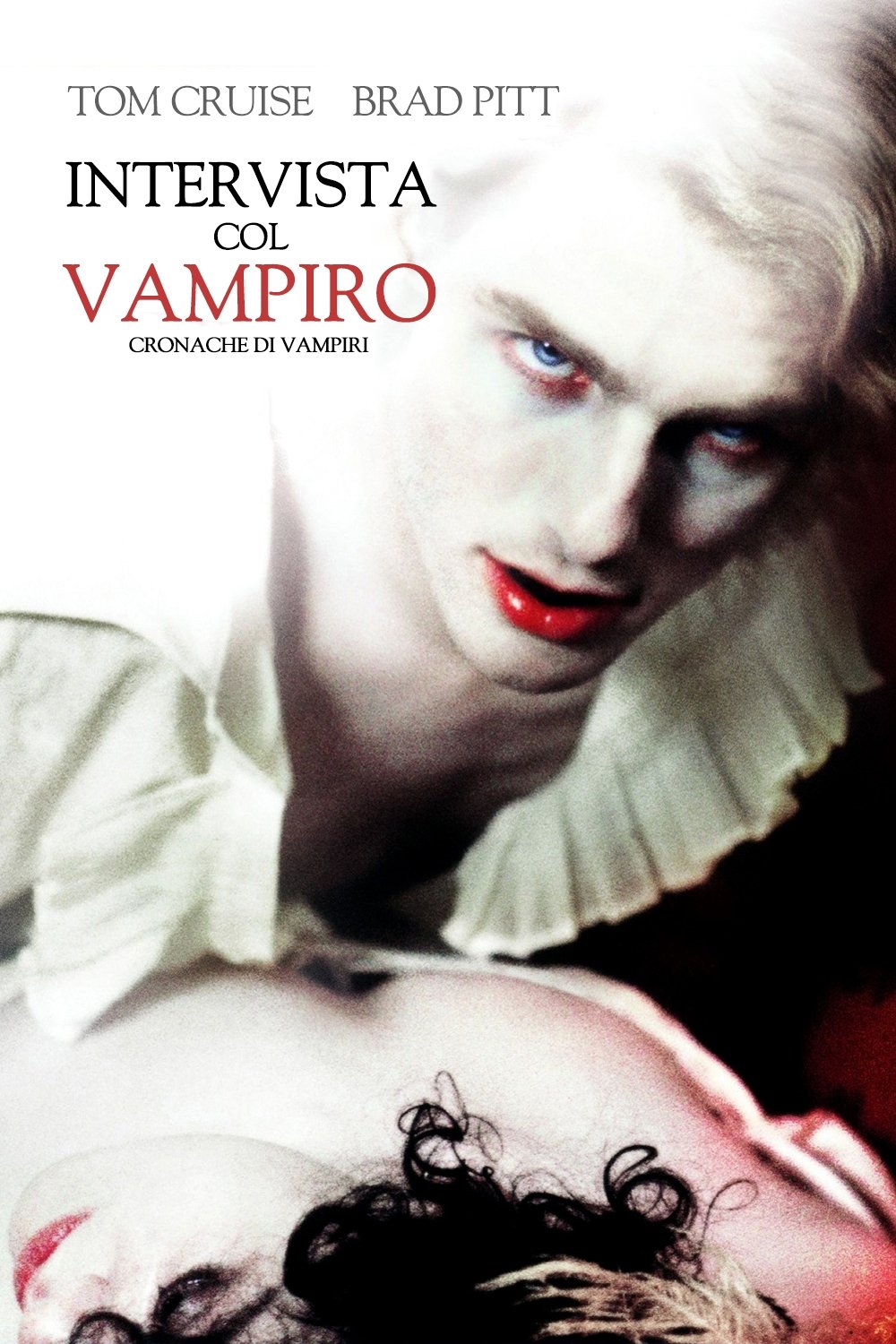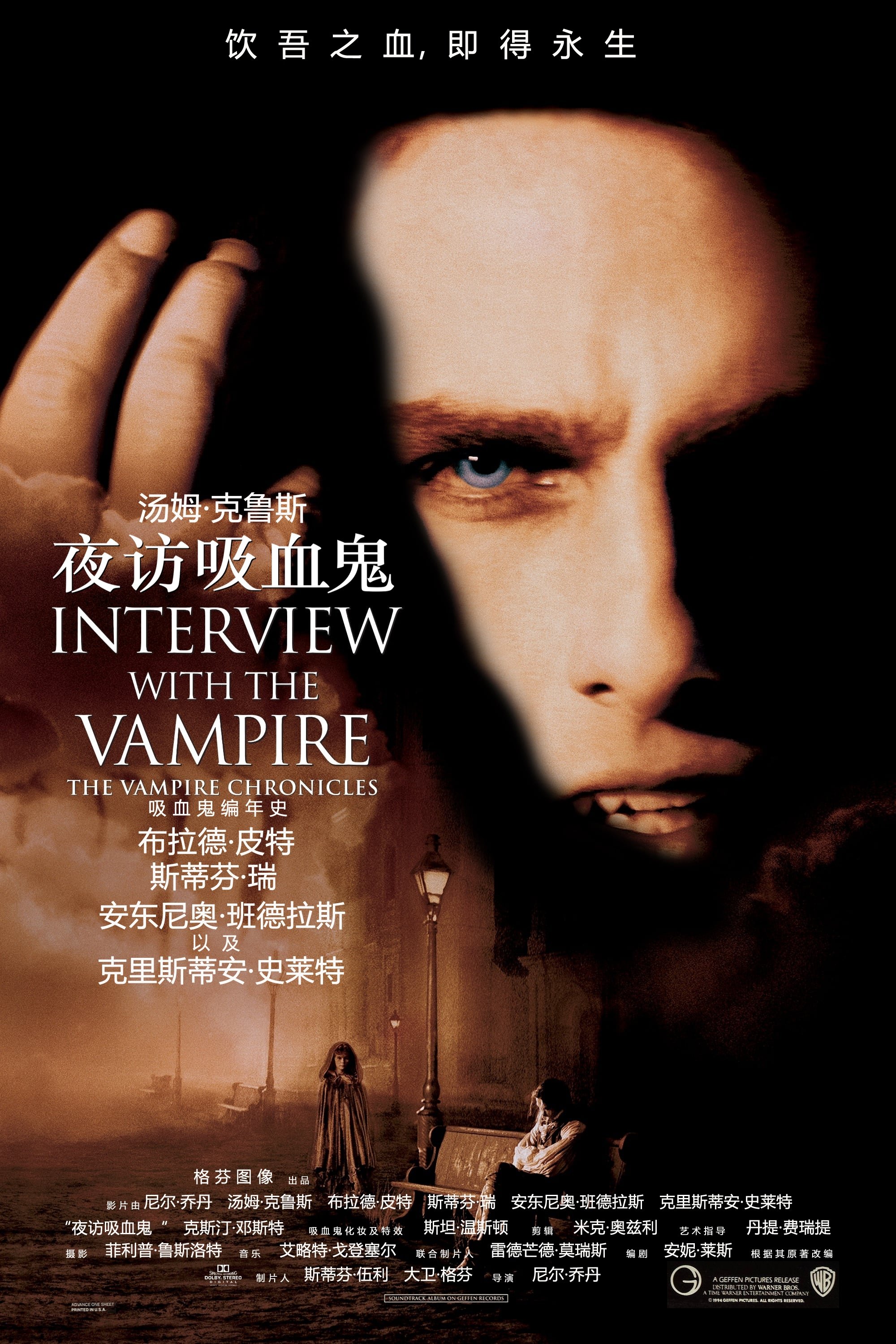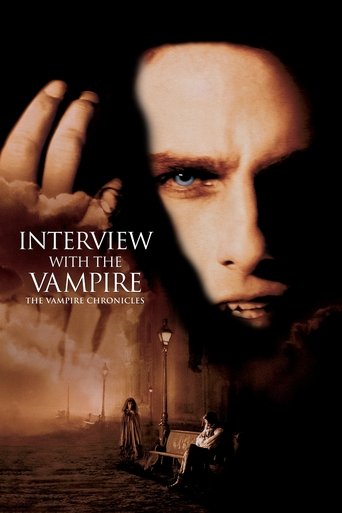
Interview with the Vampire (1994)

US
Runtime
123 min
Release
November 11, 1994
Budget
$60,000,000
Revenue
$223,664,608
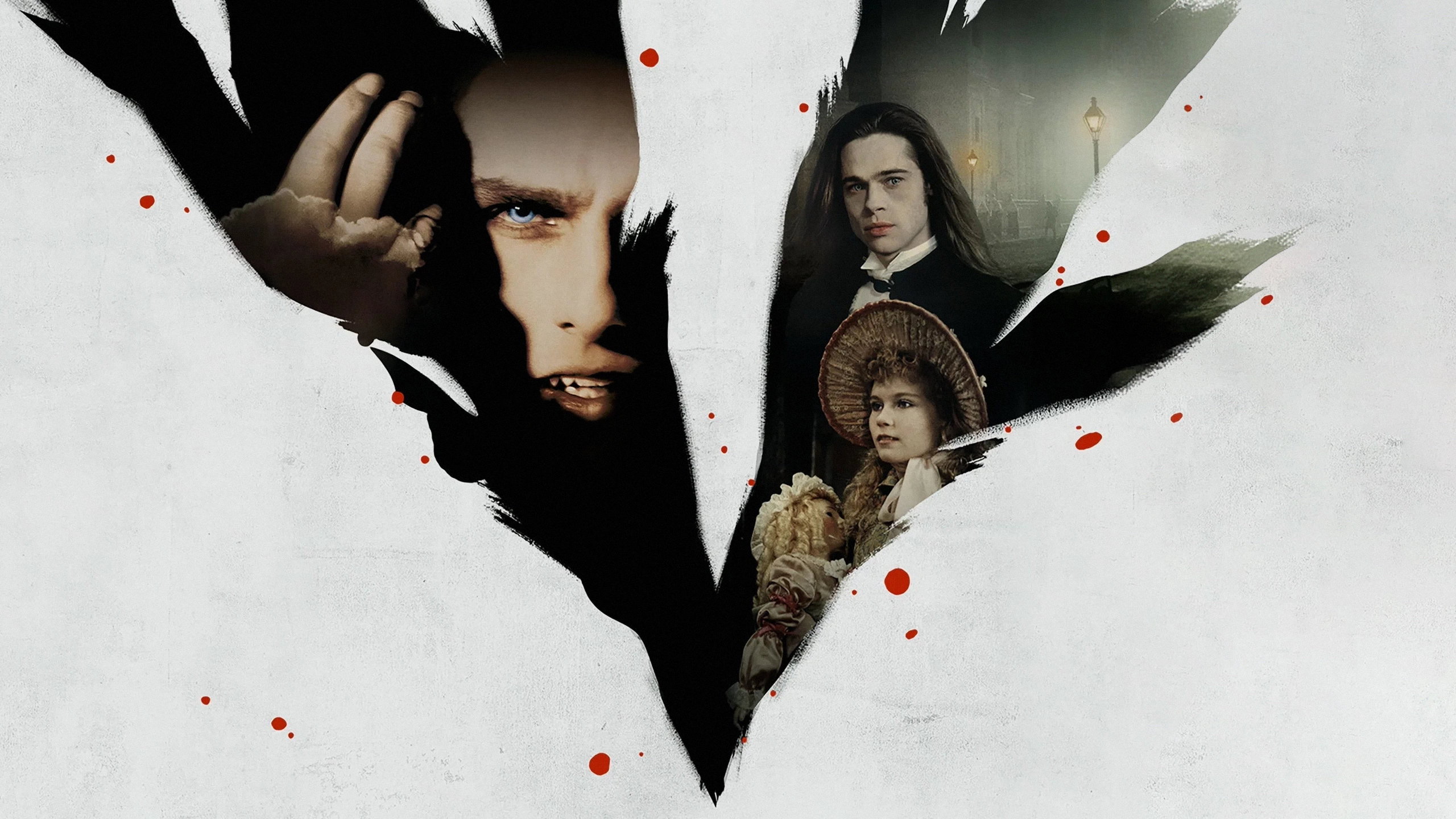
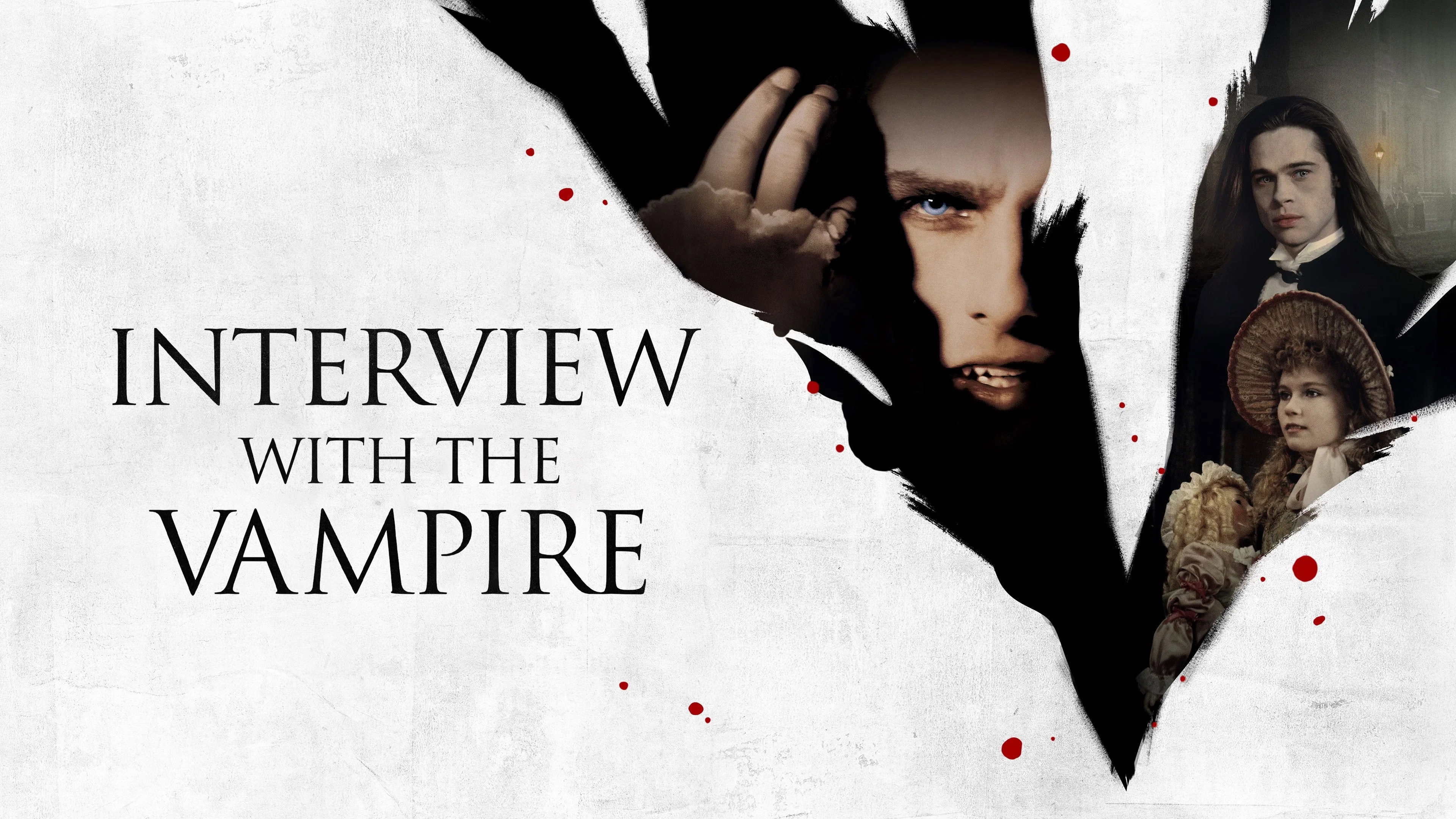
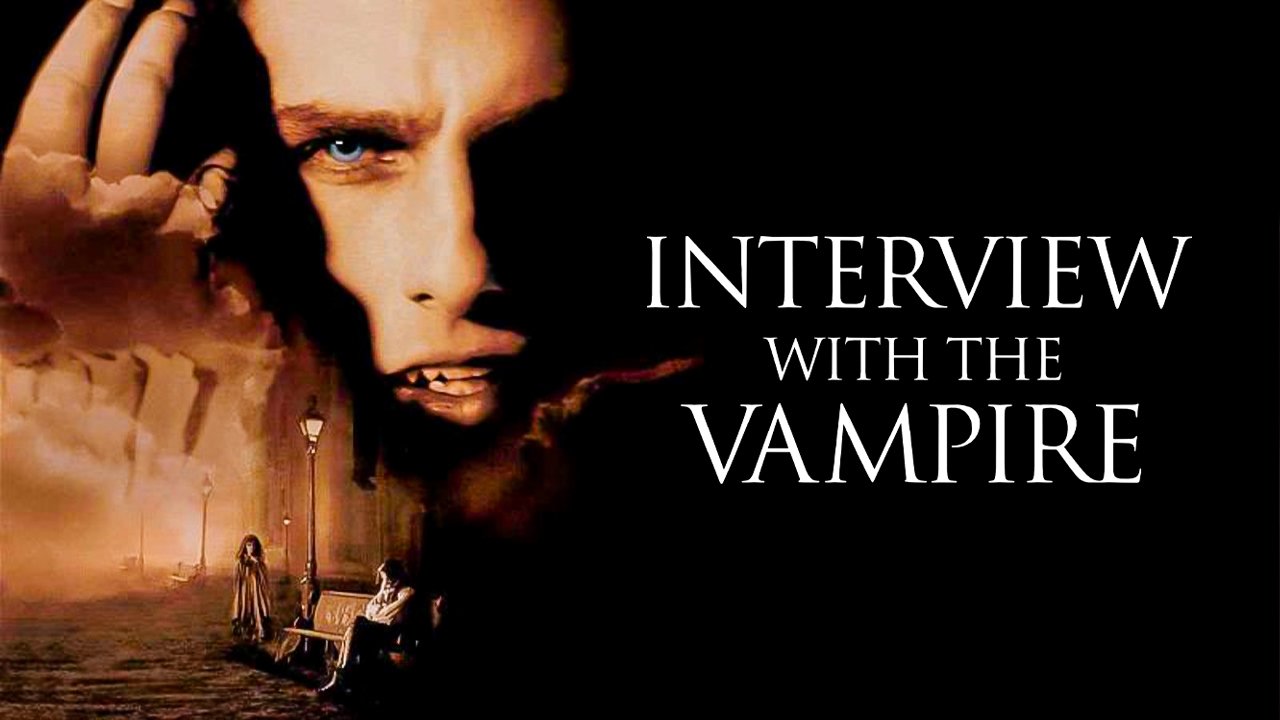
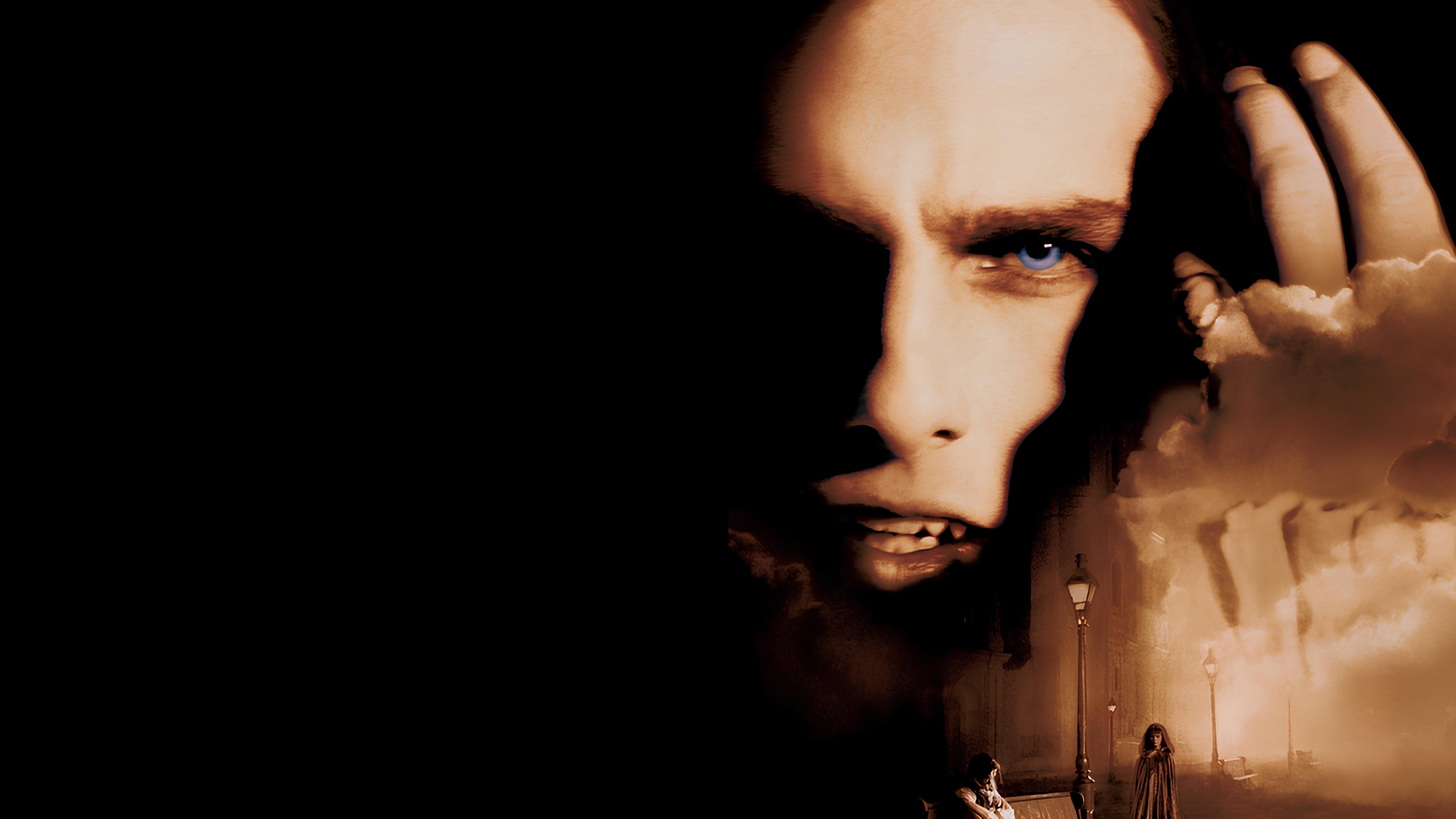
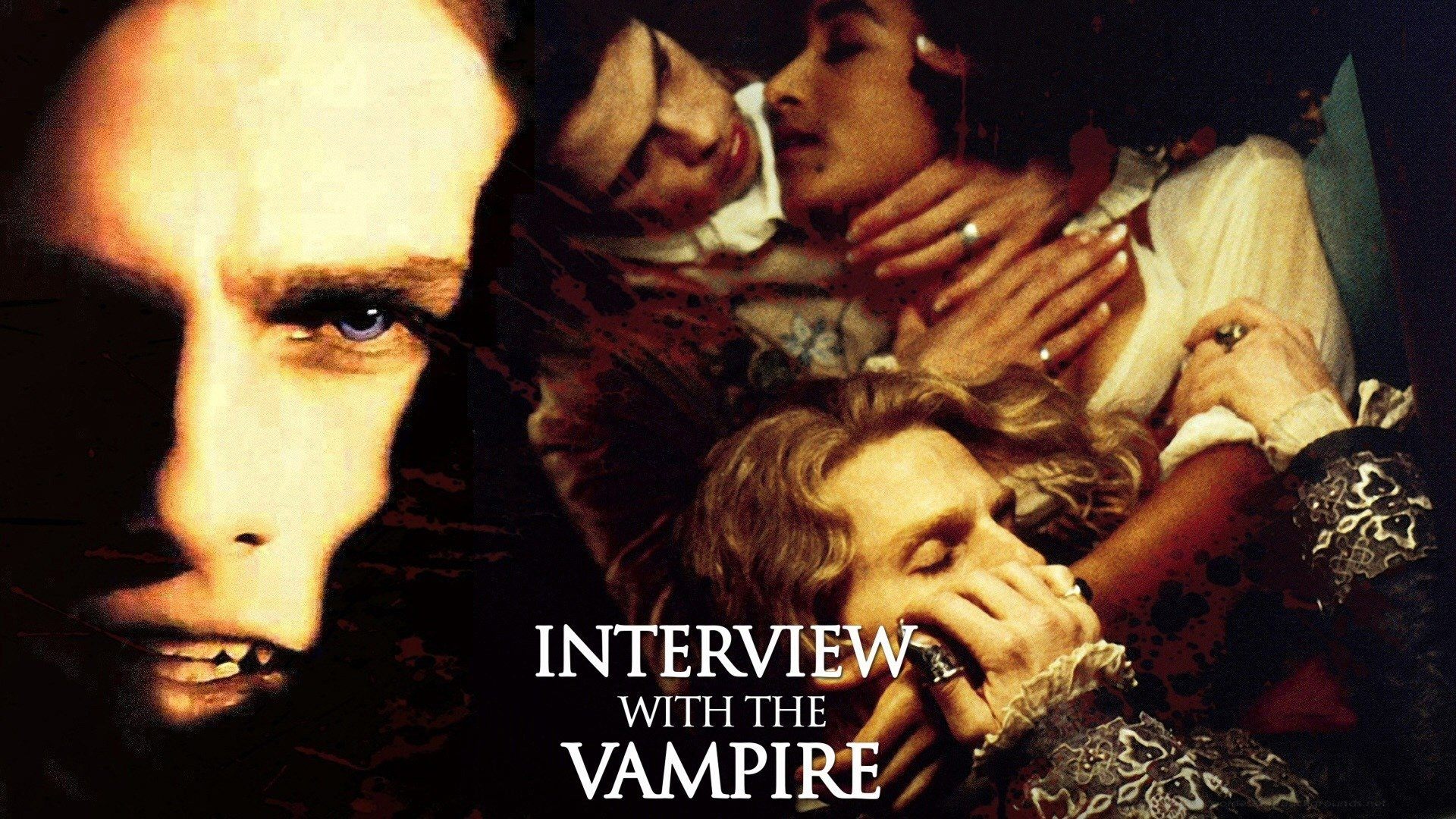
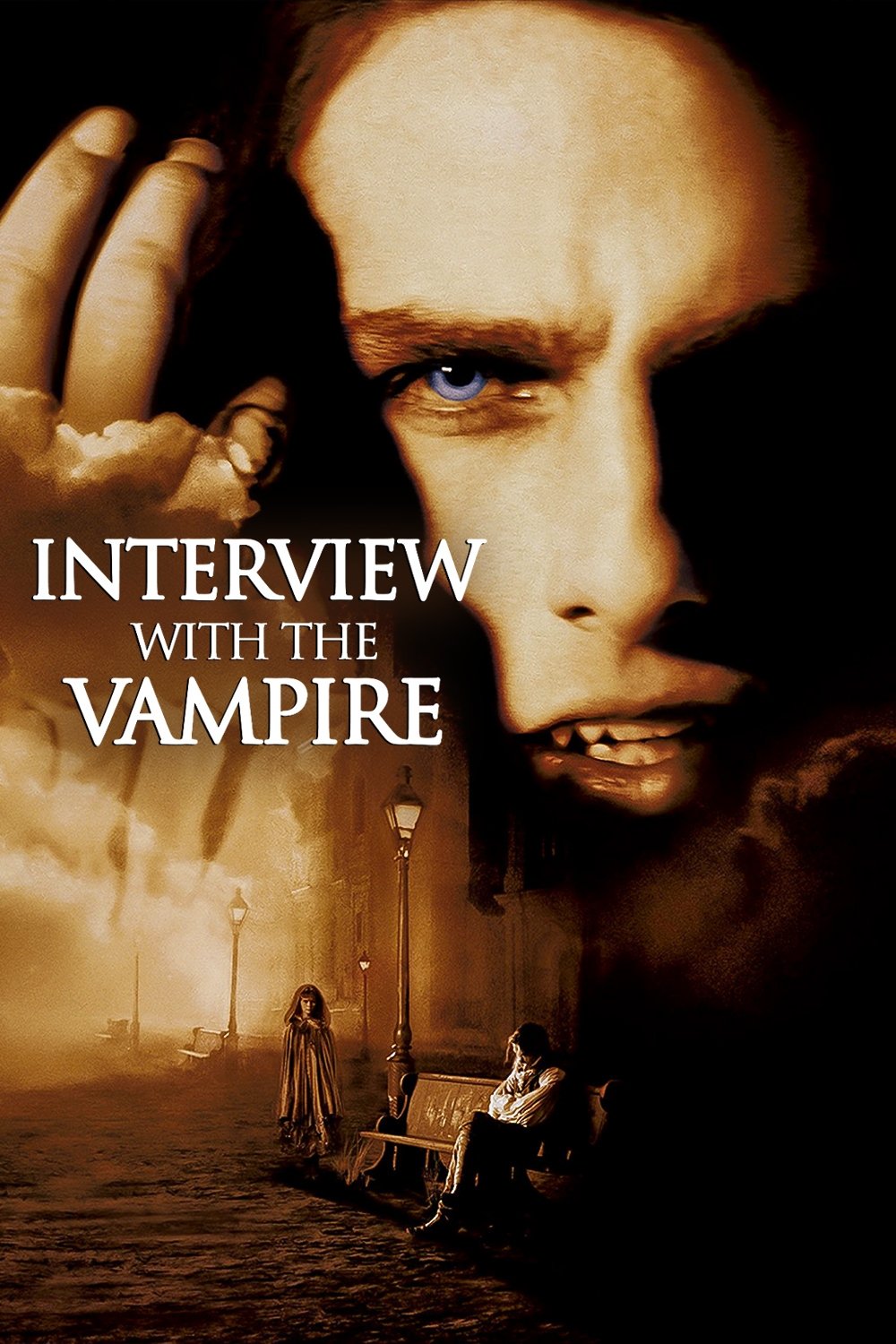
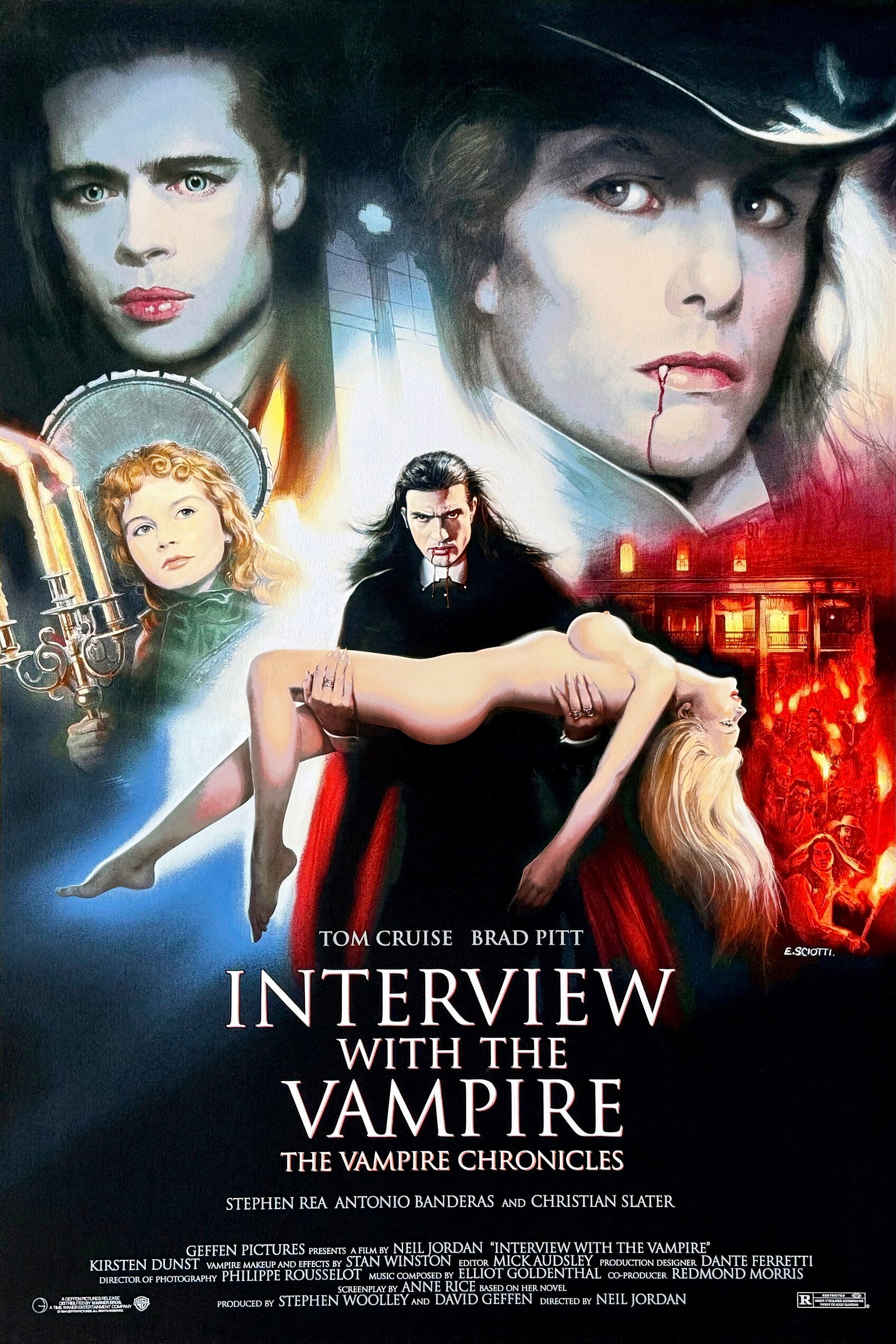
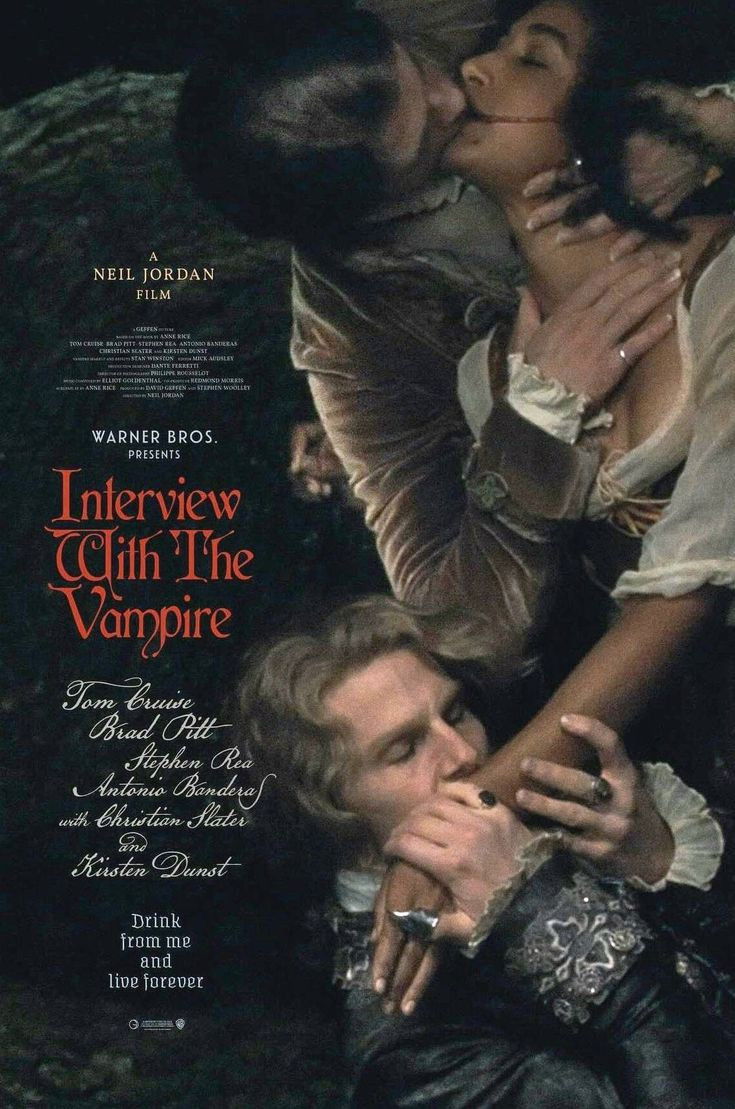
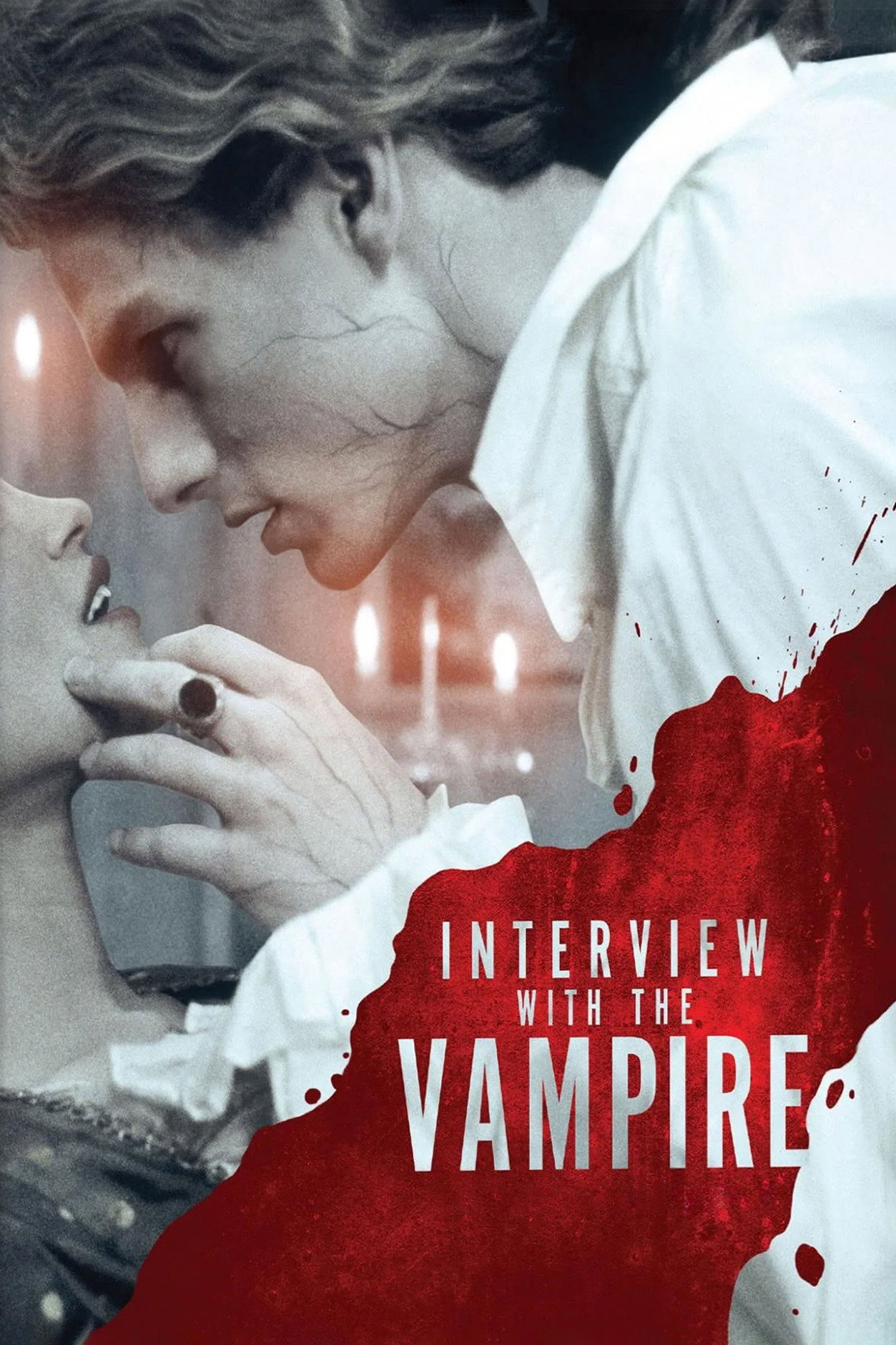
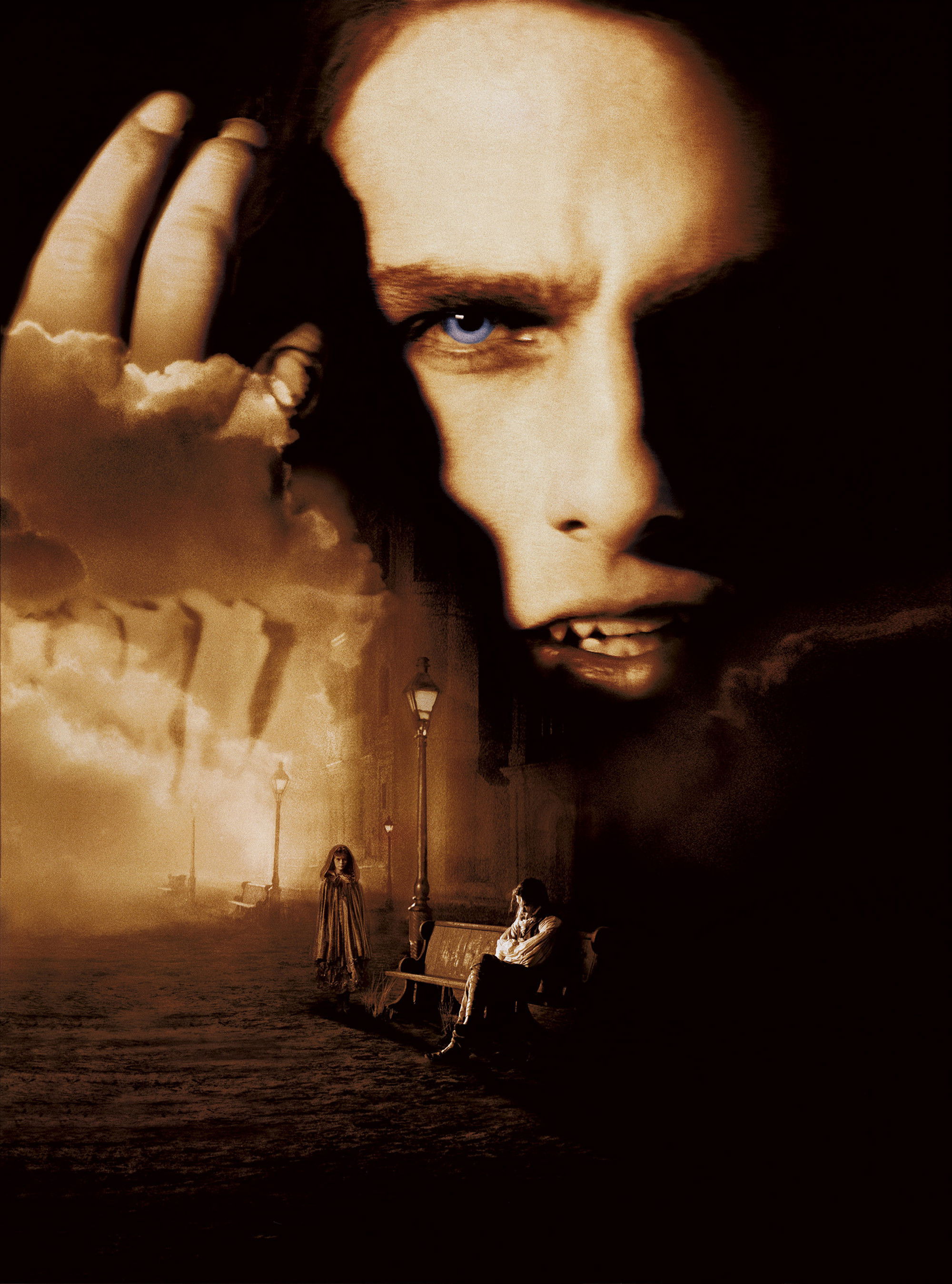
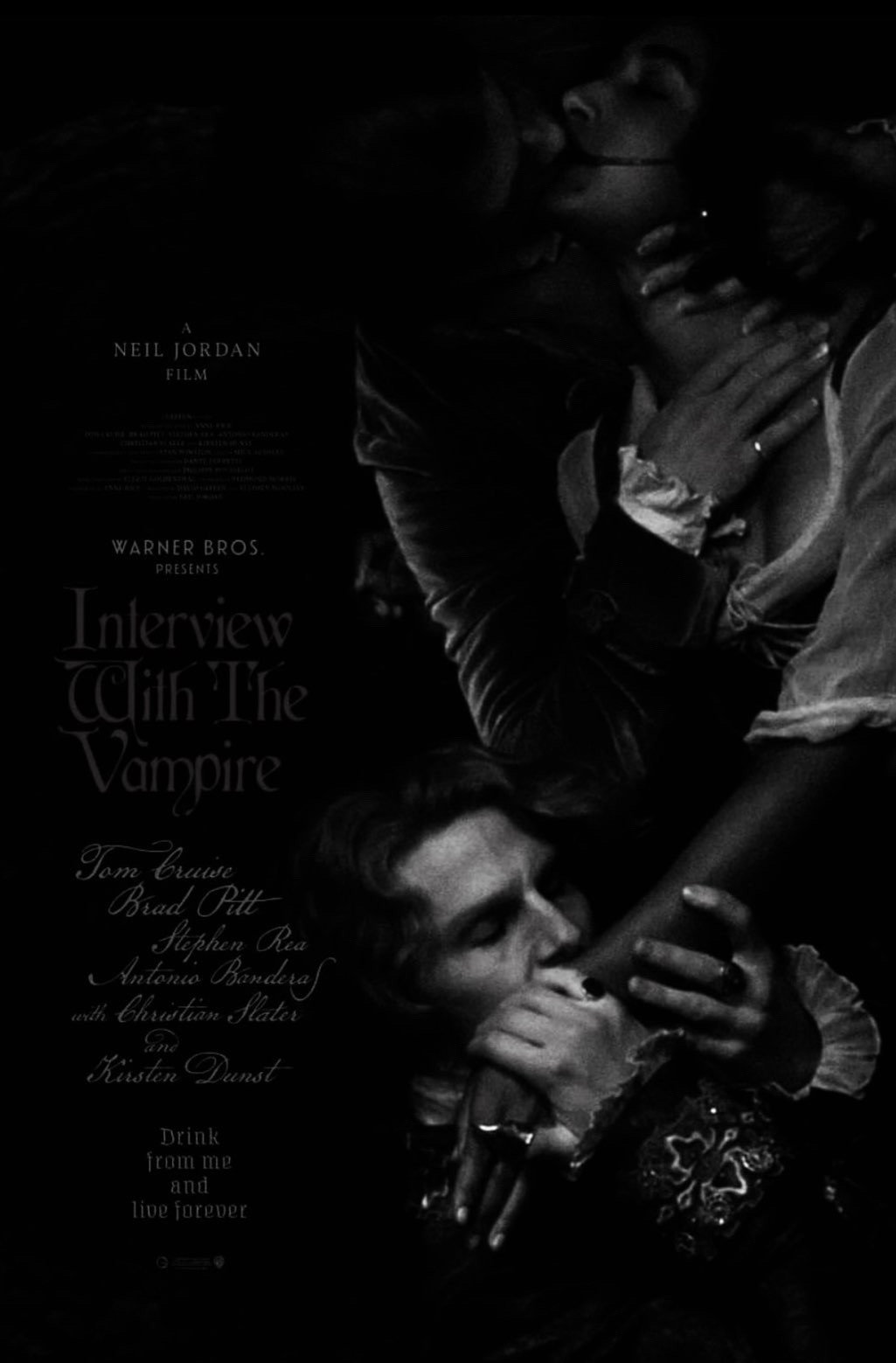
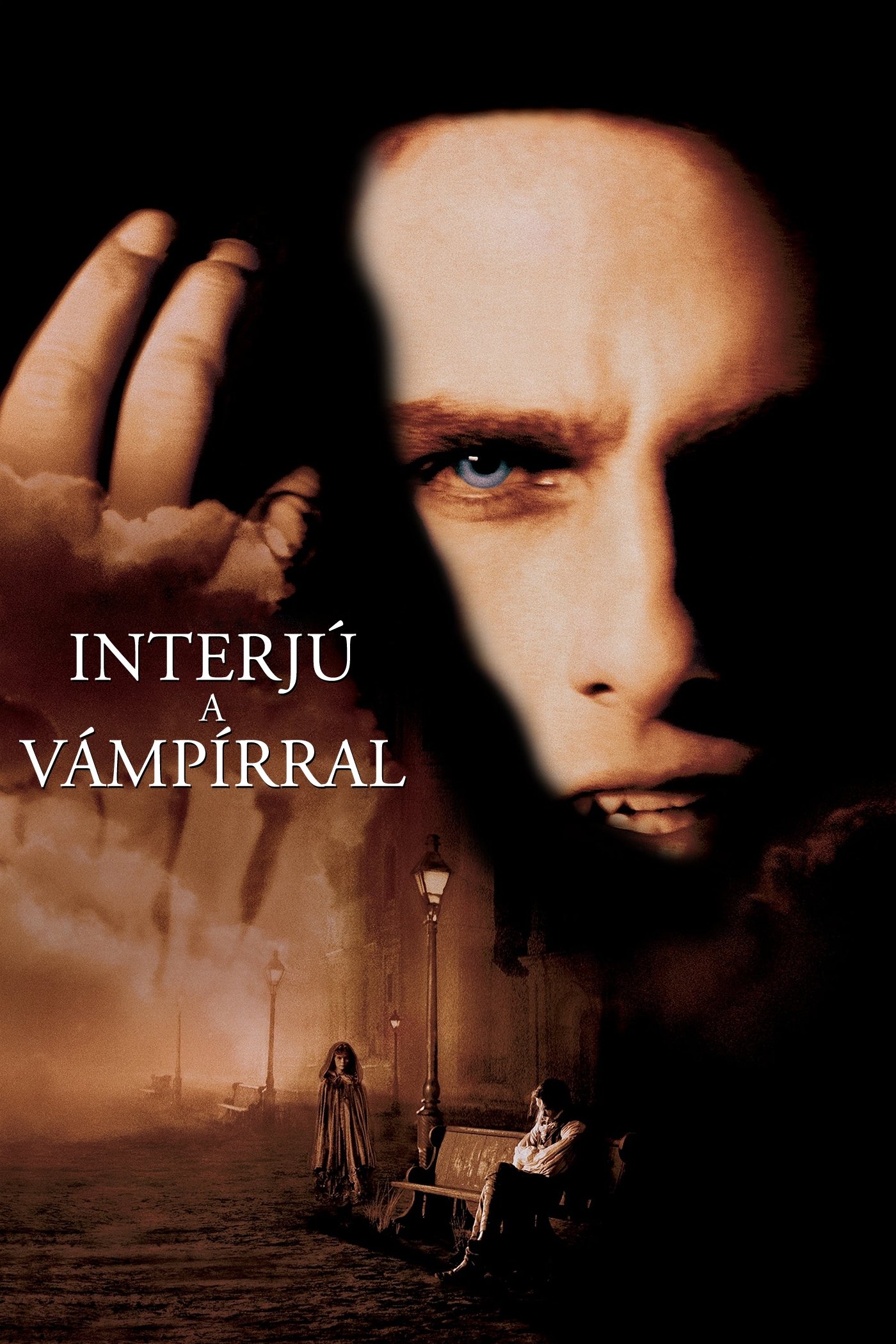
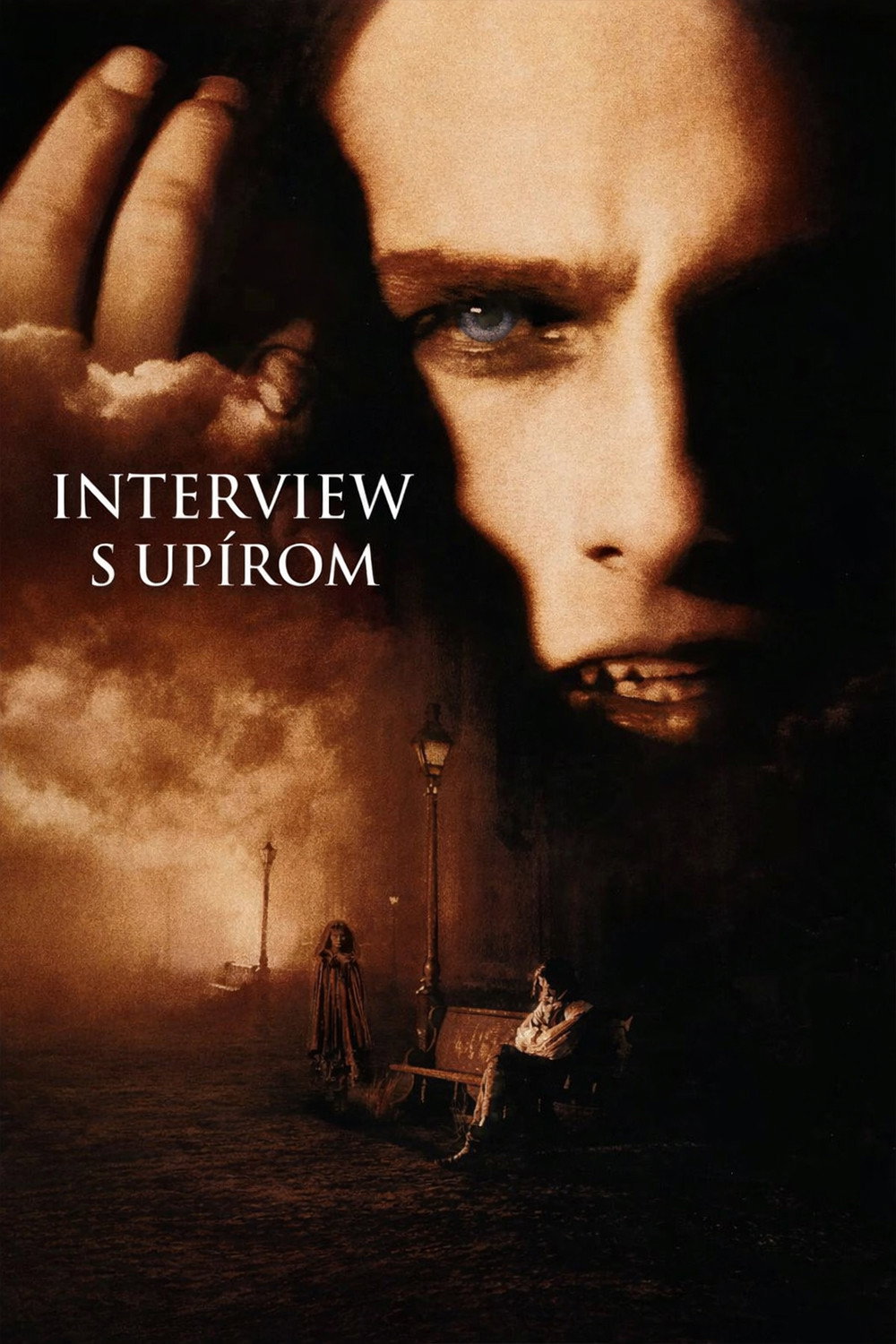
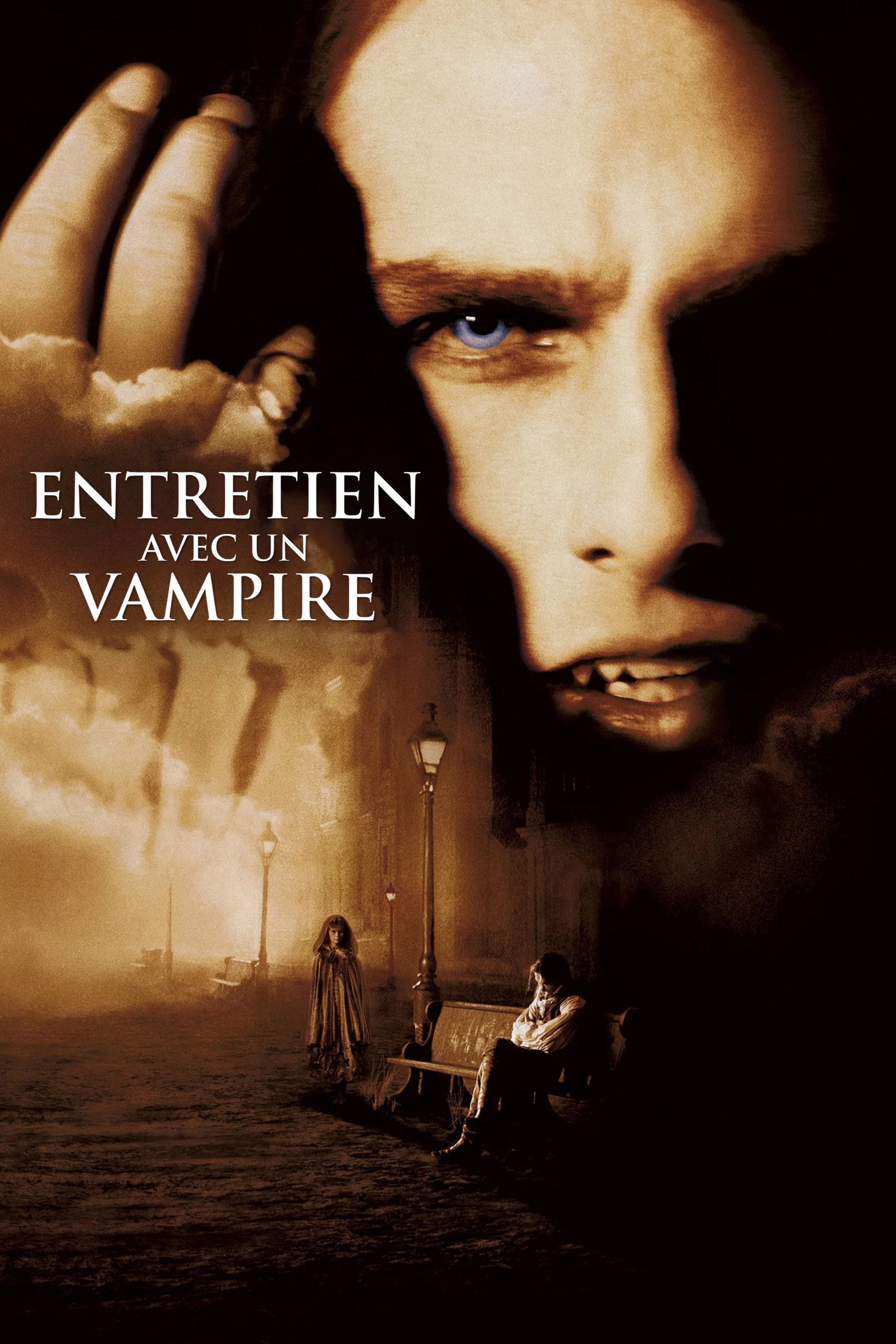
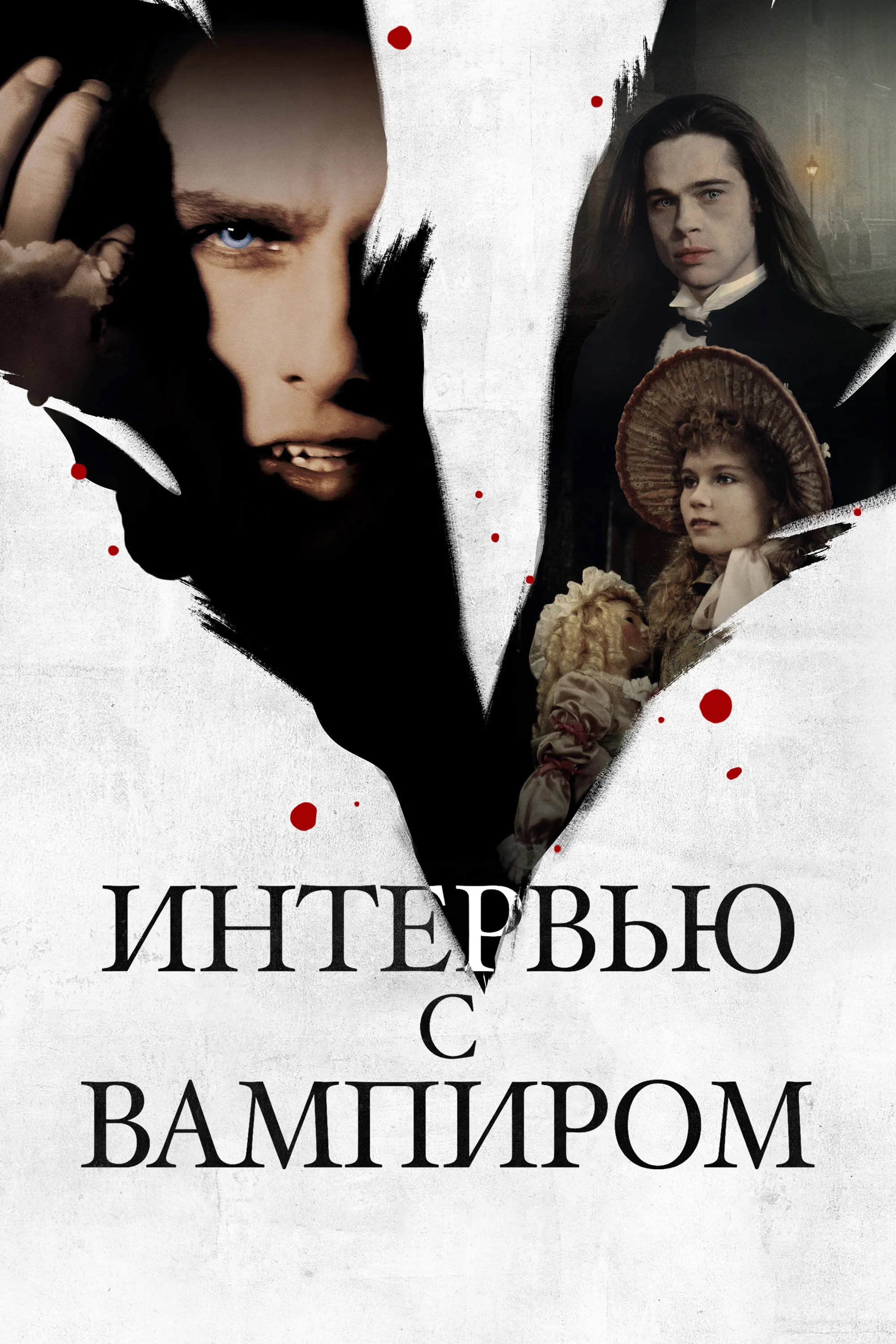
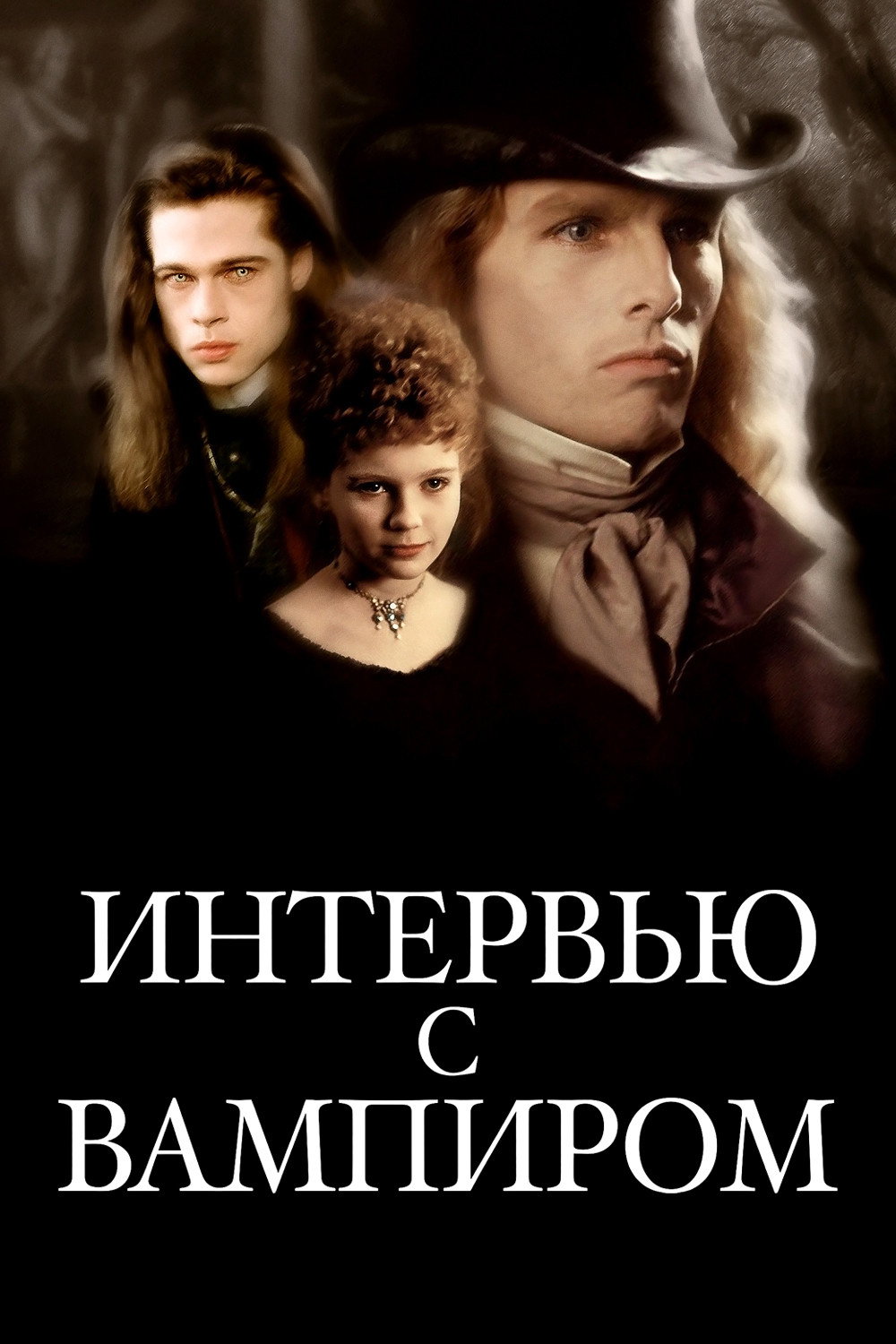
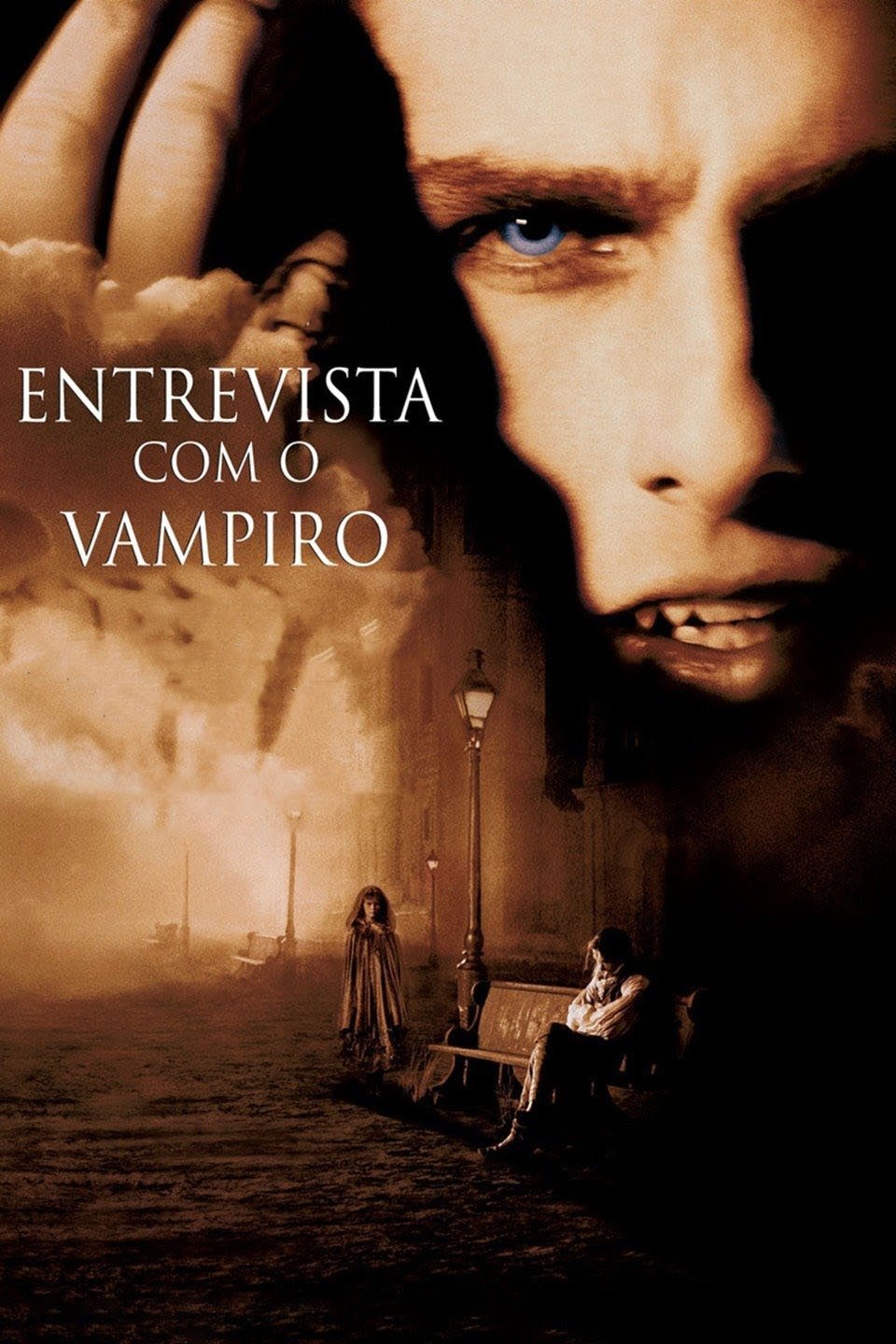
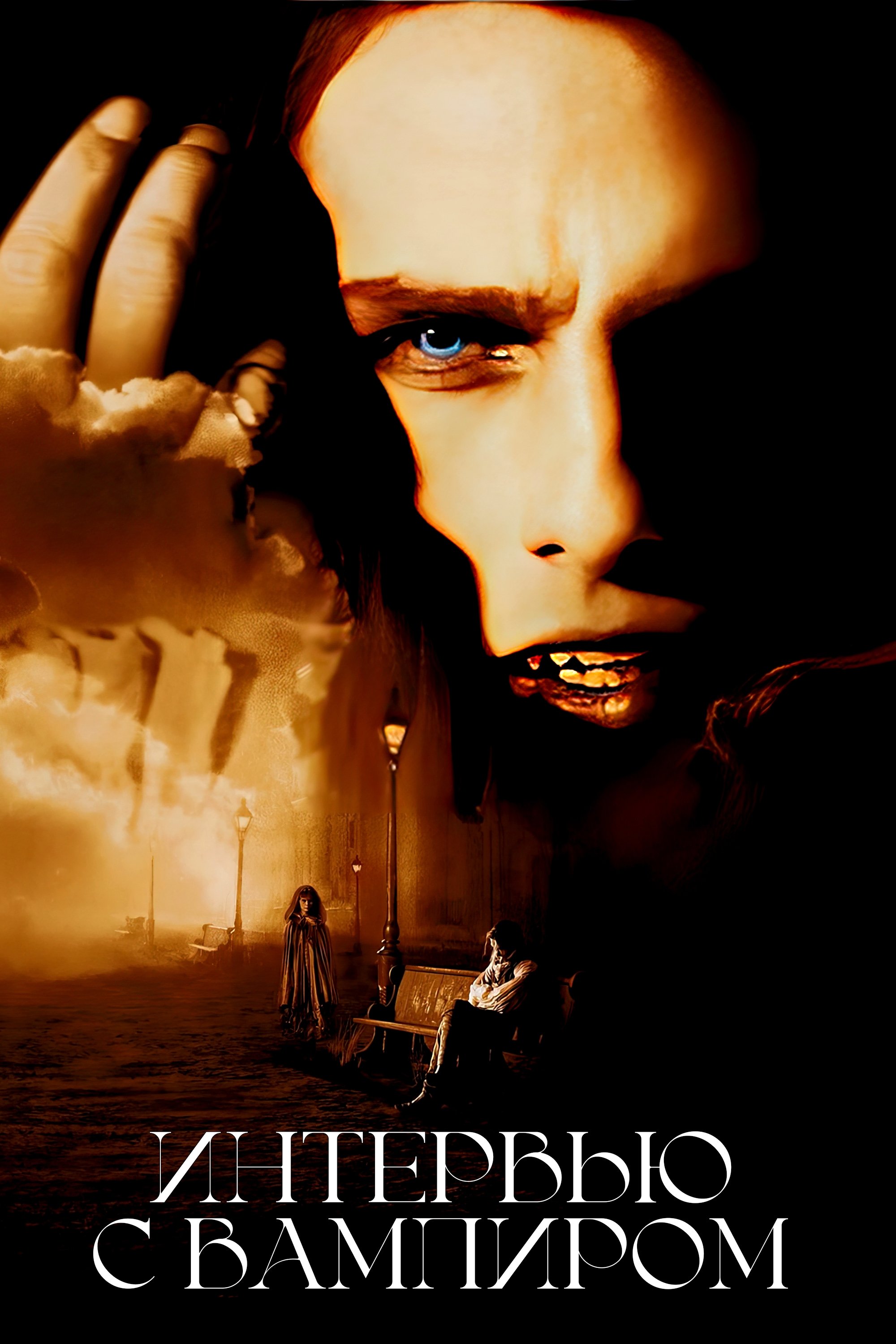
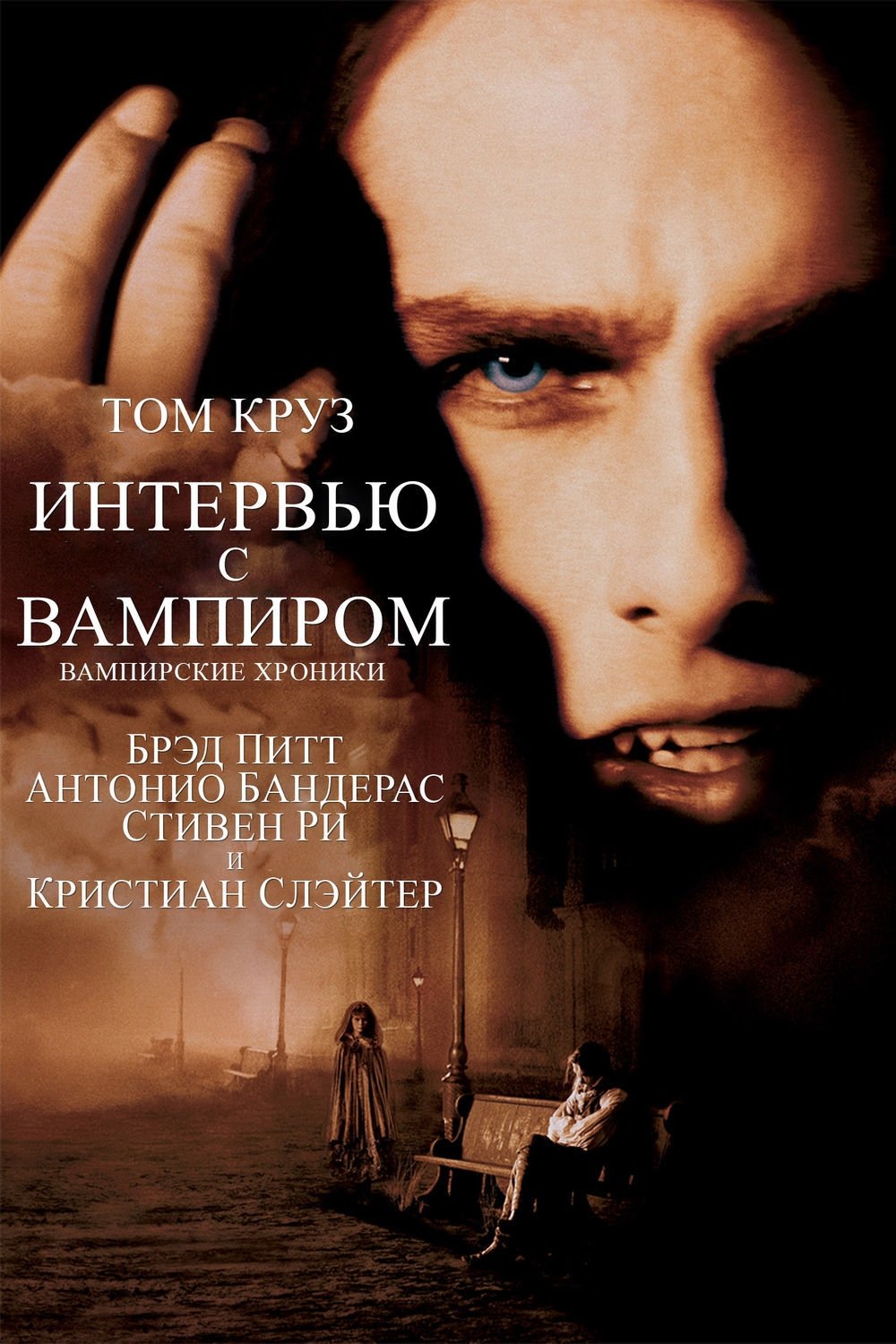
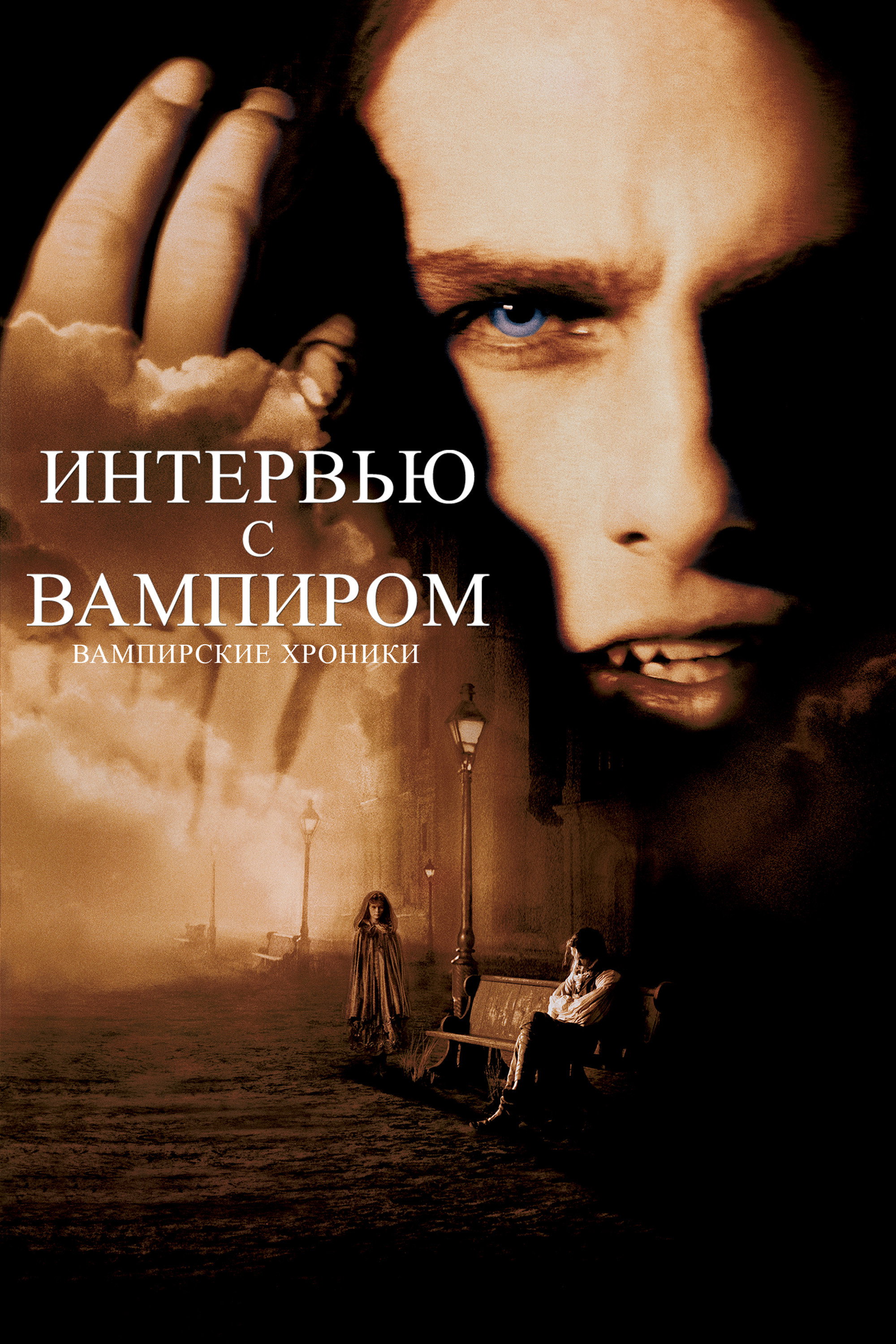
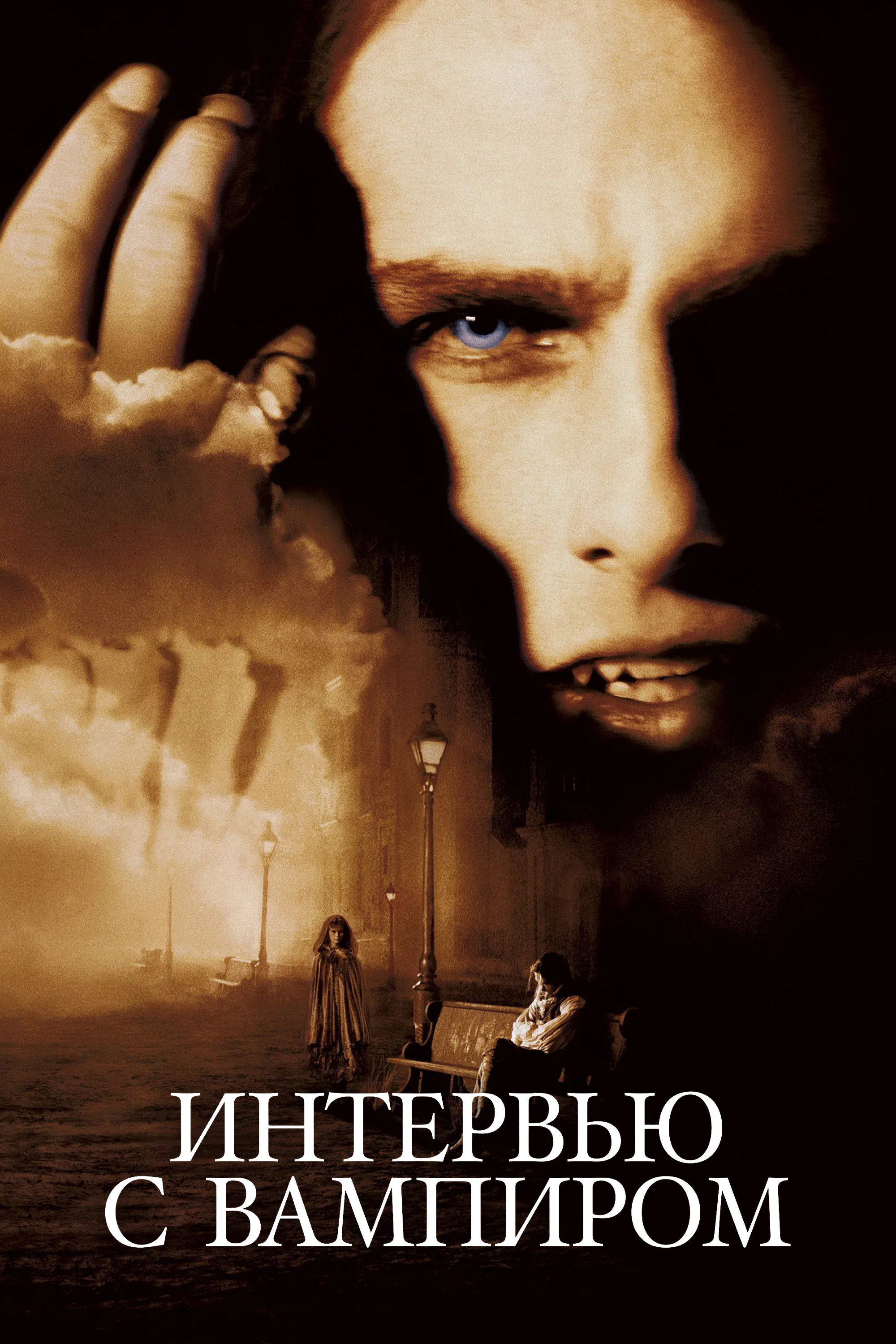
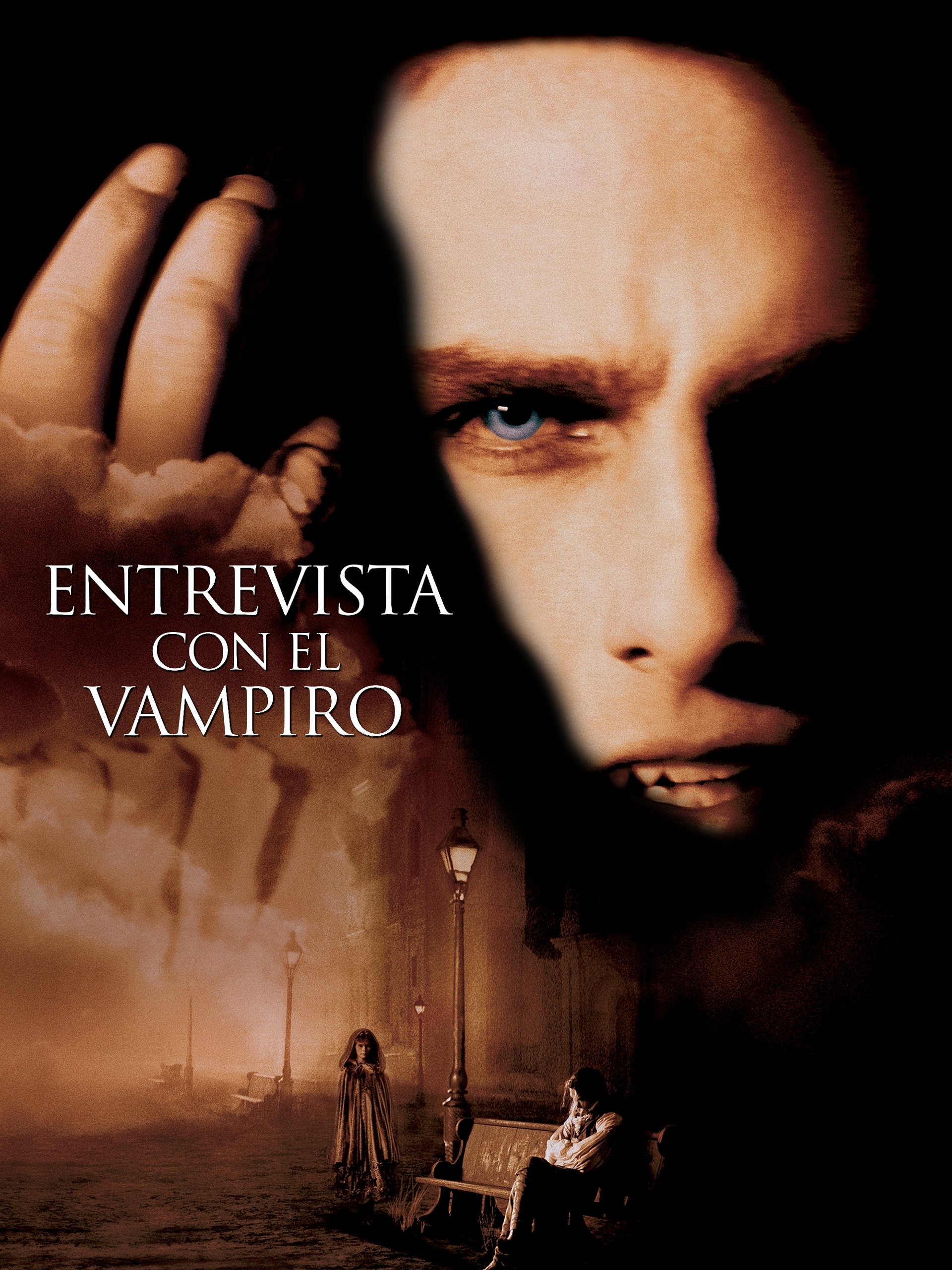
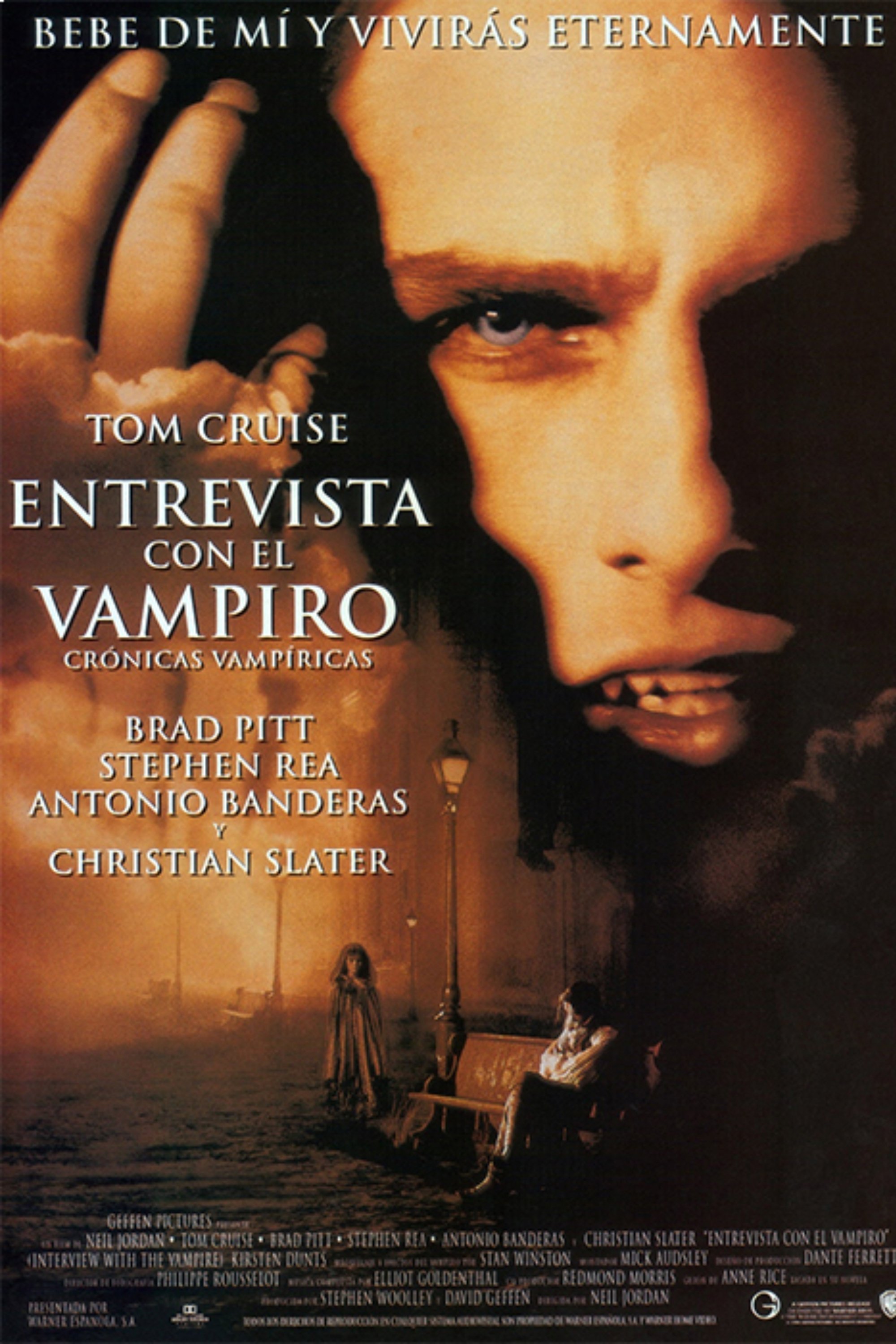
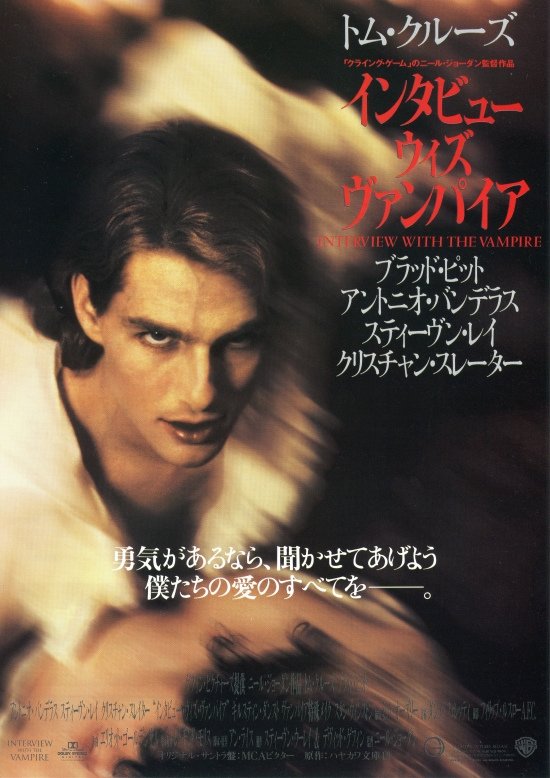
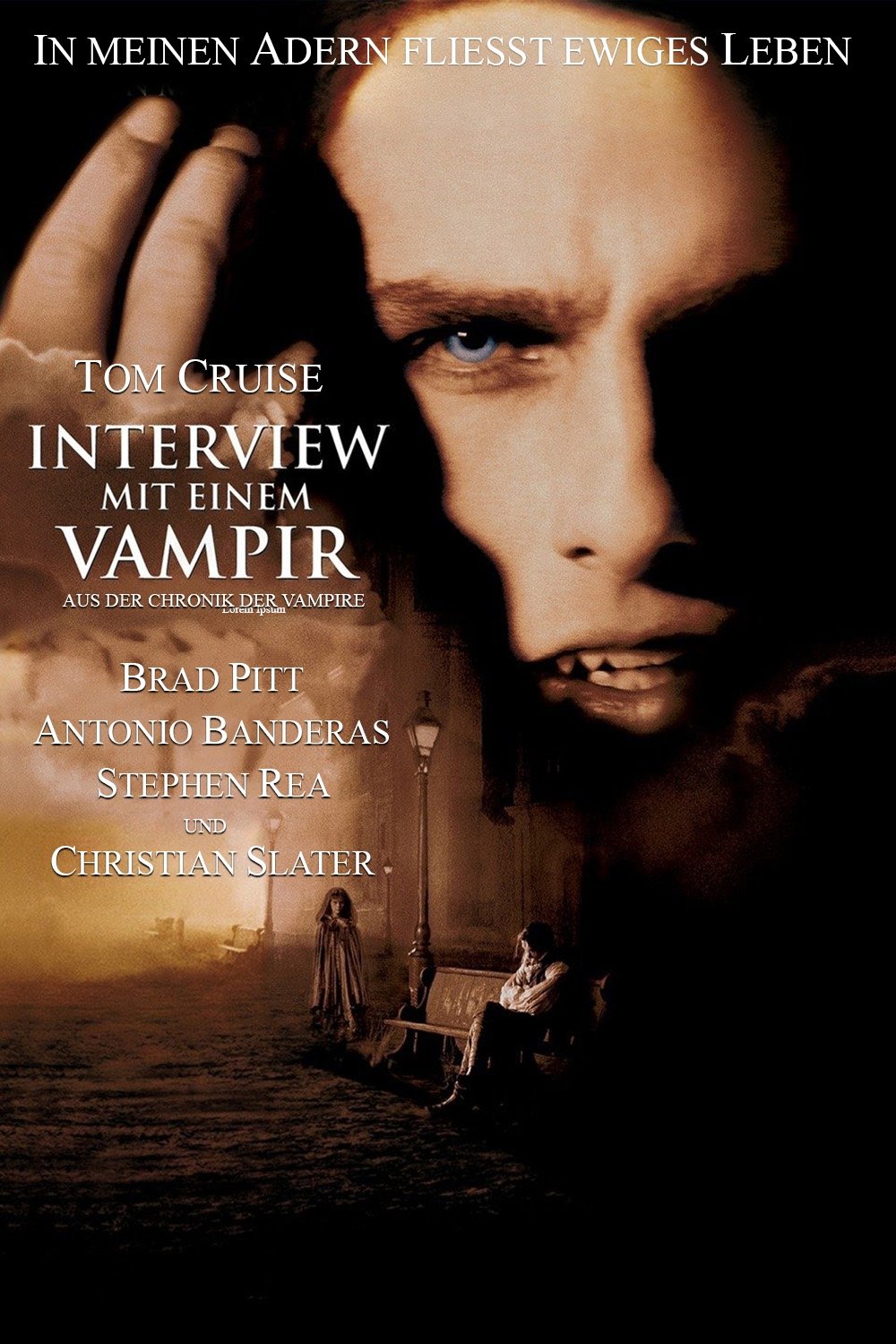
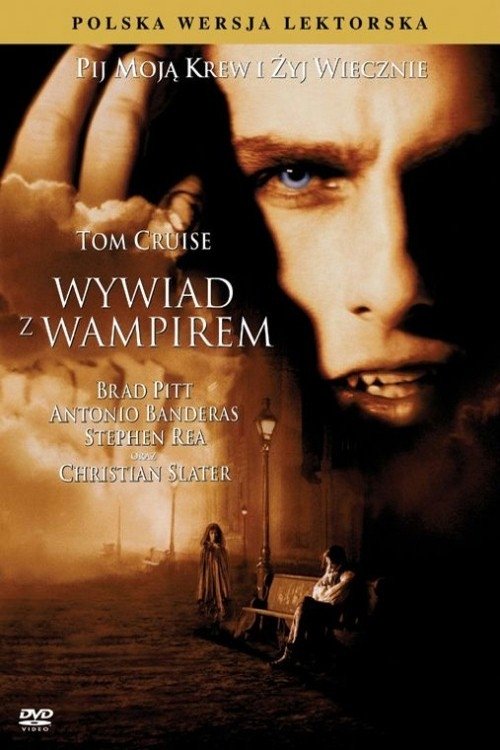
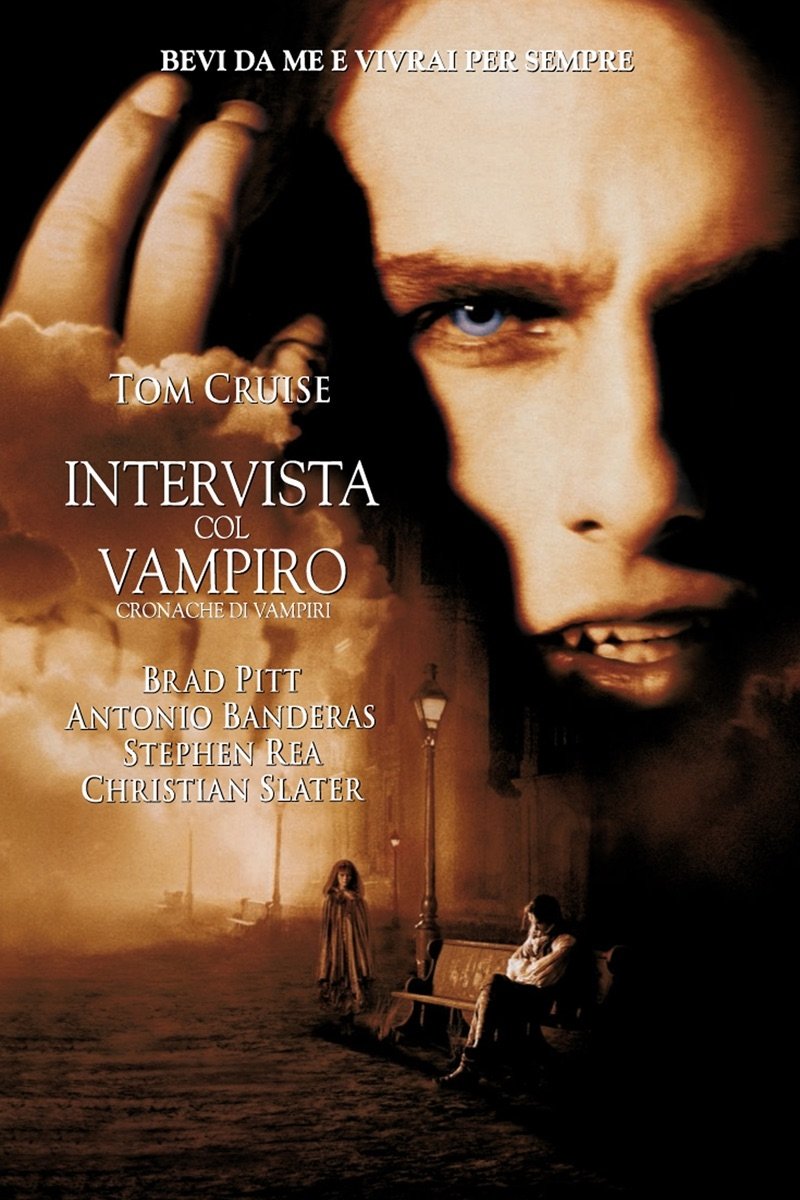
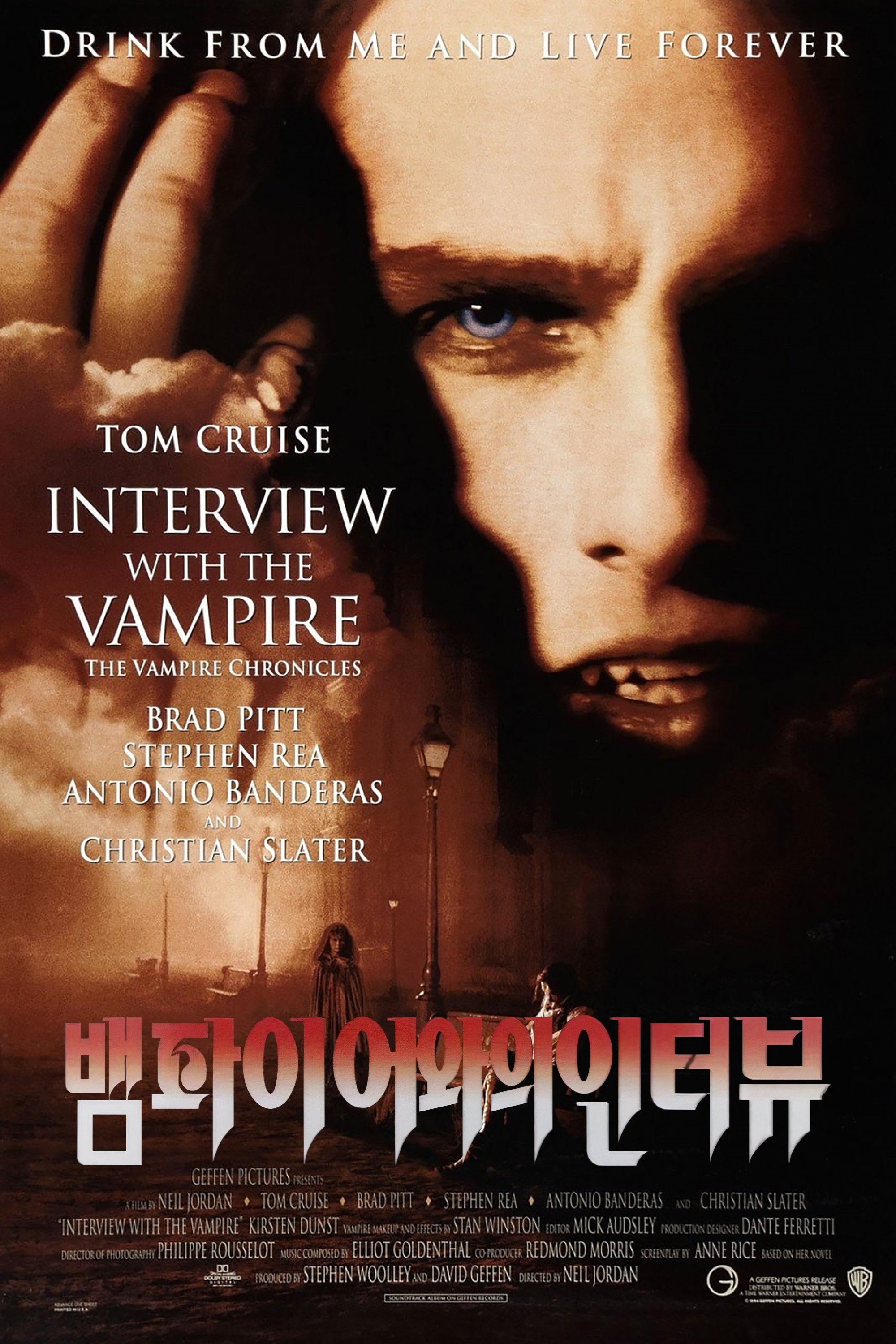
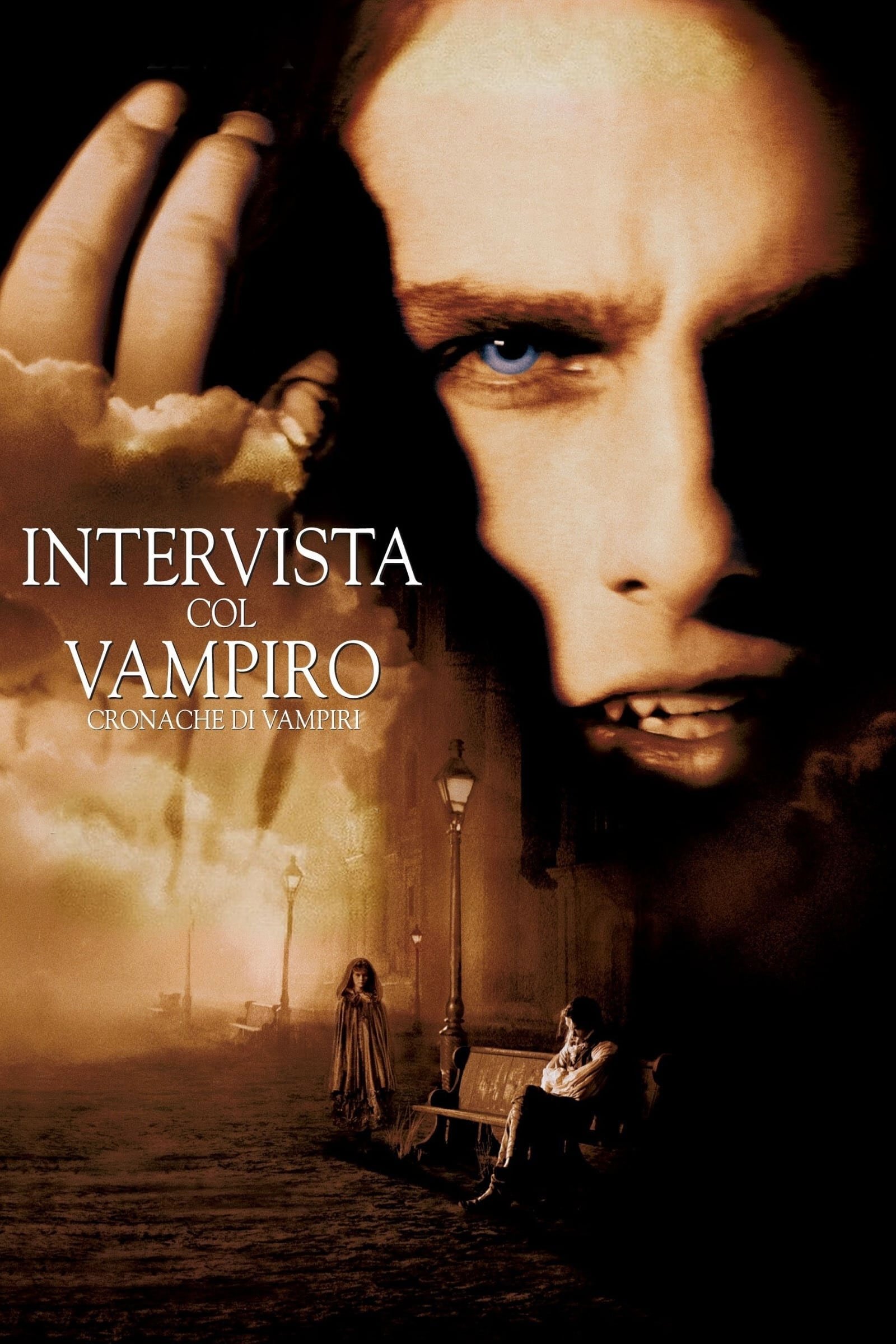
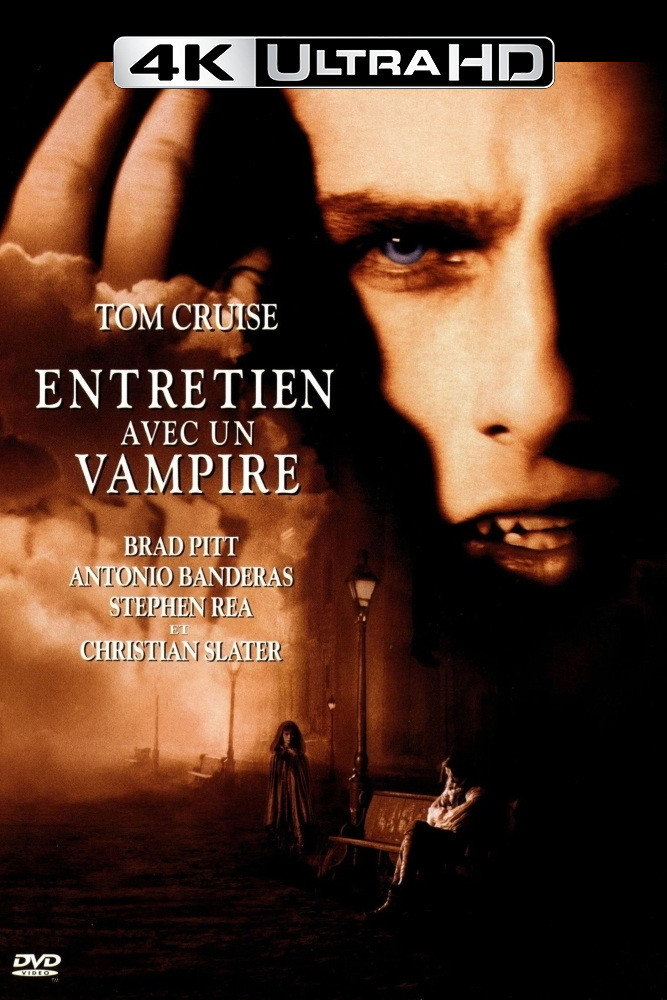
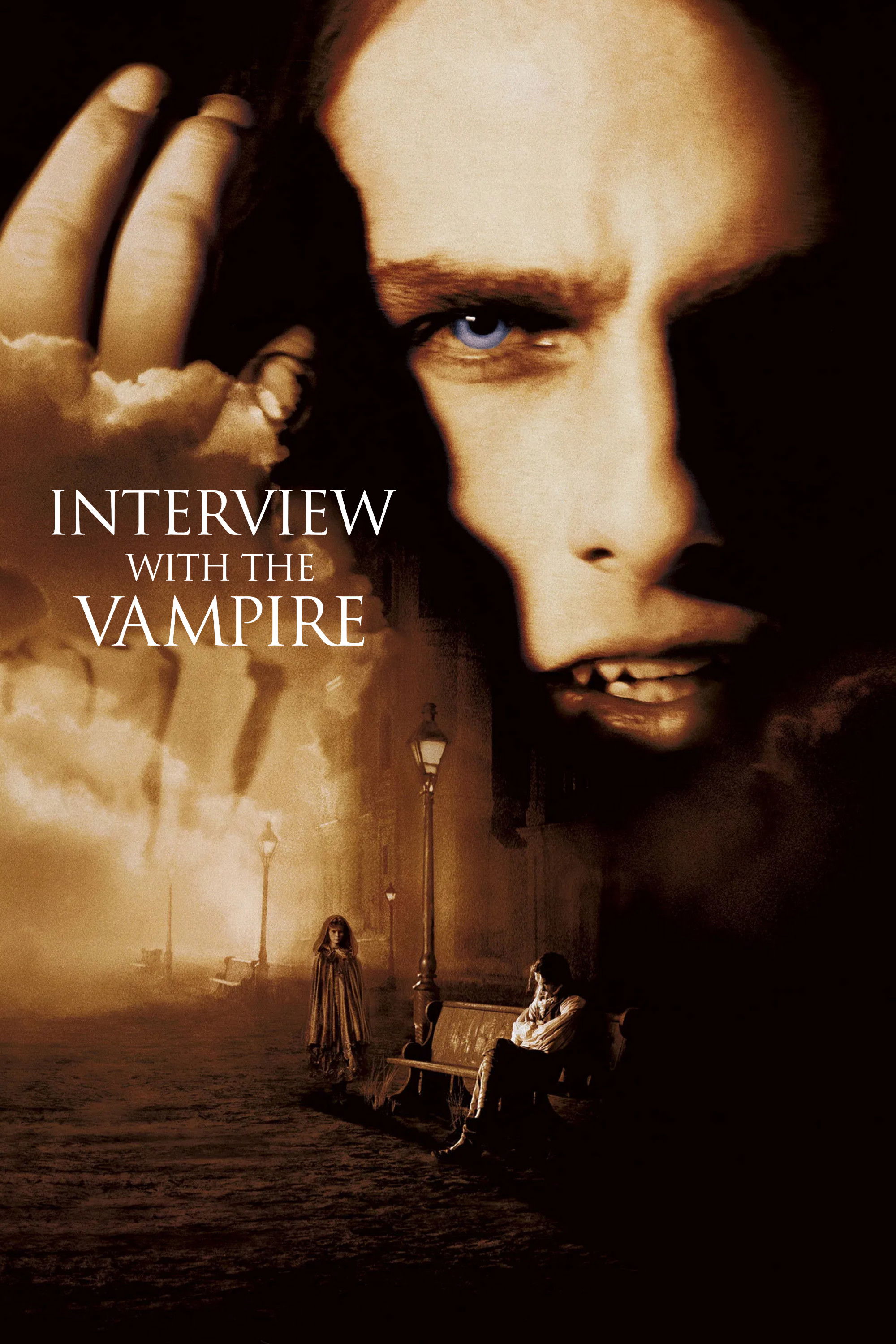
Interview with the Vampire (1994) poster
Director
Writer
Production Company
Geffen Pictures
Plot

A vampire relates his epic life story of love, betrayal, loneliness, and dark hunger to an over-curious reporter.

Alternative Titles
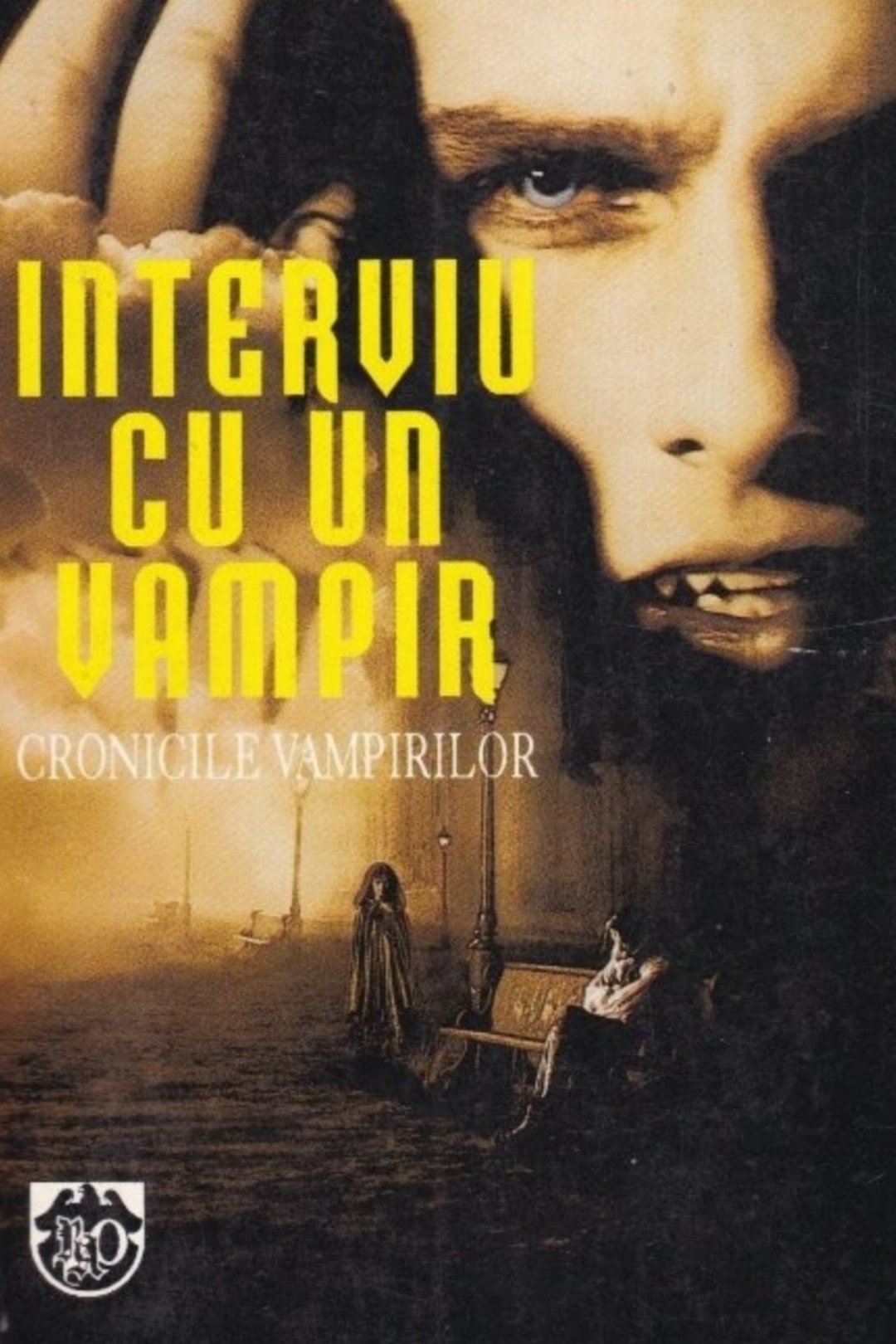
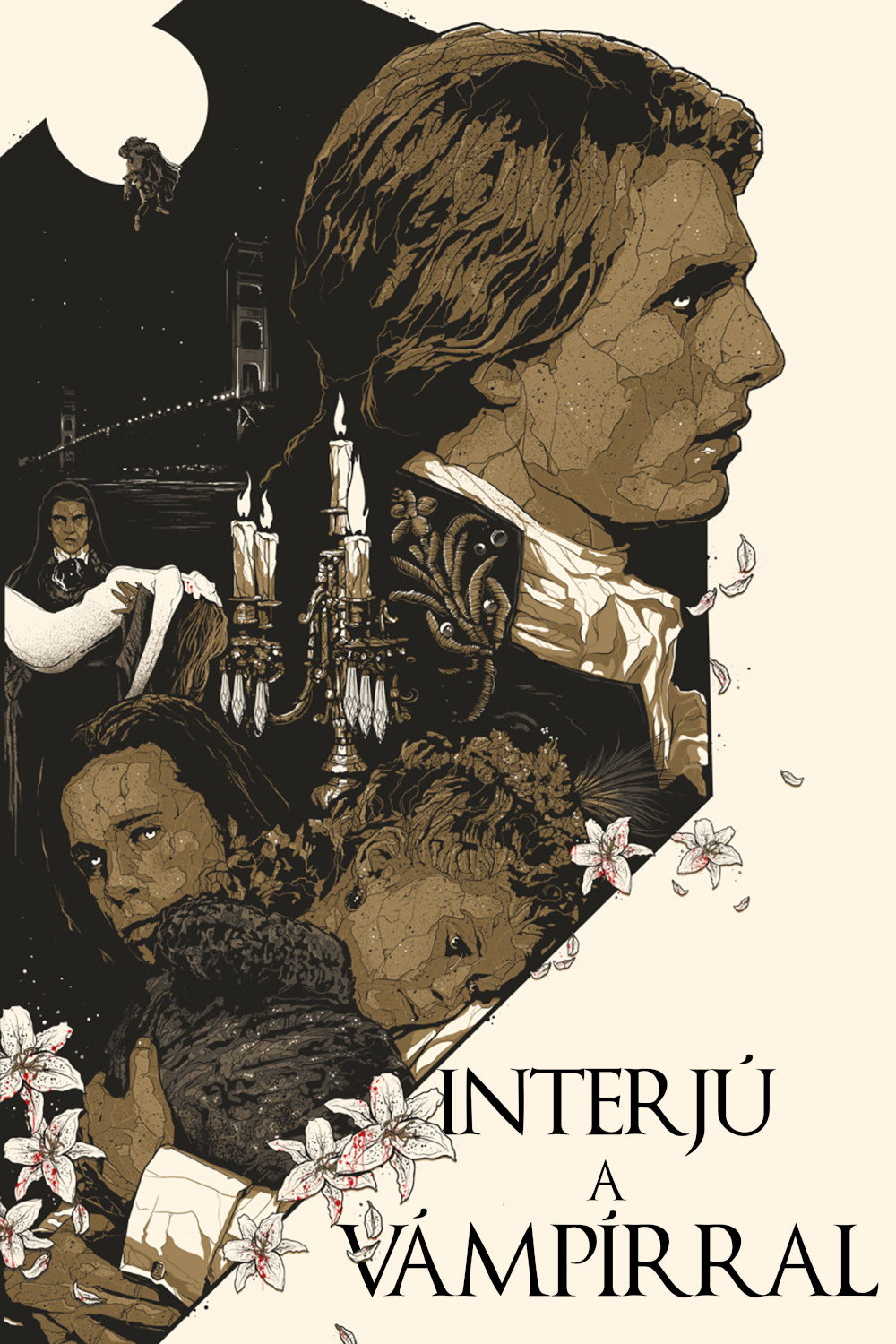
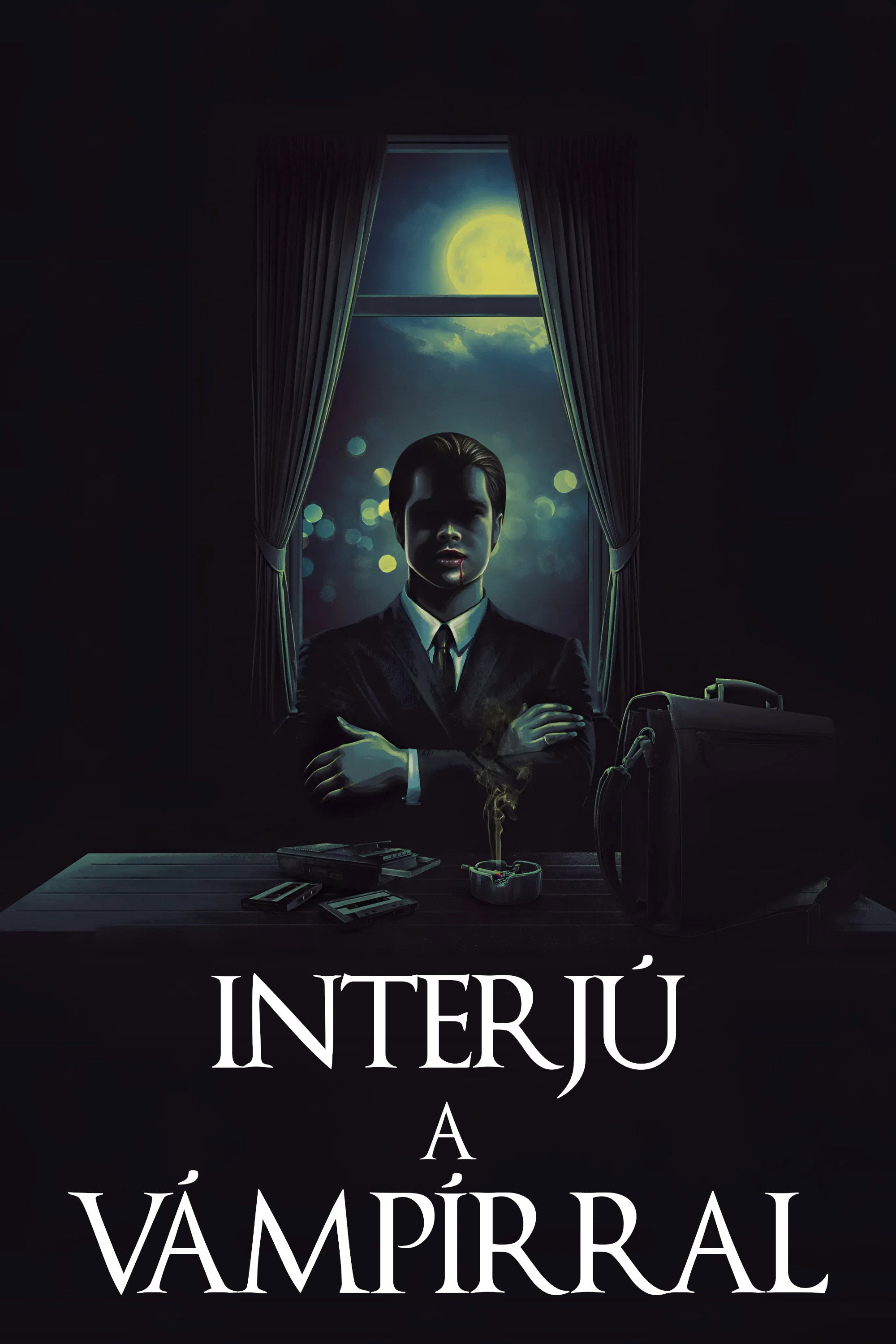
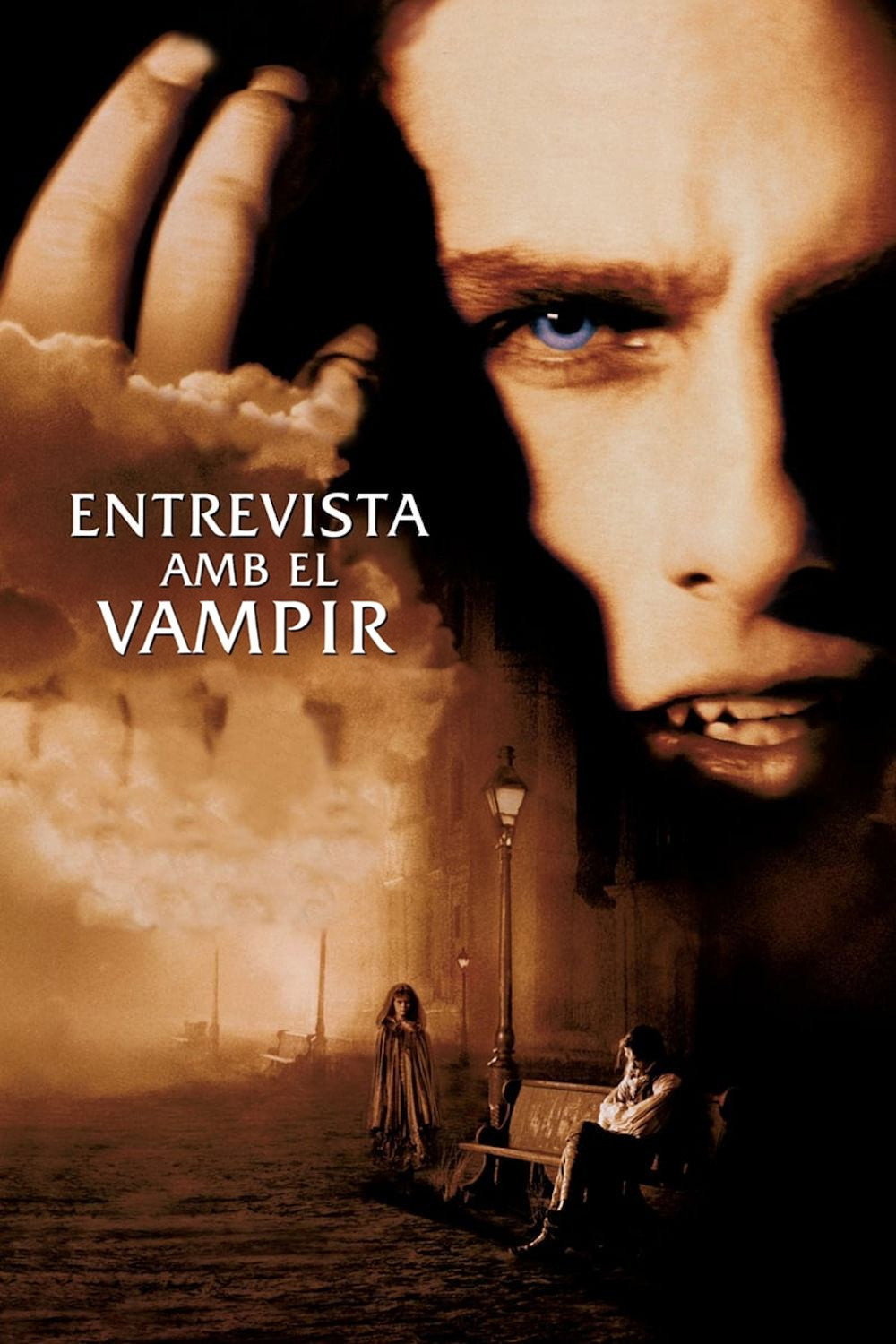
Entrevista Amb El Vampir (AD) Интервю с вампир (BG) — translation:bg Entrevista com o Vampiro (BR) — translation:pt Entretien avec un vampire (CA) — translation:fr 吸血迷情 (CN) — VHS title 夜访吸血鬼 (CN) — translation:zh Interview s upírem (CZ) — translation:cs Interview mit einem Vampir (DE) — translation:de
Show all 47 alternative titles Interview mit einem Vampir - Aus der Chronik der Vampire (DE) En vampyrs bekendelser (DK) — translation:da Intervjuu vampiiriga: vampiiri kroonika (EE) — translation:et Entrevista amb el vampir (ES) — translation:ca Entrevista con el vampiro (ES) — translation:es Veren vangit (FI) — translation:fi Entretien avec un vampire (FR) — translation:fr ინტერვიუ ვამპირთან (GE) — translation:ka Συνέντευξη με έναν Βρικόλακα (GR) — translation:el 吸血迷情 (HK) — translation:zh Intervju s vampirom (HR) — translation:hr Interjú a vámpírral (HU) — translation:hu ראיון עם הערפד: זיכרונותיו של ערפד (IL) — translation:he مصاحبه با خون‌آشام (IR) — translation:fa Intervista col vampiro (IT) — translation:it インタビュー・ウィズ・ヴァンパイア (JP) — translation:ja 뱀파이어와의 인터뷰 (KR) Interviu su vampyru (LT) — translation:lt Interviu su vampyru: vampyrų kronikos (LT) Intervija ar vampīru (LV) — translation:lv Entrevista con el Vampiro (MX) — translation:es En vampyrs bekjennelser (NO) Wywiad z wampirem (PL) — translation:pl Entrevista com o Vampiro (PT) — translation:pt Interviu cu un vampir: Cronicile Vampirilor (RO) — translation:ro Интервју са вампиром (RS) — translation:sr Интервью с вампиром (RU) — translation:ru En vampyrs bekännelse (SE) — translation:sv En vampyrs bekännelser (SE) 夜访吸血鬼 (SG) — translation:zh Intervju z vampirjem (SI) — translation:sl Interview s upírom (SK) — translation:sk เทพบุตรแวมไพร์ หัวใจรักไม่มีวันตาย (TH) — translation:th Vampirle Görüşme (TR) — translation:tr 夜訪吸血鬼 (TW) Інтерв’ю з вампіром (UA) — translation:uk Interview with a Vampire (US) Interview with the Vampire: The Vampire Chronicles (US) — on-screen title Phỏng Vấn Ma Cà Rồng (VN) — translation:vi

Trailers & Videos

10 videos

Film Guide

Neil Jordan adapts Anne Rice: casting, period cinematography, vampire makeup, the Goldenthal score and the film's reception.

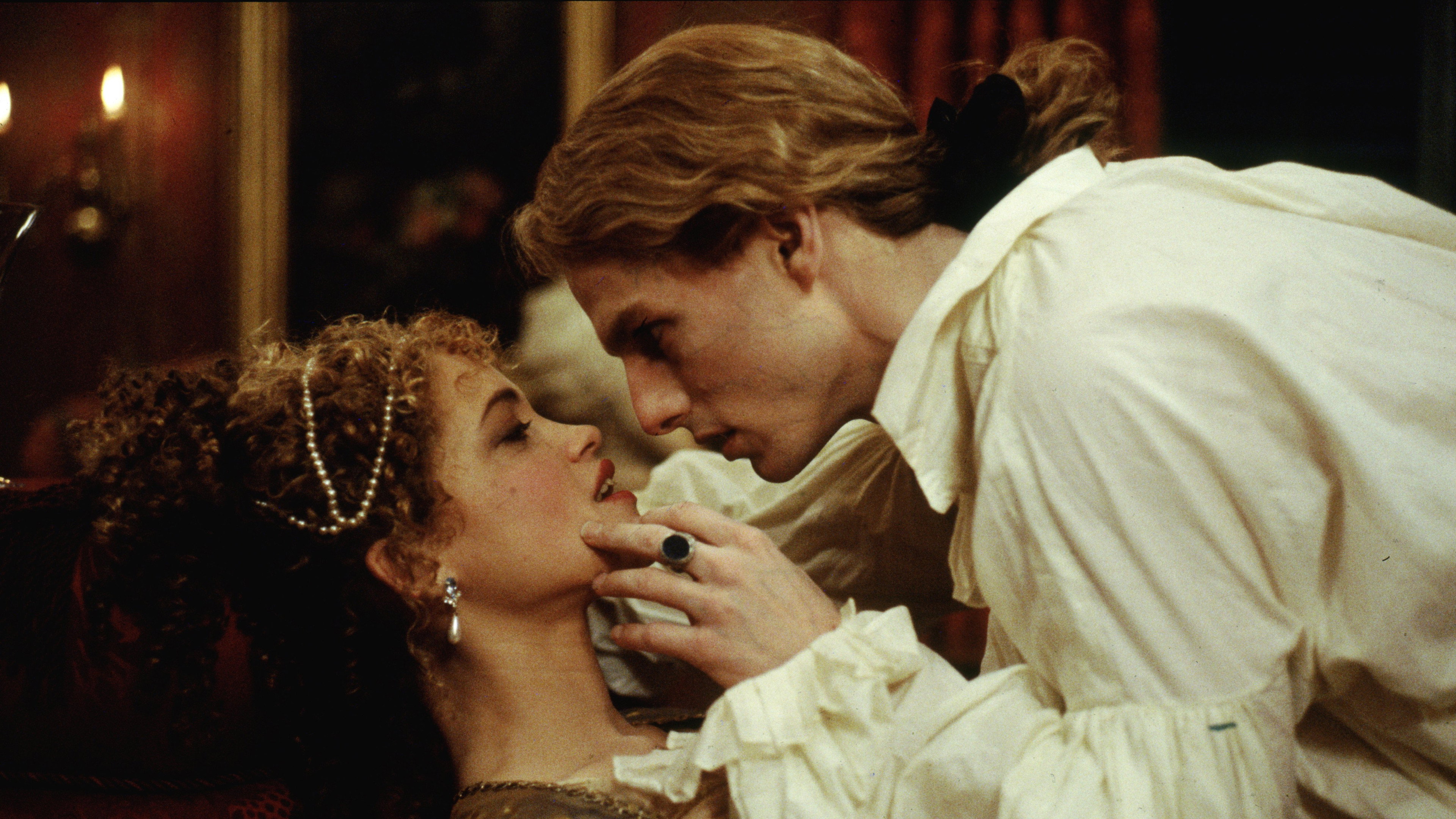
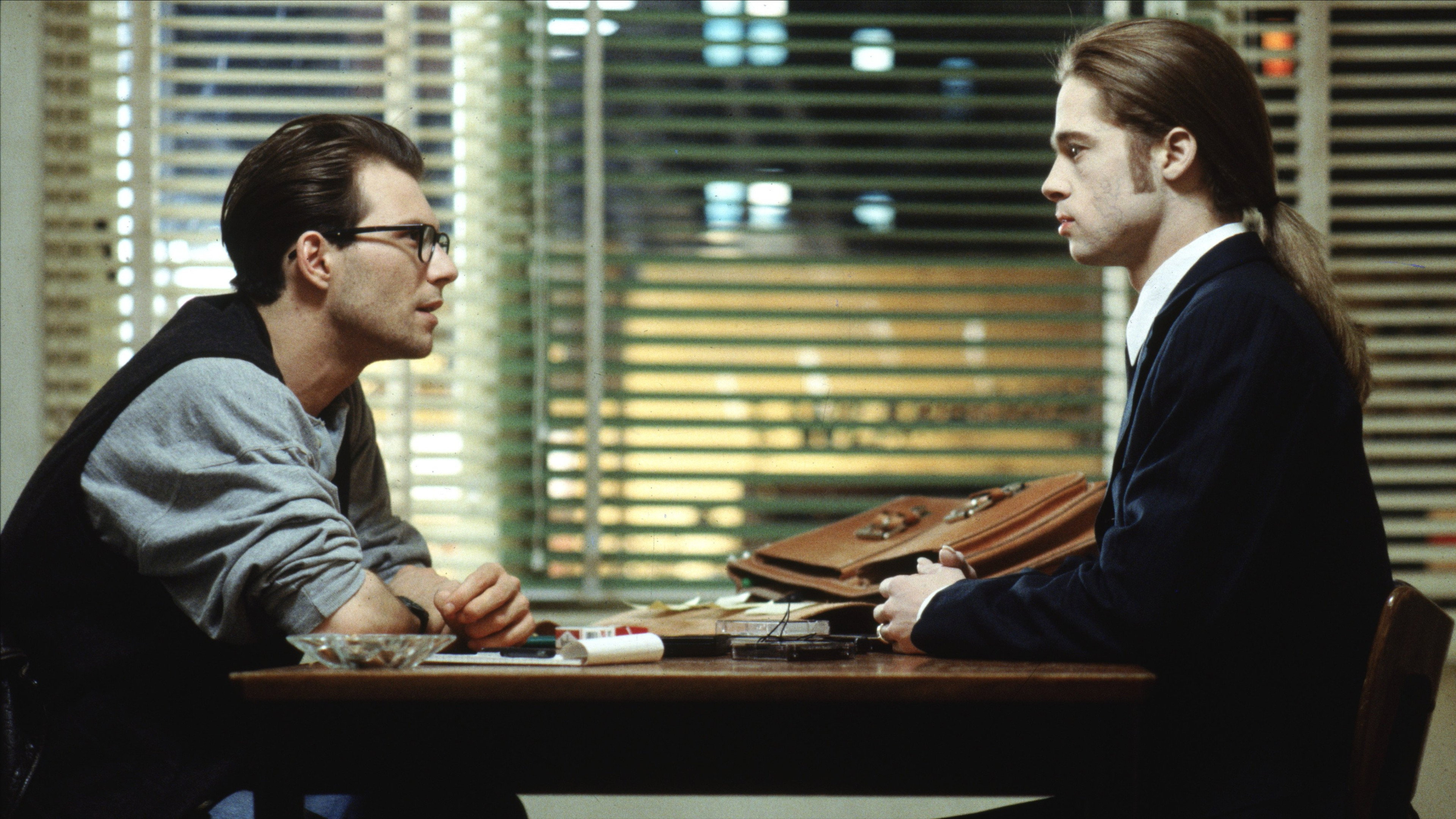
Neil Jordan's Interview with the Vampire (1994) adapts Anne Rice's novel into a Gothic account of immortality experienced as estrangement rather than liberation. In a present-day San Francisco interview, Louis de Pointe du Lac recounts his transformation in eighteenth-century Louisiana by the vampire Lestat, their troubled domestic life with the child vampire Claudia, and his later search for others of their kind in Europe. The narrative grants the creatures memory, desire and conflicting moral positions while retaining the bodily violence of vampire horror. Its central relationships make predation inseparable from questions of attachment, dependency and the passage of time.

The film emerged after a long period of attempts to bring Rice's book to the screen. Its unusually large period settings, sustained nocturnal photography and combination of prosthetic and early digital effects gave Jordan a way to approach the novel as both historical drama and supernatural cinema. Released by Warner Bros. in November 1994, it also provoked a public dispute over Tom Cruise's casting as Lestat and subsequently received Academy Award nominations for its production design and original score. The lasting interest of the film lies in the detailed material world constructed around its vampires and the tensions between Louis's testimony and the conduct of the companions he describes.

Adaptation and Development

Rice's Interview with the Vampire was published in 1976, and its screen rights were pursued long before the eventual production. By the early 1990s the property had acquired a reputation as a difficult adaptation: its central narrative is a retrospective confession spanning generations, with extensive reflection on guilt, religion and the burdens of endless life. Producer David Geffen approached Neil Jordan with Rice's screenplay after the director's success with The Crying Game (1992). Jordan later recalled reading both the script and novel and seeking permission to reshape the material in his own way, because the version he received did not fully express the book's darkness as he understood it.

Jordan did not receive a screenplay credit; Anne Rice remained the credited writer. In a contemporary interview with the Los Angeles Times, he described undertaking substantial rewriting and acknowledged that the Writers Guild awarded the credit to Rice. These statements need to be separated from the official writing credit rather than treated as proof that one contributor authored the finished script alone. The film preserves the framing interview and the principal relationships among Louis, Lestat and Claudia, but compresses the centuries-long story into a sequence of decisive encounters, movements and losses. Its visual treatment also makes the vampires' physical existence more immediate than the novel's extended reflections can do on the page.

Jordan has said that his intention was to retain the emotional solitude he found in the book while creating a convincing period environment. The adaptation consequently moves between an intimate, spoken confession and large-scale historical settings: a Louisiana plantation, the streets of New Orleans and the Parisian vampire theatre. Rather than attempting to illustrate every incident from the literary source, these environments mark changes in Louis's expectations of his new existence. The director's remarks about the process are valuable first-hand accounts, although they were given both at the time of release and in later retrospectives.
Casting, Controversy and Performance

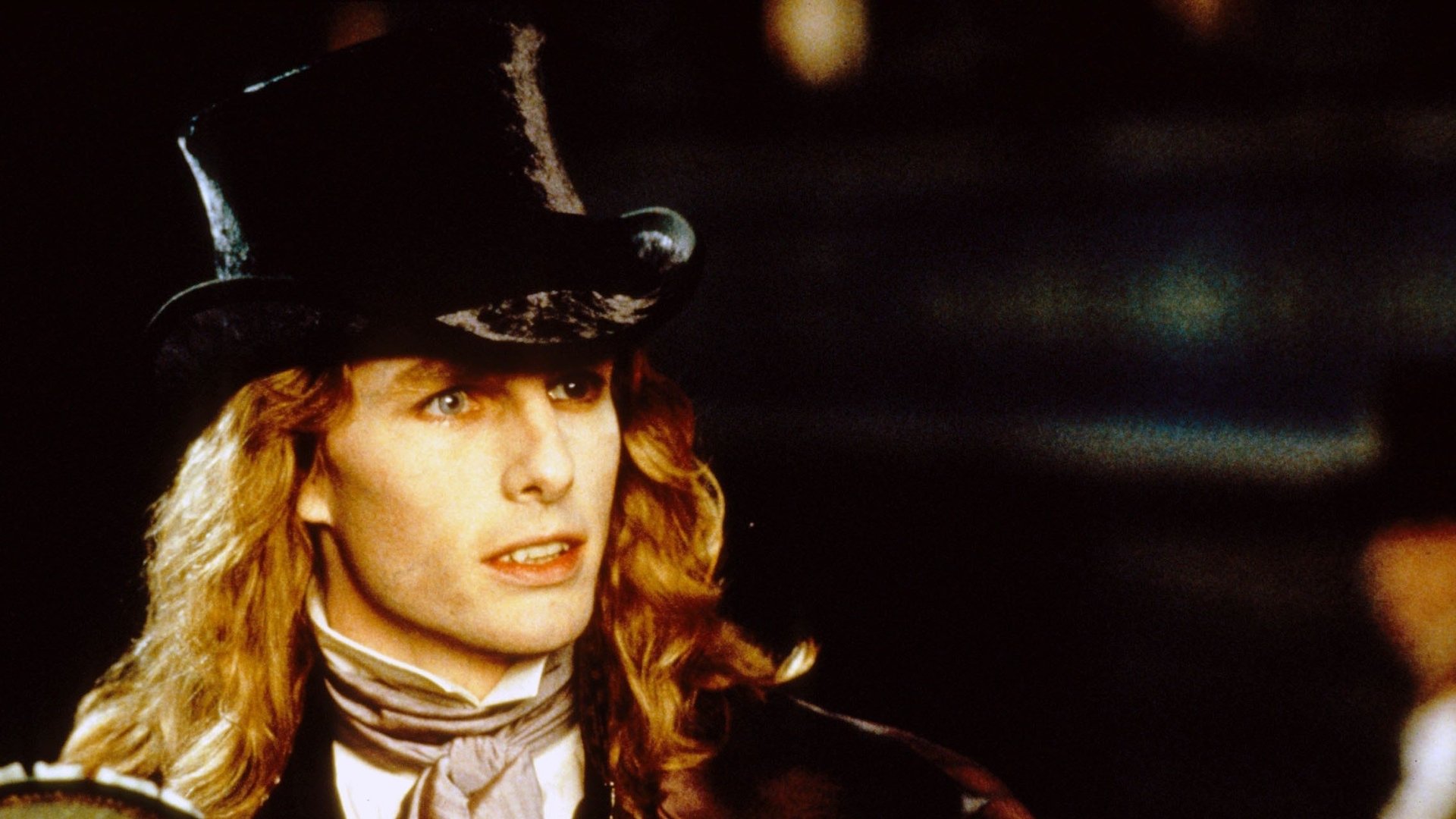
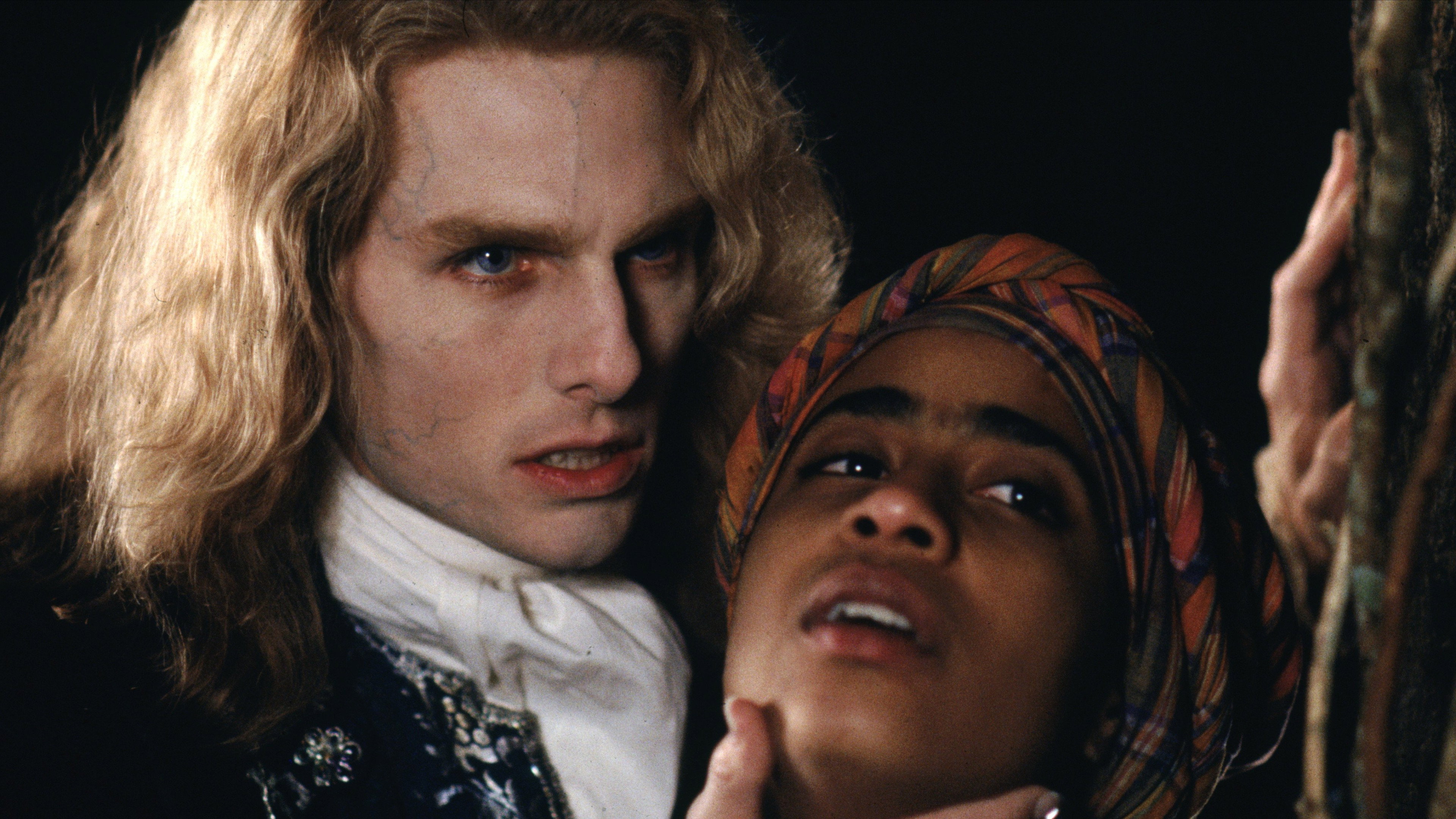
The casting of Tom Cruise as Lestat became a public controversy before the film was released. Rice objected to the choice, questioning whether the actor matched the flamboyant figure she had imagined. Jordan maintained that the decision was artistically justified and later described seeing an unusually cold quality in Cruise's screen presence. After viewing the completed film, Rice withdrew her earlier objections and publicly praised the performance. The sequence of criticism followed by approval is documented in contemporary reporting and in Jordan's later interviews; it should not be flattened into a claim that the author had always endorsed the casting.

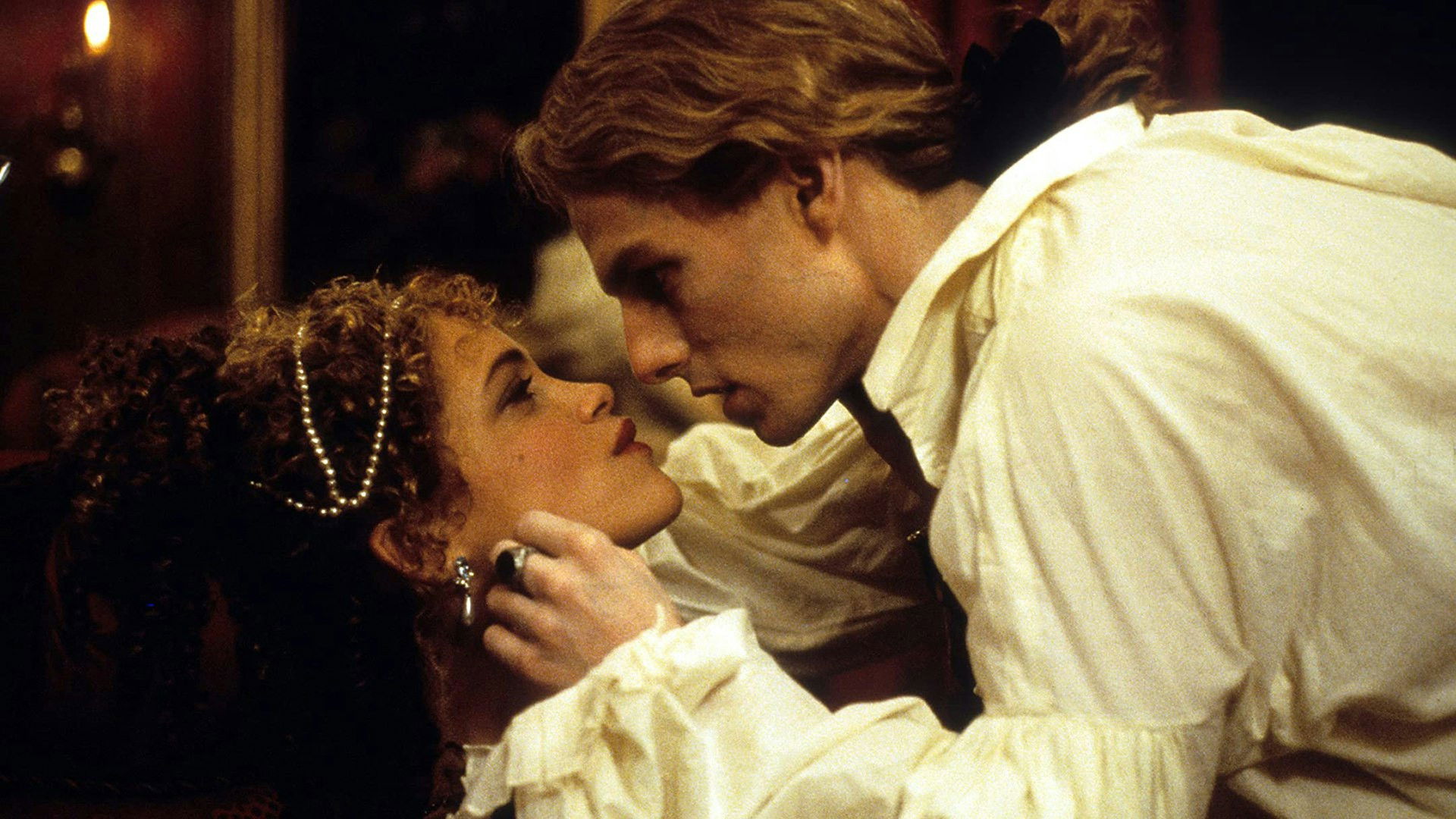
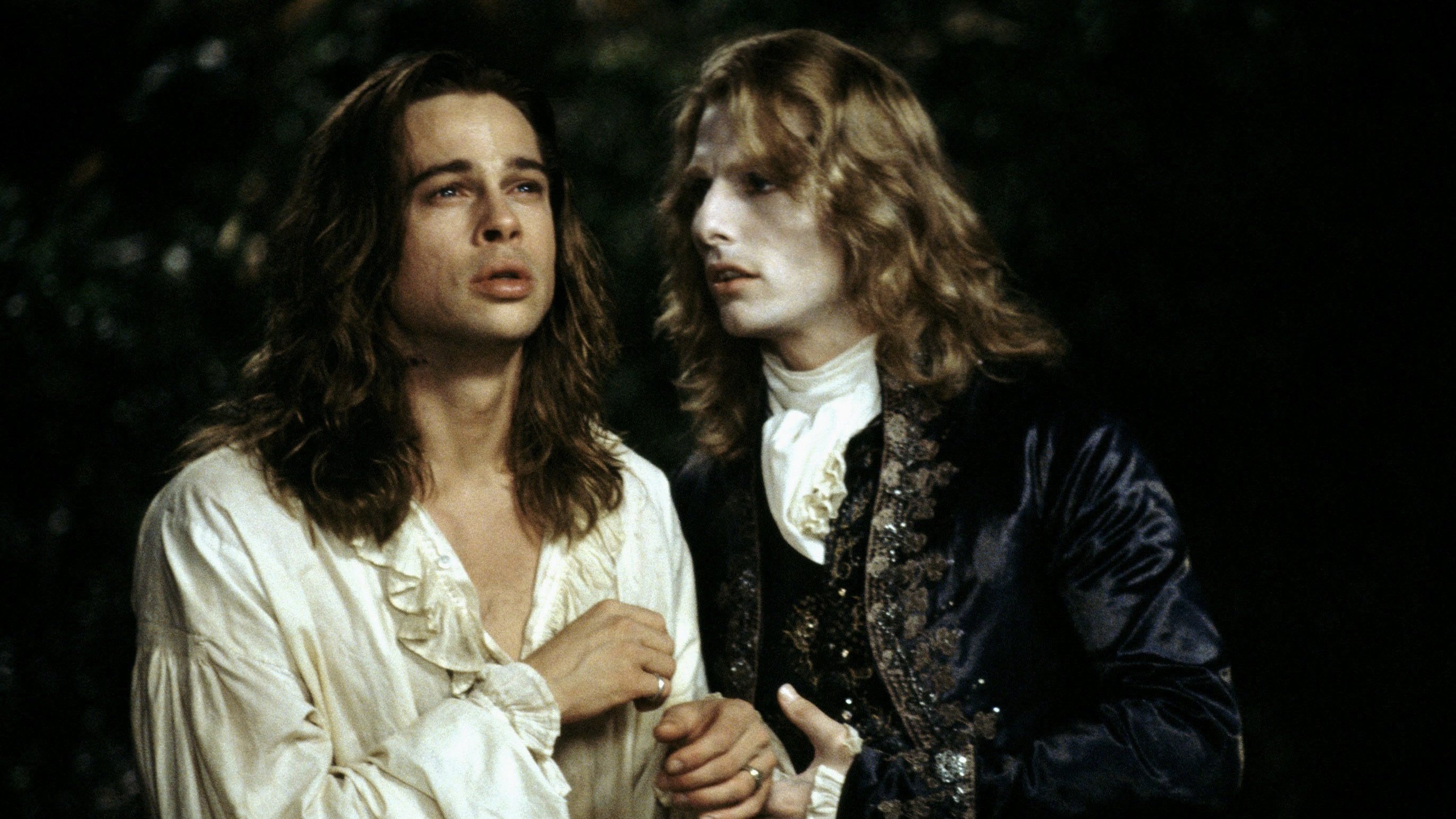
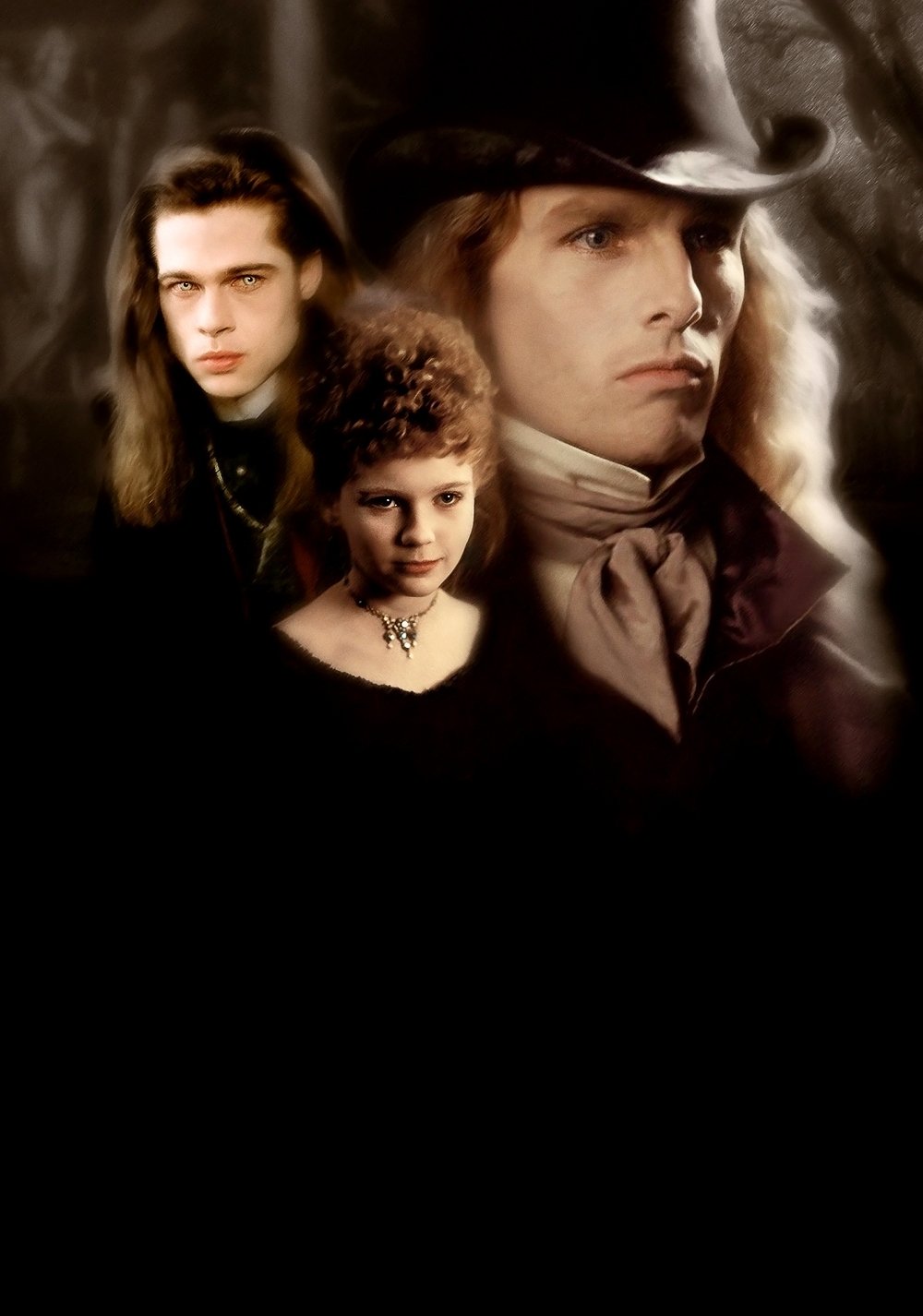
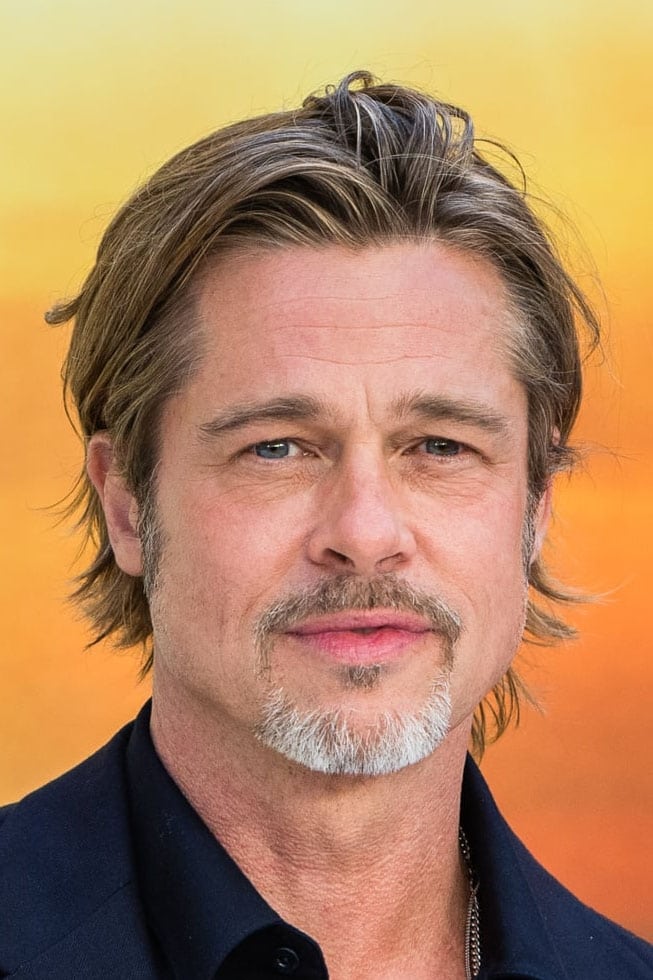
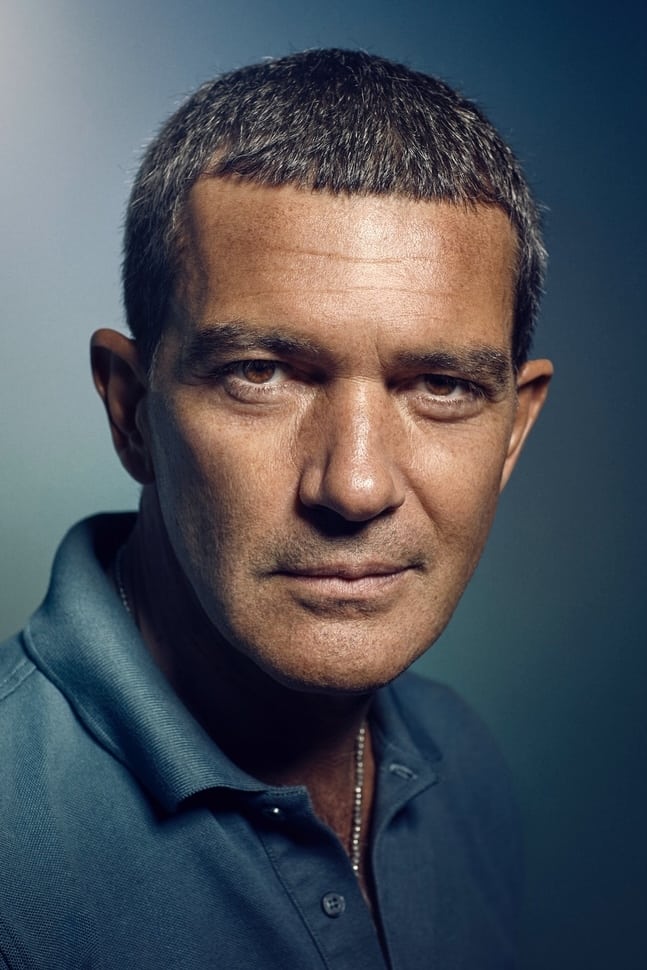
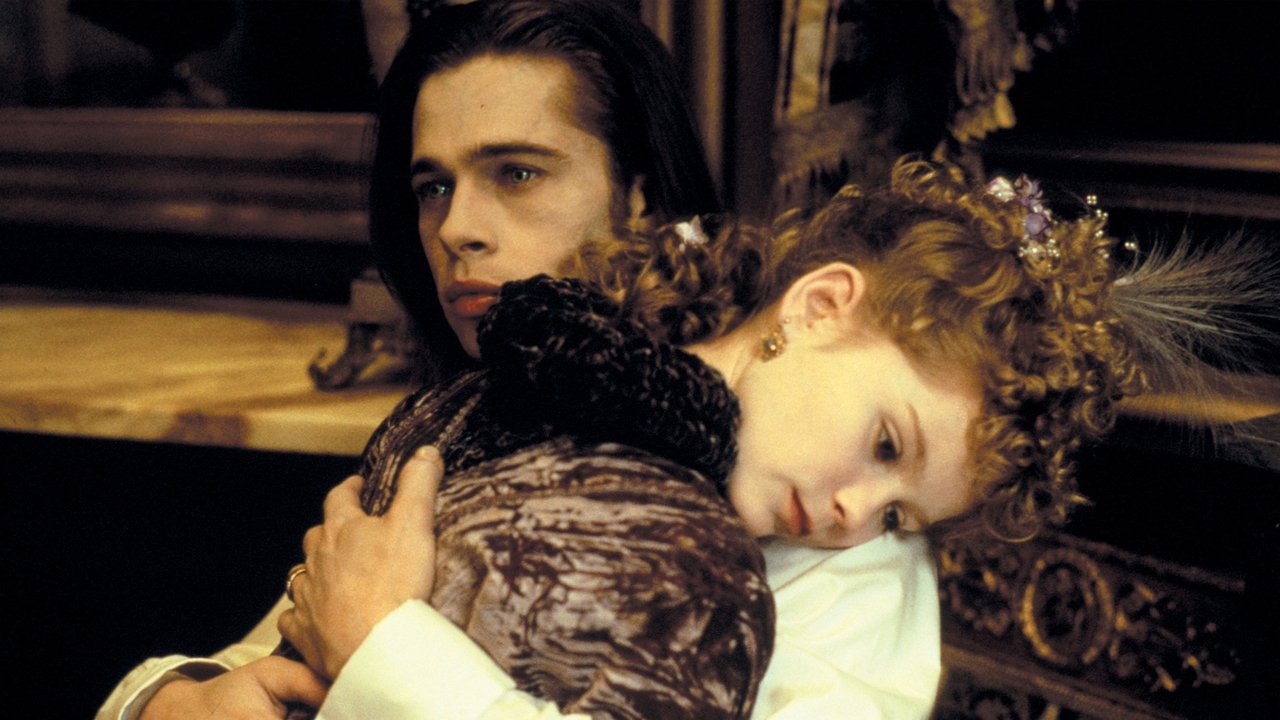
Brad Pitt plays Louis as a reluctant vampire whose aversion to killing people repeatedly places him at odds with Lestat's enjoyment of predation. Their contrast shapes the early passages more strongly than a conventional battle between a heroic human and an external monster. Lestat can be charming, impatient and overtly cruel, while Louis's hesitation does not eliminate the violence required for him to survive. The performances allow the film to explore a moral disagreement inside the vampire world, without asking the viewer to mistake reluctance for innocence. Antonio Banderas later introduces Armand as a more controlled and elusive authority within the Paris coven.

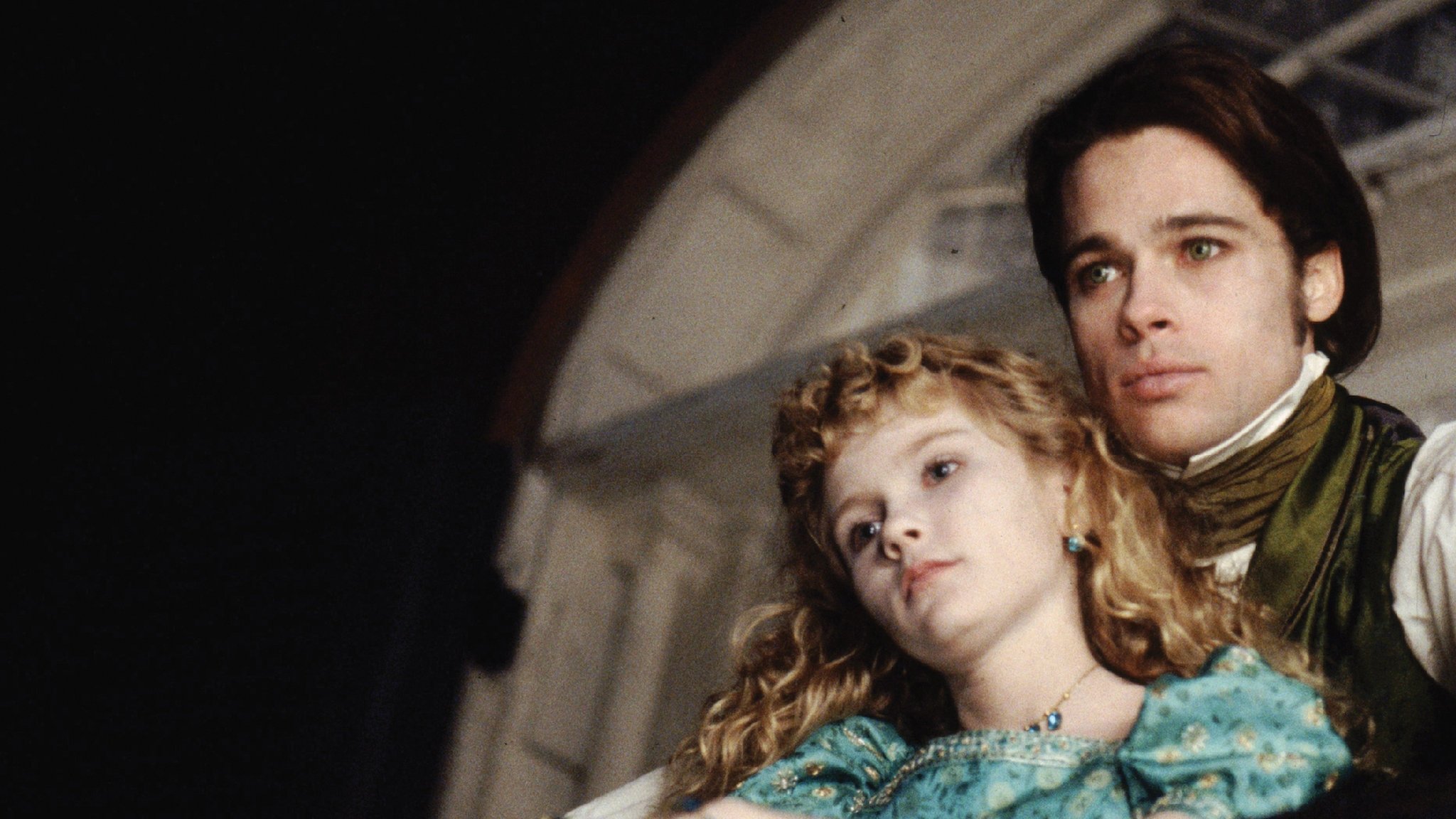
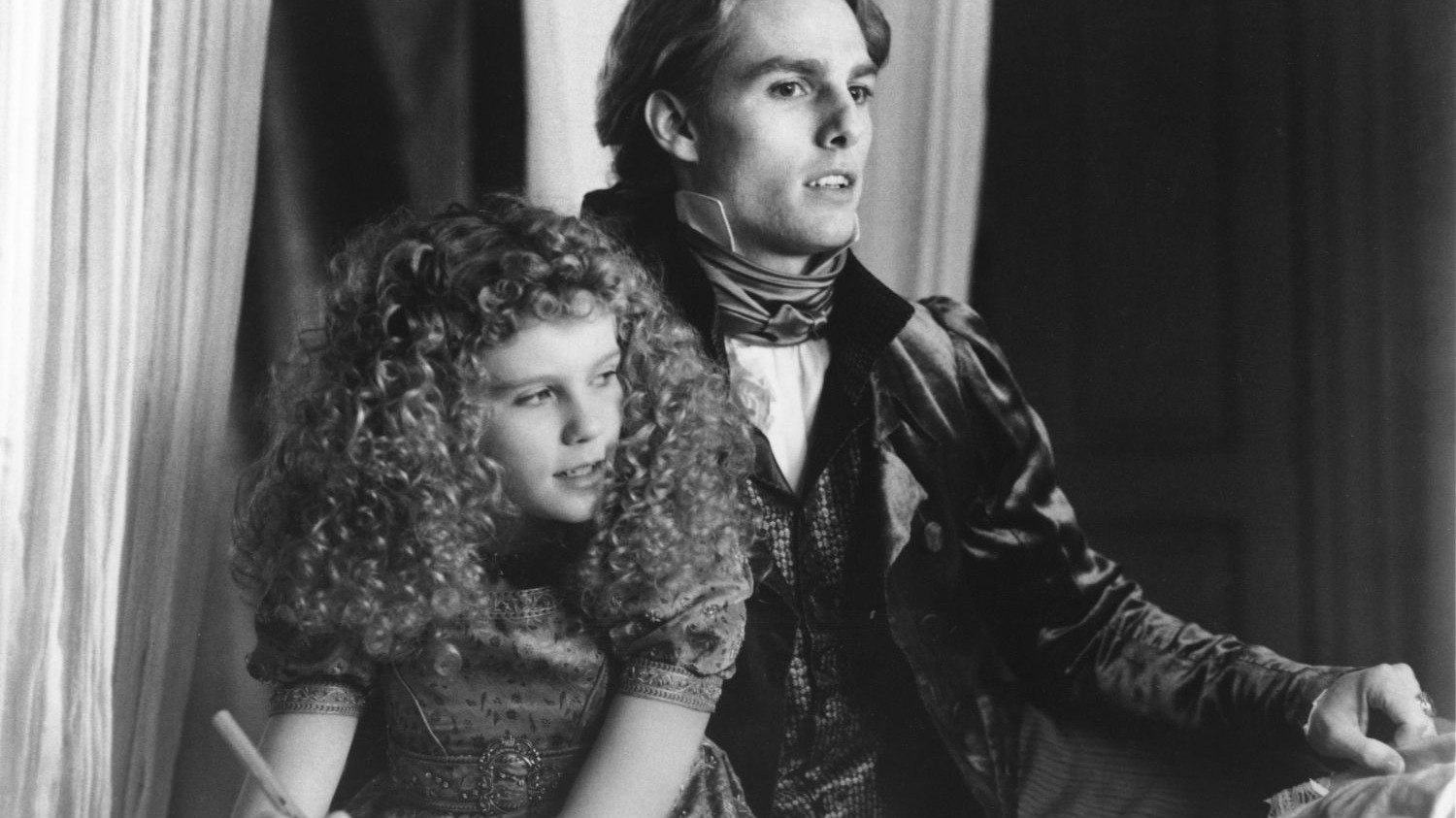
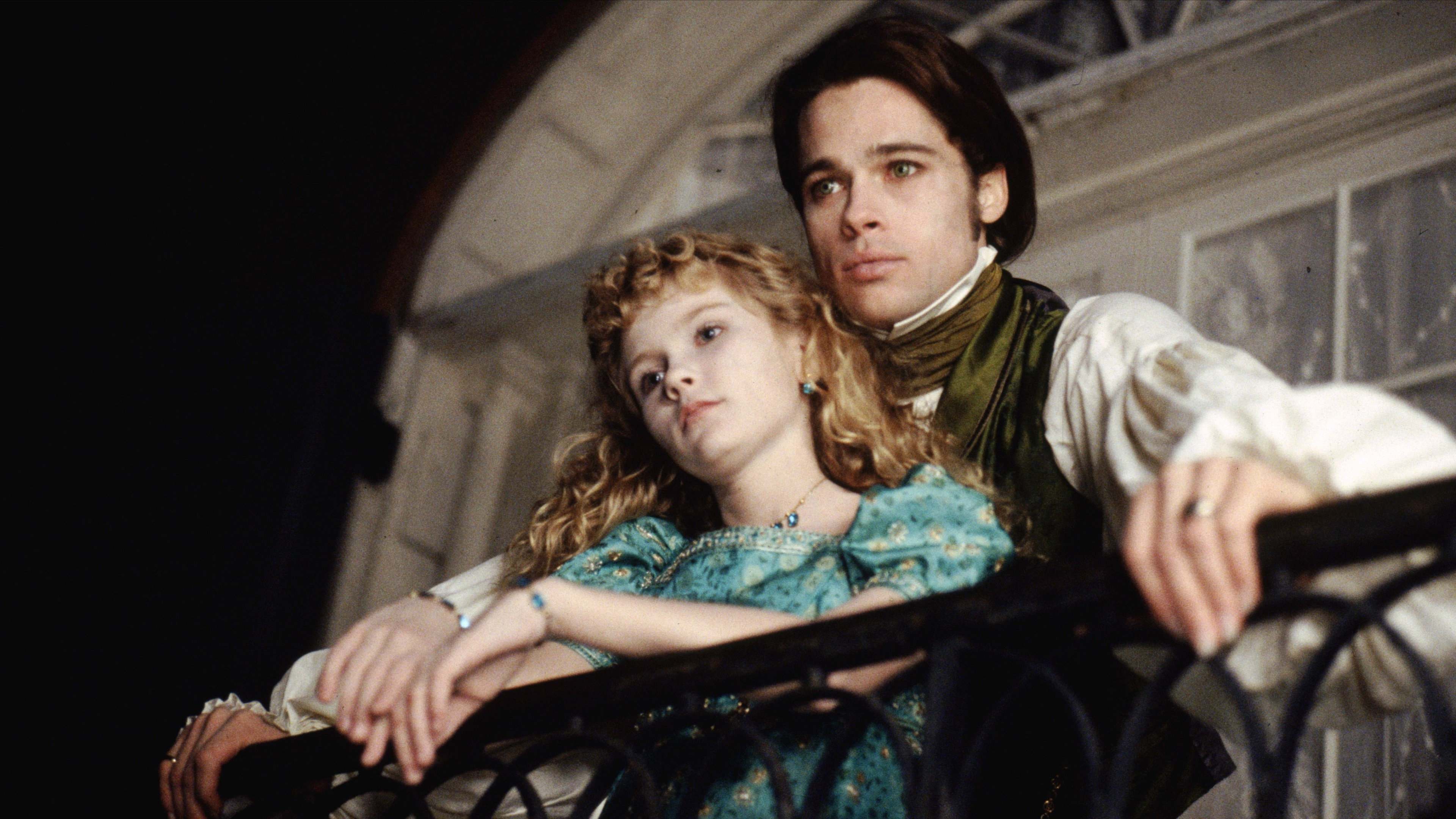
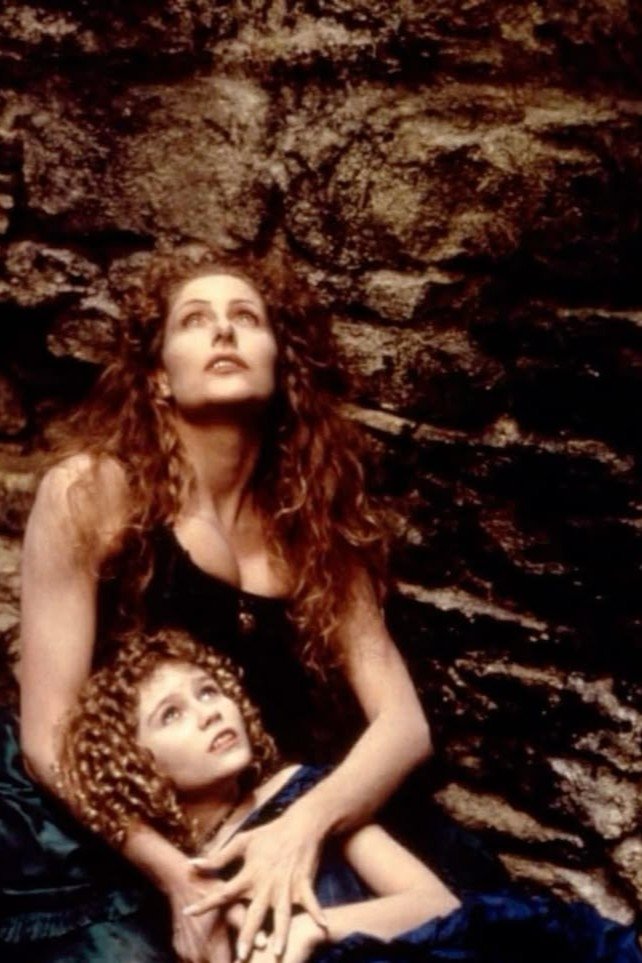
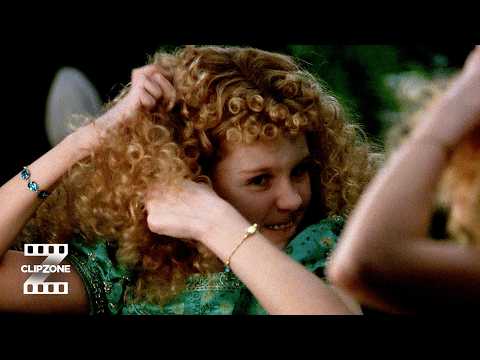
Kirsten Dunst's Claudia brings a different conflict into the household. Turned as a child, she acquires adult experience without an adult body, and her anger grows as she discovers that the change cannot be reversed. Jordan later singled out the scene in which her cut hair immediately grows back as central to the entire film, because it gives visible form to the permanence of her condition. Dunst's performance shifts from the apparent playfulness of a young child to an increasingly articulate demand for independence. The resulting tension makes the vampire family's domestic arrangements a source of horror as consequential as their nocturnal attacks.

Period Design and Nocturnal Cinematography

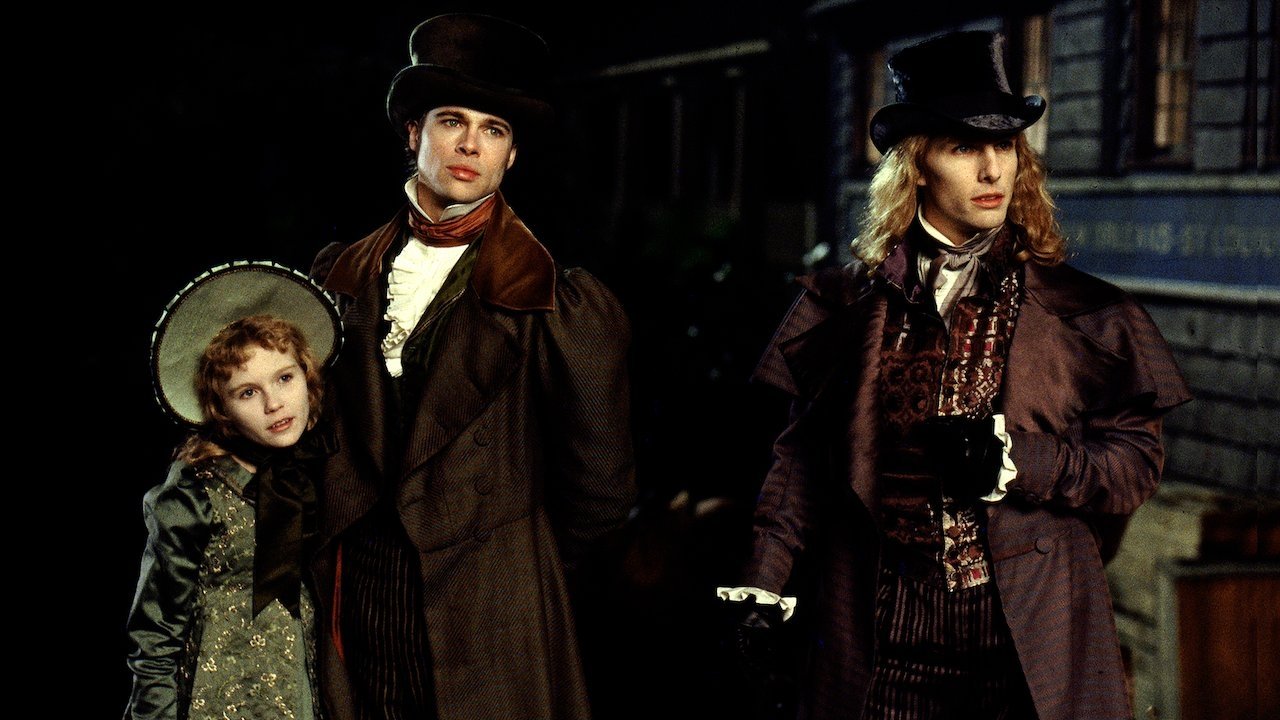
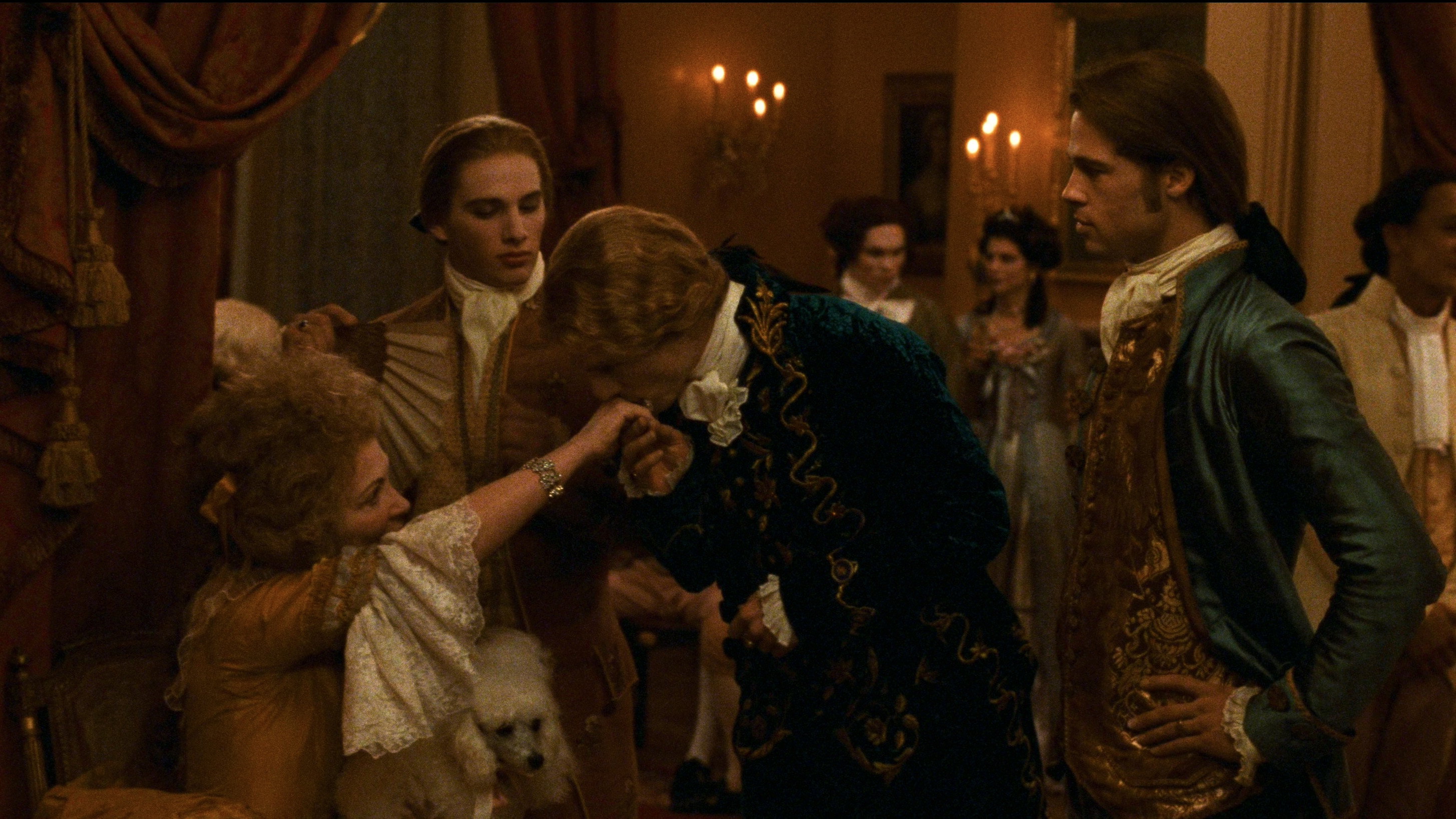
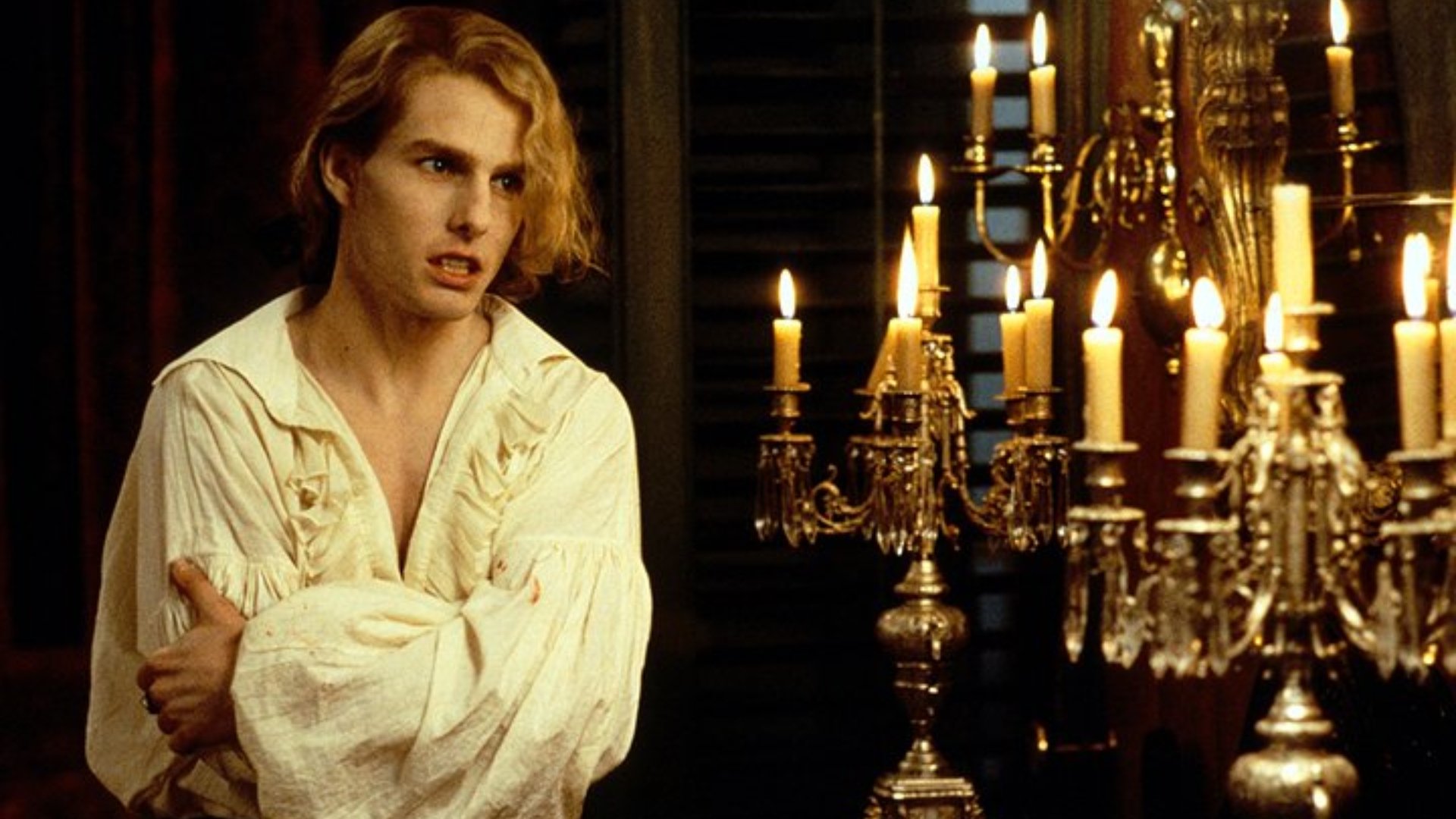
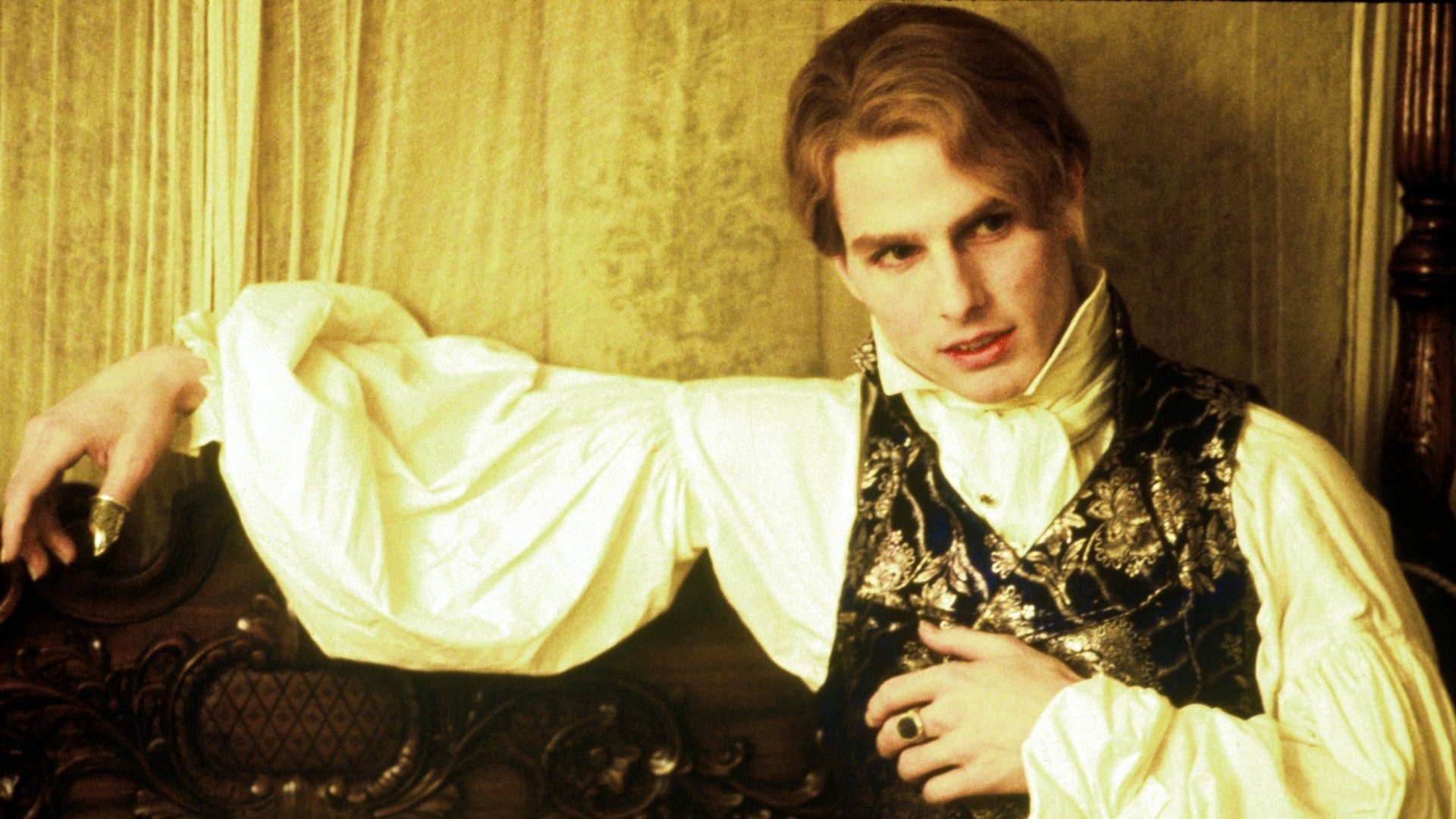
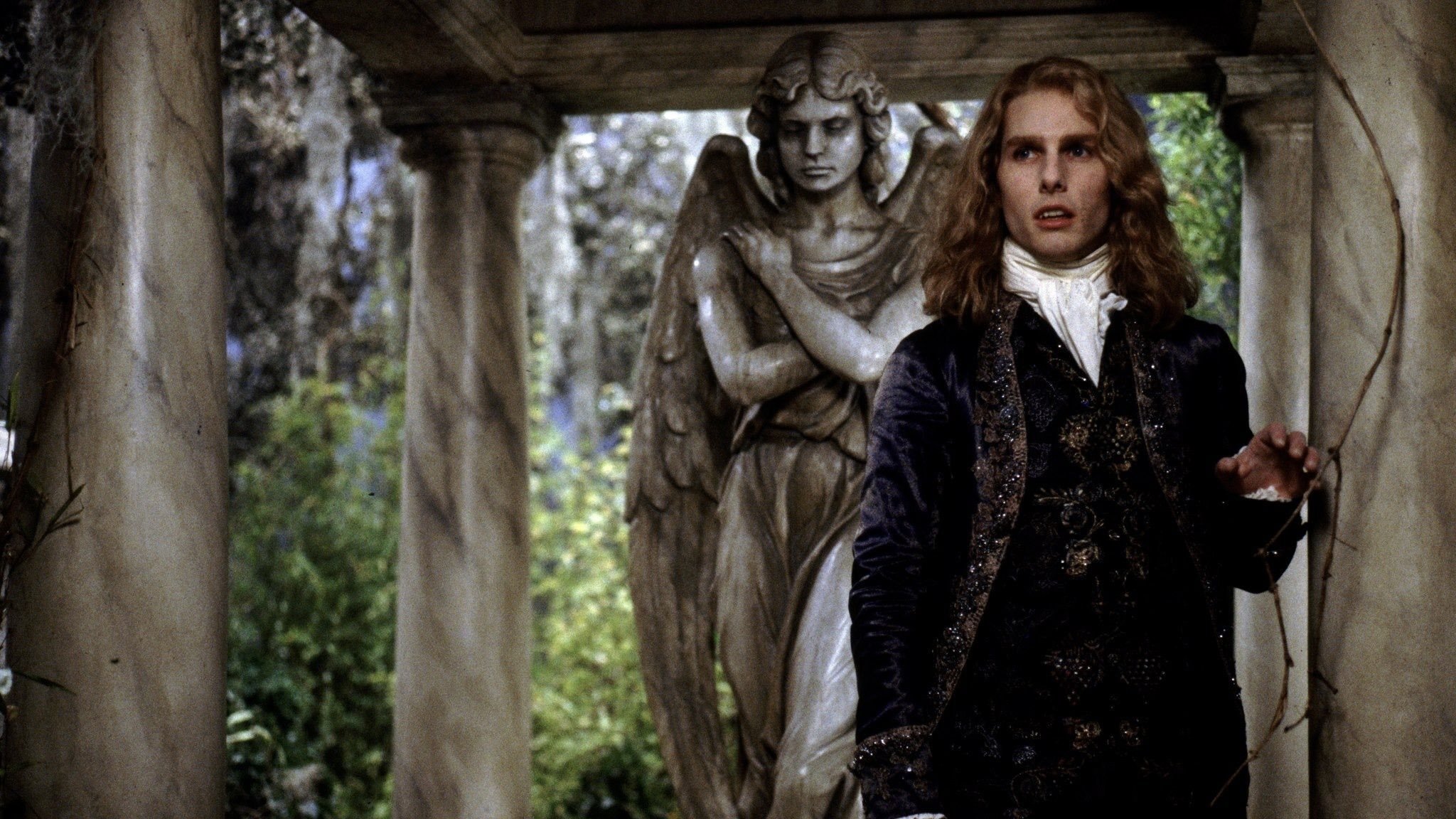
Production designer Dante Ferretti developed the film's environments through large drawings that Jordan and his team revised together. In a later interview, Ferretti recalled that their discussions began with sensations and the accumulation of memory, rather than with technical specifications alone. That ambition can be seen in the contrast between domestic interiors, crowded streets and the staged ceremonial space of the Paris vampires. Rooms are filled with fabrics, carved surfaces and objects that convey the weight of successive decades. The period imagery is especially important because Louis remains physically unchanged while the places surrounding him become markers of historical distance.
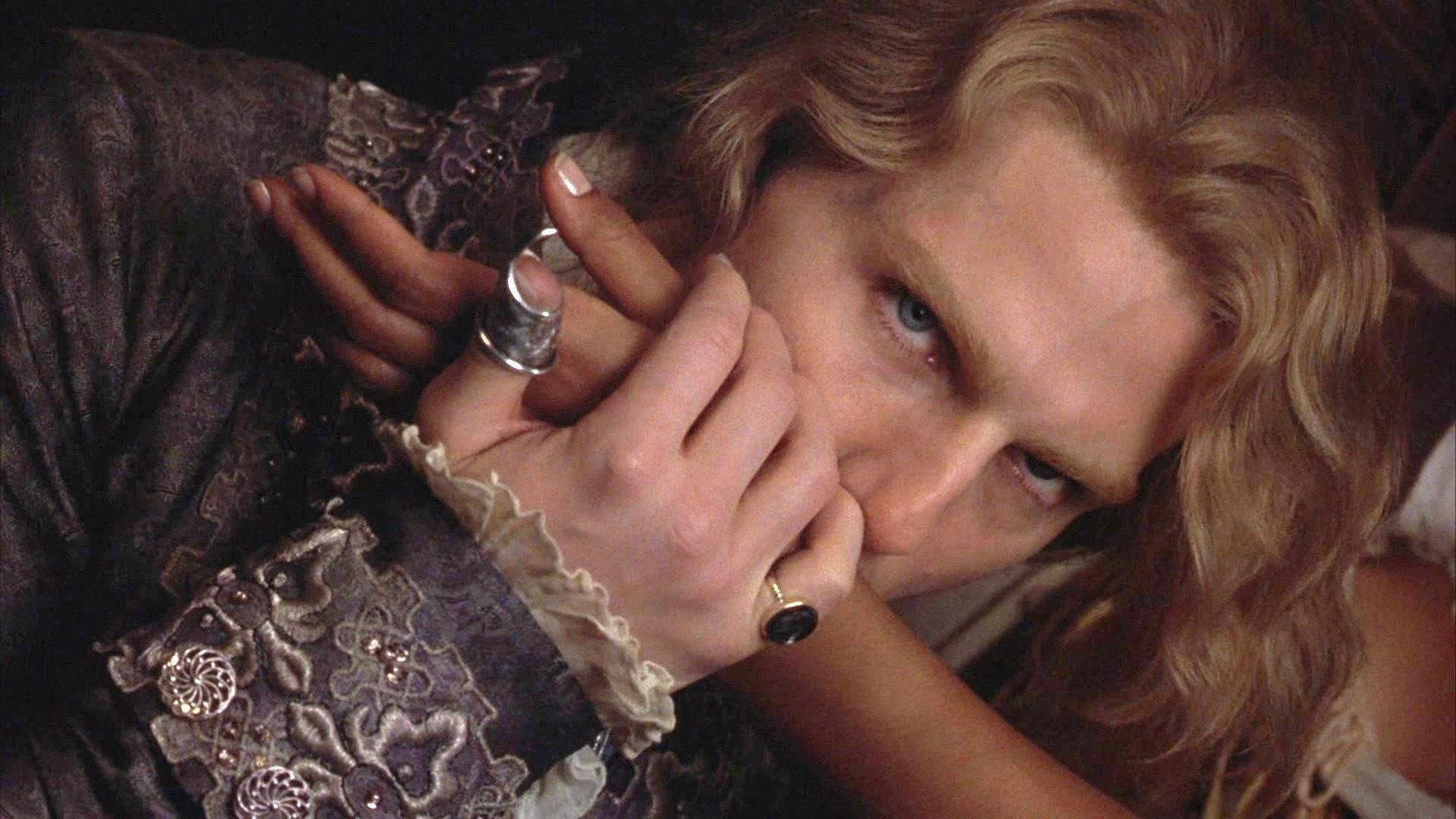
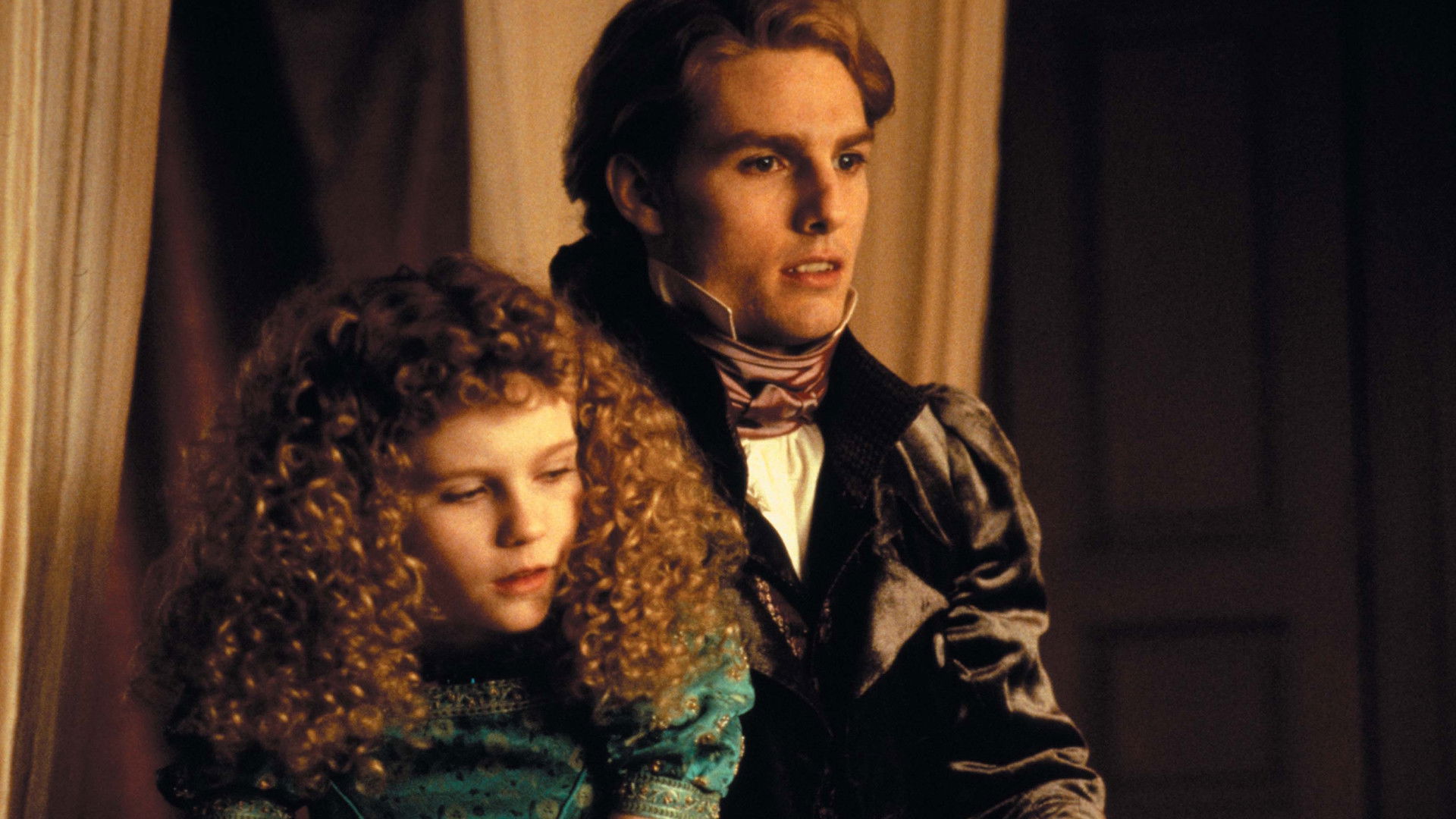
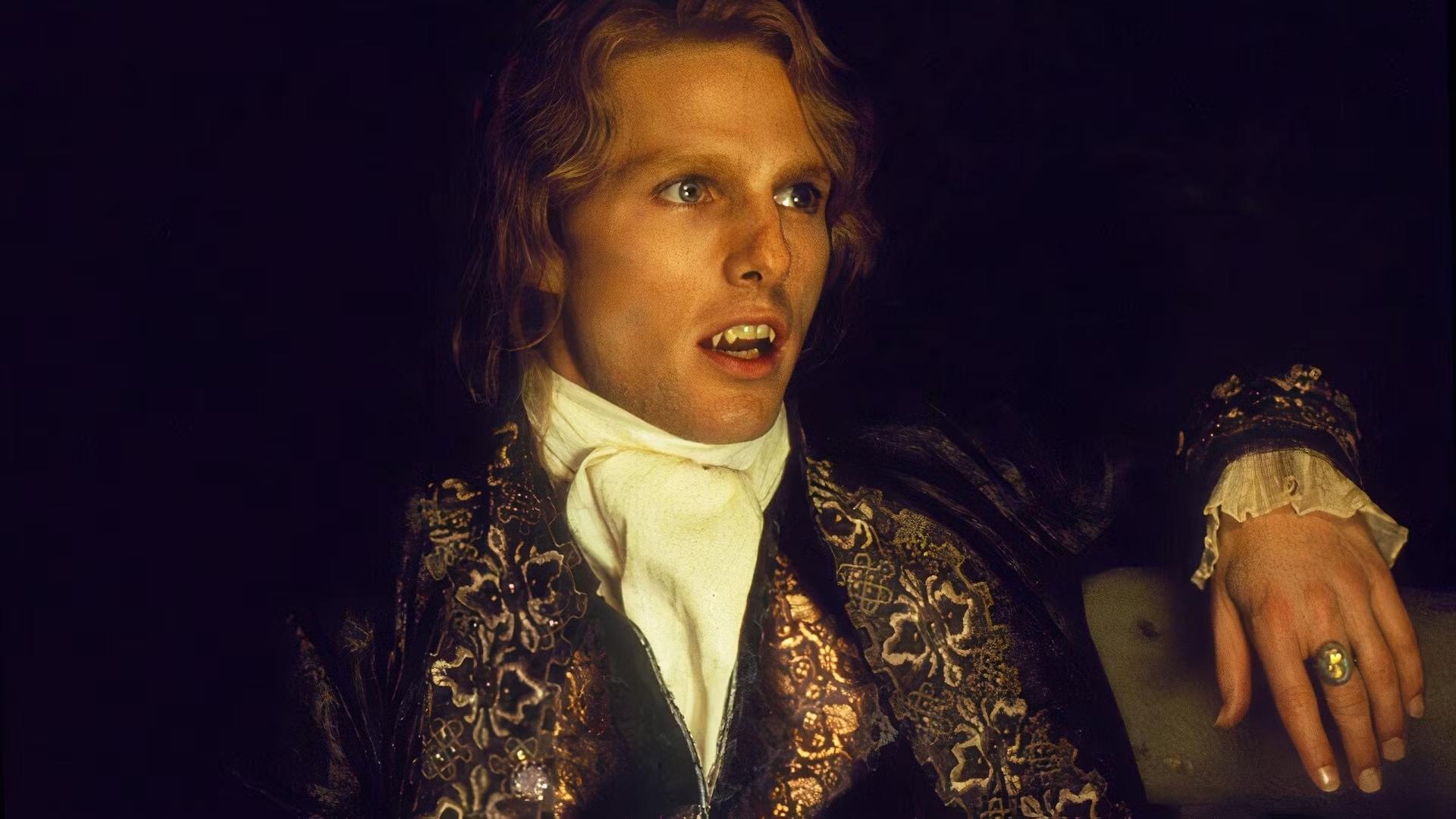
Philippe Rousselot photographed a production organized overwhelmingly around night work. American Cinematographer recorded a shoot lasting about one hundred days, including only two half-days of daylight photography. Working in dark interiors and exterior locations required careful placement of practical-looking light sources, while the polished surfaces and pale faces of the vampires had to remain legible against deep shadow. In his account to the cinematographers' professional magazine, Rousselot explained that he and Jordan wanted a visual identity independent of familiar vampire-film conventions. The result gives attention to the textures of skin, costume and architecture as much as to conventional Gothic darkness.

The visual contrasts are tied to the movement of the story. Louisiana's furnished houses and humid streets establish a material life from which Louis cannot entirely detach himself; Paris later offers a theatrical culture that turns predation into public spectacle. The Théâtre des Vampires, built for the film's Paris sequences, makes spectatorship itself unsettling: human audiences mistake a genuine killing for staged entertainment. Retrospective testimony from Jordan and Ferretti confirms the importance they placed on substantial physical sets. Their accounts support the production history without requiring speculative claims about symbolism beyond what the scenes make observable.

Makeup, Practical Effects and Digital Work

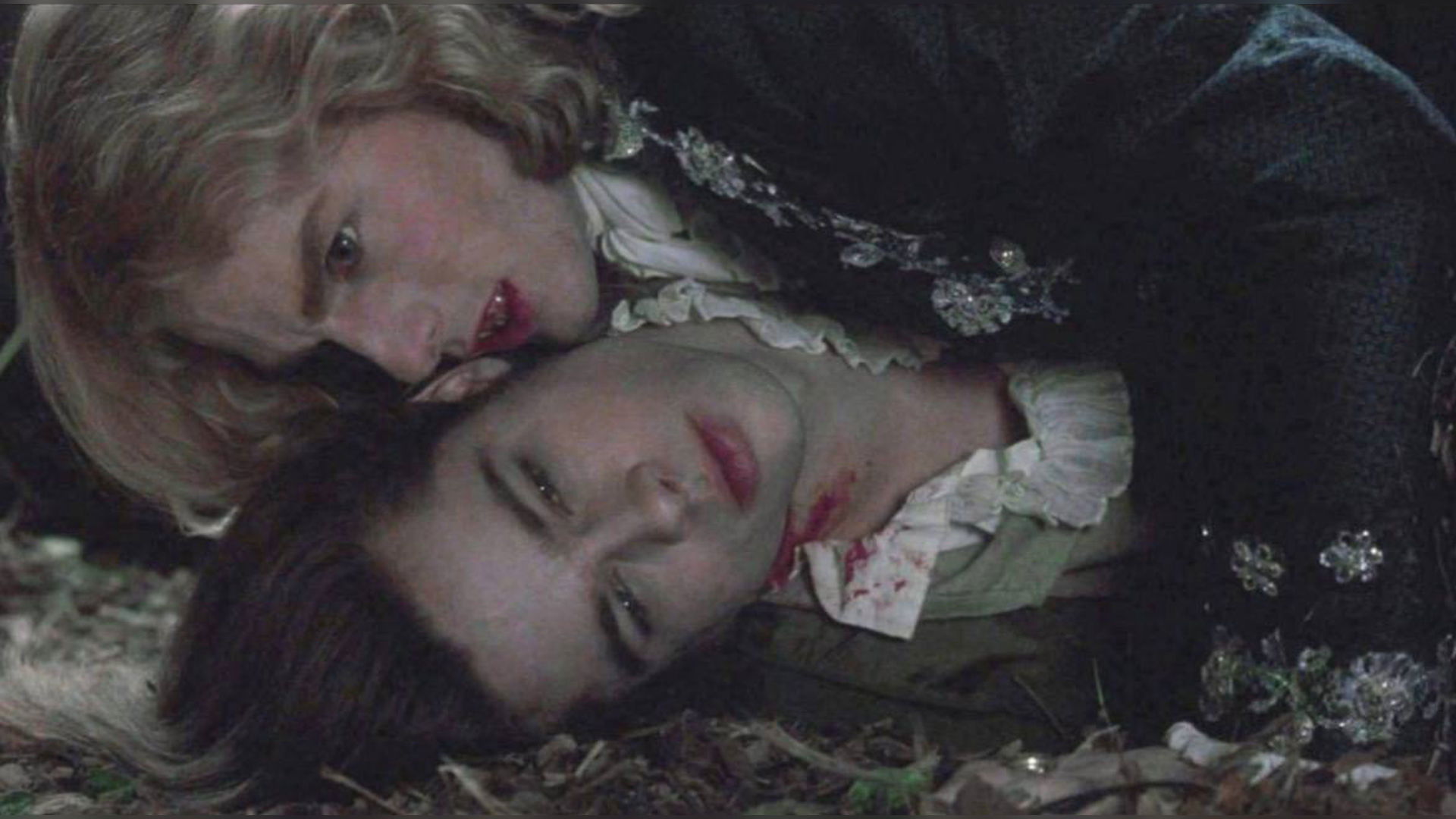
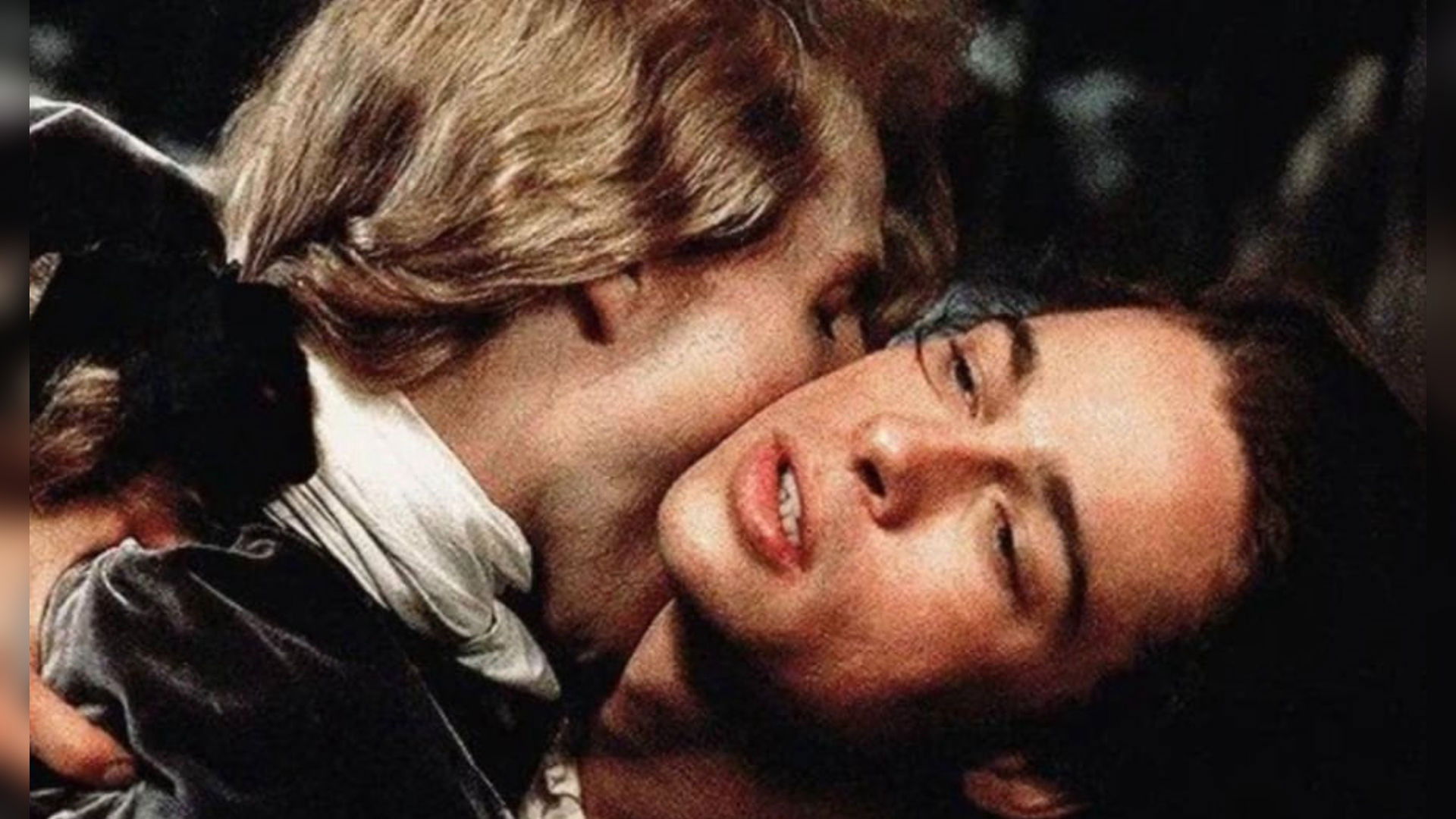
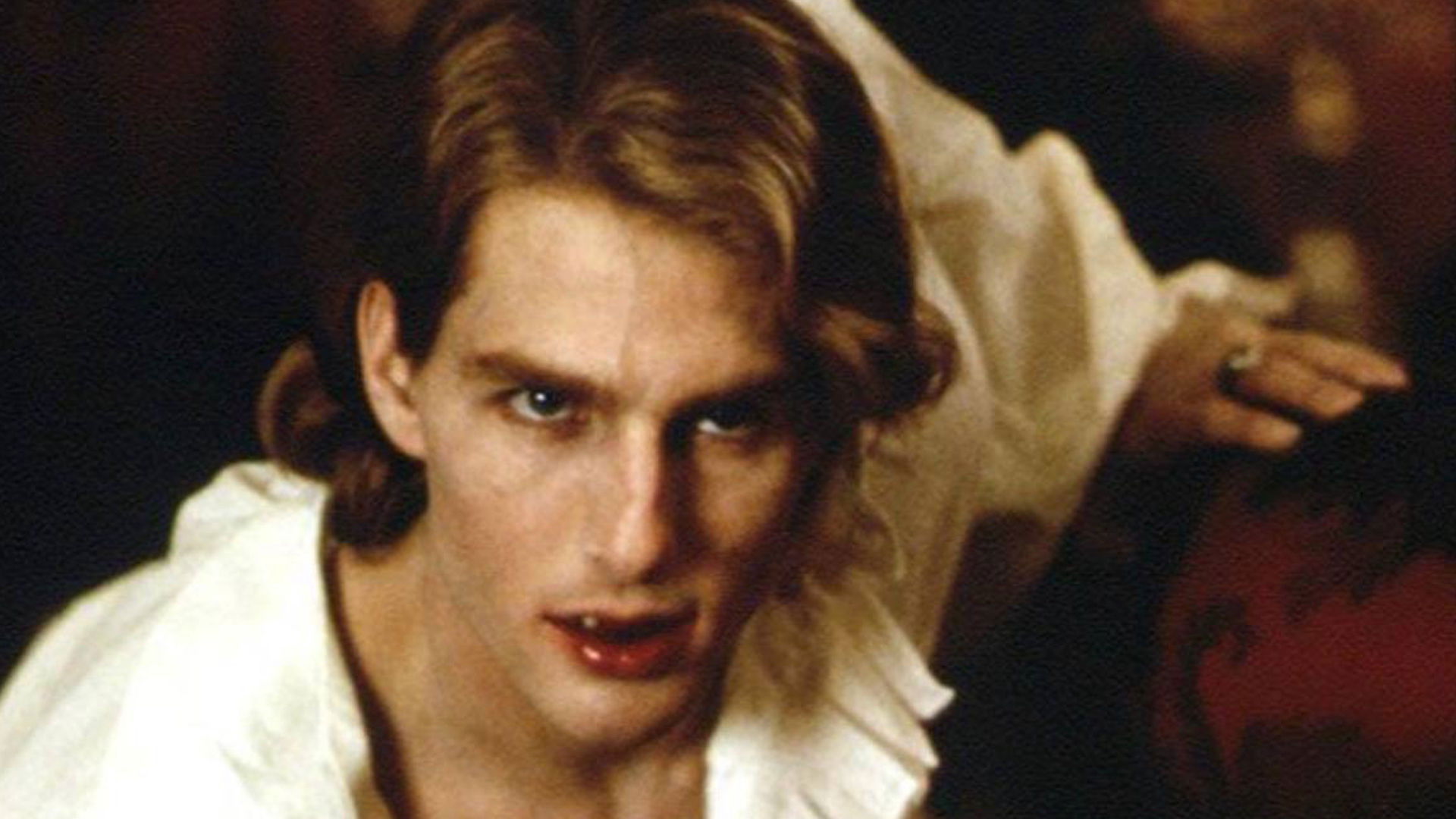
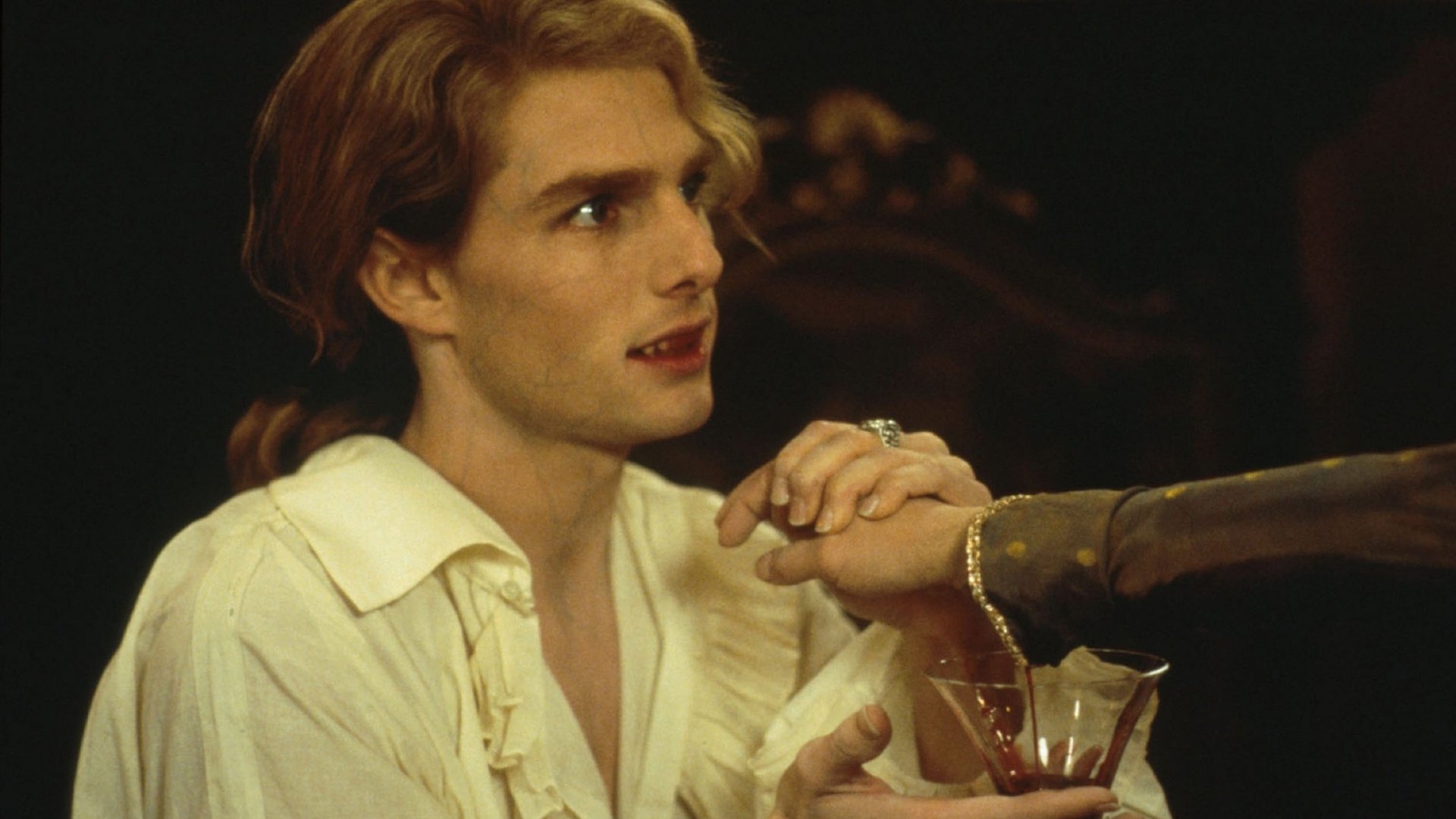
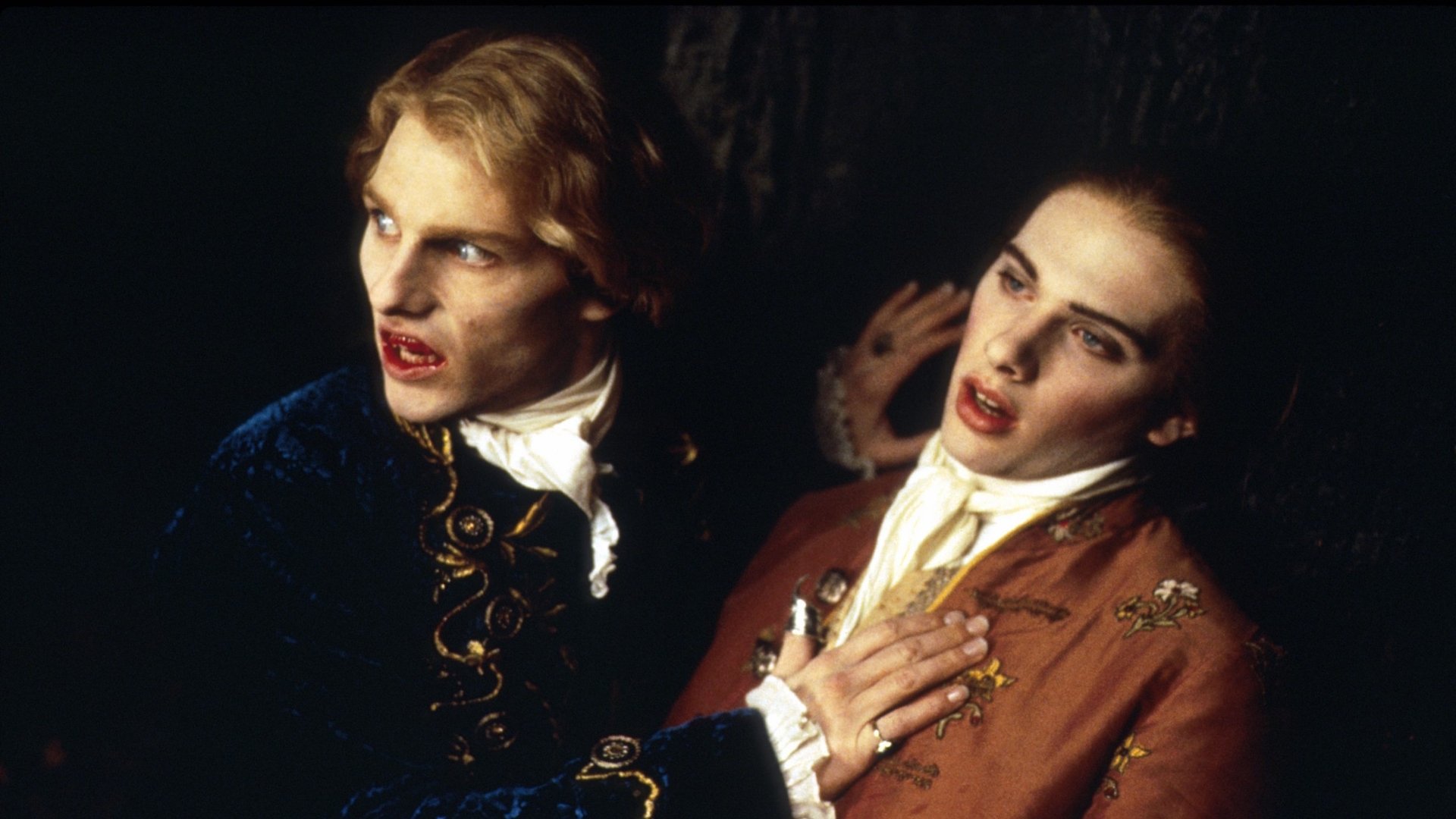
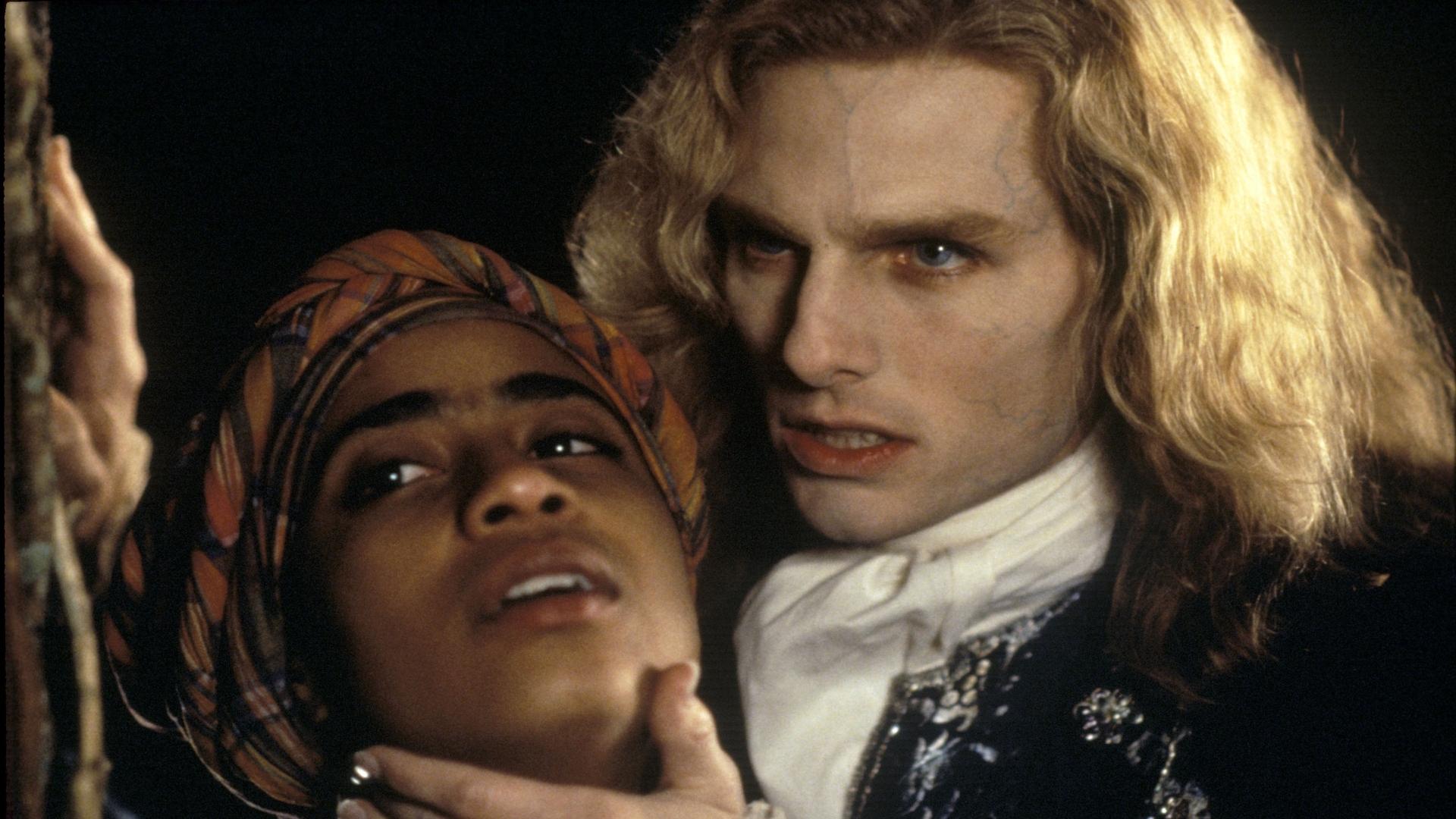
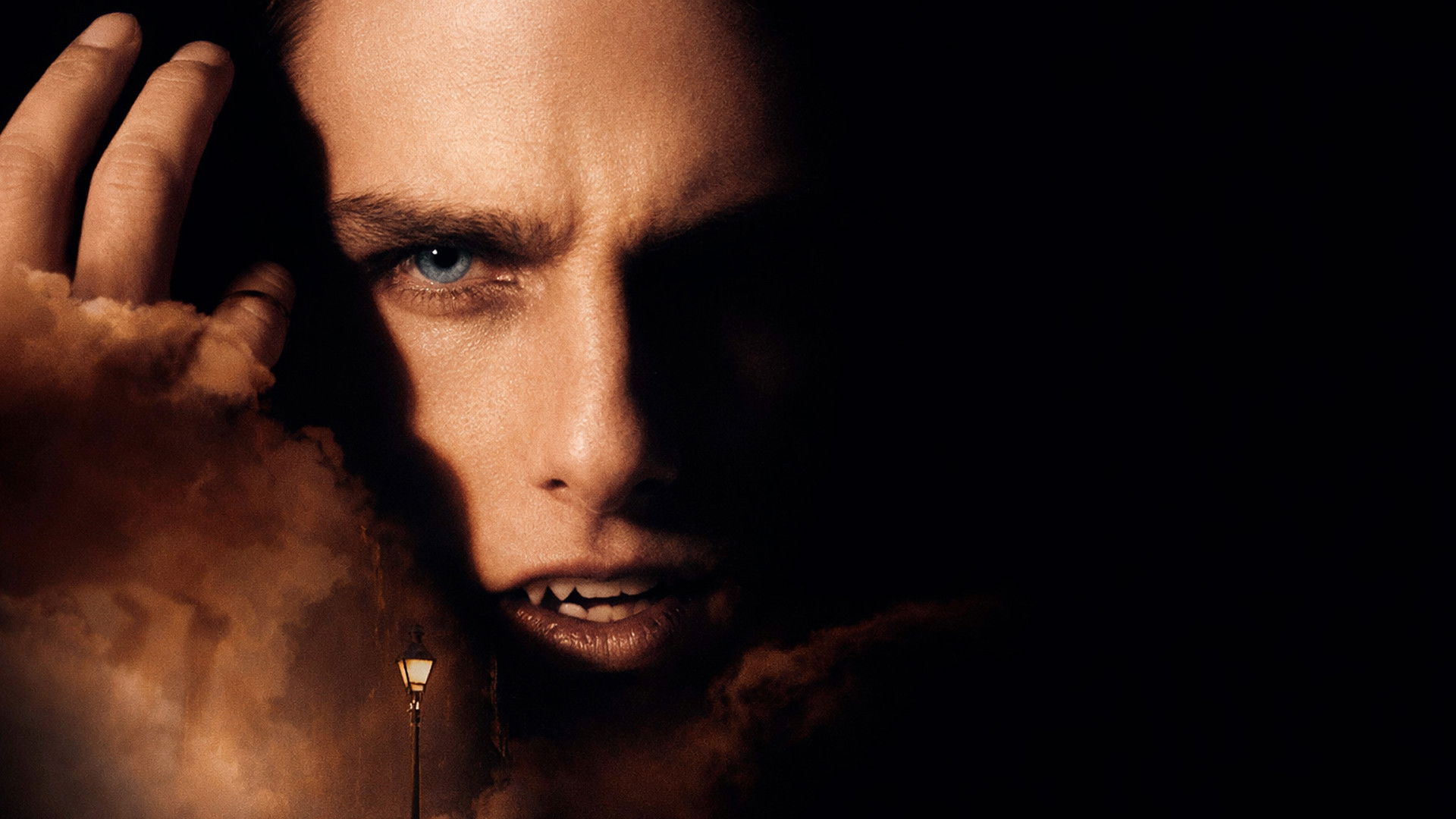
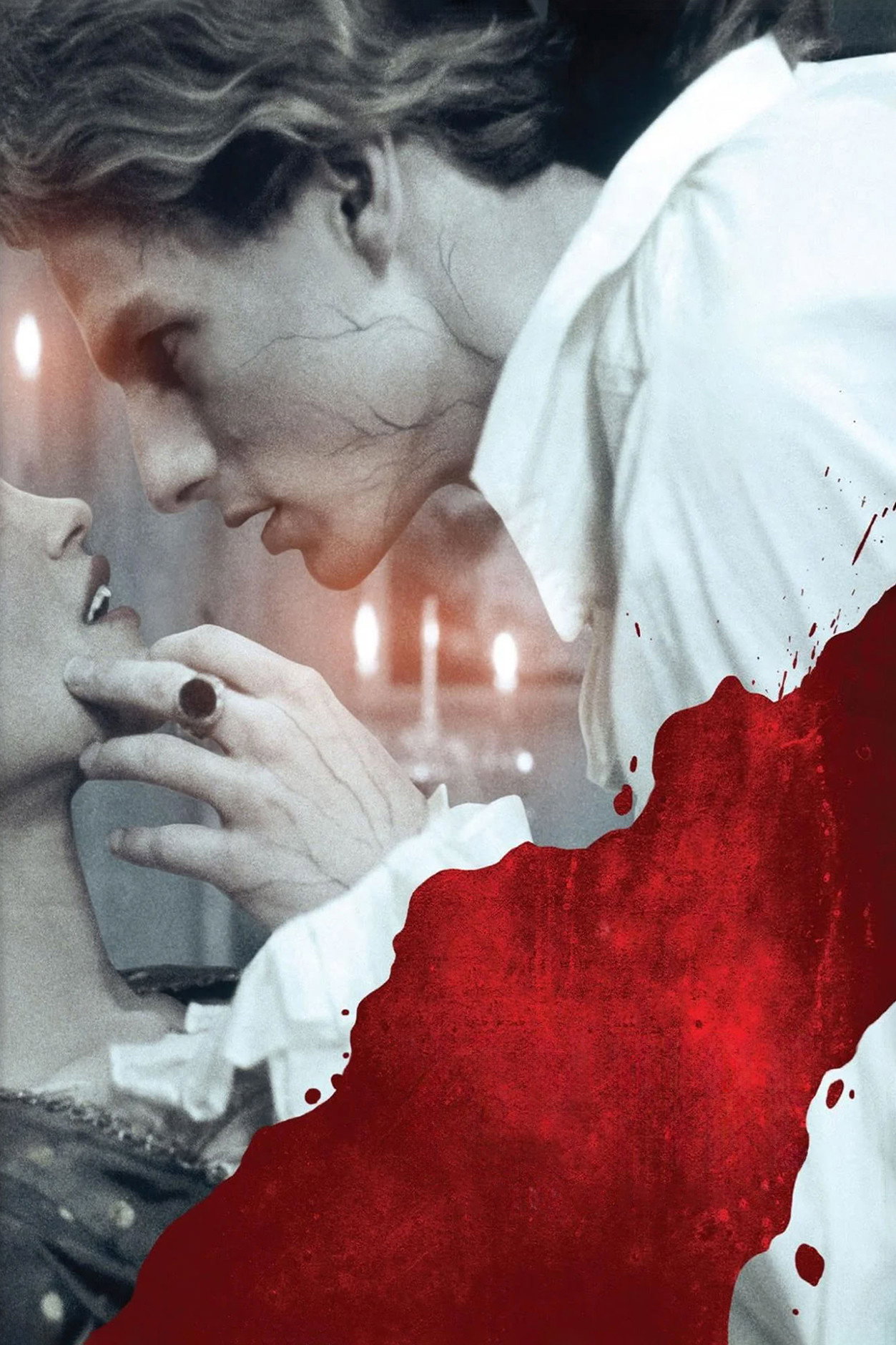
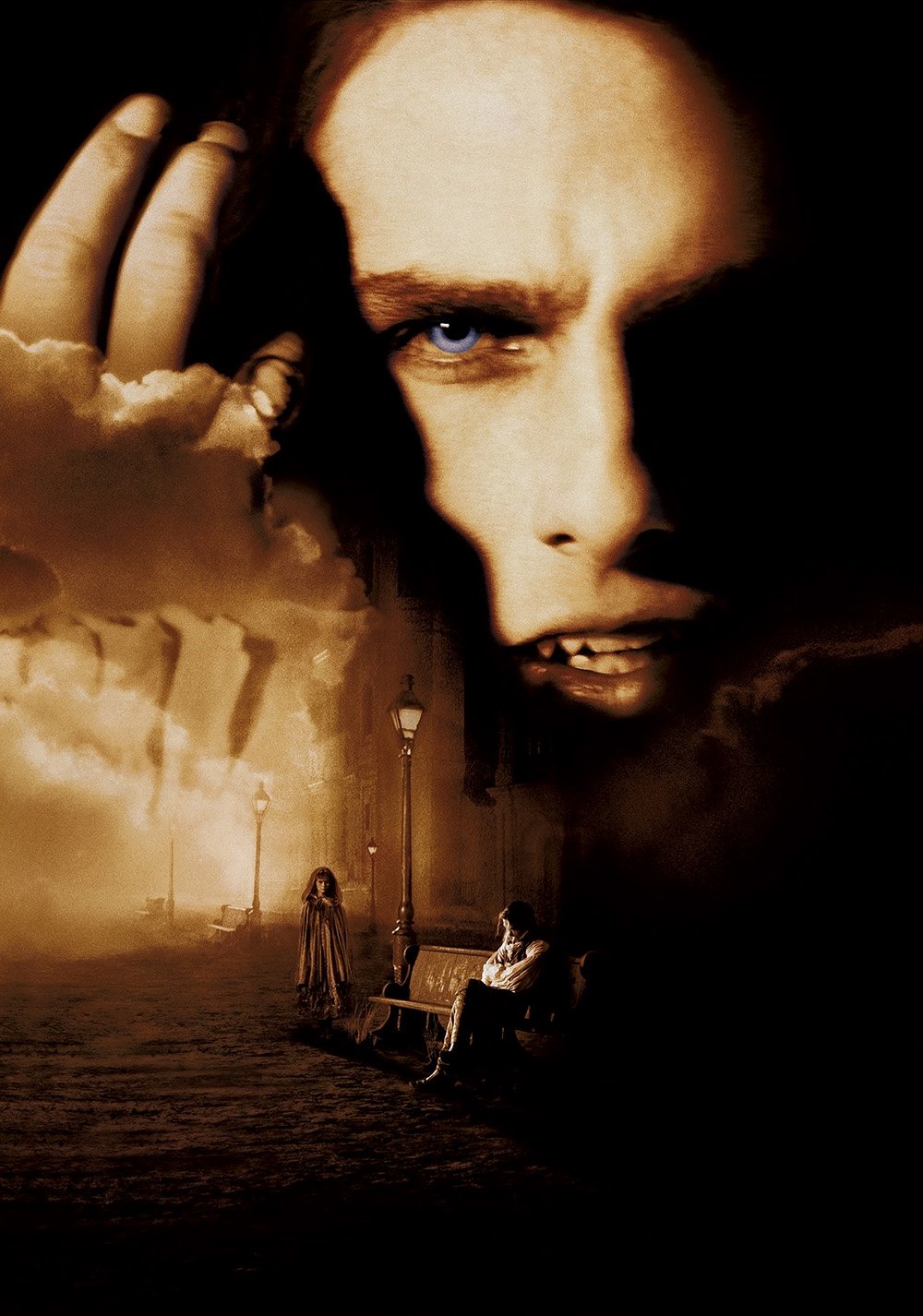
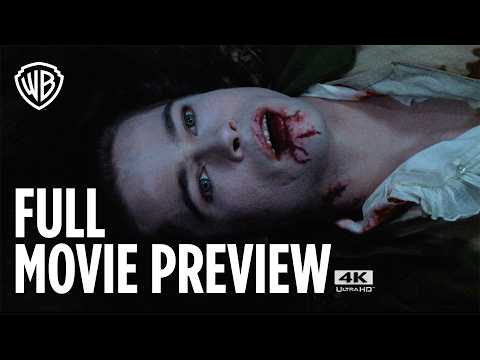
Jordan approached the vampires' appearance through translucent skin and visible veins rather than relying only on conspicuously white makeup. He recalled drawing inspiration from the skin of his infant son and having performers spend time upside down before makeup artists traced the veins that became prominent in their faces. The method was laborious, but it gave Louis and Lestat a distinctive bodily appearance in close-up. The fangs and blood effects were likewise developed to operate physically in front of the camera, allowing intimate scenes of feeding to retain the presence of real performers and material objects.
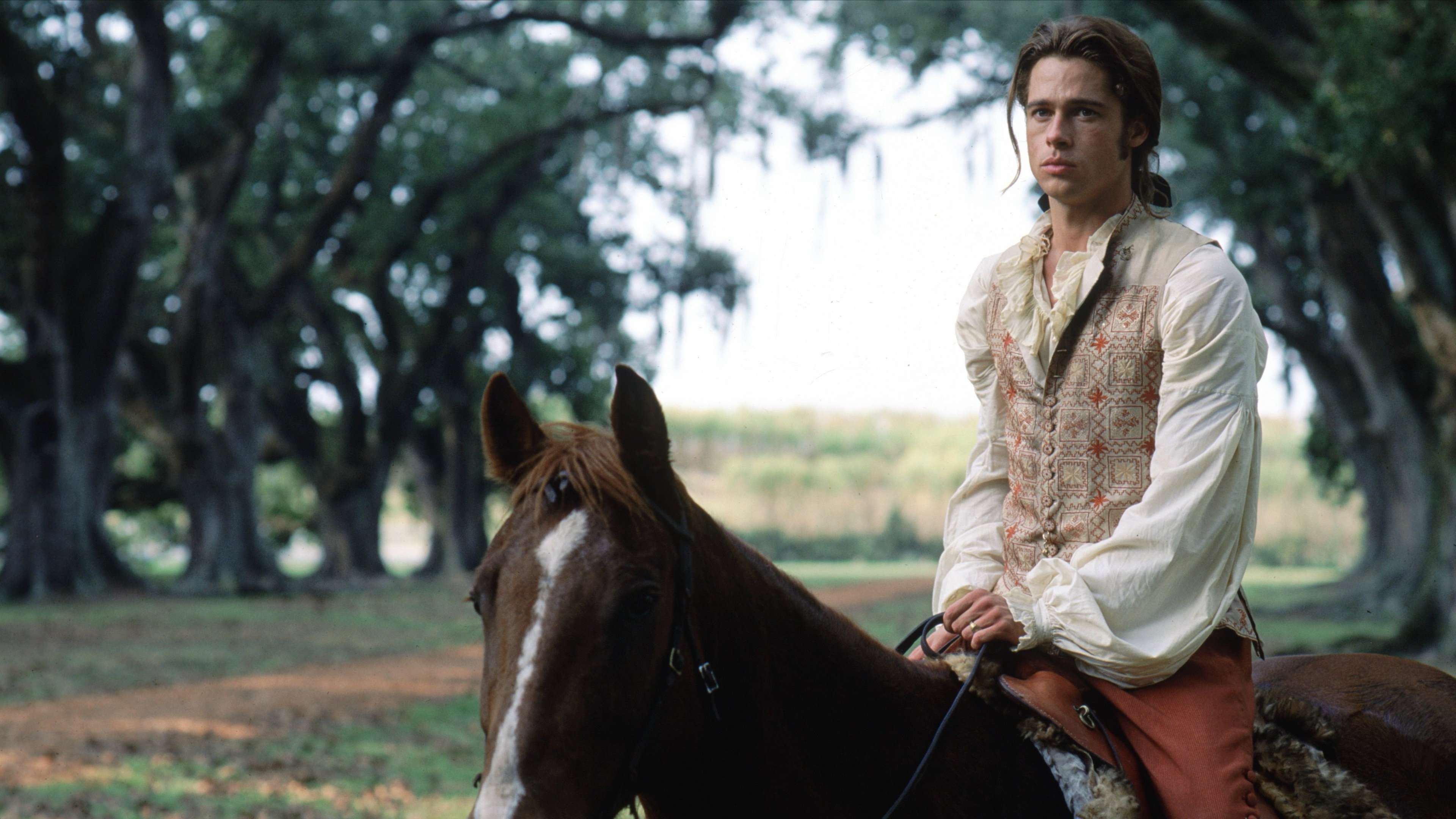
The production used elaborate mechanical effects for some of its most violent moments. Jordan described the construction of an animatronic likeness of Tom Cruise to create the torrent of blood following the attack on Lestat's throat. The destruction of Louis's New Orleans household was staged using a substantial set that could be burned. These methods required the production to commit to physical action within spaces designed for the camera, even as computer effects were becoming more available in Hollywood. The film's horror frequently depends on a close relationship between bodies, blood and the environments in which the characters are trapped.
Digital effects complemented that practical work rather than replacing it wholesale. Jordan has identified Claudia's rapidly regrowing hair and the destruction of vampires in Paris as scenes that depended on digital manipulation. The collaboration between Stan Winston Studio and Digital Domain involved both prosthetic and computer-generated processes, and the finished images sometimes combine techniques. It would therefore be misleading to describe the effects as exclusively practical. Their strongest applications support dramatic transformations that ordinary photographic methods could not easily reproduce, particularly where a supernatural body's appearance changes almost instantaneously.

Claudia, the Vampire Theatre and Horror

The film's monsters possess different attitudes toward killing. Lestat generally treats feeding as an unavoidable pleasure, whereas Louis repeatedly tries to sustain a moral distinction between taking life and merely remaining alive. Claudia's position is more troubled. Her transformation saves her from an immediate human death but denies her the possibility of physical maturity, leaving her dependent on adults she eventually comes to resent. These conflicts develop within a recognizably domestic arrangement before the narrative moves to Paris. The vampire myth becomes disturbing through the persistence of emotional needs that supernatural longevity cannot satisfy.

At the Paris theatre, the creatures present themselves to a human audience as actors impersonating vampires. Their performance depends on the audience's belief that what appears to be a killing must be an illusion. When the spectacle proves real, horror emerges from the gap between theatrical expectation and actual violence. The coven also enforces rules that turn Claudia's resistance and Louis's loyalty into punishable acts. The film uses the stage to give institutional form to a predatory society: authority is maintained through public entertainment, concealed knowledge and coercive ritual. These are qualities observable in the narrative, rather than evidence of a universally intended allegory.

Claudia's fate brings Louis's conflict with the Paris vampires to a destructive point. The consequences are presented through fire, confinement and the vulnerability of bodies previously imagined as nearly indestructible. Jordan's film remains attentive to the horror of violence even when the perpetrators and victims are supernatural beings. Its final return to the framing interview also limits the assurance of Louis's account: the interviewer hears a compelling history, but his fascination with immortality shows that understanding its suffering does not necessarily extinguish the desire for it.

Elliot Goldenthal and the Musical Design

The film's orchestral score was written by Elliot Goldenthal after an earlier score by George Fenton had been rejected late in post-production. Contemporary reporting in The New Yorker recorded producer David Geffen's dissatisfaction with the existing music and the decision to seek a more adventurous approach. Goldenthal entered the project under intense time pressure. In a later interview with Dan Goldwasser, he recalled that the compressed schedule still involved considerable discussion with Jordan over the placement and character of individual passages. The replacement was a documented production decision, rather than evidence that the original composer had been responsible for the film's visual or narrative problems.

Goldenthal conceived the score as a musical journey across the periods traversed by the vampires. He described moving from archaic sonorities, including viola da gamba and boy soprano, toward harpsichord, piano, nineteenth-century orchestral writing and more modern textures. This progression offered a means of placing the same immortal figures within changing historical surroundings. The score's broad range allows passages of intimacy and ceremonial grandeur to coexist with eruptions of violence. Its function is especially important because Louis's retrospective narration passes rapidly through periods that the images can only represent in abbreviated form.

The film closes with Guns N' Roses performing Sympathy for the Devil, introducing a contemporary popular-music setting after the long historical narrative. The song is distinct from Goldenthal's original score and should not be attributed to him. His work was nominated for the Academy Award for Original Score at the 1995 ceremony. The contrast between a carefully period-conscious orchestral soundtrack and the modern closing recording accentuates the film's return to the present, where the vampire story continues beyond the events Louis has recounted.

Release, Classification and Contemporary Reception

Warner Bros. opened Interview with the Vampire in the United States on November 11, 1994. Its release followed considerable publicity surrounding both the popularity of Rice's novel and the choice of Cruise as Lestat. The film achieved a substantial theatrical audience, with reported domestic takings of approximately $105.3 million and a worldwide total of approximately $223.7 million. These figures refer to box-office grosses, not distributor profit. The financing has often been reported at about $60 million, but production budgets are estimates that should not be directly subtracted from ticket sales to calculate the studio's financial return.

British Board of Film Classification records identify an approximately 122-minute theatrical version submitted in November 1994. Later British home-video entries list running times around 117 minutes; the discrepancy is consistent with the speed difference associated with PAL video transfers and does not by itself establish a censored narrative version. The BBFC's later content guidance identifies strong bloody violence, disturbing supernatural attacks and elements of sexual threat. These features help locate the film within adult-oriented mainstream horror, despite its emphasis on intimate relationships and historical drama.

In a review originally published in Sight and Sound in February 1995, Kim Newman praised aspects of the film's visual imagination and the disturbing effects of its vampire scenes while criticizing the compression of the long narrative and some of its dramatic transitions. His response illustrates how the film could be admired for specific horror images without receiving unqualified approval as an adaptation. At the 1995 Academy Awards, it received nominations for Elliot Goldenthal's score and for art direction, recognizing the work of Dante Ferretti and set decorator Francesca Lo Schiavo. Those nominations provide documented measures of industry recognition distinct from later assessments of the film's influence.

Afterlife and Restoration

The film's position within the vampire genre is connected to Rice's earlier reworking of the monster as a speaking, conflicted protagonist. Jordan's adaptation brought that perspective to a major studio production without removing the cruelty and physical threat intrinsic to its undead characters. Its atmosphere differs from both older films organized around a human vampire hunter and stories in which supernatural power is largely an uncomplicated fantasy. The significance of its approach can be discussed through its particular form and reception without claiming that it originated every later sympathetic portrayal of vampires.

Restoration has also changed how its craft can be examined. For the 2026 Ultra HD release, Jordan revisited the original low-light photography and the detailed sets with members of the production team. In interviews accompanying the release, he emphasized the texture of Ferretti's built environments and the clarity with which high-resolution presentation could reveal Rousselot's shadow detail. Discussions of deleted material include a sequence in which Louis kills a priest following confession. The presence of that scene as a supplement does not establish a separate released theatrical cut. The renewed presentation offers another opportunity to evaluate a production whose visual and sonic identity was assembled through extensive physical construction and selective digital intervention.

References

  1. SciFiNow Neil Jordan on Interview with the Vampire: I Wanted the Interview to Happen in an AIDS Wing of a Hospital

    Direct 2026 interview with Neil Jordan concerning adaptation, casting, night filming, prosthetic and digital effects.

  2. Los Angeles Times Some Ill Winds Swirled Over Directing of Vampire

    Contemporary interview with Jordan addressing his screenplay revisions, artistic independence and the dispute over casting Lestat.

  3. People Interview with the Vampire Creators Were Determined to Make Film Feel Authentic and Sumptuous

    Firsthand 2026 remarks by Jordan and production designer Dante Ferretti about the sketches, physical sets and historical atmosphere.

  4. FilmMusic.com Elliot Goldenthal: Interview

    Original 2002 interview detailing the short composing schedule and the chronological development of the musical score.

  5. BFI Sight and Sound Interview with the Vampire Reviewed in 1995

    Kim Newman contemporary review, republished from the February 1995 issue, assessing the adaptation, effects and vampire imagery.

Cast

View Full Cast & Crew →

Release & Distribution

Production Companies (1)

  • Geffen Pictures US

Distributors (1)

  • InterCom HU

Release History (47)

Release DateTerritoryRelease TypeFormatDistributorCertificationNotes
1994-11-09 US premiere — — — Westwood, California
1994-11-11 CA theatrical — — —
1994-11-11 US theatrical — — R
1994-12-01 DE theatrical — — 16
1994-12-09 CH theatrical — — 16
1994-12-09 SE theatrical — — 15
1994-12-10 CH theatrical — — —
1994-12-10 JP theatrical — — —
1994-12-15 NL theatrical — — 16
1994-12-16 BR theatrical — — 14
1994-12-16 DK theatrical — — 15
1994-12-16 ES theatrical — — 18
1994-12-16 FI theatrical — — K-18
1994-12-16 IT theatrical — — VM14
1994-12-16 PT theatrical — — M/16
1994-12-21 FR theatrical — — 16
1994-12-22 AR theatrical — — —
1994-12-23 GR theatrical — — —
1994-12-26 AU theatrical — — MA 15+
1994-12-26 NZ theatrical — — 16
1994-12-31 KR theatrical — — 15
1994-12-31 PL theatrical — — 15
1995-01-13 NO theatrical — — 18
1995-01-20 GB theatrical — — 18
1995-01-20 IE theatrical — — 18
1995-01-20 TR theatrical — — —
1995-02-16 SK theatrical — — 15
1995-03-02 HU theatrical — — 18
1995-03-16 CZ theatrical — — 15+
1995-03-31 RO theatrical — — —
1996-04-13 FR physical VHS — — VHS
1998-09-30 FR physical DVD — 16 DVD
2001-02-09 SK tv — — 15 Markíza
2003-01-19 NL tv — — 16 V8
2005-03-09 ID tv — — —
2007-09-19 NL physical DVD — 16 DVD
2008-06-20 AE tv — — —
2008-10-29 FR physical Blu-ray — 16 Blu-ray
2010-04-27 SG physical DVD — — DVD
2011-01-12 NL physical Blu-ray — 16 Blu-ray
2011-11-30 FR digital — — —
2014-11-21 MX physical DVD — C DVD
2017-05-24 IN digital — — —
2021-12-01 PH digital — — —
2022-05-01 FR digital — — 16 Netflix
2024-10-12 TW premiere — — — Kaohsiung Film Festival
2026-03-15 FR tv — — 12 RTL9

Awards & Festivals

2 entries
YearFestival / AwardEntrySectionCategoryResultPremiere
1995Academy Award for Best Original Scoreawardnominated
1995Academy Award for Best Production Designawardnominated
Drink from me and live forever.