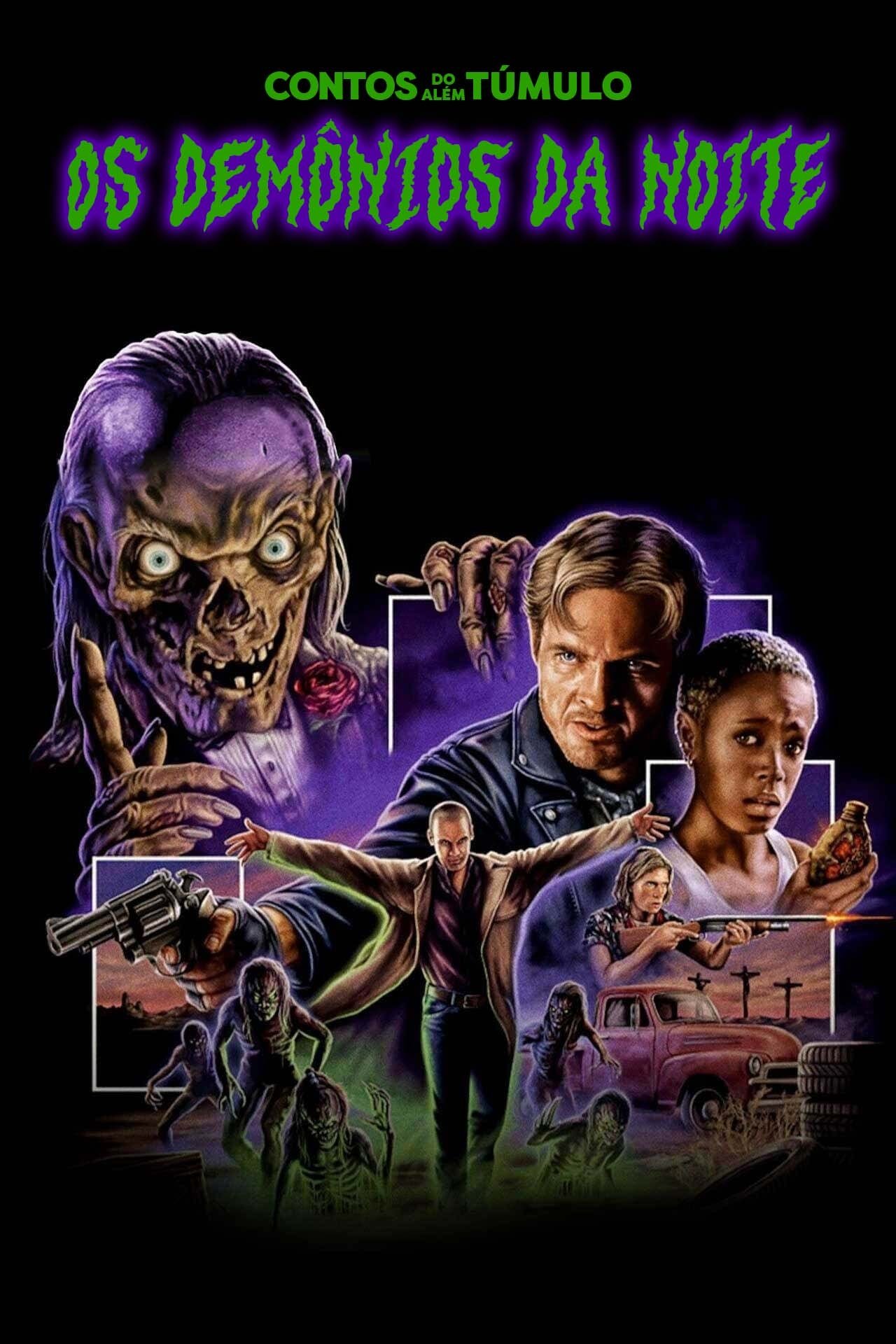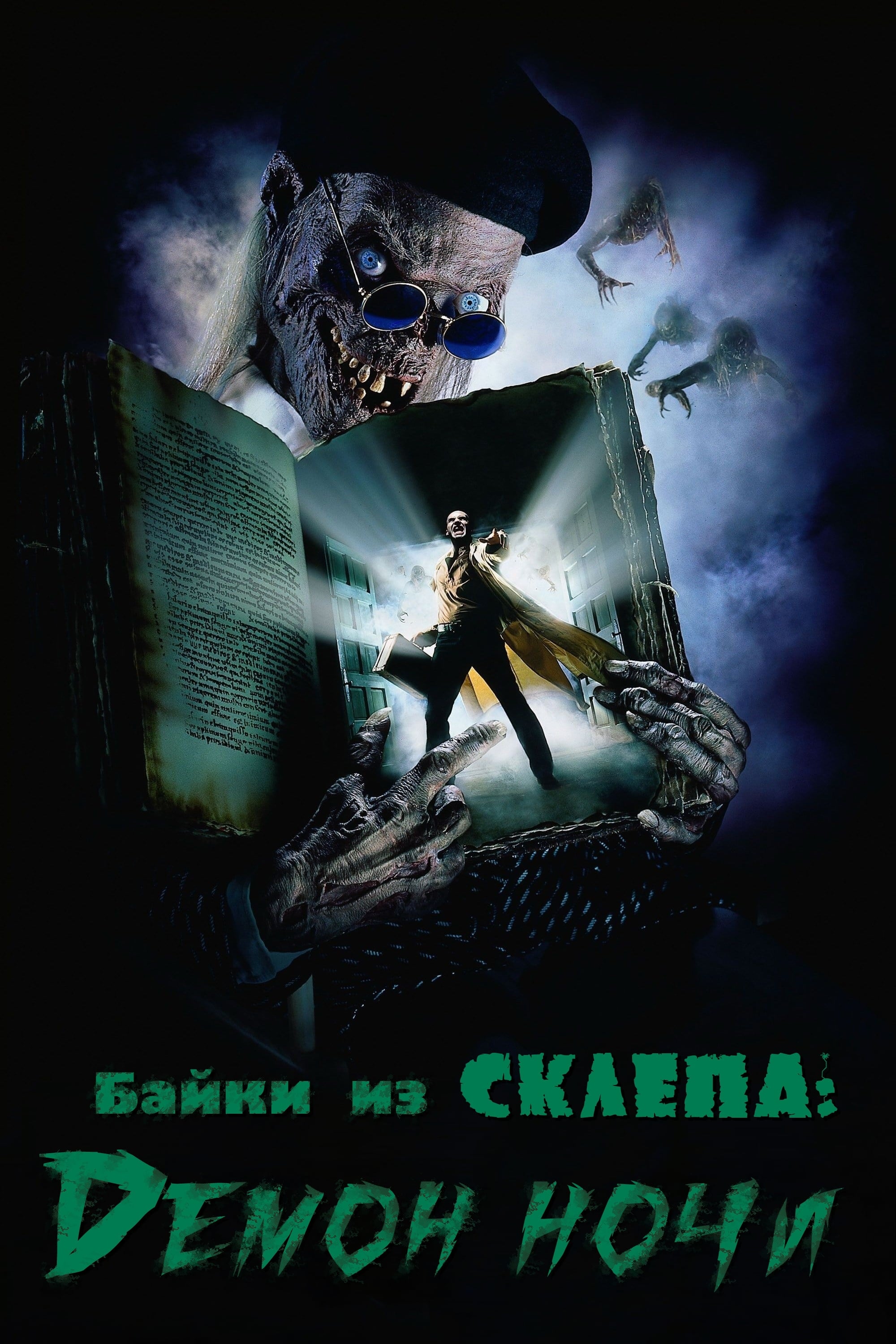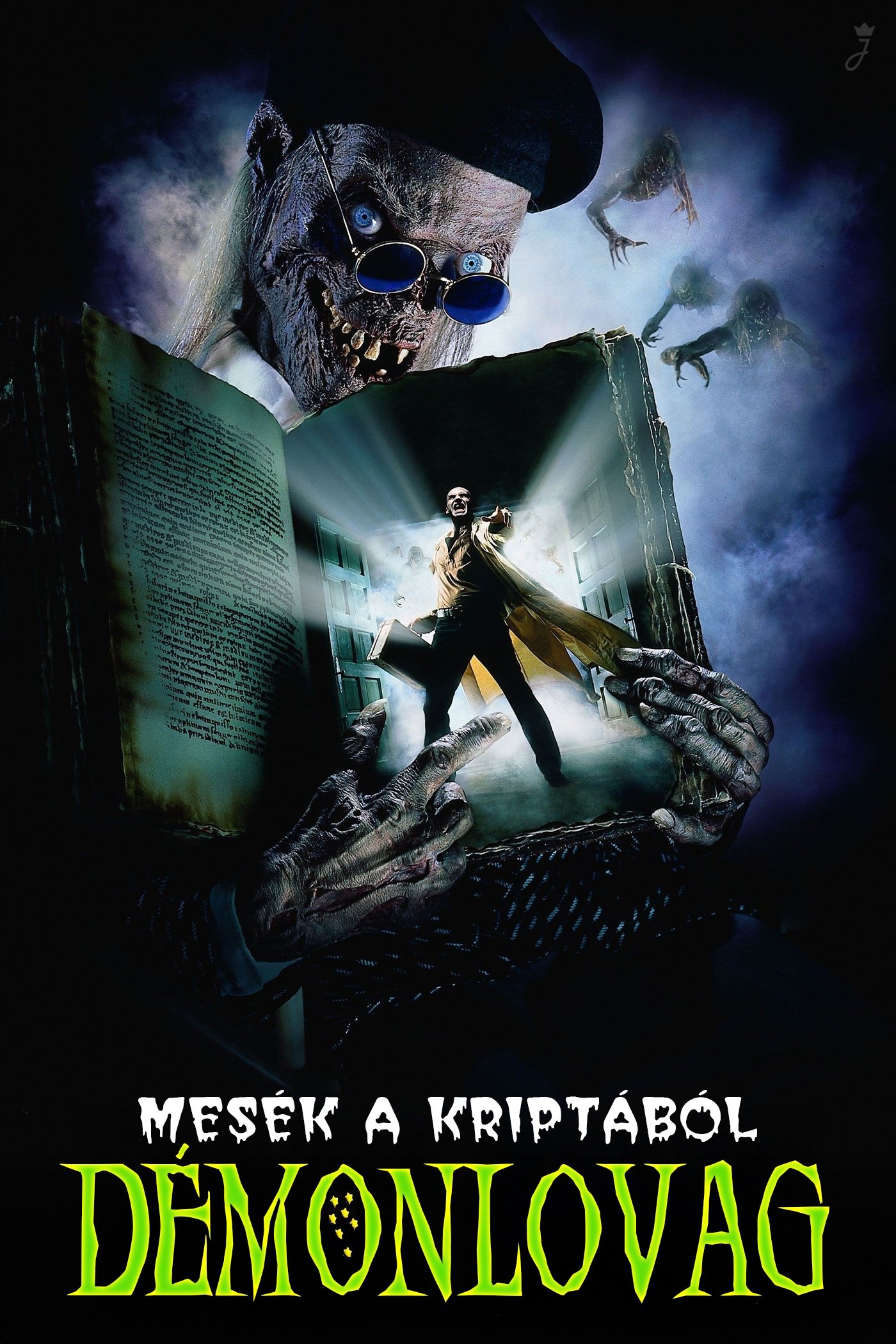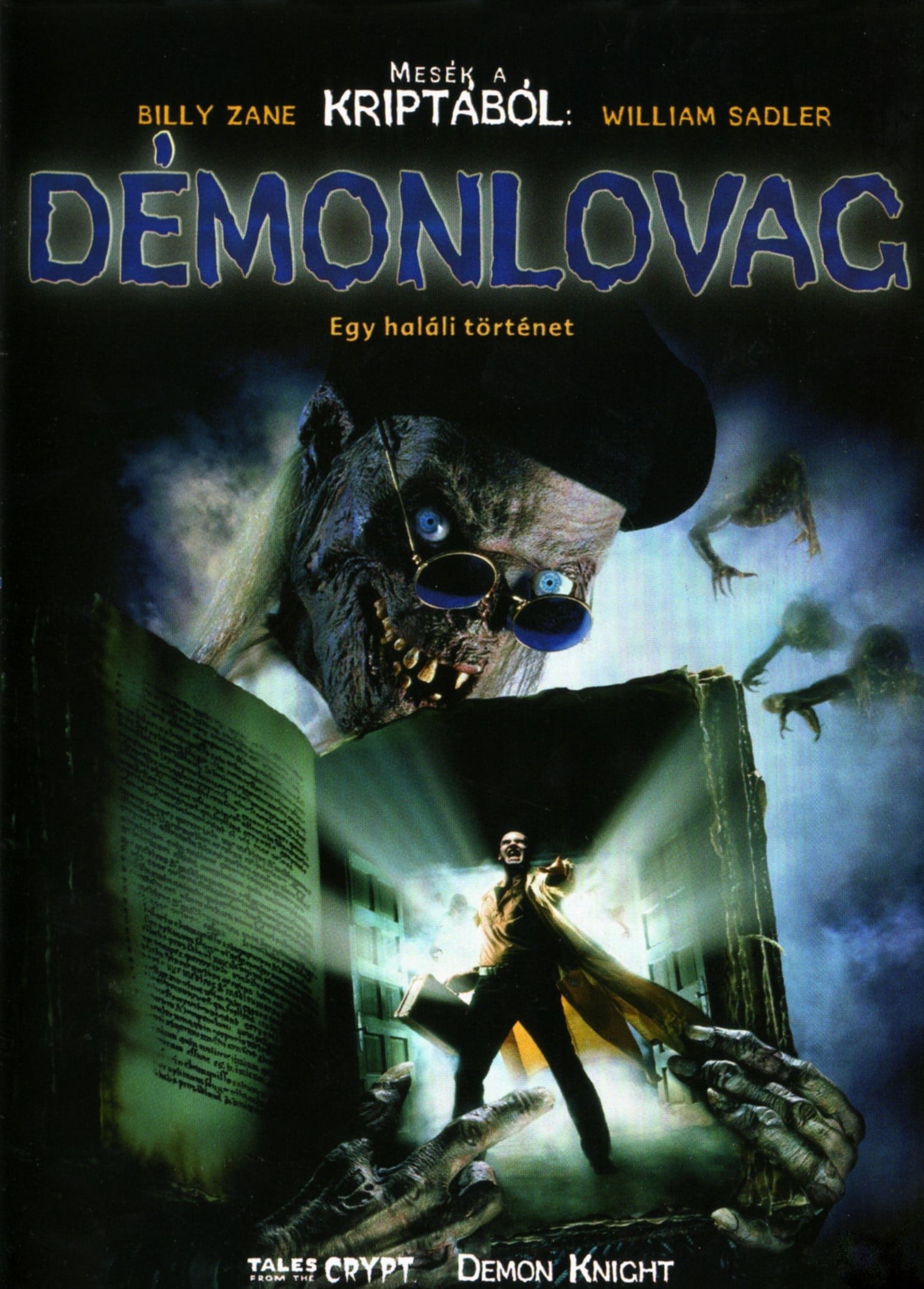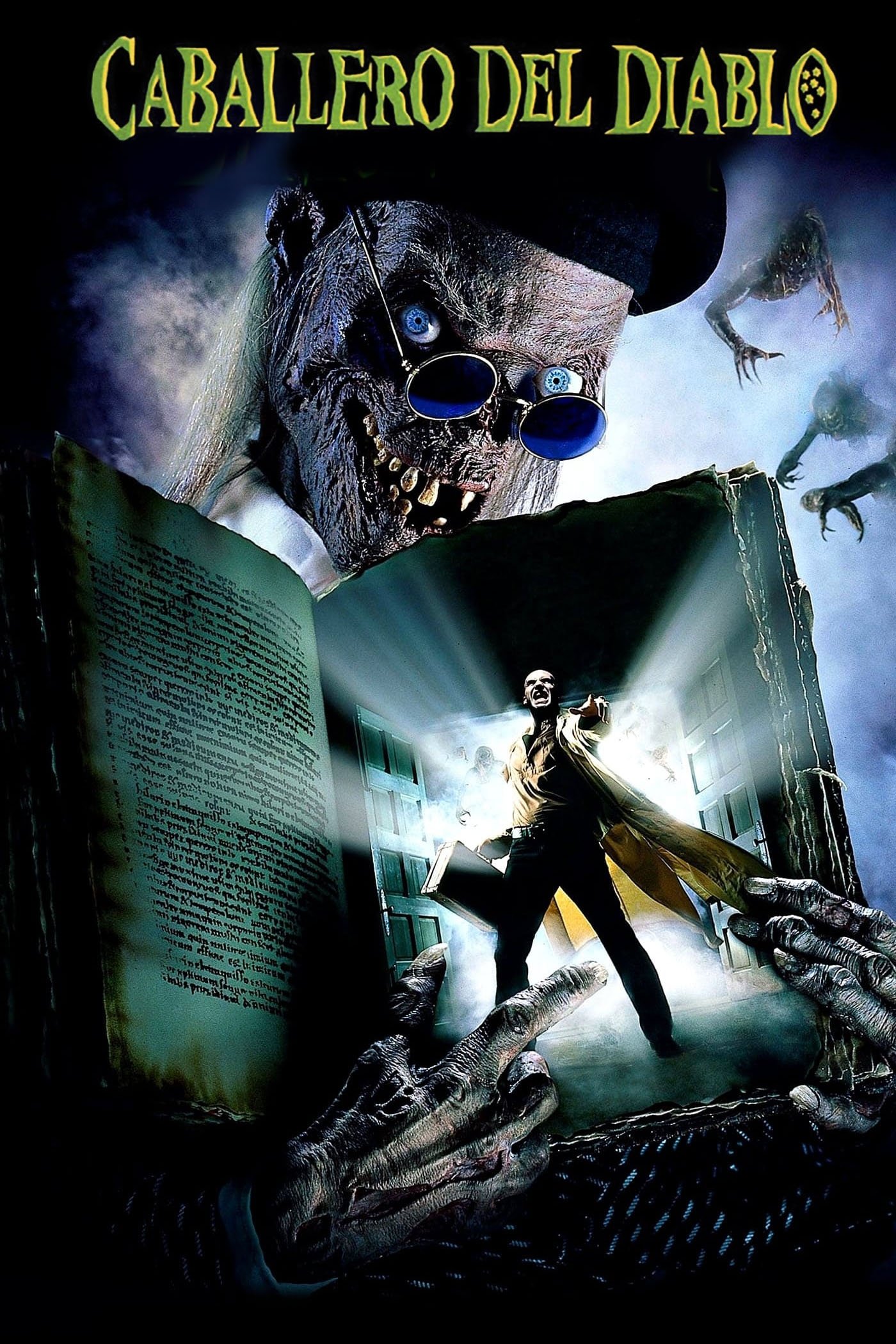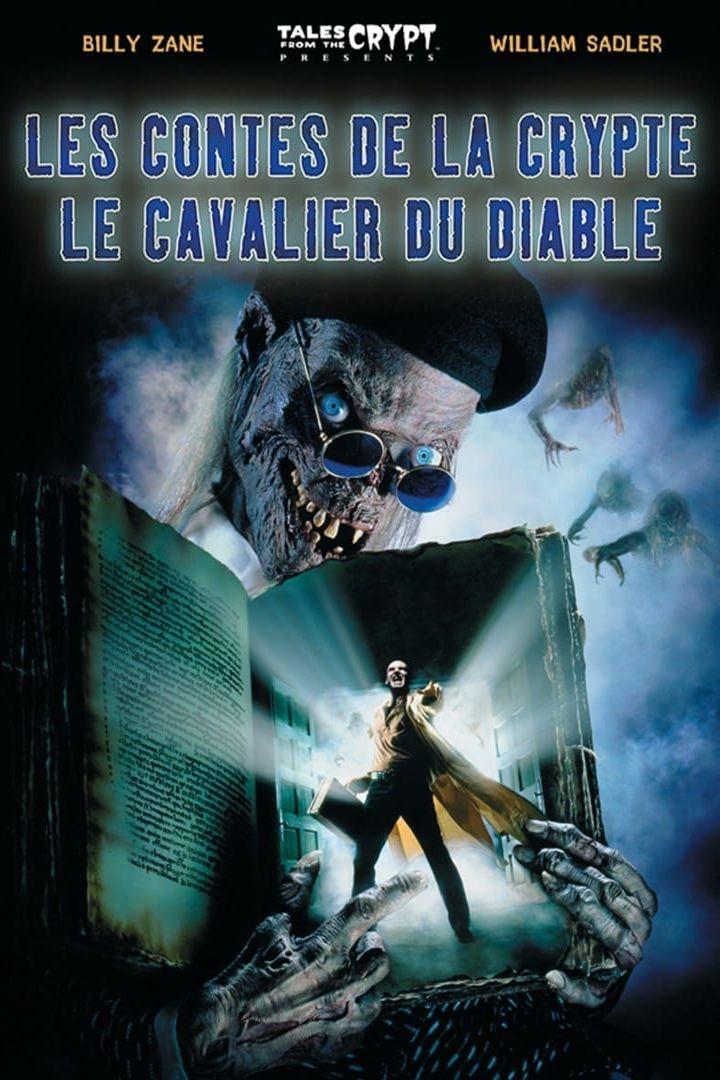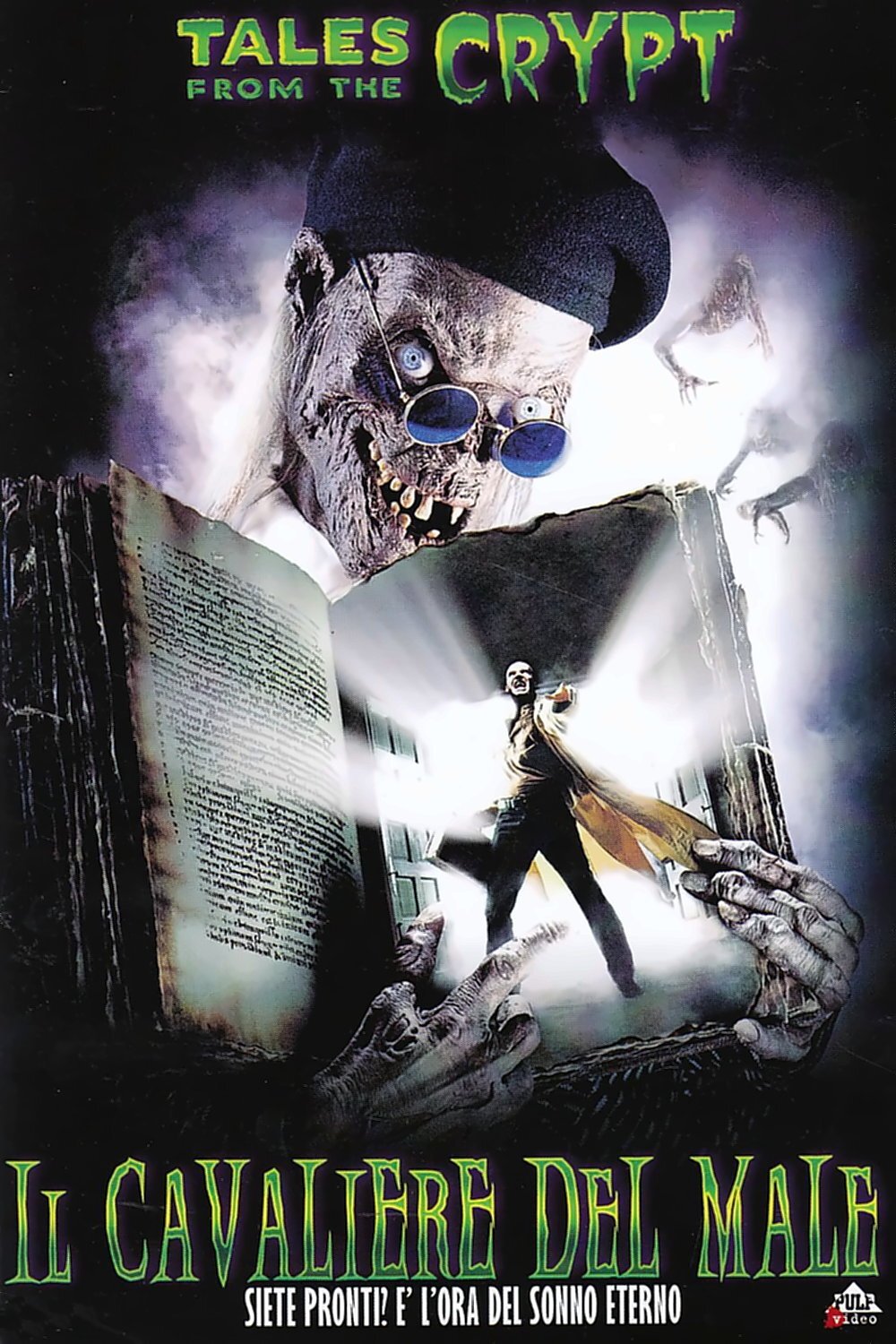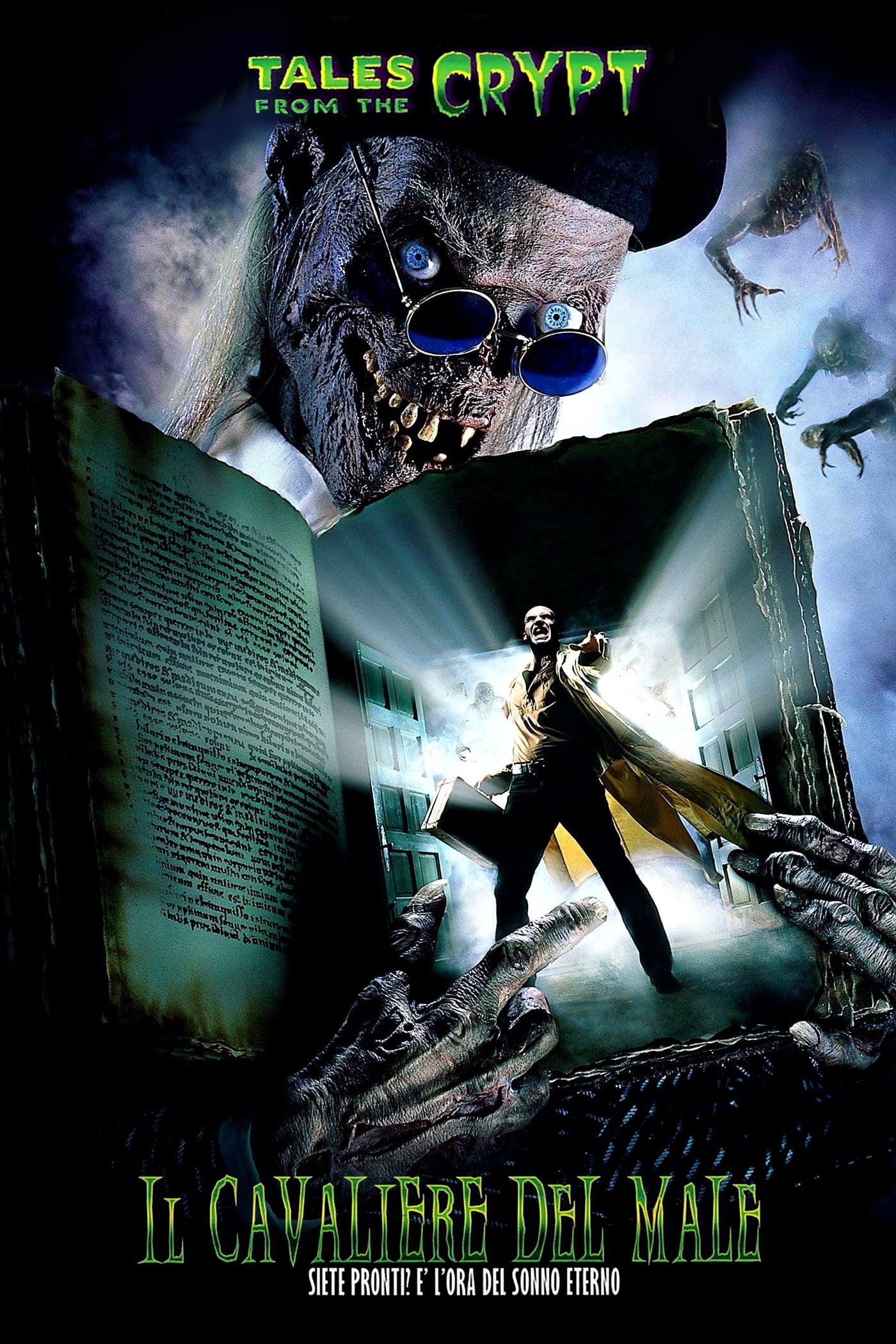
Tales from the Crypt: Demon Knight (1995)

US
HORROR FILM Thriller Comedy
Runtime
93 min
Release
January 13, 1995
Budget
$13,000,000
Revenue
$21,089,146
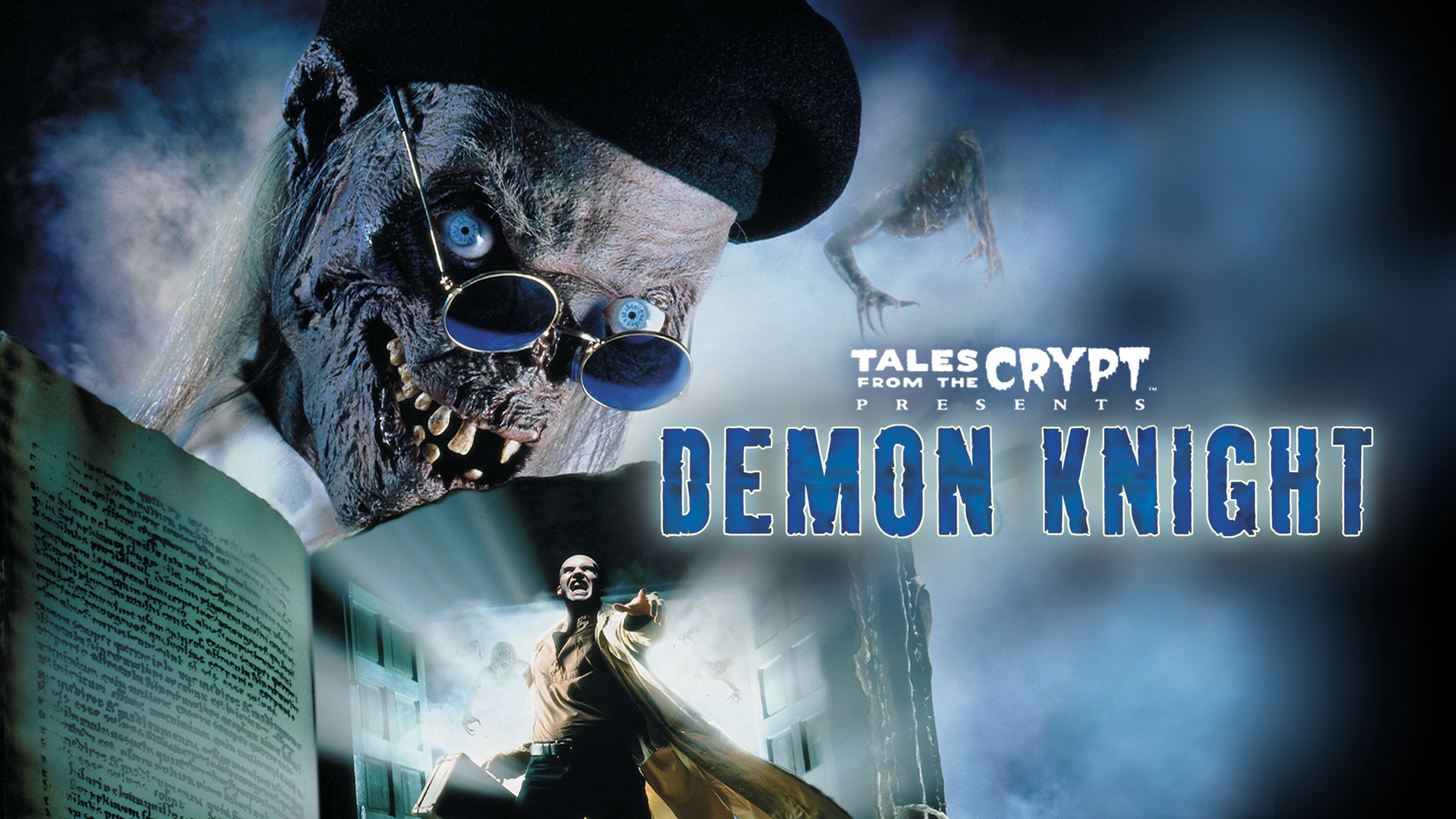
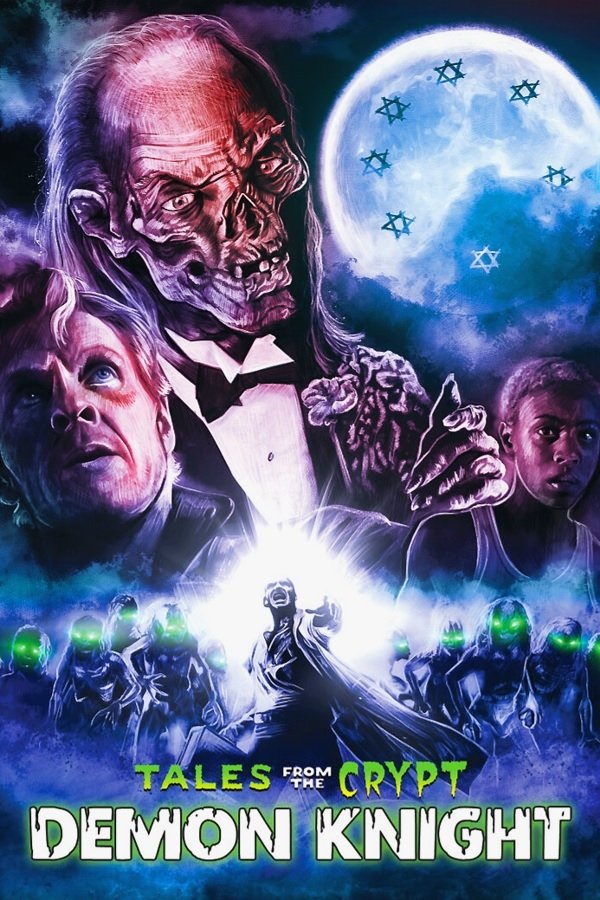
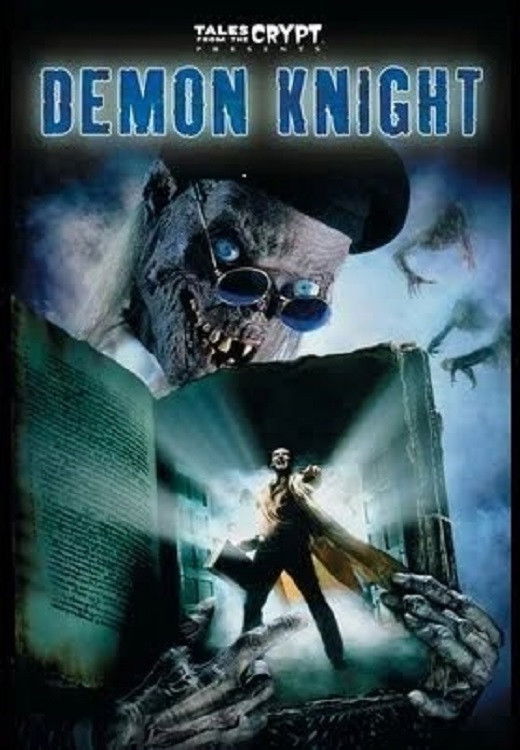
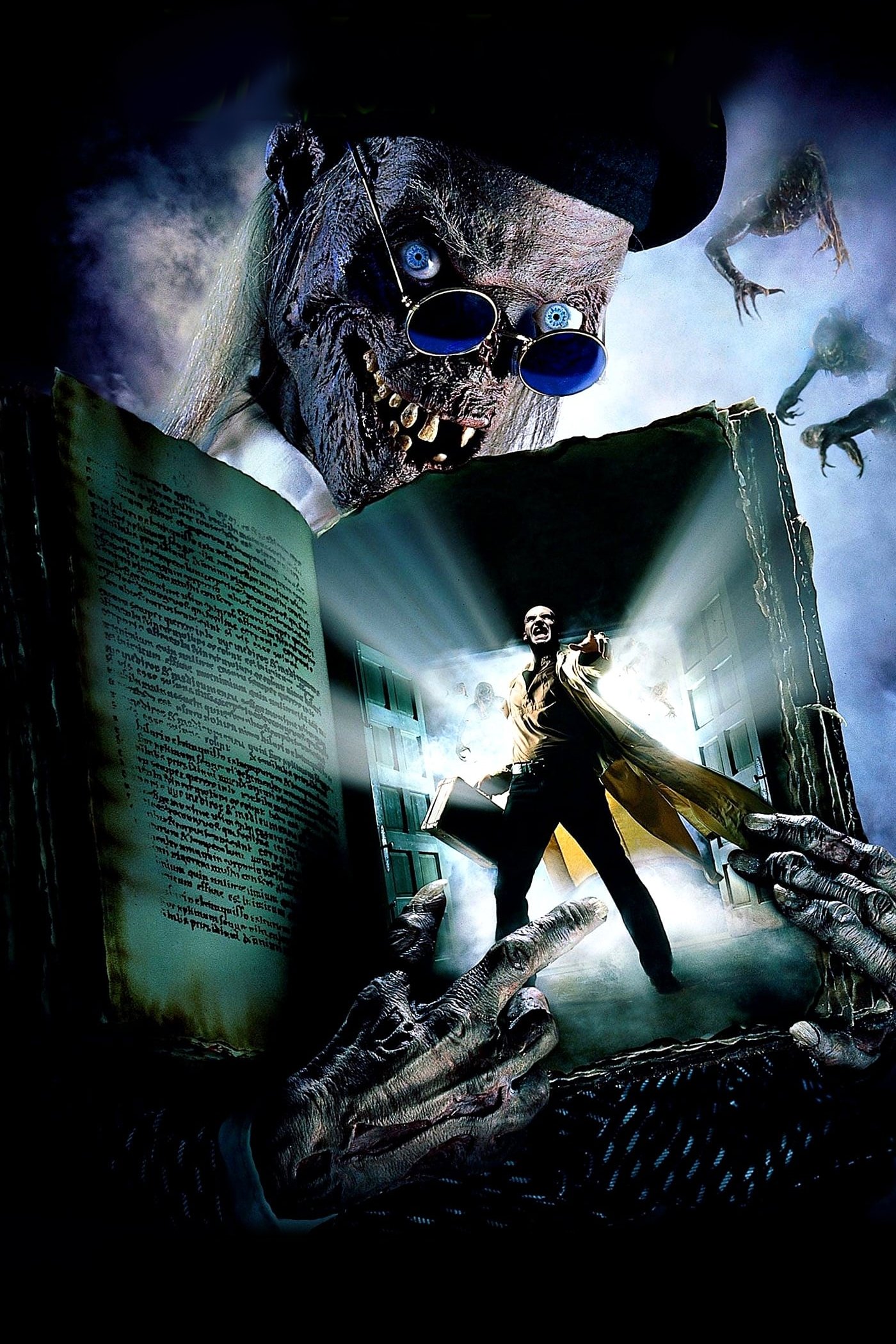
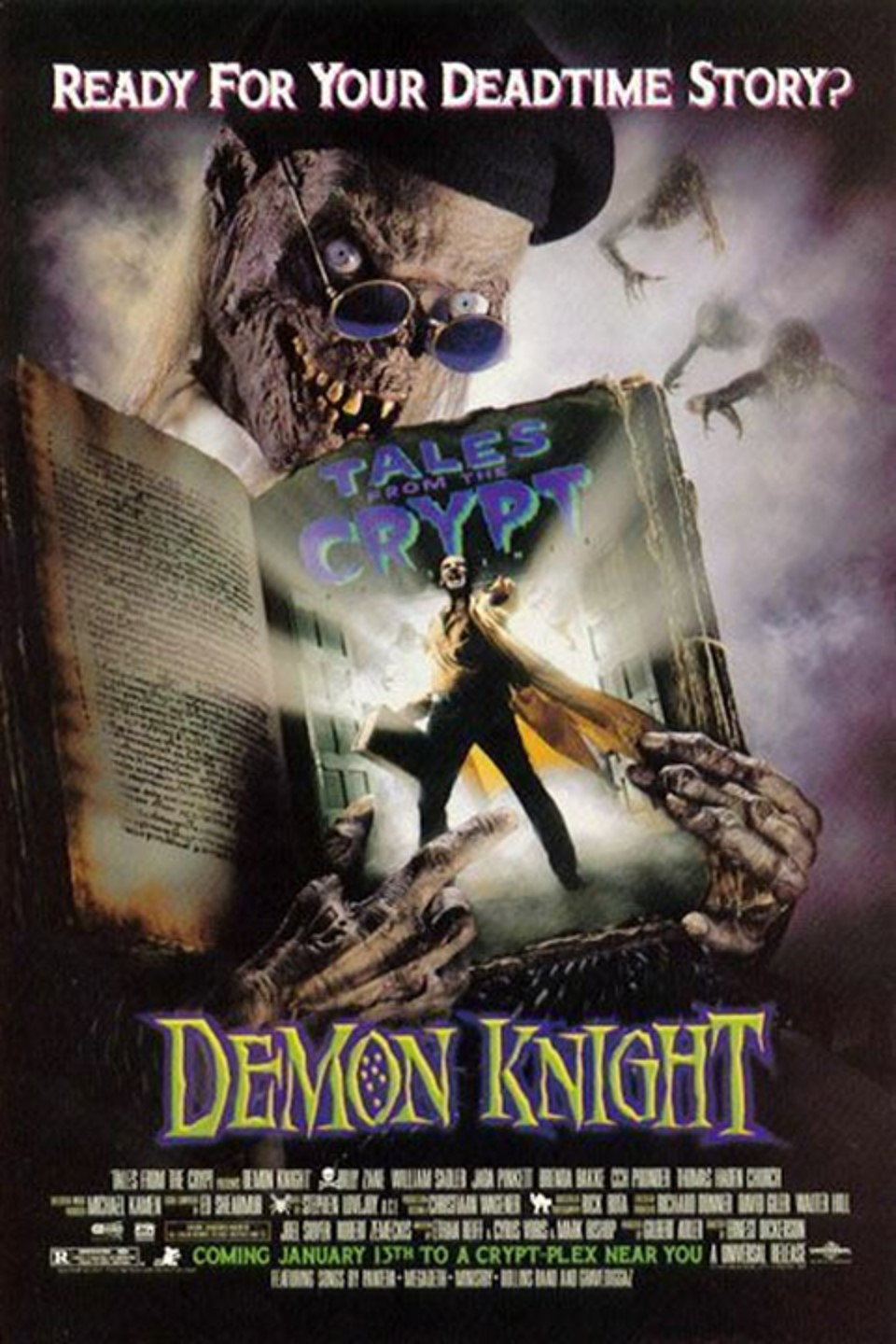
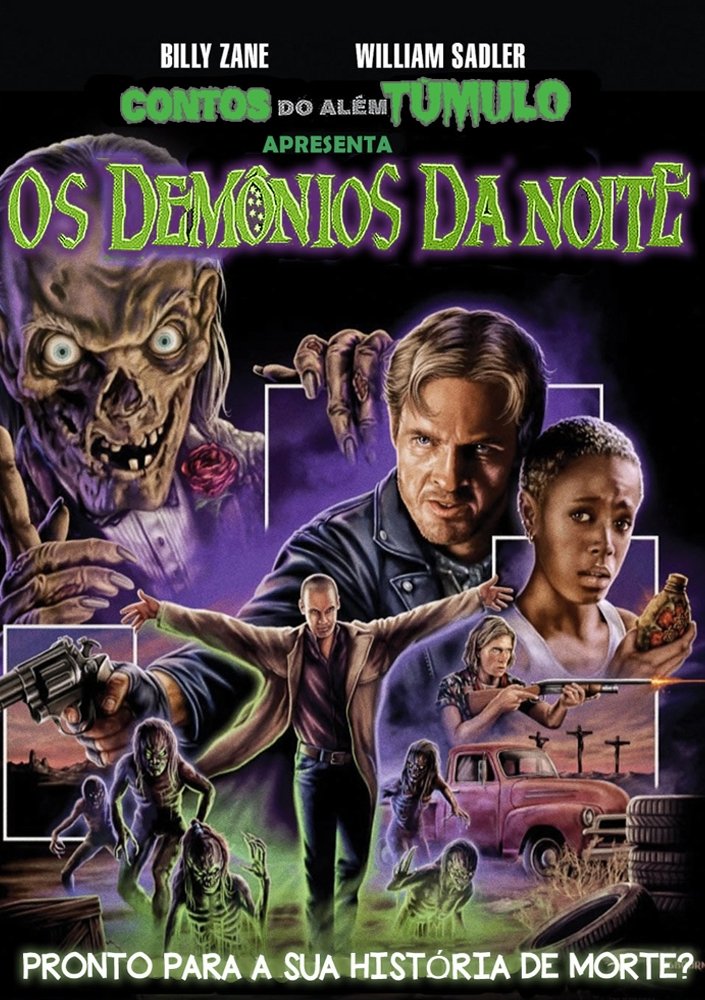
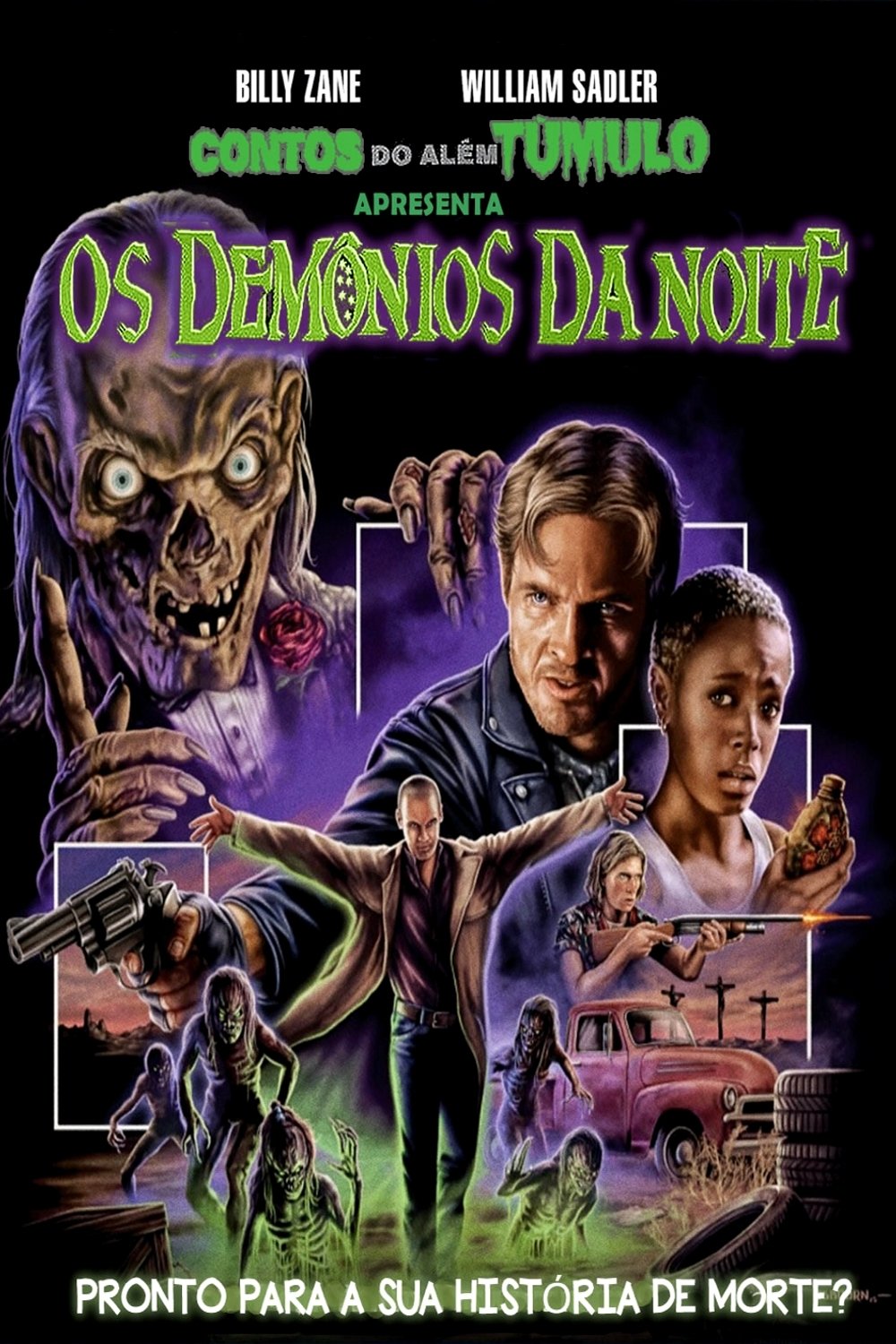
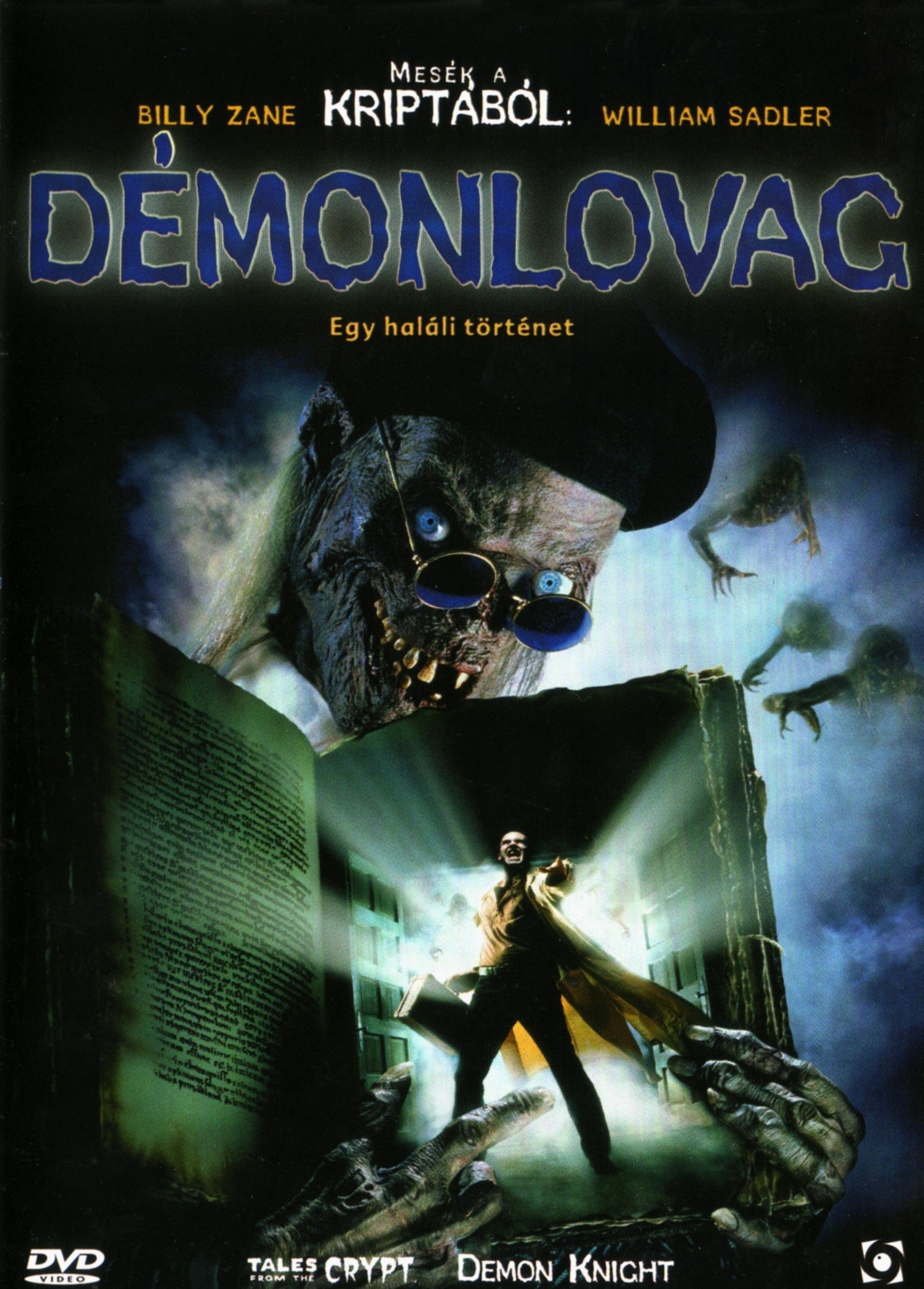
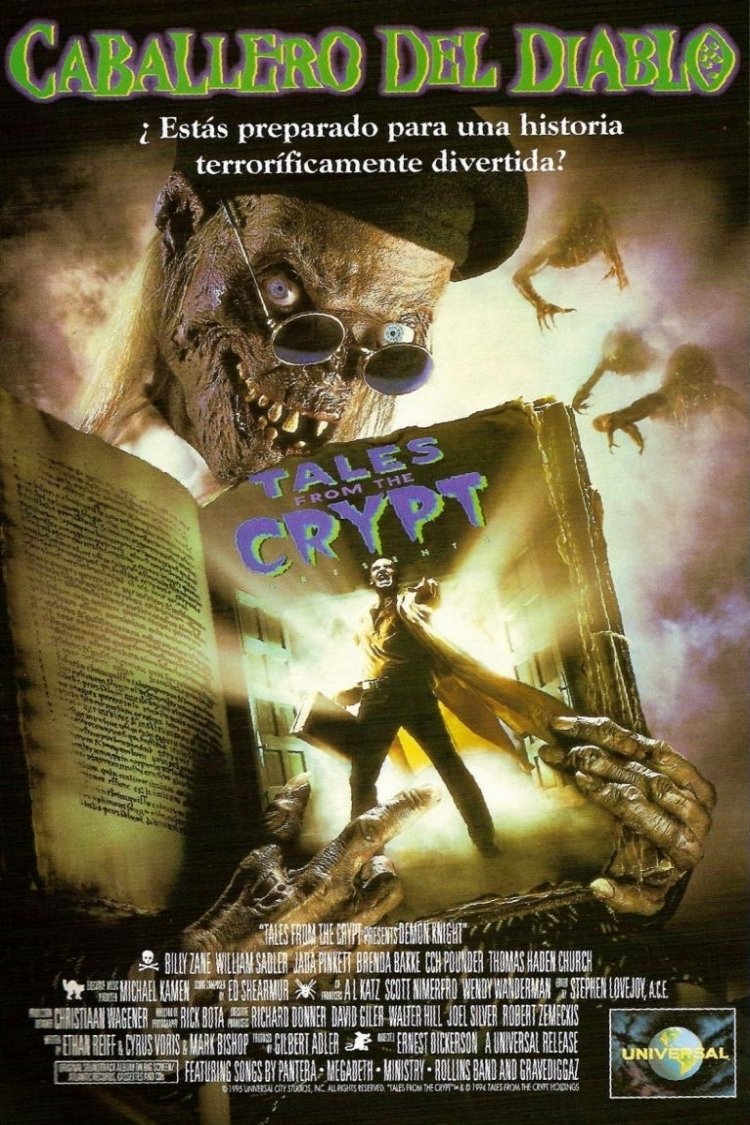
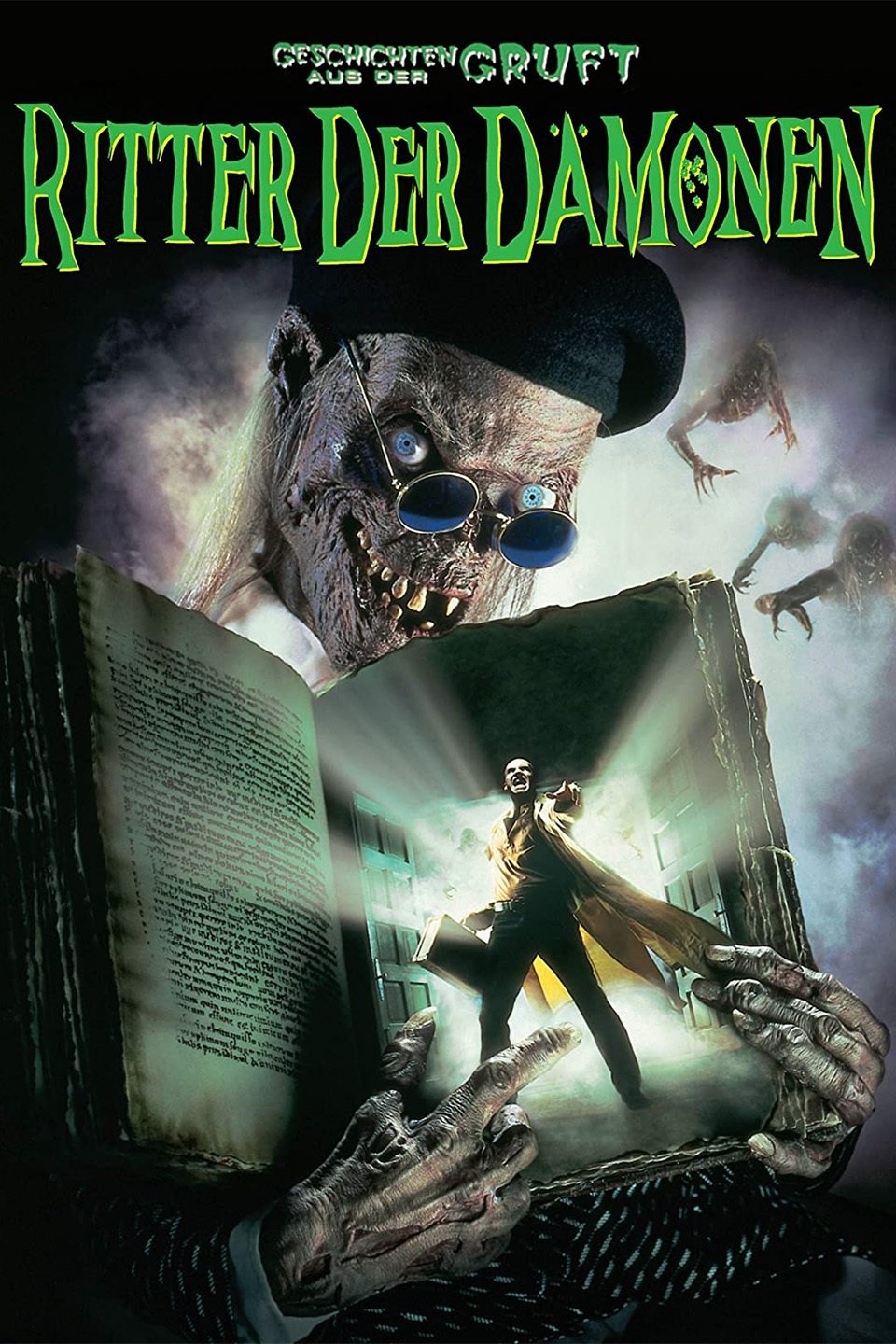
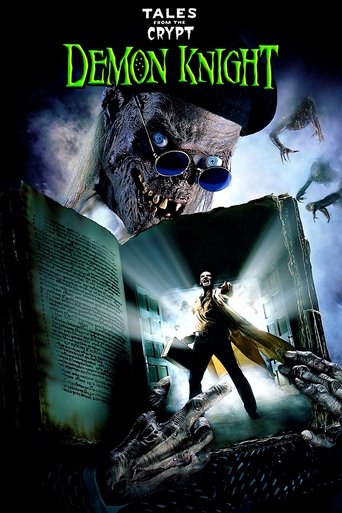
Tales from the Crypt: Demon Knight (1995) poster
Production Companies
Universal Pictures , Tales From The Crypt Holdings
Plot

Ex-soldier Frank Brayker is the guardian of an ancient key that can unlock tremendous evil; the sinister Collector is a demon who wants the key so he can initiate the apocalypse. On the run from wicked mercenaries for almost 90 years, Brayker finally stops in at a boarding house in New Mexico where — with the help of its residents — he plans to face off against the Collector and his band of ghouls, preventing them from ever seizing the key.

Alternative Titles
Разкази от криптата: Демоничният рицар (Bulgaria) — Bulgarian Contos do Além Túmulo: Os Demônios Da Noite (Brazil) — Portuguese Os Demônios da Noite (Brazil) 魔鬼骑士 (China) — Chinese Povídky ze záhrobí: Rytíř Démon (Czechia) — Czech Geschichten aus der Gruft: Ritter der Dämonen (Germany) Ritter der Dämonen (Germany) — German Kryptens hemmeligheder: Dæmon Ridderen (Denmark) — Danish
Show all 42 alternative titles Historias de la cripta: Caballero del diablo (Spain) — Spanish Tales From the Crypt - Pahan lähettiläs (Finland) — Finnish Les Contes de la crypte - Le Cavalier du diable (France) — French Les contes de la crypte : le cavalier du diable (France) Tales from the Crypt: Le cavalier du diable (France) Ο ιππότης των δαιμόνων (Greece) 幽冥怪談 (Hong Kong SAR China) — Chinese Mesék a kriptából - Démonlovag (Hungary) — Hungarian ליל השדים (Israel) — Hebrew Il cavaliere del male (Italy) — Italian デーモン・ナイト (Japan) — Japanese 크리프트 스토리: 데몬 나이트 (South Korea) — Korean Dēmona bruņinieks (Latvia) — Latvian Kapeņu Stāstiņi: Dēmonu bruņinieks (Latvia) Cuentos de la Cripta: Caballero del Diablo (Mexico) — Spanish Demon Knight (Netherlands) — Dutch Demonenes fyrste (Norway) — Norwegian Opowieści z krypty: Władca demonów (Poland) — Polish Tales from the Crypt 3: Demónios da Noite (Portugal) — Portuguese Байки из склепа: Демон ночи (Russia) — Russian Байки из склепа: Рыцарь демонов (Russia) Демон ночи (Russia) Рыцарь демонов ночи (Russia) Demon Knight (Sweden) — Swedish Historias de la Cripta Caballero del Diablo (El Salvador) คืนนรกแตก (Thailand) — Thai 活屍傳奇 (Taiwan) — Chinese 魔界奇譚:活屍傳奇 (Taiwan) Байки зі склепу: Лицар демонів (Ukraine) — Ukrainian Demon Keeper (United States) Demon Knight (United States) — short title Tales from the Crypt 1 (United States) Tales from the Crypt 3 - Demon Knight (United States) Tales from the Crypt Presents: Demon Knight (United States)

Trailers & Videos

1 video

Film Guide & Analysis

Ernest R. Dickerson and the Crypt theatrical feature: independent screenplay, a demonic siege, Jeryline, Todd Masters creature effects and cult reception.

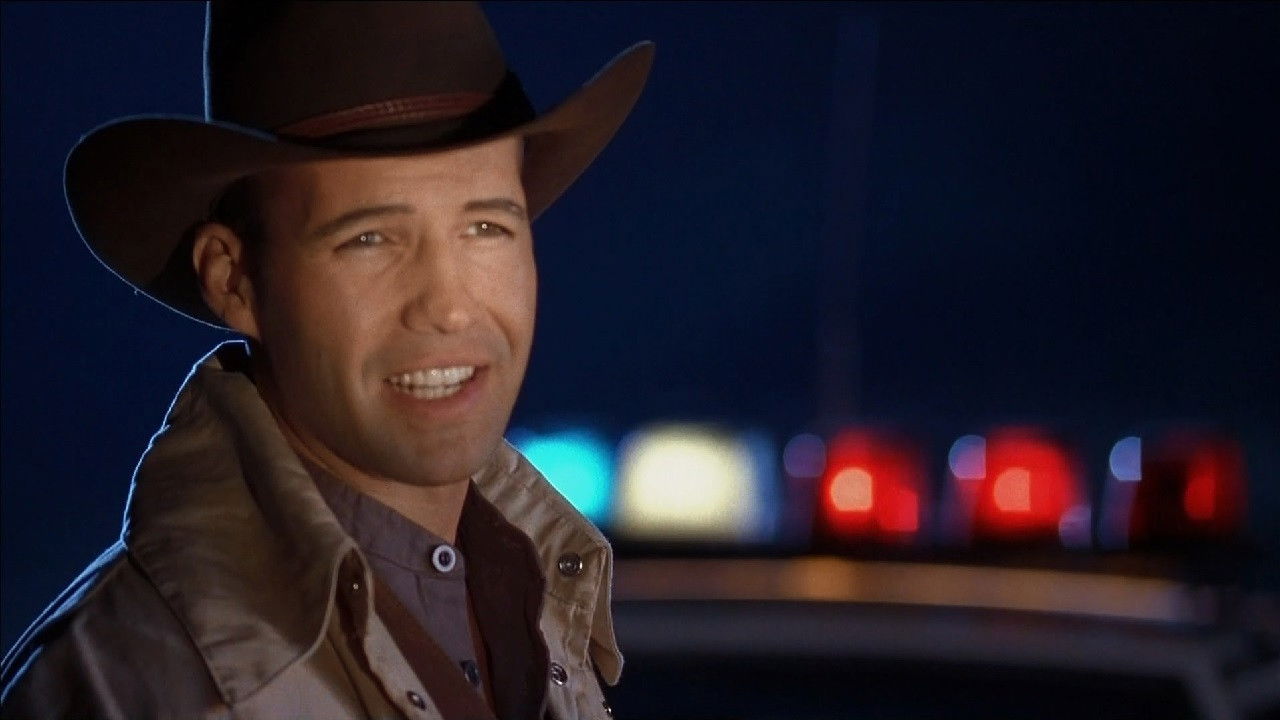
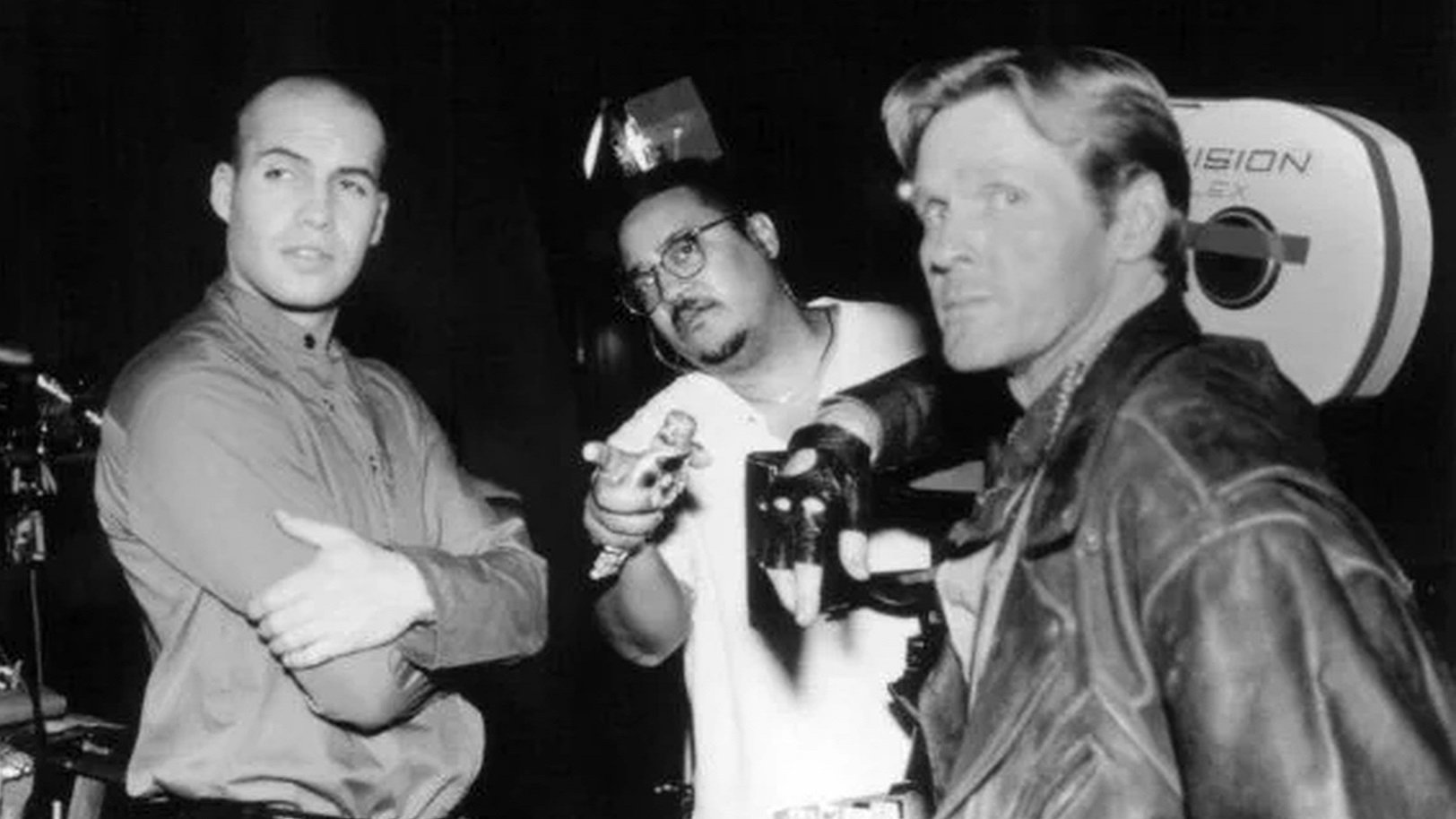
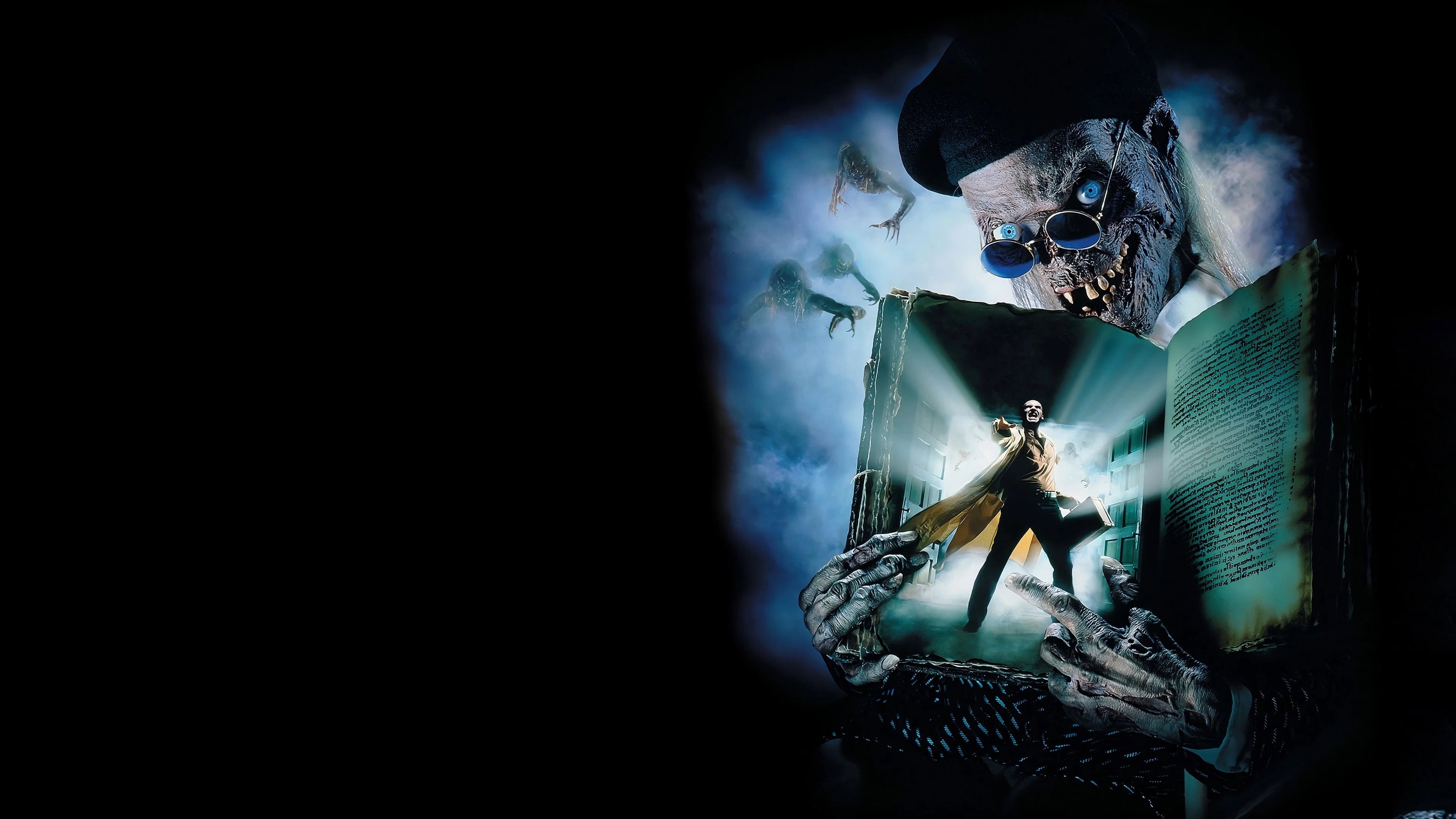
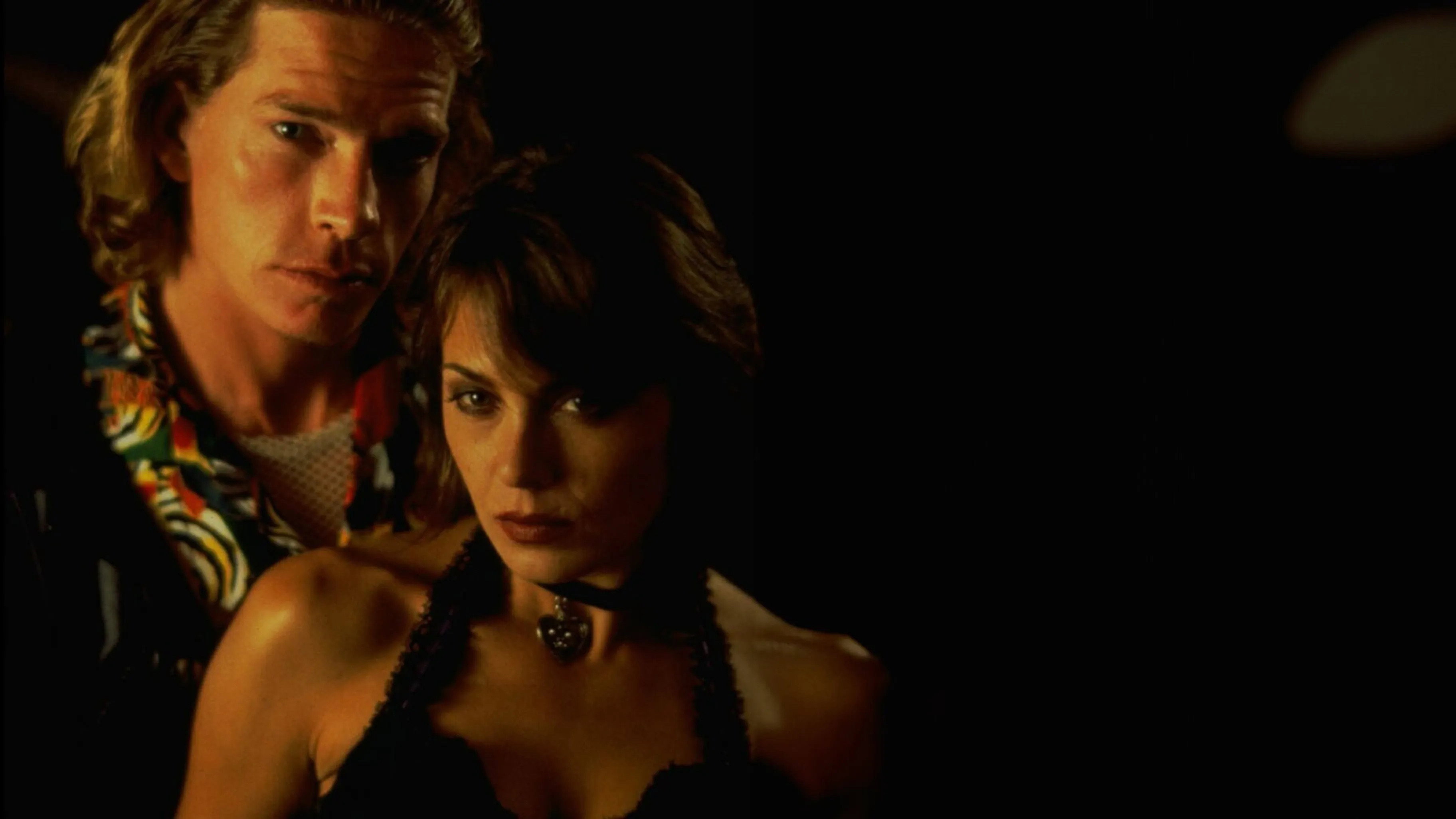
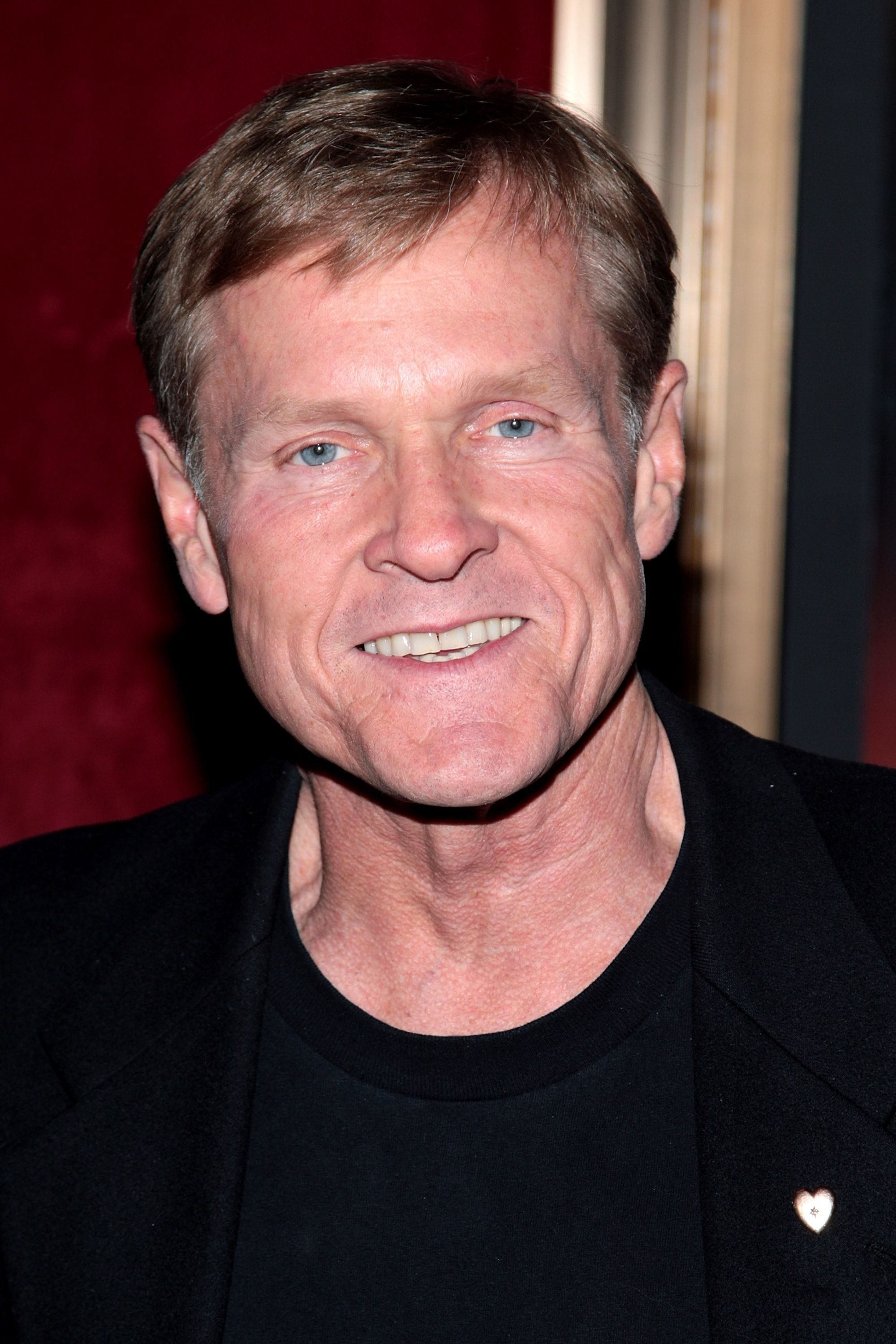
Tales from the Crypt: Demon Knight (1995), directed by Ernest R. Dickerson, brings the macabre humor of HBO's television anthology into a feature-length story about a supernatural siege. William Sadler plays Frank Brayker, a fugitive guarding an ancient key whose contents prevent demonic forces from gaining control of the world. Pursued by an apparently human Collector, played by Billy Zane, Brayker takes refuge in a former church converted into a lodging house. Its residents become targets of a creature who can summon monstrous servants and exploit their private desires. The siege combines bodily horror, religious imagery and macabre comedy.

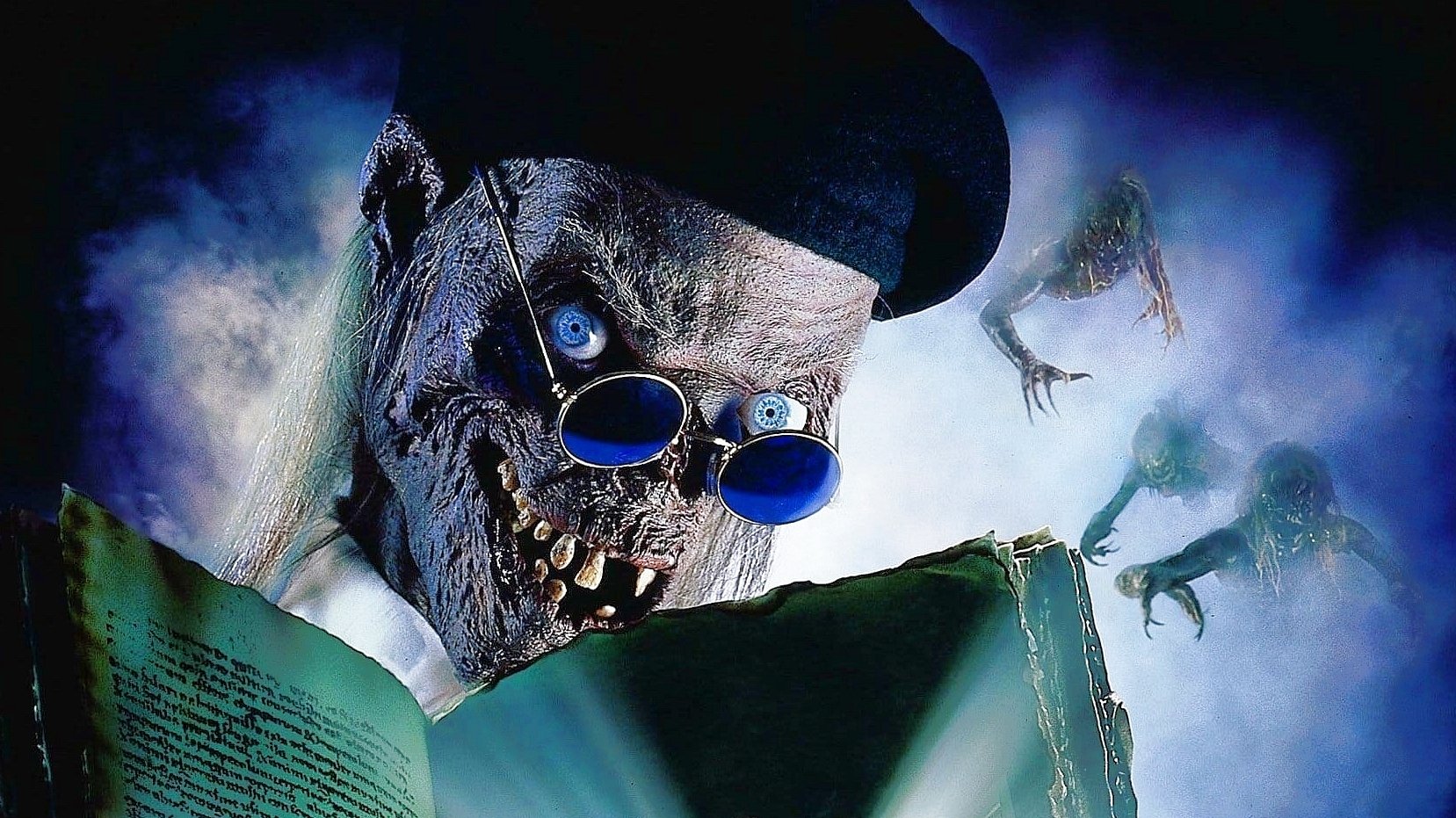
Developed from a screenplay that initially had no connection with Tales from the Crypt, Demon Knight became the first theatrical feature released under the HBO series' branding. The Cryptkeeper appears in a framing sequence, but the central story concerns an inherited responsibility that passes between ordinary people over generations. Dickerson's direction, Todd Masters' creature effects and Jada Pinkett's performance as Jeryline give the film an identity distinct from the short revenge narratives of the series. Its theatrical release on January 13, 1995, received divided reviews, while later interviews have helped establish a detailed production history.

Origins, Screenplay and the Crypt Franchise

The project began as an independent screenplay by Ethan Reiff and Cyrus Voris, with Mark Bishop also receiving a writing credit on the completed film. It was subsequently incorporated into the proposed theatrical expansion of Tales from the Crypt. Producer Gilbert Adler told Daily Dead in 2015 that the team wanted a longer story capable of retaining the spirit of the HBO series and spent months discussing possibilities with Universal. They chose it for its monsters instead of adapting an existing EC Comics tale. Cryptkeeper material was added to establish the connection with the television property.

Dickerson, previously the cinematographer of several Spike Lee features and the director of Juice and Surviving the Game, was approached while finishing the latter film. He recalled that the horror, comedy and emotional conflict in the screenplay attracted him. He also worked with the writers to strengthen the internal mythology and the motivations of the characters. Unlike the television series' usual accounts of wrongdoing followed by ironic punishment, Demon Knight concerns a prolonged struggle between an immortal adversary and successive guardians. The supernatural conflict extends beyond the misconduct of any one character.

The material was reorganized during preproduction, and its relationship to the television program was largely established through the bookending Cryptkeeper scenes. In a 2026 discussion of Dickerson's recorded commentary, Bloody Disgusting reports that producer Adler directed those scenes rather than Dickerson. John Kassir supplied the host's familiar voice. The framing device links the brand without dictating the story's structure.

Production, Set Design and Cinematography

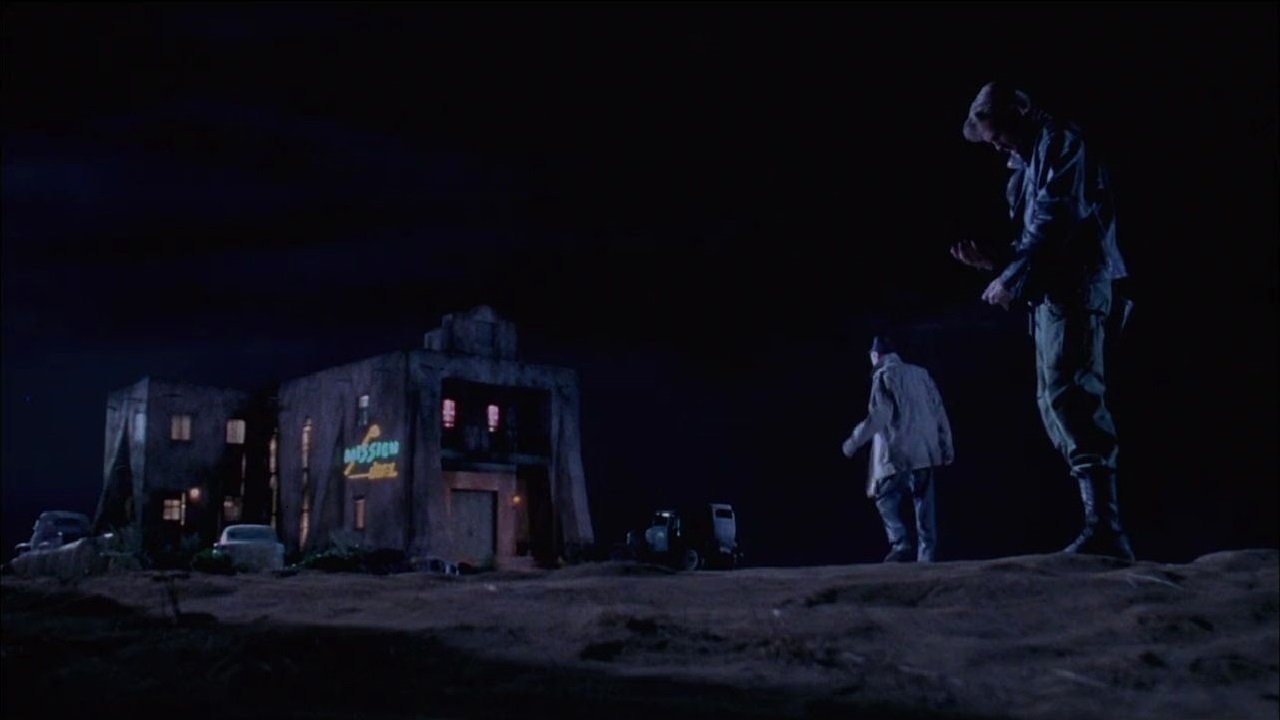
Most of the film unfolds over a single night, but Dickerson sought to avoid the practical burden of filming a succession of nighttime exteriors. In a 2025 interview with Bloodvine, he explained that the production obtained a decommissioned hangar at Van Nuys Airport and built the main set inside. Production designer Christiaan Wagener conceived the building as an old mission church converted into an inexpensive lodging house. Its rooms, hallways and common spaces provide the routes through which characters attempt to evade the creatures. Rick Bota, who had worked on the HBO series, served as cinematographer, and Stephen Lovejoy edited the film.

The setting contains people with unequal knowledge of the threat. Characters move between doorways, balconies and staircases while the building's entrances become points of attack. The former church gives religious meaning to the characters' protective rituals. Dickerson's use of shadow and contrasting colors makes the structure feel larger and less secure than its limited number of rooms suggests. Desert exteriors establish its isolation.

The Key, Blood and the Rules of the Siege

The story's central object is an ancient key containing protective blood connected with the Christian account of the Crucifixion. Brayker carries it as the latest guardian in a line charged with denying demons access to the world. Its blood can create barriers that the Collector and his servants cannot cross, turning marks around entrances into vital defenses. The rules establish a practical form of suspense: the residents must choose which spaces to protect, whom to trust and whether they can risk crossing a boundary. The Collector's attacks also exploit the limited supply of blood and the possibility that someone inside will break the defenses voluntarily.

Dickerson turns the creatures into a problem that requires observation rather than ordinary firepower alone. Destroying their eyes releases an energy that can injure those nearby, a detail he said he introduced because he wanted their deaths to possess a distinct visual character. The Collector also attempts to corrupt the survivors by offering them what they most desire. Their fear or desire can breach the defenses. These temptations preserve an element of the EC tradition within a larger mythological adventure, where the future of the key matters more than a single individual's fate.

Billy Zane, William Sadler and Jeryline

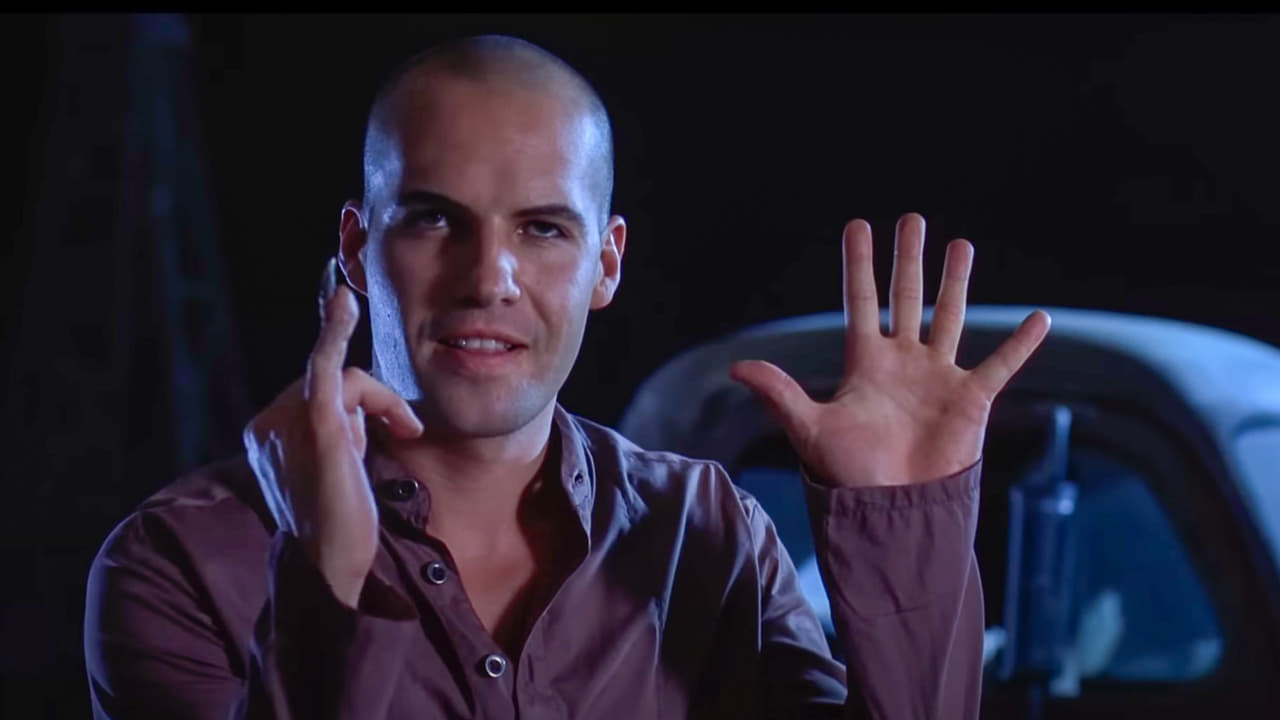
Sadler plays Brayker as a tired protector who has spent decades fleeing a responsibility he never sought. In a 2015 Daily Dead interview, he described the character's burden as the central attraction of the role. Billy Zane approaches the Collector differently, combining menace with the manner of a persuasive salesman. Dickerson and Sadler both recalled that the actor devised aspects of the character's appearance and improvised comic moments, including a gag involving a sponge. Brayker maintains boundaries while the Collector seeks out weaknesses.

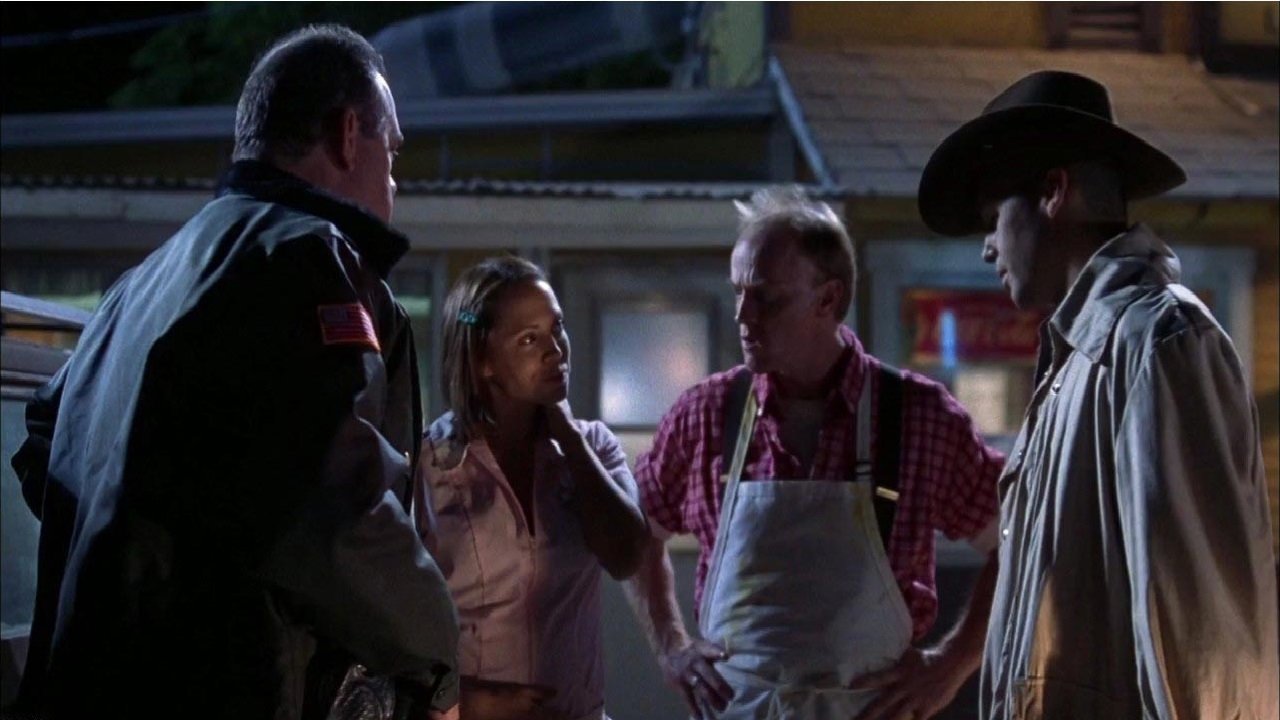
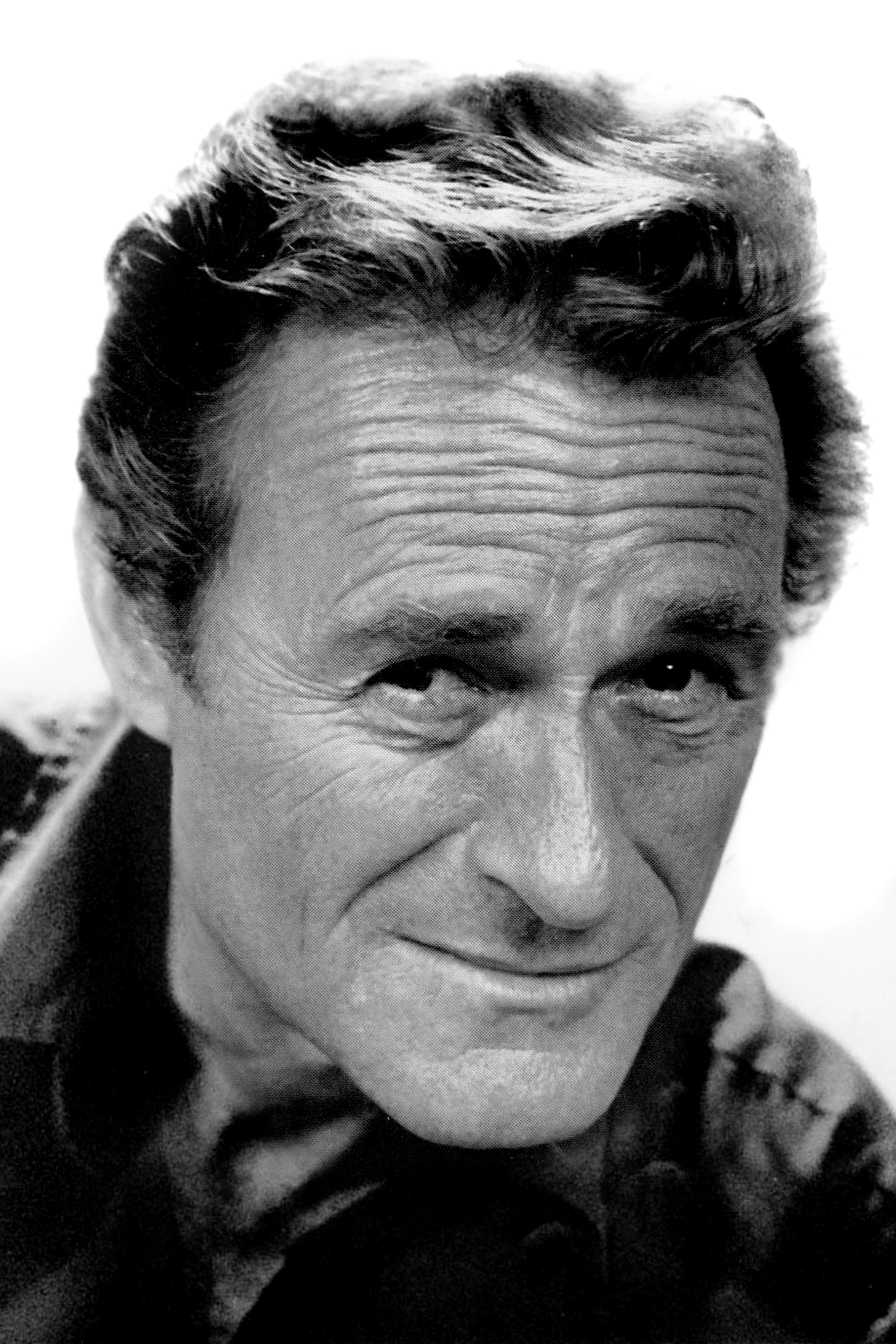
The lodging house gives the confrontation a varied group of potential victims and survivors. CCH Pounder's Irene, Dick Miller's Uncle Willy, Brenda Bakke's Cordelia and Thomas Haden Church's Roach respond differently to the collapse of their apparent safety. They provide opportunities for sudden reversals and bitter humor, while the Collector's promises encourage betrayals. Their deaths upset familiar expectations of survival. The film's treatment of secondary characters sustains the sense that the siege can alter direction at any moment.

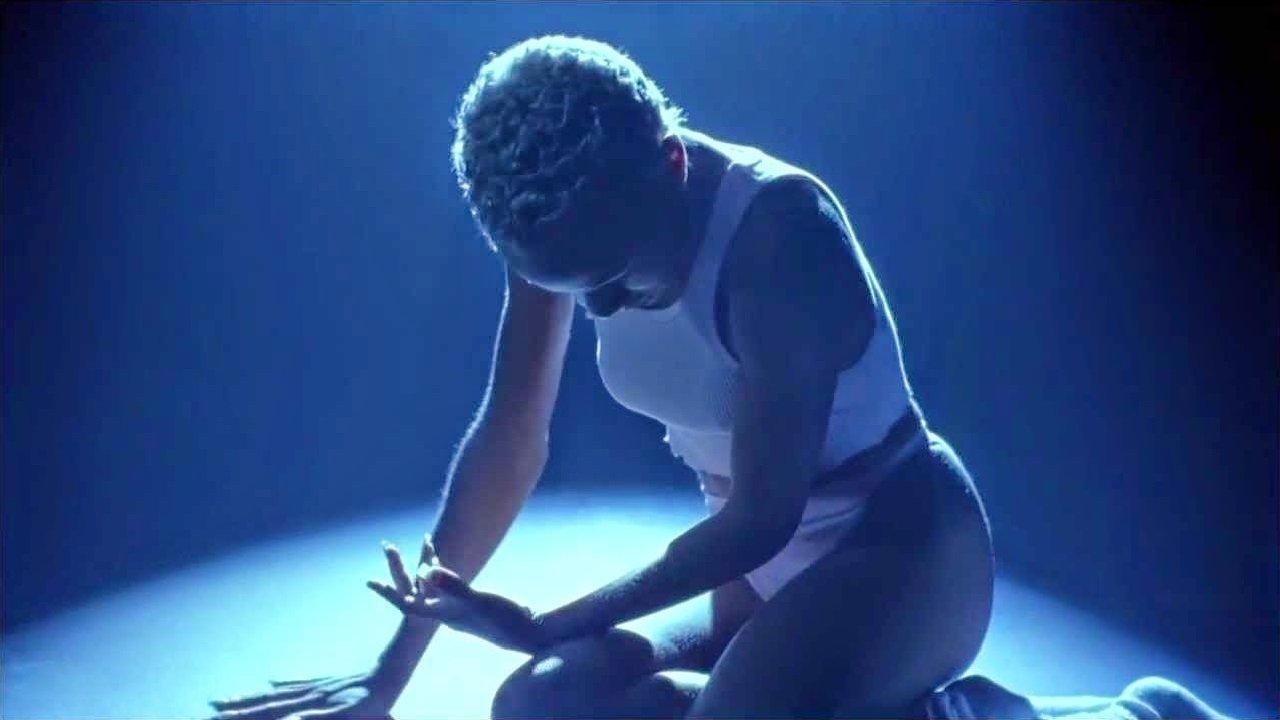
Jada Pinkett's Jeryline gradually becomes the central figure. Dickerson said in his 2025 Bloodvine interview that he deliberately wanted a young Black woman in the role because he expected audiences to assume that such a character would die early in a horror film. After seeing Pinkett in Menace II Society, he pursued her casting despite a different preference among the producers. Jeryline's survival therefore reflects a documented casting and storytelling intention. She must overcome fear and uncertainty before receiving the key from Brayker and accepting the role of its new guardian. The ending places a former outsider in charge of protecting humanity.

Todd Masters and the Practical Demon Effects

Makeup-effects designer Todd Masters had worked on the television series before joining the feature. He recalled receiving a script full of creatures, followed by a revised version that removed the elaborate demons in favor of threatening men in dark clothing and sunglasses. Concerned that a film called Demon Knight would lose its central monsters, he proposed a less expensive physical design built around thin performers, enlarged heads, clawed hands and altered limbs. Masters and Scott Patton developed the designs using photographs of crew members and computer drawing tools. Several effects technicians and stunt performers subsequently played the creatures themselves.

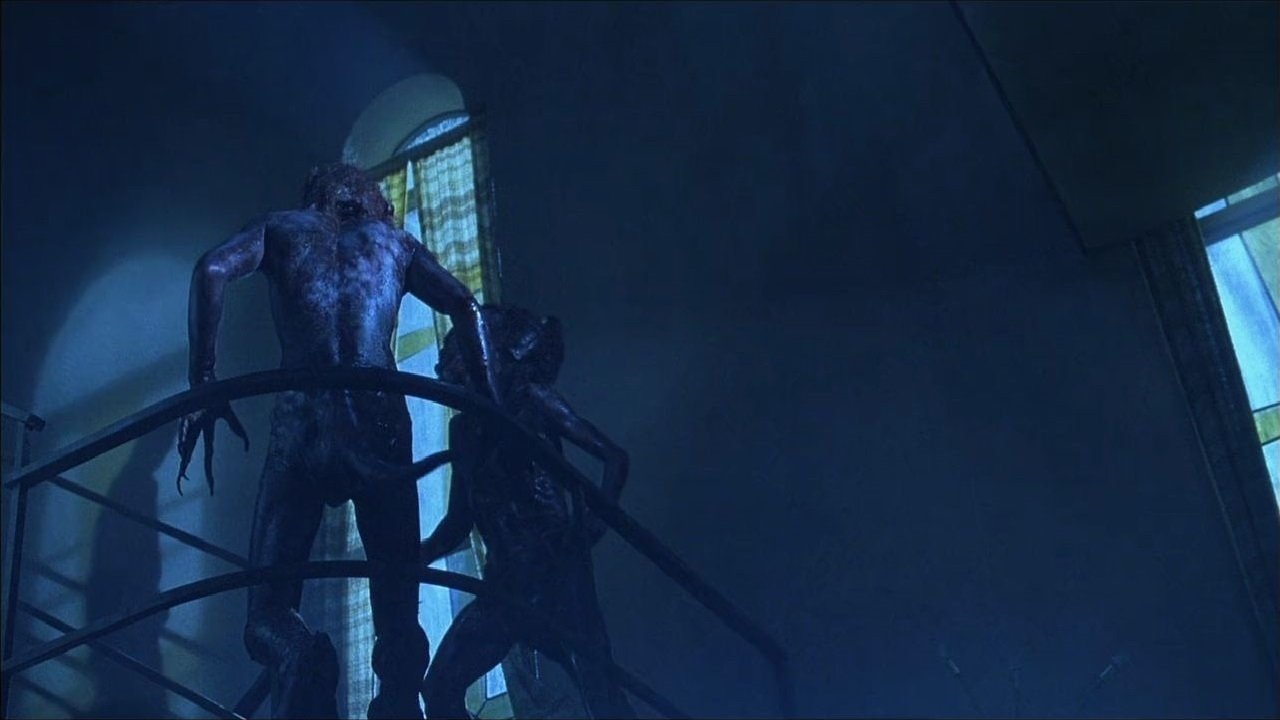
The resulting demons have gaunt bodies, distorted faces and unnaturally extended movement. Masters explained that specially designed leg extensions were important to creating their gait, allowing the monsters to appear physically different from ordinary performers. The production also incorporated digital and optical effects. Masters described a demanding collaboration with visual-effects supervisor John Van Vliet and credited Dickerson's cinematography experience with helping them decide which effects could be accomplished in the camera. He also identified Ray Harryhausen's stop-motion creations as an inspiration for the final manifestation of the Collector.

Some images remained unaffordable. Dickerson recalled that the Collector had once been imagined as a creature of flame, but the attempt to achieve that form with the available technology was abandoned. Zane's performance became central. The finished film mixes prosthetic spectacle with expressive acting: a supernatural creature may be revealed in full view, while the more dangerous temptation can arrive through a conversation with a seemingly ordinary man.

Music, Editing and the Cryptkeeper Presentation

Ed Shearmur composed the original score, while the film's broader musical presentation also uses contemporary rock and metal recordings. The combination fits an action-oriented horror story in which violent attacks are interrupted by the Collector's jokes and the residents' strained exchanges. Changes in rhythm allow the film to move from a pursuit through the desert to quieter moments in which a character considers an offer or tries to understand the key. Stephen Lovejoy's editing preserves the geography of the siege.

The Cryptkeeper's framing scenes connect this continuous feature-length narrative to the television anthology's hosting tradition. They are a form of brand identification, but also establish a deliberately theatrical relationship with the viewer: the host presents the horror as entertainment while the main story treats its injuries and deaths as consequential. Dickerson's account of the production emphasizes his interest in films that mix genres and in stories where apparently ordinary people confront extraordinary threats. Those interests explain the film's movement between macabre comedy, creature action and the more serious transfer of responsibility from Brayker to Jeryline.

Release, Contemporary Reception and Cult Afterlife

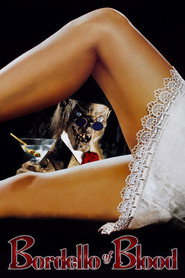
Universal Pictures released Demon Knight in the United States on January 13, 1995. Contemporary and later box-office accounts put its domestic gross at just over $21 million. Production cost is less certain: Dickerson recalled roughly $10 million in commentary reported in 2026, while other figures differ. The final audited cost remains unverified. The film was the first theatrical feature branded as part of the HBO Tales from the Crypt franchise; Bordello of Blood followed in 1996 with a different story.

The reception was divided. In a review published on the opening date, Los Angeles Times critic David Kronke objected to the screenplay and thought the elaborate dismemberment effects provided spectacle without enough dramatic suspense. He nevertheless praised Zane's playful menace and the depth Pinkett brought to Jeryline. Retrospective writing and participant interviews have placed greater emphasis on the practical creatures, the ensemble and Dickerson's decision to make a young Black woman the surviving hero. Those assessments document a changing reception, not universal agreement that the film was critically acclaimed in 1995.

The movie's distinctive position within the franchise comes from its combination of independent mythology with the familiar Cryptkeeper frame. Its key is briefly acknowledged in Bordello of Blood, but the two films do not form a straightforward continuous adventure. Dickerson has expressed interest in returning to Jeryline's story while noting complications surrounding rights to the property; his 2025 comments are a wish, not evidence of a completed sequel. The original film retains a recognizable cult identity through its grotesque monsters, comic villain and a conclusion that gives its surviving protagonist an active responsibility rather than a simple escape.

References

  1. Daily Dead Retrospective: Celebrating the 20th Anniversary of Tales from the Crypt: Demon Knight (Part One)

    Heather Wixson interviews producer Gilbert Adler, director Ernest Dickerson, actor William Sadler and other participants about adaptation, cast, story development and practical creatures.

  2. Daily Dead Interview: FX Legend Todd Masters on 25 Years of Demon Knight and the Evolution of the Visual Effects Society

    Firsthand account of demon designs, prototype drawings, leg extensions, practical makeup and collaboration with the camera and visual effects teams.

  3. Bloodvine Ernest R. Dickerson

    Frank Falisi interview published in January 2025, addressing the casting of Jada Pinkett, the converted-church set, cinematic influences and the possibility of another Demon Knight story.

  4. Bloody Disgusting 32 Things We Learned from Commentary for Tales from the Crypt: Demon Knight

    Rob Hunter 2026 account of Dickerson commentary about the independent screenplay, Cryptkeeper framing, production conditions, casting and design changes.

  5. Los Angeles Times Movie Review: Demon Knight - Crypt Offers a Silly, Gory Tale

    David Kronke contemporaneous January 13, 1995 review, providing original reception, credits, effects criticism and assessment of Billy Zane and Jada Pinkett.

Connections

Cast

View Full Cast & Crew →

Release & Distribution

Production Companies (2)

  • Tales From The Crypt Holdings US
  • Universal Pictures US

Distributors (1)

  • Universal Pictures US

Release History (7)

Release DateTerritoryRelease TypeFormatDistributorCertificationNotes
1995-01-11 United States Premiere — — — Hollywood, California
1995-01-13 United States Theatrical — — R
1995-03-16 Germany Theatrical — — 18
1995-05-01 Portugal Theatrical — — M/16
1995-05-26 Brazil Theatrical — — —
1995-06-02 United Kingdom Theatrical — — 18
2026-07-27 France TV — — 12 RTL9
Ready for your deadtime story?