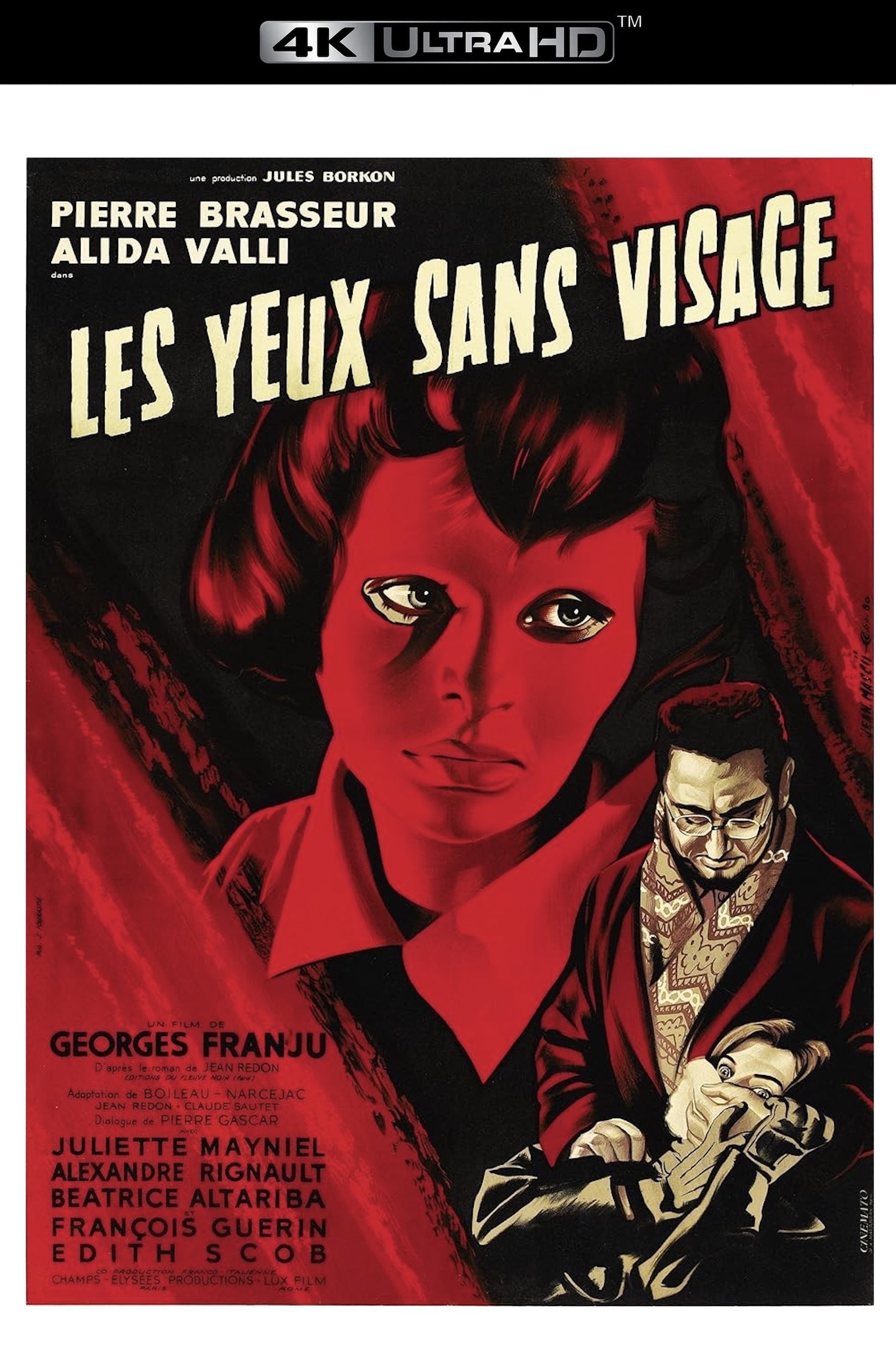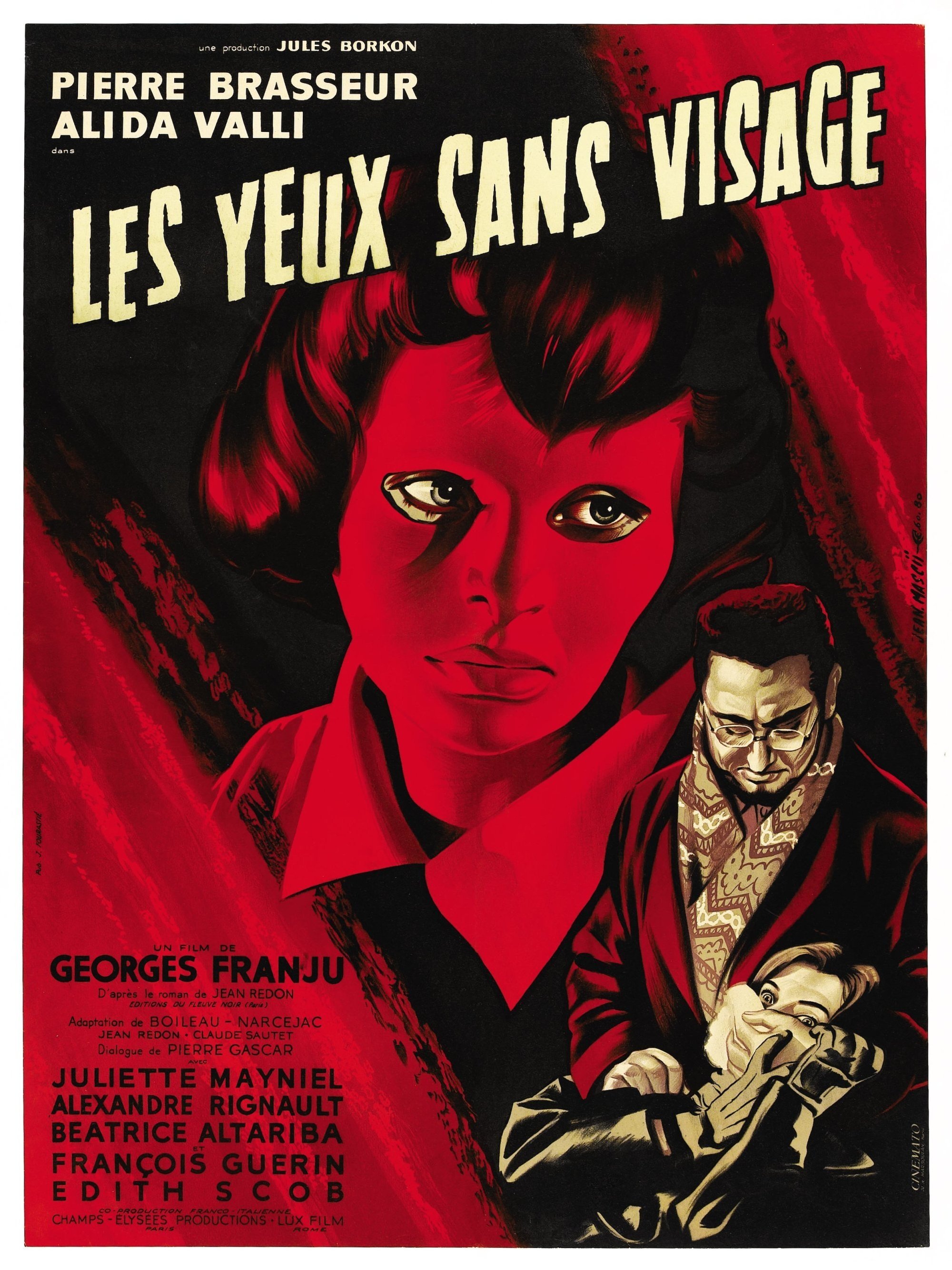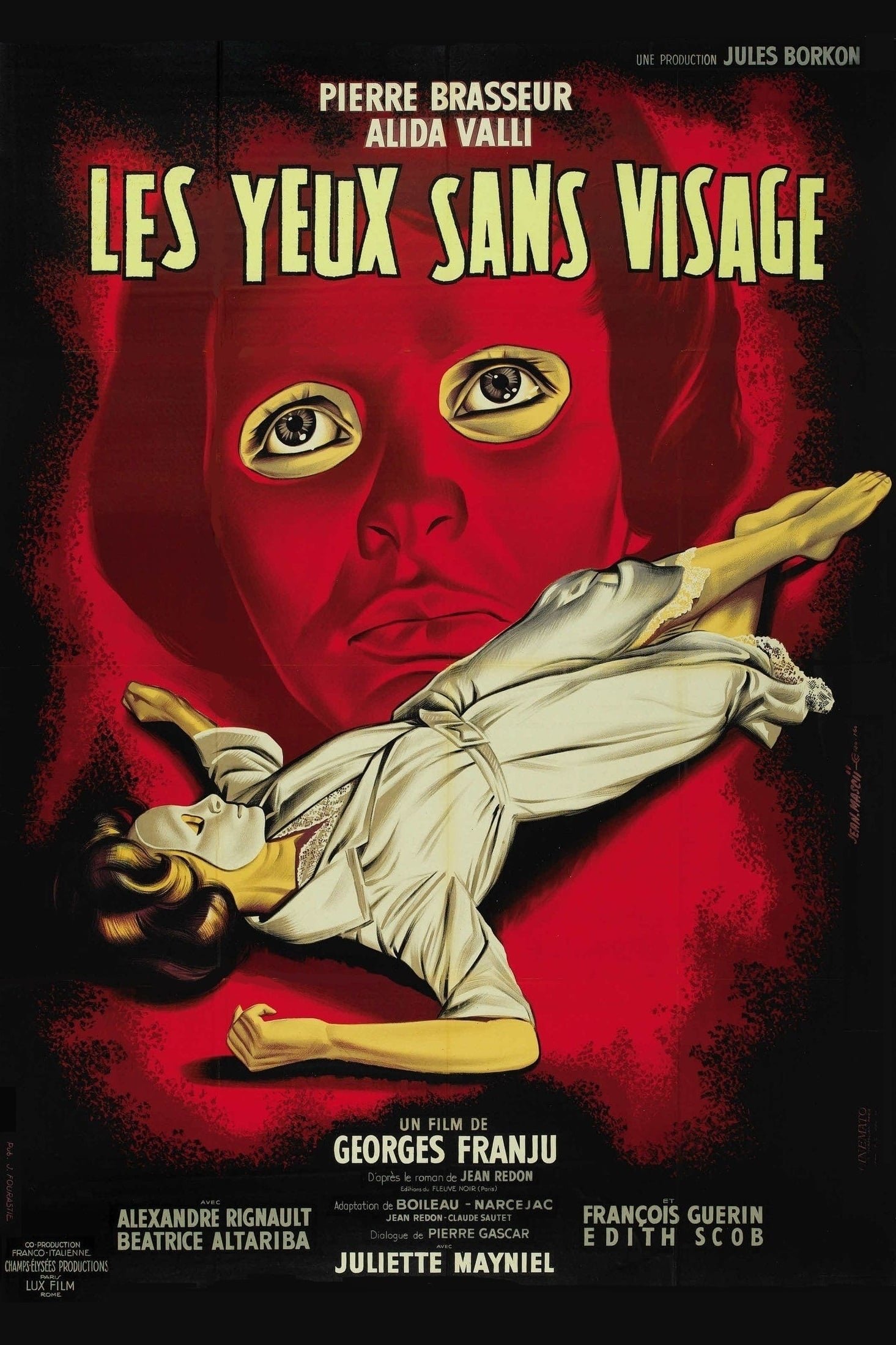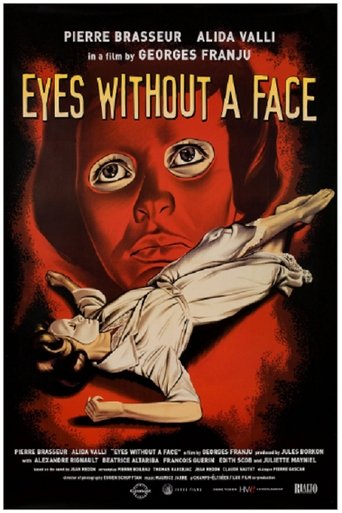
Eyes Without a Face (1960)

IT
HORROR FILM Thriller Drama
SUBGENRES BODY HORROR MEDICAL
Runtime
84 min
Release
January 11, 1960
Revenue
$58,656
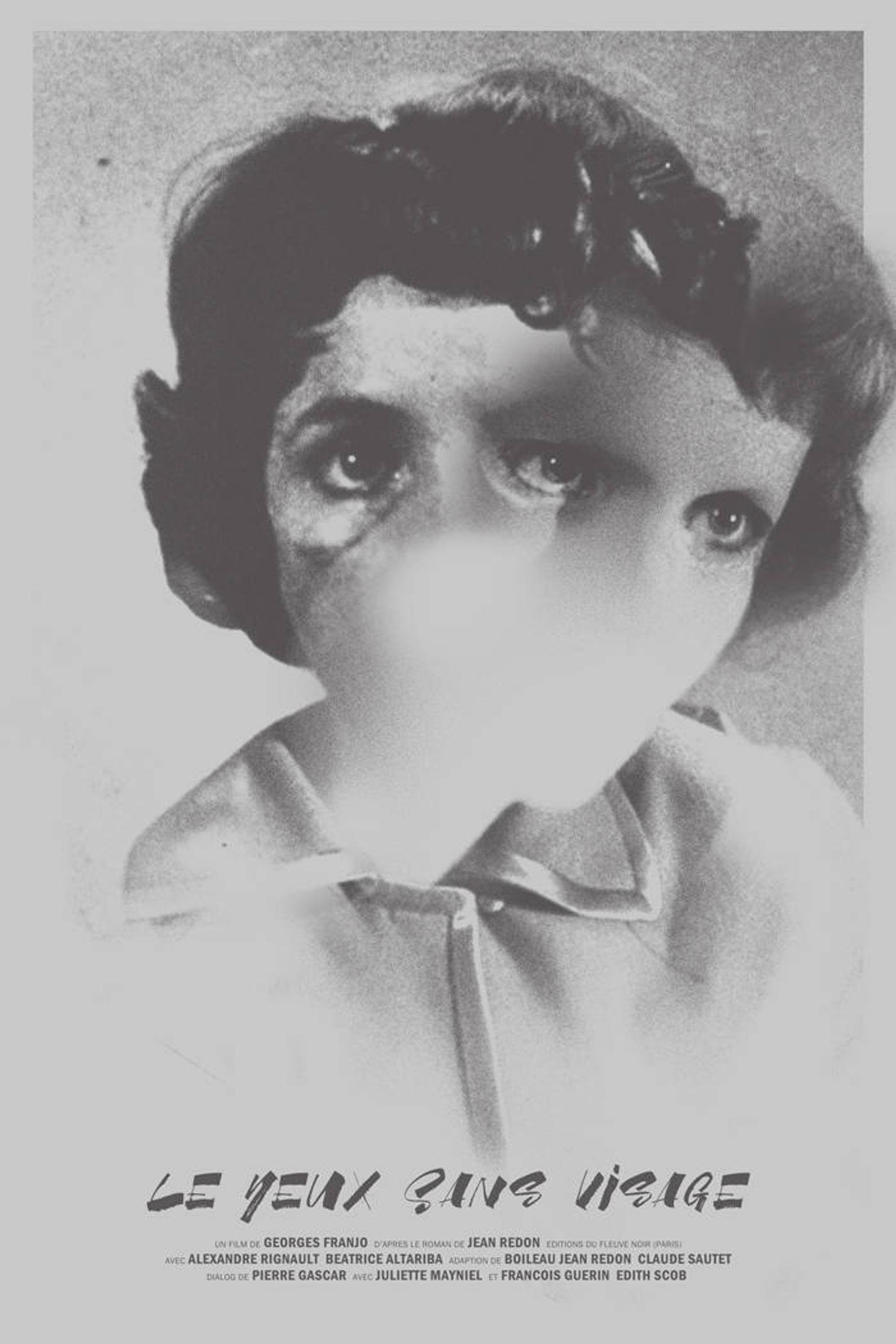
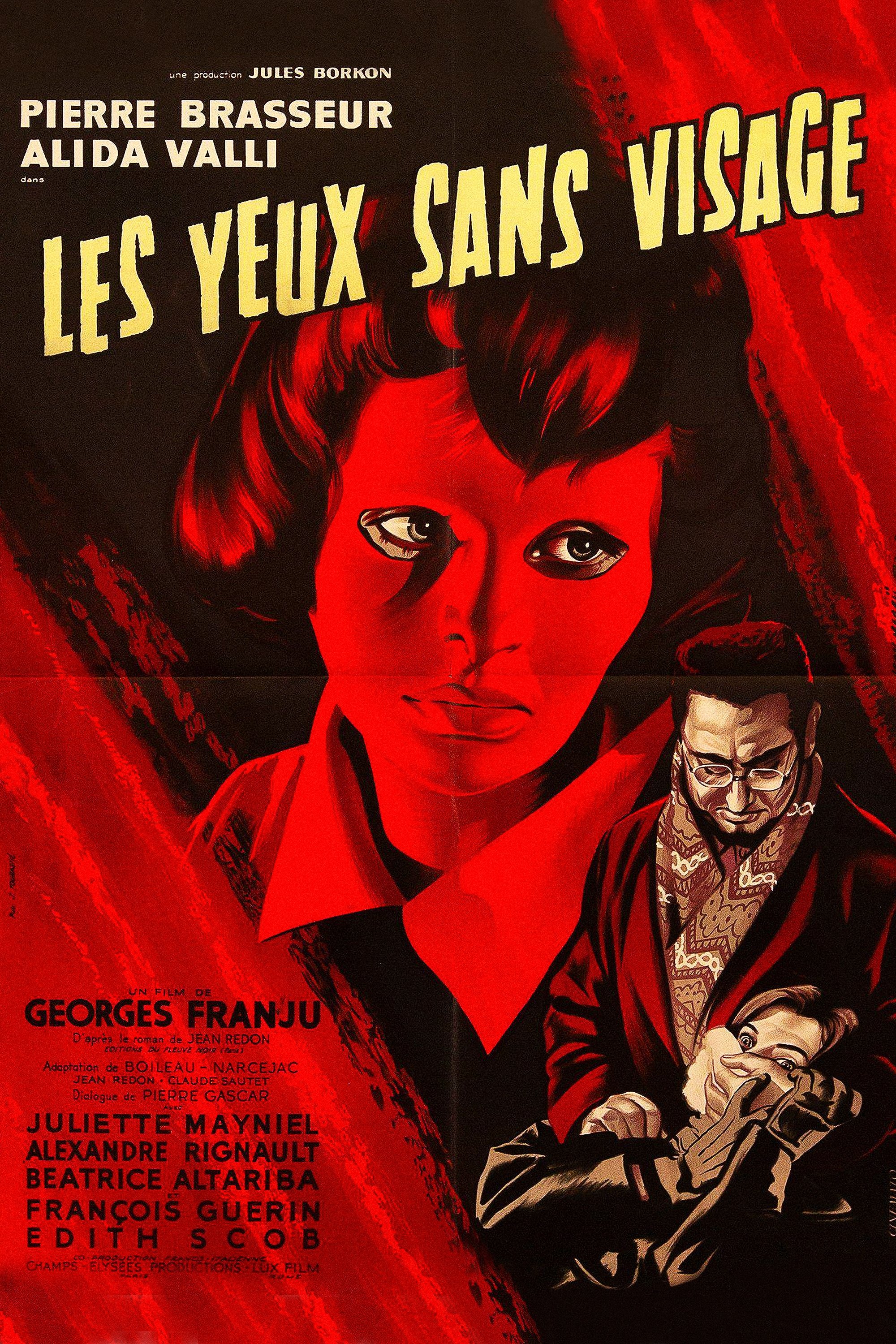
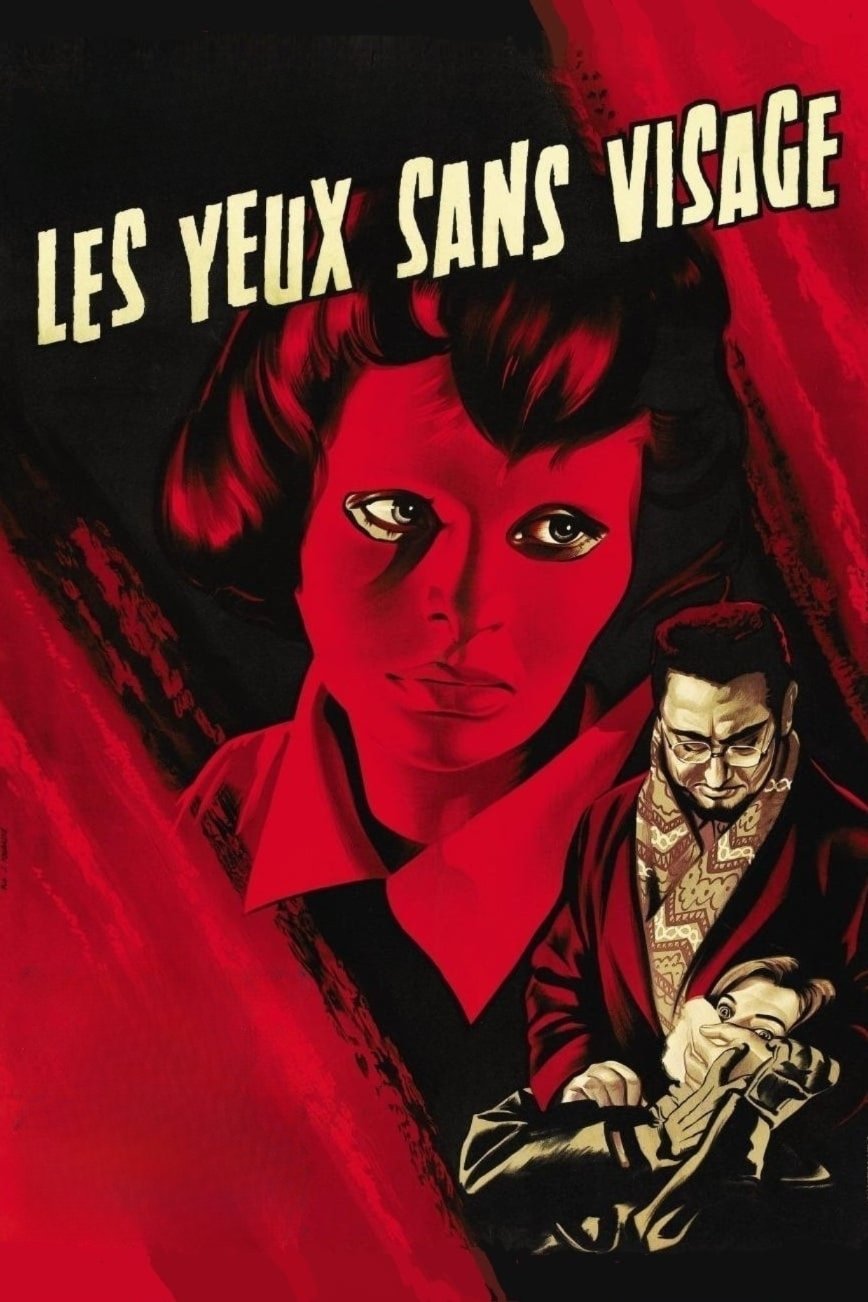
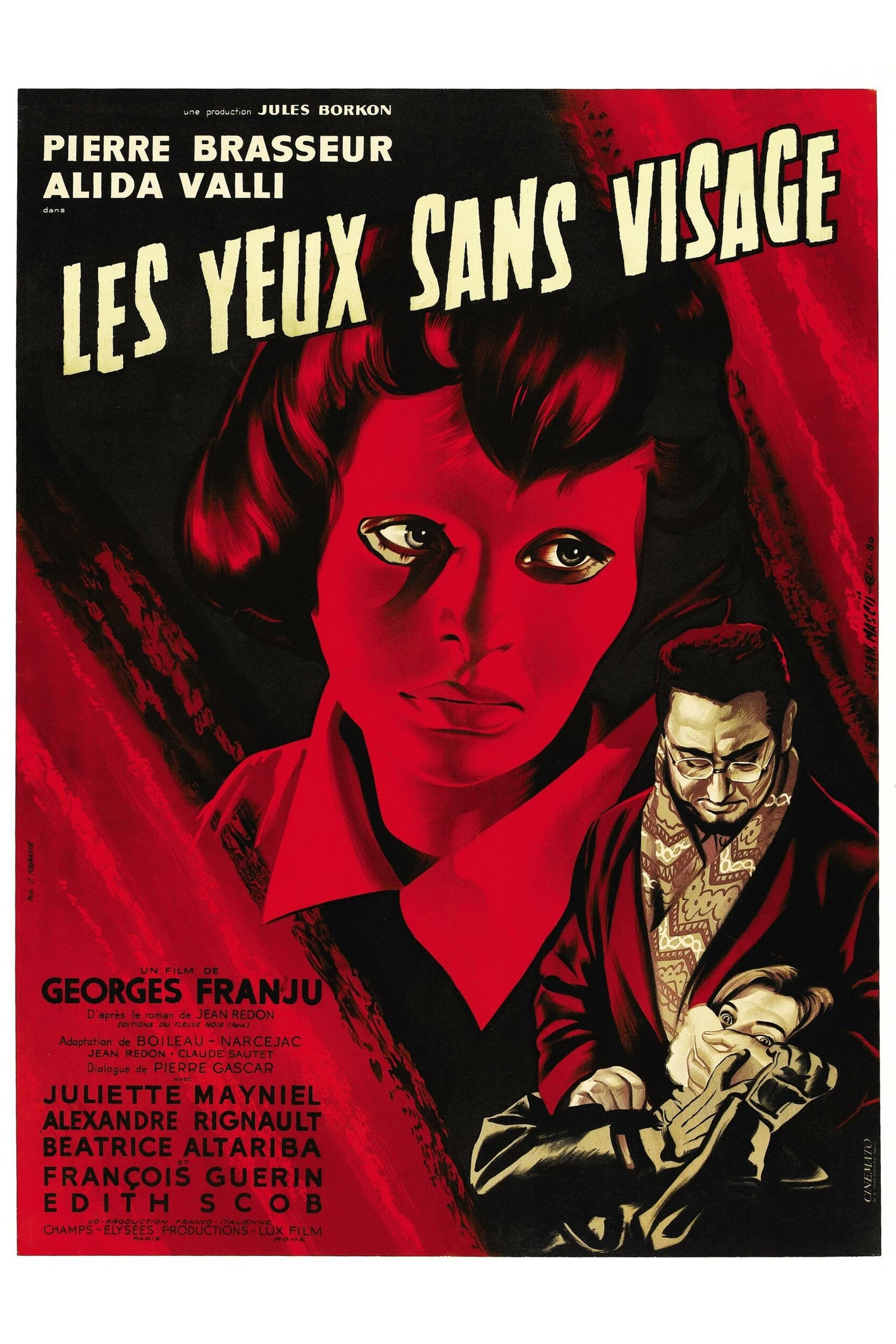
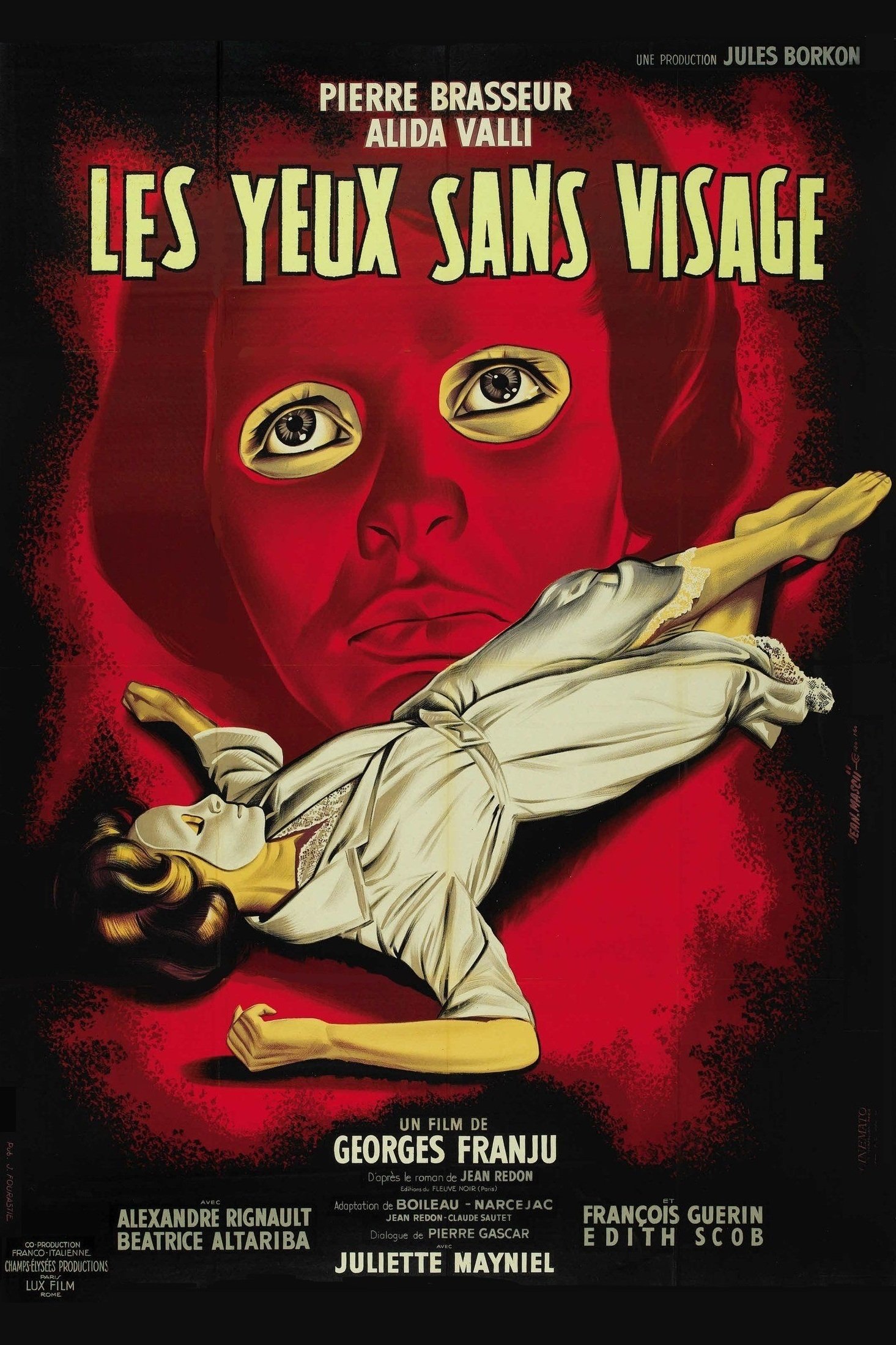
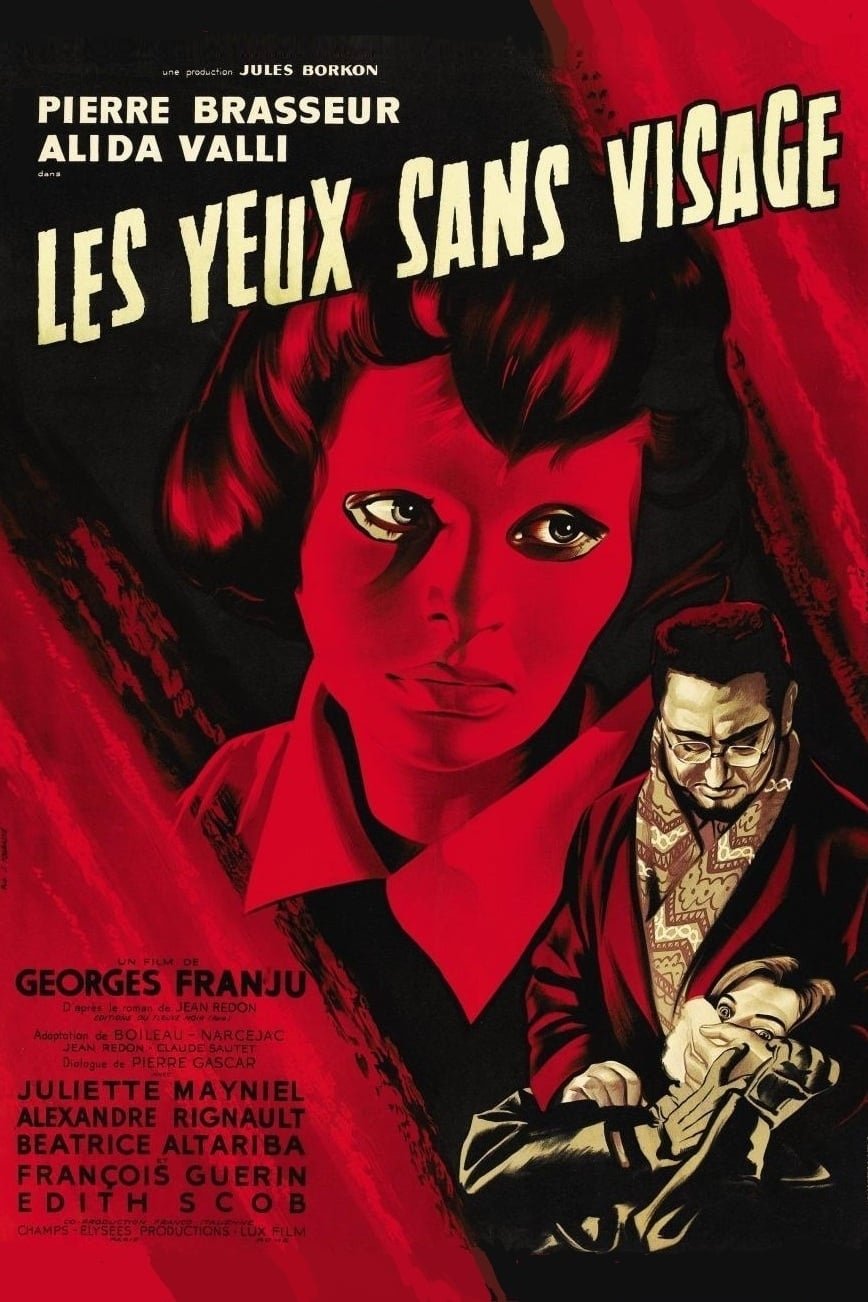
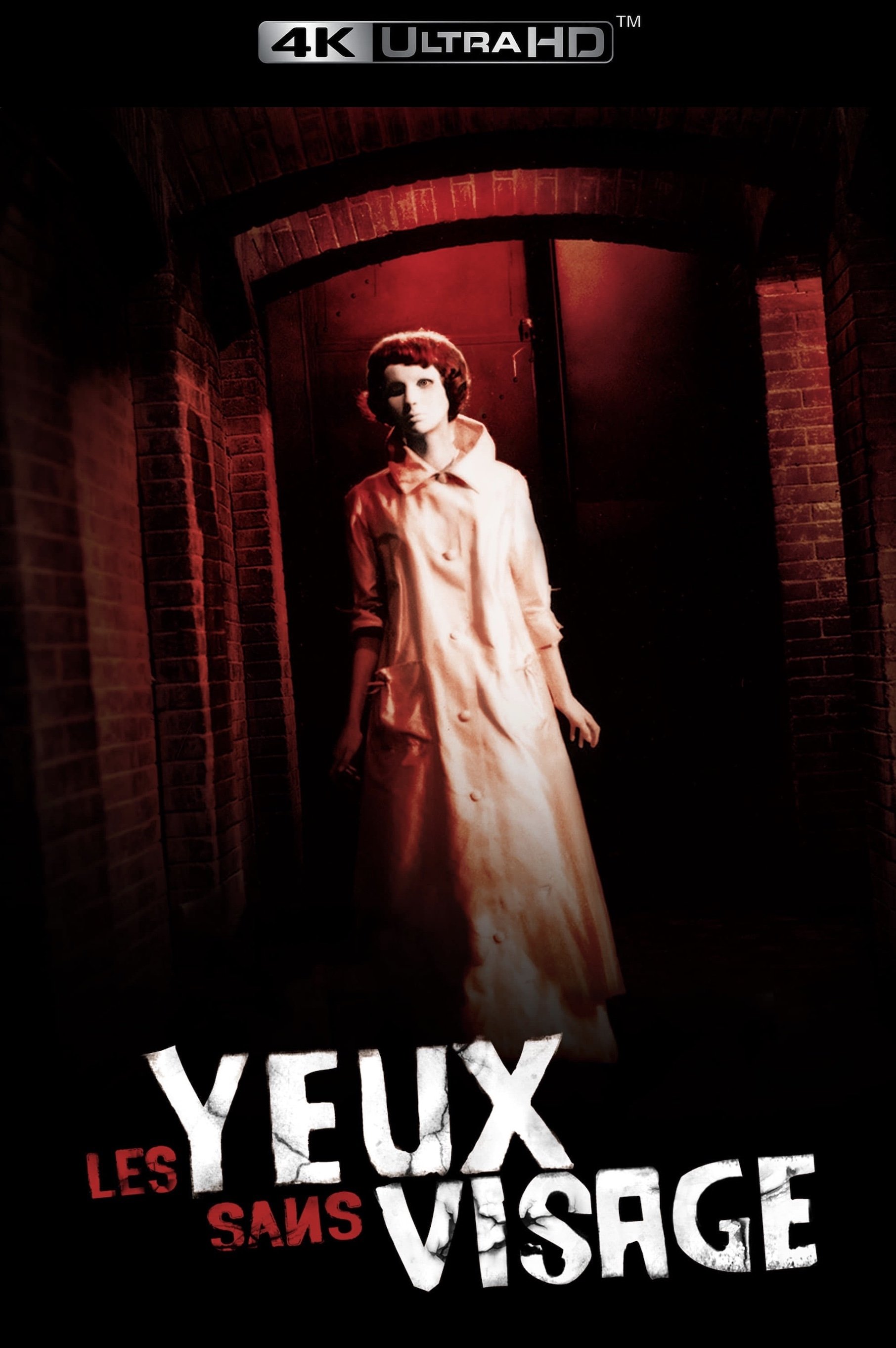
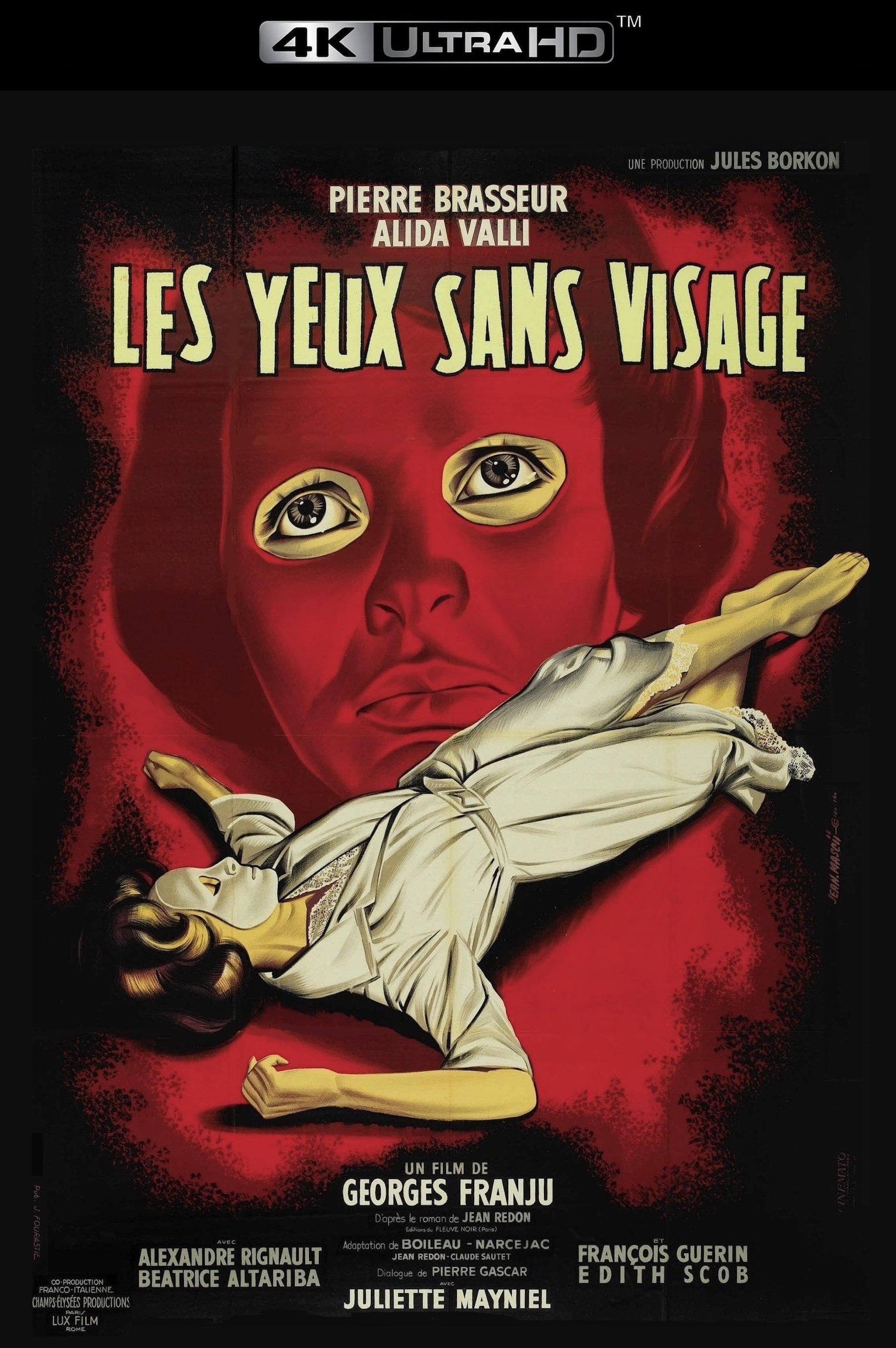
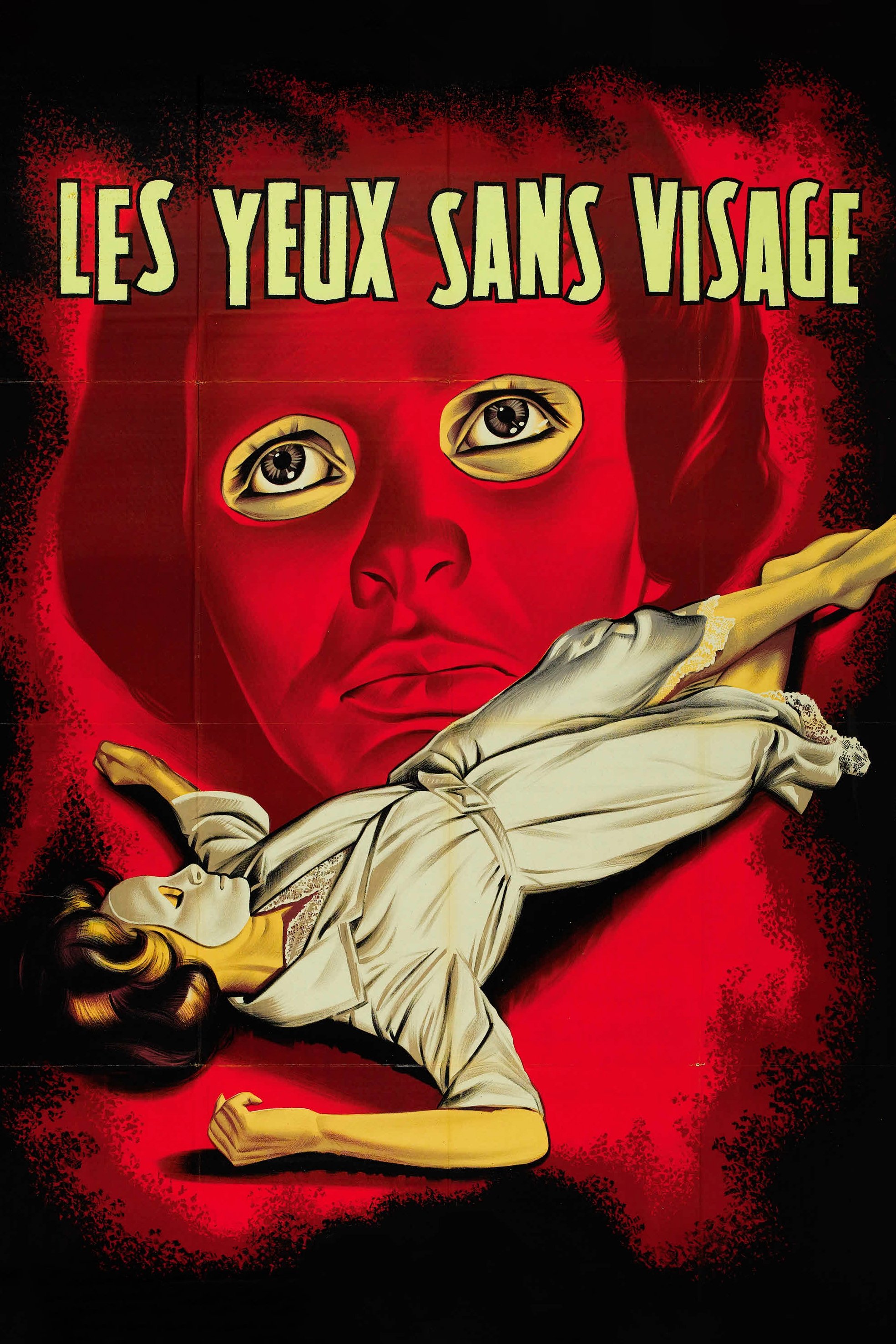
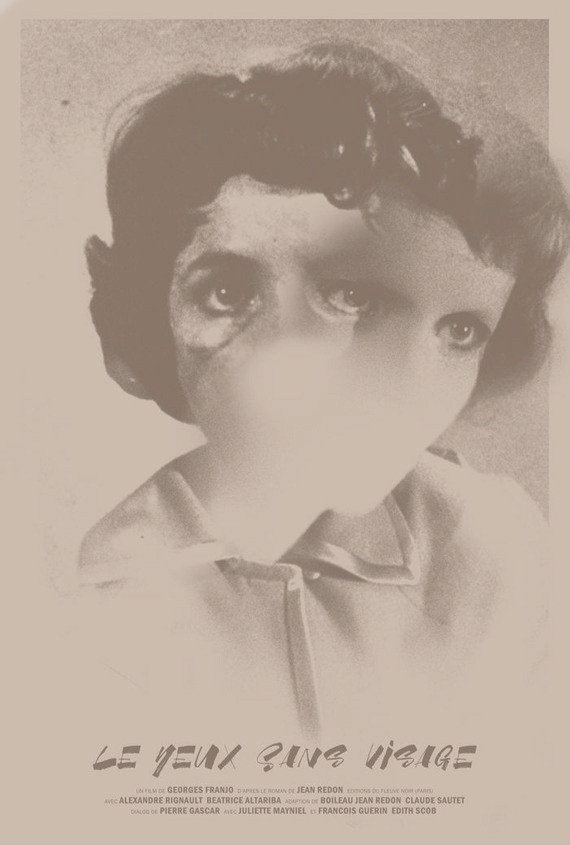
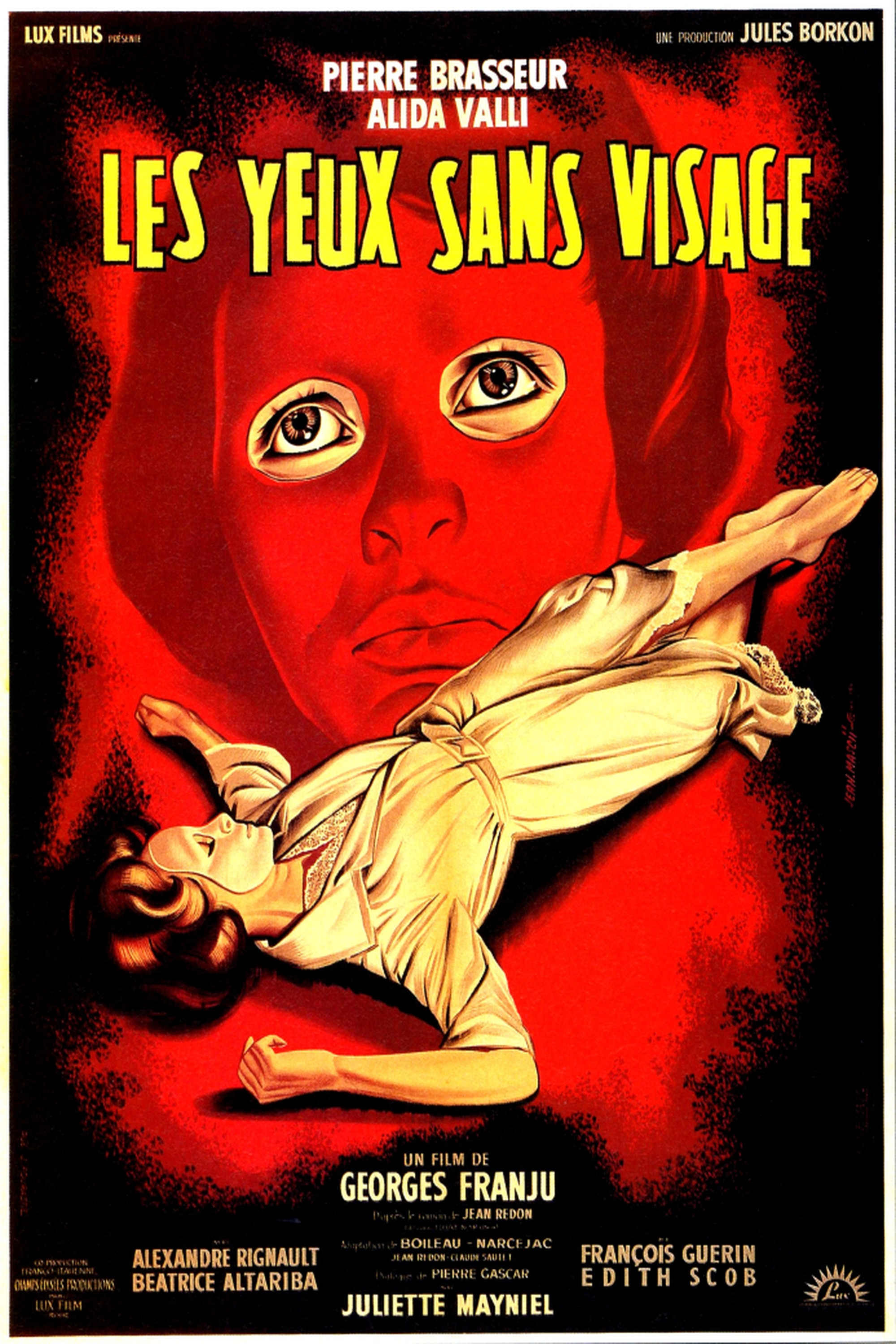
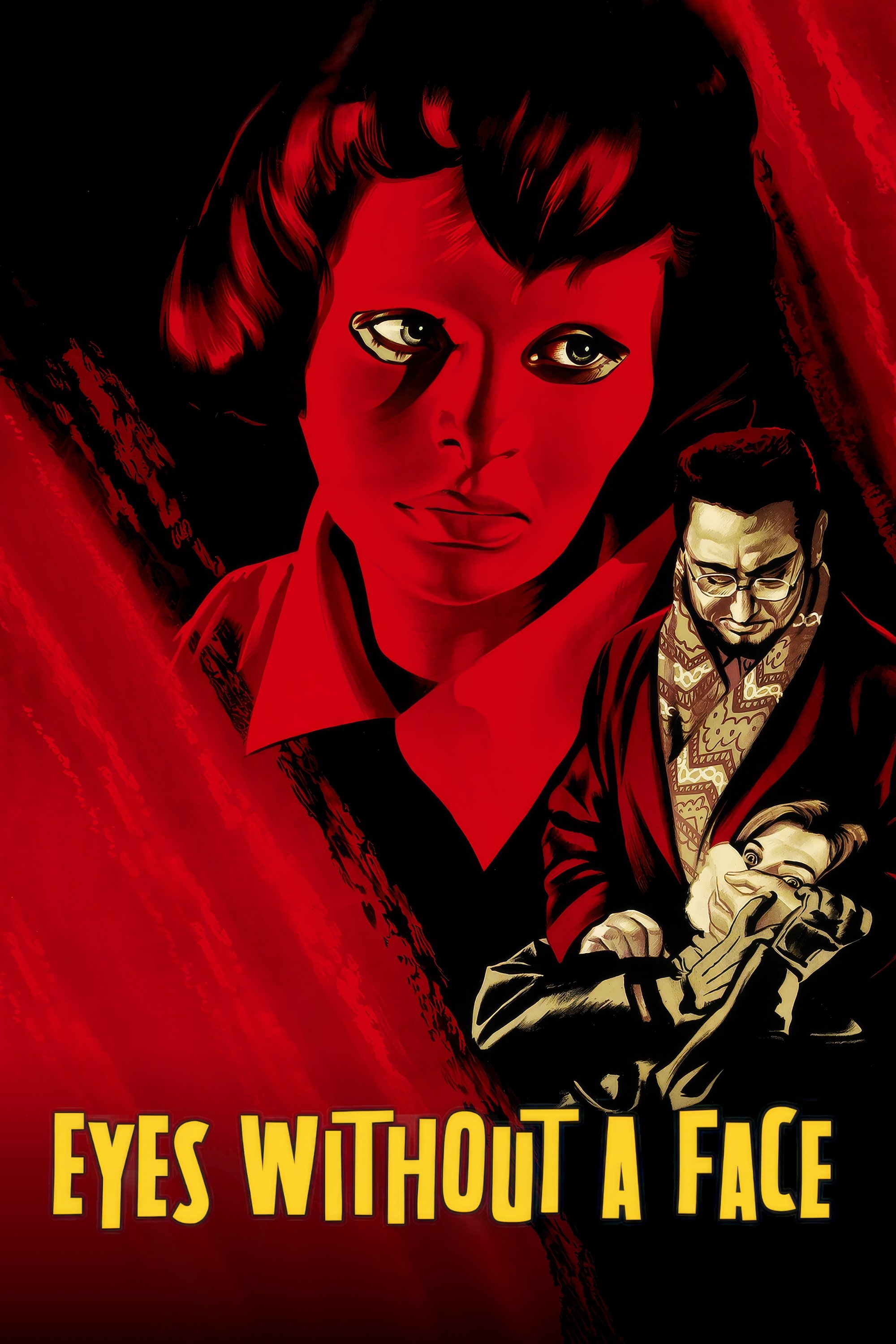
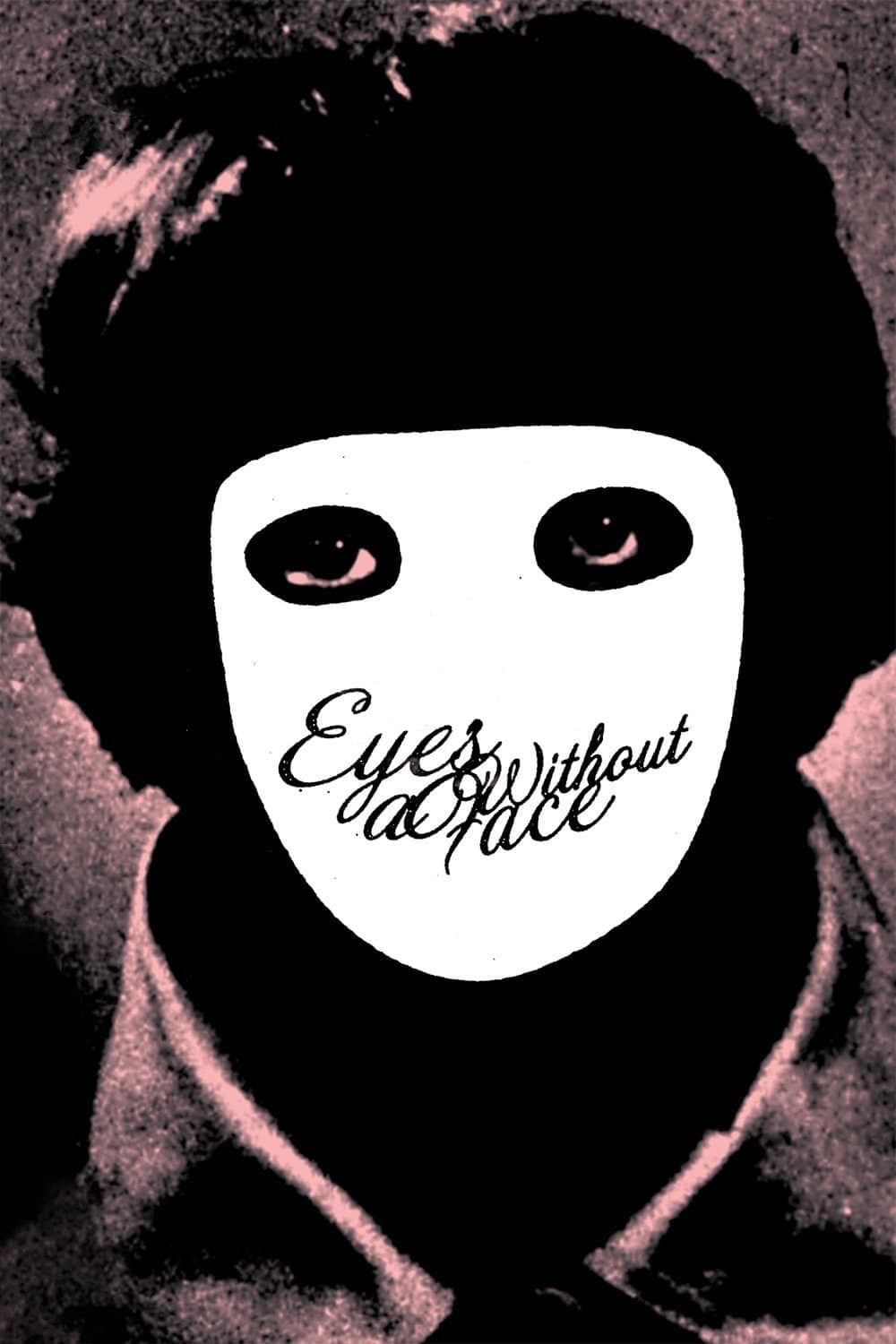
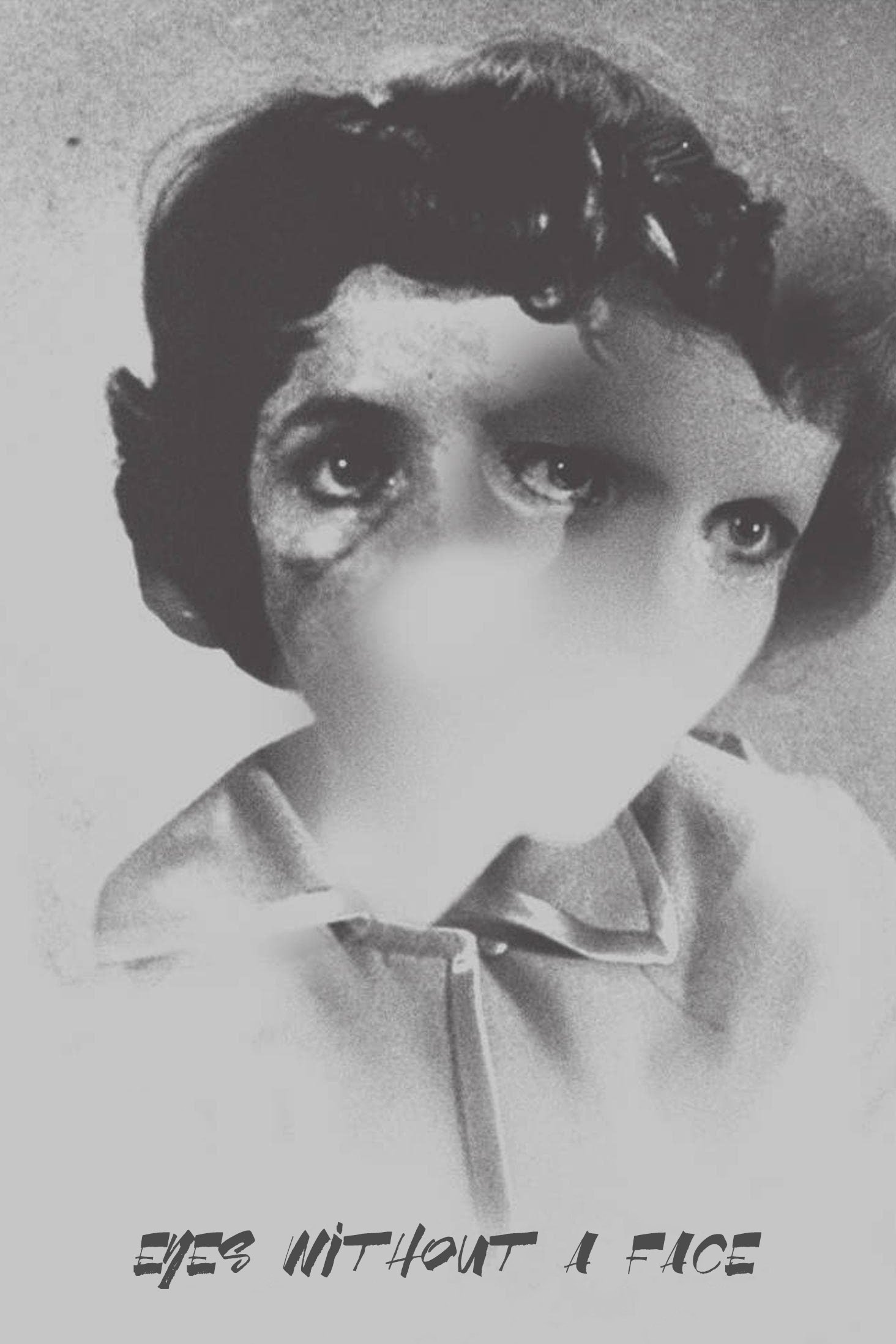
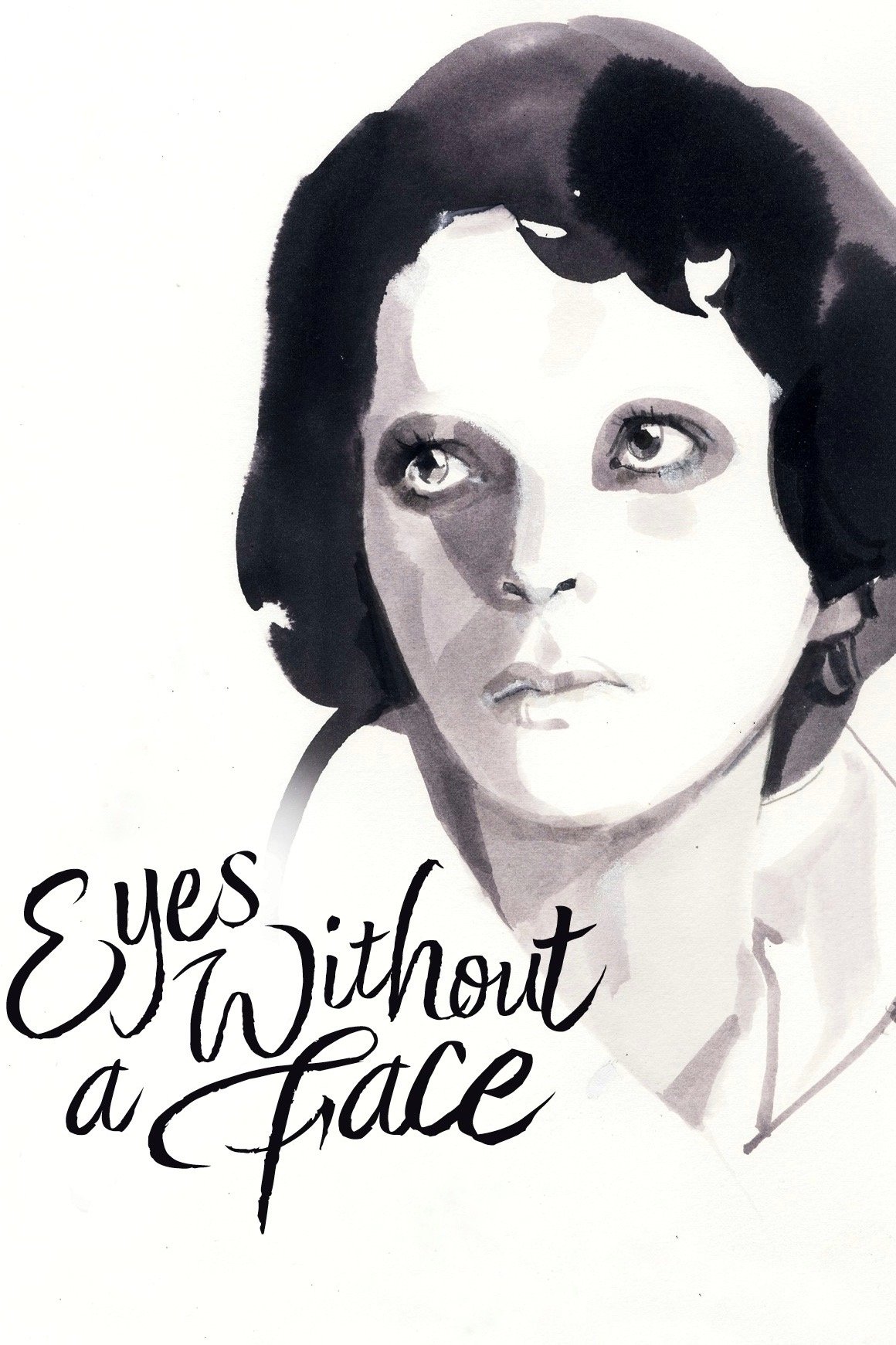
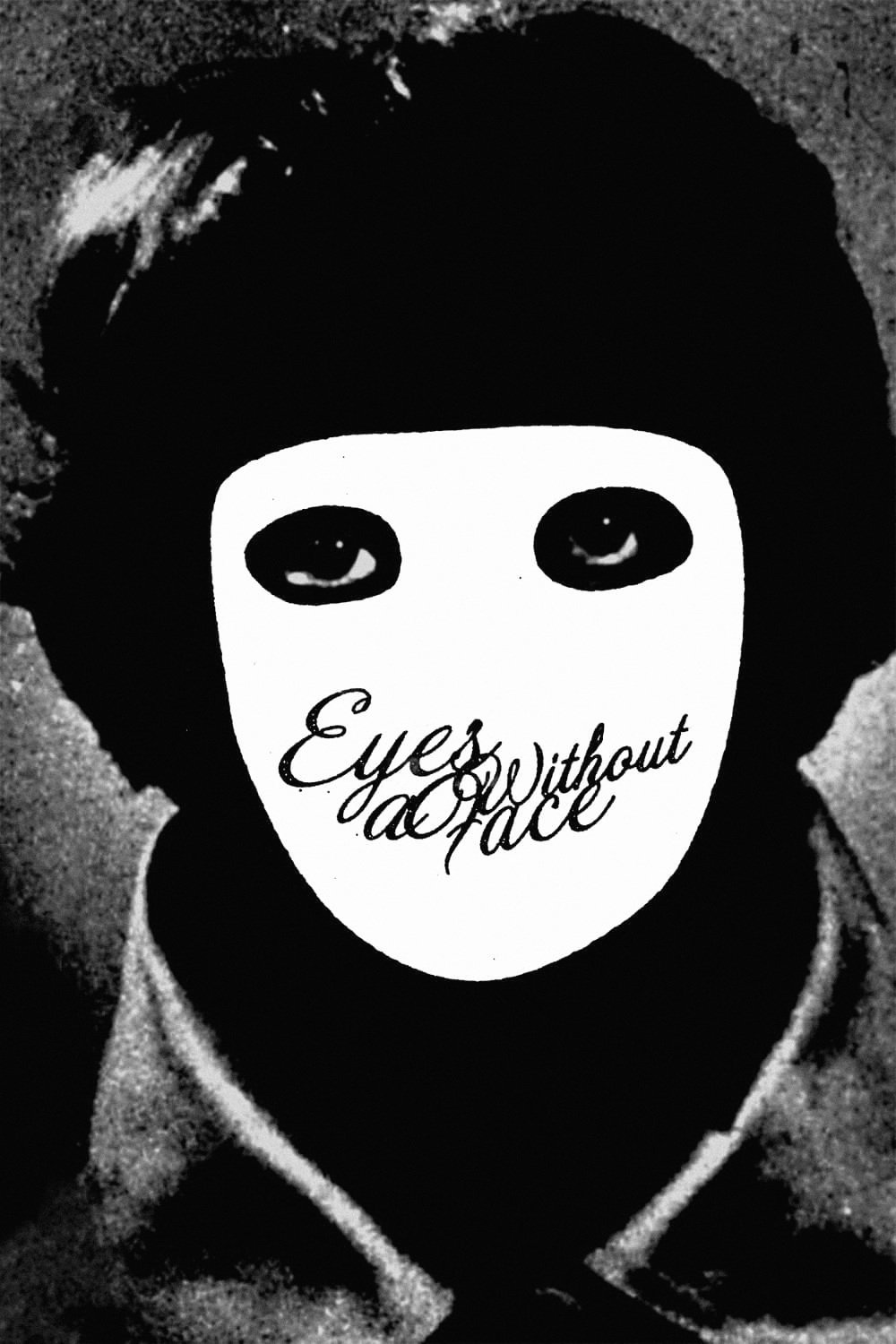
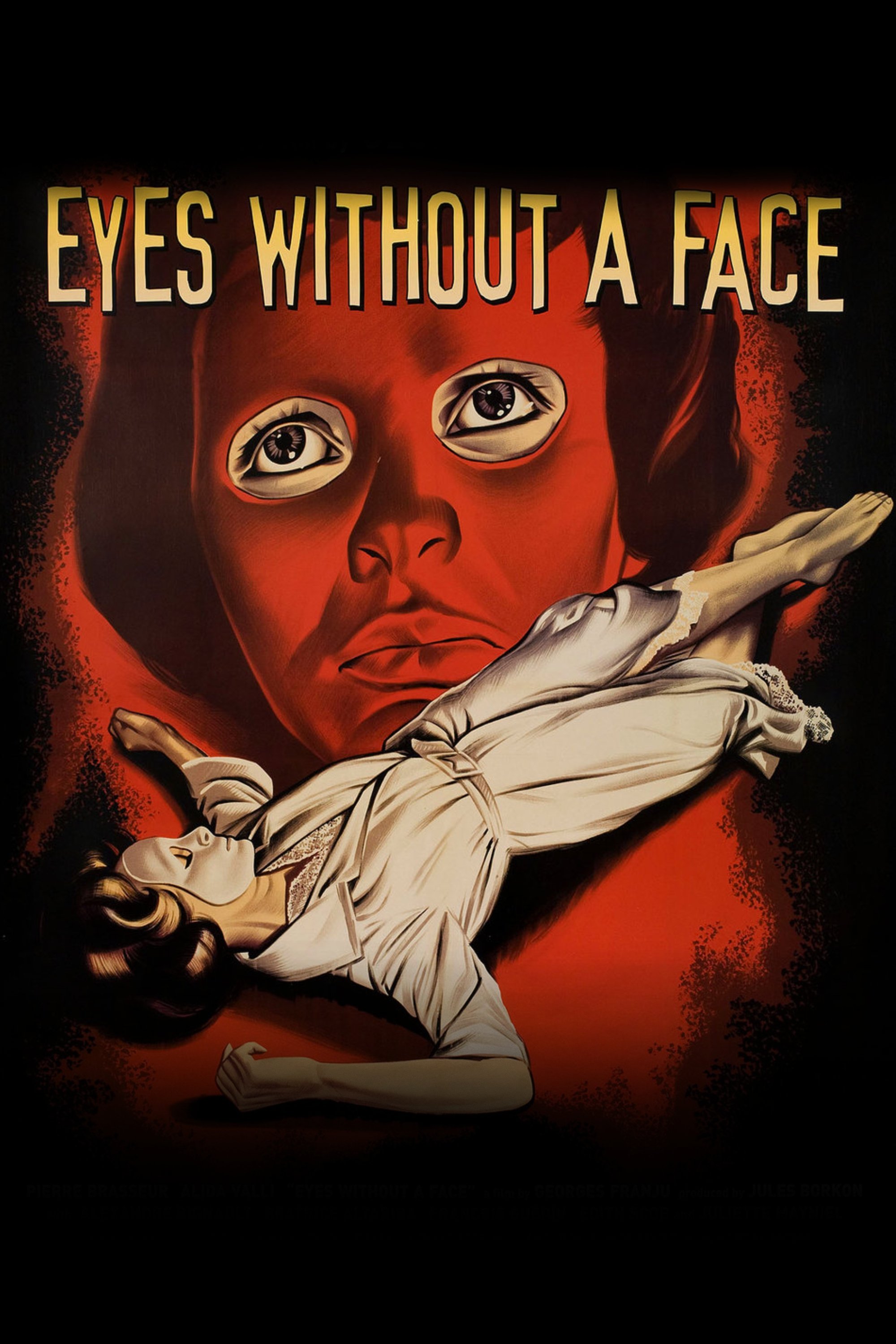
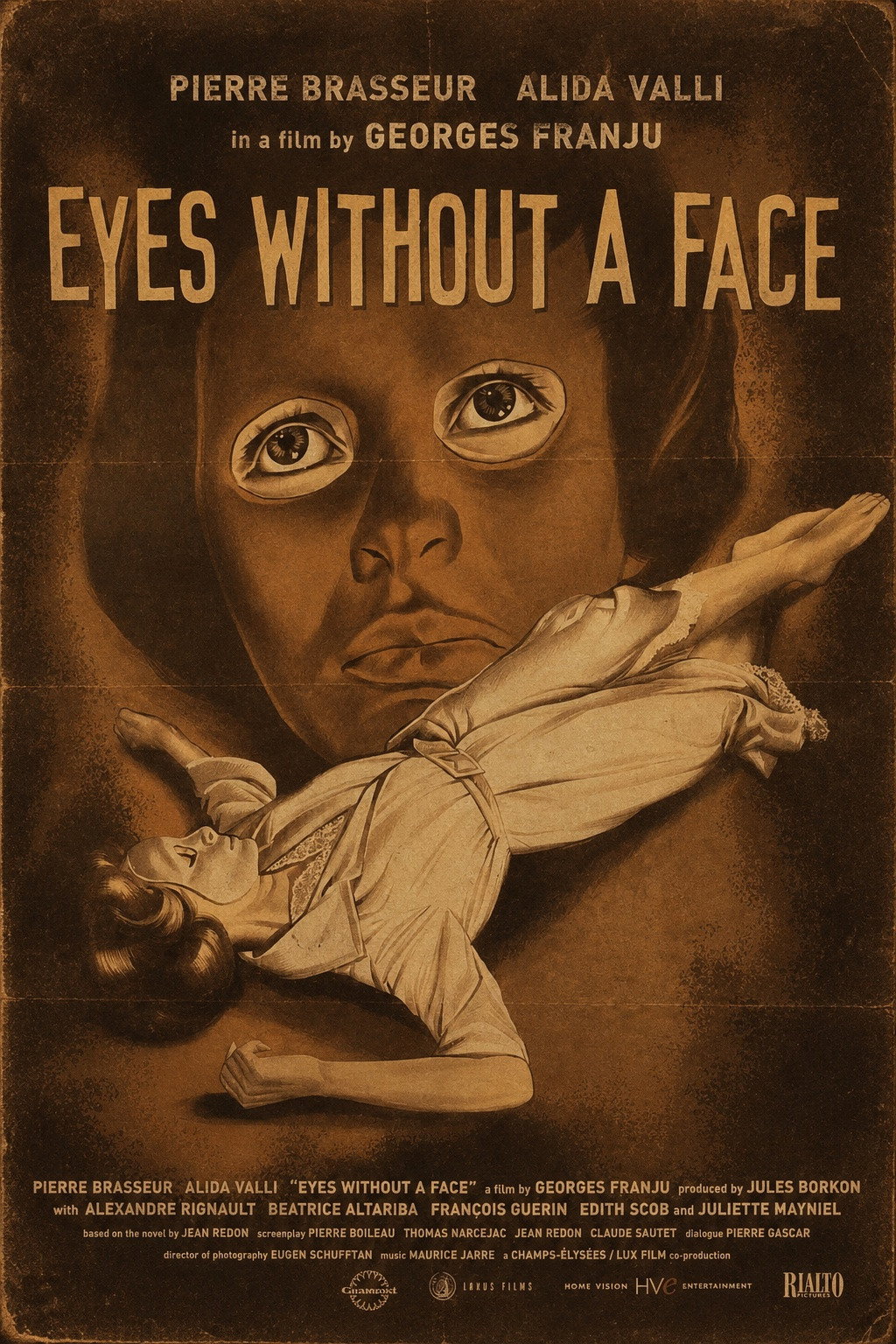
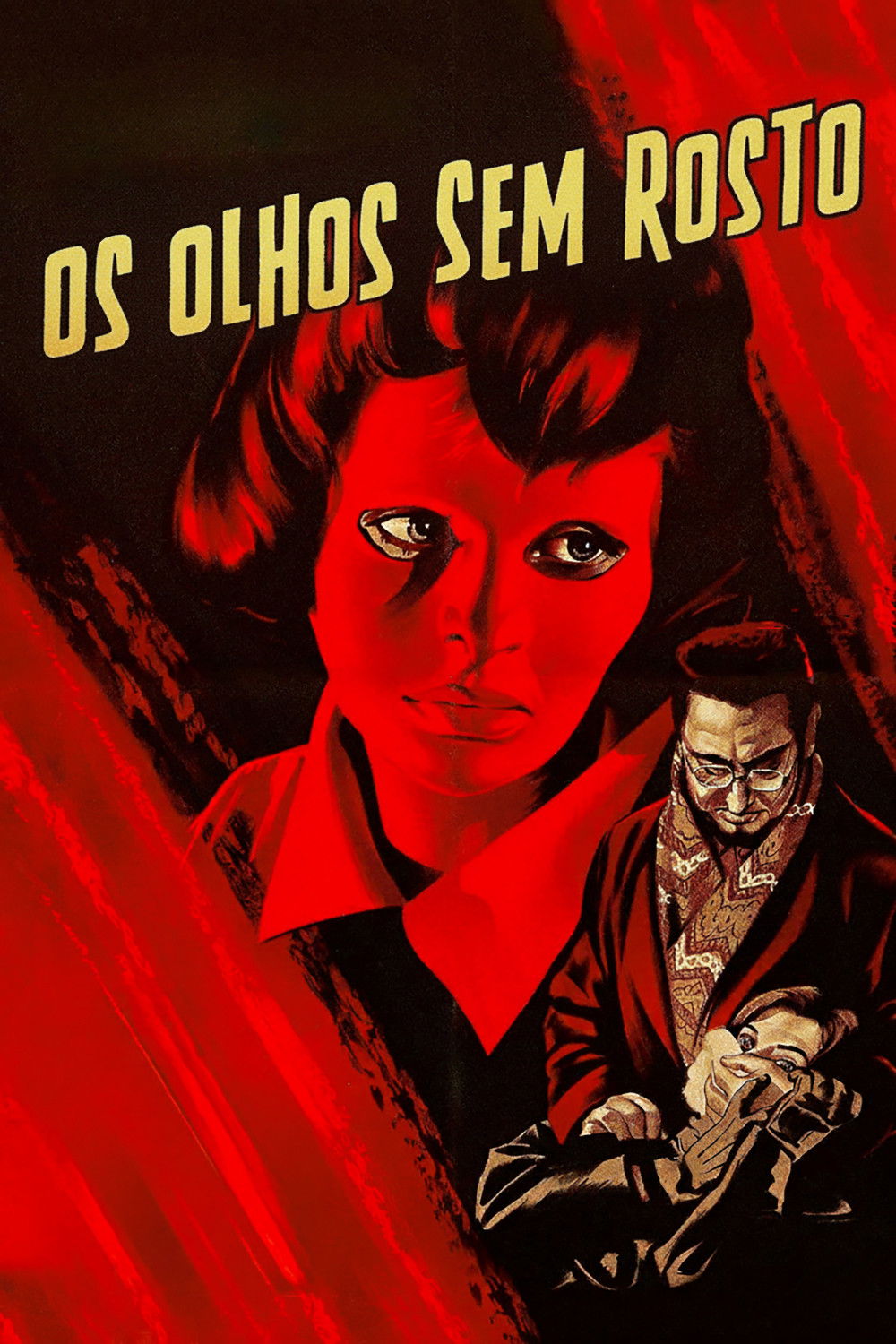
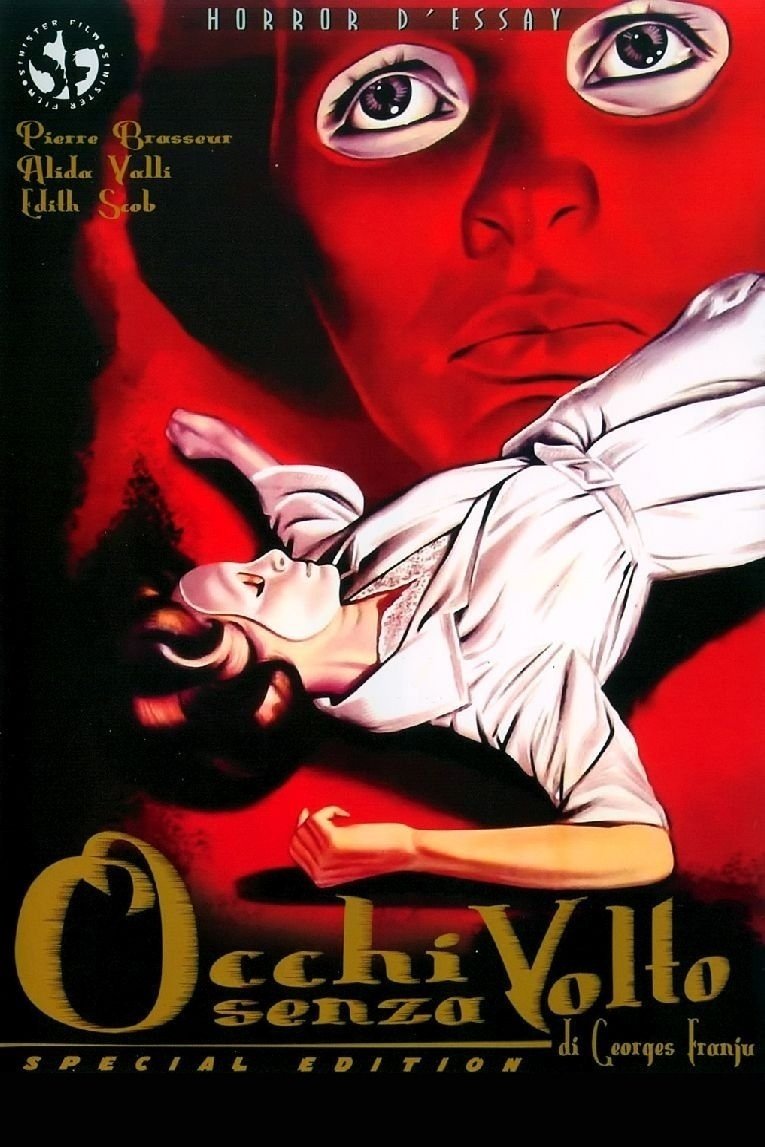
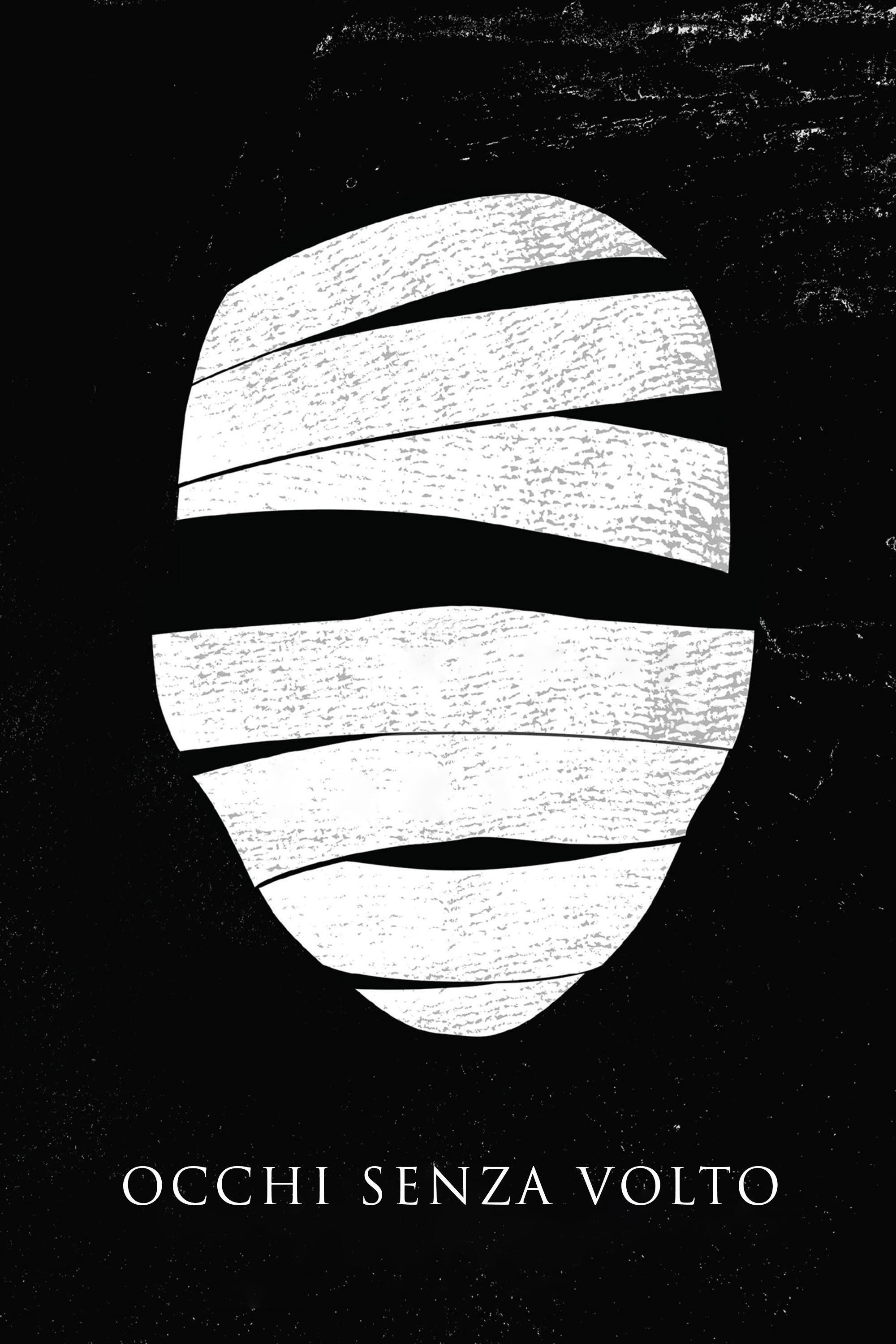
Eyes Without a Face (1960) poster
Director
Production Companies
Lux Film , Champs-Élysées Productions
Plot

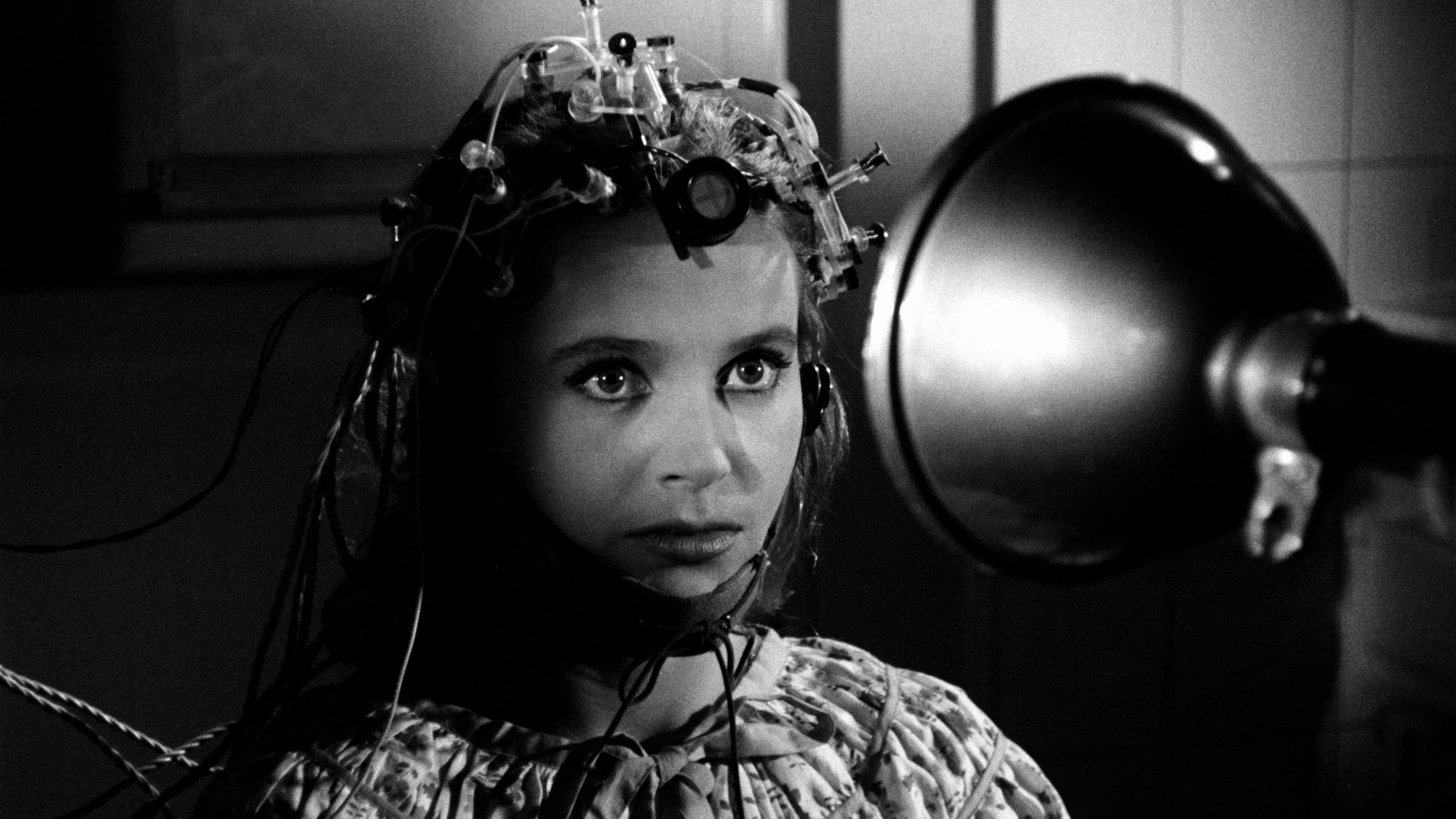
Dr. Génessier is riddled with guilt after an accident that he caused disfigures the face of his daughter, the once beautiful Christiane, who outsiders believe is dead. Dr. Génessier, along with accomplice and laboratory assistant Louise, kidnaps young women and brings them to the Génessier mansion. After rendering his victims unconscious, Dr. Génessier removes their faces and attempts to graft them on to Christiane's.

Alternative Titles
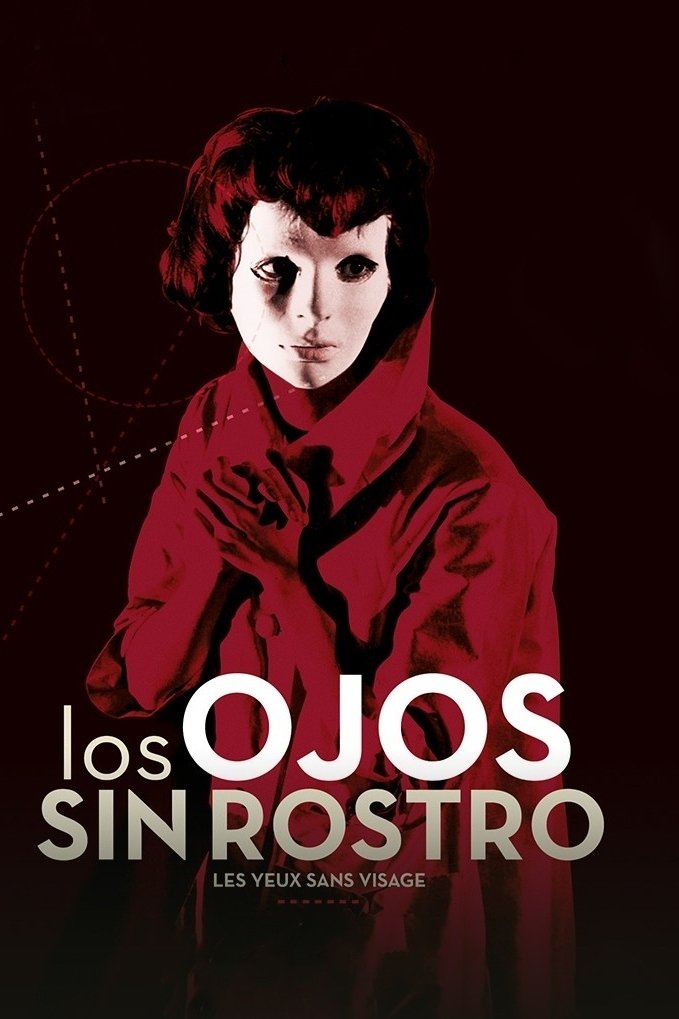
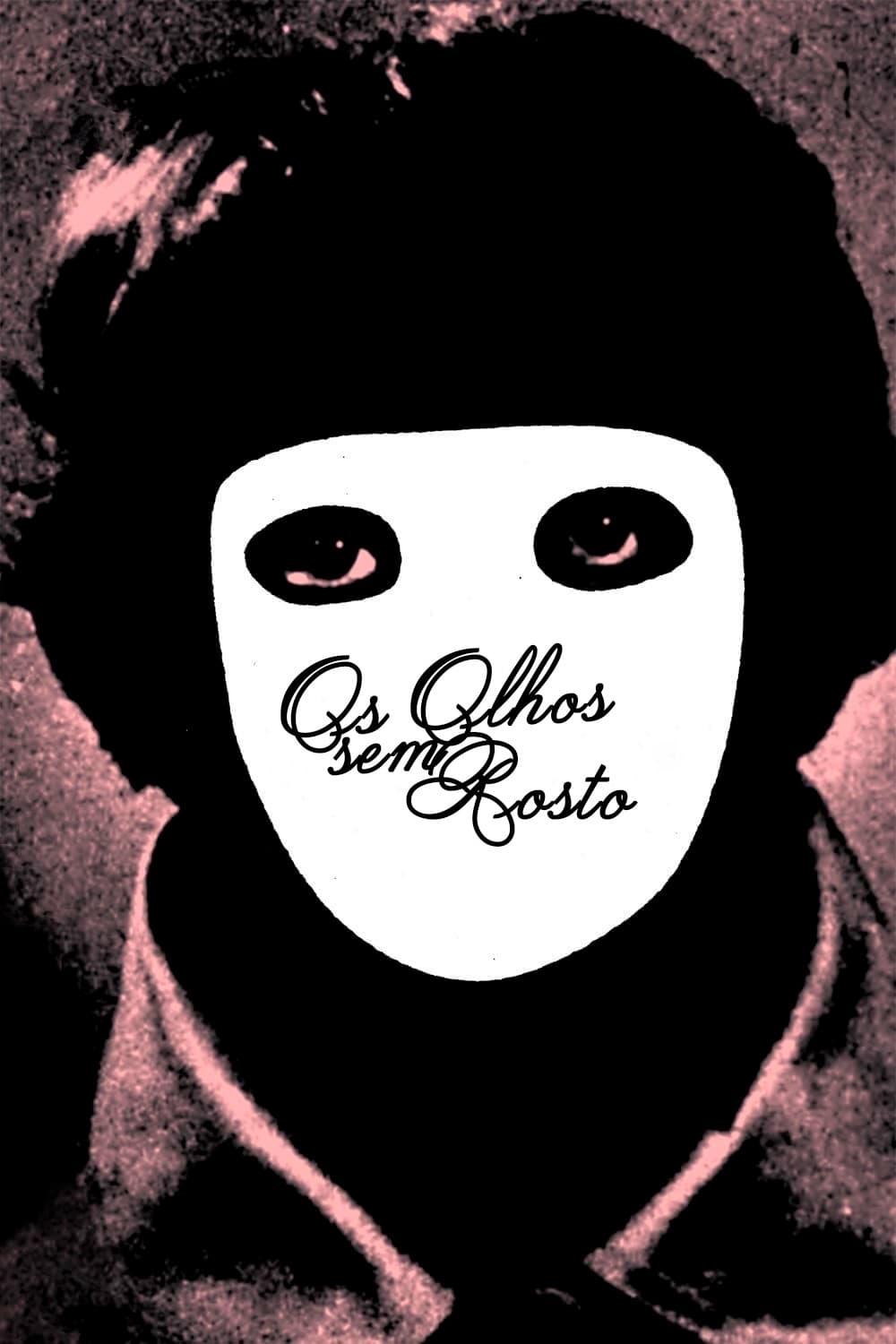
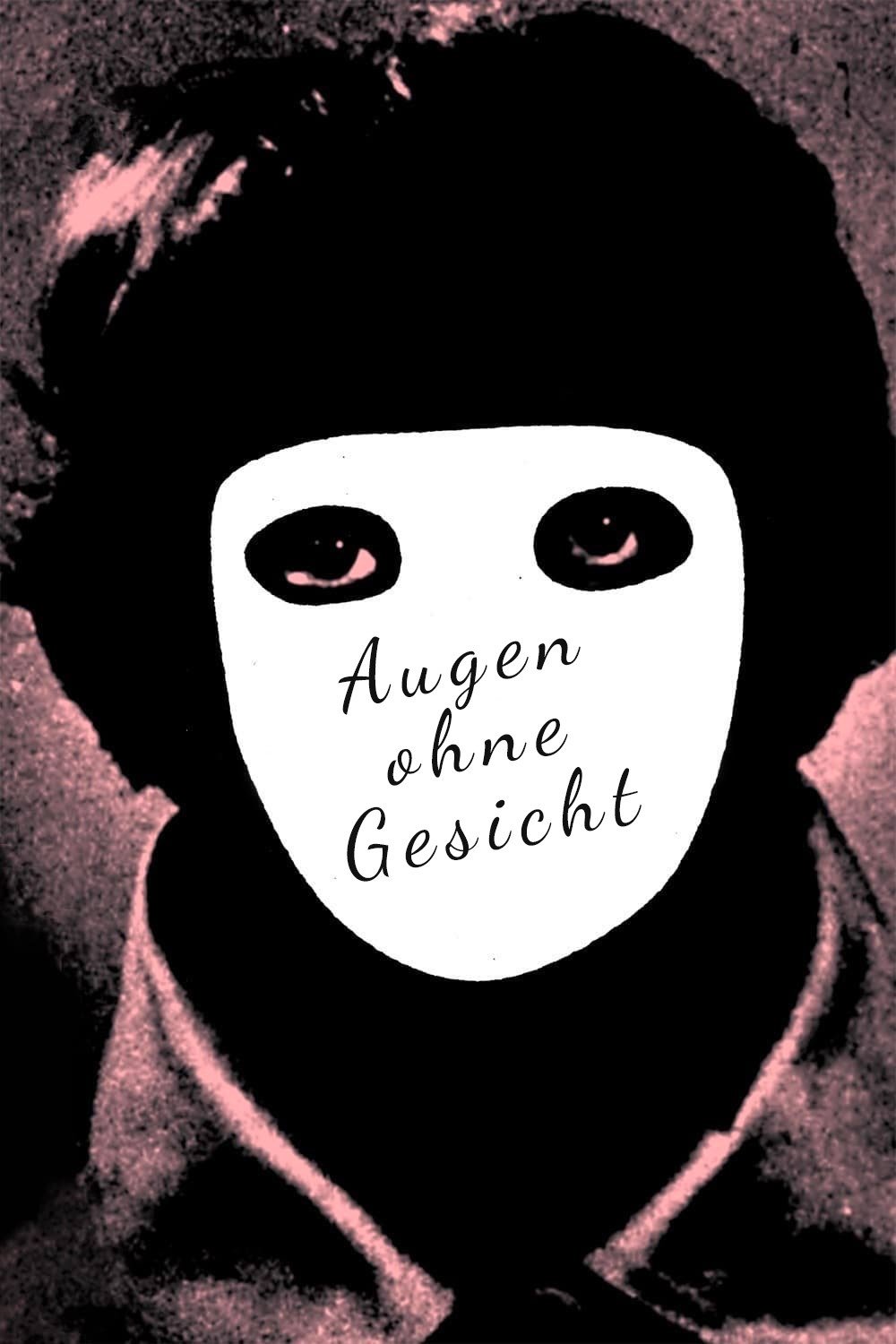
Очи без лице (Bulgaria) — Bulgarian Os Olhos Sem Rosto (Brazil) — Portuguese 没有面孔的眼睛 (China) — Chinese Oči bez tváře (Czechia) — Czech Augen ohne Gesicht (Germany) — German Das Schreckenshaus des Dr. Rasanoff (Germany) — VHS Title Els ulls sense rostre (Spain) — Catalan Los ojos sin rostro (Spain) — Spanish
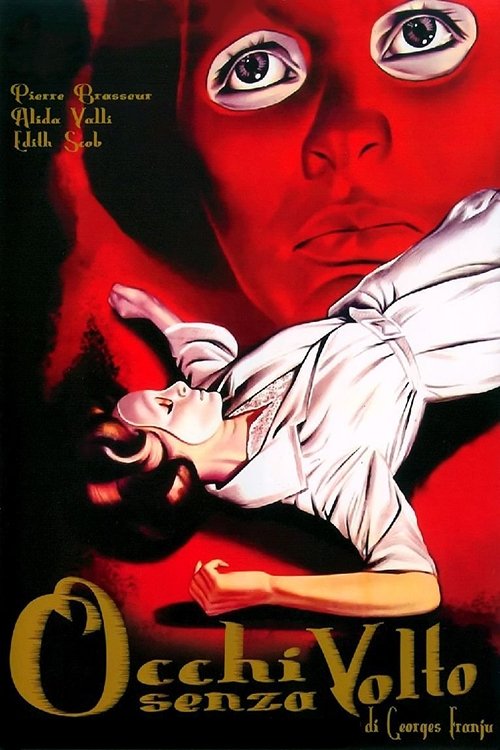
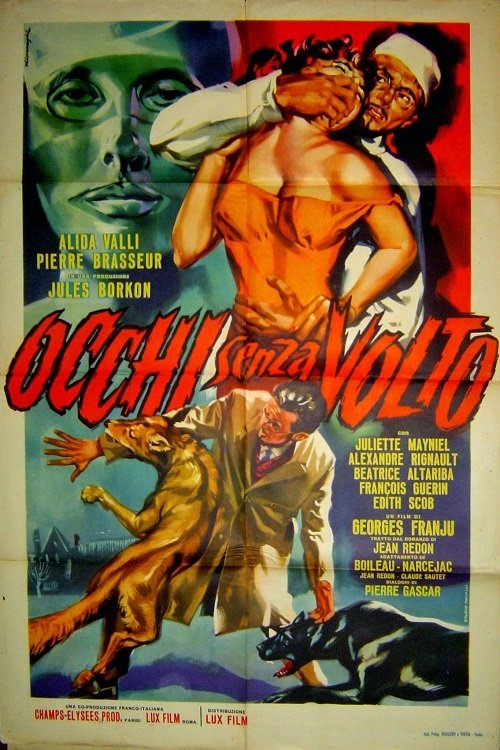
Show all 28 alternative titles Μάτια Χωρίς Πρόσωπο (Greece) — Greek 沒有臉的眼睛 (Hong Kong SAR China) — Chinese Oči bez lica (Croatia) — Croatian Szemek arc nélkül (Hungary) — Hungarian עניים ללא פנים (Israel) — Hebrew Occhi senza volto (Italy) — Italian 顔のない眼 (Japan) — Japanese 얼굴 없는 눈 (South Korea) — Korean Acis bez sejas (Latvia) — Latvian Los ojos sin rostro (Mexico) — Spanish Oczy bez twarzy (Poland) — Polish Olhos Sem Rosto (Portugal) — Portuguese Глаза без лица (Russia) — Russian De bestialiska (Sweden) — Swedish Oči brez obraza (Slovenia) — Slovenian Oči bez tváre (Slovakia) — Slovak Çehresiz Gözler (Türkiye) — Turkish 沒有臉的眼睛 (Taiwan) — Chinese Очі без обличчя (Ukraine) — Ukrainian The Horror Chamber of Dr. Faustus (United States) — Original English title

Trailers & Videos

4 videos

Film Guide & Analysis

Georges Franju’s 1960 French horror landmark combines surgical body horror, Edith Scob’s extraordinary masked performance, Eugen Schüfftan’s Gothic photography and Maurice Jarre’s music in a disturbing study of medical obsession and bodily identity.

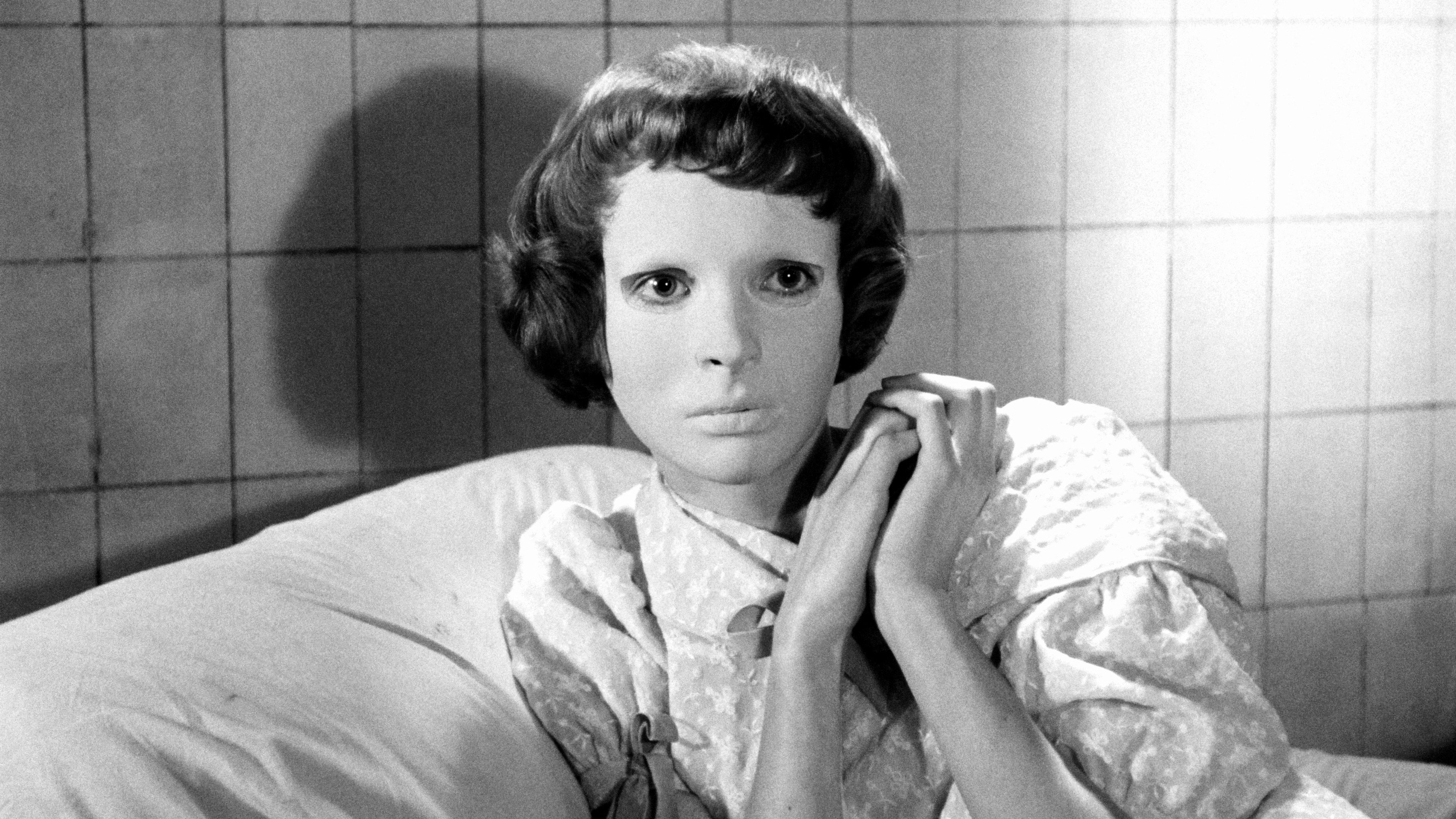
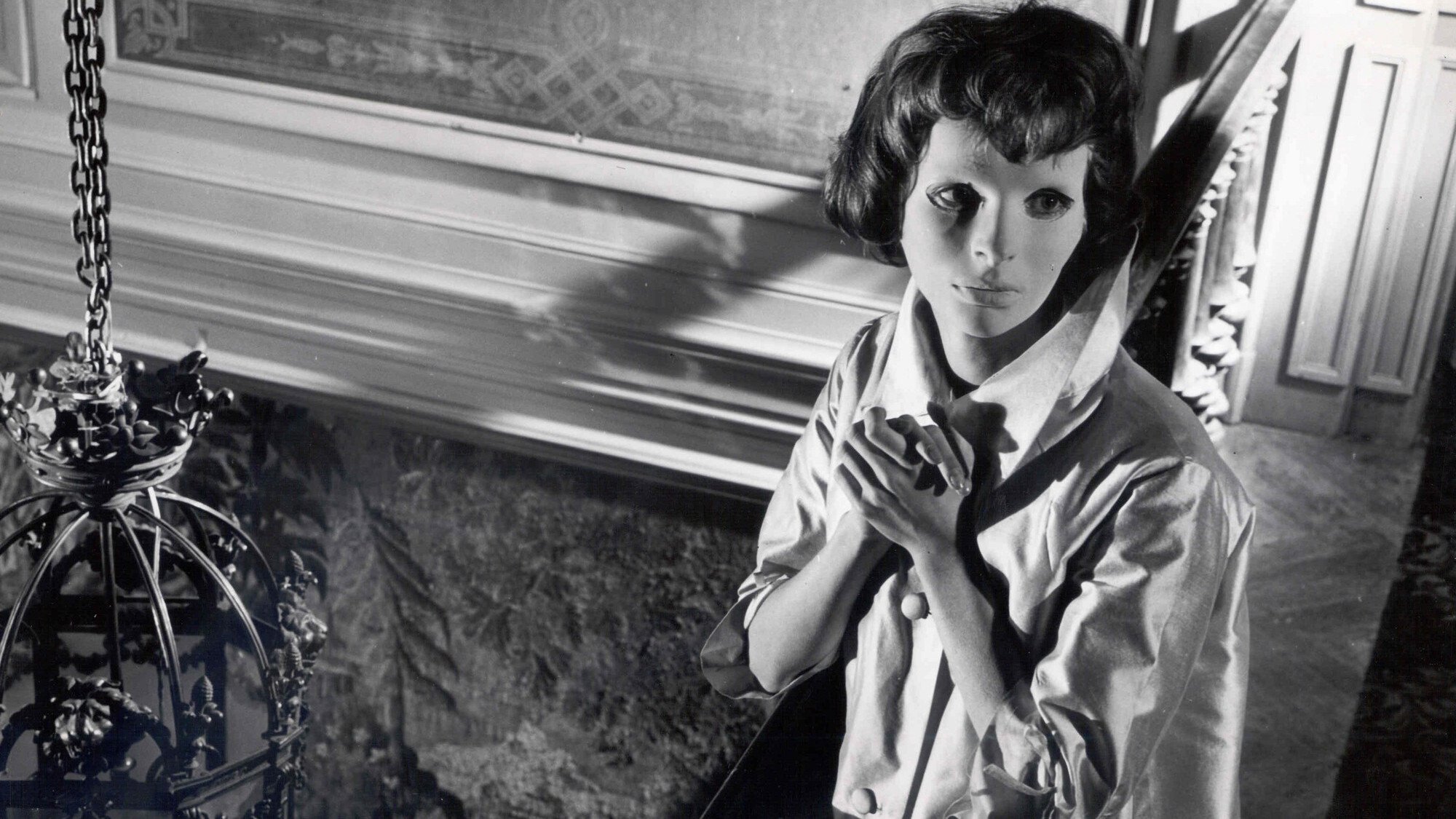
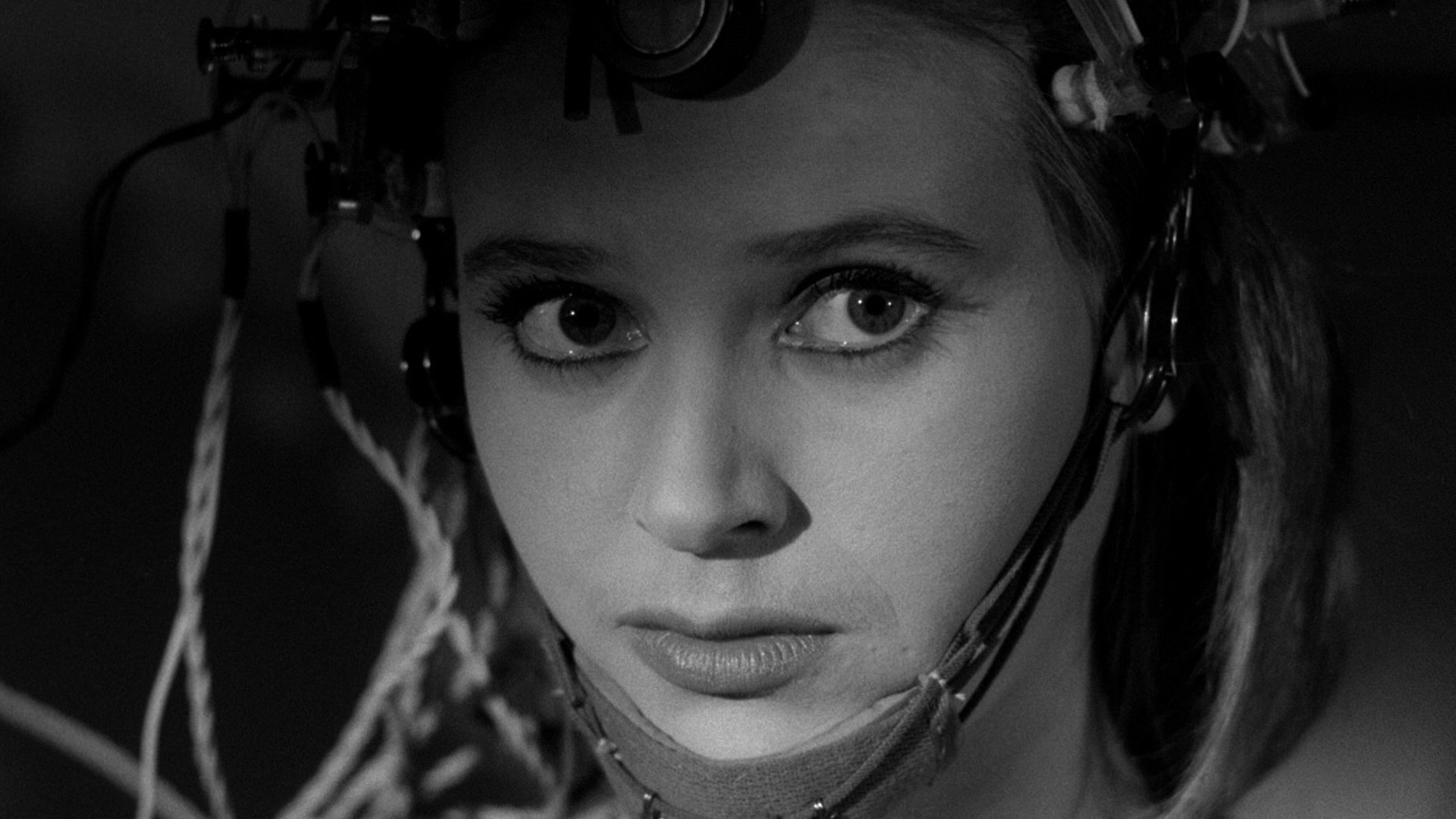
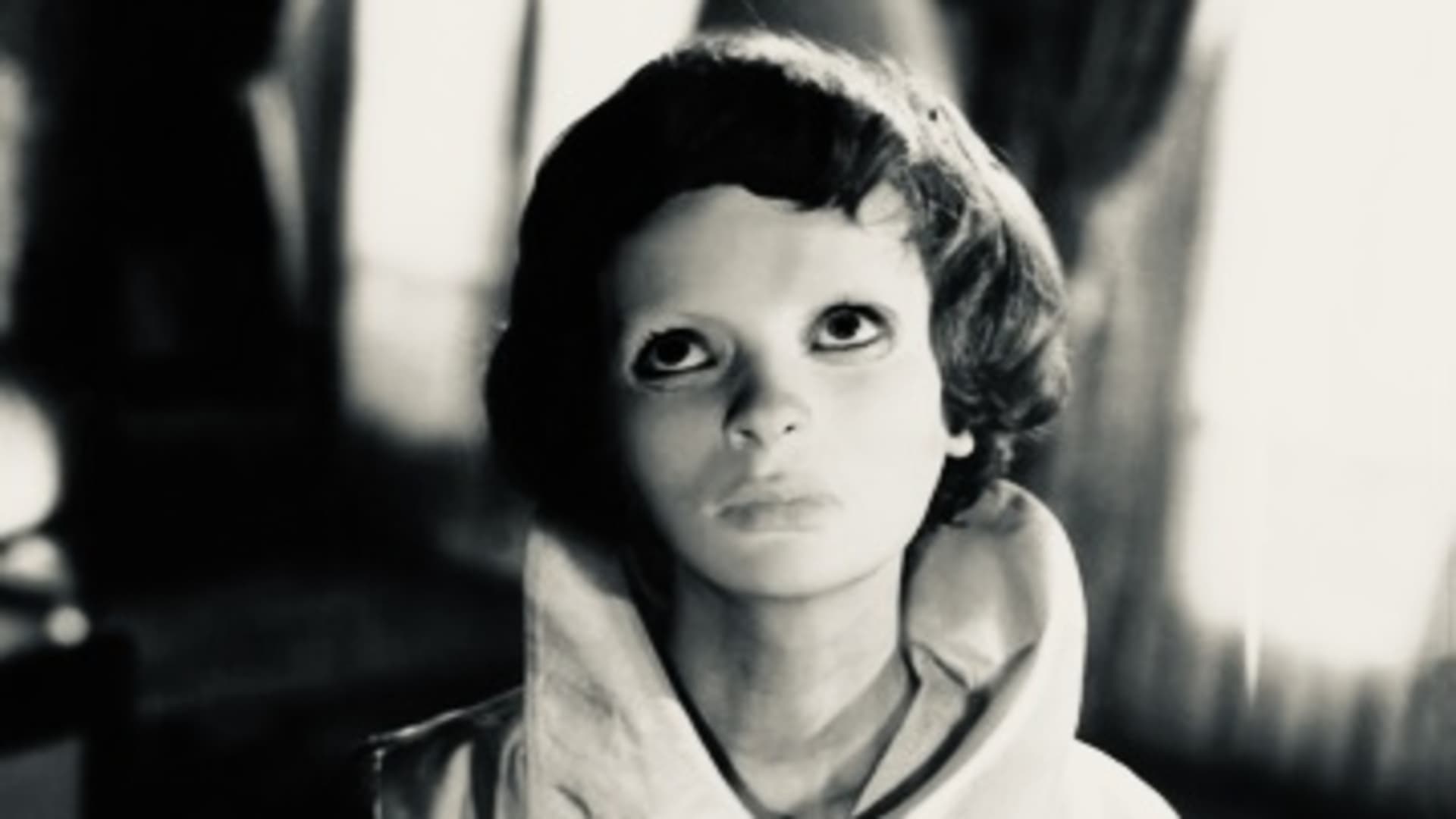
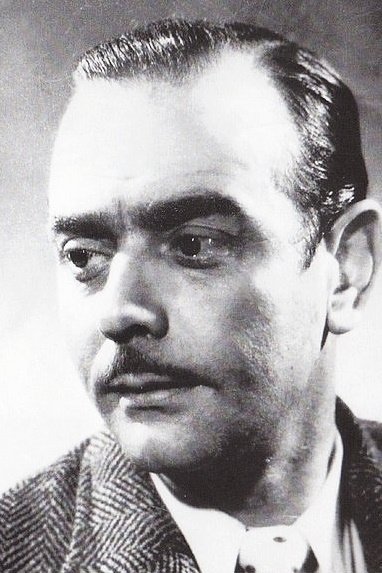
Eyes Without a Face (Les Yeux sans visage, 1960) is a French-Italian horror film directed by Georges Franju, adapted from the novel by Jean Redon. Pierre Brasseur portrays Doctor Génessier, a prominent surgeon whose daughter Christiane has been severely disfigured in a car accident for which he was responsible. Determined to restore her appearance, he abducts young women and removes their facial skin for experimental grafts. His assistant Louise facilitates the kidnappings while Christiane, played by Edith Scob, remains concealed inside the family residence behind a pale, expressionless mask. The film develops its horror through the conflict between paternal devotion, medical authority and the destruction of bodily autonomy.

Produced by Jules Borkon and photographed by Eugen Schüfftan, Eyes Without a Face combines the methods of clinical observation with the visual language of Gothic fantasy. Franju’s earlier documentary work informed the unusually precise representation of surgical procedures, while Scob’s restricted movements give Christiane an unsettling, fragile presence. Makeup artist Georges Klein and special-effects supervisor Henri Assola contributed to its disturbing physical imagery, supported by Maurice Jarre’s distinctive orchestral score. Released in 1960, the film provoked strong reactions to its surgical violence before gaining recognition as a foundational work of psychological horror and an important precursor to later forms of body horror.

Development & Literary Adaptation

The project originated with producer Jules Borkon, who acquired the rights to Jean Redon’s novel Les Yeux sans visage. The source belonged to the tradition of popular French suspense and horror fiction, combining criminal abduction with grotesque medical experimentation. Borkon approached Georges Franju, a filmmaker already established through documentaries and the feature La Tête contre les murs (1959). Franju had helped found the Cinémathèque française with Henri Langlois in 1936 and possessed a strong interest in silent fantasy cinema. The project offered him an opportunity to apply his distinctive approach to a commercial horror narrative at a time when the genre had comparatively limited standing within French film culture.

The screenplay was developed through contributions from Redon, Pierre Boileau, Thomas Narcejac and Claude Sautet, with dialogue by Pierre Gascar. Boileau and Narcejac had supplied literary material adapted for Henri-Georges Clouzot’s Diabolique (1955) and Alfred Hitchcock’s Vertigo (1958). Their involvement helped redirect the story toward the psychological circumstances of Christiane and her father. Film historian David Kalat has described the adaptation as a deliberate movement away from the sensationalism of the original premise. The abductions and operations remained central, but the screenplay devoted greater attention to the suffering of a daughter whose father claims to act entirely on her behalf.

The producers were conscious of possible objections to the violence, animal experimentation and characterization of the surgeon. Franju nevertheless believed that horror could accommodate the rigorous visual treatment associated with serious filmmaking. His preceding documentary Le Sang des bêtes (1949), which depicts the work of Parisian slaughterhouses, had already established his willingness to examine physical violence through apparently detached observation. The collaboration with Borkon allowed him to explore a related contrast between recognizable procedures and disturbing consequences. Filming took place during 1959, with Franju later recalling approximately eight weeks of work across a six-day shooting schedule.
Narrative & Medical Obsession

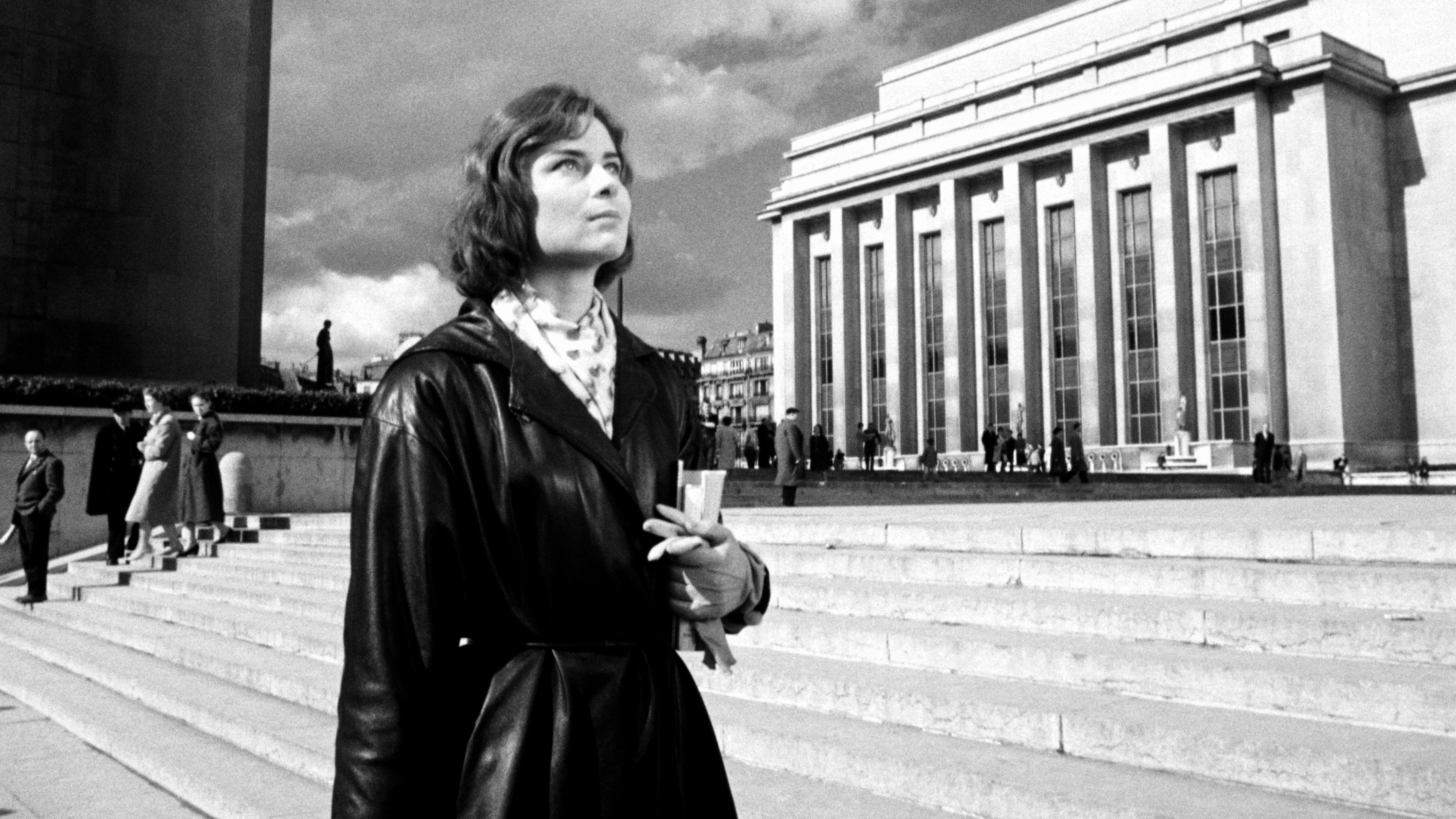
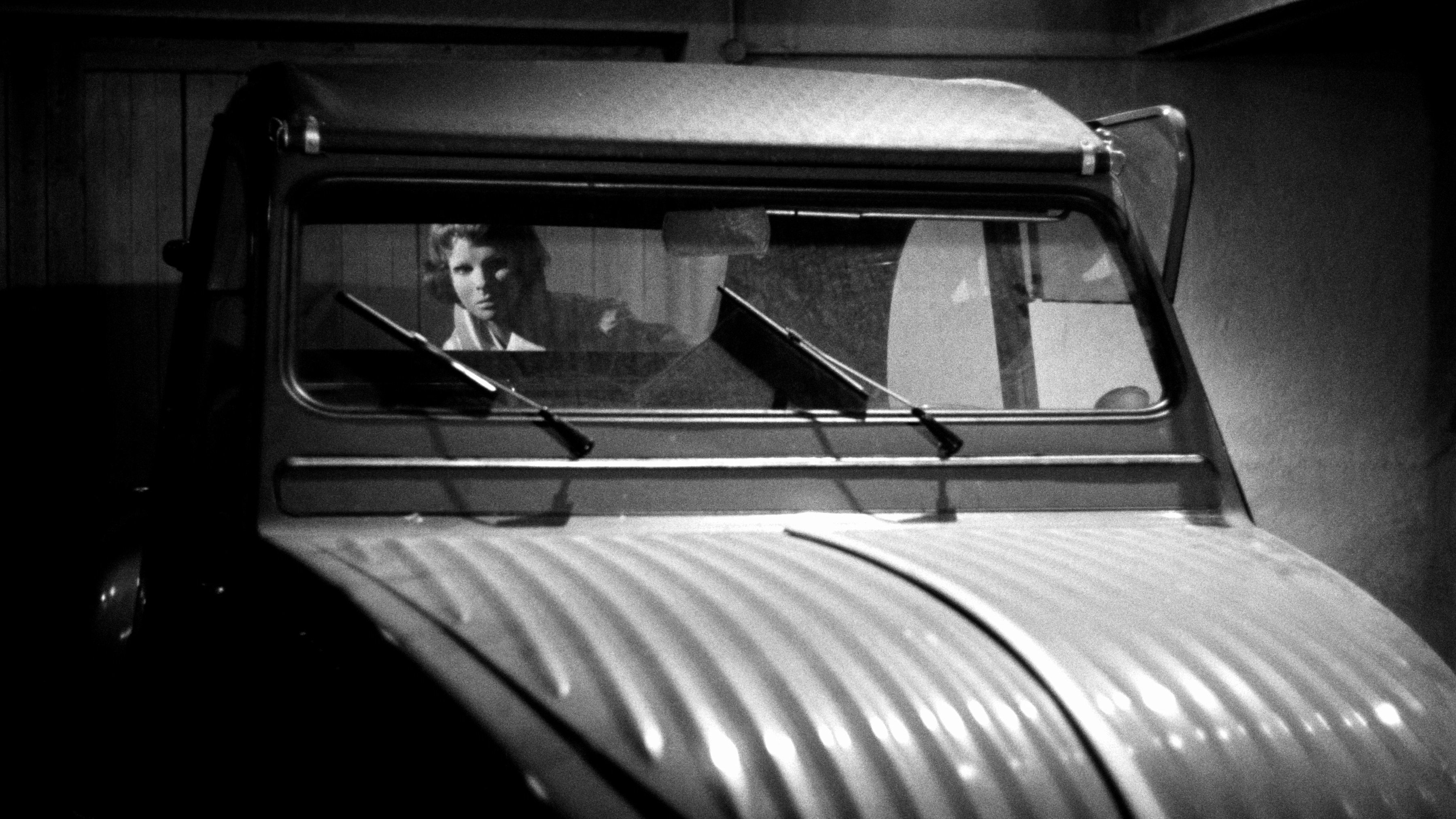
The opening follows Louise as she drives through deserted roads at night with an apparently unconscious passenger concealed in the rear of her car. The discovery of a body establishes the criminal nature of her activity before the audience understands its purpose. Doctor Génessier subsequently identifies the recovered corpse as his daughter Christiane, allowing the authorities and her fiancé Jacques Vernon to believe that she is dead. In reality, Christiane remains alive at the doctor’s secluded residence. Her father has arranged the deception to conceal the experiments through which he hopes to restore her damaged face.

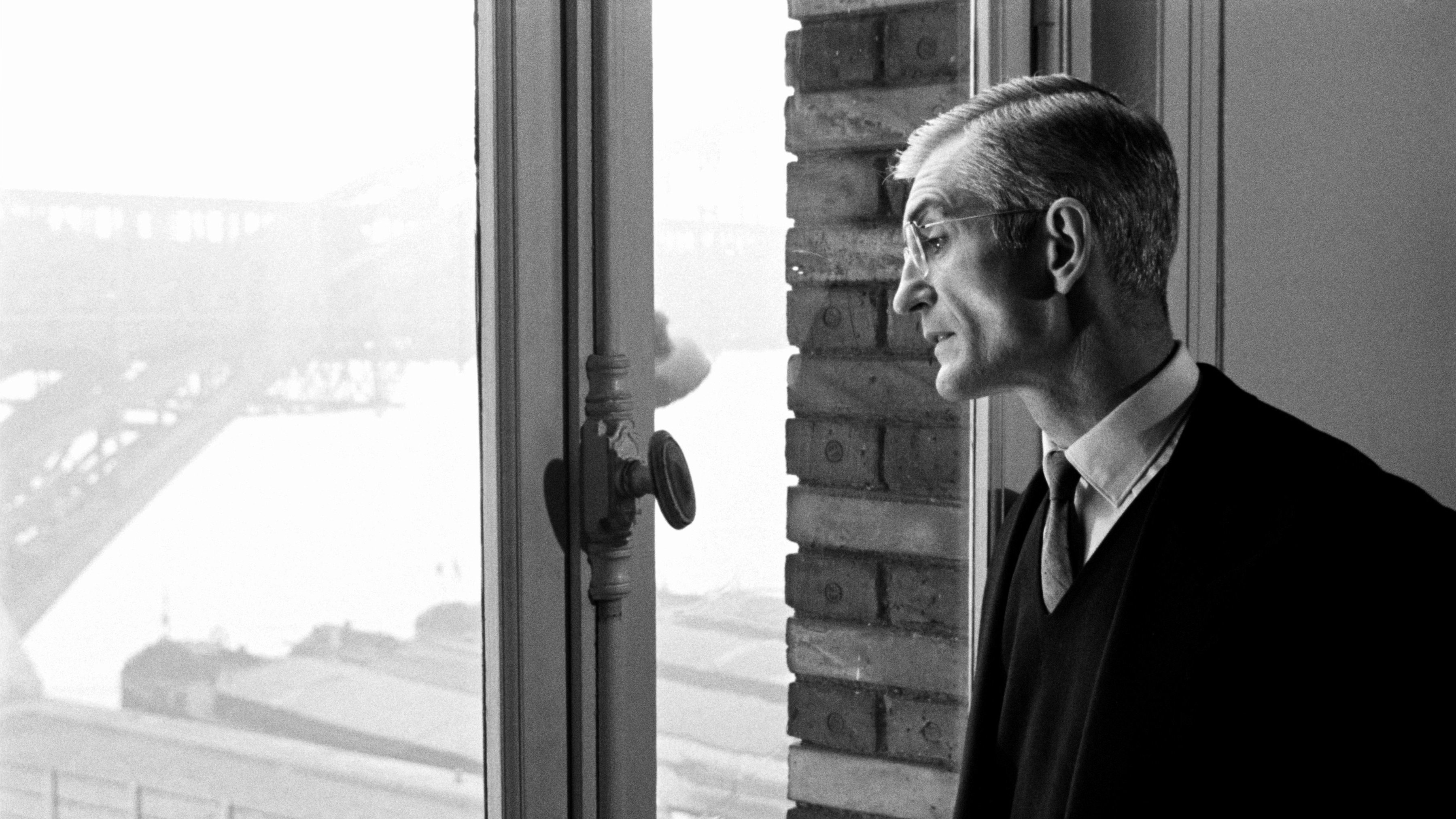
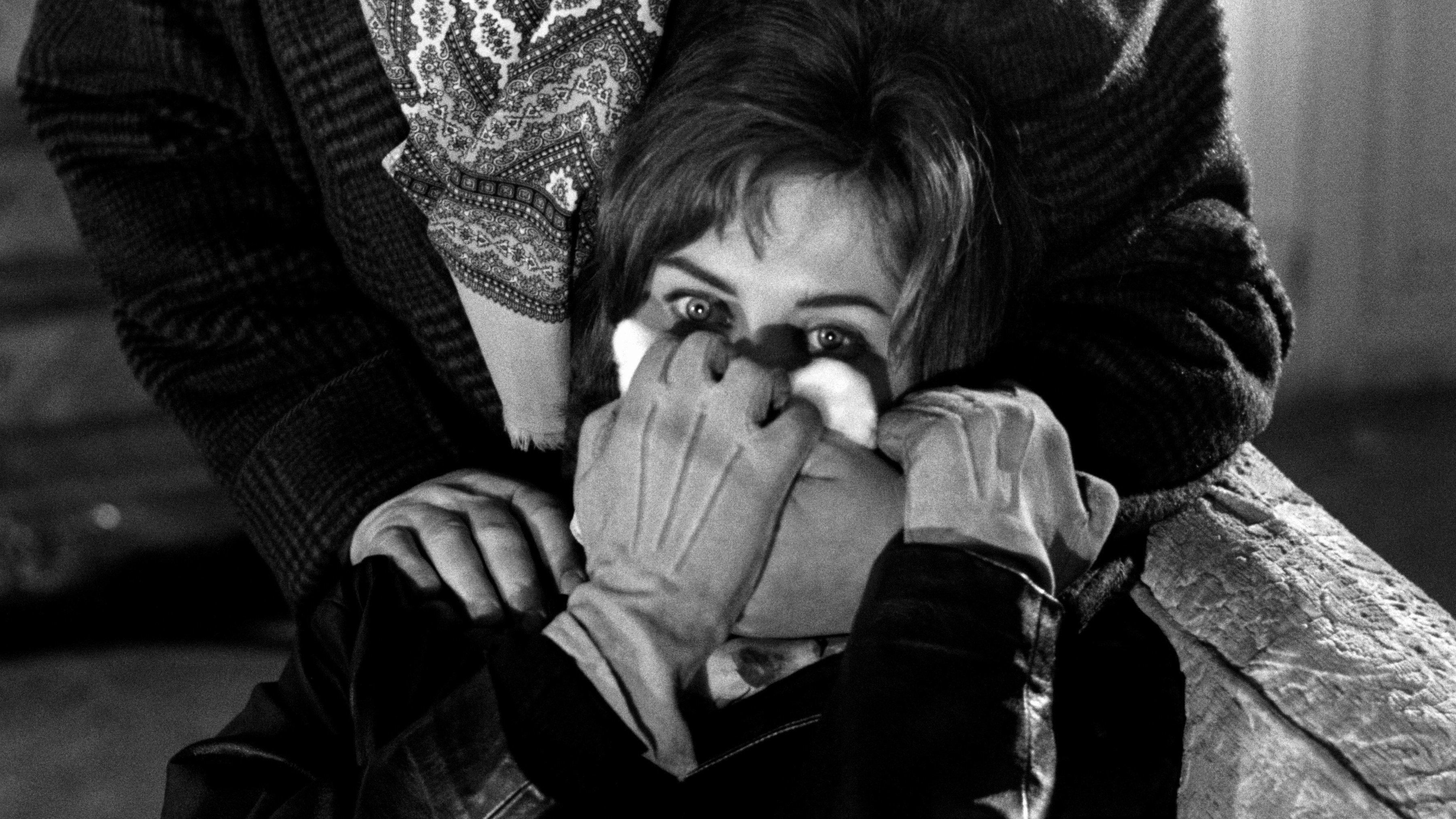
Génessier’s medical reputation enables him to conduct research without immediately attracting suspicion. He presents himself publicly as a respected specialist and privately uses his professional knowledge to justify abducting innocent women. Louise, whose own appearance has been restored through an earlier operation, acts as his devoted accomplice. She approaches potential victims with an apparently reassuring manner and transports them to the house. The surgeon’s treatment of the women exposes the contradiction between his public responsibilities and his private conduct. He regards their bodies as surgical material while continuing to describe his work as an act of care for Christiane.

Christiane’s position gradually changes as she becomes aware of the human cost of her father’s experiments. Her fiancé believes her dead, her movements are controlled, and she has little influence over the decisions made in her name. She is simultaneously the intended beneficiary of the operations and another person whose autonomy has been denied. The failure of the grafts increases her despair, particularly when she witnesses the progressive deterioration of a temporarily restored face. Her eventual resistance redirects the narrative away from her father’s ambitions and toward the possibility of escaping the household that has become her prison.

Edith Scob, the Mask & Performances

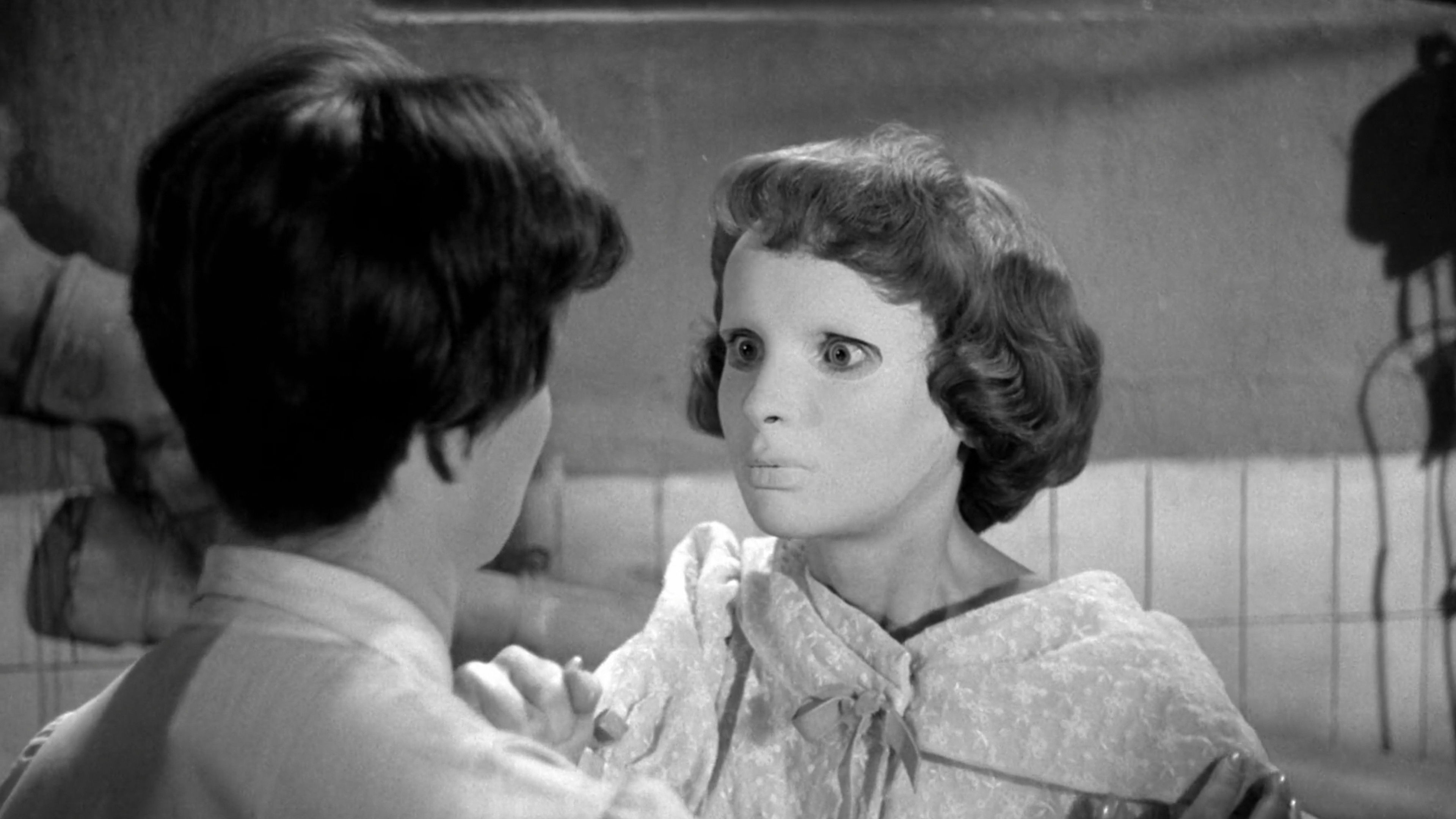
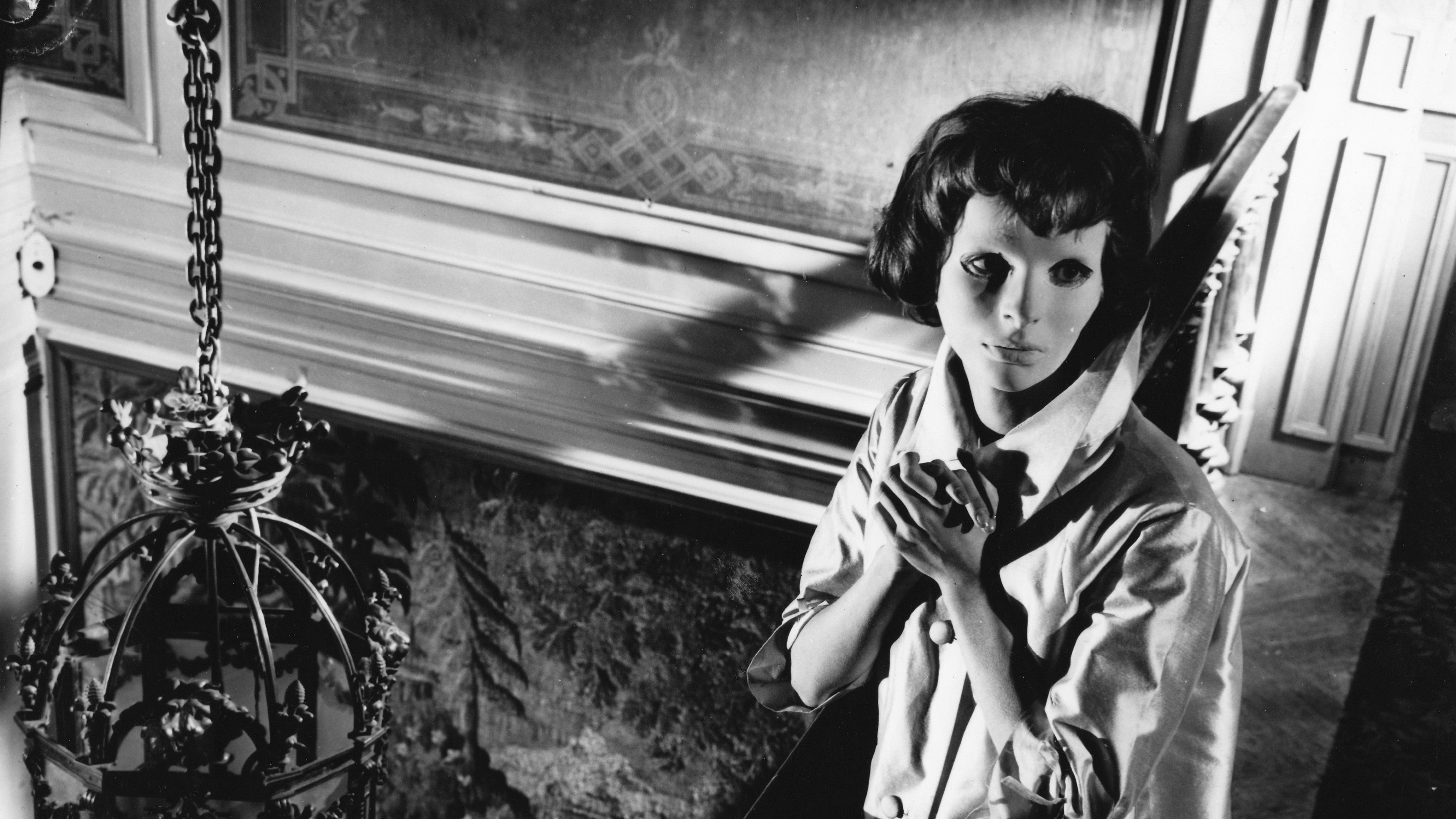
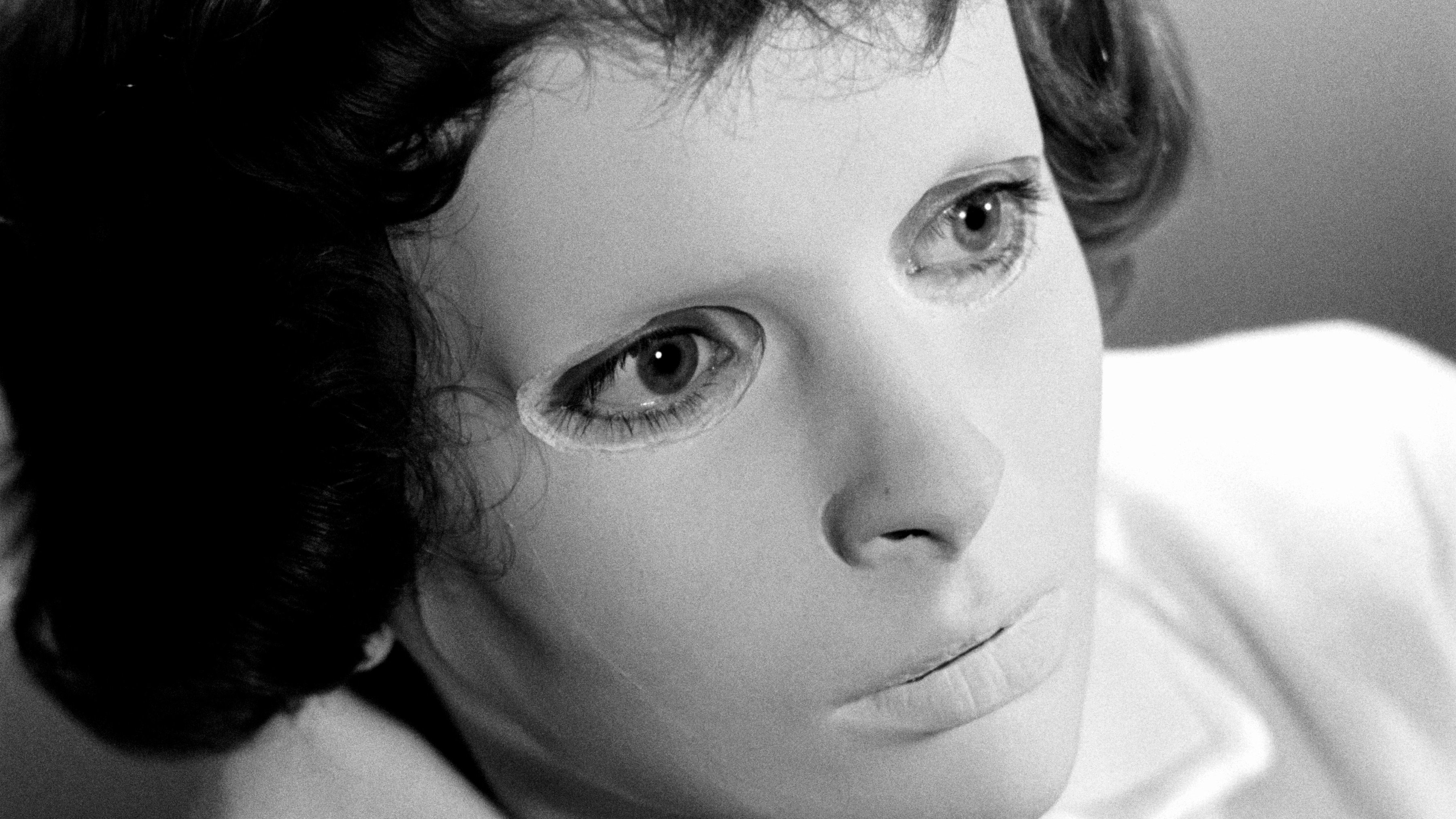
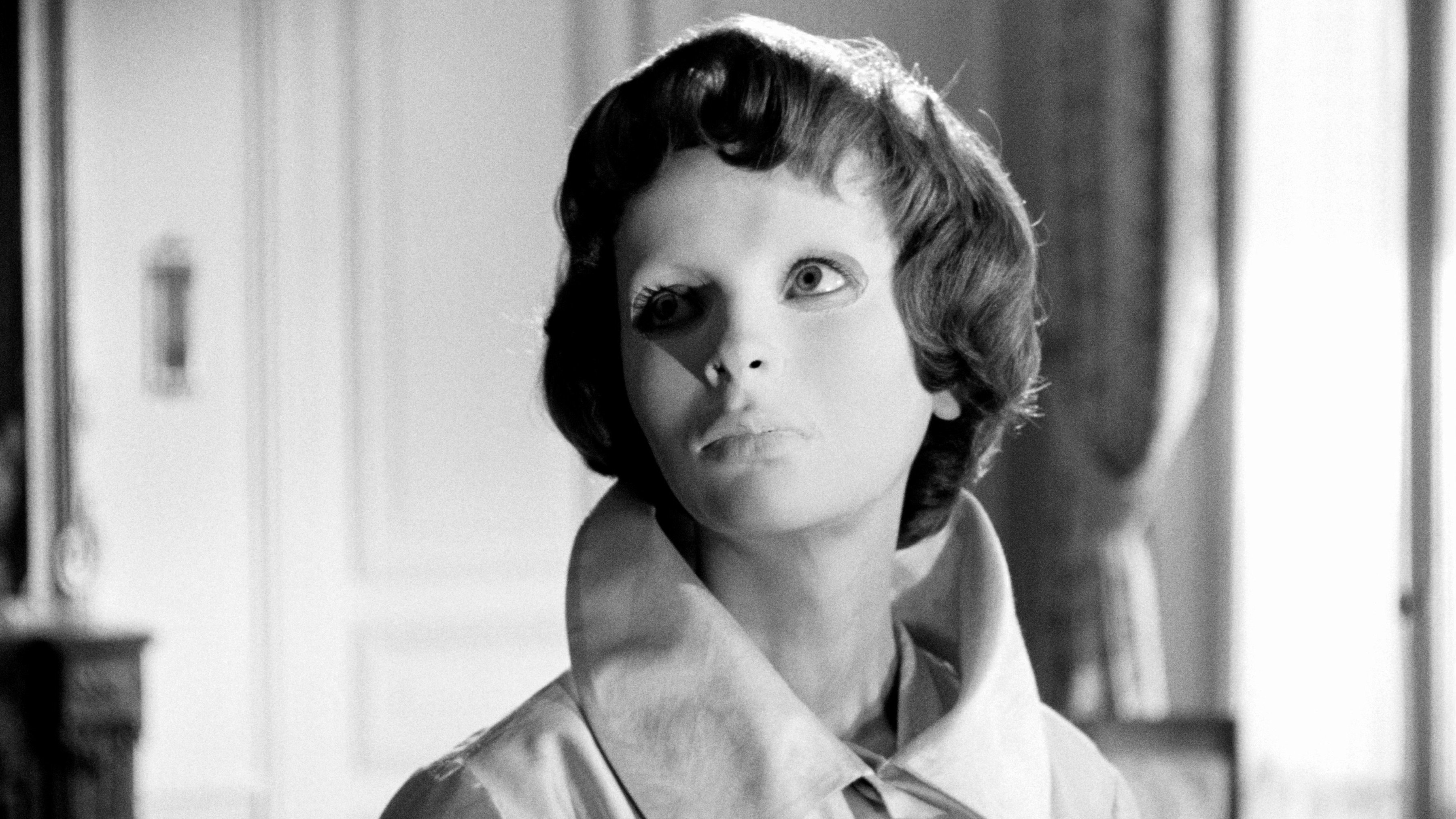
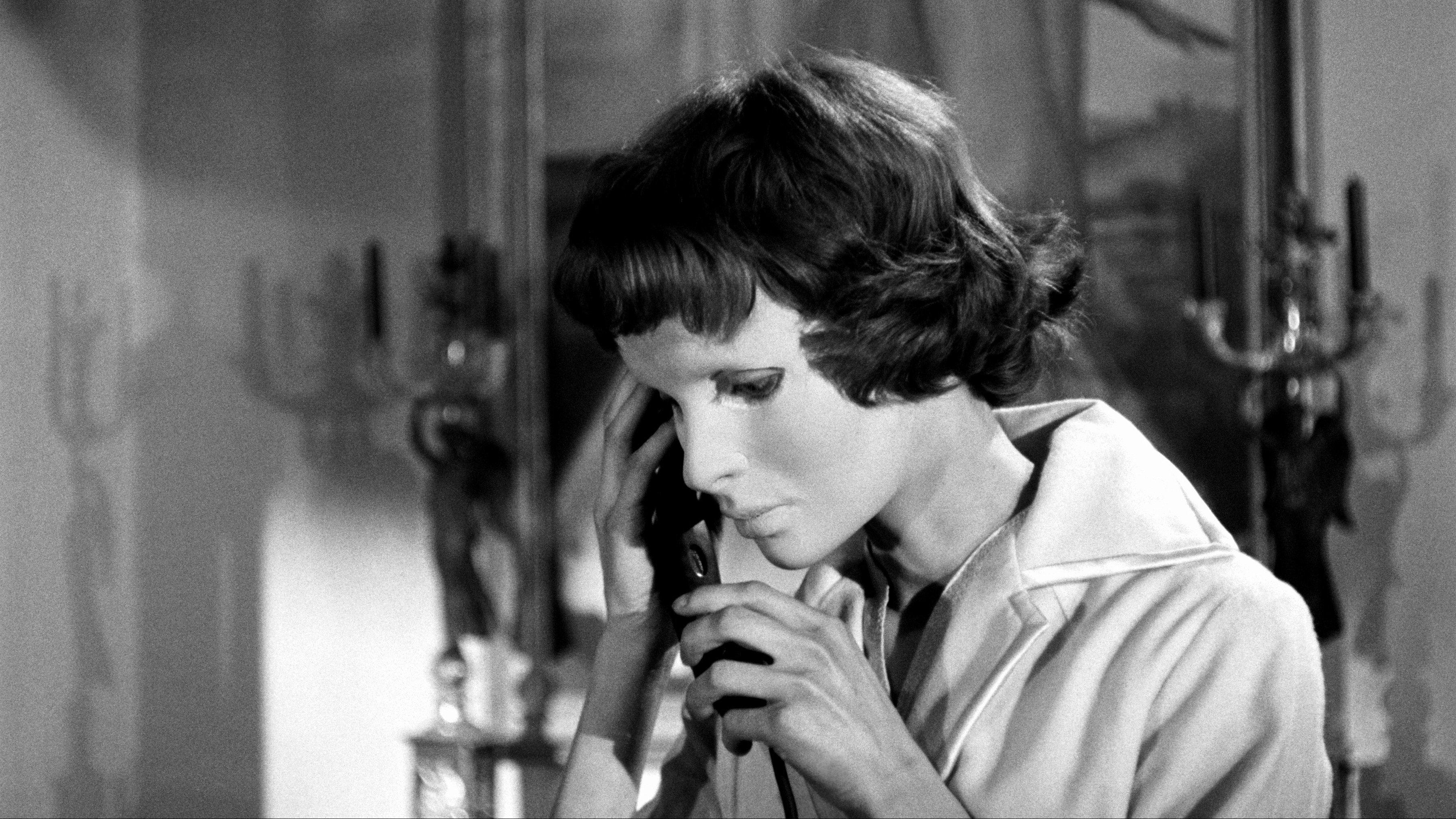
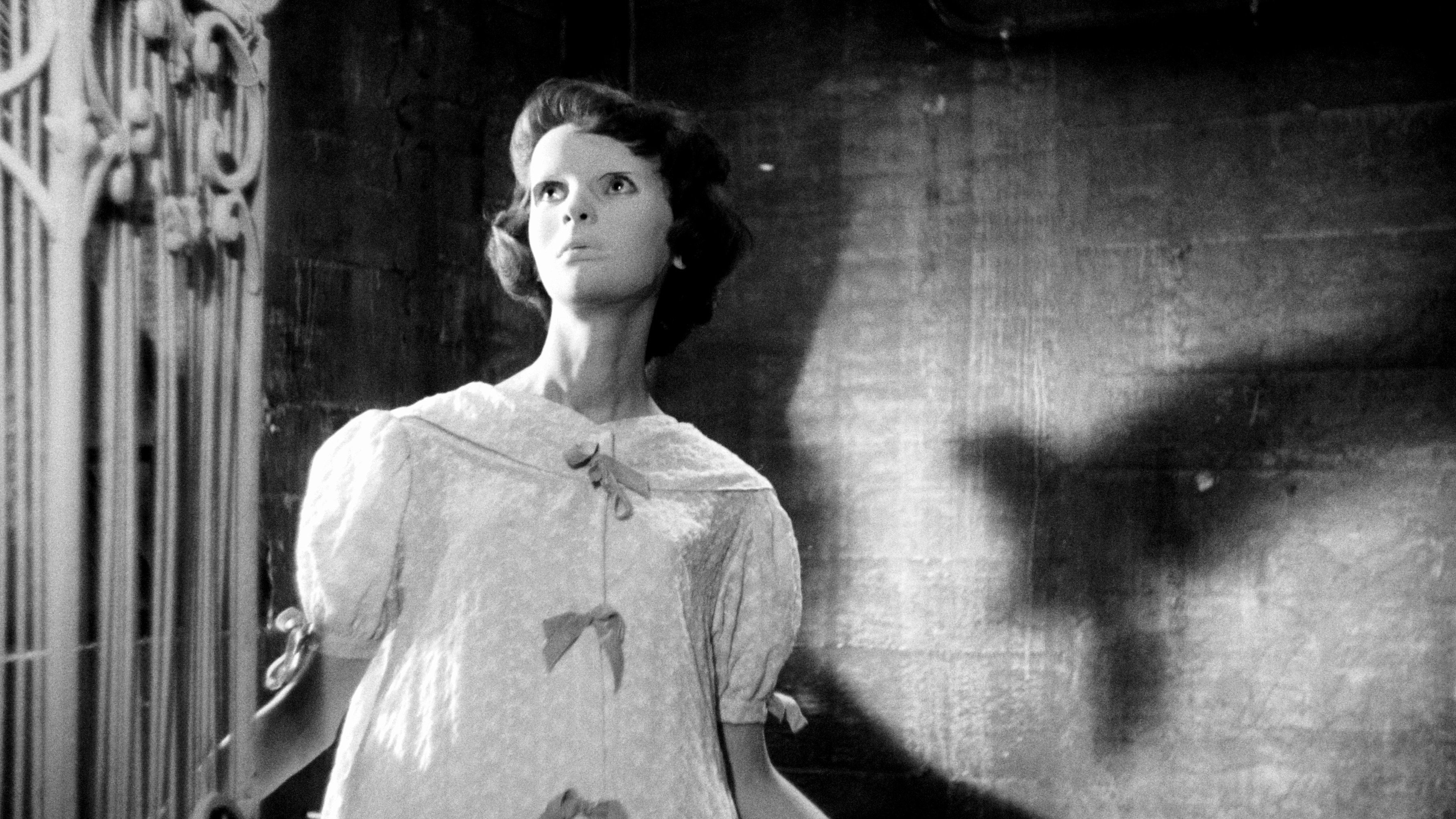
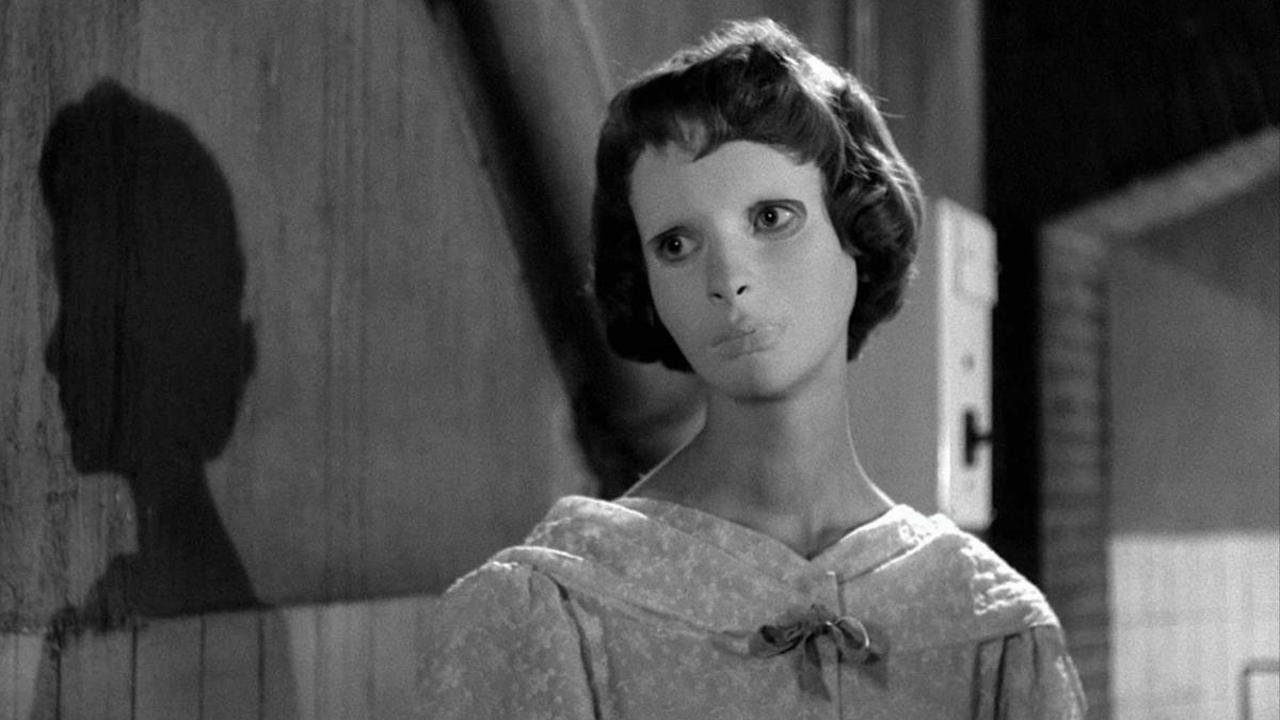
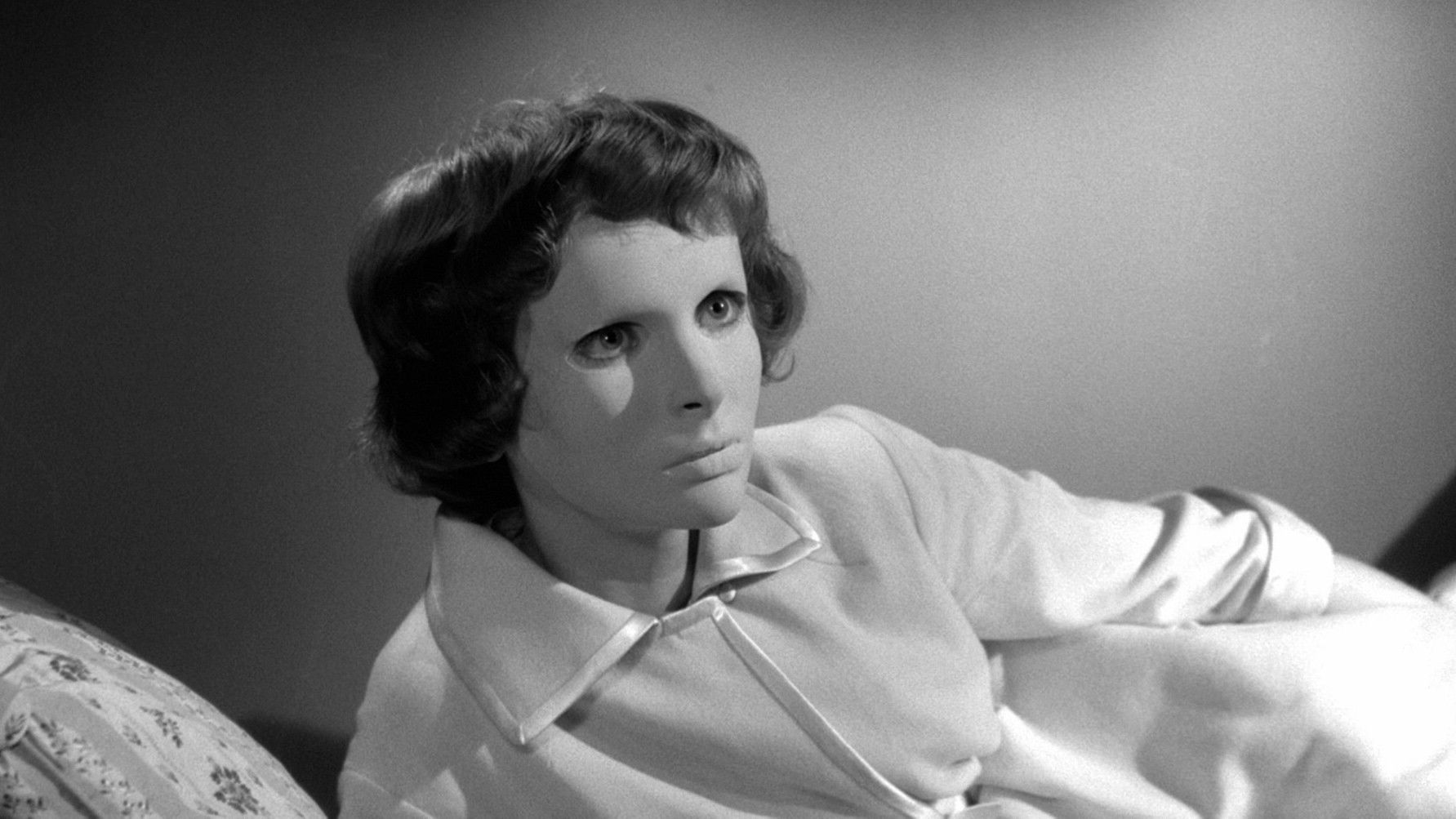
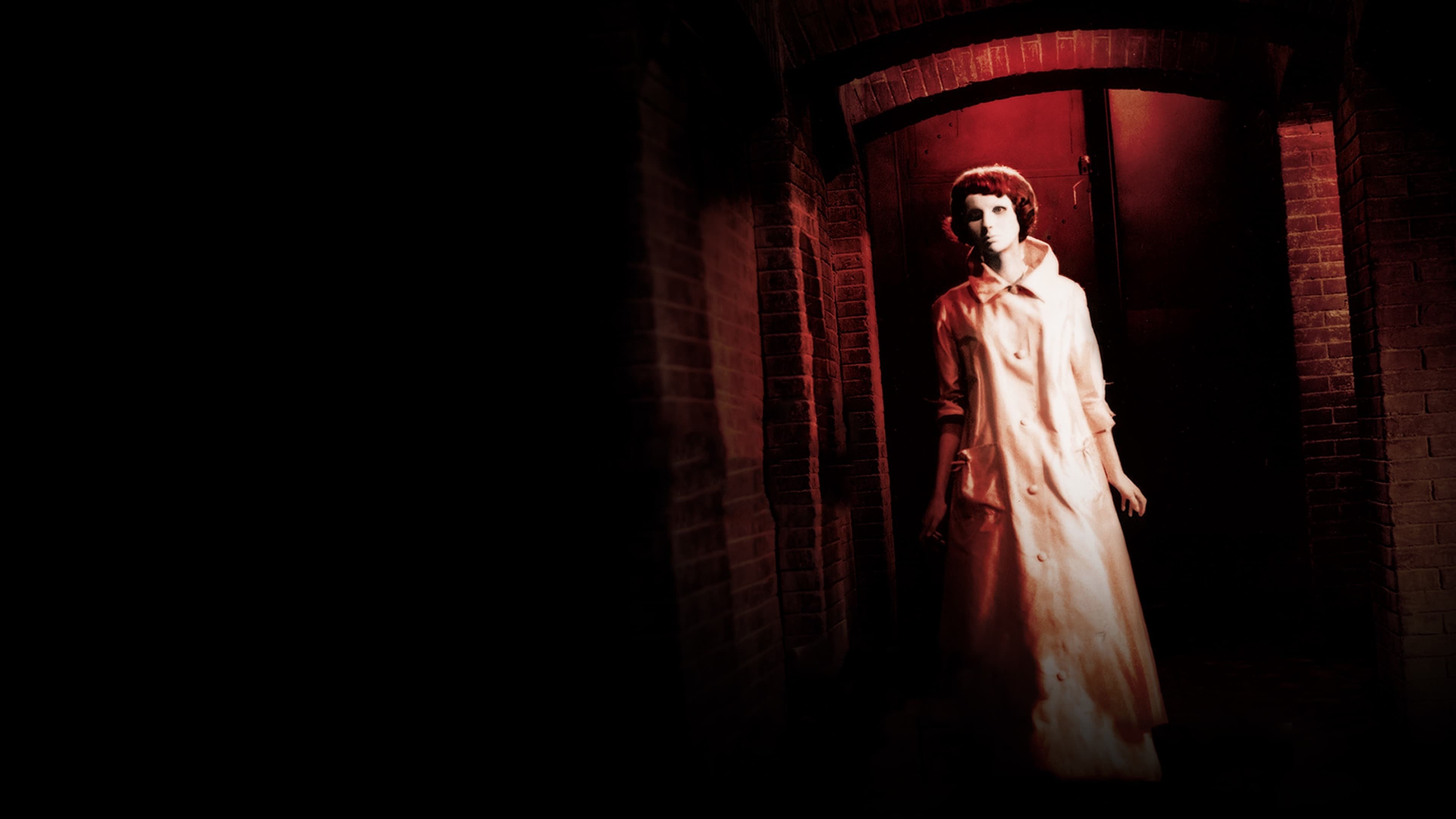
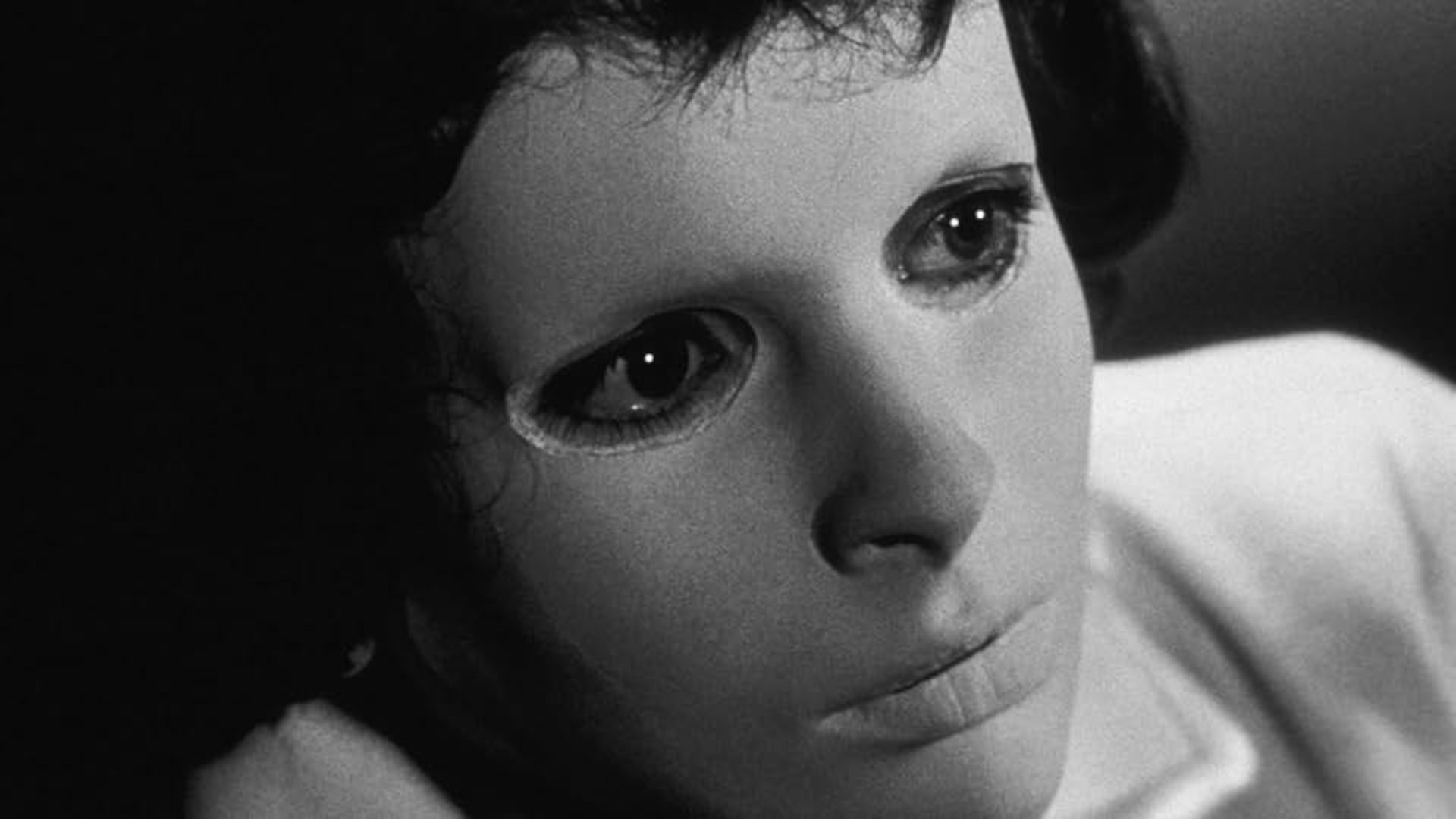
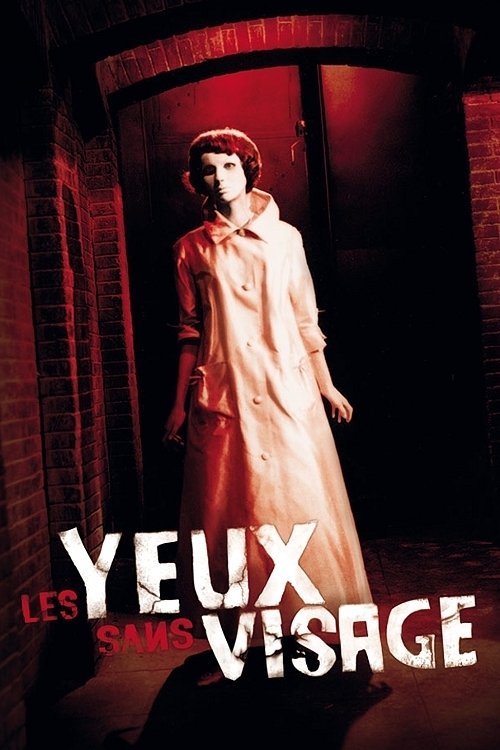
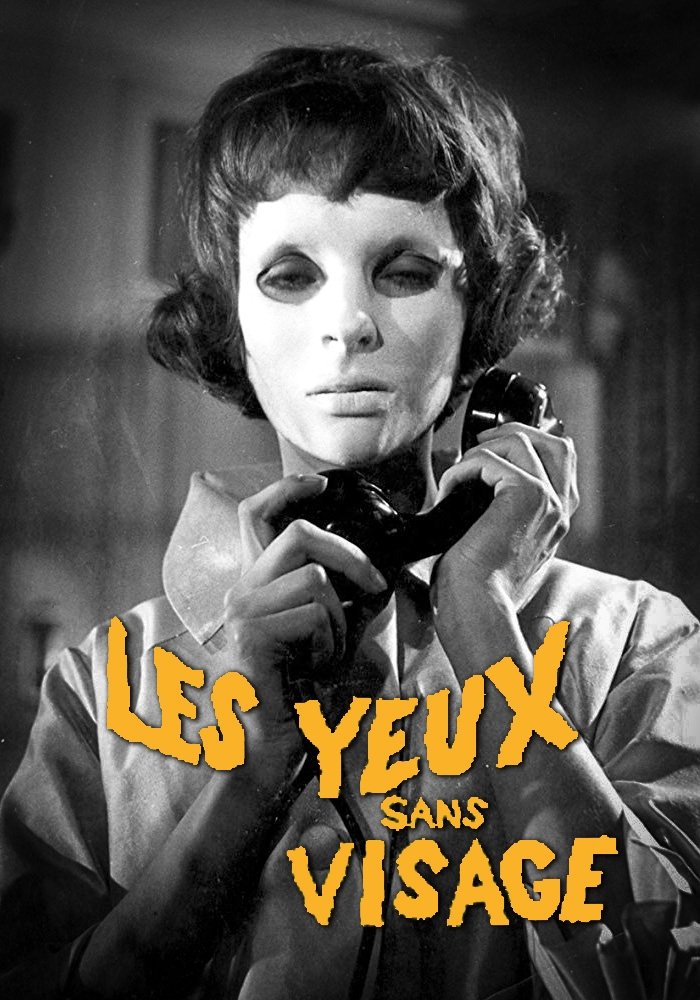
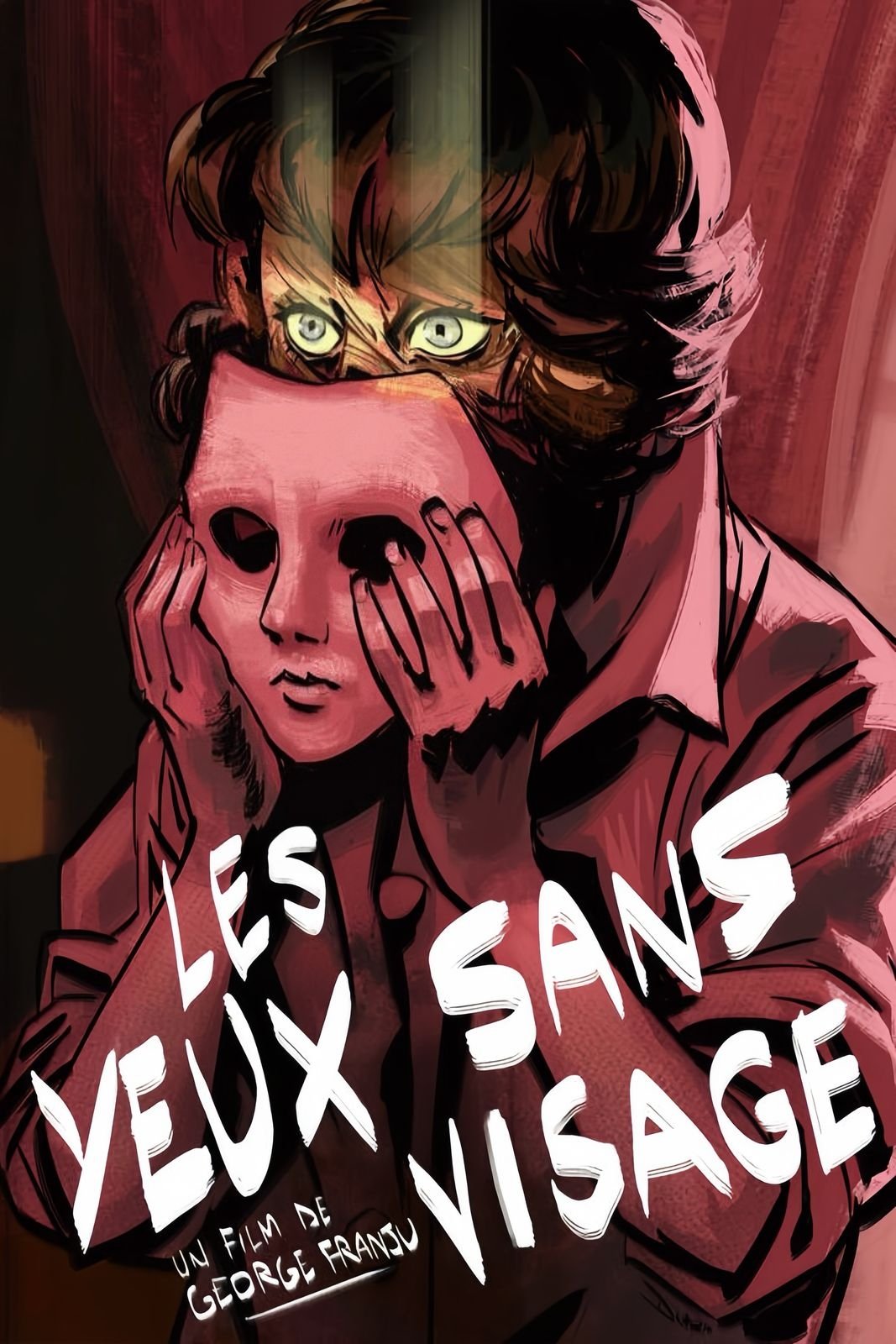
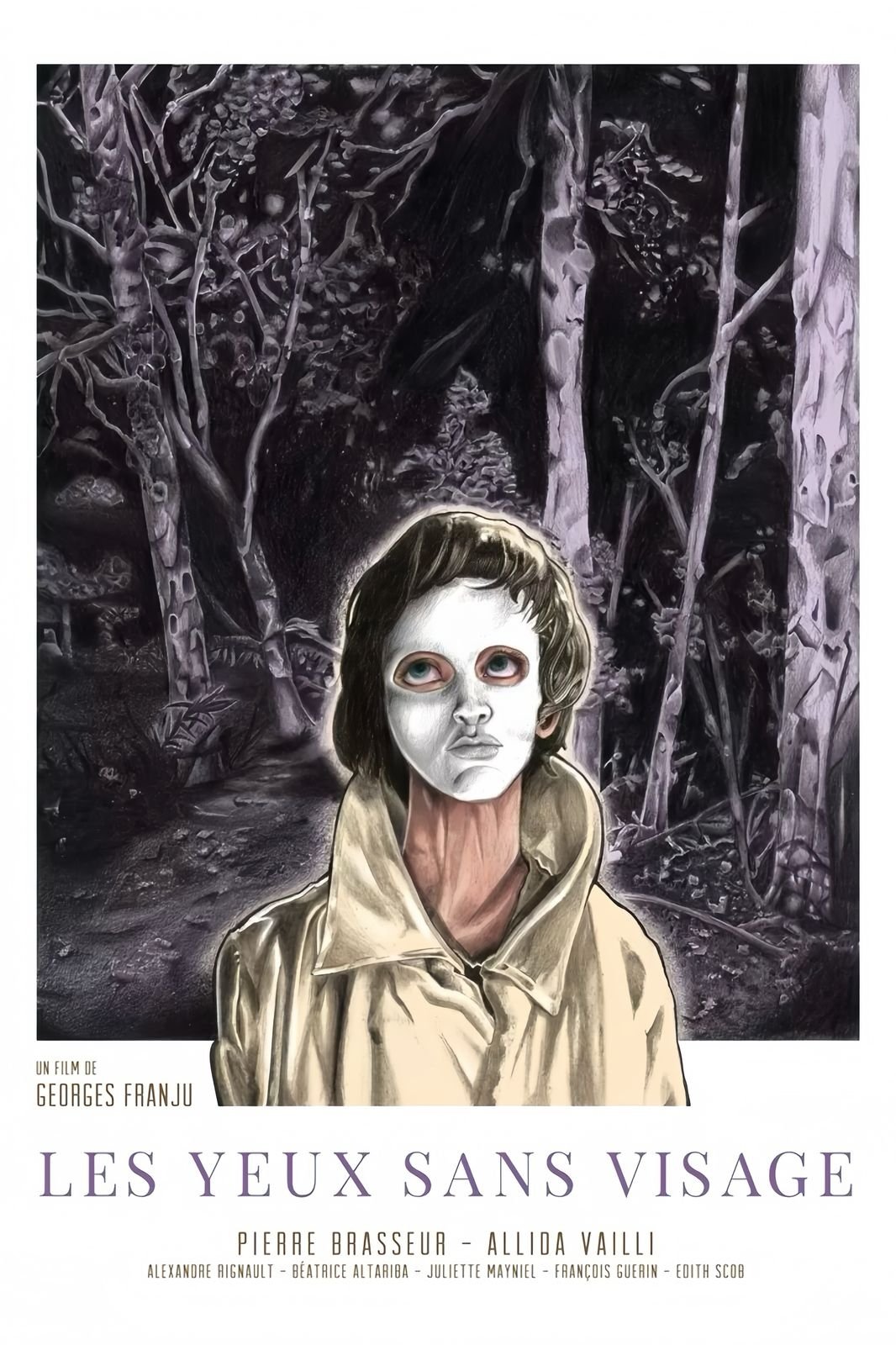
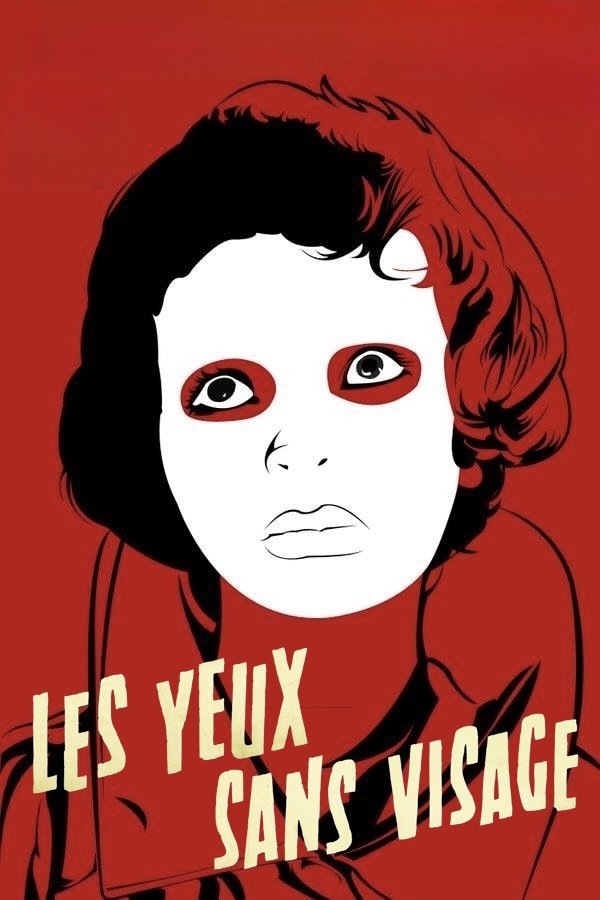
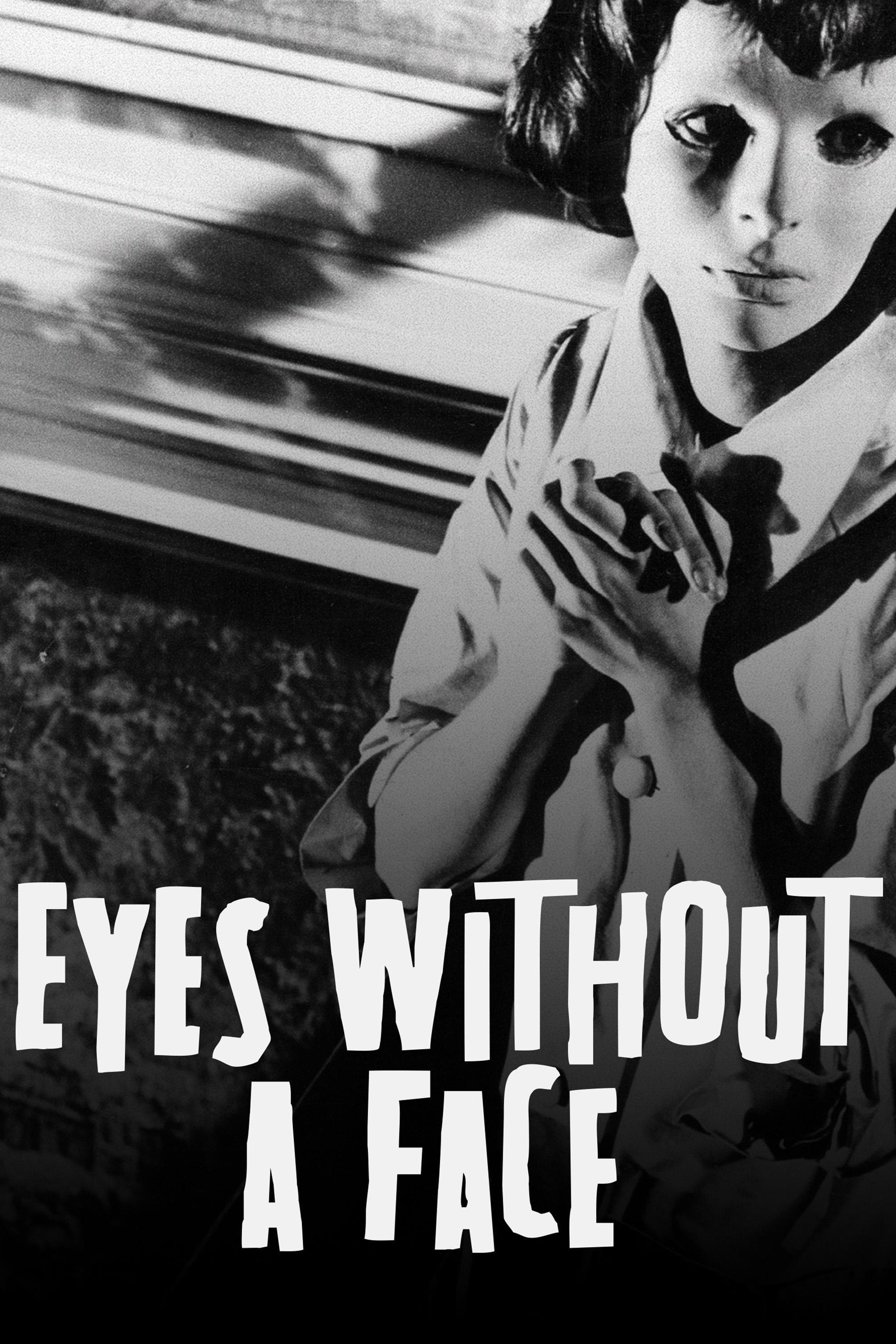
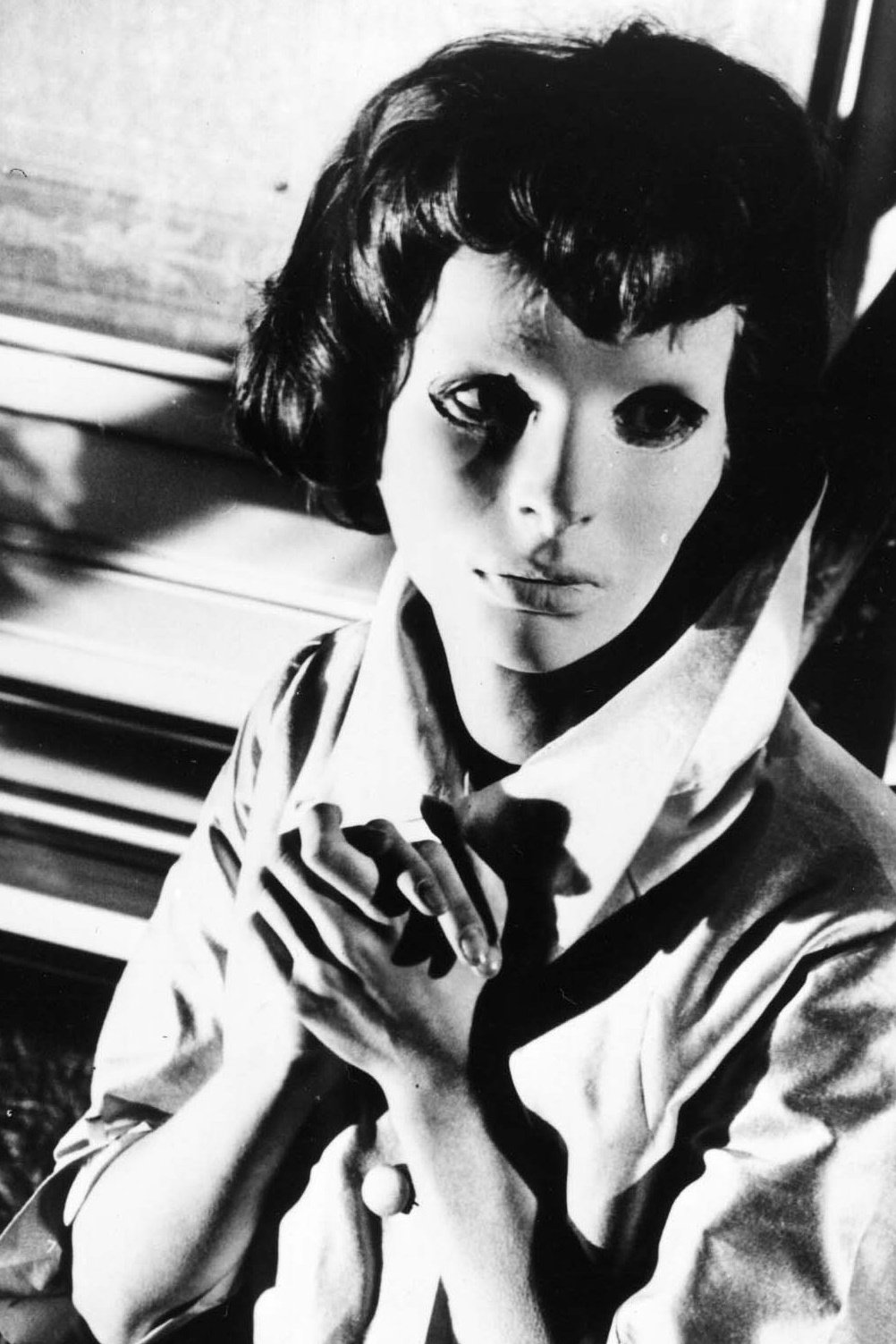
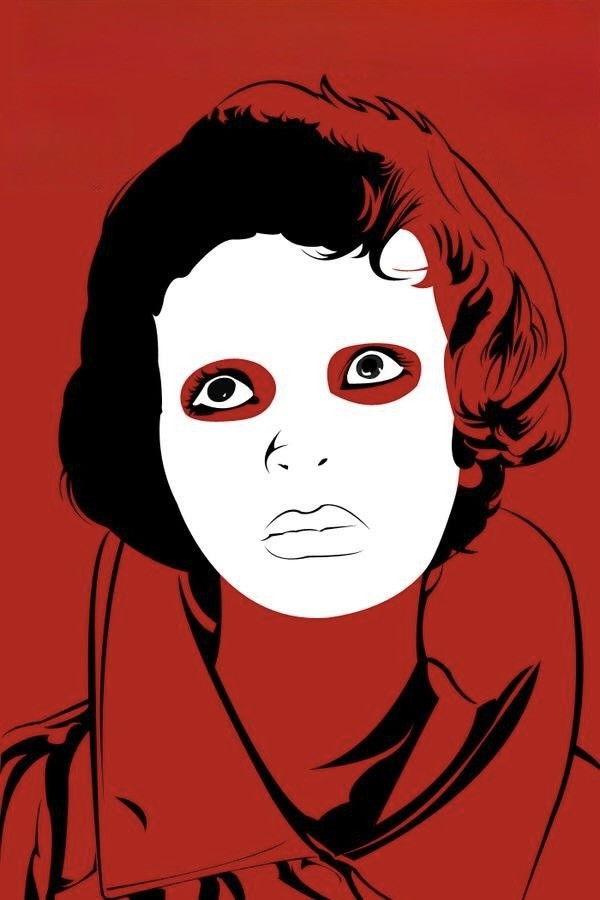
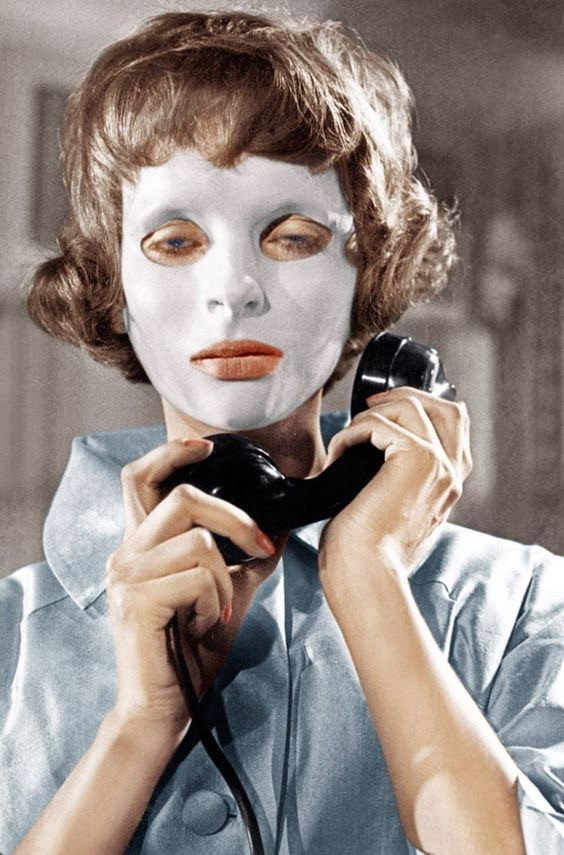
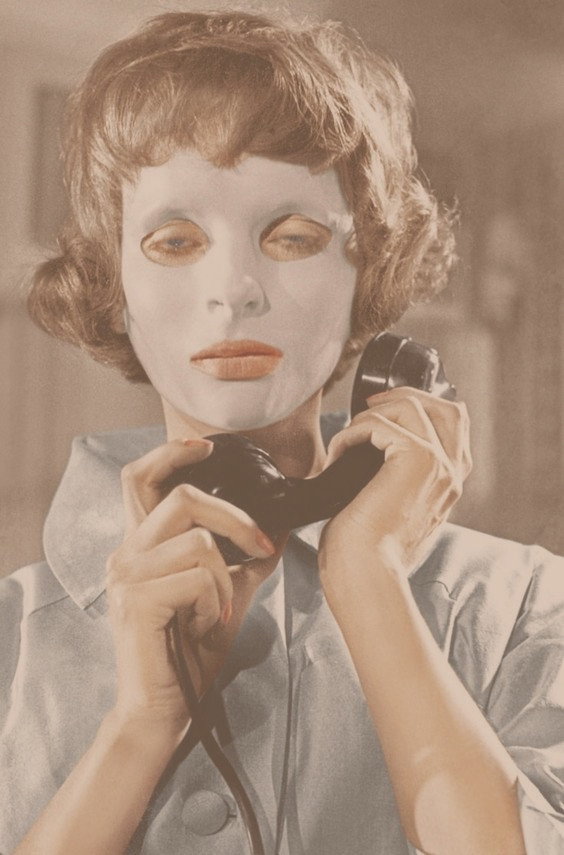
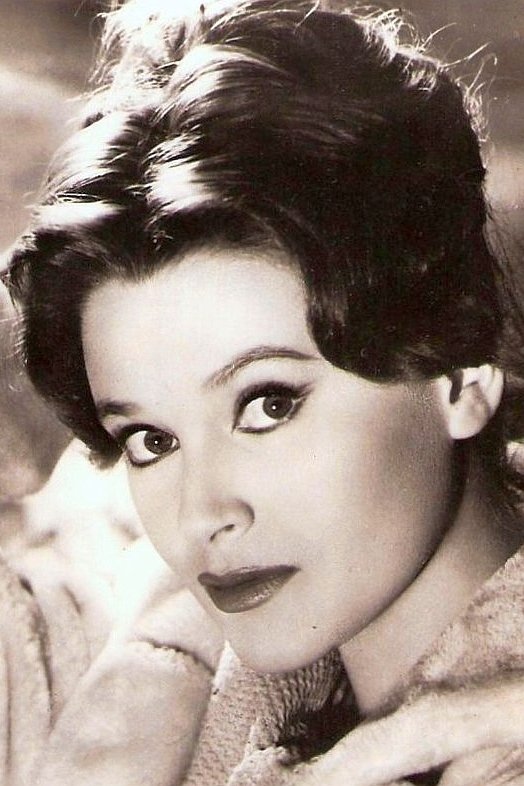
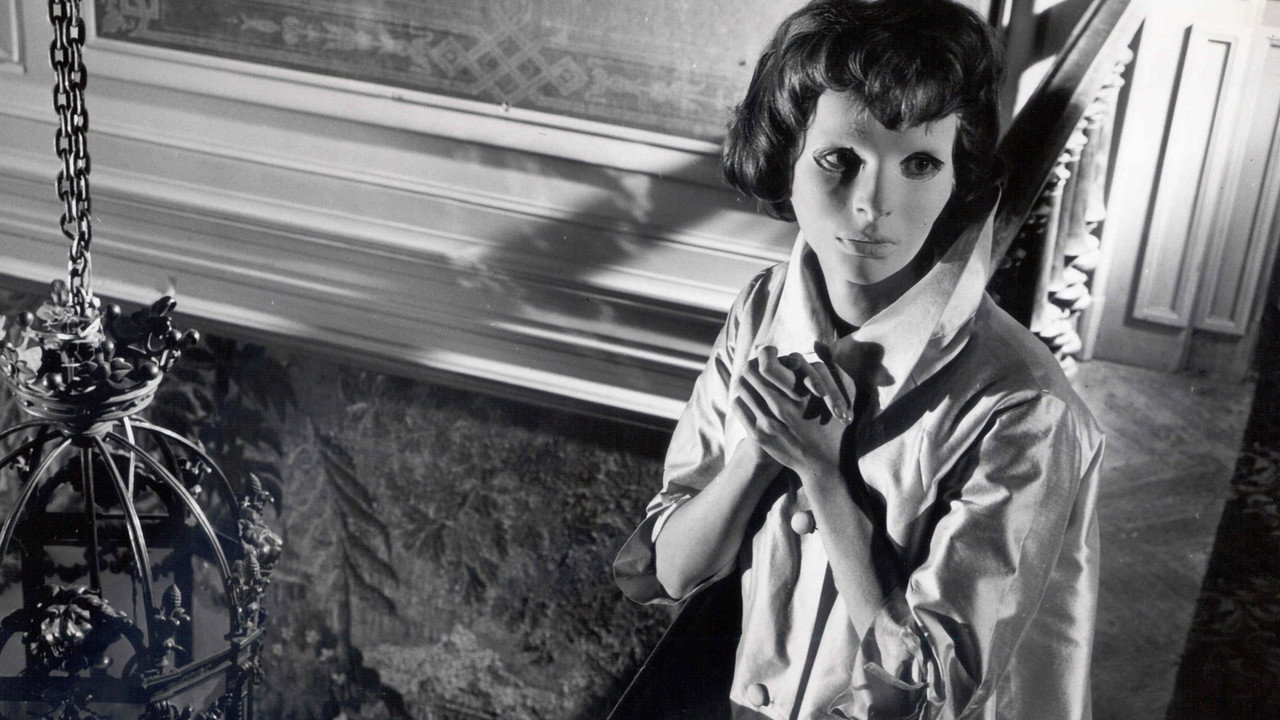
Edith Scob’s performance supplies the film with its most distinctive human image. For much of the narrative, Christiane wears a smooth white mask whose fixed expression conceals nearly all visible facial movement. The eyes remain exposed, making small changes in attention and direction unusually important. Scob had previously worked with Franju on La Tête contre les murs, and the director regarded her physical presence as particularly suited to the role. In testimony collected by the Cinémathèque française, he described the actress as central to his conception of Christiane’s final appearance and the unusual emotional atmosphere surrounding her.
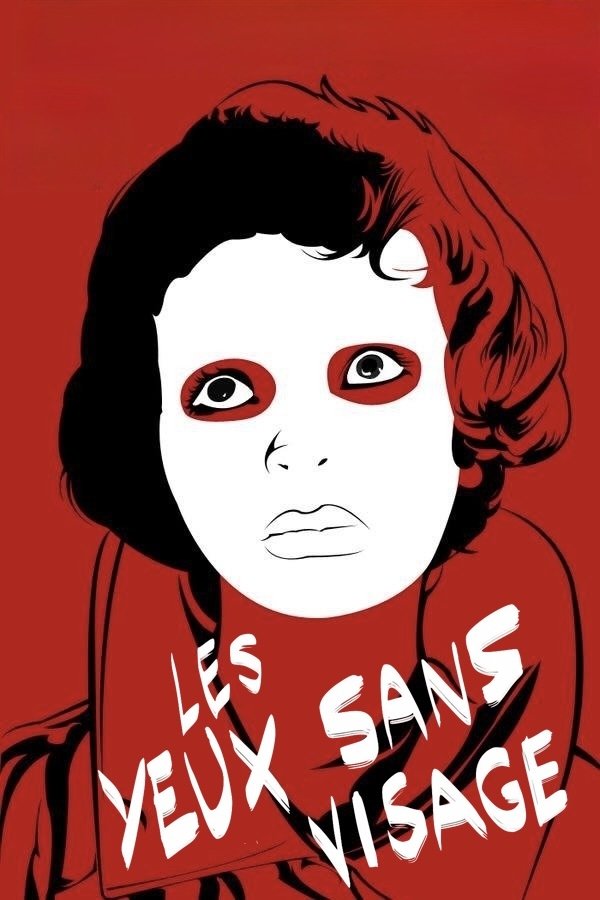
Scob later explained that the mask physically altered her performance. Makeup preparations required her to arrive before other cast members, and some appliances were closely attached around her eyes and mouth. A thinner version was used for close-ups, while a more substantial construction could be removed between takes. Speaking and smiling became difficult to communicate through the material, forcing her to rely upon posture, head movement and restrained gestures. She recalled that the mask also isolated her from colleagues during production. The resulting movements acquired a deliberate, almost weightless character that suited the confined and increasingly detached figure of Christiane.
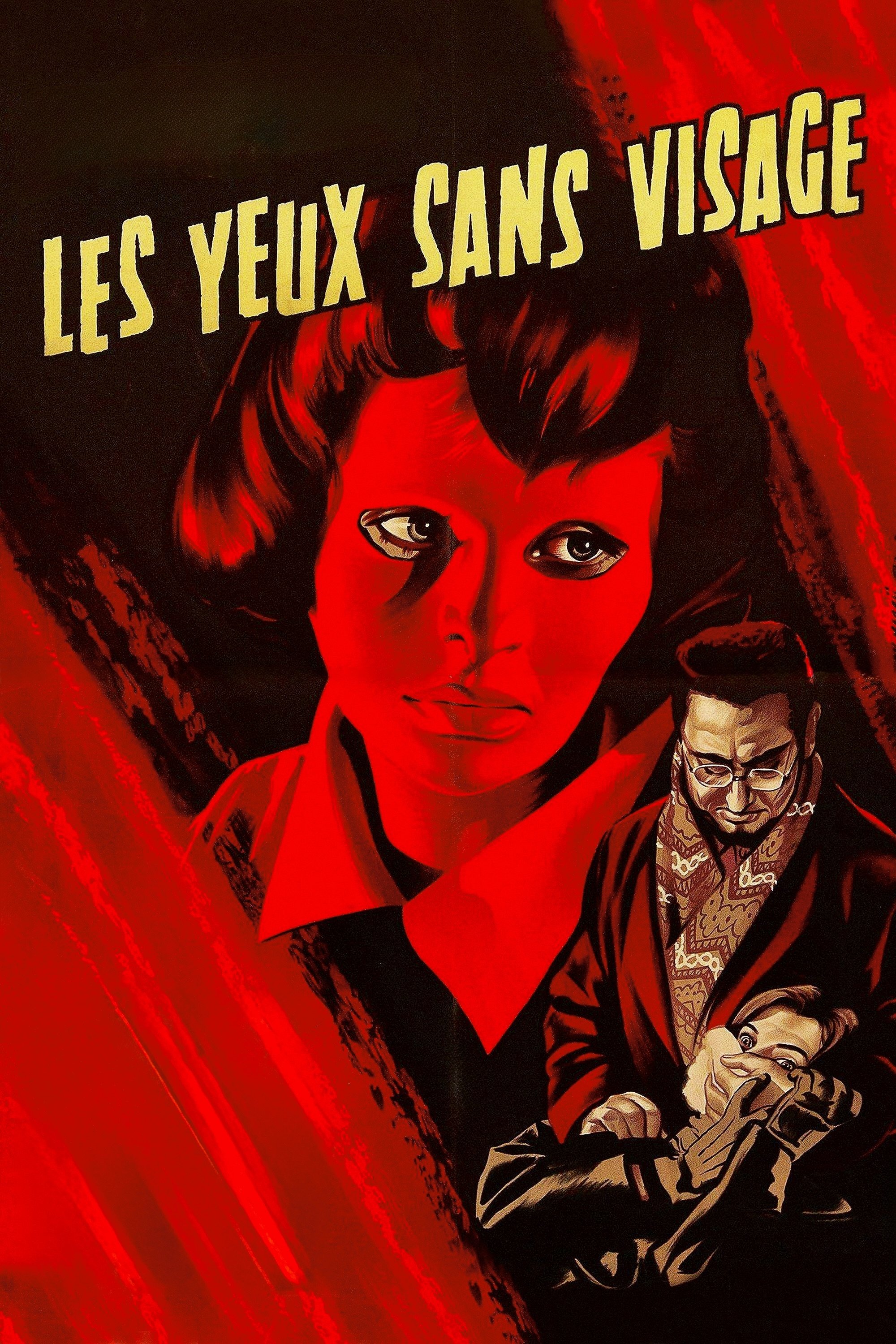
The relationship between father and daughter gains particular significance through this restricted expressiveness. Génessier speaks confidently about restoring Christiane’s appearance but rarely considers what his experiments require her to endure. Her silence contrasts with his professional authority and makes his insistence on her physical restoration appear increasingly coercive. Alida Valli’s Louise further complicates the household through her unwavering loyalty to the doctor. The assistant’s elegant appearance and controlled behavior conceal direct participation in the abductions. Together, the three performances create a domestic environment in which apparent affection has become inseparable from confinement, dependency and violence.

Surgical Horror & Makeup Effects

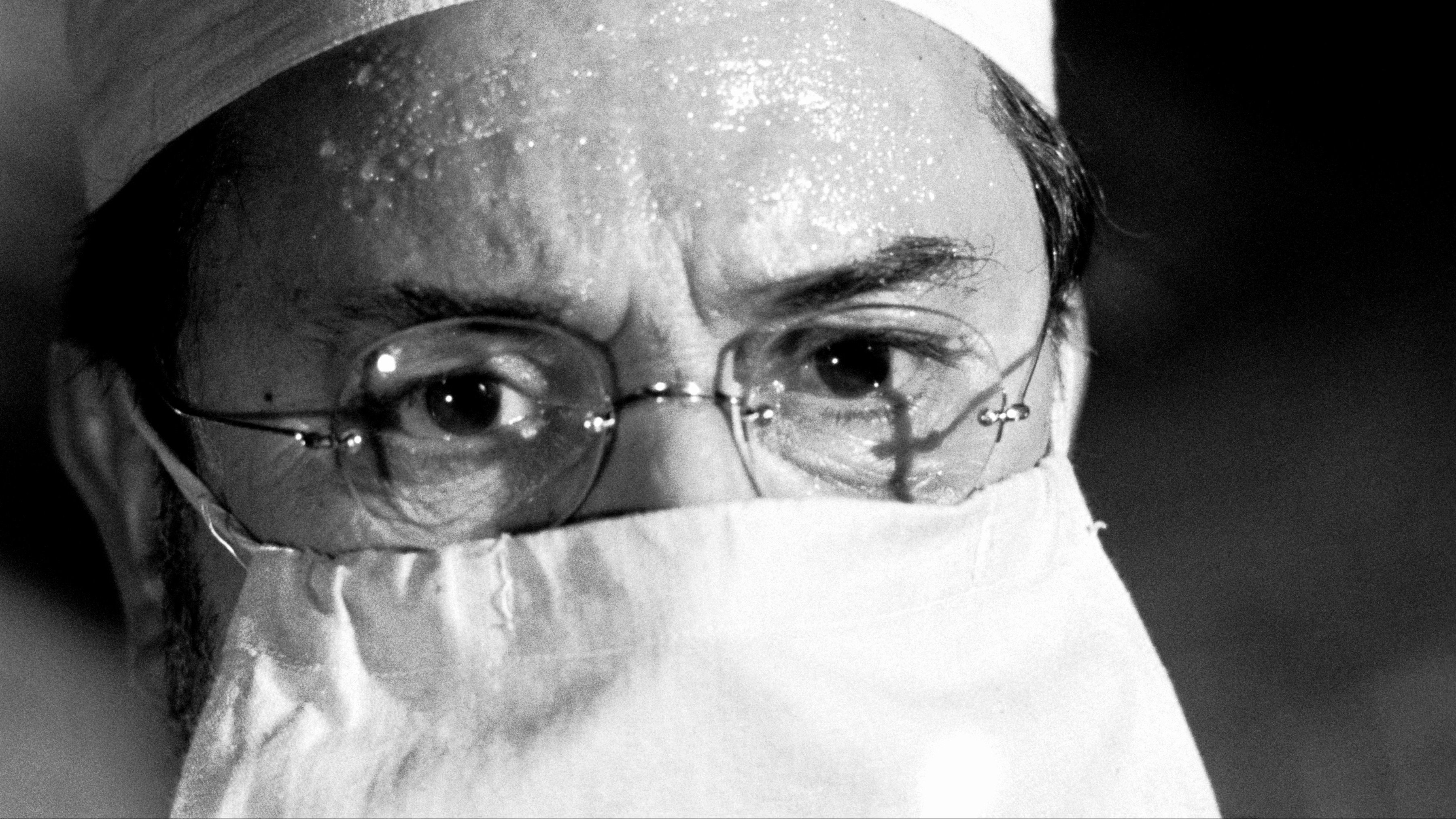
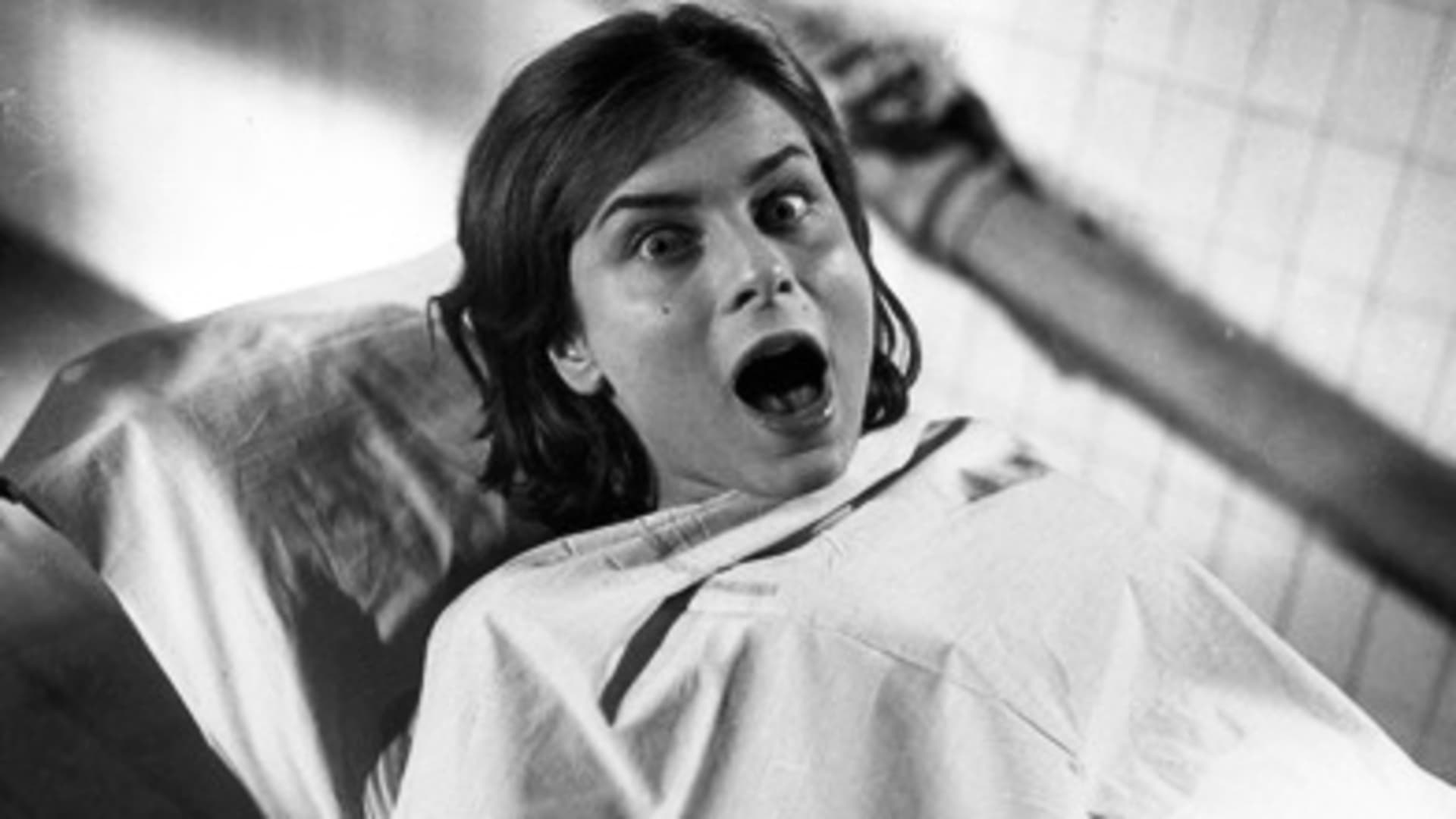
The surgical sequences are among the film’s most historically significant technical achievements. Georges Klein received the makeup credit, while Henri Assola supervised special effects. The central operation involves the removal of a young woman’s facial skin for transplantation onto Christiane. Franju stages the procedure with a degree of observational precision unusual in contemporary commercial horror. Surgical instruments, markings around the face and the careful movements of the operating team give the sequence the appearance of a medical demonstration. The camera remains attentive to the physical procedure, allowing the disturbing implications of the action to emerge through its apparent professional normality.

Franju later stated that additional material had been filmed but removed during editing. His account described more explicit images involving the area around the victim’s eyes, including blood effects operated during the procedure. He also recalled that a fuller version of the operation existed in a Japanese release. These statements document his original intentions and the subsequent alteration of the sequence, although they should be distinguished from a verified inventory of surviving original film elements. Even in the commonly available version, the procedure retains a degree of physical detail capable of disrupting the film’s otherwise controlled atmosphere.

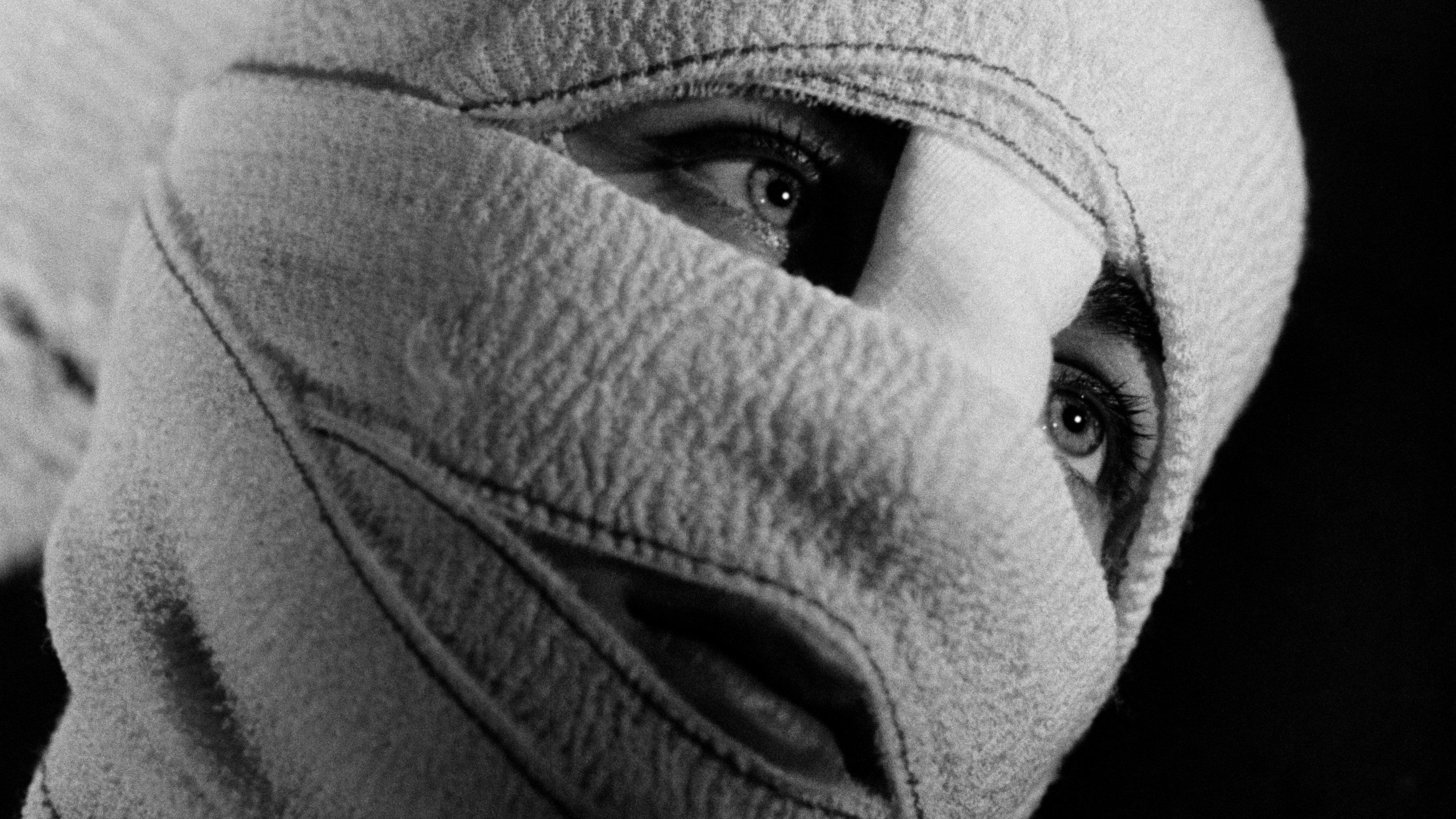
The failure of the transplant required another form of makeup work. Christiane briefly acquires a more conventional human appearance before her body rejects the grafted tissue. A succession of images documents the gradual deterioration of the transferred skin, approaching the subject through a clinical structure rather than through a sudden transformation. Scob recalled that the sequence was exceptionally difficult and prolonged to photograph. The effects establish the impossibility of restoring Christiane through the methods her father has chosen. They also connect the physical appearance of the face to an ongoing medical process, giving the horror a disturbing resemblance to documentary evidence.

Cinematography & Production Design

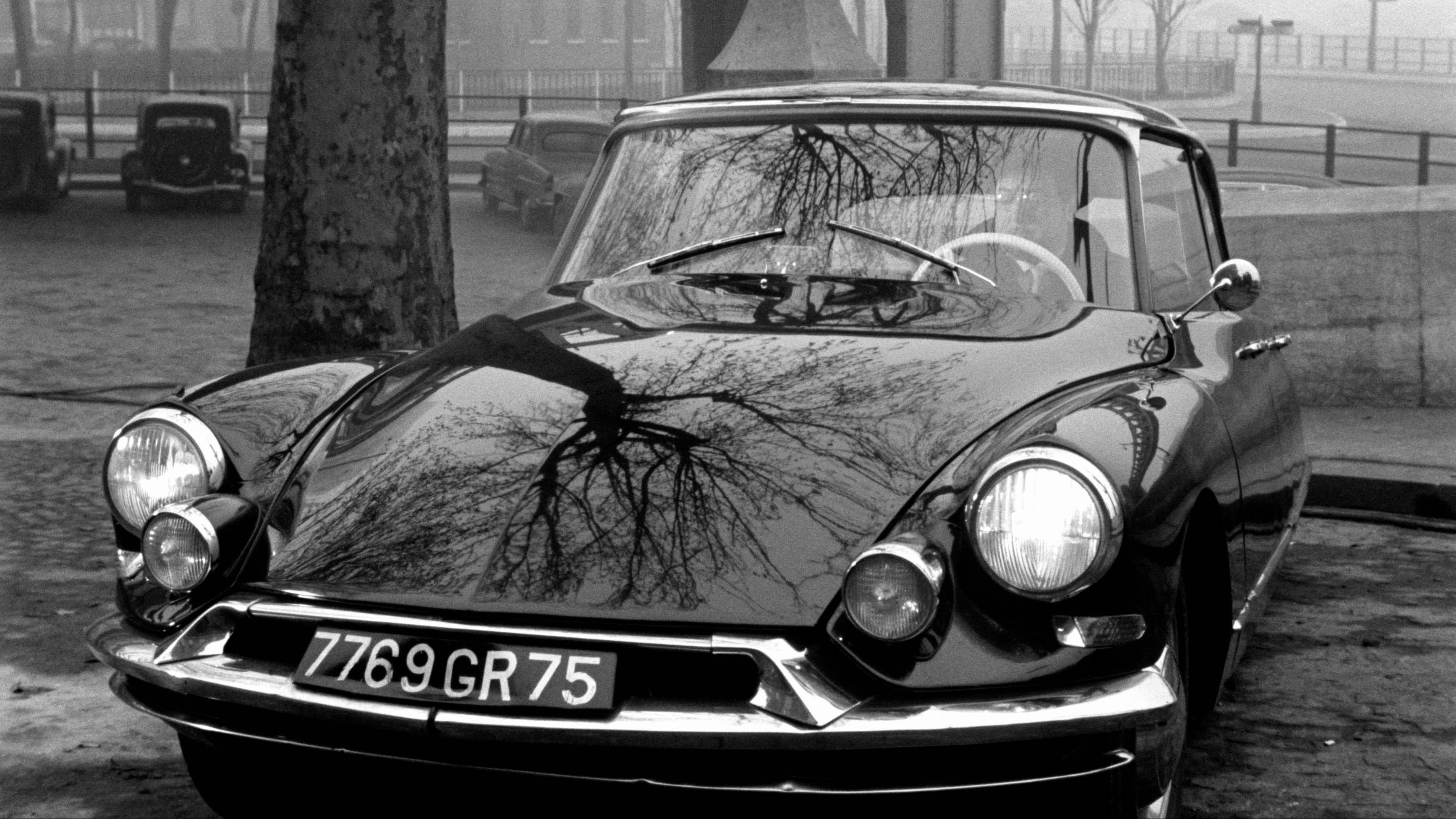
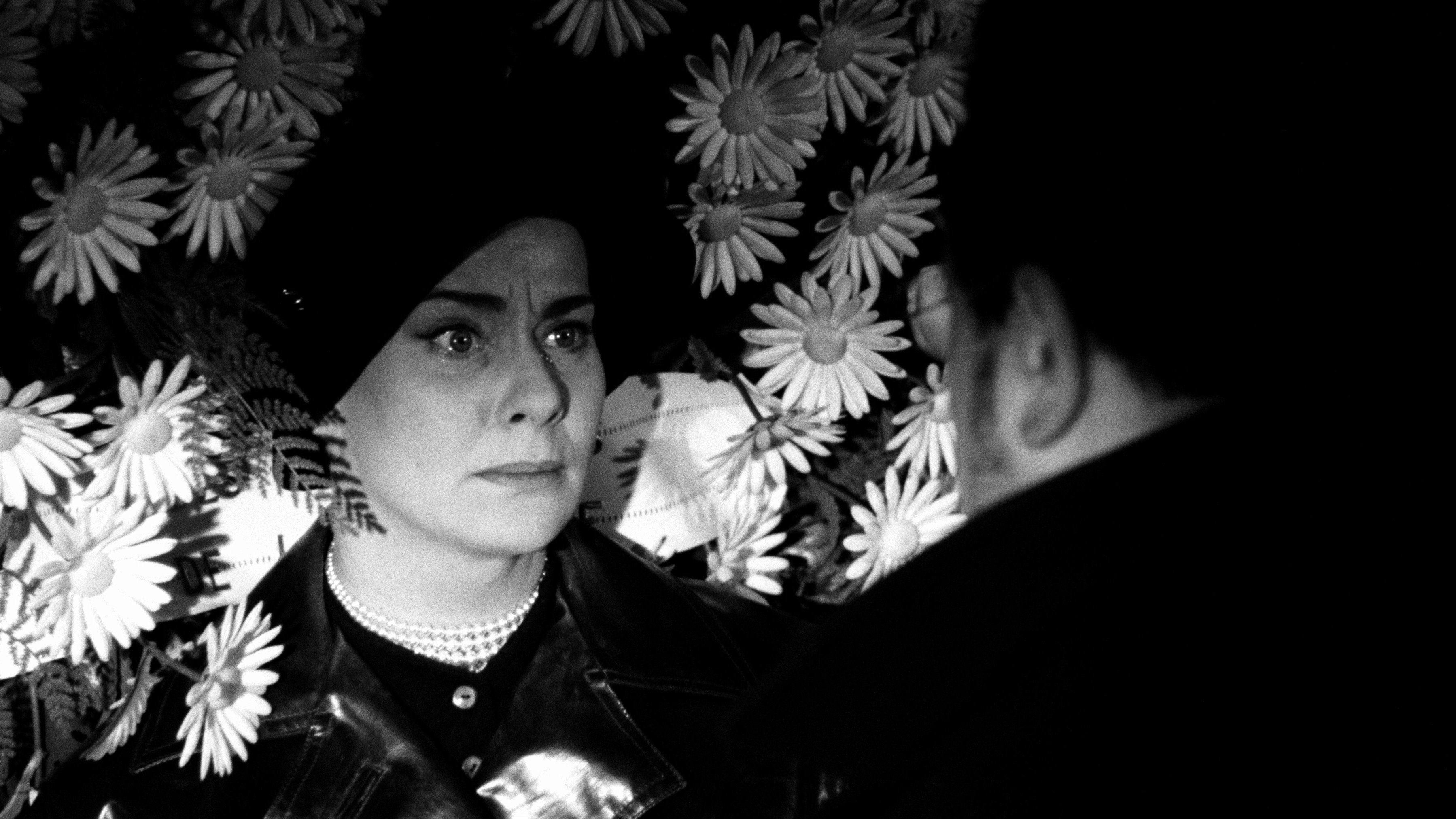
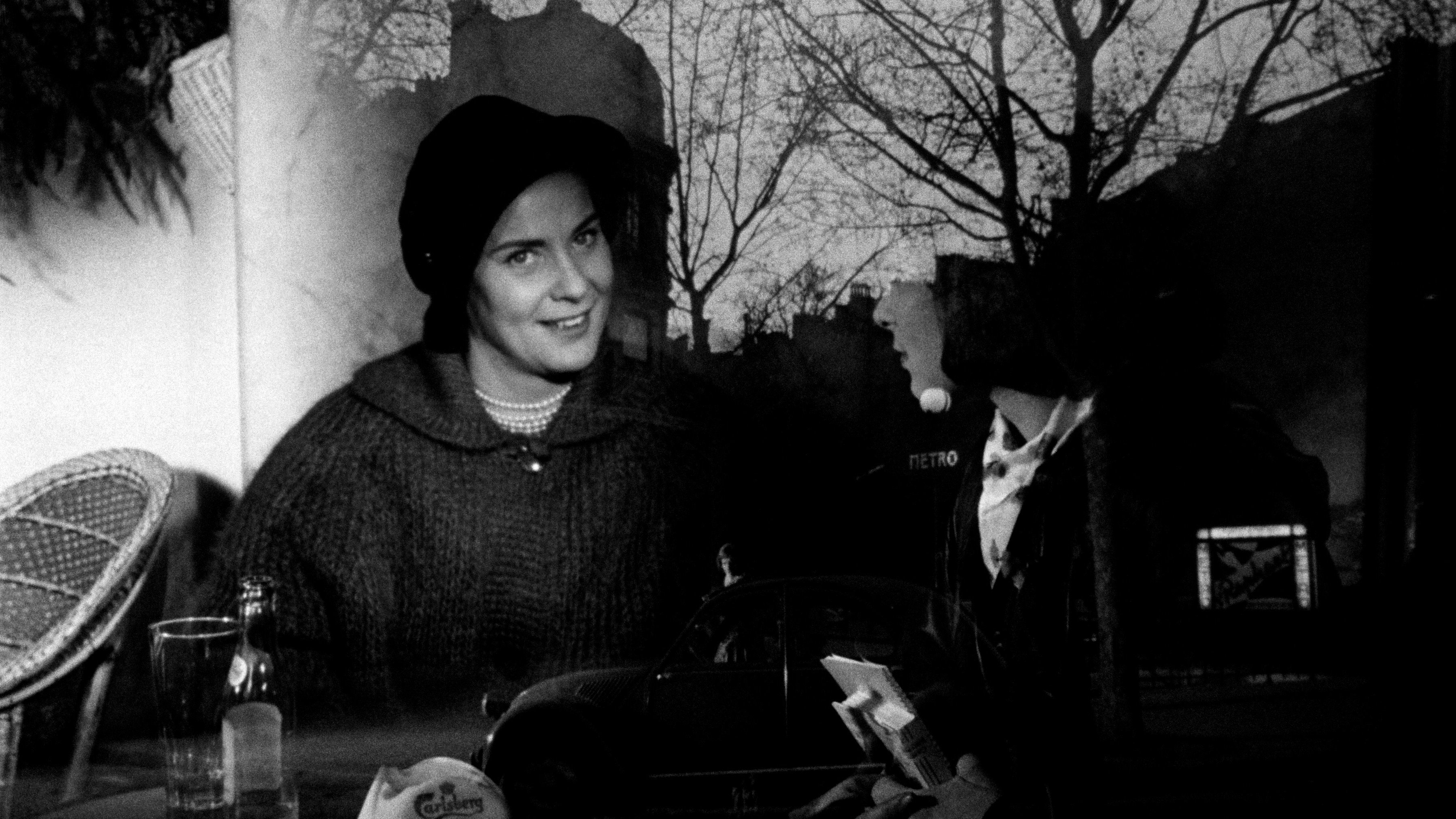
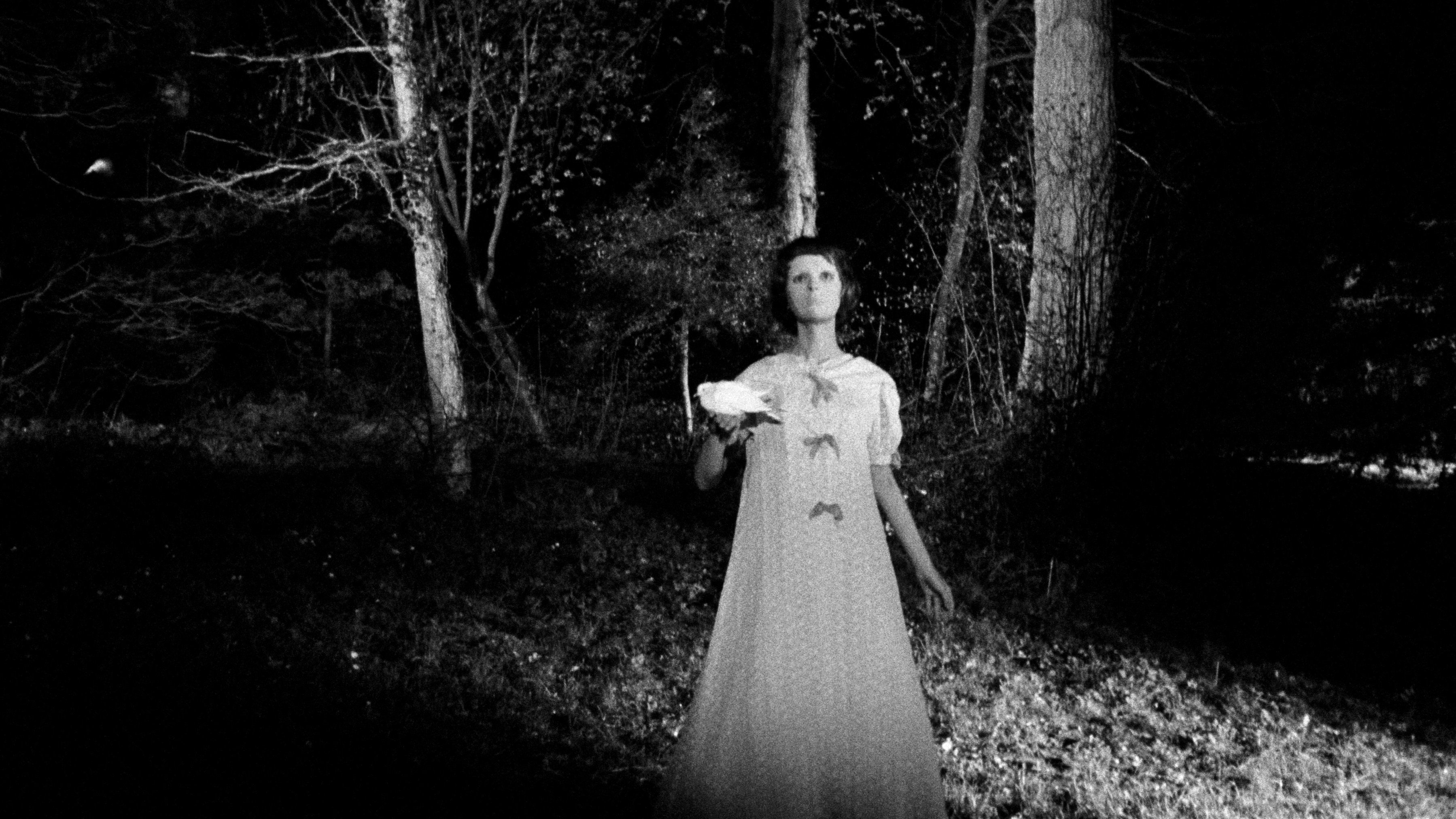
Eugen Schüfftan’s black-and-white cinematography is fundamental to the film’s combination of realism and fantasy. The cinematographer had worked within European cinema since the silent period and brought considerable experience with lighting and visual effects. Franju admired his earlier work and selected him for an image dominated by deep blacks, luminous whites and carefully arranged areas of gray. The opening drive establishes an environment of empty roads, bare trees and uncertain distances. Familiar locations surrounding Paris acquire an artificial and threatening character through their isolation and photographic treatment.

Franju explained that the spatial organization of an image mattered more to him than following movement conventionally. In testimony assembled by the Cinémathèque française, he recalled asking Schüfftan to frame a courtyard broadly rather than concentrate closely on an approaching automobile. The empty space preceding the vehicle’s arrival established an expectation that something disturbing might occur. This preference reflects his documentary background, in which the environment could become the principal subject of observation. Throughout Eyes Without a Face, corridors, rooms and wooded grounds acquire significance before an event establishes exactly why they should be feared.

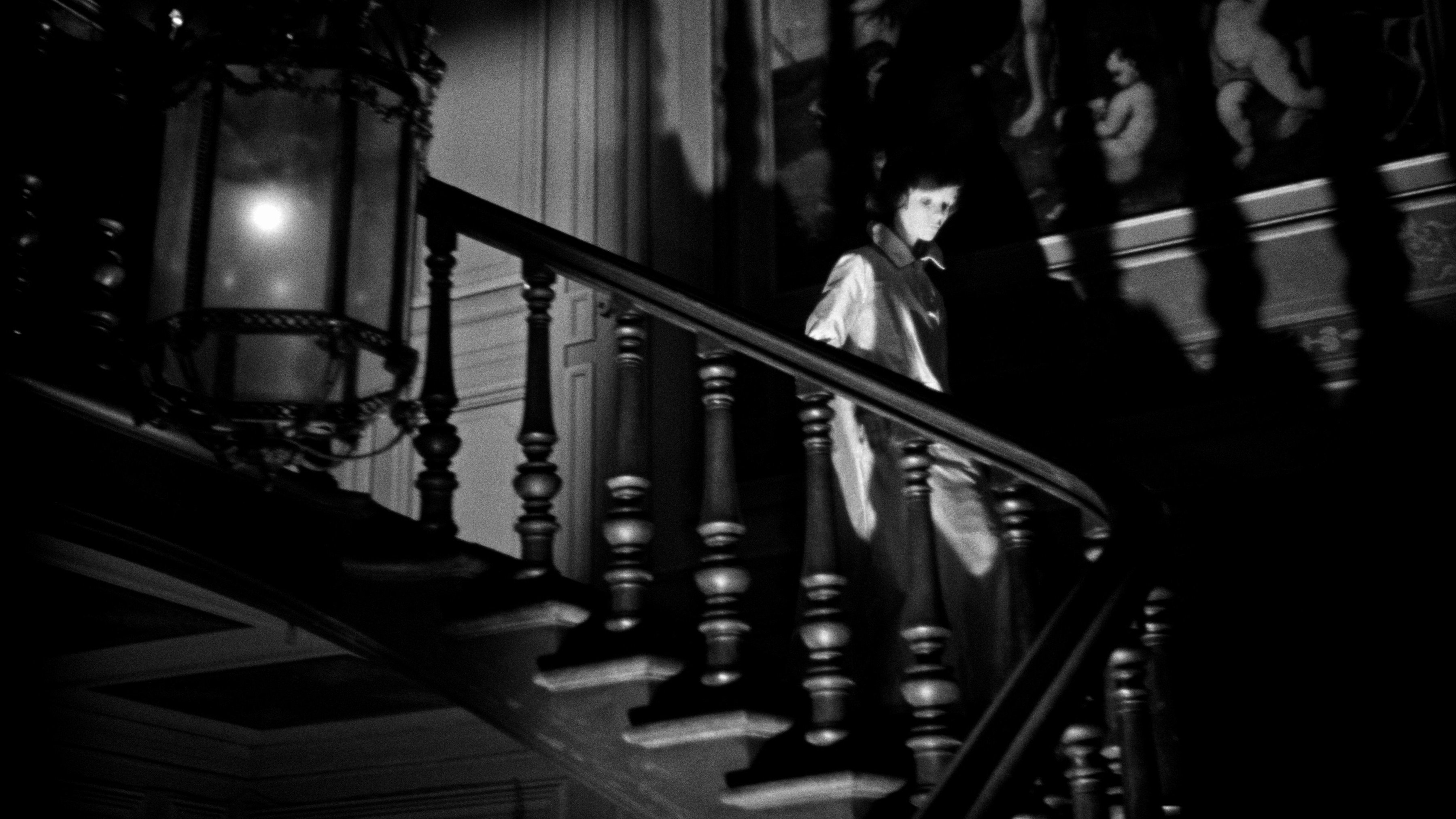
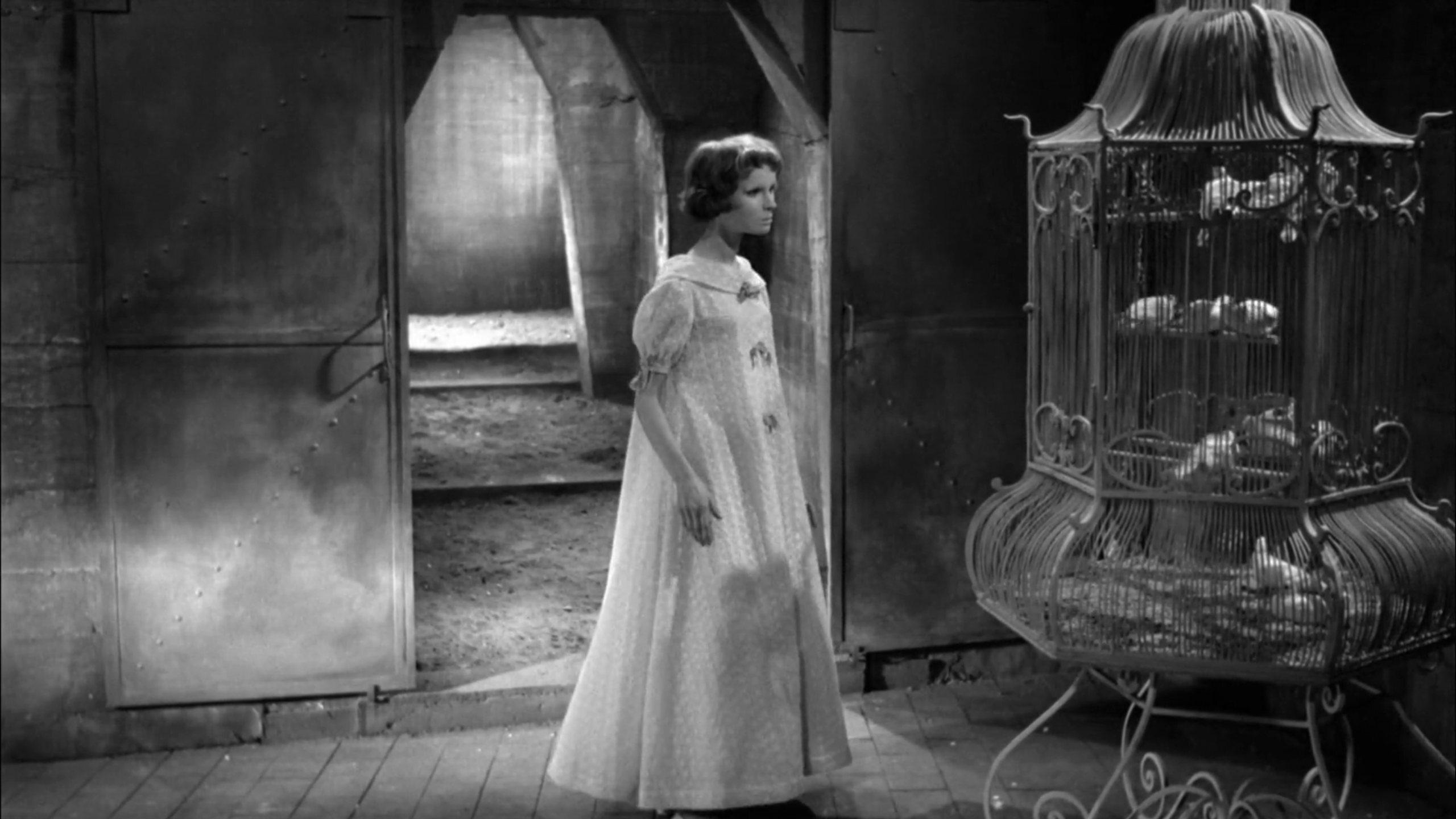
Production designer Auguste Capelier developed the interiors, while Gilbert Natot edited the film. The Génessier residence combines the familiar appearance of a substantial country house with specialized rooms devoted to surgery and animal experimentation. The contrast between domestic furnishing and medical equipment makes the building appear divided between incompatible purposes. Its kennel contains dogs used for experimental work, whose presence becomes increasingly important as Christiane recognizes the relationship between her own confinement and theirs. The visual structure moves between enclosed laboratories and the surrounding forest, preparing the final release of both the captive animals and the daughter herself.

Maurice Jarre, Music & Sound

Maurice Jarre composed and conducted the original score, developing a musical identity that contrasts sharply with the film’s surgical imagery. The music accompanying Louise’s journeys has an insistent, almost fairground-like quality, creating a disturbing relationship between its lively rhythm and the criminal activity taking place on screen. Other passages adopt a more restrained and mournful character, particularly when Christiane moves through the house or confronts the consequences of her father’s work. The changes in musical tone support Franju’s combination of macabre subject matter and delicate visual imagery.

The soundtrack also makes silence important. The operation’s atmosphere depends heavily upon the apparent precision of professional activity, allowing attention to remain on the instruments and physical actions rather than continuous musical emphasis. Antoine Archimbaud received the sound-engineering credit. Ordinary noises within the mansion contribute to the sense that its inhabitants occupy a place separated from the outside world. The presence of caged animals introduces another layer of sound and physical movement, connecting Christiane’s isolation to the creatures kept for experimentation.

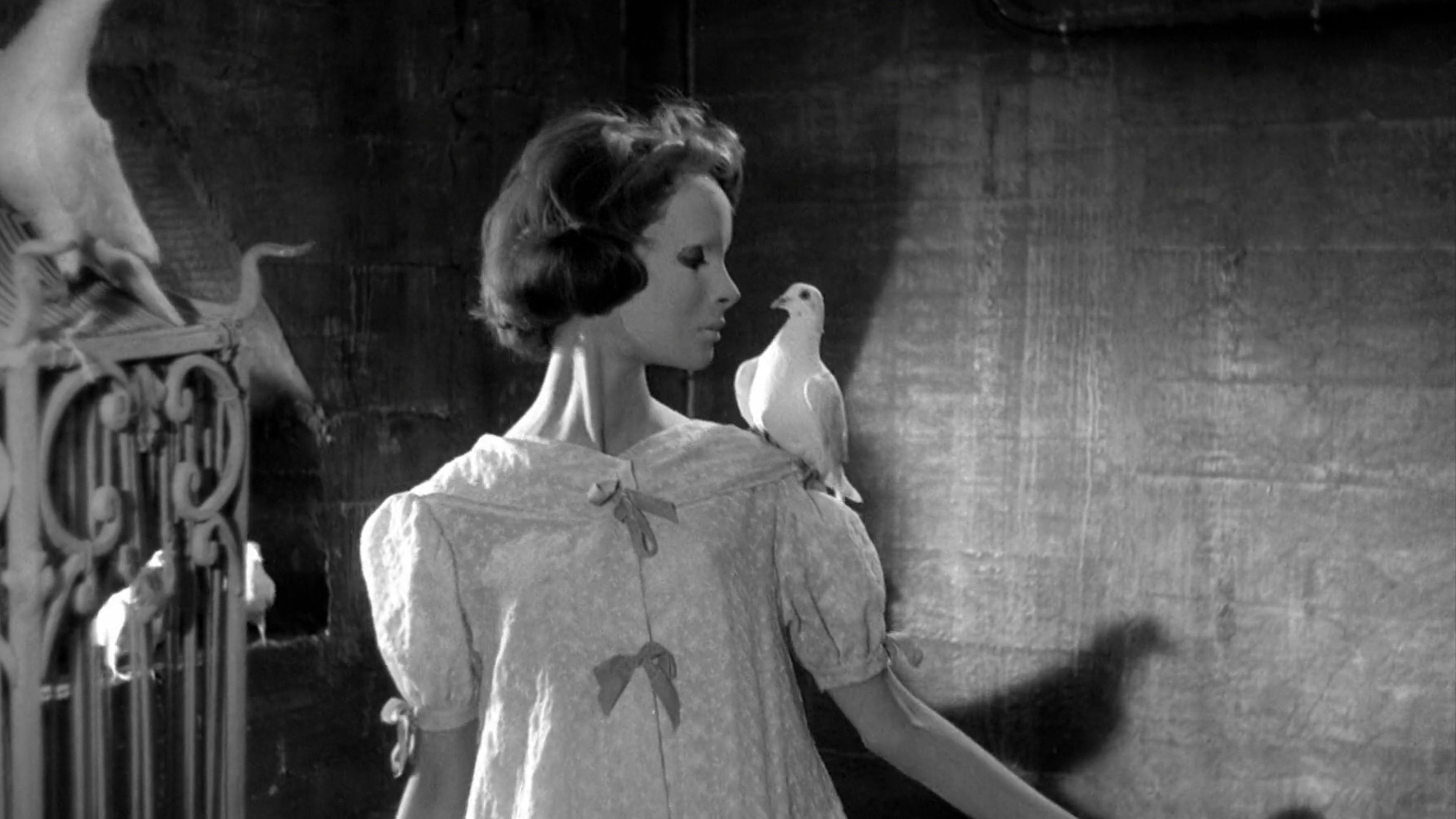
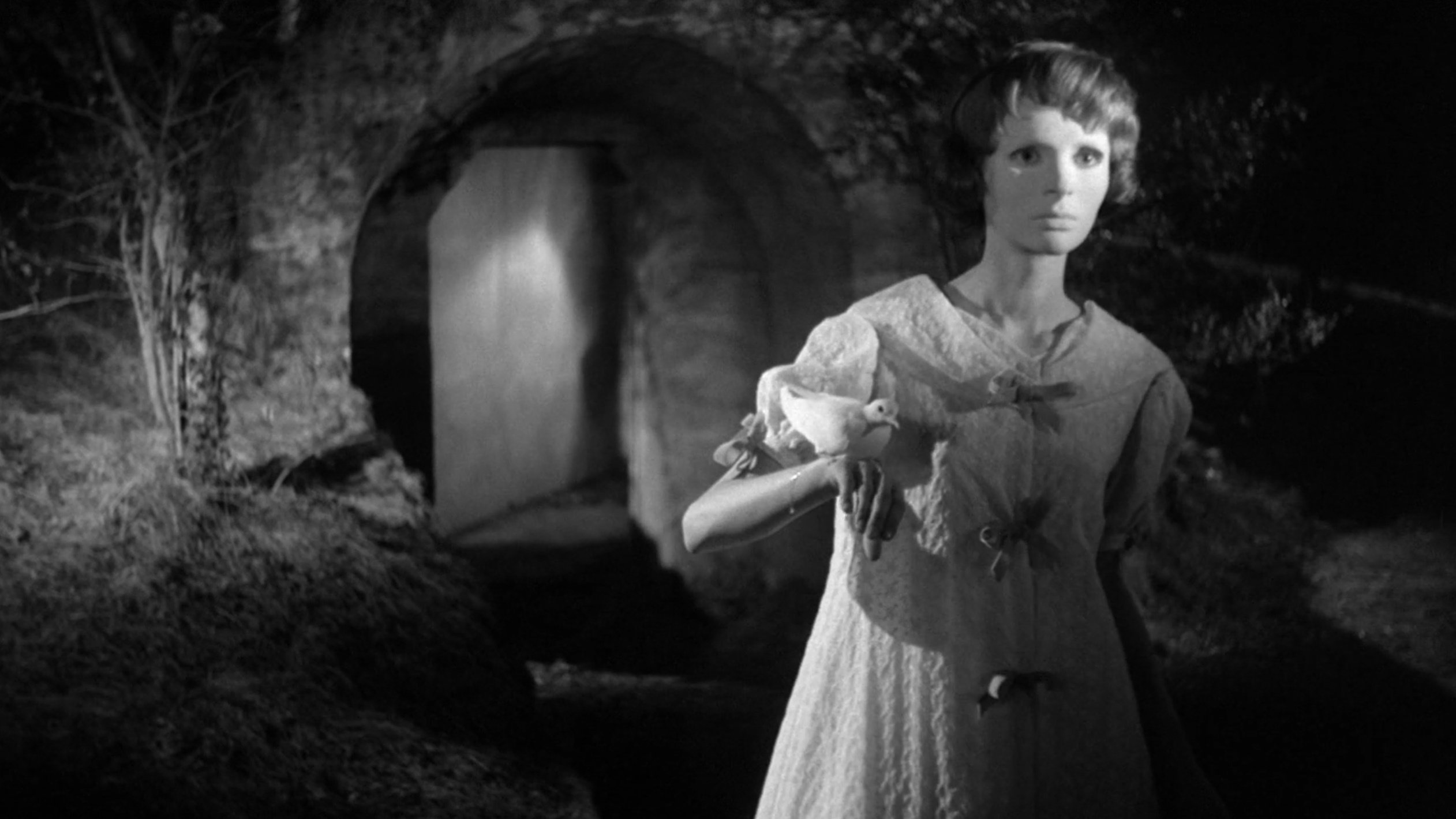
The conclusion brings these elements into a different emotional arrangement. Christiane frees the imprisoned dogs, which attack her father, and releases the white doves kept within the residence. She then moves into the night carrying a bird while others fly around her. Scob recalled the combination of movement, music and animals as an especially meaningful realization of Franju’s visual intentions. The ending offers an escape from the immediate authority of Génessier while preserving uncertainty about Christiane’s future. Its subdued presentation contrasts with the violence that precedes it, allowing the film to close upon an image of physical release and unresolved personal suffering.
Release, Censorship & Historical Legacy

Eyes Without a Face was produced in 1959 and entered French distribution in 1960. Historical release records differ on the precise initial date: several filmographies list 11 January 1960, while documentation of the Paris theatrical engagement identifies 2 March. The distinction should be maintained rather than treating either date as unambiguously establishing every aspect of the national release. The film’s unusually explicit surgery attracted hostile responses from some critics and strong reactions from festival audiences. Accounts of its screening at the 1960 Edinburgh Film Festival report that seven spectators fainted. The episode became part of the film’s early reputation, although it should be understood as contemporary reporting rather than a measure of its artistic or historical significance.

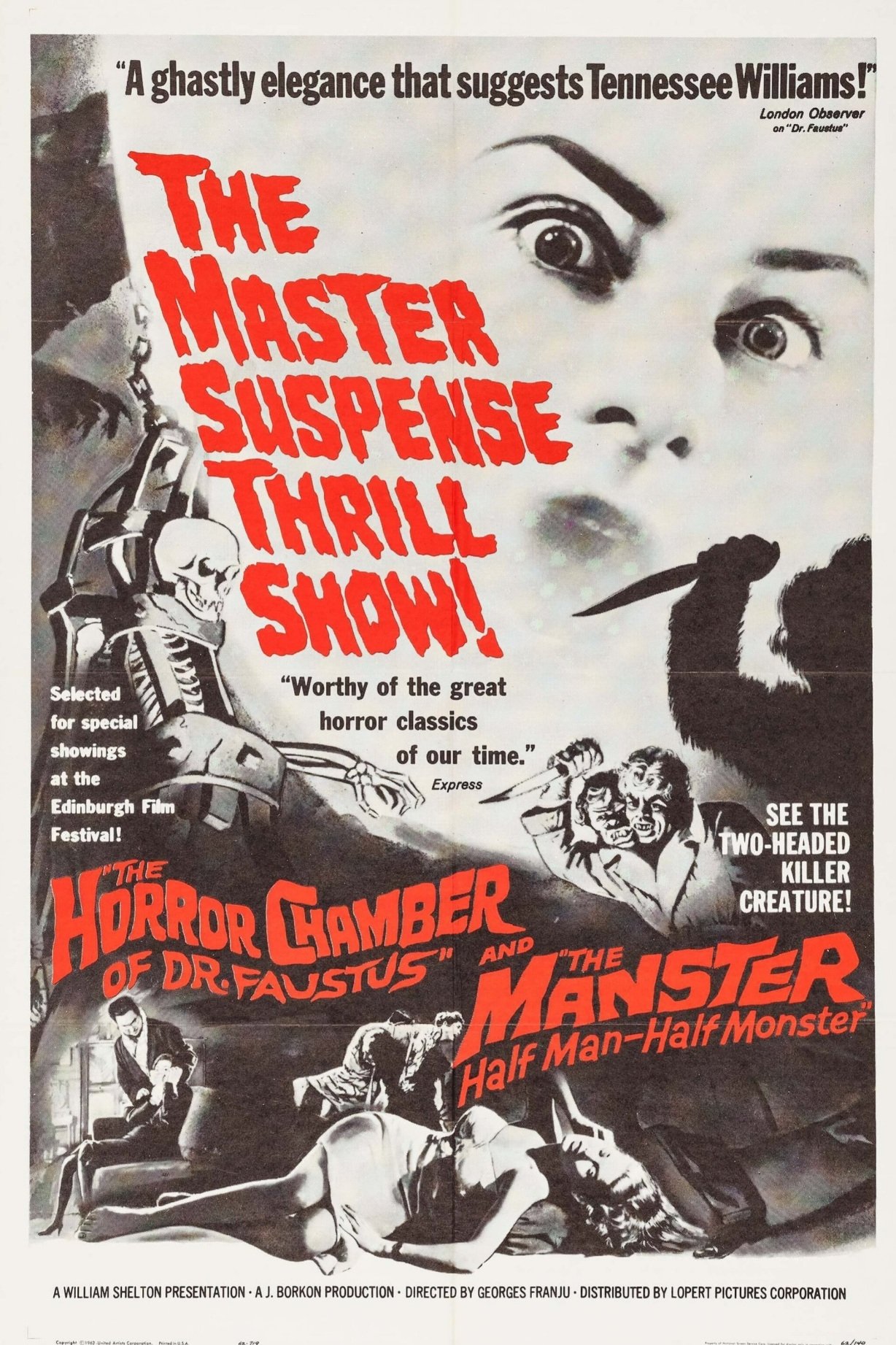
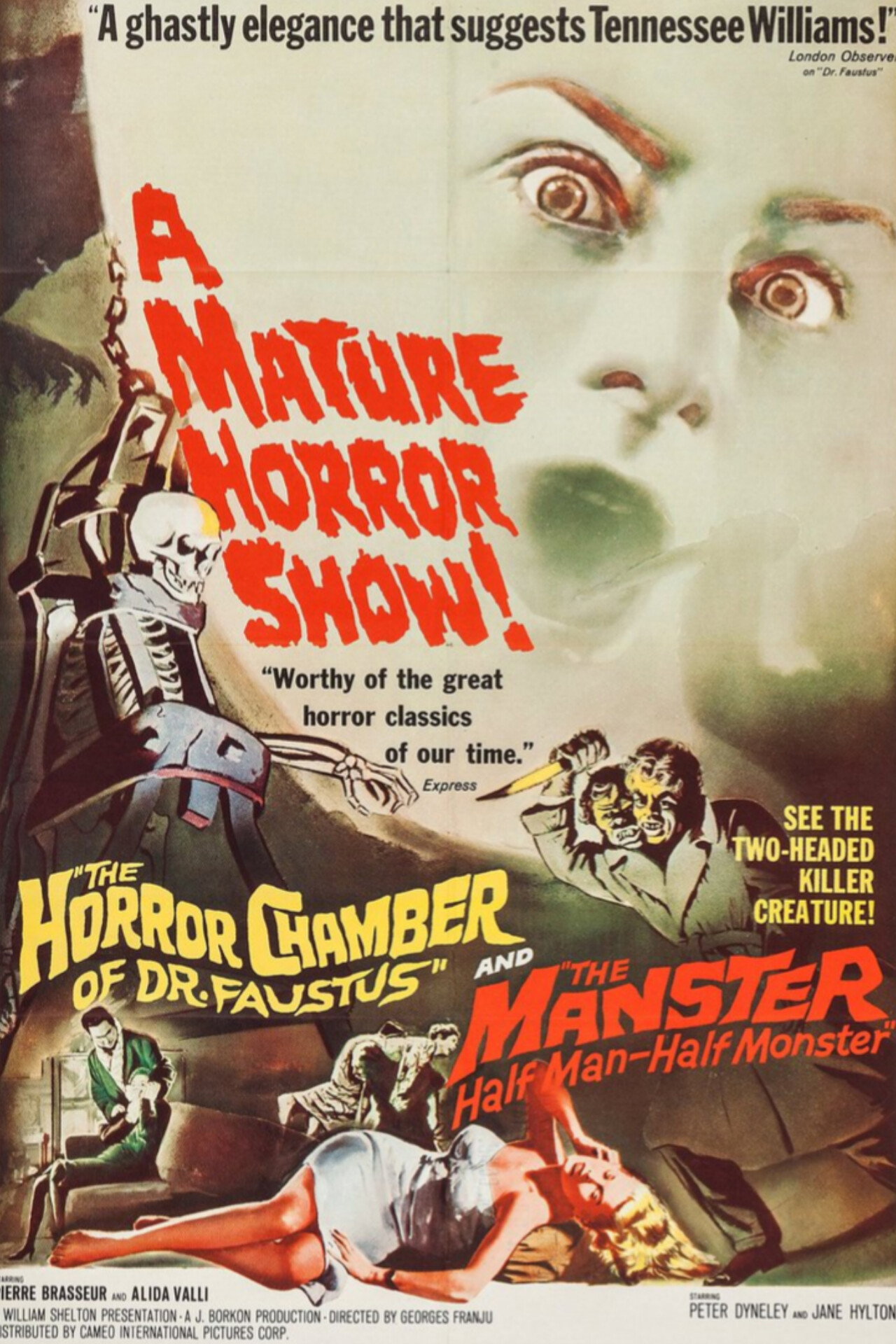
International distribution involved substantial differences between versions. The British Board of Film Censors recorded a theatrical submission on 19 October 1959 that received cuts or alterations. The British Film Institute subsequently submitted a longer version in April 1995. In the United States, the film appeared in 1962 under the title The Horror Chamber of Dr. Faustus, dubbed into English and distributed with The Manster (1959). Film historian David Kalat documented changes to the surgical sequence and the removal of a scene in which Génessier treats a sick child compassionately. The American editing therefore altered both the physical intensity of the horror and the characterization of the surgeon.

The original French version gradually received greater international recognition through repertory screenings, critical reassessment and home-video distribution. The Criterion Collection released the film on DVD in 2004 and later on Blu-ray, accompanied by historical essays and interviews. Its subsequent 4K edition includes a newly restored digital presentation and the original monaural soundtrack. These editions have helped establish a clearer distinction between Franju’s film and the shortened American exploitation release. They also document its relationship to the director’s earlier short Le Sang des bêtes, whose photographic methods informed his treatment of physical injury and death.

The film has become a significant reference point for later horror concerned with masks, bodily alteration and the relationship between appearance and identity. The British Film Institute has identified its importance to subsequent surgical and body-horror cinema, while the Cinémathèque française has discussed its influence upon directors including John Carpenter and Pedro Almodóvar. Scob’s later appearance wearing a white mask in Leos Carax’s Holy Motors (2012) provides a particularly direct connection: the actress explained that returning to a similar costume revived the movements she had developed during Franju’s production. The continued interest in Eyes Without a Face rests on its disturbing surgical realism and the emotional force of a protagonist whose appearance conceals, rather than exhausts, her identity.

References

  1. La Cinémathèque française Histoire orale des Yeux sans visage (Georges Franju, 1960)

    Delphine Simon-Marsaud’s extensive compilation of firsthand testimony from Georges Franju, Edith Scob, Claude Sautet, Juliette Mayniel and other participants, documenting production, performance, Schüfftan’s photography, surgical sequences and the original intentions for the ending.

  2. The Criterion Collection Eyes Without a Face: The Unreal Reality

    David Kalat’s historical essay examining Jules Borkon’s development of the project, the literary adaptation, Franju’s aesthetic approach, original critical controversy and alterations to the American release.

  3. British Film Institute Eyes without a Face — BFI Southbank Programme Notes

    Historical documentation with Adam Scovell’s critical analysis and the BFI Documentation Unit’s extensive original production credits, examining the Gothic setting, screenplay, photography, medical horror and film history.

  4. British Board of Film Classification Eyes Without a Face — Classification History

    Official archival records confirming the cut British theatrical submission of October 1959, the longer 1995 theatrical classification and subsequent home-video classifications.

  5. The Criterion Collection Eyes Without a Face (1960) — Restored Edition

    Official release documentation confirming the film’s credited cast and crew, original black-and-white format, new 4K digital restoration, monaural soundtrack and accompanying archival interviews.

Cast

View Full Cast & Crew →

Release & Distribution

Production Companies (2)

  • Champs-Élysées Productions FR
  • Lux Film IT

Release History (14)

Release DateTerritoryRelease TypeFormatDistributorCertificationNotes
1960-01-11 France Theatrical — — 16
1960-01-28 United Kingdom Theatrical — — —
1960-03-11 Germany Theatrical — — 18
1960-05-03 Italy Theatrical — — T
1960-10-20 Japan Theatrical — — PG12
1961-06-02 South Korea Theatrical — — 19
1961-10-30 Sweden Theatrical — — 15
1961-11-23 Peru Theatrical — — —
1962-10-24 United States Theatrical — — NR
1963-12-09 Denmark Theatrical — — —
1965-04-02 Mexico Theatrical — — B-15
2007-07-04 Australia Physical DVD — M DVD
2022-02-25 Germany Physical — — 16
2025-07-17 Portugal Limited Theatrical — — M/12 Cine-concert with Felicia Atkinson // Curtas Vila do Conde - International Film Festival
The horror film with a heart of mystery.