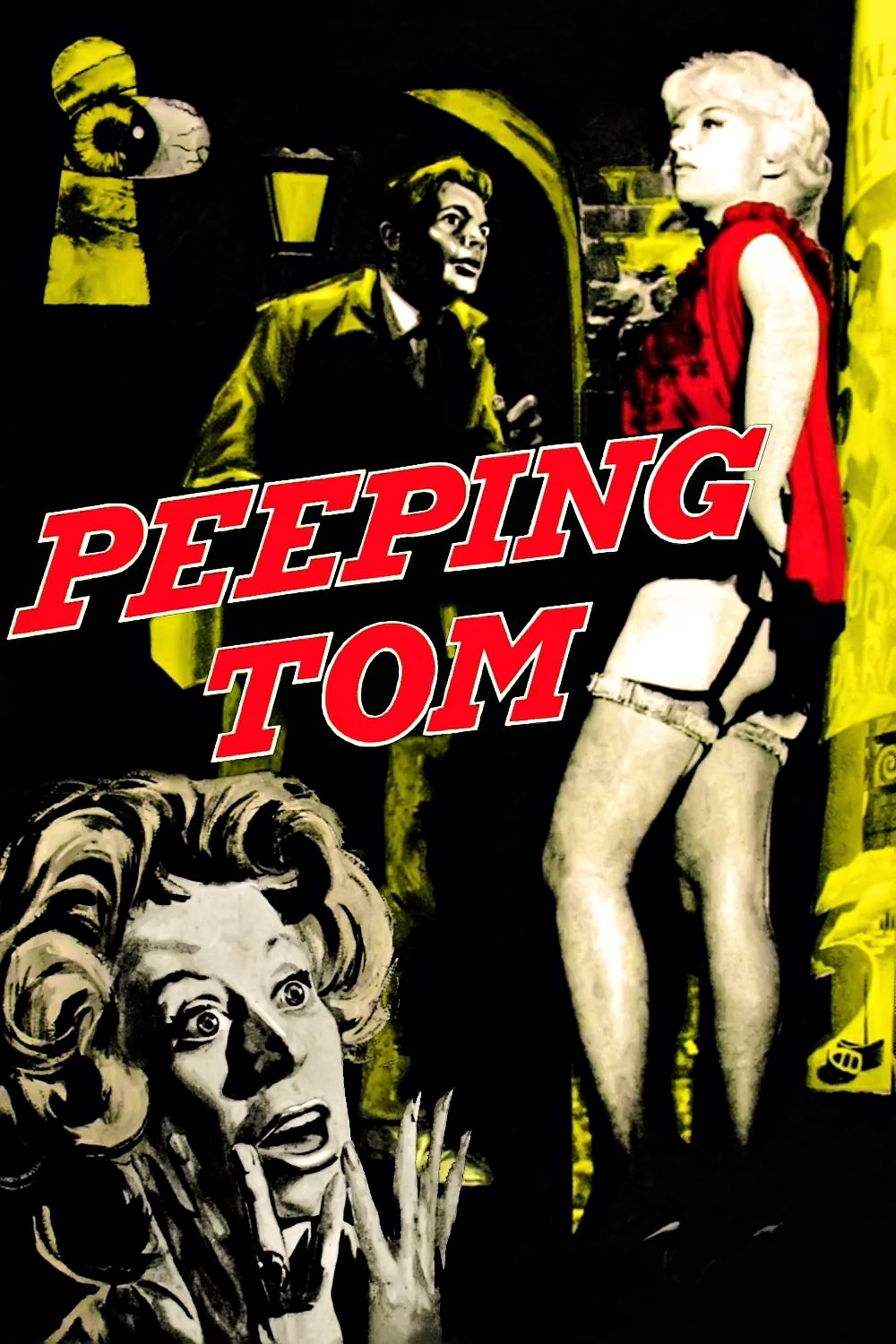
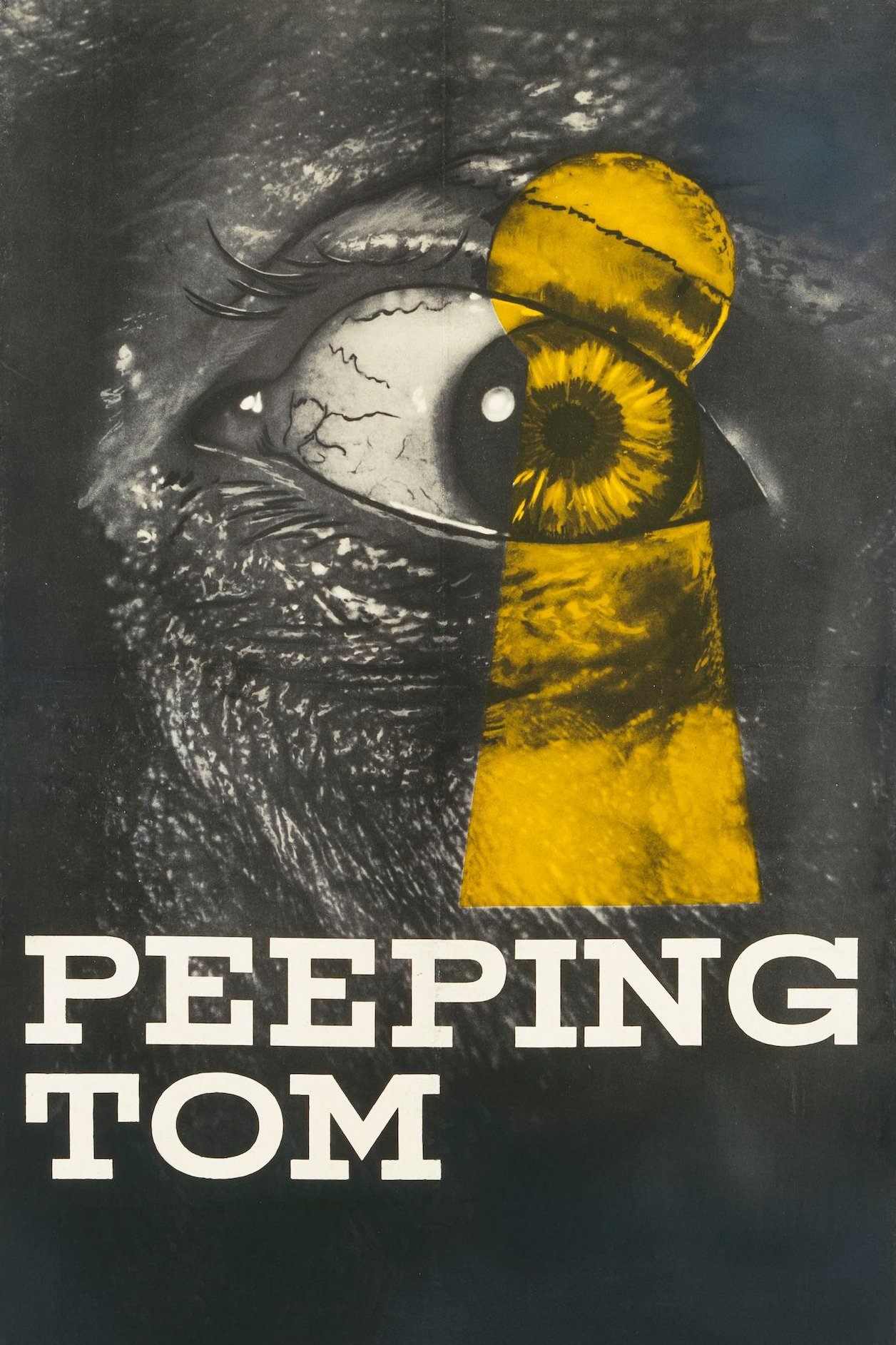
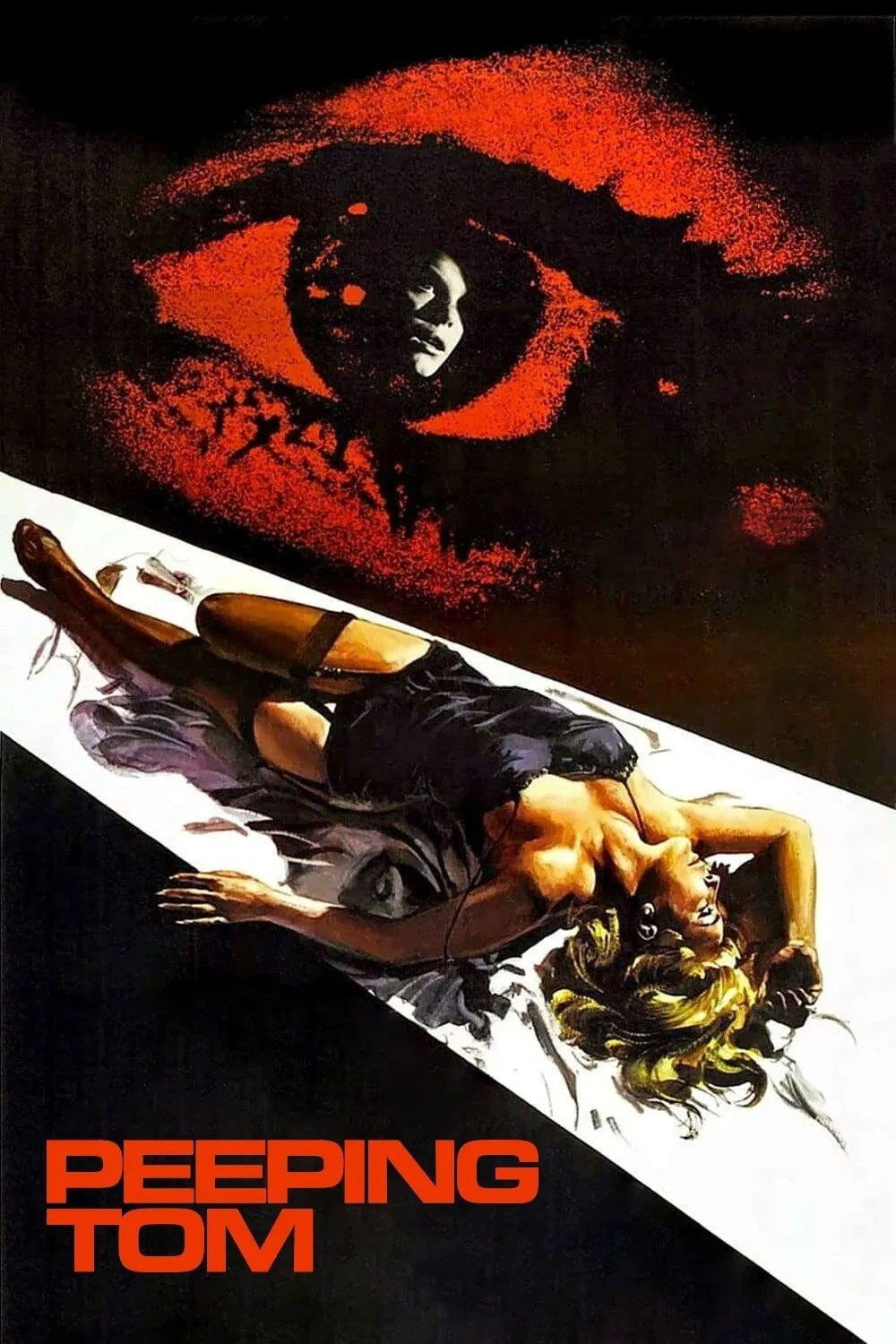
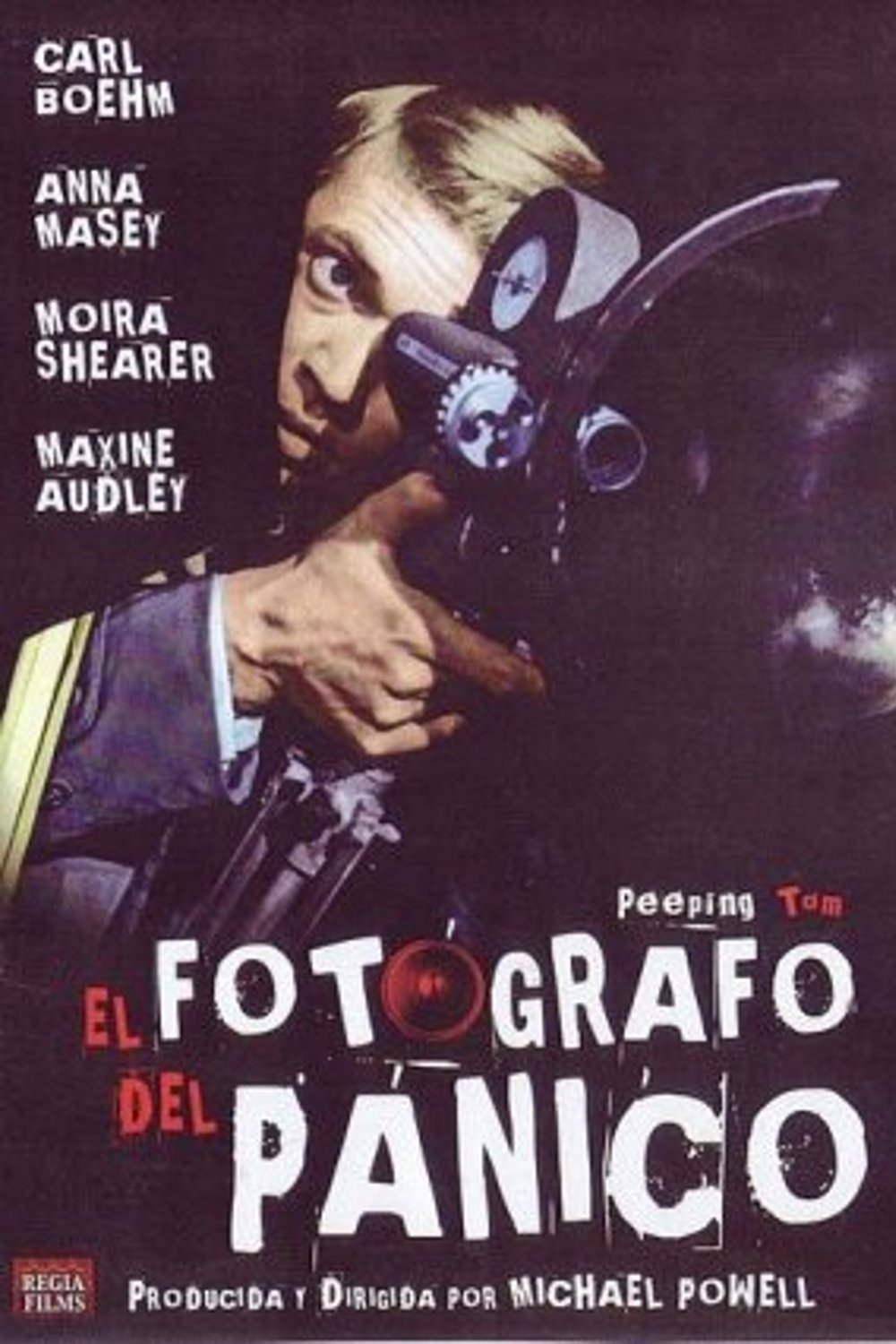
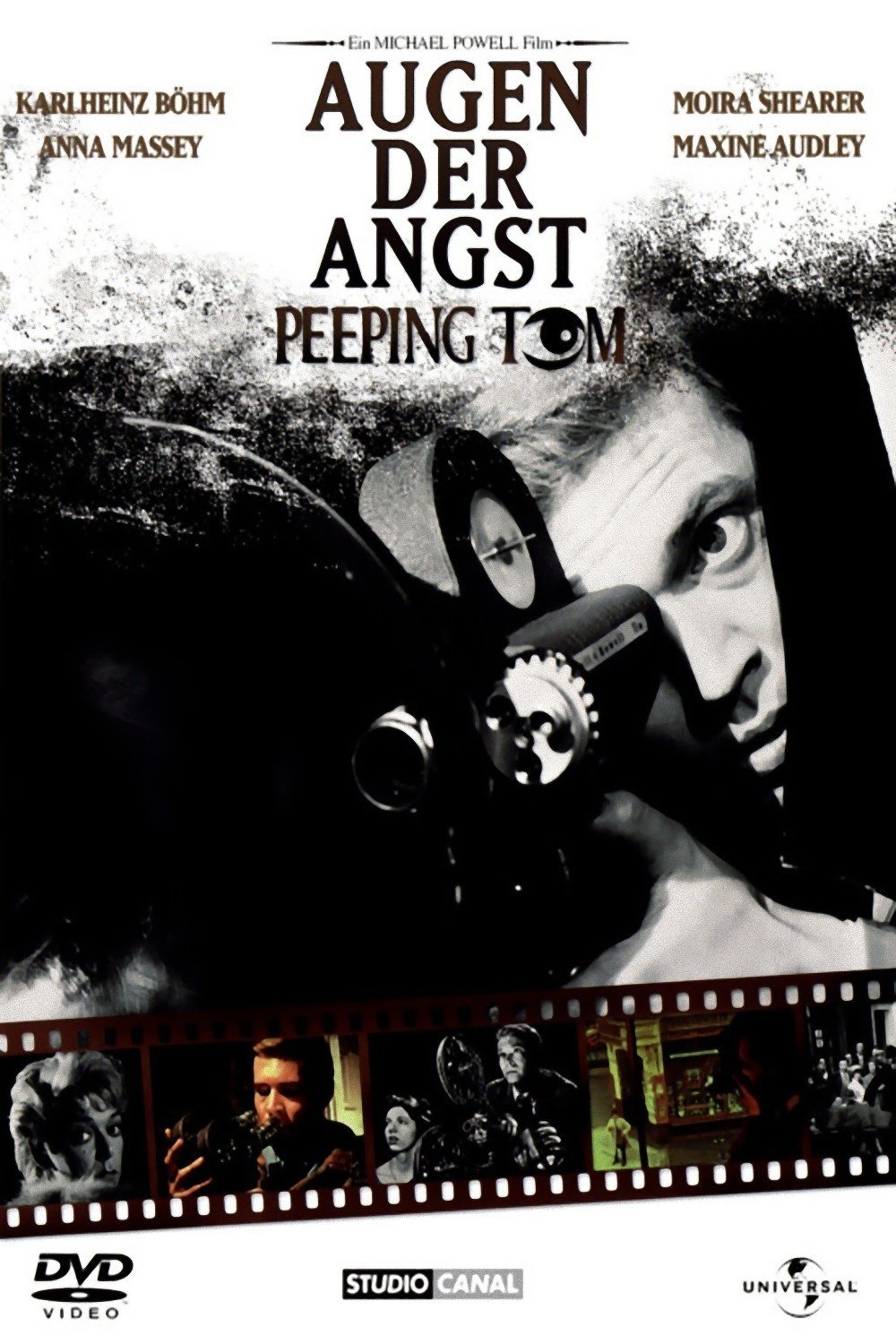
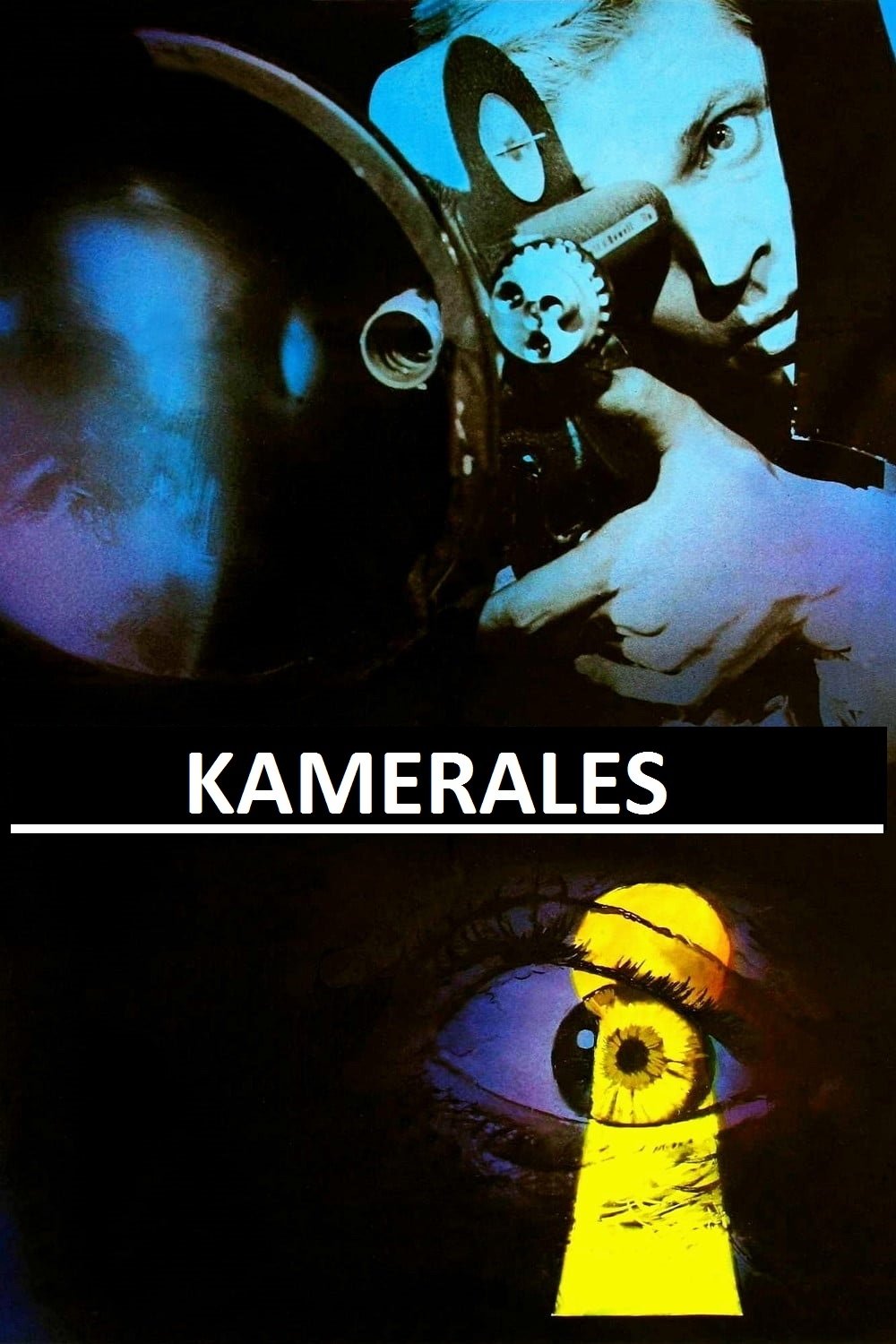
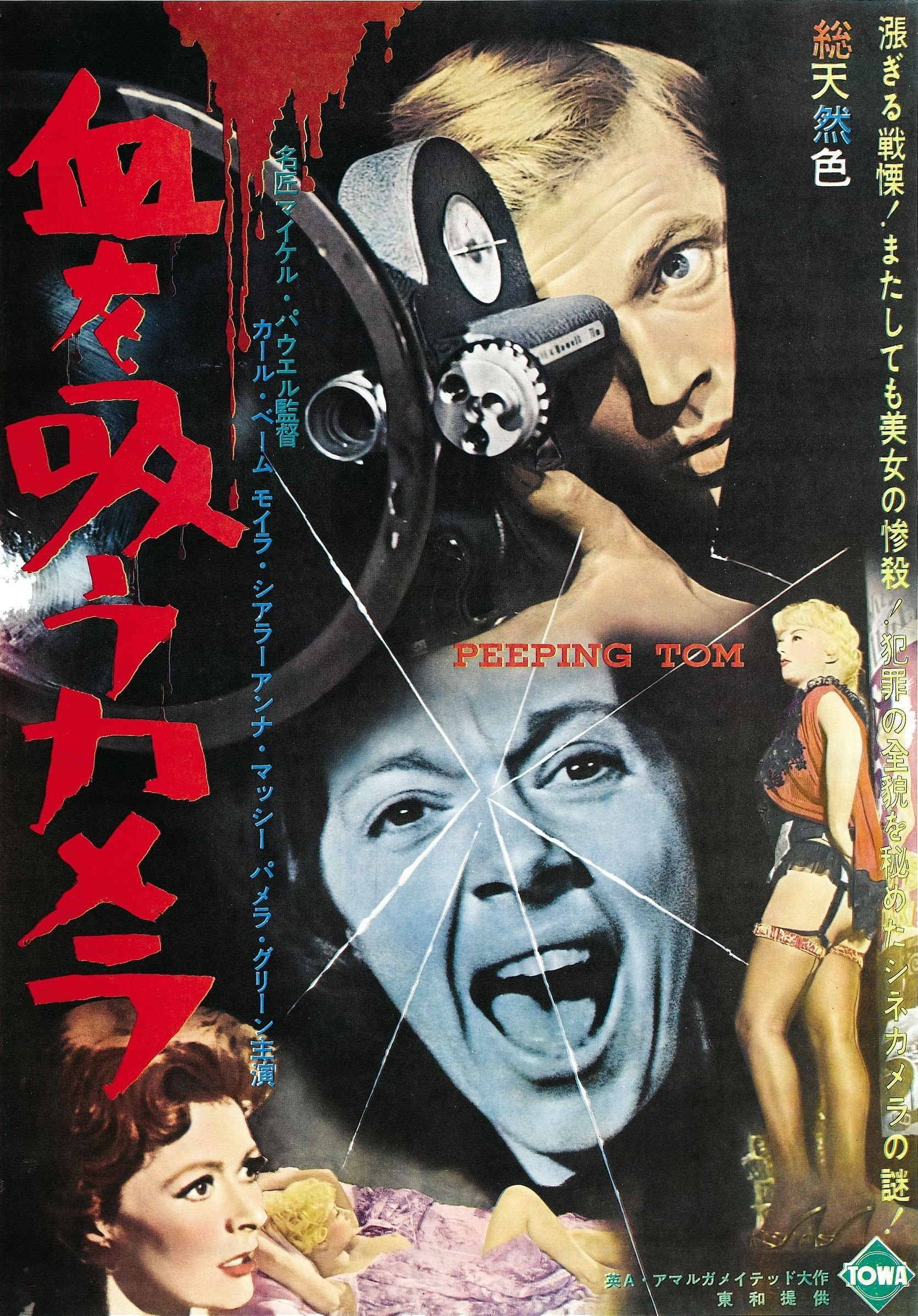
Origins, Leo Marks, and Michael Powell
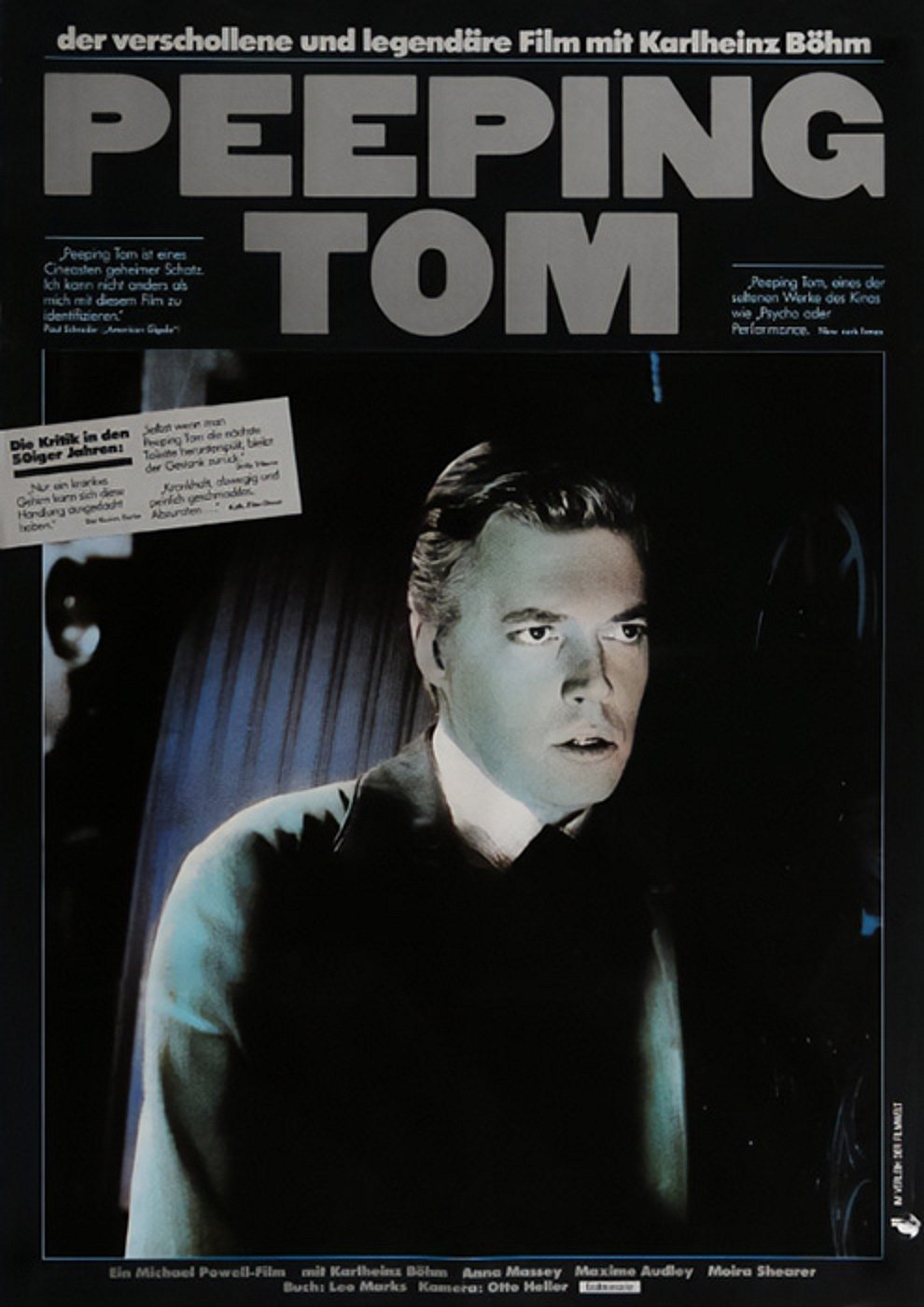
Peeping Tom emerged after the dissolution of Powell’s long creative partnership with Emeric Pressburger. Together they had made films including A Matter of Life and Death (1946), Black Narcissus (1947) and The Red Shoes (1948), productions distinguished by their elaborate visual construction and interest in psychologically intense characters. Powell approached Leo Marks, a former wartime cryptographer who had worked on the screenplay of Carve Her Name with Pride (1958). In a 1981 interview with Tony Williams, Powell recalled that Marks initially proposed a story involving a double agent. The director declined because he did not want to make another espionage film.
Marks subsequently proposed a story about a young man who kills women using his camera. Powell accepted the concept immediately and commissioned him to develop it. The two met regularly while Marks produced scenes and revised them in response to the director’s comments. Powell explicitly credited Marks with the original idea and the complete screenplay. The arrangement brought together a writer interested in psychological concealment and a filmmaker whose previous work had frequently examined obsessive behaviour. The subject also gave Powell an opportunity to turn cinematic observation into the principal mechanism of a horror story.
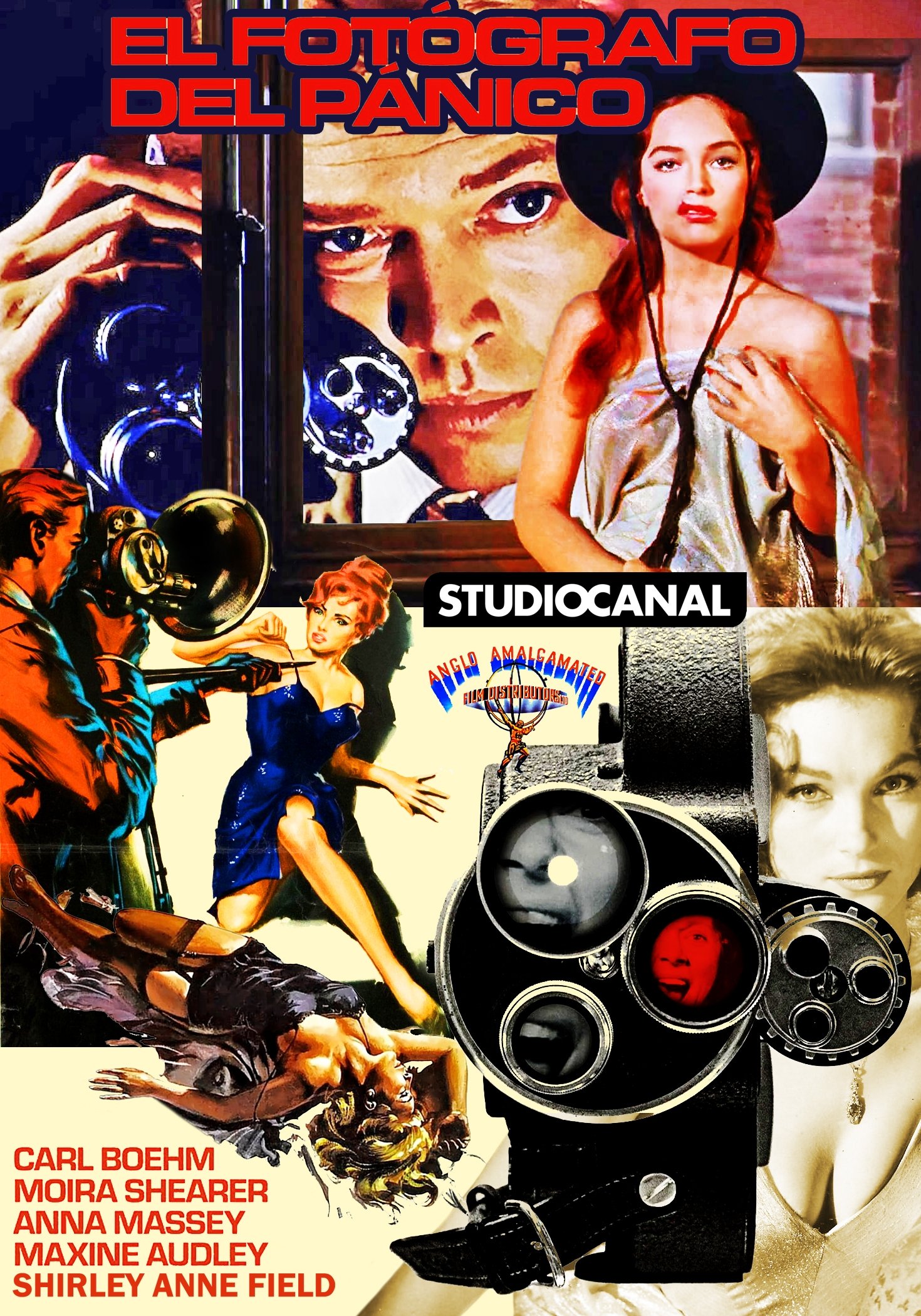
The film was produced through Michael Powell Theatre in association with Anglo-Amalgamated, a company better known for commercially accessible British entertainment. By 1960, Powell occupied a less secure position within the industry than during the most successful years of his collaboration with Pressburger. The production nevertheless retained experienced personnel, including cinematographer Otto Heller, editor Noreen Ackland and composer Brian Easdale. Its unconventional premise allowed Powell to examine filmmaking from inside the medium itself. In the same 1981 interview, he explained that he wanted the audience to identify visually with the young cameraman, making the viewpoint a deliberate choice established during the development of the story.
The Camera as a Murder Weapon
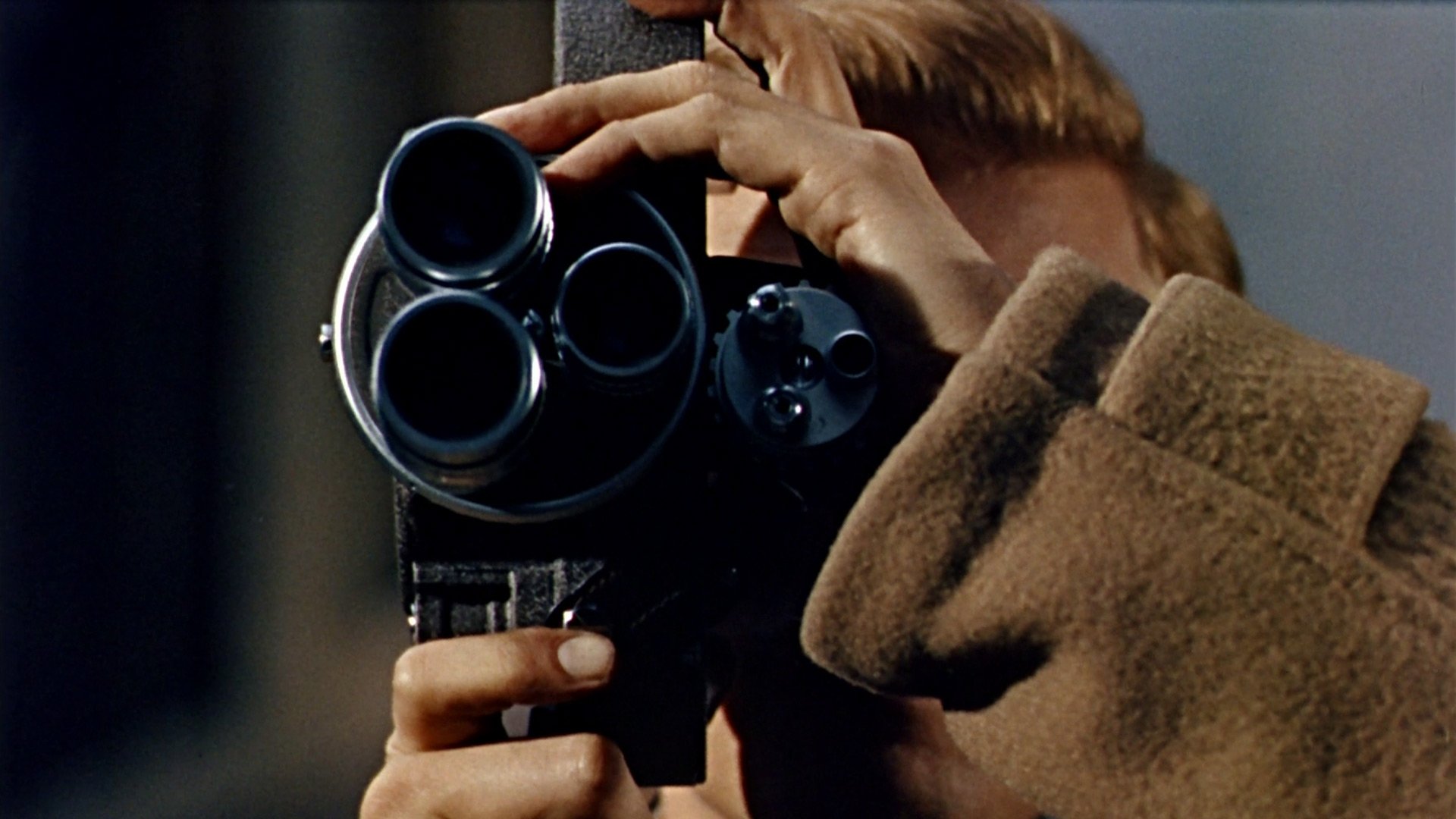
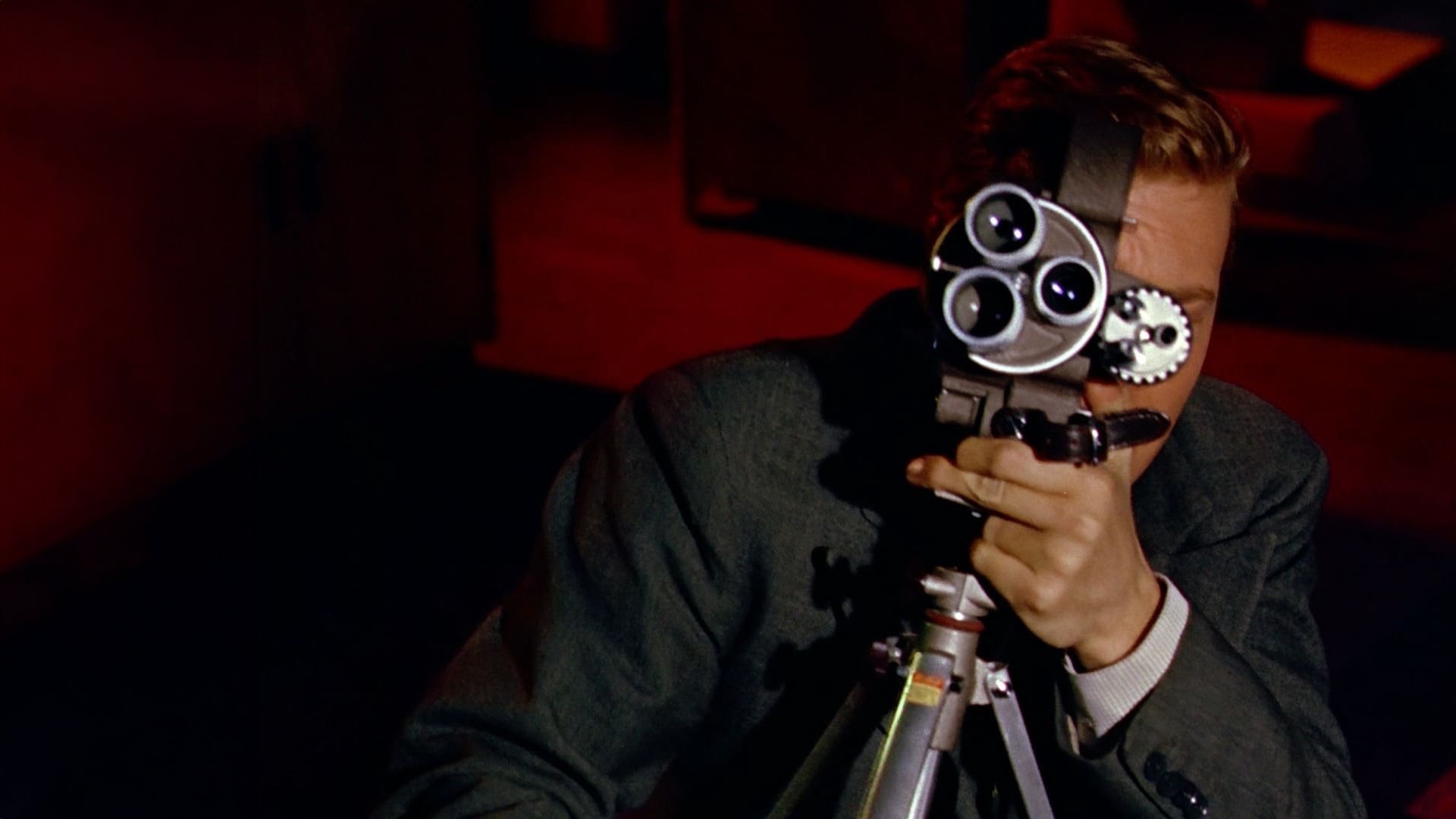
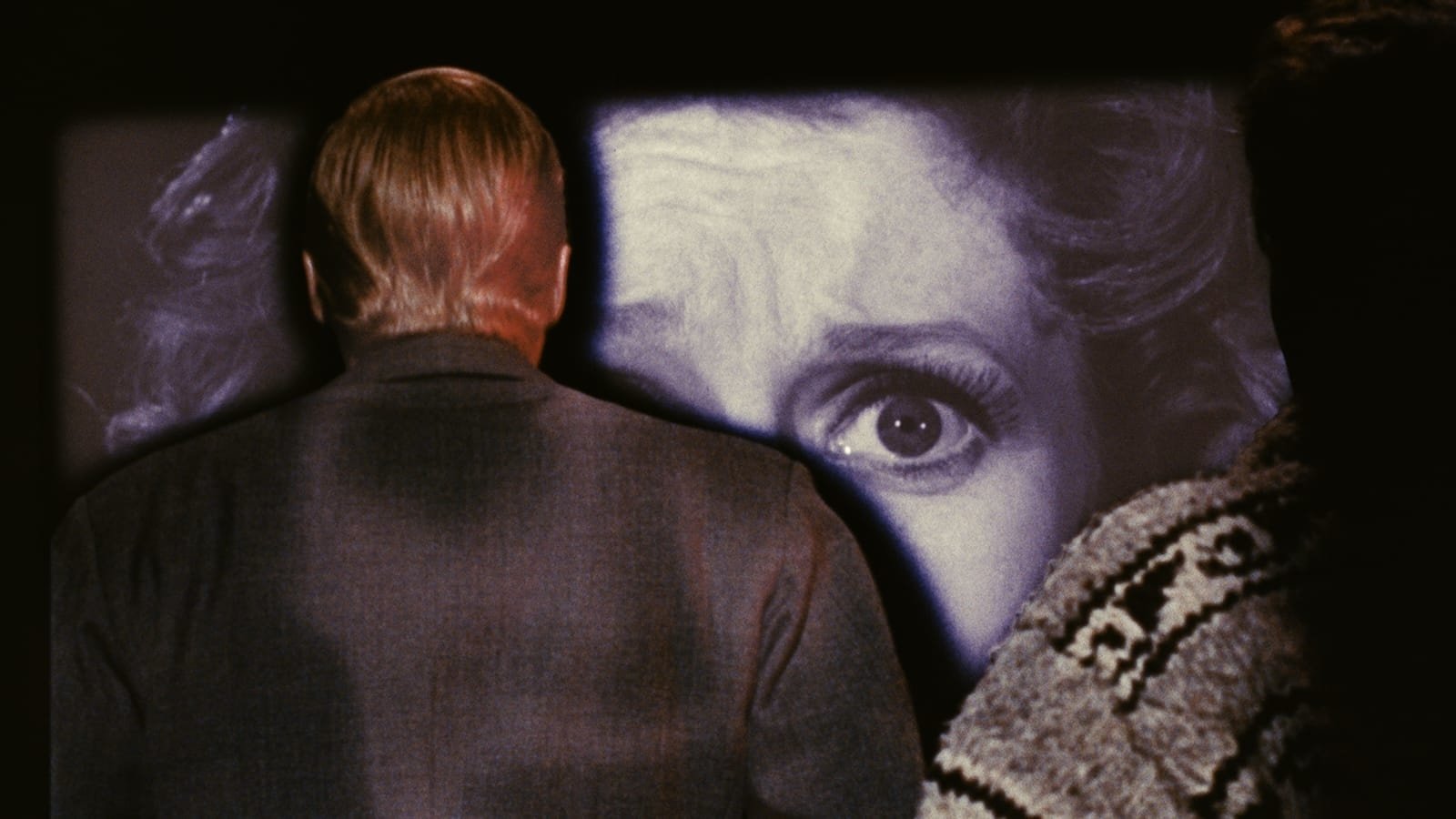
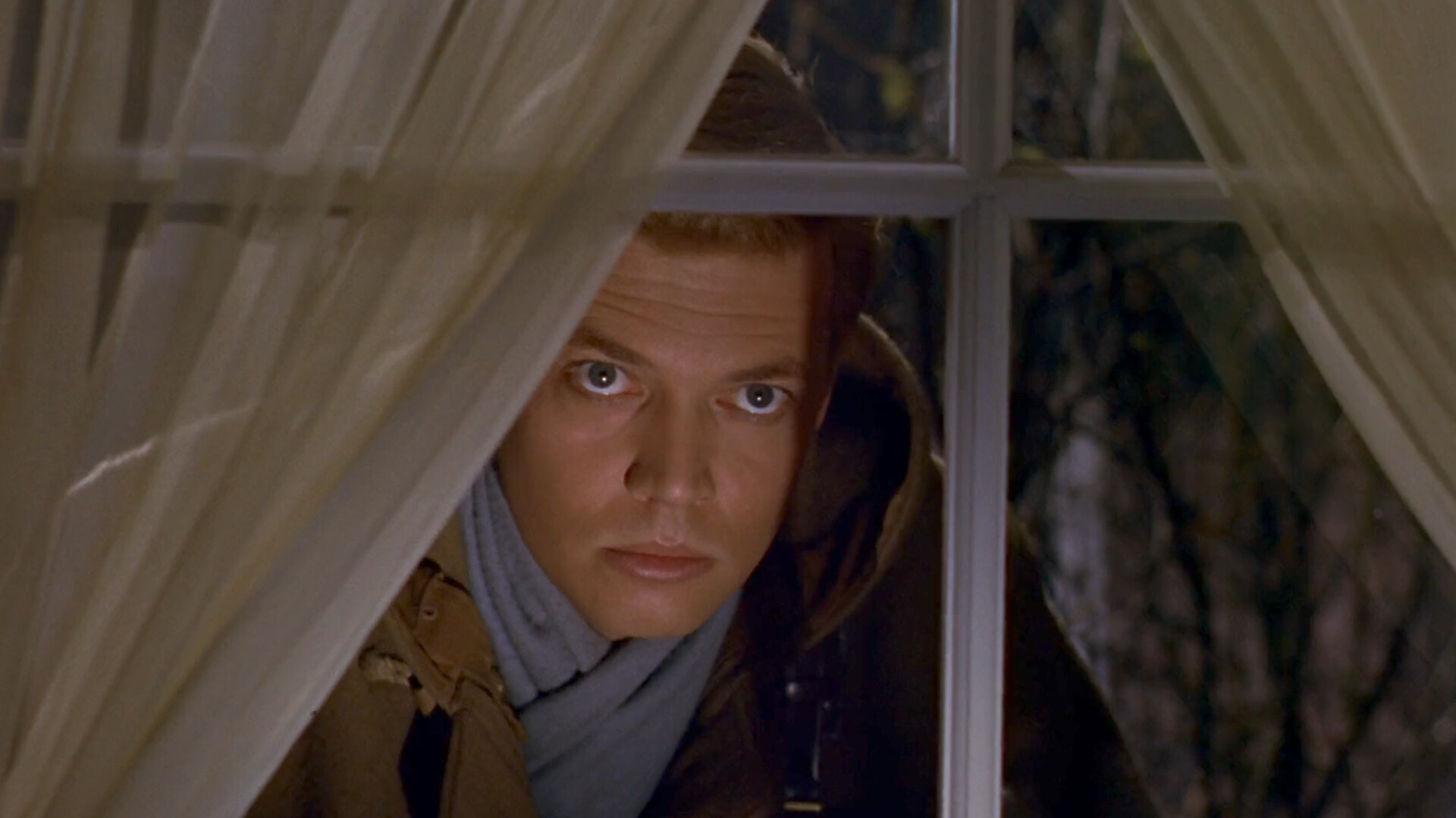
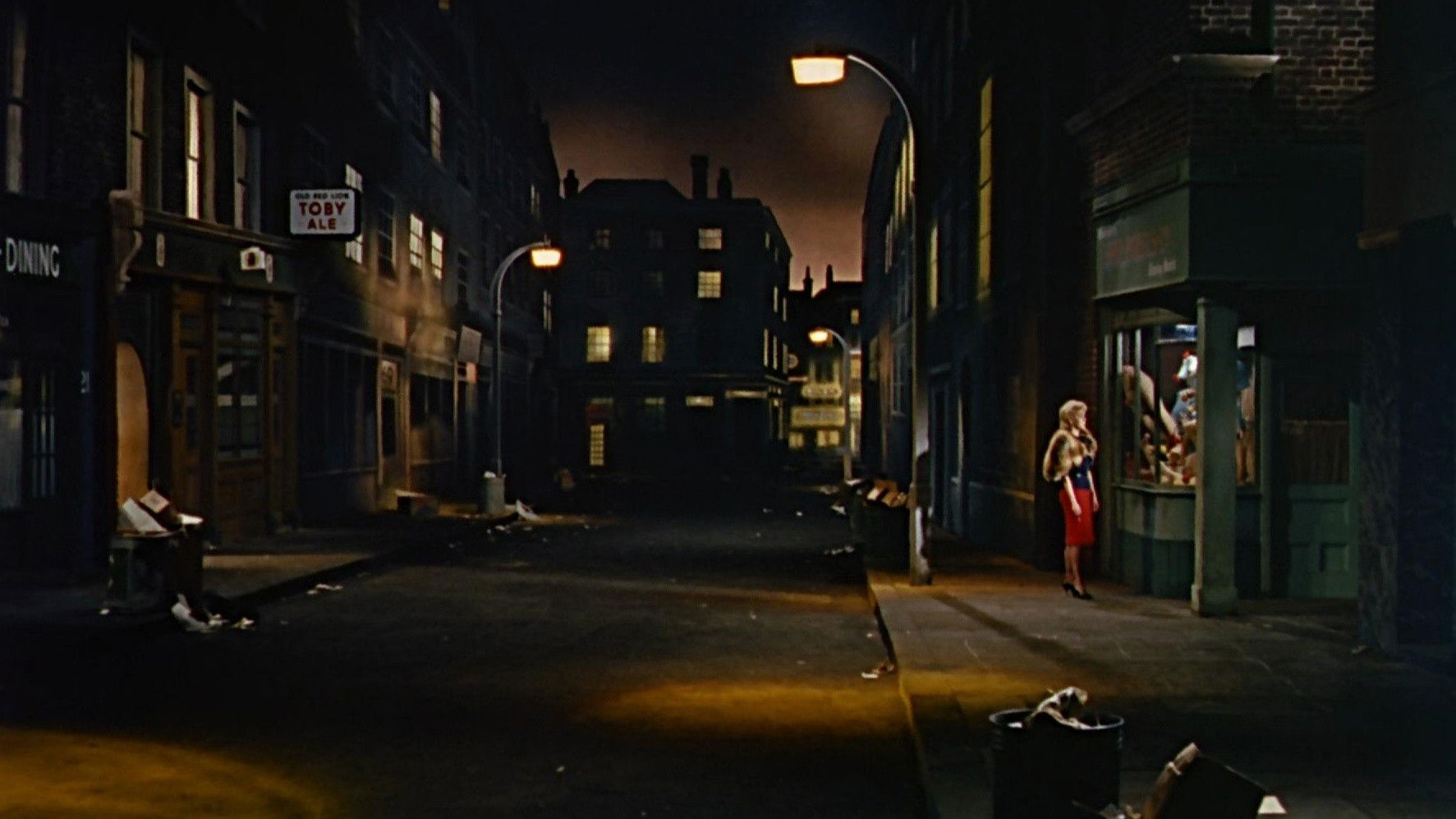
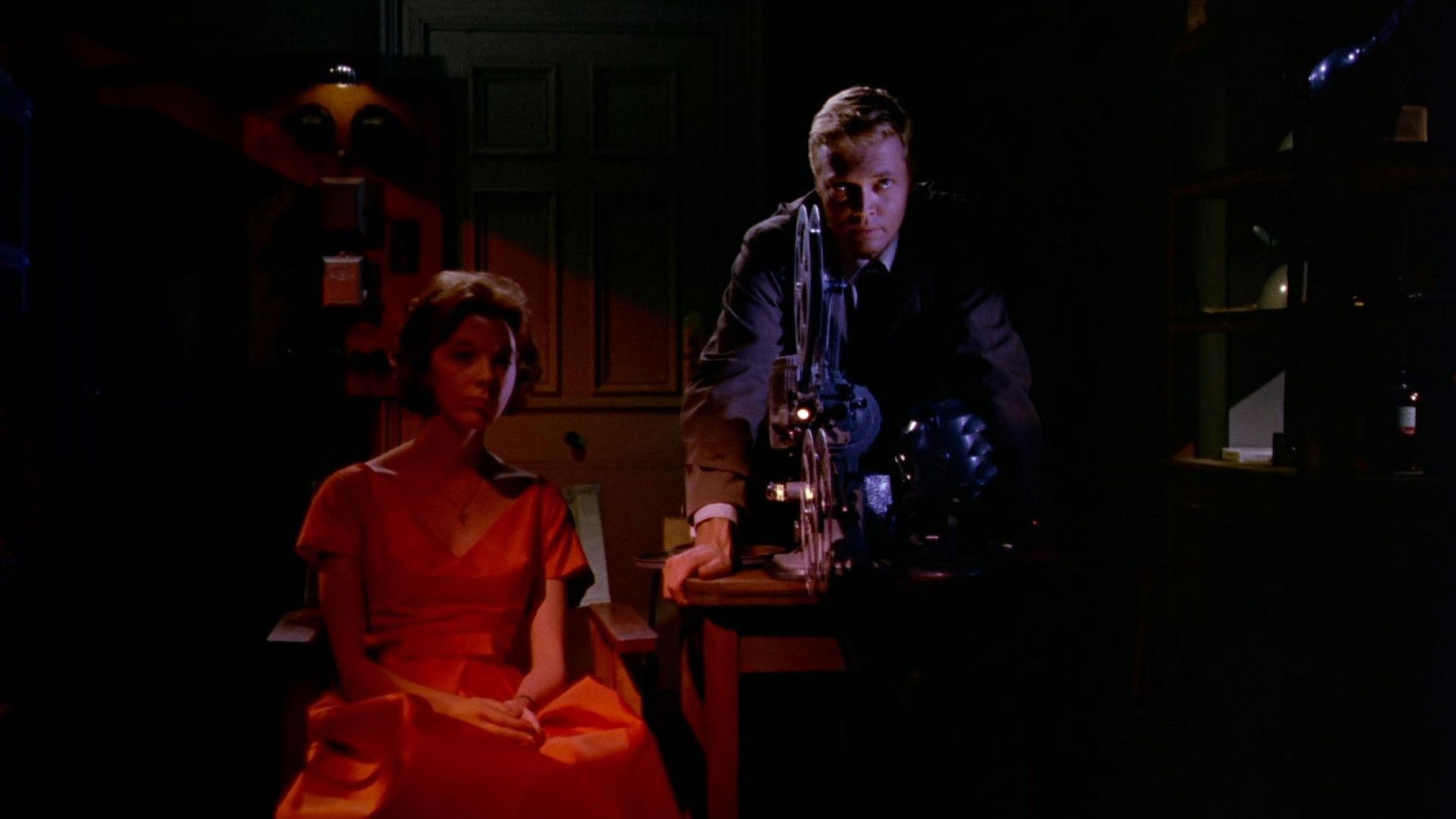
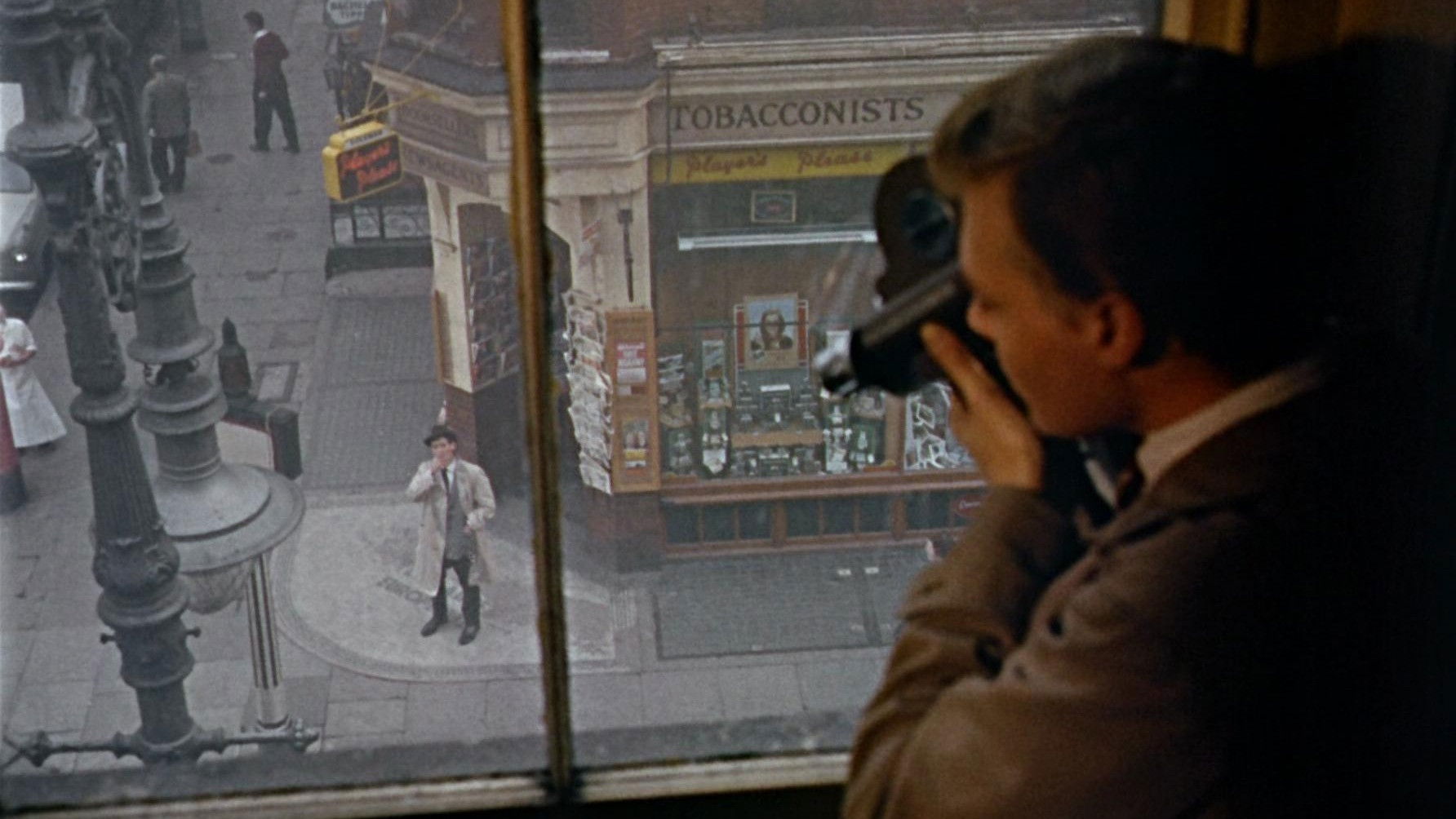
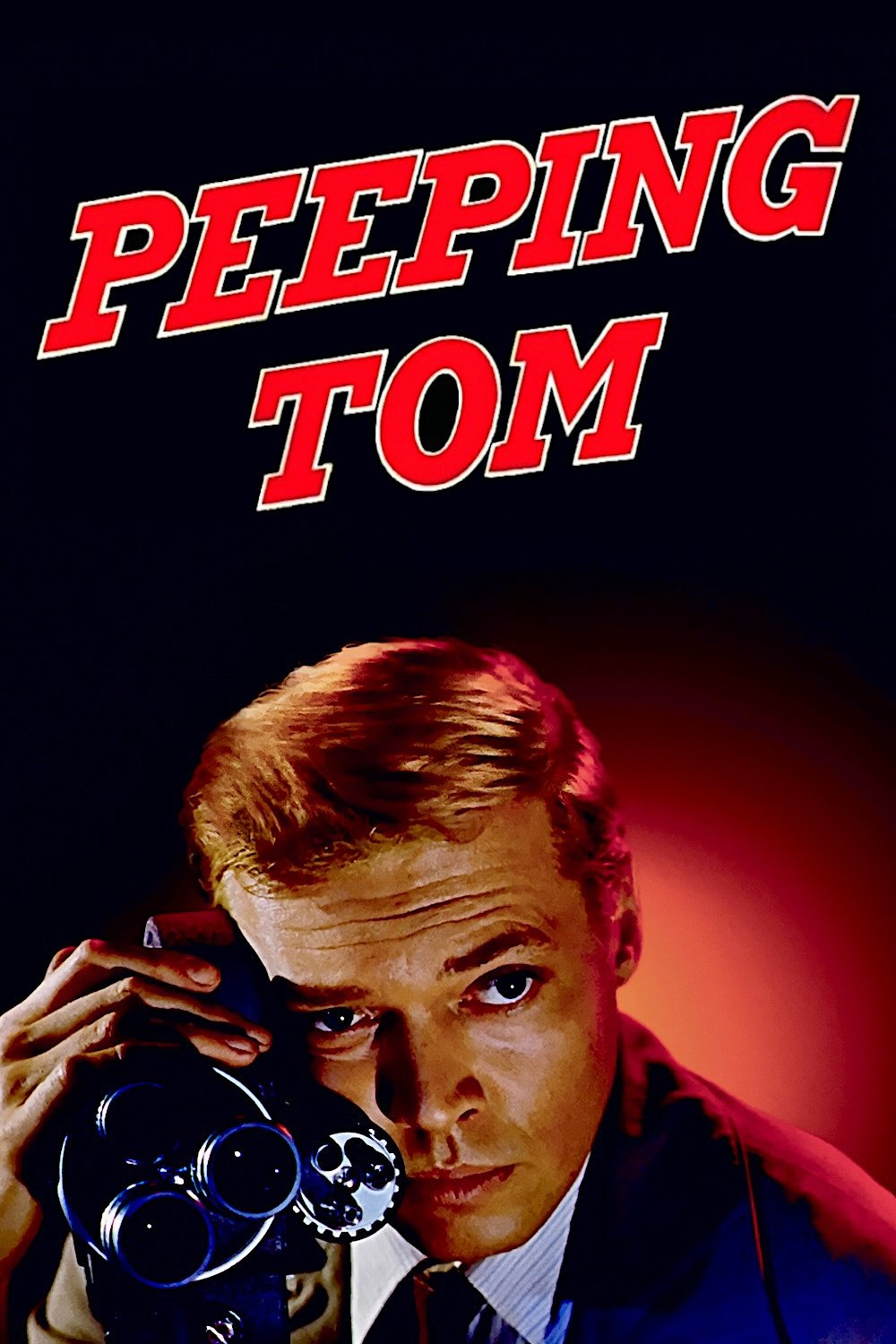
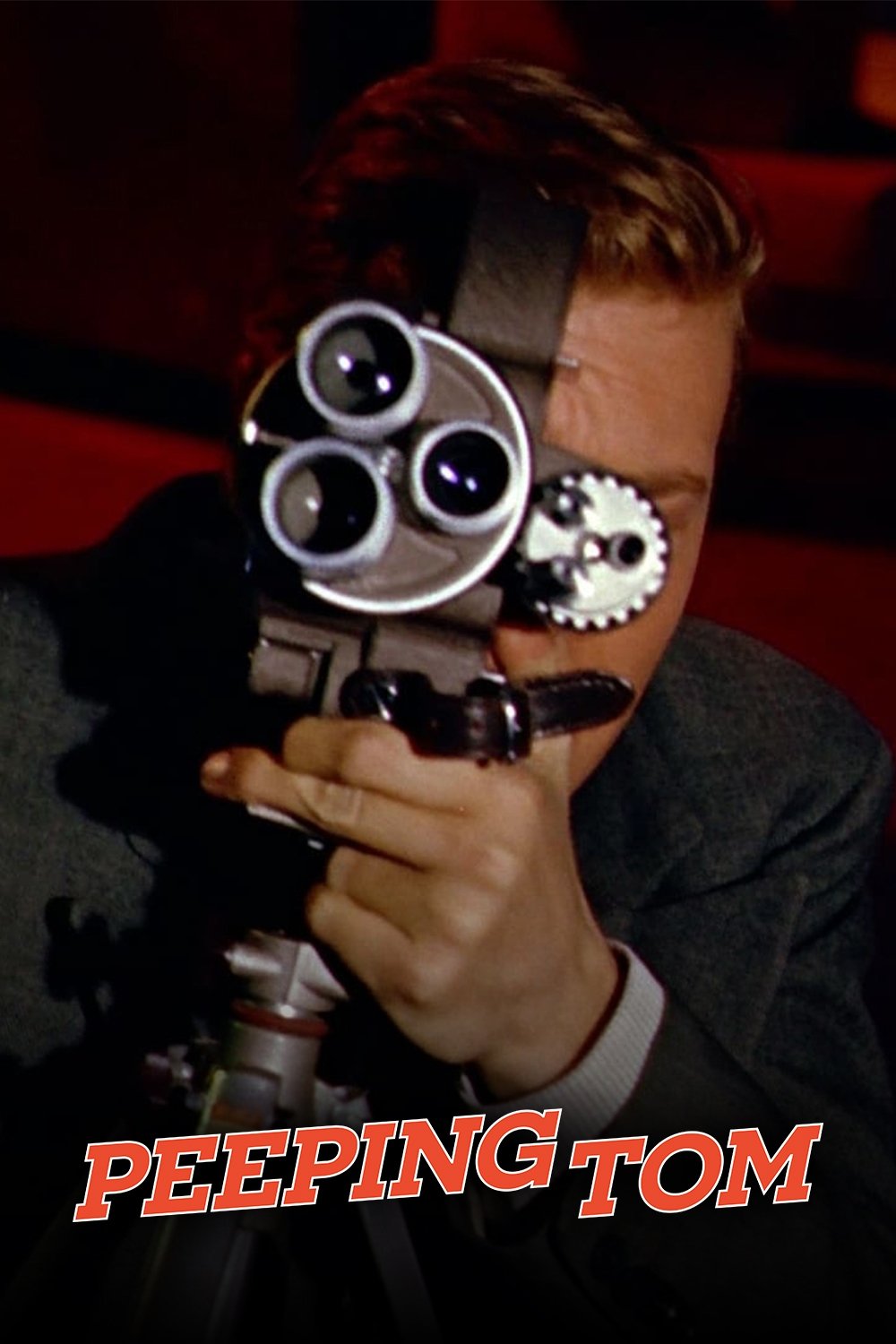
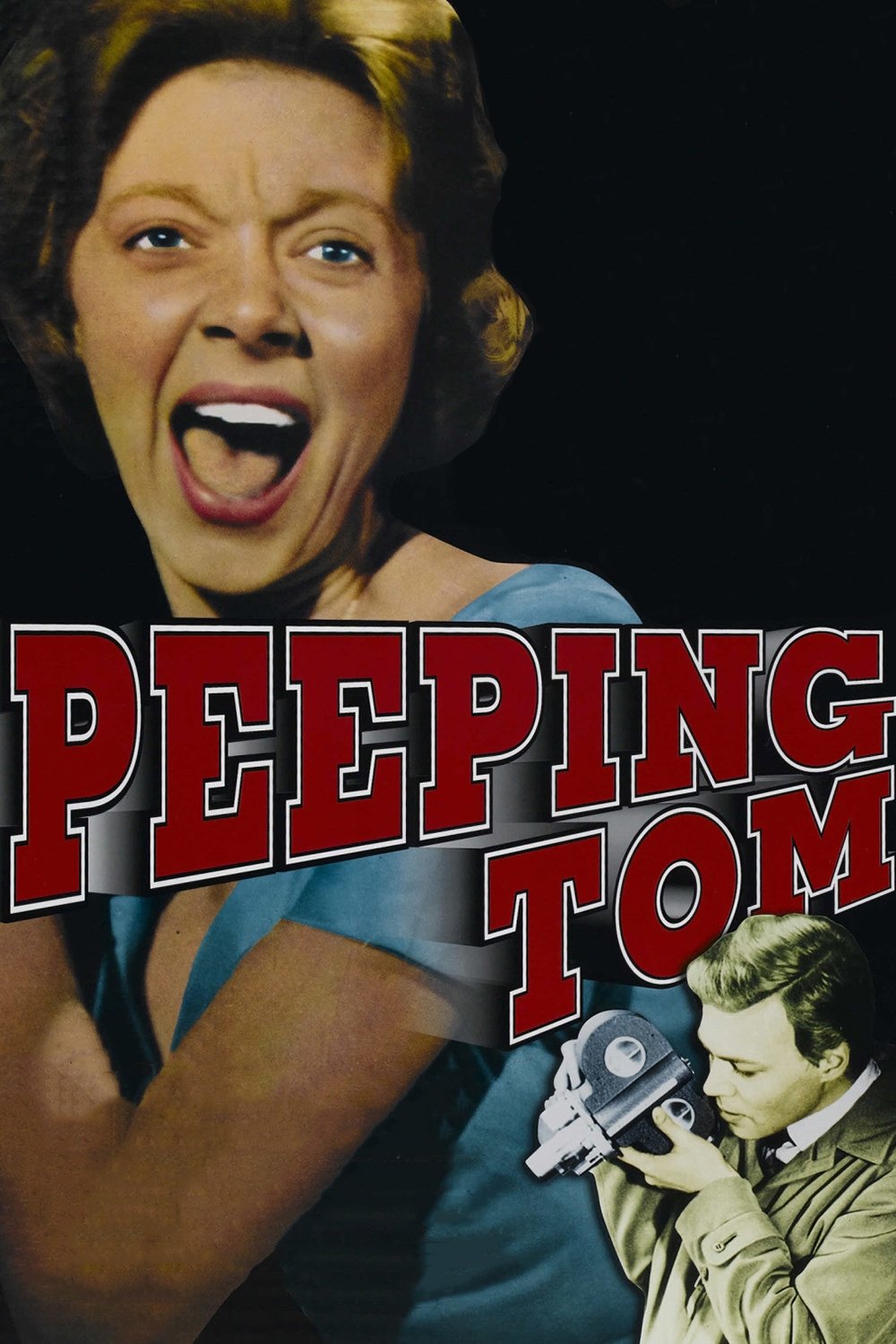
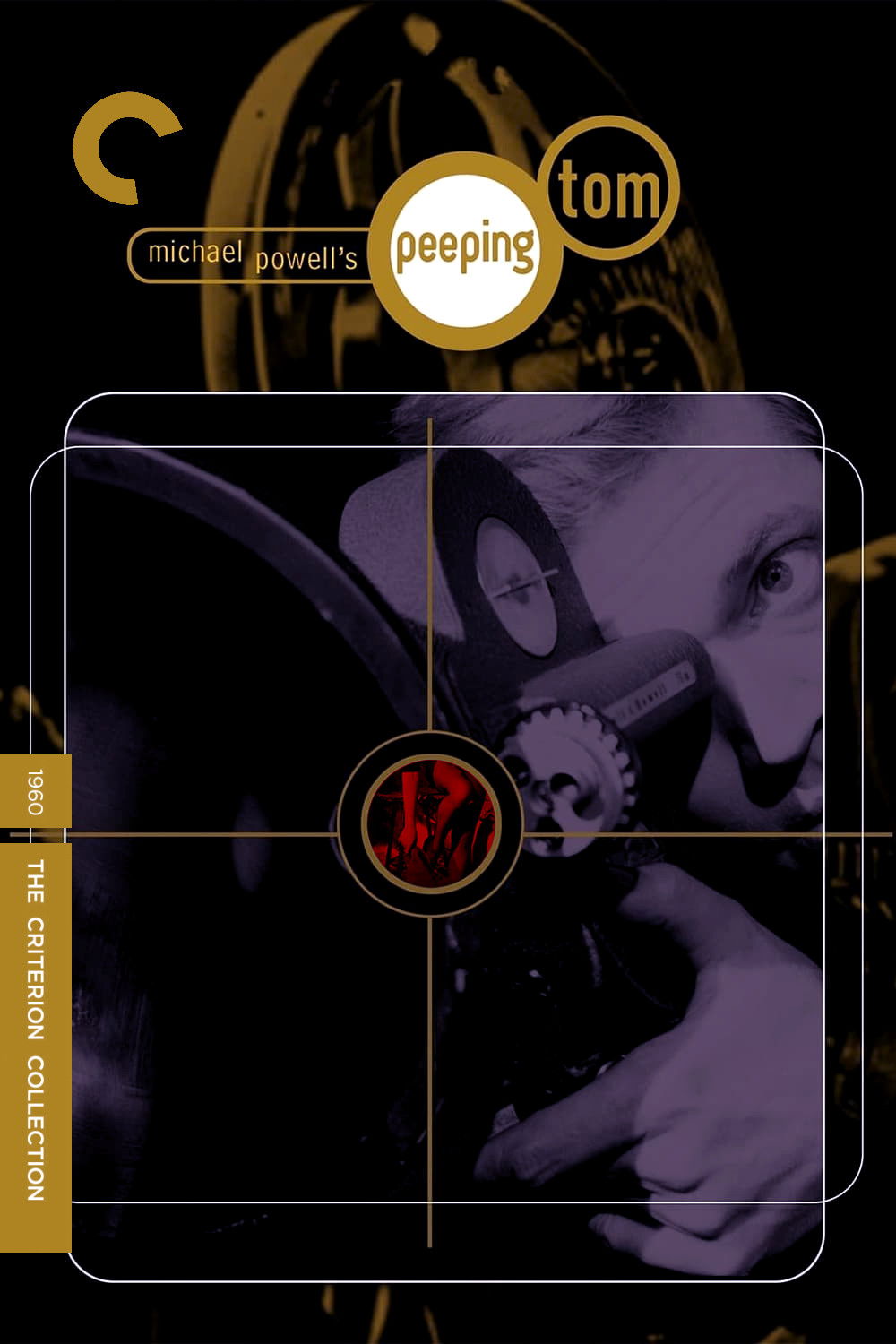
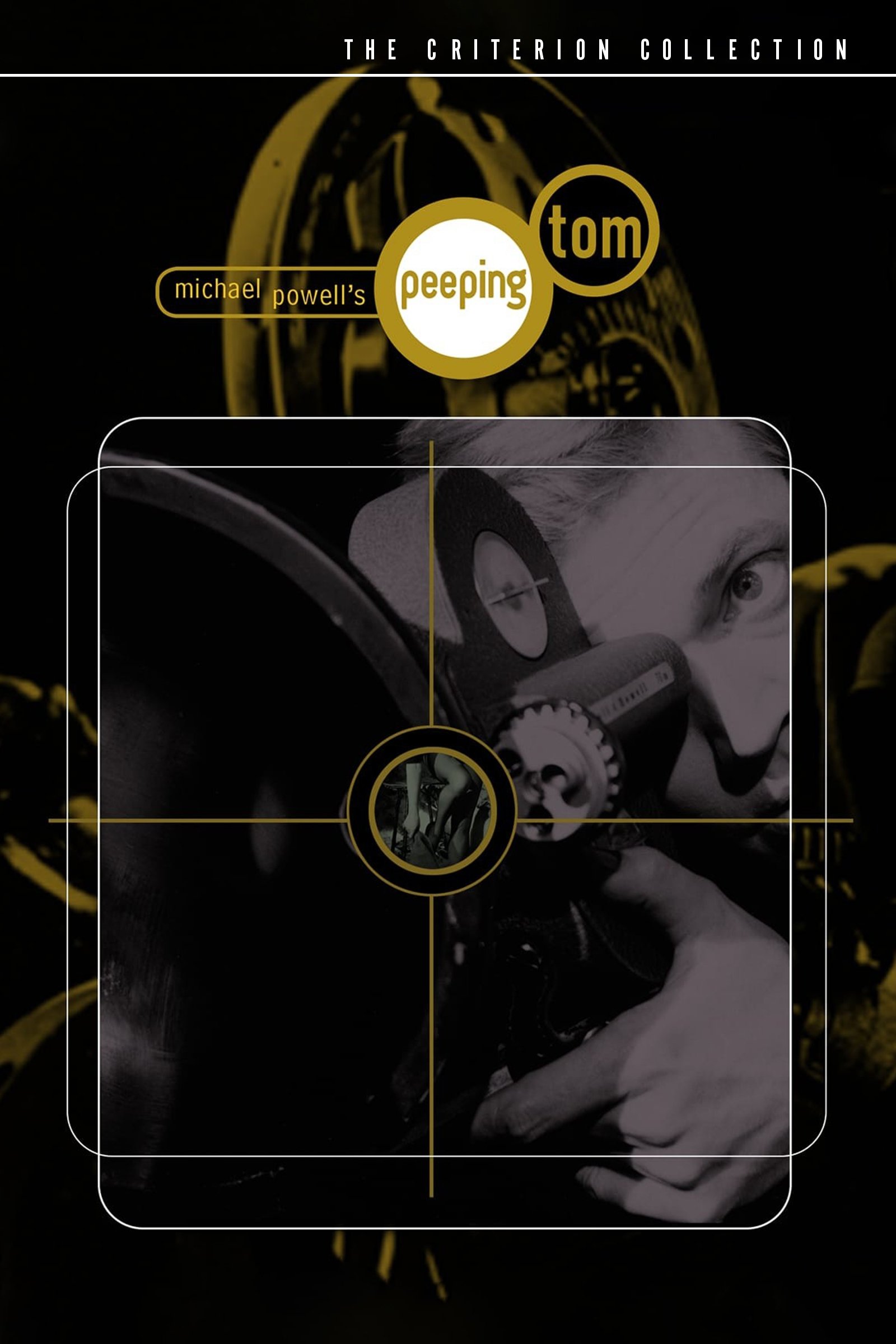
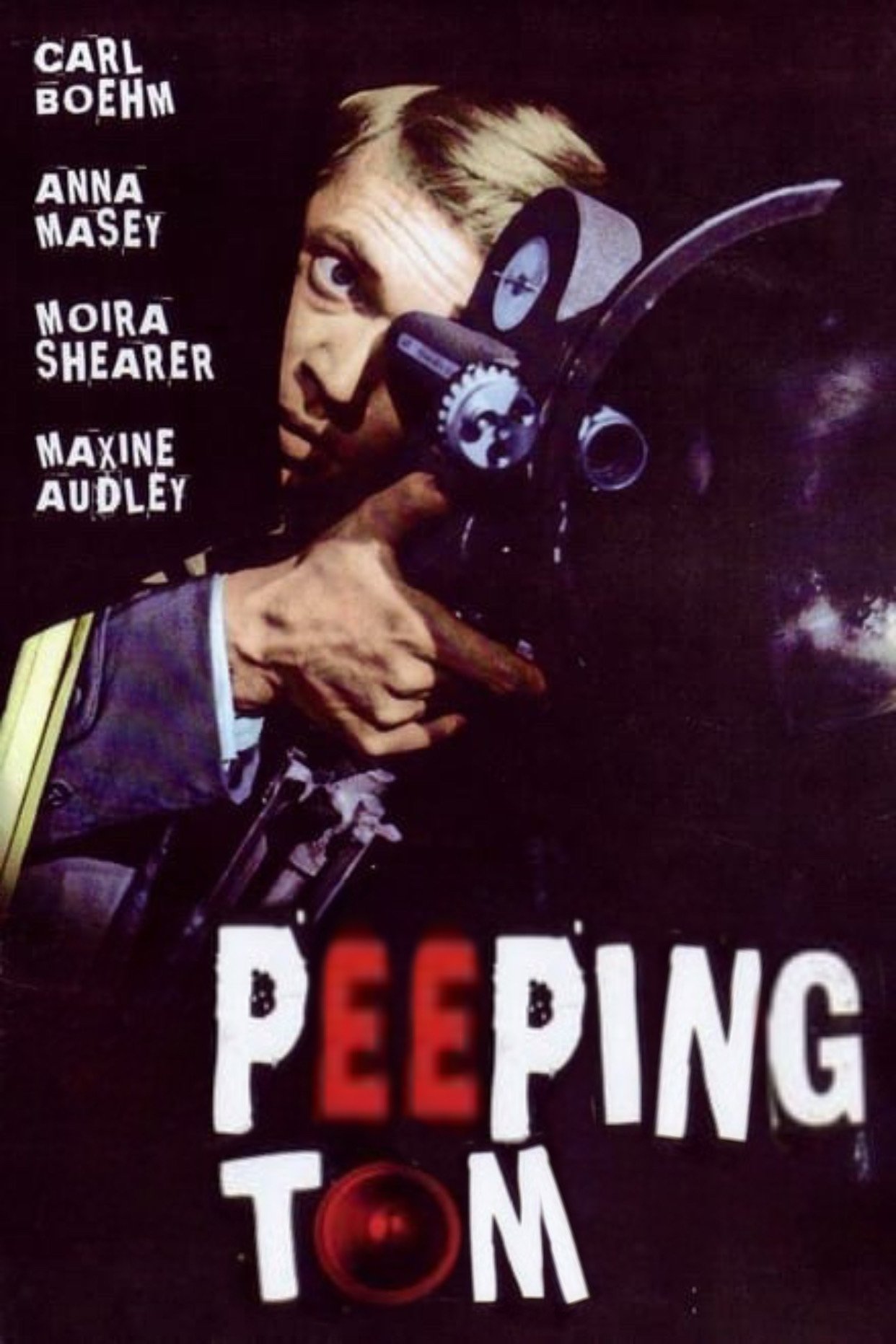
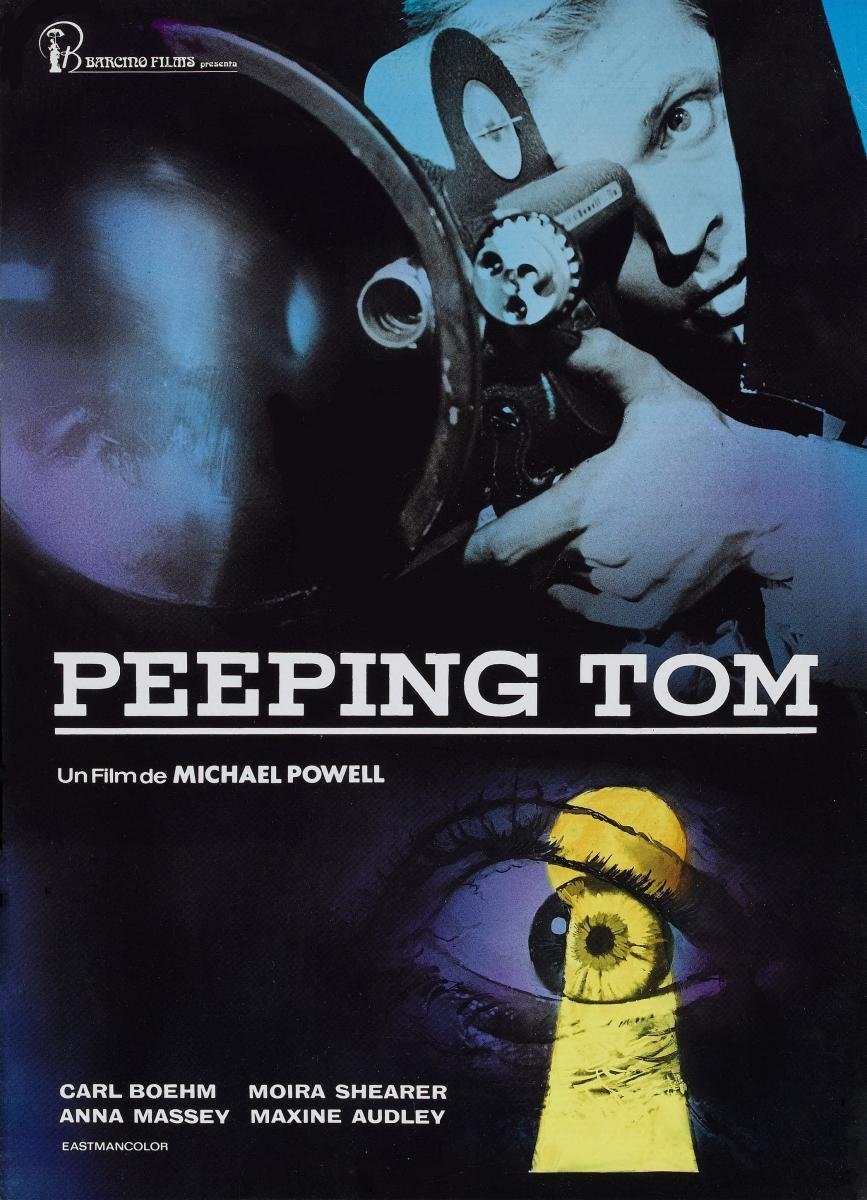
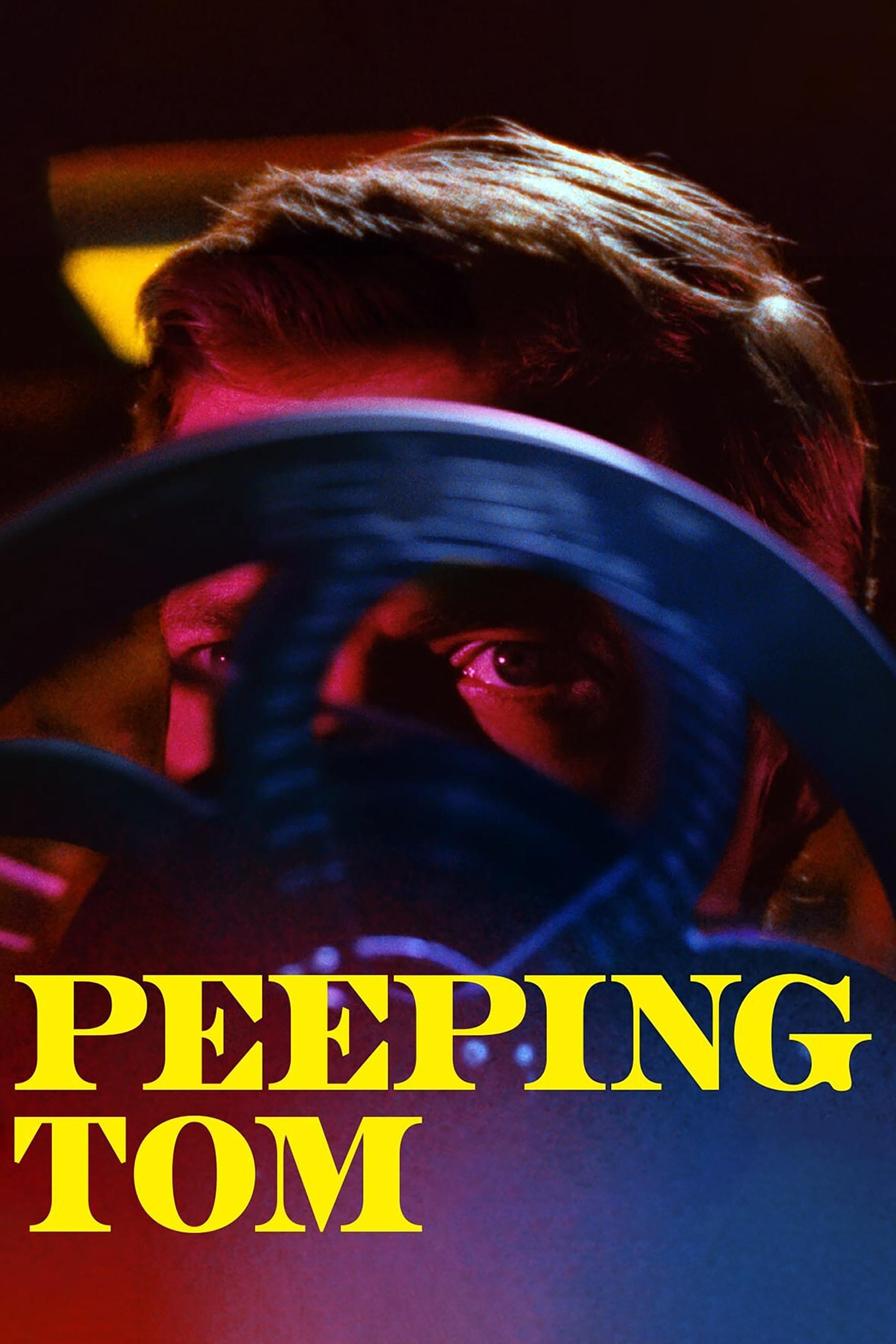
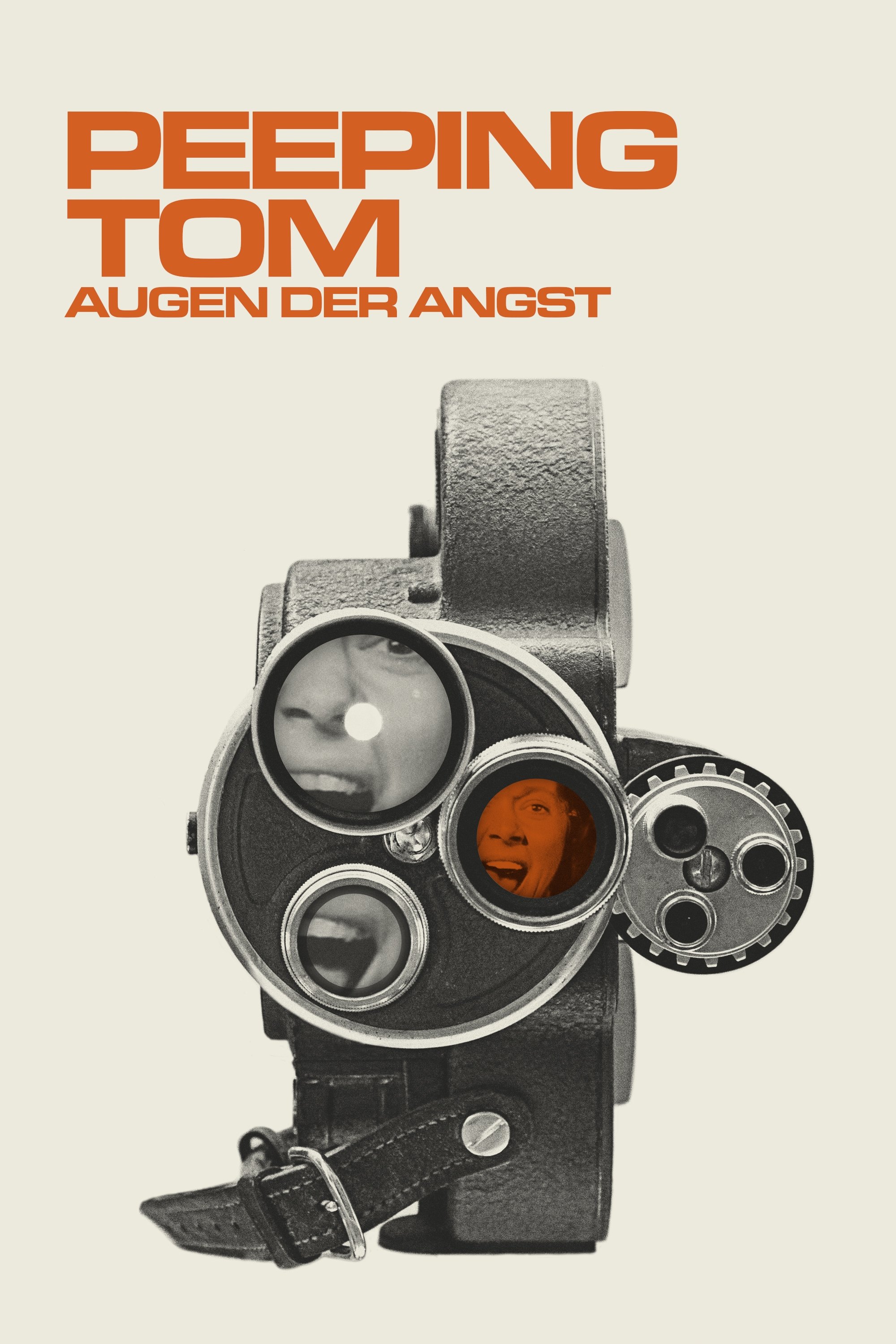
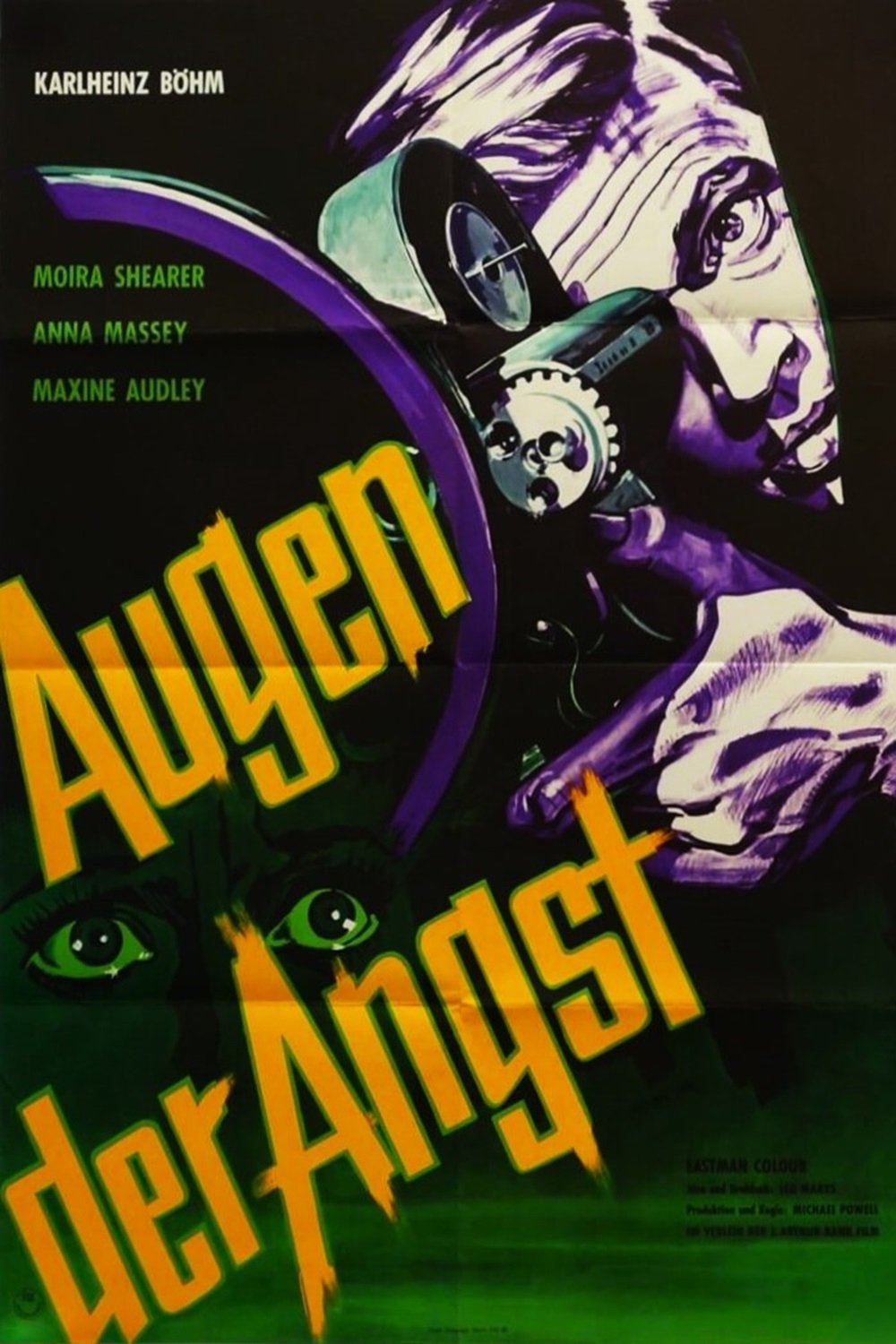
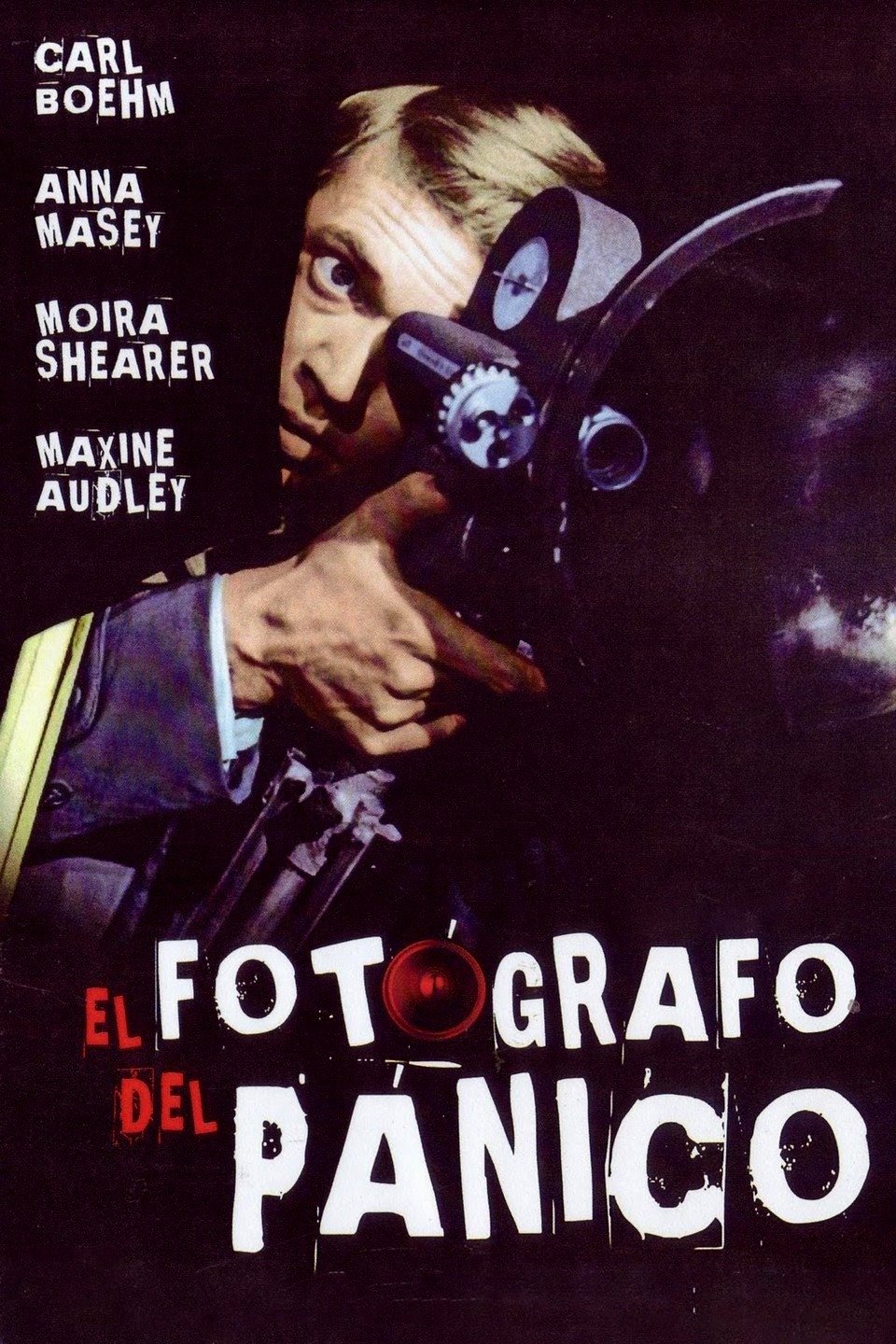
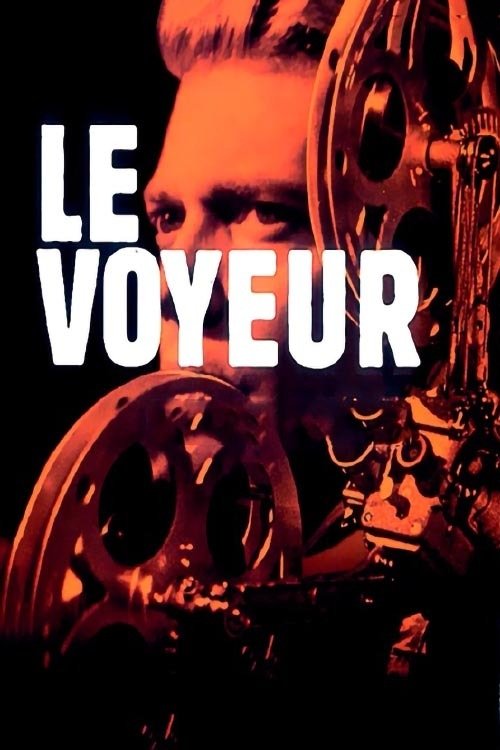
The opening sequence places the audience behind Mark’s camera as he follows a sex worker named Dora through a London street and into her room. The images are presented through the viewfinder, allowing the spectator to occupy the position from which the killer observes his victim. Mark subsequently watches the footage in his private screening room. The movement from recording an act of murder to projecting it establishes the central relationship between violence and spectatorship. The audience is first placed within the killer’s viewpoint and then shown the process through which he repeatedly studies the recorded material.
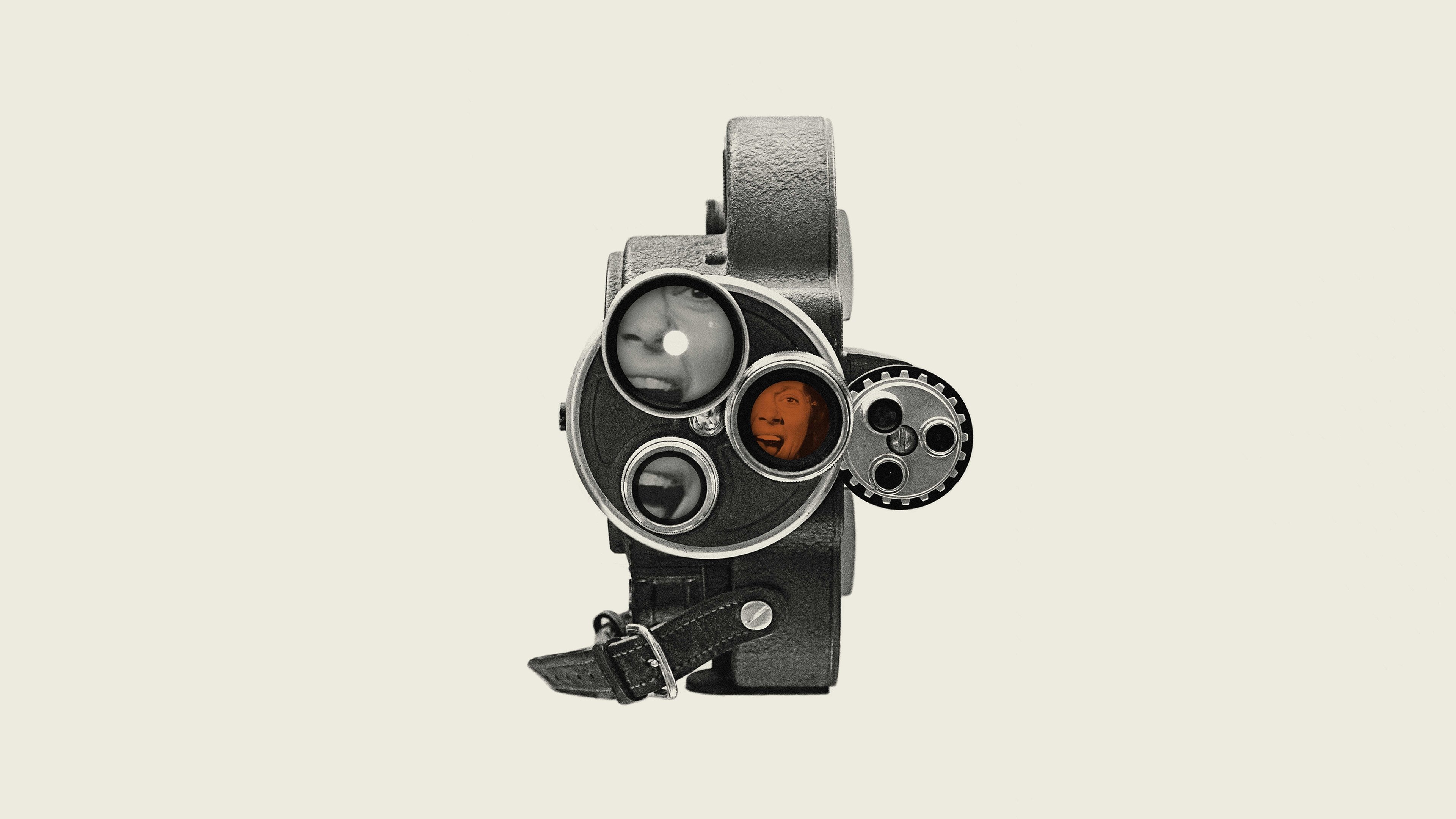
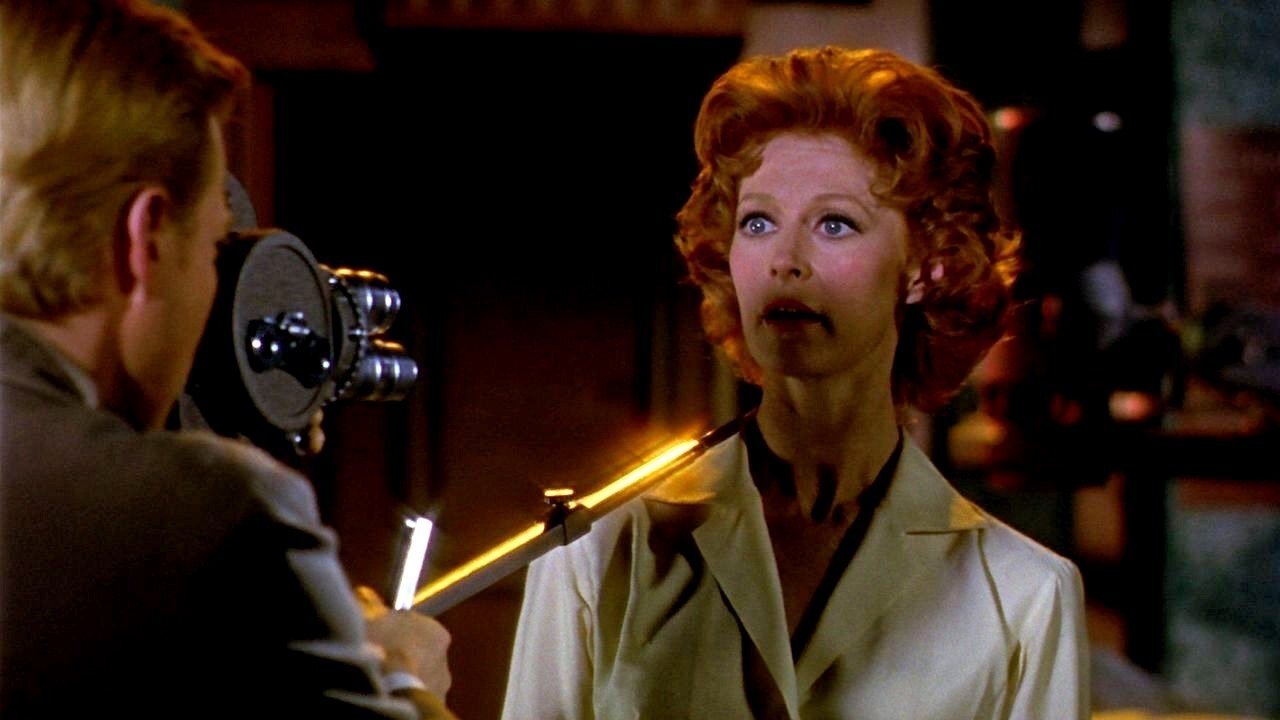
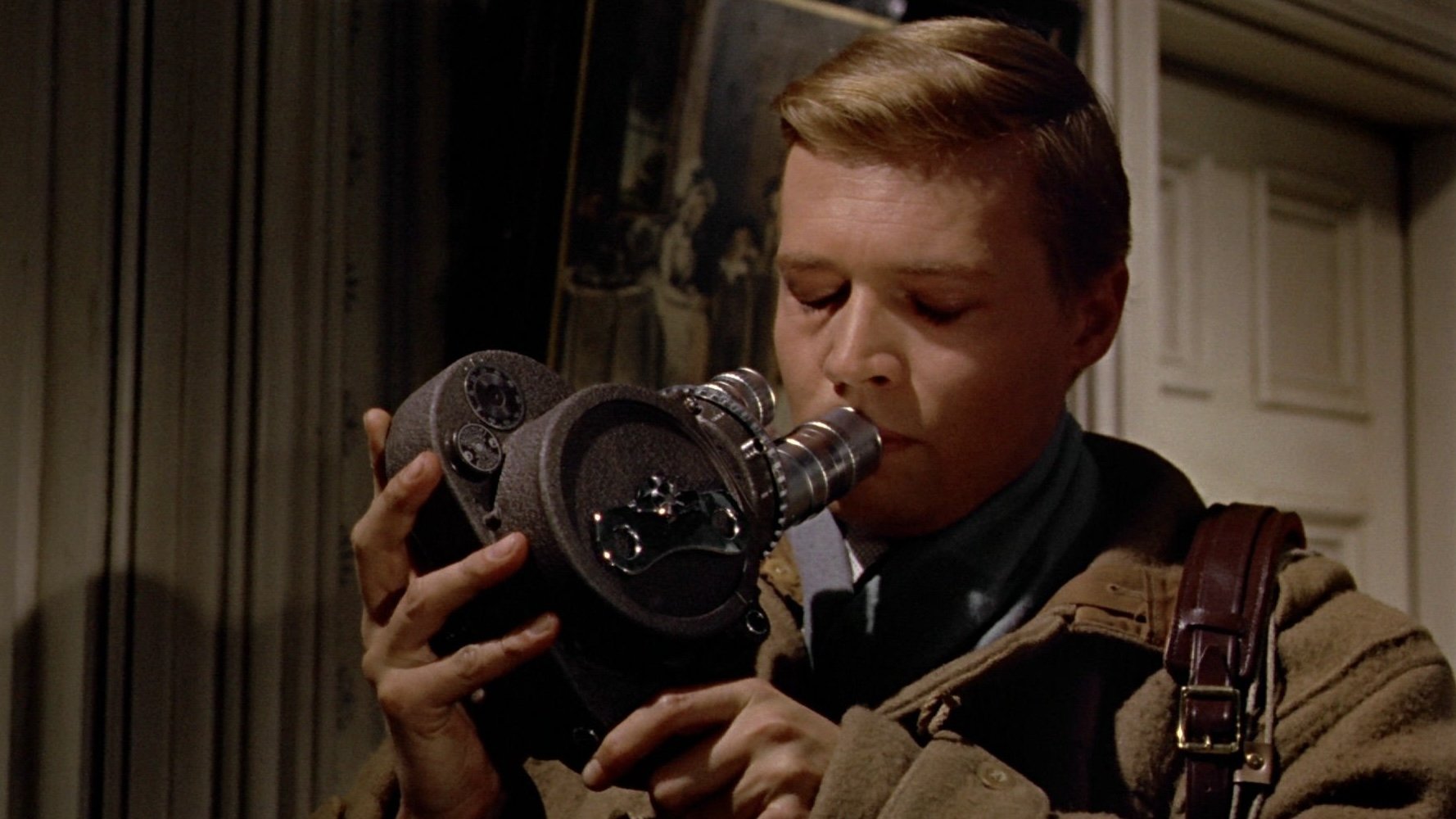
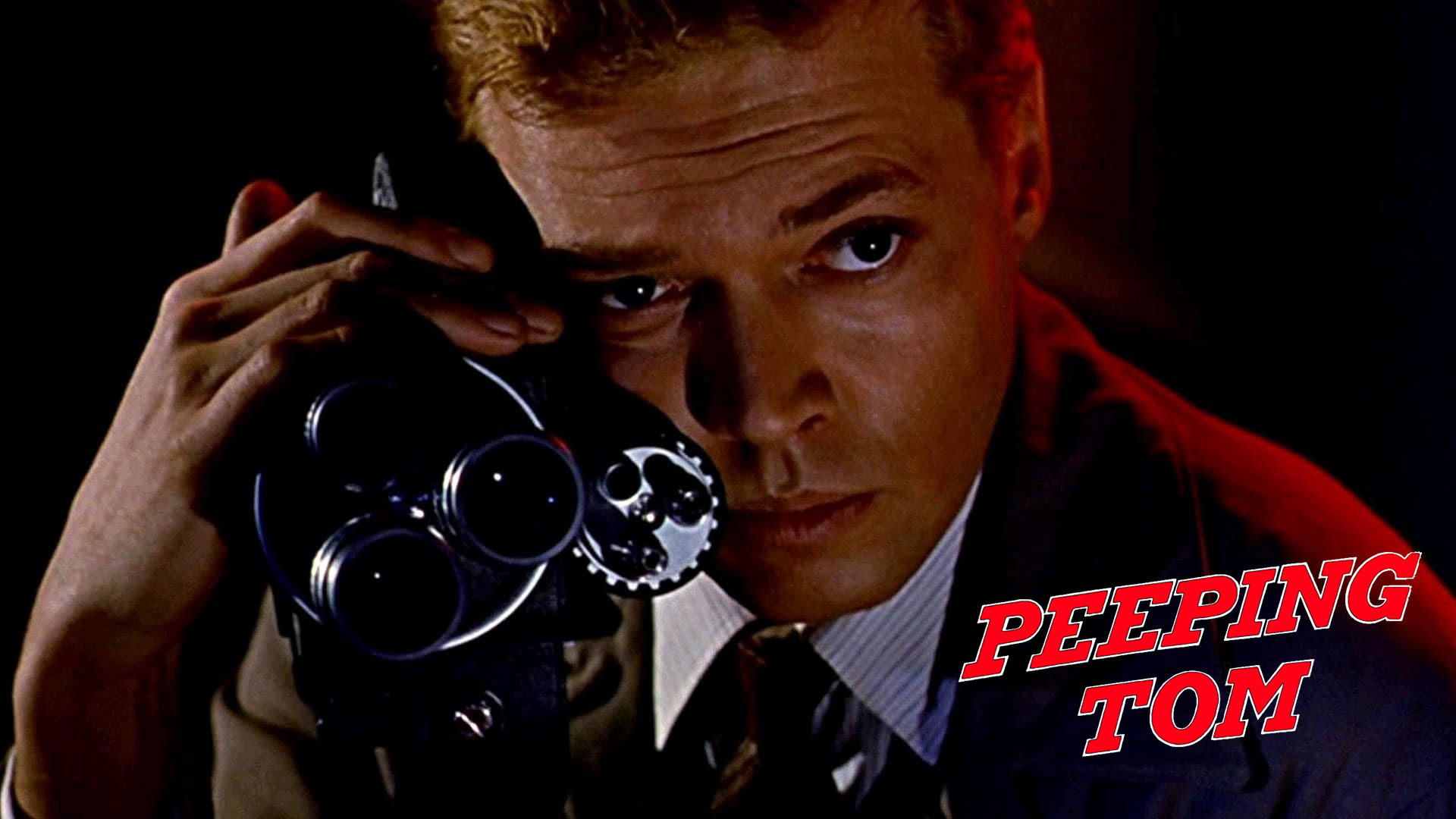
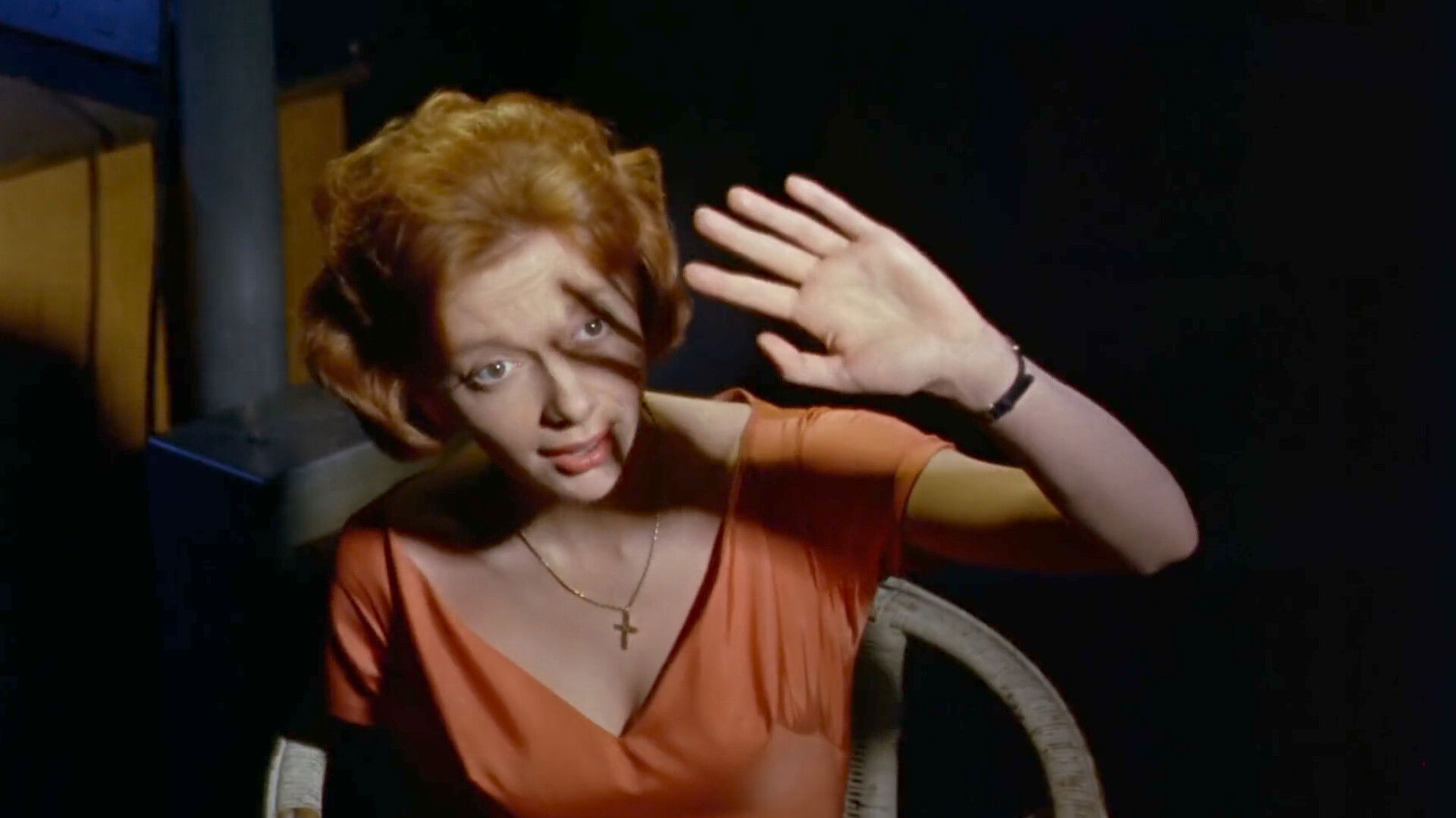
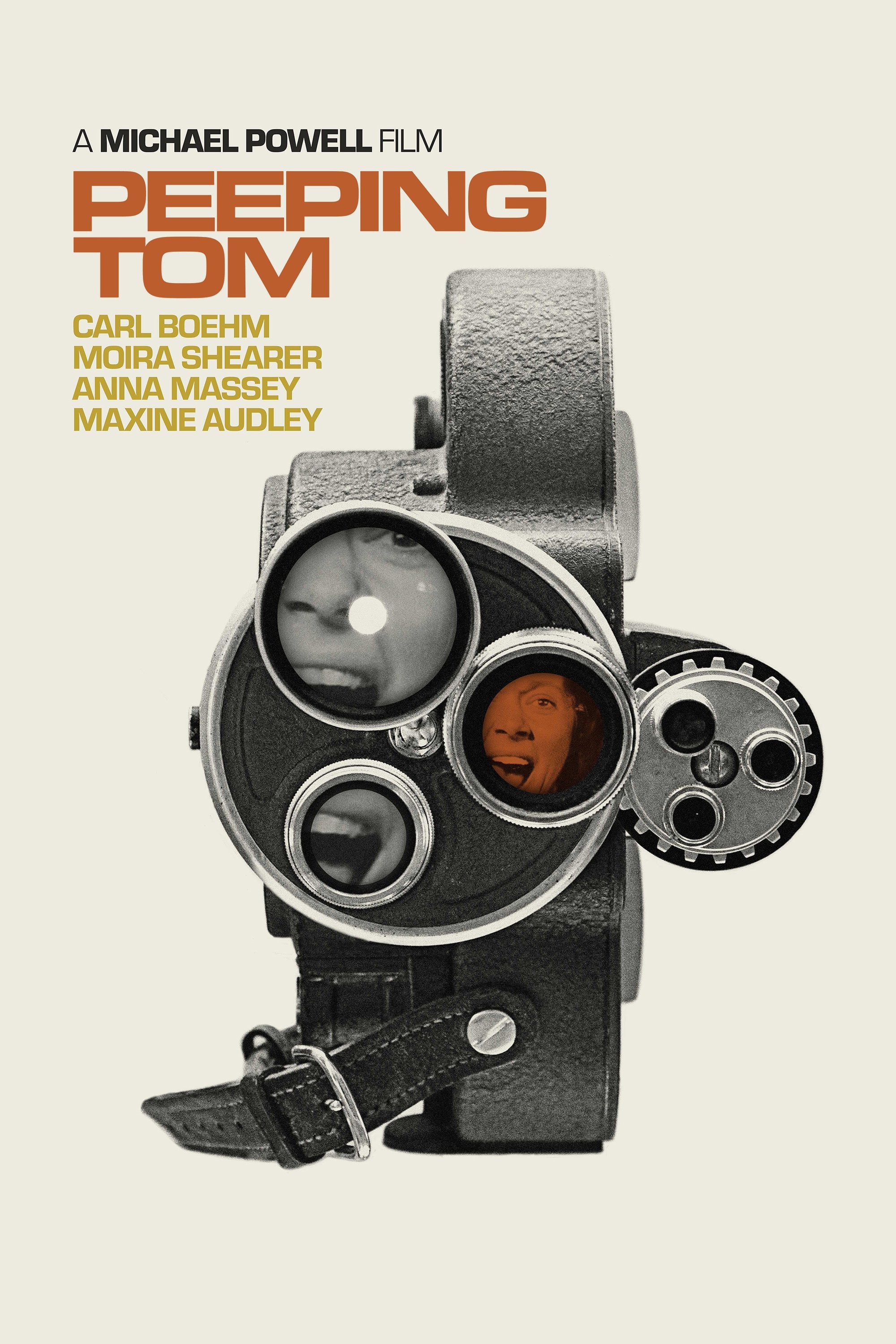
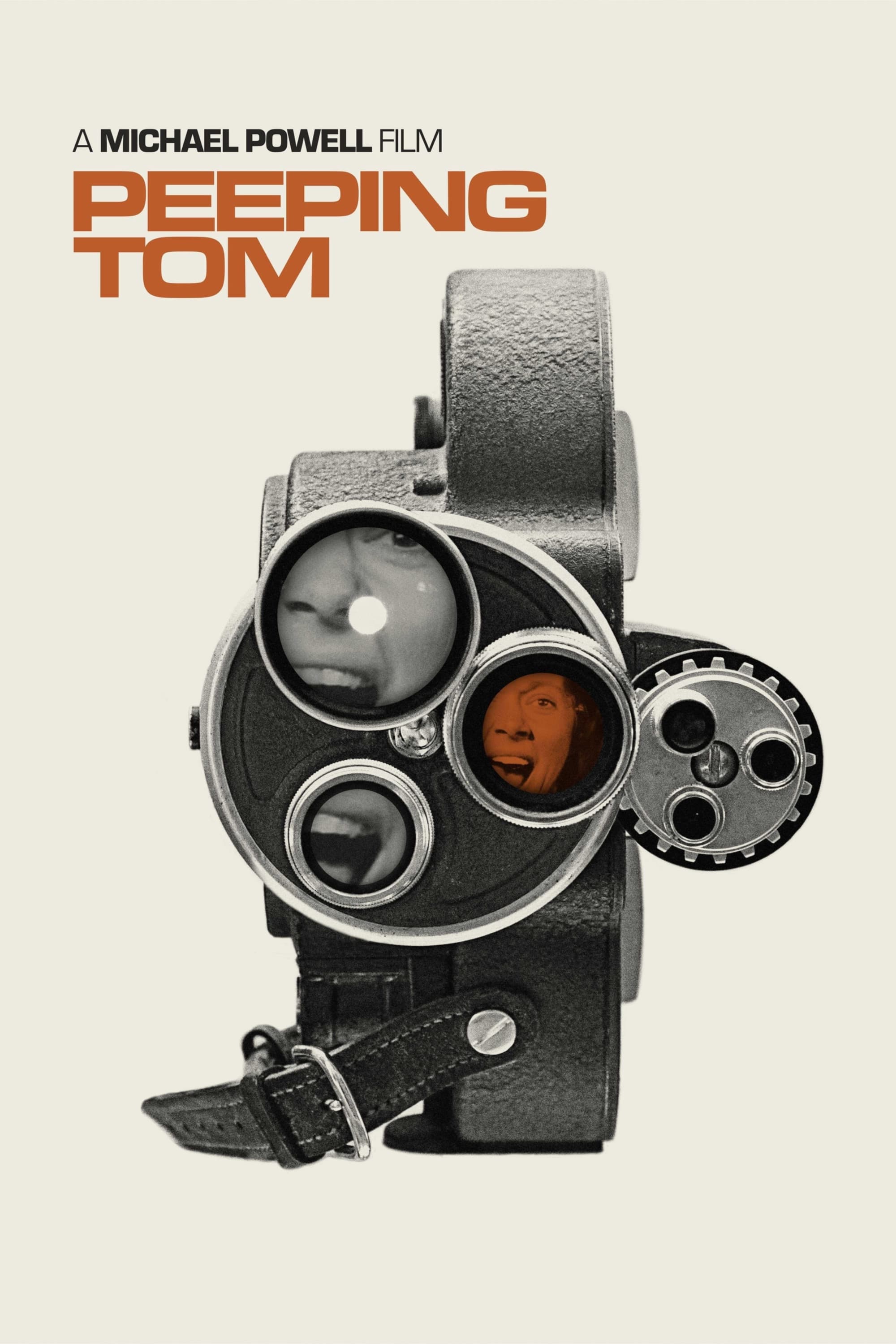
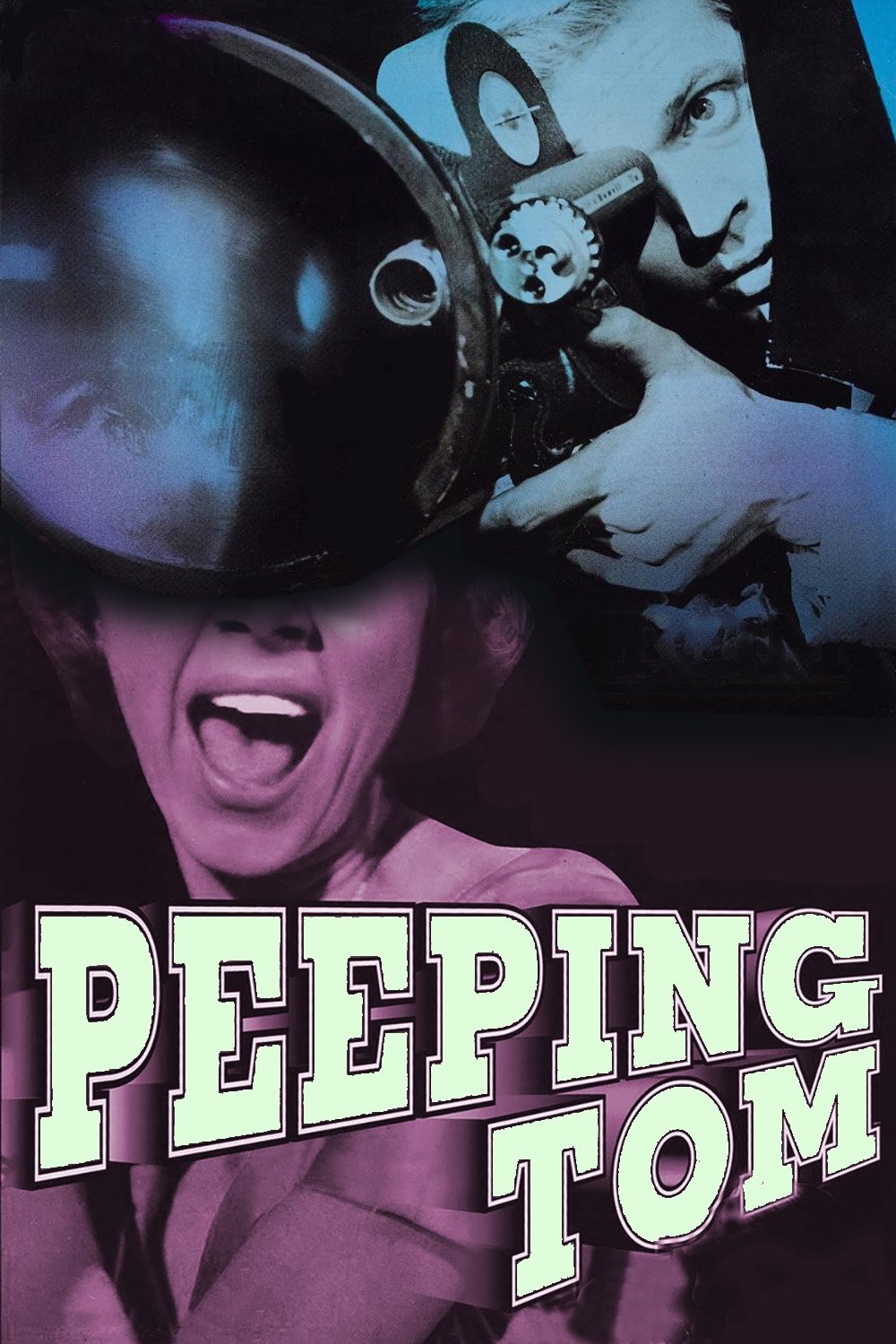
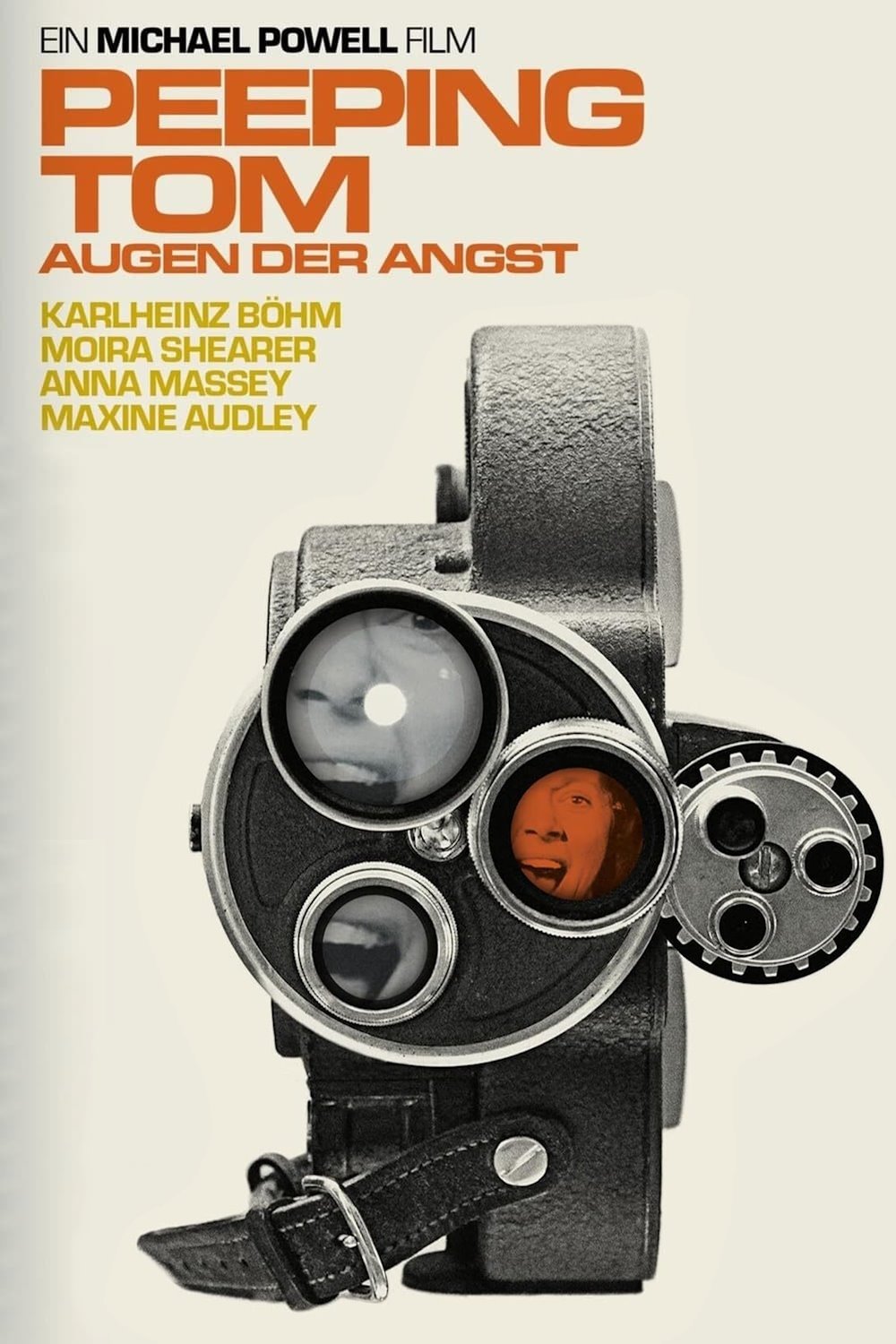
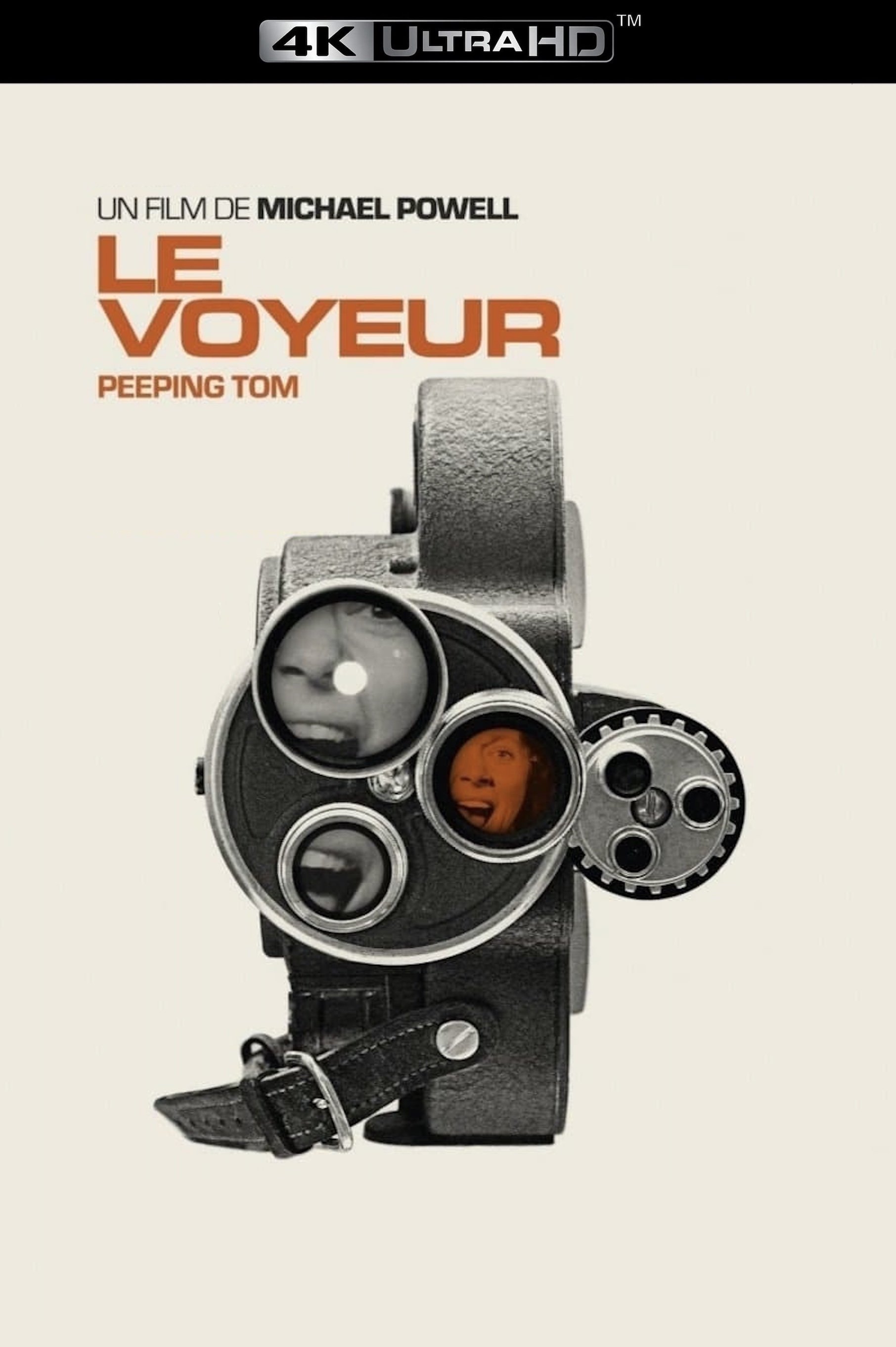
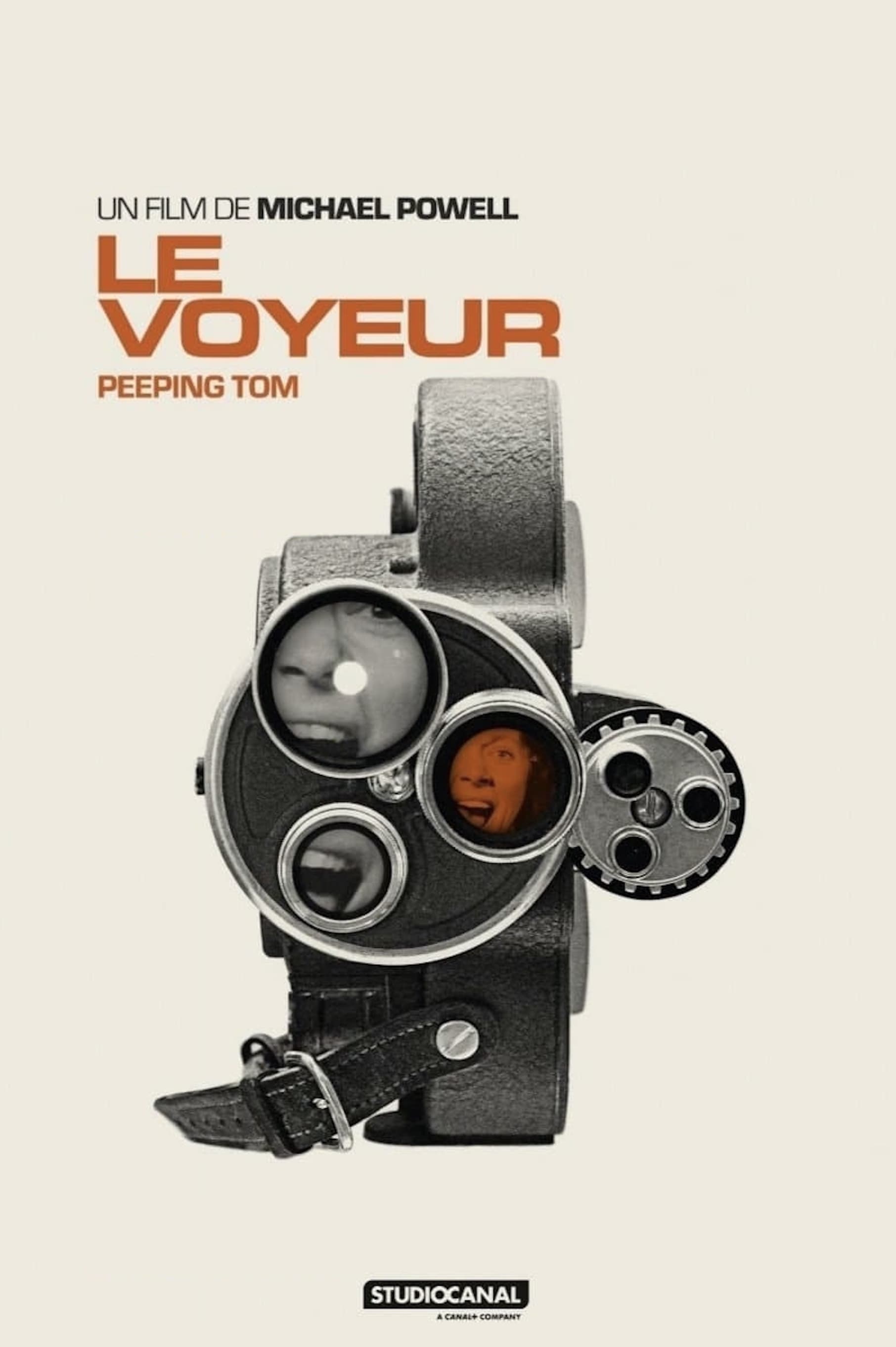
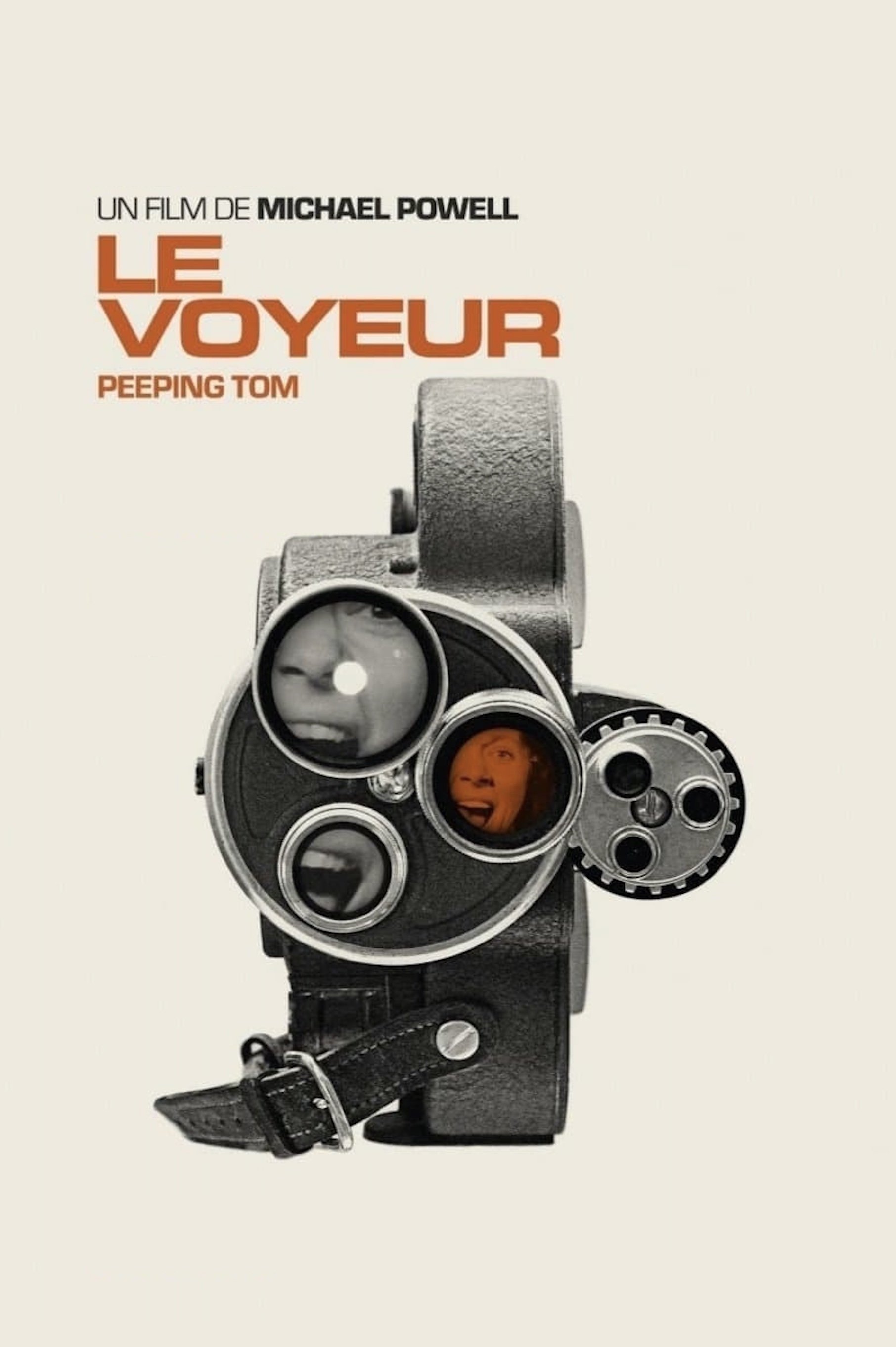
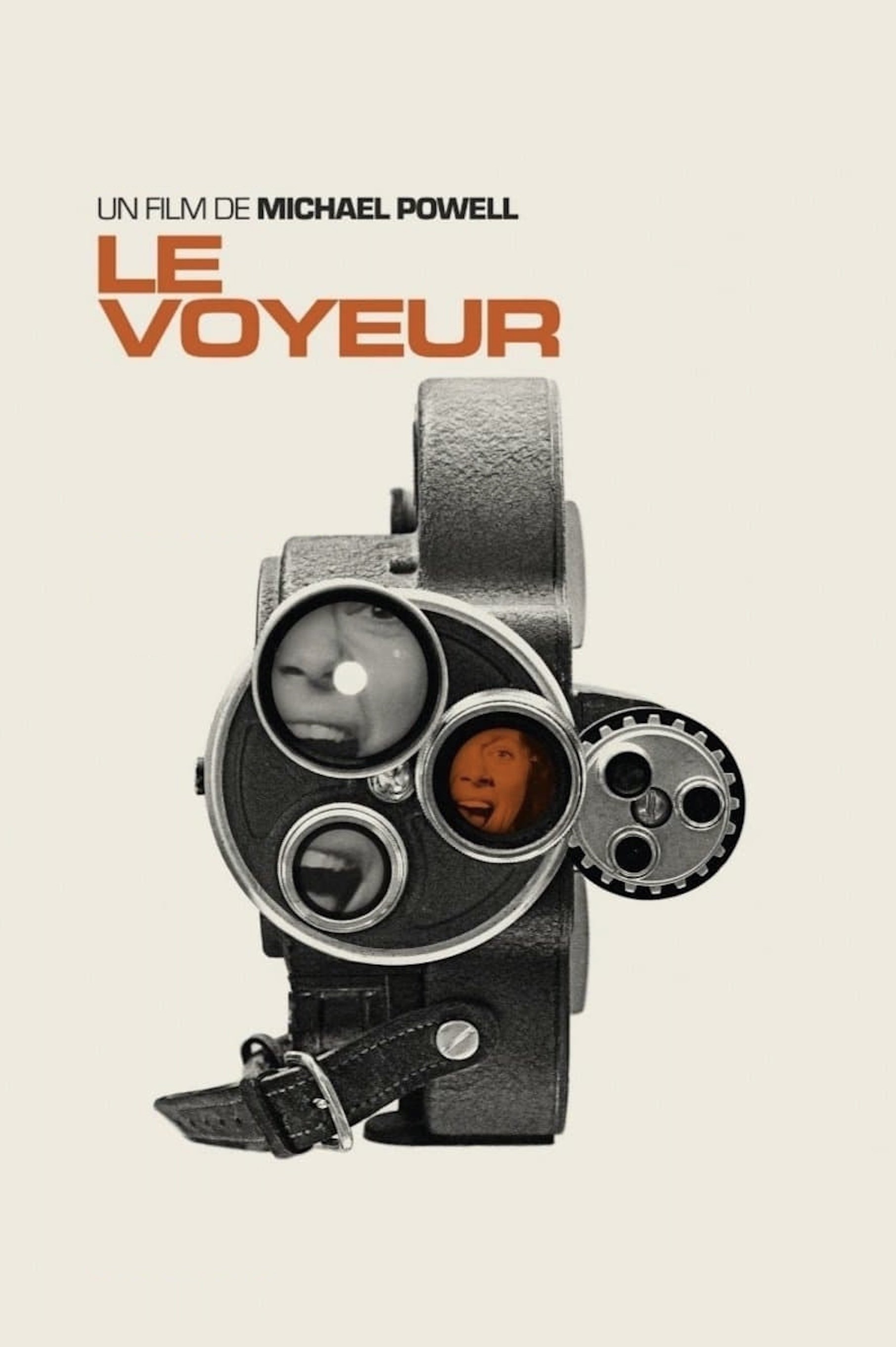
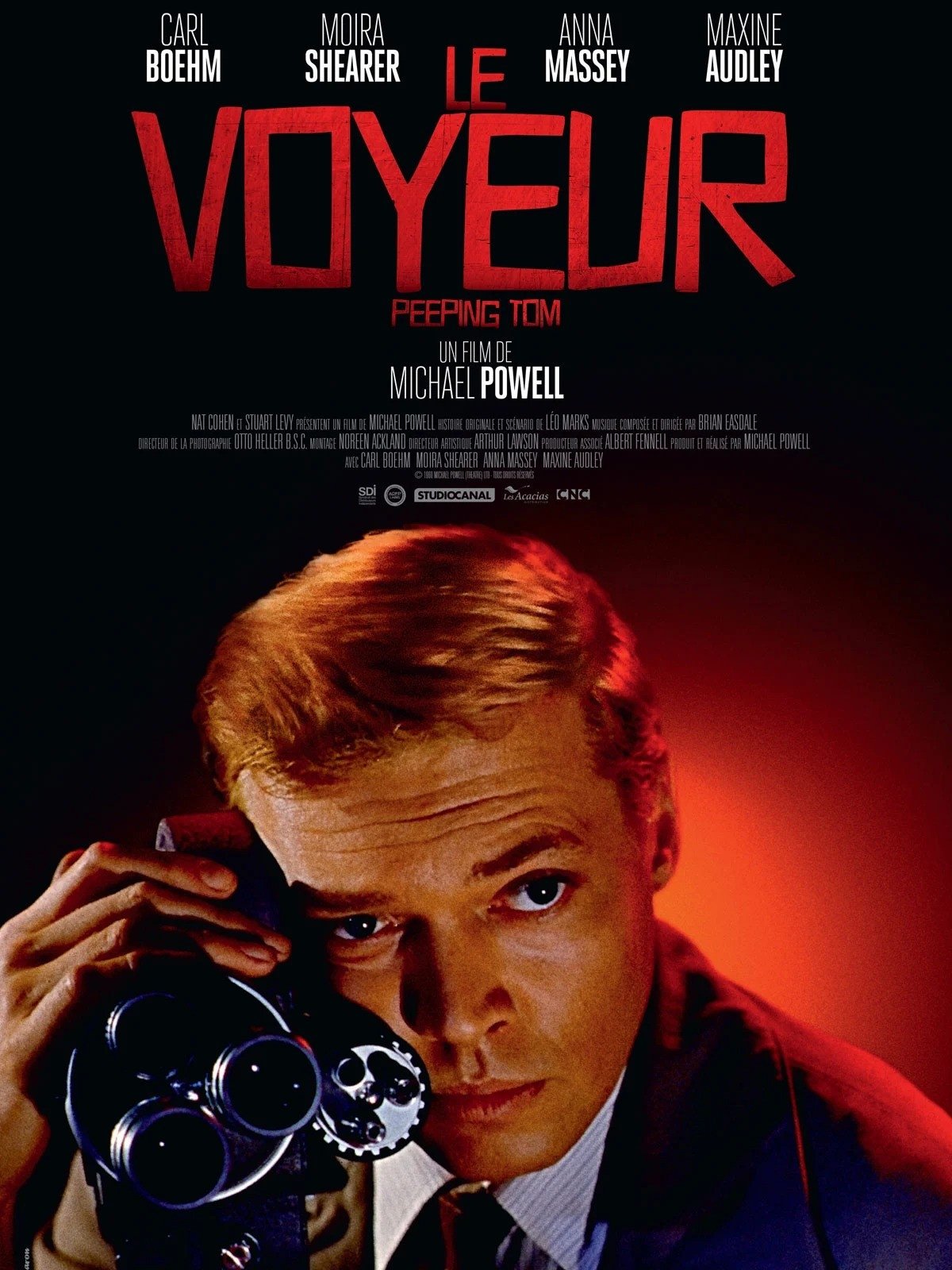
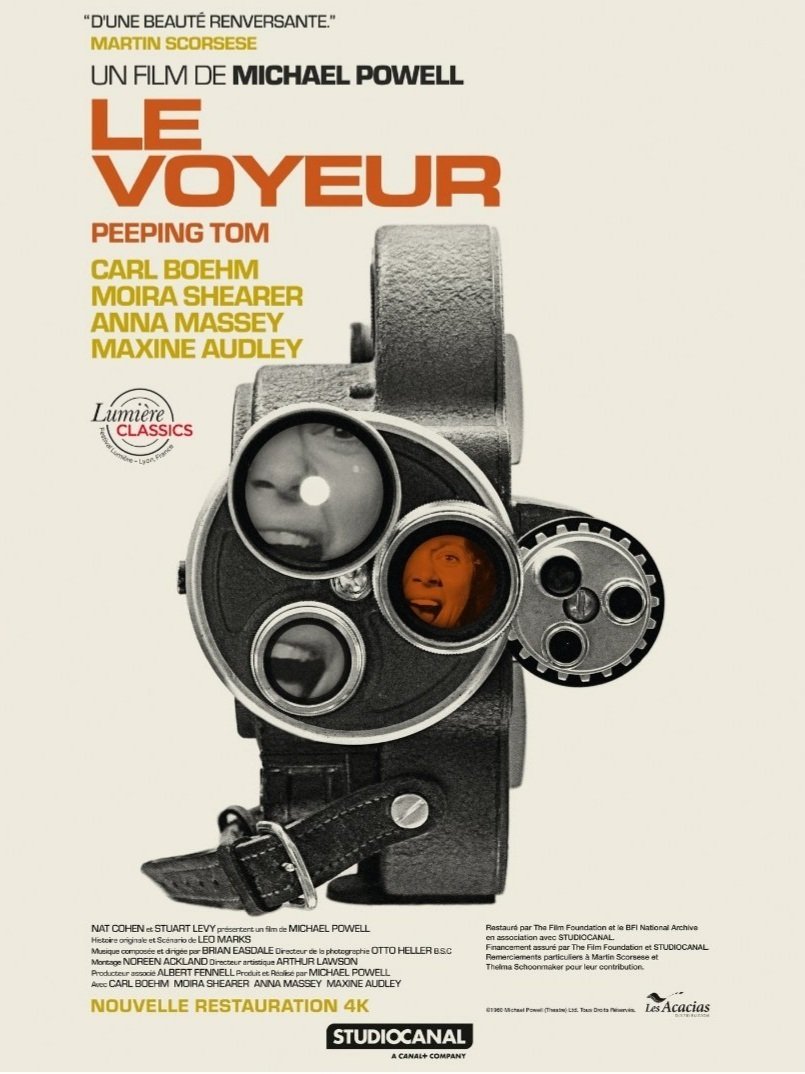
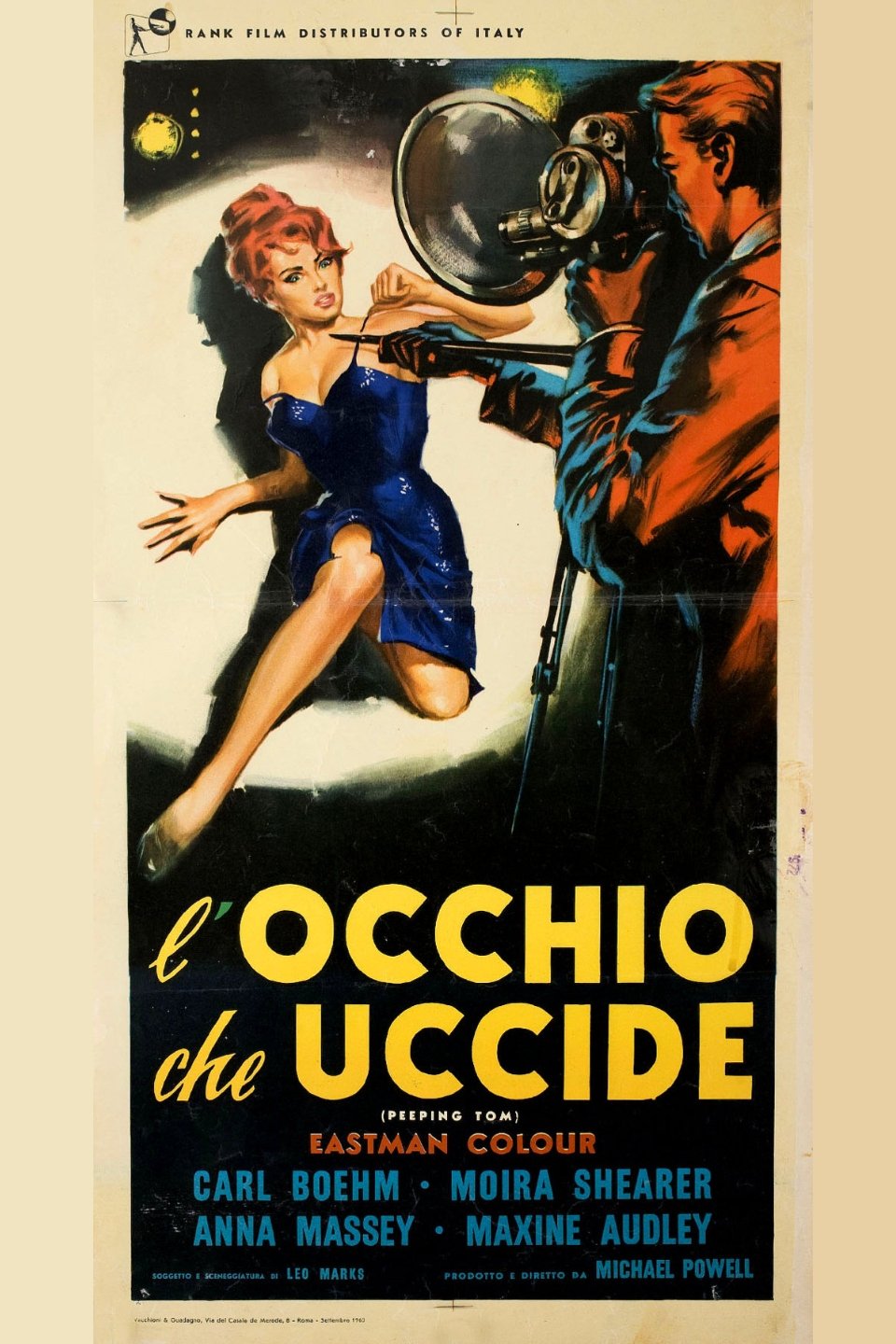
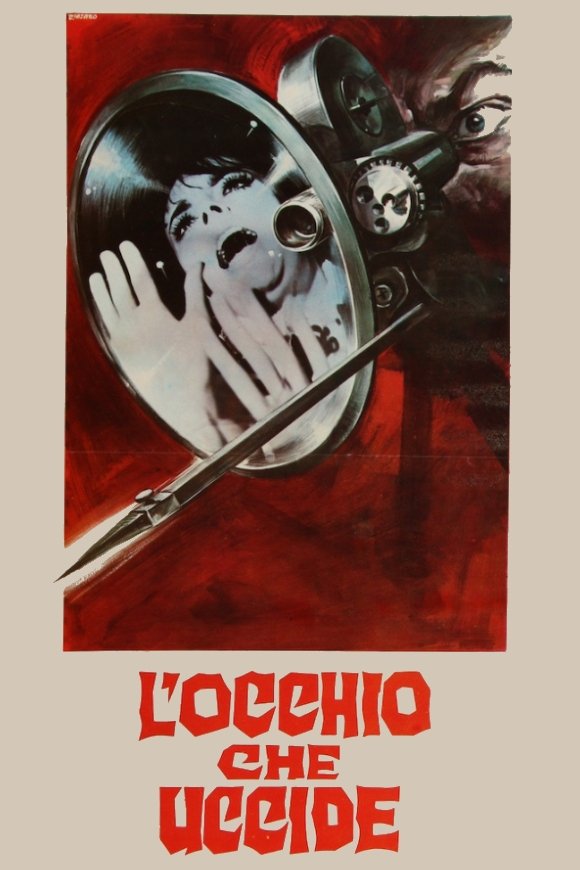
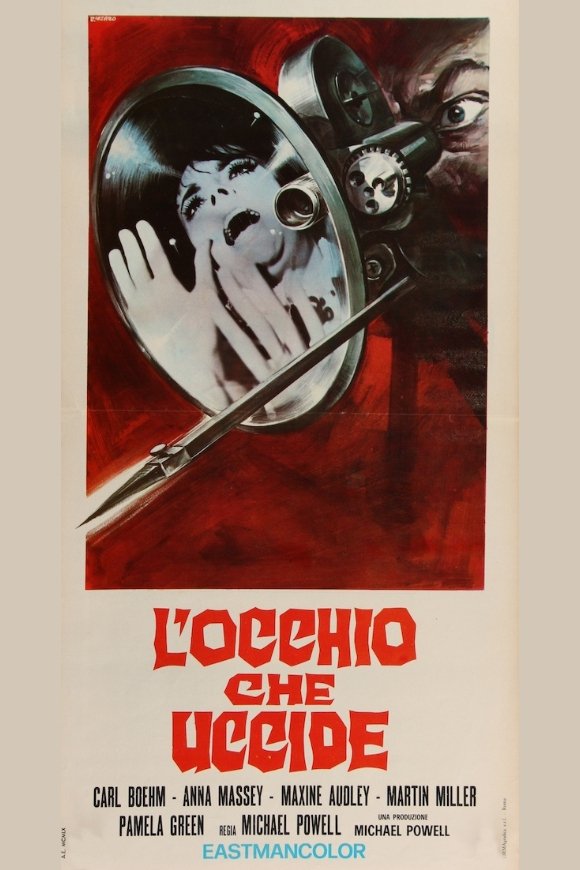
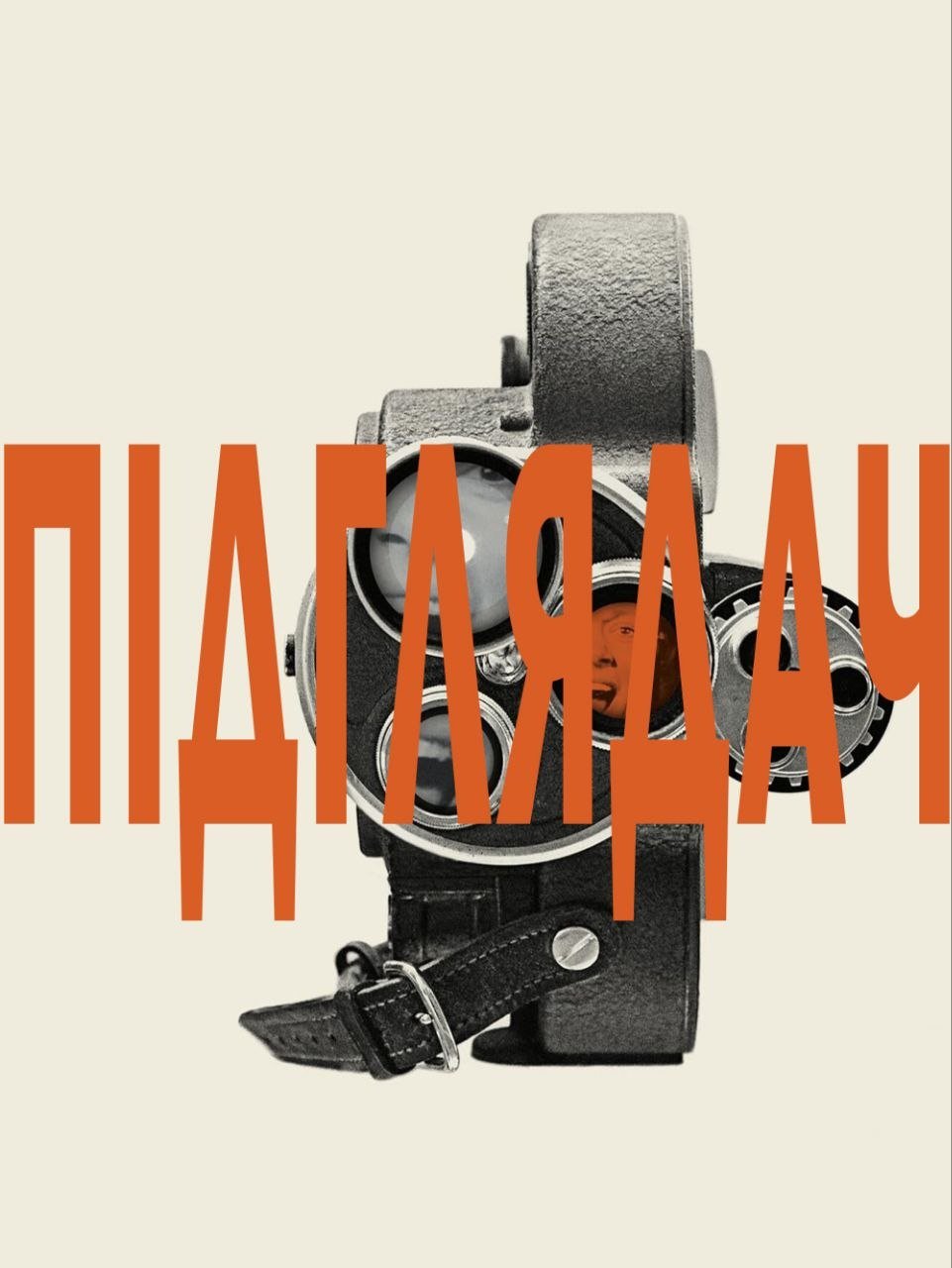
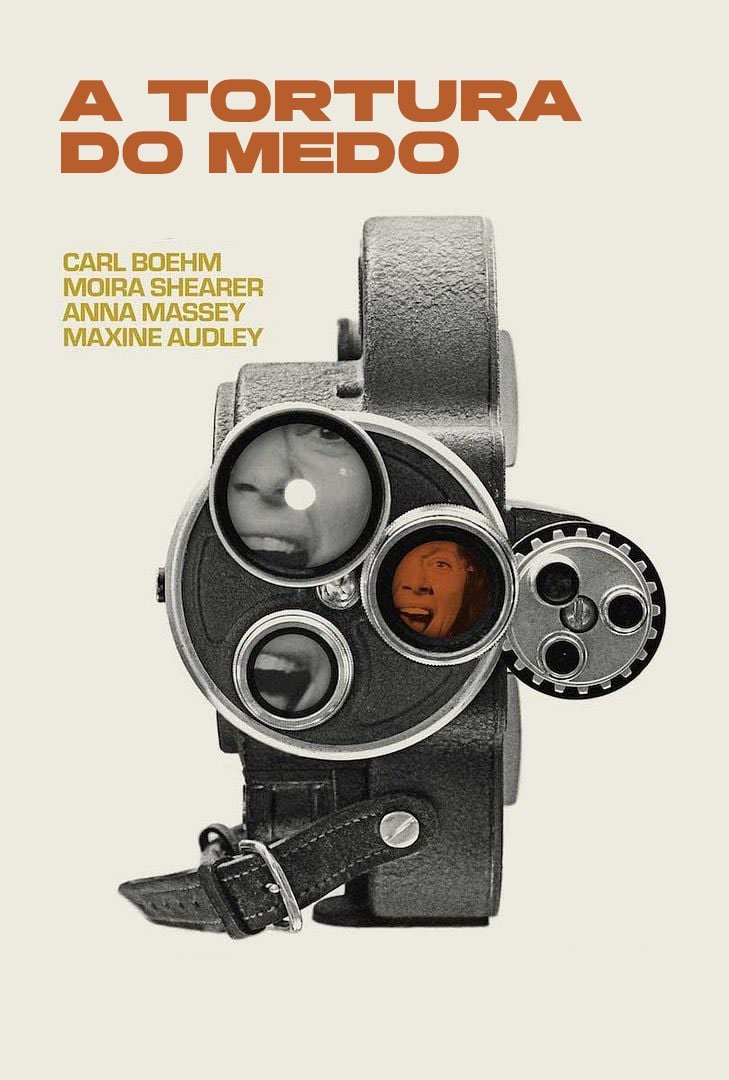
The camera incorporates a sharpened tripod leg that Mark uses to kill his victims while filming them. A mirror attached to the equipment forces them to see their own faces during the attack. This additional element becomes fully apparent during the concluding confrontation with Helen, providing an explanation for the particular terror that Mark seeks to capture. The arrangement gives the murder apparatus several functions: it records the victim, produces the injury and reflects the experience of imminent death. The film’s violence is comparatively restrained in its display of blood, making the anticipation of the attack and the victim’s reaction more important than graphic images of the wound.
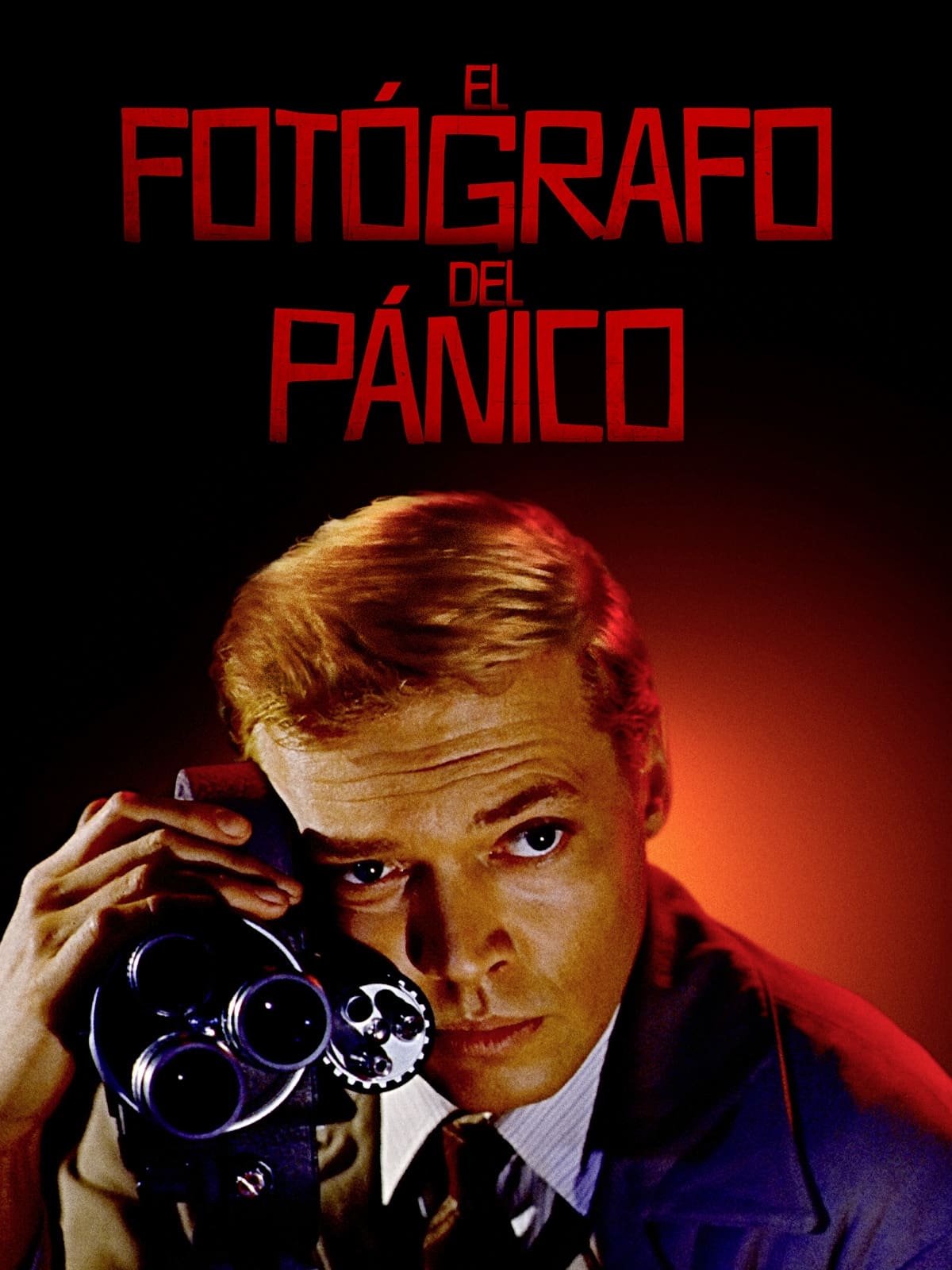
Powell repeatedly associates the apparatus with Mark’s identity as a filmmaker. He works professionally as a focus puller and privately photographs models for material sold through a newsagent. His personal project uses the same skills for a completely different purpose. The film therefore examines the power created by selecting, recording and replaying another person’s experience. In a 2024 Criterion essay, Megan Abbott emphasizes that the opening subjective sequence makes the spectator participate in Mark’s act of looking before the character is introduced. This structure also exposes the disturbing relationship between the audience’s curiosity and the suffering being photographed. The distinction between watching a fictional crime and identifying with the viewpoint of its perpetrator becomes deliberately unstable.
Childhood Experiments and the Psychology of Mark Lewis
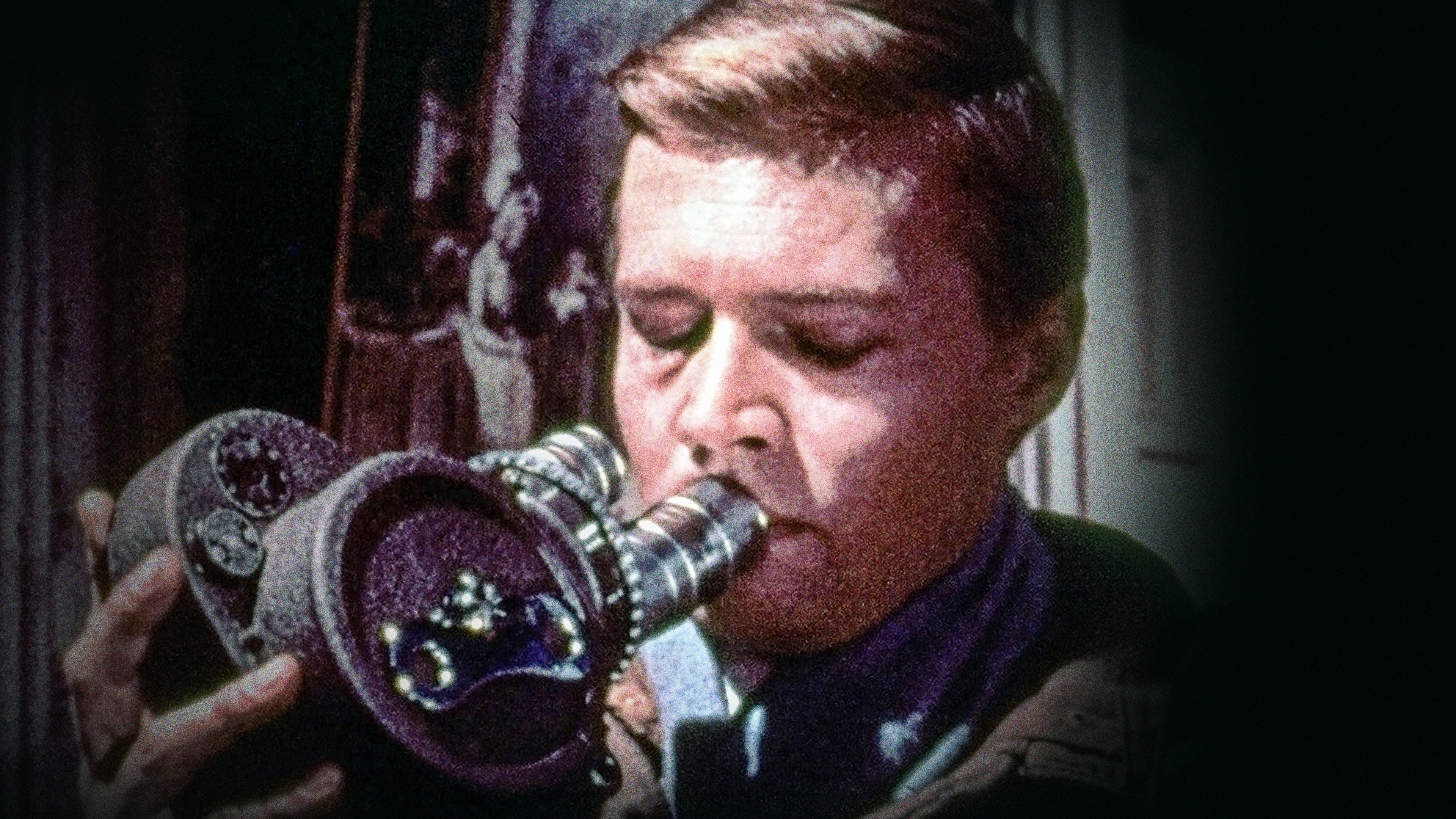
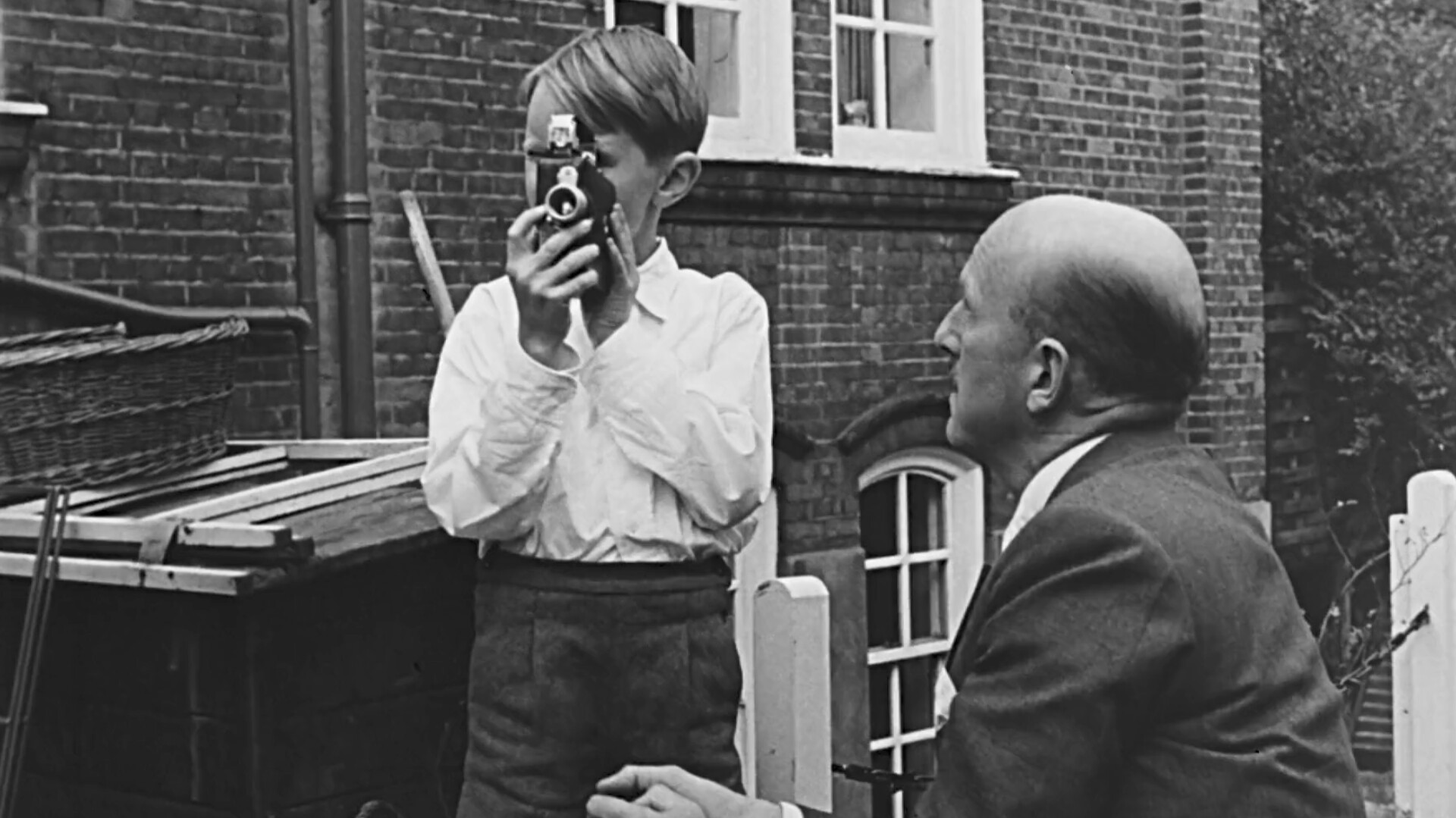
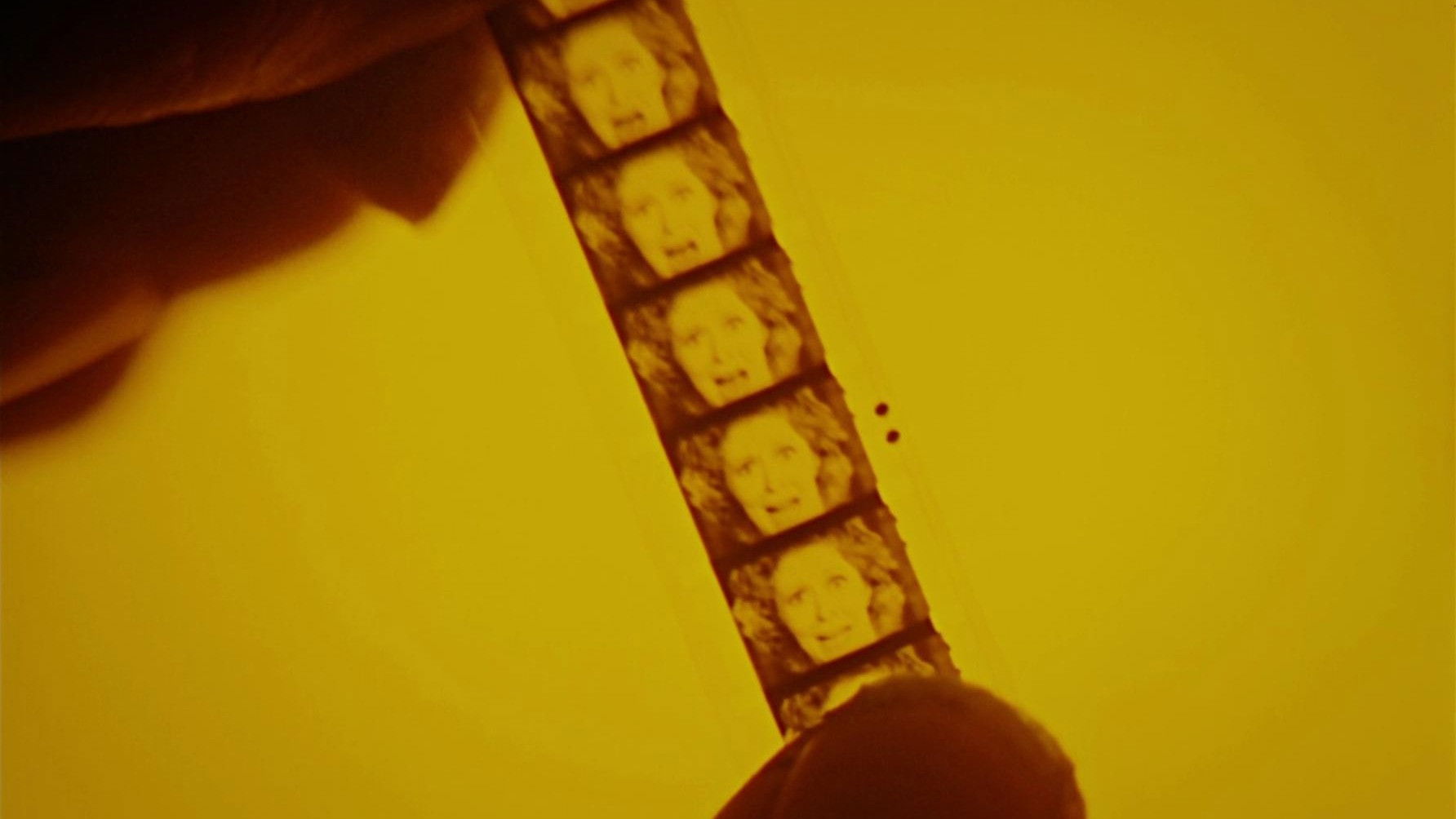
Mark’s behaviour is linked to the childhood experiments conducted by his father, Professor A. N. Lewis, a psychologist studying fear. The father deliberately frightened his son and recorded the resulting reactions, using the child as the subject of research. Mark preserves these recordings as part of an archive of his early life. The filmed experiments reveal a childhood characterized by observation rather than protection, including an incident in which the sleeping boy is awakened with a lizard placed on his body. The material provides a fictional explanation for Mark’s later compulsion without establishing that such behaviour constitutes a medically definitive account of serial murder.
Powell appears as Professor Lewis in the home movies, while his young son Columba plays Mark as a child. The casting gives these sequences a personal dimension within the production itself. Powell explained in his 1981 interview that he chose his son because he believed the boy would feel comfortable performing alongside him. The decision subsequently attracted criticism when reviewers encountered the film’s disturbing treatment of childhood fear. Powell defended the arrangement, although his recollections also acknowledged the unusual demands of filming those scenes. The footage provides an important connection between the fictional father’s use of a camera and the actual filmmaker’s control over the images.
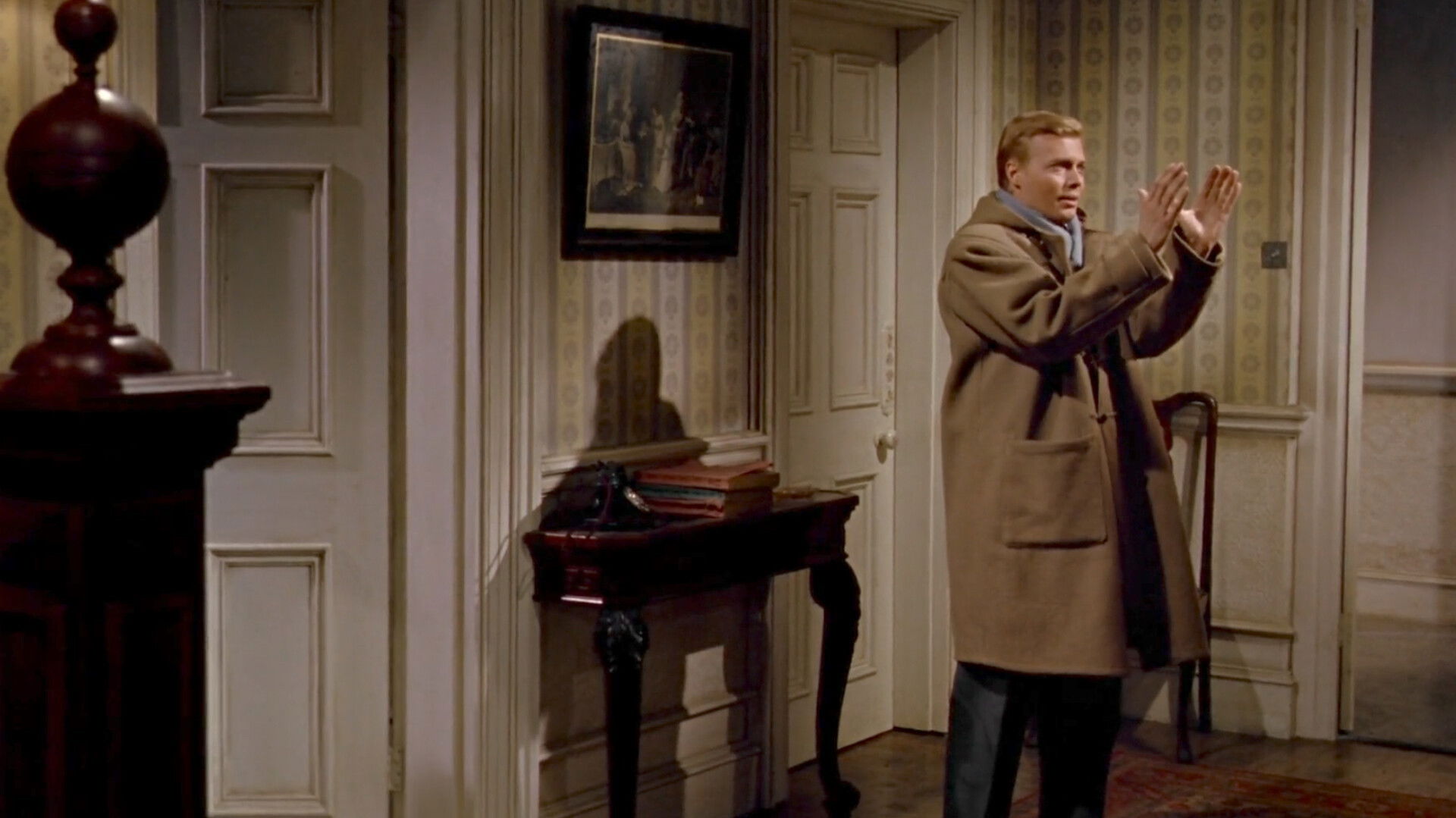
Böhm’s performance presents Mark as simultaneously capable of extreme violence and deeply uncomfortable in ordinary social situations. His speech is hesitant, his movements frequently restrained and his interactions marked by embarrassment. These characteristics become especially apparent around Helen, whose interest in his work initially appears to offer an opportunity for companionship. The film also shows him behaving sensitively toward a young photographic model who is anxious about a facial difference. Such moments complicate the audience’s response without diminishing the severity of his crimes. Mark’s psychological condition is represented through the contrast between his controlled professional activities, his private archive and the sudden violence associated with the camera.
Helen Stephens and the Women of Peeping Tom
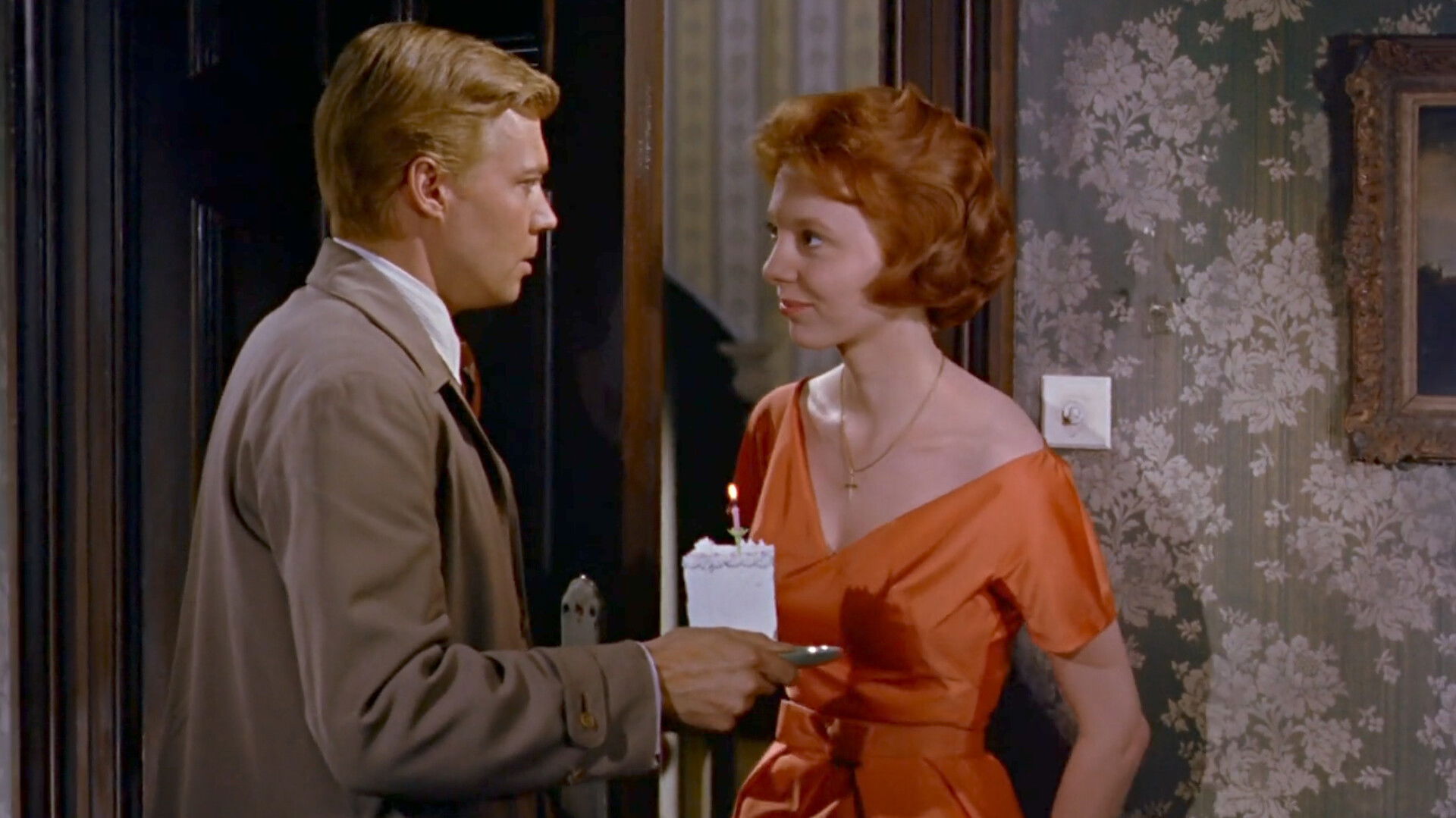
Helen Stephens lives with her mother in the house owned by Mark. Their developing relationship provides an alternative to the isolation surrounding his photographic work. Helen is curious about him and gradually gains access to the room where he keeps his films. She is also an aspiring writer working on a children’s story, for which Mark may provide illustrations. Their shared interest in images establishes a form of creative connection, although they approach observation for very different purposes. Helen seeks to understand the person behind the camera, while Mark uses recording to exercise control over experiences he cannot otherwise manage.
Mrs. Stephens, portrayed by Maxine Audley, is blind but recognizes that Mark’s behaviour is disturbing. Her conversations with him create an important contrast between physical sight and the ability to understand another person’s intentions. She hears sounds from his room and questions the nature of his activities without seeing the images he projects. Her awareness places pressure on Mark because the recordings he regards as private evidence of his work have become perceptible to another person. The film consequently gives an unusually significant role to a character who cannot participate in the central visual exchanges through which Mark controls others.
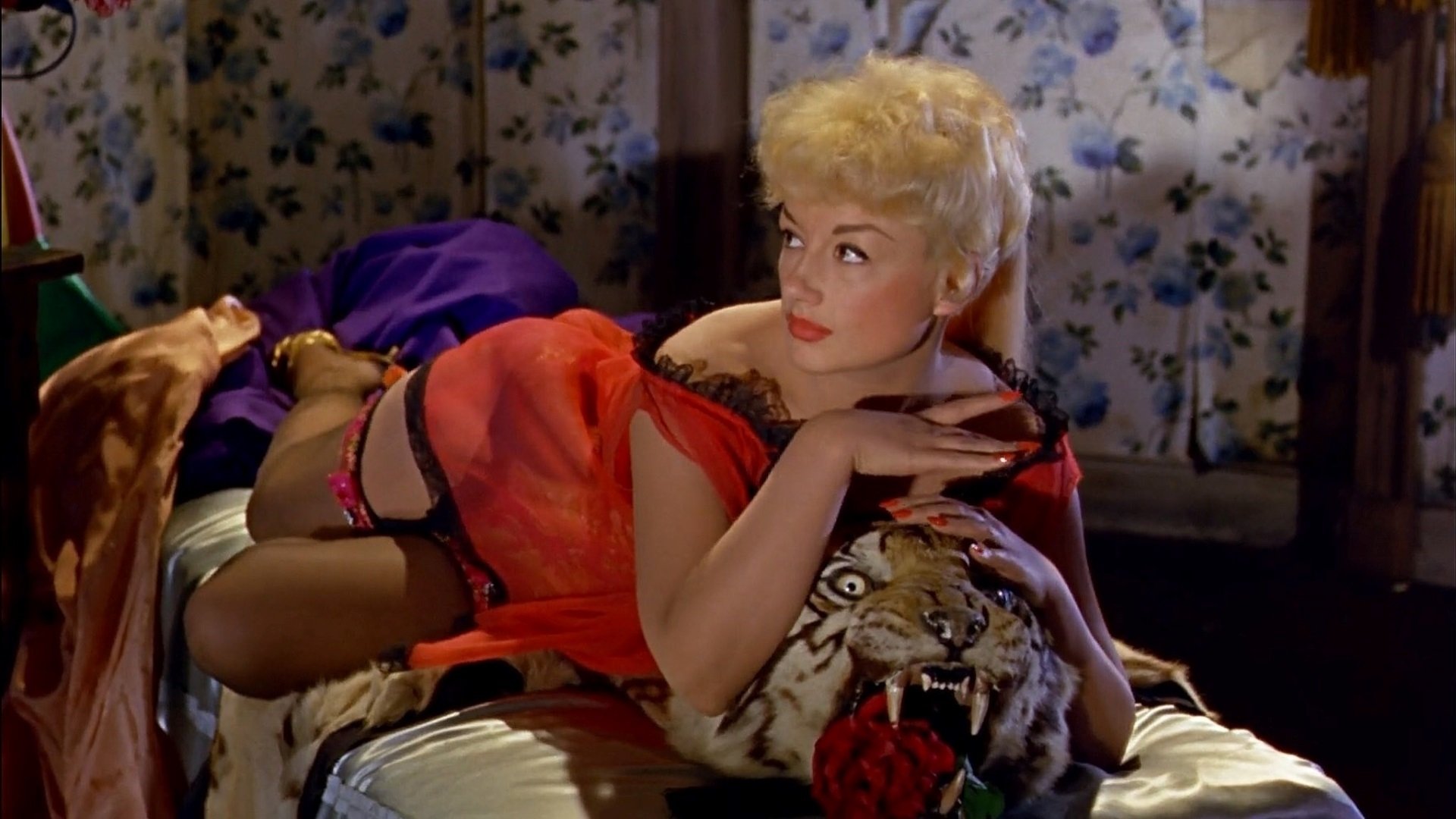
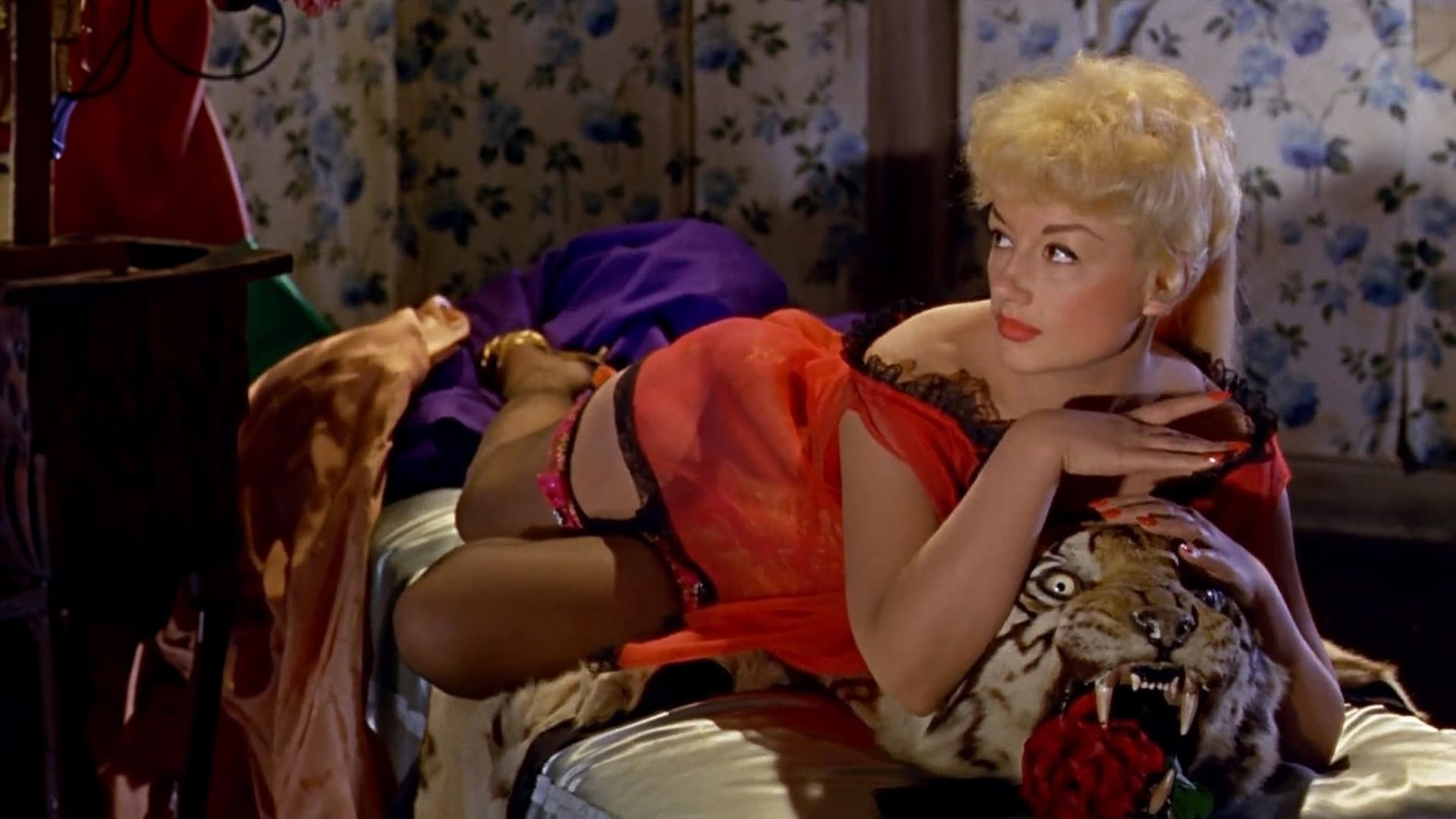
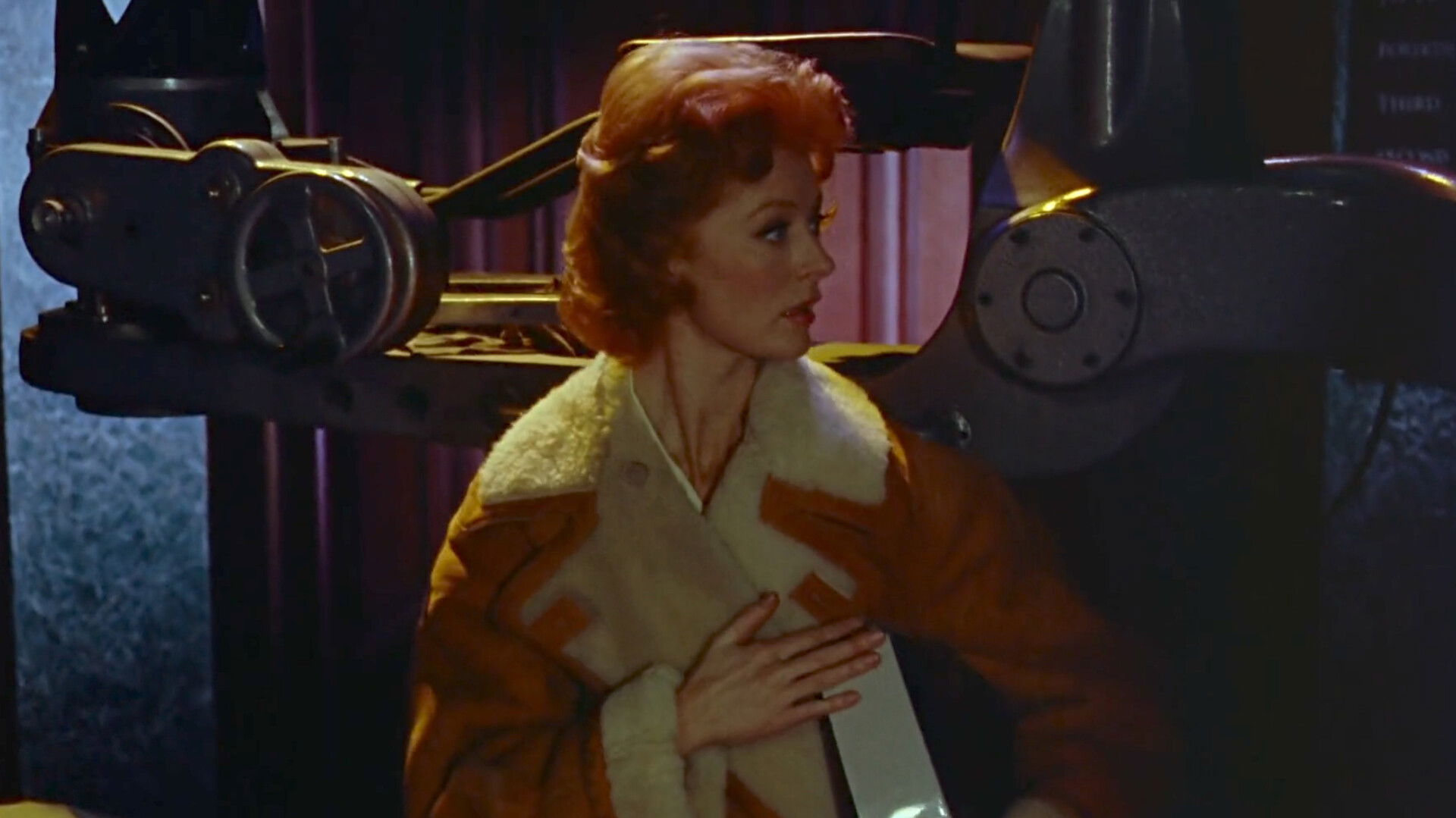
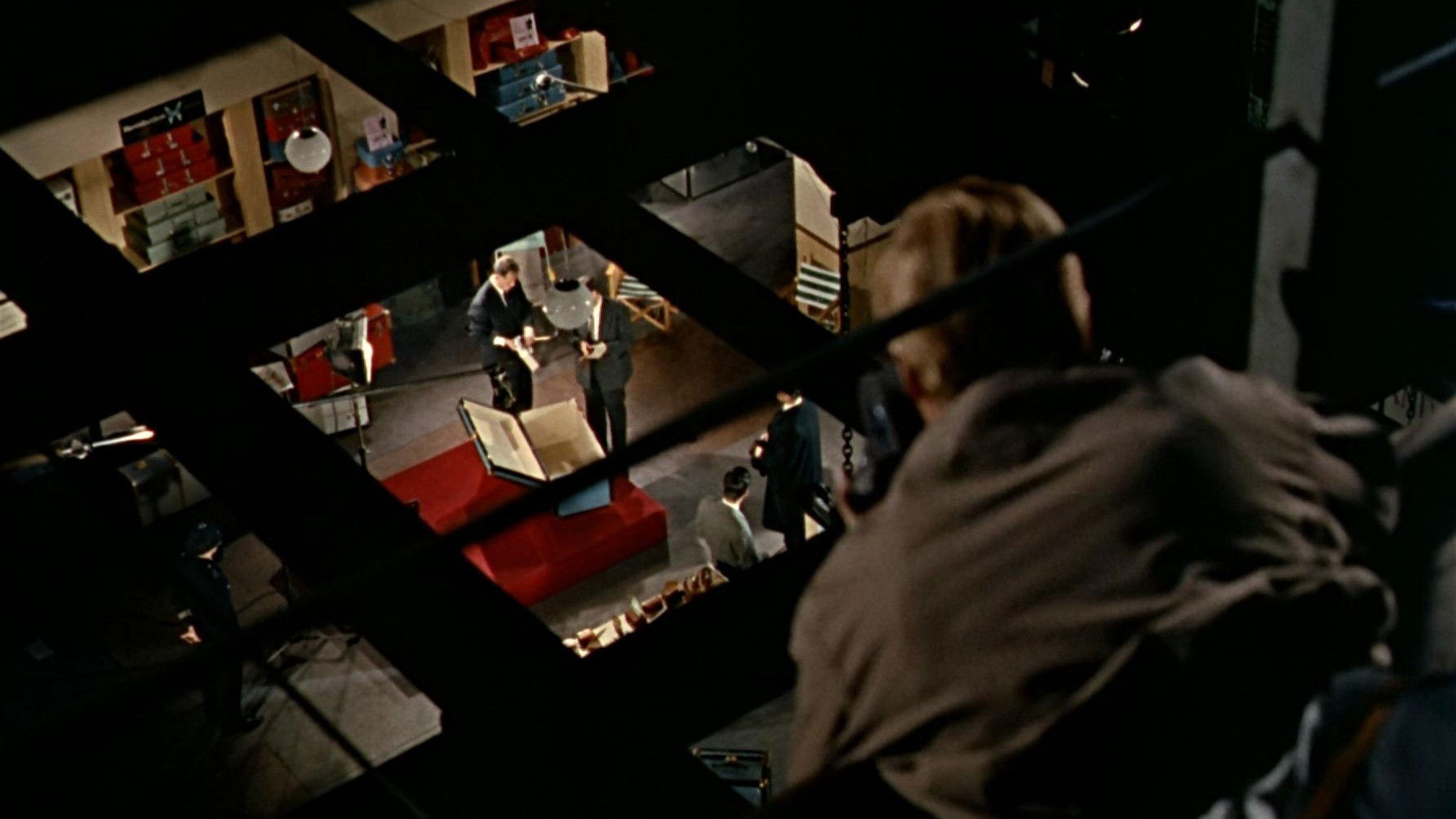
The women murdered by Mark occupy different social environments. Dora encounters him during sex work, Vivian is a performer associated with the film studio, and Milly works as a photographic model. These settings connect his violence with activities in which women are already being watched, photographed or presented for an audience. Moira Shearer’s appearance as Vivian is particularly significant because Powell had previously directed her in The Red Shoes. Her murder takes place within the environment of professional filmmaking, extending the threat into the industry that employs Mark. Helen’s involvement creates a different narrative possibility because she approaches him through conversation and personal curiosity. Her survival depends partly on the emotional relationship that develops before she discovers the nature of his films.
Eastmancolor Photography, London Locations, and Sound
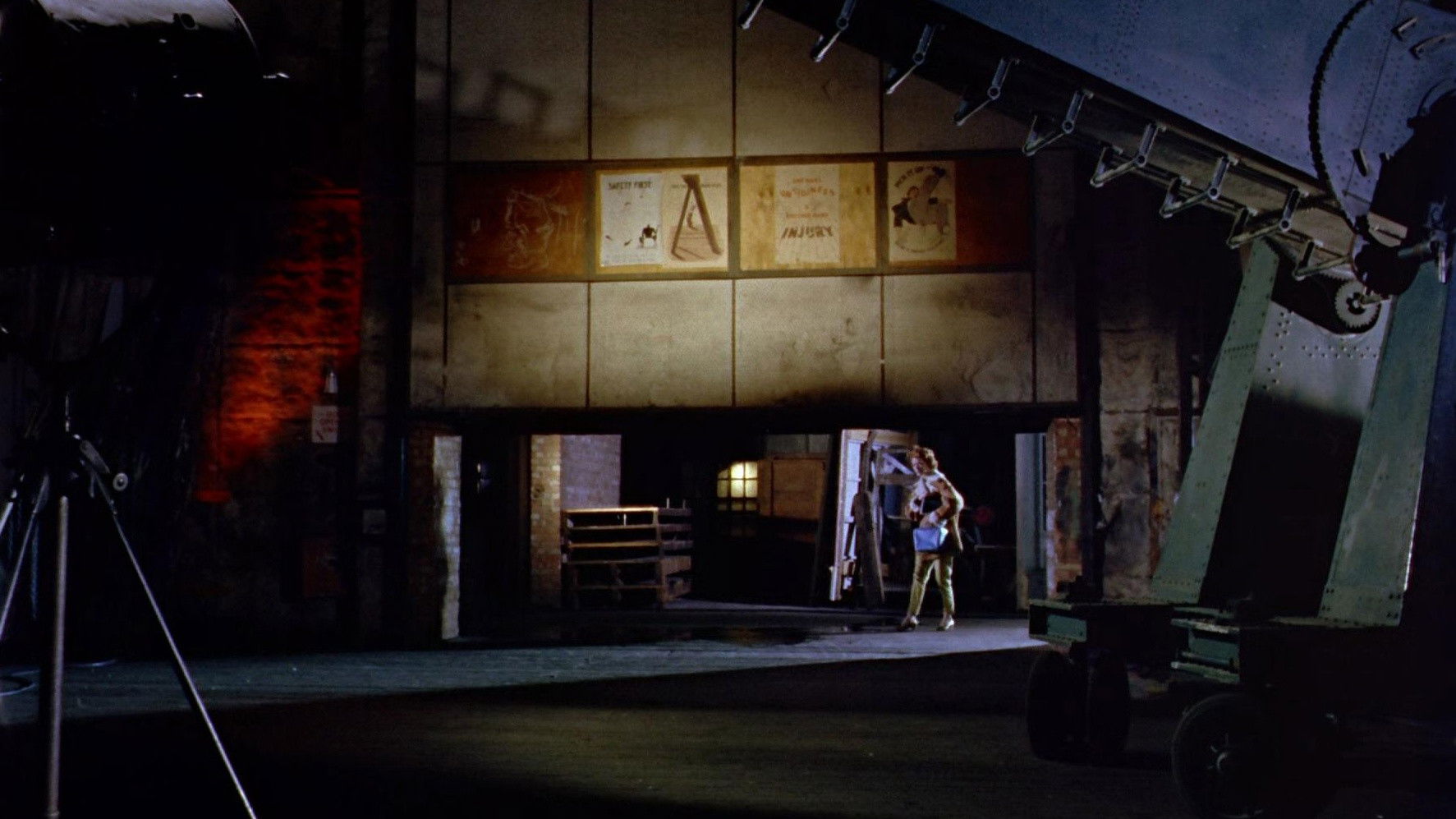
Otto Heller photographed Peeping Tom in Eastmancolor, allowing Powell to contrast realistic London locations with highly stylized interior environments. The opening murder takes place around Rathbone Street and Newman Passage in Fitzrovia, areas whose surviving buildings were documented by the British Film Institute in a 2020 location study. Mark’s work at a newsagent and his visits to photographic premises connect the narrative with parts of London associated with commercial images and sexual entertainment. These streets are presented alongside film-studio interiors, where lighting equipment, cameras and constructed spaces reveal the processes normally concealed from cinema audiences.
Powell also used his own residential surroundings in Holland Park. The exterior representation of Mark’s house combines views of buildings in Melbury Road, including material photographed around Powell’s home at number 8. Some of the fictional childhood footage was made in its garden. The mixture of personal locations and purpose-built environments reinforces the relationship between the director and his subject. Within the studio scenes, Powell employed deliberate manipulations of apparent scale. He recalled constructing oversized pencils and pens for a shot photographed from a high gantry, allowing the objects to appear conventionally sized when they fell through the frame. Such methods reflect his continuing interest in photographic illusion even within a comparatively intimate psychological thriller.
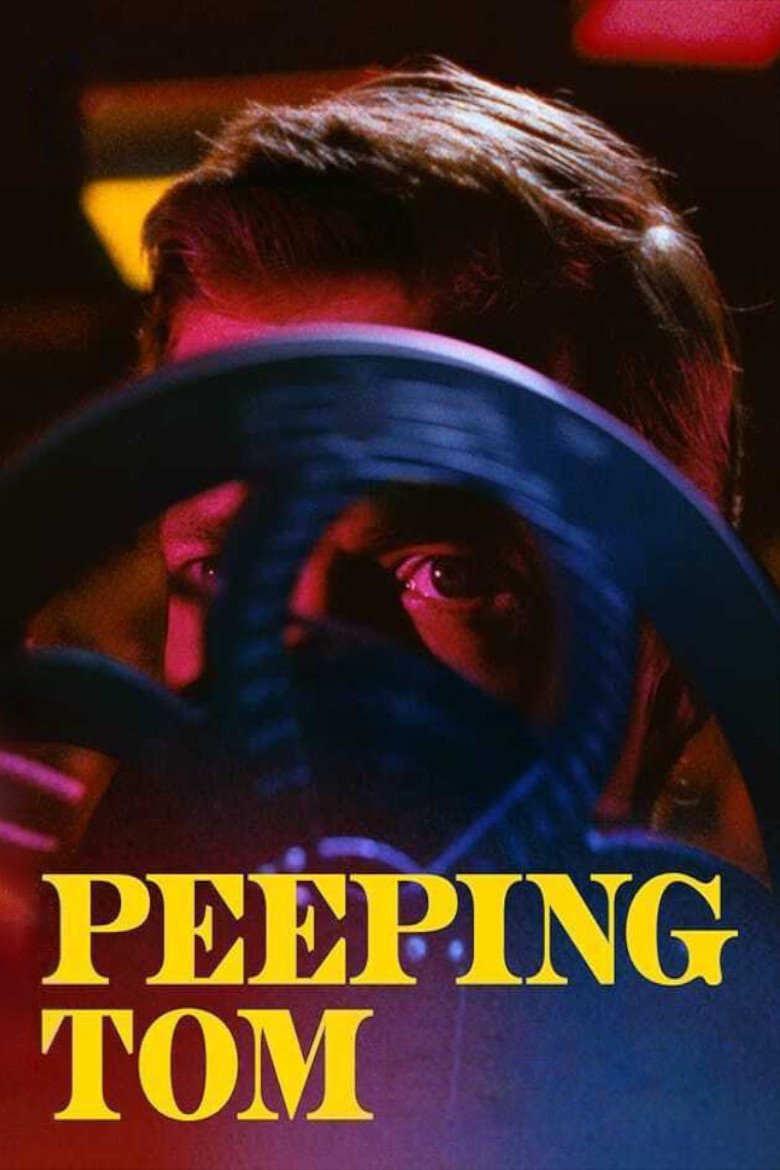
Brian Easdale composed and conducted the musical score, which incorporates pronounced piano writing and sudden accents. The soundtrack frequently contrasts relatively quiet environments with abrupt auditory disturbances. The British Film Institute’s account of the 2023 restoration identifies the exceptional dynamic differences between subdued incidental sounds, stabbing piano figures and police sirens. Mark’s private rooms contain recorded voices and screams associated with the experiments of his father, giving sound a function comparable to the preserved films. The darkroom is distinguished by a persistent dripping noise, while the house below contains more ordinary social activity. These acoustic differences help establish Mark’s private space as an environment organized around repeated observation and the reproduction of distress.
The 1960 Release, Censorship, and Critical Hostility
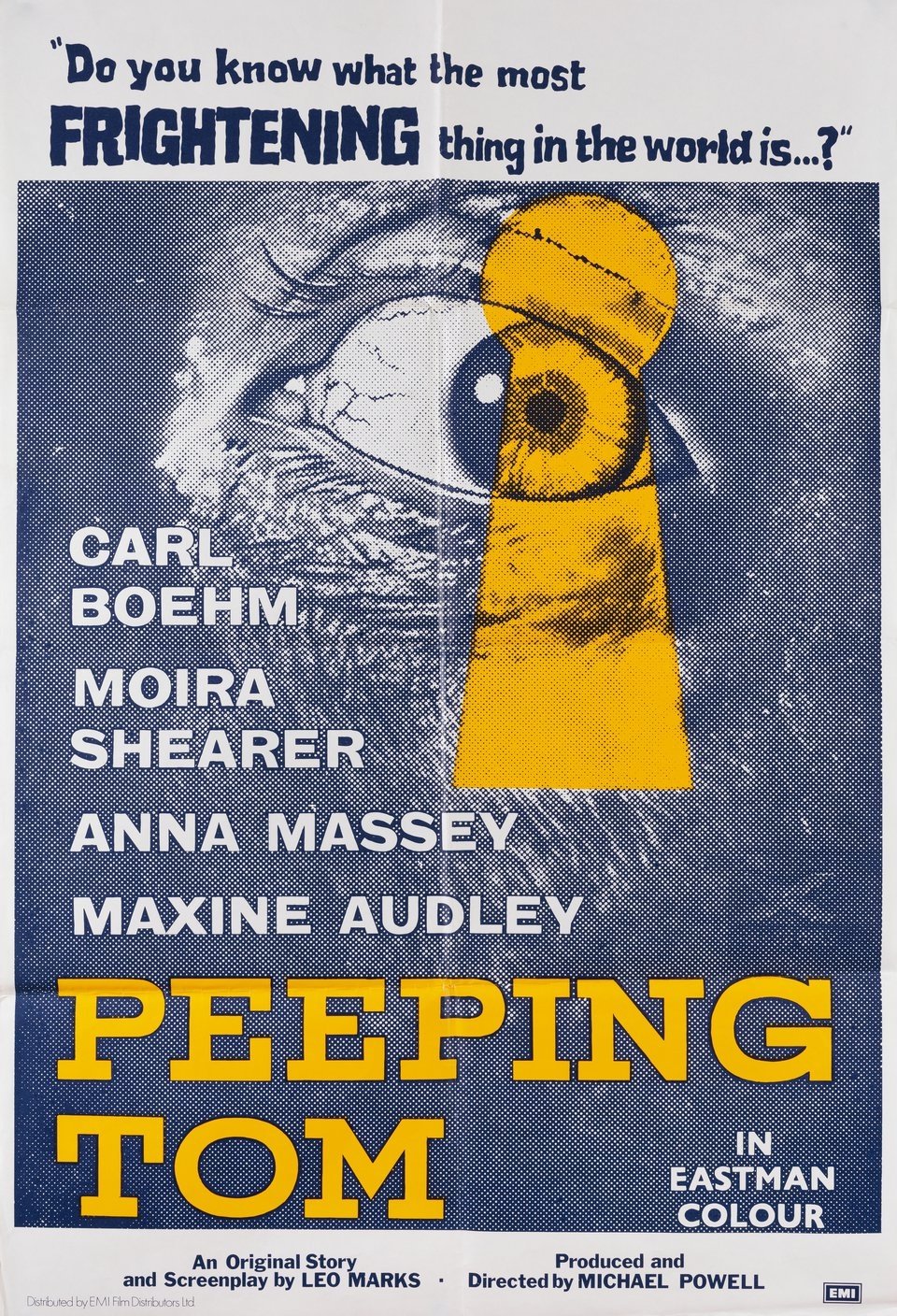
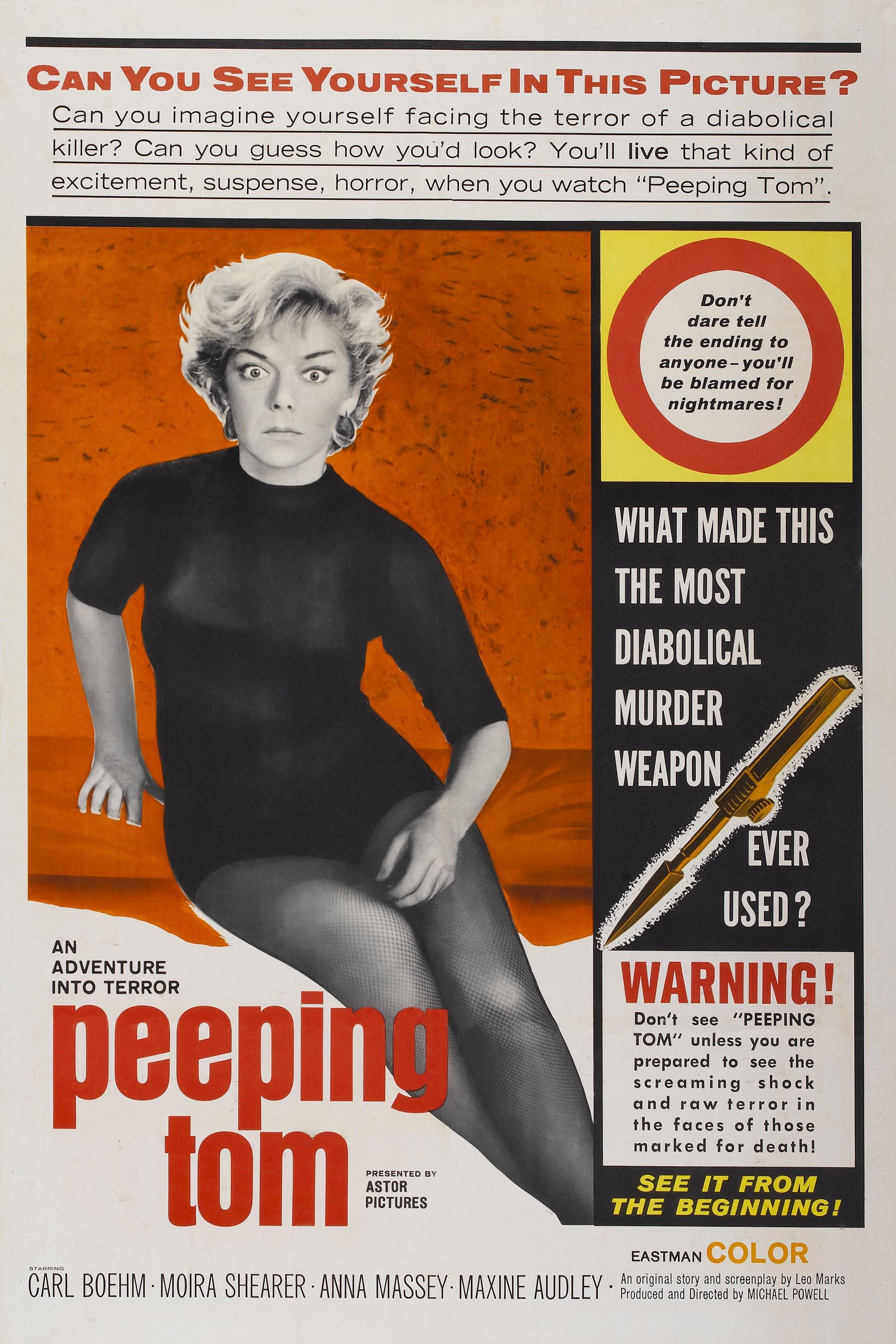
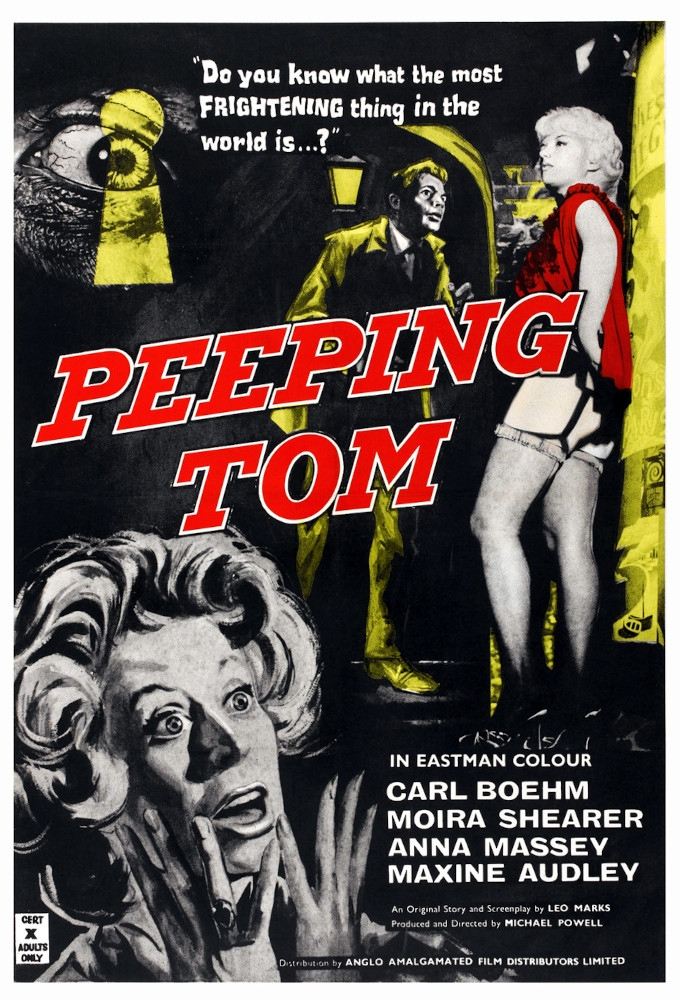
Peeping Tom entered British distribution in April 1960, with additional London engagements documented during May. Anglo-Amalgamated handled the release after the film underwent classification by the British Board of Film Classification. The BBFC required seven sets of cuts before granting an X certificate, which at that time restricted admission to viewers aged sixteen and older. The alterations affected the killing of Dora, Mark’s suicide, the murder of Vivian and images involving nudity or visible injuries. The Board’s historical case study confirms that the film was considered disturbing because of its combination of sexual excitement, psychological cruelty and the suggestion that the camera itself participated in the murders.
The initial press response was exceptionally hostile. C. A. Lejeune of The Observer condemned the film, while Dilys Powell of The Sunday Times described its content as vicious. Derek Hill, writing for Tribune, went further in expressing his disgust. The objections concerned the identification between spectator and murderer, the treatment of women and the presentation of a psychologically damaged protagonist. Reviewers also reacted strongly to Powell’s appearance as the cruel father and his decision to cast his own son in the childhood sequences. The criticism extended beyond conventional reservations about performances or narrative structure and challenged the director’s judgment in making the film.
The severity of the response affected its distribution. Anglo-Amalgamated curtailed the British engagement, and the film subsequently circulated in shortened versions in other territories. Powell later recalled that the critical reaction had damaged his ability to obtain financing for unconventional projects. The familiar claim that Peeping Tom immediately ended his career requires qualification: he continued directing films, including The Queen’s Guards (1961) and They’re a Weird Mob (1966). Nevertheless, his professional position was significantly weakened. The BBFC records that material removed from the original negative could not later be located, despite attempts undertaken during the video-classification process. The available restored presentations must therefore be distinguished from a hypothetical completely uncut 1960 version.
Rediscovery, Restoration, and Historical Significance
The film’s reputation began to change through historical reassessment and the advocacy of filmmakers who admired Powell’s earlier work. Martin Scorsese became particularly important to its revival. He helped secure a screening at the New York Film Festival in 1979 and supported an American theatrical reissue the following year. Powell travelled to New York to attend the renewed presentation and encountered a response markedly different from the hostility of 1960. In a 1981 interview, he recalled that the original attacks had prevented him from pursuing subjects that British producers considered too unconventional. His renewed contact with American filmmakers contributed to a broader rediscovery of his work.
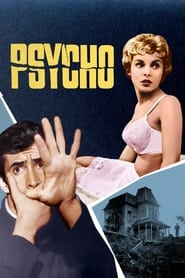
Later scholarship situated Peeping Tom within the development of psychological horror and the representation of voyeurism. Its relationship with Alfred Hitchcock’s Psycho (1960) became a recurring point of comparison because both films examine violent men whose behaviour is linked to disturbing family histories. Their narrative methods differ substantially. Powell places the spectator within the killer’s viewpoint from the opening sequence, while Hitchcock initially develops suspense through other characters before exposing Norman Bates’s psychological circumstances. Powell explicitly denied that the film’s voyeurism had been influenced by Hitchcock. Retrospective analyses by writers including Laura Mulvey and Megan Abbott have emphasized how the film questions the viewer’s position in relation to the violence depicted.
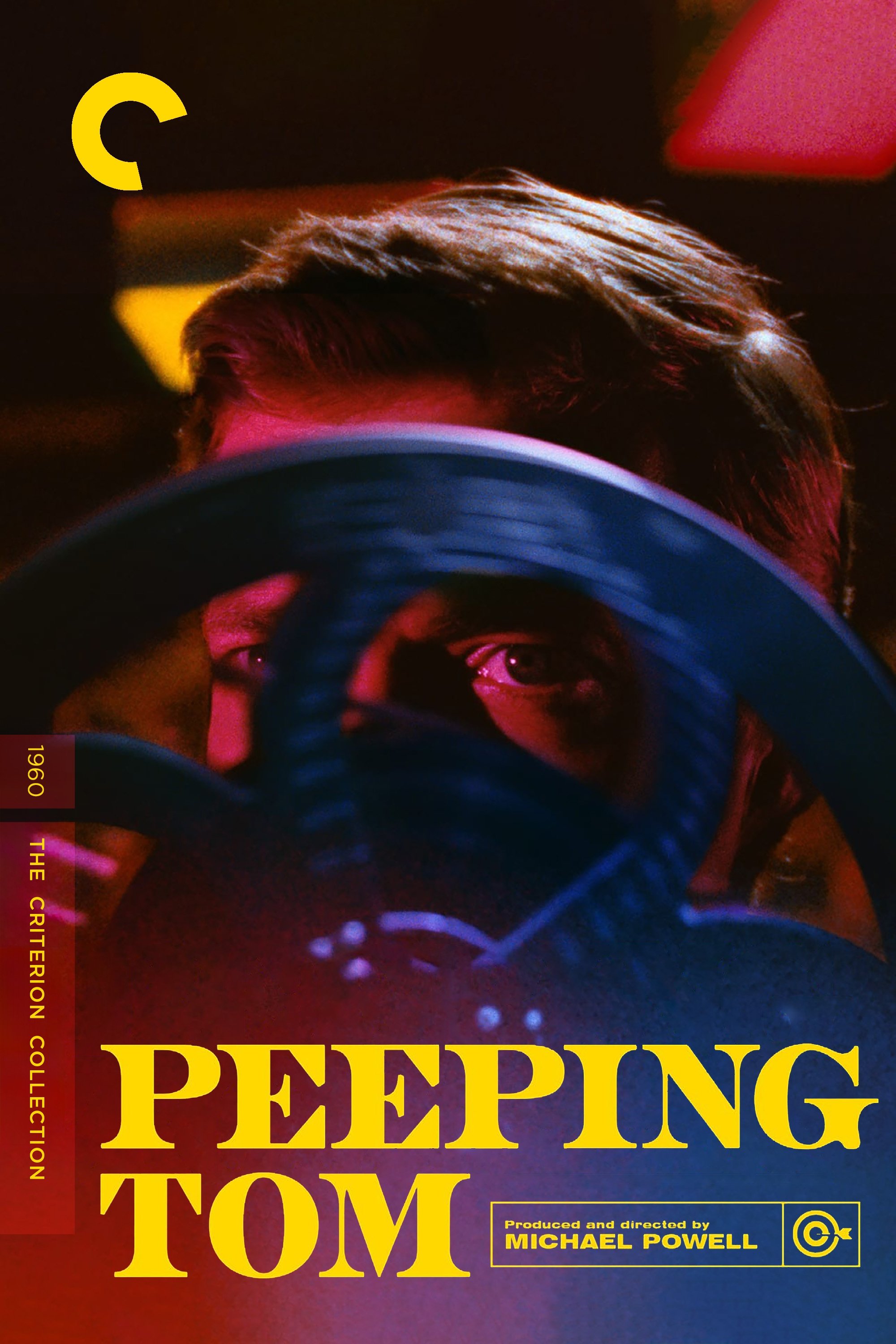
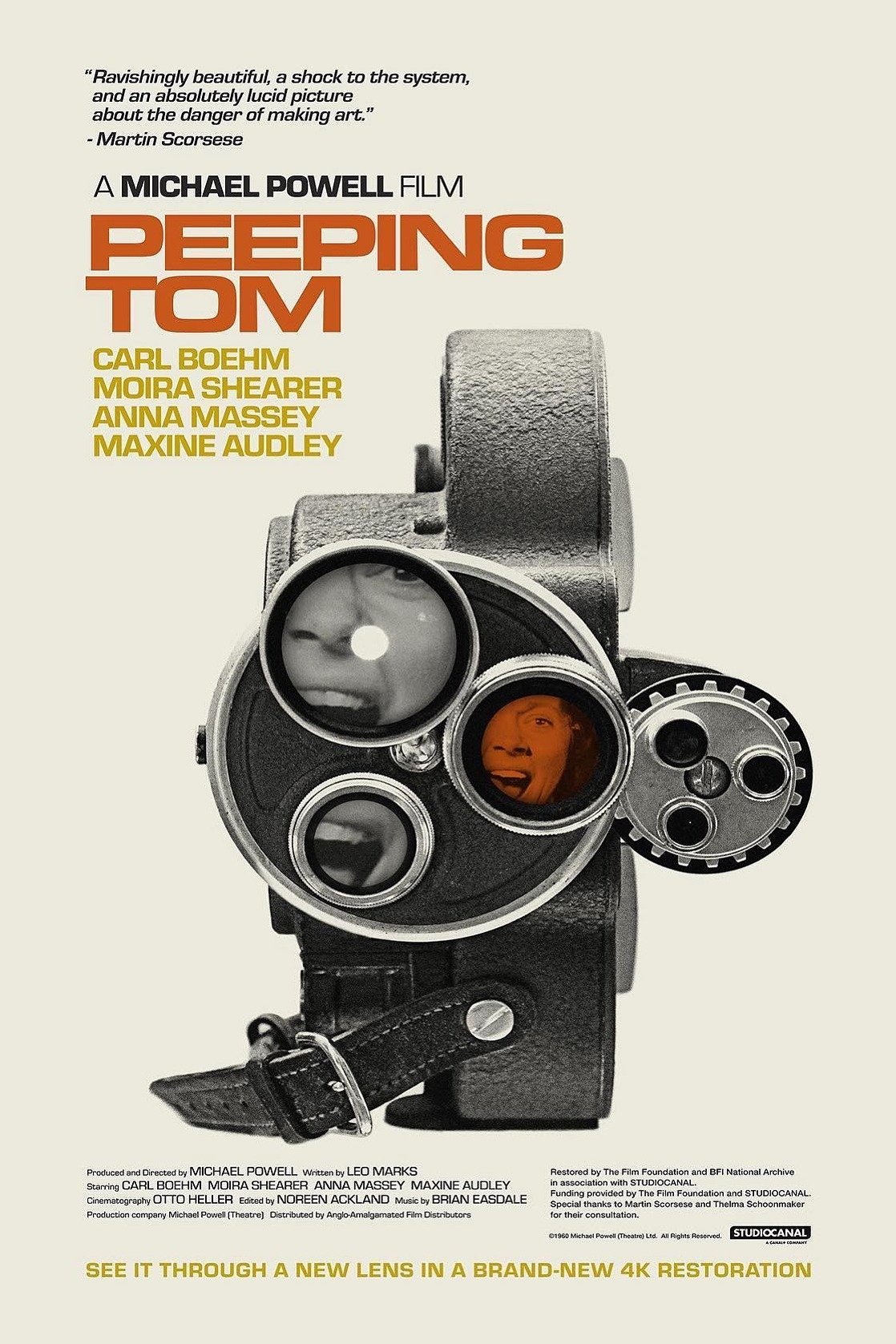
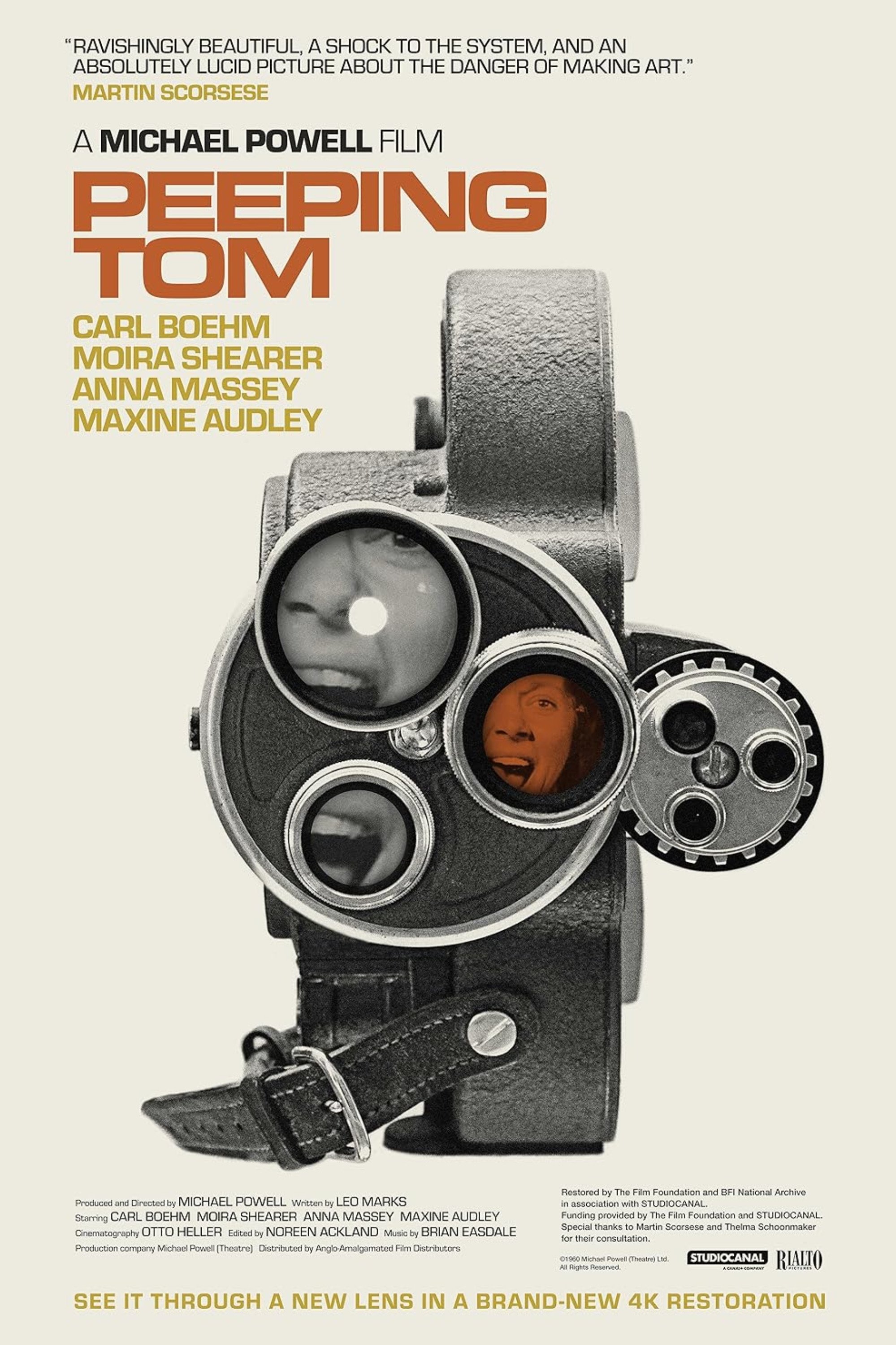
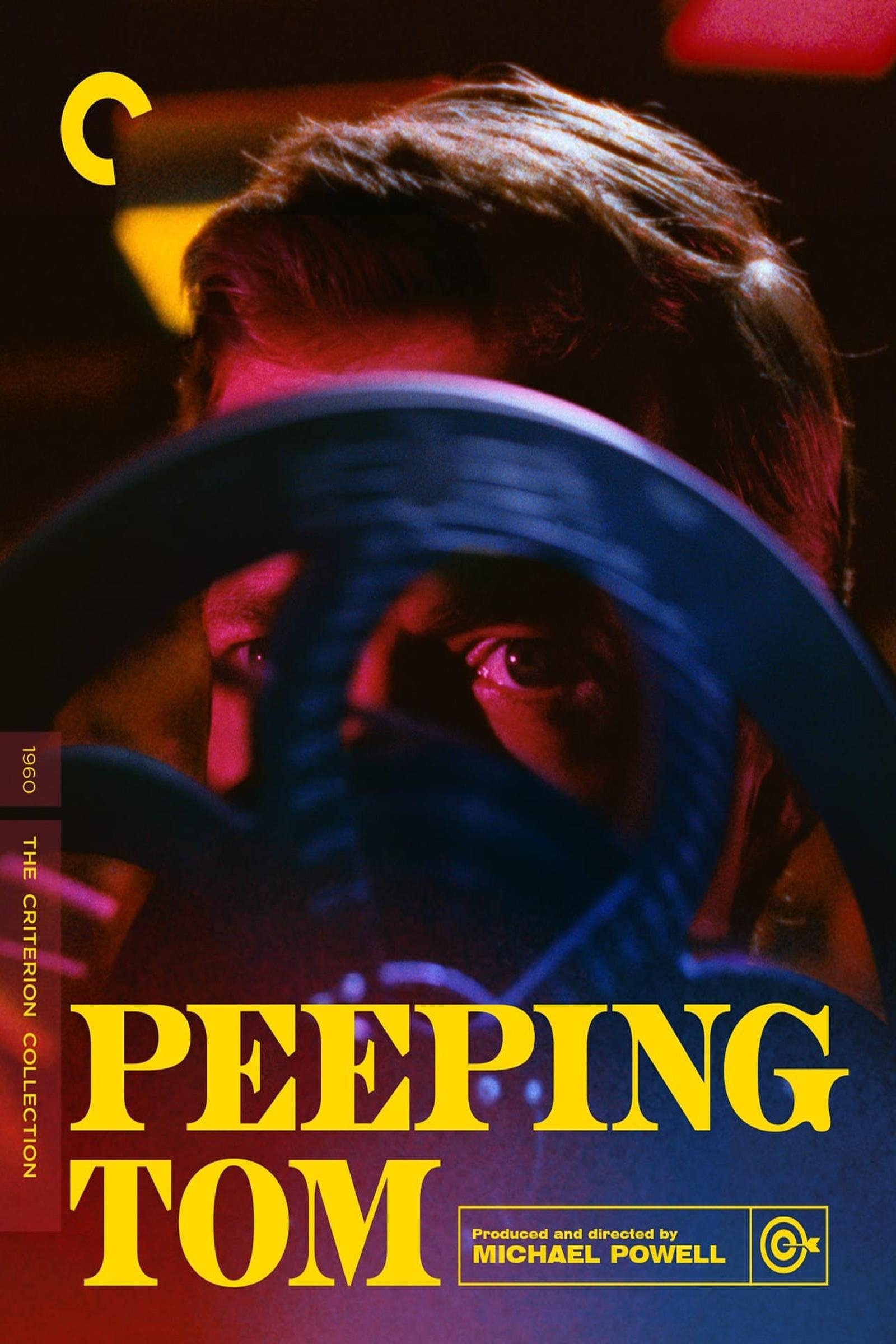
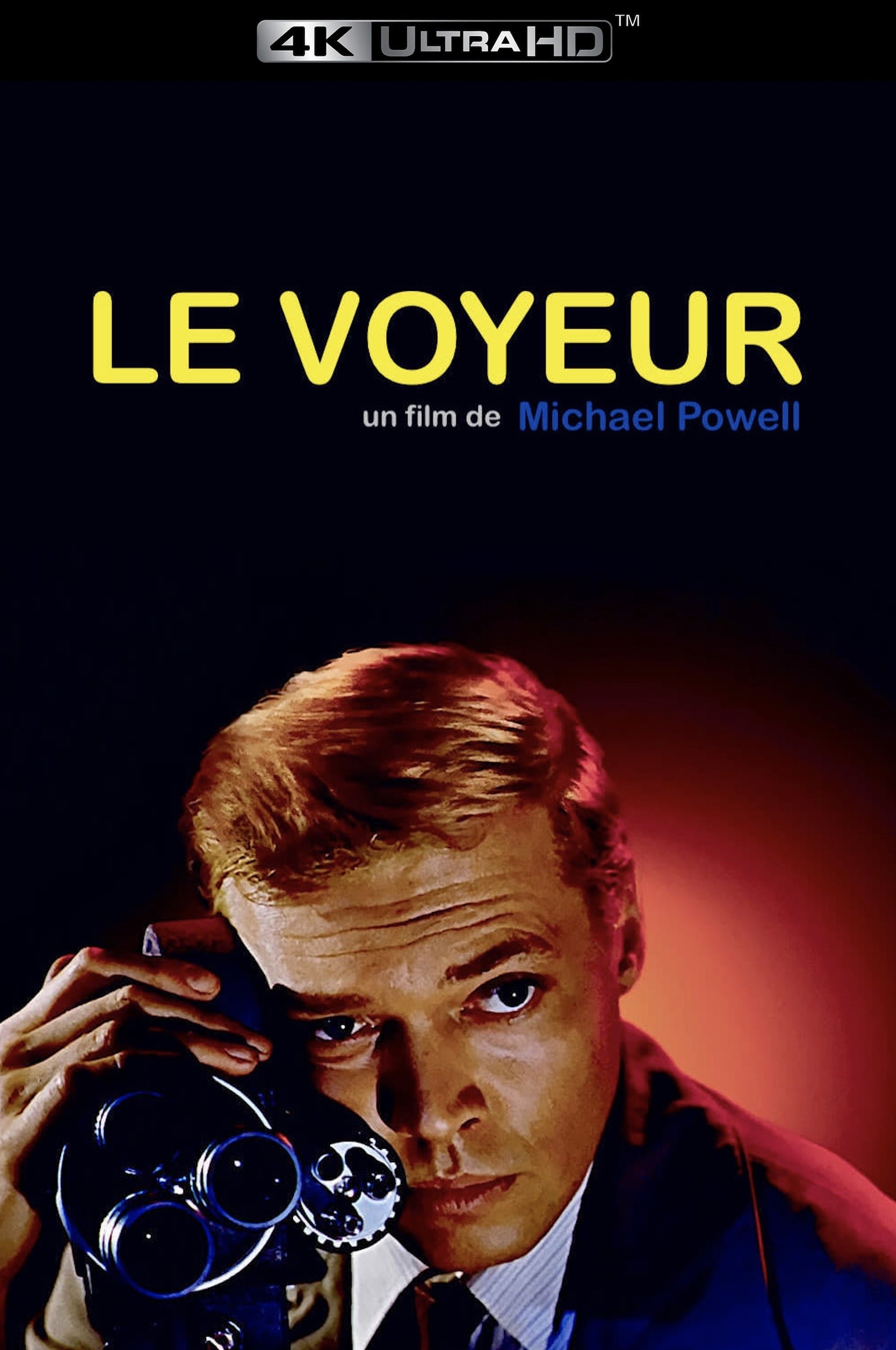
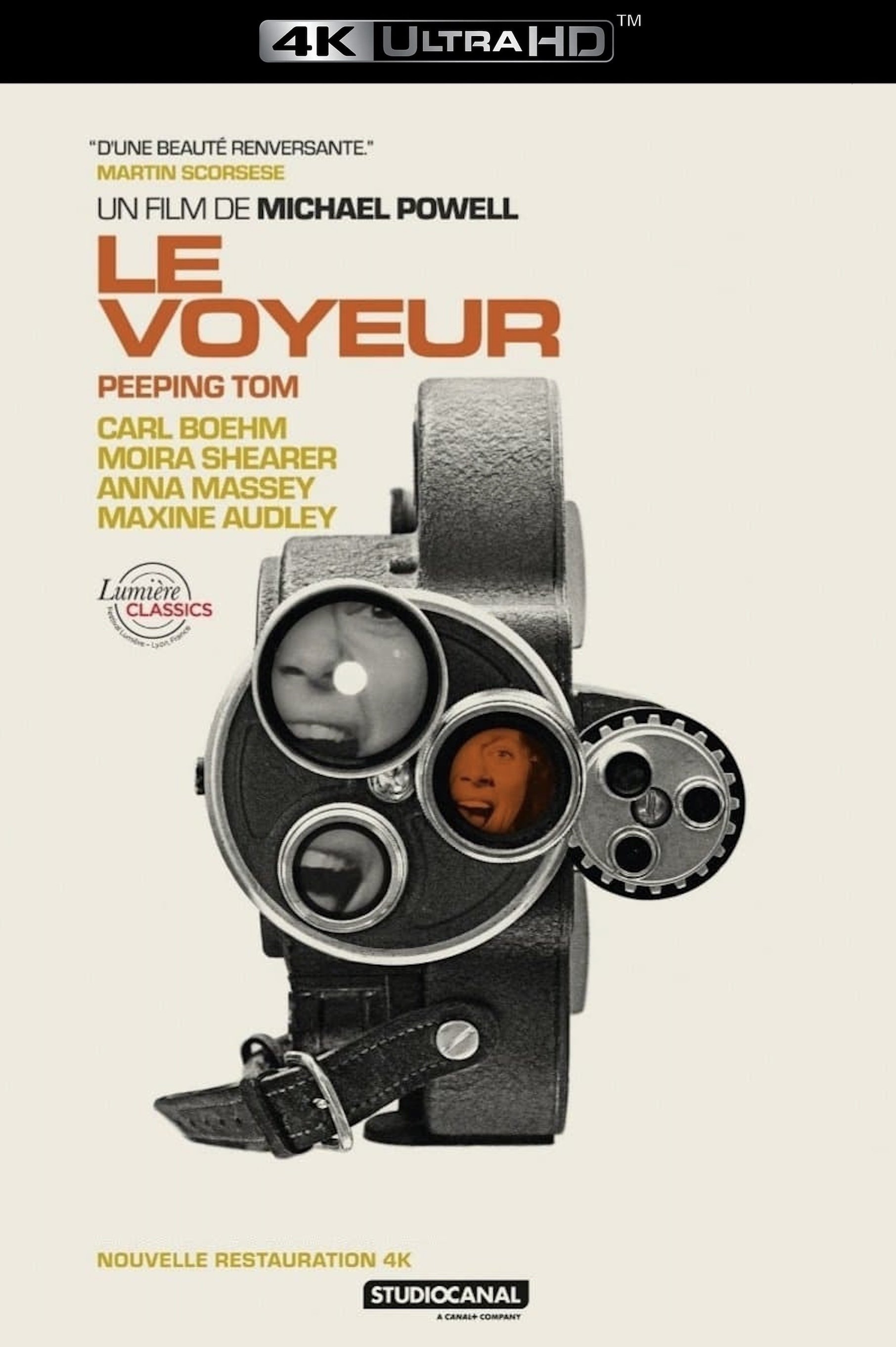
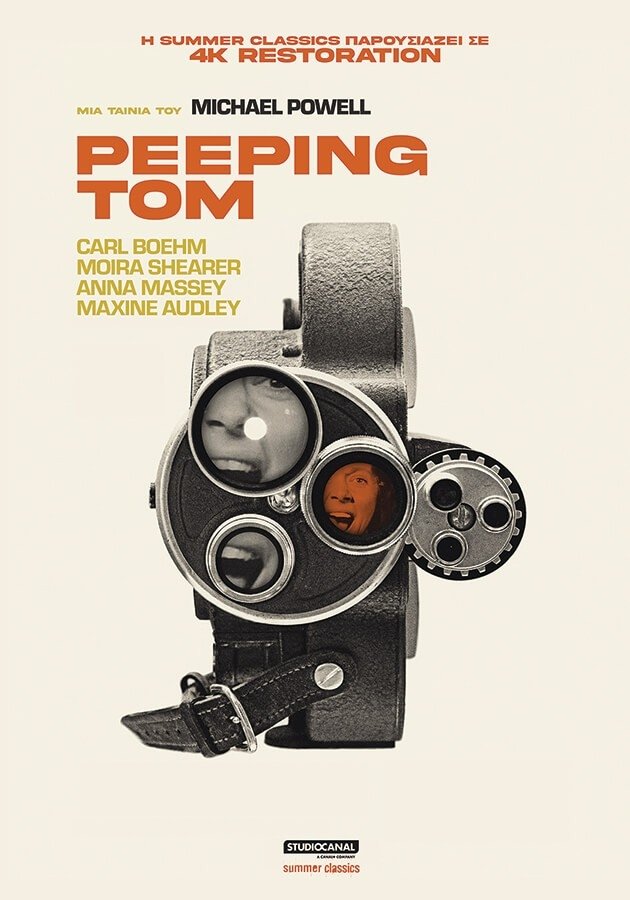
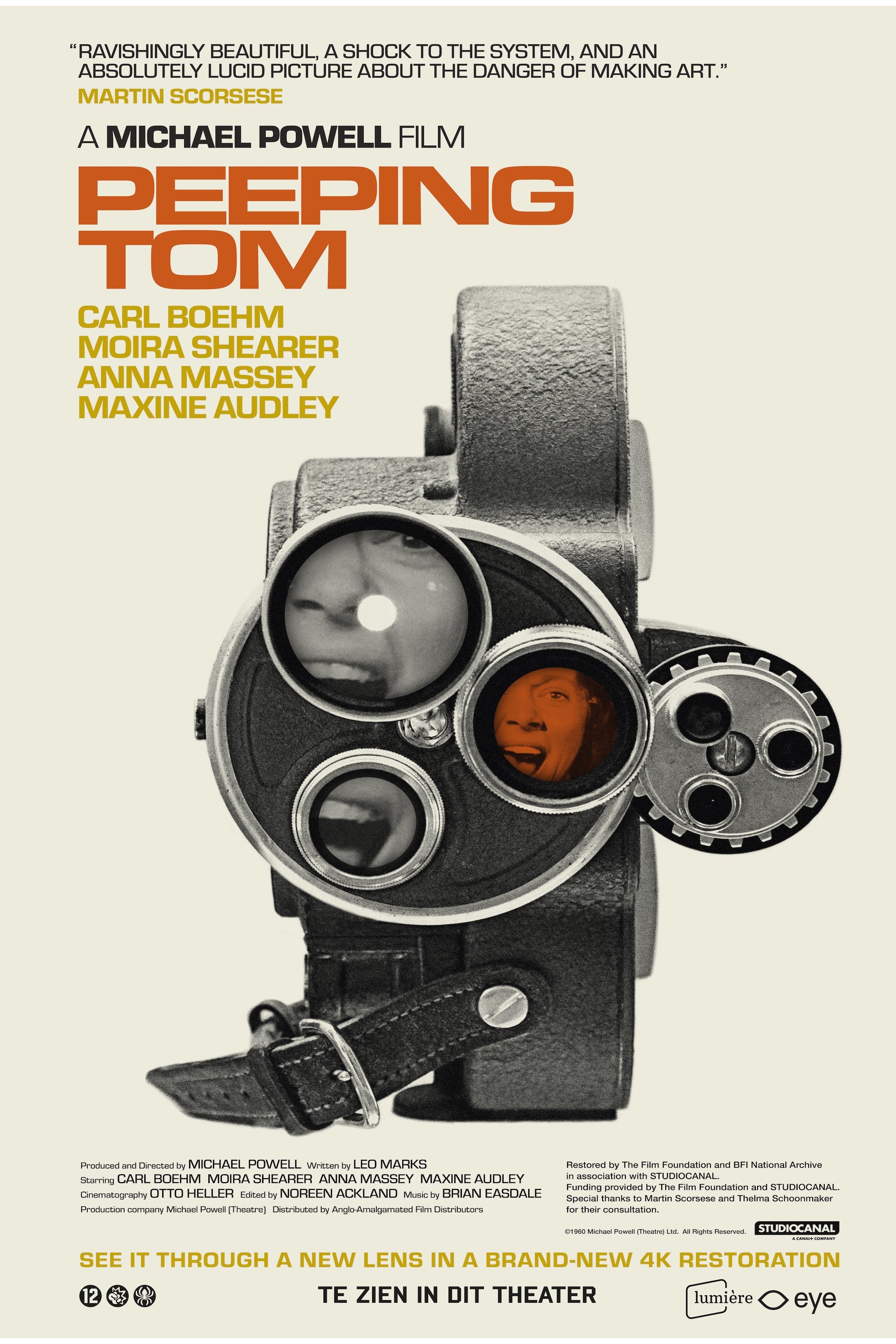
A major new restoration premiered at the BFI London Film Festival on October 7, 2023. The Film Foundation, BFI National Archive and StudioCanal collaborated on the project, with Martin Scorsese and Thelma Schoonmaker providing consultation. The original Eastmancolor negative was scanned at 6K and the image restored at 4K by Cineric in New York. Sound restoration drew on surviving optical-track elements held by the BFI and StudioCanal. The restored version returned to British cinemas later that month and received new physical-media editions in 2024. Its subsequent circulation has consolidated the film’s historical standing. Peeping Tom remains influential for its use of subjective photography, its exploration of violent spectatorship and its examination of the psychological relationship between the person making an image and the person forced to appear within it.